PETERSBURG HEALTHCARE CENTER

287 EAST SOUTH BOULEVARD, PETERSBURG, VA 23805 (804) 733-1190
For profit - Corporation 120 Beds COMMUNICARE HEALTH Data: November 2025
Trust Grade
45/100
#149 of 285 in VA
Last Inspection: April 2022

Over 2 years since last inspection. Current conditions may differ from available data.

Overview

Petersburg Healthcare Center has a Trust Grade of D, indicating below-average quality and some concerns about care. Ranked #149 out of 285 facilities in Virginia, they are in the bottom half, and #3 out of 4 in Petersburg City County means only one nearby option is better. The facility's performance is worsening, with issues increasing from 13 in 2018 to 16 in 2022. Staffing is a concern, with a rating of 2 out of 5 and a turnover rate of 49%, which is around the state average. However, it is worth noting that they have not incurred any fines, which is a positive sign, and they have excellent quality measures, scoring 5 out of 5. On the downside, there have been serious incidents, including a failure to provide adequate discharge planning for a resident who needed language assistance, leading to anxiety, and a situation where residents were transferred by one staff member instead of two, resulting in a fall and injury. Additionally, there was a failure to apply a fall alarm for a resident as per physician orders. While there are strengths, families should weigh these serious concerns carefully when considering this facility.

Trust Score
D
45/100
In Virginia
#149/285
Bottom 48%
Safety Record
High Risk
Review needed
Inspections
Getting Worse
13 → 16 violations
Staff Stability
⚠ Watch
49% turnover. Above average. Higher turnover means staff may not know residents' routines.
Penalties
✓ Good
No fines on record. Clean compliance history, better than most Virginia facilities.
Skilled Nurses
⚠ Watch
Each resident gets only 19 minutes of Registered Nurse (RN) attention daily — below average for Virginia. Fewer RN minutes means fewer trained eyes watching for problems.
Violations
⚠ Watch
46 deficiencies on record. Higher than average. Multiple issues found across inspections.
★★★☆☆
3.0
Overall Rating
★★☆☆☆
2.0
Staff Levels
★★★★★
5.0
Care Quality
★★☆☆☆
2.0
Inspection Score
Stable
2018: 13 issues
2022: 16 issues

The Good

  • 5-Star Quality Measures · Strong clinical quality outcomes
  • Full Sprinkler Coverage · Fire safety systems throughout facility
  • No fines on record

Facility shows strength in quality measures, fire safety.

The Bad

3-Star Overall Rating

Near Virginia average (3.0)

Meets federal standards, typical of most facilities

Staff Turnover: 49%

Near Virginia avg (46%)

Higher turnover may affect care consistency

Chain: COMMUNICARE HEALTH

Part of a multi-facility chain

Ask about local staffing decisions and management

The Ugly 46 deficiencies on record

3 actual harm
Apr 2022 16 deficiencies 1 Harm
SERIOUS (G)

Actual Harm - a resident was hurt due to facility failures

Deficiency F0660 (Tag F0660)

A resident was harmed · This affected 1 resident

**NOTE- TERMS IN BRACKETS HAVE BEEN EDITED TO PROTECT CONFIDENTIALITY** Based on observations, resident and staff interviews, and medical record and facility policy reviews the facility failed to prov...

Read full inspector narrative →
**NOTE- TERMS IN BRACKETS HAVE BEEN EDITED TO PROTECT CONFIDENTIALITY** Based on observations, resident and staff interviews, and medical record and facility policy reviews the facility failed to provide Resident (R51) with essential discharge planning. This failure impacted R51's psychosocial wellbeing, causing him anxiety at times and desperation to return to his community. This is harm. The facility failed to meet this requirement by failing to: 1. Ensure R51's discharge goals were clearly understood through the use of an interpreter. 2. Develop a discharge plan for R51 to return to his community. 3. Regularly evaluate R51 for his desire to return to his community and assist with resources to make his transition successful. Findings include: Observation on [DATE] at 11:00 AM, revealed R51 at the Receptionist's window. R51 was ambulatory, without the need of a walker or wheelchair to assist in mobility, and he was agitated. R51 is Korean and speaks only a few words of English. He stated .forty dollars-forty dollars! and he waved a small black notebook at the Receptionist and the Business Office Manager (BOM). The BOM addressed R51's concern and they were attempting to communicate using a translation application on his phone. Review of an undated Face Sheet (a document with demographic and limited diagnostic information) found in the Electronic Medical Record (EMR) under the profile tab, revealed R51 was admitted to the facility on [DATE] with diagnoses including unspecified convulsions, seizures, and major depressive disorder. Review of R51's Annual Minimum Data Set (MDS) assessment with an Assessment Reference Date (ARD) of [DATE] revealed R51 is ambulatory per self with no assistive device required. He is assessed as independent requiring only oversight or cueing for his Activities of Daily Living (ADLs). The assessment indicated R51 had a Brief Interview for Mental Status (BIMS) score of 7 (of a possible 15 points). Previous MDS assessments were reviewed going back to R51's admission in 2017, and most of the MDS assessments were scoreless in this category due to the language barrier per the SW notes at the time. Review of the Quarterly MDS with an ARD of [DATE] did not complete the BIMS Assessment. Review of the Quarterly MDS with an ARD of [DATE] coded the resident as an 11 meaning moderately impaired. Review of the Quarterly MDS with an ARD of [DATE] indicated the BIMS assessment should be complete but no score was noted. Observations throughout the survey revealed R51 was rarely in his room. He walked the facility halls several times a day. He is very social with both staff and residents. In an interview on [DATE] at 10:15 AM Licensed Practical Nurse (LPN)B said .[R51] has had a room to himself since COVID - when we had to make a lot of room changes.he tends to be territorial and that works better for him. The LPN confirmed he is out of the room most days to burn off energy. During this same interview, LPNB and CNAA were asked about communicating with R51. They confirmed the device he wears around his neck is his cell phone and he has a translation application that he uses for Korean to English and vice versa. When asked if they felt this was effective, they both said yes, and added that R51 is very animated and used his body language when communicating his needs. This was observed to be true throughout the survey. LPNB also stated we can call his wife and gestured air quotation marks. Review of the residents EMR and hard chart at the nurse's station revealed a named resident representative (RR) and/or emergency contact identified as friend. The RR and her children were also listed under contacts. There was no documented evidence that R51 had been deemed unable to represent himself and make his own decisions since his admission. R51 has a language barrier and is frequently agitated (per the medical record review), because the language barrier hasn't been resolved by engaging a reliable interpreter. The EMR and hard chart were silent to documents that would deem the friend as an appropriate representative for healthcare and/or financial decisions. Nor was there documentation that one of the children was a deemed resident representative, but both had been notified by the facility of medical and financial concerns for R51. In an interview with the Social Worker (SW) on [DATE] at 2:20PM, the SW was asked about communicating with R51. The SW stated, .he has a device and if that doesn't work we can call his wife. When asked about documentation of the named girlfriend being deemed a representative to make decisions for, interpret for, and to be notified of changes for R51 both medical and financial, the SW said that she had only been at the facility for about a year but she would see what she could find related to social services and discharge planning provided to/for R51 since his admission. Review of the Social Services notes since admission revealed the following: [DATE] - Met with resident's girlfriend who had questions about filling out an application for [R51] new social security card . SW advised girlfriend. [DATE] - Care Plan meeting held. Resident declined and no contact from family .Resident continue to be Full Code and long term. [DATE] - Care Plan meeting held. Resident did not attend, no contact from family. Resident is long term and CPR. [DATE] - Care Plan meeting held. Resident did not attend, no contact from family. Resident is long term and CPR. [DATE] - [R51] is a 69yo [year old] long term care resident due to convulsions and muscle weakness. He is alert and oriented and can make needs known but does have difficulty with English as a second language. Only ask about returning to community on annual assessments . [DATE] - Resident visited SS (Social Services) with his cell phone to translate. Resident wanted money and green card and wants to go home. SW advised resident a call was placed to RP. [DATE] - SW communicated with resident today on his app on telephone. Resident stated he was frustrated and wanted to know why he cant go home.SW communicated this is his home now and staff will take care of laundry. SW reminded resident that [named girlfriend] does not return calls from SW. [DATE] - Resident at SW office agitated. SW uncertain what resident was saying because resident was yelling in addition to language barrier.he stated he came four times.SW attempts to get stepson on phone. [DATE] - Conference call with SSA, and resident regarding resident income. During an interview on [DATE] at 3:30 PM, the SW was asked if the facility had ever made an attempt to engage an interpreter, without a potential conflict of interest, so that R51 could be clearly understood regarding his treatment and resident rights for appropriate care and discharge planning. The SW stated .there is a phone number we can call for an interpreter and I know they (BOM and R51) had a meeting using that interpreter line in the business office about his green card. When asked if she had ever engaged the interpreter line in her role as SW to ensure R51's needs were being met, the SW said, No. When asked about the effectiveness of communicating through the translating device, due to its dependence on R51's understanding of what he is trying to ask/say, and the immense opportunity for misinterpretation the SW said .we do the best we can to understand him. Review of the Nurse Practitioner and Nursing Progress notes in the EMR found in the Progress Notes tab revealed the following: [DATE] - Nurse Practitioner Note .language barrier makes difficult to communicate called wife to explain and interpret patient complaints. [DATE] - Note text: visited resident in his room.Resident speaks Korean and some English but is usually understood. Resident nodded head up and down when I asked if he was ok. I asked if he had any problems and he smiled and said good, good. [DATE] - Activity Note Text: Resident received a copy of Resident Rights and Ombudsman information. Surveyor asked Activities Director on [DATE] at 7:40 AM if it was provided in Korean and it was not. When asked if R51 attends activities regularly the AD said sometimes. [DATE] - Social Services [SS] Note Text: On [DATE] resident became very upset and loud by the SS door because he thought the number of medications he was receiving was wrong. SW Unit Manager and Nurse finally explained his medications and was able to calm him down. [DATE] - Social Services Note: [R51] is alert and oriented with a BIMS score of 14/15. He has difficulty making his needs known because English is his second language .only ask about returning to community on annual assessment. [DATE]- Social Services Note: resident visited SS today with his cell phone to translate. Resident wanted money, green card and wants to go home. SW informed resident that a call was placed to RP and left a message. [DATE] - Social Service Note: SW communicated with resident today on his app on telephone. Resident stated he was frustrated and wanted to know why he cant go home.SW communicated this is his home now and staff will take care of laundry. SW reminded resident that [named girlfriend] does not return calls from SW. [DATE] - Nurse Practitioner Note:.Neuro: alert and oriented x4 [times four]. Follows commands, no neural deficits noted. Psych: appropriate mood, affect and judgment . [DATE] - Physician Progress Note:.ROS [review of systems] awake alert - language barrier.Neuro: alert and oriented x4 [times four]. Follows commands, no neural deficits noted. Psych: appropriate mood, affect and judgment. In an interview with the Director of Nursing (DON) and the Administrator on [DATE] at 4:05 PM, the DON and Administrator were made aware of the concerns related to R51's language barrier as it related to resident rights and medically necessary social services. Neither were aware that the emergency contacts were not appropriate to act as R51's representative. They were advised that the facility must ensure he is clearly understood, and can speak for himself, by whatever means necessary. The DON agreed that he is high functioning and his level of care should be reassessed when the resident could be fully involved in the conversation. She confirmed no clear baseline had been established due to the language barrier. Both the Administrator and DON stated that situation would be clarified and taken care of immediately. On [DATE] at 8:00 AM R51 was interviewed in his room using his interpretive app on his cell phone. The effectiveness of this app is questionable because it relies on R51 having a clear understanding of what he wants to ask or say. He did make clear that he is desperately trying to return to his Korean community. He was adamant through body language and the device that the listed RR was not an appropriate decision maker for him. He stated this was a lover but the relationship had ended and she hasn't return his calls for over a year. The resident had been journaling his situation and had multiple notebooks filled with notes since his admission. R51 offered them to read but they are written in Korean and this too, would require an interpreter. With patience R51 was able to communicate that he had a Pastor that would come to the facility to interpret for us. He trusted the Pastor and called him on his cell phone. The Pastor agreed to meet with the surveyor and R51 at 9:00 AM on [DATE]. With the interpreter/Pastor present in the facility on [DATE] at 9:10 AM, along with R51 and two surveyors, R51 was able to explain his situation as he understood it. R51 said that two years ago he had a stroke and woke up here. Through the interpreter R51 said that he had needed rehab and was in a wheelchair for a short time. He has recovered remarkably, by all accounts, and wishes to return to his community. R51 confirmed the emergency contact/resident representative that the facility had been contacting was a former girlfriend/lover, but that relationship had ended. When asked how long since the relationship had ended, R51 said since before COVID through the interpreter/Pastor, and he adamantly crossed his arms in the air and said, no more. R51 was clear that the woman named should not be making decisions or receiving information about his situation. He stated he feels trapped and frustrated, and feels he is capable of caring for himself and is aware he should have the right to try. Review of the facility's policy tilted Policy and Standard Procedures - Subject: Discharge Planning - Category: Social Services - Effective: [DATE] revealed, A process [discharge planning] that generally begins on admission and includes each resident's discharge goals and needs, developing and implementing interventions to address discharge goals/needs and continuously reevaluating throughout the residents stay to ensure a successful discharge.1.) The discharge plan must be consistent with discharge rights set forth in 483.15(b).2.) Ensure the discharge needs of each resident are identified and result in a discharge plan .work with the clinical team to ensure discharge needs are addressed.3.) Include regular reevaluation of residents to identify modifications needed.7.) Address the resident's goal and treatment preferences.8.) Document that a resident has been asked about their interest in returning to their community.a.) If the resident indicates interest in returning to the community the facility must document referrals to local agencies or appropriate agencies .10.) Document and include in the resident's record the evaluation and discharge plan.a.).ll relevant information must be incorporated into the discharge plan to facilitate its implementation and avoid unnecessary delays in the resident's discharge.
CONCERN (D)

Potential for Harm - no one hurt, but risky conditions existed

Deficiency F0561 (Tag F0561)

Could have caused harm · This affected 1 resident

Based on observation, resident interview, staff interview, clinical record review, facility document review and in the course of a complaint investigation, the facility staff failed to facilitate resi...

Read full inspector narrative →
Based on observation, resident interview, staff interview, clinical record review, facility document review and in the course of a complaint investigation, the facility staff failed to facilitate resident self-determination for one resident (Resident #93) in a survey sample size of 40 residents. The findings included; 1a) For Resident #93, the facility failed to allow the Resident use of condom catheters. Resident #93's most recent MDS (minimum data set) assessment was dated 4-5-22. The document coded the Resident as always incontinent of bowel and bladder, fully intact with cognition, and was totally dependant on Staff for all activities of daily living to include toileting and hygiene. The Resident used a motorized wheel chair which he was able to maneuver himself without assistance as observed by the surveyor. On 4-13-22 At approximately 9:00 AM Resident 93 was observed and interviewed in his room. Resident #93 was dressed only in a shirt and an incontinence brief. The incontinence brief was soaked heavily with urine and the Resident stated look in that cabinet, it is full of condom catheters that I need to use, and have used for years. I want to use them, that would keep me dry and clean, I don't like stinking, and they won't let me use them. The surveyor inspected the cabinet and found it stacked with boxes of hundreds of condom catheters. The Resident stated they won't let me use them because they don't want me to be able to go out of the facility, and with the condom catheters I would not get wet, so I could have more freedom. The Resident's care plan was reviewed and revealed the Resident as incontinent of bowel and bladder, with interventions of the following only; Barrier cream after incontinence care. Assist with ADL's hygiene and toileting. On 4-13-22 the DON was asked why the Resident had not been allowed his preference for condom catheters, and she stated they were afraid it would break down the Resident's skin. On 4-13-22 at the end of day debrief, the DON notified the surveyor that they had received an order for the Resident to use the condom catheters. On that day the condom catheters were placed on the Resident's care plan. On 4-14-22 during the end of day meeting the Administrator and DON were made aware of the concerns and no further information was provided. Complaint Deficiency. 1b). Resident #93 was not permitted to go out of the facility by himself. Resident #93's most recent MDS (minimum data set) assessment was dated 4-5-22. The document coded the Resident as always incontinent of bowel and bladder, fully intact with cognition, and was totally dependant on Staff for all activities of daily living to include toileting and hygiene. The Resident used a motorized wheel chair which he was able to maneuver himself without assistance as observed by the surveyor. On 4-13-22 At approximately 9:00 AM Resident 93 was observed and interviewed in his room. Resident #93 was dressed only in a shirt and an incontinence brief. The resident stated, they won't let me use them because they don't want me to be able to go out of the facility, and with the condom catheters I would not get wet, so I could have more freedom On 4-13-22 the DON was asked why the Resident was not allowed to go out with family and friends, she stated the doctor feels it is not safe. On 4-14-22, there was an order for the Resident going out in his motorized wheel chair was also added to the care plan as ordered. On 4-14-22 during the end of day meeting the Administrator and DON were made aware of the concerns and no further information was provided.
CONCERN (D)

Potential for Harm - no one hurt, but risky conditions existed

Notification of Changes (Tag F0580)

Could have caused harm · This affected 1 resident

Based on staff interview, clinical record review, facility documentation review, and in the course of a complaint investigation, the facility staff failed to notify the responsible representative of a...

Read full inspector narrative →
Based on staff interview, clinical record review, facility documentation review, and in the course of a complaint investigation, the facility staff failed to notify the responsible representative of a change in condition for one Resident (Resident #103) in a sample size of 40 Residents. For Resident #103, the facility staff failed to: a) Notify the Physician and the Responsible Representative in a timely fashion for significant weight loss on 09/03/2020. b) Notify the Responsible Representative for Resident #103's right eye infection on 09/17/2020. The findings included: On 04/12/2022 and 04/13/2022, Resident #103's clinical record was reviewed. According to the Weight Flowsheet, Resident #103 weighed 138 pounds on 08/01/2020 and weighed 125 pounds on 09/03/2022 which was a 9.42% weight loss in one month. The progress notes for August and September 2020 were reviewed. A nurse's note dated 09/03/2020 at 9:52 A.M. documented, Note Text: Ate 25% or less x 1 day. Alternate meals and snacks offered and accepted. Nursing staff will continue to monitor. There was no evidence the Physician or the Responsible Representative was notified of Resident #103's significant weight loss. A progress note dated 09/17/2020 at 8:26 P.M., documented, Note Text: NP [Nurse Practitioner] notified of thick yellow drainage from right eye. New order given for Ciprofloxacin [antibiotic] 0.3% eye drop solution to right eye TID x 5 days [three times a day for 5 days]. There was no evidence the Responsible Representative was notified of eye infection or the new treatment order. On 04/15/2022 at 2:00 P.M., the Director of Nursing (DON) was notified of findings. The DON confirmed she would expect the Physician and Responsible Representative to be notified for changes in condition. The facility staff provided a copy of their policy entitled, Notification for Changes in Condition. Under the header, Policy, an excerpt documented, Changes may include but are not limited to accidents, incidents, transfers, changes in overall health status, significant medical changes . In Section II(a), it was documented, When a change in condition is noted, the nursing staff will contact the resident representative. In Section III(b)(c), it was documented, The attending practitioner must be immediately notified of significant changes in condition, and the medical record must reflect the notification, response, and interventions implemented to address the resident's condition. The nurse will record in the progress notes, the name of the person called, the time of each attempt to contact, and the telephone number attempted. On 04/15/2022 at approximately 4:30 P.M., the administrator indicated there was no further information or documentation to submit.
CONCERN (D)

Potential for Harm - no one hurt, but risky conditions existed

Transfer Notice (Tag F0623)

Could have caused harm · This affected 1 resident

Based on family member interview, staff interviews, facility documentation review and clinical record review, the facility staff failed to provide notice in writing, as soon as practicable, when a fac...

Read full inspector narrative →
Based on family member interview, staff interviews, facility documentation review and clinical record review, the facility staff failed to provide notice in writing, as soon as practicable, when a facility transfers or discharged a Resident to the hospital, to the Resident and Resident Representative (RR/RP) for 1 Residents (Resident #29) in a survey sample of 40 Residents. The findings included: On 4/13/22-4/14/22, a review of the clinical record for Resident #29 was conducted. This review revealed on the census tab of the electronic health record (EHR), Resident #29 had discharged on 3/15/22 and on 4/12/22, to the hospital. There was no further indication in the clinical record to indicate Resident #29 and/or his representative had received reason for the transfer in writing, prior to, or at the time of transfer/discharge. Review of the progress notes for Resident #29 revealed the following entry on 3/15/22, resident with N/V [nausea and vomiting] all day blood tinged secretions not elevated with mediations that was ordered V/S [vital signs] 163/101 pulse 95 temp 98.5 r 98.5 Convergence called New order to send to ER [emergency room] to evaluate and treat [family member name redacted] notified. A progress note on 4/12/22, read, Resident vomited after restarting feeding after 4 hours duration. Also has diarrhea. Notified NP [nurse practitioner]. Transferred to hospital. RP [responsible party] made aware. BS [blood sugar/glucose] 183. Review of the miscellaneous tab of the EHR revealed no documentation of a transfer notice that may have been provided to Resident #29 or their RP. Review of the assessment tab of the EHR revealed various documents that were titled, COVID Hospital Transfer Form, eINTERACT Change in Condition Evaluation, eINTERACT Transfer Form, for the discharge on 3/15 and 4/12. Review of these forms revealed no evidence that the Resident and/or RP were provided copies of any of the forms. On 4/14/22 at 1:32 PM, Surveyor B requested that the facility staff provide any evidence of Resident #29 being provided a notice of transfer. On 4/14/22 at 5:37 PM, the facility Director of Nursing (DON) provided Surveyor B with a copy of the COVID Hospital Transfer Form and eINTERACT Transfer Form. On 4/15/22 at 10:45 AM, an interview was conducted with LPN C. LPN C was asked to describe the process when a Resident is sent to the hospital and to describe what forms are completed. LPN C stated, I do the COVID transfer form, E-Interact change in condition, E-interact transfer to hospital, ADT transfer to hospital [census function in EHR], follow-up note with the admitting diagnosis, ADT discharge [census function in EHR], and notification note that I notified the MD [doctor] and RP [responsible party]. LPN C was asked what happens with the forms she fills out. LPN C said, I give the documents to the EMT [emergency medical technicians] in a folder. When asked, who are those documents for? LPN C said, The hospital. LPN C was asked what is communicated to and/or given to the Resident and/or family. LPN C said, I tell them where they are going and why. LPN C confirmed that she doesn't provide them [Resident or family] with any forms. On 4/15/22 at 10:55 AM, an interview was conducted with LPN D. LPN D was asked to discuss the process when a Resident is transferred to the hospital. LPN D discussed that she gets an order from the nurse practitioner or doctor to send the Resident out and completes the forms to include: COVID transfer, E-Interact change in condition, E-Interact transfer to hospital, follow-up note with diagnosis if they stay at the hospital and a note that she notified the nurse practitioner and RP. LPN D stated, The Resident transfer form, resident profile page [face sheet], bed hold and COVID transfer to hospital, are the documents that I give to the EMTs. LPN D was asked what communication and forms are given to the Resident and family, LPN D said, I tell them they are going to the hospital. LPN D was asked if the Resident and/or family are given copies of any of the forms, LPN D said, No ma'am, we give it to the EMTs, it goes to the hospital with them. On 4/15/22 at 11:14 AM, a telephone conversation was held with Resident #29's family member/responsible party. The family member was asked if she was provided any written documentation following Resident #29's discharge to the hospital. The family member said, No ma'am, my sister was present. A review of the facility policy titled, Transfer and Discharge Policy, was conducted. This policy didn't address the issuance of a transfer notice when being transferred to an acute care hospital. On 4/15/22 at 11:28 AM, Surveyor B spoke to the facility Administrator and notified him of the findings. The Administrator stated, I figured when you asked for the policy that we didn't do it. On 4/15/22 at 2:20 PM, during an end of day meeting, the facility Administrator and Director of Nursing were made aware of the findings. No further information was received.
CONCERN (D)

Potential for Harm - no one hurt, but risky conditions existed

Deficiency F0625 (Tag F0625)

Could have caused harm · This affected 1 resident

Based on family member interview, staff interviews, facility documentation review and clinical record review, the facility staff failed to provide notice of bed hold policy to the Resident and Residen...

Read full inspector narrative →
Based on family member interview, staff interviews, facility documentation review and clinical record review, the facility staff failed to provide notice of bed hold policy to the Resident and Resident Representative (RR/RP) at the time of transfer, for 1 Residents (Resident #29) in a survey sample of 40 Residents. The findings included: On 4/13/22-4/14/22, a review of the clinical record for Resident #29 was conducted. This review revealed on the census tab of the electronic health record (EHR), Resident #29 had discharged on 3/15/22 and on 4/12/22, to the hospital. There was no further indication in the clinical record to indicate Resident #29 and/or his representative had received notice of the facility bed hold policy at the time of transfer/discharge. Review of the miscellaneous tab of the EHR revealed no documentation of the bed hold policy being discussed and provided to Resident #29 or their RP. Review of the assessment tab of the EHR revealed various documents that were titled, COVID Hospital Transfer Form, eINTERACT Change in Condition Evaluation, eINTERACT Transfer Form, for the discharge on 3/15 and 4/12. Review of these forms revealed no evidence that the Resident and/or RP were provided the bed hold policy. On 4/14/22 at 1:32 PM, Surveyor B requested that the facility staff provide any evidence of Resident #29 being provided a notice of bed hold. On 4/14/22 at 5:37 PM, the facility Director of Nursing (DON) provided Surveyor B with a copy of the COVID Hospital Transfer Form and eINTERACT Transfer Form. On 4/15/22 at 10:45 AM, an interview was conducted with LPN C. LPN C was asked to describe the process when a Resident is sent to the hospital and to describe what forms are completed. LPN C stated, I do the COVID transfer form, E-Interact change in condition, E-interact transfer to hospital, ADT transfer to hospital [census function in EHR], follow-up note with the admitting diagnosis, ADT discharge [census function in EHR], and notification note that I notified the MD [doctor] and RP [responsible party]. LPN C was asked if she has a discussion about bed hold, LPN C said, Not from me, no. On 4/15/22 at 10:55 AM, an interview was conducted with LPN D. LPN D was asked to discuss the process when a Resident is transferred to the hospital. LPN D discussed that she gets an order from the nurse practitioner or doctor to send the Resident out and completes the forms to include: COVID transfer, E-Interact change in condition, E-Interact transfer to hospital, follow-up note with diagnosis if they stay at the hospital and a note that she notified the nurse practitioner and RP. LPN D stated, The Resident transfer form, resident profile page [face sheet], bed hold and COVID transfer to hospital, are the documents that I give to the EMTs. LPN D was asked what communication and forms are given to the Resident and family, LPN D said, I tell them they are going to the hospital. LPN D was asked if the Resident and/or family are given copies of any forms such as bed hold, LPN D said, No ma'am, we give it to the EMTs, it goes to the hospital with them. On 4/15/22 at 11:14 AM, a telephone conversation was held with Resident #29's family member/responsible party. The family member was asked if she was provided any written documentation at the time of or following Resident #29's discharge to the hospital. The family member said, No ma'am, my sister was present. Review of the facility policy titled, Bed Hold Policy was conducted. This policy read, 1. In the event a resident returns to the hospital or goes on a leave, the following process will be followed by the facility: a. The Admissions Director or designee will notify the resident and/or responsible party of the days available under their Medicaid benefits or the private pay cost associated with holding the bed will be explained, within 24 hours of the patient leaving the facility, or the following business day if the patient leaves on the weekend or a holiday. b. The nurse or designee will obtain the residents or responsibly party's signature on the bed hold authorization form each time the resident leaves on a bed hold. If the bed hold authorization form cannot be signed prior to the resident leaving and needs to be mailed, it must be mailed certified return receipt requested by the Business Office Manager or designee. c. The Director of Social Service or designee will notify the resident or responsible party if a room reassignment is required during the time of the bed hold; the facility reserve the right in its sole discretion to reassign rooms while a resident is absent from the facility. d. The business office manager or designee will follow all state specific guidelines upon resident return regarding notifying resident or responsible party of amount of bed hold days used and left. e. If the payor type for a resident is Managed Care, the facility will follow the payor plan's guidelines. On 4/15/22 at 11:28 AM, Surveyor B spoke to the facility Administrator and notified him of the findings. On 4/15/22 at 2:20 PM, during an end of day meeting, the facility Administrator and Director of Nursing were made aware of the findings. No further information was received.
CONCERN (D)

Potential for Harm - no one hurt, but risky conditions existed

Deficiency F0657 (Tag F0657)

Could have caused harm · This affected 1 resident

Based on observations, resident interviews, staff interviews, clinical record reviews, facility document reviews, and in the course of a complaint investigation the facility staff failed to review and...

Read full inspector narrative →
Based on observations, resident interviews, staff interviews, clinical record reviews, facility document reviews, and in the course of a complaint investigation the facility staff failed to review and revise the resident centered care plan for two Residents (Resident #11, and #93) in a survey sample of 40 Residents. Findings include: 1. For Resident #11, The facility failed to revise the Resident's nutritional care plan to reflect significant weight loss interventions. 1. Resident #11's admission/only Minimum Data Set (MDS) assessment, with an Assessment Reference Date (ARD) of 1-18-22, revealed the Resident was moderately cognitively impaired and required a mechanically altered diet. The Resident had no teeth, and required supervision of one staff person to eat for cueing and assistance. Review of the Resident's care plan revealed the following; Nutritional consult on admission, quarterly, and as needed. Monitor meal intake. Observe for signs of aspiration. Obtain weights as ordered, monitor for weight loss & weight changes. Provide meals per diet order. Provide snacks per facility protocol. The Resident's weight record was reviewed and revealed the following; 1-11-22 - 142 lbs standing 1-12-22 - 142 lbs standing 1-18-22 - 142 lbs standing 2-8-22 - 124.6 lbs standing 2-15-22 - 118.2 lbs standing 2-22-22 - 120.2 lbs standing 3-1-22 - 121.2 lbs wheel chair 3-21-22 - 123 lbs mechanical lift 4-1-22- -128 lbs mechanical lift 4-14-22 - 129 lbs mechanical lift [with surveyor present]. The Resident's admission assessment completed by Licensed Practical Nurse (LPN) G on 1-11-22 was reviewed and revealed the Resident weighed 142 lbs on admission, and the Resident was standing on a scale. On 1-18-22 a Dietary Nutritional Assessment was completed for care planning and the admission MDS submission to CMS (Centers for Medicare/Medicaid Services), and documented that the Resident weighed 142 lbs. On 4-8-22 the only other Dietary Nutritional Assessment in the clinical record was completed for care planning and the MDS first quarterly submission to CMS. The assessment documented that the Resident weighed 129 lbs, with fortified foods, and mighty shakes added to meals. The document recorded no significant weight changes in the last 6 months incorrectly. Physician orders for weight maintenance were as follows; Diet Ordered on 1-12-22 - Dysphagia mechanical soft texture, thin consistency liquids, bite size pieces for nutrition. Diet Ordered on 3-22-22 - Dysphagia advanced texture, thin consistency liquids. Both diet orders remained current on the physicians orders until 4-6-22 when the 1-12-22 diet was discontinued. Dietary personnel stated the orders were duplicates, and that is why one was discontinued, because they meant the same thing mechanical soft. Ordered on 1-18-22 - weekly weights for 4 weeks Ordered on 1-21-22 - Fortified foods with meals, and mighty shakes with meals. After 1-21-22 no orders for weight loss interventions were completed, nor were any of the orders descibed in the Resident's care plan for nursing. All interventions were ordered before the Resident experienced a 17% weight loss in one month, and no new interventions, nor orders for undesired weight loss occurred before survey on 4-12-22. The MDS assessment of 4-8-22, just 4 days prior to survey, documented no significant weight loss in error. The Resident experienced a 24 lb weight loss in one month and 4 days (142 lbs to 118 lbs ) from 1-11-22 to 2-15-22 which equalled a 17% loss. On 4-14-22 at 5:00 PM, the Director of Nursing (DON), and Administrator were made aware of the issues with Resident #11 and her significant weight loss. The DON was asked what her expectation was for a Resident with weight loss, and she stated that the Registered Dietician should be made aware, and the physician and an assessment should be done and new interventions care planned immediately as soon as the weight loss was identified. They stated they had nothing further to provide. 2. For Resident #93, the facility failed to revise the Resident's ADL (activities of daily living) incontinence care plan to include resident centered interventions to keep the resident's clothes, bed, and wheel chair dry. Resident #93's most recent MDS (minimum data set) assessment was dated 4-5-22. The document coded the Resident as always incontinent of bowel and bladder, fully intact with cognition, and was totally dependant on Staff for all activities of daily living to include toileting and hygiene. The Resident used a motorized wheel chair which he was able to maneuver himself without assistance as observed by the surveyor. The Resident's care plan was reviewed and revealed the Resident as incontinent of bowel and bladder, with interventions of the following only; Barrier cream after incontinence care. Assist with ADL's hygiene and toileting. No other direction was given for incontinence care to include incontinence briefs or when to provide hygiene. On 4-14-22 during the end of day meeting the Administrator and DON were made aware of the concerns and no further information was provided.
CONCERN (D)

Potential for Harm - no one hurt, but risky conditions existed

ADL Care (Tag F0677)

Could have caused harm · This affected 1 resident

**NOTE- TERMS IN BRACKETS HAVE BEEN EDITED TO PROTECT CONFIDENTIALITY** Based on observation, Resident interview, staff interview, facility documentation review, clinical record review, and in the cou...

Read full inspector narrative →
**NOTE- TERMS IN BRACKETS HAVE BEEN EDITED TO PROTECT CONFIDENTIALITY** Based on observation, Resident interview, staff interview, facility documentation review, clinical record review, and in the course of a complaint investigation, the facility staff failed to ensure timely ADL (Activities of Daily Living) care for 2 Residents (#101, and #93) in a survey sample of 40 Residents. The findings included; 1. For Resident #101 the facility staff failed to fully dress the Resident, and to provide timely incontinence care, allowing the Resident to lay in urine soaked pants on one occasion, and to walk around in only a shirt, and a heavily urine soaked incontinence brief on a second occasion. Resident #101's most recent MDS (minimum data set) assessment was dated 3-23-22. The document coded the Resident as frequently incontinent of bowel and bladder, severely impaired cognition, and required extensive assistance from one staff member for toileting and hygiene. On 4-12-22 at approximately 12:30 PM during initial tour of the facility Surveyor C entered the room of Resident #101 and found her in bed uncovered dressed in sweat pants that were wet from the crotch area halfway to her waist, and a cotton short sleeve t-shirt. There was no blanket, nor top sheet on the bed, and she was covered from her waist up to her neck with a small 3 foot by 3 foot (lap robe) throw covering. The Resident was shivering and was asked if she was cold. She stated I'm ok, thank you. At 1:00 PM - the Surveyor returned to the room after initial tour of the entire building was completed and found the Resident exactly as before. On all halls of the building, and even at the entrance to the building the entire facility smelled strongly of urine. At 2:45 PM - the Surveyor returned to the room and found the Resident exactly as before. On all halls of the building, and even at the entrance to the building the entire facility continued to smell strongly of urine. The Surveyor spoke to the Resident and realized she continued to need incontinence care and located 2 CNA's to Provide the incontinence care. On 4-13-22 At approximately 10:00 AM Resident #101 was observed walking around her room near the window, by the bed of her room mate. The room door was open, and staff, visitors, and other residents were walking in the hallway looking in. Resident #101 was dressed only in a short sleeve cotton t-shirt and an incontinence brief, held up only by her hip bones, which was soaked and heavy with urine and hanging down swinging front to back as she walked. Licensed Practical Nurse (LPN) F approached as he saw the surveyor watching from the door of the room. He went to the Resident and walked her back to her bed, which was wet, covered her in her throw lap robe seen the day before, and a sheet. The Resident was shivering and LPN F was asked why the Resident did not have a blanket on her bed, and he replied I don't know. LPN F was the IT (information technology) coordinator, and not general floor staff. LPN F did not give incontinence care and simply got the Resident back to bed, and continued down the hall. The clinical record was reviewed and ADL (activities of daily living) documents revealed that Resident #101 received hygiene as follows; 4-12-22 completely dependant on staff Incontinence care at 2:01 AM, 2:59 PM, and not again until 7:00 PM. 4-13-22 completely dependant on staff Incontinence care at 1:12 AM, 11:24 AM, and not again until 7:09 PM. The Resident's care plan was reviewed and revealed the Resident as incontinent of bowel and bladder, with interventions to include the following; Barrier cream after incontinence care. Keep skin clean and dry. Resident requires assistance with toileting, wears adult briefs. Check resident for incontinence, wash rinse dry perineum. Change clothing as needed after incontinence episodes. Check as needed for incontinence episodes. Provide incontinence care after each incontinence episode. On 4-14-22 at the end of day debrief at 4:30 PM, the DON (Director of Nursing) was asked her expectation of hygiene and incontinence care for incontinent residents, and how often it should occur. The DON stated the residents should be checked at least every 2 hours and changed after each incontinent episode. On 4-14-22 during the end of day meeting the Administrator and DON were made aware of the concerns and no further information was provided. 2. For Resident #93 the facility failed provide incontinence care, resulting in a urine soaked bed, wheel chair, and clothing. Resident #93's most recent MDS (minimum data set) assessment was dated 4-5-22. The document coded the Resident as always incontinent of bowel and bladder, fully intact with cognition, and was totally dependant on Staff for all activities of daily living to include toileting and hygiene. The Resident used a motorized wheel chair which he was able to maneuver himself without assistance as observed by the surveyor. On 4-12-22 at approximately 12:00 PM during initial tour of the facility Surveyor C entered the room of Resident #93 and found him in bed uncovered dressed in sweat pants and a sweat shirt with staff in the room preparing to transfer him with a hoyer lift from the bed into his electric wheel chair for the day. The Resident was easily engaged in conversation and found to be oriented to person, place, time, history, and situation. The wheel chair smelled of urine, and the seat cushion had a glossy appearance and appeared to be wet. Staff stated it was damp, however, the Resident insisted on getting into the chair, and the Resident stated What difference does it make, my bed is wet too, they don't answer my call bell when I get wet, so eventually it gets my bed and chair wet too. When the Resident was safely in the chair the Resident's bed was inspected, and the mattress (air mattress) was wet and showed white staining in over [NAME] large concentric circles indicating saturation over an extended period of time. The staff stated that the stain could not be removed and it had been that way for a long time. The bed also smelled strongly of urine. At 2:00 PM - the Surveyor returned to the room after initial tour of the entire building was completed and interviewed the Resident without staff present. On all halls of the building, and even at the entrance to the building the entire facility smelled strongly of urine. On 4-13-22 At approximately 9:00 AM Resident 93 was observed and interviewed in his room. Resident #93 was dressed only in a shirt and an incontinence brief. The incontinence brief was soaked heavily with urine and the Resident stated this is every day They are short staffed, and there just isn't enough staff to come in here but once or twice a day, that's why I get in my chair, so I can get out of this room. The Resident went on to say look in that cabinet, it is full of condom catheters that I need to use, and have used for years. I want to use them, that would keep me dry and clean, I don't like stinking, and they won't let me use them. The surveyor inspected the cabinet and found it stacked with boxes of hundreds of condom catheters. The Resident stated they won't let me use them because they don't want me to be able to go out of the facility, and with the condom catheters I would not get wet, so I could have more freedom. The clinical record was reviewed and ADL (activities of daily living) documents revealed that Resident #93 received hygiene as follows; 4-12-22 completely dependant on staff Incontinence care at 6:42 AM, 2:59 PM, and not again until 6:48 PM. 4-13-22 completely dependant on staff Incontinence care at 1:06 AM, 10:54 AM, and not again until 6:15 PM. The Resident's care plan was reviewed and revealed the Resident as incontinent of bowel and bladder, with interventions of the following only; Barrier cream after incontinence care. Assist with ADL's hygiene and toileting. No other direction was given for incontinence care to include incontinence briefs or when to provide hygiene. On 4-13-22 the DON was asked why the Resident had not been allowed his preference for condom catheters, and she stated they were afraid it would break down the Resident's skin. On 4-13-22 at the end of day debrief, the DON notified the surveyor that they had received an order for the Resident to use the condom catheters. On that day the condom catheters were placed on the Resident's care plan, and on the following day 4-14-22, the Resident going out in his motorized wheel chair was also added to the care plan as ordered. On 4-14-22 at the end of day debrief at 4:30 PM, the DON (Director of Nursing) was asked her expectation of hygiene and incontinence care for incontinent residents, and how often it should occur. The DON stated the residents should be checked at least every 2 hours and changed after each incontinent episode. On 4-14-22 during the end of day meeting the Administrator and DON were made aware of the concerns and no further information was provided. Complaint Deficiency.
CONCERN (D)

Potential for Harm - no one hurt, but risky conditions existed

Deficiency F0679 (Tag F0679)

Could have caused harm · This affected 1 resident

**NOTE- TERMS IN BRACKETS HAVE BEEN EDITED TO PROTECT CONFIDENTIALITY** Based on observation, staff interviews, facility documentation review, and clinical record review, the facility staff failed to ...

Read full inspector narrative →
**NOTE- TERMS IN BRACKETS HAVE BEEN EDITED TO PROTECT CONFIDENTIALITY** Based on observation, staff interviews, facility documentation review, and clinical record review, the facility staff failed to provide an ongoing program to support a Resident's choice of activities based on the preference of the Resident for one Resident (Resident #65) in a survey sample of 40 Residents. The findings included: On 4/12/22, 4/13/22, 4/14/22, and 4/15/22, at various times during the day, Surveyor D observed Resident #65. Each observation revealed Resident #65 lying in bed. There was no television in the room, no radio, no reading material and no social stimulation or activities noted for Resident #65. An attempt to interview Resident #65 was made but was not successful due to her impaired cognition. On 4/13/22, Surveyor B conducted a review of the electronic health record for Resident #65. This review revealed the following: 1. Resident #65 had been admitted to the facility on [DATE]. 2. No record of activity attendance or invite, (in room or group) for the past 30 days. There was an entry on 3/26/22, which noted, Not applicable, for activity offered to Resident. 3. A care plan entry dated 3/21/22, that read, [Resident #65's name redacted] has little or no activity involvement. Resident is still adjusting to her surroundings. The intervention(s) for this care plan read, Encouraging attendance to entertainment programs, large and small group activities, volunteer demonstrations, and religious activities. 4. There were no activity progress notes entered into the clinical record. 5. An Activities Preferences Interview form was conducted 3/14/22, that noted, Resident #65 liked cats. Had a current interest in: exercise, watching tv, keeping up with the news, and talking with staff. Resident #65 had a desire to participate in daily activities with peers and join activities with peers. Resident #65 needs assistance getting to/from activities. 6. Resident #65 had an MDS (minimum data set) (an assessment tool) conducted 3/12/22. This assessment coded Resident #65 with the following: How important is it to you to keep up with the news? Very important. How important is it to you to have books, newspapers, and magazines to read? Very important. On 4/14/22 at 10:03 AM, an interview was conducted with Employee G, the activities director. Employee G said he makes the activity calendar/schedule. When asked about activity attendance he said, at least 1-2 per week, is the goal for each Resident. He went on to say, Activities are important because you need some type of coping skill to get through the hard times, you have to have activities you like to do, to get your mind off things. When asked about the documentation of attendance, Employee G said, I try to document at the end of the day, my co-worker documents in a book. On 4/14/22 at 10:10 AM, Surveyor B requested to see the activity assistant's notebook of activity attendance for the past 30 days. On 4/14/22 at 2:54 PM, the facility Administrator provided a copy of the activity assistant's notes with regards to activity attendance for the month of March. These documents were reviewed and revealed notebook pages that had a list of the activities conducted for the day. No Resident names were noted on these pages. There were census pages [listing of Residents by room number] which revealed check marks by some of the names. Review of the pages revealed Resident #65's name with a check mark on 2 occasions, but no details with what activities she was invited to, if she attended or participated. On 4/15/22 at 8:35 AM, an interview was conducted with Employee K, the activity assistant. Employee K reported that she conducts the group activities and does individual activities with Residents. Employee K said she keeps a notebook where she records what activities she did for the day and who attends. Surveyor B stated that the pages of her notebook had been reviewed and didn't include any Resident names to indicate they had attended activities. Employee K said she keeps a census list [resident listing] and checks off who I seen and who participated in what activity. Employee K was asked how she manages Residents who can't get to the activities independently. Employee K said, I go get them. Employee K said she isn't aware of any frequency to which Residents should be provided, but she does try divide by units or rooms and she tries to make sure everyone gets seen or an activity throughout the week. Employee K was asked how attendance in recorded in the Resident's record. The activity assistance said her boss logs it in the computer, she reviews her notes with him at the end of the day. She had just received access to the EHR [electronic health record] and was learning the system, but currently doesn't record any attendance in the Resident's clinical record. On 4/15/22 at 8:55 AM, an interview was conducted with the facility Administrator. He stated, Activities should be going room to room, providing packets and one on one. When asked about Resident's activity attendance goals, he said, At least once a week. The facility Administrator confirmed that the expectation is that activity attendance be documented in the clinical record. He added that the lack of documentation was brought to his attention last week and they have been working to get Employee K, the activity assistant access to the EHR. On 4/15/22 at 8:55 AM, during the conversation with the facility Administrator a request for Resident #65's activity attendance since her admission on 3/7, was requested. On 4/15/22, mid-morning, the facility Administrator confirmed the facility had no evidence of Resident #65's activity attendance to provide the survey team. On 4/15/22, during an end of day meeting the facility Administrator and Director of nursing were made aware that Resident #65 was not being provided activities based upon her expressed preferences and interests. No further information was provided.
CONCERN (D)

Potential for Harm - no one hurt, but risky conditions existed

Deficiency F0692 (Tag F0692)

Could have caused harm · This affected 1 resident

2. For Resident #103, the facility staff failed to implement the dietician's recommendations for a fortified diet on 09/09/2020 and for a 2 cal supplement on 09/30/2020. On 04/12/2022 and 04/13/2022, ...

Read full inspector narrative →
2. For Resident #103, the facility staff failed to implement the dietician's recommendations for a fortified diet on 09/09/2020 and for a 2 cal supplement on 09/30/2020. On 04/12/2022 and 04/13/2022, Resident #103's clinical record was reviewed. According to the Weight Flowsheet, Resident #103 weighed 138 pounds on 08/01/2020 and weighed 125 pounds on 09/03/2022 which was a 9.42% weight loss in one month. The progress notes for August and September 2020 were reviewed. A nurse's note dated 09/03/2020 at 9:52 A.M. documented, Note Text: Ate 25% or less x 1 day. Alternate meals and snacks offered and accepted. Nursing staff will continue to monitor. There was no evidence the physician or the responsible party was notified of Resident #103's significant weight loss. An excerpt of a provider's note dated 09/07/2020 at 11:08 P.M., documented, Patient doing well [n.p.] no distress. Code status full [code]. The significant weight loss discovered on 09/03/2022 was not addressed in the provider note. An excerpt of a therapy notification note dated 09/08/2020 at 10:02 A.M. documented, Difficulty getting in/out of bed. Weakness upper/lower extremities. Excerpts of a Registered Dietitian nutrition note dated 09/09/2020 at 5:50 P.M. (6 days after the significant weight loss was discovered) documented, [Resident #103] triggers for significant weight loss (9.4% x 30 days). Under the sub-header Interventions, it was documented, Resident's weight change and nutrition interventions were reviewed during the weekly IDT [interdisciplinary team] meeting with MD [medical doctor]/RD [registered dietician]/DON [Director of Nursing]/Nursing Unit Manager present. [Resident #103] is noted w/ significant weight loss x 30, 90, and 180 days BMI [body mass index] remains WNL [within normal limits] at this time. PO [oral] intake noted to be fair-good, consuming 25-100% meals -slight decline in PO intake maybe contributing to sig wt loss [significant weight loss]. Recommend adding fortified foods @ meals and monitoring via weekly weights x 4 weeks. A physician's order dated 09/09/2020 documented, Weekly weights .every Tuesday. The weekly weights were reviewed. According to the Weights Flowsheet, Resident #103 weighed 124 pounds on 09/13/2020; 118.5 pounds on 09/23/2020; 116 pounds on 09/29/2020; and 116 pounds on 10/03/2020. A physician's order dated 09/23/2020 documented, Regular diet Dysphagia Puree texture, Thin consistency, for fortified foods with meals. This order was dated was 20 days after the significant weight loss was discovered and 14 days after the dietitian's recommendation for fortified foods. An excerpt of a Registered Dietitian nutrition note dated 09/23/2020 at 5:32 P.M. under the sub-header Interventions documented, Resident's current weight and nutrition interventions were discussed during the weekly IDT meeting with MD/RD/SW [social worker]/ED [executive director]/Nursing Team present. Resident is noted with weight loss and downgrade in diet texture. PO intake remains poor-fair, consuming 0-75% meals. Recommend providing resident with fortified foods and magic cup [supplement] Q day [every day] for additional calories. Will continue to monitor via weekly weights and f/u PRN [follow up as needed]. According to the Medication Administration Records for September and October 2020, Magic Cup was signed off as administered from 09/24/2020 through 10/07/2020. An excerpt of a Registered Dietitian nutrition note dated 09/30/2020 at 8:13 P.M. under the sub-header Interventions documented, Resident's weight and nutrition interventions were reviewed during the weekly IDT meeting with MD/ED/Corporate Nurse/RD/SW/MDS [minimum data set]/Nursing Team present. IDT team agrees that resident may benefit from 2cal supplement at this time. Will continue to monitor via weekly weights and follow up PRN [as needed]. A nurse's note dated 10/05/2020 at 2:44 P.M. documented, Ate less. Alternate snacks and meals offered and accepted. Nursing staff will continue to monitor. An excerpt of a Registered Dietitian nutrition note dated 10/07/2020 under the sub-header Interventions documented, Resident's weight change and nutrition interventions were reviewed during the weekly IDT meeting with MD/RD/Corporate Nurse/SW/MDS/Nursing Team present. IDT team reports that resident has had a significant decline s/p [status post] outbreak of COVID19. Resident is now dependent on staff for feeding and his PO intake remains poor-fair @most meals. Recommend providing resident w/ 2cal120cc BID [with 2 cal 120 cubic centimeters meaning milliliters twice a day](~480kcal/20gprotein) at this time. Will continue to monitor via weekly weights and f/u prn. A physician's order dated 10/07/2020 documented, 2 cal supplement 120 cc two times a day for supplement. This supplement was ordered 8 days after the registered dietician recommended it on 09/30/2020. A review of the Medication Administration Record for October 2020 revealed that Resident #103 did not receive the supplement on 10/07/2020 due to hospitalization. On 04/15/2022 at 2:00 P.M., the Director of Nursing (DON) was notified of findings. When asked about the process for implementing the dietician's recommendations, the DON stated that the dietician will notify the nurse and the nurse will notify the physician. The DON also stated that the nurse will put the order into the electronic health record, notify the dietary team, and notify the family. When asked about the expectation for timeliness, the DON stated the expectation is the nurse will input the orders as soon as the dietician recommends them. On 04/15/2022 at approximately 4:30 P.M., the administrator stated they had no further information or documentation to submit. Based on observations, Resident interview, staff interview, clinical record review, and facility document review, the facility failed to prevent significant weight loss for Two Residents (Resident #11, and #103 ) in a survey sample of 41 Residents. Findings include: 1. The facility failed to provide a therapeutic diet ordered by a physician and failed to provide supervision with eating which culminated in unplanned significant weight loss. 1. Resident #11's admission/only Minimum Data Set (MDS) assessment, with an Assessment Reference Date (ARD) of 1-18-22, revealed the Resident was moderately cognitively impaired and required a mechanically altered diet. The Resident had no teeth, and required supervision of one staff person to eat for cueing and assistance. Review of the Resident's care plan revealed the following; Nutritional consult on admission, quarterly, and as needed. Monitor meal intake. Observe for signs of aspiration. Obtain weights as ordered, monitor for weight loss & weight changes. Provide meals per diet order. Provide snacks per facility protocol. The Resident's weight record was reviewed and revealed the following; 1-11-22 - 142 lbs standing 1-12-22 - 142 lbs standing 1-18-22 - 142 lbs standing 2-8-22 - 124.6 lbs standing 2-15-22 - 118.2 lbs standing 2-22-22 - 120.2 lbs standing 3-1-22 - 121.2 lbs wheel chair 3-21-22 - 123 lbs mechanical lift 4-1-22- -128 lbs mechanical lift 4-14-22 - 129 lbs mechanical lift [with surveyor present.] The Resident's admission assessment completed by Licensed Practical Nurse (LPN) G on 1-11-22 was reviewed and revealed the Resident weighed 142 lbs on admission, and the Resident was standing on a scale. On 1-18-22 a Dietary Nutritional Assessment was completed for care planning and the admission MDS submission to CMS (Centers for Medicare/Medicaid Services), and documented that the Resident weighed 142 lbs. On 4-8-22 the only other Dietary Nutritional Assessment in the clinical record was completed for care planning and the MDS first quarterly submission to CMS. The assessment documented that the Resident weighed 129 lbs, with fortified foods, and mighty shakes added to meals. The document recorded no significant weight changes in the last 6 months incorrectly. Physician orders for weight maintenance were as follows; Diet Ordered on 1-12-22 - Dysphagia mechanical soft texture, thin consistency liquids, bite size pieces for nutrition. Diet Ordered on 3-22-22 - Dysphagia advanced texture, thin consistency liquids. Both diet orders remained current on the physicians orders until 4-6-22 when the 1-12-22 diet was discontinued. Dietary personnel stated the orders were duplicates, and that is why one was discontinued, because they meant the same thing mechanical soft. Ordered on 1-18-22 - weekly weights for 4 weeks Ordered on 1-21-22 - Fortified foods with meals, and mighty shakes with meals. After 1-21-22 no orders for weight loss interventions were completed, nor were any of the orders described in the Resident's care plan for nursing. All interventions were ordered before the Resident experienced a 17% weight loss in one month, and no new interventions, nor orders for undesired weight loss occurred before survey on 4-12-22. The MDS assessment of 4-8-22, just 4 days prior to survey, documented no significant weight loss in error. The Resident experienced a 24 lb weight loss in one month and 4 days (142 lbs to 118 lbs ) from 1-11-22 to 2-15-22 which equaled a 17% loss. The facility's 4-13-22 lunch menu documented the following should have been served; -Turkey with cranberry glaze -Herbed green beans -Sage bread dressing -Dinner roll -Caramel apple upside down cake At 12:15 PM on 4-13-22 Resident #11 was observed in bed with a meal tray in front of her on a bedside table. No staff were there to cue or assist in any way. The tray contained sliced whole turkey meat, a serving of whole green bean pieces, a whole dinner roll, and an empty saucer. None of the food was chopped nor ground in any fashion. The Resident stated I can't eat that mess, I don't have any teeth! A CNA (Certified Nursing Assistant) in the hallway was delivering trays to resident rooms and was asked if anyone was helping Resident #11 to eat, and she stated We will after we finish delivering the trays, we don't have enough people to feed residents and pass trays at the same time. At 1:15 PM Resident #11 was again observed, and was sleeping. The meal tray was untouched from the first observation, and cold. Another CNA in the hall way saw the surveyor enter the room and came in and removed the tray and stated She refused to eat. The meat had never been cut nor prepared by staff for Resident consumption. The meal consumption log was reviewed for Resident #11, and documented that the Resident had eaten 76% to 100% of her lunch meal on 4-13-22 in error. On 4-14-22 at 5:00 PM, the Director of Nursing (DON), and Administrator were made aware of the issues with Resident #11 and her significant weight loss. The DON was asked what her expectation was for a Resident with weight loss, and she stated that the Registered Dietician should be made aware, and the physician and an assessment should be done and new interventions care planned immediately as soon as the weight loss was identified. They stated they had nothing further to provide.
CONCERN (D)

Potential for Harm - no one hurt, but risky conditions existed

Deficiency F0745 (Tag F0745)

Could have caused harm · This affected 1 resident

**NOTE- TERMS IN BRACKETS HAVE BEEN EDITED TO PROTECT CONFIDENTIALITY** Based on observation, Resident interview, staff interview, facility documentation review and clinical record review, the facilit...

Read full inspector narrative →
**NOTE- TERMS IN BRACKETS HAVE BEEN EDITED TO PROTECT CONFIDENTIALITY** Based on observation, Resident interview, staff interview, facility documentation review and clinical record review, the facility staff failed to provide medically related social services for one Resident (Resident #7) in a survey sample of 40 Residents. The findings included: For Resident #7, the facility staff failed to assist Resident #7 to obtain glasses after an eye examination on 10/22/2021. On 04/12/2022 at 11:25 A.M., Resident #7 was observed in his bed. Resident #7 was awake and the television was on. When asked if he had any concerns about the care he received at the facility, Resident #7 stated that he wanted to get glasses. Resident #7 stated he cannot see out of his right eye and he wants glasses to be able to see the television and read his books. Resident #7 stated he has trouble seeing close up and far away. Resident #7 was not wearing glasses at the time of the interview and stated that everything on the television was blurry. When asked if the facility staff offered him reading glasses, Resident #7 stated, No. On 04/13/2022, Resident #7's clinical record was reviewed. According to the Summary Ocular Progress Notes dated 10/22/2021 under the header Diagnosis and Treatments, an excerpt documented, Reordered lost glasses. A social worker noted dated 10/25/2021 at 10:05 A.M. documented, Note Text: Resident eyes were examined by [physician's name] with [company name] on 10/22/21; cataract exam. Resident has a prescription for frames, bifocal, high index, and tint, totaling $324.98. SW met with resident as he does not qualify for a [NAME] adjustment, and [facility] is not his rep payee. Resident stated he was receiving $11140.00 in the community. SW contacted [social security] Customer Services [name] with resident. [name] stated resident has been receiving $126.00 [per month] SSA [social security administration] since 2020. Resident has $86.16 available on his [social security prepaid debit] card from SSA. SW encouraged resident to contact his family to ask for assistant [sic] with paying for the eyeglasses. Resident stated he was going to call his brother to come get him because if he cannot get eyeglasses this place is not a benefit for him. There was no evidence in the clinical record that the social worker offered Resident #7 reading glasses or utilized alternate resources to assist with obtaining eye glasses. On 04/14/2022 at 11:20 A.M., the social worker was interviewed. When asked about Resident #7's eyeglasses, the social worker stated that she was working on it right now. The social worker stated that [eyeglass company] wrote an eyeglass prescription for [Resident #7] but that Resident #7 didn't have the money to pay for the eyeglasses. The social worker stated that she was currently working on trying to reduce the cost of the glasses by making adjustments to the items on the invoice. When asked about the timeliness of assisting Resident #7 obtain eyeglasses, the social worker stated that We didn't have a business office manager for awhile. On 04/14/2022 at 1:30 P.M., the Business Office Manager, Employee M, was interviewed. Employee M indicated she had worked at the facility since February 2022. When asked who was Business Office Manager prior to her employment, Employee M stated a mobile Business Office Manager and a Business Office Manager from a sister facility covered the business office manager duties. On 04/14/2022 at 1:40 P.M., the Human Resources Manager was interviewed. The Human Resources Manager confirmed that the Business Office Manager, Employee N, left the position in November 2021 and was replaced with a mobile Business Office Manager and a Business Office Manager from a sister facility. The facility staff provided a job description for the social worker. An excerpt under the header Purpose/Belief Statement documented, The position of Social Services Director provides planning, assessing, coordinating and implementation of services to enhance each resident's social and psychosocial wellbeing and assure care standards are met and the highest degree of quality resident care is provided at all times. On 04/15/2022 at 2:40 P.M., the administrator and Director of Nursing were notified of findings. The administrator stated that Medicaid will now cover the script since the script was changed. At approximately 4:30 P.M., the administrator stated there was no further information or documentation to submit.
CONCERN (D)

Potential for Harm - no one hurt, but risky conditions existed

Deficiency F0883 (Tag F0883)

Could have caused harm · This affected 1 resident

**NOTE- TERMS IN BRACKETS HAVE BEEN EDITED TO PROTECT CONFIDENTIALITY** Based on staff interview, facility documentation review, and clinical record review, the facility staff failed to implement thei...

Read full inspector narrative →
**NOTE- TERMS IN BRACKETS HAVE BEEN EDITED TO PROTECT CONFIDENTIALITY** Based on staff interview, facility documentation review, and clinical record review, the facility staff failed to implement their immunization policy and ensure each Resident is offered an influenza and pneumococcal immunization, unless medically contraindicated or they have already been immunized for 1 Residents (Resident #85), in a sample of 5 Residents reviewed for immunizations. The findings included: On 4/13/22, a clinical record review for Resident #85 was conducted. This review revealed the following: 1. Resident #85 had been admitted to the facility on [DATE]. 2. On the immunization tab of the electronic health record (EHR) there was no documentation with regards to the flu or pneumonia vaccine status of Resident #85. 3. All of the progress notes for Resident #85's duration of his stay at the facility were reviewed. There was no indication of Resident #85 being offered or educated on the benefit of immunization for flu and pneumonia. 4. Review of the misc. (miscellaneous) tab revealed no evidence of vaccine administration or offering of either. 5. Review of the nursing admission assessment completed on 3/18/22, indicated Resident #85 was not immunized for the flu or pneumonia. 6. Review of the Medication Administration Records (MAR) revealed no evidence of the flu or pneumonia immunization being provided to Resident #85. On 4/14/22 at 10:26 AM, an interview was conducted with LPN B. LPN B was asked where immunization records/information is found for Residents. LPN B said, under the immunization tab in the EHR. LPN B was asked to explain the admission process with regards to immunizations for Residents. LPN B accessed the EHR for Resident #85 and confirmed that she did not see any information under the immunization or misc. tabs. On 4/14/22 at approximately 1:30 PM, Surveyor E reviewed the paper chart for Resident #85. This review was conducted with LPN F, the Medical Records Director present. Employee F confirmed there was no record of Resident #85 being educated or offered to receive or decline immunizations for flu and pneumonia. On 4/14/22 at 5:23 PM, an interview was conducted with Employee C, the facility infection preventionist. Employee C confirmed that she handles the vaccination effort within the facility. When asked to describe the process when an admission comes in with regards to immunizations, Employee C said, When a Resident is admitted , the nurse has the consent for treatment, flu, pneumonia and COVID vaccines, after they receive consent, they enter it into [the electronic health record name redacted] if they consented or refused. The unit manager checks the next day to make sure it was done and I check behind them within 5 days. The next day [following admission] we review the chart and the medical records LPN [licensed practical nurse] uploads the consent into the misc. tab of the chart. Employee C then reviewed the EHR for Resident #85 and confirmed she didn't see any information with regards to immunization for flu or pneumonia being offered, consented to, or refused. She said it is important to get immunizations to protect against various illnesses. On 4/15/22 at 8:55 AM, the facility Administrator was made aware of the above findings. On 4/15/22 at 9:30 AM, Surveyor B received a phone call from Employee C, the infection preventionist. Employee C said, I spoke to [Resident #85's name redacted], he said he signed the forms on admission and gave them to the nurse, he declined the flu and pneumonia vaccines. On 4/15/22 at 10:18 AM, Surveyor C visited Resident #85 in his room and found him to be alert, oriented x 4. Surveyor C inquired about flu and pneumonia vaccines. Resident #85 stated he had never been offered the flu or pneumonia vaccines and didn't sign any forms on admission. Resident #85 said it wasn't until today that Employee C and LPN F came and tried to get him to sign forms and he refused. Surveyor C called Employee C to the room where Resident #85 again said he had never been offered the flu or pneumonia vaccines until she, [Employee C] came in there today and talked to him. Employee C confirmed she had talked to Resident #85 this morning because she wasn't here when he was admitted . Review of the facility policy titled, Resident Pneumococcal Vaccine was reviewed. These policy read, .A. Residents in the facility will be offered education regarding pneumococcal pneumonia. B. Residents in the facility will be offered the pneumococcal pneumonia vaccine, unless medically contraindicated or the resident has already been immunized. 1. Residents newly admitted to the facility will be asked if they have received a pneumonia vaccine in the past . 2. New admission residents will be offered the education and vaccine upon admission III. Vaccination and Documentation .D. The documentation will include, at a minimum, that the resident 1. Received the pneumococcal pneumonia vaccine immunization -OR- the reason noted as either: a) due to medical contraindications -OR- b) Refused 3. AND the resident and/or the resident representative received education PRIOR to the immunization, regarding the benefits and potential side effects. Review of the facility policy titled, and Resident Influenza Vaccine was conducted. Excerpts from this document read, B. 1. New admission resides will be offered the education and influenza vaccine upon admission in the event admission occurs during the influenza season, October 1 through March 31 III. Vaccination and Documentation .D. The documentation will include, at a minimum, that the resident 1. Received the influenza vaccine immunization -OR- 2. Did not receive the influenza vaccine immunization including the reason noted as either: a) due to medical contraindications -OR- b) Refused 3. AND the resident and/or the resident representative received education PRIOR to the immunization, regarding the benefits and potential side effects. On 4/15/22 at 2:30 PM, during an end of day meeting the facility Administrator and Director of Nursing were made aware of the facility staff's failure to determine vaccine status and offer the influenza and pneumococcal vaccines and education to Resident #85 and document such in Resident records. No further information was provided.
CONCERN (D)

Potential for Harm - no one hurt, but risky conditions existed

Deficiency F0887 (Tag F0887)

Could have caused harm · This affected 1 resident

**NOTE- TERMS IN BRACKETS HAVE BEEN EDITED TO PROTECT CONFIDENTIALITY** Based on staff interview, facility documentation review, and clinical record review, the facility staff failed to offer a COVID ...

Read full inspector narrative →
**NOTE- TERMS IN BRACKETS HAVE BEEN EDITED TO PROTECT CONFIDENTIALITY** Based on staff interview, facility documentation review, and clinical record review, the facility staff failed to offer a COVID vaccine for a Resident who was not vaccinated against COVID-19, for 1 Residents (Resident #85), in a sample of 5 Residents reviewed for immunizations. The findings included: On 4/13/22, a clinical record review for Resident #85 was conducted. This review revealed the following: 1. Resident #85 had been admitted to the facility on [DATE]. 2. An admission nursing note dated 3/18/2022, read, .COVID - 19 VACCINE RECEIVED No, resident is to be placed in isolation 3. On the immunization tab of the electronic health record (EHR) there was no documentation with regards to the COVID vaccine status of Resident #85. 4. All of the progress notes for Resident #85's duration of his stay at the facility were reviewed. There was no indication of Resident #85 being offered or educated on the benefit of immunization for COVID. 5. Review of the misc. (miscellaneous) tab revealed no evidence of vaccine administration or offering of the COVID vaccine. 6. Review of the nursing admission assessment completed on 3/18/22, indicated Resident #85 was not immunized for COVID. 7. Review of the Medication Administration Records (MAR) revealed no evidence of the COVID immunization being provided to Resident #85. Review of the listing of Resident's COVID immunization status form provided by the facility staff on 4/13/22, indicated Resident #85 was blank with no information recorded regarding COVID immunizations. On 4/14/22 at 10:26 AM, an interview was conducted with LPN B. LPN B was asked where immunization records/information is found for Residents. LPN B said, under the immunization tab in the EHR. LPN B was asked to explain the admission process with regards to immunizations for Residents. LPN B accessed the EHR for Resident #85 and confirmed that she did not see any information under the immunization or misc. tabs. On 4/14/22 at approximately 1:30 PM, Surveyor E reviewed the paper chart for Resident #85. This review was conducted with LPN F, the Medical Records Director present. Employee F confirmed there was no record of Resident #85 being educated or offered to receive or decline immunizations for COVID-19. On 4/14/22 at 5:23 PM, an interview was conducted with Employee C, the facility infection preventionist. Employee C confirmed that she handles the vaccination effort within the facility. When asked to describe the process when an admission comes in with regards to immunizations, Employee C said, When a Resident is admitted , the nurse has the consent for treatment, flu, pneumonia and COVID vaccines, after they receive consent, they enter it into [the electronic health record name redacted] if they consented or refused. The unit manager checks the next day to make sure it was done and I check behind them within 5 days. The next day [following admission] we review the chart and the medical records LPN [licensed practical nurse] uploads the consent into the misc. tab of the chart. Employee C then reviewed the EHR for Resident #85 and confirmed she didn't see any information with regards to immunization for COVID being offered, consented to, or refused. She said it is important to get immunizations to protect against various illnesses. On 4/15/22 at 8:55 AM, the facility Administrator was made aware of the above findings. On 4/15/22 at 9:30 AM, Surveyor B received a phone call from Employee C, the infection preventionist. Employee C said, I spoke to [Resident #85's name redacted], he said he signed the forms on admission and gave them to the nurse, he declined the flu and pneumonia vaccines but would accept the COVID. I had him sign new forms. Employee C was asked when Resident #85 would receive the COVID vaccine and Employee C said, When we have the next vaccine clinic, we will have to schedule it with the pharmacy. We try to do at least once a week on Thursdays. Employee C was asked when the last vaccine clinic was and she said, Last one was yesterday but he wasn't here. On 4/15/22 at 10:18 AM, Surveyor C visited Resident #85 in his room and found him to be alert, oriented x 4. Surveyor C inquired about vaccines. Resident #85 stated he had never been offered the flu, pneumonia or COVID vaccines and didn't sign any forms on admission. Resident #85 said it wasn't until today that Employee C and LPN F came and tried to get him to sign forms and he refused. Surveyor C called Employee C to the room where Resident #85 again said he had never been offered the flu or pneumonia vaccines until she, [Employee C] came in there today and talked to him. Employee C confirmed she had talked to Resident #85 this morning because she wasn't here when he was admitted . Review of the facility policy titled, Resident COVID-19 Vaccine was reviewed. This policy read, .A. Residents residing in the facility are provided education in a manner they understand related to the risk/benefits of the COVID-19 vaccine. The resident and/or resident representative is provided at a minimum the Fact Sheet for Healthcare Recipients prior to signing the consent to receive the COVID-19 vaccine. If the vaccination requires multiple doses of vaccine, the resident or resident representative are again provided with education regarding the benefits and potential side effects of the vaccine and current information regarding those additional doses, including any changes in the benefits or potential side effects, before requesting consent for administration of any additional doses. The resident and/or resident representative will have the opportunity to ask questions and make an informed decision prior to consenting to receive the COVID-19 vaccine. 1. New admission residents will be provided education in a manner they can understand and offered the COVID-19 vaccine prior to the first available vaccination date post admission .4. The resident or resident representative must sign a declination form each time a resident or resident representative is offered the COVID-19 vaccine and declines . On 4/15/22 at 2:30 PM, during an end of day meeting the facility Administrator and Director of Nursing were made aware of the facility staff's failure to determine vaccine status and offer the COVID vaccine and education to Resident #85 and document such in Resident records. No further information was provided.
CONCERN (D)

Potential for Harm - no one hurt, but risky conditions existed

Deficiency F0888 (Tag F0888)

Could have caused harm · This affected 1 resident

Based on observation, staff interview, and facility documentation review, the facility staff failed to have a 100% vaccination rate on 04/15/2022 due to one Employee (Employee L) in a sample size of 1...

Read full inspector narrative →
Based on observation, staff interview, and facility documentation review, the facility staff failed to have a 100% vaccination rate on 04/15/2022 due to one Employee (Employee L) in a sample size of 101 total staff members. Specifically, Employee L was only partially vaccinated while employed as kitchen staff and the facility staff failed to schedule for the second vaccination dose in the series. The findings included: On 04/15/2022, the staff vaccination was reviewed. According to the matrix, the facility had 101 total staff, 98 staff fully vaccinated, two staff granted exemption, and one partially vaccinated staff (Employee L) resulting in a facility vaccination rate of 99%. On 04/13/2022, the facility staff provided a copy of their policy entitled, Employee COVID-19 Required Vaccination. In Section A under the header Policy for Current Staff/New Hire Staff and sub-header New Hire Staff an excerpt documented, At minimum, the first dose of a two-dose vaccine or a one-dose must be given prior to providing any care, treatment, or other services for the facility and/or its patients, unless provided a religious or medical exemption. Vaccinated New Hire Staff are required to complete the second dose of a two dose vaccination at the time recommended by the vaccine manufacturer. In Section C entitled, Proof of Vaccination and sub-header Documentation and Tracking it documented, Documentation and Tracking of staff primary and booster doses of the Covid-19 vaccine, accommodation submissions and approvals are documented, tracked, and secured electronically in Workday. The Human Resource Manager maintains all documents related to the Workday system. On 04/15/2022 at 12:10 P.M., Employee L, kitchen staff, was interviewed. When asked how long he had been working at the facility, Employee L stated Three weeks. When asked if he had been vaccinated for COVID-19, Employee L stated he received the first dose but did not recall the date. When asked if he was scheduled to receive the second dose, Employee L indicated he was willing to receive a second dose but it had not been scheduled. On 04/15/2022 at 1:45 P.M., Employee D, Human Resources Manager, was interviewed. The Human Resources Manager provided a copy of Employee L's vaccination card and confirmed Employee L's date of hire was 03/20/2022. According to Employee L's COVID-19 vaccination card, Employee L received the first Pfizer dose on 03/25/2022 [meaning Employee L would be eligible for second dose on 04/15/2022]. When asked about tracking of the vaccine doses, the Human Resources Manager indicated that nursing does that. On 04/15/2022 at 1:55 P.M., the Director of Nursing (DON) were notified of findings. When asked about the expectation for staff vaccination status, the DON stated the expectation was that all staff would be fully vaccinated. When asked about Employee L's vaccination status, thw DON stated that [Employee L] would receive his second dose in the series when he was eligible. When asked if it was scheduled, the DON stated indicated it was not formally scheduled but it could be done next week during their weekly vaccination clinic. On 04/15/2022 at approximately 3:00 P.M., the Human Resources Manager confirmed Employee L's first day of working in the kitchen was 03/30/2022. On 04/15/2022 at approximately 3:15 P.M., the administrator and DON were notified of findings.
CONCERN (E)

Potential for Harm - no one hurt, but risky conditions existed

Resident Rights (Tag F0550)

Could have caused harm · This affected multiple residents

Based on observations and resident and staff interviews the facility failed to promote dignity with dining by failing to provide residents with proper silverware by serving the residents in the facili...

Read full inspector narrative →
Based on observations and resident and staff interviews the facility failed to promote dignity with dining by failing to provide residents with proper silverware by serving the residents in the facility with disposable, plastic spoons daily. Finding Included: 1. The facility failed to promote dignity with dining by failing to provide residents with proper silverware by serving the residents in the facility with disposable, plastic spoons daily During the initial pool portion of the survey process on the afternoon of 04/12/22 and through the morning of 04/13/22 several alert and oriented residents were interviewed/screened. Some of the residents were observed with their meal trays during the interviews and it was noted that they had regular forks and knives but could only get plastic spoons with their meals. Some of the residents complained the plastic wares could be difficult for residents with impaired grip and/or hand function/coordination issues. When asked, the residents stated they had made the facility aware that they preferred regular silverware. During a group meeting on 04/14/22 at 2:00 PM, the residents also stated that they had run out of spoons in the facility, and they had been getting plastic spoons on their trays since plastic wares were initiated for COVID containment. Those restriction had been lifted but the facility remained out of standard spoons for residents to use. In an interview with the Dietary Manager (DM) on 04/14/22 at 12:30 PM, the DM stated he thought majority of the facility spoons had been accidentally thrown away when the residents were using disposable wares (plastic containers and silverware) during the COVID-19 restrictions. The DM stated he had been out of dinnerware spoons for a few months because they had been on back order. He was asked to produce the work order or invoice for the spoons, but could not find it. On 04/15/22 the DM advised the surveyor that he had spoons for residents to use. The facility paid for him to get some locally while waiting for his order to be filled. The Administrator confirmed he had approved the expense for new silverware for the resident's use and the DM had purchased spoons on 04/14/22 at 5:00 PM during the end of day meeting with the team.
CONCERN (E)

Potential for Harm - no one hurt, but risky conditions existed

Deficiency F0804 (Tag F0804)

Could have caused harm · This affected multiple residents

Based on dining observations, resident and staff interviews, and review of the Food and Drug Administration's Food Code 2017, the facility failed to provide foods that were palatable and maintained at...

Read full inspector narrative →
Based on dining observations, resident and staff interviews, and review of the Food and Drug Administration's Food Code 2017, the facility failed to provide foods that were palatable and maintained at appetizing temperatures for 3 of 40 sampled residents (R44, R86 and R88). Findings include: During the initial pool portion of the survey process on the afternoon of 04/12/22 and through the morning of 04/13/22 many alert and oriented residents were interviewed/screened. Some of the residents were observed with their meal trays during the interviews and were asked about the food quality in the facility. Residents (R)44, R86 and R88 said their food was frequently cold by the time it reached them. During an interview on 04/13/22 at 8:30 AM, R86 stated it makes bad food worse. On 04/14/22 at 12:00 PM, food temperatures were checked on the serving line and found to be at appropriate temperatures when the food was plated and left the kitchen on the tray cart. A test tray was requested and followed for a temperature check by the Dietary Manager (DM) and surveyor. The test tray was the last tray, on the last cart served on the 200 top hall. The temperatures were checked at 12:37 PM on 04/14/22. The hot foods tested at or above 140 degrees as required. However, the cold items were not maintained at optimal temperatures to remain appetizing. The unopened yogurt on the test tray was 51 degrees, and the container was 'sweating'. The yogurt was not under the food cover, but was uncovered and unopened on the tray and failed to hold it's temperature. Interview with the DM at time of the temperature taking confirmed the yogurt was not less than 41 degrees as recommended. A group meeting was held on 04/14/22 at 2:00 PM with six alert and oriented residents willing to participate in resident council. During this meeting the residents stated their food is often cold when they receive it in their rooms. They said no certain meal was worse than others and that it happens frequently. On 04/14/22 at 2:30 PM the DM was made aware of the resident's comments about cold food during the screening process and during the resident group meeting. The DM stated he would work on fixing that. The DM stated he would look for a facility policy regarding food temperatures when asked, but he said he wasn't sure there was a facility policy because they follow FDA recommendations. No policy was received prior to exiting the survey. Review of the Food and Drug Administrations Food Code 2017: 7 Recommendations of the United States Public Health Service Food and Drug Administration, reviewed and current as of 03/2022, revealed .Foodborne illness in the United States is a major cause of personal distress, preventable illness and death.Epidemiological outbreak data repeatedly identify five major risk factors related to employee behaviors and preparation practices in food service settings as contributing to foodborne illness: o Improper holding temperatures, o Inadequate cooking, such as undercooking raw shell eggs, o Contaminated equipment, o Food from unsafe sources, and o Poor personal hygiene.The Food Code addresses controls for risk factors and further establishes 5 key public health interventions to protect consumer health. Specifically, these interventions are: demonstration of knowledge, employee health controls, controlling contamination, and time and temperature parameters for controlling pathogens.3-202.11 Temperature. (A) Except as specified in (B) of this section, refrigerated temperature control for food safety will be maintained at a temperature of 5oC (41oF) or below when served/received. (D) Temperature control for food safety of cooked foods that is cooked to a temperature and for a time specified under §§ 3-401.11 - 3-401.13 and received hot shall be at a temperature of 57oC (135oF) or above.
CONCERN (F)

Potential for Harm - no one hurt, but risky conditions existed

Infection Control (Tag F0880)

Could have caused harm · This affected most or all residents

Based on staff interview and facility documentation review, the facility staff failed to develop and implement a water management plan for Legionella with regards to a risk assessment to identify wher...

Read full inspector narrative →
Based on staff interview and facility documentation review, the facility staff failed to develop and implement a water management plan for Legionella with regards to a risk assessment to identify where Legionella and other waterborne bacteria could grow, which has the ability to affect all Residents residing at the facility. The findings included: On 4/14/22, during review of the facility water management program the facility submitted an incomplete and inaccurate facility risk assessment, used to identify where Legionella and other waterborne bacteria could grow and spread in the facility water system. This was reviewed with the facility Administrator and Director of Maintenance, who confirmed the form was not accurate and incomplete. During the review of the water management program, when asked about the water testing as noted as being conducted as per the facility assessment for Legionella, the maintenance director stated that the kitchen has the test strips and tests this. The maintenance director was asked to confirm that the kitchen staff are testing for Legionella and he stated, Yes, they have the test strips that change color. On 4/14/22 at 4:00 PM, the facility Administrator stated that the Divisional Director of Facilities management was walking them through the form [Legionella risk assessment]. The facility Legionella policy was reviewed. It read, .Surveillance for Legionella includes monitoring for appropriate levels of disinfectants in the public water system as well as the facility water system .4. Monitoring Environment. a. Maintenance performs routine water monitoring services documented in electronic surveillance systems . Administrator was made aware of the lack of an appropriate and accurate water management program on 4/14/22, during the end of day meeting. On 4/15/22 at 7:52 AM, the facility Administrator provided a revised Legionella Assessment form and stated, The form sent yesterday was completed incorrectly. Therefore, The maintenance director and area director completed a new form yesterday. No further information was provided.
Nov 2018 13 deficiencies
CONCERN (D)

Potential for Harm - no one hurt, but risky conditions existed

Free from Abuse/Neglect (Tag F0600)

Could have caused harm · This affected 1 resident

**NOTE- TERMS IN BRACKETS HAVE BEEN EDITED TO PROTECT CONFIDENTIALITY** 3. For Resident #98, the facility staff failed to ensure that he was free of verbal abuse by CNA E and mistreatment by CNA C. Re...

Read full inspector narrative →
**NOTE- TERMS IN BRACKETS HAVE BEEN EDITED TO PROTECT CONFIDENTIALITY** 3. For Resident #98, the facility staff failed to ensure that he was free of verbal abuse by CNA E and mistreatment by CNA C. Resident # 98, a male, was admitted to the facility 11/6/2018 with diagnoses of but not limited to: Acquired absence of right upper limb above elbow, Severe sepsis, Chronic Viral Hepatitis C, Acute Kidney Failure, Heart Failure, Gastroesophageal Reflux Disease, Diabetes, and Hypertension. Resident # 98's most recent MDS with an ARD of 11/13/2018 was coded as an admission assessment. Resident # 98's BIMS (Brief Interview for Mental Status) score was coded as 14 indicating no cognitive impairment. Resident # 98 was coded as needing limited assistance of one staff member to perform his activities of daily living. Resident # 98 was coded as being able to hear, speak, understand, and be understood. On 11/28/2018 at 10:20 AM, RN (Registered Nurse) B, was observed passing medications to Resident # 98. Resident # 98 was complaining to RN B. Resident # 98 told the surveyor that the facility staff was terrible and that they did not take care of him properly. Resident # 98 stated the facility staff said very mean things to him and did not help him when he needed help. When asked which specific staff member, Resident # 98 stated it was one lady who worked on the 11-7 shift. Resident # 98 stated that CNA (Certified Nursing Assistant) was mean and did not take care of him properly. He described the CNA as an African American woman in her 60's who works on night shift. The DON identified the Certified Nursing Assistant as CNA E. Resident # 98 also stated one CNA on the 3-11 shift refused to serve his food tray in the dining room. He gave the name of the CNA. Resident # 98 stated he did not eat one meal in the dining room one day and CNA would not serve him when he went to the dining room for his meal on subsequent days. Resident 98 stated the CNA did not treat him right. The Director of Nursing identified the CNA as CNA C. Resident # 98 stated the facility staff was aware of how he was treated by the nursing staff members. Resident #98 stated he had talked with the Rehab staff about it and had talked with the administrator. When the surveyor asked Resident # 98 if he had told the facility staff about his experiences and concerns, he replied yes and stated he had discussed some things with the administrator. Resident # 98 stated that he understood the facility staff were often busy but he deserved to be treated right. A second interview was conducted with Resident # 98 with the Administrator and Director of Nursing present. Resident # 98 repeated his concerns. The DON stated the staff member that Resident # 98 described as an African American woman in her 60's who works on night shift was identified as Certified Nursing Assistant (CNA) E. The DON stated the CNA who Resident # 98 identified by name and complained of her not serving his food tray in the dining room was identified as CNA C. Review of the clinical record was conducted on 11/28/2018 at 2:25 PM. Review of the nurses notes revealed no documentation of any episodes of conflict or of complaints about staff members. On 11/28/2018 at 3 PM, an interview was conducted with the Administrator who stated she was not aware of any complaints of staff members being verbally abusive or refusing to provide food trays to Resident # 98. The Administrator stated she and the Social Worker had a discussion previously about concerns expressed by Resident # 98 that included portion sizes of food and questions about the location of some of his clothing. The Administrator stated she had never been informed of any complaints about allegations of verbal abuse or mistreatment. On 11/28/2018 at 3:30 PM, an interview was conducted with the DON who stated she was not informed of any complaints of allegations of verbal abuse nor of mistreatment regarding Resident # 98. The DON stated she would have investigated immediately if she had been aware. On 11/28/2018 at 5 PM during the end of day debriefing, the facility Administrator and Director of Nursing were informed of the findings. The Administrator and DON stated residents should be free of verbal abuse and mistreatment and that all allegations of abuse and mistreatment should be investigated. On 11/29/2018 during the end of day debriefing, the facility Administrator, DON and Regional Nurse (Admin J) presented a copy of an inservice presented to staff regarding abuse policies and procedures. No further information was provided. Based on observation, resident interview, staff interview, clinical record review, and facility documentation review, the facility staff failed to ensure that three residents (#30, #158, #98) in the survey sample of 36 residents were free of physical and verbal abuse. 1. For Resident #30, the facility staff failed to ensure that she was free of physical and verbal abuse by CNA E. 2. For Resident #158, the facility staff failed to ensure that she was free of verbal abuse by CNA E. 3. For Resident #98, the facility staff failed to ensure that he was free of verbal abuse by CNA E. Findings included: 1. For Resident #30, the facility staff failed to ensure that she was free of physical and verbal abuse by CNA E. Resident #30 was a [AGE] year old who was admitted to the facility on [DATE]. Resident # 30's diagnoses included Dependence on Renal Dialysis, Pain, Hypertension, Gastro- Esophageal Reflux Disease, Muscle Weakness, and Major Depressive Disorder. The Minimum Data Set, which was an Annual Assessment with an Assessment Reference Date of 9/27/18 was reviewed. It coded Resident #30 as having a Brief Interview of Mental Status Score of 15, indication that she was cognitively intact. On 11/28/18 at 10:15 A.M., an interview was conducted with Resident #30 who stated that she had been physically and verbally abused by a staff member on night shift. She stated that the CNA was an African American woman in her 60's. On 11/28/18 at 10:42 A.M., a second interview was conducted with Resident #30 in her room. The Facility Administrator (Employee A), and the Director of Nursing (Employee B) were present. Resident #30 stated that she had been verbally and physically abused by an African American woman in her 60's who works on night shift. The DON identified the Certified Nursing Assistant as CNA E. Resident #30 stated that on more that one occasion, CNA E handled her roughly, pulled on her arms in a painful manner, and spoke rudely to her on several occasions. She stated that this had been happening over the past three years, most recently on 11/26/18. She stated that she did not want CNA E to touch her anymore. Resident #30 stated that she had informed the nursing supervisor (LPN D). On 11/28/18 at 10:50 A.M., an interview was conducted with the nursing supervisor (LPN D). She stated I've heard that CNA (CNA E) speaking inappropriately with residents. I had to speak to her about it. I had to counsel her about her inappropriate manner of speaking in a rough manner with the residents. (Resident #30) told me that she reported (CNA E) to the 'people in the front offices'. When asked why she didn't report the abuse allegations to the Director of Nursing (Employee B), or to the Administrator (Employee A), LPN D stated, I didn't report it because I thought that the resident had done so. On 11/29/18 at 2:00 P.M., an interview was conducted with the Administrator (Employee A). She was asked why the residents hadn't been protected from further abuse after the supervisor witnessed verbal abuse, and why the allegations of verbal and physical weren't investigated or reported to the state agency. The Administrator stated, Staff are expected to report allegations to her or the Director of Nursing (Employee B). She further stated that allegations are supposed to be reported to the state agency and investigated, but that she and the DON hadn't been aware of the allegations. 2. For Resident #158, the facility staff failed to ensure that she was free of verbal abuse by CNA E. Resident #158 was a [AGE] year old who was recently admitted to the facility on [DATE]. Resident #158's diagnoses Muscle Weakness, and Chronic Obstructive Pulmonary Disease. Resident #158 was able to understand and be understood by others. She was oriented to person, place, and situation. On 11/29/18 at 11:10 A.M., Resident #158 reported to the surveyor, the Administrator (Employee A) and the DON (Employee B) that she had been verbally abused a few times by a CNA who works on night shift. The resident described the CNA as being a dark skinned African American woman who is in her 60's. She stated that the CNA speaks to her in a mean and hateful manner. She reported that the CNA stated, Everybody says that I'm mean. The DON identified the CNA as being CNA E. On 11/29/18 a review was conducted of facility documentation. It read, Abuse, Neglect and Exploitation Policy. Date: 1/19/17. Protection from Abuse: In the event a staff member has been accused, they will be interviewed by the Executive Director and be immediately escorted from the facility.
CONCERN (D)

Potential for Harm - no one hurt, but risky conditions existed

Abuse Prevention Policies (Tag F0607)

Could have caused harm · This affected 1 resident

**NOTE- TERMS IN BRACKETS HAVE BEEN EDITED TO PROTECT CONFIDENTIALITY** 2. For Resident #98, the facility staff failed to implement abuse policies. Resident # 98, a male, was admitted to the facility ...

Read full inspector narrative →
**NOTE- TERMS IN BRACKETS HAVE BEEN EDITED TO PROTECT CONFIDENTIALITY** 2. For Resident #98, the facility staff failed to implement abuse policies. Resident # 98, a male, was admitted to the facility 11/6/2018 with diagnoses of but not limited to: Acquired absence of right upper limb above elbow, Severe sepsis, Chronic Viral Hepatitis C, Acute Kidney Failure, Heart Failure, Gastroesophageal Reflux Disease, Diabetes, and Hypertension. Resident # 98's most recent MDS with an ARD of 11/13/2018 was coded as an admission assessment. Resident # 98's BIMS (Brief Interview for Mental Status) score was coded as 14 indicating no cognitive impairment. Resident # 98 was coded as needing limited assistance of one staff member to perform his activities of daily living. Resident # 98 was coded as being able to hear, speak, understand, and be understood. On 11/29/18 at 11:10 A.M., Resident # 98 reported to the surveyor, the Administrator (Employee A) and the DON (Employee B) that he had been verbally abused a few times by a CNA who works on night shift. The resident described the CNA as being a dark skinned African American woman who is in her 60's. He stated that the CNA speaks to him in a mean and hateful manner. He reported that he told the Rehab staff about the CNA. The DON identified the CNA as being CNA E. On 11/29/18 a review was conducted of facility documentation. It read, Abuse, Neglect and Exploitation Policy. Date: 1/19/17. Protection from Abuse: In the event a staff member has been accused, they will be interviewed by the Executive Director and be immediately escorted from the facility. The Administrator stated she was not aware of the allegation prior to 11/28/2018. The facility Administrator and DON were informed of the failure of the facility staff to implement abuse policies of investigation of allegations of abuse. Several staff members were aware of Resident # 98's allegation of abuse and mistreatment. No further information was provided. Based on observation, resident interview, staff interview, clinical record review, and facility documentation review, the facility staff failed to implement abuse policies for two residents (#30 and #98). 1. For Resident #30, the facility staff failed to implement abuse policies. 2. For Resident #98, the facility staff failed to implement abuse policies. Findings included: 1. For Resident #30, the facility staff failed to implement abuse policies. Resident #30 was a [AGE] year old who was admitted to the facility on [DATE]. Resident # 30's diagnoses included Dependence on Renal Dialysis, Pain, Hypertension, Gastro- Esophageal Reflux Disease, Muscle Weakness, and Major Depressive Disorder. The Minimum Data Set, which was an Annual Assessment with an Assessment Reference Date of 9/27/18 was reviewed. It coded Resident #30 as having a Brief Interview of Mental Status Score of 15, indication that she was cognitively intact. On 11/28/18 at 10:15 A.M. an interview was conducted with Resident #30 who stated that she had been physically and verbally abused by a staff member on night shift. She stated that the CNA was an African American woman in her 60's. On 11/28/18 at 10:42 A.M., a second interview was conducted with Resident #30 in her room. The Facility Administrator (Employee A), and the Director of Nursing (Employee B) were present. Resident #30 stated that she had been verbally and physically abused by an African American woman in her 60's who works on night shift. The DON identified the Certified Nursing Assistant as CNA E. Resident #30 stated that on more that one occasion, CNA E handled her roughly, pulled on her arms in a painful manner, and spoke rudely to her on several occasions. She stated that this had been happening over the past three years, most recently on 11/26/18. She stated that she did not want CNA E to touch her anymore. Resident #30 stated that she had informed the nursing supervisor (LPN D). On 11/28/18 at 10:50 A.M., an interview was conducted with the nursing supervisor (LPN D). She stated I've heard that CNA (CNA E) speaking inappropriately with residents. I had to speak to her about it. I had to counsel her about her inappropriate manner of speaking in a rough manner with the residents. (Resident #30) told me that she reported (CNA E) to the 'people in the front offices'. When asked why she didn't report the abuse allegations to the Director of Nursing (Employee B), or to the Administrator (Employee A), LPN D stated, I didn't report it because I thought that the resident had done so. On 11/29/18 at 2:00 P.M., an interview was conducted with the Administrator (Employee A). She was asked why the residents hadn't been protected from further abuse after the supervisor witnessed verbal abuse, and why the allegations of verbal and physical weren't investigated or reported to the state agency. The Administrator stated, Staff are expected to report allegations to her or the Director of Nursing (Employee B). She further stated that allegations are supposed to be reported to the state agency and investigated, but that she and the DON hadn't been aware of the allegations. On 11/29/18 a review was conducted of facility documentation. It read, Abuse, Neglect and Exploitation Policy. Date: 1/19/17. Protection from Abuse: In the event a staff member has been accused, they will be interviewed by the Executive Director and be immediately escorted from the facility.
CONCERN (D)

Potential for Harm - no one hurt, but risky conditions existed

Report Alleged Abuse (Tag F0609)

Could have caused harm · This affected 1 resident

**NOTE- TERMS IN BRACKETS HAVE BEEN EDITED TO PROTECT CONFIDENTIALITY** 2. For Resident #98, the facility staff failed to ensure that allegations of abuse were reported to the state agency. Resident #...

Read full inspector narrative →
**NOTE- TERMS IN BRACKETS HAVE BEEN EDITED TO PROTECT CONFIDENTIALITY** 2. For Resident #98, the facility staff failed to ensure that allegations of abuse were reported to the state agency. Resident # 98, a male, was admitted to the facility 11/6/2018 with diagnoses of but not limited to: Acquired absence of right upper limb above elbow, Severe sepsis, Chronic Viral Hepatitis C, Acute Kidney Failure, Heart Failure, Gastroesophageal Reflux Disease, Diabetes, and Hypertension. Resident # 98's most recent MDS with an ARD of 11/13/2018 was coded as an admission assessment. Resident # 98's BIMS (Brief Interview for Mental Status) score was coded as 14 indicating no cognitive impairment. Resident # 98 was coded as needing limited assistance of one staff member to perform his activities of daily living. Resident # 98 was coded as being able to hear, speak, understand, and be understood. On 11/28/2018 at 4:00 PM, an interview was conducted with CNA (Certified Nursing Assistant) A who stated he witnessed an incident between Resident # 98 and CNA C on Monday, 11/26/2018 in the dining room. CNA A stated Resident # 98 was rude to CNA C about the food tray. CNA A stated he had never experienced any conflict with Resident # 98 and was surprised at the interaction he witnessed. CNA A stated CNA C worked 3-11 shift and that he saw her clock in prior to his coming to talk with the surveyor. On 11/28/2018 at 4:25 PM, the DON stated CNA C had just written a witness statement and was suspended pending the investigation. The DON stated CNA C was upset because she felt Resident # 98 did not like her and thought she had done the right thing by ignoring his comments and asking a coworker to work with him instead. Review of the Witness Statement from CNA C revealed statements ____is very confrontational. He were in the dining (sic) room eating lunch. After lunch, everyone else had left, so once he finished his meal I asked him if he needed to go to therapy he said no so I unlocked his w/c (wheelchair) to remove him from the dining room but he got upset and said I don't unlock his chair he is a human being I asked him, so I asked the other staff member to transport him to his room so it would not be any thing said out of the way to each other. After that I would go to other staff and ask them to transport him out of the dining room So that it would not be any confrontation because I know he doesn ' t like me. He would come to the dining room and make all kinds of remarks to me and about me. I just started ignoring his comments. I did think I did anything wrong because I asked another staff to transport him from the dining room to his room. I had never refused to do anything for ____(Resident # 98) or any other resident when asked. She reiterated that she asked her coworker to transport Resident # 98 out of the dining room to his room to keep any confrontational situations from occurring. On another page of the witness statement, CNA C stated Resident # 98 would come in the dining room complaining about the food and how this place is getting his money. Over this weekend he kept making remarks about me finally a resident spoke up for me. He made a statement to a co-worker that he know at least one person who want to poison him. I knew he was talking about me but I just kept ignoring him. I did say that you are not going to talk to me any kind of way. CNA C listed four staff members who were witnesses on some of these occasions. On 11/28/2018 at 5:10 PM, an interview was conducted with LPN (Licensed Practical Nurse) D who stated she had never experienced any problems with Resident # 98. LPN D stated she was not aware of any conflict with Resident # 98 and any staff members on the 3-11 shift on which she worked, but had heard staff members from the 11-7 shift talking about issues of conflict with him. LPN D stated did not know see any of those concerns listed on the care plan. On 11/29/2018 at 1:30 PM, a copy of an employee statement was presented to the surveyor. The statement dated November 20, 2018 from CNA (Certified Nursing Assistant ) E stated that on 11/17/2018, Resident # 98 was very verbally abusive and very demanding the entire shift. He made various racial comments and spoke to me aggressively and with angry. He accused me of not properly taking care of him and blamed me for things that happen on another shift .I asked_____to work with him. He was very rude to her and threw a pillow which came in the hallway. The statement also said Resident # 98 threatened to call the police and get this building shut down and get the state involved. On 11/29/2018 at 3:45 PM, an interview was conducted with RN (Registered Nurse) C who stated that on 11/20/2018, the Rehab staff reported to the her that Resident # 98 told them that staff was rude to him and did not give proper care. RN C stated she investigated the report by talking with the night shift who stated they had no problems with Resident # 98. RN C stated she did report the information to the Director of Nursing. RN C stated after her investigation she did not find any evidence to substantiate the allegation. Review of the facility documentation and the clinical record revealed no documentation of facility staff members notifying the Administrator or DON prior to the surveyor discussing with them on 11/28/2018. On 11/29/2018 at 3:50 PM, the Administrator presented a copy of the Facility Reported Incident that was submitted to the State Agency on 11/28/2018 at 12:15 PM after the meeting with Resident # 98. The Administrator stated CNA C was suspended pending investigation and CNA E was already on suspension as per documented on the FRI form. On 11/29/2018 at 4:00 PM, the facility Administrator and DON were informed of the findings. The DON again stated she was unaware of the allegation of verbal abuse and mistreatment until 11/28/2018. No further information was provided. Based on observation, resident interview, staff interview, clinical record review, and facility documentation review, the facility staff failed to ensure that two residents' (#30 and #98) allegations of physical and verbal abuse by staff, in the survey sample of 36 residents were reported to the state agency. 1. For Resident #30, the facility staff failed to ensure that allegations of abuse were reported to the state agency. 2. For Resident #98, the facility staff failed to ensure that allegations of abuse were reported to the state agency. Findings included: 1. For Resident #30, the facility staff failed to ensure that allegations of abuse were reported to the state agency. Resident #30 was a [AGE] year old who was admitted to the facility on [DATE]. Resident # 30's diagnoses included Dependence on Renal Dialysis, Pain, Hypertension, Gastro- Esophageal Reflux Disease, Muscle Weakness, and Major Depressive Disorder. The Minimum Data Set, which was an Annual Assessment with an Assessment Reference Date of 9/27/18 was reviewed. It coded Resident #30 as having a Brief Interview of Mental Status Score of 15, indication that she was cognitively intact. On 11/28/18 at 10:15 A.M., an interview was conducted with Resident #30 who stated that she had been physically and verbally abused by a staff member on night shift. She stated that the CNA was an African American woman in her 60's. On 11/28/18 at 10:42 A.M., a second interview was conducted with Resident #30 in her room. The Facility Administrator (Employee A), and the Director of Nursing (Employee B) were present. Resident #30 stated that she had been verbally and physically abused by an African American woman in her 60's who works on night shift. The DON identified the Certified Nursing Assistant as CNA E. Resident #30 stated that on more that one occasion, CNA E handled her roughly, pulled on her arms in a painful manner, and spoke rudely to her on several occasions. She stated that this had been happening over the past three years, most recently on 11/26/18. She stated that she did not want CNA E to touch her anymore. Resident #30 stated that she had informed the nursing supervisor (LPN D). On 11/28/18 at 10:50 A.M., an interview was conducted with the nursing supervisor (LPN D). She stated I've heard that CNA (CNA E) speaking inappropriately with residents. I had to speak to her about it. I had to counsel her about her inappropriate manner of speaking in a rough manner with the residents. (Resident #30) told me that she reported (CNA E) to the 'people in the front offices'. When asked why she didn't report the abuse allegations to the Director of Nursing (Employee B), or to the Administrator (Employee A), LPN D stated, I didn't report it because I thought that the resident had done so. On 11/29/18 at 2:00 P.M., an interview was conducted with the Administrator (Employee A). She was asked why the residents hadn't been protected from further abuse after the supervisor witnessed verbal abuse, and why the allegations of verbal and physical weren't investigated or reported to the state agency. The Administrator stated, Staff are expected to report allegations to her or the Director of Nursing (Employee B). She further stated that allegations are supposed to be reported to the state agency and investigated, but that she and the DON hadn't been aware of the allegations.
CONCERN (D)

Potential for Harm - no one hurt, but risky conditions existed

Assessment Accuracy (Tag F0641)

Could have caused harm · This affected 1 resident

**NOTE- TERMS IN BRACKETS HAVE BEEN EDITED TO PROTECT CONFIDENTIALITY** Based on staff interview and facility documentation review, the facility staff failed to ensure an accurate assessment for 1 of ...

Read full inspector narrative →
**NOTE- TERMS IN BRACKETS HAVE BEEN EDITED TO PROTECT CONFIDENTIALITY** Based on staff interview and facility documentation review, the facility staff failed to ensure an accurate assessment for 1 of 36 residents sampled (Resident #3) by not including Vistaril (an antianxiety medication) in the resident's assessment. The findings included: Resident #3 was admitted [DATE] with diagnoses that included: traumatic brain injury, dementia with behavioral disturbance, and psychosis. A review of the resident's physician orders for January 2018 through June 2018 showed an order for Vistaril 25 milligrams twice a day for psychosis. A review of the resident's medication administration record for February 2018 and May 2018 showed that the Vistaril was administered daily as ordered. A review of the Food and Drug Administration package insert for Vistaril(located at https://www.accessdata.fda.gov/drugsatfda_docs/label/2014/011459s048,011795s025lbl.pdf) shows that Vistaril is considered an antianxiety medication. It states For symptomatic relief of anxiety and tension associated with psychoneurosis and as an adjunct in organic disease states in which anxiety is manifested. Resident #3 had two prior Minimum Data Set (MDS) assessments in 2018; a quarterly assessment dated [DATE], and a quarterly assessment dated [DATE]. For both of these assessments, Section N0410B was coded as zero days the resident received an antianxiety medication. On 11/28/2018 at 12:35 PM, an interview was held with RN #1, the facility MDS coordinator. She was shown the medication administration records for February 2018 and May 2018, and the MDS assessments dated 2/26/2018 and 05/29/2018 and asked if she saw any issues. She replied the Vistaril is not on the MDS. On 11/28/2018 at 1:20 PM, RN #1 returned to the surveyor and reported that both assessments had been corrected, and the corrections transmitted to the federal database. A review of the Long-Term Care Facility Resident Assessment Instrument (RAI) User's Manual Effective October 2017 shows the following coding instructions for field N0410B: Code medications in Item N0410 according to the medication's therapeutic category and/or pharmacological classification, not how it is used. For example, although oxazepam may be prescribed for use as a hypnotic, it is categorized as an antianxiety medication. Therefore, in this section, it would be coded as an antianxiety medication and not as a hypnotic. No further information was provided prior to exit.
CONCERN (D)

Potential for Harm - no one hurt, but risky conditions existed

Deficiency F0645 (Tag F0645)

Could have caused harm · This affected 1 resident

**NOTE- TERMS IN BRACKETS HAVE BEEN EDITED TO PROTECT CONFIDENTIALITY** Based on staff interview, facility documentation review and clinical record review, the facility staff failed to obtain a PASARR...

Read full inspector narrative →
**NOTE- TERMS IN BRACKETS HAVE BEEN EDITED TO PROTECT CONFIDENTIALITY** Based on staff interview, facility documentation review and clinical record review, the facility staff failed to obtain a PASARR prior to admission to the facility for two residents (Residents # 94 and # 49) in a survey sample of 36 residents. 1. For Resident # 94, the facility staff failed to obtain a PASARR screening prior to admission to the facility. 2. For Resident #49, the facility staff failed to obtain a PASARR prior to admission to the facility. Findings included: 1. For Resident # 94, the facility staff failed to obtain a PASARR screening prior to admission to the facility. Resident # 94 was admitted to the facility on [DATE] with diagnoses of but not limited to: Encephalopathy, Dysphagia, Bipolar Disorder, Tracheostomy, Acute and Chronic Respiratory Failure, Gastrostomy Tube, Convulsions, Persistent Vegetative State and Hypertension. On 11/28/2018 at 2:30 PM, review of the clinical record was conducted. Review of the clinical record revealed there was no PASARR Level 1 Screening in the electronic or paper clinical record. On 11/29/2018 at 11:00 AM, an interview was conducted with the Social Worker who stated the Business Office did not have a PASARR On 11/29/2018 at 4:30 PM during the end of day debriefing, the Administrator and Director of Nursing were informed of the findings of no PASARR for Resident # 94. On 11/29/2018 at 2:45 PM, an interview was conducted with the Social Worker who stated she completed the PASARR screening for Resident # 94 on 11/28/2018. The Social Worker, Administrator and Director of Nursing were advised that residents admitted to nursing facilities must have a Level 1 screening prior to admission. The Administrator stated the facility staff had audited clinical records and had begun completing PASARR screenings on all residents already admitted to the facility without a completed screening. The Administrator also stated the facility staff would ensure all future admissions had a PASARR prior to admission. No further information was provided. 2. For Resident #49, the facility staff failed to obtain a PASARR prior to admission to the facility. Resident #49 was a [AGE] year old who was admitted to the facility on [DATE]. Resident # 49's diagnoses included Diabetes Mellitus Type 2, Schizophrenia, and Major Depressive Disorder. The Schizophrenia was diagnosed prior to admission to the facility. The Minimum Data Set, which was a Quarterly Assessment with an Assessment Reference Date of 1/18/18 coded Resident #49 as having severely impaired cognition. On 11/29/18, a review was conducted of Resident #49's clinical record. The record did not contain a PASARR. On 11/29/18 at 2:00 P.M. an interview was conducted with the facility Administrator ( Employee A). When asked why Resident #49 did not have a PASARR, the Administrator stated, It was supposed to be done prior to the resident being admitted to this facility. She stated the facility Social Worker is responsible for the assessment.
CONCERN (D)

Potential for Harm - no one hurt, but risky conditions existed

Comprehensive Care Plan (Tag F0656)

Could have caused harm · This affected 1 resident

**NOTE- TERMS IN BRACKETS HAVE BEEN EDITED TO PROTECT CONFIDENTIALITY** 2. For Resident # 98, the facility staff failed to develop and implement a comprehensive care plan to include verbally abusive b...

Read full inspector narrative →
**NOTE- TERMS IN BRACKETS HAVE BEEN EDITED TO PROTECT CONFIDENTIALITY** 2. For Resident # 98, the facility staff failed to develop and implement a comprehensive care plan to include verbally abusive behaviors until 11/28/2018. Resident # 98, a male, was admitted to the facility 11/6/2018 with diagnoses of but not limited to: Acquired absence of right upper limb above elbow, Severe sepsis, Chronic Viral Hepatitis C, Acute Kidney Failure, Heart Failure, Gastroesophageal Reflux Disease, Diabetes, and Hypertension. Resident # 98's most recent MDS with an ARD of 11/13/2018 was coded as an admission assessment. Resident # 98's BIMS (Brief Interview for Mental Status) score was coded as 14 indicating no cognitive impairment. Resident # 98 was coded as needing limited assistance of one staff member to perform his activities of daily living. Resident # 98 was coded as being able to hear, speak, understand, and be understood. On 11/28/2018 at 10:20 AM, Resident # 98 stated one CNA on the 3-11 shift refused to serve his food tray in the dining room. He gave the name of the CNA. Resident # 98 stated he did not eat one meal in the dining room one day and CNA would not serve him when he went to the dining room for his meal on subsequent days. Resident 98 stated the CNA did not treat him right. The Director of Nursing identified the CNA as CNA C. Resident # 98 stated the facility staff was aware of how he was treated by the nursing staff members. Resident # 98 stated he had talked with the Rehab staff about it and had talked with the administrator. When the surveyor asked Resident # 98 if he had told the facility staff about his experiences and concerns, he replied yes and stated he had discussed some things with the administrator. Resident # 98 stated that he understood the facility staff were often busy but he deserved to be treated right. On 11/28/2018 at 4:00 PM, an interview was conducted with CNA Certified(d Nursing Assistant) A who stated he witnessed an incident between Resident # 98 and CNA C on Monday, 11/26/2018 in the dining room. CNA A stated Resident # 98 was rude to CNA C about the food tray. CNA A stated he had never experienced any conflict with Resident # 98 and was surprised at the interaction he witnessed. CNA A stated CNA C worked 3-11 shift and that he saw her clock in prior to his coming to talk with the surveyor. On 11/28/2018 at 4:25 PM, the DON stated CNA C had just written a witness statement and was suspended pending the investigation. The DON stated CNA C was upset because she felt Resident # 98 did not like her and thought she had done the right thing by ignoring his comments and asking a coworker to work with him instead. Review of the Witness Statement from CNA C revealed statements ____is very confrontational. He were in the dining (sic) room eating lunch. After lunch, everyone else had left, so once he finished his meal I asked him if he needed to go to therapy he said no so I unlocked his w/c (wheelchair) to remove him from the dining room but he got upset and said I don't unlock his chair he is a human being I asked him, so I asked the other staff member to transport him to his room so it would not be any thing said out of the way to each other. After that I would go to other staff and ask them to transport him out of the dining room So that it would not be any confrontation because I know he doesn ' t like me. He would come to the dining room and make all kinds of remarks to me and about me. I just started ignoring his comments. I did think I did anything wrong because I asked another staff to transport him from the dining room to his room. I had never refused to do anything for ____(Resident # 98) or any other resident when asked. She reiterated that she asked her coworker to transport Resident # 98 out of the dining room to his room to keep any confrontational situations from occurring. On another page of the witness statement, CNA C stated Resident # 98 would come in the dining room complaining about the food and how this place is getting his money. Over this weekend he kept making remarks about me finally a resident spoke up for me. He made a statement to a co-worker that he know at least one person who want to poison him. I knew he was talking about me but I just kept ignoring him. I did say that you are not going to talk to me any kind of way. CNA C listed four staff members who were witnesses on some of these occasions. On 11/28/2018 at 5:10 PM, an interview was conducted with LPN (Licensed Practical Nurse) D who stated she had never experienced any problems with Resident # 98. LPN D stated she was not aware of any conflict with Resident # 98 and any staff members on the 3-11 shift on which she worked, but had heard staff members from the 11-7 shift talking about issues of conflict with him. LPN D stated did not know see any of those concerns listed on the care plan. On 11/29/2018 at 12:10 PM, received a copy of the care plan for Resident # 98. Review of the care plan revealed on page 7 of 10, Focus-often have episodes where he exhibits verbally abusive behaviors r/t (related to) poor impulse control. The date initiated was: 11/28/2018, Revision: 11/28/2018. Resident # 98 was admitted on [DATE], the care plan was initiated on 11/13/2018 and revised on 11/16/2018 for urinary incontinence, on 11/26/2018 for focus concerns of cardiovascular status, Gastroesophageal and cardiovascular disease. There was no mention of behaviors as a focus on the care plan until 11/28/2018. On 11/29/2018 at 1:30 PM, a copy of an employee statement was presented to the surveyor. The statement dated November 20, 2018 from CNA (Certified Nursing Assistant ) E stated that on 11/17/2018, Resident # 98 was very verbally abusive and very demanding the entire shift. He made various racial comments and spoke to me aggressively and with angry. He accused me of not properly taking care of him and blamed me for things that happen on another shift .I asked_____to work with him. He was very rude to her and threw a pillow which came in the hallway. The statement also said Resident # 98 threatened to call the police and get this building shut down and get the state involved. On 11/29/2018 at 1:35 PM, the DON (Director of Nursing) stated she just learned of those behaviors yesterday. The DON stated the care plan should have included any behaviors noted during the assessment period. During the end of day debriefing, the facility Administrator and DON were informed of the findings. No further information was provided. Based on observation, staff interview and clinical record review the facility staff failed to review and revise the comprehensive care plan for 2 residents (Resident #89 and #98) of 36 residents in the survey sample. 1. For Resident #89, the targeted behaviors supporting the use of Seroquel were not included on the comprehensive care plan. 2. For Resident # 98, the facility staff failed to develop and implement a comprehensive care plan to include verbally abusive behaviors until 11/28/2018. The findings included: Resident #89, an [AGE] year old, was admitted to the facility on [DATE]. Diagnoses included Alzheimer's disease, reflux, hypertension, depression, and dysphagia. The most recent Minimum Data Set assessment was a quarterly assessment with an assessment reference date of 11/8/18. Resident #89 was coded with severe cognitive impairment and required extensive assistance with activities of daily living. She was not coded to have behaviors. On 11/29/18 at 10:00 a.m., Resident #89 was observed lying across her bed in a fetal position. She was asleep on top of the covers. Resident #89's clinical record included two orders dated 6/6/18 for Seroquel: 1. Seroquel 50 milligrams 1 tablet by mouth at bedtime for psychosis. 2. Seroquel 50 milligrams 1 tablet three times a day for psychosis. The November 2018 Treatment Administration Record (TAR) included the order, Complete behavior progress note, if resident has behaviors during your shift. Every shift. The targeted behaviors were not included on the TAR. Resident #89's comprehensive care plan was reviewed. A focus area dated 10/3/17 read, ____ has potential to demonstrate physical behaviors r/t (related to) Dementia. The interventions were dated 10/3/17 and included the following: analyze triggers, places, times and what de-escalates behavior, assess needs, evaluate side effects of meds, intervene before agitation escalates, document behavior, psych consult as needed. This focus was added to the care plan after Resident #89 tried to hit the CNA on 10/2/17. The care plan also included the focus dated 1/23/18 that read, Use of Psychotropic drug places resident at risk for drug related side effects. Antidepressant: Lexapro, Antipsychotic: Seroquel. Specify Diagnosis for which drug has been prescribed: psychosis and depression. The interventions dated 1/23/18 included: administer medications as prescribed by the physician and implement the behavior interventions, evaluate on a periodic basis for gradual dose reduction or discontinuation, if applicable. The care plan did not include the types of behaviors that were exhibited by Resident #89 supported the use of Seroquel. On 11/29/18 at the end of day meeting, the care plan issue was reviewed with the Administrator and Director of Nursing.
CONCERN (D)

Potential for Harm - no one hurt, but risky conditions existed

Incontinence Care (Tag F0690)

Could have caused harm · This affected 1 resident

**NOTE- TERMS IN BRACKETS HAVE BEEN EDITED TO PROTECT CONFIDENTIALITY** Based on observation, staff interview and clinical record review the facility staff to ensure the catheter bag was maintained in...

Read full inspector narrative →
**NOTE- TERMS IN BRACKETS HAVE BEEN EDITED TO PROTECT CONFIDENTIALITY** Based on observation, staff interview and clinical record review the facility staff to ensure the catheter bag was maintained in a manner to prevent the spread of infection for 1 resident (Resident #92) of 36 residents in the survey sample. Resident #92's catheter bag was observed on the floor. The findings included: Resident #92, an [AGE] year old, was re-admitted to the facility on [DATE]. Diagnoses included diabetes, peripheral vascular disease, hyperlipidemia, reflux, hypertension, dysphagia, depression, and chronic kidney disease. The most recent Minimum Data Set assessment was a 5 day assessment with an assessment reference date of 11/8/18. Resident #92 was coded with severe cognitive impairment and required extensive assistance with activities of daily living. He was coded to have an indwelling catheter. On 11/28/18 at 8:15 a.m., Resident #92 was observed sleeping in bed. The bed was in the lowest position. The catheter bag was in a privacy bag hanging from the bed frame. The bottom 1/3 of the privacy bag was touching the floor. On 11/28/18 at 1:30 p.m. the catheter bag was observed on the floor. At the end of day meeting on 11/28/18, the Administrator and Director of Nursing (DON) were notified that Resident #92's catheter bag was observed on the floor. The DON stated the catheter bag should not be on the floor due to risk of infection. The facility policy titled Catheter Care was reviewed. The policy read, CAUTI (Catheter Associated Urinary Tract Infection) is the most common adverse even associated with indwelling urinary catheters, including those that are asymptomatic. Section V of the Catheter Care section read, Check that collection bag is not on the floor and is draining properly and secured allowing for no reflux of urine back to the bladder.
CONCERN (D)

Potential for Harm - no one hurt, but risky conditions existed

Pharmacy Services (Tag F0755)

Could have caused harm · This affected 1 resident

**NOTE- TERMS IN BRACKETS HAVE BEEN EDITED TO PROTECT CONFIDENTIALITY** Based on observation, staff interview, clinical record review and facility documentation review the facility staff failed to ens...

Read full inspector narrative →
**NOTE- TERMS IN BRACKETS HAVE BEEN EDITED TO PROTECT CONFIDENTIALITY** Based on observation, staff interview, clinical record review and facility documentation review the facility staff failed to ensure medications were available for administration for 1 resident (Resident #92) of 36 residents in the survey sample. For Resident #92, Flagyl (antibiotic) was unavailable for administration. The findings included: Resident #92, an [AGE] year old, was re-admitted to the facility on [DATE]. Diagnoses included diabetes, peripheral vascular disease, hyperlipidemia, reflux, hypertension, dysphagia, depression, and chronic kidney disease. The most recent Minimum Data Set assessment was a 5 day assessment with an assessment reference date of 11/8/18. Resident #92 was coded with severe cognitive impairment and required extensive assistance with activities of daily living. He was coded to have an indwelling catheter. On 10/4/18, Resident #92 was re-admitted from the hospital to the facility with an order for Flagyl 100 milligrams daily for 7 days. According to the October 2018 Medication Administration Record (MAR), on 10/5/18 the first does of Flagyl was not administered. A 9 was documented on the MAR indicating Other/ See Nurse Notes. The Flagyl was discontinued on 10/6/18. The Flagyl was reordered and started on 10/7/18. On 11/28/18 at the end of day meeting, the Administrator and Director of Nursing (DON) were asked about the Flagyl orders. It was reviewed with the DON that it appeared that the Flagyl was discontinued because it was unavailable. On 11/29/18, the following typed summary note was provided by the facility staff: 10/04/2018- readmitted back to facility 10/06/2018- Awaiting for Flagyl from Pharmacy was not in first dose. MD (doctor) made aware D/C'D (discontinued) same day and was to restart when medication arrive. 10/07/2018- Medication arrived and Flagyl started. A list of medications available in the facility stat box was requested and provided. Flagyl was listed as a medication available for administration from the stat box. No further information was provided.
CONCERN (D)

Potential for Harm - no one hurt, but risky conditions existed

Medication Errors (Tag F0758)

Could have caused harm · This affected 1 resident

**NOTE- TERMS IN BRACKETS HAVE BEEN EDITED TO PROTECT CONFIDENTIALITY** Based on observation, staff interview and clinical record review the facility staff failed to ensure 1 resident (Resident #89) o...

Read full inspector narrative →
**NOTE- TERMS IN BRACKETS HAVE BEEN EDITED TO PROTECT CONFIDENTIALITY** Based on observation, staff interview and clinical record review the facility staff failed to ensure 1 resident (Resident #89) of 36 residents in the survey sample was free from unnecessary psychotropic medications. Resident #89: 1) Did not have an appropriate diagnosis to support the use of Seroquel. 2) There were no documented target behaviors in the clinical record or in the comprehensive care plan that supported the use of Seroquel. 3) The facility had not attempted a Gradual Dose Reduction. The findings included: Resident #89, an [AGE] year old, was admitted to the facility on [DATE]. Diagnoses included Alzheimer's disease, reflux, hypertension, depression, and dysphagia. The most recent Minimum Data Set assessment was a quarterly assessment with an assessment reference date of 11/8/18. Resident #89 was coded with severe cognitive impairment and required extensive assistance with activities of daily living. She was not coded to have behaviors. On 11/29/18 at 10:00 a.m., Resident #89 was observed lying across her bed in a fetal position. She was asleep on top of the covers. Resident #89's clinical record included two orders dated 6/6/18 for Seroquel: 1. Seroquel 50 milligrams 1 tablet by mouth at bedtime for psychosis 2. Seroquel 50 milligrams 1 tablet three times a day for psychosis The following statement about psychosis was accessed on 12/3/18 at 1:28 p.m. from the National Alliance on Mental Illness website: https://www.nami.org/earlypsychosis Psychosis is a symptom, not an illness The following information about Seroquel was accessed on 12/3/18 at 1:38 p.m. from the Food and Drug Administration website: https://www.fda.gov/downloads/Drugs/DrugSafety/ucm089126.pdf SEROQUEL may cause serious side effects, including: 1. risk of death in the elderly with dementia. Medicines like SEROQUEL can increase the risk of death in elderly people who have memory loss (dementia). SEROQUEL is not for treating psychosis in the elderly with dementia. What is SEROQUEL? SEROQUEL is a prescription medicine used to treat: · schizophrenia in people [AGE] years of age or older · bipolar disorder in adults, including: ° depressive episodes associated with bipolar disorder ° manic episodes associated with bipolar I disorder alone or with lithium or divalproex ° long-term treatment of bipolar I disorder with lithium or divalproex · manic episodes associated with bipolar I disorder in children ages 10 to [AGE] years old The November 2018 Treatment Administration Record (TAR) included the order, Complete behavior progress note, if resident has behaviors during your shift. Every shift. Targeted behaviors were not included on the TAR. On 11/29/18 at the end of day meeting, the facility staff were asked to provide documentation of behavior monitoring. The following nursing notes were provided by the Director of Nursing (DON): 1/16/18- Resident came out of room in wheelchair kicking and swinging at CNA who was passing trays, resident yelling that she wanted her food 10/8/17- Resident was getting agitated this morning. Resident was trying to get out of bed without assistance, and yelling at roommate. Resident was given a prn (as needed medication) 10/6/17- Resident found on floor pulling bed alarm cord. Resident crying, anxious and combative 10/5/17- Resident stated that there were rocks in her mouth and in her bed. Crying throughout the night and increased anxiety. prn Ativan administered. 10/2/17- Resident trying to hit Certified Nursing Assistant (CNA) and throw water. Resident given prn medication 8/17/17- Resident standing at the bedside of roommate, pulling on roommate and telling her, get out of my bed According to the behavior notes provided by the DON, the most recent documented behavior was nine month ago in January 2018. The DON stated that Resident #89 had hallucinations. She referenced the note from 10/5/17 where Resident #89 stated she had rocks in her mouth and bed. It was reviewed with the DON that this note was written 13 months prior. Resident #89's comprehensive care plan was reviewed. A focus area dated 10/3/17 read, ____ has potential to demonstrate physical behaviors r/t (related to) Dementia. The interventions were dated 10/3/17 and included the following: analyze triggers, places, times and what de-escalates behavior, assess needs, evaluate side effects of meds, intervene before agitation escalates, document behavior, psych consult as needed. This focus was added to the care plan after Resident #89 tried to hit the CNA on 10/2/17 as documented in the nursing note above. The care plan also included the focus dated 1/23/18 that read, Use of Psychotropic drug places resident at risk for drug related side effects. Antidepressant: Lexapro, Antipsychotic: Seroquel. Specify Diagnosis for which drug has been prescribed: psychosis and depression. The interventions dated 1/23/18 included: administer medications as prescribed by the physician and implement the behavior interventions, evaluate on a periodic basis for gradual dose reduction or discontinuation, if applicable. On 11/4/18, the pharmacist completed a Monthly Medication Review (MMR) for Resident #89. The pharmacist made the following recommendation, Federal guidelines state antipsychotic drugs should have an attempt at a gradual dose reduction (GDR) twice per year for the first year in 2 different quarters with at least 1 month between attempts, then annually thereafter. This resident has been taking SEROQUEL 50 mg (milligram) QID (four times per day) since (6/2018) without a GDR. Could we attempt a dose reduction at this time to verify this resident is on the lowest possible dose? If not, please indicate response below: An X was marked beside the following response, The drug, dose, durations and indications are clinically appropriate; further reductions are contraindicated due to:______ This section was left blank. The form was initialed by the physician. It was not dated. The Assistant Director of Nursing (ADON) initialed the form and dated it on 11/14/18. On 11/29/18 at 11:00 a.m., the ADON was asked to explain the process of reviewing pharmacy recommendations. She stated that the facility met monthly with the physician to discuss pharmacy recommendations. Resident #89's pharmacy recommendation was reviewed with the ADON. The ADON was asked where the physician documented a rationale for declining the recommendation. The ADON stated that she wrote a nursing note indicating that it was declined. It was reviewed with the ADON that the physician needed to document the reasons for declining the pharmacy recommendation at the time the recommendation was declined. In summary, Resident #89 did not have an appropriate diagnosis to support the use of Seroquel. There were no targeted behaviors documented in the clinical record. According to documentation provided by the facility, Resident #89's most recent behavioral incident occurred 1/16/18 where she attempted to kick a CNA. Other than the episode documented on 10/5/17, there are no documented instances of hallucinations or delusions. Lastly, the facility did not attempt a GDR to verify that the resident was on the lowest effective dose.
CONCERN (D)

Potential for Harm - no one hurt, but risky conditions existed

Deficiency F0760 (Tag F0760)

Could have caused harm · This affected 1 resident

**NOTE- TERMS IN BRACKETS HAVE BEEN EDITED TO PROTECT CONFIDENTIALITY** Based on observation, staff interview, clinical record review and facility documentation review the facility staff failed to ens...

Read full inspector narrative →
**NOTE- TERMS IN BRACKETS HAVE BEEN EDITED TO PROTECT CONFIDENTIALITY** Based on observation, staff interview, clinical record review and facility documentation review the facility staff failed to ensure 1 resident (Resident #92) of 36 residents in the survey sample was free from significant medication error. For Resident #92, Flagyl (antibiotic) was ordered on 10/4/18. The first does was not administered until 10/7/18. The findings included: Resident #92, an [AGE] year old, was re-admitted to the facility on [DATE]. Diagnoses included diabetes, peripheral vascular disease, hyperlipidemia, reflux, hypertension, dysphagia, depression, and chronic kidney disease. The most recent Minimum Data Set assessment was a 5 day assessment with an assessment reference date of 11/8/18. Resident #92 was coded with severe cognitive impairment and required extensive assistance with activities of daily living. He was coded to have an indwelling catheter. On 10/4/18, Resident #92 was re-admitted from the hospital to the facility with an order for Flagyl 100 milligrams daily for 7 days. According to the October 2018 Medication Administration Record (MAR), on 10/5/18 the first does of Flagyl was not administered. A 9 was documented on the MAR indicating Other/ See Nurse Notes. The Flagyl was discontinued on 10/6/18. The Flagyl was reordered and started on 10/7/18. On 11/28/18 at the end of day meeting, the Administrator and Director of Nursing (DON) were asked about the Flagyl orders. It was reviewed with the DON that it appeared that the Flagyl was discontinued because it was unavailable. On 11/29/18, the following typed summary note was provided by the facility staff: 10/04/2018- readmitted back to facility 10/06/2018- Awaiting for Flagyl from Pharmacy was not in first dose. MD (doctor) made aware D/C'D (discontinued) same day and was to restart when medication arrive. 10/07/2018- Medication arrived and Flagyl started. A list of medications available in the facility stat box was requested and provided. Flagyl was listed as a medication available for administration from the stat box. No further information was provided.
CONCERN (D)

Potential for Harm - no one hurt, but risky conditions existed

Deficiency F0761 (Tag F0761)

Could have caused harm · This affected 1 resident

Based on observation and staff interview, the facility failed to ensure that expired drugs were not in use. Findings include: On 11/28/2018 at 2 PM, an inspection was made of the medication cart for t...

Read full inspector narrative →
Based on observation and staff interview, the facility failed to ensure that expired drugs were not in use. Findings include: On 11/28/2018 at 2 PM, an inspection was made of the medication cart for the 100 hall. Note: This provider uses bulk stock medications for commonly used drugs; i.e. the provider uses a large bottle of Acetaminophen for all residents who take the standard dose. This medication cart contained a bottle of Vitamin B-1 100 milligram capsules (manufactured by Gericare, serial # 851P04) with a manufacturer's expiration date of 10/2018. At 2:15 PM on 11/28/2018, Employee B (the Director of Nursing) was shown this bottle. She was asked what the expiration date of the medication was, and she stated October 2018, this is expired. A review of the provider's Medication Administration Policy showed no process to audit the medication carts and remove any expired medications. No further information was provided prior to exit.
CONCERN (E)

Potential for Harm - no one hurt, but risky conditions existed

Safe Environment (Tag F0584)

Could have caused harm · This affected multiple residents

**NOTE- TERMS IN BRACKETS HAVE BEEN EDITED TO PROTECT CONFIDENTIALITY** 5. For Resident #98, the facility staff failed to provide a top sheet on the bed. Resident # 98, a male, was admitted to the fac...

Read full inspector narrative →
**NOTE- TERMS IN BRACKETS HAVE BEEN EDITED TO PROTECT CONFIDENTIALITY** 5. For Resident #98, the facility staff failed to provide a top sheet on the bed. Resident # 98, a male, was admitted to the facility 11/6/2018 with diagnoses of but not limited to: Acquired absence of right upper limb above elbow, Severe sepsis, Chronic Viral Hepatitis C, Acute Kidney Failure, Heart Failure, Gastroesophageal Reflux Disease, Diabetes, and Hypertension. Resident # 98's most recent MDS with an ARD of 11/13/2018 was coded as an admission assessment. Resident # 98's BIMS (Brief Interview for Mental Status) score was coded as 14 indicating no cognitive impairment. Resident # 98 was coded as needing limited assistance of one staff member to perform his activities of daily living. Resident # 98 was coded as being able to hear, speak, understand, and be understood. On 11/27/2018 at 11:45 AM during the initial tour, observation showed the bed was made with no top sheet. There was a fitted sheet and a comforter on the bed. On 11/27/2018 at 3:30 PM, observation showed the bed was made with a fitted sheet and comforter. There was no top sheet. Resident # 98 was not in his room. On 11/28/2018 at 10:20 AM, observation showed no top sheet on the bed. Resident # 98 was sitting in a wheelchair in his room. Resident # 98 complained that the staff didn't know how to make up a bed. Resident # 98 stated there was no top sheet. On 11/98/2018 at 9:55 AM, observation showed the bed was made with a fitted sheet and comforter. There was no top sheet. Resident # 98 was not in his room. Resident #98 lived on the 200 unit. On 11/28/18 at 1:15 p.m., the laundry staff (Employee F) was interviewed. Employee F explained that linens were stocked on both units one time per shift. Employee F stated that 30 top sheets and 30 fitted sheets were stocked per shift. At this time, there were 32 clean top sheets available for use in the laundry room. On 100 unit, 1 top sheet was available for use and on the 200 unit, 5 top sheets were available for use. On 11/29/18 at 9:45 a.m., an interview was conducted with Certified Nursing Assistant B (CNA B). CNA B was asked to explain the process for changing bed linen and making the bed. She stated that beds were changed on shower days and as needed. She stated the linens to be used included a bottom sheet, a draw sheet if needed, a top sheet and a blanket. CNA B was asked to observe Resident #93's bed. She identified that the top sheet was missing. At the end of day meeting on 11/29/18, the Administrator and Director of Nursing were notified that staff were not using a top sheet when making the beds. When asked if the facility had enough linens to make the bed, the Administrator stated that she had recently purchased linens. She was asked to provide the receipts. The Administrator provided the receipts showing that she had purchased linens. The Administrator stated that the linens were available for staff use and she felt that the issue may be a training issue. Based on observation, staff interview, resident interview and facility documentation review the facility staff failed to ensure a clean, homelike environment for 5 residents (Resident #93, 89, 47, 30 and 98) of 36 residents in the survey sample. 1. For Resident #93, the facility staff failed to provide a top sheet on the bed. 2. For Resident #89, the facility staff failed to provide a top sheet on the bed. 3. For Resident #47, the facility staff failed to provide a clean mattress and clean linen. 4. For Resident #30, the facility staff failed to provide a clean mattress and clean linen. 5. For Resident #98, the facility staff failed to provide a top sheet on the bed. The findings included: 1. For Resident #93, the facility staff failed to provide a top sheet on the bed. Resident #93, a [AGE] year old, was admitted to the facility on [DATE]. Diagnoses included seizures, dementia, reflux, dysphagia, diabetes, hypertension. The most recent Minimum Data Set assessment was an admission assessment with an assessment reference date of 11/9/18. Resident #93 was coded with moderate cognitive impairment and required extensive assistance with activities of daily living. On 11/27/18 at 12:35 p.m., Resident #93 was observed in bed. Her daughter was visiting. At this time, it was observed that the bedding included a very thin fitted sheet and a turquoise comforter with polka dots. The fitted sheet was see through. There was no top sheet on the bed. The daughter was asked if there was ever a top sheet on the bed. She stated no and issued a concern about the fitted sheet being very thin. The bedding was observed as follows: 11/28/18 at 8:20 a.m. Resident #93 in bed. A fitted sheet, blanket with a deer design, and the turquoise polka dot comforter were observed. There was no top sheet on the bed. 11/28/18 at 2:15 p.m. Resident #93 was out of bed. The bed was made with a fitted sheet, the deer blanket and turquoise blanket. There was no top sheet on the bed. 11/29/18 at 9:35 a.m. Resident #93 was out of bed. The bed was made with a fitted sheet, the deer blanket and turquoise blanket. There was no top sheet on the bed. Resident #93 lived on the 200 unit. On 11/28/18 at 1:15 p.m., the laundry staff (Employee F) was interviewed. Employee F explained that linens were stocked on both units one time per shift. Employee F stated that 30 top sheets and 30 fitted sheets were stocked per shift. At this time, there were 32 clean top sheets available for use in the laundry room. On 100 unit, 1 top sheet was available for use and on the 200 unit, 5 top sheets were available for use. On 11/29/18 at 9:45 a.m., an interview was conducted with Certified Nursing Assistant B (CNA B). CNA B was asked to explain the process for changing bed linen and making the bed. She stated that beds were changed on shower days and as needed. She stated the linens to be used included a bottom sheet, a draw sheet if needed, a top sheet and a blanket. CNA B was asked to observe Resident #93's bed. She identified that the top sheet was missing. At the end of day meeting on 11/29/18, the Administrator and Director of Nursing were notified that staff were not using a top sheet when making the beds. When asked if the facility had enough linens to make the bed, the Administrator stated that she had recently purchased linens. She was asked to provide the receipts. The Administrator provided the receipts showing that she had purchased linens. The Administrator stated that the linens were available for staff use and she felt that the issue may be a training issue. 2. For Resident #89, the facility staff failed to provide a top sheet on the bed. Resident #89, an [AGE] year old, was admitted to the facility on [DATE]. Diagnoses included Alzheimer's disease, reflux, hypertension, depression, and dysphagia. The most recent Minimum Data Set assessment was a quarterly assessment with an assessment reference date of 11/8/18. Resident #89 was coded with severe cognitive impairment and required extensive assistance with activities of daily living. She was not coded to have behaviors. On 11/29/18 at 10:00 a.m., Resident #89 was observed lying across her bed in a fetal position. She was asleep on top of the covers. The bedding did not include a top sheet. Resident #89 lived on the 100 unit. At the end of day meeting on 11/29/18, the Administrator and Director of Nursing were notified that staff were not using a top sheet when making the beds. 3. For Resident #47, the facility staff failed to provide a clean mattress and clean linen. Resident #47 was a [AGE] year old who was admitted to the facility on [DATE]. Resident #47's diagnoses included Hemiplegia and Hemiparesis following Cerebral Infarction affecting Left side, Hyperlipidemia, and Major Depressive Disorder. The Minimum Data Set, which was a Quarterly Assessment with an Assessment Reference Date of 10/11/18 was reviewed. It coded Resident #47 as having a Brief Assessment of Mental Status Score of 11, indicating mild cognitive impairment. On 11/27/18 at 11:26 A.M., an interview was conducted with Resident #47. The Director of Nursing (DON Employee B) was present. Resident #47 stated that his mattress was damaged and that he wanted another one. In addition, another Resident who was identified and placed in the sample as Resident #158 was present. Both residents stopped the surveyor in the hallway, and complained about the condition of their beds. Resident #158 also stated that her bed and mattress were dirty. The Director of Nursing stated that she would look at the mattress along with the surveyor. When asked to describe the condition of the mattress, the DON stated, It needs cleaning it has a dark stain maybe its food located in the center. The stains were approximately 12 inches in diameter, round in shape, blackish brown in color and appeared to be the colors of excrement and urine. When asked to describe the location of the stains, the DON stated, The residents butt lays on that area in the middle. It does need cleaning. When asked how often the mattress cover is zipped off and washed, the DON stated, I didn't know that it zips off. She then zipped it off, and noted that there was a hole in it. The cover was heavily soiled. When asked about the importance of having clean linen and a clean mattress, the DON stated, The importance is that he has to have clean linen because of maintaining good skin condition. 4. For Resident #158, the facility staff failed to provide a clean mattress and linen. Resident #158 was a [AGE] year old who was recently admitted to the facility on [DATE]. Resident #158's diagnoses Muscle Weakness, and Chronic Obstructive Pulmonary Disease. Resident #158 was able to understand and be understood by others. She was oriented to person, place, and situation. On 11/27/18 at 11:26 A.M., an interview was conducted with Resident #47. The Director of Nursing (DON Employee B) was present. Resident #47 stated that his mattress was damaged and that he wanted another one. In addition, another Resident who was identified and placed in the sample a Resident #158 was present. Both residents stopped the surveyor in the hallway, and complained about the condition of their beds. Resident #158 also stated that her bed and mattress were dirty. The Director of Nursing stated that she would look at the mattress along with the surveyor. When asked to describe the condition of the mattress, the DON stated, The blanket needs cleaning. It has stains on it. Maybe it's food. The mattress needs cleaning. It has something white spilled on it. The blanket had dark stains on it. The mattress had 2 light colored stains that were approximately 6 inches long on the upper left side. On 11/28/18 at 11:00 A.M., a Group Interview was conducted. Nine residents attended the meeting. Eight out of nine residents complained about having a shortage of clean bed linen, and a shortage of top sheets in particular. On 11/27/18 at 1:00 P.M., an interview was conducted with the Housekeeping Director (Employee M). He stated that the mattresses are cleaned monthly. He further stated that the nursing staff were supposed to alert housekeeping staff is the mattress is soiled. When asked about the holes in the mattress cover, he stated, the mattress covers are waterproof but not ammonia proof. He implied that prolonged contact with urine could cause a hole in the mattress cover. Mattress care guidance was provided by the manufacturer's instructions for the Gravity 7 Long Term Care Pressure Redistribution Mattress. It read, Wipe down the mattress with a damp cloth pre-soaked with warm water containing a mild detergent. Approved intermediate level disinfectants may be used according to the cover material. Cover material: Polyfiber/Polyurethane Stretch. Chlorine bleach 1:10 is acceptable. The mattress top cover can be completely removed for laundry with water temperature up to 95 degrees F; however, it is recommended that the user still check with local policy to determine the time/temperature ratio required to achieve thermal disinfection. After cleaning, please avoid dust and proximity to dusty areas. All parts should be air dried thoroughly before use.
CONCERN (E)

Potential for Harm - no one hurt, but risky conditions existed

Food Safety (Tag F0812)

Could have caused harm · This affected multiple residents

Based on observation and staff interview the facility staff failed to ensure an air gap was in place in the main kitchen. The drainage pipe from the ice machine in the main kitchen was flush against t...

Read full inspector narrative →
Based on observation and staff interview the facility staff failed to ensure an air gap was in place in the main kitchen. The drainage pipe from the ice machine in the main kitchen was flush against the floor drain. There was no air gap in place. The findings included: A tour of the main kitchen took place on 11/27/18 at 11:10 a.m. with the Dietary Manager. Upon inspection of the ice machine, it was observed that the drainage pipe from the ice machine was flush against the floor drain. There was no air gap in place to allow for back flow from the drain. After looking at the drainage pipe, the Dietary Manager stated that there was a wire fixture that the pipe was supposed to rest on in order to elevate the pipe off the drain. She stated that it was there next to the pipe. She thought it probably got knocked out of place, leaving the drainage pipe against the floor drain. At the end of day meeting on 11/28/18, the Administrator and Director of Nursing were notified of the issue.
Sept 2017 17 deficiencies 2 Harm
SERIOUS (G)

Actual Harm - a resident was hurt due to facility failures

Deficiency F0323 (Tag F0323)

A resident was harmed · This affected 1 resident

**NOTE- TERMS IN BRACKETS HAVE BEEN EDITED TO PROTECT CONFIDENTIALITY** Based on staff interview, facility documentation review and clinical record review, the facility staff failed to provide the ass...

Read full inspector narrative →
**NOTE- TERMS IN BRACKETS HAVE BEEN EDITED TO PROTECT CONFIDENTIALITY** Based on staff interview, facility documentation review and clinical record review, the facility staff failed to provide the assistance of 2 staff persons for a transfer, instead using one person transfer for 2 residents (Resident # 2 and # 4) resulting in harm for one Resident (Resident # 4) who sustained a fall and fracture of the leg. And the facility staff failed to apply a bed alarm for one resident (Resident # 16) all in a survey sample of 23 residents. 1. For Resident #2, the facility staff failed to provide the assistance of two staff persons for a transfer from the wheelchair to bed. 2. For Resident #4, the facility staff failed to provide the assistance of 2 staff persons for a transfer from the bed to the wheelchair, resulting in a fall and fracture of the leg. 3. For Resident #6, the facility staff failed to apply a fall alarm per physician's orders from 9:00 a.m., to 1:00 p.m. on 9-19-17. The findings included: 1. For Resident #2, the facility staff failed to perform a two person transfer for Resident #2, instead using a one person transfer from the wheelchair to bed. Resident #2, a [AGE] year-old female, was admitted to the facility on [DATE]. Her diagnoses included but were not limited to: Major Depressive Disorder with severe Psychotic Symptoms, Pseudobulbar Affect, Cardiac Pacemaker, Anemia, Acute embolism and thrombosis. Resident #2's most recent MDS (minimum data set) with an ARD (assessment reference date) of 8/3/2017 was coded as a Quarterly assessment. She was coded as having short and long term memory deficits, severe cognitive impairments. She was also coded as needing extensive to total assistance of one person to perform all of her activities of daily living with the exception of transfers. For transfers, she was coded as needing total assistance of two staff members. She was coded as always incontinent of bowel and bladder. On 9/19/2017, Resident # 2's clinical record was reviewed. Review of the Nurse's Notes revealed entries: 8/9/2017 17:15 (5:15 p.m.) Called to room by CNA (Certified Nursing Assistant) ____. Stated Res.(Resident) right hand was swollen and Res. was guarding and protecting her right hand. Upon assessment res. noted alert and verbally responsive, right hand at wrist area warm to touch, bruising to hand and forearm edema to hand. Res. pulls away when assessment performed, right hand elevated on pillow res. medicated for pain. Physician notified orders received continue to observe. Documentation revealed that on 8/9/2017 at 5:30 p.m., the clinician ordered an X-ray of Resident # 2's right hand. The X-ray was obtained 8/10/2017 at 2:15 a.m. and Resident #2 was determined to have a spiral fracture of the distal third of the ulna. The facility began an investigation into the injury of unknown origin, her fractured ulna. The investigation was unable to determine the cause of the injury and unable to substantiate abuse. Review of the investigation revealed a statement from the CNA (certified nursing assistant) (CNA F) that cared for Resident #2 during the 7-3 shift of 8/9/2017 provided ADL (Activities of Daily Living) care throughout the day who stated she did not notice any injuries during her shift. Review of the Witness statement from CNA F (typed by Director of Nursing and signed by the witness on 8/11/2017) included statements: I work with _________ on Wednesday, August 8/9/17 on the 7-3 shift. I gave her a bath in bed in the morning. I didn't notice anything. I got her up and put her in the chair for breakfast. She rolled around in her wheeled chair. About 2:20 I put her back in the bed. I put her side rails up and pull her blanket over her. When interviewed, the DON stated the CNAs have a [NAME] for each Resident that provides guidance for their needs. The facility staff was asked to provide a copy of the [NAME]. Review of the MDS assessment in effect during August, 2017 revealed Resident # 2 required a two-person total assist for transfers and one person extensive assist for bed mobility. On 9/19/2017 at 4:02 p.m., the CNA F was interviewed by the surveyor in the presence of the Director of Nursing and three other surveyors in the facility conference room. CNA F stated she remembered taking care of Resident # 2 on 8/9/2017 during the day shift. CNA F stated she put Resident # 2 to bed at the end of the shift by herself. CNA F stated Resident # 2 did not have any problems or swelling noted on her right arm when she last saw her. CNA F stated she was trained to transfer Resident # 2 using one person because of her size. CNA F stated Resident # 2 was small and could be transferred by one person. CNA F stated she did not know the MDS coded Resident # 2 has needing 2 staff persons to transfer. CNA F stated she did not know what was written on the CNA [NAME]. CNA F again stated she had taken care of Resident# 2 and was trained to transfer the resident by herself. On 9/19/2017 at 4:10 p.m., CNA B was observed in the hallway near Unit 1. An interview was conducted with CNA who stated she worked on Unit 1 and was familiar with Resident # 2. CNA B stated it required 2 people to transfer Resident # 2. The CNA [NAME] for Resident # 2 was not in the book designated for Unit 1. The facility staff stated they did not know where the CNA [NAME] for Resident # 2 was located. On 9/19/2017 at 4:15 p.m., an interview was conducted with the Unit Manager on Unit 1 (LPN A) who stated Resident # 2 required 2 people to transfer. The investigation indicated the CNA had transferred Resident #2 from her wheelchair back to bed by herself. On 9/19/2017 at 5 p.m., the administrator and DON were informed of the failure of the staff to perform a two person transfer for Resident #2, instead using a one person transfer. During the end of day debriefing on 9/19/2017, the facility Administrator was informed that CNA F was interviewed earlier that day and told the surveyors and Director of Nursing that she transferred Resident # 2 by herself as she had been shown during her orientation by another CNA. On 9/20/2017 at 4 p.m., an interview was conducted with the Director of Nursing who stated CNA F told her that she used a Stand and Pivot technique to transfer Resident # 2 by herself. The DON was asked if she was aware that the MDS dated [DATE] coded Resident # 2 as requiring total assist of two staff persons for transfers. The DON stated she did see that on the MDS. On 9/21/2017 at approximately 1:00 p.m., three copies of the CNA [NAME] were presented. Two copies were labeled with a print date of 9/18/2017. One form had handwritten on the right of the form Transfer 2 assist. Another copy of the CNA [NAME] was presented to the surveyor with a print date of 9/21/2017. The categories generated by the computer were Safety, toileting, personal hygiene/oral care, mobility, monitoring, bathing, dressing, resident care and transferring. Under transferring was written by computer Requires 2 assist for transfers. This copy had the web address of the computer system written at the bottom of the page and dated 9/21/2017. There was no explanation for why the CNA [NAME] had been unavailable during the first days of survey. Facility staff stated they could not find it. The DON presented a handwritten note on 9/21/2017 at 9 a.m. that was dated 9/20/2017 and stated during her interview with CNA F, she stated that she stand Pivot with one person assist for Resident # 2 and the note was signed by the DON. During the end of day debriefing on 9/21/2017, the facility administrator and DON were informed of the failure of the staff to perform a two person transfer for Resident #2, instead using a one person transfer. No further information was provided. 3. For Resident #6, a Resident with a fall history, and a fall risk, the facility staff failed to apply a physician ordered fall alarm from 9:00 a.m. to 1:00 p.m. on 9-19-17. Resident #6 was admitted to the facility on [DATE], with the diagnoses including; Huntington's disease, hypertension, seizures, dementia, depression, and anemia. The most recent Minimum Data Set (MDS) was a quarterly assessment with an Assessment Reference Date (ARD) of 6-22-17. The MDS coded Resident #6 with severely impaired cognition, and requiring extensive assistance from staff for all activities of daily living. On 9-19-17, beginning at 9:00 a.m. observations of the Resident were completed up until 1:00 p.m. Resident #6 was observed laying in a low bed with a scoop mattress, pads on the floor of both sides of the bed, a padded foot board on the bed, and wedges on top of and under the mattress for Resident positioning. The Resident was awake, alert, non-verbal, and kicking her legs over the side of the bed almost continuously. On one occasion the Resident was halfway out of the bed, with her legs completely out of the bed, and the Resident's buttocks were on the edge of the bed. A staff member followed the surveyor into the room and repositioned the Resident. On 9-19-17 Resident #6's clinical record was reviewed. The review revealed physician's orders which included: 12-5-16 personal bed alarm every shift. No bed alarm was applied to the Resident for 4 hours on 9-19-17 until after the 1:00 p.m. observation. Surveyors returned to the facility at 2:00 p.m., and a bed alarm was in place on the Resident at that time. The Resident's care plan was reviewed and included the bed alarm in the interventions for Fall Risk . The facility policy titled Treatment Administration was reviewed, and revealed the following: It is the policy of this facility to provide resident centered care that meets the psychosocial, physical and emotional needs and concerns of the residents. The purpose of this policy is to provide guidance for the process for providing monitoring that all treatments are received and administered in a timely manner. The facility Director of Nursing (DON) stated Lippincott as the facility reference for nursing standards. Both medication and treatment administration policies from the facility followed the standard. On 9-19-17, 9-20-17, and 9-21-17 at the end of day debriefs, the Administrator and Director of Nursing were informed of the failure of staff to apply the fall alarm to Resident #6 for 4 hours on 9-19-17. This omission presented a hazard, and accident precursor for Resident #6. The facility provided no further information. 2. For Resident #4, the facility staff failed to provide the assistance of 2 staff persons for a transfer from the bed to the wheelchair, resulting in a fall and fracture of the left leg, which is harm. Resident #4 was an [AGE] year old who was admitted to the facility on [DATE]. Resident #4's diagnoses included Proximal Tibia Displaced Metaphyseal and Impacted Plateau Fractures (crushed bone), Muscle Weakness-Generalized, Age-Related Osteoporosis, Schizophrenia, Psychotic Disorder, Hypertension, and Alzheimer's Disease. The Minimum Data Set, which was a Quarterly Assessment with an Assessment Reference Date of 6/7/17, coded Resident #4 as having a Brief Interview of Mental Status Score of 7 - indicating severely impaired cognition. For transfers, she was coded as requiring the extensive physical assistance of two persons. In the area of functional limitation in range of motion, she was coded as having lower extremity impairment on both sides. Her mobility device was a manual wheelchair. On 9/19/17 a review was conducted of facility documentation, revealing Resident #4's Care Plan, which read, Initiated 3/9/10. Revised 7/18/17. I am at risk for and have had an actual fall related to: Cognitive impairment with decreased safety awareness. I am easily distracted and have poor insight/judgement. I am incontinent and I am dependent for ADLs (Activities of Daily Living). Assist resident with all transfers. The Care Plan had not been revised to include the requirement of the extensive physical assistance of two persons for transfers. On 9/19/17 a 8:30 A.M., an observation was conducted of Resident #4, who was in her bed. When asked about how her leg was feeling, Resident #4 smiled and appeared to be confused. Suddenly, her roommate who was identified and put into the sample as Resident #1, made an unsolicited statement. She said, One of the aides named [NAME] (CNA A) came in here by herself and dropped her on the floor while putting her in her wheelchair. She slipped out of her hands and fell on the floor. She broke her leg and went to the hospital. She came back here with a leg brace on, and had it on for a month and a half. Resident #1's Brief Interview of Mental Status Score was 14, indicating no cognitive impairment. She was also coded as having adequate vision and hearing. Resident #4's clinical record contained the following x-ray report, 6/28/17 10:23 A.M. Findings: Four views of the left knee. Proximal tibia displaced metaphyseal and impacted plateau fractures, are partially obscured by severe tricompartmental osteoarthritis with large osteophytes and loss of joint space. Effusion. On 9/19/17 a review of facility documentation was conducted, revealing a Facility Reported Incident on 6/29/17. It read, Injury of Unknown Origin. Resident assessment revealed left tibia plateau fracture. Documents reveal resident had a fall on 6/25/17. Investigation pending. On 7/3/17, the facility follow-up read, Upon investigation, June 25, 2017, (CNA A - Certified Nursing Assistant) transferred (Resident #4) from the bed to the wheelchair. According to the report, only one staff member conducted the transfer instead of two. CNA A's signed statement (dated 6/25/17) read, I set her down in the chair. I walked away. I heard a noise. I turned around I saw resident body in front of wheelchair Resident butt was on the floor in between the leg rest. The leg rest was extended. Resident left leg was under her butt. This incident occurred during the day shift a 7:50 A.M. The clinical record contained the following Nursing Progress Note, 6/25/17/ 10:51 P.M. Resident resting in bed, respirations unlabored, lung fields clear, no coughing or congestion noted. No dizzy spells noted. Bed in lowest position, call bell in reach. Staff monitoring Q 2 hours. For the next three days, until 6/28/17 there was no further post-fall monitoring (7 continuous shifts). On 6/28/17 the Nursing Progress Note read, Vital signs 99.2-90-22-138/86-96%. Resident noted with edema to left knee and lower leg bruising present to lower leg. Resident C/O (complains of) pain when touched, will not allow CNA to dress her. Resident medicated for pain Tylenol Tabs 2 PO (by mouth) for left leg pain. DR (doctor) made aware STAT x-ray of left FIB TIB and left knee (left lower leg). Resident #4 was admitted to the hospital at 7:00 A.M. and returned to the facility at 6:45 P.M. New orders for pain medication, use of knee immobilizer, and no weight bearing to left leg were given by the resident's MD at the facility. The nursing Progress note read, SRMC (hospital) called report. No surgery indicated at this time because its to extensive. Keep knee immobilizer in place. On 9/19/17 at 4:05 P.M., an interview was conducted with CNA A in the conference room. The Director of Nursing, who had conducted the investigation, was present. When asked why she transferred Resident #4 without the assistance of another staff member, CNA A stated, The way I was trained the person demonstrated that the resident needed only 1 person for transfers. When CNA A was informed that Resident #1 witnessed the fall, she admitted that Resident #1 was in the room, but said that the curtain was pulled. There was no documentation that the curtain had been pulled. When the Director of Nursing was asked why Resident #1 wasn't interviewed regarding the fall, she stated, Because I didn't know that she was in the room and I didn't ask. On 9/19/17 at 5:00 P.M. the facility Administrator (Administration A) was notified of the findings. On 9/20/17 the Administrator submitted following Petersburg Plan of Correction; Findings: Facility failed to properly investigate two injuries of unknown origins. The facility failed to interview all potential witnesses. Resident: (#4) fell on 6/25/17, and on 6/28/17 diagnosed wit a left knee fracture. Resident: (#2) Diagnosed with a fracture of unknown origin. 100% of residents with hi risk for injuries related to falls were reviewed to ensure proper transfers were being performed. The Plan of Correction also stated that all facility residents were assessed for proper transfer techniques and initiated on 9/19/17. Nursing staff were in-serviced. In addition, CNA A had been suspended pending investigation, and had subsequently resigned. The Plan also stated that all department heads were in-serviced on the proper way to complete an investigation. The following day, on 9/20/17, another resident who was identified and placed in the sample as Resident #16, was also transferred with 1 staff instead of 2, utilizing a hoyer lift. Resident #16 was an [AGE] year old who as admitted to the facility on [DATE]. Resident #16's diagnoses included Cerebrovascular Disease, Gout, and Constipation, unspecified. The Minimum Data Set, which was a Quarterly Assessment with an Assessment Reference Date of 7/3/17, coded Resident #16 as having a Brief interview of Mental Status Score of 13, indicating that he was independent in decision making ability. He was also coded as requiring the extensive physical assistance of two staff persons for transfers, having functional limitation of both legs, and requiring a wheelchair for mobility. The Administrator and Director of Nursing were present when the surveyor confirmed the improper transfer with Resident #16, who was cognitively intact. Resident #16 stated that CNA D used a hoyer lift to transfer him by herself from his bed to his wheelchair. The Administrator later reported that CNA D had received disciplinary action for performing an improper transfer after being inserviced the previous day.
SERIOUS (G)

Actual Harm - a resident was hurt due to facility failures

Deficiency F0333 (Tag F0333)

A resident was harmed · This affected 1 resident

**NOTE- TERMS IN BRACKETS HAVE BEEN EDITED TO PROTECT CONFIDENTIALITY** 2. Resident #14 received two different doses of the medication Depakote (ordered for the treatment of depression) from 2/22/17 t...

Read full inspector narrative →
**NOTE- TERMS IN BRACKETS HAVE BEEN EDITED TO PROTECT CONFIDENTIALITY** 2. Resident #14 received two different doses of the medication Depakote (ordered for the treatment of depression) from 2/22/17 through 9/21/17. When the physician was notified on 9/21/17 that the original order for Depakote 125 mg (milligrams) had not discontinued at the time 250 mg was ordered, the physician discontinued the 125 mg order. Resident #14 was admitted to the facility on [DATE] with the diagnoses of, but not limited to, dementia, depression, and anxiety. The most recent Minimum Data Set (MDS) was a quarterly assessment with an Assessment Reference Date (ARD) of 6/28/17. The MDS coded Resident #14 with moderately impaired cognition; required extensive assistance from staff for transfers, dressing, toileting, and hygiene. On 9/20/17 at 1 p.m. Resident #14 was observed sitting in a wheelchair in her room. She was alert and conversational. Resident #14 stated lunch was great and stated her sister will be coming in for church services that day. Resident #14 did not display and negative behaviors or symptoms of depression. On 9/20/17 at 2:30 p.m. Resident #14's clinical record was reviewed. The review revealed physician's orders which included: 1/9/17 Depakote Sprinkles Capsule Delayed Release 125 mg Give 1 capsule by mouth two times a day related to Major Depressive Disorder and 2/22/17 DepakoteTablet Delayed Release 250 mg Give 1 tablet by mouth two times a day related to Major Depressive Disorder. Both the 125 mg and 250 mg orders were listed and signed as administered on the Medication Administration Record (MAR) twice daily from 2/22/17 until 9/21/17. On 9/20/17 at 4 p.m. the Administrator and Director of Nursing were informed of the Depakote orders. The pharmacy review sheet and physician notes were requested. On 9/21/17 at 9:30 a.m. the Depakote orders on the MAR were reviewed with the nurse (Licensed Practical Nurse-LPN-B) who administered the medications to Resident #14 that morning with the Registered Nurse Unit Manager (RN-B) present. LPN-B showed surveyor the opened and empty medication package which revealed Resident #14 received both the 125 mg and 250 mg of Depakote. It was discussed with LPN-B and RN-B that when the medication was increased to 250 mg that the 150 mg was not discontinued. Clarification whether the physician wanted both orders or not was requested. On 9/21/17 at 11:00 a.m., RN-B stated she called the doctor and he discontinued the 125 mg of Depakote. When asked what should have been done, RN-B stated nursing and pharmacy should have clarified it. Facility policy titled Medication Administration with a reviewed date of 4/20/17 included: .II. Safety Precautions: a. Observed the five rights for administration i. the right resident ii. the right time iii. the right medicine iv. the right dose v. the right method of administration . .III. Basic Safety in Administration a. Medication i. Read labels multiple times comparing to MAR 1. Review original physician order if discrepancy a. Do not provide if discrepancies continue . Physician notes that were reviewed did not have documented evidence that Resident #14 was to receive both 125 mg and 250 mg of Depakote. A Valproic Acid level (a blood test to monitor the levels of Depakote circulating in the blood) laboratory result dated 7/11/17 was observed in the record which was within normal range. Physician orders included a Valproic Acid level every 6 months Review of the pharmacy Medication Regimen Review Summary and Pharmacy Review progress notes from 2/23/17 through 9/12/17 did not have any medication irregularities documented. On 9/21/17 at 1:05 p.m. the Administrator and Director of Nursing were informed of the failure to clarify the Depakote orders which resulted in unnecessary medication administration and significant medication error. No further information was provided by the facility staff. Based on staff interview, facility documentation review, and clinical record review, the facility staff failed to ensure two (Residents #7 and Resident #14) of 23 residents in the survey sample, were free from significant medication errors. Resident #7's medication error resulted in harm. 1. For Resident #7, the facility staff administered the wrong insulin causing the Resident to be hospitalized for 7 days. 2. Resident #14 received two different doses of the medication Depakote (ordered for the treatment of depression) from 2/22/17 through 9/21/17. When the physician was notified on 9/21/17 that the original order for Depakote 125 mg (milligrams) had not discontinued at the time 250 mg was ordered, the physician discontinued the 125 mg order. The findings included: Resident #7 was admitted to the facility on [DATE] with diagnoses that included: Diabetes, chronic kidney disease, Hypertension, hyperkalemia, seizures, hyponatremia, gout, peripheral vascular disease, history of urinary tract infections, history of clostridium difficile, history of sacral pressure ulcer with infection, and dermatitis. Resident #7's most recent MDS (minimum data set) with an ARD (assessment reference date) of 7-3-17 was coded as a significant change assessment. Resident #7 was coded as having memory loss, and severe cognitve loss. Resident #7 was coded as requiring extensive assistance to total dependence on one to two staff members for all ADL's (activities of daily living), and always incontinent of bowel with a Foley urinary catheter for bladder elimination. On 9-19-17 a thorough review of the resident's clinical record was conducted. Nursing progress notes were reviewed and revealed the following; On 6-20-17 at 12:55 p.m. the Resident was cold/clammy/diaphoretic with a blood sugar of 31. The note goes on to state that the Resident received a subcutaneous injection of Glucagon in her left upper arm by Registered Nurse (RN) B. On 6-20-17 at 3:03 p.m. a nursing note by Licensed Practical Nurse (LPN) F described that the Resident had a blood sugar reading of 34 at 2:00 p.m., as the doctor ordered the blood sugar recheck in 1 hour after the glucagon given at approximately 1:00 p.m. (12:55). At 3:00 p.m. LPN F documented that the Resident's blood sugar was 158, and at 3:30 it was documented by her as 138 milligrams/deciliter (mg/dL). On 6-20-17 at 5:25 p.m., the Resident was sent to the hospital via 911 to the emergency room (ER) for evaluation of hypoglycemia, by the 3p-11p shift nurse, and facility staff documented in the nursing notes that the Resident's blood sugar was 116 at the time of transfer. This does not agree with the hospital records of transfer. Review of hospital emergency room records revealed that EMS (emergency medical services) ambulance reported to the hospital that they administered oral glucagon to the Resident, and after administration, the Resident's blood sugar was now 78, at 5:39 p.m., (15 minutes after the facility note), and at the time of transfer. Further review of the hospital record revealed that at 7:16 p.m., on 6-20-17, the Resident's blood sugar had again dropped to 46, and by 11:00 p.m. it had gone up to 79, after intravenous (IV) Dextrose 10% 1000 ml (milliliters) was given and Dextrose 5% 1000 ml to include sodium chloride and potassium chloride was given. The Resident was admitted to the hospital and remained for 7 days, until 6-26-17, when she was returned in the evening, to the facility. Interviews were conducted on 9-19-17, and 9-20-17 with the Administrator and Director of Nursing (DON) with regard to this situation. They stated that the Resident had received 18 units of regular rapid acting (Humalog) insulin at 9:00 a.m., on 6-20-17, instead of the (Humulin N) Isophane long acting insulin, which was ordered to be given at that time. Prior to the administration of the wrong insulin, the Resident's blood sugar at 6:00 a.m., was 82. Review of physician's orders and the Medication Administration Record (MAR) revealed that the Resident was ordered to have, and was receiving, the following 2 types of insulin; 1. Humulin (N) long acting insulin, inject 18 units subcutaneously every 12 hours for diabetes at 9:00 a.m., and 9:00 p.m. 2. Humalog (lispro) rapid acting insulin, inject as per sliding scale every 6 hours; at 12 midnight, 6:00 a.m., 12:00 noon, and 6:00 p.m. if blood sugar is 351 to 400 give 20 units subcutaneously, if 401 to 450 give 25 units, if 451 to 500 give 30 units, if 501 to 502 give 35 units and call doctor. If blood sugar less than 60 or greater than 501 call doctor. The Administrator and DON went on to state that the nurse (LPN F) who had given the wrong insulin had not realized the error until another nurse (RN B), stumbled upon it. RN B went into Resident #7's room at lunch time, saw the Resident, and asked what medication (LPN F) had given to the Resident. The medication nurse (LPN F) went to the medication cart, and showed (RN B) the vial of regular insulin. RN B validated the series of events as correct in a written statement. The nurse who made the error was terminated, and unavailable for interview. At the time of the incident, the administrator was not the same individual acting as administrator at the time of survey, and so the current Administrator could only answer as to the information left by the former Administrator. The Resident's care plan was reviewed, and revealed interventions for administering medications as ordered, labs as ordered, and with changes in condition/manifestation of clinical signs or symptoms, and to observe for low blood sugar symptoms of sweating, flushing, change in mental status, lethargy, etc. The nursing staff notes revealed that no assessments occurred from 9:00 a.m., until 12:55 p.m. when the Resident was in severe distress and the 12:00 p.m. blood sugar reading taken by RN B revealed a critical level of 31. The facility medication management policy was reviewed, and revealed that all current standards and requirements were in place for medication administration within the documents. An excerpt of that policy follows: The facility policy entitled Medication Administration with a review date of 4-20-17 included: .II. Safety Precautions: a. Observed the five rights for administration i. the right resident ii. the right time iii. the right medicine iv. the right dose v. the right method of administration . .III. Basic Safety in Administration a. Medication i. Read labels multiple times comparing to MAR 1. Review original physician order if discrepancy a. Do not provide if discrepancies continue . Guidance is given for Professional standards, such as the American Nurses Association's Nursing : Scope and Standards of Nursing Practice (2004), which apply to the activity of medication administration and treatment administration. To prevent medication errors, follow the six rights of medications. Many medication errors can be linked, in some way, to an inconsistency in adhering to the six rights of medication administration. The six rights of medication administration include the following: 1. The right medication 2. The right dose 3. The right client 4. The right route 5. The right time 6. The right documentation. Same source, p. 707, A medication order is required for every medication or treatment you administer to a client .Regardless of how you receive an order, compare the prescriber's written orders with the medication administration record (MAR/TAR) when the medication is initially ordered. Verify medication information whenever new MARs are written or distributed or when clients transfer from one nursing unit or health care setting to another. Once you determine that information on the client's MAR is accurate, use the MAR/TAR to compare, prepare and administer medications. The previous Administrator sent a Facility Reported Incident (FRI) to the state agency on Wednesday 6-21-17, and a follow up report on Tuesday 6-27-17 in regard to the serious medication error. Both were late. The Resident was admitted to the hospital on Tuesday 6-20-17 for hypoglycemia, and the initial report should have occurred (within 2 hours of hospitalization) the same day. The follow up 5 day report should have occurred no later than 6-26-17, the 5th business day. The investigation showed no realization that the same orders which produced the error were reinstituted when the Resident returned from the hospital. The Humulin N (long acting) insulin was decreased, and administration time was changed to avoid confusion in the orders on 7-1-17, 5 days after the Resident returned, and the Regular humalog sliding scale insulin was continued as before. No re-education of staff was included in the investigation packet reviewed by surveyors, and was not provided by administration as evidence of re-training. Other instances of issues were found during this survey with regard to administration of insulin within the facility, and those are documented in other deficiencies, contained within this survey statement of deficiencies (SOD) report. In conclusion, the investigation, reporting, and education, for this incident were not completed as required by federal mandate. The current Administrator and DON were made aware of the harm level deficient practice for this Resident with regard to insulin administration at the end of day debriefs on 9-20-17, and 9-21-17. No further information was presented by the facility.
CONCERN (D)

Potential for Harm - no one hurt, but risky conditions existed

Deficiency F0157 (Tag F0157)

Could have caused harm · This affected 1 resident

**NOTE- TERMS IN BRACKETS HAVE BEEN EDITED TO PROTECT CONFIDENTIALITY** Based on staff interview, facility documentation review, and clinical record review, the facility staff failed for one Resident ...

Read full inspector narrative →
**NOTE- TERMS IN BRACKETS HAVE BEEN EDITED TO PROTECT CONFIDENTIALITY** Based on staff interview, facility documentation review, and clinical record review, the facility staff failed for one Resident (Resident # 2) in a survey sample of 23 residents to notify the Physician of a delay in obtaining an X-ray ordered for an injury of unknown origin. For Resident # 2, the facility staff failed to notify the Physician of an 8 1/2-hour delay in obtaining an X-ray after the order was received for an injury of unknown origin discovered. The findings included: Resident #2, a 91year old female, was admitted to the facility on [DATE]. Her diagnoses included but were not limited to: Major Depressive Disorder with severe Psychotic Symptoms, Pseudobulbar Affect, Cardiac Pacemaker, Anemia, Acute embolism and thrombosis. Resident #2's most recent MDS (minimum data set) with an ARD (assessment reference date) of 8/3/2017 was coded as a Quarterly assessment. She was coded as having short and long term memory deficits, severe cognitive impairments. She was also coded as needing extensive to total assistance of one person to perform all of her activities of daily living with the exception of transfers. For transfers, she was coded as needing total assistance of two staff members. She was coded as always incontinent of bowel and bladder. On 9/19/2017 at 8:45, Resident # 2's clinical record was reviewed. Review of Resident # 2's clinical record revealed nursing note entries: 8/9/2017 17:15 (5:15 p.m.) Called to room by CNA (Certified Nursing Assistant) ____. Stated Res.(Resident) right hand was swollen and Res. was guarding and protecting her right hand. Upon assessment res. noted alert and verbally responsive, right hand at wrist area warm to touch, bruising to hand and forearm edema to hand. Res. pulls away when assessment performed, right hand elevated on pillow res. medicated for pain. Physician notified orders received continue to observe. 8/9/2017 17:30 (5:30 p.m.) Mobile X ray called at 17:30 order given. Claim # 24702593 Stat (immediately). Call to Mobile X-ray @ 19:05 (7:05 p.m.) No attendant at facility. New claim ticket 24703467. Attendant due to call facility no time of arrival 21:30 (9:30 p.m.), call from mobile x-ray attendant to arrive in 2 1/2 hours. Will continue to monitor and refer. 8/10/2017 01:00 (1:00 a.m.) Res up in w/c (wheelchair) @ (at) the beginning of shift, right wrist and hand monitored, swelling remain to top hand purple discoloration noted, right hand moved without difficulty, no discomfort noted. 8/10/2017 02:15 (2:15 a.m.) Mobile X-ray in to do X-ray of right lower arm. 8/10/2017 04:40 (4:40 a.m.) X-ray report back, x-ray show spiral fracture of distal third ulna with some displacement. No wrist FX (fracture), there is osteopenia. Dr. was notified, order given to send to the ER (Emergency Room). The Physician ordered the X-ray on 8/9/2017 at 5:30 p.m. and the Mobile X-ray was not completed until 8/10/2017 at 2:15 a.m. due to no attendant at facility. There was no documentation that the Physician was notified of the delay in obtaining the mobile X-ray. The Physician was notified of the results of the X-ray which revealed a spiral fracture of the ulna on 8/10/2017 at 4:40 a.m., 11 hours after the order for X-ray was received upon discovery of the injury. During the end of day debriefing on 9/21/2017, the DON, Administrator and Corporate consultant were informed of the findings. No further information was provided.
CONCERN (D)

Potential for Harm - no one hurt, but risky conditions existed

Deficiency F0241 (Tag F0241)

Could have caused harm · This affected 1 resident

**NOTE- TERMS IN BRACKETS HAVE BEEN EDITED TO PROTECT CONFIDENTIALITY** Based on resident interview, staff interview, clinical record review, and in the course of a complaint investigation, the facili...

Read full inspector narrative →
**NOTE- TERMS IN BRACKETS HAVE BEEN EDITED TO PROTECT CONFIDENTIALITY** Based on resident interview, staff interview, clinical record review, and in the course of a complaint investigation, the facility staff failed to provide a dignified living experience for 1 resident (Resident #23) in the survey sample of 23 residents. The facility staff declined to honor toileting, and incontinence care requests. The Findings included: Resident #23 was a [AGE] year old who was admitted to the facility on [DATE]. Resident #23's diagnoses included Irritable Bowel Syndrome with Diarrhea, Overactive Bladder, Pain in Unspecified Joint, and Muscle Weakness-Generalized. The Minimum Data Set, which was an Annual Assessment with an Assessment Reference Date of 7/27/17, coded Resident #23 as having a Brief Interview of Mental Status Score of 15, indicating intact cognition and independent decision-making ability. Resident #23 was coded as requiring the extensive assistance of 1 person for transfers. She was coded as having an impairment of both lower extremities, and as being frequently incontinent of bowel and bladder. Resident #23 required a wheelchair with the physical assistance of 1 person for locomotion. On 9/21/17 at 10:42 A.M., Resident #23 stated to the Surveyor, Administrator (Administrator/Executive Director (ED)/Administration A), and Director of Nursing (DON Administration B) that she had been verbally abused by 2 staff members. She stated that her evening shift aide (Certified Nursing Assistant 3-11 P.M.) no longer treated her with respect, and that her attitude toward her had changed. Resident #23 stated that the aide would be angry with her and refuse to assist her with incontinence care and toileting. Resident #23 also stated that her day shift aide was always rude to her and refused to toilet her. Resident #23 stated, They make me put on my own diaper. I can't stand up. My legs hurt. They take a long time to answer the call bell, then they put me in my wheelchair and run out of the room when I ask to help me go to the bathroom. They make me use a diaper, which I can't pull up. On 9/19/17 a Group Interview was conducted with 8 residents. Two of the residents stated that the facility staff were not providing them with incontinence care on a consistent basis. On 9/21/17 a review was conducted of Resident #23's clinical record. Resident #23's Care Plan read, Self-care impairment. Toileting and transfer assistance as needed. Pain Management. Chronic bilateral knee pain. On 9/21/17 at 12:45 P.M., the facility Administrator submitted the following written statement: 9/21/17. In regards to (Resident #23) interview on 9/21/17 at 10:42 A.M. Facility ED/DON will thoroughly investigate concerns for (Resident #23) brought in regards to 2 staff members (CNAs).
CONCERN (D)

Potential for Harm - no one hurt, but risky conditions existed

Deficiency F0274 (Tag F0274)

Could have caused harm · This affected 1 resident

**NOTE- TERMS IN BRACKETS HAVE BEEN EDITED TO PROTECT CONFIDENTIALITY** Based on staff interview, clinical record review and facility documentation review, the facility staff failed to complete a SCSA...

Read full inspector narrative →
**NOTE- TERMS IN BRACKETS HAVE BEEN EDITED TO PROTECT CONFIDENTIALITY** Based on staff interview, clinical record review and facility documentation review, the facility staff failed to complete a SCSA (significant change in status assessment) within 14 days after determination of a change in status for 2 Residents (Residents #2 and # 3) in the survey sample of 23 residents. 1. For Resident #2, the facility staff failed to assess the Resident for a significant change in condition after the Resident's functional status in transferring, dressing, and toileting changed and declined from extensively dependent on staff to totally dependent on staff between May and August 2017. 2. Resident #3, had significant improvements between April and July 2017 in the areas of bed mobility, transfer, locomotion, toilet use, personal hygiene, and bathing however, the facility staff failed to complete a significant change MDS after the improved activities of daily living (ADL's) were identified. Findings included: 1. For Resident #2, the facility staff failed to assess the Resident for a significant change in condition after the Resident's functional status in transferring, dressing, and toileting changed and declined from extensively dependent on staff to totally dependent on staff between May and August 2017. Resident #2, a female, was admitted to the facility on [DATE]. Her diagnoses included but were not limited to: Major Depressive Disorder with severe Psychotic Symptoms, Pseudobulbar Affect, Cardiac Pacemaker, Anemia, Acute embolism and thrombosis. Resident #2's most recent MDS (minimum data set) with an ARD (assessment reference date) of 8/3/2017 was coded as a Quarterly assessment. She was unable to be coded with a Brief interview for mental status (BIMS), indicating severe cognitive impairment. She was coded as needing extensive to total assistance of one person to perform all of her activities of daily living with the exception of transfers. For transfers, she was coded as needing total assistance of two staff members. She was coded as always incontinent of bowel and bladder. The most recent MDS with an ARD of 8/3/2017 was compared to the previous Quarterly Assessment with an ARD of 5/5/2017. The changes experienced by Resident # 2 between these two assessments follow below: The 5/5/2017 Quarterly assessment revealed Resident #2 was coded as requiring extensive assistance in (ADL's) activities of daily living, with transferring, dressing, and toileting. The Resident was coded as always incontinent of bowel and bladder. The 8-3-17 Quarterly assessment revealed Resident #2 was coded with no cognitive impairment. The Resident was coded as totally dependent on staff for (ADL's) activities of daily living, with transferring, dressing, and toileting. The Resident was coded as frequently incontinent of bowel and bladder. Review of these documents revealed significant changes in transferring, dressing and toileting, after the 5/5/2017 MDS assessment and continued through the 8/3/2017 MDS assessment without a significant change assessment being completed. Guidance was provided in Long Term Care Resident Assessment Instrument User's Manual V 3.0, May 2013, p. 2-15: Significant Change in Status (SCSA) (Comprehensive) A0310A= 04 14th calendar day after determination that significant change in resident's status occurred (determination date + 14 calendar days) Z0400B=14th calendar day after determination that significant change in resident's status occurred (determination date + 14 calendar days) On 9/21/2017 at 12:00 PM, RN (Registered Nurse) (A) responsible for MDS documentation in the facility was made aware of the need for a significant change assessment. She stated a correction would be sent to CMS (Centers for Medicare & Medicaid Services). On 9/21/2017 at the end of the day debrief the Administrator and DON (director of nursing) were notified of findings. No further documentation was provided. 2. Resident #3, had significant improvements between April and July 2017 in the areas of bed mobility, transfer, locomotion, toilet use, personal hygiene, and bathing however, the facility staff failed to complete a significant change MDS after the improved activities of daily living (ADL's) were identified. Resident #3 was admitted to the facility on [DATE] with the diagnoses of, but not limited to, chronic kidney disease stage III, diabetes mellitus, chronic pain, hypertension, and cerebrovascular disease with left sided weakness. The most recent Minimum Data Set (MDS) was a quarterly assessment with an Assessment Reference Date (ARD) of 8/2/17. The MDS coded Resident #3 with no cognitive impairment; required limited assistance from staff for bed mobility, transfers, dressing, toileting, hygiene, and bathing. On 9/18/17 at 2:25 p.m., Resident #3 was observed sitting in a wheelchair, in his room watching television. He was alert and conversational. Resident #3 stated during resident interview that the staff help him when needed but he does a lot by myself. On 9/19/17 at 10:00 a.m. Resident #3's clinical record was reviewed. The review revealed an annual MDS with an ARD of 4/11/17 and a quarterly MDS with an ARD of 7/12/17. Section G-Functional Status coded section G0110 Activities of Daily Living (ADL) Assistance Self-Performance as follows: ARD 4/11/17: Bed mobility=3 (Extensive assistance required from staff), Transfer=3, Locomotion on and off unit=3, Dressing=3, Toilet use=3, Personal hygiene=3, Bathing=3, and Section H Bladder and Bowel-Bowel Continence=3 (Always incontinent). ARD 7/12/17: Bed mobility=2 (Limited assistance required from staff), Transfer=2, Locomotion on and off unit=1 (Supervision), Dressing=3, Toilet use=2, Personal hygiene=2, Bathing=2, Section H Bladder and Bowel-Bowel Continence=0 (Always continent). As guided by the MDS manual, a Significant Change MDS includes a change of decline or improvement in 2 or more areas which include Section G and Section H. On 9/19/17 at 1:30 p.m. and 2:45 p.m. an interview was conducted with the MDS nurse, Registered Nurse-A (RN-A). The question of why a significant change MDS wasn't done was asked and a review of the areas of change were discussed. RN-A was not the staff member who completed the prior assessments. On 9/19/17 at 3:50 p.m. RN-A stated As MDS I would have done a significant change MDS. I'm doing one now. The Administrator and Director of Nursing were informed of the failure to complete a significant change MDS. No further information was provided by the facility staff.
CONCERN (D)

Potential for Harm - no one hurt, but risky conditions existed

Deficiency F0280 (Tag F0280)

Could have caused harm · This affected 1 resident

**NOTE- TERMS IN BRACKETS HAVE BEEN EDITED TO PROTECT CONFIDENTIALITY** 2. For Resident #2, the facility staff failed to revise the care plan after each fall or incident. Resident #2, a female, was ad...

Read full inspector narrative →
**NOTE- TERMS IN BRACKETS HAVE BEEN EDITED TO PROTECT CONFIDENTIALITY** 2. For Resident #2, the facility staff failed to revise the care plan after each fall or incident. Resident #2, a female, was admitted to the facility on [DATE]. Her diagnoses included but were not limited to: Major Depressive Disorder with severe Psychotic Symptoms, Pseudobulbar Affect, Cardiac Pacemaker, Anemia, Acute embolism and thrombosis. Resident #2's most recent MDS (minimum data set) with an ARD (assessment reference date) of 8/3/2017 was coded as a Quarterly assessment. She was coded as having short and long term memory deficits, severe cognitive impairments. She was also coded as needing extensive to total assistance of one person to perform all of her activities of daily living with the exception of transfers. For transfers, she was coded as needing total assistance of two staff members. She was coded as always incontinent of bowel and bladder. 7 incidents were documented in the Nurses Notes regarding falls. Documentation revealed Resident # 2 had 3 falls prior to the Injury of Unknown Origin on 8/9/2017 (3/13/2017, 3/28/2017 and 7/9/2017) and 3 falls since (8/23/2017, 8/28/2017 and 9/9/2017). There were no new interventions listed on the care plan after 4 of the falls. 3/13/2017 12:45 p.m.-Fall from wheelchair with staff attempting to redirect from door. Resident observed lying on the floor on her right side per dietary person. No apparent injury. RP notified. Investigation conducted: Dietary person stated Resident # 2 slid from the wheelchair when she reached out for the rail. She did not hit her head. No apparent injury. Care plan was not revised. Review of the Fall Investigation and Post Fall analysis for this fall revealed documentation that Resident # 2 slid out of the wheelchair. Possible cause was listed as posture in W/C (wheelchair) and recommendation was listed as Dumping W/C. There was no new intervention listed on the care plan. 3/28/2017 at 11:57 a.m. Resident observed on the floor in front of her wheelchair. Left upper arm bruise. Physician and RP notified. No revision of care plan noted. Nurses notes written after the fall documented the bed was in a low position, but it is not written on the care plan as an intervention. 8/28/2017 10:20 a.m. Location: Hallway. Witnessed fall: Resident observed on floor on back by bottom hall of Wing One exit door. Reported by PT (Physical Therapy) Resident was pulling on bar on exit door and slipped from chair. Immediate Action taken: Resident assessed for injuries-slight redness to mid to lower back, no broken skin, PTA (Physical Therapy Assistant stated resident did not hit head. Scalp is intact, to redness bumps or bruising. Cast remains intact to right hand, cap (capillary) refills WNL (within normal limits.) Purple/yellowish bruising to hand prior to fall. ROM WNL to upper and lower extremities. Resident two person assist back into wheelchair. Physician notified 8/28/2017 at 11:17 a.m., RP notified 8/28/2017 at 5:17 p.m. Intervention: Dycem to Wheelchair recommended. This intervention was not listed on the Care plan. 9/9/2017 at 13:32 (1:32 p.m.) Location: Resident's room. Incident description: During rounds from staff, Resident was found on the floor on her right side. No injuries observed. Stated Resident has mobility issues. She also has a prior right arm fracture. No revision of care plan was noted. The Director of Nursing was asked to provide a list of Falls/ Incidents from March 2017 to September 2017 along with interventions put in place after each incident. On 9/21/2017 at 8:15 a.m., a list was presented with 3 incidents listed as Fall without injury on 8/23/2017, 8/28/2017 and 9/9/2017. One incident dated 7/9/2017 was listed under Found on Floor incidents. And the Injury of Unknown Origin Incident on 8/9/2017 was listed. The Director of Nursing stated those were the only incidents or falls of which she was aware. There was no documentation of the falls on 3/13/2017 and 3/28/2017 on the list presented to the surveyor. The list provided by the DON included handwritten interventions that were not listed on the care plan. There were no revisions noted to the care plan after falls on 3/13/2017, 3/28/2017 and 8/28/2017 and 9/9/2017. There was an extensive care plan revision on 8/11/2017 after the injury of unknown origin. New areas were added to the care plan to include Bone Fracture, Acute pain related to fracture of wrist and ADL (Activities of Daily Living Deficit) to include many interventions but not limited to: right arm splint, check capillary refill each shift, handle gently when moving or positioning. Maintain, body alignment, support injured area with pillows and immobilize part as appropriate. The only other new revisions to the care plan related to falls since March 2017 were: 7/12/2017- Therapy for wheelchair positioning 8/24/2017-Bilateral floor mats at bedside while in bed Thorough review of the care plan also revealed no documentation of the intervention of use of side rails or half side rails for Resident # 2. There is no evidence of when the use of side rails was implemented, if there was an order or consent. During the end of day debriefing on 9/20/2017, the facility Administrator and Director of Nursing were made aware of the findings. No further information was provided. Based on staff interview, facility documentation review, and clinical record review, the facility staff failed, for 2 residents (Residents #4, #2) in the survey sample of 23 residents, to review and revise the care plan. 1. For Resident #4, the facility staff failed to update the care plan to include the requirement for the extensive physical assistance of two staff persons for transfers. 2. For Resident #2, the facility staff failed to revise the care plan after each fall or incident. The Findings included: Resident #4 was an [AGE] year old who was admitted to the facility on [DATE]. Resident #4's diagnoses included Proximal Tibia Displaced Metaphyseal and Impacted Plateau Fractures (crushed bone), Muscle Weakness-Generalized, Age-Related Osteoporosis, Schizophrenia, Psychotic Disorder, Hypertension, and Alzheimer's Disease. The Minimum Data Set, which was a Quarterly Assessment with an Assessment Reference Date of 6/7/17, coded Resident #4 as having a Brief Interview of Mental Status Score of 7 - indicating severely impaired cognition. For transfers, she was coded as requiring the extensive physical assistance of two persons. In the area of functional limitation in range of motion, she was coded as having lower extremity impairment on both sides. Her mobility device was a manual wheelchair. On 9/19/17 a review was conducted of facility documentation, revealing Resident #4's Care Plan, which read, Initiated 3/9/10. Revised 7/18/17. I am at risk for and have had an actual fall related to: Cognitive impairment with decreased safety awareness. I am easily distracted and have poor insight/judgement. I am incontinent and I am dependent for ADLs (Activities of Daily Living). Assist resident with all transfers. The Care Plan had not been revised to include the requirement of the extensive physical assistance of two persons for transfers. On 9/19/17 a 8:30 A.M., an observation was conducted of Resident #4, who was in her bed. When asked about how her leg was feeling, Resident #4 smiled and appeared to be confused. Suddenly, her roommate who was identified and put into the sample as Resident #1, made an unsolicited statement. She said, One of the aides named [NAME] (CNA A) came in here by herself and dropped her on the floor while putting her in her wheelchair. She slipped out of her hands and fell on the floor. She broke her leg and went to the hospital. She came back here with a leg brace on, and had it on for a month and a half. Resident #1's Brief Interview of Mental Status Score was 14, indicating no cognitive impairment. Resident #4's clinical record contained the following x-ray report, 6/28/17 10:23 A.M. Findings: Four views of the left knee. Proximal tibia displaced metaphyseal and impacted plateau fractures, are partially obscured by severe tricompartmental osteoarthritis with large osteophytes and loss of joint space. Effusion. On 9/19/17 a review of facility documentation was conducted, revealing a Facility Reported Incident on 6/29/17. It read, Injury of Unknown Origin. Resident assessment revealed left tibia plateau fracture. Documents reveal resident had a fall on 6/25/17. Investigation pending. On 7/3/17, the facility follow-up read, Upon investigation, June 25, 2017, (CNA A - Certified Nursing Assistant) transferred (Resident #4) from the bed to the wheelchair. According to the report, only one staff member conducted the transfer instead of two. CNA A's signed statement (dated 6/25/17) read, I set her down in the chair. I walked away. I heard a noise. I turned around I saw resident body in front of wheelchair Resident butt was on the floor in between the leg rest. The leg rest was extended. Resident left leg was under her butt. This incident occurred during the day shift a 7:50 A.M. The clinical record contained the following Nursing Progress Note, 6/25/17/ 10:51 P.M. Resident resting in bed, respirations unlabored, lung fields clear, no coughing or congestion noted. No dizzy spells noted. Bed in lowest position, call bell in reach. Staff monitoring Q 2 hours. For the next three days, until 6/28/17 there was no further post-fall monitoring (7 continuous shifts). On 6/28/17 the Nursing Progress Note read, Vital signs 99.2-90-22-138/86-96%. Resident noted with edema to left knee and lower leg bruising present to lower leg. Resident C/O (complains of) pain when touched, will not allow CNA to dress her. Resident medicated for pain Tylenol Tabs 2 PO (by mouth) for left leg pain. DR (Doctor) made aware STAT x-ray of left FIB TIB and left knee (left lower leg). Resident #4 was admitted to the hospital at 7:00 A.M. and returned to the facility at 6:45 P.M. New orders for pain medication, use of knee immobilizer, and no weight bearing to left leg were given by the resident's MD (medical doctor) at the facility. The nursing Progress noted read, SRMC (hospital) called report. No surgery indicated at this time because its to extensive. Keep knee immobilizer in place. On 9/19/17 at 4:05 P.M., an interview was conducted with CNA A in the conference room. The Director of Nursing, who had conducted the investigation, was present. When asked why she transferred Resident #4 without the assistance of another staff member, CNA A stated, The way I was trained the person demonstrated that the resident needed only 1 person for transfers. When CNA A was informed that Resident #1 witnessed the fall, she admitted that Resident #1 was in the room, but said that the curtain was pulled. There was no documentation that the curtain had been pulled. When the Director of Nursing was asked why Resident #1 wasn't interviewed regarding the fall, she stated, Because I didn't know that she was in the room and I didn't ask. The Director of Nursing was also asked why Resident #4's Care Plan had not been updated. She stated that she didn't have an answer. On 9/19/17 at 5:00 P.M. the facility Administrator (Administration A) was notified of the findings. On 9/20/17 the Administrator submitted following ______ Plan of Correction; Findings: Facility failed to properly investigate two injuries of unknown origins. The facility failed to interview all potential witnesses. Resident: (#4) fell on 6/25/17, and on 6/28/17 diagnosed wit a left knee fracture. Resident: (#2) Diagnosed with a fracture of unknown origin. 100% of residents with hi risk for injuries related to falls were reviewed to ensure proper transfers were being performed. The Plan of Correction also stated that all facility residents were assessed for proper transfer techniques and initiated on 9/19/17. Nursing staff were in-serviced. In addition, CNA A had been suspended pending investigation, and had subsequently resigned. The Plan did not address updating the residents' Care Plans in a timely manner. The facility Administrator submitted a written note that read, No policy on careplan revisions.
CONCERN (D)

Potential for Harm - no one hurt, but risky conditions existed

Deficiency F0309 (Tag F0309)

Could have caused harm · This affected 1 resident

**NOTE- TERMS IN BRACKETS HAVE BEEN EDITED TO PROTECT CONFIDENTIALITY** Based on staff interview, facility documentation review, and clinical record review, the facility staff failed to ensure the hig...

Read full inspector narrative →
**NOTE- TERMS IN BRACKETS HAVE BEEN EDITED TO PROTECT CONFIDENTIALITY** Based on staff interview, facility documentation review, and clinical record review, the facility staff failed to ensure the highest practicable well being for 1 Resident (Residents #10) a survey sample of 23 Residents. For Resident # 10, the facility staff failed to document the administration of Levimir Insulin on 9/3/2017 as ordered by the physician. The findings included: Resident #10 was an [AGE] year old female who was admitted to the facility on [DATE]. Resident #10's diagnoses included Diabetes Mellitus, Contracture Left hip, Contracture right hip, Bipolar Disorder, Hypertension, Major Depressive Disorder, and Macular Degeneration. Resident #10's most recent MDS (minimum data set) with an ARD (assessment reference date) of 8/3/2017 was coded as an Annual assessment. She was coded as having a BIMS (Brief Interview for Memory Status) Score of 8/15 indicating severe cognitive impairment. She was also coded as needing extensive to total assistance of one person to perform all of her activities of daily living with the exception of eating. For eating, she was coded as needing supervision and set up only. She was coded as always incontinent of bowel and bladder. On 9/20/17 a review was conducted of Resident #10's clinical record. Review of the Medication Administration Record (MAR) for September 2017 revealed missing documentation of the medication: Levemir Flex Pen Solution inject 36 units subcutaneously every 12 hours not documented on 9/3/2017 at 9 PM On 9/20/2017 at 1:35 PM, an interview was conducted with LPN A (Licensed Practical Nurse A) who stated that nurses were expected to administer medications and treatments as ordered by the physician and document on the MAR and TAR at the time of administration. On 9/20/2017 at 4:45 PM, an interview was conducted with the Director of Nursing who stated that nurses were expected to administer medications and treatments as ordered by the physician and document on the MAR and TAR at the time of administration. The DON stated the facility's profession guidance was provided by [NAME]. Guidance for nursing standards for the administration of medication and treatments is provided by [NAME], which stated After administering a medication or treatment, record it immediately on the appropriate record form. There were valid physician orders for the following medication that was not documented on the Medication Administration Record (MAR), or in the Nursing Progress Notes as having been administered. On 9/20/17 at 5:10 P.M. the facility Administrator (Administration A), and Director of Nursing (DON-Administration B) were notified of the findings. The DON stated that the nurses should have administered the medication as ordered. No further information was received.
CONCERN (D)

Potential for Harm - no one hurt, but risky conditions existed

Deficiency F0315 (Tag F0315)

Could have caused harm · This affected 1 resident

**NOTE- TERMS IN BRACKETS HAVE BEEN EDITED TO PROTECT CONFIDENTIALITY** Based on resident interview, staff interview, clinical record review, and in the course of a complaint investigation, the facili...

Read full inspector narrative →
**NOTE- TERMS IN BRACKETS HAVE BEEN EDITED TO PROTECT CONFIDENTIALITY** Based on resident interview, staff interview, clinical record review, and in the course of a complaint investigation, the facility staff failed to provide toileting assistance for 1 resident (Resident #23) in the survey sample of 23 residents. The facility staff declined to honor toileting assistance requests. The Findings included: Resident #23 was a [AGE] year old who was admitted to the facility on [DATE]. Resident #23's diagnoses included Irritable Bowel Syndrome with Diarrhea, Overactive Bladder, Pain in Unspecified Joint, and Muscle Weakness-Generalized. The Minimum Data Set, which was an Annual Assessment with an Assessment Reference Date of 7/27/17, coded Resident #23 as having a Brief Interview of Mental Status Score of 15, indicating intact cognition and independent decision-making ability. Resident #23 was coded as requiring the extensive assistance of 1 person for transfers. She was coded as having an impairment of both lower extremities, and as being frequently incontinent of bowel and bladder. Resident #23 required a wheelchair with the physical assistance of 1 person for locomotion. On 9/21/17 at 10:42 A.M., Resident #23 stated to the Surveyor, Administrator (Administrator/Executive Director (ED)/Administration A), and Director of Nursing (DON Administration B) that she had been verbally abused by 2 staff members. She stated that her evening shift aide (Certified Nursing Assistant 3-11 P.M.) no longer treated her with respect, and that her attitude toward her had changed. Resident #23 stated that the aide would be angry with her and refuse to assist her with incontinence care and toileting. Resident #23 also stated that her day shift aide was always rude to her and refused to toilet her. Resident #23 stated, They make me put on my own diaper. I can't stand up. My legs hurt. They take a long time to answer the call bell, then they put me in my wheelchair and run out of the room when I ask to help me go to the bathroom. They make me use a diaper, which I can't pull up. On 9/19/17 a Group Interview was conducted with 8 residents. Two of the residents stated that the facility staff were not providing them with incontinence care on a consistent basis. On 9/21/17 a review was conducted of Resident #23's clinical record. Resident #23's Care Plan read, Self-care impairment. Toileting and transfer assistance as needed. Pain Management. Chronic bilateral knee pain. On 9/21/17 at 12:45 P.M., the facility Administrator submitted the following written statement: 9/21/17. In regards to (Resident #23) interview on 9/21/17 at 10:42 A.M. Facility ED/DON will thoroughly investigate concerns for (Resident #23) brought in regards to 2 staff members (CNAs).
CONCERN (D)

Potential for Harm - no one hurt, but risky conditions existed

Deficiency F0329 (Tag F0329)

Could have caused harm · This affected 1 resident

**NOTE- TERMS IN BRACKETS HAVE BEEN EDITED TO PROTECT CONFIDENTIALITY** Based on observation, staff interview, and clinical record review, the facility staff failed to ensure one (Resident #14) of 23 ...

Read full inspector narrative →
**NOTE- TERMS IN BRACKETS HAVE BEEN EDITED TO PROTECT CONFIDENTIALITY** Based on observation, staff interview, and clinical record review, the facility staff failed to ensure one (Resident #14) of 23 residents in the survey sample, was free from unnecessary medication. Resident #14 received two different doses of the medication Depakote (ordered for the treatment of depression) from 2/22/17 through 9/21/17. When the physician was notified on 9/21/17 that the original order for Depakote 125 mg (milligrams) had not discontinued at the time 250 mg was ordered, the physician discontinued the 125 mg order. The findings included: Resident #14 was admitted to the facility on [DATE] with the diagnoses of, but not limited to, dementia, depression, and anxiety. The most recent Minimum Data Set (MDS) was a quarterly assessment with an Assessment Reference Date (ARD) of 6/28/17. The MDS coded Resident #14 with moderately impaired cognition; required extensive assistance from staff for transfers, dressing, toileting, and hygiene. On 9/20/17 at 1 p.m. Resident #14 was observed sitting in a wheelchair in her room. She was alert and conversational. Resident #14 stated lunch was great and stated her sister will be coming in for church services that day. Resident #14 did not display and negative behaviors or symptoms of depression. On 9/20/17 at 2:30 p.m. Resident #14's clinical record was reviewed. The review revealed physician's orders which included: 1/9/17 Depakote Sprinkles Capsule Delayed Release 125 mg Give 1 capsule by mouth two times a day related to Major Depressive Disorder and 2/22/17 DepakoteTablet Delayed Release 250 mg Give 1 tablet by mouth two times a day related to Major Depressive Disorder. Both the 125 mg and 250 mg orders were listed and signed as administered on the Medication Administration Record (MAR) twice daily from 2/22/17 until 9/21/17. On 9/20/17 at 4 p.m. the Administrator and Director of Nursing were informed of the Depakote orders. The pharmacy review sheet and physician notes were requested. On 9/21/17 at 9:30 a.m. the Depakote orders on the MAR were reviewed with the nurse (Licensed Practical Nurse-LPN-B) who administered the medications to Resident #14 that morning with the Registered Nurse Unit Manager (RN-B) present. LPN-B showed surveyor the opened and empty medication package which revealed Resident #14 received both the 125 mg and 250 mg of Depakote. It was discussed with LPN-B and RN-B that when the medication was increased to 250 mg that the 150 mg was not discontinued. Clarification whether the physician wanted both orders or not was requested. On 9/21/17 at 11:00 a.m., RN-B stated she called the doctor and he discontinued the 125 mg of Depakote. When asked what should have been done, RN-B stated nursing and pharmacy should have clarified it. Facility policy titled Medication Administration with a reviewed date of 4/20/17 included: .II. Safety Precautions: a. Observed the five rights for administration i. the right resident ii. the right time iii. the right medicine iv. the right dose v. the right method of administration . .III. Basic Safety in Administration a. Medication i. Read labels multiple times comparing to MAR 1. Review original physician order if discrepancy a. Do not provide if discrepancies continue . Physician notes that were reviewed did not have documented evidence that Resident #14 was to receive both 125 mg and 250 mg of Depakote. A Valproic Acid level (a blood test to monitor the levels of Depakote circulating in the blood) laboratory result dated 7/11/17 was observed in the record which was within normal range. Physician orders included a Valproic Acid level every 6 months Review of the pharmacy Medication Regimen Review Summary and Pharmacy Review progress notes from 2/23/17 through 9/12/17 did not have any medication irregularities documented. Pharmacy note dated 1/24/17 included: .Depakote 125 mg BID . (BID=twice a day) and, Pharmacy note dated 2/23/17 included: .Behavior noted Depakote 250 mg BID (increased) . On 9/21/17 at 1:05 p.m. the Administrator and Director of Nursing were informed of the failure to clarify the Depakote orders which resulted in unnecessary medication administration.
CONCERN (D)

Potential for Harm - no one hurt, but risky conditions existed

Deficiency F0334 (Tag F0334)

Could have caused harm · This affected 1 resident

**NOTE- TERMS IN BRACKETS HAVE BEEN EDITED TO PROTECT CONFIDENTIALITY** Based on staff interview, facility documentation review, and clinical record review, the facility staff failed for one (Resident...

Read full inspector narrative →
**NOTE- TERMS IN BRACKETS HAVE BEEN EDITED TO PROTECT CONFIDENTIALITY** Based on staff interview, facility documentation review, and clinical record review, the facility staff failed for one (Resident #3) of 23 residents in the survey sample, to offer and/or evaluate the need for the pneumococcal (pneumonia) vaccine. Resident #3's clinical record had documented that he was not eligible to receive and also that he previously received the pneumococcal vaccine however, the facility staff failed to determine the date he received the vaccine or document the reason he was not eligible to receive it. The findings included: Resident #3 was admitted to the facility on [DATE] with the diagnoses of, but not limited to, chronic kidney disease stage III, diabetes mellitus, chronic pain, hypertension, and cerebrovascular disease with left sided weakness. The most recent Minimum Data Set (MDS) was a quarterly assessment with an Assessment Reference Date (ARD) of 8/2/17. The MDS coded Resident #3 with no cognitive impairment; required limited assistance from staff for bed mobility, transfers, dressing, toileting, hygiene, and bathing. On 9/18/17 at 2:25 p.m., Resident #3 was observed sitting in a wheelchair, in his room watching television. He was alert and conversational. On 9/19/17 at 10:00 a.m. Resident #3's clinical record was reviewed. The review revealed on comparison MDS' with an ARD of 4/11/17 and 7/12/17 Section O Special Treatments, Procedures, and Programs-O0300 Pneumonia Vaccine, was documented as A.1=Yes, the resident's Pneumococcal vaccination is up to date and A.0=No, B.1.=Not eligible-medical contradiction respectively. On 9/19/17 at 11:20 a.m. the MDS nurse, Registered Nurse-A (RN-A) was asked why the pneumonia vaccine was documented as not eligible. On 9/19/17 at 1:30 p.m. RN-A stated the pneumonia vaccine was ineligible could be because he had it within 5 years but didn't have a date of administration. At 2:45 p.m. RN-A presented a Admit/Discharge/Transfer Forms from Resident #3's discharging hospital with a Print Date/Time: of 4/15/16 at 11:31 a.m. which included: Pneumonia Vaccine Given: NO . Why Was The Pneumococcal Vaccine (sic) Not Received?: Previously immunized . On 9/19/17 at 5:35 p.m. the Administrator and Director of Nursing were informed of Resident #3 not having documentation of when the pneumococcal vaccine was administered or evaluation of why he was not eligible. The facility policy was requested. On 9/20/17 at 9:00 a.m. the Administrator (Admin-A) provided Resident #3's immunization record and facility policy. The immunization record had Resident #3's flu vaccine documented as received on 9/23/16 and the Pneumovax Dose 1 with no date given and Consent Status as Not Eligible. Facility policy titled Resident Pneumococcal Vaccine with a reviewed date of 4/20/17 included: Policy: .The purpose of this policy is to educate staff and notify residents and responsible parties in an effort to reduce the severity and episodes of certain types of pneumonia. The CDC recommends that individuals over the age of [AGE] years old be vaccinated against pneumococcal pneumonia, and in particular, those who also have chronic lung diseases such as COPD (chronic obstructive pulmonary disease), those who smoke cigarettes, those who have diabetes and other conditions that may lower their resistance to infection. Residents will be provided with education regarding pneumococcal pneumonia and will be offered the pneumococcal vaccine upon admission . Procedure: .B. Residents in the facility will be offered the pneumococcal pneumonia vaccine, unless medically contraindicated or the resident has already been immunized. 1. Residents newly admitted to the facility will be asked if they have received a pneumonia vaccine in the past. a) In the event the resident does indicate they have received a pneumonia vaccine in the past, the nurse will inquire if they have a record to verify the date and the exact product . No further information was provided by the facility staff.
CONCERN (D)

Potential for Harm - no one hurt, but risky conditions existed

Deficiency F0386 (Tag F0386)

Could have caused harm · This affected 1 resident

**NOTE- TERMS IN BRACKETS HAVE BEEN EDITED TO PROTECT CONFIDENTIALITY** Based on staff interview, facility documentation review and clinical record review, the facility staff failed to ensure Physicia...

Read full inspector narrative →
**NOTE- TERMS IN BRACKETS HAVE BEEN EDITED TO PROTECT CONFIDENTIALITY** Based on staff interview, facility documentation review and clinical record review, the facility staff failed to ensure Physician orders for recertification were signed timely for one resident (Resident # 10) in a survey sample of 23 residents. For Resident # 10, the facility staff failed to ensure Physicians orders for recertification were signed timely. Resident # 10 was not seen by the physician between 6/14/2017 and 8/30/2017 resulting in 77 days between signed recertification orders. The findings included: Resident #10 was an [AGE] year old female who was admitted to the facility on [DATE]. Resident #10's diagnoses included Diabetes Mellitus, Contracture Left hip, Contracture right hip, Bipolar Disorder, Hypertension, Major Depressive Disorder, and Macular Degeneration. Resident #10's most recent MDS (minimum data set) with an ARD (assessment reference date) of 8/3/2017 was coded as an Annual assessment. She was coded as having a BIMS (Brief Interview for Memory Status) Score of 8/15 indicating severe cognitive impairment. She was also coded as needing extensive to total assistance of one person to perform all of her activities of daily living with the exception of eating. For eating, she was coded as needing supervision and set up only. She was coded as always incontinent of bowel and bladder. On 9/20/17 at 8:45 AM, a review was conducted of Resident #10's clinical record. Review of Resident # 10's clinical record revealed the most recently signed Physicians Order Summary Report form was dated as having been signed on 8/30/2017 to recapitulate and reinstitute the Resident's medication, and treatment orders. A thorough review of Resident # 10's clinical record revealed the previously signed Physician's Order Summary Report form was dated as signed on 6/14/2017. On 9/20/2017 at 4:45 PM, the Administrator and Director of Nursing were informed that the last signed Physicians Orders Sheet noted in the clinical record was dated on 8/30/2017 and the one prior was dated on 6/14/2017, resulting in 77 days between signatures. The Director of Nursing and Administrator stated the physicians should sign to recertify orders every 60 days. No further information was provided.
CONCERN (D)

Potential for Harm - no one hurt, but risky conditions existed

Deficiency F0441 (Tag F0441)

Could have caused harm · This affected 1 resident

**NOTE- TERMS IN BRACKETS HAVE BEEN EDITED TO PROTECT CONFIDENTIALITY** Based on resident interview, staff interview, facility documentation review, clinical record review, and in the course of a comp...

Read full inspector narrative →
**NOTE- TERMS IN BRACKETS HAVE BEEN EDITED TO PROTECT CONFIDENTIALITY** Based on resident interview, staff interview, facility documentation review, clinical record review, and in the course of a complaint investigation, the facility failed, for 1 resident (Resident #1) in the survey sample of 23 residents, to implement the infection control program. The facility staff failed to provide sterile dressing changes. The Findings included: Resident #1 was a [AGE] year old who was admitted to the facility on [DATE]. Resident #1's diagnoses included Presence of Artocoronary Bypass Graft, Presence of Heart Assist Device (LVAD Unit), Arteriosclerotic Heart Disease of Native Coronary Artery without Angina Pectoris, Diabetes Mellitus Type 1, Muscle Weakness - Generalized, Difficulty Walking, Contractures of Both Hands, Major Depressive Disorder, Hemoglobinuria, and Hyperlipidemia. The Minimum Data Set, which was a Quarterly Assessment with an Assessment Reference Date of 8/14/17, coded Resident #1 as having a Brief Interview of Mental Status Score of 14, indicating that she was cognitively intact and was independent in decision-making. She was also coded as having adequate vision and hearing. On 9/18/17 a review was conducted of facility documentation, revealing a complaint which was submitted to the office of Long Term Care on 1/25/17. The complaint alleged that Resident #1's LVAD unit had drainage around it and that the bandages were not changed daily. On 9/19/17 at 8:45 A.M. an observation was conducted of Resident #1 in her room. When asked if she had any concerns about the care she received at the facility, Resident #1 responded, They are supposed to check my heart machine. They never check it. This bandage is supposed to be changed every day. They don't. The bandage attached to Resident#1's abdomen on her left side was dated 9/17/17 on 3-11 shift, along with the nurse's initials. The bandage had not been changed per physician's order on 9/18/17. On 9/19/17 a review was conducted of Resident #1's clinical record. During the month of February 2017, the dressing had only been documented as having been changed from 2/23/17 thru 2/27/17. During the month of March 2017, the dressing had been changed every day. During the month of April 2017, the dressing had only been documented as having been changed on 4/13/17, 4/28/17, 4/29/17, and 4/30/17. During the month of May 2017, the dressing had only been documented as having been changed from 5/2/17 thru 5/14/17. There was no documentation of dressing changes for June thru September 2017. On 9/19/17 the Director of Nursing ( DON Administration B) was asked to observe Resident #1's dressing. The DON confirmed that the dressing was supposed to be changed daily, and hadn't been changed since 9/17/17. She stated, It's important to change it daily to make sure that it isn't causing any type of infection. (name) Clinic came in and did an inservice on how to clean it and take care of it. The DON submitted a signature sheet and training summary entitled, 8/31/17. (name) Advance Heart Failure Center - Left Ventricular Assist Device, Sterile Dressing Change. Resident #1 had been admitted to the facility 1/1/17, but the facility staff did not obtain training for the care of her device until 8/31/17. The facility staff did not have any written instructions for the care of the Assistive device. After the surveyor's request on 9/18/17, the facility obtained a copy of the manufacturer's instructions for the device on 9/20/17. The manufacturer's instructions for the Heartmate 2 LVAS (Left Ventricular Assist System) on Page 108 read, It is extremely important to keep the exit site where the percutaneous lead goes through your skin clean and dry at all times. Follow aseptic technique any time you change the bandage or touch or handle the exit site. IMPORTANT! Watch the exit site for signs of infection, such as redness, swelling, drainage, bleeding, or a bad smell. IMMEDIATELY tell your doctor or hospital contact person if there are any signs of infection. Resident #1's clinical record contained the following note from the hospital, 1/19/17. Her son called on 1/18/17 to report drainage and pain from (Resident #1) his mother's drieline exit site. She was brought on on 1/19/17 for a wound assessment. The gauge dressing was noted to be saturated with thick, tan drainage. The skin surrounding the drieline exit site was macerated, and a scanty amount of serosanguinous drainage was expressed with palpation of the surrounding tissue. admitted due to suspected drieline infection. The hospital subsequently identified the infection as MSRA (Methicillin-resistant Staphylococcus Aureus). Resident #1 was hospitalized from [DATE] thru 2/21/17. On 9/21/17 at 2:16 P.M. a review was conducted of the facility's Infection Control Program. The DON stated, sterile technique should have been implemented during Resident #1's dressing changes, including pulling the curtain, putting on a mask, gloves, setting up a sterile field, and cleaning the site. This training was done on 8/31/17. I don't know why it wasn't done on a daily basis. It should have been done on a daily basis since we were trained in August. It is important to keep infection from the drive line. The facility did not have a written policy on sterile technique for dressing changes. On 9/21/17 the facility Administrator (Administration A) was informed of the findings. No further information was received.
CONCERN (D)

Potential for Harm - no one hurt, but risky conditions existed

Deficiency F0518 (Tag F0518)

Could have caused harm · This affected 1 resident

Based on staff interview the facility staff failed to ensure that employees were educated on emergency procedures. Three employees did not know which electrical outlets to use while the generator was...

Read full inspector narrative →
Based on staff interview the facility staff failed to ensure that employees were educated on emergency procedures. Three employees did not know which electrical outlets to use while the generator was running. Three employees did not know the hurricane emergency procedures. The findings included: Registered Nurse B (RN B) supervised Wing 2. She was interviewed on 9/20/17 at 9:20 a.m. When asked which electrical outlets needed to be used while the generator was running, RN B stated she did not know. She was asked to find the answer to the question at the conclusion of the interview. RN B returned, stating that the red outlets on Wing 1 were to be used while the generator was running. RN B was asked what she was supposed to do with her residents on Wing 2 who had medical equipment that needed to be plugged in if the red outlets were only on Wing 1. RN B stated she would move the residents that required use of the red outlets to the other wing. Certified Nursing Assistant C (CNA C) was interviewed on 9/20/17 at 9:45 a.m. When asked which electrical outlets need to be used while the generator was running, CNA C stated she did not know. She was asked to find the answer to the question at the conclusion of the interview. CNA C returned, stating that the red outlets were to be used while the generator was running. In addition, CNA C was asked if she had training on extreme weather situations such as hurricanes or tornadoes. CNA C stated that she had not had training on either situation. Certified Nursing Assistant D (CNA D) was interviewed on 9/20/17 during the afternoon. CNA D was asked if she had training on extreme weather situations such as hurricanes or tornadoes. CNA D stated that the residents should stay in their rooms. Certified Nursing Assistant E (CNA E) was interviewed on 9/20/17 at 3:50 p.m When asked which electrical outlets needed to be used while the generator was running, CNA E stated that the red outlets were to be used while the generator was running. CNA E was asked if she had training on extreme weather situations such as hurricanes or tornadoes. CNA E stated that she was not sure what to do during either weather situation. The Maintenance Director was interviewed on 9/20/17 at 10:15 a.m. He was asked which outlets staff were to use while the generator was running. The Maintenance Director stated that all outlets worked while the generator was running. It was reviewed with the Maintenance Director that staff who were interviewed regarding emergency procedures did not know which outlets to use. The issues regarding emergency procedures were reviewed with the Administrator and Director of Nursing on 9/21/17 at 11:30 a.m.
CONCERN (E)

Potential for Harm - no one hurt, but risky conditions existed

Deficiency F0225 (Tag F0225)

Could have caused harm · This affected multiple residents

**NOTE- TERMS IN BRACKETS HAVE BEEN EDITED TO PROTECT CONFIDENTIALITY** 2. For Resident # 2, the facility staff failed to thoroughly investigate and failed to report to the State agency timely of an i...

Read full inspector narrative →
**NOTE- TERMS IN BRACKETS HAVE BEEN EDITED TO PROTECT CONFIDENTIALITY** 2. For Resident # 2, the facility staff failed to thoroughly investigate and failed to report to the State agency timely of an injury of unknown origin involving a spiral fracture of the ulna. Resident #2, a female, was admitted to the facility on [DATE]. Her diagnoses included but were not limited to: Major Depressive Disorder with severe Psychotic Symptoms, Pseudobulbar Affect, Cardiac Pacemaker, Anemia, Acute embolism and thrombosis. Resident #2's most recent MDS (minimum data set) with an ARD (assessment reference date) of 8/3/2017 was coded as a Quarterly assessment. She was coded as having short and long term memory deficits, severe cognitive impairments. She was also coded as needing extensive to total assistance of one person to perform all of her activities of daily living with the exception of transfers. For transfers, she was coded as needing total assistance of two staff members. She was coded as always incontinent of bowel and bladder. On 9/19/2017, Resident # 2's clinical record was reviewed. Review of the Nurse's Notes revealed entries: 8/9/2017 17:15 (5:15 p.m.) Called to room by CNA (Certified Nursing Assistant) ____. Stated Res.(Resident) right hand was swollen and Res. was guarding and protecting her right hand. Upon assessment res. noted alert and verbally responsive, right hand at wrist area warm to touch, bruising to hand and forearm edema to hand. Res. pulls away when assessment performed, right hand elevated on pillow res. medicated for pain. Physician notified orders received continue to observe. 8/9/2017 17:30 (5:30 p.m.) Mobile X ray called at 17:30 order given. Claim # 24702593 Stat. Call to Mobile X-ray @ 19:05 (7:05 p.m.) No attendant at facility. New claim ticket 24703467. Attendant due to call facility no time of arrival 21:30 (9:30 p.m.), call from mobile x-ray attendant to arrive in 2 1/2 hours. Will continue to monitor and refer. 8/10/2017 01:00 (1:00 a.m.) Res up in w/c (wheelchair) @ (at) the beginning of shift, right wrist and hand monitored, swelling remain to top hand purple discoloration noted, right hand moved without difficulty, no discomfort noted. 8/10/2017 02:15 (2:15 a.m.) Mobile X-ray in to do X-ray of right lower arm. 8/10/2017 04:40 (4:40 a.m.) X-ray report back, x-ray show spiral fracture of distal third ulna with some displacement. No wrist FX (fracture), there is osteopenia. Dr. was notified, order given to send to the ER (Emergency Room). 8/10/2017 05:18 (5:18 a.m.) Resident out to hospital via ambulance. Documentation revealed that on 8/9/2017 at 5:30 p.m., the clinician ordered an X-ray of Resident # 2's right hand. The X-ray was obtained 8/10/2017 at 2:15 a.m. and Resident #2 was determined to have a spiral fracture of the distal third of the ulna. The physician ordered for Resident #2 to be evaluated by the hospital Emergency Room. Resident # 2 was transported to the emergency room at 5:18 a.m. Review of the X-ray from the hospital: X-ray of Resident #2's right forearm and right wrist obtained 8/10/2017, read by the radiologist 8/10/2017 at 4:22 a.m. revealed results: Forearm AP and LAT, Right Findings: There is fracture of the distal third of the ulna with mild displacement. The radius is intact. There is osteopenia. Radial head is normal. Conclusion: Spiral type fracture of the distal third of the ulna with some displacement. Soft tissue swelling. Wrist AP and LAT, Right: Comparison: 9/2/2016 Results Findings: There is no fracture of the wrist. There is osteopenia. The radiocarpal joint space is normal. There is spiral fracture of the distal third of the ulna with some displacement. Conclusion: No fracture of the wrist itself. There is fracture of the distal third of the ulna with displacement. Review of the emergency room Documentation revealed Resident # 2 was seen by the ER physician at 5:42 a.m. The ER notes on page 7 of 12 under History of Present Illness stated Patient had fallen earlier in the evening. Also stated there x-ray showed a right ulnar fracture. She does have some wrist swelling without any obvious fracture seen on her x-ray. The Physical examination results on page 8 of 12 included statements under Musculoskeletal: Right upper extremity with deformity midshaft. Significant bruising and swelling at the hand and wrist., not normal ROM (Range of Motion), not normal strength. A Sugar Tong splint was placed by the ER technician on the right side. The facility began an investigation into Resident # 2's injury of unknown origin, her fractured ulna. Review of the investigation revealed one handwritten note by RN (Registered Nurse) A who worked 8/8/2017 on 11-7 shift and 5 typed witness statements, typed by the Director of Nursing and each signed by the witnesses. Each of the typed witness statements listed the date of occurrence as 8/10/2017, four (CNA A, CNA F, CNA G and CNA H) were signed on 8/11/2017 and one was signed by CNA-I on 8/14/2017. The actual date of discovery of the injury was 8/9/2017. Further review of the witness statements revealed no witness statements from the LPNs who worked 8/8/2017 on 7-3 shift, 8/8/2017 on 3-11 shift, 8/9/2017 on 7-3 shift, 8/9/2017 on 3-11 shift. There were no witness statements from CNAs (Certified Nursing Assistants) who worked 8/8/17 on 3-11 shift, and 8/8/2017 on 11-7 shift There was no Witness statement from the LPN (Licensed Practical Nurse) who worked on 7-3 shift on 8/9/2017, the shift prior to discovery of the injury and no witness statement from Licensed Practical Nurse (LPN D) who assessed the injury on 3-11 shift on 8/9/2017. There was a handwritten note presented as a witness statement from RN A who worked with Resident # 2 on 8/8/2017 11-7 shift. Review of the note revealed the name of the resident was not listed and it was not dated. RN A stated the CNA reported discoloration on the right hand. RN A stated she assessed the right hand and did not see anything other than discoloration. The note included statements of On Tuesday night, I worked with the resident. On the last round the CNA report a discoloration. I assessed the right hand and did not see anything, just the discoloration. hand moved without difficulties. no s/s (signs and symptoms) of discomfort noted at that time. Resident did not get up on 11-7 shift. There was no documentation in the nurses notes of the concern reported by the CNA and no assessment of the right hand was found in the clinical record. There was no Witness statement from the CNA on 11-7 shift on 8/8/17 who reported this discoloration to RN A. An interview was conducted with the DON who stated an investigation of the injury of unknown origin had been conducted and the facility was unable to substantiate abuse. When asked why there were no statements from the LPN who initially assessed the right arm on 8/9/2017 and other staff members assigned to work with Resident # 2, the DON stated the LPN wrote a nurses' note. The DON was asked to provide all documentation of the investigation of the injury of unknown origin. On 9/19/2017 at 5 p.m., the administrator and DON were informed of the failure of the staff to thoroughly investigate the injury of unknown origin and interview all potential witnesses. The Administrator stated Serious Injuries must be reported to the State Agency within no more than 2 hours of discovery. The Administrator also stated a thorough investigation should have been completed at the time of the discovery of the injury of unknown origin and that another investigation was currently being conducted. Review of the Investigation Planning Tool revealed documentation on Page 2 Under Other Potentially Affected Residents (identify any residents who may have been affected, use the Abuse QIS (Quality Indicator Survey)questions for the interview able residents and do a skin observation on non-interview able residents to attach documentation): In-service on abuse attach, skin sweep attach, Abuse question ask do you feel safe attach. Review of the Midnight Census Report for 8/9/2017 Attachment revealed documentation of responses to the Question: Do You Feel Safe? asked of the residents on Wing 1. There were 20 answers of yes written next to the names of residents on Wing 1. There were five answers of n/a (not applicable) and the word out was written next to one resident's name. There was no answer written for 28 residents. And there were two empty beds listed on the census for Wing 1. The response of n/a was written on two of the 3 residents on the 300 hall and no response written for the other resident on that hall. There was one empty bed on the 300 hall. The Census showed 56 occupied beds, 4 empty beds but one resident's name had been handwritten in one room on Wing 1, indicating a total census of 57 residents on Wing 1 and the 300 hall combined. There were 51 occupied beds and 9 empty beds on Wing 2 on the Census on 8/9/2017. 40 residents replied yes, 3 were listed as discharged , 2 were in the hospital and one was listed as n/a. There was no answer listed for 5 residents on Wing 2. Review of the Facility Reported Incident sent to the State Agency on 8/10/2017 revealed the form was faxed in the State Agency on 8/10/2017 at 5:32 PM by the previous administrator. Review of the Intake Information Form from the State Agency showed the Director of Nursing contacted the State Agency on 8/10/2017 at 8:29 AM. Review of the clinical record revealed the injury of unknown origin was discovered on 8/9/2017 at 5:15 PM. Review of the Facility Policy on Abuse, Neglect and Exploitation on Page 2 of 23, Effective 5/1/2017 revealed statements For the purpose of this policy, immediately is to be interpreted as soon as possible, but no more than two hours after the alleged incident of abuse or serious bodily injury is discovered and within 24 hours for all other allegations Under Injury of Unknown Origin: an injury should be classified as an injury of unknown origin when both of the following conditions are met: a) the source of the injury was not observed by any person. ** The rest of the definition for Injury of Unknown Origin was missing from the document. On the next page other definitions continued with involuntary seclusion. The copy of the Abuse policy given to the surveyors only included 3 pages (pages 1, 2 and 3 of 23). The top of the document stated there were 23 pages to the policy. On 9/20/2017, the Administered presented a Plan of Correction with findings Facility failed to properly investigate two injuries of unknown origins. The facility failed to interview all potential witnesses. The plan included statement that 100 % of residents with high risk for injuries related to falls were reviewed to ensure proper transfers were being performed. The plan of correction was presented after the survey team discovered a thorough investigation was not done. On 9/20/2017 during the end of day debriefing, the facility Administrator and Director of Nursing were informed of the findings. The Administrator again stated Serious Injuries must be reported to the State Agency within no more than 2 hours of discovery. The Administrator also stated a thorough investigation should have been completed at the time of the discovery of the injury of unknown origin and that another investigation was currently being conducted. No further information was provided. 3. For Resident #7, the facility staff failed to report to the facility administration about a significant (insulin) medication error timely. They further failed to report the escalating situation (hospitalization) to the State agency timely, within the allotted time frame, of a serious injury caused by the error. Resident #7 was admitted to the facility on [DATE] with diagnoses that included; Diabetes, chronic kidney disease, Hypertension, hyperkalemia, seizures, hyponatremia, gout, peripheral vascular disease, history of urinary tract infections, history of clostridium difficile, history of sacral pressure ulcer with infection, and dermatitis. Resident #7's most recent MDS (minimum data set) with an ARD (assessment reference date) of 7-3-17 was coded as a significant change assessment. Resident #7 was coded as having memory loss, and severe cognitive loss. Resident #7 was coded as requiring extensive assistance to total dependence on one to two staff members for all ADL's (activities of daily living), and always incontinent of bowel with a Foley urinary catheter for bladder elimination. On 9-19-17 a thorough review of the resident's clinical record was conducted. Nursing progress notes were reviewed and revealed that on 6-20-17 at 12:55 p.m. the Resident was cold/clammy/diaphoretic with blood sugar of 31. The note goes on to say that the Resident received a subcutaneous injection of Glucagon in her left upper arm. On 6-20-17 at 3:03 p.m. a nursing note describes that the Resident had a blood sugar reading of 34 at 2:00 p.m., as the doctor order the blood sugar recheck in 1 hour after the glucagon given at approximately 1:00 p.m. (12:55), and at 3:00 p.m. the Resident's blood sugar was 158, and at 3:30 it was documented as 138. On 6-20-17 at 5:25 p.m., the Resident was sent to the hospital via 911 to the emergency room (ER) for evaluation of hypoglycemia, and facility staff documented in the nursing notes that the Resident's blood sugar was 116 milligrams/deciliter at the time of transfer. Review of hospital emergency room records revealed that EMS (emergency medical services) ambulance reported to the hospital that they administered oral glucagon to the Resident, and after administration, the Resident's blood sugar was now 78, at the time of transfer. Further review of the hospital record revealed that at 7:16 p.m., on 6-20-17 the Resident's blood sugar had again dropped to 46, and by 11:00 p.m. it had gone up to 79, after intravenous (IV) Dextrose 10% 1000 ml (milliliters) was given and Dextrose 5% 1000 ml to include sodium chloride and potassium chloride was given. The Resident was admitted to the hospital and remained for 7 days, until 6-26-17, when she was returned to the facility. Interviews were conducted on 9-19-17, and 9-20-17 with the Administrator and Director of Nursing (DON) with regard to this situation. They stated that the Resident had received 18 units of regular rapid acting (Humalog) insulin at 9:00 a.m., on 6-20-17, instead of the (Humulin N) Isophane long acting insulin, which was ordered to be given at that time. Prior to the administration of the wrong insulin, the Resident's blood sugar at 6:00 a.m., was 82. Review of physician's orders and the Medication Administration Record (MAR) revealed that the Resident was ordered to have, and receiving the following 2 types of insulin; 1. Humulin (N) inject 18 units subcutaneously every 12 hours for diabetes at 9:00 a.m., and 9:00 p.m. 2. Humalog (lispro) inject as per sliding scale every 6 hours; at 12 midnight, 6:00 a.m., 12:00 noon, 6:00 p.m. if blood sugar 351 to 400 give 20 units subcutaneously, if 401 to 450 give 25 units, if 451 to 500 give 30 units, if 501 to 502 give 35 units and call doctor. If blood sugar less than 60 or greater than 501 call doctor. The Administrator and DON went on to say that the nurse who had given the wrong insulin had not realized the error until another nurse saw the Resident and asked what the medication nurse had given to the Resident. The medication nurse showed the second nurse the vial of regular insulin and the second nurse reported the error. The nurse who made the error was terminated. At the time of the incident, the administrator was not the same individual acting as administrator at the time of survey. Facility policy was reviewed, and revealed that all current standards and requirements were in place in the documents. The previous Administrator sent a Facility Reported Incident (FRI) to the state agency on Wednesday 6-21-17, and a follow up report on Tuesday 6-27-17. Both were late. The Resident was admitted to the hospital on Tuesday 6-20-17 for hypoglycemia, and the initial report should have occurred (within 2 hours of hospitalization) the same day. The follow up 5 day report should have occurred no later than 6-26-17, the 5th business day. The investigation showed no realization that the same orders which produced the error were reinstituted when the Resident returned from the hospital. The Humulin N (long acting) insulin was finally decreased, and administration time changed on 7-1-17, 5 days after the Resident returned, and the Regular humalog sliding scale insulin was continued as before. No re-education of staff was included in the investigation packet reviewed by surveyors, and was not provided by administration as evidence of re-training. In conclusion, the investigation, reporting, and education for this incident were not completed as required by federal mandate. The Administrator and DON (Director of Nursing) were made aware of the deficient practices at the end of day debriefs on 9-19-17, 9-20-17, and 9-21-17. No further information was presented by the facility. 4. For Resident #8, the facility staff failed to report to the state agency timely, of a fracture of unknown origin. Resident #8 was admitted to the facility on [DATE] with diagnoses that included; Diabetes, psychosis, Hypertension, hypokalemia, high cholesterol, anemia, vitamin d deficiency, congestive heart failure, osteo-arthritis, anorexia, Alzheimers disease, and history of urinary tract infections. Resident #8's most recent MDS (minimum data set) with an ARD (assessment reference date) of 7-6-17 was coded as a significant change assessment. Resident #8 was coded as having memory loss, and severe cognitive loss. Resident #8 was coded as requiring extensive assistance to total dependence on one to two staff members for all ADL's (activities of daily living), with the exception of eating, which only required set up for her to eat independently. The Resident was coded as always incontinent of bowel and bladder elimination. On 9-19-17 a thorough review of the resident's clinical record was conducted. Nursing progress notes were reviewed and revealed that on Tuesday 6-27-17 at 1:21 p.m. the Resident'sMD (doctor) was made aware of swelling to right hand. Order received to obtain a two viewed x-ray of Resident's right hand. The notes go on to say the Resident was guarding the hand because of pain, and exhibited facial grimacing as well. No description was given as to how the serious injury occurred. The X-ray was completed and resulted on 6-27-17 and signed by the Radiologist at 2:43 p.m. on that day. The diagnosis was Acute fracture of the fourth metacarpal probably in satisfactory position. This revealed a fractured hand (broken bone in the hand). The facility did not report the injury (fracture) of unknown origin to the state agency until Wednesday 6-28-17, and the report should have been within 2 hours of the identification of the fracture. The 5 day follow up report of investigation was not submitted to the state agency until 7-5-17 (7 business days), and also late. In conclusion, the reporting for this incident was not completed as required by federal mandate. The Administrator and DON were made aware of the deficient practice at the end of day debriefs on 9-19-17, 9-20-17, and 9-21-17. No further information was presented by the facility. Based on resident interview, staff interview, facility documentation review, and clinical record review, the facility staff failed to thoroughly investigate and report injuries of unknown origin in a timely manner for 4 residents (Residents #4, #2, #7, and #8) in the survey sample of 23 residents. 1. For Resident #4, the facility staff failed to interview her cognitively intact roommate (Resident #1) who witnessed the fall involving an improper transfer by staff, that resulted in a leg fracture. 2. For Resident # 2, the facility staff failed to thoroughly investigate and failed to report to the State agency timely of an injury of unknown origin involving a spiral fracture of the ulna. The ulna is one of two bones that give structure to the forearm. It joins with the humerus on its larger end to make the elbow joint, and joins with the carpal bones of the hand at its smaller end. Together with the radius, the ulna enables the wrist joint to rotate. Ulna Bone Anatomy, Diagram & Function | Body Maps - Healthline www.healthline.com/human-body-maps/ulna-bone 3. For Resident #7, the facility staff failed to report to the facility administration about a significant (insulin) medication error timely. They further failed to report the escalating situation (hospitalization) to the State agency timely, within the allotted time frame, of a serious injury caused by the error. 4. For Resident #8, the facility staff failed to report to the state agency timely, of a fracture of unknown origin. The Findings included: Resident #4 was an [AGE] year old who was admitted to the facility on [DATE]. Resident #4's diagnoses included Proximal Tibia Displaced Metaphyseal and Impacted Plateau Fractures (crushed bone), Muscle Weakness-Generalized, Age-Related Osteoporosis, Schizophrenia, Psychotic Disorder, Hypertension, and Alzheimer's Disease. The Minimum Data Set, which was a Quarterly Assessment with an Assessment Reference Date of 6/7/17, coded Resident #4 as having a Brief Interview of Mental Status Score of 7 - indicating severely impaired cognition. For transfers, she was coded as requiring the extensive physical assistance of two persons. In the area of functional limitation in range of motion, she was coded as having lower extremity impairment on both sides. Her mobility device was a manual wheelchair. On 9/19/17 a review was conducted of facility documentation, revealing Resident #4's Care Plan, which read, Initiated 3/9/10. Revised 7/18/17. I am at risk for and have had an actual fall related to: Cognitive impairment with decreased safety awareness. I am easily distracted and have poor insight/judgement. I am incontinent and I am dependent for ADLs (Activities of Daily Living). Assist resident with all transfers. The Care Plan had not been revised to include the requirement of the extensive physical assistance of two persons for transfers. On 9/19/17 at 8:30 A.M., an observation was conducted of Resident #4, who was in her bed. When asked about how her leg was feeling, Resident #4 smiled and appeared to be confused. Suddenly, her roommate who was identified and put into the sample as Resident #1, made an unsolicited statement. She said, One of the aides named [NAME] (CNA A) came in here by herself and dropped her on the floor while putting her in her wheelchair. She slipped out of her hands and fell on the floor. She broke her leg and went to the hospital. She came back here with a leg brace on, and had it on for a month and a half. Resident #1's Brief Interview of Mental Status Score was 14, indicating no cognitive impairment. Resident #4's clinical record contained the following x-ray report, 6/28/17 10:23 A.M. Findings: Four views of the left knee. Proximal tibia displaced metaphyseal and impacted plateau fractures, are partially obscured by severe tricompartmental osteoarthritis with large osteophytes and loss of joint space. Effusion. On 9/19/17 a review of facility documentation was conducted, revealing a Facility Reported Incident on 6/29/17. It read, Injury of Unknown Origin. Resident assessment revealed left tibia plateau fracture. Documents reveal resident had a fall on 6/25/17. Investigation pending. On 7/3/17, the facility follow-up read, Upon investigation, June 25, 2017, (CNA A - Certified Nursing Assistant) transferred (Resident #4) from the bed to the wheelchair. According to the report, only one staff member conducted the transfer instead of two. CNA A's signed statement (dated 6/25/17) read, I set her down in the chair. I walked away. I heard a noise. I turned around I saw resident body in front of wheelchair Resident butt was on the floor in between the leg rest. The leg rest was extended. Resident left leg was under her butt. This incident occurred during the day shift at 7:50 A.M. The clinical record contained the following Nursing Progress Note, 6/25/17/ 10:51 P.M. Resident resting in bed, respirations unlabored, lung fields clear, no coughing or congestion noted. No dizzy spells noted. Bed in lowest position, call bell in reach. Staff monitoring Q 2 hours. For the next three days, until 6/28/17 there was no further post-fall monitoring (7 continuous shifts). On 6/28/17 the Nursing Progress Note read, Vital signs 99.2-90-22-138/86-96%. Resident noted with edema to left knee and lower leg bruising present to lower leg. Resident C/O (complains of) pain when touched, will not allow CNA to dress her. Resident medicated for pain Tylenol Tabs 2 PO (by mouth) for left leg pain. DR made aware STAT x-ray of left FIB TIB and left knee (left lower leg). Resident #4 was admitted to the hospital at 7:00 A.M. and returned to the facility at 6:45 P.M. New orders for pain medication, use of knee immobilizer, and no weight bearing to left leg were given by the resident's MD (Medical Doctor) at the facility. The nursing Progress noted read, SRMC (hospital) called report. No surgery indicated at this time because its to extensive. Keep knee immobilizer in place. On 9/19/17 at 4:05 P.M., an interview was conducted with CNA A in the conference room. The Director of Nursing, who had conducted the investigation, was present. When asked why she transferred Resident #4 without the assistance of another staff member, CNA A stated, The way I was trained the person demonstrated that the resident needed only 1 person for transfers. When CNA A was informed that Resident #1 witnessed the fall, she admitted that Resident #1 was in the room, but said that the curtain was pulled. There was no documentation that the curtain had been pulled. When the Director of Nursing was asked why Resident #1 wasn't interviewed regarding the fall, she stated, Because I didn't know that she was in the room and I didn't ask. On 9/19/17 at 5:00 P.M. the facility Administrator (Administration A) was notified of the findings. On 9/20/17 the Administrator submitted following (name of facility)_______ Plan of Correction; Findings: Facility failed to properly investigate two injuries of unknown origins. The facility failed to interview all potential witnesses. Resident: (#4) fell on 6/25/17, and on 6/28/17 diagnosed with a left knee fracture. Resident: (#2) Diagnosed with a fracture of unknown origin. 100% of residents with hi risk for injuries related to falls were reviewed to ensure proper transfers were being performed. The Plan of Correction also stated that all facility residents were assessed for proper transfer techniques and initiated on 9/19/17. Nursing staff were in-serviced. In addition, CNA A had been suspended pending investigation, and had subsequently resigned. The Plan also stated that all department heads were in-serviced on the proper way to complete an investigation.
CONCERN (E)

Potential for Harm - no one hurt, but risky conditions existed

Deficiency F0226 (Tag F0226)

Could have caused harm · This affected multiple residents

**NOTE- TERMS IN BRACKETS HAVE BEEN EDITED TO PROTECT CONFIDENTIALITY** 2. For Resident # 2, the facility staff failed to operationalize the abuse policies regarding investigation and timely reporting...

Read full inspector narrative →
**NOTE- TERMS IN BRACKETS HAVE BEEN EDITED TO PROTECT CONFIDENTIALITY** 2. For Resident # 2, the facility staff failed to operationalize the abuse policies regarding investigation and timely reporting of injuries of unknown origin. Resident #2, a female, was admitted to the facility on [DATE]. Her diagnoses included but were not limited to: Major Depressive Disorder with severe Psychotic Symptoms, Pseudobulbar Affect, Cardiac Pacemaker, Anemia, Acute embolism and thrombosis. Resident #2's most recent MDS (minimum data set) with an ARD (assessment reference date) of 8/3/2017 was coded as a Quarterly assessment. She was coded as having short and long term memory deficits, severe cognitive impairments. She was also coded as needing extensive to total assistance of one person to perform all of her activities of daily living with the exception of transfers. For transfers, she was coded as needing total assistance of two staff members. She was coded as always incontinent of bowel and bladder. Review of Resident # 2's clinical record revealed nursing note entries: 8/9/2017 17:15 (5:15 p.m.) Called to room by CNA (Certified Nursing Assistant) ____. Stated Res.(Resident) right hand was swollen and Res. was guarding and protecting her right hand. Upon assessment res. noted alert and verbally responsive, right hand at wrist area warm to touch, bruising to hand and forearm edema to hand. Res. pulls away when assessment performed, right hand elevated on pillow res. medicated for pain. Physician notified orders received continue to observe. Documentation revealed that on 8/9/2017 at 5:30 p.m., the clinician ordered an X-ray of Resident # 2's right hand. The X-ray was obtained 8/10/2017 at 2:15 a.m. and at 4:40 a.m., the report returned showing Resident #2 was determined to have a spiral fracture of the distal third of the ulna. The physician was notified and ordered for Resident #2 to be evaluated by the hospital Emergency Room. Resident # 2 was transported to the emergency room at 5:18 a.m. The facility began an investigation into the injury of unknown origin, her fractured ulna. Review of the investigation revealed there were no witness statements from the LPNs who worked 8/8/2017 on 7-3 shift, 8/8/2017 on 3-11 shift, 8/9/2017 on 7-3 shift, 8/9/2017 on 3-11 shift. There were no witness statements from CNAs who worked 8/8/17 on 3-11 shift, and 8/8/2017 on 11-7 shift. The handwritten note presented as a witness statement from RN A did not name the resident and was not dated. The note included statements of On Tuesday night, I worked with the resident. On the last round the CNA report a discoloration. I assessed the right hand and did not see anything, just the discoloration. hand moved without difficulties. no s/s (signs and symptoms of discomfort noted at that time. Resident did not get up on 11-7 shift. There was no documentation in the nurses notes of this concern and assessment. There was no Witness statement from the CNA on 11-7 shift on 8/8/17 who reported this discoloration to RN A. An interview was conducted with the DON who stated an investigation of the injury of unknown origin had been conducted and the facility was unable to substantiate abuse. When asked why there were no statements from the LPN who initially assessed the right arm on 8/9/2017 and other staff members assigned to work with Resident # 2, the DON stated the LPN wrote a nurses note. The DON was asked to provide all documentation of the investigation of the injury of unknown origin. On 9/19/2017 at 4:02 p.m., the CNA F was interviewed by the surveyor in the presence of the Director of Nursing and three other surveyors in the facility conference room. CNA F stated she remembered taking care of Resident # 2 on 8/9/2017 during the day shift. CNA F stated she put Resident # 2 to bed at the end of the shift by herself. CNA F stated Resident # 2 did not have any problems or swelling noted on her right arm when she last saw her. CNA F stated she was trained to transfer Resident # 2 using one person because of her size. CNA F stated Resident # 2 was small and could be transferred by one person. CNA F stated she did not know the MDS coded Resident # 2 has needing 2 staff persons to transfer. CNA F stated she did not know what was written on the CNA [NAME]. CNA F again stated she had taken care of Resident# 2 and was trained to transfer the resident by herself. Review of the clinical record revealed the injury of unknown origin was discovered on 8/9/2017 at 5:15 PM. Review of the Intake Information Form from the State Agency showed the Director of Nursing contacted the State Agency on 8/10/2017 at 8:29 AM via telephone. Review of the Facility Reported Incident sent to the State Agency on 8/10/2017 revealed the form was faxed in the State Agency on 8/10/2017 at 5:32 PM by the previous administrator. A thorough review of the investigation done at the time revealed no information regarding how the injury of unknown origin might have happened. There was no documentation that Resident #2 had sustained a fall or any other incident. The investigation did indicate the CNA had transferred Resident #2 from her wheelchair back to bed by herself. Review of the nursing notes revealed no other injuries, falls, or unusual occurrences had occurred in the time period just before the identification of the fracture of the ulna. The investigation was not thorough. The facility staff failed to interview all potential witnesses. The facility notified the State Agency of the Injury of Unknown Origin (a fractured ulna) on 8/10/2017 at 8:29 AM and submitted a Fri on 8/10/2017 at 5:32 PM. On 9/19/2017 at 5 p.m., the administrator and DON were informed of the failure of the staff to thoroughly investigate the injury of unknown origin, interview all potential witnesses and failed to report timely to the State Agency. The Director of Nursing stated the staff immediately removed the side rails because it was thought that Resident # 2 might have caught her arm in the rail. The Director of Nursing also stated Resident # 2 liked to bang her arms on the rails too. The Administrator stated Serious Injuries must be reported to the State Agency within no more than 2 hours of discovery. The Administrator also stated a thorough investigation should have been completed at the time of the discovery of the injury of unknown origin and that another investigation was currently being conducted. A copy of a Physician's progress note dated 8/14/2017 was also presented and revealed documentation stating pt had ulnar shaft fracture (right). Seen by orthopedics. No fall. Pt likely got hurt with side railing. Seen by Orthopedics, soft cast was place, now railing removed. Review of the nurses' notes, and care plan revealed was no documentation of side rails being used and no documentation of use of padding on the side rails if Resident # 2 had a history of banging her arms on the rails. Review of the Investigation Planning Tool revealed documentation on Page 2 Under Other Potentially Affected Residents (identify any residents who may have been affected, use the Abuse QIS (Quality Indicator Survey) questions for the interview able residents and do a skin observation on non-interview able residents to attach documentation): In-service on abuse attach, skin sweep attach, Abuse question ask do you feel safe attach. Review of the Midnight Census Report for 8/9/2017 Attachment revealed documentation of responses to the Question: Do You Feel Safe? asked of the residents on Wing 1. There were five answers of n/a (not applicable) and the word out was written next to one resident's name. The Census showed 56 occupied beds, 4 empty beds but one resident's name had been handwritten in one room on Wing 1, indicating a total census of 57 residents on Wing 1. There was no answer written for 28 residents. The documentation of the question, Do you feel safe? being asked of residents on Wing 2 revealed there were 51 occupied beds and 9 empty beds on Wing 2 on the Census on 8/9/2017. 40 residents replied yes, 3 were listed as discharged , 2 were in the hospital and one was listed as n/a On Page 4 revealed statements: Base on interview with Staff (Resident # 2) had side rail place on her bed and an order for Geri sleeves. On August 9, 2017 7-3 shift CNA_______place (Resident name) in her bed with the Geri sleeves in place and she put her side rails up. On 3-11 shift ______CNA noted Resident name side rails in place and up however her Geri sleeves were off and lying in her bed. (Resident # 2) may have struck her right arm on the half side rail which could have cause the displace oblique fracture to her right ulna. Resident # 2 x-ray reveal osteopenia. Side rails have been removed at this time. The facility conducted interviews with alert and oriented residents-no negative findings were found. Skin sweeps were performed with no negative findings. Base on the interview of staff, x-ray report and Physician progress note we are unable to substantiate abuse. On 9/20/2017, the survey team was informed that CNA F was suspended by the facility administration and subsequently resigned on that same day during the survey. Review of the Facility Policy on Abuse, Neglect and Exploitation on Page 2 of 23, Effective 5/1/2017 revealed statements For the purpose of this policy, immediately is to be interpreted as soon as possible, but no more than two hours after the alleged incident of abuse or serious bodily injury is discovered and within 24 hours for all other allegations Under Injury of Unknown Origin: an injury should be classified as an injury of unknown origin when both of the following conditions are met: a) the source of the injury was not observed by any person. ** The rest of the definition for Injury of Unknown Origin was missing from the document. On the next page other definitions continued with involuntary seclusion. The copy of the Abuse policy given to the surveyors only included 3 pages (pages 1, 2 and 3 of 23). The top of the document stated there were 23 pages to the policy. The other 20 pages were not presented to the surveyor. On 9/20/2017 during the end of day debriefing, the facility Administrator and Director of Nursing were informed of the findings. The Administrator again stated Serious Injuries must be reported to the State Agency within no more than 2 hours of discovery. The Administrator also stated a thorough investigation should have been completed at the time of the discovery of the injury of unknown origin and that another investigation was currently being conducted. No further information was provided. 3. For Resident #7, the facility staff failed to operationalize (put into practice) their policies in regard to investigating, educating, and timely reporting to agencies of serious injury concerning incident of an insulin medication error. Resident #7 was admitted to the facility on [DATE] with diagnoses that included; Diabetes, chronic kidney disease, Hypertension, hyperkalemia, seizures, hyponatremia, gout, peripheral vascular disease, history of urinary tract infections, history of clostridium difficile, history of sacral pressure ulcer with infection, and dermatitis. Resident #7's most recent MDS (minimum data set) with an ARD (assessment reference date) of 7-3-17 was coded as a significant change assessment. Resident #7 was coded as having memory loss, and severe cognitive loss. Resident #7 was coded as requiring extensive assistance to total dependence on one to two staff members for all ADL's (activities of daily living), and always incontinent of bowel with a Foley urinary catheter for bladder elimination. On 9-19-17 a thorough review of the resident's clinical record was conducted. Nursing progress notes were reviewed and revealed that on 6-20-17 at 12:55 p.m. the Resident was cold/clammy/diaphoretic with blood sugar of 31. On 6-20-17 at 5:25 p.m., the Resident was sent to the hospital via 911 to the emergency room (ER) for evaluation of hypoglycemia, and facility staff documented in the nursing notes that the Resident's blood sugar was 116 milligrams/deciliter at the time of transfer. Review of hospital emergency room records revealed that EMS (emergency medical services) ambulance reported to the hospital that they administered oral glucagon to the Resident, and after administration, the Resident's blood sugar was now 78, at the time of transfer. Further review of the hospital record revealed that at 7:16 p.m., on 6-20-17 the Resident's blood sugar had again dropped to 46, and by 11:00 p.m. it had gone up to 79, after intravenous (IV) Dextrose 10% 1000 ml (milliliters) was given and Dextrose 5% 1000 ml to include sodium chloride and potassium chloride was given. The Resident was admitted to the hospital and remained for 7 days, until 6-26-17, when she was returned to the facility. Interviews were conducted on 9-19-17, and 9-20-17 with the Administrator and Director of Nursing (DON) with regard to this situation. They stated that the Resident had received 18 units of regular rapid acting (Humalog) insulin at 9:00 a.m., on 6-20-17, instead of the (Humulin N) Isophane long acting insulin, which was ordered to be given at that time. The Administrator and DON went on to say that the nurse who had given the wrong insulin had not realized the error until another nurse saw the Resident and asked what the medication nurse had given to the Resident. The medication nurse showed the second nurse the vial of regular insulin and the second nurse reported the error. The nurse who made the error was terminated. At the time of the incident, the administrator was not the same individual acting as administrator at the time of survey. Facility policy was reviewed, and revealed that all current standards and requirements were in place in the documents. The previous Administrator sent a Facility Reported Incident (FRI) to the state agency on Wednesday 6-21-17, and a follow up report on Tuesday 6-27-17. Both were late. The Resident was admitted to the hospital on Tuesday 6-20-17 for hypoglycemia, and the initial report should have occurred (within 2 hours of hospitalization) the same day. The follow up 5 day report should have occurred no later than 6-26-17, the 5th business day. The investigation showed no realization that the same orders which produced the error were reinstituted when the Resident returned from the hospital. The Humulin N (long acting) insulin was finally decreased, and administration time changed on 7-1-17, 5 days after the Resident returned, and the Regular humalog sliding scale insulin was continued as before. No re-education of staff was included in the investigation packet reviewed by surveyors, and was not provided by administration as evidence of re-training. The Administrator and DON were made aware of the deficient practices at the end of day debriefs on 9-19-17, 9-20-17, and 9-21-17. No further information was presented by the facility. 4. For Resident #8, the facility staff failed to operationalize (put into practice) their policies in regard to investigating, educating, and timely reporting to agencies of serious injury of a fracture of unknown origin. Resident #8 was admitted to the facility on [DATE] with diagnoses that included; Diabetes, psychosis, Hypertension, hypokalemia, high cholesterol, anemia, vitamin d deficiency, congestive heart failure, osteo-arthritis, anorexia, Alzheimer disease, and history of urinary tract infections. Resident #8's most recent MDS (minimum data set) with an ARD (assessment reference date) of 7-6-17 was coded as a significant change assessment. Resident #8 was coded as having memory loss, and severe cognitive loss. Resident #8 was coded as requiring extensive assistance to total dependence on one to two staff members for all ADL's (activities of daily living), with the exception of eating, which only required set up for her to eat independently. The Resident was coded as always incontinent of bowel and bladder elimination. On 9-19-17 a thorough review of the resident's clinical record was conducted. Nursing progress notes were reviewed and revealed that on Tuesday 6-27-17 at 1:21 p.m. the Resident'sMD (doctor) was made aware of swelling to right hand. Order received to obtain a two viewed x-ray of Resident's right hand. The notes go on to say the Resident was guarding the hand because of pain, and exhibited facial grimacing as well. No description was given as to how the serious injury occurred. The X-ray was completed and resulted on 6-27-17 and signed by the Radiologist at 2:43 p.m. on that day. The diagnosis was Acute fracture of the fourth metacarpal probably in satisfactory position. This revealed a fractured hand (broken bone in the hand). The facility did not report the injury (fracture) of unknown origin to the state agency until Wednesday 6-28-17, and the report should have been within 2 hours of the identification of the fracture by federal law. The 5 day follow up report of investigation was not submitted to the state agency until 7-5-17 (7 business days), and also late. The Administrator and DON were made aware of the deficient practice at the end of day debriefs on 9-19-17, 9-20-17, and 9-21-17. No further information was presented by the facility. Based on resident interview, staff interview, facility documentation review, and clinical record review, the facility staff failed for 4 residents (Residents #4, #2, #7, #8) in the survey sample of 23 residents, to operationalize their abuse policies. 1. For Resident #4, the facility staff failed to operationalize abuse policies in a timely manner. The facility staff waited almost three months to suspend and thoroughly investigate a CNA involved in an improper transfer, that resulted in a leg fracture. 2. For Resident # 2, the facility staff failed to operationalize the abuse policies regarding investigation and timely reporting of injuries of unknown origin. 3. For Resident #7, the facility staff failed to operationalize (put into practice) their policies in regard to investigating, educating, and timely reporting to agencies of serious injury concerning incident of an insulin medication error. 4. For Resident #8, the facility staff failed to operationalize (put into practice) their policies in regard to investigating, educating, and timely reporting to agencies of serious injury of a fracture of unknown origin. The Findings included: Resident #4 was an [AGE] year old who was admitted to the facility on [DATE]. Resident #4's diagnoses included Proximal Tibia Displaced Metaphyseal and Impacted Plateau Fractures (crushed bone), Muscle Weakness-Generalized, Age-Related Osteoporosis, Schizophrenia, Psychotic Disorder, Hypertension, and Alzheimer's Disease. The Minimum Data Set, which was a Quarterly Assessment with an Assessment Reference Date of 6/7/17, coded Resident #4 as having a Brief Interview of Mental Status Score of 7 - indicating severely impaired cognition. For transfers, she was coded as requiring the extensive physical assistance of two persons. In the area of functional limitation in range of motion, she was coded as having lower extremity impairment on both sides. Her mobility device was a manual wheelchair. On 9/19/17 a review was conducted of facility documentation, revealing Resident #4's Care Plan, which read, Initiated 3/9/10. Revised 7/18/17. I am at risk for and have had an actual fall related to: Cognitive impairment with decreased safety awareness. I am easily distracted and have poor insight/judgement. I am incontinent and I am dependent for ADLs (Activities of Daily Living). Assist resident with all transfers. The Care Plan had not been revised to include the requirement of the extensive physical assistance of two persons for transfers. On 9/19/17 a 8:30 A.M., an observation was conducted of Resident #4, who was in her bed. When asked about how her leg was feeling, Resident #4 smiled and appeared to be confused. Suddenly, her roommate who was identified and put into the sample as Resident #1, made an unsolicited statement. She said, One of the aides named [NAME] (CNA A) came in here by herself and dropped her on the floor while putting her in her wheelchair. She slipped out of her hands and fell on the floor. She broke her leg and went to the hospital. She came back here with a leg brace on, and had it on for a month and a half. Resident #1's Brief Interview of Mental Status Score was 14, indicating no cognitive impairment. Resident #4's clinical record contained the following x-ray report, 6/28/17 10:23 A.M. Findings: Four views of the left knee. Proximal tibia displaced metaphyseal and impacted plateau fractures, are partially obscured by severe tricompartmental osteoarthritis with large osteophytes and loss of joint space. Effusion. On 9/19/17 a review of facility documentation was conducted, revealing a Facility Reported Incident on 6/29/17. It read, Injury of Unknown Origin. Resident assessment revealed left tibia plateau fracture. Documents reveal resident had a fall on 6/25/17. Investigation pending. On 7/3/17, the facility follow-up read, Upon investigation, June 25, 2017, (CNA A - Certified Nursing Assistant) transferred (Resident #4) from the bed to the wheelchair. According to the report, only one staff member conducted the transfer instead of two. CNA A's signed statement (dated 6/25/17) read, I set her down in the chair. I walked away. I heard a noise. I turned around I saw resident body in front of wheelchair Resident butt was on the floor in between the leg rest. The leg rest was extended. Resident left leg was under her butt. This incident occurred during the day shift a 7:50 A.M. The clinical record contained the following Nursing Progress Note, 6/25/17/ 10:51 P.M. Resident resting in bed, respirations unlabored, lung fields clear, no coughing or congestion noted. No dizzy spells noted. Bed in lowest position, call bell in reach. Staff monitoring Q 2 hours. For the next three days, until 6/28/17 there was no further post-fall monitoring (7 continuous shifts). On 6/28/17 the Nursing Progress Note read, Vital signs 99.2-90-22-138/86-96%. Resident noted with edema to left knee and lower leg bruising present to lower leg. Resident C/O (complains of) pain when touched, will not allow CNA to dress her. Resident medicated for pain Tylenol Tabs 2 PO (by mouth) for left leg pain. DR made aware STAT x-ray of left FIB TIB and left knee (left lower leg). Resident #4 was admitted to the hospital at 7:00 A.M. and returned to the facility at 6:45 P.M. New orders for pain medication, use of knee immobilizer, and no weight bearing to left leg were given by the resident's MD at the facility. The nursing Progress noted read, SRMC (hospital) called report. No surgery indicated at this time because its to extensive. Keep knee immobilizer in place. On 9/19/17 at 4:05 P.M., an interview was conducted with CNA A in the conference room. The Director of Nursing, who had conducted the investigation, was present. When asked why she transferred Resident #4 without the assistance of another staff member, CNA A stated, The way I was trained the person demonstrated that the resident needed only 1 person for transfers. When CNA A was informed that Resident #1 witnessed the fall, she admitted that Resident #1 was in the room, but said that the curtain was pulled. There was no documentation that the curtain had been pulled. When the Director of Nursing was asked why Resident #1 wasn't interviewed regarding the fall, she stated, Because I didn't know that she was in the room and I didn't ask. On 9/19/17 at 5:00 P.M. the facility Administrator (Administration A) was notified of the findings. On 9/20/17 the Administrator submitted following _________ Plan of Correction; Findings: Facility failed to properly investigate two injuries of unknown origins. The facility failed to interview all potential witnesses. Resident: (#4) fell on 6/25/17, and on 6/28/17 diagnosed with a left knee fracture. Resident: (#2) Diagnosed with a fracture of unknown origin. 100% of residents with high risk for injuries related to falls were reviewed to ensure proper transfers were being performed. The Plan of Correction also stated that all facility residents were assessed for proper transfer techniques and initiated on 9/19/17. Nursing staff were in-serviced. In addition, On 9/20/17, CNA A had been suspended pending investigation, and had subsequently resigned. The Plan also stated that all department heads were in-serviced on the proper way to complete an investigation. The Administrator submitted an Abuse, Neglect and Exploitation Policy dated 5/1/17. It read, After completing the statement (s), the employee(s) will be asked to vacate the facility until further investigation of the incident is completed.
CONCERN (E)

Potential for Harm - no one hurt, but risky conditions existed

Deficiency F0281 (Tag F0281)

Could have caused harm · This affected multiple residents

**NOTE- TERMS IN BRACKETS HAVE BEEN EDITED TO PROTECT CONFIDENTIALITY** 3. For Resident # 2, the facility staff failed to ensure medications and treatments were administered per physician's orders. Re...

Read full inspector narrative →
**NOTE- TERMS IN BRACKETS HAVE BEEN EDITED TO PROTECT CONFIDENTIALITY** 3. For Resident # 2, the facility staff failed to ensure medications and treatments were administered per physician's orders. Resident #2, a [AGE] year old female, was admitted to the facility on [DATE]. Her diagnoses included but were not limited to: Major Depressive Disorder with severe Psychotic Symptoms, Pseudobulbar Affect, Cardiac Pacemaker, Anemia, Acute embolism and thrombosis. Resident #2's most recent MDS (minimum data set) with an ARD (assessment reference date) of 8/3/2017 was coded as a Quarterly assessment. She was coded as having short and long term memory deficits, severe cognitive impairments. She was also coded as needing extensive to total assistance of one person to perform all of her activities of daily living with the exception of transfers. For transfers, she was coded as needing total assistance of two staff members. She was coded as always incontinent of bowel and bladder. On 9/19/2017 at 8:45 AM, review of the clinical record was conducted. Review of the Medication Administration Record (MAR) for August 2017 revealed missing documentation of medications: Aspirin 81 milligrams one tablet by mouth every day. 8/28/2017 at 9 AM Cetirizine 10 milligrams one tablet by mouth every day. 8/28/2017 at 9 AM Clopidogrel 75 milligrams one tablet by mouth every day. 8/28/2017 at 9 AM Escitalopram 10 milligrams one tablet by mouth every day. 8/28/2017 at 9 AM Losartan 25 milligrams one tablet by mouth every day. 8/28/2017 at 9 AM Milk of Magnesia 30 milliliters by mouth at bedtime. 8/28/2017 at 8 PM Prevastatin 40 milligrams one tablet by mouth at bedtime. 8/28/2017 at 8 PM Docusate Sodium 100 milligrams by mouth two times a day. 8/28/2017 at 9 AM, 8/28/2017 at 5 PM Levetiracetam 250 milligrams by mouth every 12 hours. 8/28/2017 at 9 AM, 8/28/2017 at 9 PM Metoprolol 25 milligrams by mouth two times a day. 8/28/2017 at 9 AM, 8/28/2017 at 5 PM Review of the Treatment Administration Record (TAR) for August 2017 revealed missing documentation of : Barrier Cream to buttocks and peri-area every shift and as necessary after each incontinent episodes, may keep at bedside every shift for skin protectant. Missing on 8/12/2017 night shift, 8/18/2017 evening shift Bilateral Geri-Sleeves to arms every day every shift may remove for hygiene every shift. Missing on 8/12/2017 night shift, 8/18/2017 evening shift Check placement of pressure reducing wheelchair cushion every shift for Pressure relief. Missing on 8/12/2017 night shift, 8/18/2017 evening shift Review of the Treatment Administration Record (TAR) for September 2017 revealed missing documentation of : Barrier Cream to buttocks and peri-area every shift and as necessary after each incontinent episodes, may keep at bedside every shift for skin protectant. Missing on 9/4/2017 evening shift, 9/8/2017 evening shift Bilateral floor mats at bedside while in bed every shift for fall. Missing on 9/4/2017 evening shift, 9/8/2017 evening shift Bilateral Geri-Sleeves to arms every day every shift may remove for hygiene every shift Missing on 9/4/2017 evening shift, 9/8/2017 evening shift Check placement of pressure reducing wheelchair cushion every shift for Pressure relief. Missing on 9/4/2017 evening shift, 9/8/2017 evening shift Turn and repositioned every 2 hours and as needed every shift Missing on 9/4/2017 evening shift, 9/8/2017 evening shift On 9/20/2017 at 4:45 PM, an interview was conducted with the Director of Nursing who stated that nurses were expected to administer medications and treatments as ordered by the physician and document on the MAR and TAR at the time of administration. The DON stated the facility's profession guidance was provided by [NAME]. Guidance for nursing standards for the administration of medication and treatments is provided by [NAME], which stated After administering a medication or treatment, record it immediately on the appropriate record form. On 9/20/2017 at approximately 5:00 PM during the end of day debriefing, the Administrator and Director of Nursing (DON) were informed of the missing documentation of administration of medications and treatments for Resident # 2. The DON stated the facility had some computer issues on 8/29/2017 and 8/30/2017 and nurses had to manually write on MARs and TARs but there was no explanation for missing documentation on the other dates found during survey. The DON presented a copy of the Medication Administration Policy. Review of the facility policy on Medication Administration from Operational Policy and Procedure Manual Revised 4/20/2017 revealed on Page 1 of 4, Under Policy The purpose of this policy is to provide guidance for the process for providing monitoring that all medications are received and administered in a timely manner. Under Procedure: 1. Administration Preparedness a. Medication will be administered as prescribed Page 4 of 4 was written: If medication is not given, indicate on MAR reason it was withheld and physician notified (if applicable) Valid Physician's orders were evident for the medications and treatments not documented as having been administered. During the end of day debriefing on 9/21/2017, the DON, Administrator and Corporate consultant were informed of the findings. No further information was provided. 4. For Resident #14, the facility staff failed to clarify a physician's order for the medication Depakote after an order to increase the medication was received. Resident #14 had orders for and was receiving Depakote 125 mg (milligrams) and Depakote 250 mg two times a day from 2/22/17 to 9/21/17. Resident #14 was admitted to the facility on [DATE] with the diagnoses of, but not limited to, dementia, depression, and anxiety. The most recent Minimum Data Set (MDS) was a quarterly assessment with an Assessment Reference Date (ARD) of 6/28/17. The MDS coded Resident #14 with moderately impaired cognition; required extensive assistance from staff for transfers, dressing, toileting, and hygiene. On 9/20/17 at 1 p.m. Resident #14 was observed sitting in a wheelchair in her room. She was alert and conversational. Resident #14 stated lunch was great and stated her sister will be coming in for church services that day. Resident #14 did not display and negative behaviors or symptoms of depression. On 9/20/17 at 2:30 p.m. Resident #14's clinical record was reviewed. The review revealed physician's orders which included: 1/9/17 Depakote Sprinkles Capsule Delayed Release 125 mg Give 1 capsule by mouth two times a day related to Major Depressive Disorder and 2/22/17 DepakoteTablet Delayed Release 250 mg Give 1 tablet by mouth two times a day related to Major Depressive Disorder. Both the 125 mg and 250 mg orders were listed and signed as administered on the Medication Administration Record (MAR) from 2/22/17 until 9/21/17. On 9/20/17 at 4 p.m. the Administrator and Director of Nursing were informed of the Depakote orders. The pharmacy review sheet and physician notes were requested. On 9/21/17 at 9:30 a.m. the Depakote orders on the MAR were reviewed with the nurse (Licensed Practical Nurse-LPN-B) who administered the medications to Resident #14 that morning with the Registered Nurse Unit Manager (RN-B) present. LPN-B showed surveyor the opened and empty medication package which revealed Resident #14 received both the 125 mg and 250 mg of Depakote. It was discussed with LPN-B and RN-B that when the medication was increased to 250 mg that the 150 mg was not discontinued. Clarification whether the physician wanted both orders or not was requested. On 9/21/17 at 11:00 a.m., RN-B stated she called the doctor and he discontinued the 125 mg of Depakote. When asked what should have been done, RN-B stated nursing and pharmacy should have clarified it. Facility policy titled Medication Administration with a reviewed date of 4/20/17 included: .II. Safety Precautions: a. Observed the five rights for administration i. the right resident ii. the right time iii. the right medicine iv. the right dose v. the right method of administration . .III. Basic Safety in Administration a. Medication i. Read labels multiple times comparing to MAR 1. Review original physician order if discrepancy a. Do not provide if discrepancies continue . On 9/21/17 at 1:05 p.m. the Administrator and Director of Nursing were informed of the failure to clarify the Depakote orders. 5. For Resident #6, the facility staff failed to apply a physician ordered fall alarm from 9:00 a.m. to 1:00 p.m. on 9-19-17. Resident #6 was admitted to the facility on [DATE], with the diagnoses including; Huntington's disease, hypertension, seizures, dementia, depression, and anemia. The most recent Minimum Data Set (MDS) was a quarterly assessment with an Assessment Reference Date (ARD) of 6-22-17. The MDS coded Resident #6 with severely impaired cognition, and requiring extensive assistance from staff for all activities of daily living. On 9-19-17, beginning at 9:00 a.m. observations of the Resident were completed up until 1:00 p.m. Resident #6 was observed laying in a low bed with a scoop mattress, pads on the floor of both sides of the bed, a padded foot board on the bed, and wedges on top of and under the mattress for Resident positioning. The Resident was awake, alert, non-verbal, and kicking her legs over the side of the bed almost continuously. On one occasion the Resident was halfway out of the bed, with her legs completely out of the bed, and the Resident's buttocks were on the edge of the bed. A staff member followed the surveyor into the room and repositioned the Resident. On 9-19-17 Resident #6's clinical record was reviewed. The review revealed physician's orders which included: 12-5-16 personal bed alarm every shift. No bed alarm was applied to the Resident for 4 hours on 9-19-17 until after the 1:00 p.m. observation. Surveyors returned to the facility at 2:00 p.m., and a bed alarm was in place on the Resident at that time. The Resident's care plan was reviewed and included the bed alarm in the interventions for Fall Risk . The facility policy titled Treatment Administration was reviewed, and revealed the following: It is the policy of this facility to provide resident centered care that meets the psychosocial, physical and emotional needs and concerns of the residents. The purpose of this policy is to provide guidance for the process for providing monitoring that all treatments are received and administered in a timely manner. The facility Director of Nursing (DON) stated [NAME] as the facility reference for nursing standards. Both medication and treatment administration policies from the facility followed the standard, however, staff did not follow the facility policy nor nursing standard. On 9-19-17, 9-20-17, and 9-21-17 at the end of day debriefs, the Administrator and Director of Nursing were informed of the failure of staff to apply the fall alarm as ordered to Resident #6 for 4 hours on 9-19-17. The facility provided no further information. Based on resident interview, staff interview, facility documentation review, clinical record review, and in the course of a complaint investigation, the facility failed to follow the professional standards of practice for 5 residents (Residents #1, #16, #2, #14, and #6) in the survey sample of 23 residents. 1. For Resident #1, the facility staff failed to document physician ordered dressing changes. 2. For Resident #16, the facility staff failed to document the administration of two medications, Allopurinol Tablet 300 MG and Docusate Sodium Tablet 100 MG. 3. For Resident # 2, the facility staff failed to ensure medications and treatments were administered per physician's orders. 4. For Resident #14, the facility staff failed to clarify a physician's order for the medication Depakote after an order to increase the medication was received. Resident #14 had orders for and was receiving Depakote 125 mg (milligrams) and Depakote 250 mg two times a day from 2/22/17 to 9/21/17. 5. for Resident #6, the facility staff failed to apply a fall alarm per physician's orders from 9:00 a.m., to 1:00 p.m. on 9-19-17. The Findings included: 1. Resident #1 was a [AGE] year old who was admitted to the facility on [DATE]. Resident #1's diagnoses included Presence of Arteriocoronary Bypass Graft, Presence of Heart Assist Device (LVAD Unit), Arteriosclerotic Heart Disease of Native Coronary Artery without Angina Pectoris, Diabetes Mellitus Type 1, Muscle Weakness - Generalized, Difficulty Walking, Contractures of Both Hands, Major Depressive Disorder, Hemoglobinuria, and Hyperlipidemia. The Minimum Data Set, which was a Quarterly Assessment with an Assessment Reference Date of 8/14/17, coded Resident #1 as having a Brief Interview of Mental Status Score of 14, indicating that she was cognitively intact and was independent in decision-making. She was also coded as having adequate vision and hearing. On 9/18/17 a review was conducted of facility documentation, revealing a complaint which was submitted to the office of Long Term Care on 1/25/17. The complaint alleged that Resident #1's LVAD unit had drainage around it and that the bandages were not changed daily. On 9/19/17 at 8:45 A.M. an observation was conducted of Resident #1 in her room. When asked if she had any concerns about the care she received at the facility, Resident #1 responded, They are supposed to check my heart machine. They never check it. This bandage is supposed to be changed every day. They don't. The bandage attached to Resident#1's abdomen on her left side was dated 9/17/17 on 3-11 shift, along with the nurse's initials. The bandage had not been changed per physician's order on 9/18/17. On 9/19/17 a review was conducted of Resident #1's clinical record. During the month of February 2017, the dressing had only been documented as having been changed from 2/23/17 thru 2/27/17. During the month of March 2017, the dressing had been changed every day. During the month of April 2017, the dressing had only been documented as having been changed on 4/13/17, 4/28/17, 4/29/17, and 4/30/17. During the month of May 2017, the dressing had only been documented as having been changed from 5/2/17 thru 5/14/17. There was no documentation of dressing changes for June thru September 2017. On 9/19/17 the Director of Nursing ( DON Administration B) was asked to observe Resident #1's dressing. The DON confirmed that the dressing was supposed to be changed daily, and hadn't been changed since 9/17/17. She stated, It's important to change it daily to make sure that it isn't causing any type of infection. (name) Clinic came in and did an inservice on how to clean it and take care of it. The DON submitted a signature sheet and training summary entitled, 8/31/17. (Name) Advance Heart Failure Center - Left Ventricular Assist Device, Sterile Dressing Change. Resident #1 had been admitted to the facility 1/1/17, but the facility staff did not obtain training for the care of her device until 8/31/17. The facility staff did not have any written instructions for the care of the Assistive device. After the surveyor's request on 9/18/17, the facility obtained a copy of the manufacturer's instructions for the device on 9/20/17. The manufacturer's instructions for the Heartmate 2 LVAS (Left Ventricular Assist System) on Page 108 read, It is extremely important to keep the exit site where the percutaneous lead goes through your skin clean and dry at all times. Follow aseptic technique any time you change the bandage or touch or handle the exit site. IMPORTANT! Watch the exit site for signs of infection, such as redness, swelling, drainage, bleeding, or a bad smell. IMMEDIATELY tell your doctor or hospital contact person if there are any signs of infection. Resident #1's clinical record contained the following note from the hospital, 1/19/17. Her son called on 1/18/17 to report drainage and pain from (Resident #1) his mother's drieline exit site. She was brought on on 1/19/17 for a wound assessment. The gauge dressing was noted to be saturated with thick, tan drainage. The skin surrounding the drieline exit site was macerated, and a scanty amount of serosanguinous drainage was expressed with palpation of the surrounding tissue. admitted due to suspected drieline infection. The hospital subsequently identified the infection as MSRA (Methicillin-resistant Staphylococcus Aureus). Resident #1 was hospitalized from [DATE] thru 2/21/17. On 9/21/17 at 2:16 P.M. a review was conducted of the facility's Infection Control Program. The DON stated, sterile technique should have been implemented during (Resident #1's name) dressing changes, including pulling the curtain, putting on a mask, gloves, setting up a sterile field, and cleaning the site. This training was done on 8/31/17. I don't know why it wasn't done on a daily basis. It should have been done on a daily basis since we were trained in August. It is important to keep infection from the drive line. The facility did not have a written policy on sterile technique for dressing changes. On 9/21/17 the facility Administrator (Administration A) was informed of the findings. No further information was received. 2. For Resident #16, the facility staff failed to document the administration of two medications during August 2017. The Director of Nursing (Administration B) stated that the facility utilizes [NAME] as a nursing standard reference. Resident #16 was an [AGE] year old who was admitted to the facility on [DATE]. Resident #16's diagnoses included Cerebrovascular Disease, Gout, and Constipation, unspecified. The Minimum Data Set, which was a Quarterly Assessment with an Assessment Reference Date of 7/3/17, coded Resident #16 as having a Brief interview of Mental Status Score of 13, indication that he was independent in decision making ability. He was also coded as requiring the extensive physical assistance of two staff persons for transfers, having the functional limitation of both legs, and requiring a wheelchair for mobility. On 9/20/17 a review was conducted of Resident #16's clinical record, revealing the Medication Administration Record (MAR) for August 2017. The following medications were not documented as having been administered per signed physician's order: Allopurinol Tablet 300 MG by mouth once daily for Gout. 8/29/17, and 8/30/17 at 9:00 P.M. Docusate Sodium Tablet 100 MG by mouth once daily for Constipation 8/29/17, and 8/30/17 at 4:00 P.M. On 9/20/17 at approximately 9:50 A.M. an interview was conducted with the Director of Nursing (DON-Administration B). She stated that facility staff should document the administration after it is administered. Resident #16's Care Plan read, 4/28/17. Gastrointestinal distress. At risk for constipation. Administer medications as ordered. On 9/19/17 a review was conducted of facility documentation, revealing a Medication Administration policy dated 4/20/17. It read, Medication will be administered as prescribed. If medication is not given, indicate on MAR reason it was withheld and physician notified (if applicable). Guidance is given from [NAME] Solutions, Safe Medication Administration Practices, General 10/02/2015. Document all medications administered in the patient's MAR or EMAR (Electronic Medication Administration Record). If a medication wasn't administered, document the reason why, any interventions taken, practitioner notification, and the patient's response to interventions. On 9/20/17 at approximately 4:45 P.M. the facility Administrator was informed of the findings. No further information was received.
CONCERN (E)

Potential for Harm - no one hurt, but risky conditions existed

Deficiency F0425 (Tag F0425)

Could have caused harm · This affected multiple residents

**NOTE- TERMS IN BRACKETS HAVE BEEN EDITED TO PROTECT CONFIDENTIALITY** Based on observation, staff interview, and clinical record review, the facility staff failed to identify and report medication i...

Read full inspector narrative →
**NOTE- TERMS IN BRACKETS HAVE BEEN EDITED TO PROTECT CONFIDENTIALITY** Based on observation, staff interview, and clinical record review, the facility staff failed to identify and report medication irregularity for one (Resident #14) of 23 residents in the survey sample The pharmacy did not identify and report to the facility staff that Resident #14 received two different doses of the medication Depakote (ordered for the treatment of depression) from 2/22/17 through 9/21/17. When the physician was notified on 9/21/17 that the original order for Depakote 125 mg (milligrams) had not discontinued at the time 250 mg was ordered, the physician discontinued the 125 mg order. The findings included: Resident #14 was admitted to the facility on [DATE] with the diagnoses of, but not limited to, dementia, depression, and anxiety. The most recent Minimum Data Set (MDS) was a quarterly assessment with an Assessment Reference Date (ARD) of 6/28/17. The MDS coded Resident #14 with moderately impaired cognition; required extensive assistance from staff for transfers, dressing, toileting, and hygiene. On 9/20/17 at 1 p.m. Resident #14 was observed sitting in a wheelchair in her room. She was alert and conversational. Resident #14 stated lunch was great and stated her sister will be coming in for church services that day. Resident #14 did not display and negative behaviors or symptoms of depression. On 9/20/17 at 2:30 p.m. Resident #14's clinical record was reviewed. The review revealed physician's orders which included: 1/9/17 Depakote Sprinkles Capsule Delayed Release 125 mg Give 1 capsule by mouth two times a day related to Major Depressive Disorder and 2/22/17 DepakoteTablet Delayed Release 250 mg Give 1 tablet by mouth two times a day related to Major Depressive Disorder. Both the 125 mg and 250 mg orders were listed and signed as administered on the Medication Administration Record (MAR) twice daily from 2/22/17 until 9/21/17. On 9/20/17 at 4 p.m. the Administrator and Director of Nursing were informed of the Depakote orders. The pharmacy review sheet and physician notes were requested. On 9/21/17 at 9:30 a.m. the Depakote orders on the MAR were reviewed with the nurse (Licensed Practical Nurse-LPN-B) who administered the medications to Resident #14 that morning with the Registered Nurse Unit Manager (RN-B) present. LPN-B showed surveyor the opened and empty medication package which revealed Resident #14 received both the 125 mg and 250 mg of Depakote. It was discussed with LPN-B and RN-B that when the medication was increased to 250 mg that the 150 mg was not discontinued. Clarification whether the physician wanted both orders or not was requested. On 9/21/17 at 11:00 a.m., RN-B stated she called the doctor and he discontinued the 125 mg of Depakote. When asked what should have been done, RN-B stated nursing and pharmacy should have clarified it. Facility policy titled Medication Administration with a reviewed date of 4/20/17 included: .II. Safety Precautions: a. Observed the five rights for administration i. the right resident ii. the right time iii. the right medicine iv. the right dose v. the right method of administration . .III. Basic Safety in Administration a. Medication i. Read labels multiple times comparing to MAR 1. Review original physician order if discrepancy a. Do not provide if discrepancies continue . Physician notes that were reviewed did not have documented evidence that Resident #14 was to receive both 125 mg and 250 mg of Depakote. A Valproic Acid level (a blood test to monitor the levels of Depakote circulating in the blood) laboratory result dated 7/11/17 was observed in the record which was within normal range. Physician orders included a Valproic Acid level every 6 months. Review of the pharmacy Medication Regimen Review Summary and Pharmacy Review progress notes from 2/23/17 through 9/12/17 did not have any medication irregularities documented. Pharmacy note dated 1/24/17 included: .Depakote 125 mg BID . (BID=twice a day) and, Pharmacy note dated 2/23/17 included: .Behavior noted Depakote 250 mg BID (increased) . Pharmacy note dated 3/21/17 and 4/24/17 included: .This patient with no recommendations or irregularities noted at this time . The most recent Pharmacy review dated 9/12/17 included lab Notes but no recommendations or irregularities listed. On 9/21/17 at 1:05 p.m. the Administrator and Director of Nursing were informed of the failure of the pharmacy reviews to identify and report the medication irregularity. No further information was provided by the facility staff.
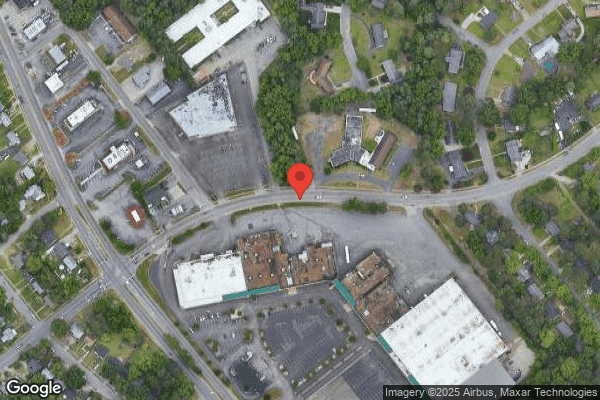
Understanding Severity Codes (click to expand)
Life-Threatening (Immediate Jeopardy)
J - Isolated K - Pattern L - Widespread
Actual Harm
G - Isolated H - Pattern I - Widespread
Potential for Harm
D - Isolated E - Pattern F - Widespread
No Harm (Minor)
A - Isolated B - Pattern C - Widespread

Questions to Ask on Your Visit

  • "Can I speak with families of current residents?"
  • "What's your RN coverage like on weekends and overnight?"

Our Honest Assessment

Strengths
  • • No fines on record. Clean compliance history, better than most Virginia facilities.
Concerns
  • • Multiple safety concerns identified: 3 harm violation(s). Review inspection reports carefully.
  • • 46 deficiencies on record, including 3 serious (caused harm) violations. Ask about corrective actions taken.
  • • Grade D (45/100). Below average facility with significant concerns.
Bottom line: Trust Score of 45/100 indicates significant concerns. Thoroughly evaluate alternatives.

About This Facility

What is Petersburg Healthcare Center's CMS Rating?

CMS assigns PETERSBURG HEALTHCARE CENTER an overall rating of 3 out of 5 stars, which is considered average nationally. Within Virginia, this rating places the facility higher than 0% of the state's 100 nursing homes. This mid-range rating indicates the facility meets federal standards but may have areas for improvement.

How is Petersburg Healthcare Center Staffed?

CMS rates PETERSBURG HEALTHCARE CENTER's staffing level at 2 out of 5 stars, which is below average compared to other nursing homes. Staff turnover is 49%, compared to the Virginia average of 46%. RN turnover specifically is 75%, which is notably high. RNs provide skilled clinical oversight, so turnover in this role can affect medical care quality.

What Have Inspectors Found at Petersburg Healthcare Center?

State health inspectors documented 46 deficiencies at PETERSBURG HEALTHCARE CENTER during 2017 to 2022. These included: 3 that caused actual resident harm and 43 with potential for harm. Deficiencies causing actual harm indicate documented cases where residents experienced negative health consequences.

Who Owns and Operates Petersburg Healthcare Center?

PETERSBURG HEALTHCARE CENTER is owned by a for-profit company. For-profit facilities operate as businesses with obligations to shareholders or private owners. The facility is operated by COMMUNICARE HEALTH, a chain that manages multiple nursing homes. With 120 certified beds and approximately 111 residents (about 92% occupancy), it is a mid-sized facility located in PETERSBURG, Virginia.

How Does Petersburg Healthcare Center Compare to Other Virginia Nursing Homes?

Compared to the 100 nursing homes in Virginia, PETERSBURG HEALTHCARE CENTER's overall rating (3 stars) is below the state average of 3.0, staff turnover (49%) is near the state average of 46%, and health inspection rating (2 stars) is below the national benchmark.

What Should Families Ask When Visiting Petersburg Healthcare Center?

Based on this facility's data, families visiting should ask: "Can you walk me through typical staffing levels on day, evening, and night shifts?" "Can I visit during a mealtime to observe dining assistance and food quality?" "How do you handle medical emergencies, and what is your hospital transfer rate?" "Can I speak with family members of current residents about their experience?" These questions are particularly relevant given the below-average staffing rating.

Is Petersburg Healthcare Center Safe?

Based on CMS inspection data, PETERSBURG HEALTHCARE CENTER has a clean safety record: no substantiated abuse findings (meaning no confirmed cases of resident harm), no Immediate Jeopardy citations (the most serious violation level indicating risk of serious injury or death), and is not on the Special Focus Facility watch list (a federal program monitoring the lowest-performing 1% of nursing homes). The facility has a 3-star overall rating and ranks #100 of 100 nursing homes in Virginia. While no facility is perfect, families should still ask about staff-to-resident ratios and recent inspection results during their visit.

Do Nurses at Petersburg Healthcare Center Stick Around?

PETERSBURG HEALTHCARE CENTER has a staff turnover rate of 49%, which is about average for Virginia nursing homes (state average: 46%). Moderate turnover is common in nursing homes, but families should still ask about staff tenure and how the facility maintains care continuity when employees leave.

Was Petersburg Healthcare Center Ever Fined?

PETERSBURG HEALTHCARE CENTER has no federal fines on record. CMS issues fines when nursing homes fail to meet care standards or don't correct problems found during inspections. The absence of fines suggests the facility has either maintained compliance or corrected any issues before penalties were assessed. This is a positive indicator, though families should still review recent inspection reports for the full picture.

Is Petersburg Healthcare Center on Any Federal Watch List?

PETERSBURG HEALTHCARE CENTER is not on any federal watch list. The most significant is the Special Focus Facility (SFF) program, which identifies the bottom 1% of nursing homes nationally based on persistent, serious quality problems. Not being on this list means the facility has avoided the pattern of deficiencies that triggers enhanced federal oversight. This is a positive indicator, though families should still review the facility's inspection history directly.