AUTUMN CARE OF PORTSMOUTH
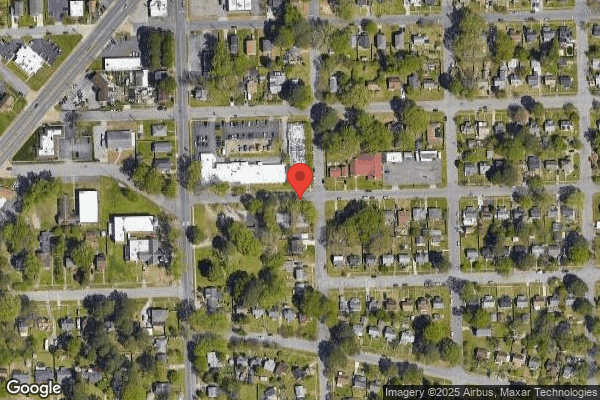

3610 WINCHESTER DR, PORTSMOUTH, VA 23707 (757) 397-0725
For profit - Corporation 108 Beds SABER HEALTHCARE GROUP Data: November 2025
Trust Grade
60/100
#61 of 285 in VA
Last Inspection: April 2022

Over 2 years since last inspection. Current conditions may differ from available data.

Overview

Autumn Care of Portsmouth holds a Trust Grade of C+, which means it is slightly above average but not particularly outstanding. It ranks #61 out of 285 facilities in Virginia, placing it in the top half, and it is the best choice among the three facilities in Portsmouth City County. The facility is improving, with a decrease in issues from 17 in 2019 to 11 in 2022. However, staffing is a concern, earning only 2 out of 5 stars, with a turnover rate of 51%, which is average for the state but indicates some instability. While there have been no fines reported, which is positive, the facility has less RN coverage than 88% of Virginia facilities, meaning there may be fewer registered nurses available to catch potential problems. Specific incidents include a failure to prevent pressure ulcers for multiple residents, including one who developed an unstageable injury, and another resident who suffered an avoidable fall leading to a head injury. Overall, families should weigh these strengths and weaknesses carefully when considering this nursing home for their loved ones.

Trust Score
C+
60/100
In Virginia
#61/285
Top 21%
Safety Record
Moderate
Needs review
Inspections
Getting Better
17 → 11 violations
Staff Stability
⚠ Watch
51% turnover. Above average. Higher turnover means staff may not know residents' routines.
Penalties
✓ Good
No fines on record. Clean compliance history, better than most Virginia facilities.
Skilled Nurses
⚠ Watch
Each resident gets only 17 minutes of Registered Nurse (RN) attention daily — below average for Virginia. Fewer RN minutes means fewer trained eyes watching for problems.
Violations
⚠ Watch
43 deficiencies on record. Higher than average. Multiple issues found across inspections.
★★★★☆
4.0
Overall Rating
★★☆☆☆
2.0
Staff Levels
★★★★★
5.0
Care Quality
★★★☆☆
3.0
Inspection Score
Stable
2019: 17 issues
2022: 11 issues

The Good

  • 5-Star Quality Measures · Strong clinical quality outcomes
  • Full Sprinkler Coverage · Fire safety systems throughout facility
  • No fines on record

Facility shows strength in quality measures, fire safety.

The Bad

Staff Turnover: 51%

Near Virginia avg (46%)

Higher turnover may affect care consistency

Chain: SABER HEALTHCARE GROUP

Part of a multi-facility chain

Ask about local staffing decisions and management

The Ugly 43 deficiencies on record

2 actual harm
Apr 2022 11 deficiencies 1 Harm
SERIOUS (G)

Actual Harm - a resident was hurt due to facility failures

Pressure Ulcer Prevention (Tag F0686)

A resident was harmed · This affected 1 resident

**NOTE- TERMS IN BRACKETS HAVE BEEN EDITED TO PROTECT CONFIDENTIALITY** Based on staff interviews, clinical record review, and review of facility documents, the facility staff failed to ensure one res...

Read full inspector narrative →
**NOTE- TERMS IN BRACKETS HAVE BEEN EDITED TO PROTECT CONFIDENTIALITY** Based on staff interviews, clinical record review, and review of facility documents, the facility staff failed to ensure one resident (Resident #38) entering the facility did not develop pressure ulcers unless they were unavoidable. For Resident #38, the facility failed to identify two pressure ulcers prior to being found at an advanced stage (unstageable), which constituted in harm. For Resident #58, the facility staff failed to provide care and services to prevent pressure ulcer development and to identify a left heel pressure ulcer prior to progression to an advanced stage (stage 3) which constituted harm. For Resident #88B, a new stroke victim who required total care for all activities of daily living (ADL), the facility staff failed to provide care and services to prevent development of an unstageable deep tissue injury (DTI) of the right buttock. The survey sample consisted of 38 residents. The findings included: 1. The staff failed to identify Resident #38's pressure ulcer to his left and right heel prior to being found at an advanced stage (unstageable) which constituted in harm. The first wound was to the left heel, identified on 11/15/21 as an unstageable pressure ulcer measuring 3 cm x 3.5 cm; appearance necrotic/black. The second pressure ulcer was to the right heel, identified as an unstageable pressure ulcer measuring 3 cm x 2.7 cm; appearance necrotic/black. Resident #38 was originally admitted to the facility on [DATE]. Diagnoses for Resident #38 included but are not limited to Tracheotomy, absent of a larynx, Peripheral Vascular Disease (PVD) and Protein-Calorie Malnutrition. Resident #38's admission Assessment (14-day) with an ARD of 09/21/21 coded Resident #38 a 15 out of a possible score of 15 indicating no cognitive impairment. Resident #38 was coded extensive assistance of one with toilet use, personal hygiene, dressing, toilet use and bathing, limited assistance of one with bed mobility and transfer and supervision with eating for Activities of Daily Living (ADL). Under section H - (Bladder and Bowel) was coded for frequently incontinent of bladder and bowel. Under section G0400 - Functional Limitation in Range of Motion (ROM) coded Resident #38 with no impairment to his upper and lower extremity. Resident #38 was coded as having no mood, rejection of care or behavioral problems. Resident #38's admission Assessment (14-day) with an ARD of 09/21/21 under section M; (Skin Condition - M0100) was coded no for Resident #38 having a pressure ulcer/injury, a scar over bony prominence, or a non-removable dressing/device. Under section (M0150) at risk for developing pressure ulcers was coded yes, under section (M0210) for unhealed pressure ulcers was coded no and under section (M0300) for having current number of unhealed pressure ulcer at each stage for admitted with or facility acquired was coded as none under section (0130), number of venous and arterial wound present coded with one. Under section (M1040), other ulcers, wounds, and skin problems (foot) problems were coded for none present and under section (1200) for skin, ulcer treatments were coded for having pressure reducing device for chair and bed, and applications of ointments/medications other than feet. Resident #38's quarterly MDS with an ARD date of 02/22/22 coded Resident #38 a 15 out of a possible score of 15 indicating no cognitive impairment. Resident #38's MDS coded Resident #38 requiring supervision with all ADLs except for bathing which requires extensive assistance of one for Activities of Daily Living (ADL) care. Under section G0400 - Functional Limitation in Range of Motion (ROM) coded Resident #38 with no impairment to his upper and lower extremity. Resident #38 was coded as having no mood, rejection of care or behavioral problems. Under section M; (Skin Condition - M0100) was coded for the using a Formal Assessment Instrument/tool (e.g., Braden, [NAME] or other) for the determination of Pressure Ulcer Risk. Under section (M0300) the resident was coded as having two (2) facility acquired unstageable pressure ulcers. Resident #38's person-centered care plan initiated on 11/17/21 identified a pressure ulcer to left and right heel. The goal set for the resident by the staff was that the resident will show signs of healing. Some of the interventions/approaches the staff would use to accomplish this goal is to turn and reposition every 2 hours, keep the physician and Responsible Representative (RR) updated, treatment as ordered and weekly wound documentation. Resident #38's person-centered care plan with a revision date 12/01/21 identified the resident at risk for impaired skin integrity related to current wounds, occasional bladder incontinence and diagnosis of PVD. The goal set for the resident by the staff was that the resident will be free of further skin breakdown. Some of the interventions/approaches the staff would use to accomplish this goal is to elevate heels off mattress per routine and/or as needed, inspect skin during routine care daily, treatments as ordered, help to reposition resident for comfort per routine and as needed, and skin assessment per routine and as needed. A Braden Risk Assessment Report was completed on 10/06/21 with the following coded under sensory perception slightly limited and responds to verbal commands, but cannot always communicate discomfort or the need to be turned or has some sensory impairment which limits ability to feel pain or discomfort in 1 or 2 extremities. The clinical record revealed the weekly skin assessment to be completed by the license nurse for the week of 11/07/21, but it was not completed for Resident #38. Review of Resident #38's Weekly Wound Assessment completed by License Practical Nurse (LPN) #1 (wound nurse) revealed the following documentation: -11/15/21 - an unstageable pressure ulcer to the left heel measured 3.0 cm x 3.5 cm; appearance necrotic/black with no drainage or odor. The treatment on 11/16/21 is to paint left heel with Betadine Solution every day shift. -11/15/21 - an unstageable pressure ulcer to the right heel measured 3.0 cm x 2.7 cm; appearance necrotic/black with no drainage or odor. The treatment on 11/16/21 is to paint right heel with Betadine Solution every day shift. A phone interview was conducted with the VOHRA wound care specialist/physician on 04/14/22 at approximately 9:04 a.m., who stated the left and right heel were both identified at an unstageable stage. The wound specialist (VOHRA) initial assessment made on 11/17/21 documented an unstageable Deep Tissue Issue (DTI) to the right heel but it should have been documented unstageable pressure ulcer because the area was noted with thick black necrotic tissue (eschar). The wound care specialist documented the following: -11/17/21 - unstageable DTI to right heel (partial thickness) etiology of wound (pressure) area measured 1.5 cm x 1.5 cm with no drainage. Chief complaint: resident has multiple wounds. Treatment: continue betadine daily. Recommendation: Off-load wound, reposition per facility protocol and float heel in bed. The resident appears to have associated pain evidenced by restless and grimacing. -11/17/21 - unstageable to left heel due to necrosis, etiology of wound (pressure) area measured 2 cm x 2 cm with no drainage. Chief complaint: resident has multiple wounds. Treatment: continue betadine daily. Recommendation: Off-load wound, reposition per facility protocol and float heel in bed. The resident appears to have associated pain evidenced by restless and grimacing. -12/27/21 - unstageable to the right heel (due to necrosis - full thickness), area measured 0.7 cm x 0.6 cm with 50 % thick adherent black necrotic tissue and 50% thick adherent devitalized necrotic tissue. This wound is in an inflammatory stage and is unable to progress to a healing phase because of the presence of a biofilm. Treatment plan: apply Dakins solution moistened gauze with Santyl ointment daily. Debridement refused. Recommendation: Off-load wound, reposition per facility protocol and float heel in bed. -12/27/21 - unstageable to left heel due to necrosis, area measured 1.5 cm x 1.5 cm with no drainage with 20 % thick adherent black necrotic tissue and 50% thick adherent devitalized necrotic tissue and 30% granulation tissue. This wound is in an inflammatory stage and is unable to progress to a healing phase because of the presence of a biofilm. Treatment plan: apply Dakin's solution moistened gauze with Santyl ointment daily. Debridement refused. Recommendation: Off-load wound, reposition per facility protocol and float heel in bed. -01/17/22 - unstageable to the right heel (due to necrosis - full thickness), area measured 1.1 cm x 1.0 cm with 20% thick adherent black necrotic tissue and 50% thick adherent devitalized necrotic tissue and 30% granulation tissue and light serous drainage. This wound is in an inflammatory stage and is unable to progress to a healing phase because of the presence of a biofilm. Treatment plan: apply Dakins solution moistened gauze with Santyl ointment daily. Recommendation: Off-load wound, reposition per facility protocol and float heel in bed. -01/17/22 - unstageable to left heel (due to necrosis) area measured 1.8 cm x 1.5 cm with light sero-sanguinous drainage with 50% thick adherent devitalized necrotic tissue and 50% granulation tissue. This wound is in an inflammatory stage and is unable to progress to a healing phase because of the presence of a biofilm (wound has improved). Treatment plan: Treatment plan: apply Dakin's solution moistened gauze with Santyl ointment daily. Recommendation: Off-load wound, reposition per facility protocol and float heel in bed. The clinical record revealed Resident #38 had a wound evaluation from (name of podiatry center) on 01/26/22 with the following new orders: apply Santyl to Right and Left foot wound daily and offload lower extremities in prevalon boots while in bed. Recommendation: Off-load wound, reposition per facility protocol and float heel in bed. During the initial tour on 04/12/22 at approximately 1:30 p.m., and again on 04/13/22 around 9:30 a.m. During each observation, Resident #38 was observed lying in bed with prevalon boots in place to bilateral heels. On 04/13/22 at approximately 9:30 a.m., an interview was conducted with Resident #38. Resident #38 is without his voice box which made him not able to communicate verbally but is able to point to areas on his body with concerns and nodded his head when asked simple and direct questions. When asked if he had sores to his heels, he nodded his head yes but was not able to identify when the areas occurred. On 04/13/22 at approximately 10:05 a.m., wound care observation was conducted with LPN #1. Resident #38 was lying in bed, positioned in a supine position with prevalon boot in place to both heels. The left heel pressure ulcer wound bed noted with necrotic tissue with a moderate amount of serosanquineous drainage with no odor present. The right heel pressure ulcer noted with yellow/red wound bed with a small amount of serous drainage with no odor present. Wound care was conducted per wound care orders and infection control precautions maintained. A phone call was placed to Resident #38's Resident Representative (RR) on 04/14/22 at approximately 1:35 p.m., who stated, My brother, Resident #38 FaceTimed me complaining of severe pain to both of his heels. I called the facility and spoke to his nurse, LPN #1, who stated she would assess Resident #38 and call me back. On the same day, not sure of the time, LPN #1 called me and said my brother had an unstageable pressure ulcer to both of his heels. On 04/14/22 at approximately 3:25 p.m., an interview was conducted with LPN #1 who was assigned to Resident #38 on 11/15/21 (7-3 shift). The LPN stated she spoke with Resident #38's (RR) on 11/15/21 who said Resident #38 had called her and reported having severe pain to his heels. The LPN said a skin assessment was completed and observed an unstageable pressure ulcer to both heels. When asked, if the CNA's had reported any skin issues with Resident #38 heels, she replied, No. A phone call was placed Certified Nursing Assistant (CNA) #4 on 04/14/22 at approximately 1:40 p.m. The CNA was assigned to provide care and services to Resident #38 on 11/15/21 (7-3 shift). A message was left, the CNA never returned the call. A phone call was placed CNA #5 on 04/14/22 at approximately 1:40 p.m. The CNA was assigned to provide care and services to Resident #38 on 11/15/21 (7-3 shift). A message was left, the CNA never returned the call. An interview was conducted with the Director of Nursing (DON) and Regional Director of Clinical Services on 04/14/22 at approximately 10:37 a.m. The DON stated, (Resident #38's Name) FaceTimed his sister and showed her the areas located to his bilateral heels. She said the sister called and spoke to LPN #1 who was Resident #38's nurse. The nurse assessed Resident #38 heels and observed an unstageable pressure ulcer to his left and right heel. The DON was asked, at what stage should pressure ulcer to be first identified, she replied, Preferably at a stage one. The DON stated, The CNA's are to do skin checks while providing care daily on every shift and on their shower days. She (DON) said, the CNA 's are looking at all pressure point areas including the resident heels and if they identify any changes in the resident skin condition such a redness, bruising or an open area, the changes are to be reported to the nurse right away who will document the findings in the resident clinical record and notify the physician. When asked if there were preventative measure put in place prior to the development of Resident #38's unstageable pressure first identified on 11/15/21, she replied, No, none that I could find. Another interview was conducted with the DON on 4/14/22 at 3:46 p.m. When asked if the weekly skin assessment was completed the week of 11/07/21, she replied, I did not see where a skin assessment was completed. The DON said she expect for the nurse nurse's to do their skin assessments on a weekly basis. When asked, What was the purpose of weekly skin assessment and why are they important, she replied,It's imperative that weekly skin assessments are being done and that way we could have found Resident #38's pressure ulcers prior to being found at an unstageable pressure ulcer. A debriefing was held with the Administrator, Director of Nursing, [NAME] President of Operations and Regional Director of Clinical Services on 04/14/22 at approximately 4:32 p.m., who were informed of the above findings; no further information was provided prior to exit. The facility policy titled Pressure Ulcer Prevention and Treatment policy revised on 09/18/20. Residents admitted with existing pressure injuries will receive necessary treatment and services, consistent with professional standards of practice, to promote healing, prevent infection. New pressure injuries will not develop unless the individual's clinical condition demonstrates that they were unavoidable. Definitions: -Tracheotomy is a surgical procedure to create an opening through the neck into the trachea (windpipe). A tube is most often placed through this opening to provide an airway and to remove secretions from the lungs. This tube is called a tracheostomy tube or trach tube (https://medlineplus.gov). -Absence of larynx - your voice box (larynx) is made of cartilage, muscle and mucous membranes located at the top of your windpipe (trachea) and the base of your tongue. Your vocal cords are two flexible bands of muscle tissue that sit at the entrance of the windpipe. Sound is created when your vocal cords vibrate, without your larynx, sound cannot be created (https://www.mayoclinic.org/diseases-conditions/voice-disorders/symptoms-causes). -PVD is the narrowing or blockage of the vessels that carry blood from the heart to the legs. It is primarily caused by the buildup of fatty plaque in the arteries, which is called atherosclerosis. PAD can occur in any blood vessel, but it is more common in the legs than the arms (Source: http://www.cdc.gov/DHDSP/data_statistics/fact_sheets/fs_PVD.htm). -Protein-Calorie Malnutrition refers to a nutritional status in which reduced availability of nutrients leads to changes in body composition and function (https://www.ncbi.nlm.nih.gov/pmc/articles). -Pressure Injury: A pressure injury is localized damage to the skin and underlying soft tissue usually over a bony prominence or related to a medical or other device. The injury can present as intact skin or an open ulcer and may be painful. The injury occurs as a result of intense and/or prolonged pressure or pressure in combination with shear (http://www.npuap.org/resources/educational-and-clinical-resources/npuap-pressure-injury-stages/). -Unstageable Pressure Injury: Obscured full-thickness skin and tissue loss. Full-thickness skin and tissue loss in which the extent of tissue damage within the ulcer cannot be confirmed because it is obscured by slough or eschar. If slough or eschar is removed, a Stage 3 or Stage 4 pressure injury will be revealed. Stable eschar (i.e. dry, adherent, intact without erythema or fluctuance) on the heel or ischemic limb should not be softened or removed (http://www.npuap.org/resources/educational-and-clinical-resources/npuap-pressure-injury-stages/). -Betadine Solution a topical antiseptic used to prevent and treat minor wounds and skin infections. This medicine works by killing germs and preventing the spread of infection (a topical antiseptic (www.betadine.com/firstaid). -Dakin's solution is a type of hypochlorite solution. It is made from bleach that has been diluted and treated to decrease irritation. Chlorine, the active ingredient in Dakin's solution, is a strong antiseptic that kills most forms of bacteria and viruses (http://www.webmd.com/drugs/2/drug-62261/dakin's-misc/details). -Santyl is used to help the healing of burns and ulcers. Collagenase is an enzyme. It works by helping to break up and remove dead skin and tissue. This effect may also help to work better and speed up your body's natural healing process (http://www.webmd.com). -Prevalon boots give patients the most advanced protection against heel pressure ulcers and foot drop. Prevalon helps minimize pressure, friction and shear on your patient's feet, heels and ankles. By elevating the foot and separating the heel from the mattress, it delivers total heel pressure relief (http://www.sageproductsglobal.com/en/prevalon.cfm). 2. The facility staff failed to provide care and services to prevent pressure ulcer development and to identify a left heel pressure ulcer prior to progression to an advanced stage (stage 3) measuring 0.4 centimeters by 0.4 centimeters by 0.2 centimeters (cm), for Resident #58) which constituted harm. Resident #58 was originally admitted to the facility 11/12/21 after an acute care hospital stay. The resident has not been discharged from the facility. The current diagnoses included; coronary artery disease, peripheral vascular disease and congestive heart failure. The quarterly Minimum Data Set (MDS) assessment with an assessment reference date (ARD) of 3/15/22 coded the resident as completing the Brief Interview for Mental Status (BIMS) and scoring 15 out of a possible 15. This indicated Resident #58's cognitive abilities for daily decision making were intact. In section G (Physical functioning) the resident was coded as requiring extensive assistance of one person with personal hygiene, dressing, toileting, limited assistance of one person with bed mobility, transfers, walking and locomotion, help with the bathing activity, and supervision after set-up with eating. On 4/12/22 at approximately 12:15 p.m., Resident #58 was observed in bed lying on her left side. The resident stated my left foot hurts. She stated she hadn't told her nurse but the nurse knew it was painful that's why she puts a bandage on it. The resident stated she knew of nothing that helps her left foot feel better. Beneath the bed linens, bilateral feet were observed to be elevated by some type of device. Review of the facility's matrix revealed Resident #58 had a current pressure ulcer staged at a stage IV. Review of the clinical record revealed a progress note dated 4/6/22 which revealed Resident #58 was identified with a stage 3 pressure of the left heel which measured 0.4 cm by 0.4 cm by 0.2 cm. The stage 3 left heel pressure ulcer's wound bed was red, the periwound was pink there was scant drainage, and no odor. The treatment order was Santyl ointment and Dakins solution. The 3/12/22, 3/19/22, 3/26/22, 4/2/22, and 4/9/22 Weekly Skin Evaluation were coded for no current skin issues. The Nutrition Monitor and Nutrition Evaluation dated 2/15/2022 revealed Resident #58's weight was 127.6 pounds and the Resident showed significant weight gain soon after admission to the facility but had a significant weight loss over the past 30 days at 5.5%. Resident is currently within her ideal body weight range. Weight maintenance within 5 pounds of current weight is planned at this time. Po intake of Regular consistency diet is typically 26 to 100% with most meals at 50%. Nutritional needs for wound healing and weight maintenance are currently being met. Daily use of multiple laxatives. Fluids should be strongly encouraged during waking hours. Added to the weekly weight schedule for close monitoring. The 4/6/22 Braden Scale Pressure Ulcer Risk Assessment revealed Resident #58 was a low risk for pressure ulcer development because she had no sensory deficit which would limit her ability to feel or voice pain or discomfort, her skin is only occasionally moist, her ability to walk is severely limited or non-existent, she makes frequent though slight changes in body or extremity position independently, rarely eats a complete meal and generally eats only about half of any food offered and moves feebly or requires minimum assistance. Further review of the clinical record revealed a wound assessment report by the wound care physician dated 4/11/22 which read, Resident presents with a wound on her left heel. At the request of the referring provider, a thorough wound care assessment and evaluation was performed today. She has a stage 3 pressure wound of the left heel. There is light sero-sanguinous exudate. There is no indication of pain associated with this condition. The left heel pressure ulcer measured 0.3 x 0.3 x 0.2 cm and presented with 100 percent granulation tissue. The dressing treatment plan was documented as Iodosorb gel followed by a gauze island with border every two days for 30 days. The active care plan was reviewed on 4/12/22. It revealed a potential for a skin integrity problem with a revision date of 11/16/21 but there wasn't a left heel pressure ulcer problem. On 4/15/22 a care plan problem was developed for the stage 3 pressure ulcer to the left heel which was identified on 4/6/22. The goal read; Area to the left heel will show signs of healing through next review 5/19/22. The interventions included; treatments as per physicians/designee order, monitor for signs and symptoms of infection and weekly wound documentation Review of the physician order summary revealed there wasn't a treatment order in place for Resident #58's left heel pressure ulcer until 4/12/22. There was no evidence in the clinical record that an active treatment was in place and care and services were rendered to the resident's left heel pressure ulcer from 4/6/22 through 4/11/22. The physician order summary's revealed an order dated 04/12/22, which read Iodosorb Gel 0.9 % (Cadexomer Iodine); Apply to the left lateral heel topically every day shift for wound care. This order was not what the wound care physician ordered. The wound care physician order was for every two days not daily. Completion of the left heel pressure ulcer treatment was documented on the TAR for 4/12/22, 4/13/22 and 4/14/22. An interview was conducted with Certified Nursing Assistant CNA) #2 on 4/14/22 at approximately 5:57 p.m. CNA #2 stated Resident #58 is fully alert and oriented and capable of making her needs known. She stated the resident likes one pillow at her back, one under each arm and one under her legs when in bed and she wears boots in bed Crocs when out of bed. CNA #2 stated the resident is unable to self turn since she wears the boots therefore she is fully dependent upon staff when wearing them. She stated she wasn't aware of what was wrong with Resident #58's left foot but she knew a dressing was on it. CNA #2 stated the resident is always compliant with care and feeds herself usually 50% of the dinner meal. An interview was conducted with Certified Nursing Assistant CNA) #3 on 4/15/22 at approximately 9:55 a.m. CNA #2 stated Resident #58 is out of bed about three days per week and she can walk from the bathroom door to the commode in the room. She stated when the resident is out of bed she wears Crocs, does a lot for herself and feeds herself approximately 50% of meals. An interview was conducted with MDS Coordinator #4 on 4/15/22 at approximately 11:30 a.m. MDS Coordinator #4 stated Resident #58's care plan wasn't updated with the left heel pressure ulcer because she was off and didn't get the update until 4/15/22. An interview was conducted with the wound care nurse on 4/15/22 at approximately 10:45 a.m. The wound care nurse stated she couldn't explain how the resident obtained the pressure ulcer for the resident has always been so particular about relieving pressure with multiple pillows propping her body. The wound care nurse also stated she assessed the resident's pressure ulcer on 4/6/22 but failed to document the results timely. The wound care nurse stated it is not good to find a pressure ulcer at stage 3 or above. She stated they should be identified early, where there is redness, ideally. An observation was made of Resident #58's left lateral heel pressure ulcer on 4/15/22 at approximately 11:05 a.m., with the wound care nurse. The resident was again lying on the left side, wearing bilateral pressure reducing boots and there were pillows beneath her knees and bilateral arms. The previous dressing was undated and the gauze next to the pressure ulcer was medium brown and dry. The wound was without odor or drainage and the resident didn't express pain when the wound care nurse touched the left foot pressure ulcer. On 4/15/22 at approximately 1:00 p.m., the above information was shared with the Administrator, Director of Nursing, Regional Director of clinical Services and Regional Director of Operations. The Director of Nursing and the Regional Director of Clinical Services stated they knew they had pressure ulcer problems therefore they developed an in-house plan of correction but it failed January 2022 and they didn't revise or develop an new plan for pressure ulcers. They also acknowledged they had more recent pressure ulcer concerns as well. The Regional Director of Operations stated they tried to manage the pressure ulcers, they just weren't successful. A stage 3 pressure ulcer is a full thickness tissue loss. Subcutaneous fat may be visible but bone, tendon or muscle is not exposed. Slough may be present but does not obscure the depth of tissue loss. May include undermining or tunneling. (CMS RAI Version 3.0 Manual, Chapter 3 page M-14). The information below was obtain from the following website on 4/19/22. Iodosorb Gel is a sterile antimicrobial dressing formulation of Cadexomer Iodine. When applied to the wound, Iodosorb absorbs fluids, removing exudate, slough and debris and forming a gel over the wound surface. As the gel absorbs exudate, iodine is released, killing bacteria and changing color as the iodine is used up. (https://www.[NAME]-nephew.com/professional/products/advanced-wound-management/iodosorb--iodoflex/iodosorb-gel/) The information below was obtain from the following website on 4/19/22. Iodosorb Gel speeds up the healing process and reduces pain. Can be used for up to 3 months in a single course of treatment. 1. IODOSORB Paste should be changed when saturated with wound fluid, indicated by a loss of color, usually 2-3 times a week or daily if the wound is discharging heavily (https://www.[NAME]-nephew.com/documents/canada/canada%20english/iodo-ag-1601en%20(ca11740)%20-%20application%20and%20usage%20guide%20(1).pdf). 3. The facility staff failed to provide care and services to prevent development of an unstageable deep tissue injury (DTI) of the right buttock measuring 6.5 cm by 5.5 cm by 0., for Resident #88B; a new stroke victim who required extensive assistance to total care with all activities of daily living (ADL). Resident #88B was originally admitted to the facility 5/26/21 after an acute care hospital stay and discharged home 6/15/21. The resident's diagnoses included; a stroke, aphasia, dysphagia, right hemiparesis, and coronary artery disease. The admission Minimum Data Set (MDS) assessment with an assessment reference date (ARD) of 6/1/21 coded the resident as completing the Brief Interview for Mental Status (BIMS) and scoring 0 out of a possible 15. This indicated Resident #88B's cognitive abilities for daily decision making were severely impaired. In section G (Physical functioning) the resident was coded as requiring total care of one person with personal hygiene, dressing, bathing, toileting and locomotion, extensive assistance of one person with transfers and eating, and extensive assistance of two people with bed mobility. Section H0100 Bowels and Bladder; the resident was coded as utilizing an indwelling catheter. In section M0100 (Skin Disorders) the Resident was coded as having no pressure ulcer, a scar over bony prominence, or a non-removable dressing/device. M0150 - Resident was coded as at risk of developing pressure ulcers. A deep tissue injury is a Purple or maroon area of discolored intact skin due to damage of underlying soft tissue. The area may be preceded by tissue that is painful, firm, mushy, boggy, warmer or cooler as compared to adjacent tissue. A deep tissue injury may precede the development of a stage 3 or 4 pressure ulcer even with optimal treatment. (CMS RAI Version 3.0 Manual, Chapter 3 page M-24) During investigation of a complaint, information was gleamed revealing Resident #88 B acquired skin impairments including an unstageable DTI. An interview was conducted with Resident #88B's daughter on 4/14/22 at approximately 2:05 p.m. The daughter stated the mother's husband visited the resident daily at her window because the facility was not allowing visitors inside the facility. The mother's husband told the daughter the staff wasn't repositioning the resident or consistently assisting her with meals and she wasn't capable of feeding herself. The husband stated often the meals were placed far away from the resident. The 5/26/21, 5/27/21, and 6/3/2, 6/10/21 Weekly Skin Evaluation revealed no skin problems. The 6/10/21 Weekly Skin Evaluation revealed a right buttock area. The 6/11/21 Weekly Wound Assessment revealed an unstageable deep tissue injury (DTI) of the right buttock, etiology pressure. The DTI measured 3.0 centimeters (cm) by 4.0 cm by 0 cm., and presented with maroon discoloration on intact skin. The assessment stated Triad cream was ordered as the treatment. The Treatment Administration Record (TAR) revealed and order dated 6/11/21 for Triad Hydrophilic Wound Dress Paste (Wound Dressings) Apply to right buttock topically every day and evening shift for unstageable DTI. The treatment wasn't signed as completed on 6/11/21. The care plan had a problem dated 6/11/21 which read; wounds to right buttock on 6/11/21, left medial buttock on 6/11/21, right medial buttock on 6/11/21. The goal read; Area to right buttock with show signs of healing through next review 6/15/21, Area to left medial buttock will show signs of healing through next review 6/15/21, and Area to right medial buttock will show signs of healing through next review 6/15/21. The Interventions included;[TRUNCATED]
CONCERN (D)

Potential for Harm - no one hurt, but risky conditions existed

Deficiency F0578 (Tag F0578)

Could have caused harm · This affected 1 resident

2. The facility staff failed to execute the opportunity to provide an advance directive for Resident #33. Resident #33 was originally admitted to the facility 08/02/2019 after an acute care hospital s...

Read full inspector narrative →
2. The facility staff failed to execute the opportunity to provide an advance directive for Resident #33. Resident #33 was originally admitted to the facility 08/02/2019 after an acute care hospital stay. The current diagnoses included; Unspecified Psychosis not due to a substance or known physiological condition and Acquired absence of the left leg above the knee. The Quarterly Revision Minimum Data Set (MDS) assessment with an assessment reference date (ARD) of 02/16/2022 coded the resident as completing the Brief Interview for Mental Status (BIMS) and scoring 15 out of a possible 15. This indicated Resident #33 cognitive abilities for daily decision making were intact. In sectionG(Physical functioning) the resident was coded as independent with no set- up help in bed mobility, transfers, locomotion on and off the unit and toilet use. Requiring set-up help only in personal hygiene, eating and bathing. A review of the clinical record on 4/14/22 revealed there was no advance directive in the clinical record on the above resident or that the resident was offered an opportunity to create one. On 4/14/22 at approximately 2:00 PM., an interview was conducted with OSM (Other Staff Member) #3 concerning the above issue. She stated, It wasn't done. I can't find it. On 4/15/2022 at approximately 1:15 PM., the above findings were shared with the Administrator, The Corporate Consultant, The DON and with the ADON. An opportunity was offered to the facility's staff to present additional information but no additional information was provided. Based on staff interviews, clinical record reviews and facility documentation review, the facility staff failed to ensure 2 of 38 residents in the survey sample, (Resident #10 and #33) were given the opportunity to formulate an advance directive. The findings included: 1. The facility staff failed to ensure Resident #10 and or their Representative was given the opportunity to formulate an Advance Directive. Resident #10 was originally admitted to the nursing facility on 03/06/19. Diagnosis for Resident #10 included but not limited to Chronic Obstructive Pulmonary Disease (COPD). The current Minimum Data Set (MDS) a quarterly assessment with an Assessment Reference Date (ARD) of 04/14/22 coded the resident with a 02 of a total possible score of 15 on the Brief Interview for Mental Status (BIMS), indicating severe cognitive impairment. Review of the clinical record revealed that there was no Advance Directive for Resident #10. Review of Resident #10's Physician Order Sheet (POS) for April 2022 revealed the following order: Do Not Resuscitate (DNR) starting on 03/01/21. An interview was conducted with the Social Worker on 04/13/22 approximately 3:59 p.m., who said an Advance Directive should have been completed upon admission then updated yearly. When asked if there was evidence that Resident #10 and or their Representative was given the opportunity to formulate an Advance Directive, she replied, No. On 04/14/22 at approximately 10:40 a.m., an interview was conducted with the Director of Nursing (DON) and Regional Director of Clinical Services who stated, Resident #10 and or their representative should have been given the opportunity to formulate an Advance Directive. The DON was asked what is the purpose of an Advance Directive. She stated, In the event the resident becomes incapacitated, the medical professionals will know what the resident wishes are or who to contact in that event. A debriefing was held with the Administrator, Director of Nursing,, [NAME] President of Operations and Regional Director of Clinical Services on 04/14/22 at approximately 4:32 p.m., who were informed of the above findings; no further information was provided prior to exit. Definitions: -COPD is a chronic inflammatory lung disease that causes obstructed airflow from the lungs. Symptoms include breathing difficulty, cough, mucus (sputum) production and wheezing (https://www.mayoclinic.org/diseases-conditions/copd/symptoms-causes).
CONCERN (D)

Potential for Harm - no one hurt, but risky conditions existed

Abuse Prevention Policies (Tag F0607)

Could have caused harm · This affected 1 resident

**NOTE- TERMS IN BRACKETS HAVE BEEN EDITED TO PROTECT CONFIDENTIALITY** Based on employee record review, facility document review and staff interviews the facility staff failed to implement their Abus...

Read full inspector narrative →
**NOTE- TERMS IN BRACKETS HAVE BEEN EDITED TO PROTECT CONFIDENTIALITY** Based on employee record review, facility document review and staff interviews the facility staff failed to implement their Abuse/Neglect Prevention Policy for screening of new employees. Criminal Background Checks were not obtained for 5 current employees 2 of which were agency staff within 30 days of their hire date and Sworn Statements were not obtained for 2 current agency staff employees upon hire. The findings included: On 4/13/22 twenty-five current employee records were reviewed. The employee record review revealed that 5 current employees 2 of which were agency staff did not have a Criminal Background Checks. There were also 2 current agency staff employees that had no Sworn Statements upon hire. On 4/13/22 at 1:00 p.m. an interview was conducted with the Director of Human Resources regarding the missing employee Criminal Background Checks and Sworn Statements. The Director of Human Resources stated, I know I ran them but I can't find them. I called the agency and spoke with the owner. The owner said that they were independent contractors and use a different company for the criminal background checks not the Virginian State Police. The also said they did not have the sworn statements for their 2 employees either. I will get it taken care of. The facility policy titled Contractor and Vendor Background Screening last revised 3/2/2017 was reviewed and is documented in part as follows: Policy: It is the policy of [NAME] to undertake background checks of all vendors and contractors to the fullest extent required by applicable law, and to retain on file applicable records of current contractors and vendors regarding such investigations. B. All contractors and vendors must certify that they have not been convicted of any offense that would preclude them from providing items and services in a nursing facility. The facility policy titled Virginia Resident Abuse Policy last revised 5/26/2021 was reviewed and is documented in part, as follows: Policy: This facility will not tolerate abuse, neglect, mistreatment, exploitation of residents, and misappropriation of resident property by anyone. Procedure: 1. Screening: It is the policy of the facility to undertake background checks of all employees and to retain on file applicable records of current employees regarding such checks. a. The facility will do the following prior to hiring a new employee: iv. Conduct a criminal background check in accordance with State law and facility policy. On 4/13/21 at 3:00 p.m. a pre-ext debriefing was held with the Administrator and the [NAME] President of Operations regarding the missing employee Criminal Background Checks and Sworn Statements. The Administrator was asked what is the importance of the obtaining the Criminal Background Checks and Sworn Statements upon hire for all employees. The Administrator stated, To ensure we do not hire staff with criminal records in order to keep our residents and other staff safe.
CONCERN (D)

Potential for Harm - no one hurt, but risky conditions existed

Investigate Abuse (Tag F0610)

Could have caused harm · This affected 1 resident

**NOTE- TERMS IN BRACKETS HAVE BEEN EDITED TO PROTECT CONFIDENTIALITY** Based on a closed record review, staff and family interviews, and a complaint investigation, the facility staff failed to thorou...

Read full inspector narrative →
**NOTE- TERMS IN BRACKETS HAVE BEEN EDITED TO PROTECT CONFIDENTIALITY** Based on a closed record review, staff and family interviews, and a complaint investigation, the facility staff failed to thoroughly investigate an incident of an injury of unknown source for one resident (Resident #89) in the survey sample of 38 residents. The findings included: Resident #44 was admitted to the facility on [DATE] with diagnoses which included coronary artery disease, dementia, benign prostatic hyperplasia and COPD. Resident #89 was sent out to the hospital with a change of condition and being unresponsive to verbal and tactile stimuli. This resident was identified as having a large subdural hematoma of unknown source. A [DATE] Quarterly Minimum Data Set (MDS) assessed this resident in the area of Cognitive Pattern - Brief Interview for Mental Status (BIMS) as having a score of 15. This resident was assessed as requiring extensive assistance of one person in the areas of bed mobility, transfer, dressing and personal hygiene. A care plan dated [DATE] assess Resident #89 as- Focus: - Self care deficit- Goal- Will increase ability to provide own care needs. intervention: Assist with activities of daily living, dressing, grooming. toileting and oral care. A Nursing Progress Note dated [DATE] at 1:09 (Late Entry) indicated: After eating breakfast resident became unresponsive is not responding to verbal or tactile stimuli. Resident appears to be in a daze, staring into space. The , resident nonverbal at this time and drooling, will not obey commands, NP made aware with order to sent (sic) to ER, all paperwork sent with transport including careplan and bed hold policy, family notified. A Interact SBAR summary dated [DATE] 1:08:45 (Late Entry) indicated: The change of condition/s reported on this CIC Evaluation are/were: Altered mental status Unresponsiveness at the time of evaluation resident/patient vital signs, weight and blood sugar were: Blood Pressure: BP 119/86-[DATE] 09:00 position: lying l/arm Pulse: P 81- [DATE] 09:00 Type Regular - RR R-18.0 -[DATE] 09:00 Temp: T 97.9 - [DATE] 09:00 Route: Oral Weight: W 118.0 lb - [DATE] - 09:58 Scale- Mechanical lift scale Pulse Oximetry: O 2 98.0 %- 09:00 Method: Room Air Blood Glucose: Resident/Patient is in the facility for: Long Term Care Primary Diagnosis is: Transient Cerebral Ischemic Unspecified Neurological Status Evaluation: Altered level of consciousness (hyperalert, drowsy but easily aroused, difficult to arouse) Nursing observations, evaluation, and recommendations are Primary Care Provider Feedback: Primary Care Provider responded with the following feedback: A- Recommendations: Send to ER B- New Testing Orders C- New Intervention Orders An EMT Patient Care Report dated [DATE] indicated: Incident Date/Time [DATE] 08:54:29- address facility- Information: Obtained from Health Care Personnel Medical History: Dementia: Anemia; Neutropenia- Transient ischemic Attack (TIA) Narrative: Arrived on scene pt was in care of nurse gave staff (sic). Called because pt had altered mental status. Pt has dementia and is confused at baseline and is wanderer. Staff stated pt had an episode of staring off and drooling and was not responding. On arrival pt was alert but confused. Pt turned over to RN at hospital. Patient Complaints: Complaint: Altered mental status Duration of Complaint: Not Reporting Protocols Used: Altered mental Status- Airways/Oxygenation/Ventilation Incident Times: PSAP Call- [DATE] 08:49:27 Unit arrived at Scene [DATE] 08:59:09 Unit left Scene [DATE] 09:08:41 Patient Transfer Time- - Turn-Around Delay- None/No Delay Destination_ Hospital (Reason- Closest Facility). ED Record - Comment: Clinical Impression: Diagnosis- SDH (subdural hematoma) (HCC) Altered mental status, unspecified altered mental status type. Diagnostic Study Results: CT with large subdural with 1.2 cm of shift. A Hospital ED Record dated [DATE] indicated: Arrival Date/Time [DATE] 09:16, Resident #89 name. Emergency Department History and Physical Exam: [DATE] 09:21 AM Chief Complaint: Resident #89 is a [AGE] year old male past medical history of TIA's advanced dementia presents for transient alteration of awareness. Patient was seen in the nursing home and went unresponsive and was drooling. Unclear if he lost postural tone or not. EMS states he was normal just prior to that making his last known well time probably around 8:30 AM. Patient now arrives without complaint has baseline confusion but is oriented to self ad he feels pretty good. Medical Decision Making: Discussed with neurosurgery requested mannitol at 1 mg/kg and request transfer to another hospital. Critical Care Time: The services provided to this patient were to treat and/or prevent clinically significant deterioration that could result in the failure of one or more body systems and/or organ systems due to SDH with shift and mental status change. Pt transferred to other hospital ER via ambulance. Stable at the time - date of service [DATE] 1530 (3:30 PM). Hospital #2 notes indicated: Arrived at Hospital [DATE] at 1550 (3:50 PM). admitted with Subdural hematoma (HCC). Pt requires access to a telemetry box. Hospital Course: Pt was admitted with acute hypoxic respiratory failure, suspect due to aspiration so he was started on abx (antibiotic). CT was done for his altered mental status and he was found to have a large right hemispheric subacute subdural hematoma with 12 mm midline shift and Stable, small left frontal subacute subdural hematoma without significant mass effect but with brain compression. PC consulted to discuss goals of care given poor prognosis and pt was transitioned to hospice. Pt eventually expired on [DATE]. During an interview on [DATE] at 9:59 AM with the Authorized Representative (AR) she stated, the facility had called her on [DATE] around 9:00 AM and informed her that Resident #89 was being sent to the hospital. The RP stated, she went to the hospital and observed Resident #89 slumped over in wheelchair. He was responding to her when she got to the hospital. The AR stated, she had taken care of Resident #89 for 9 years. She stated, she contacted the nursing home and the patient has been wheelchair bound with severe generalized weakness for the past 2 weeks unclear if he had a fall at that time but when she took him to the VA 1 month ago he was able to ambulate and that he was oriented x 3. During an interview on [DATE] at 2:13 PM with Licence Practical Nurse (LPN #5) she was asked what condition was Resident #89 in when she sent him out. LPN #5 stated, it was a Sunday morning after breakfast and she could not remember his condition or why he was sent out. She said she could not remember if Resident #89 hand any injuries or had fallen. During an interview on [DATE] at 1:18 PM with the Director of Nursing (DON) she stated, We called to the hospital and was told he was being admitted for hemorrhage. The DON was asked did the facility staff conduct an investigation or file a Facility Reported Incident (FRI). The DON stated, No. The DON was asked if the hospital had made them aware that Resident #89 had a large subdural hematoma which was the source of the hemorrhage and she stated, yes, the hospital made the staff aware. A facility policy and procedure revised [DATE]: Definitions: Injury of Unknown Source: An injury is classified as an Injury of Unknown Source when both the following conditions are met: a. The source of the injury is classified was not observed by any person, or the source of the injury could not be explained by the resident;and b. The injury is suspicious because of the extent of the injury, the location of the injury, the number of injuries observed at one particular point in time, or the incidence of injuries over time. Complaint Deficiency
CONCERN (D)

Potential for Harm - no one hurt, but risky conditions existed

Transfer Requirements (Tag F0622)

Could have caused harm · This affected 1 resident

**NOTE- TERMS IN BRACKETS HAVE BEEN EDITED TO PROTECT CONFIDENTIALITY** Based on staff interviews, clinical record review and facility documentation review the facility staff failed to send a copy of ...

Read full inspector narrative →
**NOTE- TERMS IN BRACKETS HAVE BEEN EDITED TO PROTECT CONFIDENTIALITY** Based on staff interviews, clinical record review and facility documentation review the facility staff failed to send a copy of the Resident's Care Plan to include their goals after being transferred and admitted to the hospital for one resident (Resident #35) in survey sample of 38 residents. The findings included: Resident #35 was admitted to the facility 9/26/1991 and readmitted to the facility on [DATE]. Diagnoses for Resident #35 include: Contracture, unspecified and Quadriplegia, unspecified. The significant change Minimum Data Set (MDS) assessment with an assessment reference date (ARD) of 02/21/2022 coded the resident as not having the ability to complete the Brief Interview for Mental Status (BIMS). The staff interview was not conducted. Resident's cognitive skills for decision making were coded as severely impaired for daily decision making. A review of the clinical record show that Resident #35 was admitted to the hospital from [DATE] through 2/15/22 due to a clogged Foley catheter. On 04/14/22 at approximately 4:15 PM., an interview was conducted with the DON (Director of Nursing) concerning the above issue. She said that they can't find evidence that a care plan was sent. On 4/14/22 at approximately 4:35 PM., an interview was conducted with LPN (Licensed Practical Nurse) #1 concerning the above issue. She stated, The documents are sent with the residents in a checklist folder. We also write a note in PCC (Point Click Care) saying we sent all of the documents. A review of the facility's documentation show that no care plan to include goals were sent with the resident to the hospital. On 4/15/2022 at approximately 1:15 PM., p.m., the above findings were shared with the Administrator, The Corporate Consultant, The DON and with the ADON. An opportunity was offered to the facility's staff to present additional information but no additional information was provided.
CONCERN (D)

Potential for Harm - no one hurt, but risky conditions existed

Transfer Notice (Tag F0623)

Could have caused harm · This affected 1 resident

**NOTE- TERMS IN BRACKETS HAVE BEEN EDITED TO PROTECT CONFIDENTIALITY** Based on resident record review, staff interviews and facility document review, the facility failed to notify the Office of the ...

Read full inspector narrative →
**NOTE- TERMS IN BRACKETS HAVE BEEN EDITED TO PROTECT CONFIDENTIALITY** Based on resident record review, staff interviews and facility document review, the facility failed to notify the Office of the State Long-Term Care Ombudsman in writing of hospital discharges for 1 of 38 residents (Resident #88, a closed record resident) in the survey sample. The findings included; Resident #88 was originally admitted to the facility on [DATE] and discharged on 2/23/2022 to an acute care facility. The current diagnoses included; Anemia and Coronary Artery Disease. The quarterly Revision Minimum Data Set (MDS) assessment with an assessment reference date (ARD) of 02/12/2022 coded the resident as completing the Brief Interview for Mental Status (BIMS) and scoring 15 out of a possible 15. This indicated Resident #88 cognitive abilities for daily decision making were intact. In section G(Physical functioning) the resident was coded as requiring extensive assistance of two persons with bed mobility. Requires total dependence of two person's physical assist with transfers. Requires total dependence of one person physical assist with bathing, locomotion on and off the unit and with toilet use. Requiring extensive assistance of one person with dressing and personal hygiene. Independent set-up help only with eating. The Discharge MDS assessments was dated for 2/19/2022 - discharged with return anticipated. According to the facility's documentation, on 2/19/2022 Resident #88 was transported to the local hospital. According to the facility's documentation on 2/21/22 Resident #88 was admitted back to the facility from the local hospital. A review of the Monthly List of Emergency Transfers for March 2022 does not include Resident #88's name on the list. On 4/15/22 at approximately 1:15 PM an interview was conducted with OSM (Other Staff Member/Social Worker) #3 concerning The Ombudsman Notification. She stated, The Ombudsman Notification was not sent. On 4/15/2022 at approximately 1:15 PM., p.m., the above findings were shared with the Administrator, The Corporate Consultant, The DON and with the ADON. An opportunity was offered to the facility's staff to present additional information but no additional information was provided.
CONCERN (D)

Potential for Harm - no one hurt, but risky conditions existed

Deficiency F0657 (Tag F0657)

Could have caused harm · This affected 1 resident

Based on staff interviews, clinical record review and facility documentation review, the facility staff failed to revise 1 of 38 residents (Resident #10) comprehensive personal-centered care plan in t...

Read full inspector narrative →
Based on staff interviews, clinical record review and facility documentation review, the facility staff failed to revise 1 of 38 residents (Resident #10) comprehensive personal-centered care plan in the survey sample. The findings included: The facility staff failed to revise Resident #10's comprehensive person centered care plan to include her current code status of Do Not Resuscitate (DNR). Resident #10 was originally admitted to the nursing facility on 03/06/19. Diagnosis for Resident #10 included but not limited to Chronic Obstructive Pulmonary Disease (COPD). The current Minimum Data Set (MDS) a quarterly assessment with an Assessment Reference Date (ARD) of 04/14/22 coded the resident with a 02 of a total possible score of 15 on the Brief Interview for Mental Status (BIMS), indicating severe cognitive impairment. Review of Resident #10's Physician Order Sheet (POS) for April 2022 revealed the following order: Do Not Resuscitate (DNR) starting on 03/01/21. Resident #10's person-centered comprehensive care plan created on 03/07/19 document the resident/Responsible Party has chosen Full Code. On 04/13/22 at approximately 8:58 a.m., an interview was conducted with the Social Worker and MDS Coordinator. When asked who is responsible for update/revising the Advance Directive/code status on the care plan. The MDS Coordinator stated, The Social Worker is responsible for updating that portion of the care plan. On the same day at approximately 9:40 a.m., the MDS Coordinator presented a revise care plan. Resident #10's person-centered comprehensive care plan with a revision date of 04/13/22 document the resident/Responsible Party has chosen DNR. The goal set for the resident by the staff was that the resident code status wish will be honored. Some of the interventions/approaches the staff would use to accomplish this goal is to notify the physician of any changes, if resident/responsible party chooses to change code status, necessary protocol will be completed as evidence of new order, update documentation/care plan and review code status annually, quarterly and as needed. A debriefing was held with the Administrator, Director of Nursing, [NAME] President of Operations and Regional Director of Clinical Services on 04/14/22 at approximately 4:32 p.m., who were informed of the above findings; no further information was provided prior to exit. The facility's policy titled Comprehensive Care Planning - revised on 07/19/19. An interdisciplinary plan of care will be established for every resident and updated in accordance with state and federal requirements and on an as needed basis. -Procedure include but not limited to: P) The MDS Coordinator is responsible for reviewing and updating the Resident Assessment (MDS) as well as the previous plan of care prior to the scheduled Resident Care Plan conference. S) Adjustments are made by the interdisciplinary team to ensure that all programs and identified category of needs are addressed and that the plan is oriented toward preventing a decline in functioning. Plans for discharged are viewed, revised and addressed accordingly. V) The MDS Coordinator is to review the 24-Hour Report daily for significant changes or changes in resident's ADL status. The Care Planning coordinator will add minor changes in resident's status to the existing Care Plans on a daily basis.
CONCERN (D)

Potential for Harm - no one hurt, but risky conditions existed

Quality of Care (Tag F0684)

Could have caused harm · This affected 1 resident

**NOTE- TERMS IN BRACKETS HAVE BEEN EDITED TO PROTECT CONFIDENTIALITY** Based on observation, resident interview, staff interview, clinical record review, and review of facility documents, the facilit...

Read full inspector narrative →
**NOTE- TERMS IN BRACKETS HAVE BEEN EDITED TO PROTECT CONFIDENTIALITY** Based on observation, resident interview, staff interview, clinical record review, and review of facility documents, the facility staff failed to obtain weights and labs necessary for management of acute on chronic hypoxic and hypercapnic respiratory failure due to CHF and COPD exacerbations for 1 of 38 residents (Resident #61), in the survey sample. The findings included: Resident #61 was originally admitted to the facility 1/5/21 and readmitted [DATE] after an acute care hospital stay. The current diagnoses included; obstructive sleep apnea (OSA)congestive Heart failure (CHF), chronic obstructive pulmonary disease (COPD) and post COVID-19. The quarterly Minimum Data Set (MDS) assessment with an assessment reference date (ARD) 3/18/22 coded the resident as completing the Brief Interview for Mental Status (BIMS) and scoring 12 out of a possible 15. This indicated Resident #61's cognitive abilities for daily decision making were intact. In section G (Physical functioning) the resident was coded as requiring total care of two with transfers, total care of one with locomotion in room and toileting, extensive assistance of two with bed mobility, extensive assistance of one person with locomotion off the unit, personal hygiene and dressing, help with bathing, and independent after set-up with eating. During the initial tour on 4/12/22 at approximately 12:25 p.m., the resident was observed receiving oxygen therapy at 3 liter per minute by nasal cannula, and with a nebulizer machine and C-pap at her bedside. An interview was conducted with Resident #61. She stated she had been to the hospital three times recently for problems breathing and there were more flare-ups since having COVID-19. The resident also stated the hospital physician's stated her problems were related to congestive heart failure and COPD not another case of COVID-19. The resident was with a cough during the interview but capable of conversation without breathing problems Review of the hospital's discharge summary revealed the resident was admitted to the hospital 1/24/22 - 1/27/22, 2/11/22 - 2/14/22 and 3/22/22 -3/28/22 for shortness of breath. The 1/27/22 hospital's discharge summary read the resident was admitted for acute on chronic hypoxic and hypercapnic respiratory failure due to CHF and COPD exacerbation. The 2/14/22 discharge summary read the resident was admitted for acute on chronic hypoxic and hypercapnic respiratory failure due to CHF and COPD exacerbation. The 3/28/22 discharge summary revealed the resident was admitted to the hospital for an acute exacerbation of COPD. Review of the clinical record revealed upon readmission 3/28/22, Resident #61 had the following order; weigh on admission, for 3 days afterwards and then weekly for 4 weeks. Review of the clinical record revealed Resident #61's admission weight on 3/28/22 was 302 pounds, 3/29/22, 302 pounds, 3/30/22 311.4 pounds, 311.4 pounds on 3/31/22 and 311.4 pounds on 4/1/22. A practitioner's progress note dated 4/8/22 read continue weight 3 times each week. Basic Metabolic Panels (BMP) were ordered for 4/1/22, 4/4/22, 4/7/22 and 4/11/22 for CHF. The 4/1/22 and 4/11/22 labs weren't available on the clinical record for review and there was no weight documentation available for 4/4/22. An interview was conducted with the Licensed Practical Nurse (LPN) on 4/14/22 at approximately 11:10 p.m. LPN #2 stated she had no information regarding the undocumented information regarding the weights and labs but she would get the information and get back with me. An interview was conducted with the Director of Nursing (DON) on 4/14/22 at approximately 12:00 p.m. The DON stated she had no additional information regarding the the missing weights for Resident #61 but; the DON stated the 4/1/22 lab was completed and she obtained it directly from the laboratory. She stated she couldn't attest the practitioner was aware of the results but the DON provided a progress note written by the practitioner on 4/8/22 in, it included lab results from the 4/4/22 and 4/7/22 lab draws but not the 4/1/22 results. The progress note also stated the plan was to increase the potassium to 40 mEq two times each day for 4 days then resume 20 mEq two times each day. Repeat BMP next week, Continue Lasix 40 mg two times daily and Metolazone 2.5 mg 3 times a week. Continue to weigh 3 times a week. The DON stated the 4/11/22 results weren't available because the staff didn't process the order in the system for the lab to be obtained. An active order to weigh the resident 3 times a week related to CHF, was not on the active physician order summary on or before 4/8/22. Review of the active care plan revealed a problem with a revision date of 08/12/2021 (name of resident) requires oxygen and C-pap on at bedtime for CHF, COPD, and OSA. The goal read; Residents oxygen levels will be kept as desired levels per MD orders through next review, 6/17/22. The interventions included; medications as ordered, monitor lung sounds as ordered and as needed. Observe for signs and symptoms of dyspnea; labored respirations, low O2 sats, use of accessory muscles, cyanosis, change in mental status, and tachypnea. There was no care plan for management of CHF and COPD related to the three hospitalizations secondary to acute on chronic hypoxic and hypercapnic respiratory failure due to exacerbations. On 4/13/22, Resident #61 continued with periods of shortness of breath and cough requiring an evaluation by the practitioner. The chest x-ray obtained 4/12/22 revealed pneumonia of bilateral lower lobe. Antibiotic therapy was ordered 4/13/22. On 4/15/22 at approximately 1:00 p.m., the above information was shared with the Administrator, Director of Nursing, Regional Director of clinical Services and Regional Director of Operations. The Facility's staff offered no further information regarding the above information.
CONCERN (D)

Potential for Harm - no one hurt, but risky conditions existed

Deficiency F0727 (Tag F0727)

Could have caused harm · This affected 1 resident

Based on observation, staff interview, and facility document review, the facility staff failed to ensure a Registered Nurse (RN) coverage for 8 hours, 7 days a week. The facility staff failed to ensu...

Read full inspector narrative →
Based on observation, staff interview, and facility document review, the facility staff failed to ensure a Registered Nurse (RN) coverage for 8 hours, 7 days a week. The facility staff failed to ensure RN coverage for 8 consecutive hours for 24 days. The findings included: On 04/14/22 at approximately 11:00 AM, the facility's actual worked schedule was reviewed with Other Staff #2 (Nursing Scheduler) and revealed there was no RN coverage for the following days: 1/01/22,1/02/22, 1/08/22, 1/15/22, 1/16/22, 1/22/22, 1/23/22, 1/30/22, 1/31/22, 2/05/22, 2/12/22, 2/13/22, 2/19/22, 2/20/22, 2/26/22, 2/27/22, 3/05/22, 3/06/22, 3/12/22, 3/13/22, 3/19/22, 3/19/22, 4/02/22, 4/03/22. 04/15/22 at approximately, 1:15 PM a pre-exit interview was conducted with The Director of Nursing (DON) and the facility Administrator concerning the above issue. The DON was asked what should have been done concerning the above issue. She stated, I have an RN (Registered Nurse) that provides weekend coverage. The ADON (Assistant Director of Nursing) stated she worked weekends since she started in October (2021). Neither the DON or the ADON could not explain why the above dates were not covered by an RN.
CONCERN (D)

Potential for Harm - no one hurt, but risky conditions existed

Drug Regimen Review (Tag F0756)

Could have caused harm · This affected 1 resident

**NOTE- TERMS IN BRACKETS HAVE BEEN EDITED TO PROTECT CONFIDENTIALITY** Based on record reviews and staff interviews, the facility staff failed to ensure drug regimen of each resident were reviewed mo...

Read full inspector narrative →
**NOTE- TERMS IN BRACKETS HAVE BEEN EDITED TO PROTECT CONFIDENTIALITY** Based on record reviews and staff interviews, the facility staff failed to ensure drug regimen of each resident were reviewed monthly for two residents (Resident #44 and #56) in the survey sample of 38 residents. The findings included: 1. Resident #56 was admitted to the facility on [DATE] with diagnoses which included hypertension, depression, dementia, Parkinson's disease, hypothyroidism, coronary artery disease and psychosis. This resident did not have monthly drug regimen reviews provided by a pharmacist for irregularities. Resident #56 was coded on a Quarterly Minimum Data Set (MDS) dated [DATE] in the area of Cognitive Pattern for Basic Interview for Mental Status (BIMS) as a (06). In the area of medications this resident was coded as receiving Antipsycotic and Antidepressant medications on a routine basis. Resident #56 was noted to be receiving the following medications Seroquel, Klonopin, and Effexor on a routine basis. A review of Pharmacy Reviews did not include reviews for the months of October 2021 through January 2022. 2. Resident #44 was admitted to the facility on [DATE] with diagnoses of peripheral vascular disease, depression, end stage renal disease, epilepsy, legal blindness, type 2 diabetes , hypertension and A-Fib. This resident did not have monthly drug regimen reviews provided by a pharmacist for irregularities. Resident #44 was coded on a re-admission MDS dated [DATE] in the area of Cognitive pattern for BIMS as a (15). In the area of medications this resident was coded as receiving Insulin and Antidepressant medications on a routine basis. A review of the Pharmacy Reviews did not include reviews from October 2021 through January 2022. A facility Medication Regimen Review dated 12/01/07 indicated: Policy for Medication Regimen Review (MRR) Procedures: 1. The Consultant Pharmacist will conduct MRRs if required under a Pharmacy Consultant Agreement. 5. Facility should independently review each resident's medication regimen directly from the resident's medical chart and with Interdisciplinary Care Team members, resident or Responsible Party, as needed. 6. Facility should ensure that Facility Physicians/Prescribers are provided with copies of the MRRs.
CONCERN (D)

Potential for Harm - no one hurt, but risky conditions existed

Medical Records (Tag F0842)

Could have caused harm · This affected 1 resident

**NOTE- TERMS IN BRACKETS HAVE BEEN EDITED TO PROTECT CONFIDENTIALITY** Based on staff interview, clinical record review, review of facility documents and during the course of a complaint investigatio...

Read full inspector narrative →
**NOTE- TERMS IN BRACKETS HAVE BEEN EDITED TO PROTECT CONFIDENTIALITY** Based on staff interview, clinical record review, review of facility documents and during the course of a complaint investigation, the facility's staff failed to accurately document in one residents medical record for 1 of 38 residents (Resident #35), in the survey sample. The findings included: Resident #35 was admitted to the facility 9/26/1991 and readmitted to the facility on [DATE]. Diagnoses for Resident #35 include: Contracture, unspecified and Quadriplegia, unspecified. The significant change Minimum Data Set (MDS) assessment with an assessment reference date (ARD) of 02/21/2022 coded the resident as not having the ability to complete the Brief Interview for Mental Status (BIMS). The staff interview was not conducted. Resident's cognitive skills for decision making were coded as severely impaired for daily decision making. In section G(Physical functioning) the resident was coded as requiring total dependence of one person with bed mobility, locomotion on and off units, dressing, eating, toilet use, personal hygiene and bathing. Requiring total dependence of two persons with transfers. The Care Plan dated 3/01/22 reads: Focus: Wound focus: Stage 3 right ischium (worsen upon re-admission). Stage 3 to scrotum. Stage 3 to lateral lower back. Stage 3 to medial lower back. DTI to L ankle, L elbow, R elbow, medial upper back. (Found upon admission). Goals: Areas to will show signs of healing through next review. Interventions: Assess for pain PRN (as needed), Encourage compliance, Keep MD and RP updated, Monitor for S/S (signs/symptoms) of infection, Pressure relieving mattress to bed, Treatment's per MD (Medical Doctor) orders, turn and reposition every 2 hours as tolerated, Weekly wound documentation. A review of the POS (Physician Order Summary) and TAR (Treatment Administration Record) for April 2022 reads: Cleanse Left ear wound with wound cleanser, cover with DSD (Dry Sterile Dressing) every day shift for wound care. Start date: 3/22/2022. (Missed wound care days per the April 2022 TAR/Treatment Administration Record): 4/04/22, 4/05/22, 4/08/22, 4/11/22 and 4/13/22). Cleanse mid-upper back with wound cleanser, paste with betadine every day shift for wound care. Start date: 02/18/2022. (Missed wound care days per the April 2022 TAR/Treatment Administration Record): 4/04/22, 4/05/22, 4/08/22, 4/11/22 and 4/13/22). Cleanse wound to Lateral lower back, apply santyl and calcium, alginate, cover with DSD every day shift for wound care. Start date: 02/23/2022. (Missed wound care days per the April 2022 TAR/Treatment Administration Record): 4/04/22, 4/05/22, 4/08/22, 4/11/22 and 4/13/22). Santyl Ointment 250 UNIT/GM (Collagenase) Apply to groin topically every day shift for wound care. Start date: 03/15/2022. (Cleanse left elbow with wound cleanser, apply calcium alginate and 2 x 2 gauze every day shift for wound care. Start Date: 3/04/2022. Discontinue Date: 4/06/2022). (Missed wound care days per the April 2022 TAR (Treatment Administration Record): 4/04/22, 4/05/22, 4/08/22, 4/11/22 and 4/13/22). Santyl Ointment 250 UNIT/GM (Collagenase) Apply to lower medial back topically every day shift for wound care. Apply calcium alginate. Start date: 2/23/2022. Discontinue date: 4/06/2022. (Missed wound care days per the April 2022 TAR (Treatment Administration Record): 4/04/2022 and 4/05/2022). Cleanse Right elbow with wound cleanser, paste with betadine. Every day shift for wound care. Start Date: 2/23/2022. Discontinue date: 4/06/2022. (Missed wound care days per the April 2022 TAR (Treatment Administration Record): 4/04/2022 and 4/05/2022). Cleanse left ankle with wound cleanser, paste with betadine every day shift for wound care. Start date: 2/18/2022. Discontinue date: 4/06/2022. (Missed wound care days per the April 2022 TAR (Treatment Administration Record): 4/04/2022 and 4/05/2022). A review of the facility's wound care documentation on Resident #35's shows improvement of resident's wounds with some wounds being healed with no deterioration of wounds per wound care documentation. On 4/15/22 at approximately 10:00 AM., an interview was conducted with the DON (Director of Nursing) concerning Incomplete TARs (Treatment Administration Records) for wound care. She stated, The TARs should be completed before you leave off your shift. On 4/15/22 at approximately 10:30 AM an interview was conducted with LPN (Licensed Practical Nurse/Wound Care Nurse) #3 concerning the above issues. She stated, Some of the missed days on the TARs were on the days that I did the woud care treatments. I never missed doing treatments. I may have forgotten to check them off. The wounds were improving or healed. I will double check the TARs the next time. On 4/15/2022 at approximately 1:15 PM., the above findings were shared with the Administrator, The Corporate Consultant, and The DON and with the ADON (Assistant Director of Nursing). An opportunity was offered to the facility's staff to present additional information but no additional information was provided.
Oct 2019 17 deficiencies 1 Harm
SERIOUS (G)

Actual Harm - a resident was hurt due to facility failures

Accident Prevention (Tag F0689)

A resident was harmed · This affected 1 resident

**NOTE- TERMS IN BRACKETS HAVE BEEN EDITED TO PROTECT CONFIDENTIALITY** Based on staff interview, facility document review and clinical record review, it was determined that facility staff failed to p...

Read full inspector narrative →
**NOTE- TERMS IN BRACKETS HAVE BEEN EDITED TO PROTECT CONFIDENTIALITY** Based on staff interview, facility document review and clinical record review, it was determined that facility staff failed to practice safe bed mobility for one of 39 residents in the survey sample, Resident #26, resulting in an avoidable fall with a head laceration, that lead to an acute transfer to the hospital which constitutes harm. The findings include: Resident #26 was admitted to the facility on [DATE] with diagnoses that included but were not limited to dementia without behavioral disturbance, high cholesterol, type two diabetes and adult failure to thrive. Resident #26's most recent MDS (minimum data set) assessment was a quarterly assessment with an ARD (assessment reference date) of 7/16/19. Resident #26 was coded as being severely impaired in cognitive function scoring 04 out of possible 15 on the BIMS (Brief Interview for Mental Status) exam. Section G (functional status) coded Resident #26 as requiring extensive assistance from one staff member for bed mobility. Review of Resident #26's clinical record revealed that she was had a fall on 9/3/19 and was transferred to the hospital. The following note was written: The CNA (certified nursing assistant) stated that she was changing her brief. The CNA stated that when she turned her, the resident fell out of bed, hitting her head on the corner of the night stand. Immediate intervention: The resident was sent out to the emergency room for evaluation. Vitals: BP (blood pressure): 139/81, Position: Lying l (left) arm. P (pulse) 81 Pulse Type: regular. Resident cooperative. Resident has full range of motion to all extremities. Neurological checks are within normal limits. Evidence of pain noted. Pain to her head. Pain is throbbing Pain level is 6 out of 10. The pain is constant Pain persistent daily. Pain medication .This writer was called down to the residents room by the CNA, the resident was observed laying on her right side side between the bed and night stand, the resident was observed bleeding from a laceration to the front of her head. 911 was called and the paramedics were here minutes later to (sic) without difficulty. The resident is complaining of pain to her head. 911 was called and paramedics were here minutes later to transport the resident to the ER (emergency room) .report was given to the ER nurse. Review of the fall incident report dated 9/3/19 documented the following : Incident Description: The resident was observed laying on the floor in her right side, bleeding from a laceration to the front of her head. Resident was assessed and sent to the hospital. There was no additional information documented on the incident report. Review of Resident #26's ADL (activities of daily living) care plan initiated on 5/12/16, documented Resident #26 as requiring Bathing/Hygiene assist of: 1 (one person). Resident #26 was also documented as requiring an assist of 2 with turning and repositioning/bed mobility with assist of 2. Review of Resident #26's current nursing [NAME] (Resident care guide for nursing aides) documented Resident #26 as requiring one person physical assist with bed mobility. Review of Resident #26's clinical record revealed the most recent fall risk assessment prior to her fall on 9/3/19 was conducted on 4/15/16. Resident #26 was coded at a level 10.0 indicating she was at high risk for falls. Further review of Resident #26's clinical record revealed that Resident #26 arrived the same day (9/3/19) with a laceration to her forehead. The following was documented: 9/3/19 at 19:23 (7:23 p.m.) Resident returned from the hospital @ (at) 1640 (4:40 p.m.). Stitches noted to right forehead covered with dry drsg (dressing). No drainage noted. Resident has no c/o (complaints) of pain. No s/s (signs and symptoms) of acute resp (respiratory) or cardiac distress noted. Review of Resident #26's weekly wound assessment dated [DATE] documented the following: Wound Type: Laceration .Wound Location: Forehead. Length (cm) (centimeters): 3.5 Width (cm): 0.1 .Presents with 100% granulation tissue and 5 intact sutures. Edges well approximated. No s/s (signs/symptoms) of infection or dehiscence. Review of an IDT (interdisciplinary note) dated 9/6/19 documented the following: Par (sic) meeting [NAME] today. All I.D.T. present. Resident noted to have s (sic) laceration to forehead with 5 sutures. Resident is table (sic). No ne (sic) intervetions at this time. Further review of Resident #26's clinical record revealed her laceration had healed on 9/17/19. Review of Resident #26's assessments revealed that Q (every)15 (minute), Q30, Q1 (hour), Q4 hr and Q8 hr neurological checks were conducted until 9/6/19. Further review of Resident #26's assessments revealed an updated Fall Risk assessment conducted 9/3/19. This assessment documented Resident #26 as being at high risk for falls, scoring a level 16.0. On 10/3/19 at 9:14 a.m., an interview was conducted with LPN (Licensed Practical Nurse) #1, the nurse who was assigned to Resident #26 at the time of her fall. When asked how many people it required to provided incontinence care to Resident #26, LPN #1 stated it only took one person. When asked what she could recall about Resident #26's fall on 9/3/19, LPN #1 stated that she was called down to the room by the CNA and found Resident #26 on the right side of the bed, laying on her right side. LPN #1 stated that the resident had fallen while the nursing aide was turning her during incontinence care. LPN #1 stated that Resident #26 was sent out to the hospital for a laceration to her head. LPN #1 stated that the nursing aide was a new employee at the time but she wasn't certain of her name. LPN #1 was asked to get this nursing aide's contact information. On 10/3/19 at 9:31 a.m., an interview was conducted with LPN #7, the MDS nurse. When asked who was responsible for developing care plans, LPN #7 stated that she was responsible. When asked how many assist Resident #26 was with incontinence care, LPN #7 stated that Resident #26 was extensive assistance with one staff member. When asked why Resident #26's care plan documented an assist of one with bathing/hygiene but assist of two with turning and repositioning and bed mobility, LPN #7 stated that Resident #26 was an assist with one for turning but that it required to staff members to lift her up in bed (slide back up). On 10/3/19 at 12:04 p.m., incontinence care was observed for Resident #26 with CNA #4, her assigned nursing assistant that shift. There were no concerns related to bed mobility and turning and respositioning. On 10/3/19 at 1:12 p.m., an interview was conducted with CNA #3, the aide who was present during Resident #26's fall on 9/3/19. When asked how she provides incontinence care to a resident who is extensive assistance, CNA #3 stated that when she is providing incontinence care for a resident who is extensive assistance, she will first undo the brief, turn the resident toward her (with her standing in front of the resident), pull the brief out, wash the resident, tuck a new brief underneath, place the resident back on their back and then she will walk around the bed, turn the resident to the other side of the bed (with the aide in front of her), and then she will secure the brief. When asked how many assist Resident #26 was with incontinence care, CNA #3 stated that she extensive assist with one staff member. When asked what she could recall on 9/3/19 with Resident #26's fall, CNA #3 stated that she didn't pull Resident #26 to the center of the bed prior to turning her on her side. CNA #3 stated that she didn't realize how close Resident #26 was to the edge of the bed prior to turning her. CNA #3 stated that she tried to stop the fall but that Resident #26 was too heavy and fell off the bed. CNA #3 stated that Resident #26's head went down and hit the nightstand. When asked if any education was provided to her after this incident, CNA #3 stated that administration did an in-service with her and other staff about proper turning and respositioning. On 10/3/19 at 2:42 p.m., a concern for harm was addressed with ASM (administrative staff member) #1, the administrator, ASM #2, the DON (Director of Nursing), ASM #3, the Regional Director of Clinical Services, and RN (registered nurse) #1, the ADON (assistant director of nursing). Education that was provided to staff after the incident on 9/3/19 was requested. On 10/3/19 at approximately 4 p.m., signature sheets dated 9/4/19 were presented. CNA #3's signature was on this sheet as well as 16 other nursing assistants. The following was documented on the signature sheet: Subject: Repositioning residents while in bed. Participants: Nursing Staff. The content of this education was requested from RN #1. On 10/4/19 at approximately 10:00 a.m., RN #1 presented the content of the education provided on 9/4/19. The following was documented: 9/4/19 Proper positioning of resident while in bed .1. Before providing care be sure to have the appropriate amount of staff assisting, (i.e. 1 or 2 person assist, per plan of care). 2. When assisting a resident up in bed, lower the head of the bed, elevate the feet and have the resident use their legs to push up. Lowering the head of the bed and elevating the feet, will allow gravity to help. 3. When turning a resident from side to side, be sure that the resident is toward the center of the bed and using the draw sheet roll the resident on their side. Pillows or wedges can be used to maintain resident in side position. 4. Please remember that it is ok to ask for help if needed. On 10/4/19 at 11:45 a.m., review of the facility's incident and accident log revealed no falls with major injuries since 9/3/19. On 10/3/19 at approximately 10:45 a.m., ASM #2, the DON and ASM #3, the Regional Director of Clinical Services were made aware that this concern would be past non-compliance.
CONCERN (D)

Potential for Harm - no one hurt, but risky conditions existed

Deficiency F0557 (Tag F0557)

Could have caused harm · This affected 1 resident

**NOTE- TERMS IN BRACKETS HAVE BEEN EDITED TO PROTECT CONFIDENTIALITY** Based on staff interview and facility documentation review, it was determined that the facility failed to replace personal prope...

Read full inspector narrative →
**NOTE- TERMS IN BRACKETS HAVE BEEN EDITED TO PROTECT CONFIDENTIALITY** Based on staff interview and facility documentation review, it was determined that the facility failed to replace personal property damaged by facility laundry for one resident out of 39 records reviewed. The findings included: Resident #32 was initially admitted to the facility on [DATE] with most recent admission occurring on 4/26/2019 with diagnoses of, but not limited to, chronic pain syndrome and epilepsy. Resident #32's most recent MDS (minimum data set) assessment was a quarterly review assessment with an ARD (assessment reference date) of 7/21/19. Resident #32 was coded as being intact in cognitive function scoring 15 out of possible 15 on the BIMS (brief interview for mental status) exam. The resident was assessed to have clear speech and no impairments in understanding others. Resident #32 was assessed at requiring extensive support with dressing and personal hygiene. An interview conducted on 10/2/2019 at approximately 12:37 p.m. with Resident #32 who reported two of her clothing items returned from the laundry, bleached. An interview was conducted on 10/2/2019 at approximately 3:30 p.m. with Other Staff # 3, the social worker, regarding complaints from Resident #32 and damaged clothing. The social worker stated (Resident #32) will usually speak with the unit manager. Residents are supposed to complete grievance forms. A lot of grievances don't make it to me. I don't have any grievances from (Resident #32). She stated she would see housekeeping about this. An interview was conducted on 10/2/2019 at approximately 3:50 p.m. with the Housekeeping Director, Other Staff #2, regarding Resident #32's damaged clothing concern. The Housekeeping Director stated She had clothes that were faded. The facility was going to replace them. I took it to the administrator, Activities was supposed to go out shopping to replace them. An interview conducted on 10/2/2019 at approximately 3:56 p.m. with the Activities Director, Other Staff #1, regarding Resident #32's damaged clothing. The Activities Director stated The sister was out of town and we could not go out. Her sister was supposed to pick out the outfit. Activities actually pays for it. I never had a chance to discuss it with her sister. An interview conducted on 10/3/2019 at approximately 11:00 am with the facility Administrator regarding Resident #32's damaged clothing. The Administrator stated We came to an agreement about the clothes that were bleached. The sister would come in and pick them out for her. The sister went out of town and we weren't able to get her clothing. We have no policy regarding damaged property. The Facility Administrator provided a copy of the Concern Form dated 7/17/2019 regarding damaged clothing offering a resolution of replacement of damaged items at Facility's expense. No further information was provided by the facility staff.
CONCERN (D)

Potential for Harm - no one hurt, but risky conditions existed

Deficiency F0558 (Tag F0558)

Could have caused harm · This affected 1 resident

Based on observation, resident interview, and staff interviews, the facility's staff failed to assure 1 of 39 residents (Resident #59), in the survey sample call bell was within reach at all times. T...

Read full inspector narrative →
Based on observation, resident interview, and staff interviews, the facility's staff failed to assure 1 of 39 residents (Resident #59), in the survey sample call bell was within reach at all times. The findings included: Resident #59 was originally admitted to the facility 2/5/18 and has never been discharged from the facility. The current diagnoses included, left sided hemiplegia (paralysis). The quarterly Minimum Data Set (MDS) assessment with an assessment reference date (ARD) of 8/27/19 coded the resident as completing the Brief Interview for Mental Status (BIMS) and scoring 14 out of a possible 15. This indicated Resident #59 cognitive abilities for daily decision making were intact. In section G (physical functioning) the resident was coded as requiring extensive assistance of two people with transfers and toileting, extensive assistance of one person with bed mobility, dressing and personal hygiene and total care of one person bathing and locomotion. One 10/1/19 at approximately 12:30 p.m., the resident was observed seated in a wheelchair close to the foot of the bed with the lunch meal on the table before her. She called out I need my pan because I throw up a lot. The resident was referring to a gray bathing basin sitting on her bed out of her reach. The resident was reminded to press her call bell which was attached to the foot of her bed on the resident's left side. The resident's left arm and hand had no movement therefore she attempted to reach across her body to press the call bell with her right hand and arm but she was unable to reach it after putting much effort into the task. Certified Nursing Assistant (CNA) #2 was notified the resident needed assistance and was observed handing the resident the requested basin but the call bell was not placed in a reachable place. On 10/2/19 at approximately 12:40 p.m., Resident #59 was observed again seated in a wheelchair near the foot of the bed. The call bell was observed midway on the bed which was to her left. On 10/2/19 at approximately 12:45 p.m., an interview was conducted with Licensed Practical Nurse (LPN) #2 about the location of the resident's call bell as it was placed. LPN #2 stated No she can't reach it as placed because she can't reach that far. LPN #2 attached the call bell to the front of Resident #59 shirt, where she could easily reach it when needed. On 10/3/19, at approximately 6:00 p.m., the above findings were shared with the Director of Nursing and the Corporate Consultant. The Director of Nursing stated the resident is with left hemiplegia and is unable to reach items on her left beyond the right hands reach and staff would be asked to ensure all residents can each their call bell based on their capabilities.
CONCERN (D)

Potential for Harm - no one hurt, but risky conditions existed

Deficiency F0604 (Tag F0604)

Could have caused harm · This affected 1 resident

**NOTE- TERMS IN BRACKETS HAVE BEEN EDITED TO PROTECT CONFIDENTIALITY** Based on observations, record review and staff interview, the facility staff failed to ensure one of 39 residents in the survey ...

Read full inspector narrative →
**NOTE- TERMS IN BRACKETS HAVE BEEN EDITED TO PROTECT CONFIDENTIALITY** Based on observations, record review and staff interview, the facility staff failed to ensure one of 39 residents in the survey sample, Resident #68, was free from physical restraints. The facility staff had tube socks in use to Resident #68's bilateral arms to prevent scratching of a wound. The findings included: Resident #68 was re-admitted to the facility on [DATE] with diagnoses that included, but not limited to, dementia, Type 2 Diabetes mellitus without complications, dementia, depression, sepsis, osteomyelitis of vertebra, sacral and sacrococcygeal region. A Quarterly Minimum Data Set (MDS) dated [DATE] assessed Resident #68 Brief Interview for Mental Status (BIMS) a score of 6 which indicated severe cognitive impairment. In the area of Functional Status this resident was assessed in the area of Activities of Daily Living (ADL'S) as requiring total dependence of two persons for bed mobility and toileting. Extensive assistance of one person physical assist for dressing and personal hygiene. In the area of Bladder and Bowel this resident was assessed as requiring an Indwelling Catheter. A Care Plan dated 09/16/19 indicated: Focus- Resident #68 is at risk for impaired skin integrity R/T impaired mobility, bed/chair confined, F/C (Foley catheter) use, bowel incontinence, psychotropic med use, Underlying Disease, dementia, depression, DM, PVD, COPD, H/O, CVA with left side weakness. Goal- residents skin will be free of further breakdown through next review. Resident re-admitted with open wounds to sacrum, right hip, right medical shin, and left hip. Open wounds on 09/24/19 to right lateral 3rd toe (healed 10/1/19) and right medial 4th toe. Resident noted with wound vac due to multiple areas of skin impairment with deterioration. On 10/01/19 at 12:45 PM Resident #68 was observed in bed with a pair of tube socks on both hands extending up his arms. This resident was observed again on 10/01/19 at 2:30 PM in bed with a pair of tube socks on both hands extending up his arms. This resident was observed on 10/02/19 at 8:53 AM in bed with a pair of tube socks on both hands extending up his arms. A review of the clinical records did not include a physician's order for the use of tube socks, nor did Resident #68's care plan include measures for how the tube socks would be used to treat the resident's scratching. During an interview on 10/03/19 at 3:20 P.M. with LPN #6 (Licence Practical Nurse) she stated, Resident #68 scratches the wound on his wound vac and some times pulls the wound vac out. During an interview on 10/04/19 at 11:15 A.M. with the Director of Nursing (DON) he was asked if Resident #68 had a physician's order for the use of the tube socks. The DON stated, Resident #68 did not have a physician's order for the use of tube socks. There was no restraint assessments for the use of the socks, no interventions for the treatment of itching or scratching behaviors and no alternate methods attempted prior to the use of the tube socks.
CONCERN (D)

Potential for Harm - no one hurt, but risky conditions existed

Transfer Requirements (Tag F0622)

Could have caused harm · This affected 1 resident

**NOTE- TERMS IN BRACKETS HAVE BEEN EDITED TO PROTECT CONFIDENTIALITY** Based on staff interview, facility document review and clinical record review, it was determined that facility staff failed to s...

Read full inspector narrative →
**NOTE- TERMS IN BRACKETS HAVE BEEN EDITED TO PROTECT CONFIDENTIALITY** Based on staff interview, facility document review and clinical record review, it was determined that facility staff failed to send the required documentation upon transfer to the hospital for two of 39 residents in the survey sample, Resident #33 and #26. The findings include: 1. Resident #33 was admitted to the facility on [DATE] and readmitted on [DATE] with diagnoses that included but were not limited to, major depressive disorder, bipolar disorder, high blood pressure, and type two diabetes. Resident #33's most recent MDS (minimum data set) was a quarterly assessment with an ARD (assessment reference date) of 7/25/19. Resident #33 was coded as being moderately impaired in cognitive function scoring 11 out of 15 on the BIMS (Brief Interview for Mental Status) exam. Review of Resident #33's clinical record revealed that Resident #33 was transferred to the hospital on 8/27/19. The following note was documented: 8/27/2019 14:36 (2:36 p.m.) SBAR S Situation: Change in condition, symptoms or signs I am calling about is/are: Abnormal vital signs (low/high BP, heart rate, respiratory rate, weight change) Altered mental status This started on 08/27/2019 and the time of day Afternoon .Send to E.D. (emergency department) for evaluation. There was no evidence in Resident #33's clinical record that care plan goals were sent with Resident #33 upon transfer to the hospital. Further review of Resident #33's clinical record revealed she arrived back to the facility on 9/2/19 with diagnoses of pneumonia. On 10/3/19 at 12:34 p.m., an interview was conducted with RN (Registered Nurse) #1, the Assistant Director of Nursing. When asked what documents were sent out with a resident upon transfer to the hospital, RN #1 stated that nurses send the face sheet, SBAR note, bed hold policy, care plan and orders. When asked how to know what items were sent with a resident upon transfer, RN #1 stated that nurses should fill out a transfer check list that will list every item. When asked if that checklist included the care plan, RN #1 stated that it did. When asked if a checklist could not be found how to know that the care plan was sent with the resident, RN #1 stated that sometimes the nurses will document a note. On 10/4/19 at 10:46 a.m., during the pre-exit meeting, ASM (administrative staff member) #1, the administrator, ASM #2, the Director of Nursing and ASM #3, the Regional Director of Clinical Services were made aware of the above concerns. ASM #3 stated that she would try to find evidence that care plan goals were sent with Resident #33 at the time of transfer. On 10/4/19 at approximately 11:30 a.m., ASM #3 stated that she could not find evidence that care plan goals were sent with Resident #33. No further information was provided prior to exit. 2. Resident #26 was admitted to the facility on [DATE] with diagnoses that included but were not limited to dementia without behavioral disturbance, high cholesterol, type two diabetes and adult failure to thrive. Resident #26's most recent MDS (minimum data set) assessment was a quarterly assessment with an ARD (assessment reference date) of 7/16/19. Resident #26 was coded as being severely impaired in cognitive function scoring 04 out of possible 15 on the BIMS (Brief Interview for Mental Status) exam. Review of Resident #26's clinical record revealed that she was had a fall on 9/3/19 and was transferred to the hospital. Review of Resident #26's INTERACT check list failed to evidence that care plan goals were sent with Resident #26 at the time of transfer. On 10/3/19 at 12:34 p.m., an interview was conducted with RN (Registered Nurse) #1, the Assistant Director of Nursing. When asked what documents were sent out with a resident upon transfer to the hospital, RN #1 stated that nurses send the face sheet, SBAR note, bed hold policy, care plan and orders. When asked how to know what items were sent with a resident upon transfer, RN #1 stated that nurses should fill out a transfer check list that will list every item. When asked if that checklist included the care plan, RN #1 stated that it did. When asked if a checklist could not be found how to know that the care plan was sent with the resident, RN #1 stated that sometimes the nurses will document a note. On 10/4/19 at 10:46 a.m., during the pre-exit meeting, ASM (administrative staff member) #1, the administrator, ASM #2, the Director of Nursing and ASM #3, the Regional Director of Clinical Services were made aware of the above concerns. ASM #3 stated that she would try to find evidence that care plan goals were sent with Resident #26 at the time of transfer. On 10/4/19 at approximately 11:30 a.m., ASM #3 stated that she could not find evidence that care plan goals were sent with Resident #26. No further information was provided prior to exit.
CONCERN (D)

Potential for Harm - no one hurt, but risky conditions existed

Deficiency F0625 (Tag F0625)

Could have caused harm · This affected 1 resident

**NOTE- TERMS IN BRACKETS HAVE BEEN EDITED TO PROTECT CONFIDENTIALITY** Based on resident interview, staff interview, facility document review and clinical record review, it was determined that facili...

Read full inspector narrative →
**NOTE- TERMS IN BRACKETS HAVE BEEN EDITED TO PROTECT CONFIDENTIALITY** Based on resident interview, staff interview, facility document review and clinical record review, it was determined that facility staff failed to send written bed hold notification upon transfer to the hospital for one of 39 residents in the survey sample, Resident #33. The findings include: Resident #33 was admitted to the facility on [DATE] and readmitted on [DATE] with diagnoses that included but were not limited to major depressive disorder, bipolar disorder, high blood pressure, and type two diabetes. Resident #33's most recent MDS (minimum data set) was a quarterly assessment with an ARD (assessment reference date) of 7/25/19. Resident #33 was coded as being moderately impaired in cognitive function scoring 11 out of 15 on the BIMS (Brief Interview for Mental Status) exam. Review of Resident #33's clinical record revealed that Resident #33 was transferred to the hospital on 8/27/19 for a change in condition. There was no evidence in Resident #33's clinical record that written bed hold notification was sent with Resident #33 upon transfer to the hospital. Further review of Resident #33's clinical record revealed she arrived back to the facility on 9/2/19 with diagnoses of pneumonia. On 10/01/19 at 2:56 p.m., an interview was conducted with Resident #33. Resident #33 could not recall anyone going over the written bed hold notice at the time of her transfer. Resident #33 could not recall receiving any information regarding bed hold. Resident #33 stated that she was able to go back to her room once admitted back to the facility. On 10/3/19 at 12:34 p.m., an interview was conducted with RN (Registered Nurse) #1, the Assistant Director of Nursing. When asked what documents were sent out with a resident upon transfer to the hospital, RN #1 stated that nurses send the face sheet, SBAR note, bed hold policy, care plan and orders. When asked how to know what items were sent with a resident upon transfer, RN #1 stated that nurses should fill out a transfer check list that will list every item. When asked if that checklist included the bed hold notification, RN #1 stated that it did. When asked if a checklist could not be found how to know that the bed hold notice was sent with the resident, RN #1 stated that sometimes the nurses will document a note. On 10/4/19 at 10:46 a.m., during the pre-exit meeting, ASM (administrative staff member) #1, the Administrator, ASM #2, the Director of Nursing and ASM #3, the Regional Director of Clinical Services were made aware of the above concerns. ASM #3 stated that she would try to find evidence that the written bed hold notice was sent with Resident #33 at the time of transfer. On 10/4/19 at approximately 11:30 a.m., ASM #3 stated that she could not find evidence that written bed hold notice was sent with Resident #33. No further information was provided prior to exit. Facility policy titled, Bed Hold Letter Policy, did not address the above concerns.
CONCERN (D)

Potential for Harm - no one hurt, but risky conditions existed

Assessment Accuracy (Tag F0641)

Could have caused harm · This affected 1 resident

**NOTE- TERMS IN BRACKETS HAVE BEEN EDITED TO PROTECT CONFIDENTIALITY** Based on staff interview, facility document review, and clinical record review, it was determined that facility staff failed to ...

Read full inspector narrative →
**NOTE- TERMS IN BRACKETS HAVE BEEN EDITED TO PROTECT CONFIDENTIALITY** Based on staff interview, facility document review, and clinical record review, it was determined that facility staff failed to ensure an accurate MDS (minimum data set) assessment for two of 39 residents in the survey sample, Residents # 102 and #59. The findings include: Resident #102 was admitted to the facility on [DATE] with diagnoses that included but were not limited to, type 2 diabetes, atrial fibrillation, high blood pressure and muscle weakness. Resident #102's most recent MDS (minimum data set) assessment was a discharge, return not anticipated, assessment with an ARD (assessment reference date) of 8/2/19. Resident #102 was coded as being intact in cognitive function scoring 15 out of possible 15 on the BIMS (Brief Interview for Mental Status) exam. Further review of Resident #102's MDS coded Resident #102 in Section A2100. Discharge Status, as being sent to the hospital. Review of Resident #102's August 2019 nursing notes revealed the following notes: 8/2/19 at 08:52 a.m.: (Name of Resident #102) will discharge home with (Name of home health). Transport will pick up at 10:45 a.m. 8/2/19 at 9:41 a.m. Reviewed all discharge paperwork and medications with resident. Answered all questions and concerns. Resident voiced understanding. 8/2/19 at 14:56 (2:56 p.m.) Resident discharged from facility at 10:30 (a.m.) with medical transport via wheel chair. On 10/3/19 at 9:38 a.m., an interview was conducted with LPN (Licensed Practical Nurse) #3, the MDS nurse. When asked the process for filling out Section A2100., LPN #3 stated that prior to filling out Section A2100, she would search the Resident's chart and find out how the resident was discharged (i.e. hospitalized , sent home, death). LPN #3 stated she would then code section A2100 accordingly. LPN #3 confirmed that Resident #102 was discharged and home and that his 8/2/19 MDS assessment was coded in error. LPN #3 stated that she would modify the MDS. On 10/4/19 at 10:46 a.m., during the pre-exit meeting, ASM (administrative staff member) #1, the Administrator, ASM #2, the Director of Nursing and ASM #3, the Regional Director of Clinical Services were made aware of the above concerns. No further information was presented prior to exit. CMS' RAI Version 3.0 Manual (Chapter 1: Resident assessment Instrument (RAI) A2100: OBRA Discharge Status Review the medical record including the discharge plan and discharge orders for documentation of discharge location. Coding Instructions: Select the 2-digit code that corresponds to the resident's discharge status. ·Code 01, community (private home/apt., board/care, assisted living, group home): if discharge location is a private home, apartment, board and care, assisted living facility, or group home. ·Code 02, another nursing home or swing bed: if discharge location is an institution (or a distinct part of an institution) that is primarily engaged in providing skilled nursing care and related services for residents who require medical or nursing care or rehabilitation services for injured, disabled, or sick persons. Includes swing beds. ·Code 03, acute hospital: if discharge location is an institution that is engaged in providing, by or under the supervision of physicians for inpatients, diagnostic services, therapeutic services for medical diagnosis, and the treatment and care of injured, disabled, or sick persons . 2. Resident #59 was originally admitted to the facility 2/5/18 and has never been discharged from the facility. The current diagnoses included; left hemiplegia and a left heel pressure ulcer. The quarterly Minimum Data Set (MDS) assessment with an assessment reference date (ARD) of 8/27/19 coded the resident as completing the Brief Interview for Mental Status (BIMS) and scoring 14 out of a possible 15. This indicated Resident #59 cognitive abilities for daily decision making were intact. In section G (Physical functioning) the resident was coded as requiring extensive assistance of two people with transfers and toileting, extensive assistance of one person with bed mobility, dressing and personal hygiene and total care of one person bathing and locomotion. In section M0300G1 the resident was coded as not having a suspected deep tissue injury to the left heel between 8/21/19 and 8/27/19. On 10/3/19 at approximately 11:00 a.m., Resident #59 wound care to the left heel was observed. The heel wound was now opened measuring approximately 3 centimeters by 2 centimeters and 0.1 centimeters deep. It contained dark brown to black tissue in the center and the surrounding tissue was red and the outer tissue was with areas of white tissue. The resident expressed it wound was painful to touch but insisted the staff complete the care. At approximately 1:20 p.m., an interview was conducted with the wound care nurse. She stated Resident #59's was observed by staff with a blister to her left heel on 7/22/19, but when she assessed the left heel on 7/23/19, a blister wasn't present but the left heel was with a 5 centimeter by 5 centimeter maroon color area and the skin was intact. The wound care nurse stated she classified the left heel wound as an unstageable deep tissue injury. The wound care nurse stated on 8/20/19 the wound care physician began management of the resident left heel pressure ulcer and on 8/27/19 the area remained an unstageable deep tissue injury per the wound care physician's progress note dated 8/27/19. The wound care nurse viewed Resident #59's MDS assessment at M0300G1 which was coded the resident didn't have an unstageable deep tissue injury present. The wound care nurse stated this is not coded correctly. On 10/3/19 at approximately 3:05 p.m., an interview was conducted with the MDS Coordinator about the coding of Resident#59's 8/27/19, MDS assessment at M0300G1. The MDS Coordinator stated it wasn't coded correctly therefore the MDS had been modified at to reflect at that time the resident did have unstageable deep tissue injury. The copy of the modified MDS assessment was given to the survey team. On 10/3/19, at approximately 6:00 p.m., the above findings were shared with the Director of Nursing and the Corporate Consultant. The Director of Nursing stated he was aware of the error and no additional information was provided.
CONCERN (D)

Potential for Harm - no one hurt, but risky conditions existed

Deficiency F0657 (Tag F0657)

Could have caused harm · This affected 1 resident

**NOTE- TERMS IN BRACKETS HAVE BEEN EDITED TO PROTECT CONFIDENTIALITY** Based on observations, record review and staff interview the facility staff failed to revise the comprehensive care plan for two...

Read full inspector narrative →
**NOTE- TERMS IN BRACKETS HAVE BEEN EDITED TO PROTECT CONFIDENTIALITY** Based on observations, record review and staff interview the facility staff failed to revise the comprehensive care plan for two of 39 residents in the survey sample, Resident #23 and Resident #68. The findings included: For Resident #23, the facility staff failed to include a focus, interventions, or goals for inappropriate sexual comments/requests made to staff. Resident #23 was admitted to the facility on [DATE] with diagnoses that included hypertension, contractures of left hip, sleep disorder, anxiety disorder, major depression and osteoporosis. An annual Minimum Data Set (MDS) dated [DATE] assessed this resident in the area of Cognitive Patterns as scoring a 14 on the Brief Interview for Mental Status (BIMS) assessment which indicated intact cognition. In the area of Mood this resident was assessed as feeling down, depressed or hopeless. In the area of Functional Status Activities of Daily Living (ADL's) this resident was assessed as requiring total dependence of two person physical assist in the area of transfer. This resident was assessed as requiring total dependence of one person physical assist in the area of locomotion, toilet and personal hygiene. This resident was assessed as always incontinent of bowel and bladder. A Care Plan dated 09/15/19 included: Focus- Resident #23 has altered behavior due to refusal to get OOB (out of bed) on a daily basis, refuses showers, activities, and interaction with others. Refuses efforts to elevate heels when in bed. Goal- Will have fewer episodes of refusing out of bed. Interventions- Call family for assist when refusing out of the bed. Encourage diversional activities. Re-direct as needed. Resident has history of attention seeking behavior of excessively ringing call bell. Goal- Resident's emotional and physical needs will be addressed when she rings the call bell excessively. Interventions- When resident rings the call bell excessively after needs have all been addressed determine if she is lonely or feeling badly by verbally asking her and request that Psych, NP or social worker speak with her to address her concerns of loneliness and anxiety if applicable to situation. An Abuse Allegation conducted by the Administrator dated 03/19/19 Indicated: (Resident #23) had been giving advice to all the younger staff for as long as she can remember and that a former CNA had been one of the younger staff she had recently mentored. Resident stated, that the former CNA had been coming to her as somewhat of a matchmaker and had been attempting to arrange sexual encounters with other staff members through her. The resident stated that this had been going on for a year now and provided names of a few staff members which she had said she did attempt to inform of the CNA's intentions. Resident #23 also stated that the CNA washed her very well and took good care of her. The resident stated that she had asked him to clean an itch up inside her during perineal care and on occasion had requested that he go further inside while cleaning. She stated that she probably shouldn't have asked. A Nursing Progress note dated 05/16/19 at 07:15 (7:15 a.m.) included: This nurse was at resident's door at nurse cart and resident made an inappropriate request to this nurse. Resident stated Can you take your finger and put it up my butt and move it around some. This nurse made resident aware the statement was inappropriate and this nurse could not. Resident made aware that social worker, unit manger, and Director of Nursing (DON) would be made aware to statement. During an interview on 10/04/19 with the Administrator and Director of Nursing (DON), they were asked if Resident #23's care plan had been revised to include making inappropriate sexual comments to staff. The Administrator and the DON concurred that Resident #23's care plan had not been revised to include making inappropriate sexual comments. 2. For Resident #68, the facility staff failed to include the use of tube socks to bilateral arms to prevent scratching of a wound. Resident #68 was re-admitted to the facility on [DATE] with diagnoses that included, but not limited to, dementia, Type 2 Diabetes mellitus without complications, dementia, depression, sepsis, osteomyelitis of vertebra, sacral and sacrococcygeal region. A Quarterly Minimum Data Set (MDS) dated [DATE] assessed Resident #68 Brief Interview for Mental Status (BIMS) a score of 6 which indicated severe cognitive impairment. In the area of Functional Status this resident was assessed in the area of Activities of Daily Living (ADL'S) as requiring total dependence of two persons for bed mobility and toileting. Extensive assistance of one person physical assist for dressing and personal hygiene. In the area of Bladder and Bowel this resident was assessed as requiring an Indwelling Catheter. A Care Plan dated 09/16/19 indicated: Focus- Resident #68 is at risk for impaired skin integrity R/T impaired mobility, bed/chair confined, F/C (Foley catheter) use, bowel incontinence, psychotropic med use, Underlying Disease, dementia, depression, DM, PVD, COPD, H/O, CVA with left side weakness. Goal- residents skin will be free of further breakdown through next review. Resident re-admitted with open wounds to sacrum, right hip, right medical shin, and left hip. Open wounds on 09/24/19 to right lateral 3rd toe (healed 10/1/19) and right medial 4th toe. Resident noted with wound vac due to multiple areas of skin impairment with deterioration. On 10/01/19 at 12:45 PM Resident #68 was observed in bed with a pair of tube socks on both hands extending up his arms. This resident was observed again on 10/01/19 at 2:30 PM in bed with a pair of tube socks on both hands extending up his arms. The resident was observed on 10/02/19 at 8:53 AM in bed with a pair of tube socks on both hands extending up his arms. A review of the clinical records did not include a physician's order for the use of tube socks, nor did Resident #68's care plan include measures for the use of tube socks to reduce the resident's scratching. During an interview on 10/03/19 at 3:20 P.M. with LPN #6 (Licence Practical Nurse) she stated, Resident #68 scratches the wound on his wound vac and some times pulls the wound vac out. During an interview on 10/04/19 at 11:15 A.M. with the Director of Nursing (DON) he was asked if Resident #68 had a physician's order for the use of the tube socks. The DON stated, Resident #68 did not have a physician's order for the use of tube socks. There was no restraint assessments for the use of the socks, no interventions for the treatment of itching or scratching behaviors and no alternate methods attempted prior to the use of the tube socks.
CONCERN (D)

Potential for Harm - no one hurt, but risky conditions existed

ADL Care (Tag F0677)

Could have caused harm · This affected 1 resident

Based on observations, resident interview, staff interviews, and clinical record review the facility staff failed to ensure 1 of 39 residents (Resident #21), in the survey sample received fingernail c...

Read full inspector narrative →
Based on observations, resident interview, staff interviews, and clinical record review the facility staff failed to ensure 1 of 39 residents (Resident #21), in the survey sample received fingernail care prior to his fingernails becoming long with broken edges and a brownish substance beneath them. The findings included: Resident #21 was originally admitted to the facility 1/16/16 and had never been discharged from the facility. The current diagnoses included rheumatoid arthritis and severe deformity of bilateral feet. The quarterly Minimum Data Set (MDS) assessment with an assessment reference date (ARD) of 7/16/19 coded the resident as completing the Brief Interview for Mental Status (BIMS) and scoring 14 out of a possible 15. This indicated Resident #21's cognitive abilities for daily decision making were intact. In section G (Physical functioning) the resident was coded as requiring extensive assistance of 1 person with eating, total care of two people with bed mobility and toileting and total care of one person with transfers, locomotion, dressing, personal hygiene and bathing. On 10/1/19 at approximately 11:45 a.m., Resident #21 was interviewed in his room. The resident was seated at the bedside and his fingernails were observed to be long; approximately 1.5 inches beyond the finger tips with a brown debris beneath them. Most of he resident's fingernails also had jagged and sharp edges. Resident #21 stated it had been a while since his fingernails had been cut and he would like to have them cut and filed evenly. Again on 10/2/19, at approximately 11:00 a.m., the resident's fingernails remained un-manicured as the day before. An interview was conducted with Certified Nursing Assistant (CNA) #1 on 10/3/19, at approximately 11:15 a.m. CNA #1 stated she would cut the resident's fingernails, clean then and ensure the uneven edges were smooth and she did. She also stated it was their responsibility to cut and clean fingernails as needed if they were not to thick. An interview was conducted with with Licensed Practical Nurse (LPN) #1 on 10/3/19, at approximately 2:45 p.m LPN #1 stated the CNA makes observations of fingernails and cut and keep them clean but if there is a diagnosis such as diabetes or use of certain medications the licensed nurse staff provides fingernail care. On 10/3/19, at approximately 6:00 p.m., the above findings were shared with the Director of Nursing and the Corporate Consultant. The Director of Nursing stated fingernail care is provided by the direct care staff (CNAs and licensed nurses if indicated).
CONCERN (D)

Potential for Harm - no one hurt, but risky conditions existed

Deficiency F0687 (Tag F0687)

Could have caused harm · This affected 1 resident

Based on observation, resident interview, and staff interviews the facility staff failed to ensure 1 of 39 residents (Resident #21), in the survey sample received foot care prior to the toe nails adva...

Read full inspector narrative →
Based on observation, resident interview, and staff interviews the facility staff failed to ensure 1 of 39 residents (Resident #21), in the survey sample received foot care prior to the toe nails advancing to painful, long and curvy nails. The findings included: Resident #21 was originally admitted to the facility 1/16/16, and had never been discharged from the facility. The current diagnoses included; rheumatoid arthritis and severe deformity of bilateral feet. The quarterly Minimum Data Set (MDS) assessment with an assessment reference date (ARD) of 7/16/19 coded the resident as completing the Brief Interview for Mental Status (BIMS) and scoring 14 out of a possible 15. This indicated Resident #21's cognitive abilities for daily decision making were intact. In section G (Physical functioning) the resident was coded as requiring extensive assistance of 1 person with eating, total care of two people with bed mobility and toileting and total care of one person with transfers, locomotion, dressing, personal hygiene and bathing. On 10/1/19 at approximately 11:45 a.m., Resident #21 was interviewed in his room. The resident was seated at the bedside and he complained of his toe nail being long and painful. The resident was wearing socks therefore his toe nails could not be observed at that time. Resident #21 stated it had been a long time since his toe nails had been cut and filed and now they hurt constantly. Again on 10/2/19, at approximately 11:00 a.m., the resident complained that his toe nails were hurting. On 10/2/19 at approximately 2:50 p.m., the Unit Manager was notified that the resident complained of his toe nail hurting and that he would like to have his toe nails cut. The Unit Manager stated the resident resided in the facility under a Veteran's contract so their podiatrist would not be able to see him. On 10/3/19 at approximately 11:15 a.m., Certified Nursing Assistant (CNA) #1 was observed providing care to Resident #21. CNA #1 removed the resident's socks and large flakes of dried skin fell from his feet, also very large bunions were observed bilaterally and the great toes overlapped the 2nd toe, and each toe overlapped the other. All toe nails were extremely thick, brownish and long and curvy with the appearance like a ram's horn. An interview was conducted with with CNA #1 on 10/3/19, at approximately 11:15 a.m., she stated CNAs don't cut the resident's toenails. CNA #1 also stated if the resident complained of painful toe nails or if she felt toenails needed attention for cutting she would notify the charge nurse. Licensed Practical Nurse #1 was asked to make an observation of the Resident #21's toe nails. An interview was conducted with on 10/3/19, at approximately 2:45 p.m., with Licensed Practical Nurse (LPN) #1. LPN stated the CNAs makes observations of toe nails during care and notifies the licensed nurses if they need to see the podiatrist. LPN #1 also stated during skin assessments she would assess the resident's feet but only for skin tears or open areas. LPN #1 further stated she asked the physician who was in the facility at the time to assess the resident's feet; the physician ordered Aquaphor to be applied to bilateral feet daily, gauze between the toes as needed and podiatry services and Tylenol was administered for the resident's complaint of painful toe nails. On 10/3/19, at approximately 6:00 p.m., the above findings were shared with the Director of Nursing and the Corporate Consultant. The Director of Nursing stated whatever services a resident needs is provided and/or coordinated by the facility's staff. The Director of Nursing stated he should have received podiatry services before his nails reached the described state.
CONCERN (D)

Potential for Harm - no one hurt, but risky conditions existed

Respiratory Care (Tag F0695)

Could have caused harm · This affected 1 resident

**NOTE- TERMS IN BRACKETS HAVE BEEN EDITED TO PROTECT CONFIDENTIALITY** 2. Resident #10 was admitted to the facility on [DATE] and readmitted on [DATE] with diagnoses that included but were not limite...

Read full inspector narrative →
**NOTE- TERMS IN BRACKETS HAVE BEEN EDITED TO PROTECT CONFIDENTIALITY** 2. Resident #10 was admitted to the facility on [DATE] and readmitted on [DATE] with diagnoses that included but were not limited to epilepsy, type two diabetes, high blood pressure, heart failure, hemiplegia (one sided paralysis) following stroke and major depressive disorder. Resident #10's most recent MDS (minimum data set) assessment was a quarterly assessment with an ARD (assessment reference date) of 7/2/19. Resident #10 was coded with moderate cognitive impairment scoring 12 out of possible 15 on the BIMS (Brief Interview for Mental Status) exam. On 10/2/19 at 12:00 p.m., an observation was made of Resident #10. She was lying in bed with oxygen on via nasal cannula. Her oxygen flow meter was set to 4 liters of oxygen. When asked how she was breathing, Resident #10 stated she was breathing fine. On 10/2/19 at 5:15 p.m., a second observation was made of Resident #10. She was lying in bed with oxygen on via nasal cannula. Her oxygen flow meter was set to 4 liters of oxygen. Review of Resident #10's October 2019 POS (physician order sheet) revealed the following oxygen order initiated on 9/12/19: Oxygen at (2) LPM (liters per minute) via nasal cannula every shift for SOB (shortness of breath). Review of Resident #10's oxygen care plan dated 9/30/19, documented the following: (Name of Resident #10) requires oxygen R/T (related to) CHF (congestive heart failure), SOB. Goal: Residents oxygen levels will be kept as desired levels per MD (medical doctor) orders through next review. Interventions: Administer oxygen as ordered. Review of Resident #10's clinical record revealed that Resident #10 had been sent to the hospital on [DATE] for abnormal laboratory tests and elevated blood pressure. Resident #10 was admitted back to the facility on [DATE] at 4:00 a.m. There was no evidence that her oxygen was ordered to be increased to 4 liters after this hospitalization. On 10/2/19 at 5:25 p.m., an interview was conducted with LPN (Licensed Practical Nurse) #9, Resident #10's nurse. When asked how many liters of oxygen Resident #10 was supposed to be on, LPN #9 stated, I think it is two, I have to check. LPN #9 checked Resident #10's current physician orders and stated that her order was for two liters. When asked if she had already seen Resident #10 that shift, LPN #9 stated that she was her nurse 7-3 and 3-11 shift and had just seen Resident #10 about an hour and a half ago. When asked if she had checked Resident #10's oxygen flow meter that day, LPN #9 stated that she had not yet checked her flow meter. LPN #9 did not mention Resident #10 having any respiratory distress that shift. This writer then followed LPN #9 to Resident #10's room. LPN #9 checked Resident #10's oxygen and stated that her oxygen flow meter was set to 4 liters and that it should be set to two liters. When asked if Resident #10 was able to adjust her own oxygen, LPN #9 stated that Resident #10 could not. When asked if there could be any adverse effects from receiving too much oxygen, LPN #2 stated that receiving too much oxygen could harm her lungs. LPN #9 could not explain why receiving too much oxygen could harm her lungs. On 10/3/19 at 6:05 p.m., an interview was conducted with ASM #2, the Director of Nursing. ASM #2 stated that on 10/1/19 Resident #10 was having respiratory distress and that he received an order from the Nurse Practitioner to increase Resident #10's oxygen up to 4 liters prn (as needed). ASM #2 stated that he had just put the new order in as a late entry on 10/3/19. ASM #2 and this writer looked at Resident #10's chart for 10/2/19. This writer showed ASM #2 that there was no evidence she was having respiratory distress on 10/2/19. ASM #2 stated that the nurse practitioner wanted Resident #10 to stay on 2 liters continuous and move up to 4 liters if needed. When asked how he would know to increase Resident #10's oxygen if it remained on 4 liters on 10/2/19, ASM #2 stated that he was not sure what happened since this writer's observation was only from 12 p.m. to 5:15 p.m. This writer explained to ASM #2 that LPN #9 (the 7-3 and 3-11 shift nurse for Resident #10 on 10/2/19) did not mention anything related to Resident #10 having respiratory distress on 10/2/19 prior to this writer's observation. This writer explained that LPN #9 had stated that she did not check Resident #10's flow meter yet that day. On 10/4/19 at 10:46 a.m., during the pre-exit meeting, ASM (administrative staff member) #1, the Administrator, ASM #2, the Director of Nursing and ASM #3, the Regional Director of Clinical Services were made aware of the above concerns. A policy could not be provided regarding the above concerns. No further information was presented prior to exit. Based on observation, family interview, staff interview, and clinical record review, the facility staff failed to ensure necessary respiratory care and services were provided for 2 of 39 residents in the survey sample (Residents #97 and #10). For Resident #97, the facility staff failed to ensure resident specific tracheostomy equipment was easily accessible in case of an emergency, failed to provide tracheostomy care without compromising the resident's respiration/airway and failed to administer oxygen (O2) as ordered. For Resident #10, the facility staff failed to administer oxygen as ordered. The findings included: 1. Resident #97 was originally admitted to the facility 9/6/19 and had never been discharged from the facility. The current diagnoses included sarcoidosis requiring a tracheostomy. The admission Minimum Data Set (MDS) assessment with an assessment reference date (ARD) of 9/13/19 coded the resident as completing the Brief Interview for Mental Status (BIMS) and scoring 0 out of a possible 15. This indicated Resident #97's cognitive abilities for daily decision making were severely impaired. In section G (Physical functioning) the resident was coded as requiring extensive assistance of 1 person with bed mobility and total care with locomotion, dressing, eating, toileting, personal hygiene and bathing. Observations were made of the resident's room on 10/2/19, at approximately 11:00 a.m., with Licensed Practical Nurse (LPN) #1. An ambu bag was on the table near the foot of the bed, gauzes, an inner cannula and a trach system with an inner cannula was in the top drawer of the table near the foot of the bed. The Unit Manager stated the items in the top drawer were not the current trach equipment the resident required for the trach system the resident was currently utilizing; it didn't include an inner cannula. Further observation of the resident's room revealed a suction machine which was operational and a Yankauer oral suction tube was present however no trach catheters, sterile water or saline were in the room. A compressed oxygen machine was on the bedside table with the suction machine but and it was not delivering oxygen at 3 liter per minutes via trach collar as ordered on 9/9/19. There was no trach collar and the O2 machine wasn't on. On 10/2/19 at 1:30 p.m., a bag with the correct tracheostomy tube and other tracheostomy supplies was observed attached to the cork board in the resident's room. An observation of LPN #1 providing trach care to Resident #97 was made; the resident was observed lying on his left side and sliding down in the bed. The tube feeding was running at 60 milliliter per hour. The resident had a large amount of secretions pooling on the right side of his neck and the trach ties appeared saturated. LPN #1 opened the supplies and placed them on an over the bed table, she opened a cotton tip applicator and swabbed around the trach opening, then she opened the gauze packets and poured saline on the gauze, wiped and the resident's neck four times until all the pooling secretions were removed from his skin. LPN #1 then removed the left side trach tie, then the right trach tie, leaving the resident's trach unsecured, not even holding it in place with her hands. LPN #1 turned to the table and began removing the new trach ties from the container and the surveyors stated I am concerned because if the resident coughs the tracheostomy tube will be dislodged and the resident will lose his ability to breath. LPN #1 continued to prepare her supplies leaving the tracheostomy tube unsecured and the resident coughed, the tube was expelled and the resident began to gasp for breath and show body restlessness. The surveyor notified staff at the nursing station there was an emergency in the resident's room and LPN #1 retrieved the tracheostomy tube and reinserted it into the resident's trachea, applied the new trach ties and clean gauze around the tracheostomy tube, obtain a pulse oximeter reading of 92%, cleaned up the unused supplies and left the resident's room. The oxygen via trach collar still wasn't provided. On 10/2/19 at approximately 6:15 p.m., Resident #97's wife was observed seated at his bedside. She stated it was difficult seeing her husband in his current state for most of his life he was the life of a party. He always made everyone laugh and he enjoyed seeing others happy. The wife then stated her husband had sarcoidosis which progressed and required use of the tracheostomy. She added she took care of her husband at home so suctioning him wasn't a concern for her but the facility's nurses had told her they couldn't perform deep suctioning too often remove secretions. She further stated the staff does a good job keeping her husband clean but they were not doing a good job keeping his abdominal binder on and with his trach care. She stated when she entered his room earlier she had to suction him because he had a large amount of secretions pooling around his neck and there was a rattle in his trach. She also stated the facility's staff don't keep suctioning catheters in the room like she would like for them to therefore she had to ask for one and sterile water to suction him. Resident #97's wife then stated she would like for the staff to suction him before she left because he wasn't rattling again. The wife stated the resident had a large amount of scar tissue in his trachea area because he had dislodged his inner cannula and or trach tube multiple times and his current tracheostomy tube was his fourth placement. Review of Resident #97's physician orders revealed the following orders: 9/9/19, oxygen at 3 liter per minute via trach, FIO2 28% via trach collar every shift. Suction assessment every 4 hours as needed for suctioning. Trach assessment daily every shift for trach. Trach assessment daily every shift for trach. Trach ties/collar to be changed on bath days/PRN as needed. On 10/3/19 at approximately 3:00 p.m.,an interview was conducted with LPN #1 accompanied by the Assistant Director of Nursing. LPN #1 acknowledged she should have positioned the resident on his back and extended his neck as well as she probably should have stopped the tube feeding prior to beginning trach care. LPN #1 also answered yes when asked if she should have assessed the resident's respiratory status for: ease of breathing, respiratory rate, pulse rate, amount of secretions and appearance, and for the presence of secretions on the residents neck or trach ties. LPN #1 stated Now I understand why you stated you were concerned when the trach ties were removed but it wasn't the first time his airway had been compromised by dislodgement of the tracheostomy tube. LPN #1 stated she didn't feel the resident required suctioning but she didn't state what led her to that conclusion. LPN #1 also expressed she felt the surveyor should have offered her guidance in providing tracheostomy care. On 10/3/19, at approximately 6:00 p.m., the above findings were shared with the Director of Nursing and the Corporate Consultant. The Director of Nursing stated the a local respiratory company had in-serviced staff on tracheostomy care. The document they provided on 10/4/19, stated the facility's staff received training 2/15/18, but a sign-in document revealing the actual participants was provided. The Director of Nursing and the Corporate Consultant were unable to state what LPN #1 should have done to fulfill the suction assessment and no information was provided to clarify what the order suction assessment meant. The Corporate Consultant stated arrangements had been made for a Respiratory Therapist to come in later in the week.
CONCERN (D)

Potential for Harm - no one hurt, but risky conditions existed

Deficiency F0726 (Tag F0726)

Could have caused harm · This affected 1 resident

Based on observations, family interview and staff interviews the facility staff failed to ensure staff was competent in tracheostomy tube care for 1 of 39 residents (Resident #97), in the survey sampl...

Read full inspector narrative →
Based on observations, family interview and staff interviews the facility staff failed to ensure staff was competent in tracheostomy tube care for 1 of 39 residents (Resident #97), in the survey sample. The findings included: Resident #97 was originally admitted to the facility 9/6/19 and had never been discharged from the facility. The current diagnoses included sarcoidosis requiring a tracheostomy. The admission Minimum Data Set (MDS) assessment with an assessment reference date (ARD) of 9/13/19 coded the resident as completing the Brief Interview for Mental Status (BIMS) and scoring 0 out of a possible 15. This indicated Resident #97's cognitive abilities for daily decision making were severely impaired. In section G (Physical functioning) the resident was coded as requiring extensive assistance of 1 person with bed mobility and total care with locomotion, dressing, eating, toileting, personal hygiene and bathing. Observations were made of the resident's room on 10/2/19, at approximately 11:00 a.m., with Licensed Practical Nurse #1. An ambu bag was on the table near the foot of the bed, gauzes, an inner cannula and a trach system with an inner cannula was in the top drawer of the table near the foot of the bed. The Unit Manager stated the items in the top drawer were not the current trach equipment the resident required for the trach system the resident was currently utilizing didn't include an inner cannula. Further observation of the resident's room revealed a suction machine which was operational and a Yankauer oral suction tube was present but; no trach catheters, sterile water or saline were in the room. A compressed oxygen machine was on the bedside table with the suction machine but and it was not delivering oxygen at 3 liter per minutes via trach collar as ordered on 9/9/19. There was no trach collar and the O2 machine wasn't on. On 10/2/19 at 1:30 p.m., a bag with the correct tracheostomy tube and other tracheostomy supplies was observed attached to the cork board in the resident's room. An observation of Licensed Practical Nurse (LPN) #1 providing trach care to Resident #97 was made; the resident was observed lying on his left side and sliding down in the bed. The tube feeding was running at 60 milliliter per hour. The resident had a large amount of secretions pooling on the right side of his neck and the trach ties appeared saturated. LPN #1 opened the supplies and placed them on an over the bed table, she opened a cotton tip applicator and swabbed around the trach opening, then she opened the gauze packets and poured saline on the gauze, wiped and the resident's neck four times until all the pooling secretions were removed from his skin. LPN #1 then removed the left side trach tie, then the right trach tie, leaving the resident's trach unsecured, not even holding it in place with her hands. LPN #1 turned to the table and began removing the new trach ties from the container and the surveyors stated I am concerned because if the resident coughs the tracheostomy tube will be dislodged and the resident will lose his ability to breath. LPN #1 continued to prepare her supplies leaving the tracheostomy tube unsecured and the resident coughed, the tube was expelled and the resident began to gasp for breath and show body restlessness. The surveyor notified staff at the nursing station there was an emergency in the resident's room and LPN #1 retrieved the tracheostomy tube and reinserted it into the resident's trachea, applied the new trach ties and clean gauze around the tracheostomy tube, obtain a pulse oximeter reading of 92%, cleaned up the unused supplies and left the resident's room. The oxygen via trach collar still wasn't provided. On 10/2/19 at approximately 6:15 p.m., Resident #97's wife was observed seated at his bedside. She stated it was difficult seeing her husband in his current state for most of his life he was the life of a party. He always made everyone laugh and he enjoyed seeing others happy. The wife then stated her husband had sarcoidosis which progressed and required use of the tracheostomy. She added she took care of her husband at home so suctioning him wasn't a concern for her but the facility's nurses had told her they couldn't perform deep suctioning when to often remove secretions. She further stated the staff does a good job keeping her husband clean but they were not doing a good job keeping his abdominal binder on and with his trach care. She stated when she entered his room earlier she had to suction him because he had a large amount of secretions pooling around his neck and there was a rattle in his trach. She also stated the facility's staff don't keep suctioning catheters in the room like she would like for them to therefore she had to ask for one and sterile water to suction him. Resident #97's wife then stated she would like for the staff to suction him before she left because he wasn't rattling again. The wife stated the resident had a large amount of scar tissue in her trachea area because he had dislodged his inner cannula and or trach tube multiple times and his current tracheostomy tube was his fourth placement. Review of Resident #97's physician orders revealed the following orders: 9/9/19, oxygen at 3 liter per minute via trach, FIO2 28% via trach collar every shift. Suction assessment every 4 hours as needed for suctioning. Trach assessment daily every shift for trach. Trach assessment daily every shift for trach. Trach ties/collar to be changed on bath days/PRN as needed. On 10/3/19 at approximately 3:00 p.m.,an interview was conducted with LPN #1 accompanied by the Assistant Director of Nursing. LPN #1 acknowledged she should have positioned the resident on his back and extended his neck as well as she probably should have stopped the tube feeding prior to beginning trach care. LPN #1 also answered, yes, when asked if she should have assessed the resident's respiratory status for; ease of breathing, respiratory rate, pulse rate, amount of secretions and appearance, and for the presence of secretions on the residents neck or trach ties. LPN #1 stated now I understand why you stated you were concerned when the trach ties were removed but it wasn't the first time his airway had been compromised by dislodgement of the tracheostomy tube. LPN #1 stated she didn't feel the resident required suctioning but she didn't state what lead her to that conclusion. LPN #1 also expressed she felt the surveyor should have offered her guidance in providing tracheostomy care. On 10/3/19, at approximately 6:00 p.m., the above findings were shared with the Director of Nursing and the Corporate Consultant. The Director of Nursing stated the a local respiratory company had in-serviced staff on tracheostomy care. The document they provided on 10/4/19, stated the facility's staff received training 2/15/18, but a sign-in document revealing the actual participants was not provided. The Director of Nursing and the Corporate Consultant were unable to state what LPN #1 should have done to fulfill the suction assessment and no information was provided to clarify what the order suction assessment meant. The Corporate Consultant stated arrangements had been made for a Respiratory Therapist to come in later in the week.
CONCERN (D)

Potential for Harm - no one hurt, but risky conditions existed

Deficiency F0727 (Tag F0727)

Could have caused harm · This affected 1 resident

Based on staff interview and facility documentation review, the facility staff failed to ensure there was Registered Nurse (RN) coverage for eight consecutive hours in a twenty-four hour period. The f...

Read full inspector narrative →
Based on staff interview and facility documentation review, the facility staff failed to ensure there was Registered Nurse (RN) coverage for eight consecutive hours in a twenty-four hour period. The findings include: During review of the facility's staffing for Registered Nurse coverage, the facility failed to ensure there was an RN for at least 8 consecutive hours a day seven days a week on 12/1/18, 12/2/18, 12/16/18, and 12/22/18. On 10/4/19 at 9:49 a.m., an interview was conducted with the scheduler Other staff member (OSM) #4. When asked how long she had been creating the schedule, OSM #4 stated that she had been doing the schedule for four years. When asked if it was difficult to get RN coverage back in December of 2018, OSM #4 stated, On the weekends. Yes. OSM #4 stated that there should be an RN on shift for 8 hours in a 24 hour period. OSM #4 confirmed through review of the as worked nursing staffing schedule that there was no RN coverage 8 consecutive hours in the 24 hours on 12/1/18, 12/2/18, 12/16/18, and 12/22/18. On 10/4/19 at 10:46 a.m., during the pre-exit meeting, ASM (administrative staff member) #1, the Administrator, ASM #2, the Director of Nursing and ASM #3, the Regional Director of Clinical Services were made aware of the above concerns. No further information was provided by the facility staff.
CONCERN (D)

Potential for Harm - no one hurt, but risky conditions existed

Pharmacy Services (Tag F0755)

Could have caused harm · This affected 1 resident

**NOTE- TERMS IN BRACKETS HAVE BEEN EDITED TO PROTECT CONFIDENTIALITY** 2. Resident #96 was originally admitted to the facility 9/4/19 and has never been discharged from the facility. The current diag...

Read full inspector narrative →
**NOTE- TERMS IN BRACKETS HAVE BEEN EDITED TO PROTECT CONFIDENTIALITY** 2. Resident #96 was originally admitted to the facility 9/4/19 and has never been discharged from the facility. The current diagnoses included; gastritis (inflammation of the stomach lining). The admission Minimum Data Set (MDS) assessment with an assessment reference date (ARD) of 9/11/19 coded the resident as completing the Brief Interview for Mental Status (BIMS) and scoring 9 out of a possible 15. This indicated Resident #96's cognitive abilities for daily decision making were moderately impaired. In section G (Physical functioning) the resident was coded as requiring extensive assistance of one person with bed mobility, transfers, dressing, eating, toileting, personal hygiene and bathing, and total care with locomotion. During the medication and pass and pour observation on 10/1/19, at approximately 5:53 p.m., Licensed Practical Nurse (LPN) #9 stated she didn't have Ranitidine 75 milligrams on the medication cart but she would retrieve some from the over the counter drug supply. Upon return to the medication cart she stated she had to telephone the physician for further orders because there was no Ranitidine 75 milligrams in the facility. At approximately 6:25 p.m., someone yelled down the hall to LPN #9 that the Ranitidine order had been discontinued because it was a recall medication. Reviewed of Resident #96's physician orders revealed an order dated 10/1/19 at 6:21 p.m., to discontinue the order for Ranitidine 75 milligrams two times a day for gastritis. An interview was conducted with the Nurse Practitioner (NP) on 10/2/19 at approximately 4:45 p.m. The NP stated the she didn't believe Resident #96 had gastritis but she had reflux disease therefore she was doing a trial discontinuation of the medication Ranitidine. The NP further stated the physician initially assessed the resident and she had not yet evaluated her but she would get back with me afterwards. On 10/3/19 at approximately 11:20 a.m., an interview was conducted with the Supply clerk (she orders the over the counter medications) about not having Ranitidine 75 milligrams in stock. The supply clerk stated after reviewing her computer system there was no indication that she had never stocked the over the counter medication Ranitidine therefore it apparently had been obtained from some other supplier. She also stated the supplier the facility utilizes had the medication available to be ordered and if she had been notified she could have had it in the facility within one day. On 10/3/19, the NP stated it was reported to her that Resident #96, had vomited but she wasn't certain if it was related to discontinuation of the medication Ranitidine or if it was just something the resident had consumed but she would assess the resident. On 10/3/19 at approximately 6:00 p.m., the above findings were shared with the Director of Nursing and Corporate consultant. The Director of Nursing stated he was aware the medication Ranitidine 75 milligrams wasn't available for administration to resident #96 during the medication pass and pour and he had been planning to develop a par level for over the counter medication but he had not yet gotten around to it. The Corporate consultant stated the documentation of the NP reported episode of Resident #96 vomiting 10/2/19, was not in the clinical record. Based record review and staff interview the facility staff failed to ensure medications were available for administration for two residents (Resident #68 and Resident #96 ) in the survey sample of 39 residents. The findings included: 1. Resident #68 was re-admitted to the facility on [DATE] with diagnoses which included, but not limited to, sepsis, osteomyelitis of vertebra, sacral and sacrococcygeal region, Type 2 Diabetes mellitus without complications, dementia, and chronic obstructive pulmonary disease (COPD). A Quarterly Minimum Data Set (MDS) dated [DATE] assessed this resident in the area of Hearing, Speech, and Vision as having unclear speech. In the area of Cognitive Patterns this resident received a Brief Interview for Mental Status (BIMS) score of 6 which indicated severe cognitive impairment. In the area of Functional Status this resident was assessed in the area of Activities of Daily Living (ADL) as requiring total dependence of two persons for bed mobility and toileting. Extensive assistance of one person physical assist for dressing and personal hygiene. In the area of Bladder and Bowel this resident was assessed as requiring an Indwelling Catheter. In the area of Medications this resident was assessed as receiving antibiotics during the last 7 days of reentry. A Revised Care Plan dated 09/16/19 indicated: Resident #68 is on IV (intravenous) (ABT) antibiotic-Vancomycin IV X 35 days R/T sepsis. Goal- Resident infection will resolve without complications by Vancomycin. Interventions- Notify physician if course of treatment appears to be ineffective, medications as ordered. A Progress Note dated 09/22/19 at (14:28) 2:28 P.M. indicated: Resident missed 18:00 dose of IV Vancomycin 1 gram on Saturday 09/21/19 due to pharmacy not delivering .sending to wrong facility. NP (Nurse Practitioner) contacted, new order to pull Vancomycin from stat tower and give now at 09:00 (9 AM) was received. LPN (Licensed Practical Nurse) used Vancomycin 1 gram from stat tower and reconstituted it and added to 250 ml of NS (normal saline) per pharmacy advice. New time for his Vancomycin is now at 09:00 AM. Pharmacy was made aware and stated that they will be sending his 09:00 AM dose of Vanco for 09/23/19 and to retake his Vanco trough 1/2 before his next dose. The nurse who did not administer the medication on 9/21/19 was not available for interview. During an interview on 10/04/19 at 10:00 A.M. with the Director of Nursing he stated the pharmacy did not have the medication available on 09/22/19.
CONCERN (D)

Potential for Harm - no one hurt, but risky conditions existed

Deficiency F0806 (Tag F0806)

Could have caused harm · This affected 1 resident

**NOTE- TERMS IN BRACKETS HAVE BEEN EDITED TO PROTECT CONFIDENTIALITY** Based on observations, resident interview, staff interviews, clinical record review, the facility's staff failed to review food ...

Read full inspector narrative →
**NOTE- TERMS IN BRACKETS HAVE BEEN EDITED TO PROTECT CONFIDENTIALITY** Based on observations, resident interview, staff interviews, clinical record review, the facility's staff failed to review food preference with the resident and provide like food alternatives for 1 of 39 residents (Resident #95), in the survey sample. The findings included: Resident #95 was originally admitted to the facility 9/12/19 and the resident has never been discharged from the facility. The current diagnoses included; stroke with left hemiparesis. The admission Minimum Data Set (MDS) assessment with an assessment reference date (ARD) of 9/18/19 coded the resident as completing the Brief Interview for Mental Status (BIMS) and scoring 15 out of a possible 15. This indicated Resident #95's cognitive abilities for daily decision making were intact. In section G (Physical functioning) the resident was coded as requiring extensive assistance of 1 person with locomotion, dressing, eating, toileting, and personal hygiene, extensive assistance of 2 people with bathing, bed mobility, and transfers. On 10/1/19 at approximately 4:00 p.m., after the Resident Council meeting, Resident #95 stated I'm a young man with a wife and children. I had a stroke and am here for rehabilitation therapy. I decided while I was hospitalized that I wanted to develop a healthy lifestyle including increased exercise and eating healthier foods, preferably salads for two meals daily. Resident #95 further stated I have told the nurses almost daily that I don't want pork, gravies, or fried food or most of the foods they have been serving me, I want more vegetables and salads for lunch and dinner, but I'm still not receiving salads. The resident stated nothing has changed concerning the foods he dislikes therefore his family is bringing food in for lunch and dinner as well as leaving other food in his room for when he wants a snack. The resident stated no one had interviewed him for his food preferences or explained to him what type of diet was recommended or ordered for him and he had not met any person who identified themselves as dietary staff. The Dietary Manager was interviewed in her office, on 10/1/19, at approximately 4:10 p.m., she stated she hadn't reviewed food preferences with Resident #95 but she had spoken with his wife and the resident was receiving foods based on the wife's information. The Dietary Manager met with Resident #95 on 10/1/19, at approximately 4:15 p.m., to obtain preferences directly from the resident. Review of Resident #95's Nutrition assessment dated [DATE] revealed the resident was on a regular diet with no restrictions or supplements. It also revealed the resident had no chewing or swallow problems and he fed himself. One of the interventions was to provide meals per the physician's order and to honor the resident's preferences. An interview was conducted with Resident #95 on 10/2/19, at approximately 1: 00 p.m., the resident stated he had received a large salad for dinner on 10/1/19, and lunch 10/2/19, and the Dietary Manager stated the information was on his tray card therefore they will continue to be served until he tells the staff to stop sending them. On 10/3/19, at approximately 6:00 p.m., the above findings were shared with the Director of Nursing and the Corporate Consultant. The Director of Nursing stated Resident #95 should not have had to wait almost three weeks for his food preferences to be obtained and honored and his request should have been passed on to dietary when they were made.
CONCERN (E)

Potential for Harm - no one hurt, but risky conditions existed

Deficiency F0883 (Tag F0883)

Could have caused harm · This affected multiple residents

**NOTE- TERMS IN BRACKETS HAVE BEEN EDITED TO PROTECT CONFIDENTIALITY** Based on staff interviews, clinical record review and facility document review, the facility staff failed to provide the residen...

Read full inspector narrative →
**NOTE- TERMS IN BRACKETS HAVE BEEN EDITED TO PROTECT CONFIDENTIALITY** Based on staff interviews, clinical record review and facility document review, the facility staff failed to provide the resident or resident's representative education regarding the benefits and potential side effects of influenza immunization for four of 39 residents in the survey sample, (Resident #33, #10, #96, #88). The findings include: 1. Resident #33 was admitted to the facility on [DATE] and readmitted on [DATE] with diagnoses that included but were not limited to major depressive disorder, bipolar disorder, high blood pressure, and type two diabetes. Resident #33's most recent MDS (minimum data set) was a quarterly assessment with an ARD (assessment reference date) of 7/25/19. Resident #33 was coded as being moderately impaired in cognitive function scoring 11 out of 15 on the BIMS (Brief Interview for Mental Status) exam. Review of Resident #33's clinical record revealed that she received her last flu vaccine on 10/4/18. The following was documented in her clinical record: Immunization: Influenza: Consent confirmed date: 10/4/18 Date of Administration: 10/4/18 at 1400 (2:00 p.m.) Route of Administration: intramuscularly Amount Administered: 0.5 ml (milliliters) Location given: Right Deltoid (muscle) Manufacturer's name: Flucelvax . There was no evidence that education was provided to Resident #33 prior to the administration of the Flu vaccine. 2. Resident #10 was admitted to the facility on [DATE] and readmitted on [DATE] with diagnoses that included but were not limited to epilepsy, type two diabetes, high blood pressure, heart failure, hemiplegia (one sided paralysis) following stroke and major depressive disorder. Resident #10's most recent MDS (minimum data set) assessment was a quarterly assessment with an ARD (assessment reference date) of 7/2/19. Resident #10 was coded as being intact in cognitive function scoring 12 out of possible 15 on the BIMS (Brief Interview for Mental Status) exam. Review of Resident #10's clinical record revealed that she received her last flu vaccine on 10/30/18. The following was documented in her clinical record: Immunization: Influenza: Consent confirmed date: 10/30/18 Date of Administration: 10/8/18 at 1400 (2:00 p.m.) Route of Administration: intramuscularly Amount Administered: 0.5 ml (milliliters) Location given: Right Deltoid (muscle) Manufacturer's name: Flucelvax . There was no evidence that education was provided to Resident #10 prior to the administration of the Flu vaccine. 3. Resident #26 was admitted to the facility on [DATE] with diagnoses that included but were not limited to dementia without behavioral disturbance, high cholesterol, type two diabetes and adult failure to thrive. Resident #26's most recent MDS (minimum data set) assessment was a quarterly assessment with an ARD (assessment reference date) of 7/16/19. Resident #26 was coded as being severely impaired in cognitive function scoring 04 out of possible 15 on the BIMS (Brief Interview for Mental Status) exam. Review of Resident #26's clinical record revealed that she received her last flu vaccine on 11/5/18. The following was documented in her clinical record: Immunization: Influenza: Consent confirmed date: 11/5/18 Date of Administration: 11/5/18 at 1330 (3:30 p.m.) Route of Administration: intramuscularly Amount Administered: 0.5 ml (milliliters) Location given: left Deltoid (muscle) Manufacturer's name: Flucelvax . There was no evidence that education was provided to Resident #26 prior to the administration of the Flu vaccine. 4. Resident #88 was admitted to the facility on [DATE] and readmitted on [DATE] with diagnoses that included but were not limited to high blood pressure, dementia, and epilepsy. Resident #88's most recent MDS (minimum data set) assessment was a quarterly assessment with an ARD (assessment reference date) of 9/14/19. Resident #8 was coded as being severely impaired in cognitive function scoring 03 out of possible 15 on the BIMS (Brief Interview for Mental Status) exam. Review of Resident #88's clinical record revealed that she received her last flu vaccine on 10/22/18. The following was documented in her clinical record: Immunization: Influenza: Consent confirmed date: 10/22/18 Date of Administration: 10/22/18 at 1400 (4:00 p.m.) Route of Administration: intramuscularly Amount Administered: 0.5 ml (milliliters) Location given: Right Deltoid (muscle) Manufacturer's name: Flucelvax . There was no evidence that education was provided to Resident #88 prior to the administration of the Flu vaccine. On 10/3/19 at 12:00 p.m., RN (Registered Nurse) #1, Assistant Director of Nursing was asked to provide evidence that education was provided to the above four residents prior to receiving the flu vaccination in 2018. RN #1 stated that she was not the nurse in charge at that time but stated that she would look for any education. On 10/3/19 at 12:12 p.m., RN #1 presented a copy of the education sheets residents received prior to receiving the flu vaccine from the CDC (Centers for Disease Control). RN #1 stated that she could not find evidence that this education was actually provided to these residents prior to administration of the flu vaccine. On 10/4/19 at 10:46 a.m., during the pre-exit meeting, ASM (administrative staff member) #1, the Administrator, ASM #2, the Director of Nursing and ASM #3, the Regional Director of Clinical Services were made aware of the above concerns. On 10/4/19 at approximately 11:45 a.m., ASM #2, Director of Nursing presented a Resident Flu Vaccine Documentation Report for three of the four residents identified above. This report documented the following: The facility will keep this record in your medical file. They will record that vaccine was given, when it was given, the name of the company that made the vaccine, the vaccine's lot number and the signature and title of the person who gave the vaccine. I have read or have had explained to me the information about influenza and influenza vaccine. I have had the chance to ask questions that were answered to my satisfaction. I believe I understand the benefits and risks of influenza vaccine and ask that the vaccine be given to me or the person named below for who I am authorized to make this request. I also consent to receive annual influenza vaccination from this date forward. Review of Resident #33's Flu Vaccine Documentation Report revealed that she had signed this form on 10/3/17. There was still no evidence that she received education prior to the 10/4/18 administration of the Flu vaccine. Review of Resident #26's Flu Vaccine Documentation Report revealed that her representative had signed this form on 10/29/14. There was still no evidence that she received education prior to the 11/5/18 administration of the Flu vaccine. Review of Resident #88's Flu Vaccine Documentation Report revealed that his representative had signed this form on 10/29/14. There was still no evidence that the representative received education prior to the 10/22/18 administration of the Flu vaccine. A Flu Vaccine Documentation Report could not be provided for Resident #10. Facility policy titled, Influenza Vaccine-Resident documents in part, the following: Procedure: Consent and education for the influenza vaccine will be provided by nursing staff/designee upon the resident's admission to the facility. In the event if a weekend or after hour's admission the admitting nurse will obtain consent and provide education .C. Nursing staff (or designee) will provide the resident and/or resident's representative with information regarding the benefits and potential side effects of the influenza vaccine, every year, in the beginning of September or prior to vaccination .D. Nursing Staff will document the provision if education in the resident's medical record.
CONCERN (F)

Potential for Harm - no one hurt, but risky conditions existed

Deficiency F0925 (Tag F0925)

Could have caused harm · This affected most or all residents

Based on observations and staff interview it was determined that the facility staff failed to maintain an effective pest control system. The findings included: During the kitchen inspection on 10/01/1...

Read full inspector narrative →
Based on observations and staff interview it was determined that the facility staff failed to maintain an effective pest control system. The findings included: During the kitchen inspection on 10/01/19 at 11:45 A.M. house flies were observed in the kitchen area. Drain flies were observed in the mop room and dishwasher room. Fruit flies and house flies were observed in the conference room. House flies were observed in the dining room area. Flies were observed on all units. During an interview on 10/03/19 at 2:50 P.M. with the Maintenance Director she stated, the drain flies, fruit flies and house flies have been a concern and there is a need for pest control. The Maintenance Director stated The Pest Control company came out on 10/03/19 at 11:18 A.M. to service the facility. A copy of the work order was provided by the Maintenance Director. A review of the Pest Management policy indicated: Mission- We shall first seek to understand the unique needs of each customer, formulate effective solutions, and implement the actions in a timely professional manner. No further information was presented by facility staff.
Apr 2018 15 deficiencies
CONCERN (D)

Potential for Harm - no one hurt, but risky conditions existed

Deficiency F0553 (Tag F0553)

Could have caused harm · This affected 1 resident

**NOTE- TERMS IN BRACKETS HAVE BEEN EDITED TO PROTECT CONFIDENTIALITY** Based on resident interview, staff interviews, clinical record review, and facility documentation review, the facility failed to...

Read full inspector narrative →
**NOTE- TERMS IN BRACKETS HAVE BEEN EDITED TO PROTECT CONFIDENTIALITY** Based on resident interview, staff interviews, clinical record review, and facility documentation review, the facility failed to invite 1 of 37 residents to attend her person centered care plan meeting (Resident #79) in the survey sample. The findings included: Resident #79 was admitted to the facility on [DATE]. Diagnosis for Resident #79 included but not limited to *Diabetes. *Diabetes is a complex disorder of carbohydrates, fat, and protein metabolism that is primarily a result off a deficiency or complete lack of insulin secretion (Mosby's Dictionary of Medicine, Nursing & Health Professions 7th Edition). The current Minimum Data Set (MDS), a quarterly assessment with an Assessment Reference Date (ARD) of 2/26/18 coded the resident with a 15 out of a possible score of 15 on the Brief Interview for Mental Status (BIMS) indicating no cognitive impairment. During the initial tour on 04/03/18 at approximately 3:19 p.m., an interview was conducted with Resident #79 who stated, I was never invited to attend a care plan meeting nor did I received a letter to attend a care plan meeting. An interview was conducted with the Social Worker (SW) on 4/5/18 at approximately 1:00 p.m., who stated, I invited Resident #79 to attend her care plan verbally but I did send a letter to her representative. The surveyor requested documentation that the resident was verbally invited to attend her person centered care plan meeting, she replied, I can't; it was never documented. The SW stated, Resident #79's care plan was actually held today; she did not attend but I can update her on what was discussed during the care plan meeting. The above information was shared with Administration staff during a pre-exit meeting on 4/09/18 at 4:00 p.m. No additional information was provided. The facility's policy titled Care Plan (Revision: April 6, 2017). Policy: -An interdisciplinary plan of care will be established for every resident and updated in accordance with state and federal regulatory requirements and on an as needed basis. In states where pre-admission screening applies, this will be coordinated with the facility assessment. Goals must be measurable and objective. Procedure include but not limited to, -The facility designee is responsible for delivering to each resident who is scheduled for conference an invitation to attend the meeting. The letter of requested participation (original) is presented t the resident at least five (5) days prior to the date of conference. A designated time of meeting is given to each resident. A copy of the letter is maintained for reference.
CONCERN (D)

Potential for Harm - no one hurt, but risky conditions existed

Deficiency F0582 (Tag F0582)

Could have caused harm · This affected 1 resident

**NOTE- TERMS IN BRACKETS HAVE BEEN EDITED TO PROTECT CONFIDENTIALITY** Based on clinical record review, staff interviews, and facility documentation review, the facility failed to ensure Medicare Ben...

Read full inspector narrative →
**NOTE- TERMS IN BRACKETS HAVE BEEN EDITED TO PROTECT CONFIDENTIALITY** Based on clinical record review, staff interviews, and facility documentation review, the facility failed to ensure Medicare Beneficiary Notices in accordance with applicable Federal regulations, were issued to 2 of 37 residents (Residents #74 and #89) in the survey sample. The findings included: 1. Resident #74 was admitted to the nursing facility on 1/23/18 with a diagnosis of dementia and severe arthritis. The Minimum Data Set (MDS) admission assessment dated [DATE] coded the resident with a score of 8 out of a possible score of 15 on the Brief Interview for Mental Status (BIMS) which indicated the resident was moderately impaired in the skills needed for daily decision making. On review of the Beneficiary Notification Checklists provided by the facility to surveyors it was noted that Resident #74 was not listed for having been issued the SNF ABN (Skilled Nursing Facility-Advanced Beneficiary Notice, form CMS-10055). The resident had received a NOMNC (Notice of Medicare Provider Non-Coverage- form CMS-10123), however no copies of the SNF ABN(CMS-10055) were provided. Resident #74 started a Medicare Part A stay on 1/23/18, and the last covered day of this stay was 2/24/18. Resident #74 was discharged from Medicare Part A services when benefit days were not exhausted and should have been issued a SNF ABN (CMS-10055) and an NOMNC (CMS-10123). Resident #74 had only used 31 days of her Medicare Part A services. Only an NOMNC was issued, with verbal notification to the resident on 2/21/18. 2. Resident #89 was admitted to the nursing facility on 2/15/18 with a diagnosis of falling and post operative left hip fracture. The Minimum Data Set (MDS) assessment dated [DATE] coded the resident with an 15 out of a possible score of 15 on the Brief Interview for Mental Status (BIMS) which indicated the resident was cognitively intact with the necessary skills for daily decision making. On review of the Beneficiary Notification Checklists provided by the facility to surveyors it was noted that Resident #89 was not listed for having been issued the SNF ABN (Skilled Nursing Facility-Advanced Beneficiary Notice, form CMS-10055). The resident had received a NOMNC (Notice of Medicare Provider Non-Coverage- form CMS-10123), however no copies of the SNF ABN(CMS-10055) were provided. Resident #89 started a Medicare Part A stay on 11/1/17, and the last covered day of this stay was 11/21/17. Resident #89 was discharged from Medicare Part A services when benefit days were not exhausted and should have been issued a SNF ABN (CMS-10055) and an NOMNC (CMS-10123). Resident #89 only used 21 days of his Medicare Part A services. Only an NOMNC was issued, with verbal notification to the resident on 11/17/17. On 4/5/18 at 10:30 a.m., the facility Administrator and the social worker stated they were not aware of the issuance of a SNF ABN when Medicare Part A is discontinued by the provider. They only issued the NOMNC to the residents. No additional information was provided prior to exit. The facility's policy and procedures titled Medicare Cut Letter Policy dated 3/2/18 for residents who will remain in the facility for any length of time following their last Medicare covered day and have days remaining in their benefit period, the Social Worker, or Designees , will notify the Resident/ Authoried Representative when the resident is approaching the end of coverage but no later than 2 days prior to the last covered Medicare Part A day, and issue both the follwoing notices in the order indicated: -Notice of Medicare Provider Non-Coverage CMS-10123 notified the resident and /or person acting on their behalf of their immediate appeal rights. -Skilled Nursing Facility Advance Beneficiary Notice CMS-10055 identifiying the specific reason the facility believes their care and services will no longer be covered by Medicare and of the resident's financial liability.
CONCERN (D)

Potential for Harm - no one hurt, but risky conditions existed

Free from Abuse/Neglect (Tag F0600)

Could have caused harm · This affected 1 resident

Based on review of a Facility Reported Incident (FRI), observations, staff and resident interview, and review of facility documentation, the facility staff failed to ensure 1 of 37 residents (Resident...

Read full inspector narrative →
Based on review of a Facility Reported Incident (FRI), observations, staff and resident interview, and review of facility documentation, the facility staff failed to ensure 1 of 37 residents (Resident #44) was free from abuse. The facility staff failed to ensure staff refrained from the use of insulting and ridiculing language towards Resident #44. The findings include: Resident #44 was admitted to the nursing facility on 1/15/18 with diagnoses that included post surgical gangrene of the right groin, chronic pain and muscle weakness. The most recent Minimum Data Set (MDS) assessment was a quarterly dated 3/4/18 coded the resident on the Brief Interview for Mental Status (BIMS) with a score of 15 out of a possible score of 15, which indicated the resident was intact with the necessary skills for daily decision making. The resident was assessed with clear speech, had the the ability to understand staff and was understood by them. The resident was not assessed to have any mood or behavioral symptoms. Resident #44 required extensive assistance from staff for transfers, bed mobility, dressing and toilet use. The resident was coded totally dependent on one staff for locomotion on and off the unit, and used a wheelchair as her primary mobility device. The resident was assessed to have an indwelling urinary catheter. Resident #44 was coded to have pain verbally described as very severe and horrible. The care plan dated as revised on 3/20/18, identified the right leg post surgical wound, as well as chronic pain related to the wound and obesity. The care plan also identified Resident #44 required assistance from nursing staff for Activities of Daily Living (ADL) and had an indwelling urinary catheter. The goal set for the resident indicated her ADLs would be met on a daily basis to include care of the indwelling urinary catheter. Review of the FRI dated 3/19/18, as received in the State Agency, indicated RN #3 (supervisor) allegedly verbally abused Resident #44 on 3/16/18, 3/11 shift. The incident was not reported to the Administrator until the morning of 3/19/18 by the resident. According to the five day follow-up investigation dated 3/23/18, as well as review of the staff statements, Resident #44 informed Certified Nursing Assistant (CNA) #2, who also worked on 3/16/18, that when the resident asked to have her catheter checked, RN #3 told her Shut up, you are full of drama. It was documented in the CNA's written statement that she approached RN#3 to tell her what the resident said, after which the RN stated she only told the resident she would check the catheter when she got a chance because she was passing medications. CNA #2 did not further report the allegation of verbal abuse to the Administrator or designee. The investigation revealed a resident across the hall from Resident #44 overheard RN#3 tell Resident #44 to Shut up. RN#3's written statement dated 3/19/18 involving the incident read, I accused her (Resident #44) of attention seeking and said 'Oh please Stop'. The Administrator documented that the resident stated she would not be spoken to like a child. The investigation also identified a second CNA (#3), who worked the following day (3/17/18) on the 7/3 shift, and that the resident shared the same account of the incident, but also failed to report it to the Administrator. Additionally, RN#3 worked the entire weekend (3/16, 17, and18) which did not offer protection for the resident to prevent further potential from abuse. The aforementioned FRI follow-up investigation report indicated the Administrator was made aware of the incident the morning of 3/19/18 during rounds, by the resident. An interview was conducted on 4/5/18 at 3:55 p.m. with the Administrator about the incident. He stated the RN had been a nurse for many years and he was very disappointed to learn about her behavior. According to review of the original sign in sheets, RN#3 had attended the mandatory inservice on abuse conducted January 31, 2018. He stated, regardless he immediately suspended RN#3 until completion of his investigation, and substantiated that Resident #44 was verbally abused by the RN and it was intentional, based on his interview with the resident, as well as interviews with nursing staff, other residents, and RN#3. He stated the RN admitted to saying to the resident, she was attention seeking and basically phrased the same information as was told to him by the resident. He stated he proceeded with termination of RN #3 and she was permanently removed from the schedule. The Administrator presented a corrective action plan that addressed the following: -How the corrective action will be accomplished for those residents found to be affected by the deficient practice. All staff would be inservced on the abuse policy, mandated reporter status, immediate reporting requirements and who to report to if the supervisor is involved in the abuse; report to the Director of Nursing (DON) and the Administrator. If the DON and the Administrator is involved, inform the area Adult Protective Services (APS), local Ombudsman, as well as the State survey and certification agency via phone numbers with identified locations of these contact numbers. Completion date 3/21/18. -Address how the facility would identify other residents having the potential to be affected by the same deficient practice. All alert and oriented times 4 resident would be interviewed and asked if they had negative experiences with a nurse. All residents would have skin checked completed. Completion date 3/22/18. -Address what measures would be put in place or systemic changes made to ensure that the deficient practice would not reoccur. All orientation classes would include information on who to report allegations of abuse to if supervisor and or DON and Administrators are involved Completion date 3/26/18. -Indicated how the facility plans to monitor its performance to make sure that solutions are sustained. Random audits of personnel on abuse immediate reporting requirement times 90 days. Results to be reviewed in next QAPI meeting. Completion date 3/26/18 and ongoing. On 4/4/18 at 1:00 p.m., an interview was conducted with the Resident #44 regarding the incident with RN# 3. The resident stated the RN was tending to her roommate, when all she said was When you have a chance can you check my catheter? She said it was at that time that the RN told her to Shut up, you are always complaining, I will get to you when I get to you. The resident stated if she had been able, she would have rose from her chair and snatched her hair out. She stated she told the RN that she would not be talked to like that and that she was not a child. The resident also stated she spoke to CNA #2 and told her the same day about the incident and was shocked because the perpetrator was the RN supervisor. She stated she also shared details of the incident with a second CNA (#3) the following morning on 3/17/18, as well as the Administrator on 3/19/18. Resident #44 stated she was humiliated, insulted and hurt that someone would demean her by the tone and language exhibited by RN #3. She stated she shared the incident with her niece. The resident stated she tried to lay low through the weekend in order not to experience the abuse again from RN#3, but I made sure I told several people along the way until I could see (Administrator's name). The resident said she has not had an abuse encounter since 3/16/18. Based on the corrective action plan, interviews with the resident, staff, review of the facility's investigation, as well as evidence that no additional abuse incidents had occurred since allegation of compliance dated 3/26/18, or during the current survey, Past Non-Compliance was granted for the deficient practice. The facility's policy and procedure titled Resident Abuse dated as revised on 7/28/17 indicated the facility would not tolerate abuse, neglect, mistreatment, exploitation of residents, and misappropriation of resident property by anyone. Verbal abuse included actions of oral, written or gestured language that wilfully includes disparaging and derogatory terms to residents within hearing distance, regardless of their age, ability to comprehend or their disability.
CONCERN (D)

Potential for Harm - no one hurt, but risky conditions existed

Report Alleged Abuse (Tag F0609)

Could have caused harm · This affected 1 resident

Based on review of a Facility Reported Incident (FRI), observations, staff and resident interview, and review of facility documentation, the facility failed to immediately report an allegation of abus...

Read full inspector narrative →
Based on review of a Facility Reported Incident (FRI), observations, staff and resident interview, and review of facility documentation, the facility failed to immediately report an allegation of abuse to the Administrator and to the State Agency, for 1 of 37 residents (Resident #44). The alleged abuse occurrence was 3/16/18 and the Administrator was not aware of the allegation until he was told by the resident on 3/19/18. This incident was not reported to the State survey and certification agency until 3/19/18. The findings include: Resident #44 was admitted to the nursing facility on 1/15/18 with diagnoses that included post surgical gangrene of the right groin, chronic pain and muscle weakness. The most recent Minimum Data Set (MDS) assessment was a quarterly dated 3/4/18 coded the resident on the Brief Interview for Mental Status (BIMS) with a score of 15 out of a possible score of 15 which indicated the resident was intact with the necessary skills for daily decision making. The resident was assessed with clear speech, had the the ability to understand staff and was understood by them. The resident was not assessed to have any mood or behavioral symptoms. Resident #44 required extensive assistance from staff for transfers, bed mobility, dressing and toilet use. The resident was coded totally dependent on one staff for locomotion on and off the unit, and used a wheelchair as her primary mobility device. The resident was assessed to have an indwelling urinary catheter. Resident #44 was coded to have pain verbally describe as very severe and horrible. The care plan dated as revised on 3/20/18 identified the right leg post surgical wound, as well as chronic pain related to the wound and obesity. The care plan also identified Resident #44 required assistance from nursing staff for Activities of Daily Living (ADL) and had an indwelling urinary urinary catheter. The goal the nursing staff set for the resident indicated her ADLs would be met on a daily basis to include care of the indwelling urinary catheter. Review of the FRI dated 3/19/18, as received in the State Agency, indicated RN #3 (supervisor) allegedly verbally abused Resident #44 on 3/16/18, 3/11 shift. The incident was not reported to the Administrator until the morning of 3/19/18 by the resident. According to the five day follow-up investigation dated 3/23/18, as well as review of the staff statements, Resident #44 informed Certified Nursing Assistant (CNA) #2, who also worked on 3/16/18, that when the resident asked to have her catheter checked, RN #3 told her Shut up, you are full of drama. It was documented in the CNA's written statement that she approached RN#3 to tell her what the resident said, after which the RN stated she only told the resident she would check the catheter when she got a chance because she was passing medications. CNA #2 did not further report the allegation of verbal abuse to the Administrator or designee. The investigation revealed a resident across the hall from Resident #44 overheard RN#3 tell Resident #44 to Shut up. RN#3's written statement dated 3/19/18 involving the incident read, I accused her (Resident #44) of attention seeking and said 'Oh please Stop'. The Administrator documented that the resident stated she would not be spoken to like a child. The investigation also identified a second CNA (#3), who worked the following day (3/17/18) on the 7/3 shift, and that the resident shared the same account of the incident, but also failed to report it to the Administrator. Additionally, RN#3 worked the entire weekend (3/16, 17, and18) which did not offer protection for the resident to The aforementioned FRI follow-up investigation report indicated the Administrator was made aware of the incident the morning of 3/19/18 during rounds, by the resident. An interview was conducted on 4/5/18 at 3:55 p.m. with the Administrator about the incident. He stated the RN had been a nurse for many years and he was very disappointed to learn about her behavior. According to review of the original sign in sheets, RN#3 had attended the mandatory inservice on abuse conducted January 31, 2018. He stated, regardless he immediately suspended RN#3 until completion of his investigation, and substantiated that Resident #44 was verbally abused by the RN and it was intentional, based on his interview with the resident, as well as interviews with nursing staff, other residents, and RN#3. He stated the RN admitted to saying to the resident, she was attention seeking and basically phrased the same information as was told to him by the resident. He stated he proceeded with termination of RN #3 and she was permanently removed from the schedule. The Administrator presented a corrective action plan that addressed the following: -How the corrective action will be accomplished for those residents found to be affected by the deficient practice. All staff would be inservced on the abuse policy, mandated reporter status, immediate reporting requirements and who to report to if the supervisor is involved in the abuse; report to the Director of Nursing (DON) and the Administrator. If the DON and the Administrator is involved, inform the area Adult Protective Services (APS), local Ombudsman, as well as the State survey and certification agency via phone numbers with identified locations of these contact numbers. Completion date 3/21/18. -Address how the facility would identify other residents having the potential to be affected by the same deficient practice. All alert and oriented times 4 resident would be interviewed and asked if they had negative experiences with a nurse. All residents would have skin checked completed. Completion date 3/22/18. -Address what measures would be put in place or systemic changes made to ensure that the deficient practice would not reoccur. All orientation classes would include information on who to report allegations of abuse to if supervisor and or DON and Administrators are involved Completion date 3/26/18. -Indicated how the facility plans to monitor its performance to make sure that solutions are sustained. Random audits of personnel on abuse immediate reporting requirement times 90 days. Results to be reviewed in next QAPI meeting. Completion date 3/26/18 and ongoing. On 4/4/18 at 1:00 p.m., an interview was conducted with the Resident #44 regarding the incident with RN# 3. The resident stated the RN was tending to her roommate, when all she said was When you have a chance can you check my catheter? She said it was at that time that the RN told her to Shut up, you are always complaining, I will get to you when I get to you. The resident stated if she had been able, she would have rose from her chair and snatched her hair out. She stated she told the RN that she would not be talked to like that and that she was not a child. The resident also stated she spoke to CNA #2 and told her the same day about the incident and was shocked because the perpetrator was the RN supervisor. She stated she also shared details of the incident with a second CNA (#3) the following morning on 3/17/18, as well as the Administrator on 3/19/18. Resident #44 stated she was humiliated, insulted and hurt that someone would demean her by the tone and language exhibited by RN #3. She stated she shared the incident with her niece. The resident stated she tried to lay low through the weekend in order not to experience the abuse again from RN#3, but I made sure I told several people along the way until I could see (Administrator's name). The resident said she has not had an abuse encounter since 3/16/18. Based on the corrective action plan, interviews with the resident, staff, review of the facility's investigation, as well as evidence that no additional abuse incidents had occurred since allegation of compliance dated 3/26/18, or during the current survey, Past Non-Compliance was granted for the deficient practice. The facility's policy and procedure titled Resident Abuse dated as revised on 7/28/17 indicated the facility would not tolerate abuse, neglect, mistreatment, exploitation of residents, and misappropriation of resident property by anyone. Verbal Abuse included actions of oral, written or gestured language that wilfully includes disparaging and derogatory terms to residents within hearing distance, regardless of their age, ability to comprehend or their disability. The policy further indicated the staff should report all allegations of abuse to the supervisor and the staff member accused or suspected of abuse would be removed from the facility and the schedule pending outcome of the investigation. All allegations of abuse would be reported immediately to the Administrator, the Director of Nursing (DON), but not later than 2 hours after the allegation was made, and to the applicable State agency.
CONCERN (D)

Potential for Harm - no one hurt, but risky conditions existed

PASARR Coordination (Tag F0644)

Could have caused harm · This affected 1 resident

**NOTE- TERMS IN BRACKETS HAVE BEEN EDITED TO PROTECT CONFIDENTIALITY** Based on staff interview and record review, the facility failed to ensure a Level II Pre-admission Screening and Resident Review...

Read full inspector narrative →
**NOTE- TERMS IN BRACKETS HAVE BEEN EDITED TO PROTECT CONFIDENTIALITY** Based on staff interview and record review, the facility failed to ensure a Level II Pre-admission Screening and Resident Review (PASARR) was completed for 1 of 37 sampled residents, Resident #55, who had a major mental illness (MI) of Schizophrenia. Findings included: Resident #55 was admitted [DATE] with diagnoses: Morbid obesity with respiratory impairment/hypoventilation syndrome, s/p Right Ankle ORIF with MRSA wound infection, Schizoaffective disorder, hallucinations, and obstructive sleep apnea due to obesity. admission MDS dated [DATE] showed a diagnosis of Schizophrenia in I6000. The PASARR Level I for resident #55 was provided by the facility and reviewed. It was dated 9/27/2017. It did not include the resident's mental illness or prior psychiatric admission, and documented the resident did not need a Level II PASARR. No Level II PASARR was observed in the clinical record. An initial psychiatric evaluation dated 2/14/18, documented a resident-reported history of self-mutilation and extensive auditory hallucination. It included diagnoses of Schizophrenia, Post-Traumatic Stress Disorder (PTSD), Anxiety, Paranoia, auditory hallucinations, and a risk for self-harm. It showed the resident reported a psychiatric hospitalization last year in (city). On 04/06/18 at 09:47 AM,Social Worker (SW) #1 was interviewed. The Initial Psychiatric evaluation and Level I PASARR was reviewed with SW #1. When asked if a Level II PASARR had been completed for resident #55, SW#1 stated her Level I was negative, so she didn't need a Level II. SW #1 also stated according to the initial Psych (psychiatric) eval (evaluation) the resident has Schizophrenia and a psychiatric admission last year in (city). The surveyor asked SW#1 what the facility policy for PASARRs contained. SW stated that on initial admission the admission staff gets the PASARR, and all residents admitted have to have a Level I. If the Level I is coded yes, then a Level II is requested. When asked what the process was if a resident later was diagnosed with mental illness, the SW stated any resident who has a new diagnosis of MR/MI(mental retardation/mental illness) has to have a Level II requested. SW #1 then stated We should have done a Level II for (Resident #55). The facility did not provide a separate policy or procedure for PASARR completion, however a copy of the Social Services policy dated May 2009 was provided. Under Procedure, letter H the policy stated: H) Completing Significant Change PASRRs when needed: a) Referral of all residents with newly evident or possible serious mental disorder, intellectual disability or related condition for a level II review upon significant change in assessment status. No further information was provided prior to exit.
CONCERN (D)

Potential for Harm - no one hurt, but risky conditions existed

Comprehensive Care Plan (Tag F0656)

Could have caused harm · This affected 1 resident

**NOTE- TERMS IN BRACKETS HAVE BEEN EDITED TO PROTECT CONFIDENTIALITY** Based on interview and record review, the facility failed to develop a person-centered comprehensive care plan for Schizophrenia...

Read full inspector narrative →
**NOTE- TERMS IN BRACKETS HAVE BEEN EDITED TO PROTECT CONFIDENTIALITY** Based on interview and record review, the facility failed to develop a person-centered comprehensive care plan for Schizophrenia and Post-traumatic Stress Disorder (PTSD), for one of 37 residents in the survey sample (Resident #55) Findings included: Resident #55 was admitted [DATE] with diagnoses: Morbid obesity with respiratory impairment/hypoventilation syndrome, Schizoaffective disorder, hallucinations, and obstructive sleep apnea due to obesity. The admission MDS dated [DATE] showed a diagnosis of Schizophrenia in I6000. The initial psychiatric evaluation completed on 2/14/18 documented a resident-reported history of self-mutilation and extensive auditory hallucination. It included diagnoses of Schizophrenia, Post-Traumatic Stress Disorder (PTSD), Anxiety, Paranoia, auditory hallucinations, and a risk for self-harm. It showed the resident reported a psychiatric hospitalization last year in (city). Review of Resident #55's admission care plan showed no objectives or interventions for monitoring or treatment of Resident #55's risk for self-harm, hallucinations, or PTSD. Use of an antipsychotic was listed in the problem statement for Fall Risk, but no objectives or interventions addressed use of this medication or the diagnosis of Schizophrenia. On 04/06/18 at 09:20 AM Social Worker (SW) #1 was interviewed. The Initial Psychiatric evaluation and Resident #55's care plan was reviewed with SW #1. The surveyor asked if there was care planning for Schizophrenia, PTSD, mood/behavior, or other mental health needs. SW #1 stated Schizophrenia is mentioned several times in the computer but since the resident does not have any behaviors she does not have a specific care plan. SW #1 stated according to the initial Psych (psychiatric) eval (evaluation) the resident has Schizophrenia and a psychiatric admission last year in (city). The surveyor asked SW#1 if there was a care plan for psychosocial needs, including risk for self-harm or PTSD. SW #1 stated I should have care planned that. The facility Social Services Policy, dated May 2009, stated: POLICY: The Facility provides social services to assure that each resident can attain or maintain his/her highest practicable physical, mental and/or psychosocial well-being. PROCEDURE: B) Social Services will assist in implementing interventions for the resident's needs by developing and maintaining care plans which are individualized, realistic with measurable goals, including but not limited to: 4. Current and/or history of mood/behavior, cognition, and/or psychosocial issues . No further information was provided before exit.
CONCERN (D)

Potential for Harm - no one hurt, but risky conditions existed

Deficiency F0657 (Tag F0657)

Could have caused harm · This affected 1 resident

**NOTE- TERMS IN BRACKETS HAVE BEEN EDITED TO PROTECT CONFIDENTIALITY** 3. Resident #30 was originally admitted on [DATE] and readmitted on [DATE] with diiagnosis of Cirrhosis of Liver. The most rece...

Read full inspector narrative →
**NOTE- TERMS IN BRACKETS HAVE BEEN EDITED TO PROTECT CONFIDENTIALITY** 3. Resident #30 was originally admitted on [DATE] and readmitted on [DATE] with diiagnosis of Cirrhosis of Liver. The most recent Minimum Data Set (MDS) was an annual with Assessment Reference Date (ARD) of 1/22/2018. The Brief Interview for Mental Status (BIMS) was a 14 out of a possible 15, which indicated that resident #30 was cognitively intact and capable of daily decision making. Resident #30's 3Medication Administration Record (MAR) was reviewed on 3/23/2018. An order was written as follows: Oxygen 2 LPM (liters per minute) via Nasal Cannula PRN (as needed) for shortness of breath/comfort. The Comprehensive Person Center Care Plan initiated on 1/22/2018 did not indicate that a revision had been made to include Oxygen administration for Resident # 30. On 4/3/2018 approximately 2:18 a.m., an Oxygen concentrator with tubing attached beside Resident # 30 bed was observed. Certified Nursing Assistant (CNA) #1 came into room and stated, Does resident #30 need some help? CNA #1 was asked, Does resident #30 use Oxygen? CNA #1 stated, I believe only at night. On 4/09/2018 at 11:00 a.m. an interview was conducted with Unit Manager (UM) #1 regarding revision of the person-centered care plan for Resident #30. UM #1 was asked, Is Resident #30 currently on Oxygen? UM #1 stated yes. UM #1 was then asked, Should Residents #30's care plan be revised to include?UM #1 stated, Yes. I should have revised the care plan to include Oxygen. It is a lot of work to keep this information updated. On 4/13/18 at 2:04 p.m., a pre-exit interview was conducted with the Administrator, the Director of Nursing (DON). The surveyor shared the above findings with the DON. The DON was asked about the expectations for updating the residents care plans. The DON stated' I expect the care plans to be updated. No further information was shared at this time. The facility's policy and procedures titled Care Plan dated, April 6, 2017(revision) indicated: An Interdisciplinary pan of care will be established for every resident and updated in accordance with state and federal regulatory requirements and on an as needed basic. In states where pre-admission screening applies, this will be coordinated with the facility assessment. Goals must be measurable and objective. The facility must develop a comprehensive Care Plan for each resident that includes measurable objectives and timetables to meet the resident's medical, nursing, and mental and psychosocial needs that are identified in the comprehensive assessments'. (Federal Register 483.20 Sept. 26, 1991). Based on staff interviews, clinical record review, and facility documentation review, the facility staff failed to revise comprehensive personal centered care plan for three (3) of 37 residents in the survey sample (Resident #5, 26 and 3). 1. The facility staff failed to revise Resident #5's comprehensive person centered care plan to include the use of psychoactive medication (Seroquel). 2. The facility staff failed to revise Resident #26's comprehensive person centered care plan to include the use of psychoactive medication (Risperdal). 3. The facility staff failed to revise Resident #'3 comprehensive personal centered care plan to include the use of oxygen therapy. The findings included: 1. Resident #5 was admitted to the nursing facility on 04/28/14. Diagnosis for included but not limited to *Dementia without behavioral disturbance. * Dementia is the name for a group of symptoms caused by disorders that affect the brain. People with dementia may not be able to think well enough to do normal activities, such as getting dressed or eating. They may lose their ability to solve problems or control their emotions. Their personalities may change. They may become agitated or see things that are not there (https://medlineplus.gov/ency/article/007365.htm). The current Minimum Data Set (MDS) a quarterly MDS with an Assessment Reference Date (ARD) of 03/26/18 coded the resident with a 02 of a total possible score of 15 on the Brief Interview for Mental Status (BIMS), indicating severe cognitive impairment. The resident's MDS was coded for the usage of antipsychotic medication. The section N on the MDS under medications read as follows: Indicate the number of DAYS the resident receiving the medication during the last 7 days; the MDS was coded for receiving an antipsychotic for 7 days. According to the Physician Order Form for April 2018, Resident #5 was started on *Seroquel 25 mg every evening for combative behaviors on 2/15/18 and Seroquel 12.5 mg twice daily for combative behaviors on 3/6/18. *Seroquel tablets and extended-release tablets are also used alone or with other medications to treat episodes of mania (frenzied, abnormally excited or irritated mood) or depression in patients with bipolar disorder (manic depressive disorder; a disease that causes episodes of depression, episodes of mania, and other abnormal moods) (https://medlineplus.gov/ency/article/007365.htm). The review of the Resident #5's comprehensive care plan did not include a care plan for the use a psychoactive medication (Seroquel). On 4/5/18 an approximately 8:45 a.m., the surveyor asked the Administrator if there was a psychoactive care plan for Resident #5. On the same day on 4/5/18 at approximately 10:40 a.m., the MDS Coordinator stated, We did not have a care plan for the use of psychoactive medication for Resident #5 but we do now. The MDS Coordinator stated, We were trying to condense our care plans to make them shorter. The MDS Coordinator stated, We were just talking about that last week that we needed to make sure the psychoactive care plans separate. The MDS Coordinator gave the surveyor a psychoactive care plan that was created on 04/05/18 but only after it was requested from the surveyor. The care plan included the following: The resident is at risk for adverse effects related to (r/t) psychoactive medication use: R/T Psychosis, depression and hallucinations. The goal: will be free from the adverse effects r/t psychoactive medication use through next review. Some of the interventions to manage goal: Psych evaluation and treatment as needed, Reduction in medication doses when indicated, monitor for medication side effects: sedation, hypotension, insomnia, anorexia, Abnormal Involuntary Movement Scale (AIMS) testing per facility policy and report to physician any negative outcomes associated with use of psychoactive drug. An interview was conducted with the Director of Nursing (DON) on 4/6/18 at approximately 8:40 a.m. who stated, Yes, there should have been a psychoactive care plan per regulations with the appropriate diagnosis. The facility administration was informed of the finding during a briefing on 04/06/18 at approximately 2:00 p.m. The facility did not present any further information about the findings. 2. Resident #26 was admitted to the nursing facility on 06/04/12. Diagnosis for included but not limited to *Dementia without behavioral disturbance. *Dementia is the name for a group of symptoms caused by disorders that affect the brain. People with dementia may not be able to think well enough to do normal activities, such as getting dressed or eating. They may lose their ability to solve problems or control their emotions. Their personalities may change. They may become agitated or see things that are not there (https://medlineplus.gov/ency/article/007365.htm). The current Minimum Data Set (MDS) a quarterly MDS with an Assessment Reference Date (ARD) of 01/19/18 coded the resident with a 02 of a total possible score of 15 on the Brief Interview for Mental Status (BIMS), indicating severe cognitive impairment. The resident's MDS was coded for the usage of antipsychotic medication. The section N on the MDS under medications read as follows: Indicate the number of DAYS the resident receiving the medication during the last 7 days, the MDS was coded for receiving an antipsychotic for 7 days. According to the Physician Order Form for April 2018, Resident #26 was started on *Risperdal 0.5 mg twice daily for hallucinations and psychosis on 6/21/16. *Risperdal is in a class of medications called atypical antipsychotics. It works by changing the activity of certain natural substances in the brain (https://medlineplus.gov/druginfo/meds/a694015.html). The review of the Resident #26's comprehensive care plan did not include a care plan for the use a psychoactive medication (Risperdal). On 4/5/18 an approximately 8:45 a.m., the surveyor asked the Administrator if there was a psychoactive care plan for Resident #5. On the same day on 4/5/18 at approximately 10:40 a.m., the MDS Coordinator stated, We did not have a care plan for the use of psychoactive medication for Resident #5 but we do now. The MDS Coordinator stated, We were trying to condensed our care plans to make them shorter. The MDS Coordinator stated, We were just talking about that last week that we needed to make sure the psychoactive care plans separate. The MDS Coordinator gave the surveyor a psychoactive care plan that was created on 04/05/18 but only after it was requested from the surveyor. The care plan included the following: The resident is at risk for adverse effects related to (r/t) psychoactive medication use: R/T Psychosis, depression and hallucinations. The goal: will be free from the adverse effects r/t psychoactive medication use through next review. Some of the interventions to manage goal: Psych evaluation and treatment as needed, Reduction in medication doses when indicated, monitor for medication side effects: sedation, hypotension, insomnia, anorexia, Abnormal Involuntary Movement Scale (AIMS) testing per facility policy and report to physician any negative outcomes associated with use of psychoactive drug. An interview was conducted with the Director of Nursing (DON) on 4/6/18 at approximately 8:40 a.m. who stated, Yes, there should have been a antipsychotic care plan per regulations with the appropriate diagnosis. The facility administration was informed of the finding during a briefing on 04/06/18 at approximately 2:00 p.m. The facility did not present any further information about the findings. The facility's policy titled: Psychotropic Medication Documentatin and Review (7/16/13). Policy: All residents receiving psychotropic medication will have their behaviors, effectiveness of interventions (pharmacological and non-pharmacological) and potentional for a gradual dose of reduction of psychotropic medicaion monitored and documented. Procedure include but not limited to: -The resident's Plan of Care (POC) will be reviewed and updated with any changes in behavior and/or treatment.
CONCERN (D)

Potential for Harm - no one hurt, but risky conditions existed

ADL Care (Tag F0677)

Could have caused harm · This affected 1 resident

**NOTE- TERMS IN BRACKETS HAVE BEEN EDITED TO PROTECT CONFIDENTIALITY** Based on observations, resident interview, staff interviews, medical record review, and facility documentation review, the facil...

Read full inspector narrative →
**NOTE- TERMS IN BRACKETS HAVE BEEN EDITED TO PROTECT CONFIDENTIALITY** Based on observations, resident interview, staff interviews, medical record review, and facility documentation review, the facility failed to ensure necessary services maintain personal grooming for 1 of 37 residents in the survey sample was provided, Resident #66. The facility staff failed to ensure that fingernail care was provided to Resident #66, who was unable to carry out this activity of daily grooming task independently. The findings included: Resident #66 was a [AGE] year old admitted to the facility on [DATE] with diagnoses to include dementia, glaucoma and osteoarthritis. The most recent Minimum Data Set (MDS) assessment was a Quarterly with an Assessment Reference Date (ARD) of 1/29/18 with a Brief Interview for Mental Status (BIMS) of a 15 out of a possible 15 which indicated that Resident #66 was cognitively intact and capable of daily decision making. Under Section G Functional Status J. Personal Hygiene Resident #66 was coded a 3/2 requiring extensive one person physical assist. Resident #66's Comprehensive Care Plan last revised 2/12/18 was reviewed and documented in part: Focus: (Resident #66) requires staff assist for ADL'S (Activities of Daily Living) R/T (related to) Dementia, impaired mobility, frequent B/B (bowel and bladder) incontinence. Date Initiated: 10/13/16, Revision on: 11/26/16. Goal: Will have ADL'S met daily through next review. Date Initiated: 10/13/16, Revision on: 03/28/18, Target Date: 04/28/18. Interventions: *Dressing/Grooming with assist of : 1. Revision on: 10/13/16 *Provide needed assistance with self care daily and prn (as needed). On 04/03/18 at 3:58 PM Resident #66's fingernails on both hands were observed extremely long, with dark debris noted under the nails. Resident #66 was asked if he liked his nails that long. Resident #66 stated, No I need them to be cut, they are supposed to cut them for me. On 04/04/18 at 12:46 PM Resident #66 was observed outside smoking with supervision, fingernails on both hands remained long and with debris under nailbeds. On 04/04/18 at 2:15 PM Resident #66 was observed up in his wheelchair in the hallway; fingernails on both hands were still uncut with debris under the nails. On 04/05/18 at 09:40 AM Resident #66 was observed in his room up in his wheelchair. CNA (Certified Nursing Assistant) #1 was cutting resident's nails. CNA #1 was asked if she normally cut residents nails and she stated, I do if they are in my group but I was walking him this morning and noticed his nails were dirty and needed to be cut. The facility policy titled Nail Care last reviewed January 2014 was reviewed and is documented in part, as follows: POLICY: Nursing staff will administer nail care in order to provide cleanliness and prevent infection. On 4/6/18 at 2:00 P.M a pre-exit debriefing was held with the Administrator and the Director of Nursing (DON) where the above information was shared. The DON was asked what was expected from the nursing staff in regards to nail care for the resident's. The DON stated, I expect them to provide nail care during during bathing and as needed for the resident's. Prior to exit no further information was provided.
CONCERN (D)

Potential for Harm - no one hurt, but risky conditions existed

Respiratory Care (Tag F0695)

Could have caused harm · This affected 1 resident

**NOTE- TERMS IN BRACKETS HAVE BEEN EDITED TO PROTECT CONFIDENTIALITY** Based on observation, staff interview, and record review, the facility failed to ensure sterile technique was maintained during ...

Read full inspector narrative →
**NOTE- TERMS IN BRACKETS HAVE BEEN EDITED TO PROTECT CONFIDENTIALITY** Based on observation, staff interview, and record review, the facility failed to ensure sterile technique was maintained during tracheostomy suctioning for one of 27 residents in the suvey sample, Resident #92. The findings included: Resident #92 was admitted [DATE], and readmitted to the facility 1/24/2018. Resident #92's diagnoses included tracheostomy, percutaneous endoscopic gastrostomy (PEG), respiratory failure with hypoxia, hypertension, Type 2 Diabetes Mellitus without complications, unspecified dementia without behavioral disturbance, pulmonary embolism. The most recent Minimum Date Set (MDS) was an admission MDS dated [DATE]. It documented an inability to communicate or understand communication, and that staff provided total assistance for self-care, hygiene, caloric intake, tracheostomy care, suctioning, and oxygen therapy. Physician orders on admission included: 1. Trach care every shift 2. #9 cuffed trach On 04/05/2018 at 11:15AM the surveyor observed tracheostomy care provided by Licensed Practical Nurse (LPN) #1. External cannula and skin care was provided. For tracheostomy suctioning, LPN #1 created a sterile field, applied sterile gloves, and connected the sterile suction cannula with her left hand on the suction machine tubing and her right hand on the sterile suction catheter. This contaminated her left hand. LPN #1 then realized that saline had not been dispensed, put down the suction catheter, and grasped the non-sterile bottle of saline solution with both hands to remove the lid and dispense. This contaminated both gloves. LPN #1 then grasped the suction catheter with her right hand, which contaminated the catheter. LPN #1 then suctioned the resident with this contaminated suction catheter. When asked after the procedure if tracheostomy suctioning was a sterile procedure, she stated This is supposed to be a sterile procedure. When asked about opening the saline container, she stated that contaminated my gloves and the catheter. I forgot to open it. On 04/05/2018 at 11:50AM the surveyor asked Administration #2 (the Director of Nursing) if tracheostomy suctioning was to be done with sterile technique. He stated Yes, that is supposed to be sterile. The facility policy dated 1/28/2011 stated Care of the tracheostomy is important to maintain an open airway and to prevent infection of the site. The facility policy stated that the procedure for tracheostomy care was: 1. Physician's orders for tracheostomy care should be obtained. 2. Aseptic technique is used: a. During all dressing changes, unless the tracheostomy is healed b. During endotracheal suctioning c. During cleaning and sterilization of reusable tracheostomy tube No further information was provided prior to exit.
CONCERN (D)

Potential for Harm - no one hurt, but risky conditions existed

Deficiency F0761 (Tag F0761)

Could have caused harm · This affected 1 resident

Based on observation, staff interviews, and facility documentation review, the facility failed to date the label of two (2) multi-use biological vials when the vials were first accessed, to ensure pre...

Read full inspector narrative →
Based on observation, staff interviews, and facility documentation review, the facility failed to date the label of two (2) multi-use biological vials when the vials were first accessed, to ensure precautions and safe administration of the medications. The facility staff failed to ensure two (2) open multi-dose vials of Aplisol (tuberculin skin test serum) were dated when opened. The findings included: On 04/05/18 at 4:30 P.M. the Unit 1 medication room observation was completed with LPN (Licensed Practical Nurse) #4 present. The locked medication refrigerator was opened by LPN #4 and this surveyor opened a large pill bottle that had 6 multi-dose vials of Tuberculin, Purified Protein Derivative Diluted Aplisol present. There were 3 vials that had not been opened, and 3 vials that were opened. One of the opened vials was dated but 2 of the open vials were not dated. LPN #4 was asked if the opened vials should be dated. LPN # 4 stated, Yes, anything you open should always be dated. LPN #4 was asked if she knew when the open vials expired. LPN #4 stated, I'm not sure probably on the expiration date because that is the date we put in the chart when we give it. Open Vial #1 and #2: Lot #307583 Manufacture Expiration date 8/19 Aplisol: is a sterile aqueous solution of a purified protein fraction for intradermal administration as an aid in the diagnosis of tuberculosis. www.fda.gov/downloads, Food and Drug Administration On 04/05/18 at 5:00 PM an interview was conducted with the Director of Nursing asking what he expected from his nurses after opening medication vials in the facility. The Director of Nursing stated, I would clearly expect for them to have dated the vials when they were opened and to discard the vials within 30 days. The facility Pharmacy document titled Recommended Minimum Medication Storage Parameters (based on manufacturer guidance) last revised March 31, 2017 was reviewed and is documented in part, as follows: Drug Brand Name (Generic): Aplisol Injection (tuberculin test) Storage Recommendations: Store in refrigerator at 36 to 46 degrees Fahrenheit. protect from light. Date when opened and discard unused portion after 30 days. The facility policy titled 6.0 General Dose Preparation and Medication Administration last revised 1/1/13 was reviewed and is documented in part, as follows: Procedure: 3.11 Facility staff should enter the date opened on the label of medications with shortened expiration dates (e.g., insulins, irrigation solutions, etc.). 3.11.1 Facility staff may record the expiration date based on the date opened on the label of medications with shortened expiration dates. On 4/6/18 at 2:00 P.M a pre-exit debriefing was held with the Administrator and the Director of Nursing (DON) where the above information was shared. Prior to exit no further information was shared.
CONCERN (D)

Potential for Harm - no one hurt, but risky conditions existed

Infection Control (Tag F0880)

Could have caused harm · This affected 1 resident

**NOTE- TERMS IN BRACKETS HAVE BEEN EDITED TO PROTECT CONFIDENTIALITY** Based on observations, staff interviews, and review of facility documentation, the facility failed to ensure they implemented th...

Read full inspector narrative →
**NOTE- TERMS IN BRACKETS HAVE BEEN EDITED TO PROTECT CONFIDENTIALITY** Based on observations, staff interviews, and review of facility documentation, the facility failed to ensure they implemented their infection control program to prevent the development and transmission of communicable infections and diseases for 1 of 37 residents in the survey sample (Resident #41). The facility failed to ensure Resident #41 with *Clostridium Difficile (C. Difficile) infection and on transmission based contact precautions, was provided dedicated equipment to include a stethoscope. The findings included: Resident #41 was re-admitted to the nursing facility on 1/14/18 with a diagnosis that included end stage renal disease (ESRD) on hemodialysis and C. Diff. *C. Difficile is a bacterium that causes inflammation of the colon, known as colitis. The elderly, are at greater risk of acquiring this disease. The bacteria are found in the feces. People can become infected if they touch items or surfaces that are contaminated with feces and then touch their mouth or mucous membranes. Healthcare workers can spread the bacteria to patients or contaminate surfaces through hand contact. Symptoms of C. difficile include watery diarrhea, fever, loss of appetite, nausea. Transmission of C. difficile-Clostridium difficile is shed in feces. Any surface, device, or material that becomes contaminated with feces may serve as a reservoir for the Clostridium difficile spores. Clostridium difficile spores are transferred to patients mainly via the hands of healthcare personnel who have touched a contaminated surface or item. Clostridium difficile can live for long periods on surfaces. One of the things a healthcare worker can do to prevent the spread of C. Diff is to carefully clean hospital rooms and medical equipment that have been used for patients with C. diff. Use Contact Precautions to prevent C. diff from spreading to other patients. Contact Precautions mean: -Whenever possible, patients with C. diff will have a single room or share a room only with someone else who also has C. diff. -Healthcare providers will put on gloves and wear a gown over their clothing while taking care of patients with C. diff. -The Clorox Germicidal Wipes and Solution DO have the EPA Registered C Diff Kill with 3 minute contact time and 3 minute dry time. (https://www.cdc.gov/hai/organisms/cdiff/cdiff-patient.html). The most recent Minimum Data Set (MDS) assessment dated [DATE] coded the resident on the Brief Interview for Mental Status (BIMS) with a score of 11 out of a possible score of 15 which indicated the resident was moderately impaired in the skills needed for daily decision making. The resident was coded to receive hemodialysis. This MDS did not assess that the resident had an infectious disease that required isolation. The care plan dated as revised 3/17/18, identified Resident #41 on dialysis related to ESRD Monday, Wednesday and Friday. The goal the staff set for the resident was that she would receive treatments as scheduled with monitoring of disease process through next review. One of the approaches to accomplish this goal included monitor thrill and bruit every shift. The resident was also identified with C. Diff infection and on contact isolation. On 4/3/18 at 11:30 a.m., Resident #41 was observed in bed. The Certified Licensed Nurse (CNA) #8 stated when she bathed the resident, she made sure she protected her right arm because that was the location of her hemodialysis shunt. The Arterio-Venous (AV) dialysis shunt was observed in the right arm without a dressing per hemodialysis recommendations and physician's orders. Personal protective equipment was used to include gowning and donning gloves. On 4/5/18 at 2:15 p.m., Licensed Practical Nurse (LPN #4) was asked to demonstrate assessment of bruit and thrill on the resident on Resident #41. LPN #4 looked up the location of the AV shunt, retrieved a stethoscope from medication cart #1 and proceeded to check bruit and thrill with a stethoscope above and below the site. Prior to assessing the resident she cleaned off the bell of the stethoscope with alcohol wipes. After she assessed the resident's AV shunt site she brought the stethoscope out of the room to cart #1, retrieved a Clorox wipe and wiped the bell of the stethoscope with one swipe, and placed it back in cart #1. On 4/6/18 at 2:05 p.m., an interview was conducted with the Administrator and the Director of Nursing (DON). During this interview the DON stated there should have been a stethoscope dedicated for the resident because of contact transmission based precautions and the possibility of spreading C. Diff to other residents with continued use of the same stethoscope. Additionally, the DON stated she did not properly clean the stethoscope after she used it on Resident #41. The DON stated she should have cleaned it for 3 minutes of contact time and allowed to dry for 3-4 minutes. He stated C-Diff has the longest contact time because it can live on surfaces for several months. The DON stated more training would take place regarding infection control related to isolation protocols. The facility's policy and procedures titled Infection Control-Transmission Based Precautions dated 4/2016 indicated that contact precautions include resident care equipment that are disposable non-critical equipment (thermometers, blood pressure cuffs, stethoscope, etc.) or implement dedicated equipment. If common use of equipment is unavoidable, properly clean and disinfect equipment before use on another resident.
CONCERN (E)

Potential for Harm - no one hurt, but risky conditions existed

Transfer Notice (Tag F0623)

Could have caused harm · This affected multiple residents

**NOTE- TERMS IN BRACKETS HAVE BEEN EDITED TO PROTECT CONFIDENTIALITY** 4. Resident #30 was originally admitted on [DATE] with diagnosis included but not limited to Diabetes Mellitus Type II, Cirrhosi...

Read full inspector narrative →
**NOTE- TERMS IN BRACKETS HAVE BEEN EDITED TO PROTECT CONFIDENTIALITY** 4. Resident #30 was originally admitted on [DATE] with diagnosis included but not limited to Diabetes Mellitus Type II, Cirrhosis of Liver and Chronic Kidney Disease. The most recent Minimum Data Set (MDS) was an annual with Assessment Reference Date (ARD) of 1/22/2018. The Brief Interview for Mental Status (BIMS) was a 14 out of a possible 15, which indicated that resident #30 was cognitively intact and capable of daily decision making. The nursing note of Licensed Practical Nurse (LPN) #8, dated 1/29/2018 at 21:47: Received new order for stat CBC/Diff, CMP and CXR r/t c/o shortness of breath 138/86, 98.6, RA 98%. The nursing note of LPN #8, dated 1/30/2018 at 21:49: Received results from stat CXR. No infiltrate, mass or congestive heart failure, no evidence of pleural effusion, no lobar pneumonia. Notified Nurse Practitioner #1. No further orders. Review of the clinical record revealed the following documentation: 2/1/2018 at 5:30 a.m., Resident #30 came to nurse's station stating he wanted to go to ER r/t (related to) sob (shortness of breath). Licensed Practical Nurse (LPN) #9 assessed resident # 30, all vital signs were WNL (within normal limites). Lungs assessed clear to all lobes. Resident # 30 continued to ask to be sent to ER (emergency room). Nurse Practitioner (NP) #1 called and obtained new order for Ativan 1mg now. 2/2/2018 at 2:43 p.m., Received new order to send resident #30 to ER for AMS (altered mental status) per NP # 1. 2/2/2018 at 6:40 p.m., Resident # 30 sent to [NAME] view Medical Hospital for sepsis. The Situation, Background, Assessment, and Review (SBAR) Communication Form and Progress noted on 2/21/2018 at 3:30 p.m. documented, Symptoms started in afternoon. Pulse 113, temperature 99.2 and respirations 24. Resident on room air. Personality change. No eating or drinking at all and labored breathing. 2/21/2018 at 3:47 p.m., The Resident #30 was sent out to the hospital. 3/7/2018, at 2:51 p.m. Resident #30 blood sugar checked it was 33. Very lethargic, mouth breathing and restles, Resident #30 given 1 glucagon and rechecked in 30 minutes. Blood sugar 27. Given an additional glucagon and Glucotrol by mouth. Resident # 30 very lethargic and slow responding Called NP when blood sugar was 29 after 30 minutes. NP stated, To give another dose of glucagon. Resident # 30 given glucagon. 30 minutes later blood sugar was 33. Resident #30 more alert and given orange juice. Resident was checked on in 15 minutes. Lethargic again. Blood sugar was 28. Given Boost, Given orders from Nurse Practitioner #1 to send to ER for evaluation and treatment. 3/7/2018 at 11:20 p.m., Resident # 30 admitted to Maryview for sepsis. On 04/05/18 at 11:05 a.m. the Director of Admissions asked for a copy of the bed hold policy and a copy of the notification to the Ombudsman Office for Resident #66's hospital discharge for 12/24/17. The Director of Admissions stated, The bed hold policy is attached by the nurses to the transfer packet that is sent with them to the hospital and the following day I call the families to touch base with the families and log it into my book. I have not been sending a notification to the Ombudsman of hospital discharges, I did not know I was supposed to do that. The Social Worker was also in the admission office during this discussion and the Administrator was standing at the door with the surveyor. The Social Worker stated, I send notices to the Ombudsman office once a month of the resident's that have discharged home, but not discharged to the hospital. The Administrator stated, But they are still discharges. On 04/05/18 at 11:40 a.m the area Ombudsman was called and asked if he had been receiving notifications of discharges to the hospital from the facility. The Ombudsman stated, I have only been getting the ones that go home I have not been getting any of the ones regarding residents being discharged to the hospital. On 4/6/18 at 2:00 p.m. a pre-exit debriefing was held with the Administrator and the Director of Nursing (DON) where the above information was shared. The Administrator was asked when the facility started to notify the local Ombudsman of hospital discharges. The Administrator stated, We started yesterday. Prior to exit no further information was shared. 5. Resident #79 was admitted to the facility on [DATE]. Diagnosis for Resident #79 included but not limited to End Stage Renal Disease (Chronic irreversible kidney failure). The current Minimum Data Set (MDS), a quarterly assessment with an Assessment Reference Date (ARD) of 2/26/18 coded the resident with a 15 out of a possible score of 15 on the Brief Interview for Mental Status (BIMS) indicating no cognitive impairment. The clinical note revealed the following: on 12/11/17 at approximately 4:04 p.m., Resident #79's son came in the facility and walked down the hall to resident's room and was later observed wheeling resident out the front door. The staff member asked the resident's son where are was taking Resident #79, he replied, To the hospital. The son was informed he needed to sign the resident out but he keep (sic) going. The resident's physician was made aware. The facility received a phone call from Resident #79's son informing the facility that Resident #79 was admitted to the local hospital on [DATE] with a diagnosis of fever. An interview was conducted with the Social Worker on 04/05/18 11:05 a.m., who stated, I have not been sending a notification to the Ombudsman of hospital discharges, I did not know I was suppose to do that. The Social Worker was also in the admission office during this discussion and the Administrator was standing at the door with the surveyor. The Social Worker stated, I send notices to the Ombudsman office once a month of the resident's that have discharged home, but not discharged to the hospital. The Administrator stated, But they are still discharges. On 04/05/18 at approximately 11:40 a.m., a phone interview was conducted with the local Ombudsman who stated, I have only been receiving discharge information for the residents being discharged to home but not to the hospital. The above information was shared with Administration staff during a pre-exit meeting on 4/09/18 at 4:00 p.m. No additional information was provided. Based on resident record review, staff interviews, State Long-Term Care Ombudsman interview, and facility document review, the facility failed to notify the Office of the State Long-Term Care Ombudsman in writing of hospital discharges for 6 of 37 residents in the survey sample, Resident #38, #66, #69, #30, 79, and Resident #102. 1. The facility staff failed to notify the Office of the State Long-Term Care Ombudsman of Resident #38's discharges to the hospital on 1/16/18 and 1/30/18. 2. The facility staff failed to notify the Office of the State Long-Term Care Ombudsman of Resident #66's discharge to the hospital on [DATE]. 3. The facility staff failed to notify the Office of the State Long-Term Care Ombudsman of Resident #69's discharges to the hospital on 1/15/18 and 3/28/18. 4. The facility staff failed to notify the Office of the State Long-Term Care Ombudsman of Resident #30's discharge to the hospital on 2/2/18, 2/21/18 and 3/7/18. 5. The facility staff failed to notify the Office of the State Long-Term Care Ombudsman of Resident #79's discharge to the hospital on [DATE]. 6. The facility staff failed to notify the Ombudsman's office of Resident #102's discharge to the local hospital. The findings included: 1. Resident #38 was a [AGE] year old originally admitted to the facility on [DATE] with diagnoses to include Hypertension and Diabetes Mellitus. Resident #38's Progress Notes were reviewed and documented in part, as follows: 1/16/18 16:02 (4:02 P.M.) Send resident to (Hospital Name) ER (emergency room) for evaluation/tx (treatment) d/t (due to) low b/p (blood pressure) 94/58 via 911. Name (Nurse Practitioner), assesses resident at bedside and order received: call 911 for resident transport. 1/16/18 20:57 (8:57 P.M.) admitted for UTI (Urinary Tract Infection) per ER Nurse 1/30/18 08:27 A.M. Summons to resident room by caregiver, upon arrival resident observed in bed with eyes open, alert, however confused with disorganized speech. Resident also noted to have some R (right) sided twitching. Dr. (Name) office made aware. New order received to send to ER for eval and treat. RP (Responsible Party) called and message left to return call to facility. Resident #38's Hospital Discharge Summaries were reviewed and are documented in part, as follows: Encounter Date: 1/16/18 admit date : [DATE] discharge date : [DATE] Disposition: SNF/NH (Skilled Nursing Facility/Nursing Home) Encounter Date: 1/30/18 admitted : 1/30/18 discharged : 2/1/18 Disposition: Transferred to nursing home. Facility Minimum Data Sets (MDS) were reviewed for Resident #38 and are documented in part, as follows: The MDS with an Assessment Reference Date (ARD) of 1/16/18 under Section A Identification Information A0310. Type of Assessment F. Entry/discharge reporting was coded as an 11 (Discharge assessment-return anticipated). G. Type of discharge was coded as a 2 (Unplanned). The MDS with an Assessment Reference Date (ARD) of 1/19/18 under Section A Identification Information A0310. Type of Assessment F. Entry/discharge reporting was coded as an 01 (Entry tracking record). The MDS with an Assessment Reference Date (ARD) of 1/30/18 under Section A Identification Information A0310. Type of Assessment F. Entry/discharge reporting was coded as an 11 (Discharge assessment-return anticipated). G. Type of discharge was coded as a 2 (Unplanned). The MDS with an Assessment Reference Date (ARD) of 2/1/18 under Section A Identification Information A0310. Type of Assessment F. Entry/discharge reporting was coded as an 01 (Entry tracking record). On 04/05/18 at 11:05 A.M. the Director of Admissions asked for a copy of the bed hold policy and a copy of the notification to the Ombudsman Office for Resident #38's hospital discharges for 1/16/18 and 1/30/18. The Director of Admissions stated, The bed hold policy is attached by the nurses to the transfer packet that is sent with them to the hospital and the following day I call the families to touch base with the families and log it into my book. I have not been sending a notification to the Ombudsman of hospital discharges, I did not know I was supposed to do that. The Social Worker was also in the admission office during this discussion and the Administrator was standing at the door with the surveyor. The Social Worker stated, I send notices to the Ombudsman office once a month of the resident's that have discharged home, but not discharged to the hospital. The Administrator stated, But they are still discharges. On 04/05/18 at 11:40 AM the area Ombudsman was called and asked if he had been receiving notifications of discharges to the hospital from the facility. The Ombudsman stated, I have only been getting the ones that go home I have not been getting any of the ones regarding residents being discharged to the hospital. On 4/6/18 at 2:00 P.M. a pre-exit debriefing was held with the Administrator and the Director of Nursing (DON) where the above information was shared. The Administrator was asked when the facility started to notify the local Ombudsman of hospital discharges. The Administrator stated, We started yesterday. Prior to exit no further information was shared. 2. Resident #66 was a [AGE] year old originally admitted to the facility on [DATE] with diagnoses to include Dementia, Glaucoma and Osteoarthritis Resident #38's Progress Notes were reviewed and are documented in part, as follows: 12/24/2017 16:03 (4:03 P.M.) Notified on call we are sending pt (patient) out for resp (respiratory) distress, altered mental status. 12/24/17 16:59 (4:59 P.M.) sent to ER for respiratory distress. 12/14/17 23:10 (11:10 P.M. Spoke with (Name) at ED (emergency department) who stated pt. was being admitted to ICU (Intensive Care Unit) for respiratory distress. Facility Minimum Data Sets (MDS) were reviewed for Resident #66 and are documented in part, as follows: The MDS with an Assessment Reference Date (ARD) of 12/24/17 under Section A Identification Information A0310. Type of Assessment F. Entry/discharge reporting was coded as an 11 (Discharge assessment-return anticipated). G. Type of discharge was coded as a 2 (Unplanned). This assessment was also combined with an Annual Assessment The MDS with an Assessment Reference Date (ARD) of 1/02/18 under Section A Identification Information A0310. Type of Assessment F. Entry/discharge reporting was coded as an 01 (Entry tracking record). On 04/05/18 at 11:05 A.M. the Director of Admissions asked for a copy of the bed hold policy and a copy of the notification to the Ombudsman Office for Resident #66's hospital discharge for 12/24/17. The Director of Admissions stated, The bed hold policy is attached by the nurses to the transfer packet that is sent with them to the hospital and the following day I call the families to touch base with the families and log it into my book. I have not been sending a notification to the Ombudsman of hospital discharges, I did not know I was supposed to do that. The Social Worker was also in the admission office during this discussion and the Administrator was standing at the door with the surveyor. The Social Worker stated, I send notices to the Ombudsman office once a month of the resident's that have discharged home, but not discharged to the hospital. The Administrator stated, But they are still discharges. On 04/05/18 at 11:40 AM the area Ombudsman was called and asked if he had been receiving notifications of discharges to the hospital from the facility. The Ombudsman stated, I have only been getting the ones that go home I have not been getting any of the ones regarding residents being discharged to the hospital. On 4/6/18 at 2:00 P.M. a pre-exit debriefing was held with the Administrator and the Director of Nursing (DON) where the above information was shared. The Administrator was asked when the facility started to notify the local Ombudsman of hospital discharges. The Administrator stated, We started yesterday. Prior to exit no further information was shared. 3. Resident #69 was a [AGE] year old originally admitted to the facility on [DATE] with diagnoses to include Kidney Disease Hypertension. Resident #38's Progress Notes were reviewed and are documented in part, as follows: 1/15/18 8:13 A.M. Resident lying in bed. Resp. (Respirations) labored. Congestion noted bilaterally. VS (vital signs) 98.0, 95, 26, 80/50. MD (Medical Doctor) called and made aware of change in condition. New order received to send to ER for eval and treatment. Daughter was called and made aware of the resident's change in condition and new order. She stated that she would meet her father over at he hospital. Report called to nurse at hospital. 3/28/18 6:28 A.M. Resident #69's daughter was notified of his shunt and him being sent to ED (Emergency Department) at 04:10 A.M. and (Name) at hospital was notified of his departure to their ED at 04:15 A.M. 3/28/18 11:02 A.M. Resident returned from ED without new orders. No active bleeding noted to shunt. Transport here to take resident to dialysis. No complaints expressed. No distress noted. 3/28/18 15:08 P.M. Received call from dialysis center nurse stating that resident was rushed to ER. Daughter made aware. Facility Minimum Data Sets (MDS) were reviewed for Resident #69 and are documented in part, as follows: The MDS with an Assessment Reference Date (ARD) of 1/15/18 under Section A Identification Information A0310. Type of Assessment F. Entry/discharge reporting was coded as an 11 (Discharge assessment-return anticipated). G. Type of discharge was coded as a 2 (Unplanned). The MDS with an Assessment Reference Date (ARD) of 2/10/18 under Section A Identification Information A0310. Type of Assessment F. Entry/discharge reporting was coded as an 01 (Entry tracking record). The MDS with an Assessment Reference Date (ARD) of 3/28/18 under Section A Identification Information A0310. Type of Assessment F. Entry/discharge reporting was coded as an 11 (Discharge assessment-return anticipated). G. Type of discharge was coded as a 2 (Unplanned). The MDS with an Assessment Reference Date (ARD) of 3/30/18 under Section A Identification Information A0310. Type of Assessment F. Entry/discharge reporting was coded as an 01 (Entry tracking record). On 04/05/18 at 11:05 A.M. the Director of Admissions asked for a copy of the bed hold policy and a copy of the notification to the Ombudsman Office for Resident #66's hospital discharge for 12/24/17. The Director of Admissions stated, The bed hold policy is attached by the nurses to the transfer packet that is sent with them to the hospital and the following day I call the families to touch base with the families and log it into my book. I have not been sending a notification to the Ombudsman of hospital discharges, I did not know I was supposed to do that. The Social Worker was also in the admission office during this discussion and the Administrator was standing at the door with the surveyor. The Social Worker stated, I send notices to the Ombudsman office once a month of the resident's that have discharged home, but not discharged to the hospital. The Administrator stated, But they are still discharges. On 04/05/18 at 11:40 AM the area Ombudsman was called and asked if he had been receiving notifications of discharges to the hospital from the facility. The Ombudsman stated, I have only been getting the ones that go home I have not been getting any of the ones regarding residents being discharged to the hospital. On 4/6/18 at 2:00 P.M. a pre-exit debriefing was held with the Administrator and the Director of Nursing (DON) where the above information was shared. The Administrator was asked when the facility started to notify the local Ombudsman of hospital discharges. The Administrator stated, We started yesterday. Prior to exit no further information was shared. 6. Resident #102 was admitted to the nursing facility on 12/22/17 with diagnoses that included displaced fracture of second cervical vertebra. The admission MDS assessment was dated 12/29/17 and coded the resident on the Brief Interview for Mental Status (BIMS) with a score of 15 out of a possible score of 15 which indicated the resident was intact in the cognitive skills for daily decision making. The Discharge MDS assessment was dated 1/3/18. The nurse's notes dated 1/3/18 at 5:16 p.m. indicated Emergency Medical Services (EMS) was called at 1:11 p.m. due to a change in the resident's condition (BP-101/47; respirations-24; and severe shortness of breath). The Transfer Discharge Report indicated Resident #102 was discharged to the local hospital on 1/3/18. An interview was conducted with the Director of Admissions on 04/05/18 at 11:05 A.M. who stated she had not been sending notifications to the Ombudsman of hospital discharges, and did not know she was supposed to. The Social Worker and the Administrator were in the admissions office during this discussion. The Social Worker stated, I send notices to the Ombudsman office once a month of the resident's that have discharged home, but not discharged to the hospital. The Administrator responded, But they are still discharges. On 04/05/18 at 11:40 AM the area Ombudsman was called and asked if he had been receiving notifications of discharges to the hospital from the facility. The Ombudsman stated, I have only been getting the ones that go home I have not been getting any of the ones regarding residents being discharged to the hospital. On 4/6/18 at 2:00 P.M a pre-exit debriefing was held with the Administrator and the Director of Nursing (DON) where the above information was shared. The Administrator was asked when the facility started to notify the local Ombudsman of hospital discharges. The Administrator stated, We started yesterday. The facility policy and procedures titled Discharge/Transfer Letter Policy dated 10/5/17 indicated the Social Service or designee will assure that one list of emergency transfers be sent to the Ombudsman at the end of the month. No further information was shared prior to survey exit.
CONCERN (E)

Potential for Harm - no one hurt, but risky conditions existed

Deficiency F0698 (Tag F0698)

Could have caused harm · This affected multiple residents

**NOTE- TERMS IN BRACKETS HAVE BEEN EDITED TO PROTECT CONFIDENTIALITY** Based on resident interview, staff interviews, clinical record review, and facility documentation review, the facility staff fai...

Read full inspector narrative →
**NOTE- TERMS IN BRACKETS HAVE BEEN EDITED TO PROTECT CONFIDENTIALITY** Based on resident interview, staff interviews, clinical record review, and facility documentation review, the facility staff failed to ensure that residents who require dialysis receive such services, cosistent with professional standards of practice for two (2) of 37 residents in the survey sample (Resident #79 and #41) 1. The facility staff failed to communicate an ongoing assessment with the dialysis center for Resident #79, who attended an outpatient dialysis three days per week every Tuesday, Thursday and Saturday. 2. The facility staff failed to ensure hemodialysis care was provided for Resident #41 to include consistent assessments of bruit and thrill by the licensed nurses. The findings include: 1. Resident #79 was admitted to the facility on [DATE]. Diagnosis for Resident #79 included but not limited to End Stage Renal Disease (ESRD) (Chronic irreversible kidney failure). The resident was receiving *hemodialysis treatments three times a week on Tuesdays, Thursdays and Fridays. *Hemodialysis-cleans blood by removing it from the body and passing it through a dialyzer, or artificial kidney. The process of removing blood from the body, filtering it and returning it takes time. Hemodialysis treatment usually takes three to five hours and is repeated three times a week. *For dialysis, a catheter is inserted into a large vein in either the neck or chest. A catheter is usually a short-term option; however, in some cases a catheter is used as a permanent access. With most dialysis catheters, a cuff is placed under the skin to help hold the catheter in place. The blood flow rate from the catheter to the dialyzer may not be as fast as for an AV graft or AV fistula; therefore, the blood may not be cleaned as thoroughly as with an arteriovenous access (https://www.davita.com/kidney-disease/dialysis/treatment/arteriovenous-av-fistula-%2597-the-gold-standard-hemodialysis-access/e/1301). The current Minimum Data Set (MDS), a quarterly assessment with an Assessment Reference Date (ARD) of 2/26/18 coded the resident with a 15 out of a possible score of 15 on the Brief Interview for Mental Status (BIMS) indicating no cognitive impairment. In addition, the MDS was coded under section O for receiving dialysis treatments. The comprehensive care plan documented Resident #79 was on hemodialysis related to ESRD. The goal: the resident will maintain patent vascular access/vascular access will be free from signs/symptoms of infection. Some of the intervention/approaches to manage goal included dialysis service three times a week, monitor shunt site to right arm for swelling, abnormal warmth, pain, and redness. Report abnormal finding promptly to MD, check bruit and thrill and report to the physician/Dialysis center: fever chills or hypotension. Resident #79's physician orders contained the following orders: May attend Dialysis on Tues, Thurs and Sat, departure/return dialysis assessments to be completed in assessments, check bruit and thrill to right lower arm and for bleeding at insertion site: apply pressure to right lower arm x 15 minutes. Resident 79#'s Dialysis Book revealed the following title: To dialysis center, please provide the facility with residents before and after weight. The dialysis binder content reviewed on 4/5/18 revealed only three communication forms from the outpatient dialysis center, 3/31/18, 4/3/18 and 4/5/18. Resident #79 was admitted to the facility on [DATE] indicating that there were 12 missing communication sheets from the dialysis center to the facility. An interview was conducted with Resident #79 on 4/5/18 at approximately 12:00 p.m., who stated, I just started last week taking a book to the dialysis center. An interview was conducted with License Practical Nurse (LPN) #2 on 4/5/18 at approximately 2:10 p.m., who stated, The nurse assigned to Resident #79 should make sure the communication sheet is complete and if not to call the dialysis center to have the communication sheet faxed over right away. The surveyor asked, What is the purpose of the communication book form the dialysis center? LPN #2 replied, We need to know exactly what occurred at the dialysis center so we can take care of our residents after the return back to the facility from dialysis. An interview was conducted with the Director of Nursing (DON) on 4/6/18 at approximately 8:40 a.m., who stated, We have had issues in the past with the dialysis center not filling out the communication book. The DON said the nurses should be checking to make sure the communication sheet was completed and if not, they are to call the dialysis center right way to have them fax over a completed communication sheet. The DON continued to say, The staff have been educated to make sure the communication sheet have been completed and if not to contact the dialysis center right away and notify me. An interview was conducted with LPN #2 on 4/5/18 at approximately 2:15 p.m. The surveyor asked LPN #2, How do you check for bruit? LPN #2 placed her finger on her left upper arm and said, You feel, right? The surveyor asked, How do you check for thrill? The LPN stated, The same way right, placing her finger to her left upper arm. On the same day at approximately the LPN #2 approached this surveyor and stated, I know the correct answer now, you use a stethoscope to check for bruit and you palpate for thrill. An interview was conducted with the DON on 4/6/18 at approximately 8:40 a.m., who was made aware LPN #2 was unable to demonstrate how to successfully assess a dialysis shunt site for bruit and thrill. The surveyor asked the DON, What is the reason for checking for bruit at thrill? He replied, to make sure there is patency, no patency means no dialysis, no bruit or thrill could lead to a negative outcome such as infection. The DON proceeded to say, The nurses have already been educated on how to take care of a resident on dialysis; the assessment of the shunt site for bruit and thrill. The above information was shared with Administration staff during a pre-exit meeting on 4/09/18 at 4:00 p.m. No additional information was provided. 2. Resident #41 was re-admitted to the nursing facility on 1/14/18 with a diagnosis that included end stage renal disease (ESRD) on hemodialysis. The most recent Minimum Data Set (MDS) assessment dated [DATE], coded the resident on the Brief Interview for Mental Status (BIMS) with a score of 11 out of a possible score of 15 which indicated the resident was moderately impaired in the skills needed for daily decision making. The resident was coded to receive hemodialysis. The care plan dated as revised 3/17/18 identified Resident #41 on dialysis Monday, Wednesday and Friday. The goal the staff set for the resident was that she would receive treatments as scheduled with monitoring of disease process through next review. One of the approaches to accomplish this goal included monitor thrill and bruit every shift. On 4/3/18 at 11:30 a.m., Resident #41 was observed in bed. The Certified Licensed Nurse (CNA) #8 stated when she bathed the resident, she made sure she protected her right arm because that was the location of her hemodialysis shunt. The Arterio-Venous (AV) dialysis shunt was observed in the right arm without a dressing per hemodialysis recommendations and physician's orders. On 4/05/18 at 2:15 PM Licensed Practical Nurse (LPN) #2 stated she was asked to check bruit and thrill on another resident and did it incorrectly, so she had to look it up after another surveyor observed her attempting to check shunt access. When asked if she ever checked bruit and thrill as the Resident #4's assigned nurse, she stated Not really, I just made sure everything looked normal and signed off because I thought that was all I needed to do, but after the other surveyor discovered I could not perform the assessment. I looked it up, went back and assessed the resident's shunt and I probably could do it now. When asked if she was able to explain the significance of the practice, she said, I may not be able to tell you that, but I can tell you now where I place my hands and stethoscope. LPN #2 stated she had worked for the facility as an LPN for three years and never had any training related to assessment of a hemodialysis shunt to include bruit and thrill. Based on this information, another LPN (#4) who had taken care of other hemodialysis patients in the facility, as well as Resident #41 in the past, was asked to demonstrate assessment of bruit and thrill on the resident. LPN #4 looked up the location of the AV shunt, retrieved a stethoscope and proceeded to check bruit and thrill with a stethoscope above and below the site. Each time she positioned the stethoscope, she asked, Is this correct for the bruit and thrill? She did not use her fingers to palpate the site for the thrill. Additionally, she was unable to explain the significance of the assessment. She stated she had not received any formal training on the practice of assessing bruit and thrill from the facility. The Administrator presented on 4/6/18 at 10:30 a.m., the Annual Inservice Calendar for 2017 that indicated the head to toe assessment competency would include assessment of the hemodialysis resident's shunt. The 2017 inservice calendar indicated September 2017 was the planned inservice for head to toe assessments. Review of the licensed nurse competency/skills review competencies for head to toe assessment did not include assessment of a hemodialysis resident to include the hemodialysis shunt. The 2018 inservice calendar indicated March would be the month for head to toe assessments, but again the hemodialysis resident was not included in the assessment. The 2018 licensed nurse competency/ skills review did not include assessment of the hemodialysis patient. On 4/6/18 at 11:30 a.m., the Administrator presented a new licensed nurse competency/skills review and stated it was implemented on 3/1/18 where they added care and assessment of the hemodialysis patient and the demonstration of bruit and thrill, and that the head to toe assessments were scheduled for 3/26/18. The Administrator was unable to produce evidence of any currently employed licensed nurses who had completed the head to toe assessment competencies on 3/26/18. He stated they were waiting on the mannequin to implement the head to toe assessment competency and he would be following up on the status of the order. On 4/9/18 from 11:45 a.m. to 12:10 a.m., four additional random licensed nurses were individually asked to demonstrate assessment of bruit and thrill, and two (LPN #8 and LPN #9) were not able to successfully voice or demonstrate competency for this assessment. On 4/6/18 at 2:05 p.m., an interview was conducted with the Administrator and the Director of Nursing (DON). During this interview the DON was unable to explain the definitions or the process to assess bruit and thrill on a hemodialysis resident other than the nurse needed to check for patency. The DON stated he expected competencies to be completed per inservice schedule to include a full assessment of a resident's hemodialysis shunt, site, access, as well as assessment of bruit and thrill. They both stated they really did not need to wait on the mannequin to complete the head to toe assessment competencies for licensed nurses. The Administrator indicated and produced the admission service agreement that the facility could provide the necessary care and services by competent qualified nursing staff. The facility's policy titled Hemodialysis Care (Effective 6/2017). Plan of care Protocol -Pre and post dialysis weight for every visit provided by dialysis center. -Vital signs pre and post dialysis provided by dialysis center. -Monitor and Document daily condition of shunt/CVP line (type, location, thrill, brill) in treatment record/or EHR (this should be scheduled to include post dialysis/return to facility). Most problems that arise with hemodialysis occur during or immediately afterwards. Communicate any negative findings with the attending physician and the dialysis center. The dialysis clinic will be responsible for providing the facility with the needed documentation to care for the patient.
CONCERN (E)

Potential for Harm - no one hurt, but risky conditions existed

Deficiency F0726 (Tag F0726)

Could have caused harm · This affected multiple residents

Based on observations, staff interviews, and facility documentation review, the facility staff failed to ensure licensed nurses received the necessary training to become competent in the assessment an...

Read full inspector narrative →
Based on observations, staff interviews, and facility documentation review, the facility staff failed to ensure licensed nurses received the necessary training to become competent in the assessment and management of hemodialysis residents. Several licensed nurses could not demonstrate the assessment of bruit and thrill in their residents on hemodialysis per physician's orders. It was determined the facility had not included this training in the licensed nurse competency/skills review, nor were there any inservices presented that taught the skill and significance of assessing bruit and thrill on residents with hemodialysis. The facility had 6 residents on hemodialysis. The findings include: On 4/05/2018 At 2:15 PM Licensed Practical Nurse (LPN) #2 stated she was asked to check Bruit and thrill on a resident and did it incorrectly, so she had to look it up after the surveyor observed her attempting to check shunt access. When this surveyor asked if she ever checked bruit and thrill as a resident's assigned nurse, she stated Not really, I just made sure everything looked normal and signed off because I thought that was all I needed to do, but after the other surveyor discovered I could not perform the assessment. I looked it up, went back and assessed the resident's shunt and I probably could do it now. When asked if she was able to explain the significance of the practice, she said, I may not be able to tell you that, but I can tell you now where I place my hands and stethoscope. LPN #2 stated she had worked for the facility as an LPN for three years and never had any training related to assessment of a hemodialysis shunt to include bruit and thrill. Based on this information, another LPN (#4) who had taken care of other hemodialysis patients in the facility was asked to demonstrate assessment of bruit and thrill on the resident. LPN #4 looked up the location of the AV shunt of the resident she was demonstrating assessment, retrieved a stethoscope and proceeded to check bruit and thrill with a stethoscope above and below the site. Each time she positioned the stethoscope, she asked, Is this correct for the bruit and thrill? She did not use her fingers to palpate the site for the thrill. Additionally, she was unable to explain the significance of the assessment. She stated she had not received any formal training on the practice of assessing bruit and thrill from the facility. The Administrator presented on 4/6/18 at 10:30 a.m., the Annual Inservice Calendar for 2017 that indicated the head to toe assessment competency would include assessment of the hemodialysis resident's shunt. The 2017 inservice calendar indicated September 2017 was the planned inservice for head to toe assessments. Review of the licensed nurse competency/skills review competencies for head to toe assessment did not include assessment of a hemodialysis resident to include the hemodialysis shunt. The 2018 inservice calendar indicated March would be the month for head to toe assessments, but again the hemodialysis resident was not included in the assessment. The 2018 licensed nurse competency/ skills review did not include assessment of the hemodialysis patient. On 4/6/18 at 11:30 a.m., the Administrator presented a new licensed nurse competency/skills review and stated it was implemented on 3/1/18 where they added care and assessment of the hemodialysis patient and the demonstration of bruit and thrill, and that the head to toe assessments were scheduled for 3/36/18. The Administrator was unable to produce evidence of any currently employed licensed nurses who had completed the head to toe assessment competencies on 3/26/18. He stated they were waiting on the mannequin to implement the head to toe assessment competency and he would be following up on the status of the order. On 4/9/18 from 11:45 a.m. to 12:10 a.m., four additional random licensed nurses that were individually asked to demonstrate assessment of bruit and thrill, and two (LPN #8 and LPN #9) were not able to successfully voice or demonstrate competency for this assessment. On 4/6/18 at 2:05 p.m., an interview was conducted with the Administrator and the Director of Nursing (DON). During this interview the DON was unable to explain the definitions or the process to assess bruit and thrill on a hemodialysis resident other than the nurse needed to check for patency. The DON stated he expected competencies to be completed per inservice schedule to include a full assessment of a resident's hemodialysis shunt, site, access, as well as assessment of bruit and thrill. They both stated they really did not need to wait on the mannequin to complete all components of the head to toe assessment competencies for licensed nurses. The Administrator indicated and produced the admission service agreement that indicated the facility could provide the necessary care and services by competent qualified nursing staff. The facility policy and procedures titled Hemodialysis Care dated 6/16/17 indicated the licensed nurse, on a regular basis, will palpate the AV (Arterio-Venous) hemodialysis shunt site that is usually in the arm, to feel the thrill and use the stethoscope to hear the whoosh or bruit of blood flow through the access to detect possible clots and obstruction of the shunt. Emergency guidelines are to be followed if it is determined blood flow is disrupted and the physician is to be called immediately.
CONCERN (E)

Potential for Harm - no one hurt, but risky conditions existed

Medical Records (Tag F0842)

Could have caused harm · This affected multiple residents

**NOTE- TERMS IN BRACKETS HAVE BEEN EDITED TO PROTECT CONFIDENTIALITY** Based on staff interviews, observation, clinical record review and facility documentation review the facility staff failed ensur...

Read full inspector narrative →
**NOTE- TERMS IN BRACKETS HAVE BEEN EDITED TO PROTECT CONFIDENTIALITY** Based on staff interviews, observation, clinical record review and facility documentation review the facility staff failed ensure the clinical record was accurate for 2 of 37 residents (Resident #79 and 41) in the survey sample. 1. The facility staff failed to ensure the Medication Administration Record (MAR) for April 2018 was accurate for Resident #79, a hemodialysis patient for assessment of bruit and thrill. 2. The facility staff failed to ensure accurate documentation by licensed nurses of the assessment of bruit and thrill, for Resident #41, a hemodialysis resident. The findings included: 1. Resident #79 was admitted to the facility on [DATE]. Diagnosis for Resident #79 included but not limited to *End Stage Renal Disease (Chronic irreversible kidney failure). The resident was receiving *hemodialysis treatments three times a week on Tuesdays, Thursdays and Fridays. *Hemodialysis-cleans blood by removing it from the body and passing it through a dialyzer, or artificial kidney. The process of removing blood from the body, filtering it and returning it takes time. Hemodialysis treatment usually takes three to five hours and is repeated three times a week. The current Minimum Data Set (MDS), a quarterly assessment with an Assessment Reference Date (ARD) of 2/26/18 coded the resident with a 15 out of a possible score of 15 on the Brief Interview for Mental Status (BIMS) indicating no cognitive impairment. In addition, the MDS was coded under section O for receiving dialysis treatments. During the initial tour on 04/03/18 at approximately 3:19 p.m., an interview was conducted with Resident #79 who stated, The nurse here today hardly every checks my site that I use for dialysis. The resident was asked, Where is you dialysis site located? Sshe replied, Right here, then rolled up her sleeve to her right arm. The resident said she goes to dialysis every Tuesday, Thursday, and Saturday. The MAR for April 2018, include the following physician order: Check bruit and thrill to right lower arm every shift starting on 03/06/18. On 4/5/18 at approximately 9:50 a.m., Resident #79 was observed returning to the facility from dialysis via stretcher transport. At approximately 10:00 a.m., the Certified Nursing Assistant (CNA) went into Resident #79's room and provided ADL care. On the same day at 10:20 a.m., the therapist came down and transported resident via wheelchair the therapy gym. At 12:00 p.m., the resident was in her room eating lunch. The resident was asked, Did the nurse look at your dialysis site after you returned from dialysis today? She replied, No ma'am, the CNA came down and got me ready for therapy but the nurse never came down to look at my dialysis site to even see if it was bleeding. The review of Resident's #79's Medication Administration Audit Report for April 2018 revealed the following: Check bruit and thrill to right lower arm. The License Practical Nurse (LPN) #2 had signed off on 4/5/18 at 10:06 a.m., that she had completed the dialysis site assessment for bruit and thrill. An interview was conducted with LPN #2 on 4/5/18 at approximately 12:30 p.m., who stated, I checked Resident's #79 shunt dialysis site right after she came back from dialysis.: The surveyor informed the LPN she was sitting in the hallway across from Resident #79's door when she arrived back to the facility from dialysis. The surveyor asked the LPN again, Did you assess Resident #79's dialysis shunt site when she returned from dialysis? She replied, No. On 4/5/18 at approximately 1:05 p.m., the review of Resident #79's clinical record revealed the following: Resident #79 returned to the facility from dialysis. Residents dialysis fistula shut site was evaluated for bruit and thrill on 4/5/18 at approximately 12:35 p.m. The surveyor asked the DON, When do you expect your nurses to document a resident's assessment has been completed on the MAR? He stated, I expect for the nurses to document immediately after they have completed their treatment or assessment. The above information was shared with Administration staff during a pre-exit meeting on 4/09/18 at 4:00 p.m. No additional information was provided. 2. Resident #41 was re-admitted to the nursing facility on 1/14/18 with a diagnosis that included end stage renal disease (ESRD) on hemodialysis. The most recent Minimum Data Set (MDS) assessment dated [DATE] coded the resident on the Brief Interview for Mental Status (BIMS) with a score of 11 out of a possible score of 15 which indicated the resident was moderately impaired in the skills needed for daily decision making. The resident was coded to receive hemodialysis. The care plan dated as revised 3/17/18 identified Resident #41 on dialysis related to ESRD Monday, Wednesday and Friday. The goal the staff set for the resident was that she would receive treatments as scheduled with monitoring of disease process through next review. One of the approaches to accomplish this goal included monitor thrill and bruit every shift. On 4/3/18 at 11:30 a.m., Resident #41 was observed in bed. The Certified Licensed Nurse (CNA) #8 stated when she bathed the resident, she made sure she protected her right arm because that was the location of her hemodialysis shunt. The Arterio-Venous (AV) dialysis shunt was observed in the right arm without a dressing per hemodialysis recommendations and physician's orders. On 4/05/18 At 2:15 PM Licensed Practical Nurse (LPN) #2 stated she was asked to check bruit and thrill on another resident and did it incorrectly, so she had to look it up after another surveyor observed her attempting to check shunt access. When asked if she ever checked bruit and thrill as the Resident #4's assigned nurse, she stated Not really, I just made sure everything looked normal and signed off because I thought that was all I needed to do, but after the other surveyor discovered I could not perform the assessment. I looked it up, went back and assessed the resident's shunt and I probably could do it now. When asked if she was able to explain the significance of the practice, she said, I may not be able to tell you that, but I can tell you now where I place my hands and stethoscope. LPN #2 stated she had worked for the facility as an LPN for three years and never had any training related to assessment of a hemodialysis shunt to include bruit and thrill. The Medication Administration Record (MAR) listed the assessment for bruit and thrill, and four months (2/1/2018 through 4/8/2018) of MARs were reviewed to identify the number of times LPN #2 had documented assessment of bruit and thrill. LPN #2 inaccurately signed off on checking for bruit and thrill 23 times, an assessment she stated she did not know how to perform. On 4/6/18 at 2:05 p.m., an interview was conducted with the Administrator and the Director of Nursing (DON). During this interview the DON stated he expected nurses to accurately sign off for completion of all procedures and medications. The DON further stated LPN #2 should not have signed off on a procedure she had not had not performed. The Administrator stated he was in agreement with the DON that the practice was not acceptable. No additional information was provided prior to survey exit. The facility's policy and procedures titled Hemodialysis Care dated 6/16/17 indicated the nurse should include in the documentation for the resident on hemodialysis, patency of the AV (bruit and thrill) every shift.
Understanding Severity Codes (click to expand)
Life-Threatening (Immediate Jeopardy)
J - Isolated K - Pattern L - Widespread
Actual Harm
G - Isolated H - Pattern I - Widespread
Potential for Harm
D - Isolated E - Pattern F - Widespread
No Harm (Minor)
A - Isolated B - Pattern C - Widespread

Questions to Ask on Your Visit

  • "Can I speak with families of current residents?"
  • "What's your RN coverage like on weekends and overnight?"

Our Honest Assessment

Strengths
  • • No fines on record. Clean compliance history, better than most Virginia facilities.
Concerns
  • • 43 deficiencies on record, including 2 serious (caused harm) violations. Ask about corrective actions taken.
Bottom line: Mixed indicators with Trust Score of 60/100. Visit in person and ask pointed questions.

About This Facility

What is Autumn Care Of Portsmouth's CMS Rating?

CMS assigns AUTUMN CARE OF PORTSMOUTH an overall rating of 4 out of 5 stars, which is considered above average nationally. Within Virginia, this rating places the facility higher than 99% of the state's 100 nursing homes. This rating reflects solid performance across the metrics CMS uses to evaluate nursing home quality.
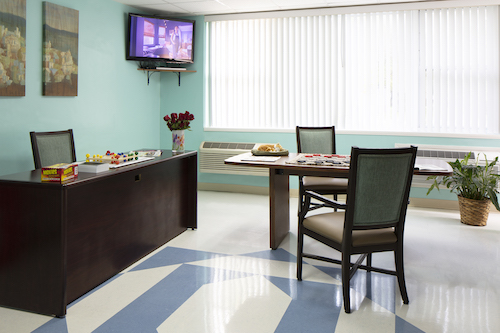
How is Autumn Care Of Portsmouth Staffed?

CMS rates AUTUMN CARE OF PORTSMOUTH's staffing level at 2 out of 5 stars, which is below average compared to other nursing homes. Staff turnover is 51%, compared to the Virginia average of 46%.

What Have Inspectors Found at Autumn Care Of Portsmouth?

State health inspectors documented 43 deficiencies at AUTUMN CARE OF PORTSMOUTH during 2018 to 2022. These included: 2 that caused actual resident harm and 41 with potential for harm. Deficiencies causing actual harm indicate documented cases where residents experienced negative health consequences.
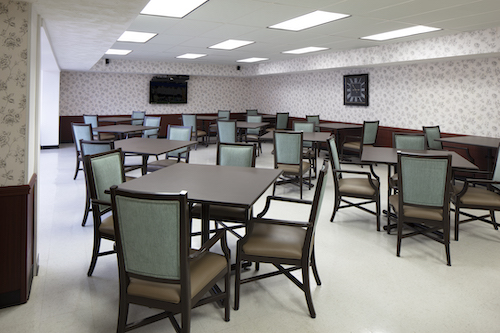
Who Owns and Operates Autumn Care Of Portsmouth?

AUTUMN CARE OF PORTSMOUTH is owned by a for-profit company. For-profit facilities operate as businesses with obligations to shareholders or private owners. The facility is operated by SABER HEALTHCARE GROUP, a chain that manages multiple nursing homes. With 108 certified beds and approximately 95 residents (about 88% occupancy), it is a mid-sized facility located in PORTSMOUTH, Virginia.
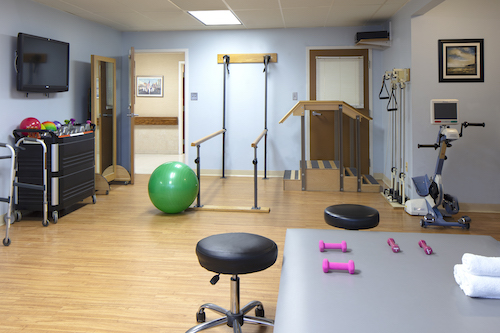
How Does Autumn Care Of Portsmouth Compare to Other Virginia Nursing Homes?

Compared to the 100 nursing homes in Virginia, AUTUMN CARE OF PORTSMOUTH's overall rating (4 stars) is above the state average of 3.0, staff turnover (51%) is near the state average of 46%, and health inspection rating (3 stars) is at the national benchmark.

What Should Families Ask When Visiting Autumn Care Of Portsmouth?

Based on this facility's data, families visiting should ask: "Can you walk me through typical staffing levels on day, evening, and night shifts?" "Can I visit during a mealtime to observe dining assistance and food quality?" "How do you handle medical emergencies, and what is your hospital transfer rate?" "Can I speak with family members of current residents about their experience?" These questions are particularly relevant given the below-average staffing rating.

Is Autumn Care Of Portsmouth Safe?

Based on CMS inspection data, AUTUMN CARE OF PORTSMOUTH has a clean safety record: no substantiated abuse findings (meaning no confirmed cases of resident harm), no Immediate Jeopardy citations (the most serious violation level indicating risk of serious injury or death), and is not on the Special Focus Facility watch list (a federal program monitoring the lowest-performing 1% of nursing homes). The facility has a 4-star overall rating and ranks #1 of 100 nursing homes in Virginia. While no facility is perfect, families should still ask about staff-to-resident ratios and recent inspection results during their visit.

Do Nurses at Autumn Care Of Portsmouth Stick Around?

AUTUMN CARE OF PORTSMOUTH has a staff turnover rate of 51%, which is 5 percentage points above the Virginia average of 46%. Moderate turnover is common in nursing homes, but families should still ask about staff tenure and how the facility maintains care continuity when employees leave.

Was Autumn Care Of Portsmouth Ever Fined?

AUTUMN CARE OF PORTSMOUTH has no federal fines on record. CMS issues fines when nursing homes fail to meet care standards or don't correct problems found during inspections. The absence of fines suggests the facility has either maintained compliance or corrected any issues before penalties were assessed. This is a positive indicator, though families should still review recent inspection reports for the full picture.

Is Autumn Care Of Portsmouth on Any Federal Watch List?

AUTUMN CARE OF PORTSMOUTH is not on any federal watch list. The most significant is the Special Focus Facility (SFF) program, which identifies the bottom 1% of nursing homes nationally based on persistent, serious quality problems. Not being on this list means the facility has avoided the pattern of deficiencies that triggers enhanced federal oversight. This is a positive indicator, though families should still review the facility's inspection history directly.