PULASKI HLTH & REHAB CNTR
2401 LEE HIGHWAY, PULASKI, VA 24301 (540) 980-3111
For profit - Limited Liability company 90 Beds LIFEWORKS REHAB Data: November 2025
Trust Grade
75/100
#95 of 285 in VA
Last Inspection: July 2024

Within standard 12-15 month inspection cycle. Federal law requires annual inspections.

Overview

Pulaski Health & Rehab Center has a Trust Grade of B, indicating it is a good choice among nursing homes. It ranks #95 out of 285 facilities in Virginia, placing it in the top half, and is the best option in Pulaski County. However, the facility's performance is worsening, with issues increasing from 3 in 2023 to 10 in 2024. Staffing is a concern, rated only 1 out of 5 stars, and turnover is 53%, slightly above the state average of 48%. On a positive note, the center has not incurred any fines, suggesting it is compliant with regulations, and it provides average RN coverage, which is important for catching potential problems. Specific incidents of concern include a failure to ensure safe food storage, inadequate documentation for a pet present in the facility, and lapses in hand hygiene during medication administration, all of which could pose risks to residents. Overall, while the facility has strengths, there are notable weaknesses that families should consider.

Trust Score
B
75/100
In Virginia
#95/285
Top 33%
Safety Record
Low Risk
No red flags
Inspections
Getting Worse
3 → 10 violations
Staff Stability
⚠ Watch
53% turnover. Above average. Higher turnover means staff may not know residents' routines.
Penalties
✓ Good
No fines on record. Clean compliance history, better than most Virginia facilities.
Skilled Nurses
○ Average
Each resident gets 36 minutes of Registered Nurse (RN) attention daily — about average for Virginia. RNs are the most trained staff who monitor for health changes.
Violations
⚠ Watch
20 deficiencies on record. Higher than average. Multiple issues found across inspections.
★★★★☆
4.0
Overall Rating
★☆☆☆☆
1.0
Staff Levels
★★★★★
5.0
Care Quality
★★★★☆
4.0
Inspection Score
Stable
2023: 3 issues
2024: 10 issues

The Good

  • 5-Star Quality Measures · Strong clinical quality outcomes
  • Full Sprinkler Coverage · Fire safety systems throughout facility
  • No fines on record

Facility shows strength in quality measures, fire safety.

The Bad

Staff Turnover: 53%

Near Virginia avg (46%)

Higher turnover may affect care consistency

Chain: LIFEWORKS REHAB

Part of a multi-facility chain

Ask about local staffing decisions and management

The Ugly 20 deficiencies on record

Jul 2024 10 deficiencies
CONCERN (D)

Potential for Harm - no one hurt, but risky conditions existed

Deficiency F0582 (Tag F0582)

Could have caused harm · This affected 1 resident

Based on staff interview, clinical record review, and facility document review, the facility staff failed to provide a Skilled Nursing Facility Advanced Beneficiary Notice of Non-coverage (SNFABN) not...

Read full inspector narrative →
Based on staff interview, clinical record review, and facility document review, the facility staff failed to provide a Skilled Nursing Facility Advanced Beneficiary Notice of Non-coverage (SNFABN) notification for 1 of 3 residents selected for SNF Beneficiary Notification Review (Resident #98). The findings included: For Resident #98, the facility staff failed to provide a SNF ABN notification when the resident was discharged from Medicare Part A services with skilled benefit days remaining while continuing to reside in the facility. Resident #98's diagnosis list indicated diagnoses, which included, but not limited to Pneumonitis, Dysphagia, Generalized Muscle Weakness, and Dementia. The minimum data set (MDS) with an assessment reference date (ARD) of 1/27/24 assigned the resident a brief interview for mental status (BIMS) summary score of 1 out of 15 indicating the resident was severely cognitively impaired. Resident #98's clinical record included a progress note by the discharge planner dated 3/04/24 10:16 AM which read in part, SW [social worker] [name omitted] spoke to patient's POA [power of attorney] [name omitted] to issue NOMNC [Notice of Medicare Non-coverage] with LCD [last covered day] 3/08/24 and converting to LTC [long term care] 3/09/24. Appeal rights were went [sic] over and POA declined wanting to appeal. SW [name omitted] to have business office to call POA to go over private pay prices and if patient would be eligible for Medicaid . Surveyor requested to review notices that were provided to Resident #98's POA when discharged from Medicare Part A services. Surveyor received a copy of a NOMNC indicating skilled services would end on 3/08/24 and signed by the POA on 3/04/24. On 7/24/24 at 1:58 PM, surveyor spoke with the SW who stated a SNFABN was not provided because Resident #98 went from skilled care to private pay receiving comfort care. Surveyor requested and received the facility policy titled Advanced Beneficiary Notice (ABN) with an effective date of 4/01/22 which read in part 3. The ABN for Part A is used when a patient is coming off of a Part A stay, has days left in the benefit period and is remaining in the Center . On 7/24/24 at 4:40 PM, the survey team met with the Administrator, Regional Director of Clinical Services, and the Director of Nursing and discussed the concern of Resident #98 not receiving a SNFABN. No further information regarding this concern was presented to the survey team prior to the exit conference on 7/24/24.
CONCERN (D)

Potential for Harm - no one hurt, but risky conditions existed

Deficiency F0657 (Tag F0657)

Could have caused harm · This affected 1 resident

Based on clinical record review and facility document review, the facility staff failed to ensure timely revision of the comprehensive plan of care for 1 of 20 current sampled residents, Resident #53....

Read full inspector narrative →
Based on clinical record review and facility document review, the facility staff failed to ensure timely revision of the comprehensive plan of care for 1 of 20 current sampled residents, Resident #53. The findings included: For Resident #53, the facility staff failed to revise the person-centered care plan to discontinue the need for thickened liquids per the physician's order. Resident #53's diagnosis list indicated diagnoses, which included, but not limited to Dementia, Dysphagia, Transient Ischemic Attack (TIA), and Cognitive Communication Deficit. The most recent minimum data set (MDS) with an assessment reference date (ARD) of 06/23/2024, assigned the resident a brief interview for mental status (BIMS) summary score of 9 out of 15 for cognitive abilities, indicating Resident #53 was moderately impaired in cognition. Resident #53's physician's orders included an active order dated 11/14/2023, which read in part, Regular diet .Thin Liquids consistency . Surveyor reviewed Resident #53's comprehensive care plan with a revision date of 07/01/2024, that read in part, Focus .on a mechanically altered diet with thickened liquids .Revision on: 11/14/2023 .Goal .Revision on: 07/01/2024 .Interventions .therapeutic diet as ordered .Created on: 05/30/2023 . Further review of the clinical record revealed a Skilled Note, dated 06/15/2023, that read in part, .Swallow study .now on thin liquids . Further review of physician's orders revealed a physician's order with a start date of 06/15/2023 that read in part, .Regular diet .Thin Liquids consistency . This concern was discussed at the end of day meeting on 07/23/24 at 4:53 PM with the administrator, director of nursing, and regional director of clinical services and again at the pre-exit meeting on 07/24/24 at 4:40 PM. Surveyor requested and received the facility policy titled Care Planning which read in part, .5. Care plans will be updated on an ongoing basis as changes in the patient occur . No further information regarding this concern was presented to the survey team prior to the exit conference on 07/24/24.
CONCERN (D)

Potential for Harm - no one hurt, but risky conditions existed

Deficiency F0658 (Tag F0658)

Could have caused harm · This affected 1 resident

**NOTE- TERMS IN BRACKETS HAVE BEEN EDITED TO PROTECT CONFIDENTIALITY** Based on staff interview, clinical record review and facility document review, the facility staff failed to provide services tha...

Read full inspector narrative →
**NOTE- TERMS IN BRACKETS HAVE BEEN EDITED TO PROTECT CONFIDENTIALITY** Based on staff interview, clinical record review and facility document review, the facility staff failed to provide services that met professional standards of clinical practice for 1 of 20 residents, Resident #21. The findings included: For Resident #21, the facility staff failed to transcribe a verbal medical provider order for the administration of ten (10) units of insulin on 07/13/2024 and failed to document the administration of the insulin. Resident #21's diagnosis list indicated diagnoses, which included, but not limited to, Type 2 Diabetes Mellitus, Cognitive Communication Deficit, Presence of Cardiac Pacemaker, and Cerebral Infarction (stroke). The most recent quarterly minimum data set (MDS) with an assessment reference date (ARD) of 07/09/2024, assigned the resident a brief interview for mental status (BIMS) summary score of 3 out of 15 for cognitive abilities, indicating the resident was severely cognitively impaired. A review of the medication administration record (MAR) for July 2024 revealed on 07/13/2024 that Resident #21's BS (blood sugar) was 410 and the MAR was coded as, 9 (nine), which indicated, 9=other/see progress note. A review of the Orders Administration Note dated 07/13/2024, read in part, .Lyumjev KwikPen Subcutaneous Solution Pen-injector 100 (one hundred) UNIT/ML (milliliter) Inject as per sliding scale .401+ Notify MD (medical doctor) if greater than 400 .Notified [name omitted], NP (nurse practitioner) advised to give 10 U (units) . Surveyor reviewed Resident #21's clinical record and was unable to locate a provider order or documentation of administration of Lyumjev insulin. On 07/23/24 at 9:30 AM, surveyor interviewed licensed practical nurse #5 (LPN#5) and director of nursing (DON). LPN#5 stated she gave Resident #21 the 10 U of insulin after speaking with the NP and she thought the note would verify that she gave it. Surveyor asked the process for giving medication when there was not an order as the BS of 410 was outside of the parameter. LPN#5 stated she would have notified her supervisor and put in a note. Surveyor asked what was required when there was no order, as there was no documentation to verify the medication was given, the time of the administration or the amount. The DON stated a verbal order should have been entered and this would have allowed it to have been documented as administered on the MAR. This concern was discussed on 07/22/24 at 4:50 PM during the end of day meeting with the administrator, regional director of clinical services, and the director of nursing and again during the end of day meeting on 07/23/2024 at 4:53 PM and the pre-exit meeting on 07/24/24 at 4:40 PM. Surveyor requested and received the facility policy titled, Non-Controlled Medication Orders, that read in part, .III .B. New Verbal Orders .The nurse documents the verbal order .on the .electronic medical record .F. Completing Documentation .Transcribe .medications on the MAR . Surveyor also requested and received a facility policy titled, Administration Procedures for All Medications, that read in part, .III .a. Check the MAR .for the order .IV .7. After administration .and document administration in the MAR . Surveyor requested and received a facility policy titled, Nursing Care & Services, that read in part, .Nursing staff will provide nursing care and services following current standards of practice recognized by .Procedure 1. The center will utilize .and/or Clinical Nursing Skills & Techniques by [NAME], [NAME], and Ostendorff as a reference for nursing services and skills not otherwise provided in the Policies and Procedures Manuals. On 07/23/24 at 4:33 PM, DON brought surveyor copies of requested pages from the facility copy of Clinical Nursing Skills & Techniques by [NAME], [NAME], and Ostendorff, (February 7, 2022 ) located at the nurse's station for reference, that read in part, .Chapter 4 .Telephone and Verbal orders .when receiving a TO (telephone order) or VO (verbal order), enter the complete order into the computer .Chapter 20 .use the MAR to prepare and administer medications .ensure that the MAR clearly shows .the dosage, route .Document the administration of each medication on the MAR as soon as you give it . The DON informed surveyor facility staff use the MFA (Medical Facilities of America) policies first and then go to [NAME] & [NAME]. No further information was provided to the survey team prior to the exit conference on 07/24/2024.
CONCERN (D)

Potential for Harm - no one hurt, but risky conditions existed

Deficiency F0692 (Tag F0692)

Could have caused harm · This affected 1 resident

**NOTE- TERMS IN BRACKETS HAVE BEEN EDITED TO PROTECT CONFIDENTIALITY** Based on observation, resident and staff interview, clinical record review and facility document review, the facility staff fail...

Read full inspector narrative →
**NOTE- TERMS IN BRACKETS HAVE BEEN EDITED TO PROTECT CONFIDENTIALITY** Based on observation, resident and staff interview, clinical record review and facility document review, the facility staff failed to provide the proper amount of fluid to maintain an appropriate fluid and electrolyte balance for one of 20 current residents in the survey sample, Resident #66 (R 66). The findings included: R 66's diagnoses included but were not limited to acute and chronic respiratory failure, chronic obstructive pulmonary disease, essential hypertension and peripheral vascular disease. R 66's most recent minimum data set (MDS) assessment with an assessment reference date (ARD) of 6/25/24 assigned the resident a brief interview for mental status (BIMS) score of 15 out of 15 indicating they were cognitively intact. Review of R 66's clinical record indicated they were on a 1,200 ml/day fluid restriction per a physician's order written on 7/5/2024. On 7/23/24 at 10:20 AM this surveyor noted that resident had a measured water pitcher with 900 ml (milliliter) capacity, 300 ml's were remaining, a 20-ounce Styrofoam cup filled with soda (20 ounces = 591.471 ml) and a small plastic cup with approximately 3 ounces of water remaining in it. Surveyor asked resident if they were aware of their 1,200 ml fluid restriction, they indicated that they were not aware of it. When asked what they had to drink for breakfast, they stated, A carton of milk, a cup of coffee and some juice. Resident stated the staff fill up their water pitcher for them twice daily and give them a fresh cup of ice for their soda whenever they ask. On 7/23/24 at 10:40 AM this surveyor interviewed Certified Nursing Assistant (C.N.A.) # 1. When asked how they know when a resident is on fluid restriction they stated, It'll be on their tray cards. C.N.A. #1 could not explain how they monitor fluid restrictions and stated they don't document how much fluid a resident drinks on their shift. On 7/23/24 at 10:45 AM this surveyor interviewed C.N.A. #3. They stated they were not sure how to know if a resident is on fluid restriction, I think I would just ask the nurse. On 7/23/24 at 10:53 AM Registered Nurse #1 was interviewed and stated that fluid restrictions are monitored and documented by the nurses on the Treatment Administration Records (TAR). They could not state why R 66 was on a fluid restriction, It's usually related to a diagnosis like CHF (congestive heart failure). On 7/23/24 at 11:11 AM this surveyor interviewed the Nurse Practitioner (NP) caring for R 66. They stated, It's due to a specific diagnosis but I'll have to look at the chart to make sure what that is. (Resident) knows he/she is on it but is noncompliant with it. Review of the TAR revealed that nurses were signing off that R 66 was on a fluid restriction but there was no where to document the number of ml's provided per shift. There was no indication in the record that resident had been educated or informed about the fluid restriction and no documentation of noncompliance. This surveyor interviewed the Registered Dietician (RD) on 7/23/24 at 12:20 PM. They stated that resident was on the fluid restriction for hyponatremia. They provided a copy of R 66' s' tray card for the day. According to the tray card R 66 was provided with 8 ounces of orange juice, 16 ounces of coffee/tea and 16 ounces of milk for breakfast. That is a total of 1,182.941 ml's. For lunch R 66 tray card indicated they got 16 ounces of milk and 16 ounces of coffee/tea for 946.353 ml's. R 66 was scheduled to get another 16 ounces of milk and 16 ounces of coffee/tea for the supper meal. Surveyor requested and received a copy of the policy entitled, Fluid Restriction with an effective date of 1/29/2024. Under procedure the policy read in part, 2. Provide education to the patient on specific fluid restrictions. 3. Inform the patient of the amount of fluid allowed orally, including ice chips, gelatin, and ice cream. 4. Per the provider's order for daily fluid allowance. Determine the amount of fluids to be provided with each meal, before bedtime and with medication administration. Consideration of patient preferences. On 7/24/24 the surveyor was referred to an addendum of a progress note dated 7/23/24. The addendum was written at 12:42 PM by the NP and read, Resident was admitted and came into the facility with an order for a fluid restriction, resident was aware of the fluid restriction but unsure why. After reviewing records, her CXR (chest x-ray) shows emphysema, no pneumothorax, effusion, infiltrate or edema. Cardiac silhouette normal in size. Her last echocardiogram was on 5/5/21 which showed an EF (ejection fraction) of with normal LV systolic function, normal diastolic function and mild pulmonary hypertension with an RVSP of 45-50. Bony thorax intact. No clinical indications for the fluid restriction. Laboratory results reviewed. On 7/4/24 resident had a low sodium level of 129 (normal is 136-145). The physician was notified and on 7/5/24 ordered a 1,200 ml fluid restriction and weekly lab work. Sodium on 7/11/24 was 130 and on 7/18/24 was 132. Resident was admitted to the facility on [DATE]. This concern was reviewed with the Administrator, Director of Nursing and Regional Director of Clinical Services on 7/24/24 during a meeting with the survey team. No further information was provided to the survey team prior to the exit conference.
CONCERN (D)

Potential for Harm - no one hurt, but risky conditions existed

Drug Regimen Review (Tag F0756)

Could have caused harm · This affected 1 resident

2. For Resident #54, the facility staff failed to provide evidence of the 1/26/24 and 3/25/24 drug regimen reviews being reported to and acted upon by the medical provider. Resident #54's diagnosis l...

Read full inspector narrative →
2. For Resident #54, the facility staff failed to provide evidence of the 1/26/24 and 3/25/24 drug regimen reviews being reported to and acted upon by the medical provider. Resident #54's diagnosis list indicated diagnoses, which included, but not limited to, Zoster Encephalitis, Hemiplegia and Hemiparesis, Aphasia, Peripheral Vascular Disease, Depression, Anxiety, Mixed Receptive-Expressive Language Disorder, and Cognitive Communication Deficit. The most recent minimum data set (MDS) with an assessment reference date (ARD) of 5/24/24 indicated the resident had severely impaired decision-making and is rarely/never understood. Surveyor spoke with the Director of Nursing (DON) on 7/23/24 and requested the drug regimen review recommendation reports completed by the pharmacist for Resident #54. On 7/24/24 at 8:00 AM, the DON provided copies of the requested drug regimen reviews. The Consultant Pharmacist Recommendation to Physician reports dated 1/26/24 and 3/25/24, had not been signed by the medical provider indicating review. The 1/26/24 Consultant Pharmacist Recommendations to Physician read in part, .This resident is taking Depakote routinely. The recommended routine lab work includes VPA (valproic acid) level and Ammonia level . The lab results could not be located on the clinical record, indicating the January recommendation was not addressed. The 3/25/24 Consultant Pharmacist Recommendation to Physician read in part .The resident has been taking Omeprazole 20 mg (milligrams) QD (once a day) since 9/1/2023 without a dose reduction. Please consider a trial dose reduction to Omeprazole 10 mg . A provider order decreasing the dose of Omeprazole could not be located, indicating the March recommendation was not addressed. On 7/24/24 at 9:59 AM, surveyor discussed these findings with the DON, and she stated they could not be found. This concern was discussed on 7/24/24 at 4:40 PM during the pre-exit meeting with the administrator, regional director of clinical services, and the director of nursing. Surveyor requested and received the facility policy titled Medication Regimen Review which read in part The drug regimen of each resident will be reviewed at least once a month by a licensed pharmacist .The physician is to review and sign the patient's Individual MRR (medication regimen review) and document that he/she has reviewed the pharmacist's identified irregularities within 30 days of receipt . No further information regarding this concern was presented to the survey team prior to the exit conference on 7/24/24. Based on staff interview, clinical record review, and facility document review, the facility staff failed to act upon drug regimen review recommendations for 2 of 5 residents selected for drug regimen review (Resident #32 and Resident #54). The findings included: 1. For Resident #32, the facility staff failed to provide evidence of the 8/26/23, 9/26/23, 10/27/23, 1/26/24, and 3/25/24 drug regimen reviews being acted upon by the medical provider. Resident #32's diagnosis list indicated diagnoses, which included, but not limited to Dementia, Anxiety Disorder, and Generalized Muscle Weakness. The most recent minimum data set (MDS) with an assessment reference date (ARD) of 7/16/24 assigned the resident a brief interview for mental status (BIMS) summary score of 7 out of 15 indicating the resident was severely cognitively impaired. Documentation within Resident #32's clinical record indicated drug regimen reviews (DRRs) were completed on 8/26/23, 9/26/23, 1/26/24, and 3/25/24, each with pharmacist recommendations. Surveyor was unable to locate the recommendation reports in the resident's clinical record. A 10/27/23 DRR read in part This resident is on an antipsychotic medication and a current AIMS [Abnormal Involuntary Movement Scale] could not be located in the chart .AIMS should be done within the first 30 days of either admission or initiating therapy, then at least every 6 months after that . The medical provider reviewed the 10/27/23 DRR but failed to address the recommendation for an AIMS test. The only AIMS test located in Resident #32's clinical record was dated 6/20/24. On 7/23/24 at 11:25 AM, surveyor spoke with the Director of Nursing (DON) and requested the 8/26/23, 9/26/23, 1/26/24, and 3/25/24 DRRs and any evidence of an AIMS test being completed prior to 6/20/24. The DON returned to the surveyor at 2:33 PM and provided copies of the requested 8/26/23, 9/26/23, 1/26/24, and 3/25/24 DRRs which had not been reviewed or signed by the medical provider. The DON stated the provider also failed to address the pharmacist's recommendation on the October DRR and there were no AIMS tests completed prior to 6/20/24. Surveyor requested and received the facility policy titled Medication Regimen Review with an effective date of 1/29/24 which read in part, .The physician is to review and sign the patient's individual MRR [medication regimen review] and document that he/she has reviewed the pharmacist's identified irregularities within 30 days of receipt . On 7/23/24 at 4:53 PM, the survey team met with the Administrator, Regional Director of Clinical Services, and the DON and discussed the concern of the medical provider failing to address Resident #32's DRRs. No further information regarding this concern was presented to the survey team prior to the exit conference on 7/24/24.
CONCERN (D)

Potential for Harm - no one hurt, but risky conditions existed

Deficiency F0760 (Tag F0760)

Could have caused harm · This affected 1 resident

Based on staff interview, clinical record review and facility document review, the facility staff failed to ensure that residents are free of any significant medication errors for 1 of 20 sampled resi...

Read full inspector narrative →
Based on staff interview, clinical record review and facility document review, the facility staff failed to ensure that residents are free of any significant medication errors for 1 of 20 sampled residents, Resident #25. The findings included: For Resident #25, the facility staff failed to follow provider orders for the administration of the medications, Invanz and Culturelle for 14 (fourteen) days. Invanz is an antibiotic indicated for the treatment of moderate to severe infections, Culturelle is a probiotic used to maintain digestive health. Resident #25's diagnosis list indicated diagnoses, which included, but not limited to, Type 2 Diabetes Mellitus, Age-Related Physical Debility, Heart Failure, Overactive Bladder, Chronic Kidney Disease, and Urinary Tract Infection. Resident #25's most recent minimum data set (MDS) with an assessment reference date (ARD) of 6/11/24 assigned the resident a brief interview for mental status (BIMS) summary score of 5 out of 15 for cognitive abilities, indicating the resident is severely cognitively impaired. A provider's progress note dated 7/5/24, read in part, .SUMMARY OF VISIT: Resident is being seen today per nursing request for UA (urinalysis) results, final urine culture indicates ESBL (extended spectrum beta-lactamase). Orders for contact precautions, Invanz 1 GM (gram) IM (intramuscular) QD (once a day) x 14 days, Culturelle 1 tab (tablet) po (by mouth) BID (twice a day) x 14 days . A review of Resident #25's July 2024 MAR (medication administration record) revealed Invanz and Culturelle were administered for 10 days. Resident #25's provider orders included an order dated 7/5/24 to give Culturelle for 10 days and Ertapenem Sodium Solution Reconstituted (Invanz) for 10 days. According to the provider's orders and the July 2024 MAR, the medications were not given as ordered for 14 days. On 7/24/24, surveyor interviewed the nurse practitioner (other staff #1) and she stated she did direct staff to administer the Invanz and Culturelle for 14 days. She stated staff informed her the order was transcribed incorrectly to be administered for 10 days and she provided a new order for an additional 4 days of the medications on 7/23/24. On 7/24/24 at 10:03 AM, surveyor interviewed director of nursing (DON) and she stated the order was entered incorrectly and agreed that was why 4 more days were added to Resident #25's treatment on 7/23/24. This concern was discussed on 7/23/24 at 4:53 PM at the end of day meeting with the administrator, director of nursing and the regional director of clinical services and again at the pre-exit meeting on 7/24/24 at 4:40 PM. Surveyor requested and received the facility policy titled, Non-Controlled Medication Orders, that read in part, .I. Elements of the Medication Order 1. Medication orders specify the following .f. Quantity or duration (length) of therapy .III. Documentation of the Medication Order .F. Completing Documentation .Transcribe newly prescribed medications on the MAR .After completion, document each medication order entered on the appropriate form . No further information regarding this concern was presented to the survey team prior to the exit conference on 07/24/24.
CONCERN (D)

Potential for Harm - no one hurt, but risky conditions existed

Deficiency F0761 (Tag F0761)

Could have caused harm · This affected 1 resident

Based on observation, resident interview, staff interview, clinical record review and facility document review, the facility staff failed to ensure safe and secure storage of medications for one of 20...

Read full inspector narrative →
Based on observation, resident interview, staff interview, clinical record review and facility document review, the facility staff failed to ensure safe and secure storage of medications for one of 20 current residents in the survey sample, Resident #66 (R66). The findings included: R66's diagnoses included but were not limited to acute and chronic respiratory failure, chronic obstructive pulmonary disease, essential hypertension and peripheral vascular disease. R66's most recent minimum data set (MDS) assessment with an assessment reference date (ARD) of 6/25/24 assigned the resident a brief interview for mental status (BIMS) score of 15 out of 15 indicating they were cognitively intact. On 7/21/24 at 2:20 PM this surveyor noted that R66 had a bottle of Tums, a bottle of saline nasal spray and a partial tube of diclofenac sodium topical gel on their bedside table. They stated these medications are some they had been taking routinely for a number of years and that the nurses, rub that on my legs, I don't know what I'd do without it referring to the diclofenac tube. The clinical record was reviewed on 7/22/24. There were no orders noted for Tums, saline nasal spray or diclofenac sodium. On 7/23/24 this surveyor noted that the medications were no longer on the bedside table and R66 stated, I put them away. When asked if they had a locked box to keep their medications in, they stated, no. When asked if the staff knew they had the medications they sated, I don't know if they do or not but that doesn't matter, they don't need to know it do they? R66 indicated the medications were in their nightstand drawer. On 7/23/24 at 2:46 PM this surveyor interviewed Registered Nurse (RN) # 1. They stated they were not aware of R66 having medications at bedside. When asked what the policy is for medications at bedside they stated, They shouldn't have any medications at bedside. RN # 1 stated, I'll take care of it. On 7/23/24 at 3:20 PM this surveyor requested and received the policy entitled, Self-Administration of Medications at Bedside, with an effective date of 1/29/24, The policy read in part, 1. The patient may request to keep medications at bedside for self-administration in a lock box. 2. Complete Medications Self- Administration Safety Screen assessment. 3. The Interdisciplinary Team will review the assessment together, use clinical judgment to determine if the patient is eligible. 4. If eligible, medications that are ordered by a provider to be self-administered will be identified in the medical record. On 7/23/24 at 5:00 PM this concern was discussed during an end of day wrap up meeting with the Administrator, Director of Nursing, and Regional Director of Clinical Services. On 7/24/24 at 12:20 PM the Regional Director of Clinical Services stated the medications were removed from the room and the Nurse Practitioner was meeting with R66 to review medications. A progress note dated 7/24/24 at 12:40 PM read, Spoke with resident regarding having medications at bedside. Reviewed facility policy with resident and (omitted) verbalized understanding. Discussed obtaining orders for medications and nursing staff to administer as ordered. Resident agreed. New orders obtained from NP (name omitted) for orders for PRN voltaren gel, nasal saline spray, fluticasone spray, and tums. No further information was provided to the survey team prior to the exit conference.
CONCERN (D)

Potential for Harm - no one hurt, but risky conditions existed

Laboratory Services (Tag F0770)

Could have caused harm · This affected 1 resident

Based on staff interview, clinical record review, and facility document review, the facility staff failed to provide laboratory services to meet the needs of the resident for 1 of 20 sampled residents...

Read full inspector narrative →
Based on staff interview, clinical record review, and facility document review, the facility staff failed to provide laboratory services to meet the needs of the resident for 1 of 20 sampled residents (Resident #22). The findings included: For Resident #22, the facility staff failed to obtain a comprehensive metabolic panel (CMP), complete blood count (CBC), and a lactic acid blood level as ordered by the medical provider. Resident #22's diagnosis list indicated diagnoses, which included, but not limited to Polyneuropathy, Chronic Pancreatitis, and Chronic Gout. The most recent minimum data set (MDS) with an assessment reference date (ARD) of 6/14/24 assigned the resident a brief interview for mental status (BIMS) summary score of 15 out of 15 indicating the resident was cognitively intact. A review of Resident #22's clinical record revealed a medical provider order dated 7/12/24 to obtain a CMP, CBC, and a Lactic Acid level on 7/13/24. Resident #22 was seen by the nurse practitioner (NP) on 7/12/24, the progress note read in part .Resident being seen per nursing request for follow up on cellulitis and for generalized weakness .obtain CBC CMP in am, lactic acid in am . Surveyor reviewed Resident #22's clinical record and was unable to locate the results of the CMP, CBC, and lactic acid blood tests. On 7/23/24 at 2:33 PM, surveyor spoke with the Director of Nursing (DON) who stated they have spoken with the lab and the lab tests were not obtained. Surveyor requested and received the facility policy titled Laboratory/Diagnostic Testing with an effective date of 1/29/24 which read in part .1. A licensed nurse will obtain laboratory, radiology, or other diagnostic services to meet the needs of its patients as ordered by the provider. 2. A licensed nurse will monitor and track all provider ordered laboratory, radiology, and other diagnostic tests; ensure that tests are completed as ordered and communicate results to the provider . On 7/24/24 at 4:40 PM, the survey team met with the Administrator, Regional Director of Clinical Services, and the DON and discussed the concern of the facility staff failing to obtain lab tests as ordered for Resident #22. No further information regarding this concern was presented to the survey team prior to the exit conference on 7/24/24.
CONCERN (D)

Potential for Harm - no one hurt, but risky conditions existed

Deficiency F0810 (Tag F0810)

Could have caused harm · This affected 1 resident

Based on observations, staff interview, clinical record review and facility document review, the facility staff failed to provide appropriate assistive devices to residents who need them to maintain o...

Read full inspector narrative →
Based on observations, staff interview, clinical record review and facility document review, the facility staff failed to provide appropriate assistive devices to residents who need them to maintain or improve their ability to eat independently for 1 of 20 sampled residents, Resident #21. The findings include: For Resident #21, the facility staff failed to provide a divided plate as recommended by the Certified Occupational Therapy Assistant. Resident #21's diagnosis list indicated diagnoses, which included, but not limited to, Type 2 Diabetes Mellitus, Cognitive Communication Deficit, Dementia, Dysphagia, and Cerebral Infarction (stroke.) The most recent quarterly minimum data set (MDS) with an assessment reference date (ARD) of 07/09/2024, assigned the resident a brief interview for mental status (BIMS) summary score of 3 out of 15 for cognitive abilities, indicating the resident was severely cognitively impaired. On 07/21/24 at 2:41 PM, surveyor observed Resident #21 sitting in wheelchair in her room with a lunch tray on the over-the-bed table in front of resident. The meal ticket on the tray read in part, .Divided Plate . A regular glass plate was observed to be on the resident's tray. On 07/22/24 at 8:42 AM, surveyor observed Resident #21 in her room sitting in her wheelchair with her breakfast tray on the over-the-bed table in front of her. The meal ticket on the tray read in part, .Divided Plate . A regular glass plate was observed to be on the resident's tray. Surveyor interviewed licensed practical nurse #3 (LPN#3) and she agreed meal ticket read divided plate and stated Resident #21 should have a divided plate and that she would check into it. Surveyor reviewed the physician's orders, the comprehensive person-centered care plan, progress notes, and dietary assessments for Resident #21 on the electronic clinical record and was unable to locate any information about the divided plate for the resident. On 07/22/24 at 9:03 AM, surveyor interviewed Dietary Manager, other staff #2 (OS#2). Surveyor observed Resident #21's meal ticket in his hand and Divided Plate was scratched out with ink. OS#2 stated OT (occupational therapy) told him, resident no longer needed a divided plate. On 07/22/2024 at 9:25 AM, surveyor interviewed certified occupational therapy assistant, other staff #4 (OS#4). OS#4 stated Resident #21 was on therapy caseload approximately two weeks ago and she had a goal for self-feeding. OS#4 stated Resident #21 mostly uses fingers to eat but felt she could benefit from a divided plate when she uses utensils so she would have a wall to scoop against. OS#4 stated she talked with dietary about a divided plate for Resident #21 and dietary told her they did not have enough divided plates for Resident #21 to have one. OS#4 also stated there are several residents here that would benefit from divided plates. Surveyor spoke with OS#4 again at 9:40 AM on 07/22/24 and asked her if she had a note or diet communication slip for the requested divided plate for Resident #21 and she stated she did not write it (divided plate) in her notes or do a diet communication slip/order for the divided plate because dietary had told her they did not have enough divided plates. On 07/22/24 at 9:56 AM, surveyor interviewed Regional Dietary Manager for Aramark Services, other staff #3 (OS#3). She stated someone, jumped the gun and put the divided plate on Resident #21's meal ticket while they (dietary) were waiting to order it. On 07/22/2024 at 10:10 AM, surveyor interviewed the administrator (ADM) and OS#3. ADM stated if someone needed a divided plate, she would have ordered it. On 07/22/24 at 3:25 PM, surveyor interviewed OS#4 again to clarify that she spoke with dietary staff members about divided plate for Resident #21. She stated she spoke to three or four dietary staff in the kitchen at the time she went to the door. This concern was discussed on 07/22/24 at 4:50 PM during the end of day meeting with the administrator, regional director of clinical services, and the director of nursing and again during the end of day meeting on 07/23/2024 at 4:53 PM and the pre-exit meeting on 07/24/24 at 4:40 PM. Surveyor requested and received Resident #21's meal tickets for a variety of days in June 2024 and July 2024 and received a meal ticket dated 7/10/24 that read in part, .Divided Plate . OS#3 stated she was not sure how it (divided plate) got on there today (07/22/2024) and surveyor informed OS#3 it was observed on Resident #21's meal ticket yesterday as well. A review of the policy, Assistive Devices read in part: .It is the center policy to provide assistive devices .1. The Dining Services Director will provide appropriate assistive devices .as indicated . No further information regarding this concern was presented to the survey team prior to the exit conference on 07/24/24.
CONCERN (E)

Potential for Harm - no one hurt, but risky conditions existed

Accident Prevention (Tag F0689)

Could have caused harm · This affected multiple residents

Based on observations, staff interviews, and facility document review, the facility staff failed to ensure a safe environment as evidenced by the absence of documentation addressing the training, heal...

Read full inspector narrative →
Based on observations, staff interviews, and facility document review, the facility staff failed to ensure a safe environment as evidenced by the absence of documentation addressing the training, health, and/or vaccinations for an animal/pet (Pet #1) present at the facility. Pet #1 was reported to be one (1) of the five (5) animals/pets to frequent the facility. The findings include: On 7/23/24 at approximately 3:50 p.m., the surveyor knocked on a closed office door at the facility. A dog inside the door was heard to bark. A facility staff member opened the door. The dog could not be seen but was heard to be growling. The dog (Pet #1) was placed in a wire pet kennel. The dog was heard to growl while in the wire pet kennel. Pet #1 had been observed, earlier in the survey, to walk unleashed in the facility with its owner nearby. On 7/23/24 at 4:10 p.m., the surveyor interviewed the facility's Administrator with the Vice-President of Operations present. The Administrator reported the animal/pet in question was considered a center pet. The Administrator reported no injury had ever occurred at the facility related to an animal/pet. The following information was found in a facility policy titled Therapeutic Pets (with an effective date of 1/22/24): - The Recreation Director/staff will ensure any pets and animals integrated into the activity program on a permanent basis are disease free with appropriate documentation on file. Recreation staff will monitor pets and animals and follow safety precautions to ensure patient safety. Pets and animals will be treated humanely and maintained in a safe environment. - Center Pets: . Will be cleared by a veterinarian prior to placement. Examination will include checking for all parasites, diseases, etc. that can be transmitted to humans. Pets and animals will be treated as necessary . Documentation will be kept on file in the recreation department . Dogs: . Will receive obedience training by a certified trainer . Will be treated for fleas and ticks. Pet #1's documentation was a one-page form which did not include the veterinarian's name, address, and/or contact information. This form indicated Pet #1's last Parasite Control was Drontal administered orally on 6/28/23. This form indicated Pet #1's last vaccines were administered on 6/28/23 (10 way and Rabies (3 yr)); the location and route of these vaccines were not documented. No documentation indicating Pet #1 had been cleared by a veterinarian was found by or provided to the surveyor. No documentation indicating Pet #1 had received obedience training by a certified trainer was found by or provided to the surveyor. On 7/24/24 at 11:38 a.m., the surveyor met with the facility's Administrator and a Regional Director of Clinical Services (Administrative Staff #4). The Administrator reported there was no documentation to indicate Pet #1 had been cleared by a veterinarian. The Administrator reported they were still waiting for information from the veterinarian. The Administrator confirmed Pet #1 was not required to be on a leash while in the facility. The Administrator reported Pet #1 would only interact with residents if its owner was present. During this meeting, the absence of documentation of Pet #1 having received obedience training by a certified trainer was discussed. On 7/24/24 at 4:39 p.m., the survey team met with the facility's Administrator, Director of Nursing, and Administrative Staff #4. During this meeting, the Administrator reported no additional documentation related to Pet #1 was available.
Jun 2023 3 deficiencies
CONCERN (D) 📢 Someone Reported This

A family member, employee, or ombudsman was alarmed enough to file a formal complaint

Potential for Harm - no one hurt, but risky conditions existed

Quality of Care (Tag F0684)

Could have caused harm · This affected 1 resident

**NOTE- TERMS IN BRACKETS HAVE BEEN EDITED TO PROTECT CONFIDENTIALITY** 2. For Resident #32, the facility staff failed to administer the residents evening medications on [DATE] per the providers order...

Read full inspector narrative →
**NOTE- TERMS IN BRACKETS HAVE BEEN EDITED TO PROTECT CONFIDENTIALITY** 2. For Resident #32, the facility staff failed to administer the residents evening medications on [DATE] per the providers orders. Resident #32's diagnoses included, but were not limited to, Parkinson's disease, diabetes with neuropathy, muscle weakness, essential hypertension, and anxiety disorder. Section C (cognitive patterns) of Resident #32's admission minimum data set (MDS) assessment with an assessment reference date (ARD) of [DATE] included a brief interview for mental status (BIMS) summary score of 15 out of a possible 15 points. Indicating this resident was alert and orientated. Resident #32's comprehensive care plan included the intervention administer medications as ordered. Resident #32 reported to the facility staff that Licensed Practical Nurse (LPN) #2 had not administered their evening medications on [DATE]. [DATE] 2:37 p.m., Resident #32 stated to the surveyor that LPN #2 did not give them their nighttime medications and the Director of Nursing (DON) took care of the issue. Resident #32 was unsure of the date when interviewed by the surveyor. A review of Resident #32's electronic medication administration records (eMARs) revealed that LPN #2 had documented that they had administered all of Resident #32's evening medications on [DATE]. Administrator stated that they had investigated the residents allegation and they had discovered during their investigation that LPN #2 had documented for the residents narcotic Alprazolam on the eMAR, but they had not signed out this narcotic on the controlled drug administration record. With this information they were able to verify that this resident did not receive their medications. The facility staff provided the surveyor with an employee corrective action document and a medication error report both dated [DATE] regarding this issue. LPN #2 had signed the corrective action document on [DATE] but did not sign the medication error report. LPN #2 no longer worked at the facility. [DATE] 5:10 p.m., the issue regarding Resident #32's medications was reviewed with the Administrator and Nurse Consultant. No further information regarding this issue was provided to the survey team prior to the exit conference. 3. For Resident #301, the facility nursing staff administered 1000 mcg (microgram) of B12 when the provider order was for 100 mcg of B12. [DATE] 8:10 a.m., the surveyor observed Licensed Practical Nurse (LPN) #4 prepare and administer Resident #301's morning medication to include their B12. LPN #4 obtained 1000 mcg of B12 from the stock medication supply in the medication cart and administered this to Resident #301. [DATE], the surveyor reviewed Resident #301's medication orders. The clinical record included a provider order dated [DATE] for B12 100 mcg's by mouth in the morning. [DATE] 10:15 a.m., the surveyor and LPN #4 checked the medication cart for the B12. LPN #4 pulled the B12 bottle from the medication cart and confirmed the providers order read 100 mcg's and the bottle read 1000 mcg's. LPN #4 stated they did not have another bottle of B12 on the medication cart. [DATE] 10:25 a.m., call placed to facility pharmacy who confirmed the B12 was available in a 100 mcg dosage. [DATE] 5:10 p.m., end of the day meeting with the Administrator and Nurse Consultant. The issue with the B12 dosage was reviewed. [DATE], the facility provider changed the dosage of B12 to 500 mcg's in the morning due to B12 deficiency. [DATE] 8:52 a.m., the Director of Nursing (DON) provided the surveyor with a copy of a policy titled, Administration Procedures for All Medications. This policy read in part, .Prior to removing the medication from the container. Check the label against the order on the MAR . No further information regarding this issue was provided to the survey team prior to the exit conference. Based on observations, interviews, and document reviews, the facility staff failed to provide care and/or treatment according to medical provider orders for three (3) of 30 sampled residents (Resident #101, Resident #32, Resident #301). The findings include: 1. LPN #7 initiated cardiopulmonary resuscitation (CPR) on a resident (Resident #101) who had an active Do Not Resuscitate (DNR) order. Resident #101's minimum data set (MDS) assessment, with an assessment reference date (ARD) of [DATE], was dated as completed on [DATE]. Resident #101 was documented as able to make self understood and as able to understand others. Resident #101's Brief Interview for Mental Status summary score was documented as 15 out of 15; this indicated intact and/or borderline cognition. Resident #101 was assessed as requiring assistance with bed mobility, transfers, dressing, toilet use, and personal hygiene. During a telephone interview on the afternoon of [DATE], Licensed Practical Nurse (LPN) #7 reported they found the resident unresponsive sitting semi-up right on the floor. Resident #101 was assessed to be not breathing and without a pulse. LPN #7 confirmed they started cardiopulmonary resuscitation (CPR) and called Emergency Medical Services (EMS). CPR was not successful. LPN #7 reported that information provided during report indicated Resident #101 was a full code. LPN #7 reported EMS arrived at the facility and contacted a medical provider at a local emergency department to get orders to stop CPR. LPN #7 reported it wasn't until after CPR was stopped that it was discovered that Resident #101 had a DNR order. Resident #101's clinical documentation indicated CPR was attempted when the resident was found unresponsive, pulseless, and not breathing. Resident #101's clinical record indicated an active DNR order was in place at the time CPR was started when the resident was discovered unresponsive, pulseless, and not breathing. The following information was found in a facility policy and procedure titled Cardio-Pulmonary Resuscitation (CPR) (with an effective date of [DATE]): Cardio-Pulmonary Resuscitation (CPR) will be initiated as a resuscitation procedure to restore breathing and/or heartbeat if any patient is found to be in cardiopulmonary arrest, EXCEPT where the patient's physician has specifically and appropriately documented a DNR order in the patient's permanent medical record. On [DATE] at 12:45 p.m., the survey team met with the facility's Administrator, Director of Nursing (DON), and Regional Director of Clinical Services. During this meeting, the surveyor discussed LPN #7 providing CPR, to Resident #101, when the resident had a current, active DNR order.
CONCERN (D)

Potential for Harm - no one hurt, but risky conditions existed

Deficiency F0760 (Tag F0760)

Could have caused harm · This affected 1 resident

**NOTE- TERMS IN BRACKETS HAVE BEEN EDITED TO PROTECT CONFIDENTIALITY** Based on resident interview, staff interview, clinical record review, and facility document review, the facility staff failed to...

Read full inspector narrative →
**NOTE- TERMS IN BRACKETS HAVE BEEN EDITED TO PROTECT CONFIDENTIALITY** Based on resident interview, staff interview, clinical record review, and facility document review, the facility staff failed to ensure residents were free of significant medication errors for 1 of 30 residents in the survey sample, Resident #92. The findings included: For Resident #92, the facility staff failed to administer Phenobarbital as ordered by the medical provider on two separate occasions. Phenobarbital is a medication used to control seizures. Resident #92's diagnosis list indicated diagnoses, which included, but not limited to Bilateral Osteoarthritis of the Knee, Somatization Disorder, Chronic Post-Traumatic Stress Disorder, History of Traumatic Brain Injury, and Seizures. The most recent admission minimum data set (MDS) with an assessment reference date (ARD) of 5/31/23 assigned the resident a brief interview for mental status (BIMS) summary score of 15 out of 15 indicating the resident was cognitively intact. Resident #92's comprehensive person-centered care plan included a focus area stating the resident had a risk for complications secondary to a convulsive disorder with an intervention to administer medication as ordered. On 6/22/23 at 2:30 pm, surveyor spoke with Resident #92 who stated they missed the first few doses of their seizure medication following admission to the facility. Resident #92's physician's orders included an order dated 5/24/23 for Phenobarbital 100 mg two tablets one time a day for seizures. According to Resident #92's May 2023 Medication Administration Record (MAR), the resident did not receive the Phenobarbital on 5/25/23 and 5/26/23, for each administration a 9 was documented indicating Other/See Progress Notes. A nursing progress note dated 5/25/23 at 10:30 am stated the Phenobarbital was not available from the pharmacy and was not stocked in the Omnicell (the facility in-house medication supply). A 5/26/23 10:39 am nursing progress note stated the Phenobarbital was not available from the pharmacy and a script was faxed. On 6/23/23 at 10:11 am, surveyor spoke with registered nurse (RN) #1, the writer of the 5/25/23 nursing note, who stated Resident #92's Phenobarbital had not arrived from the pharmacy and was not stocked in the Omnicell. RN #1 stated they contacted the pharmacy and was told the medication was out for delivery that day. RN #1 stated they notified the provider but could not remember who or what was said in response. On 6/23/23 at 9:45 am, surveyor spoke with Resident #92's physician who stated they could not get the Phenobarbital from the pharmacy at first, but the family brought the medication to the facility. Surveyor asked if the two missed doses could have caused the resident's seizure on 5/27/23, the physician stated it may have increased the likelihood if in fact the resident were having seizures. Physician further stated they were not sure if the resident was having seizures or pseudo-seizures. On 6/23/23 at 10:24 am, surveyor spoke with the Director of Quality (DQ) for the facility pharmacy who stated the order for Phenobarbital was entered into Resident #92's clinical record on admission on [DATE] however the order was not transmitted to the pharmacy because it required a valid script. DQ stated the pharmacy received a script for the Phenobarbital on 5/29/23 and the medication was dispensed with the evening delivery on 5/29/23. Surveyor reviewed the facility Omnicell in-house medication supply inventory and Phenobarbital was not available. Surveyor requested and received the facility policy entitled Medication Management/Medication Unavailability with a revised date of 4/21/22 which read in part .3. If medications are determined to be unavailable for administration, licensed nurse will notify the provider of the unavailability. Licensed nurse will document notification to the provider of the unavailability in the medical record. Licensed nurse will notify provider of the unavailability of medication and request an alternate treatment if possible. If alternate treatment is not available, then licensed nurse will activate backup pharmacy process and procedures. On 6/23/23 at 12:45 pm, the survey team met with the administrator, director of nursing, and the regional nurse and discussed the concern of Resident #92 not receiving Phenobarbital as ordered on 5/25/23 and 5/26/23. No further information regarding this issue was presented to the survey team prior to the exit conference on 6/23/23.
CONCERN (E)

Potential for Harm - no one hurt, but risky conditions existed

Food Safety (Tag F0812)

Could have caused harm · This affected multiple residents

Based on observations, interviews, and document review, the facility staff: (a) failed to ensure food items were stored in a manner to promote food safety for one (1) of the two (2) resident refrigera...

Read full inspector narrative →
Based on observations, interviews, and document review, the facility staff: (a) failed to ensure food items were stored in a manner to promote food safety for one (1) of the two (2) resident refrigerators on the resident units and (b) failed to ensure the ice machine, located in the kitchen, was clean and in a safe operating condition. The findings include: The facility staff failed to ensure resident food items kept in refrigerators on the nursing units were correctly labeled and stored. On 6/21/23 at 4:35 p.m., the surveyor observed storage of residents' food items on the nursing units with Licensed Practical Nurse (LPN) #1. The following food items were observed: - (a) a small bag of sliced apples was not labeled with name and/or date; - (b) a half of a sandwich dated 6/12 (provided by the facility) was still in the pantry refrigerator; - (c) a small, opened bottle of store-bought iced tea was not labeled with a name and/or date; - (d) a salad dated 6/5/23 was still in pantry refrigerator; - (e) a bowl of mixed fruit containing strawberries and melon was not dated. All the aforementioned foods were immediately tossed by LPN #1. The following information was found in a facility policy and procedure titled Outside Food for Patients (with an effective date of 11/1/19): 1. Prepared/ready-to-eat outside food that needs refrigeration may be placed in the refrigerator at the nurse's station, if there is space, for a short period of time, not to exceed three (3) days. 2. The items must be labeled and dated with the patient's name, room number, and the use-by-date. On 6/20/23 at 2:15 p.m., the surveyor, with Staff Member (SM) #6 (a dietary employee) present, noted one of the drainage pipes from the ice machine in the kitchen had water running back up the underside of the drainage pipe; the underside of the drainage pipe was also noted to have a black substance which ran the length of the drainage pipe to the pipe elbow connector. The Maintenance Director was asked to look at the ice machine. The Maintenance Director acknowledged the aforementioned observations. The Maintenance Director reported the drain in question was coming from the lower ice storage bin. On 6/20/23 at 3:45 p.m., the surveyor, with the Maintenance Director, observed the aforementioned ice machine drainage pipe. The Maintenance Director reported the drainage pipe had been cleaned. The Maintenance Director repositioned the pipe to allow it to drain freely; when repositioned pulled water in the tube was observed to flow into the floor drain. The Maintenance Director provide the Installation Owner/Operator Use and Care Manual for the ice machine to the surveyor. This manual included the following information: Follow these guidelines when installing drain lines to prevent water from flowing back into the ice machine and storage bin: Drain lines must have a 1.5 inch drop per 5 feet of run (2.5 cm per meter), and must not create traps. On 6/20/23 at 5:16 p.m., The Maintenance Director reviewed the aforementioned information. The Maintenance Director confirmed the pipe had shifted limiting the flow of the water from the drain; the Maintenance Director acknowledged some pooled water had drained from the drain pipe when it was repositioned. On 6/23/23 at 12:45 p.m., the survey team met with the facility's Administrator, Director of Nursing (DON), and Regional Director of Clinical Services. During this meeting, the surveyor discussed (a) the observations of improperly label resident food items in one (1) of the resident refrigerators on the nursing unit and (b) the observations of the ice machine drainage pipe being incorrectly positioned and noted to have a black substance on the drainage pipe.
Nov 2021 7 deficiencies
CONCERN (D)

Potential for Harm - no one hurt, but risky conditions existed

Deficiency F0578 (Tag F0578)

Could have caused harm · This affected 1 resident

**NOTE- TERMS IN BRACKETS HAVE BEEN EDITED TO PROTECT CONFIDENTIALITY** Based on facility policy, clinical record review, and staff and family interviews, the facility failed to ensure family of one r...

Read full inspector narrative →
**NOTE- TERMS IN BRACKETS HAVE BEEN EDITED TO PROTECT CONFIDENTIALITY** Based on facility policy, clinical record review, and staff and family interviews, the facility failed to ensure family of one resident of five residents (Resident (R) 19) reviewed for advanced directives was adequately informed to make decisions related to the resident's code status. Code status options were not reviewed with R19's Resident Representative (RP)/Power of Attorney (POA) to determine the resident's wishes related to Cardio-Pulmonary Resuscitation (CPR). The findings include: The facility's Advance Directives Policy, provided to the survey team and dated [DATE], read, in pertinent part, Documents of declaration for advance directives that are approved by state law (i.e. Living Wills, Durable [NAME] of Attorney and/or Agents for Healthcare Decisions/Healthcare Power of Attorney, appointments for anatomic al gifts/organ donations) will be placed in the medical record as provided by the patient or legally designated representative. R19 was admitted to the facility on [DATE], according to the undated admission Record found in the Electronic Medical Record (EMR) under the Admissions tab, with diagnoses including dementia and pneumonia. According to R19's Minimum Data Set (MDS), with an assessment reference date (ARD) of [DATE], R19 was severely cognitively impaired, with a Brief Interview for Mental Status (BIMS) score of 99, indicating the resident could not complete the interview. The MDS indicated the resident had both short and long-term memory deficits, and her cognitive skills for daily decision making were severely impaired. R19's MFA Policies Governing the Implementation of Self-Determination Rights Form, signed by the resident's POA, dated [DATE] (almost two months after the resident's admission to the facility), and provided to the survey team by the facility, indicated the resident had an Advance Medical Directive and the directive was in the resident's medical file. R19's Durable, General Power of Attorney and Advance Medical Directive, dated [DATE] and located in the EMR under the Miscellaneous tab, documented the resident's wishes were my dying shall not be artificially prolonged under the following circumstances, and do hereby declare that if at any time I should (1) have a terminal condition, (2) be comatose with little likelihood of recovery, (3) be in a persistent vegetative state, or (4) have any medical condition or disease from which recovery is unlikely and death or prolonged suffering leading to death is likely, based on then prevailing medical knowledge and treatment, and my attending physician(s) has (have) conferred with my agent and confirmed his/her/their diagnosis and such prognosis, and where the application of life-prolonging procedures would serve only to artificially prolong the dying process, then I hereby appoint, designate, authorize, direct, and empower my agent and attorney in fact (1) to do any and all things necessary to see that such procedures are withheld or withdrawn, and that I be permitted to die naturally with only the administration of medication or the performance of any medical procedure deemed necessary to provide me with comfort, care, or to alleviate pain, and (2) to exercise any and all powers set forth in Virginia Code 54.1-2984, A-F, H, K, and L. R19's Order Detail Report, dated [DATE] and located in the EMR under the Orders tab, indicated the resident's code status was Full Code. During an interview on [DATE] at 4:59 PM, the Director of Nursing (DON) confirmed an Implementation of Self Determination of Rights Form had not been completed for R19 upon admission per facility protocol, and she stated the resident's Responsible Party would be in to the facility the next morning to fill out the paperwork. A Communication Progress Note, dated [DATE] and found under the Progress Notes tab in the EMR, read, in pertinent part, DP/SW [Discharge Planner/Social Worker, Director of Social Services (DSS)] spoke with patient's [niece] in regards to code status. Patient has completed advance directives listing [niece] as appointed to make decisions if patient unable. DP/SW asked if patient's heart was to stop beating does she want chest compressions done and niece states no. Niece does want patient to be a DNR [Do Not Resuscitate]. During an interview on [DATE] at approximately 3:00 PM, the DSS stated R19's POA was in the facility the previous evening to sign advanced directive paperwork, and indicated she wanted to have the resident be a DNR. She stated R19's POA indicated she did not know where the facility got the idea that the resident was to be full code. During an interview on [DATE] at 3:51 PM, R19's POA stated she wanted R19 to be a DNR according to the resident's wishes. R19's POA stated the facility had not spoken to her about the resident's code status prior to [DATE]. R19's POA indicated the resident's Advance Directives had been provided to the facility upon admission, and that she assumed the Advance Directives were enough to show the resident's code status was to be DNR. She stated, I don't remember having any conversation about CPR with facility at all.
CONCERN (D)

Potential for Harm - no one hurt, but risky conditions existed

Report Alleged Abuse (Tag F0609)

Could have caused harm · This affected 1 resident

**NOTE- TERMS IN BRACKETS HAVE BEEN EDITED TO PROTECT CONFIDENTIALITY** Based on facility policy, clinical record review, and staff interview, the facility failed to ensure timely reporting of allegat...

Read full inspector narrative →
**NOTE- TERMS IN BRACKETS HAVE BEEN EDITED TO PROTECT CONFIDENTIALITY** Based on facility policy, clinical record review, and staff interview, the facility failed to ensure timely reporting of allegations of abuse for one of one abuse report reviewed. An allegation of verbal abuse occurred in the presence of staff, in which Resident (R) 78 verbally abused R242, and the allegation was not reported to administration. The findings include: The facility's Abuse/Neglect/Misappropriation/Crime Policy, provided directly to the survey team and dated 01/23/20, read, in pertinent part, The Administrator will ensure the timely reporting, investigating, and follow-up reporting of incidents of alleged/suspected patient abuse, neglect, mistreatment, exploitation, or crime against a patient to the State Agency and any other appropriate authorities. R78 was admitted to the facility on [DATE], according to the undated admission Record found in the Electronic Medical Record (EMR) under the Admissions tab, with diagnoses including schizoaffective disorder, dementia, and anxiety. According to R78's Minimum Data Set (MDS), with an Assessment Reference Date (ARD) of 10/27/21, R78 was cognitively intact, with a Brief Interview for Mental Status (BIMS) score of 13 out of 15. The MDS indicated the resident was not having behaviors during the assessment reference period prior to the assessment date of 10/27/21. R78's Behavior Care Plan, dated 03/31/21, located in the Electronic Medical Record (EMR) under the Care Plan tab, read, in pertinent part, The resident exhibits adverse behavioral symptoms r/t [related to] dementia, severe anxiety, refusal of care, yelling, cursing at staff, and delusions. Interventions included administer medications as ordered and monitor for side effects and effectiveness. R78's Behavior Progress Note, dated 07/20/21 and located in the EMR under the Progress Notes tab, read, in pertinent part, Resident verbally abusive toward roommate when [R242] asked CNA [Certified Nursing Assistant] to turn on air conditioner. [R78] called [R242] a pain pill seeking Bitch. I'm going to beat your ass. [R242] verbalized fear of [R78]; and [R242] was moved to another room; and Resident no longer aggressive but pleased to have room back to herself. R242's clinical record was reviewed and indicated no documentation of the 07/20/21 event. Review of R242's MDS revealed that R242 was discharged from the facility on 08/07/21. The nurse who documented the incident was not available for interview. During an interview with the Administrator on 11/18/21 at 1:41 PM, R78's 07/20/21 Progress Note was reviewed, and the administrator stated the allegation of abuse was not reported to her per facility policy. She stated her expectations was the incident should have been reported to her immediately. During a follow-up interview with the Administrator on 11/18/21 at 2:14 PM, she stated, If someone says something (makes an allegation of abuse), that is to be reported to the charge nurse, then the Charge Nurse reports to the Unit Manager or the DON (Director of Nursing), then they (the Unit Manager of the DON) would notify me. Or they (staff) can just call me. The Administrator stated, (The DON) was not aware of this, either.
CONCERN (D)

Potential for Harm - no one hurt, but risky conditions existed

Investigate Abuse (Tag F0610)

Could have caused harm · This affected 1 resident

**NOTE- TERMS IN BRACKETS HAVE BEEN EDITED TO PROTECT CONFIDENTIALITY** Based on facility policy, clinical record review, and staff interviews, the facility failed to ensure an allegations of abuse we...

Read full inspector narrative →
**NOTE- TERMS IN BRACKETS HAVE BEEN EDITED TO PROTECT CONFIDENTIALITY** Based on facility policy, clinical record review, and staff interviews, the facility failed to ensure an allegations of abuse were investigated for one of one abuse report reviewed. An allegation of verbal abuse occurred in the presence of staff, in which Resident (R) 78 verbally abused R242, and the allegation was not investigated. The findings include: The facility's Abuse/Neglect/Misappropriation/Crime Policy, provided directly to the survey team and dated 01/23/20, read, in pertinent part, The Administrator will ensure the timely reporting, investigating, and follow-up reporting of incidents of alleged/suspected patient abuse, neglect, mistreatment, exploitation, or crime against a patient to the State Agency and any other appropriate authorities. R78 was admitted to the facility on [DATE], according to the undated admission Record found in the Electronic Medical Record (EMR) under the Admissions Tab, with diagnoses including schizoaffective disorder, dementia, and anxiety. According to R78's Minimum Data Set (MDS), with an Assessment Reference Date (ARD) of 10/27/21, R78 was cognitively intact, with a Brief Interview for Mental Status (BIMS) score of 13 out of 15. The MDS indicated the resident was not having behaviors during the assessment reference period prior to the assessment date of 10/27/21. R78's Behavior Care Plan, dated 03/31/21, located in the Electronic Medical Record (EMR) under the Care Plan tab, read, in pertinent part, The resident exhibits adverse behavioral symptoms r/t [related to] dementia, severe anxiety, refusal of care, yelling, cursing at staff, and delusions. Interventions included administer medications as ordered and monitor for side effects and effectiveness. R78's Behavior Progress Note, dated 07/20/21 and located in the EMR under the Progress Notes tab, read, in pertinent part, Resident verbally abusive toward roommate when [R242] asked CNA [Certified Nursing Assistant] to turn on air conditioner. [R78] called [R242] a pain pill seeking Bitch. I'm going to beat your ass. [R242] verbalized fear of [R78]; and [R242] was moved to another room; and Resident no longer aggressive but pleased to have room back to herself. R242's clinical record was reviewed and indicated no documentation of the 07/20/21 event. R242 discharged from the facility on 08/07/21. The nurse who documented the progress note was not available for interview. During an interview with the Administrator, who was also the facility's abuse coordinator, on 11/18/21 at 1:41 PM, R78's 07/20/21 Progress Note was reviewed, and the administrator stated, I'm not going to lie to you. I was not aware of that incident and so there is not likely going to be an investigation. The Administrator stated her expectation was allegations of abuse be reported to her immediately so an investigation could be started. During a follow-up interview with the Administrator on 11/18/21 at 2:14 PM, she stated she was unable to locate an investigation related to incident of 07/20/21. She stated facility policy was all allegations of abuse were to be investigated immediately. The Administrator stated that allegations were to be reported to her and then she was responsible for conducting the investigation.
CONCERN (D)

Potential for Harm - no one hurt, but risky conditions existed

Deficiency F0655 (Tag F0655)

Could have caused harm · This affected 1 resident

**NOTE- TERMS IN BRACKETS HAVE BEEN EDITED TO PROTECT CONFIDENTIALITY** Based on observations, interviews, record review, and policy review, the facility failed to ensure a baseline care plan was deve...

Read full inspector narrative →
**NOTE- TERMS IN BRACKETS HAVE BEEN EDITED TO PROTECT CONFIDENTIALITY** Based on observations, interviews, record review, and policy review, the facility failed to ensure a baseline care plan was developed and implemented within 48 hours of admission to the facility for one resident (Resident (R)1) of six residents reviewed for baseline care plans in a total sample of 18 residents. This deficient practice increased the risk for R1 not to receive the appropriate care. Findings include: Review of facility policy titled, Care Planning, dated 11/01/19, revealed, A licensed nurse, in coordination with the interdisciplinary team, develops and implements an individualized care plan for each patient in order to provide effective, person-centered care, and the necessary health-related care and services to attain or maintain the highest practical physical, mental, and psychosocial well-being of the patient. The computerized baseline Care Plan is initiated and activated within 48 hours. The Center will provide the patient and representative(s) with a summary of the baseline care plan that includes but is not limited to: . any services and treatments to be administered by the Center and personnel acting on behalf of the Center. Review of R1's Face Sheet found in the electronic medical record (EMR) under the Diagnoses tab, revealed that R1 was admitted on [DATE] for skilled services to address nontraumatic subdural hematoma (SDH-bruising under the membranous covering of the brain) due to a fall prior to admission. R1 had been a resident of the facility for multiple episodes of care (EOC) in 2018, 2019, and 2021 and diagnoses on the Face Sheet included hydrocephalus (fluid on the brain), presence of cerebrospinal fluid draining device (drain implanted in the brain to remove excess cerebrospinal fluid), muscle weakness, abnormalities of gait and mobility, cognitive communication deficit, benign prostatic hyperplasia (BPH) with lower urinary tract symptoms, seizures, presence of urogenital implant, repeated falls, and unsteadiness of feet. Review of R1's admission Minimum Data Set (MDS) with an Assessment Reference Date (ARD) date of 11/08/21 indicated in progress. The MDS did not record a Brief Interview for Mental Status (BIMS) score for R1, or information regarding R1's fall history and risk, or information regarding use of a urinary catheter. Review of R1's active orders in the EMR under the Orders tab reflected no orders for indwelling suprapubic (urinary catheter inserted into the bladder through an incision in the abdomen) catheter care until 11/17/21. Orders, dated 11/17/21, included for staff to change suprapubic every 30 days, change suprapubic cath [catheter] PRN [as needed] for clinical indications (s/s infection, etc.) suprapubic cath care q [every] shift, foley suprapubic cath care q shift, suprapubic cath 20 F/10 cc, flush suprapubic w/60 ml sterile water every 3 days and PRN. Further review of R1's physician's orders revealed no orders for fall precautions. Review of R1's Baseline Care Plan, found in the EMR under the Care Plan tab and dated 11/05/21, revealed the care plan did not address falls or indwelling catheter status until 11/18/21 and 11/17/21, respectively, which was not within 48 hours of admission. During an interview on 11/18/21 at 9:25 AM, the Unit Manager (UM) stated said that she was still in training for development of baseline care plans and that the UM who usually completed the baseline care plans was not working on 11/18/21. During an interview on 11/18/21 at 9:53 AM the Director of Nursing (DON) said it was her expectation that initial care plans address all issues and that the UM is responsible for making sure the care plan is complete. The DON also stated that the UM is responsible for completing audits regarding physician orders. The DON had no explanation as to why R1 did not have a baseline care plan/physician's order for falls and urinary catheter usage. During interviews on 11/18/21 at 12:30 PM and 1:20 PM, the MDS Coordinator (MDS) confirmed that a resident-centered Baseline Care Plan was not completed for R1. The MDS Coordinator stated that a Baseline Care Plan was initiated on 11/04/21 and verified that the falls and catheter care plans were not in the care plan until 11/18/21 and 11/17/21, respectively. The MDS Coordinator stated that the Unit Manager was responsible for reviewing baseline care plans and orders to make sure they were correct within 48 hours of admission.
CONCERN (D)

Potential for Harm - no one hurt, but risky conditions existed

Accident Prevention (Tag F0689)

Could have caused harm · This affected 1 resident

**NOTE- TERMS IN BRACKETS HAVE BEEN EDITED TO PROTECT CONFIDENTIALITY** Based on observation, interview, record review, and facility policy review, the facility failed to assess fall risk, develop a f...

Read full inspector narrative →
**NOTE- TERMS IN BRACKETS HAVE BEEN EDITED TO PROTECT CONFIDENTIALITY** Based on observation, interview, record review, and facility policy review, the facility failed to assess fall risk, develop a fall care plan, and provide supervision to prevent accidents for one (Resident (R) 1) of one resident reviewed for accidents in a total sample of 18 residents. Findings include: Review of the facility Falls Management Program, dated 11/01/19, reflected that The Center considers all patients to be at risk for falls . A fall is defined as an unintentional change in position coming to rest on the ground or onto the next lower surface . The Procedure notes that A Fall Risk Assessment will be completed upon admission, readmission . Incorporate identified interventions into the Comprehensive Care Plan as applicable. The Falls Management Pathway reflected Selected interventions are to be included in the plan of care with supporting documentation/orders . and Risk Areas were noted to include medications, mobility, unsafe behavior, and other. Review of R1's Face Sheet, found in the Electronic Medical Record (EMR) under the Diagnoses tab, revealed that R1 was admitted on [DATE] for skilled services to address a nontraumatic subdural hematoma (bruising under the membranous covering of the brain) due to a fall before admission. Review of the Face Sheet revealed that R1 had been a resident of the facility for multiple episodes of care (EOC) in 2018, 2019, and 2021. Diagnoses on the Face Sheet included hydrocephalus (fluid on the brain), presence of cerebrospinal fluid draining device (drain implanted in the brain to remove excess cerebrospinal fluid), cognitive communication deficit, other seizures, generalized muscle weakness, abnormalities of gait and mobility, and repeated falls. Review of R1's admission Minimum Data Set (MDS) with an Assessment Reference Date (ARD) date of 11/08/21 indicated in progress. The MDS did not record a Brief Interview for Mental Status (BIMS) score for R1. Review of this MDS reflected that R1 had a fall in the month before admission as well as a fall during the two to six months before admission. Review of the Care Area Assessment (CAA) reflected that falls were triggered as an area of concern but the care planning decision was not marked. Cross Reference: F655-Baseline Care Plan. Review of the EMR revealed staff had not completed a fall risk assessment upon R1's admission to the facility despite a history of falls during previous admissions as well as falls prior to admission to the facility on [DATE]. Review of the most current Falls Risk Assessment, dated 07/29/21 and provided by the facility, revealed that R1 had suffered a fall on 07/28/21 at 11:30 PM. Further review of this Fall Risk Assessment revealed pt [patient] observed in floor beside bed [sic] . History [hx, sic] of falls; unsteady gait . scratch on upper left arm .Recommendations: close monitoring . Review of Nursing Progress Notes, found in the EMR under the Progress Notes tab, revealed a Late Entry effective 11/04/21 at 8:00 PM stating, Behavior Note Type of Behavior: Pt was found lying on floor out in hallway. Pt stated 'I didn't fall. I was coming out here to some of ya' [sic] Pt stated he slid down the wall and onto the floor but did not hit his head. Further review of the Progress Note, in the EMR and dated 11/16/21, revealed Behavior Note Type of Behavior: Pt sat himself in the floor, DON [Director of Nursing] in with pt during fall, pt slid down leg [sic]. Review of a Physical Therapy (PT) PT Evaluation & Plan of Treatment, dated 11/05/21 and provided by the therapy department, reflected that R1 was referred to PT for Current Illness: admission from hospital (sic) after fall suffering SDH [subdural hematoma] with noted medical history including recurrent falls: Precautions: fall risk. The PT Fall Risk Assessment, dated 11/05/21 reflected a history of falls with injury and that R1 worries about falling. PT records reflected that R1 received PT on 11/05/21, 11/07/21, 11/10/21, 11/11/21, 11/15/21, and 11/17/21 and all treatments noted fall risk precautions. Review of the therapy notes revealed no specific fall risk precautions implemented for R1. Review of an Occupational Therapy (OT) OT Evaluation & Plan of Treatment, dated 11/05/21 and provided by the therapy department, reflected that R1 was referred to OT for Current Illness: mechanical fall . found to have acute on chronic SDH with noted medical history including multiple falls. Precautions: fall risk, cognition, shunt, suprapubic catheter. The OT Fall Risk Assessment section dated 11/05/21 reflected a history of falls with injury, impaired safety awareness, and that the resident worries about falling. OT records reflected that R1 received OT on 11/05/21, 11/09/21, 11/10/21, 11/11/21, 11/12/21, 11/15/21, 11/17/21, and 11/18/21 and all treatments noted fall risk precautions. Review of these OT notes revealed no specific fall risk precautions implemented for R1. Review of R1's physician's orders, dated 11/04/21 and located in the EMR under the Orders tab, revealed no orders related to falls. Review of R1's Care Plan found in the EMR under the Care Plan tab revealed a baseline care plan initiated on 11/05/21, however falls were not addressed despite R1's history of falls during previous admissions, on 11/04/21, and on 11/16/21. During an observation on 11/17/21 at 4:52 PM, R1 told the surveyor that he had just suffered a fall today and that the doctor had checked him out. R1 said he did not know why he fell. A discolored and swollen goose-egg area approximately 2.5 centimeters (ovoid) was noted on the right side of R1's forehead. During an interview on 11/17/21 at 4:55 PM, Licensed Practical Nurse (LPN) 3 stated that she was completing a risk assessment form for R1's unwitnessed fall on 11/17/21. Review of the facility provided Privileged and Confidential-Not part of the Medical Record-Do not Copy report of the Un-witnessed fall completed by LPN3 revealed the fall occurred on 11/17/21 at 4:02 PM. Further review of the fall report revealed . Patient observed in [sic] floor in front of wheelchair beside room door. Patient Description: 'I just got up and fell over.' Immediate Action Taken Description: Pt assessed from head to toe. [NAME] [sic] assessment provided. Pt assessed for injury. Pt states no pain at this time other then [sic] to head. Pt Pupils Equal and Reactive to Light and Accommodation (PERLA) Range of motion (ROM) and reflexes baseline to all extremities. Physician (MD) in house and notified about Pt fall. MD in to assess Pt post fall. No new orders at this time . Behavior(s); Predisposing Physiological Factors Gait Imbalance, Impaired Memory, Recent Illness, and Weakness/Fainted; Predisposing Situation Factors admitted within Last 72 hours, Ambulating without Assist, During Transfer, Recent Room Change, and Wanderer . Problems with Mobility of Unsteady gait/poor balance and Use of assistive device, Unsafe Behaviors of Wandering without regard for fatigue and Attempts to rise/ambulate/transfer unsafely . Other: History of falls, Memory loss, and New Environment. Further review of this fall report revealed the following new interventions initiated in response to the fall: Provide ambulation assistance and Restorative ROM [range of motion] . Unsafe Behavior Re-direct/provide diversional activity . Education regarding call for assistance . Pt with Stop and call sign placed to closet door . Unsafe Behavior Observed or history of (check all that apply): Tries to stand, transfer, or walk alone unsafely, Tries to climb, get out of bed alone unsafely, Walks or paces alone when too tired to be safe, Propels or walks alone in unsafe places . Medical Note dated 11/18/21 of the provider notes and a reference Into [sic] see for fall. Had fall last night . Assessment/Plan: fall with hematoma to forehead, Monitor neuro status, Discussed falls risks and the importance to call for help, call button with the patient. Patient agreeable to plan to call, Nursing to place stop and call sign in room, CNA offering bathroom every (q) two hours, Instructed if does not have call bell to yell out, Door open for easier review of patient . Review of the Care Plan, located in the EMR under the Care Plan tab, revealed a falls care plan initiated on 11/18/21 after three falls during the current admission [DATE], 11/16/21, and 11/17/21) with the fall on 11/17/21 resulting in a hematoma to R1's forehead. Review of this falls care plan with an initiation date of 11/18/21 revealed the following: Focus: resident is at risk for falls r/t [related to] Confusion, Gait/balance problems, Poor communication/comprehension, Unaware of safety needs with Interventions: Anticipate and meet the resident's needs, Be sure the resident's call light is within reach and encourage the resident to use it for assistance as needed, Educate the resident/family/caregivers about safety reminders and what to do if a fall occurs, Ensure that the resident is wearing appropriate footwear when ambulating or mobilizing in w/c . Focus: The resident had an actual fall with minor injury Poor Balance, Unsteady gait on 11/17/21 . Interventions: Activities consult for increased stimulation, Education regarding call for assistance, Keep environment well-lit during day, Monitor changes in behavior, PT consult for strength and mobility, Re-direct/provide diversional activity, Re-locate to high visibility area, and Vital signs as needed. During an interview on 11/18/21 at 9:32 AM, Certified Nursing Assistant (CNA) 2 stated that she had worked with R1 during his previous and current admissions. CNA2 stated that she knew that he was a fall risk, so they tried to remind him to request assistance. CNA2 stated that the CNAs use the information on the Treatment Administration Record (TAR) for resident specific care needs. Review of the TAR, located in the EMR under the Orders tab and dated November 2021, revealed no fall precautions listed for staff to implement prior to 11/18/21. During an interview on 11/18/21 at 9:42 AM, LPN3 stated that she did not know R1 very well and said that fall interventions were in place for R1. The surveyor asked her for specific interventions, and LPN3 said she would look at R1's care plan. LPN3 pulled up R1's care plan on the computer and stated that there was no care planning for falls on the care plan prior to the day of this interview. LPN3 was unable to indicate what fall interventions the nursing staff was implementing prior to 11/18/21. During an interview on 11/18/21 at 10:10 AM the Administrator said she was familiar with R1. The Administrator said that there were interventions in place but R1 refused to follow guidance, they were doing the best they could, and she knew falls were a recurrent issue. The Administrator was unable to specify what fall interventions were in place for R1 and what interventions had been attempted since R1 refused to follow guidance leading up to the fall on 11/17/21, which resulted in a hematoma on the right side of the forehead.
CONCERN (D)

Potential for Harm - no one hurt, but risky conditions existed

Tube Feeding (Tag F0693)

Could have caused harm · This affected 1 resident

**NOTE- TERMS IN BRACKETS HAVE BEEN EDITED TO PROTECT CONFIDENTIALITY** Based on facility policy, clinical record review, and staff interview, the facility failed to ensure appropriate care of a gastr...

Read full inspector narrative →
**NOTE- TERMS IN BRACKETS HAVE BEEN EDITED TO PROTECT CONFIDENTIALITY** Based on facility policy, clinical record review, and staff interview, the facility failed to ensure appropriate care of a gastrostomy (g, a tube inserted through the wall of the abdomen directly into the stomach)-tube during medication administration for one resident of three residents (Resident (R) 146) who were reviewed during medication administration. Findings include: The facility's Feeding Tubes Policy, provided by the facility and dated 11/01/19, read, in pertinent part, The patient will receive the necessary skills and services necessary to maintain skin integrity related to the stoma site, maintain patency of the feeding tube to the degree possible, assess for placement and residual amounts, ensure proper functioning of the tube feeding equipment, ensure tube feeding formulas are maintained according to the manufacturer's recommendations, and administered by physician's orders; and Procedure: Medication Administration: 2. Elevate head of bed to 30 to 45 degrees, 4. Verify tube placement and residual amounts, 7. Pour one medication at a time into the syringe and instill into feeding tube; follow with 15 cc (cubic centimeters) water flush, or as prescribed by physician; and 8. Repeat other medications one at a time. R146 was admitted to the facility on [DATE], according to the undated admission Record found in the electronic medical record (EMR) under the Admissions tab, with diagnoses including history of stroke and dysphagia. According to R146's Minimum Data Set (MDS), Assessment Reference Date (ARD) of 09/14/21, R146 was severely cognitively impaired, with a Brief Interview for Mental Status (BIMS) score of 99. The MDS indicated the resident had both short and long-term memory deficits. The assessment indicated the resident received 51 percent or more of his daily caloric intake via his g-tube. R146's Order Summary Report, dated 11/18/21 and located in the EMR under the Orders tab, indicated the resident was to be NPO (Nothing Per Mouth) and orders were in place for the resident to receive Chewable Aspirin 81 milligrams (MG) via g-tube one time daily, Clindamycin 600 MG via g-tube three times daily, prednisone 20 MG via g-tube one time daily, and sertraline 75 MG via G-Tube one time daily. A crush order was in place for the resident, to facilitate administration of the medication through the resident's g-tube. No order could be found on the Order Summary Report to indicate medications were to be crushed together and given via the resident's g-tube at the same time. Licensed Practical Nurse (LPN) 2 was observed administering R146's medications on 11/17/21 at 9:42 AM. R146's aspirin, prednisone, and sertraline were placed into a medication cup and crushed all together. R146's clindamycin capsule was opened, and the medication was added to the other crushed medication and then all four of the medications were mixed with approximately 20 milliliters (MLs) of water. The placement of R146's g-tube was not checked prior to administration of the g-tube medications. R146 was in bed at the time of his medication administration, and the head of his bed was elevated approximately 10 degrees. LPN2 did not raise the head of R146's bed to the required 30 to 45 degrees prior to administering the medication. LPN2 was observed to flush the resident's g-tube with approximately 15 MLs of water and then the medications were administered via the resident's g-tube all at the same time. After administering the resident's medications, LPN2 flushed the resident's g-tube with another 15 MLs of water. During an interview on 11/17/21 at 10:09 AM, LPN2 verified R146 did not have an order to mix all of his medications together for administration and stated, I normally check placement (of the g-tube prior to administration of medications), but I didn't today. LPN2 acknowledged the head of the resident's bed should be up at least 30 degrees when administering medication through his g-tube. During an interview on 11/17/21 at 10:35 AM, the Director of Nursing (DON) stated her expectation for administration of g-tube medications was that the resident's head of bed should be up at least 30 degrees and nurses should be following facility policies related to administration of g-tube medications.
CONCERN (E)

Potential for Harm - no one hurt, but risky conditions existed

Infection Control (Tag F0880)

Could have caused harm · This affected multiple residents

**NOTE- TERMS IN BRACKETS HAVE BEEN EDITED TO PROTECT CONFIDENTIALITY** Based on observations, interviews, and policy review, the facility failed to follow hand hygiene protocol for one resident (R146...

Read full inspector narrative →
**NOTE- TERMS IN BRACKETS HAVE BEEN EDITED TO PROTECT CONFIDENTIALITY** Based on observations, interviews, and policy review, the facility failed to follow hand hygiene protocol for one resident (R146) of three residents observed during medication administration. This deficient practice increased the risk for spread of infection for these residents. The facility's Administration Procedures for All Medications Policy, dated 09/2018 and provided by the facility, read, in pertinent part, Medications will be administered in a safe and effective manner; and Administration: 3. Cleanse hands using antimicrobial soap and water or facility approved hand sanitizer before beginning a med pass, before handling medication, and before contact with a resident. R146 was admitted to the facility on [DATE], according to the undated admission Record found in the electronic medical record (EMR) under the Admissions tab, with diagnoses including history of stroke and dysphagia. According to R146's Minimum Data Set (MDS) with an Assessment Reference Date (ARD) 09/14/21, R146 was severely cognitively impaired, with a Brief Interview for Mental Status (BIMS) score of 99. The MDS indicated the resident had both short and long-term memory deficits. The assessment indicated R146 received 51 percent or more of his daily caloric intake via his gastrostomy (g, a tube inserted through the wall of the abdomen directly into the stomach)-tube. R146's Order Summary Report, dated 11/18/21 and located in the EMR under the Orders tab, indicated the resident was to receive Clindamycin 600 milligrams (MG) (a capsule) via g-tube three times daily. Licensed Practical Nurse (LPN) 2 was observed administering R146's medications on 11/17/21 at 9:42 AM. LPN2 dispensed the resident's clindamycin capsule into a medication cup with three other medications (all in tablet form). After dispensing all the resident's g-tube medications into the medication cup, LPN2 removed the clindamycin capsule from the medication cup, touching the outside of the clindamycin capsule as well as the other medication tablets, without first sanitizing her hands or putting on gloves. The capsule was opened with the nurse's bare fingers and the contents of the capsule was placed back into the medication cup with the resident's other g-tube medications prior to administration. During an interview on 11/17/21 at 10:09 AM, LPN2 stated, When I pulled the capsule out [of the medication cup] I didn't touch the medicine, so I didn't put on gloves. During an interview on 11/17/21 at 10:35 AM, the Director of Nursing (DON) stated, She [LPN2] should not have been touching anything with her bare hands when passing meds [medications].
Understanding Severity Codes (click to expand)
Life-Threatening (Immediate Jeopardy)
J - Isolated K - Pattern L - Widespread
Actual Harm
G - Isolated H - Pattern I - Widespread
Potential for Harm
D - Isolated E - Pattern F - Widespread
No Harm (Minor)
A - Isolated B - Pattern C - Widespread

Questions to Ask on Your Visit

  • "Can I speak with families of current residents?"
  • "What's your RN coverage like on weekends and overnight?"

Our Honest Assessment

Strengths
  • • No major safety red flags. No abuse findings, life-threatening violations, or SFF status.
  • • No fines on record. Clean compliance history, better than most Virginia facilities.
Concerns
  • • 20 deficiencies on record. Higher than average. Multiple issues found across inspections.
Bottom line: Generally positive indicators. Standard due diligence and a personal visit recommended.

About This Facility

What is Pulaski Hlth & Rehab Cntr's CMS Rating?

CMS assigns PULASKI HLTH & REHAB CNTR an overall rating of 4 out of 5 stars, which is considered above average nationally. Within Virginia, this rating places the facility higher than 99% of the state's 100 nursing homes. This rating reflects solid performance across the metrics CMS uses to evaluate nursing home quality.
How is Pulaski Hlth & Rehab Cntr Staffed?

CMS rates PULASKI HLTH & REHAB CNTR's staffing level at 1 out of 5 stars, which is much below average compared to other nursing homes. Staff turnover is 53%, compared to the Virginia average of 46%.

What Have Inspectors Found at Pulaski Hlth & Rehab Cntr?

State health inspectors documented 20 deficiencies at PULASKI HLTH & REHAB CNTR during 2021 to 2024. These included: 20 with potential for harm.
Who Owns and Operates Pulaski Hlth & Rehab Cntr?

PULASKI HLTH & REHAB CNTR is owned by a for-profit company. For-profit facilities operate as businesses with obligations to shareholders or private owners. The facility is operated by LIFEWORKS REHAB, a chain that manages multiple nursing homes. With 90 certified beds and approximately 97 residents (about 108% occupancy), it is a smaller facility located in PULASKI, Virginia.
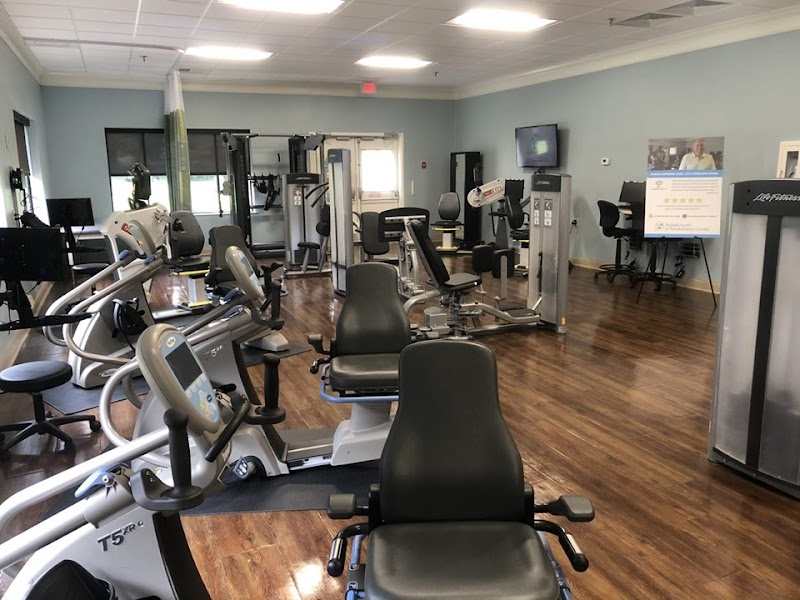
How Does Pulaski Hlth & Rehab Cntr Compare to Other Virginia Nursing Homes?

Compared to the 100 nursing homes in Virginia, PULASKI HLTH & REHAB CNTR's overall rating (4 stars) is above the state average of 3.0, staff turnover (53%) is near the state average of 46%, and health inspection rating (4 stars) is above the national benchmark.

What Should Families Ask When Visiting Pulaski Hlth & Rehab Cntr?

Based on this facility's data, families visiting should ask: "Can you walk me through typical staffing levels on day, evening, and night shifts?" "Can I visit during a mealtime to observe dining assistance and food quality?" "How do you handle medical emergencies, and what is your hospital transfer rate?" "Can I speak with family members of current residents about their experience?" These questions are particularly relevant given the below-average staffing rating.

Is Pulaski Hlth & Rehab Cntr Safe?

Based on CMS inspection data, PULASKI HLTH & REHAB CNTR has a clean safety record: no substantiated abuse findings (meaning no confirmed cases of resident harm), no Immediate Jeopardy citations (the most serious violation level indicating risk of serious injury or death), and is not on the Special Focus Facility watch list (a federal program monitoring the lowest-performing 1% of nursing homes). The facility has a 4-star overall rating and ranks #1 of 100 nursing homes in Virginia. While no facility is perfect, families should still ask about staff-to-resident ratios and recent inspection results during their visit.

Do Nurses at Pulaski Hlth & Rehab Cntr Stick Around?

PULASKI HLTH & REHAB CNTR has a staff turnover rate of 53%, which is 7 percentage points above the Virginia average of 46%. Moderate turnover is common in nursing homes, but families should still ask about staff tenure and how the facility maintains care continuity when employees leave.

Was Pulaski Hlth & Rehab Cntr Ever Fined?

PULASKI HLTH & REHAB CNTR has no federal fines on record. CMS issues fines when nursing homes fail to meet care standards or don't correct problems found during inspections. The absence of fines suggests the facility has either maintained compliance or corrected any issues before penalties were assessed. This is a positive indicator, though families should still review recent inspection reports for the full picture.

Is Pulaski Hlth & Rehab Cntr on Any Federal Watch List?

PULASKI HLTH & REHAB CNTR is not on any federal watch list. The most significant is the Special Focus Facility (SFF) program, which identifies the bottom 1% of nursing homes nationally based on persistent, serious quality problems. Not being on this list means the facility has avoided the pattern of deficiencies that triggers enhanced federal oversight. This is a positive indicator, though families should still review the facility's inspection history directly.