CLINCH VALLEY MEDICAL CENTER
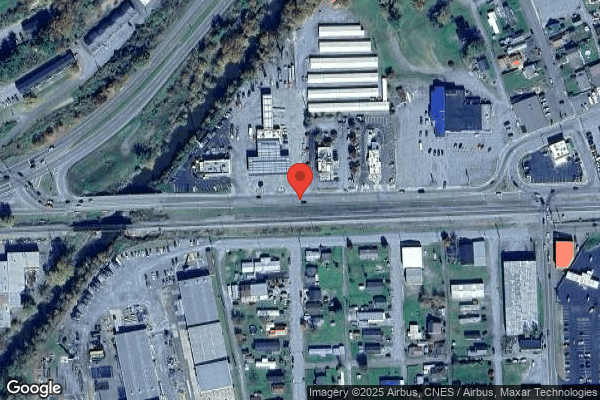
2949 W FRONT ST, RICHLANDS, VA 24641 (276) 596-6000
For profit - Corporation 24 Beds LIFEPOINT HEALTH Data: November 2025
Trust Grade
90/100
#11 of 285 in VA
Last Inspection: January 2023

Over 2 years since last inspection. Current conditions may differ from available data.

Overview

Clinch Valley Medical Center in Richlands, Virginia, has received an "A" Trust Grade, indicating it's an excellent facility, highly recommended for families seeking care. It ranks #11 out of 285 nursing homes in Virginia, placing it in the top half, and #1 out of 3 in Tazewell County, meaning it's the best local option available. The facility is improving, with concerns decreasing from 4 issues in 2021 to just 1 in 2023. Staffing is a strong point, with a perfect 5/5 rating and a turnover rate of 41%, which is below the state average, suggesting that staff are stable and familiar with the residents. However, there have been concerns, such as failure to properly notify residents about Medicare coverage and inadequate food safety practices, which could pose potential risks. Overall, while there are some weaknesses, the strengths of the facility make it a solid choice for care.

Trust Score
A
90/100
In Virginia
#11/285
Top 3%
Safety Record
Low Risk
No red flags
Inspections
Getting Better
4 → 1 violations
Staff Stability
○ Average
41% turnover. Near Virginia's 48% average. Typical for the industry.
Penalties
✓ Good
No fines on record. Clean compliance history, better than most Virginia facilities.
Skilled Nurses
✓ Good
Each resident gets 464 minutes of Registered Nurse (RN) attention daily — more than 97% of Virginia nursing homes. RNs are the most trained staff who catch health problems before they become serious.
Violations
○ Average
8 deficiencies on record. Average for a facility this size. Mostly minor or procedural issues.
★★★★★
5.0
Overall Rating
★★★★★
5.0
Staff Levels
★★★☆☆
3.0
Care Quality
★★★★★
5.0
Inspection Score
Stable
2021: 4 issues
2023: 1 issues

The Good

  • 5-Star Staffing Rating · Excellent nurse staffing levels
  • Full Sprinkler Coverage · Fire safety systems throughout facility
  • No fines on record
  • Staff turnover below average (41%)

    7 points below Virginia average of 48%

Facility shows strength in staffing levels, fire safety.

The Bad

Staff Turnover: 41%

Near Virginia avg (46%)

Typical for the industry

Chain: LIFEPOINT HEALTH

Part of a multi-facility chain

Ask about local staffing decisions and management

The Ugly 8 deficiencies on record

Jan 2023 1 deficiency
CONCERN (D)

Potential for Harm - no one hurt, but risky conditions existed

Deficiency F0582 (Tag F0582)

Could have caused harm · This affected 1 resident

Based on interviews and document reviews, the facility staff failed to provide NOMNC notifications for two (2) of three (3) residents selected for SNF (Skilled Nursing Facility) Beneficiary Notificati...

Read full inspector narrative →
Based on interviews and document reviews, the facility staff failed to provide NOMNC notifications for two (2) of three (3) residents selected for SNF (Skilled Nursing Facility) Beneficiary Notification Review (BNR). (These two (2) residents will be identified as BNR Resident-B and BNR Resident-C.) The findings include: Three (3) residents were selected for SNF Beneficiary Notification Review. These three (3) residents were selected from the list of Medicare beneficiaries who were discharged from a Medicare covered Part A stay with benefit days remaining in the past 6 months prior to the survey; this list was provided by facility staff members. Two (2) of the three (3) residents were reported to not have been provided the NOMNC (CMS 10123) (Notice of Medicare Non-Coverage). Information provided by the facility's Interim Unit Manager (IUM) indicated: 1. BNR Resident-B had coverage still effective upon discharge . BNR Resident-B was discharged after the completion of intravenous antibiotic therapy. BNR Resident-B was discharged to their home with home health services. 2. BNR Resident-C was discharged with remaining days of coverage after the completion of intravenous antibiotic therapy. BNR Resident-C was discharged to home; BNR Resident-C was documented as refusing home health services. On 1/10/23 at 1:38 p.m., the facilitys' IUM reported that neither BNR Resident-B's nor BNR Resident-C's discharge was resident initiated, but that both residents were involved in the discharge planning and were agreeable to the discharge. The IUM reported that due to both residents agreeing with the discharge that neither were provided NOMNC notification. The IUM reported the facility did not have a written policy and procedure to guide the use of NOMNC notifications. On 1/10/23 at 4:44 p.m., the survey team met with the facility's IUM and Chief Nursing Officer (CNO). The failure of facility staff to provide BNR Resident-B and BNR Resident-C with NOMNC notification when discharged with benefit days remaining was discussed. The absence of a written policy and procedure to address the use of the NOMNC notification was discussed.
Feb 2021 4 deficiencies
CONCERN (D)

Potential for Harm - no one hurt, but risky conditions existed

Medication Errors (Tag F0758)

Could have caused harm · This affected 1 resident

Based on staff interview and clinical record review the facility staff failed to ensure 2 of 10 residents were free from unnecessary medications, Resident #8 and Resident #14. The findings included: 1...

Read full inspector narrative →
Based on staff interview and clinical record review the facility staff failed to ensure 2 of 10 residents were free from unnecessary medications, Resident #8 and Resident #14. The findings included: 1. For Resident #8 the facility staff failed to provide a diagnoses/indication for use for the psychotropic medication clonazepam (Klonopin). Resident #8's admission H and P (history and physical) listed diagnoses that included, but not limited to septic right lower extremity joint present on admission, hx of congestive heart failure, history of COPD (chronic obstructive pulmonary disease), hypertension, history of sleep apnea, and history of traumatic brain injury. Resident #8's admission MDS (minimum data set) assessment had not been completed, however resident is alert and oriented to person, place, time and situation. Resident #8's clinical record was reviewed on 02/17/21 and contained a physician's order summary, which read in part Clonazepam Tab (Klonopin Tab) PO (by mouth) 0.5 mg HS (bedtime) This order did not have a diagnosis or indication for use. Surveyor spoke with the interim nurse manager on 02/17/21 at approximately 4:00 pm regarding resident's clonazepam and the reason for receiving it. Interim nurse manager stated that it was a home med and that resident took it because he gets anxious at night and it helps him sleep. Pharmacy manager was present while surveyor was discussing the residents medication with the interim nurse manager, and stated that resident had a traumatic brain injury that caused his anxiety. Surveyor asked the pharmacy manager if the physician's order summary should list a diagnosis or indication for use for the medication and they stated, yeah, it probably should. The concern of the medication, clonazepam, being used without a diagnosis/indication for use was discussed with the administrative team (administrator, chief nursing officer, interim nurse manager) during a meeting on 02/17/21 at approximately 7:15 pm. No further information was provided prior to exit. 2. The facility staff failed to ensure there was in indication for use/diagnosed condition for a Zoloft (Sertraline, an anti-depressant) order for Resident #14. Resident #14's clinical record was reviewed with the facility's interim nurse manager on 02/17/21. The admission history and physical (H&P) noted the resident's diagnoses included, but were not limited to, dehydration with acute kidney injury, weakness and conditioning with multiple falls, urinary tract infection positive for E-coli requiring IV (intravenous) antibiotics, thrombocytopenia (low platelet level), COPD (chronic obstructive pulmonary disease), Type 2 diabetes, rheumatoid arthritis, and mild cellulitis of left lower extremity. The minimum data set (MDS) had an assessment reference date (ARD) of 02/09/21. Section C (Cognitive Patterns) of the MDS documented Resident #14's BIMS (brief interview for mental status) score was 12 out of 15. The Patient's Order List included an active order dated 02/04/21 at 9:00 a.m. for Sertraline Tab (Zoloft) by mouth 25 mg every morning. The order list showed the medication was last administered on 02/17/21 at 9:32 a.m. The surveyor was unable to locate an indication for use or diagnosis for Zoloft. On 02/17/21 at approximately 6:30 p.m., the interim nurse manager was asked and she acknowledged there was no indication for use listed within the order for Zoloft and no diagnosis related to the order for Zoloft located within the medical record. She reported that since Zoloft was a home medication when the doctor wrote the order, the indication for use would not be addressed. The interim nurse manager attempted to call the facility's director of pharmacy but there was no answer. On 02/17/21 at 7:15 p.m., the facility's chief executive officer (CEO), chief operating officer (COO), chief nursing officer (CNO), and interim nurse manager were informed of the above described findings. No further information was provided prior to the exit conference on 02/17/21 at 7:45 p.m. with the facility's CEO, COO, CNO, and interim nurse manager.
CONCERN (D)

Potential for Harm - no one hurt, but risky conditions existed

Deficiency F0761 (Tag F0761)

Could have caused harm · This affected 1 resident

Based on staff interview, facility document review, and during a medication pass and pour observation facility staff failed to store drugs in locked compartments for 1 of 1 nursing units. The finding...

Read full inspector narrative →
Based on staff interview, facility document review, and during a medication pass and pour observation facility staff failed to store drugs in locked compartments for 1 of 1 nursing units. The findings included: The facility staff failed to secure the following medications: lactobacillus (restores intestinal flora and prevents post-antibiotic yeast infections), docusate sodium (stool softener), lantus (long acting insulin), omeprazole (proton pump inhibitor used to treat conditions caused by excess stomach acid), synthroid (thyroid medication), amlodipine besylate (calcium channel blocker that lowers blood pressure), and simvastatin (statin that reduces cholesterol). LPN (licensed practical nurse) #1 left the medications out on top of the medication cart and out of their view during a medication pass. On 2/17/21 at 4:11pm LPN #1 opened a single dose package of lactobacillus and placed the tablet in a medication cup on top of the medication cart. LPN #1 left the medication cart to retrieve required PPE (personal protective equipment) leaving the cart and the medication cup with the lactobacillus tablet on top of the cart and out of their view. LPN #1 returned to the medication cart with isolation gowns and stated I only left it because you were here. On 2/17/21 at 4:48pm LPN #1 retrieved a resident's individual medication drawer from a medication cart and placed it on top of another medication cart that they were using to pass medication. LPN #1 placed the medication cart with the individual open medication drawer on top at the doorway of Resident #12's room. LPN #1 turned their back to the medication cart with the open drawer of medications on top and out of view, went in the room and administered a subcutaneous injection in the resident's arm and dialed the resident's phone at their request prior to returning to the medication cart. Surveyor asked LPN #1 about leaving the drawer of medications on top of the medication cart, LPN #1 stated it was in the doorway and don't ding me for that. The medications left unattended and out of view in the open drawer on top of the medication cart included individual dose packages of docusate sodium, omeprazole 40mg, synthroid 75mcg, amlodipine besylate 10mg, simvastatin 10mg, and a vial of lantus insulin. On 2/17/21 at approximately 6:10pm, surveyor notified the interim nurse manager of the issue regarding the medications being left on top of the medication cart unattended and out of view by LPN #1 during the medication pass and pour observation. Surveyor requested and received the facility policy entitled Medication Security which states in part: Purpose: All areas in the hospital are required to meet federal and state regulations regarding the safe and secure storage of medications. Policy: All areas of the hospital that store and utilize medications, as defined by the Centers for Medicare and Medicaid Services (CMS), will at a minimum maintain all ordered and floor stock medications in either a locked-secure container (such as an Acudose System) or under constant surveillance. On 2/17/21 at 7:13pm, surveyor notified the CNO (Chief Nursing Officer), CEO (Chief Executive Officer), and the COO (Chief Operational Officer) of the issue regarding medications being left unattended on top of the medication cart and out of view by LPN #1. No further information regarding this issue was presented to the survey team prior to the exit conference on 2/17/21.
CONCERN (D)

Potential for Harm - no one hurt, but risky conditions existed

Food Safety (Tag F0812)

Could have caused harm · This affected 1 resident

Based on observation, staff interview, and facility document review the facility staff failed to ensure food was properly stored for one of one unit. The findings were: 1. The facility staff failed t...

Read full inspector narrative →
Based on observation, staff interview, and facility document review the facility staff failed to ensure food was properly stored for one of one unit. The findings were: 1. The facility staff failed to consistently document refrigerator and freezer temperatures and failed to document what action was taken when temperatures fell outside the acceptable range. In the afternoon of 02/17/21, the chief nursing officer (CNO) accompanied the surveyor to the clean utility room to observe the unit's only patient refrigerator. The refrigerator and freezer's temperature logs were reviewed for the months of January 2021 and February 2021. • January 2021 Nourishment Temperature Log for the Refrigerator: For the 31 days in January 2021, there were eight (8) days refrigerator temperatures were not documented. On the Freezer Temperature Log, there were ten (10) days freezer temperatures were not documented. • February 2021 Nourishment Temperature Log for the Refrigerator: For the 16 days prior to the survey, there were nine (9) days refrigerator temperatures were not documented. There was one (1) day the temperature fell below the acceptable range which was noted on the log as 33 degrees to less than 40 degrees. (February 9th: temperature = 28 degrees). There was no documented action taken to correct the refrigerator temperatures. On the Freezer Temperature Log, there were nine (9) days freezer temperatures were not documented. • The logs' instructions read to plot temperatures daily with initials, if the temperature was out of range notify dietary services and adjust the temperature control, re-check temperature in 30 minutes, plot 2nd temperature, and if temperature remains out of range send work order to Plant Operations for repair. 2. The facility staff failed to dispose of orange juice that had expired. On 02/17/21 at 5:55 p.m., the interim unit manager accompanied the surveyor to the same patient refrigerator in the clean utility room. Items observed in the refrigerator: whole milk, 2% milk, Ensure, grape juice, apple juice, soft drinks, and applesauce. There were five (5) cartons of orange juice found with a sticker on it dated 02/15/21. The interim nursing manager spoke with someone in the dietary department on the phone and then reported to the surveyor the date on the sticker was the expiration date. The interim nurse manager acknowledged the orange juice was therefore expired and should be removed. She removed the expired orange juice from the refrigerator. The interim nurse manager reported it was the night shift nurses' responsibility to document the refrigerator and freezer temperatures and dispose of expired food/drink items. On 02/17/21 at 4:18 p.m., the CNO reported the unit had not been closed at any time during the calendar year 2021 and provided the facility's policy titled, Temperature Logs: Refrigerators, Freezers, and Warmers. The policy read in part, Patient Nourishment Refrigerators A. Daily logs will be maintained to monitor temperature of each refrigerator used for patient food and drinks. B. Temperatures are to be maintained between 33 to 40 degrees Fahrenheit. C. Any temperature out of recommended range will have the temperature readjusted. A recheck of the temperature will be obtained in 30 minutes. If the temperature is still out of range, Plant Operations will be notified of need for repair. Dietary will be notified to remove food items. D. Nourishment refrigerators will be cleaned weekly. And, Nourishment Freezers A. Daily logs will be maintained to monitor the temperature of each freezer used for food or drinks. B. Temperatures are to be maintained at or below 0 degrees Fahrenheit. C. Any temperature out of recommended range will have the temperature readjusted. A recheck of the temperature will be obtained in 30 minutes. If the temperature is still out of range, Plant Operations will be notified of need for repair. Dietary will be notified. D. Nourishment freezers are to be cleaned weekly, defrosted as needed. On 02/17/21 at 7:15 p.m., the facility's chief executive officer (CEO), chief operating officer (COO), chief nursing officer (CNO), and interim nurse manager were informed of the above described findings.
CONCERN (D)

Potential for Harm - no one hurt, but risky conditions existed

Infection Control (Tag F0880)

Could have caused harm · This affected 1 resident

Based on staff interview, clinical record review, facility document review, and during a medication pass and pour observation facility staff failed to maintain an infection prevention and control prog...

Read full inspector narrative →
Based on staff interview, clinical record review, facility document review, and during a medication pass and pour observation facility staff failed to maintain an infection prevention and control program to help prevent the development and transmission of communicable diseases and infections for 1 of 11 residents in the survey sample, Resident #13. The findings included: For Resident #13, the facility staff failed to sanitize a hand held scanning device following taking it into the resident's room, who is on transmission based precautions, and laying it on the bed sheet covering the resident. Resident #13's diagnosis list indicated diagnoses, which included, but not limited to UTI (urinary tract infection) POA (present on admission) Urine Cultures Growing ESBL (extended-spectrum beta-lactamases), Type 2 Diabetes Mellitus, Sigmoid Diverticulitis, and Generalized Weakness and Difficulty Ambulating. Resident #13 did not have a completed admission MDS (minimum data set) at the time of the survey. The H&P Hospitalist note dated 2/12/21 states in part, patient is conscious, oriented x 3. On 2/17/21 at 4:53pm during a medication pass and pour observation, surveyor observed LPN (licensed practical nurse) #1 don a disposable gown and gloves and enter Resident #13's room carrying a hand held scanning device from the medication cart. LPN #1 scanned Resident #13's identification band and then placed the scanning device between Resident #13's upper thighs on the sheet covering the resident. After administering Resident #13's medications, LPN #1 picked up the scanning device on returned it directly to the medication cart without disinfecting and removed their disposable gown and gloves. Surveyor observed a Contact Isolation sign and PPE (personal protective equipment) supplies on the outside of Resident #13's door. Surveyor asked LPN #1 if the scanning devices are cleaned, LPN #1 stated I guess if you sit it down in a room and probably in a perfect world. LPN #1 then disinfected the scanning device prior to entering the next resident's room to administer medications. On 2/17/21 at approximately 6:10pm surveyor notified the Interim Nurse Manager of the observation of LPN #1 laying the scanning device on Resident #13 and carrying the device out of the room and returning it to the medication cart without disinfecting the device. On 2/17/21 at 7:13pm surveyor notified the CNO (Chief Nursing Officer), CEO (Chief Executive Officer), and the COO (Chief Organizational Officer) of the observation regarding LPN #1 returning the hand held scanning device to the medication cart without disinfecting after laying it on Resident #13 who is on contact precautions for ESBL in the urine. No further information regarding this issue was presented to the survey team prior to the exit conference on 2/17/21.
Jan 2019 3 deficiencies
CONCERN (D)

Potential for Harm - no one hurt, but risky conditions existed

Pressure Ulcer Prevention (Tag F0686)

Could have caused harm · This affected 1 resident

**NOTE- TERMS IN BRACKETS HAVE BEEN EDITED TO PROTECT CONFIDENTIALITY** Based on observation, staff interview, facility document review and clinical record review, the facility staff failed to provide...

Read full inspector narrative →
**NOTE- TERMS IN BRACKETS HAVE BEEN EDITED TO PROTECT CONFIDENTIALITY** Based on observation, staff interview, facility document review and clinical record review, the facility staff failed to provide the necessary treatment and services, consistent with professional standards of practice, to promote healing, prevent infection and prevent new ulcers from developing for 1 of 11 residents (Resident #1). The findings included: The facility staff failed to ensure infection control practices were maintained during wound care to Resident #1. Resident #1 was admitted to the facility 1/14/19 with diagnoses that included but not limited to infected right diabetic ulcer, lumbosacral disc disease with leg radiculopathy, cervical disc disease with cervical radiculopathy, insulin-dependent diabetes mellitus, hypertension, and ataxia. The admission minimum data set (MDS) assessment had not been completed. Resident #1's initial care plan included a skin assessment risk dated 1/14/19 and read the patient will remain free from pressure ulcers. Interventions read: Skin assessment risk: moderate; skin care: prevent breakdown. Additional interventions: Wound care clean wound with saline/pat dry/apply silversorb/cover with kling bid (twice a day). The surveyor observed wound care on 1/29/19 at 2:37 p.m. with registered nurse #2. Resident #1 was on contact isolation for an infected right heel ulcer. Resident #1 was asked if the surveyor could observe wound care. Resident #1 stated yes. Registered nurse #2 donned gown and gloves at entrance to Resident #1's room. R.N. #2 obtained Resident #1's dressing supplies from a drawer in the room. R.N. #2 placed a barrier under the resident's feet and removed the sock on the right foot. R.N. #2 removed the old dressing and discarded. R.N. #2 donned a new pair of gloves. The ulcer was cleaned with sterile water. R.N. #2 poured the sterile water from the top of the ulcer and let it dribble down over the wound. The ulcer was then dabbed with a dry 4x4 gauze. Silversorb gel was applied on a gauze and the gauze was placed over the ulcer. R.N. #2 then wrapped the right foot in kerlix and dated the dressing after the dressing had been applied and taped. R.N. #2 removed the gloves and hands were sanitized. The surveyor reviewed the wound care orders dated 1/14/19. The physician's orders read Clean wound with saline/pat dry/apply silversorb/cover with kling. BID. The surveyor interviewed R.N. #2 upon completion of the wound care on 1/29/19 at 4:51 p.m. R.N. #2 stated she thought she should wash her hands or use hand sanitizer after removing the soiled dressing but didn't. R.N. #2 stated she wasn't aware about the dating and initialing of the wound dressing after the dressing had been applied to the resident and to clean the wound in a circular manner starting from the inner part of the wound and moving outward. The surveyor informed R.N. #2 that the sterile water needed to be dated when opened and the order was for saline. The surveyor informed the nurse manager of the above concern on 1/29/19 at 5:46 p.m. and requested the facility policy on dressing changes. The surveyor interviewed the director of infection control (other #5) and the quality assurance director (other #3) on 1/30/19 at 11:52 a.m. The infection control director stated anytime one goes from dirty to clean, wash hands. The quality assurance director stated the dressing procedures were in [NAME], the procedure manual. The surveyor reviewed the facility policy titled Wound debridement on 1/30/19. The procedure read in part Perform hand hygiene Put on clean gloves and other personal protective equipment, as needed Remove the existing dressing gently, irrigating it with normal saline solution, as needed, to ease removal Discard the soiled dressing in a waterproof trash container Remove and discard your gloves Perform hand hygiene Put on clean gloves Clean the wound with sterile saline solution and sterile gauze The surveyor informed the nurse manager of the above concern on 1/30/19 at 1:05 p.m. No further information was provided prior to the exit conference on 1/30/19.
CONCERN (D)

Potential for Harm - no one hurt, but risky conditions existed

Medication Errors (Tag F0758)

Could have caused harm · This affected 1 resident

Based on staff interview and clinical record review, the facility staff failed to ensure one of 11 residents was free of an unnecessary psychotropic medication (Resident #64). The findings included: T...

Read full inspector narrative →
Based on staff interview and clinical record review, the facility staff failed to ensure one of 11 residents was free of an unnecessary psychotropic medication (Resident #64). The findings included: The facility staff failed to ensure there was an indication for use/diagnosed condition for which Trazodone was prescribed; failed to identify behavioral interventions to include non-pharmacological interventions, and failed to identify specific target behaviors and monitor for effectiveness associated with the use of Trazodone for Resident #64. The clinical record of Resident #64 was reviewed 1/28/19 through 1/30/19. Resident #64 was admitted to the skilled nursing unit on 1/25/19 with diagnosis that included but not limited to deconditioning, fracture of right foot and acute urinary tract infection, chronic congestive heart failure, diabetes mellitus type 2, chronic atrial fibrillation, hyperlipidemia, and osteoarthritis. An admission minimum data set (MDS) assessment had not been completed. Resident #64's care plan initiated 1/25/19 identified skilled nursing unit standard of care that included for the resident to demonstrate appropriate feelings and decreased fear. The January 2019 physician's orders included orders for Trazodone (Desyrel) po (by mouth) 50 mg (milligrams) hs (at bedtime). The surveyor was unable to locate an indication for use, any target behaviors for Trazodone, or monitoring of the effects/side effects of Trazodone (an antidepressant). The care plan had not been developed. The surveyor informed the nurse manager on 1/30/19 at 10:30 a.m. The nurse manager stated he would notify the pharmacy of the above concern. The surveyor interviewed the pharmacy director on 1/30/19 at 10:37 a.m. The pharmacy director stated she was unable to locate an indication for trazodone use, no targeted behaviors or any monitoring of the effects/side effects. The pharmacy director stated she needed to brush up on the regulations and needed to separate acute care from skilled care. No further information was provided prior to the exit conference on 1/30/19.
CONCERN (E)

Potential for Harm - no one hurt, but risky conditions existed

Food Safety (Tag F0812)

Could have caused harm · This affected multiple residents

Based on observation, staff interview and facility document review, the facility staff failed to store, prepare, distribute and serve food in accordance with professional standards for food service sa...

Read full inspector narrative →
Based on observation, staff interview and facility document review, the facility staff failed to store, prepare, distribute and serve food in accordance with professional standards for food service safety. The findings included: The facility staff failed store, prepare, distribute and serve food in accordance with professional standards for food service safety. The surveyor surveyed the kitchen on 1/28/19 at 5:15 p.m. The food services director accompanied the surveyor. The surveyor observed one reach-in refrigerator. On the bottom shelf, the surveyor observed an opened bag of hash browns. The bag did not have a label or a date when opened. A box of apple pie was also observed that had been opened. There was not a date when opened or a label. A bag of potato wedges and sweet potato fries were also observed in the refrigerator. Both had been opened. There was not a label or a date on either bag. The surveyor and the food services director checked the cook's refrigerator. The temperature gauge on the outside of the refrigerator did not record a temperature and the food services director was unable to locate a thermometer on the inside of the refrigerator. The food services director stated she would get one. The surveyor observed a rack of seasonings and spices. A container of poultry seasoning dated 05/08/17 was observed. The food services director removed the poultry seasoning and stated she would discard. An almost full container of garlic powder dated 11/23/17 was also observed. The food services director stated she couldn't believe there was that much garlic left. The food services manager stated it was used a lot. A second reach in refrigerator was observed. The food services director was unable to locate an inside thermometer. The thermometer on the outside read 36.5 degrees. The surveyor observed the assistant food service director obtain the tray lime temperatures on 1/29/19 at 11:30 a.m. The temperature of the turkey sandwiches was obtained. The turkey sandwich temperature was 42.5 degrees. The assistant director of food services checked a second turkey sandwich and the temperature was found to be 41.3 degrees. The surveyor asked what should be done and the assistant food services director stated remove the sandwiches and return to the refrigerator/freezer for cooling. The food services director was informed of the above concerns on 1/28/19 at 5:30 p.m. and stated the opened bags of food items should be labeled and dated and the refrigerators should have a thermometer. The food services manager stated the refrigerators usually have thermometers. The food services director informed the surveyor on 1/29/19 at 11:45 a.m. that thermometers had been found or placed in the reach-in refrigerators. The food services director was made aware of the tray line temperature concerns. The surveyor requested the facility policy on food storage and labeling/dating food items. The surveyor reviewed the facility policy titled Diet Kitchens on 1/29/19. The policy read in part Policy 2. Each diet kitchen refrigerator has an operating thermometer to enable proper food storage temperature monitoring. Procedure: 3. All food items placed by the Food Services Department into diet kitchen refrigerators are clearly labeled as to contents and dated when appropriate. The surveyor informed the nurse manager of the above concern on 1/29/19 at 5:46 p.m. and the administrator/chief executive officer of the above concern on 1/29/19. No further information was provided prior to the exit conference on 1/30/19.
Understanding Severity Codes (click to expand)
Life-Threatening (Immediate Jeopardy)
J - Isolated K - Pattern L - Widespread
Actual Harm
G - Isolated H - Pattern I - Widespread
Potential for Harm
D - Isolated E - Pattern F - Widespread
No Harm (Minor)
A - Isolated B - Pattern C - Widespread

Questions to Ask on Your Visit

  • "Can I speak with families of current residents?"
  • "What's your RN coverage like on weekends and overnight?"

Our Honest Assessment

Strengths
  • • Grade A (90/100). Above average facility, better than most options in Virginia.
  • • No major safety red flags. No abuse findings, life-threatening violations, or SFF status.
  • • No fines on record. Clean compliance history, better than most Virginia facilities.
  • • 41% turnover. Below Virginia's 48% average. Good staff retention means consistent care.
Concerns
  • • No significant concerns identified. This facility shows no red flags across CMS ratings, staff turnover, or federal penalties.
Bottom line: Generally positive indicators. Standard due diligence and a personal visit recommended.

About This Facility

What is Clinch Valley Medical Center's CMS Rating?

CMS assigns CLINCH VALLEY MEDICAL CENTER an overall rating of 5 out of 5 stars, which is considered much above average nationally. Within Virginia, this rating places the facility higher than 99% of the state's 100 nursing homes. This rating reflects solid performance across the metrics CMS uses to evaluate nursing home quality.

How is Clinch Valley Medical Center Staffed?

CMS rates CLINCH VALLEY MEDICAL CENTER's staffing level at 5 out of 5 stars, which is much above average compared to other nursing homes. Staff turnover is 41%, compared to the Virginia average of 46%. This relatively stable workforce can support continuity of care.

What Have Inspectors Found at Clinch Valley Medical Center?

State health inspectors documented 8 deficiencies at CLINCH VALLEY MEDICAL CENTER during 2019 to 2023. These included: 8 with potential for harm.

Who Owns and Operates Clinch Valley Medical Center?

CLINCH VALLEY MEDICAL CENTER is owned by a for-profit company. For-profit facilities operate as businesses with obligations to shareholders or private owners. The facility is operated by LIFEPOINT HEALTH, a chain that manages multiple nursing homes. With 24 certified beds and approximately 5 residents (about 21% occupancy), it is a smaller facility located in RICHLANDS, Virginia.

How Does Clinch Valley Medical Center Compare to Other Virginia Nursing Homes?

Compared to the 100 nursing homes in Virginia, CLINCH VALLEY MEDICAL CENTER's overall rating (5 stars) is above the state average of 3.0, staff turnover (41%) is near the state average of 46%, and health inspection rating (5 stars) is much above the national benchmark.

What Should Families Ask When Visiting Clinch Valley Medical Center?

Based on this facility's data, families visiting should ask: "Can I visit during a mealtime to observe dining assistance and food quality?" "How do you handle medical emergencies, and what is your hospital transfer rate?" "Can I speak with family members of current residents about their experience?"

Is Clinch Valley Medical Center Safe?

Based on CMS inspection data, CLINCH VALLEY MEDICAL CENTER has a clean safety record: no substantiated abuse findings (meaning no confirmed cases of resident harm), no Immediate Jeopardy citations (the most serious violation level indicating risk of serious injury or death), and is not on the Special Focus Facility watch list (a federal program monitoring the lowest-performing 1% of nursing homes). The facility has a 5-star overall rating and ranks #1 of 100 nursing homes in Virginia. While no facility is perfect, families should still ask about staff-to-resident ratios and recent inspection results during their visit.

Do Nurses at Clinch Valley Medical Center Stick Around?

CLINCH VALLEY MEDICAL CENTER has a staff turnover rate of 41%, which is about average for Virginia nursing homes (state average: 46%). Moderate turnover is common in nursing homes, but families should still ask about staff tenure and how the facility maintains care continuity when employees leave.

Was Clinch Valley Medical Center Ever Fined?

CLINCH VALLEY MEDICAL CENTER has no federal fines on record. CMS issues fines when nursing homes fail to meet care standards or don't correct problems found during inspections. The absence of fines suggests the facility has either maintained compliance or corrected any issues before penalties were assessed. This is a positive indicator, though families should still review recent inspection reports for the full picture.

Is Clinch Valley Medical Center on Any Federal Watch List?

CLINCH VALLEY MEDICAL CENTER is not on any federal watch list. The most significant is the Special Focus Facility (SFF) program, which identifies the bottom 1% of nursing homes nationally based on persistent, serious quality problems. Not being on this list means the facility has avoided the pattern of deficiencies that triggers enhanced federal oversight. This is a positive indicator, though families should still review the facility's inspection history directly.