WESTPORT REHABILITATION AND NURSING CENTER
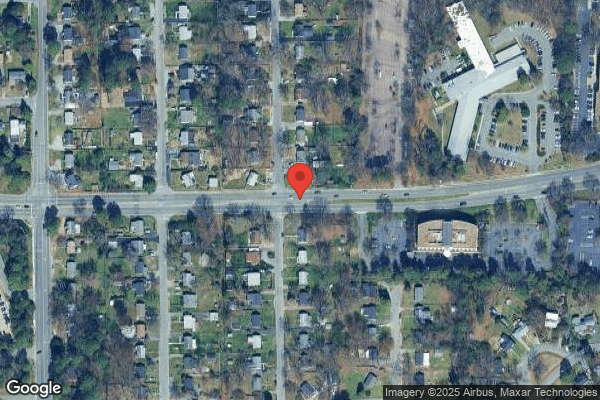
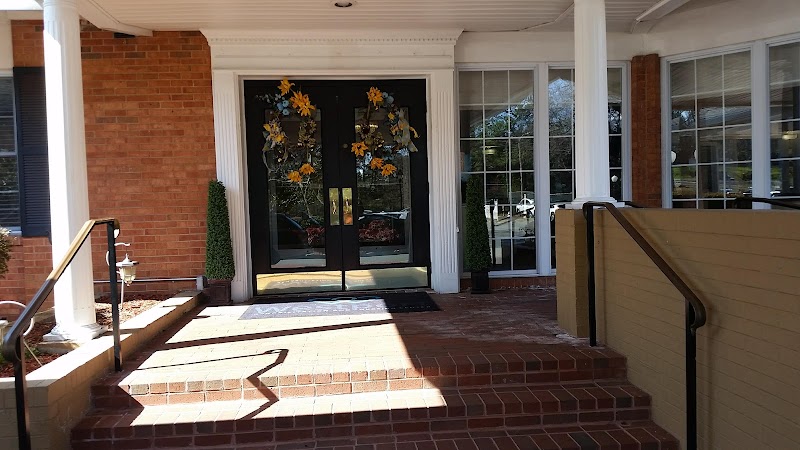
7300 FOREST AVE, RICHMOND, VA 23226 (804) 288-3152
For profit - Limited Liability company 225 Beds LIFEWORKS REHAB Data: November 2025
Trust Grade
28/100
#281 of 285 in VA
Last Inspection: November 2024

Within standard 12-15 month inspection cycle. Federal law requires annual inspections.

Overview

Westport Rehabilitation and Nursing Center has received a Trust Grade of F, indicating significant concerns about its quality of care. It ranks #281 out of 285 facilities in Virginia, placing it in the bottom half statewide, and #11 out of 11 in Henrico County, meaning there are no better local options available. While the facility has shown improvement in its trend, going from 57 issues in 2024 to just 4 in 2025, it still has a long way to go. Staffing is a weakness, as it has a low rating of 1 out of 5 stars, with a turnover rate of 55%, which is higher than the state average. The facility has also faced concerning fines of $19,341, which are higher than 76% of Virginia facilities, indicating ongoing compliance problems. Specific incidents highlight the challenges at Westport, such as a resident suffering a fractured pelvis due to improper use of a mechanical lift and another resident developing an ileus after staff failed to respond to a lack of bowel movements for ten days. Additionally, there were issues with food safety in the kitchen, including improper sanitation practices. While the facility is working to improve, families should weigh these serious concerns against any positives when considering care for their loved ones.

Trust Score
F
28/100
In Virginia
#281/285
Bottom 2%
Safety Record
Moderate
Needs review
Inspections
Getting Better
57 → 4 violations
Staff Stability
⚠ Watch
55% turnover. Above average. Higher turnover means staff may not know residents' routines.
Penalties
✓ Good
$19,341 in fines. Lower than most Virginia facilities. Relatively clean record.
Skilled Nurses
⚠ Watch
Each resident gets only 26 minutes of Registered Nurse (RN) attention daily — below average for Virginia. Fewer RN minutes means fewer trained eyes watching for problems.
Violations
⚠ Watch
132 deficiencies on record. Higher than average. Multiple issues found across inspections.
★☆☆☆☆
1.0
Overall Rating
★☆☆☆☆
1.0
Staff Levels
★★★☆☆
3.0
Care Quality
★☆☆☆☆
1.0
Inspection Score
Stable
2024: 57 issues
2025: 4 issues

The Good

  • Full Sprinkler Coverage · Fire safety systems throughout facility
  • No fines on record

Facility shows strength in fire safety.

The Bad

1-Star Overall Rating

Below Virginia average (3.0)

Significant quality concerns identified by CMS

Staff Turnover: 55%

Near Virginia avg (46%)

Higher turnover may affect care consistency

Federal Fines: $19,341

Below median ($33,413)

Minor penalties assessed

Chain: LIFEWORKS REHAB

Part of a multi-facility chain

Ask about local staffing decisions and management

The Ugly 132 deficiencies on record

2 actual harm
May 2025 1 deficiency
CONCERN (D) 📢 Someone Reported This

A family member, employee, or ombudsman was alarmed enough to file a formal complaint

Potential for Harm - no one hurt, but risky conditions existed

Medical Records (Tag F0842)

Could have caused harm · This affected 1 resident

**NOTE- TERMS IN BRACKETS HAVE BEEN EDITED TO PROTECT CONFIDENTIALITY** Based on clinical record review, staff interview, and facility document review, it was determined that the facility staff failed...

Read full inspector narrative →
**NOTE- TERMS IN BRACKETS HAVE BEEN EDITED TO PROTECT CONFIDENTIALITY** Based on clinical record review, staff interview, and facility document review, it was determined that the facility staff failed to maintain an accurate clinical record for one of five residents in the survey sample, Resident #1. The findings include: For Resident #1 (R1), the facility staff failed to maintain an accurate clinical record documenting transfer to the emergency room. The progress notes for R1 documented in part, - Effective Date: 04/13/2025 08:31 (8:31 a.m.) Type: eINTERACT SBAR (situation, background, assessment, recommendations) Summary for Providers. Late Entry. Situation: The Change in Condition/s reported on this CIC Evaluation are/were: Shortness of breath . Nursing observations, evaluation, and recommendations are: Resident observed has SOB (shortness of breath), distress. Full Head to Toe assessment was performed. VS (vital signs) 137/76 (blood pressure)-20 (respirations)-97.6 (temperature)-72% (oxygen saturation). Both lungs coarse upon Auscultation, 2 L (liters) of oxygen administered, MD notified. EMT (emergency medical technician) notified, arrived and resident sent to [Name of hospital], ER (emergency room) . - Effective Date: 04/13/2025 08:31 (8:31 a.m.) Type: eINTERACT SBAR Summary for Providers. Late Entry. Situation: The Change in Condition/s reported on this CIC Evaluation are/were: Shortness of breath . Nursing observations, evaluation, and recommendations are: Resident was laboring or difficulties breathing and secretions coming out of his mouth, medical emergency was call to transfer to ER for further evaluation . - Effective Date: 04/13/2025 10:00 Type: Evaluation Note. Note Text: Respiratory Evaluation: Temp: T (temperature) 98.0 - 4/13/2025 10:00 Route: Forehead (non-contact) Pulse ox: O2 97.0 % - 4/13/2025 10:00 Method: Trach Complains of shortness of breath? - No. Exhibits new or different cough? - No. Progress Note: #4 shiley (tracheostomy) patent and intact. Red capping trial with goal of de-cannulation continues. Remains on room air with no SOB. Lungs clear with diminished bases. No cough or SOB noted. No suction required. Review of the clinical record failed to evidence documentation that R1 went to the ER on [DATE]. On 5/8/25 at 9:35 a.m., an interview was conducted with RN (registered nurse) #1 who stated that they worked with R1 on 4/13/25 and often when they were on the specialty care unit and had the tracheostomy. She stated that they had worked with R1 through the capping trial, and he had progressed to have the tracheostomy tube removed and was doing well. RN #1 stated that she had never sent R1 to the hospital when he was on her unit and the saturations had never gone below the high 80's with exertion. RN #1 stated that the nurse who wrote the change in condition note on 4/13/25 never worked on their unit and that it was not accurate because R1 did not go to the hospital that day. On 5/8/25 at 10:53 a.m., an interview was conducted with LPN (licensed practical nurse) #1 who stated that they had written the change in condition notes on 4/13/25 for R1. She stated that she did not work on the specialty care unit and had not worked with R1 until after the tracheostomy tube was removed and they moved to their current unit. She stated that she worked with them on 4/20/25 when they went out to the hospital and had documented the notes as late entries and had mistakenly put the wrong date in. LPN #1 stated that she had multiple patient issues that day and had not been able to document until later and when she went to enter the note she typed in the wrong date and had just left the notes in because she was not sure what to do. The facility provided policy, Clinical Nursing Skills & Techniques, 11th edition, [NAME] & Potter documented on page 57, .The information within a recorded entry or a report must be complete, containing appropriate and essential information . On 5/8/25 at 1:40 p.m., ASM (administrative staff member) #1, the administrator, ASM #2, the director of nursing and ASM #5, the regional director of clinical services were made aware of the concern. No further information was provided prior to exit.
Mar 2025 3 deficiencies
CONCERN (D) 📢 Someone Reported This

A family member, employee, or ombudsman was alarmed enough to file a formal complaint

Potential for Harm - no one hurt, but risky conditions existed

Comprehensive Care Plan (Tag F0656)

Could have caused harm · This affected 1 resident

**NOTE- TERMS IN BRACKETS HAVE BEEN EDITED TO PROTECT CONFIDENTIALITY** Based on observations, staff/resident interviews, facility document review and clinical record review, it was determined the fac...

Read full inspector narrative →
**NOTE- TERMS IN BRACKETS HAVE BEEN EDITED TO PROTECT CONFIDENTIALITY** Based on observations, staff/resident interviews, facility document review and clinical record review, it was determined the facility staff failed to implement the care plan for one of 16 residents in the survey sample, R208. The findings include: The facility staff failed to implement the comprehensive care plan for CPAP for R208. Observed R208's CPAP machine in his room at approximately 12:00 PM on 3/10/25. R208 was admitted to the facility on [DATE] with diagnosis that included but were not limited to chronic respiratory failure, COPD (chronic obstructive respiratory disease) and Parkinson's Disease. The most recent MDS (minimum data set) assessment, a quarterly assessment, with an ARD (assessment reference date) of 2/14/25, coded the resident as scoring a 15 out of 15 on the BIMS (brief interview for mental status) score, indicating the resident was not cognitively impaired. A review of the MDS Section GG-functional abilities and goals coded the resident as requiring maximal assistance for mobility/transfers/bathing/dressing and set-up for eating. Section O: oxygen: yes. A review of the comprehensive care plan dated 11/29/24 revealed, FOCUS: RESPIRATORY: the resident is at risk for respiratory complications secondary to sleep apnea, COPD, respiratory failure. INTERVENTIONS: CPAP as ordered. A review of the physician's order dated 7/31/23 revealed, BIPAP/CPAP Specify settings: 4 *Use sterile water only* every night shift for Sleep Apnea Check CPAP/BIPAP for proper placement AND every day shift for Sleep Apnea. Wash mask daily with soap and warm water, rinse thoroughly with warm water &allow to dry AND every day shift for Sleep Apnea. Wash headgear(strap) & tubing weekly on Wed with mild soap and warm water, rinse with warm water & allow to air dry AND every evening shift for Sleep Apnea. No Evidence on MAR (medication administration record) of CPAP settings, noted to be placed on 3/10/25 on MAR starting with night shift. An interview was conducted on 3/10/25 at 12:00 PM with R208, when asked if he used his CPAP machine, R208 stated, yes, at night. It helps me sleep. An interview was conducted on 3/10/25 at 2:15 PM with LPN (licensed practical nurse) #1. When asked the purpose of the care plan, LPN #1 stated, to address the residents' needs and have interventions for the needs. When asked if there were no evidence for the intervention of CPAP as ordered, would the care plan have been implemented, LPN #1 stated, no. On 3/10/25 at 3:10 PM, ASM (administrative staff member) #1, the administrator and ASM #2, the director of nursing was made aware of the concerns. A review of the facility's Care Planning policy revealed, A licensed nurse, in coordination with the interdisciplinary team, develops and implements an individualized care plan for each patient in order to provide effective, person-centered care, and the necessary health-related care and services to attain or maintain the highest practical physical, mental, and psychosocial well-being of the patient. No further information was provided prior to exit.
CONCERN (D) 📢 Someone Reported This

A family member, employee, or ombudsman was alarmed enough to file a formal complaint

Potential for Harm - no one hurt, but risky conditions existed

Respiratory Care (Tag F0695)

Could have caused harm · This affected 1 resident

**NOTE- TERMS IN BRACKETS HAVE BEEN EDITED TO PROTECT CONFIDENTIALITY** Based on observations, staff /resident interviews facility document review and clinical record review, it was determined the fac...

Read full inspector narrative →
**NOTE- TERMS IN BRACKETS HAVE BEEN EDITED TO PROTECT CONFIDENTIALITY** Based on observations, staff /resident interviews facility document review and clinical record review, it was determined the facility staff failed to provide respiratory care services for one of 16 residents, R208. The findings include: The facility staff failed to provide evidence of respiratory care services for R208. Observed R208's CPAP machine in his room at approximately 12:00 PM on 3/10/25. R208 was admitted to the facility on [DATE] with diagnosis that included but were not limited to chronic respiratory failure, COPD (chronic obstructive respiratory disease) and Parkinson's Disease. The most recent MDS (minimum data set) assessment, a quarterly assessment, with an ARD (assessment reference date) of 2/14/25, coded the resident as scoring a 15 out of 15 on the BIMS (brief interview for mental status) score, indicating the resident was not cognitively impaired. A review of the MDS Section GG-functional abilities and goals coded the resident as requiring maximal assistance for mobility/transfers/bathing/dressing and set-up for eating. Section O: oxygen: yes. A review of the comprehensive care plan dated 11/29/24 revealed, FOCUS: RESPIRATORY: the resident is at risk for respiratory complications secondary to sleep apnea, COPD, respiratory failure. INTERVENTIONS: CPAP as ordered. A review of the physician's order dated 7/31/23 revealed, BIPAP/CPAP Specify settings: 4 *Use sterile water only* every night shift for Sleep Apnea Check CPAP/BIPAP for proper placement AND everyday shift for Sleep Apnea. Wash mask daily with soap and warm water, rinse thoroughly with warm water &allow to dry AND everyday shift for Sleep Apnea. Wash headgear(strap) & tubing weekly on Wed with mild soap and warm water, rinse with warm water & allow to air dry AND every evening shift for Sleep Apnea. No Evidence on MAR (medication administration record) of CPAP settings, noted to be placed on 3/10/25 on MAR starting with night shift. An interview was conducted on 3/10/25 at 12:00 PM with R208, when asked if he used his CPAP machine, R208 stated, yes, at night. It helps me sleep. An interview was conducted on 3/10/25 at 2:15 PM with LPN (licensed practical nurse) #1. When asked where the evidence of following BIPAP/CPAP settings as ordered would be, LPN #1 stated we document those on the MAR (medication administration record). When ask if there was no evidence, were the orders being followed, LPN #1 stated, no. On 3/10/25 at 3:10 PM, ASM (administrative staff member) #1, the administrator and ASM #2, the director of nursing was made aware of the concerns. A review of the facility's Respiratory Care and Oxygen Equipment policy revealed, Oxygen therapy will be administered per provider's order, according to current standards of practice and equipment will be maintained and stored in a safe and appropriate manner. CPAP, BiPAP, APAP require provider or respiratory therapy orders for settings. No further information was provided prior to exit.
CONCERN (E) 📢 Someone Reported This

A family member, employee, or ombudsman was alarmed enough to file a formal complaint

Potential for Harm - no one hurt, but risky conditions existed

Food Safety (Tag F0812)

Could have caused harm · This affected multiple residents

Based on observation, staff interview, and facility document review, the facility staff failed to prepare and serve food in a sanitary manner in one of one facility kitchen. The findings include: The ...

Read full inspector narrative →
Based on observation, staff interview, and facility document review, the facility staff failed to prepare and serve food in a sanitary manner in one of one facility kitchen. The findings include: The facility staff failed to prepare and serve food in a sanitary manner for the lunch meal on 3/10/25. On 3/10/25 at 11:35 a.m., observation was made of the facility kitchen. OSM (other staff member) #4, a dietary aide, was observed obtaining holding temperatures of food on the steam table, ready for serving to residents. As OSM #4 took temperatures, she failed to sanitize the thermometer between foods. Instead of using an alcohol wipe, she used the same paper towel repeatedly. OSM #5, a dietary aide, was observed pushing a cart of clean silverware from the dish room. The silverware was visibly wet, and most utensils had water dripping from them. OSM #5, wearing gloves, touched the eating end of every utensil and put the still-dripping utensils upside down in a silverware container. OSM #5 began loading meal trays on to the serving line. Wearing the same gloves, he placed the same utensils, one by one, on trays. Most all the utensils still contained water droplets. OSM #5's long braids were observed outside of his hair net; these braids hung over the food trays as OSM #5 put the utensils on the trays. OSM #6, a dietary aide, was observed bagged turkey and cheese sandwiches on several trays. OSM #6 was observed to have a goatee but was not wearing a beard guard. Each of these bags contained a turkey and cheese sandwich on white bread. A serving size mayonnaise packet was in each bag and was in direct contact with a piece of the white bread. At 12:46 p.m., additional spaghetti noodles were poured into the steam table container. OSM #4 served these noodles without first obtaining a holding temperature. At 12:43 p.m., additional green beans were poured into the steam table container. OSM #4 served these green beans without first obtaining a holding temperature. At 1:03 p.m., additional meatballs and sauce were poured into the steam table container. OSM #4 served these items without first obtaining a holding temperature. OSM #4 wore gloves throughout the entire lunch service. Wearing these gloves, she touched each meal ticket, moving it from a pile behind the serving line to each individual's meal tray. As part of her serving the meal, she reached multiple times into a bag of hot dog buns and touched the buns with the same gloved hands that had been in contact with the residents' individual meal tickets. On 3/10/25at 2:29 p.m., OSM #4, the dietary director, was interviewed. She stated the dining staff hair nets should cover all hair. She stated braids should not be outside of the hairnet, and beard guards should cover all facial hair. She stated the facility had previously been putting the mayonnaise packets in direct contact with the sandwich bread, but she understood the concern. She stated alcohol wipes should be used to sanitize the thermometer between foods while obtaining holding temperatures. She stated this prevents cross contamination. She stated the purpose of obtaining holding temperatures is to make sure the food has reached a safe temperature prior to serving it. She stated any time a new food is added to the tray line, a holding temperature should be obtained to assure it is safe. She stated the silverware should have been completely dried before being placed in the holders or on the food tray. She stated OSM #5 should not have touched the meal tickets then touched the hot dog buns. She stated: This is an issue of contamination. On 3/10/25 at 4:10 p.m., ASM (administrative staff member) #1, the administrator, and ASM #2, the director of nursing, were informed of these concerns. A review of the facility policy, Bare Hand Contact with Food and Use of Plastic Gloves, revealed, in part: Gloves are just like hands. They get soiled. Anytime a contaminated surface is touched, the gloves must be changed, and hands must be washed. A review of the facility policy, Taking Accurate Temperatures, revealed, in part: To take hot food temperatures, insert the thermometer at a 45-degree angle to the middle of the food item .Wait for the thermometer to use the maximum temperature, read and record the temperature and then remove the thermometer from the food item and immediately clean and sanitize. A review of the facility policy, Employee Sanitary Practices, revealed, in part: Wear hair restraints to prevent hair from contacting exposed food. No additional information was provided prior to exit.
Dec 2024 2 deficiencies 1 Harm
SERIOUS (G) 📢 Someone Reported This

A family member, employee, or ombudsman was alarmed enough to file a formal complaint

Actual Harm - a resident was hurt due to facility failures

Accident Prevention (Tag F0689)

A resident was harmed · This affected 1 resident

Based on resident interview, staff interview, facility document review, and clinical record review, the facility staff failed to prevent an avoidable accident for one of six residents in the survey sa...

Read full inspector narrative →
Based on resident interview, staff interview, facility document review, and clinical record review, the facility staff failed to prevent an avoidable accident for one of six residents in the survey sample, Resident #1. This accident resulted in a fractured pelvis and intractable pain for Resident #1, constituting harm. The facility presented a plan of correction with an allegation of compliance date prior to survey entrance. The facility presented credible evidence that the plan of correction had been implemented, resulting in a finding of past noncompliance. The findings include: For Resident #1 (R1), the facility staff failed to correctly use the mechanical lift, resulting in a fall with a fractured pelvis for R1. On the most recent MDS (minimum data set), a quarterly assessment with an ARD (assessment reference date) of 11/14/24, R1 was coded as having no cognitive impairment for making daily decisions, having scored 15 out of 15 on the BIMS (brief interview for mental status). She was coded as being completely dependent on facility staff for transfers from bed to chair. A review of R1's clinical record revealed the following Fall Note dated 11/29/24: Description of the fall .Resident was found on floor next to bed. CNA's (certified nursing assistants) present. Per Unit Manager writer was told to go call 911. Writer did as instructed and printed paperwork and met EMS (emergency medical services) at nursing station. Writer was told that Resident slid out of Hoyer lift to the floor. What interventions were in place at the time of the fall: CNAs instructed on proper use of lift equipment .What new interventions were implemented in response to the fall: Instructing CNAs to always have two aides that have been properly trained on of lift equipment when transferring residents. This fall note was written by RN (registered nurse) #1, who was unavailable for interview during the survey. Further review of R1's clinical record revealed the following progress notes: 11/29/2024 20:51(8:51 p.m.) Resident returned from emergency room via stretcher .She has a Sacral Fracture. 11/29/24 21:45 (9:45 p.m.) Nursing observations, evaluation, and recommendations are: Resident - post fall this morning. She returned from ER (emergency room) with Sacral Fracture per hospital discharge paper work. Resident is grimacing and moaning when transferred and turned in bed from Transport Stretcher. Oxycodone medication is given by mouth. Resident is to be sent to emergency room for Sacral Fracture and unmanaged pain per provider. On 12/3/23 at 2:04 p.m., ASM (administrative staff member) #2, the director of nursing, and ASM #3, the assistant administrator, were interviewed. ASM #2 stated the facility had a plan of correction related to this incident. ASM #2 stated two CNAs were present in the room when R1 fell from the Hoyer lift. ASM #2 stated: They were using the sling correctly when the resident slid out. When asked why a plan of correction was needed if the Hoyer lift had been used correctly, ASM #2 stated she always does a plan of correction for a resident fall with fracture. She stated the plan of correction centered around re-education of the staff on how to correctly use a Hoyer mechanical lift. ASM #2 stated the CNAs in the room at the time of R1's fall were CNA #1 and CNA #2. On 12/3/24 at 2:35 p.m., LPN (licensed practical nurse) #1was interviewed. She stated she was the charge nurse when R1 experienced a fall on 11/29/24. She stated she was not in the room when the fall happened. She stated she heard screaming as she was leaving the supervisor's (RN #1's) office, and she ran to R1's room. She realized R1 was on the floor and crying hysterically. She stated the Hoyer lift was elevated to a level where the sling seat was just above her head. She stated RN #1 entered the room after she did, and immediately instructed her to call EMS. She stated she never went back in the room until EMS arrived because she was busy preparing paperwork for the EMS staff. She stated she did not know what transpired prior to the resident falling out of the Hoyer lift. She stated she was sure that one of the CNAs in the room at the time of R1's fall was on orientation, and had not yet been trained on the use of the Hoyer lift. On 12/3/24 at 3:01 p.m., CNA #1 was interviewed. She stated she and CNA #2 worked together to place R1 in the sling for the Hoyer lift. She stated she helped CNA #2 secure a couple of the sling straps to the lift frame, but could not remember exactly how this worked. CNA #1 stated she was in control of the lift remote, and asked R1 if she was ready. She began to lift the sling using the remote, and noticed the resident was looking contracted in the sling. She stated: I wasn't sure if that's how she usually looked. She stated the resident then just slid out. She stated she does not think the sling was positioned correctly under the resident's lower body, possibly causing the fall. She added: I think [CNA #2] just didn't notice. CNA #1 stated she is still in orientation, and has not yet been checked off in safe use of the lift. On 12/3/24 at 3:20 p.m., CNA #2 was interviewed. She stated R1 had asked to be moved from the wheelchair to her bed. She stated she does not normally care for R1, so was not sure how the Hoyer lift normally functioned for R1. She stated she tugged on all the connections to make sure they were secure, and attached the sling to the lift frame. She stated she CNA #1 began to lift the resident using the sling. As CNA #2 was attempting to make her way around the resident to guide her into the bed, the resident fell out. She stated R1 fell and hit her buttocks hard on the floor. She stated the resident fell from a level just below her (CNA #2's) chest. She stated the resident did not hit her head on the floor. When asked what went wrong, she stated she is still trying to figure out what happened. When asked if she was aware at the time that CNA #1 had not been signed off on the use of Hoyer lifts, she stated she had not worked with CNA #1 before, but she asked her about her Hoyer lift experience. CNA #1 told her she had used the lift in previous facilities. On 12/3/24 at 3:32 p.m., Resident # 4 (R4), R1's roommate, was interviewed. She stated she was awake and aware at the time of the fall, but was not able to see how the resident was positioned in the mechanical lift. On 12/4/24 at 9:41 a.m., R1 was interviewed. She stated she returned from the hospital after supper on 12/3/24. She stated she fell out of the sling because the sling was not positioned correctly. She stated the sling was not positioned all the way down to her knees, but was only positioned just a little below her buttocks. She stated she has no feeling on the left side of her body, so she was unaware of the sling positioning. She said she did not think either CNA was paying very close attention when the accident happened. She stated CNA #1 jerked the lift twice in an effort to move it from over the wheelchair towards the bed, and these jerking motions caused her to slip out of the sling. On 12/4/24 at 11:13 a.m., ASM #2 was interviewed. She agreed that if the Hoyer lift had been used correctly, the resident should not have sustained a fall. On 12/4/24 at 2:00 p.m., ASM #1, the administrator, ASM #2, and ASM #3 were informed of these concerns. A review of the facility's plan of correction revealed, in part: Problem: Fall with major injury/Transfer - Mechanical Lift .Problem: Resident sustained a fall with a major injury during a 2 person assist with mechanical lift. Immediate Response - what was done at the time: Fall assessment and sent to ER for evaluation. IDT (interdisciplinary team)/DON (director of nursing) Risk meeting to discuss and review the facility fall prevention program and a 4-point plan initiated on 2 person assist/mechanical lift to maintain safety while transfer to reduce falls or major injury. How to Identify other residents that might be impacted: Audit by DON or designee on residents to verify with 2 person assist/mechanical lift. What Measures were put in place to prevent reoccurrence: The DON or designee will educate the licensed nurses and CNAs on approaches to managing residents with 2 person assist/transfer - mechanical lift to maintain safety such as adjusting Hoyer lift pad and maintain contact guard and prevent falls with or without injury. How to monitor to ensure the problem does not reoccur: The UM (unit manager) or designee will audit weekly X 4 on resident with change of condition or new admitted residents who are identified as 2 person assist for mechanical lift. The results will be reported to the monthly Quality Committee for review and discussion to ensure substantial compliance. Once the QA Committee determines the problem no longer exists, then review will be completed on a random basis. Date of Compliance: 12/2/24. The facility presented credible evidence, including audits and staff education, that this plan was implemented as described and completed by 12/2/24. No further information was provided prior to exit.
CONCERN (D) 📢 Someone Reported This

A family member, employee, or ombudsman was alarmed enough to file a formal complaint

Potential for Harm - no one hurt, but risky conditions existed

Deficiency F0726 (Tag F0726)

Could have caused harm · This affected 1 resident

Based on resident interview, staff interview, facility document review, and clinical record review, the facility staff failed to prevent an unevaluated CNA (certified nursing assistant) from operating...

Read full inspector narrative →
Based on resident interview, staff interview, facility document review, and clinical record review, the facility staff failed to prevent an unevaluated CNA (certified nursing assistant) from operating a mechanical lift for one of three CNA (certified nursing assistant) records reviewed, CNA #1. The findings include: CNA #1 was allowed to operate a Hoyer lift while caring for Resident #1 (R1) prior to having her competency to do so reviewed by facility staff. On the most recent MDS (minimum data set), a quarterly assessment with an ARD (assessment reference date) of 11/14/24, R1 was coded as having no cognitive impairment for making daily decisions, having scored 15 out of 15 on the BIMS (brief interview for mental status). She was coded as being completely dependent on facility staff for transfers from bed to chair. A review of R1's clinical record revealed the following Fall Note dated 11/29/24: Description of the fall .Resident was found on floor next to bed. CNA's (certified nursing assistants) present. Per Unit Manager writer was told to go call 911. Writer did as instructed and printed paperwork and met EMS (emergency medical services) at nursing station. Writer was told that Resident slid out of Hoyer lift to the floor. What interventions were in place at the time of the fall: CNAs instructed on proper use of lift equipment .What new interventions were implemented in response to the fall: Instructing CNAs to always have two aides that have been properly trained on of lift equipment when transferring residents. This fall note was written by RN (registered nurse) #1, who was unavailable for interview during the survey. On 12/3/23 at 2:04 p.m., ASM (administrative staff member) #2, the director of nursing, and ASM #3, the assistant administrator, were interviewed. ASM #2 stated the facility had a plan of correction related to this incident. ASM #2 stated two CNAs were present in the room when R1 fell from the Hoyer lift. ASM #2 stated: They were using the sling correctly when the resident slid out. When asked why a plan of correction was needed if the Hoyer lift had been used correctly, ASM #2 stated she always does a plan of correction for a resident fall with fracture. She stated the plan of correction centered around re-education of the staff on how to correctly use a Hoyer mechanical lift. ASM #2 stated the CNAs in the room at the time of R1's fall were CNA #1 and CNA #2. On 12/3/24 at 2:35 p.m., LPN (licensed practical nurse) #1was interviewed. She stated she was the charge nurse when R1 experienced a fall on 11/29/24. She stated she was not in the room when the fall happened. She stated she heard screaming as she was leaving the supervisor's (RN #1's) office, and she ran to R1's room. She realized R1 was on the floor and crying hysterically. She stated the Hoyer lift was elevated to a level where the sling seat was just above her head. She stated RN #1 entered the room after she did, and immediately instructed her to call EMS. She stated she never went back in the room until EMS arrived because she was busy preparing paperwork for the EMS staff. She stated she did not know what transpired prior to the resident falling out of the Hoyer lift. She stated she was sure that one of the CNAs in the room at the time of R1's fall was on orientation, and had not yet been trained on the use of the Hoyer lift. On 12/3/24 at 3:01 p.m., CNA #1 was interviewed. She stated she and CNA #2 worked together to place R1 in the sling for the Hoyer lift. She stated she helped CNA #2 secure a couple of the sling straps to the lift frame, but could not remember exactly how this worked. CNA #1 stated she was in control of the lift remote, and asked R1 if she was ready. She began to lift the sling using the remote, and noticed the resident was looking contracted in the sling. She stated: I wasn't sure if that's how she usually looked. She stated the resident then just slid out. She stated she does not think the sling was positioned correctly under the resident's lower body, possibly causing the fall. She added: I think [CNA #2] just didn't notice. CNA #1 stated she is still in orientation, and has not yet been checked off in safe use of the lift. On 12/3/24 at 3:20 p.m., CNA #2 was interviewed. She stated R1 had asked to be moved from the wheelchair to her bed. She stated she does not normally care for R1, so was not sure how the Hoyer lift normally functioned for R1. She stated she tugged on all the connections to make sure they were secure, and attached the sling to the lift frame. She stated she CNA #1 began to lift the resident using the sling. As CNA #2 was attempting to make her way around the resident to guide her into the bed, the resident fell out. She stated R1 fell and hit her buttocks hard on the floor. She stated the resident fell from a level just below her (CNA #2's) chest. She stated the resident did not hit her head on the floor. When asked what went wrong, she stated she is still trying to figure out what happened. When asked if she was aware at the time that CNA #1 had not been signed off on the use of Hoyer lifts, she stated she had not worked with CNA #1 before, but she asked her about her Hoyer lift experience. CNA #1 told her she had used the lift in previous facilities. On 12/4/24 at 9:12 a.m., RN (registered nurse) #2, the staff development director, was interviewed. She stated CNA orientation includes the use of mechanical lifts. She stated each CNA must demonstrate their ability to safely use the mechanical lift and be checked off by either a seasoned CNA, a supervisor, or a nursing management team member. She stated CNA #1 has not yet been checked off for the safe use of a Hoyer lift. She stated CNA #1 cannot function as a second staff member for the safe use of a Hoyer lift because she has not been checked off. On 12/4/24 at 9:41 a.m., R1 was interviewed. She stated she returned from the hospital after supper on 12/3/24. She stated she fell out of the sling because the sling was not positioned correctly. She stated the sling was not positioned all the way down to her knees, but was only positioned just a little below her buttocks. She stated she has no feeling on the left side of her body, so she was unaware of the sling positioning. She said she did not think either CNA was paying very close attention when the accident happened. She stated CNA #1 jerked the lift twice in an effort to move it from over the wheelchair towards the bed, and these jerking motions caused her to slip out of the sling. On 12/4/24 at 11:13 a.m., ASM #2 was interviewed. She stated CNA #1 had received some instruction in use of the Hoyer lift, but she had not yet been signed off to function independently. She stated that according to the facility's policy, CNA #1 was not qualified to be operating a Hoyer lift. On 12/4/24 at 2:00 p.m., ASM #1, the administrator, ASM #2, and ASM #3 were informed of these concerns. A review of the facility policy, Orientation, revealed, in part: Successful verbal, written, and/or return demonstration of knowledge, skills/competencies will be documented utilizing the Skills Validation Record .Skills/competencies are signed and dated by a nursing trainer and validated by the Staff Development Coordinator or designee. No further information was provided prior to exit.
Nov 2024 40 deficiencies
CONCERN (D)

Potential for Harm - no one hurt, but risky conditions existed

Deficiency F0582 (Tag F0582)

Could have caused harm · This affected 1 resident

**NOTE- TERMS IN BRACKETS HAVE BEEN EDITED TO PROTECT CONFIDENTIALITY** Based on staff interview and facility document review, it was determined the facility staff failed to provide beneficiary notifi...

Read full inspector narrative →
**NOTE- TERMS IN BRACKETS HAVE BEEN EDITED TO PROTECT CONFIDENTIALITY** Based on staff interview and facility document review, it was determined the facility staff failed to provide beneficiary notification for one of three residents in the beneficiary notification facility task, Resident #25. The findings include: During the facility task of beneficiary notification review on 11/20/24. The list of discharges for the last six months was provided at 4:30 PM on 11/19/24. Resident #25 was admitted to the facility on [DATE] with diagnosis that included but were not limited to: neoplasm of breast, dementia and unsteadiness on feet. Resident #25 was a current resident in the facility during the survey period. The most recent MDS (minimum data set) assessment, a quarterly assessment, with an ARD (assessment reference date) of 9/21/24, coded the resident as scoring a 15 out of 15 on the BIMS (brief interview for mental status) score, indicating the resident was not cognitively impaired. A review of the social services progress note dated 6/18/24 at 2:21 PM, revealed the following, Jumpstart meeting held on this day with resident daughter on phone. Resident admitted to the facility on [DATE] for skilled services. Resident's primary insurance is Medicare. Prior to hospitalization, resident was in a nursing home with 24-hour care. Resident completed her ADLs with assistance. Resident does own a rollator and wheelchair. Resident does report having prior history with home health agency. Residents PCP is unknown. Resident plans to LTC at Westport This writer verified resident's demographic information and contacts with resident. No concerns expressed. Resident provided with welcome packet including resident rights, contact information for facility department heads and important facility information. Social services will continue to provide support as needed. On 11/20/24 at approximately 10:00 AM, the three beneficiary notices were returned. Resident #25's Beneficiary Protection Notification Review form revealed the following: Under #1. Was a SNF ABN Form CMS-10055 provided to the resident the box was checked next to 'NO'. Explanation: No Form Found. An interview was conducted on 11/21/24 at 9:15 AM with OSM (other staff member) #18, the director of social services. When asked if she was responsible for the beneficiary notices being performed, OSM #18 stated, yes, however, I just started 3 days ago. When asked about the ABN (beneficiary notice), OSM #18 stated, with managed care plans we get a 3 day window and notify the resident or family that a NOMNC was issued, if the resident can sign and if they cannot we get telephone verification from RP and document that. There was no form for this resident. On 11/21/24 at approximately 1:30 PM, ASM (administrative staff member) #1, the administrator, ASM #2, the director of nursing and RN (registered nurse) #3, the assistant director of nursing, were made aware of the findings. A review of the facility's Advance Beneficiary Notice policy, revealed, The advanced beneficiary notice is to be used to comply with federal guidelines for notifying a beneficiary or the responsible party the care the patient is receiving will not be covered by Medicare B. No further information was provided prior to exit.
CONCERN (D) 📢 Someone Reported This

A family member, employee, or ombudsman was alarmed enough to file a formal complaint

Potential for Harm - no one hurt, but risky conditions existed

Grievances (Tag F0585)

Could have caused harm · This affected 1 resident

**NOTE- TERMS IN BRACKETS HAVE BEEN EDITED TO PROTECT CONFIDENTIALITY** Based on clinical record review, facility document review, and staff interview, it was determined that the facility staff failed...

Read full inspector narrative →
**NOTE- TERMS IN BRACKETS HAVE BEEN EDITED TO PROTECT CONFIDENTIALITY** Based on clinical record review, facility document review, and staff interview, it was determined that the facility staff failed to resolve a grievance in a timely manner for 1 of 69 residents in the survey sample, Resident #397. The findings include: For Resident #397 (R397), the facility staff failed to resolve a grievance regarding missing personal belongings in a timely manner. On the most recent MDS (minimum data set), a quarterly assessment with an ARD (assessment reference date) of 9/8/24, the resident was assessed as being severely impaired for making daily decisions. On 11/12/24 at 11:17 a.m., an interview was conducted with R397's responsible party (brother) who stated that R397 had recently passed away at the facility. He stated that when R397 was hospitalized the facility had packed up all their belongings and moved them out of the room. He stated that no one contacted him to ask if he wanted to pick them up and when R397 came back to the facility there were no belongings in the room, and no one could find them. He stated that he spoke to the floor supervisor, the housekeeping supervisor, the admissions director, the social worker, and the former administrator regarding the belongings being missing but no one found anything or followed up with him. He stated that he emailed the former administrator multiple times and was told that they had filed the report in New Jersey for reimbursement, but they never received any follow up until the current administrator spoke with him after R397 passed away in October 2024. He stated that R397 had belongings that included shoes, multiple pairs of jogging pants, shirts, undershirts, socks, a jacket and several hats missing. He stated that when he met with the new administrator in October 2024, she offered him a gift card for $150 which he accepted because he felt that at the present, there was not much left to do because his brother had passed away, but he wanted to help others who may be in the same situation. He stated that the housekeeping director told him that a trainee had gone in and cleaned R397's room when he went to the hospital and threw everything away by mistake. He stated that the former administrator was a piece of work, and he still felt that the items may have been stolen because they were name brand and most of them were new. A service concern form dated 4/26/24 for R397 documented a concern received by the former administrator at the facility from R397's brother. It documented a phone call received from the brother demanding $600. The form documented an attached email however no email was attached. Under Action Taken to Resolve Concern it documented, Since call & email, [Name of brother] has been asked to provide proof of items. He has not. He claims to have photos of items in facility. He has not provided them. He states in email a value of $340, yet in person is demanding $600. If he feels something was stolen, he was told to report to law enforcement & offered assistance. Instead, he became threatening & was asked to leave. Under Follow up it documented, 5/22/24 [Name of brother] was again in facility and made physical threats, including referencing a gun. Police were called, but he had left prior to law enforcement's arrival. The service concern form documented Resolution Ongoing with no date and the former administrator's signature. An email dated 4/26/24 provided to the state agency addressed to the former administrator of the facility, the director of nursing and the director of admissions at the facility from R397's brother documented in part, Subject: Will be filing a formal complaint related to the Theft of [Name and room number of R397] clothes (6 newly purchased outfits from Sam's Club, Adidas socks, under clothes, black Sketchers slip-on shoes, & Kansas City Chiefs Super bowl team Cap) & $340 . An additional email dated 5/13/24 from R397's brother to the former administrator of the facility, the director of nursing and the director of admissions at the facility documented in part, .This is my 2nd written e-mail request directly to [Name of former administrator], administrator at [Name and address of facility] to provide reimbursement for all items stolen in the THEFT of my oldest brothers clothing from [Room number] . Review of the clinical record for R397 failed to evidence documentation of a personal belonging inventory list or any concerns regarding missing personal belongings voiced by the family. It documented R397's brother being the responsible party and emergency contact. The clinical record documented R397 being hospitalized from [DATE]-[DATE] and returning to the same room at the facility. On 11/12/24 at 11:57 a.m., a request was made to ASM (administrative staff member) #1, the current administrator for a copy of the personal inventory list for R397. ASM #1 stated that the former administrator no longer worked for the company and was not available for interview. On 11/12/24 at 1:37 p.m., ASM #2, the director of nursing stated that they did not have a personal inventory list for R397 to provide. On 11/12/24 at 12:31 p.m., an interview was conducted with CNA (certified nursing assistant) #1. CNA #1 stated that he worked with R397 at the facility. He stated that R397 had a lot of clothing at one point and then everything went missing all at once. He stated that he remembered telling R397's brother that he did not know what had happened to the clothing. CNA #1 stated that when a resident or family reported missing clothing, he checked with the head of laundry first because sometimes they were down there to be washed. He stated that if it was not located there, he was not sure what happened and who took over from there. CNA #1 stated that he did not think that they found the missing clothing and the family had brought in new clothing for the resident. On 11/12/24 at 12:37 p.m., an interview was conducted with OSM (other staff member) #3, laundry aide. OSM #3 stated that if a resident or family member reported missing clothing, they went through the cart for that unit to see if things were mixed in by mistake. She stated that if clothing was found and was not labeled, she took it up to the resident if it matched the description given. She stated that they had an outside contracted agency that washed linens and towels and if clothing got mixed in with those bags by mistake it was not returned. She stated that if she was not able to find the missing clothing items, she reported it to her supervisor and was not sure what happened after that. On 11/12/24 at 12:39 p.m., an interview was conducted with OSM #4, the director of housekeeping and laundry. OSM #4 stated that in April of 2024 when a resident went out to the hospital the housekeeping staff packed up the clothing and personal belongings until recently when they changed the process and now the nursing staff packed everything. He stated that the boxes were labeled with the resident's name and brought down to his office and placed in a storage room. OSM #4 stated that when the resident came back to the facility the staff were able to come down and pick up the resident's belongings. He stated that the office was always unlocked, and the storage room was unlocked so all staff could access it. He stated that as far as he knew all staff were aware of this. He stated that he remembered R397 and talking with R397's brother. He stated that it was about a week or so after the clothes went missing when the brother came to the facility and the former administrator paged him because the brother was acting erratically. He stated that he came upstairs and took him downstairs, and they searched the storage room together but could not find any of R397's belongings. OSM #4 stated that he was unable to resolve the grievance. He stated that when they were not able to find the missing belongings that they notified the resident or family, tried to find an alternate resolution, the value of the missing items and then he went to the administrator to see if they could replace the items. He stated that the expectation was to find the missing items or resolve the grievance within two days. On 11/12/24 at 12:50 p.m., an interview was conducted with LPN (licensed practical nurse) #6. LPN #6 stated that they did not recall any concerns regarding missing personal belongings for R397 when they came back from the hospital, but they rarely worked with them. LPN #6 stated that when a resident went out to the hospital, they boxed up all their belongings and put a name on the boxes. She stated that they took the boxes down to storage in the housekeeping supervisors office. She stated that when the resident returned to the facility the housekeeping staff brought the belongings back to the residents' room. LPN #6 stated that if the resident came in on the weekend there were housekeeping staff there but not as late. She stated that if needed they had access to reach the housekeeping supervisor to tell them how to get to the belongings. She stated that everything was locked up and they would have to tell them how to access the key. On 11/12/24 at 12:59 p.m., an interview was conducted with OSM #5, the current business office manager and former admissions director that was copied on the emails referenced above. OSM #5 stated that they did not recall being in any meeting with the former administrator and R397's brother regarding missing personal belongings. She stated that she only remembered being copied on the emails from the residents' brother regarding the missing personal belongings that were sent to the former administrator. She stated that she was not aware of the resolution to the concerns. On 11/12/24 at 1:04 p.m., an interview was conducted with ASM #1, the current administrator. ASM #1 stated that she had spoken to R397's brother when he came in to pick up their belongings after the resident passed away. She stated that she had given the brother a $150 gift card to reimburse them for the missing belongings. ASM #1 stated that her practice was to reach out and try to reimburse if possible and it did not sound like any resolution was made with the former administrator. On 11/12/24 at 1:20 p.m., an interview was conducted with OSM #6, social services assistant. OSM #6 stated that they had worked at the facility since 6/4/24 and the former social worker no longer worked at the facility. She stated that when a resident reported missing belongings, they took a description, wrote up a service concern and gave it to the admissions director. She stated that they directed the service concern to the appropriate department and missing clothing went to the laundry department. She stated that the appropriate department investigated the concern and signed off as resolved or if not resolved gave it to the administrator for follow-up. She stated that she was not aware of R397 missing personal belongings. On 11/12/24 at 1:37 p.m., an interview was conducted with ASM #2, director of nursing. ASM #2 stated that she was copied on the emails with R397's brother to the former administrator. She stated that there was discussion between the brother and former administrator regarding what was missing, they had searched the rooms, and the former administrator had reached out to the brother offering to replace what he had. She stated that the brother came back with more than what he could prove and was upset that they had given R397 more clothing from the lost and found. ASM #2 stated that there were personal conversations, and the emails sent between the former administrator and the brother and was not sure if there was any additional documentation of any attempts of resolution. She stated that if the concern were resolved it would be on the grievance form and if it had been reimbursed it would have been if the former administrator decided that the things were to be replaced. She stated that the inventory sheet was part of the policy, and they would use that to compare it with what was reported as missing however they were unable to find an inventory sheet on R397. She stated that nursing completed the inventory sheet. ASM #2 stated that she was not involved in any meetings with R397's brother and the former administrator regarding the missing personal belongings. She stated that the expectation to investigate and resolve a grievance was within 48-72 hours and the follow up was normally a verbal interaction or by email with the brother. On 11/12/24 at 1:47 p.m., an interview was conducted with RN #2. RN #2 stated that on admission an inventory of personal belongings was done by the nurse and the CNA. She stated that only valuables like electronics and jewelry were documented and sent to the admissions office. She stated that they reviewed the clothing brought in with the resident and/or family but did not write down a physical list of items. She stated that if a resident or family member reported missing personal belongings, they went to the unit manager and reported it. She stated that she was not sure where it went from there. The facility policy Service Concerns/Grievances dated 1/23/2020 documented in part, The patient has the right to voice/file grievances/complaints (orally, in writing or anonymously) without fear of discrimination or reprisal. The Administrator serves as the grievance official of the Center and is responsible for overseeing the grievance process and for receiving and tracking to their conclusion. Procedure: 1. Patient grievances/complained filed with the Administrator will be processed and tracked via the company Grievance Form. The Administrator will make every reasonable effort to resolve grievances/complaints regarding the rights of the patient as promptly as possible. The review process by the Administrator is anticipated to be complete no later than five (5) business days from the Administrator receiving the filed grievance. 2. The company Grievance Form will be completed by the Administrator. The patient will be provided a written response from the Administrator regarding his or her grievance via the completed company Grievance Form . On 11/12/24 at 4:42 p.m., ASM #1, the administrator and ASM #2, the director of nursing were made aware of the concern. No further information was provided prior to exit.
CONCERN (D) 📢 Someone Reported This

A family member, employee, or ombudsman was alarmed enough to file a formal complaint

Potential for Harm - no one hurt, but risky conditions existed

Free from Abuse/Neglect (Tag F0600)

Could have caused harm · This affected 1 resident

**NOTE- TERMS IN BRACKETS HAVE BEEN EDITED TO PROTECT CONFIDENTIALITY** Based on staff interview, facility document review and clinical record review, it was determined the facility staff failed to pr...

Read full inspector narrative →
**NOTE- TERMS IN BRACKETS HAVE BEEN EDITED TO PROTECT CONFIDENTIALITY** Based on staff interview, facility document review and clinical record review, it was determined the facility staff failed to protect one of 69 residents from abuse and/or neglect, R447. The findings include: The facility failed to protect R447 from verbal abuse from another resident, R450 based on grievance form, 11/1/23. R447 was admitted to the facility on [DATE] with diagnosis that included but were not limited to arthropathy, muscle wasting, ankle effusion and arthrodesis. The most recent MDS (minimum data set) assessment, a five-day assessment, with an ARD (assessment reference date) of 11/6/23, coded the resident as scoring a 15 out of 15 on the BIMS (brief interview for mental status) score, indicating the resident was not cognitively impaired. A review of the MDS Section GG-functional abilities and goals coded the resident as requiring moderate assistance for bed mobility/transfers, dressing, hygiene/toileting; and set up for eating. A review of the comprehensive care plan dated 11/2/23 revealed, FOCUS: Resident is at risk for complications related to psychoactive medication use secondary to diagnoses of: anxiety disorder, depressive disorder. INTERVENTIONS: Observe for signs and symptoms of adverse side effects related to medication use and notify MD as indicated. There is no progress note in R447's medical record. A review of the progress notes in R450's medical record revealed, Type of Behavior: Writer observed the resident cursing and being verbally abusive towards roommate, A-bed, and staff members. Non-pharmacological intervention: Writer listened to the resident and gave the scheduled meds. Effect: Resident continues to tell roommate, A-bed, You talk too fucking much! That nurse [NAME] with the deep voice can get on a boat back to [NAME] for all I care! That aide [NAME] has jacked up teeth need to shut up too. PRN Medication: n/a. Outcome: Resident eventually calmed down on her own and was observed laughing and talking with roommate again. R447 was in bed 121-A and R450 was in bed 121-B An interview was conducted on 11/14/24 at 2:30 PM with LPN (licensed practical nurse) #11. When asked to define abuse, LPN #11 stated, it is acts that are physical, verbal, sexual, financial, emotional or other and is reported up the chain of command. An interview was conducted on 11/14/24 at 3:35 PM with ASM (administrative staff member) #2, the director of nursing. When asked what constitutes abuse, ASM #2 stated, it can be physical, verbal, sexual, financial, emotional and should be reported to administration. If the abuse is resident to resident, we have up to 24 hours to report. If staff to resident allegation of abuse should be reported within 2 hours. On 11/21/24 at approximately 1:30 PM, ASM (administrative staff member) #1, the administrator, ASM #2, the director of nursing and RN (registered nurse) #3, the assistant director of nursing, were made aware of the findings. A review of the facility's Patient Protection policy reveals, Patients of the Center have the legal right to be free from verbal, sexual, mental and physical abuse. Any and all suspected or witnessed incidents of patient abuse, neglect, theft against a patient should be brought to the attention of the Center's administration and will result in internal investigation, timely reporting to the State Survey Agency (SSA) and other legally designated agencies, as well as staff corrective action, suspension, and/or termination as necessary. No further information was provided prior to exit.
CONCERN (D) 📢 Someone Reported This

A family member, employee, or ombudsman was alarmed enough to file a formal complaint

Potential for Harm - no one hurt, but risky conditions existed

Deficiency F0602 (Tag F0602)

Could have caused harm · This affected 1 resident

**NOTE- TERMS IN BRACKETS HAVE BEEN EDITED TO PROTECT CONFIDENTIALITY** Based on staff interview, facility document review and clinical record review, it was determined the facility staff failed to pr...

Read full inspector narrative →
**NOTE- TERMS IN BRACKETS HAVE BEEN EDITED TO PROTECT CONFIDENTIALITY** Based on staff interview, facility document review and clinical record review, it was determined the facility staff failed to prevent misappropriation of resident's property for one of 69 residents, R451. The findings included: Observations during survey period of 11/6/24-11/21/24 revealed no missing narcotics. A review of the final report from the facility dated 11/14/24 revealed, Oxycodone 5 mg, 30 tablet card for R451 remains missing. Three nurses were suspended pending investigation, LPN (licensed practical nurse) #12 had a negative drug screen, LPN #21 had a negative drug screen and LPN #22 has a prescription for Oxycodone and will test positive. Narcotics were not counted per policy and standards of practice. R451 was credited for the 30 tablets of Oxycodone and the facility will be responsible for payment. Audit of all narcotics books, carts and narcotic returns did not locate the missing 30 tablet Oxycodone card. Police investigated on 11/12/24. Review of Resident Council Minutes 1/24-11/24: There were no concerns regarding misappropriation of narcotics. Review of the facility event synopsis and grievance log 12/22-11/2024 revealed multiple concerns regarding missing clothing. R451 was admitted to the facility on [DATE] with diagnosis that included but were not limited to: COVID, DM (diabetes mellitus) and infection internal fixation device of humerus. The most recent MDS (minimum data set) assessment, a 5-day assessment, with an ARD (assessment reference date) of 11/9/24, coded the resident as scoring a 03 out of 15 on the BIMS (brief interview for mental status) score, indicating the resident was severely cognitively impaired. A review of the MDS Section GG-functional abilities and goals coded the resident as mod assist for bed mobility, transfer, hygiene and set up for eating. A review of the comprehensive care plan dated 11/2/24 revealed, FOCUS: The resident has a risk for pain related to sec to chronic health conditions, chronic pain, right shoulder, compression fracture. INTERVENTIONS: administer medications as ordered. A review of the physician orders dated 11/3/24 revealed Oxycodone HCl ER Tablet 12 Hour Abuse-Deterrent 5 MG Give 1 tablet by mouth every 12 hours for moderate to severe pain for 14 Days. A review of the November 2024 MAR (medication administration record) revealed no Oxycodone 5 mg administered 11/3/24. On 11/15/24 at 8:30 AM, an interview was conducted with ASM #2, the director of nursing, who revealed, On 11/10/24, the supervisor notified me that there was a discrepancy on unit 3. The unit 2 nurse -LPN #12 walked the card to nurse -LPN #21 on unit 3. Resident transferred on Saturday 11/9. Supervisor went through the carts and did a facility audit to ensure all narcotics were accounted for. Supervisor unable to find the missing card of 30 Oxycodone 5 mg tablets. Next steps; verified with pharmacy that Oxycodone 5 mg tablets had been delivered and was not returned. Contacted police on 11/11-Monday, police came on 11/12, we continued to do audits, 3 nurses suspended sent for urine testing at outside place. LPN #22 was the nurse that LPN #21 would have counted with at 7:00 PM, LPN #22 was night nurse. LPN #21 and LPN #22 failed to count the sheets and the cards both at 7 PM on 11/10 and 7 AM on 11/11. LPN #21 counted with supervisor and realized count was off. We use Concentra for drug testing. LPN #22 did not respond back till 5 PM, Concentra was closed, Patient first would not do test, sent to hospital but wouldn't do because wasn't workers comp. went to Concentra, informed me that she had gotten refill on 11/11, she has chronic back issues and on Oxycodone 10 mg. Concentra then checks on if valid prescription with physician. LPN #12 and LPN #21 urine drug test negative and are back to work. Waiting for LPN #22's urine results to report to DHP. When we had previous diversion, we had an audit in place and have reimplemented that. An interview was conducted on 11/19/24 at 8:25 AM with LPN #12. When asked about the missing Oxycodone, LPN #12 stated, they moved the resident due to COVID and she had 6 narc cards and I put them in the narc box, did not give them. I counted with LPN #21. Overnight we counted but did not count each page and card, next morning, we did not count the pages and card. When I went to count with Berry, the full card of oxycodone and the narcotic page related to oxycodone was missing. I immediately reported to the nursing supervisor that the card and the page were missing. I had to have drug test and investigation, everything was fine and I'm back at work now. On 11/21/24 at approximately 1:30 PM, ASM (administrative staff member) #1, the administrator, ASM #2, the director of nursing and RN (registered nurse) #3, the assistant director of nursing, were made aware of the findings. According to the facility's Responding to abuse/neglect/misappropriation policy, A licensed nurse will immediately respond to all allegations and/or reasonable suspicions of staff to patient, patient to patient, and/or visitor to patient, neglect, abuse, injuries of unknown source, mistreatment, exploitation, misappropriation of patient property or crime against a patient. No further information was provided prior to exit.
CONCERN (D) 📢 Someone Reported This

A family member, employee, or ombudsman was alarmed enough to file a formal complaint

Potential for Harm - no one hurt, but risky conditions existed

Abuse Prevention Policies (Tag F0607)

Could have caused harm · This affected 1 resident

**NOTE- TERMS IN BRACKETS HAVE BEEN EDITED TO PROTECT CONFIDENTIALITY** Based on observation, staff interview, facility document review, and clinical record review, it was determined the facility staf...

Read full inspector narrative →
**NOTE- TERMS IN BRACKETS HAVE BEEN EDITED TO PROTECT CONFIDENTIALITY** Based on observation, staff interview, facility document review, and clinical record review, it was determined the facility staff failed to implement a policy for reporting abuse for two of 69 residents, R447 and R397. The findings include: 1. The facility failed to implement their abuse policy to report occurrences according to regulations. A review of the facility grievance form, dated 11/1/23, revealed Resident 450 overheard verbally abusing roommate R447. R447 was admitted to the facility on [DATE] with diagnosis that included but were not limited to arthropathy, muscle wasting, ankle effusion and arthrodesis. The most recent MDS (minimum data set) assessment, a five-day assessment, with an ARD (assessment reference date) of 11/6/23, coded the resident as scoring a 15 out of 15 on the BIMS (brief interview for mental status) score, indicating the resident was not cognitively impaired. A review of the MDS Section GG-functional abilities and goals coded the resident as requiring moderate assistance for bed mobility/transfers, dressing, hygiene/toileting; and set up for eating. A review of the comprehensive care plan dated 11/2/23 revealed, FOCUS: Resident is at risk for complications related to psychoactive medication use secondary to diagnoses of: anxiety disorder, depressive disorder. INTERVENTIONS: Observe for signs and symptoms of adverse side effects related to medication use and notify MD as indicated. There is no progress note in R447's medical record. There is no evidence of a facility event synopsis of this abuse being reported to State Survey Agency (SSA), VDH-OLC (Virginia Department of Health-Office Licensure Certification). A review of the progress notes in R450's medical record revealed, Type of Behavior: Writer observed the resident cursing and being verbally abusive towards roommate, A-bed, and staff members. Non-pharmacological intervention: Writer listened to the resident and gave the scheduled meds. Effect: Resident continues to tell roommate, A-bed, You talk too fucking much! That nurse [NAME] with the deep voice can get on a boat back to [NAME] for all I care! That aide [NAME] has jacked up teeth need to shut up too. PRN Medication: n/a Outcome: Resident eventually calmed down on her own and was observed laughing and talking with roommate again. R447 was in bed 121-A and R450 was in bed 121-B. On 11/14/24 at 2:30 PM an interview was conducted with LPN (licensed practical nurse) #11. When asked to define abuse, LPN #11 stated, it is acts that are physical, verbal, sexual, financial, emotional or other and is reported up the chain of command. An interview was conducted on 11/14/24 at 3:35 PM with ASM (administrative staff member) #2, the director of nursing. When asked what constitutes abuse, ASM #2 stated, it can be physical, verbal, sexual, financial, emotional and should be reported to administration. If the abuse is resident to resident, we have up to 24 hours to report. If staff to resident allegation of abuse should be reported within 2 hours. When asked if they had reported this verbal abuse from R450, ASM #2 stated, no, we did not. On 11/21/24 at approximately 1:30 PM, ASM (administrative staff member) #1, the administrator, ASM #2, the director of nursing and RN (registered nurse) #3, the assistant director of nursing, were made aware of the findings. A review of the facility's Patient Protection policy reveals, Patients of the Center have the legal right to be free from verbal, sexual, mental and physical abuse. Any and all suspected or witnessed incidents of patient abuse, neglect, theft against a patient should be brought to the attention of the Center's administration and will result in internal investigation, timely reporting to the State Survey Agency (SSA) and other legally designated agencies, as well as staff corrective action, suspension, and/or termination as necessary. No further information was provided prior to exit. 2. For Resident #397 (R397), the facility staff failed to implement the facility abuse policy to report and investigate an allegation of misappropriation of property. The facility policy Abuse/Neglect/Misappropriation/Crime dated 1/29/2024 documented in part, .In response to all allegations of neglect, abuse, injuries of unknown source, mistreatment, exploitation, misappropriation of patient property, or crime against a patient, a licensed nurse will assure safety .The Administrator and/or Director of Nursing will promptly initiate the investigation and follow guidelines for reporting . Immediately upon notification of any alleged violations involving abuse, neglect, exploitation, or mistreatment, including injuries of unknown source and misappropriation of resident property, the Administrator will immediately report to the State Agency, but not later than 2 hours after the allegation is made, if the events that caused the allegation involves abuse or results in serious bodily injury, or not later than 24 hours if the events that caused the allegation do not involve abuse and do not result in serious bodily injury . The Administrator and/or Director of Nursing will immediately initiate a thorough internal investigation of the alleged/suspected occurrence. The investigative protocol will include, but not be limited to, collecting evidence, Interviewing alleged victims and witnesses, and involving other appropriate individuals, agents or authorities to assist in the process and determinations . On 11/12/24 at 11:17 a.m., an interview was conducted with R397's responsible party (brother) who stated that R397 had recently passed away at the facility. He stated that when R397 was hospitalized the facility had packed up all their belongings and moved them out of the room. He stated that no one contacted him to ask if he wanted to pick them up and when R397 came back to the facility there were no belongings in the room, and no one could find them. He stated that he spoke to the floor supervisor, the housekeeping supervisor, the admissions director, the social worker, and the former administrator regarding the belongings being missing but no one found anything or followed up with him. He stated that R397 had belongings that included shoes, multiple pairs of jogging pants, shirts, undershirts, socks, a jacket and several hats missing. He stated that the housekeeping director told him that a trainee had gone in and cleaned R397's room when he went to the hospital and threw everything away by mistake. He stated that the former administrator was a piece of work, and he still felt that the items may have been stolen because they were name brand and most of them were new. A service concern form dated 4/26/24 for R397 documented a concern received by the former administrator at the facility from R397's brother. It documented a phone call received from the brother demanding $600. The form documented an attached email however no email was attached. Under Action Taken to Resolve Concern it documented, Since call & email, [Name of brother] has been asked to provide proof of items. He has not. He claims to have photos of items in facility. He has not provided them. He states in email a value of $340, yet in person is demanding $600. If he feels something was stolen, he was told to report to law enforcement & offered assistance. Instead, he became threatening & was asked to leave. Under Follow up it documented, 5/22/24 [Name of brother] was again in facility and made physical threats, including referencing a gun. Police were called, but he had left prior to law enforcement's arrival. The service concern form documented Resolution Ongoing with no date and the former administrator's signature. An email dated 4/26/24 provided to the state agency from R397's brother to the former administrator of the facility, the director of nursing and the director of admissions at the facility documented in part, Subject: Will be filing a formal complaint related to the Theft of [Name and room number of R397] clothes (6 newly purchased outfits from Sam's Club, Adidas socks, under clothes, black Sketchers slip-on shoes, & Kansas City Chiefs Super bowl team Cap) & $340 . An additional email dated 5/13/24 from R397's brother to the former administrator of the facility, the director of nursing and the director of admissions at the facility documented in part, .This is my 2nd written e-mail request directly to [Name of former administrator], administrator at [Name and address of facility] to provide reimbursement for all items stolen in the THEFT of my oldest brothers clothing from [Room number] . On 11/12/24 at 11:57 a.m., a request was made to ASM (administrative staff member) #1, the current administrator for a copy of the personal inventory list for R397. ASM #1 stated that the former administrator no longer worked for the company and was not available for interview. On 11/12/24 at 1:37 p.m., ASM #2, the director of nursing stated that they did not have a personal inventory list for R397 to provide. On 11/12/24 at 12:39 p.m., an interview was conducted with OSM (other staff member) #4, the director of housekeeping and laundry. OSM #4 stated that in April of 2024 when a resident went out to the hospital the housekeeping staff packed up the clothing and personal belongings until recently when they changed the process and now the nursing staff packed everything. He stated that the boxes were labeled with the resident's name and brought down to his office and placed in a storage room. OSM #4 stated that when the resident came back to the facility the staff were able to come down and pick up the resident's belongings. He stated that the office was always unlocked, and the storage room was unlocked so all staff could access it. He stated that as far as he knew all staff were aware of this. He stated that he remembered R397 and talking with R397's brother. He stated that it was about a week or so after the clothes went missing when the brother came to the facility and the former administrator paged him because the brother was acting erratically. He stated that he came upstairs and took him downstairs, and they searched the storage room together but could not find any of R397's belongings. OSM #4 stated that he was unable to resolve the grievance. He stated that when they were not able to find the missing belongings that they notified the resident or family, tried to find an alternate resolution, the value of the missing items and then he went to the administrator to see if they could replace the items. He stated that the expectation was to find the missing items or resolve the grievance within two days. On 11/12/24 at 12:59 p.m., an interview was conducted with OSM #5, the current business office manager and former admissions director that was copied on the emails referenced above. OSM #5 stated that they did not recall being in any meeting with the former administrator and R397's brother regarding missing personal belongings. She stated that she only remembered being copied on the emails from the residents' brother regarding the missing personal belongings that were sent to the former administrator. She stated that she was not aware of the resolution to the concerns. On 11/12/24 at 1:04 p.m., an interview was conducted with ASM #1, the current administrator. ASM #1 stated that she had spoken to R397's brother when he came in to pick up their belongings after the resident passed away. She stated that she had given the brother a $150 gift card to reimburse them for the missing belongings. ASM #1 stated that her practice was to reach out and try to reimburse if possible and it did not sound like any resolution was made with the former administrator. On 11/12/24 at 1:37 p.m., an interview was conducted with ASM #2, director of nursing. ASM #2 stated that she was copied on the emails with R397's brother to the former administrator. She stated that there was discussion between the brother and former administrator regarding what was missing, they had searched the rooms, and the former administrator had reached out to the brother offering to replace what he had. She stated that the brother came back with more than what he could prove and was upset that they had given R397 more clothing from the lost and found. ASM #2 stated that there were personal conversations, and the emails sent between the former administrator and the brother and was not sure if there was any additional documentation of any attempts of resolution. She stated that if the concern were resolved it would be on the grievance form and if it had been reimbursed it would have been if the former administrator decided that the things were to be replaced. She stated that the inventory sheet was part of the policy, and they would use that to compare it with what was reported as missing however they were unable to find an inventory sheet on R397. She stated that nursing completed the inventory sheet. ASM #2 stated that she was not involved in any meetings with R397's brother and the former administrator regarding the missing personal belongings. She stated that the expectation to investigate and resolve a grievance was within 48-72 hours and the follow up was normally a verbal interaction or by email with the brother. On 11/12/24 at 3:38 p.m., an interview was conducted with ASM #1, the administrator. ASM #1 stated that when a resident or family member reported personal belongings possibly being stolen, they would report it and investigate it. She stated when the word stolen was used from her perspective it was reportable and was something that they would investigate. She stated that they would investigate this because it was possible misappropriation, and they had to rule that out. She stated that the investigation would include checking the inventory sheet, interviewing the staff, and checking in the laundry. She stated that she as the administrator had the decision making for reimbursement for missing personal belongings and sent very expensive items to corporate for review. She stated that it was her understanding is that it was a new CNA who put R397's belongings in the wrong bag and they had begun a process to keep linen in-house to prevent loss. On 11/12/24 at 4:02 p.m., ASM #2 stated that they did not have a reported facility synopsis of events for the allegation of misappropriation of R397's property. On 11/12/24 at 4:42 p.m., ASM #1, the administrator and ASM #2, the director of nursing were made aware of the concern. No further information was provided prior to exit.
CONCERN (D) 📢 Someone Reported This

A family member, employee, or ombudsman was alarmed enough to file a formal complaint

Potential for Harm - no one hurt, but risky conditions existed

Report Alleged Abuse (Tag F0609)

Could have caused harm · This affected 1 resident

**NOTE- TERMS IN BRACKETS HAVE BEEN EDITED TO PROTECT CONFIDENTIALITY** 2. A review of the facility grievance form, dated 11/1/23, revealed Resident 450 overheard verbally abusing roommate R447. R447 ...

Read full inspector narrative →
**NOTE- TERMS IN BRACKETS HAVE BEEN EDITED TO PROTECT CONFIDENTIALITY** 2. A review of the facility grievance form, dated 11/1/23, revealed Resident 450 overheard verbally abusing roommate R447. R447 was admitted to the facility on [DATE] with diagnosis that included but were not limited to arthropathy, muscle wasting, ankle effusion and arthrodesis. The most recent MDS (minimum data set) assessment, a five-day assessment, with an ARD (assessment reference date) of 11/6/23, coded the resident as scoring a 15 out of 15 on the BIMS (brief interview for mental status) score, indicating the resident was not cognitively impaired. A review of the MDS Section GG-functional abilities and goals coded the resident as requiring moderate assistance for bed mobility/transfers, dressing, hygiene/toileting; and set up for eating. A review of the comprehensive care plan dated 11/2/23 revealed, FOCUS: Resident is at risk for complications related to psychoactive medication use secondary to diagnoses of: anxiety disorder, depressive disorder. INTERVENTIONS: Observe for signs and symptoms of adverse side effects related to medication use and notify MD as indicated. There is no progress note in R447's medical record. There is no evidence of a facility event synopsis of this abuse being reported to State Survey Agency (SSA), VDH-OLC (Virginia Department of Health-Office Licensure Certification). A review of the progress notes in R450's medical record revealed, Type of Behavior: Writer observed the resident cursing and being verbally abusive towards roommate, A-bed, and staff members. Non-pharmacological intervention: Writer listened to the resident and gave the scheduled meds. Effect: Resident continues to tell roommate, A-bed, You talk too fucking much! That nurse [NAME] with the deep voice can get on a boat back to [NAME] for all I care! That aide [NAME] has jacked up teeth need to shut up too. PRN Medication: n/a Outcome: Resident eventually calmed down on her own and was observed laughing and talking with roommate again. R447 was in bed 121-A and R450 was in bed 121-B An interview was conducted on 11/14/24 at 2:30 PM with LPN (licensed practical nurse) #11. When asked to define abuse, LPN #11 stated, it is acts that are physical, verbal, sexual, financial, emotional or other and is reported up the chain of command. An interview was conducted on 11/14/24 at 3:35 PM with ASM (administrative staff member) #2, the director of nursing. When asked what constitutes abuse, ASM #2 stated, it can be physical, verbal, sexual, financial, emotional and should be reported to administration. If the abuse is resident to resident, we have up to 24 hours to report. If staff to resident allegation of abuse should be reported within 2 hours. When asked if they had reported this verbal abuse from R450, ASM #2 stated, no, we did not. On 11/21/24 at approximately 1:30 PM, ASM (administrative staff member) #1, the administrator, ASM #2, the director of nursing and RN (registered nurse) #3, the assistant director of nursing, were made aware of the findings. A review of the facility's Patient Protection policy reveals, Patients of the Center have the legal right to be free from verbal, sexual, mental and physical abuse. Any and all suspected or witnessed incidents of patient abuse, neglect, theft against a patient should be brought to the attention of the Center's administration and will result in internal investigation, timely reporting to the State Survey Agency (SSA) and other legally designated agencies, as well as staff corrective action, suspension, and/or termination as necessary. No further information was provided prior to exit. 3. For Resident #397 (R397), the facility staff failed to report an allegation of misappropriation of property. On the most recent MDS (minimum data set), a quarterly assessment with an ARD (assessment reference date) of 9/8/24, the resident was assessed as being severely impaired for making daily decisions. On 11/12/24 at 11:17 a.m., an interview was conducted with R397's responsible party (brother) who stated that R397 had recently passed away at the facility. He stated that while R397 was hospitalized the facility had packed up all their belongings and moved them out of the room. He stated that no one contacted him to ask if he wanted to pick them up and when R397 came back to the facility there were no belongings in the room, and no one could find them. He stated that he spoke to the floor supervisor, the housekeeping supervisor, the admissions director, the social worker, and the former administrator regarding the belongings being missing but no one found anything or followed up with him. He stated that he emailed the former administrator multiple times and was told that they had filed the report in New Jersey for reimbursement, but they never received any follow up until the current administrator spoke with him after R397 passed away in October 2024. He stated that R397 had belongings that included shoes, multiple pairs of jogging pants, shirts, undershirts, socks, a jacket and several hats missing. He stated that when he met with the new administrator in October 2024, she offered him a gift card for $150 which he accepted because he felt that at the present, there was not much left to do because his brother had passed away, but he wanted to help others who may be in the same situation. He stated that the housekeeping director told him that a trainee had gone in and cleaned R397's room when he went to the hospital and threw everything away by mistake. He stated that the former administrator was a piece of work, and he still felt that the items may have been stolen because they were name brand and most of them were new. A service concern form dated 4/26/24 for R397 documented a concern received by the former administrator at the facility from R397's brother. It documented a phone call received from the brother demanding $600. The form documented an attached email however no email was attached. Under Action Taken to Resolve Concern it documented, Since call & email, [Name of brother] has been asked to provide proof of items. He has not. He claims to have photos of items in facility. He has not provided them. He states in email a value of $340, yet in person is demanding $600. If he feels something was stolen, he was told to report to law enforcement & offered assistance. Instead, he became threatening & was asked to leave. Under Follow up it documented, 5/22/24 [Name of brother] was again in facility and made physical threats, including referencing a gun. Police were called, but he had left prior to law enforcement's arrival. The service concern form documented Resolution Ongoing with no date and the former administrator's signature. An email dated 4/26/24 provided to the state agency from R397's brother to the former administrator of the facility, the director of nursing and the director of admissions at the facility documented in part, Subject: Will be filing a formal complaint related to the Theft of [Name and room number of R397] clothes (6 newly purchased outfits from Sam's Club, Adidas socks, under clothes, black Sketchers slip-on shoes, & Kansas City Chiefs Super bowl team Cap) & $340 . An additional email dated 5/13/24 from R397's brother to the former administrator of the facility, the director of nursing and the director of admissions at the facility documented in part, .This is my 2nd written e-mail request directly to [Name of former administrator], administrator at [Name and address of facility] to provide reimbursement for all items stolen in the THEFT of my oldest brothers clothing from [Room number] . Review of the clinical record for R397 failed to evidence documentation of a personal belonging inventory list or any concerns regarding missing personal belongings voiced by the family. It documented R397's brother being the responsible party and emergency contact. The clinical record documented R397 being hospitalized from [DATE]-[DATE] and returning to the same room at the facility. On 11/12/24 at 11:57 a.m., a request was made to ASM (administrative staff member) #1, the current administrator for a copy of the personal inventory list for R397. ASM #1 stated that the former administrator no longer worked for the company and was not available for interview. On 11/12/24 at 1:37 p.m., ASM #2, the director of nursing stated that they did not have a personal inventory list for R397 to provide. On 11/12/24 at 12:39 p.m., an interview was conducted with OSM (other staff member) #4, the director of housekeeping and laundry. OSM #4 stated that in April of 2024 when a resident went out to the hospital the housekeeping staff packed up the clothing and personal belongings until recently when they changed the process and now the nursing staff packed everything. He stated that the boxes were labeled with the resident's name and brought down to his office and placed in a storage room. OSM #4 stated that when the resident came back to the facility the staff were able to come down and pick up the resident's belongings. He stated that the office was always unlocked, and the storage room was unlocked so all staff could access it. He stated that as far as he knew all staff were aware of this. He stated that he remembered R397 and talking with R397's brother. He stated that it was about a week or so after the clothes went missing when the brother came to the facility and the former administrator paged him because the brother was acting erratically. He stated that he came upstairs and took him downstairs, and they searched the storage room together but could not find any of R397's belongings. OSM #4 stated that he was unable to resolve the grievance. He stated that when they were not able to find the missing belongings that they notified the resident or family, tried to find an alternate resolution, the value of the missing items and then he went to the administrator to see if they could replace the items. He stated that the expectation was to find the missing items or resolve the grievance within two days. On 11/12/24 at 12:59 p.m., an interview was conducted with OSM #5, the current business office manager and former admissions director that was copied on the emails referenced above. OSM #5 stated that they did not recall being in any meeting with the former administrator and R397's brother regarding missing personal belongings. She stated that she only remembered being copied on the emails from the residents' brother regarding the missing personal belongings that were sent to the former administrator. She stated that she was not aware of the resolution to the concerns. On 11/12/24 at 1:04 p.m., an interview was conducted with ASM #1, the current administrator. ASM #1 stated that she had spoken to R397's brother when he came in to pick up their belongings after the resident passed away. She stated that she had given the brother a $150 gift card to reimburse them for the missing belongings. ASM #1 stated that her practice was to reach out and try to reimburse if possible and it did not sound like any resolution was made with the former administrator. On 11/12/24 at 1:37 p.m., an interview was conducted with ASM #2, director of nursing. ASM #2 stated that she was copied on the emails with R397's brother to the former administrator. She stated that there was discussion between the brother and former administrator regarding what was missing, they had searched the rooms, and the former administrator had reached out to the brother offering to replace what he had. She stated that the brother came back with more than what he could prove and was upset that they had given R397 more clothing from the lost and found. ASM #2 stated that there were personal conversations, and the emails sent between the former administrator and the brother and was not sure if there was any additional documentation of any attempts of resolution. She stated that if the concern were resolved it would be on the grievance form and if it had been reimbursed it would have been if the former administrator decided that the things were to be replaced. She stated that the inventory sheet was part of the policy, and they would use that to compare it with what was reported as missing however they were unable to find an inventory sheet on R397. She stated that nursing completed the inventory sheet. ASM #2 stated that she was not involved in any meetings with R397's brother and the former administrator regarding the missing personal belongings. She stated that the expectation to investigate and resolve a grievance was within 48-72 hours and the follow up was normally a verbal interaction or by email with the brother. On 11/12/24 at 3:38 p.m., an interview was conducted with ASM #1, the administrator. ASM #1 stated that when a resident or family member reported personal belongings possibly being stolen, they would report it and investigate it. She stated when the word stolen was used from her perspective it was reportable and was something that they would investigate. She stated that they would investigate this because it was possible misappropriation, and they had to rule that out. She stated that the investigation would include checking the inventory sheet, interviewing the staff, and checking in the laundry. She stated that she as the administrator had the decision making for reimbursement for missing personal belongings and sent very expensive items to corporate for review. She stated that it was her understanding is that it was a new CNA who put R397's belongings in the wrong bag and they had begun a process to keep linen in-house to prevent loss. On 11/12/24 at 4:02 p.m., ASM #2 stated that they did not have a facility synopsis of events for the allegation of misappropriation of R397's property. The facility policy Abuse/Neglect/Misappropriation/Crime dated 1/29/2024 documented in part, .In response to all allegations of neglect, abuse, injuries of unknown source, mistreatment, exploitation, misappropriation of patient property, or crime against a patient, a licensed nurse will assure safety .The Administrator and/or Director of Nursing will promptly initiate the investigation and follow guidelines for reporting . Immediately upon notification of any alleged violations involving abuse, neglect, exploitation, or mistreatment, including injuries of unknown source and misappropriation of resident property, the Administrator will immediately report to the State Agency, but not later than 2 hours after the allegation is made, if the events that caused the allegation involves abuse or results in serious bodily injury, or not later than 24 hours if the events that caused the allegation do not involve abuse and do not result in serious bodily injury . The facility was previously found to be out of compliance for reporting alleged violations and provided an accepted plan of correction with a date of compliance of 10/25/2024. There were no current concerns regarding reporting of alleged violations. On 11/12/24 at 4:42 p.m., ASM #1, the administrator and ASM #2, the director of nursing were made aware of the concern. No further information was provided prior to exit. PAST NONCOMPLIANCE Based on staff interview, facility document review, and clinical record review, the facility staff failed to report allegations of abuse to the state agency in a timely manner for three of 69 residents in the survey sample, Residents #182, #447, and #397. The findings include: 1. For Resident #182 (R182), the facility staff failed to report an allegation of abuse within two hours. A facility synopsis of events submitted to the state agency on 9/25/24 documented, On 9/23/2024 Resident reported to the Director of Admissions that the 11-7 shift was mean, told him 'to shut up, as closing his door, just die.' He also stated that they did not feed him nor change him with feces for 5 [sic] and reported to Administrator. On 11/14/24 at 10:23 a.m., an interview was conducted with OSM (other staff member) #13 (the former director of admissions). OSM #13 stated that on 9/23/24 at approximately 10:00 a.m., he spoke with R182, and the resident reported he was left in feces for five hours, the night shift nurse told him to shut up because staff were working short, and the night shift nurse told him if he wanted to stay alive then he would be quiet. OSM #13 stated he immediately reported R182's allegations to the administrator and director of nursing at approximately 10:15 a.m. on that same day. The former administrator was no longer employed at the facility. On 11/14/24 at 3:34 p.m., an interview was conducted with ASM (administrative staff member) #2 (the director of nursing). ASM #2 stated an allegation of abuse should be reported to the state agency within two hours. ASM #2 stated she usually reports allegations of abuse to the state agency as soon as she is made aware, and she did not recall when OSM #13 reported R182's allegation of abuse. On 11/20/24 at 4:01 p.m., ASM (administrative staff member) #1 (the administrator) and ASM #2 were made aware of the above concern. The facility abuse policy titled, Reporting Requirements/Investigations documented, 1. Immediately upon notification of any alleged violations involving abuse, neglect, exploitation, or mistreatment, including injuries of unknown source and misappropriation of resident property, the Administrator will immediately report to the State Agency, but not later than 2 hours after the allegation is made, if the events that caused the allegation involves abuse or results in serious bodily injury . A facility corrective action plan dated 9/25/24 documented, Immediate Response- what was done at the time: Upon knowledge RDCS (regional director of clinical services) submitted FRI (facility reported incident) on 9/24/2024 for 1st identified resident, staff member was sent home pending investigation. Upon knowledge on 9/25/2024 FRI submitted for allegations of abuse/neglect with 2 staff members suspended. How to Identify other residents that might be impacted: All resident have the potential to be affected. An audit conducted by DON (director of nursing) or designee to interview other residents on the staff assignment to identify any concerns. Residents that cannot be interviewed had skin assessments completed. Findings will have the abuse policy followed. What Measures were put in place to prevent reoccurrence: Education by SDC (staff development coordinator) or designee to facility staff on the abuse policy, all employees are mandated reporters. Must protect residents, report to DON or Administrator. The accused staff member will be immediately removed from resident care area, sent home pending investigation to protect the resident and/or other residents from further risk for actual alleged abuse. The DON or Administrator or designee will submit FRI, in include state agencies, notifications of MD/RP (medical doctor/responsible party) as applicable with initiation of investigation. How to monitor to ensure the problem does not reoccur: Audits by the DON or Administrator to review weekly x 4 the 24-hour report, service concerns and/or reported suspected or allegation of abuse to verify the abuse policy/process was followed with resident was protected, staff member suspended pending investigation and reported to the DON or Administrator with submission of FRI and investigation. QA (Quality Assurance): The results will be reported to the monthly Quality Committee for review and discussion to ensure substantial compliance is sustained. Once the QA Committee determines the problem no longer exists, then review will be completed on a random basis. Date of compliance: 10/25/2024. All credible evidence regarding this corrective action plan was verified during the survey. PAST NON-COMPLIANCE
CONCERN (D) 📢 Someone Reported This

A family member, employee, or ombudsman was alarmed enough to file a formal complaint

Potential for Harm - no one hurt, but risky conditions existed

Investigate Abuse (Tag F0610)

Could have caused harm · This affected 1 resident

**NOTE- TERMS IN BRACKETS HAVE BEEN EDITED TO PROTECT CONFIDENTIALITY** Based on clinical record review, facility document review, and staff interview, it was determined that the facility staff failed...

Read full inspector narrative →
**NOTE- TERMS IN BRACKETS HAVE BEEN EDITED TO PROTECT CONFIDENTIALITY** Based on clinical record review, facility document review, and staff interview, it was determined that the facility staff failed to investigate an allegation of misappropriation of property for 1 of 69 residents in the survey sample, Resident #397. The findings include: For Resident #397 (R397), the facility staff failed to investigate an allegation of misappropriation of property. On 11/12/24 at 11:17 a.m., an interview was conducted with R397's responsible party (brother) who stated that R397 had recently passed away at the facility. He stated that while R397 was hospitalized the facility had packed up all their belongings and moved them out of the room. He stated that no one contacted him to ask if he wanted to pick them up and when R397 came back to the facility there were no belongings in the room, and no one could find them. He stated that he spoke to the floor supervisor, the housekeeping supervisor, the admissions director, the social worker, and the former administrator regarding the belongings being missing but no one found anything or followed up with him. He stated that he emailed the former administrator multiple times and was told that they had filed the report in New Jersey for reimbursement, but they never received any follow up until the current administrator spoke with him after R397 passed away in October 2024. He stated that R397 had belongings that included shoes, multiple pairs of jogging pants, shirts, undershirts, socks, a jacket and several hats missing. He stated that when he met with the new administrator in October of 2024, she offered him a gift card for $150 which he accepted because he felt that at the present, there was not much left to do because his brother had passed away, but he wanted to help others who may be in the same situation. He stated that the housekeeping director told him that a trainee had gone in and cleaned R397's room when he went to the hospital and threw everything away by mistake. He stated that the former administrator was a piece of work, and he still felt that the items may have been stolen because they were name brand and most of them were new. A service concern form dated 4/26/24 for R397 documented a concern received by the former administrator at the facility from R397's brother. It documented a phone call received from the brother demanding $600. The form documented an attached email however no email was attached. Under Action Taken to Resolve Concern it documented, Since call & email, [Name of brother] has been asked to provide proof of items. He has not. He claims to have photos of items in facility. He has not provided them. He states in email a value of $340, yet in person is demanding $600. If he feels something was stolen, he was told to report to law enforcement & offered assistance. Instead, he became threatening & was asked to leave. Under Follow up it documented, 5/22/24 [Name of brother] was again in facility and made physical threats, including referencing a gun. Police were called, but he had left prior to law enforcement's arrival. The service concern form documented Resolution Ongoing with no date and the former administrator's signature. An email dated 4/26/24 provided to the state agency addressed to the former administrator of the facility, the director of nursing and the director of admissions at the facility from R397's brother documented in part, Subject: Will be filing a formal complaint related to the Theft of [Name and room number of R397] clothes (6 newly purchased outfits from Sam's Club, Adidas socks, under clothes, black Sketchers slip-on shoes, & Kansas City Chiefs Super bowl team Cap) & $340 . An additional email dated 5/13/24 from R397's brother to the former administrator of the facility, the director of nursing and the director of admissions at the facility documented in part, .This is my 2nd written e-mail request directly to [Name of former administrator], administrator at [Name and address of facility] to provide reimbursement for all items stolen in the THEFT of my oldest brothers clothing from [Room number] . On 11/12/24 at 12:39 p.m., an interview was conducted with OSM (other staff member) #4, the director of housekeeping and laundry. OSM #4 stated that in April of 2024 when a resident went out to the hospital the housekeeping staff packed up the clothing and personal belongings until recently when they changed the process and now the nursing staff packed everything. He stated that the boxes were labeled with the resident's name and brought down to his office and placed in a storage room. OSM #4 stated that when the resident came back to the facility the staff were able to come down and pick up the resident's belongings. He stated that the office was always unlocked, and the storage room was unlocked so all staff could access it. He stated that as far as he knew all staff were aware of this. He stated that he remembered R397 and talking with R397's brother. He stated that it was about a week or so after the clothes went missing when the brother came to the facility and the former administrator paged him because the brother was acting erratically. He stated that he came upstairs and took him downstairs, and they searched the storage room together but could not find any of R397's belongings. OSM #4 stated that he was unable to resolve the grievance. He stated that when they were not able to find the missing belongings that they notified the resident or family, tried to find an alternate resolution, the value of the missing items and then he went to the administrator to see if they could replace the items. He stated that the expectation was to find the missing items or resolve the grievance within two days. On 11/12/24 at 12:59 p.m., an interview was conducted with OSM #5, the current business office manager and former admissions director that was copied on the emails referenced above. OSM #5 stated that they did not recall being in any meeting with the former administrator and R397's brother regarding missing personal belongings. She stated that she only remembered being copied on the emails from the residents' brother regarding the missing personal belongings that were sent to the former administrator. She stated that she was not aware of the resolution to the concerns. On 11/12/24 at 1:37 p.m., an interview was conducted with ASM #2, director of nursing. ASM #2 stated that she was copied on the emails with R397's brother to the former administrator. She stated that there was discussion between the brother and former administrator regarding what was missing, they had searched the rooms, and the former administrator had reached out to the brother offering to replace what he had. She stated that the brother came back with more than what he could prove and was upset that they had given R397 more clothing from the lost and found. ASM #2 stated that there were personal conversations, and the emails sent between the former administrator and the brother and was not sure if there was any additional documentation of any attempts of resolution. She stated that if the concern were resolved it would be on the grievance form and if it had been reimbursed it would have been if the former administrator decided that the things were to be replaced. She stated that the inventory sheet was part of the policy, and they would use that to compare it with what was reported as missing however they were unable to find an inventory sheet on R397. She stated that nursing completed the inventory sheet. ASM #2 stated that she was not involved in any meetings with R397's brother and the former administrator regarding the missing personal belongings. She stated that the expectation to investigate and resolve a grievance was within 48-72 hours and the follow up was normally a verbal interaction or by email with the brother. On 11/12/24 at 3:38 p.m., an interview was conducted with ASM #1, the current administrator. ASM #1 stated that when a resident or family member reported personal belongings possibly being stolen, they would report it and investigate it. She stated when the word stolen was used from her perspective it was reportable and was something that they would investigate. She stated that they would investigate this because it was possible misappropriation, and they had to rule that out. She stated that the investigation would include checking the inventory sheet, interviewing the staff, and checking in the laundry. She stated that she as the administrator had the decision making for reimbursement for missing personal belongings and sent very expensive items to corporate for review. She stated that it was her understanding is that it was a new CNA (certified nursing assistant) who put R397's belongings in the wrong bag and they had begun a process to keep linen in-house to prevent loss. On 11/12/24 at 4:02 p.m., ASM #2 stated that they did not have a facility synopsis of events for the allegation of misappropriation of R397's property. The facility policy Abuse/Neglect/Misappropriation/Crime dated 1/29/2024 documented in part, .In response to all allegations of neglect, abuse, injuries of unknown source, mistreatment, exploitation, misappropriation of patient property, or crime against a patient, a licensed nurse will assure safety .The Administrator and/or Director of Nursing will promptly initiate the investigation and follow guidelines for reporting . The Administrator and/or Director of Nursing will immediately initiate a thorough internal investigation of the alleged/suspected occurrence. The investigative protocol will include, but not be limited to, collecting evidence, Interviewing alleged victims and witnesses, and involving other appropriate individuals, agents or authorities to assist in the process and determinations . On 11/12/24 at 4:42 p.m., ASM #1, the administrator and ASM #2, the director of nursing were made aware of the concern. No further information was provided prior to exit.
CONCERN (D)

Potential for Harm - no one hurt, but risky conditions existed

Assessment Accuracy (Tag F0641)

Could have caused harm · This affected 1 resident

**NOTE- TERMS IN BRACKETS HAVE BEEN EDITED TO PROTECT CONFIDENTIALITY** Based on observations, staff interview, clinical record review and facility document review, it was determined the facility staf...

Read full inspector narrative →
**NOTE- TERMS IN BRACKETS HAVE BEEN EDITED TO PROTECT CONFIDENTIALITY** Based on observations, staff interview, clinical record review and facility document review, it was determined the facility staff failed to provide an accurate MDS (minimum data set) assessment for one of 69 residents in the survey sample, R34. The findings include: The facility staff failed to complete an accurate MDS (minimum data set), a quarterly assessment for Resident #34. Resident #34 was admitted to the facility on [DATE] with diagnosis that included but were not limited to: traumatic brain injury (TBI), muscle wasting and depression. The most recent MDS (minimum data set) assessment, a quarterly assessment, with an ARD (assessment reference date) of 11/4/24, coded the resident as scoring a 10 out of 15 on the BIMS (brief interview for mental status) score, indicating the resident was moderately cognitively impaired. A review of the MDS Section GG-functional abilities and goals coded the resident as requiring maximal assistance for bed mobility, transfer, hygiene and supervision for eating. A review of Section P-Restraints and Alarms: P0100. Physical Restraints: Limb restraints coded as used less than once daily. A review of the comprehensive care plan dated 11/16/22 revealed, FOCUS: The resident has potential to display the following behaviors related to depression and TBI. INTERVENTIONS: Assist the resident to develop more appropriate methods of coping and interacting. Encourage the resident to express feelings appropriately. Resident not observed in restraints 11/12/24 to 11/19/24. Orders from 5/1/24 to 11/19/24 reviewed, no orders for restraint. MDS 11/4/24 Section P: restraints coded limb restraint-use less than once daily. On 11/20/24 at 1:50 PM an interview was conducted with OSM (other staff member) #16, the MDS Coordinator. When asked about the restraint coding for Resident #34, OSM #16 stated, no, that is coded incorrectly. There is no evidence of any order for restraint or it being on the care plan. We are modifying the MDS now. When asked what standard is followed for MDS, OSM #16 stated, we use the RAI (resident assessment instrument). On 11/21/24 at approximately 1:30 PM, ASM (administrative staff member) #1, the administrator, ASM #2, the director of nursing and RN (registered nurse) #3, the assistant director of nursing, were made aware of the findings. According to the RAI (resident assessment instrument) MDS Section P0100. Review the resident's medical record (e.g., physician orders, nurses' notes, nursing assistant documentation) to determine if physical restraints were used during the 7-day look-back period. Any manual method or physical or mechanical device, material, or equipment that meets the definition of a physical restraint must have: a physician's documentation of a medical symptom that supports the use of the restraint, a physician's order for the type of restraint and parameters of use, and a care plan and a process in place for systematic and gradual restraint reduction (and/or elimination, if possible), as appropriate. No further information was provided prior to exit.
CONCERN (D)

Potential for Harm - no one hurt, but risky conditions existed

PASARR Coordination (Tag F0644)

Could have caused harm · This affected 1 resident

**NOTE- TERMS IN BRACKETS HAVE BEEN EDITED TO PROTECT CONFIDENTIALITY** Based on staff interview, clinical record review and facility document review, it was determined the facility staff failed to ev...

Read full inspector narrative →
**NOTE- TERMS IN BRACKETS HAVE BEEN EDITED TO PROTECT CONFIDENTIALITY** Based on staff interview, clinical record review and facility document review, it was determined the facility staff failed to evidence an accurate PASARR (preadmission screening and resident review) screening for one of 69 residents in the survey sample, R88. The findings include: The facility failed to ensure a PASARR was completed upon admission for R88. Resident #88 was admitted to the facility on [DATE]. Resident #88's diagnoses included but were not limited to: quadriplegia, neurogenic bowel/bladder and delusional disorders. Resident #88's most recent MDS (minimum data set) assessment, a quarterly assessment, with an assessment reference date of 11/3/24, coded the resident as scoring 15 out of 15 on the BIMS (brief interview for mental status) score, indicating the resident was not cognitively impaired. MDS Section G- Functional Status: coded the resident as max assist in bed mobility, transfers, walking, locomotion, dressing, toilet use, personal hygiene/bathing; independent for eating. A review of Resident #88's comprehensive care plan dated 9/19/24, revealed the following, FOCUS: The resident has signs and symptoms of depression. INTERVENTIONS: Activities of resident choice. PHQ9 screening as indicated. A review of Resident #88's clinical record failed to reveal evidence of completion of a PASARR either prior to or on admission on [DATE]. A PASARR dated 11/18/24 was provided when asked for this document. On 11/21/24 at 9:15a.m an interview was conducted with OSM (other staff member) #18, the social services director. When asked who is responsible for ensuring the resident has a PASARR, OSM #18 stated, social services do them. They should be done on admission, not done annually, unless there is a change to be switched to a level 2 or they have been discharged for more than 6 months. On 11/21/24 at approximately 1:30 PM, ASM (administrative staff member) #1, the administrator, ASM #2, the director of nursing and RN (registered nurse) #3, the assistant director of nursing, were made aware of the findings. A review of the facility's PASRR policy, which revealed, Prior to admission, review the transferring hospitals' preadmission paperwork to determine if the transferring hospital has completed a Level I PASRR. If the Level I PASRR is missing from the preadmission paperwork, collaborate with admissions to determine if/why the admitting patient is exempt from the hospital screening in order to initiate completion of the Level PASRR internally. In the absence of a Social Work and Discharge Planner, the Administrator will appoint a designee who has access to the relevant medical information necessary to conduct the Level I PASRR. No further information was provided prior to exit.
CONCERN (D)

Potential for Harm - no one hurt, but risky conditions existed

Deficiency F0655 (Tag F0655)

Could have caused harm · This affected 1 resident

**NOTE- TERMS IN BRACKETS HAVE BEEN EDITED TO PROTECT CONFIDENTIALITY** Based on observation, resident interview, staff interview, clinical record review and facility document review, it was determine...

Read full inspector narrative →
**NOTE- TERMS IN BRACKETS HAVE BEEN EDITED TO PROTECT CONFIDENTIALITY** Based on observation, resident interview, staff interview, clinical record review and facility document review, it was determined that the facility staff failed to develop a complete baseline care plan for two of 22 residents in the survey sample, Resident #112 and #113. The findings include: 1. For Resident #112 (R112), the facility staff failed to develop a complete baseline care plan that included a continuous IV (intravenous) Milrinone (1) drip for CHF (congestive heart failure) (2). R112 was admitted to the facility on [DATE]. The MDS (minimum data set) assessment was not due at the time of the survey. The admission nursing assessment dated [DATE] documented the resident being alert and oriented to person, place, time and situation. It further documented R112 having a PICC (peripherally inserted central catheter) line intravenous access on admission in the right upper extremity. On 1/22/25 at 11:01 a.m., an observation was made of R112 in their room at the facility with an intravenous infusion pump at the bedside. A double lumen PICC line was observed to the right upper arm with the intravenous medication tubing infusing into one port of the PICC line. At that time, an interview was conducted with R112 who stated that they received the medication continuously for their heart and that the nurses changed the bags when they were low and took care of the PICC line. The baseline care plan for R112 failed to evidence documentation of the Milrinone Lactate continuous infusion for CHF. The physician orders for R112 documented in part, Milrinone Lactate in Dextrose Intravenous Solution 40-5 MG/200ML-% (Milrinone Lactate in Dextrose). Use 15.9 milliliter intravenously every shift for heart failure. Order Date: 1/18/2025. The hospital discharge instructions for R112 dated 1/17/25 documented in part, Start taking these medications . milrinone (Primacor) IV infusion. Infuse 0.375 mcg/kg/min x 157kg (Order-specific weight) into a venous catheter continuous . On 1/22/25 at 2:51 p.m., an interview was conducted with RN (registered nurse) #1 who stated,That the purpose of the care plan was basically to dictate the residents care, their preferences and show the things they were at risk for and things that they needed to monitor them for. She stated, That the baseline care plan was developed by the admission nurse during the admission assessment and was driven by the information that was put in during the assessment. She state,That the system automatically created the baseline care plan based on the nursing admission assessment and anything that was not included on the admission assessment that needed to be included in the care plan was added in by the admission nurse. RN #1 stated,That a resident who was receiving a continuous intravenous cardiac drip should have that included on their baseline care plan because it was a vital drip, and that information would be important to know in how to take care of the resident and how to monitor the resident. The facility policy Care Planning effective 11/1/19, documented in part, A licensed nurse, in coordination with the interdisciplinary team, develops and implements an individualized care plan for each patient in order to provide effective, person-centered care, and the necessary health-related care and services to attain or maintain the highest practical physical, mental, and psychosocial well-being of the patient. PROCEDURE 1. The baseline care plan is initiated and activated within 48 hours of admission . The facility policy Intravenous Inotropic Support effective 1/29/24 documented in part, Patients requiring intravenous inotropic support will be cared for in accordance with current standards of practice and per provider's orders . Include intravenous inotropic therapy on the care plan . On 1/22/25 at 4:32 p.m., ASM (administrative staff member) #1, administrator, ASM #2, assistant administrator, ASM #3, director of nursing, ASM #4, consultant vice president and ASM #5, regional director of clinical services were made aware of the findings. No further information was provided prior to exit. Reference: (1) Milrinone is a vasodilator that is used as a short-term treatment for life-threatening heart failure. This information was obtained from the website: https://www.drugs.com/mtm/milrinone.html (2) Heart failure means that your heart can't pump enough oxygen-rich blood to meet your body's needs. Heart failure doesn't mean that your heart has stopped or is about to stop beating. But without enough blood flow, your organs may not work well, which can cause serious problems. This information was obtained from the website: https://medlineplus.gov/heartfailure.html 2. For Resident #113 (R113), the facility staff failed to develop a baseline care plan that included a continuous IV (intravenous) Dobutamine (1) drip for CHF (congestive heart failure) (2). R113 was admitted to the facility on [DATE]. The MDS (minimum data set) assessment was not due at the time of the survey. The admission nursing assessment dated [DATE] documented the resident being alert and oriented to person, place, time and situation. It further documented R113 having intravenous access on admission in the right chest with a Dobutamine drip infusing. On 1/22/25 at 1:12 p.m., an observation was made of R113 in their room at the facility with an intravenous infusion pump at the bedside. At that time, an interview was conducted with R113 who stated, That they received medication continuously into an IV access that they had and that the nurses changed the bags. The baseline care plan for R113 failed to evidence documentation of the Dobutamine intravenous infusion. The physician orders for R113 documented in part, Dobutamine-Dextrose Intravenous Solution 2-5 MG/ML-% (Dobutamine in Dextrose) Use 7.5 milliliter intravenously every shift for heart failure. Order Date: 1/15/2025. The hospital discharge instructions for R113 dated 1/14/25 documented in part, Expected Medication List at Discharge . Dobutamine (Dobutrex) IV Infusion. Infuse 2.5 mcg/kg/min x 95.4kg (Order specific weight) into a venous catheter continuous . On 1/22/25 at 2:51 p.m., an interview was conducted with RN (registered nurse) #1 who stated, 'That the purpose of the care plan was basically to dictate the residents care, their preferences and show the things they were at risk for and things that they needed to monitor them for. She stated, That the baseline care plan was developed by the admission nurse during the admission assessment and was driven by the information that was put in during the assessment. She stated, That the system automatically created the baseline care plan based on the nursing admission assessment and anything that was not included on the admission assessment that needed to be included in the care plan was added in by the admission nurse. RN #1 stated,That a resident who was receiving a continuous intravenous cardiac drip should have that included on their baseline care plan because it was a vital drip, and that information would be important to know in how to take care of the resident and how to monitor the resident. On 1/22/25 at 4:32 p.m., ASM (administrative staff member) #1, administrator, ASM #2, assistant administrator, ASM #3, director of nursing, ASM #4, consultant vice president and ASM #5, regional director of clinical services were made aware of the findings. No further information was provided prior to exit. Reference: (1) Dobutamine stimulates heart muscle and improves blood flow by helping the heart pump better. Dobutamine is used short-term to treat cardiac decompensation due to weakened heart muscle. Dobutamine is usually given after other heart medicines have been tried without success. This information was obtained from the website: https://www.drugs.com/mtm/dobutamine.html (2) Heart failure means that your heart can't pump enough oxygen-rich blood to meet your body's needs. Heart failure doesn't mean that your heart has stopped or is about to stop beating. But without enough blood flow, your organs may not work well, which can cause serious problems. This information was obtained from the website: https://medlineplus.gov/heartfailure.html
CONCERN (D) 📢 Someone Reported This

A family member, employee, or ombudsman was alarmed enough to file a formal complaint

Potential for Harm - no one hurt, but risky conditions existed

Deficiency F0657 (Tag F0657)

Could have caused harm · This affected 1 resident

**NOTE- TERMS IN BRACKETS HAVE BEEN EDITED TO PROTECT CONFIDENTIALITY** 2. For Resident #147 (R147), the facility staff failed to review and revise the resident's comprehensive care plan for the use o...

Read full inspector narrative →
**NOTE- TERMS IN BRACKETS HAVE BEEN EDITED TO PROTECT CONFIDENTIALITY** 2. For Resident #147 (R147), the facility staff failed to review and revise the resident's comprehensive care plan for the use of bed rails. R147's comprehensive care plan dated 1/30/24 failed to document information regarding bed rails. On 11/18/24 at 11:21 a.m., and 11/19/24 at 9:05 a.m., R147 was observed lying in bed with bilateral quarter bed rails in the upright position. On 11/20/24 at 2:36 p.m., an interview was conducted with ASM (administrative staff member) #7 (the regional director of clinical reimbursement). ASM #7 stated the purpose of the care plan is to structure the framework for the care that the resident receives, identify risks, strengths, and deficits, and plan for residents' care. ASM #7 stated the care plan should be reviewed and revised for the use of bed rails to assess for risk, identify if the bed rails are an enabler, and identify how the bed rails are used to assist the resident. On 11/20/24 at 4:01 p.m., ASM (administrative staff member) #1 (the administrator) and ASM #2 (the director of nursing) were made aware of the above concern. No further information was presented prior to exit. 3. For Resident #182 (R182), the facility staff failed to review and revise the resident's comprehensive care plan for the use of bed rails. R182's comprehensive care plan dated 9/20/24 failed to document information regarding bed rails. On 11/18/24 at 12:00 p.m., R182 was observed lying in bed with bilateral quarter bed rails in the upright position. On 11/20/24 at 2:36 p.m., an interview was conducted with ASM (administrative staff member) #7 (the regional director of clinical reimbursement). ASM #7 stated the purpose of the care plan is to structure the framework for the care that the resident receives, identify risks, strengths, and deficits, and plan for residents' care. ASM #7 stated the care plan should be reviewed and revised for the use of bed rails to assess for risk, identify if the bed rails are an enabler, and identify how the bed rails are used to assist the resident. On 11/20/24 at 4:01 p.m., ASM (administrative staff member) #1 (the administrator) and ASM #2 (the director of nursing) were made aware of the above concern. No further information was presented prior to exit. Based on observation, staff interview, facility document review and clinical record review, it was determined the facility staff failed to review and revise the comprehensive care plan for three of 69 residents in the survey sample, Residents #130, #147 and #182. The findings include: 1. For Resident #130, the facility staff failed to remove from the care plan, the infection and use of a PICC (1) line after it was discontinued. The comprehensive care plan dated, 8/25/24, documented in part, Focus: The resident has a PICC line venous access to the left arm. The care plan further documented, Focus: GENERAL INFECTION: (R130) was admitted to facility with MRSA (2) bacteremia, IV (intravenous) ABT(antibiotics) therapy in place. This entry was dated 8/21/24. The last documented dose of Daptomycin (3) was administered on 9/8/24. The physician order dated 9/10/24 documented, DC (discontinue) PICC line, one time only for IV abx (antibiotic therapy complete for 2 days. The MAR (medication administration record) documented the above orders. An interview was conducted with RN (registered nurse) #1 on 11/21/24 at 10:38 a.m. RN #1 stated the care plans are updated accordingly in our clinical meetings. The facility policy, Care Planning, documented in part, 5. Care Plans will be updated on an ongoing basis as changes in the patient occurs and reviewed quarterly with the quarterly assessment. The most recent MDS (minimum data set) assessment, a quarterly assessment, was completed, with an assessment reference date of 9/24/24. ASM (administrative staff member) #1, the administrator, ASM #2, the director of nursing, and RN #3, were made aware of the above findings on 11/20/24 4:00 p.m. No further information was provided prior to exit. References: (1) According to the glossary in [NAME], [NAME] & [NAME], Fundamental of Nursing, 5th edition, 2007, page 1423, the definition is Peripherally inserted central catheter is a long-line catheter made of soft silicone or Silastic material that is placed peripherally but delivers medications and solutions centrally. (2) MRSA stands for methicillin-resistant Staphylococcus aureus. It causes a staph infection (pronounced staff infection) that is resistant to several common antibiotics. This information was obtained from the following website: https://medlineplus.gov/mrsa.html. (3) Daptomycin injection is used to treat certain blood infections or serious skin infections caused by bacteria in adults and children. This information was obtained from the following website: https://medlineplus.gov/druginfo/meds/a608045.html.
CONCERN (D)

Potential for Harm - no one hurt, but risky conditions existed

Deficiency F0688 (Tag F0688)

Could have caused harm · This affected 1 resident

Based on resident interview, staff interview, facility document review and clinical record review, it was determined the facility staff failed to provide services for a contracture for one of 69 resid...

Read full inspector narrative →
Based on resident interview, staff interview, facility document review and clinical record review, it was determined the facility staff failed to provide services for a contracture for one of 69 residents in the survey sample, Resident #140. The findings include: For Resident #140 (R140), the facility staff failed to provide palm guard/splinting for a left-hand contracture. An interview was conducted with R140 on 11/18/24 at approximately 12:20 p.m. R140 was observed to have a contracture of her left hand and wrist. R140 stated she needed a brace as she can't move her hand, they were supposed to be working on it. She stated she had one before and it was red but has been missing for quite some time. Review of the physician orders failed to evidence any documentation related to a brace/splint. A request was made for any therapy note for the past six months. On 11/19/24 at 1:30 p.m. ASM (administrative staff member) #1, the administrator, stated the resident has not have any occupational therapy for over six months. An interview was conducted with OSM (other staff member) #20, the occupational therapist that last worked with R140. OSM #20 stated when he last worked with R140, he did passive range of motion and exercises to her upper left extremity. He stated it was very painful for the resident to stretch out her hand and fingers. When asked if the resident had a brace or splint, OSM #20 stated when she was discharged from therapy services she had a palm guard with a piece of red foam. On 11/20/24 at 2:34 p.m. observation of R140's left hand was conducted with LPN (licensed practical nurse) #17. When asked if she has seen a splint, braces or palm guard for this resident, LPN #17 stated, no. When asked for a policy related to contracture management, the facility provided a policy, Device Assessment. This policy documented in part, The Device Assessment is used to evaluate and document patient needs for any devices, establish the intended purpose, and identify whether any device in use is considered a restraint. Procedure: 1. The Device Assessment will be completed on admission, quarterly, and as needed. 2. The specific type of device and the purpose will be documented on the Device Assessment . 5. Notify the responsible party of all devices in use, along with their intended purpose, benefits, and potential risk associated. 6. Devices will be added to the patient's care plan. ASM (administrative staff member) #1, the administrator, ASM #2, the director of nursing, and RN #3, were made aware of the above findings on 11/21/24 at 1:51 p.m. No further information was provided prior to exit.
CONCERN (D) 📢 Someone Reported This

A family member, employee, or ombudsman was alarmed enough to file a formal complaint

Potential for Harm - no one hurt, but risky conditions existed

Deficiency F0694 (Tag F0694)

Could have caused harm · This affected 1 resident

**NOTE- TERMS IN BRACKETS HAVE BEEN EDITED TO PROTECT CONFIDENTIALITY** Based on resident interview, staff interview, facility document review and clinical record review, it was determined the facilit...

Read full inspector narrative →
**NOTE- TERMS IN BRACKETS HAVE BEEN EDITED TO PROTECT CONFIDENTIALITY** Based on resident interview, staff interview, facility document review and clinical record review, it was determined the facility staff failed to provide care and services for a PICC line for one of 69 residents in the survey sample, Resident #130. The findings include: For Resident #130 (R130) the facility staff failed to measure the PICC (1) line for 13 days after admission on [DATE]. The physician order dated 8/20/24, documented, PICC line - measure external portion of PICC line catheter weekly with dressing changes every night shift every Mon (Monday). PICC line dressing changes on admission, then Q (every) week and PRN. The MAR (medication administration record) for August and September 2024 were reviewed. The MAR documented the above orders. For the dressing change on admission, the dressing was documented as completed on 8/21/24. The order for the measure external portion of the PICC line was dated on 8/20/24 and nothing was signed off until 9/2/24. An interview was conducted with RN (registered nurse) #3, on 11/21/24 at 8:15 a.m. When asked the process for caring for a PICC line upon admission and then while resident has the PICC line inserted, RN #3 stated the PICC line and dressing should be assessed upon admission. The nurse should assess for redness, swelling any signs and symptoms of infection, and the date on the dressing. RN #3 stated the PICC line should be measured upon admission. RN #3 stated we take the measurement to monitor if the line starts to come out. The facility policy, IV (intravenous) Therapy documented in part, 1. License nurses will demonstrate IV competence in initialing/managing IV therapy .5. License nurses may provide central line care: a. Dressing change. b. Flush as per MD (medical doctor) orders. c. IV tubing change. d. Licensed Practical Nurses (LPNs) may not reposition or discontinue a central line. The policy did not address the measuring of the PICC line. ASM (administrative staff member) #1, the administrator, ASM #2, the director of nursing, and RN #3, were made aware of the above findings on 11/21/24 at 1:51 p.m. No further information was provided prior to exit. References: 1. According to the glossary in [NAME], [NAME] & [NAME], Fundamental of Nursing, 5th edition, 2007, page 1423, the definition is Peripherally inserted central catheter is a long-line catheter made of soft silicone or Silastic material that is placed peripherally but delivers medications and solutions centrally.
CONCERN (D)

Potential for Harm - no one hurt, but risky conditions existed

Respiratory Care (Tag F0695)

Could have caused harm · This affected 1 resident

Based on observation, staff interview, facility document review and clinical record review, it was determined the facility staff failed to maintain respiratory equipment in a sanitary manner for one o...

Read full inspector narrative →
Based on observation, staff interview, facility document review and clinical record review, it was determined the facility staff failed to maintain respiratory equipment in a sanitary manner for one of 69 residents in the survey sample, Resident #130. The findings include: For Resident #130 (R130), the facility staff failed to store a CPAP (1) mask in a sanitary manner. Observation was made on 11/12/24 at 2:35 p.m. of R130 in her bed. The CPAP mask was on the nightstand, behind where resident could not reach, uncovered, sitting on the nightstand. A second observation was made on 11/19/24 at 3:45 p.m. of the CPAP mask sitting on the nightstand, behind the CPAP machine, not stored in a bag. A third observation was made of the CPAP mask sitting on the nightstand on 11/20/24 at 11:41 a.m. The physician dated, 10/31/24, documented, CPAP - specify setting: Rate: 16; Inspiratory: 14; Expiratory: 8; *Use sterile H2O only* every evening shift apply CPAP. On 11/20/24 at 11:41 a.m. LPN (licensed practical nurse) #17 was asked to observe the CPAP machine mask for R130. LPN #17 stated, it's not covered, it should be in a plastic bag. When asked why is needed to be in a plastic bag, LPN #17 stated, it's because of infection control and germs. The facility policy, Respiratory Care & Oxygen Equipment, documented in part, 2. Store tubing/masks/yankers, etc. in plastic storage bag when not in use. ASM (administrative staff member) #1, the administrator, ASM #2, the director of nursing and ASM #3, the assistant director of nursing, were made aware of the above concern on 11/20/24 at 4:00 p.m. No further information was provided prior to exit. References: (1) Positive airway pressure (PAP) treatment uses a machine to pump air under pressure into the airway of the lungs. This helps keep the windpipe open during sleep. The forced air delivered by CPAP (continuous positive airway pressure) prevents episodes of airway collapse that block the breathing in people with obstructive sleep apnea and other breathing problems. This information was taken from the following website: https://medlineplus.gov/ency/article/001916.htm
CONCERN (D)

Potential for Harm - no one hurt, but risky conditions existed

Deficiency F0742 (Tag F0742)

Could have caused harm · This affected 1 resident

Based on resident interview, staff interview and facility document review, it was determined the facility staff failed to follow up on a psychiatric consult for one of 69 residents in the survey sampl...

Read full inspector narrative →
Based on resident interview, staff interview and facility document review, it was determined the facility staff failed to follow up on a psychiatric consult for one of 69 residents in the survey sample, Resident #500. The findings include: For Resident #500 (R500), the facility staff failed to follow up on a psychiatric consult recommendation to increase the resident's antidepressant, Zoloft. An interview was conducted with R500 on 11/19/24 at 9:54 a.m. R500 stated that her antidepressant, Zoloft, was to be increased after she saw the psychiatric nurse practitioner, and it hadn't been increased. The psychiatric nurse practitioner note dated 11/4/24, documented in part, Recommendation: Pt (patient) admits to significant depression with passive death wishes in the setting of further decline in functioning and tension at home. She is also having difficulty adjusting to being here. She is amenable to dose increase of Zoloft. 1. Increase Zoloft to 100 mg (milligrams) po (by mouth) QD (every day) for moderate depression. The physician order dated, 11/1/24, documented, Sertraline HCl (hydrochloride) Tablet 50 mg; Give 1 tablet by mouth one time a day for depression. The November 2024, MAR (medication administration record) documented the above order. It documented the resident was receiving 50 mg not the 100 mg that the psychiatric nurse practitioner recommended. An interview was conducted with RN (registered nurse) #3, the assistant director of nursing, on 11/21/24 at 8:14 a.m. When asked how the recommendation from the psychiatric nurse practitioner gets acted upon, RN #3 stated that sometimes, she (psychiatric nurse practitioner) puts them in the computer but sometimes the unit managers will do that. We need to reach out to the resident's physician to get their approval for the increase in the medication dose. Reviewed the above with RN #3, she stated she didn't know about the above. The facility policy, Consulting Provider Services, documented in part, 4. Consulting providers may make recommendations for patient specific orders/care/treatment, which will be reviewed by the patient's in-house provider(s) for approval/denial. ASM (administrative staff member) #1, the administrator, ASM #2, the director of nursing and ASM #3, the assistant director of nursing, were made aware of the above concern on 11/21/24 at 1:41 p.m. No further information was provided prior to exit.
CONCERN (D)

Potential for Harm - no one hurt, but risky conditions existed

Unnecessary Medications (Tag F0759)

Could have caused harm · This affected 1 resident

Based on observation, staff interview, facility document review and clinical record review, the facility staff failed to ensure a medication error rate less than five percent for one of five residents...

Read full inspector narrative →
Based on observation, staff interview, facility document review and clinical record review, the facility staff failed to ensure a medication error rate less than five percent for one of five residents observed during the medication administration observation, Resident #48. During the medication administration observation, two errors out of 25 opportunities occurred, resulting in an eight percent medication error rate. The findings include: For Resident #48 (R48), the facility staff failed to administer inhalers per physician's orders. LPN #13 failed to assist the resident with rinsing his mouth after Advair use and failed to wait five minutes between administering inhalers. A review of R48's clinical record revealed the following physician's orders: -5/20/24- Incruse Ellipta 62.5 micrograms, one inhalation by mouth one time a day for chronic obstructive pulmonary disease (lung disease). -10/18/24- Advair Diskus 250 micrograms, one inhalation by mouth every 12 hours for chronic obstructive pulmonary disease. Rinse mouth after use. Wait five minutes between different inhalers. R48's November 2024 MAR (medication administration record) documented the above orders. On 11/13/24 at 7:51 a.m., an observation of LPN (licensed practical nurse) #13 administering medications to R48 was conducted. LPN #13 administered one inhalation of Incruse Ellipta then immediately administered one inhalation of Advair Diskus. LPN #13 failed to wait five minutes in between administering the inhalers and failed to assist R48 with rinsing his mouth. On 11/13/24 at 10:34 a.m., an interview was conducted with LPN #13. LPN #13 reviewed R48's physician's orders. LPN #13 stated she should have waiting five minutes in between administering R48's Advair and Incruse Ellipta, and she should have had R48 rinse his mouth after the Advair administration. On 11/20/24 at 4:01 p.m., ASM (administrative staff member) #1 (the administrator) and ASM #2 (the director of nursing) were made aware of the above concern. The facility pharmacy policy titled, General Guidelines for Medication Administration documented, Medications are administered as prescribed in accordance with good nursing principles and practices . No further information was presented prior to exit.
CONCERN (D) 📢 Someone Reported This

A family member, employee, or ombudsman was alarmed enough to file a formal complaint

Potential for Harm - no one hurt, but risky conditions existed

Deficiency F0800 (Tag F0800)

Could have caused harm · This affected 1 resident

Based on resident interview, staff interview, facility document review and clinical record review, it was determined the facility staff failed to provide a meal tray for one of 69 residents in the sur...

Read full inspector narrative →
Based on resident interview, staff interview, facility document review and clinical record review, it was determined the facility staff failed to provide a meal tray for one of 69 residents in the survey sample, Resident #500. The findings include: For Resident #500 (R500), the facility staff failed to offer the resident a lunch tray on 11/19/24. On the most recent MDS (minimum data set) assessment, an admission assessment, with an assessment reference date of 11/8/24, the resident scored a 15 out of 15 on the BIMS (brief interview for mental status) score, indicating the resident was not cognitively impaired for making daily decisions. The physician order dated, 11/1/24, documented, Diabetic diet; regular texture, thin liquids consistency. An interview was conducted with R500 on 11/19/24 at 2:29 p.m. R248 stated she had never got a lunch tray today. An interview was conducted with CNA (certified nursing assistant) #8, who was assigned to R500, on 11/19/24 at approximately 2:32 p.m. When asked if she offered R500 a lunch tray today, CNA #8 stated the nursing students passed the trays. CNA #8 further stated the resident refuses it all the time. She, the resident, never eats the food from our kitchen. When asked if the resident should be offered a meal tray, CNA #8 stated, yes. The facility policy, Therapeutic Diets, documented in part, Policy: When necessary, the facility will provide a therapeutic diet that is individualized to meet the clinical needs and desires of a patient/resident to achieve outcomes/goals of care. Available therapeutic diets should coincide with the therapeutic diets on the facility's menu extensions. ASM (administrative staff member) #1, the administrator, and OSM (other staff member) #15, the dietary manager, were made aware of the above concerns on 11/19/24 at 2:42 p.m. No further information was provided prior to exit.
CONCERN (D) 📢 Someone Reported This

A family member, employee, or ombudsman was alarmed enough to file a formal complaint

Potential for Harm - no one hurt, but risky conditions existed

Deficiency F0806 (Tag F0806)

Could have caused harm · This affected 1 resident

**NOTE- TERMS IN BRACKETS HAVE BEEN EDITED TO PROTECT CONFIDENTIALITY** Based on resident interview, staff interview and facility document review, it was determined the facility staff failed to provid...

Read full inspector narrative →
**NOTE- TERMS IN BRACKETS HAVE BEEN EDITED TO PROTECT CONFIDENTIALITY** Based on resident interview, staff interview and facility document review, it was determined the facility staff failed to provide a diet according to the resident's preferences for one of 69 residents in the survey sample, Resident #173. The findings include: For Resident #173 (R173), the facility staff failed to serve food according to his preferences. On the most recent MDS (minimum data set) assessment, a significant change assessment, with an assessment reference date of 10/25/24, the resident scored a 15 out of 15 on the BIMS (brief interview for mental status) score, indicating the resident was not cognitively impaired for making daily decisions. An interview was conducted with R173 on 11/18/24 at approximately 12:15 p.m. R173 stated he can't eat bread, and the menu posted for the residents today has sandwiches for both lunch and dinner. R173 went and retrieved the menu that is posted. The menu posted documented chicken salad sandwiches for lunch and turkey deli sandwiches for dinner. A second interview was conducted with R173 on 11/19/24 at 3:45 p.m. Resident had a carry out bag from a local restaurant on the nightstand. He stated he had to order out food on Sunday, 11/17/24, as the food was not edible to eat. The menu for 11/17/24 was reviewed with R173. The menu documented roasted chicken for lunch and Sloppy Joes for dinner. R173 stated neither of those were served on Sunday. R173 stated that he would have eaten the Sloppy [NAME] if it had been on the tray as he likes that. R173 stated he did speak with the dietary manager yesterday and they did cook him up two hamburgers for dinner on 11/18/24, when sandwiches were on the dinner menu. An interview was conducted with OSM (other staff member) #15, the dietary manager on 11/20/24 at 9:46 a.m. When asked what did R173 eat on 11/18/24 as his preference is no bread, OSM #15 stated she had cooked him a hamburger for dinner. She stated there was no ground beef in the building to make Sloppy Joes with. When asked if this was following the resident's preferences, OSM #15 stated, no. The facility policy, Select Menus, documented in part, Policy: If select menus are offered, selections will be provided within allowed dietary modifications. A non-select menu will be available for anyone who does not make meal choices on his or her own. If an individual is unable to make their own choices, a family member may make the selection, or staff will choose based on known food preferences and diet order. Procedure:1. Select menus will be provided to all individuals who choose to make their own menu selections. Assistance from family or staff is encouraged for those who cannot make their own choices. a. Food and nutrition services staff will label menus with the individual's name, room number and diet, and deliver the menus. ASM (administrative staff member) #1, the administrator, and OSM #15, were made aware of the above findings on 11/21/24 at 1:51 p.m. No further information was provided prior to exit.
CONCERN (D) 📢 Someone Reported This

A family member, employee, or ombudsman was alarmed enough to file a formal complaint

Potential for Harm - no one hurt, but risky conditions existed

Deficiency F0809 (Tag F0809)

Could have caused harm · This affected 1 resident

Based on observation, resident interview, staff interview, facility document review, and clinical record review, the facility staff failed to provide meals at times comparable to normal mealtimes for ...

Read full inspector narrative →
Based on observation, resident interview, staff interview, facility document review, and clinical record review, the facility staff failed to provide meals at times comparable to normal mealtimes for two of 69 residents in the survey sample, Residents #301 and #247. The findings include: For Residents #301 (R301) and Resident #247 (R247), the facility staff failed to serve meals in a timely manner. On 11/12/24 at 1:47 p.m., staff were observed passing lunch trays to residents on the 300 unit. On 11/13/24 at 9:43 a.m., a meal cart was observed being delivered to the 200 unit. On 11/18/24 at 11:40 a.m., an interview was conducted with R301. The resident stated meals arrive late and he is hungry when they arrive. On 11/18/24 at 12:43 p.m., an interview was conducted with R247. The resident voiced concern regarding mealtimes. R247 stated breakfast can arrive as late as 10:00 a.m., and sometimes she does not receive dinner until 7:00 p.m. The facility mealtimes were documented as: Breakfast: Unit 1: 8:00 a.m. Unit 4 8:30 a.m. Unit 3 9:00 a.m. Unit 2 9:30 a.m. Lunch: Unit 1: 12:15 p.m. Unit 4 12:45 p.m. Unit 3: 1:15 p.m. Unit 2: 1:30 p.m. Dinner: Unit 1: 5:15 p.m. Unit 4: 5:45 p.m. Unit 3: 6:15 p.m. Unit 2: 6:45 p.m. On 11/20/24 at 9:41 a.m., an interview was conducted with OSM (other staff member) #15 (the dietary manager). OSM #15 stated normal community mealtimes are 7:30 a.m., 11:30 a.m., and 4:30 p.m. and the facility meals are delivered according to the above list. OSM #15 meals are not delivered severely late but approximately 15 to 20 minutes late. OSM #15 stated she was working with the dietary staff to ensure meal deliveries are timelier. On 11/20/24 at 4:01 p.m., ASM (administrative staff member) #1 (the administrator) and ASM #2 (the director of nursing) were made aware of the above concern. The facility policy titled, Menu Planning documented, 2.a. Menus will include at least three meals daily at regular times comparable to the normal mealtimes in the community or in accordance with the individual's needs and preferences. No further information was presented prior to exit.
CONCERN (E) 📢 Someone Reported This

A family member, employee, or ombudsman was alarmed enough to file a formal complaint

Potential for Harm - no one hurt, but risky conditions existed

Resident Rights (Tag F0550)

Could have caused harm · This affected multiple residents

**NOTE- TERMS IN BRACKETS HAVE BEEN EDITED TO PROTECT CONFIDENTIALITY** Based on observation, staff interview, and facility document review, it was determined the facility staff failed to serve meals ...

Read full inspector narrative →
**NOTE- TERMS IN BRACKETS HAVE BEEN EDITED TO PROTECT CONFIDENTIALITY** Based on observation, staff interview, and facility document review, it was determined the facility staff failed to serve meals in a dignified manner on one of four units, unit two. The findings include: On 11/13/24 at 1:24p.m., an observation was made of the kitchen staff plating and preparing the food carts for delivery. When the kitchen staff got to the last one and a half carts, they started using plastic silverware and styrofoam take out containers to put the food in and placed them on the trays and into the meal carts. When asked why they were using plastic silverware and styrofoam take out containers to serve the food to the residents, the kitchen staff stated they don't have any more pellets (that keep the food warm) or covers to serve the residents to complete the tray line. OSM (other staff member) #15, the director of dietary services, stated she had just come to the facility on [DATE] and was in the process of finding out the needs of the kitchen in order to serve the residents better. The facility policy, The Dining Experience, documented in part, Policy: The dining experience will be person centered with the purpose of enhancing each individual's quality of life and being supportive of each individual's needs during dining. Individuals will be provided with nourishing, palatable, attractive meals that meet daily nutritional, and/or special dietary needs and food preferences and are served at a safe and appetizing temperature. ASM (administrative staff member) #1, the administrator and OSM #15 were made aware of the above findings on 11/19/24 at 2:42 p.m. No further information was provided prior to exit.
CONCERN (E) 📢 Someone Reported This

A family member, employee, or ombudsman was alarmed enough to file a formal complaint

Potential for Harm - no one hurt, but risky conditions existed

Deficiency F0558 (Tag F0558)

Could have caused harm · This affected multiple residents

**NOTE- TERMS IN BRACKETS HAVE BEEN EDITED TO PROTECT CONFIDENTIALITY** Based on observations, staff/resident interviews, facility document review and clinical record review, it was determined the fac...

Read full inspector narrative →
**NOTE- TERMS IN BRACKETS HAVE BEEN EDITED TO PROTECT CONFIDENTIALITY** Based on observations, staff/resident interviews, facility document review and clinical record review, it was determined the facility staff failed to accommodate resident needs for four of 69 residents in the survey sample, Resident (R) #36, R46, R125 and R179. The findings include: 1. For Resident #36, the facility staff failed to accommodate the resident preferences to have access to the outside. R36's room is on Unit 1. The end of Unit 1, there is a door to a covered patio with a ramp, the door is not automatic and requires you to turn handle to open the door. This door is unlocked from 8:00 AM -8:00 PM. The main lobby has 2 sets of double doors all with handles/bars to open them. The outside set of doors when opened put you in between 2 glass doors that then open into the lobby. The end of Unit 2 there is an automatic sliding door with a ramp that requires a code to open the door. R36 was admitted to the facility on [DATE] with diagnosis that included but were not limited to Hepatic Encephalopathy, DM (diabetes), PTSD (post-traumatic stress disorder) and muscle wasting. The most recent MDS (minimum data set) assessment, a quarterly assessment, with an ARD (assessment reference date) of 10/4/24, coded the resident as scoring a 15 out of 15 on the BIMS (brief interview for mental status) score, indicating the resident was not cognitively impaired. A review of the MDS Section GG-functional abilities and goals coded the resident as requiring supervision for locomotion/transfer/dressing/toileting and eating. A review of the comprehensive care plan dated 4/18/24 revealed, FOCUS: Resident is at risk for falls related to muscle weakness, fall, DM neuropathy generalized muscle weakness. INTERVENTIONS: Assist to wheel outside on ramp as needed. On 11/20/24 at 3:34 PM, an interview was conducted with R36. When asked about his ability to go outside on his own. R36 stated, it is not easy to get back into this building. I am either in the manual or motorized wheelchair, I can get out by pushing the doors with my footrest, but cannot easily get back into the building, because I have to reach and pull the door open. I go outside to smoke. I have been assessed as a safe smoker and do not need supervision. I cannot give you the date, but when I was trying to get back into the building, I cut my left forearm on what I think it was the dead bolt part of the door. No scar visible on left forearm, unable to find evidence of cut in R36 medical record or grievance. On 11/19/24 upon entrance to the facility, ASM (administrative staff member) #3, the VP of operations was observed holding the front entrance doors open for resident in wheelchair to enter the building. An interview was conducted on 11/19/24 8:18 AM with ASM #3, the VP of operations and ASM #1, the administrator. When asked if the residents were able to enter and exit the building on their own ability. ASM #3 stated, yes, they are able to get in and out. When asked why he was observed holding the door open for a resident in a wheelchair, ASM #3 stated, well, I was there and saw him coming. Every time I work here the receptionist is able to help them open the door. A while ago we worked on getting automated doors. When asked when that was, ASM #3 stated, about 6 months ago. When asked if no access to automated doors is an impediment to a resident's accommodation of needs; ASM #3 stated, no, I do not think so as someone is available to let them in. ASM #1 stated, there is a work order for fixing the door. On 11/19/24 at 8:30 AM an interview was conducted with LPN (licensed practical nurse) #9. When asked about the resident's ability to enter and exit the building independently, LPN #9 stated, the only automatic doors are at the end of Unit 2 and the residents do not have access to the code. The other doors are able to be opened by handle or bar or I have seen residents push the main doors open with their footrest. On 11/21/24 at approximately 1:30 PM, ASM (administrative staff member) #1, the administrator, ASM #2, the director of nursing and RN (registered nurse) #3, the assistant director of nursing, were made aware of the findings. A review of the facility's Resident Rights policy, revealed, Federal and State laws guarantee certain basic rights to all residents of this facility. These rights include the residents right to: A dignified existence; to be honored and respected. Be treated with respect, kindness and dignity. Self-determination. No further information was provided prior to exit. 2. For R46, the facility staff failed to accommodate the resident preferences to have access to the outside. R46 was admitted to the facility on [DATE] with diagnosis that included but were not limited to quadriplegia, colostomy, tobacco use and osteomyelitis. The most recent MDS (minimum data set) assessment, a significant change assessment, with an ARD (assessment reference date) of 8/30/24, coded the resident as scoring a 15 out of 15 on the BIMS (brief interview for mental status) score, indicating the resident was not cognitively impaired. A review of the MDS Section GG-functional abilities and goals coded the resident as being dependent for bed mobility/transfer/dressing/toileting and eating. A review of the comprehensive care plan dated 1/19/24 revealed, FOCUS: Resident is a Quadriplegic. Uses seatbelt in wheelchair to aid in positioning due to lack of core strength, no restriction to normal movement. INTERVENTIONS: wheelchair for ambulation and transfers. R46 was observed using wheelchair to move throughout the facility. Wheelchair is able to be moved by R46's head movement. On 11/14/24 at approximately 10:30 AM R46 was observed exiting main lobby doors . R46 used his wheelchair footrests to push open the lobby doors to exit building. An interview was conducted on 11/18/24 at 10:27 AM with R46. When asked how he was able to exit the building, R46 stated, I can get out of the building by pushing the door off of the main lobby with my footrest. I cannot get back in on my own. I have to wait for someone to open the door. The exit door on Unit 1 hall, I can push that open with footrest also, but same problem with getting back in on my own. The automatic door on the Unit 2 hall, that has the ramp, they will not give us the code to that door. When I first was admitted here within the first month, I had cut my left forearm on the door off of the main lobby, getting back in. If there were automatic doors, that would not have happened. No scar visible on left forearm, unable to find evidence of cut in R46 medical record or grievance. On 11/19/24 upon entrance to the facility, ASM (administrative staff member) #3, the VP of operations was observed holding the front entrance doors open for resident in wheelchair to enter the building. An interview was conducted on 11/19/24 8:18 AM with ASM #3, the VP of operations and ASM #1, the administrator. When asked if the residents were able to enter and exit the building on their own ability. ASM #3 stated, yes, they are able to get in and out. When asked why he was observed holding the door open for a resident in a wheelchair, ASM #3 stated, well, I was there and saw him coming. Every time I work here the receptionist is able to help them open the door. A while ago we worked on getting automated doors. When asked when that was, ASM #3 stated, about 6 months ago. When asked if no access to automated doors is an impediment to a resident's accommodation of needs; ASM #3 stated, no, I do not think so as someone is available to let them in. ASM #1 stated, there is a work order for fixing the door. An interview was conducted on 11/19/24 at 8:30 AM with LPN (licensed practical nurse) #9. When asked about the resident's ability to enter and exit the building independently, LPN #9 stated, the only automatic doors are at the end of Unit 2 and the residents do not have access to the code. The other doors are able to be opened by handle or bar or I have seen residents push the main doors open with their footrest. On 11/21/24 at approximately 1:30 PM, ASM (administrative staff member) #1, the administrator, ASM #2, the director of nursing and RN (registered nurse) #3, the assistant director of nursing, were made aware of the findings. A review of the facility's Resident Rights policy, revealed, Federal and State laws guarantee certain basic rights to all residents of this facility. These rights include the residents right to: A dignified existence; to be honored and respected. Be treated with respect, kindness and dignity. Self-determination. No further information was provided prior to exit. 3. For Resident #125 (R125), the facility staff failed to accommodate the resident's preference to have access to the outside. On the most recent MDS (minimum data set) assessment, an admission assessment, with an assessment reference date of 8/19/24, the resident scored a 15 out of 15 on the BIMS (brief interview for mental status) score, indicating the resident was not cognitively impaired for making daily decisions. On 11/14/24 at 10:03 a.m., an interview was conducted with OSM (other staff member) #8 (the director of maintenance). OSM #8 stated residents have access to three doors in the facility but the only automatic door, on unit two, is locked and requires a code to open. OSM #8 stated the door in the front lobby and the door on unit one must be manually opened. An interview was conducted with R125 on 11/18/24 at approximately 12:25 p.m. R125 stated the residents can't go outside after 8:00 p.m. They tell them that all assisted residents have to go in at 8:00 p.m. She doesn't need assistance to go in and out. They lock the door at 8:00 p.m. and if you open the door after that an alarm goes off. R125 stated she feels trapped inside and it affects her anxiety. She stated they used to be able to sit outside until 9:00 p.m. and sometimes 10:00 p.m. ASM (administrative staff member) #1, the administrator, ASM #2, the director of nursing, and RN (registered nurse) #3, the assistant director of nursing, were made aware of the above concern on 11/20/24 at 4:00 p.m. No further information was provided prior to exit. 4. For Resident #179, the facility staff failed to accommodate the resident's preference to have access to the outside. On the most recent MDS (minimum data set) assessment, an admission assessment, with an assessment reference date of 9/13/24, the resident scored a 15 out of 15 on the BIMS (brief interview for mental status) score, indicating the resident was not cognitively impaired for making daily decisions. On 11/14/24 at 10:03 a.m., an interview was conducted with OSM (other staff member) #8 (the director of maintenance). OSM #8 stated residents have access to three doors in the facility but the only automatic door, on unit two, is locked and requires a code to open. OSM #8 stated the door in the front lobby and the door on unit one must be manually opened. An interview was conducted with R179 on 1/18/24 at approximately 1:30 p.m. R179 stated she likes to be outside. She isn't happy being in the nursing home. R179 needs help to open the doors to go outside. She has tried to go out the front door, but they are not handicapped accessible. She must push the door with the front of her foot rests on the wheelchair. It's very difficult, she wants to be able to go out independently. R179 stated, once outside the ramp has broken or loose bricks on it, that's dangerous for someone in a wheelchair. ASM (administrative staff member) #1, the administrator, ASM #2, the director of nursing, and RN (registered nurse) #3, the assistant director of nursing, were made aware of the above concern on 11/20/24 at 4:00 p.m. No further information was provided prior to exit.
CONCERN (E)

Potential for Harm - no one hurt, but risky conditions existed

Deficiency F0565 (Tag F0565)

Could have caused harm · This affected multiple residents

Based on review of facility's documentation and staff interview, it was determined that the facility failed to evidence resolution of resident council concerns. The findings included: During the revie...

Read full inspector narrative →
Based on review of facility's documentation and staff interview, it was determined that the facility failed to evidence resolution of resident council concerns. The findings included: During the review of the Resident Council Minutes from 12/2022-10/2024, there was no evidence of resolution of resident concerns, regarding food/menus/alternate meals and missing belongings. On 11/21/24 at 9:15 AM an interview was conducted With ASM #2, the director of nursing. When asked where the resolution of concerns from Resident Council were documented and shared with the residents, ASM #2 stated, we do not have evidence of that. On 11/21/24 at approximately 1:30 PM, ASM (administrative staff member) #1, the administrator, ASM #2, the director of nursing and RN (registered nurse) #3, the assistant director of nursing, were made aware of the findings. A review of the facility's Resident Council policy reveals, The Administrator is responsible for reviewing and signing the company Resident Council Meeting Minutes and responding in writing to concerns presented by the council on the Administrative Response to Resident Council Form. No further information was provided prior to exit
CONCERN (E) 📢 Someone Reported This

A family member, employee, or ombudsman was alarmed enough to file a formal complaint

Potential for Harm - no one hurt, but risky conditions existed

Deficiency F0583 (Tag F0583)

Could have caused harm · This affected multiple residents

**NOTE- TERMS IN BRACKETS HAVE BEEN EDITED TO PROTECT CONFIDENTIALITY** Based on staff interview, facility document review and clinical record review, it was determined the facility staff failed to ma...

Read full inspector narrative →
**NOTE- TERMS IN BRACKETS HAVE BEEN EDITED TO PROTECT CONFIDENTIALITY** Based on staff interview, facility document review and clinical record review, it was determined the facility staff failed to maintain confidentiality of resident information for three of 69 residents in the survey sample, Residents #249, #250 and #182. The findings include: 1. For Resident #249 (R249), the facility staff failed to maintain confidentiality of the resident information, A copy of text messages sent to the state agency were reviewed. The text messages documented in part, (R249) I admitted her to room (#) and (name of former administrator) ended up putting up somewhere else where a room was not ready because of housekeeping and so her arrival was very unwelcoming and not good. So, I went to put together a care package for her and her daughter and gave that to both of them that put a smile on her face. I set with them for 20 mins (minutes) answered all the question both of them had. They met with the unit manager and kitchen manager. Still, nobody checked on this lady since her arrival. An interview was conducted with OSM (other staff member) #7, the clinical liaison, on 11/14/24 at 9:36 a.m. When asked if she is allowed to text a resident's name to another staff member's phone, OSM #7 stated, no. OSM #7 stated she did once, years ago, text by mistake but now uses an application on her phone, that encrypts the messages while she is in the hospital and has another application she uses for internal use, with other staff members in the building. An interview was conducted with OSM #13, the director of activities, on 11/14/24 at 10:23 a.m. When asked if he is allowed to text a resident's name in a text message, OSM #13 stated hesitantly, yes. OSM #13 was asked if he used a secured application to text resident's name between staff members, OSM #13 stated, no. The text message above was reviewed with OSM #13. OSM #13 stated the text messages were not done on a secured text message application. When asked if he had had training in confidentiality of resident information, OSM #13 stated, yes. OSM #13 stated he was not aware that a staff member cannot text resident names in an unsecured text message. An interview was conducted with OSM #19 on 11/14/24 at 11:38 a.m. The above text message was reviewed with OSM #19. When asked if they were through a protected application on the phone, OSM #19 stated, no there were not. When asked why staff should not text resident names to other staff members in an unsecured application, OSM #19 stated, it's a HIPAA (Health Information Portability and Accountability Act) violation. The facility policy, Confidentiality of Patient Information, documented in part, POLICY The company will comply with the Health Insurance Portability and Accountability Act (HIPAA) which protects the security and confidentiality of medical information. All patient and employee protected health information will be safeguarded according to HIPAA. Employees are prohibited from viewing, accessing, using, or disclosing protected medical information to anyone, outsiders, or other employees, except where necessary to the job, or as allowed by law. PROCEDURE 1. Any employee who has a question on whether any action is in violation of this policy should seek guidance from the center Administrator or from the compliance hotline at [PHONE NUMBER] 2. All employees will receive training on HIPAA upon hire and annually thereafter. All employees are required to sign and follow the company ' s Privacy/Security Training Acknowledgement. 3. All employees, regardless of position, are required to safeguard protected health information according to the Act. Examples of potential violations of the Act include, but are not limited to, knowingly and improperly disclosing PHI, accessing PHI when not authorized to do so, or leaving EPHI on an unencrypted external device. Employees who violate the Act either intentionally or accidentally are subject to corrective action, up to and including termination, depending on the nature and severity of the violation. Punishment for severe offenses can result in large federal fines, and even prison sentences for serious offense ASM (administrative staff member) #1, the administrator, ASM #2, the director of nursing, and RN (registered nurse) #3, the assistant director of nursing, were made aware of the above findings on 11/21/24 at 1:51 p.m. No further information was provided prior to exit. 2. For Resident #250 (R250), the facility staff failed to maintain confidentiality of the resident information. A copy of text messages sent to the state agency were reviewed. The text messages documented in part, (R250) room (#) - Our (initials of hospital) left ama (against medical advice) just now. No, that one the other (first name of resident). She did not receive any care nor her meds (medications) and (name of staff member) and I both spoke to (name of administrator) about this and I was going back up to the building but was told not too(sic) when the family member called. On 11/14/24 at 9:36 a.m. an interview was conducted with OSM (other staff member) #7, the clinical liaison. When asked if she is allowed to text a resident's name to another staff member's phone, OSM #7 stated, no. OSM #7 stated she did once, years ago, text by mistake but now uses an application on her phone, that encrypts the messages while she is in the hospital and has another application she uses for internal use, with other staff members in the building. On 11/14/24 at 10:23 a.m. an interview was conducted with OSM #13, the director of activities. When asked if he is allowed to text a resident's name in a text message, OSM #13 stated hesitantly, yes. OSM #13 was asked if he used a secured application to text resident's name between staff members, OSM #13 stated, no. The text message above was reviewed with OSM #13. OSM #13 stated the text messages were not done on a secured text message application. When asked if he had had training in confidentiality of resident information, OSM #13 stated, yes. OSM #13 stated he was not aware that a staff member cannot text resident names in an unsecured text message. On 11/14/24 at 11:38 a.m. an interview was conducted with OSM #19 The above text message was reviewed with OSM #19. When asked if they were through a protected application on the phone, OSM #19 stated, no there were not. When asked why staff should not text resident names to other staff members in an unsecured application, OSM #19 stated, it's a HIPAA (Health Information Portability and Accountability Act) violation. ASM (administrative staff member) #1, the administrator, ASM #2, the director of nursing, and RN (registered nurse) #3, the assistant director of nursing, were made aware of the above findings on 11/21/24 at 1:51 p.m. No further information was provided prior to exit. 3. For Resident #182 (R182), the facility staff failed to maintain confidentiality of the resident information. A copy of text messages sent to the state agency were reviewed. The text messages documented in part, (R182), Room (#), Let's start with (first name of R182). He was admitted on Friday, the weekend was really horrible for him. They left this man in feces for 5 hours he said, they didn't feed him and he's a feeder also the nurse told him to shut up and closed his door on him and told him we have 20 patients, and we short we can send your ass out if you don't want to be here. Then shoved his meds down his throat and told him here take this. He's very scared because he said they are going to kill so (name of staff member), and I been down there all day sitting and checking on him and again still no nurse or CNA(certified nursing assistant) came and check on him. On 11/14/24 at 9:36 a.m. an interview was conducted with OSM (other staff member) #7, the clinical liaison, When asked if she is allowed to text a resident's name to another staff member's phone, OSM #7 stated, no. OSM #7 stated she did once, years ago, text by mistake but now uses an application on her phone, that encrypts the messages while she is in the hospital and has another application she uses for internal use, with other staff members in the building. On 11/14/24 at 10:23 a.m. an interview was conducted with OSM #13, the director of activities, When asked if he is allowed to text a resident's name in a text message, OSM #13 stated hesitantly, yes. OSM #13 was asked if he used a secured application to text resident's name between staff members, OSM #13 stated, no. The text message above was reviewed with OSM #13. OSM #13 stated the text messages were not done on a secured text message application. When asked if he had had training in confidentiality of resident information, OSM #13 stated, yes. OSM #13 stated he was not aware that a staff member cannot text resident names in an unsecured text message. On 11/14/24 at 11:38 a.m. an interview was conducted with OSM #19. The above text message was reviewed with OSM #19. When asked if they were through a protected application on the phone, OSM #19 stated, no there were not. When asked why staff should not text resident names to other staff members in an unsecured application, OSM #19 stated, it's a HIPAA (Health Information Portability and Accountability Act) violation. ASM (administrative staff member) #1, the administrator, ASM #2, the director of nursing, and RN (registered nurse) #3, the assistant director of nursing, were made aware of the above findings on 11/21/24 at 1:51 p.m.
CONCERN (E) 📢 Someone Reported This

A family member, employee, or ombudsman was alarmed enough to file a formal complaint

Potential for Harm - no one hurt, but risky conditions existed

Safe Environment (Tag F0584)

Could have caused harm · This affected multiple residents

Based on observation, staff interview, and facility document review, the facility staff failed to maintain a clean, comfortable, homelike environment for one of 69 residents in the survey sample, Resi...

Read full inspector narrative →
Based on observation, staff interview, and facility document review, the facility staff failed to maintain a clean, comfortable, homelike environment for one of 69 residents in the survey sample, Resident #121, and in one of one reception area outside of the kitchen. The findings include: 1. For Resident #121 (R121), the facility staff failed to maintain the resident's tube feeding pole and floor in a clean and homelike manner. On 11/18/24 at 11:26 a.m., 11/19/24 at 7:40 a.m., and 11/20/24 at 9:25 a.m., R121 was observed lying in bed. Puddles of a dried light brown substance were observed on the base of the resident's tube feeding pole and on the floor. On 11/20/24 at 10:15 a.m., an interview was conducted with OSM (other staff member) #4 (the director of housekeeping). OSM #4 stated residents' rooms are cleaned daily and substances on the base of the tube feeding poles and floors should be cleaned. OSM #4 stated if certified nursing assistants or nurses see substances on the base of tube feeding poles or the floor, they should clean up the substances or notify the housekeeping department. OSM #4 was shown the substance on R121's tube feeding pole and floor. OSM #4 stated the substance was dried tube feeding formula and should have been cleaned up. OSM #4 stated the tube feeding pole and floor were not clean or homelike. On 11/20/24 at 4:01 p.m., ASM (administrative staff member) #1 (the administrator) and ASM #2 (the director of nursing) were made aware of the above concern. The facility environmental services operations manual documented, Offices, Resident/Patient Rooms, and Restrooms: Remove all debris from floors, counters, and edges. No further information was presented prior to exit. 2. The facility staff failed to maintain the hallway outside the kitchen in a homelike environment. Observation was made of the hallway outside the door to the kitchen on 11/13/24 at approximately 11:30 a.m. accompanied by OSM (other staff member) #15, the dietary manager. There were two holes it the drywall. Each hole was approximately 12 inches long by six inches in height. When asked what happened, she stated she did not know. On 11/21/24 at 8:11 a.m. an observation was made of the area with OSM #8, the Maintenance Director. The walls had been patched up and a piece of furniture had been placed in front of the patched holes. OSM #8 stated that the holes were caused by the food carts coming from the kitchen. He stated he patches the holes about twice a month. When asked how staff inform him of any concerns for him to fix, he stated they use the Reqqer system that staff can enter concerns into, and he gets them electronically. ASM (administrative staff member) #1, the administrator, ASM #2, the director of nursing and ASM #3, the assistant director of nursing, were made aware of the above concern on 11/21/24 at 1:41 p.m. No further information was provided prior to exit.
CONCERN (E)

Potential for Harm - no one hurt, but risky conditions existed

Transfer Requirements (Tag F0622)

Could have caused harm · This affected multiple residents

**NOTE- TERMS IN BRACKETS HAVE BEEN EDITED TO PROTECT CONFIDENTIALITY** 4. The facility staff failed to evidence provision of required resident information to a receiving facility at the time of disch...

Read full inspector narrative →
**NOTE- TERMS IN BRACKETS HAVE BEEN EDITED TO PROTECT CONFIDENTIALITY** 4. The facility staff failed to evidence provision of required resident information to a receiving facility at the time of discharge for R67. R67 was transferred to the hospital on [DATE]. R67 was identified through the closed record review. R67 was admitted to the facility on [DATE] with diagnosis that included paraplegia, post hemorrhagic anemia and pseudomonas. The most recent MDS (minimum data set) assessment, a quarterly assessment, with an ARD (assessment reference date) of 10/25/24, coded the resident as scoring a 15 out of 15 on the BIMS (brief interview for mental status) score, indicating the resident was not cognitively impaired. A review of the MDS Section GG-functional abilities and goals coded the resident as requiring max assistance for mobility/transfers, dressing, hygiene toileting and independent for eating. A review of the baseline care plan dated 7/19/24 revealed, FOCUS: The resident is at risk for bleeding, hemorrhage, excessive bruising and complications related to anticoagulant use secondary to: history of DVT. INTERVENTIONS: Observe for signs and symptoms of bleeding, bruising, and complications and notify MD as indicated. A review of the progress note dated 11/15/24 at 9:22 AM revealed, Resident was noted to have increased bloody drainage from his sacral/buttocks/ischial wounds. Status post debridement at the wound clinic. Wound team present & evaluated area, MD/NP were updated & order received to send out to ER for further evaluation & treatment. The transfer form's Acute Care Document Transfer List was not completed. No evidence of documents sent with R67 to the hospital. No provider note post transfer to hospital was located. On 11/20/24 at 10:05 a.m., an interview was conducted with ASM (administrative staff member) #5 (a nurse practitioner). ASM #5 stated she does not necessarily document a note each time a resident is sent to the hospital. On 11/20/24 at 10:52 a.m., an interview was conducted with LPN (licensed practical nurse) #3. LPN #3 stated that when a resident is discharged to the hospital, the nurses should complete and send a transfer and discharge report that contains a list of the resident's medications, the resident's care plan, and a progress note. LPN #3 stated the nurses should also complete and send a bigger packet of forms that's called an unplanned discharge and the packet should be scanned into the resident's electronic clinical record. LPN #3 stated she has never known the physicians or nurse practitioners to document a note regarding the basis for discharge and the resident needs that could not be met when residents are discharged to the hospital. On 11/21/24 at approximately 1:30 PM, ASM (administrative staff member) #1, the administrator, ASM #2, the director of nursing and RN (registered nurse) #3, the assistant director of nursing, were made aware of the findings. No further information was provided prior to exit. Based on staff interview, facility document review, and clinical record review, the facility staff failed to implement facility-initiated transfer/discharge requirements for four of 69 residents in the survey sample, Residents #121, #130, #108, and #67. The findings include: 1.a. For Resident #121 (R121), the facility staff failed to evidence required information was provided to hospital staff when the resident was discharged to the hospital on 7/25/24 and 8/31/24. A review of R121's clinical record revealed a nurse's note dated 7/25/24 that documented the resident was transferred to the hospital for shortness of breath and a low oxygen level, and a nurse's note dated 8/31/24 that documented the resident was transferred to the hospital for an elevated temperature and low blood pressure. Further review of R121's clinical record failed to reveal evidence of information that was provided to the hospital staff on both dates. On 11/20/24 at 10:52 a.m., an interview was conducted with LPN (licensed practical nurse) #3. LPN #3 stated that when a resident is discharged to the hospital, the nurses should complete and send a transfer and discharge report that contains a list of the resident's medications, the resident's care plan, and a progress note. LPN #3 stated the nurses should also complete and send a bigger packet of forms that's called an unplanned discharge, and the packet should be scanned into the resident's electronic clinical record. LPN #3 reviewed R121's electronic clinical record and could not find evidence of information that was provided to the hospital staff when R121 was sent to the hospital on 7/25/24 and 8/31/24. On 11/20/24 at 4:01 p.m., ASM (administrative staff member) #1 (the administrator) and ASM #2 (the director of nursing) were made aware of the above concern. The facility policy titled, Patient Transfer documented, 3. Generate the chart for the last 7 days and provide information to the receiving facility. No further information was presented prior to exit. 1.b. For Resident #121 (R121), the facility staff failed to ensure the physician documented the basis for discharge and the resident needs that could not be met when the resident was discharged to the hospital on 7/25/24 and 8/31/24. A review of R121's clinical record revealed a nurse's note dated 7/25/24 that documented the resident was transferred to the hospital for shortness of breath and a low oxygen level, and a nurse's note dated 8/31/24 that documented the resident was transferred to the hospital for an elevated temperature and low blood pressure. Further review of R121's clinical record failed to reveal the physician (or nurse practitioner) documented the basis for discharge and the resident needs that could not be met when R121 discharged on both dates. On 11/20/24 at 10:05 a.m., an interview was conducted with ASM (administrative staff member) #5 (a nurse practitioner). ASM #5 stated she does not necessarily document a note each time a resident is sent to the hospital. On 11/20/24 at 10:52 a.m., an interview was conducted with LPN (licensed practical nurse) #3. LPN #3 stated she has never known the physicians or nurse practitioners to document a note regarding the basis for discharge and the resident needs that could not be met when residents are discharged to the hospital. On 11/20/24 at 4:01 p.m., ASM (administrative staff member) #1 (the administrator) and ASM #2 (the director of nursing) were made aware of the above concern. The facility did not provide a specific policy regarding physician documentation and discharges. No further information was presented prior to exit. 2. For Resident #130 (R130), the facility staff failed to evidence the comprehensive care plan was sent to the hospital upon transfer on 8/3/24. The nurse's note dated. 8/3/24 at 11:16 a.m. documented, Resident observed with an oxygen level of 94%. Resident c/o (complained of) sob (shortness of breath). Resident observed with using accessory muscles to breathe. Resident c/o chest pain and upper right and left abdominal pain. Resident rate pain 10/10. Resident was placed on non-breather oxygen improved to 99%. NP (nurse practitioner) notified of change of condition. New order to transfer to hospital. Resident is own rp (responsible party). Resident was made aware of the transfer. Resident was sent to (name of hospital) ED (emergency department) via ems (emergency medical services) with face sheet, med (medication) list and transfer form. The Acute Care Transfer Document Checklist dated 8/3/24 failed to evidence what documents were sent to the hospital upon transfer. On 11/20/24 at 10:52 a.m., an interview was conducted with LPN (licensed practical nurse) #3. LPN #3 stated that when a resident is discharged to the hospital, the nurses should complete and send a transfer and discharge report that contains a list of the resident's medications, the resident's care plan, and a progress note. LPN #3 stated the nurses should also complete and send a bigger packet of forms that's called an unplanned discharge, and the packet should be scanned into the resident's electronic clinical record. ASM (administrative staff member) #1, the administrator, ASM #2, the director of nursing and ASM #3, the assistant director of nursing, were made aware of the above concern on 11/20/24 at 4:00 p.m. No further information was provided prior to exit. 3. For Resident #108 (R108), the facility staff failed to provide evidence the physician and/or nurse practitioner wrote a progress note for the reason of the transfer to the hospital on 9/21/24. The eINTERACT note dated 9/21/24 at 3:20 a.m. documented in part, Evaluation: nausea/vomiting shortness of breath .Recommendations: Send pt (patient) to ER (emergency room) for evaluation. Further review of the clinical record failed to evidence a physician and/or nurse practitioner wrote a progress note related to the reason for the transfer and why the resident's needs could not be met at the facility. On 11/20/24 at 10:05 a.m., an interview was conducted with ASM (administrative staff member) #5 (a nurse practitioner). ASM #5 stated she does not necessarily document a note each time a resident is sent to the hospital. On 11/20/24 at 10:52 a.m., an interview was conducted with LPN (licensed practical nurse) #3. LPN #3 stated she has never known the physicians or nurse practitioners to document a note regarding the basis for discharge and the resident needs that could not be met when residents are discharged to the hospital. ASM (administrative staff member) #1, the administrator, ASM #2, the director of nursing and ASM #3, the assistant director of nursing, were made aware of the above concern on 11/20/24 at 4:00 p.m. No further information was provided prior to exit.
CONCERN (E)

Potential for Harm - no one hurt, but risky conditions existed

Transfer Notice (Tag F0623)

Could have caused harm · This affected multiple residents

**NOTE- TERMS IN BRACKETS HAVE BEEN EDITED TO PROTECT CONFIDENTIALITY** 5. The facility staff failed to evidence written notification to RP at the time of discharge for R67. R67 was transferred to the...

Read full inspector narrative →
**NOTE- TERMS IN BRACKETS HAVE BEEN EDITED TO PROTECT CONFIDENTIALITY** 5. The facility staff failed to evidence written notification to RP at the time of discharge for R67. R67 was transferred to the hospital on [DATE]. R67 was identified through the closed record review. R67 was admitted to the facility on [DATE] with diagnosis that included paraplegia, post hemorrhagic anemia and pseudomonas. The most recent MDS (minimum data set) assessment, a quarterly assessment, with an ARD (assessment reference date) of 10/25/24, coded the resident as scoring a 15 out of 15 on the BIMS (brief interview for mental status) score, indicating the resident was not cognitively impaired. A review of the MDS Section GG-functional abilities and goals coded the resident as requiring max assistance for mobility/transfers, dressing, hygiene toileting and independent for eating. A review of the baseline care plan dated 7/19/24 revealed, FOCUS: The resident is at risk for bleeding, hemorrhage, excessive bruising and complications related to anticoagulant use secondary to: history of DVT. INTERVENTIONS: Observe for signs and symptoms of bleeding, bruising, and complications and notify MD as indicated. A review of the progress note dated 11/15/24 at 9:22 AM revealed, Resident was noted to have increase d bloody drainage from his sacral/buttocks/ischial wounds. Status post debridement at the wound clinic. Wound team present & evaluated area, MD/NP were updated & order received to send out to ER for further evaluation & treatment. On 11/20/24 at 10:52 a.m., an interview was conducted with LPN (licensed practical nurse) #3. LPN #3 stated a written notice of transfer should be provided to a resident/resident representative when a resident is sent to the hospital. LPN #3 stated evidence that a written notice of transfer was provided to a resident/resident representative should be documented under the assessment tab in the electronic clinical record and a paper form should be scanned into the electronic clinical record. On 11/21/24 at approximately 1:30 PM, ASM (administrative staff member) #1, the administrator, ASM #2, the director of nursing and RN (registered nurse) #3, the assistant director of nursing, were made aware of the findings. No further information was provided prior to exit. Based on staff interview, facility document review, and clinical record review, the facility staff failed to provide a written notice of transfer to the resident/resident representative and/or ombudsman for five of 69 residents in the survey sample, Residents #121, #130, #108, #74, and #67. The findings include: 1. a. For Resident #121 (R121), the facility staff failed to provide a written notice of transfer to the resident/resident representative when the resident was transferred to the hospital on 7/25/24 and 8/31/24. A review of R121's clinical record revealed a nurse's note dated 7/25/24 that documented the resident was transferred to the hospital for shortness of breath and a low oxygen level, and a nurse's note dated 8/31/24 that documented the resident was transferred to the hospital for an elevated temperature and low blood pressure. Further review of R121's clinical record failed to reveal a written notice of transfer, including the reason for the transfer, was provided to the resident/resident representative on both dates. On 11/20/24 at 10:52 a.m., an interview was conducted with LPN (licensed practical nurse) #3. LPN #3 stated a written notice of transfer should be provided to a resident/resident representative when a resident is sent to the hospital. LPN #3 stated evidence that a written notice of transfer was provided to a resident/resident representative should be documented under the assessment tab in the electronic clinical record and a paper form should be scanned into the electronic clinical record. R121's record was reviewed with LPN #3. LPN #3 stated she did not see evidence that a written notice of transfer was provided to R121 or the resident's representative when the resident was sent to the hospital on 7/25/24 or 8/31/24. On 11/20/24 at 4:01 p.m., ASM (administrative staff member) #1 (the administrator) and ASM #2 (the director of nursing) were made aware of the above concern. The facility did not provide a specific policy regarding written notice of transfer to the resident/resident representative and/or ombudsman. No further information was presented prior to exit. 1.b. For Resident #121 (R121), the facility staff failed to provide a written notice of transfer to the ombudsman when the resident was transferred to the hospital on 8/31/24. A review of R121's clinical record revealed a nurse's note dated 8/31/24 that documented the resident was transferred to the hospital for an elevated temperature and low blood pressure. Further review of R121's clinical record failed to reveal a written notice of transfer was provided to the ombudsman. On 11/20/24 at 11:23 a.m., an interview was conducted with OSM (other staff member) #6 (the social services assistant/discharge planner). OSM #6 stated the social services director was responsible for ombudsman notification and a fax that documented all resident discharges was supposed to be sent to the ombudsman each month. OSM #6 stated a new social services director just began employment on the previous Monday. A review of the facility ombudsman fax book failed to reveal any faxes regarding August 2024 resident discharges. On 11/20/24 at 4:01 p.m., ASM (administrative staff member) #1 (the administrator) and ASM #2 (the director of nursing) were made aware of the above concern. No further information was presented prior to exit. 2. For Resident #130 (R130) the facility staff failed to evidence the resident and/or responsible party was provided a written notice for the reason of the need for transfer to the hospital on 8/3/24 and failed to notify the ombudsman of the transfer in a timely manner. The nurse's note dated. 8/3/24 at 11:16 a.m. documented, Resident observed with an oxygen level of 94%. Resident c/o (complained of) sob (shortness of breath). Resident observed with using accessory muscles to breathe. Resident c/o chest pain and upper right and left abdominal pain. Resident rate pain 10/10. Resident was placed on non-breather oxygen improved to 99%. NP (nurse practitioner) notified of change of condition. New order to transfer to hospital. Resident is own rp (responsible party). Resident was made aware of the transfer. Resident was sent to (name of hospital) ED (emergency department) via ems (emergency medical services) with face sheet, med (medication) list and transfer form. Review of the clinical record failed to evidence documentation of a written notice provided to the resident and/or responsible party for the transfer on 8/3/24. On 11/20/24 at 10:52 a.m., an interview was conducted with LPN (licensed practical nurse) #3. LPN #3 stated a written notice of transfer should be provided to a resident/resident representative when a resident is sent to the hospital. LPN #3 stated evidence that a written notice of transfer was provided to a resident/resident representative should be documented under the assessment tab in the electronic clinical record and a paper form should be scanned into the electronic clinical record. Documentation was provided that the ombudsman was notified of the 8/3/24 transfer on 11/18/24. On 11/20/24 at 11:23 a.m., an interview was conducted with OSM (other staff member) #6 (the social services assistant/discharge planner). OSM #6 stated the social services director was responsible for ombudsman notification and a fax that documented all resident discharges was supposed to be sent to the ombudsman each month. OSM #6 stated a new social services director just began employment on the previous Monday. ASM (administrative staff member) #1, the administrator, ASM #2, the director of nursing and ASM #3, the assistant director of nursing, were made aware of the above concern on 11/20/24 at 4:00 p.m. No further information was provided prior to exit. 3. For Resident #108, the facility staff failed to evidence the resident and/or responsible party was provided a written notice for the reason of the need for transfer to the hospital on 7/19/24 and 8/31/24 and failed to notify the ombudsman of the transfer in a timely manner for a transfer on 8/31/24 and 9/21/24. The eINTERACT note dated 9/21/24 at 3:20 a.m. documented in part, Evaluation: nausea/vomiting shortness of breath .Recommendations: Send pt (patient) to ER (emergency room) for evaluation. The facility staff provided a document dated, 7/19/24 that documented in part, Deliverance of Notice: this notice was given/communicated telephonically to the resident/resident representative on 7/19/24 by (name of nurse). (R108) and (name of responsible party) in agreement for transfer 7/19/24. The facility staff provided a document dated, 8/31/24 that documented in part, Deliverance of Notice: this notice was given/communicated telephonically to the resident/resident representative on 8/31/24 by (name of nurse). Message left for brother 8/31/24. ER (emergency room) export (911) took to ER unresponsive - full code. On 11/20/24 at 10:52 a.m., an interview was conducted with LPN (licensed practical nurse) #3. LPN #3 stated a written notice of transfer should be provided to a resident/resident representative when a resident is sent to the hospital. LPN #3 stated evidence that a written notice of transfer was provided to a resident/resident representative should be documented under the assessment tab in the electronic clinical record and a paper form should be scanned into the electronic clinical record. Documentation was provided the ombudsman was notified of the transfers on 8/31/24 and 9/21/24 on 11/18/24. On 11/20/24 at 11:23 a.m., an interview was conducted with OSM (other staff member) #6 (the social services assistant/discharge planner). OSM #6 stated the social services director was responsible for ombudsman notification and a fax that documented all resident discharges was supposed to be sent to the ombudsman each month. OSM #6 stated a new social services director just began employment on the previous Monday. ASM (administrative staff member) #1, the administrator, ASM #2, the director of nursing and ASM #3, the assistant director of nursing, were made aware of the above concern on 11/20/24 at 4:00 p.m. No further information was provided prior to exit. 4. For Resident #74 (R74), the facility staff failed to evidence a written notification was provided to the resident and/or responsible party upon transfer to the hospital on [DATE]. The eINTERACT form dated 11/18/24 documented in part, :6. Abdominal/GI (gastrointestinal) Evaluation. A check mark was documented next to: GI bleeding (blood in stool or vomitus) and Nausea and/or vomiting. Further review of the clinical record failed to evidence a written notice was provided to the resident and/or responsible party. On 11/21/24 at 7:50 a.m. ASM (administrative staff member) #2, the director of nursing stated it was documented the responsible party was notified but stated they did not have documentation that a written notice was provided. ASM (administrative staff member) #1, the administrator, ASM #2, the director of nursing and ASM #3, the assistant director of nursing, were made aware of the above concern on 11/20/24 at 4:00 p.m. No further information was provided prior to exit.
CONCERN (E)

Potential for Harm - no one hurt, but risky conditions existed

Deficiency F0625 (Tag F0625)

Could have caused harm · This affected multiple residents

**NOTE- TERMS IN BRACKETS HAVE BEEN EDITED TO PROTECT CONFIDENTIALITY** 4.The facility staff failed to evidence provision of bed hold notification at the time of discharge for R67. R67 was transferred...

Read full inspector narrative →
**NOTE- TERMS IN BRACKETS HAVE BEEN EDITED TO PROTECT CONFIDENTIALITY** 4.The facility staff failed to evidence provision of bed hold notification at the time of discharge for R67. R67 was transferred to the hospital on [DATE]. R67 was identified through the closed record review. R67 was admitted to the facility on [DATE] with diagnosis that included paraplegia, post hemorrhagic anemia and pseudomonas. The most recent MDS (minimum data set) assessment, a quarterly assessment, with an ARD (assessment reference date) of 10/25/24, coded the resident as scoring a 15 out of 15 on the BIMS (brief interview for mental status) score, indicating the resident was not cognitively impaired. A review of the MDS Section GG-functional abilities and goals coded the resident as requiring max assistance for mobility/transfers, dressing, hygiene toileting and independent for eating. A review of the baseline care plan dated 7/19/24 revealed, FOCUS: The resident is at risk for bleeding, hemorrhage, excessive bruising and complications related to anticoagulant use secondary to: history of DVT. INTERVENTIONS: Observe for signs and symptoms of bleeding, bruising, and complications and notify MD as indicated. A review of the progress note dated 11/15/24 at 9:22 AM revealed, Resident was noted to have increase d bloody drainage from his sacral/buttocks/ischial wounds. Status post debridement at the wound clinic. Wound team present & evaluated area, MD/NP were updated & order received to send out to ER for further evaluation & treatment. The transfer form's Acute Care Document Transfer List was not completed. No evidence of documents sent with R67 to the hospital including bed hold. On 11/20/24 at 10:52 a.m., an interview was conducted with LPN (licensed practical nurse) #3. LPN #3 stated a bed hold agreement should be sent with a resident when he or she is transferred to the hospital. On 11/21/24 at approximately 1:30 PM, ASM (administrative staff member) #1, the administrator, ASM #2, the director of nursing and RN (registered nurse) #3, the assistant director of nursing, were made aware of the findings. No further information was provided prior to exit. Based on staff interview, and clinical record review, the facility staff failed to provide a written notice of the bed hold policy upon hospital transfer for four of 69 residents in the survey sample, Residents #121, #130, #108, and #67. The findings include: 1. For Resident #121 (R121), the facility staff failed to provide the resident/resident representative a written notice of the bed hold policy when the resident was transferred to the hospital on 7/25/24 and 8/31/24. A review of R121's clinical record revealed a nurse's note dated 7/25/24 that documented the resident was transferred to the hospital for shortness of breath and a low oxygen level, and a nurse's note dated 8/31/24 that documented the resident was transferred to the hospital for an elevated temperature and low blood pressure. Further review of R121's clinical record failed to reveal the resident/resident representative was provided a written notice of the bed hold policy on both dates. On 11/20/24 at 10:52 a.m., an interview was conducted with LPN (licensed practical nurse) #3. LPN #3 stated a bed hold agreement should be sent with a resident when he or she is transferred to the hospital. On 11/20/24 at 4:01 p.m., ASM (administrative staff member) #1 (the administrator) and ASM #2 (the director of nursing) were made aware of the above concern. The facility did not provide a specific policy regarding written notice of the bed hold policy upon hospital transfer. No further information was presented prior to exit. 2. For Resident #130 (R130), the facility staff failed to provide evidence that a bed hold notice was provided upon transfer to the hospital on 8/3/24. The nurse's note dated. 8/3/24 at 11:16 a.m. documented, Resident observed with an oxygen level of 94%. Resident c/o (complained of) sob (shortness of breath). Resident observed with using accessory muscles to breathe. Resident c/o chest pain and upper right and left abdominal pain. Resident rate pain 10/10. Resident was placed on non-breather oxygen improved to 99%. NP (nurse practitioner) notified of change of condition. New order to transfer to hospital. Resident is own rp (responsible party). Resident was made aware of the transfer. Resident was sent to (name of hospital) ED (emergency department) via ems (emergency medical services) with face sheet, med (medication) list and transfer form. Further review of the clinical record failed to evidence documentation of a bed hold notice provided upon transfer on 8/3/24. On 11/20/24 at 10:52 a.m., an interview was conducted with LPN (licensed practical nurse) #3. LPN #3 stated a bed hold agreement should be sent with a resident when he or she is transferred to the hospital. ASM (administrative staff member) #1, the administrator, ASM #2, the director of nursing and ASM #3, the assistant director of nursing, were made aware of the above concern on 11/20/24 at 4:00 p.m. No further information was provided prior to exit. 3. For Resident #108 (R108), the facility staff failed to provide evidence that a bed hold notice was provided upon transfer to the hospital on 9/21/24. The eINTERACT note dated 9/21/24 at 3:20 a.m. documented in part, Evaluation: nausea/vomiting shortness of breath .Recommendations: Send pt (patient) to ER (emergency room) for evaluation. Further review of the clinical record failed to evidence documentation of a bed hold notice provided upon transfer on 9/21/24. On 11/20/24 at 10:52 a.m., an interview was conducted with LPN (licensed practical nurse) #3. LPN #3 stated a bed hold agreement should be sent with a resident when he or she is transferred to the hospital. ASM (administrative staff member) #1, the administrator, ASM #2, the director of nursing and ASM #3, the assistant director of nursing, were made aware of the above concern on 11/20/24 at 4:00 p.m. No further information was provided prior to exit.
CONCERN (E) 📢 Someone Reported This

A family member, employee, or ombudsman was alarmed enough to file a formal complaint

Potential for Harm - no one hurt, but risky conditions existed

Comprehensive Care Plan (Tag F0656)

Could have caused harm · This affected multiple residents

**NOTE- TERMS IN BRACKETS HAVE BEEN EDITED TO PROTECT CONFIDENTIALITY** 6. The facility staff failed to implement the comprehensive care plan for incontinence care for Resident #138. R138 was admitted...

Read full inspector narrative →
**NOTE- TERMS IN BRACKETS HAVE BEEN EDITED TO PROTECT CONFIDENTIALITY** 6. The facility staff failed to implement the comprehensive care plan for incontinence care for Resident #138. R138 was admitted to the facility on [DATE] with diagnosis that included but were not limited to cerebral infarction, hemiplegia, aphasia and muscle wasting. The most recent MDS (minimum data set) assessment, a quarterly assessment, with an ARD (assessment reference date) of 11/8/24, coded the resident as scoring a 00 out of 15 on the BIMS (brief interview for mental status) score, indicating the resident was severely cognitively impaired. A review of the MDS Section GG-functional abilities and goals coded the resident as being dependent for bathing/transfer/dressing/toileting and supervision for eating. A review of the comprehensive care plan dated 8/7/23 revealed, FOCUS: Resident has incontinence of bladder and/or bowels: due to impaired mobility, and cognitive impairment. INTERVENTIONS: Check and change briefs frequently as needed. Provide toileting hygiene with brief changes. A review of the November 2024 ADL (activities of daily living) form reveals missing documentation on day shift 11/17, and night shift 11/2, 11/6, and 11/16. On 11/14/24 at 11:05 AM, an interview was conducted with LPN (licensed practical nurse) #9. When asked the purpose of the care plan, LPN #9 stated, the purpose of the care plan is to know what is needed for long term and short-term goals. This is how we can plan our care for this individual. On 11/21/24 at 9:56 AM, an interview was conducted with CNA (certified nursing assistant) #4. When asked the process for incontinence care, CNA #4 stated, we do incontinence care at least every two hours. It is documented in PCC (point click care) it turns green and you can go in multiple times to document the frequency you have provided it. When asked if there was no documentation of incontinence care, could evidence of it being done be provided and CNA #4 stated, no. On 11/21/24 at approximately 1:30 PM, ASM (administrative staff member) #1, the administrator, ASM #2, the director of nursing and RN (registered nurse) #3, the assistant director of nursing, were made aware of the findings. No further information was provided prior to exit. 5. For Resident #48 (R48), the facility staff failed to implement the resident's comprehensive care plan for respiratory medication administration. R48's comprehensive care plan dated 2/13/24 documented, RESPIRATORY: the resident is at risk for respiratory complications secondary to COPD (chronic obstructive pulmonary disease [lung disease]). Administer medications as ordered. A review of R48's clinical record revealed the following physician's orders: -5/20/24- Incruse Ellipta 62.5 micrograms, one inhalation by mouth one time a day for chronic obstructive pulmonary disease. -10/18/24- Advair Diskus 250 micrograms, one inhalation by mouth every 12 hours for chronic obstructive pulmonary disease. Rinse mouth after use. Wait five minutes between different inhalers. R48's November 2024 MAR (medication administration record) documented the above orders. On 11/13/24 at 7:51 a.m., an observation of LPN (licensed practical nurse) #13 administering medications to R48 was conducted. LPN #13 administered one inhalation of Incruse Ellipta then immediately administered one inhalation of Advair Diskus. LPN #13 failed to wait five minutes in between administering the inhalers and failed to assist R48 with rinsing his mouth. On 11/13/24 at 10:34 a.m., an interview was conducted with LPN #13. LPN #13 reviewed R48's physician's orders. LPN #13 stated she should have waited five minutes in between administering R48's Advair and Incruse Ellipta, and she should have had R48 rinse his mouth after the Advair administration. On 11/14/24 at 10:59 a.m., an interview was conducted with LPN #9. LPN #9 stated the purpose of the care plan is, to know their (residents') health care. What is their plan? Long term goals, short term goals, so we know how to care for this individual. LPN #9 stated nurses have access to review residents' care plans to ensure they are being implemented. On 11/20/24 at 4:01 p.m., ASM (administrative staff member) #1 (the administrator) and ASM #2 (the director of nursing) were made aware of the above concern. No further information was presented prior to exit. Based on observation, resident interview, staff interview, facility document review, it was determined the facility staff failed to develop and/or implement the comprehensive care plan for six of 69 residents in the survey sample, Residents #5, #248, #74, #179, #48 and #138. The findings include: 1. For Resident #5 (R5), the facility staff failed to develop a care plan to address activities. On the most recent MDS (minimum data set) assessment, an admission assessment, with an assessment reference date of 10/2/24, the resident scored a 15 out of 15 on the BIMS (brief interview for mental status) score, indicating the resident was not cognitively impaired for making daily decisions. The Activities assessment dated [DATE] documented in part, 2d. How important is it to you to keep up with the news? Somewhat important. (R5) enjoys watching TV shows, games shows and news .2f. How important is it to you to do your favorite activities? Very important. (R5) prefers 1:1 visits, watching TV, and good conversation .2g. How important is it to you to go outside to get fresh air when the weather is good? Somewhat important. (R5) enjoys the weather when it's not raining .C.1. Does the patient wish to participate in activities while in the center? Yes .7. a. Large print items and One to One activity was checked. The comprehensive care plan dated, 9/25/24, failed to evidence documentation related to activities. An interview was conducted with OSM (other staff member) #13, the activities director, on 11/21/24/at 9:11 a.m. OSM #13 stated when a resident is admitted to the facility, an activities assessment is completed, signed and then locked. The activities director is responsible for developing the care plan for each of the residents. The above care plan was reviewed with OSM #13. OSM #13 stated there is no care plan for activities, there should be one. The facility policy, Care Planning documented in part, A licensed nurse, in coordination with the interdisciplinary team, develops and implements an individualized care plan for each patient in order to provide effective, person-centered care, and the necessary health-related care and services to attain or maintain the highest practical physical, mental, and psychosocial well-being of the patient. ASM (administrative staff member) #1, the administrator, ASM #2, the director of nursing, and RN (registered nurse) #3, the assistant director of nursing, were made aware of the above concern on 11/21/24 at 1:51 p.m. No further information was provided prior to exit. 2. For Resident #248, the facility staff failed implement the care plan to administer medications to treat neuropathic pain. The comprehensive care plan dated, 5/14/24, documented in part, Focus: The resident has a risk for pain related to Neuropathy pain, arthritis pain. The Interventions, documented in part, Administer medications as ordered. R248 was admitted to the facility on [DATE]. The physician order dated 5/14/24 at 6:53 p.m. documented, Gabapentin Oral Capsule (1) 300 mg (milligrams); Give 1 capsule by mouth at bedtime related to diabetes mellitus with diabetic neuropathy. The May 2024 MAR (medication administration record) documented the above order. The Gabapentin was scheduled to be given at 9:00 p.m. There was a blank for the 5/14/24 at 9:00 p.m. dose. Review of the Omnicell (on site back up medication storage system) contents list documented Gabapentin 300 mg capsule. An interview was conducted with LPN (licensed practical nurse) #6 on 11/21/24 at 9:54 a.m. LPN #6 stated the purpose of the care plan is to know the specific needs of the resident. The care plan should be always followed and updated as needed. ASM (administrative staff member) #1, the administrator, ASM #2, the director of nursing, and RN (registered nurse) #3, the assistant director of nursing, were made aware of the above concern on 11/21/24 at 1:51 p.m. No further information was provided prior to exit. References: (1) Gabapentin capsules, tablets, and oral solution are used along with other medications to help control certain types of seizures in people who have epilepsy and neuropathic pain. This information was obtained from the following website: https://medlineplus.gov/druginfo/meds/a694007.html. 3.a. For Resident #74 (R74), the facility staff failed to develop a care plan to address activities. On the most recent MDS (minimum data set) assessment, an admission assessment, with an assessment reference date of 10/29/24, the resident scored a 3 out of 15 on the BIMS(brief interview for mental status) score, indicating the resident was severely impaired for making daily decisions. The Activities assessment dated [DATE], documented the resident was interviewed. The assessment documented in part, How important is it to you to listen to music you like? Somewhat important. How important is it to you to keep up with the news? Very Important. How important is it to you to do your favorite activities? Somewhat important. Pt (patient) report she likes to be able to participate in things she likes to do. How important is it to you to go outside to get fresh air when the weather is good? Somewhat important .Does the patient wish to participate in activities while in the center? No. No activities were check for the resident. The comprehensive care plan dated, 10/22/24, failed to evidence documentation related to activities. An interview was conducted with OSM (other staff member) #13, the activities director, on 11/21/24/at 9:11 a.m. OSM #13 stated when a resident is admitted to the facility, an activities assessment is completed, signed and then locked. The activities director is responsible for developing the care plan for each of the residents. The above care plan was reviewed with OSM #13. OSM #13 stated a resident with dementia should have a care plan to address activities and we would try to involve them in activities and do 1:1 visit with them. 3.b. For Resident #74, the facility staff failed to develop interventions for the care area on the care plan for Care Needs. The comprehensive care plan dated, 10/23/24, documented in part, Focus: CARE NEEDS: resident has the following care needs due to Alzheimer's disease, HTN (high blood pressure) HLD (hyperlipidemia), bronchitis, osteoarthritis, gout, long term anticoagulants, mood disorder, depression, presence prosthetic heart valve. Under Interventions it was blank. No interventions were documented. An interview was conducted with LPN (licensed practical nurse) #16, the MDS Coordinator, on 11/21/24 at 10:53 a.m. The above care plan was reviewed with LPN #16. She stated the care plan should have interventions for what type of assistance is needs, what adaptive equipment is required, and general care needs. ASM (administrative staff member) #1, the administrator, ASM #2, the director of nursing, and RN (registered nurse) #3, the assistant director of nursing, were made aware of the above concern on 11/21/24 at 1:51 p.m. No further information was provided prior to exit. 4. For Resident #179, the facility staff failed to implement the comprehensive care plan to administer medications per the physician orders. The comprehensive care plan dated, 9/6/24, documented in part, Focus: The resident is at risk for pain related to chronic conditions. Interventions: Administer medications as ordered. Focus: The resident is at risk for constipation related to pain medication use, reduced physical mobility. Interventions: administer medications as ordered. Focus: Anticoagulant: the resident is at risk for bleeding, hemorrhage, excessive bruising and complications related to anticoagulant use secondary to: proph (prophylaxis) r/t (related to) immobility. Interventions: administer medications as ordered. Psychoactive medications: the resident is at risk for complications related to psychoactive medication use secondary to diagnoses of: depressive disorder, PTSD (post-traumatic stress disorder). Interventions: administer medications as ordered. Focus: Antiplatelets: The resident is at risk for bleeding, hemorrhage, excessive bruising, and complications due to antiplatelet use secondary to: proph r/t immobility. Interventions: administered medications as ordered. Focus: Opioids: the resident is at risk for complications related to the use of opioids secondary to chronic pain unrelieved by analgesics, neuropathy. Interventions: administer medications as ordered. A review of the Medication Administration Audit Report documented the following: 11/1/24 - Sennosides Tablet 8.6 mg (milligrams) 2 tablets by mouth in the afternoon for constipation - due at 1:00 p.m. - administered at 2:59 p.m. On 11/2/24, the following medications were due to be given at 8:00 a.m. and were not documented as being administered until 11:01 a.m. Pregabalin Oral Capsule 200 mg - 1 capsule three times a day for neuropathy Doxycycline Hyclate Oral Capsule 100 mg - give 1 capsule by mouth two times a day for acne. Midodrine HCL Oral Tablet 10 mg - give 10 mg three times a day for orthostatic hypotension. Acetaminophen (Tylenol) Oral Tablet 325 mg - give 3 tablets three times a day for pain. Baclofen Oral Tablet 10 mg - give 1 tablet three times a day for spasms. Pantoprazole Sodium Oral Tablet Delayed Release 40 mg - give 1 tablet one time a day for GERD (gastroesophageal reflux disease). On 11/1/24 the following medication was scheduled for 5:00 p.m. - it was documented as being administered at 11:41 p.m. Doxycycline. On 11/2/24 the following medication was scheduled for 12:00 p.m. - it was documented as being administered at 1:34 p.m. Midodrine On 11/2/24 the following medication was scheduled for 4:00 p.m. - it was documented as being administered at 5:28 p.m. Midodrine On 11/3/24 the following medications were scheduled to be given at 8:00 a.m. - they were documented as being administered at 9:22 a.m. Acetaminophen, Baclofen, Midodrine, Doxycycline, and Pregabalin. On 11/3/24 the following medications were scheduled to be given at 5:00 p.m. - they were documented as being administered at 6:24 p.m. Naproxen, Doxycycline, Midodrine. on 11/5/24 the following medications were scheduled to be given at 9:00 p.m. - they were documented as being administered at 11:05 p.m. Trazadone HCL Oral Tablet 100 mg - give 1 tablet by mouth at bedtime for depression. Polyethylene Glycol 3350 Oral Powder 17 GM/SCOOP (grams per scoop) - give 1 scoop by mouth at bedtime for bowel regimen. On 11/6/24 the following medications were scheduled to be given at 8:00 a.m. - they were documented as being administered at 9:25 a.m. Acetaminophen, Baclofen, Doxycycline, and Pregabalin. On 11/6/24 the following medication was scheduled to be given at 9:00 p.m. - it was documented as being administered at 11:41 p.m. Cefpodoxime. On 11/8/24 the following medications were scheduled to be given at 9:00 p.m. - they were documented as being administered at 11:09 p.m. Trazadone, Melatonin, and Polyethylene Glycol. On 11/9/24 the following medications were scheduled to be given at 8:00 a.m. - they were documented as being administered at 11:44 a.m. Acetaminophen, Baclofen, Doxycycline, and Pregabalin. On 11/9/24 the following medications were scheduled to be given at 9:00 a.m. - they were documented as being administered at 11:46 a.m. Sertraline HCL Oral Tablet 50 mg - give 3 tablets by mouth one time a day for depression. Aspirin Low Dose Oral tablet 81 mg Cymbalta Capsule Delayed Release Particles 30 mg - give 1 capsule by mouth one time a day for depression. Cefpodoxime Proxetil Oral Tablet 200 mg - give 1 tablet by mouth two times a day for UTI (urinary tract infection) Fludrocortisone Acetate Oral Tablet 0.1 mg - give 0.5 tablet by mouth one time a day for orthostatic hypotension Naproxen Oral Tablet Delayed Release 375 mg - give 1 tablet by mouth two times a day for neck and back pain. Midodrine, and Pantoprazole. On 11/17/24 the following medication was to be given at 5:00 p.m. - it was documented as being administered at 7:06 p.m. Midodrine. On 11/18/24 the following medications were scheduled to be given at 9:00 p.m. - they were documented as being administered at 11:54 p.m. Melatonin and Trazadone. On 11/19/24 the following medication was scheduled to be given at 9:00 a.m. - it was documented as administered at 1:06 p.m. Midodrine HCL Oral Tablet 10 mg - give 1.5 tablets by mouth three times a day for hypotension - Hold for SBP (systolic blood pressure) greater than 140 (please give medication before 9am). An interview was conducted with LPN (licensed practical nurse) #6 on 11/21/24 at 9:54 a.m. LPN #6 stated the purpose of the care plan is to know the specific needs of the resident. The care plan should be always followed and updated as needed. ASM (administrative staff member) #1, the administrator, ASM #2, the director of nursing, and RN (registered nurse) #3, the assistant director of nursing, were made aware of the above concern on 11/21/24 at 1:51 p.m. No further information was provided prior to exit.
CONCERN (E) 📢 Someone Reported This

A family member, employee, or ombudsman was alarmed enough to file a formal complaint

Potential for Harm - no one hurt, but risky conditions existed

Deficiency F0658 (Tag F0658)

Could have caused harm · This affected multiple residents

**NOTE- TERMS IN BRACKETS HAVE BEEN EDITED TO PROTECT CONFIDENTIALITY** 2.The facility staff failed to meet professional standards by administering medications as ordered for R449. R449 was admitted t...

Read full inspector narrative →
**NOTE- TERMS IN BRACKETS HAVE BEEN EDITED TO PROTECT CONFIDENTIALITY** 2.The facility staff failed to meet professional standards by administering medications as ordered for R449. R449 was admitted to the facility on [DATE] with diagnosis that included but were not limited to: COPD (chronic obstructive pulmonary disease), diabetes mellitus (DM) and sleep apnea. The most recent MDS (minimum data set) assessment, a quarterly assessment, with an ARD (assessment reference date) of 7/9/23, coded the resident as scoring a 15 out of 15 on the BIMS (brief interview for mental status) score, indicating the resident was cognitively intact. A review of the MDS Section G-functional status coded the resident as requiring total dependence for transfer, bathing, bed mobility, dressing, hygiene, toileting and supervision for eating. A review of the comprehensive care plan dated 11/11/21 revealed, FOCUS: Resident has Congestive Heart Failure. INTERVENTIONS: Give cardiac medications as ordered. A review of the physician orders dated 5/16/23 revealed, Trulicity Subcutaneous Solution Pen-injector 1.5 MG/0.5ML (Dulaglutide) Inject 0.5 ml subcutaneously in the morning every Sunday and physician orders dated 6/1/23 revealed, Humalog Solution 100 UNIT/ML (Insulin Lispro (Human)) Inject 10 unit subcutaneously before meals for DM. A review of the June 2023 MAR (medication administration record) reveals, Trulicity Pen-injector 1.5 MG/0.5ML Inject 0.5 ml subcutaneously in the morning every Sunday- administered 6/25/23 at 1:02 PM. Humalog Solution 100 UNIT/ML, inject 10 unit subcutaneously before meals for DM administered 6/6/23 11:54 PM, 6/11/23 11:56 PM, 6/14/23 9:37 PM and 6/15/23 9:53 PM. On 11/14/24 at 2:25 PM an interview was conducted with LPN (licensed practical nurse) #11, when asked medication administration process, LPN #11 stated, we are to administer the medication within 1 hour, either before or after, of the time identified. When asked if it was professional standard to administer within this time frame, LPN #11 stated, yes, this was professional standards. On 11/21/24 at 10:05 AM an interview was conducted with LPN #6, when asked if medication administered outside of the 1 hour before or after the time identified for administration, are the professional standards being upheld, LPN #6 stated, no, it is not being upheld. On 11/21/24 at approximately 1:30 PM, ASM (administrative staff member) #1, the administrator, ASM #2, the director of nursing and RN (registered nurse) #3, the assistant director of nursing, were made aware of the findings. According to the facility's Nursing Services policy, Nursing staff will provide nursing care and services following current standards of practice recognized by state boards of nursing as informed by national nursing organizations. The facility follows clinical guidelines for Nursing skills and techniques from [NAME] and [NAME]. No further information was provided prior to exit. Based on resident interview, staff interview, facility document review and clinical record review, it was determined the facility staff failed to follow professional standards of practice for two of 69 residents in the survey sample, Residents #179 and #449. The findings include: 1. For Resident #179 (R179), the facility staff failed to administer medications in the prescribed time frame. An interview was conducted with R179 on 11/18/24 at approximately 1:00 p.m. R179 stated she doesn't get her morning medications until sometimes after 11:00 a.m. Also, some of her other medications are being given late. On the most recent MDS (minimum data set) assessment, an admission assessment, with an assessment reference date of 9/13/24, the resident scored a 15 out of 15, indicating the resident was not cognitively impaired for making daily decisions. A review of the Medication Administration Audit Report documented the following: 11/1/24 - Sennosides Tablet 8.6 mg (milligrams) 2 tablets by mouth in the afternoon for constipation - due at 1:00 p.m. - administered at 2:59 p.m. On 11/2/24, the following medications were due to be given at 8:00 a.m. and were not documented as being administered until 11:01 a.m. Pregabalin Oral Capsule 200 mg - 1 capsule three times a day for neuropathy Doxycycline Hyclate Oral Capsule 100 mg - give 1 capsule by mouth two times a day for acne. Midodrine HCL Oral Tablet 10 mg - give 10 mg three times a day for orthostatic hypotension. Acetaminophen (Tylenol) Oral Tablet 325 mg - give 3 tablets three times a day for pain. Baclofen Oral Tablet 10 mg - give 1 tablet three times a day for spasms. Pantoprazole Sodium Oral Tablet Delayed Release 40 mg - give 1 tablet one time a day for GERD (gastroesophageal reflux disease). On 11/1/24 the following medication was scheduled for 5:00 p.m. - it was documented as being administered at 11:41 p.m. Doxycycline. On 11/2/24 the following medication was scheduled for 12:00 p.m. - it was documented as being administered at 1:34 p.m. Midodrine On 11/2/24 the following medication was scheduled for 4:00 p.m. - it was documented as being administered at 5:28 p.m. Midodrine On 11/3/24 the following medications were scheduled to be given at 8:00 a.m. - they were documented as being administered at 9:22 a.m. Acetaminophen, Baclofen, Midodrine, Doxycycline, and Pregabalin. On 11/3/24 the following medications were scheduled to be given at 5:00 p.m. - they were documented as being administered at 6:24 p.m. Naproxen, Doxycycline, Midodrine. on 11/5/24 the following medications were scheduled to be given at 9:00 p.m. - they were documented as being administered at 11:05 p.m. Trazadone HCL Oral Tablet 100 mg - give 1 tablet by mouth at bedtime for depression. Polyethylene Glycol 3350 Oral Powder 17 GM/SCOOP (grams per scoop) - give 1 scoop by mouth at bedtime for bowel regimen. On 11/6/24 the following medications were scheduled to be given at 8:00 a.m. - they were documented as being administered at 9:25 a.m. Acetaminophen, Baclofen, Doxycycline, and Pregabalin. On 11/6/24 the following medication was scheduled to be given at 9:00 p.m. - it was documented as being administered at 11:41 p.m. Cefpodoxime. On 11/8/24 the following medications were scheduled to be given at 9:00 p.m. - they were documented as being administered at 11:09 p.m. Trazadone, Melatonin, and Polyethylene Glycol. On 11/9/24 the following medications were scheduled to be given at 8:00 a.m. - they were documented as being administered at 11:44 a.m. Acetaminophen, Baclofen, Doxycycline, and Pregabalin. On 11/9/24 the following medications were scheduled to be given at 9:00 a.m. - they were documented as being administered at 11:46 a.m. Sertraline HCL Oral Tablet 50 mg - give 3 tablets by mouth one time a day for depression. Aspirin Low Dose Oral tablet 81 mg Cymbalta Capsule Delayed Release Particles 30 mg - give 1 capsule by mouth one time a day for depression. Cefpodoxime Proxetil Oral Tablet 200 mg - give 1 tablet by mouth two times a day for UTI (urinary tract infection) Fludrocortisone Acetate Oral Tablet 0.1 mg - give 0.5 tablet by mouth one time a day for orthostatic hypotension Naproxen Oral Tablet Delayed Release 375 mg - give 1 tablet by mouth two times a day for neck and back pain. Midodrine, and Pantoprazole. On 11/17/24 the following medication was to be given at 5:00 p.m. - it was documented as being administered at 7:06 p.m. Midodrine. On 11/18/24 the following medications were scheduled to be given at 9:00 p.m. - they were documented as being administered at 11:54 p.m. Melatonin and Trazadone. On 11/19/24 the following medication was scheduled to be given at 9:00 a.m. - it was documented as administered at 1:06 p.m. Midodrine HCL Oral Tablet 10 mg - give 1.5 tablets by mouth three times a day for hypotension - Hold for SBP (systolic blood pressure) greater than 140 (please give medication before 9am). Review of the nurse's notes failed to evidence notification to the medical doctor or nurse practitioner, the reasons for the medications not being given at the prescribed times. The above Medication Administration Audit Report was reviewed with RN (registered nurse) #3 on 11/21/24 at 9:46 a.m. RN#3 stated that medications are to be given within one hour before or one hour after the prescribed time. The facility policy, General Guidelines for Medication Administration, documented in part, 12. Medications are administered within 60 minutes of the scheduled administration time, except before, with, or after meal orders, which are administered based on mealtimes. Unless otherwise specified by a prescriber, routine medications are administered according to the established medication administration schedule for the facility. ASM (Administrative staff member) #1, the administrator, ASM #2, the director of nursing, and RN #3, the assistant director of nursing, were made aware of the above findings on 11/21/24 at 1:51 p.m. No further information was provided prior to exit.
CONCERN (E) 📢 Someone Reported This

A family member, employee, or ombudsman was alarmed enough to file a formal complaint

Potential for Harm - no one hurt, but risky conditions existed

ADL Care (Tag F0677)

Could have caused harm · This affected multiple residents

**NOTE- TERMS IN BRACKETS HAVE BEEN EDITED TO PROTECT CONFIDENTIALITY** Based on resident/staff interview, facility document review and clinical record review, it was determined that the facility staf...

Read full inspector narrative →
**NOTE- TERMS IN BRACKETS HAVE BEEN EDITED TO PROTECT CONFIDENTIALITY** Based on resident/staff interview, facility document review and clinical record review, it was determined that the facility staff failed to provide ADL (activities of daily living) care for dependent residents for three of 69 residents, R138, R448 and R55. The findings include: 1. The facility staff failed to provide ADL care for a dependent resident, R138. R138 was admitted to the facility on [DATE] with diagnosis that included but were not limited to cerebral infarction, hemiplegia, aphasia and muscle wasting. The most recent MDS (minimum data set) assessment, a quarterly assessment, with an ARD (assessment reference date) of 11/8/24, coded the resident as scoring a 00 out of 15 on the BIMS (brief interview for mental status) score, indicating the resident was severely cognitively impaired. A review of the MDS Section GG-functional abilities and goals coded the resident as being dependent for bathing/transfer/dressing/toileting and supervision for eating. A review of the comprehensive care plan dated 8/7/23 revealed, FOCUS: Resident has incontinence of bladder and/or bowels: due to impaired mobility, and cognitive impairment. INTERVENTIONS: Check and change briefs frequently as needed. Provide toileting hygiene with brief changes. A review of the October 2024 ADL (activities of daily living) form reveals missing incontinence care documentation on night shift 10/5, 10/11, 10/15, 10/17, 10/19, 10/21, 10/26 and 10/29. A review of the November 2024 ADL form reveals missing incontinence care documentation on day shift 11/17, and night shift 11/2, 11/6, and 11/16. On 11/21/24 at 9:56 AM an interview was conducted with CNA (certified nursing assistant) #4. When asked the process for incontinence care, CNA #4 stated, we do incontinence care at least every two hours. It is documented in PCC (point click care) it turns green and you can go in multiple times to document the frequency you have provided it. When asked if there was no documentation of incontinence care, could evidence of it being done be provided and CNA #4 stated, no. On 11/21/24 at approximately 1:30 PM, ASM (administrative staff member) #1, the administrator, ASM #2, the director of nursing and RN (registered nurse) #3, the assistant director of nursing, were made aware of the findings. According to the facility's Incontinence brief policy, reveals Post-procedure: Reported and recorded your observations. No further information was provided prior to exit. 2. The facility staff failed to provide ADL care for a dependent resident, R448. R448 was admitted to the facility on [DATE] with diagnosis that included but were not limited to afib, chronic respiratory failure with hypoxia and cutaneous abscess. The most recent MDS (minimum data set) assessment, a quarterly assessment, with an ARD (assessment reference date) of 4/14/23, coded the resident as scoring a 15 out of 15 on the BIMS (brief interview for mental status) score, indicating the resident was not cognitively impaired. A review of the MDS Section GG-functional abilities and goals coded the resident as being dependent for bathing/transfer/dressing/toileting and supervision for eating. A review of the comprehensive care plan dated 12/15/22 revealed, FOCUS: The resident is frequently/almost always incontinent of bladder and continent of bowels due to cognitive impairment, decreased mobility. INTERVENTIONS: Check and change frequently as tolerated. Provide toileting hygiene as needed for incontinent episodes. A review of the March, April and May 2023 ADL (activities of daily living) form reveals missing documentation on day shift: 3/5, 3/14, 4/3, 4/6, 4/16, 4/19, 5/12, 5/13, 5/14, 5/17, 5/21; Evening shift: 3/10, 3/12, 3/17, 3/29, 4/1, 4/3, 4/6, 4/12, 4/16, 4/24, 5/7, 5/8, 5/10, 5/12, 5/13, 5/14 and Night shift: 3/5, 3/6, 3/18, 3/19, 3/20, 3/26, 3/29, 3/30, 3/31, 4/7, 4/17, 4/27, 5/9, 5/11, 5/13, 5/15, 5/19 and 5/20. An interview was conducted on 11/21/24 at 9:56 AM with CNA (certified nursing assistant) #4. When asked the process for incontinence care, CNA #4 stated, we do incontinence care at least every two hours. It is documented in PCC (point click care) it turns green and you can go in multiple times to document the frequency you have provided it. When asked if there was no documentation of incontinence care, could evidence of it being done be provided and CNA #4 stated, no. On 11/21/24 at approximately 1:30 PM, ASM (administrative staff member) #1, the administrator, ASM #2, the director of nursing and RN (registered nurse) #3, the assistant director of nursing, were made aware of the findings. According to the facility's Incontinence brief policy, reveals Post-procedure: Reported and recorded your observations. No further information was provided prior to exit. 3. For Resident #55 (R55), the facility staff failed to provide personal hygiene, oral hygiene, and showers on multiple dates in October 2024 and November 2024. A review of R55's ADL (activities of daily living records) for October 2024 and November 2024 failed to reveal the resident was provided a shower. Further review of R55's ADL records failed to reveal personal hygiene, and oral hygiene was provided during the 7:00 p.m. to 7:00 a.m. shift on 10/3/24, 10/8/24, 10/10/24, 10/14/24, 10/17/24, 10/21/24, 10/26/24, 11/4/24, and 11/8/24 (as evidenced by blank spaces on the records). On 11/14/24 at 2:11 p.m., an interview was conducted with CNA (certified nursing assistant) #4. CNA #4 stated personal hygiene consists of washing the resident's body, mouth care, and hair care. CNA #4 stated residents should receive showers twice a week. CNA #4 stated care such as personal hygiene and showers is evidenced as being done by documentation in the ADL records. On 11/20/24 at 9:48 a.m., an interview was conducted with CNA #3. CNA #3 stated personal hygiene, and oral hygiene depends on residents' preferences but should be offered during the day and evening. On 11/20/24 at 4:01 p.m., ASM (administrative staff member) #1 (the administrator) and ASM #2 (the director of nursing) were made aware of the above concern. No further information was presented prior to exit.
CONCERN (E) 📢 Someone Reported This

A family member, employee, or ombudsman was alarmed enough to file a formal complaint

Potential for Harm - no one hurt, but risky conditions existed

Quality of Care (Tag F0684)

Could have caused harm · This affected multiple residents

**NOTE- TERMS IN BRACKETS HAVE BEEN EDITED TO PROTECT CONFIDENTIALITY** Based on staff interview, facility document review, and clinical record review, the facility staff failed to administer medicati...

Read full inspector narrative →
**NOTE- TERMS IN BRACKETS HAVE BEEN EDITED TO PROTECT CONFIDENTIALITY** Based on staff interview, facility document review, and clinical record review, the facility staff failed to administer medications per physician's orders for five of 69 residents in the survey sample, Residents #55, #106, #130, #248, and #500. The findings include: 1. For Resident #55 (R55), the facility staff failed to administer the medication buspirone (used to treat anxiety) per physician's orders twice on 3/12/23. A review of R55's clinical record revealed a physician's order dated 2/7/23 for buspirone 10 mg (milligrams)- one tablet by mouth three times a day for anxiety. A review of R55's March 2023 MAR (medication administration record) revealed the same physician's order. On 3/12/23 at 8:00 a.m. and 2:00 p.m., the nurse documented buspirone was not administered as evidenced by the code, 5=Hold/See Progress Notes on the MAR. A review of progress notes for 3/12/23 failed to reveal why the buspirone was not administered. On 11/14/24 at 10:59 a.m., an interview was conducted with LPN (licensed practical nurse) #9. LPN #9 stated that if a medication is not available for administration, nurses should check to see if the medication is available in the Omnicell (a machine containing various medications that can be accessed if a resident's specific medication is not available), and if so, pull the medication from the Omnicell and administer the medication to the resident. A review of the Omnicell list revealed 10 tablets of buspirone 5 mg were available in the machine. On 11/20/24 at 4:01 p.m., ASM (administrative staff member) #1 (the administrator) and ASM #2 (the director of nursing) were made aware of the above concern. The facility policy titled, Medication Unavailability documented, A licensed nurse discovering a medication on order that in unavailable will initiate appropriate steps to ensure medical treatment is provided as ordered. No further information was presented prior to exit. 2. For Resident #106 (R106), the facility staff failed to administer the medication oxycodone (used to treat pain) per physician's orders on 8/10/24 and failed to administer the medication gabapentin (used to treat pain) per physician's orders on 8/11/24. A review of R106's clinical record revealed the following physician's orders: -4/24/23- gabapentin 100mg (milligrams), one capsule by mouth three times a day for pain. -4/22/24- oxycodone/acetaminophen 7.5-325 mg (milligrams), one tablet by mouth three times a day for pain. A review of R106's August 2024 MAR (medication administration record) revealed the same physician's orders. Further review of the August 2024 MAR revealed the oxycodone/acetaminophen was not administered on 8/10/24 at 6:00 a.m. and the gabapentin was not administered on 8/11/24 at 6:00 a.m. as evidenced by the code, 9=Other/ See Progress Notes. Progress notes dated 8/10/24 and 8/11/24 documented, Awaiting pharmacy delivery. On 11/14/24 at 10:59 a.m., an interview was conducted with LPN (licensed practical nurse) #9. LPN #9 stated that if a medication is not available for administration, nurses should check to see if the medication is available in the Omnicell (a machine containing various medications that can be accessed if a resident's specific medication is not available), and if so, pull the medication from the Omnicell and administer the medication to the resident. A review of the Omnicell list revealed eight tablets of oxycodone/acetaminophen 7.5-325 mg were available in the machine and 15 tablets of gabapentin 100 mg were available in the machine. On 11/20/24 at 4:01 p.m., ASM (administrative staff member) #1 (the administrator) and ASM #2 (the director of nursing) were made aware of the above concern. No further information was presented prior to exit. 3. For Resident #130, the facility staff failed to administer an intravenous (IV) antibiotic, Daptomycin (1), per the physician orders. The Hospital IV Antibiotic Orders, dated 8/19/24, documented, Daptomycin 1250 mg (milligrams) IV Q (every) 24 hours. The physician orders dated 8/20/24 documented, Daptomycin Solution; Reconstituted; Use 1250 mg intravenously STAT for IV every 24 hours. The August MAR (medication administration record) documented the above order. On 8/21/24 there was a blank in the space for it to be administered. The first dose was documented as given on 8/22/24, 48 hours after admission. An interview was conducted with LPN (licensed practical nurse) #9 on 11/14/24 at 11:04 a.m. When asked how she evidenced that she has given a medication, LPN #9 stated it is documented on the MAR in the space for the date and time of administration for each medication given. An interview was conducted with RN (registered nurse) #3, on 11/21/24 at 8:14 a.m. RN #3 stated she had investigated the missed dose of Daptomycin and found the nurse failed to enter the physician orders into the computer until the end of her shift at 8:00 a.m. on 8/21/24. When asked if the resident missed a dose of antibiotics, RN #3 stated, yes. ASM (administrative staff member) #1, the administrator, ASM #2, the director of nursing, and RN #3, were made aware of the above findings on 11/21/24 at 1:51 p.m. No further information was provided prior to exit. References: 1. Daptomycin injection is used to treat certain blood infections or serious skin infections caused by bacteria in adults and children. This information was obtained from the following website: https://medlineplus.gov/druginfo/meds/a608045.html. 4. For Resident #248 (R248), the facility staff failed to administer Gabapentin (1) per the physician order. R248 was admitted to the facility on [DATE]. The physician order dated 5/14/24 at 6:53 p.m. documented, Gabapentin Oral Capsule 300 mg (milligrams); Give 1 capsule by mouth at bedtime related to diabetes mellitus with diabetic neuropathy. The May 2024 MAR (medication administration record) documented the above order. The Gabapentin was scheduled to be given at 9:00 p.m. There was a blank for the 5/14/24 at 9:00 p.m. dose. Review of the Omnicell (on site back up medication storage system) contents list documented Gabapentin 300 mg capsule. An interview was conducted with LPN (licensed practical nurse) #9 on 11/14/24 at 11:04 a.m. When asked how she evidenced that she has given a medication, LPN #9 stated it is documented on the MAR in the space for the date and time of administration for each medication given. LPN #9 was asked for medications for a new admission, how do they get the medications to administer, LPN #9 stated the medications are normally here the next day but if they are due for medications in the evening, I would go to the Omnicell and pull whatever medications were available and if not available I'd contact the pharmacy and the physician for further instructions. ASM (administrative staff member) #1, the administrator, ASM #2, the director of nursing, and RN #3, were made aware of the above findings on 11/21/24 at 1:51 p.m. No further information was provided prior to exit. References: (1) Gabapentin capsules, tablets, and oral solution are used along with other medications to help control certain types of seizures in people who have epilepsy and neuropathic pain. This information was obtained from the following website: https://medlineplus.gov/druginfo/meds/a694007.html. 5. For Resident #500, the facility staff failed to administer Norvasc (1) according to the physician orders. The physician order dated, 11/4/24, documented, Norvasc Oral Tablet 5 mg (milligrams) (amlodipine besylate); give 1 tablet by mouth one time a day for HTN (high blood pressure) Take only if Systolic Blood pressure is Higher than 130. The November MAR (medication administration record) documented the above order. On the following dates the medication was given when the blood pressure was lower than 130: 11/5/24 - 127/69 11/9/24 - 107/75 11/10/24 - 114/67 11/11/24 - 121/70 11/13/24 - 105/80 11/14/24 - 118/84 11/17/24 - 121/68 11/19/24 - 126/70 On 11/21/24 at 9:46 a.m. an interview was conducted with RN (registered nurse) #3, the assistant director of nursing. The above order and MAR were reviewed with RN #3. RN #3 stated the nurse shouldn't have given the medication. ASM (Administrative staff member) #1, the administrator, ASM #2, the director of nursing, and RN #3, the assistant director of nursing, were made aware of the above findings on 11/21/24 at 1:51 p.m. No further information was provided prior to exit. (1) Amlodipine (Norvasc) is used alone or in combination with other medications to treat high blood pressure in adults and children. This information was obtained from the following website: https://medlineplus.gov/druginfo/meds/a692044.html
CONCERN (E) 📢 Someone Reported This

A family member, employee, or ombudsman was alarmed enough to file a formal complaint

Potential for Harm - no one hurt, but risky conditions existed

Incontinence Care (Tag F0690)

Could have caused harm · This affected multiple residents

Based on staff interview, and clinical record review, the facility staff failed to provide Foley catheter care and services for one of 69 residents in the survey sample, Resident #300. The findings in...

Read full inspector narrative →
Based on staff interview, and clinical record review, the facility staff failed to provide Foley catheter care and services for one of 69 residents in the survey sample, Resident #300. The findings include: For Resident #300 (R300), the facility staff failed to provide Foley catheter care per physician's orders on multiple dates in April 2023 and May 2023. A review of R300's clinical record revealed physician's orders dated 11/28/22 and 4/26/23 for a Foley catheter due to urinary retention every shift and to provide Foley catheter care. A review of R300's April 2023 and May 2023 TARs (treatment administration records) failed to reveal Foley catheter care was provided during the day shift on 4/5/23, 4/24/23, 4/30/23, and 5/9/23 (as evidenced by blank spaces on the TARs). On 11/14/24 at 10:59 a.m., an interview was conducted with LPN (licensed practical nurse) #9. LPN #9 stated nurses evidence Foley catheter care is provided per physician's orders by signing the care off on the TAR. On 11/20/24 at 4:01 p.m., ASM (administrative staff member) #1 (the administrator) and ASM #2 (the director of nursing) were made aware of the above concern. The facility did not provide a specific policy regarding Foley catheter care. No further information was presented prior to exit.
CONCERN (E) 📢 Someone Reported This

A family member, employee, or ombudsman was alarmed enough to file a formal complaint

Potential for Harm - no one hurt, but risky conditions existed

Deficiency F0691 (Tag F0691)

Could have caused harm · This affected multiple residents

Based on staff interview, and clinical record review, the facility staff failed to provide colostomy care and services for one of 69 residents in the survey sample, Resident #300. The findings include...

Read full inspector narrative →
Based on staff interview, and clinical record review, the facility staff failed to provide colostomy care and services for one of 69 residents in the survey sample, Resident #300. The findings include: For Resident #300 (R300), the facility staff failed to change the resident's colostomy pouch per physician's orders on multiple dates in April 2023 and May 2023. A review of R300's clinical record revealed a physician's order dated 11/19/22 to change the resident's colostomy pouch every two to three days and as needed. A review of R300's April 2023 and May 2023 TARs (treatment administration records) revealed the same physician's order and a schedule for the resident's colostomy pouch to be changed every three days. Further review of R300's April 2023 and May 2023 TARs failed to reveal the resident's colostomy was changed during both months (as evidenced by blank spaces on the TAR). On 11/14/24 at 10:59 a.m., an interview was conducted with LPN (licensed practical nurse) #9. LPN #9 stated nurses' evidence the changing of a colostomy pouch by signing it off on the TAR. On 11/20/24 at 4:01 p.m., ASM (administrative staff member) #1 (the administrator) and ASM #2 (the director of nursing) were made aware of the above concern. The facility did not provide a specific policy regarding colostomy pouches. No further information was presented prior to exit.
CONCERN (E)

Potential for Harm - no one hurt, but risky conditions existed

Deficiency F0698 (Tag F0698)

Could have caused harm · This affected multiple residents

**NOTE- TERMS IN BRACKETS HAVE BEEN EDITED TO PROTECT CONFIDENTIALITY** Based on resident and staff interview, clinical record review and facility document review, it was determined the facility staff...

Read full inspector narrative →
**NOTE- TERMS IN BRACKETS HAVE BEEN EDITED TO PROTECT CONFIDENTIALITY** Based on resident and staff interview, clinical record review and facility document review, it was determined the facility staff failed to provide dialysis care and services for one of 69 residents in the survey sample, R155. The findings include: The facility failed to provide evidence of communication with dialysis facility and providing meal for R155. R155 was admitted to the facility on [DATE] with diagnosis that included but were not limited to: ESRD (end stage renal disease), COPD (chronic obstructive pulmonary disease) and left above the knee amputation. The most recent MDS (minimum data set) assessment, a 5-day assessment, with an ARD (assessment reference date) of 8/5/24, coded the resident as scoring a 15 out of 15 on the BIMS (brief interview for mental status) score, indicating the resident was not cognitively impaired. A review of the MDS Section G-functional status coded the resident as being dependent for toileting, bathing and hygiene. A review of the comprehensive care plan dated 7/31/24, which revealed, FOCUS: The resident is at increased risk for complications secondary to requiring hemodialysis secondary to ESRD. INTERVENTIONS: Observe for signs and symptoms of complications related to ESRD including but not limited to fluid overload, hemorrhage, infection to the access site, hypotension, respiratory and/ or cardiac distress and notify MD as indicated. Therapeutic diet as ordered. A review of the physician's orders dated 8/30/24, revealed, Hemodialysis Mon, Wed, Fri. Dialysis 3x weekly. A review of R155's medical record evidenced missing dialysis communication form 10/1/24-11/18/24 for 10/4, 10/11 and 11/15/24. An interview was conducted on 11/19/24 at 8:30 AM with R155. When asked if she received dialysis pre and post care, R155 stated, yes, they take care of the port. When asked if she takes a bagged lunch, R155 stated, no, they do not always give me a bagged lunch. I leave here between 9:30 AM and 10:00 AM to go to dialysis, I did not get a bagged lunch yesterday. An interview was conducted on 11/19/24 at 11:51 AM with LPN (licensed practical nurse) #12. When asked the purpose of the dialysis communication book, LPN #12 stated, it is to send information with the resident to update the dialysis facility on any labs, vital signs, medications. it is to go with the resident each time they go to dialysis. When asked if a meal is provided to the resident to take with them, LPN #12 stated, it should be given to them prior to them leaving. The kitchen brings us bagged meals to give them. On 11/20/24 at approximately 8:50 AM, R155 was asked if she had received her bagged lunch for dialysis, R155 stated, no, I do not have it. On 11/20/24 at 9:00 AM an interview was conducted with OSM (other staff member) #15, the dietary manager. When asked how the dialysis residents are identified, OSM #15 stated, there is a list, but this resident is not on the list for those that need a bagged lunch, I will make a bagged lunch up now. Bagged lunch with sandwich, chips, juice and apple sauce provided to the resident. On 11/21/24 at approximately 1:30 PM, ASM (administrative staff member) #1, the administrator, ASM #2, the director of nursing and RN (registered nurse) #3, the assistant director of nursing, were made aware of the findings. A review of the facility's Hemodialysis policy revealed in part, The dialysis communication form will be initiated prior to sending patient for dialysis. No further information was provided prior to exit.
CONCERN (E)

Potential for Harm - no one hurt, but risky conditions existed

Deficiency F0700 (Tag F0700)

Could have caused harm · This affected multiple residents

Based on observation, staff interview, and clinical record review, the facility staff failed to implement bed rail requirements for four of 69 residents in the survey sample, Residents #147, #55, #182...

Read full inspector narrative →
Based on observation, staff interview, and clinical record review, the facility staff failed to implement bed rail requirements for four of 69 residents in the survey sample, Residents #147, #55, #182, and #106. The findings include: 1. For Resident #147 (R147), the facility staff failed to offer/attempt appropriate alternatives prior to the use of bed rails and failed to assess the resident for risk of entrapment. On 11/18/24 at 11:21 a.m., and 11/19/24 at 9:05 a.m., R147 was observed lying in bed with bilateral quarter bed rails in the upright position. A review of R147's clinical record failed to reveal documentation that the facility staff offered/attempted appropriate alternatives prior to the use of bed rails and failed to assess R147 for risk of entrapment. On 11/20/24 at 10:52 a.m., an interview was conducted with LPN (licensed practical nurse) #3. LPN #3 stated appropriate alternatives to bed rails, such as one bed rail, a grab bar, or wedges should be attempted prior to the use of bed rails and should be documented in progress notes. LPN #3 stated she was not aware of the facility having an assessment for risk of entrapment. On 11/20/24 at 4:01 p.m., ASM (administrative staff member) #1 (the administrator) and ASM #2 (the director of nursing) were made aware of the above concern. The facility did not provide a specific policy regarding offering/attempting appropriate alternatives prior to the use of bed rails and assessing the resident for risk of entrapment. No further information was presented prior to exit. 2. For Resident #55 (R55), the facility staff failed to offer/attempt appropriate alternatives prior to the use of bed rails and failed to assess the resident for risk of entrapment. On 11/18/24 at 11:14 a.m., and 11/19/24 at 9:31 a.m., R55 was observed lying in bed with bilateral quarter bed rails in the upright position. A review of R55's clinical record failed to reveal documentation that the facility staff offered/attempted appropriate alternatives prior to the use of bed rails and failed to assess R55 for risk of entrapment. On 11/20/24 at 10:52 a.m., an interview was conducted with LPN (licensed practical nurse) #3. LPN #3 stated appropriate alternatives to bed rails, such as one bed rail, a grab bar, or wedges should be attempted prior to the use of bed rails and should be documented in progress notes. LPN #3 stated she was not aware of the facility having an assessment for risk of entrapment. On 11/20/24 at 4:01 p.m., ASM (administrative staff member) #1 (the administrator) and ASM #2 (the director of nursing) were made aware of the above concern. No further information was presented prior to exit. 3. For Resident #182 (R182), the facility staff failed to offer/attempt appropriate alternatives prior to the use of bed rails and failed to assess the resident for risk of entrapment. On 11/18/24 at 12:00 p.m., R182 was observed lying in bed with bilateral quarter bed rails in the upright position. A review of R182's clinical record failed to reveal documentation that the facility staff offered/attempted appropriate alternatives prior to the use of bed rails and failed to assess R182 for risk of entrapment. On 11/20/24 at 10:52 a.m., an interview was conducted with LPN (licensed practical nurse) #3. LPN #3 stated appropriate alternatives to bed rails, such as one bed rail, a grab bar, or wedges should be attempted prior to the use of bed rails and should be documented in progress notes. LPN #3 stated she was not aware of the facility having an assessment for risk of entrapment. On 11/20/24 at 4:01 p.m., ASM (administrative staff member) #1 (the administrator) and ASM #2 (the director of nursing) were made aware of the above concern. No further information was presented prior to exit. 4. For Resident #106 (R106), the facility staff failed to offer/attempt appropriate alternatives prior to the use of a bed rail and failed to assess the resident for risk of entrapment. On 11/18/24 at 11:46 a.m. and 11/19/24 at 9:05 a.m., R106 was observed lying in bed with a quarter bed rail in the upright position. A review of R106's clinical record failed to reveal documentation that the facility staff offered/attempted appropriate alternatives prior to the use of a bed rail and failed to assess R106 for risk of entrapment. On 11/20/24 at 10:52 a.m., an interview was conducted with LPN (licensed practical nurse) #3. LPN #3 stated appropriate alternatives to bed rails, such as one bed rail, a grab bar, or wedges should be attempted prior to the use of bed rails and should be documented in progress notes. LPN #3 stated she was not aware of the facility having an assessment for risk of entrapment. No further information was presented prior to exit. On 11/20/24 at 4:01 p.m., ASM (administrative staff member) #1 (the administrator) and ASM #2 (the director of nursing) were made aware of the above concern.
CONCERN (E) 📢 Someone Reported This

A family member, employee, or ombudsman was alarmed enough to file a formal complaint

Potential for Harm - no one hurt, but risky conditions existed

Menu Adequacy (Tag F0803)

Could have caused harm · This affected multiple residents

**NOTE- TERMS IN BRACKETS HAVE BEEN EDITED TO PROTECT CONFIDENTIALITY** 2. The facility staff failed to provide alternate menu selection for R46. R46 was admitted to the facility on [DATE] with diagno...

Read full inspector narrative →
**NOTE- TERMS IN BRACKETS HAVE BEEN EDITED TO PROTECT CONFIDENTIALITY** 2. The facility staff failed to provide alternate menu selection for R46. R46 was admitted to the facility on [DATE] with diagnosis that included but were not limited to quadriplegia, colostomy, tobacco use and osteomyelitis. The most recent MDS (minimum data set) assessment, a significant change assessment, with an ARD (assessment reference date) of 8/30/24, coded the resident as scoring a 15 out of 15 on the BIMS (brief interview for mental status) score, indicating the resident was not cognitively impaired. A review of the MDS Section GG-functional abilities and goals coded the resident as being dependent for bed mobility/transfer/dressing/toileting and eating. A review of the comprehensive care plan dated 1/19/24 revealed, FOCUS: Resident is a Quadriplegic. Uses seatbelt in wheelchair to aid in positioning due to lack of core strength, no restriction to normal movement. INTERVENTIONS: wheelchair for ambulation and transfers. A review of the physician order dated 8/23/24 revealed, Regular diet, Regular texture, Thin Liquids consistency. A review of the 7/12/24 Nutrition Assessment revealed, Significant undesirable weight loss x3 months (4/12/2024, 208.5 Lbs., -9.5%, -19.8 Lbs RP/MD/IDT aware. Weight 188.7 pounds. Weight loss is desirable related to recent hospitalization with L BKA and diuretics treatment, however, undesirable related to decreased appetite and increased metabolic needs for wound healing. Resident currently meets criteria for malnutrition related to suboptimal po intake, significant weight loss, and muscle wasting/atrophy. Initiate: Mighty Shake 6oz with meals (900kcals, 27gm pro) for supplement. Initiate: Pro-stat BID, zinc, and MVI-M for wound healing. 11/6/24 weight 198.5 lbs A review of the dietician note dated 11/15/24 at 9:52 AM revealed, Resident is receiving Mighty Shake 6oz with meals (900kcals, 27gm pro) for supplement. Resident is receiving pro-stat BID to provide an additional 200 kcal and 30 g pro. Resident with various pressure ulcers in different areas, resident has received vit/minerals in the past, no further vit/min necessary as wounds are stable. Resident currently meets criteria for malnutrition related to suboptimal po intake, history of significant weight loss, and muscle wasting/atrophy. POC updated. RD to follow. Recommendations: -Continue current diet: Regular diet, Regular texture, Thin Liquids consistency. -Continue Mighty Shake 6oz with meals (900kcals, 27gm pro) for supplement. -continue pro-stat BID (200 kcal, 30 g pro) for wound healing. Encourage to eat/drink. Honor food preferences as able, in place. On 11/18/24 at 10:27 A M ,an interview was conducted with R46. When asked about the food, R46 stated, you never know what you are getting as the menu they post is not correct with what is delivered. If you choose something from the alternate menu, they are often out of the item or the wrong item is delivered. On 11/20/24 at approximately 8:30 AM, an interview was conducted with OSM (other staff member) #!5, the dietary manager. When asked about consistency in menus posted and what is delivered, OSM #15 stated, we are having some issues and working on that. I have only been here a few days. When asked what residents need to do to receive food from alternate menus, OSM #15 stated, the aides can call us. When asked if the resident should be able to choose items off of the alternate menu, OSM #15 stated, yes, they should. On 11/20/24 at 9:56 AM, an interview was conducted with CNA (certified nursing assistant) #4. When asked how residents are able to obtain food from the alternate menu, CNA #4 stated, we call the kitchen to tell them. Often, they have not had the food the resident has requested, so we have to ask the resident to pick something else. On 11/21/24 at approximately 1:30 PM, ASM (administrative staff member) #1, the administrator, ASM #2, the director of nursing and RN (registered nurse) #3, the assistant director of nursing, were made aware of the findings. A review of the facility's Offering Food Replacements at Mealtimes policy which revealed, If an individual is not eating a food served, the nursing staff will be responsible for asking why and for verbally offering a suitable food replacement. If the individual dislikes the food that was offered, the director of food and nutrition services should be notified to maintain an accurate list of food preferences. No further information was provided prior to exit. Based on observation, resident interview, staff interview, facility document review and clinical record review, it was determined the facility staff failed to follow the menus and provide alternate menu selection for one of one kitchen and for one of 69 residents in the survey sample, Resident #46. The findings include: 1. The facility staff failed to follow the menus on 11/13/24, 11/18/24 and 11/19/24. Observation was made of the kitchen on 11/13/24 at 11:33 a.m. The cook was preparing baked fish, when asked why he was cooking fish, he stated hamburgers were supposed to be the alternate, but they didn't have any in stock. The cook was observed boiling a pot of water and adding dry pasta. He proceeded to drain the pasta then mix it with paprika. When asked why he did that, the cook stated it was for an alternate starch for the meal. The staff were cutting up a sheet cake and putting it in individual containers. When asked why there was no icing on the cake, OSM (other staff member) #15, the dietary manager, stated they didn't have any icing to put on the cake. Review of the menus for the week failed to document fish or pasta cooked with paprika. On 11/17/24, the menus stated there was to be sloppy joes served for dinner. On 11/18/24 the menu posted for the residents documented chicken salad sandwiches for lunch and turkey deli sandwiches for dinner. The menu for 11/18/24 documented the lunch was to be Spaghetti and meatballs with sauce, Italian green beans and cake with icing. On 11/19/24 the menu documented beer battered fish, sweet potato fries and Capri vegetables. Observation was made of several lunch trays on 11/19/24, there were regular French fries, not sweet potato fries. An interview was conducted with OSM #15 on 11/20/24 at 9:46 a.m. When asked why sandwiches were served for two meals on 11/18/24, OSM #15 stated they didn't have any ground beef in the building. OSM #15 was asked why sloppy joes were not served on Sunday evening, 11/17/24, OSM #15 stated again, they didn't have the ground beef to cook. OSM #15 stated for 11/19/24, they didn't have any sweet potato fries in the building so they substituted regular French fries. OSM #15 stated she just got here and has adjusted the ordering to match the menus. The facility policy, Menu Substitutions, documented in part, Menu substitutions will be made after discussion with the director of food and nutrition services whenever possible. Last-minute substitutions may need to be made for uncontrollable situations (i.e. inventory emergency when a food item is temporarily unavailable). Procedure: 1. Kitchen staff will consult with the director of food and nutrition services or designee on any needed menu substitutions. 2. If the director of dining services is unavailable, the designated staff (i.e. assistant supervisor, cook/chef) will refer to the Menu Substitution Lists. ASM (administrative staff member) #1, the administrator, and OSM #15 were made aware of the above findings on 11/19/24 at 2:42 p.m. No further information was provided prior to exit.
CONCERN (E) 📢 Someone Reported This

A family member, employee, or ombudsman was alarmed enough to file a formal complaint

Potential for Harm - no one hurt, but risky conditions existed

Deficiency F0804 (Tag F0804)

Could have caused harm · This affected multiple residents

**NOTE- TERMS IN BRACKETS HAVE BEEN EDITED TO PROTECT CONFIDENTIALITY** Based on observation, resident interview, staff interview and facility document review, it was determined the facility staff fai...

Read full inspector narrative →
**NOTE- TERMS IN BRACKETS HAVE BEEN EDITED TO PROTECT CONFIDENTIALITY** Based on observation, resident interview, staff interview and facility document review, it was determined the facility staff failed to served food at a palatable taste and temperature for one of one meals tasted. The findings include: On 11/18/24 at 11:40 a.m., an interview was conducted with Resident #301. The resident stated he does not like the taste of the facility food and the meals are on the cool side. On 11/18/24 at 12:43 p.m. an interview was conducted with Resident #247. The resident stated the food is nasty and is cold most of the time. Observation was made of the kitchen 11/13/24 at 11:33 a.m. The food temperatures were as followed: Zucchini - 200 degrees Green beans - 205 degrees Mixed vegetables - 194 degrees Veal patties - 205 degrees [NAME] fish - 174 degrees Rice - 177 degrees Puree chicken - 189 degrees Thickened gravy - 145 degrees Pureed mixed vegetables - 191 degrees Pasta mixed with paprika - 185 degrees Mechanical chicken - 172 degrees Baked chicken - 173 degrees Mashed potatoes - 165 degrees On 11/13/24 at 1:42 p.m. the tray line staff ran out of silverware, pellets and dome lids and started using plastic silverware and Styrofoam take out containers to plate the food. At 1:59 p.m. the last cart left the kitchen with the test trays on top of the cart as there was no more room in the cart for the trays. The last resident was served their tray at 2:07 p.m. The test tray temperatures and taste were completed by two surveyors and OSM (other staff member) #15, the dietary manager. Fish - 81.6 degrees - cool to taste Rice - 115 degrees - dry to taste Mixed vegetables - 120 degrees - okay Puree chicken - 100 degrees - tasted too much of the thickener Puree mixed vegetables - 112 - okay Mashed potatoes - 102 degrees - tasted too much of the thickener Veal patty with gravy - 89.4 degrees - taste good but cool to taste. Chicken 130.4 degrees - okay Pasta with paprika - 92 degrees - cool to taste and didn't really have any taste, dry. Green beans - 118 degrees - okay Cauliflower - 108 degrees - okay OSM #15 agreed with the two surveyors of the above findings. The facility policy, Timely Meal Service, documented in part, Policy: Food will be delivered promptly to assure safe, palatable, and high-quality food served at the proper temperature. ASM (administrative staff member) #1, the administrator, and OSM #15, were made aware of the above findings on 11/19/24 at 2:42 p.m. No further information was provided prior to exit.
CONCERN (E) 📢 Someone Reported This

A family member, employee, or ombudsman was alarmed enough to file a formal complaint

Potential for Harm - no one hurt, but risky conditions existed

Food Safety (Tag F0812)

Could have caused harm · This affected multiple residents

Based on observation, staff interview and facility document review it was determined the facility staff failed to store, prepare and serve food in a sanitary manner in one of one kitchens. The findin...

Read full inspector narrative →
Based on observation, staff interview and facility document review it was determined the facility staff failed to store, prepare and serve food in a sanitary manner in one of one kitchens. The findings include: Observation was made of the kitchen on 11/13/24 at 7:51 a.m. accompanied by OSM (other staff member) #15, the dietary manager. The following was found: Freezer - two wrapped package with no label as to contents, no date when opened or no use by date. On the table by the food processor, there were tortillas, cake mix, box of corn flake crumbs, three bags of dry pasta and a box of lasagna noodles. When asked why these things were there, OSM #15 stated they should be in the pantry. On top of the table next to this were two clear plastic storage bins with parchment paper in the bottom. Both storage bins had food/powder in them, the one bin was cracked. An uncovered container of thickener was observed on this table. OSM #15 stated, it should be covered when not in use. Steamer - top steamer had food debris in the bottom of it. and there were splashes of food substances down the front. Ovens - the top oven had black crusted debris on the bottom and the racks were brown with caked on food debris. The bottom oven had large flakes of burned on food debris or possible, parchment paper that had burned. There were splashes of food on the outside of both ovens. Tilt Griddle - had food debris inside the griddle. Stove - there was black charred food debris on the top surface of the stove. The oven door of the stove was very difficult to open. There was food debris on the floor under the steamer, tilt griddle, ovens and stove. Food prep table - there was an empty jar of peanut butter sitting on the shelf under the table with the buckets of sanitizer solution. Rack with paper products - on the top shelf there were three bottles of eye wash solution. There was a sleeve of Styrofoam cups on the floor under the rack. Also under the rack were six plastic cups, unwrapped. Ice machine room - there were three towels sitting in front of the machine on the floor, empty pack of cigarettes on the floor behind the ice machine. The dry storage area - there were two backpacks on the shelf as you enter the room. There were five pairs of shoes, sitting next to a box of wax paper, in the storage room. The office part of the storage room contained another backpack and a pair of Croc shoes. The shelves store the emergency food supplies. The were vacuum attachments stored on the shelf with the food. The graham crackers and saltine crackers had been opened. At 11:32 a.m. the kitchen was again observed. There were pots on the stove. The front of the stove had a brown liquid running down the front of it onto the floor. At 11:40 a.m. OSM #15 was asked for documentation of the cleaning schedule as to when the above equipment had been cleaned, OSM #15 stated there was no cleaning schedule in place that she was aware of. At 1:27 p.m. the afternoon cook washed equipment in the three-compartment sink. The cook did not put the washed equipment into sanitizing solution prior to use as there was no sanitizing solution in any of the sinks. There was a small red bucket sitting in one of the sinks. At 1:42 p.m. two staff members were making sandwiches at the food prep table. The one staff member stopped making sandwiches and grabbed a fast-food style cup from under the food prep table and started drinking it, while talking to the other staff member continuing to make sandwiches. This observation was shared with OSM #15, she stated that that was not allowed. The facility policy, Policy and Procedure Manual, documented in part, 13. Frozen Foods: c. All foods should be covered, labeled and dated. The facility policy, Cleaning and Sanitizing of Dining and Food Service Areas, documented in part, Policy: The food and nutrition services staff will maintain the cleanliness and sanitation of the dining and food service areas through compliance with a written, comprehensive cleaning schedule. Procedure: 1. The director of food and nutrition services will determine all cleaning and sanitation tasks needed for the department. 2. Tasks shall be designated to be the responsibility of specific positions in the department. 3. Staff will be trained on the frequency of cleaning as necessary. 4. The methods and guidelines to be used and agents used for cleaning shall be developed for each task or piece of equipment to be cleaned. 5. A cleaning schedule will be posted for all cleaning tasks, and staff will initial the tasks as completed. 6. Staff will be held accountable for cleaning assignments. The facility policy, Cleaning Instructions: Ovens, documented in part, Policy: Ovens will be cleaned as needed and according to the cleaning schedule (at least once every two weeks). Spills and food particles will be removed after each use. Procedure: 1. Remove the oven racks, and place on a newspaper in a ventilated area. 2. Apply oven cleaner and let the racks stand per the oven cleaner directions. 3. Wipe off any loosened grease and particles with paper towels. Place the racks in a sink with the drain open. 4. Run water over the racks to remove the oven cleaner, dirt, grease and grease particles. Let the water rundown the drain. 5. Wash and rinse the racks. Air dry. 6. Remove large particles from the inside of the oven. Apply oven cleaner to the inside of the oven and oven door. Let it stand per oven cleaner directions. 7. Wipe off any loosened grease and particles from inside the oven and oven door. 8. Rinse thoroughly. 9. Replace the racks inside the oven. 10. Remove spills and food particles after each oven use as needed (before re-heating the oven). The facility policy, Cleaning Instructions: Floors, Tables and Chairs, documented in part, Policy: Kitchen and dining room floors, tables and chairs will be cleaned and sanitized regularly. Procedure: 1. Sweep and clean kitchen floors after each meal. Sanitize at least once daily. Move major appliances at least once a month (as appropriate) in order to facilitate cleaning behind and underneath them. ASM (administrative staff member) #1, the administrator, and OSM #15, were made aware of the above findings on 11/19/24 at 2:42 p.m. No further information was provided prior to exit
CONCERN (E)

Potential for Harm - no one hurt, but risky conditions existed

Medical Records (Tag F0842)

Could have caused harm · This affected multiple residents

**NOTE- TERMS IN BRACKETS HAVE BEEN EDITED TO PROTECT CONFIDENTIALITY** 5. The facility staff failed to evidence complete and accurate documentation for incontinence care for R167. R167 was admitted t...

Read full inspector narrative →
**NOTE- TERMS IN BRACKETS HAVE BEEN EDITED TO PROTECT CONFIDENTIALITY** 5. The facility staff failed to evidence complete and accurate documentation for incontinence care for R167. R167 was admitted to the facility on [DATE] with diagnosis that included but were not limited to encephalopathy, dementia and seizures. R167's most recent MDS (minimum data set) assessment, a quarterly assessment, with an ARD (assessment reference date) of [DATE], coded the resident as scoring a 02 out of 15 on the BIMS (brief interview for mental status) score, indicating the resident was severely cognitively impaired. A review of the MDS Section G-functional status coded the resident as moderate assist for bed mobility/transfer, eating/hygiene. A review of R167's comprehensive care plan dated [DATE] revealed, FOCUS: The resident is at risk for weight loss or malnutrition related to advanced age, chronic disease. INTERVENTIONS: weights as ordered. A review of the physician orders revealed Monthly weights. A review of R167 weights revealed weight [DATE] 127 pounds. weight [DATE] 236.5 pounds. No additional weight obtained, till Registered Dietician requested new weight on [DATE]. R167 weight on [DATE] was 144 pounds. On [DATE] at 9:56 AM, an interview was conducted with CNA (certified nursing assistant) #4. When asked the process if there was a difference in the resident weight, CNA #4 stated, you would reweigh the resident if there was a weight change of 5 pounds more or less you would reweigh. We document on paper and then give the paper to the nurse to enter into PCC. A 100-pound weight difference had to be a typo. On [DATE] at 10:05 AM, an interview was conducted with LPN (licensed practical nurse) #6. When asked the process if there is a difference in the resident's weight, LPN #6 stated, if there is more than 5 pounds one way or the other, then we get a reweigh. This looks like an incorrect entry in the medical record. When asked if the resident's medical record was complete and accurate, LPN #6 stated, no, it is not. On [DATE] at approximately 1:30 PM, ASM (administrative staff member) #1, the administrator, ASM #2, the director of nursing and RN (registered nurse) #3, the assistant director of nursing, were made aware of the findings. No further information was provided prior to exit. Based on staff interview, clinical record review, and facility document review, the facility staff failed to protect a resident's rights to confidentiality of his medical record for one of 69 residents in the survey sample, Resident #303; and failed to maintain a complete and accurate clinical record for four of 69 residents in the survey sample, Residents #247, #250, #55, and #167. The findings include: 1. For Resident #303 (R303), the facility staff released the deceased resident's medical record to an individual who had not provided legal evidence that he was the resident's next of kin. This constituted a violation of releasing a confidential medical record to the individual, or their resident representative where permitted by applicable law. A review of R303's face sheet revealed Individual #1 was listed as the resident's responsible party. Individual #1 was identified on the face sheet as the R303's brother. A review of R303's admission MDS (minimum data set) with an ARD (assessment reference date) of [DATE], R303 was coded as being severely cognitive impaired, scoring zero out of 15 on the BIMS (brief interview for mental status). He was coded as having a diagnosis of intellectual disability. A review of R303's hospital Discharge summary dated [DATE] revealed, in part: At this time, legal decision-maker is Siblings. First contact: [Individual #1] (brother) .Capacity: Patient does not have capacity to make decisions at this time .No understanding of the relevant information. No responses are consistent over time, when questions are asked a different way and by different people. No appreciation of the significance of information as it is applied to the person's situation. No ability to reason with relevant information, logically weighing options. No ability to express a choice. Further review of R303's clinical record failed to reveal any evidence of any legal paperwork verifying Individual #1's status as the R303's brother or next of kin or executor of estate. A review of a letter from Individual #1 dated [DATE] and addressed to OSM (other staff member) #1, the medical records clerk, revealed, in part: My brother, [R303], was a resident of your facility from [DATE] until his death, [DATE] .I am requesting a copy of his medical records, inclusive of all documentations by physicians, nurse practitioners, nursing staff, medication records, and administrative staff who were involved with the care and treatment of [R303] .This is my second request for this information .If there is a cost for providing me with the records, please provide me with the cost of preparing and submitting the aforementioned documents to me, in accordance with allowable charges under federal law, as well as when such documents will be sent to me. I will accept the records electronically. If, for whatever reason, you believe you do not have to comply with this request, please inform me within seven (7) days of receipt of this request the basis for your denial. A review of a facility email dated [DATE] from OSM #1 to Individual #1 revealed two attachments and a link to a digital drop box accessible by Individual #1. The email contained the following text: This was the link used to submit the records. Attached are the same files submitted along with the request. On [DATE] at 8:33 a.m., ASM (administrative staff member) #1, the administrator, and ASM #2, the director of nursing, were interviewed. ASM #1 stated there is a corporate compliance company who reviews all requests for medical records. She stated this third party company reviews all requests and makes the decision about releasing the records. ASM #1 stated designations of resident representatives/decision makers are made according to competency. She stated if a resident is competent, that resident is designated as the decision maker unless the resident defers that to someone else. She stated the facility would get that deferment in writing. ASM #2 stated the facility does a BIMS assessment on admission, and that would be used to determine the resident's decision making capacity. ASM #1 and ASM #2 were asked to provide evidence that Individual #1 was designated legally as either R303's next of kin, or executor of estate after R303 was deceased . On [DATE] at 12:18 p.m., OSM #1 was interviewed. He stated he becomes aware of requests for records to be released by email or fax. He stated he scans the requests into an email, and sends the email request to the administrator and corporate compliance representative for clearance to release the records. Once he receives permission from the corporate compliance representative, he releases the records. He stated he received two requests for R303's records at about the same time at the end of September/early [DATE]. The initial request was from another state agency. The second was from Individual #1. He stated he communicated the state agency's request to the corporate compliance representative, but did not communicate Individual #1's request. He stated he received permission to release R303's records to the state agency, and then he released the records to both the state agency and Individual #1. He stated he knows he did not have permission from the corporate compliance representative to release the records to Individual #1, but stated he knew Individual #1 was R303's brother. On [DATE] at 9:04 a.m., ASM #1 stated state law allowed Individual #1 to be designated as R303's decision maker. She stated she was not aware until [DATE] that R303's records had been released to Individual #1. She stated she did not believe the facility has any verification that Individual #1 was legally entitled to a copy of R303's record, but that she would continue looking. At this time, ASM #1 and ASM #2 were made aware of the concerns regarding the violation of R303's confidentiality of his clinical record. A review of the facility policy, Medical Record Access, revealed, in part: Staff must follow the guidelines and policies of the Company in order to safeguard the rights of our patients .Release of information should only be processed by those trained and qualified to do so .Authorization - Special : Patient is deceased or Mentally incapacitated .If the records are for a deceased patient, the personal representative must sign the authorization. Under the Code of Virginia Section 1-234, the personal representative is the executor of a will or the administrator of the estate of a decedent or a curator of the estate, or other curators or committee appointed by a court. Either a copy of the will or a letter of qualification from a court must be annexed to the signed authorization .If the Center receives a request for records from an individual who was involved in the care of the deceased patient and the required records are related to that care, the Center may provide those records. No further information was provided prior to exit. Reference 12VAC5-371-360. Clinical records. A. The nursing facility shall maintain an organized clinical record system in accordance with recognized professional practices. Written policies and procedures shall be established specifying content and completion of clinical records. B. Clinical records shall be confidential. Only authorized personnel shall have access as specified in §§ 8.01-413 and 32.1-127.1:03 of the Code of Virginia § 64.2-1608. Termination of power of attorney or agent's authority. A. A power of attorney terminates when: 1. The principal dies; 2. The principal becomes a vulnerable adult, if the power of attorney is not durable; 3. The principal revokes the power of attorney; 4. The power of attorney provides that it terminates; 5. The purpose of the power of attorney is accomplished; or 6. The principal revokes the agent's authority or the agent dies, becomes a vulnerable adult, or resigns, and the power of attorney does not provide for another agent to act under the power of attorney. 4. For Resident #55 (R55), the facility staff failed to document why the medication buspirone (used to treat anxiety) was held twice on [DATE]. A review of R55's clinical record revealed a physician's order dated [DATE] for buspirone 10 mg (milligrams)- one tablet by mouth three times a day for anxiety. A review of R55's [DATE] MAR (medication administration record) revealed the same physician's order. On [DATE] at 8:00 a.m. and 2:00 p.m., the nurse documented buspirone was held as evidenced by the code, 5=Hold/See Progress Notes on the MAR. A review of progress notes for [DATE] failed to reveal why the buspirone was held. On [DATE] at 10:52 a.m., an interview was conducted with LPN (licensed practical nurse) #3. LPN #3 reviewed R55's [DATE] MAR and nurses' notes. LPN #3 stated the nurse who held the buspirone on [DATE] should have documented the reason the medication was held. On [DATE] at 4:01 p.m., ASM (administrative staff member) #1 (the administrator) and ASM #2 (the director of nursing) were made aware of the above concern. No further information was presented prior to exit. 2. For Resident #247, the facility staff failed to complete a Trauma Informed Screen. The Resident was admitted on [DATE] with a diagnosis of PTSD (post-traumatic stress disorder). The Trauma Informed Screen dated [DATE], failed to document any answers to any questions on the form. The comprehensive care plan dated, [DATE], documented in part, Focus: The resident reported trauma during their trauma screening related to PTSD. A/n interview was conducted with OSM (other staff member) #18, the director of social services, on [DATE] at 9:30 a.m. The above trauma informed screen dated [DATE], was reviewed with OSM #18. OSM #18 stated the form should be filled out so that the facility knows how to address the resident's needs. The facility policy, Medical Records Management - Initiation & Continuation, documented in part, The medical record is initiated upon the patient's first admission and is continued for each episode of care. An episode of care begins at admission and ends at discharge. If there is a readmission within 30 days, the medical record may be continued but all assessment requirements remain the same. The medical record number (not the ID), is the official number for the chart. ASM (administrative staff member) #1, the administrator, ASM #2, the director of nursing and ASM #3, the assistant director of nursing, were made aware of the above concern on [DATE] at 1:41 p.m. No further information was provided prior to exit. 3. For Resident #250, the facility staff failed to accurately document the date and time the resident left AMA (against medical advice). Resident #250 (R250) was admitted to the facility on [DATE] at 12:25 p.m. Review of the Medication Administration Record for September revealed blanks for where medications should have been signed off as given for [DATE] at 9:00 p.m. and [DATE] at 9:00 a.m. Further review of the clinical record revealed documented on [DATE] at 10:46 p.m. documented, Pt (patient) family expressed discontent with care and desire to transfer patient back to the hospital. Nurse explained to the family about the admission process and the importance of allowing provider to make decisions bout transfer. Family called 911 against medical advice. Family refused to sign against medical advice form. Supervisor aware. An interview was conducted on [DATE] at 8:07 a.m. with RN (registered nurse) #3, the assistant director of nursing. RN #3 stated that after she researched the clinical record, she found out that the resident had left the facility, via 911, on [DATE] at approximately 8:30 p.m. An interview was conducted with RN #7, the supervisor, on [DATE] at 8:07 a.m. RN #7 stated he was called to (R250)'s room by the night shift nurse around 7:30 p.m. The family of the resident were there. They were all upset and wanted to take (R250) out of the facility, they were not satisfied. there was a concern expressed by the family for a room change, related to COVID. The family didn't like that the facility had COVID. They wouldn't have chosen the facility to come to. The family felt the mother might get more sick at this facility. He stated he asked if he could do anything, he offered a room on another unit without COVID. The family had decided. He was not aware that they had already called 911 prior to him coming into the room. When asked if he should have written a note, RN #7 stated he had to go to another concern on another unit. He stated it is the facility procedure that the nurse assigned to the resident will write the note. RN #7 stated wasn't able to recheck if the note was written or not. ASM (administrative staff member) #1, the administrator, ASM #2, the director of nursing and ASM #3, the assistant director of nursing, were made aware of the above concern on [DATE] at 4:00 p.m. No further information was provided prior to exit.
CONCERN (E)

Potential for Harm - no one hurt, but risky conditions existed

Deficiency F0868 (Tag F0868)

Could have caused harm · This affected multiple residents

The facility staff failed to evidence medical director participation in four of four 2023 QAPI (quality assurance process improvement) meetings. The findings include: During the facility QAPI task, a ...

Read full inspector narrative →
The facility staff failed to evidence medical director participation in four of four 2023 QAPI (quality assurance process improvement) meetings. The findings include: During the facility QAPI task, a review of the QAPI committee rosters from 11/2022 to 10/2024 revealed the there was no evidence of medical director participation for four of four 2023 QAPI meetings, 3/21/23, 6/29/23, 8/28/23 and 11/28/23. 11/20/24 QAPI rosters were reviewed as well as the plan. on 11/21/24 at 8:49 AM, an interview was conducted with ASM (administrative staff member) #1, the administrator. When asked the meeting schedule for QAPI, ASM #1 stated, when this corporation acquired this facility, they decided we needed to focus on quality and meet monthly in order to enhance quality. Monthly we expect attendance from the administrator, director of nursing, safety, maintenance, nursing leaders, IP, clinical rehab and dietary. Quarterly we expect attendance from the medical director and pharmacy. When ASM #1 was asked to review the 2023 QAPI attendance rosters for medical director participation, ASM #1 stated, no, I do not see that the medical director participated. I do not see evidence that he called into the meeting. On 11/21/24 at approximately 1:30 PM, ASM (administrative staff member) #1, the administrator, ASM #2, the director of nursing and RN (registered nurse) #3, the assistant director of nursing, were made aware of the findings. A review of the facility's QAPI policy revealed in part, The Administrator serves as the Chairperson to the QAPI committee to oversee committee activities. The committee membership includes the Administrator, Director of Nursing, Medical Director, Infection Preventionist, and at least two other Center designated employees. No further information was provided prior to exit.
Sept 2024 10 deficiencies
CONCERN (D) 📢 Someone Reported This

A family member, employee, or ombudsman was alarmed enough to file a formal complaint

Potential for Harm - no one hurt, but risky conditions existed

Deficiency F0573 (Tag F0573)

Could have caused harm · This affected 1 resident

Based on staff interview, facility document review, and clinical record review, the facility staff failed to evidence the provision of medical records to a discharged resident for one of 24 residents ...

Read full inspector narrative →
Based on staff interview, facility document review, and clinical record review, the facility staff failed to evidence the provision of medical records to a discharged resident for one of 24 residents in the survey sample, Resident #6. The findings include: For Resident #6 (R6), the facility staff failed to provide the resident with requested medical records after the resident was discharged . A review of R6's clinical record revealed the resident was discharged from the facility on 8/6/24. On 9/27/24 at 10:32 a.m., OSM (other staff member) #5, the clinical liaison, was interviewed. She stated she was the former discharge planner, and was working in that capacity when R6 was at the facility. She stated she has heard from R6 many times since his discharge, and the resident is requesting a copy of all of his discharge documentation. She admitted she did not know exactly what information the resident was trying to obtain from the discharge paperwork, and that she does not have access in the EMR (electronic medical record) to a discharged resident's clinical information. She added: I don't have access to the same things the nursing team has access to. Because of this, she stated she has elevated this request to the former administrator and to ASM (administrative staff member) #2, the director of nursing, many times. She added: This is why I have asked multiple people to get the information to [R6]. She stated the last conversation about this concern was with ASM #2 on 9/10/24. She stated she does not know whether or not R6 ever received the information he requested. On 9/30/24 at 4:03 p.m., ASM #2 was interviewed. She stated she was of the understanding that R6 had received the information he had requested. She stated she thought the former administrator had sent the information to R6 by mail. ASM #2 was asked to provided evidence that the records had been sent to R6. On 9/30/24 at 5:22 p.m., ASM #2 and ASM #1, the acting administrator, were informed of these concerns. They stated they could not locate any evidence that the requested records had been mailed to R6. On 9/30/24 at 5:40 p.m., ASM #2 stated the facility did not have a policy regarding providing records to discharged residents. No further information was provided prior to exit.
CONCERN (D) 📢 Someone Reported This

A family member, employee, or ombudsman was alarmed enough to file a formal complaint

Potential for Harm - no one hurt, but risky conditions existed

Deficiency F0655 (Tag F0655)

Could have caused harm · This affected 1 resident

**NOTE- TERMS IN BRACKETS HAVE BEEN EDITED TO PROTECT CONFIDENTIALITY** Based on staff interview, clinical record review, and facility document review, the facility staff failed to provide a resident ...

Read full inspector narrative →
**NOTE- TERMS IN BRACKETS HAVE BEEN EDITED TO PROTECT CONFIDENTIALITY** Based on staff interview, clinical record review, and facility document review, the facility staff failed to provide a resident with a written summary of the baseline care plan for one of 24 residents in the survey sample, Resident #1. The findings include: For Resident #1 (R1), who was admitted on [DATE], the facility failed to provide evidence that the resident and RP (responsible party) received a written copy of the baseline care plan goals. A review of R1's clinical record revealed a care plan that was initiated at the time of R1's admission to the facility on 1/3/24. Further review of the clinical record failed to reveal evidence that a written summary of the baseline care plan was ever provided to the resident or his RP. On 9/27/24 at 10:32 a.m., OSM (other staff member) #5, the former admissions director and current clinical liaison, was interviewed. She stated she is aware that a baseline care plan is initiated on admission by nursing staff, but she was not aware or a part of any process to provide the residents/RPs with a written summary of the baseline care plan. On 9/30/24 at 1:12 p.m., OSM #2, the social worker, was interviewed. She stated the interdisciplinary team participates in a jumpstart meeting to go over the plan of care for each resident according to disciplines, including nursing, dining, therapy, social services, and activities. She stated she is not sure whose responsibility it is to provide the written summary to the resident/RP, but she has never been instructed to do so. On 9/30/24 at 5:22 p.m., ASM (administrative staff member) #1, the acting administrator, and ASM #2, the director of nursing, were informed of these concerns. A review of the facility policies, admission Assessment, and Admitting a Patient, revealed no information related to a written summary of the baseline care plan being given to residents/RPs. No further information was provided prior to exit.
CONCERN (D) 📢 Someone Reported This

A family member, employee, or ombudsman was alarmed enough to file a formal complaint

Potential for Harm - no one hurt, but risky conditions existed

Menu Adequacy (Tag F0803)

Could have caused harm · This affected 1 resident

Based on observation, staff interview, facility document review, and clinical record review, the facility staff failed to serve food according to the menu for three of 24 residents in the survey sampl...

Read full inspector narrative →
Based on observation, staff interview, facility document review, and clinical record review, the facility staff failed to serve food according to the menu for three of 24 residents in the survey sample, Residents #21, #22, and #23. The findings include: 1. For Resident #21 (R21), the facility staff failed to serve food according to the established menu at dinner on 9/26/24 and breakfast on 9/27/24. On 9/26/24 at 5:04 p.m., R21 was observed sitting in bed. CNA (certified nursing assistant) #2 was feeding the resident. The resident's meal tray contained chicken and carrots. The posted menu for dinner on 9/26/24 was honey mustard chicken, orzo, and California blend vegetables. No California blend vegetables or orzo were visible on the plate. On 9/27/24 at 8:33 a.m., R21 was observed sitting up in her bed. CNA #4 was preparing to feed R21 breakfast. The resident's plate contained mechanically chopped sausage, pancakes, and oatmeal. The posted menu for breakfast on 9/27/24 was Belgian waffle with topping and bacon strips. On 9/27/24 at 10:07 a.m., OSM (other staff member) #3, a dietary director at a sister facility, was interviewed. She stated: We have a menu in place. Meal tickets should match the menu, and the food on the tray should match the menu. She stated if a resident wants an alternate from what is listed on the menu, the resident or staff may contact the kitchen and make a request. She stated she was not sure what process the facility was following for preparing food according to the established menu at dinner on 9/26/24 or breakfast on 9/27/24. She added: The food on the tray did not match the menu. On 9/30/24 at 5:22 p.m., ASM (administrative staff member) #1, the acting administrator, and ASM #2, the director of nursing, were informed of these concerns. A review of the facility policy, Select Menus, revealed, in part: Select menus will be provided to all individuals who choose to make their own menu selections. Assistance from family or staff is encouraged for those who cannot make their own choices. 1. Food and nutrition services staff will label menus with the individual's name, room number and diet, and deliver the menus. 2. Nursing and/or other facility staff may assist in the delivery of menus and in menu selection as deemed necessary. Family members will be encouraged to assist when needed. Menus will be returned to the department of food and nutrition services when complete. 3. The director of food and nutrition services or designee will review menu selections for individuals on therapeutic diets, and refer to the registered dietitian nutritionist (RDN) or designee if there are concerns. a. The RDN or designee will counsel individuals, if needed, on appropriate choices for their therapeutic diets to encourage a nutritionally adequate diet and will document accordingly in the medical record. The RDN or designee will interview the individual regarding nutritional interventions that are acceptable (i.e. milkshake, fortified cereal, etc.) for those needing high calorie/protein supplements or other nutrition interventions. No further information was provided prior to exit. 2. For Resident #22 (R22), the facility staff failed to serve food according to the established menu at dinner on 9/26/24 and breakfast on 9/27/24. On 9/26/24 at 5:06 p.m., R22 was observed sitting in bed eating dinner. The resident's meal tray contained chicken and carrots. The posted menu for dinner on 9/26/24 was honey mustard chicken, orzo, and California blend vegetables. No California blend vegetables or orzo were visible on the plate. On 9/27/24 at 8:18 a.m., R22 was observed sitting up in her bed. The resident's plate contained toast and eggs. The posted menu for breakfast on 9/27/24 was Belgian waffle with topping and bacon strips. On 9/27/24 at 10:07 a.m., OSM (other staff member) #3, a dietary director at a sister facility, was interviewed. She stated: We have a menu in place. Meal tickets should match the menu, and the food on the tray should match the menu. She stated if a resident wants an alternate from what is listed on the menu, the resident or staff may contact the kitchen and make a request. She stated she was not sure what process the facility was following for preparing food according to the established menu at dinner on 9/26/24 or breakfast on 9/27/24. She added: The food on the tray did not match the menu. On 9/30/24 at 5:22 p.m., ASM (administrative staff member) #1, the acting administrator, and ASM #2, the director of nursing, were informed of these concerns. No further information was provided prior to exit. 3. For Resident #23 (R23), the facility staff failed to serve food according to the established menu at breakfast on 9/27/24. On 9/27/24 at 8:44 a.m., R23 was observed sitting up in her bed. CNA #3 was feeding the resident breakfast. The resident's plate contained eggs and bacon. The posted menu for breakfast on 9/27/24 was Belgian waffle with topping and bacon strips. On 9/27/24 at 10:07 a.m., OSM (other staff member) #3, a dietary director at a sister facility, was interviewed. She stated: We have a menu in place. Meal tickets should match the menu, and the food on the tray should match the menu. She stated if a resident wants an alternate from what is listed on the menu, the resident or staff may contact the kitchen and make a request. She stated she was not sure what process the facility was following for preparing food according to the established menu at dinner on 9/26/24 or breakfast on 9/27/24. She added: The food on the tray did not match the menu. On 9/30/24 at 5:22 p.m., ASM (administrative staff member) #1, the acting administrator, and ASM #2, the director of nursing, were informed of these concerns. No further information was provided prior to exit.
CONCERN (D) 📢 Someone Reported This

A family member, employee, or ombudsman was alarmed enough to file a formal complaint

Potential for Harm - no one hurt, but risky conditions existed

Deficiency F0804 (Tag F0804)

Could have caused harm · This affected 1 resident

Based on observation, staff interview, facility document review, and clinical record review, the facility staff failed to serve palatable food for three of 24 residents in the survey sample, Residents...

Read full inspector narrative →
Based on observation, staff interview, facility document review, and clinical record review, the facility staff failed to serve palatable food for three of 24 residents in the survey sample, Residents #21, #22, and #23. The findings include: 1. For Resident #21 (R21), the facility staff failed to serve carrots at a palatable texture and temperature at dinner on 9/26/24, and failed to serve toast and oatmeal at a palatable texture and temperature at breakfast on 9/27/24. On 9/26/24 at 5:04 p.m., R21 was observed sitting in bed. CNA (certified nursing assistant) #2 was feeding the resident. The resident's meal tray contained chicken and carrots. CNA #2 was observed to attempt to cut the resident's carrots into smaller pieces before feeding them to her. CNA #2 was unable to cut the carrots with a fork or knife. CNA #2 said: These carrots are so hard I can't cut them. CNA #2 stated the carrots were cold to her touch. On 9/27/24 at 8:33 a.m., R21 was observed sitting up in her bed. CNA #4 was preparing to feed R21 breakfast. The resident's plate contained pancakes and oatmeal. CNA #4 stated: These pancakes are hard; they are hard to cut with a knife. She also reported that the pancakes and oatmeal were both cool to her touch. She added: The food comes like this all the time. On 9/27/24 at 10:07 a.m., OSM (other staff member) #3, a dietary director at a sister facility, was interviewed. She stated the cooks and dietary managers should always taste food before it leaves the kitchen to go out on resident trays. She said: When I check a meal, I taste it. All cooks should be tasting their cooking. She stated she was not certain of this facility's process for making sure the food was served at a palatable taste, and she did not know how long the food sat in the dining carts on the units before staff had the opportunity to distribute the meal trays to the residents. On 9/30/24 at 5:22 p.m., ASM (administrative staff member) #1, the acting administrator, and ASM #2, the director of nursing, were informed of these concerns. A review of the facility policy, Timely Meal Service, revealed, in part: Food will be delivered promptly to assure safe, palatable, and high quality food served at the proper temperature .Food and nutrition services staff will notify the appropriate staff as each cart is ready for delivery. Food and nutrition services staff will deliver the carts to the wings. Nursing or food and nutrition services staff will return the carts to the kitchen after meal service per facility policy .Food will be served at preferable temperatures (hot food hot and cold foods cold) as discerned by the patients/residents and customary practice. No further information was provided prior to exit. 2. For Resident #22 (R22), the facility staff failed to serve carrots at a palatable texture and temperature at dinner on 9/26/24, and failed to serve toast at a palatable texture and temperature at breakfast on 9/27/24. On 9/26/24 at 5:06 p.m., R22 was observed sitting in bed eating dinner. The resident's meal tray contained carrots. R22 was observed to have difficulty biting the carrots. CNA (certified nursing assistant) #2, who was feeding R22's roommate, said: These carrots are so hard, I can't cut them. CNA #2 stated the carrots were cold to her touch. On 9/27/24 at 8:18 a.m., R22 was observed sitting up in her bed. The resident's plate contained toast and eggs. CNA #3 was assisting the resident by setting up her breakfast tray. CNA #3 stated: This toast is hard as a brick. It is cold. On 9/27/24 at 10:07 a.m., OSM (other staff member) #3, a dietary director at a sister facility, was interviewed. She stated the cooks and dietary managers should always taste food before it leaves the kitchen to go out on resident trays. She said: When I check a meal, I taste it. All cooks should be tasting their cooking. She stated she was not certain of this facility's process for making sure the food was served at a palatable taste, and she did not know how long the food sat in the dining carts on the units before staff had the opportunity to distribute the meal trays to the residents. On 9/30/24 at 5:22 p.m., ASM (administrative staff member) #1, the acting administrator, and ASM #2, the director of nursing, were informed of these concerns. No further information was provided prior to exit. 3. For Resident #23 (R23), the facility staff failed to serve oatmeal at a palatable temperature at breakfast on 9/27/24. On 9/27/24 at 8:44 a.m., R23 was observed sitting up in her bed. CNA #3 was feeding the resident breakfast. The resident's tray contained oatmeal. CNA #3 stated: She doesn't have milk in this oatmeal, and it is still cold. CNA #3 poured a small amount of oatmeal into an empty nearby cup, and the oatmeal was verified to be cold to the touch. On 9/27/24 at 10:07 a.m., OSM (other staff member) #3, a dietary director at a sister facility, was interviewed. She stated the cooks and dietary managers should always taste food before it leaves the kitchen to go out on resident trays. She said: When I check a meal, I taste it. All cooks should be tasting their cooking. She stated she was not certain of this facility's process for making sure the food was served at a palatable taste, and she did not know how long the food sat in the dining carts on the units before staff had the opportunity to distribute the meal trays to the residents. On 9/30/24 at 5:22 p.m., ASM (administrative staff member) #1, the acting administrator, and ASM #2, the director of nursing, were informed of these concerns. No further information was provided prior to exit.
CONCERN (D) 📢 Someone Reported This

A family member, employee, or ombudsman was alarmed enough to file a formal complaint

Potential for Harm - no one hurt, but risky conditions existed

Deficiency F0806 (Tag F0806)

Could have caused harm · This affected 1 resident

Based on observation, staff interview, and facility document review, the facility staff failed to serve food according to the residents' preferences for three of 24 residents in the survey sample, Res...

Read full inspector narrative →
Based on observation, staff interview, and facility document review, the facility staff failed to serve food according to the residents' preferences for three of 24 residents in the survey sample, Residents #21, #22, and #23. The findings include: 1. For Resident #21 (R21), the facility staff failed to serve food according to the resident's preferences at dinner on 9/26/24 and at breakfast on 9/27/24. On 9/26/24 at 5:04 p.m., R21 was observed sitting in bed. CNA (certified nursing assistant) #2 was feeding the resident. R21's dinner meal ticket listed tea and apple juice as preferences. R21's dinner tray contained neither of these items. On 9/27/24 at 8:33 a.m., R21 was observed sitting up in her bed. CNA #4 was preparing to feed R21 breakfast. R21's breakfast meal ticket listed fresh fruit as a preference. The breakfast tray contained no fresh fruit. On 9/27/24 at 10:07 a.m., OSM (other staff member) #3, a dietary director at a sister facility, was interviewed. She stated: We have a menu in place, and I give the residents the menu for a whole day so they can choose. She stated the menus she gives the residents in her facility contain all the options for the whole day, all three meals. She stated the residents circle what they want, or write their preferences on the menus. She stated the staff help residents who are unable to write or communicate their preferences independently to the kitchen staff. She stated meal tickets should match the tray, and the dietary aides are responsible for making sure the resident receives everything that is listed on the meal ticket as a preference. She stated she was not present in the facility for dinner or 9/26/24 or for breakfast on 9/27/24. On 9/30/24 at 5:22 p.m., ASM (administrative staff member) #1, the acting administrator, and ASM #2, the director of nursing, were informed of these concerns. A review of the facility policy, Select Menus, revealed, in part: Select menus will be provided to all individuals who choose to make their own menu selections. Assistance from family or staff is encouraged for those who cannot make their own choices. a. Food and nutrition services staff will label menus with the individual's name, room number and diet, and deliver the menus. 2. Nursing and/or other facility staff may assist in the delivery of menus and in menu selection as deemed necessary. Family members will be encouraged to assist when needed. Menus will be returned to the department of food and nutrition services when complete. 3. The director of food and nutrition services or designee will review menu selections for individuals on therapeutic diets, and refer to the registered dietitian nutritionist (RDN) or designee if there are concerns. a. The RDN or designee will counsel individuals, if needed, on appropriate choices for their therapeutic diets to encourage a nutritionally adequate diet and will document accordingly in the medical record. The RDN or designee will interview the individual regarding nutritional interventions that are acceptable (i.e. milkshake, fortified cereal, etc.) for those needing high calorie/protein supplements or other nutrition interventions. No further information was provided prior to exit. 2. For Resident #22 (R22), the facility staff failed to serve food according to the resident's preferences at dinner on 9/26/24 and at breakfast on 9/27/24. On 9/26/24 at 5:06 p.m., R22 was observed sitting in bed eating dinner. R22's dinner meal ticket listed fresh fruit, cottage cheese, ginger ale, and decaffeinated coffee as preferences. The dinner tray contained none of these items. On 9/27/24 at 8:18 a.m., R22 was observed sitting up in her bed. R22's breakfast meal ticket listed fresh fruit as a preference. The breakfast tray contained no fresh fruit. On 9/27/24 at 10:07 a.m., OSM (other staff member) #3, a dietary director at a sister facility, was interviewed. She stated: We have a menu in place, and I give the residents the menu for a whole day so they can choose. She stated the menus she gives the residents in her facility contain all the options for the whole day, all three meals. She stated the residents circle what they want, or write their preferences on the menus. She stated the staff help residents who are unable to write or communicate their preferences independently to the kitchen staff. She stated meal tickets should match the tray, and the dietary aides are responsible for making sure the resident receives everything that is listed on the meal ticket as a preference. She stated she was not present in the facility for dinner or 9/26/24 or for breakfast on 9/27/24. On 9/30/24 at 5:22 p.m., ASM (administrative staff member) #1, the acting administrator, and ASM #2, the director of nursing, were informed of these concerns. No further information was provided prior to exit. 3. For Resident #23 (R23), the facility staff failed to serve food according to the resident's preferences at breakfast on 9/27/24. On 9/27/24 at 8:44 a.m., R23 was observed sitting up in her bed. CNA #3 was feeding the resident breakfast. R23's breakfast meal ticket listed fresh fruit and orange juice as preferences. The breakfast tray contained no fresh fruit or orange juice. While CNA #3 was feeding the resident her eggs, R23 asked for ketchup for her eggs. Without checking for ketchup availability, CNA #3 stated: We don't have ketchup here. On 9/27/24 at 10:07 a.m., OSM (other staff member) #3, a dietary director at a sister facility, was interviewed. She stated: We have a menu in place, and I give the residents the menu for a whole day so they can choose. She stated the menus she gives the residents in her facility contain all the options for the whole day, all three meals. She stated the residents circle what they want, or write their preferences on the menus. She stated the staff help residents who are unable to write or communicate their preferences independently to the kitchen staff. She stated meal tickets should match the tray, and the dietary aides are responsible for making sure the resident receives everything that is listed on the meal ticket as a preference. She stated she was not present in the facility for dinner or 9/26/24 or for breakfast on 9/27/24, but she was certain there was ketchup available for residents at all times. On 9/30/24 at 5:22 p.m., ASM (administrative staff member) #1, the acting administrator, and ASM #2, the director of nursing, were informed of these concerns. No further information was provided prior to exit.
CONCERN (E) 📢 Someone Reported This

A family member, employee, or ombudsman was alarmed enough to file a formal complaint

Potential for Harm - no one hurt, but risky conditions existed

Notification of Changes (Tag F0580)

Could have caused harm · This affected multiple residents

Based on staff interview, facility document review, and clinical record review, the facility staff failed to notify the provider (physician and/or nurse practitioner) of missed doses of medication for...

Read full inspector narrative →
Based on staff interview, facility document review, and clinical record review, the facility staff failed to notify the provider (physician and/or nurse practitioner) of missed doses of medication for one of 24 residents in the survey sample, Resident #24. The findings include: For Resident #24 (R24), the facility staff failed to notify the provider of multiple missed doses of Azithromycin (1) and Triumeq (2) in August and September 2024. A review of R24's clinical record revealed the following orders: 8/22/24 Azithromycin Oral Tablet 500 mg (milligrams) Give 1 tablet by mouth one time a day related to Disseminated Mycobacterium Avium-Intracellulare Complex (DMAC) (3). 8/22/24 Triumeq Oral Tablet (3) 600-50-300 mg .Give 1 tablet by mouth one time a day related to Human Immunodeficiency Virus (HIV) disease. A review of R24's September 2024 MAR (medication administration records) and pharmacy manifests revealed the Azithromycin was not available from the pharmacy between 9/1/24 and 9/5/24, and was not administered to R24 on those dates. Further review of R24's August and September 2024 MARs and pharmacy manifests revealed the Triumeq was not available from the pharmacy from 8/23/24 through 9/14/24, and was not administered during this time. A review of R24's progress notes revealed no notification of the missed doses to the provider on all dates in between 8/23/14 through 9/14/24 except 8/26/24, 9/1/24, 9/2/24, and 9/7/24. On 9/30/24 at 2:14 p.m., ASM (administrative staff member) #2, the director of nursing, was interviewed. She verified that the Azithromycin and Triumeq were not administered to R24 on the dates indicated above. She stated when a dose is missed, the provider should be notified, and new orders given. She stated she was not aware of any response from the provider about the missing doses. On 9/30/24 at 3:13 p.m., LPN (licensed practical nurse) #1 was interviewed. She stated if a dose of a medication is missed, the provider (either physician or nurse practitioner) should be notified so that an alternate plan can be made for the resident. She stated the provider's response should be documented in the clinical record. On 9/30/24 at 5:22 p.m., ASM #2 and ASM #1, the acting administrator, were informed of these concerns. On 9/30/24 at 5:30 p.m., ASM #1 and ASM #2 presented a plan of correction dated 9/24/24. A review of this plan revealed, in part: An audit by DON or designee to verify residents with HIV medications have available. An Audit by the DON or designee to verify medications ordered are available for the resident, Findings will be corrected with medication process followed. Education by the SDC (staff development coordinator) or designee to the Licensed Nurses on following the processes for medication unavailability, obtaining resident medications for administration per physician order, use of Omnicell, MD notification with consideration for alternative med if able, pharmacy notification to use back up pharmacy and/or alternative to inform MD if applicable, if no alternative obtain MD order to hold and give when available, if prior authorization /approval is required by DON or Administrator, pharmacy will send limited quantity until approved by DON or Administrator, medication administration with professional standards of documentation accurate to administration. Audits by the Unit Manager or designee weekly x 4 weeks to verify new admits residents or changes in residents' medications are available as ordered with accurate documentation of administration of the medication. Findings will be corrected. The results will be reported to the monthly Quality Committee for review and discussion to ensure substantial compliance. Once the QA Committee determines the problem no longer exists, then review will be completed on a random basis. Date of complaince 9/25/24. The facility provided credible evidence the education had been provided prior to entrance, as alleged. A review of the facility policy, General Guidelines for Medication Administration, revealed, in part: If 3 consecutive doses, or in accordance with facility policy, of a vital medication are withheld, refused, or not available, the physician is notified. Nursing documents the notification and physician response. No further information was provided prior to exit. References (1) Azithromycin is used to treat certain bacterial infections, such as bronchitis; pneumonia; sexually transmitted diseases (STD); and infections of the ears, lungs, sinuses, skin, throat, and reproductive organs. Azithromycin also is used to treat or prevent disseminated Mycobacterium avium complex (MAC) infection [a type of lung infection that often affects people with human immunodeficiency virus (HIV)]. Azithromycin is in a class of medications called macrolide antibiotics. It works by stopping the growth of bacteria. This information is taken from the website https://medlineplus.gov/druginfo/meds/a697037.html. (2) The combination of abacavir, dolutegravir, and lamivudine is used alone or along with other medications to treat HIV infection in certain adults and children 3 months or older. Although abacavir, dolutegravir, and lamivudine will not cure HIV, these medications may decrease your chance of developing acquired immunodeficiency syndrome (AIDS) and HIV-related illnesses such as serious infections or cancer. This information is taken from the website https://medlineplus.gov/druginfo/meds/a617015.html. (3) Disseminated Mycobacterium avium-intracellulare complex (MAC) infection is one of the relatively common opportunistic infections seen in severely immunocompromised AIDS patients. This information is taken from the website https://www.ncbi.nlm.nih.gov/pmc/articles/PMC5692144/.
CONCERN (E) 📢 Someone Reported This

A family member, employee, or ombudsman was alarmed enough to file a formal complaint

Potential for Harm - no one hurt, but risky conditions existed

Comprehensive Care Plan (Tag F0656)

Could have caused harm · This affected multiple residents

Based on resident interview, staff interview, facility document review, and clinical record review, the facility staff failed to develop and/or implement the comprehensive care plan for two of 24 resi...

Read full inspector narrative →
Based on resident interview, staff interview, facility document review, and clinical record review, the facility staff failed to develop and/or implement the comprehensive care plan for two of 24 residents in the survey sample, Residents #24 and #20. The findings include: 1. For Resident #24 (R24), the facility staff failed to implement the comprehensive care plan to administer medications to treat advanced HIV (human immunodeficiency virus). A review of R24's comprehensive care plan updated 9/28/24 revealed, in part: The resident has an infection, HIV .medications as ordered. A review of R24's clinical record revealed the following orders: 8/22/24 Azithromycin Oral Tablet 500 mg (milligrams) (1) Give 1 tablet by mouth one time a day related to Disseminated Mycobacterium Avium-Intracellulare Complex (DMAC) (2). 8/22/24 Triumeq Oral Tablet (3) 600-50-300 mg .Give 1 tablet by mouth one time a day related to Human Immunodeficiency Virus (HIV) disease. A review of R24's September 2024 MAR (medication administration records) and pharmacy manifests revealed the Azithromycin was not available from the pharmacy between 9/1/24 and 9/5/24, and was not administered to R24 on those dates. Further review of R24's August and September 2024 MARs and pharmacy manifests revealed the Triumeq was not available from the pharmacy from 8/23/24 through 9/14/24, and was not administered during this time. On 9/30/24 at 2:14 p.m., ASM (administrative staff member) #2, the director of nursing, was interviewed. She verified that the Azithromycin and Triumeq were not administered to R24 on the dates indicated above. On 9/30/24 at 3:19 p.m., LPN (licensed practical nurse) #1 was interviewed. She stated the purpose of a care plan is for everyone to know what is going on with a resident, and if there have been any changes in the resident's needs. She stated the unit manager is responsible for making sure the staff know what is included on the care plan, and it is up to everyone on the care team to implement it. On 9/30/24 at 5:22 p.m., ASM #2 and ASM #1, the acting administrator, were informed of these concerns. A review of the facility policy, Care Planning, revealed, in part: A licensed nurse, in coordination with the interdisciplinary team, develops and implements an individualized care plan for each patient in order to provide effective, person-centered care, and the necessary health-related care and services to attain or maintain the highest practical physical, mental, and psychosocial well-being of the patient. No further information was provided prior to exit. (1) Azithromycin is used to treat certain bacterial infections, such as bronchitis; pneumonia; sexually transmitted diseases (STD); and infections of the ears, lungs, sinuses, skin, throat, and reproductive organs. Azithromycin also is used to treat or prevent disseminated Mycobacterium avium complex (MAC) infection [a type of lung infection that often affects people with human immunodeficiency virus (HIV)]. Azithromycin is in a class of medications called macrolide antibiotics. It works by stopping the growth of bacteria. This information is taken from the website https://medlineplus.gov/druginfo/meds/a697037.html. (2) Disseminated Mycobacterium avium-intracellulare complex (MAC) infection is one of the relatively common opportunistic infections seen in severely immunocompromised AIDS patients. This information is taken from the website https://www.ncbi.nlm.nih.gov/pmc/articles/PMC5692144/. (3) The combination of abacavir, dolutegravir, and lamivudine is used alone or along with other medications to treat HIV infection in certain adults and children 3 months or older. Although abacavir, dolutegravir, and lamivudine will not cure HIV, these medications may decrease your chance of developing acquired immunodeficiency syndrome (AIDS) and HIV-related illnesses such as serious infections or cancer. This information is taken from the website https://medlineplus.gov/druginfo/meds/a617015.html. 2. For Resident #20, the facility staff failed to develop a care plan for sleep apnea and the use of a CPAP (continuous positive air pressure) (1) machine. On 9/26/24 at 4:35 p.m., R20 was interviewed. She stated has sleep apnea and uses a CPAP at night for sleeping. A review of R20's physician orders revealed the following orders dated 8/28/22: CPAP Pressure: 12 Humidity: 4 Pressure Relief . *Use sterile water only* at bedtime related to OBSTRUCTIVE SLEEP APNEA (ADULT) .Apply CPAP. CPAP Pressure: 12 Humidity: 4 Pressure Relief .*Use sterile water only* every day and evening shift. for napping related to OBSTRUCTIVE SLEEP APNEA (ADULT). A review of R20's comprehensive care plan dated 2/13/21 and most recently updated 9/19/24 revealed no information related to the resident's obstructive sleep apnea or CPAP use. On 9/27/24 at 1:05 p.m., LPN (licensed practical nurse) #5, a unit manager, was interviewed. She stated a CPAP should be included on a resident's care plan because it is necessary information to provide the best possible care for the resident. On 9/30/24 at 4:03 p.m., ASM (administrative staff member) #2, the director of nursing, was interviewed. She stated the care plan shows what care should be given for each resident. She stated sleep apnea and the use of a CPAP should be included on the resident's care plan. On 9/30/24 at 5:22 p.m., ASM #2 and ASM #1, the acting administrator, were informed of these concerns. No further information was provided prior to exit. Reference (1) CPAP (Continuous Positive Airway Pressure) is a treatment that uses mild air pressure to keep your breathing airways open .It involves using a CPAP machine that includes a mask or other device that fits over your nose or your nose and mouth, straps to position the mask, a tube that connects the mask to the machine's motor, and a motor that blows air into the tube. CPAP is used to treat sleep-related breathing disorders including sleep apnea. This information is taken from the website https://www.nhlbi.nih.gov/health-topics/cpap.
CONCERN (E) 📢 Someone Reported This

A family member, employee, or ombudsman was alarmed enough to file a formal complaint

Potential for Harm - no one hurt, but risky conditions existed

Deficiency F0658 (Tag F0658)

Could have caused harm · This affected multiple residents

Based on staff interview, clinical record review, and facility document review, the facility staff failed to follow professional standards of practice for the administration of medications for one of ...

Read full inspector narrative →
Based on staff interview, clinical record review, and facility document review, the facility staff failed to follow professional standards of practice for the administration of medications for one of 24 residents in the survey sample, Resident #24. The findings include: For Resident #24 (R24), the facility inaccurately documented a medication was given when it was not on hand to be administered. A review of R24's clinical record revealed the following orders: 8/22/24 Azithromycin Oral Tablet (1) 500 mg (milligrams) Give 1 tablet by mouth one time a day related to Disseminated Mycobacterium Avium-Intracellulare Complex (DMAC) (2). 8/22/24 Triumeq Oral Tablet (3) 600-50-300 mg .Give 1 tablet by mouth one time a day related to Human Immunodeficiency Virus (HIV) disease. A review of R24's September 2024 MAR (medication administration records) revealed the Azithromycin was not available from the pharmacy between 9/2/24 and 9/5/24. However, on 9/2/24 and 9/3/24, the facility staff documented on the MAR that the medication had been administered to R24. Further review of R24's August and September 2024 MARs revealed the Triumeq was not available from the pharmacy from 8/23/24 through 9/14/24. However, on 8/25/24, 8/27/24, 8/28/24, 8/30/24, 8/31/24, 9/1/24, 9/6/24, 9/9/24, 9/10/24, 9/11/24, and 9/12/24, the facility staff documented on the MAR that the medication had been administered to R24. On 9/30/24 at 2:14 p.m., ASM (administrative staff member) #2, the director of nursing, was interviewed. She verified that the Azithromycin and Triumeq were not available for administration to R24 on the dates indicated above. She stated she became aware of the medication availability concerns when one of the nurses brought it to her attention. She agreed the Triumeq was not administered between 8/23/24 and 9/13/24 on those dates when the MAR was signed to indicate it had been administered. She also agreed the Azithromycin was not administered on 9/2/24 and 9/3/24, despite the MAR documentation otherwise. On 9/30/24 at 3:13 p.m., LPN (licensed practical nurse) #1 was interviewed. She stated if a medication is not available for administration to a resident, the nurse should follow the facility's protocol of checking the Omnicell (common medications available for residents), and then calling the pharmacy. She stated it is against professional nursing standards to document that a nurse has administered a medication when he/she has actually not administered it. On 9/30/24 at 5:22 p.m., ASM #2 and ASM #1, the acting administrator, were informed of these concerns. A review of the policy, General Guidelines for Medication Administration, failed to reveal any information related to inaccurate documentation of medications that were not given. No further information was provided prior to exit. References (1) Azithromycin is used to treat certain bacterial infections, such as bronchitis; pneumonia; sexually transmitted diseases (STD); and infections of the ears, lungs, sinuses, skin, throat, and reproductive organs. Azithromycin also is used to treat or prevent disseminated Mycobacterium avium complex (MAC) infection [a type of lung infection that often affects people with human immunodeficiency virus (HIV)]. Azithromycin is in a class of medications called macrolide antibiotics. It works by stopping the growth of bacteria. This information is taken from the website https://medlineplus.gov/druginfo/meds/a697037.html. (2) Disseminated Mycobacterium avium-intracellulare complex (MAC) infection is one of the relatively common opportunistic infections seen in severely immunocompromised AIDS patients. This information is taken from the website https://www.ncbi.nlm.nih.gov/pmc/articles/PMC5692144/. (3) The combination of abacavir, dolutegravir, and lamivudine is used alone or along with other medications to treat HIV infection in certain adults and children 3 months or older. Although abacavir, dolutegravir, and lamivudine will not cure HIV, these medications may decrease your chance of developing acquired immunodeficiency syndrome (AIDS) and HIV-related illnesses such as serious infections or cancer. This information is taken from the website https://medlineplus.gov/druginfo/meds/a617015.html.
CONCERN (E) 📢 Someone Reported This

A family member, employee, or ombudsman was alarmed enough to file a formal complaint

Potential for Harm - no one hurt, but risky conditions existed

Pharmacy Services (Tag F0755)

Could have caused harm · This affected multiple residents

Based on staff interview, facility document review, and clinical record review, the facility pharmacy failed to provide medication for administration to one of 24 residents in the survey sample, Resid...

Read full inspector narrative →
Based on staff interview, facility document review, and clinical record review, the facility pharmacy failed to provide medication for administration to one of 24 residents in the survey sample, Resident #24. The findings include: For Resident #24 (R24), the facility pharmacy failed to provide Azithromycin (1) and Triumeq (2) for administration in August and September 2024. A review of R24's clinical record revealed the following orders: 8/22/24 Azithromycin Oral Tablet 500 mg (milligrams) Give 1 tablet by mouth one time a day related to Disseminated Mycobacterium Avium-Intracellulare Complex (DMAC) (3). 8/22/24 Triumeq Oral Tablet (3) 600-50-300 mg .Give 1 tablet by mouth one time a day related to Human Immunodeficiency Virus (HIV) disease. A review of R24's September 2024 MAR (medication administration records) and pharmacy manifests revealed the Azithromycin was not available from the pharmacy between 9/1/24 and 9/5/24. Further review of R24's August and September 2024 MARs and pharmacy manifests revealed the Triumeq was not available from the pharmacy from 8/23/24 through 9/14/24. On 9/30/24 at 2:14 p.m., ASM (administrative staff member) #2, the director of nursing, was interviewed. She verified that the Azithromycin and Triumeq were not available for administration to R24 on the dates indicated above. She stated she became aware of the medication availability concerns when one of the nurses brought it to her attention. She added: The process to obtain the medication was not followed. She stated if a resident is being admitted with any medications that are unusual, the admissions staff member and/or nurses should notify management. She stated the pharmacy is also responsible for notifying management if an unusual and/or expensive medication is order. She stated that, at some point, there was some understanding by some staff members that the family would be providing the medication; however, the family did not do this. She stated both pharmacy and facility staff dropped the ball. On 9/30/24 at 3:13 p.m., LPN (licensed practical nurse) #1 was interviewed. She stated if a medication is not available for administration to a resident, the nurse should follow the facility's protocol of checking the Omnicell (common medications available for residents), and then calling the pharmacy. She stated the provider (either physician or nurse practitioner) should be notified so that an alternate plan can be made for the resident. On 9/30/24 at 5:22 p.m., ASM #2 and ASM #1, the acting administrator, were informed of these concerns. On 9/30/24 at 5:30 p.m., ASM #1 and ASM #2 presented a plan of correction dated 9/24/24. A review of this plan revealed, in part: An audit by DON or designee to verify residents with HIV medications have available. An Audit by the DON or designee to verify medications ordered are available for the resident, Findings will be corrected with medication process followed. Education by the SDC (staff development coordinator) or designee to the Licensed Nurses on following the processes for medication unavailability, obtaining resident medications for administration per physician order, use of Omnicell, MD notification with consideration for alternative med if able, pharmacy notification to use back up pharmacy and/or alternative to inform MD if applicable, if no alternative obtain MD order to hold and give when available, if prior authorization /approval is required by DON or Administrator, pharmacy will send limited quantity until approved by DON or Administrator, medication administration with professional standards of documentation accurate to administration. Audits by the Unit Manager or designee weekly x 4 weeks to verify new admits residents or changes in residents' medications are available as ordered with accurate documentation of administration of the medication. Findings will be corrected. The results will be reported to the monthly Quality Committee for review and discussion to ensure substantial compliance. Once the QA Committee determines the problem no longer exists, then review will be completed on a random basis. Date of complaince 9/25/24. The facility provided credible evidence the education had been provided prior to entrance, as alleged. A review of the facility policy, General Guidelines for Medication Administration, revealed, in part: If a medication with a current, active order cannot be located in the medication cart/drawer, other areas of the medication cart, medication room, and facility (e.g. other units) are searched, if possible. If the medication cannot be located after further investigation, the pharmacy is contacted or medication removed from the emergency kit. No further information was provided prior to exit. References (1) Azithromycin is used to treat certain bacterial infections, such as bronchitis; pneumonia; sexually transmitted diseases (STD); and infections of the ears, lungs, sinuses, skin, throat, and reproductive organs. Azithromycin also is used to treat or prevent disseminated Mycobacterium avium complex (MAC) infection [a type of lung infection that often affects people with human immunodeficiency virus (HIV)]. Azithromycin is in a class of medications called macrolide antibiotics. It works by stopping the growth of bacteria. This information is taken from the website https://medlineplus.gov/druginfo/meds/a697037.html. (2) The combination of abacavir, dolutegravir, and lamivudine is used alone or along with other medications to treat HIV infection in certain adults and children 3 months or older. Although abacavir, dolutegravir, and lamivudine will not cure HIV, these medications may decrease your chance of developing acquired immunodeficiency syndrome (AIDS) and HIV-related illnesses such as serious infections or cancer. This information is taken from the website https://medlineplus.gov/druginfo/meds/a617015.html. (3) Disseminated Mycobacterium avium-intracellulare complex (MAC) infection is one of the relatively common opportunistic infections seen in severely immunocompromised AIDS patients. This information is taken from the website https://www.ncbi.nlm.nih.gov/pmc/articles/PMC5692144/.
CONCERN (E) 📢 Someone Reported This

A family member, employee, or ombudsman was alarmed enough to file a formal complaint

Potential for Harm - no one hurt, but risky conditions existed

Unnecessary Medications (Tag F0759)

Could have caused harm · This affected multiple residents

Based on staff interview, facility document review, and clinical record review, the facility staff failed to administer medications as ordered, resulting in significant medication errors, to one of 24...

Read full inspector narrative →
Based on staff interview, facility document review, and clinical record review, the facility staff failed to administer medications as ordered, resulting in significant medication errors, to one of 24 residents in the survey sample, Resident #24. The findings include: For Resident #24 (R24), the facility pharmacy failed to administer Azithromycin (1) and Triumeq (2) on multiple dates in August and September 2024, resulting in multiple significant medication errors. A review of R24's clinical record revealed the following orders: 8/22/24 Azithromycin Oral Tablet 500 mg (milligrams) Give 1 tablet by mouth one time a day related to Disseminated Mycobacterium Avium-Intracellulare Complex (DMAC) (3). 8/22/24 Triumeq Oral Tablet (3) 600-50-300 mg .Give 1 tablet by mouth one time a day related to Human Immunodeficiency Virus (HIV) disease. A review of R24's September 2024 MAR (medication administration records) and pharmacy manifests revealed the Azithromycin was not available from the pharmacy between 9/1/24 and 9/5/24, and was not administered to R24 on those dates. Further review of R24's August and September 2024 MARs and pharmacy manifests revealed the Triumeq was not available from the pharmacy from 8/23/24 through 9/14/24, and was not administered during this time. On 9/30/24 at 2:14 p.m., ASM (administrative staff member) #2, the director of nursing, was interviewed. She verified that the Azithromycin and Triumeq were not administered to R24 on the dates indicated above. She stated she became aware of the medication availability concerns when one of the nurses brought it to her attention. She added: The process to obtain the medication was not followed. She stated if a resident is being admitted with any medications that are unusual, the admissions staff member and/or nurses should notify management. She stated the pharmacy is also responsible for notifying management if an unusual and/or expensive medication is order. She stated that, at some point, there was some understanding by some staff members that the family would be providing the medication; however, the family did not do this. She stated both pharmacy and facility staff dropped the ball. On 9/30/24 at 3:13 p.m., LPN (licensed practical nurse) #1 was interviewed. She stated if a medication is not available for administration to a resident, the nurse should follow the facility's protocol of checking the Omnicell (common medications available for residents), and then calling the pharmacy. She stated the provider (either physician or nurse practitioner) should be notified so that an alternate plan can be made for the resident. On 9/30/24 at 5:22 p.m., ASM #2 and ASM #1, the acting administrator, were informed of these concerns. On 9/30/24 at 5:30 p.m., ASM #1 and ASM #2 presented a plan of correction dated 9/24/24. A review of this plan revealed, in part: An audit by DON or designee to verify residents with HIV medications have available. An Audit by the DON or designee to verify medications ordered are available for the resident, Findings will be corrected with medication process followed. Education by the SDC (staff development coordinator) or designee to the Licensed Nurses on following the processes for medication unavailability, obtaining resident medications for administration per physician order, use of Omnicell, MD notification with consideration for alternative med if able, pharmacy notification to use back up pharmacy and/or alternative to inform MD if applicable, if no alternative obtain MD order to hold and give when available, if prior authorization /approval is required by DON or Administrator, pharmacy will send limited quantity until approved by DON or Administrator, medication administration with professional standards of documentation accurate to administration. Audits by the Unit Manager or designee weekly x 4 weeks to verify new admits residents or changes in residents' medications are available as ordered with accurate documentation of administration of the medication. Findings will be corrected. The results will be reported to the monthly Quality Committee for review and discussion to ensure substantial compliance. Once the QA Committee determines the problem no longer exists, then review will be completed on a random basis. Date of complaince 9/25/24. The facility provided credible evidence the education had been provided prior to entrance, as alleged. A review of the facility policy, General Guidelines for Medication Administration, revealed, in part: If a medication with a current, active order cannot be located in the medication cart/drawer, other areas of the medication cart, medication room, and facility (e.g. other units) are searched, if possible. If the medication cannot be located after further investigation, the pharmacy is contacted or medication removed from the emergency kit. No further information was provided prior to exit. References (1) Azithromycin is used to treat certain bacterial infections, such as bronchitis; pneumonia; sexually transmitted diseases (STD); and infections of the ears, lungs, sinuses, skin, throat, and reproductive organs. Azithromycin also is used to treat or prevent disseminated Mycobacterium avium complex (MAC) infection [a type of lung infection that often affects people with human immunodeficiency virus (HIV)]. Azithromycin is in a class of medications called macrolide antibiotics. It works by stopping the growth of bacteria. This information is taken from the website https://medlineplus.gov/druginfo/meds/a697037.html. (2) The combination of abacavir, dolutegravir, and lamivudine is used alone or along with other medications to treat HIV infection in certain adults and children 3 months or older. Although abacavir, dolutegravir, and lamivudine will not cure HIV, these medications may decrease your chance of developing acquired immunodeficiency syndrome (AIDS) and HIV-related illnesses such as serious infections or cancer. This information is taken from the website https://medlineplus.gov/druginfo/meds/a617015.html. (3) Disseminated Mycobacterium avium-intracellulare complex (MAC) infection is one of the relatively common opportunistic infections seen in severely immunocompromised AIDS patients. This information is taken from the website https://www.ncbi.nlm.nih.gov/pmc/articles/PMC5692144/.
Apr 2024 3 deficiencies
CONCERN (D) 📢 Someone Reported This

A family member, employee, or ombudsman was alarmed enough to file a formal complaint

Potential for Harm - no one hurt, but risky conditions existed

Deficiency F0657 (Tag F0657)

Could have caused harm · This affected 1 resident

Based on staff interview, facility document review, and clinical record review, the facility staff failed to review and revise the comprehensive care plan for one of seven residents in the survey samp...

Read full inspector narrative →
Based on staff interview, facility document review, and clinical record review, the facility staff failed to review and revise the comprehensive care plan for one of seven residents in the survey sample, Resident #5. The findings include: For Resident #5 (R5), the facility staff failed to review and revise the resident's comprehensive care plan for a fall the resident sustained on 4/11/24. A review of R5's clinical record revealed a nurse's note dated 4/11/24 that documented the resident fell in the hallway. A review of R5's comprehensive care plan revised on 4/3/24 failed to reveal evidence that the care plan was reviewed and revised for the 4/11/24 fall (the care plan was not revised until after R5 sustained another fall on 4/16/24). On 4/23/24 at 1:20 p.m., an interview was conducted with LPN (licensed practical nurse) #1. LPN #1 stated the purpose of the care plan is, so the staff really know each individual: what their goals are, why they are at the facility, what they are being treated for, and what the staff needs to do so everyone is on the same page as the resident's plan of care. LPN #1 stated the care plan should be updated after each fall and she thought this was triggered when a fall assessment is completed. LPN #1 stated the nurses complete their part then the director of nursing makes sure everything is completed. LPN #1 stated this is usually done the same day as the fall. On 4/23/24 at 4:33 p.m., ASM (administrative staff member) #1 (the administrator) and ASM #2 (the director of nursing) were made aware of the above concern. The facility policy titled, Care Planning documented, 6. Computerized care plans will be updated by each discipline on an ongoing basis as changes in the patient occur .
CONCERN (D) 📢 Someone Reported This

A family member, employee, or ombudsman was alarmed enough to file a formal complaint

Potential for Harm - no one hurt, but risky conditions existed

Accident Prevention (Tag F0689)

Could have caused harm · This affected 1 resident

Based on staff interview, facility document review, and clinical record review, the facility staff failed to implement interventions to prevent accidents for one of seven residents in the survey sampl...

Read full inspector narrative →
Based on staff interview, facility document review, and clinical record review, the facility staff failed to implement interventions to prevent accidents for one of seven residents in the survey sample, Resident #5. The findings include: Resident #5 (R5) fell on 4/11/24. The facility staff failed to address and/or implement interventions to prevent future falls and the resident fell again on 4/16/24. A review of R5's clinical record revealed a nurse's note dated 4/11/24 that documented the resident fell in the hallway. Further review of R5's clinical record (including the comprehensive care plan revised on 4/3/24 and nurses' notes dated 4/11/24 through 4/16/24) failed to reveal the facility staff addressed and/or implemented interventions to prevent future falls. A nurse's note dated 4/16/24 documented R5 was observed on the floor in the bathroom (the resident did not sustain an injury). On 4/23/24 at 1:20 p.m., an interview was conducted with LPN (licensed practical nurse) #1. LPN #1 stated that if a resident falls, the nurses usually implement a new intervention depending on why the resident fell. LPN #1 stated the nurses look at the situation then implement an intervention based on the situation. LPN #1 stated this occurs the same day as the fall. On 4/23/24 at 4:33 p.m., ASM (administrative staff member) #1 (the administrator) and ASM #2 (the director of nursing) were made aware of the above concern. The facility policy titled, Falls Management Program documented, Fall Occurrence. 3. A licensed nurse will review, revise, and implement interventions to the care plan based on: -Post Fall Investigation findings -Review of Device Assessment -Review of Fall Risk Scoring Tool.
CONCERN (D) 📢 Someone Reported This

A family member, employee, or ombudsman was alarmed enough to file a formal complaint

Potential for Harm - no one hurt, but risky conditions existed

Respiratory Care (Tag F0695)

Could have caused harm · This affected 1 resident

**NOTE- TERMS IN BRACKETS HAVE BEEN EDITED TO PROTECT CONFIDENTIALITY** Based on observation, staff interview, facility document review, and clinical record review, the facility staff failed to provid...

Read full inspector narrative →
**NOTE- TERMS IN BRACKETS HAVE BEEN EDITED TO PROTECT CONFIDENTIALITY** Based on observation, staff interview, facility document review, and clinical record review, the facility staff failed to provide respiratory care and services for one of seven residents in the survey sample, Resident #4. The findings include: For Resident #4 (R4), the facility staff failed to ensure an Ambu bag (a tool that delivers air into the lungs during respiratory failure) was at the bedside per the physician's order. A review of R4's clinical record revealed the resident was admitted to the facility on [DATE] with a tracheostomy (1). A physician's order dated 11/14/23 documented to keep an Ambu-bag at the bedside. On 4/23/24 at 8:55 a.m., an interview was conducted with OSM (other staff member) #1 (a respiratory therapist). OSM #1 stated that a resident with a tracheostomy should have an Ambu bag kept at his or her bedside in case the resident goes into respiratory distress or codes. On 4/23/24 at 9:25 a.m., R4 was observed lying in bed and an observation of R4's room was conducted with OSM #1. OSM #1 could not locate an Ambu bag in the resident's room. (Note- an Ambu bag was observed in multiple other locations on the unit and staff were aware of the locations). On 4/23/24 at 4:33 p.m., ASM (administrative staff member) #1 (the administrator) and ASM #2 (the director of nursing) were made aware of the above concern. The facility policy titled, Tracheostomy Care failed to document information regarding Ambu bags. Reference: (1) A tracheostomy is a surgical procedure to create an opening through the neck into the trachea (windpipe). A tube is most often placed through this opening to provide an airway and to remove secretions from the lungs. This tube is called a tracheostomy tube or trach tube. This information was obtained from the website: https://medlineplus.gov/ency/article/002955.htm
Feb 2024 2 deficiencies
CONCERN (D) 📢 Someone Reported This

A family member, employee, or ombudsman was alarmed enough to file a formal complaint

Potential for Harm - no one hurt, but risky conditions existed

Comprehensive Care Plan (Tag F0656)

Could have caused harm · This affected 1 resident

Based on observation, staff interviews, facility document review, and clinical record review, it was determined the facility staff failed to implement the care plan for one of eight residents in the s...

Read full inspector narrative →
Based on observation, staff interviews, facility document review, and clinical record review, it was determined the facility staff failed to implement the care plan for one of eight residents in the survey sample, Resident #1. The findings include: For Resident #1, the facility staff failed to implement the comprehensive care plan for activities of daily living care; specifically incontinence care and turning/positioning. The most recent MDS (minimum data set) assessment, a discharge return not anticipated assessment, with an ARD (assessment reference date) of 1/20/24, coded the resident Section GG-functional abilities and goals as being moderate assist for personal hygiene and bathing. A review of the comprehensive care plan dated 12/21/23 revealed, FOCUS: SKIN: resident is at risk for pressure ulcers related to decline in mobility . risk for malnutrition and occasional incontinence. INTERVENTIONS: Assist the resident to turn and reposition often. Provide incontinence care as needed. A review of Resident #1's, ADL (activities of daily living) care for December 2023 revealed Bed Mobility was missing documentation of bed mobility 12/29 and 12/31 on the night shift. A review of Resident #1's, ADL (activities of daily living) care for December 2023 Bowel/Bladder Elimination revealed missing documentation of bowel/bladder elimination 12/29 and 12/31 on the night shift. A review of Resident #1's, ADL (activities of daily living) care for January 2024 Bed Mobility revealed missing documentation of bed mobility 1/5 and 1/6 on the night shift. A review of Resident #1's, ADL (activities of daily living) care for January 2024 Bowel/Bladder Elimination revealed missing documentation of bowel/bladder elimination 1/5 and 1/6 on the night shift. An interview was conducted on 2/20/24 at 12:20 PM with LPN (licensed practical nurse) #1. When asked if interventions listed on the care plan are not evidenced is the care plan implemented, LPN #1 stated, no, it was not implemented. An interview was conducted on 2/21/24 at 3:30 PM with LPN #4. When asked if the interventions listed on the care plan are not evidenced is the care plan implemented, LPN #4 stated, no, it would not be implemented. On 2/22/24 at 11:05 AM, ASM (administrative staff member) #1, the administrator, ASM #2, director of nursing and ASM #3, the regional director of operations was made aware of the above concerns. No further information was provided prior to exit.
CONCERN (D) 📢 Someone Reported This

A family member, employee, or ombudsman was alarmed enough to file a formal complaint

Potential for Harm - no one hurt, but risky conditions existed

ADL Care (Tag F0677)

Could have caused harm · This affected 1 resident

Based on observations, staff /resident interviews facility document review and clinical record review, it was determined the facility staff failed to provide evidence of ADL (activities of daily livin...

Read full inspector narrative →
Based on observations, staff /resident interviews facility document review and clinical record review, it was determined the facility staff failed to provide evidence of ADL (activities of daily living) care for one of eight residents in the survey sample, Resident #1. The findings include: For Resident #1, the facility staff failed to provide evidence of ADL care (specifically incontinence care and turning/positioning) on four occasions. The most recent MDS (minimum data set) assessment, a discharge return not anticipated assessment, with an ARD (assessment reference date) of 1/20/24, coded the resident Section GG-functional abilities and goals as being moderate assist for personal hygiene and bathing. A review of the comprehensive care plan dated 12/21/23 revealed, FOCUS: SKIN: resident is at risk for pressure ulcers related to decline in mobility . risk for malnutrition and occasional incontinence. INTERVENTIONS: Assist the resident to turn and reposition often. Provide incontinence care as needed. A review of Resident #1's, ADL (activities of daily living) care for December 2023 revealed Bed Mobility was missing documentation of bed mobility 12/29 and 12/31 on the night shift. A review of Resident #1's, ADL (activities of daily living) care for December 2023 Bowel/Bladder Elimination revealed missing documentation of bowel/bladder elimination 12/29 and 12/31 on the night shift. A review of Resident #1's, ADL (activities of daily living) care for January 2024 Bed Mobility revealed missing documentation of bed mobility 1/5 and 1/6 on the night shift. A review of Resident #1's, ADL (activities of daily living) care for January 2024 Bowel/Bladder Elimination revealed missing documentation of bowel/bladder elimination 1/5 and 1/6 on the night shift. An interview was conducted on 2/20/24 at 2:45 PM with CNA (certified nursing assistant) #2. When asked if she remembered Resident #1, CNA #2 stated she did. When asked the process for turning/positioning and incontinence care, CNA #2 stated, We do rounds every two hours. We check on the residents that frequently, provide incontinence care and turning/positioning. When asked where there would be evidence of incontinence care and turning/positioning, CNA #2 stated, we document it in PCC (Point Click Care-the electronic charting system). An interview was conducted on 2/21/23 at 10:15 AM with CNA #4. When asked if she remembered Resident #1, CNA #4 stated she did. When asked the process for turning/positioning and incontinence care, CNA #4 stated, We change the resident as part of our every two-hour rounds. We do incontinence care, change clothes and turn/reposition them during those rounds. On 2/22/24 at 11:05 AM, ASM (administrative staff member) #1, the administrator, ASM #2, director of nursing and ASM #3, the regional director of operations was made aware of the above concerns. No further information was provided prior to exit.
May 2023 11 deficiencies
CONCERN (D) 📢 Someone Reported This

A family member, employee, or ombudsman was alarmed enough to file a formal complaint

Potential for Harm - no one hurt, but risky conditions existed

Free from Abuse/Neglect (Tag F0600)

Could have caused harm · This affected 1 resident

Based on resident interview, staff interview, facility document review and clinical record review it was determined that the facility failed to protect one of ten residents in the survey sample from m...

Read full inspector narrative →
Based on resident interview, staff interview, facility document review and clinical record review it was determined that the facility failed to protect one of ten residents in the survey sample from misappropriation of property. The findings include: For Resident #7 (R7), the facility staff failed to protect the resident from misappropriation of property. On 2/13/2023 R7's Rolex watch was discovered to be missing. On the most recent MDS (minimum data set), a quarterly assessment with an ARD (assessment reference date) of 4/6/2023, the resident scored 15 out of 15 on the BIMS (brief interview for mental status), indicating the resident was cognitively intact for making daily decisions. On 5/8/2023 at 3:30 p.m., an interview was conducted with R7 in their room. R7 stated that their Rolex watch was missing. R7 stated that they had gone to bed with the watch on their wrist and woke up the next morning with it gone. R7 stated that they had reported the watch missing to the nursing supervisor that Sunday and they had searched the room and could not find it. R7 stated that the therapist had also searched the room and could not find it. R7 stated that on Monday evening the facility contacted the police for them and they came to take statements. R7 stated that the nurses aide who worked with them Saturday evening had stated that when they took their jacket off the watch had fallen off of their wrist and they had put it on the nightstand. R7 stated that the watch had not fallen off because of the double clasp on it and they would have remembered it falling off. R7 stated that the facility had sent the nurses aide home until the investigation was completed because he was the last one to have seen the watch. R7 stated that the investigation was still going on with the police but they were not hopeful that they would get it back. R7 stated that they had not seen the nurses aide back in the facility since that Monday. The facility synopsis of events dated 2/13/2023 documented in part, .On Feb. 12, 2023, (Name of R7) reported to staff that his gold Rolex watch was missing. (Name of R7) remembers wearing the watch to bed on the night of Feb. 11, 2023, but when he awoke on the next morning, the watch was missing from his left wrist. RP (responsible party) and Law Enforcement notified. Investigation initiated . The final report of the event dated 2/17/2023 documented in part, .Based on investigation and findings the allegation of misappropriation of property is substantiated. The investigation against (Name of CNA (certified nursing assistant) #7) remains on-going with Law Enforcement. (Name of CNA #7) is no longer employed with the facility. The staff will receive education on the abuse policy regarding misappropriation of property . Review of the employee record for CNA #7 documented they were hired as a TNA (temporary nursing assistant) beginning on 5/3/2022. Review of the file revealed a Virginia State Police background check completed prior to employment, reference checks and a signed sworn statement by the applicant. Review of staff educational sign-in sheets for the abuse and how to report abuse inservice dated 2/17/2023-2/22/2023 documented 73 staff members educated. A nine page power point presentation What is Abuse? was attached to the education sign-in sheets with the facility policy. Abuse education and training was reviewed and verified by multiple staff interviews. Implementation of the education was verified with resident interviews and observations. No concerns were identified. On 5/9/2023 at 12:31 p.m., an interview was conducted with ASM (administrative staff member) #4, assistant director of nursing. ASM #4 stated that R7's watch went missing over a weekend and they were notified on Monday. ASM #4 stated that they contacted the policy who came in to file a report. ASM #4 stated that the resident had reported that they had started feeling bad on 2/11/2023 and had gone to bed early. ASM #4 stated that the CNA had put him to bed early and he did not remember the watch falling off and he woke up the morning with it gone. ASM #4 stated that they interviewed CNA #7 because they were the person who put R7 to bed and CNA #7 told them the watch had come off when they were putting R7 in the bed and they had picked it up and put it on the nightstand. ASM #4 stated that they interviewed the night shift CNA who stated that R7 had slept all night and had not even gotten up to go to the restroom. ASM #4 stated that the night CNA stated that they had looked in on R7 but had not noticed a watch. ASM #4 stated that when the day shift CNA went in Sunday morning and R7 woke up they noticed the watch was gone. ASM #4 stated that they searched the room and could not find the watch. ASM #4 stated that at that point they identified CNA #7 as the last person to see the watch so the police came in to interview him and then he was suspended. ASM #4 stated that the police investigation was still ongoing. ASM #4 stated that their investigation was completed and they had terminated CNA #7 based on him having the last contact with the watch. ASM #4 stated that they did not want people in their facility that were thieves however they could not prove that he did it. ASM #4 stated that R7 would know if the watch came off and they said it did not happen. ASM #4 stated that they had completed education after this incident, that staff were educated upon hire and staff are retrained annually. ASM #4 stated that R7 was a victim of misappropriation. ASM #4 stated that their date of compliance for the misappropriation training was when their education was completed 2/22/2023 and monitoring was ongoing. ASM #4 stated that the supervisors rounded with residents and encouraged residents to send any high dollar items home. No additional concerns regarding misappropriation of resident property was identified while on survey. On 5/9/2023 at 1:55 p.m. an interview was conducted with LPN (licensed practical nurse) #7. LPN #7 stated that they had spoken to R7 on 2/12/2023 when they reported the watch missing. LPN #7 stated that R7 reported that it was missing and was worth a substantial amount of money. LPN #7 stated that they searched the room and interviewed two CNA's. LPN #7 stated that they interviewed the evening CNA that day and they had not worked with R7 on 2/11/2023 and they also interviewed CNA #7. LPN #7 stated that CNA #7 told them that they had taken R7's shirt off when getting them ready for bed and the watch came off and fell on the floor. LPN #7 stated that CNA #7 told them they had put the watch on the bedside table. LPN #7 stated that they had searched the room and the laundry and could not find the watch so they had reported the missing watch to the director of nursing and written the missing watch on the supervisor report. LPN #7 stated that they did not contact the police on 2/12/2023, that the administrative team did the next day. The facility policy Abuse/Neglect/Misappropriation/Crime dated 11/1/19 documented in part, A licensed nurse will immediately respond to all allegations and/or reasonable suspicions of staff to patient, patient to patient, and/or visitor to patient, abuse, neglect, mistreatment, exploitation or any misappropriation of patient property or crime against a patient . On 5/10/2023 at 4:25 p.m., ASM #1, administrator, ASM #2, director of nursing, ASM #3, regional director of clinical services, ASM #4, assistant director of nursing and ASM #8, regional director of operations were notified of the findings. No further information was provided prior to exit. Past non-compliance.
CONCERN (D) 📢 Someone Reported This

A family member, employee, or ombudsman was alarmed enough to file a formal complaint

Potential for Harm - no one hurt, but risky conditions existed

Assessment Accuracy (Tag F0641)

Could have caused harm · This affected 1 resident

**NOTE- TERMS IN BRACKETS HAVE BEEN EDITED TO PROTECT CONFIDENTIALITY** Based on staff interview, clinical record review and facility document review, it was determined the facility staff failed to co...

Read full inspector narrative →
**NOTE- TERMS IN BRACKETS HAVE BEEN EDITED TO PROTECT CONFIDENTIALITY** Based on staff interview, clinical record review and facility document review, it was determined the facility staff failed to complete an accurate MDS (minimum data set) assessment for one out of 10 residents in the survey sample, Residents #2. The findings include: The facility staff failed to complete an accurate annual assessment MDS (minimum data set) for Resident #2, to include the use of a wanderguard. Resident #2 was admitted to the facility on [DATE] with diagnoses that included but were not limited to: dementia. The most recent MDS (minimum data set) assessment, a quarterly assessment, with an ARD (assessment reference date) of 4/10/23, coded the resident as scoring a 04 out of 15 on the BIMS (brief interview for mental status) score, indicating the resident was severely cognitively impaired. Section P-Restraints and Alarms P.0200 E. coded the resident as wander / elopement alarm-not used. A review of the comprehensive care plan dated 3/22/23, revealed, FOCUS: The resident is at risk for elopement related to confusion and disorientation, exit seeking. INTERVENTIONS: Check placement and function every shift. Elopement risk assessment as needed. Replace elopement band as needed. Wander guard to left ankle. On 5/8/23 at 10:30 AM, Resident #2 was observed with wander guard to left ankle. A review of physician orders, dated 3/22/23, revealed the following, Check Wander Prevention patient Band every shift. Check Wander Prevention System Function Every Week-every Sunday. On 5/9/23 at 10:00 AM, an interview was conducted with OSM (other staff member) #5, the MDS coordinator. OSM #5 was asked to verify the coding Resident #2's wander guard in Section P for the 4/10/23. On 5/9/23 at 12:40 PM, OSM #5 stated, We had an agency MDS coordinator and she did not code it correctly. [The resident] does have a wander guard. We have submitted the modification. When asked what standard is followed for completing the MDS, OSM #5 stated the RAI (resident assessment instrument). On 5/9/23 at approximately 4:00 PM, ASM (administrative staff member) #1, the administrator, ASM #2, the director of nursing, ASM #3, the regional director of clinical services and ASM #4, the assistant director of nursing were made aware of the findings. No further information was provided prior to exit.
CONCERN (D) 📢 Someone Reported This

A family member, employee, or ombudsman was alarmed enough to file a formal complaint

Potential for Harm - no one hurt, but risky conditions existed

Deficiency F0657 (Tag F0657)

Could have caused harm · This affected 1 resident

Based on staff interview, clinical record review, and facility document review it was determined that the facility staff failed to review and/or revise the care plan for one of ten residents in the su...

Read full inspector narrative →
Based on staff interview, clinical record review, and facility document review it was determined that the facility staff failed to review and/or revise the care plan for one of ten residents in the survey sample, Resident #8. The findings include: For Resident #8 (R8), the facility staff failed to review and/or revise the care plan after a fall on 1/20/2023. The progress notes for R8 documented in part, - 1/20/2023 5:37 a.m. fall evaluation .Unwitnessed fall. She was trying to go to the bathroom unassisted; she lost her balance and fell, hit her head on her whe [sic] she fell to the floor. She now has a large tennis-ball-size hematoma on the top of her scalp. Now with a new 7/10 (pain level 7 out of possible 10) headache. No skin tears or acute pain. Not on anticoagulation. On exam, no other overt physical signs of trauma. No reports of syncope, chest pain, or altered mental status. Neuro (neurological) checks are being performed per protocol. Vital signs are unremarkable. -she is requesting to go the ER (emergency room), which I agree is reasonable given the hematoma and new-onset headache Patient is at risk for falls due to the following Loss of balance The patient's condition is worsening .Orders : transferred to the ER to rule out acute intracranial pathology . - 1/20/2023 14:15 (2:15 p.m.) Resident returned form [sic] her ER visit with NNO (no new orders), pleasant & happy to be back. Arrived via stretcher & 3 person assist back to bed. The comprehensive care plan for R8 documented in part, (Name of R8) is at risk for falls, due to generalized weakness. Created on: 12/14/2022. The care plan failed to evidence a review or revision after the fall on 1/20/2023. On 5/10/2023 at 2:26 p.m., an interview was conducted with LPN (licensed practical nurse) #3. LPN #3 stated that when a resident had a fall and assessment was completed to check for injuries and treated as needed. LPN #3 stated that the responsible party and the physician were notified of the fall. LPN #3 stated that the purpose of the care plan was to know the guideline of the resident's care and why they were in the facility. LPN #3 stated that the director of nursing, the managers and the nurses all updated the care plans. LPN #3 stated that the residents care plan would be reviewed and revised as needed after a fall. The facility policy Care Planning dated 11/01/19 documented in part, .Computerized care plans will be updated by each discipline on an ongoing basis as changes in the patient occur, and reviewed quarterly with the quarterly assessment . On 5/10/2023 at 4:25 p.m., ASM (administrative staff member) #1, administrator, ASM #2, director of nursing, ASM #3, regional director of clinical services, ASM #4, assistant director of nursing and ASM #8, regional director of operations were made aware of the findings. No further information was provided prior to exit.
CONCERN (D) 📢 Someone Reported This

A family member, employee, or ombudsman was alarmed enough to file a formal complaint

Potential for Harm - no one hurt, but risky conditions existed

Pressure Ulcer Prevention (Tag F0686)

Could have caused harm · This affected 1 resident

Based on resident interview, staff interview, clinical record review, and facility document review it was determined that the facility staff failed to provide treatment to promote healing of a pressur...

Read full inspector narrative →
Based on resident interview, staff interview, clinical record review, and facility document review it was determined that the facility staff failed to provide treatment to promote healing of a pressure ulcer/injury for one of ten residents in the survey sample, Resident #6. The findings include: For Resident #6 (R6), the facility staff failed to transcribe recommendations made by the wound nurse practitioner on 5/1/2023 for treatment to the pressure ulcer/injury (1) on the left lateral foot. On the most recent MDS (minimum data set), a quarterly assessment with an ARD (assessment reference date) of 3/13/2023, the resident scored 15 out of 15 on the BIMS (brief interview for mental status), indicating the resident was cognitively intact for making daily decisions. Section M documented R6 having two Stage 3 pressure ulcers. On 5/8/2023 at 3:00 p.m., an interview was conducted with R6 in their room. R6 stated that they had an area on their foot. R6 stated that sometimes the nurses put a dressing on their foot and sometimes they did not. R6 stated that the wound doctor came in almost every day and took care of their foot. On 5/9/2023 at approximately 9:05 a.m., an attempt was made to observe staff providing care to the left foot pressure ulcer however R6 refused the care. The Wound Assessment Report from the wound nurse practitioner dated 5/1/2023 documented in part, Wound Evaluation Date: 05/01/2023; Location: Left lateral foot; Measurements: Length: 1.60 cm (centimeter), Width: 1.00 cm, L x W: 1.60 cm(squared), Depth: 0.10 cm .Stage/Severity: Stage 3 .Wound Status: Stable; 100% epithelial .Dressing change frequently: TID (three times a day), Clean wound with: Cleanse with soap and water, pat dry; Primary Treatment: Skin prep, Other dressings: Leave open to air . The progress notes documented in part, Skin/Wound Note 5/4/2023 12:22 Resident seen by wound care NP (nurse practitioner) 5/3/23 for wound assessment. Residents wound to L (left) foot is healed. Wound to penis remains present with 0 signs of worsening noted. Resident refuses ADL (activities of daily living) care often per staff. Resident educated on importance of peri care to promote healing. Resident verbalized understanding. Recommendations: Cleanse penis with NS (normal saline) or wound cleanser. Apply calcium alginate. L foot: apply skin prep TID. MD (medical doctor) made aware. Wound care will continue to monitor and treat. The physician orders for R6 documented in part, Cleanse left foot with wound cleanser and apply medihoney and border gauze dressing daily and as needed every day shift. Order Date: 03/28/2023. Start Date: 03/29/2023. The physician orders failed to evidence the treatment orders from the 5/1/2023 nurse practitioners wound assessment. The eTAR (electronic treatment administration record) dated 5/1/2023-5/31/2023 for R6 documented in part, Cleanse left foot with wound cleanser and apply medihoney and border gauze dressing daily and as needed every day shift. -Order Date- 03/28/2023 1939 (7:39 p.m.). The eTAR documented the treatment completed on 5/1/23-5/4/23, 5/6/23 and 5/7/23. The documentation area for 5/5/23 was observed to be blank. The eTAR failed to evidence treatment according to the wound nurse practitioners 5/1/2023 assessment. The comprehensive care plan for R6 documented in part, (Name of R6) is alert and verbal. He has a significant change due to pressure ulcer . Created on: 06/14/2021. Revision on: 03/21/2023 . On 5/9/2023 at 12:50 p.m., an interview was conducted with LPN (licensed practical nurse) #4, wound care nurse. LPN #4 stated that the wound nurse practitioner came in weekly and saw most of the residents in the building who had wounds. LPN #4 stated that they rounded with the nurse practitioner when they came in. LPN #4 stated that the nurse practitioner assessed the wounds, measured them and made changes to treatments as needed. LPN #4 stated that when changes were recommended from the nurse practitioner they notified the physician or the nurse practitioner in house that day to approve the changes the same day and entered the new orders. LPN #4 stated that the physician and the nurse practitioners went with the wound nurse practitioners recommendations because they were an expert. LPN #4 stated that R6 often refused wound care and it depended on the mood they were in. LPN #4 reviewed the wound nurse practitioner note dated 5/1/2023 and the wound progress note dated 5/4/2023 and stated that sometimes they get busy and they may not have put the order in. On 5/9/2023 at 1:06 p.m., an interview was conducted with LPN #5, wound care nurse. LPN #5 stated that wound care was evidenced by documenting on the eTAR. LPN #5 stated that if the eTAR was blank they could not evidence that the care was provided. The facility policy Pressure Ulcer Monitoring & Documentation dated 11/01/2019 failed to evidence guidance on following the current treatment orders for pressure ulcers. On 5/10/2023 at 4:25 p.m., ASM (administrative staff member) #1, administrator, ASM #2, director of nursing, ASM #3, regional director of clinical services, ASM #4, assistant director of nursing and ASM #8, regional director of operations. No further information was provided prior to exit. (1) Pressure Ulcer A pressure sore is an area of the skin that breaks down when something keeps rubbing or pressing against the skin. Pressure sores are grouped by the severity of symptoms. Stage I is the mildest stage. Stage IV is the worst. Stage I: A reddened, painful area on the skin that does not turn white when pressed. This is a sign that a pressure ulcer is forming. The skin may be warm or cool, firm or soft. Stage II: The skin blisters or forms an open sore. The area around the sore may be red and irritated. Stage III: The skin now develops an open, sunken hole called a crater. The tissue below the skin is damaged. You may be able to see body fat in the crater. Stage IV: The pressure ulcer has become so deep that there is damage to the muscle and bone, and sometimes to tendons and joints. This information was obtained from the website: https://medlineplus.gov/ency/patientinstructions/000740.htm.
CONCERN (D) 📢 Someone Reported This

A family member, employee, or ombudsman was alarmed enough to file a formal complaint

Potential for Harm - no one hurt, but risky conditions existed

Accident Prevention (Tag F0689)

Could have caused harm · This affected 1 resident

**NOTE- TERMS IN BRACKETS HAVE BEEN EDITED TO PROTECT CONFIDENTIALITY** Based on staff interview, clinical record review and facility document review, it was determined the facility staff failed to mo...

Read full inspector narrative →
**NOTE- TERMS IN BRACKETS HAVE BEEN EDITED TO PROTECT CONFIDENTIALITY** Based on staff interview, clinical record review and facility document review, it was determined the facility staff failed to monitor a safety device for one of 10 residents in the survey sample, Residents #2. The findings include: Resident #2 did not have interventions implemented to monitor his wanderguard (a monitoring device that is worn by the resident that activates an alarm when a resident attempts to leave a safe/secured area) on six occasions in April 2023. Resident #2 was admitted to the facility on [DATE] with diagnosis that included but not limited to: dementia. The most recent MDS (minimum data set) assessment, a quarterly assessment, with an ARD (assessment reference date) of 4/10/23, coded the resident as scoring a 04 out of 15 on the BIMS (brief interview for mental status) score, indicating the resident was severely cognitively impaired. A review of the MDS Section G-functional status coded the resident as requiring limited assistance for bed mobility, transfers, walking, locomotion, dressing, hygiene and bathing; supervision for eating. Section P-Restraints and Alarms P.0200 E. coded the resident as wander / elopement alarm-not used. A review of the comprehensive care plan dated 3/22/23 revealed, FOCUS: The resident is at risk for elopement related to confusion and disorientation, exit seeking. INTERVENTIONS: Check placement and function every shift. Elopement risk assessment as needed. Replace elopement band as needed. Wander guard to left ankle. On 5/8/23 at 10:30 AM, Resident #2 was observed with a wanderguard worn on the left ankle. A review of physician orders, dated 3/22/23, revealed the following, Check Wander Prevention Band every shift. Check Wander Prevention System Function Every Week-every Sunday. A review of the nursing note dated 3/22/23 at 12:30 PM, revealed, Cognitive state on arrival: cognitively impaired. Oriented to person confused. A review of the nursing note dated 3/22/23 at 4:22 PM, revealed, Resident eloped and was observed at a cafe next to facility after Code Gray was called and staff member brought [resident] back to facility. Wander guard was placed on residents left ankle. RP (responsible party) and NP (nurse practitioner) made aware of elopement and wander guard. A review of the facility's Elopement Risk Tool dated 3/23/23, revealed, Resident is at high risk for elopement. Eloped 3/22/23. A review of Resident #2's April TAR: Check Wander Prevention System Function Every Week every night shifts every Sun for Wandering/exit seeking. April 2023: 1 of 5 Sunday's missing (4/9/23). A review of Resident #2's April 2023 TAR (treatment administration record): Check Wander Prevention Band every shift revealed missing documentation for day shift: 1 of 30 days (4/8/23), 3 of 30 evening shifts (4/17, 4/26 and 4/27) and 2 of 30 night shifts (4/8 and 4/9). An interview was conducted on 5/9/23 at 1:30 PM, will LPN (licensed practical nurse) #6. When asked if there are holes [blanks] in the documentation, was there evidence that the wanderguard is being checked. LPN #6 stated, No, if there are holes, we cannot validate that it was checked. On 5/9/23 at approximately 4:00 PM, ASM (administrative staff member) #1, the administrator, ASM #2, the director of nursing, ASM #3, the regional director of clinical services and ASM #4, the assistant director of nursing was made aware of the findings. A review of the facilities Missing Resident policy dated 10/26/22, revealed, In the event a patient is reported missing, a Code Orange will be activated and all available resources will be utilized to search for and find the patient as quickly as possible. No further information was provided prior to exit.
CONCERN (E) 📢 Someone Reported This

A family member, employee, or ombudsman was alarmed enough to file a formal complaint

Potential for Harm - no one hurt, but risky conditions existed

Comprehensive Care Plan (Tag F0656)

Could have caused harm · This affected multiple residents

**NOTE- TERMS IN BRACKETS HAVE BEEN EDITED TO PROTECT CONFIDENTIALITY** 5. The facility staff failed to implement the comprehensive care plan for ADL (activities of daily living) care for Resident #1....

Read full inspector narrative →
**NOTE- TERMS IN BRACKETS HAVE BEEN EDITED TO PROTECT CONFIDENTIALITY** 5. The facility staff failed to implement the comprehensive care plan for ADL (activities of daily living) care for Resident #1. Resident #1 was admitted to the facility on [DATE] with diagnoses that included but were not limited to: CHF (congestive heart failure), diabetes mellitus, acute respiratory failure, and pulmonary edema. The most recent MDS (minimum data set) assessment, a five-day Medicare assessment, with an ARD (assessment reference date) of 3/25/23, coded the resident as scoring a 13 out of 15 on the BIMS (brief interview for mental status) score, indicating the resident was not cognitively impaired. A review of the MDS Section G-functional status coded the resident as requiring extensive assistance for bed mobility, transfer, locomotion, walking, dressing, bathing and hygiene; supervision for eating. A review of the comprehensive care plan dated 3/20/23 revealed, FOCUS: The resident has a risk for pain related to bilateral leg wounds. The resident requires assistance with their activities of daily living due to chronic health conditions and recent hospitalization. The resident is incontinent of bladder and continent of bowels due to weakness INTERVENTIONS: Administer medications as ordered. Administer pain interview as indicated. Notify MD as indicated. Observe for physical indicators of pain. 2 persons assist transfer. Skilled OT/PT (occupational therapy/physical therapy). 1 person assist with toileting. A review of the March 2023 TAR (treatment administration record) revealed incontinence care documentation missing in 1 of 11 day shifts (3/27), 1 of 12 evening shifts (3/30) and 5 of 12 night shifts (3/20, 3/22, 3/25, 3/28 and 3/31). A review of the March 2023 TAR revealed dressing documentation missing in 1 of 11-day shifts (3/27) and 1 of 12 evening shifts (3/30). A review of the March 2023 TAR revealed personal hygiene documentation missing in 1 of 11 day shifts (3/27) and 1 of 12 evening shifts (3/30). A review of the April 2023 TAR revealed incontinence care documentation missing in 1 of 3 day shifts (4/1). A review of the April 2023 TAR revealed dressing documentation missing in 1 of 3 day shifts (4/1). A review of the April 2023 TAR revealed personal hygiene documentation missing in 1 of 3-day shifts (4/1) and 1 of 3 evening shifts. An interview was conducted on 5/9/23 at 1:30 PM with LPN #6. When asked the purpose of the care plan, LPN #6 stated, the purpose of the care plan is to include the goals and interventions that the resident needs for care and to improve their functioning. When asked if there are holes in documentation, is the care plan being followed, LPN #6 stated no, it is not being followed. An interview was conducted on 5/9/23 at 1:50 PM with CNA (certified nursing assistant) #3. When asked if the care plan for ADL's is being followed, if there are holes in the ADL documentation, CNA #3 stated, no, if it was not documented, it was not done, so the care plan is not being followed. On 5/10/23 at 4:00 PM, ASM (administrative staff member) #1, the administrator, ASM #2, the director of nursing, ASM #3, the regional director of clinical services, ASM #4, the assistant director of nursing and ASM #8, the regional director of operations was made aware of the findings. No further information was provided prior to exit. 6. The facility staff failed to implement the comprehensive care plan for a wander guard for Resident #2. Resident #2 was admitted to the facility on [DATE] with diagnoses that included but were not limited to: dementia. The most recent MDS (minimum data set) assessment, a quarterly assessment, with an ARD (assessment reference date) of 4/10/23, coded the resident as scoring a 04 out of 15 on the BIMS (brief interview for mental status) score, indicating the resident was severely cognitively impaired. A review of the MDS Section G-functional status coded the resident as requiring limited assistance for bed mobility, transfers, walking, and locomotion. Section P-Restraints and Alarms P.0200 E. coded the resident as wander / elopement alarm-not used. A review of the comprehensive care plan dated 3/22/23, which revealed, FOCUS: The resident is at risk for elopement related to confusion and disorientation, exit seeking. INTERVENTIONS: Check placement and function every shift. Elopement risk assessment as needed. Replace elopement band as needed. Wander guard to left ankle. On 5/8/23 at 10:30 AM, Resident #2 was observed with wander guard to left ankle. A review of physician orders, dated 3/22/23, revealed the following, Check Wander Prevention Band every shift. Check Wander Prevention System Function Every Week-every Sunday. A review of Resident #2's April 2023 TAR (treatment administration record) revealed: Check Wander Prevention System Function Every Week every night shifts every Sun for Wandering/exit seeking. On 1 of 5 Sunday's missing documentation (4/9/23). A review of Resident #2's April TAR revealed: Check Wander Prevention Band every shift. There was missing documentation for day shift: 1 of 30 days (4/8/23), 3 of 30 evening shift (4/17, 4/26 and 4/27) and 2 of 30 night shift in April (4/8 and 4/9). An interview was conducted on 5/9/23 at 1:30 PM with LPN #6. When asked the purpose of the care plan, LPN #6 stated, the purpose of the care plan is to include the goals and interventions that the resident needs for care and to improve their functioning. When asked if there are holes [blanks] in documentation, is the care plan being followed, LPN #6 stated no, it is not being followed. On 5/10/23 at 4:00 PM, ASM (administrative staff member) #1, the administrator, ASM #2, the director of nursing, ASM #3, the regional director of clinical services, ASM #4, the assistant director of nursing and ASM #8, the regional director of operations was made aware of the findings. No further information was provided prior to exit. 7. The facility staff failed to implement the comprehensive care plan for ADL care for Resident #4. Resident #4 was admitted to the facility on [DATE] with diagnoses that included but were not limited to: pericardial effusion, CHF, CKD (chronic kidney disease) and DM (diabetes mellitus). The most recent MDS (minimum data set) assessment, a quarterly Medicare assessment, with an ARD (assessment reference date) of 4/25/23, coded the resident as scoring a 14 out of 15 on the BIMS (brief interview for mental status) score, indicating the resident was not cognitively impaired. A review of the MDS Section G-functional status coded the resident as requiring extensive assistance for bed mobility, transfer, walking, dressing, bathing and hygiene; supervision for eating and locomotion. A review of the comprehensive care plan dated 1/17/23, revealed, FOCUS: The resident requires assistance with their activities of daily living due to chronic health conditions, recent hospitalization, weakness and CHF. INTERVENTIONS: Provide peri-care with incontinent episodes. Provide toileting hygiene as needed for incontinent episodes. 1 person assist with bed mobility. A review of the April 2023 TAR (treatment administration record) revealed incontinence care documentation missing for 3 of 20 day shifts (4/1, 4/22 and 4/23), 3 of 21 evening shifts (4/4, 4/7 and 4/27) and 3 of 21 night shifts (4/5, 4/7 and 4/19). A review of the April 2023 TAR revealed dressing documentation missing on 3 of 20-day shifts (4/1, 4/22 and 4/23) and 3 of 21 evening shifts (4/4, 4/7 and 4/27). A review of the April 2023 TAR revealed personal hygiene documentation missing on 3 of 20 day shifts (4/1, 4/22 and 4/23) and 3 of 21 evening shifts (4/4, 4/7 and 4/27). A review of the May 2023 TAR revealed incontinence care documentation missing on 2 of 9 day shifts (5/6 and 5/8), 5 of 9 evening shifts (5/1, 5/3, 5/6, 5/7 and 5/8) and 2 of 9-night shifts (5/6 and 5/7). A review of the May 2023 TAR revealed dressing documentation missing on 2 of 9 day shifts (5/6 and 5/8) and 5 of 9 evening shifts (5/1, 5/3, 5/6, 5/7 and 5/8). A review of the May 2023 TAR revealed personal hygiene documentation missing on 2 of 9 day shifts (5/6 and 5/8) and 5 of 9 evening shifts (5/1, 5/3, 5/6, 5/7 and 5/8). An interview was conducted on 5/9/23 at 1:30 PM with LPN #6. When asked the purpose of the care plan, LPN #6 stated, the purpose of the care plan is to include the goals and interventions that the resident needs for care and to improve their functioning. When asked if there are holes [blanks] in documentation, is the care plan being followed, LPN #6 stated no, it is not being followed. An interview was conducted on 5/9/23 at 1:50 PM with CNA (certified nursing assistant) #3. When asked if the care plan for ADL's is being followed, if there are holes in the ADL documentation, CNA #3 stated, no, if it was not documented, it was not done, so the care plan is not being followed. On 5/10/23 at 4:00 PM, ASM (administrative staff member) #1, the administrator, ASM #2, the director of nursing, ASM #3, the regional director of clinical services, ASM #4, the assistant director of nursing and ASM #8, the regional director of operations was made aware of the findings. No further information was provided prior to exit. Based on resident interview, clinical record review, staff interview and facility document review it was determined that the facility staff failed to develop and/or implement the comprehensive care plan for seven of ten residents in the survey sample, Residents #3, #8, #6, #9, #1, #2, and #4. The findings include: 1. For Resident #3 (R3), the facility staff failed to implement the care plan to administer pain medication as ordered. On the most recent MDS (minimum data set), a quarterly assessment with an ARD (assessment reference date) of 6/29/2022, the resident scored 15 out of 15 on the BIMS (brief interview for mental status) assessment, indicating the resident was cognitively intact for making daily decisions. Section J documented R3 having pain frequently. The comprehensive care plan for R3 documented in part, PAIN: [Name of R3] has potential for Pain related to disease process, impaired mobility. Created on: 03/30/2022, Revision on: 03/30/2022. Under Interventions it documented in part, .Administered [sic] pain medication per physician orders Created on: 03/30/2022. The care plan further documented, CARE NEEDS: [Name of R3] has the following care needs: cervical spinal cord injury, quadriplegia, asthma, fall and posthemorrhagic anemia. Created on: 03/30/2022. Under Interventions it documented in part, Administer medications and/or treatments as ordered. Created on: 03/30/2022 . The physician orders for R3 documented in part, - Baclofen (1) Tablet 10 MG (milligram) Give 3 tablet by mouth four times a day for Muscle Spasms. May cause drowsiness, avoid alcohol. Order Date: 03/28/2022. - Gabapentin (2) Tablet 600 MG Give 1 tablet by mouth three times a day for Pain. Order Date: 03/28/2022. - tizanidine HCl (3) Tablet 4 MG Give 1 tablet by mouth three times a day for muscle spasms. Order Date: 04/13/2022. Review of the eMAR (electronic medication administration record) dated 7/1/2022-7/31/2022 documented the Baclofen 10 mg scheduled daily at 9:00 a.m., 1:00 p.m., 5:00 p.m., and 9:00 p.m. The Gabapentin 600 mg was scheduled daily at 9:00 a.m., 1:00 p.m., and 5:00 p.m. The tizanidine HCL 4 mg was scheduled daily at 6:00 a.m., 2:00 p.m., and 10:00 p.m. Review of the Medication admin (administration) Audit report dated 7/1/2022-7/31/2022 documented: The Baclofen 10 mg scheduled at 9:00 p.m. administered late on 7/3/2022 at 11:45 p.m., on 7/5/2022 at 11:06 p.m., on 7/7/2022 at 10:53 p.m., on 7/8/2022 at 11:59 p.m., on 7/10/2022 at 1:15 a.m., on 7/12/2022 at 11:19 p.m., on 7/13/2022 at 10:32 p.m., on 7/14/2022 at 12:02 a.m., and on 7/16/2022 at 10:41 p.m. The Baclofen 10 mg scheduled at 5:00 p.m. was administered late on 7/16/2022 at 8:14 p.m. The Gabapentin 600 mg scheduled at 9:00 a.m. was administered late on 7/16/2022 at 1:27 p.m. The Gabapentin 600 mg scheduled at 1:00 p.m. was administered late on 7/10/2022 at 2:37 p.m. and on 7/17/2022 at 2:44 p.m. The Gabapentin 600 mg scheduled at 5:00 p.m. was administered late on 7/3/2022 at 6:34 p.m., on 7/5/2022 at 6:29 p.m., on 7/17/2022 at 6:29 p.m., on 7/18/2022 at 7:36 p.m., on 7/27/2022 at 10:14 p.m., and on 7/29/2022 at 6:25 p.m. The Tizanidine 4 mg scheduled at 6:00 a.m. was administered late on 7/4/2022 at 7:30 a.m., on 7/10/2022 at 7:53 a.m., on 7/19/2022 at 7:34 a.m., on 7/20/2022 at 7:19 a.m., and on 7/24/2022 at 7:52 a.m. The Tizanidine 4 mg scheduled at 2:00 p.m. was administered late on 7/16/2022 at 5:36 p.m. The Tizanidine 4 mg scheduled at 10:00 p.m. was administered late on 7/3/2022 at 11:46 p.m., 7/8/2022 at 11:59 p.m., 7/9/2022 at 1:15 a.m. (7/10/2022), on 7/13/2022 at 11:46 p.m., on 7/14/2022 at 12:02 a.m. (7/15/2022), on 7/19/2022 at 12:55 a.m. (7/20/2022), on 7/20/2022 at 12:44 a.m. (7/21/2022), on 7/21/2022 at 12:45 a.m. (7/22/2022), on 7/22/2022 at 12:51 a.m. (7/23/2022), on 7/23/2022 at 1:02 a.m. (7/24/2022), on 7/24/2022 at 11:21 p.m., on 7/28/2022 at 11:34 p.m., and on 7/29/2022 at 11:40 p.m. The progress notes failed to evidence documentation regarding the late administration of the medications documented above. On 5/10/2023 at 12:35 p.m., an interview was conducted with ASM (administrative staff member) #4, the assistant director of nursing. ASM #4 stated that the resident council had brought up concerns about timeliness of medications in the December meeting and they had wanted to know the timeframe before and after the scheduled time to get their medications. ASM #4 stated that they had discussed with the residents that the practice of an hour before and an hour after the scheduled time was within the range. When asked if any audits were performed on medication administration timeliness, ASM #4 stated that they would check. ASM #4 stated that the purpose of the care plan was to get an overall picture of the patient's care and should tell a story of why the resident was there. ASM #4 stated that they implemented the baseline care plan on admission and added things to it as they triggered. ASM #4 stated that the care plan was not being implemented if the treatments were not being followed per the doctors orders. On 5/10/2023 at 2:26 p.m., an interview was conducted with LPN (licensed practical nurse) #3. LPN #3 stated that medications were administered an hour before to an hour after the scheduled time. LPN #3 stated that they were administered in this window to keep the resident on a schedule and because of how the medications work. LPN #3 stated that when the medications were administered late the nurse should notify the physician and document it in the progress notes. LPN #3 stated the purpose of the care plan was to know the guideline of the resident's care and why they were in the facility. LPN #3 stated that the care plan started with the director of nursing and the managers. LPN #3 stated that the director of nursing, the managers and the nurses all reviewed and revised the care plans. The facility policy Care Planning dated 11/01/19 documented in part, A licensed nurse, in coordination with the interdisciplinary team, develops and implements an individualized care plan for each patient in order to provide effective, person-centered care, and the necessary health-related care and services to attain or maintain the highest practical physical, mental and psychosocial well-being of the patient . On 5/10/2023 at 4:25 p.m., ASM #1, administrator, ASM #2, director of nursing, ASM #3, regional director of clinical services, ASM #4, assistant director of nursing and ASM #8, regional director of operations were made aware of the findings. No further information was provided prior to exit. 2. For Resident #8 (R8), the facility staff failed to develop a comprehensive resident centered care plan regarding a continuous intravenous cardiac medication infusion. On the most recent MDS (minimum data set), an admission assessment with an ARD (assessment reference date) of 12/19/2022, the resident scored 15 out of 15 on the BIMS (brief interview for mental status) assessment, indicating the resident was cognitively intact for making daily decisions. Section O documented R8 receiving oxygen, dialysis and IV (intravenous) medications. The comprehensive care plan for R8 failed to evidence a nursing care plan related to the Dobutamine IV medication. The physician orders for R8 documented in part, - DOBUTamine HCl Solution Use 6.2 ml/hr (milliliter per hour) intravenously every 40 hours as needed for Change cassette and batteries PRN related to UNSPECIFIED SYSTOLIC (CONGESTIVE) HEART FAILURE (I50.20) ****RN ONLY**** Complete Cardiac Assessment Progress Note when changing (Baseline weight: 82.05 kg (kilogram) Dose: 2.5 mcg/kg/min (microgram per kilogram per minute)). Order Date: 12/13/2022. On 5/10/2023 at 12:35 p.m., an interview was conducted with ASM (administrative staff member) #4, the assistant director of nursing. ASM #4 stated that the purpose of the care plan was to get an overall picture of the patient's care and should tell a story of why the resident was there. ASM #4 stated that they implemented the baseline care plan on admission and added things to it as they triggered. On 5/26/2023 at 2:26 p.m., an interview was conducted with LPN (licensed practical nurse) #3. LPN #3 stated the purpose of the care plan was to know the guideline of the resident's care and why they were in the facility. LPN #3 stated that the care plan started with the director of nursing and the managers. LPN #3 stated that the director of nursing, the managers and the nurses all reviewed and revised the care plans. LPN #3 stated that they would expect to see residents have care plans regarding cardiac drips to show the care they were to receive and monitoring. On 5/10/2023 at 4:25 p.m., ASM (administrative staff member) #1, administrator, ASM #2, director of nursing, ASM #3, regional director of clinical services, ASM #4, assistant director of nursing and ASM #8, regional director of operations were made aware of the findings. No further information was provided prior to exit. 3. For Resident #6 (R6), the facility staff failed to implement the comprehensive care plan for treatment to wounds to the penis and a pressure ulcer on the left lateral foot. On the most recent MDS (minimum data set), a quarterly assessment with an ARD (assessment reference date) of 3/13/2023, the resident scored 15 out of 15 on the BIMS (brief interview for mental status), indicating the resident was cognitively intact for making daily decisions. Section M documented R6 having two Stage 3 pressure ulcers. On 5/8/2023 at 3:00 p.m., an interview was conducted with R6 in their room. R6 stated that they had an area on their foot and another area from the urinary catheter. R6 stated that sometimes the nurses put a dressing on their foot and sometimes they did not and they wound doctor looked at the other area and they saw the urologist. A urinary catheter bag was observed attached to the bed frame on the right side of the bed. The bag was observed to be empty with clear yellow urine in the tubing. R6 stated that they were not sure what had happened but thought the catheter tubing had rubbed the area to cause the injury. R6 stated that the wound doctor came in almost every day and took care of their foot and the other area. The comprehensive care plan for R6 documented in part, CARE NEEDS: [Name of R6] has the following nursing care needs: osteoarthritis to left & right knee, COPD (chronic obstructive pulmonary disease), obesity, HTN (hypertension), GERD (gastroesophageal reflux disease), obstructive sleep apnea, insomnia, bladder neck obstruction, Depression, Anxiety, reflux, BPH (benign prostatic hypertrophy), depression/anxiety, constipation, neurocognitive d/o (disorder), mood disorder w/ assaultive behavior, vitamin D deficiency, elevated D-Dimer, heart failure, wounds. Created on: 06/23/2021, Revision on: 03/20/2023. Under Interventions it documented in part, Administer medications and treatments as ordered . The Wound Assessment Report from the wound nurse practitioner dated 5/1/2023 documented in part, Wound Evaluation Date: 05/01/2023; Location: Left lateral foot; Measurements: Length: 1.60 cm (centimeter), Width: 1.00 cm, L x W: 1.60 cm(squared), Depth: 0.10 cm .Stage/Severity: Stage 3 .Wound Status: Stable; 100% epithelial .Dressing change frequently: TID (three times a day), Clean wound with: Cleanse with soap and water, pat dry; Primary Treatment: Skin prep, Other dressings: Leave open to air . The wound assessment report further documented, Wound Evaluation Date: 05/01/2023; Location: Penis; Measurements: Length: 1.50 cm (centimeter), Width: 0.60 cm, L x W: 0.90 cm(squared), Depth: 0.20 cm .Etiology: Trauma; Stage/Severity: Full Thickness .Wound Status: Stable; 100% granulation .Dressing change frequently: BID (twice a day), Clean wound with: Cleanse with wound cleanser; Primary Treatment: Calcium alginate, Bacitracin ointment, Other dressings: Leave open to air . The progress notes documented in part, Skin/Wound Note 5/4/2023 12:22 Resident seen by wound care NP (nurse practitioner) 5/3/23 for wound assessment. Residents wound to L (left) foot is healed. Wound to penis remains present with 0 signs of worsening noted. Resident refuses ADL (activities of daily living) care often per staff. Resident educated on importance of peri care to promote healing. Resident verbalized understanding. Recommendations: Cleanse penis with NS (normal saline) or wound cleanser. Apply calcium alginate. L foot: apply skin prep TID. MD (medical doctor) made aware. Wound care will continue to monitor and treat. The physician orders for R6 documented in part, Cleanse left foot with wound cleanser and apply medihoney and border gauze dressing daily and as needed every day shift. Order Date: 03/28/2023. Start Date: 03/29/2023. The physician orders failed to evidence the treatment orders from the 5/1/2023 nurse practitioners wound assessment. The physician orders further documented, Cleanse penis with wound cleanser and apply xeroform twice daily and as needed as needed. Order Date: 03/28/2023. Start Date: 03/28/2023. The physician orders failed to evidence the treatment orders from the 5/1/2023 nurse practitioners wound assessment. The eTAR (electronic treatment record) dated 5/1/2023-5/31/2023 for R6 documented in part, Cleanse left foot with wound cleanser and apply medihoney and border gauze dressing daily and as needed every day shift. -Order Date- 03/28/2023 1939 (7:39 p.m.). The eTAR documented the treatment completed on 5/1/23-5/4/23, 5/6/23 and 5/7/23. The documentation area for 5/5/23 was observed to be blank. The eTAR further documented, Cleanse penis with wound cleanser and apply xeroform twice daily and as needed every day and evening shift -Order Date- 03/28/2023 1933 (7:33 p.m.). The eTAR documented the treatment completed on 5/1/23-5/4/23, 5/6/23, once on 5/6/23 and on 5/7/23. The documentation area for 5/5/23 day shift was observed to be blank. The eTAR failed to evidence treatment the left foot pressure ulcer and the wound to the penis according to the wound nurse practitioners 5/1/2023 assessment. On 5/9/2023 at 12:50 p.m., an interview was conducted with LPN (licensed practical nurse) #4, wound care nurse. LPN #4 stated that the wound nurse practitioner came in weekly and saw most of the residents in the building who had wounds. LPN #4 stated that they rounded with the nurse practitioner when they came in. LPN #4 stated that the nurse practitioner assessed the wounds, measured them and made changes to treatments as needed. LPN #4 stated that when changes were recommended from the nurse practitioner they notified the physician or the nurse practitioner in house that day to approve the changes the same day and entered the new orders. LPN #4 stated that the physician and the nurse practitioners went with the wound nurse practitioners recommendations because they were an expert. LPN #4 stated that R6 often refused wound care and it depended on the mood they were in. LPN #4 reviewed the wound nurse practitioner note dated 5/1/2023 and the wound progress note dated 5/4/2023 and stated that sometimes they got busy and they may not have put the orders in. On 5/10/2023 at 12:35 p.m., an interview was conducted with ASM (administrative staff member) #4, the assistant director of nursing. ASM #4 stated that the purpose of the care plan was to get an overall picture of the patient's care and should tell a story of why the resident was there. ASM #4 stated that they implemented the baseline care plan on admission and added things to it as they triggered. ASM #4 stated that the care plan was not being implemented if the treatments were not being followed per the doctors orders. On 5/10/2023 at 4:25 p.m., ASM (administrative staff member) #1, administrator, ASM #2, director of nursing, ASM #3, regional director of clinical services, ASM #4, assistant director of nursing and ASM #8, regional director of operations were made aware of the findings. No further information was provided prior to exit. 4. For Resident #9 (R9), the facility staff failed to develop a comprehensive patient centered care plan for the PICC (peripherally inserted central catheter) line (1) intravenous access. On the most recent MDS (minimum data set), an admission assessment with an ARD (assessment reference date) of 3/20/2023, the resident scored 11 out of 15 on the BIMS (brief interview for mental status) assessment, indicating the resident was moderately impaired for making daily decisions. Section O documented R9 receiving IV (intravenous) medications. On 5/10/2023 at 8:45 a.m., an interview was conducted with R9 in their room. R9 was observed in bed with a PICC line in place to the right upper arm and an infusion by portable pump at the bedside. When asked about care of the PICC line, R9 stated that the nurses had changed the dressing before but was not sure of how often they had done it. The comprehensive care plan for R9 documented in part, PICC: [Name of R9] has a PICC Line venous access. Created on: 03/14/2023. Revision on: 03/22/2023. Under Interventions it documented, Notify MD (medical doctor) as indicated. Created on: 03/14/2023. The care plan failed to evidence any interventions regarding care of the PICC line. On 5/10/2023 at 2:26 p.m., an interview was conducted with LPN (licensed practical nurse) #3. LPN #3 stated that PICC line dressings were changed weekly and assessed every shift. LPN #3 stated the purpose of the care plan was to know the guideline of the resident's care and why they were in the facility. LPN #3 stated that the care plan started with the director of nursing and the managers. LPN #3 stated that the director of nursing, the managers and the nurses all updated the care plans as needed. LPN #3 stated that a resident with a PICC line should have a care plan that addressed why they had the PICC line, how often they needed to flush the PICC line, dressing changes and care of the PICC line. On 5/10/2023 at 12:09 p.m., an interview was conducted with ASM (administrative staff member) #4, assistant director of nursing. ASM #4 stated that the purpose of the care plan was to get an overall picture of the patient's care and should tell a story of why the resident was there. ASM #4 stated that they implemented the baseline care plan on admission and added things to it as they triggered. ASM #4 stated that a resident with a PICC line would have the site, the flushes, dressing change schedule and monitoring the site documented in their care plan. On 5/10/2023 at 4:25 p.m., ASM (administrative staff member) #1, administrator, ASM #2, director of nursing, ASM #3, regional director of clinical services, ASM #4, assistant director of nursing and ASM #8, regional director of operations were made aware of the findings. No further information was provided prior to exit. Reference: (1) A peripherally inserted central catheter (PICC line) is a type of central line. A central line (also called a central venous catheter) is like an intravenous (IV) line. But it is much longer than a regular IV and goes all the way up to a vein near the heart or just inside the heart. The other end of the PICC line stays outside of the body, usually where the arm bends. It may divide into more than one line. The end of each line is covered with a cap. This information was obtained from the website: https://kidshealth.org/en/parents/picc-lines.html
CONCERN (E) 📢 Someone Reported This

A family member, employee, or ombudsman was alarmed enough to file a formal complaint

Potential for Harm - no one hurt, but risky conditions existed

Deficiency F0658 (Tag F0658)

Could have caused harm · This affected multiple residents

**NOTE- TERMS IN BRACKETS HAVE BEEN EDITED TO PROTECT CONFIDENTIALITY** Based on resident interview, clinical record review, staff interview and facility document review it was determined that the fac...

Read full inspector narrative →
**NOTE- TERMS IN BRACKETS HAVE BEEN EDITED TO PROTECT CONFIDENTIALITY** Based on resident interview, clinical record review, staff interview and facility document review it was determined that the facility staff failed to follow professional standards of care for three of ten residents in the survey sample, Residents #3, #8, and #6. The findings include: 1. For Resident #3 (R3), the facility staff failed to administer medications in a timely manner. On the most recent MDS (minimum data set), a quarterly assessment with an ARD (assessment reference date) of 6/29/2022, the resident scored 15 out of 15 on the BIMS (brief interview for mental status) assessment, indicating the resident was cognitively intact for making daily decisions. Section J documented R3 having pain frequently. The physician orders for R3 documented in part, - Baclofen (1) Tablet 10 MG (milligram) Give 3 tablet by mouth four times a day for Muscle Spasms. May cause drowsiness, avoid alcohol. Order Date: 03/28/2022. - Gabapentin (2) Tablet 600 MG Give 1 tablet by mouth three times a day for Pain. Order Date: 03/28/2022. - tizanidine HCl (3) Tablet 4 MG Give 1 tablet by mouth three times a day for muscle spasms. Order Date: 04/13/2022. The comprehensive care plan for R3 documented in part, PAIN: [Name of R3] has potential for Pain related to disease process, impaired mobility. Created on: 03/30/2022, Revision on: 03/30/2022. Under Interventions it documented in part, .Administered [sic] pain medication per physician orders Created on: 03/30/2022. Review of the eMAR (electronic medication administration record) dated 7/1/2022-7/31/2022 documented the Baclofen 10 mg scheduled daily at 9:00 a.m., 1:00 p.m., 5:00 p.m., and 9:00 p.m. The Gabapentin 600 mg was scheduled daily at 9:00 a.m., 1:00 p.m., and 5:00 p.m. The tizanidine HCL 4 mg was scheduled daily at 6:00 a.m., 2:00 p.m., and 10:00 p.m. Review of the Medication admin (administration) Audit report dated 7/1/2022-7/31/2022 documented the Baclofen 10 mg scheduled at 9:00 p.m. administered late on 7/3/2022 at 11:45 p.m., on 7/5/2022 at 11:06 p.m., on 7/7/2022 at 10:53 p.m., on 7/8/2022 at 11:59 p.m., on 7/10/2022 at 1:15 a.m., on 7/12/2022 at 11:19 p.m., on 7/13/2022 at 10:32 p.m., on 7/14/2022 at 12:02 a.m., and on 7/16/2022 at 10:41 p.m. The Baclofen 10 mg scheduled at 5:00 p.m. was administered late on 7/16/2022 at 8:14 p.m. The Gabapentin 600 mg scheduled at 9:00 a.m. was administered late on 7/16/2022 at 1:27 p.m. The Gabapentin 600 mg scheduled at 1:00 p.m. was administered late on 7/10/2022 at 2:37 p.m. and on 7/17/2022 at 2:44 p.m. The Gabapentin 600 mg scheduled at 5:00 p.m. was administered late on 7/3/2022 at 6:34 p.m., on 7/5/2022 at 6:29 p.m., on 7/17/2022 at 6:29 p.m., on 7/18/2022 at 7:36 p.m., on 7/27/2022 at 10:14 p.m., and on 7/29/2022 at 6:25 p.m. The Tizanidine 4 mg scheduled at 6:00 a.m. was administered late on 7/4/2022 at 7:30 a.m., on 7/10/2022 at 7:53 a.m., on 7/19/2022 at 7:34 a.m., on 7/20/2022 at 7:19 a.m., and on 7/24/2022 at 7:52 a.m. The Tizanidine 4 mg scheduled at 2:00 p.m. was administered late on 7/16/2022 at 5:36 p.m. The Tizanidine 4 mg scheduled at 10:00 p.m. was administered late on 7/3/2022 at 11:46 p.m., 7/8/2022 at 11:59 p.m., 7/9/2022 at 1:15 a.m. (7/10/2022), on 7/13/2022 at 11:46 p.m., on 7/14/2022 at 12:02 a.m. (7/15/2022), on 7/19/2022 at 12:55 a.m. (7/20/2022), on 7/20/2022 at 12:44 a.m. (7/21/2022), on 7/21/2022 at 12:45 a.m. (7/22/2022), on 7/22/2022 at 12:51 a.m. (7/23/2022), on 7/23/2022 at 1:02 a.m. (7/24/2022), on 7/24/2022 at 11:21 p.m., on 7/28/2022 at 11:34 p.m., and on 7/29/2022 at 11:40 p.m. The progress notes for R3 failed to evidence documentation regarding the late administration of the medications documented above. On 5/8/2023 at 11:33 a.m., an interview was conducted with OSM (other staff member) #2, LTC (long term care) ombudsman. OSM #2 stated that they had worked with R3 at the facility and they had attempted to resolve concerns regarding late medications, in particular the pain medications. OSM #2 stated that R3 did not consistently receive their medications for pain and muscle spasms which delayed therapy appointments and decreased their ability to participate fully. OSM #2 stated that this was particularly an issue the month of July 2022 when the resident was on a particular unit. On 5/10/2023 at 12:35 p.m., an interview was conducted with ASM (administrative staff member) #4, the assistant director of nursing. ASM #4 stated that the resident council had brought up concerns about timeliness of medications in the December meeting and they had wanted to know the timeframe before and after the scheduled time to get their medications. ASM #4 stated that they had discussed with the residents that the practice of an hour before and an hour after the scheduled time was within the range. When asked if any audits were performed on medication administration timeliness, ASM #4 stated that they would check. On 5/10/2023 at 2:26 p.m., an interview was conducted with LPN (licensed practical nurse) #3. LPN #3 stated that medications were administered an hour before to an hour after the scheduled time. LPN #3 stated that they were administered in this window to keep the resident on a schedule and because of how the medications work. LPN #3 stated that when the medications were administered late the nurse should notify the physician and document it in the progress notes. The facility policy Medication Management/Medication Unavailability dated 4/21/2022 failed to evidence guidance on administration of medication in a timely manner. According to Fundamentals of Nursing 6th Edition, 2005: [NAME] A. [NAME] and [NAME] Perry; Mosby, Inc., page 843, All routinely ordered medications should be given within 60 minutes of the times ordered. On 5/10/2023 at 4:25 p.m., ASM #1, administrator, ASM #2, director of nursing, ASM #3, regional director of clinical services, ASM #4, assistant director of nursing and ASM #8, regional director of operations were made aware of the findings. No further information was provided prior to exit. Reference: (1) Baclofen is used to treat pain and certain types of spasticity (muscle stiffness and tightness) from multiple sclerosis, spinal cord injuries, or other spinal cord diseases. Baclofen is in a class of medications called skeletal muscle relaxants. Baclofen acts on the spinal cord nerves and decreases the number and severity of muscle spasms caused by multiple sclerosis or spinal cord conditions. It also relieves pain and improves muscle movement. This information was obtained from the website: https://medlineplus.gov/druginfo/meds/a682530.html (2) Gabapentin capsules, tablets, and oral solution are used along with other medications to help control certain types of seizures in people who have epilepsy. Gabapentin capsules, tablets, and oral solution are also used to relieve the pain of postherpetic neuralgia (PHN; the burning, stabbing pain or aches that may last for months or years after an attack of shingles). Gabapentin extended-release tablets (Horizant) are used to treat restless legs syndrome (RLS; a condition that causes discomfort in the legs and a strong urge to move the legs, especially at night and when sitting or lying down). Gabapentin is in a class of medications called anticonvulsants. Gabapentin treats seizures by decreasing abnormal excitement in the brain. Gabapentin relieves the pain of PHN by changing the way the body senses pain. It is not known exactly how gabapentin works to treat restless legs syndrome. This information was obtained from the website: https://medlineplus.gov/druginfo/meds/a694007.html (3) Tizanidine is used to relieve the spasms and increased muscle tone caused by multiple sclerosis (MS, a disease in which the nerves do not function properly and patients may experience weakness, numbness, loss of muscle coordination and problems with vision, speech, and bladder control), stroke, or brain or spinal injury. Tizanidine is in a class of medications called skeletal muscle relaxants. It works by slowing action in the brain and nervous system to allow the muscles to relax. This information was obtained from the website: https://medlineplus.gov/druginfo/meds/a601121.html 2. For Resident #8 (R8), the facility staff failed to evidence monitoring of the administration rate of intravenous Dobutamine (1). On the most recent MDS (minimum data set), an admission assessment with an ARD (assessment reference date) of 12/19/2022, the resident scored 15 out of 15 on the BIMS (brief interview for mental status) assessment, indicating the resident was cognitively intact for making daily decisions. Section O documented R8 receiving oxygen, dialysis and IV (intravenous) medications. The physician orders for R8 documented in part, - Cardiac Monitoring Q (every) Shift- vital signs, I &O (intake and output) & apos;s [sic] (I= intake, O= output), Labs reviewed (Y= labs reviewed, N= labs not reviews), mental status (A= alert, C= confused), Chest pain (Y= yes, N= No), Peripheral Pulse (Y= yes present, N= no pulses), Edema (Y= Yes, N= No), Catheter assessment (CDI= catheter site clean, dry and intact with no s/sx of infection, O= issue noted- follow up with provider) every shift for Monitoring. Order Date: 12/13/2022. - Monitor pump and cassette every shift every shift for Monitoring Note Y if functioning appropriately, note N if not functioning properly and follow up with provider. Order Date: 12/13/2022. - RN (registered nurse) ONLY to change cassette and batteries PRN. Complete Cardiac Assessment UDA (assessment) when changing as needed for Monitoring. Order Date: 12/13/2022. - DOBUTamine HCl Solution Use 6.2 ml/hr (milliliter per hour) intravenously every 40 hours as needed for Change cassette and batteries PRN related to UNSPECIFIED SYSTOLIC (CONGESTIVE) HEART FAILURE (I50.20) ****RN ONLY**** Complete Cardiac Assessment Progress Note when changing (Baseline weight: 82.05 kg (kilogram) Dose: 2.5 mcg/kg/min (microgram per kilogram per minute)). Order Date: 12/13/2022. - DOBUTamine HCl Solution Use 6.6 ml/hr intravenously every 40 hours as needed for Change cassette and batteries PRN related to UNSPECIFIED SYSTOLIC (CONGESTIVE) HEART FAILURE (I50.20) ****RN ONLY**** Complete Cardiac Assessment Progress Note when changing (Baseline weight:82.05 kg Dose: 2.5 mcg/kg/min). Order Date: 12/21/2022. - DOBUTamine HCl Solution Use 6.4 ml/hr intravenously every 40 hours as needed for Change cassette and batteries PRN related to UNSPECIFIED SYSTOLIC (CONGESTIVE) HEART FAILURE (I50.20) ****RN ONLY**** Complete Cardiac Assessment Progress Note when changing (Baseline weight:82.05 kg Dose: 2.5 mcg/kg/min). Order Date: 12/30/2022. Review of the eMAR (electronic medication administration record) for R8 dated 12/1/2022-12/31/2022 documented the orders above. The eMAR failed to evidence cardiac monitoring on the day shift on 12/15/2022, 12/17/2022 and 12/31/2022, on the evening shift on 12/23/2022 and the night shift on 12/14/2022, 12/16/2022, 12/17/2022, 12/18/2022, 12/20/2022, and 12/21/2022. The eMAR failed to evidence any cassette and battery changes completed for Dobutamine 6.2 ml/hr dosage ordered between 12/13/2022 and 12/21/2022. The eMAR failed to evidence staff monitoring the rate of the Dobutamine infusing via the pump each shift between 12/13/2022-12/31/2022. Review of the eMAR for R8 dated 1/1/2023-1/31/2023 documented the orders above. The eMAR failed to evidence cardiac monitoring on the day shift on 1/1/2023, 1/14/2023, and 1/30/2023 and the night shift on 1/17/2023, 1/18/2023 and 1/31/2023. The eMAR failed to evidence staff monitoring the rate of the Dobutamine infusing via the pump each shift between 1/1/2023-1/31/2023. Review of the eMAR for R8 dated 2/1/2023-2/28/2023 documented the orders above. The eMAR failed to evidence staff monitoring the rate of the Dobutamine infusing via the pump each shift between 2/1/2023-2/28/2023. The progress notes for R8 failed to evidence a nursing assessment on 12/17/2022, 12/18/2022, 12/31/2022, and 1/14/2023. The comprehensive care plan for R8 failed to evidence a nursing care plan related to the Dobutamine IV medication. On 5/10/2023 at 9:30 a.m., an interview was conducted with RN (registered nurse) #1. RN #1 stated that the RN's were called to come when the Dobutamine cassette and tubing needed to be changed. RN #1 stated that when the RN changed the cassette and the tubing they wrote a progress note and did a cardiac assessment. RN #1 stated that the assigned nurse each day completed an assessment each shift and wrote a skilled note and monitored the medication by checking the amount of medication in the cassette at the beginning and end of their shift. RN #1 stated that the assigned nurse each day should complete the cardiac monitoring on the eMAR, document that the medication was infusing on the eMAR, enter the vital signs and write a skilled note every shift. RN #1 stated that the RN's documented the cassette and battery change as needed on the eMAR. RN #1 reviewed R8's eMAR and stated that there should be a place where the staff were documenting the medication infusing at the prescribed rate every shift. RN #1 stated that R8 may have been their first resident and there was some trial and error. On 5/10/2023 at 2:26 p.m., an interview was conducted with LPN (licensed practical nurse) #3. LPN #3 stated that the RN's changed the cardiac drip cassettes and pumps. LPN #3 stated that they monitored residents receiving the cardiac drips during their care by monitoring the pumps to ensure the medication was infusing at the prescribed rate and observed the amount of medication in the pump at the beginning and end of their shift. LPN #3 stated that they documented on the eMAR that the correct rate was infusing, that the pump was functioning and cardiac monitoring. LPN #3 stated that they also completed a skilled note in the computer every 12 hours for residents on cardiac drips. The facility policy, Administration of Inotropic Therapy revised 3/14/2022 documented in part, The following should be recorded in the resident's medical record: 1. The date and time the medication was administered. 2. The type of medication administered. 3. The amount of medication administered. 4. The route of administration. 5. The rate of administration . On 5/10/2023 at 4:25 p.m., ASM (administrative staff member) #1, administrator, ASM #2, director of nursing, ASM #3, regional director of clinical services, ASM #4, assistant director of nursing and ASM #8, regional director of operations were made aware of the findings. No further information was provided prior to exit. Reference: (1) Dobutamine stimulates heart muscle and improves blood flow by helping the heart pump better. Dobutamine is used short-term to treat cardiac decompensation due to weakened heart muscle. Dobutamine is usually given after other heart medicines have been tried without success. This information was obtained from the website: https://www.drugs.com/mtm/dobutamine.html 3. For Resident #6 (R6), the facility staff failed to transcribe recommendations made by the wound nurse practitioner on 5/1/2023 for treatment to a wound on the resident's penis. On the most recent MDS (minimum data set), a quarterly assessment with an ARD (assessment reference date) of 3/13/2023, the resident scored 15 out of 15 on the BIMS (brief interview for mental status), indicating the resident was cognitively intact for making daily decisions. Section H documented R6 having an indwelling catheter. On 5/8/2023 at 3:00 p.m., an interview was conducted with R6 in their room. R6 stated that they had a urinary catheter. R6 stated that the wound doctor came in to see an area that the catheter had caused and they also saw a urologist about the area. R6 stated that they were not sure what had happened but thought the catheter tubing had rubbed the area to cause the injury. On 5/9/2023 at approximately 9:05 a.m., an attempt was made to observe staff providing treatment to the wound to the penis however R6 refused the care. The Wound Assessment Report from the wound nurse practitioner dated 5/1/2023 documented in part, Wound Evaluation Date: 05/01/2023; Location: Penis; Measurements: Length: 1.50 cm (centimeter), Width: 0.60 cm, L x W: 0.90 cm(squared), Depth: 0.20 cm .Etiology: Trauma; Stage/Severity: Full Thickness .Wound Status: Stable; 100% granulation .Dressing change frequently: BID (twice a day), Clean wound with: Cleanse with wound cleanser; Primary Treatment: Calcium alginate, Bacitracin ointment, Other dressings: Leave open to air . The progress notes documented in part, Skin/Wound Note 5/4/2023 12:22 Resident seen by wound care NP (nurse practitioner) 5/3/23 for wound assessment. Residents wound to L (left) foot is healed. Wound to penis remains present with 0 signs of worsening noted. Resident refuses ADL (activities of daily living) care often per staff. Resident educated on importance of peri care to promote healing. Resident verbalized understanding. Recommendations: Cleanse penis with NS (normal saline) or wound cleanser. Apply calcium alginate. L foot: apply skin prep TID. MD (medical doctor) made aware. Wound care will continue to monitor and treat. The physician orders for R6 documented in part, Cleanse penis with wound cleanser and apply xeroform twice daily and as needed as needed. Order Date: 03/28/2023. Start Date: 03/28/2023. The physician orders failed to evidence the treatment orders from the 5/1/2023 nurse practitioners wound assessment. The eTAR (electronic treatment record) dated 5/1/2023-5/31/2023 for R6 documented in part, Cleanse penis with wound cleanser and apply xeroform twice daily and as needed every day and evening shift -Order Date- 03/28/2023 1933 (7:33 p.m.). The eTAR documented the treatment completed on 5/1/23-5/4/23, 5/6/23, once on 5/6/23 and on 5/7/23. The documentation area for 5/5/23 day shift was observed to be blank. The eTAR failed to evidence treatment according to the wound nurse practitioners 5/1/2023 assessment. The comprehensive care plan for R6 documented in part, Immunological: [Name of R6] has infection of the Balanitis and recent cellulitis to lower extremities. Created on: 11/23/2022, Revision on: 03/20/2023. The care plan further documented, FOLEY CATHETER: [Name of R6] requires urinary catheter related to: obstructive uropathy/bladder neck obstruction. Created on: 12/02/2022 Revision on: 12/02/2022. The care plan further documented, BEHAVIORS: [Name of R6] has the potential to display the following behaviors; itching, picking at skin, refusals of care, aggression, restlessness, throwing food trays, emptying urine from catheter bag on the floor. Refusing meds and care at times. Created on: 05/18/2022 Revision on: 12/02/2022. On 5/9/2023 at 12:50 p.m., an interview was conducted with LPN (licensed practical nurse) #4, wound care nurse. LPN #4 stated that the wound nurse practitioner came in weekly and saw most of the residents in the building who had wounds. LPN #4 stated that they rounded with the nurse practitioner when they came in. LPN #4 stated that the nurse practitioner assessed the wounds, measured them and made changes to treatments as needed. LPN #4 stated that when changes were recommended from the nurse practitioner they notified the physician or the nurse practitioner in house that day to approve the changes the same day and entered the new orders. LPN #4 stated that the physician and the nurse practitioners went with the wound nurse practitioners recommendations because they were an expert. LPN #4 stated that R6 often refused wound care and it depended on the mood they were in. LPN #4 reviewed the wound nurse practitioner note dated 5/1/2023 and the wound progress note dated 5/4/2023 and stated that sometimes they get busy and they may not have put the order in. The facility policy Pressure Ulcer Monitoring & Documentation dated 11/01/2019 failed to evidence guidance on following the current treatment orders for wounds. On 5/10/2023 at 4:25 p.m., ASM (administrative staff member) #1, administrator, ASM #2, director of nursing, ASM #3, regional director of clinical services, ASM #4, assistant director of nursing and ASM #8, regional director of operations were made aware of the findings. No further information was provided prior to exit.
CONCERN (E) 📢 Someone Reported This

A family member, employee, or ombudsman was alarmed enough to file a formal complaint

Potential for Harm - no one hurt, but risky conditions existed

Deficiency F0676 (Tag F0676)

Could have caused harm · This affected multiple residents

**NOTE- TERMS IN BRACKETS HAVE BEEN EDITED TO PROTECT CONFIDENTIALITY** Based on staff interview, clinical record review and facility document review, it was determined the facility staff failed to pr...

Read full inspector narrative →
**NOTE- TERMS IN BRACKETS HAVE BEEN EDITED TO PROTECT CONFIDENTIALITY** Based on staff interview, clinical record review and facility document review, it was determined the facility staff failed to provide evidence of providing ADLs (activities of daily living) for two of 10 residents, Resident #1 and Resident #4. The findings include: 1. The facility staff failed to provide evidence of incontinence care, dressing and personal hygiene care for Resident #1. Resident #1 was admitted to the facility on [DATE] with diagnosis that included but were not limited to: CHF (congestive heart failure), diabetes mellitus, acute respiratory failure, pulmonary edema and hypertension (HTN). The most recent MDS (minimum data set) assessment, a five-day Medicare assessment, with an ARD (assessment reference date) of 3/25/23, coded the resident as scoring a 13 out of 15 on the BIMS (brief interview for mental status) score, indicating the resident was not cognitively impaired. A review of the MDS Section G-functional status coded the resident as requiring extensive assistance for bed mobility, transfer, locomotion, walking, dressing, bathing and hygiene; supervision for eating. A review of the comprehensive care plan dated 3/20/23, which revealed, FOCUS: The resident has a risk for pain related to bilateral leg wounds. The resident requires assistance with their activities of daily living due to chronic health conditions and recent hospitalization. The resident is incontinent of bladder and continent of bowels due to weakness INTERVENTIONS: Administer medications as ordered. Administer pain interview as indicated. Notify MD as indicated. Observe for physical indicators of pain. 2 persons assist transfer. Skilled OT/PT (occupational therapy/physical therapy). 1 person assist with toileting. A review of the March 2023 TAR (treatment administration record) revealed incontinence care documentation missing in 1 of 11 day shifts (3/27), 1 of 12 evening shifts (3/30) and 5 of 12 night shifts (3/20, 3/22, 3/25, 3/28 and 3/31). A review of the March 2023 TAR revealed dressing documentation missing in 1 of 11-day shifts (3/27) and 1 of 12 evening shifts (3/30). A review of the March 2023 TAR revealed personal hygiene documentation missing in 1 of 11 day shifts (3/27) and 1 of 12 evening shifts (3/30). A review of the April 2023 TAR revealed incontinence care documentation missing in 1 of 3 day shifts (4/1). A review of the April 2023 TAR revealed dressing documentation missing in 1 of 3 day shifts (4/1). A review of the April 2023 TAR revealed personal hygiene documentation missing in 1 of 3-day shifts (4/1) and 1 of 3 evening shifts. An interview was conducted on 5/8/23 at 9:20 AM with CNA (certified nursing assistant) #1. When asked to describe incontinence care process for the residents, CNA #1 stated, We do incontinence care every two hours or more often. I am assigned to this unit so I know which residents may need to be changed more frequently. When asked where all of this care is documented, CNA #1 stated, it is documented on the ADL-CNA form. The incontinence care is under section of bowel/bladder elimination, bathing is documented under bathing and grooming is part of personal hygiene. When asked what blank spots in the documentation indicates, CNA #1 stated, If it is not documented then it is not considered to be done. When asked the response time for call bells, CNA #1 stated, they try to go immediately, it is usually within 5-7 minutes. An interview was conducted on 5/9/23 at 1:15 PM with Resident #4. Resident #4 scored a 14 out of 15 on the BIMS (brief interview for mental status) score, indicating the resident was not cognitively impaired. Resident #4 is coded as always incontinent of bowel and bladder. When asked how frequently incontinence care is provided, Resident #4 stated, that is the only thing that is not good here. It takes them awhile when you call and I am sometimes only changed 1-2 times a shift. An interview was conducted on 5/9/23 at 1:50 PM with CNA #3. When asked to describe incontinence care process for the residents, CNA #3 stated, We do incontinence care every two hours or more often. If they can use their call bell, they sometimes call us if it is in between the 2 hours. Personally, I start by washing them and brushing their teeth and hair. Washing them up. putting them in new clothes. There is a schedule of showers or they get a bed bath. When asked where all of this care is documented, CNA #3 stated, it is documented on the ADL form. The incontinence care is under section of bowel/bladder elimination, bathing is documented under bathing and grooming is part of personal hygiene. When asked what blank spots in the documentation indicates, CNA #3 stated, If there are blanks then the care was not given. We are not to have blanks in our documentation. You can see where there are codes to document the specifics. On 5/10/23 at 4:00 PM, ASM (administrative staff member) #1, the administrator, ASM #2, the director of nursing, ASM #3, the regional director of clinical services, ASM #4, the assistant director of nursing and ASM #8, the regional director of operations was made aware of the findings. A review of the facility's General Care policy dated 11/1/19, revealed, Nursing personnel will provide basic nursing care and services following accepted standards of practice guidelines recognized by state boards of nursing as informed by national nursing organizations and/or nurse aide curriculum. No further information was provided prior to exit. 2. The facility staff failed to provide evidence of incontinence care, dressing and personal hygiene care for Resident #4. Resident #4 was admitted to the facility on [DATE] with diagnoses that included but were not limited to: pericardial effusion, CHF, CKD (chronic kidney disease) and DM (diabetes mellitus). The most recent MDS (minimum data set) assessment, a quarterly Medicare assessment, with an ARD (assessment reference date) of 4/25/23, coded the resident as scoring a 14 out of 15 on the BIMS (brief interview for mental status) score, indicating the resident was not cognitively impaired. A review of the MDS Section G-functional status coded the resident as requiring extensive assistance for bed mobility, transfer, walking, dressing, bathing and hygiene; supervision for eating and locomotion. A review of the comprehensive care plan dated 1/17/23, revealed, FOCUS: The resident requires assistance with their activities of daily living due to chronic health conditions, recent hospitalization, weakness and CHF. INTERVENTIONS: Provide peri-care with incontinent episodes. Provide toileting hygiene as needed for incontinent episodes. 1 person assist with bed mobility. A review of the April 2023 TAR (treatment administration record) revealed incontinence care documentation missing for 3 of 20 day shifts (4/1, 4/22 and 4/23), 3 of 21 evening shifts (4/4, 4/7 and 4/27) and 3 of 21 night shifts (4/5, 4/7 and 4/19). A review of the April 2023 TAR revealed dressing documentation missing on 3 of 20-day shifts (4/1, 4/22 and 4/23) and 3 of 21 evening shifts (4/4, 4/7 and 4/27). A review of the April 2023 TAR revealed personal hygiene documentation missing on 3 of 20 day shifts (4/1, 4/22 and 4/23) and 3 of 21 evening shifts (4/4, 4/7 and 4/27). A review of the May 2023 TAR revealed incontinence care documentation missing on 2 of 9 day shifts (5/6 and 5/8), 5 of 9 evening shifts (5/1, 5/3, 5/6, 5/7 and 5/8) and 2 of 9-night shifts (5/6 and 5/7). A review of the May 2023 TAR revealed dressing documentation missing on 2 of 9 day shifts (5/6 and 5/8) and 5 of 9 evening shifts (5/1, 5/3, 5/6, 5/7 and 5/8). A review of the May 2023 TAR revealed personal hygiene documentation missing on 2 of 9 day shifts (5/6 and 5/8) and 5 of 9 evening shifts (5/1, 5/3, 5/6, 5/7 and 5/8). An interview was conducted on 5/8/23 at 9:20 AM with CNA (certified nursing assistant) #1. When asked to describe incontinence care process for the residents, CNA #1 stated, We do incontinence care every two hours or more often. I am assigned to this unit so I know which residents may need to be changed more frequently. When asked where all of this care is documented, CNA #1 stated, it is documented on the ADL-CNA form. The incontinence care is under section of bowel/bladder elimination, bathing is documented under bathing and grooming is part of personal hygiene. When asked what blank spots in the documentation indicates, CNA #1 stated, If it is not documented then it is not considered to be done. When asked the response time for call bells, CNA #1 stated, they try to go immediately, it is usually within 5-7 minutes. An interview was conducted on 5/9/23 at 1:50 PM with CNA #3. When asked to describe incontinence care process for the residents, CNA #3 stated, We do incontinence care every two hours or more often. If they can use their call bell, they sometimes call us if it is in between the 2 hours. Personally, I start by washing them and brushing their teeth and hair. Washing them up. putting them in new clothes. There is a schedule of showers or they get a bed bath. When asked where all of this care is documented, CNA #3 stated, it is documented on the ADL form. The incontinence care is under section of bowel/bladder elimination, bathing is documented under bathing and grooming is part of personal hygiene. When asked what blank spots in the documentation indicates, CNA #3 stated, If there are blanks then the care was not given. We are not to have blanks in our documentation. You can see where there are codes to document the specifics. On 5/10/23 at 4:00 PM, ASM (administrative staff member) #1, the administrator, ASM #2, the director of nursing, ASM #3, the regional director of clinical services, ASM #4, the assistant director of nursing and ASM #8, the regional director of operations was made aware of the findings. A review of the facility's General Care policy dated 11/1/19, revealed, Nursing personnel will provide basic nursing care and services following accepted standards of practice guidelines recognized by state boards of nursing as informed by national nursing organizations and/or nurse aide curriculum. No further information was provided prior to exit.
CONCERN (E) 📢 Someone Reported This

A family member, employee, or ombudsman was alarmed enough to file a formal complaint

Potential for Harm - no one hurt, but risky conditions existed

ADL Care (Tag F0677)

Could have caused harm · This affected multiple residents

Based on clinical record review, staff interview and facility document review it was determined that the facility staff failed to provide ADL (activities of daily living) care for dependent residents ...

Read full inspector narrative →
Based on clinical record review, staff interview and facility document review it was determined that the facility staff failed to provide ADL (activities of daily living) care for dependent residents for two of ten residents in the survey sample, Residents #3 and #8. The findings include: 1. For Resident #3 (R3), the facility staff failed to provide incontinence care. On the most recent MDS (minimum data set), a quarterly assessment with an ARD (assessment reference date) of 6/29/2022, the resident scored 15 out of 15 on the BIMS (brief interview for mental status) assessment, indicating the resident was cognitively intact for making daily decisions. Section G documented R3 being totally dependent on one staff member for personal hygiene and totally dependent on two or more persons for toileting. Section H documented R3 having an external catheter, receiving intermittent catheterization and being frequently incontinent of bowel. The comprehensive care plan for R3 documented in part, INCONTINENCE: [Name of R3] has Bowel/Urinary incontinence related to impaired mobility, quadriplegia. Created on: 03/30/2022, Revision on: 03/30/2022. The care plan further documented, ADLs: [Name of R3] has ADL Self care deficit related to physical limitations, quadriplegia. Created on: 03/30/2022, Revision on: 03/30/2022. Review of the ADL documentation for R3 dated 7/1/2022-7/31/2022 under Bowel Continence and Toilet Use failed to evidence incontinence care provided on day shift on 7/1/2022, 7/3/2022, 7/6-7/8/2022, 7/19/2022, 7/23/2022, 7/27-7/28/2022, and 7/30-7/31/2022, on evening shift on 7/3/2022, 7/5/2022, 7/17-7/18/2022, 7/23/2022 and 7/27/2022, on night shift on 7/5/2022, 7/16/2022, 7/18/2022, 7/20/2022, 7/22-7/24/2022, and 7/25/2022. On 5/8/2023 at 11:33 a.m., an interview was conducted with OSM (other staff member) #2, long term care ombudsman. OSM #2 stated that they worked with R3 at the facility regarding concerns of not receiving incontinence care timely from staff at the facility. OSM #2 stated that they had resolved some of R3's concerns with care but incontinence care remained an issue until they were discharged from the facility. OSM #2 stated that they visited R3 on 7/19/2022 and witnessed the staff entering the room but did not provide care for the resident. OSM #2 stated that R3 was a difficult resident and the staff appeared scared of them. OSM #2 stated that on 7/19/2022 they witnessed no one coming in the room for over two hours and the resident not getting changed until the next shift came in. On 5/9/2023 at 1:06 p.m., an interview was conducted with LPN (licensed practical nurse) #5, wound care nurse. LPN #5 stated that they worked with R3 at the facility. LPN #5 stated that they did find R3 in feces at times and the resident would tell them that they had been laying like that for a while so they would clean them up. LPN #5 stated that R3 voiced frustration about having to go overnight without being cleaned up and that staff would leave them dirty. On 5/9/2023 at 1:39 p.m., an interview was conducted with CNA (certified nursing assistant) #3. CNA #3 stated that incontinence care was provided every two hours and as needed and documented in the computer every shift. CNA #3 stated that blank spaces under incontinence care meant that you did not do it and there were not supposed to be any blanks there. The facility policy Ancillary Nursing Care and Services dated 11/01/19 documented in part, Nursing personnel will provide basic nursing care and services following accepted standards of practice guidelines recognized by state boards of nursing as informed by national nursing organizations and as evidenced by hiring individuals who graduate from an approved nursing school and/or nurse aide curriculum and have successfully passed a licensing and/or certification examination . The facility provided reference from Lippincott Chapter 22 pg. 324 documented in part, .Incontinence is embarrassing. Garments get wet and odors develop. The person is uncomfortable. Skin irritation, infection and pressure ulcers are risks .Pride, dignity, and self-esteem are affected. Social isolation, loss of independence, and depression are common. Quality of life suffers . On 5/10/2023 at 4:25 p.m., ASM (administrative staff member) #1, administrator, ASM #2, director of nursing, ASM #3, regional director of clinical services, ASM #4, assistant director of nursing and ASM #8, regional director of operations were made aware of the concern. No further information was provided prior to exit. 2. For Resident #8 (R8), the facility staff failed to provide toileting assistance and/or incontinence care, and personal hygiene on numerous occasions from December 2022 through February 2023. On the most recent MDS (minimum data set), an admission assessment with an ARD (assessment reference date) of 12/19/2022, the resident scored 15 out of 15 on the BIMS (brief interview for mental status) assessment, indicating the resident was cognitively intact for making daily decisions. Section G documented R8 requiring extensive assistance of one person for personal hygiene and toileting. Section H documented R8 being frequently incontinent of bowel and bladder. Review of the ADL documentation for R8 dated 12/1/2022-12/31/2022 under ADL-Toilet Use and Bowel/Bladder Elimination failed to evidence toileting assistance and/or incontinence care provided on day shift on 12/14/2022, 12/17/2022, 12/25/2022, and 12/28/2022 on evening shift on 12/17/2022 and on night shift on 12/15/2022, 12/20-12/21/2022, 12/24-12/25/2022, and 12/28-12/29/2022. ADL-Personal Hygiene failed to evidence care provided on day shift on 12/14/2022, 12/25/2022 and 12/28/2022, and on evening shift on 12/17/2022. The areas were observed to be blank. Review of the ADL documentation for R8 dated 1/1/2023-1/31/2023 under ADL-Toilet Use and Bowel/Bladder Elimination failed to evidence toileting assistance and/or incontinence care provided on day shift on 1/6/2023, 1/8-1/9/2023, 1/27/2023 and 1/30/2023, on evening shift 1/7/2023, 1/11/2023, 1/19/2023, 1/21/2023, 1/23/2023 and 1/28-1/29/2023 and on night shift 1/2-1/5/2023, 1/8-1/9/2023, 1/11-1/15/2023, 1/18-1/24/2023 and 1/28-1/29/2023. ADL-Personal Hygiene failed to evidence care provided on day shift on 1/6/2023, 1/8-1/9/2023, 1/27/2023 and 1/30/2023 and on evening shift on 1/7/2023, 1/11/2023, 1/19/2023, 1/21/2023, 1/23/2023, and 1/28-1/29/2023. The areas were observed to be blank. Review of the ADL documentation for R8 dated 2/1/2023-2/28/2023 under ADL-Toilet Use and Bowel/Bladder Elimination failed to evidence toileting assistance and/or incontinence care provided on day shift on 2/2/2023 and 2/5/2023, and on night shift 2/5/2023. ADL-Personal Hygiene failed to evidence care provided on day shift on 2/2/2023 and 2/5/2023. The areas were observed to be blank. On 5/9/2023 at 1:39 p.m., an interview was conducted with CNA (certified nursing assistant) #3. CNA #3 stated that incontinence care was provided every two hours and as needed and documented in the computer every shift. CNA #3 stated that blank spaces under incontinence care meant that you did not do it and there were not supposed to be any blanks there. On 5/10/2023 at 10:52 a.m., an interview was conducted with CNA #6. CNA #6 stated that they worked with R8 in the facility. CNA #6 stated that R8 was alert and oriented and was able to use their call bell when they needed something. CNA #6 stated that R8 was able to perform some of their personal hygiene but they had to finish up what they could not do. CNA #6 stated that residents were bathed daily and received personal hygiene every shift. CNA #6 reviewed the ADL documentation for R8 and stated that it did not appear that they received a bath on 1/6/2023. On 5/10/2023 at 4:25 p.m., ASM (administrative staff member) #1, administrator, ASM #2, director of nursing, ASM #3, regional director of clinical services, ASM #4, assistant director of nursing and ASM #8, regional director of operations were made aware of the concern. No further information was provided prior to exit.
CONCERN (E) 📢 Someone Reported This

A family member, employee, or ombudsman was alarmed enough to file a formal complaint

Potential for Harm - no one hurt, but risky conditions existed

Deficiency F0694 (Tag F0694)

Could have caused harm · This affected multiple residents

Based on resident interview, clinical record review, staff interview and facility document review it was determined that the facility staff failed to provide care and services to a peripherally insert...

Read full inspector narrative →
Based on resident interview, clinical record review, staff interview and facility document review it was determined that the facility staff failed to provide care and services to a peripherally inserted central catheter (PICC) intravenous line for two of ten residents in the survey sample, Residents #8 and #9. The findings include: 1. For Resident #8 (R8), the facility staff failed to evidence dressing changes were performed to a PICC line (1). On the most recent MDS (minimum data set), an admission assessment with an ARD (assessment reference date) of 12/19/2022, the resident scored 15 out of 15 on the BIMS (brief interview for mental status) assessment, indicating the resident was cognitively intact for making daily decisions. Section O documented R8 receiving oxygen, dialysis and IV (intravenous) medications. The physician orders for R8 documented in part, - Dressing: PICC/ Midline/ Tunneled &Non-Tunneled weekly and PRN (as needed). Change needleless connector with weekly dressing change and after blood draw. If securement device is used, change at time of dressing change. as needed AND every day shift every Thu (Thursday) weekly. Order Date: 12/13/2022. Review of the eTAR (electronic treatment administration record) for R8 dated 12/1/2022-12/31/2022 failed to evidence the PICC line dressing was changed on 12/29/2022 as ordered. Review of the eTAR for R8 dated 1/1/2023-1/31/2023 failed to evidence the PICC line dressing was changed on 1/5/2023 and 1/12/2023. The eTAR for R8 dated 2/1/2023-2/28/2023 failed to evidence the PICC line dressing was changed on 2/2/2023. The dates were observed to be blank. The progress notes for R8 failed to evidence documentation that the PICC line dressing was changed on 12/29/2022, 1/5/2023, 1/12/2023 or 2/2/2023. The comprehensive care plan for R8 documented in part, (Name of R8) has a PICC line venous access. Created on: 12/14/2022. Under Interventions it documented in part, .dressing change per order. Created on: 12/14/2022 . On 5/9/2023 at 1:06 p.m., an interview was conducted with LPN (licensed practical nurse) #5. LPN #5 stated that treatments were evidenced by signing them off on the eTAR. LPN #5 stated that if the eTAR was blank they could not evidence that the care was provided. On 5/10/2023 at 2:26 p.m., an interview was conducted with LPN (licensed practical nurse) #3. LPN #3 stated that PICC line dressings were changed weekly and assessed every shift. LPN #3 stated that PICC line dressing changes were documented in the progress notes and on the eTAR. On 5/10/2023 at 4:02 p.m., an interview was conducted with LPN #9. LPN #9 stated that PICC line dressings were changed weekly. LPN #9 stated that the dressing changes came up on the computer to let them know when they were needed. LPN #9 stated that they could change the PICC line dressings but normally the RN changed the dressing when they were changing the medications for R9 and it would be documented in the progress notes. The facility policy Peripheral IV Site Management dated 3/13/2023 failed to provide guidance on PICC line dressing care. According to Lippincott Manual of Nursing Practice 10th edition, pg. 94 Table 6-4 IV Catheter Maintenance Guidelines it documented in part, .Catheter: Peripherally inserted central catheter, Dressing change: 24 hours postinsertion, then weekly . On 5/10/2023 at 4:25 p.m., ASM (administrative staff member) #1, administrator, ASM #2, director of nursing, ASM #3, regional director of clinical services, ASM #4, assistant director of nursing and ASM #8, regional director of operations were made aware of the findings. No further information was provided prior to exit. Reference: (1) A peripherally inserted central catheter (PICC line) is a type of central line. A central line (also called a central venous catheter) is like an intravenous (IV) line. But it is much longer than a regular IV and goes all the way up to a vein near the heart or just inside the heart. The other end of the PICC line stays outside of the body, usually where the arm bends. It may divide into more than one line. The end of each line is covered with a cap. This information was obtained from the website: https://kidshealth.org/en/parents/picc-lines.html 2. For Resident #9 (R9), the facility staff failed to evidence dressing changes to a PICC line. On the most recent MDS (minimum data set), an admission assessment with an ARD (assessment reference date) of 3/20/2023, the resident scored 11 out of 15 on the BIMS (brief interview for mental status) assessment, indicating the resident was moderately impaired for making daily decisions. Section O documented R9 receiving IV (intravenous) medications. On 5/10/2023 at 8:45 a.m., an interview was conducted with R9 in their room. R9 was observed in bed with a PICC line in place to the right upper arm and an infusion by portable pump at the bedside. When asked about care of the PICC line, R9 stated that the nurses had changed the dressing before but was not sure of how often they had done it. The physician orders for R9 failed to evidence an order for PICC line dressing changes. The comprehensive care plan for R9 documented in part, PICC: (Name of R9) has a PICC Line venous access. Created on: 03/14/2023. Revision on: 03/22/2023. The care plan failed to evidence any interventions regarding care of the PICC line. The eTAR (electronic treatment administration record) for R9 dated 3/1/2023-3/31/2023, 4/1/2023-4/30/2023 and 5/1/2023-5/31/2023 failed to evidence PICC line dressing changes. The progress notes for R9 failed to evidence PICC line dressing changes. On 5/10/2023 at 2:26 p.m., an interview was conducted with LPN (licensed practical nurse) #3. LPN #3 stated that PICC line dressings were changed weekly and assessed every shift. LPN #3 stated that PICC line dressing changes were documented in the progress notes and on the eTAR. On 5/10/2023 at 4:02 p.m., an interview was conducted with LPN #9. LPN #9 stated that PICC line dressings were changed weekly. LPN #9 stated that the dressing changes came up on the computer to let them know when they were needed. LPN #9 stated that they could change the PICC line dressings but normally the RN changed the dressing when they were changing the medications for R9 and it would be documented in the progress notes. On 5/10/2023 at 4:25 p.m., ASM (administrative staff member) #1, administrator, ASM #2, director of nursing, ASM #3, regional director of clinical services, ASM #4, assistant director of nursing and ASM #8, regional director of operations were made aware of the findings. No further information was provided prior to exit.
CONCERN (E) 📢 Someone Reported This

A family member, employee, or ombudsman was alarmed enough to file a formal complaint

Potential for Harm - no one hurt, but risky conditions existed

Deficiency F0726 (Tag F0726)

Could have caused harm · This affected multiple residents

**NOTE- TERMS IN BRACKETS HAVE BEEN EDITED TO PROTECT CONFIDENTIALITY** Based on staff interview and facility document review it was determined that the facility staff failed to evidence training was ...

Read full inspector narrative →
**NOTE- TERMS IN BRACKETS HAVE BEEN EDITED TO PROTECT CONFIDENTIALITY** Based on staff interview and facility document review it was determined that the facility staff failed to evidence training was completed for eight of 20 licensed nursing staff reviewed. The findings include: The facility staff failed to evidence training for monitoring residents receiving an intravenous cardiac drip medication in their care for eight licensed nursing staff, LPN (licensed practical nurse) #10, #11, #12, #13, #14, #15 and #16. On [DATE] at 8:40 a.m., a sample of 20 licensed nursing staff were chosen to review training on the monitoring and care of residents receiving continuous intravenous cardiac drip medications. The sample was chosen from the nursing staff documentation on an electronic medication administration record of a resident receiving Dobutamine solution (1) intravenously by a CADD (portable intravenous infusion) pump for congestive heart failure, in December of 2022. The list was provided to ASM (administrative staff member) #1, the administrator with the request for evidence of training provided to the selected staff. On [DATE] at approximately 10:00 a.m., RN (registered nurse) #2, staff development coordinator provided evidence of training completed on [DATE] from the pharmacy with 14 nurses participating, training completed on [DATE] with 20 nurses participating, on [DATE] with 17 nurses participating and [DATE] with 22 nurses participating. The sign-in sheets provided failed to evidence training for LPN #10, #11, #12, #13, #14, #15 or #16. There were no adverse events identified due to the lack of documented training. On [DATE] at 11:17 a.m., an interview was conducted with RN #2. RN #2 stated that they had been in their position since July of 2022 and had arranged a staff inservice in December on cardiac drips and the CADD pump. RN #2 stated that they had completed hands on training, how to load the cassette into the pump, how to read the monitor and had received examples of what the RN assessed and what the LPN assessed. RN #2 stated that the assigned nurse for the day documented their resident assessments every 12 hours on skilled notes, documented on the medication administration record that the that the medication was infusing and the pump was in place. RN #2 stated that the assigned nurse was monitoring vital signs, edema, any chest pain, the pulse, intake and output if it was ordered and assessing the IV site and documenting cardiac monitoring on the MAR. RN #2 stated that the RN's were trained to change the medication in the pump and the LPN's were trained to get the residual readings from the pump and monitor it daily. RN #2 stated that the LPN's would call the RN when the cartridge needed to be changed. RN #2 stated that the RN would do a cardiac assessment, write a progress note and document on the MAR in the as needed area when they changed the cartridge. At that time, RN #2 was made aware that LPN #10, #11, #12, #13, #14, #15 or #16 were not found on the training sign-in sheets provided. RN #2 reviewed the sign-in sheets and stated that they would look to see if they were able to find anything for them. On [DATE] at 2:06 p.m., RN #2 stated that they were not able to find any evidence of training for LPN #10, #11, #12, #13, #14, #15 or #16. RN #2 stated that LPN #10, #11, #12, #15 and #16 were agency staff and the only thing they were able to find were their general new hire papers. On [DATE] at 1:05 p.m., an interview was conducted with OSM (other staff member) #7, staffing coordinator. When asked how they ensured that the nurses assigned to work with residents on cardiac drips had training to monitor the residents and the cardiac drips, OSM #7 stated that admissions and the director of nursing or the assistant director of nursing let them know when there were residents with cardiac drips so that they would schedule an RN around the clock for back up with the competencies. OSM #7 stated that they were working to get everyone CPR certified. The facility policy Infusion Devices/Pumps revised 02/2019 documented in part, .Nurses shall be provided with verbal and/or written instructions regarding pump operation and care upon initial pump dispensing . The facility policy Administration of Inotropic Therapy revised [DATE] documented in part, .The licensed nurse responsible for administering inotropic therapy shall be knowledgeable of: a. indications for use; b. appropriate doses and diluents; c. side effects; d. monitoring parameters; e. toxicities; f. incompatibilities; g. stability; h. storage requirements; and i. potential complications . On [DATE] at 4:25 p.m., ASM (administrative staff member) #1, administrator, ASM #2, director of nursing, ASM #3, regional director of clinical services, ASM #4, assistant director of nursing and ASM #8, regional director of operations were made aware of the findings. No further information was provided prior to exit. Reference: (1) Dobutamine stimulates heart muscle and improves blood flow by helping the heart pump better. Dobutamine is used short-term to treat cardiac decompensation due to weakened heart muscle. Dobutamine is usually given after other heart medicines have been tried without success. This information was obtained from the website: https://www.drugs.com/mtm/dobutamine.html
Feb 2023 3 deficiencies
CONCERN (D) 📢 Someone Reported This

A family member, employee, or ombudsman was alarmed enough to file a formal complaint

Potential for Harm - no one hurt, but risky conditions existed

Deficiency F0655 (Tag F0655)

Could have caused harm · This affected 1 resident

**NOTE- TERMS IN BRACKETS HAVE BEEN EDITED TO PROTECT CONFIDENTIALITY** Based on staff interview, facility document review, and clinical record review, the facility staff failed to develop a baseline ...

Read full inspector narrative →
**NOTE- TERMS IN BRACKETS HAVE BEEN EDITED TO PROTECT CONFIDENTIALITY** Based on staff interview, facility document review, and clinical record review, the facility staff failed to develop a baseline care plan for three of eight residents in the survey sample, Residents #106, #107, and #108. The findings include: 1. For Resident #106 (R106), the facility staff failed to develop a baseline care plan for limited transfer status. R106 was admitted to the facility on [DATE]. A review of R106's clinical record revealed the following progress note dated 2/25/23: Skilled Note Text: Resident remains skilled for PT (physical therapy)/OT (occupational therapy), she was assessed by PT today. Per PT resident is weight bearing x 2 person if she wants to sit in a chair/wheelchair but recommends resident uses the bedpan for bathroom until further notice. Staff made aware. A review of R106's baseline care plan dated 2/24/23 failed to reveal any information related to assistance or other requirements for transfer. On 2/28/23 at 8:35 a.m., RN (registered nurse) #1, the MDS (minimum data set) coordinator, was interviewed. She stated the baseline care plan is developed by the floor nursing staff when the resident is admitted to the facility. On 2/28/23 at 8:59 a.m., LPN (licensed practical nurse) #1 was interviewed. She stated when a resident is admitted to the facility, the floor nursing staff should complete the admission nursing assessment within 24 hours of a resident's admission. She stated the computer software generates the baseline care plan partly from the admission nursing assessment. She stated the purpose of a baseline care plan is to document the basics of what is needed to take care of a resident. She stated it should include a resident's transfer status, and any particular instructions from the therapy department for a resident's safety. On 2/28/23 at 9:21 a.m., LPN #2, a unit manager, was interviewed. She stated a baseline care plan can be developed manually by selecting various options provided by the computer software, or it can be populated directly from the admission nursing assessment. She stated the baseline care plan should include transfer status for resident safety. On 2/28/23 at 10:09 a.m., ASM (administrative staff member) #2, the assistant director of nursing), was interviewed. She stated the baseline care plan is pulled from the admission nursing assessment. She stated after the admission nursing assessment is completed, the facility staff can go into the baseline care plan and add items generated by other sources. She stated the concierge nurse usually completes the admission nursing assessment, but if that nurse is overwhelmed on a particular day, other nurses participate in the development of the baseline care plan. She stated if PT has communicated anything about a resident's transfer status, this information should be included in the baseline care plan. On 2/28/23 at 10:21 a.m., ASM #1, the administrator, ASM #2, and ASM #3, the regional director of clinical outcomes, were informed of these concerns. A review of the facility policy, Resident Assessment & Care Planning revealed, in part: A licensed nurse, in coordination with the interdisciplinary team, develops and implements an individualized care plan for each patient in order to provide effective, person-centered care, and the necessary health-related care and services to attain or maintain the highest practical physical, mental and psychosocial well-being of the patient. No further information was provided prior to exit. 2. For Resident #107 (R107), the facility staff failed to develop a baseline care plan with information necessary to properly care for a resident within the required timeframe; and what was developed only included group activities. R107 was admitted to the facility on [DATE]. A review of R107's baseline care plan revealed only the following: GROUP: the resident prefers to attend group activities such as (sic). Created on: 02/27/2023. There were no other entries in the baseline care plan. On 2/28/23 at 8:35 a.m., RN (registered nurse) #1, the MDS (minimum data set) coordinator, was interviewed. She stated the baseline care plan is developed by the floor nursing staff when the resident is admitted to the facility. On 2/28/23 at 8:59 a.m., LPN (licensed practical nurse) #1 was interviewed. She stated when a resident is admitted to the facility, the floor nursing staff should complete the admission nursing assessment within 24 hours of a resident's admission. She stated the computer software generates the baseline care plan partly from the admission nursing assessment. She stated the purpose of a baseline care plan is to document the basics of what is needed to take care of a resident. On 2/28/23 at 9:21 a.m., LPN #2, a unit manager, was interviewed. She stated a baseline care plan can be developed manually by selecting various options provided by the computer software, or it can be populated directly from the admission nursing assessment. She stated the baseline care plan should include specific items required to safely care for a resident. She stated the admission nurses and unit managers are responsible for completing the baseline care plan. She stated when she checked R107's clinical record the previous evening, she realized the baseline care plan had not been completed. She stated there was a communication between her and the other floor nurses following R107's admission. On 2/28/23 at 10:09 a.m., ASM (administrative staff member) #2, the assistant director of nursing, was interviewed. She stated the baseline care plan is pulled from the admission nursing assessment. She stated after the admission nursing assessment is completed, the facility staff can go into the baseline care plan and add items generated by other sources. She stated the concierge nurse usually completes the admission nursing assessment, but if that nurse is overwhelmed on a particular day, other nurses participate in the development of the baseline care plan. She stated if PT has communicated anything about a resident's transfer status, this information should be included in the baseline care plan. On 2/28/23 at 10:21 a.m., ASM #1, the administrator, ASM #2, and ASM #3, the regional director of clinical outcomes, were informed of these concerns. No further information was provided prior to exit. 3. For Resident #108 (R108), the facility staff failed to develop a baseline care plan for the resident's diabetes, and insulin administration. R108 was admitted to the facility on [DATE]. A review of R108's physician orders revealed the following orders: Insulin Glargine Subcutaneous Solution 100 UNIT/ML (units per milliliter) (Insulin Glargine) Inject 18 unit subcutaneously at bedtime for DM (diabetes mellitus) type 2 .Verbal Active 02/22/2023. Insulin Lispro (1 Unit Dial) Subcutaneous Solution Pen-injector 100 UNIT/ML (Insulin Lispro) Inject as per sliding scale: if 200 - 249 = 1 unit; 250 - 299 = 2 units; 300 - 349 = 3 units; 350 - 399 = 4 units; 400 - 449 = 5 units Contact provider if BG less than 70 or greater than 400, subcutaneously before meals for DM 2 .Active 02/24/2023. A review of R108's MARs (medication administration records) revealed the resident had received insulin as ordered since admission. A review of R108's baseline care plan dated 2/22/22 revealed no information regarding the resident's diagnosis of diabetes or the resident's orders for insulin. On 2/28/23 at 8:35 a.m., RN (registered nurse) #1, the MDS (minimum data set) coordinator, was interviewed. She stated the baseline care plan is developed by the floor nursing staff when the resident is admitted to the facility. On 2/28/23 at 8:59 a.m., LPN (licensed practical nurse) #1 was interviewed. She stated when a resident is admitted to the facility, the floor nursing staff should complete the admission nursing assessment within 24 hours of a resident's admission. She stated the computer software generates the baseline care plan partly from the admission nursing assessment. She stated the purpose of a baseline care plan is to document the basics of what is needed to take care of a resident. She stated it should include a resident's diabetes diagnosis and insulin administration. On 2/28/23 at 9:21 a.m., LPN #2, a unit manager, was interviewed. She stated a baseline care plan can be developed manually by selecting various options provided by the computer software, or it can be populated directly from the admission nursing assessment. She stated it should include a resident's diabetes diagnosis and insulin administration On 2/28/23 at 10:09 a.m., ASM (administrative staff member) #2, the assistant director of nursing), was interviewed. She stated the baseline care plan is pulled from the admission nursing assessment. She stated after the admission nursing assessment is completed, the facility staff can go into the baseline care plan and add items generated by other sources. She stated the concierge nurse usually completes the admission nursing assessment, but if that nurse is overwhelmed on a particular day, other nurses participate in the development of the baseline care plan. She stated it should include a resident's diabetes diagnosis and insulin administration On 2/28/23 at 10:21 a.m., ASM #1, the administrator, ASM #2, and ASM #3, the regional director of clinical outcomes, were informed of these concerns. No further information was provided prior to exit.
CONCERN (D) 📢 Someone Reported This

A family member, employee, or ombudsman was alarmed enough to file a formal complaint

Potential for Harm - no one hurt, but risky conditions existed

Comprehensive Care Plan (Tag F0656)

Could have caused harm · This affected 1 resident

Based on observation, staff interview, facility document review, and clinical record review, the facility staff failed to implement the care plan for one of eight residents in the survey sample, Resid...

Read full inspector narrative →
Based on observation, staff interview, facility document review, and clinical record review, the facility staff failed to implement the care plan for one of eight residents in the survey sample, Resident #105. The findings include: For Resident #105 (R105), the facility staff failed to implement the use of gripper socks and fall mats, per the resident's care plan, for fall and fall injury prevention. On the most recent MDS (minimum data set), a significant change assessment with an ARD (assessment reference date) of 1/14/23, R105 was coded as being severely cognitively impaired for making daily decisions, having scored two out of 15 on the BIMS (brief interview for mental status). The resident was coded as having had one fall with no injury and one fall with an injury since the most recent MDS. On 2/27/23 at 12:25 p.m., R105 was not in their room. A fall mat was propped up against the wall behind the resident's bedside table. On 2/27/23 at 12:28 p.m., R105 was seated in a wheelchair in the hallway across from the nurse's station. The resident was wearing wool socks with no gripper feature on the bottom of the sock. On 2/27/23 at 2:23 p.m., R105 was seated in a wheelchair in the common area. The resident was wearing the wool socks with no gripper feature on the bottom of the sock. On 2/28/23 at 8:07 a.m., R105 was lying on their left side in bed. There were no fall mats on the floor. The fall mat was in the same place as the previous day, propped up against the wall behind the resident's bedside table. A review of R105's clinical record revealed the resident fell on 2/17/23. A review of R105's care plan revealed, in part: Gripper socks to feet as indicated. Created on: 11/28/2022 .Fall Mat(s): (specify location -right side of bed .Created on 02/24/2023. On 2/28/23 at 8:51 a.m., CNA (certified nursing assistant) #1 stated she was aware that R105 had sustained falls while at the facility. She stated she makes certain the resident is wearing either shoes or gripper socks when out of bed. She stated the resident is impulsive, and frequently tries to stand up and walk, although he is not able to safely do so. She stated she was not certain whether or not the resident was supposed to have a fall mat down beside the bed when the resident was in bed. She stated she would ask either the unit manager or the nurse. She stated if the resident was supposed to have a fall mat, it should be documented on the care plan. On 2/28/23 at 8:59 a.m., LPN (licensed practical nurse) #1 stated residents' care plans include interventions put in place to prevent injuries from falls. She stated these interventions should be followed to keep residents as safe as possible. She stated all residents should be wearing shoes or gripper socks if they are out of the bed. She stated fall mats can help to prevent an injury if a resident falls out of the bed. She stated every staff member in the facility is responsibility for implementing the care plan. On 2/28/23 at 10:09 a.m., ASM (administrative staff member) #2, the assistant director of nursing, was interviewed. She stated the purpose of a care plan is to give the staff an overall picture of a resident's car needs. She stated as items are added to a resident's care plan, it is the floor nurse and unit manager's responsibility to communicate these items to the oncoming nurse and to the CNAs. She stated CNAs give shift reports to oncoming CNAs as well. She stated that the report process is the primary was care plan updates/interventions are communicated to staff members. On 2/28/23 at 10:21 a.m., ASM #1, the administrator, ASM #2, and ASM #3, the regional director of clinical outcomes, were informed of these concerns. A review of the facility policy, Care Plans, Comprehensive Person-Centered, revealed, in part: The Interdisciplinary Team (IDT), in conjunction with the resident and his/her family or legal representative, develops and implements a comprehensive, person-centered care plan for each resident. No further information was provided prior to exit.
CONCERN (D) 📢 Someone Reported This

A family member, employee, or ombudsman was alarmed enough to file a formal complaint

Potential for Harm - no one hurt, but risky conditions existed

Accident Prevention (Tag F0689)

Could have caused harm · This affected 1 resident

Based on observation, staff interview, facility document review, and clinical record review, the facility staff failed to implement safety interventions for one of eight residents in the survey sample...

Read full inspector narrative →
Based on observation, staff interview, facility document review, and clinical record review, the facility staff failed to implement safety interventions for one of eight residents in the survey sample, Resident #105. The findings include: For Resident #105 (R105), the facility failed to implement gripper socks and a fall mat as interventions to prevent falls or injury from a fall. On the most recent MDS (minimum data set), a significant change assessment with an ARD (assessment reference date) of 1/14/23, R105 was coded as being severely cognitively impaired for making daily decisions, having scored two out of 15 on the BIMS (brief interview for mental status). The resident was coded as having had one fall with no injury and one fall with an injury since the most recent MDS. On 2/27/23 at 12:25 p.m., R105 was not in their room. A fall mat was propped up against the wall behind the resident's bedside table. On 2/27/23 at 12:28 p.m., R105 was seated in a wheelchair in the hallway across from the nurse's station. The resident was wearing wool socks with no gripper feature on the bottom of the sock. On 2/27/23 at 2:23 p.m., R105 was seated in a wheelchair in the common area. The resident was wearing the wool socks with no gripper feature on the bottom of the sock. On 2/28/23 at 8:07 a.m., R105 was lying on their left side in bed. There were no fall mats on the floor. The fall mat was in the same place as the previous day, propped up against the wall behind the resident's bedside table. A review of R105's clinical record revealed he fell on 2/17/23. A review of R105's care plan revealed, in part: Gripper socks to feet as indicated. Created on: 11/28/2022 .Fall Mat(s): (specify location -right side of bed .Created on 02/24/2023. On 2/28/23 at 8:51 a.m., CNA (certified nursing assistant) #1 stated she was aware that R105 had sustained falls while at the facility. She stated she makes certain the resident is wearing either shoes or gripper socks when out of bed. She stated the resident is impulsive, and frequently tries to stand up and walk, although he is not able to safely do so. She stated she was not certain whether or not the resident was supposed to have a fall mat down beside the bed when the resident was in bed. She stated she would ask either the unit manager or the nurse. She stated if the resident was supposed to have a fall mat, it should be documented on the care plan. On 2/28/23 at 8:59 a.m., LPN (licensed practical nurse) #1 stated residents' care plans include interventions put in place to prevent injuries from falls. She stated these interventions should be followed to keep residents as safe as possible. She stated all residents should be wearing shoes or gripper socks if they are out of the bed. She stated fall mats can help to prevent an injury if a resident falls out of the bed. On 2/28/23 at 10:09 a.m., ASM (administrative staff member) #2, the assistant director of nursing, was interviewed. She stated as items are added to a resident's care plan, it is the floor nurse and unit manager's responsibility to communicate these items to the oncoming nurse and to the CNAs. She stated CNAs give shift reports to oncoming CNAs as well. She stated that the report process is the primary was care plan updates/interventions are communicated to staff members. On 2/28/23 at 10:21 a.m., ASM #1, the administrator, ASM #2, and ASM #3, the regional director of clinical outcomes, were informed of these concerns. A review of the facility policy, Falls Management Program, revealed, in part: The Center considers all patients to be at risk for falls and provides an environment as safe as practicable for all patients. The center utilizes a systems approach to a Falls Management Program that conducts multi-faceted, interdisciplinary assessments with evidence-based interventions to develop individual care strategies. No further information was provided prior to exit.
Jan 2023 8 deficiencies 1 Harm
SERIOUS (G) 📢 Someone Reported This

A family member, employee, or ombudsman was alarmed enough to file a formal complaint

Actual Harm - a resident was hurt due to facility failures

Quality of Care (Tag F0684)

A resident was harmed · This affected 1 resident

Based on staff interview, facility document review, and clinical record review, the facility staff failed to provide clinical services for a resident experiencing bowel dysfunction for one of 12 resid...

Read full inspector narrative →
Based on staff interview, facility document review, and clinical record review, the facility staff failed to provide clinical services for a resident experiencing bowel dysfunction for one of 12 residents in the survey sample, Resident #7, resulting in harm. The findings include: The facility staff failed to identify Resident #7's (R7's) lack of a bowel movement for 10 days, and failed to administer a physician-ordered suppository to treat the lack of bowel movements. The resident developed an ileus (By definition, ileus is an occlusion or paralysis of the bowel preventing the forward passage of the intestinal contents, causing their accumulation proximal to the site of the blockage. 1), which required transfer to a local hospital. On the most recent MDS (minimum data set), a quarterly/discharge no return anticipated assessment with an ARD (assessment reference date) of 5/12/22, R7 was coded as being moderately impaired for making daily decisions, having scored 12 out of 15 on the BIMS (brief interview for mental status). The resident was coded as requiring the extensive assistance of staff for bed mobility, and for all activities of daily living, including eating. A review of R7's point of care documentation completed by CNAs (certified nursing assistants) revealed the resident was not documented to have a bowel movement from the evening shift (3:00 p.m. - 11:00 p.m.) on 4/27/22 until the day shift (7:00 a.m. - 3:00 p.m.) on 5/8/22. A review of R7's physician's orders revealed the following orders: 2/3/22 Polyethylene Glycol (Miralax) Powder 17 gm/scoop (grams per scoop). Give one scoop orally in the morning for bowel management. Mix in 6-8 ounces of liquid. 2/3/22 Docusate sodium capsule (stool softener) 100 mg (milligrams) Give 1 capsule orally two times a day for bowel management. 2/3/22 Bisacodyl suppository 10 mg (milligrams) Insert 1 suppository rectally as needed daily for constipation. A review of R7's MAR (medication administration record) for April and May 2022 revealed the resident received Miralax and docusate sodium as ordered, however the resident failed to receive a Bisacodyl suppository between 4/28/22 and 5/8/22. A review of R7's progress notes for April and May 2022 failed to reveal any evidence that any staff member notified a provider (either a nurse practitioner or the attending physician) that the resident had not had a bowel movement between 4/28/22 and 5/8/22. A review of a progress note written by the NP (nurse practitioner) on 5/6/22 revealed, in part: Chief Complaint: Recertification visit to review medications, diagnoses, labs (laboratory results), vital signs and current plan of care. Pt (patient) is new to our medical practice, this is our initial patient encounter and all previous medical records reviewed. Pt seen for abnormal lab results review .review of systems .Gastrointestinal negative .Physical examination .Abdomen: Soft; BS (bowel sounds) X4 (in all four quadrants) heard .Assessment and Plan .severe protein calorie malnutrition .weight loss noted, dietician following .pt reports adequate appetite .chronic pain, per pt not controlled, d/c (discontinue) oxycontin (an opioid medication for pain) .start Morphine ER (extended release) (an opioid medication for pain) 15 mg q 12h (every 12 hours) .supportive care .FULL CODE. This NP was not available for interview during the survey. A review of R7's May 2022 MAR revealed the resident received the Morphine twice a day as ordered. A review of a dietary progress note dated 5/9/22 revealed, in part: Quarterly/Significant Weight Loss Assessment .PO (by mouth) intake: Varies - 25 - 50%. A review of progress notes dated 5/11/2022 revealed, in part: 10:02 a.m .Note Text: Resident refused all morning meds, resident states 'the medicines makes me sicker.' 12:28 p.m .Note Text: Resident vomited x1, noted with distended abdomen, very weak in appearance, NP .at bedside, new order in place for sodium chloride 0.9% for 2 days, stat (immediate) KUB (abdominal X-ray) in place. NACL (sodium chloride) 0.9% infusing at 100cc/hr (cubic centimeters per hour) to left lower arm, at this time, resident tolerating well, resident is own RP (responsible party), this writer attempted to reach resident's daughter via phone. 1442 (2:42 p.m.) .Note Text: Chief Complaint: Pt seen per nursing request for tachycardia (rapid heartbeat) and abdominal distention .Review of symptoms .Gastrointestinal: Nausea/vomiting; abdominal pain; Other: abd (abdominal distention) .Physical examination: Abdomen: Distended. BS X4 heard .Assessment and Plan .abdominal distention/nausea/vomiting X 2 days per pt, start PIV (peripheral intravenous fluids) .stat KUB. A review of the radiology report for R7 dated 5/11/22 at 7:20 p.m. revealed, in part: History: Nausea/Vomiting .Findings: Moderate stool column is seen in the left to the level of the hepatic flexure. Dilated small bowel is seen in the mid abdomen. Impression: Large amount of rectal stool needs evacuation and there appears to be a small bowel ileus. Follow-up is suggested. A review of R7's progress notes dated 5/12/22 revealed, in part: 0244 (2:44 a.m.) .Radiology review; abnormal results .vomiting X 1 and abdominal distention .Report: stool up to hepatic flexure, large amount of stool in rectum; small bowel ileus, patient seen with nurse. Patient c/o (complains of) shortness of breath and having no appetite. States he would take his constipation meds (medications) .Give Bisacodyl suppository 10 mg pr (by rectum) X 1 dose. This note was written by a physician who provided a telehealth visit. 4:20 a.m .Note Text: Resident sent out 911 to [name of local hospital] for evaluation due to change in condition. Resident observed with hypoxia (low oxygen) and tachycardia (rapid heart rate). A review of R7's care plan dated 2/3/22 revealed, in part: [R7] has bowel elimination alteration; constipation related to lack of exercise, medications .Administer medications per physician order .Report signs and symptoms of constipation such as abdominal cramping, diarrhea, nausea/vomiting, no bowel movement for three days. On 1/31/23 at 9:37 a.m., LPN (licensed practical nurse) #2 was interviewed. When asked how she evaluates a resident for bowel movements, she stated she can look at the point of care records on the EMR (electronic medical record), can ask the CNA taking care of the resident, and, if the resident is a reliable historian, can ask the resident. She stated she tries every day to evaluate each resident for whether or not they have had a bowel movement in the last couple of days. She stated if a resident is on narcotics/opioids or antibiotics, it is especially important to evaluate for bowel movements, as both of these types of medications can be constipating. She stated if a resident has not had a bowel movement in the last three days, she would call the provider. She stated if a resident has an as-needed order for an oral laxative or suppository, she would also administer that medication. After reviewing R7's point of care records and R7's order for an as-needed suppository, she stated: I would have given the suppository, and I still would have called [the provider]. She stated a resident who has not had a bowel movement in 10 days is at high risk for bowel rupture. On 1/31/23 at 9:55 a.m., CNA #4 was interviewed. She stated she took care of R7 for most of the time he spent at the facility. She stated: I kept [the resident] turned and changed. (R7) lost a lot of weight while he was here. She stated she remembered the resident's steep decline, but that the resident had never been placed on comfort care. She stated: At the end, even bowel movements were just liquid. When asked to elaborate, she stated R7 was always incontinent of both bowel and bladder and always needed to be changed. She stated the last couple of times she cared for the resident, the bowel movements were nothing more than water. She stated the last time she took care of the resident, the resident was nauseated and vomiting. She stated she informed the nurse of the liquid bowel movements. A review of R7's point of care records revealed CNA #4's signature on day shift on 5/8/23 and 5/11/23. On these dates, CNA #4's documentation indicated the resident had a medium sized bowel movement, was incontinent, and required the extensive of staff to be cleaned. On 1/31/23 at 11:32 a.m., LPN #6, R7's unit manager, was interviewed. She stated the facility's bowel protocol is for the provider to be notified if a resident has not had a bowel movement in three days. She stated an alert appears on the clinical dashboard of the resident's EMR alerting the staff of this. She stated the nurse should go to the resident and/or the CNA to determine if the resident might have had a bowel movement, but the staff was unaware. If the resident and/or the CNA confirms the lack of a bowel movement in the last three days, the nurse should contact the provider to alert the provider, and to request a new intervention. She stated if a resident has a prn (as-needed) order for an additional bowel agent, the nurse should offer that to the resident, and still contact the provider. She stated nurses should be looking at bowel movement frequency every day. She stated: They have the capability to look every day. They can to the [point of care] records. And they can certainly ask the patient while they are passing meds. After reviewing R7's bowel records, orders, and MARs, she stated: I can't see we did anything. I will go look. When asked if R7 was ever considered for palliative care or hospice services, she stated: He wanted everything done. On 1/31/23 at 12:05 p.m., LPN #3 was interviewed. When asked if the facility had a protocol for monitoring the frequency of residents' bowel movements, she stated, If it's been longer than five days, you are supposed to notify the doctor. She stated the doctor might order an additional bowel agent. She stated I would ask the aides to let me know about the bowel movements, and continue to check on the resident. On 1/31/23 at 12:12 p.m., RN (registered nurse) #2, a nurse practitioner, was interviewed. She stated she never met or took care of R7. When asked the possible effects of switching from Oxycodone to Morphine on a resident's bowels movements, she stated the Morphine is stronger than Oxycodone, and can slow down the bowels even more than Oxycodone. She stated she counters this with the use of stool softeners. She stated the bowels have a naturally fluctuating movement, and this movement is slowed by opioids. She stated when this happens, stool builds up in the bowel, and can turn into an ileus. She stated an ileus is lack of movement in the bowels. She stated if an ileus is not treated, a bowel can continue to grow larger in diameter, with a possibility of rupturing. When asked if the facility had a bowel protocol, she stated to her understanding, everyone is on Miralax, which is a gentle laxative. She stated symptoms of an ileus can include abdominal discomfort, cramping, nausea, vomiting, and abdominal pain. She stated some residents may also have a moderate amount of loose, watery stool, but nothing that is formed. She stated nurses should be monitoring residents every shift for bowel movements. She stated: I want to be notified after two days of a resident not having a bowel movement. After reviewing R7's bowel movement records and physician's orders, she stated: I would have wanted to have been notified sooner that he had not had a bowel movement. We would have started something else. On 1/31/23 at 12:55 p.m., ASM (administrative staff member) #1, the administrator, ASM #2, the director of nursing, ASM #3, the assistant director of nursing, and ASM #4, the regional director of clinical services, were informed of the concern for harm for R7. On 1/31/23 at 1:20 p.m., LPN #6 stated: I can't find anything to say we did something for [R7]. On 1/31/23 at 2:03 p.m., LPN #4 was interviewed. She stated if a resident has not had a bowel movement in three days, she would do an abdominal assessment and let the provider know so the provider could put something in place. On 1/31/23 at 3:48 p.m., ASM #2, the director of nursing stated she had spoken to R7's attending physician (ASM #6) who was in charge of the resident's care until 5/6/22. She stated ASM #6 was going to be unavailable by phone for a while, but had told her that he was aware the resident had not had a bowel movement. She stated ASM #6 could provide copies of studies showing it is not abnormal for elderly people to go seven days without having a bowel movement. ASM #2 stated ASM #6 told her he was aware, and there were interventions. ASM #2 was asked to provide documentation of ASM #6's awareness. ASM #2 stated she wanted to address the point of care records regarding frequency of bowel movements. She stated there were no clinical alerts for the staff on the EMR because on some of the shifts, the CNAs had charted not applicable. She stated a clinical alert is only generated if there is no bowel movement charted at all. When asked if she could find any evidence in the clinical record that the staff notified the provider that the resident did not have a bowel movement or that the staff had given the resident a suppository as ordered, she stated: No, not in the documentation we have. On 1/31/23 at 4:32 p.m., ASM #5, the facility's current medical director, was interviewed. ASM #5 stated: I never saw this patient. I took over a week before everything happened. From what I was told the patient had an ileus at the end. He was sent out, and unfortunately passed away. We had him on a stool softener. I believe we did everything right. When ASM #5 was asked if the staff should have notified him or the NP about the resident's lack of bowel movements, he asked: There is nothing charted at all? He added: He was not eating at all. If he is eating less than 25%, he is not going to have a bowel movement. On 1/31/23 at 4:40 p.m., LPN #6 stated she had located a text message that she sent to ASM #6. She provided a screen shot of the text exchange. The text exchange documented the following on 5/4/23 at 12:10 p.m.: LPN #6: [R7's first initial and last name] - no BM in 72 hrs (hours). Colace Bio (sic) and supp (suppository) prn. ASM #6: Ok. LPN #6 was asked if she ordinarily used text messages to communicate with providers about specific residents. She said: Yes, it's how we notify physicians. When asked if the information she texted to ASM #6 was correct regarding the number of days without a bowel movement. LPN #6 again reviewed R7's bowel records, and stated: No. I told [ASM #6] it had only been three days, when it really had been six days. When asked what she understood ASM #6's ok to mean, she stated: He meant to continue with the stool softener and suppository. When asked if she administered a suppository to R7 at that time, she stated she did not. She stated: I told the nurse to give it. But it was not signed off. She added: You can lead a horse to water, but you can't make them drink. When asked if there was any evidence that R7 had received the suppository, she stated: With it not being signed off, we can't say it was given. There is no signature or note that day about the suppository. LPN #6 stated she did not document her text conversation with ASM #6 in the medical record. On 1/31/23 at 5:00 p.m., ASM #2 was asked to review R7's point of care records regarding meal percentages consumed during May 2022. ASM #2 stated the following meal percentages for R7 (B=breakfast, L=lunch, D=dinner): May 1 B=0; L=0; D=51-75 May 2 = nothing all day May 3 B=76-100; L=26-50; D=26-50 May 4 B 26-50; L 26-50; D=0 May 5 = nothing all day May 6 = nothing all day May 7 B=76-100; L 36-50; D26-50 May 8 B=51-75; L 51-75; D=0 May 9 B=76-100; L 76-100; L=0 May 10 = nothing all day May 11 B, L=0; D=51-75 May 1 through May 11 - R7 was offered and accepted a bedtime snack each evening. When asked if ASM #5 was accurate in saying R7 was not eating anything, ASM #2 stated: Some days, yes. Some days, no. She stated: It's not like he totally quit eating. Yes, he was eating some. But some days he wasn't. She added that the record only documented that evening snacks were offered and accepted by the resident. There was no documentation regarding how much of the snack the resident consumed. A review of the facility policy, Constipation Prevention, revealed, in part: Nurse will routinely review to determine patients in need of intervention to facilitate bowel movement .Document bowel movements in the clinical record. Contact physician for any needed orders .The plan for prevention of constipation will be documented on the comprehensive care plan. No further information was provided prior to exit. (1) This information is taken from the National Institutes of Health website https://www.ncbi.nlm.nih.gov/pmc/articles/PMC5569564./ Ileus is a temporary lack of the normal muscle contractions of the intestines Other causes include drugs, especially opioid analgesics and anticholinergic drugs .The symptoms of ileus are abdominal bloating and pain caused by a buildup of gas and liquids, nausea, vomiting, severe constipation, loss of appetite, and cramps. People may pass watery stool .Treatment: Temporary restriction of food and fluids by mouth, Fluids given by vein, Suction via nasogastric tube. This information is taken from the website https://www.merckmanuals.com/home/digestive-disorders/gastrointestinal-emergencies/ileus.
CONCERN (D) 📢 Someone Reported This

A family member, employee, or ombudsman was alarmed enough to file a formal complaint

Potential for Harm - no one hurt, but risky conditions existed

Notification of Changes (Tag F0580)

Could have caused harm · This affected 1 resident

Based on staff interview, facility document review, and clinical record review, the facility staff failed to notify the physician of a resident's change in condition for one of 12 residents in the sur...

Read full inspector narrative →
Based on staff interview, facility document review, and clinical record review, the facility staff failed to notify the physician of a resident's change in condition for one of 12 residents in the survey sample, Resident #7. The findings include: For Resident #7, the facility staff failed to notify the physician/nurse practitioner (NP) that the resident had not had a bowel movement between 4/27/22 and 5/8/22. A review of R7's point of care documentation completed by CNAs (certified nursing assistants) revealed the resident was not documented to have a bowel movement from the evening shift (3:00 p.m. - 11:00 p.m.) on 4/27/22 until the day shift (7:00 a.m. - 3:00 p.m.) on 5/8/22. A review of R7's progress notes for April and May 2022 failed to reveal any evidence that any staff member notified a provider (either a nurse practitioner or the attending physician) that the resident had not had a bowel movement between 4/28/22 and 5/8/22. A review of R7's care plan dated 2/3/22 revealed, in part: [R7] has bowel elimination alteration; constipation related to lack of exercise, medications .Administer medications per physician order .Report signs and symptoms of constipation such as abdominal cramping, diarrhea, nausea/vomiting, no bowel movement for three days. On 1/31/23 at 9:37 a.m., LPN (licensed practical nurse) #2 was interviewed. When asked how she evaluates a resident for bowel movements, she stated she can look at the point of care records on the EMR (electronic medical record), can ask the CNA taking care of the resident, and, if the resident is a reliable historian, can ask the resident. She stated she tries every day to evaluate each resident for whether or not they have had a bowel movement in the last couple of days. She stated if a resident has not had a bowel movement in the last three days, she would call the provider. After reviewing R7's point of care records I would have called [the provider]. She stated a resident who has not had a bowel movement in 10 days is at high risk for bowel rupture. On 1/31/23 at 11:32 a.m., LPN #6, R7's unit manager, was interviewed. She stated the facility's bowel protocol is for the provider to be notified if a resident has not had a bowel movement in three days. She stated an alert appears on the clinical dashboard of the resident's EMR alerting the staff of this. She stated the nurse should go to the resident and/or the CNA to determine if the resident might have had a bowel movement, but the staff was unaware. If the resident and/or the CNA confirms the lack of a bowel movement in the last three days, the nurse should contact the provider to alert the provider, and to request a new intervention. She stated if a resident has a prn (as-needed) order for an additional bowel agent, the nurse should offer that to the resident, and still contact the provider. She stated nurses should be looking at bowel movement frequency every day. She stated: They have the capability to look every day. They can to the [point of care] records. And they can certainly ask the patient while they are passing meds. After reviewing R7's bowel records, she stated: I can't see we did anything. I will go look. On 1/31/23 at 12:05 p.m., LPN #3 was interviewed. When asked if the facility had a protocol for monitoring the frequency of residents' bowel movements, she stated, If it's been longer than five days, you are supposed to notify the doctor. She stated the doctor might order an additional bowel agent. She stated I would ask the aides to let me know about the bowel movements, and continue to check on the resident. On 1/31/23 at 12:12 p.m., RN (registered nurse) #2, a nurse practitioner, was interviewed. She stated she never met or took care of R7. When asked if the facility had a bowel protocol, she stated to her understanding, everyone is on Miralax, which is a gentle laxative. She stated nurses should be monitoring residents every shift for bowel movements. She stated: I want to be notified after two days of a resident not having a bowel movement. After reviewing R7's bowel movement records and physician's orders, she stated: I would have wanted to have been notified sooner that he had not had a bowel movement. We would have started something else. On 1/31/23 at 12:55 p.m., ASM (administrative staff member) #1, the administrator, ASM #2, the director of nursing, ASM #3, the assistant director of nursing, and ASM #4, the regional director of clinical services, were informed of these concerns. They were informed of the concern for harm for R7. On 1/31/23 at 1:20 p.m., LPN #6 stated: I can't find anything to say we did something for [R7]. On 1/31/23 at 2:03 p.m., LPN #4 was interviewed. She stated if a resident has not had a bowel movement in three days, she would do an abdominal assessment and let the provider know so the provider could put something in place. On 1/31/23 at 3:48 p.m., ASM #2 stated she had spoken to ASM #6, R7's attending physician who was in charge of the resident's care until 5/6/22. She stated ASM #6 was going to be unavailable by phone for a while, but had told her that he was aware the resident had not had a bowel movement. She stated ASM #6 could provide copies of studies showing it is not abnormal for elderly people to go seven days without having a bowel movement. ASM #2 stated ASM #6 told her he was aware, and there were interventions. ASM #2 was asked to provide documentation of ASM #6's awareness. When asked if she could find any evidence in the clinical record that the staff notified the provider that the resident did not have a bowel movement, she stated: No, not in the documentation we have. On 1/31/23 at 4:32 p.m., ASM #5, the facility's current medical director, was interviewed. ASM #5 stated: I never saw this patient. I took over a week before everything happened. From what I was told the patient had an ileus at the end. He was sent out, and unfortunately passed away. We had him on a stool softener. I believe we did everything right. When ASM #5 was asked if the staff should have notified him or the NP about the resident's lack of bowel movements, he asked: There is nothing charted at all? On 1/31/23 at 4:40 p.m., LPN #6 stated she had located a text message that she sent to ASM #6. She provided a screen shot of the text exchange. The text exchange documented the following on 5/4/23 at 12:10 p.m.: LPN #6: [R7's first initial and last name] - no BM in 72 hrs (hours). Colace Bio (sic) and supp (suppository) prn. ASM #6: Ok. LPN #6 was asked if she ordinarily used text messages to communicate with providers about specific residents. She said: Yes, it's how we notify physicians. When asked if the information she texted to ASM #6 was correct regarding the number of days without a bowel movement. LPN #6 again reviewed R7's bowel records, and stated: No. I told [ASM #6] it had only been three days, when it really had been six days. LPN #6 stated she did not document her text conversation with ASM #6 in the medical record. A review of the facility policy, Significant Change of Condition, revealed, in part: All staff members shall communicate any information about patient status change to appropriate licensed personnel immediately upon observation .A licensed nurse shall assess the patient for signs and symptoms of physical or mental change of condition. This assessment shall be reported to primary physician or designated alternate. No further information was provided prior to exit. (1) This information is taken from the National Institutes of Health website https://www.ncbi.nlm.nih.gov/pmc/articles/PMC5569564./ Ileus is a temporary lack of the normal muscle contractions of the intestines Other causes include drugs, especially opioid analgesics and anticholinergic drugs .The symptoms of ileus are abdominal bloating and pain caused by a buildup of gas and liquids, nausea, vomiting, severe constipation, loss of appetite, and cramps. People may pass watery stool .Treatment: Temporary restriction of food and fluids by mouth, Fluids given by vein, Suction via nasogastric tube. This information is taken from the website https://www.merckmanuals.com/home/digestive-disorders/gastrointestinal-emergencies/ileus.
CONCERN (D) 📢 Someone Reported This

A family member, employee, or ombudsman was alarmed enough to file a formal complaint

Potential for Harm - no one hurt, but risky conditions existed

Deficiency F0655 (Tag F0655)

Could have caused harm · This affected 1 resident

**NOTE- TERMS IN BRACKETS HAVE BEEN EDITED TO PROTECT CONFIDENTIALITY** Based on staff interview, facility document review, and clinical record review, the facility staff failed to develop a complete ...

Read full inspector narrative →
**NOTE- TERMS IN BRACKETS HAVE BEEN EDITED TO PROTECT CONFIDENTIALITY** Based on staff interview, facility document review, and clinical record review, the facility staff failed to develop a complete baseline care plan for one of 12 residents in the survey sample, Resident #6. The findings include: For Resident #6 (R6), the facility staff failed to develop a complete baseline care plan for falls. R6 was admitted to the facility on [DATE]. R6's baseline care plan created on 12/23/22 documented, The resident is at risk for falls related to decreased mobility med (medication) use and incontinent episodes Dementia hemiplegia CVA (cerebrovascular accident) HTN (hypertension) generalized muscle weakness resident with multiple health issues. Further review of R6's care plan failed to document any interventions to address falls (until after the resident's discharge). A nurse's note dated 12/24/22 documented the resident sustained a fall with no injury on that date. Further review of the baseline care plan failed to reveal it was reviewed and revised to include interventions implemented after the 12/24/22 fall (until after the resident's discharge). On 1/31/23 at 12:18 p.m., an interview was conducted with LPN (licensed practical nurse) #5. LPN #5 stated the purpose of the care plan is to do the plan of care while the resident is in the facility. LPN #5 stated if a resident is deemed at risk for falls upon admission, interventions to prevent falls should be added to the care plan. LPN #5 stated if a resident falls, a new intervention should be added to the care plan to show a new intervention to prevent future falls was implemented. On 1/31/23 at 3:34 p.m., ASM (administrative staff member) #1 (the administrator), ASM #2 (the director of nursing) and ASM #3 (the assistant director of nursing) were made aware of the above concern. The facility policy titled, Resident Assessment & Care Planning documented, A licensed nurse, in coordination with the interdisciplinary team, develops and implements an individualized care plan for each patient in order to provide effective, person-centered care, and the necessary health-related care and services to attain or maintain the highest practical physical, mental and psychosocial well-being of the patient.: No further information was presented prior to exit.
CONCERN (D) 📢 Someone Reported This

A family member, employee, or ombudsman was alarmed enough to file a formal complaint

Potential for Harm - no one hurt, but risky conditions existed

Comprehensive Care Plan (Tag F0656)

Could have caused harm · This affected 1 resident

Based on staff interview, facility document review, and clinical record review, the facility staff failed to implement the comprehensive care plan for one of 12 residents in the survey sample, Residen...

Read full inspector narrative →
Based on staff interview, facility document review, and clinical record review, the facility staff failed to implement the comprehensive care plan for one of 12 residents in the survey sample, Resident #7. The findings include: For Resident #7 (R7), the facility staff failed to implement the care plan to report a lack of bowel movement to the physician, and to administer physician-ordered medication to treat constipation. On the most recent MDS (minimum data set), a quarterly/discharge no return anticipated assessment with an ARD (assessment reference date) of 5/12/22, R7 was coded as being moderately impaired for making daily decisions, having scored 12 out of 15 on the BIMS (brief interview for mental status). The resident was coded as requiring the extensive assistance of staff for bed mobility, and for all activities of daily living, including eating. A review of R7's care plan dated 2/3/22 revealed, in part: [R7] has bowel elimination alteration; constipation related to lack of exercise, medications .Administer medications per physician order .Report signs and symptoms of constipation such as abdominal cramping, diarrhea, nausea/vomiting, no bowel movement for three days. A review of R7's point of care documentation completed by CNAs (certified nursing assistants) revealed the resident was not documented to have a bowel movement from the evening shift (3:00 p.m. - 11:00 p.m.) on 4/27/22 until the day shift (7:00 a.m. - 3:00 p.m.) on 5/8/22. A review of R7's physician's orders revealed the following order: 2/3/22 Bisacodyl suppository 10 mg (milligrams) Insert 1 suppository rectally as needed daily for constipation. A review of R7's MAR (medication administration record) for April and May 2022 revealed the resident failed to receive a Bisacodyl suppository between 4/28/22 and 5/8/22. A review of R7's progress notes for April and May 2022 failed to reveal any evidence that any staff member notified a provider (either a nurse practitioner or the attending physician) that the resident had not had a bowel movement between 4/28/22 and 5/8/22. On 1/31/23 at 1:43 p.m., LPN (licensed practical nurse) #6, the unit manager for R7, was interviewed. When asked the purpose of a care plan, she stated: It tells you what to do with your patient. She stated the nurses are responsible for the implementation of the care plan. When asked if the facility staff implemented R7's care plan for constipation prevention, she stated: They are not following the care plan if they don't call the doctor. On 1/31/23 at 2:03 p.m., LPN #4 was interviewed. She stated the purpose of a care plan is to plan out the resident's care for their stay at the facility. She stated all staff members are responsible for implementing the care plan. On 1/31/23 at 3:48 p.m., ASM #2 stated she had spoken to ASM #6, R7's attending physician who was in charge of the resident's care until 5/6/22. She stated ASM #6 was going to be unavailable by phone for a while, but had told her that he was aware the resident had not had a bowel movement. She stated ASM #6 could provide copies of studies showing it is not abnormal for elderly people to go seven days without having a bowel movement. ASM #2 stated ASM #6 told her he was aware, and there were interventions. ASM #2 was asked to provide documentation of ASM #6's awareness. When asked if she could find any evidence in the clinical record that the staff notified the provider that the resident did not have a bowel movement or that the staff had given the resident a suppository as ordered, she stated: No, not in the documentation we have. On 1/31/23 at 4:40 p.m., LPN #6 stated she had located a text message that she sent to ASM #6. She provided a screen shot of the text exchange. The text exchange documented the following on 5/4/23 at 12:10 p.m.: LPN #6: [R7's first initial and last name] - no BM in 72 hrs (hours). Colace Bio (sic) and supp (suppository) prn. ASM #6: Ok. LPN #6 was asked if she ordinarily used text messages to communicate with providers about specific residents. She said: Yes, it's how we notify physicians. When asked if the information she texted to ASM #6 was correct regarding the number of days without a bowel movement. LPN #6 again reviewed R7's bowel records, and stated: No. I told [ASM #6] it had only been three days, when it really had been six days. LPN #6 stated she did not document her text conversation with ASM #6 in the medical record. A review of the facility policy, Care Plans, Comprehensive Person-Centered, revealed, in part: The Interdisciplinary Team (IDT), in conjunction with the resident and his/her family or legal representative, develops and implements a comprehensive, person-centered care plan for each resident. No further information was provided prior to exit. (1) This information is taken from the National Institutes of Health website https://www.ncbi.nlm.nih.gov/pmc/articles/PMC5569564./ Ileus is a temporary lack of the normal muscle contractions of the intestines Other causes include drugs, especially opioid analgesics and anticholinergic drugs .The symptoms of ileus are abdominal bloating and pain caused by a buildup of gas and liquids, nausea, vomiting, severe constipation, loss of appetite, and cramps. People may pass watery stool .Treatment: Temporary restriction of food and fluids by mouth, Fluids given by vein, Suction via nasogastric tube. This information is taken from the website https://www.merckmanuals.com/home/digestive-disorders/gastrointestinal-emergencies/ileus.
CONCERN (D) 📢 Someone Reported This

A family member, employee, or ombudsman was alarmed enough to file a formal complaint

Potential for Harm - no one hurt, but risky conditions existed

Deficiency F0657 (Tag F0657)

Could have caused harm · This affected 1 resident

**NOTE- TERMS IN BRACKETS HAVE BEEN EDITED TO PROTECT CONFIDENTIALITY** Based on staff interview, facility document review, and clinical record review, the facility staff failed to review and revise t...

Read full inspector narrative →
**NOTE- TERMS IN BRACKETS HAVE BEEN EDITED TO PROTECT CONFIDENTIALITY** Based on staff interview, facility document review, and clinical record review, the facility staff failed to review and revise the comprehensive care plan for two of 12 residents in the survey, Residents #4 and #9. The findings include: 1. a. For Resident #4 (R4), the facility staff failed to review and revise the resident's comprehensive care plan for a risk for injury from hot liquids. A review of R4's clinical record revealed a hot liquid safety evaluation dated 6/4/22 that documented the following safety factors: The resident is easily agitated or their mood varies over the course of the day. The resident has frequent impulsive acts and/or is short tempered. The resident is cognitively impaired. The evaluation further documented: If Two or more indicators of risk are checked in Safety Factors section 2, than the resident is at risk for injury from hot liquids and requires an intervention selected from below: [a check mark beside] resident to wear clothing protector/lap protector while drinking hot beverages; staff to assist with drinking of hot beverages. A review of R4's comprehensive care plan revised on 12/4/22 failed to reveal the care plan was reviewed and revised regarding the risk for injury from hot liquids. On 1/31/23 at 12:18 p.m., an interview was conducted with LPN (licensed practical nurse) #5. LPN #5 stated the purpose of the care plan is to do the plan of care while the resident is in the facility. LPN #5 stated residents at risk for injury from hot liquids should have their care plans reviewed and revised to include this and the care plans should include the necessary interventions. On 1/31/23 at 3:34 p.m., ASM (administrative staff member) #1 (the administrator), ASM #2 (the director of nursing) and ASM #3 (the assistant director of nursing) were made aware of the above concern. The facility policy titled, Resident Assessment & Care Planning documented, 6. Computerized care plans will be updated by each discipline on an ongoing basis as changes in the patient occur . No further information was presented prior to exit. 1.b. For Resident #4 (R4), the facility staff failed to review and revise the resident's comprehensive care plan after the resident fell on 8/5/22. A review of R4's clinical record revealed a nurse's note dated 8/5/22 that documented the resident fell and sustained a skin tear on the right arm. A review of R4's comprehensive care plan revised on 9/8/22 failed to reveal the care plan was reviewed and revised regarding R4's 8/5/22 fall. On 1/31/23 at 12:18 p.m., an interview was conducted with LPN (licensed practical nurse) #5. LPN #5 stated the purpose of the care plan is to do the plan of care while the resident is in the facility. LPN #5 stated if a resident falls, a new intervention should be added to the care plan to show a new intervention to prevent future falls was implemented. On 1/31/23 at 12:56 p.m., ASM (administrative staff member) #1 (the administrator), ASM #2 (the director of nursing) and ASM #3 (the assistant director of nursing) were made aware of the above concern. No further information was presented prior to exit. 2. For Resident #9 (R9), the facility staff failed to review and revise the resident's comprehensive care plan after the resident fell on [DATE] and 11/28/22. A review of R9's clinical record revealed the resident sustained a fall with no injury on 11/5/22 and another fall with no injury on 11/28/22. A review of R9's comprehensive care plan revised on 12/19/22 failed to reveal the care plan was reviewed and revised regarding both falls. On 1/31/23 at 12:18 p.m., an interview was conducted with LPN (licensed practical nurse) #5. LPN #5 stated the purpose of the care plan is to do the plan of care while the resident is in the facility. LPN #5 stated if a resident falls, a new intervention should be added to the care plan to show a new intervention to prevent future falls was implemented. On 1/31/23 at 3:34 p.m., ASM (administrative staff member) #1 (the administrator), ASM #2 (the director of nursing) and ASM #3 (the assistant director of nursing) were made aware of the above concern. No further information was presented prior to exit.
CONCERN (D) 📢 Someone Reported This

A family member, employee, or ombudsman was alarmed enough to file a formal complaint

Potential for Harm - no one hurt, but risky conditions existed

Accident Prevention (Tag F0689)

Could have caused harm · This affected 1 resident

**NOTE- TERMS IN BRACKETS HAVE BEEN EDITED TO PROTECT CONFIDENTIALITY** Based on staff interview, facility document review, and clinical record review, the facility staff failed to implement intervent...

Read full inspector narrative →
**NOTE- TERMS IN BRACKETS HAVE BEEN EDITED TO PROTECT CONFIDENTIALITY** Based on staff interview, facility document review, and clinical record review, the facility staff failed to implement interventions to prevent falls for two of 12 residents in the survey sample, Residents #6 and #4. The findings include: 1. For Resident #6, per the baseline care plan dated 12/23/22, the resident was at risk for falls. The facility staff failed to immediately implement interventions to prevent falls; the resident fell on [DATE]. R6 was admitted to the facility on [DATE]. R6's baseline care plan created on 12/23/22 documented, The resident is at risk for falls related to decreased mobility med (medication) use and incontinent episodes Dementia hemiplegia CVA (cerebrovascular accident) HTN (hypertension) generalized muscle weakness resident with multiple health issues. Further review of R6's care plan failed to document any interventions to address falls (until after the resident's discharge). A nurse's note dated 12/24/22 documented the resident sustained a fall with no injury on that date. On 1/31/23 at 12:18 p.m., an interview was conducted with LPN (licensed practical nurse) #5. LPN #5 stated that if residents are deemed at risk for falls upon admission, then staff should come up with interventions to prevent the residents from falling. On 1/31/23 at 3:34 p.m., ASM (administrative staff member) #1 (the administrator), ASM #2 (the director of nursing) and ASM #3 (the assistant director of nursing) were made aware of the above concern. The facility policy titled, Falls Management Program documented, The Center considers all patients to be at risk for falls and provides an environment as safe as practicable for all patients. The center utilizes a systems approach to a Falls Management Program that conducts multi-faceted, interdisciplinary assessments with evidence-based interventions to develop individual care strategies. No further information was presented prior to exit. 2. Resident #4 (R4) fell on 8/5/22. The facility staff failed to implement interventions to prevent future falls. A review of R4's clinical record revealed a nurse's note dated 8/5/22 that documented the resident fell and sustained a skin tear on the right arm. Further review of R4's clinical record (including August 2022 nurses' notes and R4's comprehensive care plan revised on 9/8/22) failed to reveal the facility staff implemented interventions to prevent future falls. On 1/31/23 at 12:18 p.m., an interview was conducted with LPN (licensed practical nurse) #5. LPN #5 stated if a resident falls, staff should come up with a new intervention to try to prevent the resident from falling again and that intervention should be added to the care plan to show a new intervention was implemented to try to prevent future falls. On 1/31/23 at 3:34 p.m., ASM (administrative staff member) #1 (the administrator), ASM #2 (the director of nursing) and ASM #3 (the assistant director of nursing) were made aware of the above concern. No further information was presented prior to exit.
CONCERN (D) 📢 Someone Reported This

A family member, employee, or ombudsman was alarmed enough to file a formal complaint

Potential for Harm - no one hurt, but risky conditions existed

Deficiency F0697 (Tag F0697)

Could have caused harm · This affected 1 resident

Based on staff interview, facility document review, and clinical record review, the facility staff failed to implement a complete pain management program for one of 12 residents in the survey sample, ...

Read full inspector narrative →
Based on staff interview, facility document review, and clinical record review, the facility staff failed to implement a complete pain management program for one of 12 residents in the survey sample, Resident #7. The findings include: For Resident #7 (R7), the facility failed to assess and document the location of the resident's pain prior to the administration of prn (as-needed) pain medication for five opportunities in May 2022. On the most recent MDS (minimum data set), a quarterly/discharge no return anticipated assessment with an ARD (assessment reference date) of 5/12/22, R7 was coded as being moderately impaired for making daily decisions, having scored 12 out of 15 on the BIMS (brief interview for mental status). The resident was coded as having pain frequently during the look back period, and the resident rated the pain as minimal. A review of R7's clinical record revealed the following order dated 2/3/22: Oxycodone 5 mg (milligrams) Give 0.5 tablet by mouth every 6 hours as needed for pain, A review of R7's MAR (medication administration record) revealed the resident received the 2.5 mg of as needed Oxycodone on 5/6/22, 5/8/22, twice on 5/9/22, and 5/10/22. Further review of the clinical record failed to reveal documentation of the location of the resident's pain for these administrations. A review of R7's care plan dated 2/3/22 revealed no information related to assessing and documenting the location of a resident's pain prior to administering an as needed pain medication. On 1/31/23 at 9:37 a.m., LPN (licensed practical nurse) #2 was interviewed. She stated before she gives a prn pain medication, she asks the resident to rate the pain on a scale of one to ten, asks the resident the location of the pain and what makes the pain better or worse, attempts non-pharmacological interventions, and then gives the medication. She stated the nurse should include the location of the pain either in the notes on the MAR or in the progress notes. On 1/31/23 at 11:32 a.m., LPN #6 stated the nurse should document the resident's pain rating on a scale of one to ten, and should document the location of the pain. She stated the prompt to enter this information appears in the EMR (electronic medical record) each time a nurse administers a prn pain medication. LPN #6 reviewed R7's May 2022 MARs and progress notes. She stated she did not see the resident's pain location documented on 5/6/22, 5/8/22, twice on 5/8/22 or 5/10/22. On 1/31/23 at 12:55 p.m., ASM (administrative staff member) #1, the administrator, ASM #2, the director of nursing, ASM #3, the assistant director of nursing, and ASM #4, the regional director of clinical services, were informed of these concerns. No further information was provided prior to exit.
CONCERN (D) 📢 Someone Reported This

A family member, employee, or ombudsman was alarmed enough to file a formal complaint

Potential for Harm - no one hurt, but risky conditions existed

Safe Environment (Tag F0921)

Could have caused harm · This affected 1 resident

**NOTE- TERMS IN BRACKETS HAVE BEEN EDITED TO PROTECT CONFIDENTIALITY** Based on observation, staff interview, and facility document review, the facility staff failed to maintain a comfortable environ...

Read full inspector narrative →
**NOTE- TERMS IN BRACKETS HAVE BEEN EDITED TO PROTECT CONFIDENTIALITY** Based on observation, staff interview, and facility document review, the facility staff failed to maintain a comfortable environment for two of 106 resident rooms; rooms #317 and #331. The findings include: 1. For room [ROOM NUMBER], the facility staff failed to maintain the wall across the room from the beds in good repair. On 1/30/23 at 12:46 p.m., observation was made of room [ROOM NUMBER]. The entire length of the wall across from the residents' beds contained multiple dark marks, chips, and black scratches from the floor up approximately four feet. On 1/31/23 at 2:51 p.m., an interview was conducted with OSM (other staff member) #1 (the maintenance assistant). OSM #1 stated the maintenance staff conducts monthly room audits to ensure the walls in resident rooms are in good repair. On 1/31/23 at 3:09 p.m., the wall in room [ROOM NUMBER] was observed with OSM #1. OSM #1 stated the maintenance staff should re-paint the wall. On 1/31/23 at 3:34 p.m., ASM (administrative staff member) #1 (the administrator), ASM #2 (the director of nursing) and ASM #3 (the assistant director of nursing) were made aware of the above concern. The facility policy titled, Quality of Life- Homelike Environment documented, Resident are provided with a safe, clean, comfortable and homelike environment . No further information was presented prior to exit. 2. For room [ROOM NUMBER], the facility staff failed to maintain the half wall between the A bed and the bathroom in good repair. On 1/30/23 at 3:04 p.m., the half wall between the A bed and the bathroom in room [ROOM NUMBER] was observed. The bottom portion of the wall (approximately five feet in width by five inches in height) was in disrepair, with the paint removed, gouges, the interior foam exposed in one place and the left lower corner gouged approximately two inches in depth to where the stud was exposed. On 1/31/23 at 2:51 p.m., an interview was conducted with OSM (other staff member) #1 (the maintenance assistant). OSM #1 stated the maintenance staff conducts monthly room audits to ensure the walls in resident rooms are in good repair. On 1/31/23 at 2:57 p.m., the wall in room [ROOM NUMBER] was observed with OSM (other staff member) #1 (the maintenance assistant). OSM #1 stated the wall needed to be fixed. On 1/31/23 at 3:34 p.m., ASM (administrative staff member) #1 (the administrator), ASM #2 (the director of nursing) and ASM #3 (the assistant director of nursing) were made aware of the above concern. No further information was presented prior to exit.
Oct 2022 24 deficiencies
CONCERN (D)

Potential for Harm - no one hurt, but risky conditions existed

Resident Rights (Tag F0550)

Could have caused harm · This affected 1 resident

2. For Resident #54 (R54), the facility staff failed to promote dignity during dining. R54's most recent MDS (minimum data set), a quarterly assessment with an ARD (assessment reference date) of 08/9...

Read full inspector narrative →
2. For Resident #54 (R54), the facility staff failed to promote dignity during dining. R54's most recent MDS (minimum data set), a quarterly assessment with an ARD (assessment reference date) of 08/9/2022, the resident scored 8 out of 15 on the BIMS (brief interview for mental status) assessment, indicating the resident was moderately impaired for making daily decisions. Section G documented R54 requiring extensive assistance of one person for eating. On 10/12/2022 at 8:38 a.m., an observation was made of R54 in their room. R54's breakfast meal tray was observed sitting on an overbed table to the right of the bed. All of the containers on the tray were observed to be covered and unopened. R54 was observed to be lying flat in the bed. No staff were observed in the room. At 9:03 a.m., a staff member entered R54's room and advised them that they were there to feed them breakfast. On 10/12/2022 at 8:38 a.m., an observation was made of R54 in their room. An attempt was made to interview R54, however due to their cognitive status the interview was not completed. The comprehensive care plan for R54 dated 11/02/2017 documented in part, Nutrition: [R54] is at nutritional risk RT (related to) hx (history) of weight loss, dysphagia (1) s/p (status post) cerebral infarction, hemiplegia, COPD (chronic obstructive pulmonary disease), asthma, HTN/HLD (hypertension/hyperlipidemia), dementia, gout, wasting/atrophy, hx sig (significant) wt (weight) loss/gain. Created on: 11/02/2017. Revision on: 08/29/2022. Under Interventions it documented in part, Assist to feed meals. Created on: 12/20/2020. Revision on: 09/08/2022 . On 10/17/2022 at 12:35 p.m., an interview was conducted with LPN (licensed practical nurse) #8. LPN #8 stated that staff should not leave meal trays at the bedside of residents who could not feed themselves. LPN #8 stated that staff were supposed to leave the trays on the meal cart until they were ready to feed the resident and then bring it into the room and sit down at the bedside to feed the resident. LPN #8 stated that it was a dignity issue for the resident and also they did not want to serve the resident cold food from leaving it sitting in the room. On 10/17/2022 at 4:05 p.m., an interview was conducted with CNA (certified nursing assistant) #1. CNA #1 stated that when they were passing out the meal trays that they passed them in the order that they were on the cart. CNA #1 stated that some staff placed the trays in the rooms and left them for the assigned CNA to come back and feed their resident and some left the trays on the meal cart. CNA #1 stated that their practice was to leave the tray on the meal cart until they were ready to go to the room and feed the resident. CNA #1 stated that they would not want the food to get cold from sitting in the room or the resident to see the tray and feel like no one was going to feed them. On 10/17/2022 at approximately 4:59 p.m., ASM (administrative staff member) #1, the administrator, ASM #2, the regional director of clinical services, ASM #4, the assistant director of nursing, ASM #5, the director of nursing, ASM #6, the assistant administrator and ASM #7, the vice president of operations were made aware of the concern. No further information was provided prior to exit. References: (1) dysphagia difficulty or pain when swallowing. This information was obtained from the website: https://medlineplus.gov/swallowingdisorders.html Based on observation, staff interview, facility document review, and clinical record review, it was determined that the facility staff failed to maintain dignity for two of 78 residents in the survey sample, Residents #130 and #54. The findings include: 1. For Resident #130 (R130), the facility staff failed to cover the resident's exposed lower body on 10/11/22. On the most recent MDS (minimum data set), a quarterly assessment with an ARD (assessment reference date) of 9/14/22, R130 was coded as being moderately cognitively impaired for making daily decisions, having scored eight out of 15 on the BIMS (brief interview for mental status). R130 was coded as requiring the extensive assistance of two staff members for bed mobility. On 10/11/22 at 2:03 p.m., R130 was sitting up in bed. The door to the resident's room was open, and the resident could be clearly seen from the hallway. R130 had nothing covering their lower body, and was wearing an incontinence brief. R130 intermittently called out to staff members as they walked by the resident's door. Staff members passed by R130's door 22 times (on four of these observations, staff looked in the room) however did not go in the room to cover R130's lower body. One visitor also passed the door. At 2:14 p.m., R130 rang the call bell. The light outside R130's room lit up. In the four minutes it took for a staff member to answer the call bell, ten staff members passed by R130's door without acknowledging the call bell or going inside to assist R130. One visitor passed R130's door during these four minutes. R130 was not interviewable. A review of R130's care plan dated 4/12/22 and updated 6/13/22 revealed no information related to treating the resident with dignity. On 10/17/22 at 12:15 p.m., LPN (licensed practical nurse) #4 was interviewed. When asked what should be done for a resident whose lower body is exposed to view from the hallway, she stated she would go in and make sure the resident is safe. She stated she would cover the resident. She stated it is a violation of a resident's dignity to be exposed to others as they pass by the resident's doorway. On 10/17/22 at 1:39 p.m., CNA (certified nursing assistant) # 4 was interviewed. She stated if she observed an exposed resident from the hallway, she would stop what she was doing and cover the resident. She stated: I would not want anybody seeing me half dressed. She stated it is not dignified treatment of a resident to leave the resident exposed to view as others pass by the resident's doorway. On 10/17/22 at 5:00 p.m., ASM (administrative staff member) #1, the administrator, ASM #2, the regional director of clinical services, ASM #3, the regional nurse navigator, ASM #4, the assistant director of nursing, ASM #5, the director of nursing, ASM #6, the assistant administrator, and ASM #7, the vice president of operations, were informed of these concerns. A review of the facility policy, Quality of Life - Dignity, revealed, in part: Each resident shall be cared for in a manner that promotes and enhances quality of life, dignity, respect and individuality. Policy Interpretation and Implementation 1. Residents shall be treated with dignity and respect at all times. 2. Treated with dignity means the resident will be assisted in maintaining and enhancing his or her self-esteem and self-worth. No further information was provided prior to exit.
CONCERN (D)

Potential for Harm - no one hurt, but risky conditions existed

Safe Environment (Tag F0584)

Could have caused harm · This affected 1 resident

2. The facility staff failed to maintain a clean and homelike environment for Resident #197. During interview with Resident #197 on 10/12/22 at 9:40 AM, holes in the drywall were observed approximate...

Read full inspector narrative →
2. The facility staff failed to maintain a clean and homelike environment for Resident #197. During interview with Resident #197 on 10/12/22 at 9:40 AM, holes in the drywall were observed approximately six inches above baseboard on wall next to the door and wall the resident's bed was facing. In addition, the inside of the bathroom door (shared bathroom between two double rooms) had paint scraped off of the door approximately six to eight inches from the bottom of door and ran the length of the door. Resident #197's most recent MDS (minimum data set) assessment, an annual assessment, with an assessment reference date of 10/1/22, coded the resident as scoring 13 out of 15 on the BIMS (brief interview for mental status) score, indicating the resident was not cognitively impaired. An interview was conducted on 10/12/22 at 9:40 AM, with Resident #197. When asked about his room, Resident #197 stated, Look at the walls and open the bathroom door and look at it. Both bathroom doors are the same on the inside. Does that look like a homelike environment to you? When asked if any staff or maintenance had discussed room repairs with him, Resident #197 stated, No, they have not. An interview was conducted on 10/12/22 at 10:30 AM with OSM (other staff member) #5, the maintenance director. When asked about the process for room repairs, OSM #5 stated, We are working through the building, doing the common areas first and the resident room doors. We've added a material to the resident doors to prevent scuffing of doors and peeling paint, it has made a difference. Then we are working on the inside of the resident rooms. On 10/13/22 at 10:30 AM, OSM #5 visited the resident's room with surveyor and observed peeling paint on two walls and two bathroom doors. Closet door two hinges were not attached. OSM #5 stated, I will make this room a priority. On 10/17/22 at 5:00 PM, ASM (administrative staff member) #1, the administrator, ASM #2, the regional director of clinical services, ASM #4, the assistant director of nursing, ASM #5, the director of nursing, ASM #6, the assistant administrator and ASM #7, the regional vice president of operations were made aware of the findings. According to the facility's Quality of Life-Homelike Environment policy dated 5/2017, Residents are provided with a safe, clean, comfortable and homelike environment and encouraged to use their personal belongings to the extent possible. No further information was provided prior to exit. Based on observation, resident interview, staff interview, facility document review and clinical record review, the facility staff failed to maintain a homelike environment for two of 78 residents in the survey sample, Residents #58 and #197. The findings include: 1. For Resident #58 (R58), the facility staff failed to maintain the resident's floor in good repair. On the most recent MDS (minimum data set), a quarterly assessment with an ARD (assessment reference date) of 8/11/22, the resident scored 15 out of 15 on the BIMS (brief interview for mental status), indicating the resident was not cognitively impaired for making daily decisions. On 10/11/22 at approximately 12:00 p.m. and 10/12/22 at 3:52 p.m., an observation of R58's room was conducted. Three sections of vinyl composite were missing from the floor. One section measured approximately three inches in length by five inches in width. Two other sections measured approximately three feet in length by five inches in width. The missing sections were located between the bed and privacy curtain. On 10/17/22 at 3:23 p.m., an interview was conducted with OSM (other staff member) #5 (the maintenance director). OSM #5 stated the facility has flooring issues with the vinyl planks on wing four. OSM #5 stated the planks are almost like the old peel and stick tiles but he has proper adhesive to fix the floors. OSM #5 stated he fixes the flooring issues when he receives a work order or if he sees an issue while in the rooms. OSM #5 stated sometimes it is kind of hard to see flooring issues when residents and their belongings are in the rooms. On 10/17/22 at 3:45 p.m., R58's floor was observed with OSM #5. OSM #5 stated he was not aware of the missing vinyl composite. OSM #5 stated the missing vinyl composite was an easy fix. OSM #5 stated the missing vinyl composite was not homelike but he was not going to say it was not common. R58 stated that a few months ago, another maintenance employee told the resident that the resident's wheelchair was causing the flooring problem. R58 stated the flooring on the roommate's side of the room was fixed a few months ago. R58 stated the resident thought it was sad and the resident felt left out because the resident's roommate's flooring had been fixed but the resident's flooring had not been fixed. On 10/17/22 at 4:51 p.m., OSM #5 stated a work order for R58's floor was created this morning and the floor was now fixed. On 10/17/22 at 5:03 p.m., ASM (administrative staff member) #1 (the administrator) and ASM #5 (the director of nursing) were made aware of the above concern. The facility policy titled, Quality of Life - Homelike Environment documented, 2. The facility staff and management shall maximize, to the extent possible, the characteristics of the facility that reflect a personalized, homelike setting. These characteristics include: a. Clean, sanitary and orderly environment. No further information was presented prior to exit.
CONCERN (D)

Potential for Harm - no one hurt, but risky conditions existed

Grievances (Tag F0585)

Could have caused harm · This affected 1 resident

Based on resident interview, staff interview, clinical record review and facility document review, it was determined that the facility staff failed to act upon a reported grievance for missing persona...

Read full inspector narrative →
Based on resident interview, staff interview, clinical record review and facility document review, it was determined that the facility staff failed to act upon a reported grievance for missing personal items for one of 78 residents in the survey sample, Resident #62. The findings include: For Resident #62 (R62), the facility staff failed to fully investigate a known grievance in a timely manner. On the most recent MDS (minimum data set), a quarterly assessment with an ARD (assessment reference date) of 8/11/2022, the resident scored 14 out of 15 on the BIMS (brief interview for mental status), indicating the resident was cognitively intact for making daily decisions. On 10/13/2022 at 12:57 p.m., an interview was conducted with R62. R62 stated that they had ongoing concerns about missing personal belongings at the facility. R62 stated that they had recently had clothing that had not been returned from the laundry which had been replaced by the social worker. R62 stated that they had lost a gray and white quilt which had their name in all four corners a few months prior and had reported it missing to the social worker when the clothing was missing but it had not been found. R62 stated that the quilt was never found and they had not gotten any follow up from the facility regarding it. R62 stated that the quilt had sentimental value and they would like to have it back if possible. A facility Grievance/Concern Report dated 4/12/2022 for R62 documented in part, .Describe concern using factual terms: Resident returned from hospital and reported missing items (clothes, blanket, other personal belongings). Items not labeled, resident educated on labeling personal items for easier return in future. [Signature of OSM (other staff member) #3, social worker] .What other actions was taken to resolve concern (be specific)? Located and returned items to social services. [Signature of OSM #7, director of housekeeping and laundry]. How was grievance/concern resolved? Resolved . On 10/17/2022 at 9:01 a.m., an interview was conducted with OSM #7, the director of housekeeping and laundry. OSM #7 stated that the staff reported any missing personal belongings to them and they investigated and searched for them. OSM #7 stated that they did not keep a log of missing personal belongings that were reported to them but if they were unable to find the item they worked with the administrator to get approval to replace the items that were missing. OSM #7 stated that they were not aware of R62 missing a blanket and they would look into it. On 10/17/2022 at 1:22 p.m., an interview was conducted with OSM #3, social worker. OSM #3 stated that R62 had reported missing items and they had followed up with housekeeping to find them. OSM #3 stated that they had returned what they had found to R62 and they had not heard anything about the blanket. OSM #3 stated that they were not sure whether the missing blanket was found or not. OSM #3 stated that the department responsible for the grievance would follow up with the administrator and make sure that it was resolved. The facility policy Grievances/Complaints, Filing dated April 2017 documented in part, .The Administrator and staff will make prompt efforts to resolve grievances to the satisfaction of the resident and/or representative .Upon receipt of a grievance and/or complaint, the Grievance Officer will review and investigate the allegations and submit a written report of such findings to the Administrator within five (5) working days of receiving the grievance and/or complaint . On 10/17/2022 at approximately 4:59 p.m., ASM (administrative staff member) #1, the administrator, ASM #2, the regional director of clinical services, ASM #4, the assistant director of nursing, ASM #5, the director of nursing, ASM #6, the assistant administrator and ASM #7, the vice president of operations were made aware of the concern No further information was presented prior to exit.
CONCERN (D)

Potential for Harm - no one hurt, but risky conditions existed

Transfer Requirements (Tag F0622)

Could have caused harm · This affected 1 resident

Based on staff interview, facility document review, and clinical record review, it was determined the facility staff failed to evidence required documents were sent to the receiving facility at the ti...

Read full inspector narrative →
Based on staff interview, facility document review, and clinical record review, it was determined the facility staff failed to evidence required documents were sent to the receiving facility at the time of transfer for one of 78 residents in the survey sample, Resident #96. The findings include: For Resident #96 (R96), the facility staff failed to provide evidence that required clinical documentation, pertaining to the continuity of care, was sent to the receiving hospital on 8/8/22 when R96 was transferred to the hospital. On the most recent MDS (minimum data set), a quarterly assessment with an ARD (assessment reference date) of 28/26/22, R96 was coded as being cognitively intact for making daily decisions, having scored 14 out of 15 on the BIMS (brief interview for mental status). A review of R96's clinical record revealed the following progress note: 8/8/2022 13:21 (1:21 p.m.) .Clinical Note Text: Resident has complaints of pain and 'just not feeling well. Res (Resident) also crying. Wound care in to do dressing change and informed this writer that 'there has been a significant change in wound; more drainage, peri-area of wound very warm to touch.' NP (nurse practitioner) was called by wound nurse and new orders received to send resident to ER (emergency room) for evaluation. This writer called [name of transport company] and EMS (emergency medical service) arrived shortly after. Resident taken to [name of local hospital] via stretcher. Further review of the clinical record failed to reveal evidence that the resident's face sheet, medication list, recent laboratory results, or care plan goals were sent to the receiving facility. On 10/17/22 at 10:09 a.m., OSM (other staff member) #8, the director of social services, was interviewed. She stated when a resident is discharged to the hospital, nurses are responsible for sending clinical information to the receiving facility. On 10/17/22 at 12:15 p.m., LPN (licensed practical nurse) #4 was interviewed. She stated when a resident is sent to the hospital, we send a copy of everything to the hospital. She stated the nurse also scans the information that is sent to the hospital so that the facility can maintain a record of what is sent to the hospital. She said she sends the face sheet, order summary, history and physical, most recent provider's note, and care plan goals to the hospital. On 10/17/22 at 5:00 p.m., ASM (administrative staff member) #1, the administrator, ASM #2, the regional director of clinical services, ASM #3, the regional nurse navigator, ASM #4, the assistant director of nursing, ASM #5, the director of nursing, ASM #6, the assistant administrator, and ASM #7, the vice president of operations, were informed of these concerns. A review of the facility policy, Transfer or Discharge - Emergency, revealed, in part: Should it become necessary to make an emergency transfer or discharge to a hospital or other related institution, our facility will implement the following procedures: a. Notify the resident's Attending Physician; b. Notify the receiving facility that the transfer is being made; c. Prepare the resident for transfer; d. Prepare a transfer form to send with the resident; e. Notify the representative (sponsor) or other family member; f. Assist in obtaining transportation; and g. Others as appropriate or as necessary. No further information was provided prior to exit.
CONCERN (D)

Potential for Harm - no one hurt, but risky conditions existed

Assessment Accuracy (Tag F0641)

Could have caused harm · This affected 1 resident

Based on staff interview and clinical record review, the facility staff failed to comprehensively complete an MDS (minimum data set) assessment for one of 78 residents in the survey sample, Resident #...

Read full inspector narrative →
Based on staff interview and clinical record review, the facility staff failed to comprehensively complete an MDS (minimum data set) assessment for one of 78 residents in the survey sample, Resident #29. The findings include: For Resident #29 (R29), the facility staff failed to complete the mood interview, section D, on the five day Medicare MDS assessment with an ARD (assessment reference date) of 8/24/22. On the most recent MDS (minimum data set), a five day Medicare assessment with an ARD (assessment reference date) of 8/24/22, the resident scored 8 out of 15 on the BIMS (brief interview for mental status), indicating the resident was moderately cognitively impaired for making daily decisions. Section B coded R29 as understood. In Section D, the resident mood interview was coded with dashes, indicating the resident mood interview was not completed. On 10/17/22 at 11:27 a.m., an interview was conducted with RN (registered nurse) #1 (the MDS coordinator). RN #1 stated the therapy staff completes residents' mood interview assessments then she pulls that information from the assessments into the MDS assessments. RN #1 stated any kind of interview should always be attempted and the mood interview should be done unless a resident is rarely/never understood or if the resident does not provide a response. RN #1 stated she references the CMS (Centers for Medicare and Medicaid) RAI (Resident Assessment Instrument) when completing MDS assessments. On 10/17/22 at 11:47 p.m., RN #1 stated the mood interview for R29's 8/24/22 MDS assessment just was not done and should have been. On 10/17/22 at 5:03 p.m., ASM (administrative staff member) #1 (the administrator) and ASM #5 (the director of nursing) were made aware of the above concern. The CMS RAI manual documented, SECTION D: MOOD. Intent: The items in this section address mood distress, a serious condition that is underdiagnosed and undertreated in the nursing home and is associated with significant morbidity. It is particularly important to identify signs and symptoms of mood distress among nursing home residents because these signs and symptoms can be treatable . D0100: Should Resident Mood Interview Be Conducted? Item Rationale Health-related Quality of Life Most residents who are capable of communicating can answer questions about how they feel. Obtaining information about mood directly from the resident, sometimes called 'hearing the resident's voice,' is more reliable and accurate than observation alone for identifying a mood disorder . Code 0, no: if the interview should not be conducted because the resident is rarely/never understood or cannot respond verbally, in writing, or using another method, or an interpreter is needed but not available . Code 1, yes: if the resident interview should be conducted because the resident is at least sometimes understood verbally, in writing, or using another method, and if an interpreter is needed, one is available. No further information was presented prior to exit.
CONCERN (D)

Potential for Harm - no one hurt, but risky conditions existed

Deficiency F0655 (Tag F0655)

Could have caused harm · This affected 1 resident

**NOTE- TERMS IN BRACKETS HAVE BEEN EDITED TO PROTECT CONFIDENTIALITY** 2. For Resident #195 (R195), the facility staff failed to provide a written summary of the baseline care plan. Resident #195 wa...

Read full inspector narrative →
**NOTE- TERMS IN BRACKETS HAVE BEEN EDITED TO PROTECT CONFIDENTIALITY** 2. For Resident #195 (R195), the facility staff failed to provide a written summary of the baseline care plan. Resident #195 was admitted to the facility on [DATE]. On the most recent MDS (minimum data set), a 5-day admission assessment with an ARD (assessment reference date) of 9/30/2022, the resident scored 15 out of 15 on the BIMS (brief interview for mental status), indicating the resident was cognitively intact for making daily decisions. On 10/12/2022 at 9:18 a.m., an interview was conducted with R195 in their room. R195 stated that they were new to the facility. When asked if they had received a written summary of their care plan, R195 stated that they had not been given anything. A review of R195's clinical record failed to reveal the facility staff provided R195 with a summary of the baseline care plan. On 10/18/22 at 9:21 a.m., an interview was conducted with LPN (licensed practical nurse) #1. LPN #1 stated that the admitting nurse created a baseline care plan and everything on the care plan was discussed during the care plan meeting. LPN #1 stated that they thought the initial care plan meeting was completed three weeks after admission. LPN #1 stated that they thought the social workers provided a copy of the baseline care plan or a written summary of the baseline care plan to residents and/or their representatives at the care plan meeting. On 10/18/22 at 9:40 a.m., an interview was conducted with OSM (other staff member) #8, the director of social services. OSM #8 stated that they would offer residents and/or their representatives a copy of the baseline care plan or a written summary of the baseline care plan upon request but they did not typically provide this. On 10/18/2022 at approximately 4:34 p.m., ASM #1, the administrator, ASM #2, the regional director of clinical services, ASM #4, the assistant director of nursing, ASM #5, the director of nursing, ASM #6, the assistant administrator and ASM #7, the vice president of operations were made aware of the concern. No further information was presented prior to exit. 3. For Resident #140 (R140), the facility staff failed to provide a written summary of the baseline care plan. Resident #140 was admitted to the facility on [DATE]. On the most recent MDS (minimum data set), an admission assessment with an ARD (assessment reference date) of 9/16/2022, the resident scored 12 out of 15 on the BIMS (brief interview for mental status), indicating the resident was moderately impaired for making daily decisions. On 10/12/2022 at 9:18 a.m., an interview was conducted with R140 in their room. R140 stated that they were new to the facility. When asked if they had received a written summary of their care plan, R140 stated that they did not remember receiving anything. A review of R104's clinical record failed to reveal the facility staff provided R140 with a summary of the baseline care plan. On 10/18/22 at 9:21 a.m., an interview was conducted with LPN (licensed practical nurse) #1. LPN #1 stated that the admitting nurse created a baseline care plan and everything on the care plan was discussed during the care plan meeting. LPN #1 stated that they thought the initial care plan meeting was completed three weeks after admission. LPN #1 stated that they thought the social workers provided a copy of the baseline care plan or a written summary of the baseline care plan to residents and/or their representatives at the care plan meeting. On 10/18/22 at 9:40 a.m., an interview was conducted with OSM (other staff member) #8, the director of social services. OSM #8 stated that they would offer residents and/or their representatives a copy of the baseline care plan or a written summary of the baseline care plan upon request but they did not typically provide this. On 10/18/2022 at approximately 4:34 p.m., ASM #1, the administrator, ASM #2, the regional director of clinical services, ASM #4, the assistant director of nursing, ASM #5, the director of nursing, ASM #6, the assistant administrator and ASM #7, the vice president of operations were made aware of the concern. No further information was presented prior to exit. Based on resident interview, staff interview, facility document review, clinical record review and in the course of complaint investigations, the facility staff failed to provide residents with a summary of the baseline care plan for three of 78 residents in the survey sample, Residents #304, #195 and #140. The findings include: 1. For Resident #304 (R304), the facility staff failed to provide the resident with a summary of the baseline care plan. Resident #304 was admitted to the facility on [DATE] and discharged on 5/15/22. On the most recent MDS (minimum data set), an admission assessment with an ARD (assessment reference date) of 4/1/22, the resident scored 13 out of 15 on the BIMS (brief interview for mental status), indicating the resident was not cognitively impaired for making daily decisions. A review of R304's clinical record failed to reveal the facility staff provided R304 with a summary of the baseline care plan. On 10/18/22 at 9:21 a.m., an interview was conducted with LPN (licensed practical nurse) #1. LPN #1 stated the admitting nurse creates a baseline care plan and everything on the care plan is discussed during the care plan meeting. LPN #1 stated she thought initial care plan meetings are completed three weeks after admission. LPN #1 stated she thought the social workers provide a copy of the baseline care plan or a written summary of the baseline care plan to residents and/or their representatives at the care plan meeting. On 10/18/22 at 9:40 a.m., an interview was conducted with OSM (other staff member) #8 (the director of social services). OSM #8 stated she would provide residents and/or their representatives a copy of the baseline care plan or a written summary of the baseline care plan upon request but she does not typically offer this. On 10/18/22 at 4:36 p.m., ASM (administrative staff member) #1 (the administrator) and ASM #5 (the director of nursing) were made aware of the above concern. The facility policy titled, Care Plans - Baseline documented, 4. The resident and their representative will be provided a summary of the baseline care plan that includes but is not limited to: a. The initial goals of the resident; b. A summary of the resident's medications and dietary instructions; c. Any services and treatments to be administered by the facility and personnel acting on behalf of the facility; and d. Any updated information based on the details of the comprehensive care plan, as necessary. No further information was presented prior to exit. COMPLAINT DEFICIENCY.
CONCERN (D)

Potential for Harm - no one hurt, but risky conditions existed

Deficiency F0657 (Tag F0657)

Could have caused harm · This affected 1 resident

Based on staff interview, facility document review and clinical record review, the facility staff failed to review and revise the comprehensive care plan for one of 78 residents in the survey sample, ...

Read full inspector narrative →
Based on staff interview, facility document review and clinical record review, the facility staff failed to review and revise the comprehensive care plan for one of 78 residents in the survey sample, Resident #304. The findings include: For Resident #304 (R304), the facility staff failed to review and revise the resident's comprehensive care plan when the resident developed a new left medial leg arterial wound on 5/3/22 which required treatment. On the most recent MDS (minimum data set), an admission assessment with an ARD (assessment reference date) of 4/1/22, the resident scored 13 out of 15 on the BIMS (brief interview for mental status), indicating the resident was not cognitively impaired for making daily decisions. A review of R304's clinical record revealed a wound care nurse practitioner note dated 5/3/22 that documented a new arterial wound on R304's left medial lower leg. Review of R304's clinical record revealed a physician's order dated 4/30/22 to paint a small area of eschar (dead skin) with betadine and leave the area open to air every day shift. Review of R304's comprehensive care plan dated 3/28/22 failed to reveal the care plan was reviewed and revised to include the new arterial wound on R304's left medial lower leg. On 10/19/22 at 7:47 a.m., an interview was conducted with LPN (licensed practical nurse) #8. LPN #8 stated the purpose of the care plan is for the whole interdisciplinary team to have their section to Do what we are going to do, what approach we are going to take to treat the patient holistically. LPN #8 stated a resident's care plan should be reviewed and revised to include a new wound because, If they have an actual wound that is being treated, we are taking measures to treat and heal. LPN #8 reviewed R304's comprehensive care plan and stated he did not see that the care plan was reviewed and revised for R304's arterial left medial lower leg wound. On 10/19/22 at 9:36 a.m., ASM (administrative staff member) #1 (the administrator) and ASM #5 (the director of nursing) were made aware of the above concern. The facility policy titled, Care Plans, Comprehensive Person-Centered documented, A comprehensive, person-centered care plan that includes measurable objectives and timetables to meet the resident's physical, psychosocial and functional needs is developed and implemented for each resident .14. The Interdisciplinary Team must review and update the care plan: a. When there has been a significant change in the resident's condition . No further information was presented prior to exit.
CONCERN (D)

Potential for Harm - no one hurt, but risky conditions existed

Deficiency F0658 (Tag F0658)

Could have caused harm · This affected 1 resident

Based on resident interview, staff interview, facility document review, and clinical record review, it was determined that facility staff failed to follow professional standards of nursing for medicat...

Read full inspector narrative →
Based on resident interview, staff interview, facility document review, and clinical record review, it was determined that facility staff failed to follow professional standards of nursing for medication administration documentation for one of 78 residents in the survey sample, Resident #124. The findings include: For Resident #124 (R124) the facility staff falsely documented the administration of Sarvella (1) five times in September 2022. The facility staff documented the medication was administered when it was not available from the pharmacy for administration. On the most recent MDS (minimum data set), a quarterly assessment with an ARD (assessment reference date) of 9/12/22, R124 was coded as being cognitively intact, having scored 15 out of 15 on the BIMS (brief interview for mental status). She was coded as having experienced pain frequently during the look back period. On 10/13/22 at 9:05 a.m., R124 was sitting up in bed. R124 stated they have almost constant pain due to fibromyalgia. The resident stated the facility has not always administered fibromyalgia medication the way the doctor ordered. A review of R124's clinical record revealed the following order dated 8/21/22: Savella Tablet 25 mg (milligrams) (Milnacipran HCl) Give 1 tablet by mouth two times a day for fibromyalgia/depression. A review of facility pharmacy receipts for R124 revealed the facility received six tablets on 8/25/22, and another six tablets on 8/28/22. Prior to the evening dose on 8/28/22, only six tablets had been dispensed to the facility from the pharmacy. The medication was documented as administered per the physician's order. A review of R124's MAR for September 2022 revealed nurses' initials, indicating Sarvella was administered at 5:00 p.m. on 9/21, at 8:00 a.m. and 5:00 p.m. on 9/22, at 8:00 a.m. on 9/23, and at 8:00 a.m. on 9/25. However, no additional Savella was delivered to the facility after 8/28/22 or before 9/26/22. A review of R124's care plan dated 8/3/22 and updated 9/3/22 revealed, in part: [R124] is at risk for increased pain due to .chronic pain .Administer pain medication per physician orders. On 10/18/22 at 9:23 a.m., LPN (licensed practical nurse) #16 was interviewed. She stated when a nurse administers a medication, she (or he) initials the MAR to indicate the medication was given. She stated a nurse should never document that he/she administered in a medication when they did not. She stated: It's not right, and it's not legal. On 10/18/22 at 9:54 a.m., LPN #17 was interviewed. She stated she places her initials on the MAR to indicate a medication is given. She stated a nurse should not falsely document a medication as administered if it was not actually given to the resident. On 10/18/22 at 10:41 a.m., OSM (other staff member) #14, a pharmacist, was interviewed. She reviewed the pharmacy's records, and verified the pharmacy only dispensed a total of six Sarvella tablets for R124 on 9/26/22 at 1:30 a.m. Prior to then, the facility had not received any additional Sarvella tablets after the 8/28/22 delivery. On 10/18/22 at 2:55 p.m., LPN #7, R124's unit manager, was interviewed. She stated a nurse should not ever document a medication had been given unless the nurse had actually administered the medication, and witnessed the resident receiving the medication. LPN #7 reviewed R124's MAR and the pharmacy receipts. She stated: I don't know how they could have administered a medication that was not here. She stated the nurses were not following professional standards of nursing practice, and R124's clinical record was not accurate. On 10/18/22 at 4:33 p.m., ASM (administrative staff member) #1, the administrator, ASM #2, the regional director of clinical services, ASM #3, the regional nurse navigator, ASM #4, the assistant director of nursing, ASM #5, the director of nursing, ASM #6, the assistant administrator, and ASM #7, the vice president of operations, were informed of these concerns. On 10/19/22 at 9:20 a.m., ASM #5 stated she would look for a standard of practice for documentation of medications not given and for the necessity of accurate nursing documentation for medication administration. She stated the facility standard of practice is the Lippincott Manual of Nursing Practice, 11th Edition. ASM #5 stated the facility defers to their policies if there is not a standard of practice. According to the Lippincott Manual of Nursing Practice, 11th Edition: Standards of practice .describe what nursing is, what nurses do, and the responsibilities for which nurses are accountable .professional nurses are to be guided by the generic standards applicable to all nurses in all areas of practice, as well as by specialty area standards . A review of this section of manual revealed no specific information related to false documentation. A review of the facility policy, Medication Administration - General Guidelines, revealed, in part: The Medication Administration Record .is always employed during medication administration .If a dose of regularly scheduled medicine is .not available .documentation of the un-administered dose is done as instructed by the procedures for use of the eMAR system. No further information was provided prior to exit. NOTES (1) Milnacipran (Sarvella) is used to treat fibromyalgia (a long-lasting condition that may cause pain, muscle stiffness and tenderness, tiredness, and difficulty falling asleep or staying asleep). Milnacipran is in a class of medications called selective serotonin and norepinephrine reuptake inhibitors (SNRIs). It works by increasing the amount of serotonin and norepinephrine, natural substances that help stop the movement of pain signals in the brain. This information is taken from the website https://medlineplus.gov/druginfo/meds/a609016.html.
CONCERN (D)

Potential for Harm - no one hurt, but risky conditions existed

Deficiency F0692 (Tag F0692)

Could have caused harm · This affected 1 resident

**NOTE- TERMS IN BRACKETS HAVE BEEN EDITED TO PROTECT CONFIDENTIALITY** Based on staff interview, resident interview, facility document review and clinical record review, it was determined the facilit...

Read full inspector narrative →
**NOTE- TERMS IN BRACKETS HAVE BEEN EDITED TO PROTECT CONFIDENTIALITY** Based on staff interview, resident interview, facility document review and clinical record review, it was determined the facility staff failed to provide monitoring for strict intake and output (I & O) for one of 78 residents, Resident #171. The findings include: The facility failed to provide monitoring for strict I & O for Resident #171. Resident #171 was admitted to the facility on [DATE] with diagnoses that included but were not limited to: ESRD (end stage renal disease). The most recent MDS (minimum data set) assessment, a Medicare five day assessment, with an ARD (assessment reference date) of 9/28/22, coded the resident as scoring a 15 out of 15 on the BIMS (brief interview for mental status) score, indicating the resident was not cognitively impaired. A review of the MDS Section G-functional status coded the resident as requiring supervision for eating. A review of the comprehensive care plan dated 9/23/22 documented in part, DIALYSIS: the resident is at increased risk for complications secondary to requiring hemodialysis secondary to ESRD. INTERVENTIONS: Observe for signs and symptoms of complications related to ESRD including but not limited to fluid overload, hemorrhage, infection to the access site, hypotension, respiratory and/or cardiac distress and notify MD as indicated. A review of the physician orders dated 10/7/22 revealed, Strict I&O measurement one time only for ESRD for 14 Days to be measured each shift. A review of Resident #171's MAR (medication administration record), TAR (treatment administration record) and ADL (activities of daily living) records revealed no evidence of strict I&O being documented. A request was made on 10/17/22 at approximately 9:00 AM for evidence of strict I&O for Resident #171. On 10/17/22 at 4:40 PM, ASM (administrative staff member) #4, the assistant director of nursing, stated,We have no evidence of strict I&O being captured for this resident. On 10/17/22 at 5:00 PM, ASM (administrative staff member) #1, the administrator, ASM #2, the regional director of clinical services, ASM #4, the assistant director of nursing, ASM #5, the director of nursing, ASM #6, the assistant administrator and ASM #7, the regional vice president of operations were made aware of the findings. A review of the facility's Intake Measuring and Recording dated 10/10, reveals The purpose of this procedure is to accurately determine the amount of liquid a resident consumes in a 24-hour period. Documentation: The following information should be recorded in the resident's medical record, per facility guidelines: 1.The date and time the resident's fluid intake was measured and recorded. 2. The name and title of the individual who measured and recorded the resident's fluid intake. 3. The amount (in milliliters) of liquid consumed. 4. The type of liquid consumed (i.e., tea, milk, coffee, soup, etc.). 5. If the resident refused the treatment, the reason(s) why and the intervention taken. 6. The signature and title of the person recording the data. No further information was provided prior to exit.
CONCERN (D)

Potential for Harm - no one hurt, but risky conditions existed

Deficiency F0712 (Tag F0712)

Could have caused harm · This affected 1 resident

**NOTE- TERMS IN BRACKETS HAVE BEEN EDITED TO PROTECT CONFIDENTIALITY** Based on resident interview, staff interview, facility document review and clinical record review, the facility staff failed to ...

Read full inspector narrative →
**NOTE- TERMS IN BRACKETS HAVE BEEN EDITED TO PROTECT CONFIDENTIALITY** Based on resident interview, staff interview, facility document review and clinical record review, the facility staff failed to ensure required physician visits were conducted for one of 78 residents in the survey sample, Resident #94. The findings include: For Resident #94 (R94), the facility staff failed to ensure the resident was seen by a physician as required, since 5/25/22. R94 was admitted to the facility on [DATE]. On the most recent MDS (minimum data set), a quarterly assessment with an ARD (assessment reference date) of 8/29/22, the resident scored 15 out of 15 on the BIMS (brief interview for mental status), indicating the resident was not cognitively impaired for making daily decisions. On 10/11/22 at approximately 12:30 p.m., an interview was conducted with R94. R94 stated the resident does not see a doctor that often. A review of R94's clinical record revealed the resident was seen by a nurse practitioner on 7/28/22, 8/5/22, 8/12/22, 8/15/22, 8/19/22, 9/23/22 and 10/2/22, however the resident was last seen by a physician on 5/25/22. On 10/18/22 at 10:45 a.m., an interview was conducted with ASM (administrative staff member) #5 (the director of nursing). ASM #5 stated the physician should see a resident within the first 30 days of admission then monthly for 90 days then every 60 days with a 10 day grace period. ASM #5 stated the physician can alternate every other 60 day visit with a nurse practitioner if they deem that to be appropriate. On 10/18/22 at 12:26 p.m., ASM #5 stated she could not find evidence that a physician saw R94 since May 2022. On 10/18/22 at 4:36 p.m., ASM #1 (the administrator) and ASM #5 were made aware of the above concern. The facility policy titled, Attending Physician Responsibilities documented, Resident Visits 1. The Attending Physician will visit residents in a timely fashion, consistent with applicable state and federal requirements, and depending on the individual's medical stability, recent and previous medical history, and the presence of medical conditions or problems that cannot be handled readily by phone. a. The visit schedule will be at least every 30 days for the first 90 days after admission, and then at least every 60 days thereafter. b. After the first 90 days, a Nurse Practitioner or other midlevel practitioner under the Physician's supervision can make alternate scheduled visits, unless otherwise restricted by regulations . No further information was presented prior to exit.
CONCERN (D)

Potential for Harm - no one hurt, but risky conditions existed

Pharmacy Services (Tag F0755)

Could have caused harm · This affected 1 resident

**NOTE- TERMS IN BRACKETS HAVE BEEN EDITED TO PROTECT CONFIDENTIALITY** Based on resident interview, facility staff interview, facility document review, and clinical record review, it was determined t...

Read full inspector narrative →
**NOTE- TERMS IN BRACKETS HAVE BEEN EDITED TO PROTECT CONFIDENTIALITY** Based on resident interview, facility staff interview, facility document review, and clinical record review, it was determined that the facility staff failed to provide a medication as ordered by the physician for one of 78 residents, Resident #124. The findings include: For Resident #124 (R124) the facility staff failed to provide Sarvella (1) for administration, as ordered by the physician, on multiple dates in September and October 2022. On the most recent MDS (minimum data set), a quarterly assessment with an ARD (assessment reference date) of 9/12/22, R124 was coded as being cognitively intact, having scored 15 out of 15 on the BIMS (brief interview for mental status). She was coded as having experienced pain frequently during the look back period. On 10/13/22 at 9:05 a.m., R124 was sitting up in bed. R124 stated they have almost constant pain due to fibromyalgia. The resident stated the facility has not always administered fibromyalgia medication the way the doctor ordered. A review of R124's clinical record revealed the following order dated 8/21/22: Savella Tablet 25 mg (milligrams) (Milnacipran HCl) Give 1 tablet by mouth two times a day for fibromyalgia/depression. A review of facility pharmacy receipts for R124 revealed the facility received six tablets on 8/25/22, and another six tablets on 8/28/22. The receipts review revealed only 12 total tablets were dispensed to the facility prior to when the medication was discontinued on 9/13/22. A review of R124's progress notes revealed the following: 8/23/2022 18:12 (6:12 p.m.) Orders - Administration Note Text: Savella Tablet 25 MG. Give 1 tablet by mouth two times a day for fibromyalgia/ depression. Not available, 8/24/2022 09:21 (9:21 a.m.) Orders - Administration Note Text: Savella Tablet 25 MG. Give 1 tablet by mouth two times a day for fibromyalgia/depression. Not available. 8/24/2022 19:42 (7:42 p.m.) Orders - Administration Note Text: Savella Tablet 25 MG Give 1 tablet by mouth two times a day for fibromyalgia/ depression. Not available. 8/25/2022 09:43(9:43 a.m.) Orders - Administration Note Text: Savella Tablet 25 MG. Give 1 tablet by mouth two times a day for fibromyalgia/ depression. Medications unavailable will follow up with pharmacy. 8/25/2022 18:25 (6:25 p.m.) Orders - Administration Note Text: Savella Tablet 25 MG. Give 1 tablet by mouth two times a day for fibromyalgia/ depression. Spoke to pharmacy awaiting authorization from facility to send. 8/29/2022 08:36 (8:36 a.m.) Orders - Administration Note Text: Savella Tablet 25 MG. Give 1 tablet by mouth two times a day for fibromyalgia/ depression. Ordered from pharmacy. 9/2/2022 08:34 (8:34 a.m.) Orders - Administration Note Text: Savella Tablet 25 MG. Give 1 tablet by mouth two times a day for fibromyalgia/ depression. Medication unavailable awaiting pharm [NAME]. (delivery). A review of R124's September 2022 MAR (medication administration record) revealed Sarvella was documented as not available from the pharmacy twice on 9/3, 9/4, 9/11, and 9/12. A review of R124's care plan dated 8/3/22 and updated 9/3/22 revealed, in part: [R124] is at risk for increased pain due to .chronic pain .Administer pain medication per physician orders. On 10/18/22 at 9:23 a.m., LPN (licensed practical nurse) #16 was interviewed. She stated if a medication is not available for administration, she calls the pharmacy. She stated if the pharmacy tells her a preauthorization is needed, she will ask the pharmacy to fax the form right away. She said the pharmacy faxes the form to the facility, and she (or whomever is taking care of the resident that particular day) is responsible for contacting the physician and getting the form filled out. She stated she would notify her manager, and write a progress note detailing everything she had done, including filling out the form and contacting the physician. On 10/18/22 at 9:54 a.m., LPN #17 was interviewed. She stated she is an agency employee and does not work regularly at the facility. She stated if a medication is not available for a resident, she selects a button the clinical software to reorder it, and then she writes a progress note saying it is not available. She stated she could not think of anything else to be done. On 10/18/22 at 10:41 a.m., OSM (other staff member) #14, a pharmacist, was interviewed. She stated Sarvella is an unusual medication, and is rarely ordered in the long term care setting. She stated this medication is expensive, and insurance companies frequently require a special authorization before they will pay for it. She stated Sarvella required this prior authorization. She stated the pharmacy billing team communicated to the pharmacists that they should not dispense the medication before getting the authorization. The pharmacy sends a fax to the facility, instructing them to have the attending physician fill out the authorization form. She stated it is up to the physician to make the prior authorization happen. If not, the facility has to give the pharmacy the assurance that the facility will pay for the medication if the pharmacy will not. She reviewed the pharmacy's records, and verified the pharmacy only dispensed a total of 12 tablets for R124. She stated the pharmacy dispensed these so the resident would have a minimal supply. She stated the facility never provided the pharmacy with the required special authorization for the Sarvella. On 10/18/22 at 2:55 p.m., LPN #7, R124's unit manager, was interviewed. She stated if a medication is not available, the nurse should call the pharmacy, and should notify the physician that the medication is not available. She stated the nurse should find out where the drug is, and what is going on with the medication. She described the same process for preauthorization as OSM #14. On 10/18/22 at 4:33 p.m., ASM (administrative staff member) #1, the administrator, ASM #2, the regional director of clinical services, ASM #3, the regional nurse navigator, ASM #4, the assistant director of nursing, ASM #5, the director of nursing, ASM #6, the assistant administrator, and ASM #7, the vice president of operations, were informed of these concerns. A review of the facility policy, Unavailable Medications, revealed, in part: Medications used by residents in the nursing facility may be unavailable for dispensing from the pharmacy on occasion. This situation may be due to the pharmacy being temporarily out of stock of a particular product, a drug recall, manufacturer's shortage of an ingredient, or the situation may be permanent because the drug is no longer being made. The facility must make every effort to ensure that medications are available to meet the needs of each resident .The pharmacy staff shall: 1) Call or notify nursing staff that the ordered product(s) is/are unavailable. 2) Notify nursing when it is anticipated that the drug(s) will become available. 3) Suggest alternative, comparable drug(s) and dosage of drug(s) that is/are available, which is covered by the resident's insurance. B. Nursing staff shall: 1) Notify the attending physician of the situation and explain the circumstances, expected availability and optional therapy(ies) that are available. a. If the facility nurse is unable to obtain a response from the attending physician, the nurse should notify the nursing supervisor and contact the facility Medical Director for orders and/or direction. 2) Obtain a new order and cancel/discontinue the order for the non-available medication. 3) Notify the pharmacy of the replacement order. No further information was provided prior to exit. NOTES (1) Milnacipran (Sarvella) is used to treat fibromyalgia (a long-lasting condition that may cause pain, muscle stiffness and tenderness, tiredness, and difficulty falling asleep or staying asleep). Milnacipran is in a class of medications called selective serotonin and norepinephrine reuptake inhibitors (SNRIs). It works by increasing the amount of serotonin and norepinephrine, natural substances that help stop the movement of pain signals in the brain. This information is taken from the website https://medlineplus.gov/druginfo/meds/a609016.html.
CONCERN (D)

Potential for Harm - no one hurt, but risky conditions existed

Medication Errors (Tag F0758)

Could have caused harm · This affected 1 resident

Based on staff interview, facility document review, and clinical record review, it was determined that the facility staff failed to monitor a resident on psychoactive medication, in order to prevent u...

Read full inspector narrative →
Based on staff interview, facility document review, and clinical record review, it was determined that the facility staff failed to monitor a resident on psychoactive medication, in order to prevent unnecessary medication administration for one of 78 residents in the survey sample, Resident #96, The findings include: For Resident #96 (R96), the facility staff failed to monitor for the presence of targeted behaviors and adverse side effects while the resident was receiving a psychoactive medication. On the most recent MDS (minimum data set), a quarterly assessment with an ARD (assessment reference date) of 8/26/22, R96 was coded as being cognitively intact for making daily decisions, having scored 14 out of 15 on the BIMS (brief interview for mental status). R96 was coded as receiving psychoactive medications during the look back period. A review of R96's clinical record revealed the following orders: Buspirone HCl (1) Tablet 10 mg (milligrams) Give 1 tablet by mouth three times a day for anxiety. This order was dated 8/14/22. Citalopram Hydrobromide (2) Tablet 20 mg Give 1 tablet by mouth in the morning. This order was dated 8/15/22. Lorazepam (3) Tablet 0.5 MG Give 1 tablet by mouth every 6 hours as needed for Anxiety for 14 Days. May cause drowsiness. Avoid alcohol. This order was dated 9/15/22. A review of R96's MARs (medication administration records) for September 2022 and October 2022 revealed R96 received Buspirone and Citalopram as scheduled, and the resident received Lorazepam multiple times. Further review of these MARs failed to reveal any evidence R96 was being monitored for targeted behaviors and side effects of these psychoactive medications. A review of R96's care plan dated 4/22/22 revealed, in part: [R96] is at risk for adverse effects related to use of anti-depression medication, use of antianxiety/anxiolytic medication .Will show no side effects of medication use .Evaluate effectiveness and side effects of medications for possible decrease/elimination of psychotropic drugs. On 10/17/22 at 12:15 p.m., LPN (licensed practical nurse) #4 was interviewed. She stated sometimes nurses had orders to monitor residents for side effects of medications. She stated she was not aware of specific procedures to monitor residents' targeted behaviors. She stated she was aware that R96 received psychoactive medications. After checking the MAR, she stated she did not see any orders for or places to document regarding the resident's psychoactive medication targeted behaviors or side effects. On 10/17/22 at 5:00 p.m., ASM (administrative staff member) #1, the administrator, ASM #2, the regional director of clinical services, ASM #3, the regional nurse navigator, ASM #4, the assistant director of nursing, ASM #5, the director of nursing, ASM #6, the assistant administrator, and ASM #7, the vice president of operations, were informed of these concerns. ASM #5 stated she had recently entered orders for R96 to be monitored for targeted behaviors and side effects of psychoactive medications. When asked why she did this, she stated when R96 had recently been re-admitted from the hospital, these orders were not placed. She stated she put them in when the survey team requested evidence of the monitoring. She stated this monitoring is necessary to make sure the resident is being managed properly through these medications. A review of the facility policy, Administering Medications, revealed, in part: As required or indicated for a medication, the individual administering the medication will record in the resident's medical record: a. The date and time the medication was administered; b. The dosage; c. The route of administration; d. The injection site (if applicable); e. Any complaints or symptoms for which the drug was administered. No further information was provided prior to exit. NOTES (1) Buspirone is used to treat anxiety disorders or in the short-term treatment of symptoms of anxiety. Buspirone is in a class of medications called anxiolytics. It works by changing the amounts of certain natural substances in the brain. This information was obtained from the website https://medlineplus.gov/druginfo/meds/a688005.html. (2) Citalopram is used to treat depression. Citalopram is in a class of antidepressants called selective serotonin reuptake inhibitors (SSRIs). It works by increasing the amount of serotonin, a natural substance in the brain that helps maintain mental balance. This information is taken from the website https://medlineplus.gov/druginfo/meds/a699001.html. (3) Lorazepam (brand name Ativan) is used to relieve anxiety. Lorazepam is in a class of medications called benzodiazepines. It works by slowing activity in the brain to allow for relaxation. This information is taken from the website https://medlineplus.gov/druginfo/meds/a682053.html.
CONCERN (D)

Potential for Harm - no one hurt, but risky conditions existed

Unnecessary Medications (Tag F0759)

Could have caused harm · This affected 1 resident

Based on observation, staff interview, facility document review, it was determined the facility staff failed to maintain a medication error rate of less than five percent for one of four residents in ...

Read full inspector narrative →
Based on observation, staff interview, facility document review, it was determined the facility staff failed to maintain a medication error rate of less than five percent for one of four residents in the medication administration observation, Resident #87 (R87). There were two errors within 25 opportunities. The findings include: For R87, the facility staff failed to administer medications per the physician order and failed to check a blood sugar per physician order. On the most recent MDS (minimum data set) assessment, a quarterly assessment, with an assessment reference date of 8/24/2022, the resident scored a 9 out of 15 on the BIMS (brief interview for mental status) score, indicating the resident was moderately cognitively impaired for making daily decisions. Observation was made of LPN (licensed practical nurse) #2 administering medications to R87, on 10/12/2022 at 9:29 a.m. The resident was sitting in their room in a wheelchair with an empty breakfast tray in front of them. LPN #2 first checked the resident's blood pressure. She then proceeded to perform the blood sugar check on the resident. LPN #2 proceeded to administer Metoclopramide 5 mg (milligram) tablet (used to relieve heartburn and speed the healing of ulcers and sores in the esophagus) (1). The physician orders dated 6/17/2022, documented in part, Metoclopramide HCL (hydrochloride Tablet 5 mg; Give 1 tablet by mouth two times a day for Gerd. Take 30 minutes before eating. Check Blood Sugars AC (before meals) &HS (bedtime). Notify MD (medical doctor) if blood sugar is lower than 60, and greater than 300 before meals and at bedtime for Diabetes. The comprehensive care plan dated, 7/21/2022, documented in part, Focus: DIABETES MANAGEMENT: (R87) has endocrine system related to Insulin Dependent Diabetes Mellitus Type 2. The Interventions documented in part, Obtain glucometer readings and report abnormalities as ordered. Focus: CARE NEEDS: (R87) has the following care needs: CVA (stroke), gaseous abdominal distension, recent SBO (small bowel obstruction) following cerebral infarction. An interview was conducted with LPN #2 on 10/12/2022 at 1:22 p.m. When asked when are blood sugars to be done, LPN #2 stated, 7:30 a.m. When asked why wasn't it done until she was observed, LPN #2 stated she guessed she didn't know who needed a blood sugar until she pulled the resident's MAR (medication administration record). When asked what the physician order was for, LPN #2 stated before meals. When asked if they did it as ordered, LPN #2 stated, No, it was after the meal. When asked about the Metoclopramide, and the dispensing card documented 30 minutes before meals, LPN #2 stated it was not given before his meal. When asked if it was administered per the physician order, LPN #2 stated, she didn't think it was a 7:30 a.m. medication. It's scheduled for 8:00 a.m. When stated it was supposed to be given before meals, LPN #2 stated, I don't know what to say, I have 30 residents to give medications to and I know I am out of my time window for administration. There isn't enough time to get it all done within the time. The facility policy, Administering Medications documented in part, 3. Medications must be administered in accordance with the orders, including any required time frame. 4. Medications must be administered within one (1) hour of their prescribed time, unless otherwise specified (for example, before and after meal orders). ASM (administrative staff member) #1, the administrator, ASM #2, the regional director of clinical services, ASM # #3, regional nurse navigator, and ASM #4, the assistant director of nursing, were made aware of the above findings on 10/12/2022 at 3:53 p.m. No further information was provided prior to exit. (1) (used to relieve heartburn and speed the healing of ulcers and sores in the esophagus [tube that connects the mouth to the stomach] in people who have gastroesophageal reflux disease [GERD]; condition in which backward flow of acid from the stomach causes heartburn and injury of the esophagus, that did not get better with other treatments.). This information was obtained from the following website: https://medlineplus.gov/druginfo/meds/a684035.html
CONCERN (D)

Potential for Harm - no one hurt, but risky conditions existed

Dental Services (Tag F0791)

Could have caused harm · This affected 1 resident

Based on observation, staff interview, clinical record review, and facility document review it was determined that the facility staff failed to provide routine dental services for one of 78 residents ...

Read full inspector narrative →
Based on observation, staff interview, clinical record review, and facility document review it was determined that the facility staff failed to provide routine dental services for one of 78 residents in the survey sample, Resident #54 (R54). The findings include: For R54, the facility staff failed to offer routine dental services. R54's most recent MDS (minimum data set), a quarterly assessment with an ARD (assessment reference date) of 08/9/2022, the resident scored 8 out of 15 on the BIMS (brief interview for mental status) assessment, indicating the resident was moderately impaired for making daily decisions. Section K documented a weight loss of 5% or more in the last month or loss of 10% or more in the last 6 months and R54 receiving a mechanically altered diet. Section L documented no mouth pain or dentures. On 10/12/2022 at 8:38 a.m., an observation was made of R54 in their room. An attempt was made to interview R54, however due to their cognitive status the interview was not completed. Observation of R54 revealed a single visible tooth protruding from the mouth. The comprehensive care plan for R54 dated 11/16/2017 documented in part, Dental: [R54] has Dental or oral cavity health problem related to several missing natural teeth, some difficulty chewing currently on pureed diet and supplements. Created on: 11/16/2017, Revision on: 08/23/2022. Under Interventions it documented in part, .Refer to dentist/hygienist for evaluation/recommendations regarding teeth extraction, repair of carious teeth. Created on: 11/16/2017. Revision on: 09/08/2022 . The physician orders for R54 documented in part, Consults: Dental care as needed. Order Date: 08/23/2022 and Fortified Foods diet Pureed texture, Thin liquids consistency. Must drink by straw for Nutrition. Order Date: 08/23/2022. Review of R54's clinical record failed to evidence documentation of dental consults or notes regarding dental care provided. On 10/17/2022 at 8:33 a.m., a request was made to ASM (administrative staff member) #1, the administrator for R54's dental notes. On 10/18/2022 at 4:34 p.m., ASM #5, the director of nursing stated that they did not have evidence of any dental notes to provide for R54. On 10/18/2022 at 10:20 a.m., an interview was conducted with LPN (licensed practical nurse) #12. LPN #12 stated that they had a dentist who came into the facility to see residents. LPN #12 stated that they kept a list and they saw anyone who complained of tooth pain or needed dental care. LPN #12 stated that they were not sure of the process for routine dental exams and cleanings and could not remember if the dentist saw R54 when they were in the building the last time or not. On 10/19/2022 at 7:51 a.m., an interview was conducted with LPN #8. LPN #8 stated that staff assessed residents for dental pain or bleeding during oral care and referred them to the dentist as needed. LPN #8 stated that they had a dentist who came into the building to see residents for routine exams and the director of nursing set the schedule up. LPN #8 stated that all residents should have access to routine dental services. On 10/19/2022 at 9:12 a.m., an interview was conducted with ASM (administrative staff member) #5, the director of nursing. ASM #5 stated that they have a dental provider who comes to the facility but there was not a set schedule yet. ASM #5 stated that the dentist came in August or September and plans to come back in December. ASM #5 stated that if a referral was needed prior to the dentist coming to the facility they would send residents out of the facility for a consult. ASM #5 stated that they also had a dental hygienist that does the routine cleaning and exams but there was not a set schedule yet. ASM #5 stated that the plan was for the dental hygienist to come every other month. ASM #5 stated that all the residents should have routine dental services offered to them. The facility policy Dental Services dated December 2016 documented in part, Routine and emergency dental services are available to meet the resident's oral health services in accordance with the resident's assessment and plan of care .All dental services provided are recorded in the resident's medical record. A copy of the resident's dental record is provided to any facility to which the resident is transferred. On 10/19/2022 at approximately 9:29 a.m., ASM #1, the administrator, ASM #2, the regional director of clinical services, ASM #4, the assistant director of nursing, ASM #5, the director of nursing and ASM #6, the assistant administrator were made aware of the concern. No further information was provided prior to exit.
CONCERN (D)

Potential for Harm - no one hurt, but risky conditions existed

Medical Records (Tag F0842)

Could have caused harm · This affected 1 resident

Based on resident interview, staff interview, facility document review, and clinical record review, it was determined that the facility staff failed to maintain an accurate clinical record for one of ...

Read full inspector narrative →
Based on resident interview, staff interview, facility document review, and clinical record review, it was determined that the facility staff failed to maintain an accurate clinical record for one of 78 residents in the survey sample, Resident #124. The findings include: For Resident #124 (R124), the facility staff failed to maintain an accurate MAR (medication administration record) in September 2022 for the administration of the medication, Sarvella (1). On the most recent MDS (minimum data set), a quarterly assessment with an ARD (assessment reference date) of 9/12/22, R124 was coded as being cognitively intact, having scored 15 out of 15 on the BIMS (brief interview for mental status). On 10/13/22 at 9:05 a.m., R124 was sitting up in bed. R124 stated they have almost constant pain due to fibromyalgia. The resident stated the facility has not always administered fibromyalgia medication the way the doctor ordered. A review of R124's clinical record revealed the following order dated 8/21/22: Savella Tablet 25 mg (milligrams) (Milnacipran HCl) Give 1 tablet by mouth two times a day for fibromyalgia/depression. A review of facility pharmacy receipts for R124 revealed the facility received six tablets on 8/25/22, and another six tablets on 8/28/22. Prior to the evening dose on 8/28/22, only six tablets had been dispensed to the facility from the pharmacy. The medication was documented as administered as ordered. A review of R124's MAR for September 2022 revealed nurses' initials, indicating Sarvella was administered at 5:00 p.m. on 9/21, and at 8:00 a.m. and 5:00 p.m. on 9/22, at 8:00 a.m. on 9/23, and at 8:00 a.m. on 9/25. However, no additional Savella was delivered to the facility after 8/28/22 or before 9/26/22. On 10/18/22 at 9:23 a.m., LPN (licensed practical nurse) #16 was interviewed. She stated when a nurse administers a medication, she (or he) initials the MAR to indicate the medication was given. She stated a nurse should never document that he/she administered in a medication when they did not. When asked if R124's clinical record was accurate for the administration of Sarvella, she stated: No. It isn't. On 10/18/22 at 9:54 a.m., LPN #17 was interviewed. She stated she places her initials on the MAR to indicate a medication is given. She stated a nurse should not falsely document a medication as administered if it was not actually given to the resident. When asked if R124's clinical record was accurate for the administration of Sarvella, she stated it is not. On 10/18/22 at 2:55 p.m., LPN #7, R124's unit manager, was interviewed. She stated a nurse should not ever document a medication had been given unless the nurse had actually administered the medication, and witnessed the resident receiving the medication. LPN #7 reviewed R124's MAR and the pharmacy receipts. She stated: I don't know how they could have administered a medication that was not here. She stated the nurses were not following professional standards of nursing practice, and R124's clinical record was not accurate. On 10/18/22 at 4:33 p.m., ASM (administrative staff member) #1, the administrator, ASM #2, the regional director of clinical services, ASM #3, the regional nurse navigator, ASM #4, the assistant director of nursing, ASM #5, the director of nursing, ASM #6, the assistant administrator, and ASM #7, the vice president of operations, were informed of these concerns. A review of the facility policy, Charting and Documentation, revealed, in part: Documentation in the medical record will be objective ., complete, and accurate. No further information was provided prior to exit. NOTES (1) Milnacipran (Sarvella) is used to treat fibromyalgia (a long-lasting condition that may cause pain, muscle stiffness and tenderness, tiredness, and difficulty falling asleep or staying asleep). Milnacipran is in a class of medications called selective serotonin and norepinephrine reuptake inhibitors (SNRIs). It works by increasing the amount of serotonin and norepinephrine, natural substances that help stop the movement of pain signals in the brain. This information is taken from the website https://medlineplus.gov/druginfo/meds/a609016.html.
CONCERN (D)

Potential for Harm - no one hurt, but risky conditions existed

Infection Control (Tag F0880)

Could have caused harm · This affected 1 resident

Based on observation, staff interview, facility document review, and clinical record review, it was determined that the facility staff failed to follow transmission based precautions for one of 78 res...

Read full inspector narrative →
Based on observation, staff interview, facility document review, and clinical record review, it was determined that the facility staff failed to follow transmission based precautions for one of 78 residents in the survey sample, Resident #96. The findings include: For Resident #96 (R96), the facility staff failed to properly dispose of contaminated medical waste after providing wound care on 10/12/22. On the most recent MDS (minimum data set), a quarterly assessment with an ARD (assessment reference date) of 28/26/22, R96 was coded as being cognitively intact for making daily decisions, having scored 14 out of 15 on the BIMS (brief interview for mental status). On 10/12/22 at 8:39 a.m., RN (registered nurse) #6 provided wound care to R96. On R96's door was a sign stating that all who entered the room should follow contact precautions. RN #6 stated R96 had a wound infected with an extremely contagious strep bacteria. RN #6 donned an isolation gown and gloves before entering R96's room. After the old dressings were removed, the wounds cleansed, and the new dressings applied, RN #6 removed her gown and gloves, and gathered the dirty dressings and contaminated gauze used to cleanse the wounds. She took all of the items outside the room and placed them in a red biohazard bag attached to the wound care treatment cart. A review of R96's clinical record revealed the following order dated 9/30/22: Contact Precautions. A review of R96's care plan dated 4/22/22 revealed, in part: [R96] has actual skin breakdown and is at risk for skin breakdown related to sacrum .left ischium .anal fistula .right hip pressure area. On 10/17/22 at 10:52 a.m., RN #2, the infection preventionist, was interviewed. She stated if a resident is on contact precautions, the resident's room should contain receptacles in the room. There should be separate receptacles for trash, contaminated medical waste (with a red biohazard bag), and laundry. She stated no contaminated medical waste or PPE should leave the resident's room unless it is already bagged up. She stated nurses should dispose of PPE and contaminated medical waste in the resident's room to prevent the possibility of spreading the infectious organism. On 10/17/22 at 1:22 p.m., LPN (licensed practical nurse) #10, a wound nurse, was interviewed. She stated soiled, contaminated waste from a resident who is on contact precautions should be placed in a biohazard bag in the resident's room. She stated no contaminated materials should leave the room to prevent the infection spreading. On 10/18/22 at 4:33 p.m., ASM (administrative staff member) #1, the administrator, ASM #2, the regional director of clinical services, ASM #3, the regional nurse navigator, ASM #4, the assistant director of nursing, ASM #5, the director of nursing, ASM #6, the assistant administrator, and ASM #7, the vice president of operations, were informed of these concerns. A review of the facility policy, Isolation - Categories of Transmission-Based Precautions, revealed in part: Contact Precautions may be implemented for residents known or suspected to be infected with microorganisms that can be transmitted by direct contact with the resident or indirect contact with environmental surfaces or resident-care items in the resident's environment .Staff and visitors will wear a disposable gown upon entering the room and remove before leaving the room and avoid touching potentially contaminated surfaces with clothing after gown is removed .Staff and visitors will wear gloves (clean, non-sterile) when entering the room. While caring for a resident, staff will change gloves after having contact with infective material (for example, fecal material and wound drainage). Gloves will be removed and hand hygiene performed before leaving the room. Contact Precautions are intended to prevent transmission of infectious agents, including epidemiologically important microorganisms, which are spread by direct or indirect contact with the patient or the patient's environment as described in I.B.3.a. The specific agents and circumstance for which Contact Precautions are indicated are found in Appendix A. The application of Contact Precautions for patients infected or colonized with MDROs is described in the 2006 HICPAC/CDC MDRO guideline.927 Contact Precautions also apply where the presence of excessive wound drainage, fecal incontinence, or other discharges from the body suggest an increased potential for extensive environmental contamination and risk of transmission. A single-patient room is preferred for patients who require Contact Precautions. When a single-patient room is not available, consultation with infection control personnel is recommended to assess the various risks associated with other patient placement options (e.g., cohorting, keeping the patient with an existing roommate). In multi-patient rooms, =3 feet spatial separation between beds is advised to reduce the opportunities for inadvertent sharing of items between the infected/colonized patient and other patients. Healthcare personnel caring for patients on Contact Precautions wear a gown and gloves for all interactions that may involve contact with the patient or potentially contaminated areas in the patient ' s environment. Donning PPE upon room entry and discarding before exiting the patient room is done to contain pathogens, especially those that have been implicated in transmission through environmental contamination (e.g., VRE, C. difficile, noroviruses and other intestinal tract pathogens; RSV). This information is taken from the website https://www.cdc.gov/infectioncontrol/guidelines/isolation/precautions.html#IIIb. No further information was provided prior to exit.
CONCERN (E)

Potential for Harm - no one hurt, but risky conditions existed

Deficiency F0561 (Tag F0561)

Could have caused harm · This affected multiple residents

Based on observation, resident interview, staff interview, clinical record review, and facility document review, it was determined that the facility staff failed to honor a resident's right to make ch...

Read full inspector narrative →
Based on observation, resident interview, staff interview, clinical record review, and facility document review, it was determined that the facility staff failed to honor a resident's right to make choices about their ADL (activities of daily living) care for two of 78 residents in the survey sample, Resident #195 and Resident #140. The findings include: 1. For Resident #195 (R195), the facility staff failed to provide showers as per their preference. On the most recent MDS (minimum data set), a 5-day admission assessment with an ARD (assessment reference date) of 9/30/2022, the resident scored 15 out of 15 on the BIMS (brief interview for mental status), indicating the resident was cognitively intact for making daily decisions. Section G documented R195 being totally dependent on one staff member for bathing. On 10/12/2022 at 9:18 a.m., an interview was conducted with R195 in their room. R195 stated that they had only received bed baths since being admitted to the facility and had not been offered a shower. R195 stated that they would love to have a shower if the staff would offer it to them. R195 stated that they felt that the staff were too busy to have time to give them a shower and the bed bath was faster for them. The comprehensive care plan for R195 dated 9/19/2022 documented in part, ADL: [R195] has an ADL selfcare performance deficit r/t (related to) Confusion, Impaired balance, Limited Mobility. Created on: 09/19/2022. Revision on: 09/26/2022. Under Interventions it documented in part, BATHING/SHOWERING: The resident is able to shower with 1 person assistance/supervision. Created on: 09/19/2022. Revision on: 09/26/2022. Review of the ADL-Bathing documentation for 9/1/2022-9/30/2022 for R195 documented in part, ADL-Bathing (Prefers: Shower) . It documented a bed bath given on 9/29/2022 and 9/30/2022. It failed to evidence documentation of a bath or shower on 9/26/2022. Review of the ADL-Bathing documentation for 10/1/2022-10/31/2022 for R195 documented in part, ADL-Bathing (Prefers: Shower) . It documented a bed bath given on 10/5/2022, 10/6/2022, 10/7/2022, and 10/10/2022. It failed to evidence documentation of a bath or shower on 10/3/2022. On 10/17/2022 at 12:35 p.m., an interview was conducted with LPN (licensed practical nurse) #8. LPN #8 stated that showers were given three times a week and documented by the CNA's (certified nursing assistants) in the computer. LPN #8 stated that they had a shower schedule that they followed for the CNA's to know which residents were scheduled for showers on their assigned days. LPN #8 stated that all residents were offered a shower and a bed bath if they refused the shower. LPN #8 stated that if a resident refused the shower and the bed bath it was documented in the medical record. On 10/17/2022 at 1:40 p.m., an interview was conducted with LPN #11. LPN #11 stated that showers were given three times a week. LPN #11 stated that if a resident refused their shower the CNA let them know and they talked to the resident. LPN #11 stated that a bed bath was offered if the resident refused the shower. LPN #11 stated that all residents should be offered showers. On 10/17/2022 at 4:05 p.m., an interview was conducted with CNA #1. CNA #1 stated that showers or bed baths were given to residents three days a week. CNA #1 stated that they had a shower schedule that they followed to know which residents were scheduled for their showers each day. CNA #1 stated that all residents were offered a shower first unless they were unable to tolerate the shower. CNA #1 stated that some residents preferred a bed bath due to pain and refused the shower. CNA #1 stated that residents who refused their showers were offered a bed bath and the nurse was made aware. CNA #1 stated that they only had one resident that they cared for who did not like to take showers and it was not R195. The facility policy, Resident Rights dated December 2016 documented in part, Federal and state laws guarantee certain basic rights to all residents of this facility. These rights include the resident's right to: .self-determination .be informed of, and participate in, his or her care planning and treatment . On 10/17/2022 at approximately 4:59 p.m., ASM #1, the administrator, ASM #2, the regional director of clinical services, ASM #4, the assistant director of nursing, ASM #5, the director of nursing, ASM #6, the assistant administrator and ASM #7, the vice president of operations were made aware of the concern. No further information was presented prior to exit. 2. For Resident #140 (R140), the facility staff failed to provide showers as per their preference. On the most recent MDS (minimum data set), an admission assessment with an ARD (assessment reference date) of 9/16/2022, the resident scored 12 out of 15 on the BIMS (brief interview for mental status), indicating the resident was moderately impaired for making daily decisions. Section G documented R140 being totally dependent on two or more staff member for bathing. On 10/12/2022 at 9:21 a.m., an interview was conducted with R140 in their room. R140 stated that they preferred to receive a shower rather than a bed bath. R140 stated that they had received two showers since being admitted to the facility and bed baths the other days. R140 stated that the staff who gave them the bed baths did not offer a shower on those days. The comprehensive care plan for R140 dated 9/13/2022 documented in part, ADL's (activities of daily living): [R140] has an ADL self-care performance deficit r/t (related to) Activity Intolerance, left femur fracture, generalized weakness, difficulty in walking, OA (osteoarthritis), abnormalities of gain and mobility arthropathies in other diseases, muscle wasting and atrophy, multiple health issues. Created on: 09/13/2022. Revision on: 09/21/2022. Under Interventions it documented in part, BATHING/SHOWERING: Provide sponge bath when a full bath or shower cannot be tolerated. Created on: 09/13/2022. Review of the ADL-Bathing documentation for 9/1/2022-9/30/2022 for R140 documented in part, ADL-Bathing (Prefers: Shower) . It documented a bed bath given on 9/12/2022, 9/15/2022, 9/22/2022, 9/29/2022 and 9/30/2022. It failed to evidence documentation of a bath or shower on 9/19/2022 and 9/26/2022. Review of the ADL-Bathing documentation for 10/1/2022-10/31/2022 for R140 documented in part, ADL-Bathing (Prefers: Shower) . It documented a bed bath given on 10/5/2022, 10/6/2022, 10/7/2022, and 10/10/2022. It failed to evidence documentation of a bath or shower on 10/3/2022. On 10/17/2022 at 12:35 p.m., an interview was conducted with LPN (licensed practical nurse) #8. LPN #8 stated that showers were given three times a week and documented by the CNA's (certified nursing assistants) in the computer. LPN #8 stated that they had a shower schedule that they followed for the CNA's to know which residents were scheduled for showers on their assigned days. LPN #8 stated that all residents were offered a shower and a bed bath if they refused the shower. LPN #8 stated that if a resident refused the shower and the bed bath it was documented in the medical record. On 10/17/2022 at 1:40 p.m., an interview was conducted with LPN #11. LPN #11 stated that showers were given three times a week. LPN #11 stated that if a resident refused their shower the CNA let them know and they talked to the resident. LPN #11 stated that a bed bath was offered if the resident refused the shower. LPN #11 stated that all residents should be offered showers. On 10/17/2022 at 4:05 p.m., an interview was conducted with CNA #1. CNA #1 stated that showers or bed baths were given to residents three days a week. CNA #1 stated that they had a shower schedule that they followed to know which residents were scheduled for their showers each day. CNA #1 stated that all residents were offered a shower first unless they were unable to tolerate the shower. CNA #1 stated that some residents preferred a bed bath due to pain and refused the shower. CNA #1 stated that residents who refused their showers were offered a bed bath and the nurse was made aware. CNA #1 stated that they only had one resident that they cared for who did not like to take showers and it was not R140. On 10/17/2022 at approximately 4:59 p.m., ASM #1, the administrator, ASM #2, the regional director of clinical services, ASM #4, the assistant director of nursing, ASM #5, the director of nursing, ASM #6, the assistant administrator and ASM #7, the vice president of operations were made aware of the concern. No further information was presented prior to exit.
CONCERN (E)

Potential for Harm - no one hurt, but risky conditions existed

Notification of Changes (Tag F0580)

Could have caused harm · This affected multiple residents

**NOTE- TERMS IN BRACKETS HAVE BEEN EDITED TO PROTECT CONFIDENTIALITY** Based on resident interview, staff interview, facility document review, clinical record review, and in the course of a complaint...

Read full inspector narrative →
**NOTE- TERMS IN BRACKETS HAVE BEEN EDITED TO PROTECT CONFIDENTIALITY** Based on resident interview, staff interview, facility document review, clinical record review, and in the course of a complaint investigation, it was determined that the facility staff failed to notify the physician of a change in a resident's clinical condition for two of 78 residents in the survey sample, Residents #61 and #124. The findings include: 1. For Resident #61 (R61), the facility staff failed to notify the physician when the resident's systolic blood pressure (1) was greater than 160 (mm Hg-millimeters of mercury) eleven times during May 2022. On the most recent MDS (minimum data set), a quarterly assessment with an ARD (assessment reference date) of 8/12/22, R61 was coded as being cognitively intact for making daily decisions, having scored 15 out of 15 on the BIMS (brief interview for mental status). R61 was coded as receiving dialysis services during the look back period. A review of R61's current diagnoses revealed the resident has high blood pressure. A review of R61's clinical record revealed the following orders: Clonidine HCl (2) Tablet 0/1 MG. Give 1 tablet by mouth every 12 hours as needed for systolic B/P (blood pressure) greater than 160. This order was dated 4/22/22. A review of R61's MARs (medication administration records) for May 2022 revealed the following blood pressures: 5/7/22 at 6:30 a.m. 183/100; 5/8/22 at 6:30 a.m. 178/82; 5/8/22 at 4:30 p.m. 178/84; 5/11/22 at 6:30 a.m. 188/100; 5/13/22 at 6:30 a.m. 169/110; 5/14/22 at 4:30 p.m. 161/91; 5/15/22 at 4:30 p.m. 185/90; 5/16/22 at 6:30 a.m. 177/98; 5/22/22 at 4:30 p.m. 180/100; 5/23/22 @ 4:30 p.m. 190/91; 5/29/22 at 6:30 a.m. 178/89. Further review of the May 2022 MARs revealed no evidence that Clonidine was given on any of these dates and times when R61's systolic blood pressure readings exceeded 160. Further review of R61's clinical record revealed no evidence that the facility notified the physician of the resident's high blood pressure on these 11 occasions. A review of R61's care plan dated 2/4/22 and revised 8/15/22 revealed, in part: [R61] has basic nursing care needs r/t (related to) .HTN (hypertension) .Administer medications .as ordered .Notify MD/RP (responsible party) of significant changes of condition as appropriate. On 10/18/22 at 9:23 a.m., LPN (licensed practical nurse) #16 was interviewed. She reviewed R61's Clonidine order, and the May 2022 blood pressures. She stated the Clonidine should have been given each and every time R61's systolic blood pressure was over 160. She stated if the Clonidine was not given, the physician should have been notified. On 10/18/22 at 9:54 a.m., LPN #17 was interviewed. She reviewed R61's Clonidine order, and the May 2022 blood pressures. She stated the Clonidine should have been given every time R61's systolic blood pressure was over 160. She stated the physician should have been notified of the resident's high blood pressure if the Clonidine was not given. On 10/18/22 at 2:55 p.m., LPN #7, R61's unit manager, was interviewed. She reviewed R61's Clonidine order, and the May 2022 blood pressures. She stated the Clonidine should have been given each time R61's systolic blood pressure was over 160. She stated this is a medication error, and stated the risk for R61's not receiving the medication was that the resident might have a stroke. She stated the physician should have been notified of the blood pressure readings if the nurse was not going to administer the Clonidine. On 10/18/22 at 4:33 p.m., ASM (administrative staff member) #1, the administrator, ASM #2, the regional director of clinical services, ASM #3, the regional nurse navigator, ASM #4, the assistant director of nursing, ASM #5, the director of nursing, ASM #6, the assistant administrator, and ASM #7, the vice president of operations, were informed of these concerns. A review of the facility policy, Change in a Resident's Condition or Status, revealed, in part: The facility shall promptly notify the resident, his or her Attending Physician .pf changes in the resident/s medical/metal condition .The nurse will notify the resident's Attending Physician or physician on call when there has been a(n) .significant change in the resident's physical/emotional/mental condition .need to alter the resident's medical treatment significantly. No further information was provided prior to exit. NOTES (1) Systolic pressure is the pressure when the ventricles pump blood out of the heart. Diastolic pressure is the pressure between heartbeats when the heart is filling with blood .For most adults, a normal blood pressure is less than 120 over 80 millimeters of mercury (mm Hg), which is written as your systolic pressure reading over your diastolic pressure reading - 120/80 mm Hg. Your blood pressure is considered high when you have consistent systolic readings of 130 mm Hg or higher or diastolic readings of 80 mm Hg or higher. This information is taken from the website https://www.nhlbi.nih.gov/health/high-blood-pressure#:~:text=Systolic%20pressure%20is%20the%20pressure,day%20based%20on%20your%20activities. (2) Clonidine tablets (Catapres) are used alone or in combination with other medications to treat high blood pressure. Clonidine extended-release (long-acting) tablets are used alone or in combination with other medications as part of a treatment program to control symptoms of attention deficit hyperactivity disorder (ADHD; more difficulty focusing, controlling actions, and remaining still or quiet than other people who are the same age) in children. Clonidine is in a class of medications called centrally acting alpha-agonist hypotensive agents. Clonidine treats high blood pressure by decreasing your heart rate and relaxing the blood vessels so that blood can flow more easily through the body. Clonidine extended-release tablets may treat ADHD by affecting the part of the brain that controls attention and impulsivity. This information is taken from the website https://medlineplus.gov/druginfo/meds/a682243.html. COMPLAINT DEFICIENCY. 2. For Resident #124 (R124), the facility staff failed to notify the physician when a medication was not available for administration in August and September 2022. On the most recent MDS (minimum data set), a quarterly assessment with an ARD (assessment reference date) of 9/12/22, R124 was coded as being cognitively intact, having scored 15 out of 15 on the BIMS (brief interview for mental status). She was coded as having experienced pain frequently during the look back period. On 10/13/22 at 9:05 a.m., R124 was sitting up in bed. R124 stated they have almost constant pain due to fibromyalgia. The resident stated the facility has not always administered fibromyalgia medication the way the doctor ordered. A review of R124's clinical record revealed the following order dated 8/21/22: Savella Tablet 25 mg (milligrams) (Milnacipran HCl) Give 1 tablet by mouth two times a day for fibromyalgia/depression. A review of facility pharmacy receipts for R124 revealed the facility received six tablets on 8/25/22, and another six tablets on 8/28/22. The receipts review revealed only 12 total tablets were dispensed to the facility prior to when the medication was discontinued on 9/13/22. A review of R124's progress notes revealed the following: 8/23/2022 18:12 (6:12 p.m.) Orders - Administration Note Text: Savella Tablet 25 MG. Give 1 tablet by mouth two times a day for fibromyalgia/ depression. Not available, 8/24/2022 09:21 (9:21 a.m.) Orders - Administration Note Text: Savella Tablet 25 MG. Give 1 tablet by mouth two times a day for fibromyalgia/depression. Not available. 8/24/2022 19:42 (7:42 p.m.) Orders - Administration Note Text: Savella Tablet 25 MG Give 1 tablet by mouth two times a day for fibromyalgia/ depression. Not available. 8/25/2022 09:43(9:43 a.m.) Orders - Administration Note Text: Savella Tablet 25 MG. Give 1 tablet by mouth two times a day for fibromyalgia/ depression. Medications unavailable will follow up with pharmacy. 8/25/2022 18:25 (6:25 p.m.) Orders - Administration Note Text: Savella Tablet 25 MG. Give 1 tablet by mouth two times a day for fibromyalgia/ depression. Spoke to pharmacy awaiting authorization from facility to send. 8/29/2022 08:36 (8:36 a.m.) Orders - Administration Note Text: Savella Tablet 25 MG. Give 1 tablet by mouth two times a day for fibromyalgia/ depression. Ordered from pharmacy. 9/2/2022 08:34 (8:34 a.m.) Orders - Administration Note Text: Savella Tablet 25 MG. Give 1 tablet by mouth two times a day for fibromyalgia/ depression. Medication unavailable awaiting pharm [NAME]. (delivery). A review of R124's September 2022 MAR (medication administration record) revealed Sarvella was documented as not available from the pharmacy twice on 9/3, 9/4, 9/11, and 9/12. Further review of R124's progress notes and MARs failed to reveal evidence that the physician was notified on the above dates when the Sarvella was unavailable. A review of R124's care plan dated 8/3/22 and updated 9/3/22 revealed, in part: [R124] is at risk for increased pain due to .chronic pain .Administer pain medication per physician orders. On 10/18/22 at 9:23 a.m., LPN (licensed practical nurse) #16 was interviewed. She stated if a medication is not available for administration, she calls the pharmacy. She stated if the pharmacy tells her a preauthorization is needed, she will ask the pharmacy to fax the form right away. She said the pharmacy faxes the form to the facility, and she [or whomever is taking care of the resident that particular day] is responsible for contacting the physician and getting the form filled out. She stated she would notify her manager, and write a progress note detailing everything she had done, including filling out the form and contacting the physician. On 10/18/22 at 9:54 a.m., LPN #17 was interviewed. She stated she is an agency employee and does not work regularly at the facility. She stated if a medication is not available for a resident, she selects a button the clinical software to reorder it, and then she writes a progress note saying it is not available. She stated she could not think of anything else to be done. She did not state she would notify the physician if a medication is unavailable. On 10/18/22 at 10:41 a.m., OSM (other staff member) #14, a pharmacist, was interviewed. She stated Sarvella is an unusual medication, and is rarely ordered in the long term care setting. She stated this medication is expensive, and insurance companies frequently require a special authorization before they will pay for it. She stated Sarvella required this prior authorization. She stated the pharmacy billing team communicated to the pharmacists that they should not dispense the medication before getting the authorization. The pharmacy sends a fax to the facility, instructing them to have the attending physician fill out the authorization form. She stated it is up to the physician to make the prior authorization happen. If not, the facility has to give the pharmacy the assurance that the facility will pay for the medication if the pharmacy will not. She reviewed the pharmacy's records, and verified the pharmacy only dispensed a total of 12 tablets for R124. She stated the pharmacy dispensed these so the resident would have a minimal supply. She stated the facility never provided the pharmacy with the required special authorization for the Sarvella. On 10/18/22 at 2:55 p.m., LPN #7, R124's unit manager, was interviewed. She stated if a medication is not available, the nurse should call the pharmacy, and should notify the physician that the medication is not available. She stated the nurse should find out where the drug is, and what is going on with the medication. She described the same process for preauthorization as OSM #14. On 10/18/22 at 4:33 p.m., ASM (administrative staff member) #1, the administrator, ASM #2, the regional director of clinical services, ASM #3, the regional nurse navigator, ASM #4, the assistant director of nursing, ASM #5, the director of nursing, ASM #6, the assistant administrator, and ASM #7, the vice president of operations, were informed of these concerns. A review of the facility policy, Unavailable Medications, revealed, in part: Medications used by residents in the nursing facility may be unavailable for dispensing from the pharmacy on occasion. This situation may be due to the pharmacy being temporarily out of stock of a particular product, a drug recall, manufacturer's shortage of an ingredient, or the situation may be permanent because the drug is no longer being made. The facility must make every effort to ensure that medications are available to meet the needs of each resident .Nursing staff shall: 1) Notify the attending physician of the situation and explain the circumstances, expected availability and optional therapy(ies) that are available. a. If the facility nurse is unable to obtain a response from the attending physician, the nurse should notify the nursing supervisor and contact the facility Medical Director for orders and/or direction. No further information was provided prior to exit. NOTES (1) Milnacipran (Sarvella) is used to treat fibromyalgia (a long-lasting condition that may cause pain, muscle stiffness and tenderness, tiredness, and difficulty falling asleep or staying asleep). Milnacipran is in a class of medications called selective serotonin and norepinephrine reuptake inhibitors (SNRIs). It works by increasing the amount of serotonin and norepinephrine, natural substances that help stop the movement of pain signals in the brain. This information is taken from the website https://medlineplus.gov/druginfo/meds/a609016.html.
CONCERN (E)

Potential for Harm - no one hurt, but risky conditions existed

Comprehensive Care Plan (Tag F0656)

Could have caused harm · This affected multiple residents

5. For Resident #404 (R404), the facility staff failed to implement the care plan for assistance with meals, provide incontinence care and to provide pressure ulcer treatments as ordered. On the most...

Read full inspector narrative →
5. For Resident #404 (R404), the facility staff failed to implement the care plan for assistance with meals, provide incontinence care and to provide pressure ulcer treatments as ordered. On the most recent MDS (minimum data set), a quarterly assessment with an ARD (assessment reference date) of 9/25/2021, the resident scored 5 out of 15 on the BIMS (brief interview for mental status) assessment, indicating the resident was severely impaired for making daily decisions. Section G documented R404 being totally dependent on one staff member for eating and toileting. Section M documented R404 having one Stage 4 pressure ulcer (1). The comprehensive care plan for R404 documented in part, ADL (activities of daily living): [R404] is at self-care deficit related to disease process. [R404] requires assistance for all ADL's and mobility. Created on: 06/21/2021. Revision on: 11/02/2021 . Under Interventions it documented in part, Feed meals, encourage po (by mouth) intake as tolerated. Created on: 06/30/2021. Revision on: 09/08/2022 . The care plan further documented, Skin: [R404] with actual skin breakdown related to pressure ulcer sacrum and is at risk for alteration in skin integrity related to impaired mobility, incontinence, malnutrition, oxygen. Created on: 06/21/2021. Revision on: 11/02/2021 . Under Interventions it documented in part, Incontinence care as needed. Created on: 07/01/2021. Revision on: 09/08/2022 and Treatments as ordered. Created on: 09/28/2021. Revision on: 09/08/2022 . Review of the Bladder Continence and Toilet Use ADL documentation for 6/1/2021-6/30/2021 and 7/1/2021-7/31/2021 failed to evidence incontinence care provided to R404 on 11 shifts. Review of the Eating ADL documentation for 6/1/2021-6/30/2021, 7/1/2021-7/31/2021, 8/1/2021-8/30/2021, 9/1/2021-9/30/2021 and 10/1/2021-10/31/2021 failed to evidence feeding assistance provided to R404 for 23 meals. Review of the Bedtime snack ADL documentation for 6/1/2021-6/30/2021, 7/1/2021-7/31/2021, 8/1/2021-8/30/2021, 9/1/2021-9/30/2021 and 10/1/2021-10/31/2021 failed to evidence a snack was provided to R404 for 15 dates. Review of the eTAR (electronic treatment administration record) for 7/1/2021-7/31/2021, 8/1/2021-8/30/2021, 9/1/2021-9/30/2021 and 10/1/2021-10/31/2021 failed to evidence pressure ulcer treatment was provided to R404 for 20 treatments scheduled. On 10/13/2022 at 5:40 AM, an interview was conducted with CNA (certified nursing assistant) #3. CNA #3 stated that feeding and incontinence care were documented in the computer. CNA #3 stated that blanks spaces in the documentation could mean that staff did not document it or that the care was not provided. CNA #3 stated that they could not evidence that the care was provided if there were blank spaces and no documentation. On 10/17/2022 at 4:06 p.m., an interview was conducted with CNA #1. CNA #1 stated that incontinence care and feeding were documented in the ADL's form in the computer. CNA #1 stated that the incontinence care documentation does not require them to say how many times the care was provided during the shift but they evidence that it was done by signing it off for the whole shift. CNA #1 stated that if the documentation was blank there was no evidence to support that the care was done. On 10/17/2022 at 12:36 p.m., an interview was conducted with LPN (licensed practical nurse) #8. LPN #8 stated that blanks on the ADL documentation and the eTAR meant that the staff member did not document that it was done that day and they could not say that the treatment was completed. LPN #8 reviewed the ADL documentation for R404 for incontinence care and eating and stated that there was no evidence to support that it was done with the blanks. On 10/17/2022 at 1:12 p.m., an interview was conducted with LPN #10, wound nurse. LPN #10 stated that wound care was evidenced as completed by signing it off on the eTAR. LPN #10 reviewed R404's eTAR's and stated that they were not sure what blanks were on the eTAR but they could not say that the treatments were provided if there were no initials documenting that it was done. On 10/17/2022 at 1:40 p.m., an interview was conducted with LPN #11. LPN #11 stated that the purpose of the care plan was to set up goals for the resident that were to improve the residents condition or to maintain their status. LPN #11 stated that the care plan was not being implemented if the interventions were not being followed. On 10/19/2022 at approximately 9:29 a.m., ASM (administrative staff member) #1, the administrator, ASM #2, the regional director of clinical services, ASM #4, the assistant director of nursing, ASM #5, the director of nursing, ASM #6, the assistant administrator and ASM #7, the vice president of operations were made aware of the concern. No further information was provided prior to exit. (1) Pressure Ulcer A pressure sore is an area of the skin that breaks down when something keeps rubbing or pressing against the skin. Pressure sores are grouped by the severity of symptoms. Stage I is the mildest stage. Stage IV is the worst. Stage I: A reddened, painful area on the skin that does not turn white when pressed. This is a sign that a pressure ulcer is forming. The skin may be warm or cool, firm or soft. Stage II: The skin blisters or forms an open sore. The area around the sore may be red and irritated. Stage III: The skin now develops an open, sunken hole called a crater. The tissue below the skin is damaged. You may be able to see body fat in the crater. Stage IV: The pressure ulcer has become so deep that there is damage to the muscle and bone, and sometimes to tendons and joints. This information was obtained from the website: https://medlineplus.gov/ency/patientinstructions/000740.htm. Complaint deficiency. 6. For Resident #403 (R403), the facility staff failed to implement the care plan to provide incontinence care. On the most recent MDS (minimum data set), an admission assessment with an ARD (assessment reference date) of 3/25/2022, the resident scored 7 out of 15 on the BIMS (brief interview for mental status) assessment, indicating the resident was severely impaired for making daily decisions. Section G documented R403 requiring extensive assistance from one person for toileting. The comprehensive care plan for R403 documented in part, Incontinence: [R403] has Bowel/Urinary incontinence related to impaired mobility, dementia. Created on: 03/21/2022. Revision on: 04/13/2022. Under Interventions it documented in part, Provide assistance with toileting or provide incontinent care as needed, to include prior to departure and upon return from dialysis. Created on: 03/21/2022. Revision on: 04/13/2022 . Review of the Bladder Continence and Toilet Use ADL documentation for 3/1/2022-3/31/2022 and 4/1/2022-4/30/2022 failed to evidence incontinence care provided to R403 on 8 shifts. On 10/13/2022 at 5:40 a.m., an interview was conducted with CNA (certified nursing assistant) #3. CNA #3 stated that incontinence care was documented in the computer. CNA #3 stated that blanks spaces in the documentation could mean that staff did not document it or that the care was not provided. CNA #3 stated that they could not evidence that the care was provided if there were blank spaces and no documentation. On 10/17/2022 at 12:36 p.m., an interview was conducted with LPN (licensed practical nurse) #8. LPN #8 stated that blanks on the ADL documentation meant that the staff member did not document that it was done that day and they could not say that the treatment was completed. On 10/17/2022 at 1:40 p.m., an interview was conducted with LPN #11. LPN #11 stated that the purpose of the care plan was to set up goals for the resident that were to improve the residents condition or to maintain their status. LPN #11 stated that the care plan was not being implemented if the interventions were not being followed. On 10/17/2022 at 4:06 p.m., an interview was conducted with CNA #1. CNA #1 stated that incontinence care was documented in the ADL's form in the computer. CNA #1 stated that the incontinence care documentation does not require them to say how many times the care was provided during the shift but they evidence that it was done by signing it off for the whole shift. CNA #1 stated that if the documentation was blank there was no evidence to support that the care was done. On 10/19/2022 at approximately 9:29 a.m., ASM (administrative staff member) #1, the administrator, ASM #2, the regional director of clinical services, ASM #4, the assistant director of nursing, ASM #5, the director of nursing, ASM #6, the assistant administrator and ASM #7, the vice president of operations were made aware of the concern. No further information was provided prior to exit. Complaint deficiency. Based on observation, resident interview, staff interview, facility document review, clinical record review, and in the course of a complaint investigation, it was determined that the facility staff failed to implement the care plan for six of 78 residents in the survey sample, Residents #61, #11, #108, #304, #404, and #403. The findings include: 1. a. For Resident #61 (R61), the facility staff failed to follow the resident's care plan to administer Clonidine (1) as ordered when the resident's systolic blood pressure (2) was greater than 160 mm Hg (millimeters per mercury), eleven times during May 2022. On the most recent MDS (minimum data set), a quarterly assessment with an ARD (assessment reference date) of 8/12/22, R61 was coded as being cognitively intact for making daily decisions, having scored 15 out of 15 on the BIMS (brief interview for mental status). R61 was coded as receiving dialysis services during the look back period. R61 was coded as having high blood pressure. A review of R61's clinical record revealed the following orders: Clonidine HCl Tablet 0/1 MG. Give 1 tablet by mouth every 12 hours as needed for systolic B/P (blood pressure) greater than 160. This order was dated 4/22/22. A review of R61's MARs (medication administration records) for May 2022 revealed 11 instances when R61's systolic blood pressure was greater than 160. Further review of the May 2022 MARs revealed no evidence that Clonidine was given on any of these dates and times when R61's systolic blood pressure readings exceeded 160. A review of R61's care plan dated 2/4/22 and revised 8/15/22 revealed, in part: [R61] has basic nursing care needs r/t (related to) .HTN (hypertension) .Administer medications .as ordered. On 10/17/22 at 12:15 p.m., LPN (licensed practical nurse) #4 was interviewed. She stated the purpose of a resident's care plan is to identify problems/goals for each individual resident, and to implement interventions to help the resident meet those goals. She stated CNAs and nurses, as well as the whole team, are responsible for implementing the care plan. On 10/18/22 at 9:23 a.m., LPN #16 was interviewed. She reviewed R61's Clonidine order, the May 2022 blood pressures, and the care plan. She stated R61's care plan was not being followed. On 10/18/22 at 9:54 a.m., LPN #17 was interviewed. She reviewed R61's Clonidine order, the May 2022 blood pressures, and the care plan. She stated R61's care plan was not being followed. On 10/18/22 at 4:33 p.m., ASM (administrative staff member) #1, the administrator, ASM #2, the regional director of clinical services, ASM #3, the regional nurse navigator, ASM #4, the assistant director of nursing, ASM #5, the director of nursing, ASM #6, the assistant administrator, and ASM #7, the vice president of operations, were informed of these concerns. A review of the facility policy, Care Plans, Comprehensive Person-Centered, revealed, in part: The Interdisciplinary Team (IDT), in conjunction with the resident and his/her family or legal representative, develops and implements a comprehensive, person-centered care plan for each resident. (1) Clonidine tablets (Catapres) are used alone or in combination with other medications to treat high blood pressure .Clonidine is in a class of medications called centrally acting alpha-agonist hypotensive agents. Clonidine treats high blood pressure by decreasing your heart rate and relaxing the blood vessels so that blood can flow more easily through the body. Clonidine extended-release tablets may treat ADHD by affecting the part of the brain that controls attention and impulsivity. This information is taken from the website https://medlineplus.gov/druginfo/meds/a682243.html. (2) Systolic pressure is the pressure when the ventricles pump blood out of the heart. Diastolic pressure is the pressure between heartbeats when the heart is filling with blood .For most adults, a normal blood pressure is less than 120 over 80 millimeters of mercury (mm Hg), which is written as your systolic pressure reading over your diastolic pressure reading - 120/80 mm Hg. Your blood pressure is considered high when you have consistent systolic readings of 130 mm Hg or higher or diastolic readings of 80 mm Hg or higher. This information is taken from the website https://www.nhlbi.nih.gov/health/high-blood-pressure#:~:text=Systolic%20pressure%20is%20the%20pressure,day%20based%20on%20your%20activities. COMPLAINT DEFICIENCY. 1. b. For R61, the facility staff failed to follow the resident's care plan to administer the physician ordered medication, Hydralazine, from 6/1/22 through 6/5/22. A review of R61's clinical record revealed the following order dated 4/13/22: Hydralazine HCl Tablet 50 mg (milligrams. Give 2 tablets by mouth three times a day for HTN (hypertension). Last dose before 6PM (6:00 p.m.) as recommended for multiple doses/day. A review of R61's June 2022 MARs (medication administration records) revealed that on 6/1, 6/2, 6/3, 6/4, and 6/5/22, R61 received the third (last of the day) dose of Hydralazine at 10:00 p.m., as evidenced by nurse initials in the block for Hydralazine and the time of 2200 (10:00 p.m.) on all five dates. A review of R61's care plan dated 2/4/22 and revised 8/15/22 revealed, in part: [R61] has basic nursing care needs r/t (related to) .HTN (hypertension) .Administer medications .as ordered. On 10/17/22 at 12:15 p.m., LPN (licensed practical nurse) #4 was interviewed. She stated the purpose of a resident's care plan is to identify problems/goals for each individual resident, and to implement interventions to help the resident meet those goals. She stated CNAs and nurses, as well as the whole team, are responsible for implementing the care plan. On 10/18/22 at 9:23 a.m., LPN #16 was interviewed. She reviewed R61's Hydralazine order, the June 2022 MAR, and the care plan. She stated R61's care plan was not being followed. On 10/18/22 at 9:54 a.m., LPN #17 was interviewed. She reviewed R61's Hydralazine order, the June 2022 MAR, and the care plan. She stated R61's care plan was not being followed. On 10/18/22 at 4:33 p.m., ASM (administrative staff member) #1, the administrator, ASM #2, the regional director of clinical services, ASM #3, the regional nurse navigator, ASM #4, the assistant director of nursing, ASM #5, the director of nursing, ASM #6, the assistant administrator, and ASM #7, the vice president of operations, were informed of these concerns. No further information was provided prior to exit. Resource: (1) Hydralazine is used to treat high blood pressure. Hydralazine is in a class of medications called vasodilators. It works by relaxing the blood vessels so that blood can flow more easily through the body. This information is taken from the website https://medlineplus.gov/druginfo/meds/a682246.html. COMPLAINT DEFICIENCY. 2. For Resident #11 (R11), the facility staff failed to follow the care plan to assess the resident's dialysis access site in March 2022, and from 4/1/22 through 4/12/22. On the most recent MDS (minimum data set), a quarterly assessment with an ARD (assessment reference date) of 7/11/22, R11 was coded as being severely cognitively impaired for making daily decisions, having scored five out of 15 on the BIMS (brief interview for mental status). R11 was coded as receiving dialysis services during the look back period. A review of R11's clinical record revealed the following order: Hemodialysis Diagnosis: ESRD (end stage renal disease) Dialysis Days and Time: Tues (Tuesday) -Thurs (Thursday) -Sat (Saturday). This order was dated 5/7/21. A review of R11's clinical record failed to reveal a physician's order to assess R11's dialysis access site from 3/1/22 through 4/12/22. The review failed to reveal any evidence that the staff were assessing R11's access site on those days, and failed to obtain a physician's order for assessing the dialysis access site per the care plan. A review of R11's care plan dated 10/4/21 and revised 6/15/22 revealed, in part: [R11] has renal insufficiency related to chronic kidney disease on HD (hemodialysis) .check bruit and thrill q shift (every shift) as ordered. On 10/17/22 at 12:15 p.m., LPN (licensed practical nurse) #4 was interviewed. She stated the purpose of a resident's care plan is to identify problems/goals for each individual resident, and to implement interventions to help the resident meet those goals. She stated CNAs and nurses, as well as the whole team, are responsible for implementing the care plan. On 10/17/22 at 4:33 p.m., ASM (administrative staff member) #1, the administrator, ASM #2, the regional director of clinical services, ASM #3, the regional nurse navigator, ASM #4, the assistant director of nursing, ASM #5, the director of nursing, ASM #6, the assistant administrator, and ASM #7, the vice president of operations, were informed of these concerns. No further information was provided prior to exit. COMPLAINT DEFICIENCY. 3. For Resident #108 (R108), the facility staff failed to follow the resident's care plan for safe smoking. On the most recent MDS (minimum data set), an annual assessment with an ARD (assessment reference date) of 9/1/22, R108 was coded as being cognitively intact making daily decisions, having scored 15 out of 15 on the BIMS (brief interview for mental status). The resident was coded as needing oversight for locomotion off the unit. On 10/11/22 at 11:35 a.m., ASM (administrative staff member) #1, the administrator, was asked to provide a list of residents who smoke. ASM #1 stated the facility is smoke-free. He provided a list of residents who smoke off facility property. This list did not include R108. On 10/12/22 at 10:54 a.m., R108 was sitting at a picnic table in an area between the facility and an adjacent building. The picnic table was surrounded by trees and bushes. The dirt path leading from the facility to the picnic table was cleared of debris, and contained a few rocks and uneven segments. R108 was smoking a cigarette. R108 stated: It's good to see you again. We were out here last year together talking last year, weren't we? R108 stated they smoke multiple cigarettes every day and evening, and spend a great deal of time at the picnic table. R108 pulled cigarettes out of their pocket, and stated they keep the cigarettes hidden in their room. A review of R108's clinical record revealed a Smoking - Safety Screen dated 10/30/21; the most recent smoking safety screening prior to entrance. A review of this assessment revealed the following: Patient demonstrates safe smoking techniques: holding cigarette, lighting cigarette, extinguishing matches, lighter and cigarette after use and disposal of ashes: No Patient remains alert [while] smoking: No Patient understands that smoking accessories (cigarettes, lighters, matches, etc.) must be returned to and kept under the control of the center staff when not in use: Yes Determination: At risk smoker: Requires staff, family or friend for physical support or supervision to smoke Additional comments/information: Resident has heart issues and non-compliant and does smoke outside of facility, resident smells of smoke. Resident aware facility is smoke free. A review of R108's care plan dated 1/13/20 and updated 9/30/22, revealed, in part: Safe smoking .Educate to interventions and center smoking policy and procedures .Offer/encourage smoking cessation .Secure smoking materials (cigarettes, matches, lighters) at nursing station. On 10/17/22 at 12:15 p.m., LPN (licensed practical nurse) #4 was interviewed. She stated the purpose of a resident's care plan is to identify problems/goals for each individual resident, and to implement interventions to help the resident meet those goals. She stated CNAs and nurses, as well as the whole team, are responsible for implementing the care plan. On 10/17/22 at 12:36 p.m., LPN (licensed practical nurse) #8, R108's unit manager, was interviewed. He stated he had not been aware that R108 was going outside to smoke until a few days before. He stated he did not know where R108 keeps cigarettes, and had not asked the resident this question. He stated he needs to become more familiar with R108's care plan, and that if the resident had cigarettes in their room or on their person, the care plan was not being followed. LPN #108 stated residents should store cigarettes with the nurse. On 10/17/22 at 5:00 p.m., ASM #1, ASM #2, the regional director of clinical services, ASM #3, the regional nurse navigator, ASM #4, the assistant director of nursing, ASM #5, the director of nursing, ASM #6, the assistant administrator, and ASM #7, the vice president of operations, were informed of these concerns. No further information was provided prior to exit. 4. For Resident #304 (R304), the facility staff failed to implement the resident's comprehensive care plan for pressure injury treatments per the physician's orders. On the most recent MDS (minimum data set), an admission assessment with an ARD (assessment reference date) of 4/1/22, the resident scored 13 out of 15 on the BIMS (brief interview for mental status), indicating the resident was not cognitively impaired for making daily decisions. R304's comprehensive care plan dated 3/28/22 documented, (R304) has actual skin breakdown present on admission: SACRUM- PRESSURE INJURY, LLE (left lower extremity) POSTERIOR .Administer treatment per physician order . A wound care nurse practitioner note dated 3/31/22 documented an unstageable pressure injury (1) on R304's left posterior lower leg (present on admission). A review of R304's clinical record revealed the following physician's orders regarding the resident's left posterior lower leg pressure injury: -A physician's order dated 3/28/22 to cleanse the left posterior lower leg with Dakin's (cleansing solution), skin prep the periwound, paint the eschar (dead skin) with betadine (antiseptic solution), apply medihoney (medical grade honey) fiber to the proximal/medial aspect of the pressure injury, apply Dakin's soaked 4x4 to the distal aspect of the pressure injury, cover the pressure injury with a boarder foam dressing every day shift. This order was discontinued on 3/31/22. -A physician's order dated 3/31/22 to cleanse the left posterior lower leg with Dakin's, skin prep the periwound, paint the eschar with betadine, apply medihoney fiber to the distal aspect of the pressure injury, cover the pressure injury with a boarder foam dressing every day shift. This order was discontinued on 4/18/22. -A physician's order dated 4/18/22 to cleanse the left posterior lower leg with Dakin's, skin prep the periwound, apply medihoney fiber, cover the pressure injury with a boarder foam dressing every day shift. This order was discontinued on 5/16/22. A review of R304's March 2022, April 2022 and May 2022 TARs (treatment administration records) failed to reveal evidence that the above treatment orders were performed on 3/29/22, 3/30/22, 4/15/22, 4/16/22 and 5/6/22 [as evidenced by blank spaces on the TARs]. A review of nurses' notes for 3/29/22, 3/30/22, 4/15/22, 4/16/22 and 5/6/22 failed to reveal evidence that the treatments were completed. A wound care nurse practitioner note dated 4/6/22 that documented a stage two pressure injury (2) on R304's sacrum (present on admission). A review of R304's clinical record revealed the following physician's orders regarding the resident's sacral pressure injury: -A physician's order dated 3/28/22 to cleanse the sacrum with normal saline, apply zinc to the periwound, apply medihoney to the pressure injury and cover with a boarder foam dressing every day shift. This order was discontinued on 4/23/22. -A physician's order dated 4/23/22 to apply zinc to the sacrum three times a day. A review of R304's March 2022, April 2022 and May 2022 TARs failed to reveal evidence that the above treatment orders were completed on 3/29/22, 3/30/22, 4/15/22, 4/16/22 and 5/13/22 (as evidenced by blank spaces on the TARs). A review of nurses' notes for 3/29/22, 3/30/22, 4/15/22, 4/16/22 and 5/13/22 failed to reveal evidence that the treatments were completed. On 10/17/22 at 12:13 p.m., an interview was conducted with LPN (licensed practical nurse) #4. LPN #4 stated the purpose of the care plan is to identify problems, goals, and interventions to reach the goals. LPN #4 stated a lot of nursing interventions on the care plan can be put in as a physician's order or on a daily report to ensure the interventions are implemented. On 10/17/22 at 12:36 p.m., an interview was conducted with LPN #8. LPN #8 stated that if there is a hole on the medication administration record or the treatment administration record then that the hole means the person did not document that the treatment was done that day and cannot say the treatment was done. On 10/18/22 at 4:36 p.m., ASM (administrative staff member) #1 (the administrator) and ASM #5 (the director of nursing) were made aware of the above concern. The facility policy titled, Wound Care documented, The purpose of this procedure is to provide guidelines for the care of wounds to promote healing. The policy documented the steps for providing wound care. No further information was presented prior to exit. COMPLAINT DEFICIENCY. References: (1) Unstageable Pressure Injury: Obscured full-thickness skin and tissue loss Full-thickness skin and tissue loss in which the extent of tissue damage within the ulcer cannot be confirmed because it is obscured by slough or eschar (dead tissue). This information was obtained from the website: https://cdn.ymaws.com/npiap.com/resource/resmgr/online_store/npiap_pressure_injury_stages.pdf (2) Stage 2 Pressure Injury: Partial-thickness skin loss with exposed dermis Partial-thickness loss of skin with exposed dermis. The wound bed is viable, pink or red, moist, and may also present as an intact or ruptured serum-filled blister. This information was obtained from the website: https://cdn.ymaws.com/npiap.com/resource/resmgr/online_store/npiap_pressure_injury_stages.pdf
CONCERN (E)

Potential for Harm - no one hurt, but risky conditions existed

Quality of Care (Tag F0684)

Could have caused harm · This affected multiple residents

**NOTE- TERMS IN BRACKETS HAVE BEEN EDITED TO PROTECT CONFIDENTIALITY** 4. The facility staff failed to follow physician orders for weekly weights x 3 for Resident #171. Resident #171 was admitted to...

Read full inspector narrative →
**NOTE- TERMS IN BRACKETS HAVE BEEN EDITED TO PROTECT CONFIDENTIALITY** 4. The facility staff failed to follow physician orders for weekly weights x 3 for Resident #171. Resident #171 was admitted to the facility on [DATE] with diagnoses that included but not limited to: ESRD (end stage renal disease). The most recent MDS (minimum data set) assessment, a Medicare five day assessment, with an ARD (assessment reference date) of 9/28/22, coded the resident as scoring a 15 out of 15 on the BIMS (brief interview for mental status) score, indicating the resident was not cognitively impaired. A review of the comprehensive care plan dated 9/23/22 documented in part, DIALYSIS: the resident is at increased risk for complications secondary to requiring hemodialysis secondary to ESRD. INTERVENTIONS: Observe for signs and symptoms of complications related to ESRD including but not limited to fluid overload, hemorrhage, infection to the access site, hypotension, respiratory and / or cardiac distress and notify MD as indicated. A review of the physician orders dated 9/22/22, revealed Weekly weight x 3 after admission every day shift every Thursday for Baseline admission for 3 Weeks. Per physician orders, weekly weights should have been obtained on 9/29/22, 10/6/22 and 10/13/22. A review of weights showed admission a weight on 9/23/22=100 pounds, no weight on 9/29/22, a weight 10/6/22=101.2 pounds, and no weight on 10/13/22. An interview was conducted on 10/17/22 at 12:03 PM with LPN (licensed practical nurse) #4. When asked the process for obtaining weekly weights, LPN #4 stated, weekly weights are on the assignment for the CNA to obtain. If it is missed, then the next shift can get it. It comes up as an order on the MAR. When asked if the physician ordered weights are not done, are the physician orders followed, LPN #4 stated, No, they are not. On 10/17/22 at 5:00 PM, ASM (administrative staff member) #1, the administrator, ASM #2, the regional director of clinical services, ASM #4, the assistant director of nursing, ASM #5, the director of nursing, ASM #6, the assistant administrator and ASM #7, the regional vice president of operations were made aware of the findings. On 10/19/22 at 9:15 a.m., ASM #5 stated the facility did not have a specific policy for following physician's orders. On 10/19/22 at 9:20 a.m., ASM #5 stated the facility did not have a standard of practice for following physician's orders. ASM #5 stated the facility defers to their policies if there is not a standard of practice. The facility standard of practice is the Lippincott Manual of Nursing Practice, 11th Edition. No further information was provided prior to exit. 5. The facility staff failed to follow physician orders for weekly weights x 3 for Resident #167. Resident #167 was admitted to the facility on [DATE] with diagnoses that included but were not limited to: malignant neoplasm of mouth and major salivary glands, and Parkinson's disease. The most recent MDS (minimum data set) assessment, a Medicare five day assessment, with an ARD (assessment reference date) of 9/26/22, coded the resident as scoring a 15 out of 15 on the BIMS (brief interview for mental status) score, indicating the resident was not cognitively impaired. A review of the comprehensive care plan dated 9/20/22 documented in part, The resident is at risk for complications related to the need for an enteral tube feeding secondary to tracheostomy with the inability to take in food by mouth. INTERVENTIONS: Weights per order. A review of the physician orders dated 9/20/22 with a start date of 9/27/22, revealed Weekly weight x 3 after admission every day shift every Tuesday for Baseline admission for 3 Weeks. Per physician orders, weekly weights should have been obtained on 9/27/22, 10/4/22 and 10/11/22. A review of weights showed admission weight on 9/26/22=203 pounds, no weight on 9/27/22, no weight on 10/4/22, and no weight on 10/11/22. An interview was conducted on 10/17/22 at 12:03 PM with LPN (licensed practical nurse) #4. When asked the process for obtaining weekly weights, LPN #4 stated, weekly weights are on the assignment for the CNA to obtain. If it is missed, then the next shift can get it. It comes up as an order on the MAR. When asked if the physician ordered weights are not done, are the physician orders followed, LPN #4 stated, No, they are not. On 10/17/22 at 5:00 PM, ASM (administrative staff member) #1, the administrator, ASM #2, the regional director of clinical services, ASM #4, the assistant director of nursing, ASM #5, the director of nursing, ASM #6, the assistant administrator and ASM #7, the regional vice president of operations were made aware of the findings. On 10/19/22 at 9:15 a.m., ASM #5 stated the facility did not have a specific policy for following physician's orders. On 10/19/22 at 9:20 a.m., ASM #5 stated the facility did not have a standard of practice for following physician's orders. ASM #5 stated the facility defers to their policies if there is not a standard of practice. The facility standard of practice is the Lippincott Manual of Nursing Practice, 11th Edition. No further information was provided prior to exit. Based on staff interview, facility document review, clinical record review, and in the course of a complaint investigation, it was determined that the facility staff failed to follow physicians' orders for five of 78 residents in the survey sample, Residents #61, #304, #116, #171, and #167. The findings include: 1. For Resident #61 (R61), the facility staff failed to follow the physician's orders for the administration of Hydralazine from 6/1/22 through 6/5/22. On the most recent MDS (minimum data set), a quarterly assessment with an ARD (assessment reference date) of 8/12/22, R61 was coded as being cognitively intact for making daily decisions, having scored 15 out of 15 on the BIMS (brief interview for mental status). R61 was coded as receiving dialysis services during the look back period. R61 was coded as having high blood pressure. A review of R61's clinical record revealed the following order dated 4/13/22: Hydralazine HCl Tablet 50 mg (milligrams). Give 2 tablets by mouth three times a day for HTN (hypertension). Last dose before 6PM (6:00 p.m.) as recommended for multiple doses/day. A review of R61's June 2022 MARs (medication administration records) revealed that on 6/1, 6/2, 6/3, 6/4, and 6/5, R61 received the third dose of Hydralazine at 10:00 p.m., as evidenced by nurse initials in the block for Hydralazine and the time of 2200 (10:00 p.m.) on all five dates. A review of R61's care plan dated 2/4/22 and revised 8/15/22 revealed, in part: [R61] has basic nursing care needs r/t (related to) .HTN (hypertension) .Administer medications .as ordered. The physician who ordered R61's Hydralazine was not available for interview at the time of the survey. On 10/18/22 at 9:23 a.m., LPN (licensed practical nurse) #16 was interviewed. She reviewed R61's Hydralazine order and June 2022 MARs. She stated the Hydralazine was not given as ordered 6/1/22 through 6/5/22 for the evening dose. On 10/18/22 at 9:54 a.m., LPN #17 was interviewed. She reviewed R61's Hydralazine order and June 2022 MARs. She stated the Hydralazine was not given as ordered 6/1/22 through 6/5/22 for the evening dose. On 10/18/22 at 10:41 a.m., OSM (other staff member) #14, a pharmacist, was interviewed. When asked about the scheduling of the final dose of Hydralazine before 6:00 p.m., OSM #14 stated there is a chance that a resident's blood pressure might drop drastically with multiple doses of this medication in one day. There could be a concern with a resident's blood pressure dropping too low, and potentially causing harmful side effects like dizziness or further kidney damage. On 10/18/22 at 2:55 p.m., LPN #7, R61's unit manager, was interviewed. She reviewed R61's Hydralazine order and June 2022 MARs. She stated the Hydralazine was not given as ordered 6/1/22 through 6/5/22 for the evening dose. On 10/18/22 at 4:33 p.m., ASM (administrative staff member) #1, the administrator, ASM #2, the regional director of clinical services, ASM #3, the regional nurse navigator, ASM #4, the assistant director of nursing, ASM #5, the director of nursing, ASM #6, the assistant administrator, and ASM #7, the vice president of operations, were informed of these concerns. A review of the facility policy, Administering Medications, revealed, in part: Medications must be administered in accordance with the orders, including any required time frame. No further information was provided prior to exit. NOTES; (1) Hydralazine is used to treat high blood pressure. Hydralazine is in a class of medications called vasodilators. It works by relaxing the blood vessels so that blood can flow more easily through the body. This information is taken from the website https://medlineplus.gov/druginfo/meds/a682246.html. Complaint deficiency.2. For Resident #304 (R304) the facility staff failed to apply physician ordered Nystatin (1) powder to the resident's groin on 4/9/22 and complete physician ordered treatment to the resident's left medial lower leg arterial wound on 5/6/22 and 5/7/22. On the most recent MDS (minimum data set), an admission assessment with an ARD (assessment reference date) of 4/1/22, the resident scored 13 out of 15 on the BIMS (brief interview for mental status), indicating the resident was not cognitively impaired for making daily decisions. R304's comprehensive care plan dated 3/28/22 documented, (R304) has actual skin breakdown present on admission. GROIN-IRRITATION/REDNESS .Administer treatment per physician order . A review of R304's clinical record revealed a physician's order dated 3/28/22 for Nystatin powder to be applied to the resident's groin every day and evening shift and a wound care nurse practitioner note dated 3/31/22 that documented erythema to R304's groin. Review of R304's April 2022 MAR (medication administration record) failed to reveal evidence Nystatin powder was applied to the resident's groin during the evening shift on 4/9/22 (as evidenced by a blank space on the MAR). A review of nurses' notes for 4/9/22 failed to reveal evidence that this treatment was completed. Further review of R304's clinical record revealed a physician's order dated 4/30/22 to paint a small area of eschar (dead tissue) with betadine (2) and leave the area open to air every day shift. A wound care nurse practitioner note dated 5/3/22 documented an arterial wound on R304's left medial lower leg. Review of R304's May 2022 TAR (treatment administration record) failed to reveal evidence that R304's arterial wound was painted with betadine and left open to air on 5/6/22 and 5/7/22 (as evidenced by blank spaces on the TAR). A review of nurses' notes for 5/6/22 and 5/7/22 failed to reveal evidence that this treatment was completed. On 10/17/22 at 12:36 p.m., an interview was conducted with LPN (licensed practical nurse) #8. LPN #8 stated that if there is a hole on the medication administration record or the treatment administration record then the hole means the person did not document that the treatment was done that day and cannot say the treatment was done. On 10/17/22 at 1:12 p.m., an interview was conducted with LPN #10. LPN #10 stated nurses evidence wound care is done by dating and initialing the dressing and marking the treatment off on the TAR. LPN #10 stated she was not sure what a blank space on the TAR meant but she could not say the treatment done if there were no initials on the TAR. On 10/18/22 at 4:36 p.m., ASM (administrative staff member) #1 (the administrator) and ASM #5 (the director of nursing) were made aware of the above concern. On 10/19/22 at 9:15 a.m., ASM #5 stated the facility did not have a specific policy for following physician's orders except for the policy regarding the administration of medications. This policy titled, Administering Medications documented, 3. Medications must be administered in accordance with the orders, including any required time frame. On 10/19/22 at 9:20 a.m., ASM #5 stated the facility did not have a standard of practice for following physician's orders. No further information was presented prior to exit. Complaint deficiency. REFERENCES: (1) Nystatin is used to treat fungal infections. This information was obtained from the website: https://medlineplus.gov/druginfo/meds/a682758.html (2) Betadine is an antiseptic solution. This information was obtained from the website: https://medlineplus.gov/ency/article/001958.htm 3. For Resident #116 (R116), the facility staff failed to obtain physician ordered weekly weights in September 2022 and October 2022. On the most recent MDS (minimum data set), an annual assessment with an ARD (assessment reference date) of 9/10/22, the resident scored 15 out of 15 on the BIMS (brief interview for mental status), indicating the resident was not cognitively impaired for making daily decisions. R116's comprehensive care plan dated 12/28/20 documented, (R116) is at potential for nutritional risk r/t (related to) significant weight loss. Obtain weights as ordered . A review of R116's clinical record revealed a physician's order dated 9/9/22 for weekly weights on Tuesday. A note signed by the dietician on 9/16/22 documented, No significant weight change is noted x30/90/180 days; goal is to maintain weight stability. Monitoring: weights . Further review of R116's clinical record, including the weight summary, progress notes, medication administration records and treatment administration records for September 2022 and October 2022, only revealed a weight on 9/13/22 (186.2 pounds) and a weight on 10/3/22 (180.6 pounds). On 10/17/22 at 12:13 p.m., an interview was conducted with LPN (licensed practical nurse) #4. LPN #4 stated physician ordered weekly weights should show up as an order on the medication administration record. LPN #4 stated the nurses write the weights that are needed to be obtained on the CNA's (certified nursing assistants) assignment sheet and the CNAs obtain the weights. LPN #4 stated that if a weekly weight is missed, the CNAs or nurses can obtain the weight on the next shift. On 10/17/22 at 5:03 p.m., ASM (administrative staff member) #1 (the administrator) and ASM #5 (the director of nursing) were made aware of the above concern. No further information was presented prior to exit.
CONCERN (E)

Potential for Harm - no one hurt, but risky conditions existed

Accident Prevention (Tag F0689)

Could have caused harm · This affected multiple residents

3. For Resident #86 (R86), the facility staff failed to ensure safe storage of smoking materials used by the resident. On the most recent MDS (minimum data set), an annual assessment with an ARD (ass...

Read full inspector narrative →
3. For Resident #86 (R86), the facility staff failed to ensure safe storage of smoking materials used by the resident. On the most recent MDS (minimum data set), an annual assessment with an ARD (assessment reference date) of 8/20/2022, the resident scored 15 out of 15 on the BIMS (brief interview for mental status) assessment, indicating that the resident was cognitively intact for making daily decisions. Section J documented R86 using tobacco. On 10/12/2022 at 9:58 a.m., an interview was conducted with R86. R86 stated that they were a smoker but was not allowed to smoke on the facility property. R86 stated that they went off of the property to the smoking area at the building behind the facility in their electric wheelchair. R86 stated that they always notified the nurse on duty when they were leaving the building and when they returned. R86 stated that they went out a couple of times a day depending on what type of day they were having. When asked where their cigarettes and lighter were stored, R86 stated that they were stored in their nightstand drawer in their room. R86 stated that the drawer was not locked. The comprehensive care plan for R86 failed to evidence a smoking care plan. The Safe Smoking Evaluation for R86 dated 8/28/2022 documented in part, .Patient understands that smoking accessories (cigarettes, lighters, matches, etc.) must be returned to and kept under the control of the center staff when not in use. Yes .Determination: Independent Smoker: Capable and independent, requires no supervision to smoke . On 10/17/2022 at 11:50 a.m., an interview was conducted with LPN (licensed practical nurse) #7. LPN #7 stated that smoking assessments were completed quarterly for residents and care plans were updated at that time. LPN #7 stated that residents who smoked signed out on their units each time they left the property to smoke. LPN #7 stated that smoking supplies were supposed to be kept on the medication carts when they were not in use on the residents unit. On 10/17/2022 at 12:35 p.m., an interview was conducted with LPN #8. LPN #8 stated that residents who smoked required a safe smoking assessment to be completed. LPN #8 stated that they were aware that R86 left the facility to smoke. LPN #8 stated that they were not sure where the smoking supplies were stored but thought that the residents should be giving their smoking materials to the nurse to store. On 10/17/2022 at 1:40 p.m., an interview was conducted with LPN #11. LPN #11 stated that they cared for R86 often. LPN #11 stated that R86 always told them when they were leaving the building but never told them what they were doing when they left. On 10/17/2022 at approximately 4:59 p.m., ASM (administrative staff member) #1, the administrator, ASM #2, the regional director of clinical services, ASM #4, the assistant director of nursing, ASM #5, the director of nursing, ASM #6, the assistant administrator and ASM #7, the vice president of operations were made aware of the concern. No further information was provided prior to exit. Based on observation, resident interview, staff interview, facility document review, and clinical record review, it was determined the facility staff failed to provide a safe environment for four of 78 residents in the survey sample, Residents #108, #60, #86, and #120. The findings include: 1. For Resident #108 (R108), the facility staff failed to provide smoking supervision per the safe smoking assessment, and failed to store the resident's cigarettes in a safe location. On the most recent MDS (minimum data set), an annual assessment with an ARD (assessment reference date) of 9/1/22, R108 was coded as having no cognitive impairment for making daily decisions, having scored 15 out of 15 on the BIMS (brief interview for mental status). The resident was coded as needing oversight for locomotion off the unit. On 10/12/22 at 10:54 a.m., R108 was observed sitting at a picnic table in an area between the facility and an adjacent building. The picnic table was surrounded by trees and bushes. The dirt path leading from the facility to the picnic table was cleared of debris, and contained a few rocks and uneven segments. R108 was smoking a cigarette. R108 stated: It's good to see you again. We were out here last year together talking last year, weren't we? R108 stated they smoke multiple cigarettes every day and evening, and spend a great deal of time at the picnic table. R108 pulled cigarettes out of their pocket, and stated they keep the cigarettes hidden in their room. On 10/11/22 at 11:35 a.m., ASM (administrative staff member) #1, the administrator, was asked to provide a list of residents who smoke. ASM #1 stated the facility is smoke-free. He provided a list of residents who smoke off facility property. This list did not include R108. A review of R108's clinical record revealed a Smoking - Safety Screen dated 10/30/21, the most recent smoking safety screening prior to entrance. A review of this assessment revealed the following: Patient demonstrates safe smoking techniques: holding cigarette, lighting cigarette, extinguishing matches, lighter and cigarette after use and disposal of ashes: No Patient remains alert [while] smoking: No Patient understands that smoking accessories (cigarettes, lighters, matches, etc.) must be returned to and kept under the control of the center staff when not in use: Yes Determination: At risk smoker: Requires staff, family or friend for physical support or supervision to smoke Additional comments/information: Resident has heart issues and non-compliant and does smoke outside of facility, resident smells of smoke. Resident aware facility is smoke free. A review of R108's care plan dated 1/13/20 and updated 9/30/22, revealed, in part: Safe smoking .Educate to interventions and center smoking policy and procedures .Offer/encourage smoking cessation .Secure smoking materials (cigarettes, matches, lighters) at nursing station. On 10/17/22 at 12:36 p.m., LPN (licensed practical nurse) #8, R108's unit manager, was interviewed. He stated if resident wants to go off the facility property to smoke, the facility needs to complete a safe smoking assessment for that resident. He stated any nurse can complete this assessment. He stated residents were previously asked about smoking habits at the time of admission, but many times, the residents would not be truthful. He stated he had not been aware that R108 was going outside to smoke until a few days before. He stated he did not know where R108 keeps cigarettes, and had not asked the resident this question. He stated he needs to become more familiar with R108's care plan. LPN #108 stated residents should store cigarettes with the nurse. On 10/17/22 at 12:50 p.m., LPN #12 was interviewed. She stated she took care of R108 in the past. She stated the whole time she worked with the resident, she was not aware the resident was smoking outside. She stated the resident would tell her when they were going outside. She stated if a resident expresses a desire to smoke, she informs the supervisor. She stated residents should not have any smoking materials in their rooms. She stated: I used to do safe smoking assessments for residents, but we are now a non-smoking facility. On 10/17/22 at 5:00 p.m., ASM #1, ASM #2, the regional director of clinical services, ASM #3, the regional nurse navigator, ASM #4, the assistant director of nursing, ASM #5, the director of nursing, ASM #6, the assistant administrator, and ASM #7, the vice president of operations, were informed of these concerns. A review of the facility policy, Smoking Policy - Residents, revealed, in part: This facility shall establish and maintain safe resident smoking practices . Policy Interpretation and Implementation 1. Prior to, and upon admission, residents shall be informed of the facility smoking policy, including designated smoking areas, and the extent to which the facility can accommodate their smoking or non- smoking preferences. 2. Smoking is only permitted in designated resident smoking areas, which are located outside of the building. Cigarettes may be permitted inside in designated areas only. Otherwise, smoking is not allowed inside the facility under any circumstances . 8. A resident's ability to smoke safely will be re-evaluated quarterly, upon a significant change (physical or cognitive) and as determined by the staff. 9. Any smoking-related privileges, restrictions, and concerns (for example, need for close monitoring) shall be noted on the care plan, and all personnel caring for the resident shall be alerted to these issues . 11. Any resident with restricted smoking privileges requiring monitoring shall have the direct supervision of a staff member, family member, visitor or volunteer worker at all times while smoking. 12. Residents who have independent smoking privileges are permitted to keep cigarettes, e-cigarettes, pipes, tobacco, and other smoking articles in their possession. Only disposable safety lighters are permitted. All other forms of lighters, including matches, are prohibited. 13. Residents are not permitted to give smoking articles to other residents. 14. Residents without independent smoking privileges may not have or keep any smoking articles, including cigarettes, tobacco, etc., except when they are under direct supervision. No further information was provided prior to exit. 2. For Resident #60 (R60), the facility staff failed to provide smoking supervision per the safe smoking assessment, and failed to store the resident's cigarettes in a safe location. On the most recent MDS (minimum data set), a quarterly assessment with an ARD (assessment reference date) of 8/9/22, R60 was coded as having no cognitive impairment for making daily decisions, having scored 15 out of 15 on the BIMS (brief interview for mental status). The resident was coded as needing oversight for locomotion off the unit. On 10/12/22 at 10:48 a.m., RN (registered nurse) #5 was asked the whereabouts of R60. She stated the resident had just left the unit a few minutes before. She stated the resident normally leaves independently, and spends a lot of time outside during the day. On 10/12/22 at 10:50 a.m., R60 was walking up the sidewalk towards the front door of the facility. R60 stated he had been smoking with another resident off facility property. R60 walked back to a picnic table in an area between the facility and an adjacent building. The picnic table was surrounded by trees and bushes. The dirt path leading from the facility to the picnic table was cleared of debris, and contained a few rocks and uneven segments. R60 stated he comes to this area multiple times a day to smoke. R60 pulled cigarettes out of his pocket, and stated he keeps the cigarettes in his pocket, even when he is inside the facility. On 10/11/22 at 11:35 a.m., ASM (administrative staff member) #1, the administrator, was asked to provide a list of residents who smoke. ASM #1 stated the facility is smoke-free. He provided a list of residents who smoke off facility property. This list included R60. A review of R60's clinical record revealed a Smoking - Safety Screen dated 6/16/22, the most recent smoking safety screening prior to entrance. A review of this assessment revealed the following: Patient is free of physical limitations interfering with the ability to perform safe smoking techniques .able to grasp and handle cigarette, lighter, or matches without assistance: No .Determination: At risk smoker: Requires staff, family or friend for physical support or supervision to smoke .Resident has long history of smoking. A review of R60's care plan dated 9/28/21 and updated 5/4/22 revealed, in part: Possession of cigarettes/lighter not allowed on premises. Has a history [of] tobacco abuse .Discuss coping strategies .Provide information on support groups or addiction treatment .Smoking assessment as indicated. On 10/17/22 at 2:11 p.m., CNA (certified nursing assistant) #6 was interviewed. He stated R60 usually signs out, and he was aware that the resident goes out to smoke. CNA #6 stated R60 had been going out to smoke since the time the resident was admitted . CNA #6 stated he had no idea where R60 stores their cigarettes. On 10/17/22 at 5:00 p.m., ASM #1, ASM #2, the regional director of clinical services, ASM #3, the regional nurse navigator, ASM #4, the assistant director of nursing, ASM #5, the director of nursing, ASM #6, the assistant administrator, and ASM #7, the vice president of operations, were informed of these concerns. On 10/18/22 at 9:23 a.m., LPN (licensed practical nurse) #16 was interviewed. She stated R60 usually signs out, and tells her when they leave the building. She stated she was not aware R60 smoked. No further information was provided prior to exit. 4. For Resident #120 (R120), the facility staff failed to ensure a bottle of multivitamin gummies was not left at the resident's bedside; the resident had not been assessed for safe medication self-administration. On the most recent MDS (minimum data set), a quarterly assessment with an ARD (assessment reference date) of 9/30/22, the resident scored 11 out of 15 on the BIMS (brief interview for mental status), indicating the resident was moderately cognitively impaired for making daily decisions. On 10/11/22 at approximately 12:45 p.m., a plastic bottle of multivitamin gummies was observed on R120's over-bed table. R120 stated a friend brought the gummies a few days ago and the resident had been taking the gummies every day. On 10/12/22 at 8:37 a.m., the multivitamin gummies remained on R120's over-bed table. A review of R120's clinical record revealed a physician's order dated 10/13/22 for multivitamin gummies- one gummy by mouth one time a day. Further review of R120's clinical record failed to reveal a medication self-administration assessment or a physician's order for medication self-administration. R120's comprehensive care plan dated 10/7/22 failed to reveal documentation regarding medication self-administration. On 10/17/22 at 12:13 p.m., an interview was conducted with LPN (licensed practical nurse) #4. LPN #4 stated a multivitamin is considered a medication and should be locked in the medication cart. LPN #4 stated a medication should not be left in a resident's room unless the physician has written an order to keep the medication at the bedside and the resident has demonstrated he or she is capable to self-administer the medication. LPN #4 the nurses have an assessment that should be completed. On 10/17/22 at 5:03 p.m., ASM (administrative staff member) #1 (the administrator) and ASM #5 (the director of nursing) were made aware of the above concern. The facility policy titled, Self-Administration of Medications documented, 1. As part of their overall evaluation, the staff and practitioner will assess each resident's mental and physical abilities to determine whether self-administering medications is clinically appropriate for the resident. 2. In addition to general evaluation of decision-making capacity, the staff and practitioner will perform a more specific skill assessment, including (but not limited to) the resident's: a. Ability to read and understand medication labels; b. Comprehension of the purpose and proper dosage and administration time for his or her medications; c. Ability to remove medications from a container and to ingest and swallow (or otherwise administer) the medication; and d. Ability to recognize risks and major adverse consequences of his or her medications. No further information was presented prior to exit.
CONCERN (E)

Potential for Harm - no one hurt, but risky conditions existed

Respiratory Care (Tag F0695)

Could have caused harm · This affected multiple residents

**NOTE- TERMS IN BRACKETS HAVE BEEN EDITED TO PROTECT CONFIDENTIALITY** 4. The facility staff failed to provide respiratory therapy as ordered for Resident #167. Resident #167 was observed without an ...

Read full inspector narrative →
**NOTE- TERMS IN BRACKETS HAVE BEEN EDITED TO PROTECT CONFIDENTIALITY** 4. The facility staff failed to provide respiratory therapy as ordered for Resident #167. Resident #167 was observed without an ambu bag at bedside on 10/11/22 and 10/12/22. Resident #167 was admitted to the facility on [DATE] with diagnoses that included but were not limited to: trach (tracheostomy), malignant neoplasm of mouth and major salivary glands, and Parkinson's disease. The most recent MDS (minimum data set) assessment, a Medicare five day assessment, with an ARD (assessment reference date) of 9/26/22, coded the resident as scoring a 15 out of 15 on the BIMS (brief interview for mental status) score, indicating the resident was not cognitively impaired. A review of the MDS Section G-functional status coded the resident as requiring total dependence for locomotion and bathing; extensive assistance for bed mobility, transfers, dressing/hygiene and eating. A review of the comprehensive care plan dated 9/20/22 documented in part, The resident is at risk for complications secondary to a tracheostomy. INTERVENTIONS: Suction as needed. Tracheostomy care per order. Tracheostomy tie change per order. A review of the physician orders dated 9/20/22, revealed Ambu-bag and trach collar to be kept at bedside. On 10/12/22 at approximately 9:45 AM, trach care was observed being performed on Resident #167. After trach care was performed by LPN (licensed practical nurse) #2, the LPN was asked to show the trach collar, inner cannula's, trach ties and ambu bag. LPN #2 revealed the location of all of the above with the exception of the ambu bag. LPN #2 stated, We do not keep an ambu bag in the room. We have it in the supply closet if we need it. When asked if the physician orders included Ambu bag to be kept at bedside, were the physician orders being followed, LPN #2 stated, No, they would not be followed. Let me check on the order. The order was identified to keep ambu bag at bedside. On 10/17/22 at 5:00 PM, ASM (administrative staff member) #1, the administrator, ASM #2, the regional director of clinical services, ASM #4, the assistant director of nursing, ASM #5, the director of nursing, ASM #6, the assistant administrator and ASM #7, the regional vice president of operations were made aware of the findings. No further information was provided prior to exit. Based on observation, resident interview, staff interview, clinical record review and facility document review it was determined that the facility staff failed to provide respiratory care and services consistent with professional standards of practice for four of 78 residents in the survey sample, Resident #89, #64, #50, and #167. The findings include: 1. For Resident #89 (R89), the facility staff failed to store a nebulizer (1) mask in a sanitary manner when not in use. On the most recent MDS (minimum data set), a quarterly assessment with an ARD (assessment reference date) of 8/25/2022, the resident scored 15 out of 15 on the BIMS (brief interview for mental status) assessment, indicating the resident was cognitively intact for making daily decisions. On 10/11/2022 at 1:30 p.m., an observation was made of R89 in their room. A nebulizer medication delivery cup with a mask attached and tubing were observed to be sitting on top of an oxygen concentrator to the right of R89's bed. The nebulizer mask was observed to be uncovered. At that time an interview was conducted with R89. When asked if they received nebulizer treatments via the nebulizer mask located on the oxygen concentrator, R89 nodded their head and stated that they did. Additional observations on 10/11/2022 at 3:45 p.m. and 4:12 p.m. revealed the same as described above. The physician's orders for R89 documented in part, - Ipratropium-Albuterol Solution 0.5-2.5 (3) MG (milligram)/3 ML (milliliter). 1 vial via trach (tracheostomy) two times a day for COPD (chronic obstructive pulmonary disease). Document abnormal lung sounds. Order Date: 08/09/2022. - Normal Saline Flush Solution (Sodium Chloride Flush) 3 ml via trach two times a day for Trachea moisture. Place nebulizer over trach stoma site. Order Date: 11/25/2020. The eMAR (electronic medication administration record) dated 10/1/2022-10/31/2022 for R89 documented the above medications administered at 9:00 a.m. on 10/11/2022. The comprehensive care plan for R89 dated 9/6/2020 documented in part, Respiratory: [R89] is at risk for respiratory impairment related to COPD, chronic hypoxic respiratory failure, SOB (shortness of breath) on exertion and when lying flat, suctioning needed, neb (nebulizer) tx (treatment), humidified oxygen, with trach stoma. Created on: 09/06/2020. Revision on: 05/30/2022. On 10/17/2022 at 11:50 a.m., an interview was conducted with LPN (licensed practical nurse) #7. LPN #7 stated that nebulizers were stored in dated plastic Ziploc bags when not in use. LPN #7 stated that the purpose of the bag was for sanitary reasons to keep the nebulizer clean. On 10/17/2022 at 12:35 p.m., an interview was conducted with LPN #8. LPN #8 stated that nebulizers were stored in Ziploc bags at the bedside with the residents name on them when not in use. LPN #8 stated that the bags were changed every Saturday. LPN #8 stated that the nebulizer's were stored in the bags for infection control purposes. The facility policy Departmental (Respiratory Therapy)- Prevention of Infection Level dated November 2011 documented in part, The purpose of this procedure is to guide prevention of infection associated with respiratory therapy tasks and equipment, including ventilators, among residents and staff .Infection Control Considerations Related to Medication Nebulizers/Continuous Aerosol: .5. Store the circuit in plastic bag, marked with date and resident's name, between uses . On 10/17/2022 at approximately 4:59 p.m., ASM (administrative staff member) #1, the administrator, ASM #2, the regional director of clinical services, ASM #4, the assistant director of nursing, ASM #5, the director of nursing, ASM #6, the assistant administrator and ASM #7, the vice president of operations were made aware of the concern No further information was provided prior to exit. Reference: (1) nebulizer A nebulizer is a small machine that turns liquid medicine into a mist. You sit with the machine and breathe in through a connected mouthpiece. This information was obtained from the website: https://medlineplus.gov/ency/patientinstructions/000006.htm 2. For Resident #64 (R64), the facility staff failed to store oxygen in a safe manner and failed to store respiratory equipment in a sanitary manner. On the most recent MDS (minimum data set) assessment, a quarterly assessment, with an assessment reference date of 8/12/2022, the resident scored a 15 out of 15 on the BIMS (brief interview for mental status) score, indicating the resident was not cognitively impaired for making daily decisions. In Section O - Special Treatment, Procedures and Programs, R64 was not coded as receiving oxygen. Observation was made of R64's room on 10/11/2022 at approximately 12:30 p.m. An unsecured oxygen tank was observed next to the resident's dresser, not in a stand. A second oxygen tank was observed under the window but was stored in a stand. This oxygen tank had oxygen tubing with a nasal cannula attached to the tank and not covered or stored in anything, just exposed to the air. A second observation was made on 10/11/2022 at 4:17 p.m. accompanied by LPN (licensed practical nurse) #1, the unit manager. When asked what was wrong with the oxygen tank next to the dresser, LPN #1 stated it should be in a stand. When asked why, LPN #1 stated because it's a hazard. When asked about the oxygen tubing hanging off the other oxygen tank, under the window, LPN #1 stated the tubing should be stored in a bag when not in use. When asked why, LPN #1 stated for infection control reasons. R64 was asked how long the oxygen tanks have been in his room, they stated it's been about a month ago they were brought in. When asked if they still use it, R64 stated, no. Review of the physician orders failed to evidence an order for oxygen. Review of the comprehensive care plan dated 7/27/2022, failed to evidence the use of oxygen. The facility policy, Departmental (Respiratory Therapy) - Prevention of Infection Level, documented in part, 8. Keep the oxygen cannula and tubing used PRN (as needed) in a plastic bag when not in use. The facility policy, Oxygen Administration documented in part, 1. Portable oxygen cylinder (secured in a stand). ASM (administrative staff member) #1, the administrator, ASM #2, the regional director of clinical services, ASM # #3, regional nurse navigator, and ASM #4, the assistant director of nursing, were made aware of the above findings on 10/12/2022 at 3:53 p.m. No further information was provided prior to exit. 3. For Resident #50 (R50), the facility staff failed to store nebulizer and oxygen mask equipment in a sanitary manner. On the most recent MDS (minimum data set) assessment, a significant change assessment, with an assessment reference date of 8/1/2022, the resident scored a 10 out of 15 on the BIMS (brief interview for mental status) score, indicating the resident was moderately cognitively impaired for making daily decisions. In Section O - Special Treatments, Procedures and Programs, the resident was coded as using oxygen while in the facility. Observation was made on 10/11/2022 at approximately 1:15 p.m. of R50's room. The resident was in bed with their oxygen on via a nasal cannula. Sitting on a chair next to the bed was a nebulizer machine, a nebulizer mask and an oxygen mask with a rebreather bag attached, sitting on an afghan. Neither of the masks were in any sort of bag or container. An interview was conducted with LPN (licensed practical nurse) #1, on 11/12/2022 at 1:36 p.m. When asked how nebulizer masks and oxygen equipment are stored when not in use, LPN #1 stated they should be stored in a bag. The above observation was shared with LPN #1. LPN #1 stated she was aware of the resident being on oxygen and nebulizer treatments but was unsure as to why a mask with a rebreather bag was in the resident's room. Review of the physician's order revealed documented an order for oxygen therapy and an order for nebulizer treatments. The comprehensive care plan dated, 8/9/2022, documented in part, Focus: RESPIRATORY: (R50) Has/At risk for respiratory impairment related to PNA (pneumonia), w (with)/COVID on admission w/respiratory failure. SOB (shortness of breath), nebulizers and Oxygen. The Interventions documented in part, Administer medications/treatments as ordered. Administer oxygen per physician order. The facility policy, Departmental (Respiratory Therapy) - Prevention of Infection Level, documented in part, Infection Control Considerations Related to Mediation Nebulizer/Continuous Aerosol: Store the circuit (device used to administer nebulizer medications) in plastic bag, marked with date and resident's name, between uses. ASM (administrative staff member) #1, the administrator, ASM #2, the regional director of clinical services, ASM # #3, regional nurse navigator, and ASM #4, the assistant director of nursing, were made aware of the above findings on 10/12/2022 at 3:53 p.m. No further information was provided prior to exit.
CONCERN (E)

Potential for Harm - no one hurt, but risky conditions existed

Deficiency F0698 (Tag F0698)

Could have caused harm · This affected multiple residents

Based on observation, staff interview, facility document review, clinical record review, and in the course of a complaint investigation, it was determined that the facility failed to maintain a comple...

Read full inspector narrative →
Based on observation, staff interview, facility document review, clinical record review, and in the course of a complaint investigation, it was determined that the facility failed to maintain a complete dialysis program for two of 78 residents in the survey sample, Residents #11 and #61. The findings include: 1. For Resident #11 (R11), the facility staff failed to provide evidence of the assessment of the resident's hemodialysis access site in March 2022, and from 4/1/22 through 4/12/22; and failed to maintain communication with the dialysis center on multiple dates between 6/2/22 and 10/10/22. On the most recent MDS (minimum data set), a quarterly assessment with an ARD (assessment reference date) of 7/11/22, R11 was coded as being severely cognitively impaired for making daily decisions, having scored five out of 15 on the BIMS (brief interview for mental status). R11 was coded as receiving dialysis services during the look back period. A review of R11's clinical record revealed the following order dated 5/7/21: Hemodialysis Diagnosis: ESRD (end stage renal disease) Dialysis Days and Time: Tues (Tuesday) -Thurs (Thursday) -Sat (Saturday). A review of R11's clinical record failed to reveal a physician's order to assess R11's dialysis access site from 3/1/22 through 4/12/22. The review failed to reveal any evidence that the staff was assessing R11's access site on those days. Additionally, the clinical record review failed to reveal evidence of any communication with the dialysis center via R11's dialysis communication book on the following dates in 2022: 6/2, 6/4, 6/7, 6/9, 6/11, 6/14, 6/16, 7/2, 7/4, 7/9, 7/14, 7/21, 7/23, 7/26, 8/9, 8/13, 8/16, 8/25, 8/27, 8/30; and 9/2/22 through 10/10/22. A review of R11's care plan dated 10/4/21 and revised 6/15/22 revealed, in part: [R11] has renal insufficiency related to chronic kidney disease on HD (hemodialysis) .check bruit and thrill q shift (every shift) as ordered .Confer with physician and/or dialysis treatment center regarding changes in medication administration times/dosage pre-dialysis as needed. On 10/17/22 at 12:15 p.m., LPN (licensed practical nurse) #4 was interviewed. She stated that any assessment regarding dialysis would need to have an order from a physician. She stated that ordinarily, the physician will order an assessment of the resident's dialysis site each shift. She stated the site should be monitored for bleeding, and for evidence that the site remains usable for dialysis. She stated the primary form of communication between the facility and the dialysis center is the dialysis communication book. She stated each resident's dialysis book contains a form for each dialysis day. Both the facility staff and the dialysis center staff document on the form, exchanging pertinent information regarding the resident's care with each other. She stated the information includes vital signs, medication administration, and any other important facts. On 10/17/22 at 5:00 p.m., ASM (administrative staff member) #1, the administrator, ASM #2, the regional director of clinical services, ASM #3, the regional nurse navigator, ASM #4, the assistant director of nursing, ASM #5, the director of nursing, ASM #6, the assistant administrator, and ASM #7, the vice president of operations, were informed of these concerns. A review of the facility policy, End-Stage Renal Disease, Care of a Resident with, revealed, in part: Residents with end-stage renal disease (ESRD) will be cared for according to currently recognized standards of care .Staff caring for residents with ESRD, including residents receiving dialysis care outside the facility, shall be trained in the care and special needs of these residents. Education and training of staff includes .the type of assessment data that is to be gathered about the resident's condition on a daily or per shift basis .the care of grafts and fistulas .Agreements between this facility and the contracted ESRD facility include all aspects of how the resident's care will be managed, including .how information will be exchanged between the facilities. No further information was provided prior to exit. 2. For Resident #61 (R61), the facility staff failed to maintain communication with the dialysis center on multiple dates between 6/28/22 and 10/10/22. On the most recent MDS (minimum data set), a quarterly assessment with an ARD (assessment reference date) of 8/12/22, R61 was coded as being cognitively intact for making daily decisions, having scored 15 out of 15 on the BIMS (brief interview for mental status). R61 was coded as receiving dialysis services during the look back period. A review of R61's clinical record revealed the following order dated 6/9/22: Hemodialysis Diagnosis: CKD (chronic kidney disease) Stage V (five) Dialysis Days and Time: Tuesday, Thursday. Additionally, the clinical record review failed to reveal evidence of any communication with the dialysis center via R61's dialysis communication book on the following dates in 2022: 6/28, 6/30, 7/2, 7/5, 7/7, 7/9, 7/12, 7/14, 7/16, 7/19, 7/21; and 7/30/22 through 10/10/22. A review of R61's care plan dated 2/4/22 and revised 10/8/22 revealed, in part: Dialysis: [R61] has renal insufficiency related to chronic renal failure .Confer with physician and/or dialysis treatment center regarding changes in medication administration times/dosage pre-dialysis as needed. On 10/17/22 at 12:15 p.m., LPN (licensed practical nurse) #4 was interviewed. She stated the primary form of communication between the facility and the dialysis center is the dialysis communication book. She stated each resident's dialysis book contains a form for each dialysis day. Both the facility staff and the dialysis center staff document on the form, exchanging pertinent information regarding the resident's care with each other. She stated the information includes vital signs, medication administration, and any other important facts. On 10/17/22 at 5:00 p.m., ASM (administrative staff member) #1, the administrator, ASM #2, the regional director of clinical services, ASM #3, the regional nurse navigator, ASM #4, the assistant director of nursing, ASM #5, the director of nursing, ASM #6, the assistant administrator, and ASM #7, the vice president of operations, were informed of these concerns. No further information was provided prior to exit. Complaint deficiency.
CONCERN (E)

Potential for Harm - no one hurt, but risky conditions existed

Deficiency F0760 (Tag F0760)

Could have caused harm · This affected multiple residents

Based on staff interview, facility document review, clinical record review, and in the course of a complaint investigation, it was determined that the facility staff failed to administer medications i...

Read full inspector narrative →
Based on staff interview, facility document review, clinical record review, and in the course of a complaint investigation, it was determined that the facility staff failed to administer medications in a manner free of significant errors for one of 78 residents in the survey sample, Resident #61. The findings include: For Resident #61 (R61), the facility staff failed to administer Clonidine (1) as ordered when the resident's systolic blood pressure (2) was greater than 160 mm Hg (millimeters of mercury) eleven times during May 2022. On the most recent MDS (minimum data set), a quarterly assessment with an ARD (assessment reference date) of 8/12/22, R61 was coded as being cognitively intact for making daily decisions, having scored 15 out of 15 on the BIMS (brief interview for mental status). R61 was coded as having high blood pressure. A review of R61's clinical record revealed the following orders: Clonidine HCl Tablet 0/1 MG. Give 1 tablet by mouth every 12 hours as needed for systolic B/P (blood pressure) greater than 160. This order was dated 4/22/22. A review of R61's MARs (medication administration records) for May 2022 revealed the following blood pressures: 5/7/22 at 6:30 a.m. 183/100; 5/8/22 at 6:30 a.m. 178/82; 5/8/22 at 4:30 p.m. 178/84; 5/11/22 at 6:30 a.m. 188/100; 5/13/22 at 6:30 a.m. 169/110; 5/14/22 at 4:30 p.m. 161/91; 5/15/22 at 4:30 p.m. 185/90; 5/16/22 at 6:30 a.m. 177/98; 5/22/22 at 4:30 p.m. 180/100; 5/23/22 @ 4:30 p.m. 190/91; 5/29/22 at 6:30 a.m. 178/89. Further review of the May 2022 MARs revealed no evidence that Clonidine was given on any of these dates and times when R61's systolic blood pressure readings exceeded 160. A review of R61's care plan dated 2/4/22 and revised 8/15/22 revealed, in part: [R61] has basic nursing care needs r/t (related to) .HTN (hypertension) .Administer medications .as ordered. On 10/18/22 at 9:23 a.m., LPN (licensed practical nurse) #16 was interviewed. She reviewed R61's Clonidine order, and the May 2022 blood pressures. She stated the Clonidine should have been given each and every time R61's systolic blood pressure was over 160. She stated the risk of such a high blood pressure is a stroke. On 10/18/22 at 9:54 a.m., LPN #17 was interviewed. She reviewed R61's Clonidine order, and the May 2022 blood pressures. She stated the Clonidine should have been given each and every time R61's systolic blood pressure was over 160. On 10/18/22 at 2:55 p.m., LPN #7, R61's unit manager, was interviewed. She reviewed R61's Clonidine order, and the May 2022 blood pressures. She stated the Clonidine should have been given each and every time R61's systolic blood pressure was over 160. She stated this is a medication error, and stated the risk for R61's not receiving the medication was that the resident might have a stroke. On 10/18/22 at 4:33 p.m., ASM (administrative staff member) #1, the administrator, ASM #2, the regional director of clinical services, ASM #3, the regional nurse navigator, ASM #4, the assistant director of nursing, ASM #5, the director of nursing, ASM #6, the assistant administrator, and ASM #7, the vice president of operations, were informed of these concerns. A review of the facility policy, Administering Medications, revealed, in part: Medications must be administered in accordance with the orders, including any required time frame. (1) Clonidine tablets (Catapres) are used alone or in combination with other medications to treat high blood pressure. Clonidine extended-release (long-acting) tablets are used alone or in combination with other medications as part of a treatment program to control symptoms of attention deficit hyperactivity disorder (ADHD; more difficulty focusing, controlling actions, and remaining still or quiet than other people who are the same age) in children. Clonidine is in a class of medications called centrally acting alpha-agonist hypotensive agents. Clonidine treats high blood pressure by decreasing your heart rate and relaxing the blood vessels so that blood can flow more easily through the body. Clonidine extended-release tablets may treat ADHD by affecting the part of the brain that controls attention and impulsivity. This information is taken from the website https://medlineplus.gov/druginfo/meds/a682243.html. (2) Systolic pressure is the pressure when the ventricles pump blood out of the heart. Diastolic pressure is the pressure between heartbeats when the heart is filling with blood .For most adults, a normal blood pressure is less than 120 over 80 millimeters of mercury (mm Hg), which is written as your systolic pressure reading over your diastolic pressure reading - 120/80 mm Hg. Your blood pressure is considered high when you have consistent systolic readings of 130 mm Hg or higher or diastolic readings of 80 mm Hg or higher. This information is taken from the website https://www.nhlbi.nih.gov/health/high-blood-pressure#:~:text=Systolic%20pressure%20is%20the%20pressure,day%20based%20on%20your%20activities. Complaint deficiency.
Oct 2021 25 deficiencies
CONCERN (D)

Potential for Harm - no one hurt, but risky conditions existed

Notification of Changes (Tag F0580)

Could have caused harm · This affected 1 resident

Based on clinical record review, staff interview and facility document review and in the course of a complaint investigation it was determined that the facility staff failed to notify the responsible ...

Read full inspector narrative →
Based on clinical record review, staff interview and facility document review and in the course of a complaint investigation it was determined that the facility staff failed to notify the responsible party of an fall and physician orders for diagnostic testing for one of 84 residents in the survey sample, Resident #383. The facility staff failed to evidence Resident #383's responsible party was notified on Resident #383's fall on 6/2/21 and the physician order for an x-ray of the resident's left knee. The findings include: Resident #383 was admitted to the facility with diagnoses that included but were not limited to fracture of left femur (1) and major depressive disorder (2). Resident #383's most recent MDS (minimum data set), a discharge assessment with an ARD (assessment reference date) of 6/5/2021, coded Resident #383 as scoring a 15 on the brief interview for mental status (BIMS) scale, 15- being cognitively intact for making daily decisions. Section J documented Resident #383 having one fall without injury since admission. The admission record for Resident #383 documented Resident #383's son as their responsible party, power of attorney and emergency contact. The comprehensive care plan for Resident #383 dated 5/28/2021 documented in part, At risk for falls due to history of falls, left hip fracture. Date Initiated: 05/28/2021, Revision on: 06/14/2021. Under Interventions/Tasks it documented in part, Gripper socks on at all times when out of bed as tolerated. Date Initiated: 06/03/2021 and Encourage to transfer and change positions slowly. Date Initiated: 06/03/2021. The physician orders for Resident #383 documented in part, xray of her left knee today one time only for trace left knee edema until 06/02/2021 23:59 (11:59 p.m.). Order Date: 06/02/2021. The progress notes for Resident #383 documented in part, 6/2/2021 12:49 (12:49 p.m.) Note Text: CC (chief complaint): I slid to the floor earlier this morning HPI (history of present illness): Resident reports she was in the bathroom about 0400 (4:00 a.m.) with a walker and as she was leaving the bathroom, she said her left knee gave way nd [sic] she scooted herself to the floor. She stated she did not fall. She was adamant she did not fall. She also did not have footwear on. She was educated on having gripper socks on or shoes when ambulating. Her left knee is slightly swollen, but not much more than previously. She had had a ground level fall in her garage, resulting in a left hip fracture which underwent repair on 5/23. Her dressing is intact and is due to come off within 7-10 days, possible removal today. I will order x-ray of left knee to ensure no injury . The clinical record failed to evidence any post fall documentation for the reported slip to the floor on 6/2/2021. The clinical record failed to evidence documentation the responsible party was notified of the reported slip to the floor on 6/2/2021 or the physicians order for an x-ray of the resident's left knee. On 10/4/2021 at 11:36 a.m., an interview was conducted with LPN (licensed practical nurse) #8. LPN #8 stated that they had updated Resident #383's care plan but did not remember the resident or any falls. On 10/4/2021 at 2:50 p.m., an interview was conducted with LPN #12. LPN #12 stated that they worked the night shift (11:00 p.m.-7:00 a.m.) with Resident #383. LPN #12 stated that they remembered speaking to Resident #383's responsible party regarding a fall prior to them being moved and put on isolation on 5/27/2021 and that there should be a progress note about it. On 10/5/2021 at 8:23 a.m., an interview was conducted with ASM (administrative staff member) #2, the director of nursing. ASM #2 stated that they would review the clinical record and see if they were able to evidence documentation of notification of the responsible party regarding the reported slip to the floor on 6/2/2021. On 10/5/2021 at 10:23 a.m., an interview was conducted with ASM #3, nurse practitioner. ASM #3 stated that they did not remember Resident #383 and were not sure if the staff or the resident reported the slip to the floor on 6/2/2021 to them. ASM #3 stated that they did not remember having any conversations with Resident #383's responsible party. On 10/5/2021 at 12:19 p.m., ASM #2, the director of nursing stated that they were unable to locate any evidence of notification of the responsible party for the reported slip to the floor on 6/2/2021 and physician ordered x-ray. On 10/5/2021 at approximately 9:15 a.m., a request was made to ASM (administrative staff member) #2 for the facility policy on responsible party notification. The facility policy, Change in a Resident's Condition or Status dated May 2017 documented in part, Our facility shall promptly notify the resident, his or her Attending Physician, and representative (sponsor) of changes in the resident's medical/mental condition and/or status . On 10/5/2021 at approximately 1:15 p.m., ASM (administrative staff member) #2, the director of nursing was made aware of the above concern. No further information was presented prior to exit. Complaint Deficiency References: 1. Femur fracture: a fracture (break) in the femur in leg. It is also called the thigh bone. This information was obtained from the website: https://medlineplus.gov/ency/patientinstructions/000166.htm. 2. Major depressive disorder: is a mood disorder. It occurs when feelings of sadness, loss, anger, or frustration get in the way of your life over a long period of time. It also changes how your body works. This information was obtained from the website: https://medlineplus.gov/ency/article/000945.htm.
CONCERN (D)

Potential for Harm - no one hurt, but risky conditions existed

Deficiency F0582 (Tag F0582)

Could have caused harm · This affected 1 resident

**NOTE- TERMS IN BRACKETS HAVE BEEN EDITED TO PROTECT CONFIDENTIALITY** Based on staff interview and clinical record review, it was determined the facility staff failed to issue an advanced beneficiar...

Read full inspector narrative →
**NOTE- TERMS IN BRACKETS HAVE BEEN EDITED TO PROTECT CONFIDENTIALITY** Based on staff interview and clinical record review, it was determined the facility staff failed to issue an advanced beneficiary notification for the ending of skilled services for three of three residents in the survey sample, (Residents #132, #13 and #483). The facility staff failed to issue an advanced beneficiary notice upon discontinuing Medicare services for Resident #132 on 7/14/202, Resident #13 on 7/17/2021, and Resident #483 on 9/16/2021, thus not allowing the residents and/or their responsible party's to appeal the discharge from services decision. The findings include: 1. The facility staff failed to issue an advanced beneficiary notice to Resident #132 upon discontinuing Medicare services on 7/14/202, thus not allowing the resident and/or their responsible party to appeal the discharge from services decision. Resident #132 was admitted to the facility on [DATE] with diagnoses that included but were not limited to: depression, dementia (a progressive state of mental decline, especially memory function and judgement, often accompanied by disorientation.)(1), and traumatic brain injury (happens when a bump, blow, jolt, or other head injury causes damage to the brain.) (2). The most recent MDS (minimum data set) assessment, a quarterly assessment, with an assessment reference date of 9/7/2021, coded the resident as scoring a 5 on the BIMS (brief interview for mental status) score, indicating the resident was severely impaired to make daily cognitive decisions. The resident was coded as requiring extensive assistance on one or more staff member for most of her activities of daily living. The Beneficiary Notice - Resident discharged within the Last Six Months form given to the administrator on entrance documented Resident #132 was discontinued off of Medicare A services on 7/14/2021. Review of the clinical record revealed a physical medicine physician assistant's note dated 7/12/2021, that documented, Resident is at highest practical level of function. Agree with discharge from therapy services. Further review of the clinical record failed to evidence an Advanced Beneficiary Notice was given to the resident and/or their resident representative. An interview was conducted with OSM (other staff member) #4, the director of social services, on 10/5/2021 at 10:36 a.m. When asked about the process followed for issuing an advanced beneficiary notice for discharging a resident from Medicare services, OSM #4 stated the letter has to be issued 48 hours prior to discharge. OSM #4 stated she had just started and need to go through the files in her office to see if she can find the ones requested. OSM #4 stated her process is to have a binder with the letters and document where the resident went to; home, assisted living or stayed in the facility. After the resident or responsible party sign the letter it is scanned into (name of computer software system). OSM #4 stated she has started this process but the above discharge from services for Resident #132, was before her start date at the facility. OSM #4 stated she would further look for this notification in her office. OSM #4 returned on 10/5/2021 at 11:49 a.m. and stated she had looking in all of the piles in her office and cannot locate the letters on any of the residents that were requested, (including Resident #132). ASM (administrative staff member) #2, the director of nursing, was made aware of the above concern on 10/5/2021 at 1:58 p.m. A request for a policy related to the issuing of the advanced beneficiary notices was requested at this time. On 10/5/2021 at 3:10 p.m. ASM #2 stated, via email, the facility did not have a policy related to the issuing of an advanced beneficiary notice. No further information was provided prior to exit. (1) Barron's Dictionary of Medical Terms for the Non-Medical Reader, 5th edition, Rothenberg and [NAME], page 124. (2) This information was obtained from the following website: https://medlineplus.gov/traumaticbraininjury.html. 2. The facility staff failed to issue an advanced beneficiary notice to Resident #13 upon discontinuing of Medicare services on 7/17/2021, thus not allowing the resident and/or their responsible party to appeal the discharge from services decision. Resident #13 was admitted to the facility on [DATE] with diagnoses that included but were not limited to: Bipolar disorder (a mental disorder characterized by episodes of mania and depression) (1), insomnia and history of colon cancer. The most recent MDS (minimum data set) assessment, a quarterly assessment, with an assessment reference date of 9/24/2021, coded the resident as scoring a 15 on the BIMS (brief interview for mental status) score, indicating the resident was capable of making daily cognitive decisions. The resident was coded as requiring limited assistance of one staff member for most of his activities of daily living. The Beneficiary Notice - Resident discharged within the Last Six Months form given to the administrator on entrance documented Resident #13 was discontinued off of Medicare A services on 7/17/2021. Review of the clinical record failed to evidence any documentation related to the discontinuing of Medicare services. Further review of the clinical record failed to evidence an Advanced Beneficiary Notice was given to the resident and/or their resident representative. An interview was conducted with OSM (other staff member) #4, the director of social services, on 10/5/2021 at 10:36 a.m. When asked about the process followed for issuing an advanced beneficiary notice for discharging a resident from Medicare services, OSM #4 stated the letter has to be issued 48 hours prior to discharge. OSM #4 stated she had just started and need to go through the files in her office to see if she can find the ones requested. OSM #4 stated her process is to have a binder with the letters and document where the resident went to; home, assisted living or stayed in the facility. After the resident or responsible party sign the letter it is scanned into (name of computer software system). OSM #4 stated she has started this process but the above discharge from services for Resident #13, was before her start date at the facility. OSM #4 stated she would further look for this notification in her office. OSM #4 returned on 10/5/2021 at 11:49 a.m. and stated she had looking in all of the piles in her office and cannot locate the letters on any of the residents that were requested, (including Resident #13). ASM #2, the director of nursing, was made aware of the above concern on 10/5/2021 at 1:58 p.m. No further information was provided prior to exit. (1) Barron's Dictionary of Medical Terms for the Non-Medical Reader, 5th edition, Rothenberg and [NAME], page 72. 3. The facility staff failed to issue an advanced beneficiary notice to Resident #483 upon discontinuing of Medicare services on 9/16/2021, thus not allowing the resident and/or their responsible party to appeal the discharge from services decision. Resident #483 was admitted to the facility on [DATE] with diagnoses that included but were not limited to: diabetes, high blood pressure and fracture of the lower leg. The most recent MDS (minimum data set) assessment, a discharge assessment, coded the resident as scoring a 14 on the BIMS (brief interview for mental status) score, indicating the resident is capable of making daily cognitive decisions. The resident was coded as requiring limited assistance of one staff member for most of her activities of daily living. The Beneficiary Notice - Resident discharged within the Last Six Months form given to the administrator on entrance documented Resident #483 was discontinued off of Medicare A services on 9/16/2021. Review of the clinical record failed to evidence any documentation related to the discontinuing of Medicare services. Further review of the clinical record failed to evidence an Advanced Beneficiary Notice was given to the resident and/or their resident representative. An interview was conducted with OSM (other staff member) #4, the director of social services, on 10/5/2021 at 10:36 a.m. When asked about the process followed for issuing an advanced beneficiary notice for discharging a resident from Medicare services, OSM #4 stated the letter has to be issued 48 hours prior to discharge. OSM #4 stated she had just started and need to go through the files in her office to see if she can find the ones requested. OSM #4 stated her process is to have a binder with the letters and document where the resident went to; home, assisted living or stayed in the facility. After the resident or responsible party sign the letter it is scanned into (name of computer software system). OSM #4 stated she has started this process but the above discharge from services for Resident #483, was before her start date at the facility. OSM #4 stated she would further look for this notification in her office. OSM #4 returned on 10/5/2021 at 11:49 a.m. and stated she had looking in all of the piles in her office and cannot locate the letters on any of the residents that were requested, (including Resident #483). ASM #2, the director of nursing, was made aware of the above concern on 10/5/2021 at 1:58 p.m. No further information was provided prior to exit.
CONCERN (D)

Potential for Harm - no one hurt, but risky conditions existed

Safe Environment (Tag F0584)

Could have caused harm · This affected 1 resident

**NOTE- TERMS IN BRACKETS HAVE BEEN EDITED TO PROTECT CONFIDENTIALITY** Based on observation, staff interview, facility document review and clinical record review, it was determined that the facility ...

Read full inspector narrative →
**NOTE- TERMS IN BRACKETS HAVE BEEN EDITED TO PROTECT CONFIDENTIALITY** Based on observation, staff interview, facility document review and clinical record review, it was determined that the facility staff failed to maintain a clean, comfortable, homelike environment for one of 84 residents in the survey sample, Resident #72. The facility staff failed to clean Resident #72's bed rail. On 9/28/21, 9/29/21 and 9/30/21, a brown substance was observed on the resident's left bed rail. The findings include: Resident #72 was admitted to the facility on [DATE]. Resident #72's diagnoses included but were not limited to diabetes, dementia and osteoarthritis. Resident #72's significant change in status minimum data set assessment with an assessment reference date of 8/5/21, coded the resident's cognitive skills for daily decision making as moderately impaired. On 9/28/21 at 12:17 p.m. and 9/29/21 at 10:41 a.m., Resident #72 was observed lying in bed. A brown substance (approximately one and a half inch in length by a half inch in width) was observed on the left bed rail. On 9/30/21 at 8:49 a.m., an interview was conducted with OSM (other staff member) #3 (the director of housekeeping). OSM #3 stated bed rails should be cleaned daily. At this time, OSM #3 observed the brown substance on Resident #72's left bed rail. OSM #3 stated she did not know what the substance was but it looked like dried coffee or dried chocolate ice cream. OSM #3 stated the dirty bed rail was unacceptable and she would have it taken care of. On 10/4/21 at 11:25 a.m., ASM (administrative staff member) #1 (the administrator) and ASM #2 (the director of nursing) were made aware of the above concern. The facility policy titled, Cleaning and Disinfecting Residents' Rooms documented, 7. Clean personal use items (e.g. lights, phones, call bells, bedrails, etc.) with disinfectant solution at least twice weekly. No further information was presented prior to exit.
CONCERN (D)

Potential for Harm - no one hurt, but risky conditions existed

Grievances (Tag F0585)

Could have caused harm · This affected 1 resident

**NOTE- TERMS IN BRACKETS HAVE BEEN EDITED TO PROTECT CONFIDENTIALITY** Based on resident interview, staff interview, clinical record review and facility document review, it was determined that the fa...

Read full inspector narrative →
**NOTE- TERMS IN BRACKETS HAVE BEEN EDITED TO PROTECT CONFIDENTIALITY** Based on resident interview, staff interview, clinical record review and facility document review, it was determined that the facility staff failed to act upon and make prompt efforts to resolve a reported grievance for one of 84 residents in the survey sample, Resident #153. The facility staff failed to evidence Resident #153's verbal grievance regarding a missing clothing item was promptly acted upon and efforts made to resolve the resident's grievance. The findings include: Resident #153 was admitted to the facility with diagnoses including but not limited to bipolar disorder (1) and diabetes (2). Resident #153's most recent MDS (minimum data set), a quarterly assessment with an ARD (assessment reference date) of [DATE], coded Resident #153 as scoring a 12 on the brief interview for mental status (BIMS) assessment, 12- being moderately impaired for making daily decisions. On [DATE] at approximately 3:37 p.m., an interview was conducted with Resident #153. Resident #153 stated that they had attended their sister's funeral in February of 2021 and had a memorial t-shirt with her sisters picture on it, which meant a lot to her that the facility had not returned from being washed. Resident #153 stated that they had reported the t-shirt missing to LPN (licensed practical nurse) #10, the unit nurse manager several times in late February and March but had never gotten a response from the facility other than they were looking for it. The comprehensive care plan for Resident #153 documented in part, PSYCHOTROPIC MEDICATIONS: [Name of Resident #153] is at risk for adverse effects related to use of anti-depression medication, use of antianxiety/anxiolytic medication, use of antipsychotic medication. Diagnosis of Bipolar disorder and treatment resistant depression. Recently younger sister suddenly died. Date Initiated: [DATE], Revision on: [DATE]. The progress notes for Resident #153 documented in part, [DATE] 19:05 (7:05 p.m.) Note Text: F/U (follow up) LOA (leave of absence) to funeral COVID-19 (3) screening . Review of the facility grievances dated [DATE] through the present failed to evidence any grievances regarding missing clothing for Resident #153. On [DATE] at 1:10 p.m., an interview was conducted with LPN #10, the unit nurse manager. LPN #10 stated that when residents reported missing items they filled out a concern form, searched the resident's room, and notified the laundry to search for the item. LPN #10 stated that if the item was not found they notified social services or administration to reimburse the resident if possible. LPN #10 stated that there wasn't a set timeframe for grievance resolution that they knew of. LPN #10 stated that normally the resident was asked to provide a receipt or they came to a compromise for the missing item. LPN #10 stated that they were aware of Resident #153's missing t-shirt with her sister's photo on it. LPN #10 stated that they could not put a value on the shirt and they had searched for it and were unable to locate it. LPN #10 stated that they had turned the missing shirt over to the former social worker to resolve the grievance after they had searched for it and was not sure of the resolution. On [DATE] at approximately 9:15 a.m., a request was made to ASM (administrative staff member) #2, the director of nursing for the facility policy on grievance resolution. The facility policy Grievances/Complaints, Filing dated [DATE] documented in part, Residents and their representatives have the right to file grievances, either orally or in writing, to the facility staff or to the agency designated to hear grievances (e.g., the State Ombudsman). The Administrator and staff will make prompt efforts to resolve grievances to the satisfaction of the resident and/or representative .All grievances, complaints or recommendations stemming from resident or family groups concerning issues of resident care in the facility will be considered. Actions on such issues will be responded to in writing, including a rationale for the response .Upon receipt of a grievance and/or complaint, the Grievance Officer will review and investigate the allegations and submit a written report of such findings to the Administrator within five (5) working days of receiving the grievance and/or complaint .The results of all grievances files, investigated and reported will be maintained on file for a minimum of three years from the issuance of the grievance decision . On [DATE] at approximately 4:30 p.m., ASM #1, the administrator and ASM #2, the director of nursing were made aware of the concern. No further information was presented prior to exit. References: 1. Bipolar disorder: (formerly called manic-depressive illness or manic depression) is a mental disorder that causes unusual shifts in mood, energy, activity levels, concentration, and the ability to carry out day-to-day tasks. This information is taken from the website https://www.nimh.nih.gov/health/topics/bipolar-disorder/index.shtml. 2. Diabetes mellitus: A chronic disease in which the body cannot regulate the amount of sugar in the blood. This information was obtained from the website: https://www.nlm.nih.gov/medlineplus/ency/article/001214.htm. 3. COVID-19 is caused by a coronavirus called SARS-CoV-2. Coronaviruses are a large family of viruses that are common in people and may different species of animals, including camels, cattle, cats, and bats. Rarely, animal coronaviruses can infect people and then spread between people. This occurred with MERS-CoV and SARS-CoV, and now with the virus that causes COVID-19. The SARS-CoV-2 virus is a betacoronavirus, like MERS-CoV and SARS-CoV. All three of these viruses have their origins in bats. The sequences from U.S. patients are similar to the one that China initially posted, suggesting a likely single, recent emergence of this virus from an animal reservoir. However, the exact source of this virus is unknown. This information was obtained from the website: https://www.cdc.gov/coronavirus/2019-ncov/faq.html#How-COVID-19-Spreads
CONCERN (D)

Potential for Harm - no one hurt, but risky conditions existed

Transfer Requirements (Tag F0622)

Could have caused harm · This affected 1 resident

**NOTE- TERMS IN BRACKETS HAVE BEEN EDITED TO PROTECT CONFIDENTIALITY** Based on staff interview, facility document review and clinical record review, it was determined that the facility staff failed ...

Read full inspector narrative →
**NOTE- TERMS IN BRACKETS HAVE BEEN EDITED TO PROTECT CONFIDENTIALITY** Based on staff interview, facility document review and clinical record review, it was determined that the facility staff failed to provide documented evidence of facility-initiated transfer requirements for two of 84 residents in the survey sample, Residents #111 and #72. 1.a. Resident #111 was transferred to the hospital on 8/30/21. The physician failed to document the basis for the transfer, the specific resident needs that could not be met, facility attempts to meet the resident needs and the service available at the receiving facility to meet the resident's needs. 1.b. The facility staff failed to provide evidence that all required information was provided to the hospital staff when Resident #111 was transferred to the hospital on 9/6/21. 2. The facility staff failed to provide evidence that all required information was provided to the hospital staff when Resident #72 was transferred to the hospital on 7/18/21. The findings include: 1.a. Resident #111 was admitted to the facility on [DATE]. Resident #111's diagnoses included but were not limited to diabetes, dementia and anxiety disorder. Resident #111's quarterly minimum data set assessment with an assessment reference date of 8/28/21, coded the resident's cognition as severely impaired. Review of Resident #111's clinical record revealed a nurse's note dated 8/30/21, that documented Resident #111 was transferred to the hospital due to aggressive behaviors and a fall. Further review of Resident #111's clinical record failed to reveal physician documentation regarding the basis for the transfer, the specific resident needs that could not be met, facility attempts to meet the resident needs and the service available at the receiving facility to meet the needs of Resident #111. On 9/30/21 at 10:27 a.m., an interview was conducted with LPN (licensed practical nurse) #7. LPN #7 was asked if the facility physicians document why a resident is transferred to the hospital and why facility staff cannot care for the resident. LPN #7 stated, In my experience, yes. The providers that do are (name of one physician and name of one nurse practitioner). LPN #7 did not name Resident #111's physician. On 10/4/21 at 11:25 a.m., ASM (administrative staff member) #1 (the administrator) and ASM #2 (the director of nursing) were made aware of the above concern. The facility policy titled, Attending Physician Responsibilities documented, Supporting Resident Discharges and Transfers .3. The Attending Physician will provide a summary of pertinent medical discharge information within 30 days of discharge or transfer of a resident. No further information was presented prior to exit. 1.b. Review of Resident #111's clinical record revealed a nurse's note dated 9/6/21 that documented the resident was transferred to the hospital due to a fall. Further review of Resident #111's clinical record failed to reveal documentation to evidence that all required information, including physician contact information, resident representative contact information, special instructions for ongoing care, advance directives and comprehensive care plan goals, was provided to the receiving hospital staff. On 9/30/21 at 10:37 a.m., an interview was conducted with LPN (licensed practical nurse) #7. LPN #7 stated a face sheet, bed hold policy, advance directive, code status, SBAR (Situation-Background-Assessment-Recommendation) form, history and physical, physician orders, the most recent progress note, transfer notice, a copy of the care plan goals and transfer form should be sent to hospital staff when a resident is transferred to the hospital. LPN #7 stated this is evidenced by a nurse's note. On 10/4/21 at 11:25 a.m., ASM (administrative staff member) #1 (the administrator) and ASM #2 (the director of nursing) were made aware of the above concern. The facility policy titled, Transfer or Discharge, Emergency documented, 4. Should it become necessary to make an emergency transfer or discharge to a hospital or other related institution, our facility will implement the following procedures: a. Notify the resident's Attending Physician; b. Notify the receiving facility that the transfer is being made; c. Prepare the resident for transfer; d. Prepare a transfer form to send with the resident; e. Notify the representative (sponsor) or other family member; f. Assist in obtaining transportation; and g. Others as appropriate or as necessary. No further information was presented prior to exit. 2. Resident #72 was admitted to the facility on [DATE]. Resident #72's diagnoses included but were not limited to diabetes, dementia and osteoarthritis. Resident #72's significant change in status minimum data set assessment with an assessment reference date of 8/5/21, coded the resident's cognitive skills for daily decision making as moderately impaired. Review of Resident #72's clinical record revealed a nurse's note dated 7/18/21 that documented the resident was transferred to the hospital due to a right hip dislocation. Further review of Resident #72's clinical record failed to reveal documentation to evidence that all required information, including physician contact information, resident representative contact information, special instructions for ongoing care, advance directives and comprehensive care plan goals, was provided to the hospital staff. On 9/30/21 at 10:37 a.m., an interview was conducted with LPN (licensed practical nurse) #7. LPN #7 stated a face sheet, bed hold policy, advance directive, code status, SBAR (Situation-Background-Assessment-Recommendation) form, history and physical, physician orders, the most recent progress note, transfer notice, a copy of the care plan goals and transfer form should be sent to hospital staff when a resident is transferred to the hospital. LPN #7 stated this is evidenced by a nurse's note. On 10/4/21 at 11:25 a.m., ASM (administrative staff member) #1 (the administrator) and ASM #2 (the director of nursing) were made aware of the above concern. No further information was presented prior to exit.
CONCERN (D)

Potential for Harm - no one hurt, but risky conditions existed

Transfer Notice (Tag F0623)

Could have caused harm · This affected 1 resident

**NOTE- TERMS IN BRACKETS HAVE BEEN EDITED TO PROTECT CONFIDENTIALITY** Based on staff interview, facility document review and clinical record review, it was determined that the facility staff failed ...

Read full inspector narrative →
**NOTE- TERMS IN BRACKETS HAVE BEEN EDITED TO PROTECT CONFIDENTIALITY** Based on staff interview, facility document review and clinical record review, it was determined that the facility staff failed to provide written notice of transfer to a RR (resident representative) and/or the ombudsman for three of 84 residents in the survey sample, Residents #111, #72 and #19. 1. Resident #111 was transferred to the hospital on 8/30/21 and on 9/6/21. A. The facility staff failed to provide written notification of the transfer to the resident's representative and the ombudsman for the 8/30/21 transfer, and B. failed to provide written notification of the transfer to the resident's representative for the 9/6/21 transfer. 2. Resident #72 was transferred to the hospital on 7/18/21. The facility staff failed to provide written notification of the transfer to the resident's representative. 3. Resident #19 was transferred to the hospital on 7/31/21. The facility staff failed to provide written notification of the transfer to the ombudsman The findings include: 1. A. Resident #111 was admitted to the facility on [DATE]. Resident #111's diagnoses included but were not limited to diabetes, dementia and anxiety disorder. Resident #111's quarterly minimum data set assessment with an assessment reference date of 8/28/21, coded the resident's cognition as severely impaired. Review of Resident #111's clinical record revealed a nurse's note dated 8/30/21 that documented Resident #111 was transferred to the hospital due to aggressive behaviors and a fall. Further review of the resident's clinical record (including nurses' notes) failed to reveal written notification of the transfer was provided to Resident #111's representative and the ombudsman. Review of a facility fax to the ombudsman, dated 9/1/21, titled, [DATE] Discharges failed to reveal documentation of Resident #111's transfer to the hospital on 8/30/21, on the list. On 9/30/21 at 8:59 a.m., an interview was conducted with OSM (other staff member) #4, the social services director who began employment at the facility during the week of survey. OSM #4 stated written notification of resident transfers to the ombudsman is required monthly and is faxed. In regards to written notification of resident transfers to resident representatives, OSM #4 stated the nurses are supposed to send a transfer notice form. On 9/30/21 at 10:37 a.m., an interview was conducted with LPN (licensed practical nurse) #7. LPN #7 stated nurses are supposed to provide written notification of transfer to resident representatives via a transfer notice form. Further review of Resident #111's clinical record failed to reveal a transfer notice form for the residents transfer to the hospital on 8/30/21. On 10/4/21 at 11:25 a.m., ASM (administrative staff member) #1 (the administrator) and ASM #2 (the director of nursing) were made aware of the above concern. The facility policy titled, Transfer or Discharge, Emergency documented, 4. Should it become necessary to make an emergency transfer or discharge to a hospital or other related institution, our facility will implement the following procedures: a. Notify the resident's Attending Physician; b. Notify the receiving facility that the transfer is being made; c. Prepare the resident for transfer; d. Prepare a transfer form to send with the resident; e. Notify the representative (sponsor) or other family member; f. Assist in obtaining transportation; and g. Others as appropriate or as necessary. The policy did not document information regarding written notification of transfer to resident representatives or the ombudsman. No further information was presented prior to exit. 1. B. Review of Resident #111's clinical record revealed a nurse's note dated 9/6/21 that documented the resident was transferred to the hospital due to a fall. Further review of the resident's clinical record, including nurses' notes, failed to reveal written notification of the transfer was provided to Resident #111's representative. On 9/30/21 at 8:59 a.m., an interview was conducted with OSM (other staff member) #4, the social services director. OSM #4 stated the nurses are supposed to send a transfer notice form. On 9/30/21 at 10:37 a.m., an interview was conducted with LPN (licensed practical nurse) #7. LPN #7 stated nurses are supposed to provide written notification of transfer to resident representatives via a transfer notice form. Further review of Resident #111's clinical record failed to reveal a transfer notice form for Resident #11's transfer to the hospital on 9/6/2021. On 10/4/21 at 11:25 a.m., ASM (administrative staff member) #1 (the administrator) and ASM #2 (the director of nursing) were made aware of the above concern. No further information was presented prior to exit. 2. Resident #72 was admitted to the facility on [DATE]. Resident #72's diagnoses included but were not limited to diabetes, dementia and osteoarthritis. Resident #72's significant change in status minimum data set assessment with an assessment reference date of 8/5/21, coded the resident's cognitive skills for daily decision making as moderately impaired. Review of Resident #72's clinical record revealed a nurse's note dated 7/18/21 that documented the resident was transferred to the hospital due to a right hip dislocation. Further review of the resident's clinical record, including nurses' notes, failed to reveal written notification of the transfer was provided to Resident #72's representative. On 9/30/21 at 8:59 a.m., an interview was conducted with OSM (other staff member) #4 (the social services director). OSM #4 stated the nurses are supposed to send a transfer notice form. On 9/30/21 at 10:37 a.m., an interview was conducted with LPN (licensed practical nurse) #7. LPN #7 stated nurses are supposed to provide written notification of transfer to resident representatives via a transfer notice form. Further review of Resident #72's clinical record failed to reveal a transfer notice form for Resident #72. On 10/4/21 at 11:25 a.m., ASM (administrative staff member) #1 (the administrator) and ASM #2 (the director of nursing) were made aware of the above concern. No further information was presented prior to exit. 3. Resident #19 was admitted to the facility on [DATE]. Resident #19's diagnoses included but were not limited to muscle weakness, repeated falls and high blood pressure. Resident #19's quarterly minimum data set assessment with an assessment reference date of 7/8/21, coded the resident's cognition as severely impaired. Review of Resident #19's clinical record revealed the resident was transferred to the hospital on 7/31/21 due to a fall. Further review of the resident's clinical record, including nurses' notes, failed to reveal written notification of the transfer was provided to the ombudsman. Review of a facility fax to the ombudsman, dated 8/14/21 and titled, July 2021 Discharges failed to reveal documentation of Resident #19's 7/31/21, transfer on the list. On 9/30/21 at 8:59 a.m., an interview was conducted with OSM (other staff member) #4, the social services director who began employment at the facility during the week of survey. OSM #4 stated written notification of resident transfers to the ombudsman is required monthly and is faxed. On 10/4/21 at 11:25 a.m., ASM (administrative staff member) #1 (the administrator) and ASM #2 (the director of nursing) were made aware of the above concern. No further information was presented prior to exit.
CONCERN (D)

Potential for Harm - no one hurt, but risky conditions existed

Deficiency F0637 (Tag F0637)

Could have caused harm · This affected 1 resident

**NOTE- TERMS IN BRACKETS HAVE BEEN EDITED TO PROTECT CONFIDENTIALITY** Based on staff interview, clinical record review, and facility document review, it was determined that the facility staff failed...

Read full inspector narrative →
**NOTE- TERMS IN BRACKETS HAVE BEEN EDITED TO PROTECT CONFIDENTIALITY** Based on staff interview, clinical record review, and facility document review, it was determined that the facility staff failed to complete a significant change MDS (minimum data set) assessment for one of 84 residents in the survey sample, Resident #47. The facility staff failed to complete a significant change MDS assessment after dialysis services for the resident were discontinued due to improved laboratory values on 9/6/21. The findings include: Resident #47 was admitted to the facility on [DATE] with the diagnoses of but not limited to metabolic encephalopathy, chronic obstructive pulmonary disease, congestive heart failure, atrial fibrillation, somatoform disorder, angina, depression, insomnia, high blood pressure, end stage renal disease, and dysphagia. The most recent MDS (Minimum Data Set) was an admission/5-day assessment with an ARD (Assessment Reference Date) of 7/22/21. The resident was coded as being cognitively impaired in ability to make daily life decisions. Resident #47 was coded as requiring extensive assistance for transfers and limited assistance for all other areas of activities of daily living. Resident #47 was coded as receiving dialysis services. A review of the clinical record revealed a nurse's note dated 9/6/21 that documented, Resident is alert and verbal, dialysis called this AM, writer was advised that resident does not need dialysis due to better labs [laboratory tests] results. Daughter (name) and MD (medical doctor) aware. Further review of the clinical record revealed a physician's progress note dated 9/17/21 that documented, The hemodialysis catheter will be removed today. As of the survey date of 10/4/21, there was no evidence of a significant change MDS (minimum data set) assessment being completed. On 10/4/21 at 3:00 PM in an interview with RN #2 (Registered Nurse) the MDS nurse, RN #2 stated, If a significant change is identified, a significant change MDS is completed within 14 days. Stopping dialysis is a significant change and an assessment should have been done. When asked what policy is followed to complete the MDS, she stated, The RAI (Resident Assessment Instrument) Manual. According to the RAI Manual, October 2019, Version 1.17.1, Page 2-22 documented: A significant change is a major decline or improvement in a resident's status that: 1. Will not normally resolve itself without intervention by staff or by implementing standard disease-related clinical interventions, the decline is not considered self-limiting; 2. Impacts more than one area of the resident's health status; and 3. Requires interdisciplinary review and/or revision of the care plan. Page 2-23 documented: An SCSA is appropriate when: - There is a determination that a significant change (either improvement or decline) in a resident's condition from his/her baseline has occurred as indicated by comparison of the resident's current status to the most recent comprehensive assessment and any subsequent Quarterly assessments . On 10/4/21 at 5:00 PM, ASM #1 (Administrative Staff Member) the Administrator, and ASM #2, the Director of Nursing, was made aware of the findings. No further information was provided by the end of the survey.
CONCERN (D)

Potential for Harm - no one hurt, but risky conditions existed

Deficiency F0645 (Tag F0645)

Could have caused harm · This affected 1 resident

**NOTE- TERMS IN BRACKETS HAVE BEEN EDITED TO PROTECT CONFIDENTIALITY** Based on staff interview, clinical record review and facility document review, it was determined the facility staff failed to en...

Read full inspector narrative →
**NOTE- TERMS IN BRACKETS HAVE BEEN EDITED TO PROTECT CONFIDENTIALITY** Based on staff interview, clinical record review and facility document review, it was determined the facility staff failed to ensure a preadmission screening and resident review, (PASARR) was completed and or completed accurately for two of 84 residents in the survey sample, Resident #160 and Resident #22. 1. The facility failed to ensure a PASARR was completed upon admission for Resident #160. 2. The facility staff failed to thoroughly complete Resident #22's level I PASRR (Preadmission Screening and Resident Review) and failed to refer the resident for a level II PASRR as recommended. The findings include: 1. Resident #160 was admitted to the facility on [DATE]. Resident #160's diagnoses included but were not limited to: end stage renal disease (end stage of renal failure-inability of the kidneys to excrete wastes and function in the maintenance of electrolyte balance) (1) and schizophrenia (mental disorder characterized by gross distortions of reality, withdrawal from social contacts and disturbances of thought, language, perception and emotional response) (2) and chronic obstructive pulmonary disease 'COPD' (chronic and non-reversible lung disease) (3). Resident #160's most recent MDS (minimum data set) assessment, a quarterly assessment, with an assessment reference date of 2/6/20, coded the resident as scoring 13 out of 15 on the BIMS (brief interview for mental status) score, indicating the resident was cognitively intact. MDS Section G- Functional Status: coded the resident as requiring extensive assistance in bed mobility, transfers, walking, locomotion, dressing, toilet use, personal hygiene and bathing; supervision with eating. A review of Resident #160's clinical record failed to evidence the completion of a PASAAR either prior to or on admission to the facility on 9/9/21. An interview was conducted on 9/29/21 at 3:40 PM, with ASM (administrative staff member) #2, the director of nursing. When asked if there was a PASARR completed for Resident #160, ASM #2 stated, No, we don't have one. An interview was conducted on 10/05/21 at 9:23 AM, with OSM (other staff member) #4, the director of social services. When asked the purpose of the PASARR, OSM #4 stated, The PASARR is used to determine mental illness or disability so we can determine if we can meet their (a residents) needs at this facility. When asked who is responsible to obtain the PASARR, OSM #4 stated, Usually we get a PASARR prior to coming into the facility or at the time of admission. Normally social services would do this on admission. OSM #4 stated, I started three weeks ago. I was not here when this resident (Resident #160) was admitted on [DATE]. The Social worker ensures that level II screening is done and being reported. The facility policy, admission Criteria, dated 3/19, documented in part, All new admissions and readmissions are screened for mental disorders (MD), intellectual disabilities (ID) or related disorders (RD) per the Medicaid Pre-admission Screening and Resident Review (PASARR). The facility conducts a Level I PASARR screen for all potential admissions, regardless of payer source, to determine if the individual meets the criteria for MD, ID or RD. If the Level I screen indicates that the individual may meet the criteria for a MD, ID or RD, he or she is referred to the state PASARR representative for the Level II (evaluation and determination) screening process. On 10/4/21 at 4:50 PM, ASM #1, the administrator and ASM #2, the director of nursing were made aware of the above findings. No further information was provided prior to exit. References: (1) Barron's Dictionary of Medical Terms for the Non-Medical Reader, 5th edition, Rothenberg and [NAME], page 498. (2) Barron's Dictionary of Medical Terms for the Non-Medical Reader, 5th edition, Rothenberg and [NAME], page 518. (3) Barron's Dictionary of Medical Terms for the Non-Medical Reader, 5th edition, Rothenberg and [NAME], page 120. 2. The facility staff failed to thoroughly complete Resident #22's level I PASRR (Preadmission Screening and Resident Review) and failed to refer the resident for a level II PASRR as recommended. Resident #22 was admitted to the facility on [DATE]. Resident #22's diagnoses included but were not limited to multiple sclerosis (1), seizures and major depressive disorder. Resident #22's quarterly minimum data set assessment with an assessment reference date of 9/24/21, coded the resident's cognition as severely impaired. Review of Resident #22's clinical record revealed a DMAS (Department Of Medicaid Assistance Services) - 95 form titled, SCREENING FOR MENTAL ILLNESS, MENTAL RETARDATION/INTELLECTUAL DISABILITY, OR RELATED CONDITIONS and dated 7/5/21. The form documented, 1. DOES THE INDIVIDUAL MEET NURSING FACILITY CRITERIA? A blank check box was documented beside Yes and No. Neither option was checked. The form further documented, Can a safe and appropriate plan of care be developed to meet all services and supports including medical/nursing/custodial care needs? A blank check box was documented beside Yes and No. Neither option was checked. The form further documented, 3. DOES THE INDIVIDUAL HAVE A DIAGNOSIS OF INTELLECTUAL DISABILITY (ID) WHICH WAS MANIFESTED BEFORE age [AGE]? A blank check box was documented beside Yes and No. Neither option was checked. The form further documented, 4. DOES THE INDIVIDUAL HAVE A RELATED CONDITION? Yes. a. Is the condition attributable to any other condition (e.g. multiple sclerosis .) other than MI (mental illness), found to be closely related to IDD (intellectual/developmental disability) because this condition may result in impairment of general intellectual functioning or adaptive behavior similar to that of IDD persons and requires treatment of services similar to those of these persons? Yes. b. Has the condition manifested before age [AGE]? Yes. c. Is the condition likely to continue indefinitely? Yes. d. Has the condition resulted in substantial limitations in 3 or more of the following areas of major life activity; self-care understanding and use of language, learning, mobility, self-direction, and capacity for independent living? Yes. 5. RECOMMENDATION a. (a check mark beside) IDD or Related Condition (#3 or #4 is checked 'Yes'). The instructions for completing the DMAS-95 form documented, 1. Nursing Facility Level of Care: Indicate whether the individual meets nursing facility level of care criteria. For reference, level of care criteria can be found in the Medicaid Long-Term Services and Supports Manual Chapter IV found on the Virginia Medicaid portal. If 'yes' is checked, complete the screening. If 'no', is checked, the individual does NOT meet nursing facility level of care criteria, do not complete the Level I screening and do not refer for a Level II evaluation . 3. Determination of Intellectual Disability ID: Check 'yes' if the individual has a level of intellectual disability (mild, moderate, severe, or profound) described in the Classification in Mental Retardation: Chapter 3. American Association on Mental Deficiency (AAMD), 1983 that was manifested before age [AGE]. Please note this reference is specifically cited in the Code of Federal Regulations but the AAMD is now known as the American Association on Intellectual and Developmental Disabilities (AAIDD) and the term Mental Retardation is no longer standardly used and has been replaced with Intellectual Disability. 4. Determination of Related Conditions: Check 'yes' for answer for 4, only if each item in 4, a-d is checked 'yes'. If any answer to a-d is 'no', then 'no' is checked for the overall question and do not refer for Level II evaluation for related conditions. a. Check 'yes' if the condition is attributable to any other condition, other than MI, found to be closely related to intellectual disability because this condition may result in impairment of general intellectual functioning or adaptive behavior similar to that of persons living with ID and requires treatment or services similar to those for persons living with ID. b. Check 'yes' if the condition has manifested before age [AGE] c. Cheek 'yes' if the condition is likely to continue indefinitely d. Check 'yes' if the condition has resulted in substantial limitations in three (3) or more of the following areas of major life activity: self-care, understanding, use of language, learning, mobility, self-direction, and capacity for independent living. Circle the applicable areas. The Pre-admission Screening (PAS) Virginia Medicaid Web Portal Frequently Asked Questions website documented, Do I need to complete this form for a member I'm referring for Level I services? Based upon the outcome of the Level I screening for MI/ID/RC, the completion of the DMAS-95 MI/MR Supplement will be determined. If the member is identified has having a mental illness, intellectual disability, or related condition during the Level I screening process, a referral for the completion of the Level II screening must be made. This information was obtained from the website: https://www.ecm.virginiamedicaid.dmas.virginia.gov/WorkplaceXT/getContent?impersonate=true&id={974BDA7E-F058-4675-BD19-9233DEB7E4B0}&vsId={09D26C54-4895-4389-A19E-2ED4DD395861}&objectType=document&objectStoreName=VAPRODOS1 The employee who completed Resident #22's DMAS-95 form (PASRR) was no longer employed at the facility. On 9/30/21 at 8:59 a.m., an interview was conducted with OSM (other staff member) #4, the social services director. OSM #4 stated she completes a PASRR upon admission for every resident who is admitted to the facility. Resident #22's DMAS-95 form was reviewed with OSM #4. OSM #4 stated yes or no should have been checked for question #1. In regards to question #3, OSM #4 stated, It's never okay to leave anything blank. If I would have done it, I would not have left anything blank. A lot of people don't get training on PASRR. In regards to the recommendation in question #5, OSM #4 stated Resident #22 should have been referred to the company that completes level II PASRRs. OSM #4 stated it sometimes takes a while for the company to respond and she would check to see if a referral for Resident #22 had been made. On 9/30/21 at 12:52 p.m., OSM #4 stated she was unable to locate any paperwork to evidence Resident #22 had been referred for a level II PASRR. On 10/4/21 at 11:25 a.m., ASM (administrative staff member) #1 (the administrator) and ASM #2 (the director of nursing) were made aware of the above concern. The facility policy titled, admission Criteria documented, 9. All new admissions and readmissions are screened for mental disorders (MD), intellectual disabilities (ID) or related disorders (RD) per the Medicaid Pre-admission Screening and Resident Review (PASARR) process. a. The facility conducts a Level I PASARR screen for all potential admissions, regardless of payer source, to determine if the individual meets the criteria for a MD, ID or RD. b. If the level I screen indicates that the individual may meet the criteria for a MD, ID, or RD, he or she is referred to the state PASARR representative for the Level II (evaluation and determination) screening process. (1) The admitting nurse notifies the social services department when a resident is identified as having a possible (or evident) MD, ID or RD. (2) The social worker is responsible for making referrals to the appropriate state-designated authority. c. Upon completion of the Level II evaluation, the State PASARR representative determines if the individual has a physical or mental condition, what specialized or rehabilitative services he or she needs, and whether placement in the facility is appropriate. d. The State PASARR representative provides a copy of the report to the facility. e. The interdisciplinary team determines whether the facility is capable of meeting the needs and services of the potential resident that are outlined in the evaluation. f. Once a decision is made, the State PASARR representative, the potential resident and his or her representative are notified. No further information was presented prior to exit. Reference: (1) Multiple sclerosis (MS) is a nervous system disease that affects your brain and spinal cord. It damages the myelin sheath, the material that surrounds and protects your nerve cells. This information was obtained from the website: https://vsearch.nlm.nih.gov/vivisimo/cgi-bin/query-meta?v%3Aproject=medlineplus&v%3Asources=medlineplus-bundle&query=ms&_ga=2.53710894.747995928.1633538618-221748656.1633538618
CONCERN (D)

Potential for Harm - no one hurt, but risky conditions existed

Deficiency F0658 (Tag F0658)

Could have caused harm · This affected 1 resident

**NOTE- TERMS IN BRACKETS HAVE BEEN EDITED TO PROTECT CONFIDENTIALITY** Based on resident interview, staff interview, clinical record review and facility document review it was determined that the fac...

Read full inspector narrative →
**NOTE- TERMS IN BRACKETS HAVE BEEN EDITED TO PROTECT CONFIDENTIALITY** Based on resident interview, staff interview, clinical record review and facility document review it was determined that the facility staff failed to follow professional standards of practice for two of 84 residents in the survey sample, Resident #153, and #129. The facility staff failed to clarify a duplicate physician order for Alpralozem for Resident #153, and failed to transcribe a telephone order for treatment of Resident #129's pressure ulcer. (1) The findings include: 1. Resident #153 was admitted to the facility with diagnoses that included but were not limited to bipolar disease (1) and pressure ulcer of sacral region, stage 4 (2). Resident #153's most recent MDS (minimum data set), a quarterly assessment with an ARD (assessment reference date) of [DATE], coded Resident #153 as scoring a 12 on the staff assessment for mental status (BIMS) of a score of 0 - 15, 12- being moderately impaired for making daily decisions. The physician order summary dated [DATE] documented in part the following: - Alprazolam Tablet 0.5 mg (milligram) Give 2 (two) tablet by mouth two times a day for anxiety. Verbal. Order Date: [DATE]. - Alprazolam Tablet 0.5 mg Give 2 tablet by mouth two times a day for anxiety related to anxiety disorder, unspecified. Prescriber Entered. Order Date: [DATE]. The eMAR (electronic medication administration record) dated [DATE]-[DATE] for Resident #153 documented in part the following: - Alprazolam Tablet 0.5 mg Give 2 tablet by mouth two times a day for anxiety related to Anxiety Disorder, unspecified. Start Date: [DATE] 2100 (9:00 p.m.). Administered at 0900 (9:00 a.m.) and 2100 (9:00 p.m.) on [DATE], [DATE], [DATE], [DATE] and [DATE]. - Alprazolam Tablet 0.5 mg Give 2 tablet by mouth two times a day for anxiety. Start Date: [DATE] 1700 (5:00 p.m.) D/C (discontinue) Date [DATE] 0808 (8:08 a.m.). Administered at 0900 (9:00 a.m.) and 1700 (5:00 p.m.) on [DATE], [DATE], [DATE] and [DATE]. The eMAR documented Resident #153 receiving Alprazolam 0.5mg at 9:00 a.m., 5:00 p.m., and 9:00 p.m. on [DATE], [DATE], [DATE] and [DATE]. The progress notes for Resident #153 documented in part the following: - [DATE] 15:54 (3:54 p.m.) Note Text: Resident has a new order for a UA C and S (urinalysis with culture and sensitivity) to rule out uti (urinary tract infection) resident also has a new order for her Xanax (Alprazolam) to be changed to two tablet BID (twice a day) orders has been faxed to the pharmacy. - [DATE] 09:34 (9:34 a.m.) .She is on Xanax twice daily for chronic anxiety. The controlled substance log for Resident #153 documented staff removing 2 tablets of Alprazolam for Resident #153 on [DATE], [DATE], [DATE] and [DATE] at 9:00 a.m., 5:00 p.m. and 9:00 p.m. The comprehensive care plan for Resident #153 documented in part, PSYCHOTROPIC MEDICATIONS: [Resident #153] is at risk for adverse effects related to use of anti-depression medication, use of antianxiety/anxiolytic medication, use of antipsychotic medication. Diagnosis of Bipolar disorder and treatment resistant depression. Recently younger sister suddenly died Date Initiated: [DATE]. Revision on: [DATE]. On [DATE] at 10:26 a.m., ASM (administrative staff member) #2, the director of nursing stated that the LPN (licensed practical nurse) who worked the day shift on [DATE], [DATE] and [DATE] no longer worked at the facility. On [DATE] at 3:06 p.m., an interview was conducted with LPN #10, the unit nurse manager. LPN #10 stated that new orders were verified by the pharmacy and reviewed for any discrepancies. LPN #10 stated that the nurses also clarified any unusual orders or any discrepancies with medications with the physician. LPN #10 reviewed the eMAR (electronic medication administration record) for Resident #153 dated [DATE]-[DATE] and stated that there was a duplicate order for Alprazolam on [DATE], [DATE] and [DATE]. LPN #10 stated that someone must have clarified the order and discontinued the duplicate on [DATE]. LPN #10 stated that the day nurse should have questioned the two 9:00 a.m. doses scheduled for Alprazolam on [DATE], [DATE] and [DATE]. On [DATE] at 4:05 p.m., an interview was conducted with LPN #11. LPN #11 stated that they worked the evening shift and had noticed that the time frames for Resident #153's Alprazolam had changed recently. LPN #11 stated that they were administering the Alprazolam at 5:00 p.m. and 9:00 p.m. on their shift but now it was only at 9:00 p.m. LPN #11 reviewed the eMAR dated [DATE]-[DATE] and stated that Resident #153 was getting the medication three times a day rather than the ordered twice a day because there were two orders. LPN #11 stated that the order should have been clarified. On [DATE] at approximately 9:15 a.m., a request was made to ASM #2 for the facility policy on clarifying the physician orders. ASM #2 also stated that the facility used [NAME] as their nursing standard of practice. The facility policy Nursing Policies and Procedures: Physician Documentation Medication/Treatment Orders dated [DATE] documented in part, Any change to a preexisting order should be clearly stated in the order, e.g. a Coumadin change from 2.0mg to 3.0mg should be written as a) Increase Coumadin to 3.0mg PO daily or b) DC current Coumadin order, Coumadin 3.0mg PO daily .Transcribe the orders using the following steps: a. Clarify the order if necessary .f. For a medication/treatment order change, discontinue the previous entry by writing DC'd and the date. A highlighter may be used to focus attention on the change. Enter the new order on the MAR/TAR as appropriate . According to Fundamentals of Nursing- [NAME], [NAME] and [NAME] 2007 page 169, After you receive a written medication order, transcribe it onto a working document approved by your health care facility .read the order carefully, concentrate on copying it correctly, check it when you're finished. Be sure to look for order duplications that could cause your patient to receive a medication in error On [DATE] at approximately 4:30 p.m., ASM (administrative staff member) #1, the administrator and ASM #2, the director of nursing were made aware of the concern. No further information was provided prior to exit. References: 1. Bipolar disorder: (formerly called manic-depressive illness or manic depression) is a mental disorder that causes unusual shifts in mood, energy, activity levels, concentration, and the ability to carry out day-to-day tasks. This information is taken from the website https://www.nimh.nih.gov/health/topics/bipolar-disorder/index.shtml. 2. Pressure ulcer: are also called bedsores, or pressure sores. They can form when your skin and soft tissue press against a harder surface, such as a chair or bed, for a prolonged time. This pressure reduces blood supply to that area. Lack of blood supply can cause the skin tissue in this area to become damaged or die. This information was obtained from the website: https://medlineplus.gov/ency/patientinstructions/000147.htm. 2. Resident #129 was admitted to the facility with diagnoses that included but were not limited to cerebral infarction (2) and end stage renal disease (3). Resident #129's most recent MDS (minimum data set), a quarterly assessment with an ARD (assessment reference date) of [DATE], coded Resident #129 as scoring a 15 on the staff assessment for mental status (BIMS) of a score of 0 - 15, 15- being cognitively intact for making daily decisions. Section M documented Resident #129 not having any pressure ulcers. The progress notes for Resident #129 documented in part the following: • [DATE] 06:08 (6:08 a.m.) Note Text: Dr. [NAME] -- MD (medical doctor) on call for [Name of physician] was contacted regarding pus-like discharge coming from resident's penis. MD stated that she will call back at around 7am. • [DATE] 07:49 (7:49 a.m.) Note Text: Penis is split and bleeding, has an area yellow and green in color, with yellow drainage coming from penis, with pain 7/10. Nurse called Resident RP (responsible party), [Name of RP], and attempted to leave message, RP VM (voice mail) was not set up. Nurse informed desk nurse this shift who will f/u (follow up) to contacting the resident RP. • [DATE] 09:50 (9:50 a.m.) Physician/Practitioner note . Purulent penile drainage - called [Name of urology practice] urology NP (nurse practitioner) for guidance- very much appreciate recommendations - culture urine today (UA C+S (urinalysis with culture and sensitivity) ordered) - start on cephalosporin (ordered cephalexin 500mg (milligram) BID (twice a day) x10 days, renal dosed) - start topical antibiotic ointment (ordered bactroban application to tip of penis TID (three times a day) x 7 days) - attempt voiding trial -- (ordered voiding trial for tomorrow [DATE] - can leave Foley (indwelling urinary catheter) out for 12 hours [sometimes even up to 24 hrs [hours] for those on HD (hemodialysis)] (4) and assess for spontaneous voiding). - will follow up voiding trial with bladder US (ultrasound) to assess residual volume within a few days after voiding trial . • [DATE] 15:19 (3:19 p.m.) Note Text: Resident out to dialysis resident had NP [nurse practitioner] in to see him today to regarding inflamed sore penis NP to add orders for healing in the system awaiting update at this time. • [DATE] 09:40 (9:40 a.m.) Physician/Practitioner note .The wound care NP will also see him today. He is currently applying Bactroban to the penis and taking cephalexin while awaiting urine culture. He reports he is in almost no pain now that the Foley is out . The wound care notes for Resident #129 documented in part, [DATE] 10:59 (10:59 a.m.) .From foley cath [catheter], Wound status- New, acquired in house? Yes, Etiology- Pressure Ulcer- Stage 3 .Cleanse wound with Normal Saline . The physician order summary for Resident #129 dated [DATE] failed to evidence an order for a treatment to the pressure ulcer to the posterior penis. The eMAR (electronic medication administration record) dated [DATE]-[DATE] for Resident #129 documented Bactroban ointment was applied to the tip of the penis three times a day from [DATE] through [DATE]. The eMAR and eTAR (electronic treatment administration record) dated [DATE]-[DATE] failed to evidence documentation of a treatment to the pressure ulcer after [DATE]. The comprehensive care plan for Resident #129 dated [DATE] documented in part, At risk for alteration in skin integrity related to history of chronic pressure ulcers, med (medication) use, incontinent episodes . Actual skin impairment as pressure to the posterior penis .Date Initiated: [DATE], Revision on: [DATE]. On [DATE] at 12:26 p.m., an interview was conducted with LPN (licensed practical nurse) #4, wound care nurse. LPN #4 stated that they worked during the weekdays and every other weekend and performed the wound care. LPN #4 stated that they rounded with the wound care nurse practitioner when they came every week to assess wounds. LPN #4 stated that wound care was evidenced by documenting it on the treatment administration record. LPN #4 stated that they were aware that Resident #82 had the pressure ulcer to the penis and that they were to clean the area with normal saline, however it was not in the physician orders. LPN #4 stated that they had rounded with the nurse practitioner and knew that was the treatment that she had ordered for the area so she cleaned the area when she was working. LPN #4 stated that other staff would not know to complete the care because there was no order in place. LPN #4 stated that without an order for the treatment and without documentation of treatment on the eTAR they could not evidence that any treatment had been done since [DATE]. On [DATE] at approximately 9:15 a.m., a request was made to ASM (administrative staff member) #2, the director of nursing for the facility policy on transcribing orders. The facility policy Nursing Policy and Procedures: Physician Documentation Medication/Treatment Orders dated [DATE] documented in part, .Each medication/treatment order is documented in the resident's medical record with the date, time and signature of the person writing or receiving the order. The order is recorded on the physician order sheet or the telephone order sheet if it is a verbal order .Transcribe treatment order on the Treatment Administration Record, including all the elements of the order and the date . On [DATE] at approximately 4:30 p.m., ASM (administrative staff member) #1, the administrator and ASM #2, the director of nursing were made aware of the concern. No further information was provided prior to exit. References: 1. Pressure ulcer: are also called bedsores, or pressure sores. They can form when your skin and soft tissue press against a harder surface, such as a chair or bed, for a prolonged time. This pressure reduces blood supply to that area. Lack of blood supply can cause the skin tissue in this area to become damaged or die. This information was obtained from the website: https://medlineplus.gov/ency/patientinstructions/000147.htm. 2. Cerebrovascular disease, infarction or accident: A stroke. When blood flow to a part of the brain stops. A stroke is sometimes called a brain attack. If blood flow is cut off for longer than a few seconds, the brain cannot get nutrients and oxygen. Brain cells can die, causing lasting damage. This information was obtained from the website: https://medlineplus.gov/ency/article/000726.htm . 3. End-stage kidney disease: The last stage of chronic kidney disease. This is when your kidneys can no longer support your body's needs. This information was obtained from the website: https://medlineplus.gov/ency/article/000500.htm.
CONCERN (D)

Potential for Harm - no one hurt, but risky conditions existed

Deficiency F0698 (Tag F0698)

Could have caused harm · This affected 1 resident

**NOTE- TERMS IN BRACKETS HAVE BEEN EDITED TO PROTECT CONFIDENTIALITY** Based on staff interview, resident interview, facility document review and clinical record review, it was determined the facilit...

Read full inspector narrative →
**NOTE- TERMS IN BRACKETS HAVE BEEN EDITED TO PROTECT CONFIDENTIALITY** Based on staff interview, resident interview, facility document review and clinical record review, it was determined the facility staff failed to evidence ongoing communication and collaboration with the dialysis facility for one of 84 residents, Resident #110. The facility staff failed to evidence ongoing communication and collaboration with Resident #110's dialysis center. Multiple dialysis progress notes were incomplete and or missing in June 2021, July 2021, August 2021 and September 2021. The findings include: Resident #110 was admitted to the facility on [DATE]. Resident #110's diagnoses included but were not limited to: diabetes mellitus (1), end stage renal disease (2) and schizophrenia. (3) Resident #110's most recent MDS (minimum data set) assessment, a quarterly assessment, with an assessment reference date of 8/27/21, coded the resident as scoring 15 out of 15 on the BIMS (brief interview for mental status) score, indicating the resident was cognitively intact. MDS Section G- Functional Status: coded the resident as requiring limited assistance for mobility, transfers, walking, locomotion, dressing, bathing and hygiene. Section O-Special Treatments and Procedures: coded the resident as dialysis 'yes'. A review of the comprehensive care plan dated 1/24/20 and revised 6/17/21, documented in part, FOCUS: Renal insufficiency related to end-stage renal disease and required hemodialysis. INTERVENTION: Dialysis four times a week on Monday/Wednesday/Friday and Saturday. A review of the physician orders dated 7/14/20, documented in part, Hemodialysis Diagnosis: ESRD Dialysis Days: M-W-F-Sat. Pick up time: M-W-F pick up time 10am &Sat @ 7am to Dialysis Center. A review of Resident #110's dialysis binder containing the Dialysis Progress Note with top section to be completed by the facility and the bottom portion to be completed by the dialysis center was completed. The records reviewed were from 6/1/21-9/28/21 and evidenced a total of 32 missing forms for the dates of: 6/17/21, 6/19/21, 6/22/21, 6/26/21, 6/29/21, 7/1/21, 7/3/21, 7/5/21, 7/7/21, 7/9/21, 7/12/21, 7/14/21, 7/16/21, 7/19/21, 7/21/21, 7/23/21, 7/26/21, 7/28/21, 7/30/21, 8/2/21, 8/4/21, 8/6/21, 8/9/21, 8/11/21, 8/13/21, 8/16/21, 8/17/21, 8/23/21, 8/25/21, 8/30/21, 9/13/21 and 9/15/21. On 9/28/21 at 4:00 PM, an interview was conducted with Resident #110. When asked if she has a dialysis binder, Resident #110 stated, Yes, it's right here. There are forms in there from here and the dialysis center. On 9/28/21 at 6:30 PM the 32 missing dialysis communication forms for Resident #110 were requested from ASM (administrative staff member) #1, the administrator and ASM #2, the director of nursing. On 9/28/21 at 6:30 PM, a request was made of ASM (administrative staff member) #1, the administrator and ASM #2, the director of nursing for the 32 missing dialysis communication forms for Resident #110. On 9/29/21 at 8:30 AM, dialysis communication forms were provided for Resident #110 by ASM #2. In the group of dialysis communication forms labeled September 2021- a total of 13 forms with four of the 13 forms provided missing dates with none of these forms correlating to any of the missing dates listed above. In the group of dialysis communication forms labeled August 2021- a total of 15 forms with 11 of the 15 forms provided missing dates with none of these forms correlating to any of the missing dates listed above In the group of dialysis communication forms labeled July 2021- a total of one form was provided with one of one forms missing dates with this date not correlating to any of the missing dates listed above. In the group of dialysis communication forms labeled June 2021- a total of 11 forms with five of the 11 forms provided missing dates with none of these forms correlating to any of the missing dates listed above. On 9/29/21 at 3:40 PM, ASM #2, the director of nursing stated, Yes, the only dialysis communication forms we have for Resident #110 are the ones we provided. I know some of them don't have dates and we have no idea of what dates those forms were for. On 9/30/21 at 10:00 AM, an interview was conducted with LPN (licensed practical nurse) #5. When asked the purpose of the dialysis progress note, LPN #5 stated, It is to provide and receive communication from the dialysis center. When asked what information was to be provided, LPN #5 stated, It is to provide vital signs, any medications for pain taken, and any issues with the graft or catheter site. On 10/4/21 at 4:50 PM, ASM (administrative staff member) #1, the administrator and ASM #2, the director of nursing were made aware of the above findings. A review of the facility's End-Stage Renal Disease, Care of a Resident with revised 9/10, documented in part, Includes all aspects of how the residents care will be managed including: how the care plan will be developed and implemented, how information will be exchanged between the facilities and responsibility for waste handling, sterilization and disinfection of equipment. No further information was provided prior to exit. References: (1) Diabetes mellitus inability of insulin to function normally in the body. Barron's Dictionary of Medical Terms for the Non-Medical Reader, 7th edition, Rothenberg and [NAME], page 160. (2) End stage of renal failure-inability of the kidneys to excrete wastes and function in the maintenance of electrolyte balance. Barron's Dictionary of Medical Terms for the Non-Medical Reader, 7th edition, Rothenberg and [NAME], page 498. (3) Schizophrenia is mental disorder characterized by gross distortions of reality, withdrawal from social contacts and disturbances of thought, language, perception and emotional response. Barron's Dictionary of Medical Terms for the Non-Medical Reader, 7th edition, Rothenberg and [NAME], page 518.
CONCERN (D)

Potential for Harm - no one hurt, but risky conditions existed

Deficiency F0700 (Tag F0700)

Could have caused harm · This affected 1 resident

**NOTE- TERMS IN BRACKETS HAVE BEEN EDITED TO PROTECT CONFIDENTIALITY** Based on staff interview and facility document review, it was determined the facility staff failed to assess the risks and benef...

Read full inspector narrative →
**NOTE- TERMS IN BRACKETS HAVE BEEN EDITED TO PROTECT CONFIDENTIALITY** Based on staff interview and facility document review, it was determined the facility staff failed to assess the risks and benefits of side rails for two of 84 residents in the survey sample, Resident #127 and Resident #67. The facility staff failed to evidence that the risks / benefits for the use of side rails had been reviewed with Resident #127 and Resident #67 prior to use of side rails. The findings include 1. The facility staff failed to evidence the risks / benefits for the use of side rails had been reviewed with Resident #127 prior to use. Resident #127 was admitted to the facility on [DATE]. Resident #127's diagnoses included but were not limited to: diabetes mellitus (inability of insulin to function normally in the body) (1), chronic obstructive pulmonary disease 'COPD' (chronic and non-reversible lung disease) (2) and congestive heart failure 'CHF' (circulatory congestion and retention of salt/water by the kidneys) (3). Resident #127's most recent MDS (minimum data set) assessment, an annual assessment, with an assessment reference date of 9/3/21, coded the resident as scoring a 13 out of 15 on the BIMS (brief interview for mental status) score, indicating the resident was cognitively intact. MDS Section G- Functional Status: coded the resident as requiring supervision with bed mobility, transfers, dressing, personal hygiene, bathing, walking and locomotion; independent for eating. A review of MDS Section H- Bowel and Bladder: coded the resident as always continent for bowel and for bladder. Resident #127 was observed in bed with bilateral side rails up on 9/29/21 at 8:00 AM, 9/30/21 at 7:45 AM and 10/4/21 at 8:00 AM. A review of Resident #127's comprehensive care plan dated 4/30/20, documents in part, FOCUS-ADL (activities of daily living) self-care deficit related to physical limitations from muscle weakness, easily fatigued and pain. INTERVENTIONS-Encourage to use assistive devices as able. A review of the bed rail evaluation dated 9/1/20, documented in part, Bed rail evaluation: #20. Bed rails will assist the patient by: improving balance, supporting self, exiting bed more safely, entering bed more safely, transferring more safely and providing sense of security. #22: check all that apply: a. Bed rail risks, benefits and precautions were discussed with the patient and/or patient representative and b. Alternatives to bed rails were discussed with the patient and/or patient representative. Box a. and box b. for #22 were unchecked and blank. On 9/29/21 at 10:00 AM an interview was conducted with Resident #127. When asked if he used the bed rails, Resident #127 stated, Yes, they help me to turn and reposition myself. On 9/30/21 at 11:00 AM and interview was conducted with LPN (licensed practical nurse) #5. When asked the purpose of the bed rail evaluation, LPN #5 stated, The purpose is to evaluate the resident's need for the bed rails, review the risks and benefits and obtain consent. On 10/4/21 at 4:50 PM, ASM (administrative staff member) #1, the administrator and ASM #2, the director of nursing were made aware of the above findings. On 10/4/21 at 4:50 PM, ASM #2 stated, I will look for the bed evaluations for Resident #127. On 10/5/21 at 9:00 AM, ASM #2 stated, There is no further information on bed rails. The facility's Bed Safety policy dated 12/07, which documents in part, Before using side rails for any reason, the staff shall inform the resident and family about the benefits and potential hazards associated with the side rails. No further information was provided prior to exit. References: (1) Barron's Dictionary of Medical Terms for the Non-Medical Reader, 7th edition, Rothenberg and [NAME], page 160. (2) Barron's Dictionary of Medical Terms for the Non-Medical Reader, 7th edition, Rothenberg and [NAME], page 120. (3) Barron's Dictionary of Medical Terms for the Non-Medical Reader, 7th edition, Rothenberg and [NAME], page 133. 2. The facility staff failed to evidence the risks / benefits for the use of side rails had been reviewed with Resident #67 prior to use. Resident #67 was admitted to the facility on [DATE]. Resident #67's diagnoses included but were not limited to: paraplegia (paralysis of the lower limbs) (1), chronic obstructive pulmonary disease 'COPD' (chronic and non-reversible lung disease) (2) and osteoarthritis (most common form of arthritis characterized by degenerative changes in the joints) (3). Resident #67's most recent MDS (minimum data set) assessment, a quarterly assessment, with an assessment reference date of 8/4/21, coded the resident as scoring a 15 out of 15 on the BIMS (brief interview for mental status) score, indicating the resident was cognitively intact. MDS Section G- Functional Status: coded the resident, as extensive assistance with bed mobility, transfers, dressing, locomotion, personal hygiene and bathing; walking did not occur. Eating was coded as independent. A review of MDS Section H- Bowel and Bladder: coded the resident as always incontinent for bowel and for bladder. Resident #67 was observed in bed with bilateral side rails in the up position on 9/28/21 at 2:00 PM, 9/29/21 at 9:00 AM and 9/30/21 at 9:55 AM. A review of Resident #67's comprehensive care plan dated 1/9/20, documents in part, FOCUS-At risk for falls/injuries due to generalized weakness, chronic fatigue and impaired mobility. INTERVENTIONS-Side rails at head of bed. Uses as enablers. A review of the physician orders dated 5/15/19, documented in part, 1/2 side rails up in bed as enablers to turn and reposition due to weakness. A review of the bed rail evaluation dated 9/21/20, documented in part, Bed rail evaluation: #20. Bed rails will assist the patient by: improving balance, supporting self, exiting bed more safely, entering bed more safely, transferring more safely and providing sense of security. #22: check all that apply: a. Bed rail risks, benefits and precautions were discussed with the patient and/or patient representative and b. Alternatives to bed rails were discussed with the patient and/or patient representative. Box a. and box b. for #22 were unchecked. On 9/29/21 at 9:00 AM, an interview was conducted with Resident #67. When asked if she used the bed rails, Resident #67 stated, Yes, they help me to turn. Physical therapy is working with me on transferring and they stabilize me with during transfer. On 9/30/21 at 11:00 AM and interview was conducted with LPN (licensed practical nurse) #5. When asked the purpose of the bed rail evaluation, LPN #5 stated, The purpose is to evaluate the resident's need for the bed rails, review the risks and benefits and obtain consent. On 10/4/21 at 4:50 PM, ASM #1, the administrator and ASM #2, the director of nursing were made aware of the above findings. On 10/4/21 at 4:50 PM, ASM #2 stated, I will look for the bed evaluations for Resident #67. On 10/5/21 at 9:00 AM, ASM #2 stated, There is no further information on bed rails. No further information was provided prior to exit. References: (1) Barron's Dictionary of Medical Terms for the Non-Medical Reader, 7th edition, Rothenberg and [NAME], page 432. (2) Barron's Dictionary of Medical Terms for the Non-Medical Reader, 7th edition, Rothenberg and [NAME], page 120. (3) Barron's Dictionary of Medical Terms for the Non-Medical Reader, 7th edition, Rothenberg and [NAME], page 420.
CONCERN (D)

Potential for Harm - no one hurt, but risky conditions existed

Deficiency F0730 (Tag F0730)

Could have caused harm · This affected 1 resident

Based on staff interview and employee record review, it was determined the facility staff failed to document the annual training to include in dementia and abuse and neglect, for four of five CNA (cer...

Read full inspector narrative →
Based on staff interview and employee record review, it was determined the facility staff failed to document the annual training to include in dementia and abuse and neglect, for four of five CNA (certified nursing assistant), (CNA # 13, #14, #6 and #16). The findings include: The list of CNAs, employed greater than one year, was provided by ASM (administrative staff member) #1, the administrator, on 10/4/2021 at approximately 12:30 p.m. The list consisted of 38 CNA names and hire dates. Five CNA employee training records were reviewed, CNA #13, #14, #15, #6 and #16. A request was made for the annual performance reviews and documentation of the required educations for CNAs to include abuse and dementia. On 10/4/2021 at 4:17 p.m. RN (registered nurse) #3, the quality assurance and infection preventionist nurse, provided training documents from the following dates and the training that was performed: 4/29/2021 - dementia and Alzheimer's disease training 4/29/2021 - abuse and neglect training 6/10/2021 - abuse and neglect training 10/1/2021 - dementia training 10/2/2021 - abuse and neglect training. RN #3 stated she did not have any file on CNA #16. Review of the sign in sheets provided with each training failed to evidence that CNA #14, CNA #6 and CNA #16 attended any of these trainings. CNA # 13 had attended an abuse and neglect training on 6/17/2021. An interview was conducted with RN #4, the staffing educator, on 10/5/2021 at 9:36 a.m. When asked to about the process followed for ensuring the staff receive the required educations, RN #4 stated she's been doing educations but unfortunately has not been timing them. When asked if they had a computer system that helps with education, RN #4 stated, My understanding is we have a computer training system. I do not have access to it. When asked if the staff are giving assignments to complete in the computer system, RN #4 stated she had used the computer training program in her past job but since coming (to this facility) in March she has not been able to access it to assign the staff their training requirements. RN #4 stated, We don't have all of mandatory trainings completed for all staff. A request was made for the policy on CNA training requirements on 10/5/2021 at 11:30 a.m. An email was received from ASM #2, the director of nursing, on 10/5/2021 at 3:10 p.m. that documented they do not have a policy related to mandatory training requirements for CNAs. The facility policy, Abuse Prevention Program documented in part, 4. Required staff training/orientation programs that include such topics as abuse prevention, identification and reporting of abuse, stress management and handling verbally or physically aggressive resident behavior. ASM (administrative staff member) #2, the director of nursing, was made aware of the above concern on 10/5/2021 at 1:58 p.m.
CONCERN (D)

Potential for Harm - no one hurt, but risky conditions existed

Deficiency F0761 (Tag F0761)

Could have caused harm · This affected 1 resident

**NOTE- TERMS IN BRACKETS HAVE BEEN EDITED TO PROTECT CONFIDENTIALITY** Based on observation and staff interview, it was determined the facility staff failed had expired medications and IV (intravenou...

Read full inspector narrative →
**NOTE- TERMS IN BRACKETS HAVE BEEN EDITED TO PROTECT CONFIDENTIALITY** Based on observation and staff interview, it was determined the facility staff failed had expired medications and IV (intravenous) fluids that were available for use in one of two medication rooms and one of four medication carts, Wing Two medication room and Wing Two front hall medication cart. In the Wing two medication room, three bags of IV solution, Dextrose 5% with .9%Normal Saline were observed available for resident use. Two of the bags expired Sep (September) 2021 and one bag documented the expiration date of [DATE]. In the front hall medication cart for Wing two on 10/5/2021, a bottle of Aspirin 325 mg (milligrams) was opened on 2/4/2021 and available for resident use. The expiration date on the bottle documented, expired 7/2021. A bottle of One Daily Multivitamin was open, available for resident use and had an expiration date documented on the bottle that read, Best by: 11/20. The findings include: Observation was made of the mediation room on Wing two on 10/5/2021 at 8:15 a.m. There were three bags of IV solution, Dextrose 5% with .9%Normal Saline. Each bag was 1000 cc (cubic centimeters). Two of the bags expired Sep (September) 2021 and one bag documented the expiration date of [DATE]. An interview was conducted with LPN (licensed practical nurse) #8, the unit manager, on 10/5/2021 at 8:26 a.m. The bags of IV fluids were reviewed with LPN #8. When asked if the bags were available for use, LPN #8 stated, yes. When asked if the resident that these were intended for was still a resident in the facility, LPN #8 stated the resident was discharged . Observation was made of the front hall medication cart for Wing two on 10/5/2021 at 8:55 a.m. A bottle of Aspirin 325 mg (milligrams) was opened on 2/4/2021. The expiration date on the bottle documented, expired 7/2021. The bottle was three quarters full. A bottle of One Daily Multivitamin was open and had an expiration date documented on the bottle that read, Best by: 11/20. An interview was conducted with LPN #19 on 10/5/2021 at 9:00 a.m. LPN #18 was asked to look at the bottles above. When asked if these medications were available for use, LPN #18 stated, yes. When asked the process for administering mediations, LPN #18 stated you have to check for the right dose, right patient, right time and right medication. When asked if the expiration date should be checked, LPN #18 stated, Yes. A copy of the facility policy related to the storage of medications and IV fluids was requested on 10/5/2021 at 11:30 a.m. ASM (administrative staff member) #2, the director of nursing, was made aware of the above concern on 10/5/2021 at 1:58 p.m. ASM #2 stated in an email dated 10/5/2021 at 3:10 p.m. that the facility did not have a policy on the storage of medications and IV fluids that were expired. No further information was provided prior to exit.
CONCERN (D)

Potential for Harm - no one hurt, but risky conditions existed

Laboratory Services (Tag F0770)

Could have caused harm · This affected 1 resident

**NOTE- TERMS IN BRACKETS HAVE BEEN EDITED TO PROTECT CONFIDENTIALITY** Based on observation, resident interview, staff interview, clinical record review and facility document review it was determined...

Read full inspector narrative →
**NOTE- TERMS IN BRACKETS HAVE BEEN EDITED TO PROTECT CONFIDENTIALITY** Based on observation, resident interview, staff interview, clinical record review and facility document review it was determined that the facility staff failed to provide timely laboratory services for one of 84 residents in the survey sample, Resident #13 and failed to ensure laboratory supplies past their expiration date were not available for use in one of two medication rooms observed, Wing two medication room. 1. The facility staff failed to ensure timely results of an ordered urinalysis for urinary tract infection symptoms for Resident #13. Resident #13 complained of concerns of a urinary tract infection with a urinalysis ordered on [DATE], collected on [DATE] and results still pending from laboratory on [DATE] when discussed with facility staff. 2. A box of Hemoccult slides (1), approximately half full, with an expiration date of [DATE], was found available for resident use in the Wing two medication room. The findings include: 1. Resident #13 was admitted to the facility with diagnoses that included but were not limited to chronic obstructive pulmonary disease (1) and personal history of urinary tract infections (2). Resident #13's most recent MDS (minimum data set), a quarterly assessment with an ARD (assessment reference date) of [DATE], coded Resident #13 as scoring a 15 on the staff assessment for mental status (BIMS) of a score of 0 - 15, 15- being cognitively intact for making daily decisions. Section H coded Resident #13 as being frequently incontinent of urine. On [DATE] at approximately 2:00 p.m., an interview was conducted with Resident #13. Resident #13 stated that they currently had a urinary tract infection. Resident #13 stated that they were not being treated for the infection because they were waiting for the results of the urine specimen to come back from the lab [laboratory]. Resident #13 stated that there was always a delay in getting their results of any testing done at the facility and they were not sure of what the problem was. On [DATE] at approximately 2:30 p.m., a follow up interview was conducted with Resident #13. Resident #13 stated that they had not gotten any results from the urine sample sent to the lab the previous week and they felt like they still had a urinary tract infection because they had burning when urinating. Resident #13 stated that they hoped the results would come back that day. The physician orders for Resident #13 documented in part, UA/C&S (urinalysis with culture and sensitivity) for UTI (urinary tract infection) MAY STRAIGHT CATH (catheterize) RESIDENT one time only for 1 Day. Order Date: [DATE]. The progress notes for Resident #13 documented in part, • [DATE] 17:37 (5:37 p.m.) Physician/Practitioner Progress note .She also had complaints of urinary urgency and frequency. An order was written for a straight cath UA collected tomorrow and to send for urinalysis and culture . • [DATE] 15:15 (3:15 p.m.) Nursing/Clinical. Note Text: Order to collect urine via (by) straight cath [catheter] fro [sic] UTI. • [DATE] 07:31 (7:31 a.m.) Nursing/Clinical. Note Text: unable to collect urine via straight cath as resident has white thick discharge in vaginal area. Resident was also so tense during procedure, nurse and staff unable to obtain a sterile straight cath. • [DATE] 07:54 (7:54 a.m.) Nursing/Clinical. Note Text: LATE ENTRY [DATE]: Resident urine collected today resident stated she has be having some burning when voiding resident results currently pending will follow up with Md (medical doctor) on reschedule. • [DATE] 14:06 (2:06 p.m.) Physician/Practitioner Progress Note .GU (genitourinary): + (positive) urinary pressure, urinary freq (frequency) . • [DATE] 19:05 (7:05 p.m.) Nursing/Clinical .UA/C&S results pending. • [DATE] 20:56 (8:56 p.m.) Nursing/Clinical .UA/C&S results pending. • [DATE] 20:03 (8:03 p.m.) Nursing/Clinical. Note Text: Contacted [Name of laboratory] and [Name of laboratory] in regards to urine sample sent off for testing, the labs were unable to locate the sample. NP (nurse practitioner) [Name of NP] notified of this matter. NP was also aware the resident states that the discomfort is not predominantly as it was at first but manageable. She is tolerating fluids well. See changes made to POC (plan of care) per NP [Name of NP]. Resident notified of said changes & pleased with them. On [DATE] at 11:36 a.m., an interview was conducted with LPN (licensed practical nurse) #8. LPN #8 stated that urinalysis specimens were collected on the night shift in the morning. LPN #8 stated that they had two lab companies that they used for testing. LPN #8 stated that the lab that Resident #13's urine specimen went to was located out of state. LPN #8 stated that they collected the specimen and the nurse supervisor took the specimen to the [Name of delivery service] box the same day to ship it to the lab. LPN #8 stated that they were not sure of the time frame for delivery to the lab. On [DATE] at 3:06 p.m., an interview was conducted with LPN #10, the unit nurse manager. LPN #10 stated that they had two lab companies they used for testing. LPN #10 stated that the facility preferred them to use the lab that was out of state that Resident #13's urine specimen was sent to. LPN #10 stated that they were not sure why. LPN #13 stated that it was very difficult to get results from the out of state lab because they did not post any results onto the website until the specimen was completed. LPN #10 stated that there was only one log in for the entire facility to share and it was very difficult to maneuver the website to obtain results. LPN #10 stated that the other lab company was much easier to work with and get results back timely. LPN #10 stated that collected the specimens and mailed them to the lab by [Name of delivery service] and that there was normally a wait to get results of the testing. LPN #10 stated that Resident #13's urinalysis was still pending and they had not received any results at that point. LPN #10 stated that they would contact the lab to check the status of the specimen sent out on [DATE]. On [DATE] at approximately 9:15 a.m., a request was made to ASM (administrative staff member) #2, the director of nursing for the facility policy on laboratory services. The facility policy Availability of Services, Diagnostic dated [DATE] documented in part, Clinical laboratory and radiology services to meet the needs of our residents are provided by our facility .Our facility does not provide on-premises diagnostic services. Only the following tests may be conducted by the facility. All others are forwarded to the lab service specified by facility policy. a. Routine urinalysis . On [DATE] at approximately 4:30 p.m., ASM (administrative staff member) #1, the administrator and ASM #2, the director of nursing were made aware of the concern. No further information was provided prior to exit. References: 1. Chronic obstructive pulmonary disease (COPD): Disease that makes it difficult to breath that can lead to shortness of breath. This information was obtained from the website: https://www.nlm.nih.gov/medlineplus/copd.html. 2. Urinary tract infection: The urinary system is the body's drainage system for removing wastes and extra water. It includes two kidneys, two ureters, a bladder, and a urethra. Urinary tract infections (UTIs) are the second most common type of infection in the body. This information was obtained from the website: https://vsearch.nlm.nih.gov/vivisimo/cgi-bin/query-meta?v%3Aproject=medlineplus&v%3Asources=medlineplus-bundle&query=urinary+tract+infection 2. Observation was made of the medication room on Wing two on [DATE] at 8:15 a.m. A box of Hemoccult slides (1), approximately half full, was found with an expiration date of [DATE]. An interview was conducted with LPN (licensed practical nurse) #8, the unit manager; on [DATE] at 8:26 a.m., LPN #8 was asked to review the box of Hemoccult slides. When asked if the slides were expired, LPN #8 stated, yes. When asked if they were available for use, LPN #8 stated, Yes. According to applicable requirements for laboratories specified in Part 493 of this chapter: § 493.1252 Standard: Test systems, equipment, instruments, reagents, materials, and supplies.(4) (d) Reagents, solutions, culture media, control materials, calibration materials, and other supplies must not be used when they have exceeded their expiration date, have deteriorated, or are of substandard quality. ASM (administrative staff member) #2, the director of nursing, was made aware of the above findings on [DATE] at 1:58 p.m. No further information was provided prior to exit. References: (1) Tests for fecal occult blood detect blood in the stool that is not visible on gross inspection, usually less than 50 mg of hemoglobin per gram of stool. this information was obtained from the website:https://www.ncbi.nlm.nih.gov/books/NBK445/
CONCERN (D)

Potential for Harm - no one hurt, but risky conditions existed

Medical Records (Tag F0842)

Could have caused harm · This affected 1 resident

**NOTE- TERMS IN BRACKETS HAVE BEEN EDITED TO PROTECT CONFIDENTIALITY** Based on staff interview, facility document review and clinical record review, it was determined that the facility staff failed ...

Read full inspector narrative →
**NOTE- TERMS IN BRACKETS HAVE BEEN EDITED TO PROTECT CONFIDENTIALITY** Based on staff interview, facility document review and clinical record review, it was determined that the facility staff failed to maintain a complete clinical record for two of 84 residents in the survey sample, Residents #111 and #158. The facility staff failed to maintain a physician's note in Resident #111's and Resident #158's clinical records. The findings include: 1. Resident #111 was admitted to the facility on [DATE]. Resident #111's diagnoses included but were not limited to diabetes, dementia and anxiety disorder. Resident #111's quarterly minimum data set assessment with an assessment reference date of 8/28/21, coded the resident's cognition as severely impaired. Review of Resident #111's clinical record revealed a nurse's note dated 9/6/21 that documented the resident was transferred to the hospital due to a fall. Further review of Resident #111's clinical record failed to reveal physician documentation regarding Resident #111's hospital transfer. On 9/30/21 at approximately 8:00 a.m., ASM (administrative staff member) #2 (the director of nursing) provided a physician's note dated 9/6/21 regarding Resident #111's hospital transfer. The note was attached to an email from the physician to ASM #2 and was dated 9/29/21. On 10/4/21 at 10:22 a.m., an interview was conducted with ASM #2. ASM #2 stated the physician note dated 9/6/21 was not in Resident #111's clinical record. ASM #2 stated she had to reach out to the physician to obtain the note that was kept in a file in her facility. On 10/4/21 at 11:25 a.m., ASM (administrative staff member) #1 (the administrator) and ASM #2 (the director of nursing) were made aware of the above concern. The facility policy titled, Clinical Records Policy & Procedure documented, 4. An accurate and complete clinical record shall be maintained for each resident and shall include: e. Progress notes written at the time of each visit . No further information was presented prior to exit. 2. Resident #158 was admitted to the facility on [DATE]. Resident #158's diagnoses included but were not limited to dementia, diabetes and muscle weakness. Resident #158's quarterly minimum data set assessment with an assessment reference date of 9/26/21, coded the resident's cognition as severely impaired. Review of Resident #158's clinical record revealed the resident was transferred to the hospital on 9/3/21 due to abdominal pain. Further review of Resident #158's clinical record failed to reveal physician documentation regarding Resident #158's hospital transfer. On 9/30/21 at approximately 8:00 a.m., ASM (administrative staff member) #2 (the director of nursing) provided a physician's note dated 9/3/21 regarding Resident #158's hospital transfer. The note was attached to an email from the physician to ASM #2 and was dated 9/29/21. On 10/4/21 at 10:22 a.m., an interview was conducted with ASM #2. ASM #2 stated the physician note dated 9/3/21 was not in Resident #158's clinical record. ASM #2 stated she had to reach out to the physician to obtain the note that was kept in a file in her facility. On 10/4/21 at 11:25 a.m., ASM (administrative staff member) #1 (the administrator) and ASM #2 (the director of nursing) were made aware of the above concern. No further information was presented prior to exit.
CONCERN (E)

Potential for Harm - no one hurt, but risky conditions existed

Deficiency F0559 (Tag F0559)

Could have caused harm · This affected multiple residents

**NOTE- TERMS IN BRACKETS HAVE BEEN EDITED TO PROTECT CONFIDENTIALITY** 18. The facility staff failed to provide written notification to Resident #383 and or the responsible party for a room change on...

Read full inspector narrative →
**NOTE- TERMS IN BRACKETS HAVE BEEN EDITED TO PROTECT CONFIDENTIALITY** 18. The facility staff failed to provide written notification to Resident #383 and or the responsible party for a room change on 5/27/2021. Resident #383 was admitted to the facility with diagnoses that included but were not limited to fracture of left femur (1) and major depressive disorder (2). Resident #383's most recent MDS (minimum data set), a discharge assessment with an ARD (assessment reference date) of 6/5/2021, coded Resident #383 as scoring a 15 on the brief interview for mental status (BIMS) scale, 15- being cognitively intact for making daily decisions. The admission record for Resident #383 documented Resident #383's son as their responsible party, power of attorney and emergency contact. The census list for Resident #383 documented a room change for Resident #383 on 5/27/2021 at 14:49 (2:49 p.m.). The comprehensive care plan for Resident #383 dated 6/1/2021 documented in part, Immunological: [Name of Resident #383] at risk for acquisition of CRE (carbapenem-resistant enterobacteriaceae) (3) related to possible exposure. Date Initiated: 06/01/2021; Revision on: 06/14/2021. The progress notes for Resident #383 documented in part the following: 5/28/2021 16:09 (4:09 p.m.) Note Text: Resident continues on abt (antibiotic) for uti (urinary tract infection). Resident remains afebrile. n.o. (new order) rectal swab. RP (responsible party) aware. Resident refuses to close rm (room) door. Resident not easily redirected. Resident toilets self in room. No distress noted. 5/28/2021 17:20 (5:20 p.m.) Note Text: Writer spoke with RP and Resident, who confirms Resident is a full code status. 5/30/2021 11:51 (11:51 a.m.) Note Text: Writer requested to come to Resident's room to speak with Resident. Writer spoke with resident in regards of concerns of current contact precaution status. Writer educated Resident on the meaning of contact precautions and why she was currently on contact precautions. Questions answered to Resident's satisfactory. Resident also stated that I want to know everything that is going on with me. Writer assured Resident once the results of rectal swab were obtained MD (medical doctor) /nurse would notify her. Writer did inform Resident that unfortunately, it was a holiday weekend and there may be a delay in obtaining the results, resident verbalized understanding. • 5/31/2021 10:45 (10:45 a.m.) Note Text: Resident alert and verbal with some confusion. Resident continues on contact precautions. Awaiting rectum culture results. Resident refuses to close room door. Resident requests to come out of room writer educated resident. Resident voiced no further concerns. • 6/1/2021 10:41 (10:41 a.m.) Note Text: Resident continues on contact precautions. Rectal culture not in at this time. Resident denies pain or discomfort at this time. Writer received call from son r/t (related to) time in adl (activities of daily living) care. Writer notified son it was not day shift per resident it happened on another shift. Writer will notify UM (unit manager) with further details. At this time resident tolerated therapy and assisted as needed by staff. • 6/1/2021 11:23 (11:23 a.m.) Note Text: Staff reported on 5/27/2021 resident had during night entered another room in which resident was in contact precautions. Facility reported to [Name of health department] for further guidance. Initial recommendation resident exposure was minimal and did not warrant need for surveillance. Upon further evaluation, resident utilizing shared bathroom, decision to conduct surveillance through use of rectal swab. Resident son/RP [Name of RP] aware, NP (nurse practitioner) [Name of NP] aware. [Name of local health department contact] aware, results pending. The clinical record for Resident #383 failed to evidence documentation of notification of the responsible party regarding the room change on 5/27/2021. On 10/4/2021 at 10:26 a.m., ASM (administrative staff member) #2, the director of nursing stated that the social worker named in the complaint no longer worked at the facility. On 10/4/2021 at 11:36 a.m., an interview was conducted with LPN (licensed practical nurse) #8. LPN #8 stated that they did not recall any conversations with Resident #383's responsible party notifying them of the room change. On 10/4/2021 at 12:54 p.m., an interview was conducted with OSM (other staff member) #5, the admissions coordinator. OSM #5 stated that they had multiple conversations with Resident #383's responsible party regarding requests to have a private room. OSM #5 stated that when a resident required a room change for isolation purposes the nurses would contact the social worker to contact the responsible party. OSM #5 stated that there were currently no social workers in the facility who worked there in May and June of 2021. On 10/4/2021 at 2:50 p.m., an interview was conducted with LPN #12. LPN #12 stated that they worked the night shift (11:00 p.m.-7:00 a.m.) when Resident #383 was moved to another room. LPN #12 stated that Resident #383 was new to the facility and had some episodes of confusion. LPN #12 stated that a CNA (certified nursing assistant) had reported to them that Resident #383 had entered into a residents room who was on isolation for CRE by mistake and possibly been exposed by using a shared bathroom so they had moved Resident #383 to another room and placed them on isolation. LPN #12 stated that they did not recall any conversations with Resident #383's responsible party regarding the room change. On 10/4/2021 at 5:15 p.m., an interview was conducted with RN (registered nurse) #3, the infection preventionist. RN #3 stated that Resident #383 had wandered into another resident's room who was on isolation for CRE. RN #3 stated that they had consulted with the local health department who recommended Resident #383 be placed on isolation as a precaution and a rectal swab be completed. RN #3 stated that social services notified responsible parties of room changes. RN #3 stated that if residents were moved during the night the social worker called the responsible party in the morning to notify them of the room change and documented in the progress note. On 10/5/2021 at 12:30 p.m., an interview was conducted with OSM #4, the director of social services. OSM #4 stated that when a resident was transferred to another room in the facility a transfer form was completed and sent to the responsible party. OSM #4 stated that the physician was notified and the resident and responsible party were notified of the transfer. OSM #4 stated that the resident was oriented to the new room and new roommate if applicable prior to the move. OSM #4 stated that if the move were for infection control purposes the process happened quickly but the process was the same. OSM #4 stated that they had only been at the facility for a few days and were only able to speak to their process and not what the previous social worker followed. On 10/5/2021 at 8:23 a.m., an interview was conducted with ASM (administrative staff member) #2, the director of nursing. ASM #2 stated that they were unsure when Resident #383 was moved to another room. ASM #2 stated that they would review the clinical record and see if they were able to evidence documentation of notification of the responsible party of the room change on 5/27/2021. On 10/5/2021 at 12:19 p.m., ASM #2, the director of nursing stated that they were unable to locate any evidence of notification of the responsible party for the room change on 5/27/2021. On 10/5/2021 at approximately 9:15 a.m., a request was made to ASM (administrative staff member) #2 for the facility policy on inter-facility room transfers and notification of the responsible party. The facility policy, Room Change/Roommate Assignment dated May 2017 documented in part, .Unless medically necessary or for the safety and well-being of the resident(s), a resident will be provided with an advance notice of the room change. Such notice will include the reason(s) why the move is recommended .Documentation of a room change is recorded in the resident's medical record . The facility policy, Change in a Resident's Condition or Status dated May 2017 documented in part, .4. Unless otherwise instructed by the resident, a nurse will notify the resident's representative when: .c. There is a need to change the resident's room assignment . On 10/5/2021 at approximately 1:15 p.m., ASM (administrative staff member) #2, the director of nursing was made aware of the above concern. No further information was presented prior to exit. Complaint Deficiency References: 1. Femur fracture: a fracture (break) in the femur in leg. It is also called the thigh bone. This information was obtained from the website: https://medlineplus.gov/ency/patientinstructions/000166.htm. 2. Major depressive disorder: is a mood disorder. It occurs when feelings of sadness, loss, anger, or frustration get in the way of your life over a long period of time. It also changes how your body works. This information was obtained from the website: https://medlineplus.gov/ency/article/000945.htm. 3. CRE stands for carbapenem-resistant Enterobacterales. Enterobacterales are an order of germs, specifically bacteria. Many different types of Enterobacterales can develop resistance, including Klebsiella pneumoniae and Escherichia coli (E. coli). These bacteria can cause infections including pneumonia, bloodstream infections, urinary tract infections, wound infections, and meningitis. CRE are a major concern for patients in healthcare settings because they are resistant to carbapenem antibiotics, which are considered the last line of defense to treat multidrug-resistant bacterial infections. Often, high levels of antibiotic resistance in CRE leave only treatment options that are more toxic and less effective. This information was obtained from the website: https://www.cdc.gov/hai/organisms/cre/cre-patients.html Based on staff interview, facility document review, clinical record review, and in the course of a complaint investigation, it was determined that the facility staff failed to provide written notice to the resident and or resident representative, including the reason for the change, before the resident's room or roommate in the facility is changed for eighteen of 84 residents in the survey sample, (Residents #510, #111, #29, #153, #30, #75, #26, #512, #66, #513, #139, #515, #13, #516, #517, #511, #514 and #383). The facility staff failed to evidence written notification for multiple room changes were provided to the resident represenative and or Residents #510, #111, #29, #153, #30, #75, #26, #512, #66, #513, #139, #515, #13, #516, #517, #511, #514 and #383. The findings include: 1. The facility staff failed to evidence written notice of the room change provided to the Resident #510/RR (resident representative) for room transfers on 6/2/21, 6/30/21, 7/19/21, and 8/5/21. Resident #510 was admitted to the facility on [DATE] with diagnoses including history of a stroke, diabetes, and deafness. On the most recent MDS (minimum data set), a quarterly assessment with an ARD (assessment reference date) of 8/13/21, Resident #510 was coded as being severely cognitively impaired for making daily decisions, having scored zero out of 15 on the BIMS (brief interview for mental status). He was coded as being highly impaired for hearing, and as sometimes understood by others and sometimes understanding others for communication. He was coded as having no speech. A review of Resident #510's clinical record revealed he was transferred to a new room in the facility on 6/2/21, 6/30/21, 7/19/21, and 8/5/21. On 9/29/21 at 4:30 p.m., evidence of written notice of the room change provided to the resident/RR (resident representative). On 9/30/21 at 10:57 a.m., OSM (other staff member) #5, the admissions coordinator, was interviewed. When asked if she has a role in internal room transfers, she stated the social workers are in charge of room transfers. She stated the social workers inform her of residents who need a room change, and will inform her once the change is complete. On 10/4/21 at 10:34 a.m., OSM #4, the director of social services, was interviewed. She stated she had only been working at the facility for three days. She stated she could not speak to the residents' room changes before she started to work. She stated she has a form she uses to track room transfers. She stated this should be a decision made by the team, and this team meeting should be documented. She stated the resident/RR should be notified and told the reason for the transfer. OSM #4 stated she orients the resident to the new room, and determines room compatibility. She stated she is required to document everything she does to notify a resident/RR and to prepare the resident for a new room/roommate. On 10/4/21 at 12:45 p.m., LPN (licensed practical nurse) #10, a unit manager, was interviewed. She stated room changes are managed by the social workers. LPN #10 stated, They try to make sure we have people paired properly together. On 10/4/21 at 3:39 p.m., ASM (administrative staff member) #2, the director of nursing, was interviewed. She stated all rooms in the facility are certified to house residents with either private pay, Medicare, or Medicaid as payer sources. ASM #2 stated residents/RRs should be notified of room changes. She stated a room change is usually prompted by a resident request, an isolation requirement, or a roommate issue. ASM #2 stated there is usually a conversation among the team, and the social worker is in charge of the process, and of documenting the process. At this time, ASM #2 was informed of the concerns regarding room transfers for this resident. On 10/4/21 at 5:06 p.m., ASM #1, the administrator, was informed of these concerns. He stated the resident should have had the opportunity to meet the new roommate and see the new room. ASM #1 stated the reason for the transfer should be documented in the clinical record, whether it be patient choice or a clinical need. A review of the facility policy, Room Change/Roommate Assignment, revealed, in part: Changes in room or roommate assignment shall be made when the facility deems it necessary or when the resident requests the change. Policy Interpretation and Implementation 1. The facility reserves the right to make resident room changes or roommate assignments when the facility deems it necessary or when the resident requests the change. 2. Prior to changing a room or roommate assignment all parties involved in the change/assignment (e.g., res-idents and their representatives (sponsors)) will be given a _____ (sic) hour/day advance notice of such change. 3. Advance notice of a roommate change will include why the change is being made and any information that will assist the roommate in becoming acquainted with his or her new roommate. 4. Unless medically necessary or for the safety and well-being of the resident(s), a resident will be provided with an advance notice of the room change. Such notice will include the reason(s) why the move is recommended .Documentation of a room change is recorded in the resident's medical record. No further information was provided prior to exit. Complaint Deficiency 2. The facility staff failed to evidence written notice of the room change provided to Resident #111and or the resident/RR (resident representative) for room transfers on 5/25/21, 6/1/21, and 6/2/21. Resident #111 was admitted to the facility on [DATE] with diagnoses including a left hip fracture, chronic obstructive pulmonary disease (lung disease), and Alzheimer's disease. On the most recent MDS (minimum data set), a quarterly assessment with an ARD (assessment reference date) of 8/28/21, Resident #111 was coded as having severe impairment for making daily decisions, having scored seven out of 15 on the BIMS (brief interview for mental status). A review of the resident's clinical record revealed they were transferred to a new room in the facility on 5/25/21, 6/1/21, and 6/2/21. On 9/29/21 at 4:30 p.m., evidence of written notice of the room change provided to the resident/RR (resident representative) was requested. On 9/30/21 at 10:57 a.m., OSM (other staff member) #5, the admissions coordinator, was interviewed. When asked if she has a role in internal room transfers, she stated the social workers are in charge of room transfers. She stated the social workers inform her of residents who need a room change, and will inform her once the change is complete. On 10/4/21 at 10:34 a.m., OSM #4, the director of social services, was interviewed. She stated she had only been working at the facility for three days. She stated she could not speak to the residents' room changes before she started to work. She stated she has a form she uses to track room transfers. She stated this should be a decision made by the team, and this team meeting should be documented. She stated the resident/RR should be notified and told the reason for the transfer. OSM #4 stated she orients the resident to the new room, and determines room compatibility. She stated she is required to document everything she does to notify a resident/RR and to prepare the resident for a new room/roommate. On 10/4/21 at 12:45 p.m., LPN (licensed practical nurse) #10, a unit manager, was interviewed. She stated room changes are managed by the social workers. LPN #10 stated, They try to make sure we have people paired properly together. On 10/4/21 at 3:39 p.m., ASM (administrative staff member) #2, the director of nursing, was interviewed. She stated all rooms in the facility are certified to house residents with either private pay, Medicare, or Medicaid as payer sources. ASM #2 stated residents/RRs should be notified of room changes. She stated a room change is usually prompted by a resident request, an isolation requirement, or a roommate issue. ASM #2 stated there is usually a conversation among the team, and the social worker is in charge of the process, and of documenting the process. At this time, ASM #2 was informed of the concerns regarding room transfers for this resident. On 10/4/21 at 5:06 p.m., ASM #1, the administrator, was informed of these concerns. He stated the resident should have had the opportunity to meet the new roommate and see the new room. ASM #1 stated the reason for the transfer should be documented in the clinical record, whether it be patient choice or a clinical need. No further information was provided prior to exit. Complaint Deficiency 3. The facility staff failed to evidence written notice of the room change provided to Resident #29/RR (resident representative) for room transfers on 5/27/21, and 6/7/21. Resident #29 was admitted to the facility on [DATE] with diagnoses including an abdominal hernia and depression. On the most recent MDS (minimum data set), a quarterly assessment with an ARD (assessment reference date) of 7/13/21, Resident #29 was coded as being severely impaired for making daily decisions, having scored three out of 15 on the BIMS (brief interview for mental status). A review of the resident's clinical record revealed they were transferred to a new room in the facility on 5/27/21, and 6/7/21. On 9/29/21 at 4:30 p.m., evidence of written notice of the room change provided to the resident/RR (resident representative), and evidence orientation of the resident to the new room/roommate was requested. On 9/30/21 at 10:57 a.m., OSM (other staff member) #5, the admissions coordinator, was interviewed. When asked if she has a role in internal room transfers, she stated the social workers are in charge of room transfers. She stated the social workers inform her of residents who need a room change, and will inform her once the change is complete. On 10/4/21 at 10:34 a.m., OSM #4, the director of social services, was interviewed. She stated she had only been working at the facility for three days. She stated she could not speak to the residents' room changes before she started to work. She stated she has a form she uses to track room transfers. She stated this should be a decision made by the team, and this team meeting should be documented. She stated the resident/RR should be notified and told the reason for the transfer. OSM #4 stated she orients the resident to the new room, and determines room compatibility. She stated she is required to document everything she does to notify a resident/RR and to prepare the resident for a new room/roommate. On 10/4/21 at 12:45 p.m., LPN (licensed practical nurse) #10, a unit manager, was interviewed. She stated room changes are managed by the social workers. LPN #10 stated, They try to make sure we have people paired properly together. On 10/4/21 at 3:39 p.m., ASM (administrative staff member) #2, the director of nursing, was interviewed. She stated all rooms in the facility are certified to house residents with either private pay, Medicare, or Medicaid as payer sources. ASM #2 stated residents/RRs should be notified of room changes. She stated a room change is usually prompted by a resident request, an isolation requirement, or a roommate issue. ASM #2 stated there is usually a conversation among the team, and the social worker is in charge of the process, and of documenting the process. At this time, ASM #2 was informed of the concerns regarding room transfers for this resident. On 10/4/21 at 5:06 p.m., ASM #1, the administrator, was informed of these concerns. He stated the resident should have had the opportunity to meet the new roommate and see the new room. ASM #1 stated the reason for the transfer should be documented in the clinical record, whether it be patient choice or a clinical need. No further information was provided prior to exit. Complaint Deficiency 4. The facility staff failed to evidence written notice of the room change provided to Resident #153/RR (resident representative) for room transfers on 5/26/21, 6/2/21, and 9/11/21. Resident #153 was admitted to the facility on [DATE], and most recently readmitted on [DATE], with diagnoses including paralysis of arms and legs, bipolar disorder with manic features, severe psychotic features, and post-traumatic stress disorder. On the most recent MDS (minimum data set), a quarterly assessment with an ARD (assessment reference date) of 9/13/21, Resident #153 was coded as being moderately cognitively impaired for making daily decisions, having scored 12 out of 15 on the BIMS. A review of the resident's clinical record revealed they were transferred to a new room in the facility on 5/26/21, 6/2/21, and 9/11/21. On 9/29/21 at 4:30 p.m., evidence of written notice of the room change provided to the resident/RR (resident representative), and evidence orientation of the resident to the new room/roommate was requested. On 9/30/21 at 10:57 a.m., OSM (other staff member) #5, the admissions coordinator, was interviewed. When asked if she has a role in internal room transfers, she stated the social workers are in charge of room transfers. She stated the social workers inform her of residents who need a room change, and will inform her once the change is complete. On 10/4/21 at 10:34 a.m., OSM #4, the director of social services, was interviewed. She stated she had only been working at the facility for three days. She stated she could not speak to the residents' room changes before she started to work. She stated she has a form she uses to track room transfers. She stated this should be a decision made by the team, and this team meeting should be documented. She stated the resident/RR should be notified and told the reason for the transfer. OSM #4 stated she orients the resident to the new room, and determines room compatibility. She stated she is required to document everything she does to notify a resident/RR and to prepare the resident for a new room/roommate. On 10/4/21 at 12:45 p.m., LPN (licensed practical nurse) #10, a unit manager, was interviewed. She stated room changes are managed by the social workers. LPN #10 stated, They try to make sure we have people paired properly together. On 10/4/21 at 3:39 p.m., ASM (administrative staff member) #2, the director of nursing, was interviewed. She stated all rooms in the facility are certified to house residents with either private pay, Medicare, or Medicaid as payer sources. ASM #2 stated residents/RRs should be notified of room changes. She stated a room change is usually prompted by a resident request, an isolation requirement, or a roommate issue. ASM #2 stated there is usually a conversation among the team, and the social worker is in charge of the process, and of documenting the process. At this time, ASM #2 was informed of the concerns regarding room transfers for this resident. On 10/4/21 at 5:06 p.m., ASM #1, the administrator, was informed of these concerns. He stated the resident should have had the opportunity to meet the new roommate and see the new room. ASM #1 stated the reason for the transfer should be documented in the clinical record, whether it be patient choice or a clinical need. No further information was provided prior to exit. Complaint Deficiency 5. The facility staff failed to evidence written notice of the room change provided to Resident #30/RR (resident representative) for room transfers on 6/29/21 and 8/20/21. Resident #30 was admitted to the facility on [DATE] and most recently readmitted on [DATE], with diagnoses including a brain bleed, dementia without behaviors, heart failure, and chronic obstructive pulmonary disease (lung disease). On the most recent MDS (minimum data set), a quarterly assessment with an ARD (assessment reference date) of 7/13/21, Resident #30 was coded as being severely cognitively impaired for making daily decisions, having scored seven out of 15 on the BIMS. A review of the resident's clinical record revealed they were transferred to a new room in the facility on 6/29/21 and 8/20/21. On 9/29/21 at 4:30 p.m., evidence of written notice of the room change provided to the resident/RR (resident representative) was requested. On 9/30/21 at 10:57 a.m., OSM (other staff member) #5, the admissions coordinator, was interviewed. When asked if she has a role in internal room transfers, she stated the social workers are in charge of room transfers. She stated the social workers inform her of residents who need a room change, and will inform her once the change is complete. On 10/4/21 at 10:34 a.m., OSM #4, the director of social services, was interviewed. She stated she had only been working at the facility for three days. She stated she could not speak to the residents' room changes before she started to work. She stated she has a form she uses to track room transfers. She stated this should be a decision made by the team, and this team meeting should be documented. She stated the resident/RR should be notified and told the reason for the transfer. OSM #4 stated she orients the resident to the new room, and determines room compatibility. She stated she is required to document everything she does to notify a resident/RR and to prepare the resident for a new room/roommate. On 10/4/21 at 12:45 p.m., LPN (licensed practical nurse) #10, a unit manager, was interviewed. She stated room changes are managed by the social workers. LPN #10 stated, They try to make sure we have people paired properly together. On 10/4/21 at 3:39 p.m., ASM (administrative staff member) #2, the director of nursing, was interviewed. She stated all rooms in the facility are certified to house residents with either private pay, Medicare, or Medicaid as payer sources. ASM #2 stated residents/RRs should be notified of room changes. She stated a room change is usually prompted by a resident request, an isolation requirement, or a roommate issue. ASM #2 stated there is usually a conversation among the team, and the social worker is in charge of the process, and of documenting the process. At this time, ASM #2 was informed of the concerns regarding room transfers for this resident. On 10/4/21 at 5:06 p.m., ASM #1, the administrator, was informed of these concerns. He stated the resident should have had the opportunity to meet the new roommate and see the new room. ASM #1 stated the reason for the transfer should be documented in the clinical record, whether it be patient choice or a clinical need. No further information was provided prior to exit. Complaint Deficiency 6. The facility staff failed to evidence written notice of the room change provided to Resident #75/RR (resident representative) for room transfers on 6/3/21 and 7/22/21. Resident #75 was admitted to the facility on [DATE] with diagnoses including a spinal injury and paraplegia (paralysis of legs). On the most recent MDS (minimum data set), an admission assessment with an ARD (assessment reference date) of 7/28/21, Resident #75 was coded as being moderately cognitively impaired for making daily decisions, having scored nine out of 15 on the BIMS (brief interview for mental status). A review of the resident's clinical record revealed they were transferred to a new room in the facility on 6/3/21 and 7/22/21. On 9/29/21 at 4:30 p.m., evidence of written notice of the room change provided to the resident/RR (resident representative), and evidence orientation of the resident to the new room/roommate was requested. On 9/30/21 at 10:57 a.m., OSM (other staff member) #5, the admissions coordinator, was interviewed. When asked if she has a role in internal room transfers, she stated the social workers are in charge of room transfers. She stated the social workers inform her of residents who need a room change, and will inform her once the change is complete. On 10/4/21 at 10:34 a.m., OSM #4, the director of social services, was interviewed. She stated she had only been working at the facility for three days. She stated she could not speak to the residents' room changes before she started to work. She stated she has a form she uses to track room transfers. She stated this should be a decision made by the team, and this team meeting should be documented. She stated the resident/RR should be notified and told the reason for the transfer. OSM #4 stated she orients the resident to the new room, and determines room compatibility. She stated she is required to document everything she does to notify a resident/RR and to prepare the resident for a new room/roommate. On 10/4/21 at 12:45 p.m., LPN (licensed practical nurse) #10, a unit manager, was interviewed. She stated room changes are managed by the social workers. LPN #10 stated, They try to make sure we have people paired properly together. On 10/4/21 at 3:39 p.m., ASM (administrative staff member) #2, the director of nursing, was interviewed. She stated all rooms in the facility are certified to house residents with either private pay, Medicare, or Medicaid as payer sources. ASM #2 stated residents/RRs should be notified of room changes. She stated a room change is usually prompted by a resident request, an isolation requirement, or a roommate issue. ASM #2 stated there is usually a conversation among the team, and the social worker is in charge of the process, and of documenting the process. At this time, ASM #2 was informed of the concerns regarding room transfers for this resident. On 10/4/21 at 5:06 p.m., ASM #1, the administrator, was informed of these concerns. He stated the resident should have had the opportunity to meet the new roommate and see the new room. ASM #1 stated the reason for the transfer should be documented in the clinical re[TRUNCATED]
CONCERN (E)

Potential for Harm - no one hurt, but risky conditions existed

Comprehensive Care Plan (Tag F0656)

Could have caused harm · This affected multiple residents

**NOTE- TERMS IN BRACKETS HAVE BEEN EDITED TO PROTECT CONFIDENTIALITY** Based on staff interview, resident interview, facility document review and clinical record review, it was determined the facilit...

Read full inspector narrative →
**NOTE- TERMS IN BRACKETS HAVE BEEN EDITED TO PROTECT CONFIDENTIALITY** Based on staff interview, resident interview, facility document review and clinical record review, it was determined the facility staff failed to develop and/or implement the comprehensive care plan for seven of 84 residents in the survey sample, Resident #'s #160, #45, #82, #153, #145, #165 and #22. The facility staff failed to develop a comprehensive care plan to address dialysis for Resident #160 and Resident #45; failed to develop a comprehensive care plan to address the physician prescribed use of an incentive spirometer for Resident #165, and failed to implement comprehensive care plan for obtaining and monitoring weights for Resident #82 and Resident #153; failed to implement the comprehensive care plan to provide treatments as ordered to Resident #153's and Resident #22's pressure ulcers and failed to implement the comprehensive care plan to provide oxygen as ordered by the physician to Resident #145. The findings include: 1. Resident #160 was admitted to the facility on [DATE]. Resident #160's diagnoses included but were not limited to: end stage renal disease 'ESRD' (end stage of renal failure-inability of the kidneys to excrete wastes and function in the maintenance of electrolyte balance) (1) and schizophrenia (mental disorder characterized by gross distortions of reality, withdrawal from social contacts and disturbances of thought, language, perception and emotional response) (2) and chronic obstructive pulmonary disease 'COPD' (chronic and non-reversible lung disease) (3). Resident #160's most recent MDS (minimum data set) assessment, a quarterly assessment, with an assessment reference date of 2/6/20, coded the resident as scoring 13 out of 15 on the BIMS (brief interview for mental status) score, indicating the resident was cognitively intact. MDS Section G- Functional Status: coded Resident #160 as requiring extensive assistance in bed mobility, transfers, walking, locomotion, dressing, toilet use, personal hygiene and bathing; supervision with eating. MDS- Section H-Bowel and Bladder: coded the resident as frequently incontinent for both bowel and bladder. MDS-Section O-Special Treatments and Procedures: coded Resident #160 as receiving dialysis-yes. A review of Resident #160's comprehensive care plan dated 9/12/21, failed to evidence dialysis as part of the care plan. A review of the physician orders, dated 9/9/21, documented in part, Hemodialysis Diagnosis: ESRD Dialysis Days and Time: M-W-F Pick up time: 10am Chair time: 10:55. An interview was conducted on 9/30/21 at 10:00 AM with LPN (licensed practical nurse) #5, regarding the purpose of the comprehensive care plan. LPN #5 stated, To identify the needs of the resident for all staff to see. When asked if dialysis services should be included in the comprehensive care plan, LPN #5 stated, Yes, dialysis is on there and should include checking the dialysis site for signs of bleeding or infection. An interview was conducted on 10/4/21 at 12:20 PM with LPN #2, the unit manager, regarding the purpose of the comprehensive care plan. LPN #2 stated, It is for everyone to be on the same page and to know their needs. It is everything we need to do for the resident. When asked if dialysis should be on the comprehensive care plan, LPN #2 stated, Yes, it should be on the care plan. On 10/4/21 at 4:50 PM, ASM (administrative staff member) #1, the administrator and ASM #2, the director of nursing were made aware of the above findings. A review of the facility's Care Planning-Interdisciplinary Team policy, documented in part, The care plan is based on the resident's comprehensive assessment and is developed by the care planning/interdisciplinary team including registered nurse and nursing assistants responsible for the resident's care. A review of the facility's End-Stage Renal Disease, Care of a Resident with policy dated 9/10, documented in part, The resident's comprehensive care plan will reflect the resident's needs related to ESRD/dialysis care. No further information was provided prior to exit. References: (1) Barron's Dictionary of Medical Terms for the Non-Medical Reader, 5th edition, Rothenberg and [NAME], page 498. (2) Barron's Dictionary of Medical Terms for the Non-Medical Reader, 5th edition, Rothenberg and [NAME], page 518. (3) Barron's Dictionary of Medical Terms for the Non-Medical Reader, 5th edition, Rothenberg and [NAME], page 120. 2. The facility staff failed to develop a comprehensive care plan to address dialysis for Resident #45. Resident #45 was admitted to the facility with diagnoses that included but were not limited to stage 4 kidney disease (1) and heart failure (2). Resident #45's most recent MDS (minimum data set), a quarterly assessment with an ARD (assessment reference date) of 7/20/2021, coded Resident #45 as scoring a 3 on the staff assessment for mental status (BIMS) of a score of 0 - 15, 3- being severely impaired for making daily decisions. Section O coded Resident #45 as receiving dialysis while a resident at the facility. The comprehensive care plan for Resident #45 failed to evidence a care plan related to or addressing dialysis services. The physician order's for Resident #45 documented in part, Hemodialysis (3) Diagnosis: ESRD (end stage renal disease) Dialysis Days and Time: Tues-Thurs-Sat Pick up time: varies Chair time: 11 am Dialysis Center: [Name and phone number of dialysis center] Transport Company: thru [Name and phone number of transport]. Order Date: 5/7/2021. The progress notes for Resident #45 documented in part, 5/8/2021 13:13 (1:13 p.m.) .Acute on Chronic Stage IV Kidney Disease- now on HD (hemodialysis) . On 10/4/2021 at 11:36 a.m., an interview was conducted with LPN (licensed practical nurse) #8. LPN #8 stated that care plans were a team effort. LPN #8 stated that the nurse manager was responsible for the baseline care plan and the MDS (minimum data set) nurse completed the comprehensive care plan which the nurses could update. LPN #8 stated that all dialysis residents should have a care plan addressing dialysis. On 10/4/2021 at 2:15 p.m., an interview was conducted with RN (registered nurse) #2, MDS (minimum data set) nurse. RN #2 stated that the purpose of the care plan was to direct the care of the individual patient. RN #2 stated that the care plans were created by the interdisciplinary team and that they reviewed the CAAS (care area assessment summary) from the MDS assessment to direct the care plans they put into place. RN #2 stated that dialysis residents should have a care plan addressing their dialysis and the nurse manager would be responsible for creating it. On 9/30/2021 at 1:10 p.m., an interview was conducted with LPN #10, the unit nurse manager. LPN #10 stated that the care plan was a communication tool for the staff to communicate the needs of the residents. LPN #10 stated that the care plan notified the CNA's (certified nursing assistants) of any special needs of the resident. LPN #10 stated that Resident #45 received dialysis and should have a dialysis care plan on their record. LPN #10 stated that they would review the care plan to see if there was a care plan to address dialysis. On 10/5/2021 at approximately 9:15 a.m., a request was made to ASM (administrative staff member) #2, the director of nursing for the facility policy on care planning. ASM #2 also stated that the facility used [NAME] as their nursing standard of practice. The facility policy Care Planning- Interdisciplinary Team documented in part, .The care plan is based on the resident's comprehensive assessment and is developed by a Care Planning/Interdisciplinary Team . According to Fundamentals of Nursing [NAME] and [NAME] 2007 pages 65-77 documented, A written care plan serves as a communication tool among health care team members that helps ensure continuity of care .The nursing care plan is a vital source of information about the patient's problems, needs, and goals. It contains detailed instructions for achieving the goals established for the patient and is used to direct care . On 10/4/2021 at approximately 4:30 p.m., ASM (administrative staff member) #1, the administrator and ASM #2, the director of nursing were made aware of the concern. No further information was provided prior to exit. References: 1. Kidney failure (ESRD): Healthy kidneys clean your blood by removing excess fluid, minerals, and wastes. They also make hormones that keep your bones strong and your blood healthy. But if the kidneys are damaged, they don't work properly. Harmful wastes can build up in your body. Your blood pressure may rise. Your body may retain excess fluid and not make enough red blood cells. This is called kidney failure. This information was obtained from the website: https://medlineplus.gov/kidneyfailure.html 2. Heart failure: A condition in which the heart is no longer able to pump oxygen-rich blood to the rest of the body efficiently. This causes symptoms to occur throughout the body. This information was obtained from the website: https://medlineplus.gov/ency/article/000158.htm. 3. Hemodialysis: Dialysis treats end-stage kidney failure. It removes waste from your blood when your kidneys can no longer do their job. Hemodialysis (and other types of dialysis) does some of the job of the kidneys when they stop working well. This information was obtained from the website: https://medlineplus.gov/ency/patientinstructions/000707.htm. 3. The facility staff failed to implement Resident #82's comprehensive care plan for obtaining and monitoring weights. Resident #82 was admitted to the facility with diagnoses that included but were not limited to hemiplegia (1) and cerebral infarction (2). Resident #82's most recent MDS (minimum data set), an annual assessment with an ARD (assessment reference date) of 8/11/2021, coded Resident #82 as scoring a 2 on the staff assessment for mental status (BIMS) of a score of 0 - 15, 2- being severely impaired for making daily decisions. Section K coded Resident #82 as receiving tube feeding and a therapeutic diet while a resident at the facility. The comprehensive care plan for Resident #82 documented in part, At potential for nutritional risk r/t (related to) poor po (by mouth) intake and need for enteral feeds .Date Initiated: 11/06/2019, Revision on: 04/15/2021. Under Interventions/Tasks it documented in part, Notify physician and responsible party of significant weight changes, Date Initiated: 11/06/2019 and Weights as ordered, Date Initiated: 11/06/2019 . The care plan further documented, Need for feeding tube/potential for complications of feeding tube use related to aspiration potential, swallowing impairment d/t (due to) CVA (stroke). Feeding tube used for supplemental nutrition and for flushes. Tolerating regular po (by mouth) diet Resident will put her head of bed in flat position, Date Initiated: 11/21/2020. Revision on 11/21/2020. Under Interventions/Tasks it documented in part, Monitor weights and report significant changes, Date Initiated: 09/10/2020 . The care plan for Resident #82 documented, Cardiac disease related to AFib (3) .Date Initiated: 11/07/2019, Revision on: 06/10/2020. Under Interventions/Tasks it documented in part, Obtain weights as indicated and report significant changes, Date Initiated: 02/20/2020 . The weight summary for Resident #82 documented the most recent weight obtained was on 5/8/2021 with Resident #82 weighing 155 pounds. The physician order summary dated 10/1/2021 failed to evidence an order for weight monitoring for Resident #82. The clinical record for Resident #82 failed to evidence documentation of resident refusals of weight monitoring. The most recent Nutrition Evaluation dated 8/11/2021 for Resident #82 documented in part, .Last weight available from May 2021 .Recc (recommendations): .Obtain weights as ordered . On 9/30/2021 at 1:10 p.m., an interview was conducted with LPN (licensed practical nurse) #10, the unit nurse manager. LPN #10 stated that the care plan was a communication tool for the staff to communicate the needs of the residents. LPN #10 stated that the care plan notified the CNA's (certified nursing assistants) of any special needs of the resident. LPN #10 stated that residents were weighed monthly and the weights were documented in the computer. LPN #10 stated that if a resident refused to be weighed they notified the physician and the responsible party. LPN #10 stated that Resident #82 received tube feeding and was important to monitor for weight changes. LPN #10 stated that they did not know why there were no weights for Resident #82 documented after May 2021. On 10/4/2021 at 10:37 a.m., an interview was conducted with OSM (other staff member) #8, dietician. OSM #8 stated that they tracked all the residents in the facility and monitored the weights for any significant gains or losses. OSM #8 stated that Resident #82 received tube feeding boluses and water flushes through their feeding tube and also ate by mouth. OSM #8 reviewed Resident #82's clinical record and stated that the weights had dropped off after May of 2021. OSM #8 stated that according to the most recent weight in May, Resident #82 was receiving adequate nutritional needs but they would prefer to see documentation of weights more recently obtained then that of May of 2021. OSM #8 stated that they advise the staff to document any refusals in the medical record. On 10/4/2021 at 11:36 a.m., an interview was conducted with LPN #8. LPN #8 stated that weights were monitored for residents every month unless they were ordered more frequently. LPN #8 stated that residents who were on tube feeding required monitoring of weights due to being more high risk for weight changes. LPN #8 stated that when residents refused to be weighed they documented in the progress notes. LPN #8 stated that the care plan was not being followed if weights were not being monitored as documented on the care plan. The facility policy Weight Management dated 10/17/2018 documented in part, .4. Residents are weighed a minimum of monthly, by the 10th of each month with more frequent weights obtained as ordered or deemed necessary. 5. Weights are verified and documented in the medical record as they are obtained . On 10/4/2021 at approximately 4:30 p.m., ASM (administrative staff member) #1, the administrator and ASM #2, the director of nursing were made aware of the concern. No further information was provided prior to exit. References: 1. Hemiplegia: Also called: Hemiplegia, Palsy, Paraplegia, Quadriplegia. Paralysis is the loss of muscle function in part of your body. It happens when something goes wrong with the way messages pass between your brain and muscles. Paralysis can be complete or partial. It can occur on one or both sides of your body. It can also occur in just one area, or it can be widespread. This information was obtained from the website: https://medlineplus.gov/paralysis.html. 2. Cerebrovascular disease, infarction or accident: A stroke. When blood flow to a part of the brain stops. A stroke is sometimes called a brain attack. If blood flow is cut off for longer than a few seconds, the brain cannot get nutrients and oxygen. Brain cells can die, causing lasting damage. This information was obtained from the website: https://medlineplus.gov/ency/article/000726.htm . 3. Atrial fibrillation: A problem with the speed or rhythm of the heartbeat. This information was obtained from the website: <https://www.nlm.nih.gov/medlineplus/atrialfibrillation.html>. 4. A. The facility staff failed to implement Resident #153's comprehensive care plan for obtaining and monitoring resident's weights. Resident #153 was admitted to the facility with diagnoses that included but were not limited to bipolar disease (1) and pressure ulcer of sacral region, stage 4 (2). Resident #153's most recent MDS (minimum data set), a quarterly assessment with an ARD (assessment reference date) of 9/13/2021, coded Resident #153 as scoring a 12 on the staff assessment for mental status (BIMS) of a score of 0 - 15, 12- being moderately impaired for making daily decisions. Section M coded Resident #153 as having one stage 4 pressure ulcer present on admission to the facility. On 9/28/2021 at approximately 3:37 p.m., an interview was conducted with Resident #153. Resident #153 stated that they had not been weighed since they were admitted to the facility and were not sure if they had lost or gained weight. Resident #153 stated that they never refused for staff to weigh them but at times they had asked for them to come back later. The comprehensive care plan for Resident #153 documented in part, NUTRITION: [Name of Resident #153] is at nutritional risk r/t (related to) increased metabolic demands of wound healing, w/ (with) quadriplegia (3), PU (pressure ulcer) stage 4 on sacrum .Date Initiated: 02/17/2021, Revision on: 09/27/2021. Under Interventions/Tasks it documented in part, Obtain weights as ordered, monitor for weight loss and weight changes, Date Initiated: 02/17/2021 . The weight summary for Resident #153 documented the most recent weight obtained on 3/26/2021 with Resident #153 weighing 197 pounds. The physician order summary dated 10/1/2021 failed to evidence an order for weight monitoring for Resident #153. The clinical record for Resident #153 failed to evidence documentation of resident refusals for weight monitoring. The most recent Nutrition Evaluation dated 2/15/2021 for Resident #153 documented in part, .Spoke to resident who reports fine appetite, dislikes food provided. Resident reports ordering out food for all meals, states she does not eat what is provided. Obtained some food preferences, kitchen made aware. Instructed resident on how to call kitchen and request items. Denies issues chewing/swallowing, n/v, constipation or diarrhea. Recommend provide diet as ordered: regular. Obtain weights as ordered, monitor for weight loss and weight changes. Provide food preferences as desired The progress notes for Resident #153 documented in part the following: - 9/16/2021 12:37 (12:37 p.m.) .Skin: Stage 4 PU to sacrum. No current weight. Last weight: 197.0# (3/26/21) . Needs increased due to wound healing needs. Recs: (recommendations) -Continue CCHO [constant carbohydrate or controlled carbohydrate] diet for BG (blood glucose) control, supplements for wound healing. -Monitor for changes and update POC (plan of care) as clinically indicated. On 9/30/2021 at 1:10 p.m., an interview was conducted with LPN (licensed practical nurse) #10, the unit nurse manager. LPN #10 stated that the care plan was a communication tool for the staff to communicate the needs of the residents. LPN #10 stated that the care plan notified the CNA's (certified nursing assistants) of any special needs of the resident. LPN #10 stated that residents were weighed monthly and the weights were documented in the computer. LPN #10 stated that if a resident refused to be weighed they notified the physician and the responsible party. LPN #10 stated that Resident #153 frequently refused care and their weights and there should be progress notes documenting the refusals in the medical record. On 10/4/2021 at 10:37 a.m., an interview was conducted with OSM (other staff member) #8, dietician. OSM #8 stated that they tracked all the residents in the facility and monitored the weights for any significant gains or losses. OSM #8 stated that they were advised by staff that Resident #153 refused their weights and they encouraged them to document the refusals in the medical record. OSM #8 stated that Resident #153 was at risk for nutritional deficiencies because of the pressure ulcer and the sporadic weight documentation. OSM #8 stated that they would prefer to have a current weight to monitor Resident #153. On 10/4/2021 at 11:36 a.m., an interview was conducted with LPN #8. LPN #8 stated that weights were monitored for residents every month unless they were ordered more frequently. LPN #8 stated that residents who had pressure ulcers required monitoring of weights due to being more high risk. LPN #8 stated that when residents refused to be weighed they documented in the progress notes. LPN #8 stated that the care plan was not being followed if weights were not being monitored as documented on the care plan. The facility policy Weight Management dated 10/17/2018 documented in part, .4. Residents are weighed a minimum of monthly, by the 10th of each month with more frequent weights obtained as ordered or deemed necessary. 5. Weights are verified and documented in the medical record as they are obtained .The entire interdisciplinary team must be involved in the resident's care needs to manage unplanned weight change. Each member performs tasks consistent with their area of expertise. On 10/4/2021 at approximately 4:30 p.m., ASM (administrative staff member) #1, the administrator and ASM #2, the director of nursing were made aware of the concern. No further information was provided prior to exit. 4. B. The facility staff failed to implement Resident #153's comprehensive care plan to provide treatments as ordered to Resident #153's pressure ulcer. The comprehensive care plan for Resident #153 documented in part, SKIN: [Resident #153] has actual skin breakdown related to sacral pressure ulcer on admission and trauma to left ischium. At risk for further impairment r/t (related to) impaired mobility; incontinence Date Initiated: 02/23/2021, Revision on: 6/14/2021. Under Interventions/Tasks it documented in part, [Name of Wound Care] NP (nurse practitioner) wound care to follow and treatments as ordered Date Initiated: 03/30/2021 . On 9/28/2021 at approximately 3:37 p.m., an interview was conducted with Resident #153. Resident #153 stated that they had an area on their buttocks that they were admitted with that required dressing changes. Resident #153 stated that most of the time the day nurses changed the dressing to the area but there were days when the dressing did not get changed on the evenings or when the wound nurse was off. Resident #153 stated that they did not refuse wound care because they wanted the area to heal so they would be able to go home. The physician orders for Resident #153 documented in part, SACRUM: Cleanse with dakins, pack with hydrogel AND NS (normal saline) soaked PACKINH [sic] STRIPS, cover with boarder [sic] foam gauze every day and evening shift for wound care please use the packing strips, as the roll gauze is too large to pack into her wound AND as needed for soilage please use the packing strips, as the roll gauze is too large to pack into her wound AND one time only for wound care for 1 Day please use the packing strips, as the roll gauze is too large to pack into her wound. Order Date: 9/2/2021. The eTAR (electronic treatment administration record) for Resident #153 dated 8/1/2021-8/31/2021 failed to evidence the physician ordered treatment was completed to the sacral pressure ulcer on 8/5/2021 on the 7-3 shift, 8/9/21 on the 3-11 shift, 8/9/21 on the 3-11 shift, 8/10/21 on the 7-3 shift, 8/27/21 on the 3-11 shift, and 8/28/21 on the 7-3 shift. The eTAR for Resident #153 dated 9/1/2021-9/30/2021 failed to evidence the treatment completed to the sacral pressure ulcer on 9/7/21 on the 7-3 shift, 9/11/21 on the 7-3 and 3-11 shift, on 9/13/21 on the 3-11 shift, 9/17/21 on the 3-11 shift, 9/21/21 on the 3-11 shift, 9/25/21 on the 3-11 shift and 9/26/21 on the 7-3 shift. On 9/30/2021 at 12:26 p.m., an interview was conducted with LPN (licensed practical nurse) #4, the wound nurse. LPN #4 stated that they performed wound care for Resident #153 on day shift every other weekend and most weekdays. LPN #4 stated when they were not working the floor nurses completed the wound care. LPN #4 stated that the wound care was documented as performed on the eTAR and refusals of wound care were witnessed by another staff member and documented in the progress notes. LPN #4 reviewed the blanks for physician ordered treatments on the eTARs for Resident #153 for August and September of 2021, as listed above, and stated that they could not evidence that the wound care was completed without documentation to support it. LPN #4 stated that the care plan was not being implemented if treatments were not being administered as ordered. On 9/30/2021 at 1:10 p.m., an interview was conducted with LPN #10, the unit nurse manager. LPN #10 stated that the care plan was a communication tool for the staff to communicate the needs of the residents. LPN #10 stated that the care plan notified the CNA's (certified nursing assistants) of any special needs of the resident. LPN #10 stated that the treatments were evidenced as completed by documenting on the eTAR or in the progress notes. LPN #10 stated that they could not determine if the wound care was completed or not signed off on the blank dates on the eTARs in August and September of 2021 for Resident #153. LPN #10 stated that the care plan was not being implemented if treatments were not being administered as ordered. On 10/4/2021 at 11:36 a.m., an interview was conducted with LPN #8. LPN #8 stated that wound care completion was evidenced by documentation on the eTAR and refusals of wound care were documented on the eTAR or the progress notes. LPN #8 if there was no documentation that the wound care was completed on the eTAR or in the progress notes they could not say that the wound care was completed. LPN #8 stated that if the wound care was not completed the care plan for treatments as ordered was not being implemented. On 10/4/2021 at approximately 4:30 p.m., ASM (administrative staff member) #1, the administrator and ASM #2, the director of nursing were made aware of the concern. No further information was provided prior to exit. References: 1. Bipolar disorder: (formerly called manic-depressive illness or manic depression) is a mental disorder that causes unusual shifts in mood, energy, activity levels, concentration, and the ability to carry out day-to-day tasks. This information is taken from the website https://www.nimh.nih.gov/health/topics/bipolar-disorder/index.shtml. 2. Pressure ulcer: is an area of the skin that breaks down when something keeps rubbing or pressing against the skin. Pressure sores are grouped by the severity of symptoms. Stage I is the mildest stage. Stage IV is the worst. Stage I: A reddened, painful area on the skin that does not turn white when pressed. This is a sign that a pressure ulcer is forming. The skin may be warm or cool, firm or soft. Stage II: The skin blisters or forms an open sore. The area around the sore may be red and irritated. Stage III: The skin now develops an open, sunken hole called a crater. The tissue below the skin is damaged. You may be able to see body fat in the crater. Stage IV: The pressure ulcer has become so deep that there is damage to the muscle and bone, and sometimes to tendons and joints. This information was obtained from the website: https://medlineplus.gov/ency/patientinstructions/000740.htm. 3. Quadriplegia: Paralysis is the loss of muscle function in part of your body. It happens when something goes wrong with the way messages pass between your brain and muscles. Paralysis can be complete or partial. It can occur on one or both sides of your body. It can also occur in just one area, or it can be widespread. Paralysis of the lower half of your body, including both legs, is called paraplegia. Paralysis of the arms and legs is quadriplegia. This information is taken from the website https://medlineplus.gov/paralysis.html. 7. The facility staff failed to implement the comprehensive care plan to administer treatments as ordered to Resident #22's pressure injuries. Resident #22 was admitted to the facility on [DATE]. Resident #22's diagnoses included but were not limited to multiple sclerosis (1), seizures and major depressive disorder. Resident #22's quarterly minimum data set assessment with an assessment reference date of 9/24/21, coded the resident's cognition as severely impaired. Section M coded Resident #22 as having two stage 3 pressure injuries (2). Review of Resident #22's clinical record revealed the resident was admitted with a stage 3 pressure injury on the right medial heel. Further review of Resident #22's clinical record revealed Resident #22 acquired a stage 2 pressure injury (2) on the sacrum (left buttock) on 8/17/21. Resident #22's comprehensive care plan dated 7/6/21 documented, Actual skin breakdown related to impaired mobility, admitted with pressure ulcer (injury) to sacrum, right medial heel wound. Potential for further impairment r/t (related to) decreased mobility, weakness, incontinence, nutritional needs. Administer treatment per physician orders . A physician's order dated 7/6/21 documented an order to cleanse the right medial heel with normal saline, apply Santyl (3), apply calcium alginate (4) and cover with a dry dressing daily. Review of Resident #22's clinical record failed to reveal this treatment was provided on 7/6/21, 7/8/21, 7/10/21 and 7/11/21, as evidenced by blank spaces on the July 2021 TAR [treatment administration record] and no nurses' notes documenting the treatment was done. This treatment was discontinued on 7/14/21. A physician's order dated 7/15/21 documented an order to cleanse the right medial heel with normal saline, apply medihoney (5), apply calcium alginate and secure with bordered gauze every day. Review of Resident #22's clinical record failed to reveal this treatment was provided on 7/19/21 and 8/3/21, as evidenced by blank spaces on the July 2021/August 2021 TARs and no nurses' notes documenting the treatment was done. This treatment was discontinued on 8/14/21. A physician's order dated 8/15/21 documented an order to cleanse the right medial heel with normal saline, apply medihoney, apply silver alginate (4) and secure with bordered gauze every day. Review of Resident #22's clinical record failed to reveal this treatment was provided on 8/25/21, 8/28/21, 8/29/21, 8/31/21, 9/1/21, 9/7/21 and 9/9/21, as evidenced by blank spaces on the August 2021/September 2021 TARs and no nurses' notes documenting the treatment was done. A physician's order dated 8/24/21 documented an order to cleanse the left buttock with normal saline, apply medihoney and secure with bordered gauze every day. Review of Resident #22's clinical record failed to reveal this treatment was provided on 8/29/21, 9/1/21, 9/7/21 and 9/9/21, as evidenced by blank spaces on the August 2021/September 2021 TARs and no nurses' notes documenting the treatment was done. On 9/30/21 at 10:37 a.m., an interview was conducted with LPN (licensed practical nurse) #7. LPN #7 stated the facility employs wound care nurses but the nurses on the medication carts need to provide wound care if the wound care nurses are not available. LPN #7 stated wound care treatments should be documented on the TAR. LPN #7 further stated nurses cannot say treatment was provided if it is not documented. In regards to the purpose of a care plan, LPN #7 stated, A care plan is individualized to each patient; how best for us to take care of them, especially since we have so much agency. It's a great resource for them so they can get to know the patient by looking at the paper . On 10/4/21 at 3:30 p.m., another interview was conducted with LPN #7, regarding care plan implementation. LPN #7 stated, I guess it really depends on the nurse. When I'm taking care of residents, I look at their chart and their care plan, especially when I don't really know. On
CONCERN (E)

Potential for Harm - no one hurt, but risky conditions existed

Deficiency F0657 (Tag F0657)

Could have caused harm · This affected multiple residents

**NOTE- TERMS IN BRACKETS HAVE BEEN EDITED TO PROTECT CONFIDENTIALITY** 7. Resident #155 was admitted to the facility with diagnoses that included but were not limited to paraplegia (1) and major depr...

Read full inspector narrative →
**NOTE- TERMS IN BRACKETS HAVE BEEN EDITED TO PROTECT CONFIDENTIALITY** 7. Resident #155 was admitted to the facility with diagnoses that included but were not limited to paraplegia (1) and major depressive disorder (2). Resident #155's most recent MDS (minimum data set), a quarterly assessment with an ARD (assessment reference date) of 9/13/2021, coded Resident #155 as scoring a 14 on the staff assessment for mental status (BIMS) of a score of 0 - 15, 14- being cognitively intact for making daily decisions. On 9/28/2021 at 12:30 p.m., an observation was made of Resident #153 in bed with bilateral upper bed rails in place. At that time an interview was conducted with Resident #153 who stated that they used the bed rails to hold on to when positioning. An additional observation of Resident #153 in bed with bilateral upper side rails in place was conducted on 9/29/2021 at 9:45 a.m. The comprehensive care plan for Resident #155 documented in part, ADL (activities of daily living) Self-care deficit related to physical limitations able to participate in UB (upper body) activities but dep (dependent) for LB (lower body) activities due to contractures and paraplegia chronic pain syndrome decreased mobility. Date Initiated: 04/19/2021, Revision on: 09/16/2021. The ADL care plan failed to evidence the use of bed rails for Resident #155. The admission resident evaluation dated 4/9/2021 for Resident #155 documented in part, .Bed rail risks, benefits, and precautions were discussed with the patient and/or patient representative. Bed rail(s) is/are recommended at this time. Consent obtained from: Patient/Resident . On 10/4/2021 at 11:36 a.m., an interview was conducted with LPN (licensed practical nurse) #8. LPN #8 stated that care plans were a team effort. LPN #8 stated that the nurse manager was responsible for the baseline care plan and the MDS (minimum data set) nurse completed the comprehensive care plan which the nurses could update. LPN #8 stated that residents who utilized bed rails should have them on their care plans. On 10/4/2021 at 2:15 p.m., an interview was conducted with RN (registered nurse) #2, MDS (minimum data set) nurse. RN #2 stated that the purpose of the care plan was to direct the care of the individual patient. RN #2 stated that the care plans were created by the interdisciplinary team and that they reviewed the CAAS (care area assessment summary) from the MDS assessment to direct the care plans they put into place. RN #2 stated that residents should have a care plan addressing their use of bed rails. On 10/4/2021 at 3:06 p.m., an interview was conducted with LPN #10, the unit nurse manager. LPN #10 stated that the care plan was a communication tool for the staff to communicate the needs of the residents. LPN #10 stated that the care plan notified the CNA's (certified nursing assistants) of any special needs of the resident. LPN #10 stated that bed rails were included in the care plan and were a part of the ADL care plan. LPN #10 stated that Resident #155's care plan should include bed rails because they used them. On 10/5/2021 at approximately 9:15 a.m., a request was made to ASM (administrative staff member) #2, the director of nursing for the facility policy on care planning. ASM #2 also stated that the facility used [NAME] as their nursing standard of practice. The facility policy Care Planning- Interdisciplinary Team documented in part, .The care plan is based on the resident's comprehensive assessment and is developed by a Care Planning/Interdisciplinary Team . According to Fundamentals of Nursing [NAME] and [NAME] 2007 pages 65-77 documented, A written care plan serves as a communication tool among health care team members that helps ensure continuity of care .The nursing care plan is a vital source of information about the patient's problems, needs, and goals. It contains detailed instructions for achieving the goals established for the patient and is used to direct care .expect to review, revise and update the care plan regularly, when there are changes in condition, treatments, and with new orders . On 10/4/2021 at approximately 4:30 p.m., ASM (administrative staff member) #1, the administrator and ASM #2, the director of nursing were made aware of the concern. No further information was provided prior to exit. References: 1. Paralysis: is the loss of muscle function in part of your body. It happens when something goes wrong with the way messages pass between your brain and muscles. Paralysis can be complete or partial. It can occur on one or both sides of your body. It can also occur in just one area, or it can be widespread. Paralysis of the lower half of your body, including both legs, is called paraplegia. Paralysis of the arms and legs is quadriplegia. This information is taken from the website https://medlineplus.gov/paralysis.html. 2. Major depressive disorder: is a mood disorder. It occurs when feelings of sadness, loss, anger, or frustration get in the way of your life over a long period of time. It also changes how your body works. This information was obtained from the website: https://medlineplus.gov/ency/article/000945.htm. Based on observation, staff interview, facility document review, clinical record review, and in the course of a complaint investigation, it was determined that the facility staff failed to review and revise the comprehensive care plan for eight of 84 residents in the survey sample, Residents #502, #91, #111, #65, #21, #19, #155, and #47. 1. The facility staff failed to review and revise Resident #502's comprehensive care plan to address the resident being found physically restrained on 5/6/21, and the resident care needs post the incident. 2. The facility staff failed to review and revise Resident #91's comprehensive care plan following the resident's angry outburst, during which he fractured his hand by punching a hole in his wall on 6/21/21. 3. The facility staff failed to review and revise Resident #111's comprehensive care plan after the resident fell on 7/6/21 and 7/7/21. 4. The facility staff failed to review and revise Resident #65's comprehensive care plan after the resident fell on 6/17/21, 6/24/21 and 6/25/21. 5. The facility staff failed to review and revise Resident #21's comprehensive care plan for the use of bed rails. 6. The facility staff failed to review and revise Resident #19's comprehensive care plan after the resident fell on 1/5/21, 2/16/21 and 3/15/21. 7. The facility staff failed to review and revise the comprehensive care plan for Resident #155 to include the use of bed rails. 8. The facility staff failed to review and/or revise Resident #47's comprehensive care plan to address the discontinuation of dialysis services for the resident. The findings include: 1. Resident #502 was admitted to the facility on [DATE], and most recently readmitted on [DATE], with diagnoses including dementia with behaviors and arthritis. She was discharged from the facility on 6/12/21. On the most recent MDS (minimum data set), a quarterly assessment with an ARD (assessment reference date) of 6/8/21, Resident #502 was coded as being severely cognitively impaired for making daily decisions, having scored one out of 15 on the BIMS (brief interview for mental status). She was coded as not being placed in physical restraints during the look back period. A review of Resident #502's clinical record revealed the following progress note, dated 5/6/21: [Resident #502] was observed with wristband attached to the arm rail of her bed via article of clothing. The wristband was removed and a skin assessment was completed. No integrity issues noted. A review of Resident #502's comprehensive care plan dated 5/11/16 and updated 6/26/16 revealed no update regarding the resident being placed in physical restraints. On 9/30/21 at 11:52 a.m., LPN (licensed practical nurse) #15 was interviewed. She stated a resident's care plan incorporates orders and interventions necessary to provide care for a resident. When asked who is responsible for updating a resident's care plan, LPN #15 stated, I think it is the nurse manager. She stated it is unclear who is responsible for updating the care plan for an acute event like a fall. LPN #15 stated the nurse working with the resident at the time may be responsible for updating the care plan at that time, but she was not certain. On 9/30/21 at 12:06 p.m., LPN #7, a unit manager, was interviewed. She stated the restraint incident for Resident #502 should have been added to the care plan. LPN #7 stated staff should have been alerted on the care plan to assess the resident's psychosocial well-being, and her skin. On 10/4/21 at 10:34 a.m., OSM (other staff member) #4, the director of social services, was interviewed. She stated she had only been working at the facility for three days. She stated she could not speak to anything that was or was not done prior to her arrival at the facility. When asked if the social worker is involved in updating a resident's care plan, she stated she was not sure. On 10/4/21 at 3:39 p.m., ASM (administrative staff member) #2, the director of nursing, was interviewed. When asked who is responsible for updating a resident's care plan, ASM #2 stated nurses, the social worker, and the MDS nurse may all update a resident's care plan. ASM #2 stated Resident #502's care plan should have been updated with the restraint incident. On 10/4/21 at 5:06 p.m., ASM #1, the administrator, was informed of these concerns. A review of the facility policy, Care Conference, revealed, in part: The care plan is based on the resident's comprehensive assessment and is developed by a Care Planning/Interdisciplinary Team which includes, but is not necessarily limited to the following personnel: a. The resident's Attending Physician; b. The Registered Nurse who has responsibility for the resident; c. The Dietary Manager/Dietitian; d. The Social Services Worker responsible for the resident; e. The Activity Director/Coordinator; f. Therapists (speech, occupational, recreational, etc.), as applicable; g. Consultants (as appropriate); h. The Director of Nursing (as applicable); i. The Charge Nurse responsible for resident care; j. Nursing Assistants responsible for the resident's care; and k. Others as appropriate or necessary to meet the needs of the resident. 3. The resident, the resident's family and/or the resident's legal representative/guardian or surrogate are encouraged to participate in the development of and revisions to the resident's care plan. No further information was provided prior to exit. Complaint Deficiency 2. Resident #91 was admitted to the facility on [DATE], and most recently readmitted on [DATE], with diagnoses including diabetes and right leg amputation. On the most recent MDS (minimum data set), a significant change assessment with an ARD (assessment reference date) of 8/17/21, Resident #91 was coded as having no cognitive impairment for making daily decisions, having scored 15 out of 15 on the BIMS (brief interview for mental status). A review of Resident #91's clinical record revealed the following note dated 6/21/21: Resident alert and verbal, observed to be angry at the beginning of the shift. Resident was witnessed punching his left hand on the wall out of anger. Resident complains of left hand swelling, pain, and discomfort on ROM (range of motion). Further review of Resident #91's clinical record revealed an X-ray performed on 6/21/21 confirmed Resident #91's left hand was broken. A review of Resident #91's comprehensive care plan dated 12/24/20 and updated 8/27/21 failed to reveal information related to the 6/21/21 incident. On 9/30/21 at 11:52 a.m., LPN (licensed practical nurse) #15 was interviewed. She stated a resident's care plan incorporates orders and interventions necessary to provide care for a resident. When asked who is responsible for updating a resident's care plan, she stated: I think it is the nurse manager. She stated it is unclear who is responsible for updating the care plan for an acute event like a fall. She stated the nurse working with the resident at the time may be responsible for updating the care plan at that time, but she was not certain. On 10/4/21 at 10:34 a.m., OSM (other staff member) #4, the director of social services, was interviewed. She stated she had only been working at the facility for three days. She stated she could not speak to anything that was or was not done prior to her arrival at the facility. When asked if the social worker is involved in updating a resident's care plan, she stated she was not sure. On 10/4/21 at 3:39 p.m., ASM (administrative staff member) #2, the director of nursing, was interviewed. When asked who is responsible for reviewing and revising a resident's care plan, ASM #2 stated nurses, the social worker, and the MDS nurse may all update a resident's care plan. ASM #2 stated Resident #91's comprehensive care plan should have been updated after his angry outburst and hand fracture. On 10/4/21 at 5:06 p.m., ASM #1, the administrator, was informed of these concerns. No further information was provided prior to exit. Complaint Deficiency 3. Resident #111 was admitted to the facility on [DATE]. Resident #111's diagnoses included but were not limited to diabetes, dementia and anxiety disorder. Resident #111's quarterly minimum data set assessment with an assessment reference date of 8/28/21, coded the resident's cognition as severely impaired. Section J coded Resident #111 as having sustained two or more falls since admission or the prior assessment. Review of Resident #111's clinical record revealed nurses' notes that documented the resident fell on 7/6/21 and 7/7/21. Review of Resident #111's comprehensive care plan dated 5/25/21 failed to reveal the care plan was reviewed or revised after the 7/6/21 and 7/7/21 falls. On 9/30/21 at 10:37 a.m., an interview was conducted with LPN (licensed practical nurse) #7. LPN #7 stated, A care plan is individualized to each patient; how best for us to take care of them, especially since we have so much agency. It's a great resource for them so they can get to know the patient by looking at the paper. Also, it's meant to help prevent future incidences such as falls. LPN #7 stated a resident's care plan should be reviewed and revised after each fall. On 10/4/21 at 11:25 a.m., ASM (administrative staff member) #1 (the administrator) and ASM #2 (the director of nursing) were made aware of the above concern. No further information was presented prior to exit. 4. Resident #65 was admitted to the facility on [DATE]. Resident #65's diagnoses included but were not limited to diabetes, breast cancer and muscle wasting. Resident #65's quarterly minimum data set assessment with an assessment reference date of 8/5/21, coded the resident's cognition as severely impaired. Section J coded the resident as having sustained two or more falls since admission or the prior assessment. Review of Resident #65's clinical record revealed nurses' notes that documented Resident #65 fell on 6/17/21, 6/24/21 and 6/25/21. Review of Resident #65's comprehensive care plan dated 1/11/21 failed to reveal the care plan was reviewed or revised for the 6/17/21, 6/24/21 and 6/25/21 falls. On 9/30/21 at 10:37 a.m., an interview was conducted with LPN (licensed practical nurse) #7. LPN #7 stated, A care plan is individualized to each patient; how best for us to take care of them, especially since we have so much agency. It's a great resource for them so they can get to know the patient by looking at the paper. Also, it's meant to help prevent future incidences such as falls. LPN #7 stated a resident's care plan should be reviewed and revised after each fall. On 10/4/21 at 11:25 a.m., ASM (administrative staff member) #1 (the administrator) and ASM #2 (the director of nursing) were made aware of the above concern. No further information was presented prior to exit. 5. Resident #21 was admitted to the facility on [DATE]. Resident #21's diagnoses included but were not limited to a history of stroke, paralysis and diabetes. Resident #21's quarterly minimum data set assessment with an assessment reference date of 7/9/21, coded the resident as being cognitively intact. On 9/28/21 at 12:21 p.m., Resident #21 was observed lying in bed with two 1/2 bed rails in the upright position. Review of Resident #21's clinical record revealed a physician's order dated 8/4/20 for two 1/2 bed rails as enablers to turn and reposition. Review of Resident #21's comprehensive care plan dated 8/5/20 failed to reveal documentation regarding the use of bed rails. On 9/30/21 at 10:37 a.m., an interview was conducted with LPN (licensed practical nurse) #7. LPN #7 stated, A care plan is individualized to each patient; how best for us to take care of them, especially since we have so much agency. It's a great resource for them so they can get to know the patient by looking at the paper . LPN #7 stated residents' care plans should be reviewed and revised to include the use of bed rails. On 10/4/21 at 11:25 a.m., ASM (administrative staff member) #1 (the administrator) and ASM #2 (the director of nursing) were made aware of the above concern. No further information was presented prior to exit. 6. Resident #19 was admitted to the facility on [DATE]. Resident #19's diagnoses included but were not limited to muscle weakness, repeated falls and high blood pressure. Resident #19's quarterly minimum data set assessment with an assessment reference date of 7/8/21, coded the resident's cognition as severely impaired. Section J coded Resident #19 as not having sustained a fall since the prior assessment. Review of Resident #19's clinical record revealed nurses' notes that documented the resident fell on 1/5/21, 2/16/21 and 3/15/21. Review of Resident #19's comprehensive care plan dated 11/1/20 failed to reveal the care plan was reviewed or revised for the 1/5/21, 2/16/21 and 3/15/21 falls. On 9/30/21 at 10:37 a.m., an interview was conducted with LPN (licensed practical nurse) #7. LPN #7 stated, A care plan is individualized to each patient; how best for us to take care of them, especially since we have so much agency. It's a great resource for them so they can get to know the patient by looking at the paper. Also, it's meant to help prevent future incidences such as falls. LPN #7 stated a resident's care plan should be reviewed and revised after each fall. On 10/4/21 at 11:25 a.m., ASM (administrative staff member) #1 (the administrator) and ASM #2 (the director of nursing) were made aware of the above concern. No further information was presented prior to exit. 8. Resident #47 was admitted to the facility on [DATE] with the diagnoses of but not limited to metabolic encephalopathy, chronic obstructive pulmonary disease, congestive heart failure, atrial fibrillation, somatoform disorder, angina, depression, insomnia, high blood pressure, end stage renal disease, and dysphagia. The most recent MDS (Minimum Data Set) was an admission/5-day assessment with an ARD (Assessment Reference Date) of 7/22/21. The resident was coded as being cognitively impaired in ability to make daily life decisions. The resident was coded as requiring extensive assistance for transfers and limited assistance for all other areas of activities of daily living. A review of the comprehensive care plan revealed one dated 7/20/21 for (Resident #47) has Renal insufficiency related to chronic renal failure, requires encouragement to attend as resident frequently refuses. This care plan included dialysis-specific interventions of: Arrange for transportation to and from Dialysis center on Dialysis days dated 7/20/21; Check access site for lack of thrill/bruit, evidence of infection, swelling or excessive bleeding per facility guidelines. Report abnormalities to physician dated 7/20/21; Confer with physician and/or dialysis treatment center regarding changes in medication administration times/dosage pre-dialysis as needed dated 7/20/21; and Coordinate dialysis care with the dialysis treatment center dated 7/20/21. As of the survey date 10/4/21, this care plan remained current and active on the clinical record. A review of the clinical record revealed a nurse's note dated 9/6/21 that documented, Resident is alert and verbal, dialysis called this AM, writer was advised that resident does not need dialysis due to better labs [laboratory tests] results. Daughter (name) and MD (medical doctor) aware. Further review of the clinical record revealed a physician's progress note dated 9/17/21 that documented, The hemodialysis catheter will be removed today. On 10/4/21 at 2:30 PM, an interview was conducted with LPN #8 (Licensed Practical Nurse), the unit manager. She verified that the resident was no longer on dialysis. When asked if the care plan should have been updated to reflect that the resident was no longer on dialysis, LPN #8 stated that it should have been. On 10/4/21 at 5:00 PM, ASM #1 (Administrative Staff Member) the Administrator, and ASM #2, the Director of Nursing, was made aware of the findings. No further information was provided by the end of the survey.
CONCERN (E)

Potential for Harm - no one hurt, but risky conditions existed

Quality of Care (Tag F0684)

Could have caused harm · This affected multiple residents

**NOTE- TERMS IN BRACKETS HAVE BEEN EDITED TO PROTECT CONFIDENTIALITY** 3. Resident #433 was admitted to the facility on [DATE] with diagnoses that included but were not limited to: left total hip rep...

Read full inspector narrative →
**NOTE- TERMS IN BRACKETS HAVE BEEN EDITED TO PROTECT CONFIDENTIALITY** 3. Resident #433 was admitted to the facility on [DATE] with diagnoses that included but were not limited to: left total hip replacement (surgical replacement of the hip joint) (1), dementia (progressive state of mental decline) (2), Parkinson's disease (progressive neurological disorder characterized by resting tremor) (3) and adult failure to thrive (multiple chronic medical conditions of poor nutrition, weight loss, inactivity, depression and decreasing functional ability leading to a downward spiral). (4) The most recent MDS (minimum data set) assessment, a five day Medicare assessment with an ARD (assessment reference date) of 4/28/21, coded the resident as scoring a 06 out of 15 on the BIMS (brief interview for mental status) score, indicating the resident is severely cognitively impaired. A review of the MDS Section G-functional status coded Resident #433 as requiring extensive assistance for bed mobility, transfer, locomotion, eating, dressing; total dependence for hygiene / bathing and walking did not occur. A review of MDS Section H- bowel and bladder coded Resident #433 as always incontinent for bowel and for bladder. A review of MDS Section M-Skin Conditions- coded the resident with an unstageable deep tissue injury and surgical wound. A review of Resident #433's comprehensive care plan dated 5/3/21, documents in part, FOCUS-Alteration in skin integrity related to impaired mobility weakness and incontinent. INTERVENTIONS-Observe skin condition with ADL (activities of daily living) care daily and report abnormalities. The medical record for Resident #433, revealed wound care is documented on the TAR, with no separate tracking sheet. A review of the physician orders dated 4/24/21, documented in part, LEFT HIP: Cleanse surgical site with saline and apply island-bordered gauze dressing daily as needed if soiled AND every day shift. A review of the wound care notes dated 4/26/21, documented in part, Left hip-etiology surgical wound. A review of Resident #433's TAR [treatment administration record] for April 2021, failed to evidence wound care was provided as ordered by the doctor to the residents left hip surgical wound on the following dates: Left hip on 4/24 and 4/25 day shift. A review of Resident #433's TAR for May 2021, failed to evidence wound care was provided as ordered by the doctor to the residents left hip surgical wound on the following dates: Left hip on 5/9 and 5/24 day shift. On 10/04/21 at 11:38 AM an interview was conducted with LPN (licensed practical nurse) #8, the unit manager. When asked who was responsible for completing wound care, LPN #8 stated, Wound nurses here Monday through Friday. Our scheduler lets us know if someone is covering or if the nurses need to do their own treatment. If something is ordered twice a day, the floor nurse does the treatment. Treatments are documented on the TAR; refusals are documented on the TAR. On 10/4/21 at 12:20 PM and interview was conducted with LPN #2, the unit manager. When asked who was responsible for wound care, LPN #2 stated, The wound care nurse or the staff nurse on the medication cart. When asked what blanks on the TAR mean, LPN #2 stated, It means that it wasn't done. On 9/30/21 at approximately 11:00 AM, ASM (administrative staff member) #2, the director of nursing stated, Lippincott Nursing Practice, 11th edition, Wolters Kluwer is our standard of practice. On 10/4/21 at 4:50 PM, ASM (administrative staff member) #1, the administrator and ASM #2, the director of nursing were made aware of the above findings. According to the nursing standard of practice, A deviation from protocol should be documented in the patient's chart with clear, concise statements of the nurse's decisions and actions, and reasons for the care provided, including any apparent deviation. This should be done at the time the care is rendered because passage of time may lead to a less than accurate recollection of the specific events. (7) No further information was provided prior to exit. References: (1) Barron's Dictionary of Medical Terms for the Non-Medical Reader, 7th edition, Rothenberg and [NAME], page 271. (2) Barron's Dictionary of Medical Terms for the Non-Medical Reader, 7th edition, Rothenberg and [NAME], page 154. (3) Barron's Dictionary of Medical Terms for the Non-Medical Reader, 7th edition, Rothenberg and [NAME], page 435. (4) Barron's Dictionary of Medical Terms for the Non-Medical Reader, 7th edition, Rothenberg and [NAME], page 213/345. (7) Lippincott Nursing Practice, 11th edition, Wolters Kluwer, page 15. Based on resident interview, staff interview, facility document review and clinical record review it was determined the facility staff failed to ensure the weights were monitored per the comprehensive person-centered plan of care for two of 84 residents in the survey sample, (Resident #153 and Resident #82); and failed to ensure physician ordered wound treatments were provided as ordered for one of 84 residents in the survey sample, (Resident #433). 1. Resident #153 was identified as being at risk nutritionally with interventions to obtain weights, monitor for weight loss and report significant weight loss, and had not been weighed since 3/6/21. 2. Resident #82 was assessed and identified as being at risk nutritionally with interventions to obtain weights, monitor for weight loss and report significant weight loss and had not been weighed since 5/8/21. 3. The facility staff failed to provide the physician ordered treatments to Resident #433's left hip surgical wound on multiple dates during April and May 2021. The findings include: 1. Resident #153 was admitted to the facility with diagnoses that included but were not limited to bipolar disease (1) and pressure ulcer of sacral region, stage 4 (2). Resident #153's most recent MDS (minimum data set), a quarterly assessment with an ARD (assessment reference date) of 9/13/2021, coded Resident #153 as scoring a 12 on the staff assessment for mental status (BIMS) of a score of 0 - 15, 12- being moderately impaired for making daily decisions. Section K coded Resident #153 as receiving a therapeutic diet while a resident and not having a weight loss or gain in the assessment period. On 9/28/2021 at approximately 3:37 p.m., an interview was conducted with Resident #153. Resident #153 stated that they had not been weighed since they were admitted to the facility and were not sure if they had lost or gained weight. Resident #153 stated that they never refused for staff to weigh them but at times they had asked for them to come back later. The comprehensive care plan for Resident #153 documented in part, NUTRITION: [Name of Resident #153] is at nutritional risk r/t (related to) increased metabolic demands of wound healing, w/ (with) quadriplegia (3), PU (pressure ulcer) stage 4 on sacrum .Date Initiated: 02/17/2021, Revision on: 09/27/2021. Under Interventions/Tasks it documented in part, Obtain weights as ordered, monitor for weight loss and weight changes, Date Initiated: 02/17/2021 . The weight summary for Resident #153 documented the most recent weight obtained on 3/26/2021 with Resident #153 weighing 197 pounds. The physician order summary dated 10/1/2021 failed to evidence an order for weight monitoring for Resident #153. The clinical record for Resident #153 failed to evidence documentation of resident refusals of weight monitoring. The most recent Nutrition Evaluation dated 2/15/2021 for Resident #153 documented in part, .Spoke to resident who reports fine appetite, dislikes food provided. Resident reports ordering out food for all meals, states she does not eat what is provided. Obtained some food preferences, kitchen made aware. Instructed resident on how to call kitchen and request items. Denies issues chewing/swallowing, n/v, constipation or diarrhea. Recommend provide diet as ordered: regular. Obtain weights as ordered, monitor for weight loss and weight changes. Provide food preferences as desired The progress notes for Resident #153 documented in part, 9/16/2021 12:37 (12:37 p.m.) .Skin: Stage 4 PU to sacrum. No current weight. Last weight: 197.0# (3/26/21) . Needs increased due to wound healing needs. Recs: (recommendations) Continue CCHO [consistent carbohydrate] diet for BG (blood glucose) control, supplements for wound healing. -Monitor for changes and update POC (plan of care) as clinically indicated. On 9/30/2021 at 1:10 p.m., an interview was conducted with LPN (licensed practical nurse) #10, the unit nurse manager. LPN #10 stated that residents were weighed monthly and the weights were documented in the computer. LPN #10 stated that if a resident refused to be weighed they notified the physician and the responsible party. LPN #10 stated that Resident #153 frequently refused care and weights and there should be progress notes documenting the refusals in the medical record. On 10/4/2021 at 10:37 a.m., an interview was conducted with OSM (other staff member) #8, dietician. OSM #8 stated that they tracked all the residents in the facility and monitored the weights for any significant gains or losses. OSM #8 stated that they were advised by staff that Resident #153 refused their weights and they encouraged them to document the refusals in the medical record. OSM #8 stated that Resident #153 was at risk for nutritional deficiencies because of the pressure ulcer and the sporadic weight documentation. OSM #8 stated that they would prefer to have a current weight to monitor Resident #153. On 10/4/2021 at 11:36 a.m., an interview was conducted with LPN #8. LPN #8 stated that weights were monitored for residents every month unless they were ordered more frequently. LPN #8 stated that residents who had pressure ulcers required monitoring of weights due to being more high risk. LPN #8 stated that when residents refused to be weighed they documented in the progress notes. The facility policy Weight Management dated 10/17/2018 documented in part, .4. Residents are weighed a minimum of monthly, by the 10th of each month with more frequent weights obtained as ordered or deemed necessary. 5. Weights are verified and documented in the medical record as they are obtained .The entire interdisciplinary team must be involved in the resident's care needs to manage unplanned weight change. Each member performs tasks consistent with their area of expertise. On 10/4/2021 at approximately 4:30 p.m., ASM (administrative staff member) #1, the administrator and ASM #2, the director of nursing were made aware of the concern. No further information was provided prior to exit. References: 1. Bipolar disorder: (formerly called manic-depressive illness or manic depression) is a mental disorder that causes unusual shifts in mood, energy, activity levels, concentration, and the ability to carry out day-to-day tasks. This information is taken from the website https://www.nimh.nih.gov/health/topics/bipolar-disorder/index.shtml. 2. Pressure ulcer: is an area of the skin that breaks down when something keeps rubbing or pressing against the skin. Pressure sores are grouped by the severity of symptoms. Stage I is the mildest stage. Stage IV is the worst. Stage I: A reddened, painful area on the skin that does not turn white when pressed. This is a sign that a pressure ulcer is forming. The skin may be warm or cool, firm or soft. Stage II: The skin blisters or forms an open sore. The area around the sore may be red and irritated. Stage III: The skin now develops an open, sunken hole called a crater. The tissue below the skin is damaged. You may be able to see body fat in the crater. Stage IV: The pressure ulcer has become so deep that there is damage to the muscle and bone, and sometimes to tendons and joints. This information was obtained from the website: https://medlineplus.gov/ency/patientinstructions/000740.htm. 3. Quadriplegia: Paralysis is the loss of muscle function in part of your body. It happens when something goes wrong with the way messages pass between your brain and muscles. Paralysis can be complete or partial. It can occur on one or both sides of your body. It can also occur in just one area, or it can be widespread. Paralysis of the lower half of your body, including both legs, is called paraplegia. Paralysis of the arms and legs is quadriplegia. This information is taken from the website https://medlineplus.gov/paralysis.html. 2. Resident #82 was admitted to the facility with diagnoses that included but were not limited to hemiplegia (1) and cerebral infarction (2). Resident #82's most recent MDS (minimum data set), an annual assessment with an ARD (assessment reference date) of 8/11/2021, coded Resident #82 as scoring a 2 on the staff assessment for mental status (BIMS) of a score of 0 - 15, 2- being severely impaired for making daily decisions. Section K coded Resident #82 as receiving tube feeding and a therapeutic diet while a resident at the facility. The comprehensive care plan for Resident #82 documented in part, At potential for nutritional risk r/t (related to) poor po (by mouth) intake and need for enteral feeds .Date Initiated: 11/06/2019, Revision on: 04/15/2021. Under Interventions/Tasks it documented in part, Notify physician and responsible party of significant weight changes, Date Initiated: 11/06/2019 and Weights as ordered, Date Initiated: 11/06/2019 . The care plan further documented, Need for feeding tube/potential for complications of feeding tube use related to aspiration potential, swallowing impairment d/t (due to) CVA (stroke). Feeding tube used for supplemental nutrition and for flushes. Tolerating regular po (by mouth) diet Resident will put her head of bed in flat position, Date Initiated: 11/21/2020. Revision on 11/21/2020. Under Interventions/Tasks it documented in part, Monitor weights and report significant changes, Date Initiated: 09/10/2020 . The care plan for Resident #82 documented, Cardiac disease related to AFib (3) .Date Initiated: 11/07/2019, Revision on: 06/10/2020. Under Interventions/Tasks it documented in part, Obtain weights as indicated and report significant changes, Date Initiated: 02/20/2020 . The weight summary for Resident #82 documented the most recent weight obtained on 5/8/2021 with Resident #82 weighing 155 pounds. The physician order summary dated 10/1/2021 failed to evidence an order for weight monitoring for Resident #82. The clinical record for Resident #82 failed to evidence documentation of resident refusals of weight monitoring. The most recent Nutrition Evaluation dated 8/11/2021 for Resident #82 documented in part, .Last weight available from May 2021 .Recc (recommendations): .Obtain weights as ordered . On 9/30/2021 at 1:10 p.m., an interview was conducted with LPN (licensed practical nurse) #10, the unit nurse manager. LPN #10 stated that residents were weighed monthly and the weights were documented in the computer. LPN #10 stated that if a resident refused to be weighed they notified the physician and the responsible party. LPN #10 stated that Resident #82 received tube feeding and was important to monitor for weight changes. LPN #10 stated that they did not know why there were no weights documented after May 2021. On 10/4/2021 at 10:37 a.m., an interview was conducted with OSM (other staff member) #8, dietician. OSM #8 stated that they tracked all the residents in the facility and monitored the weights for any significant gains or losses. OSM #8 stated that Resident #82 received tube feeding boluses and water flushes through their feeding tube and also ate by mouth. OSM #8 reviewed Resident #82's clinical record and stated that the weights had dropped off after May of 2021. OSM #8 stated that according to the most recent weight in May, Resident #82 was receiving adequate nutritional needs but they would prefer to see documentation of weights more recently than May of 2021. OSM #8 stated that they advise the staff to document any refusals in the medical record. On 10/4/2021 at 11:36 a.m., an interview was conducted with LPN #8. LPN #8 stated that weights were monitored for residents every month unless they were ordered more frequently. LPN #8 stated that residents who were on tube feeding required monitoring of weights due to being more high risk for weight changes. LPN #8 stated that when residents refused to be weighed they documented in the progress notes. On 10/4/2021 at approximately 4:30 p.m., ASM (administrative staff member) #1, the administrator and ASM #2, the director of nursing were made aware of the concern. No further information was provided prior to exit. References: 1. Hemiplegia: also called: Palsy, Paraplegia, Quadriplegia. Paralysis is the loss of muscle function in part of your body. It happens when something goes wrong with the way messages pass between your brain and muscles. Paralysis can be complete or partial. It can occur on one or both sides of your body. It can also occur in just one area, or it can be widespread. This information was obtained from the website: https://medlineplus.gov/paralysis.html. 2. Cerebrovascular disease, infarction or accident: A stroke. When blood flow to a part of the brain stops. A stroke is sometimes called a brain attack. If blood flow is cut off for longer than a few seconds, the brain cannot get nutrients and oxygen. Brain cells can die, causing lasting damage. This information was obtained from the website: https://medlineplus.gov/ency/article/000726.htm . 3. Atrial fibrillation: a problem with the speed or rhythm of the heartbeat. This information was obtained from the website: <https://www.nlm.nih.gov/medlineplus/atrialfibrillation.html>.
CONCERN (E)

Potential for Harm - no one hurt, but risky conditions existed

Pressure Ulcer Prevention (Tag F0686)

Could have caused harm · This affected multiple residents

**NOTE- TERMS IN BRACKETS HAVE BEEN EDITED TO PROTECT CONFIDENTIALITY** Based on staff interview, resident interview, clinical record review, facility document review and in the course of a complaint ...

Read full inspector narrative →
**NOTE- TERMS IN BRACKETS HAVE BEEN EDITED TO PROTECT CONFIDENTIALITY** Based on staff interview, resident interview, clinical record review, facility document review and in the course of a complaint investigation the facility staff failed to provide the necessary treatment and services, to promote healing of a pressure ulcer for five of 84 residents in the survey sample, Resident #433, Resident #142, Resident #22, Resident #153 and Resident #129. 1. The facility staff failed to provide the physician ordered treatments to Resident #433's sacral pressure injury on multiple dates during April and May 2021. 2. The facility staff failed to provide the physician ordered treatments to Resident #142's left lateral foot (stag), right elbow (stage), sacral (stage) and left lateral heel (what stage it is) pressure injuries on multiple dates during September 2021. 3. The facility staff failed to provide physician ordered treatments for Resident #22's pressure injuries on multiple dates in July 2021, August 2021 and September 2021. 4. The facility staff failed to provide treatments as ordered by the physician on multiple dates in August 2021 and September 2021, to promote healing of a pressure ulcer (1) for Resident #153. 5. The facility staff failed to transcribe a telephone order for pressure ulcer treatment resulting in a failure to provide treatment to promote healing of Resident #129 pressure ulcer (1). The findings include: 1. Resident #433 was admitted to the facility on [DATE] with diagnoses that included but were not limited to: left total hip replacement (surgical replacement of the hip joint) (1), dementia (progressive state of mental decline) (2), Parkinson's disease (progressive neurological disorder characterized by resting tremor) (3) and adult failure to thrive (multiple chronic medical conditions of poor nutrition, weight loss, inactivity, depression and decreasing functional ability leading to a downward spiral). (4) The most recent MDS (minimum data set) assessment, a five day Medicare assessment with an ARD (assessment reference date) of 4/28/21, coded the resident as scoring a 06 out of 15 on the BIMS (brief interview for mental status) score, indicating the resident is severely cognitively impaired. A review of the MDS Section G-functional status coded Resident #433 as requiring extensive assistance for bed mobility, transfer, locomotion, eating, dressing; total dependence for hygiene / bathing and walking did not occur. A review of MDS Section H- bowel and bladder coded Resident #433 as always incontinent for bowel and for bladder. A review of MDS Section M-Skin Conditions- coded the resident with an unstageable deep tissue injury and surgical wound. A review of Resident #433's comprehensive care plan dated 5/3/21, documents in part, FOCUS-Alteration in skin integrity related to impaired mobility weakness and incontinent. INTERVENTIONS-Observe skin condition with ADL (activities of daily living) care daily and report abnormalities. The medical record for Resident #433, revealed pressure ulcer care documented on the TAR, with no separate pressure ulcer tracking sheet. A review of the physician orders dated 4/24/21, documented in part, Sacral wound: cleanse wound with saline, apply medihoney (wound emollient) (5) and then calcium alginate (hemostatic) (6). Cover with a boarder foam dressing as needed for if soiled AND every day shift for wound. A review of the wound care notes dated 4/26/21, documented in part, Sacrum-etiology is pressure ulcer suspected deep tissue injury. A review of Resident #433's TAR [treatment administration record] for April 2021, failed to evidence wound care was provided as ordered by the physician on the following dates: Sacrum on 4/26 day shift. A review of Resident #433's TAR for May 2021, failed to evidence wound care was provided as ordered by the physician on the following dates: Sacrum on 5/9, 5/24 and 5/26 day shift. On 10/04/21 at 11:38 AM an interview was conducted with LPN (licensed practical nurse) #8, the unit manager. When asked who was responsible for completing wound care, LPN #8 stated, Wound nurses here Monday through Friday. Our scheduler lets us know if someone is covering or if the nurses need to do their own treatment. If something is ordered twice a day, the floor nurse does the treatment. Treatments are documented on the TAR; refusals are documented on the TAR. On 10/4/21 at 12:20 PM and interview was conducted with LPN #2, the unit manager. When asked who was responsible for wound care, LPN #2 stated, The wound care nurse or the staff nurse on the medication cart. When asked what blanks on the TAR mean, LPN #2 stated, It means that it wasn't done. On 9/30/21 at approximately 11:00 AM, ASM (administrative staff member) #2, the director of nursing stated, Lippincott Nursing Practice, 11th edition, Wolters Kluwer is our standard of practice. On 10/4/21 at 4:50 PM, ASM (administrative staff member) #1, the administrator and ASM #2, the director of nursing were made aware of the above findings. The facility policy, Pressure Injury and Wound Management dated 2/15, documented in part, Any resident with a pressure injury or wound will receive treatment and services consistent with accepted standards of practice. According to the nursing standard of practice, A deviation from protocol should be documented in the patient's chart with clear, concise statements of the nurse's decisions and actions, and reasons for the care provided, including any apparent deviation. This should be done at the time the care is rendered because passage of time may lead to a less than accurate recollection of the specific events. (7) No further information was provided prior to exit. Complaint deficiency References: (1) Barron's Dictionary of Medical Terms for the Non-Medical Reader, 7th edition, Rothenberg and [NAME], page 271. (2) Barron's Dictionary of Medical Terms for the Non-Medical Reader, 7th edition, Rothenberg and [NAME], page 154. (3) Barron's Dictionary of Medical Terms for the Non-Medical Reader, 7th edition, Rothenberg and [NAME], page 435. (4) Barron's Dictionary of Medical Terms for the Non-Medical Reader, 7th edition, Rothenberg and [NAME], page 213/345. (5) 2019 [NAME] Drug Guide for Nurses, Wolters Kluwer, page 436. (6) 2019 [NAME] Drug Guide for Nurses, Wolters Kluwer, page 436. (7) Lippincott Nursing Practice, 11th edition, Wolters Kluwer, page 15. 2. The facility staff failed to follow the physician ordered treatments to Resident #142's left lateral foot (stage 2), right elbow (stage 3), sacral (stage 4) and left lateral heel (stage 2) pressure injuries on multiple dates during September 2021. The medical record for Resident #142, evidences pressure ulcer care is documented on the TAR, with no separate pressure ulcer tracking sheet. Resident #142 was admitted to the facility on [DATE] with diagnoses that included but were not limited to: sepsis (life-threatening organ dysfunction caused by response to a severe infection) (1), respiratory failure (inability of the heart and lungs to maintain an adequate level of gas exchange) (2) and diabetes mellitus (inability of insulin to function normally in the body) (3). The most recent MDS (minimum data set) assessment, a five day Medicare assessment with an ARD (assessment reference date) of 9/9/21, coded Resident #142 as scoring a 15 out of 15 on the BIMS (brief interview for mental status) score, indicating the resident is cognitively intact. A review of the MDS Section G-functional status coded the resident as requiring extensive assistance for bed mobility, transfer; total dependence for locomotion, eating, dressing, hygiene and walking did not occur. A review of MDS Section H- bowel and bladder coded the resident as colostomy for bowel and indwelling catheter for bladder. A review of MDS Section K- feeding tube- coded as 'yes', Section O- oxygen therapy, trach and suctioning all coded as 'yes'. A review of MDS Section M- Skin Conditions- coded the resident as having 1 Stage 2 pressure ulcer, 1 Stage 3 pressure ulcer and 1 Stage 4 pressure ulcer. On 9/30/21 at 7:32 AM, LPN #4 was observed performing wound care on Resident #142. No concerns with wound care performed were identified. A review of Resident #142's comprehensive care plan dated 9/13/21, documents in part, FOCUS-Actual skin breakdown and potential for further breakdown related to diabetes and impaired mobility. INTERVENTIONS- Administer treatment per physician orders. A review of the physician orders dated 9/4/21, documented in part, LEFT LATERAL FOOT: cleanse with NS, apply medihoney (wound emollient) (4), skin prep to the peri wound, cover with an ABD, secure with roll gauze and tape every day shift. RIGHT ELBOW: cleanse with normal saline, apply skin prep to the peri wound, cover with a boarder foam every day shift. SACRUM: cleanse area with Dakins (antiseptic) (5), zinc to the peri wound, pack with dakins soaked roll gauze. cover with sacral border foam dressing every day and evening shift. A review of the physician orders dated 9/6/21, documented in part, LEFT HEEL: cleanse with NS, apply medihoney to the red area, apply betadine soaked gauze to the necrotic tissue, skin prep the peri wound, cover with an ABD, secure with roll gauze and tape every day shift. A review of the TAR for September 2021, failed to evidence documentation that the physician ordered wound care documented above was provided on the following dates: • Left lateral foot on: 9/7 day shift (7am-3pm), 9/11 day shift, 9/17 day shift, 9/25 day shift and 9/26 day shift. • Right elbow: on 9/7 day shift, 9/11 day shift, 9/17 day shift and 9/26 day shift. • Sacrum on: 9/5 evening shift (3pm-11pm), 9/7 day shift and evening shift, 9/11 day shift, 9/17 day shift and 9/26 day shift. • Left heel on: 9/7 day shift, 9/11 day shift, 9/17 day shift, 9/25 day shift and 9/26 day shift. An interview was conducted on 9/30/21 at 12:26 PM with LPN (licensed practical nurse) #4, the wound care nurse. When asked who was responsible for performing wound care, LPN #4 stated, I'm here 4 days and every other weekend, then agency nurse or just the nurse on the medication cart takes over and does the dressing change. I do it in the morning and the evening nurse does it in the evening. When asked how staff evidence the physician ordered treatments was done, LPN #4 stated, I chart it in the MAR/TAR (medication administration record/treatment administration record). I document any refusal in the progress note. If it is not on the TAR, then it wasn't done. I don't think we can evidence that treatments were done if not documented. An interview was conducted on 9/30/21 at 12:46 PM with LPN #3. When asked who was responsible for wound care, LPN #3 stated, Yes, I work evenings, and if I have the med [medication] cart, I'm assigned to do wound care also, it comes up on the MAR/TAR to do. You document that you did the wound care and there is a code if the resident is out of the room or refuses. If its [MAR/TAR] blank, not sure that it always means it wasn't done, it could mean they were out of the room or refused. On 10/4/21 at 4:50 PM, ASM #1, the administrator and ASM #2, the director of nursing were made aware of the above findings. No further information was provided prior to exit. References: (1) Barron's Dictionary of Medical Terms for the Non-Medical Reader, 7th edition, Rothenberg and [NAME], page 524. (2) Barron's Dictionary of Medical Terms for the Non-Medical Reader, 7th edition, Rothenberg and [NAME], page 502. (3) Barron's Dictionary of Medical Terms for the Non-Medical Reader, 7th edition, Rothenberg and [NAME], page 160. (4) 2019 [NAME] Drug Guide for Nurses, Wolters Kluwer, page 436. (5) 2019 [NAME] Drug Guide for Nurses, Wolters Kluwer, page 436. 4. The facility staff failed to provide treatments as ordered by the physician on multiple dates in August 2021 and September 2021, to promote healing of a pressure ulcer (1) for Resident #153. Resident #153 was admitted to the facility with diagnoses that included but were not limited to bipolar disease (2), pressure ulcer of sacral region, stage 4 and quadriplegia (3). Resident #153's most recent MDS (minimum data set), a quarterly assessment with an ARD (assessment reference date) of 9/13/2021, coded Resident #153 as scoring a 12 on the staff assessment for mental status (BIMS) of a score of 0 - 15, 12- being moderately impaired for making daily decisions. Section M documented Resident #153 having one stage 4 pressure ulcer present on admission to the facility. On 9/28/2021 at approximately 3:37 p.m., an interview was conducted with Resident #153. Resident #153 stated that they had an area on their buttocks that they were admitted with that required dressing changes. Resident #153 stated that most of the time the day nurses changed the dressing to the area but there were days when the dressing did not get changed on the evenings or when the wound nurse was off. Resident #153 stated that they did not refuse wound care because they wanted the area to heal so they would be able to go home. On 10/4/2021 at approximately 2:00 p.m., an observation was conducted of LPN (licensed practical nurse) #23 providing wound care to Resident #153. There were no concerns during the wound care observation. The comprehensive care plan for Resident #153 documented in part, SKIN: [Resident #153] has actual skin breakdown related to sacral pressure ulcer on admission and trauma to left ischium. At risk for further impairment r/t (related to) impaired mobility; incontinence Date Initiated: 02/23/2021, Revision on: 6/14/2021. Under Interventions/Tasks it documented in part, [Name of Wound Care] NP (nurse practitioner) wound care to follow and treatments as ordered Date Initiated: 03/30/2021 . The physician orders for Resident #153 documented in part, SACRUM: Cleanse with dakins, pack with hydrogel AND NS (normal saline) soaked PACKINH [sic] STRIPS, cover with boarder [sic] foam gauze every day and evening shift for wound care please use the packing strips, as the roll gauze is too large to pack into her wound AND as needed for soilage please use the packing strips, as the roll gauze is too large to pack into her wound AND one time only for wound care for 1 Day please use the packing strips, as the roll gauze is too large to pack into her wound. Order Date: 9/2/2021. The eTAR (electronic treatment administration record) for Resident #153 dated 8/1/2021-8/31/2021 failed to evidence the treatment completed to the sacral pressure ulcer on 8/5/2021 on the 7-3 shift, 8/9/21 on the 3-11 shift, 8/9/21 on the 3-11 shift, 8/10/21 on the 7-3 shift, 8/27/21 on the 3-11 shift, and 8/28/21 on the 7-3 shift. The eTAR for Resident #153 dated 9/1/2021-9/30/2021 failed to evidence the treatment completed to the sacral pressure ulcer on 9/7/21 on the 7-3 shift, 9/11/21 on the 7-3 and 3-11 shift, on 9/13/21 on the 3-11 shift, 9/17/21 on the 3-11 shift, 9/21/21 on the 3-11 shift, 9/25/21 on the 3-11 shift and 9/26/21 on the 7-3 shift. Review of the nurses' notes for the dates documented above failed to evidence any documentation of wound care and or resident refusals for wound care. On 9/30/2021 at 12:26 p.m., an interview was conducted with LPN (licensed practical nurse) #4, wound nurse. LPN #4 stated that they performed wound care for Resident #153 on day shift every other weekend and most weekdays. LPN #4 stated when they were not working the floor nurses completed the wound care. LPN #4 stated that the wound care was documented as performed on the eTAR and refusals of wound care were witnessed by another staff member and documented in the progress notes. LPN #4 reviewed the blanks on the eTARs for Resident #153 for August and September of 2021 listed above and stated that they could not evidence that the wound care was completed without documentation to support it. LPN #4 stated that there were times when Resident #153 refused wound care and they documented it in the medical record and had another staff member witness the refusal. On 9/30/2021 at 1:10 p.m., an interview was conducted with LPN #10, the unit nurse manager. LPN #10 stated that the treatments were evidenced as completed by documenting on the eTAR or in the progress notes. LPN #10 stated that they could not determine if the wound care was completed or not signed off on the blank dates on the eTARs in August and September of 2021 for Resident #153. LPN #10 stated that Resident #153 refused wound care at times and it should be documented in the medical record. On 10/4/2021 at 11:36 a.m., an interview was conducted with LPN #8. LPN #8 stated that wound care completion was evidenced by documentation on the eTAR and refusals of wound care were documented on the eTAR or the progress notes. LPN #8 if there was no documentation that the wound care was completed on the eTAR or in the progress notes they could not say that the wound care was completed. On 10/5/2021 at approximately 9:15 a.m., a request was made to ASM (administrative staff member) #2, the director of nursing, for the facility policy on wound care. The facility policy Nursing Policy and Procedure Manual: Assessment & Documentation, Pressure Injury and Wound management dated 02/2015 documented in part, .Any resident with a pressure injury or wound will receive treatment and services consistent with accepted standards of practice, research-driven clinical guidelines, interdisciplinary involvement and the resident ' s goals of treatment On 10/4/2021 at approximately 4:30 p.m., ASM (administrative staff member) #1, the administrator and ASM #2, the director of nursing were made aware of the concern. No further information was provided prior to exit. References: 1. Pressure ulcer: is an area of the skin that breaks down when something keeps rubbing or pressing against the skin. Pressure sores are grouped by the severity of symptoms. Stage I is the mildest stage. Stage IV is the worst. Stage I: A reddened, painful area on the skin that does not turn white when pressed. This is a sign that a pressure ulcer is forming. The skin may be warm or cool, firm or soft. Stage II: The skin blisters or forms an open sore. The area around the sore may be red and irritated. Stage III: The skin now develops an open, sunken hole called a crater. The tissue below the skin is damaged. You may be able to see body fat in the crater. Stage IV: The pressure ulcer has become so deep that there is damage to the muscle and bone, and sometimes to tendons and joints. This information was obtained from the website: https://medlineplus.gov/ency/patientinstructions/000740.htm. 2. Bipolar disorder: (formerly called manic-depressive illness or manic depression) is a mental disorder that causes unusual shifts in mood, energy, activity levels, concentration, and the ability to carry out day-to-day tasks. This information is taken from the website https://www.nimh.nih.gov/health/topics/bipolar-disorder/index.shtml. 3. Quadriplegia: Paralysis is the loss of muscle function in part of your body. It happens when something goes wrong with the way messages pass between your brain and muscles. Paralysis can be complete or partial. It can occur on one or both sides of your body. It can also occur in just one area, or it can be widespread. Paralysis of the lower half of your body, including both legs, is called paraplegia. Paralysis of the arms and legs is quadriplegia. This information is taken from the website https://medlineplus.gov/paralysis.html. 5. The facility staff failed to transcribe a telephone order for pressure ulcer treatment resulting in a failure to provide treatment to promote healing of Resident #129 pressure ulcer (1). Resident #129 was admitted to the facility with diagnoses that included but were not limited to cerebral infarction (2) and end stage renal disease (3). Resident #129's most recent MDS (minimum data set), a quarterly assessment with an ARD (assessment reference date) of 9/4/2021, coded Resident #129 as scoring a 15 on the staff assessment for mental status (BIMS) of a score of 0 - 15, 15- being cognitively intact for making daily decisions. Section M documented Resident #129 not having any pressure ulcers. On 9/29/2021 at approximately 4:00 p.m., an interview was conducted with Resident #129. Resident #129 stated that staff applied an ointment to the area on the penis where the Foley catheter used to be but he was not sure how often they did it. Resident #129 stated that the area was healing. The comprehensive care plan for Resident #129 dated 4/2/2021 documented in part, At risk for alteration in skin integrity related to history of chronic pressure ulcers, med (medication) use, incontinent episodes . Actual skin impairment as pressure to the posterior penis .Date Initiated: 04/02/2021, Revision on: 09/28/2021. Under Interventions/Tasks it documented in part, Treatment as directed, Date Initiated: 07/08/2021 . The physician order summary for Resident #129 dated 9/30/2021 failed to evidence an order for a treatment to the pressure ulcer to the posterior penis. The progress notes for Resident #129 documented in part the following: • 9/20/2021 06:08 (6:08 a.m.) Note Text: Dr. [NAME] -- MD (medical doctor) on call for [Name of physician] was contacted regarding pus-like discharge coming from resident's penis. MD stated that she will call back at around 7am. • 9/20/2021 07:49 (7:49 a.m.) Note Text: Penis is split and bleeding, has an area yellow and green in color, with yellow drainage coming from penis, with pain 7/10. Nurse called Resident RP (responsible party), [Name of RP], and attempted to leave message, RP VM (voice mail) was not set up. Nurse informed desk nurse this shift who will f/u (follow up) to contacting the resident RP. • 9/20/2021 09:50 (9:50 a.m.) Physician/Practitioner note . Purulent penile drainage - called [Name of urology practice] urology NP (nurse practitioner) for guidance- very much appreciate recommendations - culture urine today (UA C+S (urinalysis with culture and sensitivity) ordered) - start on cephalosporin (ordered cephalexin 500mg (milligram) BID (twice a day) x10 days, renal dosed) - start topical antibiotic ointment (ordered bactroban application to tip of penis TID (three times a day) x 7 days) - attempt voiding trial -- (ordered voiding trial for tomorrow 9/21/21 - can leave Foley (indwelling urinary catheter) out for 12 hours [sometimes even up to 24 hrs [hours] for those on HD (hemodialysis)] (4) and assess for spontaneous voiding). - will follow up voiding trial with bladder US (ultrasound) to assess residual volume within a few days after voiding trial . • 9/20/2021 15:19 (3:19 p.m.) Note Text: Resident out to dialysis resident had NP in to see him today to regarding inflamed sore penis NP to add orders for healing in the system awaiting update at this time. • 9/23/2021 09:40 (9:40 a.m.) Physician/Practitioner note .The wound care NP will also see him today. He is currently applying Bactroban to the penis and taking cephalexin while awaiting urine culture. He reports he is in almost no pain now that the Foley is out . The wound care notes for Resident #129 documented in part, 9/23/2021 10:59 (10:59 a.m.) .From foley cath [catheter], Wound status- New, acquired in house? Yes, Etiology- Pressure Ulcer- Stage 3 .Cleanse wound with Normal Saline . The eMAR (electronic medication administration record) dated 9/1/2021-9/30/2021 for Resident #129 documented Bactroban ointment applied to the tip of the penis three times a day from 9/20/2021 through 9/27/2021. The eMAR and eTAR (electronic treatment administration record) for Resident #129 dated 9/1/2021-9/30/2021 failed to evidence documentation of a treatment to the pressure ulcer after 9/27/2021. On 9/30/2021 at 12:26 p.m., an interview was conducted with LPN (licensed practical nurse) #4, wound care nurse. LPN #4 stated that they worked during the weekdays and every other weekend and performed the wound care. LPN #4 stated that they rounded with the wound care nurse practitioner when they came every week to assess wounds. LPN #4 stated that wound care was evidenced by documenting it on the treatment administration record. LPN #4 stated that they were aware that Resident #129 had the pressure ulcer to the penis and that they were to clean the area with normal saline, however it was not in the physician orders. LPN #4 stated that they had rounded with the nurse practitioner and knew that was the treatment that she had ordered for the area so she cleaned the area when she was working. LPN #4 stated that other staff would not know to complete the care because there was no order in place. LPN #4 stated that without an order for the treatment and without documentation of treatment on the eTAR they could not evidence that any treatment had been done since 9/27/2021. On 9/30/2021 at 1:10 p.m., an interview was conducted with LPN #10, the unit nurse manager. LPN #10 stated that the treatments were evidenced as completed by documenting on the eTAR or in the progress notes. LPN #10 stated that they could not determine if the wound care was completed if there was no order for a treatment. On 10/4/2021 at 11:36 a.m., an interview was conducted with LPN #8. LPN #8 stated that the floor nurses completed wound care when the wound nurse was not there and on evening and night shift. LPN #8 stated that the treatments were signed off on the treatment administration record to evidence that they were completed and could not be evidenced as completed if not ordered. On 10/4/2021 at approximately 4:30 p.m., ASM (administrative staff member) #1, the administrator and ASM #2, the director of nursing were made aware of the concern. No further information was provided prior to exit. References: 1. Pressure ulcer: are also called bedsores, or pressure sores. They can form when your skin and soft tissue press against a harder surface, such as a chair or bed, for a prolonged time. This pressure reduces blood supply to that area. Lack of blood supply can cause the skin tissue in this area to become damaged or die. This information was obtained from the website: https://medlineplus.gov/ency/patientinstructions/000147.htm. 2. Cerebrovascular disease, infarction or accident: A stroke. When blood flow to a part of the brain stops. A stroke is sometimes called a brain attack. If blood flow is cut off for longer than a few seconds, the brain cannot get nutrients and oxygen. Brain cells can die, causing lasting damage. This information was obtained from the website: https://medlineplus.gov/ency/article/000726.htm . 3. End-stage kidney disease The last stage of chronic kidney disease. This is when your kidneys can no longer support your body's needs. This information was obtained from the website: https://medlineplus.gov/ency/article/000500.htm. 4. Hemodialysis: Dialysis treats end-stage kidney failure. It removes waste from your blood when your kidneys can no longer do their job. Hemodialysis (and other types of dialysis) does some of the job of the kidneys when they stop working well. This information was obtained from the website: https://medlineplus.gov/ency/patientinstructions/000707.htm. 3. The facility staff failed to provide physician ordered treatments for Resident #22's pressure injuries on multiple dates in July 2021, August 2021 and September 2021. Resident #22 was admitted to the facility on [DATE]. Resident #22's diagnoses included but were not limited to multiple sclerosis (1), seizures and major depressive disorder. Resident #22's quarterly minimum data set assessment with an assessment reference date of 9/24/21, coded the resident's cognition as severely impaired. Section M coded Resident #22 as two stage 3 pressure injuries (2). Review of Resident #22's clinical record revealed the resident was admitted with a stage 3 pressure injury on the right medial heel. Further review of Resident #22's clinical record revealed Resident #22 acquired a stage 2 pressure injury (2) on the sacrum (left buttock) on 8/17/21. Resident #22's comprehensive care plan dated 7/6/21 documented, Actual skin breakdown related to impaired mobility, admitted with pressure ulcer (injury) to sacrum, right medial heel wound. Potential for further impairment r/t (related to) decreased mobility, weakness, incontinence, nutritional needs. Administer treatment per physician orders . A physician's order dated 7/6/21 documented an order to cleanse the right medial heel with normal saline, apply Santyl (3), apply calcium alginate (4) and cover with a dry dressing daily. Review of Resident #22's clinical record failed to reveal this treatment was provided as ordered on: 7/6/21, 7/8/21, 7/10/21 and 7/11/21, as evidenced by blank spaces on the July 2021 TAR [treatment administration record] and no nurses' notes documenting the treatment was done. This treatment was discontinued on 7/14/21. A physician's order dated 7/15/21 documented an order to cleanse the right medial heel with normal saline, apply medihoney (5), apply calcium alginate and secure with bordered gauze every day. Review of Resident #22's clinical record failed to reveal this treatment was provided as ordered on: 7/19/21 and 8/3/21, as evidenced by blank spaces on the July 2021/August 2021 TARs and no nurses' notes documenting the treatment was done. This treatment was discontinued on 8/14/21. A physician's order dated 8/15/21 documented an order to cleanse the right medial heel with normal saline, apply medihoney, apply silver alginate (4) and secure with bordered gauze every day. Review of Resident #22's clinical record failed to reveal this treatment was provided on 8/25/21, 8/28/21, 8/29/21, 8/31/21, 9/1/21, 9/7/21 and 9/9/21, as evidenced by blank spaces on the August 2021/September 2021 TARs and no nurses' notes documenting the treatment was done. A physician's order dated 8/24/21 documented an order to cleanse the left buttock with normal saline, apply medihoney and secure with bordered gauze every day. Review of Resident #22's clinical record failed to reveal this treatment was provided on 8/29/21, 9/1/21, 9/7/21 and 9/9/21, as evidenced by blank spaces on the August 2021/September 2021 TARs and no nurses' notes documenting the treatment was done. On 9/30/21 at 10:37 a.m., an interview was conducted with LPN (licensed practical nurse) #7. LPN #7 stated the facility employs wound care nurses but the nurses on the medication carts need to provide wound care if the wound care nurses are not available. LPN #7 stated wound care treatments should be documented on the TAR. LPN #7 further stated nurses cannot say treatment was provided if it is not documented. On 10/4/21 at 4:40 p.m., ASM (administrative staff member) #1 (the administrator) and ASM #2 (the director of nursing) were made aware of the above concern. No further information was presented prior to exit. References: (1) Multiple sclerosis (MS) is a nervous system disease that affects your brain and spinal cord. It damages the myelin sheath, the material that surrounds and protects your nerve cells. T[TRUNCATED]
CONCERN (E)

Potential for Harm - no one hurt, but risky conditions existed

Accident Prevention (Tag F0689)

Could have caused harm · This affected multiple residents

**NOTE- TERMS IN BRACKETS HAVE BEEN EDITED TO PROTECT CONFIDENTIALITY** 4. The facility staff failed to provide supervision to Resident #40 while he smoked on 9/28/21. Resident #40 was assessed as req...

Read full inspector narrative →
**NOTE- TERMS IN BRACKETS HAVE BEEN EDITED TO PROTECT CONFIDENTIALITY** 4. The facility staff failed to provide supervision to Resident #40 while he smoked on 9/28/21. Resident #40 was assessed as requiring supervision while smoking for his safety. Resident #40 was admitted to the facility on [DATE] with diagnoses including multiple sclerosis, a brain injury, and drug abuse. On the most recent MDS (minimum data set), a quarterly assessment with an ARD (assessment reference date) of 7/16/21, the resident was coded as having no cognitive impairment for making daily decisions, having scored 13 out of 15 on the BIMS (brief interview for mental status). On 9/28/21 at approximately 10:00 a.m., Resident #502 was observed standing on the sidewalk in front of the facility. He was unsupervised by staff, and he was smoking. On 9/28/2021 at 12:56 p.m., an interview was conducted with Resident #40. When asked if he smoked, Resident #40 stated that he previously smoked but the facility staff had taken his cigarettes and locked them up. Resident #40 stated that he was not allowed to smoke at the facility and that he only went outside at times to get some fresh air. On 9/29/21 at 10:10 a.m., Resident #40 was interviewed. He stated he was smoking the previous morning. He stated he had been told by the facility staff not to smoke, and that he could not keep smoking materials on his person. However, he stated he had kept the materials in his room before 9/28/21. He stated he had also previously kept smoking materials for another resident, as well. He stated he frequently went outside, without staff supervision, to smoke. He stated he was aware that the facility had become a non-smoking facility. He stated that after the morning of 9/28/21 when he had been observed smoking in front of the facility, ASM (administrative staff member) #1, the administrator, had gone to him and asked him to turn over all smoking materials. He stated he had complied, and ASM #1 removed all smoking materials from his room. A review of Resident #40's clinical record revealed the following progress notes: 8/1/2021 14:14 (2:14 p.m.) Nursing/Clinical Note Text: Resident is alert and verbal. No concerns voiced. Has spent most of his time outside frequently caught smoking outside of back door and when addressed denies action. Educated on non-smoking facility but appears to not have retained education. Denies pain and discomfort. Up in wheelchair at this time. Call bell in reach. Will continue to monitor and update as needed. 9/26/2021 20:00 (8:00 p.m.) Nursing/Clinical Note Text: Writer was making rounds this shift and when returning from the COVID unit writer observed resident along with a female resident on the porch in the front of the building; writer smelled smoke and ask residents if they were smoking; both denied however writer observed this resident to have a cigarette in his left hand; advised resident administration would be notified since we are a non-smoking facility. A review of Resident #40's admission smoking safety assessment dated [DATE] revealed, in part: Recommendations: Based on the evaluation, determination is as follows - At risk smoker: Requires staff, family, or friend for physical support or supervision to smoke. A review of Resident #40's comprehensive care plan dated 5/27/20 and updated 4/13/21, revealed, in part: Possession of cigarettes/lighter not allowed on premises .Will eliminate unauthorized smoking use/consumption. On 10/4/21 at 1:50 p.m., LPN (licensed practical nurse) #17 was interviewed. She stated she frequently takes care of Resident #40. She stated she tries to keep an eye on the resident when he goes outside, but cannot provide 1:1 supervision at all times. LPN #17 stated she is not certain whether or not he is smoking when he goes outside. She stated she knows he has a history of smoking when he goes outsideLPN #17 stated the resident should sign out whenever he leaves the facility, but he always stays on facility property. When asked if she was aware of what the resident's smoking safety assessment recommended regarding supervision while he smoked, she stated she was not. On 10/4/21 at 3:15 p.m., LPN #18 was interviewed. She stated she frequently takes care of Resident #40. She stated the resident's cognition is high enough for him to be go to outside independently. LPN #18 stated the resident is safe on the facility's front porch. She stated she is aware that the resident smokes when he goes outside. She added, They don't care. They do what they want to do. We are having a hard time enforcing [the facility's no smoking policy]. On 10/4/21 at 3:39 p.m., ASM (administrative staff member) #2, the director of nursing, was interviewed. She stated no one has deemed the resident unsafe to leave his unit and go to the front of the facility. She stated he is responsible for himself when he leaves the unit. ASM #2 stated a more recent smoking safety evaluation was needed to determine the resident's ability to safely smoke. She stated the facility is a no smoking facility. On 10/4/21 at 5:06 p.m., ASM #1, the administrator, was informed of these concerns. He stated the facility is a no smoking facility. He stated during the COVID-19 outbreak, the rules about smoking had been relaxed. When he arrived at the facility within the past few months, he had started to enforce the policy. ASM #1 stated the facility is actively involved in assisting Resident #40 to transfer to another facility where he will be allowed to smoke, per his request. A review of the facility policy, Smoking Policy - Residents, revealed, in part: 6. The resident will be evaluated on admission to determine if he or she is a smoker or non-smoker. If a smoker, the evaluation will include: a. Current level of tobacco consumption; b. Method of tobacco consumption (traditional cigarettes; electronic cigarettes; pipe, etc.); c. Desire to quit smoking, if a current smoker; and d. Ability to smoke safely with or without supervision (per a completed Safe Smoking Evaluation). 7. The staff shall consult with the Attending Physician and the Director of Nursing Services to determine if safety restrictions need to be placed on a resident's smoking privileges based on the Safe Smoking Evaluation. 8. A resident's ability to smoke safely will be re-evaluated quarterly, upon a significant change (physical or cognitive) and as determined by the staff. 9. Any smoking-related privileges, restrictions, and concerns (for example, need for close monitoring) shall be noted on the care plan, and all personnel caring for the resident shall be alerted to these issues. 10. The facility may impose smoking restrictions on a resident at any time if it is determined that the resident cannot smoke safely with the available levels of support and supervision. 11. Any resident with restricted smoking privileges requiring monitoring shall have the direct supervision of a staff member, family member, visitor or volunteer worker at all times while smoking. No further information was provided prior to exit. Complaint Deficiency Based on observation, resident interview, staff interview, facility document review, clinical record review and in the course of complaint investigation, it was determined that the facility staff failed to provide supervision, and interventions to prevent accidents for four of 84 residents in the survey sample, Residents #111, #65, #19, and #40. The facility staff failed to address and/or implement fall prevention interventions to prevent further falls, for Resident #111 after the resident fell on 7/6/21 and 7/7/21, for after Resident #65 after the resident [NAME] on 6/17/21, 6/24/21 and 6/25/21 and for Resident #19, after the resident fell on 1/5/21, 2/16/21 and 3/15/21; and failed to provide supervision to Resident #40 while he smoked on 9/28/21. Resident #40 was assessed as requiring supervision while smoking for his safety. The findings include: 1. The facility staff failed to address and/or implement fall prevention interventions to prevent further falls, after Resident #111 fell on 7/6/21 and 7/7/21. Resident #111 was admitted to the facility on [DATE]. Resident #111's diagnoses included but were not limited to diabetes, dementia and anxiety disorder. Resident #111's quarterly minimum data set assessment with an assessment reference date of 8/28/21, coded the resident's cognition as severely impaired. Section J coded Resident #111 as having sustained two or more falls since admission or the prior assessment. Review of Resident #111's clinical record revealed nurses' notes that documented the resident fell on 7/6/21 and 7/7/21. Review of fall investigations, nurses' notes and Resident #111's comprehensive care plan dated 5/25/21 failed to reveal interventions to prevent future falls were addressed and/or implemented for the 7/6/21 and 7/7/21 falls. On 9/30/21 at 10:37 a.m., an interview was conducted with LPN (licensed practical nurse) #7. LPN #7 stated when a resident falls, the nurses should try to look at that individual person, try to identify the cause of the fall and implement interventions to prevent future falls. On 10/4/21 at 11:25 a.m., ASM (administrative staff member) #1 (the administrator) and ASM #2 (the director of nursing) were made aware of the above concern. The facility policy titled, Falls and Fall Risk, Managing documented, 3. If the resident continues to fall, staff will re-evaluate the situation and whether it is appropriate to continue or change current interventions. As needed, the attending physician will help the staff reconsider possible causes that may not previously have been identified. No further information was presented prior to exit. 2. The facility staff failed to address and/or implement fall prevention interventions to prevent further falls, after Resident #65 fell on 6/17/21, 6/24/21 and 6/25/21. Resident #65 was admitted to the facility on [DATE]. Resident #65's diagnoses included but were not limited to diabetes, breast cancer and muscle wasting. Resident #65's quarterly minimum data set assessment with an assessment reference date of 8/5/21, coded the resident's cognition as severely impaired. Section J coded the resident as having sustained two or more falls since admission or the prior assessment. Review of Resident #65's clinical record revealed nurses' notes that documented the resident fell on 6/17/21, 6/24/21 and 6/25/21. Review of fall investigations, nurses' notes and Resident #65's comprehensive care plan dated 1/11/21 failed to reveal interventions to prevent future falls were addressed and/or implemented for the 6/17/21, 6/24/21 and 6/25/21 falls. On 9/30/21 at 10:37 a.m., an interview was conducted with LPN (licensed practical nurse) #7. LPN #7 stated when a resident falls, the nurses should try to look at that individual person, try to identify the cause of the fall and implement interventions to prevent future falls. On 10/4/21 at 11:25 a.m., ASM (administrative staff member) #1 (the administrator) and ASM #2 (the director of nursing) were made aware of the above concern. No further information was presented prior to exit. 3. The facility staff failed to address and/or implement fall prevention interventions to prevent further falls, after Resident #19 fell on 1/5/21, 2/16/21 and 3/15/21. Resident #19 was admitted to the facility on [DATE]. Resident #19's diagnoses included but were not limited to muscle weakness, repeated falls and high blood pressure. Resident #19's quarterly minimum data set assessment with an assessment reference date of 7/8/21, coded the resident's cognition as severely impaired. Section J coded Resident #19 as not having sustained a fall since the prior assessment. Review of Resident #19's clinical record revealed nurses' notes that documented the resident fell on 1/5/21, 2/16/21 and 3/15/21. Review of fall investigations, nurses' notes and Resident #19's comprehensive care plan dated 11/1/20 failed to reveal interventions to prevent future falls were addressed and/or implemented for the 1/5/21, 2/16/21 and 3/15/21 falls. On 9/30/21 at 10:37 a.m., an interview was conducted with LPN (licensed practical nurse) #7. LPN #7 stated when a resident falls, the nurses should try to look at that individual person, try to identify the cause of the fall and implement interventions to prevent future falls. On 10/4/21 at 11:25 a.m., ASM (administrative staff member) #1 (the administrator) and ASM #2 (the director of nursing) were made aware of the above concern. No further information was presented prior to exit.
CONCERN (E)

Potential for Harm - no one hurt, but risky conditions existed

Respiratory Care (Tag F0695)

Could have caused harm · This affected multiple residents

**NOTE- TERMS IN BRACKETS HAVE BEEN EDITED TO PROTECT CONFIDENTIALITY** Based on observation, resident interview, staff interview, facility document review, clinical record review, and in the course o...

Read full inspector narrative →
**NOTE- TERMS IN BRACKETS HAVE BEEN EDITED TO PROTECT CONFIDENTIALITY** Based on observation, resident interview, staff interview, facility document review, clinical record review, and in the course of a complaint investigation, it was determined that the facility staff failed to provide respiratory care and services in accordance with professional standards and the resident plan of care for four of 84 residents in the survey sample, Residents #501, #22, #145, and #165. The facility staff administered oxygen to Resident #501 without a physician's order, failed to store Resident #22's oxygen tubing in a clean and sanitary manner; failed to administer oxygen to Resident #145 at the physician ordered rate, and failed to ensure Resident #165's incentive spirometer was maintained in a sanitary manner. The findings include: 1. Resident #501 was admitted to the facility on [DATE] with diagnoses including pulmonary hypertension, bladder cancer, prostate cancer, and Parkinson's disease. The resident was not in the facility long enough to have a MDS (minimum data set) assessment completed. On the admission nursing assessment dated [DATE], Resident #501 was documented as not having orders for supplemental oxygen, or as receiving supplemental oxygen. Resident #501 expired at the facility on [DATE]. A review of Resident #501's clinical record revealed the following progress notes: [DATE] 18:33 (8:33 p.m.) Resident Evaluation Respiratory: Nail beds are normal. Lips/mucous membranes appear pink. No respiratory symptoms noted. No oxygen orders are present. [DATE] 18:08 (6:08 p.m.) Physician/Practitioner Progress Note When I first entered the room, the resident's sats (oxygen saturations) had dropped to 88% as he was just sitting in bed. The reading was verified. Oxygen via nasal cannula was increased to 3 L NC (liters via nasal cannula) with no significant increase in sats. Resident was placed on a face mask at 3 LNC .Assessment/plan: 1.Acute on chronic hypoxic respiratory failure most likely secondary to severe pulmonary HTN (hypertension). Continue oxygen at 3 L NC continuously. [This note was written by the nurse practitioner. This provider was not available for interview at the time of the survey.] [DATE] 12:59 (12:59 p.m.) Physician/Practitioner Progress Note Text: CC (chief complaint): Acute hypoxic respiratory failure, follow up shortness of breath. HPI [history of present illness]: Resident was seen yesterday and was noted to have O2 (oxygen) sats at 88% on 2 LPM [liters per minute] nasal cannula. His oxygen was increased to 4 LPM nasal cannula and his O2 sats improved. A stat (immediate) chest x-ray was ordered and showed no acute process. To best treat his hypoxic respiratory failure, he is to be on 4 LPM by nasal cannula during awake times and 4 LPM via mask while asleep, as he is a mouth breather. A review of Resident #501's physician's orders, medication administration records, and treatment administration records revealed no evidence of oxygen orders. A review of Resident #501's baseline care plan dated [DATE] revealed, in part: Has/At risk for respiratory impairment .Administer oxygen per physician order. On [DATE] at 11:13 a.m., LPN (licensed practical nurse) #14 was interviewed. She stated Resident #501 received oxygen all the time. She stated she reviews the physician's order to determine the rate of oxygen administration for residents. She stated the resident must have an order for oxygen because oxygen is a medication. LPN #14 stated she could not recall whether or not Resident #501 had an order for oxygen. She stated if there is a problem with an oxygen order, she calls the physician or nurse practitioner to clarify it. On [DATE] at 3:39 p.m., ASM (administrative staff member) #2, the director of nursing, was interviewed. She stated she did not find any oxygen orders for Resident #501. She stated she was not certain where the error was. She stated either the nurse practitioner or the nurse had the ability to enter the orders, but it looked like a miscommunication which resulted in neither of them actually entering the orders. ASM #2 stated despite the lack of orders, the nurse practitioner's documentation demonstrated the resident was receiving oxygen all the time. She stated the facility uses [NAME] as its professional standard. On [DATE] at 5:06 p.m., ASM #1, the administrator, was informed of these concerns. According to Fundamentals of Nursing, Fifth Edition, [NAME] & [NAME], 2007, page 851, Because oxygen is a drug, its use requires a prescription. Policies and standing orders often permit the nurse to administer oxygen in emergency situations if the physician is not immediately available to write an order. Although oxygen is generally safe when used properly, certain precautions must be observed. As with all drugs, the potential exists for causing harm with misuse. A review of the facility policy, Medication/Treatment Orders, revealed, in part: Medications and/or treatments are administered only upon the clear, complete and written order of a person lawfully authorized to prescribe. No further information was provided prior to exit. Complaint Deficiency 2. The facility staff failed to store Resident #22's oxygen tubing in a clean and sanitary manner. Resident #22 was admitted to the facility on [DATE]. Resident #22's diagnoses included but were not limited to multiple sclerosis (1), seizures and major depressive disorder. Resident #22's quarterly minimum data set assessment with an assessment reference date of [DATE], coded the resident's cognition as severely impaired. Section G coded Resident #22 as totally dependent on staff for bed mobility and transfers. Review of Resident #22's clinical record revealed a physician's order dated [DATE] for oxygen at two liters per minute as needed for shortness of breath or a decreased oxygen level. On [DATE] at 1:49 p.m. and [DATE] at 10:45 a.m., Resident #22 was observed lying in bed, not receiving oxygen. The resident's oxygen concentrator was against the wall and the nasal cannula oxygen tubing was observed on top of the concentrator. The tubing was not covered and was exposed to air. On [DATE] at 10:37 a.m., an interview was conducted with LPN (licensed practical nurse) #7. LPN #7 stated oxygen tubing should be stored in a sealed bag when not in use so organisms do not grow on it. Resident #22's comprehensive care plan dated [DATE] failed to document information regarding oxygen storage. On [DATE] at 11:25 a.m., ASM (administrative staff member) #1 (the administrator) and ASM #2 (the director of nursing) were made aware of the above concern. The facility policy titled, Oxygen Administration failed to document information regarding oxygen tubing storage. No further information was presented prior to exit. Reference: (1) Multiple sclerosis (MS) is a nervous system disease that affects your brain and spinal cord. It damages the myelin sheath, the material that surrounds and protects your nerve cells. This information was obtained from the website: https://vsearch.nlm.nih.gov/vivisimo/cgi-bin/query-meta?v%3Aproject=medlineplus&v%3Asources=medlineplus-bundle&query=ms&_ga=2.53710894.747995928.1633538618-221748656.1633538618 3. The facility staff failed to administer oxygen to Resident #145 at the physician ordered rate. Resident #145 was admitted on [DATE] with the diagnoses of but not limited to COVID-19, respiratory failure, atrial fibrillation, and hypothyroidism. The most recent MDS (Minimum Data Set) was an admission assessment with an ARD (Assessment Reference Date) of [DATE]. Resident #145 was code as being cognitively impaired in ability to make daily life decisions. The resident was coded as requiring extensive assistance for bathing, hygiene, toileting, dressing, and bed mobility; and limited assistance for transfers and eating. On [DATE] at 12:53 PM, an observation of Resident #145 and the resident's oxygen was conducted. Resident #145 was observed receiving oxygen via a nasal cannula connected to an oxygen concentrator that was running. The oxygen flow rate was set at 1 liter per minute, as evidenced by the flow meter ball set on the 1 liter line with the line positioned through the center of the flow meter ball. A review of the clinical record revealed a physician's order dated [DATE] for Oxygen Therapy Oxygen at: 2 Liters/minute Via: NC (nasal cannula). A review of the comprehensive care plan revealed one dated [DATE] for Has/At risk for respiratory impairment related to covid 19. acute respiratory failure with hypoxia. This care plan included an intervention dated [DATE] for Administer oxygen per physician order. On [DATE] at 2:30 PM, an interview was conducted with LPN #8 (Licensed Practical Nurse) the unit manager. When asked if the oxygen was set at 1 liter and the order was for 2 liters, was the oxygen being administered as ordered, LPN #8 stated it was not. A review of the facility manual for the oxygen concentrator documented on page 22, To properly read the flowmeter, locate the prescribed flowrate line on the flowmeter. Next, turn the flow knob until the ball rises to the line. Now, center the ball on the L/min (liters per minute) line prescribed. A review of the facility policy, Oxygen Administration documented, Review the physician's orders or facility for oxygen administration .Adjust the oxygen delivery device so that it is comfortable for the resident and the proper flow of oxygen is being administered On [DATE] at 5:00 PM, ASM #1 (Administrative Staff Member) the Administrator, and ASM #2, the Director of Nursing, was made aware of the findings. No further information was provided by the end of the survey. 4. The facility staff failed to ensure Resident #165's incentive spirometer was maintained in a sanitary manner. Resident #165 was admitted to the facility on [DATE] with the diagnoses of but not limited to atrial fibrillation, stroke, aphasia, dysphagia, high blood pressure, diabetes, and hypothyroidism. The admission MDS (Minimum Data Set) with an ARD (Assessment Reference Date) of [DATE] coded Resident #165 as being cognitively impaired in ability to make daily life decisions. The resident was coded as requiring extensive care for bathing, hygiene, toileting, and transfers; limited assistance for dressing and eating; and was incontinent of bowel and bladder. On [DATE] at 12:50 PM, Resident #165 was observed up in his wheelchair in his room eating lunch. An uncovered incentive spirometer was observed on the overbed table. On [DATE] at 8:45 AM, Resident #165 was observed in his wheelchair in his room. The incentive spirometer was still on the overbed table, uncovered. When asked if he uses the incentive spirometer, Resident #165 stated that he uses it sometimes. A review of the clinical record revealed a physician's order dated [DATE] for Incentive Spirometry Instruct Resident - Place the mouthpiece in your mouth, sealing your lips around it. Breathe in as slowly and deeply as possible. Try to raise the piston toward the top of the column and continue to hold for ~ (approximately) 3 seconds before exhaling. Cough between breaths. Perform 10 repetitions and 5 sets cough between sets. On [DATE] at 2:30 PM, an interview was conducted with LPN #8 (Licensed Practical Nurse) the unit manager. When asked if an incentive spirometer should be covered when not in use, LPN #8 stated that it should be covered or in a bag. A review of the facility policy for Oxygen Administration and Therapeutics Topic: Incentive Spirometry did not include directions regarding how to maintain the device in a sanitary manner when not in use. On [DATE] at 5:00 PM, ASM #1 (Administrative Staff Member) the Administrator, and ASM #2, the Director of Nursing, was made aware of the findings. No further information was provided by the end of the survey.
CONCERN (E)

Potential for Harm - no one hurt, but risky conditions existed

Deficiency F0697 (Tag F0697)

Could have caused harm · This affected multiple residents

Based on observation, resident interview, staff interview, clinical record review and facility document review it was determined that the facility staff failed to implement a complete pain management ...

Read full inspector narrative →
Based on observation, resident interview, staff interview, clinical record review and facility document review it was determined that the facility staff failed to implement a complete pain management program for one of 84 residents in the survey sample, Resident #153. The facility staff failed to attempt /provide non-pharmacological interventions prior to administering as needed pain medication to Resident #153 on multiple dates in August 2021 and September 2021. The findings include: Resident #153 was admitted to the facility with diagnoses that included but were not limited to bipolar disease (1), pressure ulcer of sacral region, stage 4 (2) and quadriplegia (3). Resident #153's most recent MDS (minimum data set), a quarterly assessment with an ARD (assessment reference date) of 9/13/2021, coded Resident #153 as scoring a 12 on the staff assessment for mental status (BIMS) of a score of 0 - 15, 12- being moderately impaired for making daily decisions. Section J coded Resident #153 as receiving scheduled and as needed pain medications. Section J further coded Resident #153 as receiving non-pharmacological interventions for pain and as having pain frequently. On 9/28/2021 at approximately 3:37 p.m., an interview was conducted with Resident #153. Resident #153 stated that they received pain medications often for chronic pain. When asked if staff attempted non-pharmacological interventions prior to administering the as needed pain medications, Resident #153 stated, No, they give me a pill. The comprehensive care plan for Resident #153 documented in part, PAIN: [Resident #153] is at risk for increased pain re;lated [sic] to sacral wound & decline in health, Paralysis, limited ROM (range of motion) to Bilat (bilateral) LE (lower extremities) and LUE (left upper extremity) contracture and spasms, Neuropathy (4), Date Initiated: 02/11/2021, Revision on: 09/27/2021. Under Interventions/Tasks it documented in part, Implement nondrug therapies such as diversional activity, biofreeze, rest, PROM (passive range of motion), ice/heat, etc to assist with pain and monitor for effectiveness Date Initiated: 03/30/2021 . The physician orders for Resident #153 documented in part, oxyCODONE HCl [hydrochloride] Tablet 10 MG (milligram) *Controlled Drug* Give 1 (one) tablet by mouth every 12 hours as needed for Pain related to CHRONIC PAIN SYNDROME. Order Date: 7/14/2021. The eMAR (electronic medication administration record) dated 8/1/2021-8/31/2021 for Resident #153 documented administration of the as needed Oxycodone on the following dates/times: - 8/3/21 at 3:00 a.m. and 3:03 p.m. - 8/7/21 at 6:09 a.m. - 8/9/21 at 3:14 p.m. - 8/10/21 at 2:28 p.m. - 8/11/21 at 2:16 a.m. - 8/13/21 at 2:18 a.m. - 8/15/21 at 2:17 a.m. - 8/16/21 at 12:41 a.m. and 2:44 p.m. - 8/17/21 at 3:11 a.m. and 3:13 p.m. - 8/18/21 at 4:39 a.m. and 6:57 p.m. - 8/19/21 at 1:56 p.m. - 8/20/21 at 2:29 p.m. - 8/21/21 at 2:56 p.m. - 8/22/21 at 2:43 a.m. and 2:43 p.m. - 8/25/21 at 2:40 a.m. - 8/27/21 at 2:23 a.m. and 2:36 a.m. - 8/30/21 at 3:06 p.m. - 8/31/21 at 2:43 p.m. The eMAR failed to evidence documentation of non-pharmacological interventions attempted prior to administration of the Oxycodone on these dates. The eMAR dated 9/1/2021-9/30/2021 for Resident #153 documented administration of the as needed Oxycodone on the following dates/times: - 9/2/21 at 2:10 a.m. - 9/4/21 at 2:31 a.m. and 2:35 p.m. - 9/8/21 at 2:30 a.m. - 9/9/21 at 2:35 a.m. and 3:20 p.m. - 9/11/21 at 2:35 a.m. - 9/12/21 at 2:33 a.m. - 9/13/21 at 2:23 a.m. - 9/14/21 at 2:29 a.m. - 9/18/21 at 2:57 p.m. - 9/21/21 at 2:30 a.m. - 9/22/21 at 2:07 a.m. - 9/23/21 at 2:46 a.m. - 9/25/21 at 2:45 a.m. and 2:45 p.m. - 9/26/21 at 2:25 a.m. and 2:46 p.m. - 9/27/21 at 5:58 a.m. - 9/28/21 at 2:30 a.m. and 2:39 a.m. The eMAR failed to evidence documentation of non-pharmacological interventions attempted prior to administration of the Oxycodone on these dates. The progress notes for Resident #153 failed to evidence documentation of non-pharmacological interventions attempted prior to administration of the Oxycodone on the dates listed above in August and September of 2021. On 9/30/2021 at 7:09 a.m., an interview was conducted with LPN (licensed practical nurse) #13. LPN #13 stated that non-pharmacological interventions were attempted prior to administration of as needed pain medications. LPN #13 stated that they attempted things like repositioning the resident first and if that did not help then they administered the least strong of the as needed pain medications ordered for the resident. LPN #13 stated that the non-pharmacological interventions were attempted first because they may relieve the pain and prevent administration of unnecessary medications. LPN #13 stated that they documented the non-pharmacological interventions in a nurses note but was not sure what other staff did. LPN #13 stated that the non-pharmacological interventions should be documented to evidence that they were done. On 9/30/2021 at 1:10 p.m., an interview was conducted with LPN #10, the unit nurse manager. LPN #10 stated that residents were asked to rate their pain and were offered non-pharmacological interventions prior to the administration of pain medications. LPN #10 stated that they repositioned residents and other non-pharmacological interventions to see if they relieved the pain to prevent unnecessary medications being administered. LPN #10 stated that the staff should document the non-pharmacological interventions attempted prior to the administration of the as needed pain medication on the medication administration record. LPN #10 stated that if the staff were not documenting the non-pharmacological interventions they could not evidence that they were completing them and they were not taking credit for the work they were doing. On 10/4/2021 at 11:36 a.m., an interview was conducted with LPN #8. LPN #8 stated that residents were offered non-pharmacological interventions prior to administration of as needed pain medications. LPN #8 stated that residents were offered snacks, a quiet room or repositioning. LPN #8 stated that these were done because at times they relieved the pain without the use of the medication. LPN #8 stated that the non-pharmacological interventions were documented in the medical record in the progress notes. LPN #8 stated that if the non-pharmacological interventions were not documented in the medical record they could not evidence that they were attempted prior to the administration of as needed pain medications. On 10/5/2021 at approximately 9:15 a.m., a request was made to ASM (administrative staff member) #2, the director of nursing, for the facility policy on pain management. The facility policy Pain Assessment and Management dated March 2015 documented in part, The purposes of this procedure are to help the staff identify pain in the resident, and to develop interventions that are consistent with the resident's goals and needs and that address the underlying causes of pain .Non-pharmacological interventions may be appropriate alone or in conjunction with medications. Some non-pharmacological interventions include: a. Environmental - adjusting the room temperature, smoothing the linens, providing a pressure-reducing mattress, repositioning, etc.; b. Physical - ice packs, cool or warm compresses, baths, transcutaneous electrical nerve stimulation (TENS), massage, acupuncture, etc.; c. Exercise - range of motion exercises to prevent muscle stiffness and contractures; and d. Cognitive or Behavioral - relaxation, music, diversions, activities, etc .Implement the medication regimen as ordered, carefully documenting the results of the interventions .Document the resident's reported level of pain with adequate detail (i.e., enough information to gauge the status of pain and the effectiveness of interventions for pain) as necessary and in accordance with the pain management program . On 10/4/2021 at approximately 4:30 p.m., ASM (administrative staff member) #1, the administrator and ASM #2, the director of nursing were made aware of the concern. No further information was provided prior to exit. References: 1. Bipolar disorder (formerly called manic-depressive illness or manic depression) is a mental disorder that causes unusual shifts in mood, energy, activity levels, concentration, and the ability to carry out day-to-day tasks. This information is taken from the website https://www.nimh.nih.gov/health/topics/bipolar-disorder/index.shtml. 2. A pressure sore is an area of the skin that breaks down when something keeps rubbing or pressing against the skin. Pressure sores are grouped by the severity of symptoms. Stage IV: The pressure ulcer has become so deep that there is damage to the muscle and bone, and sometimes to tendons and joints. This information was obtained from the website: https://medlineplus.gov/ency/patientinstructions/000740.htm. 3. Quadriplegia: Paralysis is the loss of muscle function in part of your body. It happens when something goes wrong with the way messages pass between your brain and muscles. Paralysis can be complete or partial. It can occur on one or both sides of your body. It can also occur in just one area, or it can be widespread. Paralysis of the lower half of your body, including both legs, is called paraplegia. Paralysis of the arms and legs is quadriplegia. This information is taken from the website https://medlineplus.gov/paralysis.html. 4. Neuropathy: Nerve damage. This information was obtained from the website: https://www.google.com/#q=neuropathy+nih <https://www.google.com/>.
CONCERN (E)

Potential for Harm - no one hurt, but risky conditions existed

Food Safety (Tag F0812)

Could have caused harm · This affected multiple residents

Based on staff interview and facility document review, it was determined the facility staff failed maintain food in a safe and sanitary manner. A gallon of whole milk unopened with an expiration date...

Read full inspector narrative →
Based on staff interview and facility document review, it was determined the facility staff failed maintain food in a safe and sanitary manner. A gallon of whole milk unopened with an expiration date of 9/24/21 and one-half of a gallon of whole milk with an expiration date of 9/24/21 were found in the refrigerator. The findings include: On 9/28/21 at 10:55 AM, an observation was conducted in the main kitchen. In the refrigerator a gallon of whole milk unopened with an expiration date of 9/24/21 and one-half of a gallon of whole milk with an expiration date of 9/24/21 were found. An interview was conducted on 9/28/21 at 11:10 AM with OSM (other staff member) #1, the chef. When asked the expiration for milk, OSM #1 stated, Yes, the opened whole milk with best by date of 9/24/21 will get discarded on 9/30/21. If it were an unopened gallon with date of 9/24/21, I would discard it now. When OSM #1, was shown the gallon of whole milk unopened with date of 9/24/21. OSM #1 stated, I'll discard this now. An interview was conducted on 9/28/21 at 11:40 AM with OSM #2, the dietary manager. When asked about the expiration for the one half gallon of whole milk with a date of 9/24/21, OSM #2 stated, No, it should be discarded. I will do it now. On 9/28/21 at 12:30 PM, OSM #2 provided the facility's Food Receiving and Storage policy dated 10/17. The facility's Food Receiving and Storage policy dated 10/17, which documents in part, All foods stored in the refrigerator will be covered, labeled and dated ('use by' date). On 10/4/21 at 4:50 PM, ASM (administrative staff member) #1, the administrator and ASM #2, the director of nursing were made aware of the above findings. No further information was provided prior to exit.
CONCERN (E)

Potential for Harm - no one hurt, but risky conditions existed

Deficiency F0840 (Tag F0840)

Could have caused harm · This affected multiple residents

Based on staff interview and facility document review, it was determined the facility staff failed to have a written dialysis agreement for the facility. The facility failed to have current written c...

Read full inspector narrative →
Based on staff interview and facility document review, it was determined the facility staff failed to have a written dialysis agreement for the facility. The facility failed to have current written contracts with two dialysis companies being utilized for residents. The facility failed to ensure new contracts were obtained when undergoing a CHOW (change of ownership) in January 2020. The findings include: During the entrance conference to the facility on 9/28/21, a request was made for the dialysis contracts or agreements to be provided. On 9/29/21, a review of the dialysis contracts evidenced contracts dated 2009 and 2013 for the one dialysis company. On 10/4/21 at approximately 1:30 PM, ASM (administrative staff member) #1, the administrator, brought in requested documents including the facility policy End-Stage Renal Disease, Care of a Resident with no date on policy. There was an attached sticky note to the policy documenting Verbal agreement for dialysis. On 10/4/21 at 1:51 PM ASM #1, the administrator, brought papers to the survey team and stated, We have a verbal agreement with the dialysis companies. When this facility was bought in January 2020, there have not been new contracts signed. I have talked with the corporate office and they are aware and are working on this. This was before I came. I came in July 2021. On 10/4/21 at 4:30 PM, during the end of day conference, when asked to verify that only verbal agreements were in place with the facility and two dialysis companies, ASM #1, the administrator, stated, Yes that is correct. On 10/5/21 at 10:15 AM, ASM #2 provided a contract dated 9/2016 for the second dialysis company. A request was made on 10/5/21 at approximately 9:00 AM for any policy regarding facility contracts with outside resources, none was provided. On 10/4/21 at 4:50 PM, ASM #1, the administrator and ASM #2, the director of nursing were made aware of the above findings. No further information was provided prior to exit.
Understanding Severity Codes (click to expand)
Life-Threatening (Immediate Jeopardy)
J - Isolated K - Pattern L - Widespread
Actual Harm
G - Isolated H - Pattern I - Widespread
Potential for Harm
D - Isolated E - Pattern F - Widespread
No Harm (Minor)
A - Isolated B - Pattern C - Widespread

Questions to Ask on Your Visit

  • "Can I speak with families of current residents?"
  • "What's your RN coverage like on weekends and overnight?"

Our Honest Assessment

Strengths
  • • Licensed and certified facility. Meets minimum state requirements.
Concerns
  • • 132 deficiencies on record, including 2 serious (caused harm) violations. Ask about corrective actions taken.
  • • $19,341 in fines. Above average for Virginia. Some compliance problems on record.
  • • Grade F (28/100). Below average facility with significant concerns.
Bottom line: Trust Score of 28/100 indicates significant concerns. Thoroughly evaluate alternatives.

About This Facility

What is Westport Rehabilitation And Nursing Center's CMS Rating?

CMS assigns WESTPORT REHABILITATION AND NURSING CENTER an overall rating of 1 out of 5 stars, which is considered much below average nationally. Within Virginia, this rating places the facility higher than 0% of the state's 100 nursing homes. A rating at this level reflects concerns identified through health inspections, staffing assessments, or quality measures that families should carefully consider.
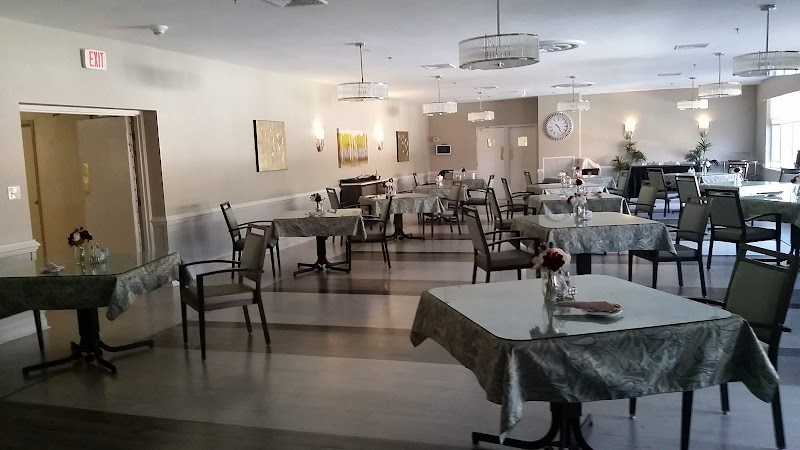
How is Westport Rehabilitation And Nursing Center Staffed?

CMS rates WESTPORT REHABILITATION AND NURSING CENTER's staffing level at 1 out of 5 stars, which is much below average compared to other nursing homes. Staff turnover is 55%, compared to the Virginia average of 46%.

What Have Inspectors Found at Westport Rehabilitation And Nursing Center?

State health inspectors documented 132 deficiencies at WESTPORT REHABILITATION AND NURSING CENTER during 2021 to 2025. These included: 2 that caused actual resident harm and 130 with potential for harm. Deficiencies causing actual harm indicate documented cases where residents experienced negative health consequences.
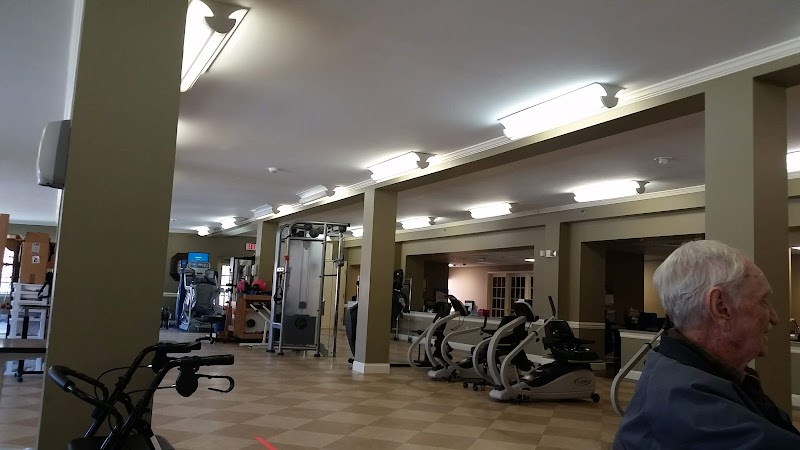
Who Owns and Operates Westport Rehabilitation And Nursing Center?

WESTPORT REHABILITATION AND NURSING CENTER is owned by a for-profit company. For-profit facilities operate as businesses with obligations to shareholders or private owners. The facility is operated by LIFEWORKS REHAB, a chain that manages multiple nursing homes. With 225 certified beds and approximately 192 residents (about 85% occupancy), it is a large facility located in RICHMOND, Virginia.
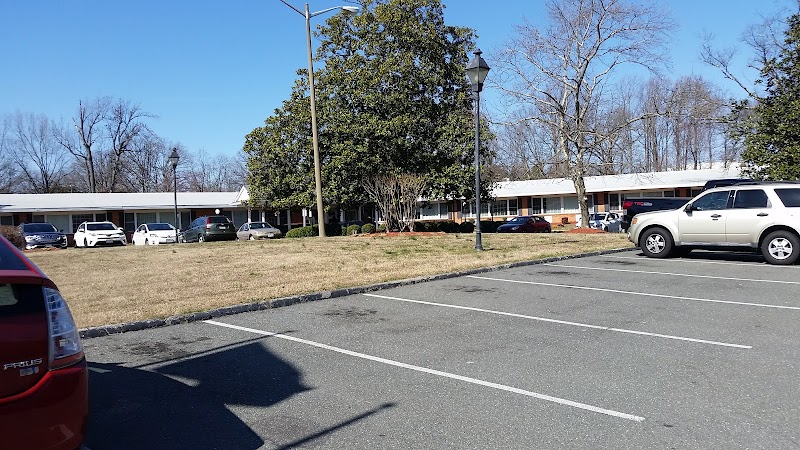
How Does Westport Rehabilitation And Nursing Center Compare to Other Virginia Nursing Homes?

Compared to the 100 nursing homes in Virginia, WESTPORT REHABILITATION AND NURSING CENTER's overall rating (1 stars) is below the state average of 3.0, staff turnover (55%) is near the state average of 46%, and health inspection rating (1 stars) is much below the national benchmark.

What Should Families Ask When Visiting Westport Rehabilitation And Nursing Center?

Based on this facility's data, families visiting should ask: "Can you walk me through typical staffing levels on day, evening, and night shifts?" "Can I visit during a mealtime to observe dining assistance and food quality?" "How do you handle medical emergencies, and what is your hospital transfer rate?" "Can I speak with family members of current residents about their experience?" These questions are particularly relevant given the below-average staffing rating.

Is Westport Rehabilitation And Nursing Center Safe?

Based on CMS inspection data, WESTPORT REHABILITATION AND NURSING CENTER has a clean safety record: no substantiated abuse findings (meaning no confirmed cases of resident harm), no Immediate Jeopardy citations (the most serious violation level indicating risk of serious injury or death), and is not on the Special Focus Facility watch list (a federal program monitoring the lowest-performing 1% of nursing homes). The facility has a 1-star overall rating and ranks #100 of 100 nursing homes in Virginia. While no facility is perfect, families should still ask about staff-to-resident ratios and recent inspection results during their visit.

Do Nurses at Westport Rehabilitation And Nursing Center Stick Around?

WESTPORT REHABILITATION AND NURSING CENTER has a staff turnover rate of 55%, which is 9 percentage points above the Virginia average of 46%. Moderate turnover is common in nursing homes, but families should still ask about staff tenure and how the facility maintains care continuity when employees leave.

Was Westport Rehabilitation And Nursing Center Ever Fined?

WESTPORT REHABILITATION AND NURSING CENTER has been fined $19,341 across 2 penalty actions. This is below the Virginia average of $33,272. While any fine indicates a compliance issue, fines under $50,000 are relatively common and typically reflect isolated problems that were subsequently corrected. Families should ask what specific issues led to these fines and confirm they've been resolved.

Is Westport Rehabilitation And Nursing Center on Any Federal Watch List?

WESTPORT REHABILITATION AND NURSING CENTER is not on any federal watch list. The most significant is the Special Focus Facility (SFF) program, which identifies the bottom 1% of nursing homes nationally based on persistent, serious quality problems. Not being on this list means the facility has avoided the pattern of deficiencies that triggers enhanced federal oversight. This is a positive indicator, though families should still review the facility's inspection history directly.