FRANKLIN HEALTH AND REHABILITATION CENTER
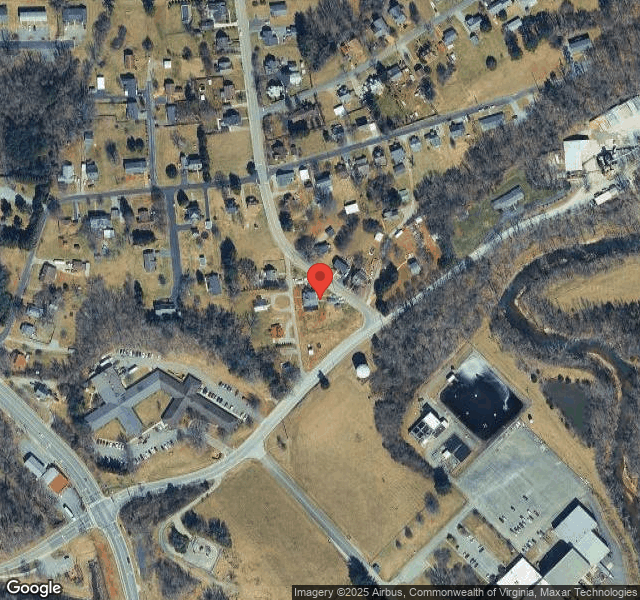

720 ORCHARD AVENUE, ROCKY MOUNT, VA 24151 (540) 489-3467
For profit - Limited Liability company 120 Beds LIFEWORKS REHAB Data: November 2025
Trust Grade
75/100
#75 of 285 in VA
Last Inspection: September 2023

Over 2 years since last inspection. Current conditions may differ from available data.

Overview

Franklin Health and Rehabilitation Center has earned a Trust Grade of B, indicating it is a good choice among nursing homes, though not without its issues. It ranks #75 out of 285 facilities in Virginia, placing it in the top half, and #1 out of 2 in Franklin County, meaning it is the best local option available. However, the facility is experiencing a worsening trend, with the number of identified issues increasing from 2 in 2021 to 10 in 2023. Staffing is a weakness here, rated at just 1 out of 5 stars with a turnover rate of 47%, which is slightly below the state average of 48%. On a positive note, the center has no fines recorded, and it provides more RN coverage than many facilities, which helps ensure that critical health issues are caught early. However, recent inspection findings highlight some concerning incidents, such as staff failing to maintain the privacy of a resident's medical information by discussing their condition loudly in the hall. Additionally, there was an error in coding a resident's discharge status, incorrectly listing them as discharged to a hospital instead of an assisted living facility. These incidents reflect the need for improvement in communication and record-keeping within the facility. Overall, while there are some strengths, families should consider both the positive aspects and the areas needing attention when evaluating this nursing home.

Trust Score
B
75/100
In Virginia
#75/285
Top 26%
Safety Record
Low Risk
No red flags
Inspections
Getting Worse
2 → 10 violations
Staff Stability
⚠ Watch
47% turnover. Above average. Higher turnover means staff may not know residents' routines.
Penalties
✓ Good
No fines on record. Clean compliance history, better than most Virginia facilities.
Skilled Nurses
○ Average
Each resident gets 30 minutes of Registered Nurse (RN) attention daily — about average for Virginia. RNs are the most trained staff who monitor for health changes.
Violations
⚠ Watch
15 deficiencies on record. Higher than average. Multiple issues found across inspections.
★★★★☆
4.0
Overall Rating
★☆☆☆☆
1.0
Staff Levels
★★★★★
5.0
Care Quality
★★★★☆
4.0
Inspection Score
Stable
2021: 2 issues
2023: 10 issues

The Good

  • 5-Star Quality Measures · Strong clinical quality outcomes
  • Full Sprinkler Coverage · Fire safety systems throughout facility
  • No fines on record

Facility shows strength in quality measures, fire safety.

The Bad

Staff Turnover: 47%

Near Virginia avg (46%)

Higher turnover may affect care consistency

Chain: LIFEWORKS REHAB

Part of a multi-facility chain

Ask about local staffing decisions and management

The Ugly 15 deficiencies on record

Sept 2023 10 deficiencies
CONCERN (D)

Potential for Harm - no one hurt, but risky conditions existed

Deficiency F0583 (Tag F0583)

Could have caused harm · This affected 1 resident

Based on observation and staff interview, facility staff failed to ensure the privacy and confidentiality of medical information in oral communication for 1 of 30 current residents in the survey sampl...

Read full inspector narrative →
Based on observation and staff interview, facility staff failed to ensure the privacy and confidentiality of medical information in oral communication for 1 of 30 current residents in the survey sample, Resident #51. Resident #51 was admitted to the facility with diagnoses that included peripheral vascular disease and renal failure. On the Minimum Data Set assessment with Assessment Reference Date 7/12/23, the resident scored 10/15 on the brief interview for mental status and was assessed as without signs of delirium, psychosis, or behaviors affecting care. The resident was unaware that staff were shouting details about the resident's clinical condition in the hall. On 9/19/23 at 9:20 AM, CNA#5 yelled down the hall to LPN #1 you got any Foleys on that hall? LPN #1 replied there's no one named Foley on this hall. CNA #5 then yelled Foley catheters. LPN #1 replied [Resident #1 name] has a Foley. CNA #5 then yelled down the other hall [nurse name] you got any Foley on that hall? The nurse replied that she didn't know and would have to let her know later. F-583 guidance states that personal resident information must be communicated in a way that protects the confidentiality of the information and the dignity of residents. This includes both verbal and written communications such as the presence of lists of residents with certain conditions such as incontinence and pressure ulcers at nursing stations in view or in hearing of residents and visitors. This does not include clinical information written in a resident's record. The surveyor notified the Director of Nursing and Administrator of the concern during a brief end of day meeting on 9/19/2023. No further discussion of the incident occurred.
CONCERN (D)

Potential for Harm - no one hurt, but risky conditions existed

Assessment Accuracy (Tag F0641)

Could have caused harm · This affected 1 resident

Based on staff interview and clinical record review, the facility staff failed to accurately code a minimum data set (MDS) assessment for 1 of 3 closed records reviewed, Resident #112. The findings w...

Read full inspector narrative →
Based on staff interview and clinical record review, the facility staff failed to accurately code a minimum data set (MDS) assessment for 1 of 3 closed records reviewed, Resident #112. The findings were: The facility staff failed to code Resident #112's discharge status to an assisted living facility (ALF). The discharge MDS coded the resident as discharged to an acute hospital when Resident #112 was discharged to an ALF. Resident #112's admission record listed diagnoses to include but were not limited to, cerebral infarction, hemiplegia and hemiparesis affecting left non-dominant side, cognitive communication deficit, dementia, psychotic disturbance, mood disturbance, and anxiety. Section A (Identification Information) of the most recent MDS, with an assessment reference date of 08/30/23, coded the resident's discharge status as being discharged to an acute hospital. During a review of Resident #112's clinical record, a licensed practical nurse (LPN) progress note written on 08/30/23 at 1:52 p.m. read the resident was discharged the same day via wheelchair in stable condition accompanied by the responsible party (RP) at 1:50 p.m. The discharge paperwork and discharge instructions were provided to the RP who verbalized understanding. Medications were sent with the RP for the resident to have the dose at the new facility was witnessed by the registered nurse (RN) supervisor and the director of nursing (DON). The clinical record also contained a discharge summary document with an effective date of 08/30/23 at 9:32 a.m. which listed the resident was 3. discharged to b. ALF. On 09/22/23 at 9:44 a.m., the regional director of clinical services (regional nurse) was informed of the MDS discharge status code concern. The regional nurse observed the clinical record documentation referenced above and acknowledged the progress note and discharge summary did not indicate Resident #112 was discharged to an acute hospital. On 09/22/23 at 10:16 a.m., the regional nurse reported Resident #112's MDS discharge status was modified to reflect the accurate discharge status. At an end of day meeting with the administrator and the regional nurse on 09/22/23 at 2:34 p.m., the concern about Resident #112's inaccurate MDS discharge status code was discussed. No further information was provided prior to the exit conference.
CONCERN (D) 📢 Someone Reported This

A family member, employee, or ombudsman was alarmed enough to file a formal complaint

Potential for Harm - no one hurt, but risky conditions existed

Quality of Care (Tag F0684)

Could have caused harm · This affected 1 resident

Based on observation, staff interview, medical record review and facility document review, the facility staff failed to ensure and provide needed care and services that were resident centered in accor...

Read full inspector narrative →
Based on observation, staff interview, medical record review and facility document review, the facility staff failed to ensure and provide needed care and services that were resident centered in accordance with the resident's preferences, goals for care, and professional standards of practice for 5 of 30 residents in the survey sample (residents # 78, # 87, # 96, # 264 and # 55). The findings included: 1. For residents # 78 and # 87, the facility staff failed to ensure that medications were prepared and administered separately during a medication pass observation. On 9/19/23 at 9:00 AM this surveyor approached Registered Nurse (RN) #1 and informed them I would be observing them pour and pass medications to residents. RN # 1 stated, alright, I already have these two ready to go. RN # 1 picked up two medication cups to show this surveyor. Surveyor noted a medication cup with multiple loose pills of varying sizes, several were white in color and one was a red/brown color. The other cup had various crushed medications and was mixed with pudding. This surveyor asked RN # 1 if facility policy allowed them to pass medications to more than one resident at a time and they stated, I'm doing cluster care due to covid, both of these residents are in room # (omitted) and in isolation and this cuts back on exposure time if I do them together. RN # 1 then proceeded into the room with both medication cups and returned with no medication cups. On 9/19/23 at 9:56 AM this surveyor interviewed the Director of Nursing (DON) and asked if the facility had a different policy for medication administration for COVID and non-COVID rooms/patients. She stated, no there is just one policy. Surveyor asked if they knew of an instance it would be acceptable for a nurse to pour medications for two residents in the same room at the same time, carry them into the room at the same time, to administer them at the same time. They stated, no, absolutely not, that's not acceptable. Surveyor informed the DON of witnessing the above scenario. This surveyor requested and received the policy entitled, General Guidelines for Medication Administration with an effective date of 9-2018. The policy read in part, Medications are administered as prescribed in accordance with good nursing principles and practices and only by persons legally authorized to administer and, 4. When medications are administered by mobile cart taken to the resident's location (room, dining area, etc.), medications are administered at the same time they are prepared. Medications are not pre-poured either in advance of the med pass or for more than one resident at a time. On 9/19/21 at approximately 4:30 PM the survey team met with the Administrator, Director of Nursing, and Regional Nurse Consultant and this concern was discussed at that time. On 9/20/23 at 5:50 PM the survey team met with the Administrator and Regional Nurse Consultant (Administration # 2). The Regional Nurse Consultant stated that RN # 1 had been educated and that they had stated where they came from (another state) this was a common and acceptable practice during the COVID-19 pandemic. On 9/21/23 at 11:00 AM another member of the survey team observed RN # 1 at the medication cart with 2 medication cups, each with multiple loose pills in them. The surveyor stated that each cup appeared very similar with both having white and red pills. the surveyor stood near RN # 1 and when they noticed the surveyor observing, they took one of the med cups and placed it back in the med cart. RN # 1 was wearing an isolation gown at the time. Surveyor asked RN # 1 why they had the 2 cups of loose pills on the cart, and they stated they were going to give one resident theirs first, then come back to administer the others to another resident. RN # 1 then took a cup with pills into a COVID isolation room. This surveyor met with Regional Nurse Consultant (Administration # 5) on 9/21/23 at 11:45 AM and informed them of the second observation. On 9/22/23 at 2:35 PM the survey team met with the Administrator, and both Regional Nurse Consultants and this concern was again discussed. They reported that RN # 1 had received a disciplinary action. No further information was provided to the survey team prior to the exit conference. 2. For Resident #96, the facility staff failed to ensure fall prevention and safety measures were in place per the resident's comprehensive person-centered care plan. Resident #96's diagnosis list indicated diagnoses, which included, but not limited to Hemiplegia and Hemiparesis following Non-traumatic Subarachnoid Hemorrhage, Chronic Obstructive Pulmonary Disease, Type 2 Diabetes Mellitus, and Cirrhosis of the Liver. The most recent minimum data set (MDS) with an assessment reference date (ARD) of 7/05/23 coded the resident as moderately impaired in cognitive skills for daily decision making with short-term memory problems. Resident #96 was coded as requiring extensive assistance with bed mobility, dressing, eating, toileting, personal hygiene and being totally dependent on staff for transfers. Resident #96's most recent Fall Risk Scoring Tool dated 9/11/23 scored the resident as being at high risk for falls. Resident #96's current comprehensive person-centered care plan documented the resident as being at risk for falls related to weakness, impaired range of motion, recent hospitalization, visual impairment, communication impairments, cognitive impairment, and incontinence. Care Plan interventions included in part a bed alarm, falls mats at bilateral bedside, and remind resident to use call light to ask for assistance with ADLs (activities of daily living). On 9/21/23 at 8:18 AM, surveyor observed Resident #96 in bed with no bed alarm or bilateral fall mats in place. The resident's call light button was tucked between the mattress and bedframe on the right side near the head of the bed out of the resident's reach. At 8:24 AM, surveyor requested the assistance of certified nursing assistant (CNA) #6 to check for the presence of a personal alarm, CNA #6 checked Resident #96's bed and stated there was no bed alarm. Surveyor asked CNA #6 if Resident #96 should have a bed alarm in place and they stated the resident used to be in room (number omitted) and they had one over there. Surveyor returned to the resident's room on 9/21/23 at 10:58 AM and Resident #96 was observed in bed with a bed alarm and bilateral fall mats in place. However, the resident's call light button remained tucked between the mattress and bedframe on the right side near the head of the bed out of the resident's reach. On 9/21/23 at 4:22 PM, the survey team met with the administrator and regional nurse and discussed the concern of Resident #96 observed in bed without a bed alarm or bilateral fall mats, and the call light being out of reach. No further information regarding this concern was presented to the survey team prior to the exit conference on 9/22/23. 3. For Resident #264, the facility staff failed to provide treatment to a diabetic ulcer to the left great toe. Resident #264's diagnosis list indicated diagnoses, which included, but not limited to Acute and Chronic Respiratory Failure with Hypoxia, Chronic Obstructive Pulmonary Disease, Peripheral Vascular Disease, Type 2 Diabetes Mellitus, Heart Failure, and Osteoarthritis. The most recent minimum data set (MDS) with an assessment reference date (ARD) of 9/14/23 assigned the resident a brief interview for mental status (BIMS) summary score of 12 out of 15 indicating the resident was moderately cognitively impaired. Resident #264 was coded for the presence of a diabetic foot ulcer. Resident #264's current comprehensive person-centered care plan included the focus area of a diabetic ulcer to the left great toe with interventions including treatment per treatment administration record. Resident #264 was seen by the wound specialist nurse practitioner (NP) on 9/12/23, the progress note described the area to the left great toe as a diabetic ulcer measuring 0.3 cm x 0.3 cm x 0 cm with the wound base 100% epithelial. Treatment recommendations were to cleanse the area with wound cleanser, apply skin prep to base of the wound and leave open to air daily. On 9/20/23, surveyor reviewed Resident #264's current physician's orders and was unable to locate an order for treatment to the left great toe. According to the resident's September 2023 treatment administration record (TAR), Resident #264 last received treatment to the left great toe on 9/13/23. The previous treatment order was ordered on 9/06/23 to be provided from 9/07/23 through 9/13/23. On 9/21/23 at 2:55 PM, surveyor spoke with the treatment nurse, registered nurse (RN) #4, who stated they had been doing the skin prep treatment to Resident #264's left great toe daily Monday through Friday. Surveyor informed RN #4 there was no order, and the treatment was not on the TAR. Surveyor was unable to locate evidence of treatment being provided to the resident's left great toe on Saturday 9/16/23 or Sunday 9/17/23. On 9/21/23 at 4:22 PM, the survey team met with the administrator and regional nurse and discussed the concern of Resident #264's treatment to the left great toe. No further information regarding this concern was presented to the survey team prior to the exit conference on 9/22/23. 4. For Resident #55, the facility staff failed to administer the oral antibiotic, Macrobid despite being available in the facility onsite medication supply on two occasions. Resident #55's diagnosis list indicated diagnoses, which included, but not limited to Urinary Tract Infection, Chronic Obstructive Pulmonary Disease, Spina Bifida, and Osteoarthritis. The most recent minimum data set (MDS) with an assessment reference date (ARD) of 8/21/23 assigned the resident a brief interview for mental status (BIMS) summary score of 15 out of 15 indicating the resident was cognitively intact. Resident #55's current comprehensive person-centered care plan included a focus area revised 9/12/23 stating the resident had developed a urinary tract infection (UTI) with an intervention for medications as ordered. Resident #55's current physician's orders included an order dated 9/11/23 for Macrobid 100 mg by mouth every morning and at bedtime for UTI. A review of Resident #55's September 2023 medication administration record revealed the Macrobid was not administered on 9/11/23 at 9:00 PM or 9/12/23 at 9:00 AM. A nursing progress note dated 9/11/23 at 10:43 PM documented the Macrobid was not available in the Omnicell and had not been delivered by the pharmacy. On 9/22/23 at 9:09 AM, surveyor spoke with licensed practical nurse (LPN) #7, writer of the 9/11/23 note who stated they did not have the Macrobid from the pharmacy and the medication was not one that was stocked in the Omnicell. A 9/12/23 9:29 AM nursing progress note documented the Macrobid was held per MD, however, surveyor was unable to locate any documentation addressing the reason for the Macrobid being held. On 9/22/23, surveyor requested to speak with the writer of the 9/12/23 progress note, however, they were unavailable for interview. Surveyor requested and received the facility Omnicell (onsite medication supply system) Inventory listing and noted Nitrofurantoin Mono 100 mg capsules were present with a par level of five (5) capsules. Nitrofurantoin is the generic form of Macrobid. On 9/20/23 at 5:46 PM, the survey team met with the administrator and regional nurses and discussed the concern of Resident #55 missing two administrations of Macrobid. No further information regarding this concern was presented to the survey team prior to the exit conference on 9/22/23.
CONCERN (D)

Potential for Harm - no one hurt, but risky conditions existed

Accident Prevention (Tag F0689)

Could have caused harm · This affected 1 resident

Based on observation, staff interview, clinical record review, and facility document review, the facility staff failed to ensure that the resident environment remained as free of accident hazards as i...

Read full inspector narrative →
Based on observation, staff interview, clinical record review, and facility document review, the facility staff failed to ensure that the resident environment remained as free of accident hazards as is possible as evidenced by the presence of unsecured oxygen cylinders located in 2 of 30 resident rooms in the survey sample, Resident #267 and #271. The findings included: 1. For Resident #267, the facility staff failed to secure an oxygen cylinder located beside the resident's bed. Resident #267's diagnosis list indicated diagnoses, which included, but not limited to Osteomyelitis, Chronic Obstructive Pulmonary Disease, Chronic Kidney Disease Stage 3, and Schizophrenia. The most recent minimum data set (MDS) with an assessment reference date (ARD) of 9/07/23 assigned the resident a brief interview for mental status (BIMS) summary score of 13 out of 15 indicating the resident was cognitively intact. On 9/18/23 at 8:02 PM, surveyor entered Resident #267's room and observed an unsecured oxygen cylinder located at the head of the bed on the left. Resident #267 was sitting in a wheelchair directly in front of the oxygen cylinder. Surveyor immediately notified licensed practical nurse (LPN) #6 who obtained a holder and secured the oxygen cylinder. Resident #267 did not have oxygen in use at the time of the observation. A review of Resident #267's clinical record revealed they did not have a current provider order for the use of oxygen. On 9/19/23 at 4:31 PM, the survey team met with the administrator, director of nursing, and regional nurse and discussed the concern of an unsecured oxygen cylinder located in Resident #267's room. On 9/22/23 at 9:43 AM, surveyor spoke with LPN #5 and asked if oxygen cylinders should be placed directly on the floor and LPN #5 stated no and they must be in a rack. Surveyor requested and received the facility policy titled, Respiratory/Oxygen Equipment which read in part, .Maintain proper storage, internal transportation and use of oxygen cylinders. Oxygen cylinders must be kept secure. a. Do not allow oxygen cylinder to be overturned or sustain a blow that may break off the top. b. Tanks must be in a cart or stand made for the type of tank being used or stored in a rack . No further information regarding this concern was presented to the survey team prior to the exit conference on 9/22/23. 2. For Resident #271, the facility staff failed to secure an oxygen cylinder located beside the resident's bed. Resident #271's diagnosis list indicated diagnoses, which included, but not limited to dementia and ataxia. The Admission/readmission Nursing Collection Tool V2-V10 dated 9/13/23 documented Resident #271 as being cognitively impaired and confused. On 9/18/23 at 8:49 PM, surveyor observed Resident #271 in bed with an unsecured oxygen cylinder located at the head of the bed on the left; surveyor immediately exited the room and notified registered nurse (RN) #3. RN #3 returned and stated they placed the oxygen cylinder in a holder; when asked if the oxygen cylinder should have been secured in the resident's room, the RN stated yes. Resident #271 did not have oxygen in use at the time of the observation. A review of Resident #271's clinical record revealed they did not have a current provider order for the use of oxygen. On 9/19/23 at 4:31 PM, the survey team met with the administrator, director of nursing, and regional nurse and discussed the concern of an unsecured oxygen cylinder located in Resident #271's room. On 9/22/23 at 9:43 AM, surveyor spoke with licensed practical nurse (LPN) #5 and asked if oxygen cylinders should be placed directly on the floor and LPN #5 stated no and they must be in a rack. Surveyor requested and received the facility policy titled, Respiratory/Oxygen Equipment which read in part, .Maintain proper storage, internal transportation and use of oxygen cylinders. Oxygen cylinders must be kept secure. a. Do not allow oxygen cylinder to be overturned or sustain a blow that may break off the top. b. Tanks must be in a cart or stand made for the type of tank being used or stored in a rack . No further information regarding this concern was presented to the survey team prior to the exit conference on 9/22/23.
CONCERN (D)

Potential for Harm - no one hurt, but risky conditions existed

Respiratory Care (Tag F0695)

Could have caused harm · This affected 1 resident

Based on observation, resident interview, staff interview, and clinical record review, the facility staff failed to ensure that a resident who needs respiratory care is provided such care consistent w...

Read full inspector narrative →
Based on observation, resident interview, staff interview, and clinical record review, the facility staff failed to ensure that a resident who needs respiratory care is provided such care consistent with the comprehensive person-centered care plan for 1 of 30 residents in the survey sample, Resident #40. The findings included: For Resident #40, the facility staff failed to turn on the oxygen cylinder to deliver oxygen support. Resident #40's diagnosis list indicated diagnoses, which included, but not limited to Multiple Sclerosis, Parkinson's Disease, Paroxysmal Atrial Fibrillation, and Bipolar Disorder. The most recent minimum data set (MDS) with an assessment reference date (ARD) of 7/05/23 assigned the resident a brief interview for mental status (BIMS) summary score of 15 out of 15 indicating the resident was cognitively intact. Resident #40's current comprehensive person-centered care plan included a focus area stating the resident was at risk for respiratory complications secondary to wheezing, cough, shortness of breath, and allergies with interventions including in part, to administer oxygen as ordered. On 9/19/23 at 10:19 AM, surveyor observed Resident #40 in bed with a nasal cannula in place attached to an oxygen cylinder. Resident #40 stated they were hard to wake up this morning and staff started oxygen. Surveyor observed the oxygen cylinder turned to the off position. Surveyor asked the resident if they were receiving any oxygen and the resident removed the nasal cannula, placed it to their mouth and stated, I'm not getting any. At 10:20 AM, surveyor alerted licensed practical nurse (LPN) #1 who came into Resident #40's room, checked the oxygen setting and stated, You're not wrong and turned on the oxygen cylinder. LPN #1 then checked Resident #40's oxygen saturation which was 97%. On 9/22/23 at 9:47 AM, surveyor spoke with LPN #1 who stated on the morning of 9/19/23, staff had to do a sternal rub to wake Resident #40 and their oxygen saturation was 86% at the time. LPN #1 stated a CNA (certified nursing assistant) grabbed an oxygen tank and oxygen was started at 2 liters per minute; LPN #1 stated they assumed the tank was turned on. LPN #1 stated the resident was not short of breath or in distress. A review of Resident #40's clinical record revealed a current physician's order dated 3/29/23 for oxygen therapy at 4 liters per minute via nasal cannula. On 9/19/23 at 4:31 PM, the survey team met with the administrator, director of nursing, and regional nurse and discussed the concern of staff failing to administer oxygen to Resident #40. No further information regarding this concern was presented to the survey team prior to the exit conference on 9/22/23.
CONCERN (D)

Potential for Harm - no one hurt, but risky conditions existed

Unnecessary Medications (Tag F0759)

Could have caused harm · This affected 1 resident

Based on observation, staff interview, clinical record review, facility document review and during a medication pass and pour observation, the facility staff failed to ensure a medication error rate o...

Read full inspector narrative →
Based on observation, staff interview, clinical record review, facility document review and during a medication pass and pour observation, the facility staff failed to ensure a medication error rate of less than 5 %. There were three errors in 36 opportunities for a medication error rate of 8.3%. These errors affected Resident # 40. The findings included: For resident # 40 the facility staff failed to administer a lidocaine pain patch and lidocaine cream as ordered. Resident # 40's demographic sheet lists diagnoses including but not limited to, multiple sclerosis, generalized anxiety disorder, major depressive disorder, unspecified polyneuropathy, low back pain and spinal stenosis. Resident # 40's care plan has a problem statement for pain with an intervention reading, administer medications per order. On 9/19/23 at 9:35 AM this surveyor conducted a medication pass and pour observation on Licensed Practical Nurse (LPN) # 1. LPN # 1 administered by mouth medications and fluticasone nasal spray, one spray each nostril, to resident # 40. Surveyor did not observe LPN # 1 apply any transdermal patches, administer eye drops, or topical creams to resident # 40. This surveyor reconciled resident # 40's medications on 9/19/23 and observed the following three medication orders that were not witnessed as given, listed on the medication administration record (MAR). Order 1. Lidocaine pain relief patch 4%. Apply to left arm topically one time a day for pain. Apply at 900 and remove at 2100. Order 2. Cyclosporin ophthalmic emulsion 0.05% instill 1 drop in both eyes every morning and at bedtime. Order 3. Lidocaine HCL external cream 3% apply to right lower face/jaw topically two times daily for trigeminal neuralgia for 14 days. Surveyor also noted the order for fluticasone proplonate suspension order read, 2 sprays in each nostril in the morning for allergies. Each of these medications had been initialed as given by LPN # 1. On 9/19/23 at 12:06 PM the surveyor interviewed LPN #1. When asked about the cyclosporin eye drops, LPN stated, Oh I already had given those before you came. When asked how many sprays of the fluticasone nasal spray they gave resident # 40, they replied, one spray in each nostril. Surveyor asked if they had applied a lidocaine patch to resident # 40's left arm, they stated, I meant to mark that one as held, I didn't have any patches on the cart. When surveyor asked about the lidocaine cream to resident # 40's face/jaw they stated, I'll be honest, I haven't done that yet, but I'm going to. 9/19/23 Surveyor requested and received the policy entitled, General Guidelines for Medication Administration with an effective date of 9/2018 which read in part, 4. At a minimum, the 5 rights- right resident, right drug, right route, and right time- should be applied to all medication administration and reviewed at three steps in the process of preparation: (1) when medication is selected, (2) when the dose is removed from the container, (3) after the dose is prepared and the medication put away. This surveyor informed the Administrator, Director of Nursing and Regional Nurse Consultant of the medication errors during a brief meeting with the survey team on 9/19/23 at 4:30 PM and again during the meeting with the survey team on 9/22/23 at 2:35 PM. No further information was provided to the survey team prior to the exit conference.
CONCERN (D)

Potential for Harm - no one hurt, but risky conditions existed

Deficiency F0761 (Tag F0761)

Could have caused harm · This affected 1 resident

**NOTE- TERMS IN BRACKETS HAVE BEEN EDITED TO PROTECT CONFIDENTIALITY** Based on observation, interviews, and clinical record review, the facility staff failed to ensure medications were secure and st...

Read full inspector narrative →
**NOTE- TERMS IN BRACKETS HAVE BEEN EDITED TO PROTECT CONFIDENTIALITY** Based on observation, interviews, and clinical record review, the facility staff failed to ensure medications were secure and stored in locked compartments for 1 of 30 residents in the survey sample, Resident #264. The findings included: For Resident #264, the facility staff failed to ensure a bottle of Tylenol Arthritis 650 mg was secure and stored in a locked compartment. The bottle of Tylenol Arthritis was located on the resident's bedside table. Resident #264's diagnosis list indicated diagnoses, which included, but not limited to Acute and Chronic Respiratory Failure with Hypoxia, Chronic Obstructive Pulmonary Disease, Peripheral Vascular Disease, Type 2 Diabetes Mellitus, Heart Failure, and Osteoarthritis. The most recent minimum data set (MDS) with an assessment reference date (ARD) of 9/14/23 assigned the resident a brief interview for mental status (BIMS) summary score of 12 out of 15 indicating the resident was moderately cognitively impaired. On 9/18/23 at approximately 8:15 PM, surveyor observed a bottle of Tylenol Arthritis 650 mg located on top of Resident #264's bedside table. Surveyor spoke with licensed practical nurse (LPN) #6 and informed them of the observation. At approximately 8:20 PM, LPN #6 entered Resident #264's room and removed the bottle of Tylenol, the resident stated they have had the Tylenol since admission to the facility. According to Resident #264's clinical record, they were admitted to the facility on [DATE]. Resident #264's physician's orders included an active order for Tylenol 8 Hour Oral Extended release 650 mg by mouth every 6 hours as needed for pain. A review of the resident's September 2023 medication administration record (MAR) revealed the resident had not received the Tylenol since admission to the facility. Surveyor was unable to locate an order for the Tylenol to be kept at the bedside and self-administered. On 9/19/23 at 4:31 PM, the survey team met with the administrator, director of nursing, and the regional nurse and discussed the concern of Resident #264 having a bottle of Tylenol on their nightstand. No further information regarding this concern was presented to the survey team prior to the exit conference on 9/22/23.
CONCERN (D)

Potential for Harm - no one hurt, but risky conditions existed

Laboratory Services (Tag F0770)

Could have caused harm · This affected 1 resident

Based on staff interview, clinical record review, and facility document review, the facility staff failed to provide laboratory services to meet the needs of the resident for 1 of 30 residents in the ...

Read full inspector narrative →
Based on staff interview, clinical record review, and facility document review, the facility staff failed to provide laboratory services to meet the needs of the resident for 1 of 30 residents in the survey sample, Resident #267. The findings included: For Resident #267, the facility staff failed to obtain lab tests as ordered by the physician on 9/06/23. Resident #267's diagnosis list indicated diagnoses, which included, but not limited to Osteomyelitis, Chronic Obstructive Pulmonary Disease, Chronic Kidney Disease Stage 3, and Schizophrenia. The most recent minimum data set (MDS) with an assessment reference date (ARD) of 9/07/23 assigned the resident a brief interview for mental status (BIMS) summary score of 13 out of 15 indicating the resident was cognitively intact. A review of Resident #267's clinical record revealed a physician's order dated 9/01/23 for a CBC (complete blood count), CMP (comprehensive metabolic panel), ESR (erythrocyte sedimentation rate), and CRP (c-reactive protein) on 9/06/23 and then weekly. Surveyor was unable to locate evidence of the lab tests being obtained on 9/06/23. On 9/19/23 at 3:55 PM, surveyor met with the director of nursing and regional nurse regarding Resident #267's labs. The regional nurse stated the labs were not obtained on 9/06/23 and an error form was completed, and the provider was notified. Surveyor requested and received the facility policy titled Specimen Collection with an effective date of 11/01/19 which read in part .A licensed nurse will obtain a specimen as ordered by the physician . No further information regarding this concern was presented to the survey team prior to the exit conference on 9/22/23.
CONCERN (D)

Potential for Harm - no one hurt, but risky conditions existed

Medical Records (Tag F0842)

Could have caused harm · This affected 1 resident

Based on staff interview and clinical record review, the facility staff failed to maintain a complete and accurate clinical record for 1 of 30 residents in the survey sample, Resident #264. The findi...

Read full inspector narrative →
Based on staff interview and clinical record review, the facility staff failed to maintain a complete and accurate clinical record for 1 of 30 residents in the survey sample, Resident #264. The findings included: For Resident #264, the facility staff failed to document treatment provided to a diabetic ulcer to the left great toe. Resident #264's diagnosis list indicated diagnoses, which included, but not limited to Acute and Chronic Respiratory Failure with Hypoxia, Chronic Obstructive Pulmonary Disease, Peripheral Vascular Disease, Type 2 Diabetes Mellitus, Heart Failure, and Osteoarthritis. The most recent minimum data set (MDS) with an assessment reference date (ARD) of 9/14/23 assigned the resident a brief interview for mental status (BIMS) summary score of 12 out of 15 indicating the resident was moderately cognitively impaired. Resident #264 was coded for the presence of a diabetic foot ulcer. Resident #264's current comprehensive person-centered care plan included the focus area of a diabetic ulcer to the left great toe with interventions including treatment per treatment administration record. Resident #264 was seen by the wound specialist nurse practitioner (NP) on 9/12/23, the progress note described the area to the left great toe as a diabetic ulcer measuring 0.3 cm x 0.3 cm x 0 cm with the wound base 100% epithelial. Treatment recommendations were to cleanse the area with wound cleanser, apply skin prep to base of the wound and leave open to air daily. On 9/20/23, surveyor reviewed Resident #264's current physician's orders and was unable to locate an order for treatment to the left great toe. According to the resident's September 2023 treatment administration record (TAR), Resident #264 last received treatment to the left great toe on 9/13/23. The previous treatment order was ordered on 9/06/23 to be provided from 9/07/23 through 9/13/23. On 9/21/23 at 2:55 PM, surveyor spoke with the treatment nurse, registered nurse (RN) #4, and discussed Resident #264 having no treatment order for the area to the left great toe. RN #4 stated they had been doing the skin prep treatment to Resident #264's left great toe daily Monday through Friday. Surveyor reviewed the resident's September TAR and was unable to locate documentation of RN #4 performing treatments to the left great toe diabetic ulcer. On 9/21/23 at 4:22 PM, the survey team met with the administrator and regional nurse and discussed the concern of Resident #264's treatment to the left great toe. No further information regarding this concern was presented to the survey team prior to the exit conference on 9/22/23.
CONCERN (D) 📢 Someone Reported This

A family member, employee, or ombudsman was alarmed enough to file a formal complaint

Potential for Harm - no one hurt, but risky conditions existed

Infection Control (Tag F0880)

Could have caused harm · This affected 1 resident

Based on observation, staff interviews, and facility document review, the facility staff failed to maintain an infection prevention program for preventing and controlling infection and communicable di...

Read full inspector narrative →
Based on observation, staff interviews, and facility document review, the facility staff failed to maintain an infection prevention program for preventing and controlling infection and communicable diseases during an identified outbreak of COVID-19 on 1 of 2 nursing units, Unit 2. Facility staff failed to follow facility policy and procedure and CDC (Centers for Disease Control and Prevention) guidance related to source control mask use during a COVID-19 outbreak. At the time of the survey on 9/21/23, there was a current facility total of 40 COVID-19 positive residents and 27 COVID-19 positive staff members. Unit 2 had a total of 18 COVID-19 positive residents. The findings included: On 9/20/23 at 2:05 PM, surveyor observed registered nurse (RN) #4 in Resident #22's room on Unit 2 without wearing a mask while speaking with the resident. Resident #22's room was not identified as requiring COVID-19 precautions and the resident was not identified as COVID-19 positive at the time of observation. The observation was also witnessed by the facility staff development coordinator (SDC) who remained with the surveyor until RN #4 exited the resident's room. Surveyor noted a surgical mask placed on a cart outside of Resident #22's room. When RN #4 exited the resident's room, they stated they had just taken their mask off and went into the room. RN #4 then donned the surgical mask that was on the nearby cart. On 9/20/23 at 2:55 PM, surveyor spoke with the administrator and regional nurse and requested the facility's masking guidelines. The administrator stated staff must wear a N95 mask with COVID positive residents and a minimum of a surgical mask on any unit that has a COVID positive resident. A review of the Centers for Disease Control and Prevention (CDC) guideline titled, Interim Infection Prevention and Control Recommendations for Healthcare Personnel During the Coronavirus Disease 2019 (COVID-19) Pandemic updated 5/08/23, read in part .Source control refers to use of respirators or well-fitting facemasks or cloth masks to cover a person's mouth and nose to prevent spread of respiratory secretions when they are breathing, talking, sneezing, or coughing .Source control is recommended more broadly as described in CDC's Core IPC [Infection Prevention and Control] Practices in the following circumstances: · By those residing or working on a unit or area of the facility experiencing a SARS-CoV-2 or other outbreak of respiratory infection; universal use of source control could be discontinued as a mitigation measure once the outbreak is over (e.g., no new cases of SARS-CoV-2 infection have been identified for 14 days) . Surveyor requested and received the facility policy titled, COVID-19 with an effective date of 5/10/23 which read in part, .4. Infection Prevention and Control measures may include, but are not limited to: a. Source control (well-fitting mask/face covering): .·For those who reside or work in an area of the facility experiencing COVID-19 outbreak with uncontrolled transmission . On 9/20/23 at 5:46 PM, the survey team met with the administrator and regional nurses and discussed the concern of RN #4 being observed in a resident room without the minimum of a surgical mask in place. No further information regarding this concern was presented to the survey team prior to the exit conference on 9/22/23.
Jul 2021 2 deficiencies
CONCERN (D)

Potential for Harm - no one hurt, but risky conditions existed

Quality of Care (Tag F0684)

Could have caused harm · This affected 1 resident

Based on staff interview, clinical record review, and during a medication pass and pour observation, the facility staff failed to ensure the residents receive treatment and care in accordance with the...

Read full inspector narrative →
Based on staff interview, clinical record review, and during a medication pass and pour observation, the facility staff failed to ensure the residents receive treatment and care in accordance with the comprehensive person-centered care plan for 1 of 26 residents in the survey sample, Resident #74. The findings included: For Resident #74, the facility staff administered a Vitamin C tablet instead of the physician ordered Cyanocobalamin (Vitamin B12) tablet. Resident #74's diagnosis list indicated diagnoses, which included, but not limited to Unspecified Diastolic (Congestive) Heart Failure, Hypothyroidism Unspecified, Unspecified Dementia without Behavioral Disturbance, and Pulmonary Hypertension Unspecified. The most recent quarterly MDS (minimum data set) with an ARD (assessment reference date) of 6/22/21 assigned the resident a BIMS (brief interview for mental status) score of 7 out of 15 in section C, Cognitive Patterns. On 7/21/21 at 8:41 am, during a medication pass and pour observation, surveyor observed LPN (licensed practical nurse) #1 prepare and administer Resident #74's morning medications. LPN #1 administered a Vitamin C 1000 mg tablet to Resident #74. Surveyor reviewed Resident #74's current physician's orders and was unable to locate an order for Vitamin C. Surveyor noted a current physician's order dated 3/15/21 for Cyanocobalamin Tablet 1000 MCG by mouth one time a day for supplement. Surveyor did not observe LPN #1 administer a Cyanocobalamin 1000 mcg tablet with Resident #74's morning medications on 7/21/21. According to documentation on Resident #74's July 2021 MAR (medication administration record), LPN #1 initialed the MAR on 7/21/21 at 9:00 am for the administration of Cyanocobalamin 1000 mcg. On 7/21/21 at 11:10 am, surveyor spoke with LPN #1 concerning Resident #74's being administered Vitamin C instead of the physician ordered Cyanocobalamin. LPN #1 opened the eMAR medication administration screen for Resident #74 and showed surveyor the computer screen and stated baby (he/she) did get a Vitamin C. LPN #1 again looked at the eMAR screen and stated no the resident was given B12. Upon surveyor request, LPN #1 opened the drawer of the medication cart where the bottle of Cyanocobalamin was stored and surveyor observed the house stock medication bottles of Vitamin C 1000 mg and Vitamin B12 1000 mcg were located side by side in the drawer. Resident #74's current care plan included a focus area stating Nutrition Risk at admission r/t (related to) recent hospitalization, diuretic therapy, poor appetite and po (oral) intake and actual weight loss with interventions stating administer medication per MD order and provide diet and supplements as ordered. During a meeting the administrator, director of nursing, and the regional nurse consultant on 7/21/21 at 3:28 pm, surveyor discussed the concern of Resident #74 receiving Vitamin C instead of the physician ordered Cyanocobalamin. No further information regarding this issue was presented to the survey team prior to the exit conference on 7/22/21.
CONCERN (D)

Potential for Harm - no one hurt, but risky conditions existed

Deficiency F0760 (Tag F0760)

Could have caused harm · This affected 1 resident

Based on staff interview and clinical record review, the facility staff failed to ensure that residents were free of significant medication errors for 1 of 26 residents in the survey sample, Resident ...

Read full inspector narrative →
Based on staff interview and clinical record review, the facility staff failed to ensure that residents were free of significant medication errors for 1 of 26 residents in the survey sample, Resident #50. The findings included: For Resident #50, the facility staff failed to follow physician's orders for the administration of Novolog (a rapid-acting insulin) on 21 separate occasions. Resident #50's diagnosis list indicated diagnoses, which included, but not limited to Type 2 Diabetes Mellitus with Other Diabetic Ophthalmic Complications, Chronic Diastolic (Congestive) Heart Failure, Polyneuropathy Unspecified, and Chronic Pain Syndrome. The most recent quarterly MDS (minimum data set) with an ARD (assessment reference date) of 6/08/21 assigned the resident a BIMS (brief interview for mental status) score of 15 out of 15 in section C, Cognitive Patterns. In section I, Active Diagnoses, Resident #50 was coded for the diagnosis of Diabetes Mellitus. Resident #50's current physician's orders included the following orders each dated 11/30/20: Novolog Solution 100 unit/ml inject 38 units subcutaneously one time a day for DM (diabetes mellitus) hold for blood sugar < 140 scheduled on MAR (medication administration record) to be administered at 9:00 am, Novolog Solution 100 unit/ml inject 38 units subcutaneously one time a day for DM hold for blood sugar < 140 scheduled on MAR to be administered at 12:00 pm, and Novolog Solution 100 unit/ml inject 38 units subcutaneously one time a day for DM hold for blood sugar < 140 scheduled on MAR to be administered at 5:00 pm. A review of Resident #50's July 2021 MAR revealed Resident #50 received Novolog 38 units with a documented blood sugar below 140 on 21 separate occasions as documented below: 7/01/21 9:00 am received with BS (blood sugar) of 125 7/03/21 9:00 am received with BS of 123 7/04/21 9:00 am received with BS of 135 7/04/21 5:00 pm received with BS of 106 7/05/21 9:00 am received with BS of 99 7/06/21 9:00 am received with BS of 91 7/07/21 9:00 am received with BS of 101 7/07/21 5:00 pm received with BS of 101 7/08/21 9:00 am received with BS of 104 7/08/21 5:00 pm received with BS of 129 7/09/21 5:00 pm received with BS of 137 7/10/21 5:00 pm received with BS of 103 7/11/21 12:00 pm received with BS of 137 7/14/21 9:00 am received with BS of 118 7/15/21 9:00 am received with BS of 124 7/16/21 12:00 pm received with BS of 136 7/17/21 9:00 am received with BS of 107 7/17/21 12:00 pm received with BS of 116 7/18/21 9:00 am received with BS of 124 7/19/21 9:00 am received with BS of 125 7/20/21 9:00 am received with BS of 115 On 7/21/21 at 12:15 pm, surveyor spoke with the RNC (regional nurse consultant) and discussed the concern of Resident #50 receiving Novolog with documented blood sugars less than 140. The RNC stated they would look into this concern. At approximately 1:45 pm, the RNC returned and stated the insulin was held some of the times and documented in the progress notes but the MAR was signed off as if it were given, also stated they are contacting the physician concerning the order. Surveyor reviewed Resident #50's July 2021 progress notes and was unable to locate documentation of Novolog being held on the aforementioned occasions when the BS was less than 140 and the Novolog was initialed on the MAR as being given. Resident #50's current care plan included a focus area stating The resident has Diabetes Mellitus with an intervention stating Diabetes medication as ordered by doctor . On 7/21/21 at approximately 3:15 pm, surveyor met with the administrator, director of nursing, and the RNC and discussed of concern of Resident #50 receiving Novolog with a BS below 140 on 21 separate occasions and surveyor was unable to locate documentation in the progress notes of the Novolog being held on these occasions. No further information regarding this issue was presented to the survey team prior to the exit conference on 7/22/21.
Sept 2018 3 deficiencies
CONCERN (D)

Potential for Harm - no one hurt, but risky conditions existed

Assessment Accuracy (Tag F0641)

Could have caused harm · This affected 1 resident

Based on observation, staff interview and clinical record review, the facility staff failed to ensure an accurate minimum data set (MDS) assessment for 1 of 34 residents (Resident #9). The findings in...

Read full inspector narrative →
Based on observation, staff interview and clinical record review, the facility staff failed to ensure an accurate minimum data set (MDS) assessment for 1 of 34 residents (Resident #9). The findings included: The facility staff failed to code the use of the wander guard on Resident #9's quarterly minimum data set (MDS) with assessment reference date (ARD) of 9/13/18. The clinical record of Resident #9 was reviewed 9/18/18 through 9/20/18. Resident #9 was admitted to the facility 3/9/18 with diagnoses that included but not limited to pneumonitis, dysphagia, hypertension, hyperlipidemia, major depressive disorder, insomnia, Type 2 diabetes mellitus, constipation, traumatic subarachnoid hemorrhage, mild cognitive impairment, anxiety disorder, dementia with behavioral disturbances, and bipolar disorder. The quarterly MDS with an ARD of 9/13/18 assessed the resident with a BIMS (brief interview for mental status) as 9 out of 15. Resident #9's current comprehensive care plan had the focus area that the resident was a wander risk r/t (related to) history of attempts to leave facility unattended. The focus area was created and revised on 5/8/18. Interventions included: Monitor location. Notify the nurse of wandering behavior and attempted diversional interventions. In the clinical record was a physician order dated 5/8/18 for a wander guard in place qs (every shift). The surveyor observed Resident #9 numerous times during the survey from 9/18/18 through 9/20/18-in his room visiting with his family, in activities, and in the dining room. The surveyor observed the resident again after breakfast on 9/20/18 at 9:41 a.m. The resident was observed sitting in his wheelchair midway between the nurse's station and the dining room. Observed on his left ankle was a wander guard. The surveyor reviewed the quarterly MDS of 9/13/18. Section P Restraints and Alarms does not have wanderguard coded. The surveyor interviewed the minimum data set (MDS) registered nurse on 9/20/18 at 10:11 a.m. She stated she did not find documentation on the treatment administration record (TAR) where the wander guard had been charted that it was used. The MDS RN stated she only found documented the weekly function checks for the wander guard. The MDS RN stated the wander guard was not on the care plan as well. The surveyor and the MDS RN reviewed the September 2018 TAR. Documented on the September 2018 TAR was evidence the wander guard was in place and checked every shift for wander risk from 9/1/18 through 9/20/18. The surveyor requested copies of the quarterly MDS, care plan, face sheet, 5/8/18 physician order for the wander guard, and the September 2018 TAR from the unit manager registered nurse #1 on 9/20/18. The surveyor informed the administrator, the director of nursing and the corporate registered nurse of the above concern on 9/20/18 at 3:45 p.m. No further information was provided prior to the exit conference on 9/20/18.
CONCERN (D)

Potential for Harm - no one hurt, but risky conditions existed

Medical Records (Tag F0842)

Could have caused harm · This affected 1 resident

**NOTE- TERMS IN BRACKETS HAVE BEEN EDITED TO PROTECT CONFIDENTIALITY** Based on staff interview, facility document review and clinical record review, the facility staff failed to ensure a complete an...

Read full inspector narrative →
**NOTE- TERMS IN BRACKETS HAVE BEEN EDITED TO PROTECT CONFIDENTIALITY** Based on staff interview, facility document review and clinical record review, the facility staff failed to ensure a complete and accurate clinical record was maintained for 1 of 34 residents (Resident #6). The findings included: The facility staff failed to document clinical information of Resident # 6's respiratory status and the reason for testing on 8/21/18. The facility staff also failed to document clinical information concerning a follow-up chest x-ray preformed (sic) on 9/3/18. The clinical record of Resident #6 was reviewed 9/18/18 through 9/20/18. Resident #6 was admitted to the facility 4/18/17 and readmitted [DATE] with diagnoses that included but not limited to displaced intertrochanteric fracture of femur, dysphagia, atrial fibrillation, major depressive disorder, Vitamin B12 deficiency, age-related physical debility, hypertension, convulsions, dry eye syndrome, benign prostatic hypertrophy and shortness of breath. Resident #6's quarterly minimum data set (MDS) assessment with an assessment reference date (ARD) of 6/18/18 assessed the resident with a BIMS (brief interview for mental status) as 14 out of 15. Resident #6's current comprehensive care plan was reviewed 9/18/18 through 9/20/18. Resident #6 has a focus area that read The resident has altered respiratory status related to shortness of breath, cough. 5/10/18 New order: Tessalon [NAME]. 8/2/18 CXR (chest x-ray) with new orders-URI (upper respiratory infection). Created on: 5/8/18 Revision on: 8/3/18. Interventions: Monitor/document changes in orientation, increased restlessness, anxiety, and air hunger. Monitor for s/sx (signs/symptoms) of respiratory distress and report to MD (medical doctor) as needed. Monitor/document/report abnormal breathing patterns to MD. O2 (oxygen) as ordered. A second focus area read The resident has altered cardiovascular status r/t (related to) CHF (congestive heart failure), hypertension, edema, a fib, CAD (coronary artery disease), anemia, hyperlipidemia, vitamin B-12 deficiency. Interventions: Assess lung and heart sounds as needed. The surveyor reviewed Resident #6's August 2018 progress notes. The progress note dated 8/21/18 at 10:33 a.m. read New orders: 2 view CXR today, CBC (complete blood count), CMP (comprehensive metabolic panel), pBNP (brain natriuretic peptide), sed rate (sedimentation rate) today. RP (responsible party) aware. The clinical record did not include any documentation for the ordered chest x-ray and laboratory tests on 8/21/18. The surveyor asked the unit manager registered nurse #1 to review the 8/21/18 progress note. After R.N. #1 reviewed the progress note, the surveyor asked if she was able to decide why the chest x-ray and labs were ordered. The unit manager RN #1 stated that she was here on that day and the resident had respiratory issues. She was asked if the note should have a respiratory assessment or some form of documentation as to why the chest x-ray and labs were ordered. The unit manager RN #1 agreed with the surveyor that more documentation was evident. The physician order dated 9/3/18 read, Call in chest x-ray to be preformed (sic) on 9/3/18 day shift was discussed with the unit manager RN#1 also. The surveyor was unable to locate either a chest x-ray ordered for 9/3/18 or that any staff member had documented about the 9/3/18 chest x-ray. A chest x-ray was not obtained on 9/3/18. The surveyor asked for the facility policy on documentation and the respiratory policy. The surveyor reviewed the facility policy titled Documentation Summary on 9/20/18. The policy read in part Document all of the facts and pertinent information related to an event, course of treatment, patient condition, response to care, and deviations from standard treatment along with the reason for the deviation. The surveyor informed the administrator, the director of nursing and the corporate registered nurse of the above concern in the end of the day meeting on 9/20/18 at 3:45 p.m. No further information was provided prior to the exit conference on 9/20/18.
CONCERN (E)

Potential for Harm - no one hurt, but risky conditions existed

Drug Regimen Review (Tag F0756)

Could have caused harm · This affected multiple residents

**NOTE- TERMS IN BRACKETS HAVE BEEN EDITED TO PROTECT CONFIDENTIALITY** 2. The contracted pharmacy failed to provide the August 2018 irregularity reports to the facility director of nursing and medica...

Read full inspector narrative →
**NOTE- TERMS IN BRACKETS HAVE BEEN EDITED TO PROTECT CONFIDENTIALITY** 2. The contracted pharmacy failed to provide the August 2018 irregularity reports to the facility director of nursing and medical director for Resident #72. The clinical record of Resident #72 was reviewed 9/18/18 through 9/20/18. Resident #72 was admitted to the facility 7/26/18 and readmitted [DATE] with diagnoses that included but not limited to displaced intertrochanteric fracture of right femur, rectal prolapse, major depressive disorder, mononeuropathy, hypertension, hyperlipidemia, insomnia, chronic pain syndrome, gastro-esophageal reflux disease, anxiety, anemia, bipolar disorder and constipation. Resident #72's 5-day minimum data set (MDS) assessment with an assessment reference date (ARD) of 9/10/18 assessed the resident with a BIMS (brief interview for mental status) as 14 out of 15. During medication regimen review on 9/20/18, the surveyor noted a pharmacy note dated 8/21/18 at 14:31(2:31 p.m.) that read, Pharmacy note:: Medication Review: The resident's medical record including electronic documentation was reviewed on this date. [X] See report for any noted irregularities. The surveyor asked the director of nursing for the irregularities the contracted pharmacist had identified during Resident #72's August 2018 medication regimen review. The DON reported that there had been no reports of irregularities in August 2018. A second surveyor asked the DON to contact the pharmacist to confirm that there had been no reports of irregularities. The pharmacist responded by sending the August 2018 reports and apologizing for not having sent them. The DON reported to surveyors that the reports would be printed and submitted to the physician for review and action. The surveyor requested a copy of Resident #72's August 2018 Consultation Report. The report read REPEATED RECOMMENDATION from 7/27/18: Please respond promptly to assure facility compliance with federal regulation. Resident #72 receives an antipsychotic Aripiprazole, but does not have a supporting indication for use documented. The DON stated the facility does self-audits on residents and will address medication issues as they are found. The surveyor informed the administrative staff of the above concern on 9/20/18. No further information was provided prior to the exit conference on 9/20/18. 3. The contracted pharmacy failed to provide the August 2018 pharmacy irregularities to the director of nursing and the medical director for Resident #95. The clinical record of Resident #95 was reviewed 9/18/18 through 9/20/18. Resident #95 was admitted to the facility 8/11/18 and readmitted [DATE] with diagnoses that included but not limited to displaced intertrochanteric fracture of femur, dementia without behavioral disturbance, sepsis, unknown organism, with septic shock, hypertension, urine retention, type 2 diabetes mellitus, hyperlipidemia, insomnia, urinary tract infection, methicillin resistant staphylococcus aureus, anemia, anxiety, delirium, and major depressive disorder. Resident #95's admission minimum data set (MDS) with an assessment reference date (ARD) of 8/31/18 assessed the resident with a BIMS (brief interview for mental status) as 13 out of 15. During medication regimen review on 9/20/18, the surveyor noted two pharmacy notes; one dated 8/16/18 at 21:07 (9:07 p.m.) and read Pharmacy note:: Medication Review: The resident's medical record including electronic documentation was reviewed on this date. [X] See report for any noted irregularities. The second pharmacy note was dated 8/31/18 at 15:58 (3:58 p.m.) and read Pharmacy note:: Medication Review: The resident's medical record including electronic documentation was reviewed on this date. [X] See report for any noted irregularities. The surveyor asked the director of nursing for the irregularities the contracted pharmacist had identified during Resident #95's August 2018 medication regimen review. The DON reported that there had been no reports of irregularities in August 2018. A second surveyor asked the DON to contact the pharmacist to confirm that there had been no reports of irregularities. The pharmacist responded by sending the August 2018 reports and apologizing for not having sent them. The DON reported to surveyors that the reports would be printed and submitted to the physician for review and action. The surveyor requested a copy of Resident #95's August 2018 consultation reports. Both reports (dated 8/16/18 and 8/31/18) read Comment: Resident #95 takes Miralax a medication which is recommended to be administered with 4 to 8 ounces of water. The DON stated the facility does self-audits on residents and will address medication issues as they are found. The DON stated both of Resident #95's Consultation reports were comments which were considered to be nursing measures. The surveyor informed the administrative staff of the above concern on 9/20/18. No further information was provided prior to the exit conference on 9/20/18. 4. For Resident #101 the facility staff failed to ensure that the clinical record contained the Pharmacy Review Report. Resident #101 was a [AGE] year-old female who was admitted on was admitted on [DATE]. Admitting diagnoses included, but were not limited to: left hip fracture, right humerus fracture, chronic kidney disease, diabetes mellitus, hypertension, and heart failure. The most current Minimum Data Set (MDS) located in the clinical record was a Medicare admission MDS assessment with an Assessment Reference Date (ARD) of 9/4/18. The facility staff coded that Resident #101 had a Cognitive Summary Score of 15. The facility staff also coded that Resident #101 required extensive assistance (3/3) with Activities of Daily Living (ADL's). On September 20, 2018 at 2 p.m., the surveyor reviewed Resident #101's clinical record. Review of the clinical record produced a Pharmacy Note dated 8/31/18. The Pharmacy Notes read . Pharmacy Note:: Medication Review: This resident's medical record including electronic documentation was reviewed on this date. {X} See report for any noted irregularities and/or recommendations OR . (sic) Continued review of Resident #101's clinical record failed to produce the Pharmacy Recommendation. On September 20, 2018 at 2:15 p.m., the surveyor walked to the Director of Nursing's (DON's) office and located the DON and the and Corporate Compliance Nurse (CCN). The surveyor notified the DON and CCN that the Pharmacy had documented a medication irregularity or a recommendation on 8/31/18. The surveyor notified the DON and ADM that review of the clinical record did not contain the Pharmacy irregularity or recommendation. The surveyor reviewed the clinical record with the DON and CCN. The DON opened up an email on her computer and printed the Pharmacy Irregularity/Recommendation. The CCN stated that the Pharmacy did not send the reports to the DON. The CCN stated that she had called the Pharmacist and asked her to send to the reports to the DON. On September 20, 2018 at 3:45 p.m. the surveyor notified the Administrator (Adm), DON and CCN that the facility staff failed to ensure that the Pharmacy Report for recommendations and/or irregularities was not contained in the clinical record. No additional information was provided to the surveyor prior to the exiting the facility as to why the facility staff failed to ensure that the Pharmacy recommendation/irregularity was contained in the clinical record. Based on staff interview, clinical record review, and facility document review, pharmacy staff failed to submit irregularity reports to the facility director of nursing and medical director for action for 4 of 34 residents sampled (Resident #57, 72, 95, and 101). The Findings Included: 1. For resident #57, pharmacy staff failed to submit a pharmacy irregularity report recommending laboratory testing. Resident #57 was admitted to the facility on [DATE] with diagnoses including atrial fibrillation, heart failure, hypertension, gastroesophageal reflux, thyroid disorder, arthritis, osteoporosis, fracture leg, malnutrition, anxiety, depression, and insomnia. On the comprehensive admission minimum data set assessment with assessment reference date 8/7/18, the resident scored 15/15 on the brief interview for mental status and was assessed as without symptoms of delirium, psychosis, or behaviors affecting others. During medication regimen review on 9/20/18, the surveyor noted a pharmacy note dated 8/21/18 at 14:37 Pharmacy note:: Medication Review: The resident's medical record including electronic documentation was reviewed on this date. [X] See report for any noted irregularities. The surveyor asked the resident's nurse for assistance locating the report. The nurse and the unit manager were unable to locate the report. The unit manager notified the director of nursing (DON) of the request. The DON reported that there had been no reports of irregularities in August 2018. The surveyor asked the DON to contact the pharmacist to confirm that there had been no reports of irregularities. The pharmacist responded by sending the August reports and apologizing for not having sent them. The DON reported to surveyors that the reports would be printed and submitted to the physician for review and action. The surveyor requested a copy of Resident #57's report. The Consultation Report for Resident #57 dated 8/21/18 included Recommendation: Please consider monitoring a serum magnesium concentration on the next convenient lab day and annually thereafter The administrator, director of nursing , and corporate clinical consultant were aware of the concern with the pharmacy reviews.
Understanding Severity Codes (click to expand)
Life-Threatening (Immediate Jeopardy)
J - Isolated K - Pattern L - Widespread
Actual Harm
G - Isolated H - Pattern I - Widespread
Potential for Harm
D - Isolated E - Pattern F - Widespread
No Harm (Minor)
A - Isolated B - Pattern C - Widespread

Questions to Ask on Your Visit

  • "Can I speak with families of current residents?"
  • "What's your RN coverage like on weekends and overnight?"

Our Honest Assessment

Strengths
  • • No major safety red flags. No abuse findings, life-threatening violations, or SFF status.
  • • No fines on record. Clean compliance history, better than most Virginia facilities.
Concerns
  • • 15 deficiencies on record. Higher than average. Multiple issues found across inspections.
Bottom line: Generally positive indicators. Standard due diligence and a personal visit recommended.

About This Facility

What is Franklin Center's CMS Rating?

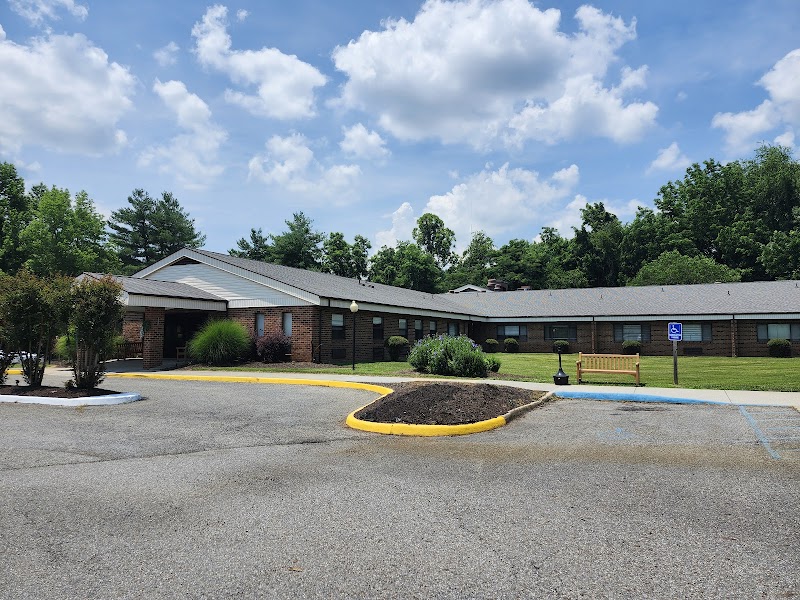
CMS assigns FRANKLIN HEALTH AND REHABILITATION CENTER an overall rating of 4 out of 5 stars, which is considered above average nationally. Within Virginia, this rating places the facility higher than 99% of the state's 100 nursing homes. This rating reflects solid performance across the metrics CMS uses to evaluate nursing home quality.
How is Franklin Center Staffed?

CMS rates FRANKLIN HEALTH AND REHABILITATION CENTER's staffing level at 1 out of 5 stars, which is much below average compared to other nursing homes. Staff turnover is 47%, compared to the Virginia average of 46%. RN turnover specifically is 56%, which is notably high. RNs provide skilled clinical oversight, so turnover in this role can affect medical care quality.

What Have Inspectors Found at Franklin Center?

State health inspectors documented 15 deficiencies at FRANKLIN HEALTH AND REHABILITATION CENTER during 2018 to 2023. These included: 15 with potential for harm.
Who Owns and Operates Franklin Center?

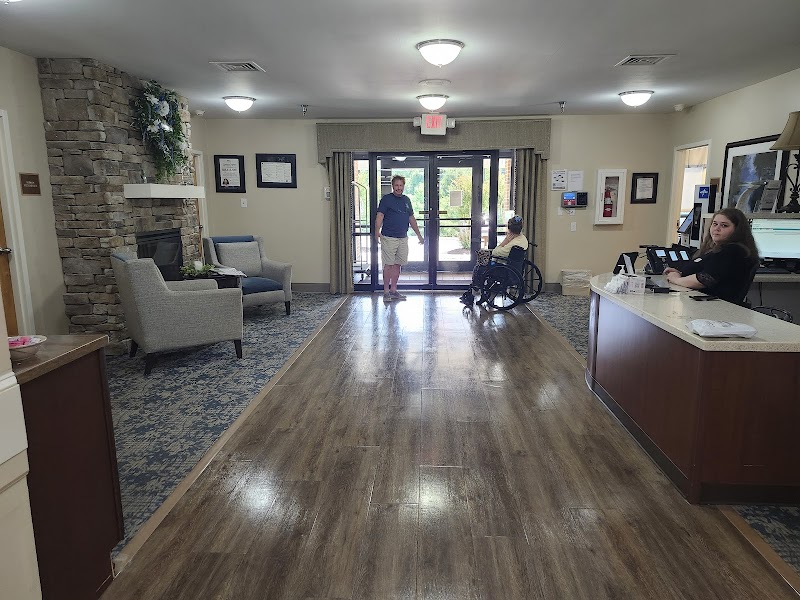
FRANKLIN HEALTH AND REHABILITATION CENTER is owned by a for-profit company. For-profit facilities operate as businesses with obligations to shareholders or private owners. The facility is operated by LIFEWORKS REHAB, a chain that manages multiple nursing homes. With 120 certified beds and approximately 110 residents (about 92% occupancy), it is a mid-sized facility located in ROCKY MOUNT, Virginia.
How Does Franklin Center Compare to Other Virginia Nursing Homes?

Compared to the 100 nursing homes in Virginia, FRANKLIN HEALTH AND REHABILITATION CENTER's overall rating (4 stars) is above the state average of 3.0, staff turnover (47%) is near the state average of 46%, and health inspection rating (4 stars) is above the national benchmark.

What Should Families Ask When Visiting Franklin Center?

Based on this facility's data, families visiting should ask: "Can you walk me through typical staffing levels on day, evening, and night shifts?" "Can I visit during a mealtime to observe dining assistance and food quality?" "How do you handle medical emergencies, and what is your hospital transfer rate?" "Can I speak with family members of current residents about their experience?" These questions are particularly relevant given the below-average staffing rating.

Is Franklin Center Safe?

Based on CMS inspection data, FRANKLIN HEALTH AND REHABILITATION CENTER has a clean safety record: no substantiated abuse findings (meaning no confirmed cases of resident harm), no Immediate Jeopardy citations (the most serious violation level indicating risk of serious injury or death), and is not on the Special Focus Facility watch list (a federal program monitoring the lowest-performing 1% of nursing homes). The facility has a 4-star overall rating and ranks #1 of 100 nursing homes in Virginia. While no facility is perfect, families should still ask about staff-to-resident ratios and recent inspection results during their visit.

Do Nurses at Franklin Center Stick Around?

FRANKLIN HEALTH AND REHABILITATION CENTER has a staff turnover rate of 47%, which is about average for Virginia nursing homes (state average: 46%). Moderate turnover is common in nursing homes, but families should still ask about staff tenure and how the facility maintains care continuity when employees leave.

Was Franklin Center Ever Fined?

FRANKLIN HEALTH AND REHABILITATION CENTER has no federal fines on record. CMS issues fines when nursing homes fail to meet care standards or don't correct problems found during inspections. The absence of fines suggests the facility has either maintained compliance or corrected any issues before penalties were assessed. This is a positive indicator, though families should still review recent inspection reports for the full picture.

Is Franklin Center on Any Federal Watch List?

FRANKLIN HEALTH AND REHABILITATION CENTER is not on any federal watch list. The most significant is the Special Focus Facility (SFF) program, which identifies the bottom 1% of nursing homes nationally based on persistent, serious quality problems. Not being on this list means the facility has avoided the pattern of deficiencies that triggers enhanced federal oversight. This is a positive indicator, though families should still review the facility's inspection history directly.