RICHFIELD HEALTH CENTER - SALEM
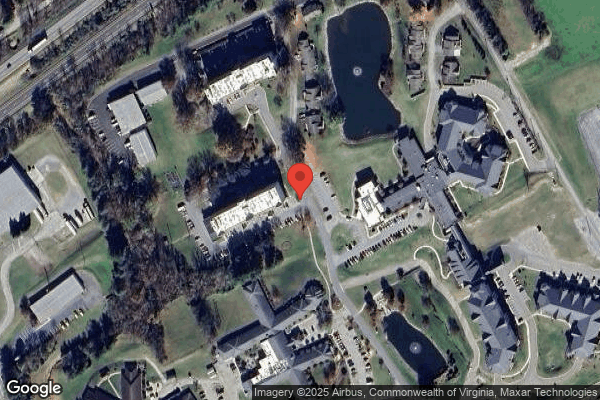
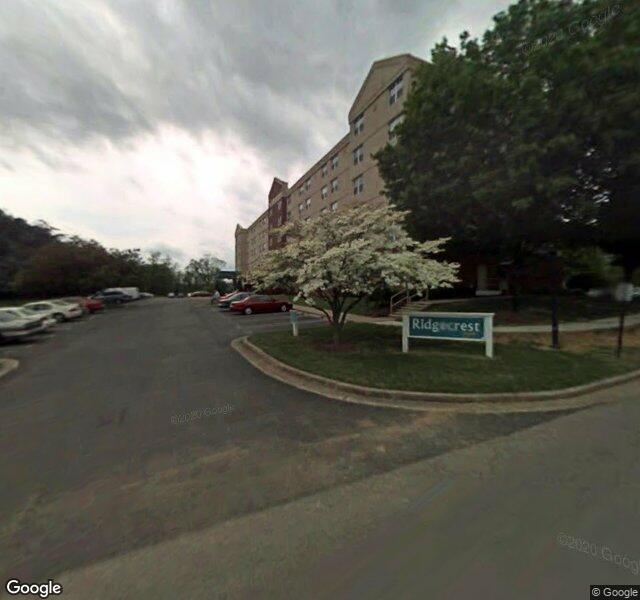
3719 KNOLLRIDGE ROAD, SALEM, VA 24153 (540) 380-4500
Non profit - Corporation 112 Beds Independent Data: November 2025
Trust Grade
45/100
#154 of 285 in VA
Last Inspection: May 2024

Within standard 12-15 month inspection cycle. Federal law requires annual inspections.

Overview

Richfield Health Center in Salem, Virginia has a Trust Grade of D, indicating below-average care with some notable concerns. They rank #154 out of 285 facilities in the state, placing them in the bottom half, and #2 out of 3 in Salem City County, meaning only one local option is better. The facility's trend is worsening, with the number of issues reported increasing from 7 in 2023 to 14 in 2024. Staffing is a concern, as they have a turnover rate of 62%, which is significantly higher than the Virginia average of 48%. Additionally, the facility has accumulated $28,329 in fines, which is higher than 87% of facilities in Virginia, highlighting ongoing compliance issues. On a positive note, the overall star rating is average at 3/5, but RN coverage is concerning as it is lower than 77% of state facilities, which can impact the quality of care. Specific incidents include a serious medication error where a resident did not receive their diabetic medication as prescribed, leading to a hospital transfer. There were also concerns about failing to conduct proper background checks for new hires and neglecting nail care for a resident who required assistance. While there are some strengths, families should weigh these serious issues carefully when considering this facility.

Trust Score
D
45/100
In Virginia
#154/285
Bottom 46%
Safety Record
Moderate
Needs review
Inspections
Getting Worse
7 → 14 violations
Staff Stability
⚠ Watch
62% turnover. Above average. Higher turnover means staff may not know residents' routines.
Penalties
✓ Good
$28,329 in fines. Lower than most Virginia facilities. Relatively clean record.
Skilled Nurses
⚠ Watch
Each resident gets only 28 minutes of Registered Nurse (RN) attention daily — below average for Virginia. Fewer RN minutes means fewer trained eyes watching for problems.
Violations
⚠ Watch
31 deficiencies on record. Higher than average. Multiple issues found across inspections.
★★★☆☆
3.0
Overall Rating
★★★☆☆
3.0
Staff Levels
★★★☆☆
3.0
Care Quality
★★★☆☆
3.0
Inspection Score
Stable
2023: 7 issues
2024: 14 issues

The Good

  • Full Sprinkler Coverage · Fire safety systems throughout facility
  • No fines on record

Facility shows strength in fire safety.

The Bad

3-Star Overall Rating

Near Virginia average (3.0)

Meets federal standards, typical of most facilities

Staff Turnover: 62%

16pts above Virginia avg (46%)

Frequent staff changes - ask about care continuity

Federal Fines: $28,329

Below median ($33,413)

Moderate penalties - review what triggered them

Staff turnover is elevated (62%)

14 points above Virginia average of 48%

The Ugly 31 deficiencies on record

1 actual harm
Dec 2024 4 deficiencies 1 Harm
SERIOUS (G) 📢 Someone Reported This

A family member, employee, or ombudsman was alarmed enough to file a formal complaint

Actual Harm - a resident was hurt due to facility failures

Deficiency F0760 (Tag F0760)

A resident was harmed · This affected 1 resident

Based on interviews, clinical record review, and facility document review, the facility staff failed to prevent significant medication errors for one (1) of five (5) sampled residents (Resident #1). T...

Read full inspector narrative →
Based on interviews, clinical record review, and facility document review, the facility staff failed to prevent significant medication errors for one (1) of five (5) sampled residents (Resident #1). The findings included: The facility staff failed to administer Resident #1's diabetic medication according to the medical provider's orders. This resulted in the need to administer an injectable medication to increase Resident #1's blood sugar on the morning of 5/16/24, with a subsequent transfer to a local emergency department. Resident #1's Minimum Data Set (MDS) assessment, with an Assessment Reference Date (ARD) of 5/8/24, was signed as completed on 5/15/24. Resident #1 was assessed as being able to be understood, and as able to understand others. Resident #1's Brief Interview for Mental Status (BIMS) summary score was documented as a 13 out of 15; this indicated intact or borderline cognition. Resident #1's diagnoses included Type 2 Diabetes Mellitus, and Congestive Heart Failure. Resident #1's clinical record included an order, for the dates 5/7/24 - 5/16/24, for Tresiba 30 units to be administered at bedtime, with instructions to hold this medication if the resident's finger stick blood sugar (FSBS) is less than 200. (Tresiba is a long-acting insulin used to manage blood sugar levels.) The Director of Nursing confirmed that Tresiba 30 units were administered on 5/12/24, 5/14/24, and 5/15/24 when it should have been held due to the resident's FSBS being less than 200. Resident #1's clinical record included the following information: - The 5/12/24 bedtime dose of Tresiba was documented as being administered at 9:12 p.m.; Resident #1's blood sugar was documented as 141 on 5/12/24 at 9:12 p.m. - The 5/14/24 bedtime dose of Tresiba was documented as being administered at 11:35 p.m.; Resident #1's blood sugar was documented as 129 on 5/14/24 at 11:34 p.m. - The 5/15/24 bedtime dose of Tresiba was documented as being administered at 9:00 p.m.; Resident #1's blood sugar was documented as 111 on 5/15/24 at 9:06 p.m. (The Director of Nursing confirmed the 9:06 p.m. FSBS results would have been used to guide administration of the 9:00 p.m. administration of Tresiba.) A nurse's note, dated 5/16/24 at 8:25 a.m., indicated Resident #1 was discovered in bed unresponsive with minimal amounts of blood coming out of (the resident's) mouth. Resident #1 was assessed as having a finger stick blood sugar of 39. This note indicated that injectable Glucagon was administered. Resident #1 was sent to a local emergency department. (Glucagon is an injectable medication used to treat low blood sugar levels.) Resident #1's clinical record included an Emergency Provider Report dated 5/16/24. This document indicated Resident #1 was sent to the emergency department on the morning of 5/16/24 due to a low blood sugar level. Upon Resident #1's arrival at the emergency department, the resident was alert and oriented with a blood sugar level of 71 gm/dL. Resident #1 was discharged from the emergency department with orders to decrease the medication (Tresiba) from 30 units at bedtime to 15 units at bedtime. Resident #1's clinical record included an order, for the dates 5/16/24 - 6/4/24, for Tresiba 15 units to be administered at bedtime with instructions to hold this medication if the resident's finger stick blood sugar (FSBS) is less than 200. The Director of Nursing confirmed the Tresiba 15 units was administered on 5/31/24 when it should have been held due to the resident's FSBS being less than 200. Resident #1's clinical record included the following information: - The 5/31/24 bedtime dose of Tresiba was documented as being administered at 8:03 p.m.; Resident #1's blood sugar was documented as 121 on 5/31/24 at 8:01 p.m. This medication was administered when it should have been held. The following information was found in a facility policy titled Medication and Treatment Administration (dated 11/2015): - PURPOSE: To ensure all medications and treatments are administered to each resident according to the correct dose, route and times as ordered by the provider. - All medications and treatments are prepared and administered by a Registered Nurse or Licensed Practical Nurse per their practice acts. - The licensed nurse is responsible for preparing, administering and recording all medications and treatments. The licensed nurse must assume total responsibility for preparing, administering, and documenting the medications/treatments which he/she gives. On 12/5/24 at 11:46 a.m., the surveyor met with the facility's Administrator and Director of Nursing (DON). During this meeting, the surveyor discussed the facility staff members incorrectly administering Resident #1's Tresiba (on 5/12/24, 5/14/24, 5/15/24, and 5/31/24) when it should have been held due to the resident's blood sugar level at the time of administration.
CONCERN (D) 📢 Someone Reported This

A family member, employee, or ombudsman was alarmed enough to file a formal complaint

Potential for Harm - no one hurt, but risky conditions existed

Deficiency F0658 (Tag F0658)

Could have caused harm · This affected 1 resident

Based on interviews, clinical record review, and facility document review, the facility staff failed to follow professional standards of practice related to assessing a resident's change in condition ...

Read full inspector narrative →
Based on interviews, clinical record review, and facility document review, the facility staff failed to follow professional standards of practice related to assessing a resident's change in condition for one (1) of five (5) sampled residents (Resident #1). The findings include: The facility staff failed to ensure Resident #1 had assessments, including reassessments, completed and/or documented according to professional standards of practice. Resident #1's Minimum Data Set (MDS) assessment, with an Assessment Reference Date (ARD) of 5/8/24, was signed as completed on 5/15/24. Resident #1 was assessed as able to make self understood and as able to understand others. Resident #1's Brief Interview for Mental Status (BIMS) summary score was documented as a 13 out of 15; this indicated intact or borderline cognition. Resident #1 had a change in condition which resulted in the need to obtain medical provider orders for oxygen via a nasal cannula for oxygen saturation levels less than 90% on 6/12/24 at 7:48 p.m. Resident #1's condition also resulted in the nurse obtaining an order for a chest x-ray on 6/12/24 at 10:15 p.m. (The chest x-ray order included the following wording: . x-ray (related to) increased (shortness of breath) and increased fluid .) The nurse failed to complete and/or document an assessment to address the resident's condition resulting in the need for these orders. The nurse failed to document contacting the medical provider to obtain the orders. On 12/4/24 at 11:25, the Director of Nursing (DON) reported the nurse should have documented a progress note when receiving medical provider orders. Resident #1's clinical record included a note documented by Respiratory Therapist (RT) #1, dated 6/13/24 at 12:04 p.m., which stated the resident's oxygen saturation level dropped to 80's [sic] during therapy. Assessed (the resident) while at rest, SPO2 81%. Placed on 3 lpm (three liter per minute) O2 (oxygen) and alerted nursing. No documentation was found to detail the resident's vital signs and/or lung sounds. No documentation was found to identify which nursing staff member had been notified. No documentation was found of a reassessment of the resident's condition after the application of the oxygen. On 12/3/24 at 4:16 p.m., the surveyor interviewed RT #1 about Resident #1's care on 6/13/24. RT #1 reported they were unable to remember Resident #1. RT #1 stated they did not recall which nursing staff member was notified in the aforementioned note; RT #1 reported they had not been told to document the name of the individual to whom they provide information about resident changes. RT #1 reported respiratory assessment includes: oxygen saturation level, heart rate, use of accessory muscles, lung sounds, and work of breathing. The following information was found in a facility policy titled NURSING DOCUMENTATION (dated 3/2016): - All observations, medications administered, services performed, etc., must be documented in the resident's clinical records. - Documentation should include the status of the identified problems until they are resolved. - WHAT TO CHART: . All injuries, illnesses and unusual health situations until they are resolved . - WHAT TO CHART: . Response to a medication or treatment . - WHAT TO CHART: . New symptoms or change in condition . The following information was found in a facility policy titled Change in Resident Condition or Status (dated 8/2008): All changes in the resident's medical condition must be properly recorded in the resident's medical record . On 12/5/24 at 11:46 a.m., the surveyor met with the facility's Administrator and Director of Nursing (DON). During this meeting, the surveyor discussed the failure of facility staff to follow professional standards of practice related to assessing and reassessing Resident #1's respiratory status.
CONCERN (D) 📢 Someone Reported This

A family member, employee, or ombudsman was alarmed enough to file a formal complaint

Potential for Harm - no one hurt, but risky conditions existed

Laboratory Services (Tag F0770)

Could have caused harm · This affected 1 resident

Based on interviews, clinical record review, and facility document review, the facility staff failed to obtain medical provider ordered laboratory tests for one (1) of five (5) sampled residents (Resi...

Read full inspector narrative →
Based on interviews, clinical record review, and facility document review, the facility staff failed to obtain medical provider ordered laboratory tests for one (1) of five (5) sampled residents (Resident #1). The findings include: The facility staff failed to obtain Resident #1's medical provider ordered laboratory blood test. Resident #1's Minimum Data Set (MDS) assessment, with an Assessment Reference Date (ARD) of 5/8/24, was signed as completed on 5/15/24. Resident #1 was assessed as able to make self understood and as able to understand others. Resident #1's Brief Interview for Mental Status (BIMS) summary score was documented as a 13 out of 15; this indicated intact or borderline cognition. The following information was found in a facility policy titled Telephone Orders (dated 11/2020): Verbal telephone orders must be documented by the nurse receiving the order. The documentation occurs in two locations in the order entry field and in the resident's medical record under progress notes. Resident #1's clinical documentation included the following information, in a nursing progress note dated 5/13/24 at 5:53 p.m.: N.O. (new order) one-time dose of Bumex 2 mg now (5:00 p.m.). Bumex 2 mg daily (due to) (bilateral) edema in legs and arms. Obtain cbc and cmp [sic] on 5/24/24. Lymphatic drainage massage suggested COTA (certified occupational therapist assistant) made aware. Compression socks on during the day and off at night. (A complete blood count (CBC) and comprehensive metabolic panel (CMP) are laboratory blood tests.) The results of the 5/24/24 CBC and CMP test results were not found in Resident #1's clinical record. On 12/4/24 at 9:02 a.m., the Director of Nursing (DON) confirmed results for Resident #1's medical provider ordered CBC and CMP, for 5/24/24, was not found. On 12/5/24 at 11:46 a.m., the surveyor met with the facility's Administrator and Director of Nursing (DON). During this meeting, the failure of the facility staff to obtain Resident #1's laboratory blood tests ordered for 5/24/24 was discussed for a final time.
CONCERN (D) 📢 Someone Reported This

A family member, employee, or ombudsman was alarmed enough to file a formal complaint

Potential for Harm - no one hurt, but risky conditions existed

Deficiency F0825 (Tag F0825)

Could have caused harm · This affected 1 resident

Based on interviews, clinical record review, and facility document review, the facility staff failed to ensure prompt implementation of a medical provider order for rehabilitative services for one (1)...

Read full inspector narrative →
Based on interviews, clinical record review, and facility document review, the facility staff failed to ensure prompt implementation of a medical provider order for rehabilitative services for one (1) of five (5) sampled residents (Resident #1). The findings include: The facility staff failed to promptly implement a medical provider order for Resident #1 to be assessed for and/or receive lymphatic drainage massage. Resident #1's Minimum Data Set (MDS) assessment, with an Assessment Reference Date (ARD) of 5/8/24, was signed as completed on 5/15/24. Resident #1 was assessed as able to make self understood and as able to understand others. Resident #1's Brief Interview for Mental Status (BIMS) summary score was documented as a 13 out of 15; this indicated intact or borderline cognition. The following information was found in a facility policy titled Telephone Orders (dated 11/2020): Verbal telephone orders must be documented by the nurse receiving the order. The documentation occurs in two locations in the order entry field and in the resident's medical record under progress notes. Resident #1's clinical documentation included the following information, in a nursing progress note dated 5/13/24 at 5:53 p.m.: N.O. (new order) one-time dose of bumex 2 mg now (5:00 p.m.). Bumex 2 mg daily (due to) (bilateral) edema in legs and arms. Obtain cbc and cmp [sic] on 5/24/24. Lymphatic drainage massage suggested COTA (certified occupational therapist assistant) made aware. Compression socks on during the day and off at night. On 12/4/24 at 10:16 a.m., the Director of Therapy reported they could not find where therapy staff was notified of Resident #1's medical provider order related to lymphatic drainage massage. The Director of Therapy reported therapy staff became aware of the lymphatic drainage massage order during a care plan meeting on 5/23/24. On 12/4/24, the Director of Therapy provided the surveyor with: (a) documentation to show Resident #1 was assessed for lymphatic drainage massage on 5/24/24 and (b) documentation to show the first lymphatic drainage massage occurred on 5/29/24. On 12/5/24 at 11:46 a.m., the surveyor met with the facility's Administrator and Director of Nursing (DON). During this meeting, the delay in implementing Resident #1's medical provider ordered lymphatic drainage massage was discussed.
May 2024 10 deficiencies
CONCERN (D)

Potential for Harm - no one hurt, but risky conditions existed

Resident Rights (Tag F0550)

Could have caused harm · This affected 1 resident

Based on resident interview, staff interview, facility document review, facility staff failed to ensure the resident was treated with dignity related to toileting for 1 of 23 current residents in the ...

Read full inspector narrative →
Based on resident interview, staff interview, facility document review, facility staff failed to ensure the resident was treated with dignity related to toileting for 1 of 23 current residents in the survey sample (Resident #89). Resident #89 was admitted to the facility with diagnoses which included aftercare joint replacement, anemia, hypertension, anticoagulants, abnormal gait, and a history of pulmonary embolism. On the most recent Minimum Data Set assessment, the resident scored 15/15 on the brief interview for mental status and was assessed as without signs of delirium, psychosis, or behavior affecting care. During initial tour on 5/13/2024, Resident #89 complained that she was left on the toilet for 2 1/2 hours on 5/12/24. On 5/14/24, the surveyor received the call Alarm History for the resident's room from 5/12/24 at 12:00 AM through 5/13/24 at 12 AM. The log documented a call from the bed active from 10:21:01 through 12:21:41 (duration 120 minutes). The log documented 7 calls from the bathroom starting at 12:41:27 and ending 14:44:48 (duration in minutes 7.55, 9.33, 2.78, 18.52, 38.28, 39.07, and 6.68) indicating the resident had been in the bathroom for 122 minutes. The surveyor discussed the Alarm History with the director of nursing (DON), stating that it appeared the resident had been left in the bathroom for a significant amount of time. Nursing staff working on 5/13 reported that neither of the nurses or aids working that day had worked on 5/12. The surveyor reported the concern to the director of nursing (DON) and asked to contact the nurse responsible for the resident's care on 5/12/24. On 5/14, the DON supplied the nurse's contact information, however, the nurse was unable to make contact with the nurse for an interview. Activity of daily living notes documented the resident used the toilet 1 time during the day shift on 5/12/24. The administrator and DON were notified of the ongoing concern during a summary meeting on 5/14/2024.
CONCERN (D)

Potential for Harm - no one hurt, but risky conditions existed

Notification of Changes (Tag F0580)

Could have caused harm · This affected 1 resident

Based on staff interview, clinical record review, and facility document review, the facility staff failed to notify and consult with the medical provider following a significant weight loss for 1 of 2...

Read full inspector narrative →
Based on staff interview, clinical record review, and facility document review, the facility staff failed to notify and consult with the medical provider following a significant weight loss for 1 of 23 current sampled residents, Resident #69. The findings included: For Resident #69, the facility staff failed to notify and consult with the medical provider following a significant weight loss identified on 3/11/24. Resident #69's diagnosis list indicated diagnoses, which included, but not limited to Alzheimer's Disease, Convulsions, Parkinson's Disease, Lymphedema, Essential Hypertension, and Second-Degree Atrioventricular Block. The most recent minimum data set (MDS) with an assessment reference date (ARD) of 3/11/24 coded the resident as being severely impaired in cognitive skills for daily decision making with short-term and long-term memory problems. Resident #69 was coded as having had a significant weight loss without a physician-prescribed weight loss regimen. A review of Resident #69's weights revealed a weight of 160.6 on 3/01/24 and a weight of 148.6 on 3/11/24 revealing a 12-pound/7.47% loss in 10 days. The resident's most recent weight of 137.8 was obtained on 5/13/24. Surveyor reviewed Resident #69's clinical record and was unable to locate evidence of medical provider notification of the significant and sustained weight loss. Surveyor spoke with the Director of Nursing (DON) on 5/15/24 at 11:10 AM regarding Resident #69's significant weight loss. The DON was unable to provide evidence of medical provider notification of the weight loss. Surveyor requested and received the facility policy titled Weight Assessment and Intervention dated 10/2023 which read in part .3. Any significant weight changes since last weight assessment will be retaken for confirmation. If the weight is verified, nursing will notify the dietician and the physician/practitioner . On 5/15/24 at 3:15 PM, the survey team met with the Administrator and DON and discussed the concern of staff failing to notify the medical provider of Resident #69's significant weight loss. No further information regarding this concern was presented to the survey team prior to the exit conference on 5/15/24.
CONCERN (D)

Potential for Harm - no one hurt, but risky conditions existed

Deficiency F0582 (Tag F0582)

Could have caused harm · This affected 1 resident

Based on staff interview, clinical record review, and facility document review, the facility staff failed to provide a Skilled Nursing Facility (SNF) Advanced Beneficiary Notice of Non-coverage (ABN) ...

Read full inspector narrative →
Based on staff interview, clinical record review, and facility document review, the facility staff failed to provide a Skilled Nursing Facility (SNF) Advanced Beneficiary Notice of Non-coverage (ABN) notification for 1 of 3 residents selected for SNF Beneficiary Notification Review (BNR), Resident #69. The findings included: For Resident #69, the facility staff failed to provide a SNF ABN notification when the resident was discharged from Medicare Part A services with skilled benefit days remaining while continuing to reside in the facility. Resident #69's diagnosis list indicated diagnoses, which included, but not limited to Alzheimer's Disease, Convulsions, Parkinson's Disease, Lymphedema, Essential Hypertension, and Second-Degree Atrioventricular Block. The most recent minimum data set (MDS) with an assessment reference date (ARD) of 3/11/24 coded the resident as being severely impaired in cognitive skills for daily decision making with short-term and long-term memory problems. Resident #69's clinical record included a social services progress note dated 3/18/24 10:36 AM which read in part, SW [social worker] spoke with [name omitted]/POA [power of attorney] via phone. Explained Notice of Non-coverage and appeal rights. Made aware of effective date of 3-20-24 as date of skilled services ending and date financial liability to begin on 3-21-24. Informed that a request for an immediate appeal should be made as soon as possible, but no later than noon on the day before the effective date. Provided QIO [Quality Improvement Organization] Contact # [number omitted]. Confirmed that the representative understood all information explained. Last skilled day will be 3-20-24 and will be discharged on 3-21-24. A copy of the NOMNC [Notice of Medicare Non-Coverage] was mailed to [name omitted]. Surveyor requested to view notices that were provided to the resident's POA when discharged from Medicare Part A services. On 5/14/24 at 2:54 PM, the Administrator provided a copy of a NOMNC dated 3/18/24 and stated they could not locate an ABN notice for Resident #69. On 5/15/24 at 3:15 PM, the survey team met with the Administrator and Director of Nursing and discussed the concern of staff failing to issue Resident #69 a SNF ABN. No further information regarding this concern was presented to the survey team prior to the exit conference on 5/15/24.
CONCERN (D)

Potential for Harm - no one hurt, but risky conditions existed

Assessment Accuracy (Tag F0641)

Could have caused harm · This affected 1 resident

2. For Resident #102, the facility staff coded the resident as being discharged to a hospital when in fact the resident had been discharged home. Resident #102's diagnosis list indicated diagnoses, w...

Read full inspector narrative →
2. For Resident #102, the facility staff coded the resident as being discharged to a hospital when in fact the resident had been discharged home. Resident #102's diagnosis list indicated diagnoses, which included, but not limited to Wedge Compression Fracture of T11-T12 Vertebra, Syndrome of Inappropriate Secretion of Antidiuretic Hormone, Protein-Calorie Malnutrition, Cirrhosis of Liver, and Type 2 Diabetes Mellitus. The discharge minimum data set (MDS) with an assessment reference date (ARD) of 2/29/24 coded the resident as being discharged to a short-term general hospital. However, a 2/29/24 12:25 PM nursing progress note read in part Patient discharged home . Resident #102's clinical record also included a medical provider order dated 2/29/24 stating D/C [discontinue] all meds [medications] and tx [treatment] pt [patient] discharged home. On 5/15/24 at 10:19 AM, surveyor spoke with the MDS Nurse and requested they review the MDS coding related to the resident's discharge location. The MDS Nurse returned at 1:34 PM and provided documentation indicating the 2/29/24 discharge MDS had been corrected to indicate Resident #102 was discharged home. On 5/15/24 at 3:15 PM, the survey team met with the Administrator and Director of Nursing and discussed the concern of the inaccurate MDS coding for Resident #102. No further information regarding this concern was presented to the survey team prior to the exit conference on 5/15/24. Based on resident interview, staff interview, and clinical record review, the facility staff failed to accurately complete a minimum data set (MDS) assessment for 2 of 23 residents, Resident #65 and #102. The findings included: 1. The facility staff failed to accurately complete a quarterly MDS assessment. The facility staff failed to mark the resident self-catheterization (intermittent catheterization). Resident #65's diagnoses included, obstructive and reflux uropathy, chronic kidney disease, and diabetes. Section C (cognitive patterns) of Resident #65's quarterly MDS assessment with an assessment reference date (ARD) of 04/10/24 included a brief interview for mental status (BIMS) score of 15 out of a possible 15 points. Section H (bladder and bowel) was coded always continent of urine. The box beside of intermittent catheterization was left blank (unchecked). On 05/13/24 during initial tour Resident #65 stated they did their own catheterization and had been doing so for a while. Resident #65's clinical record included a provider order dated 05/25/23 that read Resident to self cath 4 times a day. On 05/14/24 at 8:45 a.m., during an interview with MDS Coordinator/Registered Nurse #1 this staff reviewed the MDS and confirmed catheterization was not marked on the MDS. On 05/14/24 at 4:00 p.m., during an end of the day meeting with the Administrator and Director of Nursing (DON) the inaccurate MDS was reviewed. No further information regarding this issue was provided to the survey team prior to the exit conference.
CONCERN (D)

Potential for Harm - no one hurt, but risky conditions existed

Comprehensive Care Plan (Tag F0656)

Could have caused harm · This affected 1 resident

Based on resident interview, staff interview, clinical record review, and facility document review, the facility staff failed to implement a comprehensive person-centered activity care plan to provide...

Read full inspector narrative →
Based on resident interview, staff interview, clinical record review, and facility document review, the facility staff failed to implement a comprehensive person-centered activity care plan to provide one-to-one activity programming for two (2) of 23 sampled residents (Resident #34 and Resident #26). The findings include: 1. For Resident #34 (R34) the facility staff failed to implement a comprehensive person-centered activity care plan to provide one-to-one activities in her room two times per week. R34's diagnosis list indicated diagnoses that included, but were not limited to, Dementia, Abnormal Posture, Hemiplegia and Hemiparesis, Aphasia following Cerebral Infarction (stroke), Cognitive Communication Deficit, Depression and Epilepsy. The most recent minimum data set (MDS) with an assessment reference date (ARD) of 02/17/24, coded the resident as having modified independence in cognitive skills for daily decision making with short and long-term memory problems. On 05/14/24 at 10:42 AM, surveyor interviewed R34 about activities and she conveyed activity staff do not do anything in her room with her. A review of the most recent comprehensive activity care plan dated 2/15/24, revealed, .enjoys independent activities in her room and does not prefer to get out of bed very often .will be encouraged to accept social and active one on one visits at least twice a week .Ensure frequent 1:1 visits to encourage participation in independent activities .Offer social one on one visits such .to help build rapport . The care plan revealed an initiated date of, 11/25/2015 and a revision date of, 9/5/2023 and no changes were identified for this Focus, Goal, or Interventions during these revisions. On 5/14/24 at 11:05 AM, surveyor interviewed Activity Director (AD) and asked what types of activities are provided for R34. AD stated R34 used to come to bingo, and he has been told she hasn't been feeling well and has not been attending bingo. AD stated she turns down supplies and he holds music twice a month, but she doesn't want to come to bingo now. Surveyor requested to see activity participation records for R34, and AD stated he has no documentation for any activities that he does, and he does not do activity participation records. AD was unable to provide evidence of one-on-one visits with R34. Surveyor requested and received a facility policy for care planning with no title, that revealed, The facility will develop a comprehensive care plan .which will include measurable objectives and timetables to meet the resident's .mental, and psychosocial needs .PROCEDURE: 1. The comprehensive plan of care .will be designed to: A. Address the needs, risks, strengths, and preferences of the resident . Surveyor also requested and received a facility policy titled, .Activities Program, that revealed, 4 .Activities are offered in several settings to include: (a) one-to-one programming .for residents who will not or cannot plan their own activity pursuits or residents needing specialized programming to enhance their overall quality of life .6 .staff must be assigned to assist with activity programming . This concern was discussed with the Administrator and DON (director of nursing) at the end of day meeting on 5/14/24 and at pre-exit meeting on 5/15/24. No further information was provided to the survey team prior to exit. 2. For resident #26 (R26) facility staff failed to implement a comprehensive person-centered activity care plan to ensure frequent one-to-one staff visits to encourage socialization. R26's diagnosis list indicated diagnoses that included, but were not limited to, Alzheimer's Disease, Vascular Dementia, Depression, Chronic Pain Syndrome, History of Falling, and Insomnia. The most recent minimum data set (MDS) with an assessment reference date (ARD) of 04/14/24, coded the resident as being severely cognitively impaired for making decisions with short and long-term memory problems. A review of the most recent comprehensive activity care plan dated 4/12/24, revealed, .At risk for activity participation related to: cognitive deficit .Will attend/participate in 1 activity a week .Ensure frequent 1:1 staff visits to encourage socialization . The care plan revealed an initiated date of, 8/16/2022 and a revision date of, 7/14/2023 and no changes were identified for this Focus, Goal, or Interventions during these revisions. On 5/14/24 at 11:05 AM, surveyor interviewed the Activity Director (AD) and asked what types of activities he provides for R26. AD stated due to her condition he usually tries to involve her in food-related programs. Surveyor asked what he does for one-to-one programming and lower-functioning programming/sensory programming and AD stated he does the best he can. Surveyor requested to see activity participation records for R26, and AD stated he has no documentation for any activities that he does, and he does not do activity participation records. AD was unable to provide evidence of one-on-one staff visits with R26. Surveyor requested and received a facility policy for care planning with no title, that revealed, The facility will develop a comprehensive care plan .which will include measurable objectives and timetables to meet the resident's .mental, and psychosocial needs .PROCEDURE: 1. The comprehensive plan of care .will be designed to: A. Address the needs, risks, strengths, and preferences of the resident . Surveyor also requested and received a facility policy titled, .Activities Program, that revealed, 4 .Activities are offered in several settings to include: (a) one-to-one programming .for residents who will not or cannot plan their own activity pursuits or residents needing specialized programming to enhance their overall quality of life .6 .staff must be assigned to assist with activity programming . This concern was discussed with the Administrator and DON at the end of day meeting on 5/14/24 and at the pre-exit meeting on 5/15/24. No further information was provided to the survey team prior to exit.
CONCERN (D)

Potential for Harm - no one hurt, but risky conditions existed

Deficiency F0657 (Tag F0657)

Could have caused harm · This affected 1 resident

Based on resident interview, staff interview, and clinical record review, the facility staff failed to review and revise the residents comprehensive care plan (CCP) for 1 of 23 current residents, Resi...

Read full inspector narrative →
Based on resident interview, staff interview, and clinical record review, the facility staff failed to review and revise the residents comprehensive care plan (CCP) for 1 of 23 current residents, Resident #65. The findings included: The facility staff failed to review and revise the residents CCP to include their prophylactic antibiotic and their self-catheterization. Resident #65's diagnoses included, obstructive and reflux uropathy, chronic kidney disease, and diabetes. Section C (cognitive patterns) of Resident #65's quarterly minimum data set (MDS) assessment with an assessment reference date (ARD) of 04/10/24 included a brief interview for mental status (BIMS) score of 15 out of a possible 15 points. Section H (bladder and bowel) was coded to indicate this resident was always continent of urine. The box beside of intermittent catheterization was left blank (unchecked). On 05/13/24 during initial tour Resident #65 stated they did their own catheterization and had been doing so for a while. Resident #65's clinical record included provider orders to self-cath 4 times a day (05/25/23) and for the prophylactic antibiotic Macrobid 100 mg 1 capsule one time a day every Monday, Wednesday, and Friday (06/23/23). During the clinical record review, the surveyor was unable to locate a care plan that included either of these areas. On 05/14/24 at 8:45 a.m., during an interview with MDS Coordinator/Registered Nurse #1 this staff reviewed the clinical record and confirmed there was not a care plan in place for these areas. During and end of the day meeting with the Administrator and Director of Nursing (DON) on 05/14/24 at 4:00 p.m. the issue with Resident #65's CCP was reviewed. On 05/15/24 at 9:00 a.m., the Administrator and DON provided the surveyor with a copy of a revised care plan that included the focus areas alteration in bladder elimination has an order that they may self-cath up to 4 times a day. Receives a prophylactic antibiotic for urinary tract infections. No further information regarding this issue was provided to the survey team prior to the exit conference.
CONCERN (D)

Potential for Harm - no one hurt, but risky conditions existed

Quality of Care (Tag F0684)

Could have caused harm · This affected 1 resident

Based on staff interview, clinical record review and facility document review the facility staff failed to follow physician's orders for the administration of medications for 2 of 23 residents, Reside...

Read full inspector narrative →
Based on staff interview, clinical record review and facility document review the facility staff failed to follow physician's orders for the administration of medications for 2 of 23 residents, Resident #93 and Resident #312. The findings included: 1. For Resident #93 the facility staff failed to administer the medications tramadol and gabapentin per the physician's order. Resident #93's face sheet listed diagnoses which included but not limited to pain in left hip and unspecified dementia. Resident #93's most recent minimum data set with an assessment reference date of 02/17/24 coded the resident as having both long- and short-term memory loss with severely impaired cognitive skills for daily decision making. Resident #93's comprehensive care plan was reviewed and contained care plans for . is at risk for altered levels of pain r/t (related to) a dx (diagnosis) of left hip and vertebrae fx (fracture). She has scheduled and prn (as needed) ordered. Resident #93's clinical record was reviewed and contained a physician's order summary which read in part, tramadol HCl Oral Tablet 50 mg (Tramadol HCl). Give 1 tablet by mouth four times a day for pain and Gabapentin capsule 100 mg. Give 1 capsule by mouth every 8 hours for neuropathy. Resident's clinical record also contained a physician's order which read in part, tramadol HCl 50 mg. Give 0.5 tablet by mouth two times a day for pain. Resident #93's electronic medication administration record (eMAR) for the months of March, April, and May 2024 were reviewed and contained entries as above. On 03/18/24, the entry for tramadol was coded 9 at 2 pm and blank at 8 pm. On 03/19/24, the tramadol was coded MU at 8 pm. On 04/05/24 the gabapentin was coded 5 at 2 pm. On 04/15/24 and 04/30/24 the tramadol was coded MU at 8 pm. On 05/04/24 the gabapentin was coded MU at 10 pm. On 05/05/24 the gabapentin was coded MU at 6 am and 9 at 10 pm. Chart coded 5 is equivalent to Hold/See Progress Note. Chart code 9 is equivalent to Other/See Nurses Notes Effective. Surveyor spoke with the director of nursing (DON) on 05/15/24 at 9:15 am, and asked DON what MU on the eMAR meant. DON stated, Medication unavailable. Resident #93's nurse's progress notes were reviewed and contained notes which read in part, 3/19/2024 21:32 tramadol HCl Oral Tablet 50 mg. Give 0.5 tablet by mouth two times a day for pain med on order, 4/5/2024 13:23 Gabapentin capsule 100 mg. Give 1 capsule by mouth every 8 hours for Neuropathy. On hold until arrival from pharmacy. MD notified, 4/15/2024 22:30 tramadol HCl Oral Tablet 50 mg. Give 1 tablet by mouth three times a day for pain no tramadol in narc box per nurse that report was taken from she reordered no pain noted at this time and MD was made aware, and 5/52024 21:50 Gabapentin capsule 100 mg. give 1 capsule by mouth every 8 hours for Neuropathy. Medication unavailable at this time. There was no note for 05/04/24. Surveyor spoke with registered nurse (RN) #3 on 05/14/24 at 11:30 am regarding unavailability of medications. RN #3 stated that if a medication is unavailable, they check the medication cart, then check to see if the medication is available in the facility Cubex (emergency medication supply). If not available in the Cubex, notify the pharmacy and call the physician. Surveyor requested a list of medications available in the facility Cubex. The medications tramadol 50 mg and gabapentin 100 mg were both listed as available. Surveyor requested and was provided with a facility policy entitled Ordering and Procuring Extra Doses (XD) of Medication which read in part, Policy: A nurse may be required to request an extra dose (XD) of medication for the following reasons: b. Missing dose. Procedure: 1. If a medication is not available in the 24 hour unit dose supply, the nurse will check the next day's bag (same resident and time pass) and remove the unit dose medication from the bag to administer. Document on the outside of the bag that medication was removed and by whom. Also document on the bag that an XD was ordered. 2. The nurse will fax the pharmacy indicating that an extra dose (XD) is required using the 'Extra Dose Request Order Form.' The concern of not following physician's orders for Resident #93 was discussed with the DON and administrator on 05/15/24 at 3:15 pm No further information was provided prior to exit. 2. For Resident #312 the facility staff failed to administer the medications diazepam and oxycodone per the physician's orders. Resident #312's face sheet listed diagnoses which included but not limited to anxiety disorder, long-term (current) use of opiate analgesic and chronic pain syndrome. Resident #312's most recent minimum data set with an assessment refer date of 05/07/24 assigned the resident a brief interview for mental status score of 8 out of 15 in section C, cognitive patterns. This indicates that the resident is moderately cognitively impaired. Resident #312 is a new admission; therefore, the comprehensive care plan has not been completed. Resident #312's clinical record was reviewed and contained a physician's order summary which read in part, diazepam Oral Tablet 5 mg (Diazepam). Give 2.5 mg every morning and at bedtime for anxiety and oxycodone HCl Oral Tablet 5 mg (Oxycodone HCl). Give 1 tablet by mouth every morning and at bedtime for pain management. Resident #312's electronic medication administration record (eMAR) for the month of May 2024 was reviewed and contained entries as above. The entry for diazepam was coded MU on 05/10/24 at 9 am and the entry for oxycodone was coded 9 on 05/11/24. Chart code 9 is the equivalent of Hold/See Nurses Note Effective. Surveyor spoke with the director of nursing (DON) on 05/15/24 at 9:15 am, and asked DON what MU on the eMAR meant. DON stated, Medication unavailable. Resident #312's nurse's progress notes were reviewed and contained notes which read in part, 5/10/2014 11:36 diazepam Oral Tablet 5 mg. Give 2.5 mg every morning and at bedtime for anxiety. Medication unavailable in stat box. This nurse does not have access to the Omnicell (emergency medication supply). New prescriptions requested by this nurse to be sent in by . (name omitted) NP (nurse practitioner) and 5/11/2024 12:27 oxycodone HCl Oral Tablet 5mg. Give 2.5 mg every morning and at bedtime for pain management. Medication is not available, MD is aware. Surveyor spoke with registered nurse (RN) #3 on 05/14/24 at 11:30 am regarding unavailability of medications. RN #3 stated that if a medication is unavailable, they check the medication cart, then check to see if the medication is available in the facility Cubex (emergency medication supply). If not available in the Cubex, notify the pharmacy and call the physician. Surveyor requested a list of medications available in the facility Cubex. The medications diazepam 5 mg and oxycodone mg were both listed as available. Surveyor requested and was provided with a facility policy entitled Ordering and Procuring Extra Doses (XD) of Medication which read in part, Policy: A nurse may be required to request an extra dose (XD) of medication for the following reasons: b. Missing dose. Procedure: 1. If a medication is not available in the 24-hour unit dose supply, the nurse will check the next day's bag (same resident and time pass) and remove the unit dose medication from the bag to administer. Document on the outside of the bag that medication was removed and by whom. Also document on the bag that an XD was ordered. 2. The nurse will fax the pharmacy indicating that an extra dose (XD) is required using the 'Extra Dose Request Order Form.' The concern of not following physician's orders for Resident #312 was discussed with the DON and administrator on 05/15/24 at 3:15 pm No further information was provided prior to exit.
CONCERN (D)

Potential for Harm - no one hurt, but risky conditions existed

Drug Regimen Review (Tag F0756)

Could have caused harm · This affected 1 resident

2. For Resident #26, the facility staff failed to provide evidence of the 1/25/24 and 3/19/24 drug regimen reviews being reported to and acted upon by the medical provider. Resident #26's diagnosis li...

Read full inspector narrative →
2. For Resident #26, the facility staff failed to provide evidence of the 1/25/24 and 3/19/24 drug regimen reviews being reported to and acted upon by the medical provider. Resident #26's diagnosis list indicated diagnoses, which included, but not limited to Alzheimer's Disease, Vascular Dementia, CHF (congestive heart failure), Depression, History of Falling and CKD (chronic kidney disease) Stage 2 (two) Mild. Section C (cognitive patterns) of Resident #26's most recent minimum data set (MDS) with an assessment reference date (ARD) of 4/14/24, coded the resident as being rarely/never understood with short/long-term memory problems and indicated the resident was severely cognitively impaired and never/rarely making decisions. A review of the Resident #26's clinical record revealed progress notes which indicated drug regimen reviews were completed on 1/25/24 and 3/19/24, each with recommendations. Surveyor was unable to locate the recommendation reports in the resident's clinical record. On 5/15/24, surveyor requested and received the drug regimen review recommendation reports completed by the pharmacist on 1/25/24 and 3/19/24 from the Director of Nursing (DON). The 1/25/24 Note to Attending Physician/Prescriber read in part .Resident has an order for Abilify 2 (two) mg (milligrams) BID (two times per day). This medication is intended to be dosed QD (once a day). Please evaluate for possible QD dosing . The 1/25/24 Note to Attending Physician/Prescriber report had not been signed by the medical provider indicating review and the boxes that read .agree, disagree, or other . were all unchecked. A review of the physician's orders included the following order dated 1/16/24, Abilify Oral Tablet 2 mg (Aripiprazole) Give 1 (one) tablet by mouth two times a day for mood disorder . A new physician's order dated 5/2/24, revealed, Abilify Oral Tablet 2 mg (Aripiprazole) Give 2 tablet by mouth one time a day for mood disorder . The pharmacy recommendation dated 03/19/24 requesting the provider to consider a gradual dose reduction (GDR) of the medications Sertraline and Mirtazapine, had not been signed by the medical provider indicating review and the boxes that read .agree, disagree, or other . were all unchecked. On 5/15/24 at 10:58 AM, the survey team met with the Administrator and DON, and discussed the concern of staff failing to address Resident #26's January and March drug regimen reviews. Surveyor requested but did not receive the facility policy for Medication Drug Regimen Review, as the DON stated she was not sure if there was a policy, and if there was, she was unable to locate it. No further information regarding this concern was presented to the survey team prior to the exit conference on 5/15/24. Based on staff interview and clinical record review, the facility staff failed to follow up on pharmacy recommendations for 2 of 5 residents chosen for the unnecessary medication task, Residents #7 and #26. The findings included: 1. For Resident #7, the facility staff did not follow up on a pharmacy recommendation dated 03/20/24 until 05/02/24. Resident #7's diagnoses included, but were not limited to, insomnia and major depressive disorder. Section C (cognitive patterns) of Resident #7's quarterly minimum data set (MDS) assessment with an assessment reference date (ARD) of 03/15/24 included a brief interview for mental status summary score of 13 out of a possible 15 points. On 03/20/24 the pharmacist documented Monthly medication regimen and chart review. Please see pharmacist report for recommendation. The surveyor was unable to find this recommendation in the clinical record. On 05/14/24 at 4:00 p.m., during an end of the day meeting with the Administrator and Director of Nursing (DON) the missing pharmacy recommendation was reviewed. On 05/15/24, the DON provided the surveyor with a copy of a pharmacy recommendation dated 03/20/24 requesting the provider to consider a gradual dose reduction (GDR) of the medications Ramelteon and Buspar. This recommendation was unsigned and the boxes that read agree, disagree, or other were all unchecked. The clinical record included the following provider orders Ramelteon 8 mg 1 tablet by mouth at bedtime for insomnia date of order 08/17/23 and Buspirone (Buspar) 15 mg 1 tablet by mouth three times a day for depression date of order 07/16/23. The clinical record also included a progress note documented by the Nurse Practitioner on 05/02/24 that read GDR for ramelteon and buspar not recommended at this time. Current regimen is necessary to maintain the residents function. Indicating the recommendation was not followed up on from 03/20/24 until 05/02/24. The medication Ramelteon was discontinued by the provider on 05/15/24. No further information regarding this issue was provided to the survey team prior to the exit conference.
CONCERN (D)

Potential for Harm - no one hurt, but risky conditions existed

Medical Records (Tag F0842)

Could have caused harm · This affected 1 resident

Based on staff interview, clinical record review and facility document review the facility staff failed to ensure a complete and accurate clinical record for 1 of 23 residents, Resident #93. The findi...

Read full inspector narrative →
Based on staff interview, clinical record review and facility document review the facility staff failed to ensure a complete and accurate clinical record for 1 of 23 residents, Resident #93. The findings included: 1. For Resident #93 the facility staff failed to ensure the electronic medication administration record (eMAR) and electronic treatment administration record (eTAR) were complete. Resident #93's face sheet listed diagnoses which included but not limited to pain in left hip and unspecified dementia. Resident #93's most recent minimum data set with an assessment reference date of 02/17/24 coded the resident as having both long- and short-term memory loss with severely impaired cognitive skills for daily decision making. Resident #93's comprehensive care plan was reviewed and contained care plans for . is at risk for altered levels of pain r/t (related to) a dx (diagnosis) of left hip and vertebrae fx (fracture). She has scheduled and prn (as needed) ordered, . has the potential for/impaired skin integrity r/t recent hip fx with limited mobility, dementia and overall weakness. Stage 3- POA- wound vac in place- see MAR/TAR, and . is at risk for nutritional decline 2' (secondary to) hx (history) dysphagia, needs modified diet. She has increased nutrient needs 2' wounds/wound healing. Hx hip fx, dementia, CKD (chronic kidney disease). She has had significant wt (weight) loss and wt gain. Resident #93's clinical record was reviewed and contained a physician's order summary which read in part, Geri sleeves as tolerated to BUE (bilateral upper extremities), heel protectors on while in bed, group 2 mattress check for function, wound vac to sacrum continuously @ 125mmhg every shift for wound care, House Supplement 2 ounces three times a day for supplement, Pro-Stat Oral Liquid (Amino Acids-Protein Hydrolysate). Give 30 ml by mouth two times a day for wound healing, and Tylenol Oral Tablet 325 mg (Acetaminophen). Give 2 tablet by mouth four times a day for pain. Resident #93's eMAR for the month of March 2024 was reviewed and contained entries for House Supplement, Pro-Stat, and Tylenol. These entries were blank on 03/03/24 at 5 pm. Resident #93's eTAR for the month of May 2024 was reviewed and contained entries for geri sleeves, check mattress, heel protectors, and wound vac. These entries were blank on 05/05/24 on evening shift. Surveyor requested and was provided with a facility policy entitled Nursing Documentation which read in part, Purpose: 1. To substantiate daily care, communicate the resident's needs and care received. Procedure: 1. All observations, medications administered, services performed, etc., must be documented in the resident's clinical records. The concern of leaving blanks on the resident's eMAR/eTAR was discussed with the administrator and director of nursing on 05/15/24 at 3:15 pm. No further information was provided prior to exit.
CONCERN (D)

Potential for Harm - no one hurt, but risky conditions existed

Deficiency F0883 (Tag F0883)

Could have caused harm · This affected 1 resident

Based on staff interview, clinical record review, and facility document review, the facility staff failed to offer a pneumococcal vaccine in accordance with nationally recognized standards for 1 of 5 ...

Read full inspector narrative →
Based on staff interview, clinical record review, and facility document review, the facility staff failed to offer a pneumococcal vaccine in accordance with nationally recognized standards for 1 of 5 sampled residents reviewed for immunizations, Resident #99. The findings included: For Resident #99, the facility staff failed to offer the resident a pneumococcal conjugate vaccine 15 (PCV15) or a pneumococcal conjugate vaccine 20 (PCV20) following admission to the facility. A review of the Centers for Disease Control and Prevention (CDC) guideline titled, Pneumococcal Vaccination: Summary of Who and When to Vaccinate last reviewed 9/22/23 read in part that adults 65 years or older that have never received any pneumococcal vaccine should receive one dose of PCV15 or PCV20. Resident #99's diagnosis list indicated diagnoses, which included, but not limited to Metabolic Encephalopathy, Traumatic Subdural Hemorrhage, Dementia, Acute Kidney Failure, and Atrial Fibrillation. The most recent minimum data set (MDS) with an assessment reference date (ARD) of 4/14/24 assigned the resident a brief interview for mental status (BIMS) summary score of 6 out of 15 indicating the resident was severely cognitively impaired. Resident #99 was over the age of 65 years when admitted to the facility. Resident #99's clinical record included their Virginia Immunization Information System (VIIS) Record dated 4/20/24. According to this record, Resident #99 had not received a pneumococcal vaccine prior to admission to the facility. Surveyor reviewed the resident's clinical record and was unable to locate evidence of Resident #99 being offered a PCV15 or a PCV20 following admission to the facility. On 5/15/24 at 1:00 PM, surveyor spoke with the Director of Nursing/Infection Preventionist (DON) regarding Resident #99's pneumococcal vaccine history. DON was unable to provide evidence of the resident being offered a pneumococcal vaccine following admission to the facility. Surveyor requested and received the facility policy titled, Influenza/Pneumococcal/COVID-19 Immunization and Education which read in part, Purpose: To provide a means for the facility to track .pneumococcal immunization administration and education ensuring all eligible residents receive immunization as recommended by the Center for Disease Control .1. Upon admission the resident or their responsible party will be provided the option for the resident to receive the .pneumococcal .immunization .10. Persons sixty-five (65) years of age and older who have not received the pneumococcal vaccine is [sic] the past five (5) years should receive another dose of vaccine . On 5/15/24 at 3:15 PM, the survey team met with the Administrator and DON and discussed the concern of the facility staff failing to offer Resident #99 a pneumococcal vaccine following admission. No further information regarding this concern was presented to the survey team prior to the exit conference on 5/15/24.
Feb 2023 7 deficiencies
CONCERN (D)

Potential for Harm - no one hurt, but risky conditions existed

Safe Environment (Tag F0584)

Could have caused harm · This affected 1 resident

2. For resident #8 the facility failed to maintain a clean and sanitary wheelchair. Resident #8's diagnosis list includes but is not limited to, dementia, dysphagia, heart failure, hypertension and ch...

Read full inspector narrative →
2. For resident #8 the facility failed to maintain a clean and sanitary wheelchair. Resident #8's diagnosis list includes but is not limited to, dementia, dysphagia, heart failure, hypertension and chronic obstructive pulmonary disease. Resident #8's most recent Minimum Data Set (MDS) with an Assessment Reference Date (ARD) of 1/16/23 indicates under Section C., Cognitive Patterns, that resident is rarely to never understood, that they have impaired long and short-term memory, and decision making is severely impaired. In Section G., Functional Status, the resident is coded as needing extensive physical assistance of one person for personal hygiene. On 2/6/23 at 3:11 P.M. Surveyor observed resident lying in her bed with wheelchair at bedside. Wheelchair was dirty, heavily soiled with food particles and other debris on the footrests, frame, support bars, seat cushion, and back support had dried brown matter smeared on it. 2/7/23 at 9:10 A.M. Surveyor observed resident still in bed. Wheelchair was dirty with food particles caked on frame and foot pedals as well as brown material on the back rest of the chair. 2/7/23 2:56 P.M. Surveyor asked the Director of Nursing (DON) to look at resident #8's chair. Resident was up in the chair seated in the day room. Chair remained heavily soiled with debris. Surveyor requested the policy for wheelchair cleaning. DON stated that chairs are cleaned on an as needed basis. 2/7/23 4:05 P.M. during the end of day meeting with the Administrator and DON, surveyor reviewed concerns with wheelchairs. Surveyor asked for a policy for cleaning wheelchairs and DON stated that the wheelchairs are already clean, I let them know how nasty they were, and they are already clean. Chair observed to be clean 2/8/23 at 8:05 A.M. 2/8/23 at 8:08 A.M. surveyor interviewed C.N.A.#3 about the process for cleaning chairs, they replied, Let me check and get back to you. 2/8/23 8:16:23 Surveyor Interviewed Licensed Practical Nurse (L.P.N.) #2, about the policy for cleaning wheelchairs. They stated, usually, I'm not 100% sure, but it's done on night shift because residents don't need their chairs at night. I'm not sure of the schedule or anything. 2/8/23 9:45 A.M. Surveyor received a copy of the policy entitled, Cleaning and Disinfecting of Wheelchairs/Power Chairs with an effective date of 1/21/23, which read in part, Staff are to monitor the cleanliness of resident's wheelchairs/power chairs. Staff are to ensure they clean wheelchairs twice a year and as needed if a wheelchair/power chair becomes dirty. 2/8/23 at 3:05 P.M. during end of day meeting surveyor again reviewed concerns regarding resident's wheelchair with DON and Administrator. No further information was received prior to exit. 3. For resident #50 the facility failed to maintain a clean and sanitary power chair. Resident #50's diagnosis list includes but is not limited to, Cerebral Vascular Accident (CVA) with right sided hemiplegia, anxiety, depression, hypertension, and anemia. Resident #50's annual MDS with an ARD of 11/3022 is coded under Section C., Cognitive Patterns a BIMS score of 15 indicating resident is cognitively intact. In Section G., Functional Status resident is coded as 8/8 for walking meaning this activity did not occur, and under locomotion on and off the unit, resident is coded as independent. On 2/6/23 at 2:45 P.M. and during initial tour, surveyor observed resident #50 sitting in power chair that was soiled with dust, and food debris that was caked on bilateral foot pedals. Surveyor asked resident if they knew how often chair was cleaned and they stated, twice a year. Surveyor asked if it had been a while since the last time and they stated that it had, and I can't even remember when the last time was. 2/7/23 2:56 P.M. Surveyor asked the Director of Nursing (DON) to look at resident #50's chair. Resident was up in the chair seated in the day room. Chair remained soiled with debris. Surveyor requested the policy for wheelchair cleaning. DON stated that chairs are cleaned on an as needed basis. 2/7/23 4:05 P.M. during the end of day meeting with the Administrator and DON, surveyor reviewed concerns with resident #50's power chair. Surveyor asked for a policy for cleaning wheelchairs and DON stated that the wheelchairs are already clean, I let them know how nasty they were, and they are already clean. Chair observed to be clean 2/8/23 at 8:05 A.M. 2/8/23 at 8:08 A.M. surveyor interviewed C.N.A.#3 about the process for cleaning chairs, they replied, Let me check and get back to you. 2/8/23 8:16:23 Surveyor Interviewed Licensed Practical Nurse (L.P.N.) #2, about the policy for cleaning wheelchairs/power chairs. They stated, usually, I'm not 100% sure, but it's done on night shift because residents don't need their chairs at night. I'm not sure of the schedule or anything. 2/8/23 9:45 A.M. Surveyor received a copy of the policy entitled, Cleaning and Disinfecting of Wheelchairs/Power Chairs with an effective date of 1/21/23, which read in part, Staff are to monitor the cleanliness of resident's wheelchairs/power chairs. Staff are to ensure they clean wheelchairs twice a year and as needed if a wheelchair/power chair becomes dirty. 2/8/23 at 3:05 P.M. during end of day meeting surveyor again reviewed concerns regarding resident's wheelchair with DON and Administrator. No further information was received prior to exit. Based on observation, family interview, staff interview and facility policy review the facility failed to ensure a clean, comfortable, and homelike environment as for 3 of 23 Residents (Resident #26, #8, and #50). The findings included: 1. For Resident #26, facility staff failed to clean the wheelchair the resident used when it was visibly soiled. Resident #26 was admitted to the facility with diagnoses that included paranoid schizophrenia, metabolic encephalopathy, dementia, congestive heart failure, pain, osteoarthritis, hypertension, depression, and a history of falls. On the minimum data set assessment with assessment reference date 1/10/2023, the resident scored 1/15 on the brief interview for mental status and was assessed as psychosis or behaviors affecting care. On 2/6/2023 at 2:30 PM, the surveyor interviewed the resident's family member concerning life in the facility. The family member stated that floors and the wheelchair were often dirty. The family member speculated staff appear to clean once per week. The surveyor observed the wheelchair had dried drips on arm and footrests and what looked like splashes on the frame and food in treads. There was also a powder on seat and behind back rest. The floors had some visible dirt and debris. On 2/7/2023 from 10 AM to 1 PM, the surveyor observed the resident in the wheelchair in the common area of the nursing unit. The resident was dressed in clean clothing and appeared well-groomed. The wheelchair had the same stains observed on 2/6/2023. The floors in the room appeared to have the same dirt and debris the surveyor saw the previous day. On 2/7/2023, the surveyor reported the concern with the cleanliness of the room and wheelchair during a summary meeting that included surveyors and the administrator and director of nursing. The facility policy titled Cleaning and Disinfection of Wheelchairs/Power chairs dated January 2021 under Policy /Procedure states: 1. Staff are to monitor the cleanliness of resident's wheelchairs/powerchairs. Staff are to ensure they clean wheelchairs twice a year and as needed if a wheelchair/power chair becomes dirty. On 2/8/2023, the resident's floor was clean. Physical therapy staff had assessed the resident's positioning in the chair and replaced the chair with one that better fit the resident's needs.
CONCERN (D)

Potential for Harm - no one hurt, but risky conditions existed

Deficiency F0657 (Tag F0657)

Could have caused harm · This affected 1 resident

2. For Resident #83, the facility staff failed to revise the comprehensive person-centered plan of care following discovery of a deep tissue injury (DTI) to the right heel. Resident #83's diagnosis l...

Read full inspector narrative →
2. For Resident #83, the facility staff failed to revise the comprehensive person-centered plan of care following discovery of a deep tissue injury (DTI) to the right heel. Resident #83's diagnosis list indicated diagnoses, which included, but not limited to fracture of T9-T10 Vertebra, Paroxysmal Atrial Fibrillation, Neuromuscular Dysfunction of Bladder, Hypertensive Heart Disease, Chronic Kidney Disease, and Pneumonia. The most recent admission minimum data set (MDS) with an assessment reference date (ARD) of 1/10/23 assigned the resident a brief interview for mental status (BIMS) summary score of 0 out of 15 indicating Resident #83 was severely cognitively impaired. A review of Resident #83's clinical record revealed a physician's order dated 2/03/23 to apply Betadine every day and evening shift to the left and right heels. Surveyor reviewed the resident's current comprehensive person-centered plan of care and was unable to locate documentation of any treatment needs to the right heel. On 2/07/23 at approximately 2:05 pm, surveyor spoke with the director of nursing (DON) regarding Resident #83's right heel. The DON stated the area to the right heel was acquired and discovered on the day of the treatment order, 2/03/23. Resident #83's clinical record included a late entry nursing progress note dated 2/07/23 for 2/03/23 stating in part Nurse came to writer stated that she noted a skin area to patients lateral right heel, after assessing area writer noted 1 x 1 DTI [deep tissue injury] area to lateral right heel. NP [nurse practitioner] and RP [responsible party] made aware and new order placed for betadine and applied'. On 2/08/23 at 1:28 pm, surveyor spoke with the MDS Coordinator who stated the area to Resident #83's right heel was new and should have been care planned on 2/03/23 and they are providing education to the nurses to update the plan of care when initiating treatment. Surveyor requested and received the facility policy entitled, Care Plans, Comprehensive Person-Centered which read in part .14. The interdisciplinary team must review and update the care plan: a. when there has been a significant change in the resident's condition . On 2/08/23 at 3:04 pm, surveyor met with the administrator and DON and discussed the concern of staff failing to revise Resident #83's comprehensive care plan to include a DTI to the right heel. No further information regarding this concern was presented to the survey team prior to the exit conference on 2/08/23. Based on observation, staff interview, clinical record review the facility staff failed to review and revise the comprehensive care plan for 2 of 26 residents, Resident #38 and Resident #83. The findings included: 1. For Resident #38 the facility staff failed to revise the care plan for COVID status. Resident #38's face sheet listed diagnoses which included but not limited to aphasia, type 2 diabetes mellitus, hypertension, depression and dementia. Resident #38's most recent minimum data set with an assessment reference date of 01/05/23 assigned the resident a brief interview for mental status score of 13 out of 15 in section C, cognitive patterns. This indicates the resident is cognitively intact. Resident #38's comprehensive care plan was reviewed and contained a care plan for . (Resident #38) is positive for COVID-19 This care plan was initiated on 12/29/2022. Goals for this care plan included . care and symptoms will be managed per CDC (Centers for Disease Control) guidelines and facility protocol This goal has a revision date of 01/31/2023. Resident #38's clinical record was reviewed and contained a physician's order summary which read in part Remain on droplet isolation every shift for monitoring for 5 days-start date 12/29/2022, end date-01/03/2023 and Remain droplet isolation every shift for monitoring until 01/09/2023-start date 01/02/2023, end date-01/09/2023 Surveyor observed Resident #38 on 02/06/23 at 2:20 pm. Resident was resting on bed with eyes closed. There was no signage indicating resident was on any type of contact precautions. Surveyor observed Resident #38 on 02/07/23 at 8:30 am. Resident was resting on bed. Surveyor asked resident is they had COVID-19, and resident replied that they did not, but had had it in the past. Surveyor spoke with the director of nursing (DON) on 02/08/23 at 8:50 am. Surveyor asked DON how often care plans were updated and DON stated that anytime there was a change in resident's status the care plan should be updated to reflect the change. Surveyor pointed out that Resident #38 was care planned for being COVID positive, and DON stated that should have been resolved and that they would take care of it immediately. DON provided surveyor with an updated care plan on 02/08/23 at 9:15 am. The concern on not revising Resident #38's care plan to reflect current status was discussed with the administrator and DON on 02/28/23 at 3:05 pm. No further information was provided prior to exit.
CONCERN (D)

Potential for Harm - no one hurt, but risky conditions existed

Deficiency F0757 (Tag F0757)

Could have caused harm · This affected 1 resident

Based on staff interview, and clinical record review the facility staff failed to ensure 1 of 23 residents was free of unnecessary medications (Resident #26). The findings included: Resident #26 was a...

Read full inspector narrative →
Based on staff interview, and clinical record review the facility staff failed to ensure 1 of 23 residents was free of unnecessary medications (Resident #26). The findings included: Resident #26 was admitted to the facility with diagnoses that included paranoid schizophrenia, metabolic encephalopathy, dementia, congestive heart failure, pain, osteoarthritis, hypertension, depression, and a history of falls. On the minimum data set assessment with assessment reference date 1/10/2023, the resident scored 1/15 on the brief interview for mental status and was assessed as psychosis or behaviors affecting care. The resident weighed 79 pounds. Resident #26 was chosen for medication regimen review. During clinical record review on 2/08/2023, the surveyor found monthly pharmacy reviews were conducted from admission. The recommendation dated 8/17/2022 contained several suggestions including: 5) remains on iron 325 mg every 48 hours for supplement. Non coated iron is very likely to cause GI disturbance /constipation/GI pain. Consider using Slow-FE as this is more gentle on the GI system. The family nurse practitioner (FNP) wrote change to Slow-FE of comparable dose on 8/18/2022. The October 2022 medication administration record (MAR) showed staff started administering Slow-FE Extended Release 142 (45 Fe) MG Ferrous Sulfate ER) Give 1 tablet by mouth every 48 hours for Supplement every other day on 8/19/22. Staff continued administering Ferrous Sulfate Tablet 325 (65 Fe) MG Give 1 tablet by mouth every 48 hours for Supplement. The resident then received iron supplements daily instead of every 48 hours from October 19/2022 through 2/8/23. A pharmacy recommendation dated 12/23/2022 stated Mid November [resident #26] started on alternating orders-Slow-Fe alternating days with regular iron 325 mg. As this is fairly atypical/ patients usually take one or the other just for simplicity and the Slow-Fe is kinder on the GI tract, consider using only one of these or note that it is appropriate as is. The FNP (not the one who wrote the 8/18/22 recommendation) accepted the recommendation on 12/29/22 and wrote an order to change to current dose of Slow-Fe daily and discontinue regular iron. The resident received Slow-Fe daily from 12/29 through the survey date of 2/8/2022. During a summary meeting on 2/8/2022 which included the administrator and director of nursing, the surveyor notified staff of the concern that the pharmacy recommendation was to replace the iron order with Slow FE rather than add another dose and that the physician and nurse practitioner had not intended to continue the order for regular iron when the order for Slow-Fe was written and that the physician and nurse practitioner had not intended to double the dose of iron the resident received.
CONCERN (D)

Potential for Harm - no one hurt, but risky conditions existed

Laboratory Services (Tag F0770)

Could have caused harm · This affected 1 resident

Based on staff interview, clinical record review, and facility document review, the facility staff failed to provide laboratory services to meet the needs of the resident for 1 of 23 residents in the ...

Read full inspector narrative →
Based on staff interview, clinical record review, and facility document review, the facility staff failed to provide laboratory services to meet the needs of the resident for 1 of 23 residents in the survey sample, Resident #83. The findings included: For Resident #83, the facility staff failed to obtain a urinalysis with reflex and a complete blood count (CBC) lab test as ordered by the physician on 2/04/23. Resident #83's diagnosis list indicated diagnoses, which included, but not limited to fracture of T9-T10 Vertebra, Paroxysmal Atrial Fibrillation, Neuromuscular Dysfunction of Bladder, Hypertensive Heart Disease, Chronic Kidney Disease, and Pneumonia. The most recent admission minimum data set (MDS) with an assessment reference date (ARD) of 1/10/23 assigned the resident a brief interview for mental status (BIMS) summary score of 0 out of 15 indicating Resident #83 was severely cognitively impaired. A review of Resident #83's clinical record revealed physician's orders dated 2/04/23 for a urinalysis with reflex and a CBC lab test; surveyor was unable to locate results for lab tests. On 2/07/23 at 2:04 pm, surveyor spoke with the director of nursing (DON) regarding the lab tests. The DON stated the labs were missed over the weekend and it was an oversight. The DON further stated staff have discussed the missed labs with the physician and family and both agreed that the labs were no longer needed as the resident went on hospice care yesterday. Resident #83's clinical record included a nursing progress note dated 2/07/23 at 1:31 pm stating in part Dr. [name omitted] made aware of missed labs over weekend. Patient is now hospice and family does not wish to have these labs repeated. Surveyor requested and received the facility policy entitled Lab and Diagnostic Test Results - Clinical Protocol which read in part Purpose 1. The physician/practitioner will identify and order diagnostic and lab testing based on the resident's diagnostic and monitoring needs. 2. The staff will process test requisitions and arrange for tests . On 2/08/23 at 3:04 pm, surveyor met with the administrator and DON and discussed the concern of staff failing to obtain the physician ordered urinalysis and CBC for Resident #83. No further information regarding this concern was presented to the survey team prior to the exit conference on 2/08/23.
CONCERN (D)

Potential for Harm - no one hurt, but risky conditions existed

Infection Control (Tag F0880)

Could have caused harm · This affected 1 resident

Based on observations, staff interviews, and facility document review, the facility staff failed to maintain an infection control and prevention program that ensured a sanitary laundry environment to ...

Read full inspector narrative →
Based on observations, staff interviews, and facility document review, the facility staff failed to maintain an infection control and prevention program that ensured a sanitary laundry environment to decrease infection control risk for one (1) of five (5) residential laundry rooms. The findings include: On 2/8/23 at 10:30 a.m., one (1) of the facility laundry rooms (used to wash resident clothing) was observed with the facility's Administrator. A plastic bag containing soiled laundry was observed on the top of one (1) of the washing machines. The Administrator confirmed the aforementioned laundry needed to be washed. The following information was found in a facility document with the subject of Resident Laundry (with an effective date of January 2021): Laundry Room . To remain in an orderly fashion and no dirty linen to be stored on the equipment. On 2/8/23 at 1:10 p.m., the facility's Administrator stated soiled laundry should be kept in a resident's room until it is ready to go into the washing machine. The Administrator reported the soiled laundry should not have been placed on the top of the washer. On 2/8/23 at 3:04 p.m., the survey team met with the facility's Administrator and Director of Nursing. The placement of a plastic bag containing soiled laundry on top of a washing machine in the residential laundry room was discussed for a final time.
CONCERN (E)

Potential for Harm - no one hurt, but risky conditions existed

Abuse Prevention Policies (Tag F0607)

Could have caused harm · This affected multiple residents

Based on staff interview, employee record review, and facility document review, the facility staff failed to follow their policy and procedure in regard to screening of new hires for 9 of 25 new hires...

Read full inspector narrative →
Based on staff interview, employee record review, and facility document review, the facility staff failed to follow their policy and procedure in regard to screening of new hires for 9 of 25 new hires. The findings included: The facility staff failed to obtain reference checks on new hire #1, #2, #3, #6, #7, #9, #10, #16, and #17 and failed to obtain background checks on new hire #3 and #9 until 02/07/23. 02/07/23, the survey team requested employee files from the facility. 02/08/23, the surveyor reviewed 25 new hire records (employee records). New hire #1, #2, #3, #6, #7, #9, #10, #16, and #17 employee records did not include reference checks. For new hires #3 and #9 background checks were not completed until 02/07/23. New hire #3's date of employment was documented as 11/14/22 and #9's was documented as 08/15/22. A review of the results obtained on 02/07/23 indicated there was no issue with either employees background check. On 02/08/23, the facility staff provided the surveyor with a copy of a document titled, Hiring Process. This document read in part, .All candidates for employment and any new positions should proceed through the hiring process according to these guidelines .Human Resources .Perform Background checks and Reference check .Unsatisfactory results of the background check, references .should be discussed with the Administrator . 02/08/23 11:05 a.m., Human Resource employee (HR) #1 stated reference checks were not completed on all new hires. 02/08/23 11:20 a.m., HR #1 stated the employees that would have completed the employee files were no longer employed at the facility and they had obtained new hire's #3 and #9's criminal background checks on 02/07/23. 02/08/23 12:25 p.m., the Administrator and Director of Nursing (DON) were made aware of the issues regarding the employee files. No further information regarding this issue was provided to the survey team prior to the exit conference.
CONCERN (E)

Potential for Harm - no one hurt, but risky conditions existed

ADL Care (Tag F0677)

Could have caused harm · This affected multiple residents

3. For Resident #8, the facility staff failed to provide nail care. Resident #8's listed diagnoses included, but were not limited to, dementia, dysphagia, heart failure, hypertension and chronic obst...

Read full inspector narrative →
3. For Resident #8, the facility staff failed to provide nail care. Resident #8's listed diagnoses included, but were not limited to, dementia, dysphagia, heart failure, hypertension and chronic obstructive pulmonary disease. Resident #8's most recent Minimum Data Set (MDS) with an Assessment Reference Date (ARD) of 1/16/23 indicates under Section C., Cognitive Patterns, that resident is rarely to never understood, that they have impaired long and short-term memory, and decision making is severely impaired. In Section G., Functional Status, the resident is coded as needing extensive physical assistance of one person for personal hygiene. Under Section E. Behavior, there were no instances of care refusals coded. On 2/6/23 at 2:30 P.M. During the initial tour, surveyor met observed resident #8 and noted that their fingernails were long and jagged with debris underneath. Resident was nonverbal and unable to answer surveyor questions regarding nail care. On 2/7/23 at 9:10 A.M. Surveyor again noted that resident #8's nails were long, jagged and had yellow and brown debris caked under them. Surveyor interviewed C.N.A. #3 at this time. When asked about how often nail care is provided to resident's they stated, We do manicures once a week but some residents refuse. When asked about resident #8, C.N.A. #3 stated that resident is one who refuses. Surveyor asked where this would be documented and they replied, In the care plan. On 2/7/23 at 9:15 A.M. surveyor interviewed Certified Nursing Assistant (C.N.A.) #2 who was in resident #8's room and stated they were just finishing her morning care. When asked if resident refuses care such as nail care, they stated, No, not really and then stated resident is usually Just stiff. 2/7/23 at 2:30 P.M. Observed resident #8 sitting in the day room eating popcorn, nails remained long, jagged and with debris underneath. 2/7/23 2:56 P.M. surveyor met with the Director of Nursing (DON) and asked them to look at resident #8's fingernails. DON stated that resident can be resistive to care at times. Surveyor asked if that would be included in the resident's care plan and DON stated it would be. Surveyor requested the policy regarding nail care, face sheet, care plan and MDS. Surveyor reviewed resident #8's care plan at 3:00 P.M. on 2/7/23 and was unable to locate a focus, goal or intervention addressing care refusals. End of day meeting 2/7/23 4:05 P.M. Surveyor reviewed concerns regarding nail care with DON and Administrator. 2/8/23 8:18 A.M. Resident observed by surveyor sitting in the day room. Nails were clean and trimmed. 2/8/23 at 9:45 A.M. DON brought surveyor documents that included the residents care plan. Surveyor noted that there was an activity care plan with a goal statement that read, ________ needs a lot of encouragement during nail care most of the time they will refuse due to agitation. The care plan included a revision date of 2/7/23. Documents also included a nurse's progress note date 2/7/23 10:00 A.M. that read, C.N.A. #3 attempted to trim resident nails at this time, resident started pulling hand back and stating no no. Nail care was stopped at this time due to resident not wanting nail care at this time. A second progress note dated 2/7/23 at 5:33 P.M. read in part, . the resident gets anxious when nails are trimmed. The household coordinator was keeping resident occupied by talking and this nurse cut nails. This nurse was able to cut all nails with minimal distress. 2/8/23 at 12:00 P.M. Surveyor asked DON to clarify if the care plan had been revised for nail care refusals on 2/7/23 and she stated that it had been. 2/8/23 at 3:05 P.M. during end of day meeting surveyor again reviewed concerns regarding nail care with DON and Administrator. no further information was received prior to exit. 4. For Resident #60 the facility staff failed to provide nail care. Resident #60's face sheet listed diagnoses which included but not limited dementia, peripheral vascular disease, type 2 diabetes, and hypertension. The most recent minimum data set with an assessment reference date of 12/27/22 assigned the resident a brief interview for mental status score of 0 out of 15 in section C, cognitive patterns. This indicates that the resident is severely cognitively impaired. Section G, functional status, coded the resident as needing extensive assistance of two-person physical assist in personal hygiene. Resident #60's comprehensive care plan was reviewed and contained a care plan for Potential for decline in ADL (activities of daily living) capabilities Surveyor observed Resident #60 on 02/07/23 at 8:25 am. Resident was sitting up in bed, eating breakfast. Surveyor observed that resident's fingernails were long and jagged, with brownish discoloration. Surveyor was provided with a facility policy entitled Fingernails/Toenails, Care of, which read in part 1. Nail care includes cleaning and regular trimming as needed or desired by resident Surveyor spoke with director of nursing (DON) on 02/08/23 at 9:15 am, and informed them of Resident #60's nails being long, and DON stated that a 100% audit of resident nails had been completed. The concern of Resident #60's nails being long and jagged was discussed with the administrator and DON on 02/08/23 at 3:05 pm. No further information was provided prior to exit. Based on observation, resident interview, staff interview, clinical record review, and facility policy review, the facility staff failed to provide activity of daily living (ADL) care for 4 of 23 current Residents, Residents #3, #4, #8, and #60. The findings included: 1. For Resident #3, the facility staff failed to provide nail care. Resident #3's fingernails were observed to be long. Resident #3's diagnoses included, but were not limited to, cerebral palsy, diabetes, and apraxia. Section C (cognitive patterns) of Resident #3's annual minimum data set (MDS) assessment with an assessment reference date (ARD) of 11/04/22 included a brief interview for mental status (BIMS) summary score of 15. Section G (functional status) was coded 3/2 for personal hygiene to indicate they required extensive assistance of one person for this task. Resident #3's comprehensive care plan included the focus area has self-care deficits in ADL performance due to decreased mobility, unsteady balance, and communication. Interventions included, but were not limited to, check nail length and trim and clean on bath day and as necessary. 02/07/23, during initial tour of the facility Resident #3 was observed to be up in their wheelchair. Their fingernails were observed to be long. 02/07/23 09:20 a.m., Resident #3's nails were observed to be long. When asked if they liked their nails this length Resident #3 shook their head, no. 02/07/23 10:44 a.m., the Director of Nursing (DON) was made aware of the issues regarding Resident #3's nails. The facility staff provided the survey team with a copy of their policy titled, Fingernails/Toenails, Care of effective date January 2021. This policy read in part, .The purposes of this procedure are to clean the nail bed, to keep nails trimmed, and to prevent infections .Nail care includes a cleaning and regular trimming as needed or desired by resident . 02/07/23 4:00 p.m., during and end of the day meeting with the Administrator and DON the issue regarding Resident #3's fingernails was reviewed. No further information regarding this issue was provided to the survey team prior to the exit conference. 2. For Resident #4, the facility staff failed to provide nail care. Resident #4's nails were observed to be long, jagged with debris present. Resident #4's diagnoses included, but were not limited to, cognitive communication deficit, aphasia, and muscle weakness. Section C (cognitive patterns) of Resident #4's admission minimum data set (MDS) with an assessment reference date (ARD) 01/08/23 included a brief interview for mental status (BIMS) summary score of 13 out of a possible 15 points. Resident #4's comprehensive care plan included the focus area has potential for decline in activity of daily living (ADL) capabilities. 02/06/23 2:30 p.m., Resident #4's fingernails were observed to be long, jagged, with debris present. Resident #4 stated they needed to be cut. 02/07/23 9:25 a.m., certified nursing assistant (CNA) #1 in room. Resident #4's bilateral fingernails were observed to be long, jagged, with debris present. CNA #1 stated they were going to cut Resident #4's nails. 02/07/23 10:44 a.m., the Director of Nursing (DON) was made aware of the issues regarding Resident #4's nails. The facility staff provided the survey team with a copy of their policy titled, Fingernails/Toenails, Care of effective date January 2021. This policy read in part, .The purposes of this procedure are to clean the nail bed, to keep nails trimmed, and to prevent infections .Nail care includes a cleaning and regular trimming as needed or desired by resident . 02/07/23 4:00 p.m., during and end of the day meeting with the Administrator and DON the issue regarding Resident #4's fingernails was reviewed. No further information regarding this issue was provided to the survey team prior to the exit conference.
Jul 2021 10 deficiencies
CONCERN (D)

Potential for Harm - no one hurt, but risky conditions existed

Deficiency F0578 (Tag F0578)

Could have caused harm · This affected 1 resident

Based on staff interview and clinical record review, the facility staff failed to ensure the right to formulate an advanced directive as evidence by the advanced directive in the resident record not c...

Read full inspector narrative →
Based on staff interview and clinical record review, the facility staff failed to ensure the right to formulate an advanced directive as evidence by the advanced directive in the resident record not completed accurately for one of 30 residents, Resident #93. The findings included: For Resident #93 the facility staff failed ensure a Virginia Department of Health DDNR (durable do not resuscitate) form was complete. Resident #93's face sheet listed diagnoses which included but not limited to chronic kidney disease, dementia, type II diabetes mellitus, dysphagia, depression, hypertension, and hypothyroidism. Resident #93's most recent comprehensive MDS (minimum data set) with an ARD (assessment reference date) of 07/08/2021 assigned the resident a BIMS (brief interview for mental status) score of 3 out 15 in section C, cognitive patterns. This indicates that the resident is severely cognitively impaired. Resident #93's clinical record was reviewed on 07/28/21. It contained a physician's order summary for the month of July 2021 which read in part, DNR (do not resuscitate). The clinical record also contained a Virginia Department of Health DDNR form dated10/22/2020, which read as follows: I further certify (must check 1 or 2): [] 1. The Patient is CAPABLE of making an informed decision about providing, withholding, or withdrawing a specific medical treatment or course of medical treatment. (Signature of patient is required) [X] 2. The Patient is INCAPABLE of making an informed decision about provided, withholding, or withdrawing a specific medical treatment because he/she is unable to understand the nature, extent or probable consequences of the proposed medical decision , or to make a rational evaluation of the risks and benefits of alternatives to that decision. If you checked 2 above, check A, B, or C below: [] A. While capable of making an informed decision, the Patient has executed a written advanced directive which directs that life-prolonging procedures be withheld or withdrawn. [] B. While capable of making an informed decision, the patient has executed a written advanced directive which appoints a Person Authorized to Consent on the Patient's Behalf with authority to direct that life-prolonging procedures be withheld or withdrawn. (Signature of Person Authorized to Consent on the Patient's Behalf is required.) [] C. The Patient has not executed a written advanced directive (living will or durable power of attorney for health care). (Signature of Person Authorized to Consent on the Patient's Behalf is required) Section II of the DDNR form had not been checked as directed. The concern of the incomplete DDNR form was discussed with the administrative team (administrator, DON [director of nursing], ADON [assistant director of nursing],) during a meeting on at approximately 7:00 pm. No further information was provided prior to exit.
CONCERN (D)

Potential for Harm - no one hurt, but risky conditions existed

Safe Environment (Tag F0584)

Could have caused harm · This affected 1 resident

Based on observation, resident interview, and staff interview the facility staff failed to ensure a homelike environment on 1 of 7 units, 3 East. The findings included: The facility staff were using ...

Read full inspector narrative →
Based on observation, resident interview, and staff interview the facility staff failed to ensure a homelike environment on 1 of 7 units, 3 East. The findings included: The facility staff were using styrofoam plates and cardboard trays on 3 East. 07/27/21 dinner observation on 3 East. The residents on this unit were observed to be using styrofoam plates and cardboard trays. 07/27/21 5:36 p.m., dietary employee #3 stated they were using styrofoam plates and cardboard trays due to a leak in the kitchen in the building. Dietary employee #3 stated the kitchen in this building was no longer in use. 07/28/21 8:05 a.m., dietary employee #4 stated they were using the styrofoam plates and cardboard trays due to COVID-19 precautions and stated a staff person had tested positive that worked this unit. 07/28/21 8:10 a.m., Resident #72 stated they had been using styrofoam for a little while. 07/28/21 8:18 a.m. Resident #68 stated they were not sure how long they had been using styrofoam, they had not been given a reason for using it, but it hadn't been too long. 07/28/21 8:29 a.m., Resident #107 stated the disposable items made them feel not important. 07/28/21 9:43 a.m., during a meeting with the administrator and (DON) director of nursing the administrator stated they did not know why they were using styrofoam and cardboard on 3 East, did not know who made that decision, and confirmed the kitchen in the building was closed. The facility had other kitchen on site in other buildings. No further information regarding this issue was provided to the survey team prior to the exit conference.
CONCERN (D)

Potential for Harm - no one hurt, but risky conditions existed

Comprehensive Care Plan (Tag F0656)

Could have caused harm · This affected 1 resident

Based on interviews and a review of documents, it was determined the facility staff failed to develop and implement a person centered care plan to address the hospice needs for one (1) of 30 sampled r...

Read full inspector narrative →
Based on interviews and a review of documents, it was determined the facility staff failed to develop and implement a person centered care plan to address the hospice needs for one (1) of 30 sampled residents (Resident #10). The findings include: The facility staff failed to develop a hospice care plan for Resident #10. Resident #10's minimum data set (MDS) assessment, with an assessment reference date (ARD) of 7/16/21, was signed as completed on 7/26/2021. The resident was assessed as sometimes being able to make self understood and as sometimes being able to understand others. The resident's Brief Interview for Mental Status (BIMS) summary score was three (3) out of 15. The resident was assessed as requiring extensive assistance with bed mobility, transfers, dressing, eating, and personal hygiene. The resident was assessed as being dependent on others for toilet use and bathing. Resident #10's diagnoses included, but were not limited to: high blood pressure, dementia, anxiety, and depression. Resident #10 had a provider order dated 11/19/2020 at 1:57 p.m. for hospice. Review of Resident #10's care plan failed to reveal a focus addressing the resident's hospice needs. The facility's nursing policy and procedure with the subject of Care Plans; Goals and Objectives (with an effective date of 10/2020) included the following information: - Care plans shall incorporate goals and objectives that lead to the resident's highest obtainable level of independence. - Care plan goals and objectives are defined as the desired outcome for a specific resident problem. - Goals and objectives are entered on the resident's care plan so that all disciplines have access to such information and are able to report whether the desired outcomes are being achieved. The following information was found in the HOSPICE SERVICES AGREEMENT between the facility and the hospice (dated 11/4/20): Facility will develop and/or maintain a Facility Plan of Care for Hospice Patient in accordance with any federal, state or local laws and regulations . Facility will furnish Facility Services to each Hospice Patient in accordance with the Hospice Patient's Facility Plan of Care. During an interview on 7/29/21 at 10:10 a.m., the director of nursing (DON) and the Clinical Coordinator reported they were unable to find a hospice care plan in Resident #10's chart; they offered to contact the hospice to see if the hospice staff had a care plan that could be sent to the facility.
CONCERN (D)

Potential for Harm - no one hurt, but risky conditions existed

Quality of Care (Tag F0684)

Could have caused harm · This affected 1 resident

Based on staff interview and clinical record review, the facility staff failed to ensure the residents receive treatment and care in accordance with the comprehensive person-centered care plan for 1 o...

Read full inspector narrative →
Based on staff interview and clinical record review, the facility staff failed to ensure the residents receive treatment and care in accordance with the comprehensive person-centered care plan for 1 of 30 residents in the survey sample, Resident #117. The findings included: For Resident #117, the facility staff failed to follow physician's orders for blood sugar monitoring. Resident #117's diagnosis list indicated diagnoses, which included, but not limited to Type 2 Diabetes Mellitus with Diabetic Neuropathy Unspecified, Hypothyroidism Unspecified, Spinal Stenosis Lumbar Region without Neurogenic Claudication, and Atherosclerotic Heart Disease of Native Coronary Artery without Angina Pectoris. The most recent quarterly MDS (minimum data set) with an ARD (assessment reference date) of 7/02/21 assigned the resident a BIMS (brief interview for mental status) score of 15 out of 15 in section C, Cognitive Patterns. In section I, Active Diagnoses, Resident #117 was coded for the diagnosis of Diabetes Mellitus. Resident #117's clinical record included a medication regimen review dated 5/20/21 entitled Recommendation for Provider stating in part, Consider re-initiating at least daily fingersticks as PCC (Point Click Care) data is limited at this time, and (he/she) is on DM2 (Type 2 Diabetes Mellitus) medications. The provider's response dated 5/25/21 stated in part, accucheck am and pm x 14 days. A physician's order stating Accuchecks in AM and PM for 14 days was transcribed in the resident's clinical record on 5/25/21 at 2204 (10:04 pm). The surveyor reviewed Resident #117's May 2021 MARs (medication administration record), TARs (treatment administration record) and clinical record documentation and was unable to locate blood sugar documentation following the 5/25/21 order. Resident #117's care plan included a discontinued intervention originally dated 5/26/21 which stated observe resident's blood sugars and medication per MD order as directed. On 7/29/21 at approximately 11:00 am, surveyor spoke with the Director of Nursing and notified them of the above findings. On 7/29/21 at 5:30 pm, surveyor spoke with the Clinical Coordinator who stated Resident #117's blood sugars were not checked due to the order not being entered for documentation. No further information regarding this issue was presented to the survey team prior to the exit conference on 7/29/21.
CONCERN (D)

Potential for Harm - no one hurt, but risky conditions existed

Accident Prevention (Tag F0689)

Could have caused harm · This affected 1 resident

**NOTE- TERMS IN BRACKETS HAVE BEEN EDITED TO PROTECT CONFIDENTIALITY** Based on observation, staff interview, and facility document review, the facility staff failed to ensure 2 of 7 units were free ...

Read full inspector narrative →
**NOTE- TERMS IN BRACKETS HAVE BEEN EDITED TO PROTECT CONFIDENTIALITY** Based on observation, staff interview, and facility document review, the facility staff failed to ensure 2 of 7 units were free of accident hazards, 3 East and Honeysuckle Cottage. The findings included: 1. The surveyor observed three unsecured bottles of the spray disinfectant Avistat-D in the shower room on 3 East. 07/28/21 9:25 a.m., the surveyor observed three opened bottles of the spray disinfectant Avistat-D on a wooden shelf in the shower room on 3 East. The manufacturer label read .KEEP OUT OF REACH OF CHILDREN CAUTION . The shower door was unlocked and the surveyor was able to push open the door and enter. There was no residents observed in the immediate area. 07/28/21 11:51 a.m., rechecked shower room on 3 East. Two bottles of Avistat-D remained on the wooden shelf one bottle was sitting on a stretcher. The door to this shower room was not completely shut. There were no staff or residents in the immediate area. 07/29/21 8:50 a.m., the administrator provided the surveyor with the (MSDS) material safety data sheet for the Avistat-D disinfectant spray. This document read in part, .Health Hazards Serious eye damage/eye irritation . 07/28/21 5:02 p.m., the administrator and (DON) director of nursing were made aware of the unsecured spray disinfectant on 3 East. No further information regarding this issue was provided to the survey team prior to the exit conference. 2. The facility staff failed to ensure water temperatures were maintained in acceptable parameters to decrease the risk of resident injury. On the afternoon of 7/27/21, it was noted that water temperatures were uncomfortably hot in two (2) residents' kitchen-area sinks. The water temperatures, of the two (2) kitchen area sinks were check by a facility Clinical Coordinator (Employee #24). The water temperature, from the kitchen-area sink for rooms 116A and 116B, was 129.1 degrees Fahrenheit on 7/27/21 at 3:18 p.m. The water temperature, from the kitchen-area sink for room [ROOM NUMBER], was 132.5 degrees Fahrenheit on 7/27/21 at 3:26 p.m. The facility's administrator was notified of the aforementioned water temperatures on 7/27/21 at 3:30 p.m. (The facility design had resident rooms that included a personal bathroom sink and a personal sink in a small kitchen area; these sinks were either dedicated to one (1) resident or shared by two (2) residents.) On the afternoon of 7/27/21, Resident #7 was interviewed about the water temperatures of the kitchen-area sinks. Resident #7 reported when staff would need warmer water to provide resident care the staff members would get the water from the kitchen-area sinks because it was hotter than the water from the bathroom sinks. On 7/27/21 at 3:33 p.m., Employee #22 was interviewed about the water temperatures in residents' rooms. Employee #22 confirmed the water from the kitchen-area sinks was hotter than the water from the resident bathroom sinks. On 7/27/21 at 3:35 p.m., Employee #23 was interviewed about the water temperatures in residents' rooms. Employee #23 confirmed the water from the kitchen-area sinks was hotter than the water from the resident bathroom sinks. The following information was found in a facility policy with the subject of Water Temperature Monitoring (with a revised date of January 2021): PURPOSE: To provide residents and team member with safe hot water. POLICY: 1. Hot water from taps throughout the facility will be maintained at temperatures between 105 degrees and 120 degrees (Fahrenheit) . On 7/28/21 at 3:05 p.m., the facility's Administrator provided the survey team evidence of having a contractor start working on the water distribution system on 7/27/21. On 7/28/21 at 4:59 p.m., the aforementioned hot water temperatures was discussed, during a survey team meeting, with the facility's Administrator and DON; it was reported the scheduled weekly water temperature monitoring had been increased to daily monitoring.
CONCERN (D)

Potential for Harm - no one hurt, but risky conditions existed

Incontinence Care (Tag F0690)

Could have caused harm · This affected 1 resident

Based on observation, resident interview, staff interview, and facility document review, the facility staff failed to ensure a resident with a catheter received the apppropriate services in regards to...

Read full inspector narrative →
Based on observation, resident interview, staff interview, and facility document review, the facility staff failed to ensure a resident with a catheter received the apppropriate services in regards to anchoring the foley catheter for 1 of 30 residents, Resident #19. The findings included: The facility staff failed to anchor Resident #19's foley catheter. Resident #19's face sheet included the diagnoses, benign prostatic hyperplasia, cyst of kidney, and calculus of kidney. The resident was listed as their own responsible party on the face sheet. Section C (cognitive patterns) of the Residents admission (MDS) minimum data set assessment with an (ARD) assessment reference date of 05/03/2021 included a (BIMS) brief interview for mental status summary score of 3 out of a possible 15 points. Section G (functional status) was coded to indicate the resident required extensive assistance of two people for personal hygiene. Section H (bladder and bowel) was coded to indicate the resident had a catheter in place. The residents (CCP) comprehensive care plan included the focus area altered elimination status related to use of foley catheter. Interventions included, but were not limited to, catheter care per policy. 07/27/21 4:22 p.m., Resident #19 observed on bed family member in room. When asked if their foley catheter was strapped or secured to their leg Resident #19 stated no and it had never been. The family member stated the resident had a history of (UTIs) urinary tract infections. 07/28/21 9:12 a.m., checked foley catheter with unit coordinator. No anchor in place the unit coordinator stated they would anchor the foley catheter and that the resident has pulled the foley catheter out. 07/28/21 10:39 a.m., the (DON) director of nursing was made aware that the resident's foley catheter was not anchored. 07/28/21, the DON provided the surveyor with a copy of policy titled, Catheter Care, Urinary. This policy read in part, .The catheter will be anchored to reduce friction and movement at the insertion site . The (EHR) electronic health record included an order-dated 07/26/21 for the antibiotic ceftriaxone 1-gram (IM) intramuscularly everyday X 7 days for a UTI. 07/28/21 the facility obtained an order to change foley catheter anchor every month with foley catheter change. 07/28/21 5:15 p.m., the issue with the residents foley catheter not being anchored was reviewed with the administrator and DON. 07/28/21 the residents CCP was updated to include the focus area At risk for altered behavior related to dementia/confusion: rsd has HX (history) of pulling foley catheter out, removing anchor . No further information regarding this issue was provided to the survey team prior to the exit conference.
CONCERN (D)

Potential for Harm - no one hurt, but risky conditions existed

Deficiency F0772 (Tag F0772)

Could have caused harm · This affected 1 resident

Based on staff interview and clinical record review, the facility staff failed to obtain a physician ordered laboratory test for 2 of 30 residents, Resident #19 and #42. The findings included: 1. For...

Read full inspector narrative →
Based on staff interview and clinical record review, the facility staff failed to obtain a physician ordered laboratory test for 2 of 30 residents, Resident #19 and #42. The findings included: 1. For Resident #19, the facility staff failed to obtain the laboratory test PT/INR. A prothrombin time (PT) test measures how long it takes for a clot to form in a blood sample. An INR (international normalized ratio) is a type of calculation based on PT test results. Resident #19's face sheet included the diagnoses, atrial fibrillation and atherosclerotic heart disease. The resident was listed as their own responsible party on the face sheet. Section C (cognitive patterns) of Resident #19 admission (MDS) minimum data set assessment with an (ARD) assessment reference date of 05/03/2021 included a (BIMS) brief interview for mental status summary score of 3 out of a possible 15 points. On 07/27/21 (LPN) licensed practical nurse #1 documented the following in a progress note in Resident #19's (EHR) electronic health record .NP (nurse practitioner) contacted in regards to not being able to complete PT/INR via PT/INR machine d/t (due to) no test strips .NP gave order to DC (discontinue) PT/INR for today and schedule it with ___ lab to be collected on the morning run 07/28/2021 and report results to .NP. 07/28/21 10:39 a.m., the (DON) director of nursing stated the facility had run out of the PT/INR test strips, central supply was aware, they had a delivery date of today (07/28/21) for the test strips, and they obtained an order from the physician to obtain via lab draw. Central supply is now going to keep an extra box. The DON identified one other resident that missed having their PT/INR obtained on this same unit. The EHR included two-progress note dated 07/28/2021. 1. Rsd is his own RP and aware of PT/INR order change. 2. Specimen obtained for PT/INR today via phlebotomist from ___. Awaiting results. 07/28/21 5:00 p.m., during an end of the day meeting with the administrator and DON the missing PT/INR was reviewed. The DON stated the results of Resident #19's PT/INR was received the physician was notified and the PT/INR would be repeated on 07/31/21. No further information regarding this issue was provided to the survey team prior to the exit conference. 2. For Resident #42, the facility staff failed to obtain the laboratory test PT/INR. A prothrombin time (PT) test measures how long it takes for a clot to form in a blood sample. An INR (international normalized ratio) is a type of calculation based on PT test results. Resident #42's face sheet included the diagnoses, end stage renal disease, acquired coagulation factor deficiency, myocardial infarction type 2, and presence of prosthetic heart valve. Section C (cognitive patterns) of Resident #42's quarterly (MDS) minimum data set assessment with an (ARD) assessment reference date of 05/28/21 included a (BIMS) brief interview for mental status summary score of 15 out of a possible 15 points. The (EHR) electronic health record includes a progress note dated 07/27/2021 documented by (LPN) licensed practical nurse #1 that read in part, .NP (nurse practitioner) contacted in regards to not being able to complete PT/INR via PT/INR machine d/t (due to) no test strips .NP gave orders to DC (discontinue) PT/INR for today and schedule it with ____ lab to be collected on the morning run by 07/28/2021 and report results to ______ NP. On 07/28/21, the clinical coordinator documented Specimen obtained for PT/INR today via phlebotomist from _____. Awaiting results. 07/28/21 5:00 p.m., during an end of the day meeting with the administrator and DON the missing PT/INR was reviewed. The DON stated Resident #42's PT/INR results came back today and the physician had been notified. No further information regarding this issue was provided to the survey team prior to the exit conference.
CONCERN (D)

Potential for Harm - no one hurt, but risky conditions existed

Menu Adequacy (Tag F0803)

Could have caused harm · This affected 1 resident

Based on observation, resident interview, staff interview, and facility document review the facility staff failed follow the menu on 1 of 7 units, 3 East. The findings included: The facility staff fa...

Read full inspector narrative →
Based on observation, resident interview, staff interview, and facility document review the facility staff failed follow the menu on 1 of 7 units, 3 East. The findings included: The facility staff failed to follow the menu. 07/27/21 5:30 p.m., evening meal observed on 3 East. Resident #107 stated they were supposed to get peanut butter cookies. The surveyor observed peaches on this resident's dinner tray. The tray ticket that accompanied this meal read peanut butter cookies. 07/27/21 5:36 p.m., dietary employee #3 was asked about the missing peanut butter cookies and stated the baker had left early. 07/27/21 (Tuesday) outside of the dining area on 3 East the surveyor observed the menus for Monday 07/26/21 were still posted. There were no menus posted for Tuesday 07/27/21. A review of the menu revealed the regular diet consistency food trays should have contained peanut butter cookies. 07/29/21 11:17 a.m., the (RD) registered dietician stated there was a miscommunication between staff members and management was not notified there was an issue and a need for a substitution. The employee will be receiving a write up. The RD provided the surveyor with a copy of the ASSOCIATE COUNSELING REPORT this report read in part, .On 7/27/21 the employee chose to substitute peaches in place of peanut butter cookies for the dinner dessert. The employee did not notify appropriate management staff of the need for dessert substitution. Per policy and procedures, menu item substitutions must be approved by RD and signed off on substitution log; employee did not follow company policies . No further information regarding this issue was provided to the survey team prior to the exit conference.
CONCERN (D)

Potential for Harm - no one hurt, but risky conditions existed

Room Equipment (Tag F0908)

Could have caused harm · This affected 1 resident

Based on observation, resident interview, and staff interview, the facility staff failed to maintain essential equipment in the residents bathroom for 1 of 30 residents, Resident #107. The findings i...

Read full inspector narrative →
Based on observation, resident interview, and staff interview, the facility staff failed to maintain essential equipment in the residents bathroom for 1 of 30 residents, Resident #107. The findings included: For Resident #107, the bathroom sink was inoperable. There was a plastic bag placed over the sink in the bathroom and the sink in the nurses station. The face sheet in Resident #107's clinical record included the diagnoses, multiple sclerosis, chronic obstructive pulmonary disease, and type 2 diabetes. Section C (cognitive patterns) Resident #107's quarterly (MDS) minimum data set assessment with an (ARD) assessment reference date of 06/30/21 included a (BIMS) brief interview for mental status summary score of 15 out of a possible 15 points. Section H (bladder/bowel) had been coded to indicate the resident had a catheter (suprapubic foley catheter). 07/28/21 8:30 a.m., observation in Resident #107's bathroom. A black trash bag was observed to be placed over the bathroom sink. Resident #107 stated the sink did not work and the staff would go to another room to get hot water. 07/28/21 8:52 a.m., surveyor observed a black trash back over the sink in the nurses office on three East. Three (CNAs) certified nursing assistants were observed in the hallway and stated they go where they can to find water. 07/28/21 9:07 a.m., clinical coordinator stated the staff were using the sink in the pantry to wash their hands and they were not aware the sink in Resident #107's bathroom was inoperable. 07/28/21 9:13 a.m., maintenance technician stated they were not aware the office sink did not work but were aware that Resident #107's sink was not working and there was an ongoing plumbing problem in the building. This building was slated to be closed and the residents moved. 07/28/21 9:19 a.m., clinical coordinator stated they would put a work order in for the sink. 07/28/21 9:43 a.m., administrator, maintenance director and the (DON) director of nursing were made aware of the issues regarding the sinks on 3 East. The maintenance director stated they did not have a work order for the inoperable sink for Resident #107 bathroom. 07/28/21 11:23 a.m., Resident #107's sink was observed to be working. 07/28/21 5:15 p.m., the issue with the inoperable sink was again reviewed with the administrator and DON. No further information regarding this issue was provided to the survey team prior to the exit conference.
CONCERN (E)

Potential for Harm - no one hurt, but risky conditions existed

Food Safety (Tag F0812)

Could have caused harm · This affected multiple residents

Based on observation, staff interview, and facility document review, the facility staff failed to prepare, distribute and serve food in a manner that would prevent foodborne illnesses. The findings i...

Read full inspector narrative →
Based on observation, staff interview, and facility document review, the facility staff failed to prepare, distribute and serve food in a manner that would prevent foodborne illnesses. The findings included: 1. During initial tour of the facility, the surveyor observed food in the active food supply that was opened and exposed. The dry storage room contained honey that had a best by date of March 2021. 07/27/2021 1:33 p.m., the surveyor entered the dietary kitchen on (TRC) the rehab center. The freezer was observed to have one box of chicken fritters and one box of hamburger patties that had been opened, the plastic bag had been ripped open exposing the items inside. The dry storage was observed to contain one jug of honey dated December 2020 and a best by date of March 2021. Dietary personnel #1 stated the honey was crystallized and removed it from the food supply. 07/28/2021 5:15 p.m., the administrator and DON (director of nursing) were made aware of the issues in the dietary kitchen. 07/29/21 6:47 p.m., the administrator provided the survey team with a copy of a policy titled FOOD AND SUPPLY STORAGE. This policy is read in part, All food .used in food preparation shall be stored in such a manner as to prevent contamination to maintain the safety and wholesomeness of the food for human consumption .foods past the use by .date should be discarded .Cover, label and date unused portions and open packages .Discard food past the use-by or expiration date . No further information regarding this issue was provided to the survey team prior the exit conference. 2. The facility staff failed to ensure refrigerated food was appropriately stored/labeled. The following information was found in a facility policy with the subject FOOD AND SUPPLY STORAGE (with a revised date of May 2021): - All food, non-food items and supplies used in food preparations shall be stored in a manner as to prevent contamination to maintain the safety and wholesomeness of the food for human consumption. - Cover, label and date unused portions and open packages. Complete all sections on a (name omitted) orange label, or use the (name omitted) or other approved labeling system . Refer to the Food Storage Chart in this policy to determine the discard date for food items. On 7/29/21 at 9:40 a.m., a food storage refrigerator located in the nurses station on one (1) of the facility's households/units was observed with CNA (certified nursing assistant)/Household Coordinator (Employee #21). Employee #21 confirmed the refrigerator in question held resident food items. Multiple food items, included a sandwich from a restaurant, was observed to not be labeled with a date indicating when the item would need to be discarded. Employee #21 discarded the sandwich. On 7/29/21 at 9:45 a.m., the aforementioned refrigerator was observed with the Administrator and Director of Nursing (DON). No dated labels were found on the following opened items: one (1) container of ice cream; two (2) containers of whipped topping; one (1) container of strawberries; one (1) bottle of water; one (1) container of minced garlic; and one (1) container of caramel sauce. These items were discarded by the facility's administrative team members who were present during the observation.
Understanding Severity Codes (click to expand)
Life-Threatening (Immediate Jeopardy)
J - Isolated K - Pattern L - Widespread
Actual Harm
G - Isolated H - Pattern I - Widespread
Potential for Harm
D - Isolated E - Pattern F - Widespread
No Harm (Minor)
A - Isolated B - Pattern C - Widespread

Questions to Ask on Your Visit

  • "Why is there high staff turnover? How do you retain staff?"
  • "Can I speak with families of current residents?"
  • "What's your RN coverage like on weekends and overnight?"

Our Honest Assessment

Strengths
  • • Licensed and certified facility. Meets minimum state requirements.
Concerns
  • • 31 deficiencies on record, including 1 serious (caused harm) violation. Ask about corrective actions taken.
  • • $28,329 in fines. Higher than 94% of Virginia facilities, suggesting repeated compliance issues.
  • • Grade D (45/100). Below average facility with significant concerns.
  • • 62% turnover. Above average. Higher turnover means staff may not know residents' routines.
Bottom line: Trust Score of 45/100 indicates significant concerns. Thoroughly evaluate alternatives.

About This Facility

What is Richfield - Salem's CMS Rating?

CMS assigns RICHFIELD HEALTH CENTER - SALEM an overall rating of 3 out of 5 stars, which is considered average nationally. Within Virginia, this rating places the facility higher than 0% of the state's 100 nursing homes. This mid-range rating indicates the facility meets federal standards but may have areas for improvement.

How is Richfield - Salem Staffed?

CMS rates RICHFIELD HEALTH CENTER - SALEM's staffing level at 3 out of 5 stars, which is average compared to other nursing homes. Staff turnover is 62%, which is 16 percentage points above the Virginia average of 46%. High turnover can affect care consistency as new staff learn residents' individual needs. RN turnover specifically is 62%, which is notably high. RNs provide skilled clinical oversight, so turnover in this role can affect medical care quality.

What Have Inspectors Found at Richfield - Salem?

State health inspectors documented 31 deficiencies at RICHFIELD HEALTH CENTER - SALEM during 2021 to 2024. These included: 1 that caused actual resident harm and 30 with potential for harm. Deficiencies causing actual harm indicate documented cases where residents experienced negative health consequences.

Who Owns and Operates Richfield - Salem?

RICHFIELD HEALTH CENTER - SALEM is owned by a non-profit organization. Non-profit facilities reinvest revenue into operations rather than distributing to shareholders. The facility operates independently rather than as part of a larger chain. With 112 certified beds and approximately 105 residents (about 94% occupancy), it is a mid-sized facility located in SALEM, Virginia.

How Does Richfield - Salem Compare to Other Virginia Nursing Homes?

Compared to the 100 nursing homes in Virginia, RICHFIELD HEALTH CENTER - SALEM's overall rating (3 stars) is below the state average of 3.0, staff turnover (62%) is significantly higher than the state average of 46%, and health inspection rating (3 stars) is at the national benchmark.

What Should Families Ask When Visiting Richfield - Salem?

Based on this facility's data, families visiting should ask: "How do you ensure continuity of care given staff turnover, and what is your staff retention strategy?" "Can I visit during a mealtime to observe dining assistance and food quality?" "How do you handle medical emergencies, and what is your hospital transfer rate?" "Can I speak with family members of current residents about their experience?" These questions are particularly relevant given the facility's high staff turnover rate.

Is Richfield - Salem Safe?

Based on CMS inspection data, RICHFIELD HEALTH CENTER - SALEM has a clean safety record: no substantiated abuse findings (meaning no confirmed cases of resident harm), no Immediate Jeopardy citations (the most serious violation level indicating risk of serious injury or death), and is not on the Special Focus Facility watch list (a federal program monitoring the lowest-performing 1% of nursing homes). The facility has a 3-star overall rating and ranks #100 of 100 nursing homes in Virginia. While no facility is perfect, families should still ask about staff-to-resident ratios and recent inspection results during their visit.

Do Nurses at Richfield - Salem Stick Around?

Staff turnover at RICHFIELD HEALTH CENTER - SALEM is high. At 62%, the facility is 16 percentage points above the Virginia average of 46%. Registered Nurse turnover is particularly concerning at 62%. RNs handle complex medical decisions and coordinate care — frequent RN changes can directly impact care quality. High turnover means new staff may not know residents' individual needs, medications, or preferences. It can also be disorienting for residents, especially those with dementia who rely on familiar faces. Families should ask: What is causing the turnover? What retention programs are in place? How do you ensure care continuity during staff transitions?

Was Richfield - Salem Ever Fined?

RICHFIELD HEALTH CENTER - SALEM has been fined $28,329 across 3 penalty actions. This is below the Virginia average of $33,362. While any fine indicates a compliance issue, fines under $50,000 are relatively common and typically reflect isolated problems that were subsequently corrected. Families should ask what specific issues led to these fines and confirm they've been resolved.

Is Richfield - Salem on Any Federal Watch List?

RICHFIELD HEALTH CENTER - SALEM is not on any federal watch list. The most significant is the Special Focus Facility (SFF) program, which identifies the bottom 1% of nursing homes nationally based on persistent, serious quality problems. Not being on this list means the facility has avoided the pattern of deficiencies that triggers enhanced federal oversight. This is a positive indicator, though families should still review the facility's inspection history directly.