SALEM HEALTH & REHABILITATION
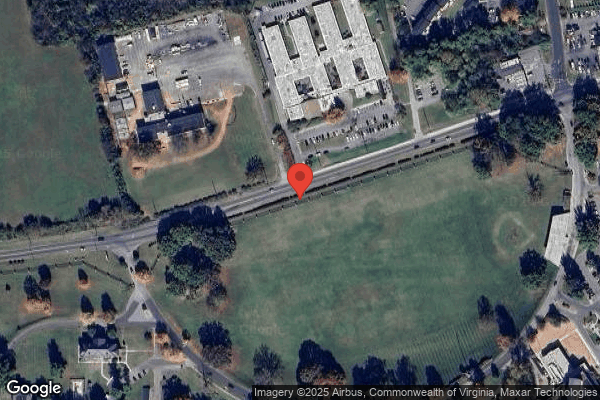
1945 ROANOKE BLVD, SALEM, VA 24153 (540) 345-3894
For profit - Corporation 240 Beds LIFEWORKS REHAB Data: November 2025
Trust Grade
45/100
#217 of 285 in VA
Last Inspection: June 2024

Within standard 12-15 month inspection cycle. Federal law requires annual inspections.

Overview

Salem Health & Rehabilitation has a Trust Grade of D, indicating below-average quality with some concerns about care and services. It ranks #217 out of 285 facilities in Virginia, placing it in the bottom half of nursing homes in the state, and #3 out of 3 in Salem City County, meaning there are no better local options available. The facility is showing signs of improvement, with issues decreasing from 14 in 2024 to 8 in 2025, but it still has a high staff turnover rate of 64%, which is concerning compared to the Virginia average of 48%. Although it has not incurred any fines, the staffing rating is only 2 out of 5 stars, and there have been specific incidents like running out of menu items for residents during meals and failing to ensure proper food safety standards. However, the facility does maintain an average level of RN coverage, which is beneficial for catching potential issues.

Trust Score
D
45/100
In Virginia
#217/285
Bottom 24%
Safety Record
Low Risk
No red flags
Inspections
Getting Better
14 → 8 violations
Staff Stability
⚠ Watch
64% turnover. Above average. Higher turnover means staff may not know residents' routines.
Penalties
✓ Good
No fines on record. Clean compliance history, better than most Virginia facilities.
Skilled Nurses
○ Average
Each resident gets 34 minutes of Registered Nurse (RN) attention daily — about average for Virginia. RNs are the most trained staff who monitor for health changes.
Violations
⚠ Watch
34 deficiencies on record. Higher than average. Multiple issues found across inspections.
★★☆☆☆
2.0
Overall Rating
★★☆☆☆
2.0
Staff Levels
★★★★☆
4.0
Care Quality
★★☆☆☆
2.0
Inspection Score
Stable
2024: 14 issues
2025: 8 issues

The Good

  • 4-Star Quality Measures · Strong clinical quality outcomes
  • Full Sprinkler Coverage · Fire safety systems throughout facility
  • No fines on record

Facility shows strength in quality measures, fire safety.

The Bad

2-Star Overall Rating

Below Virginia average (3.0)

Below average - review inspection findings carefully

Staff Turnover: 64%

18pts above Virginia avg (46%)

Frequent staff changes - ask about care continuity

Chain: LIFEWORKS REHAB

Part of a multi-facility chain

Ask about local staffing decisions and management

Staff turnover is elevated (64%)

16 points above Virginia average of 48%

The Ugly 34 deficiencies on record

Aug 2025 8 deficiencies
CONCERN (D) 📢 Someone Reported This

A family member, employee, or ombudsman was alarmed enough to file a formal complaint

Potential for Harm - no one hurt, but risky conditions existed

Deficiency F0558 (Tag F0558)

Could have caused harm · This affected 1 resident

Based on observation, Resident interview, staff interview and facility document review the facility staff failed to ensure call bell was accessible for 1 of 7residents, Resident #5.The findings includ...

Read full inspector narrative →
Based on observation, Resident interview, staff interview and facility document review the facility staff failed to ensure call bell was accessible for 1 of 7residents, Resident #5.The findings included:For Resident #5 the facility staff failed to ensure the resident's call bell was within reach.Resident #5's face sheet listed diagnoses which included but not limited to idiopathic peripheral autonomic neuropathy, type 2 diabetes mellitus, and muscle weakness.Resident #5's most recent minimum data set with an assessment reference date of 06/18/25 assigned the resident a brief interview for mental status score of 12 out of 15 in section C, cognitive patterns. This indicates that the resident is moderately cognitively impaired. Surveyor observed Resident #5 on 08/26/25 at 2:30 pm. Resident was resting in bed with eyes closed. Call bell was observed lying on the floor next to bed. Surveyor observed resident on 08/27/25 at 9:45 am. Resident was sitting up in bed, call bell was observed in floor beside bed. Surveyor observed resident on 08/27/25 at 1:20 pm. Resident was seated in wheelchair at bedside. Call bell was lying on opposite side of bed out of reach of resident. Surveyor asked resident if they could reach the call bed, and resident stated, I guess I could get to it if I really had to. Surveyor observed resident on 08/28/25 at 8:35 am. Resident was sitting up in bed, call bell in floor beside bed. Surveyor spoke with the director of nursing (DON) on 08/28/25 at 1:00 pm regarding call bell placement. DON stated that call bells should be placed within reach of the resident whether they are in bed or sitting in chair. Surveyor requested and was provided with a copy from Mosby's Textbook for Long-Term Care Assistants which read in part, Always keep the call light within the person's reach--in the room, bathroom, and shower or tub room.The concern of not maintaining the resident's call bell within reach was discussed with the administrator, assistant administrator, director of nursing, assistant director of nursing, and regional director of clinical services on 08/28/25 at 4:00 pm.No further information was provided prior to exit.
CONCERN (D) 📢 Someone Reported This

A family member, employee, or ombudsman was alarmed enough to file a formal complaint

Potential for Harm - no one hurt, but risky conditions existed

Deficiency F0559 (Tag F0559)

Could have caused harm · This affected 1 resident

Based on staff interview, clinical record review, and facility document review, the facility staff failed to provide written notification of a room change prior to the change for 1 of 10 sampled resid...

Read full inspector narrative →
Based on staff interview, clinical record review, and facility document review, the facility staff failed to provide written notification of a room change prior to the change for 1 of 10 sampled residents (Resident #3). The findings included: For Resident #3, the facility staff failed to provide the resident with written notification of a room change including reason for the change prior to moving the resident to another room in the facility. Resident #3's diagnosis list indicated diagnoses, which included, but not limited to Malignant Neoplasm of the Frontal Lobe and Spondylosis with Radiculopathy of Cervical Region.The most recent minimum data set (MDS) with an assessment reference date (ARD) of 1/10/25 assigned the resident a brief interview for mental status (BIMS) summary score of 15 out of 15 indicating the resident was cognitively intact. According to Resident #3's clinical record, he changed rooms within the facility on 1/23/25. The resident's clinical record included a Room Change Notification form dated 1/23/25 completed by a facility social worker, Other Staff Member (OSM) #4. The form indicated Resident #3's Power of Attorney (POA) was notified of the room change on 1/23/25 at 11:00 AM and gave consent for the change. The form documented the reason for the change as Medical Management. On 8/27/25 at 2:50 PM, surveyor spoke with OSM #4 who stated she notified Resident #3 and the family verbally of the room change. OSM #4 further stated that now they provide written notification of room changes and have been doing so for several months but Resident #3 was not provided with written notification. Surveyor spoke with OSM #4 again on 8/28/25 at 1:16 PM regarding the Room Change Notification form dated 1/23/25. Question number 10 on the form read Resident and/or RP [responsible party] were provided with a copy of notification and yes was checked. OSM #4 stated she marked yes in error on the form. Surveyor requested and received the facility policy titled Bed Management/Room Changes dated 9/30/22 which read in part .4. Provide timely and efficient room changes through internal transfers with proper documentation using the Room Change Assessment Notification form.On 8/28/25 at 4:00 PM, the survey team met with the Administrator, Administrator in Training, Director of Nursing, Assistant Director of Nursing, and the Regional Nurse Consultant and discussed the concern of staff failing to provide written notification of a room change for Resident #3.No further information regarding this concern was presented to the survey team prior to the exit conference on 8/28/25.
CONCERN (D) 📢 Someone Reported This

A family member, employee, or ombudsman was alarmed enough to file a formal complaint

Potential for Harm - no one hurt, but risky conditions existed

ADL Care (Tag F0677)

Could have caused harm · This affected 1 resident

**NOTE- TERMS IN BRACKETS HAVE BEEN EDITED TO PROTECT CONFIDENTIALITY** Based on observation, resident interview, staff interview, clinical record review and facility document review the facility staf...

Read full inspector narrative →
**NOTE- TERMS IN BRACKETS HAVE BEEN EDITED TO PROTECT CONFIDENTIALITY** Based on observation, resident interview, staff interview, clinical record review and facility document review the facility staff failed to provide activities of daily living (ADL) care to 1 of 10 dependent residents, Resident #5.The findings included:For Resident #5 the facility staff failed to provide nail care. Resident #5's face sheet listed diagnoses which included but not limited to idiopathic peripheral autonomic neuropathy, type 2 diabetes mellitus, and muscle weakness.Resident #5's most recent minimum data set with an assessment reference date of 06/18/25 assigned the resident a brief interview for mental status score of 12 out of 15 in section C, cognitive patterns. This indicates that the resident is moderately cognitively impaired. Resident #5's comprehensive care plan was reviewed and contained a plan for the resident requires assistance with ADL's (activities of daily living).Surveyor spoke with Resident #5 on 08/27/25 at 9:45 am. Resident was sitting up in bed, alert and oriented. Surveyor observed resident's nail to be long, jagged and with brownish debris underneath. Surveyor asked resident if nails being long bothered him, and resident stated that it does. Surveyor asked resident if staff trimmed their nails, and resident stated, I chew them. Surveyor spoke with resident on 08/27/25 at 1:20 pm regarding fingernails, and resident stated, I have asked to have them cut, but nobody ever does it. Surveyor spoke with Resident #5 on 08/28/25 at 8:35 am regarding fingernails. Resident stated they would like to have their fingernails cut. Surveyor told resident they would let staff know, and resident stated they would appreciate it.Surveyor spoke with director of nursing (DON) on 08/27/25 at 11:15 am. Surveyor asked DON who is responsible for providing nail care to resident, and DON stated usually certified nurse's aides (CNA), but nurse's do it as well.Surveyor spoke with CNA #6 on 08/27/25 at 1:15 pm regarding nail care. CNA #6 stated they provide nail care every day and trim residents' nails as needed. Surveyor asked CNA #6 if they worked with Resident #5, and CNA #6 stated they do not. Surveyor spoke with CNA #5 on 08/28/25 at 9:00 am regarding resident's nail care. CNA #5 stated they do nail care at least once a week including trimming, cleaning, and filing. Surveyor asked CNA #5 if they worked with Resident #5, and CNA #5 stated they have but not this week. Surveyor requested and was provided with a facility policy entitled Nursing Care and Services which read in part, Nursing staff will provide nursing care and services following current standards of practice recognized by state boards of nursing as informed by national nursing organizations and by hiring individuals who graduate from an approved nursing school and/or nurse aide curriculum and have or will have successfully passed a licensing and/or certification examination. 1. The center will utilize Mosby's Textbook for Long-Term Care Assistants by Kostelnick and/or Clinical Nursing Skills & Techniques by [NAME], [NAME], and Ostendorff, as a reference for nursing services and skill not otherwise provided in the Policies and Procedures Manuals.The concern of not providing nail care for Resident #5 was discussed with the administrator, assistant administrator, director of nursing, assistant director of nursing and regional director of clinical services on 08/28/25 at 4:00 pm.No further information was provided prior to exit.
CONCERN (D) 📢 Someone Reported This

A family member, employee, or ombudsman was alarmed enough to file a formal complaint

Potential for Harm - no one hurt, but risky conditions existed

Quality of Care (Tag F0684)

Could have caused harm · This affected 1 resident

Based on staff interview, clinical record review, and facility document review, the facility staff failed to ensure a resident received treatment and care in accordance with professional standards of ...

Read full inspector narrative →
Based on staff interview, clinical record review, and facility document review, the facility staff failed to ensure a resident received treatment and care in accordance with professional standards of practice for 1 of 10 sampled residents. Resident #6.The findings included:For Resident #6, the facility staff failed to check blood glucose levels and failed to administer the medication Novolog as ordered by a medical provider. Resident #6's diagnosis list indicated diagnoses that included, but were not limited to, Muscle Weakness, Atherosclerotic Heart Disease, Chronic Obstructive Pulmonary Disease, Diabetes Mellitus Type 2, Cerebral Infarction, Anxiety Disorder, Depression, Cognitive Communication Deficit, and Chronic Pain. The most recent minimum data set (MDS) with an assessment reference date (ARD) of 8/14/25, assigned the resident a brief interview for mental status (BIMS) summary score of 11 out of 15 for cognitive abilities, indicating the resident was moderately impaired in cognition. A medical provider orders with a start date of 4/25/25 read in part, .Novolog FlexPen Subcutaneous (situated or applied under the skin) Solution Pen-injector 100 UNIT/ML (units/milliliters).Inject 15 unit subcutaneously before meals and at bedtime for T2DM (Type 2 Diabetes Mellitus). A medical provider order with a start date of 4/25/25 read in part,.Novolog FlexPen Subcutaneous Solution Pen-injector 100 UNIT/ML.Inject as per sliding scale: if 0-60=0 If asymptomatic give Med Plus as ordered. If symptomatic give Glucagon as ordered from stat box; 61-199=0; 200-249=4 Units; 250-299=6 Units; 300-349=8 Units; 350-399=10 Units; 400-499=12 Units; 450-499=14 Units; 500+ = 16 Units.subcutaneously before meals and at bedtime. A review of the August 2025 MAR (medication administration record) revealed Resident #6 did not have any blood glucose checks documented or any evidence of Novolog being administered, refused, or held on the following dates and times: 8/15/25-6AM, 4PM, and 9PM8/16/25-6AM8/20/25-6AM8/24/25-6AM8/25/25-6AM A review of the person-centered comprehensive care plan had a focus which read in part, .DIABETES MELLITUS: The resident is at risk for complications and blood glucose fluctuations related to diagnosis of diabetes mellitus with: insulin use. An intervention related to the focus read in part, .administer medications as ordered. Further review of the plan of care disclosed another focus which read in part, .HYPOGLYCEMIC: the resident is at risk for complications related to the use of hypoglycemic medications. Interventions related to the focus read in part, .monitor of signs/symptoms of hypoglycemia.vitals as needed. On 8/27/25 at 12:57 PM, surveyor spoke with the director of nursing and reviewed the August 2025 MAR for Resident #6. The director of nursing stated she would look for evidence of why the medication was not administered. The director of nursing informed surveyor she could not find any evidence of the Novolog being held, given, or refused by the resident on the days that were blank on the August 2025 MAR. This concern was discussed at the pre-exit meeting on 8/28/25 at 4:00PM with the administrator, administrator-in-training, director of nursing, assistant director of nursing and regional director of clinical services. Surveyor requested and received a facility policy titled, Administration Procedures for All Medications which read in part, .III .1 .a. Check the MAR .for the order .d. Check for vital signs or other tests to be done during or prior to medication administration . No further information regarding this concern was presented to the survey team prior to exit on 8/28/25.
CONCERN (D) 📢 Someone Reported This

A family member, employee, or ombudsman was alarmed enough to file a formal complaint

Potential for Harm - no one hurt, but risky conditions existed

Pressure Ulcer Prevention (Tag F0686)

Could have caused harm · This affected 1 resident

**NOTE- TERMS IN BRACKETS HAVE BEEN EDITED TO PROTECT CONFIDENTIALITY** Based on observation, staff interview, clinical record review and facility document review the facility staff failed to provide ...

Read full inspector narrative →
**NOTE- TERMS IN BRACKETS HAVE BEEN EDITED TO PROTECT CONFIDENTIALITY** Based on observation, staff interview, clinical record review and facility document review the facility staff failed to provide care and treatment to promote healing of pressure ulcers for 1 of 10 residents, Resident #5.The findings included:For Resident #5 the facility staff failed to provide care and treatment to promote healing of pressure ulcers as evidenced by failing to follow infection control procedures during a dressing change.Resident #5's face sheet listed diagnoses which included but not limited to type 2 diabetes mellitus, gangrene, and acute osteomyelitis.Resident #5's most recent minimum data set with an assessment reference date of 06/16/25 assigned the resident a brief interview for mental status score of 12 out of 15 in section C, cognitive patterns. This indicates that the resident is moderately cognitively impaired. Section M, Skin Conditions, coded the resident as having one stage 1 pressure ulcer and three unstageable pressure ulcers.Resident #5's comprehensive care plan was reviewed and contained a plan for The resident is at risk for pressure ulcers . and The resident has a chronic wound or pressure ulcer. Interventions for these care plans included Enhanced barrier precautions.Surveyor observed registered nurse (RN) #2, with assistance from licensed practical nurse (LPN) #2, performing wound care/dressing change on 08/28/25 at 10:50 for Resident #5. RN #2 performed hand hygiene, donned gloves and gown, cleaned the overbed table with disinfectant, placed a barrier on the table, placed treatments and dressings on the barrier. RN #2 removed gloves, performed hand hygiene, and donned new gloves. RN #2 asked LPN #2 to retrieve bandage scissors from their (RN #2) pocket. LPN #2 did so, and handed scissors to RN #2, then performed hand hygiene and donned gloves. RN #2 proceeded to remove old bandage from Resident #5's wound, without cleaning scissors prior to using them. RN #2 placed scissors on barrier on table. After removing old bandage and placing in trash, RN #2 removed gloves, performed hand hygiene and donned new gloves. RN #2 cleaned wound to Resident #5's lateral right foot, placed betadine gauze over wound, removed gloves, returned to treatment cart to retrieve gauze wrapping, donned gloves without performing hand hygiene, wrapped wound with wrapping, placed dated and initialed tape to secure wrapping. RN #2 then removed gloves, performed hand hygiene, donned clean gloves, cleaned wound to resident's right heel, applied treatment, applied dressing and wrapping, without changing gloves or performing hand hygiene.Surveyor spoke with the facility infection preventionist (IP) on 08/28/25 at 11:15 am. Surveyor asked IP what their expectations are for cleaning scissors and hand hygiene during wound care. IP stated scissors should be cleaned after each use and hand hygiene should be performed with each glove change. Surveyor asked IP if RN #2 should have changed gloves and performed hand hygiene after cleaning wound, but prior to applying treatment dressing, and IP stated they should have.Surveyor requested and was provided with a facility policy entitled Handwashing Requirements which read in part, A. Hand Hygiene. 1. The following is a list of some situations that require hand hygiene: j. before and after changing a dressing. r. After removing gloves for aprons. t. After any contact with potentially contaminated materials (used wound/treatment dressings). (2) Hands must be washed prior to and after using gloves.Surveyor was also provided with a policy entitled Nursing Care and Services which read in part, Nursing staff will provide nursing care and services following current standards of practice recognized by state boards of nursing as informed by national nursing organizations and by hiring individuals who graduate from an approved nursing school and/or nurse aide curriculum and have or will have successfully passed a licensing and/or certification examination. 1. The center will utilize Mosby's Textbook for Long-Term Care Assistants by Kostelnick and/or Clinical Nursing Skills & Techniques by [NAME], [NAME], and Ostendorff, as a reference for nursing services and skill not otherwise provided in the Policies and Procedures Manuals.Surveyor was provided with an excerpt from Clinical Nursing Skills & Techniques for applying a dressing, which read in part, 1. Perform hand hygiene and apply clean gloves. 2. Gently remove tape, bandages, or ties .5. Fold dressings with drainage contained inside and remove gloves inside out over dressing. Dispose of gloves and soiled dressing according to agency policy .8. Clean wound. a. Perform hand hygiene and apply clean gloves. Use gauze or cotton ball moistened in saline or antiseptic swab for each cleaning stroke or spray wound surface with wound cleaner. 9. Apply antiseptic ointment (if ordered) with sterile cotton-tipped applicator or gauze along wound edges. Dispose of gloves. Perform hand hygiene. 10. Apply dressing.The concern of RN #2 failing to provide care and treatment to promote healing of a pressure ulcer was discussed with the administrator, assistant administrator, director of nursing, assistant director of nursing, and regional director of clinical services on 08/28/25 at 4:00 pm.No further information was provided prior to exit.
CONCERN (D) 📢 Someone Reported This

A family member, employee, or ombudsman was alarmed enough to file a formal complaint

Potential for Harm - no one hurt, but risky conditions existed

Medical Records (Tag F0842)

Could have caused harm · This affected 1 resident

Based on staff interview, clinical record review, and facility document review, the facility staff failed to ensure a complete and accurate clinical record for 2 of 10 sampled residents. Resident #4 a...

Read full inspector narrative →
Based on staff interview, clinical record review, and facility document review, the facility staff failed to ensure a complete and accurate clinical record for 2 of 10 sampled residents. Resident #4 and Resident #6.The findings included:1. For Resident #4, the facility staff failed to accurately document the correct foot containing a wound on a skin assessment on 1/22/25 and failed to document treatment for a wound on the correct foot. The wound was on Resident #4's right foot and the facility staff documented the wound was on the left foot. Resident #4's diagnosis list indicated diagnoses that included, but were not limited to, Dislocation of Right Ankle Joint, Hypertension, Anxiety, Depression, Edema, Neuropathy, Insomnia, History of Falling, Diabetes Mellitus Type 2, Sleep Apnea, and Difficulty Walking. The most recent minimum data set (MDS) with an assessment reference date (ARD) of 1/24/25, assigned the resident a brief interview for mental status (BIMS) summary score of 15 out of 15 for cognitive abilities, indicating the resident was cognitively intact. A medical provider orders dated 1/22/25 read in part, .Left foot wound care (below the toes) every day shift.Cleanse with wound cleanser, pat dry, apply xeroform (an occlusive petroleum impregnated fine mesh gauze dressing which provides a microbial barrier and is mildly deodorizing) and bordered gauze. A review of a medical provider's progress note dated 1/22/25 read in part, .Patient seen today per nursing request for a wound on the bottom of her right foot. She states the wound has been there for several weeks but had started to heal until she went to the hospital for her ankle fracture.Wound nurse came in during visit and addressed wound concern.Plan.Wound to right foot.Wound care consult in place to treat wound. A review of a Wound Assessment Report dated 1/22/25 read in part, .Left foot.skin tear/laceration.present on admission.Treatment.Dressing Change Frequency: Daily.Clean Wound With: Cleanse with wound cleanser.Primary Treatment: Xeroform.Other Dressings: Bordered Gauze. A review of the January 2025 TAR (treatment administration record) read in part, .Left foot wound care (below the toes).order date 1/22/25. Treatment was documented as being provided on 1/23/25. On 8/27/25 at 2:12 PM, surveyor spoke with the director of nursing, and she stated the wound nurse incorrectly documented the foot as the left foot and not the right foot. On 8/27/25 at 2:31 PM, surveyor interviewed the wound nurse who performed the wound assessment on 1/22/25 via phone conversation and she stated she could not recall Resident #4. This concern was discussed at the pre-exit meeting on 8/28/25 at 4:00 PM with the administrator, administrator-in-training, director of nursing, assistant director of nursing, and regional director of clinical services.Surveyor requested, but did not receive a facility policy for accurate documentation on the clinical record.No further information regarding this concern was presented to the survey team prior to exit on 8/28/25. 2.For Resident #6, the facility staff failed to document administration of scheduled oxycodone medication on the August 2025 MAR (medication administration record) on 8/15/2025, 8/16/2025, 8/20/25, 8/24/25, and 8/25/25. Resident #6's diagnosis list indicated diagnoses that included, but were not limited to, Muscle Weakness, Atherosclerotic Heart Disease, Chronic Obstructive Pulmonary Disease, Diabetes Mellitus Type 2, Cerebral Infarction, Anxiety Disorder, Depression, Cognitive Communication Deficit, and Chronic Pain. The most recent minimum data set (MDS) with an assessment reference date (ARD) of 8/14/25, assigned the resident a brief interview for mental status (BIMS) summary score of 11 out of 15 for cognitive abilities, indicating the resident was moderately impaired in cognition. A medical provider orders with a start date of 4/28/25 read in part, .oxycodone HCI Oral Tablet 5 MG (milligrams).Give 1 tablet by mouth every 6 hours for pain. A review of the MAR (medication administration record) for August 2025 revealed no documentation for administration of scheduled oxycodone on the following dates and times: 8/15/25 at 12:00 AM, 6:00 AM, or 6:00 PM8/16/25 at 12:00 AM or 6:00 AM8/20/25 at 6:00 AM8/24/25 at 6:00 AM8/25/25 at 12:00 AM or 6:00 AM On 8/27/25 at 12:57 PM, surveyor spoke with the director of nursing and reviewed the August 2025 MAR for Resident #6. The director of nursing stated she would check. The director of nursing provided surveyor with a copy of a Controlled Drug Administration Record that revealed Resident #6 received the scheduled doses of oxycodone on the dates/times in question. The director of nursing stated the nurses did record the medications were given on the NARC log (controlled drug administration record), but the nurses failed to document the administration on the MAR. This concern was discussed at the pre-exit meeting on 8/28/25 at 4:00PM with the administrator, administrator-in-training, director of nursing, assistant director of nursing and regional director of clinical services. Surveyor requested and received a facility policy titled, Administration Procedures for All Medications which read in part, .III .1 .a. Check the MAR .for the order .IV .7. document administration in the MAR . No further information regarding this concern was presented to the survey team prior to exit on 8/28/25.
CONCERN (D) 📢 Someone Reported This

A family member, employee, or ombudsman was alarmed enough to file a formal complaint

Potential for Harm - no one hurt, but risky conditions existed

Infection Control (Tag F0880)

Could have caused harm · This affected 1 resident

Based on observation, staff interview and facility document review the facility staff failed follow established infection control procedures for 2 of 7 residents, Resident #5 and Resident #10The findi...

Read full inspector narrative →
Based on observation, staff interview and facility document review the facility staff failed follow established infection control procedures for 2 of 7 residents, Resident #5 and Resident #10The findings included:For Resident #5 the facility staff failed to follow established infection control procedures during a dressing change. Resident #5's face sheet listed diagnoses which included but not limited to type 2 diabetes mellitus, gangrene, and acute osteomyelitis. Resident #5's most recent minimum data set with an assessment reference date of 06/16/25 assigned the resident a brief interview for mental status score of 12 out of 15 in section C, cognitive patterns. This indicates that the resident is moderately cognitively impaired. Section M, Skin Conditions, coded the resident as having one stage 1 pressure ulcer and three unstageable pressure ulcers. Resident #5's comprehensive care plan was reviewed and contained a plan for The resident is at risk for pressure ulcers . and The resident has a chronic wound or pressure ulcer. Interventions for these care plans included Enhanced barrier precautions. Surveyor observed registered nurse (RN) #2, with assistance from licensed practical nurse (LPN) #2, performing wound care/dressing change on 08/28/25 at 10:50 for Resident #5. RN #2 performed hand hygiene, donned gloves and gown, cleaned the overbed table with disinfectant, placed a barrier on the table, placed treatments and dressings on the barrier. RN #2 removed gloves, performed hand hygiene, and donned new gloves. RN #2 asked LPN #2 to retrieve bandage scissors from their (RN #2) pocket. LPN #2 did so, and handed scissors to RN #2, then performed hand hygiene and donned gloves. RN #2 proceeded to remove old bandage from Resident #5's wound, without cleaning scissors prior to using them. RN #2 placed scissors on barrier on table. After removing old bandage and placing in trash, RN #2 removed gloves, performed hand hygiene and donned new gloves. RN #2 cleaned wound to Resident #5's lateral right foot, placed betadine gauze over wound, removed gloves, returned to treatment cart to retrieve gauze wrapping, donned gloves without performing hand hygiene, wrapped wound with wrapping, placed dated and initialed tape to secure wrapping. RN #2 then removed gloves, performed hand hygiene, donned clean gloves, cleaned wound to resident's right heel, applied treatment, applied dressing and wrapping, without changing gloves or performing hand hygiene. Surveyor spoke with the facility infection preventionist (IP) on 08/28/25 at 11:15 am. Surveyor asked IP what their expectations are for cleaning scissors and hand hygiene during wound care. IP stated scissors should be cleaned after each use and hand hygiene should be performed with each glove change. Surveyor asked IP if RN #2 should have changed gloves and performed hand hygiene after cleaning wound, but prior to applying treatment dressing, and IP stated they should have. Surveyor requested and was provided with a facility policy entitled Handwashing Requirements which read in part, A. Hand Hygiene. 1. The following is a list of some situations that require hand hygiene: j. before and after changing a dressing. r. After removing gloves for aprons. t. After any contact with potentially contaminated materials (used wound/treatment dressings). (2) Hands must be washed prior to and after using gloves. The concern of staff failing to follow established infection control procedures was discussed with the administrator, assistant administrator, director of nursing, assistant director of nursing, and regional director of clinical services on 08/28/25 at 4:00 pm. No further information was provided prior to exit. 2. For Resident #10, the facility staff failed to maintain infection control measures during the use of a multiuse bottle of Dakins Solution. On 8/28/25 at 3:20 PM, surveyor observed Licensed Practical Nurse (LPN) #10 perform a dressing change to the left ischium for Resident #10. LPN #10 transported a multiuse bottle of Dakins Solution into the resident’s room in a clean plastic bag and then removed the Dakins Solution container and placed it directly on the resident’s overbed table. LPN #10 had not cleaned the overbed table prior to sitting the container down. Following the dressing change, LPN #10 picked up the Dakins Solution and then sat the bottle directly on Resident #10’s roommate’s fabric chair seat cushion while she washed her hands. LPN #10 then returned the bottle of Dakins Solution to the unit treatment cart and placed the container in the bottom cart drawer among other items without sanitizing the bottle. On 8/28/25 at 3:45 PM, surveyor spoke with the facility Infection Preventionist (IP) and discussed the observations regarding the bottle of Dakins Solution. IP stated the Dakins Solution should have been placed in a zip lock bag in the treatment cart and he would discard the Dakins Solution and get a new bottle for Resident #10 and place it in the treatment cart. On 8/28/25 at 4:00 PM, the survey team met with the Administrator, Administrator in Training, Director of Nursing, Assistant Director of Nursing, and the Regional Nurse Consultant and discussed the infection control concerns with LPN #10 actions regarding the multiuse bottle of Dakins Solution. No further information regarding this concern was presented to the survey team prior to the exit conference on 8/28/25.
CONCERN (D) 📢 Someone Reported This

A family member, employee, or ombudsman was alarmed enough to file a formal complaint

Potential for Harm - no one hurt, but risky conditions existed

Safe Environment (Tag F0921)

Could have caused harm · This affected 1 resident

**NOTE- TERMS IN BRACKETS HAVE BEEN EDITED TO PROTECT CONFIDENTIALITY** Based on observation, staff interview, and facility document review, the facility staff failed to provide a safe, functional, sa...

Read full inspector narrative →
**NOTE- TERMS IN BRACKETS HAVE BEEN EDITED TO PROTECT CONFIDENTIALITY** Based on observation, staff interview, and facility document review, the facility staff failed to provide a safe, functional, sanitary, and comfortable environment for 3 of 15 sampled resident rooms (room [ROOM NUMBER], room [ROOM NUMBER], and room [ROOM NUMBER]). The findings included:1. room [ROOM NUMBER]’s air conditioning/heating wall unit (p-tac) had a large amount of thick dust and debris visible in the unit’s grates; the bathroom ceiling light cover was missing and the light bulb was exposed, the bathroom ceiling vent had a thick layer of dust present with visible rust, the bathroom door had multiple areas of soiling on both sides around the doorknob and door edges, and a nightstand had multiple areas of a light-brown dried substance. On 8/27/25 at 10:42 AM, surveyor entered room [ROOM NUMBER] and observed the p-tac unit with a large amount of thick dust in between the grates and down in the unit. There was also torn paper/wrapper in the unit. room [ROOM NUMBER]’s bathroom ceiling light did not have a cover, and the light bulb was exposed. The bathroom vent was rusted and had a thick layer of dust present. Each side of the bathroom door was soiled around the edges and the doorknob. A nightstand beside an unoccupied bed had several areas of a light-brown dried substance resembling enteral feeding formula. Surveyor returned to room [ROOM NUMBER] on 8/28/25 at 10:15 AM and the previous observations remained unchanged. On 8/27/25 at 11:23 AM, surveyor spoke with the Environmental Services Director who stated resident rooms and bathrooms were cleaned daily following the facility policies. He stated when housekeeping finds an item in need of repair, they notify him, and he turns in a work order to maintenance. On 8/27/25 at 12:17 PM, surveyor spoke with the Maintenance Director who stated p-tacs were cleaned using a shop-vac every three months and the filters were changed with the change of the seasons. He stated the wardroom p-tacs were cleaned more often due to the residents placing items on top of the units. Surveyor requested and received the facility policy titled “Daily Resident/Patient Room Cleaning” which read in part “…The room cleaning tasks should be performed in the following order…2…Dust all flat surfaces with a cloth and disinfectant, clean the air vent covers, and spot clean all necessary areas…” On 8/28/25 at 4:00 PM, the survey team met with the Administrator, Administrator in Training, Director of Nursing, Assistant Director of Nursing, and the Regional Nurse Consultant and discussed observations concerning room [ROOM NUMBER]. No further information regarding this concern was presented to the survey team prior to the exit conference on 8/28/25. 2. room [ROOM NUMBER]’s air conditioning/heating wall unit (p-tac) had a large amount of thick dust, debris, food crumbs, and two dead bugs visible in the unit’s grates, the window curtains had fallen down in the middle and several curtain hooks were present in the window sill, the curtains had multiple areas of dark staining visible, an overbed table had leg supports that were soiled with a white substance, and the room had two broken overbed tables in resident use. On 8/27/25 at 11:10 AM, surveyor entered room [ROOM NUMBER] and observed the p-tac unit with a large amount of thick dust, debris, food crumbs, and two dead bugs visible in the unit’s grates. The left side of the window curtains had fallen in the middle and there were several sharp ended curtain hooks in the windowsill and there were multiple areas of dark staining visible on the window curtains. The leg support of an overbed table was soiled with a dried white substance. On 8/27/25 at 12:17 PM, surveyor spoke with the Maintenance Director who stated p-tacs were cleaned using a shop-vac every three months and the filters were changed with the change of the seasons. He stated the wardroom p-tacs were cleaned more often due to the residents placing items on top of the units. Surveyor and Maintenance Director observed room [ROOM NUMBER]’s p-tac and he stated maintenance would clean it. Surveyor returned to room [ROOM NUMBER] on 8/28/25 at 10:30 AM and the previous room observations remained unchanged apart from the window curtains which had been re-hung. The p-tac had not been cleaned. It was also noted the room had two broken overbed tables in resident use. One table would not raise or lower and had two wheels which would not roll and the other overbed tabletop was unstable and wobbled up and down when touched. Surveyor requested and received the facility policy titled “Daily Resident/Patient Room Cleaning” which read in part “…The room cleaning tasks should be performed in the following order…2…Dust all flat surfaces with a cloth and disinfectant, clean the air vent covers, and spot clean all necessary areas…” On 8/28/25 at 4:00 PM, the survey team met with the Administrator, Administrator in Training, Director of Nursing, Assistant Director of Nursing, and the Regional Nurse Consultant and discussed observations concerning room [ROOM NUMBER]. No further information regarding this concern was presented to the survey team prior to the exit conference on 8/28/25. 3. For room [ROOM NUMBER] the facility staff failed to ensure the bathroom toilet was clean. On 8/26/25 at 2:00 PM, this surveyor conducted an initial tour and observation of the facility. During a tour of the facility on 8/26/25 at 2:20 PM this surveyor entered room [ROOM NUMBER] bathroom. The toilet bowl was observed to have a large, brown smear of feces on the outside of the right side of the toilet bowl (surveyor’s right side). The smear was approximately the size of an average woman’s hand. On 8/27/25 at 8:16 AM, surveyor observed the bathroom in room [ROOM NUMBER] and the toilet bowl in the bathroom was observed to have a large, brown smear of feces on the outside of the right side of the toilet bowl (surveyor’s right side). The smear was approximately the size of an average woman’s hand. On 8/27/25 at 12:05 PM, surveyor spoke with other staff #8 (OS#8) via phone conversation and she stated she does not clean the resident rooms every day. On 8/27/25 at 11:05 AM, surveyor observed the bathroom in room [ROOM NUMBER] and the toilet bowl in the bathroom was observed to have a large, brown smear of feces on the outside of the right side of the toilet bowl (surveyor’s right side). The smear was approximately the size of an average woman’s hand. On 8/27/25 at 3:10 PM, surveyor asked the administrator what time housekeeping left for the day and the administrator informed surveyor they were leaving now. On 8/27/25 at 3:15 PM, surveyor observed the bathroom in room [ROOM NUMBER] and the toilet bowl in the bathroom was observed to have a large, brown smear of feces on the outside of the right side of the toilet bowl (surveyor’s right side). The smear was approximately the size of an average woman’s hand. On 8/28/25 at 8:24 AM, surveyor and the DON observed room [ROOM NUMBER]’s bathroom and the toilet bowl in the bathroom was observed to have a large, brown smear of feces on the outside of the right side of the toilet bowl (surveyor’s right side). The smear was approximately the size of an average woman’s hand. The DON stated she would let them know. This concern was discussed at the pre-exit meeting on 8/28/25 at 4:00 PM with the administrator, AIT (administrator-in-training), director of nursing, assistant director of nursing, and regional director of clinical services. Surveyor requested and received a facility policy titled, “Daily Resident/Patient Room Cleaning”, which read in part, “…Required Items…Quaternary disinfectant (a chemical used in cleaning products to kill germs on non-porous surfaces)…Bowl brush, cleaning rags…spot clean all necessary areas…” No further information was provided to the survey team prior to exit on 8/28/25.
Jun 2024 14 deficiencies
CONCERN (D)

Potential for Harm - no one hurt, but risky conditions existed

Deficiency F0645 (Tag F0645)

Could have caused harm · This affected 1 resident

Based on staff interview, clinical record review, and facility document review, the facility staff failed to screen for a mental disorder or intellectual disability prior to admission for 1 of 38 samp...

Read full inspector narrative →
Based on staff interview, clinical record review, and facility document review, the facility staff failed to screen for a mental disorder or intellectual disability prior to admission for 1 of 38 sampled residents. Resident #154. The findings include: For Resident #154 (R154), the facility staff failed to obtain a Level I Screening for Mental Illness, Intellectual Disability (ID), or Related Conditions, to determine if the resident had or may have had a MD (Mental Disorder), ID, or related condition prior to admission. R154's diagnosis list indicated diagnoses, which included, but not limited to Multiple Sclerosis, Legal Blindness, Schizoaffective Disorder, Bipolar Disorder, Major Depressive Disorder, and Parkinson's Disease. The most recent minimum data set (MDS) with an assessment reference date (ARD) of 4/27/24, assigned the resident a brief interview for mental status (BIMS) summary score of 15 out of 15 for cognitive abilities, indicating the resident was cognitively intact. On 5/30/24, during the clinical record review, surveyor could not locate a PASARR (Preadmission Screening and Resident Review) on R154's clinical record. On 5/30/24, 5/31/24 and 6/3/24, surveyor requested evidence of a PASARR for R154 from the director of nursing. On 6/3/24 at 1:28 PM, surveyor interviewed Discharge Planning Director #1 (DPD#1) about R154's PASARR history. DPD#1 stated she could not locate the PASARR on R154. She stated it was done on paper and she had reached-out to the screeners. DPD#1 stated R154 had come from [name omitted] and she requested a medical record request to the hospital on 5/30/24 and again today (6/3/24). DPD#1 stated they (hospital) may find it (PASARR), or they may not, so she did a new PASARR and provided surveyor with a copy of R154's PASARR dated 6/3/24. On 6/3/24 at 4:15 PM, the survey team met with the Administrator #1, Director of Nursing, Regional Director of Clinical Services, Regional MDS and Administrator #2, and discussed the concern of the facility staff failing to obtain a PASARR for R154 prior to admission. Surveyor requested and received a facility policy titled, Level I PASRR{sic}-Virginia, which read in part, .Prior to arrival of a planned admission the Social Worker and Discharge Planner will collaborate with the Admissions Director to preview the .Level 1 PASRR (Level 1 Screening for Mental Illness, Intellectual Disability, or Related Conditions) and/or initiate completion of the Level 1 PASRR if not completed .to predetermine if the transferring patient meets SNF/NF (skilled nursing facility/nursing facility) criteria and to screen the patient for indicators of serious mental illness, mental retardation, developmental disabilities or related conditions prior to being admitted in the SNF/NF Center, as required by Federal Regulation .if the Level 1 PASRR is missing from the preadmission paperwork, collaborate with admissions .in order to initiate completion of the Level 1 PASRR internally . No further information regarding this concern was presented to the survey team prior to the exit conference on 6/4/24.
CONCERN (D)

Potential for Harm - no one hurt, but risky conditions existed

Quality of Care (Tag F0684)

Could have caused harm · This affected 1 resident

Based on observation, resident interview, staff interview, clinical record review, and facility document review, the facility staff failed to follow the medical provider orders for 2 of 38 sampled res...

Read full inspector narrative →
Based on observation, resident interview, staff interview, clinical record review, and facility document review, the facility staff failed to follow the medical provider orders for 2 of 38 sampled residents (Residents #84 and #160). The findings included: 1. For Resident #84, the facility staff failed to follow the recommendations of the orthopedic specialist for compression stockings. Resident #84's diagnosis list indicated diagnoses, which included, but not limited to Chronic Respiratory Failure, Asthma, Chronic Kidney Disease Stage 3, Heart Failure, Paroxysmal Atrial Fibrillation, and Displaced Bicondylar Fracture of Left Tibia. The most recent minimum data set (MDS) with an assessment reference date (ARD) of 5/24/24 assigned the resident a brief interview for mental status (BIMS) summary score of 15 out of 15 indicating the resident was cognitively intact. On 5/30/24 at 3:20 PM, surveyor spoke with Resident #84 who complained of swelling in their feet stating it was painful while participating in physical therapy. The resident removed their left sock revealing a large amount of swelling in the left foot. The resident stated they have been requesting a fluid pill for the edema but there has been no follow up. Resident #84 was not wearing compression stockings, only regular grip socks. The resident stated they have not had any compression stockings while at the facility. Surveyor reviewed Resident #84's clinical record and was unable to locate documentation of the resident's lower extremity edema or request for a diuretic. During a meeting with the facility management team on 5/30/24 at 3:25 PM, surveyor discussed the resident's edema and their desire for a diuretic. Resident #84's clinical record included a nursing progress note dated 5/13/24 11:57 AM which read in part Patient returned from follow up ortho appointment with recommendations to start .Compression stockings and LE [lower extremity] elevation . On 6/03/24 at 8:15 AM, surveyor spoke with the Director of Nursing (DON) and requested the ortho consult report from 5/13/24. On 6/03/24 at 12:40 PM, surveyor spoke with Resident #84 who stated some improvement with swelling today and was wearing bilateral compression stockings. According to the clinical record, the provider order for compression stockings was entered on 6/03/24 at 12:00 PM. On 6/03/24 at 2:34 PM, surveyor spoke with the DON who stated they reviewed the ortho consult today and noted the recommendation for compression stockings and spoke with the provider and added them today. On 6/03/24 at 4:18 PM, the survey team met with the Administrator, DON, and Regional Nurse Consultant and discussed the concern of Resident #84 not receiving compression stockings until today when they were recommended by the orthopedic specialist on 5/13/24. No further information regarding this concern was presented to the survey team prior to the exit conference on 6/04/24. 2. For Resident #160, the facility staff failed to follow the provider orders for the administration of Amlodipine Besylate and Metoprolol Tartrate used to treat high blood pressure. Resident #160's diagnosis list indicated diagnoses, which included, but not limited to Respiratory Failure, Vascular Dementia, Dysphagia, Cerebral Infarction, Heart Failure, Type 2 Diabetes Mellitus, and Essential Hypertension. The most recent minimum data set (MDS) with an assessment reference date (ARD) of 4/16/24 assigned the resident a brief interview for mental status (BIMS) summary score of 12 out of 15 indicating the resident was moderately cognitively impaired. Resident #160's provider orders included an order dated 12/07/23 for Amlodipine Besylate 10 mg one time a day for hypertension hold if systolic blood pressure (SBP) less than 100 or diastolic blood pressure (DBP) less than 60. The resident's orders also included an order dated 12/07/23 for Metoprolol Tartrate 25 mg two times a day for hypertension hold if heart rate less than 60. Surveyor reviewed Resident #160's clinical record and was unable to locate evidence of staff checking the resident's blood pressure prior to the administration of Amlodipine Besylate or heart rate prior to the administration of Metoprolol Tartrate. Surveyor requested and received the facility policy titled General Guidelines for Medication Administration with a revision date of 8/2020 which read in part .II. Administration .2. Medications are administered in accordance with written orders of the prescriber . On 6/03/24 at 4:18 PM, the survey team met with the Administrator, Director of Nursing, and the Regional Nurse Consultant and discussed the concern of staff failing to administer Amlodipine Besylate and Metoprolol Tartrate according to the provider orders. No further information regarding this concern was presented to the survey team prior to the exit conference on 6/04/24.
CONCERN (D) 📢 Someone Reported This

A family member, employee, or ombudsman was alarmed enough to file a formal complaint

Potential for Harm - no one hurt, but risky conditions existed

Pressure Ulcer Prevention (Tag F0686)

Could have caused harm · This affected 1 resident

Based on staff interview, clinical record review, and facility document review, the facility staff failed to provide treatment in accordance with the provider orders to promote pressure ulcer wound he...

Read full inspector narrative →
Based on staff interview, clinical record review, and facility document review, the facility staff failed to provide treatment in accordance with the provider orders to promote pressure ulcer wound healing for 1 of 38 sampled residents (Resident #184). The findings included: For Resident #184, the facility staff failed to treat an unstageable/Stage 4 pressure ulcer to the mid back as ordered. Resident #184's diagnosis list indicated diagnoses, which included, but not limited to Sepsis due to Methicillin Susceptible Staphylococcus Aureus, Sacral Pressure Ulcer, Generalized Muscle Weakness, Osteoarthritis, and Macular Degeneration. The minimum data set (MDS) with an assessment reference date (ARD) of 11/11/23 assigned the resident a brief interview for mental status (BIMS) summary score of 5 out of 15 indicating Resident #184 was severely cognitively impaired. The resident was coded as having one unstageable pressure ulcer with slough and/or eschar present upon admission. Resident #184's comprehensive person-centered care plan included a focus area stating the resident has a skin impairment pressure ulcer to mid back (Stage 4) . with an intervention for treatment as ordered. Resident #184 was admitted to the facility with an unstageable pressure ulcer to the mid back. The resident was seen by the Wound Nurse Practitioner (WNP) on 11/10/23, the progress note read in part .There is an unstageable pressure injury to the mid-thoracic spine that is covered in slough. There is a surrounding band of purple tissue that is slightly indurated .9 cm x 8 cm x 0.3 cm .100% slough .Treatment Recommendations: 1. Cleanse with wound cleanser 2. Apply Medical grade honey fiber to base of wound 3. Secure with Bordered foam 4. Change daily . A Skin Observation Tool - V2 dated 11/10/23 read in part .Rsd [resident] noted to have large wound to mid back, copious amount of yellow and bloody drainage. Wound cleansed with wound cleanser; pat dry applied honey fiber covered with bordered foam. New orders for the same TX [treatment] to be done daily . According to Resident #184's November 2023 Treatment Administration Record (TAR) the treatment of medical grade honey fiber was not initiated as directed by the WNP. Instead, a treatment order to cleanse the wound with wound cleanser, apply 0.25% Dakin's solution moistened fluffed gauze and cover with bordered foam daily began on 11/11/23. Resident #184 was seen by the WNP again on 11/14/23, the progress note documented a decrease in the wound measurements to 6 cm x 4 cm x 0.3 cm with 100% slough present. The wound status was described as improving without complications. The progress note read in part .Treatment Recommendations: 1. Cleanse with wound cleanser 2. Apply Medical grade honey fiber to base of wound 3. Secure with Bordered foam 4. Change daily .Performed sharp debridement to mid back pressure injury .I anticipate as the slough is removed that the wound will have a hole with a high chance of exposed structures but am unable to tell at this time . According to Resident #184's November 2023 TAR, the previous treatment order of Dakin's solution continued despite the WNP's direction for medical grade honey fiber. The resident was reassessed by the WNP on 11/21/23, the progress note read in part .Wound Status: Improving despite measurements .6.2 cm x 3.2 cm x 1.5 cm .undermining from 5 o'clock to 6 o'clock .100% slough .Treatment Recommendations: 1. Cleanse with 0.25% Dakins solution 2. Apply Dakins moistened fluffed gauze to base of wound. 3. Secure with Bordered foam 4. Change Daily .I performed sharp debridement to the wound and there is now an open hole as anticipated. I can see exposed muscle and I am reclassifying this as a stage 4 pressure injury. I am making new treatment recommendations. There is still a significant amount of necrotic tissue that is too adhered for debridement today. I anticipate that the wound will continue to grow in size and depth as this is removed. I am listing the wound as improved despite measurements since there is less necrotic tissue and anticipated the size would grow as this layer came off . According to Resident #184's November 2023 TAR, the previous treatment order to cleanse wound with wound cleanser, apply 0.25% Dakins solution moistened fluffed gauze and cover with bordered foam continued, despite the new order directing the area be cleansed with 0.25 % Dakins solution. Resident #184 was last seen by the WNP on 11/28/23, the progress note described the wound as measuring 7.2 cm x 3.2 cm x 1.7 cm with undermining from 12 o'clock to 1 o'clock. The wound base was described as 25% granulation tissue and 75% slough. The progress note read in part .The wound is stable today. There is less necrotic tissue but the measurements are larger. I anticipated this would happen as the necrotic tissue was removed from the wound .Recommended continuing current treatment. I anticipate the open hole in the wound will grow in size as necrotic tissue continues to improve. According to Resident #184's November and December 2023 TAR, the wound continued to be cleansed with wound cleanser instead of the WNP ordered treatment to cleanse with 0.25% Dakins solution. Surveyor attempted to interview the WNP, and the facility wound nurse, however, they were no longer employed by the facility. On 6/03/24 at 2:34 PM, surveyor spoke with the Director of Nursing (DON) regarding the identified treatment error to the resident's pressure ulcer. The DON stated they would have to check on it; however, no additional information was provided. Surveyor requested and received the facility policy titled Wounds/Skin Impairments with an effective date of 1/29/24 which read in part Any wounds and/or skin impairments will be routinely assessed and treated as ordered . On 6/04/24 at 11:09 AM, the survey team met with the Administrator, DON, and Regional Nurse Consultant and discussed the concern of staff failing to follow the WNP treatment orders for Resident #184. No further information regarding this concern was presented to the survey team prior to the exit conference on 6/04/24.
CONCERN (D)

Potential for Harm - no one hurt, but risky conditions existed

Deficiency F0692 (Tag F0692)

Could have caused harm · This affected 1 resident

Based on resident interview, staff interview, clinical record review, and facility document review, the facility staff failed to ensure a resident who is fed by enteral means receives the appropriate ...

Read full inspector narrative →
Based on resident interview, staff interview, clinical record review, and facility document review, the facility staff failed to ensure a resident who is fed by enteral means receives the appropriate provider ordered hydration for 1 of 4 sampled residents dependent on enteral feeding (Resident #160). The findings included: For Resident #160, the facility staff failed to provide water flushes as ordered on seven (7) separate occasions during the month of May 2024. Resident #160's diagnosis list indicated diagnoses, which included, but not limited to Respiratory Failure, Vascular Dementia, Dysphagia, Heart Failure, Cerebral Infarction, Type 2 Diabetes Mellitus, and Essential Hypertension. The most recent minimum data set (MDS) with an assessment reference date (ARD) of 4/16/24 assigned the resident a brief interview for mental status (BIMS) summary score of 12 out of 15 indicating the resident was moderately cognitively impaired. Resident #160 was coded for the presence of a feeding tube in which they received 501 cc/day or more of average fluid intake. Resident #160's current comprehensive person-centered care plan included a focus area stating, the resident is at risk for complications related to the need for an enteral tube feeding with an intervention to administer tube feedings and flushes per order. On 5/30/24 at 9:15 AM, surveyor spoke with Resident #160 who stated they felt hungry at times and craved water. The resident's lips appeared dry with a white coating present. Resident #160's provider orders included an order dated 3/26/24 to flush feeding tube with 200 cc of water every 4 hours. A review of the resident's May 2024 Medication Administration Record (MAR) revealed omissions for the water flushes on the following occasions: 5/11/24 10:00 AM, 5/11/24 2:00 PM, 5/11/24 10:00 PM, 5/12/24 10:00 AM, 5/12/24 2:00 PM, 5/21/24 2:00 PM, and 5/28/24 10:00 PM. Resident #160 had a provider order present to have nothing by mouth. Surveyor requested and received the facility policy titled Enteral Feeding Tubes with an effective date of 1/29/24 which read in part .Care and Management .3. Provide irrigation after feeding and/or routinely per provider order to ensure patency, and document in medical record . On 6/03/24 at 4:18 PM, the survey team met with the Administrator, Director of Nursing, and Regional Nurse Consultant and discussed the concern of the water flush omissions for Resident #160. No further information regarding this concern was presented to the survey team prior to the exit conference on 6/04/24.
CONCERN (D)

Potential for Harm - no one hurt, but risky conditions existed

Tube Feeding (Tag F0693)

Could have caused harm · This affected 1 resident

Based on observation, staff interview, and clinical record review, the facility staff failed to ensure a resident who is fed by enteral means receives the appropriate treatment to prevent complication...

Read full inspector narrative →
Based on observation, staff interview, and clinical record review, the facility staff failed to ensure a resident who is fed by enteral means receives the appropriate treatment to prevent complications for 1 of 4 sampled residents dependent on enteral feeding (Resident #384). The findings included: For Resident #384, the facility staff failed to follow the medical provider orders for enteral feeding. Resident #384's diagnosis list indicated diagnoses, which included, but not limited to Respiratory Failure, Malignant Neoplasm of Brain, Malignant Neoplasm of Lung, Pneumonitis, Dysphagia, Cerebral Edema, and Seizures. The most recent minimum data set (MDS) with an assessment reference date (ARD) of 5/28/24 coded the resident as being severely impaired in cognitive skills for daily decision making with short-term and long-term memory problems. Resident #384 was coded for the presence of a feeding tube. Resident #384's current comprehensive person-centered care plan included a focus area stating, the resident is at risk for complications related to the need for an enteral tube feeding with an intervention to administer tube feedings and flushes per order. On 5/29/24 at 1:21 PM and 5/30/24 at 9:26 AM, surveyor observed Resident #384 receiving Osmolite 1.5 continuously via pump running at 55 ml/hour. The resident's current medical provider orders included an order dated 5/28/24 for Osmolite 1.5 at 250 ml via bolus five (5) times a day at 6:00 AM, 10:00 AM, 2:00 PM, 6:00 PM, and 10:00 PM. On 5/30/24 at 3:25 PM, the survey team met with the Administrator, Assistant Administrator, Director of Nursing, and the Regional Nurse Consultant (RNC) and discussed the concern of Resident #384 not receiving enteral feedings as ordered. On the morning of 5/31/24, the RNC provided the surveyor a written statement indicating the tube feeding pump had been removed from Resident #384's room. On 5/31/24 at 1:20 PM, surveyor spoke with the Registered Dietitian (RD) who stated the enteral feeding was changed to bolus because Resident #384 was taking a medication which required the feeding to be held with administration. No further information regarding this concern was presented to the survey team prior to the exit conference on 6/04/24.
CONCERN (D)

Potential for Harm - no one hurt, but risky conditions existed

Respiratory Care (Tag F0695)

Could have caused harm · This affected 1 resident

Based on observation, staff interview, clinical record review, and facility document review, the facility staff failed to provide respiratory care consistent with the comprehensive person-centered car...

Read full inspector narrative →
Based on observation, staff interview, clinical record review, and facility document review, the facility staff failed to provide respiratory care consistent with the comprehensive person-centered care plan and the provider orders for 1 of 38 sampled residents (Resident #84). The findings included: For Resident #84, the facility staff failed to administer supplemental oxygen as ordered by the provider. Resident #84's diagnosis list indicated diagnoses, which included, but not limited to Chronic Respiratory Failure, Asthma, Chronic Kidney Disease Stage 3, Heart Failure, Paroxysmal Atrial Fibrillation, and Displaced Bicondylar Fracture of Left Tibia. The most recent minimum data set (MDS) with an assessment reference date (ARD) of 5/24/24 assigned the resident a brief interview for mental status (BIMS) summary score of 15 out of 15 indicating the resident was cognitively intact. Resident #84's comprehensive person-centered care plan included a focus area stating, the resident is at risk for respiratory complications secondary to respiratory failure with an intervention to administer oxygen as ordered. On two separate occasions, 5/29/24 at 12:30 PM and 5/31/24 at 8:56 AM, surveyor observed Resident #84 in bed receiving oxygen via nasal cannula at the delivery rate of 3 liters per minute (l/m) per the oxygen concentrator setting. The oxygen concentrator was located on the left side of the bed out of the resident's reach at each observation. Resident #84's current medical provider orders included an order dated 3/29/24 for oxygen at 2 l/m via nasal cannula. On 5/31/24 at 9:00 AM, surveyor spoke with Licensed Practical Nurse (LPN) #10 who verified the resident's oxygen was ordered for 2 l/m. The Unit Manager (UM) accompanied the surveyor to Resident #84's room and acknowledged the oxygen concentrator was set at 3 l/m and changed the setting to 2 l/m. Surveyor requested and received the facility policy titled, Respiratory Care & Oxygen Equipment with an effective date of 1/29/24 which read in part Oxygen therapy will be administered per provider's order . On 6/03/24 at 4:18 PM, the survey team met with the Administrator, Director of Nursing, and Regional Nurse Consultant and discussed the concern of Resident #84 receiving oxygen at the incorrect delivery rate. No further information regarding this concern was presented to the survey team prior to the exit conference on 6/04/24.
CONCERN (D) 📢 Someone Reported This

A family member, employee, or ombudsman was alarmed enough to file a formal complaint

Potential for Harm - no one hurt, but risky conditions existed

Deficiency F0697 (Tag F0697)

Could have caused harm · This affected 1 resident

Based on resident interview, clinical record review, and staff interviews the facility staff failed to ensure pain management was provided for residents in accordance with professional standards and/o...

Read full inspector narrative →
Based on resident interview, clinical record review, and staff interviews the facility staff failed to ensure pain management was provided for residents in accordance with professional standards and/or the resident's preferences for two of 38 residents in the survey sample, resident # 123 and resident # 185. The findings included: 1. For resident # 123, the facility staff failed to administer pain medications timely per the resident's preference to ensure an acceptable level of pain is maintained throughout the day. Resident # 123's diagnoses included but was not limited to major depressive disorder, muscle weakness, heart failure unspecified, epilepsy unspecified, hemiplegia and hemiparesis. Resident # 123's minimum data set (MDS) assessment with an assessment reference date of 5/17/24 assigned the resident a brief interview for mental status (BIMS) score of 13 out of 15 indicating mild cognitive loss. This surveyor interviewed resident #123 on 5/29/24 at 12:40 PM. They stated that they have pain daily. When asked if their pain medication was controlling the pain to a satisfactory level they stated, When I get it on time. When asked how often the medications were brought late, they stated, It seems like every day. I always feel like if I don't tell them and remind them they won't bring it, so everytime they come in here I tell them, don't forget my pain medication. It's due every 8 hours. They stated that their current pain level was a 4 and and rarely is less than that. They state a 3 is an acceptable level. Surveyor asked resident if they felt like their pain would be tolerable if the medications were given as ordered consistently. They stated, I'm not sure, they've never been consistent. The resident denied that their pain level interfered with being able to enjoy their normal activity pursuits. I've always had the pain; I know I always will but if I got my meds on time it might be some better. Review of the clinical record revealed that resident is prescribed Oxycodone 5 mg every 8 hours at midnight, 8:00 AM, and 4:00 PM. There were no missed doses documented for May 2024. Resident # 123 was also prescribed Baclofen 20 mg (for muscle spasms) three times daily at 9:00 AM, 2:00 PM, and 9:00 PM. and Gabapentin 200 mg (for neuropathic pain) three times a day at 6:00 AM, 1:00 PM, and 9:00 PM. There were no missed doses according to the record. The person-centered comprehensive care plan was reviewed and included a focus that read, the resident has pain and risk for worsening pain r/t (related to) chronic pain. The interventions included, Administer medications as ordered. This surveyor requested and received a print off of the Medication Administration Record (MAR) to include the time stamp of when medications were administered for the month of May 2024. A review of the document revealed that resident # 123's pain medications were frequently administered over an hour late, in many instances over two hours late. On 5/2/24 oxycodone due at 8:00 AM was administered at 10:49 AM, on 5/3/24 the 8:00 AM dose of oxycodone was administered at 11:05 AM and Baclofen scheduled for 9:00 AM was administered at 11:05 AM as well. On 5/5/24 the 4:00 PM dose of Oxycodone was administered at 6:08 PM, on 5/6/24 the 4:00 PM dose of Oxycodone was administered at 9:05 PM. On 5/12/24 the midnight dose of oxycodone was not given until 6:15 AM. On 5/15/24 the 4:00 PM dose of Oxycodone was not given until 9:50 PM and the 8:00 AM dose was given at 11:17 AM. On 5/17/24 the 8:00 AM dose of Oxycodone was given at 10:01 AM. On 5/18/24 the 8:00 AM dose of Oxycodone was given at 10:11 AM. On 5/19/24 the 8:00 AM dose of Oxycodone was given at 10:55 AM. On 5/20/24 the midnight dose of Oxycodone was given at 4:39 AM. On 5/21/24 the 9:00 PM doses of Baclofen and Gabapentin were given at 12:04 AM. On 5/24/24 the 8:00 AM dose of Oxycodone was given at 1:45 PM. On 5/26/24 the 4:00 PM dose of Oxycodone was given at 9:02 PM. On 5/31/24 the 8:00 AM dose of Oxycodone was given at 11:01 PM. This list is not indicative of all the late administrations for the month of May but represents the dates when the medications were administered 2 or more hours late. This surveyor interviewed the Director of Nursing (DON) on 6/3/24 at 3:47 PM. They stated that they didn't believe the meds were that late and that they had been having issues with the computer on that particular medication cart. It's been going on as far back as the 14th and I can show you where I've been talking with IT about it. They provided this surveyor with a printout of communications between them and the IT department for the facility. These communications provided the serial number for the computer and that there was a problem, but did not specify what the problem was, or that it was related to medication administration. This surveyor had observed a portion of the morning medication pass on resident # 123's hall with Licensed Practical Nurse (LPN) # 10 on 5/31/24. Surveyor noted that LPN # 10 was using a computer on wheels to document their med pass. LPN # 10 stated, The computer for this cart is out getting repaired so we have to use this one. On 5/31/24 the 8:00 AM dose of Oxycodone was given three hours late according to the clinical record despite there being a different computer in use. Surveyor requested and received a copy of the policy entitled, General Guidelines for Medication Administration with an effective date of 9/2018. Under the heading Preparation, the policy read in part, 4. At a minimum, the 5 rights- right resident, right drug, right dose, right route, and right time should be applied to all medication administration and reviewed at three steps in the process of preparation. This concerned was reviewed during an end of day meeting with the Administrator, Assistant Administrator, The DON, RDCS, the Regional MDS Consultant and the visiting Administrator on 6/3/24 at 4:19 PM. On 6/4/24 at 9:41 AM this surveyor had another conversation with the DON and Regional Director of Clinical Services (RDCS). The DON stated, Our social worker met with (resident) and (resident) said that it wasn't that (their) meds were late, it was that the 5 mg wasn't controlling the pain and the dose needed to be increased. They indicated that they were working with the provider to increase the dose of the Oxycodone. This surveyor stated that the Office of Licensure and Certification had received a complaint that stated that the pain medications were often late. The resident had told the surveyor on two occasions that the meds are often late, and that they always feel as though they have to remind the nurses to bring them, in fear they won't get them. Reminded them that the documentation clearly supports that the meds are often very late, even before the 14th, which is when the computer issues were first reported according to their own records. No further information was presented to the survey team prior to the exit conference. 2. The facility staff failed to document detailed assessments: (a) when Resident #185 experienced a fall on 10/27/23 which resulted in a medical provider ordering left leg and left hip x-rays and (b) when Resident #185 was provided pain medications which were ordered to be administered as needed. Resident #185's Minimum Data Set (MDS) assessment, with an Assessment Reference Date (ARD) of 10/17/23, was signed as completed on 10/18/23. Resident #185 was assessed as able to make self understood and as able to understand others. Resident #185's Brief Interview for Mental Status (BIMS) summary score was documented as a 14 out of 15; this indicated intact and/or borderline cognition. Resident #185's clinical record included a Fall Note with an effective date of 10/27/23 at 7:11 p.m. This Fall Note indicated a left hip x-ray and a left leg x-ray were ordered. No documentation was found to indicate what change in the resident's condition/assessment resulted in the medical provider ordering the left leg and left hip x-rays. Resident #185's clinical record indicated the resident was administered as needed pain medications at the following times: - 10/19/23 at 12:18 p.m., - 10/22/23 at 3:55 p.m., - 10/28/23 at 9:23 a.m., - 10/30/23 at 7:38 p.m., - 10/30/23 at 9:52 p.m., - 10/31/23 at 9:13 a.m., - 10/31/23 at 12:11 p.m., and - 10/31/23 at 1:18 p.m. The facility staff documented a pain scale for the aforementioned as needed pain medication administrations. The facility staff failed to complete and/or document a detailed pain assessment, when as needed pain medications were administered, to include: (a) pain characteristics, (b) the impact of pain on quality of life/movement, (c) any factors that worsens or decreases the resident's pain, and (d) a physical description of the location of the pain. The following information was found in a facility policy titled Significant Change of Condition (with an effective date of 1/29/24): A licensed nurse will assess the patient for signs and symptoms of change of condition [sic]. The following information was found in a facility policy titled Pain Management Assessments (with an effective date of 1/29/24): - Patient [sic] will be assessed for acute and chronic pain by a licensed nurse and a plan of care will be established. - Initiate a pain assessment any time thereafter should a patient experience pain that is not usual for the patient. On 6/4/24 at 11:10 a.m., the survey team met with the facility's Administrator, Director of Nursing, and Regional Nurse Consultant. During this meeting, the surveyor discussed the failure of facility staff to document detailed pain assessments when providing as needed pain medications.
CONCERN (D)

Potential for Harm - no one hurt, but risky conditions existed

Laboratory Services (Tag F0770)

Could have caused harm · This affected 1 resident

Based staff interview, and clinical record review, the facility staff failed to provide timely laboratory services to meet the needs of its residents for two of 38 residents in the survey sample, resi...

Read full inspector narrative →
Based staff interview, and clinical record review, the facility staff failed to provide timely laboratory services to meet the needs of its residents for two of 38 residents in the survey sample, resident # 123 and resident # 160 . This findings included: 1. For resident # 123 the facility staff failed to ensure a Complete Blood Count (CBC) and a Basic Metabolic Panel (BMP) was done per practitioner's order on 5/4/24. Resident # 123's diagnoses included but was not limited to major depressive disorder, muscle weakness, heart failure unspecified, epilepsy unspecified, hemiplegia and hemiparesis, and recurrent urinary tract infections. Resident # 123's minimum data set (MDS) assessment with an assessment reference date of 5/17/24 assigned the resident a brief interview for mental status (BIMS) score of 13 out of 15 indicating mild cognitive loss. During a review of the clinical record this surveyor observed a note written by the Nurse Practitioner (NP) on 5/4/24. The note read in part under the heading, History of present illness: Pt (patient) complaining of dysuria (discomfort, pain, or burning when urinating) occasionally. He/she stated he/she had a UTI (urinary tract infection) last month and was treated for it. Will obtain a CBC, BMP, and consider a U/A (urinalysis) if WBC (white blood cell count) is elevated and if he/she develops a fever, chills, or sweats. There was a physician's order entered on 5/4/24 for a CBC and a BMP to be done on 5/5/24. The lab results were reviewed and this surveyor noted that according to the lab results report, the CBC and BMP were not drawn until 5/8/24 at 6:00 AM. The WBC was within the normal range and a urinalysis was not indicated. On 6/3/24 at 11:27 AM this surveyor interviewed the Director of Nursing (DON). When asked if labs are ordered due to a specific symptom a resident was having, would they expect the labs to be done the same day they stated, Yes, or at least the next day depending on what the situation is with that patient. Surveyor reviewed the concern with resident # 123's labs ordered on 5/4/24. They stated they would see if they could find out what happened. This surveyor requested a copy of the policy entitled, Laboratory/Diagnostic Testing with an effective date of 1/29/24. The policy read in part, Laboratory, radiology, and other diagnostic services are provided to the center by way of written contractual agreements. The contracted service vendor is to provide services to the center that ensure safe and effective patient testing and timely delivery of results. 1. A licensed nurse will obtain laboratory , radiology, or other diagnostic services of its patients as ordered by the provider. 6/3/24 at 4:19 PM this concern was discussed during an end of day meeting with the Administrator, Assistant Administrator, DON, Regional Director of Clinical Services, Regional MDS Consultant and visiting Administrator. No further information was provided to the survey team prior to the exit conference. 2. For Resident #160, the facility staff failed to obtain a STAT CBC (complete blood count) and BMP (basic metabolic panel) and failed to perform flu and COVID-19 testing timely. Resident #160's diagnosis list indicated diagnoses, which included, but not limited to Respiratory Failure, Vascular Dementia, Dysphagia, Cerebral Infarction, Heart Failure, Type 2 Diabetes Mellitus, and Essential Hypertension. The most recent minimum data set (MDS) with an assessment reference date (ARD) of 4/16/24 assigned the resident a brief interview for mental status (BIMS) summary score of 12 out of 15 indicating the resident was moderately cognitively impaired. A review of Resident #160's clinical record revealed a telehealth evaluation progress note dated 4/14/24 4:24 PM CT which read in part .resident seen at the request of nursing for T [temperature] +100.4 F .Currently on 4 L [liters] O2 [oxygen] (chronically) O2 sat [oxygen saturation] 86% .STAT BMP and CBC ordered .Suspect underlying developing aspiration pneumonia . A provider order dated 4/14/24 at 4:24 PM was received for a STAT BMP and CBC. Surveyor reviewed Resident #160's clinical record and was unable to locate the results or evidence of the BMP and CBC being obtained as ordered. On 6/03/24 at 2:35 PM, surveyor discussed the missing lab results with the Director of Nursing (DON). The DON stated they checked with the lab, and they had the requisition but did not have any results. Resident #160 was again seen by the telehealth provider on 5/21/24 at 7:57 PM CT, the progress note read in part .temp 101.5 and thick yellow productive cough .check for flu and covid . A nursing progress note dated 5/21/24 at 10:37 PM read in part resident swabbed and unable to process .np [nurse practitioner], nursing management and resident notified . According to the resident's clinical record, the COVID test was completed the following day on 5/22/24 at 7:00 PM and the flu swab was obtained on 5/23/24 at 10:14 PM, both tests were negative. On 6/03/24 at 11:05 AM, surveyor spoke with the Infection Preventionist (IP) who stated COVID testing was done using rapid antigen tests and the tests are stored in each medication room with overflow stock available in the Director of Nursing's (DON) office. IP stated they have an ample supply of COVID tests and testing supplies available in the facility. IP stated until approximately mid-April, the facility was using a machine to process rapid flu tests but now flu swabs are sent out to the lab for testing. On 6/03/24 at 3:03 PM, surveyor spoke with Registered Nurse (RN) #10, the writer of the 5/21/24 nursing progress note. RN #10 stated they obtained the flu and COVID sample and were unable to locate the machine to process the results. Surveyor requested and received the facility policy titled Laboratory/Diagnostic Testing with an effective date of 1/29/24 which read in part .1. A licensed nurse will obtain laboratory, radiology, or other diagnostic services to meet the needs of its patients as ordered by the provider. 2. A licensed nurse will monitor and track all provider ordered laboratory, radiology, and other diagnostic tests; ensure that tests are completed as ordered . On 6/03/24 at 4:18 PM, the survey team met with the Administrator, DON, and Regional Nurse Consultant and discussed the concern of the staff failing to obtain the STAT CBC and BMP and failing to complete flu and COVID testing timely for Resident #160. No further information regarding this concern was presented to the survey team prior to the exit conference on 6/04/24.
CONCERN (D) 📢 Someone Reported This

A family member, employee, or ombudsman was alarmed enough to file a formal complaint

Potential for Harm - no one hurt, but risky conditions existed

Deficiency F0776 (Tag F0776)

Could have caused harm · This affected 1 resident

Based on staff interview, facility document review and clinical record review, the facility staff failed to provide timely radiology services to meet the needs of its residents for two out of 38 resid...

Read full inspector narrative →
Based on staff interview, facility document review and clinical record review, the facility staff failed to provide timely radiology services to meet the needs of its residents for two out of 38 residents in the survey sample, resident # 167 and resident # 185. The findings include: 1. For resident # 167 the facility staff failed to obtain timely x-rays of the left femur, tibia and fibula as ordered on 4/7/24 by the practitioner. The resident was diagnosed with a intertrochanteric femur fracture two days later. Resident # 167's diagnoses list included but was not limited to; displaced intertrochanteric fracture of the left leg, adult failure to thrive, peripheral vascular disease, anxiety, major depressive disorder, dementia, and arthritis. According to resident # 167's minimum data set (MDS) assessment with an assessment reference date (ARD) of 4/22/24, the resident had a brief interview for mental status (BIMS) score of 8 out of 15 indicating moderate cognitive impairment. During record review this surveyor read a nurse's note documented 4/7/24 at 11:35 AM that read, Resident was yelling stating that pain this nurse and cna went in resident room to assess the resident, this nurse observed large bruise on left thigh 12cm length, and 8 cm wide bruises was black and purple, and leg was swelling, resident unable to state how bruise occur. Nurse calls the np (name omitted) got new order of x ray and ibuprofen 400mg every 4 PRN. and Resident is own responsible party. Another note on 4/7/24 by the Nurse Practitioner (NP) read in part, The patient is seen today per nursing concern of fall. Nursing and pt does not know how the patient had a fall. Patient in pain when moving extremities. He/she has L thigh bruising and on inner side and L thigh plus knee swelling. Per nursing his/her vitals are stable and neruo checks WNL. Fall precautions in place. Order X-Ray of L leg for fracture concerns. There were no other notes in the record that addressed the fall or the injury until 4/10/24 when another NP documented in part, Xrays were completed approx 2300 (11:00 PM) last night. Xray was POS for left trochanteric FX and, Left hip swollen and exquistely ttp. bruising to hip and thigh noted. I could not evaluate for leg shortening as he/she would not allow repositioning d/t pain and Closed fracture of trochanter of left femur with routine healing, subsequent encounter To ER for further evaluation and intervention. The clinical record included an x-ray report with an examination date 4/9/24 at 0500 and a reported date of 4/9/24 at 11:22 PM. the report read in part, IMPRESSION: Comminuted intertrochanteric fracture with shortening and lateral displacement. On 5/30/24 at 1:25 PM this surveyor interviewed resident and asked about the left leg fracture in April. They stated, It's not broke, that's my good leg I have arthritis in the other one. Surveyor asked why they had to have surgery on the leg if it wasn't broke and resident whispered, It was a mistake. There wasn't nothing wrong with it, these people messed up. Surveyor asked if the leg caused resident any pain or discomfort and they stated, no, there's nothing wrong with it, it ain't never hurt. 5/30/24 at 1:34 PM this surveyor asked the unit manager if they could check on why the x-ray for resident # 167 wasn't done for two days when they had an acute injury and also asked if they knew whether or not a Facility Reported Incident (FRI) was done. On 5/30/24 at 1:50 PM this surveyor interviewed Registered Nurse (RN) # 8. They stated that resident # 167 was yelling in a way that was not normal and they and Certified Nursing Assistant C.N.A.) # 6 went to see what resident needed. He/she didn't say anything about pain at first so we decided to change him/her (perform incontinent care) and that is when I found the bruise and when I asked, he/she said it did hurt. RN # 8 stated that resident was in the bed at this time and they were not sure if resident had been up but didn't think so on that day. I called the NP and he/she ordered the Ibuprofen and to get x-rays. I called the x-ray in right away and they (the mobile imaging company) told me they had processed it and someone would come to do it. I don't know why they didn't come. I wasn't here the next day. RN # 8 stated that they administered the Ibuprofen as ordered and that it was effective. I asked RN # 8 why they documented that resident stated they didn't know what happened and then informed the NP that the resident fell. They stated, At first he/she told me he/she didn't know what happened but when I went back in to check on him/her, he/she said he/she fell. 5/30/24 at 3:05 PM the unit manager stated, The first x-ray was set up for the 7th but was canceled due to (resident being combative. They stated they got this information from a representative at the mobile imaging company and that this person was going to send something to show you that. They went on to say that there was no FRI done because resident told the nurse they felt. On 5/30/24 at 3:18 PM during an end of day meeting with the Administrator, Director of Nursing, and the Regional Director of Clinical Services (RDCS) this surveyor asked why an FRI was not done for resident # 167 related to the injury April 7, 2024. The DON stated, (resident) told the nurse that he/she fell so that's what we went with. There was no need for an FRI at that point because it wasn't an injury of unknown origin. This surveyor asked about the delay in obtaining the ordered x-rays and they stated, They came that same day but he/she was combative they said so they didn't do it and didn't tell anybody. 5/30/24 3:30 PM This surveyor requested a copy of the policy entitled, Laboratory/Diagnostic Testing with an effective date of 1/29/24. The policy read in part, Laboratory, radiology, and other diagnostic services are provided to the center by way of written contractual agreements. The contracted service vendor is to provide services to the center that ensure safe and effective patient testing and timely delivery of results. On 6/3/24 at 12:31 PM this surveyor spoke with a representative from the mobile imaging company. When asked if the x-rays were canceled on 4/7/24 due to the resident being combative, they stated, No, we couldn't get anyone over there. We called back around 3:00 PM to tell them it was scheduled for the next day on the 8th according to my notes, but couldn't get anyone on the phone to let the facility know that. When asked what happened on the 8th, they stated, we were short staffed and couldn't get it done we just had such a back log. On the 9th there is a note that the order was upgraded to a STAT order at 12:53 PM and we arrived at 2:00 PM to do it. Surveyor asked why the time on the report read 5:00 AM and they stated that is the time that their group puts it on the days schedule to be done. On 6/3/24 this surveyor received a copy of the contract with the mobile imaging company entitle, Services Agreement. On page 2 of the document it reads in part under Section II. Duties, 2.1 Provide radiology services for facility patients in accordance with: accepted standards of medical care, facility policies and procedures, requirements of all entities that accredit, regulate or license the facility and all applicable federal, state and local laws, regulations, guidelines and standards and 2.3.1 make radiology services available for facility patients seven days a week. On 6/3/24 at 12:44 PM this surveyor again met with the resident who again denied the fracture, the fall and any complaints of pain in the past or present. On 6/3/24 during the end of day meeting with the Administrator, Assistant Administrator, DON, Regional Director of Clinical Services and visiting Administrator, this concern was discussed. No further information was provided to the survey team prior to the exit conference. 2. The facility staff failed to timely obtain Resident #185's medical provider ordered left leg x-ray and left hip x-ray. Resident #185's Minimum Data Set (MDS) assessment, with an Assessment Reference Date (ARD) of 10/17/23, was signed as completed on 10/18/23. Resident #185 was assessed as able to make self understood and as able to understand others. Resident #185's Brief Interview for Mental Status (BIMS) summary score was documented as a 14 out of 15; this indicated intact and/or borderline cognition. Resident #185's clinical record included a Fall Note with an effective date of 10/27/23 at 7:11 p.m. This Fall Note indicated a left hip x-ray and a left leg x-ray were ordered. No documentation was found to indicate what change in the resident's condition/assessment resulted in the medical provider ordering the left leg and left hip x-rays. No evidence was found of Resident #185's x-rays being obtained until 10/30/23. On 6/3/24 at 12:08 p.m., the facility's Medical Director was interviewed via telephone. The Medical Director reported that ideally radiology reports would be available within 24 hours. The Medical Director stated they would estimate that they would be notified if the radiology report was not available in 48 hours; the Medical Director indicated decisions would be made at that time based on the resident's clinical presentation. (The medical provider, who ordered the 10/27/23 x-rays, was no longer employed by the facility therefore they were unable to be interviewed.) On 6/3/24 at 12:35 p.m., the surveyor interviewed an employee (Staff Member (SM) #14) with the company the facility had contracted with for radiological services. SM #14 reported someone from the contract radiology company had contacted the facility on the evening of 10/27/23 to inform the facility staff that the x-rays would not be completed on 10/27/23. SM #14 stated someone from the facility okayed not obtaining the x-rays ordered on 10/27/23 until 10/30/23; SM #14 reported the name of the facility staff member who was contacted about the delay in performing the x-rays was not documented by the staff of the contract radiology company. The following information was provided in the service agreement between the facility and the mobile imaging company: (The mobile imaging company's name omitted) shall: . make Radiology Services available for Facility patients seven days a week . On 6/4/24 at 11:10 a.m., the survey team met with the facility's Administrator, Director of Nursing, and Regional Nurse Consultant. During this meeting, the surveyor discussed the delay in obtaining Resident #135's 10/27/23 medical provider x-ray orders.
CONCERN (D)

Potential for Harm - no one hurt, but risky conditions existed

Medical Records (Tag F0842)

Could have caused harm · This affected 1 resident

Based on observation, staff interview, and clinical record review, the facility staff failed to maintain a complete and accurate clinical record for 3 of 38 sampled residents (Residents #384, #160, an...

Read full inspector narrative →
Based on observation, staff interview, and clinical record review, the facility staff failed to maintain a complete and accurate clinical record for 3 of 38 sampled residents (Residents #384, #160, and #31). The findings included: 1. For Resident #384, the facility staff failed to document a medical provider order for an indwelling urinary catheter. Resident #384's diagnosis list indicated diagnoses, which included, but not limited to Respiratory Failure, Malignant Neoplasm of Brain, Malignant Neoplasm of Lung, Pneumonitis, Dysphagia, Cerebral Edema, and Seizures. The most recent minimum data set (MDS) with an assessment reference date (ARD) of 5/28/24 coded the resident as being severely impaired in cognitive skills for daily decision making with short-term and long-term memory problems. Resident #384 was coded for the presence of an indwelling catheter. Resident #384's current comprehensive person-centered care plan included a focus area stating, the resident requires an [sic] urinary foley catheter 18 French 10 cc balloon. On 5/30/24 at 9:30 AM, surveyor observed Resident #384 with an indwelling urinary catheter in place and draining. Surveyor reviewed the clinical record and was unable to locate a medical provider order for an indwelling urinary catheter. However, the resident's clinical record included an Admission/readmission Nursing Collection Tool V2-V13 dated 5/24/24 which indicated the resident was admitted with an indwelling catheter due to a neurogenic bladder. On 5/30/24 at 3:25 PM, the survey team met with the Administrator, Assistant Administrator, Director of Nursing, and the Regional Nurse Consultant and discussed the concern of staff failing to enter an order for the use of an indwelling urinary catheter for Resident #384. No further information regarding this concern was presented to the survey team prior to the exit conference on 6/04/24. 2. For Resident #160, the facility staff failed to maintain a provider order for the administration of supplemental oxygen. Resident #160's diagnosis list indicated diagnoses, which included, but not limited to Respiratory Failure, Vascular Dementia, Dysphagia, Cerebral Infarction, Heart Failure, Type 2 Diabetes Mellitus, and Essential Hypertension. The most recent minimum data set (MDS) with an assessment reference date (ARD) of 4/16/24 assigned the resident a brief interview for mental status (BIMS) summary score of 12 out of 15 indicating the resident was moderately cognitively impaired. Resident #160's comprehensive person-centered care plan included an intervention to administer oxygen as ordered. On 5/29/24 at 12:48 PM, surveyor observed Resident #160 receiving oxygen via nasal cannula at the delivery rate of 3 liters per minute (l/m) per the oxygen concentrator setting. Surveyor reviewed Resident #160's clinical record and was unable to locate a current provider order for the use of supplemental oxygen. A previous order for oxygen at 2 l/m via nasal cannula was discontinued on 5/13/24. Surveyor was unable to locate additional documentation addressing the discontinuation of oxygen and the nurse who transcribed the discontinuation order was unavailable for interview. On 6/03/24 at 4:18 PM, the survey team met with the Administrator, Director of Nursing, and the Regional Nurse Consultant and discussed the concern of Resident #160 receiving oxygen without a current provider order. No further information regarding this concern was presented to the survey team prior to the exit conference on 6/04/24. 3. For Resident #31, facility staff failed to accurately document medication administration for the 9:00 p.m. doses on 05/12/24 and 05/17/24. Resident #31's admission Record listed diagnoses which included but were not limited to, metabolic encephalopathy (an underlying condition affecting metabolism), osteoarthritis, anxiety, depression, hypertension, chronic peripheral venous insufficiency, and congestive heart failure. The most recent annual minimum data set (MDS) with an assessment reference date of 05/01/24 assigned the resident a brief interview for mental status summary score a 15 out of 15. Resident #31's medication administration record for May 2024 was reviewed. There was no documentation for the 9:00 p.m. dose for seven medications on two dates, 05/12/24 and 05/17/24. The medications were: 1. Atorvastatin 20mg one tablet for hyperlipidemia, 2. Gabapentin 100mg two tablets for pain, 3. Melatonin 5mg for insomnia, 4. Mirtazapine 45mg one tablet for depression, 5. Carvedilol 25mg one tablet for hypertension, 6. Mycophenolate 500mg one tablet for DMARD (Disease-Modifying Antirheumatic Drugs - treatment of inflammatory arthritides), and 7. Hydroxyzine 10mg one tablet for anxiety. The controlled drug administration record tablet document for Resident #31's Gabapentin (an anticonvulsant medication also used for relief of nerve pain) was reviewed. For both dates, 05/12/24 and 05/17/24, facility staff had signed out the 9:00 p.m. dose, indicating that medication was removed from the resident's Gabapentin medication supply. Registered Nurse (RN #6) was interviewed in person on 06/03/24 at 3:00p.m. The nurse recalled administering Resident #31's 9:00 p.m. medications on 05/12/24 stating that although she was familiar with the resident, it had been a long time since she had provided his care until 05/12/24. When asked why she left the MAR's documentation blank for the 9:00p.m. doses, RN #6 stated it was completely an oversight. I promise I gave them; I remember giving them and talking with him and his roommate. Licensed practical nurse (LPN #5) was interviewed in person on 06/03/24 at 12:26 p.m. The nurse recalled giving Resident #31 all his medications for 9:00p.m. on 05/17/24 and just forgot to sign off the MAR. LPN #5 reported she was supervising that day, and another nurse was having some issues with Resident #31, so LPN #5 helped by administering Resident #31's medications. LPN #5 stated Resident #31 can get frustrated and can be difficult but he did everything fine for me on the 17th. The regional nurse consultant provided the Pharmscript policy titled, General Guidelines for Medication Administration Policy #8.2 with an effective date 09-2018 and revision date of 08-2020. The policy read in part, IV. Documentation (including electronic) 1. The individual who administers the medication dose records the administration on the resident's MAR directly after the medication is given. At the end of each medication pass, the person administering the medications reviews the MAR to ensure that necessary doses were administered and documented. In no case should the individual who administered the medication report off-duty without first recording the administration of any medications. On 06/03/24 at 4:17p.m. during an end of day meeting with the administrator, director of nursing, regional nurse consultant, regional MDS, and an administrator from a sister facility, the lack of medication administration documentation for both dates was discussed. No further information was provided prior to the exit conference.
CONCERN (D)

Potential for Harm - no one hurt, but risky conditions existed

Infection Control (Tag F0880)

Could have caused harm · This affected 1 resident

Based on observation, staff interview, clinical record review, and facility document review, the facility staff failed to maintain an infection prevention and control program designed to help prevent ...

Read full inspector narrative →
Based on observation, staff interview, clinical record review, and facility document review, the facility staff failed to maintain an infection prevention and control program designed to help prevent transmission of communicable diseases and infections for 1 of 38 sampled residents (Resident #90). The findings included: For Resident #90, facility staff failed to don the required personal protective equipment (PPE) prior to entering the resident's room. Resident #90 was on transmission-based precautions due to ESBL (extended spectrum beta-lactamase) present in the urine. Resident #90's diagnosis list indicated diagnoses, which included, but not limited to Type 2 Diabetes Mellitus, Borderline Personality Disorder, Chronic Kidney Disease, and Retention of Urine. The most recent minimum data set (MDS) with an assessment reference date (ARD) of 5/08/24 assigned the resident a brief interview for mental status (BIMS) summary score of 14 out of 15 indicating the resident was cognitively intact. On 5/29/24 at 3:15 PM, surveyor observed a posted contact precautions sign, and a caddy of PPE supplies located beside Resident #90's door. Surveyor donned PPE and entered the resident's room. While speaking with the resident, certified nursing assistant (CNA) #3 entered the resident's room without wearing a gown or gloves and picked up the resident's disposable cup and took the cup into the hall to refill with ice from an ice chest. CNA #3 stated Resident #90 was not on isolation and the contact precautions sign was left over from a previous resident. The Unit Manager (UM) approached the surveyor and CNA #3, and CNA #3 again stated the resident was not on isolation precautions. Surveyor accompanied the UM to the nurse's desk to check Resident #90's clinical record for clarification. UM reviewed the resident's clinical record and stated Resident #90 was on contact precautions for ESBL in the urine. Resident #90's medical provider orders included an order dated 5/24/24 for contact isolation precautions related to ESBL in urine. The resident's comprehensive person-centered care plan included a focus area stating the resident required contact isolation/precautions related to ESBL with interventions for appropriate PPE per policy and isolation precautions per order. Surveyor requested and received the facility policy titled Transmission Based Precautions-General Practice with an effective date of 12/01/21 which read in part The Center initiates transmission-based precautions (TBPs) to protect other patients, employees and visitors from the spread of a confirmed or suspected infection or contagious disease . On 5/30/24 at 3:25 PM, the survey team met with the Administrator, Assistant Administrator, Director of Nursing, and the Regional Nurse Consultant and discussed the concern of CNA #3 failing to follow contact precautions with Resident #90. The Administrator stated they were aware, and the CNA had been re-educated and education had also been provided to additional staff present. On 6/03/24 at 11:00 AM, surveyor spoke with the Infection Preventionist (IP) who stated they provided one on one education with CNA #3 regarding isolation precautions. No further information regarding this concern was presented to the survey team prior to the exit conference on 6/04/24.
CONCERN (D)

Potential for Harm - no one hurt, but risky conditions existed

Deficiency F0883 (Tag F0883)

Could have caused harm · This affected 1 resident

**NOTE- TERMS IN BRACKETS HAVE BEEN EDITED TO PROTECT CONFIDENTIALITY** Based on staff interview, clinical record review, and facility document review, the facility staff failed to offer a pneumococca...

Read full inspector narrative →
**NOTE- TERMS IN BRACKETS HAVE BEEN EDITED TO PROTECT CONFIDENTIALITY** Based on staff interview, clinical record review, and facility document review, the facility staff failed to offer a pneumococcal immunization in accordance with nationally recognized standards for 1 of 5 sampled residents reviewed for immunizations, Resident #90. The findings included: For Resident #90, the facility staff failed to offer the resident a pneumococcal conjugate vaccine 20 (PCV20) or a pneumococcal polysaccharide vaccine (PPSV23) following admission to the facility. A review of the Centers for Disease Control and Prevention (CDC) guideline titled, Pneumococcal Vaccination: Summary of Who and When to Vaccinate last reviewed 9/22/23, read in part, that adults 65 years or older who have received a PCV13 (pneumococcal conjugate vaccine 13) at any age and a PPSV23 under [AGE] years old, should receive a PCV20 or PPSV23. Resident #90's diagnosis list indicated diagnoses, which included, but not limited to Type 2 (two) Diabetes Mellitus, Chronic Kidney Disease and Asthma. The most recent minimum data set (MDS) with an assessment reference date (ARD) of 5/8/24 assigned the resident a brief interview for mental status (BIMS) summary score of 14 out of 15 for cognitive abilities, indicating the resident was cognitively intact. Resident #90 was over the age of 65 years when admitted to the facility. Resident #90's clinical record included an Immunization Report that revealed Resident #90 received a PPSV23 on 9/18/2007 (under the age of 65) and a Prevnar 13 on 11/5/2018, prior to admission to the facility. Surveyor was unable to locate evidence of Resident #90 being offered a PCV20 or a PPSV23 following admission to the facility. On 6/03/24 at 1:15 PM, surveyor interviewed the IP (infection preventionist) regarding Resident #90's pneumococcal vaccine history. IP stated he did not have any evidence of offering a pneumococcal vaccine to Resident #90 after she was admitted and he could not remember if he asked her, so he offered the pneumococcal vaccine today (6/3/24) and Resident #90 declined. On 6/3/24 at 4:15 PM, the survey team met with the Administrator, Director of Nursing, Regional Director of Clinical Services, Regional MDS and an Administrator from another facility, and discussed the concern of the facility staff failing to offer Resident #90 a pneumococcal vaccine following admission. Surveyor requested and received the facility policy titled, Pneumococcal Vaccination which read in part, .Pneumococcal Vaccination .pneumococcal vaccine is offered in accordance with the CDC's (Centers for Disease Control) Pneumococcal Vaccination Algorithm .Prior to administering a pneumococcal vaccine to patients, complete the following: Screen for eligibility ( .previous doses, etc.) .Patient pneumococcal vaccine tracking will be maintained by the Infection Preventionist using Immunization Tracking in the electronic medical records . No further information regarding this concern was presented to the survey team prior to the exit conference on 6/4/24.
CONCERN (E)

Potential for Harm - no one hurt, but risky conditions existed

Menu Adequacy (Tag F0803)

Could have caused harm · This affected multiple residents

Based on observations, interviews, and the review of documents, the facility staff failed to ensure menus were followed for two (2) of approximately 11 - 13 resident tray carts (each tray cart was use...

Read full inspector narrative →
Based on observations, interviews, and the review of documents, the facility staff failed to ensure menus were followed for two (2) of approximately 11 - 13 resident tray carts (each tray cart was used to transport multiple residents' trays to nursing units); this observation occurred for the lunch meal on 5/30/24. (The dietary staff members working on the food service line during the lunch meal on 5/30/24 indicated the last two (2) resident tray carts were the smallest carts to be sent out; the dietary staff members indicated each cart contained trays for approximately 20 residents.) The findings include: The facility staff failed to ensure all residents had the opportunity to receive the schedule menu items for the lunch meal on 5/30/24. The facility staff ran out of two (2) menu items prior to all the residents receiving their meals. The facility staff ran out of the pork loin with garlic and fresh herbs and the facility staff ran out of the roasted red potatoes. On the afternoon of 5/30/24, the facility's food service staff were observed to be preparing trays to be sent to residents who were having their midday meal on their nursing unit. On 5/30/24 at approximately 1:00 p.m., the Dietary Manager was observed to be cooking additional pork loin. On 5/30/24 at 1:10 p.m., the Dietary Manager was noted to place three (3) frozen pork tenderloin into the steam/oven to cook. The dietary staff had used all the pork loin that had initially been prepared for the 5/30/24 lunch. On 5/30/24, the Administrator reported the pork loin may have been used up due to residents asking for additional servings. On 5/30/24 at 1:30 p.m., the dietary staff were noted to be running out of the roasted potatoes. The Dietary Manager was noted to be preparing additional roasted potatoes. The facility's Region Director of Operations (Staff Member (SM) #17) with the dietary contract company stated they had contacted their dietitian and obtained approval for mashed potatoes to substitute for roasted potatoes. On 5/30/24 at 1:40 p.m., SM #17 stated they had obtained dietitian approval for use of pulled pork to substitute for pork loin. On 5/30/24 at 2:15 p.m., the cook (Staff Member (SM) #19), for the 5/30/24 lunch, reported they cooked the wrong size pork loin; SM #19 reported they felt they had cooked enough potatoes for the meal in question. On 5/30/24 at 2:25 p.m., SM #17 reviewed the facility's meal information for the 5/30/24 lunch. SM #17 reported six (6) pork loins should have been cooked but only four (4) were cooked. SM #17 reported that one too few bags of potatoes had been cooked. On 6/4/24 at 11:10 a.m., the survey team met with the facility's Administrator, Director of Nursing, and Regional Nurse Consultant. During this meeting, the surveyor discussed the facility staff running out of two (2) items on the menu for the 5/30/24 lunch meal.
CONCERN (E)

Potential for Harm - no one hurt, but risky conditions existed

Deficiency F0924 (Tag F0924)

Could have caused harm · This affected multiple residents

**NOTE- TERMS IN BRACKETS HAVE BEEN EDITED TO PROTECT CONFIDENTIALITY** Based on observation facility staff failed to ensure hand rails were intact on 4 of 4 nursing units. During initial tour and thr...

Read full inspector narrative →
**NOTE- TERMS IN BRACKETS HAVE BEEN EDITED TO PROTECT CONFIDENTIALITY** Based on observation facility staff failed to ensure hand rails were intact on 4 of 4 nursing units. During initial tour and throughout the course of the facility, surveyors observed residents utilizing hand rails for stabilization while ambulating and as an anchor to pull themselves down the halls while in wheelchairs. On 6/3/24, the surveyor checked handrails throughout the building and found a number of missing handrail segments or end caps which left sharp edges exposed posing a risk of injury: On the front hallway, there were no end caps between the elevator and dining room and no end cap or corner segment by the ladies' restroom. On Unit 1, a segment of the hand rail was missing near the door to the unit manager's office. End caps were missing by rooms 14, 17, 23, 25, and 26. On unit 2, the rail by the pantry was missing an end cap. On Unit 3, end caps were missing by the MDS office and room [ROOM NUMBER]. On 6/3/24, the administrator, director of nursing, MDS corporate consultant, regional nurse consultant, and a consulting administrator were notified of the concern during a summary meeting. No additional information was offered to surveyors prior to exit.
Mar 2023 6 deficiencies
CONCERN (D) 📢 Someone Reported This

A family member, employee, or ombudsman was alarmed enough to file a formal complaint

Potential for Harm - no one hurt, but risky conditions existed

Abuse Prevention Policies (Tag F0607)

Could have caused harm · This affected 1 resident

Based on staff interview, clinical record review, and facility document review, the facility staff failed to determine prior to admission if 1 of 8 residents was a registered sex offender, Resident #8...

Read full inspector narrative →
Based on staff interview, clinical record review, and facility document review, the facility staff failed to determine prior to admission if 1 of 8 residents was a registered sex offender, Resident #8. The findings included: The facility staff failed to determine prior to admission if Resident #8 was a registered sex offender. The facility was unable to provide evidence of a background check per their policy. Section C (cognitive patterns) of Resident #8's quarterly minimum data set (MDS) assessment with an assessment reference date (ARD) of 02/22/23 included a brief interview for mental status (BIMS) score of 10 out of a possible 15 points. Resident #8's clinical record included the diagnoses, intellectual disabilities, adult failure to thrive, depression, and difficulty in walking. Resident #8's comprehensive care plan included the focus areas of behavior related to cognitive impairment, intellectual disabilities. Exhibits adverse behavioral symptoms. Interventions included, but were not limited to, assure resident they are safe if they become distressed, 1:1 activities as needed, and provide a program of activities that is of interest. On 03/28/23, the surveyor requested information to indicate the facility had completed a background check to ensure this resident was not a registered sex offender. On 03/28/23 2:00 p.m., the Assistant Administrator provided the surveyor with a Virginia State Police sex offender registry search for this resident that had been completed 03/28/23 at 1:13 p.m., there were no offenders in the database with this name. The surveyor asked for the registry search completed prior to admit. On 03/28/23, the Assistant Administrator stated they were unable to locate a search that was completed prior to admit for Resident #8 and provided the survey team with a copy of their policy titled, Preadmission Review Process effective date 03/08/21. This policy read in part, .The Admissions Director assures that each and every patient that is being reviewed for admission is checked against the Virginia State Police Sex Offender Public Notification Database .Admissions must secure a copy of the results of the sex offender registry search for any patient admitted to the Health and Rehabilitation Center. A copy of the sex offender registry results is scanned into the Patient Profile . On 03/28/23 3:30 p.m., the Admissions Director (AD) stated they along with two other staff coordinate completing background checks of residents. After this issue was brought to their attention they went back and completed an audit and identified one other resident that they were unable to find a background check for. AD stated since Resident #8's admit they have stayed at the facility and has had no readmissions. AD stated background checks are completed prior to admit when they received a referral for admission. On 03/28/23 5:10 p.m., the Regional Nurse Consultant, Assistant Director of Nursing, and Assistant Administrator were made aware of the issue regarding the missing sex offender check prior to admit. No further information regarding this issue was provided to the survey team prior to the exit conference.
CONCERN (D) 📢 Someone Reported This

A family member, employee, or ombudsman was alarmed enough to file a formal complaint

Potential for Harm - no one hurt, but risky conditions existed

Deficiency F0655 (Tag F0655)

Could have caused harm · This affected 1 resident

Based on staff interviews, clinical record review, and facility document review, the facility staff failed to include incontinence care as part of the baseline care plan for one (1) of eight (8) resid...

Read full inspector narrative →
Based on staff interviews, clinical record review, and facility document review, the facility staff failed to include incontinence care as part of the baseline care plan for one (1) of eight (8) residents (Resident #5). The findings include: The facility staff failed to ensure Resident #5's baseline care plan included information to guide care related to the resident's incontinence needs. Resident #5's minimum data set (MDS) assessment, with an assessment reference date (ARD) of 12/20/22, was dated as being completed on 12/27/22. Resident #5 was assessed as able to make self understood and as able to understand others. Resident #5's Brief Interview for Mental Status (BIMS) summary score was documented as a 10 out of 15; this indicated moderate cognitive impairment. Resident #5 was assessed as requiring assistance with bed mobility, transfers, dressing, eating, toilet use, and personal hygiene. Resident #5 was assessed as experiencing frequent urinary incontinence. Resident #5 was assessed as always having bowel incontinence. Review of nursing documentation indicated at times the resident was documented as being continent with bowel function. Review of Resident #5's care plan revealed the resident had not been care planned for incontinence care until the eighth day of the resident's stay at the facility; incontinence care had not been part of the baseline care plan. On 3/28/23 at 10:40 a.m., the facility's Regional Nurse Consultant (RNC) confirmed that incontinence care should have been part of Resident #5's baseline care plan. The following information was found in a facility policy named Care Planning (with an effective date of 11/1/19): - A licensed nurse, in coordination with the interdisciplinary team, develops and implements an individualized care plan for each patient in order to provide effective, person-centered care, and the necessary health-related care and services to attain or maintain the highest practical physical, mental, and psychosocial well-being of the patient. - The computerized baseline Care Plan is initiated and activated within 48 hours. - The Center will provide the patient and representative (s) with a summary of the baseline care plan that includes, but is not limited to: . The initial goals of the patient . Any services and treatments to be administered by the Center and personnel acting on behalf of the Center. On 3/28/23 at 2:30 p.m., the survey team met with the facility's Assistant Administrator, Assistant Director of Nursing, and Regional Nurse Consultant. The failure of the facility staff to ensure Resident #5's incontinence care needs were addressed in the resident's baseline care plan was discussed.
CONCERN (D) 📢 Someone Reported This

A family member, employee, or ombudsman was alarmed enough to file a formal complaint

Potential for Harm - no one hurt, but risky conditions existed

Quality of Care (Tag F0684)

Could have caused harm · This affected 1 resident

Based on staff interviews, clinical record review, and facility document review, the facility staff failed to address the absence of bowel movements (BMs) for one (1) of eight (8) residents (Resident ...

Read full inspector narrative →
Based on staff interviews, clinical record review, and facility document review, the facility staff failed to address the absence of bowel movements (BMs) for one (1) of eight (8) residents (Resident #5). The findings include: The facility staff failed to assess and treat Resident #5 when the resident was documented as going greater than three (3) days without a bowel movement (BM). Resident #5's minimum data set (MDS) assessment, with an assessment reference date (ARD) of 12/20/22, was dated as being completed on 12/27/22. Resident #5 was assessed as able to make self understood and as able to understand others. Resident #5's Brief Interview for Mental Status (BIMS) summary score was documented as a 10 out of 15; this indicated moderate cognitive impairment. Resident #5 was assessed as requiring assistance with bed mobility, transfers, dressing, eating, toilet use, and personal hygiene. Resident #5 was assessed as experiencing frequent urinary incontinence. Resident #5 was assessed as always having bowel incontinence. Resident #5's bowel movement documentation failed to have evidence of a bowel movement (BM) occurring on 12/15/22, 12/16/22, 12/17/22, 12/18/22, 12/19/22, 12/20/22, and 12/21/22. No facility intervention, related to Resident #5's absence of bowel movements, was documented until 12/20/22. On 12/20/22, a nurse practitioner (NP) documented Resident #5 was evaluated for constipation; this note indicated the resident reported having a BM on the morning of 12/20/22. Resident #5's clinical orders included the following order dated to begin on 12/21/22: MiraLax Powder 17 GM/SCOOP (Polyethylene Glycol 3350) Give 1 scoop by mouth as needed for constipation. On 3/28/23 at 9:50 a.m., one of the facility's licensed practical nurses (LPN #2) was interviewed about monitoring and addressing the absence of residents' BMs. LPN #2 reported if a resident did not have a BM after three (3) days then facility staff members were expected to provide an intervention. On 3/28/23 at 10:15 a.m., one of the facility's registered nurses (RN #3) was interviewed about monitoring and addressing the absence of residents' BMs. RN #3 reported after three (3) days without a BM that staff would provide care to address the absence of BMs. The following information was found in a facility policy named Constipation Prevention (with an effective date of 11/1/19): - Patients will be monitored for regular bowel elimination as evidence by a bowel movement every three days or as determined by individual assessment, medical condition or functional status. - Nurse will routinely review to determine patients in need of intervention to facilitate bowel movement. - Document bowel movements in the clinical record. - Contact physician for any needed orders. - The plan for prevention of constipation will be documented on the comprehensive care plan. On 3/28/23 at 2:30 p.m., the survey team met with the facility's Assistant Administrator, Assistant Director of Nursing, and Regional Nurse Consultant. The delay in facility staff members responding to Resident #5 going greater than three (3) days without a BM was discussed.
CONCERN (D) 📢 Someone Reported This

A family member, employee, or ombudsman was alarmed enough to file a formal complaint

Potential for Harm - no one hurt, but risky conditions existed

Deficiency F0694 (Tag F0694)

Could have caused harm · This affected 1 resident

Based on staff interviews, clinical record review, and facility document review, the facility staff failed to ensure that subcutaneous fluids were administered according to provider orders for one (1)...

Read full inspector narrative →
Based on staff interviews, clinical record review, and facility document review, the facility staff failed to ensure that subcutaneous fluids were administered according to provider orders for one (1) of eight (8) residents (Resident #5). The findings include: The facility staff failed to ensure Resident #5's subcutaneous fluids were administered according to the medical provider's order. (Subcutaneous means under the skin.) Resident #5's minimum data set (MDS) assessment, with an assessment reference date (ARD) of 12/20/22, was dated as being completed on 12/27/22. Resident #5 was assessed as able to make self understood and as able to understand others. Resident #5's Brief Interview for Mental Status (BIMS) summary score was documented as a 10 out of 15; this indicated moderate cognitive impairment. Resident #5 was assessed as requiring assistance with bed mobility, transfers, dressing, eating, toilet use, and personal hygiene. Resident #5's clinical record included an order for two (2) liters of Normal Saline (Sodium Chloride Solution 0.9%) to be administered subcutaneously at a rate of 45 ml/hour for 1 Day [sic]. This order was dated 12/17/22 at 7:28 p.m. The following information was found in a document titled Hypodermoclysis - Subcutaneous Hydration (with a revision date of 2/19): - The fluid is infused into the subcutaneous tissue where it is absorbed slowly. - Physician order should include: a. type and quantity of isotonic fluids; b. rate (determined by type of delivery set); and c. length of treatment. This document was provided by the facility's Regional Nurse Consultant (RNC) on 3/28/23 at 3:50 p.m. Review of Resident #5's medication administration records (MARs) indicated the aforementioned subcutaneous fluids were started on 12/17/22 at 8:27 p.m. Resident #5's MAR included an area for staff to document this fluid order was continued on 12/18/22; no one documented the fluids were administered on 12/18/22 (this area was left blank). No documentation was found to indicate when and/or if the fluid bag was replaced to administer the second liter of fluids. No documentation was found to indicate when the subcutaneous infusion site was discontinued. On 3/28/23 at 2:30 p.m., the survey team met with the facility's Assistant Administrator, Assistant Director of Nursing, and Regional Nurse Consultant. The failure of the facility staff to ensure Resident #5's subcutaneous fluids were administered according to the medical provider's orders was discussed.
CONCERN (D) 📢 Someone Reported This

A family member, employee, or ombudsman was alarmed enough to file a formal complaint

Potential for Harm - no one hurt, but risky conditions existed

Deficiency F0761 (Tag F0761)

Could have caused harm · This affected 1 resident

Based on staff interview, clinical record review, and facility document review, the facility staff failed to secure medications on 1 of 4 units, Unit 1. The findings included: Licensed Practical Nur...

Read full inspector narrative →
Based on staff interview, clinical record review, and facility document review, the facility staff failed to secure medications on 1 of 4 units, Unit 1. The findings included: Licensed Practical Nurse (LPN) #4 left their medication keys on top of the medication cart and took a break. When preparing to administer medications after the break LPN #4 reported missing Oxycodone tablets from the narcotics drawer of the medication cart. Oxycodone is an opioid medication that treats severe pain. On 03/13/23, the facility reported to the Office of Licensure and Certification via a facility reported incident (FRI) that on 03/13/23 LPN #4 took a break and left their medication keys on top of their medication cart. When they prepared to administer scheduled medications to Resident #2, they discovered five (5) tablets of Oxycodone missing. This medication was housed in the narcotic drawer in the medication cart. Resident #2's clinical record included the order Oxycodone 30 mg tablet every 4 hours hold if resident is asleep. Order date 01/04/23. A review of the medication administration record indicated this medication would have been administered at 12:00 a.m., 4:00 a.m., 8:00 a.m., 12:00 p.m., 4:00 p.m., and 8:00 p.m. The surveyor reviewed the narcotic count sheets for the medication Oxycodone for the month of March 2023. On 03/13/23 at midnight LPN #4 documented there were 21 Oxycodone 30 mg tablets available for administration on the narcotic count sheet. When the 4:00 a.m. dose should have been administered there was a corrected count to indicate there were now 14 Oxycodone tablets available for administration. On 03/28/23 11:00 a.m., LPN #4 stated they were working the night shift on Unit 1, they had counted the medication with the outgoing nurse and the count was correct, they started their medication pass at midnight administered Resident #2 their medication and the count for the Oxycodone was still correct, around 3:00 a.m. when they went to pull this resident's medication for administration the count was wrong. LPN #4 stated they had Registered Nurse (RN) #4 count with them, and the count was still incorrect. LPN #4 stated they then spoke with the Director of Nursing (DON) and gave a statement. LPN #4 stated they took responsibility for leaving their medication keys on top of the cart when they went to break. LPN #4 stated they had responsibility of 3 different medication carts, and they thought they had all the keys in their pocket, but they must have accidentally threw the keys to this medication cart on top of the cart. The missing medication was from the first card in the narcotic drawer. LPN #4 stated they had been trained to always keep their medication keys on them and they thought they had all the medication cart keys in their possession. It was a mistake and they hated it happened. At the time of the survey there was an ongoing investigation into the missing medications. On 03/28/23, the Regional Nurse Consultant provided the survey team with a copy of their policy titled, Personnel Authorized to Handle Medication in the Facility effective date 09/2018. This policy read in part, .Keys to medication storage areas are under the control of licensed personnel only . Throughout the course of the survey random checks were made of medication carts, no carts were observed to be left unsecured and no keys were observed to be left on top of medication carts. On 03/28/23 5:10 p.m., the issue with the missing medication was reviewed with the Regional Nurse Consultant, Assistant Administrator, and Assistant Director of Nursing. No further information regarding this issue was provided to the survey team prior to the exit conference.
CONCERN (D) 📢 Someone Reported This

A family member, employee, or ombudsman was alarmed enough to file a formal complaint

Potential for Harm - no one hurt, but risky conditions existed

Medical Records (Tag F0842)

Could have caused harm · This affected 1 resident

Based on staff interviews, clinical record review, and facility document review, the facility staff failed to maintain complete and accurate clinical records for one (1) of eight (8) residents (Reside...

Read full inspector narrative →
Based on staff interviews, clinical record review, and facility document review, the facility staff failed to maintain complete and accurate clinical records for one (1) of eight (8) residents (Resident #5). The findings include: The facility staff failed to ensure Resident #5's clinical documentation related to the medical provider ordered subcutaneous fluid infusion was complete and accurate. Resident #5's minimum data set (MDS) assessment, with an assessment reference date (ARD) of 12/20/22, was dated as being completed on 12/27/22. Resident #5 was assessed as able to make self understood and as able to understand others. Resident #5's Brief Interview for Mental Status (BIMS) summary score was documented as a 10 out of 15; this indicated moderate cognitive impairment. Resident #5 was assessed as requiring assistance with bed mobility, transfers, dressing, eating, toilet use, and personal hygiene. Resident #5's clinical record included an order for two (2) liters of Normal Saline (Sodium Chloride Solution 0.9%) to be administered subcutaneously at a rate of 45 ml/hour for 1 Day [sic]. This order was dated 12/17/22 at 7:28 p.m. Resident #5's subcutaneous fluid would take longer than one (1) day for the two (2) liters to be administered. Administration of two (2) liters of fluids at a rate of 45 ml/hour would take between 44 - 45 hours to infuse. No evidence could be found to indicate facility staff members obtained clarification of this subcutaneous fluid infusion order. Review of Resident #5's medication administration records (MARs) indicated the aforementioned subcutaneous fluids were started on 12/17/22 at 8:27 p.m. Resident #5's MAR included an area for staff to document this fluid order was continued on 12/18/22; no one documented the fluids were administered on 12/18/22 (this area was left blank). No documentation was found to indicate when and/or if the fluid bag was replaced to administer the second liter of fluids. No documentation was found to indicate when the subcutaneous infusion site was discontinued. The following information was found in a facility policy named Documentation Summary (with an effective date of 11/1/19): - Licensed Nurses and CNAs will document all pertinent nursing assessments, care interventions, and follow up actions in the medical record. - Document all of the facts and pertinent information related to an event, course of treatment, patient condition, response to care, and deviations from standard treatment along with the reason for the deviation. The following information was found in a facility policy named Physician's Orders (with an effective date of 3/24/20): . Orders - medication and treatment orders must include the five rights: Right name of patient [sic] 1) Right name of medication 2) Right dosage 3) Right route 4) Right time 5) Include diagnosis/reason for use . On 3/28/23 at 2:30 p.m., the survey team met with the facility's Assistant Administrator, Assistant Director of Nursing, and Regional Nurse Consultant. The failure of the facility staff to ensure complete and accurate documentation of Resident #5's subcutaneous fluid order and subcutaneous fluid infusion was discussed.
Nov 2022 3 deficiencies
CONCERN (D)

Potential for Harm - no one hurt, but risky conditions existed

Deficiency F0692 (Tag F0692)

Could have caused harm · This affected 1 resident

Based on observation, staff interview, clinical record review facility staff failed to ensure the resident maintained acceptable nutrition status as evidenced by failure to assess the resident's condi...

Read full inspector narrative →
Based on observation, staff interview, clinical record review facility staff failed to ensure the resident maintained acceptable nutrition status as evidenced by failure to assess the resident's condition on admission for one of 35 residents in the survey sample (Resident #175). Resident #175 was admitted to the facility with diagnoses including muscle weakness, unsteadiness on feet, unspecified fracture of occiput, subsequent encounter for fracture with routine healing, anemia, and dysphagia, oropharyngeal phase. On the minimum data set assessment with assessment reference date 10/19/2022, the resident scored 10/15 on the Brief Interview for Mental Status and was assessed as lacking signs of delirium, psychosis, or behaviors affecting care. Height 63 inches and weight 87 pounds with recent gain or loss unknown was documented. During initial tour on 10/31/2022, the surveyor observed the resident looked thin. The resident reported being well-fed and treated well by staff. Clinical record review revealed: The Malnutrition Universal Screening Tool (MUST) dated 10/17/2022 documented the resident most recent weight 160.0 pounds and height 63 inches for a body mass index (BMI) 28.3. This BMI score indicated the resident was overweight with less than 5% weight loss over the past 3-6 months. The diet order, dated 10/12/2022, was Regular diet Level 6 bite sized texture, regular liquids consistency. The registered dietician progress note dated 10/17/22 read Malnutrition Universal Screening Tool completed. See assessment for details. Rsd is a 91 y/o F admitted to the center post hospitalization s/p fall. PMH fracture afib, HLD, HTN, anemia, disorders of bone density and structure, TIA. Medications include metoprolol, cardizem,cholecalciferol, cyanocobalamin, excitalopram, furosemide, digoxin, lubiprostone, KCl, polyethylene glycol. CBW 160 lbs. BMI 28.3 appropriate for age. Potential for wt change related to fluid shifts, fracture, diuretic use. Per skin assessment, skin tear noted to R elbow. No other impairments noted. Diet is regular, L6, with 26-100% intake. Sorbitol allergy noted. Will continue to monitor and f/u PRN. Weights documented on the vital signs page: 10/13/22 160 Lbs (wheelchair) *This weight was marked out as an error after the surveyor recorded it and reported to administration on 11/1/22. 10/20/22 87.4 Lbs (wheelchair) 11/1/22 87.3 Lbs (standing) During a summary meeting on 11/1/22 at approximately 5 PM, the surveyor reported to the administrator, director of nursing, assistant director of nursing that the resident's initial weight was documented as 160 lbs. Subsequent weekly weights were 87.4 and 87.3 pounds. The dietician's order was based on the 160 weight and did not include an assessment of calorie needs. On 11/2/22 at 8:30 AM The dietician offered the surveyor assessment done the evening before which acknowledged the 87 lb weights and a new order for supplements BID (twice per day). A registered dietician progress note documented the diet, calorie needs, and a summary of a meeting with the resident to plan interventions to promote weight gain. During a summary meeting on 11/2/2022, the surveyor notified the administrator, director of nursing, and assistant director of nursing that the issue, discovered by the surveyor, remained a concern.
CONCERN (D)

Potential for Harm - no one hurt, but risky conditions existed

Medical Records (Tag F0842)

Could have caused harm · This affected 1 resident

Based on staff interview, clinical record review, and facility document review, the facility staff failed to maintain a complete and accurate clinical record for 1 of 35 residents in the survey sample...

Read full inspector narrative →
Based on staff interview, clinical record review, and facility document review, the facility staff failed to maintain a complete and accurate clinical record for 1 of 35 residents in the survey sample, Resident #53. The findings included: For Resident #53, the facility staff failed to document the treatment application of Z-paste to the resident's sacrum. Resident #53's diagnosis list indicated diagnoses, which included, but not limited to Paranoid Schizophrenia, Generalized Muscle Weakness, Alzheimer's Disease, and Transient Cerebral Ischemic Attack. The most recent quarterly minimum data set (MDS) with an assessment reference date (ARD) of 10/26/22 assigned the resident a brief interview for mental status (BIMS) summary score of 9 out of 15 indicating the resident was moderately cognitively impaired. Resident #53's current physician's orders included an order dated 10/26/22 for Z-paste to the sacrum every shift for protection for two weeks. Resident #53's clinical record included an assessment entitled Skin Observation Tool -V2 dated 10/25/22 which documented in part Seen by (name omitted), NP (nurse practitioner) for follow-up wound care. Sacral area clear of MASD (moisture-associated skin damage) at this time. Treatment to continue for two weeks for protection. A review of Resident #53's October 2022 and November 2022 Treatment Administration Record (TAR) revealed the order for Z-paste to sacrum had not been documented as being administered since ordered on 10/26/22. On 11/02/22 at 1:09 pm, surveyor spoke with the assistant director of nursing (ADON) regarding Resident #53's treatment to the sacrum. The ADON stated the order for Z-paste was entered incorrectly resulting in no documentation required with the treatment. The ADON stated the treatment had been done. On 11/02/22 at 3:45 pm, survey team met with the administrator, director of nursing, ADON, regional nurse consultant, and regional MDS coordinator and discussed the concern of the facility staff failing to document treatment provided to Resident #53. No further information regarding this concern was presented to the survey team prior to the exit conference on 11/02/22.
CONCERN (E)

Potential for Harm - no one hurt, but risky conditions existed

Food Safety (Tag F0812)

Could have caused harm · This affected multiple residents

Based on observation, staff interview, and facility document review, the facility staff failed to store, prepare, distribute and serve food in accordance with professional standards for food service s...

Read full inspector narrative →
Based on observation, staff interview, and facility document review, the facility staff failed to store, prepare, distribute and serve food in accordance with professional standards for food service safety. The facility staff failed to properly sanitize items used for food preparation and serving, stacked wet pans together, and failed to discard an out of date food item. The findings included: The facility staff failed to properly prepare sanitizing rinse solution used following manual washing of items used to prepare and serve food on two separate occasions. The facility staff nested (stacked) wet pans together and failed to discard a container of apple cider vinegar with a best by date of 7/22/22. On 10/31/22 at 4:08 pm, during the initial tour of the facility kitchen, surveyor observed the three-section sink with the first section filled with soapy water, second section with clean water, and the third section with a clear liquid solution. The Dietary Manager (DM) verified the third sink contained the sanitizing rinse. There were no items in the sanitizing solution at the time of observation. At the request of the surveyor, the DM tested the concentration of the sanitizing rinse solution using a Hydrion QT-40 Quaternary Test Paper strip. The DM submerged the test paper strip in the rinse solution, however the strip did not change color to indicate the presence of sanitizing solution. The DM then filled a small container with the sanitizer solution and tested it using a Hydrion test strip and the strip indicated a quaternary sanitizer concentration level of 400. The DM stated a normal reading was 200 to 400. The DM emptied the sanitizing rinse sink. On 11/01/22 at 3:40 pm, surveyor again observed the three-section sink in the kitchen and the sanitizing rinse sink was full with a clear liquid solution with no items in the solution. At the request of the surveyor, the DM tested the concentration of the sanitizing rinse solution using a Hydrion QT-40 Quaternary Test Paper strip and the strip did not change color to indicate the presence of sanitizing solution. Again the DM filled a small container with the sanitizer solution and tested it using a Hydrion test strip and the strip indicated a level of 400. The DM then called over Dietary Staff Member (DSM) #1 and asked them how they prepared the sanitizing rinse solution. DSM #1 stated they turned on the sanitizing solution and then turned on the hot water to make the rinse solution hot. The DM informed DSM #1 that the sanitizing solution was already premixed with water through the system and the rinse solution temperature can be adjusted by using the hot/cold faucets. The water directly from the faucet must be turned off prior to running the sanitizer solution. DSM #1 was unaware that the faucet had to be turned off when filling the sink with the sanitizing solution system and did not realize the sanitizing solution was being diluted. Facility provided a Pot Sink Sanitation Record for the time period of 10/01/22 through 11/01/22. On 10/31/22 the record documented the level of sanitizing solution as 400 for breakfast, lunch, and dinner. On 11/01/22 the record also documented the level as 400 for breakfast, lunch, and dinner. Surveyor requested and received DSM #1's training records. The facility provided a copy of a document entitled Job Expectations for PM Dietary Supervisor at (facility name omitted) which read in part Pot Sink Sanitation Log. Should read on test strips between 200 and 400. Must be done 3 times a day. The document was signed by DSM #1 and dated 8/02/22. On 10/31/22 at 4:07 pm, surveyor observed two separate stacks of four deep pans stacked together on a wire shelving unit. At the request of the surveyor, the DM picked up one stack of four pans and water dripped out onto the floor prior to separating the pans. DM then picked up the other stack of four pans and again water dripped onto the floor. DM placed all eight pans into the sink to be rewashed. Surveyor requested and received the facility policy entitled Manual Ware Washing which read in part: 1. The Dining Services Director insures that the Dining Service staff is knowledgeable in proper technique including: - Chemical sanitizer dispensing - Chemical sanitizer testing and concentrations 3. The Dining Services Director insures that all service ware and cook ware are air dried prior and [sp] storage. On 10/31/22 at 4:18 pm, surveyor observed an unopened one-gallon container of apple cider vinegar with a best if used by date of 7/22/22 in the dry-storage area. The DM removed the vinegar from the area and stated they would discard it. On 11/01/22 at 5:19 pm, surveyor met with the administrator, director of nursing, assistant director of nursing, and the regional nurse and discussed the concern of the sanitizing rinse solution, wet nested pans, and the out of date vinegar. No further information regarding this concern was presented to the survey team prior to the exit conference on 11/02/22.
Dec 2019 3 deficiencies
CONCERN (D)

Potential for Harm - no one hurt, but risky conditions existed

Comprehensive Assessments (Tag F0636)

Could have caused harm · This affected 1 resident

**NOTE- TERMS IN BRACKETS HAVE BEEN EDITED TO PROTECT CONFIDENTIALITY** Based on record review and staff interview, facility staff failed to conduct initially a comprehensive, accurate, standardized r...

Read full inspector narrative →
**NOTE- TERMS IN BRACKETS HAVE BEEN EDITED TO PROTECT CONFIDENTIALITY** Based on record review and staff interview, facility staff failed to conduct initially a comprehensive, accurate, standardized reproducible assessment of the resident's functional capacity as evidenced by failure to reflect receipt of hospice care for 1 of 38 residents in the survey sample (Resident #216). Resident #216 was admitted to the facility for end of life care. Diagnoses included hypertension, diabetes mellitus, dysphagia, oropharyngeal stage, bacteremia, methicillin staphylococcus aureus infection, pulmonary hypertension, and spinal stenosis. On the Minimum Data Set assessment with assessment reference date 8/12/2019, the resident scored 3/15 on the brief interview for mental status and was assessed as without signs of delirium or psychosis. The resident was not coded as receiving hospice services. The resident was admitted for hospice per the admission assessment. The resident's pay source was Medicaid Hospice. The discharge planning admission assessment dated [DATE] documented intent to remain in the facility with hospice support. The hospice contract, care notes, and care plan were in the resident record. Nursing and physician progress notes mention hospice care from the admission day through discharge. The surveyor interviewed the MDS nurse during a meeting on 12/12/19. The nurse acknowledged that the assessment did not reflect the hospice care the resident received. The nurse reported the concern to the administrator and director of nursing.
CONCERN (D)

Potential for Harm - no one hurt, but risky conditions existed

Quality of Care (Tag F0684)

Could have caused harm · This affected 1 resident

Based on resident interview, staff interview and clinical record review, facility staff failed to ensure that residents receive treatment and care in accordance with the comprehensive person-centered ...

Read full inspector narrative →
Based on resident interview, staff interview and clinical record review, facility staff failed to ensure that residents receive treatment and care in accordance with the comprehensive person-centered care plan as evidenced by failure to administer medications per physician's order for 1 of 38 residents in the survey sample (Resident #61). The findings included: For Resident #61, the facility staff failed to administer Lexapro (antidepressant), Magnesium Oxide (mineral supplement), Nepro (nutritional supplement), Spiriva (bronchodilator), Multivitamin (vitamin and mineral supplement), Venlafaxine (antidepressant), Ferrous Sulfate (iron supplement), Hydralazine (antihypertensive) Metoprolol (beta blocker), Cranberry Juice Capsule (supplement), Gabapentin (anticonvulsant), Humalog (rapid acting insulin), and Renvela (phosphate binder) as ordered by the physician on 12/03/19 and 12/12/19. Resident #61's diagnosis list indicated diagnoses, which included, but not limited to End Stage Renal Disease, Type 2 Diabetes Mellitus, Heart Failure, Chronic Obstructive Pulmonary Disease, Essential Hypertension, and Major Depressive Disorder. The most recent quarterly MDS (minimum data set) with an ARD (assessment reference date) of 10/23/19 assigned the resident a BIMS (brief interview for mental status) score of 11 out of 15 in section C, Cognitive Patterns. Resident #61 is also coded as receiving dialysis treatments during the last 14 days in section O, Special Treatments, Procedures, and Programs. A review of Resident #61's medical record revealed the following documentation: On 12/03/19 0900 on the MAR (Medication Administration Record), Lexapro 5 mg, Magnesium Oxide 250mg, Nepro, Spiriva Handihaler Capsule 18mcg, Multivitamin tablet, Venlafaxine 150mg, Ferrous Sulfate 325mg, Hydralazine 25 mg, Metoprolol 12.5mg, Cranberry Juice Extract 400mg, Gabapentin 100mg, Humalog per sliding scale, and Renvela 800mg were each coded on the MAR as 5, indicating Hold/See Progress Notes. 12/03/19 09:15 progress note states rsd [resident] out of facility at dialysis. On 12/12/19 0900 on the MAR, Lexapro 5 mg, Magnesium Oxide 250mg, Nepro, Spiriva Handihaler Capsule 18mcg, Multivitamin tablet, Venlafaxine 150mg, Ferrous Sulfate 325mg, Hydralazine 25 mg, Metoprolol 12.5mg, Cranberry Juice Extract 400mg, Gabapentin 100mg, Humalog per sliding scale, and Renvela 800mg were each coded on the MAR as 5, indicating Hold/See Progress Notes. 12/12/19 09:08 progress note states rsd [resident] out at dialysis at this time . On 12/12/19 at approximately 2:00pm, the surveyor notified the director of nursing and the corporate nurse of Resident #61 not receiving 9:00am medications on 12/03/19 and 12/12/19. The corporate nurse stated they would expect the medications to be given around the dialysis schedule to ensure the resident receives medications. On 12/12/19 at 2:40pm, Resident #61 stated she receives all of her medications on dialysis treatment days. On 12/12/19 at 2:45pm, LPN #1 stated Resident #61 does not receive 9:00am medications on dialysis treatment days. No further information regarding this issue was presented to the survey team prior to the exit conference on 12/12/19.
CONCERN (D)

Potential for Harm - no one hurt, but risky conditions existed

Medical Records (Tag F0842)

Could have caused harm · This affected 1 resident

Based on staff interview and clinical record review the facility staff failed to ensure a complete and accurate clinical record evidenced by an inaccurate physician's order summary and electronic medi...

Read full inspector narrative →
Based on staff interview and clinical record review the facility staff failed to ensure a complete and accurate clinical record evidenced by an inaccurate physician's order summary and electronic medication administration record for 1 of 38 residents, Resident #190. The findings included: For Resident #190 the facility staff failed to ensure the correct route of medication administration was included on the physician's order summary and elctronic medication administration record for the medications levofloxacin and quetiapine. Resident #190's diagnosis list contained diagnoses, including but not limited to acute and subacute endocarditis, subarachnoid hemorrhage, chronic obstructive pulmonary disease, alcohol abuse, and acute respiratory failure with hypoxia. Resident #190's admission MDS (minimum data set) with an ARD (assessment reference date) of 11/25/19 assigned the resident a BIMS (brief interview for mental status) score of 5 out 15 in section C, cognitive patterns. Section K, swallowing/nutritional status, coded the resident as having a feeding tube. Resident #190's electronic clinical record contained a physician's order summary for the month of December 2019, located in the orders section, which read in part, NPO (nothing by mouth) diet NPO texture. The physician's order summary also contained orders, which read in part, levofloxacin tablet Give 750 mg by mouth on time a day for PNA (pneumonia) until 12/18/19 23:50 and Quetiapine Fumarate Tablet 25 mg Give 1 tablet by mouth at bedtime for psychosis. Resident #190's eMAR, located in the orders section of the clinical record, contained entries, which read in part, levofloxacin tablet Give 750 mg by mouth on time a day for PNA (pneumonia) until 12/18/19 23:50 and Quetiapine Fumarate Tablet 25 mg Give 1 tablet by mouth at bedtime for psychosis. Surveyor spoke with LPN #1 on 12/12/19 at approximately 9:50 AM regarding Resident #160. Surveyor asked LPN #1 if resident received any of his medications by mouth, and LPN #1 stated that he did not. LPN #1 stated that resident takes all his meds via per peg (percutaneous endoscopic gastrostomy)-tube due to him being NPO. Surveyor then asked LPN #1 to review the orders. LPN #1 looked at the orders, along with surveyor and unit manager. Unit manager stated the orders for levofloxacin and quetiapine were wrong, and should read per peg. The concern of the inaccurate clinical record was discussed with the administrative team (administrator, director of nursing, assistant director of nursing, regional nurse consultant) during a meeting on 12/12/19 at approximately 3:30 PM. No further information was provided prior to exit.
Understanding Severity Codes (click to expand)
Life-Threatening (Immediate Jeopardy)
J - Isolated K - Pattern L - Widespread
Actual Harm
G - Isolated H - Pattern I - Widespread
Potential for Harm
D - Isolated E - Pattern F - Widespread
No Harm (Minor)
A - Isolated B - Pattern C - Widespread

Questions to Ask on Your Visit

  • "Why is there high staff turnover? How do you retain staff?"
  • "Can I speak with families of current residents?"
  • "What's your RN coverage like on weekends and overnight?"

Our Honest Assessment

Strengths
  • • No major safety red flags. No abuse findings, life-threatening violations, or SFF status.
  • • No fines on record. Clean compliance history, better than most Virginia facilities.
Concerns
  • • 34 deficiencies on record. Higher than average. Multiple issues found across inspections.
  • • Grade D (45/100). Below average facility with significant concerns.
  • • 64% turnover. Above average. Higher turnover means staff may not know residents' routines.
Bottom line: Trust Score of 45/100 indicates significant concerns. Thoroughly evaluate alternatives.

About This Facility

What is Salem Health & Rehabilitation's CMS Rating?

CMS assigns SALEM HEALTH & REHABILITATION an overall rating of 2 out of 5 stars, which is considered below average nationally. Within Virginia, this rating places the facility higher than 0% of the state's 100 nursing homes. A rating at this level reflects concerns identified through health inspections, staffing assessments, or quality measures that families should carefully consider.

How is Salem Health & Rehabilitation Staffed?

CMS rates SALEM HEALTH & REHABILITATION's staffing level at 2 out of 5 stars, which is below average compared to other nursing homes. Staff turnover is 64%, which is 18 percentage points above the Virginia average of 46%. High turnover can affect care consistency as new staff learn residents' individual needs.

What Have Inspectors Found at Salem Health & Rehabilitation?

State health inspectors documented 34 deficiencies at SALEM HEALTH & REHABILITATION during 2019 to 2025. These included: 34 with potential for harm.
Who Owns and Operates Salem Health & Rehabilitation?

SALEM HEALTH & REHABILITATION is owned by a for-profit company. For-profit facilities operate as businesses with obligations to shareholders or private owners. The facility is operated by LIFEWORKS REHAB, a chain that manages multiple nursing homes. With 240 certified beds and approximately 201 residents (about 84% occupancy), it is a large facility located in SALEM, Virginia.

How Does Salem Health & Rehabilitation Compare to Other Virginia Nursing Homes?

Compared to the 100 nursing homes in Virginia, SALEM HEALTH & REHABILITATION's overall rating (2 stars) is below the state average of 3.0, staff turnover (64%) is significantly higher than the state average of 46%, and health inspection rating (2 stars) is below the national benchmark.

What Should Families Ask When Visiting Salem Health & Rehabilitation?

Based on this facility's data, families visiting should ask: "How do you ensure continuity of care given staff turnover, and what is your staff retention strategy?" "Can you walk me through typical staffing levels on day, evening, and night shifts?" "Can I visit during a mealtime to observe dining assistance and food quality?" "How do you handle medical emergencies, and what is your hospital transfer rate?" These questions are particularly relevant given the facility's high staff turnover rate and the below-average staffing rating.

Is Salem Health & Rehabilitation Safe?

Based on CMS inspection data, SALEM HEALTH & REHABILITATION has a clean safety record: no substantiated abuse findings (meaning no confirmed cases of resident harm), no Immediate Jeopardy citations (the most serious violation level indicating risk of serious injury or death), and is not on the Special Focus Facility watch list (a federal program monitoring the lowest-performing 1% of nursing homes). The facility has a 2-star overall rating and ranks #100 of 100 nursing homes in Virginia. While no facility is perfect, families should still ask about staff-to-resident ratios and recent inspection results during their visit.

Do Nurses at Salem Health & Rehabilitation Stick Around?

Staff turnover at SALEM HEALTH & REHABILITATION is high. At 64%, the facility is 18 percentage points above the Virginia average of 46%. High turnover means new staff may not know residents' individual needs, medications, or preferences. It can also be disorienting for residents, especially those with dementia who rely on familiar faces. Families should ask: What is causing the turnover? What retention programs are in place? How do you ensure care continuity during staff transitions?

Was Salem Health & Rehabilitation Ever Fined?

SALEM HEALTH & REHABILITATION has no federal fines on record. CMS issues fines when nursing homes fail to meet care standards or don't correct problems found during inspections. The absence of fines suggests the facility has either maintained compliance or corrected any issues before penalties were assessed. This is a positive indicator, though families should still review recent inspection reports for the full picture.

Is Salem Health & Rehabilitation on Any Federal Watch List?

SALEM HEALTH & REHABILITATION is not on any federal watch list. The most significant is the Special Focus Facility (SFF) program, which identifies the bottom 1% of nursing homes nationally based on persistent, serious quality problems. Not being on this list means the facility has avoided the pattern of deficiencies that triggers enhanced federal oversight. This is a positive indicator, though families should still review the facility's inspection history directly.