BERRY HILL NURSING HOME
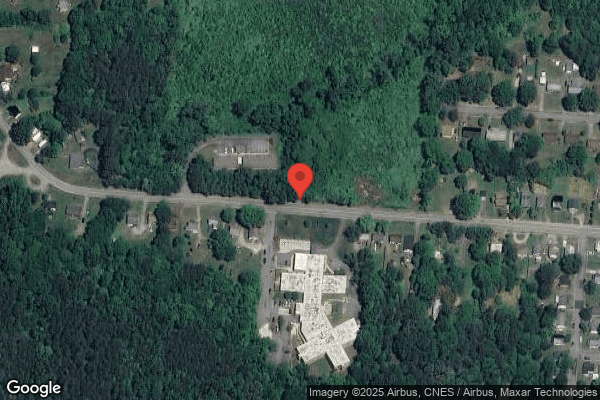

621 BERRY HILL ROAD, SOUTH BOSTON, VA 24592 (434) 572-8901
For profit - Corporation 120 Beds Independent Data: November 2025
Trust Grade
45/100
#178 of 285 in VA
Last Inspection: August 2024

Within standard 12-15 month inspection cycle. Federal law requires annual inspections.

Overview

Berry Hill Nursing Home in South Boston, Virginia, has received a Trust Grade of D, which indicates below-average performance and raises some concerns about care quality. It ranks #178 out of 285 facilities in Virginia, placing it in the bottom half, but it is the top option in Halifax County. The facility is showing an improving trend, with a decrease in reported issues from 20 in 2021 to 14 in 2024. Staffing is average with a 3/5 rating, but the turnover rate is concerning at 60%, which is higher than the state average, meaning staff may not stay long enough to build strong relationships with residents. While there have been no fines, which is a positive, specific incidents have raised concerns, such as the failure to deliver mail to residents and the absence of key positions like an activities director and infection control preventionist, which can impact residents' well-being.

Trust Score
D
45/100
In Virginia
#178/285
Bottom 38%
Safety Record
Low Risk
No red flags
Inspections
Getting Better
20 → 14 violations
Staff Stability
⚠ Watch
60% turnover. Above average. Higher turnover means staff may not know residents' routines.
Penalties
✓ Good
No fines on record. Clean compliance history, better than most Virginia facilities.
Skilled Nurses
○ Average
Each resident gets 33 minutes of Registered Nurse (RN) attention daily — about average for Virginia. RNs are the most trained staff who monitor for health changes.
Violations
⚠ Watch
43 deficiencies on record. Higher than average. Multiple issues found across inspections.
★★☆☆☆
2.0
Overall Rating
★★★☆☆
3.0
Staff Levels
★★★☆☆
3.0
Care Quality
★★☆☆☆
2.0
Inspection Score
Stable
2021: 20 issues
2024: 14 issues

The Good

  • Full Sprinkler Coverage · Fire safety systems throughout facility
  • No fines on record

Facility shows strength in fire safety.

The Bad

2-Star Overall Rating

Below Virginia average (3.0)

Below average - review inspection findings carefully

Staff Turnover: 60%

14pts above Virginia avg (46%)

Frequent staff changes - ask about care continuity

Staff turnover is elevated (60%)

12 points above Virginia average of 48%

The Ugly 43 deficiencies on record

Aug 2024 14 deficiencies
CONCERN (D)

Potential for Harm - no one hurt, but risky conditions existed

Assessment Accuracy (Tag F0641)

Could have caused harm · This affected 1 resident

**NOTE- TERMS IN BRACKETS HAVE BEEN EDITED TO PROTECT CONFIDENTIALITY** Based on observation, resident interview, staff interview and clinical record review, the facility staff failed to complete an a...

Read full inspector narrative →
**NOTE- TERMS IN BRACKETS HAVE BEEN EDITED TO PROTECT CONFIDENTIALITY** Based on observation, resident interview, staff interview and clinical record review, the facility staff failed to complete an accurate minimum data set (MDS) for three of twenty-one residents in the survey sample (Residents #3, #5 and #21). The findings include: 1. Section L. of Resident #3's significant change MDS dated [DATE] did not accurately reflect the resident's oral/dental status. Resident #3 (R3) was admitted to the facility with diagnoses that included atrial fibrillation, gastroesophageal reflux disease, diabetes, osteoporosis, psychosis with delusions, depression and dementia. The MDS dated [DATE] assessed R3 with moderately impaired cognitive skills. On 8/20/24 at 2:30 p.m., R3 was observed. During conversation with R3, the resident's lower, front teeth were observed missing. The lower, front teeth were broken and/or decayed at the gum with the dark/black tooth fragments visible. R3's clinical record documented a denture consultation dated 5/14/24. This consultation documented R3 had dental caries, residual teeth roots and large dental [NAME] (bony growths). R3's significant change MDS dated [DATE] documented the resident with no oral/dental concerns. Items under section L. indicated the resident had no tooth fragments, no broken natural teeth and no teeth with likely decay. There was no indication on this MDS of an inability to exam R3's oral/dental status. On 8/21/24 at 1:51 p.m., the registered nurse MDS coordinator (RN #1) was interviewed about the accuracy of R3's dental MDS. RN #1 stated it was not obvious to her that R3 had broken, missing or decayed teeth. RN #1 stated she did not think that R3 had any of the items in section L. On 8/21/24 at 3:24 p.m., RN #2 caring for R3 was interviewed about the resident's teeth. RN #2 stated the resident had an appointment with an oral surgeon for teeth removal in preparation for dentures. RN #2 stated the resident's front, lower teeth were missing and looked decayed. 2. Section L. of Resident #5's annual MDS dated [DATE] did not accurately reflect the resident's oral/dental status. Resident #5 (R5) was admitted to the facility with diagnoses that included multiple sclerosis, hypertension, diabetes, depression, osteopenia, neurogenic bladder and cognitive communication deficit. The MDS dated [DATE] assessed R5 as cognitively intact. On 8/20/24 at 2:22 p.m., R5 was interviewed about quality of life/care in the facility. R5 was observed during this interview with multiple missing teeth. The resident's visible teeth had broken, uneven edges and dark areas of likely decay. When asked about dental problems, R5 stated she was missing most of her teeth and the teeth she had were not in good condition. R5's plan of care (initiated 4/6/23) documented the resident had poor oral/dental health due to poor dentition related to aging and multiple comorbidities. R5's annual MDS dated [DATE] documented the resident with no oral/dental concerns. Items under section L. indicated the resident had no broken natural teeth and no teeth with likely decay. There was no indication on this MDS of an inability to exam R5's oral/dental status. On 8/21/24 at 1:50 p.m., the registered nurse MDS coordinator (RN #1) was interviewed about the accuracy of R5's dental MDS. RN #1 stated R5 was missing most of her teeth with only a few, sparse teeth intact. RN #1 stated she was not sure if the resident's remaining teeth were likely decayed. 3. Section L. of Resident #21's annual MDS dated [DATE] did not accurately reflect the resident's oral/dental status. Resident #21 (R21) was admitted to the facility with diagnoses that included psychosis, mood disorder, anxiety, depression, stroke, vascular dementia, colitis, aphasia, dysphagia, chronic obstructive pulmonary disease, and heart failure. The MDS dated [DATE] assessed R21 with moderately impaired cognitive skills. On 8/21/24 at 1:21 p.m., R21 was observed. R21's top, front teeth were missing and the resident had several visible teeth with dark, likely decayed areas. R21's clinical record documented an oral surgeon consultation on 4/25/23. This assessment listed the resident had cavities, mobile teeth and needed multiple teeth extractions prior to proceeding with a dental plan. R21's plan of care (initiated 12/5/22, revised 9/14/23) documented the resident had oral/dental problems and needed extractions. R21's annual MDS dated [DATE] documented the resident with no oral/dental concerns. Items under section L. documented the resident had no broken natural teeth, no loose teeth and no teeth with likely decay. There was no indication on this MDS of an inability to exam R5's oral/dental status. On 8/21/24 at 1:55 p.m., the registered nurse MDS coordinator (RN #1) was interviewed about the accuracy of R21's dental MDS assessment. RN #1 stated R21 was missing teeth but she did not see any broken teeth at the time of the assessment. The Long-Term Care Facility Resident Assessment Instrument 3.0 User's Manual (October 2023) documents on page L-1 concerning oral/dental status, This item is intended to record any dental problems present in the 7-day look-back period. Page L-2 of this manual documents in steps for assessment, .Conduct exam of the resident's lips and oral cavity with dentures or partials removed .Visually observe and feel all oral surfaces including lips, gums, tongue, palate, mouth floor, and cheek lining .The assessor should use their gloved fingers to adequately feel for masses or loose teeth .Check L0200D, obvious or likely cavity or broken natural teeth: if any cavity or broken tooth is seen . (1) These findings were reviewed with the administrator and nurse consultant during a meeting on 8/21/24 at 4:30 p.m. with no further information presented prior to the end of the survey. (1) Long-Term Care Facility Resident Assessment Instrument 3.0 User's Manual, Version 1.18.11, Centers for Medicare & Medicaid Services, Revised October 2023.
CONCERN (D)

Potential for Harm - no one hurt, but risky conditions existed

Deficiency F0645 (Tag F0645)

Could have caused harm · This affected 1 resident

**NOTE- TERMS IN BRACKETS HAVE BEEN EDITED TO PROTECT CONFIDENTIALITY** Based on staff interviews and clinical record reviews, the facility staff failed to complete the pre-admission screening and res...

Read full inspector narrative →
**NOTE- TERMS IN BRACKETS HAVE BEEN EDITED TO PROTECT CONFIDENTIALITY** Based on staff interviews and clinical record reviews, the facility staff failed to complete the pre-admission screening and resident review (PASARR) for three out of 21 residents in the survey, Resident #17 (R17), Resident #21 (R21) and Resident #46 (R46). The findings included: 1. The facility staff failed to complete a PASARR on R46, who had a diagnosis of schizoaffective disorder and anxiety disorder. On 8/20/24 at 3:00 p.m. a clinical record review was conducted of R46's chart. There was no evidence of a PASARR being completed prior to R46's admission on [DATE]. On 8/21/24 at 9:00 a.m. an interview was conducted with the social worker. She reviewed R46's chart and stated, he doesn't have one in his chart. On 8/21/24 at 11:09 a.m. the social worker presented a PASARR for R46 that was completed on 8/21/24. The social worker was interviewed and stated, I filled out one today because the resident did not have one from admission on [DATE]. On 8/21/24 at approximately 4:10 p.m. an end of day meeting was held with the administrator and the nurse consultant to discuss the above concerns. No additional information was provided 3. Resident #17 (R17) did not have a PASARR level 1 completed upon admission. Diagnoses for R17 included; Schizoaffective disorder, depression, and dementia. The most current MDS (minimum data set) was an annual assessment with an ARD (assessment reference date) of 7/26/2024. R17 was assessed with a cognitive score of 10 indicating moderately cognitively intact. R17 was triggered for 'No PASARR level II with a diagnosis' on the LTCSP. Review of Section A1510. titled Preadmission Screening and Resident Review (PASARR). of the current MDS was blank. On 8/20/24 R17's clinical records were reviewed. R17 had an active diagnosis of depression, schizoaffective disorder, and dementia and was receiving medication for the diagnoses. Resident #17's clinical record did not evidence documentation that a level 1 PASRR had been completed. On 8/20/24 at 3:17 p.m. the social worker (Other staff, OS #1) was interviewed regarding a PASARR for R17. OS #1 reviewed the clinical record and the PASARR log book and did not find a PASARR for R17. OS #1 said, normally when a resident is admitted she will do the PASARR and place it in the log book and her or the business manager would scan into the clinical record. OS #1 verbalized not being employed at the facility when R17 was admitted but would look into the concern and see if the PASARR may have been misplaced. On 8/21/24 at 11:09 a.m. OS #1 presented a completed PASARR with the completion date of 8/21/24. When asked about the completion date, OS #1 verbalized she had completed the form today because the form had not been completed when R17 was admitted . On 8/21/24 at 4:30 p.m. the above finding was presented to the administrator and nurse consultant. The facility presented a PASARR policy that read in part '[ .] A PASRR must be completed for all new residents prior to Admission. Residents should be admitted with an assigned PASSR Number that indicates the Level 1 Screening was completed. If the screening identifies a disability then the individual is referred for a Level 11 evaluation. No other information was presented prior to exit conference on 8/22/24. 2. The facility failed to perform a PASARR (preadmission screening and resident review) for Resident #21. Resident #21 (R21) was admitted to the facility with diagnoses that included psychosis, mood disorder, anxiety, depression, stroke, vascular dementia, colitis, aphasia, dysphagia, chronic obstructive pulmonary disease, and heart failure. Review of R21's clinical record revealed no evidence that a PASARR screening was completed prior to or after admission to the facility. R21 was routinely evaluated and treated by psychiatry for mental health disorders and related behaviors. On 8/21/24 at 11:46 a.m., the social worker (other staff #1) was interviewed about a PASARR for R21. The social worker reviewed R21's clinical record and stated, He [R21] does not have one. The social worker stated R21 was admitted prior to her employment at the facility. The social worker stated prior to her employment, she was not sure who was completing or performing the PASARR screenings. This finding was reviewed with the administrator and nurse consultant during a meeting on 8/21/24 at 4:30 p.m. with no further information presented prior to the end of the survey.
CONCERN (D)

Potential for Harm - no one hurt, but risky conditions existed

Comprehensive Care Plan (Tag F0656)

Could have caused harm · This affected 1 resident

Based on observation, staff interview and clinical record review, the facility failed to develop a care plan for one of twenty one residents. Resident #39 (R39) did not have a care plan developed for ...

Read full inspector narrative →
Based on observation, staff interview and clinical record review, the facility failed to develop a care plan for one of twenty one residents. Resident #39 (R39) did not have a care plan developed for oxygen therapy. The Findings Include: Diagnoses for R39 included; Congestive heart failure, and shortness of breath. The most current MDS (minimum data set) was an annual assessment with an ARD (assessment reference date) of 7/30/2024. R39 was assessed with a cognitive score of 6 indicating moderately cognitively intact. On 8/20/24 at 11:37 a.m. R39 was observed using oxygen at 2 liters per minute (LPM). R 39 was unable to verbalized the reason for the oxygen. R39's clinical record was reviewed, an order for oxygen continuously at 2 LPM was documented but did not indicate a start date. R39's care plan was then reviewed and did not evidence a care plan for oxygen therapy. On 8/21/24 at 11:48 a.m. registered nurse (RN #1, MDS coordinator) was interviewed regarding a missing care plan for oxygen. RN #1 said she would review the clinical record and find out. On 8/21/24 at 1:30 p.m. RN #1 verbalized the order originated on 11/13/23 when R39 had a diagnoses of COVID and also has congestive heart failure along with shortness of breath. RN #1 verbalized a care plan should have been developed at that time but was overlooked. On 8/21/24 at 4:30 p.m. the above finding was presented to the administrator and nurse consultant. No other information was presented prior to exit conference on 8/22/24.
CONCERN (D)

Potential for Harm - no one hurt, but risky conditions existed

Deficiency F0657 (Tag F0657)

Could have caused harm · This affected 1 resident

2. The facility staff failed to revise R61's care plan when her code status changed from do not resuscitate (DNR) to a full code. On 8/20/24 at approximately 2:00 p.m. a clinical record review was per...

Read full inspector narrative →
2. The facility staff failed to revise R61's care plan when her code status changed from do not resuscitate (DNR) to a full code. On 8/20/24 at approximately 2:00 p.m. a clinical record review was performed. R61's care plan had her as a DNR. R61 had a physician's order in her chart dated 10/23/23 for DNR code status. On 3/4/24 there was a physician's order in the chart for being a full code status. There was no evidence of a DDNR (durable do not resuscitate) signed by R61 in the clinical record. On 8/21/24 at 9:00 a.m. an interview was conducted with R61 about her code status. R61 stated, I want to be a full code, I want CPR. On 8/21/24 at 10:03 a.m. an interview was conducted with LPN#6 (LPN6). LPN6 was asked how she would know a resident's code status and she stated, I go by the paper on the MAR [ medication administration record] for the code status. It's at the front of every resident. On 8/21/24 at 10:05 an observation was made of the sheets in front of the residents MAR that had residents code status. R61's code status was a full code on the sheet. On 8/21/24 a clinical record review was performed. R61's code status on the care plan was DNR code status dated 10/23/23 with only one revision date in this section of the care plan of 10/24/23. On 8/21/24 at approximately 4:10 p.m. an end of day meeting was held with the administrator and the nurse consultant to discuss the above concerns. On 8/22/24 at 8:55 a.m. an interview was conducted with a registered nurse, RN#1 (RN1). RN1 was the MDS (minimum data set) coordinator and stated, I don't know why this wasn't done, she was a DNR, and I didn't realize she changed code status. I will have to investigate this. On 8/22/24 a review of a facility policy was performed. A policy titled, Interdisciplinary Teams, read in part, .the care plan team meets on a regular basis to develop and review the residents care plans. No additional information was provided. Based on staff interview, clinical record review and facility documentation review, the facility staff failed to review and revise the care plan for two residents (Resident #35- R35, and Resident #61-R61) in a survey sample of 21 residents. The findings included: 1. For R35, the facility staff failed to review and revise the care plan to reflect a fall and significant weight changes the resident had experienced. On 8/20/24-8/21/24, a clinical record review was conducted of R35's chart. According to the weight records, on 3/26/24, the resident weighed 124.3 pounds. On 4/10/24, a weight of 116.5 was recorded and on 6/4/24 a weight of 110 pounds was noted. Then on 7/3/24 R35 was noted to weigh 120.2 pounds and on 8/14/24, R35 weighed 113 pounds. R35 had several instances of significant weight loss. According to R35's nutritional care plan which was initiated on 6/24/19, the goal had a revision date of 5/24/24. The focus area read, State of nourishment; less than body requirement characterized by weight loss, inadequate intake, decreased appetite related to: Being on mechanically altered diet, Decreased Appetite, illness, Leaves 25% or more of food uneaten at most meals. The most recent revision to any of the interventions was performed on 10/19/22. According to multiple progress notes written by the registered dietician (RD), R35's significant weight changes were noted. On 1/23/24, the RD noted, . has significant weight loss of 12.8% x 180 days ., on 3/25/24, the note read, . shows a 5% G [gain] this month ., then 5/8/24 the note indicated, -5.0% change over 30 days . The RD continued to make routine notes indicating the significant weight changes R35 was experiencing, but the care plan was not reviewed or revised to reflect such changes and the interventions being implemented. According to a nursing note dated 6/28/24, R35 had a fall. The note read, Called to residents' room by staff. Entered room to find resident laying on floor mat beside bed with both legs on the bed. Resident denies pain or discomfort at thit time. No injuries or markings noted from fall. Roommate stated resident slid from bed on to floor. VS: 98.3, 20, 78, 137/83, O2 98% on RA. Resident assisted back to bed and positioned by staff. ROM within normal limits for resident. MD/RP made aware. Call bell and safety measures in place. According to R35's care plan, the focus area which was last revised on 12/16/22, read, .is at Risk for falls characterized by history of falls and multiple risk factors related to: impaired self-mobility, impaired cognition, CVA with Left hemiplegia. The goal for this focus area was revised on 5/24/24 and the most recent revision to the interventions to prevent falls was dated 10/9/23. There was no indication within the care plan that R35's care plan was reviewed or revised following the fall on 6/28/24. On 08/21/24 at 3:08 p.m., an interview was conducted with the registered nurse (RN #1), who was the care plan coordinator. RN #1 accessed R35's care plan and noted the last revision date of 2-12-24, and said, it doesn't look like I updated since 2-12-24. When asked about the process for updating care plans RN #1 said, usually I do them as we go, as they come up, we discuss them in our morning meetings and if there is a new fall I will update it with the preventative intervention we come up with. It is supposed to be updated on the floor but that doesn't always work. You are correct, I don't see anything for the 28th and I believe at that time I was out with gallbladder surgery and that may be why it was missed. Review of the facility policy titled, Interdisciplinary Teams, was conducted. This policy read in part, . The care plan team meets on a regular basis to develop and review the residents' care plans . On 8/21/24 at 4:30 p.m., during an end of day meeting, the facility administrator was made aware of the above concerns. No additional information was provided.
CONCERN (D)

Potential for Harm - no one hurt, but risky conditions existed

Deficiency F0658 (Tag F0658)

Could have caused harm · This affected 1 resident

Based on observation, staff interview, facility document review and clinical record review, the facility staff failed to follow professional standards of care during medication administration on one o...

Read full inspector narrative →
Based on observation, staff interview, facility document review and clinical record review, the facility staff failed to follow professional standards of care during medication administration on one of two units (unit two). The findings include: During a medication pass observation, the medication Breo Ellipta was administered with no prompt or instruction for the resident to rinse after administration as recommended by the manufacturer and per a physician's order. A medication pass observation was conducted on 8/21/24 at 8:05 a.m. with licensed practical nurse (LPN) #3 administering medications to Resident #20 (R20). Among the medications administered was Breo Ellipta 100 mcg - 25 mcg. LPN #3 activated the Breo Ellipta inhaler device and instructed Resident #20 to inhale the medication. After R20 inhaled the medication, the resident did not rinse her mouth. LPN #3 provided no prompt or instruction to the resident to rinse after the administration of the medication. R20's clinical record documented a physician's order dated 7/19/21 for Breo Ellipta inhaler 100-25 mcg (micrograms), inhale one puff daily for treatment of COPD (chronic obstructive pulmonary disease). The physician's order included instructions, Rinse mouth after use . On 8/21/24 at 9:00 a.m., registered nurse (RN #2) caring for R20 was interviewed about the Breo Ellipta administration observed with no rinsing. RN #2 stated nurses were supposed to ask and assist the resident to rinse/spit after the administration of inhaled medications like Breo Ellipta. On 8/21/24 at 9:45 a.m., the director of nursing (DON) was interviewed about the Breo Ellipta administration. The DON stated that mouth rinsing was required after the administration of Breo Ellipta. The DON stated nurses were expected to prompt and ensure residents rinsed after taking Breo Ellipta. The Breo Ellipta manufacturer's instruction/prescribing information sheet documented under warnings and precautions, .Candida albicans infection of the mouth and pharynx may occur .Advise the patient to rinse his/her mouth with water without swallowing after inhalation to help reduce the risk . The information sheet documented under instructions for administration, .After inhalation, the patient should rinse his/her mouth with water without swallowing to help reduce the risk of oropharyngeal candidiasis . This finding was reviewed with the administrator and nurse consultant during a meeting on 8/21/24 at 4:30 p.m. with no further information presented prior to the end of the survey.
CONCERN (D)

Potential for Harm - no one hurt, but risky conditions existed

Deficiency F0661 (Tag F0661)

Could have caused harm · This affected 1 resident

**NOTE- TERMS IN BRACKETS HAVE BEEN EDITED TO PROTECT CONFIDENTIALITY** Based on staff interview, clinical record review, and facility documentation review, the facility staff failed to develop a disc...

Read full inspector narrative →
**NOTE- TERMS IN BRACKETS HAVE BEEN EDITED TO PROTECT CONFIDENTIALITY** Based on staff interview, clinical record review, and facility documentation review, the facility staff failed to develop a discharge plan of care and recapitulation of the residents stay for one resident (resident #43- R43) in a survey sample of 3 discharged residents reviewed. The findings included: For R43, the facility staff failed to prepare a post-discharge plan of care with instructions and failed to prepare a discharge summary and recapitulation of stay that included the required information. On 8/21/24, a closed clinical record review was performed of R43's chart. This review revealed that R43 discharged from the facility on 8/10/24. According to a nursing progress note written on 8/10/24 at 1:09 p.m., it read, Writer went over medication list and upcoming appointments with RR [resident representative]. No distress noted upon discharge. Treatment to leg was done before resident discharged from the facility. According to a nursing progress note dated 8/2/24, regarding the leg it read, . one open area to left lateral lower leg, cleansed with wound cleanser, padded dry, xeroform, 4x4 and kling applied to area On 8/21/24 at 2:00 p.m., an interview was conducted with the social worker (SW). The SW confirmed that she arranged for R43 to receive home health services upon discharge and arranged a follow-up medical appointment with the resident's doctor upon discharge. The SW stated that she initiated the Discharge Instructions and Plan of Care and noted the follow-up doctor appointment and home health agency information. The SW said she then gave the form to nursing for completion of the other areas. On 8/21/24 at 2:12 p.m., the SW provided the surveyor with a copy of the form where the resident's family member and the nurse signed upon R43's discharge on [DATE]. The following areas were noted to be incomplete and blank, . 2. Medications released, 3. Treatments, 4. Diet, and 6. Other education needs . On 8/21/24, in the afternoon, an interview was conducted with the medical records employee (other employee #5- OE #5). OE #5 indicated in the misc. tab of the closed record was a discharge summary. The surveyor accessed this document, which was dated 8/10/24. It was titled, Discharge Summary and read as follows: discharge date : undefined 8/10/2024. discharged to: Home. Rehabilitation Potential: Good. Primary Diagnosis on admission: Resident has a history of HTN [hypertension], sacral fracture, chronic diastolic CHF [congestive heart failure], chronic hypoxic resp [respiratory] failure, chronic a fib [atrial fibrillation], h/o TAVR [history of Transcatheter aortic valve replacement] secondary to aortic stenosis, recurrent GI [gastrointestinal] blood loss anemia, CKD [chronic kidney disease] stage 3b, hypothyroidism, blindness in both eyes. Primary Diagnosis at time of discharge: same. Reason for discharge: completion of care. Recapitulation of stay: Other resident completed all required therapies and treatments. Resident stable for discharge. Review of systems: Constitutional: generalized weakness. All other systems negative. Vital Signs: [no information recorded]. Physical Exam: [made no mention of any wounds or treatments to the leg(s)], Medications: chart and medications reviewed, prescriptions written, Discharge Medication/Treatment list reviewed. Instructions: advised to f/u [follow up] with PCP [primary care physician] in 1-2 days and keep all f/u appointments. Discusses with: Patient; Responsible Party; Staff On 8/21/24, the medical records employee and social worker confirmed that no additional information was available with regards to a discharge summary or recapitulation of R43's stay. Review of the facility policy titled; Discharge Planning was reviewed. It read in part, Discharge Summary: When a resident's discharge is anticipated, the interdisciplinary team members will communicate the necessary information to the resident, continuing care provider, and other authorized persons at the time of an anticipated discharge. Method: The resident will have a discharge summary that includes, but is not limited to: A recapitulation of the resident's stay that includes diagnosis, court of illness/treatment or therapy, and pertinent lab, radiology, and consultation results, including any pending lab results; A final summary of the resident's status at the time of discharge that is available for release to authorized persons and agencies . that includes: identification and demographic information, customary routine, cognitive pattern, communication, vision, mood and behavior patterns, psychological well-being, physical functioning, and structural problems, continence, disease diagnosis and health conditions, dental and nutritional status, skin conditions, activity pursuit, medications, special treatments and procedures, discharge planning as evidenced by most recent discharge care plan, documentation of summary information regarding the additional assessment performed on the care areas triggered by the completion of the MDS [an assessment type], and documentation of participation in the assessment process . On 8/21/24 at 4:30 p.m., during an end of day meeting, the facility administrator and corporate nurse consultant were made aware of the above concerns and asked if they find any additional information with regards to a recapitulation of stay, discharge summary or discharge plan of care to provide it to the survey team. No additional information was provided prior to conclusion of the survey.
CONCERN (D)

Potential for Harm - no one hurt, but risky conditions existed

Quality of Care (Tag F0684)

Could have caused harm · This affected 1 resident

**NOTE- TERMS IN BRACKETS HAVE BEEN EDITED TO PROTECT CONFIDENTIALITY** Based on resident interview, staff interview and clinical record review, the facility staff failed to implement a physician's or...

Read full inspector narrative →
**NOTE- TERMS IN BRACKETS HAVE BEEN EDITED TO PROTECT CONFIDENTIALITY** Based on resident interview, staff interview and clinical record review, the facility staff failed to implement a physician's order for one of twenty-one residents in the survey sample (Resident #5). The findings include: A physician's order for as needed Orajel topical gel was not added to Resident #5's medication administration record (MAR) so that nurses were aware to offer/administer the medicine if needed for tooth/gum pain. Resident #5 (R5) was admitted to the facility with diagnoses that included multiple sclerosis, hypertension, diabetes, depression, osteopenia, neurogenic bladder and cognitive communication deficit. The MDS dated [DATE] assessed R5 as cognitively intact. On 8/20/24 at 2:22 p.m., R5 was interviewed about quality care in the facility. During this interview, R5 stated she had a tooth on the lower, right side that hurt when she chewed or put pressure on it. R5 stated she was on pain medication and received Tylenol as needed for the sore tooth. R5's clinical record documented a physician's order dated 8/14/24 for Orajel every 2 hours as needed for tooth pain. R5's MAR for August 2024 was reviewed on 8/20/24 and revealed no entry or listing for the administration of Orajel. On 8/21/24 at 7:39 a.m., R5 was interviewed again about her tooth pain and if she had used the prescribed Orajel. R5 stated her tooth was not hurting this morning but she was not aware she had an order for Orajel. R5 stated she was not aware Orajel was available if needed for tooth/gum pain. On 8/21/24 at 1:40 p.m., licensed practical nurse (LPN #2) caring for R5 was interviewed about the Orajel order. LPN #2 stated the resident was on scheduled pain medication and was administered Tylenol as needed for pain. LPN #2 reviewed R5's MAR and stated she did not see an order for Orajel. LPN #2 stated she was not aware that Orajel was an option R5's tooth/gum pain. LPN #2 stated when medication orders were received, the nurse taking the order was supposed to send the order to pharmacy and add the medication to the MAR. On 8/21/24 at 3:04 p.m., the nurse consultant (administration #3) was interviewed about R5's Orajel order. The nurse consultant stated the nurse faxed the order to pharmacy but did not record the medication on the MAR. The nurse consultant stated the medication was received from pharmacy, was available in the cart but nursing failed to list the medicine on the MAR. This finding was reviewed with the administrator and nurse consultant during a meeting on 8/21/24 at 4:30 p.m. with no further information presented prior to the end of the survey.
CONCERN (D)

Potential for Harm - no one hurt, but risky conditions existed

Deficiency F0692 (Tag F0692)

Could have caused harm · This affected 1 resident

Based on observations, staff interviews, resident interview and clinical record review the facility staff failed to provide a physician's ordered supplement for Resident #64 (R64), one resident out of...

Read full inspector narrative →
Based on observations, staff interviews, resident interview and clinical record review the facility staff failed to provide a physician's ordered supplement for Resident #64 (R64), one resident out of 21 residents in the survey. The findings included: The facility staff failed to provide a nutritional supplement on R64's lunch meal tray. On 8/20/24 at 12:00 p.m. an observation was made of the lunchtime meal. R64's lunch tray was observed and there was no boost on the tray. On 8/20/24 at 12:05 an interview was conducted with R64. R64 stated, my daughter will bring me in some boost sometimes, but I don't get one on my trays here. On 8/21/24 at 11:40 a.m. an observation was made of R64's lunchtime meal. There was no nutritional supplement on R64's tray. R64 shook her head and stated, not one today either. On 8/21/24 at 11:45 an interview was conducted with CNA#5 (CNA5). CNA5 was in R64's room and verified that there was no nutritional supplement on the lunch tray. CNA5 stated, it should be on it every day and it is on the meal ticket. On 08/21/24 at 3:15 p.m. an interview with the dietary manager was conducted. The dietary manager verified she had the order for the supplement to be on the lunch tray and stated, don't know why the girl did not put the boost on the tray. This surveyor was going to interview the dietary aide that was working but the dietary manager said the aide was gone for the day. On 8/21/24 at approximately 3:30 p.m. a clinical record review was performed. R64 had a physician's order written on 8/14/24 for the nutritional supplement to be on the lunch tray and this was a recommendation from the registered dietician. On 8/21/24 a facility document was provided titled, Dietetic Services Policy, it read in part, .importance of providing a hygienic dietetic service that meets the food and nutritional needs of the residents in accordance with the attending physician's orders. On 8/21/24 a facility document was provided titled, Bulk nourishments/supplements, read in part, .high calorie, high protein supplemental oral feeding can be provided for residents experiencing weight loss. Order should indicate name of product, ounces or cc's ordered and number of times a day. Residents receiving supplement will have a physician's order. On 8/21/24 at approximately 4:10 p.m. an end of day meeting was held with the administrator and the nurse consultant to discuss the above concerns. No additional information was provided.
CONCERN (D)

Potential for Harm - no one hurt, but risky conditions existed

Deficiency F0761 (Tag F0761)

Could have caused harm · This affected 1 resident

Based on observation, staff interview, facility document review and clinical record review, the facility staff failed to accurately label three medications out of 41 opportunities during the medicatio...

Read full inspector narrative →
Based on observation, staff interview, facility document review and clinical record review, the facility staff failed to accurately label three medications out of 41 opportunities during the medication pass and pour observations. 1. The medication Provera administered to Resident #11 (R11) during a medication pass observation was not labeled with a dosage. 2. Phenytoin sodium extended release 100 mg administered to Resident #8 (R8), and Atenolol/Chlorthalidone 50-25 mg administered to Resident #20 (R20) were not labeled with a dosage and had incomplete medication name. The findings include: 1. The medication Provera administered to Resident #11 (R11) during a medication pass observation was not labeled with a dosage. A medication pass observation was conducted on 8/21/24 at 7:58 a.m., with licensed practical nurse (LPN #1) administering medications to Resident #11. Among the medications administered was Provera. Observation of the multi-medication pill pack did not evidence a dosage for the Provera. LPN #1 also reviewed the pill packet and agreed there was no indication of the dosage and verbalized that the order is for 10 milligrams (MG) of Provera. The medication (Provera) was then verified with the physicians order documenting Provera 10 mg tab daily. Future daily doses of Provera was also reviewed and also did not indicate the dosage on the packaging. On 8/21/24 at 9:16 a.m. an interview with a pharmacist (other staff, OS #2) via phone was conducted. After explaining the concern, OS #2 verbalized that he was also a supervisor and would look into the concern and call back. On 8/21/24 at 9:48 a.m. the director of nursing (DON) was made aware of the concern. The DON said she was going to remove all of the medication in question and reach out to the pharmacy. On 8/21/24 at 9:55 a.m. OS #2 called and verified the dosage should be on the label and had been cut off (missing from the packaging), and that the software company that creates the labels would have to be notified in order to fix the problem. On 8/21/24 at 4:30 p.m. the above information was presented to the administrator and nurse consultant. No other information was provided prior to exit conference on 8/22/24. 2. A medication pass observation was conducted on 8/21/24 at 8:05 a.m., with licensed practical nurse (LPN) #3 administering medications to Resident #20 (R20). A medication administered to R20 was from a sealed pharmacy pouch labeled atenolol/chlorthalido. There was no dosage listed on the pharmacy label for this medication. R20's clinical record documented a physician's order dated 7/19/21 for Tenoretic (atenolol/chlorthalidone) 50-25 milligrams with instructions to take once daily for hypertension. A medication pass observation was conducted on 8/21/24 at 8:19 a.m., with LPN #3 administering medications to Resident #8 (R8). A medication was administered to R8 from a sealed pharmacy pouch labeled, Phenytoin Sodium Exten. There was no dosage printed on the label for this medication. R8's clinical record documented a physician's order dated 7/9/24 for Dilantin (phenytoin) extended release 100 mg with instructions to take one capsule twice per day for seizures. On 8/21/24 at 8:30 a.m., LPN #3 that administered the medications with no dose labeling was interviewed. LPN #3 stated she had not noticed the missing dose information on the above medication labels. LPN #3 stated she assumed the medication dose was correct since it came from the pharmacy. On 8/21/24 at 9:00 a.m., the registered nurse (RN #2) caring for R8 and R20 was interviewed. RN #2 reviewed medications supplied in the cart for R8 and R20 and stated the labels for the two medications questioned did not have a dose listed on the label. RN #2 stated she was not aware the pharmacy labels for the phenytoin and Tenoretic did not include a dose and the labels looked like the printing was incomplete. On 8/21/24 at 9:54 a.m., the facility's consultant pharmacy supervisor (other staff #2) was interviewed about the pharmacy labels printed with no dosage. After reviewing, the pharmacy supervisor stated the dose for medicines should be printed on the label along with the complete medication name. The pharmacy supervisor stated the label printing was a software issue and needed to be adjusted so that complete prescribing information was printed on the labels. The facility's policy titled Medication Administration (undated) documented regarding medication labeling guidelines, .All prescription medications and all non-prescription medications not in the original manufacturer's package shall be dispensed in an approved container. Each container shall have at least the following information contained on the label .trade and/or generic name of the medication .directions for use .First and last name of the resident .date of dispensing .Strength/concentration of the medication . This finding was reviewed with the administrator and nurse consultant during a meeting on 8/21/24 at 4:30 p.m. with no further information presented prior to the end of the survey.
CONCERN (D)

Potential for Harm - no one hurt, but risky conditions existed

Dental Services (Tag F0791)

Could have caused harm · This affected 1 resident

**NOTE- TERMS IN BRACKETS HAVE BEEN EDITED TO PROTECT CONFIDENTIALITY** Based on observation, resident interview, staff interview and clinical record review, the facility staff failed to provide denta...

Read full inspector narrative →
**NOTE- TERMS IN BRACKETS HAVE BEEN EDITED TO PROTECT CONFIDENTIALITY** Based on observation, resident interview, staff interview and clinical record review, the facility staff failed to provide dental services for two of twenty-one residents in the survey sample (Residents #5 and #21). The findings include: 1. Resident #5, with a physician's order for dental services, had not been referred or seen by a dentist. Resident #5 (R5) was admitted to the facility with diagnoses that included multiple sclerosis, hypertension, diabetes, depression, osteopenia, neurogenic bladder and cognitive communication deficit. The MDS dated [DATE] assessed R5 as cognitively intact. On 8/20/24 at 2:22 p.m., R5 was interviewed about quality of care in the facility. R5 was observed at this time with multiple missing teeth and visible teeth with broken edges and dark areas. R5 stated she had a tooth on the lower, right side that hurt when she chewed or put pressure on it. R5 stated she had taken medication for the tooth but had not seen a dentist. R5's clinical record documented the resident was seen by the nurse practitioner (NP) on 4/12/24 and assessed with a right lower molar abscess. The NP prescribed the antibiotic Augmentin for 10 days for treatment of the infection. The NP documented on 4/12/24, .Refer to dentist if possible . Nursing notes dated 4/24/24 documented, .Writer has phoned multiple practices last week and this week to try to find a dentist that is taking new patients, that will also accept resident's insurance, and accommodate resident via stretcher. Writer has had no success finding a provider thus far .NP made aware. Writer plans to call back next month to try to get an appt. [appointment] for resident . R5's clinical record documented no provision of dental services for R5 following this attempt to schedule an appointment. R5 had ongoing assessments by the NP and nursing with no further dental issues noted until 8/9/24. A nursing note dated 8/9/24 documented the NP was notified that the resident complained of tooth pain. The NP ordered the antibiotic Augmentin 875-125 milligrams twice per day for 10 days in response to the tooth pain. The NP assessed R5 on 8/14/24 and entered an order stating, Please try [and] get her in to dentist to have abscessed tooth extracted . R5's clinical record revealed no evidence of dental referral or scheduled appointment in response to the 8/9/24 order. On 8/21/24 at 11:43 a.m., the social worker (other staff #1) was interviewed about dental services for R5. The social worker stated, As far as I know, we were unable to find a dentist that will take her [R5]. The social worker stated the resident required a stretcher during transport and the facility had been unable to locate a dentist that accommodated the stretcher. The social worker stated they currently had no dentist that provided services in-house. The social worker stated there were dentists available that accepted Medicaid, but the stretcher created a problem. On 8/21/24 at 2:18 p.m., the administrator was interviewed about dental services for R5. The administrator stated, We've struggled getting anyone to help. The administrator stated they got a contract approved for a provider to come to the facility and then the provider stated they had no dentist in the area to provide services. The administrator stated there were local Medicaid providers, but they were unable to manage stretcher-bound residents. The administrator stated, We've been trying to get appointments and have been unsuccessful. On 8/21/24 at 2:41 p.m., the NP (other staff #4) that assessed/treated R5 was interviewed about dental care. The NP stated she treated R5 earlier in the year (April 2024) for an infection of the right, lower molar. The NP stated the infection cleared with the antibiotics and there had been no further issues until recently. The NP stated the resident was ordered the dental referral because she likely had an abscessed tooth. The NP stated she had successfully managed the infection and pain with medication but that the tooth most likely needed extraction to resolve the issue long-term. The NP stated she was aware there had been difficulty finding dental providers but again stated the resident needed to see a dentist for resolution of the tooth issue. R5's plan of care (revised 1/9/24) documented the resident had oral/dental health problems due to aging and multiple comorbidities. Interventions to prevent infection and maintain oral/dental health included, Follow therapeutic regime for resolution of infection .Observe for and notify physician of s/sx [signs/symptoms] or oral/dental problems needing attention . This finding was reviewed with the administrator and nurse consultant during a meeting on 8/21/24 at 4:30 p.m. with no further information presented prior to the end of the survey. 2. Resident #21 (R21) had no dental care for extractions as recommended by an oral surgeon consultant. Resident #21 (R21) was admitted to the facility with diagnoses that included psychosis, mood disorder, anxiety, depression, stroke, vascular dementia, colitis, aphasia, dysphagia, chronic obstructive pulmonary disease, and heart failure. The MDS dated [DATE] assessed R21 with moderately impaired cognitive skills. R21's clinical record documented an oral surgery consultation dated 4/24/23 regarding cavities and mobile teeth. The oral surgery consultation report dated 4/24/23 documented, carious and mobile teeth, however no signs of acute infection. Patient will need to be seen for evaluation by general dentist to come up with restorative plan prior to us extracting any necessary teeth .Please have patient evaluated by general dentist to come up with treatment plan .Our surgical treatment plan include: Extraction of multiple teeth in an or [operating room] setting . R21's clinical record documented no general dentist services provided in response to the consultation. On 8/21/24 at 11:51 a.m., the social worker (other staff #1) was interviewed about any dental referral or services for R21 following the oral surgery consultation. The social worker stated she was not aware the R21 needed to see a dentist or had been recommended to see a dentist. The social worker stated R21 transported in a wheelchair and that if needed, staff could accompany the resident to appointments and assist with transfer to a dental chair. The social worker stated nobody had asked her about getting a dental appointment for R21. On 8/21/24 at 2:18 p.m., the administrator was interviewed about dental services. The administrator stated, We've struggled getting anyone to help. The administrator stated they got a contract approved for a provider to come to the facility and then the provider stated they had no dentist in the area to provide services. The administrator stated, We've been trying to get appointments and have been unsuccessful. On 8/21/24 at 2:44 p.m., the nurse practitioner (NP - other staff #4) that assessed/treated R21 was interviewed his dental care. The NP stated she recalled R21 being referred to an oral surgeon or dentist. The NP stated she was aware there had been difficulty with getting dental providers. The NP stated R21 had been treated in the past with antibiotics for a tooth infection and the issue was resolved with antibiotic treatment. The NP stated R21 needed to be seen by a dentist, either in-house or by an outside provider to resolve and address ongoing dental problems. R21's plan of care (revised 3/20/24) documented the resident had poor oral/dental health and had a consultation on 4/24/23 with plans for future extractions. Interventions to maintain oral/dental health included, Coordinate arrangements for dental care as needed . This finding was reviewed with the administrator and nurse consultant during a meeting on 8/21/24 at 4:30 p.m. with no further information presented prior to the end of the survey.
CONCERN (D)

Potential for Harm - no one hurt, but risky conditions existed

Deficiency F0808 (Tag F0808)

Could have caused harm · This affected 1 resident

Based on observation, staff interview, clinical record review and facility documentation review, the facility staff failed to provide a physician ordered therapeutic diet for one resident (Resident #3...

Read full inspector narrative →
Based on observation, staff interview, clinical record review and facility documentation review, the facility staff failed to provide a physician ordered therapeutic diet for one resident (Resident #35-R35) in a survey sample of 21 residents. The findings included: For R35, who had experienced significant weight loss, the physician ordered the resident to receive double portions at meals, which were not provided as ordered. On 8/20/24-8/21/24, a clinical record review was conducted of R35's chart. This review revealed that R35 had an active physician order that read, Regular diet, Pureed texture, Honey consistency double portions, EMP [enriched meal program]. A review of R35's weights was conducted and noted that on 7/3/24 R35 weighed 120.2 pounds. On 8/14/24, R35 weighed 113 pounds, which was a 7.2-pound weight loss in one month. According to R35's care plan with a revision date of 5/24/24, a focus area read, State of nourishment; less than body requirement characterized by weight loss . One of the associated interventions for this care plan focus area read, Diet is regular double portions pureed with honey thick liquids. According to a progress note written by the registered dietician dated 8/20/24, it read in part, Resident noted with weight loss 5% x 30d. Diet: Pureed, EMP, HTL [honey thick liquids] with 2x portions. All food in bowls - intake ~75-100% . On 8/21/24 at 11:29 AM, R35 was observed in the dining room being fed by certified nursing assistant #1 (CNA #1). R35's food was in bowls and the bowls were observed to be half full. The tablemate, another resident at the same table also had foods in bowls which were also half full. CNA #1 was asked about R35's portion sizes. CNA #1 looked at the meal ticket and confirmed that R35 was supposed to have double portions. CNA #1 agreed that R35's portions did not appear to be double. Licensed practical nurse #1 (LPN #1) was called over to the table and confirmed that it did not appear that R35 had received double portions as ordered. On 8/21/24 at approximately 11:45 a.m., the surveyor requested that the dietary manager come to the dining room. The dietary manager was asked about R35's portion sizes and said for double portions the bowls should have been full. The surveyor accompanied the dietary manager to the kitchen and observed the tray line. Another resident was served foods in bowls and one scoop resulted in a half full bowl, which was the same that R35 had received. The dietary manager confirmed that R35 was to receive two scoops of all food items. The facility policy titled; Therapeutic Program was reviewed. The policy read in part, The consulting dietitian advises on the planning, preparation, and serving of diets as prescribed by the resident's attending physicians. No diets will be changed without a written order from the attending physician . The policy titled; Menu Policy was reviewed. The menu policy read in part, . Other specific diets will be adjusted and indicated on the individual tray card as ordered utilizing an approved diet manual . On 8/21/24, during an end of day meeting held at 4:30 p.m., the facility administrator and corporate nurse consultant were made aware of the above findings. No additional information was provided.
CONCERN (D)

Potential for Harm - no one hurt, but risky conditions existed

Medical Records (Tag F0842)

Could have caused harm · This affected 1 resident

**NOTE- TERMS IN BRACKETS HAVE BEEN EDITED TO PROTECT CONFIDENTIALITY** Based on staff interview and clinical record review, the facility staff failed to provide an accurate clinical record for one of...

Read full inspector narrative →
**NOTE- TERMS IN BRACKETS HAVE BEEN EDITED TO PROTECT CONFIDENTIALITY** Based on staff interview and clinical record review, the facility staff failed to provide an accurate clinical record for one of twenty-one residents in the survey sample (Resident #49). The findings include: Resident #49's plan of care listed the resident as a DNR (do not resuscitate) and the care plan interventions regarding advance directives documented a requirement for cardiopulmonary resuscitation. Resident #49 (R49) was admitted to the facility with diagnoses that included cancer, atrial fibrillation, deep vein thrombosis, hypertension and schizoaffective mood disorder. The minimum data set (MDS) dated [DATE] assessed R49 with severely impaired cognitive skills. R49's clinical record documented a current do not resuscitate (DNR) order. R49's plan of care (revised [DATE]) listed under the Focus column that the resident was on hospice and had a DNR order. Interventions to honor the resident's advance directives documented, CPR (cardio-pulmonary resuscitation): Full Code. On [DATE] at 2:00 p.m., the registered nurse MDS coordinator (RN #1) was interviewed about the inaccurate full code intervention for R49. RN #1 stated she reviewed/updated the care plan and changed the problem/focus area but did not change the intervention column. RN #1 stated, The intervention did not get changed. This finding was reviewed with the administrator and nurse consultant during a meeting on [DATE] at 4:30 p.m. with no further information presented prior to the end of the survey.
CONCERN (E)

Potential for Harm - no one hurt, but risky conditions existed

Abuse Prevention Policies (Tag F0607)

Could have caused harm · This affected multiple residents

Based on staff interview and facility documentation review, the facility staff failed to implement the abuse policy with regards to the pre-screening of employees for 15 employees in a survey sample o...

Read full inspector narrative →
Based on staff interview and facility documentation review, the facility staff failed to implement the abuse policy with regards to the pre-screening of employees for 15 employees in a survey sample of 25 employee records reviewed. The findings included: For fifteen employees, the facility staff failed to obtain a sworn statement, criminal background within 30 days of employment and conduct verification with the board of nursing for nursing staff prior to allowing staff to work. On 8/21/24, a sample of twenty-five employees who had been hired within the last two years was identified and their employee files were requested. On 8/21/24, a review of the employee files was conducted and revealed the following. Three employees, a licensed practical nurse (LPN #4) and two certified nursing assistants (CNA #2 and CNA #7) did not have signed sworn statements on file. LPN #4 had no sworn statement in the file and CNA #2 and #7 had a sworn statement that was not signed by the employees. One employee, who was a licensed practical nurse (LPN #4), was hired 6/23/23. The criminal background check from the Virginia State Police was not requested by the facility until 11/13/23. Eleven employees who were nursing department employees, did not have their professional nursing license or certification verified until after the survey had commenced on 8/20/24. Therefore, the facility did not know if the staff had active and unencumbered licenses to practice or if they had any adverse actions reported against their license. They included registered nurses (RN #3 and RN #4), a licensed practical nurse (LPN #5), and certified nursing assistants (CNA #1, CNA #2, CNA #3, CNA #4, CNA #5, CNA #6, CNA #8, and CNA #9). Two of the nursing department employees did not have their professional license verified until after then had been permitted to work with residents. CNA #12 was hired 3/8/23, and her nurse aide certification was not checked until 2/19/24, and CNA #10 was hired 9/12/23, and her certification was not verified with the board of nursing until 11/13/23, to see if they had an active and unencumbered certification to practice as a certified nursing assistant. On 8/21/24 at 4:07 p.m., an interview was conducted with the payroll/human resources manager (HRM). The HRM stated that upon hire she is responsible for verifying the applicant/employee's professional license. When the surveyor asked about so many of the employees' license having been verified the day before or that day, the HRM said, we don't have an SDC [staff development coordinator] person and I don't know where they kept their information at. When asked if this information should have been part of the employees file, the HRM said yes. During the above interview the HRM further stated that the sworn statements are to be completed at the time the employee completes their application for employment and the criminal background check is to be obtained within 30 days of hire. The HRM confirmed that each of these items are done for the safety of the residents and a way to verify who they have working with residents. A review was conducted of the facility's policy titled, Abuse, Neglect, or Misappropriation of Resident Property Policy. This policy read in part, .The facility will do whatever is in its control to prevent mistreatment, neglect, exploitation, and abuse of our residents or misappropriation of their property . The facility will not employ individuals that have been found guilty of abusing, neglecting, exploiting, or mistreating residents by a court of law or who have had a finding entered into the state's Nurse Aide Registry concerning abuse, neglect, or misappropriation of their property . Screening of Employees: Potential employees (including contracted, temporary agency, and volunteers) will be screened by the facility for abuse, neglect, exploitation, or misappropriation of property. This screening process will include requesting of information from previous and/or current employers and checking with the appropriate licensing boards and/or registries . On 8/21/24 at 4:30 p.m., during an end of day meeting with the facility administrator, the above findings were discussed. On 8/22/24 at 10:01 a.m., the facility administrator stopped the surveyor in the hallway and provided a document that was titled, pre hire action with regards to LPN #4. The administrator pointed out on the second page a comment that was dated 6/20/23 at 2:56 p.m., that read, This person has passed all our background checks. When asked if he had evidence that the check was conducted with the Virginia State Police, he did not answer. On 8/22/24 at 10:30 a.m., an interview was conducted with the facility administrator. When asked what the purpose of the sworn statement and criminal background checks are for, the administrator said, so I don't have an employee who could be barred from employment due to a barrier crime working. When asked about the purpose of verifying the employee's license or certification with the board of nursing was for, the administrator said to ensure that staff hold an active license without any adverse actions for the position they are being hired for. No additional information was provided.
CONCERN (E)

Potential for Harm - no one hurt, but risky conditions existed

Food Safety (Tag F0812)

Could have caused harm · This affected multiple residents

Based on observation, staff interview and facility documentation review, the facility staff failed to store food in accordance with professional standards for food service safety in the main kitchen a...

Read full inspector narrative →
Based on observation, staff interview and facility documentation review, the facility staff failed to store food in accordance with professional standards for food service safety in the main kitchen and the nourishment refrigerators on two of two nursing units. The findings included: 1. In the main kitchen, the facility staff failed to store food in a manner to prevent contamination and to label items to indicate when they were opened and when they were to be used by. On 8/20/24 at 10:40 a.m., observations were conducted in the main kitchen with the dietary manager accompanying the surveyor. In the dry storage area, there was a bag of graham cracker crumbs that the bag was folded over and secured with a binder clip, used to secure a stack of papers. There was no date to indicate when they were opened or when they were to be used by. The dietary manager stated that she expects all items to be secured and closed properly, labeled when opened and when to be used by for safety reasons and to keep items fresh. In the stand-alone freezer there was a bag of breaded patties that the dietary manager identified as crab cakes. The bag was twisted at the top but not secured and had no date to indicate when it was opened. There was a bag of chicken tenders that had no date and a bag of french fries that were open, not closed or secured and had no date of when it was opened. In the stand alone cooler there was a container covered with aluminum foil that was labeled as chicken noodle soup. The foil was torn and had an open area approximately one and a half inches long which left the food open to air and contaminates. There was an item that was covered with aluminum foil that was not labeled with the contents, date prepared or date to be used by. The cook identified the item as boiled eggs. In the walk-in cooler there was a metal tray rack that had cherry cheesecakes that were covered in parchment paper. There was no date to indicate when they were prepared or to be used by. The dietary manager stated they had just made them, and they were for the next day's supper. In the walk-in freezer a bag of meatballs that was twisted at the top and not secured, was observed to not have a date they were opened. There was a bag of chicken that was tied closed but had no date. The dietary manager said they had taken it out of the box yesterday and confirmed there was no date on the package. Review of the facility policy titled; Food Storage was conducted. The policy read in part, All incoming foods will have a delivery date and an open date or use by date. When the foods are stored in a container other than the original container, the container will be labeled with the name of the product and incoming wash and fill date . 2. In the main kitchen the facility staff failed to ensure milk was maintained at an appropriate temperature. On 8/20/24 at approximately 11 a.m., just before the dietary staff were to begin the meal service/tray line at 11:15 a.m., the dietary manager took temperatures of the foods on the tray line. This also included a beverage station where juices and milk here being held until time to serve. The dietary manager took the temperature of a carton of milk which was 45.7 degrees farenheight. During the above observation, the dietary manager was interviewed. When asked what temperature milk is to be held at, she said it should have been less than 40 degrees. The dietary manager asked the food service aide to put the milk back in the cooler until they were ready to serve. Review of the facility provided policies with regards to food storage were reviewed and did not address the temperature dairy products are to be held at. According to the Temperature Chart for Refrigerators and Freezers the Temperature Ranges were noted as Refrigerators 35-41 degrees. 3. On two of two nursing units, the refrigerators used for resident foods had items stored beyond the date to be used and items were not labeled and dated appropriately. On 8/21/24 at 9:29 a.m., observations were conducted of the unit two nourishment fridge. It was noted that there were two cups of what appeared to be apple sauce that had no labeling as to the contents, date prepared or date to be used by. There was a small container of what appeared to be coleslaw that had no label of contents or date. On 8/21/24 at 9:37 a.m., observations were conducted of the unit one nourishment refrigerator. It was noted that the temperature log did not have any temperature recordings for August 17-19. There was a Ziplock bag containing an undetermined food item and multiple food storage containers that had no label as to whom they belonged to, contents, date prepared or to be used by. There was a pan covered in aluminum foil with no date or labeling. There was a cake that was not labeled or dated. There was a container of honey thickened cranberry juice that had a date of 8/13/24, written on it. The director of nursing confirmed that this was supposed to be for the storage of resident's food items but stated that it appeared the majority of the items belonged to staff. On 8/21/24 at approximately 9:45 a.m., the dietary manager provided a document titled, use by dates: refrigerator that noted prepared thickened juice, tea, water was to be used within 5 days of opening. Review of the facility provided policy titled, Use and Storage of Leftovers was reviewed. This policy read in part, . Each day, an assigned person will check leftovers and throw out any foods that have been kept up to the maximum length of time allowed. The maximum length of time a food may be kept is shown on the following chart . The policy titled; Outside Food Policy was reviewed. It detailed no information as to how foods would be stored if maintained in the nourishment refrigerators on the units. According to SERV Safe Fourth Edition manual page 7-3 read, When food is stored improperly and not used in a timely manner, quality and safety suffer. Poor storage practices can cause food to spoil quickly with potentially serious results. General Storage Guidelines: Label food. All potentially hazardous, ready-to-eat food prepared onsite that has been held for longer than twenty-four hours must be properly labeled. The label must include the name of the food and the date by which it should be sold, consumed, or discarded. Page 7-4 stated, Discard food that has passed the manufacturer's expiration date. According to the 2017 Food Code published by the U.S. Public Health Service, FDA U.S. Food & Drug Administration chapter 3, section 3-302.15, page 64 stated: Package Integrity. FOOD packages shall be in good condition and protect the integrity of the contents so that the FOOD is not exposed to ADULTERATION or potential contaminants. According to the 2017 Food Code published by the U.S. Public Health Service, FDA U.S. Food & Drug Administration chapter 3, section 3-305.11 Food Storage .D. A date marking system that meets the criteria . (2) Marking the date or day of preparation, with a procedure to discard the food on or before the last date or day by which the food must be consumed on the premises, sold, or discarded . Section 3-501.17 Ready-to-eat, Time/temperature control for safety food, date marking read, (A) .refrigerated, ready-to-eat, time/temperature control for safety food prepared and held in a food establishment for more than 24 hours shall be clearly marked to indicate the date or day by which the food shall be consumed on the premises . The CFR [Code of Federal Regulations] read, 3-305.11 Food Storage .D. A date marking system that meets the criteria . (2) Marking the date or day of preparation, with a procedure to discard the food on or before the last date or day by which the food must be consumed on the premises, sold, or discarded . On 8/21/24 at 9:55 a.m., the facility administrator was made aware of concerns with food storage as noted above. He stated he had already been made aware. No additional information was provided.
Dec 2021 20 deficiencies
CONCERN (D)

Potential for Harm - no one hurt, but risky conditions existed

Notification of Changes (Tag F0580)

Could have caused harm · This affected 1 resident

**NOTE- TERMS IN BRACKETS HAVE BEEN EDITED TO PROTECT CONFIDENTIALITY** Based on staff interview and clinical record review, the facility staff failed to notify the physician that compression stocking...

Read full inspector narrative →
**NOTE- TERMS IN BRACKETS HAVE BEEN EDITED TO PROTECT CONFIDENTIALITY** Based on staff interview and clinical record review, the facility staff failed to notify the physician that compression stockings were not available for one of 17 residents, Resident #38. Findings were: Resident #38 was admitted to the facility on [DATE] with the following diagnoses, including but not limited to: Arthropathy, dementia, prostatic hyperplasia, hypertension, syncope and collapse. His admission MDS (minimum data set) with an ARD (assessment reference date) of 11/10/2021 assessed him as severely impaired with a cognitive summary score of 07. The clinical record was reviewed on 12/15/2021 at approximately 9:30 a.m. The physician order section contained the following order: 11/03/2021 Measure and apply compression stockings-apply every morning and remove at bedtime. At approximately 10:15 a.m. on 12/15/2021, Resident #38 was observed sitting in a chair in his room. He was asked if he was wearing compression stockings on his legs. He pulled up his pants legs and stated, You want to see my socks? He was wearing white cotton socks only, no compression stockings. At approximately 10:30 a.m., LPN (licensed practical nurse) #2 was interviewed. She was asked where the physician ordered compression stockings were documented as on or off; the TAR (treatment administration record) or the MAR (medication administration record). She stated, They are on the MAR. She went to the medication cart and obtained the paper MAR book. She stated, They are right here. The compression stocking order was handwritten on the MAR, but there were no entries for the month of December that they had been applied or removed. She was asked why there were no entries. She stated, We don't have them .(Name of LPN #1) measured him yesterday but I don't think they are here. LPN #1 was at the nurse's station and heard the conversation. She stated, I did measure him yesterday .I was hoping they would come in last night but the pharmacy sent us a note that they are out [of stock]. She was asked why if the order was written on 11/03/2021, Resident #38 had not been measured or had his compression stockings ordered until the previous day (12/14/2021). LPN #2 stated, I'll tell you why, we couldn't find a tape measurer .the DON (director of nursing) was down here and everything, we didn't have one. LPN #1 and LPN #2 were both asked if there was a backup plan for supplies when the pharmacy was out. They both shrugged their shoulders. They were asked if the physician had been notified that the compression stockings had not been applied for over a month since the initial order. LPN #2 stated, I don't know if he knows or not. There was no documentation in the clinical record that the physician had been notified that Resident #38 had not been measured when the compression stockings were ordered, or that when he had been measured the stockings were not available from the pharmacy. On 12/15/2021 at approximately 3:00 p.m., the above information was discussed with the administrator. She stated, He has them now. I sent someone over to [name] pharmacy and got them picked up. She was asked if the physician should have been notified. She shook her head up and down indicating Yes. No further information was obtained prior to the exit conference on 12/16/2021.
CONCERN (D)

Potential for Harm - no one hurt, but risky conditions existed

Deficiency F0657 (Tag F0657)

Could have caused harm · This affected 1 resident

**NOTE- TERMS IN BRACKETS HAVE BEEN EDITED TO PROTECT CONFIDENTIALITY** Based on observation, staff interview and clinical record review, the facility staff failed to review and revise the comprehensi...

Read full inspector narrative →
**NOTE- TERMS IN BRACKETS HAVE BEEN EDITED TO PROTECT CONFIDENTIALITY** Based on observation, staff interview and clinical record review, the facility staff failed to review and revise the comprehensive plan of care for one of seventeen residents in the survey sample, Resident #55. Resident #55's plan of care was not revised with individualized goals and interventions regarding recreational activities. The findings include: Resident #55 was admitted to the facility on [DATE] with diagnoses that included bipolar disorder, schizophrenia, hypertension, osteoarthritis, neuralgia, major depressive syndrome, hypothyroidism, dysphasia, dementia, history of COVID-19 and chronic pain syndrome. The minimum data set (MDS) dated [DATE] assessed Resident #55 with short and long-term memory problems and severely impaired cognitive skills. The annual MDS dated [DATE] documented the resident was unable to respond to activity preference interview questions. Staff assessed the resident's preferences as bed bath, family involvement and listening to music. Resident #55's clinical record documented an activity assessment dated [DATE]. This assessment listed the resident passively participated in activities and did not participate in out of room activities. There were no group preferences listed and the form listed independent activities as Listening to music. The assessment documented, Resident receives one on one social interaction visits form [from] activities staff. (sic) Resident #55's plan of care for activities was last updated on 10/12/21. The care plan listed the resident had, Alteration in supervised/organize recreation characterized by little or no involvement, lack of attendance related to: Behaviors and cognitive disability. Interventions to meet goals of one to one weekly visits included, Arrange 1:1 contacts .Assist resident in planning leisure-time activities. Encourage resident to plan own leisure-time activities .Post personal activity schedule in resident's room .Provide supplies for independent activities of resident's choice . The plan of care made no mention of the resident's preference for music and listed independent activity pursuits when the resident was assessed with severe cognitive impairment and need for one to one assistance. On 12/15/21 at 11:06 a.m., the registered nurse (RN #2) responsible for MDS and care plans was interviewed about Resident #55's activities. RN #2 stated the resident was unable to respond to interview questions and the staff assessed the resident's preferences as bed bath, family involvement and music. RN #2 stated, She [Resident #55] doesn't really do anything. RN #2 stated staff went to the resident's room and talked with her. RN #2 reviewed the current activity plan of care and stated the interventions did not apply to the resident. RN #2 stated the care plan had not been revised with current interventions regarding activities. This finding was reviewed with the administrator on 12/15/21 at 4:00 p.m.
CONCERN (D)

Potential for Harm - no one hurt, but risky conditions existed

Unnecessary Medications (Tag F0759)

Could have caused harm · This affected 1 resident

2. A medication pass and pour observation was conducted on 12/15/2021 at approximately 8:00 a.m., with LPN (licensed practical nurse) #2. She was observed preparing and administering medications to Re...

Read full inspector narrative →
2. A medication pass and pour observation was conducted on 12/15/2021 at approximately 8:00 a.m., with LPN (licensed practical nurse) #2. She was observed preparing and administering medications to Resident #2. The medications that were not stock medications were prepared and labeled by the pharmacy in individual pouches. LPN #2 obtained Resident #2's medications from the medication cart, checked them against the MAR (medication administration record), opened the pouch, and administered them to the resident. During the medication reconciliation the following order was observed: ERGOCALCIFEROL VITAMIN D2 50,000 UN [units]/1.25mg [milligram] TAKE 1 CAPSULE BY MOUTH EVERY MONTH ON THE 15TH FOR SUPPLEMENT **(NOTE STRENGTH FIFTY THOUSAND UNITS)** The medication was ordered for 8:00 a.m. Review of the medications given did not include the ERGOCALCIFEROL. LPN #2 was interviewed at approximately 8:30 a.m. and asked if the ERGOCALCIFEROL had been given earlier or had been rescheduled for a different time. She looked back at the MAR and stated, Here it is, I didn't mark it. She then retrieved the opened pouch from the pile of discarded pouches on top of the cart. She stated, It should have been in here from the pharmacy, but it isn't .I don't know what happened, today is the fifteenth, it should be here. She then removed a roll of pouches containing meds for Resident #2 and looked through them. She stated, It isn't here. She was asked if that was something she should have noticed when she checked the medications against the MAR. She stated, Probably. The above information was discussed with the administrator during an end of the day meeting on 12/15/2021. No further information was obtained prior to the exit conference on 12/16/2021. Based on a medication pass observation, staff interview and clinical record review, the facility staff failed to ensure a medication error rate of less than 5 percent. Three medication errors were observed out of 34 opportunities resulting in an 8.8% error rate. The findings include: 1. A medication pass observation was conducted on 12/14/21 at 4:32 p.m. with licensed practical nurse (LPN #2) administering medications to Resident #15. Among the medications administered were Flonase nasal spray 50 micrograms and Advair 500/50 aerosol. LPN #2 handed the resident the bottle of Flonase spray and two sprays were applied to each nostril. There was no instruction from LPN #2 prior to or during the administration of the Flonase. LPN #2 activated the dose of Advair with the inhaler device and the resident inhaled the dose. The resident did not rinse her mouth after the administration of the Advair. There was no prompting or instruction from LPN #2 to rinse and spit after the Advair administration. Resident #15's clinical record documented a physician's order dated 9/22/21 for Advair Diskus aerosol 500/50 with instructions to inhale 1 puff by mouth twice per day and to rinse mouth after use for treatment of COPD (chronic obstructive pulmonary disease). The record documented a physician's order dated 9/22/21 for Flonase spray 50 micrograms with instructions to inhale 1 spray in each nostril twice per day for allergies. On 12/14/21 at 5:00 p.m., LPN #2 was interviewed about the Flonase and Advair administration to Resident #15. LPN #2 stated, I don't know why she [Resident #15] did two [sprays]. LPN #2 stated the resident was supposed to get one spray in each nostril. Concerning the Advair, LPN #2 stated she usually reminded the resident to rinse and spit but did not during this observation. These findings were reviewed with the administrator on 12/15/21 at 4:00 p.m.
CONCERN (E)

Potential for Harm - no one hurt, but risky conditions existed

Resident Rights (Tag F0550)

Could have caused harm · This affected multiple residents

**NOTE- TERMS IN BRACKETS HAVE BEEN EDITED TO PROTECT CONFIDENTIALITY** 3. Resident # 37 was admitted to the facility 12/15/15 with diagnoses to include, but were not limited to: history of stroke, di...

Read full inspector narrative →
**NOTE- TERMS IN BRACKETS HAVE BEEN EDITED TO PROTECT CONFIDENTIALITY** 3. Resident # 37 was admitted to the facility 12/15/15 with diagnoses to include, but were not limited to: history of stroke, diabetes, depression, and heart failure. The most recent MDS (minimum data set) was a quarterly assessment dated [DATE] and had Resident # 37 coded as cognitively intact with a score of 15 out of 15. On 12/14/21 beginning at 11:00 a.m. during initial tour of the facility, there were no residents observed in the halls or in the dining room. Upon entering Resident # 37's room, when asked how she was doing, she stated Well, I'd be a lot better if I could get out of this room for a bit. Resident # 37 stated, There was a case of COVID, and they [facility staff] told us we had to stay in our rooms. If I am in my wheelchair and get close to the doorway, one of the workers hollers at me to get back in my room. No visitors, including singing groups like we used to have, are allowed in the building. A meal observation was conducted on 12/14/2021 at approximately 12:30 p.m. on the 300 unit of the facility. All residents were observed dining in their rooms, no residents were observed in the dining room. One of the staff members who was passing out trays was asked why all the residents were eating in their rooms. She stated, We are on quarantine until Thursday (12/16/2021). We had a COVID positive resident so now everyone has to stay in their rooms for fourteen days no one is going to the dining room until then. On 12/15/21 beginning at 3:00 p.m. a group interview was conducted with eleven cognitive residents (Residents # 18, 5, 24, 30, 22, 32, 36, 49, 31, 158, and 11). All the residents stated the same information as provided by Resident # 37. The group stated We have to stay in our rooms .we can't go out of our room because of the quarantine rule, and so all there is to do is watch TV and get fat. On 12/15/21 at approximately 4:30 p.m. the administrator confirmed the resident's statements. She stated due to fears of spreading COVID, residents were restricted to their rooms until 12/16/21 when the fourteen days were completed. The administrator stated she was not aware residents did not have to stay in their rooms, or that visitors could come in. No further information was provided prior to the exit conference. Based on observation, resident interview, group interview, staff interview and clinical record review, the facility staff failed to promote resident rights by confining residents to their rooms and not allowing communal activities for three of 17 residents in the survey sample. For over two weeks residents in the facility, including Resident #36, #158 and #37 were not allowed out of their rooms and had communal dining and activities canceled. The findings include: 1. Resident #36 was admitted to facility on 11/18/16 with a re-admission on [DATE]. Diagnoses for Resident #36 included schizoaffective disorder, bipolar disorder, depression, hypertension, osteoporosis, anxiety, chronic kidney disease and peripheral neuropathy. The minimum data set (MDS) dated [DATE] assessed Resident #36 with moderately impaired cognitive skills. On 12/14/21 at 11:43 a.m., Resident #36 was interviewed about quality of life in the facility. Resident #36 stated, I'm tired of this room. Resident #36 stated she was no longer allowed out of her room and had to eat in her room. Resident #36 stated she liked to walk about with her walker. Resident #36 stated she thought staying in the room had something to do with COVID but she did not understand why she could not walk around. Resident #36 stated each time she went to leave her room, one of the girls at the desk told her to get back into the room. Resident #36 stated this had been going on for about two months and she was not allowed out even with her mask. Resident #36's clinical record documented no physician orders or care plan interventions regarding room confinement or any type of isolation precautions. An order signed by the physician on 12/7/21 documented, May participate in B-day parties, council meal & facility functions w/o [without] diet restrictions .May visit outside facility w/ [with] permission of responsible party if condition permits . The clinical record documented the resident was partially vaccinated against COVID-19 with the first vaccine dose administered on 8/11/21. The resident's plan of care (revised 7/22/21) documented the resident had cognitive impairment and trouble with comprehension, reasoning difficulties, little attention span and had psychosocial adjustment difficulties due to mild intellectual disability. The care plan documented, .likes to be with others socially and to feel connected with others. At times, resident will say 'Hey, hey' to get attention . Interventions for prevent social isolation and minimize anxious mood/behaviors included, Assist resident to attend activities programming or event .When resident is saying 'hey, hey', stop and ask what he/she needs and provide reassurance . The care plan listed the resident wandered about the facility with use of a walker. 2. Resident #158 was admitted to the facility on [DATE] with a re-admission on [DATE]. Diagnoses for Resident #158 included cerebral vascular accident (stroke) with hemiparesis, hypertension, hyperlipidemia, insomnia, anxiety and dry eye syndrome. The minimum data set (MDS) dated [DATE] assessed Resident #158 as cognitively intact. On 12/14/21 at 11:51 a.m., Resident #158 was interviewed about quality of life in the facility. Resident #158 stated, I'm tired of sitting in this room. People in jail got more rights than we do. Resident #158 stated that residents were not allowed in the hallway or about in the facility and that had been in place for over two weeks. Resident #158 stated he was told the reason for the confinement was something to do with COVID. Resident #158 stated his roommate got COVID-19 and then he got COVID-19 despite being vaccinated. Resident #158 stated he went to another facility for ten days and returned but never had any COVID-19 symptoms. Resident #158 stated residents were not allowed to go outside, get fresh air and going to the dining room was stopped. Resident #158 stated the facility no longer had an activity director and had not had group activities in months. Resident #158 stated he wanted out of his room, to go outside, get some fresh air and be able to see other residents in the dining room. Resident #158 stated he wore his mask when out of his room. Resident #158's clinical record documented the resident was diagnosed with COVID-19 on 12/2/21 and was transferred to a sister-facility on 12/2/21 for a ten-day quarantine. The resident was readmitted to the facility on [DATE] with no orders for room confinement, isolation, quarantine or restriction of activities. The resident's readmission orders signed by the physician on 12/7/21 documented, May participate in B-day parties, council meal & facility functions w/o [without] diet restrictions .May visit outside facility w/ [with] permission of responsible party if condition permits . The clinical record documented Resident #158 was fully vaccinated for COVID-19 with the second dose administered on 2/8/21 and a booster dose on 10/12/21. Nursing notes documented the resident had no symptoms associated with the COVID-19 diagnosis. Resident #158's plan of care (revised 11/1/21) documented the resident was at risk and/or had COVID-19 infection. Interventions related to COVID-19 included, .Encourage resident compliance with infection control measures mask wearing when out of room . The care plan listed the resident had, Feelings of sadness, emptiness, anxiety .depression characterized by; ineffective coping, low self esteem, anxiety, little involvement in activities related to .CVA [cerebrovascular accident], loss of independence . Interventions to improve mood and minimize anxiety/depression included, .Encourage resident to attend group activities .Monitor and repot any changes in mental status, mood, or behaviors and notify physician .Offer activities of which resident has shown interest . On 12/14/21 at 12:00 p.m., no residents were observed in the hallway. All residents were served lunch in their rooms with no residents in the day room, dining room or sitting out on the unit. On 12/14/21 at 12:41 p.m., the administrator was interviewed about residents not allowed out of their rooms. The administrator stated on 11/25/21 two employees tested positive for COVID-19 during routine testing. The administrator stated residents were tested on [DATE] due to the outbreak and Resident #158's roommate tested positive on that day. The administrator stated Resident #158 was placed on droplet precautions on 11/25/21 since he was exposed. The administrator stated when Resident #158 tested positive on 12/2/21, he was sent to a sister-facility to quarantine for ten days. The administrator stated that since 11/25/21 the residents had been told to stay in their rooms. The administrator stated the plan was for residents to stay in their rooms and not have group activities including dining, until 12/16/21 which was 14 days after the last positive (on 12/2/21). When asked why the residents were not allowed out of their rooms since they were not on any type of transmission-based precautions, the administrator stated, I don't know. The administrator stated, We were following the old rules, keeping them in rooms for 14 days. The administrator stated they were trying to contain the spread of COVID-19 and stated there were no CDC guidelines that called for all residents to be quarantined based on the positive result on 12/2/21. The administrator stated there were ten residents in the facility unvaccinated and the remaining residents were fully vaccinated. On 12/14/21 at 4:38 p.m., licensed practical nurse (LPN #2) was observed administering medications. Resident #19 had on a mask and was standing in the doorway to his room. LPN #2 stated at this time, [Resident #19] aren't you supposed to be in that room? The resident had money in his hand and stated he wanted to get some nabs. LPN #2 stated, Wait a little bit please. LPN #2 was interviewed at this time about instructing the resident to stay in his room. LPN #2 stated the residents were on quarantine and had to stay in their rooms. On 12/15/21 at 8:15 a.m., no residents were observed in the hallway or out of their rooms on the nursing unit. LPN #3 was interviewed at this time about the room confinement and no communal dining. LPN #3 stated she was told the residents had to stay in their rooms for 14 days from the last COVID-19 positive resident. LPN #3 stated residents were supposed to stay in their rooms until 12/16/21 and that communal dining had been canceled. On 12/15/21 at 10:37 a.m., the administrator was interviewed about resident activities. The administrator stated there had been no group activities since the activity director left on 11/5/21. On 12/15/21 at 2:52 p.m., the regional nursing consultant (administration staff #3) was interviewed about the residents' room confinement and no communal dining and/or activities since 11/25/21. The regional consultant stated she was not aware the residents were on lock-down. The regional director stated the company guidance stated if residents were vaccinated, they could participate in communal dining and be out of their rooms unless they had symptoms. The regional consultant stated that guidance was provided to administrators. The regional consultant stated she recently trained all the administrators with guidance stating that visitation and communal activities could not be restricted. On 12/15/21 at 3:57 p.m., the regional consultant and administrator were interviewed about the restrictions. The regional consultant stated the decision for residents to stay in their rooms came from the facility in response to COVID-19 outbreak. The regional consultant stated the facility was trying to keep residents socially distant and residents came out of the room for therapy and showers. The regional consultant stated the restrictions started around Thanksgiving. The administrator stated the restrictions were not according to CDC guidance for management of COVID-19. On 12/16/21 at 1:25 p.m., the facility medical director (other staff #5) was interviewed by telephone about the restricted out of room activities for residents. The medical director stated he did not order or recommend resident confinement or out of room restrictions. The medical director stated he thought the directive to keep residents in their room came from corporate. The facility's policy titled Guidelines for Dining and Communal Activities (dated 5/11/21) documented, .Previously, restrictions issued by the CDC [Centers for Disease Control and Prevention] and CMS [Centers for Medicare & Medicaid Services] had limited options for group activities. Now, with some limited exceptions outlined below, communal dining and activities are encouraged for the mental and social well-being of residents so long as there are no factors that put residents at risk for contracting COVID-19 . The policy documented concerning communal dining, .If all participating residents are fully vaccinated dining and other group activities may occur without social distancing and without face masks .If a resident is unvaccinated, or not fully vaccinated, chooses to participate in communal activities, then all residents, regardless of vaccination status, must wear a mask and socially distance, except for eating .The facility may not discriminate against fully vaccinated, unvaccinated, or not fully vaccinated residents, but may accommodate reasonable requests by the Resident Council and/or a specific patient or group or patients . These findings were reviewed with the administrator on 12/15/21 at 2:19 p.m. The administrator stated at this time that there was no CDC guidance to keep residents in their rooms in response to the recent COVID-19 positive staff/residents. The administrator stated, We were just scared of COVID spreading. It was not CDC guidance. The CDC Interim Infection Prevention and Control Recommendations to Prevent SARS-CoV-2 Spread in Nursing Homes (updated 9/10/21) documents, Unvaccinated residents who have had close contact with someone with SARS-CoV-2 infection should be placed in quarantine for 14 days after their exposure, even if viral testing is negative. HCP [health care personnel] caring for them should use full PPE (gowns, gloves, eye protection, and N95 or higher-level respirator) .Fully vaccinated residents who have had close contact with someone with SARS-CoV-2 infection should wear source control and be tested .Fully vaccinated residents and residents with SARS-CoV-2 infection in the last 90 days do not need to be quarantined, restricted to their room, or cared for by HCP using the full PPE recommended for the care of a resident with SARS-CoV-2 infection unless they develop symptoms of COVID-19, are diagnosed with SARS-CoV-2 infection, or the facility is directed to do so by the jurisdiction's public health authority . (1) (1) Interim Infection Prevention and Control Recommendations to Prevent SARS-CoV-2 Spread in Nursing Homes. Centers for Disease Control and Prevention. 12/18/21. https://www.cdc.gov/coronavirus/2019-ncov/hcp/long-term-care.html
CONCERN (E)

Potential for Harm - no one hurt, but risky conditions existed

Deficiency F0563 (Tag F0563)

Could have caused harm · This affected multiple residents

**NOTE- TERMS IN BRACKETS HAVE BEEN EDITED TO PROTECT CONFIDENTIALITY** Based on observation, staff interview, family interview, and facility document review, the facility staff failed to allow visito...

Read full inspector narrative →
**NOTE- TERMS IN BRACKETS HAVE BEEN EDITED TO PROTECT CONFIDENTIALITY** Based on observation, staff interview, family interview, and facility document review, the facility staff failed to allow visitors for one of 17 residents, Resident #38. Findings were: Resident #38 was admitted to the facility on [DATE] with the following diagnoses, including but not limited to: Arthropathy, dementia, prostatic hyperplasia, hypertension, syncope and collapse. His admission MDS (minimum data set) with an ARD (assessment reference date) of 11/10/2021 assessed him as severely impaired with a cognitive summary score of 07. Initial tour of the facility was conducted on 12/14/2021 at approximately 10:45 a.m. There were no visitors observed in the facility. All the residents were observed in their rooms. A meal observation was conducted on 12/14/2021 at approximately 12:30 p.m. on the 300 unit of the facility. All residents were observed dining in their rooms, no residents were observed in the dining room. One of the staff members who was passing out trays was asked why all the residents were eating in their rooms. She stated, We are on quarantine until Thursday (12/16/2021). We had a COVID positive resident so now everyone has to stay in their rooms for fourteen days no one is going to the dining room until then. On 12/14/2021 at approximately 12:40 p.m., the administrator was interviewed. She stated that there had been two COVID positive staff members on 11/25/2021 and a positive resident on 12/02/2021. She stated they had stopped visitation at that time and the residents were being kept in their rooms. She was asked why that was being done. She stated, To stop the spread. On 12/15/2021 at approximately 9:50 a.m., Resident #38's wife was contacted by telephone for a family interview. She was asked how she thought Resident #38 was doing and about the quality of care he was receiving at the facility. She stated, I can't tell you anything about how he's doing, or what they are doing. They won't let me in there to see him .we brought him home for Thanksgiving and he looked weaker to me, but on the phone they tell me he's doing better .I can't answer any of your questions because I can't get in there .[name of the administrator] told me that maybe by the end of the week if there aren't anymore COVID positive cases. A meeting was held with the administrator and the corporate nurse consultant on 12/15/2021 at approximately 3:00 p.m. The above information was discussed. The nurse consultant stated that she had not been aware that visitation was not being allowed in the facility. She stated that she had done a training with the administrators about the most recent guidance that visitation could not be restricted in the facilities. She stated, [name of the facility administrator] attended the training. The facility policy for COVID visitation was requested and presented. Per the facility policy, Guidelines on Visitation for Nursing Homes with the most recent update listed on each page as 12/09/2021, Indoor Visitation: Facilities should allow indoor visitation at all times and for all residents .Visitation During an Outbreak: In the event a COVID positive case is identified, all visitation should be reviewed to provide allowed visitation while adhering to infection protocols . On 12/15/2021 at approximately 4:00 p.m., the administrator was asked if families had been notified that they could come back into the facility. She stated, I have my social worker working on it. No further information was obtained prior to the exit conference on 12/16/2021.
CONCERN (E)

Potential for Harm - no one hurt, but risky conditions existed

Deficiency F0565 (Tag F0565)

Could have caused harm · This affected multiple residents

**NOTE- TERMS IN BRACKETS HAVE BEEN EDITED TO PROTECT CONFIDENTIALITY** Based on group interview and staff interview, the facility staff failed to respond to identified concerns of the residents in th...

Read full inspector narrative →
**NOTE- TERMS IN BRACKETS HAVE BEEN EDITED TO PROTECT CONFIDENTIALITY** Based on group interview and staff interview, the facility staff failed to respond to identified concerns of the residents in the facility. Facility staff stated they were not made aware of concerns. Findings include: On 12/15/21 at 8:18 a.m., accompanied by licensed practical nurse (LPN) #3, the residents' shower room was inspected. The shower stall had dried feces on the floor not far from the drain. The floor and protective molding around the base of the shower were covered with black grime. Black stains were scattered on the wall grout from the handrails down to the floor. LPN #3 was interviewed at this time about the dirty shower stall. LPN #3 stated the aides were supposed to clean the shower after each use. On 12/15/21 at 3:00 p.m. a meeting with the resident council was conducted with eleven cognitive residents in attendance (Residents # 18, 5, 24, 30, 22, 32, 36, 49, 31, 158, and 11). Council minutes were reviewed prior to the meeting, which identified recurring issues from August 2021 through October 2021. The group was asked if the facility staff responded to the identified concerns, and they responded No. The group further stated that if there's a problem, it goes unresolved. On 12/15/21 at approximately 4:30 p.m. the administrator was informed of the comments from resident council about the lack of follow-up from the facility regarding identified issues. The administrator stated I was not aware of any issues. The administrator was asked if the previous activity director, who had been responsible for informing the administrator of any issues from the group, had done so. The administrator stated No, she was supposed to let me know of anything needing follow-up from the group, and then she was to do a concern form and give to each department head of the area of concern. The administrator was asked if the department heads could come to the conference room [ROOM NUMBER]/16/21 in the morning. The administrator was also advised that the resident concerns about the dirty shower room had been identified in August 2021, and continued to be a topic in September and October meetings. On 12/16/21 at approximately 10:15 a.m. a meeting was held with the department heads. Each department head stated they had not received any concern forms from the group. The housekeeping manager was asked specifically about the shower rooms. Her stated They (the certified nursing assistants) were to clean up after giving a resident a shower. He further stated the housekeeping staff are to check the shower rooms each day and if dirty, are to clean it. He stated he did not know that was not being done until he saw the condition of the shower room the previous morning. On 12/16/21 at approximately 10:30 a.m. the administrator stated there would be more effort to follow up on resident concerns in the future. No further information was provided prior to the exit conference.
CONCERN (E)

Potential for Harm - no one hurt, but risky conditions existed

Safe Environment (Tag F0584)

Could have caused harm · This affected multiple residents

Based on observation, group interview and staff interview, the facility staff failed to provide a clean shower environment on one of one nursing units. The residents' shower room was dirty with feces ...

Read full inspector narrative →
Based on observation, group interview and staff interview, the facility staff failed to provide a clean shower environment on one of one nursing units. The residents' shower room was dirty with feces and grime. The resident council documented complaints about the dirty shower room since August 2021. The findings include: Review of resident council meeting minutes dated 8/13/21 revealed residents complained that the shower room was filthy and not routinely cleaned after use. The minutes documented linens were left in the floor and thrown into cabinets. Council minutes dated 10/26/21 documented ongoing concerns that the shower room remained dirty with soiled linen and dirty floors. On 12/14/21 at 3:00 p.m., an interview was conducted with eleven cognitively intact residents that routinely participated in the resident council (Residents # 18, 5, 24, 30, 22, 32, 36, 49, 31, 158, and 11). Residents during the group meeting stated the shower room was dirty and had been so for months. The residents stated they had expressed concerns during council meetings and there had been no response or improvement in the cleanliness of the shower. On 12/15/21 at 8:18 a.m., accompanied by licensed practical nurse (LPN) #3, the residents' shower room was inspected. The shower stall had dried feces on the floor not far from the drain. The floor and protective molding around the base of the shower were covered with black grime. Black stains were scattered on the wall grout from the handrails down to the floor. LPN #3 was interviewed at this time about the dirty shower stall. LPN #3 stated the aides were supposed to clean the shower after each use. On 12/15/21 at 8:21 a.m., accompanied by the housekeeping director (other staff #2), the dirty shower stall was observed. The housekeeping director stated he had a housekeeper on the day and evening shifts and housekeepers were supposed to check/clean the shower at least once per shift. The housekeeping director stated he was not aware of the condition of the shower stall. This finding was reviewed with the administrator on 12/15/21 at 4:00 p.m.
CONCERN (E)

Potential for Harm - no one hurt, but risky conditions existed

Deficiency F0679 (Tag F0679)

Could have caused harm · This affected multiple residents

**NOTE- TERMS IN BRACKETS HAVE BEEN EDITED TO PROTECT CONFIDENTIALITY** Based on resident interview, group interview, and staff interview, the facility staff failed to provide an ongoing activity prog...

Read full inspector narrative →
**NOTE- TERMS IN BRACKETS HAVE BEEN EDITED TO PROTECT CONFIDENTIALITY** Based on resident interview, group interview, and staff interview, the facility staff failed to provide an ongoing activity program in the facility as identified by eleven cognitively intact residents (Residents # 18, 5, 24, 30, 22, 32, 36, 49, 31, 158, and 11) during the group interview; and also failed to ensure resident specific activities for two of 17 residents, # 36 and # 158. Findings include: 1. An interview with the Resident Council was conducted in the facility 12/15/21 beginning at 3:00 p.m. with 11 cognitive residents (Residents # 18, 5, 24, 30, 22, 32, 36, 49, 31, 158, and 11). The residents were asked if the group met monthly, and if facility staff helped to arrange those meetings. The resident council president, Resident # 158 stated The activity director left 11/5/21. There has been no group meetings, or any activities, since she left. I did bingo a couple of weeks after she left, but I don't want to do that .some of us have been wanting to go outside and sit, but that hasn't happened either. The smokers get to go out 2-3 times a day, but if you don't smoke, you can't go out. We went out maybe one time this past fall, but that was it. Now, we've been told we can't come out of our rooms, so there's really nothing to do to pass the time . Other comments from the group included: All we can do right now is sit in our room, watch TV, and get fat .We haven't had any birthday parties, bingo games, singing groups .We haven't been able to have any visitors since December 2nd when we were told to stay in our rooms due to a COVID outbreak .There's nothing to do, and no mail delivery either so we don't even know if we have gotten cards, letters .heck, nobody even comes around with books or magazines so at least there would be something to read . The administrator was made aware of the group comments 12/15/21 at 4:30 p.m. The administrator confirmed what the group said and stated, The activity director left the first part of November. There has been an ongoing attempt to hire an activity director but we have not had any luck. We did hire someone, but they were here about 2 hours, left, and never came back. The administrator was asked if corporate was aware of the situation. The corporate nurse consultant was also present, and stated We were aware the activity director left, and we knew someone had been hired and left. One of the sister facilities was going to send someone a couple of days a week to help out, but that just hasn't happened yet. No further information was provided prior to the exit conference.2. Resident #36 was admitted to facility on 11/18/16 with a re-admission on [DATE]. Diagnoses for Resident #36 included schizoaffective disorder, bipolar disorder, depression, hypertension, osteoporosis, anxiety, chronic kidney disease and peripheral neuropathy. The minimum data set (MDS) dated [DATE] assessed Resident #36 with moderately impaired cognitive skills. The MDS dated [DATE] listed the resident's activities preferences included books, music, news, doing things with groups of people and religious events. On 12/14/21 at 11:43 a.m., Resident #36 was interviewed about quality of life in the facility. Resident #36 stated she did not think there were group activities anymore. Resident #36 stated she liked to read her Bible and walk about the facility. The resident stated she currently was not allowed out of the room and had to eat in her room. Resident #36 stated she thought staying in the room had something to do with COVID but she did not understand why she could not walk about the facility. Resident #36's most recent activity assessment was dated 10/4/21 and listed the resident's group activities included special events, religious activities, Bingo and spa day, and independent leisure activities were reading, watching television and listening to music. Resident #36's clinical record documented no activity notes regarding the resident's participation with any of the assessed leisure activities. The resident's plan of care (revised 7/22/21) documented the resident had cognitive impairment, trouble with comprehension, reasoning difficulties, little attention span and had psychosocial adjustment difficulties due to mild intellectual disability. The care plan documented, .likes to be with others socially and to feel connected with others. At times, resident will say 'Hey, hey' to get attention . Interventions for prevent social isolation and minimize anxious mood/behaviors included, Assist resident to attend activities programming or event .When resident is saying 'hey, hey', stop and ask what he/she needs and provide reassurance .Provide activities programming based upon resident's choices and past and present interests . The care plan documented the resident had potential/actual mental psychosocial adjustment difficulties due to COVID-19 restrictions and change to resident's usual routines. Interventions to prevent psychosocial difficulties, aggression, anxious mood, social isolation, spiritual distress included, Provide activities programming based upon resident's choices . 3. Resident #158 was admitted to the facility on [DATE] with a re-admission on [DATE]. Diagnoses for Resident #158 included cerebral vascular accident (stroke) with hemiparesis, hypertension, hyperlipidemia, insomnia, anxiety and dry eye syndrome. The minimum data set (MDS) dated [DATE] assessed Resident #158 as cognitively intact. The MDS dated [DATE] assessed the resident preferred activities included books, news, music, doing things with groups of people, going outdoors and religious events. On 12/14/21 at 11:51 a.m., Resident #158 was interviewed about quality of life in the facility. Resident #158 stated there had been no activities in the facility in months. Resident #158 stated the activity director quit several months ago and since then, there had been no activities. Resident #158 stated they no longer had Bingo, coloring or crafts. Resident #158 stated all he had to do was watching television and listening to the radio. Resident #158 stated the administration knew about the lack of activities and nothing had been done. Resident #158 stated he wanted to go outside to get fresh air, participate in Bingo and eat in the dining room. Resident #158 stated, It's not fair. We can't go outside or nothing. Resident #158's most recent activity assessment was dated 6/18/21 listed the resident preferred group and in-room activities that included arts/crafts, gardening, woodworking, sports, Bingo, card games, religious activities, puzzles, music, news, outings, reading, sitting outdoors, field trips and movies/television. Resident #158's clinical record documented no activity notes regarding the resident's participation with his any of the assessed leisure activities. Resident #158's plan of care (revised 11/1/21) documented the resident had alteration in supervised/organized recreation characterized by little attendance related to impaired mobility due to stroke, likes bingo and religious activities . Recreational activities goals stated, Participate in 2-3 activities per week . Interventions to meet activity goals included, Assist resident in planning leisure-time activities. Encourage to plan own leisure-time activities likes to watch TV, conversation in hallway, reading .Establish daily routine with same activity personnel .Offer schedule of activities for resident to select choices .Offer activity program directed toward specific interests/needs of resident; current events, music .reading material birthday parties, outside activities, Bingo . There was no activity director currently employed with the facility. On 12/15/21 at 10:37 a.m., the administrator was interviewed about activities for Residents #36 and #158. The administrator stated there had been no activity director employed with the facility since 11/5/21. The administrator stated the MDS coordinator was supposed to be completing recreation assessments but there had been no formal activities since the director left on 11/5/21. The administrator stated nurses were playing music at times on the unit. On 12/15/21 at 2:52 p.m., the regional nursing consultant (administration staff #3) was interviewed about the lack of activities. The regional consultant stated that corporate was working to hire a new activity director. The regional director stated they hired someone to start on 12/6/21 but that person quit after a few hours in the facility. The regional director stated she did not realize residents no longer had activities. On 12/16/21 at 1:25 p.m., the medical director (other staff #5) was interviewed about lack of activities in the facility. The medical director stated there had been hiring difficulties in the facility. The medical director stated even without an activity director, someone should have been doing activities. The medical director stated residents were at risk of increased depression related to COVID-19 restrictions and an effective activities program helped reduce depression. These findings were reviewed with the administrator and regional nursing consultant on 12/15/21 at 4:00 p.m.
CONCERN (E)

Potential for Harm - no one hurt, but risky conditions existed

Deficiency F0680 (Tag F0680)

Could have caused harm · This affected multiple residents

Based on staff interview, group interview, and resident interview the facility staff failed to employ a qualified activity professional for the facility. Findings include: The survey team entered the ...

Read full inspector narrative →
Based on staff interview, group interview, and resident interview the facility staff failed to employ a qualified activity professional for the facility. Findings include: The survey team entered the facility 12/14/21 at 10:45 a.m. During the initial tour, several cognitive residents stated there were no activities in the facility and the activity director had left. A resident council interview was conducted 12/15/21 beginning at 3:00 p.m. with eleven cognitively intact residents (Residents # 18, 5, 24, 30, 22, 32, 36, 49, 31, 158, and 11). The resident group voiced several issues about no activities in the facility, and also stated that since the activity director had left November 5th, 2021, no activities were being provided. During an interview 12/15/21 beginning at 4:30 p.m. with the administrator and corporate nurse consultant, the administrator confirmed the resident's concerns. She stated Yes, the activity director resigned 11/5/21. We did hire a replacement, but after being here 2 hours, they left and did not return. We currently are advertising, but have not had much response. The corporate nurse stated [name of administrator] made us aware that the activity director had resigned, and also made us aware of the individual that only stayed 2 hours. A sister facility was asked if they could send someone to help out until the position was filled, but that hasn't happened yet. That administrator called this morning to say he just hadn't had time to send anyone. No further information was provided prior to the exit conference.
CONCERN (E)

Potential for Harm - no one hurt, but risky conditions existed

Quality of Care (Tag F0684)

Could have caused harm · This affected multiple residents

**NOTE- TERMS IN BRACKETS HAVE BEEN EDITED TO PROTECT CONFIDENTIALITY** Based on staff interview and clinical record review, the facility staff failed to follow physician orders for one of 17 resident...

Read full inspector narrative →
**NOTE- TERMS IN BRACKETS HAVE BEEN EDITED TO PROTECT CONFIDENTIALITY** Based on staff interview and clinical record review, the facility staff failed to follow physician orders for one of 17 residents, Resident #38. Resident #38 did not have physician ordered compression stockings applied. Findings were: Resident #38 was admitted to the facility on [DATE] with the following diagnoses, including but not limited to: Arthropathy, dementia, prostatic hyperplasia, hypertension, syncope and collapse. His admission MDS (minimum data set) with an ARD (assessment reference date) of 11/10/2021 assessed him as severely impaired with a cognitive summary score of 07. The clinical record was reviewed on 12/15/2021 at approximately 9:30 a.m. The physician order section contained the following order: 11/03/2021 Measure and apply compression stockings-apply every morning and remove at bedtime. At approximately 10:15 a.m. on 12/15/2021, Resident #38 was observed sitting in a chair in his room. He was asked if he was wearing compression stockings on his legs. He pulled up his pants legs and stated, You want to see my socks? He was wearing white cotton socks only, no compression stockings. At approximately 10:30 a.m., LPN (licensed practical nurse) #2 was interviewed. She was asked where the physician ordered compression stockings were documented as on or off, the TAR (treatment administration record) or the MAR (medication administration record). She stated, They are on the MAR. She went to the medication cart and obtained the paper MAR book. She stated, They are right here. The compression stocking order was handwritten on the MAR, but there were no entries for the month of December that they had been applied or removed. She was asked why there were no entries. She stated, We don't have them .(Name of LPN #1) measured him yesterday but I don't think they are here. LPN #1 was at the nurse's station and heard the conversation. She stated, I did measure him yesterday .I was hoping they would come in last night but the pharmacy sent us a note that they are out [of stock]. She was asked why if the order was written on 11/03/2021, Resident #38 had not been measured or had his compression stockings ordered until the previous day (12/14/2021). LPN #2 stated, I'll tell you why, we couldn't find a tape measurer .the DON (director of nursing) was down here, we didn't have one. LPN #1 and LPN #2 were both asked if there was a backup plan for supplies when the pharmacy was out. They both shrugged their shoulders. On 12/15/2021 at approximately 3:00 p.m., the above information was discussed with the administrator. She stated, He has them now. I sent someone over to [name] pharmacy and got them picked up. No further information was obtained prior to the exit conference on 12/16/2021.
CONCERN (E)

Potential for Harm - no one hurt, but risky conditions existed

Deficiency F0688 (Tag F0688)

Could have caused harm · This affected multiple residents

**NOTE- TERMS IN BRACKETS HAVE BEEN EDITED TO PROTECT CONFIDENTIALITY** Based on staff interview and clinical record review the facility staff failed to provide restorative nursing to one of 17 reside...

Read full inspector narrative →
**NOTE- TERMS IN BRACKETS HAVE BEEN EDITED TO PROTECT CONFIDENTIALITY** Based on staff interview and clinical record review the facility staff failed to provide restorative nursing to one of 17 residents in the survey sample, Resident #34. Resident #34 was care planned to receive restorative care for ambulation and active range of motion exercises six to seven days per week. The facility did not have a restorative program in place. Findings were: Resident #34 was admitted to the facility on [DATE] with the following diagnoses, including but not limited to: dementia, urine retention, with foley catheter heart failure with pacemaker, and most recently with ESBL (extended spectrum beta-lactamase) in his urine requiring IV antibiotics for fourteen days (beginning 12/08/2021) with the implementation of contact precautions. Resident #34's most recent MDS (minimum data set) was a quarterly assessment with an ARD (assessment reference date) of 11/05/2021. He was assessed as cognitively intact with a summary score of 15. The care plan for Resident #34 was reviewed on 12/14/2021 at approximately 3:15 p.m. and included the following: Requires assistance/potential to restore or maintain maximum function of self-sufficiency for MOBILITY characterized by the following functions; positioning, locomotion/ambulation related to: At risk for decline in ability to ambulate. Interventions: Ambulation Program: Ambulate resident 250' [feet] with FWW [front wheel walker] with SBA X 1 [stand by assistance]. If resident did not participate in restorative AMBULATION program document reason. AROM [active range of motion] Exercises: For ankle PF/DF [plantar flexion/dorsiflexion], knee flexion/extension, hip flexion/extension, abduction/adduction for 20 reps [repetitions] X 2 sets with GA [contact guard assistance] 6-7 days per week. If resident did not participate in restorative AROM program, document reason. On 12/16/2021 at approximately 8:15 a.m., the DON (director of nursing) was asked about the restorative program, where notes were located, who provided it, etc. She stated, Our restorative CNA [certified nursing assistant] left within the last couple of months. We really don't have anyone here that is doing it. She was asked about the entries on Resident #34's care plan. She stated, We should have relooked at the restorative program when she left and looked at the plans that were in place, modified them, referred back to therapy, it just didn't get done. She was asked if any of the CNAs had been cross trained to do restorative. She stated, I don't know .I think some of them were .when she [the previous restorative CNA] left, we divided up her duties, I took the weights, everybody is trying to help .right now a lot of our CNAs are agency. She was asked if CNA #1 (the CNA assigned to Resident #34) was trained to do restorative. She stated, Today is her last day, I don't know if she is or not. She was asked who was over the restorative program. She stated, I don't know, I think the QA nurse was, but now we don't have a QA nurse. On 12/16/2021 at 8:30 a.m. CNA #1 was interviewed. She was asked about restorative. She stated, I don't do that. She was asked to look at the CNA care plan. She pulled the electronic care plan up on the kiosk and looked at it. The above interventions for restorative were listed. She stated, Nobody told me to do those things, so I haven't and I really don't know how .he might have therapy, or maybe somebody else does it, I don't know, today is my last day so I'm not worried about it. At 9:15 a.m. the rehab director (OS-other staff #3) was interviewed. She stated, We do skilled therapy only .when we are done we turn it back over to nursing I don't know who is in charge of restorative. She was asked what was the purpose of restorative care. She stated, To keep them from declining .we've had an increase in our case load lately because of the quarantine . She was asked if she could screen Resident #34 to see if he had declined. She stated, Yes, I can do that right now .you might want to check with [name of MDS worker] .she looks at what the CNAs document on a daily basis to see if anyone has declined. The MDS worker, RN (registered nurse) #2 was interviewed at 9:20 a.m. regarding Resident #34. She looked at his documentation and stated, He hasn't really declined .he does stay in his room though. She stated, I did put in a referral for a therapy screening last week though. She was asked why and she stated, Because of being in quarantine. OS #3 came into the MDS office and stated, I just screened him, he's fine. No decline. The MDS worker stated, I am going to take that information off of his care plan about the restorative aid, we don't have anyone to do it. The administrator was interviewed at approximately 11:55 a.m., regarding restorative. She was asked who reviewed the notes, made sure it was done, etc. She stated, I really don't know .we don't have that many .therapy writes the plan, we discuss it in IDT [inter-disciplinary team] .I guess it would probable be the unit manager, but we don't have one right now, so I guess it would go to the DON. She was asked if the QA nurse had been over the program. She stated, I don't think we've ever had a QA nurse. She was asked when the restorative program stopped. She stated, We got an email from corporate that the CNA doing restorative had a felony charge come back on her annual background check and to let her go. She was terminated on 11/04/2021, we haven't done restorative since then. At approximately 12:45 p.m., the DON presented a list of ten additional residents (Resident #24, Resident #32, Resident #43, Resident #51, Resident #20, Resident #10, Resident #44, Resident #22, Resident #31, and Resident #56) who were care planned to receive restorative nursing. She stated, We have referred everyone who was care planned for restorative nursing back to therapy for screening. If there is a decline they will pick them up for services. We are no longer providing restorative services, it will be taken off of the care plans. The medical director was interviewed on 12/16/2021 at approximately 1:30 p.m. He was asked if he was aware that the facility was not providing restorative nursing care. He stated, I know we've been trying to hire for restorative, it is a very challenging area .[name of administrator] and I have talked about having therapy do more. He was asked if he was aware that the DON was planning to remove restorative services from the care plan and not provide the service. He stated, No, I wasn't aware of that. No further information was obtained prior to the exit conference on 12/16/2021.
CONCERN (E)

Potential for Harm - no one hurt, but risky conditions existed

Deficiency F0813 (Tag F0813)

Could have caused harm · This affected multiple residents

**NOTE- TERMS IN BRACKETS HAVE BEEN EDITED TO PROTECT CONFIDENTIALITY** Based on observation, resident interview and staff interview, the facility staff failed to develop and implement a policy regard...

Read full inspector narrative →
**NOTE- TERMS IN BRACKETS HAVE BEEN EDITED TO PROTECT CONFIDENTIALITY** Based on observation, resident interview and staff interview, the facility staff failed to develop and implement a policy regarding food storage for food brought or delivered for residents. Four expired half-pint containers of Pet whole milk were observed in Resident #18's refrigerator located in her room and one expired 25 ounce bottle of Ocean Spray Cran-Apple juice and one expired 4.5 ounce bag of organic coconut bite chucks were observed in the nourishment refrigerator on Unit #1. The findings include: Resident #18 originally admitted to the facility on [DATE] and readmitted on [DATE] with diagnoses that included, multiple sclerosis, hypertension, depression, dysphasia, type 2 diabetes, right hand/elbow contracture and right side hemiplegia/hemiparesis. The most recent minimum data set (MDS) dated [DATE] assessed Resident #18 as cognitively intact for daily decision making with a score of 15 out of 15. On 12/15/2021 at 9:15 a.m., Resident #18 was interviewed regarding the quality of life and quality of care since her admission to the facility. Resident #18 stated things were okay and she liked being at the facility. Observed on the countertop beside Resident #18's bed was a small dorm size refrigerator. Resident #18 was laying in the bed and stated the milk in there is out of date. Resident #18 was asked if the refrigerator belonged to her. Resident #18 shook her head up and down as to indicate yes. Resident #18 was asked for permission to open the refrigerator and look inside. Resident #18 said, yes, you can. Observed in the refrigerator were containers of grape juice and fruit cups and containers of milk. The four half-pint containers of Pet milk were located on the top shelf with the dates facing outward. Observed were the following dates on the cartons of milk: 1 dated 7/22/21, 1 dated 10/12/21, and 2 dated 10/14/21. Resident #18 was asked if staff checked refrigerator for dates and temperatures. Resident #18 stated, yes, I don't know who but they check it. Resident #18 was asked how often was the refrigerator checked. Resident #18 shrugged her shoulders as to indicate she didn't know. On 12/15/2021 at 9:39 a.m., the licensed practical nurse (LPN #1) who routinely provided care for Resident #19 was asked who was responsible for checking the resident refrigerators. LPN #1 stated housekeeping was responsible. LPN #1 was advised of the four containers of expired milk observed in Resident #18's refrigerator. LPN #1 stated, I've notified the administrator and she is on the way around her and I'm going to throw away the milk. On 12/15/2021 at 9:50 a.m., accompanied by the Administrator and LPN #1, the nourishment refrigerator was checked on unit one. Observed in the nourishment refrigerator was the following expired items: one 25 ounce bottle of Ocean Spray Cran-Apple juice dated 09/2021 and one 4.5 ounce bag of organic coconut bite chunks dated 04/28/21. The Administrator and LPN #1 were asked if the nourishment refrigerator was for residents only. The Administrator stated, yes, it should be. LPN #1, stated, yes the staff have their own refrigerator and pointed to a smaller dorm type refrigerator located on the counter top. LPN #1 stated, I'm not sure but these 2 items may belong to staff but either way they shouldn't be here because they are both expired. I'm going to throw them away too. On 12/15/2021 at 9:54 a.m., the Administrator was asked who was responsible for checking resident refrigerators and the nourishment refrigerators on the unit. The administrator stated, I believe it is either housekeeping or dietary staff. I will have to check the policy to let you know. On 12/15/2021 at 2:45 p.m. the Administrator stated, I can't locate a food storage policy for the nourishment refrigerator and resident personal refrigerators. I asked my corporate consultant what was the policy and she stated it varied according to the facility. I am going to implement housekeeping staff to check the resident's refrigerators and dietary and/or nursing will check the nourishment refrigerators. The Administrator was asked if this was supposed to happed prior to the implementation effective today. The Administrator stated, I truly can't answer that. But I would suspect that housekeeping should have been checking the room refrigerators. I just can't locate a policy. No other information was provided to the survey team prior to exit on 12/16/2021 at 3:30 p.m.
CONCERN (E)

Potential for Harm - no one hurt, but risky conditions existed

Medical Records (Tag F0842)

Could have caused harm · This affected multiple residents

**NOTE- TERMS IN BRACKETS HAVE BEEN EDITED TO PROTECT CONFIDENTIALITY** Based on resident interview, staff interview, clinical record review and facility document review, the facility staff failed to ...

Read full inspector narrative →
**NOTE- TERMS IN BRACKETS HAVE BEEN EDITED TO PROTECT CONFIDENTIALITY** Based on resident interview, staff interview, clinical record review and facility document review, the facility staff failed to ensure a complete and accurate record for one of 17 residents in the survey sample, Resident #4. Findings include: a. Resident #4 was originally admitted to the facility on [DATE] and readmitted on [DATE] with diagnoses that included hypothyroidism, chronic pain, chronic obstructive pulmonary disease, psychotic disorder, neuromuscular bladder, acquired absence of left leg above knee, depression, anxiety, congestive heart failure, hyperlipidemia, and non-pressure chronic right calf ulcer. The most recent minimum data set (MDS) dated [DATE] was a quarterly assessment and assessed Resident #15 as cognitively intact for daily decision making with a score of 15 out of 15. On 12/14/2021 Resident #4 was interviewed regarding her quality of life and quality of care since admission to the facility. Resident #4 stated she had resided at the facility for approximately two and half years and was previously on hospice due to having congestive heart failure and difficulty breathing. Resident #4 stated she was discharged from hospice earlier this year because her health had improved. Resident #4 stated the staff assisted her with most of her ADLs (activities of daily living) because of her left leg amputation and having an ulcer on her right leg. Resident #4 stated staff used a hoyer lift for transfers, however she did not get up too often because she was required to have her right leg elevated to help heal the ulcer. Resident #4 stated she had a reacher device to help with most of the things she needed or wanted located near her bed. Resident #4 stated sometimes she required staff to help get her sodas out of her personal refrigerator and reach certain items in her closet area, but she had learned to reach most things on her own. On 12/15/2021, Resident #4's clinical record was reviewed. Observed on the weight summary report were the following weights: 3/18/2021 305.4 Lbs (pounds), 10/27/2021 311.0 Lbs, 11/17/2021 312.2 Lbs . There were no documented refusals by Resident #4 to have weights taken. The weight summary report did not have any weights documented for the period of April 2021 through September 2021. Observed on Resident #4's care plan was the following: State of nourishment; more than body requirement characterized by weight gain, obesity, excessive appetite related to: Morbid Obesity, unstable health condition. Date Initiated/Created: 10/30/2019. Interventions: .Refer to dietitian for evaluation/recommendation. Report to nurse food brought in by family/visitors. Weigh per facility protocol . On 12/16/2021 at 9:00 a.m., the director of nursing (DON) was interviewed regarding the weight policy protocol and Resident #4's missing weights for the period of April 2021 through September 2021. The DON was asked how often Resident #4 was supposed to be weighed and how the weights was obtained. The DON stated staff weighed Resident #4 using the hoyer lift and the weights were done monthly. The DON stated, she (Resident #4) will often refuse care and treatment including weights. The DON was advised that the clinical record did not document Resident #4 refusing to have weights taken during the period of April 2021 through September 2021. On 12/16/2021 at approximately 10:30 a.m., the above findings were reviewed with the administrator, the DON and the corporate consultant. The DON stated, I took over the weight review last month (November) and we have a PIP (performance improvement plan) for weights after we realized we had a concern with weights not being taken and/or documented consistently. The DON was asked if there was a concern with weights during April 2021 through September 2021. The DON stated, I'm not sure, the previous person who was responsible for weight reviews quit a couple of months ago and that is when we realized there was an issue. I can't say what may have happened earlier this year and why [Resident #4] weights weren't taken and/or documented unless she was refusing. A review of the facility's policy titled Weight Policy (Version 8/2012) documented the following: It is the policy of the facility to weigh residents upon admission and on a monthly basis. When weight changes occur, the frequency of weight monitoring will be specified as the resident's condition warrants, as directed by the physician, or as determined by the QI Weight Committee b. Resident #4's electronic clinical record included the following order: FLUID RESTRICTION: 1500CC DIETARY PROVIDING 750CC NURSING PROVIDING 750CC. Directions: every shift. Start Date: 2/24/2021. Revision Dated: 2/24/2021. Observed on the paper chart physician's orders was the following order: FLUID RESTRICTION 1500ML. Hour 7-3. 3-11. 11-7. Observed on Resident #4's care plan was the following: Potential for ineffective Breathing Pattern R/T (related to): Chronic Bronchitis/COPD (chronic obstructive pulmonary disease). Date Initiated/Created: 01/13/2021. Interventions: .Monitor intake and output per facility protocol as ordered by the physician . Observed within the electronic clincial record were the following progress notes: 12/8/2021 10:06 Dietary Progress Note Text: resident is on a regular CCD (carbohydrate controlled diet), fluid restriction diet. she has a 80-100% meal intake. weight stable at this time. obesity formula used cause BMI is greater then 29. amputee formula also used left leg amputee. 12/14/2021 12:19 RD (Registered Dietitian) Progress Note Text: Wound/Fluid Restriction Review: [AGE] year resident has an arterial ulcer on the front of right lower leg that is unchanged, per wound flowsheet on 12/7. There are no new wounds present from most recent skin check (12/13). Residents current diet is CCD (carbohydrate controlled diet), Regular texture, thin liquids. PO (by mouth) intake is good, approx. (approximately) 79%. Resident is on a 1500 mL fluid restriction with 750 mL coming from dietary and 750 mL from nursing. Labs reviewed from 12/1: Sodium: 132 (L) Recommendations/Plan of Care: Clarify fluid restriction to have 1080 mL coming from Dietary and 360 from Nursing, 120 mL per shift. Will monitor and follow up PRN (as needed). On 12/15/2021 at 8:45 a.m. the staff development coordinator (RN #1) was asked where the staff documented fluid input and output. RN #1 stated, The information should be documented in the electronic health record by both the nurses and CNA (certified nursing assistants). The licensed practical nurse (LPN #1) who routinely provided care for Resident #4 was standing nearby and stated, It's documented under the POC (plan of care) and tasks section of PCC (electronic record). If you're talking about [Resident #4] she is often non-complaint with her fluid intake. She keeps sodas in her personal refrigerator and will have visitors who bring in food/drinks to her. We monitor her the best we can and have educated her about her fluid restrictions. At 12/15/2021 at 3:00 p.m. the Administrator was asked to provide fluid intake records for the months of October 1, 2021 through current date of December 15, 2021. On 12/16/2021 the requested fluid intake records were reviewed. The following dates and shifts were missing documented fluid intakes: October 4, 15, 18, 21, 23, 29, and 31 for the 3 p.m. to 11 p.m. shift. November 1, 5, 9, 15, 17, 19, 26, 27, 28, and 29 for the 3 p.m. to 11 p.m. shift. December 3 and 4 for the 3 p.m. - 11 p.m. shift. On 12/16/2021 at 9:00 a.m. the DON was interviewed regarding the missing fluid intake documentation. The DON stated, I'm not sure if anyone told you but she is non-complaint with her fluid restriction. We have educated her about the importance of following her plan of care, but it is difficult. The dietitian is reviewing her record and will clarifying the fluid restriction and the new order will be written today. The DON was asked if fluid intake should be documented each shift even if the resident did not consume any fluids. The DON stated, yes, our doctor signs off on the orders and we are to follow those orders. But we can do so much when the resident is non-complaint. A review of the facility's policy titled INTAKE AND OUTPUT (Version 8/2012) documented the following: It is the policy of the facility that residents will be placed on Intake and Output as ordered by the physician or at the discretion of the Director of Nursing and/or the RN Supervisor or Unit Nurse as the resident's condition warrants. On 12/16/2021 at approximately 10:30 a.m., the above findings were reviewed with the administrator, the DON and the corporate consultant. No additional information was received by the survey team prior to exit on 12/17/2021 at 3:30 p.m.
CONCERN (E)

Potential for Harm - no one hurt, but risky conditions existed

Deficiency F0883 (Tag F0883)

Could have caused harm · This affected multiple residents

**NOTE- TERMS IN BRACKETS HAVE BEEN EDITED TO PROTECT CONFIDENTIALITY** Based on staff interview, facility document review and clinical record review, the facility staff failed to implement protocols ...

Read full inspector narrative →
**NOTE- TERMS IN BRACKETS HAVE BEEN EDITED TO PROTECT CONFIDENTIALITY** Based on staff interview, facility document review and clinical record review, the facility staff failed to implement protocols and provide accurate documentation of influenza and pneumonoccocal immunizations for three of five residents reviewed for vaccination compliance, Resident #25, #26, and #48. Resident #25, not immunized for pneumonia prior to admission, had no evidence the pneumonoccocal vaccine was offered, administered and/or refused. Resident #26 had conflicting documentation of her pneumonoccocal immunization status. Resident #48 had incomplete documentation concerning the influenza vaccine and no evidence the pneumonoccocal was offered and/or refused. The findings include: During the review of five residents for compliance with the facility's immunization protocols, three residents were identified with issues related to the administration of pneumonoccocal vaccine and incomplete documentation concerning vaccines. Resident #25's clinical record documented an admission assessment dated [DATE] stating the resident had not received a pneumonoccocal vaccine. The immunization tab in the resident's electronic health record listed no administration or history of a pneumonoccocal vaccination. The record included a consent form dated 7/20/21 with the consent for the pneumonoccocal vaccine marked yes but there was no resident or resident representative signature on the form. There was no evidence the resident received the vaccine or was offered and/or refused the pneumonoccocal immunization. Resident #26's clinical record documented an admission assessment dated [DATE] stating the resident had previously received the pneumonoccocal vaccine. The immunization tab in the resident's electronic health record included no status of the resident's pneumonoccocal vaccination. Resident #48's clinical record documented an admission assessment dated [DATE] stating the resident had not previously received a pneumatically vaccine and had received an influenza vaccine. The immunization tab in the resident's electronic health record did not list the resident had received an influenza vaccine and there was no evidence in the clinical record that the pneumatically vaccine was offered, administered and/or refused. There was no designated infection control preventionist in the facility. On 12/15/21 at 9:54 a.m., the administrator was interviewed about vaccine status and documentation for Residents #25, #26 and #48. The administrator stated when residents were admitted , education was provided and/or sent to the resident and/or the family. The administrator stated if consents for vaccines were not returned, then staff tried to call and get verbal consent to give the immunizations. The administrator stated these residents came from other facilities and should have been offered the vaccines upon admission. On 12/15/21 at 11:19 a.m., the administrator stated Resident #25 had a consent form completed in July 2021 for the pneumatically vaccine and the vaccine had not been administered. The administrator stated she had no consent or refusal form for Resident #26 regarding the pneumatically vaccine. The administrator stated Resident #48's consent form was sent to the resident's family and never returned. The administrator stated the vaccination status should have been determined at the time of admission and documented in the clinical record. On 12/15/21 at 11:52 a.m., the registered nurse (RN #1) currently responsible for the facility's immunization program was interviewed about Residents #25, #26 and #48. RN #1 stated Resident #26 was fairly new and had not been offered the pneumatically vaccine. RN #1 stated she was working on getting the vaccines administered but haven't gotten there yet. RN #1 stated Resident #48 had not been administered the pneumatically vaccine and she thought the resident refused. There was no refusal form presented for Resident #48. RN #1 stated Resident #25 was administered the influenza vaccine but had not been offered the pneumatically vaccine. RN #1 stated she did not know why Resident #25 had not been given the pneumatically vaccine. RN #1 stated the electronic records for these residents might not have been updated accurately regarding immunization status. The facility's policy titled Immunizations (dated 10/2/20) documented, .Before offering the influenza or pneumatically vaccines, residents or residents' legal representatives will be provided education regarding the benefits and potential side effects of these immunizations with documentation in the medical record .Documentation of the immunizations will be noted in the resident's medical record .Consent forms should be obtained, as appropriate . This policy documented concerning pneumatically immunizations, .Resident will be offered the immunization upon admission, unless it is medically contraindicated or the resident has already been immunized, and the resident or the resident's representative refuses after receiving appropriate education and consultation regarding the benefits of pneumatically immunization. This finding was reviewed with the administrator on 12/16/21 at 2:30 p.m.
CONCERN (F)

Potential for Harm - no one hurt, but risky conditions existed

Deficiency F0576 (Tag F0576)

Could have caused harm · This affected most or all residents

Based on group interview, staff interview, and facility document review, the facility staff failed to ensure mail delivery to residents. Findings include: On 12/15/21 beginning at 3:00 p.m. a group in...

Read full inspector narrative →
Based on group interview, staff interview, and facility document review, the facility staff failed to ensure mail delivery to residents. Findings include: On 12/15/21 beginning at 3:00 p.m. a group interview was conducted with eleven cognitive residents (Residents # 18, 5, 24, 30, 22, 32, 36, 49, 31, 158, and 11). The group was asked about mail delivery in the facility, and if mail was received on Saturdays and also received unopened. The group responded No. Resident # 11 stated We haven't gotten any mail since the activity director left over a month ago. You know, it's close to Christmas, and we don't even know if we have gotten cards or anything. On 12/15/21 at approximately 4:30 p.m. the administrator was asked about the mail delivery, and for a policy. The administrator stated she would look for a policy, and was not aware residents were not having mail delivered. The policy for mail delivery in the facility stated Mail: Residents have the right to send and promptly receive mail that is unopened and have access to stationary, postage, and writing implements. Mail will be delivered to residents Monday through Saturday during regular business hours. The administrator and corporate consultant nurse were made aware of the above findings 12/16/21 at approximately 10:30 a.m. No further information was provided prior to the exit conference.
CONCERN (F)

Potential for Harm - no one hurt, but risky conditions existed

Administration (Tag F0835)

Could have caused harm · This affected most or all residents

Based on staff interview, clinical record review, and facility document review, the facility staff failed to provide effective administration in a manner to maintain the highest practicable well-being...

Read full inspector narrative →
Based on staff interview, clinical record review, and facility document review, the facility staff failed to provide effective administration in a manner to maintain the highest practicable well-being of each resident. The facility staff failed to employ staff in the following key positions: activities director and infection control preventionist; and failed to have a restorative program in place. The findings include: An onsite survey was conducted from 12/14/2021 through 12/16/2021. During the survey deficient practice was identified in the areas of residents rights and activities including F550, F565, F576, F679, and F680 which were related to the facility not employing an activities director since 11/5/2021. The survey revealed deficient practice in the area of infection control including F880, F881, F882, F883, and F887 which were related to the facility not employing an infection control preventionist since 09/08/2021. The survey revealed deficient practice in the area of quality of care including F688, related to the facility not having a restorative program in place. 1. On 12/14/2021 at 11:00 a.m., during the entrance conference the Administrator stated the facility had not employed an activity director since 11/5/2021. The Administrator stated a new activities director started on 12/6/2021; however, she quit within 2 hours of working in the facility. The administrator was asked what type of activities were being held at the facility. The Administrator stated the nurses were playing music at times, but because the facility had been on quarantine since the week of Thanksgiving due to positive Covid-19 cases, activities were put on hold. The Administrator stated that corporate was working to hire a new activity director; however, they had not located a qualified person yet due to hiring challenges in the area. On 12/15/2021 at 10:30 a.m. the Administrator was interviewed regarding the lack of activities at the facility. The Administrator stated the facility was doing the best they could. The Administrator was asked if other facility staff were being utilized to assist with the activities department. The Administrator stated, We play music at times. My social worker is new and isn't familiar with the activities program. The first couple of weeks the resident council president assisted with bingo and certain other activities, but then we had the COVID positive cases and he stopped helping with activities. The Administrator was asked if the corporate consultant was aware the facility was not providing a consistent activities program. The Administrator stated, They are working to hire someone for the position, but we just can not locate anyone in this area. On 12/15/2021 at 2:50 p.m., the regional nurse consultant (Administration Staff #3) was interviewed about the facility's lack of activities. The regional consultant stated the corporate regional vice president was working to hire a new activities director. The regional consultant stated she was not aware the residents were not receiving activities. On 12/15/2021 at 3:58 p.m., during a meeting, the above finding was discussed with Administrator, director of nursing (DON) and corporate nurse consultant. The Administrative team were interviewed about the facility's efforts to incorporate activities into daily activities. The Administrator stated, Corporate has placed an ad with Indeed and are monitoring the ad for potential applicants. The regional nurse consultant stated she had spoken with the corporate regional vice president and another facility had agreed to loan the facility an activity assistant until someone was hired. On 12/16/2021 at 1:16 p.m., the facility's medical director (OS #5) was interviewed about the lack of activities in the facility. OS #5 stated he had discussed with the Administrator that corporate was using hiring opportunities such as job fairs and online applications. OS #5 stated the area was challenged with hiring difficulties. OS #5 stated his concern was the residents may have an increase in depression related to COVID-19 restrictions and having an ongoing activities program would help reduce depression. 2. During the survey entrance, infection prevention and control program policies and procedures, including the surveillance plan, antibiotic stewardship, COVID-19, influenza and pneumonoccocal immunization, and testing and immunization records, were requested. On 12/14/2021 at 11:00 a.m., the Administrator stated the facility did not currently have a trained infection control preventionist (ICP). The Administrator stated the previous ICP was on leave of absence in August and later resigned and did not return to work as scheduled on 9/8/2021. The Administrator stated the facility had not employed an ICP since 9/8/2021. The Administrator was asked who was monitoring the facility's infection control program. The Administrator stated the director of nursing (DON) and staff development coordinator (RN #1) were handling various parts of the infection control program. The Administrator stated the infection control program was reviewed by the quality assurance (QA) committee and discussed in daily/morning meetings. On 12/15/2021 at 2:50 p.m., the regional nurse consultant (administrative staff #3) was interviewed regarding the facility's ICP position. The nurse consultant stated the corporate regional vice president was working to hire for this position. On 12/16/2021, the infection control program was reviewed including surveillance and antibiotic stewardships. The review revealed no infection surveillance data for January and February 2021; no individual resident infection reports for the period of April 2021 through November 2021, and none of the logs identified infectious organisms. Additional review of the infection control program revealed no evidence of an antibiotic stewardship program. There was no evidence of analysis or review of the antibiotics indicating if the prescribed medications met stewardship criteria. On 12/16/2021 at 10:15 a.m. the DON was interviewed about the ICP position. The DON stated currently the facility did not have an assigned trained infection preventionist. The DON was asked who was coordinating and monitoring infection control at the facility. The DON stated, We discuss infection control during our daily meetings and at the QA meetings and [RN #1] the staff development coordinator assists with infection surveillance. On 12/16/2021 at 10:16 a.m., RN #1 was interviewed about the facility's infection surveillance. RN #1 stated she was assigned to oversee the vaccination program not the infection surveillance or the antibiotic stewardship program. On 12/16/2021 at 2:30 p.m. the above findings were discussed with the Administrator, DON, and corporate nurse consultant. 3. On 12/16/2021 at 8:15 a.m. the DON was interviewed regarding who was responsible for providing restorative nursing and the location of progress notes for the restorative program. The DON stated the, our restorative certified nursing assistant (CNA) left within the last couple of months. We really don't have anyone here that is doing it. We should have relooked at the restorative program when she left and looked at the plans that were in place, modified them, referred back to therapy, it just didn't get done . On 12/16/2021 at approximately 11:55 a.m., the Administrator was interviewed regarding who reviewed restorative notes and oversaw the program to make sure it was implemented and followed. The Administrator stated, I really don't know .we don't have that many .therapy writes the plan, we discuss it in the IDT (inter-disciplinary team) .I guess it would probably be the unit manager, but we don't have one right now, so I guess it would go to the DON. The Administrator was asked when the restorative program ended. The Administrator stated, We got an email from corporate that the CNA (certified nursing assistant) doing restorative had a felony charge come back on her annual background check and had to let her go. She was terminated on 11/04/2021, we haven't done restorative since then. On 12/16/2021 at 1:16 p.m., the facility's medical director (OS #5) was interviewed and asked if he was aware the facility was not providing restorative nursing care. OS #5 stated, I know we've been trying to hire for restorative, it is a very challenging area . [Administrator] and I have talked about having therapy do more . No additional information was provided to the survey team prior to exit on 12/16/2021 at 3:30 p.m.
CONCERN (F)

Potential for Harm - no one hurt, but risky conditions existed

Infection Control (Tag F0880)

Could have caused harm · This affected most or all residents

**NOTE- TERMS IN BRACKETS HAVE BEEN EDITED TO PROTECT CONFIDENTIALITY** 3. Resident #34 was admitted to the facility on [DATE] with the following diagnoses, including but not limited to: dementia, uri...

Read full inspector narrative →
**NOTE- TERMS IN BRACKETS HAVE BEEN EDITED TO PROTECT CONFIDENTIALITY** 3. Resident #34 was admitted to the facility on [DATE] with the following diagnoses, including but not limited to: dementia, urine retention with foley catheter, heart failure with pacemaker, and most recently with ESBL (extended spectrum beta-lactamase) in his urine requiring IV antibiotics for fourteen days (beginning 12/08/2021) with the implementation of contact precautions. Resident #34's most recent MDS (minimum data set) was a quarterly assessment with an ARD (assessment reference date) of 11/05/2021. He was assessed as cognitively intact with a summary score of 15. On 12/14/2021 at approximately 10:45 a.m., Resident #34 was observed in his room. A sign on the door indicated he was on Contact Precautions. Instructions to anyone entering the room, included: Perform hand hygiene before entering and before leaving room and/or directly after leaving room; wear gloves when entering room or cubicle and whenever anticipating that clothing will touch patient items or potentially contaminated surfaces . An organizer was hanging on his door which contained gowns, gloves, red bags, masks, and other items needed for his care. On 12/15/2021 at approximately 9:35 a.m., a staff member was observed in the room with Resident #34. She was making his bed, rearranging the bedside table, and tidying up the room. She was not wearing a gown or gloves. When she exited the room she was interviewed. She identified herself as the facility social worker. She was asked what PPE (personal protective equipment) she needed to use to enter Resident #34's room. She stated, A gown and gloves. She was asked why she had not been wearing the appropriate PPE when she was in there. She stated, I don't know, I should have been .I went in to make his bed, just trying to help out, I should have had it on. On 12/15/2021 at approximately 2:30 p.m., Resident #34 was interviewed regarding life at the facility. Upon leaving the room, there was not a trash can or trash bin available to dispose of the used isolation gown and gloves. Observed from the door, which was in front of the nurse's station, staff at the nurses station was asked where the used isolation gowns were to be disposed. LPN (licensed practical nurse) #1 told one of the CNAs (certified nursing assistants) to bring a trash can to the room. A trash can without a lid or a red bag was brought to the doorway for disposal of the used items. LPN #1 stated, Ask (name of LPN #3). LPN #3 was down the hall giving medications. She was asked what was supposed to be done with used PPE. She stated, I'll show you what I do. She went to Resident #34's doorway and pointed at the red bags, I get one of these and put my things in it and tie it up. Then I go down here with the bag, she stated as she walked down the hallway to the used utility room. I open this door and I put the bag in here in that big trash bin. She pointed to a large trash can/bin with a red bag in it. She was asked why there wasn't a place in the resident's room. She stated, I don't know. The above information was discussed with the administrator and the corporate nurse consultant during an end of the day meeting on 12/15/2021. The administrator stated, She [the social worker] told me what happened. She should have been wearing her PPE. The corporate nurse consultant stated, There should have been a receptacle in the room with a red bag for disposing of the PPE. The facility policy regarding Contact Precautions, included the following but was not limited to: Utilize clean gloves when entering resident's room and during care. Remove gloves and perform hand hygiene before leaving resident area. Wear a gown when entering room and caring for the resident. Remove and dispose of gown before leaving resident room. No further information was received prior to the exit conference on 12/16/2021. Based on observation, staff interview, facility document review and clinical record review, the facility staff failed to follow infection control policies for hand hygiene during a medication pass observation, failed to provide an ongoing program of infection surveillance, and failed to follow infection protocols for PPE (personal protective equipment) use for one of seventeen residents in the survey sample, Resident #34. The findings include: 1. A medication pass observation was conducted on 12/14/21 at 4:32 p.m. with licensed practical nurse (LPN #2) administering medications to three residents. LPN #2 prepared medications and administered them to Resident #15. Oral medications were administered in addition to nasal spray, Advair diskus aerosol inhaler, and eye drops. LPN #2 handled and disposed of the resident's medication and drinking cup after the resident touched the cups to her mouth. LPN #2 put on gloves prior to administering the eye drops. LPN #2 removed the gloves, left the room and discarded items in the cart trash compartment. LPN #2 did not perform hand hygiene after medication administration to Resident #15 and then prepared and administer medications to the next resident (Resident #35). On 12/14/21 at 4:40 p.m., LPN #2 was interviewed about hand hygiene between resident contact. LPN #2 stated she usually used hand sanitizer between residents when giving medications. The facility's policy titled Handwashing Procedure (dated 3/10/20) documented, .You should wash your hands .Before and after contact with residents .After coming in contact with any body fluids .After handling contaminated items . This finding was reviewed with the administrator on 12/15/21 at 4:00 p.m. 2. There was no staff person designated as the infection preventionist during the current survey. On 12/15/21 at 2:00 p.m., the administrator stated the facility had not had a designated/qualified infection preventionist since 9/8/21. The administrator stated the registered nurse staff development coordinator (RN #1) would assist with review of the infection surveillance program. The infection control program was reviewed on 12/16/21 including surveillance of infections. There was no infection surveillance data for January 2021 and February 2021. Three infections were listed on a tracking sheet for March 2021. Infection data from April 2021 through November 2021 included no individual infection reports indicating the date, resident name, diagnoses/contributing factors, nature of infection, date of onset, infectious organism, treatments implemented, requirement for precautions or any mention of meeting and/or not meeting antibiotic stewardship criteria. The infection data provided had monthly summaries documented from January 2021 through May 2021. These sheets had tally marks indicating infections in the facility by type but there were no individual resident reports to match the monthly summaries. There were monthly logs documented for October 2021 and November 2021 listing resident name, onset, symptoms, type of infection and treatment. There were no infectious organisms identified on any of the logs. The November 2021 infection log made no mention of Resident #159 who diagnosed with COVID-19 on 11/25/21. On 12/16/21 at 10:15 a.m., RN #1 was interviewed about the infection surveillance in the facility. RN #1 stated she had been asked to oversee the vaccination program but was not assigned infection tracking/surveillance. On 12/16/21 at 10:16 a.m., the director of nursing (DON) was interviewed about infection tracking. The DON stated there was no staff person currently assigned to infection control but the quality assurance committee reviewed infections. On 12/16/21 at 11:36 a.m., RN #1 was interviewed again about the infection surveillance. RN #1 reviewed the documented sheets and stated some of the information was missing and incomplete. RN #1 stated there was supposed to be individual infection sheets completed for each person with suspected infections. RN #1 stated this information was supposed to be entered onto the monthly log and a summary report completed at least quarterly for review by the quality assurance committee. The facility's policy titled Infection Control Surveillance Policy (dated 3/10/20) documented, This facility should monitor residents that display signs and symptoms of infection. The designated staff member (i.e., unit nurse, unit supervisor, RN Supervisor) should initiate an Infection Control Surveillance form (BN-2201) and inform the designated infection control preventionist and/or the Director of Nursing of this occurrence .The designated ICP [infection control preventionist] should complete the Individual Infection Control Surveillance form (BN-2201). Upon analysis, the data will be entered on the Monthly Infection Log (BN-2202) by the ICP for tracking purposes . This finding was reviewed with the administrator and director of nursing on 12/16/21 at 2:30 p.m.
CONCERN (F)

Potential for Harm - no one hurt, but risky conditions existed

Antibiotic Stewardship (Tag F0881)

Could have caused harm · This affected most or all residents

Based on staff interview and facility document review, the facility staff failed to implement an antibiotic stewardship program for the facility. The findings include: There was no staff person design...

Read full inspector narrative →
Based on staff interview and facility document review, the facility staff failed to implement an antibiotic stewardship program for the facility. The findings include: There was no staff person designated as the infection preventionist during the current survey. On 12/15/21 at 2:00 p.m., the administrator stated the facility had not had a designated/qualified infection preventionist since 9/8/21. The administrator stated the registered nurse staff development coordinator (RN #1) would assist with review of the infection control program. The infection control program was reviewed on 12/16/21 and revealed no evidence of an antibiotic stewardship program. Infection tracking information was missing for January 2021 and February 2021. Three infections were listed on a tracking sheet for March 2021 but there was nothing documented regarding antibiotic use. Infection data from April 2021 through November 2021 included no individual infection reports indicating the date, resident name, diagnoses/contributing factors, nature of infection, date of onset, infectious organism, treatments implemented, requirement for precautions or any mention of meeting and/or not meeting antibiotic stewardship criteria. The infection data provided had monthly summaries documented from January 2021 through May 2021. These sheets had tally marks indicating infections in the facility by type but there were no individual resident reports to match the monthly summaries. There were monthly reports from the pharmacy documenting antibiotics prescribed listed by resident name. There was no evidence of analysis and/or review of the antibiotics indicating if the prescribed medicines met stewardship criteria. On 12/16/21 at 10:15 a.m., RN #1 was interviewed about the antibiotic stewardship program in the facility. RN #1 stated she had been asked to oversee the vaccination program but was not assigned antibiotic stewardship. RN #1 stated the pharmacy provided a monthly report indicating which residents were on antibiotics. RN #1 stated she had no information currently showing evidence the antibiotic stewardship policies were implemented. On 12/16/21 at 10:16 a.m., the director of nursing (DON) was interviewed about the infection control program including antibiotic stewardship. The DON stated no person was currently assigned to oversee the infection programs but the quality assurance committee reviewed infections. The facility's policy titled Antibiotics Stewardship (dated 3/10/20) documented, As a component of this facility's IPCP [infection prevention and control program], the antibiotic stewardship program supports the appropriate and safe use of antibiotics in the treatment of residents' infections with a focus on the development and reduction of antibiotic-resistant organisms .The core elements of the Antibiotics Stewardship Program are .Utilization of the pharmacy consultant and/or other regarding the appropriate use of antibiotics .Monitoring and analysis of antibiotic use .Monitoring and/or the review of antibiotic use should occur .When a resident is new to the facility .When a resident re-enters the facility following hospitalization .During each monthly medication regimen review .The monitoring of antibiotic prescribing, use, and resistance may include .Clinical justification for antibiotic use beyond initial duration ordered .Tracking of antibiotic-resistant or other significant organisms related to antibiotic use .Adverse drug events related to antibiotic use . This finding was reviewed with the administrator and director of nursing on 12/16/21 at 2:30 p.m.
CONCERN (F)

Potential for Harm - no one hurt, but risky conditions existed

Deficiency F0882 (Tag F0882)

Could have caused harm · This affected most or all residents

Based on staff interview and facility document review, the facility staff failed to designate a qualified infection preventionist for the facility. The findings include: On 12/15/21 at 2:00 p.m., the ...

Read full inspector narrative →
Based on staff interview and facility document review, the facility staff failed to designate a qualified infection preventionist for the facility. The findings include: On 12/15/21 at 2:00 p.m., the administrator was interviewed about the facility's designated infection preventionist. The administrator stated they currently had no staff person qualified and/or trained to be the infection preventionist. The administrator stated the previous infection preventionist was out of leave during August 2021, resigned and did not work after 9/8/21. The administrator stated they had not had an infection preventionist since 9/8/21. On 12/15/21 at 2:52 p.m., the regional nurse consultant (administration staff #3) was interviewed about an infection preventionist for the facility. The nurse consultant stated the regional vice president was actively working to fill vacancies in the facility. On 12/16/21 at 10:16 a.m., the director of nursing (DON) was interviewed about an infection preventionist. The DON stated no person was currently assigned as the infection preventionist but the quality assurance committee reviewed infections. The facility's policy titled Infection Control Preventionist (dated 3/10/20) documented, The facility will designate an Infection Control Preventionist in compliance with federal, state, or local laws .responsibilities may include .surveillance for the identification, investigation, and documentation of facility acquired infections, community acquired infections, and communicable disease outbreaks .Reviews and analyzes facility data .Reports infections and outbreaks .Makes periodic rounds to monitor infection control practices . This finding was reviewed with the administrator on 12/15/21 at 4:00 p.m.
MINOR (C)

Minor Issue - procedural, no safety impact

Staffing Information (Tag F0732)

Minor procedural issue · This affected most or all residents

Based on observation and staff interview, the facility staff failed to post daily nurse staffing in a visible area in the facility readily accessible to residents and visitors. The findings include: O...

Read full inspector narrative →
Based on observation and staff interview, the facility staff failed to post daily nurse staffing in a visible area in the facility readily accessible to residents and visitors. The findings include: On 12/15/2021 at approximately 10:15 a.m. the facility was observed for where nurse staffing was posted. The facility was operating one nursing unit only. No nurse staffing was observed posted anywhere around the nurse's station or in a visible area for the residents and/or visitors to see. Staff members were observed sitting at the nurse's station. LPN (Licensed practical nurse) #1 was asked if staffing was posted anywhere. She pointed to a clipboard laying on the desk and stated, That's where it is. A piece of paper on the clipboard listed room numbers and which CNA (certified nursing assistant) and which nurse was assigned to each one. No other information was listed. LPN #1 stated, We used to do that, but we don't do it anymore. The above information was discussed with the administrator at approximately 4:00 p.m., on 12/15/2021. She stated, The staff told me we don't need to do that in Virginia. I will take care of it. She was asked if there was a policy regarding the posting of staffing. She stated, No. No further information was obtained prior to the exit conference on 12/16/2021.
Jan 2020 9 deficiencies
CONCERN (D)

Potential for Harm - no one hurt, but risky conditions existed

Assessment Accuracy (Tag F0641)

Could have caused harm · This affected 1 resident

**NOTE- TERMS IN BRACKETS HAVE BEEN EDITED TO PROTECT CONFIDENTIALITY** Based on staff interview and clinical record review, the facility staff failed to ensure a complete and accurate minimum data se...

Read full inspector narrative →
**NOTE- TERMS IN BRACKETS HAVE BEEN EDITED TO PROTECT CONFIDENTIALITY** Based on staff interview and clinical record review, the facility staff failed to ensure a complete and accurate minimum data set (MDS) for one of 20 residents in the survey sample. Resident #73's significant change MDS dated [DATE] included no assessment regarding preferences for customary routines and activities. The findings include: Resident #73 was admitted to the facility on [DATE] with diagnoses that included metastatic prostate cancer, anemia, anxiety, high blood pressure, arthritis and history of pathological rib fractures. The MDS dated [DATE] assessed Resident #73 with severely impaired cognitive skills. Resident #73's clinical record documented a MDS assessment for a significant change in status dated 12/12/19. All categories in section F for assessment of the resident's preferred routines and activities were incomplete. The resident interview questions were marked with dashes and the staff assessment (section F0700) was blank. On 1/8/20 at 1:25 p.m., the registered nurse MDS coordinator (RN #3) was interviewed about the incomplete assessment for Resident #73. RN #3 stated the section was not completed within the 7-day look back period. RN #3 stated the activities director was responsible for completing section F. On 1/8/20 at 1:30 p.m., the activities director (other staff #1) was interviewed about Resident #73's incomplete assessment. The activities director stated she was not made aware a significant change assessment was initiated and she failed to assess the resident during the look-back period. The activities director stated significant changes were usually communicated during their morning meetings. The activities director stated when she became aware of the significant change MDS, it was too late to perform the assessment. The Long-Term Care Facility Resident Assessment Instrument 3.0 User's Manual documents on page F-2 regarding completion of section F., .Code 0, no: if the interview should not be conducted with the resident. This option should be selected for residents who are rarely/never understood, who need an interpreter but one was not available, and who do not have a family member or significant other available for interview. Skip to F0800, (Staff Assessment of Daily and Activity Preferences) .Code 1, yes: if the resident interview should be conducted. This option should be selected for residents who are able to be understood, for whom an interpreter is not needed or is present, or who have a family member or significant other available for interview. Continue to F0400 (Interview for Daily Preferences) and F0500 (Interview for Activity Preferences) . (1) This finding was reviewed with the administrator and director of nursing during a meeting on 1/8/20 at 4:00 p.m. (1) Long-Term Care Facility Resident Assessment Instrument 3.0 User's Manual, Version 1.17.1, Centers for Medicare & Medicaid Services, Revised October 2019.
CONCERN (D)

Potential for Harm - no one hurt, but risky conditions existed

Deficiency F0645 (Tag F0645)

Could have caused harm · This affected 1 resident

**NOTE- TERMS IN BRACKETS HAVE BEEN EDITED TO PROTECT CONFIDENTIALITY** Based on staff interview, clinical record review and complaint investigation, the facility staff inaccurately completed a preadm...

Read full inspector narrative →
**NOTE- TERMS IN BRACKETS HAVE BEEN EDITED TO PROTECT CONFIDENTIALITY** Based on staff interview, clinical record review and complaint investigation, the facility staff inaccurately completed a preadmission screening and resident review (PASARR) after admission for one of twenty residents in the survey sample. Resident #87's PASARR was completed five days after his admission and failed to include a diagnosis of a serious mental illness (schizophrenia). The findings include: Resident #87 was admitted to the facility on [DATE] and discharged from the facility on 6/5/19. Diagnoses for Resident #87 included cerebral palsy, schizophrenia, anxiety disorder, intellectual disabilities, autistic disorder and dysphagia. The minimum data set (MDS) dated [DATE] assessed Resident #87 as non-verbal with short and long-term memory problems and severely impaired cognitive skills. Resident #87's clinical record documented admission records indicating diagnoses of schizophrenia, anxiety disorder, intellectual disabilities and autism. These diagnoses were documented on the resident's face sheet and initial MDS assessment dated [DATE]. The clinical record documented a form titled Screening for Mental Illness, Mental Retardation/Intellectual Disability, or Related Conditions. The facility's social worker completed the form five days after the resident's admission, on 3/11/19. Section 2 of the form indicated the resident had no serious mental illness (including schizophrenia and severe anxiety disorder) and documented the resident had no functional limitation in major life activities in past 3 to 6 months due to his condition. On 1/9/20 at 9:00 a.m., the facility's social worker (other staff #2) was interviewed about the accuracy and timing of Resident #87's PASARR. The social worker stated the PASARR was not completed correctly, as he had limited paperwork when he completed the form. The social worker stated the administrator at the time asked him to complete the PASARR after the resident was admitted . The social worker stated he was new and was not familiar or knowledgeable about completing the PASARR. The social worker stated that he should have indicated the schizophrenia and functional limitations on the form in section 2 and that would have initiated an additional level II assessment. The social worker stated the PASARR was not done correctly. The administrator at the time of Resident #87's stay was not available for interview, as she no longer worked at the facility. This finding was reviewed with the administrator on 1/9/20 at 10:45 a.m.
CONCERN (D)

Potential for Harm - no one hurt, but risky conditions existed

ADL Care (Tag F0677)

Could have caused harm · This affected 1 resident

**NOTE- TERMS IN BRACKETS HAVE BEEN EDITED TO PROTECT CONFIDENTIALITY** Based on observation, resident interview, staff interview and clinical record review, the facility staff failed to provide nail ...

Read full inspector narrative →
**NOTE- TERMS IN BRACKETS HAVE BEEN EDITED TO PROTECT CONFIDENTIALITY** Based on observation, resident interview, staff interview and clinical record review, the facility staff failed to provide nail care for one of 20 residents in the survey sample. Resident #73 was observed with long, dirty, jagged finger and toenails. The findings include: Resident #73 was admitted to the facility on [DATE] with diagnoses that included metastatic prostate cancer, anemia, anxiety, high blood pressure, arthritis and history of pathological rib fractures. The MDS dated [DATE] assessed Resident #73 with severely impaired cognitive skills. This MDS documented the resident was totally dependent upon one person for hygiene. On 1/7/20 at 2:30 p.m., Resident #73 was observed in bed with his feet elevated on a pillow. The resident's fingernails were long and jagged. The left thumbnail had a V shaped cut in the center of the nail. A black substance was under the nails on the left hand. The resident's toenails were long and rough, extending beyond the end of his toes. On 1/8/20 at 9:00 a.m., Resident #73's finger and toe nails were observed again as long, rough and dirty. Resident #73 was interviewed about his nails at this time. Resident #73 stated his nails were long and needed cutting. Resident #73 stated, I just haven't gotten to cutting them. On 1/8/20 at 9:15 a.m., the certified nurses' aide (CNA #1) caring for Resident #73 was interviewed about the long dirty nails. CNA #1 stated she usually cut finger and toenails during baths or showers. CNA #1 looked at Resident #73's nails and stated, I see they need cleaning. Resident #73's plan of care (revised 12/24/19) documented the resident required assistance for personal care and activities of daily living. The plan goals documented, Activities of Daily Living/Personal Care will be completed with staff support as appropriate to maintain or achieve highest practical level of functioning . and listed one person was required for assistance with hygiene and personal care needs. This finding was reviewed with the administrator and director of nursing during a meeting on 1/8/20 at 4:00 p.m.
CONCERN (D)

Potential for Harm - no one hurt, but risky conditions existed

Medication Errors (Tag F0758)

Could have caused harm · This affected 1 resident

**NOTE- TERMS IN BRACKETS HAVE BEEN EDITED TO PROTECT CONFIDENTIALITY** Based on clinical record review and staff interview, the facility failed for two of 20 residents in the survey sample, Residents...

Read full inspector narrative →
**NOTE- TERMS IN BRACKETS HAVE BEEN EDITED TO PROTECT CONFIDENTIALITY** Based on clinical record review and staff interview, the facility failed for two of 20 residents in the survey sample, Residents # 33 and 83, to ensure the residents did not have a PRN (as needed) psychotropic medication ordered for greater then 14 days, and without a stop date specified. Both Resident # 33 and 83 had a PRN order for Ativan that did not have a stop date. The findings include: 1. Resident # 33 in the survey sample was admitted to the facility on [DATE] with diagnoses that included renal insufficiency, gastroesophageal reflux disease, hypertension, diabetes mellitus, hyperlipidemia, cerebrovascular accident, anxiety disorder, depression, bipolar disorder, and schizophrenia. According to the most recent Minimum Data Set (MDS), an Annual with an Assessment Reference Date (ARD) of 11/5/19, the resident was assessed under Section C (Cognitive Patterns) as being cognitively intact, with a Summary Score of 14 out of 15. Resident # 33 had a medication order, dated 11/20/19, for Ativan Injectable (Lorazepam Inj) 2mg/ml (milligrams per mililter). Inject 0.5ml = 1mg intramuscular every 4 hours as needed for pain. There was no stop date for the Ativan order. NOTE: Ativan (Lorazepam) is a short acting Benzodiazepine used to treat anxiety, and irritability with psychiatric or organic disorders. Ref. Mosby's 2017 Nursing Drug Reference, 30th Edition, page 788. At 2:55 p.m. on 1/8/2020, the Director of Nursing (DON) was interviewed regarding the PRN orders for Ativan (Lorazepam) for Residents # 33 and 83. The doctor was not too particular, the DON said. The DON went on to say that, .the nurses are pretty good about catching that. The findings were discussed during an end of day meeting at 4:00 p.m. on 1/8/2020 that included the Administrator, DON, Corporate Nurse Consultant, and the survey team. 2. Resident # 83 in the survey sample was admitted to the facility on [DATE] with diagnoses that included coronary artery disease, congestive heart failure, hypertension, gastroesophageal reflux disease, renal insufficiency, diabetes mellitus, cerebrovascular accident, anxiety disorder, and depression. According to an admission MDS with an ARD of 12/20/19, the resident was assessed under Section C (Cognitive Patterns) as being severely cognitively impaired, with a Summary Score of 06 out of 15. Resident # 83 had a medication order, dated 12/12/19, for Lorazepam (Ativan) 2mg/ml give 0.25ml every 4 hours PRN for anxiety/shortness of breath. There was no stop date for the Lorazepam order. The findings were discussed during an end of day meeting at 4:00 p.m. on 1/8/2020 that included the Administrator, DON, Corporate Nurse Consultant, and the survey team.
CONCERN (E)

Potential for Harm - no one hurt, but risky conditions existed

Accident Prevention (Tag F0689)

Could have caused harm · This affected multiple residents

**NOTE- TERMS IN BRACKETS HAVE BEEN EDITED TO PROTECT CONFIDENTIALITY** Based on observation, staff interview, facility document review, clinical record review and complaint investigation, the facilit...

Read full inspector narrative →
**NOTE- TERMS IN BRACKETS HAVE BEEN EDITED TO PROTECT CONFIDENTIALITY** Based on observation, staff interview, facility document review, clinical record review and complaint investigation, the facility staff failed to ensure a safe bed environment for one of 20 residents in the sample (Resident #87) and failed to ensure two resident accessible restrooms had a call system for safety. The findings include: 1. Resident #87 was admitted to the facility on [DATE] and discharged from the facility on 6/5/19. Diagnoses for Resident #87 included cerebral palsy, schizophrenia, anxiety disorder, intellectual disabilities, autistic disorder and dysphagia. The minimum data set (MDS) dated [DATE] assessed Resident #87 as non-verbal with short and long-term memory problems and severely impaired cognitive skills. A facility reported incident form dated 6/4/19 documented, Resident's sister + guardian reported on 6/3/19 that when she visited the resident on 6/1/19, she found him with a belt around torso, close to his neck. She also found belt around his legs. Resident was in bed at the time. The facility's investigation dated 6/7/19 documented Resident #87 was non-verbal and walked independently all over the facility all day long until he is ready to lie down. This report documented the resident was dependent on staff for all activities of daily living and that feeding the resident and providing hygiene was difficult as he was constantly on the move. The investigation documented after falls on 5/9/19 and 5/15/19, the resident was placed on one to one supervision around the clock and staff were assigned to walk with him, using a gait belt. The investigation documented the certified nurses' aide (CNA #2) assigned to Resident #87 on 6/1/19 was in the room when the sister arrived. This investigation documented, .When the sister pulled the covers back they saw that the gait belt that was used when ambulating him earlier had moved up and was loosely looped around his neck. Another belt had also slid down to his legs. [CNA #2] stated he used two gait belts when he ambulated [Resident #87] so he can stabilize him better when he start leaning back. He [CNA #2] admitted that he forgot to remove them [belts] before putting him in bed. He [CNA #2] stated he has not used a gait belt in two years and he had forgotten how to secure it so he had knotted them after applying them around the resident's waist. Apparently, due to [Resident #87's] constant motion and gyrations, both had loosened and one slid upwards and the other downwards . Resident #87's clinical record made no mention of the incident with the gait belts. A physician's order was documented on 5/16/19 for one to one supervision as needed for safety. Resident #87's care plan (initiated 3/7/19) documented the resident was totally dependent on staff for activities of daily living, wandered constantly, had poor safety awareness and severe intellectual disability with impaired communication skills. Interventions for safety and fall prevention included one to one supervision as needed. On 1/9/20 at 9:00 a.m., the registered nurse unit manager (RN #2) and the administrator were interviewed about Resident #87's incident with the gait belts. RN #2 stated the resident was in constant motion and that one to one supervision was provided after the resident had two falls with lacerations. RN #2 stated she was not working that weekend but understood that the sister observed the resident with the gait belts near his neck and around his legs and reported the observation the following week. The administrator stated she was not working in the facility at the time of the incident but the investigation by the previous administrator documented the gait belts were improperly applied and the CNA involved admitted to leaving the belts on the resident when in bed. The administrator stated the investigation concluded the belts moved up/down on the resident and presented a safety risk due to the resident's constant motion. The facility's education sheet titled Application and Use of Gait Belt dated 6/3/19 documented steps for applying the gait. This education sheet documented, How to apply a gait belt - end needs to slide through buckle; make sure it's not too tight or too loose .How to secure a gait belt - scalloped edge or 'teeth' keeps the canvas from sliding out. Make sure this edge is against the belt material .Use gait belt only when ambulating or transferring patient. It should be removed once transfer or ambulation is completed .NEVER, NEVER LEAVE BELT ON PATIENT WHILE IN BED AS BELT COULD SLIDE UP RESULTING IN POTENTIAL RISK FOR STRANGULATION. OR IT COULD SLIDE DOWN THEREBY RESTRAINING RESIDENT'S LOWER LIMBS. This finding was reviewed with the administrator, director of nursing and corporate consultant during a meeting on 1/8/20 at 4:00 p.m. 2. On 1/8/20 at 8:45 a.m., two bathrooms located on the hallway near the front entrance to the building were inspected. The restrooms were unlocked and accessible to residents, staff and visitors. There was no call bell system in either restroom in case of an emergency and/or fall. Multiple residents were observed on each day of the survey in the hallway in the area of the unlocked restrooms. On 1/9/20 at 10:20 a.m., the administrator was interviewed about the unlocked restrooms without a safety call system. The administrator stated the restrooms were unlocked and she was aware there was no call system in either restroom. The administrator stated they discouraged residents from using these restrooms but she had seen residents using them on occasion. On 1/9/20 at 10:30 a.m., the administrator stated she investigated the unlocked restrooms and stated the doors at one time were locked with key access available with the receptionist. The administrator stated the previous administrator told staff that the restrooms were for visitors and to keep them unlocked. The administrator stated the restroom doors had been unlocked at least since August 2019 when she was hired as an interim administrator.
CONCERN (E)

Potential for Harm - no one hurt, but risky conditions existed

Deficiency F0761 (Tag F0761)

Could have caused harm · This affected multiple residents

Based on observation, staff interview, and facility documentation, the facility staff failed to ensure expired medications were not readily available for distribution on 2 medication carts on unit two...

Read full inspector narrative →
Based on observation, staff interview, and facility documentation, the facility staff failed to ensure expired medications were not readily available for distribution on 2 medication carts on unit two. Two bottles of Major Aspirin EC (enteric coated) - Analgesic, 325 (milligrams), 100 tablets had an expiration date of 12/18 (December 2018). Findings include: On 01/07/2020 at 4:00 p.m., an inspection of the medication carts was conducted with the registered nurse (RN #1) on unit two. Two bottles of Major Aspirin EC- Analgesic, 325 mg, 100 tablets were observed with an expiration date of 12/18 (December 2018). RN #1 was interviewed regarding who was responsible for checking dates on the medication carts. RN #1 stated all nurses who worked the medication carts were responsible for checking the dates. On 01/07/2020 at 4:09 p.m., the director of nursing (DON) was asked for a policy on medication storage and expiration of medications. The DON stated the expectation was for each nurse who worked the medication cart to check the expiration dates. A review of the policy Medication Expiration Dates (revised 11/1/17) documented the following: Manufacturer's expiration dates shall be observed when provided, for any and all medications All house stock medications (opened and unopened) provided in the original manufacturer's original package shall be considered expired when the manufacturer's expiration date has been reached On 01/08/2020 at 4:00 p.m., the above findings were discussed with the administrator, the DON and the nurse consultant during a meeting. No additional information was received by the survey team prior to exit on 01/09/2020 at 11:15 a.m.
CONCERN (E)

Potential for Harm - no one hurt, but risky conditions existed

Deficiency F0801 (Tag F0801)

Could have caused harm · This affected multiple residents

Based on staff interview and facility document review, the facility staff failed to employee a qualified dietary manager. The dietary manager working since 2017 without a full-time registered dietitia...

Read full inspector narrative →
Based on staff interview and facility document review, the facility staff failed to employee a qualified dietary manager. The dietary manager working since 2017 without a full-time registered dietitian, had no education and/or certifications for safe food service management. The findings include: As part of the kitchen inspection tasks, the qualifications of the facility's dietary manager were requested from the administrator on 1/8/20. On 1/8/20 at 1:55 p.m., the administrator stated the dietary manager was not certified. The administrator stated the dietary manager was hired as the kitchen manager on 10/23/17 and took the class for dietary certification and a food safety class but did not pass either class. The administrator stated she started work at the facility permanently in October 2019 and the dietary manager was taking the certification class at that time. The administrator stated she did not realize the manager did not pass and had no certifications about food safety. On 1/8/20 at 2:10 p.m., the administrator was interviewed again about any further qualifications of the dietary manager and supervision by the registered dietitian. The administrator stated the facility's registered dietitian was not a full-time employee and was contracted to come once per month or as needed. The administrator stated again that the dietary manager had no nutrition education, current certifications or safe food service qualifications. The facility's Food Service Manager job description (dated 7/1/16) documented qualifications for the dietary manager included, .as a minimum, a high school diploma or G.E.D .Be a certified food protection manager .Be a graduate or be enrolled in an accredited course in dietetic training approved by the American Dietetic Association . This finding was reviewed with the administrator and director of nursing during a meeting on 1/8/20 at 4:00 p.m.
CONCERN (E)

Potential for Harm - no one hurt, but risky conditions existed

Food Safety (Tag F0812)

Could have caused harm · This affected multiple residents

Based on observation, staff interview and facility document review, the facility staff failed to store and distribute food in a sanitary manner. The temperature of pureed beef stored/served from the k...

Read full inspector narrative →
Based on observation, staff interview and facility document review, the facility staff failed to store and distribute food in a sanitary manner. The temperature of pureed beef stored/served from the kitchen's steam table was held at an unsafe temperature. The dishwasher was operated with wash/rinse temperatures below the manufacturer's recommended and/or minimum temperature and the sanitizer concentration above the recommended range. The findings include: a) On 1/7/20 at 12:00 p.m., the meal service from the main kitchen's steam table was observed, accompanied by the dietary manager (other staff #3). The dietary manager checked the temperature of each hot food item on the steam table. The temperature of the pureed beef was measured at 120 degrees (F). The dietary manager stated the temperature was low but did not remove the pureed beef from the steam table. On 1/7/20 at 12:30 p.m., the dietary manager was interviewed about the pureed beef held on the steam table at 120 degrees. The dietary manager stated she did not think there was enough left in the container so she did not remove the food item from the table. The dietary manager stated if the temperature was not adequate, the food was supposed to be discarded and would put out some more. The dietary manager stated she did not think the pureed beef was used after she checked the temperature. When asked about the required food temperatures on the steam table, the dietary manager stated from 145 to 160 degrees. The facility's policy titled Food Temperature (revised 2/9/16) documented, .The Food Service Manager and/or Cooks are responsible for taking food temperatures prior to service of all foods prepared .Hot foods will be maintained at 135 [degrees] or above in the kitchen (or on steam table) prior to service . b) On 1/7/20 at 12:33 p.m., accompanied by the dietary manager, the chemical/low temperature dishwasher was observed for two wash/rinse cycles. The outer surfaces of the dishwasher were covered with heavy, white, scaly residue. The temperature gauge on the first run was observed at 104 degrees (F) and the second run was at 118 degrees (F). The dietary manager was interviewed at this time about the expected temperatures and stated the wash/rinse was supposed to be 140 degrees. The dietary manager also tested the chlorine sanitizer concentration with a test strip. The test strip was dark purple indicating 200 parts per million (ppm). The dietary manager stated the temperature gauge hardly moves when they wash dishes. The dietary manager stated their dishwasher vendor service was looking for a new gauge. When asked about the manufacturer's recommended settings for the dishwasher, the dietary manager stated she did not have a manual but was told the recommended temperature was 140 degrees and 50 ppm for the sanitizer concentration. On 1/8/20 at 12:40 p.m., the dietary manager was interviewed again about the dishwasher. The dietary manager stated the sanitizer was automatically dispensed into the wash/rinse water and was supposed to be between 50 ppm and 90 ppm. The dietary manager stated she did not know why the concentration was reading high. The facility's policy titled Cleaning Procedures - Warewashing (revised 2/9/16) documented the wash water temperature using chemical sanitizing dishwasher was from 120 to 130 degrees (F) and the chlorine sanitizer concentration was 50 to 90 ppm. This policy documented, In the event the dish machine does not maintain proper temperature or sanitizing solution, the kitchen supervisor and/or maintenance supervisor will be notified and the facility will use paper products for meal services . The dishwasher manufacturer's manual was located online by the administrator. The manual documented recommended wash/rinse temperatures of 140 degrees and minimum of 120 degrees (F). There was no reference in the manual about the concentration of the sanitizer solution. These findings were reviewed with the administrator and director of nursing during a meeting on 1/8/20 at 4:00 p.m.
CONCERN (E)

Potential for Harm - no one hurt, but risky conditions existed

Room Equipment (Tag F0908)

Could have caused harm · This affected multiple residents

Based on observation, staff interview and facility document review, the facility staff failed to ensure proper operation of the facility's only dishwasher. The dishwasher wash/rinse temperatures were ...

Read full inspector narrative →
Based on observation, staff interview and facility document review, the facility staff failed to ensure proper operation of the facility's only dishwasher. The dishwasher wash/rinse temperatures were below the recommended range and the sanitizer concentration was higher than recommended. The findings include: On 1/7/20 at 12:33 p.m., accompanied by the dietary manager, the chemical low temperature dishwasher was observed for two wash/rinse cycles. The outer surfaces of the dishwasher were covered with heavy, white, scaly residue. The temperature gauge on the first run was observed at 104 degrees (F) and the second run was at 118 degrees (F). The dietary manager was interviewed at this time about the expected temperatures and stated the wash/rinse was supposed to be 140 degrees. The dietary manager also tested the chlorine sanitizer concentration with a test strip. The test strip was dark purple indicating 200 parts per million (ppm). The dietary manager stated the temperature gauge hardly moves when they wash dishes. The dietary manager stated their dishwasher vendor service was looking for a new gauge. When asked about the manufacturer's recommended settings for the dishwasher, the dietary manager stated she did not have a manual but was told the recommended temperature was 140 degrees and 50 ppm for the sanitizer concentration. On 1/8/20 at 12:40 p.m., the dietary manager was interviewed again about the dishwasher. The dietary manager stated the sanitizer was automatically dispensed into the wash/rinse water and was supposed to be between 50 ppm and 90 ppm. The dietary manager stated she did not know why the concentration was high. The facility's policy titled Cleaning Procedures - Warewashing (revised 2/9/16) documented the wash water temperature using chemical sanitizing dishwasher was from 120 to 130 degrees (F) and the chlorine sanitizer concentration was 50 to 90 ppm. This policy documented, In the event the dish machine does not maintain proper temperature or sanitizing solution, the kitchen supervisor and/or maintenance supervisor will be notified and the facility will use paper products for meal services . The dishwasher manufacturer's manual was located online by the administrator. This manual documented recommended wash/rinse temperatures of 140 degrees and minimum of 120 degrees (F). These findings were reviewed with the administrator and director of nursing during a meeting on 1/8/20 at 4:00 p.m.
Understanding Severity Codes (click to expand)
Life-Threatening (Immediate Jeopardy)
J - Isolated K - Pattern L - Widespread
Actual Harm
G - Isolated H - Pattern I - Widespread
Potential for Harm
D - Isolated E - Pattern F - Widespread
No Harm (Minor)
A - Isolated B - Pattern C - Widespread

Questions to Ask on Your Visit

  • "Why is there high staff turnover? How do you retain staff?"
  • "Can I speak with families of current residents?"
  • "What's your RN coverage like on weekends and overnight?"

Our Honest Assessment

Strengths
  • • No major safety red flags. No abuse findings, life-threatening violations, or SFF status.
  • • No fines on record. Clean compliance history, better than most Virginia facilities.
Concerns
  • • 43 deficiencies on record. Higher than average. Multiple issues found across inspections.
  • • Grade D (45/100). Below average facility with significant concerns.
  • • 60% turnover. Above average. Higher turnover means staff may not know residents' routines.
Bottom line: Trust Score of 45/100 indicates significant concerns. Thoroughly evaluate alternatives.

About This Facility

What is Berry Hill's CMS Rating?

CMS assigns BERRY HILL NURSING HOME an overall rating of 2 out of 5 stars, which is considered below average nationally. Within Virginia, this rating places the facility higher than 0% of the state's 100 nursing homes. A rating at this level reflects concerns identified through health inspections, staffing assessments, or quality measures that families should carefully consider.

How is Berry Hill Staffed?

CMS rates BERRY HILL NURSING HOME's staffing level at 3 out of 5 stars, which is average compared to other nursing homes. Staff turnover is 60%, which is 14 percentage points above the Virginia average of 46%. High turnover can affect care consistency as new staff learn residents' individual needs.

What Have Inspectors Found at Berry Hill?

State health inspectors documented 43 deficiencies at BERRY HILL NURSING HOME during 2020 to 2024. These included: 42 with potential for harm and 1 minor or isolated issues.

Who Owns and Operates Berry Hill?

BERRY HILL NURSING HOME is owned by a for-profit company. For-profit facilities operate as businesses with obligations to shareholders or private owners. The facility operates independently rather than as part of a larger chain. With 120 certified beds and approximately 52 residents (about 43% occupancy), it is a mid-sized facility located in SOUTH BOSTON, Virginia.

How Does Berry Hill Compare to Other Virginia Nursing Homes?

Compared to the 100 nursing homes in Virginia, BERRY HILL NURSING HOME's overall rating (2 stars) is below the state average of 3.0, staff turnover (60%) is significantly higher than the state average of 46%, and health inspection rating (2 stars) is below the national benchmark.

What Should Families Ask When Visiting Berry Hill?

Based on this facility's data, families visiting should ask: "How do you ensure continuity of care given staff turnover, and what is your staff retention strategy?" "Can I visit during a mealtime to observe dining assistance and food quality?" "How do you handle medical emergencies, and what is your hospital transfer rate?" "Can I speak with family members of current residents about their experience?" These questions are particularly relevant given the facility's high staff turnover rate.

Is Berry Hill Safe?

Based on CMS inspection data, BERRY HILL NURSING HOME has a clean safety record: no substantiated abuse findings (meaning no confirmed cases of resident harm), no Immediate Jeopardy citations (the most serious violation level indicating risk of serious injury or death), and is not on the Special Focus Facility watch list (a federal program monitoring the lowest-performing 1% of nursing homes). The facility has a 2-star overall rating and ranks #100 of 100 nursing homes in Virginia. While no facility is perfect, families should still ask about staff-to-resident ratios and recent inspection results during their visit.

Do Nurses at Berry Hill Stick Around?

Staff turnover at BERRY HILL NURSING HOME is high. At 60%, the facility is 14 percentage points above the Virginia average of 46%. High turnover means new staff may not know residents' individual needs, medications, or preferences. It can also be disorienting for residents, especially those with dementia who rely on familiar faces. Families should ask: What is causing the turnover? What retention programs are in place? How do you ensure care continuity during staff transitions?

Was Berry Hill Ever Fined?

BERRY HILL NURSING HOME has no federal fines on record. CMS issues fines when nursing homes fail to meet care standards or don't correct problems found during inspections. The absence of fines suggests the facility has either maintained compliance or corrected any issues before penalties were assessed. This is a positive indicator, though families should still review recent inspection reports for the full picture.

Is Berry Hill on Any Federal Watch List?

BERRY HILL NURSING HOME is not on any federal watch list. The most significant is the Special Focus Facility (SFF) program, which identifies the bottom 1% of nursing homes nationally based on persistent, serious quality problems. Not being on this list means the facility has avoided the pattern of deficiencies that triggers enhanced federal oversight. This is a positive indicator, though families should still review the facility's inspection history directly.