Potomac Falls Health & Rehab Center

46531 HARRY BYRD HIGHWAY, STERLING, VA 20164 (703) 834-5800
For profit - Corporation 150 Beds COMMONWEALTH CARE OF ROANOKE Data: November 2025 1 Immediate Jeopardy citation
Trust Grade
43/100
#150 of 285 in VA
Last Inspection: December 2021

Over 2 years since last inspection. Current conditions may differ from available data.

Overview

Potomac Falls Health & Rehab Center has a Trust Grade of D, indicating below-average performance with some concerns. They rank #150 out of 285 facilities in Virginia, placing them in the bottom half of the state, and #4 out of 5 in Loudoun County, meaning only one local facility is rated higher. Unfortunately, the facility's trend is worsening, with issues increasing from 12 in 2018 to 14 in 2021. While staffing is a strength with a 30% turnover rate, which is good compared to the Virginia average of 48%, there are significant concerns in other areas. For example, residents have faced serious safety issues, including a resident suffering second-degree burns from hot coffee due to unsafe serving temperatures, and another resident experienced treatment delays for their burns, indicating a lack of timely care. Additionally, the kitchen did not maintain sanitary food storage practices, which could lead to contamination. Overall, while there are some positives, families should be aware of these serious weaknesses when considering this facility for their loved ones.

Trust Score
D
43/100
In Virginia
#150/285
Bottom 48%
Safety Record
High Risk
Review needed
Inspections
Getting Worse
12 → 14 violations
Staff Stability
○ Average
30% turnover. Near Virginia's 48% average. Typical for the industry.
Penalties
✓ Good
No fines on record. Clean compliance history, better than most Virginia facilities.
Skilled Nurses
○ Average
Each resident gets 40 minutes of Registered Nurse (RN) attention daily — about average for Virginia. RNs are the most trained staff who monitor for health changes.
Violations
⚠ Watch
37 deficiencies on record. Higher than average. Multiple issues found across inspections.
★★★☆☆
3.0
Overall Rating
★★★☆☆
3.0
Staff Levels
★★★★☆
4.0
Care Quality
★★★☆☆
3.0
Inspection Score
Stable
2018: 12 issues
2021: 14 issues

The Good

  • 4-Star Quality Measures · Strong clinical quality outcomes
  • Full Sprinkler Coverage · Fire safety systems throughout facility
  • No fines on record
  • Staff turnover below average (30%)

    18 points below Virginia average of 48%

Facility shows strength in quality measures, fire safety.

The Bad

3-Star Overall Rating

Near Virginia average (3.0)

Meets federal standards, typical of most facilities

Staff Turnover: 30%

16pts below Virginia avg (46%)

Typical for the industry

Chain: COMMONWEALTH CARE OF ROANOKE

Part of a multi-facility chain

Ask about local staffing decisions and management

The Ugly 37 deficiencies on record

1 life-threatening 1 actual harm
Dec 2021 14 deficiencies
CONCERN (D)

Potential for Harm - no one hurt, but risky conditions existed

Deficiency F0553 (Tag F0553)

Could have caused harm · This affected 1 resident

**NOTE- TERMS IN BRACKETS HAVE BEEN EDITED TO PROTECT CONFIDENTIALITY** Based on resident interviews, staff interview, facility document review and clinical record review, it was determined that the f...

Read full inspector narrative →
**NOTE- TERMS IN BRACKETS HAVE BEEN EDITED TO PROTECT CONFIDENTIALITY** Based on resident interviews, staff interview, facility document review and clinical record review, it was determined that the facility staff failed to provide evidence that two out of 45 residents were invited to attend a care plan meeting, Resident #47 and Resident #120, in the survey sample. The findings included; 1. Resident #47 was originally admitted to the facility 11/26/19 and readmitted [DATE] after an acute care hospital stay. The current diagnoses included; Fracture of Upper and Lower End of the Right Fibula and Hypertensive Heart Disease with Heart Valve. The significant change Minimum Data Set (MDS) assessment with an assessment reference date (ARD) of 10/06/21 coded the resident as completing the Brief Interview for Mental Status (BIMS) and scoring 12 out of a possible 15. This indicated Resident #47 cognitive abilities for daily decision making were intact. In section G(Physical functioning) the resident was coded as requiring extensive assistance with one person assistance with bed mobility, dressing eating, toilet use, personal hygiene and bathing. Extensive assistance of two persons with transfers. On 12/01/21 at approximately, 10:33 AM an interview was conducted with Resident #47 concerning care plan meetings. She stated, No. I don't go. On 12/02/21 at approximately 11:41 AM an interview was conducted with OSM (Other Staff Member) #2 and Corporate Clinical Consultant (Corporate Staff #1) concerning care plan meetings. OSM #2 stated, She had one care plan meeting on 8/07/21 but chose not to participate. The other care plan meetings are not documented in the record. Corporate Staff #1 stated, They should complete the care plan documentation in the medical record. On 12/02/21 at approximately, 1:00 PM an interview was conducted with OSM/Social Services Worker #1 concerning care plan meetings. He stated, She usually don't attend these meetings. He was asked by the surveyor who normally attends the care plan meetings. He stated, Dietary, Director of Activities, The Social Services Coordinator, Therapists, Unit Managers. We've had the meetings. I just can't find any records. I'll find them. 2. Resident #120 was originally admitted to the facility on [DATE] after an acute care hospital stay. The current diagnoses included; Personal History of Traumatic Brain Injury and Major Depressive Disorder. The annual Minimum Data Set (MDS) assessment with an assessment reference date (ARD) of 11/12/2021 coded the resident as completing the Brief Interview for Mental Status (BIMS) and scoring 15 out of a possible 15. This indicated Resident #120 cognitive abilities for daily decision making were intact. In section G(Physical functioning) the resident was coded as requiring supervision of one person with bed mobility, transfers, locomotion, dressing, eating, and toileting. Requiring independence with bathing. Requiring limited assistance of one person with personal hygiene. On 12/01/21 at approximately 9:45 AM an interview was conducted with Resident #120 concerning care plan meetings. He stated, I don't know anything about this. On 12/02/21 at approximately 12:50 PM an Interview was conducted with OSM #1 concerning care plan meetings. He stated, He usually doesn't participate in the meetings. I keep him informed. He doesn't participate in group activities. He should have care plan meetings every quarter or if there's a significant change or an annual review. His last care plan meeting was 6/15/21. He did not attend. According to the OBRA (Omnibus Budget Reconciliation Act). It should be the next quarter. It should have been scheduled in September. unless there was a change in condition. I don't have the CP invite or meeting documentation. On 12/02/21 Received care plan invite letters from the administrative staff for Resident #120 dated 6/09/21, 3/16/21 and 11/25/20. On 12/02/21 at approximately 3:20 p.m., the above findings were shared with the Administrator, The Corporate Consultant, The Social Services Coordinator and The Corporate Clinical Services Specialist. An opportunity was offered to the facility's staff to present additional information but no additional information was provided.
CONCERN (D)

Potential for Harm - no one hurt, but risky conditions existed

Deficiency F0558 (Tag F0558)

Could have caused harm · This affected 1 resident

Based on resident interview, staff interviews, and clinical record review, the facility staff failed to accommodate the preference of the resident to have showers prior to 6:00 p.m., for 1 of 45 resid...

Read full inspector narrative →
Based on resident interview, staff interviews, and clinical record review, the facility staff failed to accommodate the preference of the resident to have showers prior to 6:00 p.m., for 1 of 45 residents (Resident #39), in the survey sample. The findings included: Resident #39 was originally admitted to the facility 4/30/21 and has not been discharged from the facility. The current diagnoses included; postpolio syndrome, chronic pain and multiple rotator cuff repairs. The quarterly Minimum Data Set (MDS) assessment with an assessment reference date (ARD) of 9/26/21 coded the resident as completing the Brief Interview for Mental Status (BIMS) and scoring 14 out of a possible 15. This indicated Resident #39's cognitive abilities for daily decision making was intact. In section G (Physical functioning) the resident was coded as requiring extensive assistance of two people with bed mobility, transfers, and toileting, extensive assistance of one person with personal hygiene, bathing, and dressing, limited assistance of one person with locomotion and supervision of one person with eating. On 12/1/21 at approximately 5:00 p.m., an interview was conducted with Resident #39. The resident stated approximately two weeks ago during a shower on the stretcher bed she almost slipped off. The resident further stated the males can manage her better on the stretcher bed and she had made it known it was her preference to have her shower during the day shift or prior to 6:00 p.m., yet often the staff comes to take her to the shower after 9:00 p.m., therefore she rejects the shower after the preferred time. At 7:00 p.m., on 12/1/21 Resident #39 hadn't received her shower. An attempt was made to interview the CNA responsible for showering the resident but the response was he is still busy with another resident. An interview was conducted with Certified Nursing Assistant (CNA) #2 on 12/1/21 at approximately 7:15 p.m. CNA #2 stated because resident #39 was in a window bed, her shower was scheduled for evenings on Wednesday and Saturdays. CNA #2 stated she wasn't working with the resident tonight but she was aware the resident preferred her shower prior to 6:00 p.m. An interview was also conducted with the Unit Manager for The Shenandoah Unit on 12/1/21 at approximately 7:45 p.m. The Unit Manager also stated because Resident #39 was in a window bed her shower was scheduled for the evenings. The Unit Manager stated it was possible for a resident to have a bath on the evening shift prior to 6:00 p.m., but that time was usually spent preparing residents for the dinner meal. Review of the shower documentation for November 2021 revealed two days of shower refusals, two days of not applicable and two days of total dependence as well as two days not a Wednesday or Saturday documentation. On 12/2/21 at approximately 11:15 p.m. The Unit Manager for the Shenandoah Unit stated she had spoken with Resident #39 and she stated it remained her preference to receive her shower prior to 6:00 p.m., and the facility would make changes as needed to accommodate the resident. On 12/2/21 at approximately 5:30 p.m., the above findings were shared with the Administrator, Assistant Director of Nursing and Corporate Consultant. An opportunity was offered to the facility's staff to present additional information but no additional information was provided.
CONCERN (D)

Potential for Harm - no one hurt, but risky conditions existed

Deficiency F0578 (Tag F0578)

Could have caused harm · This affected 1 resident

**NOTE- TERMS IN BRACKETS HAVE BEEN EDITED TO PROTECT CONFIDENTIALITY** Based on staff interviews, clinical record review and facility documentation review, the facility staff failed to afford 5 out o...

Read full inspector narrative →
**NOTE- TERMS IN BRACKETS HAVE BEEN EDITED TO PROTECT CONFIDENTIALITY** Based on staff interviews, clinical record review and facility documentation review, the facility staff failed to afford 5 out of 45 residents (Residents #33, 45, 61, 32, and 72) in the survey sample were given the opportunity to formulate an advance directive. The findings included: 1. The facility staff failed to execute the opportunity to provide an advance directive for Resident #33. Resident #33 was originally admitted to the facility 06/26/2021 and readmitted [DATE] after an acute care hospital stay. The current diagnoses included; Unspecified Dementia without Behavioral Disturbance and Displaced Comminuted Fracture of Shaft or Humerus, Right Arm, Subsequent Encounter for Fracture with Routine Healing. The significant change Minimum Data Set (MDS) assessment with an assessment reference date (ARD) of 11/18/2021 coded the resident coded the resident as completing the Brief Interview for Mental Status (BIMS) and scoring 5 out of a possible 15. This indicated Resident #33 cognitive abilities for daily decision making were severely impaired. In section G (Physical functioning) the resident was coded as requiring extensive assistance of two person for bed mobility, transfers, dressing and toilet use. Requiring Extensive assistance of one person with personal hygiene, bathing and locomotion on the unit. Supervision after set-up with eating. A review of the clinical record on 12/02/21 revealed there were no advance directives in the clinical record on the above resident. 2. The facility staff failed to execute the opportunity to provide an advance directive for Resident #45. Resident #45 was originally admitted to the facility 03/24/2020 and readmitted [DATE] after an acute care hospital stay. The current diagnoses included; End Stage Renal Disease and Type 2 Diabetes Mellitus. The quarterly, Minimum Data Set (MDS) assessment with an assessment reference date (ARD) of 10/05/2021 coded the resident as completing the Brief Interview for Mental Status (BIMS) and scoring 13 out of a possible 15. This indicated Resident #45 cognitive abilities for daily decision making were intact. In sectionG(Physical functioning) the resident was coded as requiring supervision set-up only with bed mobility, supervision on and off the unit, eating, toilet use and personal hygiene. Requiring one person physical assistance with bathing. Requiring limited assistance of one person with bathing and dressing. A review of the clinical record on 12/02/21 revealed there were no advance directives in the clinical record on the above resident. On 12/02/21 at approximately 11:29 AM an interview was conducted with Corporate Staff #1 concerning Advance Directives. She stated, There were no advance directives. All patients should be at least offered to complete an Advanced Directive on admission, quarterly and annual reviews. It should start with the initial admission contract and then transition to social services. On 12/02/21 at approximately 3:20 p.m., the above findings were shared with the Administrator, The Corporate Consultant, The Social Services Coordinator and The Corporate Clinical Services Specialist. An opportunity was offered to the facility's staff to present additional information but no additional information was provided. 3. The facility staff failed to provide Resident #61 the opportunity to formulate an Advance Directive. Resident #61 was re- admitted to the facility on [DATE]. Diagnoses for this resident included kidney failure, epilepsy and idiopathic neuropathy. Resident #61 was assessed as having a BIMS score of 13. A Care Plan dated 10/05/21 indicated this resident Focus- was at risk for unresolved pain and multiple medical problems. Goals- Interventions- Assess for side effects of pain medication. observe for constipation: new onset or increased agitation, restlessness, confusion, hallucinations, dysphoria, nausea, vomiting, dizziness and falls. During an interview on 12/02/21 at 12:36 PM with the Assistant Director of Nursing (ADON) she was asked if Resident #61 or his Representative had been offered the opportunity to formulate an Advance Directive. The ADON stated, not to her knowledge. 4. The facility staff failed to provide Resident #32 with the opportunity to formulate an Advance Directive. Resident #32 was admitted to the facility on [DATE]. Diagnoses for this resident included dementia, type II diabetes, anxiety, anemia and depression. Resident #32 was assessed as having a BIMS score of 0. A Care Plan dated 10/14/21 indicated this resident Focus - psychotropic medication. Goals - Compliant with medication -Goals behavior no agitation - Intervention- GDR - no recent impairment in mood and behavior. During an interview on 12/02/21 at 12:36 PM with the Assistant Director of Nursing (ADON) she was asked if Resident #32 or his Representative had been offered the opportunity to formulate an Advance Directive. The ADON stated, not to her knowledge. 5. The facility staff failed to provide Resident #72 with the opportunity to formulate an Advance Directive. Resident #72 was admitted to the facility on [DATE]. Diagnoses for this resident included COPD, heart failure, hypertension, dementia and anxiety. Resident #72 was assessed as having a BIMS score of 14. Focus- Antipsychotic Medication- Goal modify behavior- Interventions- Psychiatric team will monitor mood and behavior, performance measures Neuropsychiatric symptoms and supportive therapy provided. During an interview on 12/02/21 at 12:36 PM with the Assistant Director of Nursing (ADON) she was asked if Resident #72 or her Representative had been offered the opportunity to formulate an Advance Directive. The ADON stated, not to her knowledge.
CONCERN (D)

Potential for Harm - no one hurt, but risky conditions existed

Deficiency F0582 (Tag F0582)

Could have caused harm · This affected 1 resident

Based on clinical record review, staff interview and facility documentation, the facility staff failed to ensure Medicare Beneficiary Notices in accordance with applicable Federal regulations, were is...

Read full inspector narrative →
Based on clinical record review, staff interview and facility documentation, the facility staff failed to ensure Medicare Beneficiary Notices in accordance with applicable Federal regulations, were issued to 2 of 3 residents (Resident #7 and Resident #98) in the survey sample. The findings included: 1. The facility staff failed to issue an Advanced Beneficiary Notice (ABN) and Notice of Medicare Provider Non-Coverage (NOMNC) letter to Resident #7 who was discharged from skilled services with Medicare days remaining. Resident #7 was admitted to the nursing facility on 05/28/21. Diagnosis for Resident #7 included but not limited to Cerebral Infarction (stroke) with left hemiplegia (paralysis of one side of the body). Resident #7's Minimum Data Set (MDS) a significant change with an Assessment Reference Date (ARD) date of 08/25/21 coded Resident #7 a 04 out of a possible score of 15 on the Brief Interview for Mental Status (BIMS), indicated severe cognitive impairment. Review of the SNF Beneficiary Notification provided by the facility was noted that Resident #7 was not issued a SNF ABN or NOMNC letter. Resident #7 started Medicare Part A stay on 05/28/21 and the last covered day was on 07/09/21. Resident #7 was discharged from Medicare Part A services when benefit days were not exhausted. Resident #7 had only used 43 days of her Medicare Part A services with 57 days remaining. Resident #7 should have been issued a SNF ABN and NOMNC letter. An interview was conducted with the Social Worker (SW) on 12/01/21 at approximately 11:15 a.m. The SW said Resident #7 should have been issued an ABN and NOMNC letter when discharged from Medicare A services ending on 07/09/21. The SW said he was not able to locate in the resident's clinical record that an ABN or NOMNC letter was every issued when discharged from skill services ending on 07/09/21. 2. Resident #98 was admitted to the nursing facility on 07/19/21. Diagnosis for Resident #98 included but not limited to Cerebral Infarction (stroke) with right hemiplegia (paralysis of one side of the body). Resident #98's Minimum Data Set (MDS) a quarterly assessment with an Assessment Reference Date (ARD) date of 11/05/21 coded Resident #98 a 15 out of a possible score of 15 on the Brief Interview for Mental Status (BIMS), indicated no cognitive impairment. Review of the SNF Beneficiary Notification was noted that Resident #98 was not issued the SNF ABN letter. Resident #98 started a Medicare Part A stay on 07/09/21, and the last covered day of this stay was 08/16/21. Resident #98 was discharged from Medicare Part A services when benefit days were not exhausted. Resident #98 only used 32 days of her Medicare Part A services with 68 days remaining. Resident #98 should have been issued a SNF ABN and NOMNC. The resident was only issued a NOMNC. An interview was conducted with the Social Worker (SW) on 12/01/21 at approximately 11:15 a.m. The SW said only the NOMNC was issued when Resident #98 was discharged from Medicare A services ending on 08/16/21. He said Resident #98 should have been issued an ABN letter along with the NOMNC letter when discharged from skill services ending on 08/16/21. The Administrator, Clinical Service Specialist, Regional RAI Consultant and Clinical Service Specialist were informed of the above findings during the debriefing on 12/01/21 at approximately 1:25 p.m. The facility did not have any further questions or present any further information about the findings. The facility did not have a policy on issuing an ABN or NOMNC letter.
CONCERN (D)

Potential for Harm - no one hurt, but risky conditions existed

Transfer Notice (Tag F0623)

Could have caused harm · This affected 1 resident

**NOTE- TERMS IN BRACKETS HAVE BEEN EDITED TO PROTECT CONFIDENTIALITY** Based on resident record review, staff interviews and facility document review, the facility failed to notify the Office of the ...

Read full inspector narrative →
**NOTE- TERMS IN BRACKETS HAVE BEEN EDITED TO PROTECT CONFIDENTIALITY** Based on resident record review, staff interviews and facility document review, the facility failed to notify the Office of the State Long-Term Care Ombudsman in writing of hospital discharges for 2 of 45 residents (Resident #45 and 106) in the survey sample. The findings included; Resident #45 was originally admitted to the facility on [DATE] and readmitted on [DATE] after an acute care hospital stay. The current diagnoses included; End Stage Renal Disease and Type 2 Diabetes Mellitus. The quarterly, Minimum Data Set (MDS) assessment with an assessment reference date (ARD) of 10/05/2021 coded the resident as completing the Brief Interview for Mental Status (BIMS) and scoring 13 out of a possible 15. This indicated Resident #45 cognitive abilities for daily decision making were intact. In section G (Physical functioning) the resident was coded as requiring supervision set-up only with bed mobility, supervision on and off the unit, eating, toilet use and personal hygiene. Requiring one person physical assistance with bathing. Requiring limited assistance of one person with bathing and dressing. On 12/02/21 at approximately 12:23 PM an interview was conducted with OSM (Other Staff Member) #1 concerning The Ombudsman Notification. He stated, The ombudsman notification was not sent. The Discharge MDS assessments was dated for 10/08/21 - discharged with return anticipated. According to the facility's documentation, on 10/08/21 Resident #45 was transported from dialysis to the local hospital. On 12/02/21 at approximately 3:20 p.m., the above findings were shared with the Administrator, The Corporate Consultant, The Social Services Coordinator and The Corporate Clinical Services Specialist. An opportunity was offered to the facility's staff to present additional information but no additional information was provided. 2. The facility staff failed to ensure the local State Long-Term Care Ombudsman was notified that Resident # 106 was discharged to the hospital on 9/27/21. Resident #106 was admitted on [DATE] with diagnoses to include but not limited to Dementia, Diabetes Mellitus and Anxiety Disorder. Resident #106's most recent Minimum Data Set (MDS) was a significant change with an Assessment Reference Date (ARD) of 10/14/21. Resident #106's Brief Interview for Mental Status (BIMS) was coded as a 10 out of 15, indicating the resident had mild cognitive impairment but was able to perform some daily decision making. Resident #106's Clinical Census was reviewed and revealed the resident was discharged on 9/27/21. Resident #106's Nursing Progress Notes were reviewed and are documented in part, as follows: 9/27/2021 13:52 (14:52 p.m.)Transfer Out (Acute/Emergency) Reason for transfer: Evaluation of left toes. 9/28/2021 02:15 a.m. Discharge Summary Note Text: A F/U (follow-up) call made to Name (hospital) to check on patient status, Nurse noted patient is admitted to room [ROOM NUMBER] for observation pending a surgical procedure. On 12/2/21 at 11:00 a.m., the facility Social Worker was asked for documentation to show that the local State Long-Term Care Ombudsman was notified that Resident #106 was discharged to the hospital on 9/27/21. The Social Worker was unable to locate any documents that the Ombudsman had been notified of Resident #106's discharge on [DATE]. On 12/2/21 at 12:00 p.m. an interview was conducted with the facilities Social Services Care Coordination Specialist regarding documentation that the State Long-Term Care Ombudsman was notified by the facility that Resident #106' was discharged to the hospital on 9/27/21. The Social Services Care Coordination Specialist stated, We have no documentation to support that the Ombudsman was notified of Name (Resident #106) hospital discharge on [DATE]. The notifications should be sent monthly. Both of our social workers are new. The facility policy titled Notice of Discharge dated 9/21 was reviewed and is documented in part, as follows: Policy: Copies of notices for emergency transfers must be sent to the ombudsman, but they may be sent when practicable and may be provided in the form of a list of residents on a monthly basis. On 12/2/21 at 3:00 p.m., a pre-exit debriefing was conducted with the Administrator and the acting Director of Nursing where the above information was shared. Prior to exit no further information was shared.
CONCERN (D)

Potential for Harm - no one hurt, but risky conditions existed

Deficiency F0625 (Tag F0625)

Could have caused harm · This affected 1 resident

**NOTE- TERMS IN BRACKETS HAVE BEEN EDITED TO PROTECT CONFIDENTIALITY** Based on staff interview and clinical record review, the facility staff failed to offer a bed hold for 1 of 45 Residents, Reside...

Read full inspector narrative →
**NOTE- TERMS IN BRACKETS HAVE BEEN EDITED TO PROTECT CONFIDENTIALITY** Based on staff interview and clinical record review, the facility staff failed to offer a bed hold for 1 of 45 Residents, Resident #45. The findings included: For Resident #45 the facility failed to offer the Resident a bed hold when they were discharged to a local hospital. Resident #45 was originally admitted to the facility on [DATE] and readmitted on [DATE] after an acute care hospital stay. The current diagnoses included; End Stage Renal Disease and Type 2 Diabetes Mellitus. The quarterly, Minimum Data Set (MDS) assessment with an assessment reference date (ARD) of 10/05/2021 coded the resident as completing the Brief Interview for Mental Status (BIMS) and scoring 13 out of a possible 15. This indicated Resident #45 cognitive abilities for daily decision making were intact. In section G(Physical functioning) the resident was coded as requiring supervision set-up only with bed mobility, supervision on and off the unit, eating, toilet use and personal hygiene. Requiring one person physical assistance with bathing. Requiring limited assistance of one person with bathing and dressing. The Discharge MDS assessments was dated for 10/08/21 - discharged with return anticipated. According to the facility's documentation, on 10/08/21 Resident #45 was transported from dialysis to the local hospital. The surveyor was unable to locate any information in the Resident's clinical record to indicate a bed hold had been offered. On 12/02/21 at approximately 11:32 AM an interview was conducted with corporate staff #1 concerning the bed hold notice. She stated, No bed hold was sent. It would be expected to be given. Our admissions department would call and offer the bed hold. On 12/02/21 at approximately 3:20 p.m., the above findings were shared with the Administrator, The Corporate Consultant, The Social Services Coordinator and The Corporate Clinical Services Specialist. An opportunity was offered to the facility's staff to present additional information but no additional information was provided.
CONCERN (D)

Potential for Harm - no one hurt, but risky conditions existed

MDS Data Transmission (Tag F0640)

Could have caused harm · This affected 1 resident

Based on clinical record review and staff interview, the facility staff failed to complete the required discharge Minimum Data Set (MDS) assessment within the required timeframe after a planned discha...

Read full inspector narrative →
Based on clinical record review and staff interview, the facility staff failed to complete the required discharge Minimum Data Set (MDS) assessment within the required timeframe after a planned discharge from the facility for 1of 45 residents (Resident #2), in the survey sample. The findings included; Resident #2 was originally admitted to the facility 7/7/21 and had never been discharged from the facility. The current diagnoses included; gastrointestinal upset related Pancolitis new cardiomyopathy, and heart failure. The admission Minimum Data Set (MDS) assessment with an assessment reference date (ARD) of 7/13/2021 coded the resident as completing the Brief Interview for Mental Status (BIMS) and scoring 12 out of a possible 15. This indicated Resident #2's cognitive abilities for daily decision making were intact On 12/1/21, during the finalization of the sample the Resident Assessment task triggered for review. It revealed the Centers for Medicare/Medicaid Services (CMS) identified Resident #2 hadn't had a MDS assessment submitted to the MDS databank for more than 120 calendar days. Review of the clinical record revealed a nurse's dated 08/25/2021 at 12:21 p.m., which read; he resident was discharged home today around 11:45am. She was given discharge paperwork including instructions and prescriptions and she verbalized her understanding. She was reminded of her belongings to take home. On 12/1/21 at approximately 4:40 p.m., an interview was conducted with the MDS coordinator who reviewed Resident #2's MDS history. The MDS coordinator stated the clinical record revealed Resident #2's discharge MDS Tracking Record was dated 8/25/21 and it required transmittal to the CMS databank. The MDS Coordinator stated at approximately 5:45 p.m., the discharge tracker had been submitted and accepted. CMS's Resident Assessment Instrument Version 3.0 Manual, dated October 2019, Chapter 2, page 2-36 instructions read; the Death in Facility Tracking Record must be completed when the resident dies in the facility and it must be completed within 7 days after the resident's death, which is recorded in item A2000. discharge date (A2000 + 7 calendar days). The Tracking Record must be submitted within 14 days after the resident's death, which is recorded in item A2000, discharge date (A2000 + 14 calendar days). On 12/1/21 at approximately 5:30 p.m., the above findings were shared with the Administrator and the Director of Nursing. They were afforded the opportunity to present additional information but; they did not.
CONCERN (D)

Potential for Harm - no one hurt, but risky conditions existed

Deficiency F0698 (Tag F0698)

Could have caused harm · This affected 1 resident

**NOTE- TERMS IN BRACKETS HAVE BEEN EDITED TO PROTECT CONFIDENTIALITY** The facility staff failed to ensure the one resident (Resident #93's) Dialysis communication book was updated timely during Dial...

Read full inspector narrative →
**NOTE- TERMS IN BRACKETS HAVE BEEN EDITED TO PROTECT CONFIDENTIALITY** The facility staff failed to ensure the one resident (Resident #93's) Dialysis communication book was updated timely during Dialysis treatments in a survey sample of 43 residents. The findings included: Resident #93 was admitted to the facility on [DATE] and re-admitted to the facility on [DATE] with diagnoses which included displaced fracture of first cervical vertebra, osteoporosis without current pathological fracture, diabetes, hypothyroidism, stage 5 chronic kidney disease, dementia without behavioral disturbance, type III traumatic spondylolisthesis of seventh cervical vertebra and dependence of renal dialysis. Resident #93 was involved in an accident while being transported to her dialysis appointment on 11/19/21. Resident #93's dialysis communication book had not been updated since 11/19/21. An Annual Minimum Data Set (MDS) dated [DATE] assessed this resident in the area of Speech, Vision and Hearing as being able to understand others. In the area of Cognitive Patterns this resident was assessed in the area of Brief Interview for Mental Status (BIMS) as a (04). In the area of Activities of Daily Living (ADL's) this resident was assessed as a (4/3) for bed mobility - total dependence- two person physical assist. In the area of Transfers - this resident was assessed as a 4/3 - two person physical assist. In the area of Ambulation- this resident was assessed as unable to ambulate. Not able to balance self without physical assistance. This resident was assessed as using a wheelchair for mobility with assistance. A Care Plan dated 08/07/21 indicated: Focus- Resident #93 has pain or potential for pain related to impaired mobility, osteoarthritis and cervical vertebra fracture. Goal- comfort level will be maintained; Interventions- administer pain medication as ordered, note effectiveness, assist with positioning to enhance comfort level. Focus- Resident is on Antiplatelet therapy/blood thinner placing patient at risk for bleeding/brushing. Goal- Resident will not have an avoidable negative outcome from antiplatelet/blood thinner therapy. Interventions- Use extra precautions when providing ADL care and treatment to prevent bleeding or brushing problems. Focus- Resident has renal Disease requiring dialysis - Goal- Resident #93 will receive dialysis services as ordered with no avoidable negative effects. interventions- Coordinate with Dialysis center for dialysis treatment as ordered. Communicate with dialysis provider regularly via pre/post treatment notes. A Physician's order dated 11/21/21 indicated: Dialysis treatment MWF. A Dialysis Communication Sheet dated 11/19/21 indicated: Weight -pre- 39.0 Weight Post - blank - Labs - No, Change in Condition- None, Changes in medication- none, Diet to Center- blank, Nutrition % Taken - , Signature (NS). Observation of the communication sheet on 12/02/21 did not indicate any communication of Resident #93's accident was recorded. There was no indication that Resident #93 did not receive Dialysis treatment on 11/19/21 and was transported to the hospital via 911 on this date. There was no additional communication in the Dialysis Communication Book after the entry of 11/19/21. During an interview on 12/02/21 at 11:05 a.m. with the Second Floor Unit Manager, she stated, that was all the documentation. Resident #93 continued to receive dialysis treatments on MWF.
CONCERN (D)

Potential for Harm - no one hurt, but risky conditions existed

Food Safety (Tag F0812)

Could have caused harm · This affected 1 resident

Based on observation, staff interviews, and review of the facility's policy, the facility staff failed to store food under sanitary conditions. The finding included; On 12/01/21 at approximately 11:00...

Read full inspector narrative →
Based on observation, staff interviews, and review of the facility's policy, the facility staff failed to store food under sanitary conditions. The finding included; On 12/01/21 at approximately 11:00 AM., during a follow up visit to the kitchen with OSM/CDM (Other Staff Member/Certified Dietary Manager) #5. An inspection of the dairy cooler was made. Located inside of the dairy cooler were multiple cartons of milk and spilled milk with a strong odor. The CDM stated, A staff member normally keep the cooler clean but due to the Thanksgiving holiday it was not cleaned. He usually cleans it once a week. On 12/02/21 at approximately 3:20 p.m., the above findings were shared with the Administrator, The Corporate Consultant, The Social Services Coordinator and The Corporate Clinical Services Specialist. An opportunity was offered to the facility's staff to present additional information but no additional information was provided.
CONCERN (D)

Potential for Harm - no one hurt, but risky conditions existed

Medical Records (Tag F0842)

Could have caused harm · This affected 1 resident

Based on observation, staff interview and facility documentation review, the facility staff failed to maintain a complete and accurate clinical record for 1 of 45 residents (Resident #74) in the surve...

Read full inspector narrative →
Based on observation, staff interview and facility documentation review, the facility staff failed to maintain a complete and accurate clinical record for 1 of 45 residents (Resident #74) in the survey sample. The findings included: The facility staff failed to ensure Resident #74's Medication Administration Record (MAR) was accurate for the administration of a scheduled pain medication Pregabalin. Resident #74 was admitted to the nursing facility on 10/18/21. Diagnosis for Resident #74 included but not limited to Fibromyalgia and fracture of right fibula. Resident #74's Minimum Data Set (MDS - an assessment protocol) an annual assessment with an Assessment Reference Date of 10/23/21 coded Resident #74's Brief Interview for Mental Status (BIMS) scored a 13 out of a possible score of 15 indicating no cognitive skills for daily decision-making. Resident #74's person-centered care plan with a revision date 10/25/21 documented resident has pain or potential for pain due to recent fall with fracture and skin breakdown. The goal set for the resident by the staff is to maintain comfort level will be achieved and managed to patient's satisfaction through next review (01/17/22). One intervention/approaches to manage goal included to administer pain medication as ordered and to report sign/symptoms of potential negative side effects. During the review of Resident #74's Controlled Drug Receipt/Record/Disposition Form with License Practical Nurse #1 revealed Resident #74's routine Pregabalin capsule 50 mg was not signed off as being administered on the following days: 11/27/21 (3-11 shift) and 11/28/21 (7-3 and 3-11 shift). When asked if Resident #74 received her scheduled Pregabalin capsule 50 mg on the days mentioned, she replied, It does not appear that she did because the narcotic count is correct. During the review Control Drug Record Disposition Form revealed the medication Pregabalin 50 mg was not administered on the following days: 11/27/21 at 9:00 p.m., 11/28/21 at 9:00 a.m., and 11/28/21 at 9:00 p.m. During the review of Resident #74's (MAR) for November 20201 revealed the following order: Pregabalin 50 mg - give 1 capsule two times a day at 9:00 a.m., and 9:00 p.m., for neuropathy pain. Further review of the MAR revealed the nurse's had signed off that Pregabalin 50 mg was administered on the following days: 11/27/21 at 9:00 p.m., 11/28/21 at 9:00 a.m., and 11/28/21 at 9:00 p.m. On 12/02/21 at approximately 12:15 p.m., an interview was conducted with Registered Nurse (RN) #1 and the Assistant Director of Nursing (ADON). RN #1 was assigned to administer Resident #74 with her scheduled Pregabalin on 11/28/21 (7-3 shift). The RN and ADON reviewed and compared the November 2021 MAR to the November 2021 Control Drug Record Disposition Form for the administration of Pregabalin 50 mg capsule for Resident #74. After they review the two documents, the ADON stated, Resident #74's Pregabalin was not administered on 11/27/21 (3-11 shift) and 11/28/21 (7-3 or 3-11) shift. The ADON said the control sheet goes from 11/27/21 (7-3 shift) to 11/29/21 indicating Resident #74 did not receive her scheduled Pregabalin on the days mentioned because the Control Drug Record count is correct. When asked if the MAR was accurate, the ADON replied, No. On 12/01/21 at approximately 1:25 p.m., the above findings were discussed with Administrator, Clinical Service Specialist, Regional RAI Consultant and Clinical Service Specialist. The facility did not have any further questions or present any further information about the findings Definitions 1. Fibromyalgia is a condition characterized by pain in your muscles and fibrous tissues (such as the tendons and ligaments), accompanied by fatigue, low mood, and sleep problems (https://www.drugs.com/condition/fibromyalgia.html). 2. Pregabalin is used to treat pain caused by nerve damage due to diabetes, shingles (herpes zoster) infection, or spinal cord injury (www.webmd.com).
CONCERN (D)

Potential for Harm - no one hurt, but risky conditions existed

Deficiency F0919 (Tag F0919)

Could have caused harm · This affected 1 resident

**NOTE- TERMS IN BRACKETS HAVE BEEN EDITED TO PROTECT CONFIDENTIALITY** Based on observation, resident interview, staff interview and review of facility documents, the facility's staff failed to have ...

Read full inspector narrative →
**NOTE- TERMS IN BRACKETS HAVE BEEN EDITED TO PROTECT CONFIDENTIALITY** Based on observation, resident interview, staff interview and review of facility documents, the facility's staff failed to have the call bell accessible and functional for resident's use. For 1 of 45 residents (Resident #47), in the survey sample. The Findings included; Resident #47 was originally admitted to the facility [DATE] and readmitted [DATE] after an acute care hospital stay. The current diagnoses included; Fracture of Upper and Lower End of the Right Fibula and Hypertensive Heart Disease with Heart Valve. The significant change Minimum Data Set (MDS) assessment with an assessment reference date (ARD) of [DATE] coded the resident as completing the Brief Interview for Mental Status (BIMS) and scoring 12 out of a possible 15. This indicated Resident #47cognitive abilities for daily decision making were intact. In section G(Physical functioning) the resident was coded as requiring extensive assistance one person assistance with bed mobility, dressing eating, toilet use, personal hygiene and bathing. Extensive assistance of two persons with transfers. On [DATE] at approximately 10:21 AM an interview was conducted with Resident #47 concerning her care. She stated, I am hurting can you please get my nurse, She was asked by the said surveyor to push her call bell to notify nursing staff of her pain. Resident #47 then stated, I can't use my right hand well do to having a stroke. The call bell was observed clamped to the sheet near Resident's left shoulder. The said surveyor pushed the call bell but noticed the light on the wall didn't light up. The surveyor informed resident that she will let the nurse know that she needs her. On [DATE] at approximately 10:25 AM., Licensed Practical Nurse (LPN) #3 was notified that resident needed assistance and immediately entered the room. She repositioned the resident and reminded her that she had given her pain medication almost an hour ago. She pushed the call bell and notice that it was only working if pushed from the wall. LPN #2 entered room shortly there after (10:26 AM) stating that she will let maintenance know that the call bell isn't working. The call light would only work if pushed at the wall. Resident is not close to the wall. Call Bell Timeline below reads: [DATE] 12:07 PM Surveyor entered room. Call bell not working. Call bell not within reach. No substitute given. [DATE] 1:02 PM entered Resident's room (Surveyor). Call bell still not working. No alternative call system given to resident to alert staff was seen. [DATE] at approximately 1:05 PM, LPN #2 states that she put the order in and had called maintenance. No substitute call bell was observed. [DATE] 1:35 PM Followed up on nurse LPN #3 concerning call bell. Asked her if she would follow up with surveyor once maintenance repairs the call bell. She stated that she will call downstairs to try to get maintenance. She also stated that the resident's nurse is on another unit but will return later. [DATE] 1:50 PM Nurse informed me that maintenance is in the residents' room fixing her call bell. Spoke to maintenance (OSM/Other Staff Member) #3 he stated, The call bell unit had to be replaced from the wall with new cord. On [DATE] at approximately, 1:55 PM an interview was conducted with LPN #2 and LPN #3. They were asked moving forward what should have been done concerning Resident #47 and her call bell. LPN #3 stated, that she would have continued to call maintenance. They were also asked if they could have offered resident an alternative to the call bell. LPN #2 stated. I checked on the resident often. LPN #3 stated, We could have used a bell. A review of the call bell work order reads: Created on [DATE] at 10:22 AM. Time Log: 30 minutes by OSM #3. OSM #3: The light was broken inside and then I replaced the plate and the cord for the call light. The facility's policy: Call Lights: Accessibility and Timely Response. Dated: [DATE]. Policy: The purpose of this policy is to assure the facility is adequately equipped with a call light at each residents' bedside, toilet, and bathing facility to allow residents to call for assistance. Call lights will directly relay to a staff member or centralized location to ensure appropriate response. 5. With each interaction in the resident's room or bathroom, staff will ensure the call light is within reach of resident and secured, as needed. 6. Staff will report problems with a call light or the call system immediately to the supervisor and/or maintenance director and will provide immediate or alternative solutions until the problem can be remedied. (Examples include: replace call light, provide a bell or whistle, increase frequency of rounding, etc.) On [DATE] at approximately 3:20 p.m., the above findings were shared with the Administrator, The Corporate Consultant, The Social Services Coordinator and The Corporate Clinical Services Specialist. An opportunity was offered to the facility's staff to present additional information but no additional information was provided.
CONCERN (E)

Potential for Harm - no one hurt, but risky conditions existed

Comprehensive Care Plan (Tag F0656)

Could have caused harm · This affected multiple residents

Based on resident interview, staff interviews, and clinical record review, the facility staff failed to develop and implement a comprehensive person-centered care plan to address the preference of the...

Read full inspector narrative →
Based on resident interview, staff interviews, and clinical record review, the facility staff failed to develop and implement a comprehensive person-centered care plan to address the preference of the resident for staff not to pull on her arms/shoulders which introduced pain during bed mobility and transfers for 1 of 45 residents (Resident #39), in the survey sample. The findings included: Resident #39 was originally admitted to the facility 4/30/21 and has not been discharged from the facility. The current diagnoses included; postpolio syndrome, chronic pain and multiple rotator cuff repairs. The quarterly Minimum Data Set (MDS) assessment with an assessment reference date (ARD) of 9/26/21 coded the resident as completing the Brief Interview for Mental Status (BIMS) and scoring 14 out of a possible 15. This indicated Resident #39's cognitive abilities for daily decision making was intact. In section G (Physical functioning) the resident was coded as requiring extensive assistance of two people with bed mobility, transfers, and toileting, extensive assistance of one person with personal hygiene, bathing, and dressing, limited assistance of one person with locomotion and supervision of one person with eating. On 12/1/21 at approximately 5:00 p.m., an interview was conducted with Resident #39. The resident stated during the interview that she has had two rotator repair surgeries to both shoulder joints and just a few days ago she received a cortisone injection to bilateral shoulders due to arthritic pain. The resident also stated approximately two weeks ago during a shower on the stretcher bed she almost slipped off and Certified Nursing Assistant (CNA) #2 pulled on her arm to prevent her from falling to the floor. Resident #2 further stated often during transfers from her bed to the chair and to position her in the bed staff pulls on her arms and it cause them to hurt more than normal. The resident stressed her preference to transfer from the bed to the wheel chair using the sliding board provided by the therapist. Review of the current care plan with a revision date of 10/1/21 read; (name of the resident) demonstrates the need for activities of daily living (ADL) assistance related to chronic leg pain, Post polio syndrome, bilateral rotator cuff arthropathy with chronic shoulder pain, COPD, and osteoporosis. Resident will at times refused her shower. The goal read; the resident will receive necessary level of ADL assistance through the next review, 12/25/21. The interventions related to transfers read; Provide assistance with transfers as needed. Another care plan with a revision date of 5/10/21 read; (name of the resident) has pain or potential for pain related to chronic pain, Osteoporosis, post polio syndrome, complain of Spasms of legs. The goal read; comfort level will be achieved and managed to patient's satisfaction through the next review. The interventions included; administer pain medication as ordered. Report signs and symptoms of potential negative side effects. Assess pain level every shift and as needed and apply interventions as needed. Assist with alternate positioning and other diversional activities to relieve pain. Report breakthrough pain and/or unrelieved pain for further assessment and treatment. Interventions to avoid lifting or pulling on the resident's arms or use of a sliding board for transfers wasn't documented on the care plan or on tools utilized by the direct care staff. An interview was conducted with Certified Nursing Assistant (CNA) #2 on 12/1/21 at approximately 7:15 p.m. CNA #2 stated Resident #39 can transfer with staff assistance using a sliding board but there are times when other modes of transfers are necessary such as the Hoyer lift for showers and two people for positioning in bed. An interview was also conducted with the Unit Manager for The Shenandoah Unit on 12/1/21 at approximately 7:45 p.m. The Unit Manager also stated the pulling on the resident's arms would be addressed, rehabilitation services would be asked to assess and staff educated. On 12/2/21 at approximately 5:30 p.m., the above findings were shared with the Administrator, Assistant Director of Nursing and Corporate Consultant. An opportunity was offered to the facility's staff to present additional information but no additional information was provided.
CONCERN (E)

Potential for Harm - no one hurt, but risky conditions existed

Deficiency F0760 (Tag F0760)

Could have caused harm · This affected multiple residents

Based on staff interviews, clinical record review and facility document review, the facility staff failed to ensure 1 of 45 residents (Resident #74) in the survey sample were free of significant medic...

Read full inspector narrative →
Based on staff interviews, clinical record review and facility document review, the facility staff failed to ensure 1 of 45 residents (Resident #74) in the survey sample were free of significant medication error. The findings included: The facility staff failed to ensure the following significant medication (Pregabalin) was administered to Resident #74 on 11/27/21 (3-11 shift) and 11/28/21 (7-3 and 3-11 shift). Resident #74 was admitted to the nursing facility on 10/18/21. Diagnosis for Resident #74 included but not limited to Fibromyalgia and fracture of right fibula. Resident #74's Minimum Data Set (MDS - an assessment protocol) an annual assessment with an Assessment Reference Date of 10/23/21 coded Resident #74's Brief Interview for Mental Status (BIMS) scored a 13 out of a possible score of 15 indicating no cognitive skills for daily decision-making. Resident #74's person-centered care plan with a revision date 10/25/21 documented resident has pain or potential for pain due to recent fall with fracture and skin breakdown. The goal set for the resident by the staff is to maintain comfort level will be achieved and managed to patient's satisfaction through next review (01/17/22). One intervention/approaches to manage goal included to administer pain medication as ordered and to report sign/symptoms of potential negative side effects. During the review of Resident #74's Controlled Drug Receipt/Record/Disposition Form with License Practical Nurse (LPN) #1 revealed Resident #74's routine Pregabalin capsule 50 mg was not signed off as being administered on the following days: 11/27/21 (3-11 shift) and 11/28/21 (7-3 and 3-11 shift). When asked if Resident #74 received her scheduled Pregabalin capsule 50 mg on the days mentioned, she replied, It does not appear that she did because the narcotic count is correct. Review of the November 2021 Order Summary Report revealed the following order: Pregabalin 50 mg - give 1 capsule by mouth two times a day for Neuropathy pain. During the review Control Drug Record Disposition Form revealed the medication Pregabalin 50 mg was not administered on the following scheduled days: 11/27/21 at 9:00 p.m., 11/28/21 at 9:00 a.m., and 11/28/21 at 9:00 p.m. An interview was conducted with Resident #74 on 11/30/21 at approximately 2:30 p.m., who denies pain or discomfort. When asked if she receives her scheduled pain medication (Pregabalin) as ordered by the physician, she replied, Yes, I believe so. On 12/02/21 at approximately 12:15 p.m., an interview was conducted with Registered Nurse (RN) #1 and the Assistant Director of Nursing (ADON). RN #1 was assigned to administer Resident #74 with her scheduled Pregabalin on 11/28/21 (7-3 shift). The RN and ADON reviewed and compared the November 2021 MAR to the November 2021 Control Drug Record Disposition Form for the administration of Pregabalin 50 mg capsule for Resident #74. After they reviewed the two documents, the ADON stated, Resident #74's Pregabalin was not administered on 11/27/21 (3-11 shift) and 11/28/21 (7-3 or 3-11) shift. The ADON said the Control Drug Record Disposition Form went from 11/27/21 (7-3 shift) to 11/29/21 indicating Resident #74 did not receive her scheduled Pregabalin on the days mentioned because the Control Drug Record count is correct. On 12/01/21 at approximately 1:25 p.m., the above findings were discussed with Administrator, Clinical Service Specialist, Regional RAI Consultant and Clinical Service Specialist. The Administrator stated, The expectation is for the nurses to administer medication as ordered by the physician and/or Nurse Practitioner. Definitions 1. Fibromyalgia is a condition characterized by pain in your muscles and fibrous tissues (such as the tendons and ligaments), accompanied by fatigue, low mood, and sleep problems (https://www.drugs.com/condition/fibromyalgia.html). 2. Pregabalin is used to treat pain caused by nerve damage due to diabetes, shingles (herpes zoster) infection, or spinal cord injury (www.webmd.com).
CONCERN (E)

Potential for Harm - no one hurt, but risky conditions existed

Deficiency F0761 (Tag F0761)

Could have caused harm · This affected multiple residents

Based on observation and staff interviews the facility staff failed to ensure medications were labeled and stored in accordance with currently accepted professional principles in 1 out of 4 facility m...

Read full inspector narrative →
Based on observation and staff interviews the facility staff failed to ensure medications were labeled and stored in accordance with currently accepted professional principles in 1 out of 4 facility medication carts and 1 out of 2 medication refrigerators. The facility staff failed to ensure one Lantus insulin pen and antibiotic eye drop (Neo/poly ointment) were dated once opened. The facility staff failed to ensure a multi-dose vial of PPD vaccine was dated once opened. The findings included: A. On 12/30/21 at approximately 2:20 p.m., the medication cart on Alleghery Unit (cart 1) was inspected with License Practical Nurse (LPN) #4. Stored inside the medication cart was an open Lantus (insulin) pen and antibiotic eye drop (Neo/poly ointment) without an open date. The LPN was asked, When was the insulin pen and antibiotic eye drops open she replied, I have no way of knowing since they (insulin and eye drop) does not have a date indicating when they were open. The LPN said, since the insulin and eye drops do not have an open date, they need to be thrown away and a new insulin pen and eye drop need to be ordered. On 12/01/21 at approximately 1:25 p.m., the above findings were discussed with Administrator, Clinical Service Specialist, Regional RAI Consultant and Clinical Service Specialist. The Clinical Service Specialist stated, All insulin and eye drops are to be dated once open. B. On 11/30/21 at approximately @ 10:30 a.m., the medication refrigerator was inspected on the Tidewater Unit (cart 2) with License Practical Nurse (LPN) #1. Stored inside the medication refrigerator was an open multidose vial of Aplisol (PPD) vaccine without a date when opened. The LPN stated the vial of PPD should have been dated once it was opened. The LPN said since the vial is not dated, there is no way of knowing how long the vial has been in the refrigerator. When asked, how long is PPD solution is good for once opened, she replied, 30 days. The LPN stated, The PPD solution need to be dated once open, so the nurse's will know when the vial was first open and when the PPD solution need to be thrown away. On 12/01/21 at approximately 1:25 p.m., the above findings were discussed with Administrator, Clinical Service Specialist, Regional RAI Consultant and Clinical Service Specialist. The Clinical Service Specialist stated, PPD solution is to be dated once open. Definitions 1. Lantus (insulin glargine) is a man-made form of a hormone that is produced in the body. Insulin is a hormone that works by lowering levels of glucose (sugar) in the blood. Insulin glargine is long-acting insulin that starts to work several hours after injection and keeps working evenly for 24 hours. Storing opened (in use) Lantus: Store the injection pen at room temperature (do not refrigerate) and use within 28 days (www.drugs.com/lantus.html). 2. Neo/poly ointmentmedication is used to treat or prevent bacterial eye infections (https://www.webmd.com/drugs/2/drug-3896/neo-poly-bac-hc-ophthalmic-eye/details). 3. Aplisol (tuberculin PPD, diluted) is a sterile aqueous solution of a purified protein fraction for intradermal administration as an aid in the diagnosis of tuberculosis. 4. Manufacture Guidelines: Aplisol (PPD) vials should be inspected visually for both particulate matter and discoloration prior to administration and discarded if either is seen. Vials is use for more than 30 days should be discarded due to possible oxidation and degradation which may affect potency.
Oct 2018 12 deficiencies
CONCERN (D)

Potential for Harm - no one hurt, but risky conditions existed

Deficiency F0558 (Tag F0558)

Could have caused harm · This affected 1 resident

**NOTE- TERMS IN BRACKETS HAVE BEEN EDITED TO PROTECT CONFIDENTIALITY** Based on observations, staff interviews, medical record review and facility documents the facility staff failed to provide for t...

Read full inspector narrative →
**NOTE- TERMS IN BRACKETS HAVE BEEN EDITED TO PROTECT CONFIDENTIALITY** Based on observations, staff interviews, medical record review and facility documents the facility staff failed to provide for the accommodation of needs to maintain independence and to ensure the safety for 1 of 40 residents in the survey sample, Resident #154. For Resident #154, he facility staff failed to ensure the call bell was placed within reach. The findings included: Resident # 154 was a [AGE] year old admitted to the facility on [DATE] with diagnoses to include contusion of the lung, multiple fractures of ribs S/P fall, subsequent encounter for fracture with routine healing, Type 2 Diabetes Mellitus, Epilepsy, unsteadiness on feet, lack of coordination, muscle weakness, frontal lobe and executive deficit. The admission Minimum Data Set (MDS) had not been due/completed. Information was gathered from the Resident's baseline Care Plan. Focus: Name (Resident # 154) has an ADL (Activities of Daily Living) Demonstrates the need for ADL assistance r/t (related to) multiple rib fracture, s/p (status post) fall. Date Initiated: 09/28/18 Revision on: 10/05/18 Interventions: *Provide assistance for bed mobility as needed. *Provide assistance for locomotion as needed. *Provide assistance for toileting as needed. *Provide assistance with transfers as needed. *Provide assistance with bathing and dressing as needed. Focus: Risk for falls r/t epilepsy and h/o falls. Date Initiated: 09/28/18 Revision on: 10/02/18 Interventions: *Orient patient and family to room, call bell, lighting, and bathroom. *Orient to call bell and encourage use to request assistance. *Frequent patient checks during adjustments period to new surroundings and while assessing/ observing patient's routine. *Pt. re-educated on the importance of making sure walker is locked when using to stand or transfer, before using it for mobility. Focus: At risk for falls Unsteady gait. Date Initiated: 10/06/18 Created on: 10/06/18 Interventions: *Anticipate and meet needs. *Be sure call light is within reach and encourage to use it for assistance as needed. During the survey the following observations were made: On 10/09/18 at 2:38 PM the call bell was observed on the bed while Resident # 154 was sitting in the recliner chair, not within reach. On 10/09/18 at approximately 3:40 PM, Resident # 154 said that she had fallen since being admitted to rehab. on 10/06/18, call bell was on Resident # 154's bed while she sat on the further side of the room, not within reach. On 10/10/18 at approximately 10:39 AM a visit was made to Resident # 154 room. She stated that she was having headache pain that feels like it's affecting my eyesas well as pain from her fractured ribs. The resident said that she had spoken to the doctor earlier and requested to have xrays of her head. The Resident was sitting in her recliner, the call bell was laying on the bed out of reach. On 10/10/18 at approximately 10:58 AM Resident # 154 said that her blood sugar was 105 this morning and that she feels dizzy most of the time. She also said that the staff is aware. The Resident was sitting in her recliner, the call bell was laying on the bed, out of reach. On 10/10/18 11:20 AM Call bell was observed not in reach while Resident # 154 was sitting in the recliner not within reach. On 10/10/18 1:29 PM In to see resident in room, call bell on the bed while Resident # 154 was sitting in the recliner out of reach. Resident was watching tv. On 10/10/18 2:28 PM Resident was observed on the phone talking. Her call bell remained on the far side of her bed out of reach. On 10/10/18 2:30 PM an interview was conducted with LPN (Licensed Practical Nurse) # 1. LPN #1 was asked if she had been the nurse for the Resident #154 any this week. LPN #1 stated, Yes! LPN #1 was asked if she was aware that Resident # 154 call bell was on her bed while she sat in the recliner on the further side of the room yesterday and today. LPN # 1, shook her head, No. She stated that CNA (Certified Nurses Aide) # 1 was Resident # 154 aide today. (10/10/18). On 10/10/18 02:40 PM an interview was conducted with Certified Nursing Assistant (CNA) #1. She was asked if she noticed that Resident # 154 call bell was out of reach on her bed while she was sitting in her recliner on the further side of the room. CNA # 1, stated that she was not aware and that she had educated Resident # 154 to the call bell. CNA # 1 also said that the call bell should be near the resident. On 10/10/18 2:38 PM Entered residents room call bell remained on the far side of Resident's bed while she sat in the recliner. On 10/10/18 3:00 PM Entered residents room, Resident # 154 sitting in her recliner. Call bell was still on Resident #154's bed. On 10/10/18 3:15 PM Resident # 154 was seen ambulating with her walker to the restroom. Call bell on the bed. On 10/10/18 3:42 PM The administrator was notified that the call bell had been observed since yesterday out of reach on Resident #154's bed while she sat in her recliner. On 10/10/18 at approximately 3:42 PM, the Administrator was asked for call bell policy. The facility's policy titled CALL-BELL/LIGHT SYSTEM states that a well-functioning call-bell light shall be provided;so that each resident will have a way to communicate his/her needs to the Nursing staff. (1). Every call-bell/light should be acknowledged ASAP. The bathroom emergency lights must be answered immediately. (2.). The signal cord or button must be kept within the reach of the resident at all times. (3).If a resident is not within reach of his/her call-bell/light .unable to use the call bell-inactivate. The resident must have a way to call for help that is within reach;that meets their needs. On 10/11/18 at 3:00 PM a pre-exit interview was conducted with the Administrator and the Director of Nursing where the above information was shared. The Director Of Nursing and Administrator were addressed with call bell concerns due to Resident # 154 having a history of falls, feeling dizzy, and being unsteady on her feet at times, as well as, having headaches, not having her call bell within reach. The Director Of Nursing was asked what she would have expected the staff to do with Resident # 154 call bell. The Director of Nursing stated, The call bell should have been left in reach in order for the resident to maintain her safety and independence. No further information was provided by the facility staff.
CONCERN (D)

Potential for Harm - no one hurt, but risky conditions existed

Deficiency F0559 (Tag F0559)

Could have caused harm · This affected 1 resident

**NOTE- TERMS IN BRACKETS HAVE BEEN EDITED TO PROTECT CONFIDENTIALITY** Based on observations, staff and resident interviews, clinical record review and facility documentation review, the facility sta...

Read full inspector narrative →
**NOTE- TERMS IN BRACKETS HAVE BEEN EDITED TO PROTECT CONFIDENTIALITY** Based on observations, staff and resident interviews, clinical record review and facility documentation review, the facility staff failed to notify one of 40 residents (Resident #19) of a change in roommate. The facility staff failed to inform Resident #19 in advance, of a roommate change of a resident that was transferred to his room from another unit in the facility. The findings included: Resident #19 was admitted to the nursing facility on 7/23/13 with diagnoses that included paraplegia. The most recent Minimum Data Set Assessment was an annual assessment dated [DATE] and coded the resident with a 15 out of a possible score of 15 on the Brief Interview for Mental Status (BIMS) which indicated no cognitive impairment. During an interview with Resident #19 on 10/10/18 at 10:40 a.m., he stated he had several roommates move in and out of his room and was never approached by anyone to let him know of the change in roommates. He stated the roommates were transferred into his room from another unit within the facility. He stated, I felt I was not important to them at all. It didn't mean I would not accept another roommate, just that it would have been respectful. On 10/10/18 at 2:00 p.m., the social worker verified Resident #19 had three roommates transferred into his room from within the facility on 6/21/18, 7/13/18, and 7/31/18. She stated she did not have any documentation that she approached the resident to inform him in advance of a change in roommate and indicated there was ample time to have let him know. On 10/11/18 at 1:50 p.m., the aforementioned issue was brought to the attention of the Administrator, Regional Director of Operations and Director of Nursing (DON). No further information was brought forward prior to survey exit. The facility's policy and procedure titled Patient/Resident Room Changes dated 11/2017 indicated prior to making a room change or roommate assignment, all persons involved in the change/assignment, such as residents and their representatives, will be given advance notice of such a change as possible.
CONCERN (D)

Potential for Harm - no one hurt, but risky conditions existed

Deficiency F0582 (Tag F0582)

Could have caused harm · This affected 1 resident

**NOTE- TERMS IN BRACKETS HAVE BEEN EDITED TO PROTECT CONFIDENTIALITY** Based on a complaint investigation, record review, family interviews, staff interviews, and facility document review the facilit...

Read full inspector narrative →
**NOTE- TERMS IN BRACKETS HAVE BEEN EDITED TO PROTECT CONFIDENTIALITY** Based on a complaint investigation, record review, family interviews, staff interviews, and facility document review the facility failed to issue a Notice of Medicare Non-Coverage (NOMNC) prior to discharge for 1 of 40 residents in the survey sample, Resident #148. The facility staff failed to issue a Medicare Notice of Non-Coverage prior to Resident #148's discharge that was facility planned on 8/8/17 however occurred on 8/9/17. The findings included: Resident #148 was admitted to the facility on [DATE] with diagnoses to include Left Femur Fracture, Atrial Fibrillation and Dementia. On the facility admission Record Resident #148's son was listed as her Responsibility Party and Guardian. The most recent comprehensive Minimum Data Set (MDS) assessment was an admission 5 Day with an Assessment Reference Date (ARD) of 7/23/17. The Brief Interview for Mental Status (BIMS) was a 3 out of a possible 15 which indicated that Resident #148 was not cognitively intact and incapable of daily decision making. The last Minimum Data Set (MDS) assessment was a Discharge with an Assessment Reference Date (ARD) of 8/8/17. Under Section A2000 discharge date Resident #148 was coded as 8/9/17. Under A2100 Discharge Status Resident #148 was coded as 1 (Community). ON 10/10/18 at 11:31 A.M. a phone interview was conducted with Resident #148's son (Responsible Party). Resident #148's son was made aware that surveyors were in the facility and his complaint investigation had begun. Resident #148's son stated, The facility nurse called me on August 8, 2017 around 5 o'clock asking me if I was aware that my mother was being discharged today. I said no that no one had called me about a discharge because I needed to arrange for a private sitter to stay with her at nights at her assisted living for her safety. The nurse called me because her transport had not arrived yet so they canceled the discharge for that night but discharged her the next day. Resident #148's son was asked if he had received a Medicare Notice of Non-Coverage from the facility prior to discharge. Resident #148's son stated, No, I wasn't given anything I did not even know she was being discharged . Resident #148's Facility Progress Notes were reviewed and are documented in part, as follows: 8/4/17 at 8:51 A.M. Social Services Note=SSD (Social Services Director) spoke with (Name) at the Name (assisted living), is ready to accept resident back. Planned discharge Tuesday. 8/8/17 at 10:45 A.M. Social Services Note=resident set to discharge to ALF (Assisted Living Facility). 8/8/17 at 19:55 (7:55) P.M. Health Status Note=pt. (patient) was scheduled for discharge today. called and spoke with son and he stated that he was not aware of discharge today. discharge is canceled for today. In house supervisor made aware. 8/8/17 at 22:58 (10:58) P.M. Health Status Note=Spoke with SW (Social Worker) today, son still working on the D/C (discharge) date. 8/9/17 at 22:00 (10:00) P.M. Health Status Note= Patient discharged as planned. MD (Medical Doctor) aware. A Skilled Nursing Facility Protection Notification Review was completed on 10/10/18. Resident #148's information was reviewed and documented in part, as follows: Medicare Part A Skilled Services Episode Start Date: 7/16/17 Last covered day of Part A Service: 8/9/17 How was the Medicare Part A Service Termination/Discharge determined? The facility/provider initiated the discharge from Medicare Part A Services when benefit days were not exhausted. 2. Was a Notice of Medicare Non-Coverage (NOMNC) provided to the resident? No-If no, explain why the form was not provided: 2. Other: Not found in the Medical Record and no way to validate if completed or not. On 10/10/18 at approximately 12:30 P.M. the Regional Director of Operations stated, We cannot find a NOMNC for Name (Resident #148) that was issued, the Social Workers that were here then have all gone now. The MDS [NAME] Calendar provided by the facility billing department for Resident #148 was reviewed The MDS [NAME] Calendar for Resident #148 indicated that the resident had 76 Part A Skilled Medicare days left. On 10/11/18 at 2:00 P.M. a pre-exit de-briefing was held with the Administrator, the Director of Nursing and the Director of Operations were the above information was shared. Prior to exit no further information was provided. This is A COMPLAINT DEFICIENCY
CONCERN (D)

Potential for Harm - no one hurt, but risky conditions existed

Transfer Notice (Tag F0623)

Could have caused harm · This affected 1 resident

**NOTE- TERMS IN BRACKETS HAVE BEEN EDITED TO PROTECT CONFIDENTIALITY** Based on resident record review, staff interviews and facility document review, the facility failed to notify the Office of the ...

Read full inspector narrative →
**NOTE- TERMS IN BRACKETS HAVE BEEN EDITED TO PROTECT CONFIDENTIALITY** Based on resident record review, staff interviews and facility document review, the facility failed to notify the Office of the State Long-Term Care Ombudsman in writing of a hospital discharge for 1 of 40 residents (Resident #63) in the survey sample. 1. The facility staff failed to notify the Office of the State Long-Term Care Ombudsman of Resident #63's transfer to the emergency room (ER) from dialysis on 07/18/18. The finding included: Resident #63 was re-admitted to the facility on [DATE]. Diagnosis for Resident #63 included but not limited to *End Stage Renal Disease (ESRD). The current Minimum Data Set (MDS), a quarterly assessment with an Assessment Reference Date (ARD) of 08/29/18 coded the resident with a 15 out of a possible score of 15 on the Brief Interview for Mental Status (BIMS) which indicated no cognitive impairment. The Discharge MDS assessments was dated for 07/18/18, discharge return anticipated, re-admitted to the facility on [DATE]. On 07/18/18, according to the facility's documentation, Resident #63 called the facility from the dialysis center to inform the nurse she was being sent to the local ER for evaluation due to complaints of dizziness. Resident returned to the facility on [DATE]. On 10/10/18 at approximately at 12:35 p.m., an interview was conducted with the Assistant Social Worker who stated, I was unable to locate in the medical record where the Ombudsman was notified of Resident #63's discharge to the hospital on [DATE]. The surveyor asked, Should you have notified the ombudsman of Resident #63's discharge to the hospital she replied, Yes. The facility administration was informed of the finding during a briefing on 10/11/18 at approximately 2:00 p.m. The facility did not present any further information about the findings. The facility's policy titled Notification of Discharge. -Policy: The facility must provide advance notice to the resident/resident representative, and a copy to the state ombudsman for planned discharges for all facility initiated discharges at or around the time of discharge. Advance notice is defined as 30 days or as soon as practicable depending on the reason for the discharge. -Discharges notice for emergent discharges will be provided to the patient/representative as soon as practicable. Copies of notices for emergency transfers must also be sent to the ombudsman, but they may be sent when practicable and may be provided in the form of a list of residents on a monthly basis. Definitions: *ESRD is the last stage of chronic kidney disease. When your kidneys fail, it means they have stopped working well enough for you to survive without dialysis or a kidney transplant (www.kidneyfund.org/kidney-disease/kidney-failure).
CONCERN (D)

Potential for Harm - no one hurt, but risky conditions existed

Assessment Accuracy (Tag F0641)

Could have caused harm · This affected 1 resident

**NOTE- TERMS IN BRACKETS HAVE BEEN EDITED TO PROTECT CONFIDENTIALITY** Based on clinical record review, staff interview, and facility documentation review, the facility staff failed to ensure one (Re...

Read full inspector narrative →
**NOTE- TERMS IN BRACKETS HAVE BEEN EDITED TO PROTECT CONFIDENTIALITY** Based on clinical record review, staff interview, and facility documentation review, the facility staff failed to ensure one (Resident #146) of 40 residents in the survey sample had an accurate Minimum Data Set (MDS) assessment. Resident #146's discharge MDS, dated [DATE], was coded that she was discharged to the hospital rather than discharged home. The findings included: Resident #146 was a [AGE] year old admitted to the facility on [DATE] with diagnoses to include Chronic Kidney Disease and Congestive Heart Failure. The most recent MDS assessment was a Discharge with an Assessment Reference date of 8/28/18. Under Section A Type of Assessment Resident #146 was coded as 10/1 ( Discharge assessment-return not anticipated), planned. Under A 2100 Discharge Status Resident #146 was coded as 03 (discharge to acute hospital). Resident #146's progress note dated 8/28/18 at 11:26 A.M. was reviewed and is documented in part, as follows: pt. (patient) left the facility at 11:00 to home accompanied by her daughter. pt. received education regarding medication administration, diet, and emergency situation. pt. received all her belongings including medication and personal. pt. denied any pain or discomfort at the time of exit. Resident #146's Physician Order dated 8/28/18 at 6:02 A.M. was reviewed and is documented in part, as follows: Pt. to DC (discharge) home on 8/28/18. The facility Discharge Summary for Resident #146 was reviewed and is documented in part, as follows: A. 1. Date of admission: [DATE] 2. Date of discharge/transition: 8/28/18 B. Discharge Disposition of Patient: 1. Discharge/Transition destination: a. Home with caregiver/family. b. Home with Home Health services. On 10/10/18 03:15 PM an interview was conducted with the MDS Director regarding Resident #146's Discharge MDS dated [DATE]. After reviewing the resident's medical record the MDS Director stated, It looks like the resident went home. Yes it is an inaccurate MDS because the resident went home and did not go to the hospital. The facility policy titled MDS COORDINATION AND COMPLETION dated 10/11/18 was reviewed and documented in part, as follows: Procedure: 1. The MDS Coordinator shall be designated the responsibility of coordinating each resident's assessment (MDS) according to the RAI(Resident Assessment Instrument) manual guidelines. 3. Each individual who completed a portion of the assessment (MDS) must attest to the accuracy of that portion of the assessment. On 10/11/18 at 2:00 P.M. a pre-exit de-briefing was held with the Administrator, the Director of Nursing and the Director of Operations were the above information was shared. Prior to exit no further information was provided.
CONCERN (D)

Potential for Harm - no one hurt, but risky conditions existed

Comprehensive Care Plan (Tag F0656)

Could have caused harm · This affected 1 resident

**NOTE- TERMS IN BRACKETS HAVE BEEN EDITED TO PROTECT CONFIDENTIALITY** Based on a complaint investigation, record review, family interviews, staff interviews, and facility documentation review, the f...

Read full inspector narrative →
**NOTE- TERMS IN BRACKETS HAVE BEEN EDITED TO PROTECT CONFIDENTIALITY** Based on a complaint investigation, record review, family interviews, staff interviews, and facility documentation review, the facility failed to develop a Comprehensive Care Plan to include discharge goals and interventions for 1 of 40 residents in the survey sample, Resident #148. The facility staff failed to develop a Comprehensive Care Plan to include discharge goals and interventions for Resident #148 The findings included: Resident #148 was admitted to the facility on [DATE] with diagnoses to include Left Femur Fracture, Atrial Fibrillation and Dementia. On the facility admission Record Resident #148's son was listed as her Responsibility Party and Guardian. The most recent comprehensive Minimum Data Set (MDS) assessment was an admission 5 Day with an Assessment Reference Date (ARD) of 7/23/17. The Brief Interview for Mental Status (BIMS) was a 3 out of a possible 15 which indicated that Resident #148 was not cognitively intact and incapable of daily decision making. The last Minimum Data Set (MDS) assessment was a Discharge with an Assessment Reference Date (ARD) of 8/8/17. Under Section A2000 discharge date Resident #148 was coded as 8/9/17. Under A2100 Discharge Status Resident #148 was coded as 1 (Community). ON 10/10/18 at 11:31 A.M. a phone interview was conducted with Resident #148's son (Responsible Party). Resident #148's son was made aware that surveyors were in the facility and his complaint investigation had begun. Resident #148's son stated, The facility nurse called me on August 8, 2017 around 5 o'clock asking me if I was aware that my mother was being discharged today. I said no that no one had called me about a discharge because I needed to arrange for a private sitter to stay with her at nights at her assisted living for her safety. The nurse called me because her transport had not arrived yet so they canceled the discharge for that night but discharged her the next day. Resident #148's son was asked if he had received a Medicare Notice of Non-Coverage from the facility prior to discharge. Resident #148's son stated, No, I wasn't given anything I did not even know she was being discharged . Resident #148's Team Based admission Assessment (TBAA) dated 7/18/17 was reviewed and is documented in part, as follows: 3. Family Member participated via: 1. Present for meeting (Son) Summary of Discussion Goals: 1. Summarize goals for safe transition identified during the meeting=go back to memory care home. Able to ambulate with walker by self. Estimated Safe Transition: 3. Enter the estimated safe transition week based on today's status and discussions=30 days. Plan of Care: 1. Plan was reviewed during meeting. 2. Was developed and input from patient/RP (responsible party) Resident #148's Comprehensive Care Plan dated 7/16/17-8/9/17 was reviewed. There was no focus, goal, or interventions regarding Resident #148's plan for discharge back to her assisted living noted in her comprehensive care plan. On 10/11/18 at 9:45 A.M. an interview was conducted with MDS Coordinator #1. MDS Coordinator #1 was asked if discharge planning is part of the comprehensive plan of care and should it have been included in Resident #148's comprehensive plan of care. MDS Coordinator #1 stated, Yes we do include discharge planning in the care plan, and it should have been done for her as well. On 10/11/18 at 9:55 A.M. am interview was conducted with the Regional Director of Operations. The Regional Director of Operations was asked if discharge planning is part of the comprehensive plan of care and should it have been included in Resident #148's comprehensive plan of care. The Regional Director of Operations stated, Yes, absolutely the discharge should be included in the comprehensive care plan. It was missed for this resident. Resident #148's Facility Progress Notes were reviewed and are documented in part, as follows: 8/4/17 at 8:51 A.M. Social Services Note=SSD (Social Services Director) spoke with (Name) at the Name (assisted living), is ready to accept resident back. Planned discharge Tuesday. 8/8/17 at 10:45 A.M. Social Services Note=resident set to discharge to ALF(Assisted Living Facility). 8/8/17 at 19:55 (7:55) P.M. Health Status Note=pt. (patient) was scheduled for discharge today. called and spoke with son and he stated that he was not aware of discharge today. discharge is canceled for today. In house supervisor made aware. 8/8/17 at 22:58 (10:58) P.M. Health Status Note=Spoke with SW (Social Worker) today, son still working on the D/C (discharge) date. 8/9/17 at 22:00 (10:00)P.M. Health Status Note= Patient discharged as planned. MD (Medical Doctor) aware. The facility policy titled Comprehensive Care Planning Process dated 4/19/18 was reviewed and documented in part, as follows: Policy: The facility must develop a comprehensive care plan for each resident that includes measurable objectives and timetables to meet a resident's medical, nursing, and mental and psychosocial needs that are identified in the comprehensive assessment. An interdisciplinary assessment team shall develop a comprehensive assessment and care plan for each resident based on outcomes of assessments and input from the resident, family and interdisciplinary team members. On 10/11/18 at 2:00 P.M. a pre-exit de-briefing was held with the Administrator, the Director of Nursing and the Director of Operations were the above information was shared. Prior to exit no further information was provided. This is a COMPLAINT DEFICIENCY.
CONCERN (D)

Potential for Harm - no one hurt, but risky conditions existed

Deficiency F0660 (Tag F0660)

Could have caused harm · This affected 1 resident

**NOTE- TERMS IN BRACKETS HAVE BEEN EDITED TO PROTECT CONFIDENTIALITY** Based on a complaint investigation, record review, family interviews, staff interviews, and facility document review the facilit...

Read full inspector narrative →
**NOTE- TERMS IN BRACKETS HAVE BEEN EDITED TO PROTECT CONFIDENTIALITY** Based on a complaint investigation, record review, family interviews, staff interviews, and facility document review the facility failed to involve the resident and resident representative in the final discharge plan for 1 of 40 residents in the survey sample, Resident #148. The facility staff failed to ensure that Resident #148's son was involved in the final discharge plan scheduled on 8/8/17. The findings included: Resident #148 was admitted to the facility on [DATE] with diagnoses to include Left Femur Fracture, Atrial Fibrillation and Dementia. On the facility admission Record Resident #148's son was listed as her Responsibility Party and Guardian. The most recent comprehensive Minimum Data Set (MDS) assessment was an admission 5 Day with an Assessment Reference Date (ARD) of 7/23/17. The Brief Interview for Mental Status (BIMS) was a 3 out of a possible 15 which indicated that Resident #148 was no cognitively intact and incapable of daily decision making. The last Minimum Data Set (MDS) assessment was a Discharge with an Assessment Reference Date (ARD) of 8/8/17. Under Section A2000 discharge date Resident #148 was coded as 8/9/17. Under A2100 Discharge Status Resident #148 was coded as 1 (Community). ON 10/10/18 at 11:31 A.M. a phone interview was conducted with Resident #148's son (Responsible Party). Resident #148's son was made aware that surveyors were in the facility and his complaint investigation had begun. Resident #148's son stated, The facility nurse called me on August 8, 2017 around 5 o'clock asking me if I was aware that my mother was being discharged today. I said no that no one had called me about a discharge because I needed to arrange for a private sitter to stay with her at nights at her assisted living for her safety. The nurse called me because her transport had not arrived yet so they canceled the discharge for that night but discharged her the next day. Resident #148's son was asked if he had received a Medicare Notice of Non-Coverage from the facility prior to discharge. Resident #148's son stated, No, I wasn't given anything I did not even know she was being discharged . Resident #148's Comprehensive Care Plan dated 7/16/17-8/9/17 was reviewed. There was no focus, goal, or interventions regarding Resident #148's plan for discharge back to her assisted living noted in her comprehensive care plan. On 10/11/18 at 9:45 A.M. an interview was conducted with MDS Coordinator #1. MDS Coordinator #1 was asked if discharge planning is part of the comprehensive plan of care and should it have been included in Resident #148's comprehensive plan of care. MDS Coordinator #1 stated, Yes we do include discharge planning in the care plan, and it should have been done for her as well. On 10/11/18 at 9:55 A.M. am interview was conducted with the Regional Director of Operations. The Regional Director of Operations was asked if discharge planning is part of the comprehensive plan of care and should it have been included in Resident #148's comprehensive plan of care. The Regional Director of Operations stated, Yes, absolutely the discharge should be included in the comprehensive care plan. It was missed for this resident. Resident #148's Facility Progress Notes were reviewed and are documented in part, as follows: 8/4/17 at 8:51 A.M. Social Services Note=SSD (Social Services Director) spoke with (Name) at the Name (assisted living), is ready to accept resident back. Planned discharge Tuesday. 8/8/17 at 10:45 A.M. Social Services Note=resident set to discharge to ALF(Assisted Living Facility). 8/8/17 at 19:55 (7:55) P.M. Health Status Note=pt. (patient) was scheduled for discharge today. called and spoke with son and he stated that he was not aware of discharge today. discharge is canceled for today. In house supervisor made aware. 8/8/17 at 22:58 (10:58) P.M. Health Status Note=Spoke with SW (Social Worker) today, son still working on the D/C (discharge) date. 8/9/17 at 22:00 (10:00) P.M. Health Status Note= Patient discharged as planned. MD (Medical Doctor) aware. The facility policy titled Safe Transition Planning (Anticipated Discharge) dated 6/1/18 was reviewed and is documented in part, as follows: Specific Procedures/Requirements: 1. The interdisciplinary team, with input and collaboration from the resident/resident representative will develop a safe transition plan for all residents. 3. The transition plan will: a. Involve the resident and resident representative in the development of the plan and inform the resident and resident representative of the final plan. 6. If a resident is transferred to another skilled nursing facility, or home health agency, or intensive rehabilitation facility or long term hospital, the nursing facility: f. The resident/representative will be notified and oriented to the orientation to the upcoming transition to ensure that the transition is as safe and orderly as possible. On 10/11/18 at 2:00 P.M. a pre-exit de-briefing was held with the Administrator, the Director of Nursing and the Director of Operations where the above information was shared. Prior to exit no further information was provided. This is a COMPLAINT DEFICIENCY
CONCERN (D)

Potential for Harm - no one hurt, but risky conditions existed

ADL Care (Tag F0677)

Could have caused harm · This affected 1 resident

**NOTE- TERMS IN BRACKETS HAVE BEEN EDITED TO PROTECT CONFIDENTIALITY** Based on resident interviews, staff interviews and clinical record review the facility staff failed to provide personal care to ...

Read full inspector narrative →
**NOTE- TERMS IN BRACKETS HAVE BEEN EDITED TO PROTECT CONFIDENTIALITY** Based on resident interviews, staff interviews and clinical record review the facility staff failed to provide personal care to include showers for two resident in the survey sample of 40 (Resident #61 and 63) who were unable to independently carry out activities of daily living (ADL's). 1. The facility staff failed to ensure Resident #61 received showers according to resident plan and preference. 2. The facility staff failed to ensure Resident #63 received showers according to resident plan and preference. The findings include: 1. Resident #61 was originally re-admitted to the facility on [DATE]. Diagnosis for Resident #61 included but not limited to *Anxiety disorder and *Cardiomyopathy. Resident #61's Minimum Data Set (MDS - an assessment protocol) a quarterly assessment with an Assessment Reference Date of 08/24/18 coded Resident #61's Brief Interview for Mental Status (BIMS) scored a 15 out of a possible score of 15 indicating no cognitive impairment. In addition, the MDS coded Resident #61 total dependence of one with bathing, extensive assistance of two with bed mobility and transfer, extensive assistance of one with dressing and toilet use for Activities of Daily Living care. Resident #61 was also coded for frequently incontinent of bowel and bladder. The care plan dated 05/08/17 with a revision date of 04/30/18 identified Resident #61 comprehensive care plan with the need for ADL assistance. The goal set for the resident by the staff was that the resident will receive necessary level of ADL assistance through the next review. One of the interventions/approaches the staff would use to accomplish this goal included to provide assistance with bathing, dressing, grooming, toileting and eating as needed. On 10/09/18 at approximately 3:05 p.m., an interview was conducted with Resident #61 who stated, I have not been receiving my showers lately; at least for the last 2 months. The resident proceeded to say, I should have gotten a shower today but the Certified Nursing Assistant (CNA) did not give it to me. On 10/10/18, the surveyor reviewed the units shower schedule. Resident #61 was scheduled to have showers every Tuesday and Friday (7 a.m.-3 p.m. shift). Review of Resident #61's documentation report for bathing revealed the following: Showers were not given on the following shower days: June 2018 (06/29/18), July 2018 (7/3, 7/13 and 7/31/18), August 2018 (8/7, 8/21, and 8/24/18), September 2018 (9/4, 9/7, 9/11, 9/14, 9/18, 9/25 and 9/28/18) and October 2018 (10/2, 10/5 and 10/9/18). A phone call was placed to Certified Nursing Assistant (CNA) #2 on 10/11/18 at approximately 9:13 a.m. The CNA was assigned to Resident #61 on her shower days; a message was left, the CNA never called back. An interview was conducted with Director of Nursing (DON) on 10/11/18 at approximately 9:50 a.m. She said when unit (Name) went from 40 residents to 47 residents, we decided to try a shower/restorative aide. The DON said the shower/restorative aide only lasted about 3 days (this was done as a trial basis only). The DON said, each CNA is now responsible for giving their own showers and performing the residents restorative program. The surveyor asked, What are your expectation for your CNA's for giving Resident's their scheduled showers she replied, I expect for the CNA's to given resident's their showers twice a week and if they refused; they are to notify the nurse so the refusal could be documented. 2. Resident #63 was readmitted to the facility on [DATE]. Diagnosis for Resident #63 included but not limited to *Leukemia. Resident #63's Minimum Data Set (MDS-an assessment protocol) was a quarterly assessment with an Assessment Reference Date (ARD) of 08/29/18 coded Resident #63's Brief Interview for Mental Status (BIMS) scored a 15 out of a possible score of 15 indicating no cognitive impairment. In addition, the MDS coded Resident #63 total dependence of one with bathing, and supervision with limited assistance of one with bed mobility, transfer, dressing toilet use and personal hygiene for Activities of Daily Living care. The care plan dated 05/22/18 with a revision date of 07/19/18 identified Resident #63 person-centered comprehensive care plan with the need for ADL assistance with a diagnosis of Leukemia, and is currently on hemodialysis. The goal set for the resident by the staff was that the resident will receive necessary level of ADL assistance through the next review. One of the interventions/approaches the staff would use to accomplish this goal included to provide assistance with bathing and hygiene as needed. An interview was conducted with Resident #63 on 10/09/18 at approximately 3:37 p.m., who stated, No one here is giving showers; I'm not getting my showers like I should. The resident said they use to be a shower aide but that position went away about 4 months ago and then the showers just stopped. On 10/10/18, the surveyor reviewed the units shower scheduled. Resident #63 was scheduled to have showers given every Tuesday and Friday (7 a.m.-3 p.m. shift). Review of Resident #63's documentation report for bathing revealed the following: Showers were not given on the following shower days: July 2018 (7/3, 7/6, 7/10, 7/13, 7/17, 7/20, 7/24, 7/27 and 7/31/18), August 2018 (8/3, 8/7, 8/10, 8/14, 8/17, 8/21, 8/24, 8/28 and 8/31/18), September 2018 (9/4, 9/7, 9/11, 9/14, 9/18, 9/25 and 9/28/18) and October 2018 (10/2, 10/5 and 10/9/18). A phone call was placed to CNA #2 on 10/11/18 at approximately 9:13 a.m. The CNA was assigned to Resident #63 on her shower days; a message was left, the CNA never called back. An interview was conducted with the Director of Nursing (DON) on 10/11/18 at approximately 9:50 a.m. She said when unit (Name) went from 40 residents to 47 residents, we decided to try a shower/restorative aide. The DON said the shower/restorative aide only lasted about 3 days (this was done as a trial basis only). The DON said, each CNA is now responsible for giving their own showers and performing the residents restorative program. The surveyor asked, What are your expectation for your CNA's for giving Resident's their scheduled showers she replied, I expect for the CNA's to give the resident's their showers twice a week and if they refuse; they are to notify the nurse so the refusal can be documented. The facility administration was informed of the finding during a briefing on 10/11/18 at approximately 2:00 p.m. The facility did not present any further information about the findings. The facility's policy titled Bathing, Whirlpool Tub (Revised 3/12). -Policy: Residents are to receive whirlpool tub bath or shower at least twice weekly, unless otherwise ordered by the physician. Definitions: *Anxiety disorder is a mental condition in which you are frequently worried or anxious about many things. Even when there is no clear cause, you are still not able to control your anxiety (https://medlineplus.gov/ency/patientinstructions/000685.htm). *Cardiomyopathy, or heart muscle disease is a type of progressive heart disease in which the heart is abnormally enlarged, thickened, and/or stiffened. As a result, the heart muscle's ability to pump blood is less efficient, often causing heart failure and the backup of blood in the lungs or rest of the body (webmd.com). *Leukemia is a cancer of blood-forming tissues, hindering the body's ability to fight infection (Mayoclinic.com).
CONCERN (D)

Potential for Harm - no one hurt, but risky conditions existed

Incontinence Care (Tag F0690)

Could have caused harm · This affected 1 resident

**NOTE- TERMS IN BRACKETS HAVE BEEN EDITED TO PROTECT CONFIDENTIALITY** Based on observation, resident interview, staff interview, clinical record review, and review of the facility's policy the facil...

Read full inspector narrative →
**NOTE- TERMS IN BRACKETS HAVE BEEN EDITED TO PROTECT CONFIDENTIALITY** Based on observation, resident interview, staff interview, clinical record review, and review of the facility's policy the facility staff failed to receives the appropriate care and services to prevent potential indwelling catheter complications for 1 of 40 residents (Resident #48), in the survey sample. The facility staff failed to anchor Resident #48's indwelling urinary catheter to prevent tension on the catheter and avoid potential kinking of the tubing. The findings included: Resident #48 was originally admitted to the facility 8/9/18 and readmitted [DATE] after an acute care hospital stay. The current diagnoses included; urinary retention with bilateral hydronephrosis (kidney swelling due to urine failing to drain properly). The admission Minimum Data Set (MDS) assessment with an assessment reference date (ARD) of 8/16/18 coded the resident as completing the Brief Interview for Mental Status (BIMS) and scoring 15 out of a possible 15. This indicated Resident #48's cognitive abilities for daily decision making were intact. In section G (Physical functioning) the resident was coded as requiring supervision of 1 person with eating and extensive assistance of 1 person with locomotion, dressing, and personal hygiene and bathing, extensive assistance of 2 people with bed mobility, transfers, and toileting, and total care of 2 people with bathing In section H Bladder and Bowel, the resident was coded as frequently incontinent of her bladder and bowels. A Physician's order dated 10/1/18, read; Indwelling catheter 16 french, 10 milliliter balloon for hydronephrosis. Catheter care every shift. The current care plan dated 10/9/18 had a problem which read (name of resident) has a history of urinary tract infection (UTI) and is at risk for future infections related to urinary retention and presence of urinary catheter with a diagnosis of bilateral hydronephrosis. The care plan goal read (name of resident) will remain free of UTI's through 1/1/2019. The interventions included; Foley catheter as ordered with catheter care per facility protocol. Give antibiotic therapy as ordered. Observe/document for side effects and effectiveness. Obtain and monitor lab/diagnostic work as ordered. Report results to physician and follow-up as indicated Clinical record notes had a nurse's note dated 10/1/18 at 9:59 a.m., which read; Resident is alert and oriented times 3. At 8:00 a.m., this morning, resident was noted with a distended bladder. Resident was encouraged to void but unable to urinate by herself. Physician in house and assessed the resident. A new order was given to insert a Foley catheter for urinary retention. A 16 french catheter was inserted times 1 attempt. Clear yellow urine 2,000, milliliters drained and connected to urinary bag. Resident stated I feel so relieved. Resident denied pain and distress. Resident is her self responsible party and agreed daughters (name of daughter) and (name of daughter) were called and made aware. Will continue to monitor. On 10/10/18 at approximately 1:05 p.m., Resident #48 complained of discomfort in her private area and desired to remove her pant. The resident called for staff assistance and CNA #5 came in and assisted her to remove there pants. Resident #48 was observed with the indwelling catheter tubing under her legs and without an anchor or a clip to prevent dislodgement or a urethral tear. On 10/10/18 at approximately 1:30 p.m., an interview was conducted with Resident #48's physician. The physician stated the resident will continue to require the indwelling catheter until she is cleared by the urologist. The physician also stated a renal ultrasound must be performed first, then the urologist will determine if the hydronephrosis has resolved. The physician further stated she provide the primary care for the urinary retention and hydronephrosis but all to maintain the indwelling catheter (catheter care, positioning, anchoring, etc) are roles of the nursing staff. An interview was conducted with on 10/10/18 at approximately 1:40 p.m., Licensed Practical Nurse (LPN) #50, stated she was going to obtain the necessary equipment and anchor the resident's catheter. At approximately 4:05 p.m., Resident #48 stated LPN #50 had taped the tubing to her thigh. The facility's undated policy titled Catheter Care read; Purpose, to maintain a Foley catheter and help prevent UTI which can cause serious compromise to the resident's health. Procedure G read; Use soap and water to the catheter tubing from point of entry out for at least 4 inches using rotating outward movement. Do not pull on the catheter. Procedure H read; position catheter tubing and collection container so that tubing is no kinked or clamped off, tubing is not pulling, tubing is not touching the floor, and collection container is below the bladder level but not touching the floor. On 10/11/18, at approximately 2:30 p.m., the above findings were shared with the Administrator, Director of Nursing and corporate consultant. The Director of Nursing stated the facility's expectation is for the resident's indwelling catheter to be anchored, not making contact with the floor, for the drainage bag to remain below the bladder and to keep the tubing from becoming kinked.
CONCERN (D)

Potential for Harm - no one hurt, but risky conditions existed

Deficiency F0698 (Tag F0698)

Could have caused harm · This affected 1 resident

**NOTE- TERMS IN BRACKETS HAVE BEEN EDITED TO PROTECT CONFIDENTIALITY** 3. Resident #63 was re-admitted to the facility on [DATE]. Diagnosis for Resident #63 included but not limited to *End Stage Ren...

Read full inspector narrative →
**NOTE- TERMS IN BRACKETS HAVE BEEN EDITED TO PROTECT CONFIDENTIALITY** 3. Resident #63 was re-admitted to the facility on [DATE]. Diagnosis for Resident #63 included but not limited to *End Stage Renal Disease (ESRD) (Chronic irreversible kidney failure). The resident was receiving *hemodialysis treatments three times a week every Monday, Wednesday and Friday. The current Minimum Data Set (MDS), a quarterly assessment with an Assessment Reference Date (ARD) of 08/29/18 coded the resident with a 15 out of a possible score of 15 on the Brief Interview for Mental Status (BIMS) indicating no cognitive impairment. In addition, the MDS was coded under section O for receiving dialysis treatments. The comprehensive care plan dated 05/22/18 with a revision date of 09/17/18 identified Resident #63 requires hemodialysis related to ESRD. The goal set for the resident by the staff was that the resident would receive dialysis services as ordered with no avoidable negative effects. One of the intervention/approaches to manage goal include to assess dialysis access site as ordered and to check *bruit and *thrill as per order or protocol. Resident #63's physician orders contained the following order: Please listen for bruit and thrill to left arm dialysis shunt on dialysis days and report any dialysis shunt malfunctions to MD. An interview was conducted with License Practical Nurse (LPN) #5 on 10/10/18 at approximately 9:55 a.m. The surveyor asked the LPN, How do you check for bruit and thrill. The LPN demonstrated the following on Resident #63; she placed her stethoscope on to the left arm (proximal of shunt site) then said, You listen for bruit. The surveyor then asked, How do you check for thrill, she replied, The same way as the bruit; you use the stethoscope and listen for the thrill. An interview was conducted with Registered Nurse (RN) #1 on 10/11/18 at approximately 9:25 a.m. who stated, I expect for all nurses to know how to check for bruit and thrill. The surveyor asked the UM, How do you check bruit and thrill, she replied, You use a *stethoscope to hear the bruit and you feel with your fingers for the thrill. The above information was shared with Administration staff during a pre-exit meeting on 10/11/18 at 2:00 p.m. No additional information was provided. The facility's policy titled Dialysis services included: Procedure: 1. Prior to admission of any resident requiring dialysis services, the Director of Nursing will ensure that nursing personnel will receive training in the special care and needs of dialysis residents. 2. Training will include the response of medial and non-medical emergencies and complications that typically are associated with dialysis residents, the development and implementation of special considerations in the dialysis resident's comprehensive care plan, and the exchange of information regarding the dialysis resident's care with the dialysis services provider and the resident's physician. 3. Training will also address the appropriate care of shunts and fistulas. Definitions: *ESRD is the last stage of chronic kidney disease. When your kidneys fail, it means they have stopped working well enough for you to survive without dialysis or a kidney transplant (www.kidneyfund.org/kidney-disease/kidney-failure). *Hemodialysis-cleans blood by removing it from the body and passing it through a dialyzer, or artificial kidney. The process of removing blood from the body, filtering it and returning it takes time. Hemodialysis treatment usually takes three to five hours and is repeated three times a week. *For dialysis, a catheter is inserted into a large vein in either the neck or chest. A catheter is usually a short-term option; however, in some cases a catheter is used as a permanent access. With most dialysis catheters, a cuff is placed under the skin to help hold the catheter in place. The blood flow rate from the catheter to the dialyzer may not be as fast as for an AV graft or AV fistula; therefore, the blood may not be cleaned as thoroughly as with an arteriovenous access (https://www.davita.com/kidney-disease/dialysis/treatment/arteriovenous-av-fistula-%2597-the-gold-standard-hemodialysis-access/e/1301). *Bruit is listening for adequate bruit with a *stethoscope. A continuous low-pitched bruit should be present (www.laminatemedical.com/assessment-and-monitoring-of-av-fistulas-for-new-dialysis). *Thrill - Check the pulse in your access arm. You should feel blood rushing through that feels like a vibration. This vibration is called a thrill.(Source: https://medlineplus.gov/ency/patientinstructions/000705.htm). *Stethoscope is an instrument used to detect and study sounds produced in the body that are conveyed to the ears of the listener through rubber tubing connected with a usually cup-shaped piece placed upon the area to be examined. (Source: http://c.merriam-webster.com/medlineplus/stethoscope). Based on observations, clinical record review, staff interviews and facility documentation, the facility staff failed to ensure 2 of 40 residents (Resident #53 and #63) received the care and services consistent with the standards of practice and comprehensive person-centered care plan. 1. The facility staff failed to ensure hemodialysis care was provided for Resident #53 to include consistent and accurate assessments of *bruit and *thrill by the licensed nurses. 2. The facility staff failed to ensure hemodialysis care was provided to Resident #63 to include consistent assessments of bruit and thrill, as well as communication between the facility and dialysis center. The findings included: 1. Resident #53 was re-admitted to the nursing facility on 11/7/17 with a diagnosis that included end stage renal disease (ESRD) on hemodialysis. The most recent Minimum Data Set (MDS) assessment dated [DATE] was an annual and coded the resident on the Brief Interview for Mental Status (BIMS) with a score of 6 out of a possible score of 15 which indicated the resident was severely impaired in the skills needed for daily decision making. The resident was coded to receive hemodialysis. The care plan dated as revised 9/10/18 identified Resident #53 was on dialysis related to ESRD Tuesday, Thursday and Saturday. The goal the staff set for the resident was that she would receive treatments as scheduled with monitoring of disease process through next review. One of the approaches to accomplish this goal included monitor thrill and bruit every shift per order and protocol. A physician's order dated 2/26/18 included the following: Please listen to bruit and palpate for thrill to dialysis site on left arm on dialysis days, Tuesday, Thursday and Saturdays and every shift. On 10/10/18 at 9:30 a.m., Resident #53 was observed in her wheelchair. On 10/10/18 at 11:15 a.m., Licensed Practical Nurse (LPN) #3 was asked to demonstrate an assessment of the resident's Arterio-Venous shunt (AV) bruit and thrill as signed off per shift on the Medication Administration Record (MAR). The LPN retrieved a stethoscope and placed it over the AV shunt site on the residents left forearm and stated the bruit and thrill was the same; You listen for the blood flow. Afterwards she stated she needed to look up the procedure to make sure, but indicated she had been signing off on the MAR she performed an assessment of the AV shunt. Another LPN #4 was asked to demonstrate an assessment of Resident #53 AV shunt bruit and thrill. The LPN retrieved a stethoscope and placed the diaphragm over the shunt site. LPN #4 said, That's all you have to do; that is the procedure for bruit and thrill, you listen closely. Did I do it right? She stated when she has the resident, she signs off on the MAR per her shift that she made assessment of the bruit and thrill. On 10/11/18 at 10:35 a.m., the Director of Nursing (DON) stated the LPN's did not perform the accurate assessment of bruit and thrill and was surprised because they each had recent inservicing by the infusionist from the dialysis center on 6/25/18, as well as a video on 6/17/18. Both LPNs had attended the aforementioned training as verified through review of the original education sign in sheets. On 10/11/18 at 1:50 p.m., the aforementioned issue was brought to the attention of the Administrator, Regional Director of Operations and Director of Nursing (DON). No further information was brought forward prior to survey exit. The facility policy and procedures titled Dialysis Services undated indicated the licensed nurse, on a regular basis, will palpate the AV (Arterio-Venous) hemodialysis shunt site that is usually in the arm, to feel the thrill and use the stethoscope to hear the whoosh or bruit of blood flow through the access to detect possible clots and obstruction of the shunt. Emergency guidelines are to be followed if it is determined blood flow is disrupted and the physician is to be called immediately. Observe for steal syndrome, caused by too little blood in the extremity distal to the fistula.
CONCERN (D)

Potential for Harm - no one hurt, but risky conditions existed

Deficiency F0726 (Tag F0726)

Could have caused harm · This affected 1 resident

**NOTE- TERMS IN BRACKETS HAVE BEEN EDITED TO PROTECT CONFIDENTIALITY** 3. Resident #63 was re-admitted to the facility on [DATE]. Diagnosis for Resident #63 included but not limited to *End Stage Ren...

Read full inspector narrative →
**NOTE- TERMS IN BRACKETS HAVE BEEN EDITED TO PROTECT CONFIDENTIALITY** 3. Resident #63 was re-admitted to the facility on [DATE]. Diagnosis for Resident #63 included but not limited to *End Stage Renal Disease (ESRD) (Chronic irreversible kidney failure). The resident was receiving *hemodialysis treatments three times a week every Monday, Wednesday and Friday. The current Minimum Data Set (MDS), a quarterly assessment with an Assessment Reference Date (ARD) of 08/29/18 coded the resident with a 15 out of a possible score of 15 on the Brief Interview for Mental Status (BIMS) indicating no cognitive impairment. In addition, the MDS was coded under section O for receiving dialysis treatments. The comprehensive care plan dated 05/22/18 with a revision date of 09/17/18 identified Resident #63 requires hemodialysis related to ESRD. The goal set for the resident by the staff was that the resident would receive dialysis services as ordered with no avoidable negative effects. One of the intervention/approaches to manage goal include to assess dialysis access site as ordered and to check *bruit and *thrill as per order or protocol. Resident #63's physician orders contained the following: Please listen for bruit and thrill to left arm dialysis shunt on dialysis days and report any dialysis shunt malfunctions to MD every shift every Monday, Wednesday and Saturday. An interview was conducted with License Practical Nurse (LPN) #5 on 10/10/18 at approximately 9:55 a.m. The surveyor asked the LPN, How do you check for bruit and thrill. The LPN demonstrated the following on Resident #63; she placed her stethoscope on to the left arm (proximal of shunt site) then said, You listen for bruit. The surveyor then asked, How do you check for thrill, she replied, The same way as the bruit; you use the stethoscope and listen for the thrill. An interview was conducted with Registered Nurse (RN) #1 on 10/11/18 at approximately 9:25 a.m. who stated, I expect for all nurses to know how to check for bruit and thrill. The surveyor asked the UM, How do you check bruit and thrill, she replied, You use a stethoscope to hear the bruit and you feel with your fingers for the thrill. On 10/11/18, at approximately 1:05 p.m., the surveyor was given an In-service attendance form dated 6/17/18. The facilities objective of session read in part; Topic - Manual Peritoneal Dialysis/Hemodialysis. The summary remarks, method of instructions read: Watch the video from You - Tube (see policy attached). The review of the attendance record revealed that LPN #5 did not watch the video. The review of LPN #5's licensed nurse/charge nurse performance checklist signed and dated 7/12/18 did not include the assessment of A-V fistula or A-V shunt for dialysis residents. An interview was conducted with the Chief Clinical Officer on 10/11/18 at approximately 1:15 p.m. Two surveyors were present doing the interview. The surveyor informed the Chief Clinical Officer that LPN #5 was unable to demonstrate how to check for bruit and thrill on a dialysis resident. The surveyor asked, How do you ensure sure your nurses are competent when caring for a dialysis resident she replied, The Virginia Board of Nursing say they are competent. She then stated, She (LPN #5) will know now. The facility's policy titled Dialysis services. Procedure: 1. Prior to admission of any resident requiring dialysis services, the Director of Nursing will ensure that nursing personnel will receive training in the special care and needs of dialysis residents. 2. Training will include the response of medial and non-medical emergencies and complications that typically are associated with dialysis residents, the development and implementation of special considerations in the dialysis resident's comprehensive care plan, and the exchange of information regarding the dialysis resident's care with the dialysis services provider and the resident's physician. 3. Training will also address the appropriate care of shunts and fistulas. The facility's policy titled Dialysis Services - Care of Shunt/Fistula/Device/Site -Policy: The access point (A-V fistula or A-V shunt) will be monitored per physician order by the RN/LPN. Procedure read in part: -Report signs of thrombosis formation - in a healthy fistula a bruit can be heard over the venous side and a thrill can be palpated as arterialized blood flows through the vein. Absence of these signs may indicate clot development. Definitions: *ESRD is the last stage of chronic kidney disease. When your kidneys fail, it means they have stopped working well enough for you to survive without dialysis or a kidney transplant (www.kidneyfund.org/kidney-disease/kidney-failure). *Hemodialysis-cleans blood by removing it from the body and passing it through a dialyzer, or artificial kidney. The process of removing blood from the body, filtering it and returning it takes time. Hemodialysis treatment usually takes three to five hours and is repeated three times a week. *For dialysis, a catheter is inserted into a large vein in either the neck or chest. A catheter is usually a short-term option; however, in some cases a catheter is used as a permanent access. With most dialysis catheters, a cuff is placed under the skin to help hold the catheter in place. The blood flow rate from the catheter to the dialyzer may not be as fast as for an AV graft or AV fistula; therefore, the blood may not be cleaned as thoroughly as with an arteriovenous access (https://www.davita.com/kidney-disease/dialysis/treatment/arteriovenous-av-fistula-%2597-the-gold-standard-hemodialysis-access/e/1301). *Bruit is listening for adequate bruit with a *stethoscope. A continuous low-pitched bruit should be present (www.laminatemedical.com/assessment-and-monitoring-of-av-fistulas-for-new-dialysis). *Thrill - Check the pulse in your access arm. You should feel blood rushing through that feels like a vibration. This vibration is called a thrill.(Source: https://medlineplus.gov/ency/patientinstructions/000705.htm) *Stethoscope is an instrument used to detect and study sounds produced in the body that are conveyed to the ears of the listener through rubber tubing connected with a usually cup-shaped piece placed upon the area to be examined. (Source: http://c.merriam-webster.com/medlineplus/stethoscope). Based on observations, clinical record review, staff interviews and facility documentation, the facility staff failed to ensure the licensed nursing staff were competent with the appropriate skills to provide assessments of Arterio-Venous (AV) dialysis shunts for 2 of 40 residents (#53 and #63) in the survey sample. 1. The facility staff failed to ensure the licensed nursing staff were competent in the provision of hemodialysis care for Resident #53 to include accurate assessments of *bruit and *thrill. 2. The facility staff failed to ensure the licensed nursing staff were competent in the provision of hemodialysis care for Resident #63 to include accurate assessments of bruit and thrill. The findings included: 1. Resident #53 was re-admitted to the nursing facility on 11/7/17 with a diagnosis that included end stage renal disease (ESRD) on hemodialysis. The most recent Minimum Data Set (MDS) assessment dated [DATE] was an annual and coded the resident on the Brief Interview for Mental Status (BIMS) with a score of 6 out of a possible score of 15 which indicated the resident was severely impaired in the skills needed for daily decision making. The resident was coded to receive hemodialysis. The care plan dated as revised 9/10/18 identified Resident #53 was on dialysis related to ESRD Tuesday, Thursday and Saturday. The goal the staff set for the resident was that she would receive treatments as scheduled with monitoring of disease process through next review. One of the approaches to accomplish this goal included monitor thrill and bruit every shift per order and protocol. A physician's recent order dated 2/26/18 indicated the following: Please listen to bruit and palpate for thrill to dialysis site on left arm on dialysis days, Tuesday, Thursday and Saturdays and every shift. On 10/10/18 at 9:30 a.m., Resident #53 was observed in her wheelchair. On 10/10/18 at 11:15 a.m., Licensed Practical Nurse (LPN) #3 was asked to demonstrate an assessment of the resident's Arterio-Venous shunt (AV) bruit and thrill as signed off per shift on the Medication Administration Record (MAR). The LPN retrieved a stethoscope and placed it over the AV shunt site on the residents left forearm and stated the bruit and thrill was the same; You listen for the blood flow. Afterwards she stated she needed to look up the procedure to make sure, but indicated she had been signing off on the MAR she performed an assessment of the AV shunt. Another LPN (#4) was asked to demonstrate an assessment of Resident #53 AV shunt bruit and thrill. The LPN retrieved a stethoscope and placed the diaphragm over the shunt site. LPN #4 said, That's all you have to do; that is the procedure for bruit and thrill, you listen closely. Did I do it right? She stated when she has the resident, she signs off on the MAR per her shift that she made assessment of the bruit and thrill. On 10/11/18 at 10:35 a.m., the Director of Nursing (DON) stated the LPNs did not perform the accurate assessment of bruit and thrill and was surprised because they each had recent inservicing by the infusionist from the dialysis center on 6/25/18, as well as a video on 6/17/18. Both LPNs had attended the aforementioned training as verified through review of the original education sign in sheets. On 10/11/18 at 1:50 p.m., the aforementioned issue was brought to the attention of the Administrator, Regional Director of Operations and Director of Nursing (DON). No further information was brought forward prior to survey exit. The facility policy and procedures titled Dialysis Services undated indicated the licensed nurse, on a regular basis, will palpate the AV (Arterio-Venous) hemodialysis shunt site that is usually in the arm, to feel the thrill and use the stethoscope to hear the whoosh or bruit of blood flow through the access to detect possible clots and obstruction of the shunt. Emergency guidelines are to be followed if it is determined blood flow is disrupted and the physician is to be called immediately. Observe for steal syndrome, caused by too little blood in the extremity distal to the fistula.
CONCERN (D)

Potential for Harm - no one hurt, but risky conditions existed

Infection Control (Tag F0880)

Could have caused harm · This affected 1 resident

**NOTE- TERMS IN BRACKETS HAVE BEEN EDITED TO PROTECT CONFIDENTIALITY** Based on observations, staff interviews, clinical record review and review of facility documentation, the facility staff failed ...

Read full inspector narrative →
**NOTE- TERMS IN BRACKETS HAVE BEEN EDITED TO PROTECT CONFIDENTIALITY** Based on observations, staff interviews, clinical record review and review of facility documentation, the facility staff failed to ensure hand washing after removal of gloves during accuchecks (a fingerstick for blood glucose testing) for 2 of 40 residents (Resident #53 and #13) in the survey sample. 1. The facility staff failed to ensure hand washing after the removal of gloves during the accucheck procedure for Resident #53. 2. The facility staff failed to ensure hand washing after the removal of gloves during the accucheck procedure for Resident #13. The finding include: 1. Resident #53 was re-admitted to the nursing facility on 11/7/17 with a diagnosis that included diabetes. The most recent Minimum Data Set (MDS) assessment dated [DATE] was an annual and coded the resident on the Brief Interview for Mental Status (BIMS) with a score of 6 out of a possible score of 15 which indicated the resident was severely impaired in the skills needed for daily decision making. The resident was coded to be an insulin dependent diabetic. The care plan dated as revised 9/10/18 identified Resident #53 was a diabetic that required finger stick accuchecks before meals and at bedtime. On 10/10/18 at 11:50 a.m., Licensed Practical Nurse (LPN) #3 performed a finger stick accucheck. The LPN failed to wash her hands after removal of her gloves and prior to exiting the resident's room. On 10/11/18 at 10:35 a.m., the Director of Nursing (DON) stated LPN #3 should have washed her hands after removal of her gloves per standard precautions protocol because it was a procedure that involved blood. She stated, Hands are to be washed after removal of gloves period. On 10/11/18 at 1:50 p.m., the aforementioned issue was brought to the attention of the Administrator, Regional Director of Operations and reviewed with Director of Nursing (DON). No further information was brought forward prior to survey exit. The facility's policy and procedure titled Hand Hygiene undated indicated hands need to be washed using proper accepted standards of practice after the removal of gloves. The facility's policy and procedure titled Blood Glucose Monitoring, Finger Stick undated indicated after finger stick glucose testing and removal of gloves, wash hands. 2. Resident #13 was admitted to the nursing facility on 7/16/17 with a diagnosis that included diabetes. The most recent Minimum Data Set (MDS) assessment dated [DATE] was an annual and coded the resident on the Brief Interview for Mental Status (BIMS) with a score of 13 out of a possible score of 15 which indicated the resident was intact in the skills needed for daily decision making. The resident was coded to be an insulin dependent diabetic. The care plan dated as revised 7/26/18 identified Resident #13 was a diabetic that required finger stick accuchecks before meals and at bedtime. On 10/10/18 at 11:40 a.m., Licensed Practical Nurse (LPN) #4 performed a finger stick accucheck. The LPN failed to wash her hands after removal of her gloves and proceeded to administer insulin subcutaneous for coverage of an elevated blood sugar. Following administration of the insulin, again after removal of gloves, she failed to wash her hands. LPN #4 proceeded to the nursing station to perform other duties. On 10/11/18 at 10:35 a.m., the Director of Nursing (DON) stated LPN #4 should have washed her hands after removal of her gloves per standard precautions protocol because both the accucheck and insulin administration were procedures that involved blood. She stated, Hands are to be washed after removal of gloves period. On 10/11/18 at 1:50 p.m., the aforementioned issue was brought to the attention of the Administrator, Regional Director of Operations and reviewed with Director of Nursing (DON). No further information was brought forward prior to survey exit.
Mar 2017 11 deficiencies 1 IJ (1 affecting multiple)
CRITICAL (K)

Immediate Jeopardy (IJ) - the most serious Medicare violation

Deficiency F0323 (Tag F0323)

Someone could have died · This affected multiple residents

**NOTE- TERMS IN BRACKETS HAVE BEEN EDITED TO PROTECT CONFIDENTIALITY** Based on observations, staff interviews, clinical record review, and facility document review the facility staff failed to provi...

Read full inspector narrative →
**NOTE- TERMS IN BRACKETS HAVE BEEN EDITED TO PROTECT CONFIDENTIALITY** Based on observations, staff interviews, clinical record review, and facility document review the facility staff failed to provide an environment that was free of hazards to prevent accidents for 13 of 47 residents in the survey sample, Resident's #12, #18, #19, #20, #21, #25, #26, #27, #28, #29, #30, #31, and #32 resulting in the identification of Immediate Jeopardy. The facility staff failed to ensure safe coffee temperatures on 6/23/16 to prevent an avoidable accident for Resident #18 resulting in second degree abdominal burns after spilling hot coffee on self, and on 3/22/17 during this survey coffee served to Resident's #12, #19, #20, #21, #25, #26, #27, #28, #29, #30, #31, and #32 during the lunchtime meal in all four dining rooms was identified at temperatures sufficient to cause tissue injury and third degree burns resulting in the identification of Immediate Jeopardy. The findings included: On 3/22/17 at approximately 12:15 p.m. after completing food temperatures in the main facility kitchen the facility prepared food carts left the kitchen for the 4 individual unit dining room steam tables. Surveyor #1 and the Director of Dietary Services followed the food cart enroute to the Tidewater Unit resident dining room. After the lunchtime food was retemped in the steam table, the staff began serving. One resident was observed being served a cup of hot tea. The surveyor asked the Director of Dietary Services to pour a second cup of hot tea and obtain a temperature. The cup of hot tea was 139 degrees Fahrenheit. Next the surveyor observed Resident #28 being served a cup of coffee without a lid and resident began drinking it. The Director of Dietary Services was then asked to pour another cup of coffee and obtain a temperature. The temperature of the coffee was 169.3 degrees Fahrenheit. The Director of Dietary Services stated, That's much better than the hot tea temperature. When asked why by the surveyor, the Director of Dietary Services stated, Because it's a lot hotter than the tea well maybe it's too hot. The surveyor asked the Director of Dietary Services if she was aware of the federal guidelines for hot liquids and serious burns. The Director of Dietary Services stated, No. The surveyor made the Director of Dietary Services aware that hot liquid at 155 degrees Fahrenheit with skin exposure of 1 second had the potential to cause a third degree burn jeopardizing residents. The Director of Dietary Services stated, This coffee is too hot; it has to be cooled down before we can serve it. Immediately after the Director of Dietary Services made the last comment an Occupational Therapist (OT) grabbed a coffee cup and poured a cup of the coffee from the same container that was just temped at 169.3 degrees Fahrenheit for Resident #19. The Director of Dietary Services immediately told the OT, The coffee is too hot to serve; it needs to be cooled down first. The OT stated, It's fine I will get her some cream for it. The OT took the cup of hot coffee and immediately walked approximately 25 feet into Resident #19's room and placed it on her lunch tray. The OT never obtained or added any creamer to Resident #19's cup of coffee prior to placing on her lunch tray and did not verbalize to the resident that the coffee was hot. After placing the coffee on the resident's lunch tray the OT walked out of the room. This surveyor was standing in the hallway at Resident #19's door when the OT exited. The surveyor asked the OT why she had dismissed the warnings of the Director of Dietary Services that the coffee was too hot to be served and needed to be cooled down before it could be served. The OT stated, I'm going to get her some cream to cool it off. The surveyor stated, But you had knowledge the coffee was too hot and you placed it on the residents tray and walked out? At this point the Director of Dietary Services was standing with us and the OT stated, What, are we just not supposed to give her the coffee then. The Director of Dietary Services stated to the OT, I told you the coffee was too hot and needed to be cooled down before it could be served. The industrial coffee maker in the Tidewater dining room was broken so the coffee for lunch was obtained from the [NAME] dining room industrial coffee maker and brought over in a tall pump thermos container. Coffee was not removed from the residents after staff had knowledge of extreme hot temperatures. Resident #28 was a [AGE] year old admitted to the facility on [DATE] with diagnoses to include Cerebral Infarction (1), Hemiplegia (2) and Dysphagia (3). The most recent comprehensive Minimum Data Set (MDS) assessment was an admission with an Assessment Reference Date (ARD) of 3/2/17. The Brief Interview for Mental Status (BIMS) was conducted by a staff assessment which indicated Resident #28 was modified independent regarding tasks of daily living. Under Section G Functional Status, G0110 Activities of Daily Living (ADL) Assistance, H. Eating = the resident was coded as requiring supervision with 1 person physical assist. Under G0400 Functional Range of Motion the resident was coded as having upper extremity and lower extremity impairment on 1 side (right). Resident #19 was a [AGE] year old admitted to the facility on [DATE] with diagnoses to include Muscle Weakness (4), Diabetes Mellitus (5), and Osteoarthritis (6). The most recent comprehensive Minimum Data Set (MDS) assessment was an admission with an Assessment Reference Date (ARD) of 2/20/17. The Brief Interview for Mental Status (BIMS) was a 15 out of a possible 15 which indicated Resident #19 was cognitively intact and capable of daily decision making. Under Section G Functional Status, G0110 Activities of Daily Living (ADL) Assistance, H. Eating = the resident was coded as requiring supervision with setup help only. On 3/22/17 at approximately 12:30 p.m. in the [NAME] Unit dining room during lunch, immediately after Resident #31 and #32 received coffee from the industrial coffee maker, the Surveyor #2 asked the Dining Services staff member to obtain the temperature of a cup of coffee. The temperature of the coffee was 160 degrees Fahrenheit. The Dining Services staff member stated to the surveyor, Staff never temps coffee. There was no staff to assist either resident. Coffee was not removed from the residents after staff had knowledge of extreme hot temperatures. Resident #31 was a [AGE] year old admitted to the facility on [DATE] with diagnoses to include Cerebral Infarction, Muscle Weakness, and Diabetes Mellitus. The most recent comprehensive Minimum Data Set (MDS) assessment was an admission with an Assessment Reference Date (ARD) of 2/20/17. The Brief Interview for Mental Status (BIMS) was a 15 out of a possible 15 which indicated Resident #31 was cognitively intact and capable of daily decision making. Under Section G Functional Status, G0110 Activities of Daily Living (ADL) Assistance, H. Eating= the resident was coded as requiring supervision with setup help only. Resident #32 was a [AGE] year old admitted to the facility on [DATE] with diagnoses to include Muscle Weakness. The most recent comprehensive Minimum Data Set (MDS) assessment was an admission with an Assessment Reference Date (ARD) of 3/14/17. The Brief Interview for Mental Status (BIMS) was a 14 out of a possible 15 which indicated Resident #32 was cognitively intact and capable of daily decision making. Under Section G Functional Status, G0110 Activities of Daily Living (ADL) Assistance, H. Eating = the resident was coded as being independent with setup help only. On 3/22/17 at approximately 12:30 p.m. in the Allegheny Unit dining room during lunch Residents #12, #20, #21, #25, #26, and #27 were observed being served and drinking coffee from the industrial coffee maker. The Surveyor asked the Dining Services staff member to obtain the temperature of a cup of coffee from the industrial coffee maker; the coffee temperature was 171 degrees Fahrenheit. Coffee was not removed from the residents after staff had knowledge of extreme temperatures. Resident #12 was a [AGE] year old admitted to the facility on [DATE] with diagnoses to include Cerebral Infarction, Muscle Weakness, Dysphagia, and Seizures (7). The most recent comprehensive Minimum Data Set (MDS) assessment was an admission with an Assessment Reference Date (ARD) of 8/12/16. The Brief Interview for Mental Status (BIMS) was an 8 out of a possible 15 which indicated Resident #12 was moderately impaired with cognitive skills for daily decision making. Under Section G Functional Status, G0110 Activities of Daily Living (ADL) Assistance, H. Eating = the resident was coded as requiring supervision with setup help only. Resident #20 is a [AGE] year old admitted to the facility on [DATE] with diagnoses to include Hemiplegia, Diabetes Mellitus, and Vascular Dementia (8). The most recent comprehensive Minimum Data Set (MDS) assessment was an Annual with an Assessment Reference Date (ARD) of 8/10/16. The Brief Interview for Mental Status (BIMS) was conducted by a staff assessment which indicated Resident #20 had long and short term memory problems and was moderately impaired with cognitive skills for daily decision making which includes making poor decisions and required cues and supervision. Under Section G Functional Status, G0110 Activities of Daily Living (ADL) Assistance, H. Eating= the resident was coded as requiring limited 1 person physical assist. Under G0400 Functional Range of Motion the resident was coded as having upper extremity and lower extremity impairment on 1 side. Resident #21 was a [AGE] year old admitted to the facility on [DATE] with diagnoses to include Cerebral Infarction, Dysphagia, and Aphasia (9). The most recent comprehensive Minimum Data Set (MDS) assessment was an Annual with an Assessment Reference Date (ARD) of 10/16/16. The Brief Interview for Mental Status (BIMS) was conducted by a staff assessment which indicated Resident #21 had long and short term memory problems and was moderately impaired with cognitive skills for daily decision making. Which includes making poor decisions and required cues and supervision . Under Section G Functional Status, G0110 Activities of Daily Living (ADL) Assistance, H. Eating = the resident was coded as requiring supervision with 1 person physical assist. Under G0400 Functional Range of Motion the resident was coded as having upper extremity and lower extremity impairment on 1 side. Resident #25 was a [AGE] year old admitted to the facility on [DATE] with diagnoses to include Osteoarthritis and Dementia. The most recent comprehensive Minimum Data Set (MDS) assessment was an Annual with an Assessment Reference Date (ARD) of 12/3/16. The Brief Interview for Mental Status (BIMS) was a 13 out of a possible 15 which indicated Resident #25 was cognitively intact and capable of daily decision making. Under Section G Functional Status, G0110 Activities of Daily Living (ADL) Assistance, H. Eating = the resident was coded as requiring supervision with setup help only. Resident #26 was a [AGE] year old admitted to the facility on [DATE] with diagnoses to include Muscle Weakness and Dementia. The most recent comprehensive Minimum Data Set (MDS) assessment was an admission with an Assessment Reference Date (ARD) of 10/3/16. The Brief Interview for Mental Status (BIMS) was a 13 out of a possible 15 which indicated Resident #26 was cognitively intact and capable of daily decision making. Under Section G Functional Status, G0110 Activities of Daily Living (ADL) Assistance, H. Eating = the resident was coded as requiring supervision with one person physical assistance. Resident #27 was a [AGE] year old admitted to the facility on [DATE] with diagnoses to include Muscle Weakness and Dementia. The most recent comprehensive Minimum Data Set (MDS) assessment was an Annual with an Assessment Reference Date (ARD) of 7/8/16. The Brief Interview for Mental Status (BIMS) was a 9 out of a possible 15 which indicated Resident #27 was moderately impaired with cognitive skills for daily decision making. Under Section G Functional Status, G0110 Activities of Daily Living (ADL) Assistance, H. Eating= the resident was coded as requiring limited one person assistance. On 3/22/17 at approximately 12:20 p.m. in the Shenandoah Unit dining room during lunch Surveyor #3 observed Resident's #29 and #30 being served coffee from the industrial coffee maker. The Surveyor asked the Dining Services staff member to obtain the temperature of a cup of coffee from the industrial coffee maker, the coffee temperature was 167 degrees Fahrenheit. Coffee was not removed from the residents after staff had knowledge of extreme temperatures. Resident #29 was a [AGE] year old admitted to the facility on [DATE] with diagnoses to include Dysphagia, Muscle Weakness, and Dementia. The most recent comprehensive Minimum Data Set (MDS) assessment was an admission with an Assessment Reference Date (ARD) of 10/22/16. The Brief Interview for Mental Status (BIMS) was a 00 out of a possible 15 which indicated Resident #29 was severely cognitively impaired and incapable of daily decision making. Under Section G Functional Status, G0110 Activities of Daily Living (ADL) Assistance, H. Eating = the resident was coded as requiring supervision with one person physical assistance. Resident #30 was a [AGE] year old admitted to the facility on [DATE] with diagnoses to include Dysphagia, Muscle Weakness, Dementia, and Diabetic Retinopathy (10). The most recent comprehensive Minimum Data Set (MDS) assessment was an admission with an Assessment Reference Date (ARD) of 12/15/16. The Brief Interview for Mental Status (BIMS) was conducted by a staff assessment which indicated Resident #30 had long and short term memory problems and was moderately impaired with cognitive skills for daily decision making. Which includes making poor decisions and required cues and supervision. Under Section G Functional Status, G0110 Activities of Daily Living (ADL) Assistance, H. Eating = the resident was coded as requiring limited 1 person physical assist. According to an American Burn Association document entitled Fire and Burn Safety for Older Adults Educator's Guide, under the heading 'General Background Information .Risk Factors .Physical Changes', the document read Older adults experience a myriad of physical and cognitive changes associated with the aging process that makes them more vulnerable to fire and burn injuries . there are significant changes in sensory perception. The ability to see, hear and feel potential fire and burn dangers diminishes proportionally as one gets older .Since older adults also have thinner skin, they may experience a much deeper burn than a younger person, when exposed to the same amount of flame or other burn injury source Under the heading 'Working with the Older Adult Population', the document continues With 12.5 % of the population age [AGE] and older, there is a need to assess and address injury risks affecting them as they age. According to a document based on the above Burn Association Kit, found at http://www.ameriburn.org/Prevent/2000Prevention/Scald2000PrevetionKit.pdf: The severity of injury with scalds depends on two factors - the temperature to which the skin is exposed and the length of time that the hot liquid is in contact with the skin . When the temperature of a hot liquid is increased to 140o F / 60o C. it takes only five seconds or less for a serious burn to occur. Coffee, tea, hot chocolate and other hot beverages are usually served at 160 to 180o F./ 71-82o C. degrees, resulting in almost instantaneous burns that require surgery to heal. The two factors addressed above are underscored in a Burn Foundation document retrieved from the Internet : Which states Hot Water Causes a Third Degree Burns . .in 1 second at 156º .in 2 seconds at 149º .in 5 seconds at 140º .in 15 seconds at 133º. https://www.burnfoundation.org/programs/resource.cfm?c=1&a=3 On 3/22/17 at approximately 1:22 p.m. the Administrator was asked if the facility had a hot liquid policy, and if there had been any resident incidents with hot liquids. On 3/22/17 at approximately 3:40 p.m. the Administrator confirmed that there was no facility policy on hot liquids. On 3/22/17 at approximately 4:00 p.m. the Administrator provided the surveyor with an incident report dated 6/23/16 for Resident #18 which is documented in part, as follows: Incident Location: Resident's Room Incident Description: Private caregiver provided by family reported to the writer that patient spilled hot coffee on self and have burn at 17:30 (5:30 p.m.) Immediate Action Taken: The writer assessed the patient. Noted burn on bilateral lower quad. On the left quad is blister. On right quad is scar. Patient denies any pain. Cold compress applied. MD (Medical Doctor) notified with order for wound consult. R/P (Responsible Party) aware. Supervisor aware. Injuries Observed at Time of Incident: Injury Type: Burn Injury Location: Abdomen Mobility: Wheelchair bound Resident #18 was a [AGE] year old admitted to the facility initially on 6/10/05 and current admission date of 5/20/14 with diagnoses to include Hemiplegia, Dysphagia, and Epilepsy (11). The most recent comprehensive Minimum Data Set (MDS) assessment was an Annual with an Assessment Reference Date (ARD) of 6/3/16. The Brief Interview for Mental Status (BIMS) was a 13 out of a possible 15 which indicated Resident #18 was cognitively intact and capable of daily decision making. Under Section G Functional Status, G0110 Activities of Daily Living (ADL) Assistance, H. Eating = the resident was coded as requiring extensive 1 person physical assist. Under G0400 Functional Range of Motion the resident was coded as having upper extremity and lower extremity impairment on both sides. Resident #18's Care Area Assessment (CAA) of the above MDS signed and dated on 6/7/16 by the facility's Registered Dietitian documented in part, as follows: Is this problem/need: Actual Nature of the problem/condition: Patient with a Body Mass Index (BMI) of 31.8, classified as obese. Patient is on a pureed diet with honey thickened liquids. Functional problems that affect ability to eat: Partial or total loss of arm movement. Functional limitation in range of motion. Hemiplegia/hemiparesis. Inability to perform Activities of Daily Living (ADLs) without significant physical assistance. Cognitive, mental status, and behavior problems that can interfere with eating: Poor memory. Communication problems: Difficulty making self understood. Difficulty understanding others. Care Planning Considerations: Maintain current level of functioning. Minimize risks. Resident #18's current Comprehensive Care Plan with last review date of 3/13/17 documented in part, as follows Focus: (Name of Resident #18) has actual impairment to skin integrity, open blisters on abdomen from hot coffee. Date Initiated: 6/29/16 Created on: 6/29/16 Created by: (Name of Unit Manager LPN (Licensed Practical Nurse) #1) Resolved Date: 9/20/16 Goal: (Name of Resident #18) will have no complications r/t (related to) blisters of the abdomen through the review date. Date Initiated: 6/29/16 Created on: 6/29/16 Created by: (Name of Unit Manager LPN #1) Resolved Date: 9/20/16 Interventions/Tasks: *Educate resident/family/caregivers of causative factors and measures to prevent skin injury. Date Initiated: 6/29/16 Created on: 6/29/16 Created by: (Name of Unit Manager LPN #1) Resolved Date: 9/20/16 *Follow facility protocols for treatment of injury. Date Initiated: 6/29/16 Created on: 6/29/16 Created by: (Name of Unit Manager LPN #1) Resolved Date: 9/20/16 Focus: Brain injury, disturbed sensory perception. Resident often has varying levels of attention span or ability to focus on a task, safety awareness, sociable communications within recreational activities. Date Initiated: 8/20/14 Created on: 6/29/16 Focus: (Name of Resident #18) has Hemiplegia r/t Brain Injury Date Initiated: 3/29/12 Created on: 3/29/12 Revision on: 9/25/12 Goal: (Name of Resident #18) will remain free of complications or discomfort related to Hemiplegia through review date. Target Date: 6/4/17 Focus: (Name of Resident #18) has Epilepsy r/t Brain Injury. Date Initiated: 3/29/12 Created on: 3/29/12 Revision on: 9/16/16 Goal: (Name of Resident #18) will be free of injury from seizure activity through the review date. Date Initiated: 3/29/12 Created on: 3/29/12 Revision on: 6/23/16 Target Date: 6/4/17 Focus: (Name of Resident #18), his caregivers and his family will be advised that he remains at risk for burns related to decreased sensation, seizure disorder, thickened liquids when drinking hot liquids (enjoys coffee). Date Initiated: 3/22/17 Created on: 3/22/17 Created by: Director of Nursing Goal: (Name of Resident #18) will remain free from burns related to hot liquids over next review. Date Initiated: 3/22/17 Created on: 3/22/17 Created by: Director of Nursing Target Date: 6/4/17 Interventions: *Education will be provided to family and caregivers about risk of injury from hot liquids. *Encourage use of adaptive cup with lid will be advised to decrease risk of injury. Date Initiated: 3/22/17 Created on: 3/22/17 Created by: Director of Nursing Resident #18's Physician Progress Note dated 6/17/16 was reviewed and is documented in part, as follows: Physical Exam: Abdomen: Soft, Normal bowel sounds. Musculoskeltal: Contractures Assessment and Plan: 1. S/P (status post) Traumatic Brain Injury (TBI): LTC (long term care) supportive care. 2. Seizure 5. Dysphagia secondary to TBI: c/w (continue with) pureed diet and honey thick liquid. Resident #18's Braden Scale dated 6/2/16 was reviewed and is documented in part, as follows: SENSORY PERCEPTION: 3. Slightly Limited: Responds to verbal commands, but cannot always communicate discomfort or the need to be turned, OR has some sensory impairment which limits ability to feel pain or discomfort in 1 or 2 extremities. Resident #18's Abnormal Involuntary Movement Scale (AIMS) dated 5/23/16 was reviewed and is documented in part, as follows: Examination Procedure: 3. Have resident sit in chair with hands on knees, legs slightly apart, and feet flat on floor. Look at entire body for movements while in this position. *Resident unable to perform. 7. Ask resident to tap thumb, with each finger, as rapidly as possible for 10-15 seconds: separately with right hand, then with left hand. *Resident unable to perform. 8. Flex and extend resident's left and right arms, one at a time. Note any rigidity and rate it. *Right side rigid 3/10 Extremity Movements: 5. Upper (arms, wrists, hands, fingers). Include movements that are choreic (rapid, objectively purposeless, irregular, spontaneous) or athetoid (slow, irregular, complex, serpentine). Do not include tremor (repetitive, regular, rhythmic movements). *1. Minimal (may be extreme normal) Resident #18's Body Audits were reviewed and is documented in part, as follows: Date: 6/17/16 Skin integrity intact: 1) yes Date: 6/24/16 Skin integrity intact: 2) No Site: 14) Abdomen Description: Open area on bilateral lower quad (Burn) Signed By: LPN #3 Date: 7/1/16 Skin integrity intact: 2) No Site: 19) Right iliac crest (front), Other: Description: opened area-tx (treatment) in place Site: Other: Middle lower abd (abdomen), Description: opened area, tx in place. Date: 7/8/16 Skin integrity intact: 2) No Site: Other Description: Open area on abdomen, treatment in place. Date: 7/15/16 Skin integrity intact: 2) No Site: 14 Abdomen Description: Opened area, treatment in place. Date: 7/23/16 Skin integrity intact: 2) No Site: Other Description: Opened area on abdomen, almost healed. Date: 7/30/16 Skin integrity intact: 2) No Site: 14 Abdomen Description: Open area (Tx in place) Date: 8/6/16 Skin integrity intact: 2) No Site: Other Description: 2 reddened areas on abdomen. Date: 8/20/16 Skin integrity intact: 2) No Site: 14 Abdomen Description: Old burn scars. Date: 8/17/16 Skin integrity intact: 1) yes Resident #18's Dietary Meal Preference slip was reviewed and is documented in part, as follows: Texture: Pureed Special Diets: Thick Fluids-Honey Breakfast: 6 fluid ounces Coffee-Honey Alerts: Blank Lunch: 6 fluid ounces Coffee-Honey Alerts: Blank Dinner: 6 fluid ounces Coffee-Honey Alerts: Blank Resident #18's Nursing Progress Notes were reviewed and are documented in part, as follows: 6/22/16 11:30 a.m.: Resident had a seizure that lasted less than 10 seconds. MD and RP (responsible party) notified. Will continue to monitor. 6/24/16 12:10 a.m.: Private caregiver provided by family reported to the writer that patient spilled hot coffee on self and have burn at 17:30 (5:30 p.m.) The writer assessed the patient. Noted burn on bilateral lower quad. On the left quad is blister. On right quad is scar. Patient denies any pain. Cold compress applied. MD (Medical Doctor) notified with order for wound consult. R/P (responsible party) aware. Supervisor aware. Signed: LPN #3 6/24/14 11:44 a.m.: Assessed skin on left upper thigh. Small area of discoloration of skin noted, no open areas or blister noted today. Resident denied any discomfort. Signed: LPN #1 Unit Manager 6/28/16 23:32 (11:32 p.m.): abrasions noted on his stomach, was seen by evening cna (Certified Nursing Assistant), endorsed to night on duty nurse. 6/29/16 12:27 p.m.: Wound nurse asked to assess open areas on abdomen. Two open areas noted on abdomen that appear to be open areas from a previous blister, areas cleaned and foam dressing applied. Call place to resident's mother, undated on open areas and treatment. Mother voiced understanding. Talked with mother about the possibility of the seat belt of wheelchair causing the blister. Signed: LPN #2 Wound Nurse at time. 6/29/16 12:44 p.m.: (Name of Nurse Practitioner) made aware of open areas on abdomen and new treatment. Signed: LPN #2 Wound Nurse at time. 3/22/17 18:52 (6:52 p.m.): This writer and social worker spoke with patient and his full time caretaker, patients mother and father on the precautions needed when consuming hot liquids. Lids will be used so it cannot be as easily spilled and other precautions will be put in place. All were in agreement and understood. Signed By: LPN #1 Unit Manager. 3/23/17 14:12 (2:12 p.m.): This nurse measured scarring to the patient lower abdominal area. Site #1-is to the RLQ (right lower quadrant) of abdomen measures: 6.0 x 7.5 x 0 centimeters the skin is intact, no observable tenderness to the area, no redness or thickening observed. Site #2- is beneath the umbilicus to the LLQ (left lower quadrant) measures: 3.3 x 3.0 x 0 centimeters the skin is intact, no observable tenderness to the area, no redness or thickening observed. Signed By: LPN #4 Current Wound Nurse Resident #18's Telephone Physician Order dated 6/23/16 at 7:00 p.m. and signed by the Physician on 6/24/16 was reviewed and is documented in part, as follows: 6/23/16: Wound Consult: DX (diagnosis) Burn (bilateral lower quad) On 3/22/17 at approximately 4:15 p.m. an interview was conducted with Resident #18's Attending Physician that ordered the above Wound Consult on 6/23/16. The Attending Physician was asked, When you give and order for a Wound Consult what is your expectation of the facility? The Attending Physician stated, For the Wound Doctor to be called to come in and assess the resident's wound. This facility has a Wound Doctor that comes in to the facility weekly. The Surveyor asked, So it's not your intention for the facility wound nurse to assess the wound based on that order? The Attending Physician stated, No, the Wound Doctor should access the wound. The Attending Physician was made aware that the Wound Doctor was never made aware of the order and never treated the resident and if he had been made aware that his order had not been followed and carried out. The Attending Physician stated, No, I was not aware. Resident #18's Treatment Administration Record for June 2016 was reviewed and only indicated one treatment order for the month and is documented in part, as follows: Foam dressing to open blister areas on abdomen every 3 days to prevent infection. Start Date: 6/30/16 at 9:00 a.m. Discontinue Date: 8/5/16 at 7:49 p.m. On 3/23/17 at 9:20 a.m. a phone interview was conducted with Resident #18's mother. The surveyor asked her about her knowledge of a coffee spill in June 2016. Resident #18's mother stated, They told me he had a hot coffee spill on his stomach. When (Name of caregiver) brought him home to visit I saw his stomach and I was shocked because it was so bad of a burn. It took a long time to heal. His belly it was big, open, and bleeding. It was awful for a long time. They said it happened and it was no ones fault. He is an epileptic, he has seizures. They are not supposed to leave him with hot things because his seizures can happen anytime, any place,and any day. Some days he has 2-3 seizures he should be with somebody. I don't like it what happened, but I'm elderly, that's why we have a caregiver for him since day one. On 3/23/17 at 10:15 a.m. an interview was conducted with Unit Manager LPN #1. The Unit Manager was asked to tell the surveyor what happened on 6/23/16 when Resident #18 got burned. The Unit Manager stated, (Name of Resident's private caregiver) went to get coffee and poured thickener in it, took it to the room and handed it to the resident. The resident went to drink it and dropped it on his lower abdomen. Basically he is a brain injury resident and his last seizure was on 22 of June. I saw the area the next day and the area was red and the blister was still there. The Wound Nurse looked at it and put things in place. The surveyor asked, What was put into place? The Unit Manager stated, Leave it open to air. The surveyor asked, What does the facility do when a Physician gives an order for a Wound Consult and if anyone had ever clarified it with a Physician? The Unit Manager stated, We get the wound nurse to look at it and no, I have never asked the doctor. The Surveyor asked, What caused the resident's burn and what degree of a burn was it? The Unit Manager stated, He spilt the coffee and he got burned, it was a 3rd or 2nd degree burn. On 3/23/17 at 10:30 a.m. an interview was conducted with LPN #2 previous Wound Nurse and the Director of Nursing asked to be present as well. LPN #2 was asked to explain what was observed when she accessed Resident #18's burn. LPN #2 stated, I read the nurse's note from the previous night and it said burn on quad. I thought it was on the leg so I went to look and I didn't see anything on the leg so I didn't proceed. The someone said a few days later he had areas on his abdomen an I went up and looked. It was two blistered areas that had opened. I called his mom with an update and told her the blister areas had opened and it had been reported by the CNA the night before. I got a new order. It took a while to heal. What happened was I just looked at the wrong area at first, I looked at his leg because I was thinking quad was leg and I never looked at his abdomen where the burn had occurred. That's how I missed it. The surveyor asked, Did you ever measure the two open blister burn areas so you c[TRUNCATED]
SERIOUS (G)

Actual Harm - a resident was hurt due to facility failures

Deficiency F0309 (Tag F0309)

A resident was harmed · This affected 1 resident

**NOTE- TERMS IN BRACKETS HAVE BEEN EDITED TO PROTECT CONFIDENTIALITY** Based on observations, staff interviews, clinical record review, and facility document review the facility staff failed to provi...

Read full inspector narrative →
**NOTE- TERMS IN BRACKETS HAVE BEEN EDITED TO PROTECT CONFIDENTIALITY** Based on observations, staff interviews, clinical record review, and facility document review the facility staff failed to provide the necessary care and services for a 2nd degree abdominal burn in a timely manner to maintain the highest practicable physical wellbeing for 1 of 47 resident in the survey sample, Resident #18. The facility staff failed to properly assess, and follow Physician orders to obtain a Wound Consult following a 2nd degree abdominal burn from a hot coffee spill on 6/23/16 resulting in a 7 day delay in treatment for Resident #18, which constitutes harm. The findings include: Resident #18 was a [AGE] year old admitted to the facility initially on 6/10/05 and current admission date of 5/20/14 with diagnoses to include Seizures (1), Hemiplegia (2), Dysphagia (3), and Epilepsy (4). The most recent comprehensive Minimum Data Set (MDS) assessment was an Annual with an Assessment Reference Date (ARD) of 6/3/16. The Brief Interview for Mental Status (BIMS) was a 13 out of a possible 15 which indicated Resident #18 was cognitively intact and capable of daily decision making. Under Section G Functional Status, G0110 Activities of Daily Living (ADL) Assistance, H. Eating = the resident was coded as requiring extensive 1 person physical assist. Under G0400 Functional Range of Motion the resident was coded as having upper extremity and lower extremity impairment on both sides. Resident #18's Care Area Assessment (CAA) of the above MDS signed and dated on 6/7/16 by the facility's Registered Dietitian is documented in part, as follows: Is this problem/need: Actual Nature of the problem/condition: Patient with a Body Mass Index (BMI) of 31.8, classified as obese. Patient is on a pureed diet with honey thickened liquids. Functional problems that affect ability to eat: Partial or total loss of arm movement. Functional limitation in range of motion. Hemiplegia/hemiparesis. Inability to perform Activities of Daily Living (ADLs) without significant physical assistance. Cognitive, mental status, and behavior problems that can interfere with eating: Poor memory. Communication problems: Difficulty making self understood. Difficulty understanding others. Care Planning Considerations: Maintain current level of functioning. Minimize risks. On 3/22/17 at approximately 4:00 p.m. the Administrator provided the surveyor with an incident report dated 6/23/16 for Resident #18 which documented in part, as follows: Incident Location: Resident's Room Incident Description: Private caregiver provided by family reported to the writer that patient spilled hot coffee on self and have burn at 17:30 (5:30 p.m.) Immediate Action Taken: The writer assessed the patient. Noted burn on bilateral lower quad. On the left quad is blister. On right quad is scar. Patient denies any pain. Cold compress applied. MD (Medical Doctor) notified with order for wound consult. R/P (Responsible Party) aware. Supervisor aware. Injuries Observed at Time of Incident: Injury Type: Burn Injury Location: Abdomen Mobility: Wheelchair bound The Administrator was asked for a copy of the Facility Reported Incident (FRI) that was sent to the Office of Licensure and Certification regarding Resident #18's burn from the hot coffee on 6/23/16. The Administrator stated, I didn't do a FRI. The Administrator was then asked for the investigation documentation and plan put in place by the facility for Resident #18's burn from hot coffee on 6/23/16. The Administrator stated, We didn't do an investigation and we didn't put a plan in place. Resident #18's current Comprehensive Care Plan with last review date of 3/13/17 is documented in part, as follows Focus: (Name of Resident #18) has actual impairment to skin integrity, open blisters on abdomen from hot coffee. Date Initiated: 6/29/16 Created on: 6/29/16 Created by: (Name of Unit Manager LPN(Licensed Practical Nurse) #1) Resolved Date: 9/20/16 Goal: (Name of Resident #18) will have no complications r/t (related to) blisters of the abdomen through the review date. Date Initiated: 6/29/16 Created on: 6/29/16 Created by: (Name of Unit Manager LPN (Licensed Practical Nurse) #1) Resolved Date: 9/20/16 Interventions/Tasks: *Educate resident/family/caregivers of causative factors and measures to prevent skin injury. Date Initiated: 6/29/16 Created on: 6/29/16 Created by: (Name of Unit Manager LPN(Licensed Practical Nurse) #1) Resolved Date: 9/20/16 *Follow facility protocols for treatment of injury. Date Initiated: 6/29/16 Created on: 6/29/16 Created by: Name (Unit Manager LPN #1) Resolved Date: 9/20/16 Focus: Brain injury, disturbed sensory perception. Resident often has varying levels of attention span or ability to focus on a task, safety awareness, sociable communications within recreational activities. Date Initiated: 8/20/14 Created on: 6/29/16 Focus: (Name of Resident #18) has Hemiplegia r/t Brain Injury Date Initiated: 3/29/12 Created on: 3/29/12 Revision on: 9/25/12 Goal: (Name of Resident #18) will remain free of complications or discomfort related to Hemiplegia through review date. Target Date: 6/4/17 Focus: (Name of Resident #18) has Epilepsy r/t Brain Injury. Date Initiated: 3/29/12 Created on: 3/29/12 Revision on: 9/16/16 Goal: (Name of Resident #18) will be free of injury from seizure activity through the review date. Date Initiated: 3/29/12 Created on: 3/29/12 Revision on: 6/23/16 Target Date: 6/4/17 Focus: (Name of Resident #18), his caregivers and his family will be advised that he remains at risk for burns related to decreased sensation, seizure disorder, thickened liquids when drinking hot liquids (enjoys coffee). Date Initiated: 3/22/17 Created on: 3/22/17 Created by: Director of Nursing Goal: (Name of Resident #18) will remain free from burns related to hot liquids over next review. Date Initiated: 3/22/17 Created on: 3/22/17 Created by: Director of Nursing Target Date: 6/4/17 Interventions: *Education will be provided to family and caregivers about risk of injury from hot liquids. *Encourage use of adaptive cup with lid will be advised to decrease risk of injury. Date Initiated: 3/22/17 Created on: 3/22/17 Created by: Director of Nursing Resident #18's Physician Progress Note dated 6/17/16 was reviewed and is documented in part, as follows: Physical Exam: Abdomen: Soft, Normal bowel sounds. Musculoskeltal: Contractures Assessment and Plan: 1. S/P (status post) Traumatic Brain Injury (TBI): LTC (long term care) supportive care. 2. Seizure 5. Dysphagia secondary to TBI: c/w (continue with) pureed diet and honey thick liquid. Resident #18's Braden Scale dated 6/2/16 was reviewed and documented in part, as follows: SENSORY PERCEPTION: 3. Slightly Limited: Responds to verbal commands, but cannot always communicate discomfort or the need to be turned, OR has some sensory impairment which limits ability to feel pain or discomfort in 1 or 2 extremities. Resident #18's Abnormal Involuntary Movement Scale (AIMS) dated 5/23/16 was reviewed and is documented in part, as follows: Examination Procedure: 3. Have resident sit in chair with hands on knees, legs slightly apart, and feet flat on floor. Look at entire body for movements while in this position. *Resident unable to perform. 7. Ask resident to tap thumb, with each finger, as rapidly as possible for 10-15 seconds: separately with right hand, then with left hand. *Resident unable to perform. 8. Flex and extend resident's left and right arms, one at a time. Note any rigidity and rate it. *Right side rigid 3/10 Extremity Movements: 5. Upper (arms, wrists, hands, fingers). Include movements that are choreic (rapid, objectively purposeless, irregular, spontaneous) or athetoid (slow, irregular, complex, serpentine). Do not include tremor (repetitive, regular, rhythmic movements). *1. Minimal (may be extreme normal) Resident #18's Body Audits were reviewed and is documented in part, as follows: Date: 6/17/16 Skin integrity intact: 1) yes Date: 6/24/16 Skin integrity intact: 2) No Site: 14) Abdomen Description: Open area on bilateral lower quad (Burn) Signed By: LPN #3 Date: 7/1/16 Skin integrity intact: 2) No Site: 19) Right iliac crest (front), Other: Description: opened area-tx in place Site: Other: Middle lower abd (abdomen), Description: opened area, tx (treatment) in place. Date: 7/8/16 Skin integrity intact: 2) No Site: Other Description: Open area on abdomen, treatment in place. Date: 7/15/16 Skin integrity intact: 2) No Site: 14 Abdomen Description: Opened area, treatment in place. Date: 7/23/16 Skin integrity intact: 2) No Site: Other Description: Opened area on abdomen, almost healed. Date: 7/30/16 Skin integrity intact: 2) No Site: 14 Abdomen Description: Open area (Tx in place) Date: 8/6/16 Skin integrity intact: 2) No Site: Other Description: 2 reddened areas on abdomen. Date: 8/20/16 Skin integrity intact: 2) No Site: 14 Abdomen Description: Old burn scars. Date: 8/17/16 Skin integrity intact: 1) yes Resident #18's Dietary Meal Preference slip was reviewed and is documented in part, as follows: Texture: Pureed Special Diets: Thick Fluids-Honey Breakfast: 6 fluid ounces Coffee-Honey Alerts: Blank Lunch: 6 fluid ounces Coffee-Honey Alerts: Blank Dinner: 6 fluid ounces Coffee-Honey Alerts: Blank Resident #18's Nursing Progress Notes were reviewed and are documented in part, as follows: 6/22/16 11:30 a.m.: Resident had a seizure that lasted less than 10 seconds. MD and RP (responsible party) notified. Will continue to monitor. 6/24/16 00:00 a.m.: Private caregiver provided by family reported to the writer that patient spilled hot coffee on self and have burn at 17:30 (5:30 p.m.) The writer assessed the patient. Noted burn on bilateral lower quad. On the left quad is blister. On right quad is scar. Patient denies any pain. Cold compress applied. MD (Medical Doctor) notified with order for wound consult. R/P (responsible party) aware. Supervisor aware. Signed (LPN #3) 6/24/16 11:44 a.m.: Assessed skin on left upper thigh. Small area of discoloration of skin noted, no open areas or blister noted today. Resident denied any discomfort. Signed: (LPN #1 Unit Manager) 6/28/16 23:32 (11:32 p.m.): abrasions noted on his stomach, was seen by evening cna (Certified Nursing Assistant), endorsed to night on duty nurse. 6/29/16 12:27 p.m.: Wound nurse asked to assess open areas on abdomen. Two open areas noted on abdomen that appear to be open areas from a previous blister, areas cleaned and foam dressing applied. Call place to resident's mother, undated on open areas and treatment. Mother voiced understanding. Talked with mother about the possibility of the seat belt of wheelchair causing the blister. Signed: (LPN #2 Wound Nurse at time) 6/29/16 12:44 p.m.: (Name of Nurse Practitioner) made aware of open areas on abdomen and new treatment. Signed: (LPN #2 Wound Nurse at time) 3/22/17 18:52 (6:52 p.m.): This writer and social worker spoke with patient and his full time caretaker, patients mother and father on the precautions needed when consuming hot liquids. Lids will be used so it cannot be as easily spilled and other precautions will be put in place. All were in agreement and understood. Signed By: (LPN #1 Unit Manager) 3/23/17 14:12 (2:12 p.m.): This nurse measured scarring to the patient lower abdominal area. Site #1-is to the RLQ (right lower quadrant) of abdomen measures: 6.0 x 7.5 x 0 centimeters the skin is intact, no observable tenderness to the area, no redness or thickening observed. Site #2- is beneath the umbilicus to the LLQ (left lower quadrant) measures: 3.3 x 3.0 x 0 centimeters the skin is intact, no observable tenderness to the area, no redness or thickening observed. Signed By: (LPN #4 Current Wound Nurse) Resident #18's Telephone Physician Order dated 6/23/16 at 7:00 p.m. and signed by the Physician on 6/24/16 was reviewed and is documented in part, as follows: 6/23/16: Wound Consult: DX (diagnosis) Burn (bilateral lower quad) On 3/22/17 at approximately 4:15 p.m. an interview was conducted with Resident #18's Attending Physician that ordered the above Wound Consult on 6/23/16. The Attending Physician was asked, When you give an order for a Wound Consult what is your expectation of the facility? The Attending Physician stated, For the Wound Doctor to be called to come in and assess the resident's wound. This facility has a Wound Doctor that comes in to the facility weekly. The Surveyor asked, So it's not you intention for the facility wound nurse to assess the wound based on that order? The Attending Physician stated, No, the Wound Doctor should access the wound. The Attending Physician was made aware that the Wound Doctor was never made aware of the order and never treated the resident. The Attending Physician stated, No, I was not aware. Resident #18's Treatment Administration Record for June 2016 was reviewed and only indicated one treatment order for the entire month and is documented in part, as follows: Foam dressing to open blister areas on abdomen every 3 days to prevent infection. Start Date: 6/30/16 at 9:00 a.m. Discontinue Date: 8/5/16 at 7:49 p.m. On 3/23/17 at 9:20 a.m. a phone interview was conducted with Resident #18's mother. The surveyor asked about her knowledge of a coffee spill in June 2016. Resident #18's mother stated, They told me he had a hot coffee spill on his stomach. When (Name of caregiver) brought him home to visit I saw his stomach and I was shocked because it was so bad of a burn. It took a long time to heal. His belly it was big, open, and bleeding. It was awful for a long time. They said it happened and it was no one's fault. He is an epileptic, he has seizures. They are not supposed to leave him with hot things because his seizures can happen any time, any place,and any day. Some days he has 2-3 seizures; he should be with somebody. I don't like it what happened, but I'm elderly, that's why we have a caregiver for him since day one. On 3/23/17 at 10:15 a.m. an interview was conducted with Unit Manager LPN #1. The Unit Manager was asked what happened on 6/23/16 when Resident #18 got burned. The Unit Manager stated, (Name of Resident's private caregiver) went to get coffee and poured thickener in it took it to the room and handed it to the resident. The resident went to drink it and dropped it on his lower abdomen. Basically he is a brain injury resident and his last seizure was on 22 of June. I saw the area the next day and the area was red and the blister was still there. The Wound Nurse looked at it and put things in place. The surveyor asked, What was put into place? The Unit Manager stated, Leave it open to air. The surveyor asked, What does the facility do when a Physician gives an order for a Wound Consult and if anyone had ever clarified it with a Physician? The Unit Manager stated, We get the wound nurse to look at it and no, I have never asked the doctor. The Surveyor asked, What caused the resident's burn and what degree of a burn was it? The Unit Manager stated, He spilt the coffee and he got burned, it was a 3rd or 2nd degree burn. On 3/23/17 at 10:30 a.m. an interview was conducted with LPN #2 previous Wound Nurse and the Director of Nursing asked to be present as well. LPN #2 was asked to explain what was observed when she accessed Resident #18's burn. LPN #2 stated, I read the nurse's note from the previous night and it said burn on quad. I thought it was on the leg so I went to look and I didn't see anything on the leg so I didn't proceed. Then someone said a few days later he had areas on his abdomen and I went up and looked. It was two blistered areas that had opened. I called his mom with an update and told her the blister areas had opened and it had been reported by the CNA the night before. I got a new order. It took a while to heal. What happened was I just looked at the wrong area at first, I looked at his leg because I was thinking quad was leg and I never looked at his abdomen where the burn had occurred. That's how I missed it. The surveyor asked, Did you ever measure the two open blister burn areas so you could monitor for healing? LPN #2 stated, No, I never measured them. The surveyor asked, Was the blister areas from a seatbelt? LPN #2 stated, No, they were from the coffee burn. The surveyor asked, Did the Wound Doctor ever assess the resident's burn wounds as ordered by the Attending Physician? LPN #2 stated, No. The Director of Nursing stated, He should have been assessed by the Wound Doctor as ordered. After LPN #2 left the room the Director of Nursing stated, It's because of things like that she failed to do why she is no longer in the Wound Nurse position. The Director of Nursing provided the surveyor with the following statement documented in part, as follows: Expectations re: Nurse's taking Physician Orders Physician Orders 1) Any order written by a physician will either be carried out by the nurse taking the order. 2) This nurse will pass the order on to the following shift. 3) If the order is not carried out, the nurse will get the order discontinued. On 3/23/17 at 1:10 p.m. an interview was conducted with LPN #3. LPN #3 was asked to explain what happened to Resident #18 on 6/23/16. LPN #3 stated, (Name of Private Caregiver) came to me around 5:30 p.m. because the resident has spilled his coffee. The caregiver had gotten the coffee from the kitchen and he had spilled it. So I pulled his shirt up to do an assessment. I looked at the left and right quads. The left quad had a blister and the right had a scar from the burn it was pink. After I did my assessment I called the doctor and his mom and dad. The doctor gave an order for a Wound Consult and I left a message for the wound nurse. On 3/23/17 at 1:30 p.m. an interview was conducted with Resident #18's Private Caregiver. The Caregiver was asked to explain what happened the night Resident #18 was burned from a coffee spill. The Caregiver stated, (Name of Resident #18) has seizures. That day he said he liked to drink some coffee, so I went to the kitchen and got the coffee from the machine and I put thickener in it. After that I gave it to him and he had a seizure. His hand went down and the coffee went all over his abdomen. I toweled him off and told the nurse he had a seizure and spilt his coffee. Everytime he has a seizure I tell the nurse. She came in and checked him; he had blisters all over his belly. They never put anything on it. But the belly got worse bleeding and raw. It was 3-4 days later they came in and put a bandage on it, his skin had two open spots. It took more than a month to heal. It would bleed and when I took him to the shower he said I have pain and pointed to his belly. I have been with him for over 10 years he is like a brother to me. The surveyor asked if anyone had said anything to him about giving the resident coffee recently. The Caregiver stated, Yes, yesterday (Name of Unit Manager) told me if I give him coffee just put a lid on it. On 3/23/17 at 2:00 p.m. an interview was conducted with Resident #18. The resident was asked to tell the surveyor about the day he spilled his coffee on his belly. Resident #18 stated, (Name of caregiver) got me some coffee and when I started to drink it I had a seizure and dropped my coffee in my lap and it burned me. I'm scared to drink it by myself now. Resident asked if surveyor could look at his abdomen, he agreed and his caregiver lifted his shirt revealing the abdomen. The surveyor noted two well defined lower abdominal scars and asked the caregiver if they were the burn scars from the result of the hot coffee spill. The Caregiver stated, Yes, those are the scars from the hot coffee. CDC (Centers for Disease Control) DEFINITION OF TYPES OF BURNS: (2) First-Degree Burns: First-degree burns involve the top layer of skin. Sunburn is a first degree burn. Signs: * Red * Painful to touch * Skin will show mild swelling Second-Degree Burns: Second-degree burns involve the first two layers of skin. Signs: * Deep reddening of the skin * Pain * Blisters * Glossy appearance from leaking fluid * Possible loss of some skin Third-Degree Burns: A third-degree burn penetrates the entire thickness of the skin and permanently destroys tissue. Signs: * Loss of skin layers * Often painless * Skin is dry and leathery * Skin may appear charred or have patches that appear white, brown, or black According to an American Burn Association document entitled Fire and Burn Safety for Older Adults Educator's Guide, under the heading General Background Information .Risk Factors .Physical Changes, the document read Older adults experience a myriad of physical and cognitive changes associated with the aging process that makes them more vulnerable to fire and burn injuries . there are significant changes in sensory perception. The ability to see, hear and feel potential fire and burn dangers diminishes proportionally as one gets older .Since older adults also have thinner skin, they may experience a much deeper burn than a younger person, when exposed to the same amount of flame or other burn injury source Under the heading 'Working with the Older Adult Population', the document continues With 12.5% of the population age [AGE] and older, there is a need to assess and address injury risks affecting them as they age. According to a document based on the above Burn Association Kit, found at http://www.ameriburn.org/Prevent/2000Prevention/Scald2000PrevetionKit.pdf: The severity of injury with scalds depends on two factors - the temperature to which the skin is exposed and the length of time that the hot liquid is in contact with the skin . When the temperature of a hot liquid is increased to 140o F / 60o C. it takes only five seconds or less for a serious burn to occur. Coffee, tea, hot chocolate and other hot beverages are usually served at 160 to 180o F./ 71-82o C. degrees, resulting in almost instantaneous burns that require surgery to heal. The two factors addressed above are underscored in a Burn Foundation document retrieved from the Internet: Which states Hot Water Causes a Third Degree Burns . .in 1 second at 156º .in 2 seconds at 149º .in 5 seconds at 140º .in 15 seconds at 133º. https://www.burnfoundation.org/programs/resource.cfm?c=1&a=3 The facility policy titled BURNS last reviewed 10/26/16 is documented in part, as follows: Purpose: All burns and scalds are treated immediately to provide comfort and prevent infection. Policy: 3. All burns and scalds should be seen by a physician. Procedure: 6. Assess the burned area: a) First Degree: Redness; not serious unless a large area of the body is involved. b) Second Degree: Blisters form; superficial layers of skin are destroyed; hospitalization may be required if large area of the body are affected; classified as a major burn if over 30% of the body is burned. c) Third Degree: Destruction of full thickness of the skin, and often underlying fat, muscles and bone; hospitalization is required immediately; classified as a major burn if over 10% of the body is burned. 8. Protect the burn area as quickly as possible with a sterile dressing. 13. Document in detail in Nursing Notes and on 24-Hour Report. 14. Update the Care Plan. 15. Complete incident report. 16. The DON or designee will report to the state health department if appropriate. The facility policy titled Investigative Analysis of Incidents last reviewed 10/26/16 is documented in part, as follows: Purpose: It is the intent of the center to maintain a safe and abuse-free environment for all residents. The facility is committed to a comprehensive investigation of all incidents or unusual occurrences. Corrective and preventive action to minimize recurrence will be developed and implemented on an individual resident and center basis. Outside entities, including regulatory agencies, ombudsman, protective services, and legal investigators will be notified an involved as appropriate to the situation. Procedure: 4. Upon completion of the investigation, the QA (Quality Assurance) Committee will review the incident and facility response to the incidents or unusual occurrences. The meeting may be at the discretion of the administrator and/or corporate representative, but consideration should be given for the potential of recurrent risk or risk to other residents. The facility policy titled Unusual Occurrences last reviewed 10/26/16 is documented in part, as follows: Policy: Unusual incidences or occurrences will be investigated and, if applicable, reported to the Office of Licensure and Certification, Adult Protective Services, local Ombudsman, and possibly law enforcement. Examples of Unusual Occurrences may include: 6. Accidents or injuries of known origin that are unusual, such as a resident falling out of a window, a resident exiting the facility and sustaining an injury on facility property, or a resident being burned. Procedure: 2. The Administrator or Director of Nursing is to be notified immediately. 4. The Administrator, Director of Nursing, or their designee, must begin a documented investigation of the cause of the unusual occurrence using the Commonwealth Care Investigative Report form. 5. The investigation will include interviews with the resident, all staff involved (directly or indirectly), any family, visitors, or volunteers which may have had contact with the resident and may help with the investigation. 6. The Office of Licensure and Certification must be notified immediately (within 24 hours of knowledge of the event) by faxing the Facility Self Report form. 8. A complete investigation must be initiated by the Administrator. Every effort is to be made to determine the cause of the unusual occurrence. 9. A letter outlining the findings of the investigation, conclusions drawn, actions taken, and steps to prevent future reoccurrence will be submitted to the Office of Licensure and Certification within 5 working days. On 3/23/17 at 5:30 p.m. a Pre-exit debriefing was conducted with the Administrator, the Director of Nursing, the Clinical Services Specialist, and the Regional Director of Operations where the above findings were presented. The Clinical Services Specialist stated, Life isn't without risk, everyone has the opportunity to drop coffee, I don't thinks it's considered an unusual occurrence. While this surveyor was reading the interviews verbatim to the attendees regarding the investigation of Resident #18's second degree abdominal burns from a hot coffee spill during a seizure the Regional Director of Operations stated, We get it, we understand, this is getting emotional for us. We take it personal. Prior to exit no further information was shared. (1) Seizures: a hyperexcitation of neurons in the brain leading to abnormal electric activity that causes a sudden, violent involuntary series of contractions of a group of muscles. (2) Hemiplegia: paralysis of one side of the body. (3) Dysphagia: difficulty in swallowing, commonly associated with obstructive motor disorders of the esophagus. (4) Epilepsy: a group of neurologic disorders characterized by recurrent episodes of convulsive seizures, sensory disturbances, abnormal behaviors, loss of consciousness, or all of these. The above definitions are derived from Mosby's Dictionary of Medicine, Nursing, and Health Professions 8th Edition.
CONCERN (D)

Potential for Harm - no one hurt, but risky conditions existed

Deficiency F0157 (Tag F0157)

Could have caused harm · This affected 1 resident

**NOTE- TERMS IN BRACKETS HAVE BEEN EDITED TO PROTECT CONFIDENTIALITY** The facility staff failed to notify the physician and or designee and the Power of Attorney of a change in physical, mental, or ...

Read full inspector narrative →
**NOTE- TERMS IN BRACKETS HAVE BEEN EDITED TO PROTECT CONFIDENTIALITY** The facility staff failed to notify the physician and or designee and the Power of Attorney of a change in physical, mental, or psychosocial status for 1 of 15 residents in the survey sample, Resident #115. The facility staff failed to notify the physician and or designee and the Power of Attorney that Resident #115 was not receiving the dietary supplement (Pure Aloe Force) as ordered by the physician and the resident was refusing the anti-platelet medication Aggrenox. Aggrenox is used to reduce the risk of stroke in people who have had blood clots or a mini-stroke. The findings included: Resident #115 was originally admitted to the facility 3/14/07 and readmitted [DATE] after an acute hospital stay. The current diagnoses included: stroke with right hemiparesis, cardiovascular disease, hypertension, and dementia. The clinical record also contained a document dated 1/16/17 and signed by a physician which stated; given level of patient's impairment, in my opinion, she lacks capacity to manage her own medical and financial matters. Based on the preceding information the Durable Power of Attorney (POA), appointed 9/12/07 was initiated. The quarterly Minimum Data Set (MDS) assessment with an assessment reference date (ARD) of 3/31/17 coded the resident as completing the Brief Interview for Mental Status (BIMS) and scoring 9 out of a possible 15. This indicated Resident #115's cognitive abilities for daily decision making were moderately impaired. The 3/31/17 MDS assessment was also coded that the resident had no mood or behavior problems, required supervision after set-up with eating and supervision with one person assistance with off unit locomotion. The 3/31/17 MDS assessment further revealed the resident required extensive assistance of 1 person with bed mobility, transfers, locomotion on the unit, dressing, toilet use, and personal hygiene. The 3/31/17 MDS assessment revealed the resident required total care with bathing. The current and active physician order summary revealed an order dated 4/26/17 reading; Aggrenox capsules Extended Release 12 hour 25/200 milligrams (Aspirin-Dipyridamole ER) Give one capsule by mouth two times a day for Deep Vein Thrombosis (DVT) prevention. Review of the Medication Administration Record (MAR) for May 2017 revealed Resident #115 refused the medication 5/2/17 at 9:00 p.m., 5/6/17 at 9:00 p.m., and 5/7/17 at 9:00 p.m. The April 2017 MAR revealed the medication Aggrenox was refused by the resident 4/13/17 at 9:00 p.m., 4/15/17 at 9:00 p.m., 4/21/17 at 9:00 a.m., 4/24/17 at 9:00 a.m., 4/26/17 at 9:00 p.m., 4/29/17 at 9:00 p.m., and 4/30/17 at 9:00 p.m. Further review of the MAR revealed the medication was not offered 4/24/17 at 9:00 p.m. through 4/26/17 at 9:00 a.m. The clinical record revealed the daughter (non-POA) requested that medication shouldn't be given to mom and she wanted it deleted, because it was harming her mom. The progress note dated 4/26/17 at 6:56 p.m., stated the POA was notified of the discontinuation of the Aggrenox on 4/24/17 upon the sisters request. The POA informed the nurse she wanted the resident back on the medication, Aggrenox. An interview was conducted with the POA on 5/11/17 by telephone at approximately 9:15 a.m. The POA stated no one from the facility had informed her that Resident #115 was not taking the medication Aggrenox. The POA further stated she thought after the conversation with the Unit Manager approximately 2 weeks ago she was under the impression the issues with the medications were resolved. Neither had the facility staff informed the POA that the supplement Pure Aloe Force was not administered as ordered because it was not available for administration. An interview was also conducted with the Nurse Practitioner (NP) on 5/11/17 at approximately 10:00 a.m The NP stated that she was in the building daily but would not state if she or the physician had been informed that the resident was not accepting the medication Aggrenox as prescribed. The NP stated residents refuse medications for many reason and she did not feel it was a concern. The NP further stated it was the nurse's judgment, there is no set protocol, no set number of doses missed or policy when to notify the physician or her of medication refusals. The NP also stated the dietary supplement was ordered solely because the daughter requested it. She did not respond when asked if she was aware the resident had not had the supplement consistently for several days but she repeated it was ordered because the daughter wanted it. The NP was unable to direct the surveyor to documentation indicating the facility staff had notified the practice of the inability to procure the dietary supplement or documentation the practice was notified that the resident often refuses to accept the medication, Aggrenox and what the plan was related to the refusals and inability to acquire the dietary supplement. No documentation was observed in the clinical record that the physician, NP or facility staff had informed the POA or attempted to educate the resident, POA, or daughter regarding not having the dietary supplement or of the potential complications related to refusals of the medication, Aggrenox. An interview was conducted with the Director of Nursing (DON) on 5/11/17 at approximately 11:45 a.m. The DON stated the facility staff should notify the physician and or designee and POA whenever a resident refuses medications or the facility does not have the ordered product. The facility's undated policy titled Notification of Physician Required read; The physician must be notified of any of the following or any other need for physician's intervention or awareness. 1. Change in resident's condition. 2. Any type of incident, accident, abuse or neglect. 3. Room changes. 4. Refusal of two or more doses of medication. 5. Pressure sore development. 6. Medication errors. 7. Results of all diagnostic services, including laboratory, x-ray, etc. The above information was shared with the Administrator, Director of Nursing, Registered Dietitians and Corporate Consultant on 5/11/17 at approximately 1:15 p.m. No additional information was provided prior to the survey team's exit.
CONCERN (D)

Potential for Harm - no one hurt, but risky conditions existed

Deficiency F0246 (Tag F0246)

Could have caused harm · This affected 1 resident

**NOTE- TERMS IN BRACKETS HAVE BEEN EDITED TO PROTECT CONFIDENTIALITY** Based on observations, resident, staff and group interviews, the facility staff failed to provide laundry services with reasonab...

Read full inspector narrative →
**NOTE- TERMS IN BRACKETS HAVE BEEN EDITED TO PROTECT CONFIDENTIALITY** Based on observations, resident, staff and group interviews, the facility staff failed to provide laundry services with reasonable accommodations for one resident, Resident #17, in the survey sample of 47 residents. the findings included: Resident #17 was admitted to the facility 7/1/15 with diagnoses which included hypertension, neurogenic bladder, diabetes mellitus, hyperlipidemia, anxiety disorder and depression. The facility staff failed to return Resident #17's laundry after 23 days. A Quarterly Minimum Data Set (MDS) assessed this resident as having adequate hearing, clear speech, makes self understood, able to understand and having adequate visions. This resident was assessed as having a Brief Interview for Mental Status (BIMS) score of 12 indicating moderate cognitive impairment. This resident was assessed as having no behaviors. In the area of Activities of Daily Living (ADLs) this resident was assessed as requiring extensive assistance in the area of dressing. In the area of personal hygiene this resident was assessed as requiring limited assistance of one person. A revised care plan dated 1/28/17 indicated: Resident at risk for impaired cognition. Intervention- Activity staff will encourage Resident to attend mental activities such as trivia, reminisce, music and games. Provide consistency in daily routine as much as possible. Resident has been diagnosed with depression. Interventions- Report changes in mood which may include new onset or prolonged sadness, crying, tearfulness, changes in sleep pattern, changes in appetite, and negative statements. Resident is able to choose leisure activity with reminders. Interventions- Activity staff will provide a monthly calendar activities. Resident needs assist with ADLs, Intervention- assist with mouth care, brush/comb hair QD (every day) wash face, hands QD. During the Group Interview on 3/22/17 at 10:00 A.M. attended by five (5) residents including the President and [NAME] President of Resident Council, the Group voiced a grievance to the facility staff (Administrator as well as the Director of Environmental Services) regarding Laundry Service. Residents shared their frustrations with the new laundry services initiated by the facility on March 1, 2017. A resident was very vocal concerning her roommate's laundry not being returned since picked up on February 28, 2017. A copy of an e-mail sent to the Environmental Service Director dated March 20, 2017 at 12:09 PM indicated: We have reached a critical mass. It is Monday and many of the people in the Shenandoah Unit still do not have their laundry back. Some people still did not get their dirty laundry picked up from the last March 11 return date. My roommate (Resident #17) for example has not had any of her laundry done since February 28. Today is the 20th and according to the schedule tomorrow is laundry day again. An e-mail dated March 20, 2017 at 10:27 A.M. from the [NAME] President of Resident Council, directed to the Assistant Administrator who also oversees the Laundry Director indicated: It is Monday morning and still no laundry. it was picked up on Friday, the date specified in your handout, with a return (within twenty-four hours). Residents are appearing in the dining room in hospital gowns, partially hidden by sheets, outer garments. The purpose of which seems to be to hide the fact that the residents are only wearing hospital gowns. An e-mail dated March 14, 2017 at 8:01 PM from the [NAME] President of Resident Council directed to the Environmental Service Director and coped to the Assistant Administrator indicated: While we schedule our meeting, could someone please locate the laundry that was picked up on Saturday? A gentleman down the hall, has been wearing the same clothes for three days because everything was taken and it seems to have disappeared! More people are in the dinning room wearing gowns rather than clothes because it has been so long since their laundry was picked up and some people still, after all this time have not had any of their soiled laundry picked up. On 3/22/17 at 1:30 P.M. Resident #17's laundry was observed being delivered to her room. Resident #17 stated, I am so relieved, I can put on my own clothes. Resident #17 stated, she had been wearing her roommate's clothes to get by. A Resident Laundry Process form, no date was given on the form, but the Environmental Service Director stated it was started on March 1, 2017, Indicated: Laundry hours -Monday- Friday 3:30 P.M. to 10:00 P.M. Laundry Process- All clothing items must be marked with resident name with permanent marker or label to prevent loss. Individual laundry hampers are provided in each resident bath room. A sticker, placed on the lid of the hamper by Environmental Services, indicates if family or facility is responsible for resident laundry. Soiled laundry should be placed in the laundry hamper in the resident's bathroom. Laundry staff gather soiled clothing according to pick up schedule. Laundry is folded or hung on hangers depending on what is appropriate. Laundry staff will return the clean clothing to resident's room and place in drawers or closets as appropriate. Resident Laundry Pick up Schedule (PM = after 3:30 PM) Allegheny Unit - Monday Shenandoah Unit - Tuesday [NAME]/Tidewater Unit - Wednesday Allegheny Unit- Thursday Shenandoah Unit - Friday All personal laundry will be returned to the resident's room within 24 hours of pick-up. Resident #17 resided on the Shenandoah Unit. The laundry delivered to residents was observed to be in plastic bags. Residents were observed asking nursing nursing staff to assist them with hanging their clothing. During an interview on 3/23/17 at 9:43 A.M. with the Environmental Service Director he stated, we have been behind and just now are able to catch-up. When asked why Resident #17's laundry had not been returned after repeated pleas from her as well as her roommate and Resident Counsel members he stated, I have no reason. During an interview on 3/23/17 at 10:40 A.M. with the Assistant Administrator he stated, we have been trying to get all residents' laundry completed. We are still training staff to the new process. The facility staff failed to accommodate Resident #17 with reasonable laundry services.
CONCERN (D)

Potential for Harm - no one hurt, but risky conditions existed

Deficiency F0328 (Tag F0328)

Could have caused harm · This affected 1 resident

**NOTE- TERMS IN BRACKETS HAVE BEEN EDITED TO PROTECT CONFIDENTIALITY** Based on observation, resident interview, staff interview, facility documentation review, clinical record review, and in the cou...

Read full inspector narrative →
**NOTE- TERMS IN BRACKETS HAVE BEEN EDITED TO PROTECT CONFIDENTIALITY** Based on observation, resident interview, staff interview, facility documentation review, clinical record review, and in the course of a complaint investigation, the facility staff failed to ensure the safe storage and transportation of oxygen cylinders. On 3/22/17 at approximately 10:10 a.m., during the General Observation Tour with the Assistant Administrator and the Director of Maintenance one full small oxygen cylinder was observed in the oxygen storage room, stored standing on boxes of supplies and not secured in a rack to prevent the cylinder from the potential of becoming airborne if it were to fall. The Oxygen Storage Room was observed not being directly beside or across from a resident room. During the observation of the oxygen cylinder, the Maintenance Director placed the one cylinder into the storage rack for oxygen cylinders. On 3/23/17 at approximately 12:55 p.m., a Physical Therapy Assistant #3 was observed walking out of the Rehabilitation gym carrying one empty small oxygen tank in her left hand over her shoulder. The Physical Therapy Assistant was observed not carrying an oxygen carrier. One empty oxygen carrier was observed in the Rehab Gym. On 3/22/17 at approximately 10:10 a.m., during the General Observation Tour, when asked how oxygen tanks should be stored, the Assistant Administrator stated that they should be secured in a rack or oxygen holder. The Maintenance Director was asked how oxygen tanks should be stored and he stated that they should be stored in an oxygen holder. The surveyor stated, This could be potentially very dangerous. The Assistant Administrator stated: Yes, it could. On 3/23/17 at approximately 12:55 p.m. the Physical Therapy Assistant #3 was observed coming out of the Rehab Gym carrying a small oxygen cylinder over her shoulder. The Physical Therapy Assistant was observed with the oxygen cylinder walk around the corner. On 3/23/17 at approximately 1:00 p.m. the Physical Therapy Assistant #3 returned to the Rehab Gym from the Oxygen Storage room carrying a new full small tank with one hand without an oxygen carrier. The Maintenance Director stated after being asked where and how an oxygen tank should be carried: In a carrier. We have carriers in the Rehab Gym. The Maintenance Director informed the Physical Therapy Assistant #3, You need to transport it in a carrier because it is dangerous if it falls. The Physical Therapy Assistant stated: It was empty. I went to get a full one. The oxygen cylinder the Physical Therapy Assistant #3 had when she returned was observed to be a full tank and she was not transporting it in a carrier. The web site (https://www.patientsafety.va.gov/professionals/hazards/oxygen.asp) documents hazards of oxygen cylinders if dropped and fractured could propel as a [NAME]. The facility administration was informed of the findings during a briefing on 3/23/17 at approximately 5:30 to 6:30 p.m. The facility did not present any further information about the findings.
CONCERN (D)

Potential for Harm - no one hurt, but risky conditions existed

Deficiency F0518 (Tag F0518)

Could have caused harm · This affected 1 resident

Based on observation, staff interview, facility documentation review, the facility staff failed to ensure that all staff were trained in emergency procedures, specifically use of a fire extinguisher. ...

Read full inspector narrative →
Based on observation, staff interview, facility documentation review, the facility staff failed to ensure that all staff were trained in emergency procedures, specifically use of a fire extinguisher. On 3/22/17 at approximately 11:20 a.m. a Certified Nursing Assistant (CNA) was questioned on use of a fire extinguisher. The CNA #1 stated that to use a fire extinguisher she would take the extinguisher out of the wall unit, then squeeze the handle and aim at the bottom of the fire. When CNA #1 was asked what she would do if nothing came out of the nozzle when she squeezed the handle, she had no response. When CNA #1 was asked what she would do if she was not able to squeeze that handle, CNA had no response. The CNA and surveyor were standing in front of an extinguisher while questions were asked. Answers to PULL THE PIN were written on the extinguisher. CNA never was able to state, Pull the Pin to get the fire extinguisher to work. A copy of CNAs education completed on the computer system (type of training) was provided by the facility, and it did not document that Fire Safety had been completed. Although a hire date was not obtained, the first documented date of CNAs (type of training) began on 2/9/16. A copy of New Hire Orientation was provided and it documented: Fire and Emergency Preparedness is to be completed on day one of orientation. A copy of Fire Safety: The Basics from orientation Relias training was provided. It documented the following: Remember P.A.S.S. P - Pull the safety pin out of the handle. A- Aim the extinguisher nozzle or hose at the base of the fire. not at the flames. S - Squeeze the handle slowly to discharge the agent. S - Sweep side to side, a safe distance from the fire until expended. The facility administration was informed of the findings during a briefing on 3/23/17 at approximately 5:30 p.m. to 6:30 p.m. The facility did not present any further information about the findings
CONCERN (E)

Potential for Harm - no one hurt, but risky conditions existed

Deficiency F0250 (Tag F0250)

Could have caused harm · This affected multiple residents

**NOTE- TERMS IN BRACKETS HAVE BEEN EDITED TO PROTECT CONFIDENTIALITY** The facility failed to provide medically related social services for 1 out of 15 residents as evidenced by the facility choosing...

Read full inspector narrative →
**NOTE- TERMS IN BRACKETS HAVE BEEN EDITED TO PROTECT CONFIDENTIALITY** The facility failed to provide medically related social services for 1 out of 15 residents as evidenced by the facility choosing not to follow the wishes of the legal power of attorney (POA) but following the wishes of the non-POA for her mother's diet. The findings included: Resident #115 was originally admitted to the facility 3/14/07 and readmitted [DATE] after an acute hospital stay. The current diagnoses included; dementia, legal blindness, diabetes, stroke with right hemiparesis, cardiovascular disease, osteoporosis, hypertension, glaucoma and macular degeneration. The clinical record also contained a document dated 1/16/17 and signed by a physician stated; given level of patient's impairment, in my opinion, she lacks capacity to manage her own medical and financial matters. Based on the preceding information the Durable Power of Attorney (POA), appointed 9/12/07 was initiated. The quarterly Minimum Data Set (MDS) assessment with an assessment reference date (ARD) of 3/31/17 coded the resident as completing the Brief Interview for Mental Status (BIMS) and scoring 9 out of a possible 15. This indicated Resident #115's cognitive abilities for daily decision making were moderately impaired. The 3/31/17 MDS assessment was also coded that the resident had no mood or behavior problems, required supervision after set-up with eating and supervision with one person assistance with off unit locomotion. The 3/31/17 MDS assessment further revealed the resident required extensive assistance of 1 person with bed mobility, transfers, locomotion on the unit, dressing, toilet use, and personal hygiene. The 3/31/17 MDS assessment then revealed the resident required total care with bathing. Review of the current and active care plan dated 4/11/12 included a nutrition problem which read Altered nutritional needs related to diagnosis of CVA (stroke), diabetes, hypertension, urinary tract infection, history of disordered eating as related to only eating a few foods, history of significant weight loss, patient will not eat if blood sugars are elevated. Family refuses Boost supplement, Lactose free, patient eats using hands per preference, improvement in hemoglobin A1C (a test which shows the average level of glucose in your blood for the past 3 months), vegan diet, limited food acceptance, significant weight loss, daughter wants patient to drink 3 cups water prior to meals, daughter refuses insulin coverage at times. The goals read; (name of resident) will not have significant weight loss through review date 6/3/17 and (name of resident) will have no negative outcomes due to blood sugar fluctuations through 6/3/17. The interventions included; diet as ordered. Encourage healthy food choices and food acceptance. Encourage by mouth and fluid intake. High calorie supplements as ordered. Honor food requests. Large portions at meals. Monitor intake. Monitor lab values. Monitor weight. Speech Language Pathologist interventions, as needed. Snacks per nutrition protocol. An interview was conducted with the POA by telephone on 5/11/17 at approximately 9:15 a.m. The POA stated the facility staff complies with her sister's suggestions when she has made her wishes known. The POA provided a letter dated 10/25/16, signed by the NP which stated the facility's staff had concerns with the restrictive diet requested by the non-POA daughter and the POA hesitation to proceed with the restrictive vegan diet. The final paragraph of the letter dated 10/25/16 read; (name of resident) has had consistent weight loss since May 2016. As of September 2016, (name of non-POA) has been requesting that the staff provide her mother with three full glasses of water prior to meals, in order to decrease her appetite, (name of facility, staff), is in agreement, as well as (name of the resident) doctor and NP, (name of NP), that medically, this is not in the (name of the resident) best interest. In October 2016, (name of resident) and POA met with the UM and RD #1 to discuss the consistent weight loss and about the concerns her diet was not providing adequate nutrition. The POA voiced her concerns but the resident stated she wished to continue with the limited diet providing inadequate nutrition. The facility staff made the resident aware of the potential consequences of the restrictive diet. Review of Resident #115 individual diet card revealed the following information; can have zucchini, broccoli or cauliflower, no corn, no squash, no bread, 1 Lactaid, 1 iced water, orange wedges only. May have Beyond Meat meat substitutes, no meat, pasta or rice, Please provide sweet potato or potato cut up. Likes lentils or Quinoa. Standing orders: 3 x 8 fluid ounces of water. Observation of Resident #115's meal plate on 5/10/17 at approximately 12:30 p.m. revealed a sweet potato and broccoli. On the side was a dessert cup of orange slices and milk. The daughter was seated beside Resident #115 with a sealed container of greenish liquid and a jar of greenish liquid from which the daughter drank. An interview was conducted with Registered Dietitian (RD) #1 on 5/10/17 at approximately 1:10 p.m. RD #1 stated there was only one vegan resident in the facility and that was Resident #115. RD #1 stated Resident #115's protein for the lunch meal on 5/10/17 was supplied by the daughter. It was a lentil soup with sausage. The Administrator stated during this interview; should we serve her the meat, just for it to be thrown away? The facility documented again on 1/27/17 at 4:29 p.m., that the POA stated she would like for her mom to receive meat and other items to ensure adequate nutrition is delivered at meal times. The non-POA daughter was made aware of the POA's decision regarding Resident #115's diet by the facility staff on 1/27/17. The facility's documentation stated the non-POA daughter became irate about the decision and made clear that she does not agree with the decision and would like her mom to continue to follow a vegan diet. The facility staff telephoned and informed the POA of her sister's statement and expressed their desire to start the new diet on Monday instead of over the weekend to help prevent excess burden on the staff over the weekend. The above information was shared with the Administrator, Director of Nursing, Registered Dietitians and Corporate Consultant on 5/11/17 at approximately 1:15 p.m.
CONCERN (E)

Potential for Harm - no one hurt, but risky conditions existed

Deficiency F0252 (Tag F0252)

Could have caused harm · This affected multiple residents

Based on observation, resident interviews, staff interview, facility documentation review, the facility staff failed to maintain a clean comfortable homelike environment in 3 of 8 resident shower room...

Read full inspector narrative →
Based on observation, resident interviews, staff interview, facility documentation review, the facility staff failed to maintain a clean comfortable homelike environment in 3 of 8 resident shower rooms. On 3/22/17 at approximately 10:00 to 11:00 a.m. during the General Observation tour of the facility the surveyor observed the following items: Soiled Shower rooms (3B, 2B, 2A) On 3/22/17 during the General Observation tour of the facility from 10:00 to 11:00 a.m. 3B Resident Shower Room was observed soiled. Used towels were observed lying in the shower room. The Shower room bench was observed with torn rough edges on the padded seat. On 3/22/17 during the General Observation tour of the facility from 10:00 to 11:00 a.m. 2B shower room was observed to be soiled. A used towel was observed lying in the shower room. The shower room bench was observed with torn rough edges. On 3/22/17 during the General Observation tour of the facility from 10:00 to 11:00 a.m. 2A shower room was observed to be soiled. A used brief was observed on the floor and a used glove was observed on the floor. Used towels were observed on the shower bench. A round brown ball that looked like feces and a wet washcloth were observed on the shower floor. The Bathtub was observed soiled with apparent grime and what looked to be a dried up white sponge pad in the bottom of the tub. The sink was covered with items around the faucets (knife, toilet paper roller, and sharp edged broken plastic part from the toilet paper roller). During the observations of all three showers, the Maintenance Director picked up soiled items. Both the Maintenance Director and the Assistant Administrator agreed that the shower rooms were dirty. Residents #44 and #43 were asked if they would have the expectation that their shower rooms be clean. Both residents #44 and #43 stated, yes. The National Long Term Care Ombudsman Resource documented the following: The 1987 Nursing Home Reform Law requires each nursing home to care for its residents in a manner that promotes and enhances the quality of life of each resident, ensuring dignity, choice, and self-determination. All nursing homes are required to provide services and activities to attain or maintain the highest practicable physical, mental, and psychosocial well-being of each resident in accordance with a written plan of care that . is initially prepared, with participation, to the extent practicable, of the resident, the resident's family, or legal representative. This means a resident should not decline in health or well-being as a result of the way a nursing facility provides care. The 1987 Nursing Home Reform Law protects the following rights of nursing home residents: The Right to Participate in One's Own Care documents that Residents should: Receive adequate and appropriate care The Policy and Procedure titled, General Infection Control Policies with a revision date of 02/13 was reviewed. The Policy documented the following: Specialty bathing tubs and chairs are cleaned between each resident with a germicidal cleaner. Shower chairs are cleaned by housekeeping with germicidal cleaner daily and by CNA's (Certified Nursing Assistants) as needed with soiled. No item (clean or soiled linen, clothing, personal items, etc.) are to touch the floor. No personal clothing, toilet articles, or clean or soiled linen are to be left in the bathing areas. The Policy and Procedure titled, General Infection Control Nursing Policy with a revision date of 4/05 documented the following: All resident care items will be cleaned and disinfected before being used for another resident. other common used items will be cleansed according to the manufacturer's recommendations between resident uses. All resident common areas will be maintained in a clean and orderly manner and will be free of obvious hazards such as fall hazards, chemical hazards, etc. During the observations of the soiled areas the Maintenance Director picked up soiled items and discarded as the tour progressed. The Maintenance Director stated that he would be able to fix the remaining soiled areas. The facility administration was informed of the findings during a briefing on 3/23/17 at approximately 5:30 p.m. to 6:30 p.m. The facility did not present any further information about the findings
CONCERN (E)

Potential for Harm - no one hurt, but risky conditions existed

Deficiency F0441 (Tag F0441)

Could have caused harm · This affected multiple residents

**NOTE- TERMS IN BRACKETS HAVE BEEN EDITED TO PROTECT CONFIDENTIALITY** 2. On 3/22/17 at approximately 10:00 to 11:00 a.m. during the General Observation tour of the facility the surveyor observed the...

Read full inspector narrative →
**NOTE- TERMS IN BRACKETS HAVE BEEN EDITED TO PROTECT CONFIDENTIALITY** 2. On 3/22/17 at approximately 10:00 to 11:00 a.m. during the General Observation tour of the facility the surveyor observed the following items: A. Soiled Shower rooms (3B, 2B, 2A) B. Supplies and equipment stored on the floor C. No soap in the soap dispenser in the Soiled Utility Room A. On 3/22/17 during the General Observation tour of the facility from 10:00 to 11:00 a.m. 3B Resident Shower Room was observed soiled. Used towels were observed lying in the shower room. The Shower room bench was observed with torn rough edges on the padded seat. On 3/22/17 during the General Observation tour of the facility from 10:00 to 11:00 a.m. 2B shower room was observed to be soiled. A used towel was observed lying in the shower room. The shower room bench was observed with torn rough edges. On 3/22/17 during the General Observation tour of the facility from 10:00 to 11:00 a.m. 2A shower room was observed to be soiled. A used brief was observed on the floor and a used glove was observed on the floor. Used towels were observed on the shower bench. A round brown ball that looked like feces and a wet washcloth were observed laying on the shower floor. The Bathtub was observed soiled with apparent grime and what looked to be a dried up white sponge pad in the bottom of the tub. The sink was covered with items around the faucets (knife, toilet paper roller, and sharp edged broken plastic part from the toilet paper roller). During the observations of all three showers, the Maintenance Director picked up soiled items. Both the Maintenance Director and the Assistant Administrator agreed that the shower rooms were dirty. B. On 3/22/17 during the General Observation tour of the facility from 10:00 to 11:00 a.m. multiple supplies and equipment were observed stored on the floor. In the oxygen storage room, 1 card board box of 3 XL briefs were observed stored on the floor. The box contained 4 bags of 8 briefs. In addition to the briefs, a large Pump was stored on the floor along with a nebulizer compressor. On 3/23/17 at approximately 10:00 to 11:00 a.m. during the general observations tour, a storage room was observed with multiple isolation door hanging kits. Three of these isolation kits were observed sitting on a heavily dusty floor. C. In the soiled Linen Room (Utility Room) it was observed that the soap dispenser had no soap. The sink was observed to be dry. The sink was observed to look soiled (stainless steel sink spotted with white specks). The Policy and Procedure titled, General Infection Control Policies with a revision date of 02/13 was reviewed. The Policy documented the following: Specialty bathing tubs and chairs are cleaned between each resident with a germicidal cleaner. Shower chairs are cleaned by housekeeping with germicidal cleaner daily and by CNA's (Certified Nursing Assistants) as needed with soiled. No item (clean or soiled linen, clothing, personal items, etc.) are to touch the floor. No personal clothing, toilet articles, or clean or soiled linen are to be left in the bathing areas. The Policy and Procedure titled, General Infection Control Nursing Policy with a revision date of 4/05 documented the following: All resident care items will be cleaned and disinfected before being used for another resident. other common used items will be cleansed according to the manufacturer's recommendations between resident uses. All resident common areas will be maintained in a clean and orderly manner and will be free of obvious hazards such as fall hazards, chemical hazards, etc. During the observations of the soiled areas, the Maintenance Director, picked up soiled items and discarded as the tour progressed. The Maintenance Director stated that he would be able to fix the remaining soiled areas. The facility administration was informed of the findings during a briefing on 3/23/17 at approximately 5:30 p.m. to 6:30 p.m. The facility did not present any further information about the findings Based on observation, staff interviews, and facility document review the facility staff failed to ensure that a single use wound care product was discarded after resident use for 1 of 47 residents in the survey sample, Resident #3, and failed to prevent the potential for the transmission of infection with the storage of clean supplies. 1. The facility staff failed to ensure that a single use Calcium Alginate Wound care product was discarded after wound care was completed on Resident #3. 2. The facility staff failed to ensure the storage of clean supplies in a manner to prevent the potential for transmission of infection. The findings included: 1. Resident #3 was a [AGE] year old admitted to the facility on [DATE] with diagnoses to include Multiple Sclerosis (1), Unstageable Pressure Ulcer (2), and Paraplegia (3). The most recent comprehensive Minimum Data Set (MDS) assessment was a Significant Change with an Assessment Reference Date (ARD) of 2/3/17. The Brief Interview for Mental Status (BIMS) was a 14 out of a possible 15 which indicated that Resident #3 was cognitively intact and capable of daily decision making. Under Section M Skin Conditions Resident #3 was coded as having 1 Unstageable Pressure Ulcer and was coded as receiving pressure ulcer care. Resident #3's Physician Order dated 3/14/17 is documented in part, as follows: Cleanse wound with wound cleanser, apply Calcium Alginate to wound bed, secure with foam dressing change every day and as needed should dressing become soiled or displaced. On 3/22/17 at 10:00 a.m. a wound care observation was completed on Resident #3's right ischium with Wound Nurse LPN (Licensed Practical Nurse) #4 following the above mentioned Physician Order. Prior to beginning the wound care LPN #4 had cut two strips of Calcium Alginate and placed on her clean setup. LPN #4 was asked where was the remainder of the Calcium Alginate that was unused. LPN #4 stated, I opened a brand new one and put the remainder back in the treatment cart, I rolled the top of the package over and I usually but it in a zip lock baggie but I don't have any in my cart right now. Wound care is not sterile and I only take out what I'm going to use and save the remainder. After Resident #3's wound care treatment was completed LPN #4 went to the storage room and obtained a zip lock bag and placed the remainder if the Calcium Alginate that had been used on Resident #3 inside and labeled it with the residents name. The facility Algicell dressing front package documented in part as follows: Calcium Alginate Dressing: *Sterile unless opened or damaged. At the bottom of the package revealed the following symbol: the #2 circled with a line crossed through it. The symbol with the #2 circled and a line crossed through it symbolizes do not use, single use, or use only once. Derived from http://www.fda.gov/Regulatory/Information/Guidance. Wound Nurse LPN #4 and Unit Manager LPN #1 were shown the front of the Calcium Alginate package and asked by surveyor if they could explain what the symbol #2 circled with a line crossed through it stood for. Both LPN's replied, I don't know. The facility produced Manufacturer Recommendations titled Calcium Alginate Dressings is documented in part, as follows: Indications: Wounds with moderate to heavy exudate. May help absorb minor bleeding. Calcium Alginate Dressing Features and Benefits: *Sterile *Do Not Reuse On 3/22/17 at 10:30 a.m. an interview was conducted with the Administrator, the Director of Nursing (DON), and the Clinical Services Specialist present. The surveyor asked, What is the facility practice for the opened left over Calcium Alginate wound supply after the resident's treatment is completed? The DON stated, It is our practice to reuse the left over product. All 3 staff members were asked if they knew what the symbol #2 circled with a line crossed through it on the Calcium Alginate package stood for. The Administrator stated, No, I don't know. The DON stated, No, I know what it means. The Clinical Services Specialist stated, No, I don't know. The surveyor explained that it was the universal symbol for a single use device and asked, What does that imply to you? The DON stated, It should be discarded after opening and we should not reuse it. We need to order new sizes and educate. The facility policy titled General Infection Control Nursing Policies revised 4/2005 is documented in part, as follows All medical supplies, including medications and wound care items will be monitored for expiration date and will be discarded and replaced as indicated. The facility was asked for a policy and procedure for single use products and one was not available per the Administrator. On 2/23/17 at 5:30 p.m. a pre-exit debriefing was conducted with the Administrator, the Director of Nursing, the Clinical Services Specialist, and the Regional Director of Operations were the above finding were presented. Prior to exit no further information was provided. (2) Unstageable Pressure Ulcer: Suspected deep tissue injury in evolution. The above definition is derived from the Minimum Data Set (MDS) Version 3.0 Resident Assessment and Care Screening. (1) Multiple Sclerosis: a progressive disease characterized by disseminated demyelination of nerve fibers of the brain and spinal cord. (3) Paraplegia: paralysis characterized by motor or sensory loss in the lower limbs or trunk. The above definitions are derived from Mosby's Dictionary of Medicine, Nursing, and Health Professions 8th Edition.
CONCERN (E)

Potential for Harm - no one hurt, but risky conditions existed

Deficiency F0498 (Tag F0498)

Could have caused harm · This affected multiple residents

Based on staff interviews and facility documentation review, the facility staff failed to ensure continuing competency of nursing aides with training hours no less than 12 hours a year. Specifically, ...

Read full inspector narrative →
Based on staff interviews and facility documentation review, the facility staff failed to ensure continuing competency of nursing aides with training hours no less than 12 hours a year. Specifically, the facility staff failed to ensure that five out of 46 CNAs (Certified Nursing Assistants) had completed at least 12 hours of training per year per hire anniversary date for each CNA. The findings included: On 3/23/17, the facility documentation was reviewed. A list of 46 CNAs with training hours per hire anniversary year was reviewed. Five out of 46 CNAs did not have at least 12 hours of training since their one year hire anniversary date. Also training transcripts were reviewed for all 46 CNAs. The training transcripts documented the course topic and the amount of hours completed for each CNA. The hours were totaled by two surveyors and five CNAs were below 12 hours within the year of the hire anniversary date. On 3/23/17 at approximately 4:15 p.m., a human resource staff member (Others #4) was interviewed. Others #4 explained that it was the responsibility of the Unit Managers and Human Resources to monitor completion of training. Others #4 stated, All staff receive email reminders for the training [program name] to complete hours assigned. Others #4 also explained that staff are reminded at a monthly staff meeting to complete all training hours. Others #4 also stated, All staff attend annual in-services, newly hired staff receive training and all staff receive training with any changes. Others #4 stated, I monitor the training in [name of training program] every couple of months and email the results to the unit managers to remind staff to login and complete training. Others added, It is up to the staff [CNAs] to complete their training hours. Others #6 was given some time to review other documentation to locate any additional hours for the five CNAs that had less than 12 hours per one year hired anniversary date. No additional training hours were located by Others #6. On 3/23/17 at approximately 5:30 p.m. the Director of Nursing (DON) was interviewed. The DON explained that all the units and staff had just received access last week to see how many training hours are logged in. The DON also stated, A report is run monthly for managers to track and monitor the hours. A facility policy was asked for regarding the training hours. On 3/23/17 at 5:30 p.m. the Director of Operations was interviewed. The Director of Operations provided a signed policy that documented a general description of training. The Director of Operations stated, The policy does not have the regulation, we give them [CNAs] 12 hours [of training] required by regulations, we follow the SOM [State Operations Manual]. On 3/23/17 at 5:30 p.m. the administrator was interviewed. The Administrator stated, My expectation is for 12 hours per anniversary date annually and thereafter. On 3/23/17 at 5:45 p.m. The Director of Operations stated, We don't have any more hours [documentation of training hours for the five CNAs below the required 12 hours]. The facility administration was informed of the findings during a briefing on 3/23/17 at approximately 5:30 p.m. The facility did not present any further information about the findings.
CONCERN (F)

Potential for Harm - no one hurt, but risky conditions existed

Deficiency F0371 (Tag F0371)

Could have caused harm · This affected most or all residents

**NOTE- TERMS IN BRACKETS HAVE BEEN EDITED TO PROTECT CONFIDENTIALITY** Based on observations, staff interviews, and facility document review, the facility staff failed to store and prepare foods in a...

Read full inspector narrative →
**NOTE- TERMS IN BRACKETS HAVE BEEN EDITED TO PROTECT CONFIDENTIALITY** Based on observations, staff interviews, and facility document review, the facility staff failed to store and prepare foods in a sanitary manner. The facility staff failed to ensure an open 25 pound bag of panko (bread crumbs) was stored in a sealed container to prevent physical contaminants from inadvertently entering the food, failed to ensure an open date and use by dated was placed on a 35 ounce open bag of toasted oats, and failed to ensure two deep fryer baskets were free from cross-contamination that were in contact with a trash can. The findings included: On 3/21/17 at 2:40 p.m. a Kitchen/Food Service tour was conducted with the Director of Dietary Services. During the kitchen tour the following observations were made: 1. In the Dry Storage Room an open unsealed 25 pound bag of panko (bread crumbs) with an opened of date of 2/14/17 and use by date of 5/14/17 with only a piece of loose plastic wrap lying over the opening of the bag was observed. 2. In the Dry Storage Room an opened 35 ounce bag of toasted oats was identified with no open or use by date present. The Director of Dietary Services was asked by the surveyor what was the expectation of opened food items in the Dry Storage Room. The Director of Dietary Services stated, Items should be labeled and dated after opening and the bag of panko should have been taken down and put in a bins so the leftovers are thoroughly sealed. On 3/22/17 at 11:30 a.m. in the Kitchen/Food Service area with the Director of Dietary Services present an observation was made of a trash can sitting in between 2 metal carts that contained clean cooking pots, pans, and two deep fryer baskets. The trash can was touching the two deep fryer baskets on the left sided metal cart. The Director of Dietary Services was asked by the surveyor if dirty items should be near or touching clean items that were to be used for cooking. The Director of Dietary Services stated, The trash can was just emptied and it has a lid on it. The Director of Dietary Services removed the two deep fryer baskets from the shelf to be washed. According to the Food and Drug Administration Food Code 2009, Preventing Contamination from the Premises 3-305.00 Food Storage documented in part, as follows: Food shall be protected from contamination by storing the FOOD: (2) Where it is not exposed to splash, dust, or other contamination. Storing 4-903.11 Equipment, Utensils, Linens, and Single-Service and Single-Use Articles: (A) Cleaned EQUIPMENT and UTENSILS, laundered LINENS, and SINGLE-SERVICE and SINGLE-USE ARTICLES shall be stored: 1. In a clean, dry location. 2. Where they are not exposed to splash, dust, or other contamination. 4-903.12 Prohibitions (A) Cleaned EQUIPMENT and UTENSILS, laundered LINENS, and SINGLE-SERVICE and SINGLE-USE ARTICLES may not be stored: 3. In garbage rooms. 8. Under other sources of contamination. www.foodsafety.gov Food Storage: Dry Storage * Opened foods and ingredients should be sealed and dated, denoting when they were opened. * Bulk dry goods like flour, cornmeal, and sugar should be in [NAME]-resistant containers that are covered and have no cracks. The facility policy titled Dietary Services Policy and Procedure Manual last revised 7/13 documented in part, as follows: Dry Goods: 4. Open packages must be dated with a use by date of 3 months from the date opened. Package may be stored in NSF (National Sanitation Foundation) approved container with tight fitting lid, a zip lock bag or closed with masking tape or plastic tie. The facility policy titled Dietary Department Guidelines last revised 4/2005 documented in part, as follows: The facility must store, prepare and distribute food under sanitary conditions . The Facility: The Dietary Department will be maintained in a clean and sanitary manner to prevent foodborne illness. Food: All food items should be labeled and dated to allow for rotation of supplies. Equipment: All food preparation equipment, dishes, and utensils must be maintained in a clean, sanitary, and safe manner and used and repaired according to manufacturer's recommendations. Trash: All trash collection containers are to be kept away from food preparation areas. On 2/23/17 at 5:30 p.m. a pre-exit debriefing was conducted with the Administrator, the Director of Nursing, the Clinical Services Specialist, and the Regional Director of Operations where the above finding were presented. Prior to exit no further information was provided.
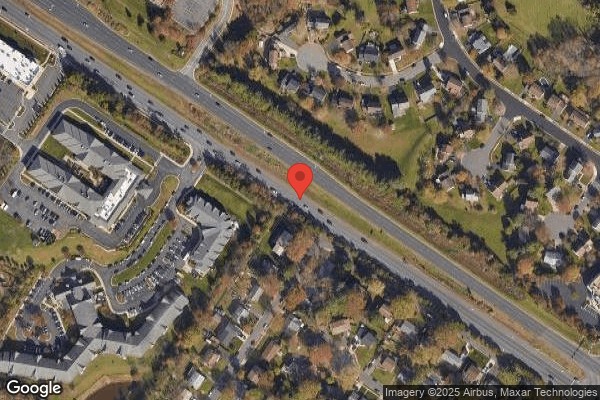
Understanding Severity Codes (click to expand)
Life-Threatening (Immediate Jeopardy)
J - Isolated K - Pattern L - Widespread
Actual Harm
G - Isolated H - Pattern I - Widespread
Potential for Harm
D - Isolated E - Pattern F - Widespread
No Harm (Minor)
A - Isolated B - Pattern C - Widespread

Questions to Ask on Your Visit

  • "What changes have you made since the serious inspection findings?"
  • "Can I speak with families of current residents?"
  • "What's your RN coverage like on weekends and overnight?"

Our Honest Assessment

Strengths
  • • No fines on record. Clean compliance history, better than most Virginia facilities.
  • • 30% turnover. Below Virginia's 48% average. Good staff retention means consistent care.
Concerns
  • • Multiple safety concerns identified: 1 life-threatening violation(s), 1 harm violation(s). Review inspection reports carefully.
  • • 37 deficiencies on record, including 1 critical (life-threatening) violation. These warrant careful review before choosing this facility.
  • • Grade D (43/100). Below average facility with significant concerns.
Bottom line: Trust Score of 43/100 indicates significant concerns. Thoroughly evaluate alternatives.

About This Facility

What is Potomac Falls Health & Rehab Center's CMS Rating?

CMS assigns Potomac Falls Health & Rehab Center an overall rating of 3 out of 5 stars, which is considered average nationally. Within Virginia, this rating places the facility higher than 0% of the state's 100 nursing homes. This mid-range rating indicates the facility meets federal standards but may have areas for improvement.

How is Potomac Falls Health & Rehab Center Staffed?

CMS rates Potomac Falls Health & Rehab Center's staffing level at 3 out of 5 stars, which is average compared to other nursing homes. Staff turnover is 30%, compared to the Virginia average of 46%. This relatively stable workforce can support continuity of care.

What Have Inspectors Found at Potomac Falls Health & Rehab Center?

State health inspectors documented 37 deficiencies at Potomac Falls Health & Rehab Center during 2017 to 2021. These included: 1 Immediate Jeopardy (the most serious level, indicating potential for serious harm or death), 1 that caused actual resident harm, and 35 with potential for harm. Immediate Jeopardy findings are rare and represent the most serious regulatory concerns. They require immediate corrective action.

Who Owns and Operates Potomac Falls Health & Rehab Center?

Potomac Falls Health & Rehab Center is owned by a for-profit company. For-profit facilities operate as businesses with obligations to shareholders or private owners. The facility is operated by COMMONWEALTH CARE OF ROANOKE, a chain that manages multiple nursing homes. With 150 certified beds and approximately 146 residents (about 97% occupancy), it is a mid-sized facility located in STERLING, Virginia.

How Does Potomac Falls Health & Rehab Center Compare to Other Virginia Nursing Homes?

Compared to the 100 nursing homes in Virginia, Potomac Falls Health & Rehab Center's overall rating (3 stars) is below the state average of 3.0, staff turnover (30%) is significantly lower than the state average of 46%, and health inspection rating (3 stars) is at the national benchmark.

What Should Families Ask When Visiting Potomac Falls Health & Rehab Center?

Based on this facility's data, families visiting should ask: "What changes have been made since the serious inspection findings, and how are you preventing similar issues?" "Can I visit during a mealtime to observe dining assistance and food quality?" "How do you handle medical emergencies, and what is your hospital transfer rate?" "Can I speak with family members of current residents about their experience?" These questions are particularly relevant given the facility's Immediate Jeopardy citations.

Is Potomac Falls Health & Rehab Center Safe?

Based on CMS inspection data, Potomac Falls Health & Rehab Center has documented safety concerns. Inspectors have issued 1 Immediate Jeopardy citation (the most serious violation level indicating risk of serious injury or death). The facility has a 3-star overall rating and ranks #100 of 100 nursing homes in Virginia. Families considering this facility should ask detailed questions about what corrective actions have been taken since these incidents.

Do Nurses at Potomac Falls Health & Rehab Center Stick Around?

Potomac Falls Health & Rehab Center has a staff turnover rate of 30%, which is about average for Virginia nursing homes (state average: 46%). Moderate turnover is common in nursing homes, but families should still ask about staff tenure and how the facility maintains care continuity when employees leave.

Was Potomac Falls Health & Rehab Center Ever Fined?

Potomac Falls Health & Rehab Center has no federal fines on record. CMS issues fines when nursing homes fail to meet care standards or don't correct problems found during inspections. The absence of fines suggests the facility has either maintained compliance or corrected any issues before penalties were assessed. This is a positive indicator, though families should still review recent inspection reports for the full picture.

Is Potomac Falls Health & Rehab Center on Any Federal Watch List?

Potomac Falls Health & Rehab Center is not on any federal watch list. The most significant is the Special Focus Facility (SFF) program, which identifies the bottom 1% of nursing homes nationally based on persistent, serious quality problems. Not being on this list means the facility has avoided the pattern of deficiencies that triggers enhanced federal oversight. This is a positive indicator, though families should still review the facility's inspection history directly.