BLUE RIDGE THERAPY CONNECTION
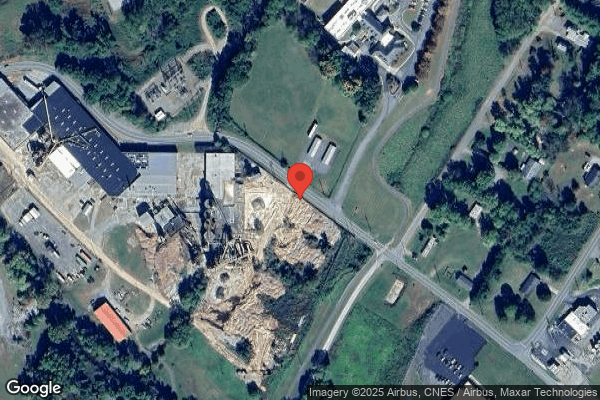
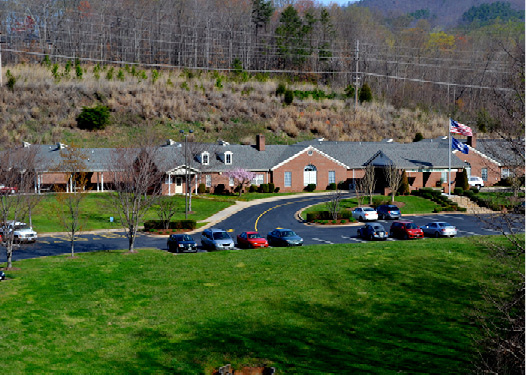
105 LANDMARK DRIVE, STUART, VA 24171 (276) 694-7161
For profit - Limited Liability company 190 Beds HILL VALLEY HEALTHCARE Data: November 2025
Trust Grade
90/100
#6 of 285 in VA
Last Inspection: February 2024

Within standard 12-15 month inspection cycle. Federal law requires annual inspections.

Overview

Blue Ridge Therapy Connection in Stuart, Virginia has an excellent trust grade of A, meaning it is highly recommended for families seeking care. It ranks #6 out of 285 facilities in Virginia, placing it in the top tier statewide, and is the only option in Patrick County. The facility is improving, having reduced its reported issues from three in 2022 to two in 2024. While staffing received a below-average rating of 2 out of 5 stars, with a 45% turnover rate that is slightly better than the state average, the facility has no fines on record, indicating compliance with regulations. However, there have been some concerns, including a resident's dirty wheelchair and a failure to maintain a heater for another resident, which could impact their comfort and hygiene. Overall, while there are strengths in its high trust grade and lack of fines, the facility must address these specific care issues to enhance resident well-being.

Trust Score
A
90/100
In Virginia
#6/285
Top 2%
Safety Record
Low Risk
No red flags
Inspections
Getting Better
3 → 2 violations
Staff Stability
⚠ Watch
45% turnover. Above average. Higher turnover means staff may not know residents' routines.
Penalties
✓ Good
No fines on record. Clean compliance history, better than most Virginia facilities.
Skilled Nurses
○ Average
Each resident gets 36 minutes of Registered Nurse (RN) attention daily — about average for Virginia. RNs are the most trained staff who monitor for health changes.
Violations
○ Average
8 deficiencies on record. Average for a facility this size. Mostly minor or procedural issues.
★★★★★
5.0
Overall Rating
★★☆☆☆
2.0
Staff Levels
★★★★☆
4.0
Care Quality
★★★★★
5.0
Inspection Score
Stable
2022: 3 issues
2024: 2 issues

The Good

  • 4-Star Quality Measures · Strong clinical quality outcomes
  • Full Sprinkler Coverage · Fire safety systems throughout facility
  • No fines on record

Facility shows strength in quality measures, fire safety.

The Bad

Staff Turnover: 45%

Near Virginia avg (46%)

Higher turnover may affect care consistency

Chain: HILL VALLEY HEALTHCARE

Part of a multi-facility chain

Ask about local staffing decisions and management

The Ugly 8 deficiencies on record

Feb 2024 2 deficiencies
CONCERN (D)

Potential for Harm - no one hurt, but risky conditions existed

ADL Care (Tag F0677)

Could have caused harm · This affected 1 resident

Based on observation, staff interview, and clinical record review, the facility staff failed to provide activities of daily living (ADL) care for 1 of 30 dependent care residents, Resident #45. The fi...

Read full inspector narrative →
Based on observation, staff interview, and clinical record review, the facility staff failed to provide activities of daily living (ADL) care for 1 of 30 dependent care residents, Resident #45. The findings included: Resident #45 was observed to have long fingernails with debris observed under their nails. Resident #45's diagnoses included, but were not limited to, diabetes and muscle weakness. Section C (cognitive patterns) of resident #45's annual minimum data set assessment with an assessment reference date of 01/08/24 included a brief interview for mental status summary score of 3 out of a possible 15 points. Section GG (functional abilities and goals) was coded to indicate this resident was dependent in the area of personal hygiene. Resident #45's comprehensive care plan included the focus area of diabetes mellitus. Interventions included, but were not limited to, nails to be clipped by nurse or podiatrist as needed. On 02/27/24 during initial tour of the facility this resident was observed in the dining area. Resident #45's fingernails were observed to be long with debris present. On 02/28/24 at 8:30 a.m., Resident #45 was observed up in wheelchair, their fingernails were observed to be long with debris present. On 02/28/24 at 4:35 p.m., during an end of the day meeting with the Administrator, Director of Nursing, Quality Assurance Nurse, and Nurse Consultant the issue with Resident #45's fingernails were reviewed. On 02/29/24 at 9:25 a.m., Resident #45 was observed up in their wheelchair, their fingernails had been trimmed and cleaned. No further information regarding this issue was provided to the survey team prior to the exit conference.
CONCERN (D)

Potential for Harm - no one hurt, but risky conditions existed

Deficiency F0883 (Tag F0883)

Could have caused harm · This affected 1 resident

Based on staff interview, clinical record review, and facility document review, the facility staff failed to provide the pneumococcal (pneumonia) vaccine for 1 of 5 residents reviewed for immunization...

Read full inspector narrative →
Based on staff interview, clinical record review, and facility document review, the facility staff failed to provide the pneumococcal (pneumonia) vaccine for 1 of 5 residents reviewed for immunizations, Resident #66. The findings included: The facility staff failed to provide Resident #66 with the pneumococcal vaccine. Resident #66's Responsible Party (RP) had signed a consent giving permission for a pneumococcal vaccine on 03/20/19. The facility staff did not administer this vaccine. Resident #66's diagnoses included, but were not limited to, diabetes, vascular dementia, and depressive disorder. Section C (cognitive patterns) of Resident #66's quarterly minimum data set assessment with an assessment reference date of 12/27/23 was coded to indicate this resident had problems with long- and short-term memory and was severely impaired in cognitive skills for daily decision making. Section O (special treatments/procedures/programs) was coded to indicate this resident had been offered the pneumococcal vaccine and declined. Resident #66's clinical record included information to indicate this resident and/or RP had refused the pneumococcal vaccine. On 02/27/24 the surveyor requested documentation regarding the vaccine refusal. On 02/28/24 at 10:54 a.m., the Infection Preventionist (IP) provided the surveyor with a signed consent for the pneumococcal vaccine dated 03/20/19. Indicating the resident/RP had not refused the vaccine. The IP also provided the surveyor with a document dated 02/27/24 indicating the facility had contacted the RP via phone and obtained verbal consent to administer the pneumococcal vaccine. The vaccine was administered by the nursing staff on 02/27/24. On 02/28/24 at 2:00 p.m., the IP stated Resident #66 should have been administered the vaccine in 2019 when the original consent was obtained. The facility policy titled, Pneumococcal Vaccine read in part, .Consent for the administration of the pneumococcal vaccination will be obtained from the resident and/or resident's representative . On 02/28/24 at 4:35 p.m., during an end of the day meeting with the Administrator, Director of Nursing, Quality Assurance Nurse, and Nurse Consultant the issue with Resident #66's pneumococcal vaccine was reviewed. No further information regarding this issue was provided to the survey team prior to the exit conference.
Oct 2022 3 deficiencies
CONCERN (D)

Potential for Harm - no one hurt, but risky conditions existed

Assessment Accuracy (Tag F0641)

Could have caused harm · This affected 1 resident

Based on staff interview and clinical record review, the facility staff failed to accurately code a discharge minimum data set (MDS) assessment for 1 of 3 closed record reviews, Resident #139. The fi...

Read full inspector narrative →
Based on staff interview and clinical record review, the facility staff failed to accurately code a discharge minimum data set (MDS) assessment for 1 of 3 closed record reviews, Resident #139. The findings include: The facility staff coded the residents discharge MDS assessment as if the resident was discharged to an acute care hospital. Resident #139 was discharged home. The clinical record included the diagnoses, chronic kidney disease, fracture of other parts of pelvis, and difficulty walking. Section A (identification information) of the residents discharge MDS assessment with an assessment reference date (ARD) of 07/30/22 had been coded to indicate Resident #139 was discharged to an acute care hospital. Section C (cognitive patterns) was coded to indicate the resident had short term memory problems and required modified independence for cognitive skills for daily decision making. Resident #139's clinical record included a progress note dated 07/30/22 that read, Pt discharged home. 10/19/22 8:24 a.m., Registered Nurse (RN) #2/MDS coordinator reviewed the clinical record with the surveyor and acknowledged the MDS had been coded incorrectly. 10/19/22 3:15 p.m., the Administrator, Director of Nursing, and Quality Assurance Coordinator were notified of the inaccurate MDS assessment. No further information regarding this issue was provided to the survey team prior to the exit conference.
CONCERN (E)

Potential for Harm - no one hurt, but risky conditions existed

Safe Environment (Tag F0584)

Could have caused harm · This affected multiple residents

**NOTE- TERMS IN BRACKETS HAVE BEEN EDITED TO PROTECT CONFIDENTIALITY** 4. For resident #58, the facility staff failed to ensure the wheel chair the resident was sitting in was clean. Resident #58's d...

Read full inspector narrative →
**NOTE- TERMS IN BRACKETS HAVE BEEN EDITED TO PROTECT CONFIDENTIALITY** 4. For resident #58, the facility staff failed to ensure the wheel chair the resident was sitting in was clean. Resident #58's diagnosis list includes, but is not limited to, the following: unspecified dementia, major depressive disorder, anxiety disorder, cognitive communication deficit, dysphagia, debility, and protein-calorie malnutrition. Resident #58's most recent quarterly minimum data set (MDS) with an assessment reference date (ARD) of 8-8-2022, assigned the resident a BIMS (brief interview for mental status) summary score of 0 out of 15 in section C, cognitive patterns, indicating the resident was severely cognitively impaired. On 10/18/2022 at 11:00 A.M., surveyor observed resident #58 in the dining room and noted that the wheel chair the resident was sitting in was dirty. There was a thick, dry brown substance noted on each of the pedals of the chair, as well as the left inside panel of the chair. There were white flakes and dried white splatters of an unknown substance on the foot pedals as well as on both arm rests. There were dried food particles noted in the seat and the cushion of the chair. Surveyor met with the Administrator and Director of Nursing (D.O.N.) on 10/18/2022 at 11:30 A.M. and asked for a copy of the wheel chair cleaning schedule. The Administrator stated, There is no definitive schedule for cleaning chairs she went on to say that chairs are cleaned by housekeeping on an as needed basis. Surveyor met with the assistant housekeeping director at 11:43 A.M. who concurred that there was no schedule for cleaning chairs because the previous housekeeping director took the document when employment ended. He stated that the Certified Nursing Assistants will generally stop him and let him know when they notice a chair needs cleaning. On 10/19/22 at 3:13 P.M. Surveyor met with the Administrator, D.O.N. and QA nurse to review the concern of the soiled wheel chair for resident #58. No further information regarding this concern was provided to the survey team prior to the exit conference. Based on observation, resident interview, staff interview, and facility document review, the facility staff failed to maintain a clean, comfortable home-like environment for 1 of 3 units (2nd Floor) and 5 of 27 residents in the survey sample, Resident #18, #106, #58, #41, and #55. The findings included: 1. The facility staff failed to maintain a clean, sanitary resident shared shower chair and failed to maintain a window in good repair on the 2nd Floor. On 10/19/22 at 1:15 pm, surveyor and the 2nd Floor Unit Manager (UM) entered the unit shower room and observed the shower chair. At the request of the surveyor, the UM turned the shower chair over revealing a black, damp appearing substance with strands of hair intertwined on the lower section of the chair legs and around the wheels. A light tan dried substance was visible on the upper section of the chair legs and underneath the seat where the seat was attached to the chair. The UM stated That's pretty awful ain't it and they would put in a housekeeping ticket. UM stated one resident had used the shower room earlier in the day. On 10/19/22 at 1:20 pm, the Director of Nursing (DON) and the Quality Assurance (QA) Coordinator entered the 2nd Floor shower room and observed the shower chair and the QA Coordinator removed the shower chair and said it would be taken out of service. At 1:34 pm, the QA Coordinator stated shower chairs were cleaned between each resident use. On 10/19/22 at 1:11 pm, surveyor observed the window at the end of the hall on 2nd Floor and noted five (5) linear cracks. The cracks were not sharp to the touch and no starburst patterns were present. At 1:32 pm, surveyor notified the administrator of the window cracks. At 3:27 pm, the administrator returned and stated the facility felt the window was stable with the inner window wire but would need to be replaced. On 10/19/22 at 3:13 pm, the survey team met with the Administrator, DON, and QA Coordinator and discussed the concern of the soiled shower chair and the broken window. No further information regarding this concern was presented to the survey team prior to the exit conference on 10/19/22. 2. For Resident #18, the facility staff failed to maintain a clean, sanitary wheelchair. Resident #18's diagnosis list indicated diagnoses, which included, but not limited to Severe Dementia with Other Behavioral Disturbance, Parkinson's Disease, Sequelae of Cerebral Infarction, and Mood Disorder. The most recent quarterly minimum data set (MDS) with an assessment reference date (ARD) of 7/29/22 assigned the resident a brief interview for mental status (BIMS) summary score of 5 out of 15 indicating the resident was severely cognitively impaired. Resident #18 was coded as requiring extensive assistance with transfers, locomotion on unit, eating and being totally dependent on staff for personal hygiene. On 10/18/22 at 11:10 am, surveyor observed Resident #18 sitting in a wheelchair in the 2nd Floor dining room/common area. The resident's wheelchair cushion had a large amount of a dried white substance on the left side and a small amount on the right side with crumbs and debris around the edges of the cushion. The wheelchair spokes and wheels had a large amount of dust and debris present. On 10/18/22 at 11:30 am, surveyor spoke with the Administrator, Director of Nursing (DON) and the Quality Assurance (QA) Coordinator who stated there was no policy or schedule for the cleaning of wheelchairs and they were cleaned on an as needed basis by housekeeping. Surveyor requested the last time Resident #18's wheelchair was cleaned. On 10/18/22 at 11:42 am, surveyor spoke with the Housekeeping Assistant Supervisor (HAS) who stated the previous housekeeping supervisor had a wheelchair cleaning schedule but does not know what happened to the schedule when they left. HAS stated there was no current wheelchair cleaning schedule. HAS stated when a wheelchair needed cleaning, staff will verbally notify housekeeping as they pass by. HAS stated they pressure washed Resident #18's wheelchair last week or the week before. On 10/19/22 at 3:13 pm, the survey team met with the Administrator, DON, and QA Coordinator and discussed the concern of Resident #18's soiled wheelchair. No further information regarding this concern was presented to the survey team prior to the exit conference on 10/19/22. 3. For Resident #106, the facility staff failed to maintain a clean, sanitary bathroom and privacy curtain. Resident #106's diagnosis list indicated diagnoses, which included, but not limited to Severe Dementia with Other Behavioral Disturbance, Chronic Obstructive Pulmonary Disease, Type 2 Diabetes Mellitus, History of Traumatic Brain Injury, and Unspecified Mood Disorder. The most recent quarterly minimum data set (MDS) with an assessment reference date (ARD) of 9/20/22 coded the resident as being severely impaired in cognitive skills for daily decision making with short-term and long-term memory problems. Resident #106 was coded as requiring limited assistance with transfers, walking, personal hygiene and extensive assistance with toilet use. On 10/19/22 at 12:57 pm, surveyor observed Resident #106's bathroom and noted six (6) separate areas of a dark brown dried substance on the right side of the inner doorframe. Surveyor also observed an area of a dark brown dried substance on each side of the resident's privacy curtain nearest the bathroom along with multiple light brown stains on the outer side of the privacy curtain. On 10/19/22 at 3:13 pm, the survey team met with the Administrator, DON, and QA Coordinator and discussed the concern of Resident #106's soiled bathroom and privacy curtain. No further information regarding this concern was presented to the survey team prior to the exit conference on 10/19/22. 6. For Resident #55, the facility staff failed to ensure the residents wheelchair was clean. The wheelchair was observed to have dried debris present on the wheels, cushions, and arm rests. Resident #55's clinical record included the diagnoses, diabetes and post-traumatic stress disorder. Section C (cognitive patterns) of Resident #55's quarterly minimum data set (MDS) assessment with an assessment reference date (ARD) of 08/06/22 included a brief interview for mental status (BIMS) summary score of 00 out of a possible 15 points. Indicating the resident had severe impairment in cognitive skills. Section G (functional status) was coded to indicate Resident #55 used a wheelchair for mobility. 10/18/22 9:50 a.m., the surveyor and Registered Nurse (RN) #1 observed Resident #55 in their wheelchair. The wheelchair was observed to have dried debris on the wheels, cushions, and arm rests. RN #1 stated housekeeping cleaned the wheelchairs in the evenings and acknowledged the wheelchair needed cleaning. 10/18/22 11:42 a.m., housekeeping staff #1 stated the previous housekeeping director had a cleaning schedule but lately the certified nursing assistants (CNA's) asked them to clean the wheelchairs as they passed by. 10/18/22 3:45 p.m., the Administrator, Director of Nursing (DON), and Quality Assurance Coordinator were made aware of the issue with Resident #55's wheelchair during an end of the day meeting. No further information regarding this issue was provided to the survey team prior to the exit conference. 7. The facility failed to maintain a temperature range between 71-81 Fahrenheit (F) on the second floor on the B hall. During initial tour of the facility Resident #94 stated they did not know how to control the heat in their room. Maintenance and LPN (licensed practical nurse) #1 were made aware of the residents concern. Resident #94 diagnoses included chronic obstructive pulmonary disease, asthma, and diabetes. Section C of Resident #94's quarterly minimum data set (MDS) assessment with an assessment reference date (ARD) of 09/17/22 included a brief interview for mental status (BIMS) summary score of 15 out of a possible 15 points. Indicating the resident was alert and orientated. 10/18/22 11:51 a.m., the surveyor observed several windows with plastic covering the inside. The Administrator and Director of Nursing (DON) stated the plastic was in place to cut down on drafts and they had a plan to replace the windows. The building appeared to be currently under construction. The Administrator stated it was a holiday and the construction crew was off the entire week. 10/19/22 10:45 a.m., the surveyor observed the hallway on unit 2/floor 2, hall B to be cold. No residents were observed in the hallway. Random temperature checks were completed on the hallway with the Maintenance Director (MD) with readings of 68, 68.5 and 69 degrees F being obtained. The MD obtained these temperatures using what they identified as an infrared thermometer. 10/19/22 11:00 a.m., MD checked temperature in Resident #94's room. Temperatures obtained were 63.5 F and 64.5 F. Resident #94 denied being cold and was observed to be fully dressed in street clothes and a sweater. The bathroom temperature registered 57 F. The MD stated they were going to obtain a different type of thermometer and left the unit/floor. 10/19/22 11:03 a.m., Resident #122 stated they were cold. The thermometer on the wall in the Resident #122's room read 65 degrees. Resident #122's diagnoses included, but were not limited to, dementia, depression, anxiety, and peripheral vascular disease. Section C of the resident #122's quarterly MDS assessment with an ARD of 09/22/22 included BIMS summary score of 10 out of a possible 15 points. 10/19/22 11:05 a.m., the MD returned to the unit with what they identified as an ambient heat thermometer, checked Resident #122's room temperature, and obtained a temperature reading of 67 F. The MD checked the heater and stated the fan was not working. The Administrator was on the floor and was aware of the issues regarding the temperature(s). 10/19/22, the MD checked the temperature outside of the elevator on the B hall and obtained a temperature reading of 69.4 F rechecked and obtained a temperature reading of 69.6 F. Rechecked Resident #94's room with the ambient thermometer and received a reading of 70 F in room [ROOM NUMBER] F in the bathroom. 10/19/22 11:17 a.m., Certified Nursing Assistant (CNA) #2 stated the hall was usually burning up but it was chilly in some spots. CNA #2 identified Resident's #37 and #95 as stating it was cold. Both of these residents denied being cold when asked by the surveyor. 10/19/22 11:19 a.m., LPN #3 stated they were comfortable and no resident had complained of being cold. 10/19/22 11:23 a.m., Licensed Practical Nurse (LPN) #5 (hall nurse) stated no resident had complained of being cold. 10/19/22 11:23 a.m., CNA #3 stated no residents complained of being cold. However, the residents were elderly and always stated they were cold. 10/19/22 11:44 a.m., the MD stated they had spoken with the Fire Marshall and they obtained information on what kind of heaters were approved for use and they were going out of the facility to obtain these type of heaters. The MD also stated they had another heating system on the hall and they were in the process of getting it turned on. 10/19/22 12:10 p.m., Quality Assurance (QA) coordinator stated they offered Resident #122 a room change but they had refused and the MD had went out to purchase Fire Marshall approved heaters. 10/19/22 12:44 p.m., the QA coordinator and Director of Nursing (DON) provided the surveyor with a progress note transcribed by the social service department that read, SS (social service) offered resident a room change d/t (due to) heat currently not working in room. Resident stated ____ does not want to move. 10/19/22 1:45 p.m., Resident #122 stated they did not want to move out of their room. The surveyor observed silver tape on the window sills in room. Thermostat in room at doorway read 65 F. The surveyor identified 7 rooms on the B hall with plastic covering the windows. Resident #131 stated they liked to of froze last night. Resident #131's diagnoses included Alzheimer's, ataxia, and anxiety. Section C of their quarterly MDS assessment with an ARD of 09/28/22 included a BIMS score of 15 out of a possible 15 points. Resident #72 observed resting on bed in room, stated they were warm. Diagnoses included, hypertension and diabetes. Section C of their quarterly MDS assessment with an ARD of 09/14/22 included a BIMS score of 14 out of a possible 15 points. The facility policy titled, Homelike Environment read in part, .comfortable and safe temperatures (71 F-81 F) . 10/19/22 3:15 p.m., during a meeting with the Administrator, DON, and QA coordinator the issue with the resident room(s) heat and temperature(s) on the B hall was reviewed. The Administrator stated the MD had not returned to the facility as of yet, this time of the year is the change of season, it is the coldest weather we have had this year, we do have some residents complain of being cold, and it's hard to keep everyone happy. No further information regarding this issue was provided to the survey team prior to the exit conference. 5. For Resident #41 facility staff failed to clean the floor of the bedroom and bathroom, leaving blood on the floor of the bathroom for 3 days. Resident #41 was admitted to the facility with diagnoses including cardiopulmonary disease exacerbation, chronic respiratory failure, pulmonary fibrosis, difficulty walking, opioid dependence, ataxia, type 2 diabetes mellitus, hypertension, chronic pain, anxiety, and depression. On the Minimum Data Set quarterly assessment with assessment reference date 8/15/22, the resident scored 12/15 on the brief interview for mental status and was assed as not exhibiting signs of delirium, psychosis, or behaviors affecting care. During initial tour on 10/17/2022 at approximately 2 PM, the resident stated that the floors were not kept clean. The floors were dirty under and around the resident beds and the resident had cut her leg the day before and no one had yet cleaned up the blood on the bathroom floor. The surveyor observed food and paper debris in the floor around both beds. There was a discarded dressing with bloody (rust-colored,dry) gauze and tape on the floor near the door to the hall. On the bathroom floor, the surveyor observed red spots dime to dollar coin size on the bathroom floor. On 10/18/22 at 10:24 AM, the surveyor noted there was still debris on the bedroom floor, including dust and debris around the resident's chair and under the bed. There appeared to be some partially mashed beans on the floor by the room mate's bed. The floor in the bathroom appeared to have been partially cleaned, but one dollar coin size and several small blood-colored spots remained. The administrator and director of nursing were notified of the concern during a daily summary meeting on 10/18/2022. On 10/19/2022 at 3 PM the surveyor noted there was still one blood-colored spot on the bathroom floor between the leg of a bedside commode frame and the toilet base.
CONCERN (E)

Potential for Harm - no one hurt, but risky conditions existed

Room Equipment (Tag F0908)

Could have caused harm · This affected multiple residents

Based on observation, resident interview, staff interview, clinical record review, and facility document review, the facility staff failed to maintain essential equipment for 1 of 27 resident (Residen...

Read full inspector narrative →
Based on observation, resident interview, staff interview, clinical record review, and facility document review, the facility staff failed to maintain essential equipment for 1 of 27 resident (Resident #122) and for 3 of 3 facility elevators. The findings include: 1. For Resident #122, the facility staff failed to ensure the residents heater was in working order. Resident #122's diagnoses included, but were not limited to, dementia, depression, anxiety, and peripheral vascular disease. Section C (cognitive patterns) of the resident #122's quarterly minimum data set (MDS) assessment with an assessment reference date (ARD) of 09/22/22 included a brief interview for mental status (BIMS) summary score of 10 out of a possible 15 points. 10/19/22 10:45 a.m., the surveyor observed the hallway on unit 2/floor 2, hall B to be cold. 10/19/22 11:03 a.m., Resident #122 stated they were cold. The thermometer on the wall in the Resident #122's room read 65 degrees Fahrenheit (F). 10/19/22 11:05 a.m., Maintenance Director (MD) checked the room temperature using an ambient heat thermometer. Temperature read 67 F. The MD checked the heater and stated the fan was not working. The Administrator was on the floor and was aware of the issues regarding the temperature(s). 10/19/22 11:17 a.m., Certified Nursing Assistant (CNA) #2 stated the hall was usually burning up but it was chilly in some spots. 10/19/22 11:23 a.m., Licensed Practical Nurse (LPN) #5 (hall nurse) stated no resident had complained of being cold. 10/19/22 12:10 p.m., Quality Assurance (QA) coordinator stated they offered Resident #122 a room change but they had refused and the MD had went out to purchase Fire Marshall approved heaters. 10/19/22 12:44 p.m., the QA coordinator and Director of Nursing (DON) provided the surveyor with a progress note transcribed by the social service department that read, SS (social service) offered resident a room change d/t (due to) heat currently not working in room. Resident stated ____ does not want to move. 10/19/22 1:45 p.m., Resident #122 stated they did not want to move out of their room. The surveyor observed silver tape on the window sills in room. Thermostat in room at doorway read 65 F. The facility policy titled, Homelike Environment read in part, .comfortable and safe temperatures (71 F-81 F) . 10/19/22 3:15 p.m., during a meeting with the Administrator, DON, and QA coordinator the issue with the heat/temperatures was reviewed. The Administrator stated the MD had not returned to the facility as of yet, this time of the year is the change of season, it is the coldest weather we have had this year, we do have some residents complain of being cold, and it's hard to keep everyone happy. No further information regarding this issue was provided to the survey team prior to the exit conference. 2. On 10/19/22 at 02:57 PM the [NAME] wing and Main elevator certificates show every 6 month inspections with the last inspection date on both certificates was 8/2021. The [NAME] wing elevator certificate holder had been partially pulled from the wall with a sharp corner sticking out and the floor indicator assembly was broken with an opening exposing a circuit board and broken edges of plastic. The administrator was informed of the concern. The administrator was not aware the elevators had not been inspected for over a year. Code of Virginia § 36-105.01. Elevator inspections - requires annual inspections of elevators. On 10/19/22 at 03:23 PM the administrator provided an email dated 10/19/2022 from the elevator inspection company stating that the company only has 1 inspector in Virginia, so it has been unable to keep up with the inspections every 6 months. The company did not offer a prospective inspection date for the facility's three elevators.
Dec 2019 3 deficiencies
CONCERN (D)

Potential for Harm - no one hurt, but risky conditions existed

Deficiency F0578 (Tag F0578)

Could have caused harm · This affected 1 resident

Based on staff interview and clinical record review, the facility staff failed to ensure the right to formulate an advanced directive as evidenced by the advanced directive on resident record was not ...

Read full inspector narrative →
Based on staff interview and clinical record review, the facility staff failed to ensure the right to formulate an advanced directive as evidenced by the advanced directive on resident record was not completed accurately for one of 34 residents, Resident #131. The findings: The facility staff failed to accurately complete Resident #131's Durable Do Not Resuscitate (DDNR) Order. Section 2 of the order had two boxes checked instead of one. Resident #131's clinical record was reviewed on 12/17/19 and revealed the resident's diagnoses included but were not limited to, renal insufficiency, dementia, anxiety disorder, and depression. Section C of the resident's quarterly MDS (minimum data set) assessment with an ARD (assessment reference date) of 11/22/19 included a BIMS (brief interview for mental status) summary score of 15 out of 15 points. Resident #131's clinical recorded contained a scanned form; a Durable Do Not Resuscitate (DDNR) Order from Virginia Department of Health dated 01/28/15. The DDNR had two sections that required a check beside which option was selected: • Section 1 read in part, I further certify (must check 1 or 2): The check was present beside #2 which read in part: The patient is INCAPABLE of making an informed decision about providing, withholding, or withdrawing a specific medical treatment • Section 2 read in part, If you checked 2 above, check A, B, or C below: There were checks beside both A and C. The A response read in part, While capable of making an informed decision, the patient has executed a written advanced directive while the C response read in part, The patient has not executed a written advanced directive . On 12/18/19 in the afternoon, the facility's director of nursing (DON) with this surveyor observed a printed copy of Resident #131's DDNR. The DON acknowledged the DDNR had not been filled out correctly and said there should only be one of the letters (A, B, or C) in Section 2 checked. The DON stated there was no other DDNR found in Resident #131's clinical record. The above concern was discussed with the facility's administrator, DON, and regional director of clinical services on 12/18/19 at approximately 12:10 p.m. No further information regarding the DDNR was provided prior to exit.
CONCERN (D)

Potential for Harm - no one hurt, but risky conditions existed

Quality of Care (Tag F0684)

Could have caused harm · This affected 1 resident

Based on clinical record review, staff interview, facility document review, the facility staff failed to ensure that one of 34 residents in the survey sample received care and treatment in accordance ...

Read full inspector narrative →
Based on clinical record review, staff interview, facility document review, the facility staff failed to ensure that one of 34 residents in the survey sample received care and treatment in accordance with the plan of care as evidenced by failure to follow physician's orders for Resident # 308. The findings included: Resident #309 was admitted to the nursing facility after a hospitalization in which a discharge diagnoses were, but not limited to bronchopneumonia and ESBL (Extended Spectrum Beta Lactamase) in the urine. In the nursing documentation dated and timed for 12/14/19 at 22:15 (10:15 pm) read in part, .Resident readmitted to the facility at 16:00 (4 pm) .Has positive attitude upon entering unit. Cooperative with staff. A/O (Alert and Oriented) X4 with clear speech. No confusion noted at this time. Resident OOB (out of bed) and transfers from stretcher to bed via (by) x2 assist. Is ambulatory x 2 .Afebrile And on 12/14/19 at 22:23 (10:23 pm) the nurses note read in part, .Resident is DX (diagnosis) to have ESBL in urine .Single lumen left arm PICC in place . The surveyor reviewed the clinical record of Resident #308 on 12/18/19 and noted that on the discharge summary from the hospital was dated 12/14/19 and noted a physician order for the resident to receive the following new medication, Piperacillin Sodium/Tazobactam (Zoysn 3.375 (IV) 3.375 gram vial .3.375 GM intravenous (IV) every 8 hours. The surveyor also reviewed the December 2019 MAR (Medication Administration Record) for Resident #308. The following documentation was noted by the surveyor: 12/14 1600 (4:00PM) this box was blank for this date and time 12/15 0000 (12:00 am) this box had the initials of the nurse that administrated this medication 12/15 0800 (8:00 am) this box had a 9 and the initials of the nurse. According to the 9 it represents Other. The surveyor reviewed the nurses' notes for 12/15/19 at 09:17 am and the documentation was noted which read in part, .called pharmacy about order, it's not here yet and no available in either medicine machines . The following dates had documentation that reflected that the nurses administered this medication was 12/15 at 0000 and 1600. All three doses of medication received on 12/16/19 and then on 12/17/19, the medication was administrated at 0000 and 0800. The physician wrote an order to discontinue this medication on 12/17/19 at 1454 (2:54 pm). The surveyor requested and received the content page of the medication that are available in the medication machines for after-hours use. This antibiotic was not on the list that could had been obtained from these machines. The surveyor notified the administrator, DON (director of nursing) and regional nurse of the above information on 12/18/19 at approximately 5 pm in the conference room. No further information was provided to the surveyor prior to the exit conference on 12/19/19.
CONCERN (D)

Potential for Harm - no one hurt, but risky conditions existed

Deficiency F0761 (Tag F0761)

Could have caused harm · This affected 1 resident

**NOTE- TERMS IN BRACKETS HAVE BEEN EDITED TO PROTECT CONFIDENTIALITY** Based on observation, staff interview, facility document, and drug manufacturers' instructions for use review, the facility staf...

Read full inspector narrative →
**NOTE- TERMS IN BRACKETS HAVE BEEN EDITED TO PROTECT CONFIDENTIALITY** Based on observation, staff interview, facility document, and drug manufacturers' instructions for use review, the facility staff failed to label and store medications as indicated per manufacturer's guidelines on one of six medication carts in the facility as evidenced by failure to date medications and failure to store medications appropriately. The findings: 1. The facility staff failed to label medications with the opened date and therefore were unable to determine when the opened, multi-dose medications would expire. On [DATE] at 11:52 a.m. one surveyor observed medication storage and labeling with a facility employee (LPN #1) on a medication cart referred to as 1st Floor Cart B. Three multi-dose medications were found without dates indicating when the medications were opened which would effect when those medications would expire: a. Combivent Respimat (inhaler), for unsampled Resident #153, had no date indicating when it was opened. b. Fluticasone Nasal Spray, for unsampled Resident #141, had no date indicating when it was opened. c. Gabapentin 250mg/5ml solution, for unsampled Resident #83, had no date indicating when it was opened. LPN #1 was asked to look for open dates on the medications and acknowledged the date they were opened was not found on the medications. LPN #1 stated, I don't know why there isn't an open date on everything. And when asked how to determine when these medications expired, the LPN stated, No way to know when it expires if you don't know when it was opened. On the afternoon of [DATE], the DON (director of nursing) provided the facility's list of medications' special storage and expiration dates and the facility's medication storage policy. This list included the three medications identified above: a. Combivent Respimat - Discard 90 days after insertion of cartridge. b. Fluticason - Discard 50mcg after 6 weeks; discard 100mcg and 250mcg after 8 weeks. c. Gabapentin Oral Solution - Store refrigerated at all times; see label on bottle for expiration date. The manufacturer's instructions for use regarding Combivent Respimat was reviewed and read, in part, Three months after insertion of cartridge, throw away the COMBIVENT RESPIMAT even if it has not been used, or when the inhaler is locked, or when it expires, whichever comes first. The facility's policy from Section 3.7 Medications and Medication Labels on page 3 of 4, read in part, 2. Nursing staff should document the date opened on multi-dose vials on the attached auxiliary label. 2. The facility staff failed to store medications labeled refrigerate in the refrigerator. On [DATE] at 11:52 a.m. one surveyor observed medication storage and labeling with the facility employee (LPN #1) on a medication cart referred to as 1st Floor Cart B. Within the locked narcotics' drawer, a bottle of Gabapentin 250mg/5ml solution for unsampled Resident #83 was found. On the front of the bottle was a pre-printed sticker that read, Refrigerate. When asked why the medication was not refrigerated, LPN #1 stated they had not noticed the refrigerator label on it and that when that LPN had given Gabapentin liquid at other facilities (in other jobs), the medication had not been refrigerated. On the afternoon of [DATE], the DON (director of nursing) provided the facility's list of medications' special storage and expiration dates and the facility's medication storage policy. The special storage and expiration list included Gabapentin Oral Solution with instructions to Store refrigerated at all times; see label on bottle for expiration date. The DON said that after speaking with their pharmacist, the pharmacist indicated liquid Gabapentin should be refrigerated. The DON stated the unrefrigerated bottle had been destroyed. During a meeting with the administrator, DON, and regional director of clinical services on [DATE] at approximately 12:10 p.m., the above concerns were discussed. No additional information was provided prior to exit conference.
Understanding Severity Codes (click to expand)
Life-Threatening (Immediate Jeopardy)
J - Isolated K - Pattern L - Widespread
Actual Harm
G - Isolated H - Pattern I - Widespread
Potential for Harm
D - Isolated E - Pattern F - Widespread
No Harm (Minor)
A - Isolated B - Pattern C - Widespread

Questions to Ask on Your Visit

  • "Can I speak with families of current residents?"
  • "What's your RN coverage like on weekends and overnight?"

Our Honest Assessment

Strengths
  • • Grade A (90/100). Above average facility, better than most options in Virginia.
  • • No major safety red flags. No abuse findings, life-threatening violations, or SFF status.
  • • No fines on record. Clean compliance history, better than most Virginia facilities.
Concerns
  • • No significant concerns identified. This facility shows no red flags across CMS ratings, staff turnover, or federal penalties.
Bottom line: Generally positive indicators. Standard due diligence and a personal visit recommended.

About This Facility

What is Blue Ridge Therapy Connection's CMS Rating?

CMS assigns BLUE RIDGE THERAPY CONNECTION an overall rating of 5 out of 5 stars, which is considered much above average nationally. Within Virginia, this rating places the facility higher than 99% of the state's 100 nursing homes. This rating reflects solid performance across the metrics CMS uses to evaluate nursing home quality.
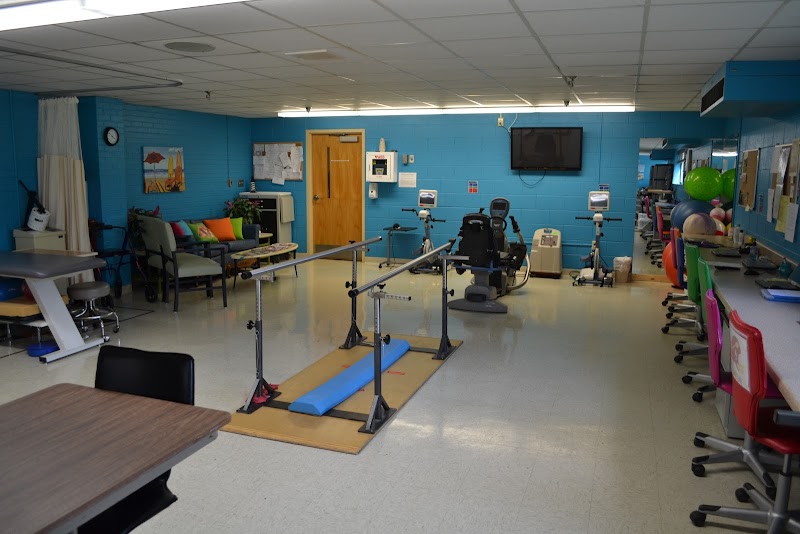
How is Blue Ridge Therapy Connection Staffed?

CMS rates BLUE RIDGE THERAPY CONNECTION's staffing level at 2 out of 5 stars, which is below average compared to other nursing homes. Staff turnover is 45%, compared to the Virginia average of 46%. This relatively stable workforce can support continuity of care. RN turnover specifically is 65%, which is notably high. RNs provide skilled clinical oversight, so turnover in this role can affect medical care quality.

What Have Inspectors Found at Blue Ridge Therapy Connection?

State health inspectors documented 8 deficiencies at BLUE RIDGE THERAPY CONNECTION during 2019 to 2024. These included: 8 with potential for harm.
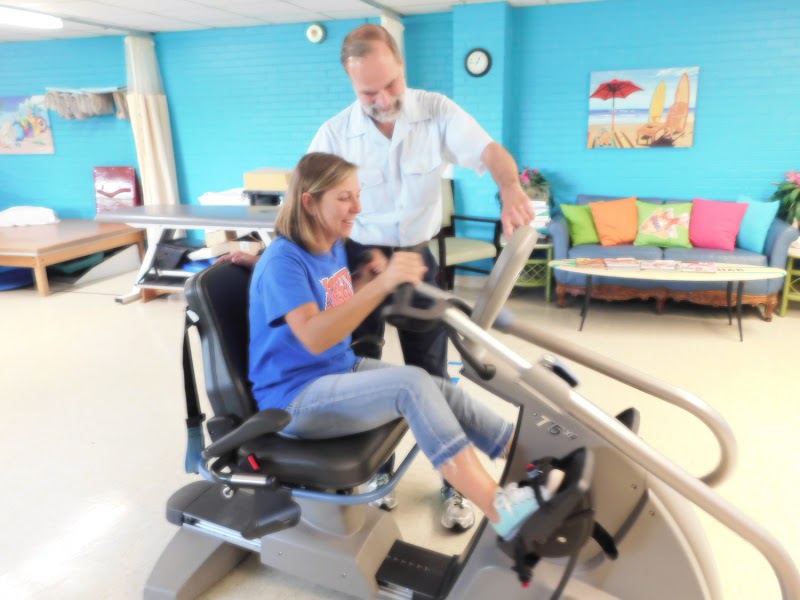
Who Owns and Operates Blue Ridge Therapy Connection?

BLUE RIDGE THERAPY CONNECTION is owned by a for-profit company. For-profit facilities operate as businesses with obligations to shareholders or private owners. The facility is operated by HILL VALLEY HEALTHCARE, a chain that manages multiple nursing homes. With 190 certified beds and approximately 163 residents (about 86% occupancy), it is a mid-sized facility located in STUART, Virginia.
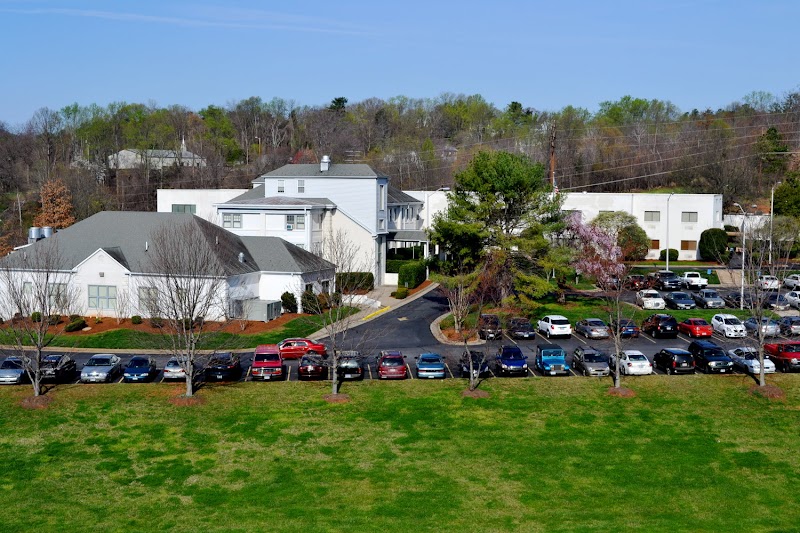
How Does Blue Ridge Therapy Connection Compare to Other Virginia Nursing Homes?

Compared to the 100 nursing homes in Virginia, BLUE RIDGE THERAPY CONNECTION's overall rating (5 stars) is above the state average of 3.0, staff turnover (45%) is near the state average of 46%, and health inspection rating (5 stars) is much above the national benchmark.

What Should Families Ask When Visiting Blue Ridge Therapy Connection?

Based on this facility's data, families visiting should ask: "Can you walk me through typical staffing levels on day, evening, and night shifts?" "Can I visit during a mealtime to observe dining assistance and food quality?" "How do you handle medical emergencies, and what is your hospital transfer rate?" "Can I speak with family members of current residents about their experience?" These questions are particularly relevant given the below-average staffing rating.

Is Blue Ridge Therapy Connection Safe?

Based on CMS inspection data, BLUE RIDGE THERAPY CONNECTION has a clean safety record: no substantiated abuse findings (meaning no confirmed cases of resident harm), no Immediate Jeopardy citations (the most serious violation level indicating risk of serious injury or death), and is not on the Special Focus Facility watch list (a federal program monitoring the lowest-performing 1% of nursing homes). The facility has a 5-star overall rating and ranks #1 of 100 nursing homes in Virginia. While no facility is perfect, families should still ask about staff-to-resident ratios and recent inspection results during their visit.

Do Nurses at Blue Ridge Therapy Connection Stick Around?

BLUE RIDGE THERAPY CONNECTION has a staff turnover rate of 45%, which is about average for Virginia nursing homes (state average: 46%). Moderate turnover is common in nursing homes, but families should still ask about staff tenure and how the facility maintains care continuity when employees leave.

Was Blue Ridge Therapy Connection Ever Fined?

BLUE RIDGE THERAPY CONNECTION has no federal fines on record. CMS issues fines when nursing homes fail to meet care standards or don't correct problems found during inspections. The absence of fines suggests the facility has either maintained compliance or corrected any issues before penalties were assessed. This is a positive indicator, though families should still review recent inspection reports for the full picture.

Is Blue Ridge Therapy Connection on Any Federal Watch List?

BLUE RIDGE THERAPY CONNECTION is not on any federal watch list. The most significant is the Special Focus Facility (SFF) program, which identifies the bottom 1% of nursing homes nationally based on persistent, serious quality problems. Not being on this list means the facility has avoided the pattern of deficiencies that triggers enhanced federal oversight. This is a positive indicator, though families should still review the facility's inspection history directly.