CARRINGTON PLACE OF TAPPAHANNOCK
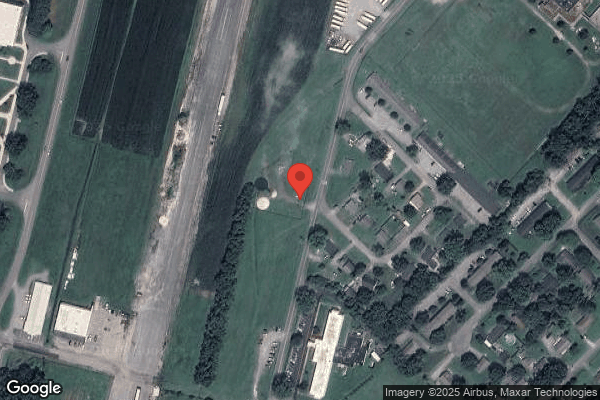

1150 MARSH STREET, TAPPAHANNOCK, VA 22560 (804) 443-4308
For profit - Corporation 60 Beds Independent Data: November 2025
Trust Grade
25/100
#241 of 285 in VA
Last Inspection: July 2024

Within standard 12-15 month inspection cycle. Federal law requires annual inspections.

Overview

Carrington Place of Tappahannock has received a Trust Grade of F, indicating significant concerns about the quality of care provided. Ranking #241 out of 285 facilities in Virginia places it in the bottom half, and it is the only facility in Essex County, meaning families have no local alternatives. While the number of issues reported has improved from 35 in 2023 to 17 in 2024, there are still serious concerns. Staffing is rated poorly with a turnover rate of 53%, which is about average for the state, and there are concerning fines totaling $31,445, higher than 90% of Virginia facilities. Specific incidents include a resident not receiving vital IV antibiotics upon admission, causing mental distress, and another resident who suffered a fractured tibia due to inadequate supervision and care. Overall, while there are some signs of improvement, the facility still faces significant weaknesses that families should carefully consider.

Trust Score
F
25/100
In Virginia
#241/285
Bottom 16%
Safety Record
Moderate
Needs review
Inspections
Getting Better
35 → 17 violations
Staff Stability
⚠ Watch
53% turnover. Above average. Higher turnover means staff may not know residents' routines.
Penalties
○ Average
$31,445 in fines. Higher than 63% of Virginia facilities. Some compliance issues.
Skilled Nurses
⚠ Watch
Each resident gets only 27 minutes of Registered Nurse (RN) attention daily — below average for Virginia. Fewer RN minutes means fewer trained eyes watching for problems.
Violations
⚠ Watch
59 deficiencies on record. Higher than average. Multiple issues found across inspections.
★☆☆☆☆
1.0
Overall Rating
★☆☆☆☆
1.0
Staff Levels
★★★☆☆
3.0
Care Quality
★★☆☆☆
2.0
Inspection Score
Stable
2023: 35 issues
2024: 17 issues

The Good

  • Full Sprinkler Coverage · Fire safety systems throughout facility
  • No fines on record

Facility shows strength in fire safety.

The Bad

1-Star Overall Rating

Below Virginia average (3.0)

Significant quality concerns identified by CMS

Staff Turnover: 53%

Near Virginia avg (46%)

Higher turnover may affect care consistency

Federal Fines: $31,445

Below median ($33,413)

Moderate penalties - review what triggered them

The Ugly 59 deficiencies on record

2 actual harm
Jul 2024 17 deficiencies
CONCERN (D)

Potential for Harm - no one hurt, but risky conditions existed

Deficiency F0558 (Tag F0558)

Could have caused harm · This affected 1 resident

Based on interview, clinical record review and facility documentation the facility staff failed to ensure Residents receive services in the facility with reasonable accommodation of resident needs for...

Read full inspector narrative →
Based on interview, clinical record review and facility documentation the facility staff failed to ensure Residents receive services in the facility with reasonable accommodation of resident needs for 1 Resident (Resident #9) in a survey sample of 33 Residents. The findings included: For Resident # 9 the facility staff failed to ensure the Resident had a bed that was suitable for his size and weight, comfortable and allowed him enough space to turn safely. On 7/9/24 at approximately 1:00 PM Resident was observed in a regular hospital bed. Resident #9 was interviewed and stated that his bed was uncomfortable. When asked to elaborate he stated I can feel the bed frame digging into my hips in this bed and it is hard to turn over there isn't much room. When asked if he had told the staff he was uncomfortable he stated that he had. When asked what their response was, he stated that they don't have any different beds. When asked if he would like a bariatric bed and mattress, he stated that he would. On 7/9/24 a review of the clinical record revealed that Resident #9 weighed 450 lbs. and had a bariatric wheelchair, a bariatric raised commode seat but was put in a regular sized bed with a regular mattress. On 7/9/24 at 3:00 PM an interview was conducted with the Administrator who stated that if a resident requires bariatric equipment such as wheelchair and walker that is ordered through therapy. When asked about beds she stated that would have to come through the Administrator. The Administrator was asked for the manufacturer instructions for the bed and mattress. On 7/10/24 the corporate Nurse was asked to accompany surveyor to Resident #9's room and assess if the Resident was in an appropriate bed. The corporate nurse stated that he has room on either side he is not touching the rails when he is in the bed. The corporate nurse was asked if a resident qualifies for a bariatric wheelchair and commode seat would he not also qualify for the bed as well? She stated that he could probably use a bariatric bed. On 7/12/24 a review of the email from the manufacturer of the bed revealed that the max weight on that particular model is 450 lbs. and the max weight for the mattress he had was 350 lbs. On 7/12/24 an interview was conducted with the Resident who stated he has not gotten any pressure areas or sores from the bed or mattress however he is uncomfortable in the bed. A review of the weekly skin assessments revealed no pressure areas or injury on Resident #9. On 7/12/24 during the end of day meeting the Administrator was made aware of the concerns and no further information was provided.
CONCERN (D)

Potential for Harm - no one hurt, but risky conditions existed

ADL Care (Tag F0677)

Could have caused harm · This affected 1 resident

Based on observation, interview, clinical record review and facility documentation the facility staff failed to ensure Residents received the necessary services to maintain good grooming, and personal...

Read full inspector narrative →
Based on observation, interview, clinical record review and facility documentation the facility staff failed to ensure Residents received the necessary services to maintain good grooming, and personal hygiene for 4 Resident (#'s 3, 9, 56 & 44) in a survey sample of 33 Residents. The findings included: 1. For Resident #3 the facility staff failed to cut nails and wash Resident's hair. On 7/9/24 at approximately 11:45 Resident #3 was observed in bed dressed in hospital gown sheet covering body. Resident #3 has a dx of a traumatic brain injury and has a BIMS (Brief Interview of Mental Status) score of 7/15 indicating severe cognitive impairment. Resident #3 appeared unkempt hair uncombed and greasy looking, nails were not cut about 1/4 inch over tip of fingers and had debris visible under the nail. Interview with Resident #3 was conducted, and he stated he was hot and sweaty. When asked if he had a shower recently, he stated he does not like showers. When asked how he bathes he stated, They wash me up in bed. When asked about his hair being washed and nails being cut, he stated It's been a while since they did that. A review of the clinical record revealed hair and nail care done on 6/1/24 by DON. On 7/10/24 at 9:45 AM Resident #3 was observed in his bed dressed in a hospital gown and covered with a sheet. Resident #3 expressed being sweaty. Resident appeared unkempt hair was greasy, and nails had not yet been cut. Resident had noticeable body odor. When asked if he had been washed up this morning he stated not yet. On the afternoon of 7/10/24 during the group interview it was stated that there was no shower aide to give showers while Employee B (the shower aid) was on vacation. 14/14 Residents representing both units agreed on this statement. The group agreed that CNA G was the only one who gave showers, and she gave them only to residents on her assignment list. They stated the facility did not assign anyone to take over the shower aide assignments, therefore no showers were done by other staff. The group also stated that showers are given only during the time the shower aide is on duty 7-3 this meant Residents could not get showers in the evening or night. A review of the assignment sheets for the week of 7-1-24 through 7-7-24 revealed that there was no one assigned to give showers, and there was no indication that all CNA's must do their own showers for the week CNA B was off. On 7/15/24 during the end of day meeting the Administrator was made aware of the concerns and no further information was provided. 2. For Resident #9 the facility staff failed to ensure showers were given twice a week as scheduled. On 7/11/29 at approximately 10:00 a.m. an interview was conducted with Resident #9 who was asked about receiving showers and or baths during the week of 6/30/24 - 7/6/24. Resident #9 stated that he did not receive a shower because that was the week the shower aide was on vacation. Resident #9 stated he washed as best he could at the sink. On 7/11/24 a review of the MDS (Minimum Data Set) with an ARD (Assessment Reference Date) of 3/26/24 revealed that Resident #9 required a Maximum Assistance of 2-person physical assistance for showers. On the afternoon of 7/12/24 an interview was conducted with the DON and Administrator. The DON was asked if they had a CNA that was assigned to give showers, and she stated that there was, and she named CNA B. When asked who was assigned to take her place when she went on vacation? She stated that the CNA's can-do showers. When told what the resident council attendees stated about no one getting showers except those on Employee G's assignment, she stated that the CNA's can do it when the shower aide is not here. A review of the assignment sheets for the week of 7-1-24 through 7-7-24 revealed that there was no one assigned to do showers, and there was no indication that all CNA's must do their own showers for the week CNA B was off. On 7/15/24 during the end of day meeting the Administrator was made aware of the concerns and no further information was provided. 3. For Resident #56 the facility staff failed to ensure bathing and nail care was provided while the shower aide was on vacation. On 7/11/24 during the group meeting Resident #56 stated that he did not get his nails cut and showed the surveyor that his nails were indeed at least 1/4 inch over the tips of his fingers. Resident #40 told Resident #56 the CNA's should do your nails on your shower day. Resident #56 stated, I didn't get a shower last week because the shower aid was on vacation. The group agreed that this was an issue. The 14 attendees all agreed that only 1 CNA gave showers last week while the shower aid was on vacation. That CNA only gave showers to the residents on her assignment. When asked if the CNA's assigned to them offered them showers they agreed collectively that they were not offered showers and when they were asked, they were told the shower aid is on vacation. On the afternoon of 7/12/24 an interview was conducted with the DON and Administrator. The DON was asked if they had a CNA that was assigned to give showers, and she stated that there was, and she named CNA B. When asked who was assigned to take her place when she went on vacation? She stated that the CNA's can-do showers. When told what the resident council attendees stated about no one getting showers except those on Employee G's assignment, she stated that the CNA's can do it when the shower aide is not here. A review of the assignment sheets for the week of 7-1-24 through 7-7-24 revealed that there was no one assigned to do showers, and there was no indication that all CNA's must do their own showers for the week CNA B was off. On 7/15/24 during the end of day meeting the Administrator was made aware of the concerns and no further information was provided. 4. For Resident #44 the facility staff failed to ensure twice weekly showers while shower aide was on vacation. During the group meeting Resident #44 stated that she had not had a shower last week and stated that she usually gets her hair washed as well and that did not happen because the shower aide was on vacation. On the afternoon of 7/12/24 an interview was conducted with the DON and Administrator. The DON was asked if they had a CNA that was assigned to give showers, and she stated that there was, and she named CNA B. When asked who was assigned to take her place when she went on vacation? She stated that the CNA's can-do showers. When told what the resident council attendees stated about no one getting showers except those on Employee G's assignment, she stated that the CNA's can do it when the shower aide is not here. A review of the assignment sheets for the week of 7-1-24 through 7-7-24 revealed that there was no one assigned to do showers, and there was no indication that all CNA's must do their own showers for the week CNA B was off. On 7/15/24 during the end of day meeting the Administrator was made aware of the concerns and no further information was provided.
CONCERN (D)

Potential for Harm - no one hurt, but risky conditions existed

Medication Errors (Tag F0758)

Could have caused harm · This affected 1 resident

**NOTE- TERMS IN BRACKETS HAVE BEEN EDITED TO PROTECT CONFIDENTIALITY** Based on interview, clinical record review and facility documentation the facility staff failed to ensure Residents who use psyc...

Read full inspector narrative →
**NOTE- TERMS IN BRACKETS HAVE BEEN EDITED TO PROTECT CONFIDENTIALITY** Based on interview, clinical record review and facility documentation the facility staff failed to ensure Residents who use psychotropics receive gradual dose reduction and are free from unnecessary psychotropic medications for 1 Resident #9 in a survey sample of 33 Residents. The findings included: For Resident #9 the facility staff failed to act on a recommendation from the pharmacy to reduce one or both of the Resident's psychotropic medications. On 7/11/24 a clinical record review was conducted on Resident #9's electronic health record. The record showed that on a pharmacy recommendation dated over a year ago (5/29/23), had not been addressed until 7/18/23 and then was not acted on. The pharmacy recommendation read as follows: The resident receives the following medications that may significantly prolong QT interval and increase risk for arrhythmias and or torsade's (TdP): Citalopram 30 mg QHS and doxepin 50 mg Q PM. Rationale: QT intervals in apparently normal older individuals when combined with expected QT interval changes induced by medications is associated with significantly prolonged QT intervals. Women, older adults, those with heart failure or preexisting arrhythmias may be at increased risk. Please consider decreasing one or both of the above agents and / or consider changing to alternatives. The physician signed and checked the box that said Agree and wrote Resident is male on the form. Resident #9 has diagnoses that include but are not limited to morbid obesity, sleep apnea, type II diabetes, hypertension, high cholesterol, kidney failure and atrial fibrillation (an arrhythmia). A review of the clinical record revealed that Resident #9's dosages had not been decreased nor had medications been changed, in fact the Resident's dose of Citalopram was increased to 40 mg. per day and the Doxepin was still 50 mg. A review of the MDS (Minimum Data Set) with an ARD (Assessment Reference Date) of 3/23/24 revealed that the facility had not attempted a GDR (Gradual Dose Reduction) since admission on [DATE]. On the morning of 7/15/24 an interview was conducted with the DON (Director of Nursing) who was asked about the expectation for GDR's. The DON was able to verbalize understanding that Federal regulations require that a GDR of a psychotropic medication is attempted twice in the first year of admission or initiation of the medication, then annually, however she stated that she did not know why the GDR was not attempted, A review of the clinical record did not reveal any notes that said GDR is contraindicated in this Resident. The DON stated that she the doctor that signed the pharmacy recommendation is no longer working at this facility but that she would bring this to the attention of the Nurse Practitioner in house. On 7/15/24 during the end of day meeting the Administrator was made aware of the findings and no further information was provided.
CONCERN (D)

Potential for Harm - no one hurt, but risky conditions existed

Deficiency F0940 (Tag F0940)

Could have caused harm · This affected 1 resident

Based on facility staff interview, and facility documentation, the facility failed to implement and maintain an effective training program for all new and existing staff. The findings included: The f...

Read full inspector narrative →
Based on facility staff interview, and facility documentation, the facility failed to implement and maintain an effective training program for all new and existing staff. The findings included: The facility failed to maintain an effective training program for 7 employees in the survey sample of 7 employees: 2 Certified Nursing Assistants (CNA's) #B and #F, 3 Licensed Practical Nurses (LPN's) #E, #F, and #G, 1 Registered Nurse, RN #D, and the Administrator. Review of the Medline University Training Transcripts and Staff Education files revealed that none of the direct care staff employees in the survey sample had maintained an effective training program. On 07/12/2024 at 2:00 p.m. an interview was conducted with the Human Resource (HR) Manager who was asked about, an effective training program, she stated that training and education are recorded by Medline University and was initiated in January 2024. The HR Manager went on to say that they have no documentation of trainings completed prior to this date. On 07/15/2024 during the end of day meeting, the Administrator and the Director of Nursing (DON) were made aware of the findings. No further information was provided.
CONCERN (D)

Potential for Harm - no one hurt, but risky conditions existed

Deficiency F0941 (Tag F0941)

Could have caused harm · This affected 1 resident

Based on facility staff interview, and facility documentation, the facility failed to ensure that all direct care staff complete mandatory Effective Communication training. The findings included: The...

Read full inspector narrative →
Based on facility staff interview, and facility documentation, the facility failed to ensure that all direct care staff complete mandatory Effective Communication training. The findings included: The facility failed to ensure that all direct care staff complete mandatory Effective Communication training for 7 employees in a survey sample of 7 employees: 2 Certified Nursing Assistants (CNA's) #B and #F, 3 Licensed Practical Nurses (LPN's) #E, #F, and #G, 1 Registered Nurse, RN #D, and the Administrator. Review of the Medline University Training Transcripts and Staff Education files revealed that none of the direct care staff has documented completion of mandatory Effective Communication training. On 07/12/2024 at 2:00 p.m., an interview was conducted with the Human Resource (HR) Manager who was asked about, direct care staff having completed mandatory Effective Communication training, she stated that training and education are recorded by Medline University and was initiated in January 2024. The HR Manager went on to say that they have no documentation of trainings completed prior to this date. On 07/15/2024 during the end of day meeting, the Administrator and the Director of Nursing (DON) were made aware of the findings. No further information was provided.
CONCERN (D)

Potential for Harm - no one hurt, but risky conditions existed

Deficiency F0946 (Tag F0946)

Could have caused harm · This affected 1 resident

Based on facility staff interview, and facility documentation, the facility failed to ensure that all staff members had completed the mandatory Ethics and Compliance Training. The findings included: ...

Read full inspector narrative →
Based on facility staff interview, and facility documentation, the facility failed to ensure that all staff members had completed the mandatory Ethics and Compliance Training. The findings included: The facility failed to ensure that all staff members had completed the mandatory Ethics and Compliance Training for 7 employees in a survey sample of 7 employees: 2 Certified Nursing Assistants (CNA's) #B and #F, 3 Licensed Practical Nurses (LPN's) #E, #F, and #G, 1 Registered Nurse, RN #D, and the Administrator. Review of the Medline University Training Transcripts and Staff Education files revealed that none of the direct care staff in the survey sample had completed the mandatory Ethics and Compliance Training. On 07/12/2024 at 2:00 p.m. an interview was conducted with the Human Resource (HR) Manager who was asked about staff training regarding, Ethics and Compliance Training, and she stated that training and education are recorded by Medline University and was initiated in January 2024. The HR Manager went on to say that they have no documentation of trainings completed prior to January 2024. On 07/15/2024 during the end of day meeting, the Administrator and the Director of Nursing (DON) were made aware of the findings. No further information was provided.
CONCERN (D)

Potential for Harm - no one hurt, but risky conditions existed

Deficiency F0947 (Tag F0947)

Could have caused harm · This affected 1 resident

Based on facility staff interview, and facility documentation, the facility failed to ensure that the nurse aides had 12 hours of in-service training including dementia, abuse preventions and facility...

Read full inspector narrative →
Based on facility staff interview, and facility documentation, the facility failed to ensure that the nurse aides had 12 hours of in-service training including dementia, abuse preventions and facility assessments, and special needs of residents in a year. The findings included: The facility failed to ensure that all Certified Nursing Assistants (CNA's) had performance evaluations, and regular in-service education every 12 months for 2 CNA's #B and #F, in a survey sample of 7 employees. The facility failed to ensure that the ensure Certified Nursing Assistants (CNA's) have a performance evaluation every 12 months and have regular in-service education. Review of the Medline University Training Transcripts and Staff Education files revealed that the CNA's, in the staff survey did not have the mandatory in-services education and training. On 07/12/2024 at 2:00 p.m. an interview was conducted with the Human Resource (HR) Manager, and the Director of Nursing (DON) who were asked about staff training regarding, the CNA's, mandatory in-services education and training. The DON stated that they provide some in-services for the CNA's and other Licensed staff but that the training and education program was revamped in January 2024, and mainly maintained and recorded by Medline University. The DON went on to say that they have no documentation of trainings completed prior to this January 2024. On 7/15/2024 during the end of day meeting, the Administrator and the Director of Nursing (DON) were made aware of the findings. No further information was provided.
CONCERN (D)

Potential for Harm - no one hurt, but risky conditions existed

Deficiency F0949 (Tag F0949)

Could have caused harm · This affected 1 resident

Based on facility staff interview, and facility documentation, the facility failed to ensure that all staff members had completed the mandatory Behavioral Health Training. The findings included: The ...

Read full inspector narrative →
Based on facility staff interview, and facility documentation, the facility failed to ensure that all staff members had completed the mandatory Behavioral Health Training. The findings included: The facility failed to ensure that all staff members had completed the mandatory Behavioral Health Training for 7 employees in a survey sample of 7 employees: 2 Certified Nursing Assistants (CNA's) #B and #F, 3 Licensed Practical Nurses (LPN's) #E, #F, and #G, 1 Registered Nurse, RN #D, and the Administrator. Review of the Medline University Training Transcripts and Staff Education files revealed that none of the direct care staff in the survey sample had completed the mandatory Behavioral Health Training. On 07/12/2024 at 2:00 p.m. an interview was conducted with the Human Resource (HR) Manager who was asked about staff training regarding mandatory Behavioral Health Training, she stated that training and education are maintained and recorded by Medline University and was initiated in January 2024. The HR Manager went on to say that the Behavioral Health Training is scheduled for later this year, but that they have no documentation of trainings completed prior to January 2024. On 07/15/2024 during the end of day meeting, the Administrator and the Director of Nursing (DON) were made aware of the findings. No further information was provided.
CONCERN (E)

Potential for Harm - no one hurt, but risky conditions existed

Deficiency F0565 (Tag F0565)

Could have caused harm · This affected multiple residents

Based on observation, interview, clinical record review and facility documentation the facility staff failed to act promptly upon the grievances arising from Resident Council. The findings included: R...

Read full inspector narrative →
Based on observation, interview, clinical record review and facility documentation the facility staff failed to act promptly upon the grievances arising from Resident Council. The findings included: Resident council continues to have complaints of the same nature with no improvement month after month, the facility has not effectively addressed the concerns of the Residents regarding menus, timeliness of CNA rounding, cleanliness of the building and issues with patio and temperatures in the building. A review of the Resident Council minutes revealed the following: December 2023- Residents complained there was not enough housekeeping staff on weekends. January 2024 - Housekeeping - Dining room is dirty / filthy. February 2024 - meeting was rescheduled for March due to Covid outbreak. March 7, 2024 - Fixing up the patio putting the umbrellas back so they can enjoy the weather. March 20, 2024 (rescheduled from February) - Collective agreement about the dining room being unclean - as well as resident bathrooms. Fixing up the patio umbrellas for shade. April 2024 - Residents stated they would like someone to help the shower aid with showers. Deep cleanings are not being done like they should. Residents are getting tired of the same meals over and over again. May 2024 - No CNA rounding at night, Residents would like their wheelchairs cleaned and inspected. Food is horrible same repeated menus. June 2024 - Still having issues with cleanliness of resident bathrooms. Resident council expressed issue with repeated menus same meals, Dietary Mgr. explained the process of winter menus and summer menus. Residents complained there are no snacks available at night. CNA's should be making rounds every 2 hours. July 2024 - Air conditioning in the dining room. Administrator talked about process pertaining to fixing the issue. Dietary Mgr. is working on changing the menus changes to the meals adding fresh fruit and vegetables. Residents would like the patio tables and umbrellas back. CNA rounding is not happening on 3-11 shift. On the afternoon of 7/12/24 an interview was conducted with the Activities Director who stated that each department is given the feedback from Resident Council to address within their department. When asked if she saw the same issues keep arising month after month, she stated that she did see a pattern. On 7/12/24 during the end of day meeting the Administrator was made aware of the concerns and no further information as provided.
CONCERN (E)

Potential for Harm - no one hurt, but risky conditions existed

Safe Environment (Tag F0584)

Could have caused harm · This affected multiple residents

**NOTE- TERMS IN BRACKETS HAVE BEEN EDITED TO PROTECT CONFIDENTIALITY** Based on observation, interview, clinical record review and facility documentation, the facility staff failed to ensure a Reside...

Read full inspector narrative →
**NOTE- TERMS IN BRACKETS HAVE BEEN EDITED TO PROTECT CONFIDENTIALITY** Based on observation, interview, clinical record review and facility documentation, the facility staff failed to ensure a Residents right to a safe clean, comfortable homelike environment for Residents in a survey sample of 33 Residents. The findings included: The facility staff has failed to ensure the facility was in good repair, temperatures were comfortable, and failed to ensure the cleanliness of the dining room, and resident bathrooms. On 7/9/24 at approximately 12:30 PM the following observations were made in the dining room: The large table near the windows had puzzles, books, a plastic tub of markers and pens in the center while Residents were eating their meal. The dining room has shelves for activity supplies however they were not put on the shelves in preparation for noon meal. The dining room was warm there was one fan blowing in the front of the dining room and a portable a/c unit vented to the outside at the rear of the dining room however the temperature was still too warm for comfort. There was no thermostat / thermometer in the dining room. Staff did not have access to maintenance equipment to check the temps in the dining room at that time. ** Please note the Resident Rooms have individual PTAC wall units. Residents can stay cool if they remain in their rooms. The air conditioning that is broken is the main central air for the facility. This central air unit affects the halls, common areas, kitchen, laundry, lobby, and the second floor where the physical therapy gym is located. The Residents cannot access the second floor at this time due to the elevator also being out of service. *** The following observations were made in Resident Rooms: 7/9/24 at 11:35 Resident #9 complained that his bathroom light was not working, and he has to leave his door open to be able to see. Resident #9's bathroom smelled strongly of urine. Surveyor stepped into [NAME] and [NAME] style bathroom (that is a bathroom located between 2 resident rooms where occupants of both rooms share a bathroom.) When the door was closed the only light visible was the light shining in the crack at the bottom of the door. Resident #9 stated that if he closes the door, he cannot see but if he leaves it open anyone can see him. On 7/9/24 at approximately 11:45 Resident #3 was observed in bed dressed in hospital gown sheet covering body. Interview was conducted and Resident #3 was conducted and he stated he was hot and sweaty. There was a white sheet of notebook paper taped to the PTAC (Packaged Thermal Air Conditioner) unit that read, Do Not Turn On A/C Leaks. There were several dirty towels and a bath blanket shoved under the unit stained with yellowish stains and obviously wet. When asked how long the air conditioner had been broken Resident #3 stated that the Maintenance Man said he would fix it a week ago. **Please note Maintenance Director (who is the only maintenance person employed by the facility) has been gone since 6/28/24 quit without notice and has not been replaced as of the end of survey (7/15/24). ** On 7/10/24 at 9:45 AM Resident #3 was observed in his bed dressed in a hospital gown and covered with a sheet. Resident #3 expressed being hot and sweaty. On the morning of 7/11/24 the Administrator was asked about the repairs to the air conditioning unit in Resident #3's room and she stated that she was not aware of a problem with the air conditioning unit in his room. Administrator walked to the room with the surveyor and observed the sign on the unit and the felt how warm it was in the room. The Administrator stated that she would handle it immediately and stated that had she been aware of the issue she would have handled it sooner. When asked who put the signage up about the air conditioner being broken she stated that she did not know. When asked about the process for handling maintenance issues she stated that the nurses fill out a slip and put it in the box for maintenance director to handle. When asked who is doing maintenance now, she stated that the Maintenance Director was the only maintenance staff and he left on 6/28/24 without notice. She stated that she was conducting interviews this week to fill the position, however, currently there was no interim person filling in. On the afternoon of 7/10/24 during the Group Interview, Resident # 16 complained about the sink in his room being stopped up. On 7/10/2024 at 4:15 p.m., when the cold water was turned on, there was noted delay in the water draining from the sink. There was a slow drain time. When interviewed, Resident # 16 stated the sink had been stopped up for a while. Resident # 16 stated staff members were informed of the clogged sink previously. During the end of day debriefing on 7/10/2024, the administrator was informed of the issue with the sink in Resident # 16's room. The Administrator stated she was unaware of the sink being clogged. Resident # 16 also reported that there was a screw missing in the footboard of his bed and it was wobbly. The Administrator and Director of Nursing were informed of the complaint during the end of day debriefing. The Director of Nursing stated she would check into it. On 7/15/24 during the end of day meeting the Administrator was made aware of the concerns and no further information was provided.
CONCERN (E)

Potential for Harm - no one hurt, but risky conditions existed

Deficiency F0679 (Tag F0679)

Could have caused harm · This affected multiple residents

Based on observation, interview, clinical record review and facility documentation the facility staff failed to provide an ongoing program to support residents in their choice of activities for 4 Resi...

Read full inspector narrative →
Based on observation, interview, clinical record review and facility documentation the facility staff failed to provide an ongoing program to support residents in their choice of activities for 4 Residents (#'s 9, 16, 34, & 36) in a survey sample of 33 Residents. The findings included: For Resident #9 the facility staff failed to conduct an activity assessment to ensure Residents were receiving services from the activities dept that met their interest and personal preferences. Resident #9's most recent Activity Assessment was on 7/14/2023 it read as follows: Reason for Assessment: Initial assessment Orientation: Comments - No change in resident's level of participation since last assessment. Please see 06/26/2023. Progress Summary Note: Quarterly late entry for ARD 07/14/2023: No change in resident's level assessment. Please see assessment dated for ARD 06/26/2023. Proceed with POC. Will monitor. [Former Activities Director name redacted] Resident # 16 did not have an activity assessment. Resident # 34's Activity Assessment read as follows. Reason for Assessment: Initial assessment Orientation: Comments - Resident alert and oriented to person, disoriented to all other spheres. Please see last assessment dated for ARD 05/17/2023. Progress Summary Note: Quarterly for ARD 06/13/2023: No change in resident's level of participation since last assessment. Please see last assessment dated for ARD 05/17/2023. Proceed with POC. Will monitor and follow up on next review. [Former Activities Director name redacted]. Resident # 36 had an initial assessment on 2/15.2024, however, there was no quarterly assessment in the record. On the afternoon of 7/15/24 an interview was conducted with the DON and the Administrator, and they stated if the assessment was not in the electronic medical records, then there was none. When asked when the Assessments should be done and she stated that they should be done on admission, quarterly and yearly. On 7/15/24 during the end of day meeting the Administrator was made aware of the concerns and no further information was provided.
CONCERN (E)

Potential for Harm - no one hurt, but risky conditions existed

Deficiency F0725 (Tag F0725)

Could have caused harm · This affected multiple residents

Based on interview, clinical record review and facility documentation, the facility staff failed to ensure sufficient nursing staff with the appropriate competencies and skills sets to provide nursing...

Read full inspector narrative →
Based on interview, clinical record review and facility documentation, the facility staff failed to ensure sufficient nursing staff with the appropriate competencies and skills sets to provide nursing and related services to assure resident safety and attain or maintain the highest practicable physical, mental, and psychosocial well-being, for 14 out of 14 Residents that attended the group meeting. The findings included: For Residents attending the group meeting, the facility staff failed to assign a shower aid during the time that CNA B (the shower aid) was on vacation, resulting in no showers being given to 14 out of 14 Residents attending the group meeting. On the afternoon of 7/10/24 during the group interview it was stated that there was no shower aid to give showers while Employee B (the shower aid) was on vacation. Fourteen out of 14 Residents representing both units agreed on this statement. The group agreed that CNA (Certified Nursing Assistant) G was the only one who gave showers, and she gave them only to residents on her assignment list. They stated the facility did not assign anyone to take over the shower aid assignments, therefore no showers were done by other staff. The group also stated that showers are given only during the time the shower aid is on duty 7-3 this meant Residents could not get showers in the evening or night shift. On the afternoon of 7/12/24 an interview was conducted with the DON and Administrator. The DON was asked if they had a CNA that was assigned to give showers, and she stated that there was, and she named CNA B. When asked who was assigned to take her place when she went on vacation. She stated that the CNA's can-do showers. When to what the resident council stated about no one getting showers except those on Employee G's assignment, she stated that the CNA's can do it when she is not here. A review of the assignment sheets for the week of 7-1-24 through 7-7-24 revealed that there was no one assigned to do showers, and there was no indication that all CNA's must do their own showers for the week CNA B was off. On 7/15/24 during the end of day meeting the Administrator was made aware of the concerns and no further information was provided.
CONCERN (E)

Potential for Harm - no one hurt, but risky conditions existed

Deficiency F0865 (Tag F0865)

Could have caused harm · This affected multiple residents

Based on staff interview and facility documentation review, the facility staff failed to maintain an effective Quality Assurance and Performance Improvement (QAPI) program, having the potential to aff...

Read full inspector narrative →
Based on staff interview and facility documentation review, the facility staff failed to maintain an effective Quality Assurance and Performance Improvement (QAPI) program, having the potential to affect all 58 residents residing in the facility. The findings included: 1. The facility staff failed to maintain an effective QAPI program regarding the residents receiving showers at least twice per week. On 07/09/2024 during the initial tour, the survey team interviewed alert and oriented residents who stated they had did not receive baths or showers when the assigned Shower Aide was not on duty. During the Group Interview/Resident Council Meeting conducted on 07/10/2024, there were fourteen alert and oriented residents in attendance. The residents stated they only received showers when the Shower Aide (Certified Nursing Assistant -B) was on duty. But when she was off, they did not get showers. The residents stated one other Certified Nursing Assistant (Certified Nursing Assistant-G) did give showers to those residents on her assignment during the previous week when the Shower Aide was off. They stated the other staff members did not give showers to the residents on their assignments. Review of the facility's grievances revealed concerns expressed by Residents of showers not being provided. Review of the Resident Council minutes for 6 months (January 2024- June 2024) revealed complaints about showers not being provided. Review of the QAPI information revealed documentation of the concern being addressed in May 2024. Review of the Inservice Education Records revealed documentation of education being provided on January 5, 2024 about showers being provided as scheduled and the right of refusal. The facility staff failed to ensure showers were provided to the residents while the Shower Aide was off for a week. On 7/11/2024 at 1:20 p.m., an interview was conducted with the Director of Nursing who stated the facility did use a Shower Aide who worked 5 days a week and on the Day Shift. When asked if Residents could receive showers on the evening shifts, night shifts or weekends, the Director of Nursing stated other Certified Nursing Assistants could provide showers. She stated the showers were usually done by the Shower Aide who worked on day shift Monday through Friday. Review of the QAPI notes and in-services from January 5, 2024, May 5, 2024 and May 8, 2024 revealed documentation that facility staff members were educated on the importance of and expectation of showers to be provided to residents even when the Shower Aide was off or not available. Review of clinical records of residents in the survey sample revealed showers were not provided two times per week as scheduled. During the week that the Shower Aide was off on leave, there were no showers provided to most of the residents. On 07/12/2024 at 11:10 a.m., the Administrator was informed that the interview for QAPI would be conducted on Monday, 07/15/2024. Review of the Survey Ready Binder revealed a sheet of paper that stated QAPI Plan: Please see QAPI plan. On 07/15/2024 at 1:58 p.m., an interview was conducted with the facility Administrator. The QAPI program/plan was reviewed during the interview. The Administrator stated the purpose of the QAPI program was to identify anything from the previous month and implement system changes to bring the facility into compliance. She stated the QAPI Committee met monthly to identify issues and address them. The Administrator stated they were expected to monitor ongoing compliance. The Administrator stated she did not have the policies and procedures for QAPI. The Administrator stated the facility staff members should ensure residents receive showers when the Shower Aide was off and on whatever shift they desired. The Administrator stated clearly it's broken. We need to readdress this. We need to make sure someone is scheduled to provide showers. The facility's policy on QAPI was not presented to the survey team prior to the end of survey During the end of day debriefing on 07/15/2024, the Administrator, Director of Nursing and Corporate Nurse Consultant were informed of the findings that the facility staff failed to maintain an effective QAPI program regarding provision of showers to residents at least twice per week. It was noted the facility did not ensure a staff member was assigned to provide showers when the Shower Aide was off on leave. Also, Residents were not offered the option of showers on the other shifts or the weekends. They stated the facility should make sure all residents receive at least two showers per week and document any refusals. No further information was provided.
CONCERN (E)

Potential for Harm - no one hurt, but risky conditions existed

QAPI Program (Tag F0867)

Could have caused harm · This affected multiple residents

Based on Observation, staff interview, Resident interview, clinical record review, and facility documentation review, the facility staff failed to measure the success, and track, performance in their ...

Read full inspector narrative →
Based on Observation, staff interview, Resident interview, clinical record review, and facility documentation review, the facility staff failed to measure the success, and track, performance in their Quality Assurance and Process Improvement (QAPI) program for the provision of showers to residents. The findings included; The facility failed to implement their plan to ensure all residents received a shower as scheduled when the Shower Aide was out on leave. As part of the facility's plan to correct the problem regarding showers, the QAPI committee was tasked with monitoring, measuring, tracking data, and sustaining compliance performance. The facility staff failed to implement measures to ensure Residents received showers as evidenced by their failure to assign the task of Showers/bathing when the Shower Aide was off on leave during July 1- July 7, 2024. Surveyor D documented the following observations: On 7/10/24 at 9:45 AM Resident #3 was observed in his bed dressed in a hospital gown and covered with a sheet. Resident #3 expressed being sweaty. Resident appeared unkempt hair was greasy, and nails had not yet been cut. Resident had noticeable body odor. When asked if he had been washed up this morning he stated not yet. On the afternoon of 7/10/24 during the group interview it was stated that there was no shower aide to give showers while Employee B (the shower aid) was on vacation. Fourteen out of 14 Residents representing both units agreed on this statement. The group agreed that CNA G was the only one who gave showers, and she gave them only to residents on her assignment list. They stated the facility did not assign anyone to take over the shower aide assignments, therefore no showers were done by other staff. The group also stated that showers are given only during the time the shower aide is on duty 7-3 this meant Residents could not get showers in the evening or night. A review of the assignment sheets for the week of 7-1-24 through 7-7-24 revealed that there was no one assigned to give showers, and there was no indication that all CNA's must do their own showers for the week CNA B was off. During the end of day debriefing on 7/15/2024, the Administrator was made aware of the concerns. The Administrator stated residents should be able to receive showers when scheduled. No further information was provided
CONCERN (E)

Potential for Harm - no one hurt, but risky conditions existed

Safe Environment (Tag F0921)

Could have caused harm · This affected multiple residents

**NOTE- TERMS IN BRACKETS HAVE BEEN EDITED TO PROTECT CONFIDENTIALITY** Based on observation, interview, clinical record review and facility documentation the facility staff failed to provide a safe, ...

Read full inspector narrative →
**NOTE- TERMS IN BRACKETS HAVE BEEN EDITED TO PROTECT CONFIDENTIALITY** Based on observation, interview, clinical record review and facility documentation the facility staff failed to provide a safe, functional, sanitary, and comfortable environment for residents, staff and the public The findings included: For the residents, staff and the public the facility staff failed to maintain a working elevator, working air conditioning in the common areas (not Resident Rooms), dining area that clean and free of clutter, and Resident bathrooms that were clean. On 7/9/24 observations were made: 11:30 a.m. - Entrance to facility the lobby area was very warm apparent that there was an issue with the air conditioning. 11:45 a.m. - Sign on elevator in lobby Do not use elevator is broken. 11:55 p.m. - The large table near the windows had puzzles, books, a plastic tub of markers and pens in the center while Residents were eating their meal. The dining room has shelves for activity supplies however they were not put on the shelves in preparation for noon meal. The dining room was warm there was one fan blowing in the front of the dining room and a portable a/c unit vented to the outside at the rear of the dining room however the temperature was still too warm for comfort. There was no thermostat / thermometer in the dining room. On 07/09/2024, at approximately 12:30 p.m., during the initial tour of the facility, it was observed that the South Hall, nursing station and the resident dining room was very warm. The Hall thermostat was set at 63 degrees Fahrenheit and was reading a temperature of 79 degrees Fahrenheit. An interview was conducted with Residents #39 and #40. When asked about the temperatures Resident #40 stated that the main air condition unit for the facility has been broken for over a month and the facility staff is using the air-condition units in the residents room to cool the halls. On 7/9/24 at 1:35 p.m. Resident #9 complained that his bathroom light was not working, and he has to leave his door open to be able to see. Resident #9's bathroom smelled strongly of urine. Surveyor stepped into [NAME] and [NAME] style bathroom (that is a bathroom located between 2 resident rooms where occupants of both rooms share a bathroom.) When the door was closed the only light visible was the light shining in the crack at the bottom of the door. Resident #9 stated that if he closes the door, he cannot see but if he leaves it open anyone can see him. On 7/12/2024 at approximately 10:50 a.m., the Director of Nursing toured the hallways with surveyors. The hallways felt very hot. Residents were sitting in the hallway some were propelling their wheelchairs in the hallways, and some were just standing in the doorways. On the North Hall, the wall mounted fans at the end of the hall were not blowing. The cord to a motorized wheelchair was plugged in the outlet. The Director of Nursing stated the wheelchair could be unplugged. A review of the Resident Council minutes for the previous 6 months revealed the following: December 2023- Residents complained there was not enough housekeeping staff on weekends. January 2024 - Housekeeping - Dining room is dirty / filthy. March 7, 2024 - Fixing up the patio putting the umbrellas back so they can enjoy the weather. March 20, 2024 (rescheduled from February) - Collective agreement about the dining room being unclean - as well as resident bathrooms. Fixing up the patio umbrellas for shade. April 2024 - Deep cleanings are not being done like they should. May 2024 -Residents would like their wheelchairs cleaned and inspected. June 2024 - Still having issues with cleanliness of resident bathrooms. July 2024 - Air conditioning problems in the dining room. On the afternoon of 7/12/24 an interview was conducted with the Administrator who provided timelines for the air conditioning and elevator repairs. The timelines provided stated that the elevator had broken down 3 times. The first breakdown occurred on 5/9/24 and was running again 5/16/24 the second break down occurred on 5/30/24 and was repaired and running again on 6/6/24, the final break down of the elevator occurred on 6/14/24 as of the end of survey is still out of service. The Air Conditioning that is out of service is not in the Resident rooms it affects only the common areas, lobby, hallways, kitchen, dining area, second floor including physical therapy gym and the laundry and staff areas as well. The HVAC unit has been down since 5/24/24. On 7/12/24 during the end of day meeting the Administrator was made aware of the concerns and no further information as provided.
CONCERN (F)

Potential for Harm - no one hurt, but risky conditions existed

Deficiency F0680 (Tag F0680)

Could have caused harm · This affected most or all residents

Based on staff interviews, clinical record reviews, and review of facility documents, the facility staff failed to ensure the activities program was directed by a qualified professional who could dire...

Read full inspector narrative →
Based on staff interviews, clinical record reviews, and review of facility documents, the facility staff failed to ensure the activities program was directed by a qualified professional who could direct the provision of activities to the residents which resulted in substandard quality of care. The findings included: During the recertification survey conducted 7/9/2024 through 7/11/2024 and an extended survey conducted through 7/15/2024, residents were identified who could benefit from meaningful and individualized activity programs. For the Activities Director, the facility has hired an activities director who does not meet the qualifications set forth in the regulations. On 7/9/24 at approximately 2:00 PM an interview was conducted with Employee E the Activities Director who stated that she had been in that role since September 2023. When asked about her credentials she stated that she did not have any certification or attend a program or training course. She indicated that she would be willing to attend any training necessary to ensure her job security and further her career as she enjoyed the job and enjoys working with the Residents. On the morning of 7/12/24 an interview was conducted with the Administrator who acknowledged that the Employee E did not yet have the qualifications for the position of activities director. On 7/15/24 during the end of day meeting the Administrator was made aware that the Activities Director did not have the mandatory requirements for training to serve in that role. No further information was provided.
CONCERN (F)

Potential for Harm - no one hurt, but risky conditions existed

Infection Control (Tag F0880)

Could have caused harm · This affected most or all residents

Based on staff interview and facility documentation review, the facility staff failed to establish and maintain an infection prevention and control program designed to provide a safe, sanitary and com...

Read full inspector narrative →
Based on staff interview and facility documentation review, the facility staff failed to establish and maintain an infection prevention and control program designed to provide a safe, sanitary and comfortable environment and to help prevent the development and transmission of communicable diseases and infections with the potential to affect all residents in the facility. The Findings included: The facility staff failed to develop and implement a Legionnaire's water policy or program or Quality Assurance and Process Improvement (QAPI) program . During the entrance conference, the facility's Administrator stated the previous Maintenance Director had quit on 6/28/2024 and had not been replaced at the time of the survey on 7/9/2024. Surveyor C informed the Administrator that she would review the Legionnaires program with the person in charge of the program. The Administrator stated the Maintenance Director was in charge of the testing for Legionnaires. Review of the facility's documentation revealed no records of testing the water for Legionella. There was no documentation of the Facility's Legionnaires policy. Review of the QAPI records revealed no documentation of the issue of testing the water for Legionella . On 7/11/2024, Surveyor C conducted an interview with the Administrator who stated the facility had not established an effective program for the detection of Legionella. She also stated the issue had not been discussed in the QAPI meetings. During the end of day debriefing, the Administrator, Director of Nursing and Corporate Nurse Consultant were informed of the findings. No further information was provided.
Jul 2023 9 deficiencies
CONCERN (D) 📢 Someone Reported This

A family member, employee, or ombudsman was alarmed enough to file a formal complaint

Potential for Harm - no one hurt, but risky conditions existed

Deficiency F0554 (Tag F0554)

Could have caused harm · This affected 1 resident

Based on observation, interview, clinical record review and facility documentation the facility staff failed to assess for appropriateness of self-administration of medications for 1 Resident (Residen...

Read full inspector narrative →
Based on observation, interview, clinical record review and facility documentation the facility staff failed to assess for appropriateness of self-administration of medications for 1 Resident (Resident #17) in a survey sample of 20 Residents. The findings included: For Resident #17, the facility allowed the Resident to have a 4 oz container of pain-relieving foot cream in her room, at the bedside, without first assessing the Resident's ability to self-medicate. On 7/18/23 at approximately 2:00 PM, Resident #17 was noted to have a container of pain-relieving foot cream at the bedside. On 7/19/23 at approximately 8:30 AM, Resident #17's room was observed and again the container of pain-relieving foot cream was noted on the bedside table. On the morning of 7/19/23, a clinical record review was conducted of Resident #17's chart. This chart revealed no physician order, no assessment of her ability to safely self-administer medications, nor any mention of the pain reliving foot cream. Resident #17's care plan did indicate Resident #17 was at risk for pain and discomfort. The interventions for this read, Administer analgesic pain medication as ordered and Evaluate and treat pain. The pain-relieving foot cream was not addressed on the care plan nor the Resident's ability to self-administer medications. On the afternoon of 7/19/23, the Director of Nursing (DON) accompanied Surveyor C to the room of Resident #17 and observed the pain-relieving foot cream at the bedside. The DON stated that the Resident had been on a leave of absence and staff would not have entered the room. Surveyor C explained that the staff would still have to enter to provide care to the roommate and with it being unsecured, it was very visible. During the above observation in Resident #17's room with the DON present, Resident #17 returned from leave of absence. The Resident was interviewed and stated her sister had brought her the cream a while ago and she puts it on her feet. The DON removed the item. On 7/19/23 at approximately 4:15 PM, the survey team was provided a Self-Administration of Medications assessment that had been completed on Resident #17 following the surveyor bringing it to the facility staff's attention. The assessment indicated that the recommendation was: Resident can assist with administration of cream with supervision of a licensed nurse. Cream to be stored in locked unit by nursing staff. Review of the facility policy titled; Self-Administration of Medications was conducted. This policy read, 1. As part of their overall evaluation, the staff and practitioner will assess each resident's mental and physical abilities to determine whether self-administering medications is clinically appropriate for the resident . 8. Self-administered medications must be stored in a safe and secure place, which is not accessible by other residents . On 7/19/23, during the end of day meeting, the Administrator and Director of Nursing were made aware of the concern and no further information was provided.
CONCERN (D) 📢 Someone Reported This

A family member, employee, or ombudsman was alarmed enough to file a formal complaint

Potential for Harm - no one hurt, but risky conditions existed

Notification of Changes (Tag F0580)

Could have caused harm · This affected 1 resident

Based on observation, interview, clinical record review and facility documentation the facility staff failed to inform the physician of a change in condition or need to alter treatment for 1 Resident ...

Read full inspector narrative →
Based on observation, interview, clinical record review and facility documentation the facility staff failed to inform the physician of a change in condition or need to alter treatment for 1 Resident (#11) in a survey sample of 20 Residents. The findings included: For Resident #11, the facility staff failed to notify the Physician about a double lumen PICC (Peripherally Inserted Central Catheter) having a clogged port. On 7/18/23 at approximately 12:15 PM an interview was conducted with Resident #11 who stated she was not happy about being in the facility but understood she needed to have IV antibiotics and therapy. A review of the clinical record revealed that Resident #11 was admitted to the facility with orders that included. NAFCILLIN 2 GRAM/100 ML IN DEXTROSE(ISO-OSMOTIC) INTRAVENOUS PIGGYBACK-: intravenously Every 4 Hours Daily. - infuse 100ml q4h. A review of the clinical record revealed that the Resident received her antibiotics as ordered however the following was entered into the progress notes: 7/18/23 at 4:43 PM -PICC blue port unable to flush red line patent right arm +3 pitted edema dsgs intact anxiety high T 98.1 ABX Role: NUR, Category: Nurses Notes, Significance: Medium. On 7/19/23 at 1:30 PM an interview was conducted with LPN D who stated that the purple port was clogged but that she was giving the antibiotics through the red port. When asked if that was typically used for lab draws, she indicated that it was however it was the only way to give the antibiotics since the other port was clogged. On 7/19/23 at 1:45 PM the DON was interviewed and asked if she was aware of Resident #11's clogged port in her PICC line and she stated that she was not aware. Surveyor accompanied the DON to speak with LPN D. The DON asked LPN D if there was a problem with the PICC line for Resident #11. LPN D stated, The purple lumen is not patent it looks like someone tried to draw blood from it. LPN D tried to flush it and met resistance. She stated, I was going to let LPN B know but haven't gotten to it yet. The DON was asked by Surveyor B asked the DON what the danger is with a clogged PICC line, and she stated well it can get pushed through if someone tries to flush the line and pushes too hard and cause a blood clot to enter the bloodstream. The DON was asked what protocol is for a clogged PICC line and she stated, My next step is I'm going to notify the nurse practitioner that the line is clogged then she can order the Activase and then I will contact pharmacy, so they contact IV team. On 7/20/23 at 11:00 AM, the DON was asked about an update on Resident's PICC line she stated that the Resident was doing fine, and the nurse practitioner had ordered the Activase, and the Pharmacy IV team would be in to unclog the port however they did not have an estimated time of arrival yet. On 7/20/23 the Administrator was made aware of the concerns and no further information was provided.
CONCERN (D) 📢 Someone Reported This

A family member, employee, or ombudsman was alarmed enough to file a formal complaint

Potential for Harm - no one hurt, but risky conditions existed

Grievances (Tag F0585)

Could have caused harm · This affected 1 resident

Based on interview, clinical record review and facility documentation the facility staff failed to make prompt efforts to address grievances for 1 Resident in a survey sample of 20 Residents. The find...

Read full inspector narrative →
Based on interview, clinical record review and facility documentation the facility staff failed to make prompt efforts to address grievances for 1 Resident in a survey sample of 20 Residents. The findings included: For Resident # 3 the facility staff failed to ensure that a grievance filed on 6/13/23 were promptly addressed. The grievance was not addressed until 7/18/23. The grievance form dated 6/13/23 read: Resident has concerns with [LPN E name redacted], he stated on Saturday 6/3/23 on 7-3 shift resident asked nurse [LPN E name redacted] to change his bandages at 11:30 AM she said yes she would but then did not return to do the dressing changes. Then again on 6/6/23 on the 3-11 shift the resident asked her to change his bandages at a little after 3 pm she said yes but never came back to do it. Investigation / Findings Spoke with the nurse in regard to above concern, Nurse voiced she told the resident that she would check the order and complete treatment. Nursed voiced before she could get back to do the treatment resident was sent out of the facility to the ER. On 7/18/23 a review of the clinical record revealed the following progress note: 7/18/23 at 12:34 PM - SS Note for 07/18/2023 SW went to visit with resident, as he had some concerns about a Grievance he did back in June. SW misunderstood thinking that DON had talked with resident, So I apologized to him for not coming sooner. Then informing resident of the outcome. Resident then wanted to talk with DON, so writer went to get DON & they went back to visit resident in room. [DON name redacted] talked with resident telling him that she had talked to staff & re - educated them on the situation.
CONCERN (D) 📢 Someone Reported This

A family member, employee, or ombudsman was alarmed enough to file a formal complaint

Potential for Harm - no one hurt, but risky conditions existed

Deficiency F0658 (Tag F0658)

Could have caused harm · This affected 1 resident

Based on observation, interview, clinical record review the facility staff failed to provide care and services that meet professional standards of quality for 2 Residents (# 3 and #8) in a survey samp...

Read full inspector narrative →
Based on observation, interview, clinical record review the facility staff failed to provide care and services that meet professional standards of quality for 2 Residents (# 3 and #8) in a survey sample of 20 Residents. The findings included: For Resident #3 the facility staff failed to provide treatments as ordered by the physician. On 7/18/23 a review of the clinical record revealed that Resident #3 had the following treatment orders. A. Left dorsal foot, cleanse with saline, apply primary dressing silver alginate cover secondary dressing border foam. 3x week and as needed Order Date: 5/24/23 Start Date: 5/24/23 Discontinue Date: 6/06/23. B. Left heel cleanse with saline, apply primary dressing silver alginate cover with secondary dressing border foam change 3x week and as needed. Order Date: 5/24/23 Start Date: 5/24/23 Discontinue Date: 6/06/23 C. Left leg cleanse with saline, apply primary dressing silver alginate cover with second dressing border foam 3x week and as needed Order Date: 5/24/23 Start Date: 5/24/23. D. Clean abdominal incision with normal saline, pat dry, cover with dry dsg daily. Order Date: 5/25/23 Start Date: 5/25/23 Discontinue Date: 6/06/23 Discontinue Date: 6/06/23 A review of the TAR (Treatment Administration Record) revealed orders A, B, and C were not signed off has having been completed on 6/5/23. A review of the TAR revealed order D was not signed off as being completed on 6/1/23, 6/2/23, 6/3/23, 6/4/23 and 6/5/23. A review of the clinical record revealed there was no documentation stating the resident refused care. On 7/19/23 during the end of day meeting the Administrator was made aware of the concerns and no further information was provided. 2. For Resident #3 the facility staff failed to provide treatments as ordered by the physician. On 7/18/23 at approximately 1:00 PM Surveyors B & C observed Resident #8 with bilateral lower leg dressings dated 7/15/23. A review of the clinical record revealed the following treatment orders. BACITRACIN 500 UNIT/GRAM TOPICAL OINTMENT: Clean bilateral leg wounds with NS. Apply bacitracin 500 units/g to wounds daily and cover with nonstick dressing x 7 days Order Date: 7/11/23 Start Date: 7/11/23 Stop Date: 7/18/23. A review of the TAR (Treatment Administration Record) revealed the nurse had not signed off as having done the dressing changes on 7/12, 7/14, 7/17 on the day of survey 7/18/23 the bandages were dated 7/15/23 yet on 7/16/23 it was signed off as being done. A review of the clinical record revealed there were no documentation of refusal of care or refused to have dressing changes. On 7/18/23 at approximately 1:00 PM, Surveyor C went with the DON to show her the dressings still having a date of 7/15/23 and the DON stated that she wasn't aware if the order was for daily dressing changes, or if they were scheduled every three days and she would have to check the order. On 7/18/23 at approximately 1:45 PM, an interview was conducted with LPN C who was asked the importance of following a physician order for treatments, she stated that the dressings and treatments are like medications we have to follow the physician order. Wounds, if not cared for properly can become infected or worse. On 7/18/23 during the end of day meeting the Administrator was made aware of the concerns and no further information was provided.
CONCERN (D) 📢 Someone Reported This

A family member, employee, or ombudsman was alarmed enough to file a formal complaint

Potential for Harm - no one hurt, but risky conditions existed

Accident Prevention (Tag F0689)

Could have caused harm · This affected 1 resident

Based on observation, staff interviews, clinical record review and facility documentation review, the facility staff failed to ensure 2 of 2 Resident care halls was safe and free of accident hazards. ...

Read full inspector narrative →
Based on observation, staff interviews, clinical record review and facility documentation review, the facility staff failed to ensure 2 of 2 Resident care halls was safe and free of accident hazards. The findings included: The facility staff failed to ensure the Resident care areas within the facility were free of accident hazards, to include razors, cleaning products and over the counter medications, being accessible to Residents who are confused and wander. On 7/18/23 at 2:32 PM, Surveyors B and C made observations on both Resident care hallways. It was noted that in Resident rooms, multiple items were observed that could pose as a safety hazard to confused Residents. In one room there were 5 disposable razors on the sink, other rooms contained various items that could be hazardous to confused Residents. The items included but were not limited to a can of glade air freshener, rubbing alcohol, Lysol spray, pain reliving foot cream, Clorox wipes, etc. On the morning of 7/19/23, Resident #3 stated that when he returned from a recent hospitalization the facility staff had left a letter in his room listing various items they were not permitted to have. Resident #3 offered the survey team a copy of the letter. The letter stated, Items that are prohibited from being kept at the Resident's bedside: Aerosol Sprays: air fresheners, cleaners/cleaning supplies, bug sprays, anything with a chemical/hazardous warning. Electrical Equipment ., Medical Supplies: . rubbing alcohol, fingernail polish remover ., Medications: OTC medications . On the afternoon of 7/19/23, an interview was conducted with Employee E, the activities director. Employee E stated that a Resident Council meeting was held on 7/10/23, and the Administrator discussed the letter [letter listing items not permitted that Resident #3 had provided the survey team]. Employee E said the Administrator explained that the facility had a duty to keep everyone safe and because the facility has Residents who wander, having these items in rooms could pose as a safety hazard to other Residents. On the afternoon of 7/19/23, the survey team interviewed Employee D, the admissions director. The Admissions Director was shown the facility letter regarding items Residents were not permitted to have. Employee D confirmed that they are in the process of making this part of the admissions package to discuss on admission. Employee D said that these items are not permitted because, a confused Resident could wander into the room and ingest the items not knowing. On 7/19/23, Surveyor B interviewed the Administrator. The Administrator confirmed that the facility currently has one Resident [Resident #18] who is a wanderer. The Administrator confirmed that at times Resident #18 does go into other Resident rooms. Review of the clinical record for Resident #18 revealed an elopement risk assessment had been performed on 7/13/23 and identified Resident #18 as disoriented daily with full mobility. This assessment scored Resident #18 as an elopement risk. Resident #18's care plan read, . I am at risk for elopement related to cognition impairment and wandering. The associated interventions read, redirect resident when exit seeking, wandering in the halls or going into other resident rooms . On the afternoon of 7/19/23, Surveyor C and the Director of Nursing made observations on the Resident care unit. The Director of Nursing was shown the various items in Resident rooms, to include, razors, rubbing alcohol, etc. and the DON stated that these items could pose a risk to confused residents. On 7/19/23, during an end of day meeting, the facility Administrator and Director of Nursing were made aware of the above concerns. The Administrator confirmed that they had identified such items as being hazardous and she had shared this with Residents during the Resident Council meeting held on 7/10/23. No further information was provided.
CONCERN (D) 📢 Someone Reported This

A family member, employee, or ombudsman was alarmed enough to file a formal complaint

Potential for Harm - no one hurt, but risky conditions existed

Deficiency F0694 (Tag F0694)

Could have caused harm · This affected 1 resident

Based on observation, interview, clinical record review and facility documentation the facility staff failed to administer IV medications consistent with professional standards of practice and in acco...

Read full inspector narrative →
Based on observation, interview, clinical record review and facility documentation the facility staff failed to administer IV medications consistent with professional standards of practice and in accordance with physician orders, for 1 Resident (# 11) in a survey sample of 20 Residents. The findings included: For Resident #11, the facility staff failed to initiate protocol for an occluded PICC (Peripherally Inserted Central Catheter) the Physician and the pharmacy IV team. The following was entered into the progress notes: 7/18/23 at 4:43 PM -PICC blue port unable to flush; red line patent right arm +3 pitted edema dsgs intact anxiety high T 98.1 ABX Role: NUR, Category: Nurses Notes, Significance: Medium. On 7/19/23 at 1:30 PM, an interview was conducted with LPN D who stated that the purple port was clogged but that she was giving the antibiotics through the red port. When asked if the red port was typically used for lab draws, she indicated that it was, however she stated it was the only way to give the antibiotics since the other port was clogged. On 7/19/23 at 1:45 PM, the DON and the Clinical Support Specialist were interviewed, and asked if they were aware of Resident #11's clogged port in her PICC line. The DON stated that she was not, and the Clinical Support Specialist also indicated that she was not aware. When asked if they should have been made aware of a problem with the PICC line, and both agreed they should have been notified immediately. When asked if the physician should have been notified, they agreed the physician or nurse practitioner should have been notified. Surveyor accompanied the DON to speak with LPN D. The DON asked LPN D if there was a problem with the PICC line for Resident #11. LPN D stated, The purple lumen is not patent it looks like someone tried to draw blood from it. LPN D tried to flush it and met resistance. She stated, I was going to let LPN B know but haven't gotten to it yet. The DON explained to the Resident that the line was clogged, and they would have to call the IV team to get it unclogged. After exiting Resident #11's room, Surveyor B asked the DON what the danger is with an occluded PICC line, and she stated if someone tries to flush the line and pushes too hard, it could cause a blood clot break off and enter the bloodstream (an embolism). The DON was asked what protocol is for an occluded line and she stated, My next step is I'm going to notify the nurse practitioner that the line is clogged then she can order the Activase and then I will contact pharmacy, so they contact IV team. The following is excerpts from the PICC Line policy and procedure provided to survey team. Page 1 Paragraph 3 Considerations: Measure the circumference of the upper arm before insertion and at baseline when clinically indicated to assess for the presence of edema, and possible DVT deep vein thrombosis. measure 10 cm above insertion site. Measure external length of the PICC catheter; catheter only; not the hub, extension set or needleless connector at insertion. with each dressing change, and when clinically indicated if the catheter dislodgment is suspected compared to measurements obtained at insertion. The document did not address steps to take if a PICC line became occluded. On 7/20/23 at 11:00 AM, the DON was asked about an update on Resident's PICC line she stated that the Resident was doing fine, and the nurse practitioner had ordered the Activase, and the Pharmacy IV team would be in to unclog the port however they did not have an estimated time of arrival yet. On 7/20/23 the Administrator was made aware of the concerns and no further information was provided.
CONCERN (D) 📢 Someone Reported This

A family member, employee, or ombudsman was alarmed enough to file a formal complaint

Potential for Harm - no one hurt, but risky conditions existed

Pharmacy Services (Tag F0755)

Could have caused harm · This affected 1 resident

Based on interview, clinical record review and facility documentation the facility staff failed to provide pharmaceutical services (including procedures that assure the accurate acquiring, receiving, ...

Read full inspector narrative →
Based on interview, clinical record review and facility documentation the facility staff failed to provide pharmaceutical services (including procedures that assure the accurate acquiring, receiving, dispensing, and administering of all drugs and biologicals) to meet the needs of each resident for 1 Resident (#6) in a survey sample of 20 Residents. The findings included: For Resident #6 the facility staff failed to administer medications accurately and as ordered by the physician. On 7/18/23 during a count of the controlled medications on LPN C's cart, it was found that Resident #6's medication (liquid gabapentin) was incorrect. According to the controlled medication count sheet there should have been 73 ml (milliliters) in the bottle, however just looking at the bottle it was obvious that the medication came to just under the 100 ml mark. On 7/18/23 at approximately 1:00 PM, an interview was conducted with LPN C who stated she was not aware that the medication was off by so much. She said, Well I guess it's better over than under. On 7/18/23 at approximately 1:15 PM, the clinical support specialist and the DON were made aware of the discrepancy in the medication and the controlled medication count sheet. The Clinical Support Specialist stated that the pharmacy sometimes overfills the bottles of medication. Surveyors explained that Resident #6 has orders for 2 ml of liquid gabapentin 3 times per day. That is 6 ml per day. The bottle contained 179 ml on 6/29/23 at 9 AM (after getting her first dose) and on 7/18/23 the controlled medication count sheet read that there were 73 ml left in the bottle. If Resident # 6 has orders for 2 ml 3 times per day (or 6 ml per day) and there are 19 days from 6/29/23 to 7/18/23 19 days X 6 /day =114 ml she should have received so far from the bottle. If you subtract 114 ml, from 179 ml you get 65 ml. The correct amount that should be on the sheet is 65 ml. When looking at the bottle is obvious it is closer to the 100 ml mark. The Clinical Support Specialist stated that the resident went out to the ER two times and didn't get her meds on 2 occasions. (This would account for 4 ml extra in the bottle) On 7/19/23 at 9:00 AM, the Clinical Nurse Specialist stated that there were some mathematical errors on the controlled medication sheet, and she had corrected them. She stated after one nurse made a mistake, the others just subtracted 2 from the count and the mistake continued. When asked if that was concerning, she stated that it was because no one was looking at the bottle to see the amount in the bottle did not match the sheet. She stated that after correcting the mathematical errors and then the sheet read 75 ml in the bottle, and when she measured the amount there was 93 ml in the bottle. However, there should have only been 65 ml's in the bottle and since there were 93ml, then she did not get 28 ml of medication, that equals 12 missed doses (not including the 2 doses she missed at the hospital) of gabapentin in 19 days. A review of the Controlled Substances policy read: Page 1. 8 Licensed Nurses are to count controlled medications at the end of each shift. The nurse coming on duty and the nurse going off duty count together. They must document and report any discrepancies to the Director of Nursing. 9. The Director of Nursing shall investigate any discrepancies in narcotics reconciliation to determine the cause and identify any responsibility [sic] parties and shall give the Administrator a written report of such findings. On 7/19/23 during the end of day meeting the administrator was made aware of the concerns and no further information was provided.
CONCERN (D) 📢 Someone Reported This

A family member, employee, or ombudsman was alarmed enough to file a formal complaint

Potential for Harm - no one hurt, but risky conditions existed

Deficiency F0760 (Tag F0760)

Could have caused harm · This affected 1 resident

Based on interview, clinical record review, and facility documentation the facility staff failed to ensure Residents are free from significant medication errors, for 2 Residents (#12 & #14) in a surve...

Read full inspector narrative →
Based on interview, clinical record review, and facility documentation the facility staff failed to ensure Residents are free from significant medication errors, for 2 Residents (#12 & #14) in a survey sample of 20 Residents The findings included: 1. For Resident #12 the facility staff failed to give medications per physician orders including medications for diabetes, glaucoma and hypertension, edema, and anti-coagulant. On 7/18/23 during clinical record review, it was noted that Resident #12 did not get most of her meds on 7/13/23. There was no note in the chart to say that she was out of the facility or hospitalized . According to the medical record the following medications were not administered: latanoprost 0.005 % eye drops [for glaucoma] - 1 drop in each eye QHS Order Date: 8/04/22 Start Date: 8/05/22. Not signed off as administered on 7/9/23 & 7/13/23. Amlodipine 5 mg [for hypertension] ORAL Once a morning everyday Order Date: 2/22/22 Start Date: 2/22/22. Not signed off as administered on 7/13/23. Lisinopril 10 mg [for hypertension] Once a morning everyday Order Date: 2/22/22 Start Date: 2/22/22. Not signed off as administered on 7/13/23. Metformin 1,000 mg [for diabetes] ORAL Once a morning everyday Order Date: 2/22/22 Start Date: 2/22/22. Not signed off as administered on 7/13/23. Eliquis 2.5 mg tablet ORAL Twice daily everyday Order Date: 2/22/22 Start Date: 2/22/22. Not signed off as administered on 7/13/23. Tradjenta 5 mg tablet [for diabetes] ORAL Once a morning everyday Order Date: 2/22/22 Start Date: 2/22/22. Not signed off as administered on 7/13/23. Furosemide 20 mg [diuretic] give 1 Tablet by mouth every morning Order Date: 2/22/22 Start Date: 3/22/23. Not signed off as administered on 7/13/23. Metoprolol tartrate 50 mg tablet ORAL Twice daily everyday Order Date: 2/22/22 Not signed off as administered on 7/13/23. On 7/20/23 at approximately 10:00 AM RN B was asked about the med pass and why medications were not signed off. RN B stated, I give all my Residents their meds. The Wi-Fi stops at the end of the hall. I think that's what happened. When asked what the procedure was for power outages, she stated we use paper MARS. When asked what she did when the computer didn't work, she stated she went back to the nurse's station and parked her med cart and ran the meds down the hall. She added, Usually at the end of my shift I go through and sign off anything that's missing. 2. For Resident #13 the facility staff failed to administer medications as ordered by the physician to include medications for pain, sleep, and BPH (Benign Prostatic Hypertrophy). On 7/18/23 at 2:39 PM, Resident #13 complained about not getting all his medications. He stated that he has meds for sleep and knee joint pain that he is not getting every day like he is supposed to. On 7/19/23, a review of the clinical record revealed that Resident #13 was not getting his medications as ordered. The following medications were missed or unavailable in July per the MAR (Medication Administration Record) in the electronic health record system. Unisom 25 mg. for sleep was not administered on 7/1, 7/3, 7/5, 7/8, 7/9, 7/13, and 7/14. A review of the progress notes revealed that the nurses were signing that the medication was unavailable or awaiting delivery from the pharmacy. Glucosamine 500 mg (milligram) tablet 2 capsule(s) orally once Daily Order Date: 6/21/23 Start Date: 6/22/23. The Glucosamine was for arthritis / joint pain. A review of the MAR revealed the Resident did not get his medications on 7/4, 7/5, 7/12, 7/15, 7/18, and 7/19. A review of the progress notes revealed that the nurses are writing medication unavailable or out of stock. Voltaren Gel 1% apply to bilateral knees for knee pain twice daily - was not signed off as being administered on 7/17 There was no documentation in the chart about it. Doxazosin 1 tablet(s) orally Every night at bedtime for BPH (Benign Prostatic Hypertrophy) Order Date: 6/21/23 Start Date: 6/22/23 - not signed off as being given on 7/6/23. Gabapentin 100 MG CAPSULE: Give 2 capsule(s) orally Three Times Daily. Order Date: 6/21/23 Start Date: 6/22/23. A review of the MAR revealed it was not signed off as being given on 7/6/23 at 2PM and 9PM and on 7/12 at 2 PM. On 7/19/23 at approximately 10:00 AM, RN B was asked about the med pass and why medications were not signed off. RN B stated, I give all my Residents their meds. The Wi-Fi stops at the end of the hall. I think that's what happened. When asked what the procedure was for power outages, she stated we use paper MARS. When asked what she did when the computer didn't work, she stated she went back to the nurse's station and parked my cart and ran the meds down the hall. She added, Usually at the end of my shift I go through and sign off anything that's missing. On 7/19/23 at 11:30 Employee C stated the pharmacy had installed the Ready Rx for the back up or stat meds. On 7/20/23 during the end of day meeting the Administrator was made aware of the concerns and no further information was provided.
CONCERN (F) 📢 Someone Reported This

A family member, employee, or ombudsman was alarmed enough to file a formal complaint

Potential for Harm - no one hurt, but risky conditions existed

Deficiency F0925 (Tag F0925)

Could have caused harm · This affected most or all residents

Based on observation, Resident and staff interviews, and facility documentation review, the facility staff failed to maintain an effective pest control program affecting 2 of 2 Resident care hallways....

Read full inspector narrative →
Based on observation, Resident and staff interviews, and facility documentation review, the facility staff failed to maintain an effective pest control program affecting 2 of 2 Resident care hallways. The findings included: The facility staff failed to ensure the Resident rooms and hallways were free of flies and gnats. On 7/18/23, during the survey entrance conference, the facility Administrator was asked to provide pest control logs. On 7/18/23 at 2:32 PM, Surveyors B and C made observations on both Resident care hallways. It was noted that in Resident rooms, flies and gnats were flying around Residents and were observed on the bed linen, of multiple Residents. On 7/18/23, the survey team was provided a document titled, weekly inspections for pest control. Maintenance filled out the forms and noted on 7/17/23, ok indicating all areas were free of pests. On 7/19/23 at 12:48 PM, Surveyors B and C made observations on the Resident care unit again. Observations were made of the lunch trays being distributed and it was noted that multiple flies were on the food cart. Flies and gnats were observed again in multiple Resident rooms on both hallways. Flies were seen flying around Resident's meal trays, on privacy curtains, on bed linen, and on Residents. On 7/19/23, during the morning, an interview was conducted with Resident #3. When asked about pests in the facility, Resident #3 indicated there is a problem with flies and gnats. Resident #3 indicated he had personally purchased items to help deter and catch flies and gnats that he had put in his room. On 7/19/23 at approximately 1PM, an interview was conducted with CNA D. When asked about pests, CNA D said, We have a problem with flies and gnats. We try to keep things bagged up and covered. On 7/19/23 at approximately 1:30 PM, an interview was conducted with CNA B. When asked about pests, CNA B stated, It has been a problem ever since I've been here. When asked how long she had been at the facility, CNA B said about a year. CNA B said, It is mostly gnats in every room. When asked about the flies, CNA B said, You should see when the meal trays come out. CNA B acknowledged that she is aware that the facility has someone come in and spray, but it isn't effective. On 7/19/23 at 3:23 PM, an interview was conducted with Employee F, the maintenance director. Employee F confirmed that he oversees the pest control within the facility. He went on to say that they have a contracted provider that comes monthly. In addition to the contracted pest control company, I [the maintenance director] can treat ants, gnats and flies. When asked about the flies and gnats in the facility, the maintenance director said, We have a lot of gnats and flies, the way the ventilation is, we don't have units that manage the halls. There is also a lot of food and fruit, they get into face creams and anything you leave open. Here, you can only treat the top of the problem because you can't stop the food, from coming in and we can only use certain chemicals. During the above conversation/interview, the maintenance director stated that they [the facility management], is not satisfied with the current pest control vendor and I have gotten approval to go with someone local for service. The maintenance director said this is something he is doing the leg work on and doesn't currently have a contract with a new company yet. The maintenance director provided pest control logs, which did not have any information with regards to any pest sightings and what treatments were applied. On 7/19/23, during an end of day meeting, the facility Administrator and Director of Nursing were made aware of the above concerns. On 7/20/23, the facility Administrator provided the survey team with a facility policy titled, Pest Control. This policy read, Our facility shall maintain an effective pest control program. 1. This facility maintains an on-going pest control program to ensure that the building is kept free of insects and rodents . No additional information was provided.
Jun 2023 20 deficiencies 2 Harm
SERIOUS (G) 📢 Someone Reported This

A family member, employee, or ombudsman was alarmed enough to file a formal complaint

Actual Harm - a resident was hurt due to facility failures

Free from Abuse/Neglect (Tag F0600)

A resident was harmed · This affected 1 resident

**NOTE- TERMS IN BRACKETS HAVE BEEN EDITED TO PROTECT CONFIDENTIALITY** Based on Resident interview, staff interview, clinical record review and facility documentation review, the facility staff negle...

Read full inspector narrative →
**NOTE- TERMS IN BRACKETS HAVE BEEN EDITED TO PROTECT CONFIDENTIALITY** Based on Resident interview, staff interview, clinical record review and facility documentation review, the facility staff neglected to provide care and services for 1 Resident (Resident #4) in a survey sample of 10 Residents. This negligence resulted in mental anguish and emotional distress which constituted harm for Resident #4. The findings included: 1. For Resident #4 the facility staff neglected to obtain and provide his IV antibiotic medications upon admission, as agreed upon, which resulted in Resident #4 being in fear of his life. This resulted in mental anguish and emotional distress which constituted harm for Resident #4. On 5/30/23 at 12:13 PM, Resident #4 was visited in his room. Resident #4 said that he was not doing well because my meds have not been available for 24 hours, I had a prior problem at another facility, this is very serious to me, I had an infection in the pig valve in my heart and I got here, and they didn't have my IV antibiotics. My understanding is the hospital gave me a dose before I left there and then this place would have it in time for my next dose. That didn't happen. They said if I had brought it with me, they could have given the next dose, I asked what happened to the next two doses. They have replaced that artificial valve in my heart once and can't do it again, if it gets infected, I will die. On 5/31/23 at approximately 1:40 PM, Resident #4 was visited in his room again. Resident #4's wife was at the bedside and said, I've been worried to death, the danger of infection scares us. He has a pig valve in his heart that got infected and failed and they had to replace it. They have told us they can't go in again and they guaranteed us that he would get his medicines here. If that valve gets infected, he will die. I am so glad you are looking into this. It happened at another facility, and he had to be sent back to the hospital because they didn't have his medicine but here, they told him to go back to the hospital he would have to sign out against medical advice. On 5/30/23-5/31/23, a clinical record review was conducted. The review included the records from the hospital prior to Resident #4's admission on [DATE] to this facility. The Discharge SNF/Rehab Instructions form read, . [Resident #4's name redacted] . recent hospitalization for Osteomyelitis of left great toe who presented to the ED [emergency department] on 5/18 after discharge to a SNF [skilled nursing facility], due to the facility not having the appropriate antibiotics at their facility. He was previously admitted from 5/1-5/16 for osteomyelitis of left great toe, and septic arthritis for left first interphalangeal joint, and is s/p [status post] I and D [incision and drainage]. He was discharged with instructions to continue IV unasyn [antibiotic] and daptomycin [antibiotic] via PICC [peripherally inserted central catheter] through 6/13, with ID [infectious disease] and podiatry follow-up outpatient, but accepting facility did not have the antibiotics required upon arrival so immediately sent to [hospital name redacted] ED [emergency department] for IV antibiotic administration. Case management found a facility [this facility] that can accommodate his both IV abx [antibiotic] therapy (Unasyn and daptomycin) for the pt [patient]. Pt will be discharged to SNF to complete the IV abx therapy. Physician orders dated 5/25/23, read, Unasyn 3-gram solution for injection: intravenous four times daily and Daptomycin 500 mg intravenous solution: intravenously evening shift daily give 8mg/kg . Review of the medication administration record (MAR) for May 2023, Resident #4 did not receive the Unasyn until the 5 PM dose on 5/26/23 and didn't receive the Daptomycin until 5/28/23. Review of the clinical record revealed no communication with the attending physician at the facility nor the infectious disease doctor who ordered the IV antibiotics to notify of the missed doses of treatment so that alternate orders could be obtained. On 6/1/23 at 8:40 AM, an interview was conducted with Employee D, the admissions director. Employee D was asked about Resident #4 being accepted for admission and the discussion of his needs. Employee D said it was discussed prior to admission that Resident #4 would need the IV antibiotics available to start immediately. Employee D said she called the pharmacy and was told the medications were available. Employee D went on to say, I asked them [the hospital] to send a dose with him and she said she didn't think they could do it, but when the nurse called [LPN B's name redacted] to give report they told her they were sending the next dose and it didn't come with him. On 6/1/23 at 11:17 am, an interview was conducted with LPN B. LPN B said, I started doing his [Resident #4] pre-admit orders, I was in report when he arrived. I did get report from the hospital on him, and they said they were going to send IV antibiotics with him. We needed the rate on one of his medications, I passed on to [LPN F's name redacted] that the rate was to come in his orders. LPN B said that when [Employee D's name redacted] got paperwork she said they wanted to make sure his IV antibiotics were here. On 6/1/23, LPN B and LPN C confirmed that the pharmacy makes two deliveries to the facility daily. On 6/1/23 at 5:25 PM, an interview was conducted with Employee F, the nurse practitioner (NP). The NP was asked about the process for obtaining medications for a new admission. The NP said, typically the nurses enter the orders and contact the pharmacy and the meds come on the next run. When asked if Residents who are on IV antibiotics are supposed to miss doses, the NP said, Is it acceptable, no, does it occur, yes. For IV's it is going to be hard to get upon arrival unless the hospital would send with the patient. During the above interview, the NP was asked to explain the risks to a patient who misses doses of IV antibiotics. The NP said, It delays the treatment of the infection, may have to extend the treatment. Usually those folks are followed by infectious disease. When asked if she would expect there to be communication with the doctor or nurse practitioner when doses are missed, the NP said, Yes, they should reach out to infectious disease or myself. Review of the facility's abuse policy titled, Abuse and Neglect- Clinical Protocol was conducted. This policy read, Neglect is defined as failure to provide goods and services as necessary to avoid physical harm, mental anguish, or mental illness. The Recognizing Signs and Symptoms of Abuse/Neglect policy read the same with regards to the definition of neglect. Additionally this policy went on to read, . b. signs of actual physical neglect: . 5. Improper use/administration of medication; 6. Inadequate provision of care . On 6/1/23, prior to lunch, the facility's corporate staff, facility administrator and director of nursing were made aware of the above. On 6/1/23, the Corporate Clinical Support Consultant provided Surveyor B with a progress note that she had written on 6/1/23 at 1:12 PM, that read, Spoke with [Nurse Practitioner's name redacted] regarding missed doses of IV abt. Inquired about extending the dose and she stated she would evaluate him on her upcoming visit. Resident has had no s/s [signs and symptoms] of infection, foot incision clean dry and without signs of infection. Resident has been afebrile . No further information was provided.
SERIOUS (G) 📢 Someone Reported This

A family member, employee, or ombudsman was alarmed enough to file a formal complaint

Actual Harm - a resident was hurt due to facility failures

Accident Prevention (Tag F0689)

A resident was harmed · This affected 1 resident

Based on Resident interviews, staff interviews, clinical record documentation and facility documentation review, the facility staff failed to provide adequate supervision, failed to implement fall pre...

Read full inspector narrative →
Based on Resident interviews, staff interviews, clinical record documentation and facility documentation review, the facility staff failed to provide adequate supervision, failed to implement fall precautions and failed to ensure a Resident received assistance in a manner to prevent accidents/injury for 1 Residents (Resident #1) in a survey sample of 10 Residents. Resident #1 sustained a fractured tibia this constituted harm for Resident #1. The findings included: 1. For Resident #1 the facility staff failed to ensure the Resident was assisted by facility staff in a manner to prevent injury, which resulted in a fractured tibia/resulting in harm. On 5/30/23 at 1:24 PM, an interview was conducted with Resident #1. Resident #1 stated, [On 5/12/23] one of the employees was with maintenance, he was trying to be funny and grabbed my wheelchair and told my friend [Resident #8] he was kidnapping me. He turned around in fast speed and this leg [left leg] was hurt, from me having broke it several years ago. Anyway he turned it around at a high speed and it got caught underneath the w/c and it broke my tibia. I've been in the bed ever since. Resident #1 went on to say, He [Employee K] teased me and my boyfriend. When Surveyor B asked, has he pushed you in your wheelchair before? Resident #1 said, No he isn't authorized to do that. He [Resident #8] turned to close the door behind us and that is when he [Employee K] pulled the back of my chair and took off and said 'kidnapping.' Both of my shoes came off .Everything happened so fast this leg got bent back and I couldn't get it out of the way. On 5/31/23 at 11 AM, an interview was conducted with CNA B. CNA B stated she was working the day of Resident #1's incident but was not assigned to care for Resident #1 that day. CNA B's accounting of the events of that day were as follows, The housekeeping guy [Employee K's name redacted] came and took her wheelchair and said they were going for a joy ride and that is when it happened. CNA B had no further details of the incident. On 5/31/23 at approximately 11:15 AM, an interview was conducted with LPN C. LPN C said, I was at the nurses' station and a Resident [Resident #8] pushed her in, she said she was in pain. They said they were pushing her inside from outside and her foot got twisted up. On 5/31/23 at 12 noon, an interview was conducted with Resident #8. Resident #8 gave the following accounting of the events on 5/12/23 involving Resident #1. Resident #8 said, We were coming in the door, I turned around to close the door and [Employee K's name redacted] started pushing her chair real fast and her [Resident #1] leg went under the chair. I pushed her to her room. Resident #8 stated, He didn't mean to do it. On 6/1/23 at 3:30 PM, an interview was conducted with Employee K, the housekeeping supervisor. When asked to describe what happened, Employee K said, I remember that very clearly, we were in the dining room I remember she was stuck on the entrance going into the patio and she was trying to get off, I asked if she needed my help, I went over pulled her in and asked if she would like me to take her to her room, I started rolling her to her room, she put her foot down and jammed her foot on the floor, She said ow my leg I immediately took her to the nurses station, the nurses tended to her. That was pretty much it. When asked if anyone else was around Employee K said, Resident #8 was present because he was trying to help Resident #1 get unhooked [across the door threshold]. Employee K denied that there was any joking/playfulness, or any ill intent. On 5/30/23-5/31/23, a clinical record review was conducted. This review revealed an entry by LPN C dated 5/12/23 at 2:49 PM, that read, Resident c/o [complained of] of pain 10/10 [pain rating of 10 out of 10] in left knee and ankle, staff member advised this writer that resident twisted foot while being pushed in wheel chair, [Nurse practitioner name redacted] ordered Stat XRAY of left knee/Tib/Fib [tibia and fibula] and ankle, [mobile x-ray company name redacted] claim #39196429. There were no further details in the clinical record regarding the details of the incident. On 5/30/23 and again on 5/31/23, Surveyor B requested for the facility to provide any documentation/investigation, etc. that had been conducted regarding the incident involving Resident #1 which resulted in the fractured tibia. On 5/30/23 the facility staff provided an incident report, which read, Patient was sitting in her wheelchair and she usually propels herself in her wheelchair. She asked the housekeeping manager to push her to her room. He began to push her, and she said ouch my leg. It appeared that she jammed her left foot on the floor. They also provided an in-service education sheet where Employee K/the housekeeping manager was educated. It read, F/u [follow-up] to incident re: fx [fracture] on Resident after being moved by housekeeping director. Monitor location of resident's legs/feet during transport if there are no pedals on wheelchair it is meant that they self-propel and should do so. Safety guidelines with moving of residents. The facility staff also provided a copy of an email from Employee K, the housekeeping supervisor, to the Administrator dated 5/15/23. The email read, On 5/12/23, I noticed that [Resident #8's name redacted] was trying to pull [Resident #1's name redacted] wheelchair into the dining room by way of the patio door and was having trouble doing so. I assisted with helping by pulling the wheel chair in the dining room and did so successfully. She stated that she was going to her room, as I began pushing her to her room she screamed out 'ouch my leg' it appeared that she jammed her left foot into the floor. She stated that she was in a lot of pain. I immediately too her to the Nurses station [sic]. Surveyor B obtained and reviewed the hospital emergency room records regarding Resident #1's visit. The hospital records read, Comments: . with obvious external rotation of the left leg and deformity and questionable swelling of the proximal thigh . Inspection of her left lower extremity reveal shortening of the left leg with external rotation and questionable swelling of the proximal thigh . The notes with regards to x-ray results read, x-ray of the foot, tib-fib and knee reveal nondisplaced fracture of the proximal tibia . On 5/31/23, during an end of day meeting, the corporate staff and facility administration were made aware of the above findings and that it resulted in harm for Resident #1. No further information was provided.
CONCERN (D) 📢 Someone Reported This

A family member, employee, or ombudsman was alarmed enough to file a formal complaint

Potential for Harm - no one hurt, but risky conditions existed

Deficiency F0552 (Tag F0552)

Could have caused harm · This affected 1 resident

Based on Resident interview, facility staff interviews, clinical record review, and facility documentation review, the facility staff failed to afford a Resident the ability to make decisions in their...

Read full inspector narrative →
Based on Resident interview, facility staff interviews, clinical record review, and facility documentation review, the facility staff failed to afford a Resident the ability to make decisions in their care affecting 1 Resident (Resident #4) in a survey sample of 10 Residents. The findings included: For Resident #4, who requested to go to the hospital, the facility staff failed to contact the physician and let them know of the Resident's request, instead the facility staff told the Resident he would have to sign out Against Medical Advice (AMA) and pay for the transport. During an interview on 5/30/23, conducted in the late morning, Resident #4 stated that he had requested to go to the hospital following his admission after learning that the facility did not have his IV antibiotics. Resident #4 stated he was told he would have to sign out AMA and pay for the transport. During this interview, Resident #4 verbalized that he is scared to death because I have an artificial pig valve in my heart that they have replaced once, and they can't replace it again. The Resident said, so if it gets infected and fails, I am going to die, I am scared about not getting my antibiotics like I am supposed to. On 5/30/23-5/31/23, a clinical record review was conducted. The review revealed a progress note that read, SS [social services] note for 5/26/2023 SS talked with resident as he wants to be move [sic] back to [hospital name redacted], but does want [sic] to pay for transportation & will not sign AMA as doesn't want to be held responsible for anything to do with his stay in facility, as he stated he had been told that the facility would have his medication (IV) when he arrived, but hadn't arrived like wanted it too [sic]. SS informed resident that he was able to leave the facility, but that he would have to sign the form (AMA) & pay for the transportation. SS even tried to do an assessment on resident, but he refused to do that as well. He's been on his phone the entire day. There was no evidence in the clinical record that the physician had been called and notified of the Resident's request to go to the hospital and reason why. Review of the hospital records in the Resident's chart at the facility, were reviewed. Documents within the hospital records read, . recent hospitalization for Osteomyelitis of left great toe who presented to the ED [emergency department] on 5/18 after discharge to a SNF [skilled nursing facility], due to the facility not having the appropriate antibiotics at their facility. He was previously admitted from 5/1-5/16 for osteomyelitis of left great toe, and septic arthritis for left first interphalangeal joint, and is s/p [status post] I and D [incision and drainage]. He was discharged with instructions to continue IV unasyn [antibiotic] and daptomycin [antibiotic] via PICC [peripherally inserted central catheter] through 6/13, with ID [infectious disease] and podiatry follow-up outpatient, but accepting facility did not have the antibiotics required upon arrival so immediately sent to [hospital name redacted] ED [emergency department] for IV antibiotic administration. Case management found a facility [this facility] that can accommodate his both IV abx [antibiotic] therapy (Unasyn and daptomycin) for the pt [patient]. Pt will be discharged to SNF to complete the IV abx therapy. On 6/1/23 at approximately 8:45 AM, an interview was conducted with Employee E, the social worker. The social worker was asked about Resident #4's request to go to the hospital the day after his admission and for her to explain her interaction with the Resident about this. The Social worker said, He had come in, I went to do my assessment with him, and he said he was unhappy because his IV meds was behind time, he said he wanted to transfer and go back to the hospital. I came down and talked with [Employee C's name redacted] [Employee C was the Corporate clinical support consultant and interim Director of Nursing at the time] and asked about how that worked, and she said he could sign AMA and he would have to pay to have a squad come back to get him. I went back to tell him that and he said he wasn't going to pay, he felt like we or the hospital should pay, and I told him by him wanting to leave and this was his idea he would have to pay. On 6/1/23, an interview was conducted with Employee C, the corporate clinical support consultant and prior interim director of nursing. Employee C was asked about the process when a Resident requests to go to the hospital and Resident #4 being told he would have to sign out AMA and pay for transport. Employee C stated that because the doctor didn't order to send the Resident out the Resident would have to sign out AMA and be responsible for the transport. Employee C was advised there was no evidence that the physician had been made aware of Resident #4's request to go to the hospital. A review was conducted of the facility policy titled, Resident Rights. An excerpt from this policy read, 1. Federal and state laws guarantee certain basic rights to all residents of this facility. These rights include the resident's right to: . p. be informed of, and participate in, his or her care planning and treatment . s. choose an attending physician and participate in decision-making regarding his or her care . The facility staff provided the survey team with a policy titled, Transportation, Social Services. This policy was reviewed and it read, Our facility shall help arrange transportation for residents as needed. 1. Except in emergencies, the resident or his or her representative (sponsor) shall be expected to arrange for transportation (e.g., to outside physician or clinic appointments or for a planned transfer or discharge from the facility) . On 6/1/23, during a meeting with the Administrator, Director of Nursing, Corporate clinical support consultant and Chief Executive Officer, the facility staff were made aware of the above concerns and that the Resident had requested to be sent to the hospital which was denied and there was no evidence that the physician was notified of this request. Following the meeting noted above, the facility staff provided a policy titled, Discharging a Resident without a Physician's Approval. The facility had highlighted section 3 of this policy which read, 3. If a resident or representative (sponsor) insists upon being discharged without the approval of the attending physician, the resident and/or representative (sponsor) must sign a Release of Responsibility form. Should either party refuse to sign the release, such refusal must be documented in the resident's medical record and witnessed by two staff members. No further information was provided.
CONCERN (D) 📢 Someone Reported This

A family member, employee, or ombudsman was alarmed enough to file a formal complaint

Potential for Harm - no one hurt, but risky conditions existed

Deficiency F0554 (Tag F0554)

Could have caused harm · This affected 1 resident

Based on observation, interview, clinical record review and facility documentation the facility staff failed to assess for appropriateness of self-administration of meds for 1 Resident (#10) in a surv...

Read full inspector narrative →
Based on observation, interview, clinical record review and facility documentation the facility staff failed to assess for appropriateness of self-administration of meds for 1 Resident (#10) in a survey sample of 10 Residents. The findings included: For Resident #10 the facility allowed Resident #10 to have Chlorhexidine Gluconate, a prescription disinfecting mouthwash used to treat periodontal disease, and Chloraseptic, an over-the-counter oral antiseptic and pain reliever at the bedside without first assessing his ability to self-medicate. On 6/1/23 at approximately 5:00 PM, Surveyors B & C observed a bottle of Chlorhexidine Gluconate and a bottle of Chloraseptic spray on the bedside table. When asked what they were for, Resident # 10 answered that they were for his mouth. At that time, an interview was conducted with LPN B who stated that Resident #10 does not self-administer medications. She stated that the mouthwash and spray must have been from the hospital as he was recently admitted from the hospital. On 6/1/23 at approximately 5:45 PM the Director of Nursing submitted the assessment for self-administration of medications for Resident #10. The assessment was dated 6/1/23 at 5:42 PM and the results of the assessment revealed that Resident #10 is not capable of self-administration of medications. On 6/1/23 during the end of day meeting, the Administrator was made aware of the concern and no further information was provided.
CONCERN (D) 📢 Someone Reported This

A family member, employee, or ombudsman was alarmed enough to file a formal complaint

Potential for Harm - no one hurt, but risky conditions existed

Deficiency F0557 (Tag F0557)

Could have caused harm · This affected 1 resident

Based on Resident interview, facility staff interview, clinical record review, and facility documentation review, the facility staff failed to uphold Resident's rights to be treated with dignity and r...

Read full inspector narrative →
Based on Resident interview, facility staff interview, clinical record review, and facility documentation review, the facility staff failed to uphold Resident's rights to be treated with dignity and respect for 1 Resident (Resident #6) in a survey sample of 10 Residents. The findings included: For Resident #6, the facility staff failed to uphold a Resident's right to be treated with dignity and respect as evidenced by the facility staff waiting until the Resident was out of the facility to remove items identified as a safety hazard. On 5/30/23 at 2:34 PM, Resident #6 requested to see a Surveyor. Surveyor B visited Resident #6 in his room. During this interview, Resident #6 verbalized the following: Back in March or April, I left on a visit to go to a doctor appointment, I had items in my room. They do ambassador rounds every day and hadn't said anything. When I came back, I noticed the items missing. When asked what the items were, Resident #6 said, Lysol, bug spray and glade air freshener. Resident #6 went on to say, no one said anything to me during the daily checks, but when I leave to go on my visit, it was taken out of my room without anything being said to me, then on May 16, I go out for a surgery. On this table, I had a bottle of rubbing alcohol and once I go out for my surgery, they come in and take it. I am in here every day, if they say we can't have this stuff, why am I the only one that can't have these items, why am I the only one that the items are being confiscated from, why wait until I am not here and take it. What if I had something of value and come back and that is gone?. On 5/30/23, a clinical record review was conducted. There was an entry in Resident #6's chart dated 5/18/23, that indicated the previous interim administrator attempted to call Resident #6 in response to a message Resident #6 had left. On 5/30/23, during the end of day meeting, Surveyor B requested that the facility staff provide any documentation they had with regards to items being removed from Resident #6's room and any policy or documents they have that list items Residents are permitted or not permitted to have. On 5/31/23 at 5:30 PM, during the end of day meeting, Surveyor B informed the facility administration that no information had been received regarding Resident #6's items being removed. Employee C, the corporate nurse and previous interim director of nursing, said that During customer service rounds, [Employee G's name redacted], the activities director, located something inappropriate, [which was listed as air freshener and bug spray], they are on the shelf in the admin office, [previous interim administrator's name redacted] and I, talked to him and let him know. During his hospitalization there was a report of green rubbing alcohol in his room, it is also on the shelf. [Employee L/previous interim administrator] returned a call to him about it. During the above meeting, Surveyor B asked, what items Residents can or cannot have and why Resident #6 couldn't have such items. Employee C said, anything that could be a danger to himself, or others and we don't allow chemicals to be out in the open without being locked. Someone could go in and drink the green alcohol thinking it was a drink. Employee C went on to say, items not permitted include anything considered hazardous, OTC [over the counter medications], any cleaning supply type of thing, anything that could pose a danger to someone else, air freshener are not technically allowed. Following the above noted, end of day meeting, Surveyor B accompanied the administrator to her office and noted a can of Lysol, isopropyl alcohol- wintergreen, raid ant and roach spray, and glade air fresher that all had Resident #6's name written on the cans. On 6/1/23 at 10:15 AM, Surveyors B and C made observations in the facility in Resident rooms of Lysol in Resident #1's room, medications at the bedside in Resident #10's room, multiple Resident's with mouthwash that contained alcohol, wound cleanser, gold bond medicated powder, etc. On 6/1/23 at 11:37 AM, an interview was conducted with Employee G, the activities director. Employee G confirmed that she conducts rounds on Resident #6's room daily. When asked to describe the purpose of the rounds, Employee G said, we make sure everything is labeled and nothing supposed to be in the rooms is pulled like OTC medications, etc. When asked if she found items in Resident #6's room and removed them, Employee G said, she found bug spray and made the Administrator aware, but didn't remove them. Employee G went on to say that Employee C had found green alcohol in the room and she addressed it with him. Surveyor B asked, why can Residents not have those items? Employee C said, We have wanderers, and they can go in there, it is dangerous. Review of the facility policy titled, Resident Rights, was conducted. This policy read, 1. Federal and state laws guarantee certain basic rights to all residents of this facility. These rights include the resident's right to: . b. be treated with respect, kindness, and dignity . During an end of day meeting held on 6/1/23, with the facility corporate staff and administration, the survey team discussed that Resident #6's feeling that he was being singled out, on having items removed from his room, were validated since the surveyors had observed similar items that could be considered hazardous in multiple other Resident rooms. No additional information was provided.
CONCERN (D) 📢 Someone Reported This

A family member, employee, or ombudsman was alarmed enough to file a formal complaint

Potential for Harm - no one hurt, but risky conditions existed

Notification of Changes (Tag F0580)

Could have caused harm · This affected 1 resident

Based on observation, interview, clinical record review and facility documentation the facility staff failed to inform the physician of a change in condition or need to alter treatment for 1 Resident ...

Read full inspector narrative →
Based on observation, interview, clinical record review and facility documentation the facility staff failed to inform the physician of a change in condition or need to alter treatment for 1 Resident (#11) in a survey sample of 20 Residents. The findings included: For Resident #11, the facility staff failed to notify the Physician about a double lumen PICC (Peripherally Inserted Central Catheter) having a clogged port. On 7/18/23 at approximately 12:15 PM an interview was conducted with Resident #11 who stated she was not happy about being in the facility but understood she needed to have IV antibiotics and therapy. A review of the clinical record revealed that Resident #11 was admitted to the facility with orders that included. NAFCILLIN 2 GRAM/100 ML IN DEXTROSE(ISO-OSMOTIC) INTRAVENOUS PIGGYBACK-: intravenously Every 4 Hours Daily. - infuse 100ml q4h. A review of the clinical record revealed that the Resident received her antibiotics as ordered however the following was entered into the progress notes: 7/18/23 at 4:43 PM -PICC blue port unable to flush red line patent right arm +3 pitted edema dsgs intact anxiety high T 98.1 ABX Role: NUR, Category: Nurses Notes, Significance: Medium. On 7/19/23 at 1:30 PM an interview was conducted with LPN D who stated that the purple port was clogged but that she was giving the antibiotics through the red port. When asked if that was typically used for lab draws, she indicated that it was however it was the only way to give the antibiotics since the other port was clogged. On 7/19/23 at 1:45 PM the DON was interviewed and asked if she was aware of Resident #11's clogged port in her PICC line and she stated that she was not aware. Surveyor accompanied the DON to speak with LPN D. The DON asked LPN D if there was a problem with the PICC line for Resident #11. LPN D stated, The purple lumen is not patent it looks like someone tried to draw blood from it. LPN D tried to flush it and met resistance. She stated, I was going to let LPN B know but haven't gotten to it yet. The DON was asked by Surveyor B asked the DON what the danger is with a clogged PICC line, and she stated well it can get pushed through if someone tries to flush the line and pushes too hard and cause a blood clot to enter the bloodstream. The DON was asked what protocol is for a clogged PICC line and she stated, My next step is I'm going to notify the nurse practitioner that the line is clogged then she can order the Activase and then I will contact pharmacy, so they contact IV team. On 7/20/23 at 11:00 AM, the DON was asked about an update on Resident's PICC line she stated that the Resident was doing fine, and the nurse practitioner had ordered the Activase, and the Pharmacy IV team would be in to unclog the port however they did not have an estimated time of arrival yet. On 7/20/23 the Administrator was made aware of the concerns and no further information was provided.
CONCERN (D) 📢 Someone Reported This

A family member, employee, or ombudsman was alarmed enough to file a formal complaint

Potential for Harm - no one hurt, but risky conditions existed

Grievances (Tag F0585)

Could have caused harm · This affected 1 resident

Based on interview, clinical record review and facility documentation the facility staff failed to make prompt efforts to address grievances for 1 Resident in a survey sample of 20 Residents. The find...

Read full inspector narrative →
Based on interview, clinical record review and facility documentation the facility staff failed to make prompt efforts to address grievances for 1 Resident in a survey sample of 20 Residents. The findings included: For Resident # 3 the facility staff failed to ensure that a grievance filed on 6/13/23 were promptly addressed. The grievance was not addressed until 7/18/23. The grievance form dated 6/13/23 read: Resident has concerns with [LPN E name redacted], he stated on Saturday 6/3/23 on 7-3 shift resident asked nurse [LPN E name redacted] to change his bandages at 11:30 AM she said yes she would but then did not return to do the dressing changes. Then again on 6/6/23 on the 3-11 shift the resident asked her to change his bandages at a little after 3 pm she said yes but never came back to do it. Investigation / Findings Spoke with the nurse in regard to above concern, Nurse voiced she told the resident that she would check the order and complete treatment. Nursed voiced before she could get back to do the treatment resident was sent out of the facility to the ER. On 7/18/23 a review of the clinical record revealed the following progress note: 7/18/23 at 12:34 PM - SS Note for 07/18/2023 SW went to visit with resident, as he had some concerns about a Grievance he did back in June. SW misunderstood thinking that DON had talked with resident, So I apologized to him for not coming sooner. Then informing resident of the outcome. Resident then wanted to talk with DON, so writer went to get DON & they went back to visit resident in room. [DON name redacted] talked with resident telling him that she had talked to staff & re - educated them on the situation.
CONCERN (D) 📢 Someone Reported This

A family member, employee, or ombudsman was alarmed enough to file a formal complaint

Potential for Harm - no one hurt, but risky conditions existed

Comprehensive Care Plan (Tag F0656)

Could have caused harm · This affected 1 resident

**NOTE- TERMS IN BRACKETS HAVE BEEN EDITED TO PROTECT CONFIDENTIALITY** Based on staff interview and facility documentation review, the facility staff failed to implement the care plan for falls for 1...

Read full inspector narrative →
**NOTE- TERMS IN BRACKETS HAVE BEEN EDITED TO PROTECT CONFIDENTIALITY** Based on staff interview and facility documentation review, the facility staff failed to implement the care plan for falls for 1 of 10 sampled residents (Resident #7). The findings include: 1. For Resident # 7 the facility staff failed to have fall mats in place as outlined in her care plan and failed to provide measurable objectives related to frequent observations as outlined in her care plan. Resident # 7 was unable to be interviewed due to her cognitive status and diagnosis of Alzheimer's Dementia and history of CVA. Resident #7 is unable to walk and uses a wheelchair, she is total care with all aspects of ADLs (activities of daily living) except for eating. Her most recent MDS (Minimum Data Set) with an ARD (Assessment Reference Date) of 5/5/23 coded Resident #7 as having a BIMS (Brief Interview of Mental Status) score of 99 indicating she is unable to effectively communicate to answer the questions due to severe cognitive impairment. On 5/31/23 a review of the clinical record revealed that Resident #7 had an unwitnessed fall with injury on 5/22/23. A review of the progress notes revealed the following note. 5/22/23 7:18 PM - At 6:45 PM Call to res room by CNA; noted res lying on the floor beside bed; alert responds to verbal stimuli; noted blood on floor beside resident; skin tear to bridge of nose; goose egg on right side of forehead; resident able to move all extremities without difficulty; Vital signs 97.2 79 20 139/87 O2 sat 99% on ra [room air]; resident out of floor x 2 staff and into w/c; DON notified; 6:52 PM notified [nurse practitioner name redacted] gave orders for bacitracin bid to bridge of nose and follow facility protocol for neuro checks. If any COC [change in condition] send out to or hosp. for eval. 6:58 PM notified [daughters name redacted]; res now sitting up in w/c; will continue to monitor neuro checks in process. On 5/31/23 at approximately 2:00 PM an interview was conducted with RN B who stated that there were not fall mats beside the bed on the day of the fall. She stated the Resident was found on the floor next to her bed by the CNA. She states that the Resident had a cut on the bridge of her nose and a hematoma to her right forehead and there was blood on the floor. She also stated that the Resident's eyes became black and blue in the day or two following the fall. A review of the Resident's care plan revealed that Resident #7 had been care planned for falls and on 5/17/23 an intervention was added that read: Fall mats each side of the bed. Resident #7's care plan also had an intervention dated 3/1/22 that read: Frequent observations of Resident. On 5/31/23 at 4:00 PM, an interview was conducted with CNA B who stated she was unaware of the care plan saying frequent observations. She stated there was no specific times for rounding on her. She stated that she looks in on everybody at least every 2 hours but there is no set schedule or time for observations of Resident #7. On 6/1/23 at approximately 11:55 AM, an interview was conducted with LPN B who stated that there was no specific time to do rounds on Resident #7. She stated staff are aware of which Residents tend to get up without assistance and they watch them a little closer or bring up to the nurse's station so they can be watched. When asked if there is documentation to track how often a Resident is rounded on if they have been care planned for Frequent Observations she stated the only time that was done is when a Resident is on 1 to 1 observations. On 6/1/23 a review of the clinical record showed that the Resident #7 was identified on her care plan as a fall risk however when asked, the facility could not produce any fall assessments since admission on [DATE], and there was no fall assessment completed post fall. Excerpts from the Policy entitled Falls and Fall Risk Management are as follows: Pg 1. Definition. Unless there is evidence suggesting otherwise, when a Resident is found on the floor, a fall is considered to have occurred. Fall Risk Factors: Resident conditions that may contribute to the risk of falls include: c. delirium and other cognitive impairment g. medication side effects i. functional impairment j. visual impairment Pg 2 Medical factors that contribute to the risk of falls include. a. arthritis d. neurological disorders e. balance and gait disorder Resident - Centered Approaches to Managing Falls and Fall Risk: 1. The staff, with the input of the attending physician, will implement a resident-centered fall prevention plan to reduce the specific risk factor(s) of falls for each resident at risk or with a history of falls. On 6/1/23 during the end of day meeting the Administrator was made aware of the concerns and no further information was provided.
CONCERN (D) 📢 Someone Reported This

A family member, employee, or ombudsman was alarmed enough to file a formal complaint

Potential for Harm - no one hurt, but risky conditions existed

Deficiency F0657 (Tag F0657)

Could have caused harm · This affected 1 resident

Based on interview, clinical record review and facility documentation the facility staff failed to review and revise the care plan for 1 Resident (#7) in a survey sample of 10 Residents. The findings ...

Read full inspector narrative →
Based on interview, clinical record review and facility documentation the facility staff failed to review and revise the care plan for 1 Resident (#7) in a survey sample of 10 Residents. The findings included: For Resident #7 the facility staff failed to revise the care plan with appropriate interventions after a fall. On 5/31/23 during clinical record review, it was found that on 5/22/23 Resident #7 was found on the floor beside her bed. Resident #7 had an injury to her nose and her and the right side of her forehead. A review of the care plan for interventions after the fall revealed the following update: After consulting with hospice an order for ABHR [ABHR is a transdermal cream made from Ativan, Benadryl, Haldol and Risperdal] compound gel to be applied to the inside of wrist BID as needed for terminal agitation to prevent falls. On 6/1/23 at 5:25 PM, an interview was conducted with the NP who stated that ABHR is not appropriate intervention for falls as it will cause drowsiness. She stated she does not order this medication and that is given through hospice. When asked if the physician is called when new hospice medications are started, and she stated that they were not. On 6/1/23 during the end of day meeting the Administrator was made aware of the concerns and no further information was provided.
CONCERN (D) 📢 Someone Reported This

A family member, employee, or ombudsman was alarmed enough to file a formal complaint

Potential for Harm - no one hurt, but risky conditions existed

Deficiency F0658 (Tag F0658)

Could have caused harm · This affected 1 resident

Based on Resident interview, staff interview, clinical record review and facility documentation review, the facility staff failed to assess a Resident and report changes to the physician for two Resid...

Read full inspector narrative →
Based on Resident interview, staff interview, clinical record review and facility documentation review, the facility staff failed to assess a Resident and report changes to the physician for two Residents (Resident #1 and #4) in a survey sample of 10 Residents. The findings included: 1a) For Resident #1 the facility staff failed to assess the Resident following an injury to her leg, which later was identified to be fractured and 1b) failed to notify the physician when there was a delay in obtaining a STAT (urgent) x-ray. On 5/30/23 at 1:24 PM, an interview was conducted with Resident #1 concerning the events when her leg was broken. Resident #1 stated, One of the employees was with maintenance, he was trying to be funny and grabbed my wheelchair and told my friend [Resident #8] he was kidnapping me. He turned around in fast speed and this leg [left leg] was hurt, from me having broke it several years ago. Anyway he turned it around at a high speed and it got caught underneath the w/c and it broke my tibia. I've been in the bed ever since. Resident #1 went on to say, He [Employee K] teased me and my boyfriend. Surveyor B asked, has he pushed you in your wheelchair before? Resident #1 said, No he isn't authorized to do that. He [Resident #8] turned to close the door behind us and that is when he [Employee K] pulled the back of my chair and took off and said kidnapping. Both of my shoes came off .Everything happened so fast this leg got bent back and I couldn't get it out of the way. The Resident stated they put her back in bed following the incident and said they were going to get an x-ray. On 5/30/23-5/31/23, a clinical record review was conducted. This review revealed the following entries: 5/12/23 2:49 PM, Resident c/o [complained of] of pain 10/10 [pain rating of 10 out of 10] in left knee and ankle, staff member advised this writer that resident twisted foot while being pushed in wheel chair, [Nurse practitioner name redacted] ordered Stat XRAY of left knee/Tib/Fib [tibia and fibula] and ankle, [mobile x-ray company name redacted] claim #[number redacted]. There was no indication of any assessment of the Resident to include but not limited to: vital signs, assessment of her leg/foot, etc. 5/12/23 at 10:30 PM, [name of x-ray company redacted] called and stated that the state x-ray order will not be able to be performed until tomorrow morning. 5/13/23 at 3:20 PM, Resident's niece [name redacted] called our facility saying that resident had called her c/o [complaining of] not having her x-ray and she was in pain, [x-ray company name redacted] was called by this nurse they stated they would call there [sic] tech and find out a time . 5/13/23 at 5:37 PM, [x-ray company name redacted] called an ETA [estimated time of arrival] will was [sic] still unable to be provided. The order was placed for stat yesterday. [Company name redacted] refused to provided [sic] policy details on stat procedures. States the x-ray will be performed tonight but unaware of what time. The review showed it was not until 5/13/23 at 8:45 PM, that there was any documentation of the Resident's leg being assessed and the provider being made aware of the inability to obtain the x-ray ordered. The progress note read, Since [x-ray company name redacted] will be unable to perform the stat x-ray orders placed on 5/12/23 until sometime on 5/14/23, on-call provider gave order to send resident to the ER [emergency room] to have x-rays performed as the left leg is very swollen, bruising and resident has intense pain with any movement and her mobility has been altered . Surveyor B obtained and reviewed the hospital emergency room records regarding Resident #1's visit. The hospital records read, Comments: . with obvious external rotation of the left leg and deformity and questionable swelling of the proximal thigh . Inspection of her left lower extremity reveal shortening of the left leg with external rotation and questionable swelling of the proximal thigh . The notes with regards to x-ray results read, x-ray of the foot, tib-fib and knee reveal nondisplaced fracture of the proximal tibia . On 5/30/23 at 1:44 PM, an in-person interview was conducted with the attending physician/medical director. When asked to define what stat means, the physician said, Stat: to be honest when I think something needs to be stat, I usually send to hospital. I would think to rule out, I would expect within a couple of hours. The physician was asked, if the facility staff are unable to carry out an order you give timely would you expect them to call you and let you know there is a delay? The physician said, absolutely . The physician further confirmed by the facility staff keeping him aware of the situation and any delay in their ability to complete an order given it allows him the opportunity to make alternate orders and determine treatment options. On 5/31/23 at approximately 11:30 AM, an interview was conducted with LPN C, who was the nurse when the incident with Resident #1 occurred and also who took the order for the stat x-ray. LPN C was asked about the incident. LPN C said, I was at the nursing station, she was pushed in and said she was in pain, said her foot got twisted up. The x-ray company didn't come on my shift, they aren't good, even if we order stat that means nothing to them, they say 2-4 hours for stat, but we can go days before they come. On 6/1/23 at 5:25 PM, a telephone interview was conducted with the Nurse practitioner (NP) who was the ordering practitioner for the stat x-ray. When asked if she expected to be made aware if the order was not able to be carried out, she said, Yes. When asked if she was made aware of the delay in being able to obtain the stat x-ray, she indicated that it was close to the end of her shift when she gave the order and since it was a Friday, she would have expected staff to call the on-call provider. The NP went on to say she was later made aware by the on-call provider that there was a delay, and the patient was sent to the hospital. There were no further details in the clinical record regarding the details of the incident. The Lippincott Manual of Nursing Practice Eights Edition was referenced. On page 18, in box 2-3 Common Legal Claims for Departure from Standards of Care read, .Failure to implement a physician/NP/PA order properly or in a timely fashion . The American Nurses Association (ANA) Standards of Practice refers to the document, The Nursing: Scope and Standards of Practice, 4th Edition, this resource is meant to inform and guide registered nurses (RNs) in providing safe, quality, and competent patient care. The document read, .The ANA Standards of Practice outline and describe a competent level of care for registered nurses to follow. From assessment to diagnosis, planning to implementation, the below standards are fundamental to the nursing care process, and foundational for all registered nurses: 1. Assessment: RNs must be able to effectively collect data and patient information that is relative to their condition or situation. This is part of the assessment process . On 6/1/23, during an end of day meeting, the corporate staff and facility administration were made aware of the above findings. No further information was provided. 2) For Resident #4, the facility failed to clarify orders concerning giving insulin three times daily without monitoring blood sugars. On 5/30/23 at 12:13 PM, an interview was conducted with Resident #4. During this interview, Resident #4 expressed concern over medication issues he had since being admitted to the facility within the past week. On 5/30/23-5/31/23, a clinical record review was conducted of Resident #4's electronic health record. This review revealed the following: The hospital discharge orders read, insulin lispro 100 unit/ml injection vial. Your last dose was 8 units on May 25, 2023, 9:18 AM. Inject 8 units into the skin 3 times daily as needed for high blood sugar. The facility order dated 5/25/23, read, Insulin Lispro 100 unit/ml subcutaneous solution: subcutaneous before meals daily- 8 units. The order did not include monitoring blood sugars levels. The first blood glucose check for Resident #4 was on 5/26/23, but it was not checked again until 5/30/23 at 6:30 AM. On 6/1/23 at 5:25 PM, an interview was conducted with Employee F, the nurse practitioner (NP). The NP was asked about diabetic management. She said, If they are on insulin, they should have their blood sugar checked prior to administration of insulin. The NP was asked what is the risk of administering insulin without knowing a Resident's blood sugar? She said, it's not a safe practice, you need to know. You want to avoid hypo and hyperglycemic episodes. She was asked to explain the risk of being hypoglycemic or hyperglycemic episodes. The NP said, you risk hospitalization, readmission, morbidity and mortality. The facility policy titled, Diabetes- Clinical Protocol was reviewed. This document read, . 3. For the resident receiving insulin who is well controlled: monitor blood glucose levels twice a day if on insulin (for example, before breakfast and lunch and as necessary); monitor 3 to 4 times a day if on intensive insulin therapy or sliding-scale insulin; monitor as indicated if the individual is fasting before a medical procedure, has returned to the facility after a significant absence, or has an acute infection or illness . The American Diabetes Association (ADA) gives the following information/standards in the publication titled, Diabetes Care Volume 46, Supplement 1, January 2023. 6. Glycemic Targets: Standards of Care in Diabetes- 2023. Diabetes Care 2023;46(Suppl. 1): S97-S110. An excerpt on page 10 of the document read, . INTERCURRENT ILLNESS: Stressful events (e.g., illness, trauma, surgery) may worsen glycemic control and precipitate diabetic ketoacidosis or nonketotic hyperglycemic hyperosmolar state, life-threatening conditions that require immediate medical care to prevent complications and death. Any condition leading to deterioration in glycemic control necessitates more frequent monitoring of blood glucose . On 6/1/23, during the end of day meeting, the facility's corporate staff, Administrator and Director of Nursing were made aware of the above findings. No further information was provided.
CONCERN (D) 📢 Someone Reported This

A family member, employee, or ombudsman was alarmed enough to file a formal complaint

Potential for Harm - no one hurt, but risky conditions existed

Quality of Care (Tag F0684)

Could have caused harm · This affected 1 resident

Based on staff interview, clinical record review, and facility documentation review, the facility staff failed to ensure a Resident received timely care/treatment to ensure the quality of care for 1 R...

Read full inspector narrative →
Based on staff interview, clinical record review, and facility documentation review, the facility staff failed to ensure a Resident received timely care/treatment to ensure the quality of care for 1 Resident (Resident #1) in a survey sample of 10 Residents. The findings included: For Resident #1, the facility staff failed to coordinate transportation services to an orthopedic specialist as ordered which resulted in a delay in treatment/evaluation for a confirmed tibia fracture. On 5/30/23, in the afternoon, Resident #1 was visited in her room. Resident #1 reported that she had a broken tibia and had been to the hospital. On 6/1/23, at approximately 8:45 AM, during an interview with the therapy director, the therapy director reported there was a delay in Resident #1 seeing the orthopedic surgeon due to a transportation issue. On 6/1/23, Surveyor B reviewed the hospital records again and it stated that while in the emergency room the on-call orthopedist was consulted and agreed to placing the Resident in an immobilizer and having her follow-up in the orthopedic clinic. It went on to read, Patient will be discharged with a knee immobilizer and pain medication instruction to follow-up in the orthopedic clinic hopefully this coming week. Her nurse was called and informed of plan. Review of the clinical record revealed a progress note dated 5/14/23 at 11:16 AM, that read, . to schedule an appointment with ortho on Monday. There was another note dated 5/15/23 at 8:55 AM, that read, ortho was called an appointment was made for Thursday, May 18, 2023 . There was no note to indicate Resident #1 did not attend the appointment as scheduled and/or any reasons why. There was a progress note dated 5/22/23 at 10:32 AM, that read, staff with resident at 950 am for appointment with ortho this morning, resident out via stretcher. On 6/1/23, the Corporate Clinical Support Consultant, who was the prior interim Director of Nursing at this facility, stated that the facility protocol for appointments is that they have a shower aide who helps set-up transport and when everything is confirmed it is put in the appointment book. Surveyor B was given the appointment book. Review of the appointment book only noted the appointment on 5/22/23. Surveyor B asked the Corporate clinical support consultant about prior appointments, and she stated she knew Resident #1 had a prior appointment but they could not get transport and therefore she didn't go. The Corporate nurse did not know any further details. On the afternoon of 6/1/23, Surveyor B was provided a statement from the therapy manager that indicated Resident #1 had an appointment for May 18, but was not able to attend the appointment due to a lack of transportation. On the afternoon of 6/1/23, the facility administration was made aware that Surveyor B wanted to talk with the staff member who manages appointments since there was no documentation or evidence of the facility staff's efforts to obtain transportation to the missed appointment. The staff person who arranges transportation was not made available to the surveyor prior to survey exit. The facility staff provided the survey team with a policy titled, Transportation, Social Services. This policy was reviewed, and it read, Our facility shall help arrange transportation for residents as needed. 1. Except in emergencies, the resident or his or her representative (sponsor) shall be expected to arrange for transportation (e.g., to outside physician or clinic appointments or for a planned transfer or discharge from the facility) . On 6/1/23, during an end of day meeting, the facility administrator and director of nursing were made aware of the above findings. No further information was provided.
CONCERN (D) 📢 Someone Reported This

A family member, employee, or ombudsman was alarmed enough to file a formal complaint

Potential for Harm - no one hurt, but risky conditions existed

Deficiency F0694 (Tag F0694)

Could have caused harm · This affected 1 resident

Based on observation, interview, clinical record review and facility documentation the facility staff failed to administer IV medications consistent with professional standards of practice and in acco...

Read full inspector narrative →
Based on observation, interview, clinical record review and facility documentation the facility staff failed to administer IV medications consistent with professional standards of practice and in accordance with physician orders, for 1 Resident (# 11) in a survey sample of 20 Residents. The findings included: For Resident #11, the facility staff failed to initiate protocol for an occluded PICC (Peripherally Inserted Central Catheter) the Physician and the pharmacy IV team. The following was entered into the progress notes: 7/18/23 at 4:43 PM -PICC blue port unable to flush; red line patent right arm +3 pitted edema dsgs intact anxiety high T 98.1 ABX Role: NUR, Category: Nurses Notes, Significance: Medium. On 7/19/23 at 1:30 PM, an interview was conducted with LPN D who stated that the purple port was clogged but that she was giving the antibiotics through the red port. When asked if the red port was typically used for lab draws, she indicated that it was, however she stated it was the only way to give the antibiotics since the other port was clogged. On 7/19/23 at 1:45 PM, the DON and the Clinical Support Specialist were interviewed, and asked if they were aware of Resident #11's clogged port in her PICC line. The DON stated that she was not, and the Clinical Support Specialist also indicated that she was not aware. When asked if they should have been made aware of a problem with the PICC line, and both agreed they should have been notified immediately. When asked if the physician should have been notified, they agreed the physician or nurse practitioner should have been notified. Surveyor accompanied the DON to speak with LPN D. The DON asked LPN D if there was a problem with the PICC line for Resident #11. LPN D stated, The purple lumen is not patent it looks like someone tried to draw blood from it. LPN D tried to flush it and met resistance. She stated, I was going to let LPN B know but haven't gotten to it yet. The DON explained to the Resident that the line was clogged, and they would have to call the IV team to get it unclogged. After exiting Resident #11's room, Surveyor B asked the DON what the danger is with an occluded PICC line, and she stated if someone tries to flush the line and pushes too hard, it could cause a blood clot break off and enter the bloodstream (an embolism). The DON was asked what protocol is for an occluded line and she stated, My next step is I'm going to notify the nurse practitioner that the line is clogged then she can order the Activase and then I will contact pharmacy, so they contact IV team. The following is excerpts from the PICC Line policy and procedure provided to survey team. Page 1 Paragraph 3 Considerations: Measure the circumference of the upper arm before insertion and at baseline when clinically indicated to assess for the presence of edema, and possible DVT deep vein thrombosis. measure 10 cm above insertion site. Measure external length of the PICC catheter; catheter only; not the hub, extension set or needleless connector at insertion. with each dressing change, and when clinically indicated if the catheter dislodgment is suspected compared to measurements obtained at insertion. The document did not address steps to take if a PICC line became occluded. On 7/20/23 at 11:00 AM, the DON was asked about an update on Resident's PICC line she stated that the Resident was doing fine, and the nurse practitioner had ordered the Activase, and the Pharmacy IV team would be in to unclog the port however they did not have an estimated time of arrival yet. On 7/20/23 the Administrator was made aware of the concerns and no further information was provided.
CONCERN (D) 📢 Someone Reported This

A family member, employee, or ombudsman was alarmed enough to file a formal complaint

Potential for Harm - no one hurt, but risky conditions existed

Pharmacy Services (Tag F0755)

Could have caused harm · This affected 1 resident

Based on interview clinical record review and facility documentation the facility staff failed to provide pharmaceutical services (including procedures that assure the accurate acquiring, receiving, d...

Read full inspector narrative →
Based on interview clinical record review and facility documentation the facility staff failed to provide pharmaceutical services (including procedures that assure the accurate acquiring, receiving, dispensing, and administering of all drugs and biologicals) for 2 Residents (#9 and #7) in a survey sample of 10 Residents. The findings included: 1. For Resident #9, the facility staff failed to ensure the accurate accounting of Phenobarbital, a controlled medication. A review of the count sheet revealed that the Resident's bottle of Phenobarbital had to be Count Corrected on 2 occasions. The count sheet was started on 4/18/23 there was 275 ml. of Phenobarbital Elixir in the bottle. On 5/15/23 at 9:00 PM the count sheet was signed off as having 267.5 ml in the bottle. On 5/16/23 the narcotic count sheet was signed off as having 22.95 ml in the bottle. On 5/17/23 RN D corrected the count at 3:30 PM by writing corrected count 100 ml in the bottle and signing the count sheet without the presence of a co-signer. There is no documentation to show that the nurse notified the supervisor or DON, and no investigation was done. On 5/31/23 at approximately 3:00 PM an interview was conducted with the Administrator and the Corporate Clinical Support Consultant who were shown the count sheet and asked if this is standard practice to have one nurse sign off on a count sheet to correct a count. The Corporate Clinical Support Consultant stated that it was neither facility policy nor standard of practice. When asked if an investigation had been done into the missing medication, she stated that there had not. A review of the facility policy entitled Controlled Substances read: Policy Statement- The facility shall comply with all laws, regulations, and other requirements related to handling, storage, disposal, and documentation of Schedule II and other controlled substances. 8. Licensed Nurses are to count controlled medications and the end of each shift. The nurse coming on duty and the nurse going off duty count together. The must document and report any discrepancies to the Director of Nursing Services / designee at the time observed. 9. The Director of Nursing Services shall investigate any discrepancies in narcotics reconciliation to determine the cause and identify any responsibility [sic] parties and shall give the Administrator a written report of such findings. 10. The Director of Nursing Services shall consult with the provider pharmacy and the Administrator to determine whether any further legal action is indicated. On 6/1/23 during the end of day meeting the Administrator was made aware of the findings and no further information was provided. 2. For Resident #7, the facility staff failed to obtain physician ordered Lorazepam 0.5 ml. On 5/31/23 a review of the clinical record revealed that Resident #7 had orders for Lorazepam that read: Lorazepam 2 mg/ml oral concentrate Administer 0.5 ml oral twice a day for behaviors and agitation order date 4/19/23. Lorazepam 2 mg/ml oral concentrate Administer 0.25ml sublingually every 1 hour as needed for agitation Order date 1/26/23. A review of the MAR (Medication Administration Record) revealed that Resident #7 did not get her routine scheduled dose of Lorazepam on 5/24/23 (both morning and evening doses) 5/25/23 (both morning and evening doses) 5/26/23 (the evening dose) 5/27/23 (the morning dose). A review of the count sheets revealed on 5/29/23 facility staff were pulling the scheduled medication from the PRN order and using 2 of the 0.25 ml syringes for each administration. On 5/31/22 at approximately 12:55 PM, an interview was conducted with RN B who stated that she thought the staff pulled from the PRN to give the scheduled dose because they may have been out of the routine scheduled dose. On 6/1/23 during the end of day meeting the Administrator was made aware of the concerns and no further information was provided.
CONCERN (D) 📢 Someone Reported This

A family member, employee, or ombudsman was alarmed enough to file a formal complaint

Potential for Harm - no one hurt, but risky conditions existed

Deficiency F0757 (Tag F0757)

Could have caused harm · This affected 1 resident

Based on interview, clinical record review and facility documentation the facility staff failed to ensure that Residents did not receive unnecessary drugs to include duplicate drug therapy for 2 Resid...

Read full inspector narrative →
Based on interview, clinical record review and facility documentation the facility staff failed to ensure that Residents did not receive unnecessary drugs to include duplicate drug therapy for 2 Residents (#5 & #7) in a survey sample of 10 Residents. The findings included: For Resident # 5 the facility staff received and administered Lorazepam and Xanax (both anti-anxiety medication) at the same time. This constitutes unnecessary medication by way of duplicate drug therapy. On 5/31/23 during clinical record review it was found that Resident #5 had orders that read: Xanax 1mg [milligrams] tablet twice daily in the morning and in the evening for agitation Lorazepam 2 mg/ml [milligrams per milliliter] Administer 0.25ml [equivalent to 0.5 mg] every hour as needed for anxiety and agitation order date 3/27/23. Xanax 0.5 mg tablet oral as needed 1 tablet in the morning and 1 tablet in the evening PRN [as needed] for anxiety order date 3/27/23. On 6/1/23 a review of the progress notes revealed that on 4/13/23 LPN administered both Lorazepam 0.5 mg PRN and Xanax 0.5mg PRN at 8:19 PM On 6/1/23 at 5:35 PM an interview was conducted with the Nurse Practitioner who was asked about the orders for Xanax and Lorazepam some medications are prescribed through hospice and the physicians are aware that the Resident is on hospice, but hospice does not notify them when new medications are started. She stated that there would be no need for the Xanax order if they already had the Lorazepam order as they both are anti-anxiety medications. On 6/1/23 during the end of day meeting, the Administrator was made aware of the concerns and no further information was available. 2. For Resident # 7 the facility staff gave morphine (a narcotic pain medication) for behaviors, constituting giving an unnecessary medication. On 5/31/23 during clinical record review it was noted that the Resident had the following orders: Morphine 20 mg/5 ml (4ml) oral solution sublingual every 1 hour as needed. Order date 1/25/23. On 6/1/23 during clinical record review it was noted that Resident #7 received a dose of morphine late morning due to behaviors. The note read, 4/27/23 7:57 AM Resident noted this morning repeatedly yelling out removing clothing and bed linen, she was redirected offered a snack and fluids, total adl [activities of daily living] care rendered and all non-pharm interventions unsuccessful. PRN ABHR [ABHR is a transdermal cream made from Ativan, Benadryl, Haldol and Risperdal] and Morphine administered / applied at 5:53 am and was effective. 5/27/23 2:30 pm Administered ABHR as well as morphine attempted to get vitals resident yelling and punching. On 6/1/23 at 5:35 PM, an interview was conducted with the Nurse Practitioner who was asked about giving Morphine for behaviors and she stated that it was not acceptable to give morphine for behaviors. She stated that the resident had a PRN medication for behaviors. On 6/1/23 during the end of day meeting, the Administrator was made aware of the concerns and no further information was provided.
CONCERN (D) 📢 Someone Reported This

A family member, employee, or ombudsman was alarmed enough to file a formal complaint

Potential for Harm - no one hurt, but risky conditions existed

Medication Errors (Tag F0758)

Could have caused harm · This affected 1 resident

Based on interview, clinical record review and facility documentation the facility staff failed to ensure that Residents did not receive unnecessary medications anti-anxiety medications were not presc...

Read full inspector narrative →
Based on interview, clinical record review and facility documentation the facility staff failed to ensure that Residents did not receive unnecessary medications anti-anxiety medications were not prescribed for more than 14 days for 1 Residents (#5) in a survey sample of 10 Residents. The findings included: For Resident # 5 the facility staff failed to make sure the Resident did not have PRN (as needed) Lorazepam and Xanax orders that were more than 14 days without the proper documentation by the physician. On 5/31/23 during clinical record review it was found that Resident #5 had orders that read: Lorazepam [an anti-anxiety medication] 2 mg/ml Administer 0.25 ml every hour as needed for anxiety and agitation order date 3/27/23. Xanax 0.5 mg tablet oral as needed 1 tablet in the morning and 1 tablet in the evening PRN for anxiety order date 3/27/23. On 6/1/23 at approximately 1:00 PM an interview was conducted with Corporate Nurse who was asked about the regulation regarding the length of time a PRN anti-anxiety is given. The Corporate Nurse said 2 weeks unless the doctor puts in the appropriate documentation. When asked if the same applies to hospice she stated that hospice is no exception to the rule. When asked if she was aware of the PRN orders that have been on the charts for months, she indicated that she was aware and was working with the doctors and with hospice to get that fixed. On 6/1/23 during the end of day meeting the Administrator was made aware and no further information was provided.
CONCERN (D) 📢 Someone Reported This

A family member, employee, or ombudsman was alarmed enough to file a formal complaint

Potential for Harm - no one hurt, but risky conditions existed

Deficiency F0760 (Tag F0760)

Could have caused harm · This affected 1 resident

Based on interview, clinical record review, and facility documentation the facility staff failed to ensure Residents are free from significant medication errors, for 2 Residents (#12 & #13) in a surve...

Read full inspector narrative →
Based on interview, clinical record review, and facility documentation the facility staff failed to ensure Residents are free from significant medication errors, for 2 Residents (#12 & #13) in a survey sample of 20 Residents The findings included: 1. For Resident #12 the facility staff failed to give medications per physician orders including medications for diabetes, glaucoma and hypertension, edema, and anti-coagulant. On 7/18/23 during clinical record review, it was noted that Resident #12 did not get most of her meds on 7/13/23. There was no note in the chart to say that she was out of the facility or hospitalized . According to the medical record the following medications were not administered: latanoprost 0.005 % eye drops [for glaucoma] - 1 drop in each eye QHS Order Date: 8/04/22 Start Date: 8/05/22. Not signed off as administered on 7/9/23 & 7/13/23. Amlodipine 5 mg [for hypertension] ORAL Once a morning everyday Order Date: 2/22/22 Start Date: 2/22/22. Not signed off as administered on 7/13/23. Lisinopril 10 mg [for hypertension] Once a morning everyday Order Date: 2/22/22 Start Date: 2/22/22. Not signed off as administered on 7/13/23. Metformin 1,000 mg [for diabetes] ORAL Once a morning everyday Order Date: 2/22/22 Start Date: 2/22/22. Not signed off as administered on 7/13/23. Eliquis 2.5 mg tablet ORAL Twice daily everyday Order Date: 2/22/22 Start Date: 2/22/22. Not signed off as administered on 7/13/23. Tradjenta 5 mg tablet [for diabetes] ORAL Once a morning everyday Order Date: 2/22/22 Start Date: 2/22/22. Not signed off as administered on 7/13/23. Furosemide 20 mg [diuretic] give 1 Tablet by mouth every morning Order Date: 2/22/22 Start Date: 3/22/23. Not signed off as administered on 7/13/23. Metoprolol tartrate 50 mg tablet ORAL Twice daily everyday Order Date: 2/22/22 Not signed off as administered on 7/13/23. On 7/20/23 at approximately 10:00 AM RN B was asked about the med pass and why medications were not signed off. RN B stated, I give all my Residents their meds. The Wi-Fi stops at the end of the hall. I think that's what happened. When asked what the procedure was for power outages, she stated we use paper MARS. When asked what she did when the computer didn't work, she stated she went back to the nurse's station and parked her med cart and ran the meds down the hall. She added, Usually at the end of my shift I go through and sign off anything that's missing. 2. For Resident #13 the facility staff failed to administer medications as ordered by the physician to include medications for pain, sleep, and BPH (Benign Prostatic Hypertrophy). On 7/18/23 at 2:39 PM, Resident #13 complained about not getting all his medications. He stated that he has meds for sleep and knee joint pain that he is not getting every day like he is supposed to. On 7/19/23, a review of the clinical record revealed that Resident #13 was not getting his medications as ordered. The following medications were missed or unavailable in July per the MAR (Medication Administration Record) in the electronic health record system. Unisom 25 mg. for sleep was not administered on 7/1, 7/3, 7/5, 7/8, 7/9, 7/13, and 7/14. A review of the progress notes revealed that the nurses were signing that the medication was unavailable or awaiting delivery from the pharmacy. Glucosamine 500 mg (milligram) tablet 2 capsule(s) orally once Daily Order Date: 6/21/23 Start Date: 6/22/23. The Glucosamine was for arthritis / joint pain. A review of the MAR revealed the Resident did not get his medications on 7/4, 7/5, 7/12, 7/15, 7/18, and 7/19. A review of the progress notes revealed that the nurses are writing medication unavailable or out of stock. Voltaren Gel 1% apply to bilateral knees for knee pain twice daily - was not signed off as being administered on 7/17 There was no documentation in the chart about it. Doxazosin 1 tablet(s) orally Every night at bedtime for BPH (Benign Prostatic Hypertrophy) Order Date: 6/21/23 Start Date: 6/22/23 - not signed off as being given on 7/6/23. Gabapentin 100 MG CAPSULE: Give 2 capsule(s) orally Three Times Daily. Order Date: 6/21/23 Start Date: 6/22/23. A review of the MAR revealed it was not signed off as being given on 7/6/23 at 2PM and 9PM and on 7/12 at 2 PM. On 7/19/23 at approximately 10:00 AM, RN B was asked about the med pass and why medications were not signed off. RN B stated, I give all my Residents their meds. The Wi-Fi stops at the end of the hall. I think that's what happened. When asked what the procedure was for power outages, she stated we use paper MARS. When asked what she did when the computer didn't work, she stated she went back to the nurse's station and parked my cart and ran the meds down the hall. She added, Usually at the end of my shift I go through and sign off anything that's missing. On 7/19/23 at 11:30 Employee C stated the pharmacy had installed the Ready Rx for the back up or stat meds. On 7/20/23 during the end of day meeting the Administrator was made aware of the concerns and no further information was provided.
CONCERN (D) 📢 Someone Reported This

A family member, employee, or ombudsman was alarmed enough to file a formal complaint

Potential for Harm - no one hurt, but risky conditions existed

Deficiency F0776 (Tag F0776)

Could have caused harm · This affected 1 resident

Based on Resident interview, staff interview, clinical record review and facility documentation review, the facility staff failed to obtain an x-ray in a timely fashion, resulting in the Resident havi...

Read full inspector narrative →
Based on Resident interview, staff interview, clinical record review and facility documentation review, the facility staff failed to obtain an x-ray in a timely fashion, resulting in the Resident having to be sent to the hospital to obtain the x-ray, affecting 1 Resident (Resident #1) in a survey sample of 10 Residents. The findings included: For Resident #1, the facility staff failed to obtain an x-ray ordered STAT [urgent/meaning immediately], which resulted in the Resident having to be sent to the hospital over 30 hours later, which had the potential to delay treatment. On 5/30/23 at 1:24 PM, an interview was conducted with Resident #1. Resident #1 stated she had injured her leg and the nurse said she was going to request an x-ray. The Resident went on to say that she had to wait until she was taken to the hospital for the x-ray to be done. On 5/30/23-5/31/23, a clinical record review was conducted. This review revealed the following entries with regards to an x-ray being obtained: 5/12/23 2:49 PM, Resident c/o [complained of] of pain 10/10 [pain rating of 10 out of 10] in left knee and ankle, staff member advised this writer that resident twisted foot while being pushed in wheel chair, [Nurse practitioner name redacted] ordered Stat XRAY of left knee/Tib/Fib [tibia and fibula] and ankle, [mobile x-ray company name redacted] claim #[number redacted]. 5/12/23 at 10:30 PM, [name of x-ray company redacted] called and stated that the state x-ray order will not be able to be performed until tomorrow morning. 5/13/23 at 3:20 PM, Resident's niece [name redacted] called our facility saying that resident had called her c/o not having her x-ray and she was in pain, [x-ray company name redacted] was called by this nurse they stated they would call there [sic] tech and find out a time . 5/13/23 at 5:37 PM, [x-ray company name redacted] called an ETA [estimated time of arrival] will was [sic] still unable to be provided. The order was placed for stat yesterday. [Company name redacted] refused to provided [sic] policy details on stat procedures. States the x-ray will be performed tonight but unaware of what time. 5/13/23 at 8:45 PM, Since [x-ray company name redacted] will be unable to perform the stat x-ray orders placed on 5/12/23 until sometime on 5/14/23, on-call provider gave order to send resident to the ER [emergency room] to have x-rays performed as the left leg is very swollen, bruising and resident has intense pain with any movement and her mobility has been altered . 5/13/23 at 11:46 PM, resident left facility at 9:15PM via EMS [emergency medical services] transferred to [hospital name redacted]. Surveyor B obtained and reviewed the hospital emergency room records regarding Resident #1's visit. The hospital records read, Comments: . with obvious external rotation of the left leg and deformity and questionable swelling of the proximal thigh . Inspection of her left lower extremity reveal shortening of the left leg with external rotation and questionable swelling of the proximal thigh . The notes with regards to x-ray results read, x-ray of the foot, tib-fib and knee reveal nondisplaced fracture of the proximal tibia . On 5/30/23 at 1:44 PM, an in-person interview was conducted with the attending physician/medical director. When asked to define what stat means, the doctor said, Stat: to be honest when I think something needs to be stat, I usually send to hospital. I would think to rule out, I would expect within a couple of hours. The doctor was asked, if the facility staff are unable to carry out an order you give timely would you expect them to call you and let you know there is a delay? The doctor said, absolutely, if my suspicion is high for an injury, I would say send to the ER. The doctor further confirmed by the facility staff keeping him aware of the situation and any delay in their ability to complete an order given it allows him the opportunity to make alternate orders and determine treatment options. On 5/31/23 at approximately 11:30 AM, an interview was conducted with LPN C, who was the nurse when the incident with Resident #1 occurred and also who took the order for the stat x-ray. LPN C was asked about the incident. LPN C said, I was at the nursing station, she was pushed in and said she was in pain, said her foot got twisted up. The x-ray company didn't come on my shift, they aren't good, even if we order stat that means nothing to them, they say 2-4 hours for stat, but we can go days before they come. On 6/1/23 at 5:25 PM, a telephone interview was conducted with the Nurse practitioner (NP) who was the ordering practitioner for the stat x-ray. When asked about a stat order, the NP said, I would like it completed the same day or as soon as possible. When asked if she expects to be made aware if this is unable to be done, she said, Yes. When asked if she was made aware of the delay in being able to obtain the stat x-ray, she indicated that it was close to the end of her shift when she gave the order and since it was a Friday, she would have expected staff to call the on-call provider. The NP went on to say she was later made aware by the on-call provider that there was a delay, and the patient was sent to the hospital. Review of the facility policy titled, Availability of Services, Diagnostic as conducted. This policy read, . 4. The following diagnostic services are available twenty-four (24) hours a day, seven (7) days a week, including holidays: .g. Radiology . The facility provided the survey team with a copy of a valid and current contract with an outside provider who would perform x-rays for the facility. On 5/31/23 and again on 6/1/23, the corporate staff and facility administration were made aware of the concern regarding the delay in obtaining an ordered x-ray for Resident #1, which was done 30 hours after the receipt of an order for a stat x-ray to be performed. No further information was provided.
CONCERN (D) 📢 Someone Reported This

A family member, employee, or ombudsman was alarmed enough to file a formal complaint

Potential for Harm - no one hurt, but risky conditions existed

Deficiency F0825 (Tag F0825)

Could have caused harm · This affected 1 resident

Based on staff interview, clinical record review, and facility documentation review, the facility staff failed to provide rehab services as determined to be necessary for 1 Resident (Resident #1) in a...

Read full inspector narrative →
Based on staff interview, clinical record review, and facility documentation review, the facility staff failed to provide rehab services as determined to be necessary for 1 Resident (Resident #1) in a survey sample of 10 Residents. The findings included: For Resident #1, the facility failed to implement therapy services for over four weeks after being evaluated and notified no insurance pre-approval was needed. On 5/30/23, Resident #1 was visited in her room and expressed concern and frustration that she had not been out of the bed in over 2 weeks. On 5/30/23-5/31/23, a clinical record review was performed. There was no evidence of any therapy services being provided to Resident #1 during this time. On 6/1/23 at 8:48 AM, an interview was conducted with Employee H, the therapy manager. Employee H accessed the records for Resident #1 and stated Resident #1 had been on therapy services several times throughout her stay at the facility. Employee H further stated that Resident #1 had been evaluated by physical therapy on 4/29/23, and they have never heard back from the insurance company for authorization to start services. Employee H went on to say that she emails the business office manager and several corporate level staff when insurance authorizations are needed and send the evaluation. With regards to Resident #1, Employee H said, we have been waiting and never got authorization. Surveyor B requested a copy of the email(s) that were sent. Employee H/the therapy director accessed her email that was sent on 6/1/23 at 1:53 PM. The email read, Let me know when it is approval [sic] to start treatments on the above patients, and Resident #1 was noted in the subject line of the email. The email had a response on 6/1/23 at 1:55 PM, from the business office manager to the rehab director that read, [Resident #1's name redacted] doesn't require approval . Employee H, the therapy director then responded to that email with Thanks . The email stating prior approval wasn't needed was pointed out by Surveyor B to Employee H, Employee H stated, ., I will have to check on that . but she is being evaluated today. During the above interview, Employee H provided Surveyor B with a copy of the physical therapy evaluation performed on 4/29/23. This document was reviewed and excerpts from it read, Assessment Summary: Clinical Impressions: Patient referred to PT evaluation due to decline in functional mobility . Patient presents with impaired transfer skills, unsteady gait and impaired balance. She needs Min A [minimum assistance of staff] with sit to stand transfers & ambulation for safety . Risk Factors: due to the documented physical impairments and associated functional deficits, without skilled therapeutic intervention, the patient is at risk for: falls, muscle atrophy, immobility, further decline in function, limited out-of-bed activity, pressure sores, decreased skin integrity, decrease in level of mobility and decreased ability to return to prior level of assistance. During an end of day meeting held on 6/1/23, the corporate staff and facility administration were made aware of the above findings. No further information was provided.
CONCERN (F) 📢 Someone Reported This

A family member, employee, or ombudsman was alarmed enough to file a formal complaint

Potential for Harm - no one hurt, but risky conditions existed

Deficiency F0925 (Tag F0925)

Could have caused harm · This affected most or all residents

**NOTE- TERMS IN BRACKETS HAVE BEEN EDITED TO PROTECT CONFIDENTIALITY** Based on interview, clinical record review and facility documentation the facility staff failed to maintain an effective pest co...

Read full inspector narrative →
**NOTE- TERMS IN BRACKETS HAVE BEEN EDITED TO PROTECT CONFIDENTIALITY** Based on interview, clinical record review and facility documentation the facility staff failed to maintain an effective pest control program for 2 Residents (#1 & #5) in a survey sample of 10 Residents. The findings included: For Residents #1 & #5, who are roommates, the facility staff failed check the room for reported bed bugs. On 5/31/23 at approximately 11:00 AM, an interview was conducted with Resident 1 who stated that she was supposed to be moved to another room because they found a bug in her room and needed to treat her room. When asked if the room treated, she stated that it was not. During clinical record review a progress note was found stating on 5/24/23 a bed bug was found on Resident #1's pillow and the family was notified of the incident and that the Resident was being showered and checked for bites and moved to room [ROOM NUMBER] until pest control could come out to service the room. During clinical record review a note progress note was found in Resident # 5's chart that stated the family was notified of a bed bug being found in the room and that the Resident was being showered and checked for bites a moved to room [ROOM NUMBER] until the pest control service was completed. Due to cognitive status Resident #5 was unable to be interviewed. An interview was conducted on 5/31/23 at 2:00 PM with the Corporate Nurse Support Consultant who said that they were planning to move the Residents to another room but the Dog came in and they cleared the room. When asked what she meant by cleared the room, she stated that the dog did not alert to any active bed bugs in room. When asked when that was done, she supplied the pest control logs. A review of the maintenance logs revealed that the maintenance log read as follows: May 13 - Contacted pest control - bed bugs May 20 - Contacted pest control - bed bugs May 27 - Dog brought in no sign of bed bugs. A review of the company that inspects for bed bugs report read: K-9 - Roger [Bed bug detecting dog] Rooms -121 - negative, 123 - negative, 131 - negative, 133 - negative NOTE: The K-9 is not shown as checking room [ROOM NUMBER] which is the room that Resident #'s 1 and 5 share. On 6/1/23 during the end of day meeting the Administrator was made aware of the concerns and no further information as provided.
MINOR (C) 📢 Someone Reported This

A family member, employee, or ombudsman was alarmed enough to file a formal complaint

Minor Issue - procedural, no safety impact

Staffing Information (Tag F0732)

Minor procedural issue · This affected most or all residents

Based on observation, interview, and facility documentation the facility staff failed to include the required information in the Nurse Staffing Information post, which has the potential to affect all ...

Read full inspector narrative →
Based on observation, interview, and facility documentation the facility staff failed to include the required information in the Nurse Staffing Information post, which has the potential to affect all Residents. On 5/31/23 observation was made of the Nurse Staffing Posting at the Nurses Station. The posting had the number of RNs, LPNs, CNAs working but not the actual hours the RNs, LPNs, and CNAs worked. On 6/1/23 at approximately 12:00 PM Surveyor B expressed concerned about the Nurse Staffing Posting not containing the required elements. On 6/1/23 during the end of day meeting the Corporate Clinical Support Nurse stated that she had reviewed the regulation and was now clear on what information was required to be on the Nurse Staffing Posting. On 6/1/23 during the end of day meeting the Administrator was made aware of the concern and no further information was provided.
Apr 2023 6 deficiencies
CONCERN (D) 📢 Someone Reported This

A family member, employee, or ombudsman was alarmed enough to file a formal complaint

Potential for Harm - no one hurt, but risky conditions existed

Deficiency F0773 (Tag F0773)

Could have caused harm · This affected 1 resident

Based on observation, staff interview, clinical record review, and facility documentation review, the facility staff failed to notify the physician of a positive COVID-19 test result for 1 resident (R...

Read full inspector narrative →
Based on observation, staff interview, clinical record review, and facility documentation review, the facility staff failed to notify the physician of a positive COVID-19 test result for 1 resident (Resident #18) in a survey sample of 6 Residents reviewed for COVID testing. The findings included: 1. For Resident #18, who tested positive for COVID-19, the facility staff failed to notify the physician. A clinical record review revealed that Resident #18 tested positive for COVID-19 on 3/23/23. There was no indication within the clinical record that the physician of the Resident was made aware of the positive test results. On 4/13/23, the facility's Director of Nursing/Infection Preventionist (IP) reviewed the chart and confirmed the above findings. The IP also stated that the physician and family are to be notified of a positive COVID-19 test result when it happens. Review of the facility's COVID policies didn't address notification to the doctor following a positive result. On 4/13/23, during an end of day meeting, the facility Administrator and Director of Nursing were made aware of the above findings. No further information was provided prior to the conclusion of the survey.
CONCERN (E) 📢 Someone Reported This

A family member, employee, or ombudsman was alarmed enough to file a formal complaint

Potential for Harm - no one hurt, but risky conditions existed

Infection Control (Tag F0880)

Could have caused harm · This affected multiple residents

Based on observation, staff interview, clinical record review, and facility documentation, the facility staff failed to 1) handle linen in a manner to prevent the spread of infection on 1 of 2 residen...

Read full inspector narrative →
Based on observation, staff interview, clinical record review, and facility documentation, the facility staff failed to 1) handle linen in a manner to prevent the spread of infection on 1 of 2 resident care halls and 2 & 3) failed to wear proper personal protective equipment (PPE) prior to providing care to Resident's on transmission-based precautions for 2 Residents (Resident #19 and #20) in a survey sample of 11 Residents. The findings included: 1. The facility staff failed to handle soiled linen and perform hand hygiene in a manner to prevent the spread of infection. On 4/13/23 at 10:50 AM, CNA C was observed coming out of Resident #20's room wearing gloves, carrying soiled linen, not bagged, which was against her clothing and proceeded to walk to the other end of the hall. After putting the soiled linen into a bin in the hallways, CNA C then proceeded with her gloved hands to push the medication cart to the side and proceeded to push two linen bins to the other end of the hall. CNA C performed no hand hygiene and did not remove the gloves at any point during this observation. On 4/13/23, an interview was conducted with CNA C. CNA C was asked about the handling of linen. CNA C stated she should have bagged the linen prior to exiting the room. On 4/13/23, an interview was conducted with the Infection Preventionist (IP). The IP was made aware of the above observation and confirmed that staff should not be wearing gloves into the hall and should bag linen and perform hand hygiene prior to exiting a room to prevent the risk of cross contamination. Review of the facility policy titled, Laundry and Bedding, Soiled was reviewed. This policy read, Handling: 1. All used laundry is handled as potentially contaminated until it is properly bagged and labeled for appropriate processing .Transport: 1. Contaminated laundry bags/containers are not held close to the body or squeezed during transport . On 4/13/23, during an end of day meeting, the facility Administrator and Director of Nursing were made aware of the above findings. No further information was provided. 2. The facility staff failed to wear proper personal protective equipment (PPE) prior to interaction with Resident #19 who was known to be COVID-19 positive. On 4/12/23, Resident #19 was observed wandering in the hallway with a mask below his chin. CNA B approached the Resident and redirected him back to his room. CNA B then put on an isolation gown and gloves and entered the room of Resident #19. CNA B failed to put on any eye protection. Upon CNA B's exit from the room, Surveyor C conducted an interview. CNA B confirmed that Resident #19 had COVID-19 but is known to wander so they have to keep redirecting him back to his room. CNA B was asked about PPE and CNA B said that staff are already wearing masks, but have to put on an N-95, isolation gown and gloves prior to entering the room. On 4/13/23, Resident #19 was noted to have a staff member with him one on one to keep the Resident from wandering out of the room. CNA E was observed sitting in the room wearing an isolation gown, mask, and gloves. No eye protection was noted. CNA E was wearing prescription glasses, but they didn't have any type of safety feature that would prevent any contaminate from entering the eyes. On 4/13/23, an interview was conducted with the facility's Director of Nursing (DON)/Infection Preventionist (IP). The IP stated that because the Resident is a wanderer, they have someone assigned as 1:1 and she expected staff to wear all PPE prior to entering the room. Review of the facility policy titled, Coronavirus Disease (COVID-19)- Identification and Management of Ill Residents was conducted. An excerpt from this policy read, .3. Symptomatic residents, regardless of vaccination status, are restricted to their rooms and cared for by staff using a NIOSH-approved N95 or equivalent or higher-level respirator, eye protection (goggles or a face shield that covers the front and sides of the face), gloves, and a gown pending evaluation for SARS-CoV-2 infection . The Centers for Disease Control and Prevention (CDC) gives guidance in their document titled, Interim Infection Prevention and Control Recommendations for Healthcare Personnel During the Coronavirus Disease 2019 (COVID-19) Pandemic, Updated Sept. 27, 2022. It read, . Personal Protective Equipment: HCP [healthcare personnel] who enter the room of a patient with suspected or confirmed SARS-CoV-2 infection should adhere to Standard Precautions and use a NIOSH-approved particulate respirator with N95 filters or higher, gown, gloves, and eye protection (i.e., goggles or a face shield that covers the front and sides of the face) . On 4/13/23, during an end of day meeting, the facility Administrator and Director of Nursing were made aware of the above observations. The facility Administration provided Surveyor C with evidence of staff education that had been performed regarding the use of PPE. No further information was provided. 3. The facility staff failed to wear proper personal protective equipment (PPE) prior to entering the room of Resident #20 who is on transmission-based precautions (TBP). On 4/13/23 at approximately 9 AM, Surveyor C approached Resident #20's room and observed signage on the door to indicate the Resident was on TBP. The signage instructed one to put on a mask, gloves, and gown prior to entering the room. Upon Surveyor C's entry into the room, CNA C was observed in the room wearing only a procedure mask, no gloves or gown were being used. CNA C stated she had been providing care to the Resident. When asked why she didn't have PPE on as instructed by the signage on the door, CNA C said, I didn't know what that sign was about. CNA C then exited the room. On 4/13/23, following the above observation, interviews were conducted with LPN's C and D, who confirmed Resident #20 was on isolation for ESBL (Extended Spectrum Beta-Lactamase) in his urine. On 4/13/23, the Director of Nursing (DON)/Infection Preventionist (IP), was made aware of the above observation. The DON stated that Resident #20 had completed his course of antibiotics, but they were waiting on lab results to identify that it was colonized before they discontinued his transmission-based precautions. A review was conducted of the facility policy titled, Isolation- Initiating Transmission-Based Precautions. This policy read, .3. When Transmission-Based Precautions are implemented, the Infection Preventionist: . d. Determines the appropriate notification on the room entrance door and on the front of the Resident's chart so that personnel and visitors are aware of the need for and type of precautions .e. Ensures that protective equipment (i.e., gloves, gowns, masks, etc.) is maintained outside the Resident's room so that anyone entering the room can apply the appropriate equipment . On 4/14/23, the facility's DON provided Surveyor C with a copy of the in-service education that was conducted with facility staff regarding the use of PPE and TBP. No further information was provided.
CONCERN (E) 📢 Someone Reported This

A family member, employee, or ombudsman was alarmed enough to file a formal complaint

Potential for Harm - no one hurt, but risky conditions existed

Deficiency F0883 (Tag F0883)

Could have caused harm · This affected multiple residents

Based on staff interview, clinical record review, and facility documentation review, the clinical record failed to provide evidence within the clinical record on being educated on and offered influenz...

Read full inspector narrative →
Based on staff interview, clinical record review, and facility documentation review, the clinical record failed to provide evidence within the clinical record on being educated on and offered influenza vaccines for 4 Residents (Resident #14, 15, 16, and 17) in a survey sample of 5 residents reviewed for influenza immunization and the facility staff failed to provide pneumococcal vaccines for 3 Residents (Residents #14, 16 and #17) in a survey sample of 5 residents reviewed for pneumococcal immunization. The findings include: 1. The facility staff failed to maintain documentation within the clinical record for Resident #14, 15, 16, and 17) regarding the Resident's immunization status for flu and failed to offer the influenza vaccine. On 4/13/23, a Resident sample of 5 Residents was selected for review of influenza immunizations. Clinical record reviews were conducted and revealed the following: a. Under the immunization information for each Resident no information was noted with regards to the Resident's status for influenza vaccine. b. There was no documentation within the clinical record to indicate the Residents had been educated on the benefits and risk(s) of influenza immunization. c. There was no evidence within the clinical record of the Residents being offered the flu vaccine. On the afternoon of 4/13/23, the Administrator and Director of Nursing sat with Surveyor C to review the above findings. They confirmed that the above findings were not recorded in the clinical record. The Director of Nursing stated they had found a binder in the previous Director of Nursing's office that had evidence that a flu vaccine campaign had been held in October. Within the binder she had some consent and declination forms. The Director of Nursing further confirmed that all those documents should have been in the clinical record of the Resident so that everyone [staff and medical providers] would have access to the Resident's immunization status. In the binder located in an office they were able to find where Resident #17 refused the flu vaccine. In addition they found where on admission Resident #16 declined the flu vaccine, but this was not documented in the clinical record. The Director of Nursing confirmed that the facility had the flu vaccine/immunization in-house and had not had any difficulty obtaining the vaccine for administration. On 4/14/23, the facility Administration provided Surveyor C with a spreadsheet that was titled Flu Given Spreadsheet. This document listed the Resident's names and under the heading Vaccination and Type it indicated given. There was no information as to the date, what vaccine was given, who administered it, where it was administered, nor that any education was provided. The Director of Nursing confirmed that she found this document to be woefully inadequate in the documentation she would expect to see with regards to immunizations. Review of the facility policy titled; Influenza Vaccine was conducted. Excerpts from this policy read, . Between October 1st and March 31st each year, the influenza vaccine shall be offered to residents and employees .4. Prior to the vaccination, the resident (or resident's legal representative) or employee will be provided information and education regarding the benefits and potential side effects of the influenza vaccine .5. For those who receive the vaccine, the date of vaccination, lot number, expiration date, person administering, and the site of vaccination will be documented in the resident's/employee's medical record. 6. A resident's refusal of the vaccine shall be documented on the Informed Consent for Influenza Vaccine and placed in the resident's medical record . On the afternoon of 4/13/23, and again on 4/14/23, the above findings were reviewed with the facility Administrator and Director of Nursing. No further information was received. 2. For Residents #14, 16, and 17, the facility staff failed to provide pneumococcal immunizations. On 4/13/23, a Resident sample of 5 Residents was selected for review of pneumococcal immunizations. Clinical record reviews were conducted and revealed the following: a. For Residents #14, 16 and 17, the immunization information was blank and had no data with regards to the Resident's immunization status for pneumonia. b. There was no documentation within the clinical record to indicate the Residents had been educated on the benefits and risk(s) of the pneumonia immunization. c. There was no evidence within the clinical record of the Residents being offered the pneumonia vaccine. On the afternoon of 4/13/23, the Administrator and Director of Nursing sat with Surveyor C to review the above findings. They confirmed that the above findings were not recorded in the clinical record. The Director of Nursing stated that the clinical record of the Resident should contain information as to the Resident's status of immunization as well as that they were offered the immunization so that everyone [staff and medical providers] would have access to the information. A review of the facility policy entitled, Pneumococcal Vaccine, was conducted. This policy read, 1. Prior to or upon admission, residents will be assessed for eligibility to receive the pneumococcal vaccine series, and when indicated, will be offered the vaccine series .2. Assessments of pneumococcal vaccination status will be conducted within five (5) working days of the resident's admission if not conducted prior to admission. 3. Before receiving a pneumococcal vaccine, the resident or legal representative shall receive information and education regarding the benefits and potential side effects of the pneumococcal vaccine .Provisions of such education shall be documented in the resident's medical record . On 4/13/23 during the end of day meeting, the Facility Administrator and DON were made aware of the findings. No further information was provided.
CONCERN (E) 📢 Someone Reported This

A family member, employee, or ombudsman was alarmed enough to file a formal complaint

Potential for Harm - no one hurt, but risky conditions existed

Deficiency F0886 (Tag F0886)

Could have caused harm · This affected multiple residents

**NOTE- TERMS IN BRACKETS HAVE BEEN EDITED TO PROTECT CONFIDENTIALITY** Based on staff interviews, clinical record review and facility documentation review, the facility staff failed to conduct and do...

Read full inspector narrative →
**NOTE- TERMS IN BRACKETS HAVE BEEN EDITED TO PROTECT CONFIDENTIALITY** Based on staff interviews, clinical record review and facility documentation review, the facility staff failed to conduct and document COVID-19 testing for 4 Residents (Resident #14, 15, 16, and 17) and failed to implement mitigating strategies for one Resident (Resident #16) who refused testing in a survey sample of 5 Residents reviewed for COVID testing. The findings included: 1. For Resident #15, who had an exposure to COVID-19, the facility staff failed to conduct additional COVID-19 testing. On 4/13/23, a clinical record review of Resident #15's chart was conducted. This review revealed that Resident #15 was tested for COVID-19 on 4/4/23, which was noted by the facility's social worker. There was no evidence of any testing following the test on 4/4/23, within the chart. On 4/13/23, the facility's Director of Nursing (DON) confirmed that Resident #15's roommate had tested positive for COVID-19 on 4/4/23, and therefore Resident #15 had a known exposure. The DON confirmed that the facility follows CDC's guidance with regards to testing. Review of the facility policy titled; Coronavirus Testing was performed. This policy read, .Testing of Staff with a Higher-Risk Exposure and Residents who had a Close Contact: 1. Asymptomatic residents with close contact with someone with SARS-CoV-2 infection, regardless of vaccination status, should have a series of three viral tests for SARS-CoV-2 infection. Testing is recommended immediately (but not earlier than 24 hours after exposure) and, if negative, again 48 hours after the first negative test and, if negative, again 48 hours after the second negative test. (This will typically be at day 1 (where day of exposure is day 0), day 3 and day 5) . The Centers for Disease Control and Prevention (CDC) gave guidance in their document titled, Interim Infection Prevention and Control Recommendations for Healthcare Personnel During the Coronavirus Disease 2019 (COVID-19) Pandemic, Updated Sept. 27, 2022. It read, . Perform testing for all residents and HCP identified as close contacts or on the affected unit(s) if using a broad-based approach, regardless of vaccination status. Testing is recommended immediately (but not earlier than 24 hours after the exposure) and, if negative, again 48 hours after the first negative test and, if negative, again 48 hours after the second negative test. This will typically be at day 1 (where day of exposure is day 0), day 3, and day 5 . On the afternoon of 4/13/23, during an end of day meeting, the facility Administrator and Director of Nursing were made aware of the above findings. No additional information was received. 2. For Residents #16, the facility staff failed to conduct COVID-19 testing on day 3 following admission. A clinical record review was conducted of Resident #16's chart. This review revealed that Resident #16 was admitted to the facility on [DATE]. The chart was reviewed in its entirety and revealed no evidence of COVID-19 testing (or refusal) on day 3 following admission. On 4/13/23, the facility Administrator provided Surveyor C with an electronic log/spread sheet that was found on a computer that was titled, March 1-3-5 Day COVID testing. Review of this log revealed that Resident #16 was not noted on the spreadsheet. The Administrator and Director of Nursing confirmed that there was no evidence of Resident #16 having been COVID tested following her admission to the facility, despite the facility being in an active COVID-19 outbreak at the time of the Resident's admission. The Director of Nursing further confirmed that the facility should be testing new admissions on days 1, 3, and 5 following admission. Review of the facility policy titled, Coronavirus Testing, was conducted. An excerpt from this policy read, .Resident Testing- New Admissions and residents that leave the facility 24 hours or long .4. Testing is recommended at admission, and if negative, again 48 hours after the first negative test and, if negative, again 48 hours after the second test . The Centers for Disease Control and Prevention (CDC) gave guidance in their document titled, Interim Infection Prevention and Control Recommendations for Healthcare Personnel During the Coronavirus Disease 2019 (COVID-19) Pandemic, Updated Sept. 27, 2022. It read, . Managing admissions and residents who leave the facility: Testing is recommended at admission and, if negative, again 48 hours after the first negative test and, if negative, again 48 hours after the second negative test. In general, admissions in counties where Community Transmission levels are high should be tested upon admission; admission testing at lower levels of Community Transmission is at the discretion of the facility . No further information was provided. 3. For Residents #14, 15, and 17, the facility staff failed to document instances of COVID-19 testing and the results of such testing in the clinical record. On 4/13/23, clinical record reviews were conducted of Residents #14, 15, and 17's chart. This review revealed that there was missing documentation of COVID testing in the clinical chart. On 4/13/23, the Administrator and Director of nursing were made aware of the above findings. On 4/13/23, the facility Administrator provided Surveyor C with an electronic log/spread sheet that was found on a computer that was titled, March 1-3-5 Day COVID testing. Review of this log revealed the following: A. For Resident #14, the log indicated the Resident was tested on [DATE], 3/27/23 and 3/29/23. There were no details as to what type of test was used, who performed the test, nor the results of the testing. This information was also not in the clinical record of Resident #14. B. For Resident #15, the spreadsheet indicated that a COVID test was conducted on 3/30/23, and 4/2/23. There was no documentation in the clinical record with regards to the COVID testing performed on 3/30/23 or 4/2/23. C. For Resident #17, the spreadsheet indicated that COVID testing was conducted on 3/17/23, 3/19/23 and 3/21/23. The clinical record had no evidence of any COVID testing being conducted nor the results of such testing. On the afternoon of 4/13/23, the above findings were discussed with the facility Administrator and Director of Nursing. The Director of Nursing indicated that the facility has a form that is to be filled out with each instance of testing that would indicate the staff performing the test, the date of the test and the results and this should be scanned into the clinical record. The Director of Nursing further confirmed that the above-mentioned form was not being used by the facility and therefore was not in the clinical record. Review of the facility policy titled, Coronavirus Testing, was conducted. An excerpt from this policy read, .f. The facility will document resident test results in the medical record in accordance with standard for protected health information . The Centers for Medicare and Medicaid Services (CMS) referenced the code of federal regulations: §483.80 (h) ((3) For each instance of testing: . (ii) Document in the resident records that testing was offered, completed (as appropriate to the resident's testing status), and the results of each test . No further information was received. 4. For Resident #16, who refused COVID-19 testing, the facility staff failed to implement additional precautions to mitigate the spread of COVID-19. On 4/13/23, a clinical record review was conducted of Resident #16's clinical chart. This review revealed a progress note written 3/23/23, which indicated Resident #16 had refused COVID testing. There was no documentation with regards to any additional precautions or mitigating strategies implemented in response to the refusal of testing. Review of the infection line listing and COVID testing documents revealed the facility was in an active COVID outbreak at the time Resident #16 refused COVID testing. A review of the facility policy titled, Coronavirus Testing) was performed. An excerpt from this policy read, . Refusal of Testing . 4. Residents have a right to refuse COVID-19 testing. The facility will use person-centered approaches when explaining the importance of COVID-19 testing. 5. The facility will have procedures in place to address residents who refuse testing and how they are managed in accordance with CDC guidance for use of transmission-based precautions . On the afternoon of 4/13/23, Surveyor C met with the facility Administrator and Director of Nursing. They were made aware that Resident #16 was documented as having refused a COVID test the day after admission and there was no evidence of how the facility responded to this refusal of testing. On 4/14/23, the facility Administrator and Director of Nursing confirmed that they had no information to submit in response to the lack of documentation with regards to Resident #16's refusal of COVID testing. No additional information was received.
CONCERN (E) 📢 Someone Reported This

A family member, employee, or ombudsman was alarmed enough to file a formal complaint

Potential for Harm - no one hurt, but risky conditions existed

Deficiency F0887 (Tag F0887)

Could have caused harm · This affected multiple residents

Based on staff record review, staff interview and facility documentation review, the facility staff failed to offer and/or provide up to date COVID-19 immunization for 5 staff members (Staff #1, 2, 3,...

Read full inspector narrative →
Based on staff record review, staff interview and facility documentation review, the facility staff failed to offer and/or provide up to date COVID-19 immunization for 5 staff members (Staff #1, 2, 3, 4, and 5), in a survey sample of 6 facility employees reviewed for COVID-19 vaccination and for 4 Residents (Resident #14, 16, 17, and 18) in a survey sample of 5 Residents reviewed for COVID-19 immunizations. The findings include: 1. The facility staff failed to offer and/or provide COVID-19 bivalent booster vaccines for Staff #1, 2, 3, 4, and 5. On 4/13/23, an interview was conducted with the Director of Nursing/Infection Preventionist (IP), who confirmed the facility policies and procedures follow CDC (Centers for Disease Control and Prevention) guidance and recommendations for staff COVID-19 immunization. The facility COVID vaccination policies were requested and received. On 4/13/23, staff COVID vaccination records for the employees sampled, was reviewed. The review revealed the following: Staff #1, 2, 3, 4, and 5, all had documented that they had received the primary COVID immunizations. None of the employees had any documentation with regards to being educated on or offered the bi-valent booster dose. On 4/13/23, in the afternoon, an interview was conducted with Staff #5. Staff #5 stated the previous Director of Nursing had mentioned the bi-valent booster in February and was trying to determine if there was enough interest for her to try to hold a clinic. Prior to that DON's end of employment, in April 2023, nothing had been scheduled or mentioned with regards to the facility offering or encouraging staff to receive the bi-valent booster. On 4/13/23, an interview was conducted with the facility Director of Nursing (DON)/Infection Preventionist (IP). The IP stated that it is important for everyone to remain up to date with immunizations to prevent the spread of a disease. On the afternoon of 4/13/23, during an end of day meeting, the facility Assistant Administrator and Director of Nursing were made aware that there was no evidence that facility staff had been educated on the benefits of and availability to receive a COVID-19 bi-valent dose. Review of the facility's policy titled, Coronavirus Disease (COVID-19)- Vaccination of Staff, read, . Education and Consent .2. In situations where COVID-19 vaccination requires multiple doses, the staff member is provided with current information regarding those additional doses, including any changes in the benefits or risks and potential side effects associated with the COVID-19 vaccine, before requesting consent for administration of any additional doses . The CDC (Centers for Disease Control and Prevention) document titled, Interim Clinical Considerations for Use of COVID-19 Vaccines Currently Approved or Authorized in the United States, updated March 16, 2023, page 3, Recommendations for COVID-19 vaccine use, subtitle, Booster vaccination, read, People ages 6 months and older are recommended to receive 1 bivalent mRNA booster dose after completion of any FDA-approved or FDA-authorized primary series or previously received monovalent booster dose(s). The CDC (Centers for Disease Control and Prevention) document titled, Stay Up to Date with COVID-19 Vaccines Including Boosters, updated March 2, 2023, page 2, COVID-19 Boosters, subtitle, Updated Boosters, read, The updated boosters are called 'updated' because they protect against both the original virus that causes COVID-19 and the Omicron variant BA.4 and BA.5 .Updated COVID-19 boosters became available on: September 2, 2022, for people aged 12 years and older .You are up to date with your COVID-19 vaccines when you have completed a COVID-19 vaccine primary series and got the most recent booster dose. The CDC (Centers for Disease Control and Prevention) document titled, Interim Infection Prevention and Control Recommendations for Healthcare Personnel During the Coronavirus Disease 2019 (COVID-19) Pandemic, updated September 23, 2022, page 2, item 1, read, 1. Recommended routine infection prevention and control (IPC) practices during the COVID-19 pandemic .Encourage everyone to remain up to date with all recommended COVID-19 vaccine doses .HCP [Healthcare Personnel], patients, and visitors should be offered resources and counseled about the importance of receiving the COVID-19 vaccine. The CDC (Centers for Disease Control and Prevention) document titled, Strategies to Mitigate Healthcare Personnel Staffing Shortages, updated September 23, 2022, page 2, item 3, read, As part of conventional strategies [to minimize staffing shortages], it is recommended that healthcare facilities: Ensure any COVID-19 vaccine requirements for HCP [Healthcare Personnel] are followed, and where none are applicable, encourage HCP to remain up to date with all recommended COVID-19 vaccine doses. On 4/14/23, the Facility Administrator and Director of Nursing/Infection Preventionist were notified of the findings. No further information was provided. 2. The facility staff failed to provide education and offer the COVID-19 vaccinations to 4 Residents (Resident#14, 16, 17, and 18). On 4/13/23, a random sample of Residents was selected for review of COVID-19 immunizations. A clinical record review was then conducted and revealed the following: The immunization tab of the clinical record was blank for each of the Residents. The progress notes and Medication Administration Records were reviewed, with no reference to COVID immunization status, nor immunization being offered. Resident #14, 16, 17, and 18, had no evidence within their clinical record of their current COVID-19 immunization status, being educated, or offered the COVID-19 immunizations. On 4/13/23, Surveyor C met with the facility's Administrator and Director of Nursing/Infection Preventionist (IP) and reviewed each of the above noted Residents. The facility administration confirmed all the above findings and indicated they had no evidence of the Resident's having been educated on and offered the COVID vaccine or booster doses. Review of the facility's policy titled, Coronavirus Disease (COVID-19)- Vaccination of Residents, read, 1. Residents who are eligible to receive the COVID-19 vaccine are strongly encouraged to do so. 2. The resident (or resident representative) has the opportunity to accept or refuse a COVID-19 vaccine, and to change his/her decision. 3. COVID-19 vaccine education, documentation and reporting are overseen by the infection preventionist and coordinated by his or her designee . Documentation and Reporting. 1. The Resident's medical record includes documentation that indicates, at a minimum, the following: a. That the resident or resident representative was provided education regarding the benefits and potential risks associated with COVID-19 vaccine, b. signed consent, and c. Each dose of COVID-19 vaccine that was administered to the resident . The CDC (Centers for Disease Control and Prevention) document titled, Interim Clinical Considerations for Use of COVID-19 Vaccines Currently Approved or Authorized in the United States, updated March 16, 2023, page 3, Recommendations for COVID-19 vaccine use, subtitle, Booster vaccination, read, People ages 6 months and older are recommended to receive 1 bivalent mRNA booster dose after completion of any FDA-approved or FDA-authorized primary series or previously received monovalent booster dose(s). The CDC (Centers for Disease Control and Prevention) document titled, Stay Up to Date with COVID-19 Vaccines Including Boosters, updated March 2, 2023, page 2, COVID-19 Boosters, subtitle, Updated Boosters, read, The updated boosters are called 'updated' because they protect against both the original virus that causes COVID-19 and the Omicron variant BA.4 and BA.5 .Updated COVID-19 boosters became available on: September 2, 2022, for people aged 12 years and older .You are up to date with your COVID-19 vaccines when you have completed a COVID-19 vaccine primary series and got the most recent booster dose. The CDC (Centers for Disease Control and Prevention) document titled, Interim Infection Prevention and Control Recommendations for Healthcare Personnel During the Coronavirus Disease 2019 (COVID-19) Pandemic, updated September 23, 2022, page 2, item 1, read, 1. Recommended routine infection prevention and control (IPC) practices during the COVID-19 pandemic .Encourage everyone to remain up to date with all recommended COVID-19 vaccine doses .HCP [Healthcare Personnel], patients, and visitors should be offered resources and counseled about the importance of receiving the COVID-19 vaccine. The CDC (Centers for Disease Control and Prevention) document titled, Strategies to Mitigate Healthcare Personnel Staffing Shortages, updated September 23, 2022, page 2, item 3, read, As part of conventional strategies [to minimize staffing shortages], it is recommended that healthcare facilities: Ensure any COVID-19 vaccine requirements for HCP [Healthcare Personnel] are followed, and where none are applicable, encourage HCP to remain up to date with all recommended COVID-19 vaccine doses. On 4/13/23 and 4/14/23, the Facility Administrator and Director of Nursing/ Infection Preventionist were notified of the findings. No further information was provided.
MINOR (C) 📢 Someone Reported This

A family member, employee, or ombudsman was alarmed enough to file a formal complaint

Minor Issue - procedural, no safety impact

Deficiency F0885 (Tag F0885)

Minor procedural issue · This affected most or all residents

Based on staff interview, and facility documentation review, the facility staff failed to notify Residents and families when new cases of COVID-19 were identified in the facility, affecting all 49 Res...

Read full inspector narrative →
Based on staff interview, and facility documentation review, the facility staff failed to notify Residents and families when new cases of COVID-19 were identified in the facility, affecting all 49 Residents residing in the facility. The findings included: On 4/12/23, during an entrance conference held with the facility's assistant administrator, a request for evidence of Resident and family notifications of COVID cases for the year of 2023 was made. On 4/12/23, the facility Administrator stated that the facility had been posting a notice on the front door if they had active COVID in the facility and had no evidence that calls, or any other form of notification was made. Review of the facility's COVID infection surveillance and testing revealed the following: Residents tested positive for COVID-19 on 3/17/23, 3/21/23, 3/22/23, 3/23/23, 3/24/23, 3/27/23 and 4/4/23, which were all facility acquired cases of COVID-19. Facility staff tested positive for COVID-19 on the following dates: 3/2/23, 3/13/23, 3/14/23, 3/16/23, 3/18/23, 3/20/23, 3/21/23, 3/22/23, 3/24/23, 3/26/23, and 3/31/23. On 4/13/23 and 4/14/23, during interviews with the facility's Administrator and Director of Nursing, they confirmed they had nothing to indicate any Resident and family notifications were made following incidents of COVID positive cases being identified within the facility. Both confirmed they had the capability of doing automated calls and this should have been done. Review of the facility policies related to COVID-19 were reviewed. It was noted that the policies didn't address the notification of COVID-19 within the facility being communicated to Residents and families. A review was conducted of the Centers for Medicare & Medicaid Services (CMS) document titled, QSO-20-29-NH- Interim Final Rule Updating Requirements for Notification of Confirmed and Suspected COVID-19 Cases Among Residents and Staff in Nursing Homes. This document read, . (3) Inform residents, their representatives, and families of those residing in facilities by 5 p.m. the next calendar day following the occurrence of either a single confirmed infection of COVID-19, or three or more residents or staff with new-onset of respiratory symptoms occurring within 72 hours of each other. This information must- (i) Not include personally identifiable information; (ii) Include information on mitigating actions implemented to prevent or reduce the risk of transmission, including if normal operations of the facility will be altered; and (iii) Include any cumulative updates for residents, their representatives, and families at least weekly or by 5 p.m. the next calendar day following the subsequent occurrence of either: each time a confirmed infection of COVID-19 is identified, or whenever three or more residents or staff with new onset of respiratory symptoms occur within 72 hours of each other . On 4/13/23 and on 4/14/23, the Administrator and DON/IP were made aware of the above findings. No further information was submitted prior to the end of survey.
Jan 2022 4 deficiencies
CONCERN (D)

Potential for Harm - no one hurt, but risky conditions existed

Pressure Ulcer Prevention (Tag F0686)

Could have caused harm · This affected 1 resident

Based on observations, staff interview, clinical record review, and facility documentation review, the facility staff failed to provide care consistent with professional standards of practice to preve...

Read full inspector narrative →
Based on observations, staff interview, clinical record review, and facility documentation review, the facility staff failed to provide care consistent with professional standards of practice to prevent pressure ulcer development for one Resident (Resident #43) in a sample size of 22 Residents. For Resident #43, the facility staff failed to provide soft boots on 01/19/2022 and 01/20/2022 as ordered by a physician. The findings included: On 01/19/2022 at 2:38 P.M., Resident #43 was observed sleeping in his bed. Resident #43 was lying supine with the head of the bed elevated approximately 30 degrees. Resident #43 was wearing a yellow shirt and covered with a blanket from the chest down. There were 3 soft boots on the bedside table. At 3:55 P.M., Resident #43 was observed sleeping in his bed as before and the 3 soft boots were still on the bedside table. On 01/19/2022 at approximately 4:00P.M., this surveyor and Certified Nursing Assistant CNA D entered Resident #43's room to make an observation. When asked if Resident #43 wears soft boots, CNA D stated, Yes. CNA D pulled down the cover to reveal Resident #43 had his right leg crossed over and resting on the anterior (front) lower portion of his left leg over the tibial bony prominence. CNA D lifted Resident #43's right leg off the left leg to reveal redness over the left tibial bony prominence where the right leg was resting. CNA D then stated that Resident #43 did not have his soft boots on. CNA D then replaced the covers, washed her hands, and left Resident #43's room. CNA D did not put the soft boots on Resident #43. On 01/19/2022 at 4:30 P.M., this surveyor and the Director of Nursing (DON) entered Resident #43's room to do an observation. The DON pulled the covers down to reveal Resident #43 did not have soft boots on. Resident #43's right leg was crossed over and resting on the anterior (front) lower portion of his left leg over the tibial bony prominence. When asked about the expectation for wearing the soft boots, the DON stated that Resident #43 should be wearing the soft boots to protect from pressure injury. The DON then put the soft boots on Resident #43's feet. On 01/20/2022 at 9:23 A.M., this surveyor and Licensed Practical Nurse C (LPN C) entered Resident #43's room to make an observation. LPN C confirmed she was the nurse caring for Resident #43. LPN C confirmed that Resident #43 did not have the soft boots on. LPN C pulled down the cover to reveal Resident #43 had his right leg crossed over and resting on the anterior (front) lower portion of his left leg over the tibial bony prominence. LPN C lifted Resident #43's right leg off the left leg to reveal redness over the left tibial bony prominence where the right leg was resting. When asked if the reddened area was blanchable, LPN C assessed the area by palpation. This surveyor and LPN C observed the reddened region on the left lower anterior tibial bony prominence to be blanchable. When asked why the soft boots were not on, LPN C stated that Resident #43 didn't have his bath yet. When asked when Resident #43 was supposed to wear the soft boots, LPN C referred to the physician's order in Resident #43's electronic health record and stated, at all times. LPN C then re-entered Resident #43's room and put the soft boots on Resident #43. When asked why Resident #43 wears the soft boots, LPN C referred back to Resident #43's electronic record. LPN C then stated, For pressure relief. On 01/19/2022 and 01/20/2022, Resident #43's clinical record was reviewed. The Minimum Data Set with an Assessment Reference Date of 12/31/2021 was coded as a quarterly assessment. In the section entitled, Is this resident at risk for developing pressure ulcers?, it was coded as 1 meaning yes. Functional status for bed mobility was coded as 4 meaning total dependence on staff. An active physician's order dated 03/12/2021 documented, Resident to wear BLE [bilateral lower extremities] heel lift suspension boots (Prevelon HLSB) at all times when in bed and up in w/c [wheelchair] for pressure relief. A review of Resident #43's Treatment Administration Record for January 2022 revealed that the heel lift suspension boots were signed off as administered even though there were three observations the boots were not on during survey. Resident #43's care plan was reviewed. A goal entitled, I will remain free from injury, skin breakdown, edema, atrophy, and pain through next review included but not limited to the following nursing intervention: Resident to wear BLE [bilateral lower extremities] heel lift suspension boots (Prevelon HLSB) at all times when in bed and up in w/c [wheelchair] for pressure relief. On 01/20/2022, the facility staff provided a copy of their policy entitled, Pressure Ulcers/Skin Breakdown - Clinical Protocol. Under the header, Treatment/Management in Section 1, an excerpt documented, The physician will order pertinent wound treatments, including pressure reduction surfaces . On 01/20/2022 at approximately 3:45 P.M., the administrator and DON were notified of findings and stated there was no further information or documentation to submit.
CONCERN (D)

Potential for Harm - no one hurt, but risky conditions existed

Medical Records (Tag F0842)

Could have caused harm · This affected 1 resident

Based on staff interviews, facility documentation review and clinical record review, the facility staff failed to maintain a complete and accurate clinical record for 3 Residents (Residents #11, #24, ...

Read full inspector narrative →
Based on staff interviews, facility documentation review and clinical record review, the facility staff failed to maintain a complete and accurate clinical record for 3 Residents (Residents #11, #24, and #45) in a survey sample of 22 Residents. For Residents #11, #24, and #45, the facility staff failed to document ADL care provided, therefore rendering an incomplete clinical record. The findings included: On 1/19/22 and 1/20/22, clinical record reviews were conducted for Residents #11, #24, and #45. The surveyor was not able to access ADL (activities of daily living) (bathing, dressing, toileting, personal hygiene, etc.) records and therefore, the facility staff were asked to provide the ADL records to the survey team. On 1/20/22, Surveyor E was provided and reviewed the requested ADL records. This review revealed the following: 1. For Resident #11, no ADL information was recorded for the following dates: 12/26/21, 12/29/21, 1/4/22, 1/5/22, 1/12/22, 1/13/22, 1/16/22, and 1/18/22. 2. For Resident #24, ADL information was not recorded on the following dates: 11/25/21, 12/1/21, 12/3/21, 12/12/21, 12/14/21, 12/21/21, 12/25/21, 12/26/21, 12/27/21, 12/30/21, 1/4/22, 1/9/22, 1/13/22, 1/14/22, 1/16/22, and 1/17/22. 3. For Resident #45, ADL information was missing on the following dates: 11/25/21, 12/1/21, 12/14/21, 12/21/21, 12/24/21, 12/25/21, and 12/30/21. Review of the care plans for each of the Residents was conducted. This review revealed the following data: 1. Resident #11's care plan read, ADL/Restorative Nursing program Self-care deficit- I require extensive assistance with dressing, bed mobility, transfers, personal hygiene, and toileting. I am dependent for bathing related to weakness, cerebral palsy, tremors, cognition impairment, intellectual disability, and poor safety awareness. 2. Resident #24's care plan read, ADL/Restorative Nursing program. Self-care deficit - I require supervision with transfers, walking, eating and toileting. Extensive assistance with personal hygiene and dressing. Total assistance with bathing related to HX [history of] CVA [cerebral vascular accident]. 3. Resident #45's care plan for ADL's read, I require staff assistance with ADLS r/t [related to] generalized weakness, UTI [urinary tract infection], COPD [Chronic obstructive pulmonary disease], CHF [congestive heart failure], anemia, hypothyroidism, depression, mood disorder. Resident requires extensive assistance with 1 assist with bed mobility, transfers, locomotion, dressing and hygiene. Total assistance with 1 assist with toileting and bathing. Resident prefers to remain in bed. On 1/20/22 at approximately 11:30 AM, the Director of Nursing (DON) was shown the ADL records provided. She was asked about the dates that read, No ADL Data Recorded and asked what this meant. The DON said, That means they didn't chart. She confirmed that care was provided but not charted and said she expects them to chart what they [the nursing staff] do. Review of the facility policy titled, Activities of Daily Living (ADLs), Supporting was reviewed. This policy only addressed documentation of ADL's with regards to Resident refusals of care. It read, (3) Refuses care and treatment to restore or maintain functional abilities and: .(c) the refusal and information are documented in the resident's clinical record . On 1/20/22 at approximately 1:30 PM, the DON and facility Administrator were made aware of the findings. The DON confirmed that these omissions in charting rendered an incomplete clinical record. No further information was provided.
CONCERN (E)

Potential for Harm - no one hurt, but risky conditions existed

ADL Care (Tag F0677)

Could have caused harm · This affected multiple residents

Based on observation, resident interview, staff interview, facility documentation review and clinical record reviews, the facility staff failed to provide assistance with ADL's (activities of daily li...

Read full inspector narrative →
Based on observation, resident interview, staff interview, facility documentation review and clinical record reviews, the facility staff failed to provide assistance with ADL's (activities of daily living) (bathing, dressing, toileting, personal hygiene, incontinence care, etc.) to four Residents (Residents #11, #24, #45, #43) who were dependent upon staff assistance, in a survey sample of 22 Residents. 1. For Residents #11, #24, and #45, all who were dependent upon facility staff for assistance with ADL's, the facility staff 1a) failed to provide personal hygiene assistance and 1b) failed to provide baths and/or showers. The findings included: 1. For Residents #11, #24, and #45, all who were dependent upon facility staff for assistance with ADL's, the facility staff 1a) failed to provide personal hygiene assistance and 1b) failed to provide baths and/or showers. Review of the clinical records for Residents #11, #24, and #45 were conducted. This review revealed the following: Resident #11's care plan read, ADL/Restorative Nursing program Self-care deficit- I require extensive assistance with dressing, bed mobility, transfers, personal hygiene, and toileting. I am dependent for bathing related to weakness, cerebral palsy, tremors, cognition impairment, intellectual disability, and poor safety awareness. Resident #24's care plan read, ADL/Restorative Nursing program. Self-care deficit - I require supervision with transfers, walking, eating and toileting. Extensive assistance with personal hygiene and dressing. Total assistance with bathing related to HX [history of] CVA [cerebral vascular accident]. Resident #45's care plan for ADL's read, I require staff assistance with ADLS r/t [related to] generalized weakness, UTI [urinary tract infection], COPD [Chronic obstructive pulmonary disease], CHF [congestive heart failure], anemia, hypothyroidism, depression, mood disorder. Resident requires extensive assistance with 1 assist with bed mobility, transfers, locomotion, dressing and hygiene. Total assistance with 1 assist with toileting and bathing. Resident prefers to remain in bed. On 1/19/21, Residents #11, #24 and #45 were observed and visited in their rooms. These observations revealed the following: Resident #11 was lying in bed asleep. She was noted to have a significant amount of facial hair on her chin that measured approximately 1/4- 1/2 inch long. Resident #24 was noted with a significant amount of facial hair on her chin and upper lip. Resident #24 was asked about this and said, My husband takes care of that for me. Resident #45, was observed lying in bed awake. She was also observed to have a significant amount of facial hair on her chin and her hair appeared very disheveled and oily. When asked about the facial hair she didn't answer. On 1/20/22 at approximately 10 AM, all three Residents (#11, #24, and #45) were observed in their rooms. All three still had significant facial hair. On 1/20/22, LPN C was asked about Resident #11. LPN C said Resident #11 had received a shower earlier in the morning. LPN C confirmed that Resident #11 has behaviors and if she refused to be shaved, it should be documented. Resident #11's clinical record revealed no indication of refusing to be shaved. On 1/20/22 at approximately 11:30 AM, Surveyor E accompanied LPN C and LPN F into the room of Resident #24 and #45. Surveyor E asked Resident #24 about her facial hair, she said Yes it bothers me. Resident #45 when asked about her facial hair said she would like to be shaved. On 1/20/22, LPN C stated she had told the assigned CNA to shave the Residents. LPN C said Residents are to be shaved on their shower days and as needed. According to ADL records Resident #11 received 2 showers from 12/26/21-1/19/22. This document also coded Resident #11 as being totally dependent upon facility staff for personal hygiene and bathing. There was no indication that Resident #11 refused to be shaved or showered during this time frame. Review of ADL records revealed that Resident #24 had received 4 showers or tub baths from 11/25/21-1/19/22. Resident #24's most recent MDS (minimum data set) (an assessment tool) with an ARD (assessment reference date) of 12/3/21, coded the Resident as having required extensive assistance of staff for personal hygiene and being totally dependent upon staff for showers. There was no indication that Resident #24 refused to be shaved or showered during this time frame. Review of ADL records for Resident #45 revealed she had received 3 showers or tub baths from 11/25/21-12/31/21. This document had her coded as being totally dependent upon facility staff for personal hygiene and bathing. Review of the clinical record revealed no indication that Resident #45 refused to be shaved or showered. On 1/20/22 at approximately 12:45 PM, an interview was conducted with LPN F. LPN F said she expects all Residents, male and female to be shaved as needed. On 1/20/22, the Director of Nursing was made aware of the concern regarding the lack of and frequency of Resident showers. She confirmed that women are to be showered on Mondays and Thursday of each week and the men are showered on Tuesday and Fridays. She reviewed the ADL sheet for Resident #24 and confirmed the documentation did not reflect this being done. A review of the facility policy titled, Activities of Daily Living (ADLs), Supporting was conducted. This policy read, .2. Appropriate care and services will be provided for residents who are unable to carry out ADLs independently, with the consent of the resident and in accordance with the plan of care, including appropriate support and assistance with: a. Hygiene (bathing, dressing, grooming, and oral care) . On 1/20/22 at approximately 1:40 PM, the facility Administrator and Director of Nursing were made aware of the concerns regarding the lack of assistance with personal hygiene and the lack of showers/baths. No further information was provided. 2. For Resident #43, the facility staff failed to provide incontinence care. On 01/19/2022 at approximately 4:00 P.M., this surveyor and Certified Nursing Assistant (CNA D) entered Resident #43's room to make an observation. Resident #43 was observed lying supine in his bed with the head of the bed elevated approximately 30 degrees. Resident #43 was wearing a yellow shirt and covered with a blanket from the chest down. CNA D removed the top covers to reveal a soaked brief. The white brief was yellow and bloated throughout the front portion of the brief to indicate there was a large amount of urine in the brief. CNA D covered Resident #43 after the observation, washed her hands, and left the room. CNA D did not change Resident #43's soaked brief. On 01/19/2022 at 4:30 P.M., the Director of Nursing (DON) was notified of findings. This surveyor and the DON entered Resident #43's room to do an observation. The DON pulled the covers down to reveal the saturated brief. The DON stated that the brief was soaking wet and that it was time to be changed. When asked about the expectation for incontinence care, the DON stated that the CNA should've changed the soaked brief when she first saw it. The DON then stated she would find help and change the brief. On 01/20/2022, Resident #43's clinical record was reviewed. The Minimum Data Set with an Assessment Reference Date of 12/31/2021 was coded as a quarterly assessment. Functional status for bed mobility and toileting were coded as 4 meaning total dependence on staff. Resident #43's Activities of Daily Living flowsheet for January 2022 (01/01/2022-01/19/2022) was reviewed. There was no documentation for toileting on 01/13/2022, 01/15/2022, 01/16/2022, and 01/18/2022. Toileting on 01/06/2022 and 01/11/2022 was coded as 8 meaning Activity did not occur/Family/Non-facility staff provided care = unknown. Toileting was documented on only one shift in a 24-hour period for 10 out of the 19 days reviewed. On 01/20/2022, the facility staff provided a copy of their policy entitled, Activities of Daily Living (ADL), Supporting. An excerpt under the header, Policy Statement documented, Residents who are unable to carry out activities of daily living independently will receive the services necessary to maintain good nutrition, grooming and personal and oral hygiene. On 01/20/2022 at approximately 3:45 P.M., the administrator and DON were notified of findings and stated there was no further information or documentation to submit.
CONCERN (E)

Potential for Harm - no one hurt, but risky conditions existed

Accident Prevention (Tag F0689)

Could have caused harm · This affected multiple residents

**NOTE- TERMS IN BRACKETS HAVE BEEN EDITED TO PROTECT CONFIDENTIALITY** 3. The facility staff failed to store oxygen cylinders in a safe and secure manner, which had the potential to create a hazardou...

Read full inspector narrative →
**NOTE- TERMS IN BRACKETS HAVE BEEN EDITED TO PROTECT CONFIDENTIALITY** 3. The facility staff failed to store oxygen cylinders in a safe and secure manner, which had the potential to create a hazardous environment. On 1/19/22 at 12:15 PM, during initial tour, a broda [specialized wheelchair] was observed stored in the hallway outside of room [ROOM NUMBER]. A portable oxygen cylinder (E-tank) resting on the foot rest in an upright position, unsecured. On 1/19/22 at 4:00 PM, observations were made of the portable oxygen cylinder which were the same as previously noted. On 01/19/22 at 04:22 PM, an interview was conducted with LPN B. LPN B was asked about the storage of oxygen cylinders. LPN B said, Portable oxygen tanks are used when resident goes out. When not in use, they are stored in the oxygen room in a rack that room has a key pad because we don't want anyone getting in there. LPN B was asked, what are the risks of them not being stored in the rack? LPN B said, It could explode. LPN B was asked to observe the oxygen tank that was sitting in the broda chair in the hallway. LPN B said, Oh my. Yes, that is a problem, it could fall over and explode. LPN B then removed the oxygen cylinder and took it to the oxygen storage room to put it in the storage rack. LPN B confirmed that the cylinder had oxygen in it and was not empty. On 01/19/22 at 04:43 PM, observations were made in the social work/admissions office, where the survey team was assigned as a work space by the facility Administrator. In this office 2 oxygen cylinders (e-tanks) were noted sitting beside a file cabinet, unsecured. The gauge indicated each tank was half full. On 01/19/22 at 04:52 PM, Employee C, the maintenance director came to the social worker/admissions office. Employee C was asked how oxygen cylinders are stored. Employee C said, We have an oxygen room and they are stored in racks and the rack is chained to the wall, so they won't fall over. Employee C was asked why it is important that they be stored in this manner. Employee C said, Oxygen is not flammable but it can make the flame worse. They are stored under pressure, if the nozzle is hit they could shoot off. Employee C then confirmed the two tanks in the office were not properly stored and confirmed that each was half full. Employee C further stated that he didn't know why the tanks would be stored in the office. He then exited the room without making corrections of the storage of the tanks. On 01/19/22 at 05:09 PM, the facility Administrator provided the survey team with the facility policy regarding oxygen storage. While in the room, the Administrator was asked how the portable oxygen cylinders are to be stored. He said, They should be in a rack. When asked why they are stored this way, he said, So they don't tip over, they could tip burst open and let all that air out and it could become a projectile. The Administrator was shown the two oxygen cylinders in the room and he confirmed they both had oxygen in them and would be of concern. He then said, I'll get that taken care of for you, and removed them. Review of the facility policy titled, Fire Safety and Prevention was conducted. The policy read, Oxygen Safety: . f. Store oxygen in racks with chains, sturdy portable carts, or approved stands. Never leave oxygen cylinders free-standing. Do not store oxygen cylinders in any resident room or living area. The NFPA (National Fire Protection Association) gives the following guidance with regards to Medical Gas Cylinder Storage. One of the most common hazards in a health care facility is the storing and handling of medical Gas cylinders. NFPA 99, Health Care Facilities Code, provides guidance to keep patients, staff, and the public safe in facilities with these types of cylinders .Types of Hazards: There are two types of hazards associated with medical gas equipment: general fire and explosions, and mechanical issues such as physical damage to compressed gas cylinders. Compressed gas cylinders that sustain mechanical damage can also be a hazard. Gases inside cylinders are generally under high pressures, and the cylinders often have significant weight. The cylinders can cause injuries directly due to their weight and inertia. Damage to the regulators or valves attached to a cylinder can allow the escaping gas to propel the cylinder violently in a dangerous manner Gas Cylinder Storage: Requirements for the storage of medical gas cylinders Racks, chains, or other fastenings to secure cylinders from falling . Accessed online at: https://www.nfpa.org/~/media/4B6B534171E04E369864672EBB319C4F.pdf On 1/20/22 at approximately 1:30 PM, the facility Administrator and Director of Nursing were made aware of the noted concerns with regards to oxygen storage. No further information was provided. Based on observation, interview, clinical record review, facility documentation, and in the course of a complaint investigation, the facility staff failed to ensure the environment was free from accidents and hazards for 1 Resident (#32) in a survey sample of 22 Residents and failed to store oxygen cylinders in a safe and secure manner. The findings include: 1. For Resident #32, the facility staff failed to ensure the proper placement of sling hooks on the mechanical lift while transferring from the chair to the bed on 08/19/2021 causing Resident #32 to fall to the floor resulting in a sprained toe and contusion on her back. On 01/19/2022 at 1:15 P.M., an interview Resident #32 was conducted. When asked if she had fallen recently, Resident #32 stated she had fallen recently. When asked about how the fall occurred, Resident #32 explained that in the process of getting transferred from the chair to the bed with a mechanical lift, the sling wasn't hooked right. Resident #32 went on to say that the staff member didn't double check the loops to make sure they were on correctly and when the lift was raised, Resident #32 fell to the floor. When asked if there were injuries, Resident #32 indicated that the fall resulted in a sprained toe and a sore back. When asked how many staff members were helping in the transfer, Resident #32 stated, 2. On 01/19/2022 and 01/20/2022, Resident #32's clinical record was reviewed. Resident #32's most recent Minimum Data Set previous to the fall with an Assessment Reference Date of 06/09/2021 was coded as an annual assessment. Functional status for transfers was coded as 4 meaning total dependence on staff. Resident #32's most recent Minimum Data Set with an Assessment Reference Date of 12/22/2021 was coded as a quarterly assessment. The Brief Interview for Mental Status was coded as 15 out of possible 15 indicative of intact cognition. A nurse's note dated 08/20/2021 at 12:26 A.M. documented the following excerpts: 2040 [8:40 P.M. on 08/19/2021]: This nurse was notified patient had fell, it was a witness fall by two CNA's. This nurse found pt [patient] on floor in hallway. PT was being transferred from automatic wheelchair via hoyer lift when fall occurred. The hoyer lift was being operated by two CNA's [certified nursing assistants], when one of the loop slipped off of the hanger resulting in the patient hitting the floor. Pt landed on back, and stated I might of hit my head on the wall when the fall occurred. No bump or abrasions on head. No apparent injuries after fall. PT VS [vital signs] were done and WNL [within normal limits]. PT denies any pain at time of fall. Pt is alert and orient x4 [meaning person, place, time, situation]. 2100 [9:00 P.M.]: MD and DON notified. 2200 [10:00 P.M.]: Pt started complaining of severe lower back pain. PT has no bumps or abrasion on head at this time. This nurse did not see any bruises at this time. Pt left great toe was redden and pt complain of left great toe hurting. 2245 [10:45 P.M.]: 2 EMS responders arrived and took patient to hospital via stretcher. A nurse's note dated 08/20/2021 at 12:30 P.M., documented, Resident returned from hospital via stretcher. O2 via nc [oxygen via nasal cannula] intact. Resident alert and oriented. VS: 97.3-70-16 108/65.O2 sat 97% on room air [vital signs: (temperature), (pulse), (respirations), (blood pressure), (oxygen saturation)]. Resident #32's care plan was reviewed. A problem entitled, Problem: I have the potential for falls related to quadriplegia, neuralgia, muscle spasms, insomnia, depression, L [left] hand contracture, incontinence, psychoactive medications, weakness, opioid medication use, and hx [history] falls prior to admission. 8/20/21: Resident fell while being transferred via hoyer lift; left great toe sprain and contusion to back included but not limited to the following intervention: Hoyer [mechanical] lift for transfers: educate staff on operation. On 01/20/2022 at approximately 8:45 A.M., a copy of the fall investigation was requested and the facility staff provided a document entitled, Event Report dated 08/20/2021 at 12:16 A.M. and a closed date of 08/23/2021 at 1:55 P.M. Under the header entitled, Evaluation Notes, it was documented, Resident sent out to the hospital for evaluation, staff in-serviced on hoyer [mechanical] lift protocol. On 01/20/2022 at 11:40 A.M., this surveyor and Certified Nursing Assistant C (CNA C) approached the mechanical lift for an observation. There were 4 sling hooks on the spreader bar and there was a sling loop on each corner of the sling. This surveyor observed CNA C demonstrate how the sling loops on the sling were inserted into the sling hooks on the spreader bar. CNA C explained the sling loops were color-coded so the blue loops are attached closest to the head and the green loops are attached closest to the feet. The four sling hooks on the spreader bar had a space approximately 1 inch wide at the top of the hook to allow the insertion of the sling loops. This small opening at the top mitigated the possibility of a sling loop sliding off the sling hook. On 01/20/2022 at 1:15 P.M., an interview with CNA E was conducted. CNA E verified she was one of the aides involved in Resident #32's fall incident in August 2021. When asked what happened, CNA E explained they were transferring Resident #32 from her chair to her bed using the mechanical lift. CNA E went on to say that one got loose in reference to the sling loops and Slipped out as we were lifting Resident #32 using the mechanical lift. When asked which loop, CNA E stated it was the loop by Resident #32's left leg. When asked who attached the sling loops to the sling hooks, CNA E stated that her and the other CNA hooked her up together. CNA E stated that when the lift was activated, Resident #32 fell to the floor on her back. On 01/20/2022 at 3:30 P.M., CNA D was interviewed. CNA D verified she was one of the aides involved in Resident #32's fall incident in August 2021. When asked what happened, CNA D stated she didn't know. CNA D also stated that sometimes the lift jumps and maybe a loop came out if the machine jumped. When asked which loop came out, CNA D stated, I'm not sure. CNA D went on to say that maybe it wasn't in the hook all the way. On 01/20/2022, a copy of the manufacturer's instructions for the mechanical lift was requested and provided. The sling attachment instructions on page 19 of the instructions did not address the color-coated loops. At 3:45 P.M., the administrator and Director of Nursing (DON) were notified of findings. When asked about Resident #32's fall incident, the DON stated that staff reported to her that one of the loops slipped off the hook but there's no way for the loops to slip off the hooks. The DON also stated that a root cause analysis was done and determined the sling loop was not all the way on the sling hook. When asked about the action plan, the DON stated that all care staff were retrained on operation the [mechanical] lift. A copy of the in-service signature sheets was requested and the facility staff provided a copy of an in-service sheet dated 08/28/2021. Under the header, Summary of Content, it was documented, Hoyer lift. 2-person assist. Hoyer pad loops should be on hoyer rings. Use same color loops. There were 32 signatures on the page including CNA D and CNA E. On 01/20/2022, the facility staff provided a copy of their policy entitled, Lifting Machine, Using a Mechanical. Under the header, Steps in the Procedure in Section 12(a)(c)(d) documented, (a) Make sure the sling is securely attached to the clips and that it is properly balanced. (c) Before resident is lifted, double check the security of the sling attachment. (d) Examine all hooks, clips or fasteners. On 01/20/2022 at approximately 4:30 P.M., the administrator and DON were notified of findings and stated there was no further information or documentation to submit.
Nov 2018 3 deficiencies
CONCERN (D)

Potential for Harm - no one hurt, but risky conditions existed

Deficiency F0645 (Tag F0645)

Could have caused harm · This affected 1 resident

**NOTE- TERMS IN BRACKETS HAVE BEEN EDITED TO PROTECT CONFIDENTIALITY** 3. For Resident #8, the facility staff failed to ensure a PASARR I was completed prior to admission. Resident #8, a 68-year fema...

Read full inspector narrative →
**NOTE- TERMS IN BRACKETS HAVE BEEN EDITED TO PROTECT CONFIDENTIALITY** 3. For Resident #8, the facility staff failed to ensure a PASARR I was completed prior to admission. Resident #8, a 68-year female, was admitted to the facility on [DATE]. Current diagnoses include anxiety, depression, and bipolar disorder. Resident #8's most recent Minimum Data Set (MDS) with an Assessment Reference date of 09/21/18 was coded as a quarterly review. Resident #8 was coded with a Brief Interview of Mental Status score of 15 out of a possible 15 indicative of no cognitive impairment. The MDS quarterly review also indicated Resident #8 received antidepressant and antianxiety medications. Review of the clinical record revealed there was no PASARR I documentation on the chart. On 11/28/18 at 10:50 AM, the social worker was asked about the PASARR process and she stated she did not know a PASARR I was required for all residents prior to admission. On 11/29/18, the Administrator and DON were notified of findings and offered no further documentation. Based on observation, Resident interview, clinical record review, facility record review, and staff interview, the facility staff failed to ensure a Pre-admission Screening and Resident Review (PASARR) was completed prior to admission for 3 residents (Residents #13, #3, and #8) in a sample of 20 residents. 1. For Resident #13, the facility staff failed to ensure a complete Preadmission Screening and Resident Review (PASARR) was conducted prior to admission. 2. Resident #3 did not have a PASARR screening done prior to admission. 3. For Resident #8, the facility staff failed to ensure a PASARR I was completed prior to admission. The Findings included: 1. Resident #13 was admitted on [DATE] with diagnoses including: Psychosis, hallucinations, and dementia. Resident #13's most recent Minimum Data Set (MDS) assessment was an admission Assessment with an Assessment Reference Date of 9-13-18. The assessment coded Resident #13 as having a Brief Interview of Metal Status Score of 11, indicating mild to moderate impaired cognition. On 11-27-18, an observation of the Resident was conducted during the lunch meal. The Resident was interviewed, and review of Resident #13's record was conducted. Resident #13 was noted to have confused thinking, and difficulty answering questions. The resident was ordered by a physician to receive the following medications: Celexa for depression and anxiety, Cymbalta for mood swings, and Risperdal for psychosis/hallucinations. No previous to admission PASARR was found in the Electronic Health Record (EHR), nor the hard clinical chart. Facility staff were asked to locate Resident #13's PASARR. On 11-28-18, the Director of Nursing (DON) stated that no PASARR had been initiated after the admission of Resident #13, and none could be found in the record prior to admission. On 11-28-18 at the end of day debrief, an interview was conducted with the Director of Nursing (DON), and the Administrator who stated they were just becoming familiar with the PASARR rules, and stated that this error would be corrected in the future. The Administrator and Director of Nursing were informed of the findings at the end of day meeting on 11-28-18. The Administrator stated, we will correct this immediately and indicated they would be auditing residents' PASARRs. No further documents were provided. 2. Resident #3 did not have a PASARR screening done prior to admission. Resident #3 was admitted to the facility on [DATE]. Diagnoses included dementia, bipolar disorder, high blood pressure and diabetes. The most recent Minimum Data Set assessment was an annual assessment with an assessment reference date of 9/5/18. Resident #3 was coded with a Brief Interview of Mental Status score of 11 indicating moderate cognitive impairment and required extensive assistance with activities of daily living. On 11/27/18 at 3:38 PM, A clinical record review revealed that Resident #3 was on Zyprexa (antipsychotic) and had a diagnosis of bipolar disorder. Further review revealed no PASARR I on the record. On 11/29/18 at 11:42 AM, an interview was conducted with the Social Worker, who stated, She does not have a PASARR. On 11/29/18 at approximately 12:30 PM, the Administrator and DON (director of nursing) were notified of the above findings.
CONCERN (D)

Potential for Harm - no one hurt, but risky conditions existed

Deficiency F0773 (Tag F0773)

Could have caused harm · This affected 1 resident

**NOTE- TERMS IN BRACKETS HAVE BEEN EDITED TO PROTECT CONFIDENTIALITY** Based on staff interview, clinical record review and facility documentation review, the facility staff failed to notify the phys...

Read full inspector narrative →
**NOTE- TERMS IN BRACKETS HAVE BEEN EDITED TO PROTECT CONFIDENTIALITY** Based on staff interview, clinical record review and facility documentation review, the facility staff failed to notify the physician of laboratory results for two resident (Resident # 3 and #4) in a survey sample of 25 Residents. 1. For Resident #3, the facility staff failed to notify physician of failure to obtain a HGA1C (hemoglobin A1C) as ordered. 2. For Resident #4, the facility staff failed to notify the physician of failure to obtain a Valproic acid level. The findings included: 1. For Resident #3, the facility staff failed to notify physician of failure to obtain a HGA1C (hemoglobin A1C) as ordered. Resident #3 was admitted to the facility on [DATE]. Diagnoses included dementia, bipolar disorder, high blood pressure and diabetes. The most recent Minimum Data Set assessment was an annual assessment with an assessment reference date of 9/5/18. Resident #3 was coded with a Brief Interview of Mental Status score of 11 indicating moderate cognitive impairment and required extensive assistance with activities of daily living. On 11/27/18 at 3:38 PM, a clinical record review revealed that Resident #3 was on Zyprexa (antipsychotic) and had a diagnosis of diabetes. A HGA1C was on ordered 9-7-18. No results were found for this lab. On 11/29/18 at 9:30 AM, an interview was conducted with the unit manager, LPN (licensed practical nurse) A. She stated, It did not get done. 2. For Resident #4, the facility staff failed to notify the physician of failure to obtain a Valproic acid level. Resident #4 was admitted to the facility on [DATE]. Diagnoses included dementia, congestive heart failure and schizophrenia. The most recent Minimum Data Set assessment was a quarterly assessment with an assessment reference date of 9/5/18. Resident #4 was coded with a Brief Interview of Mental Status score of 4 indicating severe cognitive impairment and required limited to extensive assistance with activities of daily living. Review of the clinical record revealed a physician's order dated 8-24-18 for labs including a Valproic acid level. Further review showed a lab report dated 8-28-18 which indicated, Sample tube was rejected for analysis due to specimen submission in a gel barrier tube (incorrect tube). The physician was not notified of this omission in lab results. On 11/29/18 at 9:30 AM, an interview was conducted with the unit manager, LPN (licensed practical nurse) A. She stated, It did not get done. On 11/29/18 at approximately 12:30 PM, the Administrator and DON (director of nursing) were notified of above findings.
CONCERN (D)

Potential for Harm - no one hurt, but risky conditions existed

Deficiency F0810 (Tag F0810)

Could have caused harm · This affected 1 resident

**NOTE- TERMS IN BRACKETS HAVE BEEN EDITED TO PROTECT CONFIDENTIALITY** Based on observation, staff interview, and clinical record review, the facility staff failed to provide an ordered eating assist...

Read full inspector narrative →
**NOTE- TERMS IN BRACKETS HAVE BEEN EDITED TO PROTECT CONFIDENTIALITY** Based on observation, staff interview, and clinical record review, the facility staff failed to provide an ordered eating assistance, therapeutic device, for one Resident (Resident #13) in a survey sample of 20 Residents. For Resident #13, the facility staff failed to provide a divided plate to assist the Resident with eating at the noon meal on 11-27-18. The findings included: Resident #13 was admitted on [DATE] with diagnoses including: Stroke with difficulty eating due to (L) side weakness, hypertension, atrial fibrillation, and diabetes. Resident #13's most recent Minimum Data Set (MDS) assessment was an admission Assessment with an Assessment Reference Date of 9-13-18. The assessment coded Resident #13 as having a Brief Interview of Metal Status Score of 11, indicating mild to moderate impaired cognition. The Resident was also coded as requiring extensive assistance to total dependence on one to two staff members for all activities of daily living, with the exception of eating which required a special divided plate, and set up help from staff. On 11-27-18, an observation of the Resident was conducted during the lunch meal. The Resident was interviewed, and review of Resident #13's record was conducted. Resident #13 was noted to have confused thinking, and difficulty answering questions. The Resident was eating from a regular dinner plate, and food had been pushed off of the plate onto the table where the Resident could not eat it. The Residents tray card was reviewed and instructed the dining services staff to provide an assistive device for Divided Plate at all meals and an adaptive equipment list was found in the facility kitchen with the Resident name on it specifying the same thing. The Resident's care plan was reviewed and specified that the divided plate must be used for all meals. The Resident's weight record was reviewed and revealed that the Resident had experienced no weight loss. Immediately after the lunch meal, the Dining Services Director was interviewed and asked why the divided plate had not been used for the Resident. She stated, that's my fault, I just missed it. The Administrator and Director of Nursing were informed of the findings at the end of day meeting on 11-28-18. No further information was provided.
Understanding Severity Codes (click to expand)
Life-Threatening (Immediate Jeopardy)
J - Isolated K - Pattern L - Widespread
Actual Harm
G - Isolated H - Pattern I - Widespread
Potential for Harm
D - Isolated E - Pattern F - Widespread
No Harm (Minor)
A - Isolated B - Pattern C - Widespread

Questions to Ask on Your Visit

  • "Can I speak with families of current residents?"
  • "What's your RN coverage like on weekends and overnight?"

Our Honest Assessment

Strengths
  • • Licensed and certified facility. Meets minimum state requirements.
Concerns
  • • 59 deficiencies on record, including 2 serious (caused harm) violations. Ask about corrective actions taken.
  • • $31,445 in fines. Higher than 94% of Virginia facilities, suggesting repeated compliance issues.
  • • Grade F (25/100). Below average facility with significant concerns.
Bottom line: Trust Score of 25/100 indicates significant concerns. Thoroughly evaluate alternatives.

About This Facility

What is Carrington Place Of Tappahannock's CMS Rating?

CMS assigns CARRINGTON PLACE OF TAPPAHANNOCK an overall rating of 1 out of 5 stars, which is considered much below average nationally. Within Virginia, this rating places the facility higher than 0% of the state's 100 nursing homes. A rating at this level reflects concerns identified through health inspections, staffing assessments, or quality measures that families should carefully consider.

How is Carrington Place Of Tappahannock Staffed?

CMS rates CARRINGTON PLACE OF TAPPAHANNOCK's staffing level at 1 out of 5 stars, which is much below average compared to other nursing homes. Staff turnover is 53%, compared to the Virginia average of 46%.

What Have Inspectors Found at Carrington Place Of Tappahannock?

State health inspectors documented 59 deficiencies at CARRINGTON PLACE OF TAPPAHANNOCK during 2018 to 2024. These included: 2 that caused actual resident harm, 55 with potential for harm, and 2 minor or isolated issues. Deficiencies causing actual harm indicate documented cases where residents experienced negative health consequences.

Who Owns and Operates Carrington Place Of Tappahannock?

CARRINGTON PLACE OF TAPPAHANNOCK is owned by a for-profit company. For-profit facilities operate as businesses with obligations to shareholders or private owners. The facility operates independently rather than as part of a larger chain. With 60 certified beds and approximately 52 residents (about 87% occupancy), it is a smaller facility located in TAPPAHANNOCK, Virginia.

How Does Carrington Place Of Tappahannock Compare to Other Virginia Nursing Homes?

Compared to the 100 nursing homes in Virginia, CARRINGTON PLACE OF TAPPAHANNOCK's overall rating (1 stars) is below the state average of 3.0, staff turnover (53%) is near the state average of 46%, and health inspection rating (2 stars) is below the national benchmark.

What Should Families Ask When Visiting Carrington Place Of Tappahannock?

Based on this facility's data, families visiting should ask: "Can you walk me through typical staffing levels on day, evening, and night shifts?" "Can I visit during a mealtime to observe dining assistance and food quality?" "How do you handle medical emergencies, and what is your hospital transfer rate?" "Can I speak with family members of current residents about their experience?" These questions are particularly relevant given the below-average staffing rating.

Is Carrington Place Of Tappahannock Safe?

Based on CMS inspection data, CARRINGTON PLACE OF TAPPAHANNOCK has a clean safety record: no substantiated abuse findings (meaning no confirmed cases of resident harm), no Immediate Jeopardy citations (the most serious violation level indicating risk of serious injury or death), and is not on the Special Focus Facility watch list (a federal program monitoring the lowest-performing 1% of nursing homes). The facility has a 1-star overall rating and ranks #100 of 100 nursing homes in Virginia. While no facility is perfect, families should still ask about staff-to-resident ratios and recent inspection results during their visit.

Do Nurses at Carrington Place Of Tappahannock Stick Around?

CARRINGTON PLACE OF TAPPAHANNOCK has a staff turnover rate of 53%, which is 7 percentage points above the Virginia average of 46%. Moderate turnover is common in nursing homes, but families should still ask about staff tenure and how the facility maintains care continuity when employees leave.

Was Carrington Place Of Tappahannock Ever Fined?

CARRINGTON PLACE OF TAPPAHANNOCK has been fined $31,445 across 2 penalty actions. This is below the Virginia average of $33,393. While any fine indicates a compliance issue, fines under $50,000 are relatively common and typically reflect isolated problems that were subsequently corrected. Families should ask what specific issues led to these fines and confirm they've been resolved.

Is Carrington Place Of Tappahannock on Any Federal Watch List?

CARRINGTON PLACE OF TAPPAHANNOCK is not on any federal watch list. The most significant is the Special Focus Facility (SFF) program, which identifies the bottom 1% of nursing homes nationally based on persistent, serious quality problems. Not being on this list means the facility has avoided the pattern of deficiencies that triggers enhanced federal oversight. This is a positive indicator, though families should still review the facility's inspection history directly.