BROOKSIDE REHAB & NURSING CENTER
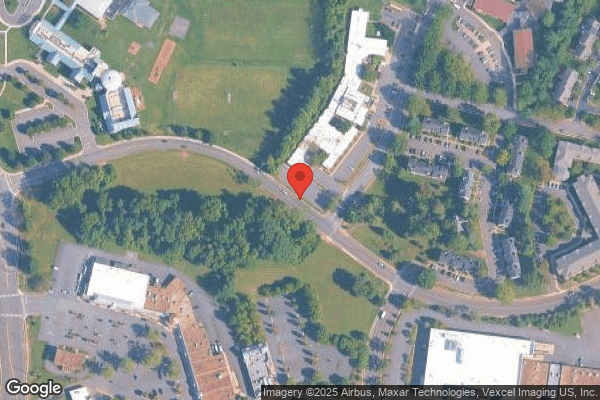

614 HASTINGS LANE, WARRENTON, VA 20186 (540) 347-4770
For profit - Limited Liability company 130 Beds HILL VALLEY HEALTHCARE Data: November 2025
Trust Grade
0/100
#239 of 285 in VA
Last Inspection: August 2024

Within standard 12-15 month inspection cycle. Federal law requires annual inspections.

Overview

Brookside Rehab & Nursing Center has received a Trust Grade of F, indicating significant concerns and overall poor performance. It ranks #239 out of 285 facilities in Virginia, placing it in the bottom half of nursing homes in the state, and is #2 out of 2 in Fauquier County, meaning there’s only one local option with a better rating. While the facility is showing an improving trend, with issues decreasing from 29 in 2023 to 24 in 2024, it still faces serious staffing challenges, reflected in its 2/5 star rating and 59% turnover, which is close to the state's average. There have been concerning incidents, such as a resident suffering a fall that led to a serious injury, and another resident developing a necrotic toe due to a lack of proper monitoring. Additionally, the facility has accumulated $143,647 in fines, which is higher than 96% of Virginia facilities, raising concerns about compliance with health standards. On a more positive note, the facility does have average RN coverage, which is important for catching issues early.

Trust Score
F
0/100
In Virginia
#239/285
Bottom 17%
Safety Record
High Risk
Review needed
Inspections
Getting Better
29 → 24 violations
Staff Stability
⚠ Watch
59% turnover. Above average. Higher turnover means staff may not know residents' routines.
Penalties
✓ Good
$143,647 in fines. Lower than most Virginia facilities. Relatively clean record.
Skilled Nurses
○ Average
Each resident gets 35 minutes of Registered Nurse (RN) attention daily — about average for Virginia. RNs are the most trained staff who monitor for health changes.
Violations
⚠ Watch
75 deficiencies on record. Higher than average. Multiple issues found across inspections.
★☆☆☆☆
1.0
Overall Rating
★★☆☆☆
2.0
Staff Levels
★★★☆☆
3.0
Care Quality
★☆☆☆☆
1.0
Inspection Score
Stable
2023: 29 issues
2024: 24 issues

The Good

  • Full Sprinkler Coverage · Fire safety systems throughout facility
  • No fines on record

Facility shows strength in fire safety.

The Bad

1-Star Overall Rating

Below Virginia average (3.0)

Significant quality concerns identified by CMS

Staff Turnover: 59%

12pts above Virginia avg (46%)

Frequent staff changes - ask about care continuity

Federal Fines: $143,647

Well above median ($33,413)

Significant penalties indicating serious issues

Chain: HILL VALLEY HEALTHCARE

Part of a multi-facility chain

Ask about local staffing decisions and management

Staff turnover is elevated (59%)

11 points above Virginia average of 48%

The Ugly 75 deficiencies on record

2 actual harm
Aug 2024 24 deficiencies 1 Harm
SERIOUS (G) 📢 Someone Reported This

A family member, employee, or ombudsman was alarmed enough to file a formal complaint

Actual Harm - a resident was hurt due to facility failures

Quality of Care (Tag F0684)

A resident was harmed · This affected 1 resident

**NOTE- TERMS IN BRACKETS HAVE BEEN EDITED TO PROTECT CONFIDENTIALITY** Based on staff interview, facility document review, and clinical record review, the facility staff failed to maintain residents'...

Read full inspector narrative →
**NOTE- TERMS IN BRACKETS HAVE BEEN EDITED TO PROTECT CONFIDENTIALITY** Based on staff interview, facility document review, and clinical record review, the facility staff failed to maintain residents' highest level of well-being for two of 52 residents in the survey sample, Residents #44 and #51. The findings include: 1. For Resident #44 (R44), RN (registered nurse) #8 failed to assess and treat the resident in a timely manner. R44 sustained a fall during the day shift on 7/20/24. During the evening shift on 7/20/24, CNAs (certified nursing assistants) reported R44 was screaming in pain and RN #8 failed to assess the resident. On 7/21/24, R44 was screaming and could not be moved in the bed. X-rays were obtained, R44 was diagnosed with a left intertrochanteric fracture of the left femur, and the resident was transferred to the hospital for surgical repair. A nurse's note dated 7/20/24 documented, Resident fell down on floor in dining room, hit her head with the wall but did not get any injury. This nurse checks [sic] her vitals and skin assessment. This nurse also notified to NP (nurse practitioner) (name) and called to family member (name). He did not pick up the call. Will continue to monitor. A nurse's note dated 7/21/24 documented, Resident unable to tolerate rolling from side to side in bed with out [sic] severe pain to bilateral hip area. Left inner knee swollen, unable to move left leg without severe pain. RP (responsible party) and NP notified, new orders noted. An x-ray of the bilateral hips and pelvis with an examination and report date of 7/21/24 documented, There is an intertrochanteric fracture of the left femur which is acute. Acute fracture of the left proximal femur. Another nurse's note dated 7/21/24 documented, X-Ray result came back. There is intertrochanteric fracture of the femur which is acute. Called 911, resident was transported to the hospital for further evaluation. An initial facility synopsis of events with a report date of 7/22/24 and an incident date of 7/21/24 documented, Resident noted with pain on bilateral hip. X-ray ordered and fracture of the left hip noted. Immediately, resident sent to ER (emergency room). A witness statement signed by LPN (licensed practical nurse) #1 on 7/23/24 and referring to 7/20/24 documented, After breakfast I was sitting behind nurses station chart. I hear a dull thud coming from dining room. I immediately enter dining room observed resident (R44) sitting upright on buttock with back against wall were [sic] television is mounted on wall. There were no other residents in close proximity. I performed physical assessment prior to moving resident with RN (name). I saw no discoloration or swelling to any part of resident body. Resident was able to move all extremities with no indication of pain verbal and nonverbal. We assisted to dining room chair. Vital signs were taken. Vital signs within normal limit. Resident was witness [sic] ambulating without difficulty prior to me departing shift at 2pm. A witness statement by CNA #9 and referring to the 3:00 p.m. to 11:00 p.m. shift on 7/20/24 documented, I was walking with (R44) to her room to assist with getting her ready for bed. While walking with resident the resident sat in the floor. She did not appear to be in any distress. The other cna came to help me get (R44) off the floor. (R44) walked to her room. Myself and (CNA #10) attempted to assist resident to bed when attempting to transfer resident in bed she screamed. (CNA #10) left the room to inform the nurse. About 2 minutes later I left the room and went up to the desk and informed (RN #8) the RN that resident had sat on the floor. Also inform [sic] the nurse when we were transferring resident in bed she scream [sic]. (RN #8) was behind the nurse [sic] on his Ipad. (RN #8) got up and left the nurses station but I don't know where he went to. A witness statement by CNA #10 on 7/23/24 and referring to the 3:00 p.m. to 11:00 p.m. shift on 7/20/24 documented, After dinner around 7:30pm I observed (CNA #9) walking with resident down the hallway. I saw the resident sat on the floor in the hallway outside of her room. I assisted (CNA #9) with getting resident off floor. We walked with resident to her room and attempted to transfer resident to bed. (R44) screamed we [sic] then I realized she was in pain. I walked up to the nurses station and informed (RN #8) the nurse. The nurse said ok and continued to looked [sic] at his ipad. The nurse did not go down to the resident room. A witness statement signed by RN #8 on 7/23/24 and referring to 7/20/24 documented, No one told me about the resident (R44). I was working with different cart. A witness statement signed by CNA #8 on 7/23/24 and referring to 7/21/24 documented, On 7/21 helped aide and nurse with (R44) and while changing her and she was screaming in pain and hip looked deformed and warm to touch. Care was done after breakfast and pain was reported to nurse. Another witness statement signed by LPN #1 on 7/23/24 and referring to 7/21/24 documented, 7/21/24 Around 8:30A or 9A (name of CNA) asked me to come assessed [sic] (R44) regarding severe pain. I assessed resident immediately was apparent the pelvis/hip section unable to move with extreme pain and screaming. Resident was unable to move her left lower extremity. I immediately contacted NP (nurse practitioner) (name) regarding assessment. I received order for stat x-ray of pelvis and bilateral hip and left knee. Oxycodone (pain medication) 5 mg (milligrams) now X1. Orders were completed. X-ray on lt (left) knee was negative other result pending. I then contacted NP to update of x-ray. Follow up assessment the left upper leg was red swollen, hot to touch with vein distention. The left lower leg was cool to touch with no swelling. NP gave no new order. Prior to leaving my shift, I reported to (name of another nurse) who also assessed resident with me. A final facility synopsis of events with a report date of 7/24/24 and an incident date of 7/21/24 and submitted by ASM (administrative staff member) #1 (the administrator) documented, Summary of incident: (R44) had an unwitnessed fall on 7/20/24. Post fall assessment show [sic] no visible injury and no verbalize pain. The nurse sits her back to the chair, check [sic] her vitals and was noted to ambulate during the rest of the morning shift. On 7/21/24, resident unable to roll from side to side in bed without pain to bilateral hip area. RP (Responsible Party) and NP notified, new orders for Xray of left knee, and pelvis ordered. X-ray report shows fracture of the left femur and resident was sent to the ER. Actions taken by facility: Residents assessed. Nurse Practitioner and DON (director of nursing) notified. Responsible party notified. Staff interviewed and written report obtained. Investigation in progress. Investigation: After breakfast on 7/20/24, a loud sound coming from the dining room. (LPN #1) and (CNA #9) entered the dining room and found (R44) on the floor with upper body back against the wall. After dinner on 7/20/24, at around 7:30pm, (CNA #9) walked with resident down the hallway to the room. Later, resident was observed sitting on the floor in the hallway outside of her room. (CNA #10) assisted (CNA #9) with getting resident off floor, walked her back to the room and attempted to transfer resident to bed, and she screamed from pain. Staff walked up to the nursing station and informed Nurse (RN #8). The nurse said OK and continued to look at his iPad. The nurse did not go down to the resident room. Conclusion: Staff conduct was unprofessional and disciplinary action taken. All staff will get re-education on care and safety of residents under their care. Residents [sic] care plan will be updated upon return from hospital. A form titled, Suspension Pending Investigation documented RN #8 was suspended on 7/23/24, Pending investigation related to resident (R44) not being assess [sic]- for pain related to previous fall. A hospital Discharge summary dated [DATE] documented R44 was transferred to the hospital on 7/21/24 after an unwitnessed fall and a complaint of left hip pain. R44 was administered 0.5 mg of Dilaudid (pain medication) in the emergency department and the resident's hip was surgically repaired. CNA #9, CNA #10, and RN #8 were not available for interview during the survey. On 8/7/24 at 3:16 p.m., an interview was conducted with LPN #1. LPN #1 stated another nurse was caring for R44 during the day shift on 7/20/24 but while sitting at the nurses' station, she heard a bump and went over to the dining room. LPN #1 stated R44 was sitting under the television with her back against the wall. LPN #1 stated she and the nurse caring for R44 assessed the resident and at that time, the resident did not appear to be in pain or have any injuries, so the staff assisted R44 to a chair and encouraged her to sit in the chair. LPN #1 stated that during the morning on 7/21/24, a CNA came to her right after breakfast and said she needed to look at R44 because the resident was in a lot of pain and the CNA could not even touch the resident. LPN #1 stated she immediately went to R44 and was unable to move the resident without the resident screaming in pain. LPN #1 stated R44 said, Please don't touch me. Don't move me. Don't do that, it hurts. LPN #1 stated she notified the nurse practitioner and x-rays were ordered. ASM #2 (the director of nursing) was on vacation when R44 fell and when R44 was transferred to the hospital. On 8/7/24 at 4:04 p.m., an interview was conducted with ASM #1. ASM #1 stated he received a call on 7/21/24 and was made aware R44 sustained a fracture and was sent to the emergency room, so he began an investigation on 7/22/24. ASM #1 stated R44 fell on 7/20/24 but at the time of the fall, the resident did not appear to have an injury and the resident was able to ambulate. ASM #1 stated that during his investigation, he talked to CNAs who worked with R44 during the evening/night on 7/21/24. ASM #1 stated one or two of the CNAs said they tried to put R44 to bed on Saturday (7/21/24) night and the resident presented with pain. ASM #1 stated the CNAs said they informed the nurse (RN #8), but nothing was done at that time. ASM #1 stated he spoke to RN #8 who said the CNAs did not report anything regarding R44 to him and there was nothing wrong with R44. On 8/7/24 at 5:20 p.m., ASM #1 and ASM #2 were made aware of the concern for harm. The facility policy titled, Change in a Resident's Condition documented, 1. The nurse will notify the resident's Attending Physician/ practitioner or physician on call when there has been a (an): a. accident or incident involving the resident; b. discovery of injuries of an unknown source .d. significant change in the resident's physical, mental, or psychosocial status (that is, a deterioration in health, mental, or psychosocial status in either life-threatening conditions or clinical complications); e. need to alter the resident's medical treatment significantly .2. Prior to notifying the physician/practitioner, the nurse will make detailed observations and gather relevant and pertinent information for the provider. 2. For Resident #51(R51), the facility staff failed to obtain a physician ordered laboratory test in a timely manner. The physician order dated, 3/18/24, documented, BMP (basic metabolic panel)(1), CBC (complete blood count)(2). The physician order dated, 3/20/24, documented, BMP, CBC. The laboratory test results dated 3/27/24, documented the results of the above test results. An interview was conducted with ASM (administrative staff member) #8, the nurse practitioner, on 8/8/24 at 11:02 a.m. When asked why she ordered the same laboratory tests on 3/18/24 and then again on 3/20/24, ASM #8 stated she didn't see the results from the ones I ordered on 3/18/24 so she reordered them again. ASM #8 was asked if she had any knowledge as to why the tests were not done until 3/27/24, ASM #8 stated she didn't know why there was a delay. An interview was conducted with ASM #2, the director of nursing, on 8/8/24 at 4:00 p.m. When asked why there was a delay in getting the laboratory tests ordered by the nurse practitioner on 3/18/24 and then reordered on 3/20/24, ASM #2 stated she looked into this and didn't see any documentation as to why they were not done. ASM #2 further stated they were having trouble with the laboratory company at that time. ASM #2 was asked if there was a delay in obtaining the physician ordered laboratory tests, ASM #2 stated, yes. When asked if not obtaining the laboratory tests for seven to nine days following the physician orders, ASM #2 stated, no. ASM #1, the administrator, ASM #2, the director of nursing, ASM #3, the regional director of clinical operations, ASM #4, the regional director of clinical operations, and ASM #6, the regional senior administrator, were made aware of the above findings on 8/8/24 at 4:30 p.m. No further information was provided prior to exit. References: (1) The basic metabolic panel (BMP) is a group of blood tests that provides information about your body's metabolism. This information was obtained from the following website: http://www.nlm.nih.gov/medlineplus/ency/article/003462.htm (2) A complete blood count (CBC) test measures the following: The number of red blood cells (RBC count) The number of white blood cells (WBC count). This information was obtained from the following website: http://vsearch.nlm.nih.gov/vivisimo/cgi-bin/query-meta?v%3Aproject=medlineplus&query=CBC&x=24&y=17
CONCERN (D)

Potential for Harm - no one hurt, but risky conditions existed

Deficiency F0554 (Tag F0554)

Could have caused harm · This affected 1 resident

Based on observation, staff interview, facility document review, and clinical record review, the facility staff failed to ensure a resident was safe to self-administer a medication for one of 52 resid...

Read full inspector narrative →
Based on observation, staff interview, facility document review, and clinical record review, the facility staff failed to ensure a resident was safe to self-administer a medication for one of 52 residents in the survey sample, Resident #98. The findings include: For Resident #98 (R98), the facility staff failed to complete an assessment to determine if the resident was safe to self-administer a nebulizer medication. A review of R98's clinical record revealed a physician's order dated 6/14/24 for ipratropium-albuterol inhalation solution (1) 0.5-2.5 MG (milligram)/3ML (milliliters) three times a day for chronic obstructive pulmonary disease. Further review of R98's clinical record failed to reveal an assessment to determine it was safe for the resident to self-administer the medication. On 8/6/24 at 9:31 a.m., RN (registered nurse) #1 poured the ipratropium-albuterol solution into R98's nebulizer machine, turned on the machine, and handed the mouthpiece to R98. RN #1 exited the room while R98 continued to self-administer the medication. On 8/6/24 at 3:11 p.m., an interview was conducted with RN #1. RN #1 stated it takes 15 minutes for R98 to complete the nebulizer medication breathing treatment. RN #1 stated R98 wants to complete the medication treatment by himself and does not want staff to stand there and wait. RN #1 stated an assessment should be completed to determine if a resident can safely administer a medication breathing treatment, but he had no idea if an assessment had been completed for R98. On 8/7/24 at 5:20 p.m., ASM (administrative staff member) #1 (the administrator) and ASM #2 (the director of nursing) were made aware of the above concern. The facility policy titled, Self-Administration of Medications and Treatments documented, POLICY: Residents have the right to self-administer medications / treatments if the interdisciplinary team has determined that it is clinically appropriate and safe for the resident to do so. SPECIFIC PROCEDURES / GUIDANCE 1. As part of their overall evaluation, the staff and practitioner will assess each resident's mental and physical abilities and choice to determine whether self-administering medications and/or treatments is clinically appropriate for the resident. No further information was presented prior to exit. Reference: (1) Ipratropium-albuterol inhalation solution is used to treat lung diseases. This information was obtained from the website: https://medlineplus.gov/ency/patientinstructions/000006.htm.
CONCERN (D) 📢 Someone Reported This

A family member, employee, or ombudsman was alarmed enough to file a formal complaint

Potential for Harm - no one hurt, but risky conditions existed

Free from Abuse/Neglect (Tag F0600)

Could have caused harm · This affected 1 resident

**NOTE- TERMS IN BRACKETS HAVE BEEN EDITED TO PROTECT CONFIDENTIALITY** Based on resident interview, staff interview, facility document review and clinical record review, it was determined that the fa...

Read full inspector narrative →
**NOTE- TERMS IN BRACKETS HAVE BEEN EDITED TO PROTECT CONFIDENTIALITY** Based on resident interview, staff interview, facility document review and clinical record review, it was determined that the facility staff failed to ensure 3 of 52 residents in the survey sample were free from abuse; Residents #212, #98 and #96. The findings include: 1. For Resident #212, the facility staff failed to ensure the resident was free from abuse by a staff member (LPN #7) on 3/7/24. Resident #212 was admitted to the facility on [DATE] and discharged on 4/9/24. The admission MDS dated [DATE] coded Resident #212 as being cognitively intact in ability to make daily life decisions. A review of the clinical record revealed a nurse's note dated 3/7/24 at 7:50 AM that documented, writer observed resident and another staff member engaged in an argument. both parties threw insults and profanity at each other. after a few minutes resident was wheeled to his room and staff member walked down the hallway. A review of a facility synopsis of event form dated 3/7/24 and received by the state agency on 3/7/24 at 5:19 PM, documented, Staff alleged that one of our nurses was engaged in an argument with the resident and both parties insulted each other. Staff immediately suspended pending investigation The final report attached to this incident documented, On 3/7/24, it was alleged that (Resident #212) and one of our nurses (LPN #7) (Licensed Practical Nurse), engaged in an argument and both parties threw insults and profanity at each other. Investigation revealed that around 7:45am, a resident (not Resident #212) was redirected from juice due to elevated blood sugar by (LPN #7). (Resident #212) interrupted the Nurse by asking her if she knows the blood sugar of the resident asking for the juice. The Nurse told (Resident #212) she knew but she won't tell him because of HIPPA. (Resident #212) started cursing the Nurse out by calling her bi*** and telling her she knows nothing. According to the Nurse, she responded by saying you too. Witnesses said they heard resident using cursed words such as wh*** and your mother is a $10 wh***. Other witnesses also said they heard the nurse saying, fu** you and called him (Resident #212) a drug dealer when (Resident #212) was using profanity and cursing her out. The Unit Manager and the 2 (two) other nurses redirected (Resident #212) from the nurses' station Conclusion: Based on the investigation and after interviewing residents and staff, the allegation of abuse/Mistreatment is unsubstantiated. (Resident #212) said he was not in any way abused by the staff. Staff has been terminated for unprofessional conduct. A witness statement from the above investigation was reviewed. This statement was written by RN #6 (Registered Nurse). This statement documented, At approximately 7:45 AM, I observed Resident (#212) and LPN (#7) engaged in an argument. Resident stated to (LPN #7) you don't know her blood sugar. (LPN #7) said, yes I do. Resident (#212) stated, what is it. (LPN #7) stated, I can't share a resident's medical information with you. Both parties repeated the same thing several times. (LPN #7) then called resident (#212) a drug addict. Resident (#212) stated, I've been clean for 2 years. (LPN #7) called resident (#212) a drug dealer. Resident (#212) stated, you're profiling me, why, because I have tattoos. Resident (#212) then called (LPN #7) bi***, (LPN #7) said, your mother is a bi***. Resident (#212) stated, your mother is a $10 wh***. Both parties then stated back and forth fu** you. (LPN #6), supervisor and (another identified nurse) told resident (#212) to stop. I also told resident (#212) to stop and wheeled resident to his room. A review of the time sheet for LPN #7 for 3/7/24 revealed that LPN #7 was clocked in at 7:22 AM and clocked out at 3:27 PM, having worked the entire shift after verbally abusing a resident and was not removed from duty immediately after the incident. On 8/8/24 at 1:44 PM an interview was conducted with RN #6, who wrote the above witness statement. She stated that everything happened as she wrote it. She stated that this constituted as resident abuse by a staff member. She stated that she was preparing for morning med pass when she observed the above scenario as it happened. She stated that it was not appropriate for a nurse to say such things to a resident. When asked about reporting the abuse, she stated that the supervisor was aware and that at some point during the shift she was asked to speak to the DON (Director of Nursing) and write a witness statement. On 8/8/24 at 2:23 PM an interview was conducted with LPN #6, who was the unit manager/supervisor. He stated that he arrived at the end of the incident and heard the resident being verbally abusive to the nurse. He stated that he did not hear the nurse say anything. He stated that the incident was discussed in the morning meeting with the Administrator, Director of Nursing, Assistant Director of Nursing. He stated that the Director of Nursing was aware of the incident in the morning meeting, which he said was held daily at about 9:00 AM. On 8/8/24 at 2:46 PM, an interview was conducted with ASM #2 (Administrative Staff Member) the Director of Nursing. She stated that she did not feel the incident was abuse. When asked when is an allegation of abuse supposed to be reported to the state agency, she stated within two hours. It was noted that the incident was at approximately 7:45 AM and that a nurse wrote a note about it at 7:50 AM, however, the fax stamp on the incident report indicated the state agency received the report on 3/7/24 at 5:19 PM. She stated that it was reported within two hours of her learning about it. However, per the above interview with LPN #6, she had been aware of it since the morning meeting. The facility policy, Abuse documented, Abuse - is the willful infliction of injury, unreasonable confinement, intimidation, or punishment resulting in physical harm, pain or mental anguish Willful, as used in this definition of abuse, means the individual must have acted deliberately Prevention: a. The facility will not use verbal, mental, sexual or physical abuse .g. The organization will maintain protocols and procedures to identify, correct and intervene in situations in which abuse, neglect, mistreatment and/or misappropriation of resident property is more likely to occur. This includes analysis of: .The supervision of staff to identify inappropriate behaviors, such as using derogatory language Reporting: a. The organization will maintain systems to ensure that all alleged violations involving abuse, neglect, exploitation or mistreatment are reported immediately, but not later than 2 hours after the allegation is made, if the events that cause the allegation involve abuse to the administrator of the facility, or his or her designee, and to other officials (including to the State Survey Agency On 8/8/24 at 4:00 PM, ASM #1 the Administrator and ASM #4 a Regional Director of Clinical Operations, were made aware of the findings. ASM #4 stated that this was considered as resident abuse and that he did not agree with the former Administrator's findings that abuse was unsubstantiated, and he expressed concern that ASM #2 the Director of Nursing, did not recognize this incident as abuse. 2. For Residents #98 and #96, the facility staff failed to ensure the residents were free from abuse in a resident to resident altercation on 7/11/24. Resident #98 was admitted to the facility on [DATE] and on the quarterly MDS (Minimum Data Set) dated 6/6/24 was coded as being cognitively intact in ability to make daily life decisions. Resident #96 was admitted to the facility on [DATE] and on the quarterly MDS dated [DATE] was coded as being cognitively intact in ability to make daily life decisions. On 8/5/24 at 2:56 PM an interview was conducted with Resident #98. He stated that about a month or so ago another resident, which he identified as Resident #96, had head butted him for no reason. He stated that the incident was reported to the police and APS (adult protective services). He stated that Resident #96 acts like a [AGE] year old and mocks people the way a kid would do. A review of the clinical record for Resident #98 revealed a nurse's note dated 7/11/24 that documented, Upon rounding the corner heading toward (a room number), observed two residents on the floor kicking, hitting, and punching each other. Additional nurse notified offered assistance. Separated residents, Police, MD (Medical Doctor), DON (Director of Nursing), ED (Executive Director), Resident is self-responsible party. All notified. A second nurse's note dated 7/11/24 documented, Area above tip of nose reddened no drainage noted, area below the right nare also with redness, no drainage noted related to the altercation. A review of the clinical record for Resident #96 revealed a nurse's note dated 7/11/24 that documented, Upon rounding the corner heading toward (a room number), observed two residents on the floor kicking, hitting, and punching each other. Additional nurse notified offered assistance. Residents were separated, police notified, RP's (responsible party) aware, DON (Director of Nursing), ED (Executive Director) aware no apparent injury currently. A second nurse's note dated 7/11/24 documented, As of this moment resident without any injuries. A review of the facility synopsis of the event dated 7/11/24 documented, Physical Altercation - upon rounding the corner toward (a room number) - nurse observed two residents punching and hitting and kicking each other while laying on the floor. IDT (Interdisciplinary team) met to review incident. Police were called to the facility. Psych consult to see both residents. Discharge plan to be enforced. The follow up to the above report, dated 7/15/24, documented, Summary of incident: (Resident #98) and (Resident #96) were observed around (room number) engaged in physical altercation - both residents on the floor kicking, hitting, and punching each other. Staff nurse separated the residents and directed them back to their rooms. (Resident #98) claimed (Resident #96) head-butted him to the floor. This writer observed a small knot on the bridge of his nose and another on the right side of his left eye. The patient claimed he did nothing to provoke his former roommate before the incident. He expressed his intention to press charges against the former roommate. (Resident #96) explained that he had gone to sit in the hallway by himself and felt disrespected. He stated that he did not care and became belligerent toward other staff Conclusion: This physical altercation between the two residents constitutes an abuse. This writer advised both residents to always report their concerns to the appropriate authorities and to avoid fighting each other. Failure to comply with facility rules and regulations will result in administrative discharge. The staff member who wrote the above nurses notes was not available for interview. On 8/8/24 at 2:33 PM an interview was conducted with LPN #6 (Licensed Practical Nurse). He stated that the supervisor called for help regarding the residents fighting. He stated that they were separated and assessed and that Resident #98 had a mark on his nose. He stated that the resident did not require going to the emergency room. He stated that when the police came, they spoke to the residents. He stated that he did not know about anything else that was said. On 8/8.24 at 2:46 PM, an interview was conducted with ASM #2 (Administrative Staff Member) the Director of Nursing. She stated that she did not know anything about the incident other than that the residents were separated and that the police were called and that the psych provider followed up with both residents. On 8/8/24 at 4:00 PM, ASM #1 the Administrator and ASM #4 a Regional Director of Clinical Operations, were made aware of the findings. No further information was provided by the end of the survey.
CONCERN (D) 📢 Someone Reported This

A family member, employee, or ombudsman was alarmed enough to file a formal complaint

Potential for Harm - no one hurt, but risky conditions existed

Abuse Prevention Policies (Tag F0607)

Could have caused harm · This affected 1 resident

**NOTE- TERMS IN BRACKETS HAVE BEEN EDITED TO PROTECT CONFIDENTIALITY** Based on resident interview, staff interview, facility document review and clinical record review, it was determined that the fa...

Read full inspector narrative →
**NOTE- TERMS IN BRACKETS HAVE BEEN EDITED TO PROTECT CONFIDENTIALITY** Based on resident interview, staff interview, facility document review and clinical record review, it was determined that the facility staff failed to implement the facility abuse policy for three of 52 residents in the survey sample; Residents #212, #96 and #98. The findings include: 1. For Resident #212, the facility staff failed to implement the abuse policy to ensure the resident was free from abuse by a staff member (LPN #7) on 3/7/2 and failed to correctly identify the incident as abuse upon investigation in the facility's report to the required state agency. The facility policy, Abuse documented, Abuse - is the willful infliction of injury, unreasonable confinement, intimidation, or punishment resulting in physical harm, pain or mental anguish Willful, as used in this definition of abuse, means the individual must have acted deliberately Prevention: a. The facility will not use verbal, mental, sexual or physical abuse .g. The organization will maintain protocols and procedures to identify, correct and intervene in situations in which abuse, neglect, mistreatment and/or misappropriation of resident property is more likely to occur. This includes analysis of: .The supervision of staff to identify inappropriate behaviors, such as using derogatory language Resident #212 was admitted to the facility on [DATE] and discharged on 4/9/24. The admission MDS dated [DATE] coded Resident #212 as being cognitively intact in ability to make daily life decisions. A review of the clinical record revealed a nurse's note dated 3/7/24 at 7:50 AM that documented, writer observed resident and another staff member engaged in an argument. both parties threw insults and profanity at each other. after a few minutes resident was wheeled to his room and staff member walked down the hallway. A review of a facility synopsis of event form dated 3/7/24 and received by the state agency on 3/7/24 at 5:19 PM, documented, Staff alleged that one of our nurses was engaged in an argument with the resident and both parties insulted each other. Staff immediately suspended pending investigation The final report attached to this incident documented, On 3/7/24, it was alleged that (Resident #212) and one of our nurses (LPN #7) (Licensed Practical Nurse), engaged in an argument and both parties threw insults and profanity at each other. Investigation revealed that around 7:45am, a resident (not Resident #212) was redirected from juice due to elevated blood sugar by (LPN #7). (Resident #212) interrupted the Nurse by asking her if she knows the blood sugar of the resident asking for the juice. The Nurse told (Resident #212) she knew but she won't tell him because of HIPPA. (Resident #212) started cursing the Nurse out by calling her bi*** and telling her she knows nothing. According to the Nurse, she responded by saying you too. Witnesses said they heard resident using cursed words such as wh*** and your mother is a $10 wh***. Other witnesses also said they heard the nurse saying, fu** you and called him (Resident #212) a drug dealer when (Resident #212) was using profanity and cursing her out. The Unit Manager and the 2 (two) other nurses redirected (Resident #212) from the nurses' station Conclusion: Based on the investigation and after interviewing residents and staff, the allegation of abuse/Mistreatment is unsubstantiated. (Resident #212) said he was not in any way abused by the staff. Staff has been terminated for unprofessional conduct. A witness statement from the above investigation was reviewed. This statement was written by RN #6 (Registered Nurse). This statement documented, At approximately 7:45 AM, I observed Resident (#212) and LPN (#7) engaged in an argument. Resident stated to (LPN #7) you don't know her blood sugar. (LPN #7) said, yes I do. Resident (#212) stated, what is it. (LPN #7) stated, I can't share a resident's medical information with you. Both parties repeated the same thing several times. (LPN #7) then called resident (#212) a drug addict. Resident (#212) stated, I've been clean for 2 years. (LPN #7) called resident (#212) a drug dealer. Resident (#212) stated, you're profiling me, why, because I have tattoos. Resident (#212) then called (LPN #7) bi***, (LPN #7) said, your mother is a bi***. Resident (#212) stated, your mother is a $10 wh***. Both parties then stated back and forth fu** you. (LPN #6), supervisor and (another identified nurse) told resident (#212) to stop. I also told resident (#212) to stop and wheeled resident to his room. A review of the time sheet for LPN #7 for 3/7/24 revealed that LPN #7 was clocked in at 7:22 AM and clocked out at 3:27 PM, having worked the entire shift after verbally abusing a resident and was not removed from duty immediately after the incident. On 8/8/24 at 1:44 PM an interview was conducted with RN #6, who wrote the above witness statement. She stated that everything happened as she wrote it. She stated that this constituted as resident abuse by a staff member. She stated that she was preparing for morning med pass when she observed the above scenario as it happened. She stated that it was not appropriate for a nurse to say such things to a resident. When asked about reporting the abuse, she stated that the supervisor was aware and that at some point during the shift she was asked to speak to the DON (Director of Nursing) and write a witness statement. On 8/8/24 at 2:23 PM an interview was conducted with LPN #6, who was the unit manager/supervisor. He stated that he arrived at the end of the incident and heard the resident being verbally abusive to the nurse. He stated that he did not hear the nurse say anything. He stated that the incident was discussed in the morning meeting with the Administrator, Director of Nursing, Assistant Director of Nursing. He stated that the Director of Nursing was aware of the incident in the morning meeting, which he said was held daily at about 9:00 AM. On 8/8/24 at 2:46 PM, an interview was conducted with ASM #2 (Administrative Staff Member) the Director of Nursing. She stated that she did not feel the incident was abuse. She stated that the resident did not say he was abused and that the resident started the altercation, and therefore, she did not feel that the nurse cursing at the resident was considered verbal abuse. On 8/8/24 at 4:00 PM, ASM #1 the Administrator and ASM #4 a Regional Director of Clinical Operations, were made aware of the findings. ASM #4 stated that this was considered as resident abuse and that he did not agree with the former Administrator's findings that abuse was unsubstantiated, and he expressed concern that ASM #2 the Director of Nursing, did not recognize this incident as abuse. 2. For Residents #98 and #96, the facility staff failed to pimplement the abuse policy to ensure the residents were free from abuse in a resident to resident altercation on 7/11/24. Resident #98 was admitted to the facility on [DATE] and on the quarterly MDS (Minimum Data Set) dated 6/6/24 was coded as being cognitively intact in ability to make daily life decisions. Resident #96 was admitted to the facility on [DATE] and on the quarterly MDS dated [DATE] was coded as being cognitively intact in ability to make daily life decisions. On 8/5/24 at 2:56 PM an interview was conducted with Resident #98. He stated that about a month or so ago another resident, which he identified as Resident #96, had head butted him for no reason. He stated that the incident was reported to the police and APS (adult protective services). He stated that Resident #96 acts like a [AGE] year old and mocks people the way a kid would do. A review of the facility synopsis of the event dated 7/11/24 documented, Physical Altercation - upon rounding the corner toward (a room number) - nurse observed two residents punching and hitting and kicking each other while laying on the floor. IDT (Interdisciplinary team) met to review incident. Police were called to the facility. Psych consult to see both residents. Discharge plan to be enforced. The follow up to the above report, dated 7/15/24, documented, Summary of incident: (Resident #98) and (Resident #96) were observed around (room number) engaged in physical altercation - both residents on the floor kicking, hitting, and punching each other. Staff nurse separated the residents and directed them back to their rooms. (Resident #98) claimed (Resident #96) head-butted him to the floor. This writer observed a small knot on the bridge of his nose and another on the right side of his left eye. The patient claimed he did nothing to provoke his former roommate before the incident. He expressed his intention to press charges against the former roommate. (Resident #96) explained that he had gone to sit in the hallway by himself and felt disrespected. He stated that he did not care and became belligerent toward other staff Conclusion: This physical altercation between the two residents constitutes an abuse. This writer advised both residents to always report their concerns to the appropriate authorities and to avoid fighting each other. Failure to comply with facility rules and regulations will result in administrative discharge. A review of the clinical record for Resident #98 revealed a nurse's note dated 7/11/24 that documented, Upon rounding the corner heading toward (a room number), observed two residents on the floor kicking, hitting, and punching each other. Additional nurse notified offered assistance. Separated residents, Police, MD (Medical Doctor), DON (Director of Nursing), ED (Executive Director), Resident is self-responsible party. All notified. A second nurse's note dated 7/11/24 documented, Area above tip of nose reddened no drainage noted, area below the right nare also with redness, no drainage noted related to the altercation. A review of the clinical record for Resident #96 revealed a nurse's note dated 7/11/24 that documented, Upon rounding the corner heading toward (a room number), observed two residents on the floor kicking, hitting, and punching each other. Additional nurse notified offered assistance. Residents were separated, police notified, RP's (responsible party) aware, DON (Director of Nursing), ED (Executive Director) aware no apparent injury currently. A second nurse's note dated 7/11/24 documented, As of this moment resident without any injuries. The staff member who wrote the above nurses notes was not available for interview. On 8/8/24 at 2:33 PM an interview was conducted with LPN #6 (Licensed Practical Nurse). He stated that the supervisor called for help regarding the residents fighting. He stated that they were separated and assessed and that Resident #98 had a mark on his nose. He stated that the resident did not require going to the emergency room. He stated that when the police came, they spoke to the residents. He stated that he did not know about anything else that was said. On 8/8.24 at 2:46 PM, an interview was conducted with ASM #2 (Administrative Staff Member) the Director of Nursing. She stated that she did not know anything about the incident other than that the residents were separated and that the police were called and that the psych provider followed up with both residents. On 8/8/24 at 4:00 PM, ASM #1 the Administrator and ASM #4 a Regional Director of Clinical Operations, were made aware of the findings. No further information was provided by the end of the survey.
CONCERN (D) 📢 Someone Reported This

A family member, employee, or ombudsman was alarmed enough to file a formal complaint

Potential for Harm - no one hurt, but risky conditions existed

Report Alleged Abuse (Tag F0609)

Could have caused harm · This affected 1 resident

**NOTE- TERMS IN BRACKETS HAVE BEEN EDITED TO PROTECT CONFIDENTIALITY** Based on staff interview, facility document review and clinical record review, it was determined that the facility staff failed ...

Read full inspector narrative →
**NOTE- TERMS IN BRACKETS HAVE BEEN EDITED TO PROTECT CONFIDENTIALITY** Based on staff interview, facility document review and clinical record review, it was determined that the facility staff failed to report an allegation of abuse to the required state agency in a timely manner for one of 52 residents in the survey sample; Resident #212. The findings include: For Resident #212, the facility staff failed to report an allegation of abuse in a timely manner. On 3/7/24 at 7:50 AM, a nurse's note documented the incident of abuse. The facility did not report the incident to the required state agency until 3/7/24 at 5:19 PM. The facility policy, Abuse documented, Abuse - is the willful infliction of injury, unreasonable confinement, intimidation, or punishment resulting in physical harm, pain or mental anguish Willful, as used in this definition of abuse, means the individual must have acted deliberately Prevention: a. The facility will not use verbal, mental, sexual or physical abuse .g. The organization will maintain protocols and procedures to identify, correct and intervene in situations in which abuse, neglect, mistreatment and/or misappropriation of resident property is more likely to occur. This includes analysis of: .The supervision of staff to identify inappropriate behaviors, such as using derogatory language Reporting: a. The organization will maintain systems to ensure that all alleged violations involving abuse, neglect, exploitation or mistreatment are reported immediately, but not later than 2 hours after the allegation is made, if the events that cause the allegation involve abuse to the administrator of the facility, or his or her designee, and to other officials (including to the State Survey Agency Resident #212 was admitted to the facility on [DATE] and discharged on 4/9/24. The admission MDS dated [DATE] coded Resident #212 as being cognitively intact in ability to make daily life decisions. A review of the clinical record revealed a nurse's note dated 3/7/24 at 7:50 AM that documented, writer observed resident and another staff member engaged in an argument. both parties threw insults and profanity at each other. after a few minutes resident was wheeled to his room and staff member walked down the hallway. A review of a facility synopsis of event form dated 3/7/24 and received by the state agency on 3/7/24 at 5:19 PM, documented, Staff alleged that one of our nurses was engaged in an argument with the resident and both parties insulted each other. Staff immediately suspended pending investigation The final report attached to this incident documented, On 3/7/24, it was alleged that (Resident #212) and one of our nurses (LPN #7) (Licensed Practical Nurse), engaged in an argument and both parties threw insults and profanity at each other. Investigation revealed that around 7:45am, a resident (not Resident #212) was redirected from juice due to elevated blood sugar by (LPN #7). (Resident #212) interrupted the Nurse by asking her if she knows the blood sugar of the resident asking for the juice. The Nurse told (Resident #212) she knew but she won't tell him because of HIPPA. (Resident #212) started cursing the Nurse out by calling her bi*** and telling her she knows nothing. According to the Nurse, she responded by saying you too. Witnesses said they heard resident using cursed words such as wh*** and your mother is a $10 wh***. Other witnesses also said they heard the nurse saying, fu** you and called him (Resident #212) a drug dealer when (Resident #212) was using profanity and cursing her out. The Unit Manager and the 2 (two) other nurses redirected (Resident #212) from the nurses' station Conclusion: Based on the investigation and after interviewing residents and staff, the allegation of abuse/Mistreatment is unsubstantiated. (Resident #212) said he was not in any way abused by the staff. Staff has been terminated for unprofessional conduct. A witness statement from the above investigation was reviewed. This statement was written by RN #6 (Registered Nurse). This statement documented, At approximately 7:45 AM, I observed Resident (#212) and LPN (#7) engaged in an argument. Resident stated to (LPN #7) you don't know her blood sugar. (LPN #7) said, yes I do. Resident (#212) stated, what is it. (LPN #7) stated, I can't share a resident's medical information with you. Both parties repeated the same thing several times. (LPN #7) then called resident (#212) a drug addict. Resident (#212) stated, I've been clean for 2 years. (LPN #7) called resident (#212) a drug dealer. Resident (#212) stated, you're profiling me, why, because I have tattoos. Resident (#212) then called (LPN #7) bi***, (LPN #7) said, your mother is a bi***. Resident (#212) stated, your mother is a $10 wh***. Both parties then stated back and forth fu** you. (LPN #6), supervisor and (another identified nurse) told resident (#212) to stop. I also told resident (#212) to stop and wheeled resident to his room. A review of the time sheet for LPN #7 for 3/7/24 revealed that LPN #7 was clocked in at 7:22 AM and clocked out at 3:27 PM, having worked the entire shift after verbally abusing a resident and was not removed from duty immediately after the incident. On 8/8/24 at 1:44 PM an interview was conducted with RN #6, who wrote the above witness statement. She stated that everything happened as she wrote it. She stated that this constituted as resident abuse by a staff member. She stated that she was preparing for morning med pass when she observed the above scenario as it happened. She stated that it was not appropriate for a nurse to say such things to a resident. When asked about reporting the abuse, she stated that the supervisor was aware and that at some point during the shift she was asked to speak to the DON (Director of Nursing) and write a witness statement. On 8/8/24 at 2:23 PM an interview was conducted with LPN #6, who was the unit manager/supervisor. He stated that he arrived at the end of the incident and heard the resident being verbally abusive to the nurse. He stated that he did not hear the nurse say anything. He stated that the incident was discussed in the morning meeting with the Administrator, Director of Nursing, Assistant Director of Nursing. He stated that the Director of Nursing was aware of the incident in the morning meeting, which he said was held daily at about 9:00 AM. On 8/8/24 at 2:46 PM, an interview was conducted with ASM #2 (Administrative Staff Member) the Director of Nursing. She stated that she did not feel the incident was abuse. When asked when is an allegation of abuse supposed to be reported to the state agency, she stated within two hours. It was noted that the incident was at approximately 7:45 AM and that a nurse wrote a note about it at 7:50 AM, however, the fax stamp on the incident report indicated the state agency received the report on 3/7/24 at 5:19 PM. She stated that it was reported within two hours of her learning about it. However, per the above interview with LPN #6, she had been aware of it since the morning meeting at approximately 9:00 AM. On 8/8/24 at 4:00 PM, ASM #1 the Administrator and ASM #4 a Regional Director of Clinical Operations, were made aware of the findings. ASM #4 stated that this was considered as resident abuse and that he did not agree with the former Administrator's findings that abuse was unsubstantiated, and he expressed concern that ASM #2 the Director of Nursing, did not recognize this incident as abuse.
CONCERN (D)

Potential for Harm - no one hurt, but risky conditions existed

Assessment Accuracy (Tag F0641)

Could have caused harm · This affected 1 resident

2. For Resident #60 (R60), the facility staff failed to code the annual MDS (minimum data set) assessment with an ARD (assessment reference date) of 6/28/24 for tobacco use. On the most recent MDS as...

Read full inspector narrative →
2. For Resident #60 (R60), the facility staff failed to code the annual MDS (minimum data set) assessment with an ARD (assessment reference date) of 6/28/24 for tobacco use. On the most recent MDS assessment, an annual assessment, with an ARD of 6/28/24, Section J documented no current tobacco use. The smoking-resident safety evaluation for R60 dated 6/6/24 documented in part, .Does the resident use tobacco products? Yes .Tobacco products utilized. Cigarettes/Cigars . Is the resident a safe smoker? Safe to smoke without supervision . The comprehensive care plan for R60 documented in part, [Name of R60] is a smoker. Date Initiated: 10/05/2023. Revision on: 03/07/2024 . On 8/7/24 at 10:15 a.m., an interview was conducted with RN (registered nurse) #5, MDS coordinator. RN #5 stated that they used the RAI (resident assessment instrument) manual when completing the MDS assessments. She stated that when completing Section J regarding tobacco use she reviewed the facility smoker list and the clinical record for the smoking assessment. She stated that she would review R60's annual MDS with the ARD of 6/28/24. On 8/7/24 at 11:01 a.m., RN #5 stated that R60 was an active smoker and the annual MDS should have been coded for smoking because there was a smoking assessment for them and they smoked. According to the RAI Manual, Version 1.16, dated October 2018, section J1300 documented in the steps for assessment, 1. Ask the resident if they used tobacco in any form during the 7-day look-back period. 2. If the resident states that they used tobacco in some form during the 7-day look-back period, code 1, yes . On 8/7/24 at 5:20 p.m., ASM (administrative staff member) #1, the administrator, ASM #2, the director of nursing, ASM #3, the regional director of clinical operations, ASM #4, the regional director of clinical operations, ASM #5, the regional risk nurse and ASM #6, the regional senior administrator were made aware of the concern. No further information was provided prior to exit. 3. For Resident #26 (R26), the facility staff failed to accurately code the quarterly MDS (minimum data set) assessment regarding insulin use. On the most recent MDS assessment, a quarterly assessment, with an ARD (assessment reference date) of 6/9/24, Section N documented insulin injections received one day during the 7 day look-back period. Review of the clinical record for R26 failed to evidence orders for insulin. The eMAR (electronic medication administration record) for R26 dated 6/1-6/30/24 failed to evidence insulin administered to R26. On 8/7/24 at 10:15 a.m., an interview was conducted with RN (registered nurse) #5, MDS coordinator. RN #5 stated that they used the RAI (resident assessment instrument) manual when completing the MDS assessments. She stated that when completing Section N they looked at the physician orders, diagnoses and the eMAR's following the 7 day look-back period. She stated that she would review R26's quarterly MDS with the ARD of 6/9/24 and the clinical record regarding insulin. On 8/7/24 at 11:01 a.m., RN #5 stated that R26 did not receive insulin and that it was a coding error and should not have been coded for insulin use. According to the RAI Manual, Version 1.16, dated October 2018, section N0350 documented in the steps for assessment, 1. Review the resident ' s medication administration records for the 7-day look-back period (or since admission/entry or reentry if less than 7 days). 2. Determine if the resident received insulin injections during the look-back period. 3. Determine if the physician (or nurse practitioner, physician assistant, or clinical nurse specialist if allowable under state licensure laws) changed the resident's insulin orders during the look-back period. 4. Count the number of days insulin injections were received and/or insulin orders changed . On 8/7/24 at 5:20 p.m., ASM (administrative staff member) #1, the administrator, ASM #2, the director of nursing, ASM #3, the regional director of clinical operations, ASM #4, the regional director of clinical operations, ASM #5, the regional risk nurse and ASM #6, the regional senior administrator were made aware of the concern. No further information was provided prior to exit. Based on staff interview, facility document review and clinical record review, it was determined the facility staff failed to maintain an accurate MDS (minimum data set) assessment for three of 52 residents in the survey sample, Residents #3, #60 and #26. The findings include: 1. For Resident #3, the facility staff failed to code the resident as receiving hospice care services on the admission MDS. On the most recent MDS assessment, an admission assessment, with an assessment reference date of 7/24/24, the resident scored a three out of 15 on the BIMS (brief interview for mental status) score, indicating the resident was severely, cognitively impaired for making daily decisions. In Section O - Special Treatments, Procedures and Programs, the resident was not coded as receiving hospice services. The physician orders documented, Admit to (Name of Hospice) effective 7/17/24, Dx (diagnosis) malignant neoplasm of unspecified part of left bronchus or lung (cancer). An interview was conducted on 8/6/24 at 4:51 p.m. with RN (registered nurse) #5, the MDS coordinator. The above admission MDS assessment was reviewed with RN #5. When asked if the resident was coded for hospice care, RN #5 stated, no, she's been on hospice since admission. The facility provided a policy, MDS Error Correction, that did not address the accuracy of the MDS, only how to correct an error on the MDS. ASM (administrative staff member) #1, the administrator, ASM #2, the director of nursing, ASM #3, the regional director of clinical operations, ASM #4, the regional director of clinical operations, ASM # 5, the regional risk nurse, and ASM #6, the regional senior administrator, were made aware of the above concern on 8/6/24 at 5:15 p.m. No further information was provided prior to exit.
CONCERN (D)

Potential for Harm - no one hurt, but risky conditions existed

Deficiency F0657 (Tag F0657)

Could have caused harm · This affected 1 resident

Based on clinical record review, staff interview and facility document review, it was determined that the facility staff failed to revise the comprehensive care plan for one of 52 residents in the sur...

Read full inspector narrative →
Based on clinical record review, staff interview and facility document review, it was determined that the facility staff failed to revise the comprehensive care plan for one of 52 residents in the survey sample, Resident #90. The findings include: For Resident #90 (R90), the facility staff failed to revise the comprehensive care plan to include ordered fluid restrictions or monitoring of fluid restrictions. On the most recent MDS (minimum data set) assessment, a quarterly assessment with an ARD (assessment reference date) of 7/6/24, the resident scored 14 of 15 on the BIMS (brief interview for mental status) assessment, indicating the resident was cognitively intact for making daily decisions. Section O documented the resident receiving dialysis services while a resident at the facility. The physician orders for R90 documented in part, Order Date: 6/18/2024. Fluid restriction- 1000ml (milliliter) every shift for dialysis dependent 1,000 ml/day (720 ml from meals (B: 240 ml, L: 240 ml, D: 240 ml) and 280 ml between meals and with medications (140 ml per nursing shift). The progress notes documented in part, - 06/18/2024 13:24 (1:24 p.m.) Nutrition/Dietary Note. Note Text : This dietitian spoke with the [Name of dialysis center] RD (registered dietician), [Name of dietician]. [Name of dietician] requested resident be on a 1000ml fluid restriction due to consistent fluid overload. Resident was educated at dialysis and states to this dietitian he is willing to be compliant with restriction. Resident likes only coffee with breakfast. Resident also stated he would like cold cereal, no milk for breakfast. Update Fluid restriction order: 1,000 ml/day (720 ml from meals (B: 240 ml, L: 240 ml, D: 240 ml) and 280 ml between meals and with medications (140 ml per nursing shift). - 07/16/2024 15:02 (3:02 p.m.) Nutrition/Dietary Note. Note Text : Weight Note. Weight (7/13/24): 228lbs, loss of 8.0% x 1 month, loss of 9.5% since 5/3/24, loss of 10.7% since 5/15/24. BMI: 36.8. Adj Bw: 74kg. Diet: Renal diet, regular texture, thin liquids. 1000mL fluid restriction. Resident w/ a hx of fluid overload. Resident continues on HD (hemodialysis) 3x/week. MC (meal consumption): ~95%; ~1815 calories, ~96g of protein. ENN using Adj Bw (74kg): ~1850 calories (25kcal/kg), ~111g of protein (1.5g/kg). Resident is likely meeting needs with current intake. No s/s of dehydration noted per progress notes. No recommended changes at this time. Continue to monitor. The comprehensive care plan for R90 failed to evidence documentation of fluid restrictions or monitoring of fluid restrictions. Review of the clinical record failed to evidence fluid restriction monitoring. On 8/7/24 at 3:35 p.m., an interview was conducted with RN (registered nurse) #4. RN #4 stated that the purpose of the care plan was to have an individualized plan for each resident that was a carbon copy of the things that the resident needed to have in place to take care of them. She stated that they revised the care plan as needed and that fluid restrictions should be on the care plan. RN #4 stated that residents on fluid restrictions had an order that told the dietary staff and the nursing staff the amount of fluids the resident was allowed each meal and each shift. She stated that the nursing staff monitored the fluid restrictions each shift and documented the amount the resident took in each shift on the eMAR (electronic medication administration record) to ensure that the resident was compliant with the restrictions. On 8/7/24 at 3:53 p.m., an interview was conducted with LPN (licensed practical nurse) #2. LPN #2 stated that the managers updated the care plan as needed and that she would expect to see fluid restrictions on the care plan because they should be monitoring them. The facility policy Care Planning- Comprehensive Person-Centered undated, documented in part, .Each resident's comprehensive care plan will describe the following: a. Services that are furnished to attain or maintain the resident's highest practicable physical, mental, and psychosocial well-being . On 8/8/24 at 5:00 p.m., ASM (administrative staff member) #1, the administrator, ASM #2, the director of nursing, ASM #3, the regional director of clinical operations, ASM #4, the regional director of clinical operations, ASM #5, the regional risk nurse and ASM #6, the regional senior administrator were made aware of the concern. No further information was obtained prior to exit.
CONCERN (D)

Potential for Harm - no one hurt, but risky conditions existed

Deficiency F0658 (Tag F0658)

Could have caused harm · This affected 1 resident

**NOTE- TERMS IN BRACKETS HAVE BEEN EDITED TO PROTECT CONFIDENTIALITY** Based on observation, clinical record review, staff interview and facility document review, it was determined the facility staff...

Read full inspector narrative →
**NOTE- TERMS IN BRACKETS HAVE BEEN EDITED TO PROTECT CONFIDENTIALITY** Based on observation, clinical record review, staff interview and facility document review, it was determined the facility staff failed to follow professional standards of practice for one of 52 residents in the survey sample, Resident #4. The findings include: For Resident #4 (R4), the facility staff failed to clarify the physician's orders for two prescribed diet orders. On the most recent MDS (minimum data set) assessment, a significant change assessment, with an assessment reference date of 6/10/24, the resident scored a 9 out of 15 on the BIMS (brief interview for mental status) assessment, indicating the resident was moderately impaired for making daily decisions. The assessment documented R4 having no swallowing disorders, no weight loss and not receiving a mechanically altered diet. Observation of meal trays provided to R4 on 8/7/24 during breakfast and lunch revealed mechanical soft diets provided with staff observed assisting R4 to eat. The physician orders documented in part, - Order Date: 06/28/2024 Regular diet Dysphagia - Puree texture, Regular/Thin consistency. - Order Date: 06/18/2024 Regular diet Mechanical Soft texture, Regular/Thin consistency, for dysphasia. The nutritional at risk assessment for R4 dated 6/18/24 documented in part, .Resident previously on a regular diet, stated to nursing staff unable to eat d/t (due to) choking on the food. Nursing staff witnessed resident attempt to eat a brownie today and spit out the brownie d/t being unable to swallow it. Resident refuses to drink water but does continue to agree to Med Pass 2.0 supplement. Per documentation, resident completing ~82% of meals documented (refused 8 meals in 7 days); 1845kcals, 71g protein. Resident is likely meeting EEN with documented intake and refusals. Recommend continue with downgraded diet of Mechanical Soft (2460kcals, 91g protein) and Med Pass 2.0 90ml QID (720kcals, 29g protein). Monitor tolerance of Mechanical soft diet . The Speech Therapy Discharge Summary for R4 dated 7/26/24 documented in part, .Diet Recs- Solids=Mechanical Soft Textures, Mechanical Soft/Ground textures . The comprehensive care plan for R4 documented in part, The resident has increased energy needs r/t (related to) Risk for malnutrition and Swallowing problem. Date Initiated: 06/18/2024 . On 8/8/24 at 8:25 a.m., an interview was conducted with RN (registered nurse) #4. RN #4 stated that the staff knew which diet was ordered for a resident by looking at the physician orders, the Kardex and the dietary tray slips when the meals came. She reviewed R4's diet orders and stated that it was not possible to get a mechanical soft and pureed diet at the same time and R4's diet order needed to be clarified with the physician. The facility policy, Medication and Treatment Orders documented in part, .Orders for medications and treatments will be consistent with principles of safe and effective order writing . In Fundamentals of Nursing 6th edition, 2005; [NAME] A. [NAME] and [NAME] Perry; Mosby, Inc; Page 419. The physician is responsible for directing medical treatment. Nurses are obligated to follow physician's orders unless they believe the orders are in error or would harm clients. Therefore all orders must be assessed if one is found to be erroneous or harmful further clarification from the physician is necessary On 8/8/24 at 5:00 p.m., ASM (administrative staff member) #1, the administrator, ASM #2, the director of nursing, ASM #3, the regional director of clinical operations, ASM #4, the regional director of clinical operations, ASM #5, the regional risk nurse and ASM #6, the regional senior administrator were made aware of the concern. No further information was provided prior to exit.
CONCERN (D)

Potential for Harm - no one hurt, but risky conditions existed

Accident Prevention (Tag F0689)

Could have caused harm · This affected 1 resident

**NOTE- TERMS IN BRACKETS HAVE BEEN EDITED TO PROTECT CONFIDENTIALITY** Based on observation, clinical record review, staff interview and facility document review it was determined that the facility s...

Read full inspector narrative →
**NOTE- TERMS IN BRACKETS HAVE BEEN EDITED TO PROTECT CONFIDENTIALITY** Based on observation, clinical record review, staff interview and facility document review it was determined that the facility staff failed to provide interventions for safety and supervision for two of 52 residents in the survey sample, Resident #4 and Resident #107. The findings include: 1. For Resident #4 (R4), the facility staff failed to implement fall mats. On the most recent MDS (minimum data set), a significant change assessment with an ARD (assessment reference date) of 6/10/24, the resident scored nine out of 15 on the BIMS (brief interview for mental status) assessment, indicating the resident was moderately impaired for making daily decisions. The resident was assessed as requiring substantial/maximal assistance with bed mobility and sitting on the side of the bed. Section J documented R4 having no falls since the previous assessment. On 8/5/24 at 12:33 p.m., an observation was made of R4 in their room. R4 was observed in bed with upper bed rails in place. No fall mat was observed. An interview was attempted with R4 but due to their cognitive status they were unable to answer the questions appropriately. Additional observations of R4 on 8/6/24 at 8:53 a.m., 11:34 a.m., and 4:04 p.m. revealed R4 in bed without a fall mat in place. The comprehensive care plan for R4 documented in part, The resident has had an actual fall. Resident had recent hospitalization and compromised functional ability. Date Initiated: 05/29/2024. Under Interventions it documented in part, Floor mat. Date Initiated: 05/29/2024 . The fall risk assessment dated [DATE] documented R4 being a moderate risk for falling. On 8/7/24 at 12:08 p.m., an interview was conducted with CNA (certified nursing assistant) #4. CNA #4 stated that if a resident required the use of fall mats the nurses let them know and if the resident was a high fall risk there was a fall risk tag on the residents bed. She stated that the fall mats were also on the residents medical record so they could see it when they were documenting and know that they needed to make sure they were down when the resident was in the bed. On 8/7/24 at 3:35 p.m., an interview was conducted with RN (registered nurse) #4. RN #4 stated that residents that were a high fall risk had interventions documented on their care plan and the staff were able to refer to that to see what needed to be in place. She stated that fall mats were documented there and there normally were orders in for them also. She stated that the CNA staff did not have access to the full care plan but could look at the Kardex which documented any fall interventions that needed to be in place for a specific resident. The facility policy, Falls and Fall Risk Management documented in part, Based on previous evaluations and current data, the staff will identify interventions related to the resident's specific risks and causes to try to prevent the resident from falling and try to minimize complications from falling .The staff, with the input of the attending physician/practitioner, will implement a resident-centered fall prevention plan to reduce the specific risk factor(s) of falls for each resident at risk or with a history of falls . On 8/7/24 at 5:20 p.m., ASM (administrative staff member) #1, the administrator, ASM #2, the director of nursing, ASM #3, the regional director of clinical operations, ASM #4, the regional director of clinical operations, ASM #5, the regional risk nurse and ASM #6, the regional senior administrator were made aware of the concern. No further information was provided prior to exit. 2. For Resident #107 (R107), the facility staff failed to conduct physician ordered safety checks every two hours. A review of R107's clinical record revealed a nurse's note dated 8/1/24 that documented R107 was found lying in another resident's bed with a large bloody bump on the back of the resident's head. R107 was sent to the hospital. A physician's order dated 8/5/24 documented, safety checks q (every) two hours. Further review of R107's clinical record failed to reveal evidence that safety checks were conducted every two hours. On 8/8/24 at 10:39 a.m., an interview was conducted with RN (registered nurse) #3. RN #3 stated the purpose of safety checks is to make sure the resident is safe. RN #3 stated staff should make sure they are looking at the resident and making sure the resident is safe. RN #3 stated sometimes nurses sign off on a sheet to evidence they have completed safety checks. On 8/8/24 at 11:06 a.m., ASM (administrative staff member) #2 was made aware of the above concern. ASM #2 presented R107's CNA (certified nursing assistant) kardex that documented, safety checks q 2 hours. The kardex did not evidence the safety checks were completed. ASM #2 stated the CNAs used to sign off that care had been provided per the kardex, but they no longer did this. The facility policy titled, Falls and Fall Risk Management failed to document specific information regarding safety checks every two hours. No further information was presented prior to exit.
CONCERN (D)

Potential for Harm - no one hurt, but risky conditions existed

Incontinence Care (Tag F0690)

Could have caused harm · This affected 1 resident

Based on resident interview, facility document review and clinical record review, it was determined the facility staff failed to provide care and services for an indwelling catheter for one of 52 resi...

Read full inspector narrative →
Based on resident interview, facility document review and clinical record review, it was determined the facility staff failed to provide care and services for an indwelling catheter for one of 52 residents in the survey sample, Resident #162. The findings include: For Resident #162 (R162) the facility staff failed to provide indwelling catheter care. On the most recent MDS (minimum data set) assessment, an admission assessment, with an assessment reference date of 8/5/24, the resident scored a 15 out of 15 on the BIMS (brief interview for mental status) score, indicating the resident was not cognitively impaired for making daily decisions. In Section H - Bladder and Bowel, the resident was coded as having had intermittent catheterization during the lookback period. An interview was conducted with R162 on 8/6/24 at 2:12 p.m. R162 stated that he had to have a catheter reinserted because he couldn't void on his own. He doesn't like having it. R162 stated that no one washes around the top of his penis where the catheter goes in. He further stated that the only time it has been cleaned was when they catheterized him and reinserted the catheter. Review of the clinical record failed to evidence documentation of physician orders for indwelling catheter care. The review of the Treatment Administration Record, failed to evidence documentation of indwelling catheter care. The review of the documentation of the CNAs (certified nursing assistants) failed to evidence documentation of indwelling catheter care. The nurse practitioner (NP) note dated, 7/30/24 at 1:17 p.m. documented in part, BPH (benign prostatic hypertrophy): Stop foley (indwelling catheter). The nurse's note dated, 7/30/24 at 3:18 p.m. documented in part, Resident noted to be incontinent of bladder. Urine noted to be clear. The nurse's note dated, 8/1/24 at 1:22 p.m. documented in part, Son here informed him of the NP order to D/C (discontinue) the foley catheter he agrees. The nurse's note dated, 8/1/24 at 3:36 p.m. documented, The unit manager told the write to remove the catheter and the catheter is removed as per verbal order. The nurse's note dated, 8/3/24 at 1:28 p.m. documented in part, Resident noted to be continent of bladder. Urine noted to be clear, light/pale/yellow/straw in color. The nurse's note dated, 8/4/24 at 12:05 p.m. documented in part, During med (medication) pass this am, resident c/o (complained of) dysuria, burning sensation and not being able to urinate properly and stated, 'I haven't been able to empty out my bladder completely, and I dribble.' Order for one-time straight cath (catheter), UA/C&S (urinalysis/culture and sensitivity) given. Writer straight cath resident and output of 520 cc (cubic centimeters) obtained, findings reported to provided and advised if resident doesn't urinate by 20:00 (8:00 p.m.) today, indwelling foley cath should be put in place. The nurse's note dated 8/4/24 at 11:34 p.m. documented, C/O bladder pressure and unable to void. #16 Foley catheter reinserted, drained 500 ml (milliliters) clear urine. Expressed relief of bladder pressure. The nurse's note dated, 8/7/24 at 3:23 p.m. documented, Foley catheter empty noted with 850 cc of urine. Urine color amber. Tip of catheter cleaned with alcohol pads. An interview was conducted with CNA #5 on 8/7/24 at 2:54 p.m. When asked what care he provides for a resident with an indwelling catheter, CNA #5 stated he empties the bag and wipes the tune down with lukewarm water. CNA #5 was asked how often catheter care should be provided; CNA #5 stated it should be done every couple of hours. They do every two-hour checks on residents. When asked where it is documented, CNA #5 stated we document the output but not the care. An interview was conducted with LPN (licensed practical nurse) #2 on 8/7/24 at approximately 3:00 p.m. When asked who does catheter care, LPM #2 stated the nurses do. LPN #2 was asked where the catheter care is documented, LPN #2 stated in the nurse's notes. A request was made for the documentation of indwelling catheter care provided to R162. On 8/8/24 at 1:22 p.m. ASM (administrative staff member) #4, the regional director of clinical operations, stated there were no orders for foley (indwelling catheter) care and the facility cannot evidence catheter care was completed. The facility policy, Urinary Catheter Care, documented in part, POLICY: The purpose of this procedure is to prevent catheter-associated urinary tract infections .16. For a male resident male: Use a washcloth with warm water and soap to cleanse around the meatus. Cleanse the glans using circular strokes from the meatus outward. Change the position of the washcloth with each cleansing stroke. With a clean washcloth, rinse with warm water using the above technique. Return foreskin to normal position. 17. Use a clean washcloth with warm water and soap to cleanse and rinse the catheter from insertion site to approximately four inches outward. ASM #1, the administrator, ASM #2, the director of nursing, ASM #3, the regional director of clinical operations, ASM #4, and ASM #6, the regional senior administrator, were made aware of the above findings on 8/8/24 at 4:30 p.m. No further information was provided prior to exit.
CONCERN (D)

Potential for Harm - no one hurt, but risky conditions existed

Respiratory Care (Tag F0695)

Could have caused harm · This affected 1 resident

**NOTE- TERMS IN BRACKETS HAVE BEEN EDITED TO PROTECT CONFIDENTIALITY** Based on observation, staff interview, facility document review and clinical record review, it was determined the facility staff...

Read full inspector narrative →
**NOTE- TERMS IN BRACKETS HAVE BEEN EDITED TO PROTECT CONFIDENTIALITY** Based on observation, staff interview, facility document review and clinical record review, it was determined the facility staff failed to provide respiratory care and services for two of 52 residents in the survey sample, Residents #9 and #3. The findings include: 1. For Resident #9 (R9), the facility staff failed to administered oxygen at the physician prescribed rate and failed to administer the oxygen with a humidifying water. On the most recent MDS (minimum data set) assessment, a quarterly assessment, with an assessment reference date of 6/21/24, the resident scored a 15 out of 15, indicating the resident was not cognitively impaired for making daily decisions. In Section O - Special Treatment, Procedure & Programs, coded the resident as using oxygen during the look back period. Observation was made of R9 on 8/5/24 at 1:06 p.m. sitting in the dining room. The resident had her oxygen on and there was no humidification in use, the humidification bottle was sitting on top of the concentrator. A second observation was made of R9 on 8/5/24 at 2:25 p.m. The resident was in the dining room with her oxygen in use. No humidification was in use. The bottle for humidification was sitting on top of the oxygen concentrator. The oxygen was set with the ball sitting between the 2 and 2.5 line. On 8/6/24 at 8:37 a.m. R9 was observed in the dining room, the oxygen concentrator was on, but the resident didn't have it on. The oxygen concentrator was set with the top of the ball sitting on the 3 line. An observation was made of R9 on 8/6/24 at 4:41 p.m. The resident had her oxygen in use and there was no humidification bottle attached to her oxygen tubing. On 8/8/24 at 9:26 a.m. R9 was observed in the dining room, her oxygen was in use and there was no humidification bottle attached or on the oxygen concentrator. The physician order dated, 9/3/21, documented, Oxygen therapy at 3 liters per minute via nasal cannula every shift related to dependence on supplemental oxygen - continuous O2 (oxygen). The physician order dated, 5/23/24 documented, Humidifier with oxygen concentrator every shift for Oxygen use at 3 L (liters). The August 2024 Medication Administration Record documented the order for the humidifier with oxygen concentrator every shift. It was signed off as completed for every shift from 8/1/24 through day shift on 8/8/24. The Treatment Administration Record for August 2024 documented the above order for oxygen. It was signed off as completed for every shift from 8/1/24 through 8/7/24. The comprehensive care plan dated, 1/24/24, documented in part, Focus: Respiratory Therapy: (R9) is on oxygen therapy r/t (related to) COPD (chronic obstructive pulmonary disease), respiratory failure, CHF (congestive heart failure). The Interventions documented in part, Oxygen Settings: O2 via nasal cannula @ 3L continuous. An interview was conducted with LPN (licensed practical nurse) #3 on 8/8/24 at 9:25 a.m. When asked how to read the correct level for setting oxygen on the oxygen concentrator, LPN #3 stated she centers the line in the middle of the ball. Observed R9 in the dining room. When asked where the humidification bottle was for the use of oxygen, LPN #3 stated, she didn't know why she didn't have one now. When asked why is it important to use a humidification bottle with the use of oxygen, LPM #3 stated, it provides moisture as oxygen can be drying to the nasal passages. The facility policy, Oxygen Administration documented in part, Policy: The purpose of this procedure is to provide guidelines for safe oxygen administration .General Guidelines: 1. Oxygen therapy is administered by way of an oxygen mask, nasal cannula, and/[NAME] nasal catheter .b. The nasal cannula is a tube that is placed approximately one-half inch into the resident's nose. It is held in place by an elastic band and placed around the resident's head .Steps in Procedure .5. Turn on the oxygen at the number of liters/minute as ordered by the physician/practitioner. 6. Place appropriate oxygen device on the resident. 7. Adjust the oxygen delivery device so that is it comfortable for the resident and the proper flow of oxygen is being administered .10. Check the mask, tank, humidifying jar, etc., to be sure there are in good working order and are securely fastened. Be sure there is water in the humidifying jar and that the water level is high enough that the water bubbles as oxygen flows through .12. Periodically re-check water level in humidifying jar. ASM #1, the administrator, ASM #2, the director of nursing, ASM #3, the regional director of clinical operations, ASM #4, and ASM #6, the regional senior administrator, were made aware of the above findings on 8/8/24 at 4:30 p.m. No further information was provided prior to exit. 2. For Resident #3 (R3), the facility staff failed to administer oxygen per the physician's order. On the most recent MDS, an admission assessment, with an assessment date of 7/24/24, the resident scored three out of 15 on the BIMS score, indicting the resident was severely cognitively impaired for making daily decisions. In Section O - Special Treatments, Procedures and Programs, the resident was coded as using oxygen. Observation was made of R3 on 8/5/24 at approximately 12:45 p.m. in bed. The oxygen was in use via a nasal cannula. The oxygen concentrator was set with the bottom of the ball on the 1 LPM (liter per minute) line. A second observation was made of R3 on 8/6/24 at 8:26 a.m. The resident had the oxygen on and the concentrator was set with the top of the ball under the 3 LPM line. The physician order dated, 7/17/24, documented, Oxygen at 6/liters continuous. The physician order dated, 7/17/24, documented, Hospice Care. The oxygen concentrator in use with R3 does not go above 5 LPM setting. The comprehensive care plan dated, 7/17/24, documented in part, Focus: Oxygen in use for comfort measure, The Interventions documented in part, Oxygen therapy continuous. The August 2024 Treatment Administration Record documented the above order for oxygen. It was signed off as having been administered as ordered for all shifts since 8/1/24 through 8/6/24, day shift. An interview was conducted with LPN #3 on 8/6/24 at 4:06 p.m. The above physician order for oxygen was reviewed with LPN #3. This writer and LPN #3 went into R3 room and observed the oxygen concentrator. When asked what the concentrator was set on, LPN #3 stated, 3 LPM. When asked if the resident can receive 6 LPM, per the physician order, on the oxygen concentrator, LPN #3 stated, no. LPN #3 further stated that the current machine has been in the room for quite some time. She stated she would be honest; she came back from vacation on Sunday and did a quick glimpse and not obviously good enough. ASM (administrative staff member) #1, the administrator, ASM #2, the director of nursing, ASM #3, the regional director of clinical operations, ASM #4, the regional director of clinical operations, ASM # 5, the regional risk nurse, and ASM #6, the regional senior administrator, were made aware of the above concern on 8/6/24 at 5:15 p.m. No further information was provided prior to exit.
CONCERN (D)

Potential for Harm - no one hurt, but risky conditions existed

Deficiency F0698 (Tag F0698)

Could have caused harm · This affected 1 resident

Based on resident interview, clinical record review, staff interview and facility document review, it was determined that the facility staff failed to monitor fluid restrictions for a hemodialysis pat...

Read full inspector narrative →
Based on resident interview, clinical record review, staff interview and facility document review, it was determined that the facility staff failed to monitor fluid restrictions for a hemodialysis patient for one of 52 residents in the survey sample, Resident #90. The findings include: For Resident #90 (R90), the facility staff failed to evidence monitoring of ordered fluid restrictions. On the most recent MDS (minimum data set) assessment, a quarterly assessment with an ARD (assessment reference date) of 7/6/24, the resident scored 14 of 15 on the BIMS (brief interview for mental status) assessment, indicating the resident was cognitively intact for making daily decisions. Section O documented the resident receiving dialysis (1) services while a resident at the facility. On 8/5/24 at 2:22 p.m., an interview was conducted with R90 in their room. R90 stated that they attended dialysis four days a week which had recently been increased due to increased fluid retention. R90 stated that they had been placed on a fluid restriction due to this. The physician orders for R90 documented in part, Order Date: 6/18/2024. Fluid restriction- 1000ml (milliliter) every shift for dialysis dependent 1,000 ml/day (720 ml from meals (B: 240 ml, L: 240 ml, D: 240 ml) and 280 ml between meals and with medications (140 ml per nursing shift). The progress notes documented in part, - 06/18/2024 13:24 (1:24 p.m.) Nutrition/Dietary Note. Note Text : This dietitian spoke with the [Name of dialysis center] RD (registered dietician), [Name of dietician]. [Name of dietician] requested resident be on a 1000ml fluid restriction due to consistent fluid overload. Resident was educated at dialysis and states to this dietitian he is willing to be compliant with restriction. Resident likes only coffee with breakfast. Resident also stated he would like cold cereal, no milk for breakfast. Update Fluid restriction order: 1,000 ml/day (720 ml from meals (B: 240 ml, L: 240 ml, D: 240 ml) and 280 ml between meals and with medications (140 ml per nursing shift). - 07/16/2024 15:02 (3:02 p.m.) Nutrition/Dietary Note. Note Text : Weight Note. Weight (7/13/24): 228lbs, loss of 8.0% x 1 month, loss of 9.5% since 5/3/24, loss of 10.7% since 5/15/24. BMI: 36.8. Adj Bw: 74kg. Diet: Renal diet, regular texture, thin liquids. 1000mL fluid restriction. Resident w/ a hx of fluid overload. Resident continues on HD (hemodialysis) 3x/week. MC (meal consumption): ~95%; ~1815 calories, ~96g of protein. ENN using Adj Bw (74kg): ~1850 calories (25kcal/kg), ~111g of protein (1.5g/kg). Resident is likely meeting needs with current intake. No s/s of dehydration noted per progress notes. No recommended changes at this time. Continue to monitor. The comprehensive care plan for R90 failed to evidence documentation of fluid restrictions or monitoring of fluid restrictions. Review of the clinical record failed to evidence monitoring of the fluid restrictions. On 8/7/24 at 3:35 p.m., an interview was conducted with RN (registered nurse) #4. RN #4 stated that residents on fluid restrictions had an order that told the dietary staff and the nursing staff the amount of fluids the resident was allowed each meal and each shift. She stated that the nursing staff monitored the fluid restrictions each shift and documented the amount the resident took in each shift on the eMAR (electronic medication administration record) to ensure that the resident was compliant with the restrictions. On 8/7/24 at 5:20 p.m., a request was made to ASM (administrative staff member) #3, the regional director of clinical operations for evidence of fluid restriction monitoring for R90. On 8/8/24 at 1:32 p.m., ASM #4, the regional director of clinical operations, stated that they did not have any evidence to provide. The facility policy Resident Hydration and Prevention of Dehydration documented in part, .Physician orders to limit fluids will take priority over calculated fluid needs. The dietician may refer calculated needs to the physician if restrictions potentially increase a risk for dehydration .Nursing will monitor and document fluid intake as ordered by the physician/practitioner or per facility protocol. a. The dietician will be kept informed of status . On 8/8/24 at 5:00 p.m., ASM #1, the administrator, ASM #2, the director of nursing, ASM #3, the regional director of clinical operations, ASM #4, the regional director of clinical operations, ASM #5, the regional risk nurse and ASM #6, the regional senior administrator were made aware of the concern. No further information was obtained prior to exit. Reference: (1) hemodialysis When your kidneys are healthy, they clean your blood. They also make hormones that keep your bones strong and your blood healthy. When your kidneys fail, you need treatment to replace the work your kidneys used to do. Unless you have a kidney transplant, you will need a treatment called dialysis. There are two main types of dialysis. Both types filter your blood to rid your body of harmful wastes, extra salt, and water.: Hemodialysis uses a machine. It is sometimes called an artificial kidney. You usually go to a special clinic for treatments several times a week. Peritoneal dialysis uses the lining of your abdomen, called the peritoneal membrane, to filter your blood. This information was obtained from the website: https://medlineplus.gov/dialysis.html
CONCERN (D)

Potential for Harm - no one hurt, but risky conditions existed

Deficiency F0757 (Tag F0757)

Could have caused harm · This affected 1 resident

Based on clinical record review, staff interview and facility document review, it was determined that the facility staff failed to ensure that two of 52 residents in the survey sample were free of unn...

Read full inspector narrative →
Based on clinical record review, staff interview and facility document review, it was determined that the facility staff failed to ensure that two of 52 residents in the survey sample were free of unnecessary medications, Resident #60 and Resident #81. The findings include: 1. For Resident #60 (R60), the facility staff failed to act upon pharmacy recommendations in a timely manner which resulted in the resident potentially receiving unnecessary medication. On 8/7/24 at 12:00 p.m., a request was made to ASM (administrative staff member) #3, the regional director of clinical operations for evidence of any pharmacy recommendations from the monthly medication regimen reviews with evidence of facility and physician response from 10/1/23 to the present. On 8/8/24 at 3:15 p.m., an interview was conducted with ASM #2, the director of nursing. ASM #2 stated that the pharmacist came in monthly to complete the monthly reviews and provided her with a list of residents that stated whether or not they gave any recommendations or not. She stated that for R60, the pharmacist had made recommendations but they were not addressed and she would be able to provide the blank copies. On 8/8/24 at approximately 3:20 p.m., ASM #3 provided pharmacy recommendations for R60 dated 12/19/23, 2/13/24 and 3/23/24. The response and physician signature areas were blank. The Consultant Pharmacist Recommendation to Physician dated 12/19/2023 documented in part, .This resident is currently receiving the following Non Antipsychotic medication on a PRN (as needed) Benadryl. Per regulatory guidelines, the duration of treatment with such medications on a PRN basis should be limited to 14 days, however, a new order may be written to extend the duration beyond 14 days if the prescriber believes it is appropriate. Please evaluate the continued need for this medication. If it is to be extended, please document the rationale for the extended time period in the medical record and indicate a specific duration . On 8/8/24 at 3:53 p.m., an interview was conducted with ASM #2. ASM #2 stated that their process was to print out any pharmacy recommendations each month and provide them to either the psychiatric nurse practitioner or the medical nurse practitioner. She stated that she had started a binder at the beginning of 2024 to track the medication regimen reviews and kept a duplicate copy of them in there to track that they were addressed. She stated that she would check to see if the 2024 recommendations for R60 were addressed or not. On 8/8/24 at 4:12 p.m., ASM #2 stated that they were unable to find any evidence that the pharmacy recommendations were addressed for R60. The current physician orders for R60 documented in part, Diphenhydramine HCl Capsule 25 MG Give 1 capsule by mouth every 6 hours as needed for itch. Order Date: 03/12/2024. The eMARs (electronic medication administration record) dated 12/1/23-present documented R60 receiving the Diphenhydramine on 12/5/23, 12/6/23, 5/24/24, 5/29/24, 6/2/24, 6/6/24, and 7/25/24. The facility policy Medication Regimen Review documented in part, .Each resident receives only those medications, in doses and for the duration clinically indicated to treat the resident's assessed condition(s) .Any irregularities noted by the pharmacist during this review will be documented on a separate, written report that is sent to the attending physician and the facility's medical director and director of nursing and lists, at a minimum, the resident's name, the relevant drug, and the irregularity the pharmacist identified .The director of nursing or designee will review the recommendations and the attending physicians will be contacted for review and response. If the attending physician does not respond within 30 days, the medical director will be asked to review the recommendations and/or contact the attending physician. The attending physician or medical director will document in the resident's medical record that the identified irregularity has been reviewed and what, if any, action has been taken to address it. If there is to be no change in the medication, the attending physician should document his or her rationale in the resident's medical record . On 8/8/24 at 5:00 p.m., ASM #1, the administrator, ASM #2, the director of nursing, ASM #3, the regional director of clinical operations, ASM #4, the regional director of clinical operations, ASM #5, the regional risk nurse and ASM #6, the regional senior administrator were made aware of the concern. No further information was provided prior to exit. 2. For Resident #81 (R81), the facility staff failed to monitor the use of an anticoagulant medication. On the most recent MDS (minimum data set), a quarterly assessment with an ARD (assessment reference date) of 7/10/24, the resident was assessed as taking an anticoagulant medication while a resident at the facility. The physician orders for R81 documented in part, Order Date: 04/01/2024. Xarelto Oral Tablet 20 MG (Rivaroxaban) Give 1 tablet by mouth at bedtime for CVA (cerebrovascular accident). The comprehensive care plan for R81 failed to evidence documentation of the use of an anticoagulant medication or monitoring for the use of an anticoagulant medication. Review of the eMARs (electronic medication administration records) for R81 dated 6/1/24-6/30/24, 7/1/24-7/31/24, and 8/1/24-8/30/24 documented R81 receiving the Xarelto each night at 9:00 p.m. as ordered. The eMARs failed to evidence monitoring for adverse effects of anticoagulant medication. Review of the eTARs (electronic treatment administration records) for R81 dated 6/1/24-6/30/24, 7/1/24-7/31/24, and 8/1/24-8/30/24 failed to evidence monitoring for adverse effects of anticoagulant medication. The progress notes for R81 failed to evidence monitoring for adverse effects of anticoagulant medication. On 8/7/24 at 3:53 p.m., an interview was conducted with LPN (licensed practical nurse) #2. LPN #2 stated that residents that received anticoagulants were monitored for any bleeding, bruising, adverse effects or side effects from the medication each shift. She stated that the monitoring was documented on the eMAR. On 8/7/24 at 4:00 p.m., an interview was conducted with ASM (administrative staff member) #2, the director of nursing. ASM #2 stated that anticoagulant monitoring was done by the nursing staff to monitor for any signs of bleeding or side effects. She stated that the evidence of monitoring would be documented on the eTAR. She stated that when a resident had an anticoagulant ordered they put in an order for the monitoring. The facility policy Medication and Treatment Orders documented in part, .Orders for anti-coagulants will be prescribed only with appropriate clinical and laboratory monitoring . On 8/8/24 at 5:00 p.m., ASM (administrative staff member) #1, the administrator, ASM #2, the director of nursing, ASM #3, the regional director of clinical operations, ASM #4, the regional director of clinical operations, ASM #5, the regional risk nurse and ASM #6, the regional senior administrator were made aware of the concern. No further information was provided prior to exit.
CONCERN (D) 📢 Someone Reported This

A family member, employee, or ombudsman was alarmed enough to file a formal complaint

Potential for Harm - no one hurt, but risky conditions existed

Medication Errors (Tag F0758)

Could have caused harm · This affected 1 resident

Based on clinical record review, staff interview, and staff interview, it was determined that the facility staff failed to ensure that three of 52 residents in the survey sample were free from and/or ...

Read full inspector narrative →
Based on clinical record review, staff interview, and staff interview, it was determined that the facility staff failed to ensure that three of 52 residents in the survey sample were free from and/or monitored for the use of psychotropic medications, Residents #81, #87 and #94. The findings include: 1. For Resident #81 (R81), the facility staff failed to monitor the use of an antidepressant medication. On the most recent MDS (minimum data set), a quarterly assessment with an ARD (assessment reference date) of 7/10/24, the resident was assessed as taking an antidepressant medication while a resident at the facility. The physician orders for R81 documented in part, - Order Date: 07/13/2024 Lexapro Oral Tablet 10 MG (milligram) (Escitalopram Oxalate) Give 2 tablet by mouth one time a day for Depression/Anxiety Give 20mg (2 tablet) daily for anxiety/depression. - Order Date: 07/12/2024 Valproic Acid Oral Solution 250 MG/5ML (Valproate Sodium) Give 5 ml by mouth every 8 hours for MDD (major depressive disorder). Hold if lethargic. The physician/NP progress notes for R81 documented in part, 07/12/2024 06:48 (6:48 a.m.) Psychiatric Progress note .Patient seen to evaluate for depression, Patient seen to evaluate for anxiety . He was observed in his room, appearing irritated and repeatedly screaming for help to use the bathroom. After being assisted by this writer, he continued to yell for help to be placed back in his chair, and this behavior occurred intermittently throughout the day, as reported by staff. He seemed frustrated with his care and admitted to feeling restless, with fluctuations in his sleep and appetite. Staff and chart reviews indicate that his mood remains at baseline. He is currently on Lexapro 10mg daily and Valproic acid 250mg/5ml daily. This writer plans to decrease Depakote to 250mg TID, raise Lexapro to 20mg daily and prescribe Xanax every 12 hours as needed for breakthrough anxiety . The comprehensive care plan for R81 failed to evidence documentation of the use of an antidepressant, monitoring for the use of an antidepressant medication or behaviors. Review of the eMARs (electronic medication administration records) for R81 dated 6/1/24-6/30/24, 7/1/24-7/31/24, and 8/1/24-8/30/24 documented R81 receiving the Valproic Acid and Lexapro as ordered. The eMARs failed to evidence monitoring for adverse reactions or side effects of antidepressant medication. Review of the eTARs (electronic treatment administration records) for R81 dated 6/1/24-6/30/24, 7/1/24-7/31/24, and 8/1/24-8/30/24 failed to evidence monitoring for for adverse reactions or side effects of antidepressant medication. On 8/7/24 at 3:53 p.m., an interview was conducted with LPN (licensed practical nurse) #2. LPN #2 stated that residents that received antidepressants were monitored every shift for any adverse reactions or side effects and behaviors. She stated that the monitoring was documented on the eMAR. On 8/7/24 at 4:00 p.m., an interview was conducted with ASM (administrative staff member) #2, the director of nursing. ASM #2 stated that antidepressant monitoring was done by the nursing staff to monitor for any side effects and behaviors. She stated that the evidence of monitoring would be documented on the eTAR. She stated that when a resident had an antidepressant ordered they put in an order for the monitoring at the same time. The facility policy Antipsychotic Medication Use documented in part, .The staff will observe, document, and report to the Attending Physician/practitioner information regarding the effectiveness of any interventions, including antipsychotic medications. Nursing staff shall monitor for and report any of the following side effects and adverse consequences of antipsychotic medications to the Attending Physician/practitioner: a. General/anticholinergic: constipation, blurred vision, dry mouth, urinary retention, sedation; b. Cardiovascular: orthostatic hypotension, arrhythmias; c. Metabolic: increase in total cholesterol/triglycerides, unstable or poorly controlled blood sugar, weight gain; or d. Neurologic: Akathisia, dystonia, extrapyramidal effects, akinesia; or tardive dyskinesia, stroke or TIA . On 8/8/24 at 5:00 p.m., ASM #1, the administrator, ASM #2, the director of nursing, ASM #3, the regional director of clinical operations, ASM #4, the regional director of clinical operations, ASM #5, the regional risk nurse and ASM #6, the regional senior administrator were made aware of the concern. No further information was provided prior to exit. 2. For Resident #87 (R87), the facility staff failed to ensure the physician evaluated the resident and documented the clinical rationale and intended duration of use for prn (as needed) lorazepam (1), ordered for more than 14 days. A review of R87's clinical record revealed a physician's order dated 6/7/24 for lorazepam 0.5 mg (milligrams)- one tablet every eight hours as needed for anxiety. The order was not discontinued until 7/5/24. A review of R87's June 2024 MAR (medication administration record) revealed the resident was administered as needed lorazepam on 6/10/24, 6/11/24, 6/19/24, 6/26/24, and 6/27/24. Further review of R87's clinical record failed to reveal the physician evaluated the resident for the continued use of as needed lorazepam or documented the clinical rationale and intended duration of use for the as needed lorazepam from 6/8/24 through 7/4/24. On 8/7/24 at 1:38 p.m., an interview was conducted with ASM (administrative staff member) #2 (the director of nursing). ASM #2 stated physician orders for as needed lorazepam should be entered into the computer system so they automatically discontinue in 14 days. ASM #2 stated that if the order is not entered to automatically discontinue, the resident should be evaluated to see if the medication should be renewed or discontinued. ASM #2 stated she would expect the physician to document whether the medication is being used, if the medication is effective, or if another medication should be considered. On 8/7/24 at 5:20 p.m., ASM #1 (the administrator), and ASM #2 were made aware of the above concern. The facility policy regarding antipsychotic medications failed to document information regarding anti-anxiety medications. No further information was presented prior to exit. Reference: (1) Lorazepam is used to treat anxiety. This information was obtained from the website: https://medlineplus.gov/druginfo/meds/a682053.html. 3. For Resident #94 (R94), the facility staff failed to ensure the resident was free from the unnecessary psychotropic medication Ativan (1). R94 became upset when her toiletries were removed from her room and was medicated with as needed Ativan. On the most recent MDS (minimum data set), a quarterly assessment with an ARD (assessment reference date) of 7/14/24, the resident scored 15 out of 15 on the BIMS (brief interview for mental status), indicating the resident was cognitively intact for making daily decisions. A review of R94's clinical record revealed a nurse's note dated 7/24/24 that documented, Resident becoming increasingly more anxious and agitated after toiletries were removed from her room and placed in shower room per protocol. Attempted to explain to resident with no success. No answer from residents [sic] mother when attempting phone call. Resident behavior continued to escalate approaching and grabbing all disciplines of staff. Interrupting phone calls to unit and ability of staff to pass trays at lunch time. Call made to geri psych to update on behaviors. Another nurse's note dated 7/24/24 documented, Resident continues with crying, pleading for toiletries to be returned to her room. Grabbing staff and disruptive in dining room. Refused lunch, refusing to return to room. Geri psych arrived to assess resident. New order for Ativan 0.5 mg (milligrams) PO (by mouth) Q (every) 12 hours prn (as needed) anxiety, agitation. Unable to redirect resident. Rx (Prescription) faxed to pharmacy. A psychiatric progress note dated 7/24/24 documented, Chief Complaint: Patient seen to evaluate for anxiety Chief Complaint Comments: Request by facility to evaluate the resident for anxiety/panic attack Interval History: (R94) was observed in the common area crying hysterically and was escorted to her room. She expressed frustration over her shampoo being taken from her room, despite being informed it was due to facility safety regulations. Staff reported that her spouse accidentally left the shampoo in her room after her shower earlier in the week. (R94's) PRN (as needed) Ativan has been discontinued, but to address her distress, it will be restarted at 0.5mg PO Q 12hrs as needed. A review of R94's July 2024 MAR (medication administration record) revealed the resident was administered as needed Ativan 0.5 mg on 7/24/24 per the physician's order. On 8/6/24 at 2:48 p.m., an interview was conducted with LPN (licensed practical nurse) #1. LPN #1 stated that on 7/24/24, a CNA (certified nursing assistant) saw that R94 had shampoo and conditioner in a drawer in her room. LPN #1 stated all residents' shampoo and conditioner has to remain in cubbies in the shower room on that unit because some residents wander and may eat the toiletries. LPN #1 stated the CNA removed the toiletries from R94's room and the resident, got really worked up. LPN #1 stated R94 was crying, yelling, and going up to staff telling them she needed them to open the shower room door so she could retrieve her belongings. LPN #1 stated R94's face was red, and the resident was hysterical. LPN #1 stated the resident's breathing was rapid and she thought the resident may pass out. LPN #1 stated she called the psychiatric nurse practitioner who evaluated R94 and prescribed as needed Ativan. LPN #1 stated it was safe for R94 to retain her toiletries if they remained locked in her room so other residents did not have access to them. On 8/7/24 at 1:38 p.m., an interview was conducted with ASM (administrative staff member) #2 (the director of nursing). ASM #2 stated R94 resides on a dementia unit and residents on that unit are not allowed to keep toiletries in their room because staff does not want residents to consume or use those items inappropriately. ASM #2 stated she thought R94 is capable of retaining and using her toiletries safely, but this would not be safe for other residents. ASM #2 stated she could offer R94 options such as keeping her toiletries in a locked drawer in the room or offering the resident a room change on another unit. On 8/7/24 at 5:20 p.m., ASM #1 (the administrator), and ASM #2 were made aware of the above concern. No further information was presented prior to exit. Reference: (1) Ativan is used to treat anxiety. This information was obtained from the website: https://medlineplus.gov/druginfo/meds/a682053.html.
CONCERN (D)

Potential for Harm - no one hurt, but risky conditions existed

Deficiency F0761 (Tag F0761)

Could have caused harm · This affected 1 resident

Based on observation, staff interview, and facility document review, the facility staff failed to store medications in a locked compartment for one of six medications carts, a medication cart on the s...

Read full inspector narrative →
Based on observation, staff interview, and facility document review, the facility staff failed to store medications in a locked compartment for one of six medications carts, a medication cart on the south unit. The findings include: 1. For one medication cart on the south unit, RN (registered nurse) #1 failed to lock the cart while he was in a resident room. On 8/6/24 at 8:57 a.m., RN #1 left the medication cart in the hall unlocked while administering medications in a resident room. The medication cart was not in RN #1's line of sight. On 8/6/24 at 3:11 p.m., an interview was conducted with RN #1. RN #1 stated nurses should lock the medication cart when it is not in their line of sight because someone may open the cart and mess up the medications. On 8/7/24 at 5:20 p.m., ASM (administrative staff member) #1 (the administrator), and ASM #2 (the director of nursing) were made aware of the above concern. The facility pharmacy policy titled, Storage of Medications documented, 2. Only licensed nurses, pharmacy personnel, and those lawfully authorized to administer medications (such as medication aides) are permitted to access medications. Medication rooms, carts, and medication supplies are locked when they are not attended by persons with authorized access. No further information was presented prior to exit. 2. For one medication cart on the south unit, RN (registered nurse) #1 failed to secure a syringe of insulin and left the syringe on top of the cart while he was in a resident room. On 8/6/24 at 9:09 a.m., RN #1 was observed preparing medications and drawing insulin into a syringe. RN #1 took the medications to a resident room and left the syringe of insulin on top of the medication cart in the hall. The cart was not in RN #1's line of sight and a resident was observed standing by the cart On 8/6/24 at 3:11 p.m., an interview was conducted with RN #1. RN #1 stated nurses should not leave medication on top of the medication cart because this was not safe, and someone may take the medication. On 8/7/24 at 5:20 p.m., ASM (administrative staff member) #1 (the administrator), and ASM #2 (the director of nursing) were made aware of the above concern. No further information was presented prior to exit.
CONCERN (E) 📢 Someone Reported This

A family member, employee, or ombudsman was alarmed enough to file a formal complaint

Potential for Harm - no one hurt, but risky conditions existed

Deficiency F0552 (Tag F0552)

Could have caused harm · This affected multiple residents

**NOTE- TERMS IN BRACKETS HAVE BEEN EDITED TO PROTECT CONFIDENTIALITY** Based on staff interview, facility document review, and clinical record review, the facility staff failed to inform a resident/r...

Read full inspector narrative →
**NOTE- TERMS IN BRACKETS HAVE BEEN EDITED TO PROTECT CONFIDENTIALITY** Based on staff interview, facility document review, and clinical record review, the facility staff failed to inform a resident/resident representative of the risks and benefits of psychotropic medication treatment for one of 52 residents in the survey sample, Resident #87. The findings include: For Resident #87 (R87), the facility staff failed to inform the resident/resident representative of the risks and benefits for the use of multiple psychotropic medications: olanzapine (1)- ordered on 3/11/24, trazodone (2)- ordered on 3/11/24, Depakote (3)- ordered on 3/30/24, and Risperdal (4)- ordered on 4/4/24. R87 was admitted to the facility on [DATE] with a diagnosis of dementia with psychotic disturbance. A review of R87's clinical record revealed the following physician's orders: 3/11/24- olanzapine 2.5 mg (milligrams)- one tablet two times a day for acute psychosis dementia. 3/11/24- trazodone 50 mg- one tablet every night for anxiety. 3/30/24- Depakote 250 mg- one tablet every 12 hours for dementia with behavioral disturbance. 4/4/24- Risperdal 2 mg at bedtime for dementia with behavioral disturbance. Further review of R87's clinical record failed to reveal the facility staff informed the resident or the resident's representative of the risks and benefits for the use of the above medications. On 8/7/24 at 3:16 p.m., an interview was conducted with LPN (licensed practical nurse) #1. LPN #1 stated nurses should notify a resident's representative any time a new medication is ordered. LPN #1 stated nurses should inform a resident's representative of the risks and benefits of the medication, including why the medication has been ordered, and the side effects of the medication. On 8/7/24 at 5:20 p.m., ASM (administrative staff member) #1 (the administrator), and ASM #2 (the director of nursing) were made aware of the above concern. The facility policy titled, Informing Residents of Health, Medical Condition and Treatment Options documented, Each resident and/or resident representative will be informed of his or her total health status, medical condition, and options for treatment and/or care. No further information was presented prior to exit. References: (1) Olanzapine is used to treat schizophrenia and bipolar disorder. This information was obtained from the website: https://medlineplus.gov/druginfo/meds/a601213.html (2) Trazodone is used to treat depression. This information was obtained from the website: https://medlineplus.gov/druginfo/meds/a681038.html (3) Depakote is used to treat seizures and mania. This information was obtained from the website: https://medlineplus.gov/druginfo/meds/a682412.html (4) Risperdal is used to treat schizophrenia and mania. This information was obtained from the website: https://medlineplus.gov/druginfo/meds/a694015.html
CONCERN (E)

Potential for Harm - no one hurt, but risky conditions existed

Deficiency F0557 (Tag F0557)

Could have caused harm · This affected multiple residents

2. For Resident #81 (R81), the facility staff failed to promote dignity during lunch on 8/5/24. The resident was observed eating lunch on an overbed tray with a urinal containing urine inside beside t...

Read full inspector narrative →
2. For Resident #81 (R81), the facility staff failed to promote dignity during lunch on 8/5/24. The resident was observed eating lunch on an overbed tray with a urinal containing urine inside beside the lunch tray. On the most recent MDS (minimum data set), a quarterly assessment with an ARD (assessment reference date) of 7/10/2024, the resident scored 14 out of 15 on the BIMS (brief interview for mental status) assessment, indicating that they were cognitively intact for making daily decisions. The assessment documented R81 having impairment on one side in the upper and lower extremities, requiring supervision or touching assistance with toileting hygiene and being frequently incontinent of urine. On 8/5/24 at 12:38 p.m., an observation was made of R81 in their room. R81 was observed sitting on the side of their bed eating lunch placed on the overbed table. A urinal was observed sitting on the overbed table with approximately 300ml (milliliters) of yellow contents sitting beside the lunch tray. At that time an interview was conducted with R81. When asked about the urinal, R81 stated that they kept the urinal on the table or the bed rail to have it nearby when they needed to urinate. When asked about the contents of the urinal, R81 stated that they hoped they did not knock it over on the lunch tray. The comprehensive care plan for R81 documented in part, The resident has an ADL (activities of daily living) self-care performance deficit AEB (as evidenced by), resident uses urinal. Date Initiated: 04/01/2024. Revision on: 06/03/2024. Under Interventions it documented in part, Resident prefers to store urinal on bedside table and floor. Date Initiated: 06/03/2024 . On 8/7/24 at 12:08 p.m., an interview was conducted with CNA (certified nursing assistant) #4. CNA #4 stated that urinals were normally stored in the bathroom when not in use although there were some residents who preferred to keep them close to them. She stated that the urinal should not be left on the table with urine inside it during meals because it was unsanitary and it could be knocked over and spill onto the food. On 8/7/24 at 5:20 p.m., ASM (administrative staff member) #1, the administrator, ASM #2, the director of nursing, ASM #3, the regional director of clinical operations, ASM #4, the regional director of clinical operations, ASM #5, the regional risk nurse and ASM #6, the regional senior administrator were made aware of the concern. No further information was provided prior to exit. Based on resident interview, staff interview, facility document review, and clinical record review, the facility staff failed to provide care and services in a dignified manner, to include retaining personal property, for four of 52 residents in the survey sample, Residents #94, #81, #162, and #102. The findings include: 1. For Resident #94 (R94), the facility staff failed to allow the resident to retain toiletries in the resident's room. On the most recent MDS (minimum data set), a quarterly assessment with an ARD (assessment reference date) of 7/14/24, the resident scored 15 out of 15 on the BIMS (brief interview for mental status), indicating the resident was cognitively intact for making daily decisions. A review of R94's clinical record revealed a nurse's note dated 7/24/24 that documented, Resident becoming increasingly more anxious and agitated after toiletries were removed from her room and placed in shower room per protocol. Attempted to explain to resident with no success. No answer from residents [sic] mother when attempting phone call. Resident behavior continued to escalate approaching and grabbing all disciplines of staff. Interrupting phone calls to unit and ability of staff to pass trays at lunch time. Call made to geri psych to update on behaviors. Another nurse's note dated 7/24/24 documented, Resident continues with crying, pleading for toiletries to be returned to her room. Grabbing staff and disruptive in dining room. Refused lunch, refusing to return to room. Geri psych arrived to assess resident. New order for Ativan (1) 0.5 mg (milligrams) PO (by mouth) Q (every) 12 hours prn (as needed) anxiety, agitation. Unable to redirect resident. Rx (Prescription) faxed to pharmacy. A nurse's note dated 7/25/24 documented, Resident's spouse came to visit resident during the evening shift. RP (Responsible Party)/Spouse asked what had happened earlier during the day shift about resident's personal toiletries being removed from her room. Informed RP that it is company policy that all resident's [sic] personal toiletries are to be kept in the shower room. RP would like to know if they can be kept in her closet secured. Will inform social services. On 8/6/24 at 1:13 p.m., an interview was conducted with CNA (certified nursing assistant) #1. CNA #1 stated staff was told that residents cannot have liquid toiletries in their rooms on that unit because some residents on that unit wander and someone must have drunk body wash. CNA #1 stated staff is supposed to place residents' toiletries in plastic bags and place them in the shower room. CNA #1 stated R94 does not allow anyone in her room, and it is safe for R94 to keep her own toiletries. CNA #1 stated R94's toiletries could be kept locked up in her closet so she would have access to them, but other residents would not. On 8/6/24 at 2:48 p.m., an interview was conducted with LPN (licensed practical nurse) #1. LPN #1 stated the facility rule on the unit where R94 resides is to keep residents' toiletries in cubbies in the shower room because some residents wander, take other residents' belongings, and eat objects. LPN #1 stated it would be safe for R94 to keep her belongings locked in an area in her room and R94 was capable of this. On 8/7/24 at 1:38 p.m., an interview was conducted with ASM (administrative staff member) #2 (the director of nursing). ASM #2 stated R94 resides on a dementia unit and residents on that unit are not allowed to keep toiletries in their room because staff does not want residents to consume or use those items inappropriately. ASM #2 stated she thought R94 is capable of retaining and using her toiletries safely, but this would not be safe for other residents. ASM #2 stated she could offer R94 options such as keeping her toiletries in a locked drawer in the room or offering the resident a room change on another unit. On 8/7/24 at 5:20 p.m., ASM #1 (the administrator), and ASM #2 were made aware of the above concern. The facility policy titled, Personal Property documented, Residents are permitted to retain and use personal possessions and appropriate clothing, as space and safety permits. No further information was presented prior to exit. Reference: (1) Ativan is used to treat anxiety. This information was obtained from the website: https://medlineplus.gov/druginfo/meds/a682053.html. 3. For Resident #162 (R162), the facility staff failed to knock on the closed door prior to entering the room. On the most recent MDS (minimum data set) assessment, an admission assessment, with an assessment reference date of 8/5/24, the resident scored a 15 out of 15 on the BIMS (brief interview for mental status) score, indicating the resident was not cognitively impaired for making daily decisions. On 8/6/24 at 1:32 p.m., an interview was being conducted with R162 in his room, with the door closed. CNA (certified nursing assistant) #4, opened the door, without knocking to enter the room. R162 stated they just walk in all the time. An interview was conducted with CNA #4 on 8/7/24 at 12:09 p.m. When asked what she does when entering a resident's room, CNA #4 stated she greets the resident, checks on how the resident is doing, and start care. CNA #4 was asked what she should do before entering the room, CNA #4 stated, knock on the door. When asked why we should knock on the door, CNA #4 stated, privacy and it's a person and we need to respect their rights. CNA #4 was asked if she knocked when she entered the room with the surveyors in the room, CNA #4 stated she couldn't remember. ASM (administrative staff member) #1, the administrator, ASM #2, the director of nursing, ASM #3, the regional director of clinical operations, ASM #4, the regional director of clinical operations, ASM # 5, the regional risk nurse, and ASM #6, the regional senior administrator, were made aware of the above concern on 8/7/24 at 4:54 p.m. No further information was provided prior to exit. 4. For Resident #102 (R102), the facility staff failed to ensure the resident's shoes were not soiled with a brown substance. On the most recent MDS assessment, an admission assessment, with an assessment reference date of 6/6/24, the resident scored a five out of 15 on the BIMS score, indicating the resident was severely cognitively impaired for making daily decisions. R102 resided on a secured dementia unit. R102 was observed on 8/5/24 at 2:28 p.m. in his bed. His right croc style shoe had a large amount of brown substance on it. A second observation was made of R102 on 8/6/24 at 8:33 a.m. The right croc style shoe continued to have a brown substance on it. R102 was observed on 8/6/24 at 11:51 a.m., the brown substance remained on his right shoe. An interview was conducted with CNA (certified nursing assistant) #3 on 8/7/24 at 11:23 a.m. When asked if she sees a resident with a brown substance on their shoes, what should you do, CNA #3 stated you take the shoes off and offer the resident new shoes and socks. We should try to clean it off and take it to the laundry if needed. CNA #3 was asked if a resident has stool on their shoes, is that living in a dignified manner, CNA #3 stated, no. R102 was ambulating towards CNA #3 and this writer and CNA #3 was asked to observe the shoes, CNA #3 stated, It's definitely poop, and I need to try to get that off. CNA #3 proceeded to talk to the resident and guided him to his room to clean his shoes. CNA #3 returned to this writer and stated, It was definitely poop. An interview was conducted with LPN (licensed practical nurse) #1 on 8/7/24 at 11:29 a.m. When asked if a resident has a brown substance on their shoes, what should be done, LPN #1 stated, she would check to see if it could be chocolate pudding or chocolate milk shake or stool. LPN #1 was asked if it was stool, what should be done, LPN #1 stated, clean it up. When asked if a resident s walking around the unit with stool on their shoes, is that living a dignified life, LPN #1 stated, no. ASM (administrative staff member) #1, the administrator, ASM #2, the director of nursing, ASM #3, the regional director of clinical operations, ASM #4, the regional director of clinical operations, ASM # 5, the regional risk nurse, and ASM #6, the regional senior administrator, were made aware of the above concern on 8/7/24 at 4:54 p.m. No further information was provided prior to exit.
CONCERN (E) 📢 Someone Reported This

A family member, employee, or ombudsman was alarmed enough to file a formal complaint

Potential for Harm - no one hurt, but risky conditions existed

Safe Environment (Tag F0584)

Could have caused harm · This affected multiple residents

2. For Resident #88 (R88), the facility staff failed to maintain a homelike environment. On the most recent MDS (minimum data set), a quarterly assessment with an ARD (assessment reference date) of 7/...

Read full inspector narrative →
2. For Resident #88 (R88), the facility staff failed to maintain a homelike environment. On the most recent MDS (minimum data set), a quarterly assessment with an ARD (assessment reference date) of 7/9/24, the resident scored 15 out of 15 on the BIMS (brief interview for mental status), indicating the resident was cognitively intact for making daily decisions. On 8/5/24 at 12:49 p.m., an observation of R88's room was conducted. R88 was observed in bed with their foot of the bed facing the window in a semi-private room. A window air condition unit was observed in the window of R88's room with black tape around the sides of the unit. At this time, an interview was conducted with R88 who stated that the air conditioner had been placed there since they had been in that room because there were problems with the facility air condition system and there were issues with moths and small spiders getting in around the window unit. Further observation of R88's room revealed a dead moth and dead insect beside the air condition unit on the window sill. An additional dead beetle was observed on the floor beside the wall near the window. R88 stated that they had reported the bugs getting inside to the nurses and the aides in the facility and that nothing had been done that they knew of. On 8/6/24 at 8:20 a.m., an observation was made of R88 in their room. R88 stated that the bugs were still coming in around the air condition unit and bothering them. A small black bug and moth were observed beside the air condition unit on the window sill and a dead beetle was observed on the floor beside the wall near the window. On 8/7/24 at 10:37 a.m., an interview was conducted with OSM (other staff member) #5, the maintenance director. OSM #7 stated that they had put in the window air condition units as a temporary fix and left them in due to a chiller being replaced. He stated that they set them up the best that they could and when he received a complaint he went in and resealed them. He stated that he had not heard any complaints about bugs until 8/6/24. He stated that the facility had a pest control program with an outside vendor who came in monthly and as needed. He stated that any maintenance needs were communicated in their computerized system which went directly to his phone so that he could look them up. He stated that the residents should not have to have bugs coming in their rooms. OSM #5 observed R88's room and observed a dead moth on the window sill and one in the floor. OSM #5 stated that he would take care of resealing the unit or fix the issue as soon as possible. On 8/7/24 at 11:40 a.m., an interview was conducted with ASM (administrative staff member) #7, the long term care ombudsman. ASM #7 stated that they had been receiving complaints from residents for a few months about bugs getting in their rooms since the facility installed the window air condition units. Review of the facility work orders revealed none entered by staff for complaints of bugs coming in R88's room. Review of the facility pest control logs revealed regular pest control visits at the facility for ants, roaches, mice and other bugs. On 8/7/24 at 5:20 p.m., ASM #1, the administrator, ASM #2, the director of nursing, ASM #3, the regional director of clinical operations, ASM #4, the regional director of clinical operations, ASM #5, the regional risk nurse and ASM #6, the regional senior administrator were made aware of the concern. No further information was presented prior to exit. 3. For Resident #90 (R90), the facility staff failed to maintain a homelike environment. On the most recent MDS (minimum data set), a quarterly assessment with an ARD (assessment reference date) of 7/6/24, the resident scored 14 out of 15 on the BIMS (brief interview for mental status), indicating the resident was cognitively intact for making daily decisions. On 8/5/24 at 2:22 p.m., an observation of R90's room was conducted. R90 was observed in a manual wheelchair in their room. R90 resided on the window side of a semi-private room with their foot of the bed facing the window. Between the foot of the bed and the wall along the window, multiple plastic bags of clothing and personal belongings were observed stacked on top of each other on the floor beside an oxygen concentrator and a bedside commode. A window air condition unit was observed in the window of R90's room. At this time, an interview was conducted with R90 who stated that the air conditioner was there because the other one was broken and there was a problem with bugs getting in because there was a gap underneath the unit that let them in. Observation underneath the air condition unit revealed a gap approximately 1/4 inch high vertically between the bottom of the unit and the window sill which ran the length of the bottom of the air condition unit. R90 stated that they had seen moths and lightening bugs in the room and they mostly came in at night when the lights were on. R90 stated that they had just gotten the bags of clothing from their family over the weekend and were waiting on the staff to help them hang them up and put them in their dresser. On 8/6/24 at 8:58 a.m., an observation was made of R90's room. The multiple plastic bags of clothing and personal belongings were observed stacked on top of each other on the floor and the gap approximately 1/4 inch remained. On 8/7/24 at 10:37 a.m., an interview was conducted with OSM (other staff member) #5, the maintenance director. OSM #7 stated that they had put in the window air condition units as a temporary fix and left them in due to a chiller being replaced. He stated that they set them up the best that they could and when he received a complaint he went in and resealed them. He stated that he had not heard any complaints about bugs until 8/6/24. He stated that the facility had a pest control program with an outside vendor who came in monthly and as needed. He stated that any maintenance needs were communicated in their computerized system which went directly to his phone so that he could look them up. He stated that the residents should not have to have bugs coming in their rooms. OSM #5 observed R90's room and observed the multiple plastic bags of clothing and personal belongings that were observed stacked on top of each other on the floor and the gap approximately 1/4 inch wide, running the length of the bottom of the air condition unit and stated that nursing was responsible for the bags of clothing but they would take care of the gap underneath the unit as soon as possible. On 8/7/24 at 11:40 a.m., an interview was conducted with ASM (administrative staff member) #7, the long term care ombudsman. ASM #7 stated that they had been receiving complaints from residents from residents for a few months about bugs getting in their rooms since the facility installed the window air condition units. On 8/7/24 at 12:08 p.m., an interview was conducted with CNA (certified nursing assistant) #4. CNA #4 stated that the CNA staff were responsible for assisting residents with keeping rooms tidy and organized. She stated that they assisted residents in putting away their clothing and getting bags up off of the floor. She stated that they did this to prevent falls and also for infection control purposes unless the resident refused. She stated that if the resident refused to allow them to assist it was reported to the nurse and should be documented. Review of the facility work orders revealed none entered by staff for complaints of bugs coming in R90's room. Review of the facility pest control logs revealed regular pest control visits at the facility for ants, roaches, mice and other bugs. The clinical record for R90 failed to evidence documentation of refusal to allow staff to assist in getting the bags off of the floor and put the clothing away. On 8/7/24 at 5:20 p.m., ASM #1, the administrator, ASM #2, the director of nursing, ASM #3, the regional director of clinical operations, ASM #4, the regional director of clinical operations, ASM #5, the regional risk nurse and ASM #6, the regional senior administrator were made aware of the concern. No further information was presented prior to exit. 4. For Resident #81 (R81), the facility staff failed to maintain a homelike environment. On the most recent MDS (minimum data set), a quarterly assessment with an ARD (assessment reference date) of 7/10/24, the resident scored 14 out of 15 on the BIMS (brief interview for mental status), indicating the resident was cognitively intact for making daily decisions. On 8/5/24 at 12:38 p.m., an observation of R81's room was conducted. R81 was observed sitting on the side of the bed eating lunch. R81 resided on the window side of a semi-private room with their foot of the bed facing the window. A window air condition unit was observed in the window of R81's room. At this time, an interview was conducted with R81 who stated that for about the past two months there had been moths coming in around the air condition unit. R81 stated that they had reported it to the nurses and anyone that came in the room but no one did anything about it. R81 stated that they had seen a mouse come in the room a few weeks back and it ran out of the room. Observation of R81's room revealed a dead moth behind R81's nightstand, a gnat flying in the room and a dead moth on the window sill beside the air condition unit. On 8/6/24 at 8:26 a.m., an observation was made of R81's room. The dead moth was observed behind the nightstand and dead moth on the window sill were observed. On 8/7/24 at 10:37 a.m., an interview was conducted with OSM (other staff member) #5, the maintenance director. OSM #7 stated that they had put in the window air condition units as a temporary fix and left them in due to a chiller being replaced. He stated that they set them up the best that they could and when he received a complaint he went in and resealed them. He stated that he had not heard any complaints about bugs until 8/6/24. He stated that the facility had a pest control program with an outside vendor who came in monthly and as needed. He stated that any maintenance needs were communicated in their computerized system which went directly to his phone so that he could look them up. He stated that the residents should not have to have bugs coming in their rooms. OSM #5 observed R81's room and spoke with R81 who complained about the bugs coming in and stated that he would take care of it as soon as possible. On 8/7/24 at 11:40 a.m., an interview was conducted with ASM (administrative staff member) #7, the long term care ombudsman. ASM #7 stated that they had been receiving complaints from residents from residents for a few months about bugs getting in their rooms since the facility installed the window air condition units. Review of the facility work orders revealed none entered by staff for complaints of bugs coming in R81's room. Review of the facility pest control logs revealed regular pest control visits at the facility for ants, roaches, mice and other bugs. On 8/7/24 at 5:20 p.m., ASM #1, the administrator, ASM #2, the director of nursing, ASM #3, the regional director of clinical operations, ASM #4, the regional director of clinical operations, ASM #5, the regional risk nurse and ASM #6, the regional senior administrator were made aware of the concern. No further information was presented prior to exit. Based on observation, staff interview, and facility document review, the facility staff failed to maintain a clean and homelike environment for one of two units, the north unit, and for three of 52 residents in the survey sample, Residents #88, #90, and #81. The findings include: 1. The facility staff failed to maintain the north unit in a clean and homelike manner. A persistent urine odor was observed on 8/5/24 and 8/6/24. A persistent urine odor was observed throughout the north unit on the following dates and times: 8/5/24 at 12:10 p.m. 8/5/24 at 2:24 p.m. 8/5/24 at 4:04 p.m. 8/6/24 at 8:26 a.m. 8/6/24 at 10:33 a.m. 8/6/24 at 1:10 p.m. On 8/6/24 at 1:13 p.m., an interview was conducted with CNA (certified nursing assistant) #1. CNA #1 stated she does notice the urine odor on the north unit and some residents urinate and defecate on the floor. On 8/6/24 at 3:20 p.m., an interview was conducted with OSM (other staff member) #1 (the director of environmental services) and OSM #2 (the regional director of environmental services). OSM #2 stated there has been lingering odors on the north unit for some time and the environmental services staff uses an enzymatic chemical to break down odors in addition to regular chemicals and disinfectants. OSM #2 stated the environmental staff mops the floors, and recently stripped and waxed the floors in the hallway but they continue to troubleshoot to try to figure out the root cause of the odors. On 8/7/24 at 5:20 p.m., ASM (administrative staff member) #1 (the administrator), and ASM #2 (the director of nursing) were made aware of the above concern. The facility policy titled, Homelike Environment documented, Residents will be provided with a safe, clean, comfortable and homelike environment . No further information was presented prior to exit.
CONCERN (E) 📢 Someone Reported This

A family member, employee, or ombudsman was alarmed enough to file a formal complaint

Potential for Harm - no one hurt, but risky conditions existed

Comprehensive Care Plan (Tag F0656)

Could have caused harm · This affected multiple residents

**NOTE- TERMS IN BRACKETS HAVE BEEN EDITED TO PROTECT CONFIDENTIALITY** Based on observation, resident interview, clinical record review, staff interview and facility document review it was determined...

Read full inspector narrative →
**NOTE- TERMS IN BRACKETS HAVE BEEN EDITED TO PROTECT CONFIDENTIALITY** Based on observation, resident interview, clinical record review, staff interview and facility document review it was determined that the facility staff failed to develop and/or implement the comprehensive care plan for eight of 52 residents in the survey sample, Residents #4, #362, #10, #81, #3, #11, #9 and #74. The findings include: 1. For Resident #4 (R4), the facility staff failed to implement the comprehensive care plan for the use of fall mats. On the most recent MDS (minimum data set), a significant change assessment with an ARD (assessment reference date) of 6/10/24, the resident scored nine out of 15 on the BIMS (brief interview for mental status) assessment, indicating the resident was moderately impaired for making daily decisions. The resident was assessed as requiring substantial/maximal assistance with bed mobility and sitting on the side of the bed. Section J documented R4 having no falls since the previous assessment. On 8/5/24 at 12:33 p.m., an observation was made of R4 in their room. R4 was observed in bed with upper bed rails in place. No fall mat was observed. An interview was attempted with R4 but due to their cognitive status they were unable to answer the questions appropriately. Additional observations of R4 on 8/6/24 at 8:53 a.m., 11:34 a.m., and 4:04 p.m. revealed R4 in bed without a fall mat in place. The comprehensive care plan for R4 documented in part, The resident has had an actual fall. Resident had recent hospitalization and compromised functional ability. Date Initiated: 05/29/2024. Under Interventions it documented in part, Floor mat. Date Initiated: 05/29/2024 . The fall risk assessment dated [DATE] documented R4 being a moderate risk for falling. On 8/7/24 at 12:08 p.m., an interview was conducted with CNA (certified nursing assistant) #4. CNA #4 stated that if a resident required the use of fall mats the nurses let them know and if the resident was a high fall risk there was a fall risk tag on the residents bed. She stated that the fall mats were also on the residents medical record so they could see it when they were documenting and know that they needed to make sure they were down when the resident was in the bed. On 8/7/24 at 3:35 p.m., an interview was conducted with RN (registered nurse) #4. RN #4 stated that the purpose of the care plan was to have an individualized plan for each resident that was a carbon copy of the things that the resident needed to have in place to take care of them. She stated that the care plan should be implemented because it was a guideline to show how to meet the residents needs. RN #4 stated that residents that were a high fall risk had interventions documented on their care plan and the staff were able to refer to that to see what needed to be in place. She stated that fall mats were documented there and there normally were orders in for them also. She stated that the CNA staff did not have access to the full care plan but could look at the Kardex which documented any fall interventions that needed to be in place for a specific resident. The facility policy, Falls and Fall Risk Management documented in part, .The staff, with the input of the attending physician/practitioner, will implement a resident-centered fall prevention plan to reduce the specific risk factor(s) of falls for each resident at risk or with a history of falls . The facility policy, Care planning- Comprehensive Person-Centered documented in part, .The facility will develop and implement a comprehensive person-centered care plan for each resident, that includes measurable objectives and timeframes to meet a resident's medical, nursing, and metal and psychosocial needs as identified throughout the comprehensive Resident Assessment Instrument (RAI) process . On 8/7/24 at 5:20 p.m., ASM (administrative staff member) #1, the administrator, ASM #2, the director of nursing, ASM #3, the regional director of clinical operations, ASM #4, the regional director of clinical operations, ASM #5, the regional risk nurse and ASM #6, the regional senior administrator were made aware of the concern. No further information was provided prior to exit. 2. For Resident #362 (R362), the facility staff failed to implement the comprehensive care plan for assisting with ADL (activities of daily living) care including turning and repositioning on multiple dates in November 2023, December 2023 and January 2024. On the most recent MDS (minimum data set) a significant change assessment with an ARD (assessment reference date) of 1/15/2024, the resident was assessed as being dependent for rolling left and right and transfers. The comprehensive care plan for R362 documented in part, The resident has an ADL self-care performance deficit AEB (as evidenced by) Date Initiated: 09/15/2023. Under Interventions it documented in part, Physical assist as needed with adls. Date Initiated: 09/15/2023. Revision on: 10/24/2023 .Bed Mobility: The resident requires by (X) staff to turn and reposition in bed and as necessary. Date Initiated: 09/15/2023. Revision on: 10/24/2023. Review of the ADL documentation for R362 from 11/1/2023-11/30/2023 documented the resident requiring extensive to total assistance from one to two persons for bed mobility. It failed to evidence assistance with bed mobility provided on day shift 11/5/23, 11/6/23, 11/7/23, 11/18/23, 11/19/23, 11/26/23 and on evening shift on 11/5/23, 11/13/23, 11/18/23 and 11/23/23. It further failed to evidence assistance with bed mobility provided on night shift on 11/5/23, 11/12/23, 11/20/23, 11/22/23, and 11/23/23. The shifts on the dates listed above were observed to be blank. Review of the ADL documentation for R362 from 12/1/2023-12/31/2023 documented the resident requiring extensive to total assistance from one to two persons for bed mobility. It failed to evidence assistance with bed mobility provided on day shift 12/10/23, 12/26/23, on evening shift on 12/22/23, 12/31/23 and on night shift on 12/3/23, 12/5/23, 12/9/23, 12/14/23, 12/15/23, 12/16/23 and 12/27/23. The shifts on the dates listed above were observed to be blank. Review of the ADL documentation for R362 from 1/1/2024-1/31/2024 documented the resident requiring extensive to total assistance from one person for bed mobility. It failed to evidence assistance with bed mobility provided on day shift 1/7/24, 1/14/24, on evening shift on 1/7/24, 1/10/24, 1/13/24, 1/14/24 and on night shift on 1/1/24, 1/2/24, 1/7/24, and 1/13/24. The shifts on the dates listed above were observed to be blank. On 8/7/24 at 3:35 p.m., an interview was conducted with RN (registered nurse) #4. RN #4 stated that the purpose of the care plan was to have an individualized plan for each resident that was a carbon copy of the things that the resident needed to have in place to take care of them. She stated that the care plan should be implemented because it was a guideline to show how to meet the residents needs. On 8/8/24 at 12:46 p.m., an interview was conducted with CNA (certified nursing assistant) #5. CNA #5 stated that residents who could not turn themselves were turned and repositioned every two hours when they were in the bed. CNA #5 stated that they evidenced the care that they provided to the residents by their documentation in the electronic medical record in the ADL documentation by documenting the bed mobility every shift. CNA #5 stated that they did not document every two hours but they documented every shift that bed mobility assistance was provided and if the resident was not in the bed during the shift they documented that. On 8/8/24 at 5:00 p.m., ASM (administrative staff member) #1, the administrator, ASM #2, the director of nursing, ASM #3, the regional director of clinical operations, ASM #4, the regional director of clinical operations, ASM #5, the regional risk nurse and ASM #6, the regional senior administrator were made aware of the concern. No further information was provided prior to exit. 3. For Resident #10 (R10), the facility staff failed to implement the comprehensive care plan to provide treatment to a pressure injury (1) on dates in May, June and July of 2024. On the most recent MDS (minimum data set), a significant change assessment with an ARD (assessment reference date) of 6/1/2024, the resident scored 10 out of 15 on the BIMS (brief interview for mental status), indicating the resident was moderately impaired for making daily decisions. Section M documented R10 having one unstageable pressure injury that was not present on admission. The comprehensive care plan for R10 documented in part, [Name of R10] has potential for impairment to skin integrity r/t (related to) decrease mobility and incontinent bowel and bladder and has stage 4 (1) to left heel. Date Initiated: 07/24/2024. Under Interventions it documented in part, Administer medications, supplements and treatments as ordered. Monitor/document for side effects and effectiveness. Date Initiated: 07/24/2024 . The physician orders for R10 documented in part, - Cleanse left heel wound with wound cleanser and apply foam silicone border dressing QD (every day). every day. shift for skin impairment. Order Date: 07/09/2024. The eTAR (electronic treatment administration record) for R10 dated 5/1/24-5/31/24 failed to evidence the treatment to the left heel wound on 5/13/24, 5/17/24 and 5/22/24. The eTAR for R10 dated 6/1/24-6/30/24 failed to evidence the treatment to the left heel wound on 6/2/24. The eTAR for R10 dated 7/1/24-7/31/24 failed to evidence the treatment to the left heel wound on 7/11/24. On 8/7/24 at 3:35 p.m., an interview was conducted with RN (registered nurse) #4. On 8/7/24 at 3:35 p.m., an interview was conducted with RN (registered nurse) #4. RN #4 stated that the purpose of the care plan was to have an individualized plan for each resident that was a carbon copy of the things that the resident needed to have in place to take care of them. She stated that the care plan should be implemented because it was a guideline to show how to meet the residents needs. RN #4 stated that when the wound nurse was not there the nurse assigned to the resident completed the wound care treatments. She stated that wound care was evidenced as completed by documenting it on the eTAR and a note was made if there was any change to the wound or the treatment was not completed. On 8/8/24 at 11:06 a.m., an interview was conducted with LPN (licensed practical nurse) #4, wound nurse. LPN #4 stated that they worked Monday through Friday and completed wound care of the days that they were there. She stated when they were off the nurses completed the wound care. She stated that the wound care was evidenced by the staff signing off on the eTAR and if it was not signed off it could not be evidenced that it was done. She stated that if the treatment was not done there should be a note documenting the reason. The facility policy, Pressure Injury Prevention and Management documented in part, .A resident centered care plan will be developed and implemented to address the resident's risk for development of a pressure ulcer/injury and to promote healing if the resident has a pressure ulcer/injury . On 8/8/24 at 5:00 p.m., ASM (administrative staff member) #1, the administrator, ASM #2, the director of nursing, ASM #3, the regional director of clinical operations, ASM #4, the regional director of clinical operations, ASM #5, the regional risk nurse and ASM #6, the regional senior administrator were made aware of the concern. No further information was provided prior to exit. Reference: (1) Pressure injury A pressure sore is an area of the skin that breaks down when something keeps rubbing or pressing against the skin. Pressure sores are grouped by the severity of symptoms. Stage I is the mildest stage. Stage IV is the worst. Stage I: A reddened, painful area on the skin that does not turn white when pressed. This is a sign that a pressure ulcer is forming. The skin may be warm or cool, firm or soft. Stage II: The skin blisters or forms an open sore. The area around the sore may be red and irritated. Stage III: The skin now develops an open, sunken hole called a crater. The tissue below the skin is damaged. You may be able to see body fat in the crater. Stage IV: The pressure ulcer has become so deep that there is damage to the muscle and bone, and sometimes to tendons and joints. This information was obtained from the website: https://medlineplus.gov/ency/patientinstructions/000740.htm. 4. For Resident #81 (R81), the facility staff failed to develop the comprehensive care plan to include the use of A) an anticoagulant medication and B) an antidepressant medication. On the most recent MDS (minimum data set), a quarterly assessment with an ARD (assessment reference date) of 7/10/24, the resident was assessed as taking an antidepressant and an anticoagulant medication while a resident at the facility. The comprehensive care plan for R81 failed to evidence documentation of the use of an anticoagulant medication or monitoring for the use of an anticoagulant medication, an antidepressant medication or behaviors. The physician orders for R81 documented in part, - Order Date: 04/01/2024. Xarelto Oral Tablet 20 MG (Rivaroxaban) Give 1 tablet by mouth at bedtime for CVA (cerebrovascular accident). - Order Date: 07/13/2024 Lexapro Oral Tablet 10 MG (milligram) (Escitalopram Oxalate) Give 2 tablet by mouth one time a day for Depression/Anxiety Give 20mg (2 tablet) daily for anxiety/depression. - Order Date: 07/12/2024 Valproic Acid Oral Solution 250 MG/5ML (Valproate Sodium) Give 5 ml by mouth every 8 hours for MDD (major depressive disorder). Hold if lethargic. Review of the eMARs (electronic medication administration records) for R81 dated 6/1/24-6/30/24, 7/1/24-7/31/24, and 8/1/24-8/30/24 documented R81 receiving the Xarelto, Valproic Acid and Lexapro as ordered. The physician/NP progress notes for R81 documented in part, 07/12/2024 06:48 (6:48 a.m.) Psychiatric Progress note .Patient seen to evaluate for depression, Patient seen to evaluate for anxiety . He was observed in his room, appearing irritated and repeatedly screaming for help to use the bathroom. After being assisted by this writer, he continued to yell for help to be placed back in his chair, and this behavior occurred intermittently throughout the day, as reported by staff. He seemed frustrated with his care and admitted to feeling restless, with fluctuations in his sleep and appetite. Staff and chart reviews indicate that his mood remains at baseline. He is currently on Lexapro 10mg daily and Valproic acid 250mg/5ml daily. This writer plans to decrease Depakote to 250mg TID, raise Lexapro to 20mg daily and prescribe Xanax every 12 hours as needed for breakthrough anxiety . On 8/7/24 at 3:35 p.m., an interview was conducted with RN (registered nurse) #4. RN #4 stated that the purpose of the care plan was to have an individualized plan for each resident that was a carbon copy of the things that the resident needed to have in place to take care of them. She stated that the care plan should reflect residents that take anticoagulant and antidepressant medications because the care plan showed them how to meet the residents needs. On 8/7/24 at 3:53 p.m., an interview was conducted with LPN (licensed practical nurse) #2. LPN #2 stated that the managers developed and updated the care plan as needed and that she would expect to see anticoagulants and antidepressants on the care plan because they should be monitoring them. On 8/7/24 at 4:00 p.m., an interview was conducted with ASM (administrative staff member) #2, the director of nursing. ASM #2 stated that they would expect the comprehensive care plan to reflect anticoagulant and antidepressant use so that the staff caring for the resident were aware of the medication usage and to make sure that they were meeting the needs of the residents. On 8/8/24 at 5:00 p.m., ASM #1, the administrator, ASM #2, the director of nursing, ASM #3, the regional director of clinical operations, ASM #4, the regional director of clinical operations, ASM #5, the regional risk nurse and ASM #6, the regional senior administrator were made aware of the concern. No further information was provided prior to exit. 8. For Resident #74, the facility staff failed to implement the comprehensive care plan to consult with the pharmacy to consider dosage reduction when clinically appropriate, upon a pharmacy recommendation dated 11/25/23 A review of the comprehensive care plan revealed one dated 4/20/22 for (Resident #74) uses psychotropic medications This care plan included an intervention dated 4/20/22 for Consult with pharmacy, MD (medical doctor) to consider dosage reduction when clinically appropriate at least quarterly. A review of the clinical record revealed a Pharmacist Recommendations form dated 11/25/23, for Antipsychotic Reduction Therapy The resident has been taking RISPERDAL (1) 0.5 MG HS (milligrams at bedtime) since (5/2023) without a GDR (gradual dose reduction). Could we attempt a dose reduction at this time to perhaps 0.25 MG HS to verify this resident is on the lowest possible dose? If not, please indicate response below . Further review failed to reveal any evidence that the physician reviewed and signed this form, and chose to or not to reduce the medication dose related to this review. On 8/7/24 at 9:33 AM, ASM #4 (Administrative Staff Member) the Regional Director stated, when providing the above form, The November GDR was not addressed by the physician. We recognize that is an issue. On 8/8/24 at 1:44 PM, an interview was conducted with RN #6. She stated that the care plan provides a road map on how the resident should be treated and goals for the resident to achieve. When asked if the care plan documented to consult with the pharmacy and for the physician to consider a dosage reduction, and the pharmacy recommendation was not addressed by the physician, then was the care plan followed, she stated that it was not. On 8/8/24 at 4:00 PM, ASM #1 the Administrator and ASM #4 were made aware of the findings. No further information was provided by the end of the survey. References: 1. Risperdal is an antipsychotic used to treat symptoms of schizophrenia. Information obtained from https://medlineplus.gov/druginfo/meds/a694015.html 5.a. For Resident #3 (R3), the facility staff failed to develop a comprehensive care for the resident receiving hospice care. Review of the comprehensive care plan dated, 7/17/24, failed to evidence documentation related to R3 receiving hospice care services. On the most recent MDS (minimum data set) assessment, an admission assessment, with an assessment reference date of 7/24/24, the resident scored a three out of 15 on the BIMS (brief interview for mental status) score, indicating the resident was severely, cognitively impaired for making daily decisions. In Section O - Special Treatments, Procedures and Programs, the resident was not coded as receiving hospice services. The physician orders documented, Admit to (Name of Hospice) effective 7/17/24, Dx (diagnosis) malignant neoplasm of unspecified part of left bronchus or lung (cancer). An interview was conducted with RN (registered nurse) #5, the MDS coordinator, on 8/6/24 at 4:51 p.m. When asked who develops the comprehensive care plans, RN #5 stated everyone had the ability to do it. The care plan for R3 was reviewed with RN #5. When asked if she saw a care plan to address the resident being on hospice, RN #5 stated, no, the resident has been on hospice care since admission. When asked the purpose of the care plan, RN #5 stated it is your guide to how to plan for the care of that patient. ASM (administrative staff member) #1, the administrator, ASM #2, the director of nursing, ASM #3, the regional director of clinical operations, ASM #4, the regional director of clinical operations, ASM # 5, the regional risk nurse, and ASM #6, the regional senior administrator, were made aware of the above concern on 8/6/24 at 5:15 p.m. No further information was provided prior to exit. 5.b. For Resident #3, the facility staff failed to implement the comprehensive care plan. The comprehensive care plan dated, 7/17/24, documented in part, Focus: Oxygen in use for comfort measure, The Interventions documented in part, Oxygen therapy continuous. Observation was made of R3 on 8/5/24 at approximately 12:45 p.m. in bed. The oxygen was in use via a nasal cannula. The oxygen concentrator was set with the bottom of the ball on the 1 LPM (liter per minute) line. A second observation was made of R3 on 8/6/24 at 8:26 a.m. The resident had the oxygen on, and the concentrator was set with the top of the ball under the 3 LPM line. The physician order dated, 7/17/24, documented, Oxygen at 6/liters continuous. The physician order dated, 7/17/24, documented, Hospice Care. The oxygen concentrator in use with R3 does not go above 5 LPM setting. The August 2024 Treatment Administration Record documented the above order for oxygen. It was signed off as having been administered as ordered for all shifts since 8/1/24 through 8/6/24, day shift. An interview was conducted with RN (registered nurse) #5, the MDS coordinator, on 8/6/24 at 4:51 p.m. When asked who develops the comprehensive care plans, RN #5 stated everyone had the ability to do it. When asked the purpose of the care plan, RN #5 stated is your guide to how to plan for the care of that patient. When asked if it should be followed, RN #5 stated, yes. ASM #1, the administrator, ASM #2, the director of nursing, ASM #3, the regional director of clinical operations, ASM #4, the regional director of clinical operations, ASM # 5, the regional risk nurse, and ASM #6, the regional senior administrator, were made aware of the above concern on 8/6/24 at 5:15 p.m. No further information was provided prior to exit. 6. For Resident #11, the facility staff failed to develop a comprehensive care for the resident receiving hospice care. The most recent MDS (minimum data set) assessment, a significant change assessment, with an assessment reference date of 5/14/24, coded the resident in Section O - Special Treatments, Procedures and Programs as being on hospice care. The physician order dated 5/7/24 documented, Admit to (Name of Hospice) for Dx (diagnosis) Senile degeneration of the brain. The comprehensive care plan, last revised on 5/17/24, failed to evidence documentation related to the resident receiving hospice care services. An interview was conducted with RN #5, the MDS coordinator, on 8/6/24 at 4:56 p.m. RN #5 was asked to review the care plan to determine if there was documentation of the resident being on hospice care, RN #5 reviewed the care plan and stated, no, and she's been on hospice for a long time. ASM (administrative staff member) #1, the administrator, ASM #2, the director of nursing, ASM #3, the regional director of clinical operations, ASM #4, the regional director of clinical operations, ASM # 5, the regional risk nurse, and ASM #6, the regional senior administrator, were made aware of the above concern on 8/6/24 at 5:15 p.m. No further information was provided prior to exit. 7. For Resident #9, the facility staff failed to implement the comprehensive care plan for the use of oxygen. On the most recent MDS (minimum data set) assessment, a quarterly assessment, with an assessment reference date of 6/21/24, the resident scored a 15 out of 15, indicating the resident was not cognitively impaired for making daily decisions. In Section O - Special Treatment, Procedure & Programs, coded the resident as using oxygen during the look back period. The comprehensive care plan dated, 1/24/24, documented in part, Focus: Respiratory Therapy: (R9) is on oxygen therapy r/t (related to) COPD (chronic obstructive pulmonary disease), respiratory failure, CHF (congestive heart failure). The Interventions documented in part, Oxygen Settings: O2 via nasal cannula @ 3L continuous. Observation was made of R9 on 8/5/24 at 1:06 p.m. sitting in the dining room. The resident had her oxygen on and there was no humidification in use, the humidification bottle was sitting on top of the concentrator. A second observation was made of R9 on 8/5/24 at 2:25 p.m. The resident was in the dining room with her oxygen in use. No humidification was in use. The bottle for humidification was sitting on top of the oxygen concentrator. The oxygen was set with the ball sitting between the 2 and 2.5 line. On 8/6/24 at 8:37 a.m. R9 was observed in the dining room, the oxygen concentrator was on, but the resident didn't have it on. The oxygen concentrator was set with the top of the ball sitting on the 3 line. An observation was made of R9 on 8/6/24 at 4:41 p.m. The resident had her oxygen in use and there was no humidification bottle attached to her oxygen tubing. On 8/8/24 at 9:26 a.m. R9 was observed in the dining room, her oxygen was in use and there was no humidification bottle attached or on the oxygen concentrator. The physician order dated, 9/3/21, documented, Oxygen therapy at 3 liters per minute via nasal cannula every shift related to dependence on supplemental oxygen - continuous O2 (oxygen). The physician order dated, 5/23/24 documented, Humidifier with oxygen concentrator every shift for Oxygen use at 3 L (liters). The August 2024 Medication Administration Record documented the order for the humidifier with oxygen concentrator every shift. It was signed off as completed for every shift from 8/1/24 through day shift on 8/8/24. The Treatment Administration Record for August 2024 documented the above order for oxygen. It was signed off as completed for every shift from 8/1/24 through 8/7/24. An interview was conducted with RN (registered nurse) #5, the MDS coordinator, on 8/6/24 at 4:51 p.m. When asked who develops the comprehensive care plans, RN #5 stated everyone had the ability to do it. When asked the purpose of the care plan, RN #5 stated is your guide to how to plan for the care of that patient. When asked if it should be followed, RN #5 stated, yes. ASM #1, the administrator, ASM #2, the director of nursing, ASM #3, the regional director of clinical operations, ASM #4, and ASM #6, the regional senior administrator, were made aware of the above findings on 8/8/24 at 4:30 p.m. No further information was provided prior to exit.
CONCERN (E) 📢 Someone Reported This

A family member, employee, or ombudsman was alarmed enough to file a formal complaint

Potential for Harm - no one hurt, but risky conditions existed

ADL Care (Tag F0677)

Could have caused harm · This affected multiple residents

Based on clinical record review, staff interview and facility document review, it was determined the facility staff failed to provide ADL (activities of daily living) care to a dependent resident for ...

Read full inspector narrative →
Based on clinical record review, staff interview and facility document review, it was determined the facility staff failed to provide ADL (activities of daily living) care to a dependent resident for one of 52 residents in the survey sample, Resident #362. The findings include: For Resident #362 (R362), the facility staff failed to evidence assistance with turning and repositioning on multiple dates in November 2023, December 2023 and January 2024. On the most recent MDS (minimum data set) a significant change assessment with an ARD (assessment reference date) of 1/15/2024, the resident was assessed as being dependent for rolling left and right and transfers. Review of the ADL documentation for R362 from 11/1/2023-11/30/2023 documented the resident requiring extensive to total assistance from one to two persons for bed mobility. It failed to evidence assistance with bed mobility provided on day shift 11/5/23, 11/6/23, 11/7/23, 11/18/23, 11/19/23, 11/26/23 and on evening shift on 11/5/23, 11/13/23, 11/18/23 and 11/23/23. It further failed to evidence assistance with bed mobility provided on night shift on 11/5/23, 11/12/23, 11/20/23, 11/22/23, and 11/23/23. The shifts on the dates listed above were observed to be blank. Review of the ADL documentation for R362 from 12/1/2023-12/31/2023 documented the resident requiring extensive to total assistance from one to two persons for bed mobility. It failed to evidence assistance with bed mobility provided on day shift 12/10/23, 12/26/23, on evening shift on 12/22/23, 12/31/23 and on night shift on 12/3/23, 12/5/23, 12/9/23, 12/14/23, 12/15/23, 12/16/23 and 12/27/23. The shifts on the dates listed above were observed to be blank. Review of the ADL documentation for R362 from 1/1/2024-1/31/2024 documented the resident requiring extensive to total assistance from one person for bed mobility. It failed to evidence assistance with bed mobility provided on day shift 1/7/24, 1/14/24, on evening shift on 1/7/24, 1/10/24, 1/13/24, 1/14/24 and on night shift on 1/1/24, 1/2/24, 1/7/24, and 1/13/24. The shifts on the dates listed above were observed to be blank. The comprehensive care plan for R362 documented in part, The resident has an ADL self-care performance deficit AEB (as evidenced by) Date Initiated: 09/15/2023. Under Interventions it documented in part, Physical assist as needed with adls. Date Initiated: 09/15/2023. Revision on: 10/24/2023 .Bed Mobility: The resident requires by (X) staff to turn and reposition in bed and as necessary. Date Initiated: 09/15/2023. Revision on: 10/24/2023. On 8/8/24 at 12:46 p.m., an interview was conducted with CNA (certified nursing assistant) #5. CNA #5 stated that residents who could not turn themselves were turned and repositioned every two hours when they were in the bed. CNA #5 stated that they evidenced the care that they provided to the residents by their documentation in the electronic medical record in the ADL documentation by documenting the bed mobility every shift. CNA #5 stated that they did not document every two hours but they documented every shift that bed mobility assistance was provided and if the resident was not in the bed during the shift they documented that. The facility policy, Activities of Daily Living (ADLs) documented in part, Residents will be provided with care, treatment, and services as appropriate to maintain or improve their ability to carry out activities of daily living (ADLs). Residents who are unable to carry out activities of daily living independently will receive the services necessary to maintain good nutrition, grooming and personal and oral hygiene . 4. Appropriate care and services will be provided for residents who are unable to carry out ADLs independently, with the consent of the resident and in accordance with the plan of care, including appropriate support and assistance with: .b. Mobility (transfer and ambulation, including walking); i. Residents will be assisted with transfer and mobility as ordered by the physician/practitioner and/or as instructed in the resident's care plan . On 8/8/24 at 5:00 p.m., ASM (administrative staff member) #1, the administrator, ASM #2, the director of nursing, ASM #3, the regional director of clinical operations, ASM #4, the regional director of clinical operations, ASM #5, the regional risk nurse and ASM #6, the regional senior administrator were made aware of the concern. No further information was provided prior to exit.
CONCERN (E) 📢 Someone Reported This

A family member, employee, or ombudsman was alarmed enough to file a formal complaint

Potential for Harm - no one hurt, but risky conditions existed

Pressure Ulcer Prevention (Tag F0686)

Could have caused harm · This affected multiple residents

2. For Resident #10 (R10), the facility staff failed to evidence treatment to a pressure injury (1) on dates in May, June and July of 2024. On the most recent MDS (minimum data set), a significant ch...

Read full inspector narrative →
2. For Resident #10 (R10), the facility staff failed to evidence treatment to a pressure injury (1) on dates in May, June and July of 2024. On the most recent MDS (minimum data set), a significant change assessment with an ARD (assessment reference date) of 6/1/2024, the resident scored 10 out of 15 on the BIMS (brief interview for mental status), indicating the resident was moderately impaired for making daily decisions. Section M documented R10 having one unstageable pressure injury that was not present on admission. On 8/6/2024 at 11:26 a.m., an observation was made of LPN (licensed practical nurse) #4, wound nurse, providing wound care to R10's pressure injury to the left heel. There were no concerns with the pressure injury treatment observation. The physician orders for R10 documented in part, - Cleanse left heel wound with wound cleanser and apply foam silicone border dressing QD (every day). every day. shift for skin impairment. Order Date: 07/09/2024. The comprehensive care plan for R10 documented in part, [Name of R10] has potential for impairment to skin integrity r/t (related to) decrease mobility and incontinent bowel and bladder and has stage 4 (1) to left heel. Date Initiated: 07/24/2024. Under Interventions it documented in part, Administer medications, supplements and treatments as ordered. Monitor/document for side effects and effectiveness. Date Initiated: 07/24/2024 . The eTAR (electronic treatment administration record) for R10 dated 5/1/24-5/31/24 failed to evidence the treatment to the left heel wound on 5/13/24, 5/17/24 and 5/22/24. The eTAR for R10 dated 6/1/24-6/30/24 failed to evidence the treatment to the left heel wound on 6/2/24. The eTAR for R10 dated 7/1/24-7/31/24 failed to evidence the treatment to the left heel wound on 7/11/24. On 8/7/24 at 3:35 p.m., an interview was conducted with RN (registered nurse) #4. RN #4 stated that when the wound nurse was not there the nurse assigned to the resident completed the wound care treatments. She stated that wound care was evidenced as completed by documenting it on the eTAR and a note was made if there was any change to the wound or the treatment was not completed. On 8/8/24 at 11:06 a.m., an interview was conducted with LPN (licensed practical nurse) #4, wound nurse. LPN #4 stated that they worked Monday through Friday and completed wound care of the days that they were there. She stated when they were off the nurses completed the wound care. She stated that the wound care was evidenced by the staff signing off on the eTAR and if it was not signed off it could not be evidenced that it was done. She stated that if the treatment was not done there should be a note documenting the reason. The facility policy, Pressure Injury Prevention and Management documented in part, .Treatments, including preventative interventions, will be documented in the resident's medical record .A resident centered care plan will be developed and implemented to address the resident's risk for development of a pressure ulcer/injury and to promote healing if the resident has a pressure ulcer/injury . On 8/8/24 at 5:00 p.m., ASM (administrative staff member) #1, the administrator, ASM #2, the director of nursing, ASM #3, the regional director of clinical operations, ASM #4, the regional director of clinical operations, ASM #5, the regional risk nurse and ASM #6, the regional senior administrator were made aware of the concern. No further information was provided prior to exit. Reference: (1) Pressure injury A pressure sore is an area of the skin that breaks down when something keeps rubbing or pressing against the skin. Pressure sores are grouped by the severity of symptoms. Stage I is the mildest stage. Stage IV is the worst. Stage I: A reddened, painful area on the skin that does not turn white when pressed. This is a sign that a pressure ulcer is forming. The skin may be warm or cool, firm or soft. Stage II: The skin blisters or forms an open sore. The area around the sore may be red and irritated. Stage III: The skin now develops an open, sunken hole called a crater. The tissue below the skin is damaged. You may be able to see body fat in the crater. Stage IV: The pressure ulcer has become so deep that there is damage to the muscle and bone, and sometimes to tendons and joints. This information was obtained from the website: https://medlineplus.gov/ency/patientinstructions/000740.htm. 2. For Resident #362 (R362), the facility staff failed to evidence treatment to a pressure injury (1) on dates in November 2023 and December 2023. On the most recent MDS (minimum data set), a significant change assessment with an ARD (assessment reference date) of 1/15/2024, the resident was assessed as having one unstageable pressure injury that was not present on admission. The physician orders for R362 documented in part, - Skin prep to bilateral heel and apply foam heel protector as tolerated every shift. every shift for skin impairment. Order Date: 09/27/2023. - Cleanse sacrum with wound cleanser and apply calcium alginate and cover with foam dressing every day. every day shift for skin impairment. Order Date: 11/29/2023. The comprehensive care plan for R362 documented in part, [Name of R362] has unstageable to sacrum, bilateral heel and DTI (deep tissue injury) to both inner knee r/t (related to) decline and decrease mobilty. Date Initiated: 12/26/2023. Under Interventions it documented in part, Treatments per wound doctor orders. Date Initiated: 12/26/2023. The eTAR (electronic treatment administration record) for R362 dated 11/1/23-11/30/23 failed to evidence the treatment to the bilateral heels on 11/12/23 evening shift and 11/25/23 night shift. The eTAR for R362 dated 12/1/23-12/31/23 failed to evidence the treatment to the sacrum on 12/12/23. It further failed to evidence the treatment to the bilateral heels on 12/25/23 night shift and 12/28/23 evening shift. On 8/7/24 at 3:35 p.m., an interview was conducted with RN (registered nurse) #4. RN #4 stated that when the wound nurse was not there the nurse assigned to the resident completed the wound care treatments. She stated that wound care was evidenced as completed by documenting it on the eTAR and a note was made if there was any change to the wound or the treatment was not completed. On 8/8/24 at 11:06 a.m., an interview was conducted with LPN (licensed practical nurse) #4, wound nurse. LPN #4 stated that they worked Monday through Friday and completed wound care of the days that they were there. She stated when they were off the nurses completed the wound care. She stated that the wound care was evidenced by the staff signing off on the eTAR and if it was not signed off it could not be evidenced that it was done. She stated that if the treatment was not done there should be a note documenting the reason. On 8/8/24 at 5:00 p.m., ASM (administrative staff member) #1, the administrator, ASM #2, the director of nursing, ASM #3, the regional director of clinical operations, ASM #4, the regional director of clinical operations, ASM #5, the regional risk nurse and ASM #6, the regional senior administrator were made aware of the concern. No further information was provided prior to exit. Reference: (1) Pressure injury A pressure sore is an area of the skin that breaks down when something keeps rubbing or pressing against the skin. Pressure sores are grouped by the severity of symptoms. Stage I is the mildest stage. Stage IV is the worst. Stage I: A reddened, painful area on the skin that does not turn white when pressed. This is a sign that a pressure ulcer is forming. The skin may be warm or cool, firm or soft. Stage II: The skin blisters or forms an open sore. The area around the sore may be red and irritated. Stage III: The skin now develops an open, sunken hole called a crater. The tissue below the skin is damaged. You may be able to see body fat in the crater. Stage IV: The pressure ulcer has become so deep that there is damage to the muscle and bone, and sometimes to tendons and joints. This information was obtained from the website: https://medlineplus.gov/ency/patientinstructions/000740.htm. Based on staff interview, facility document review, and clinical record review, the facility staff failed to provide care and services for the treatment of a pressure injury for three of 52 residents in the survey sample, Residents #87, #10, and #362. The findings include: 1. For Resident #87 (R87), the facility staff failed to provide physician ordered treatments to the resident's sacral pressure injury on 7/20/24, and 7/30/24. A review of R87's clinical record revealed a wound care physician note dated 7/15/24 that documented an area on R87's sacrum as an unstageable pressure injury (1) measuring 3.5 cm (centimeters) (length) by 2 cm (width) by 0.2 cm (depth). A physician's order dated 7/16/24 documented to cleanse the sacrum with wound cleanser, apply hydrogel and cover with a gauze island dressing every day. A review of R87's July 2024 TAR (treatment administration record) revealed the same 7/16/24 physician's treatment order. Further review of R87's July 2024 TAR failed to reveal treatment was administered on 7/20/24 and 7/30/24 (as evidenced by blank spaces on the TAR). Nurses' notes dated 7/20/24 and 7/30/24 failed to reveal documentation that the treatment was done on those dates. On 8/6/24 at 2:48 p.m., an interview was conducted with LPN (licensed practical nurse) #1. LPN #1 stated physician's orders for pressure injury treatments are documented on the MAR (medication administration record) or TAR and nurses evidence the treatments are completed by checking and signing off on the MAR or TAR. On 8/7/24 at 5:20 p.m., ASM (administrative staff member) #1 (the administrator), and ASM #2 (the director of nursing) were made aware of the above concern. The facility policy titled, Pressure Injury Prevention and Management documented, The intent of this organization is to develop and maintain systems and processes to ensure that the resident does not develop pressure ulcers/injuries unless clinically unavoidable and that the facility provides care and services consistent with professional standards of practice .Treatment Protocols: 5. Treatments, including preventive interventions, will be documented in the resident's medical record. No further information was presented prior to exit. Reference: (1) A pressure injury is localized damage to the skin and underlying soft tissue usually over a bony prominence or related to a medical or other device. The injury can present as intact skin or an open ulcer and may be painful . Unstageable Pressure Injury: Obscured full-thickness skin and tissue loss Full-thickness skin and tissue loss in which the extent of tissue damage within the ulcer cannot be confirmed because it is obscured by slough or eschar (dead skin tissue). This information was obtained from the website: https://cdn.ymaws.com/npiap.com/resource/resmgr/online_store/npiap_pressure_injury_stages.pdf
CONCERN (E)

Potential for Harm - no one hurt, but risky conditions existed

Drug Regimen Review (Tag F0756)

Could have caused harm · This affected multiple residents

2. For Resident #60 (R60), the facility staff failed to act upon pharmacy recommendations in a timely manner. A review of the monthly pharmacy medication regimen reviews for R60 documented reviews com...

Read full inspector narrative →
2. For Resident #60 (R60), the facility staff failed to act upon pharmacy recommendations in a timely manner. A review of the monthly pharmacy medication regimen reviews for R60 documented reviews completed by the pharmacist on 10/15/23, 11/25/23, 12/19/23, 1/15/24, 2/13/24, 3/23/24, 4/29/24, 5/31/24, 6/30/24, and 7/31/24. On 8/7/24 at 12:00 p.m., a request was made to ASM (administrative staff member) #3, the regional director of clinical operations for evidence of any pharmacy recommendations from the monthly medication regimen reviews with evidence of facility and physician response from 10/1/23 to the present. On 8/8/24 at 3:15 p.m., an interview was conducted with ASM #2, the director of nursing. ASM #2 stated that the pharmacist came in monthly to complete the monthly reviews and provided her with a list of residents that stated whether or not they gave any recommendations or not. She stated that for R60, the pharmacist had made recommendations but they were not addressed and she would be able to provide the blank copies. On 8/8/24 at approximately 3:20 p.m., ASM #3 provided pharmacy recommendations for R60 dated 12/19/23, 2/13/24 and 3/23/24. The response and physician signature areas were blank. The Consultant Pharmacist Recommendation to Physician dated 12/19/2023 documented in part, .This resident is currently receiving the following Non Antipsychotic medication on a PRN (as needed) Benadryl. Per regulatory guidelines, the duration of treatment with such medications on a PRN basis should be limited to 14 days, however, a new order may be written to extend the duration beyond 14 days if the prescriber believes it is appropriate. Please evaluate the continued need for this medication. If it is to be extended, please document the rationale for the extended time period in the medical record and indicate a specific duration . The Consultant Pharmacist Recommendation to Physician dated 2/13/2024 documented in part, .The resident has been treated with Sliding Scale Insulin therapy since 12/2023. Upon review, this resident routinely receives 2-10 units at meals. To better stabilize glucose control, reduce the change of medication error and to reduce the need for this additional coverage, may I suggest increasing the basal dose by 2 units once weekly until sliding scale is no longer required . The Consultant Pharmacist Recommendation to Physician dated 3/23/2024 documented in part, .Federal guidelines state antidepressant drugs should have an attempt at a gradual dose reduction (GDR) twice per year for the first year in 2 different quarters with 1 month between attempts, then annually thereafter, when used to manage behavior, stabilize mood or treat psych disorder. The resident has been taking Zoloft 100mg (milligram) HS (at bedtime) since (9/2023) without a GDR. Could we attempt a dose reduction at this time to 75mg hs to verify this resident is on the lowest possible dose? If not please indicate response below . On 8/8/24 at 3:53 p.m., an interview was conducted with ASM #2. ASM #2 stated that their process was to print out any pharmacy recommendations each month and provide them to either the psychiatric nurse practitioner or the medical nurse practitioner. She stated that she had started a binder at the beginning of 2024 to track the medication regimen reviews and kept a duplicate copy of them in there to track that they were addressed. She stated that she would check to see if the 2024 recommendations for R60 were addressed or not. On 8/8/24 at 4:12 p.m., ASM #2 stated that they were unable to find any evidence that the pharmacy recommendations were addressed for R60. On 8/8/24 at 5:00 p.m., ASM #1, the administrator, ASM #2, the director of nursing, ASM #3, the regional director of clinical operations, ASM #4, the regional director of clinical operations, ASM #5, the regional risk nurse and ASM #6, the regional senior administrator were made aware of the concern. No further information was provided prior to exit. Based on staff interview, facility document review and clinical record review, it was determined that the facility staff failed to ensure the physician responded to a pharmacy recommendation for three of five residents reviewed for unnecessary medications; Residents #74, #60 and #51. The findings include: 1. For Resident #74, the facility staff failed to ensure the physician acted on a pharmacy recommendation in a timely manner. A review of the clinical record revealed a Pharmacist Recommendations form dated 11/25/23, for Antipsychotic Reduction Therapy The resident has been taking RISPERDAL (1) 0.5 MG HS (milligrams at bedtime) since (5/2023) without a GDR (gradual dose reduction). Could we attempt a dose reduction at this time to perhaps 0.25 MG HS to verify this resident is on the lowest possible dose? If not, please indicate response below . Further review failed to reveal any evidence that the physician reviewed and signed this form, and chose to or not to reduce the medication dose related to this review. On 8/7/24 at 9:33 AM, ASM #4 (Administrative Staff Member) a Regional Director of Clinical Operations, stated, when providing the above form, The November GDR was not addressed by the physician. We recognize that is an issue. A review of the comprehensive care plan revealed one dated 4/20/22 for (Resident #74) uses psychotropic medications This care plan included an intervention dated 4/20/22 for Consult with pharmacy, MD (medical doctor) to consider dosage reduction when clinically appropriate at least quarterly. The facility document, Medication Regimen Review documented, The consulting pharmacist will provide copy of recommendations to the attending physician, medical director, and director of nursing within 5 working days of completion of the review If the attending physician does not respond within 30 days, the medical director will be asked to review the recommendations and/or contact the attending physician On 8/8/24 at 4:00 PM, ASM #1 the Administrator and ASM #4 were made aware of the findings. No further information was provided by the end of the survey. References: 1. Risperdal is an antipsychotic used to treat symptoms of schizophrenia. Information obtained from https://medlineplus.gov/druginfo/meds/a694015.html 3. For Resident #51, the facility staff failed to act upon a pharmacist recommendation in December 2024 for the use of Hydroxyzine. The pharmacy recommendation dated, 12/20/23, documented in part, The resident received Hydroxyzine (1) 25 MG (milligrams) Q (every) 12H (hours) which has significant anticholinergic properties. It is generally not recommended therapy for the elderly. The elderly are ore susceptible to the anticholinergic effects of drugs such as urinary retention and falls. Suggest evaluating the use of this drug in the resident, and consider the use of an alternative agent, such as Claritin or Zyrtec, to reduce the risk of side effects. If hydroxyzine is necessary for this resident, please respond as follow to help keep this facility OBRA compliant. An interview was conducted with ASM (administrative staff member) 2, the director of nursing on 8/8/24 at 3:45 p.m. ASM #2 stated they did not have any pharmacy reviews for the past 12 months. There were recommendations but they were not addressed. ASM #2 then provided one recommendation for December 2023 that was given to the nurse practitioner but was not addressed. When asked her process for ensuring the pharmacy recommendations were being addressed, ASM #2 stated, at the end of the month, she prints out the recommendations from the pharmacist, she separates them for the psychiatrist and the nurse practitioner to address. She started a binder for the new year. When asked how she is tracking the ones that have been given out to the doctors/nurse practitioners, ASM #2 stated they just give them back to me. She looks through them and put them in medical records. When asked if she documents or keeps a copy of the recommendations so she can follow up on them, ASM #2 stated, no. ASM #1, the administrator, ASM #2, ASM #3, regional director of clinical operations, ASM #4, regional director of clinical operations, and ASM #6, the regional senior administrator, were made aware of the above findings on 8/8/24 at 4:30 p.m. No further information was provided prior to exit. (1) Hydroxyzine is used in adults and children to relieve itching caused by allergic skin reactions. It is also used alone or with other medications in adults and children to relieve anxiety and tension. Hydroxyzine is also used along with other medications in adults and children as a sedative before and after general anesthesia for surgery. Hydroxyzine is in a class of medications called antihistamines. It works by blocking the action of histamine a substance in the body that causes allergic symptoms. It also works by decreasing activity in the brain. This information was obtained from the following website: Hydroxyzine: MedlinePlus Drug Information.
CONCERN (E) 📢 Someone Reported This

A family member, employee, or ombudsman was alarmed enough to file a formal complaint

Potential for Harm - no one hurt, but risky conditions existed

Deficiency F0804 (Tag F0804)

Could have caused harm · This affected multiple residents

Based on observation, staff interview, and facility document review, it was determined the facility staff failed to serve pureed food in a palatable temperature. The findings include: Observation of ...

Read full inspector narrative →
Based on observation, staff interview, and facility document review, it was determined the facility staff failed to serve pureed food in a palatable temperature. The findings include: Observation of the kitchen was made on 8/6/24 at 11:20 a.m. The temperature of the pureed food was as followed: Pureed Brussel sprouts - 160 degrees Mashed potatoes - 170 degrees Pureed orange chicken and rice - 161 degrees. The test tray left the kitchen at 12:06 p.m. sitting on top of the food cart. The last resident tray served was at 12:24 p.m. The test tray was then tested. The temperature of the pureed food was as followed: Pureed Brussel sprouts - 110 - a 50 degree drop in temperature. Mashed potatoes - 113.5 - a 56.5 degree drop in temperature. Pureed orange chicken and rice - 108.1 - a 52.9 degree drop in temperature. The test tray was tasted by OSM (other staff member) #7, the dietary manager, and OSM #8, the regional dietary manager and the surveyors. When asked how the chicken and rice tasted regarding its temperature, OSM #7 stated, mediocre. OSM #8 stated the meat was cooler to taste. The facility policy, Food Temperatures, documented in part, 4. Food should be transported as quickly as possible to maintain temperatures for delivery and service .5. a. Hold foods at or below 41 degrees F (Fahrenheit) for cold foods and at or above 135 degrees F for hot foods .6. Foods sent to the units for distribution (such as meals, snacks, nourishments, oral supplements) will be transported and delivered to unit storage areas maintaining temperatures at or below 41 degrees F for cold foods and at or above 135 degrees F for hot foods. ASM (administrative staff member) #1, the administrator, ASM #2, the director of nursing, ASM #3, the regional director of clinical operations, ASM #4, the regional director of clinical operations, ASM #5, the regional risk nurse, and ASM #6, the regional senior administrator, were made aware of the above findings on 8/6/24 at 5:15 p.m. No further information was obtained prior to exit.
CONCERN (F) 📢 Someone Reported This

A family member, employee, or ombudsman was alarmed enough to file a formal complaint

Potential for Harm - no one hurt, but risky conditions existed

Food Safety (Tag F0812)

Could have caused harm · This affected most or all residents

Based on observation, staff interview and facility document review, it was determined the facility staff failed to store food and maintain a kitchen in a sanitary manner for one of one kitchens. The ...

Read full inspector narrative →
Based on observation, staff interview and facility document review, it was determined the facility staff failed to store food and maintain a kitchen in a sanitary manner for one of one kitchens. The findings include: Observation was made of the kitchen on 8/5/24 at 11:03 a.m. accompanied by OSM (other staff member) #7, the dietary manager. In the walk-in freezer a carton containing hashbrowns was open and the bag was open to the air. A carton with frozen biscuits was observed open and the bag was open to the air. A carton containing frozen chocolate chip cookies was observed to be open with the bag open to air. When asked how the boxes in the freezer are to be stored, OSM #7 stated the bag is supposed to be tied and the box secured. The griddle was observed and found to have food crumbs and debris on the sides and front of it. When asked when it was last used, OSM #9, the cook, stated, it's been a while since he has used it. The stove was observed to have dried, black, built-up food debris and burned food on the side of the stove and the wells of the burners. The stand-alone oven had brown on the rack and doors. There was burned food debris in the bottom of the ovens. When asked about the conditions of the stove and oven, OSM #7 stated, I'll be sure to make a cleaning schedule. The rack of pans ready for use was observed. There were three sheet pans found to be wet nesting and three hotel pans also noted to be wet nesting. OSM #7 stated the pans are dried on the racks, pointing to racks in the back of the kitchen, and not stored until dried. The facility policy, Food Storage documented in part, 13. Frozen Foods: c. All food should be covered. The facility policy, Cleaning Instructions: Ranges/Griddles documented in part, The cook/chef on each shift is responsible for keeping the range and/or griddle as clean as possible during the preparation of the meal. The range/griddle will be cleaned after each use. Spills and food particles will be wiped up as they occur. The facility policy, Cleaning and Sanitation of Dining and Food Service Areas documented in part, Procedure: 1. The director food and nutrition services will determine all cleaning and sanitation tasks needed for the department. 2. Tasks shall be designated to be the responsibility of specific positions in the department. 3. Staff will be trained on the frequency of cleaning as necessary. 4. The methods and guideline to be used and agents used for cleaning shall be developed for each task or piece of equipment to be cleaned. 5. A cleaning schedule will be posted for all cleaning tasks, and staff will initial the tasks as completed. 6. Staff will be held accountable for cleaning assignments. ASM (administrative staff member) #1, the administrator, ASM #2, the director of nursing, ASM #3, the regional director of clinical operations, ASM #4, the regional director of clinical operations, ASM #5, the regional risk nurse, and ASM #6, the regional senior administrator, were made aware of the above findings on 8/6/24 at 5:15 p.m. No further information was obtained prior to exit.
Sept 2023 29 deficiencies 1 Harm
SERIOUS (G) 📢 Someone Reported This

A family member, employee, or ombudsman was alarmed enough to file a formal complaint

Actual Harm - a resident was hurt due to facility failures

Quality of Care (Tag F0684)

A resident was harmed · This affected 1 resident

**NOTE- TERMS IN BRACKETS HAVE BEEN EDITED TO PROTECT CONFIDENTIALITY** Based on observation, family interview, staff interview, facility document review, and clinical record review, the facility staf...

Read full inspector narrative →
**NOTE- TERMS IN BRACKETS HAVE BEEN EDITED TO PROTECT CONFIDENTIALITY** Based on observation, family interview, staff interview, facility document review, and clinical record review, the facility staff failed to assess and/or monitor a change in a resident's condition for one of 45 residents in the survey sample, Residents #254. For Resident #254, the facility staff failed to assess and monitor a diabetic resident's right great toe after identifying a skin tear. Three days after identifying the skin tear, the resident was transferred to the hospital with a necrotic right great toe and received treatment with antibiotics. The lack of assessment and monitoring resulted in harm to Resident #254. The findings include: For Resident #254 (R254), the facility staff identified a skin tear on her right great toe on 8/26/23. The facility staff failed to evidence further assessment or monitoring of the skin tear until the resident was sent to the hospital in the late afternoon of 8/29/23 with a necrotic (1) right great toe. The lack of assessment and monitoring resulted in harm to the resident. On the most recent MDS (minimum data set), an admission assessment with an ARD (assessment reference date) of 8/11/23, R254 was coded as being severely cognitively impaired for making daily decisions, having scored one out of 15 on the BIMS (brief interview for mental status). R254 was admitted to the facility with diagnoses including diabetes, dementia, and polyneuropathy (2). On 8/29/23 at 12:08 p.m., R254 was observed sitting in a wheelchair beside her bed. R254's daughter was seated beside the resident. R254's right leg was elevated, and a blanket covered the leg down to the ankle. R254's right great toe was red/purple/black, and toe was shiny with fluid on it. There was no dressing on the toes. R254's daughter stated: [R254] had a bloody sock over the weekend and I showed it to a nurse. She stated the weekend nurse told her that the nurse would put R254 on the list to be seen by the nurse practitioner on Monday, 8/28/23. She stated she visits R254 every day, and there has never been any type of dressing on the toe. R254's daughter stated she was waiting for the nurse to come in and look at the toe. On 8/29/23 at 3:28 p.m., R254 was lying in her bed. Her right great toe was visible, and was still red/purple/black, and wet. A review of R254's clinical record revealed the following progress notes: 8/26/2023 14:18 (2:18 p.m. Nursing Note Text: Skin tear found on Resident's great toe on right foot. Tear measures <0.5cm (centimeters) x <0.5cm x <0.5cm. Resident stated that she does not remember how skin tear happened. Cleansed w/ (with) wound cleanser and applied bacitracin. NP(nurse practitioner) .and [name of primary physician] informed. Will continue to monitor. This note was written by RN (registered nurse) #2. 8/26/2023 15:21 (3:21 p.m.) Nursing Note Text: skin assessment documented. weekly wound assessment triggered. 8/29/2023 1635 (4:35 p.m.) Transfer to hospital. 8/29/2023 22:11 (10:11 p.m.) eINTERACT .Summary for Providers Situation: The Change In Condition/s reported on this .Evaluation are/were: Tired, Weak, Confused, or Drowsy Change in skin color or condition .Outcomes of Physical Assessment: Positive findings reported on the resident/patient evaluation for this change in condition were: Mental Status Evaluation: Increased confusion (e.g. disorientation) .Skin Status Evaluation: Discoloration .Primary Care Provider Feedback: Primary Care Provider responded with the following feedback: A. Recommendations: to send the resident to the emergency [room]. 8/29/2023 22:41 (10:41 p.m.) Nursing Note Text: Nursing assistant was giving the resident shower and noticed changes on her toe. upon assessment necrotic toe was observed. physician was notified instructions was given to send the resident to the ER (emergency room). RP (responsible party) was in the building and escorted the resident. phone call follow-up was made, resident admitted for hypernatremia (high sodium level), narcotic [sic] toe, dehydration, UTI (urinary tract infection). A review of R254's Weekly Skin Observation dated 8/26/23 revealed, in part: Are there any bruises, open wounds, surgical incisions, skin tears, reddened areas or other skin conditions noted? Yes. Skin Tear. Skin Tear Location: Right Toes. Is this a new skin condition? Yes. A review of R254's clinical record (orders, provider notes, MAR [medication administration record] and TAR [treatment administration record]) revealed no evidence of an order for care of the skin tear, and no evidence of any assessment or monitoring of the resident's right great toe between 8/26/23 and when she was sent to the hospital with a necrotic right great toe on 8/29/23. A review of the emergency room records from the local hospital where R254 was admitted on [DATE] revealed, in part: The patient .who is seen in the Emergency Department for concerns of black toes on her right foot, unsure how long it has been going on. Daughter first noticed it four days prior Physical Examination .MSK (musculoskeletal): Black first and second right toes .The patient presents with altered mental status, concerning for acute infection, possibly sepsis, although ongoing for three weeks per daughter. Concerns for foot ulceration vs. gangrenous changes on right toes .Presentation most consistent with foot infection, UTI. On 8/31/23 at 10:43 a.m., LPN (licensed practical nurse) #11 was interviewed. She stated if she identifies that a resident has a skin tear, she assess the injury and notifies the NP to obtain treatment orders. She completes a skin assessment form, and enters the treatment order so it will show up on the TAR for follow up. She stated skin tears should be monitored by the facility staff until they are resolved. She stated this is especially important for resident who have diabetes and neuropathy. On 8/31/23 at 11:11 a.m., ASM (administrative staff member) #5, a nurse practitioner, was interviewed. She stated RN #2 texted her about the skin tear by way of the facility's electronic medical record software on Saturday, 8/26/23. She stated: I don't respond to those routine notifications. She stated she did not see the resident on 8/28/23 or 8/29/23. She stated: I never looked at [R254's] toes. On 8/31/23 at 12:36 p.m., ASM #1, the administrator, ASM #2, the director of nursing, and ASM #3, the regional nurse consultant, were informed of these concerns, and of the concern for harm to R254. ASM #2 stated the facility does not have standing orders for skin tears. On 8/31/23 at 4:13 p.m., RN #2 was interviewed. She stated R254's daughter notified her on Saturday, 8/26/23, that the resident's right sock was bloody. She stated the daughter assisted her in removing the resident's sock. There was a skin tear on the top of the right great toe, extending around toward the side of the toe. The toenail was still intact, but there was dried blood on the toe. She stated she cleaned the dried blood with wound cleanser and applied an antibiotic ointment but no bandage. She put a clean sock on the resident and made the required notes in the clinical record. She stated she notified ASM #5 by a routine text. She stated it is her understanding that the electronic medical record software triggers a formal wound assessment for follow up, and the wound nurse would look at the injury and determine a proper treatment. She stated there is no list of residents for the NP to see on the NP's next visit to the facility. She stated: I figured with me notifying the NP, that would trigger a visit. On 9/1/23 at 8:14 a.m., ASM #2, the director of nursing, was asked if the facility had additional evidence to present regarding R254. She stated the hospital had determined the resident had peripheral vascular disease, of which the facility was not previously aware. When asked if the facility staff was aware that R254 had diabetes and peripheral neuropathy, she stated: Yes, we were aware of that. When asked what was put in place to monitor this diabetic resident, who had a skin tear on her toe, ASM #2 did not answer. A review of the facility policy, Skin Tears, Abrasions, and Bruises Management, revealed, in part: Skin Tear .is a traumatic wound caused by mechanical forces .Severity may vary by depth .Staff will be encouraged to promptly report any observation of a change in the resident's skin integrity including presence of a skin tear, abrasion, or bruise .Observations of new areas of impaired skin integrity will be reported to the physician/practitioner for further evaluation and treatment .Treatments will be ordered by the physician/practitioner .Resident centered interventions and treatments will be prescribed by the physician/practitioner and administration of the treatments will be documented in the resident's medical record .Treatments, including preventive interventions, will be documented in the resident's medical record. No further information was provided prior to exit. References: (1) Necrosis is the death of body tissue. It occurs when too little blood flows to the tissue. This can be from injury, radiation, or chemicals. Necrosis cannot be reversed. This information is taken from the website https://medlineplus.gov/ency/article/002266.htm (2) Peripheral neuropathies are diseases of the peripheral nervous system that can be divided into mononeuropathies, multifocal neuropathies, and polyneuropathies. Symptoms usually include numbness and paresthesia. These symptoms are often accompanied by weakness and can be painful. This information is taken from the website https://pubmed.ncbi.nlm.nih.gov/27637963/.
CONCERN (D)

Potential for Harm - no one hurt, but risky conditions existed

Deficiency F0554 (Tag F0554)

Could have caused harm · This affected 1 resident

**NOTE- TERMS IN BRACKETS HAVE BEEN EDITED TO PROTECT CONFIDENTIALITY** Based on observation, staff interview, clinical record review and facility document review, it was determined that the facility ...

Read full inspector narrative →
**NOTE- TERMS IN BRACKETS HAVE BEEN EDITED TO PROTECT CONFIDENTIALITY** Based on observation, staff interview, clinical record review and facility document review, it was determined that the facility staff failed to assess one of 45 residents in the survey sample for self-administration of medication, Resident #72. The findings include: For Resident #72 (R72), the facility staff failed to assess for self-administration of medication. During the medication administration observation task, R72 was observed to have a bottle of Fluticasone nasal spray (1) on the overbed table and self administered the medication when asked by LPN (licensed practical nurse) #7. On the most recent MDS (minimum data set), a quarterly assessment with an ARD (assessment reference date) of 6/16/2023, the resident scored 15 out of 15 on the BIMS (brief interview for mental status), indicating the resident was cognitively intact for making daily decisions. On 8/30/2023 at 8:05 a.m., an observation was made of LPN #7 preparing and administering medications to R72. LPN #7 prepared a medication cup of scheduled morning medications and entered R72's room to administer the medications. After R72 was observed taking the medications, LPN #7 picked up the Fluticasone nasal spray that was observed on the overbed table beside the bed and asked R72 to take the medication. R72 was observed to place one spray in each nostril and advised LPN #7 that the bottle was almost empty and they needed a replacement. After exiting R72's room LPN #7 stated that R72 kept the Fluticasone nasal spray at their bedside because they were able to self-administer the medication and always did it themselves. She stated that the nurse practitioner had given the staff permission to leave the medication with R72. The physician orders for R72 documented in part, Fluticasone Propionate Nasal Suspension 50 MCG (microgram)/ACT (Fluticasone Propionate (Nasal)) 1 spray in each nostril one time a day for for sneezing. The order failed to evidence guidance to leave at the bedside for self-administration. Review of R72's clinical record failed to evidence an assessment for self-administration of medications. The comprehensive care plan for R72 failed to evidence self administration of the Fluticasone. On 8/30/2023 at 5:06 p.m., a request was made to ASM (administrative staff member) #1, the administrator, for evidence of a medication self administration assessment and a physician's order for self-administration and leave at bedside order for the Fluticasone nasal spray. On 8/31/2023 at 9:20 a.m., ASM #2, the director of nursing provided a medication self administration assessment dated [DATE] at 6:28 p.m. and stated that it had been completed the night before. ASM #2 stated that R72 should have had one completed prior to 8/30/2023 if the medication was at the bedside and self-administered. The facility policy, Self-Administration of Medication and Treatments dated 10/1/2021 documented in part, Policy: Residents have the right to self-administer medications / treatments if the interdisciplinary team has determined that it is clinically appropriate and safe for the resident to do so . 8. Self-administered medications and/or treatment supplies will be stored in a safe and secure place, which is not accessible by other residents. If safe storage is not possible in the resident's room, the medications of residents permitted to self-administer will be stored on a central medication cart or in the medication room. Nursing will transfer the unopened medication to the resident when the resident requests them . On 8/31/2023 at 4:31 p.m., ASM (administrative staff member) #1, the administrator, ASM #2, the director of nursing and ASM #3, the regional nurse consultant were made aware of the above concern. No further information was presented prior to exit. (1) fluticasone nasal spray Fluticasone comes as a (prescription and nonprescription) liquid to spray in the nose. When nonprescription fluticasone nasal spray is used to relieve hay fever and other allergy symptoms, it is usually sprayed in each nostril once daily. When prescription fluticasone nasal spray is used to treat nonallergic rhinitis, it is usually sprayed in each nostril one or two times a day. When prescription fluticasone nasal spray is used to treat nasal polyps, it is usually sprayed in each nostril two times a day. Follow the directions on your prescription or product label carefully, and ask your doctor or pharmacist to explain any part you do not understand. Use fluticasone exactly as directed. Do not use more or less of it or use it more often than directed on the package label or prescribed by your doctor. This information was obtained from the website: https://medlineplus.gov/druginfo/meds/a695002.html
CONCERN (D) 📢 Someone Reported This

A family member, employee, or ombudsman was alarmed enough to file a formal complaint

Potential for Harm - no one hurt, but risky conditions existed

Safe Environment (Tag F0584)

Could have caused harm · This affected 1 resident

**NOTE- TERMS IN BRACKETS HAVE BEEN EDITED TO PROTECT CONFIDENTIALITY** Based on staff interview, facility document review and clinical record review, it was determined the facility staff failed to ma...

Read full inspector narrative →
**NOTE- TERMS IN BRACKETS HAVE BEEN EDITED TO PROTECT CONFIDENTIALITY** Based on staff interview, facility document review and clinical record review, it was determined the facility staff failed to maintain a clean and homelike environment for three of 31 rooms on the north unit. The findings include: 1. The facility staff failed to maintain a clean and homelike environment for room [ROOM NUMBER]. Resident #23 was a resident in room [ROOM NUMBER]. Dried pureed food was found when the cubicle curtain was pulled for privacy during resident care. An interview was conducted on 8/31/23 at 10:11 AM, with OSM (other staff member) #8, housekeeping. When asked how rooms are cleaned, OSM #8 stated, they are cleaned every day. They sweep and mop, wipe all surfaces with peroxide multi surface cleaner, it takes 3 minutes to dry. OSM #8 stated, When the resident goes home, we clean the curtains. If the curtain is dirty while the resident is here, we change the curtain. We are to look at the curtain every day. We clean in hallways, common areas every day. An interview was conducted on 8/31/23 at 2:55 PM with LPN (licensed practical nurse) #9. When shown the stains on the cubicle curtain, LPN #9 stated, It looks like dried food. I will contact laundry to get a new curtain. On 9/1/23 at 9:55 AM, ASM (administrative staff member) #1, the administrator, ASM #2, the director of nursing and ASM #3, the regional nurse consultant was made aware of the findings. According to the facility's Homelike Environment policy, which revealed, Residents will be provided with a safe, clean, comfortable and homelike environment and encouraged to use their personal belongings to the extent possible. No further information was provided prior to exit. 2. The facility staff failed to maintain a clean privacy curtain in 2 of 31 resident rooms on the North unit, room [ROOM NUMBER]A and room [ROOM NUMBER]A. On 8/29/2023 at 12:56 p.m., an observation was made of the privacy curtain in room [ROOM NUMBER]A. Two large brown stains were visible on the lower third portion of the privacy curtain. Additional observations of the privacy curtain with the visible stains were made on 8/29/2023 at 3:34 p.m. and 8/30/2023 at 8:35 a.m. On 8/29/2023 at 1:19 p.m., an observation was made of the privacy curtain in room [ROOM NUMBER]A. One black stain was visible on the bottom of the privacy curtain and one brown circular stain was observed in the center of the privacy curtain. Additional observations of the privacy curtain with the visible stains were made on 8/29/2023 at 3:37 p.m. and 8/30/2023 at 1:45 p.m. On 8/31/2023 at 10:11 a.m., an interview was conducted with OSM (other staff member) #8, housekeeping. OSM #8 stated that each resident room was cleaned daily and the privacy curtains were looked at every day and cleaned when dirty. On 8/31/2023 at 10:19 a.m., an interview was conducted with CNA (certified nursing assistant) #7. CNA #7 stated that if privacy curtains needed cleaning they reported it to housekeeping. On 8/31/2023 at 10:27 a.m., an interview was conducted with LPN (licensed practical nurse) #9. LPN #9 stated that they were not sure how often privacy curtains were cleaned or changed and was working to find out the practice in the facility. LPN #9 viewed the privacy curtain in room [ROOM NUMBER]A with the two large brown stains on the lower third portion of the privacy curtain and stated that the curtain needed to be cleaned and was not homelike. She viewed the privacy curtain in room [ROOM NUMBER]A with the black stain on the bottom and the brown circular stain in the center of the privacy curtain and stated that the curtain needed to be cleaned and was not homelike. The facility provided policy, Homelike Environment dated 10/21/2023 documented in part, .2. The facility staff and management maximizes, to the extent possible, the characteristics of the facility that reflect a personalized, homelike setting. These characteristics include: a. clean, sanitary and orderly environment . On 9/1/2023 at 8:53 a.m., ASM (administrative staff member) #1, the administrator, ASM #2, the interim director of nursing and ASM #3, the regional nurse consultant were made aware of the above concern. No further information was presented prior to exit.
CONCERN (D)

Potential for Harm - no one hurt, but risky conditions existed

Free from Abuse/Neglect (Tag F0600)

Could have caused harm · This affected 1 resident

**NOTE- TERMS IN BRACKETS HAVE BEEN EDITED TO PROTECT CONFIDENTIALITY** Based on staff interview, facility document review and clinical record review, the facility failed to protect the resident's rig...

Read full inspector narrative →
**NOTE- TERMS IN BRACKETS HAVE BEEN EDITED TO PROTECT CONFIDENTIALITY** Based on staff interview, facility document review and clinical record review, the facility failed to protect the resident's right to be free from physical abuse by another resident, for one of 45 residents in the survey sample, Residents #65. The findings include: The facility failed to protect Resident #65 from physical abuse from another resident, Resident #36 on 2/14/23 and 4/13/23. Resident #65 was admitted to the facility on [DATE] with diagnosis that included but were not limited to: Alzheimer's Disease, diabetes mellitus and dementia. The most recent MDS (minimum data set) assessment, a quarterly assessment, with an ARD (assessment reference date) of 5/23/23, coded the resident as scoring a 00 out of 15 on the BIMS (brief interview for mental status) score, indicating the resident was severely cognitively impaired. A review of the comprehensive care plan dated 12/17/22, which revealed, FOCUS: The resident has a behavior problem of pushing other residents in their wheelchairs, inviting another resident into her room, spending time in another resident room, trying to help another resident use the bathroom. INTERVENTIONS: Intervene as necessary to protect the rights and safety of others. Approach/Speak in a calm manner. Divert attention. Remove from situation and take to alternate location as needed. Resident #36 was admitted to the facility on [DATE] with diagnoses that included, but were not limited to: Alzheimer's Disease, psychotic symptoms and dementia. Resident #36's most recent MDS (minimum data set) assessment, a quarterly assessment, with an ARD (assessment reference date) of 7/11/23, coded the resident as scoring a 02 out of 15 on the BIMS (brief interview for mental status) score, indicating the resident was severely cognitively impaired. A review of Resident #36's comprehensive care plan dated 2/17/23, which revealed, FOCUS: Resident has behavioral problem of becoming agitated and aggressive towards other residents and had episode of grabbing another resident. Resident has the potential to display the following behaviors: verbal and physical aggression, throwing drinks at other residents, standing on radiator in attempt to jump off. INTERVENTIONS: Provide redirection away from other residents when agitation is occurring in the dining room. Consider possible room change/ unit change. Intervene as necessary to protect the rights and safety of others. Approach/Speak in a calm manner. Divert attention. Remove from situation and take to alternate location as needed. Monitor behavior episodes and attempt to determine underlying cause. Consider location, time of day, persons involved, and situations. Document behavior and potential causes. A review of the facility synopsis of events dated 2/14/23 revealed, At approximately 5:30 PM on 2/14/23, staff observed Resident #36 getting up from the table she was sitting at. She approached [Resident #65] from the back, grabbed her by the top of her head and threw her on the floor. The residents were separated and assesses; no injuries noted. When asked, [Resident #36] reported, she [Resident #65] was sitting at a table and I told her to get up from the table, she did not want to, so I pulled her up by her hair because she steals everything. [Resident #65] was unable to report what happened. A review of the facility synopsis of events dated 4/13/23 revealed, [Resident #65] was found on the floor in her room. Table/belongings appeared disheveled. [Resident #36's] walker was in the room. [Resident #36] stated, she pulled [Resident #65] for unknown reasons. [Resident #36] pulled [Resident #65's] hair and slapped her in the face. Residents immediately separated, assessed for injuries with no injuries noted and [Resident #65] moved to another hallway. A review of the progress note date 2/14/23 at 7:43 PM, revealed, Shouting was heard in the dining so raised my head up and saw resident siting on the floor and the other resident that hits her was being pulled away by other staff members. No injuries noted. DON, MD, RP (director of nursing, medical doctor, responsible party) notified. Facility .Continue to monitor resident. A review of the Nurse Practitioner (NP) note dated 4/12/23 at 10:02 AM, revealed, Asked to see by staff for facility event. Patient was struck in face and had hair pulled by another resident. no complaints of injury from staff. Patient appears at baseline. PSYCH: Calm at this time. Plan: Alzheimer's Dementia: continue with Donepezil, Memantine, Depakote, Seroquel. Geri psych follow-up recommended for further eval and med management. An interview was conducted on 8/31/23 at 1:35 PM with LPN (licensed practical nurse) #3. When asked to define abuse, LPN #3 stated, any verbal, physical, sexual, mental act that causes the resident stress. Asked if a resident striking another resident and pulling them to the floor was abuse, LPN #3 stated, Yes, it is abuse. When asked about specific interactions between Resident #65 and Resident #36, LPN #3 stated, For whatever reason, it appeared that [Resident #36] targeted [Resident #65]. We would separate them and then moved [Resident #65] to another hall. There were no further incidents identified once Resident #65 was moved. An interview was conducted on 8/31/23 at 1:55 PM with LPN #9. When asked to define abuse, LPN #1 stated, it can be verbal, physical, sexual, financial or mental acts which impact a resident. When asked if a resident striking another resident and pulling them to the floor constituted abuse, LPN #1 stated, yes, that would be abuse. When asked what actions would be taken, LPN #1 stated they would separate the residents, assess them and make sure there was no injury. When asked if she had witnessed any interactions between Resident #36 and Resident #65, LPN #1 stated, Not that I can remember. On 9/1/23 at 9:55 AM, ASM (administrative staff member) #1, the administrator, ASM #2, the director of nursing and ASM #3, the regional nurse consultant was made aware of the findings. A review of the facility's Abuse policy, revealed, Prevention: The assessment, care planning and monitoring of residents with needs and behaviors which might lead to conflict or neglect, such as residents with a history of aggressive behaviors, residents who have behaviors such as entering other resident's rooms, resident with self-injurious behaviors, residents with communication disorders, residents that require heavy nursing care and/or are totally dependent on staff. Protection: In the event of an allegation or observation of abuse, the facility will immediately assess the resident, notify the physician and resident representative and protect the resident and other residents from further harm or incident. The resident's plan of care will be revised to reflect interventions to minimize recurrence and to treat any injury of harm identified through assessment of the resident. No further information was provided prior to exit.
CONCERN (D) 📢 Someone Reported This

A family member, employee, or ombudsman was alarmed enough to file a formal complaint

Potential for Harm - no one hurt, but risky conditions existed

Deficiency F0655 (Tag F0655)

Could have caused harm · This affected 1 resident

**NOTE- TERMS IN BRACKETS HAVE BEEN EDITED TO PROTECT CONFIDENTIALITY** 2. The facility failed to develop a baseline care plan to include pacemaker monitoring upon admission for Resident #353. Residen...

Read full inspector narrative →
**NOTE- TERMS IN BRACKETS HAVE BEEN EDITED TO PROTECT CONFIDENTIALITY** 2. The facility failed to develop a baseline care plan to include pacemaker monitoring upon admission for Resident #353. Resident #353 was admitted to the facility on [DATE] with diagnoses that include but are not limited to: pacemaker and Afib (atrial fibrillation). A review of the baseline care plan failed to evidence pacemaker monitoring. A pacemaker was implanted in Resident #353 on 3/31/23. A review of the baseline care plan dated 12/29/22, revealed, FOCUS: Resident has potential/actual impairment to skin integrity of the (SPECIFY location) related to: __. The resident has bladder incontinence. Patient has MASD (moisture associated skin damage) to coccyx area. INTERVENTIONS: Follow facility protocols for treatment of injury. Clean peri-area with each incontinence episode. Apply zinc oxide to coccyx area per treatment. An interview was conducted on 8/31/23 at 1:35 PM with LPN (licensed practical nurse) #3. When asked the purpose of the baseline care plan, LPN #3 stated it was to initiate the plan of care for the resident based on admission assessment and orders. When asked if a resident admitted with an implanted pacemaker should have the pacemaker included on their care plan, LPN #3 stated, yes, of course. On 9/1/23 at 9:55 AM, ASM (administrative staff member) #1, the administrator, ASM #2, the director of nursing and ASM #3, the regional nurse consultant was made aware of the findings. No further information was provided prior to exit. Based on staff interview, clinical record review, and facility document review, it was determined that the facility staff failed to develop a baseline care plan for two of 45 residents in the survey sample; Residents #153 and #353. The findings include: The facility policy, Baseline Care Plans was reviewed. This policy documented, A baseline plan of care to meet the resident's immediate needs shall be developed for each resident within forty-eight (48) hours of admission. 1. To assure that the resident's immediate care needs are met and maintained, a baseline care plan will be developed within forty-eight (48) hours of the resident's admission. 2. The Interdisciplinary Team will review the healthcare practitioner's orders (e.g., dietary needs, medications, routine treatments, etc.) and implement a baseline care plan to meet the resident's immediate care needs 1. The facility staff failed to develop a baseline care plan for fall prevention with interventions, for Resident #153. Resident #153 was admitted to the facility on [DATE] and discharged on 9/28/22. The resident had diagnoses of but not limited to dementia, difficulty walking, lack of coordination, and visual loss. The admission/5-day MDS (Minimum Data Set) dated 9/13/22 coded the resident as being cognitively impaired in ability to make daily life decisions, scoring a 6 our of a possible 15 on the BIMS (Brief Interview for Mental Status) exam. A nurse's note dated 9/21/22 documented, Resident called writer to her room this morning for assistance to bathroom. At that time resident was observed with unsteady gait post fall but did not appear to be in pain. Resident was transferred safely back to her wheelchair without any concerns at this time. Another nurse's note dated 9/21/22 documented, Call to room by second nurse, observed patient sitting on the floor in her room. I was trying to walk around and I fell Intermittent disorientation at pt's (patient's) baseline. Assessed with redness noted to (R) (right) elbow. Old bruise to (R) arm. (L) (left) arm dialysis shunt with positive bruit and thrill. No bleeding noted. Pt with complain of pain to (R) arm and back. Back with no open wound or bruise noted at this time. Pt with an order for scheduled am (morning) pain med. Pain medicine given. Assisted into wc (wheel chair) and neurochecks initiated. The admission nursing assessment dated [DATE], under Mobility/Safety documented, Prior. Indoor Mobility (Ambulation): Code the resident's need for assistance with walking from room to room (with or without a device such as cane, crutch, or walker) prior to the current illness, exacerbation, or injury. Needed Some Help - Resident needed partial assistance from another person to complete activities. The Safety - Resident Evaluation dated 9/9/22 documented that the resident had an impaired gait which was defined on the document as, - difficulty rising from chair, uses chair arms to get up, bounces to rise; - keeps head down when walking, watches the ground; - grasps furniture, person or aid when ambulating. Cannot walk unassisted. Under the section for Mental Status which was defined as .measures the residents self-assessment of his/her own ability to ambulate. Ask the resident, Are you able to go to the bathroom alone, or do you need assistance? The coded response was documented as, Overestimates or forgets limits. This form documented the scoring for the fall risk section as, Morse Fall Scoring: High Risk 45 and higher; Moderate Risk 25-44; Low Risk 0-24. Resident #153 was coded a score of 85, which was high risk. A review of the care plan revealed that a base line care plan was started, dated 9/12/22, for (Resident #153) is at risk for falls r/t (related to) gait/balance problems, vision impairment . This care plan included the goal dated 9/12/22 for (Resident #153) will be free of falls through the review date. This care plan, however, did not contain any interventions to be implemented to prevent falls in this visually impaired, cognitively impaired resident with dementia and difficulty walking. All interventions were dated 9/21/22 after the above fall occurred. Further review of the clinical record failed to reveal any evidence of fall interventions being implemented. On 8/1/23 at 12:45 PM an interview was conducted with LPN #4 (Licensed Practical Nurse). She stated that if interventions are put in place, it should be in the care plan. She stated that all residents would be at risk for falls. She stated that a baseline should be developed on admission with interventions. She stated, If there aren't any interventions, then what was done to prevent a fall? A care plan should have interventions. On 8/31/23 at 3:00 PM, an interview was conducted with ASM #2 (Administrative Staff Member) the Director of Nursing. She stated that a baseline fall care plan was not developed. She stated that on the admission assessment, there are boxes to check for a care area to be care planned and boxes to check for interventions to be added. She stated that interventions for falls were not checked to be added on the baseline care plan. On 8/31/23 at 4:30 PM, ASM #1 the Administrator, ASM #2 the Director of Nursing, and ASM #3 the Regional Nurse Consultant were made aware of the findings. No further information was provided.
CONCERN (D) 📢 Someone Reported This

A family member, employee, or ombudsman was alarmed enough to file a formal complaint

Potential for Harm - no one hurt, but risky conditions existed

Deficiency F0657 (Tag F0657)

Could have caused harm · This affected 1 resident

**NOTE- TERMS IN BRACKETS HAVE BEEN EDITED TO PROTECT CONFIDENTIALITY** 2. For Resident #65, the facility failed to revise the comprehensive care plan after resident to resident abuse occurred. Resid...

Read full inspector narrative →
**NOTE- TERMS IN BRACKETS HAVE BEEN EDITED TO PROTECT CONFIDENTIALITY** 2. For Resident #65, the facility failed to revise the comprehensive care plan after resident to resident abuse occurred. Resident #65 was admitted to the facility on [DATE] with diagnoses that included but were not limited to: Alzheimer's Disease and dementia. The most recent MDS (minimum data set) assessment, a quarterly assessment, with an ARD (assessment reference date) of 5/23/23, coded the resident as scoring a 00 out of 15 on the BIMS (brief interview for mental status) score, indicating the resident was severely cognitively impaired. A review of the comprehensive care plan dated 12/17/22, which revealed, FOCUS: The resident has a behavior problem of pushing other residents in their wheelchairs, inviting another resident into her room, spending time in another resident room, trying to help another resident use the bathroom. INTERVENTIONS: Intervene as necessary to protect the rights and safety of others. Approach/Speak in a calm manner. Divert attention. Remove from situation and take to alternate location as needed. A review of the facility synopsis of events dated 2/14/23 revealed, At approximately 5:30 PM on 2/14/23, staff observed [Resident #36] getting up from the table she was sitting at. She approached [Resident #65] from the back, grabbed her by the top of her head and threw her on the floor. The residents were separated and assesses; no injuries noted. When asked, [Resident #36] reported, she [Resident #65] was sitting at a table and I told her to get up from the table, she did not want to, so I pulled her up by her hair because she steals everything. [Resident #65] was unable to report what happened. A review of the facility event synopsis dated 4/13/23 revealed, [Resident #65] was found on the floor in her room. Table/belongings appeared disheveled. Resident [#36's] walker was in the room. [Resident #36] stated, she pulled [Resident #65] for unknown reasons. [Resident #36] pulled [Resident #65's] hair and slapped her in the face. Residents immediately separated, assessed for injuries with no injuries noted and [Resident #65] moved to another hallway. An interview was conducted on 8/31/23 at 1:35 PM with LPN (licensed practical nurse) #3. When asked the purpose of the care plan, LPN #3 stated, it is to develop the plan of care and actions the resident needs for their life. When asked who revises the care plan, LPN #3 stated, they all can revise the care plan. When asked if a resident is the recipient of abuse from another resident, should the care plan be revised, LPN #3 stated, yes, of course it should be. An interview was conducted on 8/31/23 at 2:55 PM with LPN #9. When asked the purpose of the care plan, LPN #9 stated, it is to set the standard of care for the specific needs of the resident. When asked if a resident is the recipient of abuse from another resident, should the care plan be revised, LPN #9 stated, it must be revised to account for new actions to protect the resident. On 9/1/23 at 9:55 AM, ASM (administrative staff member) #1, the administrator, ASM #2, the director of nursing and ASM #3, the regional nurse consultant was made aware of the findings. A review of the facility's Care Plan and Goals policy, revealed, Care plans shall incorporate goals and objectives that lead to the resident's highest obtainable level of independence. No further information was provided prior to exit. 3. For Resident #50 (R50), the facility staff failed to review and revise the comprehensive care plan regarding smoking. On the most recent annual MDS (minimum data set) assessment, with an ARD (assessment reference date) of 4/18/2023, the resident was assessed as not currently using tobacco. The comprehensive care plan for R50 documented in part, Smoking: [Name of R50] is an active smoker. Date Initiated: 03/31/2020. The Safety-Resident Evaluation dated 6/4/2023 documented in part, .Does the resident use tobacco products? No . On 8/31/2023 at 10:27 a.m., an interview was conducted with LPN (licensed practical nurse) #9. LPN #9 stated that the purpose of the care plan was to create an individualized plan for the resident and showed how the staff treated the residents on a day to day basis. She stated that the nursing staff were responsible for the care plan and they developed, reviewed and revised the care plans. She stated that the care plan should be implemented because it allowed them to see if improvement was needed or additional needs should be added. She stated that R50 did not smoke and they were unsure if they had ever smoked. She stated that R50's care plan was not accurate and needed to be revised. On 9/1/2023 at 8:53 a.m., ASM (administrative staff member) #1, the administrator, ASM #2, the interim director of nursing, and ASM #3, the regional nurse consultant were made aware of the findings. No further information was provided prior to exit. Based on resident interview, staff interview, clinical record review, and facility document review, it was determined that the facility staff failed to review and/or revise the care plan for three of 45 residents in the survey sample; Residents #153, #65, and #50. The findings include: The facility policy, Care Plan Goals and Objectives was reviewed. This policy documented, Care plans shall incorporate goals and objectives that lead to the resident's highest obtainable level of independence. 1. Care plan goals and objectives are defined as the desired outcome for a specific resident problem or opportunity 2. When goals and objectives are not achieved, the resident's clinical record will be documented as to why the results were not achieved and what new goals and objectives have been established. Care plans will be modified accordingly 5. Goals and objectives are reviewed/revised: a. When there has been a significant change in the resident's condition; b. When the desired outcome has not been achieved . 1. For Resident #153, the facility staff failed to review and/or revise the care plan after falls on 9/23/22 and 9/24/22. Resident #153 was admitted to the facility on [DATE] and discharged on 9/28/22. The resident had diagnoses of but not limited to: dementia, difficulty walking, lack of coordination, and visual loss. The admission/5-day MDS (Minimum Data Set) dated 9/13/22 coded the resident as being cognitively impaired in ability to make daily life decisions, scoring a 6 our of a possible 15 on the BIMS (Brief Interview for Mental Status) exam. A nurse's note dated 9/23/22 documented, Pt [patient] was found on the floor of her bedroom in R [right] side lying position next to bed. Pt stated she was attempting to go to the bathroom. Writer along with CNA [Certified Nursing Assistant] on duty assisted resident back to w/c .Skin assessment performed, resident obtained a s/t (skin tear) to R fa (forearm), bleeding controlled, cleaned with NS (normal saline), applied steri-strips and covered with dry dressing. NP (nurse practitioner) and RP (responsible party) are both aware if incident. Neuro checks initiated. A nurse's note dated 9/24/22 documented, Was informed by CNA that resident was on the floor. Upon entering the room. She was able to stand and was assisted back to bed. Replied No when asked if she hurt anywhere. Vital signs taken, skin assessment done, no new changes observed. Will continue to observe. A review of the care plan revealed one dated 9/12/22 and revised on 9/21/22 included: [Resident #153] has had an actual fall on 9/21/22 and is at risk for additional falls r/t [related to] Gait/balance problems, Vision impairment . All the interventions were dated 9/21/22. Further review of the care plan failed to reveal any evidence of being reviewed and/or revised after either of the above two falls. A review of the facility reports for each of the above falls also failed to reveal any evidence that the care plan was reviewed and/or revised after either of the above falls. On 8/31/23 at 12:45 PM an interview was conducted with LPN #4 (Licensed Practical Nurse). She stated that usually, after a fall, the interdisciplinary team will review the resident and care plan and add new interventions if needed. On 8/31/23 at 3:00 PM, an interview was conducted with ASM #2 (Administrative Staff Member) the Director of Nursing. She stated that there was no evidence of the care plan being reviewed or revised after the above two falls. On 8/31/23 at 4:30 PM, ASM #1 the Administrator, ASM #2 the Director of Nursing, and ASM #3 the Regional Nurse Consultant were made aware of the findings. No further information was provided.
CONCERN (D) 📢 Someone Reported This

A family member, employee, or ombudsman was alarmed enough to file a formal complaint

Potential for Harm - no one hurt, but risky conditions existed

Deficiency F0658 (Tag F0658)

Could have caused harm · This affected 1 resident

**NOTE- TERMS IN BRACKETS HAVE BEEN EDITED TO PROTECT CONFIDENTIALITY** 3. For Resident #303 (R303), the facility staff failed to administer Apixaban within professional standards of medication admini...

Read full inspector narrative →
**NOTE- TERMS IN BRACKETS HAVE BEEN EDITED TO PROTECT CONFIDENTIALITY** 3. For Resident #303 (R303), the facility staff failed to administer Apixaban within professional standards of medication administration practice timeframes. The physician orders for R303 documented in part, Apixaban Tablet 5 MG (milligram) Give 1 tablet by mouth two times a day for prevent blood clots. Order Date: 08/25/2022. The eMAR for R303 dated 12/1/2022-12/31/2022 documented the Apixaban scheduled for administration at 9:00 a.m. and 5:00 p.m. each day. On 8/30/2023 at 1:12 p.m., a request was made to ASM (administrative staff member) #1, the administrator, for evidence of medication administration with administration times for R303 from 12/1/2022-12/31/2022. Review of the facility provided Medication Admin Audit report for R303 dated 12/1/2022-12/31/2022 documented the Apixaban scheduled for 9:00 a.m. administered at 3:15 p.m. on 12/11/2022, at 10:42 a.m. on 12/16/2022, at 10:48 a.m. on 12/18/2022 and 10:38 a.m. on 12/24/2022. It further documented the Apixaban scheduled for 5:00 p.m. administered at 6:39 p.m. on 12/1/2022, at 6:29 p.m. on 12/7/22, at 7:06 p.m. on 12/8/2022, at 7:35 p.m. on 12/11/2022, at 6:57 p.m. on 12/12/2022, at 6:33 p.m. on 12/15/2022, at 6:49 p.m. on 12/21/2022 and at 10:42 p.m. on 12/23/2022. The progress notes failed to evidence notification of the physician of the late administrations on the dates listed above. On 9/1/2023 at 8:39 a.m., an interview was conducted with LPN (licensed practical nurse) #8. LPN #8 stated that medications should be administered within an hour before or an hour after the scheduled time. She stated that if the medication was given outside of these timeframes then they notified the nurse practitioner and the responsible party and documented it in the progress notes. According to Fundamentals of Nursing (made incredibly easy) [NAME] and [NAME], 2007 page 172, Regardless of the administration times established for a patient, you'll need to follow these times carefully .administer all medications as ordered by the physician . On 9/1/2023 at 8:53 a.m., ASM #1, the administrator, ASM #2, the interim director of nursing and ASM #3, the regional nurse consultant were made aware of the findings. No further information was provided prior to exit. Reference: (1) Apixaban is used help prevent strokes or blood clots in people who have atrial fibrillation (a condition in which the heart beats irregularly, increasing the chance of clots forming in the body and possibly causing strokes) that is not caused by heart valve disease. Apixaban is also used to prevent deep vein thrombosis (DVT; a blood clot, usually in the leg) and pulmonary embolism (PE; a blood clot in the lung) in people who are having hip replacement or knee replacement surgery. Apixaban is also used to treat DVT and PE and may be continued to prevent DVT and PE from happening again after the initial treatment is completed. Apixaban is in a class of medications called factor Xa inhibitors. It works by blocking the action of a certain natural substance that helps blood clots to form. This information was obtained from the website: https://medlineplus.gov/druginfo/meds/a613032.html Based on staff interviews, facility document review, and clinical record review, the facility staff failed to follow professional standards of care for three of 45 residents in the survey sample, Residents #6, #253, and #303. The findings include: 1. For Resident #6 (R6), the facility staff administered a medication to her to which the resident had a documented allergy. A review of R6's allergies listed on the electronic medical record revealed, in part: Allergies: Erythromycin (1). A review of R6's provider's orders revealed the following order, written 8/1/23: Azithromycin (2) Oral Tablet 250 MG (milligrams) .Give 1 tablet by mouth at bedtime for copd (chronic obstructive pulmonary disease) exacerbation for 5 Days. 2 tabs today, 1 tab days 2-5. A review of R6's August 2023 MAR (medication administration record) revealed R6 received Azithromycin as ordered on 8/1/23 and 8/2/23. A review of R6's progress notes revealed the following note dated 8/1/23: Order Note Text: The system has identified a possible drug allergy for the following order: Azithromycin Oral Tablet 250 MG (milligrams) .Give 1 tablet by mouth at bedtime for copd exacerbation for 5 Days. 2 tabs today, 1 tab days 2-5. Further review of R6's clinical record failed to reveal evidence that any staff member followed up on the alert regarding R6's possible allergy to Azithromycin. On 8/30/23 at 1:38 p.m., OSM (other staff member) #11, a registered pharmacist and director of quality for the facility's pharmacy, was interviewed. When asked what should be done if a resident has a documented allergy to Erythromycin and is prescribed Azithromycin, she stated: They are in the same antibiotic class. We do not dispense it. After checking the facility's pharmacy records and documented communication with the facility on 8/1/23 and 8/2/23, she stated: Someone from the facility took it out of their Omicell (machine containing commonly used medications). She stated the pharmacy records indicated a facility staff member entered the resident's information into the Omnicell (automated medication dispensing system) machine and removed the medication to administer to R6, even after the pharmacy had sent the alert regarding a possible allergy. She stated the pharmacy is not required to give an approval code for a nurse to access a medication that is not a narcotic in Omnicell. She stated: Our records show we received the order on 8/1 and we held it due to the allergy. I don't have any evidence anyone from the facility followed up with us to say the allergy information had been resolved. We would not dispense the medication unless that had happened. On 8/30/23 at 4:39 p.m., LPN (licensed practical nurse) #2, the nurse who administered the Azithromycin on 8/1/23, was interviewed. LPN #2 stated if a medication is not available, they check to see if it is available in Omnicell. After looking at R6's August 2023 MAR, LPN #2 stated they had administered the Azithromycin as ordered. He stated he could not remember whether or not he removed it from Omnicell, and he stated he did not remember seeing the pharmacy alert regarding a possible allergy. On 8/31/23 at 7:05 a.m., LPN #10, who administered the Azithromycin on 8/2/23, stated if there is a problem with a potential allergy for a medication, the pharmacy will alert you. She stated if there is possible allergy, the NP (nurse practitioner) should be contacted. Often, the NP will override the allergy and the nurse will inform the pharmacy about the override. At that point, the pharmacy will dispense the medication. She stated she documents the phone call with the NP in the progress notes. She stated one of the nurses told her that the NP had given permission for the Azithromycin to be administered to R6. She stated she could not recall which nurse told her this. On 8/31/23 at 11:11 a.m., ASM (administrative staff member) #5, the NP, was interviewed. She stated she did not remember being notified about the potential allergy for R6 until 8/30/23. She stated: I can't remember all of the nurses who contact me. If I had known about this allergy, I would have changed it. I consider it a mistake on my part ordering it. On 9/1/23 at 8:58 a.m., ASM (administrative staff member) #1, the administrator, ASM #2, the interim director of nursing, and ASM #3, the regional nurse consultant, were informed of these concerns. No further information was provided prior to exit. NOTES (1) Erythromycin is used to treat certain infections caused by bacteria, such as infections of the respiratory tract, including bronchitis, pneumonia, Legionnaires' disease (a type of lung infection), and pertussis (whooping cough; a serious infection that can cause severe coughing); diphtheria (a serious infection in the throat); sexually transmitted diseases (STD), including syphilis; and ear, intestine, gynecological, urinary tract, and skin infections. It also is used to prevent recurrent rheumatic fever. Erythromycin is in a class of medications called macrolide antibiotics. It works by stopping the growth of bacteria. This information was taken from the website https://medlineplus.gov/druginfo/meds/a682381.html#:~:text=Erythromycin%20is%20used%20to%20treat,a%20serious%20infection%20in%20the. (2) Azithromycin is used to treat certain bacterial infections, such as bronchitis; pneumonia; sexually transmitted diseases (STD); and infections of the ears, lungs, sinuses, skin, throat, and reproductive organs. Azithromycin also is used to treat or prevent disseminated Mycobacterium avium complex (MAC) infection [a type of lung infection that often affects people with human immunodeficiency virus (HIV)]. Azithromycin is in a class of medications called macrolide antibiotics. It works by stopping the growth of bacteria. This information was taken from the website https://medlineplus.gov/druginfo/meds/a697037.html. 2. For Resident #253 (R253), the facility staff failed to follow a provider's orders to obtain a blood test and failed to assess the resident's use of blood testing equipment at the bedside. A review of R253's progress notes revealed, in part (all notes written by ASM (administrative staff member) #5, the nurse practitioner (NP), unless otherwise noted: 8/14/23 Hx (history) of DVT (deep vein thrombosis) (2). Continue with Warfarin (3). Start INR. 8/17/23 Hx DVT. Stop Warfarin. Start INR Saturday. Start bridge to Xarelto (4) 10 [milligrams] when INR < 3. 8/19/23 Have pt (patient) check INR with her machine supplies. 8/21/23 Hx DVT .Stop warfarin. INR done on Saturday? not reported to NP or recorded in progress notes. 8/25/23 INR reported to be 1.3. This note was written by a nurse who was unavailable for interview at the time of the survey. A review of R253's provider's orders revealed, in part: 8/14/23 PT/INR One time for bridge to Xarelto when INR > 3. 8/19/23 Have patient check INR with her machine/supplies. One time only. 8/28/23 PT/INR One time only. Further review of R253's clinical record revealed no evidence that PT/INR was done on 8/14/23, 8/17/23, 8/19/23, or 8/28/23. A review of R253's MARs (medication administration record) for August 2023 revealed she received Warfarin 2.5 mg (milligrams) on 8/15/23 and 8/16/23, and Warfarin 3 mgs on 8/23/23 through 8/29/23. On 8/31/23 at 3:06 p.m., LPN (licensed practical nurse) #9 was interviewed. She stated the NP usually gives verbal orders to the staff. She stated she is responsible for putting the order in as the NP has given it to her, and getting another staff member to verify the order. She stated if a resident is taking Warfarin, the resident needs a PT/INR test at least weekly. She stated the facility has a point of care INR test machine that enables staff members to get this test done quickly at the resident's bedside. On 9/1/23 at 8:33 a.m., LPN #8 was interviewed. She stated she usually puts in the verbal orders given to her by the nurse practitioner. She stated she was not aware of any orders for Warfarin for R253. After checking the resident's orders, she stated: Oh, I see some now. I'm not sure why they weren't done. She stated she was aware that the resident was to use her own machine for obtaining the INR level, but did not think the facility did any kind of assessment to determine the resident's competency to use the machine or to determine the machine's accuracy. On 9/1/23 at 8:58 a.m., ASM (administrative staff member) #1, the administrator, ASM #2, the interim director of nursing, and ASM #3, the regional nurse consultant, were informed of these concerns. ASM #2 stated the resident should have been evaluated for her competence to use the INR machine correctly prior to obtaining her own INR level on 8/25/23. She stated the resident's machine also needed to be calibrated prior to usage to ensure the reading was accurate. No further information was provided prior to exit. NOTES (1) Prothrombin time (PT) and the associated international normalized ratio (INR) are routinely tested to assess the risk of bleeding or thrombosis and to monitor response to anticoagulant therapy in patients. This information is taken from the National Institutes of Health website https://www.ncbi.nlm.nih.gov/pmc/articles/PMC5569083/. (2) Thrombosis is the medical term for the formation of a blood clot in a blood vessel. In deep vein thrombosis (DVT), the blood clot forms in one of the larger, deeper veins that run through the muscles. Deep vein thrombosis usually occurs in the lower leg. It often goes unnoticed and dissolves on its own. But it may cause symptoms like pain and swelling. If someone is diagnosed with DVT, they will need treatment to avoid serious complications such as pulmonary embolism. This can occur if the blood clot breaks away from its original site and is carried to the lungs in the bloodstream. The risk of deep vein thrombosis increases after more major operations such as knee or hip replacement surgery. Because of this, people who have had this kind of surgery are usually given medication to prevent blood clots from forming. This information is taken from the National Institutes of Health website https://www.ncbi.nlm.nih.gov/books/NBK425364/. (3) Warfarin is used to prevent blood clots from forming or growing larger in your blood and blood vessels. It is prescribed for people with certain types of irregular heartbeat, people with prosthetic (replacement or mechanical) heart valves, and people who have suffered a heart attack. Warfarin is also used to treat or prevent venous thrombosis (swelling and blood clot in a vein) and pulmonary embolism (a blood clot in the lung). Warfarin is in a class of medications called anticoagulants ('blood thinners'). It works by decreasing the clotting ability of the blood. This information is taken from the National Institutes of Health website https://medlineplus.gov/druginfo/meds/a682277.html.
CONCERN (D) 📢 Someone Reported This

A family member, employee, or ombudsman was alarmed enough to file a formal complaint

Potential for Harm - no one hurt, but risky conditions existed

Pressure Ulcer Prevention (Tag F0686)

Could have caused harm · This affected 1 resident

**NOTE- TERMS IN BRACKETS HAVE BEEN EDITED TO PROTECT CONFIDENTIALITY** 3. For Resident #98 (R98), the facility staff failed to transcribe a physician's order for a change in pressure injury (1) treat...

Read full inspector narrative →
**NOTE- TERMS IN BRACKETS HAVE BEEN EDITED TO PROTECT CONFIDENTIALITY** 3. For Resident #98 (R98), the facility staff failed to transcribe a physician's order for a change in pressure injury (1) treatment in a timely manner. On the most recent MDS (minimum data set), a significant change assessment with an ARD (assessment reference date) of 7/6/2023, the resident was assessed as being at risk for pressure injury but not having any current pressure injuries. The physician orders for R98 documented in part, - Cleanse right and left buttocks open areas with wound cleanser and apply Calcium Alginate with foam dressing QD (every day). Every day shift for skin impairment. Order Date: 08/15/2023. Start Date: 08/16/2023. End Date: 08/30/2023. - Cleanse buttock open areas with wound cleanser and apply honey with foam dressing every day. Every day shift for skin impairment. Order Date: 08/30/2023. Start Date: 08/30/2023. The eTAR (electronic treatment administration record) for R98 dated 8/1/2023-8/31/2023 documented the Calcium Alginate treatment to the right and left buttocks completed each day 8/16/2023-8/29/2023 and discontinued on 8/30/2023. The eTAR documented the honey with foam dressing treatment to the open area on the buttocks beginning on 8/30/2023. The wound physician assessment dated [DATE] documented in part, .Wound #2 Right Buttock is a Deep Tissue Pressure Injury (2) Persistent non-blanchable deep red, maroon or purple discoloration .Initial wound encounter measurements are 2cm (centimeter) length x 2cm width with no measurable depth, with an area of 4 sq (square) cm .Wound #3 Left Buttock is a Deep Tissue Pressure Injury (2) Persistent non-blanchable deep red, maroon or purple discoloration .Initial wound encounter measurements are 3cm length x 2cm width with no measurable depth, with an area of 6 sq (square) cm . The assessment further documented, Wound Orders: Wound #2 Right buttock: .Wound dressing: Apply: - Calcium Alginate/foam/QD (every day) . Wound Orders: Wound #3 Left buttock: .Wound dressing: Apply: - Calcium Alginate/foam/QD . The wound physician assessment dated [DATE] documented in part, .Wound #2 Sacral is an unstageable pressure injury observed . Subsequent wound encounter measurements are 3cm length x 8cm width with no measurable depth, with an area of 24 sq cm . Note: this wound is from L and R buttock DTI wounds that evolved into one sacral wound. Wounds have joined now thus one wound . Wound Orders: Wound #2 Sacral: Wound Dressing- Apply: - honey foam daily . The wound physician assessment dated [DATE] documented in part, .Wound #2 Sacral is an Unstageable Pressure Injury . Subsequent wound encounter measurements are 3.5cm length x 7cm width with no measurable depth, with an area of 24.5 sq cm . Wound Orders: .Wound #2 Sacral . Wound Dressing- Apply: - honey foam daily . On 8/31/2023 at 12:29 p.m., an interview was conducted with LPN #4, wound nurse. LPN #4 stated that the wound physician came in weekly and rounded with residents that they kept on a list. LPN #4 stated that the physician documented the measurements and any changes that they wanted to make to treatments on the list that they carried with them during rounds and they used that list to make changes to orders the same day or the next day. She stated that the wound physician dictated their wound notes and uploaded them into their system where medical records pulled them into the medical record. She stated that only medical records had access to the wound physicians system to get the notes and she was not sure if anyone reviewed the notes to see if there was any changes to the orders in the notes. She reviewed the wound physician's note dated 8/21/2023 and stated that the physician did not mention changing the treatment on that day and they had not reviewed the written note. She stated that she had reviewed the 8/29/2023 wound physician note and noticed that the treatment order had changed so she had clarified it with the wound physician and made the change on 8/30/2023. She stated as far as she knew there was no check in place to review the wound physician's notes when they came in, that medical records just put them in the chart. The facility policy Pressure Injury Prevention and Management documented in part, . 3. If a referral is made to a wound consultant: . d. The wound consultant will provide timely and accurate information to the nursing facility on the status of the pressure ulcer/injury and will provide recommendation for change in treatment and care of the pressure ulcer/injury . On 8/31/2023 at 4:31 p.m., ASM (administrative staff member) #1, the administrator, ASM #2, the interim director of nursing and ASM #3, the regional nurse consultant were made aware of the findings. No further information was provided prior to exit. Reference: (1) Pressure injury A pressure sore is an area of the skin that breaks down when something keeps rubbing or pressing against the skin. Pressure sores are grouped by the severity of symptoms. Stage I is the mildest stage. Stage IV is the worst. Stage I: A reddened, painful area on the skin that does not turn white when pressed. This is a sign that a pressure ulcer is forming. The skin may be warm or cool, firm or soft. Stage II: The skin blisters or forms an open sore. The area around the sore may be red and irritated. Stage III: The skin now develops an open, sunken hole called a crater. The tissue below the skin is damaged. You may be able to see body fat in the crater. Stage IV: The pressure ulcer has become so deep that there is damage to the muscle and bone, and sometimes to tendons and joints. This information was obtained from the website: https://medlineplus.gov/ency/patientinstructions/000740.htm. (2) DTI- deep tissue injury Pressure sores that develop in the tissue deep below the skin. This is called a deep tissue injury. The area may be dark purple or maroon. There may be a blood-filled blister under the skin. This type of skin injury can quickly become a stage III or IV pressure sore. This information was obtained from the website: https://medlineplus.gov/ency/patientinstructions/000740.htm Based on observation, staff interview, facility document review, and clinical record review, it was determined that the facility staff failed to implement treatments and/or interventions to prevent and treat a pressure injury for three of 45 residents in the survey sample, Residents #7, #87, and #98. The findings include: 1. For Resident #7 (R7), the facility staff failed to elevate the resident's heels to prevent a pressure injury. On the most recent MDS (minimum data set), a quarterly assessment with an ARD (assessment reference date) of 7/30/23, R7 was coded as being moderately impaired for making daily decisions, having scored nine out of 15 on the BIMS (brief interview for mental status). She was coded as being at risk for a pressure injury, and as having no unhealed pressure injuries. On the following dates and times, R7 was observed lying in bed, with bed heels in direct contact with the mattress surface: 8/29/23 at 12:25 p.m. and 3:41 p.m.; 8/30/23 at 8:46 a.m. and 1:07 p.m. A review of R7's Braden Scale assessment to identify pressure injury risk dated 7/3/23 revealed R7 scored 19, indicating she was at low risk of developing a pressure injury. A review of R7's orders revealed the following order, written 1/17/23: Skin prep to bilateral heels and float off bed every shift for preventive. On 8/31/23 at 10:26 a.m., CNA (certified nursing assistant) #8 was interviewed. She stated: All residents' heels need to be floated if they have an order for it. She stated floating heels is especially important for residents who are in the bed. When asked about R7's need to have her heels floated, she stated: I don't think she needs her heels to be floated because she is not in the bed all the time. She stated the nurses inform CNAs about which residents have orders for heels to be floated. On 8/31/23 at 12:56 p.m., LPN (licensed practical nurse) #5, the wound nurse, was interviewed. She stated if a resident is in bed and has a risk for developing a pressure injury, the resident's heels should be floated. She stated the physician or NP (nurse practitioner) will often write an order for a resident's heels to be floated. She stated the orders should be followed. On 9/1/23 at 8:58 a.m., ASM (administrative staff member) #1, the administrator, ASM #2, the interim director of nursing, and ASM #3, the regional nurse consultant, were informed of these concerns. A review of the facility policy, Pressure Injury Prevention and Management, revealed, in part: Findings from the pressure ulcer/injury risk assessment will be incorporated into the resident's plan of care .Preventative interventions will be implemented based on the .risk assessment, other related factors and resident preferences. Such interventions may include .Use of pressure reducing/relieving support surfaces or devices that assist with pressure redistribution and tissue load. No further information was provided prior to exit. 2. For Resident #87 (R87), the facility staff failed to implement treatment for a pressure injury until four days after it was identified. A review of R87's progress note revealed the following note dated 6/10/23 at 11:06 p.m.: Resident presented today at [6:00 p.m.] from [name of local hospital] .Skin has scattered bruising all over the body, stage 4 sacral pressure wound (1) reported by discharging facility. Further review of the resident's clinical record, including orders, skin assessments, MARs (medication administration records) and TARs (treatment administration records) failed to reveal evidence for orders for the treatment of the pressure injury until 6/14/23. A review of the nurse practitioner's note dated 6/12/23 at 2:08 p.m. revealed, in part: .Endorses pain secondary to sacral ulcer .A&P (assessment and physical) decubitus ulcer - wound care. A review of R87's care plan dated 6/10/23 revealed, in part: [R87] has actual impairment to skin integrity .Follow facility policies/protocols for the prevention of skin breakdown. On 8/31/23 at 10:43 a.m., LPN (licensed practical nurse) #11 was interviewed. She stated if she is the admitting nurse for a resident who comes in with a pressure injury, she notifies the NP (nurse practitioner) or physician. She states if a treatment order comes from the discharging hospital, she will let the NP know that and initiate the recommended treatment. She stated the treatment for the wound should be initiated as soon as possible. On 8/31/23 at 11:11 a.m., ASM (administrative staff member) #5, a nurse practitioner, was interviewed. She stated if a resident is admitted with a pressure injury, the resident should ideally come with orders to treat the pressure injury from the hospital. She stated if there is a time lapse between when the resident is admitted to the facility and when the NP first sees the resident, there should be wound care happening. She stated: That's something I expect the facility to do. She stated she often sees the resident before the physician comes in to do the admission history and physical, and she does not participate in that process. She stated she did not assess or write treatment orders for R87's pressure injury when she saw the resident on 8/12/23. On 8/31/23 at 12:56 p.m., LPN #5, the wound nurse, was interviewed. She stated if a resident is admitted with a pressure injury, they should come with orders from the hospital. She stated the order from the hospital should be implemented immediately at the facility until the resident can be seen by the resident's wound nurse or doctor. She stated if the resident does not come with orders from the hospital, the NP should be notified and should give the admitting nurse an order for the pressure injury treatment. She stated: It's not okay to wait a few days before pressure injury treatment. On 9/1/23 at 8:33 a.m., LPN #8, who was R87's admitting nurse, was interviewed. She stated if a resident is admitted with a pressure injury, orders should come with the resident from the hospital. She stated she would find those orders and contact the NP to communicate that the resident had a pressure injury. She stated if there are no orders from the discharging hospital, she calls the NP to get orders in place until the resident can be seen by a facility provider. She stated: It is not okay to wait a few days. The admitting nurse is responsible for this. On 9/1/23 at 8:58 a.m., ASM (administrative staff member) #1, the administrator, ASM #2, the interim director of nursing, and ASM #3, the regional nurse consultant, were informed of these concerns. A review of the facility policy, Pressure Injury Prevention and Management, revealed, in part: Treatments will be ordered by the physician/practitioner .unless established and approved under standing orders by an individual physician/practitioner, orders for pressure ulcer/injury treatment will be specific for each resident. No further information was provided prior to exit. NOTES (1) Full-thickness skin and tissue loss with exposed or directly palpable fascia, muscle, tendon, ligament, cartilage or bone in the ulcer. Slough and/or eschar may be visible. Epibole (rolled edges), undermining and/or tunneling often occur. Depth varies by anatomical location. If slough or eschar obscures the extent of tissue loss this is an Unstageable Pressure Injury. This information was obtained from the website https://cdn.ymaws.com/npiap.com/resource/resmgr/online_store/npiap_pressure_injury_stages.pdf.
CONCERN (D) 📢 Someone Reported This

A family member, employee, or ombudsman was alarmed enough to file a formal complaint

Potential for Harm - no one hurt, but risky conditions existed

Accident Prevention (Tag F0689)

Could have caused harm · This affected 1 resident

Based on observation, staff interview, clinical record review, and facility document review, it was determined that the facility staff failed to implement interventions for resident safety related to ...

Read full inspector narrative →
Based on observation, staff interview, clinical record review, and facility document review, it was determined that the facility staff failed to implement interventions for resident safety related to falls for one of 45 residents in the survey sample; Resident #7. The findings include: For Resident #7 (R7), the facility staff failed to apply a physician-ordered helmet to the resident. On the most recent MDS (minimum data set), a quarterly assessment with an ARD (assessment reference date) of 7/30/23, R7 was coded as being moderately impaired for making daily decisions, having scored nine out of 15 on the BIMS (brief interview for mental status). She was coded as having had two falls without injuries during the look back period. On the following dates and times, R7 was observed lying in bed, without a helmet: 8/39/23 at 12:25 p.m. and 3:41 p.m.; 8/30/23 at 8:46 a.m. and 1:07 p.m. A review of R7's orders revealed the following order, dated 6/14/23: Foam helmet on at all times. Check placement and document refusal. A review of R7's care plan dated 1/18/23 and updated 6/14/23 revealed, in part: [R7] has had an actual fall .Foam helmet at all times per family request. Document removal/refusals. Patient non-compliant with wearing foam helmet at times. On 8/31/23 at 10:26 a.m., CNA (certified nursing assistant) #8 was interviewed. She stated: [R7] is supposed to have a helmet on all the time. Even in bed. She stated she always puts a helmet on R7 because the resident's family has asked for it. On 8/31/23 at 10:43 a.m., LPN (licensed practical nurse) #11 was interviewed. She stated R7 is supposed to wear a helmet at all times because her family thinks it will help. She stated the resident wears it and still falls and hits her head. She stated: The helmet is not working, and it is what the family wants. On 9/1/23 at 8:58 a.m., ASM (administrative staff member) #1, the administrator, ASM #2, the interim director of nursing, and ASM #3, the regional nurse consultant, were informed of these concerns. No further information was provided prior to exit.
CONCERN (D)

Potential for Harm - no one hurt, but risky conditions existed

Deficiency F0692 (Tag F0692)

Could have caused harm · This affected 1 resident

Based on staff interview, clinical record review and facility document review it was determined that the facility staff failed to report non-compliance with fluid restrictions to the physician for one...

Read full inspector narrative →
Based on staff interview, clinical record review and facility document review it was determined that the facility staff failed to report non-compliance with fluid restrictions to the physician for one of 45 residents in the survey sample, Resident #10. The findings include: For Resident #10 (R10), the facility staff failed to report non-compliance with fluid restrictions to the physician. The physician orders for R10 documented in part, Fluid Restriction 2000cc per day: 600cc breakfast, 120cc morning medpass, 480cc lunch, 120cc afternoon medpass, 480cc dinner, 120cc evening meds, 80cc extra every shift related to Acute On Chronic Diastolic (Congestive) heart failure. Order Date: 09/02/2021. Review of the eTAR (electronic treatment administration record) dated 6/1/2023-6/30/2023 for R10 documented intake amounts totaled for each shift. The eTAR documented a total amount of 2700cc on 6/4/2023, 2340cc on 6/19/2023 and 2360cc on 6/28/2023. The eTAR failed to evidence notification of the physician of non-compliance with the 2000cc per day fluid restrictions. Review of the eTAR dated 7/1/2023-7/31/2023 for R10 documented intake amounts totaled for each shift. The eTAR documented a total amount of 2700cc on 7/19/2023, 2910cc on 7/26/2023, 3000cc on 7/28/2023, and 3000cc on 7/29/2023. The eTAR failed to evidence notification of the physician of non-compliance with the 2000cc per day fluid restrictions. Review of the eTAR dated 8/1/2023-8/31/2023 for R10 documented intake amounts totaled for each shift. The eTAR documented a total amount of 2520cc on 8/2/2023 and 3600cc on 8/29/2023. The eTAR failed to evidence notification of the physician of non-compliance with the 2000cc per day fluid restrictions. The clinical record for R10 failed to evidence notification of the physician/provider for the non-compliance of the fluid restrictions on the dates listed above. The comprehensive care plan for R10 documented in part, Noncompliance with fluid restriction. Noncompliance with keeping non skid socks on with eucerine [sic] cream. Date Initiated: 04/27/2023. Revision on: 04/27/2023. Under Interventions it documented in part, .Report non compliance to MD (medical doctor). Date Initiated: 04/27/2023. On 8/31/2023 at 10:27 a.m., an interview was conducted with LPN (licensed practical nurse) #9. She stated that when residents were on fluid restrictions they reviewed them daily and notified the nurse practitioner if they went over the limit and educated the resident. She stated that there should be documentation in the progress notes regarding notification of the nurse practitioner of the non-compliance with fluid restrictions. The facility policy Resident Hydration and Prevention of Dehydration dated 10/01/2021 failed to evidence guidance on monitoring residents with fluid restrictions ordered. On 8/31/2023 at 4:31 p.m., ASM (administrative staff member) #1, the administrator, ASM #2, the interim director of nursing and ASM #3, the regional nurse consultant were made aware of the concern. No further information was provided prior to exit.
CONCERN (D)

Potential for Harm - no one hurt, but risky conditions existed

Respiratory Care (Tag F0695)

Could have caused harm · This affected 1 resident

Based on observation, staff interview, facility document review, and clinical record review, the facility staff failed to maintain respiratory equipment in a sanitary manner for two of 45 residents, R...

Read full inspector narrative →
Based on observation, staff interview, facility document review, and clinical record review, the facility staff failed to maintain respiratory equipment in a sanitary manner for two of 45 residents, Residents #6 and #253. The findings include: 1. For Resident #6 (R6), the facility staff failed to store the nebulizer mask in a sanitary manner. On the following dates and times, R6's nebulizer mask was observed to be uncovered and lying across the nebulizer machine: 8/29/23 at 11:57 a.m. and 3:36 p.m.; and 8/30/23 at 8:19 a.m. A review of R6's orders revealed the following order dated 8/10/23: Ipratropium-Albuterol Solution (1) 0.5-2.5 MG/3ML (milligrams per milliliter) 3 ml inhale orally three times a day for SOB (shortness of breath)/respiratory failure/COPD (chronic obstructive pulmonary disease. A review of R6's August 2023 MAR (medication administration record) revealed she had received the medication as ordered. On 8/31/23 at 10:43 a.m., LPN (licensed practical nurse) #11 was interviewed. She stated nebulizer equipment, and especially the nebulizer mask, should be washed after each use and stored in a plastic bag. She stated this is necessary to prevent the mask from collecting bacteria and possibly resulting in an infection for the resident. On 9/1/23 at 8:58 a.m., ASM (administrative staff member) #1, the administrator, ASM #2, the interim director of nursing, and ASM #3, the regional nurse consultant, were informed of these concerns. A review of the facility policy, Oral Inhalation Administration, revealed, in part: When treatment is complete .rinse and disinfect the nebulizer equipment .allow the components to air dry completely on a paper towel .When equipment is completely dry, store in a plastic bag marked with the resident's name and the date. No further information was provided prior to exit. Reference: (1) Ipratropium oral inhalation is used to prevent wheezing, shortness of breath, coughing, and chest tightness in people with chronic obstructive pulmonary disease (COPD; a group of diseases that affect the lungs and airways) such as chronic bronchitis (swelling of the air passages that lead to the lungs) and emphysema (damage to the air sacs in the lungs) .Ipratropium comes as a solution (liquid) to inhale by mouth using a nebulizer (machine that turns medication into a mist that can be inhaled). This information is taken from the website https://medlineplus.gov/druginfo/meds/a695021.html#:~:text=Ipratropium%20oral%20inhalation%20is%20used,to%20the%20lungs)%20and%20emphysema%20(. 2. For Resident #253 (R253), the facility staff failed to store the nebulizer mask in a sanitary manner. On the following dates and times, R253's nebulizer mask was observed to be uncovered and lying across the nebulizer machine: 8/29/23 at 12:01 p.m. and 3:29 p.m.; and 8/30/23 at 8:40 a.m. A review of R253's orders revealed the following order dated 8/15/23: Albuterol Sulfate Nebulization Solution (1) (2.5 MG/3ML) (milligrams/milliliter) 0.083% 3 ml inhale orally via nebulizer four times a day. A review of R253's August 2023 MAR (medication administration record) revealed the resident had received the medication as ordered. On 8/31/23 at 10:43 a.m., LPN (licensed practical nurse) #11 was interviewed. She stated nebulizer equipment, and especially the nebulizer mask, should be washed after each use and stored in a plastic bag. She stated this is necessary to prevent the mask from collecting bacteria and possibly resulting in an infection for the resident. On 9/1/23 at 8:58 a.m., ASM (administrative staff member) #1, the administrator, ASM #2, the interim director of nursing, and ASM #3, the regional nurse consultant, were informed of these concerns. No further information was provided prior to exit. Reference: (1) Albuterol is used to prevent and treat difficulty breathing, wheezing, shortness of breath, coughing, and chest tightness caused by lung diseases such as asthma and chronic obstructive pulmonary disease (COPD; a group of diseases that affect the lungs and airways) .Albuterol comes as a solution (liquid) to inhale by mouth using a special jet nebulizer (machine that turns medication into a mist that can be inhaled). This information is taken from the website https://medlineplus.gov/druginfo/meds/a682145.html.
CONCERN (D)

Potential for Harm - no one hurt, but risky conditions existed

Deficiency F0710 (Tag F0710)

Could have caused harm · This affected 1 resident

**NOTE- TERMS IN BRACKETS HAVE BEEN EDITED TO PROTECT CONFIDENTIALITY** Based on observation, family interview, staff interview, facility document review, and clinical record review, the facility staf...

Read full inspector narrative →
**NOTE- TERMS IN BRACKETS HAVE BEEN EDITED TO PROTECT CONFIDENTIALITY** Based on observation, family interview, staff interview, facility document review, and clinical record review, the facility staff failed to provide physician/provider supervision of a resident's condition for two of 45 residents in the survey sample, Residents #254 and #87. The findings include: 1. For Resident #254, the facility NP (nurse practitioner) failed to respond to notification about a resident who had received a skin tear, and failed to assess the resident following the skin tear. On the most recent MDS (minimum data set), an admission assessment with an ARD (assessment reference date) of 8/11/23, R254 was coded as being severely cognitively impaired for making daily decisions, having scored one out of 15 on the BIMS (brief interview for mental status). R254 was admitted to the facility with diagnoses including diabetes, dementia, and polyneuropathy (1). On 8/29/23 at 12:08 p.m., R254 was observed sitting in a wheelchair beside her bed. R254's daughter was seated beside the resident. R254's right leg was elevated, and a blanket covered the leg down to the ankle. R254's right great toe was red/purple/black, and toe was shiny with fluid on it. There was no dressing on the toes. R254's daughter stated: [R254] had a bloody sock over the weekend and I showed it to a nurse. She stated the weekend nurse told her that the nurse would put R254 on the list to be seen by the nurse practitioner on Monday, 8/28/23. She stated she visits R254 every day, and there has never been any type of dressing on the toe. R254's daughter stated she was waiting for the nurse to come in and look at the toe. On 8/29/23 at 3:28 p.m., R254 was lying in her bed. Her right great toe was visible, and was still red/purple/black, and wet. A review of R254's clinical record revealed the following progress notes: 8/26/2023 14:18 (2:18 p.m. Nursing Note Text: Skin tear found on Resident's great toe on right foot. Tear measures <0.5cm (centimeters) x <0.5cm x <0.5cm. Resident stated that she does not remember how skin tear happened. Cleansed w/ (with) wound cleanser and applied bacitracin. NP(nurse practitioner) .and [name of primary physician] informed. Will continue to monitor. This note was written by RN (registered nurse) #2. 8/26/2023 15:21 (3:21 p.m.) Nursing Note Text: skin assessment documented. weekly wound assessment triggered. 8/29/2023 22:11 (10:11 p.m.) eINTERACT .Summary for Providers Situation: The Change In Condition/s reported on this .Evaluation are/were: Tired, Weak, Confused, or Drowsy Change in skin color or condition .Outcomes of Physical Assessment: Positive findings reported on the resident/patient evaluation for this change in condition were: Mental Status Evaluation: Increased confusion (e.g. disorientation) .Skin Status Evaluation: Discoloration .Primary Care Provider Feedback: Primary Care Provider responded with the following feedback: A. Recommendations: to send the resident to the emergency [room]. 8/29/2023 22:41 (10:41 p.m.) Nursing Note Text: Nursing assistant was giving the resident shower and noticed changes on her toe. upon assessment necrotic toe was observed. physician was notified instructions was given to send the resident to the ER (emergency room). RP (responsible party) was in the bulling and escorted the resident. phone call follow-up was made, resident admitted for hypernatremia (high sodium level), narcotic [sic] toe, dehydration, UTI (urinary tract infection. A review of R254's Weekly Skin Observation dated 8/26/23 revealed, in part: Are there any bruises, open wounds, surgical incisions, skin tears, reddened areas or other skin conditions noted? Yes. Skin Tear. Skin Tear Location: Right Toes. Is this a new skin condition? Yes. A review of R254's clinical record (orders, provider notes, MAR [medication administration record] and TAR [treatment administration record]) revealed no evidence of an order for care of the skin tear, and no evidence of any assessment or monitoring of the resident's right great toe between 8/26/23 and when she was sent to the hospital with a necrotic right great toe on 8/29/23. A review of the notebook with information regarding which residents on the unit needed to be seen did not reveal any evidence that R254 had been flagged by the facility staff for the NP to see on 8/28/23 when the NP was in the building. A review of the emergency room records from the local hospital where R254 was admitted on [DATE] revealed, in part: The patient is a [AGE] year old female who is seen in the Emergency Department for concerns of black toes on her right foot, unsure how long it has been going on. Daughter first noticed it four days prior Physical Examination .MSK (musculoskeletal): Black first and second right toes .The patient presents with altered mental status, concerning for acute infection, possibly sepsis, although ongoing for three weeks per daughter. Concerns for foot ulceration vs. gangrenous changes on right toes .Presentation most consistent with foot infection, UTI. On 8/31/23 at 10:43 a.m., LPN (licensed practical nurse) #11 was interviewed. She stated if she identifies that a resident has a skin tear, she assess the injury and notifies the NP to obtain treatment orders. She completes a skin assessment form, and enters the treatment order so it will show up on the TAR for follow up. She stated skin tears should be monitored by the facility staff until they are resolved. She stated this is especially important for resident who have diabetes and neuropathy. On 8/31/23 at 11:11 a.m., ASM (administrative staff member) #5, a nurse practitioner, was interviewed. She stated RN #2 texted her about the skin tear by way of the facility's electronic medical record software on Saturday, 8/26/23. She stated: I don't respond to those routine notifications. She stated she did not give any orders for care of R254's skin tear. She stated she did not see the resident on 8/28/23 or 8/29/23. She stated: I never looked at [R254's] toes. She stated there was nothing in the notebook on the unit regarding any concerns about R254. She stated she was not aware that R254's toe had become necrotic until a facility nurse sent her a picture of the toes on the evening of 8/29/23. She stated: As soon as I saw that picture, I sent her out. On 8/31/23 at 12:36 p.m., ASM #1, the administrator, ASM #2, the director of nursing, and ASM #3, the regional nurse consultant, were informed of these concerns. On 8/31/23 at 4:13 p.m., RN #2 was interviewed. She stated R254's daughter notified her on Saturday, 8/26/23, that the resident's right sock was bloody. She stated the daughter assisted her in removing the resident's sock. There was a skin tear on the top of the right great toe, extending around toward the side of the toe. The toenail was still intact, but there was dried blood on the toe. She stated she cleaned the dried blood with wound cleanser and applied an antibiotic ointment but no bandage. She put a clean sock on the resident and made the required notes in the clinical record. She stated she notified ASM #5 by a routine text. She stated it is her understanding that the electronic medical record software triggers a formal wound assessment for follow up, and the wound nurse would look at the injury and determine a proper treatment. She stated there is no list of residents for the NP to see on the NP's next visit to the facility. She stated: I figured with me notifying the NP, that would trigger a visit. On 9/1/23 at 8:58 a.m., a policy regarding physician/provider supervision of resident care was requested. No further information was provided prior to exit. NOTES (1) Peripheral neuropathies are diseases of the peripheral nervous system that can be divided into mononeuropathies, multifocal neuropathies, and polyneuropathies. Symptoms usually include numbness and paresthesia. These symptoms are often accompanied by weakness and can be painful. This information is taken from the website https://pubmed.ncbi.nlm.nih.gov/27637963/. 2. For Resident #87 (R87), the nurse practitioner (NP) failed to assess and provide treatment orders for a pressure injury. A review of R87's progress note revealed the following note dated 6/10/23 at 11:06 p.m.: Resident presented today at [6:00 p.m.] from [name of local hospital] .Skin has scattered bruising all over the body, stage 4 sacral pressure wound (1) reported by discharging facility. Further review of the resident's clinical record, including orders, skin assessments, MARs (medication administration records) and TARs (treatment administration records) failed to reveal evidence for orders for the treatment of the pressure injury until 6/14/23. A review of the nurse practitioner's note dated 6/12/23 at 2:08 p.m. revealed, in part: [Age and gender] .Endorses pain secondary to sacral ulcer .A&P (assessment and physical) decubitus ulcer - wound care. On 8/31/23 at 10:43 a.m., LPN (licensed practical nurse) #11 was interviewed. She stated if she is the admitting nurse for a resident who comes in with a pressure injury, she notifies the NP (nurse practitioner) or physician. She states if a treatment order comes from the discharging hospital, she will let the NP know that, and initiate the recommended treatment. She stated the treatment for the wound should be initiated as soon as possible. On 8/31/23 at 11:11 a.m., ASM (administrative staff member) #5, a nurse practitioner, was interviewed. She stated if a resident is admitted with a pressure injury, the resident should ideally come with orders to treat the pressure injury from the hospital. She stated if there is a time lapse between when the resident is admitted to the facility and when the NP first sees the resident, there should be wound care happening. She stated: That's something I expect the facility to do. She stated she often sees the resident before the physician comes in to do the admission history and physical, and she does not participate in that process. She stated she did not assess or write treatment orders for R87's pressure injury when she saw the resident on 8/12/23. On 8/31/23 at 12:56 p.m., LPN #5, the wound nurse, was interviewed. She stated if a resident is admitted with a pressure injury, they should come with orders from the hospital. She stated the order from the hospital should be implemented immediately at the facility until the resident can be seen by the resident's wound nurse or doctor. She stated if the resident does not come with orders from the hospital, the NP should be notified and should give the admitting nurse an order for the pressure injury treatment. She stated: It's not okay to wait a few days before pressure injury treatment. On 9/1/23 at 8:33 a.m., LPN #8, who was R87's admitting nurse, was interviewed. She stated if a resident is admitted with a pressure injury, orders should come with the resident from the hospital. She stated she would find those orders and contact the NP to communicate that the resident had a pressure injury. She stated if there are no orders from the discharging hospital, she calls the NP to get orders in place until the resident can be seen by a facility provider. She stated: It is not okay to wait a few days. The admitting nurse is responsible for this. On 9/1/23 at 8:58 a.m., ASM (administrative staff member) #1, the administrator, ASM #2, the interim director of nursing, and ASM #3, the regional nurse consultant, were informed of these concerns. A review of the facility policy, Pressure Injury Prevention and Management, revealed, in part: Treatments will be ordered by the physician/practitioner .unless established and approved under standing orders by an individual physician/practitioner, orders for pressure ulcer/injury treatment will be specific for each resident. No further information was provided prior to exit. NOTES (1) Full-thickness skin and tissue loss with exposed or directly palpable fascia, muscle, tendon, ligament, cartilage or bone in the ulcer. Slough and/or eschar may be visible. Epibole (rolled edges), undermining and/or tunneling often occur. Depth varies by anatomical location. If slough or eschar obscures the extent of tissue loss this is an Unstageable Pressure Injury. This information was obtained from the website https://cdn.ymaws.com/npiap.com/resource/resmgr/online_store/npiap_pressure_injury_stages.pdf.
CONCERN (D)

Potential for Harm - no one hurt, but risky conditions existed

Deficiency F0757 (Tag F0757)

Could have caused harm · This affected 1 resident

Based on staff interviews, facility document review, and clinical record review, the facility staff failed to complete laboratory testing to prevent administration of an unnecessary medication for one...

Read full inspector narrative →
Based on staff interviews, facility document review, and clinical record review, the facility staff failed to complete laboratory testing to prevent administration of an unnecessary medication for one of 45 residents in the survey sample, Resident #253. The findings include: For Resident #253 (R253), the facility staff failed obtain INR (international normalized ratio) (1) levels for Resident #253, as ordered by the physician. A review of R253's progress notes revealed, in part (all notes written by ASM (administrative staff member) #5, the nurse practitioner (NP)), unless otherwise noted: 8/14/23 Hx (history) of DVT (deep vein thrombosis) (2). Continue with Warfarin (3). Start INR. 8/17/23 Hx DVT. Stop Warfarin. Start INR Saturday. Start bridge to Xarelto (4) 10 [milligrams] when INR < 3. 8/19/23 Have pt (patient) check INR with her machine supplies. 8/21/23 Hx DVT .Stop warfarin. INR done on Saturday? not reported to NP or recorded in progress notes. 8/25/23 INR reported to be 1.3. This note was written by a nurse who was unavailable for interview at the time of the survey. A review of R253's provider's orders revealed, in part: 8/14/23 PT/INR One time for bridge to Xarelto when INR > 3. 8/19/23 Have patient check INR with her machine/supplies. One time only. 8/28/23 PT/INR One time only. Further review of R253's clinical record revealed no evidence that PT/INR was done on 8/14/23, 8/17/23, 8/19/23, or 8/28/23. A review of R253's MARs (medication administration record) for August 2023 revealed she received Warfarin 2.5 mg (milligrams) on 8/15/23 and 8/16/23, and Warfarin 3 mgs on 8/23/23 through 8/29/23 On 8/31/23 at 3:06 p.m., LPN (licensed practical nurse) #9 was interviewed. She stated the NP usually gives verbal orders to the staff. She stated she is responsible for putting the order in as the NP has given it to her, and getting another staff member to verify the order. She stated if a resident is taking Warfarin, the resident needs a PT/INR test at least weekly. She stated the facility has a point of care INR test machine that enables staff members to get this test done quickly at the resident's bedside. On 9/1/23 at 8:33 a.m., LPN #8 was interviewed. She stated she usually puts in the verbal orders given to her by the nurse practitioner. She stated she was not aware of any orders for Warfarin for R253. After checking the resident's orders, she stated: Oh, I see some now. I'm not sure why they weren't done. On 9/1/23 at 8:58 a.m., ASM (administrative staff member) #1, the administrator, ASM #2, the interim director of nursing, and ASM #3, the regional nurse consultant, were informed of these concerns. No further information was provided prior to exit. NOTES (1) Prothrombin time (PT) and the associated international normalized ratio (INR) are routinely tested to assess the risk of bleeding or thrombosis and to monitor response to anticoagulant therapy in patients. This information is taken from the National Institutes of Health website https://www.ncbi.nlm.nih.gov/pmc/articles/PMC5569083/. (2) Thrombosis is the medical term for the formation of a blood clot in a blood vessel. In deep vein thrombosis (DVT), the blood clot forms in one of the larger, deeper veins that run through the muscles. Deep vein thrombosis usually occurs in the lower leg. It often goes unnoticed and dissolves on its own. But it may cause symptoms like pain and swelling. If someone is diagnosed with DVT, they will need treatment to avoid serious complications such as pulmonary embolism. This can occur if the blood clot breaks away from its original site and is carried to the lungs in the bloodstream. The risk of deep vein thrombosis increases after more major operations such as knee or hip replacement surgery. Because of this, people who have had this kind of surgery are usually given medication to prevent blood clots from forming. This information is taken from the National Institutes of Health website https://www.ncbi.nlm.nih.gov/books/NBK425364/. (3) Warfarin is used to prevent blood clots from forming or growing larger in your blood and blood vessels. It is prescribed for people with certain types of irregular heartbeat, people with prosthetic (replacement or mechanical) heart valves, and people who have suffered a heart attack. Warfarin is also used to treat or prevent venous thrombosis (swelling and blood clot in a vein) and pulmonary embolism (a blood clot in the lung). Warfarin is in a class of medications called anticoagulants ('blood thinners'). It works by decreasing the clotting ability of the blood. This information is taken from the National Institutes of Health website https://medlineplus.gov/druginfo/meds/a682277.html.
CONCERN (D)

Potential for Harm - no one hurt, but risky conditions existed

Deficiency F0838 (Tag F0838)

Could have caused harm · This affected 1 resident

**NOTE- TERMS IN BRACKETS HAVE BEEN EDITED TO PROTECT CONFIDENTIALITY** Based on resident interview, staff interview, clinical record review and facility document , it was determined that the facility...

Read full inspector narrative →
**NOTE- TERMS IN BRACKETS HAVE BEEN EDITED TO PROTECT CONFIDENTIALITY** Based on resident interview, staff interview, clinical record review and facility document , it was determined that the facility staff failed to maintain an accurate and complete facility assessment for care of one of 45 residents in the survey sample, Resident #28. The findings include: For Resident #28 (R28), the facility staff failed to maintain an accurate and complete facility assessment for care of bariatric residents greater than 500 lbs. R28 was admitted to the facility on [DATE] with diagnoses that included but were not limited to severe morbid obesity (1) and body mass index [BMI] 70 or greater, adult (2). On the most recent MDS (minimum data set), a quarterly assessment with an ARD (assessment reference date) of 6/23/2023, the resident scored 14 out of 15 on the BIMS (brief interview for mental status) assessment, indicating that they were cognitively intact for making daily decisions. On 8/29/2023 at 12:33 p.m., an interview was conducted with R28. R28 stated that they had resided at the facility for over a year. R28 stated that they had a bariatric bed and wheelchair but had never been able to use the shower because of their size and the facility not having a shower chair for them. Review of R28's weight summary documented an admission weight of 573.5 lbs on 2/4/2022 and a current weight of 559.5 lbs on 8/2/2023. Review of the facility assessment provided on entrance dated 5/27/2021 with an update on 1/12/2023 and QAPI (quality assurance performance improvement) review date of 7/19/2023 documented in part, .Part 1: Our Resident Profile: Clinical Skill . Bariatric Care- 300lbs to 500lbs . The assessment documented an x in a column labeled Red. The Skill Identification key documented in part, Red- The facility is unable to provide these services . On 8/31/2023 at 4:30 p.m., an interview was conducted with ASM (administrative staff member) #1, the administrator. ASM #1 stated that when they reviewed the facility assessment it reflected the current residents in the facility at that time. She stated that the current facility assessment should reflect the residents that were in the building. On 8/31/2023 at 4:31 p.m., ASM #1, the administrator, ASM #2, the interim director of nursing and ASM #3, the regional nurse consultant were made aware of the concern. No further information was provided prior to exit. References: (1) Obesity means weighing more than what is healthy for a given height. Obesity is a serious, chronic disease. It can lead to other health problems, including diabetes, heart disease, and some cancers. This information was obtained from the website: https://medlineplus.gov/ency/article/007297.htm (2) Your BMI estimates how much you should weigh based on your height . There are three classes of obesity: Class 1: BMI of 30 to less than 35. Class 2: BMI of 35 to less than 40. Class 3: BMI of 40 or higher. Class 3 is considered severe obesity. This information was obtained from the website: https://medlineplus.gov/ency/article/007196.htm
CONCERN (D)

Potential for Harm - no one hurt, but risky conditions existed

Medical Records (Tag F0842)

Could have caused harm · This affected 1 resident

**NOTE- TERMS IN BRACKETS HAVE BEEN EDITED TO PROTECT CONFIDENTIALITY** Based on staff interview, clinical record review and facility document review, it was determined the facility staff failed to pr...

Read full inspector narrative →
**NOTE- TERMS IN BRACKETS HAVE BEEN EDITED TO PROTECT CONFIDENTIALITY** Based on staff interview, clinical record review and facility document review, it was determined the facility staff failed to provide complete and accurate documentation for two of 45 residents, Resident #353 and #98. The findings include: 1. For Resident #353, the facility staff failed to evidence complete and accurate documentation for bladder and bowel elimination, bed mobility, and personal hygiene. Resident #353 was admitted to the facility on [DATE] with diagnoses that include but are not limited to: pacemaker, Afib (atrial fibrillation), DM (diabetes mellitus) and bipolar. Resident #353's most recent MDS (minimum data set) assessment, a Medicare 5-day assessment, with an assessment reference date of 4/8/23, coded the resident as scoring 13 out of 15 on the BIMS (brief interview for mental status) score, indicating the resident was not cognitively impaired. MDS Section G- Functional Status: coded the resident as total dependence with bathing, extensive assistance with bed mobility, transfers, locomotion, dressing and hygiene; supervision for eating. A review of MDS Section H- Bowel and Bladder: coded the resident as always incontinent for bowel and bladder. A review of the comprehensive care plan dated 12/29/22, revealed, FOCUS: Resident has potential/actual impairment to skin integrity of the (SPECIFY location) related to: __. The resident has bladder incontinence. Patient has MASD (moisture associated skin damage) to coccyx area. INTERVENTIONS: Follow facility protocols for treatment of injury. Clean peri-area with each incontinence episode. Apply zinc oxide to coccyx area per treatment. A review of the ADL (activities of daily living) record for April 2023 revealed missing bladder and bowel elimination, bed mobility and personal hygiene documentation for 1 out of 14 day shifts, 2 out of 15 evening shifts and 3 out of 13 night shifts. An interview was conducted on 8/31/23 at 3:25 PM with CNA (certified nursing assistant) #3. When asked where bladder and bowel elimination, bed mobility, and personal hygiene was documented, CNA #3 stated it is documented on the ADL form. Asked what it means if there is missing documentation, CNA #3 stated it just means they did not have time to document. When asked if the record was complete, CNA #3 stated, no, it is not complete. An interview was conducted on 9/1/23 at 10:15 AM with CNA #4. When asked where bladder and bowel elimination, bed mobility, and personal hygiene was documented, CNA #4 stated they document in the computer on the CNA/ADL form. Asked what it means if there is missing documentation, CNA #4 stated, it only means that it was not documented, probably because they did not have time to document. When asked if the record was complete, CNA #4 stated, no, it is not complete. On 9/1/23 at 9:55 AM, ASM (administrative staff member) #1, the administrator, ASM #2, the director of nursing and ASM #3, the regional nurse consultant was made aware of the findings. A review of the facility's Charting and Documentation policy, which revealed, All services provided to the resident, progress toward the care plan goals, or any changes in the resident's medical, physical, functional, or psychosocial condition, will be documented in the resident's medical record. The medical record will facilitate communication between the interdisciplinary team regarding the resident's condition and response to care. Documentation in the medical record will be objective (not opinionated or speculative), complete, and accurate. No further information was provided prior to exit. 2. For Resident #98 (R98), the facility staff failed to document a fall in the clinical record. On the most recent MDS (minimum data set), a significant change assessment with an ARD (assessment reference date) of 7/6/2023, the resident was assessed as not having any falls since the previous assessment. The progress notes for R98 documented in part, - 6/27/2023 08:00 (8:00 a.m.) Note Text : X ray results confirm left hip fx (fracture) without dislocation. Order from NP (nurse practitioner) send to ER (emergency room) via 911. Resident sent to (Name of hospital) with face sheet, current orders and bed hold policy. RP (responsible party)/ sister/ (Name of sister) notified via phone call. - 6/26/2023 11:08 (11:08 a.m.) Note Text : Resident visited by NP and complains of left hip pain. New order of STAT X-ray pelvis with left hip received. STAT X-ray scheduled with Dispatch health imagery. RP (Name of responsible party) notified. - 6/26/2023 10:01 (10:01 a.m.) Note Text : IDT (interdisciplinary team) met to review care plan post fall. Adding intervention to have therapy review goals, visual cue to be placed on walker. The progress notes failed to evidence documentation of the fall discussed in the note 6/26/2023. The assessments failed to evidence documentation of the fall discussed in the IDT meeting on 6/26/2023. On 8/30/2023 at 1:12 p.m., a request was made to ASM (administrative staff member) #1, the administrator for evidence of a fall investigation for the fall discussed in the IDT meeting 6/26/2023. The fall investigation dated 6/24/2023 documented in part, 6/24/2023 Resident was placed in bed by CNA (certified nursing assistant) on duty and later resident came to the nursing station fell in front of nursing station lying on his left side. Staff's came and assessed no injury noted helped into wheel chair. Active ROM (range of motion) done to upper and lower extremities denies pain. Resident was placed in wheel chair for continuous monitoring. No acute distress noted. (Name of physician) notified by text. R/P (responsible party) (Name of RP) notified . 6/26/2023 Per nurse resident fell in front of the nursing station on North Wing. IDT met to review fall. Adding intervention to have therapy review goals. Visual cue to be placed on walker . Not Part of the medical record . On 8/31/2023 at 10:27 a.m., an interview was conducted with LPN (licensed practical nurse) #9. LPN #9 stated that when a resident has a fall the nurse assessed the resident and based on the assessment they notified the family and the nurse practitioner. She stated that they put any new interventions in place and updated the care plan. She stated that they documented the fall in the medical record and completed the risk assessment. She stated that all falls should be documented in the medical record and a post fall assessment should also be included in the medical record for it to be accurate. On 8/31/2023 at 10:50 a.m., an interview was conducted with LPN #7. LPN #7 stated that after a resident had a fall they assessed the resident for any injury and notified the physician and the family. She stated that after they got the resident up they documented the fall in the progress notes and completed a change in condition assessment in the medical record. On 8/31/2023 at 4:31 p.m., ASM (administrative staff member) #1, the administrator, ASM #2, the interim director of nursing and ASM #3, the regional nurse consultant were made aware of the findings. No further information was provided prior to exit.
CONCERN (D)

Potential for Harm - no one hurt, but risky conditions existed

Deficiency F0887 (Tag F0887)

Could have caused harm · This affected 1 resident

Based on staff interview, clinical record review, and facility document review, it was determined that the facility staff failed to evidence that education and information regarding the COVID-19 vacci...

Read full inspector narrative →
Based on staff interview, clinical record review, and facility document review, it was determined that the facility staff failed to evidence that education and information regarding the COVID-19 vaccine was provided to the resident and/or resident representative prior to the vaccine being refused, for one of five residents reviewed for immunizations; Resident #82. The findings include: The facility policy, COVID-19 Vaccination for Residents was reviewed. This policy documented, .2. Resident / resident representatives will be educated on: a) risks / benefits of COVID-19 vaccination. The education will be specific to vaccine being offered/administered and; b) current CDC guidelines for vaccination or residents for COVID-19 and; c) Symptoms, risks and benefits associated with the COVID-19 virus .5. Prior to administration of the COVID-19 vaccine, consent will be obtained from the resident / resident representative and will be documented in the resident's medical record For Resident #82, the facility staff failed to evidence that education and information regarding the COVID-19 vaccine was provided to the resident and/or resident representative prior to the vaccine being refused. A review of the clinical record revealed that a COVID-19 vaccine was refused by the resident's representative on 12/17/22. However, the box for Education Provided to Resident/Family was not marked to evidence that the education was provided. There was no other documentation either that would have evidence that education was provided prior to the refusal of the vaccine. On 8/31/23 at 1:38 PM, an interview was conducted with ASM #4 (Administrative Staff Member) the Assistant Director of Nursing and Infection Preventionist. She stated that if the box for education was not checked, she did not have any other evidence as the facility did not utilize written consent forms, which contained evidence that education was provided. She stated that going forward, the facility would be using such forms. On 8/31/23 at 4:30 PM, ASM #1 the Administrator, ASM #2 the Director of Nursing, and ASM #3 the Regional Nurse Consultant were made aware of the findings. No further information was provided.
CONCERN (E)

Potential for Harm - no one hurt, but risky conditions existed

Deficiency F0558 (Tag F0558)

Could have caused harm · This affected multiple residents

**NOTE- TERMS IN BRACKETS HAVE BEEN EDITED TO PROTECT CONFIDENTIALITY** Based on resident interview, staff interview, clinical record review and facility document, it was determined that the facility ...

Read full inspector narrative →
**NOTE- TERMS IN BRACKETS HAVE BEEN EDITED TO PROTECT CONFIDENTIALITY** Based on resident interview, staff interview, clinical record review and facility document, it was determined that the facility staff failed to accommodate needs for one of 45 residents in the survey sample, Resident #28. The findings include: The facility staff failed to accommodate Resident #28 (R28) with their bathing preference. R28 was admitted to the facility on [DATE] with diagnoses that included but were not limited to severe morbid obesity (1) and body mass index [BMI] 70 or greater, adult (2). On the most recent MDS (minimum data set), a quarterly assessment with an ARD (assessment reference date) of 6/23/2023, the resident scored 14 out of 15 on the BIMS (brief interview for mental status) assessment, indicating that they were cognitively intact for making daily decisions. Section G coded R28 as requiring extensive assistance of two or more persons for transfers and totally dependent on one person for bathing. It documented R28 not steady, but able to stabilize without staff assistance when walking and turning around and not steady and only able to stabilize with staff assistance when moving from a seated to standing position, moving on and off the toilet and for surface to surface transfers. The assessment documented R28 not having any impairments in the upper or lower extremities, and using a walker and a wheelchair. On 8/29/2023 at 12:33 p.m., an interview was conducted with R28. R28 stated that they had resided at the facility for over a year and really wanted to get a shower. R28 stated that the nurses aides and therapy kept telling them that they were trying to get them a bedside commode that they could use as a shower chair but they had never gotten one. R28 stated that they had only received bed baths since they were at the facility and there were only certain CNA's (certified nursing assistants) who would do their bath due to their size so they had to wait until they were working to get their baths. R28 stated that it made them mad and they had never been to the shower or been offered a shower because of their size. R28 stated that no one should have to go without a shower and they were looking to transfer to another facility and that was one of the reasons. Review of the ADL documentation for R28 from 6/1/2023 to the present failed to evidence documentation of a shower received. The documentation only evidenced bed baths or partial bed baths. On 8/31/2023 at 10:50 a.m., an interview was conducted with LPN (licensed practical nurse) #7. LPN #7 stated that showers were twice a week and the CNA's documented them in the computer. LPN #7 stated that there were several CNA's who worked with R28 the most because they knew their routine and preferences. LPN #7 stated that R28 only received bed baths as far as they knew. On 8/31/2023 at 11:01 a.m., an interview was conducted with CNA #5. CNA #5 stated that R28 was totally dependent on staff for bathing and always got bed baths. She stated that R28 would not fit on the shower equipment they had. She stated that they were supposed to be getting R28 a shower chair so they could go to the shower but it had not come in yet. She stated that R28 was one of two obese residents who needed the shower chair and the facility was working to buy the chair for them to use for the residents. She stated that the head of therapy had been working to get the chair. She stated that R28 received bed baths from her and one other aide twice a week when they were working because some of the other CNA's were intimidated by the resident's size but she did not mind. She stated that R28 had been here over a year and had always wanted showers since they had worked with them but they were unable to provide them. On 8/31/2023 at 2:04 p.m., an interview was conducted with OSM (other staff member) #7, the director of rehab. OSM #7 stated that they had been working with administration to get R28 a bedside commode that could be used as a shower chair. He stated that they had received one chair that was too narrow and they had sent it back and were working on getting another one the correct size. He stated that R28 was currently receiving physical therapy services for ambulation and then occupational therapy planned to pick the resident up for ADL training. He stated that the facility should have equipment that could accommodate R28's needs and requests to have a shower. He stated that the facility should have attempted to accommodate R28's request to have a shower prior to this point. On 8/31/2023 at 2:45 p.m., OSM #7 provided dates that the bariatric bedside commode was shipped on 8/9/2023, arrived on 8/15/2023. He stated this commode was too narrow and was returned and a new order was submitted on 8/15/2023 and approved by administration on 8/21/2023. When asked if R28 had been assessed to receive a shower prior to this, OSM #7 stated that therapy had not starting working on this until June 2023 and they were not sure if shower stretchers were made that allowed the head of bed to be elevated or not. On 8/31/2023 at 3:16 p.m., an interview was conducted with OSM #10, the admissions director/director of social services. OSM #10 stated that they were in the admissions director role when R28 was admitted in February of 2022. She stated that when bariatric residents were admitted they reviewed the medical records with the director of nursing to determine the status prior to the hospitalization, the current hospital level, and their equipment needs. OSM #10 stated that determined that they had the proper equipment in the facility to care for the resident including the bed, shower chairs and lifts. She stated that the administrator had the final decision to admit the resident. She stated that resident equipment usually went through therapy and was patient specific. She stated that she thought that R28 was the first bariatric resident they admitted and the administrator at that time said that they had just gotten a hoyer lift that accommodated 600 pounds so they could admit them. She stated that the initial plan was for R28 to stay for short term rehab but they have since been there long term. She stated that she would expect the facility to have the equipment to care for R28 and provide a shower if that was their preference and they were able to shower. On 8/31/2023 at 3:49 p.m., an interview was conducted with ASM (administrative staff member) #2, the interim director of nursing. ASM #2 stated that the facility should have the equipment for bariatric residents to provide a shower if the resident wanted one. ASM #2 stated that they were not sure what weight R28 came in at and what weight their current bariatric equipment held. On 8/31/2023 at 3:52 p.m., an interview was conducted with ASM #1, the administrator and OSM #7, the director of rehab. ASM #1 stated that R28 was almost 600 pounds and their wheelchair was too wide to fit in their shower room so the staff gave them bed baths and physical therapy was working to get a bedside commode so they could get him in the shower. OSM #7 stated that R28 had admitted to the facility pretty much bed bound and therapy had started working with them to sit on the side of the bed in February of 2023 and initiated the order for the bedside commode in May of 2023. ASM #1 stated that R28 had to get bed baths until April of 2023. At this time, a request was made to ASM #1 and OSM #7 for evidence that R28 was bed-bound and unable to receive a shower from the admission date 2/4/2022 to April of 2023. A request was made for evidence of evaluations completed prior to February of 2023 documenting that R28 was not able to shower. No evidence was provided. The facility provided policy Accommodation of Needs dated 9/1/2023 documented in part, The facility's environment and staff behaviors are directed toward assisting the resident in maintaining and/or achieving safe independent functioning, dignity, and wellbeing . 2. The resident's individual needs and preferences, including the need for adaptive devices and modifications to the physical environment, shall be evaluated upon admission and reviewed on an ongoing basis . 3. In order to accommodate individual needs and preferences, adaptations may be made to the physical environment, including the resident's bedroom and bathroom, as well as the common areas in the facility . g. providing a variety of types (for example, chairs with and without arms), sizes (height and depth), and firmness of furniture in rooms and common areas so that residents with varying degrees of strength and mobility can independently arise to a standing position . The facility policy Assistive Devices and Equipment dated 10/1/2021 documented in part, . 1. Certain devices and equipment that assist with resident mobility, safety and independence are provided for residents. These may include (but are not limited to): a. specialized eating utensils and equipment; b. safety devices for the bathroom (grab bars, toilet risers, bedside commodes, etc.); and c. mobility devices (wheelchairs, walkers, and canes) . On 9/1/2023 at 8:53 a.m., ASM #1, the administrator, ASM #2, the interim director of nursing and ASM #3, the regional nurse consultant were made aware of the concern. No further information was provided prior to exit. References: (1) Obesity means weighing more than what is healthy for a given height. Obesity is a serious, chronic disease. It can lead to other health problems, including diabetes, heart disease, and some cancers. This information was obtained from the website: https://medlineplus.gov/ency/article/007297.htm (2) Your BMI estimates how much you should weigh based on your height . There are three classes of obesity: Class 1: BMI of 30 to less than 35. Class 2: BMI of 35 to less than 40. Class 3: BMI of 40 or higher. Class 3 is considered severe obesity. This information was obtained from the website: https://medlineplus.gov/ency/article/007196.htm
CONCERN (E)

Potential for Harm - no one hurt, but risky conditions existed

Deficiency F0561 (Tag F0561)

Could have caused harm · This affected multiple residents

**NOTE- TERMS IN BRACKETS HAVE BEEN EDITED TO PROTECT CONFIDENTIALITY** Based on resident interview, staff interview, clinical record review and facility document, it was determined that the facility ...

Read full inspector narrative →
**NOTE- TERMS IN BRACKETS HAVE BEEN EDITED TO PROTECT CONFIDENTIALITY** Based on resident interview, staff interview, clinical record review and facility document, it was determined that the facility staff failed to provide care according to resident preference for one of 45 residents in the survey sample, Resident #28. The findings include: The facility staff failed to provide bathing according to resident requests and preferences for Resident #28 (R28). R28 was admitted to the facility on [DATE] with diagnoses that included but were not limited to severe morbid obesity (1) and body mass index [BMI] 70 or greater, adult (2). On the most recent MDS (minimum data set), a quarterly assessment with an ARD (assessment reference date) of 6/23/2023, the resident scored 14 out of 15 on the BIMS (brief interview for mental status) assessment, indicating that they were cognitively intact for making daily decisions. Section G coded R28 as requiring extensive assistance of two or more persons for transfers and totally dependent on one person for bathing. It documented R28 not steady, but able to stabilize without staff assistance when walking and turning around and not steady and only able to stabilize with staff assistance when moving from a seated to standing position, moving on and off the toilet and for surface to surface transfers. The assessment documented R28 not having any impairments in the upper or lower extremities, and using a walker and a wheelchair. On 8/29/2023 at 12:33 p.m., an interview was conducted with R28. R28 stated that they had resided at the facility for over a year and really wanted to get a shower. R28 stated that the nurses aides and therapy kept telling them that they were trying to get them a bedside commode that they could use as a shower chair but they had never gotten one. R28 stated that they had only received bed baths since they were at the facility and there were only certain CNA's (certified nursing assistants) who would do their bath due to their size so they had to wait until they were working to get their baths. R28 stated that they had never been to the shower or been offered a shower because of their size. R28 stated that it made them mad and that no one should have to go without a shower and they were looking to transfer to another facility and this was one of the reasons. Review of the ADL documentation for R28 from 6/1/2023 to the present failed to evidence documentation of a shower received. The documentation only evidenced bed baths or partial bed baths. On 8/31/2023 at 10:50 a.m., an interview was conducted with LPN (licensed practical nurse) #7. LPN #7 stated that showers were twice a week and the CNA's documented them in the computer. LPN #7 stated that there were several CNA's who worked with R28 the most because they knew their routine and preferences. LPN #7 stated that R28 only received bed baths as far as they knew. On 8/31/2023 at 11:01 a.m., an interview was conducted with CNA #5. CNA #5 stated that R28 was totally dependent on staff for bathing and always got bed baths. She stated that R28 would not fit on the shower equipment they had. She stated that they were supposed to be getting R28 a shower chair so they could go to the shower but it had not come in yet. She stated that R28 was one of two obese residents who needed the shower chair and the facility was working to buy the chair for them to use for the residents. She stated that the head of therapy had been working to get the chair. She stated that R28 received bed baths from her and one other aide twice a week when they were working because some of the other CNA's were intimidated by the resident's size but she did not mind. She stated that R28 had been here over a year and had always wanted showers. On 9/1/2023 at 8:53 a.m., ASM #1, the administrator, ASM #2, the interim director of nursing and ASM #3, the regional nurse consultant were made aware of the concern. The facility policy Assistive Devices and Equipment dated 10/1/2021 documented in part, . 1. Certain devices and equipment that assist with resident mobility, safety and independence are provided for residents. These may include (but are not limited to): a. specialized eating utensils and equipment; b. safety devices for the bathroom (grab bars, toilet risers, bedside commodes, etc.); and c. mobility devices (wheelchairs, walkers, and canes) . The facility provided policy Accommodation of Needs dated 9/1/2023 documented in part, The facility's environment and staff behaviors are directed toward assisting the resident in maintaining and/or achieving safe independent functioning, dignity, and wellbeing . No further information was provided prior to exit. References: (1) Obesity means weighing more than what is healthy for a given height. Obesity is a serious, chronic disease. It can lead to other health problems, including diabetes, heart disease, and some cancers. This information was obtained from the website: https://medlineplus.gov/ency/article/007297.htm (2) Your BMI estimates how much you should weigh based on your height . There are three classes of obesity: Class 1: BMI of 30 to less than 35. Class 2: BMI of 35 to less than 40. Class 3: BMI of 40 or higher. Class 3 is considered severe obesity. This information was obtained from the website: https://medlineplus.gov/ency/article/007196.htm
CONCERN (E)

Potential for Harm - no one hurt, but risky conditions existed

Deficiency F0565 (Tag F0565)

Could have caused harm · This affected multiple residents

Based on staff interview and facility document review, the facility staff failed to resolve resident concerns expressed at Resident Council meetings for two of three months of minutes reviewed, June a...

Read full inspector narrative →
Based on staff interview and facility document review, the facility staff failed to resolve resident concerns expressed at Resident Council meetings for two of three months of minutes reviewed, June and July 2023. The findings include: In both June and July 2023, residents raised concerns about breakfast food during the Resident Council meetings; the facility failed to respond to and resolve these concerns. A review of Resident Council meeting minutes from June 2023 revealed, in part: Resident Concerns/Issues .[resident] states when she receives her toast for breakfast, it is not toasted, it is a plain white piece of bread .[resident] stated when she receives her toast for breakfast, it is not toasted, it is a plain white piece of bread .[resident] does not receive any condiments with her toast or meals .[resident] states she wants to have scrambled or boiled eggs for breakfast twice a week .[resident] states when she receives her toast for breakfast, it is not toasted, it is a plain white piece of bread .Response and follow up: I emailed my regional director about the toaster isn't working properly .[residents] are receiving condiments, they would like extra for every meal. The response and follow up was written by OSM (other staff member) #1, the dietary manager. A review of Resident Council meeting minutes from July 2023 revealed, in part: Resident Concerns/Issues .[resident] states he would like hard boiled eggs for breakfast at times .[resident] states when she receives toast, it is not toasted .[resident] states breakfast is often the same items served .Response and follow up: I have told [name of corporate facility staff] on Wednesday, July 28, 2023 at 11:00 a.m. [about the toaster] .I also told [name of corporate contract dining services staff]. I haven't had any updates from them .I put boiled eggs on for certain days .The menus are done by the [name of contract dining services company] dietician. The response and follow up was written by OSM (other staff member) #1, the dietary manager. On 8/30/23 at 9:45 a.m., OSM (other staff member) #2, the Regional Director of dining services. When asked if bacon was provided for the residents, OSM #2 stated, No, we have a do not have it in stock. OSM #2 stated the corporate dietician does not believe bacon has any nutritive value, so it is not offered to the residents. When asked if it could be on the alternate menu, OSM #2 stated, No, we are not purchasing it because it does not have any nutritive value. We would not purchase an item for a few residents. Residents might want steak, but we cannot give them steak. On 8/30/23 at 4:08 p.m., OSM #15, the activities director, was interviewed. She stated she attends Resident Council meetings, and writes down everything residents say. She fills out a concern form for each concern expressed, and gives it to the appropriate department head. She stated all concerns related to food are given to OSM #1. She stated she expects the forms to be returned to her within 48 hours, and expects the concern to be resolved. She stated: We are here to listen to [residents'] concerns. As a leadership team, we need to come up with some sort of solution. She stated OSM #1 attends all Resident Council meetings so residents are able to express concerns about food directly to her. When asked if OSM #1's responses about the toaster and the breakfast menus are actually resolutions of the concerns, she stated: It's not a resolution, and I'm not okay with it. She added: The issue with the toaster is that it is broken. On 8/30/23 at 2:25 p.m. with OSM #3, the registered dietician. When asked how the menus are reviewed, OSM #3 stated, they are corporate menus, set by the corporate dietician. When asked if bacon was ever on the menu, OSM #3 stated it is not on the menu because there is no nutritive value. She added: You see that a lot in long term care. You get very little nutrition from bacon and sausage. On 8/30/23 at 4:17 p.m., OSM #1 was interviewed. She stated she is employed by a contract company. She stated she attends the beginning of each Resident Council meeting to listen to resident concerns about food. She stated the residents also have input into the meal of the month menu. She stated: We need to know what they want and need. This is their home. We need their input. She stated she answers residents' concerns right then and there. When asked if her documented responses to the concerns about toast and breakfast menus are satisfactory resolutions for the residents, she stated: I can see how that may not resolve the issues. She stated residents have been complaining about breakfast/toast since she began work at the facility in mid-April 2023. She stated she has informed the facility's corporate staff and her company's corporate staff that the toaster is not working correctly, and they are still discussing it between them. She informed her contract company's corporate staff on her second day of employment in April 2023. No offers of resolution about the broken toaster have come from either corporate staff. She stated the issue about breakfast menus revolves around the residents wanting bacon. There is no bacon anywhere on any of the menus. She stated: I told them I would take it to the people who make the menus, but I am in the middle. [The corporate contract dietician] said bacon is an empty calorie, so they won't let me add it to the menu. On 9/1/23 at 8:58 a.m., ASM (administrative staff member) #1, the administrator, ASM #2, the interim director of nursing, and ASM #3, the regional nurse consultant, were informed of these concerns. No further information was provided prior to exit.
CONCERN (E)

Potential for Harm - no one hurt, but risky conditions existed

Comprehensive Care Plan (Tag F0656)

Could have caused harm · This affected multiple residents

Based on observations, resident interviews, staff interviews, clinical record reviews and facility document reviews it was determined that the facility staff failed to develop and/or implement the com...

Read full inspector narrative →
Based on observations, resident interviews, staff interviews, clinical record reviews and facility document reviews it was determined that the facility staff failed to develop and/or implement the comprehensive care plan for six of 45 residents in the survey sample, Residents #28, #72, #10, #98, #25, and #87. The findings include: 1. For Resident #28 (R28), the facility staff failed to, implement the care plan for non-pharmacological interventions prior to as needed pain medications; develop the care plan for a diagnosis of diabetes; develop the care plan for the use of a diuretic medication; and develop the care plan for the use of an anticoagulant medication. Resident #28's most recent MDS (minimum data set), a quarterly assessment with an ARD (assessment reference date) of 6/23/2023, the resident scored 14 out of 15 on the BIMS (brief interview for mental status) assessment, indicating the resident was cognitively intact for making daily decisions. The assessment documented R28 having a diagnosis of Diabetes Mellitus, receiving as needed pain medication and not receiving non-medication interventions for pain. The assessment further documented R28 receiving anticoagulant, diuretic and opioid medications. The comprehensive care plan for R28 documented in part, The resident has chronic pain r/t (related to) ADL (activities of daily living), mobility. Date Initiated: 11/11/2022. Revision on: 01/10/2023. Under Interventions it documented in part, Provide Non-pharmacological interventions such as redirection, distraction, repositioning, visualization, etc. Date Initiated: 11/11/2022 . The comprehensive care plan failed to evidence a care plan related to diabetes, anticoagulant or diuretic medications. On 8/29/2023 at 12:33 p.m., an interview was conducted with R28. R28 stated that they took medications for pain. R28 stated that they asked the nurses for pain medication when they needed it and sometimes they tried to reposition them before they gave them the medications and sometimes it made it hurt a little less. The physician orders for R28 documented in part, - Eliquis Tablet 5 MG (milligram) (Apixaban) Give 1 tablet by mouth two times a day for VTE (venous thromboembolism). Order Date: 12/24/2022. - Furosemide Tablet 80 MG Give 1 tablet by mouth two times a day for Edema. Order Date: 12/5/2022. - Hydrocodone-Acetaminophen Tablet 5-325 MG Give 1 tablet by mouth every 6 hours as needed for Pain. Order Date: 01/03/2023. - Metformin HCl ER (extended release) Tablet Extended Release 24 Hour 750 MG Give 1 tablet by mouth one time a day related to Type 2 Diabetes Mellitus Without Complications. Order Date: 12/13/2022. - Trulicity Subcutaneous Solution Pen-injector 1.5 MG/0.5ML (milliliter) (Dulaglutide) Inject 1.5 mg subcutaneously one time a day every Sat (Saturday) related to Type 2 Diabetes Mellitus Without Complications. Order Date: 07/21/2023. Review of the eMAR (electronic medication administration record) for R28 dated 7/1/2023-7/31/2023 failed to evidence non-pharmacological interventions prior to administration of the as needed Hydrocodone-Acetaminophen on 7/2/2023 at 4:26 a.m. for a pain level of 9, on 7/6/2023 at 10:41 a.m. for a pain level of 5, on 7/9/2023 at 2:39 a.m. for a pain level of 9, on 7/14/2023 at 4:55 a.m. for a pain level of 9, on 7/19/2023 at 3:55 a.m. for a pain level of 3, on 7/25/2023 at 11:20 a.m. for a pain level of 5, on 7/28/2023 at 4:59 a.m. for a pain level of 9, on 7/30/2023 at 5:01 a.m. for a pain level of 9 and 7/31/2023 at 6:07 a.m. for a pain level of 9. Review of the eMAR for R28 dated 8/1/2023-8/31/2023 failed to evidence non-pharmacological interventions prior to administration of the as needed Hydrocodone-Acetaminophen on 8/1/2023 at 2:07 a.m. for a pain level of 2, on 8/2/2023 at 4:00 a.m., for a pain level of 3, on 8/6/2023 at 1:16 a.m., for a pain level of 9, on 8/7/2023 at 2:05 a.m. for a pain level of 2, on 8/11/2023 at 11:36 a.m. for a pain level of 8, on 8/13/2023 at 9:39 a.m. for a pain level of 7, on 8/14/2023 at 8:55 a.m. for a pain level of 5, on 8/21/2023 at 3:43 a.m. for a pain level of 9, and on 8/23/2023 at 9:02 a.m. for a pain level of 5. Review of the progress notes failed to evidence non-pharmacological interventions prior to administration of the as needed Hydrocodone-Acetaminophen on the dates and times listed above. On 8/31/2023 at 2:15 p.m., a request was made to ASM (administrative staff member) #1, the administrator for evidence of non-pharmacological interventions offered prior to administration of the as needed Hydrocodone-Acetaminophen on the dates and times documented above in July and August of 2023. On 8/31/2023 at 3:14 p.m., ASM #2, the interim director of nursing stated that they did not have evidence of non-pharmacological interventions offered prior to administration of the as needed Hydrocodone-Acetaminophen on the dates and times documented above in July and August of 2023 to provide. On 8/31/2023 at 10:27 a.m., an interview was conducted with LPN (licensed practical nurse) #9. LPN #9 stated that the purpose of the care plan was to create an individualized plan for the resident and showed how the staff treated the residents on a day to day basis. She stated that the nursing staff were responsible for the care plan and they developed, reviewed and revised the care plans. She stated that the care plan should be implemented because it allowed them to see if improvement was needed or additional needs should be added. She stated that she would expect to see anticoagulants and diuretics on the care plan. She stated that the staff should monitor the resident for risk of bleeding and diabetic residents should have a care plan in place whether or not they were insulin dependent. She stated that residents who received diuretics had care plans in place for monitoring for signs of fluid overload. On 8/31/2023 at 10:50 a.m., an interview was conducted with LPN #7. LPN #7 stated that care plans were developed by the unit manager and director of nursing and the care plan team. She stated that the care plan should be implemented because it was the plan for the residents care and part of the care needed to meet their needs. She stated that non-pharmacologic interventions were attempted prior to as needed pain medications. She stated that residents pain level was assessed and then the non-pharmacologic pain intervention was offered prior to the medication. She stated that at times R28 would refuse and just ask for the medication. She stated that the refusal should be documented. She stated that she did not think that the non-pharmacologic interventions were documented. On 8/31/2023 at 2:27 p.m., an interview was conducted with RN (registered nurse) #2, MDS coordinator. RN #2 stated that MDS staff completed the admission baseline care plan and the MDS assessment and the daily updates were completed by nursing staff. She stated that a care plan would be developed for diabetes, anticoagulants and diuretics. She stated that if it was observed during the MDS assessment then they would develop the care plan and if started after the assessment then nursing would do it. She stated that the purpose of the care plan was to guide the staff how to provide the best care to the residents and address the goals in their care. The facility policy Care plan goals and objectives dated 10/1/2021 documented in part, Care plans shall incorporate goals and objectives that lead to the resident's highest obtainable level of independence .3. Care plan goals and objectives are derived from information contained in the resident's comprehensive assessment and: a. Are resident oriented; b. Are behaviorally stated; c. Are measurable; and d. Contain timetables to meet the resident's needs in accordance with the comprehensive assessment . On 9/1/2023 at 8:53 a.m., ASM (administrative staff member) #1, the administrator, ASM #2, the interim director of nursing, and ASM #3, the regional nurse consultant were made aware of the findings. No further information was provided prior to exit. 2. For Resident #72 (R72), the facility staff failed to implement the comprehensive care plan to assist with bathing/showering. On the most recent MDS (minimum data set) a quarterly assessment with an ARD (assessment reference date) of 6/16/2023, the resident scored 15 out of 15 on the BIMS (brief interview for mental status) assessment, indicating the resident was cognitively intact for making daily decisions. The assessment documented R72 requiring supervision of one person for personal hygiene and being independent in bathing with assistance of one person. The comprehensive care plan for R72 documented in part, (Name of R72) has an ADL (activities of daily living) self-care performance deficit r/t (related to) Activity Intolerance. Date Initiated: 11/11/2021. Revision on: 06/10/2022. Under Interventions it documented in part, Bathing/Showering: The resident is able to perform with staff assistance. Date Initiated: 11/11/2021. Revision on: 11/12/2021. On 8/29/2023 at 12:32 p.m., an interview was conducted with R72. R72 stated that there were times when they did not get their showers when they were scheduled. R72 stated that they were supposed to get showers twice a week and there were days when they were scheduled and the staff would tell them that they did not have time or were going on break and could not do it. Review of the ADL documentation for R72 from 7/1/2023 to the present failed to evidence a bath or shower provided on 7/20/2023, 7/27/2023, 8/7/2023, 8/17/2023 or 8/28/2023. The clinical record for R72 failed to evidence refusals for baths/showers on the dates above. On 8/31/2023 at 2:15 p.m., a request was made to ASM (administrative staff member) #1, the administrator for evidence of a bath or shower for R72 on the dates listed above. On 8/31/2023 at 3:49 p.m., ASM #2, the interim director of nursing stated that they did not have evidence of a bath or shower for R72 on the dates listed above to provide. On 8/31/2023 at 10:19 a.m., an interview was conducted with CNA (certified nursing assistant) #7. CNA #7 stated that showers were given twice a week and more often if needed or requested. She stated that baths or showers were documented in the computer in the ADL documentation and if the resident refused the bath or shower they documented that also and notified the nurse. On 8/31/2023 at 10:27 a.m., an interview was conducted with LPN (licensed practical nurse) #9. LPN #9 stated that the purpose of the care plan was to create an individualized plan for the resident and showed how the staff treated the residents on a day to day basis. She stated that the nursing staff were responsible for the care plan and they developed, reviewed and revised the care plans. She stated that the care plan should be implemented because it allowed them to see if improvement was needed or additional needs should be added. On 8/31/2023 at 10:50 a.m., an interview was conducted with LPN #7. She stated that the care plan should be implemented because it was the plan for the residents care and part of the care needed to meet their needs. On 8/31/2023 at 4:31 p.m., ASM #1, the administrator, ASM #2, the interim director of nursing and ASM #3, the regional nurse consultant were made aware of the concern. No further information was provided prior to exit. 3. For Resident #10 (R10), the facility staff failed to implement the comprehensive care plan to report non-compliance with fluid restrictions to the physician. On the most recent MDS (minimum data set) a quarterly assessment with an ARD (assessment reference date) of 7/19/2023, the resident scored 15 out of 15 on the BIMS (brief interview for mental status) assessment, indicating the resident was cognitively intact for making daily decisions. The comprehensive care plan for R10 documented in part, Noncompliance with fluid restriction. Noncompliance with keeping non skid socks on with eucerine [sic] cream. Date Initiated: 04/27/2023. Revision on: 04/27/2023. Under Interventions it documented in part, .Report non compliance to MD (medical doctor). Date Initiated: 04/27/2023. The physician orders for R10 documented in part, Fluid Restriction 2000cc per day: 600cc breakfast, 120cc morning medpass, 480cc lunch, 120cc afternoon medpass, 480cc dinner, 120cc evening meds, 80cc extra every shift related to Acute On Chronic Diastolic (Congestive) heart failure. Order Date: 09/02/2021. Review of the eTAR (electronic treatment administration record) dated 6/1/2023-6/30/2023 for R10 documented intake amounts totaled for each shift. The eTAR documented a total amount of 2700cc on 6/4/2023, 2340cc on 6/19/2023 and 2360cc on 6/28/2023. The eTAR failed to evidence notification of the physician of non-compliance with the 2000cc per day fluid restrictions. Review of the eTAR dated 7/1/2023-7/31/2023 for R10 documented intake amounts totaled for each shift. The eTAR documented a total amount of 2700cc on 7/19/2023, 2910cc on 7/26/2023, 3000cc on 7/28/2023, and 3000cc on 7/29/2023. The eTAR failed to evidence notification of the physician of non-compliance with the 2000cc per day fluid restrictions. Review of the eTAR dated 8/1/2023-8/31/2023 for R10 documented intake amounts totaled for each shift. The eTAR documented a total amount of 2520cc on 8/2/2023 and 3600cc on 8/29/2023. The eTAR failed to evidence notification of the physician of non-compliance with the 2000cc per day fluid restrictions. The clinical record for R10 failed to evidence notification of the physician/provider for the non-compliance of the fluid restrictions on the dates listed above. On 8/31/2023 at 10:27 a.m., an interview was conducted with LPN (licensed practical nurse) #9. LPN #9 stated that the purpose of the care plan was to create an individualized plan for the resident and showed how the staff treated the residents on a day to day basis. She stated that the care plan should be implemented because it allowed them to see if improvement was needed or additional needs should be added. She stated that when residents were on fluid restrictions they reviewed them daily and notified the nurse practitioner if they went over the limit and educated the resident. She stated that there should be documentation in the progress notes regarding notification of the nurse practitioner of the non-compliance with fluid restrictions. On 8/31/2023 at 10:50 a.m., an interview was conducted with LPN #7. She stated that the care plan should be implemented because it was the plan for the residents care and part of the care needed to meet their needs. On 8/31/2023 at 4:31 p.m., ASM (administrative staff member) #1, the administrator, ASM #2, the interim director of nursing and ASM #3, the regional nurse consultant were made aware of the concern. No further information was provided prior to exit. 4. For Resident #98 (R98), the facility staff failed to implement the comprehensive care plan to monitor and record target behavior symptoms related to psychotropic medication use. On the most recent MDS (minimum data set) a significant change assessment with an ARD (assessment reference date) of 7/6/2023, the resident scored 5 out of 15 on the BIMS (brief interview for mental status) assessment, indicating the resident was severely impaired for making daily decisions. The assessment documented R98 receiving an antipsychotic medication 6 of the 7 days during the assessment period. The comprehensive care plan for R98 documented in part, [Name of R98] uses psychotropic medications r/t (related to) Anxiety. Date Initiated: 06/09/2023. Revision on: 08/09/2023. Under Interventions it documented in part, Administer Psychotropic medications as ordered by physician. Monitor for side effects and effectiveness Q-Shift. (every shift). Date Initiated: 06/01/2023 . Monitor/record occurrence of for target behavior symptoms and document per facility protocol. Date Initiated: 06/09/2023. Revision on: 08/30/2023. The physician orders for R98 documented in part, - Risperidone Oral Tablet 2 MG (milligram) (Risperidone) Give 1 tablet by mouth one time a day for Anxiety. Order Date: 7/1/2023. The clinical record for R98 failed to evidence monitoring for side effects, effectiveness or target behavior symptoms for psychotropic medication use. On 8/31/2023 at 2:15 p.m., a request was made to ASM (administrative staff member) #1, the administrator for evidence of behavior and adverse effect monitoring for R98 from 6/1/2023 to the present. On 8/31/2023 at 4:00 p.m., ASM #2, the interim director of nursing stated that they did not have any evidence of behavior or adverse effect monitoring for R98 to provide and they had put something in place at that point. On 8/31/2023 at 10:27 a.m., an interview was conducted with LPN (licensed practical nurse) #9. LPN #9 stated that the purpose of the care plan was to create an individualized plan for the resident and showed how the staff treated the residents on a day to day basis. She stated that the care plan should be implemented because it allowed them to see if improvement was needed or additional needs should be added. She stated that residents who received psychotropic medications were monitored for behaviors and any changes in their baseline. She stated that the monitoring was documented in the clinical record, typically on the medication administration record and done every shift. On 8/31/2023 at 10:50 a.m., an interview was conducted with LPN #7. She stated that the care plan should be implemented because it was the plan for the residents care and part of the care needed to meet their needs. On 8/31/2023 at 4:31 p.m., ASM #1, the administrator, ASM #2, the interim director of nursing and ASM #3, the regional nurse consultant were made aware of the concern. No further information was provided prior to exit. 5. For Resident #25 (R25), the facility staff failed to implement the care plan to obtain weights as ordered. A review of R25's orders revealed the following orders: 7/28/23 Notify primary clinician for Weight gain of 2 or more pounds in 1 day or 5 pounds or more in 5 days. 7/29/23 Hemodialysis at [name of dialysis center] .MWF (Monday, Wednesday, Friday. A review of R25's weights revealed weights were recorded on the following dates in August 2023: 8/2, 8/4, 8/10, 8/13, 8/18, 8/21, and 8/23. The clinical record revealed no other weights recorded for R25 in August 2023. A review of R25's care plan dated 6/26/23 revealed, in part: The resident has ESRD (end stage renal disease) and receives dialysis .Pre-Post dialysis weights. On 8/31/23 at 10:43 a.m., LPN (licensed practical nurse) #11 was interviewed. After reviewing R25's order for notifying the provider for weight gain, she looked at the weights recorded in the medical record. She stated: If the order is to notify the physician for weight changes over one day, then we should be weighing the resident every day. She stated there was no way to follow the provider's order unless the resident had been weighed every day. She stated the purpose of the care plan is to know the resident's baseline and to mark improvements or declines in the resident's function. She stated everyone in the facility is responsible for implementing the care plan. On 8/31/23 at 3:45 p.m., ASM (administrative staff member) #2, the interim director of nursing, provided weights from the dialysis center. When asked if these weights were a part of R25's clinical record, she stated: No. We don't get these unless I request them. She stated she had received the weights that day. On 9/1/23 at 8:58 a.m., ASM (administrative staff member) #1, the administrator, ASM #2, the interim director of nursing, and ASM #3, the regional nurse consultant, were informed of these concerns. No further information was provided prior to exit. 6. For Resident #87 (R87), the facility staff failed to implement the care plan to prevent injury from a fall by placing a helmet on the resident's head. On the following dates and times, R87 was observed lying in bed, without a helmet: 8/29/23 at 12:25 p.m. and 3:41 p.m.; 8/30/23 at 8:46 a.m. and 1:07 p.m. A review of R87's orders revealed the following order, dated 6/14/23: Foam helmet on at all times. Check placement and document refusal. A review of R87's care plan dated 1/18/23 and updated 6/14/23 revealed, in part: [R87] has had an actual fall .Foam helmet at all times per family request. Document removal/refusals. Patient non-compliant with wearing foam helmet at times. On 8/31/23 at 10:26 a.m., CNA (certified nursing assistant) #8 was interviewed. She stated: [R87] is supposed to have a helmet on all the time. Even in bed. She stated she always puts a helmet on R87 because the resident's family has asked for it. On 8/31/23 at 10:43 a.m., LPN (licensed practical nurse) #11 was interviewed. She stated R87 is supposed to wear a helmet at all times because her family thinks it will help. She stated the resident wears it and still falls and hits her head. She stated: The helmet is not working, and it is what the family wants. She stated the purpose of the care plan is to know the resident's baseline and to mark improvements or declines in the resident's function. She stated everyone in the facility is responsible for implementing the care plan. On 9/1/23 at 8:58 a.m., ASM (administrative staff member) #1, the administrator, ASM #2, the interim director of nursing, and ASM #3, the regional nurse consultant, were informed of these concerns. No further information was provided prior to exit.
CONCERN (E) 📢 Someone Reported This

A family member, employee, or ombudsman was alarmed enough to file a formal complaint

Potential for Harm - no one hurt, but risky conditions existed

Deficiency F0676 (Tag F0676)

Could have caused harm · This affected multiple residents

Based on resident interview, staff interview, clinical record review and facility document review, it was determined the facility staff failed to provide evidence of providing ADLs (activities of dail...

Read full inspector narrative →
Based on resident interview, staff interview, clinical record review and facility document review, it was determined the facility staff failed to provide evidence of providing ADLs (activities of daily living) for two of 45 residents in the survey sample, Residents #72 and #303. The findings include: 1. For Resident #72 (R72), the facility staff failed to evidence a bath or shower was provided on 7/20/2023, 7/27/2023, 8/7/2023, 8/17/2023 or 8/28/2023. On the most recent MDS (minimum data set) a quarterly assessment with an ARD (assessment reference date) of 6/16/2023, the resident scored 15 out of 15 on the BIMS (brief interview for mental status) assessment, indicating the resident was cognitively intact for making daily decisions. The assessment documented R72 requiring supervision of one person for personal hygiene and being independent in bathing with assistance of one person. On 8/29/2023 at 12:32 p.m., an interview was conducted with R72. R72 stated that there were times when they did not get their showers when they were scheduled. R72 stated that they were supposed to get showers twice a week and there were days when they were scheduled and the staff would tell them that they did not have time or were going on break and could not do it. Review of the ADL documentation for R72 from 7/1/2023-7/31/2023 failed to evidence a bath or shower was provided on 7/20/2023, 7/27/2023. The documentation for 7/20/2023 was blank and 7/27/2023 had an X in the area. Review of the ADL documentation for R72 from 8/1/2023-8/31/2023 failed to evidence a bath or shower was provided on 8/7/2023, 8/17/2023 or 8/28/2023. The documentation for 8/7/2023 and 8/28/2023 was blank and 8/17/2023 documented NA. The documentation key evidenced NA-Not applicable. The clinical record for R72 failed to evidence refusals for baths/showers on the dates above. The comprehensive care plan for R72 documented in part, (Name of R72) has an ADL (activities of daily living) self-care performance deficit r/t (related to) Activity Intolerance. Date Initiated: 11/11/2021. Revision on: 06/10/2022. Under Interventions it documented in part, Bathing/Showering: The resident is able to perform with staff assistance. Date Initiated: 11/11/2021. Revision on: 11/12/2021. On 8/31/2023 at 2:15 p.m., a request was made to ASM (administrative staff member) #1, the administrator for evidence of a bath or shower for R72 on the dates listed above. On 8/31/2023 at 3:49 p.m., ASM #2, the interim director of nursing stated that they did not have evidence of a bath or shower for R72 on the dates listed above to provide. On 8/31/2023 at 10:19 a.m., an interview was conducted with CNA (certified nursing assistant) #7. CNA #7 stated that showers were given twice a week and more often if needed or requested. She stated that baths or showers were documented in the computer in the ADL documentation and if the resident refused the bath or shower they documented that also and notified the nurse. She stated that NA on the ADL documentation meant that the activity did not happen. On 8/31/2023 at 11:01 a.m., an interview was conducted with CNA #5. CNA #5 stated that they evidenced the care they provided by documenting what was done on the ADL documentation. She stated that NA meant that the computer had scheduled the shower or bath on the wrong day so it was not given and should be documented in the prn (as needed) shower area. The facility policy, Activities of Daily Living (ADLs) dated 10/1/2021 documented in part, Residents will be provided with care, treatment, and services as appropriate to maintain or improve their ability to carry out activities of daily living (ADLs). Residents who are unable to carry out activities of daily living independently will receive the services necessary to maintain good nutrition, grooming and personal and oral hygiene . 4. Appropriate care and services will be provided for residents who are unable to carry out ADLs independently, with the consent of the resident and in accordance with the plan of care, including appropriate support and assistance with: a. Hygiene (bathing, dressing, grooming, and oral care); i. Each resident shall receive tub or shower baths as often as needed, but not less than twice weekly or as required by state law. Residents preference and/or whose medical conditions prohibit tub or shower baths shall have a sponge bath daily . On 8/31/2023 at 4:31 p.m., ASM #1, the administrator, ASM #2, the interim director of nursing and ASM #3, the regional nurse consultant were made aware of the concern. No further information was provided prior to exit. 2. For Resident #303 (R303), the facility staff failed to evidence a bath or shower was provided on 12/12/2022, 12/15/2022, 12/19/2022, 12/26/2022, 12/29/2022 and 1/2/2023. On the most recent MDS (minimum data set) a quarterly assessment with an ARD (assessment reference date) of 12/15/2022, the resident was assessed as requiring supervision of one person for personal hygiene and bathing. Review of the ADL documentation for R303 from 12/1/2022-12/31/2022 failed to evidence a bath or shower was provided on 12/12/2022, 12/15/2022, 12/19/2022, 12/26/2022 or 12/29/2022. The documentation for 12/12/2022, 12/15/2022, 12/19/2022, and 12/29/2022 was blank and 12/26/2022 had an NA in the area. The documentation key evidenced NA-Not applicable. Review of the ADL documentation for R303 from 1/1/2023-1/31/2023 failed to evidence a bath or shower was provided on 1/2/2023. The documentation for 1/2/2023 documented NA. The documentation key evidenced NA-Not applicable. The clinical record for R303 failed to evidence refusals for baths/showers on the dates above. The comprehensive care plan for R303 documented in part, (Name of R72) has an ADL selfcare performance deficit AEB (as evidenced by) Acute and chronic CHF (congestive heart failure), Type 2 DM (diabetes mellitus), Atrial fibrillation, ETOH (alcohol) abuse, H/O (history of) falling, COPD (chronic obstructive pulmonary disease), Homelessness, non compliance with medical treatment. Date Initiated: 08/25/2022. Revision on: 01/12/2023. On 8/31/2023 at 2:15 p.m., a request was made to ASM (administrative staff member) #1, the administrator for evidence of a bath or shower for R303 on the dates listed above. On 8/31/2023 at 3:49 p.m., ASM #2, the interim director of nursing stated that they did not have evidence of a bath or shower for R303 on the dates listed above to provide. On 8/31/2023 at 10:19 a.m., an interview was conducted with CNA (certified nursing assistant) #7. CNA #7 stated that showers were given twice a week and more often if needed or requested. She stated that baths or showers were documented in the computer in the ADL documentation and if the resident refused the bath or shower they documented that also and notified the nurse. She stated that NA on the ADL documentation meant that the activity did not happen. On 8/31/2023 at 11:01 a.m., an interview was conducted with CNA #5. CNA #5 stated that they evidenced the care they provided by documenting what was done on the ADL documentation. She stated that NA meant that the computer had scheduled the shower or bath on the wrong day so it was not given and should be documented in the prn (as needed) shower area. On 8/31/2023 at 4:31 p.m., ASM #1, the administrator, ASM #2, the interim director of nursing and ASM #3, the regional nurse consultant were made aware of the concern. No further information was provided prior to exit.
CONCERN (E) 📢 Someone Reported This

A family member, employee, or ombudsman was alarmed enough to file a formal complaint

Potential for Harm - no one hurt, but risky conditions existed

ADL Care (Tag F0677)

Could have caused harm · This affected multiple residents

2. For Resident #60 (R60), the facility staff failed to evidence a bath or shower was provided on 7/4/2023, 7/18/2023, 7/21/2023, 7/28/2023, 8/1/2023, 8/18/2023 and 8/29/2023. On the most recent MDS (...

Read full inspector narrative →
2. For Resident #60 (R60), the facility staff failed to evidence a bath or shower was provided on 7/4/2023, 7/18/2023, 7/21/2023, 7/28/2023, 8/1/2023, 8/18/2023 and 8/29/2023. On the most recent MDS (minimum data set) an annual assessment with an ARD (assessment reference date) of 7/21/2023, the resident scored 15 out of 15 on the BIMS (brief interview for mental status) assessment, indicating the resident was cognitively intact for making daily decisions. The assessment documented R60 requiring limited assistance of one person for personal hygiene and extensive assistance of one person for bathing. On 8/29/2023 at 1:03 p.m., an interview was conducted with R60. R60 stated that they received showers sometimes but not as often as they were supposed to. R60 stated that they felt like some of the staff did not care very much and they just had to go to the sink and wash themselves up sometimes. Review of the ADL documentation for R60 from 7/1/2023-7/31/2023 failed to evidence a bath or shower provided on 7/4/2023, 7/18/2023, 7/21/2023, or 7/28/2023. The documentation for 7/18/2023 was blank and 7/4/2023, 7/21/2023 and 7/28/2023 had an NA in the area. The documentation key evidenced NA-Not applicable. Review of the ADL documentation for R60 from 8/1/2023-8/31/2023 failed to evidence a bath or shower provided on 8/1/2023, 8/18/2023 and 8/29/2023. The documentation for 8/1/2023, 8/18/2023 and 8/29/2023 documented NA. The documentation key evidenced NA-Not applicable. The clinical record for R60 failed to evidence refusals for baths/showers on the dates above. The comprehensive care plan for R60 documented in part, (Name of R72) has an ADL (activities of daily living) self-care performance deficit r/t (related to) recent hospitalization compromising function mobility. Date Initiated: 11/04/2022. Revision on: 11/17/2022. On 8/31/2023 at 2:15 p.m., a request was made to ASM (administrative staff member) #1, the administrator for evidence of a bath or shower for R60 on the dates listed above. On 8/31/2023 at 3:49 p.m., ASM #2, the interim director of nursing, stated that they did not have evidence of a bath or shower for R60 on the dates listed above to provide. On 8/31/2023 at 10:19 a.m., an interview was conducted with CNA (certified nursing assistant) #7. CNA #7 stated that showers were given twice a week and more often if needed or requested. She stated that baths or showers were documented in the computer in the ADL documentation and if the resident refused the bath or shower they documented that also and notified the nurse. She stated that NA on the ADL documentation meant that the activity did not happen. On 8/31/2023 at 11:01 a.m., an interview was conducted with CNA #5. CNA #5 stated that they evidenced the care they provided by documenting what was done on the ADL documentation. She stated that NA meant that the computer had scheduled the shower or bath on the wrong day so it was not given and should be documented in the prn (as needed) shower area. On 8/31/2023 at 4:31 p.m., ASM #1, the administrator, ASM #2, the interim director of nursing and ASM #3, the regional nurse consultant were made aware of the concern. No further information was provided prior to exit. 3. For Resident #28 (R28), the facility staff failed to evidence a shower and/or a complete bed bath completed on 7/10/2023, 7/20/2023, 7/24/2023, 7/27/2023, 7/31/2023, 8/10/2023, 8/14/2023, and 8/28/2023. On the most recent MDS (minimum data set), a quarterly assessment with an ARD (assessment reference date) of 6/23/2023, the resident scored 14 out of 15 on the BIMS (brief interview for mental status) assessment, indicating that they were cognitively intact for making daily decisions. Section G coded R28 as requiring extensive assistance of two or more persons for transfers and totally dependent on one person for bathing. On 8/29/2023 at 12:33 p.m., an interview was conducted with R28. R28 stated that they had resided at the facility for over a year and really wanted to get a shower. R28 stated that they had only received bed baths since they were at the facility and there were only certain CNA's (certified nursing assistants) who would do their bath due to their size so they had to wait until they were working to get their baths. R28 stated that it made them mad and they had never been to the shower or been offered a shower because of their size. R28 stated that no one should have to go without a shower and they were looking to transfer to another facility in the Richmond area. Review of the ADL documentation for R28 from 7/1/2023-7/31/2023 failed to evidence a complete bed bath or shower provided on 7/10/2023, 7/20/2023, 7/24/2023, 7/27/2023, and 7/31/2023. The documentation for 7/20/2023, 7/27/2023 and 7/31/2023 was blank. The documentation for 7/10/2023 and 7/24/2023 documented PB. The documentation key evidenced PB- Partial bath. Review of the ADL documentation for R28 from 8/1/2023-8/31/2023 failed to evidence a complete bed bath or shower provided on 8/10/2023, 8/14/2023, 8/21/2023 and 8/28/2023. The documentation for 8/10/2023 and 8/28/2023 was blank. The documentation for 8/14/2023 and 8/21/2023 documented PB. The documentation key evidenced PB- Partial bath. The clinical record for R28 failed to evidence refusals for baths/showers on the dates above. The comprehensive care plan for R28 documented in part, The resident has an ADL self-care performance deficit AEB (as evidenced by). Date Initiated: 11/11/2022. On 8/31/2023 at 2:15 p.m., a request was made to ASM (administrative staff member) #1, the administrator for evidence of a bath or shower for R28 on the dates listed above. On 8/31/2023 at 3:49 p.m., ASM #2, the interim director of nursing stated that they did not have evidence of a bath or shower for R28 on the dates listed above to provide. On 8/31/2023 at 10:19 a.m., an interview was conducted with CNA (certified nursing assistant) #7. CNA #7 stated that showers were given twice a week and more often if needed or requested. She stated that baths or showers were documented in the computer in the ADL documentation and if the resident refused the bath or shower they documented that also and notified the nurse. She stated that NA on the ADL documentation meant that the activity did not happen. On 8/31/2023 at 10:50 a.m., an interview was conducted with LPN (licensed practical nurse) #7. LPN #7 stated that showers were twice a week and the CNA's documented them in the computer. LPN #7 stated that there were several CNA's who worked with R28 the most because they knew their routine and preferences. LPN #7 stated that R28 only received bed baths as far as they knew. On 8/31/2023 at 11:01 a.m., an interview was conducted with CNA #5. CNA #5 stated that they evidenced the care they provided by documenting what was done on the ADL documentation. She stated that NA meant that the computer had scheduled the shower or bath on the wrong day so it was not given and should be documented in the prn (as needed) shower area. CNA #5 stated that R28 was totally dependent on staff for bathing and always got bed baths. She stated that they were supposed to be getting R28 a shower chair so they could go to the shower but it had not come in yet. She stated that R28 was one of two obese residents who needed the shower chair and the facility was working to buy the chair for them to use for the residents. She stated that the head of therapy had been working to get the chair. She stated that R28 received bed baths from her and one other aide twice a week when they were working because some of the other CNA's were intimidated by the resident's size but she did not mind. She stated that R28 had been here over a year and had always wanted showers. On 8/31/2023 at 4:31 p.m., ASM #1, the administrator, ASM #2, the interim director of nursing and ASM #3, the regional nurse consultant were made aware of the concern. No further information was provided prior to exit. Based on resident interview, staff interview, facility document review, and clinical record review, the facility staff failed to provide ADL (activities of daily living) care for dependent residents for three of 45 residents in the survey sample, Residents #6, #60, and #28. The findings include: 1. For Resident #6 (R6), the facility staff failed to provide showers/baths and personal hygiene on multiple dates in July and August 2023. On the most recent MDS (minimum data set), a quarterly assessment with an ARD (assessment reference date) of 8/3/23, R6 was coded as being cognitively intact for making daily decisions. She was coded as requiring the extensive assistance of staff for toileting and personal hygiene, and as being completely dependent on staff assistance for bathing. On 8/29/23 at 11:57 a.m., R6 was interviewed. She stated the staff has not been very good about getting me cleaned up in the mornings. She stated she does not always get a shower on her scheduled shower days. A review of R6's POC (point of care) records for July and August 2023 revealed no evidence of the following ADLs on the following dates: Bathing: 7/7, 7/9, 7/11, 7/13, 7/16, 7/20, 7/21, 7/23, 7/25, 7/26, 7/27, 7/28, 8/9, 8/10, 8/13, 8/14, 8/20, 8/25, 8/26, and 8/27. Morning Personal Hygiene: 7/7, 7/13, 7/20, 7/21, 7/22, 7/23, 7/28, 7/30, 7/31, 8/13, 8/20, and 8/27. Evening Personal Hygiene: 7/7, 7/13, 7/14, 7/16, 7/17, 7/18, 7/19, 7/20, 7/21, 7/23, 7/24, 7/25, 7/26, 7/27, 7/28, 8/11, 8/12, 8/13, 8/14, 8/15, 8/16, 8/17, 8/19, 8/20, 8/21, 8/22, 8/23, 8/24, 8/25, 8/26, 8/27. Shower (as scheduled twice a week): 7/6, 7/13, 7/20, 7/27, 7/31. On 8/31/23 at 10:26 a.m., CNA (certified nursing assistant) #8 was interviewed. When asked what tasks are included in morning and evening care, she stated she changes incontinence briefs if needed, giving a sponge bath, including washing the resident's face, hands, legs, feet, and private parts, applying deodorant in the mornings, combing hair, applying lotion to dry skin, and brushing the resident's teeth. She stated she provides evidence of what she has done by signing off the task on the POC record on the computer. She stated: I try to get to everybody, every shift. Sometimes it's hard, depending on what's going on with other residents on the unit. On 8/31/23 at 10:43 a.m., LPN (licensed practical nurse) #11 was interviewed. She stated the CNAs are primarily responsible for ADL care. She stated if a resident refuses or the CNA has a concern, the CNA will report it to her. Otherwise, the CNAs sign off their work on the POC record on the computer. On 9/1/23 at 8:58 a.m., ASM (administrative staff member) #1, the administrator, ASM #2, the interim director of nursing, and ASM #3, the regional nurse consultant, were informed of these concerns. A review of the facility policy, Activities of Daily Living (ADLs), revealed, in part: Residents will be provided with care, treatment, and services as appropriate to maintain or improve their ability to carry out activities of daily living .Residents who are unable to carry out activities of daily living independently will receive the services necessary to maintain good nutrition, grooming, and personal and oral hygiene .Each resident shall be given proper daily personal attention and care, including skin, nail, hair, and oral hygiene .Each resident shall receive tub or shower baths as often as needed, but not less than twice weekly or as required by state law .Residents will be assisted with dressing and grooming as appropriate .Residents shall be assisted with oral care as needed. No further information was provided prior to exit.
CONCERN (E)

Potential for Harm - no one hurt, but risky conditions existed

Deficiency F0697 (Tag F0697)

Could have caused harm · This affected multiple residents

Based on resident interview, staff interviews, clinical record reviews and facility document reviews it was determined that the facility staff failed to provide a complete pain management program for ...

Read full inspector narrative →
Based on resident interview, staff interviews, clinical record reviews and facility document reviews it was determined that the facility staff failed to provide a complete pain management program for one of 45 residents in the survey sample, Resident #28. The findings include: For Resident #28 (R28), the facility staff failed to implement a complete pain management program including non-pharmacological interventions prior to administration of as needed pain medications. Resident #28's most recent MDS (minimum data set), a quarterly assessment with an ARD (assessment reference date) of 6/23/2023, the resident scored 14 out of 15 on the BIMS (brief interview for mental status) assessment, indicating the resident was cognitively intact for making daily decisions. The assessment documented R28 receiving as needed pain medication, not receiving non-medication interventions for pain and not having any pain. On 8/29/2023 at 12:33 p.m., an interview was conducted with R28. R28 stated that they took medications for pain. R28 stated that they asked the nurses for pain medication when they needed it and sometimes they tried to reposition them before they gave them the medications and sometimes it made it hurt a little less. The physician orders for R28 documented in part, Hydrocodone-Acetaminophen Tablet 5-325 MG (milligram) Give 1 tablet by mouth every 6 hours as needed for Pain. Order Date: 01/03/2023. Review of the eMAR (electronic medication administration record) for R28 dated 7/1/2023-7/31/2023 failed to evidence non-pharmacological interventions prior to administration of the as needed Hydrocodone-Acetaminophen on 7/2/2023 at 4:26 a.m. for a pain level of 9, on 7/6/2023 at 10:41 a.m. for a pain level of 5, on 7/9/2023 at 2:39 a.m. for a pain level of 9, on 7/14/2023 at 4:55 a.m. for a pain level of 9, on 7/19/2023 at 3:55 a.m. for a pain level of 3, on 7/25/2023 at 11:20 a.m. for a pain level of 5, on 7/28/2023 at 4:59 a.m. for a pain level of 9, on 7/30/2023 at 5:01 a.m. for a pain level of 9 and 7/31/2023 at 6:07 a.m. for a pain level of 9. Review of the eMAR for R28 dated 8/1/2023-8/31/2023 failed to evidence non-pharmacological interventions prior to administration of the as needed Hydrocodone-Acetaminophen on 8/1/2023 at 2:07 a.m. for a pain level of 2, on 8/2/2023 at 4:00 a.m. for a pain level of 3, on 8/6/2023 at 1:16 a.m., for a pain level of 9, on 8/7/2023 at 2:05 a.m. for a pain level of 2, on 8/11/2023 at 11:36 a.m. for a pain level of 8, on 8/13/2023 at 9:39 a.m. for a pain level of 7, on 8/14/2023 at 8:55 a.m. for a pain level of 5, on 8/21/2023 at 3:43 a.m. for a pain level of 9, and on 8/23/2023 at 9:02 a.m. for a pain level of 5. Review of the progress notes failed to evidence non-pharmacological interventions prior to administration of the as needed Hydrocodone-Acetaminophen on the dates and times listed above. The comprehensive care plan for R28 documented in part, The resident has chronic pain r/t (related to) ADL (activities of daily living), mobility. Date Initiated: 11/11/2022. Revision on: 01/10/2023. Under Interventions it documented in part, Provide Non-pharmacological interventions such as redirection, distraction, repositioning, visualization, etc. Date Initiated: 11/11/2022 . On 8/31/2023 at 2:15 p.m., a request was made to ASM (administrative staff member) #1, the administrator for evidence of non-pharmacological interventions offered prior to administration of the as needed Hydrocodone-Acetaminophen on the dates and times documented above in July and August of 2023. On 8/31/2023 at 3:14 p.m., ASM #2, the interim director of nursing stated that they did not have evidence of non-pharmacological interventions offered prior to administration of the as needed Hydrocodone-Acetaminophen on the dates and times documented above in July and August of 2023 to provide. On 8/31/2023 at 10:50 a.m., an interview was conducted with LPN #7. LPN #7 stated that non-pharmacologic interventions were attempted prior to as needed pain medications. She stated that residents pain level was assessed and then the non-pharmacologic pain intervention was offered prior to the medication. She stated that at times R28 would refuse and just ask for the medication. She stated that the refusal should be documented. She stated that she did not think that the non-pharmacologic interventions were documented. On 9/1/2023 at 8:53 a.m., ASM #1, the administrator, ASM #2, the interim director of nursing, and ASM #3, the regional nurse consultant were made aware of the findings. No further information was provided prior to exit. On 9/1/2023 at 2:59 p.m., ASM #1 provided the policy Fall Protocols dated 10/1/2021 as their pain management policy. The policy failed to evidence guidance on pain management and use of non-pharmacological interventions.
CONCERN (E)

Potential for Harm - no one hurt, but risky conditions existed

Deficiency F0698 (Tag F0698)

Could have caused harm · This affected multiple residents

Based on staff interview, facility document review, and clinical record review, the facility staff failed to monitor weights as ordered for a resident receiving dialysis, for one of 45 residents in th...

Read full inspector narrative →
Based on staff interview, facility document review, and clinical record review, the facility staff failed to monitor weights as ordered for a resident receiving dialysis, for one of 45 residents in the survey sample, Resident #25. The findings include: For Resident #25 (R25), who was receiving dialysis, the facility staff failed to obtain weights per the provider's order. A review of R25's orders revealed the following orders: 7/28/23 Notify primary clinician for Weight gain of 2 or more pounds in 1 day or 5 pounds or more in 5 days. 7/29/23 Hemodialysis at [name of dialysis center] .MWF (Monday, Wednesday, Friday. A review of R25's weights revealed weights recorded on the following dates in August 2023: 8/2, 8/4, 8/10, 8/13, 8/18, 8/21, and 8/23. The clinical record revealed no other weights recorded for R25 in August 2023. A review of R25's care plan dated 6/26/23 revealed, in part: The resident has ESRD (end stage renal disease) and receives dialysis .Pre-Post dialysis weights. On 8/31/23 at 10:43 a.m., LPN (licensed practical nurse) #11 was interviewed. After reviewing R25's order for notifying the provider for weight gain, she looked at the weights recorded in the medical record. She stated: If the order is to notify the physician for weight changes over one day, then we should be weighing the resident every day. She stated there was no way to follow the provider's order unless the resident had been weighed every day. On 8/31/23 at 3:45 p.m., ASM (administrative staff member) #2, the interim director of nursing, provided weights from the dialysis center. When asked if these weights were a part of R25's clinical record, she stated: No. We don't get these unless I request them. She stated she had received the weights that day. On 9/1/23 at 8:58 a.m., ASM (administrative staff member) #1, the administrator, ASM #2, the interim director of nursing, and ASM #3, the regional nurse consultant, were informed of these concerns. A review of the facility policy, Weight Assessment and Intervention, revealed no information related to obtaining daily weights as ordered by the provider. No further information was provided prior to exit.
CONCERN (E)

Potential for Harm - no one hurt, but risky conditions existed

Medication Errors (Tag F0758)

Could have caused harm · This affected multiple residents

Based on staff interview, clinical record review and facility document review, it was determined that the facility staff failed to evidence monitoring of psychotropic medication adverse effects and be...

Read full inspector narrative →
Based on staff interview, clinical record review and facility document review, it was determined that the facility staff failed to evidence monitoring of psychotropic medication adverse effects and behavior monitoring for one of 45 residents in the survey sample, Resident #98. The findings include: For Resident #98 (R98), the facility staff failed to monitor for adverse effects and record targeted behavioral symptoms related to anti-psychotic medication use. On the most recent MDS (minimum data set) a significant change assessment with an ARD (assessment reference date) of 7/6/2023, the resident scored 5 out of 15 on the BIMS (brief interview for mental status) assessment, indicating the resident was severely impaired for making daily decisions. The assessment documented R98 receiving an antipsychotic medication 6 of the 7 days during the assessment period. The physician orders for R98 documented in part, - Risperidone Oral Tablet 2 MG (milligram) (Risperidone) Give 1 tablet by mouth one time a day for Anxiety. Order Date: 7/1/2023. The clinical record for R98 failed to evidence monitoring for side effects, effectiveness or target behavior symptoms for psychotropic medication use. The comprehensive care plan for R98 documented in part, (Name of R98) uses psychotropic medications r/t (related to) Anxiety. Date Initiated: 06/09/2023. Revision on: 08/09/2023. Under Interventions it documented in part, Administer Psychotropic medications as ordered by physician. Monitor for side effects and effectiveness Q-Shift. (every shift). Date Initiated: 06/01/2023 . Monitor/record occurrence of for target behavior symptoms and document per facility protocol. Date Initiated: 06/09/2023. Revision on: 08/30/2023. On 8/31/2023 at 2:15 p.m., a request was made to ASM (administrative staff member) #1, the administrator for evidence of behavior and adverse effect monitoring for R98 from 6/1/2023 to the present. On 8/31/2023 at 4:00 p.m., ASM #2, the interim director of nursing stated that they did not have any evidence of behavior or adverse effect monitoring for R98 to provide and they had put something in place at that point. On 8/31/2023 at 10:27 a.m., an interview was conducted with LPN (licensed practical nurse) #9. LPN #9 stated that residents who received psychotropic medications were monitored for behaviors and any changes in their baseline. She stated that the monitoring was documented in the clinical record, typically on the medication administration record and done every shift. The facility policy Behavioral Assessment, Intervention and Monitoring dated 10/2/2021 documented in part, .10. When medications are prescribed for behavioral symptoms, documentation may include: a. Rationale for use; b. Potential underlying causes of the behavior; c. Other approaches and interventions tried prior to the use of antipsychotic or psychoactive medications; d. Potential risks and benefits of medications as discussed with the resident and/or family; e. Specific target behaviors and expected outcomes; f. Dosage; g. Duration; h. Monitoring for efficacy and adverse consequences; and i. Plans (if applicable) for gradual dose reduction . On 8/31/2023 at 4:31 p.m., ASM #1, the administrator, ASM #2, the interim director of nursing and ASM #3, the regional nurse consultant were made aware of the concern. No further information was provided prior to exit.
CONCERN (E)

Potential for Harm - no one hurt, but risky conditions existed

Food Safety (Tag F0812)

Could have caused harm · This affected multiple residents

Based on observations, staff interview, and facility document review, it was determined that the facility staff failed to maintain the kitchen in a sanitary manner. The facility staff failed to date a...

Read full inspector narrative →
Based on observations, staff interview, and facility document review, it was determined that the facility staff failed to maintain the kitchen in a sanitary manner. The facility staff failed to date and dispose of opened food in one of one kitchen areas. The findings include: The facility staff failed to date and dispose of opened food identified during the facility task- kitchen observation. On 8/29/23 at 11:00 AM, an observation was conducted in the main kitchen. In the freezer, one bag of approximately 12 hamburger patties was torn open. There was no label on bag of date opened or expiration date. In the dry storage area, there was approximately three pounds of dried medium size noodles in a plastic bag that had been torn open. There was no label on bag indicating the date opened or when it expired. An interview was conducted on 8/29/23 at 11:20 AM with OSM (other staff member) #1, the dietary manager. When asked to review the opened bag of hamburger patties and noodles, OSM #1 stated, they should not have opened these bags like this, they should have a date and be secured with a tie closure. The ASM (administrative staff member) #1, the administrator, ASM #2, the director of nursing and ASM #3, the regional nurse consultant was made aware of the finding on 8/30/23 at 5:00 PM. The facility's Receiving and Storage of Food policy, revealed the following, Dry foods that are stored in bins will be removed from original packaging, labeled and dated (use by date). Such foods will be rotated using a first in - first out system. All foods stored in the refrigerator or freezer will be covered, labeled and dated (use by date). No further information was provided prior to exit.
CONCERN (E)

Potential for Harm - no one hurt, but risky conditions existed

Deficiency F0883 (Tag F0883)

Could have caused harm · This affected multiple residents

Based on staff interview, clinical record review, and facility document review, it was determined that the facility staff failed to evidence that education and information regarding risks vs benefits ...

Read full inspector narrative →
Based on staff interview, clinical record review, and facility document review, it was determined that the facility staff failed to evidence that education and information regarding risks vs benefits of the influenza and/or pneumonia vaccines were provided to the resident and/or resident representative, prior to the vaccines being administered or refused, for four of five residents reviewed for immunizations; Residents #82, #93, #16, and #46. The findings include: The facility policy, Influenza Vaccination was reviewed. This policy documented, The facility will provide pertinent information about the significant risks and benefits of vaccines to staff and residents (or residents' legal representatives); for example, risk factors that have been identified for specific age groups or individuals with risk factors 2. Before offering influenza immunization, each resident or the resident's legal representative or employee will receive education regarding the benefits and potential side effects of the immunization .4. Consent for the administration of the influenza vaccination will be obtained from the resident and/or resident's representative or employee prior to administration of the vaccine. A copy of the consent form will be maintained in the resident's clinical record 6.a. If a resident or resident's representative refuses to have the influenza vaccine administered, the attending physician will be notified, and documentation of the refusal and physician notification will be documented in the nursing notes A review of a blank copy of the facility's Influenza Vaccination - Informed Consent/Declination form documented side effects of the vaccine, whether or not the resident has an allergy to eggs, a statement that the resident had received education about the vaccine, and whether or not the resident accepted or declined the vaccine. The facility policy, Pneumococcal Vaccine was reviewed. This policy documented, 3. Before offering pneumococcal immunization, each resident or the resident's legal representative will receive education regarding the benefits and potential side effects of the immunization 6. Consent for the administration of the pneumococcal vaccination will be obtained from the resident and/or resident's representative prior to administration of the vaccine. A copy of the consent form will be maintained in the clinical record 8. If a resident or resident's representative refuses to have the pneumonia vaccine administered, the attending physician will be notified, and the documentation of the refusal and physician notification will be documented in the nursing notes A review of a blank copy of the facility's Pneumococcal and Vaccination - Informed Consent form documented side effects of the vaccine, a statement that the resident had received education about the vaccine, and whether or not the resident accepted or declined the vaccine. 1. For Resident #82, the facility staff failed to evidence that education and information regarding the influenza and pneumonia vaccines were provided to the resident and/or resident representative prior to the influenza vaccine being administered and the pneumococcal vaccine being refused A review of the clinical record revealed an influenza vaccine administration dated 11/16/22. This record documented that consent was given on 11/15/22. However, the box for Education Provided to Resident/Family was not marked to evidence that the education was provided. There was no other documentation either that would have evidence that education was provided prior to the administration of the vaccine. Further review of the clinical record revealed that a pneumococcal vaccine was refused by the resident's representative on 1/11/23. However, the box for Education Provided to Resident/Family was not marked to evidence that the education was provided. There was no other documentation either that would have evidence that education was provided prior to the refusal of the vaccine. On 8/31/23 at 1:38 PM, an interview was conducted with ASM #4 (Administrative Staff Member) the Assistant Director of Nursing and Infection Preventionist. She stated that if the box for education was not checked, she did not have any other evidence as the facility did not utilize written consent forms, which contained evidence that education was provided. She stated that going forward, the facility would be using such forms. On 8/31/23 at 4:30 PM, ASM #1 the Administrator, ASM #2 the Director of Nursing, and ASM #3 the Regional Nurse Consultant were made aware of the findings. No further information was provided. 2. For Resident #93, the facility staff failed to evidence that education and information regarding the influenza and pneumonia vaccines were provided to the resident and/or resident representative prior to the vaccines being administered. A review of the clinical record revealed an influenza vaccine administration dated 1/10/23. This record documented that consent was given on 1/10/23. However, the box for Education Provided to Resident/Family was not marked to evidence that the education was provided. There was no other documentation either that would have evidence that education was provided prior to the administration of the vaccine. Further review of the clinical record revealed a pneumococcal vaccine administration dated 1/12/23. This record documented that consent was given on 1/10/23. However, the box for Education Provided to Resident/Family was not marked to evidence that the education was provided. There was no other documentation either that would have evidence that education was provided prior to the administration of the vaccine. On 8/31/23 at 1:38 PM, an interview was conducted with ASM #4 (Administrative Staff Member) the Assistant Director of Nursing and Infection Preventionist. She stated that if the box for education was not checked, she did not have any other evidence as the facility did not utilize written consent forms, which contained evidence that education was provided. She stated that going forward, the facility would be using such forms. On 8/31/23 at 4:30 PM, ASM #1 the Administrator, ASM #2 the Director of Nursing, and ASM #3 the Regional Nurse Consultant were made aware of the findings. No further information was provided. 3. For Resident #16, the facility staff failed to evidence that education and information regarding the influenza vaccine was provided to the resident and/or resident representative prior to the vaccine being administered. A review of the clinical record revealed an influenza vaccine administration dated 10/12/22. This record documented that consent was given on 9/14/22. However, the box for Education Provided to Resident/Family was not marked to evidence that the education was provided. There was no other documentation either that would have evidence that education was provided prior to the administration of the vaccine. On 8/31/23 at 1:38 PM, an interview was conducted with ASM #4 (Administrative Staff Member) the Assistant Director of Nursing and Infection Preventionist. She stated that if the box for education was not checked, she did not have any other evidence as the facility did not utilize written consent forms, which contained evidence that education was provided. She stated that going forward, the facility would be using such forms. On 8/31/23 at 4:30 PM, ASM #1 the Administrator, ASM #2 the Director of Nursing, and ASM #3 the Regional Nurse Consultant were made aware of the findings. No further information was provided. 4. For Resident #46, the facility staff failed to evidence that education and information regarding the influenza vaccine was provided to the resident and/or resident representative prior to the vaccine being administered. A review of the clinical record revealed an influenza vaccine administration dated 10/11/22. This record documented that consent was given on 10/10/22. However, the box for Education Provided to Resident/Family was not marked to evidence that the education was provided. There was no other documentation either that would have evidence that education was provided prior to the administration of the vaccine. On 8/31/23 at 1:38 PM, an interview was conducted with ASM #4 (Administrative Staff Member) the Assistant Director of Nursing and Infection Preventionist. She stated that if the box for education was not checked, she did not have any other evidence as the facility did not utilize written consent forms, which contained evidence that education was provided. She stated that going forward, the facility would be using such forms. On 8/31/23 at 4:30 PM, ASM #1 the Administrator, ASM #2 the Director of Nursing, and ASM #3 the Regional Nurse Consultant were made aware of the findings. No further information was provided.
MINOR (C)

Minor Issue - procedural, no safety impact

Staffing Information (Tag F0732)

Minor procedural issue · This affected most or all residents

Based on observation, staff interview, and facility document review, the facility staff failed to post the required nursing staffing information on one of four days of the survey, 8/29/23. The finding...

Read full inspector narrative →
Based on observation, staff interview, and facility document review, the facility staff failed to post the required nursing staffing information on one of four days of the survey, 8/29/23. The findings include: On 8/29/23 at 10:45 a.m., observation was made of the posted nursing staffing information. The posting was located at the front receptionist's desk. The posted staffing information was dated 8/28/23. No staffing information for 8/29/23 could be seen. On 8/31/23 at 10:21 a.m., ASM (administrative staff member) #1, the administrator, was interviewed. She stated she is filling in for the staffing coordinator, and that a new staffing coordinator had just started training on 8/28/23. She stated: I am responsible for posting the staffing information. During the week, I put it up myself first thing in the morning. I try to get it up before 8:00 [a.m.]. It should be up before them. She stated corporate staff had arrived at the facility on the morning of 8/29/23 and she had gotten distracted from posting the staffing information. No further information was provided prior to exit.
MINOR (C)

Minor Issue - procedural, no safety impact

Deficiency F0813 (Tag F0813)

Minor procedural issue · This affected most or all residents

Based on observations, staff interview, and facility document review, it was determined that the facility staff failed to evidence a policy regarding the use and storage of food brought to residents b...

Read full inspector narrative →
Based on observations, staff interview, and facility document review, it was determined that the facility staff failed to evidence a policy regarding the use and storage of food brought to residents by family and other visitors to ensure safe and sanitary storage, handling and consumption. The findings include: On 8/29/23 at 11:00 AM during entrance conference, and on 8/30/23 at 9:00 AM, a request was made for the facility's policy on Food Brought From Home. On 8/30/23 at approximately 12:00 PM, ASM (administrative staff member) #1, the administrator, stated they do not have a policy but will ask dietary services if they had a policy. On 8/30/23 at approximately 3:00 PM, ASM #1, the administrator, stated there is no policy. The ASM #1, the administrator, ASM #2, the director of nursing and ASM #3, the regional nurse consultant was made aware of the finding on 8/30/23 at 5:00 PM. No further information was provided prior to exit.
Feb 2022 22 deficiencies
CONCERN (D)

Potential for Harm - no one hurt, but risky conditions existed

Resident Rights (Tag F0550)

Could have caused harm · This affected 1 resident

Based on observation, staff interview, and facility document review, it was determined the facility staff failed to maintain a dignified dining experience in one of two dining rooms, the North Wing di...

Read full inspector narrative →
Based on observation, staff interview, and facility document review, it was determined the facility staff failed to maintain a dignified dining experience in one of two dining rooms, the North Wing dining room. The facility staff failed to provide a dignified dining experience on the North Wing, not serving all residents at the same table at the same time. The findings include: Observation was made of the North Wing, the secured dementia unit, on 2/15/2022 at 12:02 p.m. The cart of trays arrived on the unit at 12:02 p.m. The staff started delivering trays to the dining room and resident rooms at the same time. Four residents were sitting at a table by the back wall. The first resident got their tray at 12:11 p.m. The second resident got their tray at 12:18 p.m. The third resident got their tray at 12:26 p.m. The fourth resident got their tray at 12:27 p.m., sixteen minutes after the first resident was served. A second table, where four residents were seated, was observed near the front of the dining room. The first resident at that table got their tray at 12:12 p.m. The second resident got their tray at 12:15 p.m. Two of the four residents had their lunch trays. At 12:17 p.m. one of the residents, without their tray saw a staff member walk by with a tray in their hand when this resident stated, I'll take that one. At that time, 12:17 p.m. the third resident at the table got their tray. At 12:21 p.m. the same resident who asked for the other tray saw another staff member walk by with a meal tray, the resident stated, Can we get one like that? This resident got her tray at 12:22 p.m., ten minutes after the first resident received their food. An interview was conducted with CNA (certified nursing assistant) #3 on 2/16/2022 at 4:09 p.m. When asked the process for delivering trays to the residents at a meal, CNA #3 stated the staff try to serve the residents table by table, as that would be the proper way. CNA #3 stated that if they serve one, then the others may try to get their food while they wait. The observations above were shared with CNA #3. CNA #3 stated, For one, up here, [dementia unit], if you don't serve them all at one table at a time, the others tend to grab food off the others plates. When asked if it was a dignity issue not to deliver all of the trays at the same table at the same time, CNA #3 stated, absolutely, and it's just rude not to serve them at the same time. The facility policy, Dignity documented in part, Each resident shall be cared for in a manner that promotes and enhances his or her sense of well-being, level of satisfaction with life and feelings of self-worth and self-esteem. Dignity is the right of a person to be valued and respected for their own sake, and to be treated ethically. Residents will be treated with dignity and respect at all times .Staff are expected to treat cognitively impaired residents with dignity and sensitivity. ASM (Administrative staff member) #1, the administrator, ASM #2, the director of nursing and ASM #3, the director of risk management, quality assurance and compliance, were made aware of the above concern on 2/16/2022 at 5:48 p.m. No further information was obtained prior to exit.
CONCERN (D)

Potential for Harm - no one hurt, but risky conditions existed

Deficiency F0582 (Tag F0582)

Could have caused harm · This affected 1 resident

**NOTE- TERMS IN BRACKETS HAVE BEEN EDITED TO PROTECT CONFIDENTIALITY** Based on staff interview and clinical record review, it was determined that the facility staff failed to provide skilled nursing...

Read full inspector narrative →
**NOTE- TERMS IN BRACKETS HAVE BEEN EDITED TO PROTECT CONFIDENTIALITY** Based on staff interview and clinical record review, it was determined that the facility staff failed to provide skilled nursing facility advance beneficiary notice of non-coverage (SNFABN) to two of three beneficiary protection notification resident reviews, Resident #87 and Resident #357. The findings include: 1. Resident #87's last covered day of Medicare part A services was 8/14/21. The facility staff failed to provide the advance beneficiary notice to Resident #87 (and/or the resident's representative). Resident #87 was admitted to the facility on [DATE] with diagnoses that included but were not limited to COVID-19, multiple sclerosis and seizures. On the most recent MDS (minimum data set), a quarterly assessment with an ARD (assessment reference date) of 1/25/22, the resident scored 9 out of 15 on the BIMS (brief interview for mental status), indicating the resident is moderately impaired for making daily decisions. The progress notes for Resident #87 documented in part, 6/23/2021 10:04 (10:04 a.m.) MD (medical doctor) progress note .Pt (patient) recently hospitalized after new onset of seizure activity at facility .Pt returns to [Name of facility] for PT/OT/ST (physical therapy, occupational therapy, speech therapy) then LTC (long term care) . On 2/16/22 at 11:42 a.m., ASM (administrative staff member) #1, the administrator provided the notice of Medicare Non-coverage dated 8/10/21 for Resident #87 and stated that they did not have an advance beneficiary notice to provide for Resident #87. ASM #1 stated that the former social worker did not complete these. ASM #1 stated that the current social worker had started doing this when they started working at the facility. ASM #1 stated that they could not say why they were not sent out and the former social worker no longer worked at the facility. On 2/16/22 at 1:54 p.m., an interview was conducted with OSM (other staff member) #1, the social worker. OSM #1 stated that they had started sending out the advance beneficiary notices around November of 2021. OSM #1 stated that the business office or therapy let the social worker know when a resident was nearing the end of their skilled nursing services. The social worker completed the required notices, reviewed them with the resident and/or family, and also sent them to the responsible party by certified mail. OSM #1 stated that an advance beneficiary notice should have been provided for Resident #87. The facility policy Medicare Liability Notice documented in part, 5. The facility will utilize and follow the Medicare approved notices and instructions. a. SNFABN [Skilled Nursing Facility Advanced Beneficiary Notice] i. The SNFABN notice is required when the SNF provider cuts the beneficiary from Medicare Part A services and the beneficiary has remaining days in the benefit period, because the facility believes the beneficiary no longer meets the Medicare criteria and the beneficiary will remain in the certified bed under another payer source after the Part A last covered day. ii. The notice must be provided to the beneficiary/beneficiary representative no later than the last covered day . On 2/16/22 at 5:15 p.m., ASM #1, the administrator, ASM #2, the director of nursing and ASM #3, the director of risk management, quality assurance and compliance were notified of the findings. No further information was presented prior to exit. 2. Resident #357's last covered day of Medicare part A services was 5/21/21. The facility staff failed to provide the advance beneficiary notice to Resident #357 (and/or the resident's representative). Resident #357 was admitted to the facility on [DATE] with diagnoses that included but were not limited to diabetes mellitus with foot ulcer, peripheral vascular disease and methicillin susceptible staphylococcus aureus infection. On the most recent MDS (minimum data set), a five-day assessment with an ARD (assessment reference date) of 5/14/21, the resident scored 15 out of 15 on the BIMS (brief interview for mental status), indicating the resident is cognitively intact for making daily decisions. The physician orders for Resident #357 documented in part, Admit to skilled level of care. Order Date: 5/8/2021. On 2/16/22 at 11:42 a.m., ASM (administrative staff member) #1, the administrator provided the notice of Medicare Non-coverage dated 5/19/21 for Resident #357 and stated that they did not have an advance beneficiary notice to provide for Resident #357. ASM #1 stated that the former social worker did not complete these. ASM #1 stated that the current social worker had started doing this when they started working at the facility. ASM #1 stated that they could not say why they were not sent out and the former social worker no longer worked at the facility. On 2/16/22 at 1:54 p.m., an interview was conducted with OSM (other staff member) #1, the social worker. OSM #1 stated that they had started sending out the advance beneficiary notices around November of 2021. OSM #1 stated that the business office or therapy let them know when a resident was nearing the end of their services. The social worker completed the required notices, reviewed them with the resident and/or family, and also sent them to the responsible party by certified mail. OSM #1 stated that an advance beneficiary notice should have been provided for Resident #357. On 2/16/22 at 5:15 p.m., ASM #1, the administrator, ASM #2, the director of nursing and ASM #3, the director of risk management, quality assurance and compliance were notified of the findings. No further information was presented prior to exit.
CONCERN (D)

Potential for Harm - no one hurt, but risky conditions existed

Transfer Notice (Tag F0623)

Could have caused harm · This affected 1 resident

**NOTE- TERMS IN BRACKETS HAVE BEEN EDITED TO PROTECT CONFIDENTIALITY** Based on clinical record review, staff interview and facility document review, it was determined that the facility staff failed ...

Read full inspector narrative →
**NOTE- TERMS IN BRACKETS HAVE BEEN EDITED TO PROTECT CONFIDENTIALITY** Based on clinical record review, staff interview and facility document review, it was determined that the facility staff failed to evidence written notification was provided to the responsible party and/or the ombudsman for a facility-initiated transfer for 2 of 44 residents in the survey sample, Resident #81 and Resident #104. The findings include: 1. The facility staff failed to evidence written notification of transfer was provided to Resident #81 and/or their representative for a facility-initiated transfer on 2/13/2022. On the most recent MDS (minimum data set), a 5-day assessment with an ARD (assessment reference date) of 1/22/2022, the resident scored a 15 out of 15 on the BIMS (brief interview for mental status), indicating the resident was cognitively intact for making daily decisions. The progress notes for Resident #81 documented in part, 2/13/2022 17:57 (5:57 p.m.) Resident was sent to the hospital as advised by physician due to critical lab results, last vital signs taken 86/46 (blood pressure), HR (heart rate) 89, O2 (oxygen) 92, T (temperature) 96.8, resident had altered mental status, sister contacted twice but couldn't reach her, left voicemail. NP (nurse practitioner) notified. The clinical record failed to evidence documentation of written notification being provided to Resident #81 or their representative for the transfer on 2/13/2022. On 2/16/2022 at 2:08 p.m., an interview was conducted with LPN (licensed practical nurse) #1. LPN #1 stated that they send the medication record, any pertinent labs, the DNR (do not resuscitate), the E Interact change in condition form, the care plan and the bed hold agreement with any resident going to the hospital. LPN #1 stated that they did not send any written notice of transfer or discharge and thought the social worker did this. On 2/16/2022 at 1:54 p.m., an interview was conducted with OSM (other staff member) #1. OSM #1 stated that they sent a written notice of transfer to the resident's representative within 24 hours of transfer by certified mail. OSM #1 stated that they also reviewed the written notice verbally and put in a note regarding the conversation. OSM #1 stated that they were looking for the written notification of transfer for Resident #81. On 2/17/2022 at 7:50 a.m., OSM #1 stated that they did not have any evidence to provide of written notification of transfer provided to Resident #81 or their representative for the transfer on 2/13/2022. The facility policy, Facility Initiated Transfer and Discharge documented in part, .8. Before a facility transfers or discharges a resident, the facility will notify the resident and the resident's representative(s) of the transfer or discharge and the reasons for the move in writing and in a language and manner they understand . The policy further documented, . The facility will send a copy of the notice to a representative of the Office of the State Long-Term Care Ombudsman. i. The copy of the notice to the ombudsman will sent at the same time notice is provided to the resident and resident representative. ii. Copies of notices for emergency transfers will be sent to the ombudsman, but they may be sent when practicable, such as in a list of residents on a monthly basis . On 2/17/2022 at approximately 12:15 p.m., ASM #1, the administrator, ASM #2, the director of nursing and ASM #3, the director of risk management, quality assurance and compliance. No further information was provided prior to exit. 2. The facility staff failed to give the resident and/or responsible party notice of a transfer to the hospital on 1/14/2022 for Resident #104. Resident #104 was admitted to the facility on [DATE], with two recent readmissions on 1/25/2022 and 1/31/2022. On the most recent MDS (minimum data set), a Medicare five day assessment, with an ARD (assessment reference date) of 2/3/2022, the resident scored a 3 out of 15 on the BIMS (brief interview for mental status), indicating the resident was severely cognitively impaired for making daily decisions. The nurses' note dated 1/15/2022 at 9:37 p.m. documented, Resident decreased LOC (level of consciousness), no PO (by mouth) intake. 179/91 (blood pressure) heart rate 109, resp (respirations) 16, temp (temperature) 97.6. Spoke with wife/RP (responsible party) regarding change in condition and she requested he be sent to hospital. EMS (emergency medical services) transport resident to hospital. Sent with bed hold policy and current records. Report called to [name of hospital]. ADON (assistant director of nursing) notified. An interview was conducted with ASM (administrative staff member) #2, the director of nursing, on 2/17/2022 at 7:46 a.m. When asked whose responsibility it is to send out the written notice to the responsible party, ASM #2 stated it is the social worker's responsibility. An interview was conducted with OSM (other staff member) # 1, the social worker, on 2/17/2022. When asked why the notice of transfer was not sent for the transfer on 1/15/2022, OSM #1 stated, I missed that one. ASM #1, the administrator, ASM #2, the director of nursing and ASM #3, the director of risk management, quality assurance and compliance, were made aware of the above concern on 2/17/2022 at 12:25 p.m. No further information was obtained prior to exit.
CONCERN (D)

Potential for Harm - no one hurt, but risky conditions existed

Deficiency F0625 (Tag F0625)

Could have caused harm · This affected 1 resident

**NOTE- TERMS IN BRACKETS HAVE BEEN EDITED TO PROTECT CONFIDENTIALITY** Based on clinical record review, staff interview and facility document review, it was determined that the facility staff failed ...

Read full inspector narrative →
**NOTE- TERMS IN BRACKETS HAVE BEEN EDITED TO PROTECT CONFIDENTIALITY** Based on clinical record review, staff interview and facility document review, it was determined that the facility staff failed to evidence bed hold notice was provided to the resident and/or the responsible party for a facility-initiated transfer for 2 of 44 residents in the survey sample, Residents #81and #60. The findings include: 1. The facility staff failed to evidence bed hold notice was provided to Resident #81 and/or their representative for a facility-initiated transfer on 2/13/2022. On the most recent MDS (minimum data set), a 5-day assessment with an ARD (assessment reference date) of 1/22/2022, the resident scored a 15 out of 15 on the BIMS (brief interview for mental status), indicating the resident was cognitively intact for making daily decisions. The progress notes for Resident #81 documented in part, 2/13/2022 17:57 (5:57 p.m.) Resident was sent to the hospital as advised by physician due to critical lab results, last vital signs taken 86/46 (blood pressure), HR (heart rate) 89, O2 (oxygen) 92, T (temperature) 96.8, resident had altered mental status, sister contacted twice but couldn't reach her, left voicemail. NP (nurse practitioner) notified. The clinical record failed to evidence documentation of bed hold notice being provided to the resident or the responsible party for the transfer on 2/13/2022. On 2/16/2022 at 2:08 p.m., an interview was conducted with LPN (licensed practical nurse) #1. LPN #1 stated that they sent the medication record, any pertinent labs, the DNR (do not resuscitate), the E-Interact change in condition form, the care plan and the bed hold agreement with any resident going to the hospital. LPN #1 stated that they had a checklist on the front of a folder that had the bed hold agreement inside. LPN #1 stated the nurse should have pulled the checklist off and sent it to medical records. and put in a nurses note documenting everything that was provided to the emergency room. On 2/17/2022 at 7:45 a.m., an interview was conducted with ASM (administrative staff member) #2, the director of nursing. ASM #2 stated that the nurses completed the E-Interact change in condition form for residents and contacted the nurse practitioner using the SBAR (situation, background, assessment, recommendations) format. ASM #2 stated that if the resident was sent out to the hospital, the nurse completed the E-Interact transfer form and sent it with the resident to the hospital. ASM #2 stated that the nurses were responsible for writing a progress note documenting the required documents being sent with the resident, including the bed hold notice, orders, care plan, recent progress notes, physician notes, pertinent labs and copies of the change in condition and transfer form. ASM #2 stated that they did not have any evidence of the documents sent to the hospital for Resident #81 and it appeared the nurses did not follow through on the process. The facility policy, Facility Initiated Transfer and Discharge failed to evidence guidance on providing notice of bed hold to residents or responsible parties. On 2/17/2022 at approximately 12:15 p.m., ASM #1, the administrator, ASM #2, the director of nursing and ASM #3, the director of risk management, quality assurance and compliance. No further information was provided prior to exit. 2. The facility staff failed to provide a bed hold notice to the resident and/or responsible party upon a transfer to the hospital for Resident #60. Resident #60 was admitted to the facility on [DATE], with a readmission on [DATE]. On the most recent MDS (minimum data set), a quarterly assessment, with an ARD (assessment reference date) of 12/16/2021, the resident scored a 14 out of 15 on the BIMS (brief interview for mental status), indicating the resident was not cognitively impaired for making daily decisions. The nurses' note dated 1/6/2022 at 1:30 a.m. documented, Resident sent out 911 via stretcher in route to [name of hospital] symptoms of hypoxia and possible sepsis. MD (medical doctor)/DON (director of nursing) notified. An interview was conducted with LPN (licensed practical nurse) #1 on 02/16/2022 at 2:08 p.m. When asked what the nurse sends to the hospital with the resident when a resident is transferred to the hospital. LPN #1 stated they send the medication record, any pertinent labs, DNR (do not resuscitate) if applicable, the E-Interact form, the care plan and the bed hold agreement. She stated there is a checklist on the front of the folder that has the bed agreement and the checklist. LPN #1 further stated they are supposed to pull the checklist off and send it to medical records and put in a nurses' note. An interview was conducted with ASM (administrative staff member) #2, the director of nursing, on 2/17/2022 at 7:46 a.m. When asked about the process for sending a resident to the hospital, ASM #2 stated if a resident has a change in condition, the nurse notifies the nurse practitioner or calls the doctor with the information in a SBAR (situation, background, assessment, response) format. The nurse does an E-Interact transfer form. The nurse should write a progress note, summarizing the change in condition and should put in what is being sent with the resident with the bed hold agreement. The other things that should go are the orders, care plan, copies of change in condition and transfer forms, any recent progress notes they need. We send that or a MD (medical doctor) notes, any pertinent labs (laboratory tests). When asked why this was not done with (Resident #60) for his transfer to the hospital in January 2022, ASM #2 stated it appears the nurses did not follow the process. ASM #1, the administrator, ASM #2, the director of nursing and ASM #3, the director of risk management, quality assurance and compliance, were made aware of the above concern on 2/17/2022 at 12:25 p.m. No further information was obtained prior to exit.
CONCERN (D)

Potential for Harm - no one hurt, but risky conditions existed

Deficiency F0657 (Tag F0657)

Could have caused harm · This affected 1 resident

**NOTE- TERMS IN BRACKETS HAVE BEEN EDITED TO PROTECT CONFIDENTIALITY** 2. The facility staff failed to review and revise Resident #45's comprehensive care plan when the resident was diagnosed with pn...

Read full inspector narrative →
**NOTE- TERMS IN BRACKETS HAVE BEEN EDITED TO PROTECT CONFIDENTIALITY** 2. The facility staff failed to review and revise Resident #45's comprehensive care plan when the resident was diagnosed with pneumonia on 2/9/22. Resident #45 was admitted to the facility on [DATE]. Resident #45's diagnoses included but were not limited to diabetes and benign prostatic hyperplasia. On the most recent MDS (minimum data set), a quarterly assessment with an ARD (assessment reference date) of 1/9/22, the resident scored 11 out of 15 on the BIMS (brief interview for mental status), indicating the resident is moderately cognitively impaired for making daily decisions. Review of Resident #45's clinical record revealed a note signed by the nurse practitioner on 2/9/22 that documented, Writer reviewed abnormal chest xray, [name of physician] consulted, +PNA (pneumonia). Medications ordered .start Levaquin (1) 750mg (milligrams) daily x (times) 7 days . A physician's order dated 2/9/22 documented an order for Levaquin 750 mg- one tablet by mouth in the evening for seven days for pneumonia. Resident #45's comprehensive care plan dated 3/13/21 failed to document information regarding the 2/9/22 pneumonia. On 2/19/22 at 3:29 p.m., an interview was conducted with RN (registered nurse) #1. RN #1 stated the purpose of the care plan is that it's the plan of care for the residents and what staff is doing for the residents. RN #1 stated a resident's care plan should be reviewed and revised to include a new diagnosis of pneumonia because pneumonia is an infection and a change in the patient so it has to be in the plan of care. On 2/16/22 at 5:15 p.m., ASM (administrative staff member) #1 (the administrator), ASM #2 (the director of nursing) and ASM #3 (the director of risk management, quality assurance and compliance) were made aware of the above concern. No further information was presented prior to exit. Reference: (1) Levaquin is used to treat pneumonia. This information was obtained from the website: https://medlineplus.gov/druginfo/meds/a697040.html Based on staff interview, facility document review, it was determined that the facility staff failed to review and/or revise the comprehensive care plan for 2 of 44 residents in the survey sample, Residents #61 and #45. The findings include: 1. For Resident #61, the facility staff failed to review and revise the comprehensive care plan after a fall with injury on 1/2/22. Resident #61 was admitted to the facility on [DATE] and had the diagnoses of but not limited to Alzheimer's disease, depression, high blood pressure and history of falls. On the most recent MDS (Minimum Data Set), a significant change assessment with an ARD (Assessment Reference Date) of 1/10/22, the resident scored a 3 out of 15 on the BIMS (brief interview for mental status, indicating the resident was severely cognitively impaired for making daily decisions. A review of the clinical record revealed a nurse's note dated 1/2/22 that documented, This morning at approximately 07:20 am (7:20 AM) this nurse was called to room [number] by certified nursing assistant, once at location, nurse noted resident laying on floor on her back. Nurse assessed resident for pain and injury, resident was noted with skin tear to bilateral hands, and resident complained of right hip pain, unable to bear weight, physician was notified and 911 was called, [name of resident representative] and DON (Director of Nursing) of facility were notified. A review of the comprehensive care plan dated 12/8/21 revealed: Risk for falls related to dementia .Be sure the resident's call light is within reach and encourage the resident to use it for assistance as needed .Anticipate and meet the resident's needs. There were no new interventions after the fall on 1/2/22 and no evidence the care plan had been reviewed for potential new interventions after the fall on 1/2/22. On 2/17/22 at 8:22 AM, an interview was conducted with RN #5 (Registered Nurse). She stated that the facility Looked at the care plan last night (2/16/22) and made changes. I'm not sure if it was looked at before. Any nurse can review and revise a care plan. It should have been done at the time of the incident. A review of the facility policy, Care Planning - Comprehensive Person-Centered documented, The Care Planning/Interdisciplinary Team is responsible for the review and updating of care plans: a. When requested by the resident / resident representative; b. When there has been a significant change in the resident's condition; c.When the desired outcome is not met; d. When goals, needs, and preferences change. On 2/17/22 12:20 PM, ASM #1, #2, and #3 (Administrative Staff Member), the Administrator, Director of Nursing, and the Director of Risk Management, Quality Assurance and Compliance, were notified of the concern. No further information was provided by the end of the survey.
CONCERN (D)

Potential for Harm - no one hurt, but risky conditions existed

Respiratory Care (Tag F0695)

Could have caused harm · This affected 1 resident

**NOTE- TERMS IN BRACKETS HAVE BEEN EDITED TO PROTECT CONFIDENTIALITY** 2. The facility staff failed to clarify two different physician's orders for Resident #307's oxygen administration, and failed t...

Read full inspector narrative →
**NOTE- TERMS IN BRACKETS HAVE BEEN EDITED TO PROTECT CONFIDENTIALITY** 2. The facility staff failed to clarify two different physician's orders for Resident #307's oxygen administration, and failed to administer oxygen to the resident per either order. Resident #307 was admitted to the facility on [DATE]. Resident #307's diagnoses included but were not limited to chronic obstructive pulmonary disease and acute respiratory failure. On the most recent MDS (minimum data set), a five day Medicare assessment with an ARD (assessment reference date) of 1/26/22, the resident scored 15 out of 15 on the BIMS (brief interview for mental status), indicating the resident is not cognitively impaired for making daily decisions. Review of Resident #307's clinical record revealed a physician's order dated 11/11/21 that documented, Apply supplemental O2 (oxygen) via nasal cannula at 2L (liters) PRN (as needed) to maintain SpO2 (oxygen level) > (greater than) 92% and another physician's order dated 1/13/22 that documented, Oxygen at 4 liters per minute via NC (nasal cannula) . Resident #307's comprehensive care plan dated 1/21/22 documented, [Resident #307] has oxygen therapy R/T (related to) ineffective gas exchange, Respiratory illness (Pneumonia, COVID). OXYGEN SETTINGS: O2 via nasal cannula as ordered . On 2/15/22 at 11:57 a.m., Resident #307 was observed lying in bed and receiving oxygen via a nasal cannula (tubing in the nose). The oxygen concentrator was set at a rate between three liters and three and a half liters, as evidenced by the ball in the concentrator flowmeter positioned between the three liter line and the three and a half liter line. On 2/16/22 at 1:57 p.m., an interview was conducted with LPN (licensed practical nurse) #1. LPN #1 stated if a resident has two different physician's orders for oxygen, then the orders should be clarified with the nurse practitioner or the person who entered the orders into the computer system. LPN #1 stated Resident #307 had been transferred to the hospital and she thought the resident was supposed to receive two liters before the hospitalization and four liters after her return. In regards to oxygen administration, LPN #1 stated the middle of the ball in the oxygen concentrator flowmeter should run through the two liter line for a physician's order of two liters because oxygen would not be administered at two liters if the ball was above or below the two liter line. LPN #1 stated this also applies to a physician's order for four liters. On 2/16/22 at 5:15 p.m., ASM (administrative staff member) #1 (the administrator), ASM #2 (the director of nursing) and ASM #3 (the director of risk management, quality assurance and compliance) were made aware of the above concern. The facility policy titled, Oxygen Administration documented, 1. Verify that there is a physician's order for this procedure. Review the physician's orders or facility protocol for oxygen administration .Turn on the oxygen at the number of liters / minute as ordered by the physician/practitioner. The oxygen concentrator manufacturer's instructions documented, 5. Adjust the flow to the prescribed setting by turning the knob on the top of the flow meter until the ball is centered on the line marking the specific flow rate. No further information was presented prior to exit. Based on observation, resident interview, staff interview, facility document review and clinical record review, it was determined the facility staff failed to provide respiratory care and services in accordance with professional standards of practice for two of 44 residents in the survey sample, Residents # 11 and # 307. The findings include: 1. The facility staff failed to obtain a physician order for the use of oxygen, and failed to store the oxygen cannula and tubing in a sanitary manner for Resident #11. Resident #11 was admitted to the facility on [DATE] with a diagnosis of chronic respiratory failure and asthma. On the most recent MDS (minimum data set), an annual assessment with an ARD (assessment reference date) of 11/30/2021, the resident scored a 15 out of 15 on the BIMS (brief interview for mental status), indicating the resident is not cognitively impaired for making daily decisions. Section O did not code the resident as having used oxygen. Observation was made of Resident #11 on 2/15/2022 at 11:45 a.m. The resident was sitting on the side of her bed; the oxygen concentrator was next to her bed. The oxygen tubing with cannula was sitting on top of the oxygen concentrator. The tubing was dated 2/15/2022. When asked if she used her oxygen, Resident #11 stated she used it at night. A second observation was made of Resident #11 on 2/16/2022 at 8:25 a.m. The resident way lying in her bed, she stated she had just finished her breakfast and was taking a rest. The oxygen tubing with the cannula was coiled up and sitting on top of the concentrator. The tubing was dated 2/15/2022. Review of the clinical record failed to evidence a physician order for the use of oxygen for Resident #11. The comprehensive care plan dated, 12/25/2020 and revised on 9/13/2021, documented in part, Focus: [Resident #11] is at risk for shortness of breath r/t (related to) Hypoxia, Chronic Asthma, history of smoking .Administer oxygen via nasal cannula as ordered; the resident applies own oxygen. An interview was conducted with LPN (licensed practical nurse) #4, on 2/16/2022 at 2:00 p.m. LPN #4 was asked to come to Resident #11's room. When shown the oxygen tubing coiled on top of the oxygen concentrator, LPN #4 was asked where the oxygen equipment should be stored when not in use. LPN #4 stated it should be stored in a plastic bag. LPN #4 looked for a plastic bag and could not find one. She stated she would have to get a bag. LPN #4 was asked to review Resident #11's physician orders. When asked if there was an order for the oxygen, LPN #4 stated she did not see an order for oxygen. When asked if there should be an order, LPN #4 stated, Yes. The facility policy, Oxygen Administration, documented in part, Verify that there is a physician's order for this procedure. Review the physician's orders or facility protocol for oxygen administration . The policy did not address the storage of oxygen equipment when not in use. According to Fundamentals of Nursing, Fifth Edition, [NAME] & [NAME], 2007, page 851, Because oxygen is a drug, its use requires a prescription. Policies and standing orders often permit the nurse to administer oxygen in emergency situations if the physician is not immediately available to write an order. Although oxygen is generally safe when used properly, certain precautions must be observed. As with all drugs, the potential exists for causing harm with misuse. ASM (administrative staff member) #1, the administrator, ASM #2, the director of nursing and ASM #3, the director of risk management, quality assurance and compliance, were made aware of the above concern on 2/16/2022 at 5:48 p.m. No further information was obtained prior to exit.
CONCERN (D)

Potential for Harm - no one hurt, but risky conditions existed

Deficiency F0698 (Tag F0698)

Could have caused harm · This affected 1 resident

**NOTE- TERMS IN BRACKETS HAVE BEEN EDITED TO PROTECT CONFIDENTIALITY** Based on staff interview, resident interview, facility document review and clinical record review, it was determined the facilit...

Read full inspector narrative →
**NOTE- TERMS IN BRACKETS HAVE BEEN EDITED TO PROTECT CONFIDENTIALITY** Based on staff interview, resident interview, facility document review and clinical record review, it was determined the facility staff failed to provide communication to the dialysis facility for one of 44 residents, Resident #407. For Resident #407, the facility failed to provide communication to the dialysis facility for 23 to 25 visits. The findings include: Resident #407 was admitted to the facility on [DATE]. Resident #407's diagnoses included but were not limited to: end stage renal disease (end stage of renal failure-inability of the kidneys to excrete wastes and function in the maintenance of electrolyte balance) (1), congestive heart failure (abnormal congestion caused by circulatory congestion and retention salt and water by the kidneys) (2) and chronic respiratory failure (inability of the heart and lungs to maintain and adequate level of gas exchange) (3). Resident #407's most recent MDS (minimum data set) assessment, a five day assessment, with an assessment reference date of 12/31/21, coded the resident as scoring 11 out of 15 on the BIMS (brief interview for mental status) score, indicating the resident is moderately cognitively impaired for making daily decisions. The resident was coded as requiring total dependence for transfers, locomotion and bathing; extensive assistance for bed mobility, dressing; limited assistance for mobility, and hygiene and supervision for eating. The resident was coded as always incontinent for bowel and for bladder. The resident was coded as receiving dialysis during the look back period. A review of the comprehensive care plan dated 12/26/21 revealed, in part, Resident needs Hemodialysis related to renal failure .Encourage resident to go for the scheduled dialysis appointments. Resident receives dialysis 3X a week (Tues-Thurs-Sat). Provide communication book for resident to dialysis for continuation of care between dialysis and facility per protocol. A review of the physician orders dated 12/27/21, revealed in part, Hemodialysis, time to be picked up 10 every day shift every Monday, Wednesday and Friday. Order renewed through 2/18/22. A review of Resident #407's dialysis binder containing the Dialysis Communication Record, with top section to be completed by the facility and the bottom portion to be completed by the dialysis center, revealed records dated 2/12/22 and 2/15/22, and evidenced a missing a total of 23 forms for the dates of: 12/26/21, 12/27/21, 12/29/21, 12/31/21, 1/3/22, 1/5/22, 1/7/22, 1/10/22, 1/12/22, 1/14/22, 1/17/22, 1/19/22, 1/21/22, 1/24/22, 1/26/22, 1/28/22, 1/31/22, 2/2/22, 2/4/22, 2/7/22, 2/9/22, 2/11/22, 2/14/22. On 2/16/22 at 8:25 AM, an interview was conducted with Resident #407. When asked if he had a dialysis binder, Resident #407 stated, I have not seen one. The nurses may have it. On 2/16/22 at 8:45 AM, an interview was conducted with RN (registered nurse) #2. When asked if there was a dialysis book for Resident #407, RN #2 stated, Yes, here it is. When asked the purpose of the communication forms, RN #2 stated, They are to ensure we are providing information between the facility and the center regarding the resident; vital signs, any changes, any issues with fistula or device. On 2/16/22 at 4:00 PM, a request was made to provide the dialysis communication forms for Resident #407. On 2/16/22 at 5:16 PM, ASM (administrative staff member) #1, the administrator, ASM #2, the director of nursing and ASM #3, the director of risk management, quality and compliance, were made aware of the above concern. On 2/17/22 at 7:45 AM, two dialysis communication forms, dated 2/12/22 and 2/15/22 were provided for Resident #407. On 2/17/22 at 12:17 PM, an interview was conducted with ASM #2, the director of nursing. When asked if there were any additional dialysis communication forms, other than the two provided, for Resident #407, ASM #2 stated, No, there are no additional forms. A review of the facility's End-Stage Renal Disease, Care of a Resident, documented in part, Agreements between this facility and the contracted ESRD facility will include all aspects of how the resident's care will be managed including but not limited to .the communication process between the nursing facility and the dialysis center that will reflect ongoing communication, coordination, and collaboration. No further information was provided prior to exit. References: (1) Barron's Dictionary of Medical Terms for the Non-Medical Reader, 7th edition, Rothenberg and [NAME], page 498. (2) Barron's Dictionary of Medical Terms for the Non-Medical Reader, 7th edition, Rothenberg and [NAME], page 133. (3) Barron's Dictionary of Medical Terms for the Non-Medical Reader, 7th edition, Rothenberg and [NAME], page 502.
CONCERN (D)

Potential for Harm - no one hurt, but risky conditions existed

Deficiency F0730 (Tag F0730)

Could have caused harm · This affected 1 resident

Based on staff interview and facility document review, it was determined that the facility staff failed to conduct annual performance reviews for 2 of 3 CNAs (certified nursing assistants) whose recor...

Read full inspector narrative →
Based on staff interview and facility document review, it was determined that the facility staff failed to conduct annual performance reviews for 2 of 3 CNAs (certified nursing assistants) whose records were reviewed, CNAs #4 and #6. The findings include: The facility staff failed to conduct a performance review for CNA #4, hired on 3/7/2017 and reviewed for performance evaluation completed between 3/1/2020-3/31/2021; and CNA #6, hired on 11/8/1993 and reviewed for performance evaluation completed between 11/1/2020-11/30/2021. On 2/16/22 at approximately 8:00 a.m., a list of CNAs who were employed at the facility for more than one year was provided by ASM (administrative staff member) #1, the administrator. On 2/16/22 at approximately 12:15 p.m., ASM #2, the director of nursing, was asked to provide the annual performance reviews for the CNAs selected from the facility list. Review of the annual performance reviews failed to reveal a completed review after 11/11/2020 for CNA #4 (hired 3/7/2017) and CNA #6 (hired on 11/8/1993). On 2/16/22 at 5:10 p.m., an interview was conducted with OSM (other staff member) #7, the human resource manager. OSM #7 stated that they had been there for four months and had been working to get the employee evaluations caught up. OSM #7 stated that they had sent out self- evaluations to the staff, but did not have an evaluation for CNA #4 or CNA #6 completed after 11/11/2020. OSM #7 stated that evaluations were completed annually, and these two CNAs should have had one completed in 2021. On 2/17/22 at 7:30 a.m., an interview was conducted with ASM #2, the director of nursing. ASM #2 stated that they received a list of nursing evaluations that were due from the human resources department, and gave them out to the department heads to complete them. ASM #2 stated that the unit managers completed the evaluations for the CNAs with input from the floor nursing staff, and that they were completed annually. ASM #2 was notified of CNA #4's and CNA #6's last evaluation date of 11/11/2020 and stated that they would look to see if they had an evaluation completed in 2021. The facility policy Evaluation Process documented in part, .It is the policy of our facility to review the work performance of employees with a formal written evaluation annually . The facility policy Nurse Aide In-Service Training Program documented in part, .2. The facility completes a performance review of nurse aides at least annually. 3. In-service training is based on the outcome of the annual performance reviews, addressing weaknesses identified in the reviews and as mandated by federal or state regulation . On 2/17/22 at 12:15 p.m., ASM #1, the administrator, ASM #2, director of nursing and ASM #3, the director of risk management, quality assurance and compliance were made aware of the findings. No further information was provided prior to exit.
CONCERN (D)

Potential for Harm - no one hurt, but risky conditions existed

Deficiency F0757 (Tag F0757)

Could have caused harm · This affected 1 resident

Based on clinical record review, staff interview and facility document review, it was determined that the facility staff failed to ensure that 1 of 44 residents in the survey sample was free of unnece...

Read full inspector narrative →
Based on clinical record review, staff interview and facility document review, it was determined that the facility staff failed to ensure that 1 of 44 residents in the survey sample was free of unnecessary medications, Resident #359. On 7/27/2021, the facility staff administered Narcan nasal spray to Resident #359, rather than the physician-ordered and scheduled saline nasal spray. The findings include: Resident #359 was admitted to the facility with diagnoses that included but were not limited to chronic pain and low back pain. On the most recent MDS (minimum data set), a quarterly assessment with an ARD (assessment reference date) of 10/12/2021, the resident scored 15 out of 15 on the BIMS (brief interview for mental status), indicating the resident was cognitively intact for making daily decisions. Section J coded Resident #359 as having pain almost constantly. On 2/16/2022 at 2:45 p.m., an interview was conducted with OSM (other staff member) #13, the ombudsman. OSM #13 that they had received an anonymous report that Resident #359 had received Narcan by mistake from the nursing staff, and she had verified that this had happened at the facility. The physician orders for Resident #359 documented in part, - Naloxone HCL liquid 4 MG (milligram)/ 0.1 ML (milliliter) 1 spray in both nostrils every 2 minutes as needed for respiratory depression/sedation. Repeat as needed for respiratory depression/sedation. Repeat q2 (every two) mins (minutes) until pt (patient) responsive or EMS (emergency medical services) arrives *Palliative care order*, Order Date: 2/10/2021. - Saline Nasal Spray Solution 0.65% (Saline) 2 spray in both nostrils one time a day for congestion. Order Date: 2/10/2021. The progress notes for Resident #359 documented in part, - 7/27/2021 12:31 (12:31 p.m.) Note Text: Resident request transfer to the ED (emergency department); reports N/V (nausea, vomitting [sic]) and chills post administration of Narcan. The resident was sent via 911. - 7/27/2021 18:43 (6:43 p.m.) Note Text: Resident returned from hospital via ambulance report received resident is in no acute distress. - 7/28/2021 12:24 (12:24 p.m.) MD (medical doctor) progress note .Seen and examined today as requested above. Staff endorse yesterday pt (patient) given Narcan but was not lethargic/sedated. Following administration pt reported N/V, heart palpitations, anxiety, and severe back pain. Staff endorse pt sent to ER (emergency room) and pt returned shortly after with orders for Percocet 5/325 mg prn (as needed) and Zofran. Pt denies any N/V or heart palpations. He endorses he still feels some anxiety regarding the situation . The transfer form for Resident #359 dated 7/27/2021 documented in part, .Resident reports chills and vommiting [sic] post primary nurse inadvertently administering Narcan and request transfer to the ED . The facility medication error report for Resident #359 dated 7/27/2021 documented in part, .Nurse was pulling nasal spray for resident and accidentally pull [sic] Narcan 0.4mg nasal spray and given to resident. Resident c/o SOB (shortness of breath), chills and request to go to ER. No injuries observed at time of incident . The ED visit note from [Name of Hospital] for Resident #359 dated 7/27/21 documented in part, .The patient states that he was given his usual dose of oxycodone this morning. About 40 minutes after he was given the oxycodone, his agency nurse came in the room and squirted medicine up is [sic] nose is [sic] which ended up being his p.r.n. (as needed) Narcan order even though he did not demonstrate any signs of sedation. Patient states he felt like he was going to die for 30-45 minutes. He had intense, severe back pain, palpitations, anxiety. EMS (emergency medical services) was called. He was given IV (intravenous) Toradol and brought to the emergency department for evaluation. On my initial evaluation, his withdrawal symptoms have resolved. He states he is feeling back to normal . The progress note/re-examination documented, Chronic pain patient who was accidentally given at prn dose of Narcan which caused florid opiate withdrawal which caused him great distress and discomfort for 30-45 minutes. After 45 minutes, the Narcan dispersed enough so that the residual oxycodone could once again occupy the pain receptors. He reports he feels back to normal but shortly after initial evaluation, he complained of increasing pain in his back and requested a dose of oxycodone. He was given this, he exhibits no symptoms of withdrawal and is stable for discharge back to LTC (long term care) facility . On 2/17/2022 at 11:08 a.m., an interview was conducted with RN (registered nurse) #3, the assistant director of nursing. RN #3 stated that the floor nurse had informed them that they had given the Narcan spray instead of the saline nasal spray to Resident #359 on 7/27/2021. RN #3 stated that they had gone in to assess the resident who stated that he did not feel right and complained of nausea and vomiting. RN #3 stated that they contacted the nurse practitioner, checked the vital signs and did a full assessment. RN #3 stated that the nurse practitioner did not feel that Resident #359 needed to go to the hospital but the resident requested to be sent out so they sent him at his request. RN #3 stated that after the incident they completed one on one education with the nurse on six rights of medications. RN #3 stated that the nurse was an agency nurse but still worked the evening shift at the facility. RN #3 stated that they no longer assigned that nurse to Resident #359 when he returned to the facility, at his request. RN #3 stated that the nurse practitioner who treated Resident #359 no longer worked at the facility On 2/17/2022 at 11:33 a.m., an interview was conducted with LPN (licensed practical nurse) #6. LPN #6 stated that they were doing the medication pass on 7/27/2021 for Resident #359 when they accidentally gave Narcan instead of the saline nasal spray. LPN #6 stated that after they realized it was not the right medication, they called the charge nurse right away. LPN #6 stated that the charge nurse came over and they checked the resident and contacted the nurse practitioner. LPN #6 stated that Resident #359 requested to go to the emergency room so they sent him and he came back that evening. LPN #6 stated that after this incident a senior nurse had educated her about the medication and medication administration as well as supervised them during medication pass. LPN #6 stated that they were also being extra cautious when giving medications and always checking to make sure they had the right patient, the right dose of medication, the right route of administration, the right medication, the right time of administration and the right documentation. On 2/17/2022 at 11:46 a.m., an interview was conducted with ASM (administrative staff member) #4, nurse practitioner. ASM #4 stated that Narcan was administered for a suspected overdose or overdose of opioids. ASM #4 stated that inadvertent administration of Narcan would mainly cause tachycardia and was a safe medication. ASM #4 stated that Narcan would cause nervous symptoms but nothing significant and there would be very little harm done by administering Narcan by mistake. The facility policy, Medication Administration General Guidelines documented in part, .Five Rights- Right resident right drug, right dose, right route and right time, are applied for each medication being administered. A triple check of these 5 rights is recommended at three steps in process of preparation of a medication for administration: (1) when the medication is selected, (2) when the dose is removed from the container, and finally (3) just after the dose is prepared and the medication is put away . The facility policy Adverse Consequences and Medication Errors documented in part, .5. Examples of medications errors include: a. omission - a drug is ordered but not administered; b. unauthorized drug - a drug is administered without a physician's order; c. wrong dose . On 2/17/2022 at 12:15 p.m., ASM #1, the administrator, ASM #2, the director of nursing and ASM #3, the director of risk management, quality assurance and compliance were made aware of the findings. No further information was provided prior to exit.
CONCERN (D)

Potential for Harm - no one hurt, but risky conditions existed

Deficiency F0760 (Tag F0760)

Could have caused harm · This affected 1 resident

**NOTE- TERMS IN BRACKETS HAVE BEEN EDITED TO PROTECT CONFIDENTIALITY** Based on staff interview, facility document review and clinical record review, it was determined that the facility staff failed ...

Read full inspector narrative →
**NOTE- TERMS IN BRACKETS HAVE BEEN EDITED TO PROTECT CONFIDENTIALITY** Based on staff interview, facility document review and clinical record review, it was determined that the facility staff failed to ensure a resident was free of a significant medication error for one of 44 residents in the survey sample, Resident #45. On 2/9/22, the nurse practitioner prescribed Resident #45 the medication Levaquin (1) for seven days for a diagnosis of pneumonia. The facility staff failed to administer Levaquin to Resident #45 on 2/15/22. The findings include: Resident #45 was admitted to the facility on [DATE]. Resident #45's diagnoses included but were not limited to diabetes and benign prostatic hyperplasia. On the most recent MDS (minimum data set), a quarterly assessment with an ARD (assessment reference date) of 1/9/22, the resident scored 11 out of 15 on the BIMS (brief interview for mental status), indicating the resident is moderately cognitively impaired for making daily decisions. Review of Resident #45's clinical record revealed a note signed by the nurse practitioner on 2/9/22 that documented, Writer reviewed abnormal chest xray, [name of physician] consulted, +PNA (pneumonia). Medications ordered .start Levaquin 750mg (milligrams) daily x (times) 7 days . A physician's order dated 2/9/22 documented an order for Levaquin 750 mg- one tablet by mouth in the evening for seven days for pneumonia. Review of Resident #45's February 2022 medication administration record failed to reveal the resident was administered the prescribed Levaquin on 2/15/22. A nurse's note dated 2/15/22 documented the Levaquin was not available. Review of the facility emergency medication supply box list revealed 250 mg tablets and 500 mg tablets of Levaquin were available in the box. Resident #45's comprehensive care plan dated 3/13/21 failed to document information regarding pneumonia. On 2/16/22 at 1:11 p.m., an interview was conducted with ASM (administrative staff member) #4 (the nurse practitioner). ASM #4 stated about a week ago, Resident #45 presented with a couple episodes of hypoxia (an insufficient amount of oxygen) so a chest x-ray was obtained, the physician was consulted, and Levaquin was prescribed for pneumonia. ASM #4 stated it was very important for Resident #45 to receive each dose of Levaquin because of the concern regarding his respiratory status. ASM #4 stated she was not aware Resident #45 did not receive Levaquin on 2/15/22. ASM #4 further stated she evaluated the resident on 2/15/22 and another chest x-ray was completed because Resident #45 had not completely improved. ASM #4 stated she thought Resident #45's respiratory difficulties may be residual effects from COVID-19 and she was prescribing another antibiotic. On 2/16/22 at 1:57 p.m., an interview was conducted with LPN (licensed practical nurse) #1. LPN #1 stated that if a prescribed medication is not available for administration then the nurse should obtain the medication from the emergency supply box or call the pharmacy. On 2/16/22 at 5:15 p.m., ASM (administrative staff member) #1 (the administrator), ASM #2 (the director of nursing) and ASM #3 (the director of risk management, quality assurance and compliance) were made aware of the above concern. On 2/17/22 at 7:20 a.m., an interview was conducted with LPN #2 (the nurse responsible for administering Levaquin to Resident #45 on 2/15/22). LPN #2 stated the medication was not in the medication cart so she did not administer it. The facility pharmacy policy titled, Medication Administration General Guidelines documented, Medications are administered in accordance with written orders of the prescriber. No further information was presented prior to exit. Reference: (1) Levaquin is used to treat pneumonia. Take levofloxacin exactly as directed. Do not take more or less of it or take it more often than prescribed by your doctor. This information was obtained from the website: https://medlineplus.gov/druginfo/meds/a697040.html
CONCERN (D)

Potential for Harm - no one hurt, but risky conditions existed

Medical Records (Tag F0842)

Could have caused harm · This affected 1 resident

**NOTE- TERMS IN BRACKETS HAVE BEEN EDITED TO PROTECT CONFIDENTIALITY** 2. The facility staff failed to document showers for Resident #53. The findings include: Resident #53 was admitted to the facili...

Read full inspector narrative →
**NOTE- TERMS IN BRACKETS HAVE BEEN EDITED TO PROTECT CONFIDENTIALITY** 2. The facility staff failed to document showers for Resident #53. The findings include: Resident #53 was admitted to the facility on [DATE]. Resident #53's diagnoses included but were not limited to: scoliosis (abnormal lateral or sideward curve to the spine) (1), pancreatitis (inflammation of the pancreas usually caused by alcohol or gallstones) (2) and obsessive compulsive disorder (uncontrollable need to repeat certain acts or rituals) (3). Resident #53's most recent MDS (minimum data set) assessment, a quarterly assessment, with an assessment reference date of 11/15/21, coded the resident as scoring 15 out of 15 on the BIMS (brief interview for mental status) score, indicating the resident is not cognitively impaired for making daily decisions. Section G coded the resident as requiring limited assistance for bathing. A review of Resident #53's comprehensive care plan dated 3/9/20, revealed in part, Resident has an ADL (activity of daily living) self-care performance deficit related to activity intolerance .Resident prefers to shower 1X/week (once a week) only on a regular basis. During the investigation of the FRI (facility reported incident) dated 1/10/22, an interview was conducted on 2/15/22 at 3:22 PM with Resident #53. When asked if she had any other concerns, Resident #53 stated, I only want a shower every week. I have not consistently been getting them, but is getting better the last 3-4 weeks. I have a few nursing aides that I like to work with and they have been showering me. The resident was observed wearing clean clothes, with hair combed and no odors. A review of the TAR (treatment administration record), for December 2021, January 2022 and February 2022, revealed that during the twelve weeks from December 1, 2021 through February 16, 2022, there was only one instance of shower documentation. On 12/14/21, the resident was documented to have refused a shower. An interview was conducted on 2/16/22 at 4:00 PM with CNA (certified nursing assistant) #1, the staffing coordinator. When asked if she provided showers to Resident #53, CNA #1 stated, Yes, the Resident likes me to bathe her. She is very particular and only wants certain staff to bathe her weekly. That is her preference for a weekly bath. When shown the ADL sheets for December 2021, January and February 2022 and asked what the blank holes in documentation mean, CNA #1 stated, If it wasn't charted it just wasn't documented, I know I did her showers, because we work well together. They were done, just not documented. On 2/16/22 at 5:16 PM, ASM (administrative staff member) #1, the administrator, ASM #2, the director of nursing and ASM #3, the director of risk management, quality and compliance, were made aware of the above concern. No further information was provided prior to exit. References: (1) Barron's Dictionary of Medical Terms for the Non-Medical Reader, 7th edition, Rothenberg and [NAME], page 519. (2) Barron's Dictionary of Medical Terms for the Non-Medical Reader, 7th edition, Rothenberg and [NAME], page 430. (3) Barron's Dictionary of Medical Terms for the Non-Medical Reader, 7th edition, Rothenberg and [NAME], page 409. Based on staff interview, clinical record review, facility document review, and in the course of a complaint investigation, it was determined that the facility staff failed to ensure a complete and accurate clinical record for 3 of 44 residents in the survey sample, Residents #700, #53 and #11. The findings include: 1. Facility staff failed to ensure a complete and accurate clinical record for Resident #700 regarding follow up for a critical laboratory test result. Resident #700 was admitted to the facility on [DATE] and discharged on 1/12/22. The resident had the diagnoses of but not limited to chronic obstructive pulmonary disease, COVID-19, dysphagia, pancreatic insufficiency, diabetes, alcohol dependence, depression, adjustment disorder, anxiety disorder, hepatitis, high blood pressure, and prostate malignancy. On the most recent MDS (minimum data set), a quarterly assessment with an ARD (assessment reference date) of 11/12/21, the resident scored 15 out of 15 on the BIMS (brief interview for mental status, indicating the resident is not cognitively impaired for making daily decisions. During a review of a complaint investigation, the following was noted: A review of the clinical record revealed a BMP (Basic Metabolic Panel) (1) result dated as follows: Collected 1/22/21 at 8:30 PM. Received 1/22/21 at 9:16 PM. The lab result documented a glucose level of 1107 and documented Results called to [facility nurse RN #6 (Registered Nurse)] by [lab staff member] at 9:57 PM. There was no documentation by the facility staff regarding this reported lab value and what care was initiated. Further review of the clinical record revealed an order dated 10/23/20 for Accucheck before meals and at bedtime .Notify physician for BG (blood glucose) <70 (less than 70) or >400 (greater than 400). A review of the January 2021 MAR (Medication Administration Record) revealed that on the evening of 1/22/21 at 10:00 PM a glucose level of 418 was recorded. There was no documentation by the facility staff regarding what care was initiated related to this elevated glucose. A review of the emergency room record revealed the EMS (Emergency Medical Services) report dated 1/23/21. This report documented that EMS was at the facility at 4:13 AM, and Primary Impression - Endocrine - Hyperglycemia - Diabetic. In addition, the report documented, The patient was a [AGE] year old with a Chief Complaint of High blood sugar For 1 Hours Nurse reported that the pt (patient) had BGL (blood glucose level) readings in the 1000s on one of their meters and another meter read Hi. None of the above from the EMS record regarding the assessing and monitoring provided by the facility was documented in the facility's clinical record. A review of the clinical record revealed a nurse's note dated 1/23/21 at 4:39 AM documented, Per NP (nurse practitioner). Resident sent to ER for elevated glucose.out (sic) of building at this time. The above note evidenced that the nurse practitioner was notified at some point, and implied that some type of assessing and monitoring had occurred, but none of those details were documented in the clinical record. On 2/17/22 at 8:22 AM, an interview was conducted with RN #5 (Registered Nurse). She stated that the clinical record was not complete and accurate regarding the scenario with the elevated glucose and what assessing and monitoring was conducted. She stated that all monitoring and treatment should have been documented. A review of the facility policy, Charting and Documentation documented: All services provided to the resident, progress toward the care plan goals, or any changes in the resident's medical, physical, functional, or psychosocial condition, will be documented in the resident's medical record. The medical record will facilitate communication between the interdisciplinary team regarding the resident's condition and response to care 2. The following information is to be documented in the resident medical record: a. Objective observations; b. Medications administered; c. Treatments or services performed; d. Changes in the resident's condition; e. Events, incidents, or accidents involving the resident; and f. Progress toward or changes in the care plan goals and objectives. On 2/17/22 12:20 PM, ASM #1, #2, and #3 (Administrative Staff Member), the Administrator, Director of Nursing, and the Director of Risk Management, Quality Assurance and Compliance, were notified of the concern. No further information was provided by the end of the survey. COMPLAINT DEFICIENCY 3. The facility staff failed to maintain an accurate clinical record, for Resident #11. A nurse signed off a medication as being given when it was never delivered from the pharmacy, and was not available in the stock medications. Resident #11 was admitted to the facility on [DATE] with a diagnosis of chronic respiratory failure and asthma. On the most recent MDS (minimum data set), an annual assessment with an ARD (assessment reference date) of 11/30/2021, the resident scored a 15 out of 15 on the BIMS (brief interview for mental status), indicating the resident is not cognitively impaired for making daily decisions. The physician order dated, 1/21/2021 documented, UtyMax Packet (Nutritional Supplements) (used as a dietary management of urinary tract health) (1); Give 1 packet by mouth one time a day for dysuria for 14 days. Start date was documented as 1/22/2022. Review of the January 2022 MAR (medication administration record) documented the above physician order. On 1/22/2022 through 1/28/2022 and 1/30/2022 through 1/31/2022, a 9 was documented. The Chart Code for 9 indicated Other/see progress notes. Review of the February 2022 MAR documented the above physician order. On 2/1/20221, 2/3/2022 and 2/4/2022, a 9 was documented. The nurses' notes for 1/22/2022 at 1:29 p.m.,1/23/2022 at 11:37 a.m., 1/24/2022 at 9:59 a.m., 1/25/2022 at 10:54 a.m., 1/26/2022 at 1:06 p.m., 1/27/2022 at 12:06 p.m., 1/28/2022 at 11:56 a.m., 1/31/2022 at 10:33 a.m., 2/1/2022 at 10:02 a.m., 2/3/2022 at 9:47 a.m., and 2/4/2022 at 1:45 p.m., documented, pharmacy aware. The nurses' note dated 1/30/2022 at 12:35 p.m. documented, Not administered - unavailable in stock. The comprehensive care plan dated, 12/17/2020 and revised on 3/21/2021 failed to evidence documentation related to the urinary tract system or dysuria. On 2/16/2022 at 5:49 p.m., a request was made to ASM #1, the administrator, for the pharmacy manifest of the delivery of the UtyMax for Resident #11. An interview was conducted on 2/17/2022 at 8:36 a.m. with ASM (administrative staff member) #2, the director of nursing. When asked the process if a medication is not available for administration at the scheduled time, ASM #2 stated first we call the pharmacy, then check the stat box. When asked if the nurse has to notify someone if a medication is not available, ASM #2 stated, yes, they have to call the doctor or nurse practitioner and the RP (responsible party). ASM #2 presented an email from the pharmacy dated 2/16/2022 at 7:33 p.m. The email documented, This is an OTC (over the counter), shown as profile only, and is not something that we delivered. When asked how the nurse on 1/29/2022 and 2/2/2022 was able to document that it was administered, ASM #2 stated, It most likely was not given since it wasn't in the facility. When asked if that is an accurate record, ASM #2 stated, No. When asked if the nurse was available for interview, ASM #2 stated it was an agency nurse, who no longer comes to the facility. Review of the facility stat box failed to evidence documentation of the UtyMax as a stock medication. ASM #1, the administrator, ASM #2, the director of nursing and ASM #3, the director of risk management, quality assurance and compliance, were made aware of the above concern on 2/17/2022 at 12:25 p.m. No further information was obtained prior to exit.
CONCERN (D)

Potential for Harm - no one hurt, but risky conditions existed

Infection Control (Tag F0880)

Could have caused harm · This affected 1 resident

**NOTE- TERMS IN BRACKETS HAVE BEEN EDITED TO PROTECT CONFIDENTIALITY** Based on observation, staff interview and clinical record review, it was determined that the facility staff failed to follow inf...

Read full inspector narrative →
**NOTE- TERMS IN BRACKETS HAVE BEEN EDITED TO PROTECT CONFIDENTIALITY** Based on observation, staff interview and clinical record review, it was determined that the facility staff failed to follow infection control practices for 1 of 44 residents in the survey sample, Resident #207. Resident #207 was observed being assisted into the main dining room on the North unit for the lunch meal with other residents on 2/15/22 at 12:25 PM. Resident #207 was a newly admitted , unvaccinated resident who was on quarantine isolation for COVID-19 monitoring and observation. The main dining room on the North unit was filled with COVID-19 negative residents who were not on quarantine isolation. Resident #207's presence in this dining room placed other residents in the dining room at risk for contracting COVID-19. The findings include: Resident #207 was admitted to the facility on [DATE] with the diagnoses of but not limited to chronic obstructive pulmonary disease, Wernicke's encephalopathy, dysphagia, high blood pressure, and alcohol abuse. An MDS had not yet been completed at the time of the survey. The admission nursing assessment dated [DATE] documented the resident as being alert and oriented to person only. Resident #207 was a newly admitted resident, who had not been vaccinated for COVID-19, who was placed on a warm unit for temporary isolation for observation purposes as a new admission, to prevent the spread of a potential COVID-19 infection. The isolation unit was set up via a temporary plastic, zippered wall that divided the resident's room at the end of the hallway from the rest of the unit, and from residents who were not on isolation. A review of the clinical record revealed a COVID-19 test dated 2/10/22 (date of admission) that resulted in a negative result. No additional tests since admission were identified. On 2/15/22 at 12:25 PM, Resident # 207, wearing a mask, unzipped the access in the temporary wall, and came through it carrying a large Styrofoam cup. He ambulated to the nurses' station and stood around the nurses' station for a couple of minutes. Then went to where the tray and beverage carts for the lunch meal were stationed in the hallway and helped himself to pour tea in his cup from the community tea dispenser. Then he went back down hall to the temporary wall and went back on the other side of it. After less than 1 minute, he returned from behind the temporary wall without his tea, and went down the hall to the dining room (across from the nurses' station) where residents not on isolation were eating lunch. He was assisted by a staff member to sit in a chair less than 6 feet from a table where 3 other residents who were not on isolation were eating. The unidentified staff member provided his tray on an over bed table. Resident #207 removed his mask when he began to eat lunch. At 12:45 PM he got up and walked out of the dining room and went back down the hall to the temporary wall, and entered the isolation unit to his room. On 2/15/22 at approximately 3:40 PM, an interview was conducted with RN #5 (Registered Nurse). She stated that the residents in the isolation (warm) unit are supposed to eat their meals in their rooms, on the isolation unit. She stated that they were not supposed to leave the isolation area. She stated that when they attempt to leave the isolation area, they are reminded to return to the isolation area. On 2/17/22 8:22 AM a follow up interview was conducted with RN #5. She stated that Resident #207 should not have been encouraged to eat in the dining room while on isolation. She stated that attempts were made to identify the staff member but they could not be identified. She stated that there had also been nursing students in the facility as well and that it could have been one of them. On 2/17/22 7:29 AM, an interview was conducted with RN #3 (Registered Nurse) the Infection Preventionist. When notified of the above observation, she stated, The resident should not be having meals in the dining room with other residents. He is a new admission and had not been vaccinated and should be back behind the (isolation) curtain. On 2/16/22 at 5:45 PM a policy regarding dining procedures for residents who were on COVID isolation was requested. None was provided. On 2/17/22 12:20 PM, ASM #1, #2, and #3 (Administrative Staff Member), the Administrator, Director of Nursing, and the Director of Risk Management, Quality Assurance and Compliance, were notified of the concern. No further information was provided by the end of the survey. References: According to the Centers for Disease Control, Empiric use of Transmission-Based Precautions (quarantine) is recommended for residents who are newly admitted to the facility and for residents who have had close contact with someone with SARS-CoV-2 infection if they are not up to date with all recommended COVID-19 vaccine doses In general, quarantine is not needed for asymptomatic residents who are up to date with all COVID-19 vaccine doses or who have recovered from SARS-CoV-2 infection in the prior 90 days; potential exceptions are described in the guidance. However, some of these residents should still be tested as described in the testing section of the guidance In general, all residents who are not up to date with all recommended COVID-19 vaccine doses and are new admissions and readmissions should be placed in quarantine, even if they have a negative test upon admission, and should be tested as described in the testing section above; COVID-19 vaccination should also be offered. This information obtained from https://www.cdc.gov/coronavirus/2019-ncov/hcp/long-term-care.html#anchor_1631031505598
CONCERN (D)

Potential for Harm - no one hurt, but risky conditions existed

Deficiency F0947 (Tag F0947)

Could have caused harm · This affected 1 resident

Based on staff interview and employee record review it was determined that the facility staff failed to ensure that 1 of 3 CNA (certified nursing assistant) records reviewed received the required annu...

Read full inspector narrative →
Based on staff interview and employee record review it was determined that the facility staff failed to ensure that 1 of 3 CNA (certified nursing assistant) records reviewed received the required annual training. The facility failed to provide evidence that CNA #5 received the required annual abuse training. The findings include: On 2/16/22 at approximately 4:00 p.m., a review of the facility's CNA annual training was conducted. Review of three CNA training transcripts revealed one of three CNAs selected for review did not complete annual abuse training for 2021. Review of CNA #5's training transcript documented a hire date of 6/29/09. The transcript documented Preventing, Recognizing, and Reporting Resident Abuse completed on 1/8/2010, 10/11/2012 and 3/15/2015. On 2/17/22 at 5:10 p.m., OSM (other staff member) #7, human resource manager, stated that they did not have any evidence of abuse training for CNA #5 except for a signature acknowledging receipt of the facility abuse policy and mandated reporter status dated 7/1/2021. On 2/17/22 at 7:30 a.m., an interview was conducted with ASM (administrative staff member) #2, the director of nursing. ASM #2 stated that CNA #5 still worked at the facility as needed. ASM #2 stated that they had computerized training that automatically assigned staff training based on their role, and they were able to add additional training as needed. ASM #2 stated that the training was monitored by an educator previously but the role was transitioning and the new system was being monitored by human resources. ASM #2 was made aware of the lack of evidence of abuse training for 2021, and stated that they would look to see if there was any. The facility policy Compliance with Reporting Allegations of Abuse/Neglect/Exploitation documented in part, .Training: New employees will be educated by the department manager, or designee, on issues related to abuse prohibition practices and abuse reporting requirements during initial orientation. Annual education and training will be provided to all existing employees . The facility policy Abuse documented in part, .Training: At a minimum, education on abuse, neglect, and exploitation will be provided to facility staff upon hire and annually . The facility policy Nurse Aide In-Service Training Program documented in part, 4. Annual in-services: a. ensure the continuing competence of nurse aides; b. are no less than 12 hours per employment year, and as required by state regulation; c. address areas of weakness as determined by nurse aide performance reviews; d. address the special needs of the residents, as determined by the facility assessment; e. include training that addresses the care of residents with cognitive impairment; and f. include training in dementia management, infection control, and abuse prevention . On 2/17/22 at 12:15 p.m., ASM #1, the administrator, ASM #2, director of nursing and ASM #3, the director of risk management, quality assurance and compliance were made aware of the findings. No further information was provided prior to exit.
CONCERN (E)

Potential for Harm - no one hurt, but risky conditions existed

Notification of Changes (Tag F0580)

Could have caused harm · This affected multiple residents

**NOTE- TERMS IN BRACKETS HAVE BEEN EDITED TO PROTECT CONFIDENTIALITY** Based on staff interview, facility document review, and clinical record review it was determined that the facility staff failed ...

Read full inspector narrative →
**NOTE- TERMS IN BRACKETS HAVE BEEN EDITED TO PROTECT CONFIDENTIALITY** Based on staff interview, facility document review, and clinical record review it was determined that the facility staff failed to notify the physician or resident representative of a change in condition or a possible need to alter treatment for two of 44 residents in the survey sample, Residents #45 and #11. The findings include: 1. The facility staff failed to notify Resident #45's physician (or nurse practitioner) when the physician prescribed medications Flomax (1), Metformin (2) and Buspar (3) were not administered on multiple dates in October 2021, November 2021, December 2021 and January 2022, and failed to notify the physician (or nurse practitioner) when the physician prescribed medication Levaquin (4) was not administered on 2/15/22. Resident #45 was admitted to the facility on [DATE]. Resident #45's diagnoses included but were not limited to diabetes and benign prostatic hyperplasia. On the most recent MDS (minimum data set), a quarterly assessment with an ARD (assessment reference date) of 1/9/22, the resident scored 11 out of 15 on the BIMS (brief interview for mental status), indicating the resident is moderately cognitively impaired for making daily decisions. Review of Resident #45's clinical record revealed a physician's order dated 3/11/21 for Flomax 0.4 mg (milligrams) - two capsules by mouth one time a day for benign prostatic hyperplasia. Review of Resident #45's October 2021 MAR (medication administration record) failed to reveal Flomax was administered to Resident #45 on 10/20/21, 10/21/21, 10/22/21 and 10/24/21. A nurse's note dated 10/20/21 documented there was no medication card containing Flomax and the pharmacy was advised of this on 10/16/21. Nurses' notes dated 10/21/21 and 10/22/21 documented Flomax administration was pending pharmacy delivery. A nurse's note dated 10/24/21 documented Flomax was not available. Review of Resident #45's clinical record revealed a physician's order dated 3/11/21 for Metformin 500 mg- one tablet by mouth two times a day for diabetes. Review of Resident #45's October 2021 and December 2021 MARs failed to reveal Metformin was administered at 9:00 a.m. on 10/20/21, 10/21/21, 10/27/21, 10/30/21 and 12/17/21. Nurses' notes dated 10/20/21 and 10/21/21 documented Metformin administration was pending pharmacy delivery. A nurse's note dated 10/27/21 documented the nurse was unable to administer Metformin to Resident #45 because the refill had not been received from the pharmacy. A nurse's note dated 10/30/21 documented Resident #45 did not have Metformin and the pharmacy stated it was too soon to refill the medication. A nurse's note dated 12/17/21 documented the nurse was unable to administer Metformin and the medication was reordered from the pharmacy. Review of Resident #45's clinical record revealed a physician's order dated 5/14/21 for Buspar 5 mg (milligrams) by mouth three times a day for anxiety. Review of Resident #45's October 2021, November 2021 and January 2022 MARs failed to reveal Buspar was administered at 9:00 a.m. on 10/25/21, 10/27/21, 10/28/21, 10/30/21, 11/1/21, 11/2/21 and 1/8/22. Further review of Resident #45's October 2021, November 2021 and January 2022 MARs failed to reveal Buspar was administered at 1:00 pm. on 10/25/21, 10/27/21, 10/28/21, 10/30/21, 11/1/21, 11/2/21 and 1/9/22. Nurses' notes dated 10/27/21 documented Resident #45 was out of Buspar and the pharmacy was advised. Nurses' notes dated 10/28/21, 11/1/21 and 11/2/21 documented Buspar was not available. Nurses' notes dated 1/8/22 and 1/9/22 documented the pharmacy was contacted. Review of Resident #45's clinical record revealed a physician's order dated 2/9/22 for Levaquin 750 mg- one tablet by mouth in the evening for seven days for pneumonia. Review of Resident #45's February 2022 medication administration record failed to reveal the resident was administered the prescribed Levaquin on 2/15/22. A nurse's note dated 2/15/22 documented the Levaquin was not available. Review of nurses' notes for all of the above dates that all of the above medications were not administered to Resident #45 failed to reveal the physician (or nurse practitioner) was notified that the medications were not administered. On 2/16/22 at 1:57 p.m., an interview was conducted with LPN (licensed practical nurse) #1. LPN #1 stated the physician or nurse practitioner should be notified when a medication is not available for administration but this does not always happen. On 2/16/22 at 5:15 p.m., ASM (administrative staff member) #1 (the administrator), ASM #2 (the director of nursing) and ASM #3 (the director of risk management, quality assurance and compliance) were made aware of the above concern. The facility pharmacy policy titled, Unavailable Medications documented, Nursing staff shall: 1. Notify the attending physician of the situation and explain the circumstances, expected availability and optional therapy(ies) that are available. No further information was presented prior to exit. References: (1) Flomax is used to treat symptoms of an enlarged prostate. This information was obtained from the website: https://medlineplus.gov/druginfo/meds/a698012.html (2) Metformin is used to treat diabetes. This information was obtained from the website: https://medlineplus.gov/druginfo/meds/a696005.html (3) Buspar is a psychotropic medication used to treat anxiety. This information was obtained from the website: https://medlineplus.gov/druginfo/meds/a688005.html (4) Levaquin is used to treat pneumonia. This information was obtained from the website: https://medlineplus.gov/druginfo/meds/a697040.html 2. The facility staff failed to notify the nurse practitioner and the responsible party of a medication/supplement that was ordered for Resident #11 was not available from the pharmacy, and was not a stock medication in the facility. Resident #11 was admitted to the facility on [DATE] with diagnoses of chronic respiratory failure and asthma. On the most recent MDS (minimum data set), an annual assessment with an ARD (assessment reference date) of 11/30/2021, the resident scored a 15 out of 15 on the BIMS (brief interview for mental status), indicating the resident is cognitively intact for making daily decisions. The physician order dated 1/21/2021 documented, UtyMax Packet (Nutritional Supplements) (used as a dietary management of urinary tract health) (1); Give 1 packet by mouth one time a day for dysuria for 14 days. Start date was documented as 1/22/2022. The nurse practitioner note dated 1/26/2022 at 4:52 p.m. documented in part, Asked to see by staff request for f/u on urinary complaints .Dysuria - episode of dysuria 5 days ago per nursing. Review of the January 2022 MAR (medication administration record) documented the above physician order. On 1/22/2022 through 1/28/2022, and 1/30/2022 through 1/31/2022, a 9 was documented. The Chart Code for 9 indicated Other/see progress notes. Review of the February 2022 MAR documented the above physician order. On 2/1/20221, 2/3/2022 and 2/4/2022, a 9 was documented. The nurses' notes for 1/22/2022 at 1:29 p.m.,1/23/2022 at 11:37 a.m., 1/24/2022 at 9:59 a.m., 1/25/2022 at 10:54 a.m., 1/26/2022 at 1:06 p.m., 1/27/2022 at 12:06 p.m., 1/28/2022 at 11:56 a.m., 1/31/2022 at 10:33 a.m., 2/1/2022 at 10:02 a.m., 2/3/2022 at 9:47 a.m., and 2/4/2022 at 1:45 p.m. documented, pharmacy aware. The nurses' note dated 1/30/2022 at 12:35 p.m. documented, Not administered - unavailable in stock. The comprehensive care plan, dated 12/17/2020 and revised on 3/21/2021, failed to evidence documentation related to the urinary tract system or dysuria. An interview was conducted with LPN (licensed practical nurse) #6 on 2/16/2022 at 3:52 p.m. The above MARs and nurses' notes were reviewed with LPN #6. When asked the process for when a medication is not available to be given at the scheduled time, LPN #6 stated the nurse first calls the pharmacy to see if it's pending delivery. She stated she would look in the supply of back up medications. If it's not given, the nurse should write a nurses' note as to why it wasn't given. When asked how many missed doses should happen before the pharmacy or a provider is notified, LPN #6 stated the notification should happen with the first dose missed. LPN #6 stated she would call the pharmacy. She stated she would find out if it's a pharmacy issue or maybe an insurance issue, and then notify the RP (responsible party) and the doctor and the nurse practitioner on call. An interview was conducted with RN (registered nurse) #5 on 2/16/2022 at 4:02 p.m. When asked the process to be followed when a nurse does not administer a medication, RN #5 stated first the nurse needs to go into [name of computer system] to order the medication. Then the nurse practitioner should be notified, and the reason the medication was not given should be charted in the MAR. She stated she would also notify the family as to why it wasn't given. On 2/16/2022 at 5:49 p.m. a request was made to ASM (administrative staff member) #1, the administrator, for the pharmacy manifest of the delivery of the UtyMax for Resident #11. An interview was conducted on 2/17/2022 at 8:36 a.m. with ASM #2, the director of nursing. When asked the process to be followed if a medication is not available for administration at the scheduled time, ASM #2 stated the pharmacy should be called first, then the stat box checked. When asked if the nurse has to notify someone if a medication is not available, ASM #2 stated the doctor or nurse practitioner and the RP (responsible party) must be contacted. ASM #2 presented an email from the pharmacy dated 2/16/2022 at 7:33 p.m. The email documented, This is an OTC (over the counter), shown as profile only, and is not something that we delivered. Review of the facility stock medication/supplement list failed to evidence documentation of the UtyMax as a stock medication. An interview was conducted with ASM #4, the nurse practitioner, on 2/17/2022 at 11:47 a.m. When asked why she ordered the UtyMax, ASM #4 stated the resident reported discomfort with urination. ASM #4 stated she had seen her that day and then the next day, the resident stated she felt better. When asked if she was notified that the UtyMax was not available and not given, ASM #4 stated, I don't believe so. ASM #1, the administrator, ASM #2, the director of nursing and ASM #3, the director of risk management, quality assurance and compliance, were made aware of the above concern on 2/17/2022 at 12:25 p.m. No further information was obtained prior to exit. (1) This information was obtained from the following website: https://www.Medtirtion.com
CONCERN (E)

Potential for Harm - no one hurt, but risky conditions existed

Transfer Requirements (Tag F0622)

Could have caused harm · This affected multiple residents

**NOTE- TERMS IN BRACKETS HAVE BEEN EDITED TO PROTECT CONFIDENTIALITY** 4. The facility staff failed to evidence required documentation was provided for Resident #81 to the receiving facility for a fa...

Read full inspector narrative →
**NOTE- TERMS IN BRACKETS HAVE BEEN EDITED TO PROTECT CONFIDENTIALITY** 4. The facility staff failed to evidence required documentation was provided for Resident #81 to the receiving facility for a facility-initiated transfer on 2/13/2022. On the most recent MDS (minimum data set), a 5-day assessment with an ARD (assessment reference date) of 1/22/2022, the resident scored a 15 out of 15 on the BIMS (brief interview for mental status), indicating the resident was cognitively intact for making daily decisions. The progress notes for Resident #81 documented in part, 2/13/2022 17:57 (5:57 p.m.) Resident was sent to the hospital as advised by physician due to critical lab results, last vital signs taken 86/46 (blood pressure), HR (heart rate) 89, O2 (oxygen) 92, T (temperature) 96.8, resident had altered mental status, sister contacted twice but couldn't reach her, left voicemail. NP (nurse practitioner) notified. The clinical record failed to evidence documentation of information provided to the hospital on 2/13/2022. On 2/16/2022 at 2:08 p.m., an interview was conducted with LPN (licensed practical nurse) #1. LPN #1 stated that they sent the medication record, any pertinent labs, the DNR (do not resuscitate), the E Interact change in condition form, the care plan and the bed hold agreement with any resident going to the hospital. LPN #1 stated that they had a checklist on the front of a folder that had the bed hold agreement inside they used. LPN #1 stated that they did not send Resident #81 out to the hospital on 2/13/2022 but the nurse should have pulled checklist off and sent it to medical records and put in a nurses note documenting everything that was provided to the emergency room. On 2/17/2022 at 7:45 a.m., an interview was conducted with ASM (administrative staff member) #2, the director of nursing. ASM #2 stated that the nurses completed the E Interact change in condition form for residents and contacted the nurse practitioner using the SBAR (situation, background, assessment, recommendations) format. ASM #2 stated that if the resident was sent out to the hospital the nurse completed the E Interact transfer form and sent it with the resident to the hospital. ASM #2 stated that the nurses were responsible for writing a progress note documenting the required documents being sent with the resident including the bed hold notice, orders, care plan, recent progress notes, physician notes, pertinent labs and copies of the change in condition and transfer form. ASM #2 stated that they did not have any evidence of the documents sent to the hospital for Resident #81 and it appeared the nurses did not follow through on the process. On 2/17/2022 at approximately 12:15 p.m., ASM #1, the administrator, ASM #2, the director of nursing and ASM #3, the director of risk management, quality assurance and compliance. No further information was provided prior to exit. Based on staff interview, clinical record review, facility document review, and in the course of a complaint investigation, it was determined that the facility staff failed to ensure the physician documented the required note regarding a hospital transfer and/or the facility staff failed to evidence the receiving facility was provided with all the required documentation for a hospital transfer for 4 of 44 residents in the survey sample; Residents #700, #104, #60, and #81. The findings include: 1. Facility staff failed to ensure the physician documented the required note regarding the circumstances of a hospital transfer on 1/23/21; and failed to evidence that the hospital was provided with the required documentation of a hospital transfer on 1/23/21 for Resident #700. Resident #700 was admitted to the facility on [DATE] and discharged on 1/12/22. The resident had the diagnoses of, but not limited to: chronic obstructive pulmonary disease, COVID-19, dysphagia, pancreatic insufficiency, diabetes, alcohol dependence, depression, adjustment disorder, anxiety disorder, hepatitis, high blood pressure, and prostate malignancy. On the most recent MDS (minimum data set), a quarterly assessment with an ARD (assessment reference date) of 11/12/21, the resident scored 15 out of 15 on the BIMS (brief interview for mental status, indicating the resident is not cognitively impaired for making daily decisions. The resident was coded as requiring extensive assistance for bathing; supervision for toileting; and was independent for all other areas of activities of daily living. In the course of a complaint investigation, the complaint documented that the resident was sent to the ER (emergency room) on 1/23/21 at 4:00 AM. The complaint further documented, Patient was sent with a copy of current orders and face sheet, however a copy of the patient's care plan and E-Interact transfer of care report was not provided to the ER. A review of the clinical record revealed a nurses' note dated 1/23/21 at 4:39 AM which documented, Per NP (nurse practitioner). Resident sent to ER for elevated glucose.out (sic) of building at this time. There were no other notes regarding this hospital transfer. Further review of the clinical record failed to reveal any evidence that an E-Interact transfer form was completed and what, if any, documentation was provided to hospital upon this transfer. In addition, there was no documentation following the hospital transfer from the physician or nurse practitioner regarding the need for the transfer and why the resident could not be treated at the facility. On 2/17/2022 at 7:46 AM, an interview was conducted with ASM (administrative staff member) #2, the Director of Nursing. When asked about the process for sending a resident to the hospital, ASM #2 stated if a resident has a change in condition, the nurse notifies the nurse practitioner or calls the doctor with the information in a SBAR (situation, background, assessment, response) format. The nurse does an E-Interact transfer form. The nurse should write a progress note, summarizing the change in condition and should put in what is being sent to the hospital with the resident, along with the bed hold agreement. The other things that should go are the orders, care plan, copies of change in condition and transfer forms, any recent progress notes they need and any pertinent laboratory tests. On 2/17/22 at 8:22 AM, an interview was conducted with RN (Registered Nurse) #5. She stated that she would expect the physician to write a note at some point regarding the resident being sent to the ER. She stated that documentation of transfer requirements would include the E-Interact form, demographic information, acute medicinal condition causing the need for transfer, allergies, medical history, contact information, medication list, current orders, and care plan goals. She stated that nurses should document in a progress note what was sent with the resident when documenting why the resident was sent out. A review of the facility policy, Facility Initiated Transfer and Discharge documented: 3. Facility initiated transfers/discharges will be implemented when any one or more of the following conditions are met: a. The transfer or discharge is necessary for the resident's welfare and the resident's needs cannot be met in the facility; i. The medical record will contain documentation by the attending physician to include the identification of the resident's specific needs that cannot be met by the facility and of the facility's attempt to meet those needs. ii. The medical record will contain documentation that the needed services are available at the receiving facility or location . 4. The medical record: a. Will clearly identify the basis or reason for transfer or discharge b. Identify Information provided to the receiving provider which at a minimum will include: i. Contact information of the practitioner who was responsible for the care of the resident; ii. Resident representative information, including contact information; iii. Advance directive information; iv. Special instructions and/or precautions for ongoing care, as appropriate, which must include, if applicable, but are not limited to treatments and devices (oxygen, implants, IVs, tubes/catheters); v. Precautions such as isolation or contact; vi. Special risks such as risk for falls, elopement, bleeding, or pressure injury and/or aspiration precautions; vii. The resident's comprehensive care plan goals; and viii. All information necessary to meet the resident's needs, which includes, but may not be limited to: (1) Resident status, including baseline and current mental, behavioral, and functional status, reason for transfer, recent vital signs; (2) Diagnoses and allergies; (3) Medications (including when last received); and (4) Most recent relevant labs, other diagnostic tests, and recent immunizations . On 2/17/22 12:20 PM, ASM #1, #2, and #3 (Administrative Staff Member), the Administrator, Director of Nursing, and the Director of Risk Management, Quality Assurance and Compliance, were notified of the concern. No further information was provided by the end of the survey. COMPLAINT DEFICIENCY 2. The facility staff failed to provide the required documentation to the hospital for two transfers to the hospital for Resident #104. Resident #104 was admitted to the facility on [DATE], with two recent readmissions on 1/25/2022 and 1/31/2022. On the most recent MDS (minimum data set), a Medicare five day assessment, with an ARD (assessment reference date) of 2/3/2022, the resident scored a 3 out of 15 on the BIMS (brief interview for mental status), indicating the resident was severely cognitively impaired for making daily decisions. The nurses' note dated, 1/15/2022 at 9:37 p.m. documented, Resident decreased LOC (level of consciousness), no PO (by mouth) intake. 179/91 (blood pressure) heart rate 109, resp (respirations) 16, temp (temperature) 97.6. Spoke with wife/RP (responsible party) regarding change in condition and she requested he be sent to hospital. EMS (emergency medical services) transport resident to hospital. Sent with bed hold policy and current records. Report called to [name of hospital]. ADON (assistant director of nursing) notified. The nurses' note dated, 1/28/2022 at 5:11 p.m. documented, Resident found in room with decreased LOC. 100/53, heart rate 103, resp 20. 99.9 temp, 99% on 5 liters. Unable to take any PO fluids. Condition discussed with wife, at her request 911 called, transferred to [name of hospital] with current records and bed hold policy. An interview was conducted with LPN (licensed practical nurse) #1, on 02/16/2022 2:08 p.m. When asked what the nurse sends to the hospital with the resident when a resident is transferred to the hospital, LPN #1 stated they send the medication record, any pertinent labs, DNR (do not resuscitate) if applicable, the E-Interact form, the care plan and the bed hold agreement. There is a checklist on the front of the folder that has the bed agreement and the checklist. LPN #1 further stated they are supposed to pull the checklist off and send to medical records and put in a nurses' note. An interview was conducted with ASM (administrative staff member) #2, the director of nursing, on 2/17/2022 at 7:46 a.m. When asked about the process for sending a resident to the hospital, ASM #2 stated if a resident has a change in condition, the nurse notifies the nurse practitioner or calls the doctor with the information in an SBAR (situation, background, assessment, response) format. The nurse does an E-Interact transfer form. The nurse should write a progress note, summarizing the change in condition and should put in what is being sent with the resident with the bed hold agreement. The other things that should go are the orders, care plan, copies of change in condition and transfer forms, any recent progress notes they need. We send that or a MD (medical doctor) notes, any pertinent labs (laboratory tests). When asked why this was not done with (Resident #104) for both of his transfers to the hospital in January 2022, ASM #2 stated it appears the nurses did not follow the process. ASM #1, the administrator, ASM #2, the director of nursing and ASM #3, the director of risk management, quality assurance and compliance, were made aware of the above concern on 2/17/2022 at 12:25 p.m. No further information was obtained prior to exit. 3. The facility staff failed to provide the required documentation to the hospital for a transfer to the hospital for Resident #60. Resident #60 was admitted to the facility on [DATE] with a readmission on [DATE]. On the most recent MDS (minimum data set), a quarterly assessment, with an ARD (assessment reference date) of 12/16/2021, the resident scored a 14 out of 15 on the BIMS (brief interview for mental status), indicating the resident was not cognitively impaired for making daily decisions. The nurses' note dated 1/6/2022 at 1:30 a.m. documented, Resident sent out 911 via stretcher in route to [name of hospital] symptoms of hypoxia and possible sepsis. MD (medical doctor)/DON (director of nursing) notified. An interview was conducted with LPN (licensed practical nurse) #1, on 02/16/2022 2:08 p.m. When asked what the nurse sends to the hospital with the resident when a resident is transferred to the hospital, LPN #1 stated they send the medication record, any pertinent labs, DNR (do not resuscitate) if applicable, the E-Interact form, the care plan and the bed hold agreement. There is a checklist on the front of the folder that has the bed agreement and the checklist. LPN #1 further stated they are supposed to pull the checklist off and send to medical records and put in a nurses' note. An interview was conducted with ASM (administrative staff member) #2, the director of nursing, on 2/17/2022 at 7:46 a.m. When asked about the process for sending a resident to the hospital, ASM #2 stated if a resident has a change in condition, the nurse notifies the nurse practitioner or calls the doctor with the information in an SBAR (situation, background, assessment, response) format. The nurse does an E-Interact transfer form. The nurse should write a progress note, summarizing the change in condition and should put in what is being sent with the resident with the bed hold agreement. The other things that should go are the orders, care plan, copies of change in condition and transfer forms, any recent progress notes they need. We send that or a MD (medical doctor) notes, any pertinent labs (laboratory tests). When asked why this was not done with (Resident #60) for his transfer to the hospital in January 2022, ASM #2 stated it appears the nurses did not follow the process. ASM #1, the administrator, ASM #2, the director of nursing and ASM #3, the director of risk management, quality assurance and compliance, were made aware of the above concern on 2/17/2022 at 12:25 p.m. No further information was obtained prior to exit.
CONCERN (E)

Potential for Harm - no one hurt, but risky conditions existed

Comprehensive Care Plan (Tag F0656)

Could have caused harm · This affected multiple residents

**NOTE- TERMS IN BRACKETS HAVE BEEN EDITED TO PROTECT CONFIDENTIALITY** 2. The facility staff failed to implement the comprehensive care plan for dialysis communication for Resident #407. Resident #40...

Read full inspector narrative →
**NOTE- TERMS IN BRACKETS HAVE BEEN EDITED TO PROTECT CONFIDENTIALITY** 2. The facility staff failed to implement the comprehensive care plan for dialysis communication for Resident #407. Resident #407 was admitted to the facility on [DATE]. Resident #407's diagnoses included but were not limited to: end stage renal disease (end stage of renal failure-inability of the kidneys to excrete wastes and function in the maintenance of electrolyte balance) (1), congestive heart failure (abnormal congestion caused by circulatory congestion and retention salt and water by the kidneys) (2) and chronic respiratory failure (inability of the heart and lungs to maintain and adequate level of gas exchange) (3). Resident #407's most recent MDS (minimum data set) assessment, a five day assessment, with an assessment reference date of 12/31/21, coded the resident as scoring 11 out of 15 on the BIMS (brief interview for mental status) score, indicating the resident is moderately cognitively impaired for making daily decisions. The resident was coded as requiring total dependence for transfers, locomotion and bathing; extensive assistance for bed mobility, dressing; limited assistance for mobility, and hygiene and supervision for eating. The resident was coded as always incontinent for bowel and for bladder. The resident was coded as receiving dialysis during the look back period. A review of the comprehensive care plan dated 12/26/21 revealed, in part, Resident needs Hemodialysis related to renal failure .Encourage resident to go for the scheduled dialysis appointments. Resident receives dialysis 3X a week (Tues-Thurs-Sat). Provide communication book for resident to dialysis for continuation of care between dialysis and facility per protocol. A review of the physician orders dated 12/27/21, revealed in part, Hemodialysis, time to be picked up 10 every day shift every Monday, Wednesday and Friday. Order renewed through 2/18/22. A review of Resident #407's dialysis binder containing the Dialysis Communication Record, with top section to be completed by the facility and the bottom portion to be completed by the dialysis center, revealed records dated 2/12/22 and 2/15/22, and evidenced a missing a total of 23 forms for the dates of: 12/26/21, 12/27/21, 12/29/21, 12/31/21, 1/3/22, 1/5/22, 1/7/22, 1/10/22, 1/12/22, 1/14/22, 1/17/22, 1/19/22, 1/21/22, 1/24/22, 1/26/22, 1/28/22, 1/31/22, 2/2/22, 2/4/22, 2/7/22, 2/9/22, 2/11/22, 2/14/22. On 2/16/22 at 8:45 AM, an interview was conducted with RN (registered nurse) #2. When asked if there was a dialysis book for Resident #407, RN #2 stated, Yes, here it is. When asked the purpose of the communication forms, RN #2 stated, They are to ensure we are providing information between the facility and the center regarding the resident; vital signs, any changes, any issues with fistula or device. On 2/17/22 at 11:45 AM, an interview was conducted with RN #2. When asked what the care plan intervention Provide communication book for resident to dialysis for continuation of care between dialysis and facility per protocol meant, RN #2 stated, It means that we provide communication for each dialysis appointment for the resident. When asked if the missing dialysis communication forms for Resident #407 indicated the care plan had been implemented, RN #2 stated, No, we did not fully implement the care plan. On 2/17/22 at 12:17 PM, an interview was conducted with ASM #2, the director of nursing. When asked if there were any additional dialysis communication forms, other than the two provided, for Resident #407, ASM #2 stated, No, there are no additional forms. When asked if the care plan was implemented, ASM #2 stated, No, it was not. On 2/16/22 at 5:16 PM, ASM (administrative staff member) #1, the administrator, ASM #2, the director of nursing and ASM #3, the director of risk management, quality and compliance, were made aware of the above concern. A review of the facility's Care Planning-Person Centered policy, documented in part, The facility will develop and implement a comprehensive person-centered care plan for each resident, that includes measurable objectives and timeframes to meet a resident's medical, nursing, and mental and psychosocial needs as identified throughout the comprehensive Resident Assessment Instrument (RAI) process. The comprehensive care plan will: Incorporate identified problem areas; Incorporate risk factors associated with identified problems; Reflect treatment goals, timetables and objectives in measurable outcomes. No further information was provided prior to exit. References: (1) Barron's Dictionary of Medical Terms for the Non-Medical Reader, 7th edition, Rothenberg and [NAME], page 498. (2) Barron's Dictionary of Medical Terms for the Non-Medical Reader, 7th edition, Rothenberg and [NAME], page 133. (3) Barron's Dictionary of Medical Terms for the Non-Medical Reader, 7th edition, Rothenberg and [NAME], page 502. Based on observation, resident interview, staff interview, clinical record review and facility document review, it was determined that the facility staff failed to develop and/or implement the comprehensive care plan for eight of 44 residents in the survey sample, Residents #43, #407, #18, #70, #73, #61, #45 and #307. The findings include: 1. The facility staff failed to develop a care plan for Resident #43's G-tube (gastrostomy tube) (1) and drainage bag. Resident # 43 was admitted to the facility with a diagnosis that included but not limited to ulcerative colitis. On the most recent MDS (minimum data set), a quarterly assessment with an ARD (assessment reference date) of 01/08/2022, the resident scored 12 out of 15 on the BIMS (brief interview for mental status), indicating the resident is moderately impaired of cognition for making daily decisions. On 02/15/22 at 12:01 p.m., an observation of Resident # 43 was observed lying in bed with G-tube connected to a drainage bag that was hung on side of their bed. On 02/16/22 at 2:0 p.m., an observation of Resident # 43observed lying in bed with G-tube connected to a drainage bag that was hung on side of their bed. The POS (physician's order sheet) dated February 2022 documented in part, Gastroenterology consult required as soon as possible every day shift for G & J tube site assessment, drainage related to ULCERATIVE COLITIS . Order Date: 12/06/2021. Start Date: 12/07/2021. Review of Resident # 43's comprehensive care plan dated 11/12/2021 failed to evidence interventions for the care of the G-tube and drainage bag. On 02/17/2022 at approximately 8:10 a.m., an interview was conducted with RN (registered nurse) # 1, MDS coordinator. When asked if Resident # 43's comprehensive care plan dated 11/12/2021 addressed the care and services for Resident # 43's G-tube and drainage bag, RN # 1 reviewed Resident # 43's care plan and stated, It's not on the care plan, it should be. When asked to describe the purpose of a resident's care plan, RN # 1 stated, It tells the kind of care you are going to provide, a picture of the resident and how to take care of them. When asked to describe the process for developing a resident's care plan, RN # 1 stated, We look at what is triggered on the MDS and the baseline care plan, information from the history and physical, the discharge summary from the hospital, physician orders and nursing notes. The facility's policy Care Planning - Comprehensive Care Plan documented in part, A person-centered comprehensive care plan that includes measurable objectives and timetables to meet the resident's medical, nursing, mental and psychosocial needs shall be developed for each resident. On 02/17/2022 at approximately 12:15 p.m., ASM (administrative staff member) # 1, administrator, and ASM # 2, director of nursing, were made aware of the findings. No further information was provided prior to exit. References: (1) The G-tube is inserted through this cut into the stomach. The tube is small, flexible, and hollow. The doctor uses stitches to close the stomach around the tube. This information was obtained from the website:https://medlineplus.gov/ency/article/002937.htm. 4. For Resident #70, the facility staff failed to follow the comprehensive care plan regarding the use of psychoactive medications. Resident #70 was admitted to the facility on [DATE] with the diagnoses of but not limited to Alzheimer's disease, diabetes, high blood pressure, breast cancer, and anxiety disorder. On the most recent MDS (Minimum Data Set), a 5-day assessment with an ARD (Assessment Reference Date) of 1/18/22, the resident scored a 4 out of 15 on the BIMS (brief interview for mental status, indicating the resident was severely cognitively impaired for making daily decisions. A review of the clinical record revealed physician's orders as follows: An order dated 11/29/21 for Seroquel (1) 25 mg (milligrams), give 3 tablets (75 mg) at bedtime related to Alzheimer's disease. An order dated 11/29/21 for Depakote (2) 250 mg, give 2 tablets (500 mg) at bedtime related to Alzheimer's disease. An order dated 12/1/21 for psychiatry consult PRN (as needed). A physician's note dated 11/30/21 documented, .Alzheimer's dementia with behaviors, anxiety - psych follow-up required . A physician's note dated 12/7/21 documented, .Alzheimer's dementia with behaviors, anxiety .psych follow-up required . A physician's note dated 2/7/22 documented, .On assessment, pt (patient) awake and alert sitting up in dining room, denies acute complaints, staff deny acute issues Alzheimer's dementia with behaviors, anxiety - psych follow-up required . There were no notes by the nurses or the physician that the resident had actually displayed any behaviors since admission. There was no documented target behaviors for the use of the Seroquel. There was no documented behavior monitoring for the use of the Seroquel. There was no evidence of any psychiatric consult having occurred as ordered by the physician and documented in physician notes that it was required. A review of the comprehensive care plan dated 12/10/21 revealed, in part: [Resident #70] uses psychotropic medication r/t (related to) Dementia with agitation .Administer PSYCHOTROPIC medications as ordered by physician. Monitor for side effects and effectiveness Q-SHIFT (every shift) .Review behaviors/interventions and alternate therapies attempted and their effectiveness as per facility policy. There was no evidence any of these interventions were being followed. On 2/17/22 at 8:22 AM, an interview was conducted with RN #5 (Registered Nurse). She stated that there wasn't any documentation of behaviors. She stated the resident has had some behaviors but was not sure why there had not been any charting on the behaviors. She stated that the care plan was not being followed. A review of the facility policy, Care Planning - Comprehensive Person-Centered documented, A person-centered comprehensive care plan that includes measurable objectives and timetables to meet the resident's medical, nursing, mental and psychosocial needs shall be developed for each resident 9. The resident will receive the services and/or items included in the plan of care On 2/17/22 12:20 PM, ASM #1, #2, and #3 (Administrative Staff Member), the Administrator, Director of Nursing, and the Director of Risk Management, Quality Assurance and Compliance, were notified of the concern. No further information was provided by the end of the survey. References: (1) Seroquel is an antipsychotic medication. It is used for the treatment of schizophrenia; episodes of mania or depression in patients with Bipolar disorder; as conjunctive therapy for the treatment of depression (not related to bipolar disorder). Seroquel has a documented warning of increasing risk of death in older adults with dementia. Seroquel has a warning that it is not approved by the Food and Drug Administration (FDA) for the treatment of behavioral problems in older adults with dementia. There was no reference on the below web page regarding the use of Seroquel for the treatment of anxiety. Information obtained from https://medlineplus.gov/druginfo/meds/a698019.html (2) Depakote is used to treat certain types of seizures; is used to treat mania in patients with Bipolar disorder. There was no reference on the below web page regarding the use of Depakote for Alzheimer's disease. Information obtained from https://medlineplus.gov/druginfo/meds/a682412.html 5. For Resident #73, the facility staff failed to follow the comprehensive care plan regarding obtaining monthly weights. Resident #73 was admitted to the facility on [DATE] and had the diagnoses of, but not limited to dementia and diabetes. On the most recent MDS (Minimum Data Set), a 5-day assessment with an ARD (Assessment Reference Date) of 1/17/22, the resident scored a 3 out of 15 on the BIMS (brief interview for mental status, indicating the resident was severely cognitively impaired for making daily decisions. A review of the clinical record revealed a physician's order dated 2/2/21 that documented, Monthly weight every day shift every 1 month(s) starting on the 1st for 1 day(s). The start date was documented as 3/1/21. A review of the monthly weights revealed the following: 1/1/21 149.2 pounds 2/2/21 (above order written, no weight obtained until 9/1/21) 9/1/21 160.2 pounds 9/21/21 157.5 pounds 10/12/21 156.2 pounds 11/2/21 157.8 pounds 12/1/21 154.4 pounds 1/1/22 (no weight obtained) 2/4/22 141.2 pounds This reflected a period of 6 consecutive months for which weights should have been obtained and were not, plus no weight was obtained on 1/1/22, for a total of 7 months (3/1/21, 4/1/21, 5/1/21, 6/1/21, 7/1/21, 8/1/21 and 1/1/22) that ordered weights were not obtained. A review of the comprehensive care plan revealed one dated 1/10/22 for Nutrition/weight: [Resident #73] has nutritional risk related to dementia, HLD (hyperlipidemia), DM2 (diabetes), HTN (high blood pressure). Rsd (resident) has Mechanical Soft diet r/t (related to) dysphagia and therapeutic diet for supplements. This care plan included an intervention dated 9/4/19 and revised on 5/20/21 for Assess weight monthly. On 2/17/22 at 8:22 AM, an interview was conducted with RN #5 (Registered Nurse). She stated that the expectation was the weights would be obtained as ordered and that the care plan was not being followed. On 2/17/22 12:20 PM, ASM #1, #2, and #3 (Administrative Staff Member), the Administrator, Director of Nursing, and the Director of Risk Management, Quality Assurance and Compliance, were notified of the concern. No further information was provided by the end of the survey. 6. For Resident #61, the facility staff failed to follow the comprehensive care plan regarding the use of psychoactive medications. Resident #61 was admitted to the facility on [DATE] with the diagnoses of but not limited to Alzheimer's disease, depression, high blood pressure and history of falls. On the most recent MDS (Minimum Data Set), a significant change assessment with an ARD (Assessment Reference Date) of 1/10/22, the resident scored a 3 out of 15 on the BIMS (brief interview for mental status, indicating the resident was severely cognitively impaired for making daily decisions. A review of the clinical record revealed the following physician's orders: An order dated 12/8/21, and discontinued on 1/3/21, for Seroquel (1) 25 mg (milligrams) twice daily for anxiety. An order dated 1/3/21, and discontinued on 2/7/22, for Seroquel 25 mg every night at bedtime for anxiety. An order dated 2/8/21 for Seroquel 25 mg every night related to Alzheimer's disease. The resident also had the following orders: An order dated 12/8/21 for Trazadone (2) 50 mg at bedtime for depression. An order dated 1/3/22 for Trazadone 50 mg at bedtime for depression. An order dated 2/8/21 for Trazadone 100 mg at bedtime for depression. A review of the physician's orders revealed an order dated 12/8/21 for psychiatry consult PRN (as needed). There were no targeted behaviors identified for the use of Seroquel. There were no orders for behavior monitoring for the use of Seroquel. There was no monitoring of the effectiveness for either medication. Review of the clinical record revealed one nurse's note, dated 12/13/21, that documented any behaviors. This note documented, Resident continues to walk up to others and touch their faces, continues when asked to stop by staff and residents. Unable to verbally re-direct. Hitting staff with open hand. Further review revealed a physician's note dated 12/15/21, that documented, Alzheimer's Dementia with behaviors - writer notified of patient behaviors physical aggression towards staff and difficulty being redirected - psych consulted for further evaluation. There was no evidence that the psych consult ever occurred. There was no other behaviors documented, or evidence of behavior monitoring, from the date of admission. A review of the comprehensive care plan dated 12/17/21 revealed, in part: [Resident #61] uses antidepressant medication .r/t (related to) Depression .Monitor/document side effects and effectiveness Q-SHIFT. (every shift). There was no evidence this monitoring was occurring. Further review of the comprehensive care plan dated 12/17/21 revealed, in part: [Resident #61] uses psychotropic medications r/t Dementia with Behavior symptoms .Administer PSYCHOTROPIC medications as ordered by physician. Monitor for side effects and effectiveness Q-SHIFT Review behaviors/interventions and alternate therapies attempted and their effectiveness as per facility policy .Psych consult as ordered .Record occurrence of target behavior symptoms; aggression towards staff/others, document per facility protocol. There was no evidence any of these interventions were being done. On 2/17/22 at 8:22 AM, an interview was conducted with RN #5 (Registered Nurse). She stated the resident was not really having any behaviors and there was no documentation of monitoring behaviors, and that the psych consult should have been obtained when the physician documented as much on 12/15/21. She stated that the care plan was not being followed. On 2/17/22 12:20 PM, ASM #1, #2, and #3 (Administrative Staff Member), the Administrator, Director of Nursing, and the Director of Risk Management, Quality Assurance and Compliance, were notified of the concern. No further information was provided by the end of the survey. References: (1) Seroquel is an antipsychotic medication. It is used for the treatment of schizophrenia; episodes of mania or depression in patients with Bipolar disorder; as conjunctive therapy for the treatment of depression (not related to bipolar disorder). Seroquel has a documented warning of increasing risk of death in older adults with dementia. Seroquel has a warning that it is not approved by the Food and Drug Administration (FDA) for the treatment of behavioral problems in older adults with dementia. There was no reference on the below web page regarding the use of Seroquel for the treatment of anxiety. Information obtained from https://medlineplus.gov/druginfo/meds/a698019.html (2) Trazadone is an antidepressant. Information obtained from https://medlineplus.gov/druginfo/meds/a681038.html Surveyor: [NAME], [NAME] 7. The facility staff failed to implement Resident #45's comprehensive care plan for the administration of the physician prescribed medications Flomax (1), Metformin (2) and Buspar (3) on multiple dates in October 2021, November 2021, December 2021 and January 2022. Resident #45 was admitted to the facility on [DATE]. Resident #45's diagnoses included but were not limited to diabetes and benign prostatic hyperplasia. On the most recent MDS (minimum data set), a quarterly assessment with an ARD (assessment reference date) of 1/9/22, the resident scored 11 out of 15 on the BIMS (brief interview for mental status), indicating the resident is moderately cognitively impaired for making daily decisions. Resident #45's comprehensive care plan dated 3/13/21 documented, [Resident #45] has care needs r/t (related to): DM2 (diabetes), BPH (benign prostatic hyperplasia) .Administer medications as ordered .[Resident #45] uses psychotropic medications for Behavior management .Administer PSYCHOTROPIC medications as ordered by physician . Review of Resident #45's clinical record revealed a physician's order dated 3/11/21 for Flomax 0.4 mg (milligrams) - two capsules by mouth one time a day for benign prostatic hyperplasia. Review of Resident #45's October 2021 MAR (medication administration record) failed to reveal Flomax was administered to Resident #45 on 10/20/21, 10/21/21, 10/22/21 and 10/24/21. A nurse's note dated 10/20/21 documented there was no medication card containing Flomax and the pharmacy was advised of this on 10/16/21. Nurses' notes dated 10/21/21 and 10/22/21 documented Flomax administration was pending pharmacy delivery. A nurse's note dated 10/24/21 documented Flomax was not available. Review of Resident #45's clinical record revealed a physician's order dated 3/11/21 for Metformin 500 mg- one tablet by mouth two times a day for diabetes. Review of Resident #45's October 2021 and December 2021 MARs failed to reveal Metformin was administered at 9:00 a.m. on 10/20/21, 10/21/21, 10/27/21, 10/30/21 and 12/17/21. Nurses' notes dated 10/20/21 and 10/21/21 documented Metformin administration was pending pharmacy delivery. A nurse's note dated 10/27/21 documented the nurse was unable to administer Metformin to Resident #45 because the refill had not been received from the pharmacy. A nurse's note dated 10/30/21 documented Resident #45 did not have Metformin and the pharmacy stated it was too soon to refill the medication. A nurse's note dated 12/17/21 documented the nurse was unable to administer Metformin and the medication was reordered from the pharmacy. Review of Resident #45's clinical record revealed a physician's order dated 5/14/21 for Buspar 5 mg (milligrams) by mouth three times a day for anxiety. Review of Resident #45's October 2021, November 2021 and January 2022 MARs (medication administration records) failed to reveal Buspar was administered at 9:00 a.m. on 10/25/21, 10/27/21, 10/28/21, 10/30/21, 11/1/21, 11/2/21 and 1/8/22. Further review of Resident #45's October 2021, November 2021 and January 2022 MARs failed to reveal Buspar was administered at 1:00 pm. on 10/25/21, 10/27/21, 10/28/21, 10/30/21, 11/1/21, 11/2/21 and 1/9/22. Nurses' notes dated 10/27/21 documented Resident #45 was out of Buspar and the pharmacy was advised. Nurses' notes dated 10/28/21, 11/1/21 and 11/2/21 documented Buspar was not available. Nurses' notes dated 1/8/22 and 1/9/22 documented the pharmacy was contacted. On 2/16/22 at 1:57 p.m., an interview was conducted with LPN (licensed practical nurse) #1. LPN #1 stated the purpose of the care plan is to include any plan of care for that resident or anything staff needs to know for that resident. LPN #1 stated staff can review a resident's care plan in the computer system to ensure the care plan is being implemented. In regards to medication administration, LPN #1 stated she reorders medications when the supply is down to one week. LPN #1 stated that if a prescribed medication is not available for administration then the nurse should obtain the medication from the emergency supply box (if available) or call the pharmacy to have the medication sent STAT (immediately) from the pharmacy or from a local back-up pharmacy. On 2/16/22 at 5:15 p.m., ASM (administrative staff member) #1 (the administrator), ASM #2 (the director of nursing) and ASM #3 (the director of risk management, quality assurance and compliance) were made aware of the above concern. No further information was presented prior to exit. References: (1) Flomax is used to treat symptoms of an enlarged prostate. This information was obtained from the website: https://medlineplus.gov/druginfo/meds/a698012.html (2) Metformin is used to treat diabetes. This information was obtained from the website: https://medlineplus.gov/druginfo/meds/a696005.html (3) Buspar is a psychotropic medication used to treat anxiety. This information was obtained from the website: https://medlineplus.gov/druginfo/meds/a688005.html 8. The facility staff failed to implement Resident #307's comprehensive care plan for oxygen administration. Resident #307 was admitted to the facility on [DATE]. Resident #307's diagnoses included but were not limited to chronic obstructive pulmonary disease and acute respiratory failure. On the most recent MDS (minimum data set), a five day Medicare assessment with an ARD (assessment reference date) of 1/26/22, the resident scored 15 out of 15 on the BIMS (brief interview for mental status), indicating the resident is not cognitively impaired for making daily decisions. Review of Resident #307's clinical record revealed a physician's order dated 11/11/21 that documented, Apply supplemental O2 (oxygen) via nasal cannula at 2L (liters) PRN (as needed) to maintain SpO2 (oxygen level) > (greater than) 92% and another physician's order dated 1/13/22 that documented, Oxygen at 4 liters per minute via NC (nasal cannula) . Resident #307's comprehensive care plan dated 1/21/22 documented, [Resident #307] has oxygen therapy R/T (related to) ineffective gas exchange, Respiratory illness (Pneumonia, COVID). OXYGEN SETTINGS: O2 via nasal cannula as ordered . On 2/15/22 at 11:57 a.m., Resident #307 was observed lying in bed and receiving oxygen via a nasal cannula (tubing in the nose). The oxygen concentrator was set at a rate between three liters and three and a half liters as evidenced by the ball in the concentrator flowmeter positioned between the three liter line and the three and a half liter line. On 2/16/22 at 1:57 p.m., an interview was conducted with LPN (licensed practical nurse) #1. LPN #1 stated the purpose of the care plan is to include any plan of care for that resident or anything staff needs to know for that resident. LPN #1 stated staff can review a resident's care plan in the computer system to ensure the care plan is being implemented. In regards to oxygen administration, LPN #1 stated the middle of the ball in the oxygen concentrator flowmeter should run through the two liter line for a physician's order of two liters because oxygen would not be administered at two liters if the ball was above or below the two liter line. LPN #1 stated this also applies to a physician's order for four liters. On 2/16/22 at 5:15 p.m., ASM (administrative staff member) #1 (the administrator), ASM #2 (the director of nursing) and ASM #3 (the director of risk management, quality assurance and compliance) were made aware of the above concern. No further information was presented prior to exit. 3. The facility staff failed to develop a care plan for the use of assistive devices for Resident #18. Resident #18 was admitted to the facility on [DATE]. On the most recent MDS (minimum data set), a quarterly assessment with an ARD (assessment reference date) of 12/14/2021, the resident scored a 15 out of 15 on the BIMS (brief interview for mental status) score, indicating the resident is not cognitively impaired to make daily decisions. The physician order dated 2/11/2022 documented, Patient to wear finger extension splint on L (left) 4th and 5th fingers during daytime up to 6 hrs (hours) as tolerated and as patient allows for contracture mgmt (management) every day shift. The physician order dated, 12/18/2019 documented, Pt (patient) to wear compression gloves on B (bilateral) hands when out of bed to chair during daytime for up to 8 hrs as tolerated. Remove when in bed. Perform skin checks q shift and as needed, every day shift. Review of the comprehensive care plan dated 9/13/2019, and last revised on 3/29/2021, failed to reveal any information related to the splint or compression gloves. An interview was conducted with RN (registered nurse) #1, the MDS nurse, on 2/16/2022 at 3:30 p.m. When asked the purpose of the care plan, RN #1 stated it's the plan of care for the resident. When asked who develops and/or updates the care plans, RN #1 stated it's a whole team approach. When asked if a resident's order for a splint and compression gloves should be on the care plan, RN #1 stated yes. When asked why it should be on the care plan, RN #1 stated it has to be on the care plan so the whole team knows that the resident needs them. She stated it's something they have to do for the resident. ASM (Administrative staff member) #1, the administrator, ASM #2, the director of nursing and ASM #3, the director of risk management, quality assurance and compliance, were made aware of the above concern on 2/16/2022 at 5:48 p.m. No further information was obtained prior to exit.
CONCERN (E)

Potential for Harm - no one hurt, but risky conditions existed

Quality of Care (Tag F0684)

Could have caused harm · This affected multiple residents

**NOTE- TERMS IN BRACKETS HAVE BEEN EDITED TO PROTECT CONFIDENTIALITY** 2. The facility staff failed to provide the care and services for a physician-ordered fluid restriction for Resident #91 from 1/...

Read full inspector narrative →
**NOTE- TERMS IN BRACKETS HAVE BEEN EDITED TO PROTECT CONFIDENTIALITY** 2. The facility staff failed to provide the care and services for a physician-ordered fluid restriction for Resident #91 from 1/16/22 through 2/16/22. Resident #91 was admitted to the facility on [DATE]. Resident #91's diagnoses included but were not limited to: hyponatremia (low concentration of sodium in the blood often caused by excessive water intake) (1), hypo-osmolality (low concentration of substances in plasma) (2) and alcohol cirrhosis of the liver (fibrous tissues and nodules replace normal tissue in the liver) (3). Resident #91's most recent MDS (minimum data set) assessment, a quarterly assessment, with an assessment reference date of 1/4/22, coded the resident as scoring 15 out of 15 on the BIMS (brief interview for mental status) score, indicating the resident was not cognitively impaired for making daily decisions. Section G coded the resident as independent with bed mobility, transfers, walking, locomotion, dressing, eating, personal hygiene and bathing. Section H coded the resident as always continent for bowel and bladder. A review of Resident #91's comprehensive care plan dated 11/26/21 revealed in part, FOCUS-Resident has potential for fluid overload or fluid volume deficit r/t (related to) Cirrhosis of Liver, Internal bleeding as evidence by tarry stools .Ensure that all the resident's snacks and beverages offered at activities comply with diet and fluid restrictions. Monitor vital signs as ordered, Notify MD of significant abnormalities. Monitor/document/report as needed any signs or symptoms of fluid overload. A review of the physician orders dated 11/26/21, revealed in part, Fluid restriction 1.5 liter. Record shift intake. Every night record for 24 hour intake. A review of the physician progress note dated 1/18/22 at 5:19 PM, revealed in part, Seen and examined. Per physician recommendations from liver specialist, fluid restriction at 1.5 liters, monitor edema and adjust as needed. A review of the nutrition/dietary notes dated 11/22/21, 12/21/21, 1/4/22 and 1/11/22 did not evidence any documentation of a fluid restriction. A review of the 11/22/21 and 12/22/21 mini nutritional evaluation did not reveal any documentation of a fluid restriction. An interview was conducted with the resident on 2/16/22 at 12:30 PM. When asked if her fluids were restricted, Resident #91 stated, No, they are not. Not that I know of. An interview was conducted on 2/16/22 at 12:30 PM with LPN (licensed practical nurse) #1. When asked the purpose of a fluid restriction, LPN #1 stated, The purpose is to monitor their intake of fluid, so they do not excessively drink water, or gain weight or have physical problems with fluid overload. On 2/16/22 at 5:16 PM, ASM (administrative staff member) #1, the administrator, ASM #2, the director of nursing and ASM #3, the director of risk management, quality and compliance, were made aware of the above concern. On 2/17/22 at 12:17 PM, an interview was conducted with ASM #2, the director of nursing. When asked if there were any TARs (treatment administration record) for Resident #91's fluid restriction, ASM #2 stated, No, there are no fluid restriction monitoring for that resident. The facility's Fluid and Nutrition Management policy, documented in part, Orders for fluid and nutrition management will be obtained from the physician in collaboration with the registered dietitian. The registered dietitian of the nursing facility will collaborate with the registered dietitian from the dialysis team. If the resident is on fluid restriction, the medical record will clearly document the amount of fluid restriction per day. The medical record will document the amount of fluid consumed by the resident each shift. No further information was provided prior to exit. References: (1) Barron's Dictionary of Medical Terms for the Non-Medical Reader, 7th edition, Rothenberg and [NAME], page 284. (2) Barron's Dictionary of Medical Terms for the Non-Medical Reader, 7th edition, Rothenberg and [NAME], page 419. (3) Barron's Dictionary of Medical Terms for the Non-Medical Reader, 7th edition, Rothenberg and [NAME], page 121. 4. a. The facility staff failed to administer the physician prescribed medication Levaquin (1) to Resident #45 on 2/15/22. This medication was available in the facility emergency medication supply. Resident #45 was admitted to the facility on [DATE]. Resident #45's diagnoses included but were not limited to diabetes and benign prostatic hyperplasia. On the most recent MDS (minimum data set), a quarterly assessment with an ARD (assessment reference date) of 1/9/22, the resident scored 11 out of 15 on the BIMS (brief interview for mental status), indicating the resident is moderately cognitively impaired for making daily decisions. Review of Resident #45's clinical record revealed a note signed by the nurse practitioner on 2/9/22 that documented, Writer reviewed abnormal chest xray, [name of physician] consulted, +PNA (pneumonia). Medications ordered .start Levaquin 750mg (milligrams) daily x (times) 7 days . A physician's order dated 2/9/22 documented an order for Levaquin 750 mg- one tablet by mouth in the evening for seven days for pneumonia. Review of Resident #45's February 2022 medication administration record failed to reveal the resident was administered the prescribed Levaquin on 2/15/22. A nurse's note dated 2/15/22 documented the Levaquin was not available. Review of the facility emergency medication supply box list revealed 250 mg tablets and 500 mg tablets of Levaquin were available in the box. Resident #45's comprehensive care plan dated 3/13/21 failed to document information regarding pneumonia. On 2/16/22 at 1:57 p.m., an interview was conducted with LPN (licensed practical nurse) #1. LPN #1 stated that if a prescribed medication is not available for administration then the nurse should obtain the medication from the emergency supply box or call the pharmacy. On 2/16/22 at 5:15 p.m., ASM (administrative staff member) #1 (the administrator), ASM #2 (the director of nursing) and ASM #3 (the director of risk management, quality assurance and compliance) were made aware of the above concern. On 2/17/22 at 7:20 a.m., an interview was conducted with LPN #2 (the nurse responsible for administering Levaquin to Resident #45 on 2/15/22). LPN #2 stated the medication was not in the medication cart so she did not administer it. The facility pharmacy policy titled, Medication Administration General Guidelines documented, Medications are administered in accordance with written orders of the prescriber. No further information was presented prior to exit. Reference: (1) Levaquin is used to treat pneumonia. This information was obtained from the website: https://medlineplus.gov/druginfo/meds/a697040.html 4. b. The facility staff failed to administer the physician prescribed medications Flomax (1) and Metformin (2) to Resident #45 on multiple dates in October 2021 and December 2021. These medications were available in the facility emergency supply box. Review of Resident #45's clinical record revealed a physician's order dated 3/11/21 for Flomax 0.4 mg (milligrams) - two capsules by mouth one time a day for benign prostatic hyperplasia. Review of Resident #45's October 2021 MAR (medication administration record) failed to reveal Flomax was administered to Resident #45 on 10/20/21, 10/21/21, 10/22/21 and 10/24/21. A nurse's note dated 10/20/21 documented there was no medication card containing Flomax and the pharmacy was advised of this on 10/16/21. Nurses' notes dated 10/21/21 and 10/22/21 documented Flomax administration was pending pharmacy delivery. A nurse's note dated 10/24/21 documented Flomax was not available. Review of the facility emergency medication supply box list revealed 0.4 mg capsules of Flomax were available in the box. Review of Resident #45's clinical record revealed a physician's order dated 3/11/21 for Metformin 500 mg- one tablet by mouth two times a day for diabetes. Review of Resident #45's October 2021 and December 2021 MARs failed to reveal Metformin was administered at 9:00 a.m. on 10/20/21, 10/21/21, 10/27/21, 10/30/21 and 12/17/21. Nurses' notes dated 10/20/21 and 10/21/21 documented Metformin administration was pending pharmacy delivery. A nurse's note dated 10/27/21 documented the nurse was unable to administer Metformin to Resident #45 because the refill had not been received from the pharmacy. A nurse's note dated 10/30/21 documented Resident #45 did not have Metformin and the pharmacy stated it was too soon to refill the medication. A nurse's note dated 12/17/21 documented the nurse was unable to administer Metformin and the medication was reordered from the pharmacy. Review of the facility emergency medication supply box list revealed 500 mg tablets of Metformin were available in the box. Resident #45's comprehensive care plan dated 3/13/21 documented, [Resident #45] has care needs r/t (related to): DM2 (diabetes), BPH (benign prostatic hyperplasia) .Administer medications as ordered . On 2/16/22 at 1:57 p.m., an interview was conducted with LPN (licensed practical nurse) #1. LPN #1 stated she reorders medications when the supply is down to one week. LPN #1 stated that if a prescribed medication is not available for administration then the nurse should obtain the medication from the emergency supply box or call the pharmacy. On 2/16/22 at 5:15 p.m., ASM (administrative staff member) #1 (the administrator), ASM #2 (the director of nursing) and ASM #3 (the director of risk management, quality assurance and compliance) were made aware of the above concern. No further information was presented prior to exit. References: (1) Flomax is used to treat symptoms of an enlarged prostate. This information was obtained from the website: https://medlineplus.gov/druginfo/meds/a698012.html (2) Metformin is used to treat diabetes. This information was obtained from the website: https://medlineplus.gov/druginfo/meds/a696005.html Based on observation, resident interview, staff interview, clinical record review and facility document review, it was determined that the facility staff failed to maintain the resident's highest level of well-being for five of 44 residents in the survey sample, Residents # 43, # 91, #11, # 45 and # 73. The findings include: 1. Facility staff failed to obtain a physician's order for the care and treatment of Resident # 43's G-tube (gastrostomy tube) (1) and drainage bag. Resident # 43 was admitted to the facility with a diagnosis that included but not limited to ulcerative colitis. On the most recent MDS (minimum data set), a quarterly assessment with an ARD (assessment reference date) of 01/08/2022, the resident scored 12 out of 15 on the BIMS (brief interview for mental status), indicating the resident is moderately impaired of cognition for making daily decisions. On 02/15/22 at 12:01 p.m., an observation of Resident # 43 was observed lying in bed with G-tube connected to a drainage bag that was hung on side of their bed. On 02/16/22 at 2:0 p.m., an observation of Resident # 43observed lying in bed with G-tube connected to a drainage bag that was hung on side of their bed. The POS (physician's order sheet) dated February 2022 documented in part, Gastroenterology consult required as soon as possible every day shift for G & J tube site assessment, drainage related to ULCERATIVE COLITIS . Order Date: 12/06/2021. Start Date: 12/07/2021. Review of Resident # 43's comprehensive care plan dated 11/12/2021 failed to evidence interventions for the care of the G-tube and drainage bag. On 02/16/2022 at approximately 3:45 p.m. an interview was conducted with LPN (licensed practical nurse) # 1. When asked about Resident # 43's G-tube, LPN # 1 stated that Resident # 43 had the G-tube for drainage of stomach content. When asked about the physician's orders for the care and treatment of the G-tube and drainage bag, LPN # 1 reviewed the physician's orders for Resident # 43 and stated, There are no orders for treatment, nothing specific to the G-tube and drainage bag, there's nothing for me to sign off on. When asked about providing care for Resident # 43's G-tube and drainage bag LPN # 1 stated, I empty the bag on my shift and provide site care for the G-tube by cleaning it with a four-by-four gauze pad. On 02/17/2022 at approximately 7:20 a.m. an interview was conducted with ASM (administrative staff member) # 2, director of nursing. When asked about a physician's order for the care and treatment of the G-tube and drainage bag for Resident # 43, ASM # 2 stated, We have one now. ASM # 2 stated that they obtained a physician order on 02/16/2022 for the care and treatment of Resident # 43's G-tube and drainage bag. When asked to describe the procedure for obtaining a physician's order for the care and treatment of Resident # 43's G-tube and drainage bag, ASM # 2 stated. They (nursing) should have called the NP (nurse practitioner) or MD (medical doctor) to get clarification. When asked why it was important to obtain clarification for the care and treatment of Resident # 43's G-tube and drainage bag ASM # 2 stated, Nursing should be monitoring the output, don't want the bag to be to full, make sure there is no blockage of the tubing and any change in the drainage. The facility's policy Medication Orders documented in part, 7. Treatment Orders - When recording treatment orders, specify the treatment frequency, and duration of the treatment. Orders should also identify products [i.e., dressing type, ointments, creams, cleansers, etc.] that are to be used in carrying out the treatment. On 02/17/2022 at approximately 12:15 p.m., ASM # 1, administrator, ASM # 2, director of nursing, were made aware of the findings. No further information was provided prior to exit. References: (1) The G-tube is inserted through this cut into the stomach. The tube is small, flexible, and hollow. The doctor uses stitches to close the stomach around the tube. This information was obtained from the website:https://medlineplus.gov/ency/article/002937.htm. 5. The facility staff failed to obtain monthly weights as ordered by the physician for Resident #73. Resident #73 was admitted to the facility on [DATE] and had the diagnoses of, but not limited to dementia and diabetes. On the most recent MDS (Minimum Data Set), a 5-day assessment with an ARD (Assessment Reference Date) of 1/17/22, the resident scored a 3 out of 15 on the BIMS (brief interview for mental status, indicating the resident was severely cognitively impaired for making daily decisions. A review of the clinical record revealed a physician's order dated 2/2/21 that documented, Monthly weight every day shift every 1 month(s) starting on the 1st for 1 day(s). The start date was documented as 3/1/21. A review of the monthly weights revealed the following: 1/1/21 149.2 pounds 2/2/21 (above order written, no weight obtained until 9/1/21) 9/1/21 160.2 pounds 9/21/21 157.5 pounds 10/12/21 156.2 pounds 11/2/21 157.8 pounds 12/1/21 154.4 pounds 1/1/22 (no weight obtained) 2/4/22 141.2 pounds This reflected a period of 6 consecutive months for which weights should have been obtained and were not, plus no weight was obtained on 1/1/22, for a total of 7 months (3/1/21, 4/1/21, 5/1/21, 6/1/21, 7/1/21, 8/1/21 and 1/1/22) that ordered weights were not obtained. A review of the comprehensive care plan revealed one dated 1/10/22 for Nutrition/weight: [Resident #73] has nutritional risk related to dementia, HLD (hyperlipidemia), DM2 (diabetes), HTN (high blood pressure). Rsd (resident) has Mechanical Soft diet r/t (related to) dysphagia and therapeutic diet for supplements. This care plan included an intervention dated 9/4/19 and revised on 5/20/21 for Assess weight monthly. On 2/17/22 at 8:22 AM, an interview was conducted with RN #5 (Registered Nurse). She stated that the expectation was the weights would be obtained as ordered, and that there was a big gap between weights obtained. She stated that without the weights, the resident cannot be monitored for potential weight loss. On 2/17/22 12:20 PM, ASM #1, #2, and #3 (Administrative Staff Member), the Administrator, Director of Nursing, and the Director of Risk Management, Quality Assurance and Compliance, were notified of the concern. No further information was provided by the end of the survey. 3. The facility staff failed to administer a physician ordered medication/supplement for Resident #11. Resident #11 was admitted to the facility on [DATE] with a diagnosis of chronic respiratory failure and asthma. On the most recent MDS (minimum data set), an annual assessment with an ARD (assessment reference date) of 11/30/2021, the resident scored a 15 out of 15 on the BIMS (brief interview for mental status), indicating the resident is not cognitively impaired for making daily decisions. The nurse practitioner note dated 1/26/2022 at 4:52 p.m. documented in part, Asked to see by staff request for f/u on urinary complaints .Dysuria - episode of dysuria 5 days ago per nursing. The physician order dated 1/21/2021 documented, UtyMax Packet (Nutritional Supplements) (used as a dietary management of urinary tract health) (1); Give 1 packet by mouth one time a day for dysuria for 14 days. The start date was documented as 1/22/2022. Review of the January 2022 MAR (medication administration record) documented the above physician order. On 1/22/2022 through 1/28/2022, and 1/30/2022 through 1/31/2022, a 9 was documented. The Chart Code for 9 indicated Other/see progress notes. Review of the February 2022 MAR documented the above physician order. On 2/1/20221, 2/3/2022 and 2/4/2022, a 9 was documented. The nurses' notes for 1/22/2022 at 1:29 p.m.,1/23/2022 at 11:37 a.m., 1/24/2022 at 9:59 a.m., 1/25/2022 at 10:54 a.m., 1/26/2022 at 1:06 p.m., 1/27/2022 at 12:06 p.m., 1/28/2022 at 11:56 a.m., 1/31/2022 at 10:33 a.m., 2/1/2022 at 10:02 a.m., 2/3/2022 at 9:47 a.m., and 2/4/2022 at 1:45 p.m. documented, pharmacy aware. The nurses' note dated 1/30/2022 at 12:35 p.m. documented, Not administered - unavailable in stock. The comprehensive care plan dated, 12/17/2020 and revised on 3/21/2021 failed to evidence information related to the urinary tract system or dysuria. An interview was conducted with LPN (licensed practical nurse) #6 on 2/16/2022 at 3:52 p.m. The above MARs and nurses' notes were reviewed with LPN #6. When asked the process for when a medication is not available to be given at the scheduled time, LPN #6 stated the nurse first calls the pharmacy to see if it's pending delivery. She stated she would look in the back up medications. If it's not given, the nurse should write a nurses' note as to why it wasn't given. When asked how many doses can not be given before the physician, nurse practitioner, or pharmacy is notified, #6 stated it should be with the first dose missed. LPN #6 stated she would call the pharmacy. She stated she would find out if it's a pharmacy issue or maybe an insurance issue, and then notify the RP (responsible party) and the doctor and the nurse practitioner on call. An interview was conducted with RN (registered nurse) #5 on 2/16/2022 at 4:02 p.m. When asked the process if a nurse does not administer a medication, RN #5 stated first the nurse needs to go into [name of computer system] to order the medication. Then the nurse should notify the nurse practitioner as well, and chart in the MAR that medication was not given, and why. She stated she would also notify the family as to why is wasn't given. On 2/16/2022 at 5:49 p.m. a request was made to the ASM #1, the administrator, for the pharmacy manifest of the delivery of the UtyMax for Resident #11. An interview was conducted on 2/17/2022 at 8:36 a.m. with ASM (administrative staff member) #2, the director of nursing. When asked the process to be followed if a medication is not available for administration at the scheduled time, ASM #2 stated first the pharmacy is called, then the stat box is checked. When asked if the nurse has to notify someone if a medication is not available, ASM #2 stated the staff member has to call the doctor or nurse practitioner and the RP. ASM #2 presented an email from the pharmacy dated 2/16/2022 at 7:33 p.m. The email documented, This is an OTC (over the counter), shown as profile only, and is not something that we delivered. Review of the facility list of stock medications and supplements failed to evidence documentation of the UtyMax as a stock medication. An interview was conducted with ASM #4, the nurse practitioner on 2/17/2022 at 11:47 a.m. When asked why she ordered the UtyMax, ASM #4 stated the resident reported discomfort with urination. ASM #4 stated she had seen her that day and then the next day, the resident stated she felt better. When asked if she was notified that the UtyMax was not available and not given, ASM #4 stated, I don't believe so. The facility policy, Unavailable Medications documented in part, Medications used by resident in the nursing facility may be unavailable for dispensing from the pharmacy on occasion .Procedures: The pharmacy staff shall 1. Call or notify nursing staff that the ordered product(s) is/are unavailable. 2. Notify nursing when it is anticipated that the drug(s) will become available. 3. Suggest alternative, comparable drug(s) and dosage of drug(s) and that is/are available, which is covered by resident's insurance. Nursing staff shall: 1. Notify the attending physician of the situation and explain the circumstances, expected availability and optional therapy(ies) that are available. 2. If the facility nurse is unable to obtain a response from the attending physician, the nurse should notify the nursing supervisor and contact the Facility Medical Director for orders and/or direction. 3. Obtain a new order and cancel/discontinue the order for the non-available medication. 4. Transmitted the replacement order to the pharmacy. ASM #1, the administrator, ASM #2, the director of nursing and ASM #3, the director of risk management, quality assurance and compliance, were made aware of the above concern on 2/17/2022 at 12:25 p.m. No further information was obtained prior to exit. (1) This information was obtained from the following website: https://www.Medtirtion.com
CONCERN (E)

Potential for Harm - no one hurt, but risky conditions existed

Deficiency F0697 (Tag F0697)

Could have caused harm · This affected multiple residents

Based on staff interview, clinical record review and facility document review, it was determined that the facility staff failed to implement a complete pain management program by documenting the locat...

Read full inspector narrative →
Based on staff interview, clinical record review and facility document review, it was determined that the facility staff failed to implement a complete pain management program by documenting the location of the resident's pain and implementing non-pharmacological interventions prior to the administration of a prn (as needed) pain medications for two of 44 residents in the survey sample, Residents # 35 and # 77. The findings include: 1. The facility staff failed to document the location of the Resident #35's pain, and to implement non-pharmacological interventions prior to the administration of oxycodone (1). Resident # 35 was admitted to the facility with a diagnosis that included contractures. On the most recent MDS (minimum data set), a quarterly assessment with an ARD (assessment reference date) of 01/04/2022, the resident scored 5 (five) out of 15 on the BIMS (brief interview for mental status), indicating the resident is severely impaired of cognition for making daily decisions. The resident was coded as frequently experiencing pain at a level of three out of 10 during the look back period. The physician's order sheet (POS) for Resident # 35 dated February 2022 documented in part: Oxycodone HCl (hydrogen chloride) Tablet 5 (five) MG (milligrams). Give 1 (one) tablet by mouth every 6 (six) hours as needed for pain. Order Date: 12/03/2021. Start Date: 12/03/2021. The comprehensive care plan for Resident # 35 with a revision date of 10/29/2021 documented in part, [Resident # 35] is at risk for pain related to sacral wound, right heel wound, contracture to extremities. Revision on: 10/29/2021. The eMAR (electronic medication administration record) for Resident # 35 dated January 2022 documented the physician's order as stated above. Further review of the eMAR revealed Resident # 35 received 5 mgs of oxycodone the following dates and times, with no evidence of non-pharmacological interventions being attempted: 01/02/2022 at 9:02 p.m.; 01/03/2022 at 6:00 a.m.; 01/11/2022 at 9:06 a.m.; 01/19/2022 at 11:43 a.m.; and on 01/31/2022 at 10:39 p.m. The eMAR for Resident # 35 dated February 2022 documented the physician's order as stated above. Further review of the eMAR revealed Resident # 35 received 5 mgs of oxycodone the following dates and times, with no evidence of non-pharmacological interventions being attempted: 02/04/2022 at 6:55 p.m.; 02/12/2022 at 11:40 p.m.; 01/11/2022 at 9:06 a.m.; 01/16/2022 at 12:00 a.m.; and at 9:17 p.m. Review of the facility's nursing progress notes for Resident # 35 dated 01/01/2022 through 02/16/2022 failed to evidence documentation of the location of Resident # 35's pain and non-pharmacological interventions attempted for the dates Resident # 35 received 5 mgs of oxycodone referenced above. On 02/16/2022 at approximately 1:30 p.m., an interview was conducted with LPN (licensed practical nurse) # 1 regarding the procedure for administering prn (as needed) pain medication and documentation of non-pharmacological interventions. LPN # 1 stated, Assess the resident's pain, where the pain is and using a scale one to ten, with ten being the worse pain. Attempt interventions, repositioning, to alleviate their pain, if it doesn't work check the order for prn pain medication and administer it. Recheck the resident within an hour to check for effectiveness. When asked how often the non-pharmacological interventions should be attempted LPN # 1 stated, Every time. When asked about documenting location of the resident's pain and attempts of non-pharmacological interventions LPN # 1 stated, It's documented in the nurse's notes. After reviewing the physician's orders, eMARs dated January 2022 and February 2022, the nurse's progress notes dated 01/01/2022 through 02/16/2022 for Resident # 35, LPN # 1 was asked if there was documentation of the location Resident # 35's pain and that non-pharmacological interventions were attempted prior to Resident # 35 receiving the physician ordered pain medication of oxycodone. LPN # 1 stated no. The facility's policy Pain Management documented in part, Various strategies and modalities may be utilized to assist the resident in achieving optimal comfort. Such strategies and modalities may include, but are not limited to: a. Non-pharmacological interventions may be appropriate alone or in conjunction with medications. On 02/16/2022 at approximately 5:00 p.m., ASM (administrative staff member) # 1, administrator, ASM # 2, director of nursing and ASM # 3, director of risk management, quality assurance and compliance, were made aware of the findings. No further information was provided prior to exit. Reference: (1) Oxycodone is used to relieve moderate to severe pain. This information was obtained from the website: https://medlineplus.gov/druginfo/meds/a682132.html. 2. The facility staff failed to document the location of the Resident #77's pain and implement non-pharmacological interventions prior to the administration of acetaminophen (1). Resident # 77 was admitted to the facility with a diagnosis that including low back pain. On the most recent MDS (minimum data set), a 5-Day assessment with an ARD (assessment reference date) of 01/18/2022, the resident scored 13 out of 15 on the BIMS (brief interview for mental status), indicating the resident is cognitively intact for making daily decisions. Resident #77 was coded as frequently experiencing pain at a level of 5 out of 10 during the look back period. The physician's order sheet for Resident # 77 dated February 2022 documented in part: Acetaminophen Tablet 500 MG (milligrams). Give 2 (two) tablet by mouth every 12 hours as needed for Pain. Oder Date: 11/18/2021. Start Date: 11/18/2021. The comprehensive care plan for Resident # 77 with a revision date of 11/18/2021 documented in part, [Resident # 77] has the potential for pain. Revision on: 11/18/2021. The eMAR (electronic medication administration record) for Resident # 77 dated January 2022 documented the physician's order as stated above. Further review of the eMAR revealed Resident # 77 received 500 mgs of acetaminophen the following dates and times, with no evidence of non-pharmacological interventions being attempted: 01/02/2022 at 12:52 p.m.; 01/05/2022 at 11:12 a.m.; 01/08/2022 at 12:21 p.m.; 01/10/2022 at 6:08 a.m.; 01/19/2022 at 11:45 a.m.; and on 01/30/2022 at 12:42 p.m. The eMAR for Resident # 77 dated February 2022 documented the physician's order as stated above. Further review of the eMAR revealed Resident # 77 received 500 mgs of acetaminophen the following dates and times, with no evidence of non-pharmacological interventions being attempted: 02/07/2022 at 5:54 a.m. Review of the facility's nursing progress notes for Resident # 77 dated 01/01/2022 through 02/07/2022 failed evidence documentation of the location of Resident # 77's pain and non-pharmacological interventions attempted for the dates Resident # 77 received 500 mgs of acetaminophen referenced above. On 02/16/2022 at approximately 1:30 p.m., an interview was conducted with LPN (licensed practical nurse) # 1 regarding the procedure for administering prn (as needed) pain medication and documentation of non-pharmacological interventions. LPN # 1 stated, Assess the resident's pain, where the pain is and using a scale one to ten, with ten being the worse pain. Attempt interventions, repositioning, to alleviate their pain, if it doesn't work check the order for prn pain medication and administer it. Recheck the resident within an hour to check for effectiveness. When asked how often the non-pharmacological interventions should be attempted LPN # 1 stated, Every time. When asked about documenting location of the resident's pain and attempts of non-pharmacological interventions LPN # 1 stated, It's documented in the nurse's notes. After reviewing the physician's orders, eMARs dated January 2022 and February 2022, the nurse's progress notes dated 01/01/2022 through 02/07/2022 for Resident # 77, LPN # 1 was asked if there was documentation of the location Resident # 77's pain and that non-pharmacological interventions were attempted prior to Resident # 77 receiving the physician ordered pain medication of acetaminophen. LPN # 1 stated no. On 02/16/2022 at approximately 5:00 p.m., ASM (administrative staff member) # 1, administrator, ASM # 2, director of nursing and ASM # 3, director of risk management, quality assurance and compliance, were made aware of the findings. No further information was provided prior to exit. References: (1) Used to relieve mild to moderate pain from headaches, muscle aches, menstrual periods, colds and sore throats, toothaches, backaches, and reactions to vaccinations (shots), and to reduce fever. Acetaminophen may also be used to relieve the pain of osteoarthritis (arthritis caused by the breakdown of the lining of the joints). This information was obtained from the website: https: https://medlineplus.gov/druginfo/meds/a681004.html.
CONCERN (E)

Potential for Harm - no one hurt, but risky conditions existed

Pharmacy Services (Tag F0755)

Could have caused harm · This affected multiple residents

**NOTE- TERMS IN BRACKETS HAVE BEEN EDITED TO PROTECT CONFIDENTIALITY** Based on staff interview, facility document review and clinical record review, it was determined that the facility staff failed ...

Read full inspector narrative →
**NOTE- TERMS IN BRACKETS HAVE BEEN EDITED TO PROTECT CONFIDENTIALITY** Based on staff interview, facility document review and clinical record review, it was determined that the facility staff failed to provide pharmacy services for one of 44 residents in the survey sample, Resident #45. The facility staff failed to acquire Resident #45's medication Buspar (1) for administration on multiple dates in October 2021, November 2021 and January 2022. The findings include: Resident #45 was admitted to the facility on [DATE]. Resident #45's diagnoses included but were not limited to diabetes and benign prostatic hyperplasia. On the most recent MDS (minimum data set), a quarterly assessment with an ARD (assessment reference date) of 1/9/22, the resident scored 11 out of 15 on the BIMS (brief interview for mental status), indicating the resident is moderately cognitively impaired for making daily decisions. Review of Resident #45's clinical record revealed a physician's order dated 5/14/21 for Buspar 5 mg (milligrams) by mouth three times a day for anxiety. Review of Resident #45's October 2021, November 2021 and January 2022 MARs (medication administration records) failed to reveal Buspar was administered at 9:00 a.m. on 10/25/21, 10/27/21, 10/28/21, 10/30/21, 11/1/21, 11/2/21 and 1/8/22. Further review of Resident #45's October 2021, November 2021 and January 2022 MARs failed to reveal Buspar was administered at 1:00 pm. on 10/25/21, 10/27/21, 10/28/21, 10/30/21, 11/1/21, 11/2/21 and 1/9/22. Nurses' notes dated 10/27/21 documented Resident #45 was out of Buspar and the pharmacy was advised. Nurses' notes dated 10/28/21, 11/1/21 and 11/2/21 documented Buspar was not available. Nurses' notes dated 1/8/22 and 1/9/22 documented the pharmacy was contacted. Review of the facility emergency medication supply box list revealed Buspar was not in the supply. Resident #45's comprehensive care plan dated 3/13/21 documented, [Resident #45] uses psychotropic medications for Behavior management .Administer PSYCHOTROPIC medications as ordered by physician . On 2/16/22 at 1:57 p.m., an interview was conducted with LPN (licensed practical nurse) #1. LPN #1 stated she reorders medications when the supply is down to one week. LPN #1 stated that if a prescribed medication is not available for administration, then the nurse should obtain the medication from the emergency supply box (if available) or call the pharmacy to have the medication sent STAT (immediately) from the pharmacy or from a local back-up pharmacy. LPN #1 stated there had been times when she had difficulty obtaining medications from the contracted pharmacy, and the facility had obtained services from a different pharmacy. On 2/16/22 at 5:15 p.m., ASM (administrative staff member) #1 (the administrator), ASM #2 (the director of nursing) and ASM #3 (the director of risk management, quality assurance and compliance) were made aware of the above concern. The facility pharmacy policy titled, Medication Administration General Guidelines documented, Medications are administered in accordance with written orders of the prescriber. No further information was presented prior to exit. Reference: (1) Buspar is a psychotropic medication used to treat anxiety. This information was obtained from the website: https://medlineplus.gov/druginfo/meds/a688005.html
CONCERN (E)

Potential for Harm - no one hurt, but risky conditions existed

Medication Errors (Tag F0758)

Could have caused harm · This affected multiple residents

**NOTE- TERMS IN BRACKETS HAVE BEEN EDITED TO PROTECT CONFIDENTIALITY** Based on staff interview, clinical record review, and facility document review, it was determined that the facility staff failed...

Read full inspector narrative →
**NOTE- TERMS IN BRACKETS HAVE BEEN EDITED TO PROTECT CONFIDENTIALITY** Based on staff interview, clinical record review, and facility document review, it was determined that the facility staff failed to ensure residents were free of unnecessary psychoactive medications for 2 of 44 residents in the survey sample, Residents #70 and #61. The findings include: 1. For Resident #70, the facility failed to evidence documented appropriate diagnosis, target behaviors, behavior monitoring, monitoring of medication effectiveness, psychiatric evaluations as ordered/recommended, and care plan implementation as related to the use of psychoactive medications. Resident #70 was admitted to the facility on [DATE] with the diagnoses of but not limited to Alzheimer's disease, diabetes, high blood pressure, breast cancer, and anxiety disorder. On the most recent MDS (Minimum Data Set), a 5-day assessment with an ARD (Assessment Reference Date) of 1/18/22, the resident scored a 4 out of 15 on the BIMS (brief interview for mental status, indicating the resident was severely cognitively impaired for making daily decisions. A review of the clinical record revealed physician's orders as follows: An order dated 11/29/21 for Seroquel (1) 25 mg (milligrams), give 3 tablets (75 mg) at bedtime related to Alzheimer's disease. An order dated 11/29/21 for Depakote (2) 250 mg, give 2 tablets (500 mg) at bedtime related to Alzheimer's disease. An order dated 12/1/21 for psychiatry consult PRN (as needed). A physician's note dated 11/30/21 documented, .Alzheimer's dementia with behaviors, anxiety - psych follow-up required . A physician's note dated 12/7/21 documented, .Alzheimer's dementia with behaviors, anxiety .psych follow-up required . A physician's note dated 2/7/22 documented, .On assessment, pt (patient) awake and alert sitting up in dining room, denies acute complaints, staff deny acute issues Alzheimer's dementia with behaviors, anxiety - psych follow-up required . There were no notes by the nurses or the physician that the resident had actually displayed any behaviors since admission. There was no documented target behaviors for the use of the Seroquel. There was no documented behavior monitoring for the use of the Seroquel. There was no evidence of any psychiatric consult having occurred as ordered by the physician and documented in physician notes that it was required. A review of the comprehensive care plan dated 12/10/21 revealed, in part: [Resident #70] uses psychotropic medication r/t (related to) Dementia with agitation .Administer PSYCHOTROPIC medications as ordered by physician. Monitor for side effects and effectiveness Q-SHIFT (every shift) .Review behaviors/interventions and alternate therapies attempted and their effectiveness as per facility policy. There was no evidence any of these interventions were being followed. On 2/17/22 at 8:22 AM, an interview was conducted with RN #5 (Registered Nurse). She stated that there was no documentation of any behaviors or monitoring. She stated that the resident has had some behaviors of crying, yelling, getting upset. She stated that she was not sure why there had not had any charting. When asked about the use of Seroquel, she stated I don't know that her behaviors warrants needing to be on Seroquel. I have never seen her having any behaviors towards any staff or others. She stated that there should be consistent charting evidencing behaviors or lack thereof. She stated that It makes it difficult for the doctor to assess if there are no notes documenting behaviors or lack of behaviors. She stated that there was not adequate charting done to warrant these medications. She stated that she was aware that dementia with behaviors was not an acceptable diagnosis, alone, for the use of Seroquel. On 2/17/21 at 11:22 AM an interview was conducted with ASM #4 (Administrative Staff Member) the Nurse Practitioner. She stated that for Resident #70, Seroquel is appropriate because Alzheimer's has led to behaviors and agitation in the past. Her behaviors are anxiety episodes, crying, upset. Regarding following up to make sure consults are being done, she stated, I continue the orders recommended by the hospital. I trust their expertise and recommendation, and medications are adjusted by the psychiatric Nurse Practitioner. When notified that the resident had not had any evaluations by the psychiatric nurse practitioner since admission, and asked how she follows up to make sure they are being done, she stated, For residents I am actively concerned about, I am in constant communication with the psychiatric Nurse Practitioner. I don't believe for this resident there have been any significant issues that made me feel an immediate evaluation was required. The Pharmacy makes recommendations for psychoactive medications, and I review those. I feel comfortable decreasing the medication related to drowsiness, otherwise the psychiatric Nurse Practitioner monitors them. When asked about the appropriateness of the medications, with lack of behavior monitoring and lack of a psychiatric evaluation, she stated, I believe the medication and dosage upon admission was appropriate. We could have been more specific regarding diagnosis and agitation. We do link dementia to behaviors. I base my evaluation on verbal communication from staff regarding behaviors and effectiveness. It would be helpful to see more documentation. A review of the facility policy Behavioral Assessment, Intervention and Monitoring documented: Non-pharmacological approaches will be utilized to the extent possible to avoid or reduce the use of antipsychotic or psychoactive medications to manage behavioral symptoms . When medications are prescribed for behavioral symptoms, documentation may include: a. Rationale for use; b. Potential underlying causes of the behavior; c. Other approaches and interventions tried prior to the use of antipsychotic or psychoactive medications; d. Potential risks and benefits of medications as discussed with the resident and/or family; e. Specific target behaviors and expected outcomes; f. Dosage; g. Duration; h. Monitoring for efficacy and adverse consequences; and i. Plans (if applicable) for gradual dose reduction. 4. If antipsychotic or psychoactive medications are used to treat behavioral symptoms, the IDT will monitor their indication and implement a gradual dose reduction, or document why this cannot or should not be done (for example, recurrence of psychotic symptoms after several previous attempts to taper medications). a. The IDT will monitor for side effects and complications related to psychoactive medications; for example, lethargy, abnormal involuntary movements, anorexia, or recurrent falling. b. If such symptoms are identified, and some medication is still needed, the IDT will recommend adjustment of the current regimen to try to minimize side effects while maintaining therapeutic effectiveness . A review of the facility policy, Use of Psychotropic Medication documented, Residents are not given psychotropic drugs unless the medication is necessary to treat a specific condition, as diagnosed and documented in the clinical record, and the medication is beneficial to the resident, as demonstrated by monitoring and documentation of the resident's response to the medication(s) . 4. The indications for use of any psychotropic drug will be documented in the medical record .7. Residents who use psychotropic drugs shall also receive non-pharmacological interventions to facilitate reduction or discontinuation of the psychotropic drugs On 2/17/22 12:20 PM, ASM #1, #2, and #3 (Administrative Staff Member), the Administrator, Director of Nursing, and the Director of Risk Management, Quality Assurance and Compliance, were notified of the concern. No further information was provided by the end of the survey. References: 1. Seroquel is an antipsychotic medication. It is used for the treatment of schizophrenia; episodes of mania or depression in patients with Bipolar disorder; as conjunctive therapy for the treatment of depression (not related to bipolar disorder). Seroquel has a documented warning of increasing risk of death in older adults with dementia. Seroquel has a warning that it is not approved by the Food and Drug Administration (FDA) for the treatment of behavioral problems in older adults with dementia. Information obtained from https://medlineplus.gov/druginfo/meds/a698019.html 2. Depakote is used to treat certain types of seizures; is used to treat mania in patients with Bipolar disorder. There was no reference on the below web page regarding the use of Depakote for Alzheimer's disease. Information obtained from https://medlineplus.gov/druginfo/meds/a682412.html 2. For Resident #61, the facility staff failed to evidence documented appropriate diagnosis, target behaviors, behavior monitoring, monitoring of medication effectiveness, psychiatric evaluations as ordered/recommended, and care plan implementation as related to the use of psychoactive medications. Resident #61 was admitted to the facility on [DATE] with the diagnoses of but not limited to Alzheimer's disease, depression, high blood pressure and history of falls. On the most recent MDS (Minimum Data Set), a significant change assessment with an ARD (Assessment Reference Date) of 1/10/22, the resident scored a 3 out of 15 on the BIMS (brief interview for mental status, indicating the resident was severely cognitively impaired for making daily decisions. A review of the clinical record revealed the following physician's orders: An order dated 12/8/21, and discontinued on 1/3/21, for Seroquel (1) 25 mg (milligrams) twice daily for anxiety. An order dated 1/3/21, and discontinued on 2/7/22, for Seroquel 25 mg every night at bedtime for anxiety. An order dated 2/8/21 for Seroquel 25 mg every night related to Alzheimer's disease. The resident also had the following orders: An order dated 12/8/21 for Trazadone (2) 50 mg at bedtime for depression. An order dated 1/3/22 for Trazadone 50 mg at bedtime for depression. An order dated 2/8/21 for Trazadone 100 mg at bedtime for depression. A review of the physician's orders revealed an order dated 12/8/21 for psychiatry consult PRN (as needed). There were no targeted behaviors identified for the use of Seroquel. There were no orders for behavior monitoring for the use of Seroquel. There was no monitoring of the effectiveness for either medication. Review of the clinical record revealed one nurse's note, dated 12/13/21, that documented any behaviors. This note documented, Resident continues to walk up to others and touch their faces, continues when asked to stop by staff and residents. Unable to verbally re-direct. Hitting staff with open hand. Further review revealed a physician's note dated 12/15/21, that documented, Alzheimer's Dementia with behaviors - writer notified of patient behaviors physical aggression towards staff and difficulty being redirected - psych consulted for further evaluation. There was no evidence that the psych consult ever occurred. There was no other behaviors documented, or evidence of behavior monitoring, from the date of admission. A review of the comprehensive care plan dated 12/17/21 revealed, in part: [Resident #61] uses antidepressant medication .r/t (related to) Depression .Monitor/document side effects and effectiveness Q-SHIFT. (every shift). There was no evidence this monitoring was occurring. Further review of the comprehensive care plan dated 12/17/21 revealed, in part: [Resident #61] uses psychotropic medications r/t Dementia with Behavior symptoms .Administer PSYCHOTROPIC medications as ordered by physician. Monitor for side effects and effectiveness Q-SHIFT Review behaviors/interventions and alternate therapies attempted and their effectiveness as per facility policy .Psych consult as ordered .Record occurrence of target behavior symptoms; aggression towards staff/others, document per facility protocol. There was no evidence any of these interventions were being done. On 2/17/22 at 8:22 AM, an interview was conducted with RN #5 (Registered Nurse). She stated that there was no documentation of any behaviors or monitoring. She stated that the resident hasn't had any behaviors. She stated that she was not sure why there had not had any charting. When asked about the use of Seroquel, she stated I don't know that her behaviors warrants needing to be on Seroquel. I have never seen her having any behaviors towards any staff or others. She stated that there should be consistent charting evidencing behaviors or lack thereof. She stated that It makes it difficult for the doctor to assess if there are no notes documenting behaviors or lack of behaviors. She stated that there was not adequate charting done to warrant these medications. She stated that she was aware that dementia with behaviors was not an acceptable diagnosis alone, for the use of Seroquel. She stated that the psych consult should have been obtained when the nurse practitioner documented as much on 12/15/21. On 2/17/21 at 11:22 AM an interview was conducted with ASM #4 (Administrative Staff Member) the Nurse Practitioner. She stated that for Resident #70, Seroquel is appropriate because Alzheimer's led to behaviors and agitation in the past. Her behaviors are she gets agitated in bed, anxiety, restless, and this is when she tries to get up and falls. Regarding following up that consults are being done, she stated, I continue the orders recommended by the hospital. I trust their expertise and recommendation, and medications are adjusted by the psychiatric Nurse Practitioner. When notified that the resident had not had any evaluations by the psychiatric nurse practitioner since admission, and asked how she follows up that the evaluations are being done, she stated, For residents I am actively concerned about, I am in constant communication with the psychiatric Nurse Practitioner. I don't believe for this resident there have been any significant issues that made me feel an immediate evaluation was required. The Pharmacy makes recommendations for psychoactive medications, and I review those. I feel comfortable decreasing the medication related to drowsiness, otherwise the psychiatric Nurse Practitioner monitors them. When asked about the appropriateness of the medications, with lack of behavior monitoring and lack of a psychiatric evaluation, she stated, I believe the medication and dosage upon admission was appropriate. We could have been more specific regarding diagnosis and agitation. We do link dementia to behaviors. I base my evaluation on verbal communication from staff regarding behaviors and effectiveness. It would be helpful to see more documentation. On 2/17/22 12:20 PM, ASM #1, #2, and #3 (Administrative Staff Member), the Administrator, Director of Nursing, and the Director of Risk Management, Quality Assurance and Compliance, were notified of the concern. No further information was provided by the end of the survey. References: 1. Seroquel is an antipsychotic medication. It is used for the treatment of schizophrenia; episodes of mania or depression in patients with Bipolar disorder; as conjunctive therapy for the treatment of depression (not related to bipolar disorder). Seroquel has a documented warning of increasing risk of death in older adults with dementia. Seroquel has a warning that it is not approved by the Food and Drug Administration (FDA) for the treatment of behavioral problems in older adults with dementia. There was no reference on the below web page regarding the use of Seroquel for the treatment of anxiety. Information obtained from https://medlineplus.gov/druginfo/meds/a698019.html 2. Trazadone is an antidepressant. Information obtained from https://medlineplus.gov/druginfo/meds/a681038.html
CONCERN (E)

Potential for Harm - no one hurt, but risky conditions existed

Food Safety (Tag F0812)

Could have caused harm · This affected multiple residents

Based on observation, staff interview, and facility document review it was determined facility staff failed to store and prepare food in a sanitary manner. The findings include; On 02/15/2022 at appro...

Read full inspector narrative →
Based on observation, staff interview, and facility document review it was determined facility staff failed to store and prepare food in a sanitary manner. The findings include; On 02/15/2022 at approximately 10:40 a.m., an observation of the facility's kitchen was conducted with OSM (other staff member) # 12, dietary manager with the following concerns: 1. The facility staff failed to ensure a food processor, ready for use, was cleaned and free from standing water. Observation of the food processor located in the facility's kitchen on a food preparation table was conducted with OSM # 12. When asked if the food processor was cleaned and ready for use, OSM # 12 stated, Yes. Observation of the inside of the food processor lid revealed it was wet, with standing water inside the bowl, and with a wet blade. After observing the food processor bowl OSM # 12 stated that the inside of the lid and blade were wet and that the bowl contained approximately one to two tablespoons of standing water. OSM # 12 immediately removed the food processor lid, blade and bowl and sent it to the dish washer to be cleaned. 2. The facility staff failed to date two bowls containing eight ounces of prepared salad that were available for use in the facility's daily preparation reach-in refrigerator. On 02/15/2022 at approximately 10:40 a.m., an observation of the inside of the daily preparation reach-in refrigerator facility's kitchen revealed two bowls of salad covered with plastic wrap, with no evidence of a date available to be served. When asked when the salads were prepared OSM # 12 stated, They were made yesterday, they should have been dated and taken out today. OSM # 12 immediately removed the salads from the refrigerator and discarded them. The facility's policy Food Storage: Cold documented in part, 5. The Dining Services Director / Cook(s) insures that all food items are stored properly in covered containers, labeled and dated and arranged in a manner to prevent cross contamination. 3. The facility staff failed to implement the use of hair nets during food preparation. During the observation of the facility's kitchen on 02/16/2022 at 11:58 a.m., OSM # 21, dietary aide, was observed entering the kitchen, walking toward the food service line, and leaning over the tray preparation line while food was being placed on plates and lunch trays being assembled. Further observation revealed OSM # 21 was not wearing a hair net. On 02/16/2022 at approximately 1:30 p.m., an interview was conducted with OSM # 12 regarding the use of hair nets. OSM # 12 stated that everyone in the kitchen or who enters the kitchen should be wearing a hair net to keep hair out of the food. On 02/17/2022 at 2:00 p.m., an interview was conducted with OSM # 21 regarding the use of hair nets. When OSM # 21 was asked if they were wearing a hair net when they entered the kitchen earlier that day when lunch trays were being prepared OSM # 21 stated, No. When asked to describe the procedure for the use of a hair net OSM # 21 stated that it should be put on before entering the kitchen. The facility's policy Authorized Kitchen Personnel documented in part, 2. All authorized personnel must wear appropriate head covering while in the kitchen or production area. On 02/16/2022 at approximately 5:00 p.m., ASM (administrative staff member) # 1, administrator, ASM # 2, director of nursing and ASM # 3, director of risk management, quality assurance and compliance, were made aware of the findings. No further information was provided prior to exit.
CONCERN (F)

Potential for Harm - no one hurt, but risky conditions existed

Deficiency F0804 (Tag F0804)

Could have caused harm · This affected most or all residents

Based on observation, resident interview, staff interview and clinical record review, it was determined that the facility staff failed to provide food at a palatable temperature during lunch service o...

Read full inspector narrative →
Based on observation, resident interview, staff interview and clinical record review, it was determined that the facility staff failed to provide food at a palatable temperature during lunch service on 02/16/2022, with the potential to affect 55 of 55 residents on the North unit receiving a meal tray. The vegetables, potatoes, and mechanical soft vegetables served at lunch and tested for palatability were below a palatable temperature. The findings include: Review of the resident council minutes from 11/30/2021 revealed in part, .Residents state their food is not hot when they receive their meals. Review of the resident council minutes from 12/01/2021 revealed in part, .Resident states his meals are not hot when he receives them in his room each shift .Resident states .food is not hot all meals .Resident states his breakfast is cold when received each morning . On the most recent MDS (minimum data set) for Resident # 23, a quarterly assessment with an ARD (assessment reference date) of 12/14/2021, the resident scored 15 out of 15 on the BIMS (brief interview for mental status), indicating the resident is cognitively intact for making daily decisions. On 02/15/2022 at 2:06 p.m., an interview was conducted with Resident #23. The resident stated the facility food could be warmer. On 02/16/2022 at 10:40 a.m., the holding temperatures of lunch were obtained from the service line in the kitchen and were (in degrees Fahrenheit): Pork - 160 Vegetables - 190 Potatoes - 164 Mechanical soft vegetables- 172 After the holding temperatures were obtained, plates were prepared, covered with a lid, placed in food carts and taken to units. On 02/16/2022 at 12:11 p.m., a test tray was plated and sent to the North unit in the food cart with resident trays. On 02/16/2022 at 12:25 p.m. (when the final meal was served on the North unit), the temperatures of the food on the test tray were obtained by OSM # 12, the dietary manager. The temperatures were: Vegetables - 115 Potatoes - 112 Mechanical soft vegetables- 110 The food on the test tray was sampled by two surveyors who determined the vegetables and potatoes were not warm enough to be palatable. OSM # 12 confirmed this and stated these food items could be warmer. The facility policy, Food Quality and Palatability documented in part, It is the center policy that, food is prepared by methods that conserve nutritive value, flavor and appearance. Food is palatable, attractive and served at a safe and appetizing temperature. On 02/16/2022 at approximately 5:00 p.m., ASM (administrative staff member) # 1, administrator, ASM # 2, director of nursing and ASM # 3, director of risk management, quality assurance and compliance, were made aware of the findings. No further information was presented prior to exit.
Understanding Severity Codes (click to expand)
Life-Threatening (Immediate Jeopardy)
J - Isolated K - Pattern L - Widespread
Actual Harm
G - Isolated H - Pattern I - Widespread
Potential for Harm
D - Isolated E - Pattern F - Widespread
No Harm (Minor)
A - Isolated B - Pattern C - Widespread

Questions to Ask on Your Visit

  • "What safeguards are in place to prevent abuse and neglect?"
  • "Why is there high staff turnover? How do you retain staff?"
  • "Can I speak with families of current residents?"
  • "What's your RN coverage like on weekends and overnight?"

Our Honest Assessment

Strengths
  • • Licensed and certified facility. Meets minimum state requirements.
Concerns
  • • Multiple safety concerns identified: Federal abuse finding, 2 harm violation(s), $143,647 in fines. Review inspection reports carefully.
  • • 75 deficiencies on record, including 2 serious (caused harm) violations. Ask about corrective actions taken.
  • • $143,647 in fines. Extremely high, among the most fined facilities in Virginia. Major compliance failures.
  • • Grade F (0/100). Below average facility with significant concerns.
Bottom line: This facility has a substantiated abuse finding. Extreme caution advised. Explore alternatives.

About This Facility

What is Brookside Rehab & Nursing Center's CMS Rating?

CMS assigns BROOKSIDE REHAB & NURSING CENTER an overall rating of 1 out of 5 stars, which is considered much below average nationally. Within Virginia, this rating places the facility higher than 0% of the state's 100 nursing homes. A rating at this level reflects concerns identified through health inspections, staffing assessments, or quality measures that families should carefully consider.
How is Brookside Rehab & Nursing Center Staffed?

CMS rates BROOKSIDE REHAB & NURSING CENTER's staffing level at 2 out of 5 stars, which is below average compared to other nursing homes. Staff turnover is 59%, which is 12 percentage points above the Virginia average of 46%. High turnover can affect care consistency as new staff learn residents' individual needs. RN turnover specifically is 60%, which is notably high. RNs provide skilled clinical oversight, so turnover in this role can affect medical care quality.

What Have Inspectors Found at Brookside Rehab & Nursing Center?

State health inspectors documented 75 deficiencies at BROOKSIDE REHAB & NURSING CENTER during 2022 to 2024. These included: 2 that caused actual resident harm, 71 with potential for harm, and 2 minor or isolated issues. Deficiencies causing actual harm indicate documented cases where residents experienced negative health consequences.
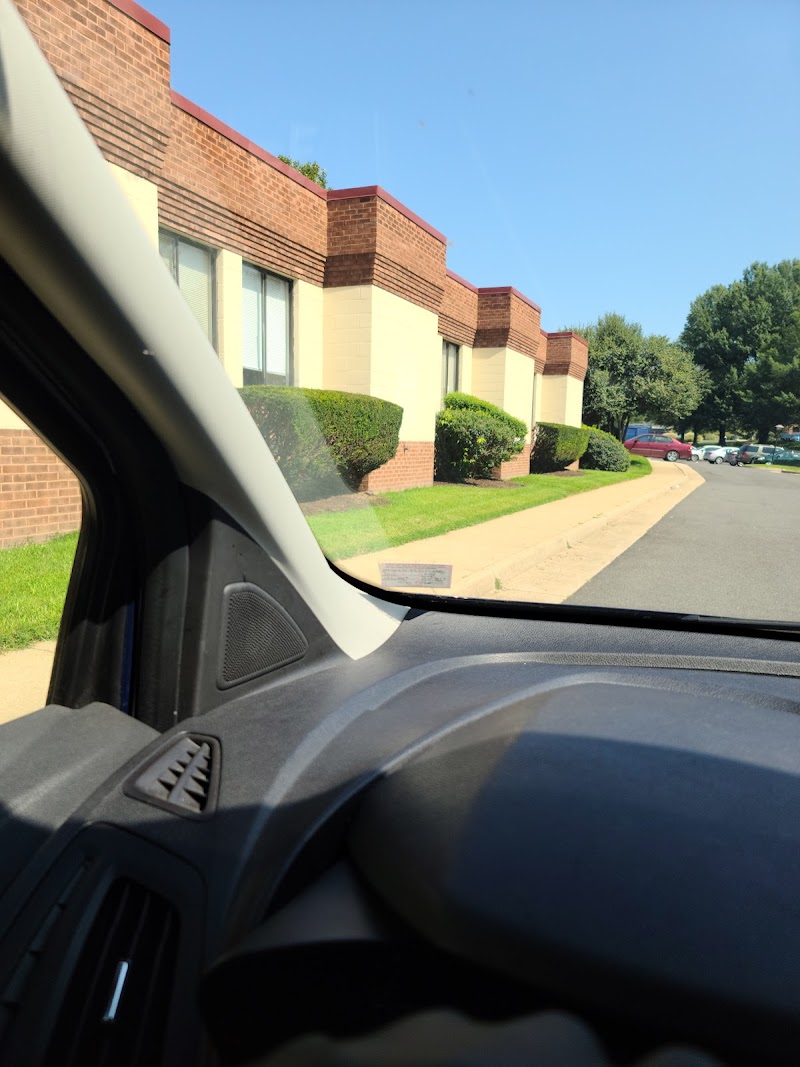
Who Owns and Operates Brookside Rehab & Nursing Center?

BROOKSIDE REHAB & NURSING CENTER is owned by a for-profit company. For-profit facilities operate as businesses with obligations to shareholders or private owners. The facility is operated by HILL VALLEY HEALTHCARE, a chain that manages multiple nursing homes. With 130 certified beds and approximately 114 residents (about 88% occupancy), it is a mid-sized facility located in WARRENTON, Virginia.
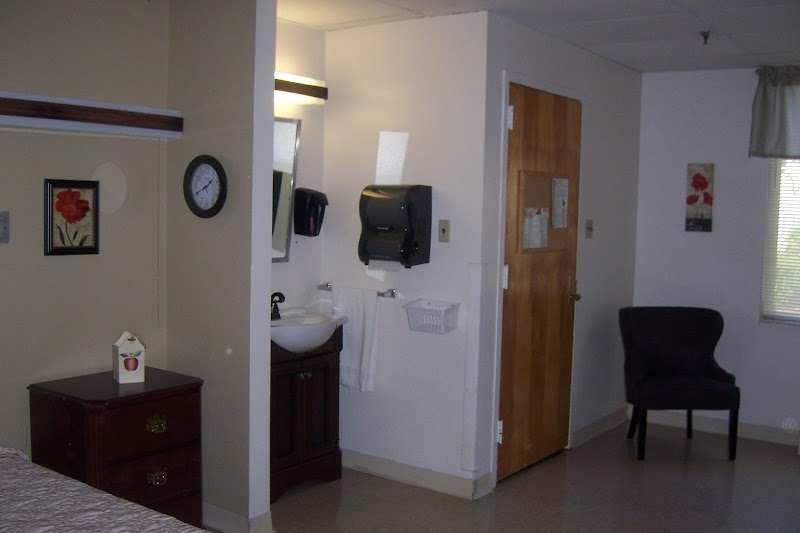
How Does Brookside Rehab & Nursing Center Compare to Other Virginia Nursing Homes?

Compared to the 100 nursing homes in Virginia, BROOKSIDE REHAB & NURSING CENTER's overall rating (1 stars) is below the state average of 3.0, staff turnover (59%) is significantly higher than the state average of 46%, and health inspection rating (1 stars) is much below the national benchmark.

What Should Families Ask When Visiting Brookside Rehab & Nursing Center?

Based on this facility's data, families visiting should ask: "What safeguards and monitoring systems are in place to protect residents from abuse or neglect?" "How do you ensure continuity of care given staff turnover, and what is your staff retention strategy?" "Can you walk me through typical staffing levels on day, evening, and night shifts?" "Can I visit during a mealtime to observe dining assistance and food quality?" These questions are particularly relevant given the substantiated abuse finding on record, the facility's high staff turnover rate, and the below-average staffing rating.

Is Brookside Rehab & Nursing Center Safe?

Based on CMS inspection data, BROOKSIDE REHAB & NURSING CENTER has documented safety concerns. The facility has 1 substantiated abuse finding (meaning confirmed case of resident harm by staff or other residents). The facility has a 1-star overall rating and ranks #100 of 100 nursing homes in Virginia. Families considering this facility should ask detailed questions about what corrective actions have been taken since these incidents.

Do Nurses at Brookside Rehab & Nursing Center Stick Around?

Staff turnover at BROOKSIDE REHAB & NURSING CENTER is high. At 59%, the facility is 12 percentage points above the Virginia average of 46%. Registered Nurse turnover is particularly concerning at 60%. RNs handle complex medical decisions and coordinate care — frequent RN changes can directly impact care quality. High turnover means new staff may not know residents' individual needs, medications, or preferences. It can also be disorienting for residents, especially those with dementia who rely on familiar faces. Families should ask: What is causing the turnover? What retention programs are in place? How do you ensure care continuity during staff transitions?

Was Brookside Rehab & Nursing Center Ever Fined?

BROOKSIDE REHAB & NURSING CENTER has been fined $143,647 across 2 penalty actions. This is 4.2x the Virginia average of $34,515. Fines at this level are uncommon and typically indicate a pattern of serious deficiencies, repeated violations, or failure to correct problems promptly. CMS reserves penalties of this magnitude for facilities that pose significant, documented risk to resident health or safety. Families should request specific documentation of what issues led to these fines and what systemic changes have been implemented.

Is Brookside Rehab & Nursing Center on Any Federal Watch List?

BROOKSIDE REHAB & NURSING CENTER is not on any federal watch list. The most significant is the Special Focus Facility (SFF) program, which identifies the bottom 1% of nursing homes nationally based on persistent, serious quality problems. Not being on this list means the facility has avoided the pattern of deficiencies that triggers enhanced federal oversight. This is a positive indicator, though families should still review the facility's inspection history directly.