NORTHERN NECK SENIOR CARE COMMUNITY
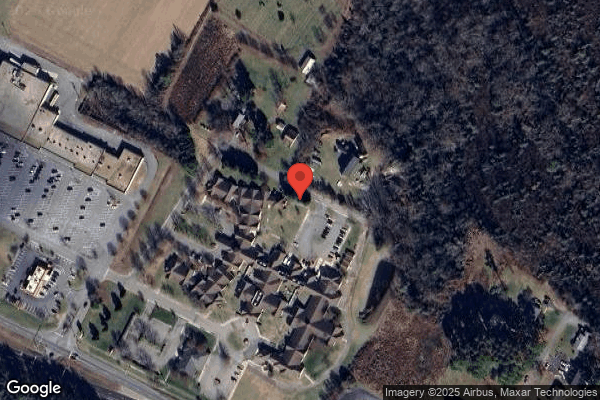

20 DELFAE DRIVE, WARSAW, VA 22572 (804) 313-2568
For profit - Limited Liability company 80 Beds Independent Data: November 2025
Trust Grade
60/100
#147 of 285 in VA
Last Inspection: March 2023

Over 2 years since last inspection. Current conditions may differ from available data.

Overview

Northern Neck Senior Care Community in Warsaw, Virginia has a Trust Grade of C+, indicating it is slightly above average but not exceptional. With a state rank of #147 out of 285 facilities, it falls in the bottom half of nursing homes in Virginia, though it is the only option in Richmond County. The facility's trend is improving, with the number of issues decreasing from 13 in 2021 to 11 in 2023. Staffing is a concern, earning only 1 out of 5 stars, with a turnover rate of 50%, which is average for the state. While there are no fines on record, which is positive, the facility has less RN coverage than 80% of Virginia facilities, meaning they may miss issues that registered nurses would catch. Specific incidents include improperly labeled and stored food in the kitchen, raising potential health risks, and expired medications found in the medication room, which could compromise resident safety. Overall, while there are some strengths, such as the lack of fines and an improving trend, families should be aware of staffing concerns and the specific health risks identified during inspections.

Trust Score
C+
60/100
In Virginia
#147/285
Bottom 49%
Safety Record
Low Risk
No red flags
Inspections
Getting Better
13 → 11 violations
Staff Stability
⚠ Watch
50% turnover. Above average. Higher turnover means staff may not know residents' routines.
Penalties
✓ Good
No fines on record. Clean compliance history, better than most Virginia facilities.
Skilled Nurses
⚠ Watch
Each resident gets only 21 minutes of Registered Nurse (RN) attention daily — below average for Virginia. Fewer RN minutes means fewer trained eyes watching for problems.
Violations
⚠ Watch
29 deficiencies on record. Higher than average. Multiple issues found across inspections.
★★★☆☆
3.0
Overall Rating
★☆☆☆☆
1.0
Staff Levels
★★★★★
5.0
Care Quality
★★★☆☆
3.0
Inspection Score
Stable
2021: 13 issues
2023: 11 issues

The Good

  • 5-Star Quality Measures · Strong clinical quality outcomes
  • Full Sprinkler Coverage · Fire safety systems throughout facility
  • No fines on record

Facility shows strength in quality measures, fire safety.

The Bad

3-Star Overall Rating

Near Virginia average (3.0)

Meets federal standards, typical of most facilities

Staff Turnover: 50%

Near Virginia avg (46%)

Higher turnover may affect care consistency

The Ugly 29 deficiencies on record

Aug 2023 3 deficiencies
CONCERN (D) 📢 Someone Reported This

A family member, employee, or ombudsman was alarmed enough to file a formal complaint

Potential for Harm - no one hurt, but risky conditions existed

Report Alleged Abuse (Tag F0609)

Could have caused harm · This affected 1 resident

Based on staff interview and facility documentation review, the facility staff failed to report an allegation of abuse to Adult Protective Services for 1 of 2 allegations of abuse reviewed. The findi...

Read full inspector narrative →
Based on staff interview and facility documentation review, the facility staff failed to report an allegation of abuse to Adult Protective Services for 1 of 2 allegations of abuse reviewed. The findings included: For two Residents involved in an altercation resulting in one of the Residents being slapped in the face, the facility staff failed to report the incident of abuse to adult protective services. On 8/1/23, the survey team reviewed facility records with regards to Resident allegations of abuse and/or neglect. During this review, it was noted that on 6/26/23, there was an incident involving two Residents which resulted in one of the Residents slapping the other in the face. The facility provided a form that was completed with regards to the incident and an excerpt from the document read, If applicable, date notification provided to: APS: N/A [adult protective services: not applicable]. On the afternoon of 8/1/23, an interview was conducted with the facility Administrator. The Administrator stated that all allegations of abuse are to be reported to adult protective services. When asked why this wasn't done in the instance on 6/26/23, the Administrator stated he wasn't employed at the facility at the time and couldn't answer why it was not done. The Administrator further acknowledged that it should have been reported. The facility policy titled, Abuse Investigating and Reporting was received and reviewed. This policy read, All reports of resident abuse, neglect, exploitation, misappropriation of resident property, mistreatment and/or injuries of unknown source (abuse) shall be promptly reported to local, state, and federal agencies . An additional facility policy titled; Abuse was provided to the survey team. This policy read, . 5. Investigation: Designated staff will immediately review and investigate all allegations or observations of abuse. a. The results of all investigations are to be communicated to the administrator or his or her designated representative and to other officials in accordance with State law . On 8/15/23, during end of day meeting the facility Administrator and Director of Nursing were made aware of the findings. No further information was received.
CONCERN (D) 📢 Someone Reported This

A family member, employee, or ombudsman was alarmed enough to file a formal complaint

Potential for Harm - no one hurt, but risky conditions existed

ADL Care (Tag F0677)

Could have caused harm · This affected 1 resident

Based on interview, clinical record review and facility documentation the facility staff failed to provide necessary services to maintain good nutrition, grooming, and personal and oral hygiene, for 1...

Read full inspector narrative →
Based on interview, clinical record review and facility documentation the facility staff failed to provide necessary services to maintain good nutrition, grooming, and personal and oral hygiene, for 1 Resident (#1) in a survey sample of 9 Residents. The findings included: For Resident #1 the facility failed to provide adequate hygiene and incontinent care. Resident #1 was a Resident at the facility from 3/22/23 until 4/20/23, she was at the facility for rehabilitation after a post fall fractured hip. Resident #1 had a BIMS (Brief Interview of Mental Status) score of 3 out of a possible 15 indicating severe cognitive impairment. A review of the Clinical record revealed that Resident #1 was incontinent of bowel and bladder. A review of the ADL (Activity of Daily Living) sheets in the POC (Point of Care) system revealed that Resident #1 was not charted or documented on by CNA's from 03/22/23 until 3/27/23. On 8/01/23 at 10 AM, an interview was conducted with the DON who was asked when a Resident is admitted how long is it before the care is documented in POC (Point of Care the CNA documentation system), the DON stated that it should not take more than the time it takes to get the admission completed . When asked would that be 24 hours? She stated that it would not even be that long. A review of the ADL sheets for March revealed the following: Personal Hygiene - 3/28/22 - 11 pm-7 am was marked N/A. On 3/29/23 - 3 pm -11 pm & 11 pm -7 am were marked N/A. For April 2023 - 3 pm -11 pm was marked N/A = 4 times and 11 pm -7 am shift was marked N/A =16 times On 8/1/23 at approximately 11:00 AM an interview was conducted with CNA B who stated that N/A would mean they didn't have to provide that type of care. When asked do you provide personal hygiene if a resident is incontinent has dementia and has a hip fracture CNA B stated that they would most probably need assistance if they had both of those issues. She further stated, Even if they don't need to be changed you still have to check on them so if you put N/A it's like saying didn't need to check them. On 8/1/23 during the end of day meeting the Administrator was made aware of the concerns and no further information was provided.
CONCERN (D) 📢 Someone Reported This

A family member, employee, or ombudsman was alarmed enough to file a formal complaint

Potential for Harm - no one hurt, but risky conditions existed

Dental Services (Tag F0791)

Could have caused harm · This affected 1 resident

**NOTE- TERMS IN BRACKETS HAVE BEEN EDITED TO PROTECT CONFIDENTIALITY** Based on interview clinical record review and facility documentation the facility staff failed to provide emergency dental servi...

Read full inspector narrative →
**NOTE- TERMS IN BRACKETS HAVE BEEN EDITED TO PROTECT CONFIDENTIALITY** Based on interview clinical record review and facility documentation the facility staff failed to provide emergency dental services for 1 Resident (#1) in a survey sample of 9 Residents. The findings included For Resident #1 the facility failed to provide emergency dental services to replace denture lost at the facility, and subsequently changed her diet to chopped to accommodate the missing bottom denture. On 7/31/23, a review of the clinical record revealed that Resident #1 was admitted to the facility with a top and bottom denture in place. According to the admission Assessment the Resident had upper and lower denture and wears all the time. Also, on an assessment dated [DATE] the diet was listed as, Regular diet, regular consistency, regular thin liquids. Swallowing problem? No. A review of the Physician orders revealed that on 3/24/23 at 5:57 PM the diet order was changed as follows: Regular diet, Mechanical Chopped texture, Regular/Thin consistency for family request; no denture The following is an excerpt from the nutritionist notes dated 3/29/23 at 7:43 AM.: Diet: Regular diet, Mechanical Chopped texture, Regular/Thin consistency, per family request d/t no denture. A review of the progress notes revealed the following excerpt from the nurse practitioner note on 3/31/23: Denture Use: Meats changed to minced to help with chewing due to loss of denture. On 7/31/23 at approximately 11:00 AM, an interview was conducted with the DON who stated she was unaware of the denture being missing until after the Resident was discharged and the family contacted the DON via email. When asked if the physician orders reflect the change in diet by the dietician due to not having the denture would that indicate that someone on staff knew the denture was missing, she stated it would. On 8/1/23 during the end of day meeting the Administrator was made aware of the findings and no further information was provided
Mar 2023 8 deficiencies
CONCERN (D)

Potential for Harm - no one hurt, but risky conditions existed

Resident Rights (Tag F0550)

Could have caused harm · This affected 1 resident

Based on observation, interview, clinical record review and facility documentation the facility staff failed to care for Residents with dignity and respect for 1 Resident (#3) in a survey sample of 31...

Read full inspector narrative →
Based on observation, interview, clinical record review and facility documentation the facility staff failed to care for Residents with dignity and respect for 1 Resident (#3) in a survey sample of 31 Residents. The findings include: For Resident #3 the facility staff failed to cover the urine drainage system bag. On 3/14/23 the following observations were made: 8:45 AM, Resident was observed in his room, the door was open, and the Resident privacy curtain was open. Resident #3 was in bed, urine drainage system bag (Foley bag) was uncovered and attached to the side of the bed visible from the hallway. 11:45 AM, Resident #3 was observed in his room sitting up in the wheelchair urine drainage bag uncovered and hanging on side of the wheelchair. On 3/14/23 at 12:15 PM, an interview was conducted with Resident #3 who stated that A lot of times they forget to put the cover over the drainage bag. On 3/14/23 at 12:00 PM, an interview was conducted with CNA B who stated that the Foley bag should have a dignity bag to cover it even if they are in their room. On 3/15/23 an interview was conducted with LPN D who stated that the CNA's should cover the Foley bag when they are providing care and emptying the bag. On 3/15/23 a review of the care plan revealed the following interventions for Resident #3's urine drainage system: Position catheter bag and tubing below the level of the bladder and away from entrance room door. Date Initiated: 03/10/2021 Revision on: 06/03/2022 Check tubing for kinks each shift. Date Initiated: 03/10/2021 Revision on: 03/10/2021 Dignity bag to cover drainage bag contents Date Initiated: 06/03/2022 CNA Catheter care Q shift and PRN Date Initiated: 06/03/2022. On 3/16/22 at approximately 11:00 AM, an interview was a conducted with the DON who stated it was the expectation that the Foley bags are covered. On 3/16/23 the Administrator was made aware of the concerns and no further information was provided
CONCERN (D) 📢 Someone Reported This

A family member, employee, or ombudsman was alarmed enough to file a formal complaint

Potential for Harm - no one hurt, but risky conditions existed

Notification of Changes (Tag F0580)

Could have caused harm · This affected 1 resident

**NOTE- TERMS IN BRACKETS HAVE BEEN EDITED TO PROTECT CONFIDENTIALITY** Based on interview, clinical record review, and facility documentation, the facility staff failed to immediately notify the resi...

Read full inspector narrative →
**NOTE- TERMS IN BRACKETS HAVE BEEN EDITED TO PROTECT CONFIDENTIALITY** Based on interview, clinical record review, and facility documentation, the facility staff failed to immediately notify the resident representative when there was a significant change in the Resident's condition for 1 Resident (#375) in a survey sample of 31 Residents. The findings included: For Resident #375 the facility staff failed to immediately notify the Resident Representative when Resident #375 tested COVID positive. On 3/15/23 at 3:00 PM, a review of the clinical record revealed that Resident #375 was seen by the Nurse Practitioner (NP) on 2/22/23 and a COVID test was ordered due to cough and respiratory symptoms. The clinical record contained a document entitled Covid 19 Rapid Test Site Result Data Form, excerpts are as follows: Lab Result Information Date Specimen Collected: 2-22-23 Specimen Source: Nares Performing Facility: [name redacted] Test Type: Rapid. Test Result Date: 2-22-23 Result (circle): Negative Patient is informed of results: Yes. Ordering Provider [ name redacted.] Comments: RR made aware. A review of the progress notes revealed Resident #375 continued to have respiratory symptoms and was subsequently retested for COVID on 2/24/23 excerpts from Covid 19 Rapid Test Site Result Data Form, are as follows: Lab Result Information Date Specimen Collected: 2-24-23 Specimen Source: Nares Performing Facility: [name redacted] Test Type: Rapid. Test Result Date: 2-24-23 @ 1700 Result (circle): Positive Patient is informed of results: [this section left blank]. Ordering Provider [ name redacted] Comments: [comments section left blank] A review of the clinical record revealed a document entitled SNF / NF to Hospital Transfer Form, excerpts are as follows: Page 1 Resident Representative: [name redacted] Tel. [phone number redacted] Notified of transfer? Yes Aware of clinical situation? Yes A review of the Transfer Form revealed that nowhere on the form did it state the Resident's COVID positive Status. The SNF/NF Transfer to Hospital Form under the section entitled Respiratory, there is no mention of Oxygen, under the section for Isolation Precautions, the box is checked yes. The box for Multiple Drug Resistant Organism, is checked no and the space for other communicable diseases, was left blank. Excerpts from the progress notes are as follows: 2/24/23 at 1:33 PM - Resident not herself today. She refuses to eat and will open eyes when trying to arouse her but will not talk. VS [vital signs] 150/71 [blood pressure] 59, [pulse], 19[Respirations] 93% [oxygen saturation]. RR [Resident Representative] and NP [Nurse Practitioner] notified. 2/24/23 3:30 PM -Resident O2 stats [sic] [oxygen saturation] 79% on 2 liters oxygen bumped O2 up to 3 liters with no improvement. Spoke with on call Verbal order for Stat X-ray and Duo Neb treatment and place resident on 5 liters. 2/24/23 3:50 PM- upon finish neb treatment resident O2 stats [sic] are at 92% on 5 liters. 2/24/23 17:02 Resident sent to the ER for SOB and Low 02 saturation per on call physician [name redacted]. RP (Responsible Party) [RP name redacted] notified. NOTE: there is no mention of informing the RP of COVID Positive status. A review of the SBAR (Situation- Background-Appearance- Review) form sent to the MD the Resident COVID status did not appear on the form. The on-call physician gave an order to send to the ER. According to the SBAR the Resident was transported to the ER on [DATE] at 5:24 PM. 2/24/23 at 5:36 PM - Verbal orders from NP Duo neb Q 6 for wheezing and SOB (shortness of breath) Stat chest X ray, Pensioned 40 mg now and every day for 5 days, Paxlovid 300/100 BID x 5 days for Covid. A review of the facility Covid policy revealed: 7. Procedure when COVID-19 is suspected or confirmed: a. Notify physician, Director of Nursing, Infection Preventionist, and family. On 3/16/23 at approximately 2:00 PM, an interview was conducted with the DON who stated that she could not provide any documentation that showed the Resident's Representative was notified of Resident #375's COVID positive status. On 3/16/23 during the end of day meeting the Administrator was made aware of the concerns and no further documentation was provided.
CONCERN (D)

Potential for Harm - no one hurt, but risky conditions existed

Deficiency F0657 (Tag F0657)

Could have caused harm · This affected 1 resident

Based on staff interview and clinical record review, the facility staff failed to review and revise the care plan for 2 (Resident #19 & #3) of 31 sampled residents. The findings include: 1. For Reside...

Read full inspector narrative →
Based on staff interview and clinical record review, the facility staff failed to review and revise the care plan for 2 (Resident #19 & #3) of 31 sampled residents. The findings include: 1. For Resident #19 the facility staff failed to review and revise the care plan after each fall. On 3/15/23 a review of the clinical record revealed that Resident #19 had post fall Morse Fall Risk Assessments on 2 occasions, 3/16/22 and again on 12/22/22. The Resident scored a 55 on both assessments. (Please note a score > 45 is high fall risk) A review of the care plan read: FOCUS [Resident #19 name redacted] has a diagnosis of Parkinson's, dementia, Bipolar, anxiety, MDD [major depressive disorder] and osteoporosis. She utilizes assistance with ADL, exhibits with incontinence and utilizes antidepressants. date initiated 9/26/22. revision 12/23/22 Fall 12/22 GOAL Resident will be free of falls through the review date initiated 9/26/22 revision on 9/27/22 Target date 5/7/23. Interventions MD / NP to evaluate medications date initiated 12/23/22. Be sure the resident's call light is within reach and encourage the resident to use it for assistance as needed. The resident needs prompt response to all requests for assistance date initiated 9/26/22. Anticipate and meet the resident's needs date initiated 9/26/22. Follow Facility fall protocol 9/26/22. On 3/16/23 at 10:45 AM, an interview was conducted with LPN B (unit manager) who stated that care plans are used to let staff know how to care for each Resident. When asked how often they should be updated she stated quarterly and with any changes. When asked who updates the care plans, she stated that the MDS Nurse updates them. When asked if a fall should be listed on the care plan, she stated that it should. When asked what else should be on the care plan when a resident has a fall, she stated the care plan should show the new interventions for that fall. On 3/16/23 at 11:00 AM, an interview was conducted with the DON who stated that care plans are updated quarterly and with any changes that affect the care of the Resident. When asked if falls should be included, she stated that they should. When asked if new interventions should be added with each fall, she stated that they should. When asked to review the Residents care plan and show where the interventions were for the fall on 3/16/22 she stated there were not interventions added after that fall. A review of the care plan policy read: 16. The care planning / Interdisciplinary Team is responsible for the review and updating of care plans: a. When requested by the resident / resident representative b. When there has been a significant change in the resident's condition c. When the desired outcome is not met; d. When goals, needs and preferences change? e. When the resident has been readmitted to the facility from a hospital stay f. At least quarterly and after each OBRA and MDS assessment. On 3/16/23 during the end of day meeting the Administrator was made aware of the concerns and no further information was provided. 2. For Resident #3 the facility staff failed to review and revise the care plan to include the re-opening of a pressure ulcer. On 3/14/23 at approximately 2:00 PM, an interview was conducted with Resident #3 who stated that he has a pressure ulcer to the left ankle. Resident #3 stated that it was healed up in January 2023 however, it has reopened now. The Resident stated that when the wound healed, he switched from wearing the cushion boots. to his regular shoes. He stated that he is quadriplegic and cannot feel his legs, so he was not aware that his foot was rubbing against the wheelchair. He stated that the wound is now infected, and he is taking antibiotics for it. He stated that he started taking Doxycycline for a staph infection in the wound. A review of the wound care doctor's notes on 1/3/23 stated that the left ankle wound was resolved. A review of the progress notes revealed a Nurse Practitioner note that read: 3/1/23 at 12:00 AM - The patient is a long-term care resident of [facility name redacted]. Patient seen today by nursing request for complaint of left ankle swelling and wound. Nursing staff reports patient's ankle had healed well and patient begin wearing shoes instead of cushion boot. Patient denies any injury. Staff concerned patient's ankle may be rubbing against wheelchair causing friction. At this time left lateral ankle wound with erythematous wound bed surrounding maceration. Ordered consult with wound care specialist and wound culture. Patient to continue wearing cushion [sic] boot at this time to minimize pressure. Continue wound care orders. A review of the physician orders revealed: Doxycycline Hyclate Tablet 100 MG (milligrams) Give 1 tablet by mouth two times a day for staph infection for 10 Days. The Doxycycline was started on 3/14/23 at 6:00 AM. A review of the care plan for Resident #3 read: FOCUS: The resident has potential/actual impairment to skin integrity r/t decreased mobility Date Initiated: 06/03/2022 Revision on: 09/08/2022. GOAL: The resident will have no complications r/t ankle wound through the review date. Date Initiated: 06/03/2022 Revision on: 09/08/2022 Target Date: 02/23/2023. INTERVENTIONS: Follow facility protocols for treatment of injury. Date Initiated: 06/03/2022. Monitor/document location, size and treatment of skin injury. Report abnormalities, failure to heal, s/sx of infection, maceration etc. to MD. Date Initiated: 06/03/2022. On 3/16/23 at 10:45 AM, an interview was conducted with LPN B (unit manager) who stated that care plans are used to let anyone know how to care for each Resident. When asked how often they should be updated she stated quarterly and with any changes. When asked who updates the care plans, she stated that the MDS Nurse updates them. When asked if wounds should be addressed on the care plan she stated that they should. On 3/16/23 at 11:00 AM, an interview was conducted with the DON who stated that care plans are updated quarterly and with any changes that affect the care of the Resident. When asked if wounds and wound care should be included, she stated that they should. A review of the care plan policy read: 16. The care planning / Interdisciplinary Team is responsible for the review and updating of care plans: a. When requested by the resident / resident representative b. When there has been a significant change in the resident's condition c. When the desired outcome is not met; d. When goals, needs and preferences change e. When the resident has been readmitted to the facility from a hospital stay f. At least quarterly and after each OBRA and MDS assessment. On 3/16/23 during the end of day meeting, the Administrator was made aware of the concerns and no further information was provided.
CONCERN (D)

Potential for Harm - no one hurt, but risky conditions existed

Deficiency F0658 (Tag F0658)

Could have caused harm · This affected 1 resident

**NOTE- TERMS IN BRACKETS HAVE BEEN EDITED TO PROTECT CONFIDENTIALITY** Based on observation, staff interview, clinical record review, and facility documentation, the facility staff failed to follow s...

Read full inspector narrative →
**NOTE- TERMS IN BRACKETS HAVE BEEN EDITED TO PROTECT CONFIDENTIALITY** Based on observation, staff interview, clinical record review, and facility documentation, the facility staff failed to follow standards of nursing practice for 2 Residents (Resident #70 & #19) in a survey sample of 31 Residents. The findings included: 1. For Resident #70, the facility staff failed to administer medications, that were available for administration, as ordered by the physician. On 3/14/23 at 7:47 AM, LPN C was observed during medication administration of Resident #70's medication. LPN C administered the following medications to Resident #70, Eliquis/Apixaban, Losartan, Tamsulosin/Flomax, Miralax, Thiamin Mononitrate, multiple vitamin, and Levetiracetam/Keppra. Prednisone and Ativan were not administered to the Resident. Review of the clinical record of Resident #70 was conducted. This review revealed Resident #70 had physician orders dated 3/14/23, that read, Prednisone Tablet- Give 40 mg by mouth one time a day for pain for 7 Days and an order that read, Ativan Oral Tablet 0.5 MG (Lorazepam) Give 1 tablet by mouth two times a day for anxiety for 5 Days. Review of the clinical record/medication administration record revealed that LPN C had marked a 9 for the administration of the prednisone and Ativan. The legend on the medication administration record indicated the following, 9=Other / See Progress Notes. Review of the progress notes revealed that an entry had been made into the nursing notes by LPN C that read, med on order. On 3/14/23 at 10:39 AM, an interview was conducted with LPN C. Surveyor F indicated that a physician order for prednisone and Ativan had been noted and these medications were not observed to be administered. LPN C confirmed they were not administered and said, it's still on order, it was ordered yesterday, I put in that it was on order. LPN C was asked what the process is when medications are not available. LPN C stated, depending on how long it has gone without coming we would call the pharmacy to see what the ETA [estimated time of arrival] is. LPN C confirmed she had not called the pharmacy to follow-up at this time. On 3/16/23 at 10:03 AM, another interview was conducted with LPN C. LPN C was asked when the Omnicell can be used, LPN C said, You can use the Omnicell at any time. When asked why she had not accessed the prednisone and Ativan for Resident #70 from the Omnicell on 3/14/23, LPN C said, When I saw in the computer it was on order, I was assuming it would come that morning. I did access it that evening once I was made aware for the evening dose of Ativan. LPN C confirmed she had not notified the doctor of the doses not administered. During the above call, Surveyor F explained that Resident #70's order for the prednisone was for 7 days and was noted on the MAR as being available to be administered 3/14/23-3/20/23, since he missed doses on 3/14 and 3/15, he would only receive 5 days vs. the ordered 7 days. LPN C said, We can get the doctor to extend the order, they are here today so I will take care of that. The facility had an Omnicell (dispensing system of on-hand medications available for administration) on-site. A listing of the Omnicell contents was provided to the survey team. Review of this document revealed that five (5) tablets of Prednisone 20mg were available in the Omnicell for administration. Additionally, nine (9) tablets of Lorazepam/Ativan 0.5mg were available in the Omnicell and available for administration. On 3/16/23 at 11:24 AM, an interview was conducted with the Director of Nursing (DON). The DON stated that she expected the nursing staff to check to see if medications are available for administration in the Omnicell anytime they find something not on the medication cart while administering medications. If not available in the Omnicell, then she would expect them to call the pharmacy to let them know the medication is needed and then notify the doctor for further orders/direction. Review of the facility policy titled; Administration Procedures for All Medications was conducted. This policy read, .III. 5 Rights (at a minimum). At a minimum, review the 5 rights at each of the following steps of medication administration. 1. Prior to removing the medication package/container from the cart/drawer: a. Check the MAR/TAR [medication administration record/treatment administration record] for the order .IV. Administration .13. Notify the attending physician and/or prescriber of: . b. Held medications . The facility policy titled; Electronic Interim Box was reviewed. This policy read, The provider pharmacy will utilize an electronic interim box (i.e.Omnicell .) to provide an interim supply of medications for use in emergency and non-emergency dosing for nursing facility residents until the pharmacy is able to provide a regular supply of medication to the nursing facility resident . On 3/16/23 at 11:30 AM, the Administrator and Director of Nursing (DON) were made aware of the above findings. No additional information was provided. 2. For Resident #19 the facility staff administered Tylenol two times without documenting it in the MAR (Medication Administration Record). On 3/15/23 at 1:00 PM, during clinical record review it was discovered the Resident #19 was found on the floor on 12/22/22 at 2:30 PM and was medicated for headache twice with Tylenol. A review of the progress notes read: 12/22/22 3PM - Patient c/o (complaining of) headache since morning Tylenol were given and c/o headache after the fall Tylenol were given second dose. No sign of bruise and any bump on the head. On 3/15/23 3:00 PM, a review of the MAR revealed that no initials were present to indicate administration of Tylenol given on that day. On 3/16/23 at approximately 10:00 AM, an interview was conducted with LPN D who stated that all medications should be signed out on the MAR when given. When asked the danger of not signing off medications she stated that another nurse or the physician will not know if a medication was received or not. On 3/16/23 at approximately 1:00 PM, an interview was conducted with the DON who was asked the expectation of nurses when administering medications, she stated that rights of medication administration should be followed and that medications should be signed off after administering the medication. When asked why this is and she stated if you sign medications off before you give them hand and the Resident does not take them the MAR will not be accurate. If you give the medications without signing it off on the MAR, no one will know the meds have been given. Guidance for nursing standards for the administration of medication is provided by Fundamentals of Nursing, 7th Edition, Mosby's/ [NAME]-[NAME], p. 705: Professional standards, such as the American Nurses Association's Nursing Scope and Standards of Nursing Practice of (2004), apply to the activity of medication administration. To prevent medication errors, follow the six rights of medications. Many medication errors can be linked, in some way, to an inconsistency in adhering to the six rights of medication administration. The six rights of medication administration include the following: 1. The right medication 2. The right dose 3. The right client 4. The right route 5. The right time 6. The right documentation. On 3/16/23 during the end of day meeting the Administrator was made aware of the concern and no further information was provided.
CONCERN (D)

Potential for Harm - no one hurt, but risky conditions existed

Respiratory Care (Tag F0695)

Could have caused harm · This affected 1 resident

Based on observation, staff interview, resident interview and clinical record review, the facility staff failed to provide respiratory care consistent with professional standards of practice for one R...

Read full inspector narrative →
Based on observation, staff interview, resident interview and clinical record review, the facility staff failed to provide respiratory care consistent with professional standards of practice for one Resident (Resident # 53) in a survey sample of 31 residents. Findings included: On initial tour on 3/13/2023 at 7:45 a.m., on Resident # 53's nightstand, a plastic bag with CPAP (Continuous Positive Airway Pressure) tubing and mask inside were observed with the date 2-6-23 on the outside of the bag. Resident # 91 was asked what was in the plastic bag. Resident # 53 stated it was her CPAP. When asked how often the CPAP was used, Resident # 91 stated she used it every night. Resident # 91 also stated If I don't use it, I won't be able to sleep Review of the clinical record revealed an order for BiPAP. The order read: (Bi-level Positive Airway Pressure) BI-PAP - WHILE SLEEPING WITH THE FOLLOWING SETTINGS: USE HOME SETTINGS at bedtime for AIRWAY PATENCY/ COPD OSA (Chronic Obstructive Pulmonary Disease/Obstructive Sleep Apnea). On 3/15/2023 at approximately 3:10 p.m., the Director of Nursing went to the room with the surveyor and observed the date of 2-6-23. The Director of Nursing stated the mask and tubing should be changed weekly and the date on the plastic bag should have the date it was changed. A copy of the Facility's Oxygen Administration Policy was requested and received Review of the facility's Oxygen Administration-CPAP/BiPAP Guidance policy revealed no documentation that the mask and tubing should be changed weekly. On 3/16/2023 at 1:00 p.m., an interview was conducted with Licensed Practical Nurse B who stated tubing and masks should be changed weekly. Licensed Practical Nurse B stated it was important due to infection control concerns. During the end of day debriefing on 3/15/2023 and 3/16/2023, the Administrator and Director of Nursing were informed of the findings. The Director of Nursing again stated the tubing should be changed weekly and dated. No further information was provided.
CONCERN (D)

Potential for Harm - no one hurt, but risky conditions existed

Pharmacy Services (Tag F0755)

Could have caused harm · This affected 1 resident

Based on interview, clinical record review and facility documentation the facility staff failed to provide routine drugs and biologicals to meet the needs of 1 Resident (#19) in a survey sample of 31 ...

Read full inspector narrative →
Based on interview, clinical record review and facility documentation the facility staff failed to provide routine drugs and biologicals to meet the needs of 1 Resident (#19) in a survey sample of 31 Residents. The findings included: For Resident # 19 the facility staff failed to obtain and administer Marinol (a cannabis derivative used for appetite stimulation as well as for nausea), causing Resident #19 to miss 7 doses of her ordered medication. On 3/15/23, during a clinical record review, it was found that Resident #19 had issues with weight loss. The Resident had been followed by the Dietician and the Nurse Practitioner for this issue. A review of the NP notes revealed that on 12/21/22, the Nurse Practitioner saw Resident #19 due to weight loss. This Resident had been ordered supplements prior to this date and continued to lose weight. The NP prescribed Marinol 2.5 mg before lunch and before dinner for appetite stimulation. On 3/15/23 during clinical a review of the progress notes the following notes were found regarding the order for Marinol 2.5 mg: 12/22/22 at 8:58 AM -Not given wait for pharm. 12/22/22 at 4:54 PM - Med unavailable. 12/24/22 at 3:32 PM - Not on hand 12/25/22 at 12:08 PM - On order 12/25/22 at 7:21 PM - Med on order 12/26/22 at 12:21 PM - Med on back order from pharm. NP/RP aware med being delivered today. 12/26/22 at 4:34 PM - Unavailable. On 3/15/23 at approximately 1:30 PM, an interview was conducted with LPN C who stated that if meds were not available the nurse was supposed to check the stat box if it is not in there then call the pharmacy, and find out when it will be available. Then call the Nurse Practitioner or MD and let them know it's not available and ask if there is something else they would like to try until the medication becomes available. A review of the clinical record documented notification of NP / RP one time out of 7 missed doses of medication. On 3/16/23 at approximately 11:30 AM, an interview was conducted with the DON who stated that it is the expectation that nurses document any medications that are unavailable, call the pharmacy to see if it can come on the next run, call the MD ask if they want to substitute the med, and notify the Resident or the Resident Representative. On 3/16/23 during the end of day meeting the Administrator was made aware of the concerns and no further information was provided.
CONCERN (D)

Potential for Harm - no one hurt, but risky conditions existed

Unnecessary Medications (Tag F0759)

Could have caused harm · This affected 1 resident

Based on observation, staff interview, clinical record review, and facility documentation, the facility staff failed to ensure the medication error rate was less than 5%. There were 2 medication error...

Read full inspector narrative →
Based on observation, staff interview, clinical record review, and facility documentation, the facility staff failed to ensure the medication error rate was less than 5%. There were 2 medication errors (medications ordered that were not administered) in 30 opportunities, resulting in an 6.6% error rate. The findings included: On 3/14/23 at 7:47 AM, LPN C was observed during medication administration of Resident #70's medication. Following the observation of medication administration a review/reconciliation of Resident #70's medications was conducted. This review revealed Resident #70 had physician orders dated 3/14/23, that read, Prednisone Tablet- Give 40 mg by mouth one time a day for pain for 7 Days and an order that read, Ativan Oral Tablet 0.5 MG (Lorazepam) Give 1 tablet by mouth two times a day for anxiety for 5 Days. During the observation of medication administration conducted 3/14/23 at 7:47 AM, LPN C had not administered prednisone or Ativan to Resident #70. Review of the clinical record/medication administration record revealed that LPN C had marked a 9 for the administration of the prednisone and Ativan. The legend on the medication administration record indicated the following, 9=Other / See Progress Notes. Review of the progress notes revealed that an entry had been made into the nursing notes by LPN C that read, med on order. On 3/14/23 at 10:39 AM, an interview was conducted with LPN C. Surveyor F indicated that a physician order for prednisone and Ativan had been noted and these medications were not observed to be administered. LPN C said, it's still on order, it was ordered yesterday, I put in that it was on order. LPN C was asked what the process is when medications are not available. LPN C stated, depending on how long it has gone without coming we would call the pharmacy to see what the ETA [estimated time of arrival] is. When asked about the Omnicell and the use of medications in that dispensing system, LPN C said, the Omnicell has medications but didn't indicate she would access that or look to see if medications were available for administration in the Omnicell. A listing of medications available in the Omnicell (dispensing system of on-hand medications available for administration) was provided to the survey team. Review of this document revealed that five (5) tablets of Prednisone 20mg were available in the Omnicell for administration. Additionally nine (9) tablets of Lorazepam/Ativan 0.5mg were available in the Omnicell and available for administration. On 3/16/23 at 11:24 AM, an interview was conducted with the Director of Nursing (DON). The DON stated she expected staff to see if any medication they needed for administration was available in the Omnicell. Review of the facility policy titled; Administration Procedures for All Medications was conducted. This policy read, .III. 5 Rights (at a minimum). At a minimum, review the 5 rights at each of the following steps of medication administration. 1. Prior to removing the medication package/container from the cart/drawer: a. Check the MAR/TAR [medication administration record/treatment administration record] for the order .IV. Administration .13. Notify the attending physician and/or prescriber of: . b. Held medications . The facility policy titled; Electronic Interim Box was reviewed. This policy read, The provider pharmacy will utilize an electronic interim box (i.e.Omnicell .) to provide an interim supply of medications for use in emergency and non-emergency dosing for nursing facility residents until the pharmacy is able to provide a regular supply of medication to the nursing facility resident . On 3/16/23 at 11:30 AM, the Administrator and Director of Nursing (DON) were made aware of the above observations and findings from the medication administration observation and medication error rate of 6.6%. No additional information was provided.
CONCERN (E)

Potential for Harm - no one hurt, but risky conditions existed

Deficiency F0761 (Tag F0761)

Could have caused harm · This affected multiple residents

**NOTE- TERMS IN BRACKETS HAVE BEEN EDITED TO PROTECT CONFIDENTIALITY** Based on observation, staff interview, and facility documentation review, the facility staff failed to store medications in acco...

Read full inspector narrative →
**NOTE- TERMS IN BRACKETS HAVE BEEN EDITED TO PROTECT CONFIDENTIALITY** Based on observation, staff interview, and facility documentation review, the facility staff failed to store medications in accordance with currently accepted professional principles in 1 of 1 medication room inspected. The findings included: 1. The facility staff failed to ensure medications and supplies stored in the medication room were not expired in 1 of 1 medication rooms inspected. On [DATE] at 10:22 AM, the medication room on the Dogwood unit was inspected in the presence of LPN F. The following items were noted to be available for facility staff's use and were expired: Vacuette Safety Blood collection set + Luer Adapter. Four (4) boxes, 50 count each for a total of 200, were all noted to be expired. The various expiration dates on each box were: [DATE], [DATE], [DATE], and [DATE]. Mantacc: Miraclean Technology Co. Disposable sampling swab, 7 of 7 on-hand were expired. with an expiration date of [DATE]. There was a single BD Bactec Lytic/10 anaerobic culture vial, 40 ml, that expired [DATE], There was a single BD Bactec plus aerobic culture vial, which expired [DATE]. In the fridge, within the medication room, there was a vial of Tuberculin Purified Protein Derivative, 5 TU/0.1 mL, that had on the box that it was opened [DATE]. The box read, Once entered, vial should be discarded after 30 days. LPN F confirmed all the above findings and expiration dates and removed each of the expired items from the medication storage room. On [DATE] at 11:24 AM, an interview was conducted with the facility's Director of Nursing (DON). The DON said that she has facility management check the medication carts weekly and the medication room monthly to ensure expired items are not available for use. A review was conducted of the facility policy titled, Medication Storage. This policy read, .4. The facility shall not use discontinued, outdated, or deteriorated drugs or biologicals. All such drugs shall be returned to the dispensing pharmacy or destroyed . On [DATE] at 11:30 AM, the facility Administrator and Director of Nursing were made aware of the above findings. No further information was provided.
Mar 2021 13 deficiencies
CONCERN (D)

Potential for Harm - no one hurt, but risky conditions existed

ADL Care (Tag F0677)

Could have caused harm · This affected 1 resident

**NOTE- TERMS IN BRACKETS HAVE BEEN EDITED TO PROTECT CONFIDENTIALITY** Based on observations, interviews, and document review it was determined the facility failed to provide activities of daily livi...

Read full inspector narrative →
**NOTE- TERMS IN BRACKETS HAVE BEEN EDITED TO PROTECT CONFIDENTIALITY** Based on observations, interviews, and document review it was determined the facility failed to provide activities of daily living (ADL) care for three of 20 sampled residents (Residents (R) 2, R44, and R63) who were unable to carry out ADL care without assistance. Specifically, the facility failed to provide/assist R2, R44, and R63 with facial grooming. This continued practice had the potential to affect the residents' psychosocial well-being related to self-esteem and dignity. Findings include: Review of the facility's policy titled Activities of Daily Living (ADLs), Supporting revision date of March 2018 revealed, .Appropriate care and services will be provided for residents who are unable to carry out ADLs independently, with consent of the resident and in accordance with the plan of care, including support and assistance with: a. Hygiene (bathing, dressing, grooming, and oral care .If residents with cognitive impairment or dementia resist care, staff will attempt to identify the underlying cause of the problem and not just refuse or declining care. 1. Review R2's annual Minimum Data Set (MDS), found in the MDS tab in the electronic health record (EHR), with an Assessment Reference Date (ARD) of 04/06/20 revealed the resident was admitted on [DATE]. R2's Brief Interview for Mental Status (BIMS) score was two out of 15 indicating R2 had severe cognitive impairment. R2 was documented as not having any behaviors, including the rejection of care. Review of the resident's functional status indicated the resident required extensive assistance of one staff member to maintain personal hygiene including combing hair, brushing teeth, and shaving. R2's active diagnoses included Alzheimer's disease, dementia, psychotic disorder, and anxiety. Review of R2's Care Plan found in the Care Plan tab in EHR, revealed that R2 Required assistance with ADLs and mobility due to cognitive deficit, potential for further decline due to disease progression, dependent for bathing, requires extensive assistance with .toileting, hygiene, dressing. The interventions included Assist with ADLs (bathing, transfers, bed mobility, and grooming. Further review of R2's Care Plan revealed there was no evidence the resident refused assistance with ADLs or care by staff and there were no interventions in place to address refusal of care. Further review of R2's Progress Notes found in the Progress Notes tab in the EHR failed to indicate the resident had refused to be groomed and/or any interventions had been attempted to provide grooming to the resident. During the initial observations of the Memory Care unit on 03/02/21 at 11:51 AM, R2 was seated in her wheelchair in the dining room at a table asleep. She was observed to have several long gray hairs located on her chin. Observations conducted on 03/03/21, 03/04/21, and 03/05/21 revealed no evidence that R2 had been groomed. 2. Review of R44's quarterly MDS, found in the MDS tab in the EHR, with an ARD of 02/16/21 revealed the resident was admitted to the facility on [DATE]. R44's BIMS score was five out of 15 indicating the resident was severely cognitively impaired. R44 was documented as not having any behaviors, including the rejection of care. Review of the R44s' functional status indicated the resident required supervision of one staff member to maintain personal hygiene including combing hair, brushing teeth, and shaving. R44's active diagnoses included cerebral infarction (stroke), lack of coordination, and other symptoms and signs involving cognitive functions and awareness. Review of R44's Care Plan found in the Care Plan tab in the EHR, revealed R44 had an ADL self-care performance deficit related to cognitive deficit. The interventions included .check nail length and trim and clean on bath day and as necessary. Report any changes to the nurse .resident is able to: assist with bathing and showers. Allow sufficient time for dressing and undressing. Praise all efforts at self-care. Resident Had a cerebral vascular accident [stroke] related to ETOH [alcohol] abuse. Interventions included .monitor and document [resident's] abilities for ADLs and assist as needed. Encourage (resident) to do what he is capable of doing for self. Further review of R44's Care Plan revealed there was no evidence the resident refused assistance with ADLs or care by staff and there were no interventions in place to address refusal of care. Further review of R44's Progress Notes found in the Progress Notes tab in the EHR failed to indicate the resident had refused to be groomed and/or any interventions had been attempted to provide grooming to the resident. During the initial observations of the Memory Care unit on 03/02/21 at 12:42 PM, R44 was seated at a table in the dining room. The resident had a thick growth of facial hair. R44 was asked if he was growing a beard; he laughed, rubbing the facial hair, and stated No, I would like to shave. Observations conducted on 03/03/21, 03/04/21, and 03/05/21 revealed no evidence that R44 had been groomed. 3. Review of R63's quarterly MDS found in the MDS tab in the EHR, with an ARD of 02/25/21 revealed the resident was admitted to the facility on [DATE]. R63's BIMS score was two out of 15 which indicated the resident was severely cognitively impaired. R63 was documented as not having any behaviors, including the rejection of care. Review of the R63's functional status indicated the resident required set-up care only and supervision to maintain personal hygiene including combing hair, brushing teeth, and shaving. R63's active diagnoses included progressive neurological conditions, dementia, cerebrovascular accident (stroke), anxiety, depression, and psychotic disorder (other than schizophrenia). Review of R63's Care Plan, found in the Care Plan tab in the EHR, revealed R63 Required assistance with ADLs and mobility related to dementia, impaired mobility, abilities fluctuate due to cognitive deficits. Requires supervision and/or set-up with meals, with occasional limited assistance, limited assistance with bed mobility, transfers, extensive assistance with dressing, hygiene, dependent for bathing, remains independent in walking and locomotion. The interventions included, Assist with ADLs (bathing, bed mobility, transfers, dressing, grooming, toileting feeding, ambulation) if resident is unable to complete .Report any decline in ability to participate/perform ADL care. Further review of R63's Care Plan revealed there was no evidence the resident refused assistance with ADLs or care by staff and there were no interventions in place to address refusal of care. Further review of R63's Progress Notes found in the Progress Notes tab in the EHR failed to indicate the resident had refused to be groomed and/or any interventions had been attempted to provide grooming to the resident. During the initial observations of the Memory Care unit on 03/02/21 at 11:42 AM, R63 was sitting in the dining area at a table coloring, she was observed to have multiple long gray hairs on her chin. Observations conducted on 03/03/21, 03/04/21, and 03/05/21 revealed no evidence that R63 had been groomed. During an interview conducted with Certified Nurse Aide (CNA) 3 on 03/04/21 at 4:16 PM the CNA was asked when residents had facial hair removed. CNA3 stated, when we give baths and showers, we shave them if they let us. The CNA was asked what was done if the residents will not let you bathe or shower them. The CNA stated, we document that they refuse. During an interview conducted with CNA 1 on 03/05/21 at 4:10 PM, the CNA was asked why R2, R44, and R63 had not been groomed. CNA 1 stated, she did not know about the other two residents [R2 and R63], but [R44] doesn't want to be shaved. CNA 1 stated, I can go shave him now. When asked what she does when the resident refused care, CNA 1 stated I just chart it as refused. During an interview with the Assistant Director of Nursing (ADON) on 03/05/21 at 4:00 PM, she was asked where it was documented when a resident refused care and what other interventions were put into place to assist in making sure the residents received ADL care. The ADON stated, I am sure it is documented somewhere, probably on paper. It's their right to refuse. On 03/05/21 at 4:30 PM, the Director of Nursing (DON) confirmed that R2, R44, and R63 had facial hair that had not been groomed. The DON was asked what her expectations were of the nursing staff to provide grooming for the residents. The DON stated, I expect the staff to ensure there is no facial hair present, especially on female residents. The DON was asked what the staff were to do if a resident refused to be groomed. The DON stated, The staff should document and make the nurse aware the resident refused care. The staff should also address it in the resident's care plan with appropriate interventions.
CONCERN (D)

Potential for Harm - no one hurt, but risky conditions existed

Deficiency F0692 (Tag F0692)

Could have caused harm · This affected 1 resident

Based on observations, staff interviews, and record review, the facility failed to ensure one of four residents (Resident (R) 49) reviewed for nutrition received a therapeutic diet when there was a nu...

Read full inspector narrative →
Based on observations, staff interviews, and record review, the facility failed to ensure one of four residents (Resident (R) 49) reviewed for nutrition received a therapeutic diet when there was a nutritional problem and the health care provider ordered a therapeutic diet. This failure placed R49 at risk of unplanned weight loss, nutritional deficiency, and choking or aspiration. Findings include: Review of R49's annual Minimum Data Set (MDS) assessment, found in the MDS tab in the electronic health record (EHR), with an Assessment Reference Date (ARD) of 02/12/21, revealed R49 did not receive a mechanically-altered diet. Review of R49's 03/02/21 Care Plan, found in the Care Plan tab of the EHR revealed it addressed weight loss related to a progression of disease process and immobility. Interventions included assessment by the dietitian, supplements as ordered, weekly weight monitoring, lab tests as ordered, and food intake monitoring. Review of R49's Physician's Orders, found in the Orders tab of the EHR, revealed an order for a Regular diet, Mechanical Chopped texture diet, which originated on 03/03/21. The facility's 03/05/21 lunch menu Recipe Production Report documented the following should have been served for a mechanical soft diet: -Beef meatloaf, ground -Roasted and seasoned red potatoes -Chopped broccoli florets in lemon sauce -Buttered dinner roll -Soft peanut butter cookie Beginning at 11:24 AM on 03/05/21, lunch service was observed in the kitchen. R49's meal tray card documented she was on a regular diet with chopped meats. She was served meatloaf, diced into cubes, cubed red potatoes, regular broccoli (not chopped in small pieces), a dinner roll, and a peanut butter cookie. On 03/05/21 at 1:00 PM, the Dietary Manager (DM) stated the diet orders input into the EHR system should automatically communicate with his menu software; however, he had noticed the communication was not occurring. The DM stated he would need to request the staff pass on a hard copy or email of any new diet orders to ensure they were corrected in the system. The DM stated he had not received any communication regarding R49's diet order on 03/03/21. The DM stated he would need to do an audit to ensure all diet orders are correct in his software. The DM stated R49's diet order reflected in his menu software was regular consistency with chopped meats. On 03/05/21 at 4:15 PM, the Director of Nursing (DON) stated she had not been alerted to the communication problem between the software programs, and she was under the impression new diet orders were immediately communicated to the kitchen software. She stated the staff used to do a handwritten order change notification, and she would re-implement this process until the software systems were able to correctly communicate. Review of the facility's October 2019 Therapeutic Diets policy revealed, Therapeutic diet is defined as a diet ordered by a physician or delegated registered or licensed dietician as part of the treatment for a disease or clinical condition . to provide food that a resident is able to eat (e.g. mechanically altered diet.). Mechanically altered diet means one in which the texture of the diet is altered . Diets are prepared in accordance with the guidelines in the approved diet manual and the individualized plan of care.
CONCERN (D)

Potential for Harm - no one hurt, but risky conditions existed

Infection Control (Tag F0880)

Could have caused harm · This affected 1 resident

Based on observations, interviews, and document review, the facility staff failed to ensure a multi-use glucometer was cleaned between residents with an EPA registered disinfectant when performing fin...

Read full inspector narrative →
Based on observations, interviews, and document review, the facility staff failed to ensure a multi-use glucometer was cleaned between residents with an EPA registered disinfectant when performing fingerstick blood glucose testing on one of three residents (Resident (R) 219). This failure had the increased likelihood of transmission of blood borne pathogens between the three residents (R219, R47, and R15) undergoing fingerstick blood glucose [sugar] testing on Dogwood wing. In addition, the facility failed to ensure personnel protective equipment (PPE) was appropriately doffed after caring for a resident on contact and droplet precautions by one staff member in one of three units. This failure increased the potential for transmission of COVID-19 to a resident not on precautions. Findings include: 1. On 03/02/21 at 12:15 PM, observation of Resident (R) 219, who was under contact and droplet precautions, revealed Licensed Practical Nurse (LPN)1 in the resident's room preparing to perform a finger stick blood glucose check on the resident. The LPN was gowned and gloved; she reached under her gown to retrieve the lancet from her pocket. She then reached back under her gown and removed the glucometer from her uniform pocket. LPN1 did not clean the glucometer after removing it from her pocket; she then used it to test R219's blood sugar. After testing, LPN1 placed the glucometer on the over-bed table, without first placing a clean barrier down or disinfecting the table. LPN1 wiped the resident's finger and applied a bandage. Without first sanitizing her hands, she picked up the glucometer and used an alcohol wipe to wipe off the glucometer. She then put the glucometer under her gown and into her uniform pocket and exited the room. Interview with the LPN1 on 03/02/21 at 12:15 PM revealed she had worked at the facility for five months, and she had not received training on using or cleaning the facility's glucometer. However, LPN1 stated she had used the Assure Platinum Glucometer before in other positions. LPN1 stated she typically used an alcohol wipe to clean the glucometer after use, and the glucometer was used for multiple residents. LPN1 stated that there were three medication carts, and each contained only one glucometer to serve all the residents in the area. LPN1 stated after the above observation, she put the glucometer back in the medication cart without additional cleaning or disinfection. On 03/02/21 at 2:48 PM, the Infection Preventionist (IP) stated she had only been employed at the facility for 30 days and did not know if LPN1 had received training on glucometer use and cleaning. She stated germicidal wipes (PDI Super Sani-Clothes) were to be used to disinfect the glucometer; one wipe for a clean glucometer and two wipes if blood was present on the glucometer. She stated the glucometer was then allowed to dry for one minute. Interview at 4:00 PM on 03/02/21 with the DON and the Chief Nursing Officer/VP of Clinical Operations revealed the expectation for glucometer cleaning was to clean the glucometer between each resident with a germicidal wipe following the appropriate contact time as directed on the wipe label. The DON stated LPN1 did not follow the correct facility protocol. Interview on 03/02/21 at 6:20 PM with LPN2 revealed the medication cart served the Dogwood wing where R219 resided, and there were two additional residents on the wing who required finger-stick blood glucose checks R47 and R15). Per LPN2, the medication cart for the wing contained one glucometer that was used for all three residents. Per R47's Medication Administration Record (MAR), R47 received finger-stick glucose monitoring with the same multi-use glucometer from LPN1 at 11:00 AM on 03/02/21. R47 received finger-stick glucose monitoring with the same multi-use glucometer from LPN2 at 4:00 PM on 03/02/21. Per R15's MAR, R15 received finger-stick glucose monitoring with the same multi-use glucometer at 6:00 AM on 03/02/21. On 03/02/21 at 7:45 PM, the Director of Nursing (DON) stated that the facility's glucometer did not store information from previous finger-sticks, as it was not calibrated to do so. She stated the MAR reflected the additional two residents received finger-stick blood glucose checks, and confirmed the glucometer dedicated to the medication cart was the only glucometer used for that wing [Dogwood] and confirmed that all three residents received finger-sticks from the same glucometer. Review of the manufacturer's instructions for the Assure Platinum Glucometer revealed it directed the staff to use an Environmental Protection Agency (EPA)-registered disinfectant detergent or germicide wipe. The instructions documented, To use a wipe, remove from container and follow product label instructions to disinfect the meter. Take extreme care not to get liquid in the test strip and key code ports of the meter. Many wipes act as both a cleaner and disinfectant, though if blood is visibly present on the meter, two wipes must be used; use one wipe to clean and a second wipe to disinfect. Review of the instructions on the PDI Super Sani-Cloth container label revealed, To disinfect nonfood contact surfaces only: Unfold a clean wipe and thoroughly wet surface. Allow treated surface to remain wet for two (2) minutes. Let air dry. For heavily soiled surfaces, use a wipe to pre-clean prior to disinfecting. The PDI Super Sani-Cloth contained isopropyl alcohol, quaternary ammonium, and ammonium chloride. Review of the facility's March 2014 Schedule for Cleaning, Disinfection, and/or Disposal of Equipment policy revealed 10% bleach wipes were to be used on the outside of the meter. The policy did not address specific procedures for use and cleaning of the glucometer. The facility's 01/21/2020 Isolation Precautions policy documented, When possible, dedicate the use of non-critical resident-care equipment to single resident to avoid sharing between residents (i.e., use of disposable thermometer, single use BP [blood pressure] cuff and stethoscope, etc.). If use of common equipment or items is unavoidable, then adequately clean and disinfect them before use for another resident using bleach wipes. The facility's immediate jeopardy removal plan indicated: All licensed nursing staff will be trained on proper handling and cleaning of glucometers per facility protocols and also per the manufacturer's guidelines. Competencies were completed on 03/02/21 and 03/03/21 with nursing staff to ensure understanding and compliance. This was started 03/02/21 immediately upon notification of the concern by the surveyors and each licensed nurse who uses the glucometer will be in-serviced and have return demonstration prior to their next scheduled assignment of glucometer administration. Additionally, the glucometer was cleaned and sanitized at approximately 11:15 am on 03/03/21. The facility's procedure on cleaning glucometers was revised on 03/02/21 to ensure shared glucometers are cleaned as outlined below and also utilizing the manufacturer's guidelines. System Change: The process for handling glucometers has been changed. See below. Process for Cleaning Glucometer 1. Licensed staff will clean glucometer before and after each resident/patient use. 2. Glucometers will be cleaned and disinfected utilizing the purple top wipes (germicidal disposable wipes-Sani-wipes). 3. Use l wipe if no visible blood is noted. (allow 2-minute dwell time). 4. If blood is noted, use 2 wipes. One wipe to clean and another wipe to disinfect. 5. Wipes will be applied in a manner of the manufacturer's instruction including wet time and drying time (2 minutes) 6. Glucometers must be transported in a clean manner, ensuring that the glucometer does not come in contact with any potentially contaminated surface. (Glucometers must be placed in a Ziploc bag). 7. Gather all required supplies before entering room. 8. Wash your hands with soap and water or apply an ABHR. [Alcohol-Based Hand Rub] 9. Clean glucometer with germicide disposable wipes and place in a Ziplock bag prior to entering room. 10. Perform hand hygiene prior to wearing your PPE [Personal Protective Equipment]. Wear PPE if applicable. 12. Prior to starting procedure to obtain blood, place a surgical drape down prior to taking the glucometer out of the bag. 13. Place glucometer on the barrier and prepare for procedure. 14. Perform the procedure. 15. After the procedure is complete, remove gloves, dispose Ziplock bag in trash, (wash hands with soap and water or use hand sanitizer) 16. Clean the glucometer with a Sani-wipe (1 wipe to clean and 2 wipes if visibly soiled with blood) and place the cleaned glucometer on a field drape. 17. Wash hands or perform hand hygiene. 18. Take glucometer back to the med cart, disinfect again with Sani-wipes, allow 2 minutes dwell time prior to placing in the med cart. Education: 8 out of 9 licensed staff and 100% of nursing management staff were in-serviced on 03/02/21 and 03/03/21 on disinfecting glucometers per facility protocol and based on the procedure outlined above. Per diem staff will be in-serviced prior to the start of their next scheduled shift. Monitoring: Director of Nursing or designee with conduct routine audits of residents that require fingerstick to ensure compliance with the cleaning and disinfecting protocol for glucometers. Audits will be completed daily for a week and weekly thereafter until such time substantial compliance is achieved. Results of audits will be reviewed by the QA [Quality Assurance] team monthly times 3 months. If variances are observed, the nurse will be immediately re-educated. Validation of the immediate jeopardy removal plan included: Policy Review: Review of the facility's policy and process titled, Schedule for Cleaning, Disinfection, and/or Disposal of Equipment and Process for Cleaning Glucometer, revision date 03/02/21, revealed the policy had been revised to reflect the protocol described in the facility's IJ Removal Plan (above). Training: Review of the 03/02/21 through 03/05/21 Education Attendance Records indicated one-to-one training on the Glucometer Cleaning Procedure was completed. The procedure included in the training reflected the procedure documented in the facility's IJ Removal Plan. Additionally, competency audits were conducted for all staff who received training. As of 03/05/21 at 8:30 AM, 20 licensed clinical staff had completed the Glucometer Cleaning Procedure education and competency testing. The records revealed the DON, ADON, IP, and Unit Manager had received training and competency testing. In addition, seven of seven LPNs who were on the schedule from 03/02/21 to 03/05/21 received training and competency testing (100%), and four of four Registered Nurses (RNs) on the schedule received training and competency testing. In total, 12 of 21 facility LPNs have received training and competency testing, and four of eight facility RNs received training and competency testing. Per the Administrator on 03/04/21 at 10:30 AM, the additional staff who had not yet received training would be trained prior to starting their next scheduled shift, as they were PRN (as needed) workers. Observations: Surveyors conducted observations of the nursing staff performing the handling and cleaning of a glucometer for the following nurses: On 03/04/21 at 4:15 PM, RN3 was observed performing a finger stick blood sugar test and handling and the handling/cleaning the glucometer. The facility's revised protocol was followed. On 03/04/21 at 4:16 PM, LPN3 was observed performing a finger stick blood sugar test and the handling/cleaning the glucometer. The facility' revised protocol was followed. On 03/05/21 at 11:04 AM, LPN1 was observed performing a finger stick blood sugar test and handling/cleaning the glucometer. The facility's revised protocol was followed. On 03/05/21 at 11:21 AM, RN2 was observed performing a finger stick blood sugar test and handling/cleaning the glucometer. The facility's revised protocol was followed. On 03/05/2021 at 11:40 AM, LPN4 was observed performing a finger stick blood sugar test and handling/cleaning the glucometer. The facility's revised protocol was followed. 2. On 03/02/21 at 12:40 PM, R119's room was observed with signage at the entrance indicating the resident was on transmission-based precautions (TBP), and Personal Protective Equipment (PPE) including gown and gloves, was to be used when caring for the resident. There was a cart containing the appropriate PPE in front of R119's room. On 03/02/21 at 12:41 PM, R59's room was observed without any signage indicating TBP were required, and there was no PPE cart in front of R59's room. On 03/02/21 at 12:43 PM, LPN1 was observed as she donned a gown from a paper bag in the hallway that was not labeled with a room number or date, just her name. She entered R119's room and assisted the resident with a breathing treatment apparatus. LPN1 exited the room, removed her gloves, and sanitized her hands with alcohol-based hand sanitizer. While still wearing her gown, LPN1 began to input data in the computer on top of the medication cart in the hallway. She then pushed the medication cart down to the opposite end of the hall. While in the same gown, LPN1 entered R59's room and washed her hands. She exited the room, and still while wearing the same gown, began working on the computer on the medication cart in the hallway. At 12:52 PM, LPN1 re-entered R59's room to administer oral medications to the resident, still wearing the gown. At 12:55 PM, LPN1 exited the room and doffed her gown and put it back in the paper bag hanging in the hall. She wrote the date on the bag but did not label the bag with a room number or resident name. On 03/02/21 at 12:55 PM, LPN1 stated she thought R119 and R59 were both on contact and isolation precautions; however, when it was pointed out that R59's room did not contain signage indicating TBP were in place or a PPE cart at the door, LPN1 stated, I'm not sure. It looks like she may have been taken off. I don't usually work on this hall. When asked how gowns were supposed to be donned, doffed, and stored, LPN1 stated she did not know. She stated she usually used one gown for her shift, which she wore into each room on TBP, and discarded her gown at the end of her shift. On 03/02/21 at 2:48 PM, Certified Nurse Aide (CNA) 2 stated staff were to use one gown per resident. She stated each paper bag should be labeled with the staff name and the room number, including bed number if there are two residents in a room. She stated the date should also be included on the bag, and usually changed daily. CNA2 also explained that R119 was on TBP, but R59 was not. She stated the residents on TBP had signage on the door, and a PPE cart at the entrance, to indicate such. On 03/05/21 at 4:00 PM, the DON and IP were interviewed concurrently. The IP stated LPN1 had received training on correct PPE use for residents on TBP. The DON stated she expected staff to use dedicated gowns for each resident on TBP, and to change their gown between every interaction, to minimize the chance of spreading infection. She stated a gown used for a resident on TBP should not be also used for a resident who was not on TBP, as this could introduce infection to the resident. Review of LPN1's undated training Transcript documented she received training on COVID-19 Awareness on 09/16/20, the CDC/CMS COVID nursing home front line training on 10/27/20, Infection Prevention on 10/31/20, and Infection Prevention for COVID-19 on 11/16/20. Review of the facility's 01/31/20 policy titled, Isolation Precautions revealed, Removal of PPE: Gloves, gown, mask, eye protection or face shield will be removed before leaving the room. Do not wear when exiting the resident's room.
CONCERN (D)

Potential for Harm - no one hurt, but risky conditions existed

Deficiency F0943 (Tag F0943)

Could have caused harm · This affected 1 resident

Based on staff interview, and facility documentation review, the facility failed to train 2 of 2 staff on abuse policies and procedures. The findings included: On 5-5-21 at 2:29 p.m. and 3:45 p.m., th...

Read full inspector narrative →
Based on staff interview, and facility documentation review, the facility failed to train 2 of 2 staff on abuse policies and procedures. The findings included: On 5-5-21 at 2:29 p.m. and 3:45 p.m., the Social Services and admissions coordinator (Employee E) was interviewed. Employee E was asked about the procedure for sex offender registry checks, and abuse policies. Employee E stated We are getting new policy and procedure, this company hasn't gotten them to us yet. I am still operating as I have for 16 years, I don't have a policy for admissions, I have no access to any policies at this point, I'm sorry it's a new company so I am just doing what I know to do. On 5-5-21 at 8:20 p.m., Certified Nursing Assistant (CNA) E was interviewed. She stated that she was from a nursing agency, and had been working in the facility that day as her first day. She further stated she had received no training on any policies, to include abuse. On 5-5-21 at 8:30 p.m., Licensed Practical Nurse (LPN) A was interviewed, and stated that she was from a nursing agency, and had been working in the facility for 5 months. She further stated she had received no training on any policies, to include abuse. On 5-6-21 at 2:00 p.m., Employee F was interviewed and stated there is a list of things I actually do before staff go to work on the floor. A policy for onboarding/orientation, and the screening of potential employees for abuse, was requested. The HR manager stated I don't have one, I will actually get more training next week, I do have questions and things .I just started this position in February when the new company came in, before this I was the admin assistant. Staff abuse training records were requested repeatedly during the course of the survey. The facility had no sign in sheets, no educational program documents used to train staff, and staff were unable to state during interviews when any abuse training was completed by them. No further information was provided prior to exit.
CONCERN (E)

Potential for Harm - no one hurt, but risky conditions existed

Deficiency F0565 (Tag F0565)

Could have caused harm · This affected multiple residents

Based on observations, record review, resident interviews, and staff interviews, the facility failed to demonstrate their response to grievances voiced repeatedly by the Resident Council regarding cal...

Read full inspector narrative →
Based on observations, record review, resident interviews, and staff interviews, the facility failed to demonstrate their response to grievances voiced repeatedly by the Resident Council regarding call-light wait times. This deficient practice affected 11 residents who regularly participated in Resident Council meetings and five of 26 initial pool residents (Residents (R) 7, R54, R49, R15, and R20) reviewed for call-light concerns. This failure had the potential to cause accidents, skin breakdown, infection, and/or psycho-social distress related to long wait times. Findings include: After permission from the Resident Council President, a review of the Resident Council Meeting Minutes for the past five months (October 2020 through February 2021) was completed. The minutes indicated council members voiced concerns regarding call light response times on the following dates: a. 10/19/20 Call light concerns. b. 11/20/20 CNA's not helping residents in a timely manner when call lights are activated. c. 12/16/20 Call lights not answered in timely manner. d. 01/13/21 Call lights not answered in timely manner. e. 02/17/21 CNA's not answering call lights in timely manner. On 03/02/21 at 3:37 PM, R54 stated, There's not enough staff here. R54 stated he did not use his call light often, but usually waited a long time when he did. R54 stated he had not experienced any adverse outcome related to untimely call light response. On 03/03/21 at 11:12 AM, R49 stated, The facility did not have enough staff to help her without having to wait a long time. Additionally, R49 stated she sometimes had to wait for up to one hour for call light response; but had not had an accident because of this. On 03/03/21 at 2:36 PM, observation was made of R15 with her call light on and crying as she sat in her wheelchair. R15 stated she had to go to the bathroom. At 2:46 PM, the surveyor requested staff assistance at which time the staff assisted her with a Hoyer Lift. On 03/04/21 at 10:33 AM, interview with Resident Council President (R7) revealed that after a Resident Council meeting, minutes were given to administration with no follow-up received back to the Resident Council. R7 stated the main concern of Resident Council was call light times. R7 added that he had personally waited 30 minutes for his call light to be answered. On 03/04/21 at 12:38 PM, interview with the Director of Nursing (DON) revealed she felt resident concerns were responded to; however, she could not provide evidence of follow-up with resident council. The DON stated that nursing huddles took place weekly and resident concerns were addressed. The huddle minutes for six dates 10/29/20, 10/30/20, 12/02/20, 12/09/20, and 01/07/21 were provided and reviewed. Each of the huddle minutes documented that Call light times are an issue and everyone's responsibility. The DON added that a new call system was installed in February 2021 and did not record call light times. She stated random audits were performed by nursing administration to monitor call light times. Audit documentation was not provided to confirm that audits were performed. On 03/04/21 at 12:48 PM, the response to grievances policy was requested from the DON but was not provided prior to survey exit on 03/05/21 at 8:00 PM. On 03/04/21 at 3:12 PM, the DON provided the Nurse Meeting Agenda for 02/23/21. Though call light response was not an item on the agenda, she stated that the call light times were addressed in this meeting. The DON was asked for clarification and stated that call lights were covered under Charge Nurse, What are your responsibilities. There was no documentation that this was covered in the meeting. On 03/04/21 at 3:52 PM, interview with the Administrator about call light response times revealed he did not believe residents were waiting extended amounts of time for their call lights to be answered. The Resident Council Meeting Minutes for five months (October 2020 through February 2021) were reviewed with the Administrator. The Administrator was informed of additional resident interviews that demonstrated ongoing concerns with call light wait times. The Administrator was unable to provide any additional follow-up to the repeated resident complaints. On 03/04/21 4:05 PM, interview with R20 revealed, I must wait for my call light to be answered, depending on what nursing staff is working on that particular day.
CONCERN (E)

Potential for Harm - no one hurt, but risky conditions existed

Abuse Prevention Policies (Tag F0607)

Could have caused harm · This affected multiple residents

Deficiency Text Not Available

Read full inspector narrative →
Deficiency Text Not Available
CONCERN (E)

Potential for Harm - no one hurt, but risky conditions existed

Deficiency F0726 (Tag F0726)

Could have caused harm · This affected multiple residents

Based on observations, staff interviews, and record review, the facility failed to ensure that one of nine observed licensed or registered nurses (Licensed Practical Nurse (LPN) 1) received the specif...

Read full inspector narrative →
Based on observations, staff interviews, and record review, the facility failed to ensure that one of nine observed licensed or registered nurses (Licensed Practical Nurse (LPN) 1) received the specific competencies and skill sets necessary to use and clean the glucometer in a sanitary manner. This failure increased the potential to spread blood-borne pathogens among the three residents (Resident (R) 219, R47, and R15), out of seven residents with orders for finger-stick blood glucose testing, who tested with the same multi-use glucometer. Findings include: Review of the 01/5/21 Facility Assessment Tool revealed, We accept residents with: . Diabetes . All staff are licensed, certified, and trained as per job description requirements; new employees are oriented, and training is supplemented as needed to meet high standards of technical and other competencies. Staff member upon hire date, annually, and on a need basis, are trained on the following topics and competencies through computer based learning, off site training, and one on one sessions: . Infection control. Observation revealed LPN1 did not follow correct procedures for infection control during use and cleaning of the glucometer. On 03/02/21 at 12:15 PM, LPN1 was observed performing a finger-stick blood glucose test for R219, who was under contact and droplet precautions. The LPN was gowned and gloved; she reached under her gown to retrieve the lancet from her pocket. She then reached back under her gown and removed the glucometer from her uniform pocket. LPN1 did not clean the glucometer after removing it from her pocket; she then used it to test R219's blood sugar. After testing, LPN1 placed the glucometer on the over-bed table, without first placing a clean barrier down or disinfecting the table. LPN1 wiped the resident's finger and applied a bandage. Without first sanitizing her hands, she picked up the glucometer and used an alcohol wipe to wipe off the glucometer. She then put the glucometer under her gown and into her uniform pocket and exited the room. Interview with LPN1 on 03/02/21 at 12:15 PM revealed she had worked at the facility for five months, and she had not received training on using or cleaning the facility's glucometer. However, LPN1 stated she had used the Assure Platinum Glucometer before in other positions. LPN1 stated she used an alcohol wipe to clean the glucometer after use; however, this was against facility procedure and manufacturer's instructions for disinfection of the device (Cross-reference F880: Infection Control). On 03/02/21 at 2:48 PM, the Infection Preventionist (IP), who also served as the director of staff development, stated she had only been employed at the facility for 30 days and did not know if LPN1 had received training on glucometer use and cleaning. On 03/02/21 at 2:50 PM, the DON stated she was unsure whether LPN1 had been trained on the use and care of the glucometer. Education records for LPN1 regarding glucometer use and disinfection were requested; however, none were provided prior to survey exit on 03/05/21 at 8:00 PM. Review of LPN1's undated training Transcript revealed she received orientation training on 09/15/20. In addition, she received training on Infection Prevention on 10/31/20. However, review of the training offered in orientation and ongoing training revealed there was no content addressing the use and care of the glucometer.
CONCERN (E)

Potential for Harm - no one hurt, but risky conditions existed

Menu Adequacy (Tag F0803)

Could have caused harm · This affected multiple residents

Based on observations, staff interviews, and record review, the facility failed to ensure menus were followed for the 17 residents who received a pureed or mechanical soft diet out of a total census o...

Read full inspector narrative →
Based on observations, staff interviews, and record review, the facility failed to ensure menus were followed for the 17 residents who received a pureed or mechanical soft diet out of a total census of 72. Specifically, these 17 residents did not receive a dinner roll as called for on the menu, and the five residents on a pureed diet did not receive foods that were on the menu. This failure had the potential to cause weight loss or nutritional deficiencies for these 17 residents on mechanical soft or pureed diets. Findings include: The facility's 03/05/21 lunch menu Recipe Production Report documented the following should have been served for a mechanical soft diet: -Beef meatloaf, ground -Roasted and seasoned red potatoes -Chopped broccoli florets in lemon sauce -Buttered dinner roll -Soft peanut butter cookie The facility's 03/05/21 lunch menu Recipe Production Report documented the following should have been served for a pureed diet: -Beef meatloaf, pureed -Mashed potatoes -Pureed buttered broccoli florets -Pureed buttered dinner roll -Pureed peanut butter cookie On 03/05/21 beginning at 11:24 AM, Cook1 was observed as she served the lunch meal in the kitchen. The 12 residents who received a mechanical soft diet received ground meatloaf, mashed potatoes, regular broccoli florets (not chopped in small pieces), and dessert. The five residents who received a pureed diet were served pureed, pre-packaged meat patties, mashed potatoes, pureed pre-packaged green beans, and dessert. The dinner roll, as called for on the menu, was not served for all residents on either mechanical soft or pureed diets. On 03/05/21 at 12:20 PM, the Dietary Manager (DM) stated there was no reason why the residents on mechanical soft diets should not have been served a dinner roll. He stated the cook should have prepared a pureed dinner roll for the five residents on pureed diets, but he did not know whether or not it had been prepared. On 03/05/21 at 12:30 PM, Cook1 stated she had not made any pureed bread for the meal, as the bread was no longer pre-prepared from the vendor as she was used to, and she had run out of time to prepare pureed bread. Cook1 stated she would serve bread with mechanical soft meals when the bread was soft enough, but the rolls served today were wheat and were well-browned, so she felt the rolls were too hard to be served for residents with mechanical soft diets. Cook1 added the previous food vendor supplied pre-packaged and formed pureed foods, and she thought the pre-packaged, pureed meat patties and green beans were left over from the previous vendor. She stated the new food vendor did not supply pre-packaged and formed pureed foods. Review of the facility's October 2019 Menus policy revealed, The Registered Dietitian/Nutritionist (RDN) or other clinically qualified nutrition professional reviews and approves menus . Menus are served as written, unless changed in response to preference, unavailability of an item, or a special meal.
CONCERN (E)

Potential for Harm - no one hurt, but risky conditions existed

Deficiency F0805 (Tag F0805)

Could have caused harm · This affected multiple residents

Based on observations, staff interviews, and record review, the facility failed to ensure food was prepared in a form designed to meet the individual needs of the 12 residents who received a mechanica...

Read full inspector narrative →
Based on observations, staff interviews, and record review, the facility failed to ensure food was prepared in a form designed to meet the individual needs of the 12 residents who received a mechanical soft diet. This failure had the potential to cause coughing, choking, aspiration, or nutritional deficiencies for these 12 residents on mechanical soft diets. Findings include: The facility's 03/05/21 lunch menu Recipe Production Report documented the following should have been served for a mechanical soft diet: -Beef meatloaf, ground -Roasted and seasoned red potatoes -Chopped broccoli florets in lemon sauce -Buttered dinner roll -Soft peanut butter cookie On 03/05/21 beginning at 11:24 AM, Cook1 was observed as she served the lunch meal in the kitchen. The 12 residents who received a mechanical soft diet received ground meatloaf, mashed potatoes, regular broccoli florets, and dessert. The broccoli served had one-to-three inch long pieces of long stems and large florets that were completely intact; the broccoli had not been chopped. On 03/05/21 at 12:20 PM, the Dietary Manager (DM) stated the broccoli the cook was serving was not appropriate for residents receiving a mechanical soft diet. The DM stated the broccoli florets should have been chopped into bite-size pieces for these 12 residents. On 03/05/21 at 12:30 PM, Cook1 stated she felt the broccoli was over-steamed today, so she felt like it was soft enough to be served to residents with mechanical soft diets, even though the menu called for chopped broccoli. On 03/05/21 at 12:35 PM, a test tray containing the regular broccoli florets that were also served to residents on mechanical soft diets was evaluated. The broccoli stems were tough and crisp. The broccoli florets were large and had to be cut into pieces when eating. The broccoli did not feel over-steamed or extremely soft. Review of the facility's October 2019 Therapeutic Diets policy revealed, Mechanically altered diet means one in which the texture of the diet is altered. When the texture is modified, the type of texture must be specific and part of the physicians' or delegated registered or licensed dietitian's order. Diets are prepared in accordance with the guidelines in the approved diet manual and the individualized plan of care.
CONCERN (F)

Potential for Harm - no one hurt, but risky conditions existed

Food Safety (Tag F0812)

Could have caused harm · This affected most or all residents

Based on observations, staff interviews, and record review, the facility failed to ensure foods stored in the kitchen were labeled, dated, not expired, and sealed. These failures had the potential to ...

Read full inspector narrative →
Based on observations, staff interviews, and record review, the facility failed to ensure foods stored in the kitchen were labeled, dated, not expired, and sealed. These failures had the potential to increase the prevalence and spread of foodborne illness and infection to all 72 facility residents. Findings include: On 03/02/21 at 9:38 AM, during the initial tour of the kitchen, the following were observed: In a stand-alone refrigerator near the handwashing sink, there was smoked ham in a zipper bag that was not sealed and cheese slices and lemon pudding in plastic containers with the lids resting on top, not sealed closed. On the countertop near the toaster, there were two tubs of peanut butter that were open but were not dated when opened and a bag of bread, halfway full and sealed with a tie, that was not dated when opened. In the stand-alone refrigerator near the dry storage area, there was one dessert wrapped in plastic wrap with no label or date on it. In the dry storage pantry, there was a tub of vanilla cream icing that had been opened on 01/05/21. Per the label, it could be stored at room temperature for only one week. There was an open bag of flour that was not sealed or dated when opened, resting on top of the flour storage container. There was a box of dried hash brown potatoes that was not sealed closed. Additionally, there were five bags of dried pasta that were partly used and tied in a knot to seal that did not have dates when opened. In the walk-in freezer, there were bags, tied in knots to seal, of sausage patties, French toast sticks, and pastries that were not labeled or dated. During follow-up kitchen observations on 03/05/21 beginning at 11:24 AM, the following were observed: In the pantry, the five open bags of pasta, tied at the top, were again observed without dates of opening. There was a bag of gingerbread mix, folded at the top but not sealed, without a date when opened. The open, unsealed box of hash browns remained. There was also a tub of peanut butter that was opened, but not dated when opened. In the walk-in freezer, the plastic bags, tied at the top, with French toast sticks, pastries, and meat patties remained. There was also a plastic bag, tied at the top, of peas that had no label or date. On the counter near the toaster, the two tubs of peanut butter that were open and undated, and an undated bag of bread, closed with a tie at the top, remained. On 03/05/21 at 12:20 PM, the Dietary Manager (DM) stated the staff were supposed to date foods when they were opened and store foods in sealed containers. He stated when foods were stored in plastic bags, they should be labeled with the type of food and the date they were stored. Review of the facility's October 2019 Food Storage: Cold policy revealed, The Dining Services Director/Cook(s) insures [sic] that all food items are stored properly in covered containers, labeled and dated, and arranged in a manner to prevent cross contamination.
CONCERN (F)

Potential for Harm - no one hurt, but risky conditions existed

Deficiency F0838 (Tag F0838)

Could have caused harm · This affected most or all residents

Based on observation, staff interview, and facility documentation review, the facility staff failed to review and update the facility assessment following a change in facility ownership which required...

Read full inspector narrative →
Based on observation, staff interview, and facility documentation review, the facility staff failed to review and update the facility assessment following a change in facility ownership which required substantial modifications. The findings included: On 5/5/21 during the survey entrance conference with the facility Administrator, he stated there was a change in facility ownership that occurred on 2/01/21. On 5/6/21, the facility assessment document was reviewed and documented the following: Dates of Assessment/Updated: 1/5/2021 and Dates of Assessment reviewed with QAA/QAPI Committee: 1/5/2021 Page 1 naming the Governing Body Rep as [name of Employee N, the [NAME] Pres of Operations, employee of the new facility owners]. Employee N was not the Governing Body Rep for the previous owners on 1/5/2021 per the Facility Administrator Page 7 listing a total of 49 contracted vendors that were obtained by the previous facility owner prior to 2/01/2021 Page 8 naming the intranet system and electronic infrastructure used by the previous facility owner On 5/11/21 at approximately 3:45 PM, an interview was conducted with the Administrator. When asked directly about the 4 noted areas of concern with the facility assessment he stated, I don't know why I submitted this last week, I just saw the title and sent it, this one was done by [the previous facility owner], I'll look to see if I have another one. When asked about Employee N being listed as the Governing Body Rep, he stated, I made an error on this. When asked about the listing of 49 contracted vendors providing services to the facililty, he stated, a lot of that changed when the new company came in on February 1st. When asked about the named intranet system and electronic infrastructure, he stated, No, this is wrong, they [the previous owners] stopped that support [IT and electronic infrastructure] on February 1st. On 5/11/21 at 3:59 PM, the Facility Administrator provided an updated facility assessment document. The title page read, Dates of Assessment/Updated: 5/10/2021. No further information was provided.
MINOR (C)

Minor Issue - procedural, no safety impact

Deficiency F0836 (Tag F0836)

Minor procedural issue · This affected most or all residents

Based on observation, staff interviews, and facility documentation review, the facility staff failed to maintain compliance with the Code of Virginia Regulations for the Licensure of Nursing Facilitie...

Read full inspector narrative →
Based on observation, staff interviews, and facility documentation review, the facility staff failed to maintain compliance with the Code of Virginia Regulations for the Licensure of Nursing Facilities, 12VAC5-371-140. Policies and Procedures, section H. Policies and procedures were not readily available for staff use at all times, to direct care and services for all 69 residents in the facility. The findings included: On 5/5/21 at 3:45 PM, an interview was conducted with Employee E, the Social Worker. Employee E stated, We are getting new policy and procedures [parent company/owner name] hasn't gotten them to us yet. I'm still operating as I have for 16 years I don't have a policy for admissions, I have no access to any policies at this point, I'm sorry. It's a new company, so I'm just doing what I know to do and what I've always done. On 5/5/21 at 3:48 PM, an interview was conducted with LPN B. LPN B was asked, if you have a question about something, what do you do? LPN B responded, If I have a question about how to do something, we used to go on the intranet and find it [the policy] but now I don't know, let me ask [RN C name] the unit manager. LPN B looked at the nursing station and was unable to find policy and procedure manuals, the only books available were from [Pharmacy name], which was the previous pharmacy used. LPN B stated, Now we use [new pharmacy services provider name]. RN C advised LPN B to call Employee B, the Director of Nursing and she would print any policies she needed. On 5/8/21 at 6:11 PM, observations were conducted of staff (Employee S and Employee T), in the dish room. Interviews were conducted with Employee S and Employee T, dietary aides. When inquiries were made about their processes and policies or documents they reference to tell them the proper process to follow, Employee S said, We don't have nothing in writing, I've been here 20 years and I haven't seen no policies. On 5/5/21 at 8:17 PM, an interview was conducted with LPN B, who was passing medications. LPN B was asked what she does if a medication isn't available. LPN B described the steps she would take. LPN B was asked about the policy that tells her the procedure to follow. LPN B went to the nursing station and began looking in all of the cabinets and on the counter, and was not able to find any policies or procedures. She stated, I'm not sure, I can call management and they can get it. On 5/5/21 at 8:23 PM, CNA C was interviewed about the 3 mechanical lifts used within the facility. CNA C reported that she has worked at the facility since March 2021. CNA C was asked about the procedure or policy that tells her how to use the mechanical lifts if she had a question. CNA C went to the nursing station and was not able to find any procedure manuals; she went to the lift and a manufacturer operations manual which was zip tied to the lift arm, but CNA C was not able to remove it to reference. On 5/5/21 at approximately 8:30 PM, an interview was conducted with CNA E. CNA E reported she was an agency employee and just started working at the facility at 3 PM, today. When asked, if she was trained on any policies and procedures, she stated no. When asked if the facility told her where the policies and procedures were in case she had questions, CNA E stated, no, I assume at the station, since I'm agency they just said, here is your assignment and keep on going. CNA E wasn't able to find any policy and procedure manuals to reference if she had any questions about facility processes or procedures. On 5/5/21 at approximately 8:35 PM, LPN A, who was an agency nurse, was asked about her training. She stated, They gave me a day with another nurse. When asked about policies and procedures, LPN A stated, no ma'am, I haven't seen any policies from the new company, I know everyone else has gone over there [referring to the nursing station] and looked and I could do the same but I haven't seen any. I could call somebody. On 5/6/21 at approximately 9 AM, Employee I, the Corporate Nurse Consultant was interviewed. Employee I stated, [previous company owner name] took all of their policies and equipment, etc. on 1/31 at midnight and [current owners Regional [NAME] President's name] had to go out and buy glucometers. We are using Med Pass policies for clinical services as the company policies are still in development of their own policies. On 5/6/21 at 9:05 AM, Employee F, the Human Resources Manager was interviewed. Employee F stated she just started in the position February 1st, when the new ownership took over. Employee F stated, I will be doing some training next week, I do have some questions and need to know how to do things. Employee F was asked if she had access to policies and procedures to tell her how to perform aspects of her job and reference for the processes she is to follow. Employee F stated, No, I'm supposed to have some training next week. On 05/06/2021 at 10:06 A.M., RN A was interviewed. When asked where the policy was on how to clean the vital sign machine, RN A stated that the policy was at the nursing station. After looking around, RN A stated I will have to call someone I am not sure where it is kept over here [in the memory care unit]. RN A continued to look through binders and called the Director of Nursing on the phone to ask for the policy on how to clean the vital signs machine. RN A then stated that the Director of Nursing would bring the policy. RN A stated there used to be a policy and procedure book with the former owners and added, But I don't know about the new company policy and procedure book. When asked if the [former owner company name] left policies to continue using, RN A stated no, I'm sure this company has their own policies which may differ a little from [former company]. On 5/6/21 at 10:31 AM, Employee K, the Director of Business Operations was interviewed. Employee K stated that she handled medical records, accounts payable, accounts receivable, resident trust, and I am the go to person if families and have questions about bills or resident trust accounts. Employee K stated that she has worked at the facility for 13 years but prior to the ownership change she didn't handle accounts payable. Employee K stated, The process has changed as far as the software we use for everything. Employee K was asked to provide the procedures she follows for her assigned tasks, Employee K stated, The only policy I have is on the Resident Trust account, the other things I don't have policies on, if I have an issue I call [a third party billing agency name]. Employee K stated she received this policy the first part of this week from her facility Administrator. Employee K was asked how she knows the process she was supposed to follow to perform her job functions. Employee K stated, I don't have any written processes, I have the experience since I was with [the previous facility owner name] before. I do have written direction/training if you will, that I had with [the third party billing vendor name] to learn their processes, but do I have a policy on it no. On 5/6/21, throughout the morning interviews were conducted with CNA H, LPN C, RN A, and RN D. When asked if they had any policies or procedures to guide them on reporting abuse and a resident displaying symptoms of COVID-19. The staff were asked if they had processes and procedure documents to guide their response and actions to these 2 situations questioned, consistently they all answered, no, we have to call [Employee B name, the Director of Nursing] and she can print it for us. On 5/12/21, the Regional [NAME] President presented a letter from [facility previous owners name] indicating that the facility had access to and permission to use the previous owners policy and procedures for a period of 6 months following the ownership change. The Regional [NAME] President (the current facility owner) indicated he was actively working with [the previous facility owners name] IT department at that time to gain electronic access to those policies for facility staff. On 5/18/21 at 10:45 AM, an interview was conducted with RN C, the Unit Supervisor. When asked what is the importance of facility staff having access to policy and procedures, RN C stated, so they can always have a way to look it up if management isn't here or if they want to freshen up on a policy. On 5/18/21 at 10:52 AM, an interview was conducted with the facility Administrator. The Administrator was asked about the importance of staffing having access to policy and procedures. The Administrator stated, it is important for the staff to know what we expect out of them, how to do things and do it correctly. No further information was provided at the time of survey exit.
MINOR (C)

Minor Issue - procedural, no safety impact

Deficiency F0840 (Tag F0840)

Minor procedural issue · This affected most or all residents

**NOTE- TERMS IN BRACKETS HAVE BEEN EDITED TO PROTECT CONFIDENTIALITY** Based on staff interviews and facility documentation review, the facility staff failed to obtain written agreements with outside...

Read full inspector narrative →
**NOTE- TERMS IN BRACKETS HAVE BEEN EDITED TO PROTECT CONFIDENTIALITY** Based on staff interviews and facility documentation review, the facility staff failed to obtain written agreements with outside resources to ensure timely provision of services. Specifically, the facility staff failed to arrange written agreements for the following services (including but were not limited to) since assuming ownership of the facility on 02/01/2021: dental, podiatry, audiology, optometry, radiology, and dialysis services. The findings include: On 05/06/2021, a copy of facility contracts was requested. At 1:17 P.M. Employee I, the Regional Nurse Consultant, Employee I stated that the contracts were not at the facility and that the corporate office was faxing over the contracts. On 05/06/2021 at 2:00 P.M., the Administrator provided the following contracts: [Transportation Company name]: The current facility name and the transportation company name were listed on the contract. The contract had an commencement date of 02/01/2021 and was electronically signed by the [New Facility Owner Representative] (date of signature not documented). The contract was not signed or dated by [Transportation Company Representative]. [Culinary Services name]: The previous facility name and the culinary services company name were listed on the contract. The contract had an commencement date of 12/10/2020. It was not signed or dated by either party. [Environmental and Linen Services name]: The previous facility name and the hospitality services company name were listed on the contract. The contract had an commencement date of 12/10/2020. It was not signed or dated by either party. On 05/09/2021, additional contracts provided by the facility staff that were not signed or executed: The [Radiology Company] contract had an effective date of 02/01/2021 and was electronically signed by the [New Facility Owner Representative]. The date of signature was 01/18/2021. The contract was not signed or dated by [Radiology Company Representative]. On 05/11/21 at 5:34 P.M., the Administrator was informed of findings that of the 13 contracts received, many were not executed, signed, and/or not filled out correctly. The Administrator was also informed that contracts for services such as dental, podiatry, and dialysis were not provided. On 05/12/2021 at 8:54 A.M., a [NAME] was held with Employee A, the Administrator, and Employee N, and the [NAME] President of Operations. Employee N stated he was on the phone with ownership all night and stated that it was in their contract with [former owner's Company Name] that we can use their policy and procedure manual and emergency preparedness manual for 6 months. Employee N also stated that As for contracts, we will have all but one. Employee N also stated they were waiting for them [the transport company] to open this morning and that is the same with dialysis [contract]. Employee N stated that We do not have anyone on dialysis and have not had anyone on dialysis since we took over. Employee N stated the facility staff has the ability to use the [former owner's name] contracts for 6 months and that they have all of the required contracts with the exception of some they are trying to obtain this morning. On 05/12/2021, the facility staff provided a letter dated 05/12/2021 and signed by the Executive [NAME] President/System Chief Nursing Officer of the previous owner of the facility. The letter did not address the continuation of written contractual agreements. On 05/12/2021, the facility staff provided another letter dated 05/12/2021 and signed by the Executive [NAME] President/System Chief Nursing Officer of the previous owner of the facility. An excerpt of the letter documented, This letter is to confirm that [current company name] agreement with [previous owner name] to support [the facility] with any needs/services/support, to include any contracts and vendors that are specified in the EP [emergency preparedness] plan. The letter did not address written contractual services not specified in the EP plan. On 05/13/2021 at approximately 8:45 A.M., the facility staff provided a copy of their Transfer Agreement with the previous owners. According to Section 1.9 on page 10 of the Transfer Agreement, the current facility owners had 30 days after receiving all contracts from the previous owners to notify the previous owners which contracts they would like to assume. In Section 6.5 entitled, Assignment and Assumption of Contracts, it was documented, If any Operating Contracts are to be assigned to any New Operator in accordance with Section 1.9, the applicable Existing Operator [previous owners] shall have executed and delivered an assignment and assumption of the operating contracts substantially in the form and substance of Exhibit 6.5 (Assignment and Assumption of Contracts) attached hereto and made a part hereof. Exhibit 6.5 on page 39 of the Transfer Agreement entitled, Assignment and Assumption of Contracts was blank and unsigned by either party. On 05/17/2021 at 12:46 P.M., Employee A, the administrator, was notified of concerns with contracts. When asked why the contracts that were previously unsigned were then resubmitted with signatures, the administrator stated it wasn't because they were recently signed. The Administrator stated it was because the corporate office provided the signed copies after the facility staff provided the unsigned copies. Employee A stated the signed copies were not kept at the facility but at the corporate office. When asked about the written contracts for dental and dialysis services executed on 05/12/2021 and 05/13/2021, the administrator stated they had an agreement with the previous owners to continue receiving their services. When asked about contractual services, the administrator stated that contracts and vendors were included. On 05/18/2021 at approximately 10:30 A.M., a copy of the contractual services policy was requested and the administrator provided a policy entitled, Contract Management Policy. The policy had an effective date 09/01/2016 and a revision date 09/01/2020. The policy contained the previous owner name at the top of the page. An excerpt under the header Purpose documented, .to ensure that all goods and services contracts entered into by the system are made exclusively for its benefit and in a manner that is ethical, objective, and financially sound. According to the Transfer Agreement, there were no assignments and assumptions of contracts. The dialysis contract was signed on 05/12/2021 during the time of survey (over 3 months after new ownership). The contract for dental, podiatry, audiology, and optometry was signed on 05/13/2021 during the time of survey (over 3 months after new ownership). No further information was provided prior to exit.
Jun 2018 5 deficiencies
CONCERN (D)

Potential for Harm - no one hurt, but risky conditions existed

Deficiency F0658 (Tag F0658)

Could have caused harm · This affected 1 resident

**NOTE- TERMS IN BRACKETS HAVE BEEN EDITED TO PROTECT CONFIDENTIALITY** Based on observation, staff interview, facility documentation review, and clinical record review, the facility staff failed to e...

Read full inspector narrative →
**NOTE- TERMS IN BRACKETS HAVE BEEN EDITED TO PROTECT CONFIDENTIALITY** Based on observation, staff interview, facility documentation review, and clinical record review, the facility staff failed to ensure that the professional standards of quality were provided for one Resident (Resident #53) in a survey sample of 26 residents. For Resident #53, the nursing staff left 2 medications in a cup on the bedside table, and left the room without administering them. Findings included: Resident #53 was admitted to the facility on [DATE], with diagnoses including; Paraplegia, chronic pain, neurogenic bladder, anemia, depression, low sodium, low magnesium, low potassium blood levels, contractures, sacral pressure ulcer, and sepsis. The Resident's most recent Minimum Data Set assessment was a quarterly assessment with an assessment reference date of 4-30-18. Resident #53 was coded with a Brief Interview of Mental Status score of 15 indicating no cognitive impairment. The Resident was further coded as requiring extensive assistance of one staff member with activities of daily living, and incontinent of bowel and bladder with a foley catheter present for urination. On 5-31-18 at 11:15 a.m., wound and incontinence care observations were conducted for Resident #53 with Certified Nursing Assistant A (CNA A). Resident #53 was laying flat in bed receiving incontinence care and the bedside table was noted to have a plastic 30 milliliter medication cup on it with 2 small, white, round, tablet medications in it. The tablets were dry and undisturbed. CNA A elevated the head of the bed when the care was completed, and the Resident grabbed the pill cup and swallowed the pills. The Resident stated that he could not take the pills when the nurse came in because he was laying flat in bed receiving care, so the nurse left them for him. CNA A was asked where the pills came from, and she stated that the nurse brought them in here a little while ago. CNA A was asked who the nurse was, and she stated (name) of Licensed Practical Nurse D (LPN D). LPN D was found in the hallway a few doors from Resident #53's room, and asked why she left pills in the room of Resident #53. LPN D immediately went to the room and spoke to the Resident, and he reported to her that he had just taken the pills. LPN D then stated to the Resident, I thought you took them when I came in while I was washing my hands. The Resident replied I was laying flat, I couldn't, take them. LPN D then stated to the surveyor I thought he took them when I was washing my hands. She was asked if she actually checked, to see if he took the pills, and she replied no, and we both left the room. Resident #53 had valid signed physician's orders for medications to be administered by staff every day. The May 2018 Medication Administration Record (MAR) was reviewed. The MAR document revealed that staff were signing all medications as being delivered and administered by staff. The Resident had valid orders for 3 tablet morning medications to be given during the hours of 8:00 a.m., to 10: a.m. Those orders are below; 1. Folic acid 1 mg (milligram) tablet via G-tube (gastrostomy tube inserted through abdomen into the stomach for feeding and medications) one time daily. 2. Pepcid 20 mg tablet orally every day. 3. Methenamine Hippurate 1 gram tablet orally two times per day. Interviews were held with the Director of Nursing (DON), and the Administrator on 5-31-18 at the end of day meeting, and they stated that LPN D told them that the 2 pills in the cup were folic acid and Pepcid. Folic acid was ordered to be given via the gastrostomy tube, with Pepcid and Methenamine ordered to be taken orally. It is unknown what the 2 tablets actually were. The DON was asked if it was acceptable to leave medications at the bedside, and she stated no. The DON stated that the facility used Mosby's as one of their nursing standards. Fundamentals of Nursing, 6th Edition, Mosby/[NAME]-[NAME], p. 419, provides the following guidance regarding physicians' orders, The physician is responsible for directing medical treatment. Nurses are obligated to follow physicians' orders unless they believe the orders are in error or would harm the clients. Therefore all orders must be assessed, and if one is found to be erroneous or harmful, further clarification from the physician is necessary. The Resident's care plan was reviewed and documented Administer medications as ordered by the physician/NP. See MAR. The facility policy on Medication Administration was reviewed. The policy stated medications must be observed as taken during administration and in accordance with accepted standards of practice. On 5-31-18 at the end of day debrief at 5:00 p.m., the DON and Administrator were made aware of findings. No further information was provided by the facility.
CONCERN (D)

Potential for Harm - no one hurt, but risky conditions existed

Medication Errors (Tag F0758)

Could have caused harm · This affected 1 resident

**NOTE- TERMS IN BRACKETS HAVE BEEN EDITED TO PROTECT CONFIDENTIALITY** Based on staff interview and clinical record review the facility failed to ensure 1 Resident (Resident #204) remain free from un...

Read full inspector narrative →
**NOTE- TERMS IN BRACKETS HAVE BEEN EDITED TO PROTECT CONFIDENTIALITY** Based on staff interview and clinical record review the facility failed to ensure 1 Resident (Resident #204) remain free from unnecessary antipsychotic medications in a survey sample of 26 Residents. For Resident #204 the facility failed to ensure the Resident had a diagnosis that supports the use of antipsychotics. Resident # 204 an 80 yr. old female admitted to the facility on [DATE]. She has a diagnosis of but not limited to Alzheimer's disease, Alzheimer's disease, unspecified, mental disorder (dementia) unspecified dementia without behavioral disturbance, Major depressive disorder single episode, Major Depression, Vascular dementia without behavioral disturbance, unspecified psychosis not due to a substance or known physiological condition The most recent Minimum Data Set (MDS) was a quarterly with an Assessment Reference Date (ARD) of 4/12/18. The MDS coded Resident # 398 with a BIMS (Brief Interview for Mental Status) of 1. In the MDS section E 0100 - Potential Indicators of Psychosis - Resident #204 was coded resident as Z (none of the above)-indicating she had no Hallucinations or Delusions this quarter. In the MDS Section E 0200 Behavioral Symptoms Presence & Frequency resident was coded as 0 (behavior not exhibited) in the following areas: A. Physical symptom directed towards others (such as hitting kicking scratching) B. Verbal symptoms directed towards others (such as yelling cursing and threatening) C. Other behavioral symptoms not directed at others (such as hitting or scratching self, pacing, public sexual acts, disrobing in public, yelling disruptive sounds, throwing food or bodily wastes) In section N of the MDS -Was gradual dose reduction attempted resident was coded NO. On 5/31/18 at 900 AM, a clinical record review was conducted and according to Physicians Order Sheet the resident was receiving Seroquel (antipsychotic) 50 mg (milligrams) twice a day. According to the record the Resident had no diagnosis of mental illness other than Depression and Alzheimer's dementia and vascular dementia. On 6/1/18 at approximately 1030 AM, an interview with the DON was (Director of Nursing) conducted. The DON was asked if she was aware Resident #204 was on the medication Seroquel, she answered yes. When asked if she was aware of the guidelines for use of this medication in the elderly she stated that she was aware that it was to be used if the doctor felt it was appropriate. The DON was shown the FDA black box warning for Seroquel that states: Risk of death in the elderly with dementia. Medicines like SEROQUEL can increase the risk of death in elderly people who have memory loss (dementia). SEROQUEL is not for treating psychosis in the elderly with dementia. When asked was she aware of this she stated yes but the doctor has ordered it. The DON was asked when Resident #204 had last visited the prescribing psychiatrist, she then produced a Progress note dated 12/6/17 from a Tele-psychiatry (telephone visit) with a NP (Nurse Practitioner) in Psychiatry. The progress note stated the Resident's last visit with the Psychiatrist was on 12/30/16. The NP stated Resident #204 has a history of dementia with psychosis and anxiety and she ordered no changes in medications. On 6/1/18 during end of day conference Administrator was made aware and no new information was provided.
CONCERN (D)

Potential for Harm - no one hurt, but risky conditions existed

Deficiency F0761 (Tag F0761)

Could have caused harm · This affected 1 resident

Based on observation and interview the facility failed to properly store and label 1 bulk medication (Pro-Stat), and two open vials of insulin were found with no open date. The findings included: On 6...

Read full inspector narrative →
Based on observation and interview the facility failed to properly store and label 1 bulk medication (Pro-Stat), and two open vials of insulin were found with no open date. The findings included: On 6/1/2018 at 10:30 AM, a bottle of Pro-stat (Protein replacement supplement) was found opened in the bottom drawer of a medication cart with piece of white tape on side of bottle with the date of 1/29/2018 written on it. Also found was one open bottle of Humalog (insulin) and one open bottle of Lantus (insulin) both of which had no open date on them. On 6/1/18 at approximately 10:35 AM, an interview was conducted with LPN A and the unit manager RN A. LPN A was asked what the date was for on the piece of tape on the bottle. LPN A replied When we open bulk meds we put the date it was opened on a piece of tape and put it on the bottle. RN A was asked if she saw a open date on the Lantus and Humalog. RN A examined the labels on both bottles and the boxes they came in and stated No I do not see an open date on either of them. On 6/1/18 at approximately 11:30 AM a review of the manufacturer instructions for Pro-Stat was conducted and it stated: *Store at room temperature * Refrigeration causes gelling. * Discard 3 months after opening * Record date opened on bottom of container * Do not use if seal is broken A review of Medication Administration policy for insulin read: Required Action Steps - Check labeled directions against the MAR (medication administration record) prior to giving medication. Performed By: Nurse or Med Tech Supplemental Guidance: Remember to date, time and initial insulin when opening a new bottle. Opened insulin may be used for up to 28 days. The administration was made aware at an end of day conference on 6/1/2018. No further information was provided.
CONCERN (E)

Potential for Harm - no one hurt, but risky conditions existed

Deficiency F0565 (Tag F0565)

Could have caused harm · This affected multiple residents

Based on observation, staff interview, and resident interview, the facility staff failed to provide privacy for a group council meeting with the state agency involving the 13 residents in the meeting....

Read full inspector narrative →
Based on observation, staff interview, and resident interview, the facility staff failed to provide privacy for a group council meeting with the state agency involving the 13 residents in the meeting. One staff member entered the day room while the meeting was being conducted, and a second staff member stood in front of a large window looking into the room, and pointing at residents. The findings included; On 5-31-18 at 2:00 p.m., the Resident group council was held with surveyors in the activity day room on the 200 hall. There were 13 Residents in attendance. After introductions, the meeting commenced and Residents were sharing their experiences in the facility with the surveyor. Approximately 10 minutes after the meeting began, a female nursing staff member in a lime green uniform opened the closed door and entered the room pushing a Resident into the room. All of the Residents present became quiet and stopped conversation with the surveyor. The staff member exited and the surveyor ensured the Residents that all conversations with them would remain confidential if they so desired. After a short while they began sharing again with the surveyor, and a lively conversation began with them sharing their feelings about the care, and their collective and individual experiences. After another 15 minutes, a second staff member, Licensed Practical Nurse (LPN) C walked up to the large glass window looking into the room where the meeting was being conducted and began cleaning the top of a medication cart, which had been pushed up to the window. The Residents became quiet again, and stated they are looking at us to see who is talking. The surveyor assured the residents that as soon as the nurse cleaned the cart they would leave. LPN C cleaned the top of the medication cart repeatedly, and began pointing into the room at Residents. At this time the surveyor exited the room and asked the nurse if he needed one of the Residents in the room for something, he stated no, why, the surveyor explained that he was pointing into the room at residents, and he was asked by the surveyor to step away from the window, as it was impeding the meeting. He stated I will after I finish cleaning the med cart, it is plugged in here. The surveyor asked if that was the only plug that could be used, and LPN C became agitated. LPN C pulled the plug out of the wall in a jerking motion and threw it down forcefully on top of the cart. At this time the first staff nurse in the lime green uniform approached and spoke to LPN C stating calm down, and just come with me. Both staff members left the window area, and the surveyor returned to the meeting. The meeting was completed in approximately 35 minutes, as the residents did not resume the initial open discussion that was present earlier in the meeting, after the incident with LPN C. On 5-31-18 at 5:00 p.m., during the end of day debrief, the Administrator and Director of Nursing were made aware of the incident, and the fact that the group council was not afforded privacy during the meeting. No further information was provided by the facility.
CONCERN (E)

Potential for Harm - no one hurt, but risky conditions existed

Food Safety (Tag F0812)

Could have caused harm · This affected multiple residents

**NOTE- TERMS IN BRACKETS HAVE BEEN EDITED TO PROTECT CONFIDENTIALITY** Based on observation, staff interview and facility documentation review, the facility staff failed to prepare and store food in ...

Read full inspector narrative →
**NOTE- TERMS IN BRACKETS HAVE BEEN EDITED TO PROTECT CONFIDENTIALITY** Based on observation, staff interview and facility documentation review, the facility staff failed to prepare and store food in a sanitary manner. The facility staff failed to ensure that the hot box, oven, floor, food containers, and ceiling were clean. The findings included: An observation of the kitchen was conducted on 5/30/2018 at 10:20 AM. Employee A, the Dietary Manager, accompanied the surveyors during part of this observation. The hot box was being used to hold hot food for lunch, and the evaporation tray at the bottom of the unit had thick dried white/tan debris in it, with overflow of the same substance on the sides below the evaporation tray. Employee A was asked what the substance was, and Employee A replied built up hard water deposits. He was asked how often the unit was cleaned, and replied when we have a chance. The [NAME] side-by-side cooktop and double oven had visible dripped white debris below the grease trap down the oven front. This debris coated the seal of the right-side oven. Employee A was asked to open the oven door, and the debris was seen pooling inside the door and on the floor of the oven. The grease trap was empty of grease. Employee A was asked what the debris was, and stated that is grease. To the right of the [NAME] double oven was a table, a deep fryer, and a Vulcan Vertical double oven. The floor under the deep fryer and Vulcan double oven, and between the deep fryer and the Vulcan double oven had a black/brown pooled substance which contained old food pieces, bits of food wrappers, and unidentified debris. This pooled substance continued behind the ovens and deep fryer. Employee A was asked what the substance was, and he stated grease. Across from the [NAME] double oven there was a steam table and tray preparation area. The steam table was hot and ready for use over lunch. The containers for food on this steam table had visible brown staining and grease build-up. Employee B, a dietary aide, was asked if the containers were clean and she replied no. When asked why not, she stated they have grease and food stains on them. Employee B was observed preparing fish fillets with lemon juice. The ceiling over her and her work space had visible grey hanging dust extending from a ceiling fan to two ceiling tiles. Employee B was asked if there were any hazards to preparing food in that location above her, she stated yes. Employee B was asked what the hazard was, and she stated dust and dirt could contaminate the food. At 10:45 AM, Administration/Corporate A (Admin A), the facility Administrator entered the kitchen. Admin A was asked what the white/tan substance in the evaporative tray for the hot box was, she stated I don't know, but I will find out and tell you. Admin A was asked about the debris on and in the [NAME] double oven, and stated it is grease. Admin A was asked about the black/brown pooled substance under the deep fryer and Vulcan double oven, and stated I don't know what it is, it looks like grease and dirt. Admin A was asked to identify any concerns about the ceiling over the food prep area next to the steam table, and stated dust. Admin A was asked about the containers on the steam table, and she said they have grease and stains. Employee A was asked about the cleaning schedule for kitchen equipment and food preparation areas, and he pointed out a single-sheet chart titled DAILY AND WEEKLY CLEANING SCHEDULE MAIN KITCHEN AREA. This chart showed: 1. Ovens; remove racks, clean and sanitize and marked for completion daily 2. Steamers; clean and sanitize and marked after each meal 6. Floors; swept, scrubbed, rinsed and marked after each meal 15. Griddles, oven and range; thoroughly clean and sanitize and marked after each use On 5/30/18 at 2:30 PM, Admin A came to the Surveyor and indicated that the hot box debris was mineral scale from hard water. On 5/31/2018 at 9:50 AM, Admin A was asked for a facility Policy about maintaining kitchen cleanliness, and she stated the chart you have is all we have, we don't have a separate policy. No further information was provided prior to exit.
Understanding Severity Codes (click to expand)
Life-Threatening (Immediate Jeopardy)
J - Isolated K - Pattern L - Widespread
Actual Harm
G - Isolated H - Pattern I - Widespread
Potential for Harm
D - Isolated E - Pattern F - Widespread
No Harm (Minor)
A - Isolated B - Pattern C - Widespread

Questions to Ask on Your Visit

  • "Can I speak with families of current residents?"
  • "What's your RN coverage like on weekends and overnight?"

Our Honest Assessment

Strengths
  • • No major safety red flags. No abuse findings, life-threatening violations, or SFF status.
  • • No fines on record. Clean compliance history, better than most Virginia facilities.
Concerns
  • • 29 deficiencies on record. Higher than average. Multiple issues found across inspections.
Bottom line: Mixed indicators with Trust Score of 60/100. Visit in person and ask pointed questions.

About This Facility

What is Northern Neck Senior Care Community's CMS Rating?

CMS assigns NORTHERN NECK SENIOR CARE COMMUNITY an overall rating of 3 out of 5 stars, which is considered average nationally. Within Virginia, this rating places the facility higher than 0% of the state's 100 nursing homes. This mid-range rating indicates the facility meets federal standards but may have areas for improvement.

How is Northern Neck Senior Care Community Staffed?

CMS rates NORTHERN NECK SENIOR CARE COMMUNITY's staffing level at 1 out of 5 stars, which is much below average compared to other nursing homes. Staff turnover is 50%, compared to the Virginia average of 46%.

What Have Inspectors Found at Northern Neck Senior Care Community?

State health inspectors documented 29 deficiencies at NORTHERN NECK SENIOR CARE COMMUNITY during 2018 to 2023. These included: 27 with potential for harm and 2 minor or isolated issues.

Who Owns and Operates Northern Neck Senior Care Community?

NORTHERN NECK SENIOR CARE COMMUNITY is owned by a for-profit company. For-profit facilities operate as businesses with obligations to shareholders or private owners. The facility operates independently rather than as part of a larger chain. With 80 certified beds and approximately 75 residents (about 94% occupancy), it is a smaller facility located in WARSAW, Virginia.

How Does Northern Neck Senior Care Community Compare to Other Virginia Nursing Homes?

Compared to the 100 nursing homes in Virginia, NORTHERN NECK SENIOR CARE COMMUNITY's overall rating (3 stars) is below the state average of 3.0, staff turnover (50%) is near the state average of 46%, and health inspection rating (3 stars) is at the national benchmark.

What Should Families Ask When Visiting Northern Neck Senior Care Community?

Based on this facility's data, families visiting should ask: "Can you walk me through typical staffing levels on day, evening, and night shifts?" "Can I visit during a mealtime to observe dining assistance and food quality?" "How do you handle medical emergencies, and what is your hospital transfer rate?" "Can I speak with family members of current residents about their experience?" These questions are particularly relevant given the below-average staffing rating.

Is Northern Neck Senior Care Community Safe?

Based on CMS inspection data, NORTHERN NECK SENIOR CARE COMMUNITY has a clean safety record: no substantiated abuse findings (meaning no confirmed cases of resident harm), no Immediate Jeopardy citations (the most serious violation level indicating risk of serious injury or death), and is not on the Special Focus Facility watch list (a federal program monitoring the lowest-performing 1% of nursing homes). The facility has a 3-star overall rating and ranks #100 of 100 nursing homes in Virginia. While no facility is perfect, families should still ask about staff-to-resident ratios and recent inspection results during their visit.

Do Nurses at Northern Neck Senior Care Community Stick Around?

NORTHERN NECK SENIOR CARE COMMUNITY has a staff turnover rate of 50%, which is about average for Virginia nursing homes (state average: 46%). Moderate turnover is common in nursing homes, but families should still ask about staff tenure and how the facility maintains care continuity when employees leave.

Was Northern Neck Senior Care Community Ever Fined?

NORTHERN NECK SENIOR CARE COMMUNITY has no federal fines on record. CMS issues fines when nursing homes fail to meet care standards or don't correct problems found during inspections. The absence of fines suggests the facility has either maintained compliance or corrected any issues before penalties were assessed. This is a positive indicator, though families should still review recent inspection reports for the full picture.

Is Northern Neck Senior Care Community on Any Federal Watch List?

NORTHERN NECK SENIOR CARE COMMUNITY is not on any federal watch list. The most significant is the Special Focus Facility (SFF) program, which identifies the bottom 1% of nursing homes nationally based on persistent, serious quality problems. Not being on this list means the facility has avoided the pattern of deficiencies that triggers enhanced federal oversight. This is a positive indicator, though families should still review the facility's inspection history directly.