
SUMMIT SQUARE

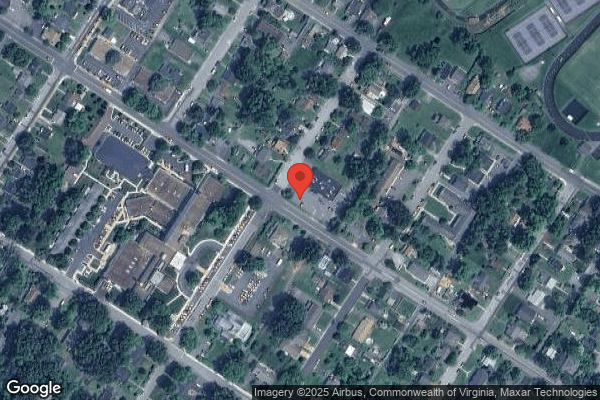
501 OAK AVENUE, WAYNESBORO, VA 22980 (540) 941-3100
Non profit - Corporation 18 Beds Independent Data: November 2025 1 Immediate Jeopardy citation
Trust Grade
18/100
#224 of 285 in VA
Last Inspection: November 2023

Within standard 12-15 month inspection cycle. Federal law requires annual inspections.

Overview

Summit Square in Waynesboro, Virginia, has received a Trust Grade of F, indicating significant concerns about the quality of care provided. It ranks #224 out of 285 facilities in Virginia, placing it in the bottom half of all nursing homes in the state and #2 out of 2 in Waynesboro City County, meaning there is only one other local option that is better. The facility's situation is worsening, with the number of health issues reported increasing from 5 in 2023 to 10 in 2025. Staffing is a bright spot here, with a 5-star rating and a turnover rate of 38%, which is lower than the state average, meaning staff are likely to be familiar with residents. However, the facility has concerning fines totaling $50,021, which is higher than 99% of Virginia facilities, indicating persistent compliance problems. Specific incidents raised by inspectors include a serious failure to serve beverages at safe temperatures, resulting in a resident suffering severe burns that required hospitalization and surgery. Additionally, the facility did not adequately monitor coffee temperatures, leading to another resident being harmed. While there are strengths in staffing, the troubling incidents and high fines highlight significant weaknesses that families should consider.

Trust Score
F
18/100
In Virginia
#224/285
Bottom 22%
Safety Record
High Risk
Review needed
Inspections
Getting Worse
5 → 10 violations
Staff Stability
○ Average
38% turnover. Near Virginia's 48% average. Typical for the industry.
Penalties
⚠ Watch
$50,021 in fines. Higher than 88% of Virginia facilities, suggesting repeated compliance issues.
Skilled Nurses
✓ Good
Each resident gets 77 minutes of Registered Nurse (RN) attention daily — more than 97% of Virginia nursing homes. RNs are the most trained staff who catch health problems before they become serious.
Violations
⚠ Watch
26 deficiencies on record. Higher than average. Multiple issues found across inspections.
★★☆☆☆
2.0
Overall Rating
★★★★★
5.0
Staff Levels
★★★★☆
4.0
Care Quality
★☆☆☆☆
1.0
Inspection Score
Stable
2023: 5 issues
2025: 10 issues

The Good

  • 5-Star Staffing Rating · Excellent nurse staffing levels
  • 4-Star Quality Measures · Strong clinical quality outcomes
  • Full Sprinkler Coverage · Fire safety systems throughout facility
  • No fines on record
  • Staff turnover below average (38%)

    10 points below Virginia average of 48%

Facility shows strength in staffing levels, quality measures, fire safety.

The Bad

2-Star Overall Rating

Below Virginia average (3.0)

Below average - review inspection findings carefully

Staff Turnover: 38%

Near Virginia avg (46%)

Typical for the industry

Federal Fines: $50,021

Above median ($33,413)

Moderate penalties - review what triggered them

The Ugly 26 deficiencies on record

1 life-threatening 2 actual harm
Feb 2025 10 deficiencies 1 IJ
CRITICAL (J) 📢 Someone Reported This

A family member, employee, or ombudsman was alarmed enough to file a formal complaint

Immediate Jeopardy (IJ) - the most serious Medicare violation

Accident Prevention (Tag F0689)

Someone could have died · This affected 1 resident

Based on observation, resident and staff interviews, clinical record review, and facility documentation review, the facility staff failed to provide an environment free of avoidable accident hazards a...

Read full inspector narrative →
Based on observation, resident and staff interviews, clinical record review, and facility documentation review, the facility staff failed to provide an environment free of avoidable accident hazards and failed to monitor coffee temperatures to prevent burns, resulting in harm for two residents (Resident #4- R4 and Resident #2-R2) in a survey sample of five residents. These findings led to the identification of Immediate Jeopardy (IJ) and the identification of Substandard Quality of Care. The findings included: On 2/5/25, during a review of facility documentation, it was noted that on 6/13/24, Resident #4 (R4) was served coffee which resulted in a burn to her lip and roof of her mouth, requiring hospitalization. On 2/5/25, a closed record review was conducted of R4's chart. This review revealed that a Hot Liquid Risk Assessment had been completed on five occasions in 2023 and four times in 2024. The most recent assessment prior to the burn incident on 6/13/24, was completed on 5/23/24, and noted that R4 had tremors in upper extremities that create risk for spillage and weakness in upper extremities that create a risk for spillage. The recommendations on this form read, Lids on hot beverages and water-resistant clothing protector. According to R4's care plan, an intervention dated 5/28/24 was entered that read, .resident is fed all meals either by husband or by staff. On 6/6/23, a care plan intervention was entered that read, lids on all hot liquids. Dated 6/13/24 at 2:32 p.m., a progress note read, Reported at approx. 1200 by husband [name redacted] that resident burnt the top of her mouth on coffee at breakfast this am. Noted a blister on lower lip. UM [unit manager] in to check on resident. Also has a blister in roof of mouth. Noted resident to have chocked on water with noon medications [sic]. Trying to talk and drink at the same time. Informed ST [speech therapy]. UM placed call/text to NP [name redacted]. Placed resident on MD rounding list for am. No acute distress noted., UM placed note in kitchen to use ice in coffee. Another entry was dated 6/13/24 at 7:27 p.m., that read, I went in to see [R4's name redacted] this afternoon about 2pm. She has a small blister on the right side of her lip, and I noted a blister on the roof of her mouth. [R4's spouse's name redacted] said he gave her coffee this morning which she drinks thru a straw and did not check to see how hot it was. spoke with [nurse practitioner's name redacted], NP and see recommended cool compresses and Tylenol which [R4's name redacted] has a routine and prn order available. reported to [licensed practical nurse #2's name redacted] what [NP name's redacted] said and [NP name redacted] will see her in the morning. According to the nursing progress notes and medication administration record dated 6/13/24, R4 was administered two doses of Tylenol due to pain in and around mouth d/t [due to] coffee burn. According to medication administration notes dated 6/14/24, R4 could not swallow her morning medications. A nursing note entry dated 6/14/24 at 9:20 a.m., read in part, Undersigned was approached by PT [physical therapist] and SLP [speech language pathologist] and asked to send resident out to ED [emergency department] as SLP had assessed her and found a large blister on palate and lower lip as received yesterday by hot coffee. SLP reports that resident is coughing and having difficulty managing her own secretions. Went to see resident and her spouse and explained that we would like to send her to the ED to be evaluated as airway could be compromised. They agreed and 911 was called for transport with report given to EMS [emergency medical services]. Upon EMS arrival, report was given to EMTs as patient having some difficulty managing secretions and history of Parkinsons. [Nurse practitioner name redacted] was notified, and she states she was the one who asked SLP to evaluate the resident's swallowing ability as she when she was here earlier in the morning, she had noticed some gurgling sounds when she got her to swallow. Resident's spouse states he has notified her family, and they are enroute to ED. Dated 6/14/24 at 1:30 p.m., a nursing progress note read, Spoke with resident's spouse to get an update. He states resident is getting some IV fluid and a decision had been made that she did not need a transport to any other facility. Spouse was tearful and stated that every morning he writes on resident's menu that he wants coffee in a Styrofoam cup, half full, with ice and a straw. He said he lifted the cup to her lips, and she immediately screamed out. The straw became stuck to her lip. He states he mentioned this to the kitchen staff, and they got her ice chips which she indicated helped with the burn and ice cream that he spooned in for her. Undersigned reminded spouse that Styrofoam retains heat, but he stated this was the only kind of cup she could hold onto due to her Parkinsons. He stated he wished he had noticed that there didn't seem to be any ice in the cup and that he hadn't noticed the cup being hot . The discharge summary for R4's hospitalization, from 6/14/24-6/22/24, read in part, . reason for admission: scalded throat from hot coffee, inability to swallow .presented to the emergency department after having issues with swallowing in the setting of drinking hot coffee. Associate with this, she has had mucosal abnormality in her oropharynx and her lips which is causing her not to be able to swallow without significant difficulty due to pain. Burn unit at [name of hospital redacted] was contacted by the ER physician who did not recommend the need for transfer but did recommend supportive care with IV fluids. Discussed this case with GI [gastroenterology] who also did not see any reason to perform any surgical intervention such as endoscopy. Patient was having evaluation and care. She was started on IV antiemetics, IV fluids and IV Zosyn [an antibiotic], CT neck showed thickening of the epiglottis without any other abnormalities . Because of her inability to swallow at all and silent aspirations a PEG [percutaneous endoscopic gastrostomy] tube was placed on 6/20 with some general surgery . Plan is to return to [this skilled nursing facility name redacted] with tube feeds for the near future until her throat heals. Once this heals up, she should be able to return to eating normally and the PEG tube can be removed . On 2/5/25 at 11:40 a.m., an observation was conducted of the on-unit kitchenette where the coffee is prepared. The cook (other employee #1- OE #1) was observed taking the temperature of food items, which included the soup at 174 degrees farenheight and hotdog chili that was 175 degrees farenheight. The cook did not obtain any temperatures of the beverages being served. The coffee maker was noted to have a digital display that read, Ready to Brew. Water temp: 200 degrees. The dietary staff were observed to pour and serve coffee directly from the coffee pot in which it was brewed. On 2/5/25, the food temperature logs for the past week were requested and received. According to the food temperature logs from 1/27/25-2/2/25 and the lunch meal on 2/5/25, there was no evidence that the temperature of the coffee had been obtained. On 2/6/25 at 7:53 a.m., observations of the kitchenette on the unit were conducted. Interviews with the two dietary staff working (other employee #4- OE #4 and other employee #5- OE #5), which revealed that they did not have a protocol to check the temperature of the coffee being served to residents. The food temperature log was reviewed and an interview with the cook confirmed that she only checks the temperature of food items, not beverages. Upon request of the surveyor, a cup of coffee was poured, and the temperature was taken by the cook, which was observed to be 161.2 degrees Fahrenheit (F). The cook said, Oh, I would have thought it would have been hotter than that. It should be, shouldn't it? The dietary staff were observed to pour coffee directly from the pot in which it was brewed. On 2/6/25 at 8 a.m., an interview was conducted with registered nurse #1 (RN #1), who was the unit manager. When asked about R4, RN#1 said, She had Parkinson's and was alert and oriented, was mostly extensive to total assistance with everything. She could feed herself at first but had shoulder issues so her husband would feed her. That morning in the dining room, he sat next to her, and he always gave her coffee. I was at another table feeding and I didn't hear anything unusual. A little while later he called me to the room and complained that she couldn't swallow. I got my flashlight, and her top pallet was pink, but I couldn't really see. That's when we found out he had given her hot coffee through a straw. When asked if R4 normally drank through a straw, RN #1 said, Yes, she normally drank through a straw She had been declining for a while but that was kind of the downward slope for her . On 2/6/25 at approximately 8:40 a.m., an interview was conducted with the dining services director (DSD). The DSD stated that they do not routinely check the temperature of coffee, but that she has periodically checked it and added, It is brewed at about 196 degrees, is held around 160 degrees F, and usually once cream and sugar is added it is around 140 degrees. I've temped it at all stages to ensure it is safe . The DSD reported the last time she had checked it was a few months ago, following R4's incident and added I've done it several times over the years. The DSD also reported that another resident, identified as Resident #2 (R2), had a few incidents where he spilled coffee in his lap. Facility documentation regarding R4's burn incident included a handwritten statement by a dietary server (Other Employee #8- OE #8). This document read, Last Thursday, we had gotten busy, and I was rushing around. I had taken count on drinks and started that morning and noticed [R4's name redacted] had asked for coffee in the right margin. A while later while we were serving, I brought [R4's spouse's name redacted, referred to as Resident #6-R6 going forward] and [R4's name redacted] their food because the counter where [cook's name redacted] was making plates was getting full. Then I grabbed [R6's name redacted] his two waters and [R4's name redacted] a Danimal [yogurt]. Initially forgetting the coffee for [R4's name redacted]. While bringing some plates out for another table [R6's name redacted] called out to me and asked for [R4's name redacted] coffee. In a rush I quickly made her coffee as described on the menu from memory but forgot her ice and straw It wasn't until after lunch when going back through the menus that I realized I had forgotten to put ice in the cup. On 2/6/25 at 9:29 a.m., a telephone interview was conducted with OE #8. OE #8 explained that R4's menu had requested coffee in a Styrofoam cup and asked for ice. OE #8 said, I forgot to put ice in there. I didn't realize she had been burned until after lunch that day when [DSD's name redacted] asked me. When asked if they check the temperature of coffee before it is served to residents, OE #8 said, Following that incident, we now have the pots that check the temperature. We got them about a week following that incident. We set the temperature, and it keeps it warm but not as warm as the coffee pot itself. OE #8 went on to explain that R4 had always been served coffee, that R4's husband would write on the menu to put ice in it, and that it was not a new request that day. On 2/6/25, a review of R2's clinical record revealed a progress note entry, dated 11/11/24, that read, Resident spilt coffee on right thigh, slight redness noted. Cool compress applied. UM [unit manager] informed, happened around 11:20am. Checked right thigh after lunch, redness resolved. Resident states leg is fine. An additional review of R2's progress notes revealed an entry, dated 1/1/23, that read, Resident requested hot coffee. It was given to him, and he promptly spilled it over on his abdomen and left thigh. The groin area was protected by his brief. I notified Dr. [name redacted] and he ordered Bacitracin / Polymyxin to be applied to scalded area and cover lightly with a non-stick telfa. Resident is c/o [complaining of] discomfort when the area had bacitracin applied. He was offered a pain pill (oxy 5 mg), and he accepted. He then requested another cup of coffee. We discussed keeping a chux pad over himself when drinking coffee, and to sit upright in the bed. He agreed with this. On 1/2/23, R2 was seen by the medical provider and the note read in part, Chief Complaint / Nature of Presenting Problem: Coffee burn History of Present Illness: I saw the patient today after he spilled coffee on his abdomen and upper thighs. The coffee was quite hot, he had immediate pain. He was noted to have some blistering .The patient has partial-thickness second-degree burns over his lower abdomen and upper left thigh. This encompasses about 2 to 3% of body surface area. They do not appear infected. Barrier ointment will be applied. Careful attention to hygiene will be essential . On 2/6/25, a review of R2's clinical record revealed that a Hot Liquid Risk Assessment had been conducted on 3/7/22, 5/17/22, 8/7/22, 9/13/24, and 11/21/24. Each of the assessments noted the resident was at risk and that interventions were implemented. R2's care plan, which was revised on 1/4/23, had interventions that read in part, [R2's name redacted] has been evaluated by OT [occupational therapy] and will be using a BLUE cup with a white snap-on lid with spout will be used for all hot liquids to prevent further spills and burns. Soups in deep bowls . On 6/14/23, an intervention was added to R2's care plan that read, [R2's name redacted] is encouraged to wear a clothing protector at meals but he will refuse them at times. On 11/21/24, an additional intervention was added that read, use clothing protector with meals when in bed and when up in chair for safety. According to the facility policy titled, Hot Beverages/Liquids, it read in part, 1. On admission/re-admission, quarterly, annually and with significant change, the resident will be assessed for risk of use of hot liquids by a licensed nurse, or dietitian or therapist . 2. If the resident is determined to be at risk of spillage and/or injury from hot liquids, the interdisciplinary team will make recommendations to minimize the resident's risk . 6. The hot beverage dispenser is no higher than 155 degrees; however, soups are dipped from the steam well and served higher than that under the monitoring of the dining staff On 2/6/25 at 11:20 a.m., the survey team identified that immediate jeopardy (IJ) was present, as confirmed by the state agency, and was determined to have begun on 1/1/23. A meeting was held with the facility administrator and director of nursing to notify them of IJ findings. On 2/6/25 at 2:40 p.m., the facility submitted an accepted plan of removal that read as follows: All hot liquids served to residents will ONLY come from one central location (Galley Kitchen in HC [healthcare]). [Facility name redacted] will not serve any hot liquid over the following temperatures: Coffee- 155 degrees (There is a temperature regulated pot for coffee). Water- 155 degrees (there is a temperature regulated pot for hot water). Soups/Gravy's/Sauces- hold no higher than 160 degrees- and no less than 140 degrees following food safety guidelines. Temperatures will be taken and documented by the Galley [NAME] for all foods and beverages. The facility will immediately perform a new hot liquid assessment on all current residents. All current staff will be educated on the Hot Beverages/Hot Liquids Policy and any new recommendations based on the hot liquid assessment. Oncoming staff will be educated prior to being permitted to work. The Hot Beverage/Liquid Policy will be reviewed and revised as needed. Complete by Friday, February 7 at 7:00 a.m. On 2/6/25 at 3:10 p.m., an interview was conducted with Resident #6- R6, who was the spouse of R4. R6 said, Every morning she had a cup of coffee . Every day we get a menu for the next day. She always ordered the same thing for breakfast, scrambled eggs, a cup of coffee and I would put with ice, 2 sugars, and creamer. I always wrote that on the menu, this particular day it was a young girl, she brought the coffee in a Styrofoam cup, she [R4] let out a scream, so I knew it was the coffee. All she had was what was in the straw, not a lot. I gave her ice right away and ice cream, she seemed ok except for blistering on her lips. The next day she was not any better and actually her Parkinson's got worse, I think due to trauma. She went to the hospital . They put ice in the coffee so I had assumed they had done it. I didn't feel heat in the cup, so I had no idea they didn't . On 2/6/25 at 3:20 p.m., an interview was conducted with Resident #2- R2. R2 was asked about the two incidents where coffee was spilled which caused injury. R2 had no recall of the incidents. On 2/7/25, to verify implementationof the removal plan, the surveyor reviewed the Hot Liquid assessments to ensure that they were completed on 100% of the residents. No concerns were found. Observations were conducted in the Galley kitchen, which confirmed that temperatures had been obtained for all foods and beverages to include the coffee. The kitchen staff was observed to obtain temperatures of the coffee prior to serving to residents and added ice as needed to ensure that coffee was not served hotter than 155 degrees. It was also observed that the coffee was being held in the temperature regulated carafes. Residents were observed during breakfast to confirm that the interventions identified in the hot liquid assessments were being implemented, to include but not limited to lids on hot beverages and water resistant clothing protectors. The Hot Beverage/Liquid Policy was received and reviewed, which confirmed that the facility had revised the policy on 2/6/25. Interviews were conducted with staff across all departments to ensure they had knowledge of the Hot Beverage/Liquid policy and appropriate serving temperatures of hot liquids. The education/in-service sign in sheets were reviewed and compared to the as-worked schedule to ensure all staff had received education. No concerns were found. On 2/7/25 at 9 a.m., after having verified that the removal plan had been fully implemented and that facility actions had eliminated the likelihood of serious injury, harm, impairment, or death, the facility was notified that the immediacy had been removed. The scope and severity for the remaining noncompliance was then lowered to a level three, isolated.
SERIOUS (G) 📢 Someone Reported This

A family member, employee, or ombudsman was alarmed enough to file a formal complaint

Actual Harm - a resident was hurt due to facility failures

Deficiency F0804 (Tag F0804)

A resident was harmed · This affected 1 resident

Based on observation, resident interview, staff interviews, clinical record review, and facility documentation review, the facility staff failed to provide beverages at a safe temperature to prevent i...

Read full inspector narrative →
Based on observation, resident interview, staff interviews, clinical record review, and facility documentation review, the facility staff failed to provide beverages at a safe temperature to prevent injury, which resulted in harm for two residents (Resident #4 - R4 and Resident #2 - R2) in a survey sample of five residents. The findings included: 1. For Resident #4 (R4), the facility staff served coffee at a temperature that resulted in significant burns and scalding, which developed into a life-threatening injury that required hospitalization and the surgical placement of a feeding tube. On 2/5/25, during a review of facility documentation, it was noted that on 6/13/24, Resident #4 (R4) was served coffee which resulted in a burn to her lip and roof of her mouth, causing hospitalization. On 2/5/25 a closed record review was conducted of R4's chart. This review revealed a Hot Liquid Risk Assessment completed on 5/23/24, which noted R4 had tremors in upper extremities that create risk for spillage and weakness in upper extremities that create a risk for spillage. The recommendations documented on this form read, Lids on hot beverages and water-resistant clothing protector. Dated 6/13/24 at 2:32 p.m., a progress note read, Reported at approx. 1200 by husband [name redacted] that resident burnt the top of her mouth on coffee at breakfast this am. Noted a blister on lower lip. UM [unit manager] in to check on resident. Also has a blister in roof of mouth. Noted resident to have chocked on water with noon medications [sic]. Trying to talk and drink at the same time. Informed ST [speech therapy]. UM placed call/text to NP [name redacted]. Placed resident on MD rounding list for am. No acute distress noted., UM placed note in kitchen to use ice in coffee. Dated 6/13/24 at 7:27 p.m., another entry read, I went in to see [R4's name redacted] this afternoon about 2pm. She has a small blister on the right side of her lip, and I noted a blister on the roof of her mouth. [R4's spouse's name redacted] said he gave her coffee this morning which she drinks thru a straw and did not check to see how hot it was. spoke with [nurse practitioner's name redacted], NP and she recommended cool compresses and Tylenol which [R4's name redacted] has a routine and prn order available. Reported to [licensed practical nurse #2's name redacted] what [NP name's redacted] said and [NP name redacted] will see her in the morning. According to the nursing progress notes, R4 was administered two doses of Tylenol due to pain in and around mouth d/t [due to] coffee burn. According to medication administration notes dated 6/14/24, R4 could not swallow her morning medications. Dated 6/14/24 at 9:20 a.m., a nursing note entry read in part, Undersigned was approached by PT [physical therapist] and SLP [speech language pathologist] and asked to send resident out to ED [emergency department] as SLP had assessed her and found a large blister on palate and lower lip as received yesterday by hot coffee. SLP reports that resident is coughing and having difficulty managing her own secretions. Went to see resident and her spouse and explained that we would like to send her to the ED to be evaluated as airway could be compromised. They agreed and 911 was called for transport with report given to EMS [emergency medical services]. Upon EMS arrival, report was given to EMTs as patient having some difficulty managing secretions and history of Parkinsons. [Nurse practitioner name redacted] was notified, and she states she was the one who asked SLP to evaluate the resident's swallowing ability as she when she was here earlier in the morning, she had noticed some gurgling sounds when she got her to swallow. Resident's spouse states he has notified her family, and they are enroute to ED. Dated 6/14/24 at 1:30 p.m., a nursing note entry read, Spoke with resident's spouse to get an update. He states resident is getting some IV fluid and a decision had been made that she did not need a transport to any other facility. Spouse was tearful and stated that every morning he writes on resident's menu that he wants coffee in a Styrofoam cup, half full, with ice and a straw. He said he lifted the cup to her lips, and she immediately screamed out. The straw became stuck to her lip. He states he mentioned this to the kitchen staff, and they got her ice chips which she indicated helped with the burn and ice cream that he spooned in for her. Undersigned reminded spouse that Styrofoam retains heat, but he stated this was the only kind of cup she could hold onto due to her Parkinsons. He stated he wished he had noticed that there didn't seem to be any ice in the cup and that he hadn't noticed the cup being hot . For the admission from 6/14/24-6/22/24, R4's hospital discharge summary read in part, . reason for admission: scalded throat from hot coffee, inability to swallow . presented to the emergency department after having issues with swallowing in the setting of drinking hot coffee. Associate with this, she has had mucosal abnormality in her oropharynx and her lips which is causing her not to be able to swallow without significant difficulty due to pain. Burn unit at [name of hospital redacted] was contacted by the ER physician who did not recommend the need for transfer but did recommend supportive care with IV fluids. Discussed this case with GI [gastroenterology] who also did not see any reason to perform any surgical intervention such as endoscopy. Patient was having evaluation and care. She was started on IV antiemetics, IV fluids and IV Zosyn [an antibiotic], CT neck showed thickening of the epiglottis without any other abnormalities . Because of her inability to swallow at all and silent aspirations a PEG [percutaneous endoscopic gastrostomy] tube was placed on 6/20 with some general surgery . Plan is to return to [this skilled nursing facility name redacted] with tube feeds for the near future until her throat heals. Once this heals up, she should be able to return to eating normally and the PEG tube can be removed . On 2/6/25 at 8 a.m., an interview was conducted with registered nurse #1 (RN #1), who was the unit manager. When asked about R4, RN #1said, She had Parkinson's and was alert and oriented, was mostly extensive to total assistance with everything. She could feed herself at first but had shoulder issues so her husband would feed her. That morning in the dining room, he sat next to her, and he always gave her coffee. I was at another table feeding and I didn't hear anything unusual. A little while later he called me to the room and complained that she couldn't swallow. I got my flashlight, and her top pallet was pink, but I couldn't really see. That's when we found out he had given her hot coffee through a straw. When asked if R4 normally drank through a straw, RN #1 said, Yes, she normally drank through a straw . She had been declining for a while but that was kind of the downward slope for her . On 2/6/25 at approximately 8:40 a.m., an interview was conducted with the dining services director (DSD). The DSD stated that they do not routinely check the temperature of coffee, but that she had periodically checked it. The DSD said, It is brewed at about 196 degrees, is held around 160 degrees F, and usually once cream and sugar is added it is around 140 degrees. I've temped it at all stages to ensure it is safe . The DSD reported the last time she had checked it was a few months ago, following R4's incident and added I've done it several times over the years. The DSD also reported that another resident, identified as Resident #2 (R2), had a few incidents where he had spilled coffee in his lap. Included with the facility documentation regarding R4's injury from the hot coffee was a handwritten statement by a dietary server (Other Employee #8 - OE #8). This document read, Last Thursday, we had gotten busy, and I was rushing around. I had taken count on drinks and started that morning and noticed [R4's name redacted] had asked for coffee in the right margin. A while later while we were serving, I brought [R4's spouse's name redacted, referred to as Resident #6-R6 going forward] and [R4's name redacted] their food because the counter where [cook's name redacted] was making plates was getting full. Then I grabbed [R6's name redacted] his two waters and [R4's name redacted] a Danimal [yogurt]. Initially forgetting the coffee for [R4's name redacted]. While bringing some plates out for another table [R6's name redacted] called out to me and asked for [R4's name redacted] coffee. In a rush I quickly made her coffee as described on the menu from memory but forgot her ice and straw It wasn't until after lunch when going back through the menus that I realized I had forgotten to put ice in the cup. On 2/6/25 at 9:29 a.m., a telephone interview was conducted with OE #8. OE #8 explained that R4's menu had requested coffee in a Styrofoam cup and asked for ice. OE #8 said, I forgot to put ice in there. I didn't realize she had been burned until after lunch that day when [DSD's name redacted] asked me. When asked if they check the temperature of coffee before it is served to residents, OE #8 said, Following that incident, we now have the pots that check the temperature. We got them about a week following that incident. We set the temperature, and it keeps it warm, but not as warm as the coffee pot itself. OE #8 went on to explain that R4 had always been served coffee and the resident's husband would write on the menu to put ice in it; this was not a new request that day. On 2/6/25 at 3:10 p.m., an interview was conducted with Resident #6 - R6, who was the spouse of R4. R6 said, Every morning she had a cup of coffee . Every day we get a menu for the next day. She always ordered the same thing for breakfast, scrambled eggs, a cup of coffee and I would put with ice, 2 sugars and creamer. I always wrote that on the menu, this particular day it was a young girl, she brought the coffee in a Styrofoam cup, she [R4] let out a scream, so I knew it was the coffee. All she had was what was in the straw, not a lot. I gave her ice right away and ice cream, she seemed ok except for blistering on her lips. The next day she was not any better and actually her Parkinson's got worse, I think due to trauma. She went to the hospital . They put ice in the coffee so I had assumed they had done it. I didn't feel heat in the cup, so I had no idea they didn't . 2. For Resident #2 (R2), who had two instances of spilling coffee, resulting in injury, the facility staff failed to ensure coffee was served at a safe temperature to prevent burns. On 2/6/25, a review of R2's clinical record revealed that a Hot Liquid Risk Assessment had been conducted on 3/7/22, 5/17/22, 8/7/22, 9/13/24, and 11/21/24. Each of the assessments noted the resident was at risk and interventions were implemented. Last revised on 1/4/23, R2's care plan read in part, [R2's name redacted] has been evaluated by OT [occupational therapy] and will be using a BLUE cup with a white snap-on lid with spout will be used for all hot liquids to prevent further spills and burns. Soups in deep bowls . On 6/14/23, an intervention was added to R2's care plan that read, [R2's name redacted] is encouraged to wear a clothing protector at meals but he will refuse them at times. On 11/21/24, an additional intervention was added that read, use clothing protector with meals when in bed and when up in chair for safety. Dated 11/11/24, a progress note entry read, Resident spilt coffee on right thigh, slight redness noted. Cool compress applied. UM [unit manager] informed, happened around 11:20am. Checked right thigh after lunch, redness resolved. Resident states leg is fine. An additional review of R2's progress notes revealed an entry dated 1/1/23, that read, Resident requested hot coffee. It was given to him, and he promptly spilled it over on his abdomen and left thigh. The groin area was protected by his brief. I notified Dr. [name redacted] and he ordered Bacitracin / Polymyxin to be applied to scalded area and cover lightly with a non-stick telfa. Resident is c/o [complaining of] discomfort when the area had bacitracin applied. He was offered a pain pill (oxy 5 mg), and he accepted. He then requested another cup of coffee. We discussed keeping a chux pad over himself when drinking coffee, and to sit upright in the bed. He agreed with this. On 1/2/23, R2 was seen by the medical provider and the note read in part, Chief Complaint / Nature of Presenting Problem: Coffee burn History of Present Illness: I saw the patient today after he spilled coffee on his abdomen and upper thighs. The coffee was quite hot, he had immediate pain. He was noted to have some blistering .The patient has partial-thickness second-degree burns over his lower abdomen and upper left thigh. This encompasses about 2 to 3% of body surface area. They do not appear infected. Barrier ointment will be applied. Careful attention to hygiene will be essential . On 2/6/25 at 3:20 p.m., an interview was conducted with Resident #2 - R2. When asked about the two incidents when spilled coffee caused him injury, R2 had no recall of the incidents. On 2/5/25 and 2/6/25, observations were conducted in the on-unit kitchenette, where the coffee was brewed and served from. The coffee was observed being poured directly from the pot in which it was brewed, not the temperature controlled caraffe. Observations of the coffee maker revealed a digital display that read, ready to brew, water temp 200 degrees. According to facility staff interviews and according to the temperature logs, the temperature of hot beverages was not checked or monitored by facility staff prior to serving. Titled, Hot Beverages/Liquids, this facility policy read in part, .6. The hot beverage dispenser is no higher than 155 degrees; however, soups are dipped from the steam well and served higher than that under the monitoring of the dining staff . On 2/6/25 and again on 2/7/25, the facility administrator and director of nursing were made aware of the above findings.
SERIOUS (G) 📢 Someone Reported This

A family member, employee, or ombudsman was alarmed enough to file a formal complaint

Actual Harm - a resident was hurt due to facility failures

Deficiency F0865 (Tag F0865)

A resident was harmed · This affected 1 resident

**NOTE- TERMS IN BRACKETS HAVE BEEN EDITED TO PROTECT CONFIDENTIALITY** Based on staff interview, clinical record reviews, and facility documentation review, the facility staff failed to implement and...

Read full inspector narrative →
**NOTE- TERMS IN BRACKETS HAVE BEEN EDITED TO PROTECT CONFIDENTIALITY** Based on staff interview, clinical record reviews, and facility documentation review, the facility staff failed to implement and maintain an effective quality assurance and performance improvement (QAPI) program, and failed to provide evidence necessary to demonstrate compliance with these requirements, which resulted in harm for two residents (Resident #2 and Resident #4) in a survey sample of five residents. The findings included: On 2/5/25 at 11:40 a.m., an observation was conducted of the on-unit kitchenette where the coffee is prepared. The cook (other employee #1- OE #1) was observed taking the temperature of food items, which included the soup at 174 degrees farenheight and hotdog chili that was 175 degrees farenheight. The cook did not obtain any temperatures of the beverages being served. The coffee maker was noted to have a digital display that read, Ready to Brew. Water temp: 200 degrees. The dietary staff were observed to pour and serve coffee directly from the coffee pot in which it was brewed. The food temperature logs for the past week were requested and received. According to the food temperature logs from 1/27/25-2/2/25 and the lunch meal on 2/5/25, there was no evidence that the temperature of the coffee had been obtained. On 2/5/25 and 2/6/25, clinical record reviews of Resident #2 (R2) and Resident #4's (R4) progress notes revealed several instances where the residents sustained burns due to hot coffee. Dated 1/1/23, R2's progress notes revealed an entry that read, Resident requested hot coffee. It was given to him, and he promptly spilled it over on his abdomen and left thigh. The groin area was protected by his brief. I notified Dr. [name redacted] and he ordered Bacitracin / Polymyxin to be applied to scalded area and cover lightly with a non-stick telfa. Resident is c/o [complaining of] discomfort when the area had bacitracin applied. He was offered a pain pill (oxy 5 mg), and he accepted. He then requested another cup of coffee. We discussed keeping a chux pad over himself when drinking coffee, and to sit upright in the bed. He agreed with this. On 1/2/23, R2 was seen by the medical provider, who documented in part, Chief Complaint / Nature of Presenting Problem: Coffee burn History of Present Illness: I saw the patient today after he spilled coffee on his abdomen and upper thighs. The coffee was quite hot, he had immediate pain. He was noted to have some blistering .The patient has partial-thickness second-degree burns over his lower abdomen and upper left thigh. This encompasses about 2 to 3% of body surface area. They do not appear infected. Barrier ointment will be applied. Careful attention to hygiene will be essential . According to another progress note entry dated 11/11/24, in R2's chart that read, Resident spilt coffee on right thigh, slight redness noted. Cool compress applied. UM [unit manager] informed, happened around 11:20am. Checked right thigh after lunch, redness resolved. Resident states leg is fine. R4's progress note entry dated 6/13/24 at 2:32 p.m., read in part, Reported at approx. 1200 by husband [name redacted] that resident burnt the top of her mouth on coffee at breakfast this am. Noted a blister on lower lip. UM [unit manager] in to check on resident. Also has a blister in roof of mouth. Noted resident to have chocked on water with noon medications [sic] . A nursing note entry dated 6/14/24 at 9:20 a.m., read in part, Undersigned was approached by PT [physical therapist] and SLP [speech language pathologist] and asked to send resident out to ED [emergency department] as SLP had assessed her and found a large blister on palate and lower lip as received yesterday by hot coffee. SLP reports that resident is coughing and having difficulty managing her own secretions. Went to see resident and her spouse and explained that we would like to send her to the ED to be evaluated as airway could be compromised. They agreed and 911 was called for transport with report given to EMS [emergency medical services]. Upon EMS arrival, report was given to EMTs as patient having some difficulty managing secretions and history of Parkinsons. [Nurse practitioner name redacted] was notified, and she states she was the one who asked SLP to evaluate the resident's swallowing ability as she when she was here earlier in the morning, she had noticed some gurgling sounds when she got her to swallow. Resident's spouse states he has notified her family, and they are enroute to ED. According to a nursing note entry dated 6/14/24 at 1:30 p.m., it read, Spoke with resident's spouse to get an update. He states resident is getting some IV fluid and a decision had been made that she did not need a transport to any other facility. Spouse was tearful and stated that every morning he writes on resident's menu that he wants coffee in a Styrofoam cup, half full, with ice and a straw. He said he lifted the cup to her lips, and she immediately screamed out. The straw became stuck to her lip. He states he mentioned this to the kitchen staff, and they got her ice chips which she indicated helped with the burn and ice cream that he spooned in for her. Undersigned reminded spouse that Styrofoam retains heat, but he stated this was the only kind of cup she could hold onto due to her Parkinsons. He stated he wished he had noticed that there didn't seem to be any ice in the cup and that he hadn't noticed the cup being hot . According to the hospital discharge summary for R4's hospitalization from 6/14/24-6/22/24, it read in part, . reason for admission: scalded throat from hot coffee, inability to swallow .presented to the emergency department after having issues with swallowing in the setting of drinking hot coffee. Associate with this, she has had mucosal abnormality in her oropharynx and her lips which is causing her not to be able to swallow without significant difficulty due to pain. Burn unit at [name of hospital redacted] was contacted by the ER physician who did not recommend the need for transfer but did recommend supportive care with IV fluids. Discussed this case with GI [gastroenterology] who also did not see any reason to perform any surgical intervention such as endoscopy. Patient was having evaluation and care. She was started on IV antiemetics, IV fluids and IV Zosyn [an antibiotic], CT neck showed thickening of the epiglottis without any other abnormalities . Because of her inability to swallow at all and silent aspirations a PEG [percutaneous endoscopic gastrostomy] tube was placed on 6/20 with some general surgery . Plan is to return to [this skilled nursing facility name redacted] with tube feeds for the near future until her throat heals. Once this heals up, she should be able to return to eating normally and the PEG tube can be removed . On 2/7/25, a review of the facility's QAPI program was conducted with the facility Administrator and Chief Operating Officer (COO). When asked about the QAPI response to the three serious burn incidents, the administrator stated that the QAPI program reviewed the incidents in June 2024 and November 2024, when R4 and R2 sustained the burns, respectively. The QAPI Action Plan with a date of 6/14/24, read in part, Goals/Objectives/Expected Outcome: Inservice conducted on 6/14/24 with all dining staff to review beverage safety and confirm understanding of policy and practice . Temperature defined by 155 degrees or below. Temperature controlled dispensers will be implemented to ensure acceptable temperature of beverages. There were no other entries or evidence that ongoing monitoring had occurred after the plan was initiated in June 2024. No evidence was provided that there had been any QAPI response to the the serious burns that R2 sustained in [DATE]. During the above meeting, the facility administrator was then asked to explain the process used by the QAPI program to ensure on-going compliance. The administrator did not answer. When the discussion shifted to the another incident in November 2024, when R2 again spilled hot coffee, which caused redness, the administrator was asked what had been the response of QAPI. The administrator provided a QAPI Action Plan dated 11/11/24, in which the actions were noted as, .verbal warning and education presented to CNA [certified nursing assistant] and hot liquid assessments performed on all new residents on admission and quarterly with MDS [minimum data set] [an assessment tool]. All new staff oriented to the policy and practice There were no other entries or evidence that ongoing monitoring had occurred since the plan was initiated. The surveyor informed both the administrator and COO that during the survey, each time observations were conducted on 2/5/25 and 2/6/25, the facility staff were not utilizing the temperature-controlled coffee dispensers, nor were staff monitoring the temperature of the coffee being served. The facility administrator was asked to explain how the QAPI program is effective in ensuring the ongoing compliance with the action plans implemented to promote resident safety and to prevent future occurrences. Instead of directly answering, the administrator and COO both verbalized understanding how it could be viewed that their QAPI program is not effective. A review of the facility document titled, Quality Assurance/Performance Improvement Plan for 2025, was conducted, noting that it read in part, QAPI at [facility name redacted] involves a comprehensive approach to utilizing information, data, reports and benchmarking to improve the quality of life, care and services. It is meant to identify opportunities for improvement, address gaps in systems; implement improvements; and continuously monitor effectiveness of interventions . The above findings were discussed during a meeting with the facility administrator, director of nursing and corporate staff on 2/7/25. No additional information was provided.
CONCERN (D) 📢 Someone Reported This

A family member, employee, or ombudsman was alarmed enough to file a formal complaint

Potential for Harm - no one hurt, but risky conditions existed

Deficiency F0557 (Tag F0557)

Could have caused harm · This affected 1 resident

Based on observations, resident interviews, and staff interviews, the facility staff failed to serve meals in the dining room in a manner to promote dignity affecting three residents (Resident #106, R...

Read full inspector narrative →
Based on observations, resident interviews, and staff interviews, the facility staff failed to serve meals in the dining room in a manner to promote dignity affecting three residents (Resident #106, Resident #107 and Resident #108) out of a survey sample of eight residents. The findings included: The facility staff failed to serve the residents sitting at the same table at the same time. On 3/31/25 at 12:00 p.m., an observation was made in the main dining room at lunchtime of the residents being served their meals. Resident #105 was observed at 12:03 p.m., at the table with two other residents, and she received her lunch meal, ate and was leaving the table before Resident #106, and Resident #107 was served their meals. Resident #108 was observed at the table waiting for the other residents to be served before she began eating her meal. On 3/31/25 at 12:10 p.m., Resident #106 was interviewed. Resident#106 said, [Resident#107's name redacted], maybe we will get some more help. Resident #106 said, I am hungry, but patience is a virtue. Registered nurse RN#2 came by the table and said, [Resident #106 name redacted] good, you got your food. On 3/31/25 at 12:25 p.m., an interview was conducted with Resident #108. Resident #108 said, I hate to eat when others don't have their food. Resident #108 was observed with her food served but was sitting and waiting for the others to be served during the lunch service. Resident #108 said, It is supposed to be like family style meals. On 3/31/25 at 2:35 p.m., an interview was conducted with the executive chef, other staff #1 (OS1). OS1 said, The residents deserve dignity in the dining room. So, we try hard to do one table at a time. On 3/31/25 at 3:28 p.m., an interview was conducted with the administrator. The administrator stated if a couple of people were at a table they should serve everyone at the table before going to the next table. When told about the observation made in the dining room, the administrator responded with disappointment. On 4/2/25 at 10:00 a.m., a meeting was conducted with the administrator, director of nursing and the corporate staff, during which the above concerns were discussed. No additional information was provided prior to the exit conference.
CONCERN (D) 📢 Someone Reported This

A family member, employee, or ombudsman was alarmed enough to file a formal complaint

Potential for Harm - no one hurt, but risky conditions existed

Staffing Information (Tag F0732)

Could have caused harm · This affected 1 resident

Based on observation, staff interviews and facility documentation, the facility staff failed to post daily staffing information on 1 of 1 unit. The findings included: The facility staff failed to post...

Read full inspector narrative →
Based on observation, staff interviews and facility documentation, the facility staff failed to post daily staffing information on 1 of 1 unit. The findings included: The facility staff failed to post the daily staffing information for residents and visitors to be able to view. On 2/7/25 at 9:27 a.m. during a walkthrough of the nursing facility the surveyor observed that the daily staffing posting was dated 2/6/25. On 2/7/25 at 9:30 a.m. an interview was conducted with the unit manager, who was a registered nurse (RN #1). When asked about the purpose of the daily staffing posting, RN#1 stated, Because it is regulation and so families know who we have in here. The unit manager identified a staff member as being responsible for it and reported that she posts it daily when she arrives at 7:30 a.m. During the above interview, the facility administrator walked in, was notified of the concern, and was invited to also confirm the finding. On 2/7/25 at approximately 9:35 a.m., the surveyor was accompanied by the unit manager and facility administrator back to the lobby where it was confirmed that the daily staff posting was for the prior day. The unit manager said, Usually she has it up when she comes in, but it's been a crazy day. On 2/7/25 at 10 a.m., during a group meeting with the administrator, director of nursing (DON), and corporate staff, the above findings were discussed. The DON said, She [the assigned employee to post staffing] arrives at 7:30 a.m. every day so it should be done when she gets here. The administrator confirmed that visiting hours are 8 am until 8 pm daily and she would expect it to be posted by the time the visiting hours start. No further information was received prior to conclusion of the survey.
CONCERN (D) 📢 Someone Reported This

A family member, employee, or ombudsman was alarmed enough to file a formal complaint

Potential for Harm - no one hurt, but risky conditions existed

Deficiency F0941 (Tag F0941)

Could have caused harm · This affected 1 resident

Based on staff interviews and facility documentation, the facility staff failed to provide effective communications training for one employee (the social worker), in a survey sample of nine employee r...

Read full inspector narrative →
Based on staff interviews and facility documentation, the facility staff failed to provide effective communications training for one employee (the social worker), in a survey sample of nine employee records reviewed. The findings included: The facility staff failed to have credible evidence of effective communication training for the social worker. On 2/6/25, a sample of nine employees was selected for review of training requirements, as part of the extended survey. The list of employees was given to the facility administrator, and they were asked to provide evidence of the staff training to include the area of effective communication. On 2/7/25, the employee records were reviewed. It was noted that the facility's social worker had no evidence of having received training for effective communication. On 2/7/25 at approximately 10:35 a.m., the above findings were reviewed with the facility administrator, director of nursing and corporate staff. On 2/7/25, in the afternoon, the facility administrator stated they had nothing further to provide the survey team. No additional information was provided prior to exit conference.
CONCERN (D) 📢 Someone Reported This

A family member, employee, or ombudsman was alarmed enough to file a formal complaint

Potential for Harm - no one hurt, but risky conditions existed

Deficiency F0949 (Tag F0949)

Could have caused harm · This affected 1 resident

Based on staff interview, staff record review, and facility documentation review, the facility staff failed to provide behavioral health training to two of nine employees. The findings included: For ...

Read full inspector narrative →
Based on staff interview, staff record review, and facility documentation review, the facility staff failed to provide behavioral health training to two of nine employees. The findings included: For other employee #1 (OE #1) and other employee #6 (OE #6), the facility staff had no credible evidence of the employees having received behavioral health training. On 2/6/25, a sample of nine employees was selected for review of educational requirements as part of the extended survey review. The facility administrator was given the list of employees selected for review and was asked to provide evidence of their educational training to include behavioral health training. On 2/7/25, the facility provided the surveyor with the employee training records. This review revealed no evidence that either OE #1 or OE #6 received any behavioral health training. According to the facility assessment, which was last reviewed on 2/4/25, the facility provides care for residents with mental health and behavioral needs. Section 2: Services and Care We Offer Based on Residents' Needs read in part, . Mental Health and Behavior: Manage the medical conditions and medication-related issues causing psychiatric symptoms and behavior, identify and implement interventions to help support individuals with issues such as dealing with anxiety, care of someone with cognitive impairment, care of individuals with depression, trauma/PTSD, other psychiatric diagnoses, intellectual or developmental disabilities, SUD, traumatic brain injury Section 3 of the facility assessment, titled Facility Resources Needed to Provide Competent Support and Care for our Resident Population Every Day and During Emergencies, included a statement that read in part, . We utilize the following competencies: This is not an all-inclusive list . Behavioral Health- includes caring for residents with mental and psychosocial disorders, as well as residents with a history of trauma and/or post-traumatic stress disorder, and implementing nonpharmacological interventions . On 2/7/25, the above findings were reviewed with the facility administrator, director of nursing and corporate staff. They reported they had nothing additional to provide.
CONCERN (E) 📢 Someone Reported This

A family member, employee, or ombudsman was alarmed enough to file a formal complaint

Potential for Harm - no one hurt, but risky conditions existed

Deficiency F0577 (Tag F0577)

Could have caused harm · This affected multiple residents

Based on observation and staff interview, the facility staff failed to post the results of the most recent survey results in a place readily accessible to residents and families having the potential t...

Read full inspector narrative →
Based on observation and staff interview, the facility staff failed to post the results of the most recent survey results in a place readily accessible to residents and families having the potential to affect multiple residents on one of one unit. The findings included: On 3/31/25 at 4:45 p.m., observations were conducted on the one healthcare unit. Upon entry to the unit there was a wall pocket that held a three-ring binder. The cover of the binder read, [facility name redacted] 2022-2023 Virginia State Survey Results. Within the binder were survey results, the most recent survey report was dated 11/15/2023. On 4/1/25 at 8:56 a.m., observations were conducted of the survey results binder. There were no results from the survey conducted February 7, 2025, in the binder. On 4/1/25 at 10:36 a.m., an interview was conducted with the facility administrator. When asked about the survey results, the administrator said, [executive director's name redacted] spoke about survey results at his last meeting with all the residents and those minutes were sent to all the resident's family member. When asked about the posting of the survey results, the administrator reported they are in a locked glass cabinet on the wall in the healthcare unit. The surveyor asked the administrator to explain the purpose of posting survey results. The administrator said, so we can be transparent and let them know what we are doing about the tags and to be open with residents and families about what we are working on. The surveyor notified the administrator that the survey results were in a wall pocket on the left side when you enter the unit and did not include the most recent survey results. The administrator confirmed that she had not posted the most recent survey results. The facility was asked to provide the policy regarding survey results, which was not provided prior to conclusion of the survey. No additional information was provided.
CONCERN (E) 📢 Someone Reported This

A family member, employee, or ombudsman was alarmed enough to file a formal complaint

Potential for Harm - no one hurt, but risky conditions existed

Administration (Tag F0835)

Could have caused harm · This affected multiple residents

**NOTE- TERMS IN BRACKETS HAVE BEEN EDITED TO PROTECT CONFIDENTIALITY** Based on observation, staff interview, clinical record review and facility documentation reviews, the facility staff failed to e...

Read full inspector narrative →
**NOTE- TERMS IN BRACKETS HAVE BEEN EDITED TO PROTECT CONFIDENTIALITY** Based on observation, staff interview, clinical record review and facility documentation reviews, the facility staff failed to effectively administer in the facility in a manner to prevent accident hazards, which resulted in the identification of immediate jeopardy and substandard quality of care during the survey, that had been identified during a prior survey and not corrected, having the potential to result in more than minimal harm for many residents residing on one of one units. The findings included: The facility administrator, who was responsible for monitoring and ensuring ongoing compliance to provide an environment free of accident hazards, failed to effectively administer the facility in a manner to ensure residents were not at risk for injury from hot liquids. During the survey conducted 2/5/25-2/7/25, the facility was determined to be in immediate jeopardy due to the lack of monitoring of the temperature of hot liquids, which resulted in harm when two residents suffered injury from spilled coffee. One of the residents required hospitalization for the severe injuries sustained and underwent multiple surgical procedures as a result. Following the abatement of immediate jeopardy during that survey, the facility submitted a plan of correction to ensure ongoing compliance, in which the facility administrator had a direct role. The approved plan of correction read in part, . Temperature checks will be performed by the cook on extension sheets during mealtimes of any hot liquid (coffee, hot water, reheated beverages) · Coffee / Hot Water will not exceed 155 degrees (serving temp). Soups/Gravy/Sauces will be held between 140-160 degrees. Not to exceed 160 degrees (serving temp) . The Administrator will provide oversight for an environment free of avoidable accidents and safe monitoring of hot liquid temperatures. This will be reviewed in the daily leadership meeting. Audits will be conducted to monitor whether hot liquid temperatures are served at the appropriate temperatures and ensure that residents at risk have the appropriate interventions and assistive devices in place to prevent burns. Audits will be conducted three times per week for 30 days and then one time per week for an additional 60 days . On 3/31/25 at 12 noon, observations were conducted in the kitchen and dining room of the lunch meal. In the dining room, a sign was posted that read, [facility name redacted] will not serve any hot liquid over the following temperatures: Coffee- 155 degrees (there is a temperature regulated pot for coffee). Water- 155 degrees (there is a temperature regulated pot for hot water). Soups/Gravies/Sauces- hold no higher than 160 degrees- and no less than 140 degrees following food safety regulations. It was observed that the cook (OE#2) measured the temperature of the soup as 163 degrees Fahreneit (F). It was then observed that Resident #101 (R101) was served soup in a regular bowl and was observed eating the soup. Resident #102 (R102) was observed being served a cup of hot chocolate without a lid on the cup. The facility staff had not taken temperatures of the hot water prior to preparing the hot chocolate for R102. After the resident was served the hot chocolate, the dietary aide (OS #2) was questioned about the source for the hot water used to make the hot chocolate. OS#2 stated that she had obtained the water directly from the coffee maker and confirmed that she had not taken the temperature of the hot water prior to serving R102 the hot chocolate. OS#2 then checked the temperature of the water from the coffee maker/dispenser, and it measured 178.5 degrees F. On 3/31/25 at 12:25 p.m., following R101 being served and observed consuming the soup, the surveyor returned to the kitchen. When asked if she had rechecked the temperature of the soup, the cook (OE #2) said, No. When asked to recheck the temperature of the soup, OE #2 demonstrated that the thermometer indicated 159.9 degrees F. When asked about the safe temperature, OE #2 said, I don't know what the temperature should be, 160 something. Do I need to go get my paper? It was observed that there was no posted signage in the kitchen on heating or serving hot liquids. On 3/31/25, a clinical record review was conducted of R101's chart. The review revealed that on 2/13/25, R101 had a Hot Liquid Risk Assessment completed, which indicated she was at risk for injury from hot liquids and the facility documented interventions that included lids on hot beverages and soups in mugs. According to R101's care plan, the intervention of lids on hot liquids, soups in mugs was added to the care plan on 2/13/25. According to the clinical record, R102 was admitted to the facility on [DATE], at which time a Hot Liquid Risk Assessment was completed. The assessment noted R102 had . weakness in upper extremities that create risk for spillage. The intervention documented was lids on hot beverages. R102's care plan was initiated on 3/21/25 and noted the intervention for lids on hot liquids. On 3/31/25 at 3:40 p.m., an interview was conducted with the facility administrator. The administrator explained that coffee, hot water, and hot tea are to be served at 155 degrees F or less. Soups and gravy are to be at 160 degrees F or less. The administrator said, We don't want any repeats of spills or burns, we don't want any accidents. The facility administrator went on to say that the food temperature logs are to indicate what temperature they are serving foods at. I was looking at them and I think some folks measured when they took out [referring to the transport insulated box that food is transported from the main kitchen to the unit kitchenette in], rather than when served. When asked, how are you monitoring compliance? The administrator said, I had not gone and looked at this last week, I was planning to do it today and y'all came. When notified of the above findings, including that foods were being held at temperatures higher than the facility identified as being safe temperatures and residents' interventions were not being followed, the administrator said, I think I definitely need to do some survey education with some things. We have done education with all the staff, including dining. I've been periodically going down and asking what's the hottest you can serve a hot liquid at. When asked if OE#2 had been questioned on safe temperatures, the administrator said, No. When asked if she checked the temperature of hot liquids and soups, the administrator said, I don't actually check the temperatures; it was an observation thing. On 3/31/25 at 4:56 p.m., observations were conducted in the dining room of the evening meal. Resident #105 was served coffee without a lid. According to R105's meal ticket, she was to have a lid with hot liquids. The administrator was present in the dining room, and this was brought to her attention. The administrator confirmed the observations and then went to the kitchen and had the dietary aide provide R105 a mug with a lid for the coffee. According to R105's clinical record, a risk assessment for hot liquids was completed on 2/6/25, and the recommendation noted, lids on hot beverages. According to R105's care plan an intervention dated 5/2/24 read, All staff to be informed of resident's special dietary and safety needs. On 2/12/25, another intervention had a revision, and it read, Lids on hot liquids. Review of the food temperature logs revealed that following the removal of the prior immediate jeopardy on the morning of 2/7/25, during the lunch meal on 2/7/25, the tomato bisque soup was recorded as having been at a temperature of 183 degrees F, which exceeded the allowable holding temperature according to the facility policy for resident safety. During the evening/dinner meal on 2/7/25, they recorded that the tomato bisque soup was 183.7 degrees F, and the [NAME] stew was 181.2 degrees F. There was no indication that the recorded temperatures were holding temperatures or serving temperatures, nor any measures taken to correct the unsafe temperatures. According to the food temperature logs for the lunch and evening meal on 2/10/25, the soup was recorded as having had a temperature of 190 degrees and 181.2 degrees F, respectfully. On 2/13/25, the chicken noodle soup at lunch had a holding temperature of 166 degrees recorded. From 2/14/25-3/17/25, there were 26 instances where the soup was recorded as having been held at a temperature above 160 degrees F. Multiple instances recorded the temperature as having been at or above 190 degrees and had no indication that the temperature was checked prior to serving to residents. There were multiple instances of meals where there was no evidence of food temperatures or the hot liquid temperatures being checked and/or monitored. On five occurrences, 2/16/25, 3/10/25, 3/15/25 for breakfast and lunch, and 3/16/25, the coffee was recorded at a temperature that exceeded the facility's identified safe temperature of 155 degrees F. On 3/31/25 at 3:40 p.m., an interview was conducted with the facility administrator. The administrator explained that coffee, hot water, and hot tea are to be served at 155 degrees F or less. Soups/gravy/sauces are to be at 160 degrees F or less. The administrator said, Following temps is important so we don't have a repeat accident. We don't want any accidents. The facility administrator went on to say that the food temperature logs are . to indicate what temperature they are serving foods. I was looking at them and I think some folks measured when they took it out [referring to the transport insulated box that food is transported from the main kitchen to the unit kitchenette], rather than when served. When asked how is she monitoring compliance, the administrator said, I had not gone and looked at the temperature logs last week. I was planning to do an audit today and y'all came. I think I definitely need to do some survey education with some things. We have done education with all of the staff down there, including dining. I've been going down periodically and asking what's the hottest you can serve a hot liquid. When asked if OE #2 had been questioned, the administrator stated, No. On 4/1/25 at 1 p.m., after consulting with the state survey agency, the survey team determined the facility was again in immediate jeopardy (IJ) regarding accident hazards related to hot liquids and that the immediacy began with the very next meal served following the removal of IJ on the morning of 2/7/25. On 4/2/25 at 11:14 a.m., a follow-up interview was conducted with the facility administrator. When asked to explain and describe her role, the administrator stated, My title is Administrator of Resident Life. I oversee health care, resident services department, activities, the front desk . the day-to-day operations for the healthcare center . The administrator explained that she makes rounds within the facility and attends morning meetings. She explained that during morning meetings, the following are reviewed, We talk about census, incidents, falls and things that have happened in the last 24 hours. When asked what the purpose of reviewing incidents is, the administrator said, We want to be proactive or reactive to incidents and implement interventions to prevent reoccurrence, pinpoint things that could be a performance improvement issue. That way if any questions are among the departments, we can communicate and have a multidisciplinary approach and communication. When asked if she was responsible for resident safety and wellbeing, the administrator said, Yes. The facility provided a policy titled, Hot Beverages/Liquids with a revision date of 03/2025. According to the policy, it read in part, [Facility name redacted] will establish and maintain policies and protocols to ensure resident safety and minimize resident harm from hot beverages/liquids. Burns related to hot water/liquids may also be due to spills and/or immersion 1. On admission/re-admission, quarterly, annually and with significant change, the resident will be assessed for risk of use of hot liquids i.e. beverages, soups, etc. by a licensed nurse, or dietitian, or therapist . 2. If the resident is determined to be at risk of spillage and/or injury from hot liquids, the interdisciplinary team will include preventative measures in the resident's care-plan to minimize the resident's risk . 5. The following safe temperatures will be monitored for hot liquids: Coffee- 155 degrees, water- 155 degrees, soups/gravy/sauces- hold no higher than 160 and no less than 140 for compliance with food safety guidelines . According to the job description for the administrator, the job description read in part, Job Summary: The primary responsibilities of the administrator of resident life is to oversee daily operations in the nursing and life enrichment departments and function as the administrator of record for . health care center. The document went on to read, Essential Job Duties: . Ensure . healthcare center remains in compliance with all applicable state and federal regulations . In conjunction with the department team members- develop, interpret, and initiate policies and procedures for the overseen departments. Makes appropriate policy or procedure changes to comply with state and federal regulations . Researches and develops plans of action for dealing effectively with important resident problem areas . During the meeting with the administrator, she was made aware of the survey team's concern that the facility was not effectively administered to ensure the previously cited deficiency was corrected to ensure residents were free from accident hazards. No additional information was provided.
CONCERN (F) 📢 Someone Reported This

A family member, employee, or ombudsman was alarmed enough to file a formal complaint

Potential for Harm - no one hurt, but risky conditions existed

Deficiency F0944 (Tag F0944)

Could have caused harm · This affected most or all residents

Based on staff interview and employee record reviews, the facility staff failed to provide QAPI (Quality Assurance and Performance Improvement) training to 9 of 9 sampled employees reviewed for educat...

Read full inspector narrative →
Based on staff interview and employee record reviews, the facility staff failed to provide QAPI (Quality Assurance and Performance Improvement) training to 9 of 9 sampled employees reviewed for educational requirements. The findings included: On 2/6/25, a sample of nine employees was selected from a listing of current staff. The sample included management staff, CNAs (certified nursing assistants), LPNs (Licensed practical nurses) and RNs (registered nurses). The facility administrator was given the names of the nine sampled staff and was asked to provide all education and in-service training for those employees to include evidence of QAPI training. On 2/7/25, the facility provided a transcript for an electronic training system for the sampled employees. These documents were reviewed and revealed that none of the 9 sampled employees had received any training with regards to the elements and goals of the facility's QAPI program. During a meeting held at approximately 10:35 a.m., on 2/7/25, the facility Administrator, Director of Nursing, and corporate staff were made aware that there was no evidence that any of the sampled staff had received training on the elements and goals of the QAPI program. On 2/7/25, at approximately 12:30 p.m., the Administrator and DON stated that the facility did not have any additional information to provide.
Nov 2023 5 deficiencies
CONCERN (D)

Potential for Harm - no one hurt, but risky conditions existed

Assessment Accuracy (Tag F0641)

Could have caused harm · This affected 1 resident

**NOTE- TERMS IN BRACKETS HAVE BEEN EDITED TO PROTECT CONFIDENTIALITY** Based on staff interview and clinical record review, the facility staff failed to ensure an accurate minimum data set (MDS) asse...

Read full inspector narrative →
**NOTE- TERMS IN BRACKETS HAVE BEEN EDITED TO PROTECT CONFIDENTIALITY** Based on staff interview and clinical record review, the facility staff failed to ensure an accurate minimum data set (MDS) assessment for one of eleven residents in the survey sample (Resident #17). The findings include: Resident #17's (R17's) MDS (minimum data set) dated 9/19/23 inaccurately coded R17 as discharged to the hospital, when he was actually discharged to an assisted living facility. R17 was admitted with diagnoses that included coronary artery disease, atrial fibrillation, ulcerative colitis, colonic polyps, hyperlipidemia, hypertension, and dementia. The MDS dated [DATE] assessed R17 with severely impaired cognitive skills. R17's clinical record documented a Discharge MDS dated [DATE]. Section A2100 of this MDS for discharge status documented that R17 was discharged to an acute care hospital. A nursing note dated 9/19/23 documented that R17 was discharged to an assisted living facility, accompanied by family. On 11/15/23 at 10:40 am, the registered nurse MDS coordinator (RN#1) responsible for completing the MDS was interviewed about R17's discharge. RN #1 stated that R17 was discharged to an assisted living facility and that the hospital discharge was coded in error. The Long-Term Care Facility Resident Assessment Instrument (RAI) 3.0 User's Manual on page A-42 documents steps for coding discharge status as, .Review the medical record including the discharge plan and discharge orders for documentation of discharge location .Code 01, Home/Community: if the resident was discharged to a private home, apartment, board and care, assisted living facility . (1) On 11/15/23 at 2:58 pm, these findings were reviewed with the administrator and director of nursing with no further information presented. (1) Long-Term Care Facility Resident Assessment Instrument 3.0 User's Manual, Version 1.18.11, Centers for Medicare & Medicaid Services, Revised October 2023.
CONCERN (D)

Potential for Harm - no one hurt, but risky conditions existed

Respiratory Care (Tag F0695)

Could have caused harm · This affected 1 resident

**NOTE- TERMS IN BRACKETS HAVE BEEN EDITED TO PROTECT CONFIDENTIALITY** Based on observation, staff interview, and clinical record review, the facility staff failed to administer oxygen as ordered by ...

Read full inspector narrative →
**NOTE- TERMS IN BRACKETS HAVE BEEN EDITED TO PROTECT CONFIDENTIALITY** Based on observation, staff interview, and clinical record review, the facility staff failed to administer oxygen as ordered by the physician for one of eleven residents in the survey sample (Resident #11). The findings include: Resident #11 (R11) had oxygen administered at 3.5 lpm (liters per minute) and 4.0 lpm when the physician's order and plan of care required 2 lpm. R11 was admitted to the facility with diagnoses that included COPD (chronic obstruction pulmonary disease), depression, hypothyroidism, emphysema, polyneuropathy, protein-calorie malnutrition, contractures, and anxiety. The minimum data set (MDS) dated [DATE] assessed R11 with moderately impaired cognitive skills. On 11/14/23 at 4:33 p.m., R11 was observed in bed with oxygen administered at 3.5 lpm from an oxygen concentrator. R11 was observed on 11/15/23 at 8:44 a.m. with oxygen administered at 3.5 lpm. R11's clinical record documented a physician's order dated 10/12/21 for oxygen administration via nasal cannula at 2 lpm continuously. On 11/15/23 at 9:03 a.m., accompanied by licensed practical nurse (LPN #1), R11's oxygen administration rate was observed. LPN #1 looked at the concentrator and stated the oxygen was running at 4 lpm. LPN #1 was interviewed at this time about the oxygen administration rate. LPN #1 stated R11's oxygen was supposed to be at 2 lpm. LPN #1 stated nurses were supposed to check for the correct oxygen rate during rounds or whenever they went into the resident's room. R11's plan of care (revised 9/20/23) documented that R11 required oxygen therapy due to COPD. Interventions to maintain oxygen levels included, .O2 [oxygen] at 2LPM as per orders via nasal cannula . This finding was reviewed with the administrator and director of nursing during a meeting on 11/15/23 at 3:00 p.m. with no further information provided regarding the oxygen rate prior to the end of the survey.
CONCERN (D)

Potential for Harm - no one hurt, but risky conditions existed

Infection Control (Tag F0880)

Could have caused harm · This affected 1 resident

Based on observation, facility document review and staff interview, the facility staff failed to follow infection control practices for hand hygiene during a medication pass on one of one nursing unit...

Read full inspector narrative →
Based on observation, facility document review and staff interview, the facility staff failed to follow infection control practices for hand hygiene during a medication pass on one of one nursing units. The findings include: A medication pass observation was conducted on 11/14/23 at 7:41 a.m. with licensed practical nurse (LPN) #1. LPN #1 prepared and administered medications to Resident #7. After the oral medications were administered, LPN #1 discarded Resident #7's used water cup, opened the window blinds and then exited the room. Without prior hand hygiene, LPN #1 prepared the medications for the next resident in the pass. On 11/14/23 8:18 a.m., LPN #1 was interviewed about hand hygiene after administering medicines to Resident #7 and touching his used cup. LPN #1 stated hands were supposed to be washed or sanitized after each resident. On 11/15/23 at 10:26 a.m., the director of nursing (DON) was interviewed about hand hygiene between residents during medication administration. The DON stated the infection policies included a requirement to perform hand hygiene after contact with residents. The facility's policy titled Medication Administration (revised 11/15/23) documented, Established facility infection hygiene procedures must be followed during the administration of medications . e.g., hand washing, aseptic techniques . The facility's policy titled Hand Hygiene (revised 08/22) documented indications for hand hygiene included before direct contact with a resident, after contact with the resident's skin, after contact with body fluids, if hands are visibly soiled, and after removing gloves. This finding was reviewed with the administrator and DON, during a meeting on 11/15/23 at 8:30 a.m., with no further information provided prior to survey exit.
CONCERN (D)

Potential for Harm - no one hurt, but risky conditions existed

Deficiency F0883 (Tag F0883)

Could have caused harm · This affected 1 resident

Based on staff interview, facility document review, and clinical record review, the facility staff failed to offer a pneumococcal vaccine and provide education about the vaccine to one of five residen...

Read full inspector narrative →
Based on staff interview, facility document review, and clinical record review, the facility staff failed to offer a pneumococcal vaccine and provide education about the vaccine to one of five residents reviewed for immunizations. The findings include: Resident #8, residing in the facility for over eight months, had not been educated about or offered a pneumococcal vaccination. On 11/15/23, five residents were reviewed for compliance with immunization protocols as part of the infection control task. During this review, Resident #8's clinical record documented no pneumococcal immunization status. The record documented no evidence that Resident #8 had been educated about the vaccine or offered the vaccine since his admission. There was no documentation regarding consent or refusal of the immunization. On 11/15/23 at 10:33 a.m., the registered nurse infection preventionist (RN #1) and director of nursing (DON) were interviewed about Resident #8's pneumococcal immunization status. RN #1 stated they would review and advise regarding Resident #8's pneumococcal vaccination status. On 11/15/23 at 11:38 a.m., the DON stated that she did not find where Resident #8 had been offered the pneumococcal vaccine. The DON stated the pneumococcal vaccine had not yet been offered to Resident #8. The facility's policy titled Pneumococcal Vaccines (revised 08/22) documented under procedures, .Seek out the resident's vaccination history for types of immunizations and dates .Utilize the Vaccine Immunization Information System portal .Educate the resident and responsible party of any needed vaccines. Provide a Vaccine Information Statement for the vaccine .Obtain the resident or responsible party's consent for the vaccine to be given .Communicate the resident's vaccine history to his/her provider. The provider will indicate if the resident needs vaccinations .The nurse will document in the resident's electronic medical record in the .Medication Administration Record .Immunizations .Progress notes . This finding was reviewed with the administrator and DON during a meeting on 11/15/23 at 8:30 a.m. with no further information provided prior to the end of the survey.
CONCERN (E)

Potential for Harm - no one hurt, but risky conditions existed

Abuse Prevention Policies (Tag F0607)

Could have caused harm · This affected multiple residents

Based on staff interview, employee record review, and facility document review, the facility failed to follow and implement their abuse employee screening policy. Criminal background checks through th...

Read full inspector narrative →
Based on staff interview, employee record review, and facility document review, the facility failed to follow and implement their abuse employee screening policy. Criminal background checks through the Virginia State Police (VSP) and/or sworn statements for five of 20 employees reviewed were not obtained. The findings include: During an employee record review conducted on 11/15/23, there was no documentation to indicate that five employees had completed a required Virginia state police (VSP) background check and/or Sworn Disclosure Statements prior to hire. On 11/15/23 at 11:45 AM, the human resource manager (other staff, OS#1) identified the employees as agency nursing staff and verbalized she hadn't received much guidance on agency staff requirements, but will find out more information. On 11/15/23 at 2:59 PM, OS#1 verbalized that sworn disclosure statements and VSP background checks are credentials we get from them (employees) prior to coming to work. A policy titled Abuse, Neglect, Exploitation & Misappropriation HC [Health Care] read in part, Screening: persons applying for employment with [facility name redacted] will be screened for a history of abuse, neglect, exploitation, or misappropriation of a resident property. This includes but not limited to: . criminal background checks and Sworn Disclosure Statement prior to hire .[the facility name redacted] will ensure that all prospective consultants, contractors, volunteers, caregivers, and students are pre-screened as required by law. On 11/15/23 at 3:00pm, the above findings were presented to the DON (director of nursing) and administrator. No other information was presented prior to exit conference on 11/15/23.
Mar 2022 7 deficiencies
CONCERN (D)

Potential for Harm - no one hurt, but risky conditions existed

Deficiency F0582 (Tag F0582)

Could have caused harm · This affected 1 resident

Based on staff interview and facility document review, the facility staff failed to provide advance notice of Medicare non-coverage for one of three residents reviewed regarding beneficiary notificati...

Read full inspector narrative →
Based on staff interview and facility document review, the facility staff failed to provide advance notice of Medicare non-coverage for one of three residents reviewed regarding beneficiary notification protection. Resident #5 was not provided notice of Medicare non-coverage. The findings include: The facility's notifications of Medicare non-coverage were reviewed on 3/9/22. The facility documented on the review sheet that Resident #5's skilled Medicare part A services began on 8/12/21 and the last day of part A services was 9/13/21. This form indicated that no notification about the non-coverage was provided to the resident or the resident's representative. The explanation documented about the lack of notification was unable to locate. On 3/9/22 at 4:06 p.m., the facility's social services director (other staff #1) was interviewed about the lack of notification of Medicare non-coverage for Resident #5. The social services director stated she started working at the facility in October 2021 and this occurred prior to her hire date. The social services director stated she looked for the notice and did not locate it. No other evidence of notification was presented prior to the end of the survey. This finding was reviewed with the administrator and director of nursing during a meeting on 3/9/22 at 4:30 p.m.
CONCERN (D)

Potential for Harm - no one hurt, but risky conditions existed

Deficiency F0761 (Tag F0761)

Could have caused harm · This affected 1 resident

**NOTE- TERMS IN BRACKETS HAVE BEEN EDITED TO PROTECT CONFIDENTIALITY** Based on observation, staff interview, facility document review and clinical record review, the facility staff failed to label m...

Read full inspector narrative →
**NOTE- TERMS IN BRACKETS HAVE BEEN EDITED TO PROTECT CONFIDENTIALITY** Based on observation, staff interview, facility document review and clinical record review, the facility staff failed to label medications stored in one of one medication cart. Three bottles of eye drops stored in the unit's medication cart had no pharmacy label and no label indicating date opened. The findings include: On [DATE] at 8:25 a.m., accompanied by registered nurse (RN #1), the unit's medication cart was inspected. Stored in the cart were the following: Timolol 0.5% eye drops, Azopt 1% eye drops and Latanoprost 0.005% eye drops. There was no pharmacy label on any of the eye drops indicating a resident name or dosing instructions for administration. The bottles had no legible date opened written on the bottles. RN #1 was interviewed at this time about the eye drops with no label. RN #1 stated the eye drops were found in the Resident #10's belongings after admission. RN #1 stated the drops were expensive and the resident wanted to use them instead of wasting them. When asked about the eye drops stored without a pharmacy label, RN #1 stated they kept the drops in the top drawer of the cart and she thought Resident #10 was the only resident taking these medications. On [DATE] at 10:37 a.m., the unit manager (RN #2) was interviewed about the unlabeled medications stored in the cart. RN #2 stated any medications brought in by residents from home were supposed to be sent to pharmacy for proper labeling. RN #2 stated all medications administered required a pharmacy label and eye drops were supposed to be labeled with the date opened. Resident #10's clinical record documented physician orders dated [DATE] for: Azopt one drop in left eye three times per day for eye health; Timolol 0.5% one drop in both eyes two times per day for eye health; and Lumigan 0.1% one drop in both eyes at bedtime for eye health. Resident #10 had no current physician's order Latanoprost 0.005% drops. The facility's policy titled Pharmacy Services for Nursing Facilities (revised [DATE]) documented, .In order to safeguard the quality and stability of medications used within the facility, medications brought to the facility by other than the designated pharmacist or agent can be accepted only if there is current order for use, the medication container is properly labeled, in an (a) proper container, has not expired and has been positively identified by the Physician or Pharmacist prior to use . The facility's policy titled Medication Administration in the Skilled Nursing Center (revised [DATE]) documented, .All multiple dose containers will be dated and initialed when opened, and discarded in 30 days from opening unless otherwise specified by pharmacy label or manufacturer . This finding was reviewed with the administrator and director of nursing during a meeting on [DATE] at 4:30 p.m.
CONCERN (D)

Potential for Harm - no one hurt, but risky conditions existed

Deficiency F0883 (Tag F0883)

Could have caused harm · This affected 1 resident

**NOTE- TERMS IN BRACKETS HAVE BEEN EDITED TO PROTECT CONFIDENTIALITY** Based on clinical record review and staff interview, the facility staff failed to offer the influenza vaccine, and failed to doc...

Read full inspector narrative →
**NOTE- TERMS IN BRACKETS HAVE BEEN EDITED TO PROTECT CONFIDENTIALITY** Based on clinical record review and staff interview, the facility staff failed to offer the influenza vaccine, and failed to document education and/or refusal for the vaccine, for one of five resident records reviewed, Resident #15. The findings include: Resident #15 was admitted to the facility on [DATE] with diagnoses that included gastro-esophageal reflux disease (GERD), hypothyroidism, hyperlipidemia, hypertension, gait abnormalities, muscle weakness and depression. The most recent minimum data set (MDS) dated [DATE] was a quarterly assessment and assessed Resident #15 as moderately impaired for daily decision making with a score of 12 out of 15. Resident #15's clinical record was reviewed for the immunization status of influenza (flu), pneumonoccocal, and COVID vaccines on 3/10/22. Documented under the Immunization tab of the electronic health record (EHR) was the following, Influenza - High Dose/Quad Date Given: 11/7/2019. The EHR also included Resident #15's official immunization record uploaded from the Virginia Immunization Information System that documented Resident #15's most recent Influenza vaccine was 11/7/2019. Further review of the EHR failed to reveal Resident #15's current influenza vaccine status. The admission MDS dated [DATE] and the quarterly MDS 2/8/2022 under section O0250: Influenza Vaccine documented, Did the resident receive the influenza vaccine in this facility for this year's Influenza vaccination season?. 0. No. If influenza vaccine not received, state reason: 4. Offered and declined . On 3/10/2022 at 10:00 a.m., the director of nursing (DON) was interviewed regarding Resident #15's Influenza vaccine status. The DON stated Resident #15 transferred from the onsite assisted living unit and she would reach out to the clinical staff on that unit to see if they had any documentation regarding Resident #15's flu vaccine. On 03/10/2022 at 11:19 a.m., the DON stated from her understanding Resident #15 had declined the Influenza vaccine while she resided on the assisted living unit. The DON was asked if Resident #15 was offered the Influenza vaccine when she was admitted to the long-term care/skilled unit. The DON stated, No, because it was during the same month and time period that she was offered and declined it on the assisted living unit and then she transferred over to us. The DON was advised Resident #15's EHR did not reflect any refusals and/or education regarding the flu vaccine. The DON was asked if at anytime after the admission would anyone else have offered and discussed the vaccine with Resident #15. The DON stated, No I don't believe so because I would have offered it to her. We had discussions about the COVID vaccine with the resident and her son, but I'm not knowledgeable about the flu vaccine being offered again. The DON was asked if there was any documentation regarding Resident #15's refusal/decline of the flu vaccine. The DON stated, No. A review of the facility's Infection Control Policy (revised 11/03/2021) documented the following: L. Influenza Vaccinations for Skilled Nursing Residents. c. A member of the Nurse Management Team will be responsible for providing the resident/POA with written education material about the influenza vaccine, as well as a form to be signed and returned. The form provides the opportunity for the resident/POA to grant Summit Square permission to administer the influenza vaccine or to refuse the influenza vaccine. When returned, this form will be placed in the resident's permanent medical record . f. The vaccine will ordinarily be administered to Health Care Residents by the Health Care charge nurse during the month of October; however, it may be administered from October 1 to March 31 of each year In the case of residents who refuse the influenza vaccine, the Director of Health Services of Charge Nurse will make a note of the refusal in the resident's permanent medical record . The above findings were reviewed with the Administrator, corporate consultant and unit manager during a meeting on 03/10/2022 at 12:15 p.m.
CONCERN (E)

Potential for Harm - no one hurt, but risky conditions existed

Deficiency F0658 (Tag F0658)

Could have caused harm · This affected multiple residents

**NOTE- TERMS IN BRACKETS HAVE BEEN EDITED TO PROTECT CONFIDENTIALITY** Based on resident interview, staff interview, clinical record review, and facility document review the facility staff failed to ...

Read full inspector narrative →
**NOTE- TERMS IN BRACKETS HAVE BEEN EDITED TO PROTECT CONFIDENTIALITY** Based on resident interview, staff interview, clinical record review, and facility document review the facility staff failed to follow professional standards of care for 2 of eleven residents in the survey sample, Resident 14 and #10. Resident #14 was not accurately monitored for bowel elimination. During a medication pass observation, a nurse removed a lidocaine patch from the original packaging and left it in Resident #10's room after the resident requested to have the patch at a later time. Approximately 1.5 hours later, the patch was found in the unit's shower room and had not been applied to the resident. The findings include: 1. Resident #14 was admitted to the facility on [DATE] with diagnoses that included overactive bladder, mxed irritable bowel syndrome, depression, anemia, muscle weakness, and hypertension. The most recent minimum data set (MDS) dated [DATE] was a quarterly assessment and assessed Resident #14 as moderately impaired for daily decision making with a score of 10 out of 15. Under Section H - Bowels and Bladder, the MDS assessed Resident #14 as frequently incontinent for urinary function and always continent for bowel function. The MDS assessed Resident #14 as requiring limited assistance with one person physical assistance for toileting. On 03/09/2022 at 11:02 a.m., Resident #14 was interviewed regarding the quality of care and quality of life since her admission to the facility. Resident #14 shared she previously resided on the assisted living unit, but she was now on the healthcare side because she required more assistance. Resident #14 was asked if staff assisted her with her activities of daily living (ADLs). Resident #14 stated the staff helped her with sometimes, but she liked to do most things on her own. Resident #14 stated she had some difficulty urinating and had constipation sometimes. Resident #14 stated she liked to receive her Miralax in her coffee. Resident #14's electronic health record (EHR) was reviewed on 03/09/2022. Observed on the care plans was the following focus area: (Resident #14) has an ADL (activity of daily living) self-care performance deficit r/t (related to) Edema of BLE (bilateral lower extremity), HTN (hypertension), CKD 3a (chronic kidney disease 3), Decreased functional mobility, Chronic pain, IBS (irritable bowel syndrome) - mixed, GERD (gastro esophageal reflux disease), mild asthma. Dated Initiated: 12/03/2021. Revision: 02/15/2022. Goal: The Resident will maintain current level of function in through the review date. Date Initiated: 12/03/2021. Revision: 03/01/2022. Target Date: 05/15/2022. Interventions: Toilet (Resident #14) approx (approximately) every 2 hours to decrease risk of falls. TOILET USE: (Resident #14) requires staff assist for toileting Resident #14's bowel and bladder elimination record was reviewed for the period of November 2021 through March 2022. A review of the bowel elimination record documented Resident #14 did not have a bowel movement for the following days: 11/23/21 - 11/26/21; 11/28/21 - 11/30/21; 12/11/21 - 12/13/21; 12/19/21 - 12/22/21; 12/25/21 - 12/31/21; 01/10/22 - 01/12/22; 01/19/22 - 02/11/22; 02/19/22 - 02/23/22; and 03/01/22 - 03/09/22. On 03/10/2022 the above findings were reviewed with the Administrator, director of nursing (DON), and corporate consultant at 4:30 p.m. On 03/10/2022 at 8:30 a.m., the bowel and bladder elimination report were reviewed with the DON. The DON was asked who was responsible for documenting bowel and bladder continence/incontinence. The DON stated the CNAs (certified nursing assistants) documented the information. The DON was advised of the concern that Resident #14's (EHR) documented several consistent days of No bowel movement. The DON stated she believed this was a reporting issue. The DON was asked if there was a report to show residents who did not have a bowel movement within a certain time period. The DON stated the night nurse ran the report. The DON was asked for the facility's bowel and bladder management protocol. The DON stated, I don't think we have a specific protocol, but I will look and get back with you. The DON was asked if the facility had specific standing orders for bowel and bladder management. The DON stated, No, but I will look and let you know. On 03/10/2022 at 9:22 a.m., registered nurse (RN) #1 who routinely provided care for Resident #14 was interviewed regarding Resident #14's bowel elimination. RN #1 stated, She is a obsessed with going to the bathroom. She eats her meals and then will come back and go the bathroom. Sometimes she will sit in there until she strains or finally goes to the bathroom. RN #1 was asked if she had any conversations with either the CNAs or Resident #14 not having any bowel movements. RN #1 stated, No. RN #1 was asked who was responsible for documenting the bladder and bowel information. RN #1 stated, Normally the CNAs do, but I think there is a problem with the (software). I know she (Resident #14) goes to the bathroom several times a day. RN #1 was asked if Resident #14 had a daily bowel movement. RN #1 stated, No, I don't think so but she does have them many times a week. RN #1 was asked if staff assisted Resident #14 with toileting. RN #1 stated, No, she is able to transfer her self on/off the toilet and she is able to clean herself as she requests to have multiple rolls of toilet paper and/or wipes in her bathroom. On 03/10/2022 at 9:44 a.m., Resident #14 was interviewed regarding her bowel continence. Resident #14 was asked how often did she have a bowel movement. Resident #14 stated, Not every day, but at least 2-3 days per week. Resident #14 was asked if staff helped her with toileting. Resident #14 stated, No. Resident #14 was asked if she any concerns of constipation or bloating. Resident #14 stated, No, I get constipated sometimes and I like my Miralax in my coffee. On 03/10/2022 at 10:02 a.m., the DON stated, (Resident #14) is independent for toileting. We don't always know when she goes to the bathroom. We would like for her to let us know when she needs assistance. The CNAs need a little more education about asking the residents when they have used the bathroom; they don't know they need to ask the residents if and when they use the bathroom. They've been trained so well that they don't ask if they don't see. We need to do some reeducation for the CNAs and nurses for each shift. I did discuss with the night shift nurse the report concern and she had a conversation during report between shifts about the documentation and it kind of ended there. They need to verify with the resident if they actually have a bowel movement. The DON was asked if nursing had reported to her about their concerns about the bowel elimination report. The DON stated, No. The DON was asked for clarity regarding the CNAs documentation of no bowel movement. The DON stated, Basically because they don't assist (Resident #14) with toileting, they don't know that she has had a bowel movement. So they simply document as if she hasn't had one instead of asking and verifying with her. On 03/10/2022 at 11:04 a.m., the DON advised that there were no standing orders for bowel and bladder management. The DON stated, What I've found for the policy really doesn't work. It should be individualized based on the resident. For (Resident #14) we could place her on a toileting schedule. The DON was asked how was it communicated to the staff that as a standard of nursing practice they should contact the physician if there was a concern if a resident had not had a bowel movement. The DON stated They should use nursing judgement. The DON was asked what resources did they follow to help guide their nursing policies and procedures. The DON stated, A standard needs to be established and we will need to get creative with the unit manager to come up with a standard. No additional information was provided to the survey team prior to exit on 03/10/2022 at 12:45 p.m. 2. A medication pass was conducted on 3/9/22 at 7:31 a.m. with registered nurse (RN) #1 administering medications to Resident #10. The medications prepared for Resident #10 include a lidocaine 5% patch. RN #1 administered oral medications and an eye drop to Resident #10 at the bedside. Resident #10 stated at this time that she wanted to wait until after her shower to apply the lidocaine patch. Upon completion of the medication administration, RN #1 left the lidocaine patch on the resident's dresser beside the television. The patch was not in the original packaging or sealed in any type of envelope or container. RN #1 returned to the medication cart and proceeded with medication administration to other residents on the unit. Resident #10's clinical record documented a physician's order for Lidoderm (lidocaine) 5% patch to be applied to the lower back once per day for pain management. On 3/9/22 at 8:50 a.m., the lidocaine 5% patch was no longer on the dresser beside the resident's television. RN #1 was interviewed at this time about where the patch was located and if the patch had been applied. RN #1 stated she thought the CNA (certified nurses' aide) took the patch with the resident to the shower room. On 3/9/22 at 8:56 a.m., accompanied by RN #1, the shower room was entered. RN #1 located the lidocaine 5% patch on a shelf in the shower room. The patch was uncovered and not enclosed in type of packaging. RN #1 stated at this time that the aides were going to let her know when the shower was finished so she could apply the lidocaine patch. On 3/9/22 at 10:37 a.m., the unit manager (RN #2) was interviewed about RN #1 leaving the lidocaine patch in Resident #10's room and aides taking the patch to the shower room. RN #2 stated no medications were supposed to be left at the bedside or in resident rooms and nurses were required to administer medications. The facility's policy titled Medication Administration in the Skilled Nursing Center (revised 9/18/19) documented, .Only persons licensed or permitted by the State of Virginia may prepare, administer or record the administration of medications (e.g., RNs & LPNs) .The individual administering the medication must ensure that the right resident, right medication, right dosage, right time and right method of administration are verified before the medication is administered .Should a drug be withheld or refused, the individual administering the medication will chart as not given . The National Institutes of Health describes Lidoderm (lidocaine) 5% patch as a topical anesthetic used for post-herpetic pain relief. Instructions for handling of the lidocaine patch include, .Keep this medication in the container it came in, tightly closed .Store it at room temperature and away from excess heat and moisture (not in the bathroom). Do not store patches and topical systems outside the sealed envelope . (1) This finding was reviewed with the administrator and director of nursing during a meeting on 3/9/22 at 4:30 p.m. (1) Lidocaine Transdermal patch. Medline Plus. National Institutes of Health. 3/14/22. https://medlineplus.gov/druginfo/meds/a603026.html
CONCERN (E)

Potential for Harm - no one hurt, but risky conditions existed

Pressure Ulcer Prevention (Tag F0686)

Could have caused harm · This affected multiple residents

**NOTE- TERMS IN BRACKETS HAVE BEEN EDITED TO PROTECT CONFIDENTIALITY** Based on observation, staff interview, facility document review and clinical record review, the facility staff failed to assess ...

Read full inspector narrative →
**NOTE- TERMS IN BRACKETS HAVE BEEN EDITED TO PROTECT CONFIDENTIALITY** Based on observation, staff interview, facility document review and clinical record review, the facility staff failed to assess and implement interventions for prevention/care of pressure ulcers for one of eleven residents in the survey sample, Resident #8. For over two months, physician ordered treatments of Resident #8's pressure ulcers were not implemented and facility staff failed to thoroughly assess and provide routine monitoring of the wounds. Resident #8 acquired new pressure ulcers after weeks without routine skin assessments/body audits. The findings include: Resident #8 was admitted to the facility on [DATE] with diagnoses that included hypothyroidism, COPD (chronic obstructive pulmonary disease), gastroesophageal reflux disease, severe protein-calorie malnutrition, polyneuropathy, major depressive disorder, sacral pressure ulcer and chronic pain. The minimum data set (MDS) dated [DATE] assessed Resident #8 as cognitively intact and a requiring the extensive assistance of one person for bed mobility and toileting. Resident #8's clinical record included an admission nursing assessment dated [DATE] documenting the resident's skin as warm, dry and with normal color with no pressure ulcers or skin impairments. A nurse practitioner (NP) note dated 10/14/21 documented, .She does have wounds on her coccyx. They are being treated with calmoseptine and Allevyn dressings. They appear to be stage II. They are in the coccyx region . Continue calmeseptine and cover with allyven dressing . (sic) The clinical record documented no physician orders for the Calmoseptine cream or Allyven dressings referenced by the NP. The resident's treatment administration record (TAR) for October 2021 documented no treatments or dressing changes to the pressure ulcers as reference by the NP. The NP documented the following additional pressure ulcer assessments during October 2021 referencing ongoing treatment with Calmoseptine with Allevyn dressings: 10/19/21 - .Pressure ulcer on coccygeal region, stage 2 Continue calmeseptine and cover with allevyn dressing . 10/21/21 - .Pressure ulcer of coccygeal region, stage 2 Continue calmeseptine and cover with allevyn dressing . 10/26/21 - .Pressure ulcer of coccygeal region, stage 2 Continue calmeseptine and cover with allevyn dressing. We will try to get her to get up more often and change her positions . 10/29/21 - .Pressure ulcer of coccygeal region, stage 2 Continue calmeseptine and cover with allevyn dressing. We will try to get her to get up more often and change her positions . (sic) There was no nursing assessment of Resident #8's pressure ulcers referenced by the NP on 10/14/21 until ten days later on 10/24/21. A nursing note dated 10/24/21 documented, Resident has an excoriated sacral area. We have been doing dressing changes with Optifoam AG and frequent turns. The buttocks' are less reddened and excoriated. The skin is damp and pink. There are two areas that are stage 2 sores. 1) is 1.5 x 1 cm open it is located on the left side, oval shaped. Draining scant purulent drainage. 2) is 2 x 1 cm open rectangular shaped. It appears to also be draining purulent drainage. Both areas were cleansed with dermal wound care and dried. Skin prep was applied to the surrounding areas. Then the Optifoam AG was applied. We discussed with the resident the importance of turning side to side frequently, and increasing protein intake. (sic) The next assessment of Resident #8's pressure ulcer was on 10/29/21 and documented only one wound. This assessment listed the resident had a stage 2 pressure ulcer on the sacrum measuring 2 cm x 1 cm x .1 cm (length x width x depth in centimeters), with slough on the wound bed, thin/watery drainage, no odor, no tunneling and macerated skin around the wound. There was no mention of the status of the second pressure ulcer referenced in the 10/24/21 note. Nursing notes and NP notes for October 2021 documented conflicting treatments for Resident #8's pressure ulcers. A physician's order was documented on 10/27/21 for an air mattress. Nursing notes documented use of wound cleanser, skin prep and Optifoam AG when the NP notes only listed treatment with Calmoseptine and Allyven. The record documented no orders for any of these treatments, and the treatment administration record (TAR) for October 2021 documented no pressure ulcer treatments of any type other than the air mattress on 10/27/21. There were no entries on the resident's October 2021 TAR indicating if or when the treatments mentioned in the notes were routinely implemented. A NP progress note dated 11/1/21 documented, .Still has a sacral wound that has not been healing. She was recently given an air mattress .Continue calmeseptine and cover with allevyn dressing .Will consult with wound care clinic . (sic) A nursing note dated 11/4/21 documented, Update to chronic sacral decubitus .Dressing changed today. Old Mepilex was soiled .entire sacral area was washed with dermal wound cleanser .surrounding area is looking better, with pink tissue around it .still have 2 small separate areas at the midline area 1 cm long x .5 cm wide rectangle shaped. just down from it to the right is an oval shaped area 1 cm x .3 cm. Both are stage 2. minimal purulent dressing. Calcium Alginate applied to area. covered with a Mepilex dressing . (sic) The record documented no physician's order for the calcium alginate or Mepilex referenced in the 11/4/21 nursing note. Resident #8 went to a wound clinic for evaluation and treatment on 11/11/21. The wound clinic note dated 11/11/21 documented the assessment of one sacral pressure ulcer. The report included no staging of the wound or any description, size, location or appearance of the ulcer other than Wound #1 Sacral. Recommended treatment orders included dermal wound cleanser, Calmoseptine mixed with Vaseline to wound with dressing changes every time she used the bathroom and use of a bedside commode. The note documented, She (Resident #8) isn't likely to request going to the BR (bathroom). We want her not to rely on voiding in briefs. Her wound won't heal as it is mostly due to the toxicity of the urine on her skin. The clinical record documented no physician's order for the wound cleanser, Calmoseptine mixed with Vaseline, dressing changes with each bathroom visit or a bedside commode, as recommended by the wound clinic. The record documented a physician's order dated 11/10/21 for wound cleanser, calcium alginate and Mepilex for one time only. It was unclear from the November 2021 notes if the resident had one open area as reported by the wound clinic or two open areas as listed in the nursing note of 11/4/21. The resident's November 2021 TAR documented one dressing change to the pressure ulcer with wound cleanser, calcium alginate and Mepilex on 11/10/21 and no administration of the wound clinic recommended Calmoseptine/Vaseline mix. A nursing note on 11/12/21 documented treatment with Calmoseptine and Vaseline even though there were no orders in the record or on the TAR for this treatment. The 11/12/21 note documented, Resident's bottom is red with open areas in the cleft, calmoseptine and vaseline applied per order, covered with a large sacral foam patch for support . A physician's order was documented on 12/7/21 for Calmoseptine and Vaseline mixed in equal parts with instructions to apply to buttocks/peri-area twice per day. The resident's TAR for December 2021 documented this treatment was administered twice per day as ordered. A nursing note dated 12/9/21 documented, Observed (Resident #8's) buttocks. Area remains red, no open areas. Staff continues to use Calmoseptine and Vaseline as per orders . A NP note dated 12/14/21 documented the coccyx pressure ulcer as Resolved. The clinical record documented no routine skin assessments or body audits from 10/12/21 through December 2021. A TAR entry for a skin check was signed off as completed on 12/20/21 and 12/27/21but there were no documented assessments describing the condition and/or appearance of the resident's skin or sacral area on these dates. A NP note dated 12/23/21 documented a pressure area on the resident's coccyx had reopened due to decreased movement and listed, .does have a quarter wound on left buttocks. There was no other documented assessment of the left buttock ulcer referenced by the NP on 12/23/21. There were no measurements, staging or any documentation of the condition or characteristics of the wound including color, odor, drainage or depth. There were no treatment orders entered for the left buttock until 12/27/21. A physician's order was documented on 12/27/21 for dressing changes to buttocks with calcium alginate patch every 3 days and as needed. Resident #8's TAR documented these daily dressing changes as ordered until discontinued on 12/30/21. A nursing note dated 12/29/21 documented new pressure ulcers on the resident's sacrum. The nursing note dated 12/29/21 documented, bilateral sacral sores were cleansed with DWC (dermal wound cleanser), Calcium Alginate with and Optifoam dressing applied. Left measures 4.2 CM x 4 CM yellow exudate to base. Small amt (amount) yellow drainage. Right side measures 4 CM x 3.9. It is clean with pink tissue. Older areas clean and healed with pink tissue. A nursing note dated 12/30/21 documented, Informed .NP that (Resident #8's) buttock wounds appear to be getting worse and feel that the calcium alginate patch is holding in the moisture. Have suggested that we go back to using Calmoseptine and Vaseline mixed in equal parts and apply to buttocks BID (twice per day) and PRN (as needed) incontinence. She agreed to treatment plan. It was unclear from the clinical record if the wounds described in the 12/29/21 nursing note were the same as that assessed by the NP on 12/23/21. A physician's order was entered on 12/30/21 for Calmoseptine and Vaseline mixed in equal parts to be applied to buttocks twice per day and as needed with incontinence. Treatment records documented this treatment twice per day as ordered. Additional NP visits documented the following regarding the resident's pressure ulcers: 1/6/22 - Seen today for concerns from staff regarding loose stools .worsening of her sacral wound .Nursing staff reports it is not any worse than it was at last assessment . 1/11/22 - .Her sacral wound has continued to get worse .Deferred exam of her coccyx wound . 1/13/22 - .Coccyx wound visualized there are 5 [NAME] (small) eraser sized open area. No drainage or signs and symptoms of infection . There were no nursing assessments of Resident #8's pressure ulcers from 12/30/21 until 1/21/22 despite a deteriorated condition described by the NP. A note dated 1/21/22 documented, sacral area was photographed and measured .Area was cleansed and Calmaseptine and Vaseline was applied. the area is clean and appears to be healing. 2 small open areas . (sic) There was no further mention of the five openings assessed by the NP on 1/13/22. There were no further nursing notes or assessments documenting the status of the resident's sacral pressure ulcers. Interdisciplinary team meeting notes on 2/9/22, 2/16/22 and 3/2/22 documented discussion of changes in the wounds but listed no description, appearance, size or status of the wounds. A NP note on 2/10/22 documented, .Her sacral wound has started to heal . A physician's order discontinued application of the Calmoseptine/Vaseline mix on 2/16/22. An order was entered on 2/16/22 for Greer's [NAME] to be applied twice per day for skin care with the TAR documenting application of Greer's [NAME] as ordered. On 3/9/22 at 8:22 a.m., the registered nurse (RN #1) caring for Resident #8 was interviewed about the skin assessment protocol. RN #1 stated that certified nurses' aides looked at skin during showers and if they saw any problems, they would get the nurse for assessment. RN #1 stated Resident #8 had open areas on her buttocks since her admission and the original areas had healed. RN #1 stated the resident liked to stay in bed and once in a while got pinprick sized open areas on her buttock. On 3/9/22 at 10:43 a.m., the unit manager (RN #2) was interviewed about skin/wound assessments. RN #2 stated the nurses were responsible for weekly skin assessments that included a full body audit. RN #2 stated the audits were supposed to be in the health record with skin and wound assessments documented in notes or under the assessment tab. RN #2 stated that pressure ulcer staging was used as part of the assessment and any treatments and orders were supposed to be entered in the record and reflected on the TAR. RN #2 stated Resident 8's buttocks was not open as of last week and the resident currently had no order for a dressing. On 3/9/22 at 1:30 p.m., with the resident's permission and accompanied by RN #1, Resident #8's buttocks was observed. Both buttock cheeks were bright red. There were two pencil-point sized open areas on the top of the left buttock adjacent to the midline. There was no odor or drainage noted. No other open areas were observed on the resident's buttocks. On 3/9/22 at 1:52 p.m., the director of nursing (DON) was interviewed about Resident #8's conflicting wound assessments, treatments, lack of skin assessments and treatment orders not entered and/or implemented. The DON stated skin assessments were supposed to be performed weekly by the floor nurses and all pressure ulcers required assessment at least weekly. The DON stated the NP provided staging of pressure ulcers and the nurses were expected to measure and document assessment of the wounds including location and appearance. After reviewing Resident #8's clinical record, the DON stated she thought staff performed the treatments and observations of the sacral ulcers but the documentation in the record did not reflect evidence of the assessments and/or treatments. The DON stated problems with skin assessments and pressure ulcer monitoring had been identified as an area needing improvement. On 3/9/22 at 2:00 p.m., the unit manager (RN #2) was interviewed again about Resident #8's pressure ulcers and the lack of ongoing monitoring, treatments and conflicting assessments. RN #2 stated she thought the dressings were changed as ordered but the record did not indicate the care/treatments provided. RN #2 stated they converted to a new electronic health record in October 2021. RN #2 stated staff were not familiar with the new system and had challenges entering orders and treatments. RN #2 stated nurses did not understand that the assessments had to be entered in a particular place in the record. On 3/9/22 at 3:04 p.m., the DON was interviewed again about Resident #8's pressure ulcer assessments, treatment orders and lack of skin assessments. The DON stated in October 2021 nursing notes referenced treatments but there was no order in the record and nothing on the TAR indicating the treatments were provided. The DON stated since there was nothing on the TAR, she could not verify treatments and dressing changes were performed as ordered other than those documented in the nursing notes. The DON stated the first treatment order she saw in the record was on 11/8/21 and that was entered incorrectly as a one-time treatment. The DON stated the 11/8/21 order for calcium alginate and Optifoam should have been done each Monday, Wednesday and Friday and was done only once. The DON stated the transition to the new electronic health record software was difficult. The DON stated treatments with the Calmoseptine/Vaseline mix as recommended by the wound clinic were not entered on the TAR or MAR in November 2021. The DON stated from October (2021) through December (2021) there were no other wound assessments other than those documented by the NP and in nursing notes. The DON stated weekly skin assessments were supposed to be documented under the assessment tab in the electronic health record. The DON stated that weekly pictures of the pressure ulcers were started on 12/15/21 as a way to monitor the status of the wounds. The DON stated the pictures included a calculated wound size but no other characteristics of the wound. The DON stated the pictures were used in wound meetings when discussing pressure ulcer treatments. Resident #8's plan of care (revised 2/15/22) documented the resident had two pressure ulcers on the right buttock and one ulcer in the gluteal cleft with potential for additional pressure injury due to immobility and poor nutrition. The plan documented on 1/19/22, Wound has evolved into 1 (one) red area with several opened areas within it. Interventions to promote healing and prevent further ulcers included, .Administer treatments as ordered and monitor effectiveness .Assess/record/monitor wound healing (weekly) Measure length, width and depth where possible. Assess and document status of wound perimeter, wound bed and healing progress. Report improvements and declines to the MD (physician) .Follow facility protocols for the prevention/treatment of skin breakdown .needs (monitoring/reminding/assistance) to turn/reposition at least every 2 hours .Monitor/document report PRN any changes in skin status: appearance, color, wound healing, s/sx (sign/symptoms) of infection, wound size (length x width x depth), stage .Weekly treatment documentation to include measurement of each area of skin breakdown's width, length, depth, type of tissue and exudate . The facility's policy titled Pressure Ulcers - Care of Skilled Nursing (revised 10/31/19) documented the facility, .will act to protect resident skin integrity and strive to minimize the risk of pressure ulcers .The charge nurse will conduct and document a thorough skin assessment on the resident's admission .admission orders will include a pressure relief mattress .and a weekly full body skin assessment to be conducted by the charge nurse .C.N.A. (certified nurses' aide) will observe for and report early signs of skin breakdown to the Charge Nurse .If a pressure ulcer is discovered, the nurse will notify the physician .and the Director of Health Services . These findings were reviewed with the administrator and director of nursing during a meeting on 3/9/22 at 4:30 p.m. The National Pressure Injury Advisory Panel (NPIAP) defines a pressure injury as, .localized damage to the skin and underlying soft tissue usually over a bony prominence or related to a medical or other device. The injury can present as intact skin or an open ulcer and may be painful. The injury occurs as a result of intense and/or prolonged pressure or pressure in combination with shear . The NPIAP defines a stage 2 pressure injury as, Partial-thickness loss of skin with exposed dermis. The wound bed in viable, pink or red, moist, and may also present as an intact or ruptured serum-filled blister . (1) The NPIAP Pressure Injury Prevention Points documents concerning care to prevent pressure ulcers, .Inspect all of the skin upon admission as soon as possible (but within 8 hours) .Inspect the skin at least daily for signs of pressure injury, especially nonblanchable erythema .Assess pressure points, such as the sacrum, coccyx, buttocks, heels, ischium, trochanters, elbows and beneath medical devices . (2) This finding was reviewed with the administrator and director of nursing on 1/13/22 at 1:50 p.m. (1) NPIAP Pressure Injury Stages. National Pressure Ulcer Advisory Panel. 3/12/22. www.npiap.com (2) Pressure Injury Prevention Points. 2020 National Pressure Injury Advisory Panel. 3/12/22. www.nipiap.com
CONCERN (E)

Potential for Harm - no one hurt, but risky conditions existed

Medication Errors (Tag F0758)

Could have caused harm · This affected multiple residents

**NOTE- TERMS IN BRACKETS HAVE BEEN EDITED TO PROTECT CONFIDENTIALITY** 3. Resident #15 was admitted to the facility on [DATE] with diagnoses that included gastro-esophageal reflux disease (GERD), hyp...

Read full inspector narrative →
**NOTE- TERMS IN BRACKETS HAVE BEEN EDITED TO PROTECT CONFIDENTIALITY** 3. Resident #15 was admitted to the facility on [DATE] with diagnoses that included gastro-esophageal reflux disease (GERD), hypothyroidism, hyperlipidemia, hypertension, gait abnormalities, muscle weakness and depression. The most recent minimum data set (MDS) dated [DATE] was a quarterly assessment and assessed Resident #15 as moderately impaired for daily decision making with a score of 12 out of 15. Resident #15's electronic health record (EHR) was reviewed on 03/08/2022. Observed on the order summary report was the following: LORazepam Concentrate 2 MG/ML (milligrams/milliliters) Give 0.25 ml by mouth every 4 hours as needed for anxiety try non-pharm interventions first and document. Order Date: 11/12/2021. Start Date 11/12/2021. Observed within the progress notes was the following: 2/18/2022. 09:26. Health Status Note. Note Text: Resident C/O (complained of) feeling SOB (shortness of breath) this AM (morning). She said you better go get the oxygen tank for me. Upon assessment she denied any pain just feels like she is not getting oxygen. BS (breath sounds) were diminished but clear, sats were 96% on RA (room air). RR (respiratory rate) 22. B/P (blood pressure) 121/71 heart rate 72. I offered her Ativan for her nerves and explained it may help feel less anxious. She agreed 0.25 MG of Ativan given. (Nurse Practitioner) was in to see her also this am (morning). No new orders placed . Observed within the EHR was a Medication Regimen Review dated 11/16/2021 that documented the following recommendation: This resident has a current PRN (as needed) order for Lorazepam 2 mg/ml oral concentrate as needed for anxiety with no stop date indicated in the MAR (medication administraton record). PRN orders for psychotropic drugs, excluding anti-psychotic drugs, are limited to 14 days but may extended if appropriate. To be complaint with CMS 483.45 (e)(4) please ensure the following documentation are made in the resident's medical record. Any PRN psychotropic order extended beyond 14 days must include documentation by the physician of their rational and indicate the duration of the PRN order. Note: Order duration not available on MAR. The Physician/Prescriber Response was checked as Other .Discontinued Pt (patient) not using @ (at) this time. The Physician/Prescriber signed and dated the form as of 2/16/22. A review of the medication administration record (MAR) for the period of November 2021 through March 2022, documented Resident #15 received one dose of the PRN Lorazepam on 2/18/2022 which was after the provider had signed the order to discontinue the medication on 02/16/2022. The above findings were reviewed with the Administrator, director of nursing (DON),corporate consultant, and unit manager during a meeting on 03/09/2022 at 5:00 p.m. The DON was asked about the process and/or time period for completing pharmacy review recommendations. The DON stated, It is a lengthy process. We receive the recommendations from the pharmacist and they are placed in a file for the provider to review. Once the provider reviews and signs off on them, nursing then makes any orders changes. On 03/10/2022 at 8:57 a.m., the DON was interviewed regarding why it may have taken 3 months to complete the recommendation from (November 16, 2021 to February 16, 2022) and then once the provider discontinued the medication why it was not discontinued thus allowing the nurse to administer a dose on 2/18/202. The DON stated, I'm not sure why it took that long other than it was over looked. The DON stated, Within the last month, we have found a concern regarding psychotropic medications. We have a new provider who needs resources and understanding regarding the regulations. It is a work in progress and we are all learning together. No additional information was received by the survey team prior to exit on 03/10/2022 at 12:45 p.m. 4. Resident #6 was originally admitted to the facility on [DATE] and readmitted on [DATE] with diagnoses that included type 2 diabetes, vascular dementia without behavioral disturbances, asthma, depression, anxiety disorder, bipolar disorder, sleep deprivation, and insomnia. The most recent minimum data set (MDS) dated [DATE] was a quarterly assessment and assessed Resident #6 as cognitively intact with daily decision making with a score of 14 out 15. Under Section N - Medications, the MDS documented Resident #6 had received antipsychotic and antidepressant medications for 7 days during the look back period of the MDS. Section N0450 - A. Antipsychotic Medication Review documented Yes, Antipsychotics were received on a routine basis only. B. Has a gradual dose reduction (GDR) been attempted. No. D. Physician documented GDR as clinically contraindicated. No. Resident #6's electronic health record (EHR) was reviewed. Observed on the order summary report were the following orders: TRAzodONE 50 MG TB* Give 0.5 tablet orally at bedtime related to INSOMNIA, UNSPECIFIED. Order Date 9/16/2021. Start Date: 10/5/2021. TRINTELLIX 10 MG TABLET. Give 1 tablet orally one time a day related to MAJOR DEPRESSIVE DISORDER, RECURRENT, MODERATE. Order Date: 09/16/2021. Start Date: 10/05/2021. TRINTELLIX 5 MG tablet. Give 1 tablet orally one time a day related to MAJOR DEPRESSIVE DISORDER, RECURRENT, MODERATE. Order Date: 09/16/2021. Start Date: 10/05/2021. Observed on Resident #6's care plan was the following focus areas: (Resident #6) carries a dx (diagnosis) of Depression. she has the potential for alteration in mood and behavior. Date Initiated: 10/5/2021. Goal: (Resident #6) will not have any complications related to Depression or Bi-Polar through the next review. Date Initiated: 10/05/2021. Revision: 01/19/2022. Target Date: 04/04/2022. Interventions: Administer ANTIDEPRESSANT medications as ordered by physician. Monitor/document side effects and effectiveness Q-SHIFT (each shift). Encourage (Resident #6) to verbalize her feelings/moods and give emotional support. Monitor/document/report PRN (as needed) adverse reactions to ANTIDEPRESSANT therapy; change in behavior/mood/cognition; hallucinations/delusions; social isolation; suicidal thoughts, withdrawal, decline in ADL(activities of daily living) ability, continence, no voiding; constipation, fecal impaction, diarrhea, gait changes, rigid muscles, balance problems, movement problems, tremors, muscle cramps; falls; dizziness/vertigo; fatigue, insomnia, appetite loss, wt. loss, n/v (nausea/vomiting), dry mouth, dry eyes. Date Initiated: 11/24/2021. Observed within the EHR was a Medication Regimen Review dated 12/15/2021 that documented the following: Resident is taking Trazodone 50 mg, 1 QD (each day), to manage behavior, stabilize mood, or treat a psychiatric disorder. Recommend review Resident's current condition and consider tapering medication to evaluate if Resident is on the lowest possible dose, or continues to need the medication. Tapering may be indicated when the resident's clinical condition has improved or stabilized, the underlying causes of the original target symptoms have resolved, and/or non-pharmacological interventions, including behavioral interventions, have been effective in reducing the symptoms. Physician/Prescriber Response: Disagree was checked. There was no rationale for not completing a gradual dose reduction for the Trazadone or if the GDR would be contraindicated for Resident #6. A review of Resident #6's medication administration record (MAR) for the period of October 2021 - March 2022, documented Resident #6 received the Trazodone as ordered. The MAR did not document any specific moods or behaviors when administering the medication. A review of the progress notes for the period of October 2021 - March 2022, did not document Resident #6 displaying any moods or behaviors. A review of the nurse practitioner's note dated 3/3/2022 documented the following: .Psychiatric: She is alert and oriented to self, nature of this facility. She is disoriented to time and situation. Judgment and insight are certainly impaired . On 03/09/2022 at 9:45 a.m., the unit manager (RN #2) was interviewed regarding Resident #6's moods and behaviors. RN #2 stated Resident #6 remained unchanged and she did not display any moods or behaviors. Resident #6 was interviewed on 03/09/2022 at 11:00 a.m. regarding her quality of care and quality of life since being admitted to the facility. Resident #6 stated things were good at the facility and everyone treated her nice. Resident #6 was asked if staff assisted her with her ADLs (activities of daily living). Resident #6 stated, Yes. Resident #6 was asked if staff treated her with dignity and respect. Resident #6 stated, Yes. Resident #6 was asked if participated in activities. Resident #6 stated, Yes, I go to the dining room and the day room. Resident #6 was asked if she had visits with her family. Resident #6 shared her family lived in Alaska and she had weekly video visits/calls with her family. The above findings were reviewed with the Administrator, director of nursing (DON),corporate consultant, and unit manager during a meeting on 03/09/2022 at 5:00 p.m. The administrative staff was asked what behaviors Resident #6 displayed as there were none documented in the record and if the Trazodone remained clinically necessary at the current dose. The DON stated she would follow-up. On 03/10/2022 at 8:57 a.m., the DON stated, .within the last month, we have found a concern regarding psychotropic medications. We have a new provider who needs resources and understanding regarding the regulations. It is a work in progress and we are all learning together. On 03/10/2022 at 9:30 a.m., RN #1 who routinely provided care and administered medications for Resident #6 was interviewed. RN #1 stated, (Resident #6) has a very flat affect. You have to pull information out of her even when she has Facetime visits with her children. She doesn't display any specific moods or behaviors, but she definitely has a flat affect. No additional information was received by the survey team prior to exit on 03/10/2022 at 12:45 p.m. Based on resident interview, staff interview and clinical record review, the facility staff failed to ensure four of eleven residents were free from unnecessary medications, Resident #3, #16, #6 nd #15. Resident #3 had physician orders for an antianxiety medication beyond the 14-day limit and without a specified duration. Residents #16 and #6 had no attempted gradual dose reduction of psychotropic medications and no rationale to decline reduced doses. Facility staff failed to respond to a pharmacy recommendation to discontinue a prn (as needed) order of lorazepam in a timely manner for Resident #15. The findings include: 1. Resident #3 was admitted to the facility on [DATE] with diagnoses that included dementia with behaviors, delusional disorder, anxiety, myocardial infarction, heart failure, hypothyroidism, diabetes, chronic pain and osteoarthritis. The minimum data set (MDS) dated [DATE] assessed Resident #3 with severely impaired cognitive skills. Resident #3's clinical record documented a physician's order dated 9/30/21 for lorazepam concentrate 2 mg/ml (milligrams per milliliter) with instructions to give 0.25 ml orally every 4 hours as needed for anxiety .may titrate up to 0.50 ml Q (every) 4 hours prn for moderate to severe anxiety. The order had been in place since 9/30/21 with no 14-day limit and with no specified duration of treatment. Resident #3's plan of care (revised 12/4/21) documented the resident used psychotropic medication including antianxiety medication due to behaviors. Care plan goals regarding psychotropic medication use included, .resident will be/remain free of psychotropic drug related complications including movement disorder, discomfort, hypotension, gait disturbance, constipation/impaction or cognitive/behavior impairment . Interventions to meet psychotropic care plan goals included, Administer psychotropic medications as ordered by physician. Monitor for side effects and effectiveness Q-shift .Drowsiness, lack of energy, clumsiness, slow reflexes, Sslurred (slurred) speech, confusion and disorientation, depression, dizziness, lightheadedness, impaired thinking and judgment, memory loss, forgetfulness, nausea, stomach upset, blurred or double vision . On 3/9/22 at 3:00 p.m., the registered nurse unit manager (RN #2) was interviewed about Resident #3's lorazepam order with no 14-day limit or specified duration. RN #2 stated Resident #3 was admitted from the hospital on hospice and the lorazepam order had been in place since September 2021. RN #2 stated she was not sure if the 14-day limit applied to hospice medications. The Nursing 2022 Drug Handbook on page 909 describes lorazepam as an anxiolytic used for the treatment of anxiety, insomnia from anxiety and status epilepticus. This reference lists under warnings about use on page 910, Use cautiously in elderly, acutely ill, or debilitated patients . This finding was reviewed with the administrator and director of nursing during a meeting on 3/9/22 at 4:30 p.m. (1) Woods, [NAME] Dabrow. Nursing 2022 Drug Handbook. Philadelphia: Wolters Kluwer, 2022 2. Resident #16 was admitted to the facility on [DATE] with diagnoses that included major depressive disorder, cognitive communication deficit, chronic kidney disease, spinal stenosis, hypertension, neuropathy, gastroesophageal reflux disease, insomnia, chronic pain, congestive heart failure, atrial fibrillation and anemia. The minimum data set (MDS) dated [DATE] assessed Resident #16 with moderately impaired cognitive skills. On 3/8/22 at 2:45 p.m., Resident #16 was interviewed about quality of life/care in the facility. When asked about any problems regarding mood/depression, Resident #16 stated took medication for depression but had recently felt good with no concerns about poor mood or worsening depression. Resident #16's clinical record documented a physician's order dated 9/16/21 for duloxetine (Cymbalta) 20 mg (milligrams) each day for major depressive disorder listed as recurrent, mild. Resident #16's medication administration record documented the duloxetine was administered each day as ordered. Resident #16's clinical record documented a consultant pharmacist's medication review dated 12/15/21 with the following recommendation: Resident is taking Duloxetine DR 20 mg Capsules, 1 QAM (each morning) to manage behavior, stabilize mood, or treat a psychiatric disorder. Recommend review Resident's current condition and consider tapering medication to evaluate if Resident is on the lowest possible dose, or continues to need the medication. Tapering may be indicated when the residents' clinical condition has improved or stabilized, the underlying causes of the original target symptoms have resolved, and/or non-pharmacological intervention, including behavioral interventions, have been effective in reducing the symptoms. If resident is stable on current regimen, recommend a trial discontinuation and monitoring for depression symptoms. There was no response to the 12/15/21 recommendation for until 1/20/22. A nurse practitioner (NP) documented a response on 1/20/22 with no indication of agreement and/or disagreement with the recommendation. The NP wrote on the form, She still needs medications. There was no documented rationale to decline the dose reduction. The clinical record documented no changes or concerns with the resident's mood and/or behaviors. The NP documented the following psychiatric/mood assessments before and after the pharmacy recommendation to reduce the duloxetine dose: 12/7/21 - .Denies change in mood/anxiety, suicidal thoughts/ideation, hallucinations .No overt signs of anxiety or depression. No evidence of psychosis. No confusion or irritability . 12/14/21 - Denies change in mood/anxiety, suicidal thoughts/ideation, hallucinations .No overt signs of anxiety or depression. No evidence of psychosis. No confusion or irritability . 12/23/21 - .Denies any other complaints or issues at this time .No overt signs of anxiety or depression. No evidence of psychosis. No confusion or irritability . 1/27/22 - .Denies change in mood/anxiety, suicidal thoughts/ideation, hallucinations . 2/1/22 - .Denies change in mood/anxiety, suicidal thoughts/ideation, hallucinations . 2/3/22 - .No complaints of anxiety or depression .No overt signs of anxiety or depression. No evidence of psychosis. No confusion or irritability . 1/16/22 - .No complaints of anxiety or depression . 3/3/22 - .No complaints of anxiety or depression . None of the NP assessments specifically referenced the use of duloxetine and documented no rationale for continue use of the medication without an attempted dose reduction. Resident #16's plan of care (revised 12/1/21) documented the resident had potential for mood problems including depression and behaviors that required use of psychoactive medications. Interventions to prevent complications from depression and medications included, Administer antidepressant medications as ordered by physician .Monitor/document side effects .Educate (Resident #16)/family/caregivers about risks, benefits and the side effects and/or toxic symptoms of (anti-depressant drugs being given) .Monitor/document/report .adverse reactions to antidepressant therapy: change in behavior/mood/cognition; hallucinations/delusions; social isolation, suicidal thoughts, withdrawal, decline in ADL (activities of daily living) ability, continence, no voiding; constipation, fecal impaction, diarrhea; gait changes, rigid muscles, balance prbs (problems), movement problems, tremors, muscle cramps, falls; dizziness/vertigo; fatigue, insomnia; appetite loss, wt (weight) loss . On 3/9/22 at 2:53 p.m., the registered nurse unit manager (RN #2) was interviewed about no attempted dose reduction for Resident #16's duloxetine. RN #2 stated the NP responded to the pharmacy recommendation indicating the resident still needed the antidepressant and there was no order to decrease or discontinue the medication. RN #2 stated Resident #16 had recently had no issues with mood or depression. RN #2 stated that in September 2021 the resident had been upset when one of her friends on the unit passed away. RN #2 stated the resident effectively processed grief for her friend and was now stable. On 3/10/22 at 8:34 a.m., the director of nursing (DON) was interviewed about no attempted dose reduction for Resident #16's duloxetine. The DON stated they had a new nurse practitioner that was still learning about the requirements regarding psychotropic medications. The DON stated the QA committee had recognized an issue with unnecessary medications and had started a plan to address the issues within the last month. The Nursing 2022 Drug Handbook on page 479 describes duloxetine as an antidepressant used for treatment of major depressive disorder, generalize anxiety and neuropathic pain. This reference on pages 481 and 482 documents, .Black Box Warning .Monitor all patients for worsening of depression or emergence of suicidal thoughts or behavior, especially when therapy starts or dosage changes .Older patients may be more sensitive to drug effects than younger adults . (1) This finding was reviewed with the administrator and director of nursing 3/10/22 at 8:45 a.m. (1) Woods, [NAME] Dabrow. Nursing 2022 Drug Handbook. Philadelphia: Wolters Kluwer, 2022
CONCERN (E)

Potential for Harm - no one hurt, but risky conditions existed

Food Safety (Tag F0812)

Could have caused harm · This affected multiple residents

Based on observation, staff interview and facility policy review, the facility staff failed to store food in a sanitary manner on one of one nursing unit and in the main kitchen. Milk and homemade foo...

Read full inspector narrative →
Based on observation, staff interview and facility policy review, the facility staff failed to store food in a sanitary manner on one of one nursing unit and in the main kitchen. Milk and homemade food items were stored in the unit's nourishment refrigerator with no date or resident name. The findings include: On 3/8/22 at 11:20 a.m., accompanied by the certified dietary manager (other staff #2), the food storage areas for the main kitchen were inspected. In the dry food storage area was a plastic container of brown rice, a container of wheat flour and a container of breadcrumbs. The food items were not in their original packaging. The plastic container of brown rice was dated 4/30/19. The containers of flour and breadcrumbs were not labeled with a date opened or use-by date. When the top was removed from the brown rice container, the rice had a rancid-type smell. The dietary manager was interviewed at this time about storage of the rice, crumbs and flour. The dietary manager stated the 4/30/19 date written on the brown rice container was the day the rice was opened/removed from the original packaging. The dietary manager stated the brown rice had a strong odor and should have been previously discarded. The dietary manager was not sure how long the flour and breadcrumbs had been stored. The dietary manager stated the food items should have been labeled with a use-by date from the original packaging. On 3/8/22 at 11:30 a.m., the bench mounted can opener was inspected. The can opener blade had an accumulation of dried black/brown debris. There was a build-up of black residue on the top surface of the can opener bracket. The dietary manager stated the can opener was supposed to be cleaned in the dishwasher at least daily. On 3/8/22 at 11:51 a.m., accompanied by the dietary manager, the nursing unit's nourishment refrigerator was inspected. Stored in the refrigerator was a plastic bag containing two homemade tamales. There was no resident name or use-by date labeled on the tamales. There were two Styrofoam cups of milk stored in the refrigerator. The milk had no resident name or use-be date. The dietary manager stated nursing was responsible for discarding food items from the refrigerator and that all food items were supposed to be labeled with resident name and a use-by date. The facility's policy titled Food Storage (revised 9/27/19) documented, .Plastic containers with tight-fitting covers must be used for storing bulk rice, flour, sugar, and breads. These containers must be legibly and accurately labeled .Dating of items assists in proper rotation of foods .Any dry food leftovers to be stored need to be properly labeled and dated . The facility's policy titled Food Storage in Common Area Refrigerator (revised 10/21/19) documented, Food brought in by outside sources for residents is discouraged due to potential problems of contamination resulting from unsafe storage practices .Food brought in for Skilled Nursing residents by family members are labeled and dated for three days after opening and stored in the Health Care kitchenette refrigerator. Dates to discard are monitored by Nursing Staff . These findings were reviewed with the administrator and director of nursing during a meeting on 3/8/22 at 5:00 p.m.
Feb 2021 4 deficiencies
CONCERN (D)

Potential for Harm - no one hurt, but risky conditions existed

Comprehensive Care Plan (Tag F0656)

Could have caused harm · This affected 1 resident

**NOTE- TERMS IN BRACKETS HAVE BEEN EDITED TO PROTECT CONFIDENTIALITY** Based on resident interview, staff interview and clinical record review, the facility staff failed to develop a comprehensive ca...

Read full inspector narrative →
**NOTE- TERMS IN BRACKETS HAVE BEEN EDITED TO PROTECT CONFIDENTIALITY** Based on resident interview, staff interview and clinical record review, the facility staff failed to develop a comprehensive care plan for one of 14 residents in the survey sample. Resident #1 had no individualized care plan to address non-drug interventions for pain. The findings include: Resident #1 was admitted to the facility on [DATE] with diagnoses that included femur fracture, right hip joint replacement, idiopathic neuropathy, atherosclerotic heart disease, congestive heart failure, hyperlipidemia, cerebral infarction, depression, glaucoma, chronic kidney disease and neuralgia. The minimum data set (MDS) dated [DATE] assessed Resident #1 as cognitively intact and as frequently experiencing pain. On 2/9/21 at 10:37 a.m., Resident #1 was interviewed about quality of life/care in the facility. Resident #1 stated he frequently had pain in his right arm/hand and left leg. Resident #1 stated pain medications were provided when requested and were usually effective. Resident #1's clinical record documented current physician orders for the following medications for pain/neuropathy. Tylenol 650 mg every 4 hours as needed for mild pain Gabapentin 200 mg every 4 hours as needed Oxycodone 5 mg every 4 hours as needed for moderate/severe pain Morphine concentrate 20/mg/milliliter - 0.25 ml every 4 hours as needed for pain Resident #1's medication administration record (MAR) for 2/1/21 through 2/9/21 documented the resident was administered Tylenol 650 mg once on 2/3/21 for headache pain. The MAR documented Gabapentin 200 mg was administered for hand pain on 2/5/21. Resident #1 was administered Oxycodone 5 mg on 2/1/21, 2/2/21, 2/3/21 (2 doses), 2/4/21 and 2/9/21 and Morphine .25 ml on 2/5/21, 2/6/21 (2 doses) and 2/7/21 (2 doses) for moderate/severe right arm and left foot pain. Resident #1's plan of care (print date 2/10/21) documented the resident had the potential for alteration in comfort level due to history of hip fracture/replacement, left foot pain and neuropathy. The care plan listed interventions for pain control as, Assess response to pain medications .Assess for pain and provide pain relief when needed before activities .Inform MD [physician] as needed .Pre-medicate in anticipation of potentially painful procedure .Medicate as ordered . Resident #1's plan of care included no individualized interventions regarding non-drug interventions to minimize pain or any alternates to medication. The care plan made no mention of the resident's right arm/hand pain and failed to list individualized problems and interventions regarding pain. On 2/10/21 at 9:20 a.m., the licensed practical nurse (LPN #1) that routinely cared for Resident #1 was interviewed. LPN #1 stated Resident #1 frequently requested pain medications for right arm and left foot pain. LPN #1 stated the medications were administered when requested and were usually effective. LPN #1 stated the resident had been offered ice packs, range of motion and encouragement to move about in addition to the medications. LPN #1 stated the resident refused to get out of bed most days. On 2/10/21 at 10:00 a.m., the registered nurse unit manager (RN #1) responsible for care plans was interviewed about Resident #1's plan. RN #1 stated the resident had neuropathy and frequently complained of burning pain in his left foot and right hand/arm. RN #1 stated nurses attempted non-drug interventions for pain but the resident was not always cooperative. RN #1 stated the care plan did not reflect the attempted non-drug interventions such as range of motion, one to one conversation, and encouragement to get out of bed. This finding was reviewed with the administrator and director of nursing on 2/10/21 at 2:30 p.m.
CONCERN (D)

Potential for Harm - no one hurt, but risky conditions existed

Drug Regimen Review (Tag F0756)

Could have caused harm · This affected 1 resident

**NOTE- TERMS IN BRACKETS HAVE BEEN EDITED TO PROTECT CONFIDENTIALITY** Based on staff interview, facility document review and clinical record review, the facility staff failed to respond to pharmacy ...

Read full inspector narrative →
**NOTE- TERMS IN BRACKETS HAVE BEEN EDITED TO PROTECT CONFIDENTIALITY** Based on staff interview, facility document review and clinical record review, the facility staff failed to respond to pharmacy recommendations on a monthly Medication Regimen Review (MRR) for one of fourteen residents in the survey sample, Resident #7. The findings include: Resident #7 was admitted to the facility on [DATE]. Diagnoses for Resident #7 included, but were not limited to: Adjustment disorder with anxiety and depressed mood, Major depressive disorder single episode, severe with psychotic features, Cellulitis of right lower limb, Chronic atrial fibrillation, Complete traumatic amputation at level between right hip and knee, Orthopedic aftercare following surgical amputation, Essential hypertension, Heart Failure, Low back pain, and Morbid (severe) obesity. The most recent full minimum data set (MDS) was a quarterly assessment dated [DATE]. The MDS assessed Resident #7 with a cognitive score of 14, indicating the resident was cognitively intact. Resident #7's clinical record was reviewed on 2/09/2021 through 2/10/2021. On 01/28/2021, the MRR for Resident #7 documented a recommendation made by the pharmacist to review Resident's current condition and consider tapering medication to evaluate if Resident is on the lowest possible dose, or continues to need the medication, for Duloxetine DR (Cymbalta) 40mg once a day and Trazodone 50mg at bedtime. There was no documentation by the facility physician of action taken to address the recommendation. There were no physician's progress notes regarding a review of the MRR dated 1/28/2021. A review of Resident #7's current physician's order set (POS) documented an order dated 9/28/2020 for: Trazadone 50mg tablet oral every day for major depressive disorder, single episode, severe with psychotic features, and Cymbalta 20mg capsule delayed release (2 caps) Capsule, delayed release (enteric coated) oral one time daily for major depressive disorder, single episode, severe with psychotic features. A review of Resident #7's medication administration review (MAR) from 2/01/2021 through 2/10/2021 documented the resident had received the above medications and dosage as ordered. On 2/10/2021 at 2:04 p.m. the director of nursing (DON) was interviewed regarding the facility's procedure for the review of the monthly MRR. The DON stated she was not sure why the physician had not reviewed the recommendations made on the MRR dated 1/28/2021, but that it should have been done by now and not sure what happened, but we are looking into it. No further information or documentation was presented prior to the exit conference on 2/10/2021 at 2:45 p.m. to evidence the facility staff had reviewed the monthly MRR.
CONCERN (D)

Potential for Harm - no one hurt, but risky conditions existed

Deficiency F0761 (Tag F0761)

Could have caused harm · This affected 1 resident

**NOTE- TERMS IN BRACKETS HAVE BEEN EDITED TO PROTECT CONFIDENTIALITY** Based on observation and staff interview, the facility staff failed to ensure expired vacutainers (blood collection tubes) were ...

Read full inspector narrative →
**NOTE- TERMS IN BRACKETS HAVE BEEN EDITED TO PROTECT CONFIDENTIALITY** Based on observation and staff interview, the facility staff failed to ensure expired vacutainers (blood collection tubes) were not available for use in the facility's medication storage room. The findings include: On [DATE] at 9:10 a.m., accompanied by the registered nurse unit manager (RN #1), the facility's medication storage room was inspected. Stored and available for use were four expired blood collection tubes with blue tops. The tubes were labeled by the manufacturer as expired on [DATE]. On [DATE] at 9:15 a.m., RN #1 was interviewed about the expired vacutainers. RN #1 stated the blue top tubes were used for PT/INR (prothrombin time/international normalized ratio) tests. RN #1 stated the expired tubes should have been discarded and all nurses were responsible to maintain the medication room with in-date supplies. On [DATE] at 11:05 a.m., the director of nursing (DON) was interviewed about the expired vacutainers. The DON stated the night shift nurses were assigned to inspect the medication room daily and discard or remove expired items. The DON stated the facility had no specific policy about vacutainers but staff were expected to discard any expired blood collection tubes. This finding was reviewed with the administrator and DON on [DATE] at 2:30 p.m.
CONCERN (E)

Potential for Harm - no one hurt, but risky conditions existed

Infection Control (Tag F0880)

Could have caused harm · This affected multiple residents

**NOTE- TERMS IN BRACKETS HAVE BEEN EDITED TO PROTECT CONFIDENTIALITY** Based on observation, staff interview, facility document review and clinical record review, the facility staff failed to follow ...

Read full inspector narrative →
**NOTE- TERMS IN BRACKETS HAVE BEEN EDITED TO PROTECT CONFIDENTIALITY** Based on observation, staff interview, facility document review and clinical record review, the facility staff failed to follow infection control practices for COVID-19 prevention for five of 14 residents in the survey sample. Residents #2, #3, #6 and #11 were seated in the day area following a meal without social distancing or face coverings/masks. A nurse failed to use required PPE (personal protective equipment) when entering Resident #215's room during a medication pass observation. The findings include: 1. On 2/9/21 at 9:25 a.m., four residents were observed seated at tables in the day area. Residents #2 and #11 were seated less than 6 feet across from each other at a small round table next to the wall. These residents had no masks or face coverings in use. Breakfast dishes were in front of each resident but neither resident was actively eating. Two additional residents (Residents #3 and #6) were seated at a table near the center of the room. Residents #3 and #6 were less than 6 feet from each other at the small table with no face coverings or masks in use. No staff members were observed in the room. On 2/9/21 at 10:51 a.m., the director of nursing (DON) advised the survey team that Residents #2 and #11 had just tested positive for COVID-19. On 2/9/21 at 2:50 p.m., the director of nursing (DON) was interviewed about resident dining during COVID-19. The DON stated the formal dining area was closed for residents and residents were served meals in their rooms. When asked about the residents in the day area observed on 2/9/21, the DON stated that area was used for residents requiring assistance with meals. On 2/9/21 at 3:00 p.m., the registered nurse unit manager (RN #1) was interviewed about the four residents observed in the day area without social distancing or face coverings. RN #1 stated the residents were in the day area because they required assistance with eating. RN #1 stated Resident #11 required cueing to eat and Resident #6 required feeding by staff. RN #1 stated Residents #2 and #3 were able to feed themselves but required help with cutting up food items and tray set-up. RN #1 stated the residents were supposed to be socially distant and she did not know why they were seated together at tables. When asked why the residents did not eat in their rooms, RN #1 stated it was easier for staff to feed the residents in the day area. RN #1 stated, I really don't know why they [residents] were seated like that. RN #1 stated when residents were out of their rooms they were supposed stay at least 6 feet apart and wear a face covering. Review of clinical records documented Residents #2, #3, #6 and #11 were assessed with cognitive impairments with three out of the four residents severely impaired. Resident #2 was admitted to the facility on [DATE] with diagnoses that included Alzheimer's, cancer, deep vein thrombosis and anxiety. The MDS (minimum data set) dated 1/12/21 assessed Resident #2 with severely impaired cognitive skills. Resident #3 was admitted to the facility on [DATE] with diagnoses that included COPD (chronic obstructive pulmonary disease), diabetes, dementia, bipolar disorder and depression. The MDS dated [DATE] assessed Resident #3 with moderately impaired cognitive skills. Resident #6 was admitted to the facility on [DATE] with diagnoses that included Alzheimer's, anxiety, depression, psychosis and hypertension. The MDS dated [DATE] assessed Resident #6 with short and long-term memory problems and severely impaired cognitive skills. Resident #11 was admitted to the facility on [DATE] with diagnoses that included Alzheimer's, cerebrovascular accident (stroke), dementia, cancer and depression. The MDS dated [DATE] assessed Resident #11 with short and long-term memory problems and severely impaired cognitive skills. The facility's policy titled Pandemic Preparedness and Response Plan (revised 1/26/21) documented under the infection control protocols during a pandemic that the facility .will implement strict infection control measures to help contain illness . This policy documented on page 8 that the facility .will implement social distancing as the primary infection control measure. The following strategies will be employed .Meal service in the dining rooms will be restricted or canceled, and meals will be delivered to residents in their rooms. Residents requiring eating assistance will be supervised by trained staff. Dining services staff will determine the need for, and implement if necessary, staggered tray preparation, delivery and pick-up .If/when residents must gather, individuals should be seated at least six feet apart from each other. In cases where this is not possible, isolation masks will be utilized to avoid interpersonal contamination. Staff will provide particular support to cognitively impaired residents during these gatherings . These findings were reviewed with the administrator and DON on 2/9/21 at 4:30 p.m. and on 2/10/21 at 2:30 p.m. 2. A medication pass was conducted on 2/10/21 at 8:15 a.m. with licensed practical nurse (LPN #1) observed administering medications to Resident #215. At the time of this observation, signs were posted on Resident #215's door stating the resident was on droplet/airborne precautions and entrance to the room required the following: N95 mask, gown, gloves and eye protection. A box was positioned beside the door entrance with a supply of disposable gloves, gowns and masks. On 2/10/21 at 8:17 a.m., LPN #1, wearing a cloth gown, face shield and gloves, prepared medicines for Resident #215 then entered the room and administered the oral medicines. On 2/10/21 at 8:21 a.m., wearing the same cloth gown, LPN #1 returned to the medication cart, changed her gloves and prepared another medication for Resident #215 stating the resident requested something for nausea. After preparing this medicine, LPN #1 re-entered Resident #215's room for administration of the nausea medicine. LPN #1 exited Resident #215's room, removed her gloves, returned to the medication cart then used hand sanitizer. LPN #1 did not remove or change her gown upon exit from Resident #215's room and wore the same cloth gown when preparing and administering medications to the next resident (Resident #12) in the medication pass. LPN #1 did not put on a disposable gown prior to either entrance into Resident #215's room. On 2/10/21 at 8:31 a.m., LPN #1 was interviewed about the PPE required when going in/out of Resident #215's room since it was posted with droplet/airborne precautions. LPN #1 stated staff were supposed to put on a disposable gown prior to entering the room and discard the gown before exiting. LPN #1 stated, I just forgot to put the gown on. LPN #1 stated Resident #215 was on droplet precautions and 14-day quarantine because she was a new admission. LPN #1 stated staff were supposed to put on the extra gown for those on transmission precautions. On 2/10/21 at 1:45 p.m., the director of nursing (DON) was interviewed about required PPE for entrance/exit of Resident #215's room. The DON stated Resident #215 was on droplet precautions and 14-day quarantine because she was a new admission. The DON stated staff entering Resident #215's room were supposed to put on a disposable gown and discard the gown prior to exiting the room. Resident #215's clinical record documented the resident was admitted to the facility on [DATE] and placed on 14-day quarantine with droplet/airborne precautions due to COVID-19 prevention protocols. The facility's policy titled Coronavirus (COVID-19) revised 1/26/21 documented, .The virus is thought to spread mainly from person to person; between people who are in close contact with one another (within about 6 feet) and or through respiratory droplets produced when an infected person coughs or sneezes . This policy documented, New admissions will be placed on quarantine for 14 days. The facility's policy titled Isolation Precautions (revised 4/10/20) documented, .Gowns are worn to prevent contamination of clothing and protect the skin of personnel from blood and body fluid exposures .Gowns are single use .Remove and discard gowns prior to leaving patient room .After gown removal, ensure clothing does not contact potentially contaminated environmental surfaces to avoid transfer of microorganisms to other resident's or environments . The facility's policy titled Enhanced Barrier Precautions for Multi-Drug Resistant Organism (MDROs) revised 4/10/20 documented the following PPE for entrance to rooms with droplet/airborne precautions: gloves, gown, N95 mask and eye protection. These findings were reviewed with the administrator and director of nursing on 2/10/21 at 2:30 p.m.
Understanding Severity Codes (click to expand)
Life-Threatening (Immediate Jeopardy)
J - Isolated K - Pattern L - Widespread
Actual Harm
G - Isolated H - Pattern I - Widespread
Potential for Harm
D - Isolated E - Pattern F - Widespread
No Harm (Minor)
A - Isolated B - Pattern C - Widespread

Questions to Ask on Your Visit

  • "What changes have you made since the serious inspection findings?"
  • "Can I speak with families of current residents?"
  • "What's your RN coverage like on weekends and overnight?"

Our Honest Assessment

Strengths
  • • 38% turnover. Below Virginia's 48% average. Good staff retention means consistent care.
Concerns
  • • Multiple safety concerns identified: 1 life-threatening violation(s), 2 harm violation(s), $50,021 in fines. Review inspection reports carefully.
  • • 26 deficiencies on record, including 1 critical (life-threatening) violation. These warrant careful review before choosing this facility.
  • • $50,021 in fines. Extremely high, among the most fined facilities in Virginia. Major compliance failures.
  • • Grade F (18/100). Below average facility with significant concerns.
Bottom line: Trust Score of 18/100 indicates significant concerns. Thoroughly evaluate alternatives.

About This Facility

What is Summit Square's CMS Rating?

CMS assigns SUMMIT SQUARE an overall rating of 2 out of 5 stars, which is considered below average nationally. Within Virginia, this rating places the facility higher than 0% of the state's 100 nursing homes. A rating at this level reflects concerns identified through health inspections, staffing assessments, or quality measures that families should carefully consider.

How is Summit Square Staffed?

CMS rates SUMMIT SQUARE's staffing level at 5 out of 5 stars, which is much above average compared to other nursing homes. Staff turnover is 38%, compared to the Virginia average of 46%. This relatively stable workforce can support continuity of care. RN turnover specifically is 75%, which is notably high. RNs provide skilled clinical oversight, so turnover in this role can affect medical care quality.

What Have Inspectors Found at Summit Square?

State health inspectors documented 26 deficiencies at SUMMIT SQUARE during 2021 to 2025. These included: 1 Immediate Jeopardy (the most serious level, indicating potential for serious harm or death), 2 that caused actual resident harm, and 23 with potential for harm. Immediate Jeopardy findings are rare and represent the most serious regulatory concerns. They require immediate corrective action.

Who Owns and Operates Summit Square?

SUMMIT SQUARE is owned by a non-profit organization. Non-profit facilities reinvest revenue into operations rather than distributing to shareholders. The facility operates independently rather than as part of a larger chain. With 18 certified beds and approximately 13 residents (about 72% occupancy), it is a smaller facility located in WAYNESBORO, Virginia.

How Does Summit Square Compare to Other Virginia Nursing Homes?

Compared to the 100 nursing homes in Virginia, SUMMIT SQUARE's overall rating (2 stars) is below the state average of 3.0, staff turnover (38%) is near the state average of 46%, and health inspection rating (1 stars) is much below the national benchmark.

What Should Families Ask When Visiting Summit Square?

Based on this facility's data, families visiting should ask: "What changes have been made since the serious inspection findings, and how are you preventing similar issues?" "Can I visit during a mealtime to observe dining assistance and food quality?" "How do you handle medical emergencies, and what is your hospital transfer rate?" "Can I speak with family members of current residents about their experience?" These questions are particularly relevant given the facility's Immediate Jeopardy citations.

Is Summit Square Safe?

Based on CMS inspection data, SUMMIT SQUARE has documented safety concerns. Inspectors have issued 1 Immediate Jeopardy citation (the most serious violation level indicating risk of serious injury or death). The facility has a 2-star overall rating and ranks #100 of 100 nursing homes in Virginia. Families considering this facility should ask detailed questions about what corrective actions have been taken since these incidents.

Do Nurses at Summit Square Stick Around?

SUMMIT SQUARE has a staff turnover rate of 38%, which is about average for Virginia nursing homes (state average: 46%). Moderate turnover is common in nursing homes, but families should still ask about staff tenure and how the facility maintains care continuity when employees leave.

Was Summit Square Ever Fined?

SUMMIT SQUARE has been fined $50,021 across 1 penalty action. This is above the Virginia average of $33,579. Fines in this range indicate compliance issues significant enough for CMS to impose meaningful financial consequences. Common causes include delayed correction of deficiencies, repeat violations, or care failures affecting resident safety. Families should ask facility leadership what changes have been made since these penalties.

Is Summit Square on Any Federal Watch List?

SUMMIT SQUARE is not on any federal watch list. The most significant is the Special Focus Facility (SFF) program, which identifies the bottom 1% of nursing homes nationally based on persistent, serious quality problems. Not being on this list means the facility has avoided the pattern of deficiencies that triggers enhanced federal oversight. This is a positive indicator, though families should still review the facility's inspection history directly.