THREE RIVERS HEALTH & REHAB CENTER
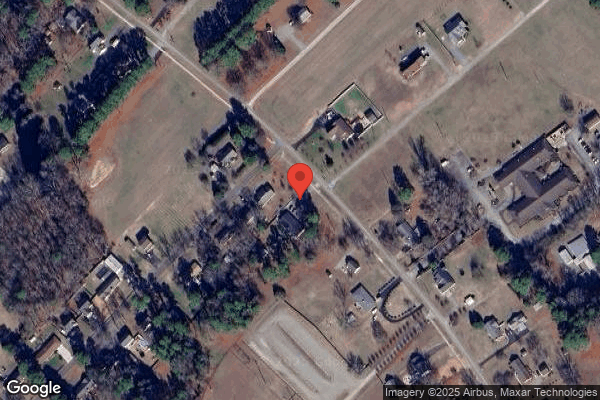
2960 CHELSEA ROAD, WEST POINT, VA 23181 (757) 843-4323
For profit - Limited Liability company 60 Beds Independent Data: November 2025
Trust Grade
58/100
#111 of 285 in VA
Last Inspection: March 2024

Within standard 12-15 month inspection cycle. Federal law requires annual inspections.

Overview

Three Rivers Health & Rehab Center holds a Trust Grade of C, indicating it is average among nursing homes, meaning it is neither outstanding nor poor. It ranks #111 out of 285 facilities in Virginia, placing it in the top half, and is the only nursing home in King William County. Unfortunately, the facility's trend is worsening, with reported issues increasing from 6 in 2023 to 8 in 2024. Staffing is a concern, as it has a low rating of 2 out of 5 stars, with a 53% turnover rate, which is just above the state average, suggesting staff may not stay long enough to build strong relationships with residents. The facility has also incurred $8,492 in fines, which is higher than 83% of Virginia facilities, indicating potential compliance issues. While RN coverage is average, there have been troubling incidents reported. For example, one resident was hospitalized after all their essential medications were abruptly stopped, leading to a stroke. Additionally, another resident suffered from untreated pressure wounds due to inadequate care. These findings highlight both significant weaknesses in care, while the facility does have a good overall star rating of 4 out of 5, indicating some aspects of care are effective. Families should weigh these strengths and weaknesses carefully when considering this option for their loved ones.

Trust Score
C
58/100
In Virginia
#111/285
Top 38%
Safety Record
Moderate
Needs review
Inspections
Getting Worse
6 → 8 violations
Staff Stability
⚠ Watch
53% turnover. Above average. Higher turnover means staff may not know residents' routines.
Penalties
○ Average
$8,492 in fines. Higher than 57% of Virginia facilities. Some compliance issues.
Skilled Nurses
⚠ Watch
Each resident gets only 28 minutes of Registered Nurse (RN) attention daily — below average for Virginia. Fewer RN minutes means fewer trained eyes watching for problems.
Violations
⚠ Watch
36 deficiencies on record. Higher than average. Multiple issues found across inspections.
★★★★☆
4.0
Overall Rating
★★☆☆☆
2.0
Staff Levels
★★★★★
5.0
Care Quality
★★★☆☆
3.0
Inspection Score
Stable
2023: 6 issues
2024: 8 issues

The Good

  • 5-Star Quality Measures · Strong clinical quality outcomes
  • Full Sprinkler Coverage · Fire safety systems throughout facility
  • No fines on record

Facility shows strength in quality measures, fire safety.

The Bad

Staff Turnover: 53%

Near Virginia avg (46%)

Higher turnover may affect care consistency

Federal Fines: $8,492

Below median ($33,413)

Minor penalties assessed

The Ugly 36 deficiencies on record

2 actual harm
Mar 2024 8 deficiencies
CONCERN (D)

Potential for Harm - no one hurt, but risky conditions existed

Notification of Changes (Tag F0580)

Could have caused harm · This affected 1 resident

Based on interview, clinical record review, and facility documentation the facility staff failed to notify physician of pharmacy alerts for ordered medications for one Resident (#106) in a survey samp...

Read full inspector narrative →
Based on interview, clinical record review, and facility documentation the facility staff failed to notify physician of pharmacy alerts for ordered medications for one Resident (#106) in a survey sample of 23 Residents. The findings included: On 2/26/24 a review of the clinical record revealed that Resident #106 had pharmacy alerts after the following medications were ordered: -Breo Ellipta Inhalation Aerosol-Powder Breath Activated 100-25MCG/ACT (Fluticasone Furoate-Vilanterol) -Pharmacy Alert - Steroid Allergy -Fluticasone Propionate Nasal Suspension 50 MCG/ACT - Pharmacy Alert Steroid Allergy -Rosuvastatin Calcium Oral Tablet 10 M -Pharmacy Alert Statin Allergy On 2/27/24 at approximately 2:00 PM an interview was conducted with the unit manager, who was shown the electronic health record with the orders pulled up for Resident #106 and was asked what the orange triangle with the exclamation point meant. The unit manager stated that is usually a flag from the pharmacy for an allergy. When asked when the flags appear, she stated that the flags appear after you put in new orders. When asked what the nurses should do when they see this, she stated that they should notify the physician and document if this a true allergy or if this just means it's an intolerance and stated that sometimes a medication might cause a constipation, but you still take it because you need it. It's not an allergy it's an intolerance. When asked to see credible evidence that the physician was made aware of the pharmacy flags on this newly admitted Resident, she could not. She stated that the Resident was admitted after hours, and the on-call provider verified the medications. She was asked if it was accurate to say that the on-call had no prior knowledge of the Resident's allergies and intolerances she stated yes. When asked if the nurse should have contacted the physician, she stated that she should have. On 2/28/24 at approximately 3:45 PM an interview was conducted with the Nurse Practitioner who stated that she would be expected to be notified of medications that were flagged as allergy, she stated that she would. When asked why this is important, she stated that she can vet out whether it is a true allergy or an intolerance and that it would afford her the opportunity to alter the medication orders or substitute a medication or even reach out to Residents and family to find out more about the allergy or intolerance, to see if the benefits outweigh the risk. On 2/29/24 during the end of day meeting the Administrator was made aware of the findings and no further information was provided.
CONCERN (D)

Potential for Harm - no one hurt, but risky conditions existed

Deficiency F0657 (Tag F0657)

Could have caused harm · This affected 1 resident

Based on observation, interview, clinical record review, and facility documentation review, the facility staff failed to review and revise care plans for one Resident (#26), in a survey sample of 23 R...

Read full inspector narrative →
Based on observation, interview, clinical record review, and facility documentation review, the facility staff failed to review and revise care plans for one Resident (#26), in a survey sample of 23 Residents. The findings included: For Resident #26 the facility staff failed to review and revise the care plan after a significant change when the Resident was discharged from Hospice Care. A review of the clinical record revealed that the Resident had been on Hospice and discharged from Hospice on 11/6/23. Resident #26's care plan read as follows: FOCUS: (Resident # 26 name redacted) is at nutritional risk r/t chronic disease including dementia, dysphagia, hypertension, and protein/calorie malnutrition. R receives a mechanically altered diet (pureed) with double portions which is appropriate. Is on hospice and weight loss is expected. Date Initiated: 08/04/2021 Revision on: 02/13/2024. GOAL: (Resident #26) will be encouraged to eat meals and drink fluids as tolerated. Weight loss and fluid imbalance may be a consequence of the dying process. End of life palliative care situations are not compatible with maintaining. normal nutritional parameters. Weight loss is expected. Date Initiated: 08/04/2021 Revision on: 02/13/2024. INTERVENTIONS: Encourage and assist with meal intake, as needed. Date Initiated: 03/22/2022. Honor preferences and requests within diet order. Honor resident's right to refuse food or fluids. Date Initiated: 08/04/2021. Offer meal alternative or substitutions if poor intake is observed. Date Initiated: 08/12/2023. Provide supplements, as ordered. Ensure tid Date Initiated: 04/13/2022 Revision on: 08/12/2023. Provide tray setup at meals and assistance with eating as needed and accepted. Date Initiated: 08/04/2021 Revision on: 11/07/2021. Provide, serve diet as ordered. Monitor intake and record q meal. Date Initiated: 08/04/2021. On 2/29/23 at approximately 6:00 PM an interview was conducted with employee H (MDS Coordinator) who stated that Resident #26 was taken off of Hospice on 11/6/23 and was seen by the Nurse Practitioner. When asked if that would be a considered a significant change in his condition, she stated that it would be. She stated that a significant change MDS was completed. When asked if the care plan should have been updated to include the changes, she stated that it should. When asked to review the care plan she agreed the orders for Resident #26's diet did not match what was in the care plan. She also agreed that the orders for monthly weights should have been restarted along with orders for podiatry, dental consult and mental health consults as needed. She stated that those services were discontinued as is usual when Residents go on Hospice, however they should have been restarted once he was no longer receiving hospice services On 2/29/24 during the end of day meeting the Administrator was made aware of the findings and no new information were provided.
CONCERN (D)

Potential for Harm - no one hurt, but risky conditions existed

Deficiency F0658 (Tag F0658)

Could have caused harm · This affected 1 resident

**NOTE- TERMS IN BRACKETS HAVE BEEN EDITED TO PROTECT CONFIDENTIALITY** Based on observation, interview, and clinical record review the facility staff failed to provide medication administration per p...

Read full inspector narrative →
**NOTE- TERMS IN BRACKETS HAVE BEEN EDITED TO PROTECT CONFIDENTIALITY** Based on observation, interview, and clinical record review the facility staff failed to provide medication administration per professional standards of quality for one Resident (#106) in a survey sample of 23 Residents. The findings included: For Resident #106 the facility staff failed to ensure orders were accurately verified, transcribed, and medications administered according to physician orders. On 2/25/24 at approximately 1:00 PM an interview was conducted with Resident #106 who stated that when she arrived at the facility, she was disappointed to find that she had to wait for some of her medications as they did not have all of them at the facility. When asked if this caused her any stress or unnecessary pain, she stated that it did not. When asked if she felt it harmed her health in any way, she stated that she didn't think it did. On 2/27/23 a review of the MAR (Medication Administration Record) revealed that the following medications were administered inaccurately and/or omitted: Eliquis 5 mg - Dose for 9 PM on 2/16/24 was not given - A review of the stat box contents revealed it was available for use. Keflex 500 mg - Dose for 9 PM on 2/16/24 was not given - A review of the stat box contents revealed it was available for use. Breo-Elipta 100-25 mg Dose for 2/17/23 was not given. Hydralazine 25 mg Dose for 2/16/24 9 PM was not given. - A review of the stat box contents revealed it was available for use. Isosorbide dinitrate 10 mg tablet - Doses were not given for 2/16/24 at 9 PM, 2/17/24 at 4PM and 2/18/24 at 8 AM Lamictal 100 mg tablets take 100 mg by mouth two times daily - this medication was incorrectly transcribed on the MAR as once a day. This medication has been given only once a day and the 9 PM dose on 2/16/24 was not given. Lidocaine patch for pain was not given on 2/17/24 and 2/18/24. Nitro Stat was not added to the MAR until 2/21/24. Trazodone 50 mg tablets. take 12.5-25 mg twice a day - This order was not transcribed to the MAR On 2/28/24 at approximately 3:45 PM an interview was conducted with the Nurse Practitioner who stated that she expected to be notified of medications that were not available or not given, so that she may have the opportunity to substitute a medication or give additional orders for that Resident. On 2/29/24 at 9:30 AM an interview was conducted with Registered Nurse (RN)-C who stated When a medication is not available from pharmacy or newly ordered we are supposed to first check the stat box, then call pharmacy and then we call the physician to see if it is ok to hold until its available or if they want to substitute another medication until its available. A review of the facility policy read: Policy # 6.10 -Unavailable Medications Paragraph 3 The nursing staff shall: 1. Notify the attending physician (or on -call physician) of the situation and explain the circumstances, expected availability, and the alternative therapy(ies) available. If the facility nurse is unable to obtain a response form the attending physician or on call physician, the nurse should notify the nursing supervisor and contact the Facility Medical Director for orders and or direction. 2. Obtain new order and cancel/discontinue the order for the non-available med. 3. Notify the pharmacy of the replacement order. Nursing2012 Drug Handbook. (2012). [NAME] & [NAME]: Philadelphia, Pennsylvania included: Rights of Medication Administration 1. Right patient 2. Right medication 3. Right dose 4. Right route 5. Right time 6. Right documentation 7. Right reason 8. Right response On 3/1/24 during the end of day meeting the Administrator was made aware of the findings and no further information was provided.
CONCERN (D)

Potential for Harm - no one hurt, but risky conditions existed

ADL Care (Tag F0677)

Could have caused harm · This affected 1 resident

Based on interview, clinical record review and facility documentation the facility staff failed to provide necessary services to maintain good nutrition, grooming, and personal and oral hygiene, for o...

Read full inspector narrative →
Based on interview, clinical record review and facility documentation the facility staff failed to provide necessary services to maintain good nutrition, grooming, and personal and oral hygiene, for one Resident (#26) in a survey sample of 23 Residents. The findings included: For Resident #26, the facility failed to provide adequate care of fingernails and toenails. On 2/24/24 at approximately 2:00 PM Resident #26 was observed in his bed wearing a hospital gown the sheets were not covering his feet. Resident #26's fingernails were approximately 1/4 inch long and appeared to brown substance under the nails. Resident #26's toenails were thickened and long and in need of cutting. On 2/24/24 at 2:00 PM an interview was attempted with Resident #26 who was unable to follow any of the interview questions. A review of the clinical record revealed an MDS (Minimum Data Set) with an ARD (Assessment Reference Date) of 11/13/23 that revealed Resident #26 had a BIMS (Brief Interview of Mental Status) score of 0 indicating severe cognitive impairment. Resident #26 is also unable to transfer self, unable to walk or carry out ADL's independently. He requires max assist with all aspects of care except for eating which he requires supervision and set up. On 2/26/24 at approximately 1:00 PM an interview was conducted with Registered Nurse (RN)-B who stated that if residents need nail care it is provided on their bath day and the CNA's are responsible unless the resident is a diabetic or on blood thinners. When asked about those residents that are diabetic or on anticoagulants, she stated, Usually podiatry services will see those folks. When asked how someone would get to see the podiatrist if they needed services she stated the resident, or family or staff could recommend services be obtained. When asked do they need to get an order for those services she stated, The facility usually has the standing order that says may see podiatry, dental, optometry or mental health services as needed. On 2/29/23 at approximately 6:00 PM an interview was conducted with employee H (MDS Coordinator) who stated that Resident #26 was taken off of Hospice on 11/6/23 and was seen by the Nurse Practitioner. She was asked about podiatry services and she stated that those services are discontinued when residents go on Hospice, however they should have been restarted once he was no longer receiving hospice services. On 2/29/24 during the end of day meeting the Administrator was made aware of the findings and no further information was provided.
CONCERN (D)

Potential for Harm - no one hurt, but risky conditions existed

Medication Errors (Tag F0758)

Could have caused harm · This affected 1 resident

Based on interview, clinical record review, and facility documentation review, the facility staff failed to ensure residents were free from unnecessary psychotropic medication for one Resident (#10) i...

Read full inspector narrative →
Based on interview, clinical record review, and facility documentation review, the facility staff failed to ensure residents were free from unnecessary psychotropic medication for one Resident (#10) in a survey sample of 23 Residents. The findings included: For Resident #10, the facility staff failed to ensure the PRN (as needed) anti-anxiety medication, Lorazepam, was only ordered for 14 days. On 2/28/24 a review of the clinical record revealed that Resident #10 had orders for PRN Ativan, (an anti-anxiety medication), that read as follows: Lorazepam Oral Tablet 0.5 MG - Give 0.5 mg by mouth every 6 hours as needed for agitation This was ordered on 2/6/24 without a stop date. There was no indication in the clinical record of the rationale for continuing the medication. On 2/27/24 an interview was conducted with the DON (Director of Nursing) who stated she was aware of the guidelines from CMS that a PRN (as needed) order for a psychotropic like Ativan could not be ordered for more than 14 days without a stop date and proper documentation for the use of the drug. On 3/1/24 during the end of day meeting the Administrator was made aware of the findings. No further information was provided.
CONCERN (D)

Potential for Harm - no one hurt, but risky conditions existed

Deficiency F0760 (Tag F0760)

Could have caused harm · This affected 1 resident

Based on interview, clinical record review and facility documentation, the facility staff failed to ensure residents were free from significant medication errors for one Resident (#106) in a survey sa...

Read full inspector narrative →
Based on interview, clinical record review and facility documentation, the facility staff failed to ensure residents were free from significant medication errors for one Resident (#106) in a survey sample of 23 Residents. The findings included: For Resident # 106 the facility staff failed to accurately transcribe, and administer medications as ordered by the physician including cardiac medication, and anti-coagulant, inhalers, pain medication, and anti-convulsant medications. A review of the discharge summary from the acute care hospital revealed that Resident #106 was discharged on the evening of 2/16/24 with orders that included but were not limited to: Eliquis 5 mg [an anti-coagulant] tablet take one tablet by mouth two times daily. Keflex 500 mg [an antibiotic] capsule take one capsule by mouth two times daily for one dose. Breo-Elipta 100-25 mg no micrograms/ACT inhaler one puff daily. [for chronic obstructive pulmonary disease) Hydralazine 25 mg tablet take one tablet by mouth three times a day. [blood pressure med] Isosorbide dinitrate 10 mg tablet take one tablet three times daily. [blood pressure med] Lamictal 100 mg tablets take 100 mg by mouth two times daily [seizure medication] Lidocaine patches apply one patch daily. Remove and discard within 12 hours. [pain patch] Nitro stat 0.4 sublingual tablet one tablet under the tongue every five minutes if needed for chest pain. May repeat dose every five minutes for three doses. Entresto 24-26 take two tablets by mouth two times a day. [for congestive heart failure] Trazodone 50 mg tablets take 12.5-25 mg by mouth two times daily. [an antidepressant] On 2/27/23 a review of the MAR (Medication Administration Record) revealed that the following medications were administered inaccurately and / or omitted: Eliquis 5 mg - Dose for 9 PM on 2/16/24 was not given - A review of the stat box contents revealed it was available for use. Keflex 500 mg - Dose for 9 PM on 2/16/24 was not given - A review of the stat box contents revealed it was available for use. Breo-Elipta 100-25 mg Dose for 2/17/23 was not given. Hydralazine 25 mg Dose for 2/16/24 9 PM was not given.A review of the stat box contents revealed it was available for use. Isosorbide dinitrate 10 mg tablet - Doses were not given for 2/16/24 at 9 PM, 2/17/24 at 4 PM and 2/18/24 at 8 AM Lamictal 100 mg tablets take 100 mg by mouth two times daily - is incorrectly transcribed on the MAR as once a day. This medication has been given only once a day and the 9 PM dose on 2/16/24 was not given. Lidocaine patch for pain was not given on 2/17/24 and 2/18/24. Nitro Stat was not added to the MAR until 2/21/24. Trazodone 50 mg tablets take A review of the stat box contents revealed it was available for use. On 2/25/24 at approximately 1:00 PM an interview was conducted with Resident #106 who stated that when she arrived at the facility, she was disappointed to find that she had to wait for some of her medications as they did not have all of them at the facility. When asked if this caused her any stress or unnecessary pain, she stated that it did not. When asked if she felt it harmed her health in any way, she stated that she didn't think it did. On 2/28/24 at approximately 3:45 PM an interview was conducted with the Nurse Practitioner who stated that she expected to be notified of medications that were not available or not given, so that she may have the opportunity to substitute a medication or give additional orders for that resident. On 2/29/24 at 9:30 AM an interview was conducted with Registered Nurse (RN)-C who stated, When a medication is not available from pharmacy or is newly ordered we are supposed to first check the stat box, then call pharmacy and then we call the physician to see if it is ok to hold until its available or if they want to substitute another medication until its available. A review of the facility policy read: Policy # 6.10 -Unavailable Medications Paragraph 3 The nursing staff shall: 1. Notify the attending physician (or on -call physician) of the situation and explain the circumstances, expected availability, and the alternative therapy(ies) available. If the facility nurse is unable to obtain a response form the attending physician or on call physician, the nurse should notify the nursing supervisor and contact the Facility Medical Director for orders and or direction. 2. Obtain new order and cancel/discontinue the order for the non-available med. 3. Notify the pharmacy of the replacement order. On 2/29/24 during the end of day meeting the Administrator was made aware of the findings and no new information as provided.
CONCERN (E)

Potential for Harm - no one hurt, but risky conditions existed

Deficiency F0727 (Tag F0727)

Could have caused harm · This affected multiple residents

Based on observation, staff interview, and facility document review, the facility staff failed to provide Registered Nurse coverage 8 consecutive hours per day for 16 days out of 180 days reviewed. Th...

Read full inspector narrative →
Based on observation, staff interview, and facility document review, the facility staff failed to provide Registered Nurse coverage 8 consecutive hours per day for 16 days out of 180 days reviewed. The findings include: Facility staff failed to provide any Registered Nurse (RN) coverage in July 2023 on the 1st, 2nd, 15th, 16th, 29th, and 30th; August 2023 on the 12th and 13th; November 2023 on the 24th, 25th, and 26th; and December 2023 on the 9th, 10th, 23rd, 24th, and 25th. On 2/29/24 at approximately 10:00 AM, the facility's clinical staffing records from 7/1/23 through 12/31/23 were requested and received from the Staffing Coordinator. Review of the records revealed there was no RN coverage on the previously stated dates. On 2/29/24 at approximately 1:30 PM, a group interview was conducted with the Facility Administrator and the Regional [NAME] President of Operations who verified the findings and stated, We do the best we can, I know we have had some gaps in our RN coverage, it is getting better. No further information was provided.
CONCERN (E)

Potential for Harm - no one hurt, but risky conditions existed

Deficiency F0883 (Tag F0883)

Could have caused harm · This affected multiple residents

**NOTE- TERMS IN BRACKETS HAVE BEEN EDITED TO PROTECT CONFIDENTIALITY** Based on staff interview, clinical record review, and facility documentation review, the facility staff failed to provide pneumo...

Read full inspector narrative →
**NOTE- TERMS IN BRACKETS HAVE BEEN EDITED TO PROTECT CONFIDENTIALITY** Based on staff interview, clinical record review, and facility documentation review, the facility staff failed to provide pneumococcal immunization for 5 residents, Residents #4, #7, #12, #30, and #36, out of 5 residents reviewed for pneumococcal immunization. The findings included: The facility staff failed to provide pneumococcal immunization for Residents #4, #7, #12, #30, and #36. On 2/28/24 at approximately 10:30 AM, clinical record reviews were performed and revealed the following: A. Resident #4, who was admitted to the facility on [DATE], had no documentation with regard to pneumococcal immunization, to include the resident's current pneumococcal vaccination status, offer to provide immunization against pneumococcal infection, or documentation of resident refusal or medical contraindication. B. Resident #7, who was admitted to the facility on [DATE], had no documentation with regard to pneumococcal immunization, to include the resident's current pneumococcal vaccination status, offer to provide immunization against pneumococcal infection, or documentation of resident refusal or medical contraindication. C. Resident #12, who was admitted to the facility on [DATE], had no documentation with regard to pneumococcal immunization, to include the resident's current pneumococcal vaccination status, offer to provide immunization against pneumococcal infection, or documentation of resident refusal or medical contraindication. D. Resident #30, who was admitted to the facility on [DATE], had no documentation with regard to pneumococcal immunization, to include the resident's current pneumococcal vaccination status, offer to provide immunization against pneumococcal infection, or documentation of resident refusal or medical contraindication. E. Resident #36, who was admitted to the facility on [DATE], had no documentation with regard to pneumococcal immunization, to include the resident's current pneumococcal vaccination status, offer to provide immunization against pneumococcal infection, or documentation of resident refusal or medical contraindication On 2/28/24 at approximately 12:30 PM, a group interview was conducted with the Infection Preventionist (IP) and the Director of Nursing (DON). The IP accessed the clinical records for the residents sampled and verified the findings. Both the IP and DON confirmed there was no additional information and the IP stated, it appears to be an oversight. A facility policy was requested and received. On 2/28/24 at approximately 3:00 PM, a review of the facility policy entitled, Pneumococcal Vaccine was conducted. It stated under the subtitle Policy, Residents will be offered pneumococcal vaccines to aid in preventing pneumonia/pneumococcal infections and subtitle, Specific Procedures/Guidance, item 1 read, Prior to or upon admission, residents will be assessed for eligibility to receive the pneumococcal vaccine series, and when indicated, will be offered the vaccine series within thirty (30) days of admission to the facility . and item 2 read, Residents of the long-term care facility will be offered the pneumococcal vaccination upon initial admission . On 2/28/24 at approximately 7:15 PM, the Facility Administrator and Director of Nursing were made aware of the findings. No further information was provided.
Sept 2023 6 deficiencies 1 Harm
SERIOUS (G) 📢 Someone Reported This

A family member, employee, or ombudsman was alarmed enough to file a formal complaint

Actual Harm - a resident was hurt due to facility failures

Deficiency F0760 (Tag F0760)

A resident was harmed · This affected 1 resident

**NOTE- TERMS IN BRACKETS HAVE BEEN EDITED TO PROTECT CONFIDENTIALITY** Based on staff interview, Ombudsman interview, family interview, facility documentation review, clinical record review, and in t...

Read full inspector narrative →
**NOTE- TERMS IN BRACKETS HAVE BEEN EDITED TO PROTECT CONFIDENTIALITY** Based on staff interview, Ombudsman interview, family interview, facility documentation review, clinical record review, and in the course of a complaint investigation, the facility staff failed to ensure one resident (Resident #2) was free from significant medication errors in a survey sample of four (4) residents, resulting in harm. For Resident #2, the facility discontinued all of the resident's cardiac, antihypertensive, and blood thinning medications after 30 days resulting in hospitalization for a stroke. The medications were Diltiazem, Metoprolol, and Apixaban anticoagulation (blood thinner) medication for new onset atrial fibrillation. The findings included: Resident #2 was admitted to the facility on [DATE] from the hospital. Diagnoses included, new onset atrial fibrillation, aortic valve stenosis, aortic valve insufficiency, likely acute heart attack, long term use of anticoagulants, hypertension, high cholesterol, mild protein calorie malnutrition, and dementia. Hospital records from 06/26/2023 through 07/03/2023 were reviewed and revealed the following: Resident #2 was discharged from the hospital to the nursing facility with new onset atrial fibrillation with rapid ventricular response on 07/03/2023. The resident was issued the customary 30-day new orders for all medications from a hospitalist doctor after being stabilized in the hospital. This provides for continuity of care for discharge to the nursing facility, and ultimately from the nursing facility to home after rehabilitation. Those orders were for the following: Schedule appointment with Primary Care Doctor (PCP) (name given) as soon as possible for a visit within one week. Schedule appointment with Cardiology Doctor (name given) as soon as possible for visit within one month. Apixaban - anticoagulant Diltiazem - antihypertensive Metoprolol - antihypertensive Atorvastatin - lowers high cholesterol Vitamin D-3 - supplement Calcium - supplement Vitamin B-12 - supplement Multivitamin - supplement Iron - supplement Prilosec - gastric reflux Miralax - constipation Review of Resident #2's clinical record revealed that the Atorvastatin for high cholesterol was only administered one time on 07/04/2023, the day after admission, and discontinued on that same day for an unknown reason as no document reveals the reason for the discontinuance. The 3 cardiac medications, Apixaban (anticoagulant), Diltiazem (antihypertensive), and Metoprolol (antihypertensive) were discontinued after 30 days of use with Diltiazem discontinued on 08/02/2023 after the 8:00 a.m. dose, and the other 2 medications, Apixaban and Metoprolol, after the 8:00 a.m. dose on 08/03/2023. The following 3 cardiac medications were not restarted while Resident #2 was in the nursing facility, prior to rehospitalization, at approximately 11:30 a.m., on 08/14/2023 (11 days later) with a stroke. 1. Diltiazem (antihypertensive) - reduces workload on the vessels and heart, 240 mg, one time per day at 8:00 a.m. 2. Metoprolol (antihypertensive) - reduces workload on the vessels and heart, 25 mg, one half tablet two times per day and 8:00 a.m., and 9:00 p.m. 3. Apixaban (anticoagulant) - blood thinner, prevents blood clots from forming and causing heart attack and stroke, 5 mg, one tablet twice per day at 8:00 a.m., and 9:00 p.m. It is notable to mention that all other 30-day orders were continued in the nursing facility. During interviews it was found that the follow-up appointments ordered for PCP, and Cardiology doctors were never scheduled, nor were those doctors contacted about continuing the cardiac medications. The family was also not contacted and alerted that the cardiac medications were discontinued. Guidance for the administration of Apixaban/Eliquis is given by The National Institutes of Health (NIH), and is as follows: National Institutes of Health & Medline.gov Apixaban reduces the risk of strokes and blood clots. Stopping Apixaban will increase the risk of thrombotic events, like stroke, heart attack, and pulmonary embolus. Resident #2's care plan was reviewed and revealed no focus, nor interventions for the primary diagnosis of atrial fibrillation, anticoagulant therapy, heart attack, and cardiac medication treatment. Nursing progress notes were reviewed, and revealed no notes documenting that the medication had been discontinued, nor that the doctor, or family was ever made aware of the discontinuance. Physician's progress notes were reviewed and revealed on 08/04/2023, the day after the cardiac drugs were discontinued, No aspirin will be on Eliquis for A-fib .full code. After that note, none of the following physician progress notes until the time of discharge for stroke like symptoms indicated the physician was never made aware of the discontinuance of the cardiac medications by staff for Resident #2. Vital sign records and progress notes were reviewed and revealed on the day of discharge, 08/14/2023, back to the hospital for stroke like symptoms, Resident #2's pulse was between 80 and 130 beats per minute, and blood pressure was 130/78. On 08/14/2023, the morning of discharge back to the hospital, between 9:30 a.m. and 11:37 a.m., nursing notes indicated that the Resident #2 was experiencing irregular pulse, altered level of consciousness, weakness/hemiparesis, leaning in wheel chair, slurred speech, and 911. Emergency services was called to transfer Resident #2 to the hospital. At 6:36 p.m., the progress notes documented the facility staff called the hospital emergency room to get a report of the condition of the resident and were told that Resident #2 was admitted for a stroke. Discharge records from the hospital after treatment on 08/16/2023 indicated diagnosis of stroke. Ultimately, Resident #2 was discharged home with family and hospice services. On 09/13/2023 at 11:00 a.m., the Director of Nursing (DON) was interviewed in the conference room and stated she had been unaware that medications had not been given, nor that the doctor and family were not notified of medications being discontinued by staff. The DON was notified at that time of harm to Resident #2. The DON was a new staff member and had recently been hired. The Administrator was at a conference during the survey and was not able to be reached until the time of exit of the survey. At that time, she was made aware of the findings and stated she had nothing further to provide. On 09/13/2023 at approximately 2:00 p.m., during the end-of-day debrief, the Administrator and DON were made aware of the failure of staff to administer cardiac medications resulting in hospitalization and harm. No further information was provided.
CONCERN (D) 📢 Someone Reported This

A family member, employee, or ombudsman was alarmed enough to file a formal complaint

Potential for Harm - no one hurt, but risky conditions existed

Deficiency F0552 (Tag F0552)

Could have caused harm · This affected 1 resident

**NOTE- TERMS IN BRACKETS HAVE BEEN EDITED TO PROTECT CONFIDENTIALITY** Based on staff interview, Ombudsman interview, family interview, facility documentation review, clinical record review, and in t...

Read full inspector narrative →
**NOTE- TERMS IN BRACKETS HAVE BEEN EDITED TO PROTECT CONFIDENTIALITY** Based on staff interview, Ombudsman interview, family interview, facility documentation review, clinical record review, and in the course of a complaint investigation, the facility staff failed to ensure a demented resident's responsible party and physician were notified of a change in treatment for one resident (Residents #2) in a survey sample of four (4) residents. For Resident #2, the facility discontinued all of the resident's cardiac, antihypertensive, and blood thinning medications after 30 days, and did not notify the physician, nor family of the discontinuance. These following medications were discontinued: Diltiazem, Metoprolol, and Apixaban anticoagulation (blood thinner) medication for new onset atrial fibrillation. The findings included: Resident #2 was admitted to the facility on [DATE] from the hospital. Diagnoses included, new onset atrial fibrillation, aortic valve stenosis, aortic valve insufficiency, likely acute heart attack, long term use of anticoagulants, hypertension, high cholesterol, mild protein calorie malnutrition, and dementia. Resident #2's most recent Minimum Data Set (MDS) with an assessment reference date (ARD) of 07/10/2023 was coded as a 5-day admission assessment. Resident #2 was coded as having a Brief Interview of Mental Status (BIMS) score of 6 out of a possible 15, revealing significant cognitive impairment. Resident #2 was also coded as requiring extensive assistance to complete dependence on staff to perform activities of daily living, such as bed mobility, transferring, locomotion, and toileting. Hospital records from 06/26/2023 through 07/03/2023 were reviewed and revealed the following: Resident #2 was discharged from the hospital to the nursing facility with new onset atrial fibrillation with rapid ventricular response on 07/03/2023. The resident was issued the customary 30-day new orders for all medications from a hospitalist doctor after being stabilized in the hospital. The hospital doctor's intention was for the resident to follow-up with the resident's PCP and Cardiology doctors to monitor and continue those orders. This provides for continuity of care for discharge to the nursing facility, and ultimately from the nursing facility to home after rehabilitation. Those orders were for the following: Schedule appointment with Primary Care Doctor (PCP) (name given) as soon as possible for a visit within one week. Schedule appointment with Cardiology Doctor (name given) as soon as possible for visit within one month. Apixaban - anticoagulant Diltiazem - antihypertensive Metoprolol - antihypertensive Atorvastatin - lowers high cholesterol Vitamin D-3 - supplement Calcium - supplement Vitamin B-12 - supplement Multivitamin - supplement Iron - supplement Prilosec - gastric reflux Miralax - constipation Review of Resident #2's clinical record revealed that the Atorvastatin for high cholesterol was only administered one time on the day after admission, 07/04/2023, and discontinued on that same day for an unknown reason as no document reveals the reason for the discontinuance. The 3 cardiac medications were discontinued after 30 days of use with Diltiazem discontinued on 08/02/2023 after the 8:00 a.m. dose, and the other 2 medications after the 8:00 a.m. dose on 08/03/2023. The following 3 cardiac medications were not restarted while Resident #2 was in the nursing facility, prior to rehospitalization, at approximately 11:30 a.m., on 08/14/2023 (11 days later) with a stroke. 1. Diltiazem (antihypertensive) - reduces workload on the vessels and heart, 240 milligrams (mg) one time per day at 8:00 a.m. 2. Metoprolol (antihypertensive) - reduces workload on the vessels and heart, 25 mg one half tablet two times per day and 8:00 a.m., and 9:00 p.m. 3. Apixaban (anticoagulant) - blood thinner, prevents blood clots from forming and causing heart attack and stroke, 5 mg one tablet twice per day at 8:00 a.m., and 9:00 p.m. It is notable to mention that all other 30-day orders were continued in the nursing facility. During interviews, it was found that the follow-up appointments ordered for PCP, and Cardiology doctors were never scheduled, nor were those doctors contacted about continuing the cardiac medications. The family was also not contacted and alerted to the fact that the cardiac medications were discontinued. The Medication and Treatment Administration Record (MAR/TAR) was reviewed for July and August 2023, and revealed nursing signatures indicating the Diltiazem medication had been administered through the morning of 08/02/2023, and the other 2 cardiac drugs were administered up through the morning of 08/03/2023. Nursing progress notes were reviewed, and revealed no notes documenting the medication had been discontinued, nor that the doctor, or family was ever made aware of the discontinuance. Physician's progress notes were reviewed and revealed on 08/04/2023, the day after the cardiac drugs were discontinued, No aspirin will be on Eliquis for A-fib .full code After that note, none of the following physician progress notes until the time of discharge (for stroke like symptoms) indicated that the physician was never made aware of the discontinuance of the cardiac medications by staff for Resident #2. On 09/13/2023 at 11:00 a.m., the Director of Nursing (DON) was interviewed in the conference room and stated she had been unaware that medications had not been given, nor that the doctor and family were not notified of medications being discontinued by staff`. The DON was a new staff member and had recently been hired. The Administrator was at a conference during the survey and was not able to be reached until the time of exit of the survey. At that time, she was made aware of findings and stated she had nothing further to provide. On 09/13/2023 at approximately 2:00 p.m., at the end of day debrief, the Administrator and DON were made aware of the failure of staff to notify the doctor and family of the discontinuance of cardiac treatment for Resident #2. No further information was provided.
CONCERN (D) 📢 Someone Reported This

A family member, employee, or ombudsman was alarmed enough to file a formal complaint

Potential for Harm - no one hurt, but risky conditions existed

Notification of Changes (Tag F0580)

Could have caused harm · This affected 1 resident

Based on clinical record review, staff interview, and facility documentation review, the facility staff failed to provide timely notification to the Responsible Party of a change in condition for 1 Re...

Read full inspector narrative →
Based on clinical record review, staff interview, and facility documentation review, the facility staff failed to provide timely notification to the Responsible Party of a change in condition for 1 Resident, Resident #5, in a sample size of 6 Residents. The findings included: For Resident #5, facility staff failed to provide timely notification to the Responsible Party of his fall with injury which occurred on 11/10/23. On 11/16/23 at approximately 4:00 PM, Resident #5's clinical record was reviewed. A progress note dated 11/13/2023 at 8:51 AM documented, RP [Responsible Party] was called and updated about fall on 11/10/23. A progress note dated 11/10/23 at 11:17 PM read, Staff heard someone asking for help, nurse found resident laying on the floor next to his bed, resident was in his chair waiting for his scheduled shower, resident stated he was in no pain, resident has two scratches on the left middle side of his back, left wrist has abrasion from his watch, right thumb is bruised and fourth toe on his right foot was bent back with little bleeding, neuro checks have been started and vital signs are within normal limits, will continue to monitor. At approximately 4:30 PM, an interview was conducted with the Director of Nursing (DON) who confirmed the documentation in Resident #5's clinical record. The DON stated, I would have expected that the Responsible Party for [Resident #5, name redacted] to be notified as soon as possible after taking care of his immediate needs first. A facility policy was requested and received. Review of the facility's policy titled Fall Protocols with a revision date October 1, 2023, page 3, subtitle, Actual Fall item 1a read, The physician/practitioner and the resident representative will be notified of the fall and any change of condition of the resident. Review of the facility's policy titled, Change in a Resident's Condition or Status, original date 8/30/2023, page 2, item 3 read, Unless otherwise instructed by the resident, a nurse will notify the resident's representative when: (a) The resident is involved in any accident or incident that results in an injury including injuries of an unknown source and item 4 read, Except in medical emergencies, notifications will be made within twenty-four (24) hours of a change occurring in the resident's medical/mental condition or status. At approximately 4:45 PM, the Facility Administrator and DON were updated on the findings. No further information was provided.
CONCERN (D) 📢 Someone Reported This

A family member, employee, or ombudsman was alarmed enough to file a formal complaint

Potential for Harm - no one hurt, but risky conditions existed

Deficiency F0655 (Tag F0655)

Could have caused harm · This affected 1 resident

**NOTE- TERMS IN BRACKETS HAVE BEEN EDITED TO PROTECT CONFIDENTIALITY** Based on staff interview, Ombudsman interview, family interview, facility documentation review, clinical record review, and in t...

Read full inspector narrative →
**NOTE- TERMS IN BRACKETS HAVE BEEN EDITED TO PROTECT CONFIDENTIALITY** Based on staff interview, Ombudsman interview, family interview, facility documentation review, clinical record review, and in the course of a complaint investigation, the facility staff failed to develop and implement a baseline care plan for cardiac treatment for two residents (Residents #2 and #1) in a survey sample of four (4) Residents. 1. For Resident #2, the facility did not develop nor implement a cardiac care plan for the primary admitting diagnosis of new onset atrial fibrillation, heart attack, with cardiac doctor oversight, and new cardiac medication therapy. 2. For Resident #1, the facility staff did not provide a baseline care plan for moisture associated skin damage (MASD), care for inguinal dialysis shunt placement site, and sutures in the neck and knee after hospitalization. The findings included: 1. Resident #2 was admitted to the facility on [DATE] from the hospital. Diagnoses included, new onset atrial fibrillation, aortic valve stenosis, aortic valve insufficiency, likely acute heart attack, long term use of anticoagulants, hypertension, high cholesterol, mild protein calorie malnutrition, and dementia. Resident #2's most recent Minimum Data Set (MDS) with an assessment reference date (ARD) of 07/10/2023 was coded as a 5-day admission assessment. Resident #2 was coded as having a Brief Interview of Mental Status (BIMS) score of 6 out of a possible 15, revealing significant cognitive impairment. Resident #2 was also coded as requiring extensive assistance to complete dependence on staff to perform activities of daily living, such as bed mobility, transferring, locomotion, and toileting. Hospital records from 06/26/2023 through 07/03/2023 were reviewed and revealed the following: Resident #2 was discharged from the hospital to the nursing facility with new onset atrial fibrillation with rapid ventricular response on 07/03/2023. The resident was issued the customary 30-day new orders for all medications from a hospitalist doctor after being stabilized in the hospital. The hospital doctor's intention was for the resident to follow-up with the resident's PCP and Cardiology doctors to monitor and continue those orders. This provides for continuity of care for discharge to the nursing facility, and ultimately from the nursing facility to home after rehabilitation. Those orders were for the following: Schedule appointment with Primary Care Doctor (PCP) (name given) as soon as possible for a visit within one week. Schedule appointment with Cardiology Doctor (name given) as soon as possible for visit within one month. Apixaban - anticoagulant Diltiazem - antihypertensive Metoprolol - antihypertensive Atorvastatin - lowers high cholesterol Vitamin D-3 - supplement Calcium - supplement Vitamin B-12 - supplement Multivitamin - supplement Iron - supplement Prilosec - gastric reflux Miralax - constipation Review of Resident #2's clinical record revealed that the Atorvastatin for high cholesterol was only administered one time on the day after admission, 07/04/2023, and discontinued on that same day for an unknown reason as no document reveals the reason for the discontinuance. The 3 cardiac medications were discontinued after 30 days of use with Diltiazem discontinued on 08/02/2023 after the 8:00 a.m. dose, and the other 2 medications after the 8:00 a.m. dose on 08/03/2023. The following 3 cardiac medications were not restarted while Resident #2 was in the nursing facility, prior to rehospitalization, at approximately 11:30 a.m., on 08/14/2023 (11 days later) with a stroke. 1. Diltiazem (antihypertensive) - reduces workload on the vessels and heart, 240 milligrams (mg) one time per day at 8:00 a.m. 2. Metoprolol (antihypertensive) - reduces workload on the vessels and heart, 25 mg one half tablet two times per day and 8:00a.m., and 9:00 p.m. 3. Apixaban (anticoagulant) - blood thinner, prevents blood clots from forming and causing heart attack and stroke, 5 mg one tablet twice per day at 8:00 a.m., and 9:00 p.m. It is notable to mention that all other 30-day orders were continued in the nursing facility. During interviews it was found that the follow-up appointments ordered for PCP and Cardiology doctors were never scheduled, nor were those doctors contacted about continuing the cardiac medications. The family was also not contacted and alerted to the fact that the cardiac medications were discontinued. The Medication and Treatment Administration Record (MAR/TAR) was reviewed for July and August 2023, and revealed nursing signatures indicating the Diltiazem medication had been administered through the morning of 08/02/2023, and the other 2 cardiac drugs were administered through the morning of 08/03/2023. Resident #2's care plan was reviewed and revealed no focus, nor interventions for the primary diagnosis of atrial fibrillation, anticoagulant therapy, heart attack, and cardiac medication treatment, nor follow-up appointment with the cardiac doctor. The family was not involved in the care planning process. Nursing progress notes were reviewed, and revealed no notes documenting the medication had been discontinued, nor that the doctor, or family was ever made aware of the discontinuance. On 09/13/2023 at 11:00 a.m., the Director of Nursing (DON) was interviewed in the conference room and stated she had been unaware that medications had not been given, nor that the doctor and family were not notified of medications being discontinued by staff. The DON was a new staff member and had recently been hired. The Administrator was at a conference during the survey and was not able to be reached until the time of exit of the survey. At that time, she was made aware of findings and stated she had nothing further to provide. On 09/13/2023 at approximately 2:00 p.m., at the end of day debrief, the Administrator and DON were made aware of the failure of staff to develop and implement a cardiac care plan for the resident. No further information was provided. 2. For Resident #1, the facility staff did not provide a baseline care plan for moisture associated skin damage (MASD), care for inguinal dialysis shunt placement site, and sutures in the neck and knee after hospitalization. The Findings included: Resident #1 was admitted to the facility on [DATE] with diagnoses including, acute kidney failure, effusion left knee, diabetes type 2, acute embolism of left femoral vein, left knee pain, hypertension, hypothyroidism, venous insufficiency, stroke, and breast cancer. Resident #1's most recent Minimum Data Set Assessment (MDS) with an Assessment Reference Date (ARD) of 03/15/2023. which was a 5-day admission assessment. The MDS coded Resident #1 as needing extensive to total staff assistance with toileting, hygiene, and bathing. The resident was also coded as 10 of 15 possible points on a BIMS, indicating mild cognitive impairment. The resident was coded as frequently incontinent of bowel and bladder. Review of Resident #1's progress notes indicated on 03/10/2023, (Resident name) has surgical wounds left knee two small incisions from knee surgery .baseline care plan has been initiated . The resident's care plan was reviewed, and revealed a care plan for potential for skin impairment; however, does not indicate the resident had actual MASD found by staff on 03/23/2023, nor does it mention sutures to her knee after knee surgery in the hospital, nor sutures in her neck. There was also no mention of a femoral artery dialysis shunt placed in the resident's inguinal crease (groin) area, and no assessments in the clinical record regarding these. There were no interventions, nor mention of care and treatment of any of the 4 skin issues actually experienced by Resident #1 in the care plan, which would have required an active treatment care plan. Resident #1's physician orders, assessments, medication administration record (MAR), and treatment administration record (TAR), were reviewed and revealed the only skin care orders (3 days after admission) received for the 2 suture locations on 03/12/2023 to clean with normal saline and leave open to air. No assessments of those 2 areas of the skin exists in the clinical record during the 19-day stay, nor is there any indication of suture removal orders during the resident's stay. The National Institutes of Health (NIH) gives guidance on sutured wounds, and states as a standard of practice, sutures on the neck should be removed in 7 days, and in the lower extremities overlying a joint 12 to 14 days. If sutures are left in too long it may be difficult to remove them with a potential to reinjure the area, and could increase scar tissue at the site. No orders nor assessments were ever placed in the clinical records for the MASD, and femoral inguinal dialysis shunt area. The first skin impairment note in the clinical record occurred on 03/23/2023, which was a skin evaluation document, described moisture associated skin damage (MASD) right and left buttocks. No other information was given and the form was not completed. No treatments were ordered for the MASD for the rest of the resident's 4-day stay before being transferred to another facility on 03/27/2023. Activities of daily living (ADL) records were reviewed and revealed that hygiene and bathing were documented as being provided daily; however, not documented as provided multiple times daily during the resident's stay. Staff stated the facility policy on Perineal Care for Incontinent Residents, was that care would be provided approximately every 2 hours every shift and PRN (as needed), which included removal of wet incontinent briefs, and cleansing. Staff further stated the expectation is to give incontinence care immediately after every incontinent episode. Resident #1 was not afforded timely incontinence care as many times as was needed, as evidenced by the MASD actually acquired after 10 days in the facility. The facility Administrator and Director of Nursing (DON) were made aware of the above findings at the end-of-day debrief on 09/13/2023. No additional information was provided to the surveyor.
CONCERN (D) 📢 Someone Reported This

A family member, employee, or ombudsman was alarmed enough to file a formal complaint

Potential for Harm - no one hurt, but risky conditions existed

Deficiency F0658 (Tag F0658)

Could have caused harm · This affected 1 resident

**NOTE- TERMS IN BRACKETS HAVE BEEN EDITED TO PROTECT CONFIDENTIALITY** Based on staff interview, Ombudsman interview, family interview, facility documentation review, clinical record review, and in t...

Read full inspector narrative →
**NOTE- TERMS IN BRACKETS HAVE BEEN EDITED TO PROTECT CONFIDENTIALITY** Based on staff interview, Ombudsman interview, family interview, facility documentation review, clinical record review, and in the course of a complaint investigation, the facility staff failed to maintain the professional standards of nursing practice for two residents (Residents #2 and #1) in a survey sample of four (4) Residents. 1. For Resident #2, the facility staff discontinued all the resident's cardiac, antihypertensive, and blood thinning medications after 30 days for new onset atrial fibrillation. They also failed to notify the family and doctor of the discontinuance, did not obtain follow-up appointments with the resident's doctors as ordered by a physician, and did not develop nor implement a nursing care plan for cardiac treatment. 2. For Resident #1, the facility staff did not provide incontinence care timely resulting in moisture associated skin damage (MASD), and further failed to care for, and care plan for inguinal dialysis shunt placement site, MASD, and sutures in the neck and knee after hospitalization. The findings included: 1. Resident #2, was admitted to the facility on [DATE] from the hospital. Diagnoses included, new onset atrial fibrillation, aortic valve stenosis, aortic valve insufficiency, likely acute heart attack, long-term use of anticoagulants, hypertension, high cholesterol, mild protein calorie malnutrition, and dementia. Resident #2's most recent Minimum Data Set (MDS) with an Assessment Reference Date (ARD of 07/03/2023 was coded as a 5-day admission assessment. Resident #2 was coded as having a brief interview of mental status (BIMS) score of 6 out of a possible 15, revealing significant cognitive impairment. Resident #2 was also coded as requiring extensive assistance to complete dependence on staff to perform activities of daily living, such as bed mobility, transferring, locomotion, and toileting. Hospital records from 06/26/2023 through 07/03/2023 were reviewed and revealed the following: Resident #2 was discharged from the hospital to the nursing facility with new onset atrial fibrillation with rapid ventricular response on 07/03/2023. The resident was issued the customary 30-day new orders for all medications from a hospitalist doctor after being stabilized in the hospital. The hospital doctor's intention was for the resident to follow-up with the resident's PCP, and cardiology doctors to monitor and continue those orders. This provides for continuity of care for discharge to the nursing facility, and ultimately from the nursing facility to home after rehabilitation. Those orders were for the following: Schedule appointment with Primary Care Doctor (PCP) (name given) as soon as possible for a visit within one week. Schedule appointment with Cardiology Doctor (name given) as soon as possible for visit within one month. Apixaban - anticoagulant Diltiazem - antihypertensive Metoprolol - antihypertensive Atorvastatin - lowers high cholesterol Vitamin D-3 - supplement Calcium - supplement Vitamin B-12 - supplement Multivitamin - supplement Iron - supplement Prilosec - gastric reflux Miralax - constipation Review of Resident #2's clinical record revealed that the atorvastatin for high cholesterol was only administered one time on the day after admission, 07/04/2023, and discontinued on the same day for an unknown reason as no document reveals the reason for the discontinuance. The 3 cardiac medications were discontinued after 30 days of use with Diltiazem discontinued on 08/02/2023 after the 8:00 a.m. dose, and the other 2 medications after the 8:00 a.m. dose on 08/03/2023. The following 3 cardiac medications were not restarted while Resident #2 was in the nursing facility, prior to rehospitalization, at approximately 11:30 a.m., on 08/14/2023 (11 days later) with a stroke. 1. Diltiazem (antihypertensive) - reduces workload on the vessels and heart, 240 milligrams (mg) one time per day at 8:00 a.m. 2. Metoprolol (antihypertensive) - reduces workload on the vessels and heart, 25 mg one half tablet two times per day and 8:00 a.m., and 9:00 p.m. 3. Apixaban (anticoagulant) - blood thinner, prevents blood clots from forming and causing heart attack and stroke, 5 mg one tablet twice per day at 8:00 a.m., and 9:00 p.m. It is notable to mention that all other 30-day orders were continued in the nursing facility. During interviews, it was found that the follow-up appointments ordered for PCP, and cardiology doctors were never scheduled, nor were those doctors contacted about discontinuing the cardiac medications. The family was also not contacted and alerted to the fact that the cardiac medications were discontinued. The Medication and Treatment Administration Record (MAR/TAR) was reviewed for July and August 2023, and revealed nursing signatures indicating the Diltiazem medication had been administered through the morning of 08/02/2023, and the other 2 cardiac drugs were administered up through the morning of 08/03/2023. Guidance for the administration of Apixaban/Eliquis is given by The National Institutes of Health (NIH) (National Institutes of Health & Medline.gov), and is as follows: Apixaban reduces the risk of strokes and blood clots. Stopping Apixaban will increase the risk of thrombotic events, like stroke, heart attack and pulmonary embolus. Resident #2's care plan was reviewed and revealed no focus, nor interventions for the primary diagnosis of atrial fibrillation, anticoagulant therapy, heart attack, and cardiac medication treatment. Nursing progress notes were reviewed, and revealed no notes documenting that the medication had been discontinued, nor that the doctor, or family was ever made aware of the discontinuance. Physician's progress notes were reviewed and revealed on 08/04/2023, the day after the cardiac drugs were discontinued, No aspirin will be on Eliquis for A-fib .full code. After that note, none of the following physician progress notes until the time of discharge (for stroke like symptoms) indicated the physician was never made aware of the discontinuance of the cardiac medications by staff for Resident #2. Vital sign records and progress notes were reviewed and revealed that on the day of discharge 08/14/2023, Resident #2 went back to the hospital for stroke like symptoms. The resident's pulse was between 80 and 130 beats per minute, and blood pressure was 130/78. On the morning of discharge, 08/14/2023, Resident #2 went back to the hospital. The nursing notes indicated between 9:30 a.m., and 11:37 a.m., the resident was experiencing irregular pulse, altered level of consciousness, weakness/hemiparesis, leaning in wheel chair, slurred speech, and 911. Emergency services was called to transfer the resident to the hospital. At 6:36 p.m., the progress notes documented the facility staff called the hospital emergency room to get a report of the condition of the resident and were told that Resident #2 was admitted for a stroke. Discharge records from the hospital after treatment on 08/16/2023 indicated diagnosis of stroke. Resident #2 was discharged home with family and hospice services. On 09/13/2023 at 11:00 a.m., the Director of Nursing (DON) was interviewed in the conference room and stated she was not aware the medications had not been given, the appointments had not been set, there was no cardiac care plan, nor that the doctor and family were not notified of medications being discontinued by staff. The DON was a new staff member and had recently been hired. The Administrator was at a conference during the survey and was not able to be reached until the time of exit of the survey. At that time she was made aware of findings and stated she had nothing further to provide. On 09/13/2023 at approximately 2:00 p.m., at the end of day debrief, the Administrator and DON were made aware of the failure of staff to develop care plans, set follow up appointments, and notify family and doctors of cardiac medication discontinuance. No further information was provided. 2. For Resident #1, the facility staff did not provide incontinence care timely resulting in moisture associated skin damage (MASD), and further failed to care for inguinal dialysis shunt placement site, and sutures in the neck and knee after hospitalization. The findings included: Resident #1 was admitted to the facility on [DATE] with diagnoses including, acute kidney failure, effusion left knee, diabetes type 2, acute embolism of left femoral vein, left knee pain, hypertension, hypothyroidism, venous insufficiency, stroke, and breast cancer. Resident #1's most recent Minimum Data Set Assessment (MDS) with an Assessment Reference Date (ARD) of 03/15/2023 was a 5-day admission assessment. The MDS coded Resident #1 as needing extensive to total staff assistance with toileting, hygiene, and bathing. The resident was also coded as 10 of 15 possible points on a Brief Interview for Mental Status (BIMS), indicating mild cognitive impairment. The resident was coded as frequently incontinent of bowel and bladder. Review of Resident #1's progress notes indicated on 03/10/2023, (Resident name) has surgical wounds left knee two small incisions from knee surgery .baseline care plan has been initiated . The resident's care plan was reviewed and revealed a care plan for potential for skin impairment; however, the care plan does not indicate the resident had actual MASD found by staff on 03/23/2023, nor does it mention sutures to her knee after knee surgery in the hospital, nor sutures in her neck. There was also no mention of a femoral artery dialysis shunt placed in the resident's inguinal crease (groin) area, and no assessments in the clinical record regarding these. There were no interventions, nor mention of care and treatment of any of the 4 skin issues actually experienced by Resident #1 in the care plan, which would have required an active treatment care plan. Resident #1's physician orders, assessments, medication administration record (MAR), and treatment administration record (TAR), were reviewed and revealed the only skin care orders (3 days after admission) received for the 2 suture locations on 03/12/2023 to clean with normal saline and leave open to air. No assessments of those 2 areas of the skin exists in the clinical record during the 19-day stay, nor is there any indication of suture removal orders during the resident's stay. The National Institutes of Health (NIH) gives guidance on sutured wounds, and states as a standard of practice, sutures on the neck should be removed in 7 days, and in the lower extremities overlying a joint 12 to 14 days. If sutures are left in too long, it may be difficult to remove them with a potential to reinjure the area, and could increase scar tissue at the site. No orders nor assessments were ever placed in the clinical records for the MASD, and femoral inguinal dialysis shunt area. The first skin impairment note in the clinical record occurred on 03/23/2023, which was a skin evaluation document, described moisture associated skin damage (MASD) right and left buttocks. No other information was given and the form was not completed. No treatments were ordered for the MASD for the rest of the resident's 4-day stay before being transferred to another facility on 03/27/2023. Activities of daily living (ADL) records were reviewed and revealed that hygiene and bathing were documented as being provided daily; however, not documented as provided multiple times daily during the resident's stay. Staff stated the facility policy on Perineal Care for Incontinent Residents, was that care would be provided approximately every 2 hours every shift and as needed (PRN), which included removal of wet incontinent briefs, and cleansing. Staff further stated the expectation is to give incontinence care immediately after every incontinent episode. Resident #1 was not afforded timely incontinence care as many times as was needed, as evidenced by the MASD actually acquired after 10 days in the facility. The facility Administrator and Director of Nursing (DON) were made aware of the above findings at the end-of-day debrief on 09/13/2023. No additional information was provided to the surveyor.
CONCERN (D) 📢 Someone Reported This

A family member, employee, or ombudsman was alarmed enough to file a formal complaint

Potential for Harm - no one hurt, but risky conditions existed

ADL Care (Tag F0677)

Could have caused harm · This affected 1 resident

**NOTE- TERMS IN BRACKETS HAVE BEEN EDITED TO PROTECT CONFIDENTIALITY** Based on staff interview, facility document review, clinical record review, and in the course of a complaint investigation, the ...

Read full inspector narrative →
**NOTE- TERMS IN BRACKETS HAVE BEEN EDITED TO PROTECT CONFIDENTIALITY** Based on staff interview, facility document review, clinical record review, and in the course of a complaint investigation, the facility staff failed to ensure incontinence and wound care was provided timely for 1 resident (Resident #1) of four (4) residents in the survey sample. For Resident #1, the facility staff did not provide incontinence care timely resulting in moisture associated skin damage (MASD), and further failed to care for inguinal dialysis shunt placement site, and sutures in the neck and knee after hospitalization. The findings included: Resident #1 was admitted to the facility on [DATE] with diagnoses including, acute kidney failure, effusion left knee, diabetes type 2, acute embolism of left femoral vein, left knee pain, hypertension, hypothyroidism, venous insufficiency, stroke, and breast cancer. Resident #1's most recent Minimum Data Set Assessment (MDS) with an Assessment Reference Date (ARD) of 03/15/2023 was a 5-day admission assessment. The MDS coded Resident #1 as needing extensive to total staff assistance with toileting, hygiene, and bathing. Resident #1 was also coded as 10 of 15 possible points on a Brief Interview for Mental Status (BIMS), indicating mild cognitive impairment. The resident was coded as frequently incontinent of bowel and bladder. Review of Resident #1's progress notes indicated on 03/10/2023, (Resident name) has surgical wounds left knee two small incisions from knee surgery .baseline care plan has been initiated . The resident's care plan was reviewed and revealed a care plan for potential for skin impairment; however, does not indicate the resident had actual MASD found by staff on 03/23/2023, nor does it mention sutures to her knee after knee surgery in the hospital, nor sutures in her neck. There was also no mention of a femoral artery dialysis shunt placed in Resident #1's inguinal crease (groin) area, and no assessments in the clinical record regarding these. There were no interventions, nor mention of care and treatment of any of the 4 skin issues actually experienced by Resident #1 in the care plan, which would have required an active treatment care plan. Resident #1's physician orders, assessments, medication administration record (MAR), and treatment administration record (TAR), were reviewed and revealed the only skin care orders (3 days after admission) received for the 2 suture locations on 03/12/2023 to clean with normal saline and leave open to air. No assessments of those 2 areas of the skin exists in the clinical record during the 19-day stay, nor is there any indication of suture removal orders during Resident #1's stay. The National Institutes of Health (NIH) gives guidance on sutured wounds, and states as a standard of practice, sutures on the neck should be removed in 7 days, and in the lower extremities overlying a joint 12 to 14 days. If sutures are left in too long it may be difficult to remove them with a potential to reinjure the area, and could increase scar tissue at the site. No orders nor assessments were ever placed in the clinical records for the MASD, and femoral inguinal dialysis shunt area. The first skin impairment note in the clinical record occurred on 03/23/2023, which was a skin evaluation document, described moisture associated skin damage (MASD) right and left buttocks. No other information was given and the form was not completed. No treatments were ordered for the MASD for the rest of Resident #1's 4-day stay before being transferred to another facility on 03/27/2023. Activities of daily living (ADL) records were reviewed and revealed that hygiene and bathing were documented as being provided daily; however, not documented as provided multiple times daily during the resident's stay. Staff stated the facility policy on Perineal Care for Incontinent Residents, was that care would be provided approximately every 2 hours every shift and as needed (PRN), which included removal of wet incontinent briefs, and cleansing. Staff further stated the expectation is to give incontinence care immediately after every incontinent episode. Resident #1 was not afforded timely incontinence care as many times as was needed, as evidenced by the MASD actually acquired after 10 days in the facility. The facility Administrator and Director of Nursing (DON) were made aware of the above findings at the end-of-day debrief on 09/13/2023. No additional information was provided to the surveyor.
Jul 2021 15 deficiencies 1 Harm
SERIOUS (G)

Actual Harm - a resident was hurt due to facility failures

Pressure Ulcer Prevention (Tag F0686)

A resident was harmed · This affected 1 resident

Based on observation, resident interview, staff interview, clinical record review, and facility documentation review the facility staff failed to prevent, identify, and appropriately treat pressure wo...

Read full inspector narrative →
Based on observation, resident interview, staff interview, clinical record review, and facility documentation review the facility staff failed to prevent, identify, and appropriately treat pressure wounds for 1 Resident (Resident #13) in a sample size of 22 Residents. This resulted in harm to Resident # 13. The findings included: 1. For Resident #13, the facility staff failed to identify, assess, notify provider, and appropriately treat a pressure wound on the left heel resulting in an unstageable pressure wound on the left heel. This is harm. On 07/27/2021 at approximately 10:40 A.M., the active physician's orders for Resident #13 were reviewed. There were no wound treatment orders for the left heel. On 07/28/2021 at 10:37 A.M., an interview with Licensed Practical Nurse D (LPN D) was conducted. When asked about wound treatments for Resident #13, LPN D stated Resident #13 had a wound treatment for the right heel and the foam dressing on the left was preventative. LPN D and this surveyor then entered Resident #13's room for the skin and wound observation. Following the skin assessment, LPN D removed the soft boots to reveal a foam dressing on each heel. Each foam dressing was dated 07/28/2021. LPN D partially removed the left heel dressing to reveal a wound. A small amount of drainage and a calcium alginate dressing were observed on the inside of the foam dressing [calcium alginate for the left heel was not listed in the physician orders]. When asked to describe the wound bed, LPN D stated, The wound bed is black. LPN D then partially removed the foam dressing on the right heel to reveal the wound. When asked to describe the wound, LPN D stated that it was a necrotic ulcer with mild drainage. On 07/28/2021 at 11:36 A.M., an interview with the nurse practitioner, Employee R, was conducted. When asked about [Resident #13]'s heel wounds, Employee R stated that Resident #13's heels were boggy but when I checked them a few weeks ago, they opened and had purulent drainage. At approximately 11:40 A.M., Employee R, Employee G (the Assistant Director of Nursing (ADON)), and this surveyor entered Resident #13's room for a wound observation. Employee R partially removed the dressing on the right heel. While looking at the right heel wound, Employee R stated that It's worse. Employee R stated that [Resident #13] has eschar here and it's pink around the edges. Employee R then partially removed the dressing on the left heel. When asked to describe the wound, Employee R stated, There's eschar here and pink around the edges. After exiting the room, Employee R stated that she was not aware the wounds looked like this. When asked about the expectation for change in condition, Employee R stated she would expect to be notified if there were changes in wound appearance. When asked what the wound treatment would be had she known, Employee R stated she would consider ordering santyl [a chemical debriding agent]. The provider progress notes for Resident #13 were reviewed. The most recent documentation from Employee R, the nurse practitioner, was a progress note dated 05/10/2021. Under the header, Physical Exam and sub-header Skin it was documented, The bilateral foot wounds appear to have started as deep tissue injury to bilateral heels that have now opened. He has the anti-pressure boots on bilaterally. The weekly wound assessments from 03/24/2021 through 07/27/2021 were reviewed. There were no assessments addressing a wound on the left heel. On 07/28/2021 at 3:10 P.M., the Director of Nursing (DON) was notified of the findings. When asked about the expectation for staff if there is a change in condition regarding skin assessments, the DON stated that staff are expected to notify the DON, ADON, and nurse practitioner if there is a change in condition. The DON stated that the area would be assessed or reassessed, that staff would collaborate, develop interventions and have a plan of care. When asked about the expectations of staff for wound assessments, the DON stated the expectation is describe the wound and obtain measurements. When asked about the skin assessments for Resident #13's heels, the DON stated that she will assess, get measurements, and document results today. On 07/28/2021 at approximately 3:30 P.M., the administrator was notified of concerns regarding lack of assessments or wound treatment for Resident #13's left heel wound. On 07/29/2021, a document completed by the DON and dated 07/28/2021 at 6:24 P.M. entitled, Weekly Wound Observation was reviewed. The wound assessment for the left heel included description and measurements. The DON documented the left heel wound as a Stage 2 wound when, in fact, it was an unstageable wound with eschar in the wound bed. On 07/29/2021 at 9:30 A.M., an interview with the DON was conducted in the conference room with Surveyors Z, B, C, and E also present. When asked what the stage of Resident #13's left heel wound, the DON stated she would need to change her documentation on the assessment from 07/28/2021 because the left heel wound is unstageable because I can't tell with the macule in the center. On 07/29/2021 at 1:39 P.M., an interview with the Wound Physician, Employee M, was conducted. The Wound Physician verified she examined and treated the bilateral heel wounds for Resident #13 today (07/29/2021). When asked what stage the wounds were, the Wound Physician stated both heels wounds were very similar; and both heel wounds were unstageable because he has black, dry, eschar on both heels. The Wound Physician also stated that the wound edges have started to lift. The Wound Physician also stated some of the eschar was debrided this day but because Resident #13 has limited mobility, the plan is to remove the eschar slowly to allow for healing between visits. On 07/29/2021, the facility staff provided a copy of their policy entitled, Skin Assessment. Section 1 under the header entitled, Policy Explanation and Compliance Guidelines, it was documented, A full body, or head to toe, skin assessment will be conducted by a licensed or registered nurse upon admission/readmission, daily for three days, and weekly thereafter. The assessment may also be performed after a change of condition or after any newly identified pressure injury. On 07/29/2021 at 2:25 P.M., the facility nurse consultant, Employee K, provided an amended copy of the nurse practitioner's note dated 05/10/2021. The amended progress note documented the following: Under the header, Addendum it was documented, In reference to the skin assessment, there is an error in documentation. The left heel is boggy and hyper-pigmented, while the right heel is open with appropriate wound care orders in place. There are bilateral off-loading boots in place and his repositioning is every two hours per standard. He is positioned to alleviate pressure on his heels. On 07/29/2021 by the end of survey, the administrator stated there was no further documentation or information to submit.
CONCERN (D)

Potential for Harm - no one hurt, but risky conditions existed

Resident Rights (Tag F0550)

Could have caused harm · This affected 1 resident

**NOTE- TERMS IN BRACKETS HAVE BEEN EDITED TO PROTECT CONFIDENTIALITY** Based on Resident and Staff interview, clinical record review and facility documentation the facility staff failed to treat Resi...

Read full inspector narrative →
**NOTE- TERMS IN BRACKETS HAVE BEEN EDITED TO PROTECT CONFIDENTIALITY** Based on Resident and Staff interview, clinical record review and facility documentation the facility staff failed to treat Residents with respect and dignity for 1 Resident (#28) in a survey sample of 22 Residents. For Resident # 28 the facility staff undressed the Resident wrapped her in a sheet, put her in the shower chair and wheeled her down the hall to wait in line for a shower causing Resident to state it feels like punishment. The findings included: Resident number 28, an [AGE] year old woman admitted to the facility on [DATE], with diagnoses of but not limited to anemia, hypertension, hypothyroidism, Rheumatoid arthritis and major depressive disorder. Resident #28's most recent MDS (Minimum Data Set) with an ARD (Assessment Reference Date) of 6/7/21, coded the Resident as having a BIMS (Brief Interview of Mental Status) score of 10. Section G coded this resident as (3) extensive assistance with one person physical assist for bed mobility, (4) total dependence for transfers requiring two persons or more physical assistance and the use of mechanical lift, she is coded as (3) extensive assistance one person physical assistance for dressing, she is independent with set up help only for meals, she is coded as (4) total dependent for toileting, and bathing. G0400 functional limitations in range of motion (A) upper extremity impairment on both sides (B) lower extremity coded as to impairment on both sides G0600 mobility devices (C) wheelchair. For walking she is coded as (8) activity did not occur. She is unable to stand or bear weight. She can self-propel with her wheel chair for mobility and is coded as independent for locomotion on and off the unit with the wheelchair. On 7/27/21 at 2:30 PM a Resident Council meeting was held and Resident #28 attended. Resident # 28 was oriented to person, place, time, and situation and she actively participated in the meeting. Resident #28 asked the question Why do I have to have a cat and dog fight to get a shower? When asked about her shower experience she stated that is was horrible. She stated she knew she had the right to get 2 showers a week but she felt she had to fight to get them. She also stated the staff come to her room with the shower chair and undress her, wrap her in a sheet, then push her down the hall in the shower chair dressed only in a sheet. She stated Sometimes there is a line and I have to wait in the hallway dressed like that until the other person in the shower is finished When asked how that made her feel she Why do they punish us like that? That's what it feels like punishment. Resident #28 was asked if she knew why they weren't giving her showers and had she asked that question to staff. Resident #28 and the other simultaneously stated They are Short Staffed. When asked how she knew that they were short staffed she stated, The CNA's tell you, I can't give you a shower we don't have enough staff. A review of the Resident Council Minutes reflect that the slow call bell response times have been mentioned in February 2021, March 2021, April 2021, May 2021, and June 2021. Resident #28 stated When you ring the bell usually someone will come in and say I will be back. They cut off the light and never come back. Resident #28 and Resident # 47 stated they have waited sitting on the bedpan or toilet for up to an hour waiting for staff to return. She also made the comment They should not treat us this way, it just ain't right. On 7/28/21 at approximately 8:45 AM a review of the POC (Point of Care- computer system where the CNA's chart the ADL care for the Residents), revealed the following: Resident #28 - Received 0 Showers - 23 Partial Baths - 3 Bed Baths 07/28/21 11:10 AM Interview conducted with CNA A (an agency CNA) who was asked how she knew which Residents were to get showers that day. CNA A stated they told me that there is a shower list at the nurse's station. She was asked to describe the process of giving a shower to a Resident. She said We go to the room and bring the shower chair, depending on the resident sometimes we use a lift or sit to stand lift and some can transfer with a little assistance. We get them undressed and wrap them in a sheet and take them to the shower room in the shower chair. We bring their toiletries and clean clothes with us. The shower aid will then shower them and get them dressed. 07/28/21 11:16 AM an interview was conducted with CNA's B and C (agency staff - CNA's assigned as Shower Aids) CNA C stated she has been working at the facility for few weeks through agency and states This is the first time I have seen 2 shower aides on one shift, and in general this much staff. Since you all came in yesterday there has been plenty of staff. CNA C was asked if there has been times that showers were not given due to lack of sufficient staffing and she stated that it has happened a lot but they do give the Residents a partial bath instead if they cannot get the showers done. CNA B was asked if she has seen times that there was line of Residents waiting in the hall to get in the shower, she stated, Yes it's happened a few times since I have been here. 07/28/21 10:09 AM, interview was conducted with the Administrator who was asked if there were issues with staffing at the facility, she said At times yes. She was then asked if it impacted the care of the Residents, she said It may put a delay on things like call bell responses. When asked if there were any resident complaints of care due to short staffing she answered, No complaints but they have made the comments about having to wait longer for care. On 7/29/21 approximately 10:00 AM the Administrator submitted a statement in writing about the steps taken to ensure timely call bell answering. The statement read as follows: CALL BELL RESPONSE TIMES Actions taken to mitigate extended call bell response times -Monitoring call bells daily. -Reviewing and making staff aware of the averages and extended wait times -Staff are aware that call bells are to remain on until task has started -Discussion with staff during huddles regarding response times -Document average response times on huddle board (When the system is functioning properly) On 7/29/21 during the end of day meeting the Administrator was made aware of the concerns and no further information was provided.
CONCERN (D)

Potential for Harm - no one hurt, but risky conditions existed

Deficiency F0574 (Tag F0574)

Could have caused harm · This affected 1 resident

Based on observation, interview, facility record review the faculty staff failed to provide Residents with a written description of legal rights which includes the names and addresses and phone number...

Read full inspector narrative →
Based on observation, interview, facility record review the faculty staff failed to provide Residents with a written description of legal rights which includes the names and addresses and phone numbers of State Office of Licensure and Certification, LTC agencies and Ombudsman. The findings included: For the 10 of the 10 Residents attending Resident Council on 7/27/21 at 2:30 PM the facility staff have not verbally told them and have not given them in writing a list of the agencies with which they may file a formal complaint. On 7/27/21 during the Resident Council meeting 10 of the 10 Residents that attended, (including the Resident Council President), stated they did not know how to file a grievance, and they did not know they could file a formal complaint with the Ombudsman, and they did not know they could file a complaint with the State Office of Licensure and Certification. Only 1 Resident out of 10 Residents in attendance knew that the Survey Results were available in the lobby area. On 7/28/21 a review of the new admission packet revealed that there was a document in the packet that outlined the information on grievance procedures, complaints to the State and Ombudsman. The document gave the correct information phone numbers and addresses and was to be signed by the Resident or RP upon admission to the facility. Surveyor C could not locate the signed copy within any of the clinical records of those that attended the Resident Council meeting . 0n 7/28/21 at 12:30 PM an interview was conducted with Employee G who stated that since the change in ownership in February 2021 the facility has limited access to the Resident records prior to February 2021, because they are on the other company's website which only 4 people were given access to and 2 of those no longer work here. On 7/29/21 during the end of day meeting the concerns were expressed to the Administrator and no further information was provided.
CONCERN (D)

Potential for Harm - no one hurt, but risky conditions existed

Notification of Changes (Tag F0580)

Could have caused harm · This affected 1 resident

**NOTE- TERMS IN BRACKETS HAVE BEEN EDITED TO PROTECT CONFIDENTIALITY** Based on staff interview, clinical record review, and in the course of a complaint investigation, the facility staff failed to n...

Read full inspector narrative →
**NOTE- TERMS IN BRACKETS HAVE BEEN EDITED TO PROTECT CONFIDENTIALITY** Based on staff interview, clinical record review, and in the course of a complaint investigation, the facility staff failed to notify the responsible party of a change of condition for 1 Resident (Resident #13) in a sample size of 22 Residents. The findings included: 1) For Resident #13, the facility staff failed to notify the responsible party regarding: a) a procedure performed on Resident #13 by the podiatrist on 07/30/2020. b) the discovery of a right heel wound on 09/02/2020. Resident #13, a [AGE] year old male, was admitted to the facility on [DATE]. Diagnoses for Resident #13 included but were not limited to diabetes mellitus, dementia, and aphasia. Resident #13's Minimum Data Set (an assessment protocol) with an Assessment Reference Date of 05/10/2021 was coded as an annual assessment. The Brief Interview for Mental Status was not assessed. On 07/28/2021 at approximately 5:30 P.M., in the course of a complaint investigation, documentation concerning an abscess around the time of July 2020 was requested. On 07/28/2021, the nursing progress notes from 04/27/2020 through 10/13/2020 of Resident #13's clinical record were reviewed. There was no documentation addressing an abscess or an abscess being drained. There was no documentation the responsible party was notified regarding any change in condition on 07/30/2020. On 07/29/2021 at approximately 9:00 A.M., the facility nurse consultant provided a copy of a podiatrists' progress note dated 07/30/2020. The nurse consultant stated that Resident #13 did not have an abscess but it was perhaps an ingrown toenail treated by a podiatrist. Under the sub-header entitled, Chief Complaint an excerpt documented, The patient was seen by request of the nursing facility. The facility also gives consent to treat this patient this date. Under the header entitled, Plan an excerpt documented, A sterile tissue [NAME] was used to perform the incision and drainage, removing the ingrowing nail spicule, granulation tissue, and draining tissue engorgement with clear fluid. A nursing progress note dated 09/03/2020 at 6:29 P.M. documented, Late entry for 9/2/2020: Approached by CNA that resident had a wound to his right heel. Upon inspection, interior right heel has open wound approximately 3.5cm x 3.5cm x 0.1 cm. It has blood present. Cleaned it and received order to cover it with foam dressing. Also covering left heel as preventative per order. The note did not include the notification of the responsible party. On 07/28/2021 at 3:10 P.M., the Director of Nursing (DON) was interviewed. When asked about the expectation for staff if there is a change in condition regarding skin assessments, the DON stated it is expected that the family would be notified. On 07/29/2021 at approximately 12:15 P.M., the administrator and DON were notified of findings. Documentation to support that the family was notified of the new wound identified on 09/02/2020 or the podiatry procedure on 07/30/2021 was requested. By the end of survey, no documentation was received and the administrator stated there was no further documentation to submit.
CONCERN (D)

Potential for Harm - no one hurt, but risky conditions existed

Deficiency F0582 (Tag F0582)

Could have caused harm · This affected 1 resident

**NOTE- TERMS IN BRACKETS HAVE BEEN EDITED TO PROTECT CONFIDENTIALITY** Based on staff interview, facility documentation review and clinical record review, the facility staff failed to complete a SNF ...

Read full inspector narrative →
**NOTE- TERMS IN BRACKETS HAVE BEEN EDITED TO PROTECT CONFIDENTIALITY** Based on staff interview, facility documentation review and clinical record review, the facility staff failed to complete a SNF ABN (Skilled Nursing Facility Advance Beneficiary Notice) for 1 Resident (Resident #27) in a survey sample of 3 Residents reviewed for Beneficiary Notifications. For Resident #27, the facility staff failed to provide a SNF ABN notice prior to skilled care services ending. As a result of this deficient practice Resident #27 was not afforded the opportunity to continue skilled care services and have Medicare make a determination about coverage of such services, known as a demand bill. The findings included: Resident #27, was admitted to the facility on [DATE], with a readmission date of 5/1/21. Resident #27's diagnoses included but were not limited to: Severe Hyperkalemia, Acute Kidney Injury Stage III, and UTI (urinary tract infection). Resident #27's most recent MDS (minimum data set) (an assessment tool) with an ARD (assessment reference date) of 5/6/21 was coded as an admission assessment. Resident #27 was coded as having had a BIMS (brief interview for mental status) score of 13, which indicated no cognitive impairment. The resident was also coded as requiring extensive assistance of staff members for activities of daily living (ADL's) to include transfers, dressing and toileting. Resident #27 was discharged from a Medicare covered Part A stay on 5/22/21, she remained in the facility. The facility staff provided the survey team the Medicare discharge notices submitted to Resident #22 on 7/28/21 at 11:44 AM. Review of these documents revealed the facility staff issued a NOMNC (notice of Medicare non-coverage) and Resident #27 signed receipt of the document on 5/19/21. Facility Staff provided no evidence of an ABN being issued. On 07/29/21 at 11:20 AM, an interview was conducted with the facility Administrator. The Administrator was asked about the notices issued to Resident #27 and she stated, It was not issued, it was forgotten. We didn't have a Social Worker so therapy was handling it and only knew of the NOMNC. It is an opportunity for education for sure. Review of the facility policy titled, Medicare ABN- Advance Beneficiary Notice Policy read, ABN- A written notice you must issue to a Fee-For-Service beneficiary before furnishing items or services that are usually covered by Medicare but are not expected to be paid in a specific instance for certain reasons, such as lack of medical necessity. CMS identifies when the ABN is required to be issued in their document titled Form Instructions Skilled Nursing Facility Advanced Beneficiary Notice of Non-coverage (SNFABN) read, Medicare requires SNFs to issue the SNFABN to Original Medicare, also called fee-for-service (FFS), beneficiaries prior to providing care that Medicare usually covers, but may not pay for in this instance because the care is: Not medically reasonable and necessary; or Considered custodial. The SNFABN provides information to the beneficiary so that s/he can decide whether or not to get the care that may not be paid for by Medicare and assume financial responsibility. SNFs must use the SNFABN when applicable for SNF Prospective Payment System services (Medicare Part A). SNFs will continue to use the ABN Form CMS-R-131 when applicable for Medicare Part B items and services. Accessed online at: https://www.cms.gov/search/cms?keys=ABN The Administrator was informed on 7/29/21 at 11:30 AM, of the failure of facility staff to provide Resident #27 with a SNF ABN notice prior to skilled care services ending, which would have allowed Resident #27, to make a decision about continuation of services and have Medicare make the coverage determination. The facility Administration team, to include the Administrator and Director of Nursing were again notified on 7/29/21 at 12:30 PM, of the lack of appropriate notice being issued to Resident #27. No further information was provided prior to survey exit.
CONCERN (D)

Potential for Harm - no one hurt, but risky conditions existed

Comprehensive Care Plan (Tag F0656)

Could have caused harm · This affected 1 resident

**NOTE- TERMS IN BRACKETS HAVE BEEN EDITED TO PROTECT CONFIDENTIALITY** Based on observations, staff interview, clinical record review, facility documentation review, and in the course of a complaint ...

Read full inspector narrative →
**NOTE- TERMS IN BRACKETS HAVE BEEN EDITED TO PROTECT CONFIDENTIALITY** Based on observations, staff interview, clinical record review, facility documentation review, and in the course of a complaint investigation, the facility staff failed to develop a comprehensive care plan for one Resident (Resident #13) in a sample size of 22 Residents. For Resident #13, the facility staff failed to include: 1) focus, goals, and interventions addressing his pressure wounds 2) focus, goals, and interventions addressing his limited range of motion. The findings included: Resident #13, a [AGE] year old male, was admitted to the facility on [DATE]. Diagnoses for Resident #13 included but are not limited to diabetes mellitus, dementia, aphasia, reduced mobility, and generalized muscle weakness. Resident #13's Minimum Data Set (an assessment protocol) with an Assessment Reference Date of 05/10/2021 was coded as an annual assessment. The Brief Interview for Mental Status was not assessed. On 07/27/2021 at 8:53 A.M., Resident #13 was observed in his bed. Resident #13 was positioned on his back with the head of the bed elevated approximately 60 degrees. Resident #13 had soft boots on both feet and a bed extender in place. On 07/27/2021 at approximately 10:40 A.M., the active physician's orders for Resident #13 were reviewed. An order with a start date of 05/12/2021 documented, Wash site on right heel with Dakin' solution and cover with calcium alginate AG and cover with foam dressing three times a week. An order with a start date of 05/12/2021 documented, Wash area to right heel with Dakin's solution 0.25% prior to dressing change 3 x [three times] a week. An order with a start date of 05/12/2021 documented, Apply foam dressing to bilateral heels. On 07/27/2021 at approximately 11:30 A.M., Resident #13's care plan was reviewed. There were only 2 focus areas listed. One focus dated 02/23/2021 documented, Resident is unable to initiate in social interaction due to COVID-19, social distancing in small groups and hallway activities. The other focus dated 02/24/2021 with a revision date of 06/04/2021 documented, [Resident #13] is at nutritional risk due to diagnoses of cardiovascular disease, diabetes and dysphagia. Has the nutritional problem or potential nutritional problem due diagnosis of dysphagia and receives a pureed diet. There was not a focus, goal, or interventions addressing pressure wounds/pressure wounds prevention. On 07/28/2021 at 10:37 A.M., an interview with Licensed Practical Nurse A (LPN A) was conducted. When asked about wound treatment for Resident #13, LPN A stated the night shift usually does Resident #13 dressings so she would have to look. LPN A accessed Resident #13's electronic health record and reviewed the physician orders. LPN A stated that there was an order to cover both heels with a foam dressing three days a week. LPN A stated Resident #13 had one wound on the right heel and the foam dressing on the left was preventative. LPN A also stated there was a wound treatment order for the right heel. This surveyor requested to observe a skin and wound assessment. LPN A and this surveyor then entered Resident #13's room for the skin and wound observation. Following the skin assessment, LPN A removed the soft boots to reveal a foam dressing on each heel. Each foam dressing was dated 07/28/2021. LPN A partially removed the left heel dressing to reveal a wound. A small amount of drainage and a calcium alginate dressing were observed on the inside of the foam dressing [calcium alginate for the left heel was not listed in the physician orders]. When asked to describe the wound bed, LPN A stated, The wound bed is black. LPN A then partially removed the foam dressing on the right heel to reveal the wound. When asked to describe the wound, LPN A stated that it was a necrotic ulcer with mild drainage. On 07/28/2021 at 3:10 P.M., the Director of Nursing (DON) was interviewed. When asked about the expectation for staff if there is a change in condition regarding skin assessments, the DON stated staff are expected to notify the DON, ADON, and nurse practitioner if there is a change in condition. The DON stated that the area would be assessed or reassessed, that staff would collaborate, develop interventions and have a plan of care. On 07/27/2021 at 8:53 A.M., Resident #13 was observed in his bed. Resident #13 was positioned on his back with the head of the bed elevated approximately 60 degrees. Resident #13 had soft boots on both feet and a bed extender in place. Resident #13 did not have a palm guard on his left hand. On 07/27/2021 at approximately 10:40 A.M., the active physician's orders for Resident #13 were reviewed. An order with a start date of 05/11/2021 documented, Apply brace every morning and remove at bedtime. On 07/27/2021 at approximately 11:30 A.M., Resident #13's care plan was reviewed. There were only 2 focus areas listed. One focus dated 02/23/2021 documented, Resident is unable to initiate in social interaction due to COVID-19, social distancing in small groups and hallway activities. The other focus dated 02/24/2021 with a revision date of 06/04/2021 documented, [Resident #13] is at nutritional risk due to diagnoses of cardiovascular disease, diabetes and dysphagia. Has the nutritional problem or potential nutritional problem due diagnosis of dysphagia and receives a pureed diet. There was not a focus, goal, or interventions addressing limited range of motion. On 07/28/2021 at 8:25 A.M., Resident #13 was observed in his bed. Resident #13 was positioned on his back with the head of the bed elevated approximately 60 degrees. Resident #13 had soft boots on both feet and a bed extender in place. Resident #13 did not have a palm guard on his left hand. On 07/28/2021 at approximately 10:40 A.M., this surveyor and LPN A entered Resident #13's room for a skin and wound observation. At approximately 10:45 A.M., Certified Nursing Assistant E (CNA E) entered Resident #13's room to assist LPN A reposition Resident #13 during the skin and wound observation. This surveyor observed a palm guard on the bedside table. When asked why Resident #13 did not have his palm guard on, CNA E stated he didn't know why. CNA E then placed the palm guard on Resident #13's left hand. On 07/29/2021 at 8:43 A.M., an interview with Employee Q, the Director of Rehabilitative Services, was conducted. Employee Q verified that the order for a brace for Resident #13 was the left hand palm guard. Employee Q referred to his electronic health record and stated that Resident #13 had an evaluation on 02/04/2021 for a new palm guard. Employee Q referred to the therapy Discharge summary dated [DATE] and stated that Resident #13 met discharge goals and tolerated the left hand palm guard without difficulty. When asked about the importance of wearing the palm guard, Employee Q stated wearing the palm guard is important to protect skin integrity and to mitigate contractures. On 07/29/2021 at 9:30 A.M., the DON was interviewed. When asked about Resident #13's care plan, the DON stated that Resident #13's care plan needed to be revised, updated, and improved. On 07/29/2021 mid-morning, the facility Administrator stated they are still in the process of updating Resident care plans because they didn't transfer over from the previous EHR [electronic health record] which changed 2/1/21. When asked if the facility staff providing direct Resident care had access to the old system's care plans she stated, No, they only gave 4 of us access and several of them are no longer here. On 07/29/2021, the facility staff provided a copy of their policy entitled, Care Plans, Comprehensive Person-Centered. Under the header entitled, Policy Statement, it was documented, A comprehensive, person-centered care plan that includes measurable objectives and timetables to meet the resident's physical, psychosocial and functional needs is developed and implemented for each resident. On 07/29/2021 at approximately 12:15 P.M., the administrator and DON were notified of findings. By the end of survey, the administrator stated there was no further documentation to submit.
CONCERN (D)

Potential for Harm - no one hurt, but risky conditions existed

ADL Care (Tag F0677)

Could have caused harm · This affected 1 resident

**NOTE- TERMS IN BRACKETS HAVE BEEN EDITED TO PROTECT CONFIDENTIALITY** Based on observation, interview, clinical record review and facility documentation the facility staff failed to provide adequate...

Read full inspector narrative →
**NOTE- TERMS IN BRACKETS HAVE BEEN EDITED TO PROTECT CONFIDENTIALITY** Based on observation, interview, clinical record review and facility documentation the facility staff failed to provide adequate care for 1 dependent (#28) in a survey sample of 22 Residents. The findings included: Resident number 28, an [AGE] year old woman admitted to the facility on [DATE], with diagnosis of but not limited to anemia, hypertension, hypothyroidism, Rheumatoid arthritis and major depressive disorder. Resident #28's most recent MDS (Minimum Data Set) with an ARD (Assessment Reference Date) of 6/7/21, coded the Resident as having a BIMS (Brief Interview of Mental Status) score of 10. Section G coded this resident as (3) extensive assistance with one person physical assist for bed mobility, (4) total dependence for transfers requiring two persons or more physical assistance and the use of mechanical lift, she is coded as (3) extensive assistance one person physical assistance for dressing, she is independent with set up help only for meals, she is coded as (4) total dependent for toileting, and bathing. G0400 functional limitations in range of motion (A) upper extremity impairment on both sides (B) lower extremity coded as to impairment on both sides G0600 mobility devices (C) wheelchair. For walking she is coded as (8) activity did not occur. She is unable to stand or bear weight. She can self-propel with her wheel chair for mobility and is coded as independent for locomotion on and off the unit with the wheelchair. The resident was alert oriented and very interactive during resident Council. Her questions and comments were on topic and made complete sense. On 7/27/21 at approximately 2:30 a Resident Council meeting was held and Resident #28 was in attendance. Resident # 28 was oriented to person, place, time, and situation. She actively participated in the meeting. A review of the Resident Council Minutes reflect that the slow call bell response times had been mentioned in March 2021, April 2021, May 2021, and June 2021. The Residents were asked about the facility response to the topic of call bell times, Resident #28 stated that someone will come in and say I will be back they cut off the light and never come back. Resident #28 stated she has waited sitting on the bedpan for up to an hour waiting for staff to return. Resident #28 asked the question Why do I have to have a cat and dog fight to get a shower? When asked about her shower experience she stated that is was horrible. She stated she knew she had the right to get 2 showers a week but she felt she had to fight to get them. She also stated the staff come to her room with the shower chair and undress her, wrap her in a sheet, then push her down the hall in the shower chair dressed only in a sheet. She stated Sometimes there is a line and I have to wait in the hallway dressed like that until the other person in the shower is finished When asked how that made her feel she Why do they punish us like that? That's what it feels like punishment. She also made the comment They should not treat us this way, it just ain't right. 07/28/21 10:09 AM, interview was conducted with the Administrator who was asked if there were issues with staffing at the facility, she said At times yes. She was then asked if it impacted the care of the Residents, she said It may put a delay on things like call bell responses. When asked if there were any resident complaints of care due to short staffing she answered, No complaints but they have made the comments about having to wait longer for care. On 7/29/21 during the end of day meeting the Administrator was made aware of the concerns and no further information was provided.
CONCERN (D)

Potential for Harm - no one hurt, but risky conditions existed

Deficiency F0688 (Tag F0688)

Could have caused harm · This affected 1 resident

**NOTE- TERMS IN BRACKETS HAVE BEEN EDITED TO PROTECT CONFIDENTIALITY** Based on observations, staff interview, clinical record review, facility documentation review, and in the course of a complaint ...

Read full inspector narrative →
**NOTE- TERMS IN BRACKETS HAVE BEEN EDITED TO PROTECT CONFIDENTIALITY** Based on observations, staff interview, clinical record review, facility documentation review, and in the course of a complaint investigation, the facility staff failed to provide appropriate treatment and services for the prevention of further decrease in range of motion for one Resident (Resident #13) in a sample size of 22 Residents. For Resident #13, the facility staff failed to provide a left palm guard on 07/27/2021 and 07/28/2021 as ordered by the physician. The findings included: Resident #13, a [AGE] year old male, was admitted to the facility on [DATE]. Diagnoses for Resident #13 included but are not limited to diabetes mellitus, dementia, aphasia, reduced mobility, and generalized muscle weakness. Resident #13's Minimum Data Set (an assessment protocol) with an Assessment Reference Date of 05/10/2021 was coded as an annual assessment. The Brief Interview for Mental Status was not assessed. On 07/27/2021 at 8:53 A.M., Resident #13 was observed in his bed. Resident #13 was positioned on his back with the head of the bed elevated approximately 60 degrees. Resident #13 had soft boots on both feet and a bed extender in place. Resident #13 did not have a palm guard on his left hand. On 07/27/2021 at approximately 10:40 A.M., the active physician's orders for Resident #13 were reviewed. An order with a start date of 05/11/2021 documented, Apply brace every morning and remove at bedtime. On 07/28/2021 at 8:25 A.M., Resident #13 was observed in his bed. Resident #13 was positioned on his back with the head of the bed elevated approximately 60 degrees. Resident #13 had soft boots on both feet and a bed extender in place. Resident #13 did not have a palm guard on his left hand. On 07/28/2021 at approximately 10:40 A.M., this surveyor and LPN A entered Resident #13's room for a skin and wound observation. At approximately 10:45 A.M., Certified Nursing Assistant E (CNA E) entered Resident #13's room to assist LPN A reposition Resident #13 during the skin and wound observation. This surveyor observed a palm guard on the bedside table. When asked why Resident #13 did not have his palm guard on, CNA E stated he didn't know why. CNA E then placed the palm guard on Resident #13's left hand. On 07/29/2021 at 8:43 A.M., an interview with Employee Q, the Director of Rehabilitative Services, was conducted. Employee Q verified that the order for a brace for Resident #13 was the left hand palm guard. Employee Q referred to his electronic health record and stated that Resident #13 had an evaluation on 02/04/2021 for a new palm guard. Employee Q referred to the therapy Discharge summary dated [DATE] and stated that Resident #13 met discharge goals and tolerated the left hand palm guard without difficulty. When asked about the importance of wearing the palm guard, Employee Q stated wearing the palm guard is important to protect skin integrity and to mitigate contractures. On 07/29/2021, the facility staff provided a copy of their policy entitled, Restorative Nursing Program. In Section 6 (b), it was documented, Residents, as identified during the comprehensive assessment process, will receive services from restorative aides when they are assessed to have a need for restorative nursing services. These services may include .splint or brace assistance. On 07/29/2021 at approximately 12:15 P.M., the administrator and DON were notified of findings. By the end of survey, the administrator stated there was no further documentation to submit.
CONCERN (D)

Potential for Harm - no one hurt, but risky conditions existed

Respiratory Care (Tag F0695)

Could have caused harm · This affected 1 resident

**NOTE- TERMS IN BRACKETS HAVE BEEN EDITED TO PROTECT CONFIDENTIALITY** 2. For Resident # 19 the facility staff failed to change weekly and date the oxygen tubing, nebulizer set up and humidifier bott...

Read full inspector narrative →
**NOTE- TERMS IN BRACKETS HAVE BEEN EDITED TO PROTECT CONFIDENTIALITY** 2. For Resident # 19 the facility staff failed to change weekly and date the oxygen tubing, nebulizer set up and humidifier bottle as ordered. Resident #19, a [AGE] year old man admitted to the facility on [DATE] with diagnoses of but not limited to COPD, oxygen dependent, major depressive disorder, chronic A-Fib, peripheral vascular disease, chronic respiratory failure, hypertension, intervertebral disc degeneration and neuromuscular dysfunction of bladder. Resident #19's most recent MDS (minimum data set ) with an ARD (assessment reference date) of 5/18/21, a quarterly review, coded the Resident as having a BIMS (Brief Interview of Mental Status) score of 13, indicating mild cognitive impairment. The MDS also coded the resident as requiring extensive assistance with all aspects of ADL care as well as bed mobility. The Resident cannot stand bear weight or walk. The Resident is transferred by mechanical lift he is not coded as using a wheelchair. On 7/27/21 at approximately 8:43 AM, Resident #19 was observed asleep lying in bed on his back, he had the nasal cannula prongs correctly inserted in his nose and the tubing was over his ears and secured under his chin. The Oxygen concentrator was at his bedside and operating correctly, however the oxygen tubing was not connected to the Oxygen concentrator, nor was there a humidifier bottle attached to the concentrator. CNA D was in the hallway and was asked to enter the room of Resident #19. On 7/27/21 8:45 AM an interview was conducted with CNA D, who was asked if she saw anything wrong or out of the ordinary about the Resident's oxygen. She said Oh No it's not connected the tubing is under his back. She proceeded to wake the Resident and assist him to turn over and retrieved the oxygen tubing and connected it to the oxygen concentrator. Upon exiting the room she was asked what the dangers of not having the oxygen hooked up to the concentrator could possibly be and she stated that the Resident would not be able to breathe. She obtained the pulse oximeter and checked the Resident's Oxygen Saturation which was 97% at that time. The Resident was asked how he felt and he stated that he felt ok. He was asked if he felt short of breath he answered that he did not. When the Oxygen tubing was inspected by the surveyor and CNA D it was found to have a date of 7/19/21 on it. The hand held nebulizer machine was on the over bed table with tubing and nebulizer cup connected to the machine not in a bag. On 7/28/21 at approximately 10:00 AM another observation was made of Resident #19 lying in bed on his back asleep and the oxygen tubing was still dated 7/19/21 there was still no humidifier bottle and the nebulizer tubing and cup remained connected to the machine, not dated and un-bagged. On 7/28/21 a review of the clinical record revealed the following orders: 5/13/21 at 7:00 PM - Change and label oxygen tubing and humidifier bottles every night shift every Thursday. 5/13/21 at 7:00 PM - Nebulizer administration set/tubing change every night shift every Thursday. A review of the facility policies for Oxygen and Nebulizer Machines was conducted excerpts are as follows: Policy: Oxygen concentrators are used to administer oxygen to residents to improve oxygenation and provide comfort to residents experiencing respiratory difficulty. Guidelines: Humidification is required, if ordered by physician, if flow rate is 4 liters or greater or if oxygen is used with a trach. Oxygen cannula/mask/humidifier bottle should be changed at least weekly and PRN. Policy: Nebulizer via Hand-Held Nebulizer Machine Purpose: To deliver aerosol medications. To promote a better ventilation / profusion ratio by decreasing bronchodilation. After Each Treatment: Disconnect the nebulizer cup from the tubing. Rinse the disposable nebulizer and mouthpiece thoroughly with hot tap water and clean the cup and all pieces in mild soap and water (do not was or rinse tubing). Store the dried nebulizer cup and tubing in a plastic bag Replace the nebulizer cup, mouthpiece, or mask and tubing weekly. Label the tubing with the date when changed weekly. On 7/28/21 an interview with the ADON was conducted and she was asked what her expectation was with regard to nebulizer and oxygen tubing, she stated that they should be dated, and changed weekly just as outlined in the policy. On 7/29/21 during the end of day meeting the Administrator was made aware of the concerns and no further information was provided. Based on observation, resident interview, staff interview, and clinical record review, the facility failed to provide oxygen therapy consistent with infection control measures and the plan of care for 2 Residents (Resident # 17 and # 19) in a survey sample of 22 Residents in the survey sample. Findings included: 1. For Resident # 17, the facility staff failed to change the oxygen tubing and humidifier bottle weekly as ordered. Resident # 17 was a [AGE] year-old who was admitted to the facility on [DATE] with diagnoses of but not limited to: Acute and Chronic Respiratory Failure, Hypoxia, Hypercapnia, Supraventricular tachycardia, Chronic Diastolic Heart Failure, Chronic Obstructive Pulmonary Disease, Bilateral Osteoarthritis of Knee and Hypertension. The most recent Minimum Data Set (MDS) was a quarterly assessment with an Assessment Reference Date (ARD) of /11/2017. The MDS coded Resident # 17 with a BIMS (Brief Interview for Mental Status) of 15/15 indicating no cognitive impairment; the resident required extensive assistance of 1 staff person with Activities of Daily Living. Resident # 17 was coded as frequently incontinent of bowel and bladder. During initial tour on 7/27/2021 at 8:45 AM, Resident # 17 was observed with oxygen via nasal cannula at 2 liters per minute. The Oxygen tubing was dated 7/5/2021 and the oxygen humidifier bottle was dated 7/5/2021. On 7/27/2021 at 9:55 AM, Registered Nurse A was observed passing medications. Registered Nurse A was interviewed about the facility's policy on changing oxygen equipment. Registered Nurse A stated the oxygen tubing and set up should be changed weekly. Registered Nurse A went with Surveyor B to look at the date on oxygen tubing and humidifier bottle for Resident # 17. Registered Nurse A stated it should have been changed weekly. This has not been changed since July 5th. When asked about the importance of changing the oxygen tubing and humidifier bottle weekly, Registered Nurse A stated for infection control. It needs to be changed weekly to prevent the spread of infections. Review of the clinical record was conducted on 7/27/2021; On 7/27/2021 at 2:20 PM, observed the date on the oxygen tubing and humidifier bottle. Both were still dated 7/5/2021. On 7/28/2021 at 9:15 AM, observed the date on the oxygen tubing and humidifier bottle. Both were still dated 7/5/2021. On 7/28/2021 at 11:20 AM, an interview was conducted with Resident # 17 who stated the oxygen tubing had not been changed recently. Review of Physicians Orders revealed an order to change and label oxygen tubing humidifier bottle and masks weekly,every night shift every Sunday for Infection Control Ordered 7/19/2021 On 7/28/2021 at 2:40 PM, an interview was conducted with the Assistant Director of Nursing who stated the Oxygen tubing and humidifier bottle should be changed and dated weekly on the night shift on Sunday nights. The Assistant Director of Nursing went with Surveyor to Resident # 17's room to look at the oxygen tubing and humidifier. The date on the tubing and humidifier bottle still was 7/5/2021. The Assistant Director of Nursing stated the tubing should have been changed. The Assistant Director of Nursing gathered the oxygen equipment to change the tubing. On 7/29/2021 at 8:45 AM, observed the oxygen tubing and humidifier bottle were dated 7/28/2021. Resident # 17 stated they changed it yesterday afternoon. During the debriefing with Administrative staff on 8/15/2018 at 1:30 PM, the Assistant Administrator, Director of Nursing, and Corporate Nursing Consultants (Employee k) were informed of the findings. On 7/21/2021 at 12: 15 PM during the end of day debriefing, the facility Administrative staff stated the oxygen tubing and equipment for all residents receiving oxygen had been checked on 7/28/21 to make sure they were changed timely. They stated the oxygen tubing and humidifier bottle should be changed weekly. No further information was provided.
CONCERN (D)

Potential for Harm - no one hurt, but risky conditions existed

Staffing Information (Tag F0732)

Could have caused harm · This affected 1 resident

Based on observation, interview, and document review, the facility failed to post the nurse staffing timely and daily, resulting in the potential for inaccurate information to be presented to resident...

Read full inspector narrative →
Based on observation, interview, and document review, the facility failed to post the nurse staffing timely and daily, resulting in the potential for inaccurate information to be presented to residents and visitors. Findings included: During an observation on 07/27/21 at 9:30 AM, there was no daily nursing staff report posted in the main lobby nor on any of the bulletin boards in the hallway or near the nurses station. On 07/29/21 at 9:55 AM, an interview was conducted with the Director of Nursing who stated the facility did have the nurse staffing hours posted. The Director of Nursing was asked to show Surveyor B where the staffing hours were posted. The Director of Nursing went to the nurses station, opened a drawer and retrieved a black notebook that held a daily schedule. When Surveyor B asked if the information was posted where the general public could view it, the Director of Nursing stated no. The Director of Nursing stated the facility used to have the posting of the nurse staffing hours on a bulletin board near the Solarium Room near the Nurses station. She stated the nursing staffing hours were not posted in a visible place. On 7/29/2021 during the end of day debriefing, the facility Administrator was informed of the findings. The Administrator stated she was aware that the nursing staffing information was supposed to be posted in an area readily accessible to residents and visitors. The Administrator stated the staffing information used to be posted near the nurses station. The Administrator stated she did not realize the staffing information was not posted. No further information was provided.
CONCERN (D)

Potential for Harm - no one hurt, but risky conditions existed

Pharmacy Services (Tag F0755)

Could have caused harm · This affected 1 resident

**NOTE- TERMS IN BRACKETS HAVE BEEN EDITED TO PROTECT CONFIDENTIALITY** Based on staff interview and clinical record review, the facility staff failed for 1 resident (Resident # 540) in the survey sam...

Read full inspector narrative →
**NOTE- TERMS IN BRACKETS HAVE BEEN EDITED TO PROTECT CONFIDENTIALITY** Based on staff interview and clinical record review, the facility staff failed for 1 resident (Resident # 540) in the survey sample of 22 residents, to ensure medications were available for administration. For Resident # 54, the facility staff failed to provide medications as ordered by the Physician. The findings included: For Resident # 54, the facility staff failed to provide medications as ordered by the Physician. Resident #54 was admitted to the facility on [DATE]. Diagnoses for Resident # 54 included but were not limited to: CVA (cerebrovascular accident), Hypertension,, Diabetes, peripheral vascular disease, major depressive disorder and fracture of left humerus. Resident # 54's Minimum Data Set (an assessment protocol) with an Assessment Reference Date of 7/8/2021 coded Resident # 54 with a BIMS (brief interview of mental status) score of 15 out of 15 indicating no cognitive impairment. Activities of Daily Living care. Resident # 54 was coded as requiring extensive assistance of 2 person physical assistance for bed mobility and transfers. Resident # 54 required extensive assistance of one staff person for dressing and toileting. Resident # 54 was coded as requiring total dependence of one staff person for bathing. Resident # 54 used an electric wheel chair for mobility. Review of the clinical record was conducted on 7/27/2021. The following nursing notes were documented in the clinical record: 7/9/2021-Duloxetine 60 milligrams one cap by mouth ordered from Pharmacy. 7/10/2021-Duloxetine 60 milligrams one cap by mouth ordered from Pharmacy. 7/11/2021-Duloxetine 60 milligrams one cap by mouth ordered from Pharmacy. 7/11/2021- Metoprolol 25 milligrams one tablet by mouth twice a day- ordered from Pharmacy. According to the July 2021 MAR (Medication Administration Record), the medications were not administered on on the above medications . Review of STAT Box (Inventory of Replenishment Report) contents revealed the following: Duloxetine 30 milligrams DR ( Delayed Release) capsule-Quantity: 5 in inventory Metoprolol 25 milligrams tablet Quantity: 5 in inventory. There was no documentation of the facility staff using medication from the Stat box or calling the physician to notify of the unavailable medications. Review of the facility documentation on Back up Pharmacies revealed there were four Pharmacies listed that were in close proximity to the facility for back up medications. There was no documentation of the facility staff contacting the four Back up Pharmacies listed on the facility documentation. There were valid Physicians Orders for the medications listed as unavailable. On 7/28/2021 at 2:45 PM, an interview was conducted with the Corporate Nurse Consultant who stated medications should be available for administration as ordered by the Physician. On 7/29/2021 during the end of day debriefing, the Administrator, Corporate Nurse and Director of Nursing were notified of the issue at the end of day meeting on 7/29/2021. The Corporate Nurse again stated medications should be available for administration as ordered by the Physician. No further information was provided.
CONCERN (D)

Potential for Harm - no one hurt, but risky conditions existed

Deficiency F0760 (Tag F0760)

Could have caused harm · This affected 1 resident

**NOTE- TERMS IN BRACKETS HAVE BEEN EDITED TO PROTECT CONFIDENTIALITY** Based on interview, clinical record review, and facility documentation the facility staff failed to ensure 1 Resident (Resident ...

Read full inspector narrative →
**NOTE- TERMS IN BRACKETS HAVE BEEN EDITED TO PROTECT CONFIDENTIALITY** Based on interview, clinical record review, and facility documentation the facility staff failed to ensure 1 Resident (Resident #6 ) in a survey sample of 22 Residents, was free of significant medication errors. For Resident #6, the facility staff failed to provide the Resident with 10 doses Sevelamer Carbonate between 6/10/21 and 7/22/21. The findings included: Resident #6, a [AGE] year old man admitted to the facility on [DATE] with diagnoses of but not limited to end stage renal disease, dialysis dependent, hypertension, progressive neuropathy, idiopathic gout, difficulty walking, and anemia in kidney disease. Resident #6's most recent MDS (Minimum Data Set) with an ARD (Assessment Reference Date) of 4/25/21 coded the Resident as having a BIMS (Brief Interview of Mental Status) score of 14 out of 15 indicating no cognitive impairment. The Resident was also coded as requiring limited assistance 1-2 persons with transfers, dressing and total assistance for bathing. He is coded as requiring set up and or supervision for eating. The Resident uses a walker for aid in mobility. According to MEDLINEPLUS.GOV Sevelamer is used to control high blood levels of phosphorus in people with chronic kidney disease who are on dialysis. Sevelamer is in the class of medications called phosphate binders. It binds phosphorus that you get in your diet and prevents it from being absorbed in the blood stream. On 7/28/21 during clinical record review it was found that Resident #6 had an order for Sevelamer Carbonate 800 mg to be given 4 times a day. The progress notes document the medication not been given: 7/22/2021-10:39 PM Orders -Administration Note: SEVELAMER CARBONATE 800MG TAB Give 1 tablet by mouth four Times a day related to END STAGE RENAL DISEASE not in from pharmacy. 7/22/2021 6:52 PM Orders - Note Text: SEVELAMER CARBONATE 800MG TAB Give 1 tablet by mouth four times a day related to END STAGE RENAL DISEASE Awaiting from pharmacy 7/22/2021 -1:23 PM -Orders Administration Note SEVELAMER CARBONATE 800MG TAB Give 1 tablet by mouth four times a day related to END STAGE RENAL DISEASE Awaiting from pharmacy 7/21/2021 - 7:30 PM -Orders Administration Note Text: SEVELAMER CARBONATE 800MG TAB Give 1 tablet by mouth four Times a day related to END STAGE RENAL DISEASE Awaiting from pharmacy 7/21/2021 11:22 AM Orders Administration Note Text: SEVELAMER CARBONATE 800MG TAB Give 1 tablet by mouth four Times a day related to END STAGE RENAL DISEASE Awaiting from pharmacy 6/13/2021 8:10 PM Orders -Administration Note Text: SEVELAMER CARBONATE 800MG TAB Give 1 tablet by mouth four times a day related to END STAGE RENAL DISEASE awaiting Rx from pharmacy 6/13/2021 6:01 PM - Orders -Administration Note Text: SEVELAMER CARBONATE 800MG TAB Give 1 tablet by mouth four times a day related to END STAGE RENAL DISEASE awaiting Rx from pharmacy 6/13/2021 11:48 AM-Orders -Administration Note Text: SEVELAMER CARBONATE 800MG TAB Give 1 tablet by mouth four times a day related to END STAGE RENAL DISEASE awaiting on pharmacy. 6/13/2021 5:37 AM Orders -Administration Note Text: SEVELAMER CARBONATE 800MG TAB Give 1 tablet by mouth four times a day related to END STAGE RENAL DISEASE awaiting from pharmacy 6/10/2021 7:54 PM Orders -Administration Note Text: SEVELAMER CARBONATE 800MG TAB Give 1 tablet by mouth four times a day related to END STAGE RENAL Disease awaiting from pharmacy On 7/28/21 at approximately 2:00 PM an interview was conducted with LPN B who stated that if there is not a medication available to give the Resident We first check the STAT box then call the pharmacy, and then if they can't get it here we call the MD and see if he wants to give something else, then we document and let the Resident or RP know. On 7/29/21 at approximately 12:40 PM the ADON was asked what her expectation was for the nurses when a medication was not available for a Resident. The DON stated that it was her expectation that the nurse would first check the STAT box, then call the pharmacy, notify the physician and the Resident or RP and document all of it. On 7/29/21 a review of the STAT box contents revealed the medication was not available, however the progress notes do not document the pharmacy or MD or RP being notified. On 7/29/21 the Administrator provided a list of Back up Pharmacies the list included 4 possible pharmacies they could use. One pharmacy that was 1.92 miles away from the facility and one that was 13.35 miles away, both of those pharmacies had hours of operation that were 7 days a week. The other two that were listed were under 30 miles away and both of those had 24 hour service. None of them were utilized to get the medication for this Resident. On 7/29/21 during the end of day meeting the Administrator was made aware of the concerns and no further information was provided.
CONCERN (D)

Potential for Harm - no one hurt, but risky conditions existed

Deficiency F0840 (Tag F0840)

Could have caused harm · This affected 1 resident

**NOTE- TERMS IN BRACKETS HAVE BEEN EDITED TO PROTECT CONFIDENTIALITY** Based on observation, interview, clinical record review and facility documentation the facility staff failed to ensure the Resid...

Read full inspector narrative →
**NOTE- TERMS IN BRACKETS HAVE BEEN EDITED TO PROTECT CONFIDENTIALITY** Based on observation, interview, clinical record review and facility documentation the facility staff failed to ensure the Residents had access to services outside the facility for 1 Resident (#19) in a survey sample of 22 Residents. For Resident #19 the facility staff failed to ensure he had transportation to the wound clinic and subsequently had to reschedule 7 appointments. The findings included: Resident #19, a [AGE] year old man admitted to the facility on [DATE] with diagnoses of but not limited to COPD, oxygen dependent, major depressive disorder, chronic A-Fib, peripheral vascular disease, chronic respiratory failure, hypertension, intervertebral disc degeneration and neuromuscular dysfunction of bladder. Resident #19's most recent MDS (minimum data set ) with an ARD (assessment reference date) of 5/18/21, a quarterly review, coded the Resident as having a BIMS (Brief Interview of Mental Status) score of 13, indicating mild cognitive impairment. The MDS also coded the resident as requiring extensive assistance with all aspects of ADL care as well as bed mobility. The Resident is transferred by mechanical lift he is not coded as using a wheelchair and he uses stretcher transportation for doctors' appointments. On 7/27/21 at approximately 1:52 PM an interview was conducted with the unit secretary who schedules the appointments and transportation to appointments for the Resident. The unit secretary stated that she has had a lot of trouble obtaining stretcher transportation for Resident #19. She stated that it is hard to get both stretcher, and oxygen transport which Resident #15 needs. She said Unfortunately with Medicaid patients it is often hard to get stretcher transport and when you do find stretcher transport they can't do the oxygen. So we tell them we will provide the oxygen canisters, and it is still a problem. She further stated that when they cannot find transportation they reschedule the appointment notify the Resident and/or the Responsible Party and the MD, and document in the chart. On 7/27/21 during clinical record review it was discovered that Resident #19 developed a pressure area to his buttocks and was referred to the wound clinic. It was also documented that the Resident had appointments that the facility had to reschedule due to lack of transportation. The dates he could not attend are as follows: 3/26/21 at 10:30 AM (rescheduled for 4/9/21) 4/9/21 at 10:30 AM (rescheduled for 4/16/21) 4/16/21 at 9:00 AM (rescheduled for 4/22/21) 4/22/21 at 10:15 AM (rescheduled for 5/6/21) 5/6/21 at 10:15 AM (rescheduled for 5/28/21) 5/28/21 at 2:00 PM (rescheduled for 6/3/21) On 7/28/21 a request was made to see the consult or visits from the wound clinic the facility could only produce 1 note dated 6/3/21. The wound clinic physician's note read: Wound #1 status is open, original cause of wound was pressure injury. The wound is currently classified as unstageable/ unclassified wound with etiology of pressure ulcer and is located on the right coccyx. The wound measures 2.8 cm length x 2 cm width x 0.1 cm depth 4.398 cm^2 area and o.44 cm^2 volume. There is a medium amount of serosanguinous drainage noted. There is a small (1-33%) red, pink granulation within the wound bed. There is a large (67-100%) of necrotic tissue in the wound bed including adherent slough. Wound #2 is open, original cause of wound was pressure injury. The wound is currently classified as unstageable/ unclassified wound with etiology of pressure ulcer and is located on the left ischium. The wound measures 1.7 cm length x 1.5 cm width x 0.1 depth. 2.003 cm^2 and 0.2 cm^3 volume. There is a small amount of serosanguinous drainage noted. There is a small (1-33%) red, pink granulation within the wound bed. There is a large (67-100%) of necrotic tissue in the wound bed including eschar and adherent slough. On 7/29/21 at approximately 2:00 PM an interview was conducted with the doctor from the wound care center who stated Ideally we like to see them weekly or biweekly but during the Pandemic it has been difficult to do. She read the other physicians notes in the chart and stated that Originally when he was seen it was a stage 4 or unstageable currently it's at a stage II. On 7/28/21 at approximately 11:00 AM an interview was conducted with the Administrator, about the transportation concerns. She stated that there was a problem getting transportation for stretcher with oxygen and under Medicaid. She stated they do have contracts with transportation however sometimes they do not find out until the day of that there is no one scheduled to pick up the Resident. When asked what is the process when this happens, she stated well certainly if its emergent we will get them there but if it is not an emergency like a follow up dental or vision appointment we will reschedule it. When asked who is responsible for getting dependent residents to these appointments and she stated Ultimately it is the facility responsibility to see they get to the appointments. On 7/29/21 during the end of day conference the Administrator was made aware of the concerns and no further information was provided.
CONCERN (E)

Potential for Harm - no one hurt, but risky conditions existed

Abuse Prevention Policies (Tag F0607)

Could have caused harm · This affected multiple residents

Based on staff interview and facility documentation review, the facility staff failed to implement their abuse policy regarding the screening of employees for 4 employees (CNA F, CNA G, LPN C, and RN ...

Read full inspector narrative →
Based on staff interview and facility documentation review, the facility staff failed to implement their abuse policy regarding the screening of employees for 4 employees (CNA F, CNA G, LPN C, and RN B) in a sample of 25 employee records reviewed. CNA F, CNA LPN C faild to sign their sworn statements timely, or completely. RN B did not have reference checks. The findings included: On 7/28/21, a review of a sample of 25 of the facility's employee files was conducted by Surveyor E. The reviews revealed the following: 1. CNA F's hire date was confirmed as 8/10/20. CNA F signed a sworn statement on 1/23/2021. Therefore, CNA F had not sworn to not having any convictions or pending charges of barrier crimes from 8/10/20-1/23/21, prior to being permitted to provide direct care to Residents. In addition, on the sworn statement signed 1/23/21, CNA F failed to answer questions 2 and 3. These questions asked if he/she had Ever been convicted of a law violation(s) but excluding offenses committed before your eighteenth birthday that were finally adjudicated in a juvenile court or under a youth offender law? Are you the subject of any pending criminal charges? 2. CNA G's hire date was confirmed as 3/4/21. CNA G signed a sworn statement on 5/19/2021. Therefore, CNA G was permitted to work directly with Residents within the facility without having sworn to not having any convictions or pending charges of barrier crimes. CNA G's reference checks prior to hire were blank and not obtained. 3. LPN C's hire date was confirmed as 5/18/21. LPN C signed a sworn statement on 5/10/2021. However, LPN C failed to answer question 2. This question asked if he/she had Ever been convicted of a law violation(s) but excluding offenses committed before your eighteenth birthday that were finally adjudicated in a juvenile court or under a youth offender law? 4. RN B's hire date was confirmed as 5/5/21. Review of RN B's reference checks revealed they were blank and had not been obtained prior to hire. On 7/28/21 at 4:06 PM, Surveyor E met with Employee J, the Human Resources Coordinator and the facility Administrator to review the above noted employee file findings. An interview was conducted with Employee J and she stated the purpose of and importance of a sworn statement is, So they don't make false claims on their background checks and criminal offenses and make sure they don't have a criminal history or barrier crime. On 7/29/21 at approximately 11:00 AM, Surveyor E met with the Facility Administrator and Human Resources Coordinator/Employee J to review the above noted findings and review any additional documents they had to submit. The above noted items were still outstanding/incomplete. On 7/29/21, review of the facility policy titled, Abuse Prevention and Management Policy was conducted. This policy read, Screening a) The organization will screen potential employees for a history of abuse, neglect or mistreating residents i) If employment references cannot be obtained, personal references may be obtained .Virginia Specific Requirements: Screening. A) Each applicant will provide a sworn statement or affirmation disclosing any criminal convictions or any pending criminal chargers, whether within or outside the Commonwealth. The Administrator and Director of Nursing (DON) were made aware of the findings again on 7/29/21, during the end of day meeting. No further information was received.
CONCERN (E)

Potential for Harm - no one hurt, but risky conditions existed

Food Safety (Tag F0812)

Could have caused harm · This affected multiple residents

Based on observation, staff interview, and facility documentation review, the facility staff failed to store and prepare foods in accordance with professional standards in one out of one facility kitc...

Read full inspector narrative →
Based on observation, staff interview, and facility documentation review, the facility staff failed to store and prepare foods in accordance with professional standards in one out of one facility kitchens. Specifically, the facility staff failed to: 1) measure food temperatures for cold and steam table foods for lunch and dinner on 07/23/2021; and all 3 meals on 07/24/2021, 07/25/2021, and 07/26/2021 (11 out of 12 meals). 2) ensure the #4 walk-in refrigerator, #8 freezer, and #8 low-boy freezer were maintained at acceptable temperature ranges on 07/20/2021- 07/26/2021. 3) ensure dishwasher was reaching acceptable temperatures during the wash and rinse cycles in order to properly sanitize dishes on 07/10/2021, 07/13/2021, 07/21/2021, 07/22/2021, and 07/26/2021. The findings included: On 07/27/2021 at 7:55 A.M., Employee C, a cook, was interviewed in the kitchen. Employee C verified she has worked in the kitchen for 25 years. When asked about the temp logs, Employee C presented a log book and stated all the logs are in the one book. Employee C and this surveyor observed the logs for the steam table, refrigerator, freezers, and dishwasher. The following observations were made on each of the logs: 1) The log entitled, Freezer Checklist under the sub-header Month documented, July 21. Under the sub-header Location it was documented, #8 freezer. The document contained a table with columns labeled Date, Temperature, and Initials. The following dates did not have temperatures recorded: 07/20/2021-07/26/2021. 2)The log entitled, Refrigeration Checklist under the sub-header Month documented, July 21. Under the sub-header Location it was documented, #4 walk-in. The document contained a table with columns labeled Date, Temperature, and Initials. The following dates did not have temperatures recorded: 07/20/2021-07/26/2021. 3) The log entitled, Freezer Checklist under the sub-header Month documented, July 21. Under the sub-header Location it was documented, #8 low-boy. The document contained a table with columns labeled Date, Temperature, and Initials. The following dates did not have temperatures recorded: 07/20/2021-07/26/2021. 4) The log dated July 2021 entitled, Dishwashing Machine Form contained a table with columns labeled, Breakfast Temperature, Lunch Temperature, and Dinner Temperature. Each meal had temperatures recorded for wash and rinse cycles. The following days were blank: 07/10/2021, 07/13/2021, 07/21/2021, 07/22/2021, and 07/26/2021. 5) The log entitled, Pot Sink Sanitation Record was blank. When asked where the pages were for the steam table food temperatures for 07/24/2021, 07/25/2021, 07/26/2021, and 07/27/2021, and the missing temperatures on the refrigerator, freezers, and dishwasher logs, Employee C acknowledged they were missing. When asked about the food temperatures missing for lunch and dinner on 07/23/2021, Employee C stated I wasn't here; I'm just getting back. On 07/27/2021 at 8:32 A.M., an interview with the Dietary Manager, Employee E was conducted. When asked why the log entitled, Pot Sink Sanitation Record was blank, Employee E stated that they don't use the pot sink but they use the dishwasher every day. When asked about the expectation the dishwasher temperature log, Employee E stated that staff should be checking the dishwasher temps every day to make sure it reaches the right temperatures so that dishes are being cleaned properly. When asked about the expectation for the other temperature logs, Employee E stated she will have a mandatory meeting with staff and go over the importance of checking the temperatures and writing them down. On 07/27/2021 at 9:02 A.M., the administrator was notified of findings. On 07/29/2021, the facility provided a copy of their policy entitled, Dishwashing Machine Use. An excerpt in Section 8 under the header, Policy Interpretation and Implementation documented, The operator will check temperatures using the machine gauge with each dishwashing machine cycle, and will record the results in a facility approved log. On 07/29/2021, the facility provided a copy of their policy entitled, Food Preparation and Service. In Section 1 under the header, Food Preparation, Cooking and Holding Time/Temperatures, it was documented, The 'danger zone' for food temperatures is between 41 [degrees Fahrenheit] and 135 [degrees Fahrenheit] This temperature range promotes the rapid growth of pathogenic microorganisms that cause foodborne illness. In Section 2 under the header Food Service/Distribution, it was documented, The temperatures of foods held in steam tables are monitored throughout the meal by food and nutrition services staff. On 07/29/2021, the facility provided a copy of their policy entitled, Refrigerators and Freezers. In Section 2 under the header Policy Interpretation and Implementation, it was documented, Monthly tracking sheets for all refrigerators and freezers will be maintained to record temperatures. On 07/29/2021 by the end of survey, the administrator stated they had no further documentation or information to submit.
Nov 2018 7 deficiencies
CONCERN (D)

Potential for Harm - no one hurt, but risky conditions existed

Resident Rights (Tag F0550)

Could have caused harm · This affected 1 resident

**NOTE- TERMS IN BRACKETS HAVE BEEN EDITED TO PROTECT CONFIDENTIALITY** Based on observation, resident interview, group interview and staff interview and clinical record review, the facility staff fai...

Read full inspector narrative →
**NOTE- TERMS IN BRACKETS HAVE BEEN EDITED TO PROTECT CONFIDENTIALITY** Based on observation, resident interview, group interview and staff interview and clinical record review, the facility staff failed to maintain a dignified existence for one resident (Resident # 33) in a survey sample of 27 residents. For Resident # 33, the facility staff failed to toilet her timely resulting in an incontinent episode. Findings included: Resident # 33 was a [AGE] year old female, was admitted to the facility on [DATE]. Her diagnoses included but were not limited to: Pneumonia, Diabetes Mellitus, Edema, Hypertension, Rheumatoid Arthritis, [NAME] -Chiari Syndrome without Spina Bifida, Spondylosis with Myelopathy, Cervical Region, Difficulty Walking, Spinal Stenosis, Abnormality of Gait, Degenerative Joint Disease and Unspecified Ptosis of Bilateral Eyelids. Resident 33's most recent MDS (minimum data set) with an ARD (assessment reference date) of 9/19/2018 was coded as a Quarterly assessment. She was coded as having a BIMS (Brief Interview for Memory Status) code of 15 indicating no cognitive impairment. She was also coded as needing extensive to total assistance of one to two staff persons to perform all of her activities of daily living except for eating. For eating, she was coded as needing supervision. She was coded as occasionally incontinent of bowel and always continent of bladder. On 10/30/2018 at 3:30 PM, a Group interview was conducted with 14 cognitively intact residents. One of the concerns expressed by the group was that they often had to wait to be toileted by the staff because of no access to the particular Hoyer lift they preferred to use. The consensus of the group was that they felt safer using a particular hoyer lift. They stated they sometimes were incontinent as a result of waiting to use a particular lift. On 10/31/2018 at 1:30 PM, Surveyor A and Surveyor B were standing in the hallway on the Mattaponi Hall where Resident # 33 resided. Both surveyors observed the call light on for 18 minutes in Resident # 33's room. Surveyor A observed Resident # 33 sitting in her wheelchair not in her room. At 1:31 PM, both surveyors heard Resident # 33 yell Somebody please help me. I have to go to the bathroom. There were staff members observed in the hallway. At 1:48 PM, Surveyor A observed Certified Nursing Assistant (CNA) A and Certified Nursing Assistant B going into Resident # 33's room and asking if Resident # 33 needed help. Resident # 33 replied, Yes, I need to go to the bathroom. CNA A stated Oh, I thought that was what you needed. The lift you like to use is already being used on someone else. Resident # 33 replied that she really needed to go to the bathroom. Surveyor A was standing in the hallway next to Resident # 33's room. Surveyor A asked what was going on. CNA A stated Resident # 33 needed to use the bathroom but only liked a certain Hoyer lift that was already in use. Surveyor A asked CNA A what else she could do for Resident # 33. CNA A stated Resident # 33 had to wait because the Hoyer lift she preferred was in use. Resident # 33 stated she could not wait because she had to go to the bathroom really bad and that she was going to go in her clothes if she didn't get to the bathroom. Resident # 33 was shifting side to side in her wheelchair and looking up at the staff stating she really had to go to the bathroom. CNA A again stated that Resident # 33 had to wait. CNA B stated he came to the room to help CNA A get Resident # 33 on the Hoyer lift per CNA A's request. Surveyor A left the room, went to the Director of Nursing's office and asked the Director of Nursing to come to Resident # 33's room. Another CNA (CNA C) was in the Director of Nursing's office when the surveyor entered. CNA C stated she often worked with Resident # 33. CNA C stated Resident # 33 really did like to use only one particular Hoyer Lift but that the residents should be toileted as needed with whatever lifts were available. The Director of Nursing went with the surveyor to Resident # 33's room. The Director of Nursing asked Resident # 33 if she would use another Hoyer Lift to which she replied yes, then she stated I think it is too late. I am already going. CNA A explained to the Director of Nursing that she thought the Hoyer lift Resident # 33 liked to use was already in use but it was not. The Director of Nursing asked the nursing staff to help Resident # 33 into to the shower room to get her cleaned up immediately due to the incontinent episode. CNA C stated she showed CNA A that two of the Hoyer lifts look similar but one was actually taller. CNA C stated the taller one was the one Resident # 33 preferred to use. On 10/31/2018 at 2:50 PM, an interview was conducted with Resident # 33 stated she preferred the taller lift because she felt safer on that one. Resident # 33 stated she was embarrassed because of being incontinent and stated she held it as long as she could. On 10/31/2018 at 2:58 PM, an interview was conducted with CNA A with the DON present. CNA A stated she was sorry but thought the Hoyer Lift that Resident # 33 preferred was already in use. CNA A stated she could have toileted Resident # 33 sooner but made a mistake. CNA A stated that she tried to use the type of lifts the residents preferred because she was afraid the resident could fall if a Hoyer Lift was used that was not preferred by the resident. CNA A was apologetic and stated that in the future she would offer another lift for toileting and notify her charge nurse of any problems. During the end of day debriefing on 10/31/2018 at approximately 4:50 PM, the DON, Assistant Director of Nursing and Corporate Consultants were informed of the findings. The Director of Nursing and Consultants stated residents should be toileted as soon as possible with any available lift to avoid increase in incontinent episodes. No further information was provided.
CONCERN (D)

Potential for Harm - no one hurt, but risky conditions existed

Deficiency F0582 (Tag F0582)

Could have caused harm · This affected 1 resident

**NOTE- TERMS IN BRACKETS HAVE BEEN EDITED TO PROTECT CONFIDENTIALITY** Based on staff interview and facility documentation review, the facility staff failed to provide notice to Resident #38's respon...

Read full inspector narrative →
**NOTE- TERMS IN BRACKETS HAVE BEEN EDITED TO PROTECT CONFIDENTIALITY** Based on staff interview and facility documentation review, the facility staff failed to provide notice to Resident #38's responsible party of a change in Medicare or Medicaid coverage in a survey sample of 27 residents. Findings: Resident #38 was admitted on [DATE]. A partial list of her diagnoses included: difficulty walking and Alzheimer's disease. Resident #38 received Medicare Part A skilled services to include physical and occupational therapy. She was discharged on 7/21/208, and readmitted on [DATE]. Her most recent comprehensive assessment was dated 8/7/2018, and showed that Resident #38 needed extensive staff assist with all self-care. The resident was listed as having significant cognitive impairment in the Brief Interview for Mental Status (BIMS) portion of the assessment. Due to the resident's cognitive impairment, her daughter executed a healthcare Power of Attorney, and was listed as the responsible party. The facility determined that Resident #38's Medicare Part A coverage would end on 8/9/2018. The facility completed a Notice of Medicare Non-Coverage (NOMNC), but did not provide this document in writing to the resident's responsible party. Facility staff reviewed the form by phone. The responsible party did not sign the form to show that she received this notice and understood the rights of the resident to appeal the determination. On 10/31/2018, an interview was conducted with Employee F, the corporate Quality Assurance nurse. When shown the NOMNC and asked if she saw any problems with the form, she replied Yes, the resident or responsible party need to sign this. We should have mailed a copy for them to sign. No other information was provided prior to exit.
CONCERN (D)

Potential for Harm - no one hurt, but risky conditions existed

Transfer Requirements (Tag F0622)

Could have caused harm · This affected 1 resident

**NOTE- TERMS IN BRACKETS HAVE BEEN EDITED TO PROTECT CONFIDENTIALITY** Based on staff interview and facility documentation review the facility failed to notify a receiving provider of the resident's ...

Read full inspector narrative →
**NOTE- TERMS IN BRACKETS HAVE BEEN EDITED TO PROTECT CONFIDENTIALITY** Based on staff interview and facility documentation review the facility failed to notify a receiving provider of the resident's comprehensive care plan goals for one of 27 sampled residents (Resident #20). Findings: Resident #20 was admitted to the facility on [DATE]. Partial listing of her diagnoses include: impaired gait, stroke, psychotic disorder with delusions, and dementia. On 10/7/2018 at 4:25 AM, Resident #20 was sent emergently to the hospital after a fall resulting in hip pain. The provider sent transfer paperwork with the resident which included an INTERACT (Interventions to reduce acute care transfers) tool. While this tool has a space to record care plan goals, none was listed. On 11/1/2018, at 10:10 AM, an interview was held with Employee F, the corporate Quality Control nurse. When asked if the resident's care plan goals were sent to the hospital, she replied No. No other information was provided prior to exit.
CONCERN (D)

Potential for Harm - no one hurt, but risky conditions existed

Accident Prevention (Tag F0689)

Could have caused harm · This affected 1 resident

**NOTE- TERMS IN BRACKETS HAVE BEEN EDITED TO PROTECT CONFIDENTIALITY** Based on observation, staff interview, facility documentation review and clinical record review the facility staff failed to pro...

Read full inspector narrative →
**NOTE- TERMS IN BRACKETS HAVE BEEN EDITED TO PROTECT CONFIDENTIALITY** Based on observation, staff interview, facility documentation review and clinical record review the facility staff failed to provide an environment free from accident hazards for 2 residents (Resident #49 and #55) of 27 residents in the survey sample. 1. Resident #49 was not observed wearing a wander guard or gripper socks per physician order. 2. Resident #55's wheel chair breaks were not applied when transferred by the Certified Nursing Assistant (CNA) resulting in a fall. The findings included: 1. Resident #49 was not observed wearing a wander guard per physician order or gripper socks per the comprehensive care plan. Resident #49, an [AGE] year old, was admitted to the facility on [DATE]. Diagnoses included hypertension, chronic obstructive pulmonary disease, depression, anxiety, and vascular dementia. The most recent Minimum Data Set assessment was a 14 day assessment with an assessment reference date of 9/20/18. Resident #49 was coded with a Brief Interview of Mental Status score of 9 indicating moderate cognitive impairment and required extensive assistance with activities of daily living. Resident #49 had a physician order dated 9/10/18 for a wander guard to be worn continuously. The resident had a history of exit seeking behaviors. The wander guard was also included on the comprehensive care plan as an intervention to address wandering. The intervention dated 9/10/18 read, Wander guard placed for elopement prevention. Resident #49 had a history of falls. She had a comprehensive care plan that included fall interventions. Include was the intervention dated 6/7/18, Footwear will fit properly and have non-skid soles. On 10/31/18 at 1:25 p.m., Resident #49 was observed sitting on her bed. She was wearing one white sock and one yellow gripper sock. CNA C was in the room with this surveyor. CNA C was asked to observe Resident #49's and locate the wander guard. CNA C checked the resident's arms, legs and wheel chair. She did not locate a wander guard. CNA C was not sure if Resident #49 was supposed to have a wander guard. On 10/31/18 at 1:55 p.m., the corporate nurse (Admin C) observed Resident #49 in the presence of this surveyor to identify whether the resident was wearing [NAME] hose. During the observation, Resident #49 was standing at her closet. She was wearing one white sock and one yellow gripper sock. On 11/1/18 at the end of day meeting, the Director of Nursing (DON) stated that Resident #49 was not wearing the wander guard because it had been discontinued. It was reviewed that the wander guard was an active physician order at the time the resident was observed without it applied. The facility obtained a physician order to discontinue the wander guard on 10/31/18, after the observation with CNA K. The facility also discontinued the Wandering or Elopement problem from the comprehensive care plan on 10/31/18 after the observation with CNA C. The DON was asked why the wander guard was discontinued. She stated the resident had an improved status change. Admin C was asked if she noticed that Resident #49 was wearing two different socks when she had observed the resident for [NAME] hose, one of which did not have a non-skid sole. Admin C stated that she did not notice. 2. Resident #55's wheel chair breaks were not applied when transferred by the Certified Nursing Assistant (CNA) resulting in a fall. Resident #55, a [AGE] year old, was admitted to the facility on [DATE]. Diagnoses included chronic obstructive pulmonary disease,emphysema, reflux, epilepsy, and osteoarthritis. The most recent Minimum Data Set assessment was a quarterly assessment with an assessment reference date of 10/10/18. Resident #55 was coded with a Brief Interview of Mental Status score of 5 indicating severe cognitive impairment and required extensive assistance with activities of daily living. Resident #55 was coded to need extensive assistance from one staff when transferring. Resident #55's clinical record included the following nursing note dated 10/8/18, 6:47 a.m., resident had a witnessed fall/ per aide's statement resident was transferring from wheelchair to bed and slid in floor upon aide's inspection resident did not lock wheels of chair and slid to floor/ resident was able to get up with minimal assistance on to bed/resident was assessed and no apparent injury was noticed/r care was done, vital signs and family notified/will pass on to next shift/will continue to monitor/resident tolerated night medication/resident slept quietly through the night. The fall investigation was provided by the facility. The section titled Initial Investigation Notes read, witness fall resident transferring from chair to bed did not properly lock wheelchair and slid in floor. On 11/1/18 at 2:35 p.m., CNA D was asked if the nurse or CNA should check to see if wheel chair breaks are locked prior to transferring a resident. CNA D stated yes, staff should check to see if the breaks are locked before transferring. At the end of day meeting on 11/1/18, it was reviewed with the DON, Administrator and corporate staff that Resident #55's fall was a result of staff not locking the resident's wheel chair prior to a transfer.
CONCERN (D)

Potential for Harm - no one hurt, but risky conditions existed

Incontinence Care (Tag F0690)

Could have caused harm · This affected 1 resident

**NOTE- TERMS IN BRACKETS HAVE BEEN EDITED TO PROTECT CONFIDENTIALITY** Based on observation, resident interview, group interview and staff interview and clinical record review, the facility staff fai...

Read full inspector narrative →
**NOTE- TERMS IN BRACKETS HAVE BEEN EDITED TO PROTECT CONFIDENTIALITY** Based on observation, resident interview, group interview and staff interview and clinical record review, the facility staff failed to provide continence services for one resident (Resident # 33) in a survey sample of 27 residents. For Resident # 33, the facility staff failed to toilet her timely resulting in an incontinent episode. Findings included: Resident # 33 was a [AGE] year old female, was admitted to the facility on [DATE]. Her diagnoses included but were not limited to: Pneumonia, Diabetes Mellitus, Edema, Hypertension, Rheumatoid Arthritis, [NAME] -Chiari Syndrome without Spina Bifida, Spondylosis with Myelopathy, Cervical Region, Difficulty Walking, Spinal Stenosis, Abnormality of Gait, Degenerative Joint Disease and Unspecified Ptosis of Bilateral Eyelids. Resident 33's most recent MDS (minimum data set) with an ARD (assessment reference date) of 9/19/2018 was coded as a Quarterly assessment. She was coded as having a BIMS (Brief Interview for Memory Status) code of 15 indicating no cognitive impairment. She was also coded as needing extensive to total assistance of one to two staff persons to perform all of her activities of daily living except for eating. For eating, she was coded as needing supervision. She was coded as occasionally incontinent of bowel and always continent of bladder. On 10/30/2018 at 3:30 PM, a Group interview was conducted with 14 cognitively intact residents. One of the concerns expressed by the group was that they often had to wait to be toileted by the staff because of no access to the particular Hoyer lift they preferred to use. The consensus of the group was that they felt safer using a particular hoyer lift. They stated they sometimes were incontinent as a result of waiting to use a particular lift. On 10/31/2018 at 1:30 PM, Surveyor A and Surveyor B were standing in the hallway on the Mattaponi Hall where Resident # 33 resided. Both surveyors observed the call light on for 18 minutes in Resident # 33's room. Surveyor A observed Resident # 33 sitting in her wheelchair not in her room. At 1:31 PM, both surveyors heard Resident # 33 yell Somebody please help me. I have to go to the bathroom. There were staff members observed in the hallway. At 1:48 PM, Surveyor A observed Certified Nursing Assistant (CNA) A and Certified Nursing Assistant B going into Resident # 33's room and asking if Resident # 33 needed help. Resident # 33 replied, Yes, I need to go to the bathroom. CNA A stated Oh, I thought that was what you needed. The lift you like to use is already being used on someone else. Resident # 33 replied that she really needed to go to the bathroom. Surveyor A was standing in the hallway next to Resident # 33's room. Surveyor A asked what was going on. CNA A stated Resident # 33 needed to use the bathroom but only like a certain Hoyer lift that was already in use. Surveyor A asked CNA A what else she could do for Resident # 33. CNA A stated Resident # 33 had to wait because the Hoyer lift she preferred was in use. Resident # 33 stated she could not wait because she had to go to the bathroom really bad and that she was going to go in her clothes if she didn't get to the bathroom. Resident # 33 was shifting side to side in her wheelchair and looking up at the staff stating she really had to go to the bathroom. CNA A again stated that Resident # 33 had to wait. CNA B stated he came to the room to help CNA A get Resident # 33 on the Hoyer lift per CNA A's request. Surveyor A left the room, went to the Director of Nursing's office and asked the Director of Nursing to come to Resident # 33's room. Another CNA (CNA C) was in the Director of Nursing's office when the surveyor entered. CNA C stated she often worked with Resident # 33. CNA C stated Resident # 33 really did like to use only one particular Hoyer Lift but that the residents should be toileted as needed with whatever lifts were available. The Director of Nursing went with the surveyor to Resident # 33's room. The Director of Nursing asked Resident # 33 if she would use another Hoyer Lift to which she replied yes, then she stated I think it is too late. I am already going. CNA A explained to the Director of Nursing that she thought the Hoyer lift Resident # 33 liked to use was already in use but it was not. The Director of Nursing asked the nursing staff to help Resident # 33 into to the shower room to get her cleaned up immediately since the incontinent episode. CNA C stated she showed CNA A that two of the Hoyer lifts look similar but one was actually taller. CNA C stated the taller one was the one Resident # 33 preferred to use. On 10/31/2018 at 2:50 PM, an interview was conducted with Resident # 33 stated she preferred the taller lift because she felt safer on that one. Resident # 33 stated she was embarrassed because of being incontinent and stated she held it as long as she could. On 10/31/2018 at 2:58 PM, an interview was conducted with CNA A with the DON present. CNA A stated she was sorry but thought the Hoyer Lift that Resident # 33 preferred was already in use. CNA A stated she could have toileted Resident # 33 sooner but made a mistake. CNA A stated that she tried to use the type of lifts the residents preferred because she was afraid the resident could fall if a Hoyer Lift was used that was not preferred by the resident. CNA A was apologetic and stated that in the future she would offer another lift for toileting and notify her charge nurse of any problems. During the end of day debriefing on 10/31/2018 at approximately 4:50 PM, the DON, Assistant Director of Nursing and Corporate Consultants were informed of the findings. The Director of Nursing and Consultants stated residents should be toileted as soon as possible with any available lift to avoid increase in incontinent episodes. No further information was provided.
CONCERN (D)

Potential for Harm - no one hurt, but risky conditions existed

Respiratory Care (Tag F0695)

Could have caused harm · This affected 1 resident

**NOTE- TERMS IN BRACKETS HAVE BEEN EDITED TO PROTECT CONFIDENTIALITY** Based on observation, staff interview, and clinical record review the facility staff failed to ensure oxygen was available for 1...

Read full inspector narrative →
**NOTE- TERMS IN BRACKETS HAVE BEEN EDITED TO PROTECT CONFIDENTIALITY** Based on observation, staff interview, and clinical record review the facility staff failed to ensure oxygen was available for 1 residents (Resident #55) of 27 residents in the survey sample. Resident #55 was observed seated in her wheelchair in the hallway wearing a nasal cannula for oxygen. The tubing was connected to a portable oxygen tank that was empty. The findings included: Resident #55, a [AGE] year old, was admitted to the facility on [DATE]. Diagnoses included chronic obstructive pulmonary disease, emphysema, reflux, epilepsy, and osteoarthritis. The most recent Minimum Data Set assessment was a quarterly assessment with an assessment reference date of 10/10/18. Resident #55 was coded with a Brief Interview of Mental Status score of 5 indicating severe cognitive impairment and required extensive assistance with activities of daily living. Resident #55 had a physician order dated 8/7/18 for oxygen 2 liters per minute via nasal cannula as needed. On 10/31/18 at 2:55 p.m., Resident #55 was observed sleeping in her wheelchair in the hallway outside of her room wearing the nasal cannula for oxygen. There were no staff present in the hallway. The nasal cannula tubing was connected to a portable oxygen tank that was empty, as the needle on the tank gauge was in the red area. Licensed Practical Nurse A (LPN A) exited a resident room. She was asked to observe Resident #55's oxygen tank. When asked if the tank was empty, LPN A stated yes. She stated she would get a new tank. On 11/1/18 at the end of day meeting, the Administrator, Director of Nursing and corporate staff were notified of the oxygen issue.
CONCERN (D)

Potential for Harm - no one hurt, but risky conditions existed

Pharmacy Services (Tag F0755)

Could have caused harm · This affected 1 resident

**NOTE- TERMS IN BRACKETS HAVE BEEN EDITED TO PROTECT CONFIDENTIALITY** Based on observation, staff interview, and clinical record review the facility staff failed to ensure medication was available f...

Read full inspector narrative →
**NOTE- TERMS IN BRACKETS HAVE BEEN EDITED TO PROTECT CONFIDENTIALITY** Based on observation, staff interview, and clinical record review the facility staff failed to ensure medication was available for administration for 1 residents (Resident #107) of 27 residents in the survey sample. For Resident #107, a Vitamin B-12 injection was unavailable during the medication pour and pass observation. The findings included: Resident #107, a [AGE] year old, was admitted to the facility on [DATE]. Diagnoses included peripheral vascular disease, amputation, depression, vascular dementia, insomnia, epilepsy, stroke and hypertension. As Resident #107 was new to the facility, a Minimum Data Set assessment had not been completed. On 10/31/18 at 10:50 a.m., a medication pour and pass observation was conducted with Licensed Practical Nurse A (LPN A). While preparing medications for Resident #107, LPN A stated that the Vitamin B-12 was a new order and it was not available so she would hold the medication. Resident #107 took all of his other medications during the observation. Resident #107's medication orders were reviewed. Included was an order dated 10/30/18 for Cyanocobalamin (vit B-12) 1000 micrograms/ milliliter injection give every day for seven days starting 10/31/18. The October Medication Administration Record was reviewed. Documentation for the 10/31/18 dose of Vitamin B-12 read Not Administered (Order On Hold) and included LPN A's initials. At the end of day meeting on 11/1/18, the Director of Nursing, Administrator and corporate staff were notified that Vitamin B-12 was unavailable for Resident #107 during the medication pour and pass observation. No further information was provided.
Understanding Severity Codes (click to expand)
Life-Threatening (Immediate Jeopardy)
J - Isolated K - Pattern L - Widespread
Actual Harm
G - Isolated H - Pattern I - Widespread
Potential for Harm
D - Isolated E - Pattern F - Widespread
No Harm (Minor)
A - Isolated B - Pattern C - Widespread

Questions to Ask on Your Visit

  • "Can I speak with families of current residents?"
  • "What's your RN coverage like on weekends and overnight?"

Our Honest Assessment

Strengths
  • • Licensed and certified facility. Meets minimum state requirements.
Concerns
  • • 36 deficiencies on record, including 2 serious (caused harm) violations. Ask about corrective actions taken.
  • • Grade C (58/100). Below average facility with significant concerns.
Bottom line: Mixed indicators with Trust Score of 58/100. Visit in person and ask pointed questions.

About This Facility

What is Three Rivers Health & Rehab Center's CMS Rating?

CMS assigns THREE RIVERS HEALTH & REHAB CENTER an overall rating of 4 out of 5 stars, which is considered above average nationally. Within Virginia, this rating places the facility higher than 99% of the state's 100 nursing homes. This rating reflects solid performance across the metrics CMS uses to evaluate nursing home quality.

How is Three Rivers Health & Rehab Center Staffed?

CMS rates THREE RIVERS HEALTH & REHAB CENTER's staffing level at 2 out of 5 stars, which is below average compared to other nursing homes. Staff turnover is 53%, compared to the Virginia average of 46%. RN turnover specifically is 60%, which is notably high. RNs provide skilled clinical oversight, so turnover in this role can affect medical care quality.

What Have Inspectors Found at Three Rivers Health & Rehab Center?

State health inspectors documented 36 deficiencies at THREE RIVERS HEALTH & REHAB CENTER during 2018 to 2024. These included: 2 that caused actual resident harm and 34 with potential for harm. Deficiencies causing actual harm indicate documented cases where residents experienced negative health consequences.

Who Owns and Operates Three Rivers Health & Rehab Center?

THREE RIVERS HEALTH & REHAB CENTER is owned by a for-profit company. For-profit facilities operate as businesses with obligations to shareholders or private owners. The facility operates independently rather than as part of a larger chain. With 60 certified beds and approximately 49 residents (about 82% occupancy), it is a smaller facility located in WEST POINT, Virginia.

How Does Three Rivers Health & Rehab Center Compare to Other Virginia Nursing Homes?

Compared to the 100 nursing homes in Virginia, THREE RIVERS HEALTH & REHAB CENTER's overall rating (4 stars) is above the state average of 3.0, staff turnover (53%) is near the state average of 46%, and health inspection rating (3 stars) is at the national benchmark.

What Should Families Ask When Visiting Three Rivers Health & Rehab Center?

Based on this facility's data, families visiting should ask: "Can you walk me through typical staffing levels on day, evening, and night shifts?" "Can I visit during a mealtime to observe dining assistance and food quality?" "How do you handle medical emergencies, and what is your hospital transfer rate?" "Can I speak with family members of current residents about their experience?" These questions are particularly relevant given the below-average staffing rating.

Is Three Rivers Health & Rehab Center Safe?

Based on CMS inspection data, THREE RIVERS HEALTH & REHAB CENTER has a clean safety record: no substantiated abuse findings (meaning no confirmed cases of resident harm), no Immediate Jeopardy citations (the most serious violation level indicating risk of serious injury or death), and is not on the Special Focus Facility watch list (a federal program monitoring the lowest-performing 1% of nursing homes). The facility has a 4-star overall rating and ranks #1 of 100 nursing homes in Virginia. While no facility is perfect, families should still ask about staff-to-resident ratios and recent inspection results during their visit.

Do Nurses at Three Rivers Health & Rehab Center Stick Around?

THREE RIVERS HEALTH & REHAB CENTER has a staff turnover rate of 53%, which is 7 percentage points above the Virginia average of 46%. Moderate turnover is common in nursing homes, but families should still ask about staff tenure and how the facility maintains care continuity when employees leave.

Was Three Rivers Health & Rehab Center Ever Fined?

THREE RIVERS HEALTH & REHAB CENTER has been fined $8,492 across 1 penalty action. This is below the Virginia average of $33,164. While any fine indicates a compliance issue, fines under $50,000 are relatively common and typically reflect isolated problems that were subsequently corrected. Families should ask what specific issues led to these fines and confirm they've been resolved.

Is Three Rivers Health & Rehab Center on Any Federal Watch List?

THREE RIVERS HEALTH & REHAB CENTER is not on any federal watch list. The most significant is the Special Focus Facility (SFF) program, which identifies the bottom 1% of nursing homes nationally based on persistent, serious quality problems. Not being on this list means the facility has avoided the pattern of deficiencies that triggers enhanced federal oversight. This is a positive indicator, though families should still review the facility's inspection history directly.