EVERGREEN HEALTH AND REHABILITATION CENTER
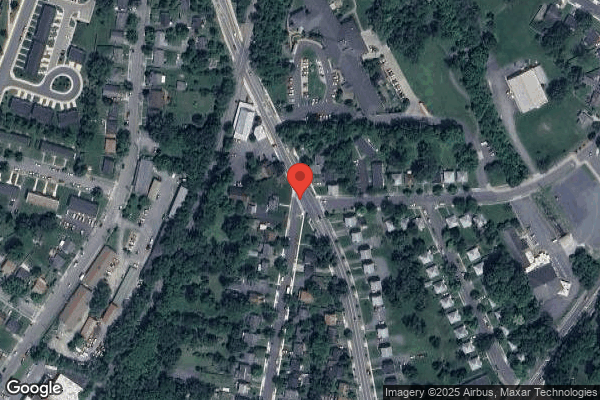
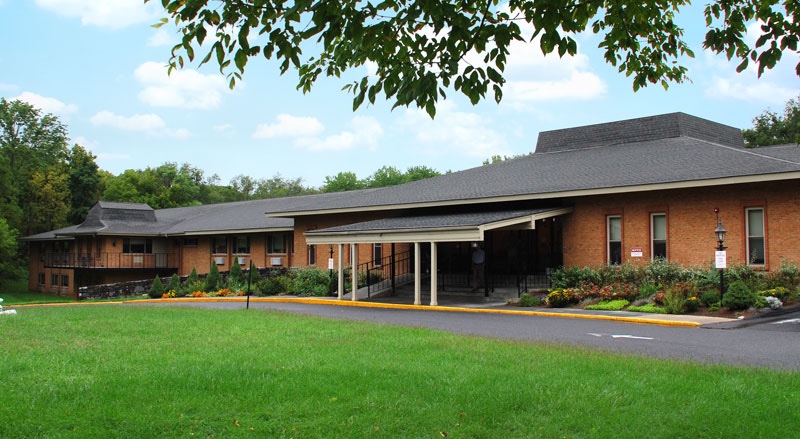
380 MILLWOOD AVENUE, WINCHESTER, VA 22601 (540) 667-7010
For profit - Limited Liability company 176 Beds HILL VALLEY HEALTHCARE Data: November 2025
Trust Grade
43/100
#190 of 285 in VA
Last Inspection: January 2024

Within standard 12-15 month inspection cycle. Federal law requires annual inspections.

Overview

Evergreen Health and Rehabilitation Center has a Trust Grade of D, indicating below average performance with some concerns. They rank #190 out of 285 facilities in Virginia, placing them in the bottom half, though they are the only option in Winchester City County. Unfortunately, the facility's trend is worsening, with issues increasing from 8 in 2023 to 22 in 2024. Staffing is rated at 2/5 stars, with a turnover rate of 49%, which is about average for the state. While they provide good RN coverage, being better than 84% of Virginia facilities, there are serious concerns, such as failing to prevent the worsening of pressure ulcers for residents and lacking proper infection tracking for several months. Overall, while Evergreen has some strengths, families should be aware of the significant weaknesses and recent issues before making a decision.

Trust Score
D
43/100
In Virginia
#190/285
Bottom 34%
Safety Record
Moderate
Needs review
Inspections
Getting Worse
8 → 22 violations
Staff Stability
⚠ Watch
49% turnover. Above average. Higher turnover means staff may not know residents' routines.
Penalties
✓ Good
$8,190 in fines. Lower than most Virginia facilities. Relatively clean record.
Skilled Nurses
○ Average
Each resident gets 39 minutes of Registered Nurse (RN) attention daily — about average for Virginia. RNs are the most trained staff who monitor for health changes.
Violations
⚠ Watch
63 deficiencies on record. Higher than average. Multiple issues found across inspections.
★★☆☆☆
2.0
Overall Rating
★★☆☆☆
2.0
Staff Levels
★★★☆☆
3.0
Care Quality
★★☆☆☆
2.0
Inspection Score
Stable
2023: 8 issues
2024: 22 issues

The Good

  • Full Sprinkler Coverage · Fire safety systems throughout facility
  • No fines on record

Facility shows strength in fire safety.

The Bad

2-Star Overall Rating

Below Virginia average (3.0)

Below average - review inspection findings carefully

Staff Turnover: 49%

Near Virginia avg (46%)

Higher turnover may affect care consistency

Federal Fines: $8,190

Below median ($33,413)

Minor penalties assessed

Chain: HILL VALLEY HEALTHCARE

Part of a multi-facility chain

Ask about local staffing decisions and management

The Ugly 63 deficiencies on record

1 actual harm
Jan 2024 22 deficiencies
CONCERN (D)

Potential for Harm - no one hurt, but risky conditions existed

Deficiency F0554 (Tag F0554)

Could have caused harm · This affected 1 resident

**NOTE- TERMS IN BRACKETS HAVE BEEN EDITED TO PROTECT CONFIDENTIALITY** Based on observations, resident interview, staff interview, clinical record review and facility document review, it was determin...

Read full inspector narrative →
**NOTE- TERMS IN BRACKETS HAVE BEEN EDITED TO PROTECT CONFIDENTIALITY** Based on observations, resident interview, staff interview, clinical record review and facility document review, it was determined that the facility staff failed to assess one of 42 residents in the survey sample for safe self-administration of medications, Resident #134. The findings include: For Resident #134 (R134), the facility staff failed to assess the resident for self-administration of an Albuterol inhaler (1) that was left at the resident's bedside for as needed use. On the most recent MDS (minimum data set) assessment, an admission assessment with an ARD (assessment reference date) of 11/15/2023, the resident scored 15 out of 15 on the BIMS (brief interview for mental status) assessment, indicating that they were cognitively intact for making daily decisions. On 1/8/2024 at 3:11 p.m., an observation was made of R134 in their room. R134 was observed sitting in bed with the overbed table to their right side. An Albuterol inhaler was observed on top of the overbed table. At that time an interview was conducted with R134 who stated that they kept the Albuterol inhaler with them at all times and used it as needed when they became short of breath. R134 stated that the nurses were aware of the inhaler and had told them to let them know when they used it. Additional observations of the Albuterol inhaler on R134's overbed table were made on 1/8/2024 at 5:38 p.m. and 1/9/2024 at 9:26 a.m. Review of R134's clinical record failed to evidence an assessment for self-administration of medications or a physician's order for the Albuterol inhaler. On 1/9/2024 at 2:15 p.m., an interview was conducted with RN (registered nurse) #8. RN #8 stated that residents were allowed to self administer medications after they were assessed to ensure that they could safely perform the task. She stated that the nurses performed a self-administration assessment and observed the resident administer the medication prior to obtaining the physician's order. On 1/9/2024 at approximately 2:20 p.m., an observation was made with LPN (licensed practical nurse) #6 of R134's overbed table in their room and the Albuterol inhaler located on the table. LPN #6 stated that they were not aware of the inhaler and that a self-administration assessment should have been completed prior to the inhaler being left with the resident. The facility policy, Self Administration of Medications and Treatments undated, documented in part, .As part of their overall evaluation, the staff and practitioner will assess each resident's mental and physical abilities and choice to determine whether self-administering medications and/or treatments is clinically appropriate for the resident . The staff and practitioner will document their findings and the choices of residents who are able to self-administer medications/treatments . Staff shall identify and give to the licensed nurse any medications/treatment supplies found at the bedside that are not authorized for self-administration, for return to the family or responsible party . On 1/9/2024 at approximately 4:18 p.m., ASM (administrative staff member) #1, the administrator, ASM #2, the director of nursing, ASM #3, the assistant director of nursing, and ASM #4, the regional director of clinical operations were made aware of the concern. No further information was provided prior to exit. Reference: (1) Albuterol inhaler Albuterol is used to prevent and treat difficulty breathing, wheezing, shortness of breath, coughing, and chest tightness caused by lung diseases such as asthma and chronic obstructive pulmonary disease (COPD; a group of diseases that affect the lungs and airways). Albuterol inhalation aerosol and powder for oral inhalation is also used to prevent breathing difficulties during exercise. Albuterol inhalation aerosol (Proair HFA, Proventil HFA, Ventolin HFA) is used in adults and children 4 years of age and older. Albuterol powder for oral inhalation (Proair Respiclick) is used in children [AGE] years of age and older. Albuterol solution for oral inhalation is used in adults and children 2 years of age and older. Albuterol is in a class of medications called bronchodilators. It works by relaxing and opening air passages to the lungs to make breathing easier. This information was obtained from the website: https://medlineplus.gov/druginfo/meds/a682145.html
CONCERN (D)

Potential for Harm - no one hurt, but risky conditions existed

Notification of Changes (Tag F0580)

Could have caused harm · This affected 1 resident

Based on staff interview and clinical record review, it was determined the facility staff failed to notify the physician or nurse practitioner, when medications were not available for administration f...

Read full inspector narrative →
Based on staff interview and clinical record review, it was determined the facility staff failed to notify the physician or nurse practitioner, when medications were not available for administration for two of 42 residents in the survey sample, Resident #110 and #95. The findings include: 1. For Resident #110, the facility staff failed to notify the physician/nurse practitioner when the Tramadol (used to treat pain) was not available for administration. On the most recent MDS (minimum data set) assessment, a quarterly assessment, with an assessment reference date of 12/10/2023, the resident scored a 10 out of 15 on the BIMS (brief interview for mental status) score, indicating the resident was moderately impaired for making daily decisions. The physician order dated, 12/21/2023, documented, Tramadol Oral Tablet 50 MG (milligrams); Give 1 tablet by mouth every 8 hours for wrist pain for 14 days. The MAR (medication administration record) for December 2023 documented the above order. On the following dates and times there was a 9 documented in the box for administration of the medication. A 9 indicates, Other/See progress notes. 12/23/2023 at 7:00 a.m.; 12/23/2023 at 11:00 p.m.; 12/24/2023 at 7:00 a.m.; 12/24/2023 at 3:00 p.m.; 12/25/2023 at 3:00 p.m. and 11:00 p.m.; 12/26/2023 at 7:00 a.m. and 11:00 p.m.; 12/27/2023 at 7:00 a.m.; 12/28/2023 at 7:00 a.m., and 12/30/2023 at 3:00 p.m. A 5 was documented on 1/25/2023 at 7:00 a.m. A 5 indicates Hold/ See progress notes. The Progress notes documented the following for the dates documented above: 12/23/2023 at 6:09 a.m. - On order. 12/23/2024 at 10:37 p.m. - nothing was documented why the medication was not given. 12/24/2023 at 5:42 a.m. - Med (medication) not available pending delivery. 12/24/2023 at 7:39 p.m. - nothing was documented why the medication was not given. 12/25/2023 at 6:28 p.m. - Medication not available awaiting from pharmacy. 12/25/2023 at 3:18 p.m. - Tramadol on order. 12/25/2023 at 10:58 p.m. - Med not available awaiting for pharmacy. 12/26/2023 at 6:07 a.m. - Not available. 12/26/2023 at 10:42 p.m. - nothing was documented why the medication was not given. 12/27/2023 at 6:11 a.m. - nothing was documented why the medication was not given. 12/28/2023 at 6:06 a.m. - nothing was documented why the medication was not given. 12/30/2023 at 1:54 p.m. - Unavail Review of the contents of the Omnicell (backup medication system) was reviewed. Tramadol 50 mg Tablets, quantity of 10 were in the Omnicell. An interview was conducted with LPN (licensed practical nurse) #2 on 1/10/2024 at 9:59 a.m. When asked the process for when medications are not available in the medication cart at the time of administration, LPN #2 stated they must get the medication out of the Omnicell, reorder it from the pharmacy. She stated she can go directly in PCC (computer program) and order the medication. When asked what if the medication is not in the Omnicell, what steps does she take, LPN #2 stated she would call the nurse practitioner and let her know and see if they can get it STAT. She stated she hasn't had many issues with things not being in the Omnicell. An interview was conducted with RN (registered nurse) #6 on 1/10/2024 at 10:16 a.m. When asked if a medication is not available for administration what steps does she take, RN #6 stated she looks in the Omnicell, she calls the pharmacy. RN #6 was asked if she needed to document that she called the pharmacy, RN #6 stated, Yes, we should document all of the steps we take. RN #6 stated she called the nurse practitioner too. On 1/10/2024 at 12:45 p.m., ASM (administrative staff member) #1, the administrator, ASM #2, the director of nursing, ASM #3, the assistant director of nursing, ASM #4, the regional director of clinical operations, ASM #5, regional director of clinical operations, were made aware of the above concern. No further information was obtained prior to exit. 2. For Resident #95, the facility staff failed to notify the physician/nurse practitioner when the Debrox (used to help clear out ear wax impaction) was not available for administration. The physician order dated, 1/4/2024, documented, Debrox Solution 6.5% (carbamide peroxide) (used to soften ear wax) instill 5 drops in both ears two times a day, flush ears upon completion of treatment for 4 days. The nurse practitioner note dated, 1/4/2024 documented in part, Chief complaint: impacted ear wax .Plan: Order Debrox. The MAR (medication administration record) for January 2024 documented the above order. The MAR documented the following: 1/4/2024 at 4:00 p.m. - documented as administered. 1/5/2024 at 8:00 a.m. - documented as administered. 1/5/2024 at 4:00 p.m. - a 9 was documented indicating Other/see progress notes. 1/6/2024 at 8:00 a.m. and at 4:00 p.m. - a 9 was documented indicating Other/see progress notes. 1/7/2024 at 8:00 a.m. and at 4:00 p.m. - a 9 was documented indicating Other/see progress notes. 1/8/2024 at 8:00 a.m. - documented as administered. The nurse's notes dated 1/5/2024 at 6:54 p.m. documented, Coming from pharmacy. The nurse's note dated 1/6/2024 at 8:48 a.m. documented, on order. The nurse's note dated 1/6/2024 at 6:23 p.m. documented, Coming from pharmacy. There was no nurse's note for 1/7/2024 at 8:00 a.m. to explain why it wasn't administered. The nurse's note dated 1/7/2024 at 6:20 p.m. documented, Coming from pharmacy. An interview was conducted with LPN (licensed practical nurse) #2 on 1/10/2024 at 9:59 a.m. When asked the process for when medications are not available in the medication cart at the time of administration, LPN #2 stated they must get the medication out of the Omnicell, reorder it from the pharmacy. She stated she can go directly in PCC (computer program) and order the medication. When asked what if the medication is not in the Omnicell, what steps does she take, LPN #2 stated she would call the nurse practitioner and let her know and see if we can get it STAT. She stated she hasn't had many issues with things not being in the Omnicell. An interview was conducted with RN (registered nurse) #6 on 1/10/2024 at 10:16 a.m. When asked if a medication is not available what steps does she take, RN #6 stated she looks in the Omnicell, she calls the pharmacy. RN #6 was asked if she needed to document that she called the pharmacy, RN #6 stated, Yes, we should document all of the steps we take. RN #6 stated she called the nurse practitioner too. On 1/10/2024 at 12:45 p.m., ASM (administrative staff member) #1, the administrator, ASM #2, the director of nursing, ASM #3, the assistant director of nursing, ASM #4, the regional director of clinical operations, ASM #5, regional director of clinical operations, were made aware of the above concern. No further information was obtained prior to exit.
CONCERN (D)

Potential for Harm - no one hurt, but risky conditions existed

Deficiency F0582 (Tag F0582)

Could have caused harm · This affected 1 resident

Based on staff interview and clinical record review, it was determined that the facility staff failed to provide notice of Medicare non-coverage for one of three beneficiary protection notification re...

Read full inspector narrative →
Based on staff interview and clinical record review, it was determined that the facility staff failed to provide notice of Medicare non-coverage for one of three beneficiary protection notification resident reviews, Resident #413. The findings include: For Resident #413 (R413), the facility failed to provide the resident and/or the resident's representative with an ABN (Advance Beneficiary Notice of Non-coverage) waiver of liability when a change in coverage occurred. R413's last covered day of Medicare part A services was 10/3/2023. R413 was admitted to the facility with diagnoses that included but were not limited to acute CVA (cerebrovascular accident). On 1/10/2024 at 10:50 a.m., an interview was conducted with OSM (other staff member) #2, social services assistant. OSM #2 stated that as soon as they were notified that a resident was being cut from skilled services they reached out to the resident and/or the responsible party to notify them and provide the notice of non-coverage. She stated that they had them sign the notice and documented it in the clinical record and typically kept a copy in a filing cabinet in the office. She stated that R413 should have received a notice of non-coverage but they were unable to locate it and they could not provide any documentation to evidence that it was done. R413 was discharged to the community on 10/4/2023. The facility policy Advanced Beneficiary Notice (ABN) documented in part, . A Notice of Medicare Non-Coverage (NOMNC), Form CMS-10123, shall be issued to the resident/representative when Medicare covered service(s) are ending, no matter if the resident is leaving the facility or remaining in the facility. This informs the resident on how to request an appeal or expedited determination from their Quality Improvement Organization (QIO) . The notice shall be hand-delivered as possible to obtain beneficiary or representative signature. The notice shall be prepared with an original and at least two copies. The facility shall retain the original and give a copy to the resident/representative . On 1/10/2024 at 12:47 p.m., ASM (administrative staff member) #1, the administrator, ASM #2, the director of nursing, ASM #3, the assistant director of nursing, ASM #4, the regional director of clinical operations and ASM #5, the regional director of clinical operations were made aware of the concern. No further information was presented prior to exit.
CONCERN (D)

Potential for Harm - no one hurt, but risky conditions existed

Deficiency F0625 (Tag F0625)

Could have caused harm · This affected 1 resident

**NOTE- TERMS IN BRACKETS HAVE BEEN EDITED TO PROTECT CONFIDENTIALITY** Based on staff interview, clinical record review and facility document review, it was determined the facility staff failed to pr...

Read full inspector narrative →
**NOTE- TERMS IN BRACKETS HAVE BEEN EDITED TO PROTECT CONFIDENTIALITY** Based on staff interview, clinical record review and facility document review, it was determined the facility staff failed to provide evidence that bed hold notification was provided when three out of 42 residents in the survey sample were transferred to the hospital, Residents #96, Resident #99, and Resident #125. The findings include: 1. The facility staff failed to evidence provision of bed hold notification at the time of discharge for Resident #96. Resident #96 was transferred to the hospital on 9/9/23. A review of the progress note dated 9/9/23 at 2:19 PM revealed, Sent to ER (emergency room) due to critical value WBC (white blood cell count) . A review of the progress note dated 9/9/23 at 6:48 PM, revealed, Resident admitted to hospital . There was no evidence that written bed hold information was provided for Resident #96. On 1/9/24 at 1:30 PM, an interview was conducted with LPN (licensed practical nurse) #1. When asked who provides the bed hold, LPN #1 stated, We send a bed hold paper but I do not know who follows up. We do not keep a copy of it. On 1/10/24 at 10:15 a.m., OSM (other staff member) #2, the social services assistant, was interviewed. She stated she had just been informed this week that she is responsible for issuing a bed hold notification when a resident is discharged to the hospital. She stated she could not locate any records or documentation that Resident #96 received a bed hold notification at the time of discharge to the hospital. On 1/10/24 at 12:45 PM, ASM (administrative staff member) #1, the administrator, ASM #2, the director of nursing, ASM #3, the assistant director of nursing and ASM #4, the regional director of clinical operations was made aware of the findings. According to the facility's Bed Hold Notice policy reveals, At admission and prior to transfers and therapeutic leaves, residents or resident representatives will be informed in writing of the bed-hold and return policy. No further information was provided prior to exit. 2. The facility staff failed to evidence provision of bed hold notice for Resident #99. Resident #99 was transferred to the hospital on 9/23/23. A review of the progress note dated 9/23/23 at 8:21 AM revealed, Sent to ED (emergency department) via EMS (emergency medical squad) for unresponsive . A review of the progress note dated 9/23/23 at 7:23 PM, revealed, admitted to ICU (intensive care unit) . There was no evidence of bed hold being provided for Resident #99. On 1/9/24 at 1:30 PM, an interview was conducted with LPN (licensed practical nurse) #1. When asked who provides the bed hold, LPN #1 stated, We send a bed hold paper but I do not know who follows up. We do not keep a copy of it. On 1/10/24 at 10:15 a.m., OSM (other staff member) #2, the social services assistant, was interviewed. She stated she had just been informed this week that she is responsible for issuing a bed hold notification when a resident is discharged to the hospital. She stated she could not locate any records or documentation that Resident #99 received a bed hold notification at the time of discharge to the hospital. On 1/10/24 at 12:45 PM, ASM (administrative staff member) #1, the administrator, ASM #2, the director of nursing, ASM #3, the assistant director of nursing and ASM #4, the regional director of clinical operations was made aware of the findings. No further information was provided prior to exit. 3. For Resident #125, the facility staff failed to provide evidence that they issued a bed hold notice to the resident when she was discharged to the hospital on [DATE]. A review of R125's clinical record revealed she was discharged to the hospital on [DATE]. Further review of the clinical record failed to reveal evidence that the facility issued a bed hold notice to the resident at the time of the discharge. On 1/10/24 at 10:15 a.m., OSM (other staff member) #2, the social services assistant, was interviewed. She stated she had just been informed this week that she is responsible for issuing a bed hold notification when a resident is discharged to the hospital. She stated she could not locate any records or documentation that R125 received a bed hold notification at the time of discharge to the hospital. On 1/9/24 at 4:17 p.m., ASM (administrative staff member) #1, the administrator, ASM #2, the director of nursing, ASM #3, the assistant director of nursing, and ASM #4, a regional director of clinical operations, were informed of these concerns. No further information was provided prior to exit.
CONCERN (D)

Potential for Harm - no one hurt, but risky conditions existed

Assessment Accuracy (Tag F0641)

Could have caused harm · This affected 1 resident

Based on staff interview, facility document review, and clinical record review, it was determined the facility staff failed to accurately code an MDS (minimum data set) assessment for one of 42 reside...

Read full inspector narrative →
Based on staff interview, facility document review, and clinical record review, it was determined the facility staff failed to accurately code an MDS (minimum data set) assessment for one of 42 residents in the survey sample, Resident #75. The findings include: For Resident #75, the facility staff incorrectly coded the resident, on the MDS, as receiving insulin during the look back period. The most recent MDS (minimum data set) assessment, a quarterly assessment, with an assessment reference date of 12/8/2023, the resident scored a 0 out of 15 on the BIMS (brief interview for mental status) score, indicating the resident was severely cognitively impaired for making daily decisions. In Section N - Medications, the resident was coded as receiving two insulin injections in the past seven days. Review of the physician orders dated 9/25/2023, documented, Trulicity Subcutaneous Solution Pen Injector 3 MG/0.5 ML (milligrams per milliliter); inject 3 mg subcutaneously in the afternoon every seven days related to type 2 diabetes. Review of the MAR (medication administration record) for December 2023, documented the above order. Resident #75 received the medication on 12/4/2023, during the look back period of seven days. An interview was conducted with RN (registered nurse) #5, the MDS coordinator, on 1/9/2024 at 3:42 p.m. RN #5 was asked to review Section N - Medication, in the MDS of 12/8/2023. When asked if Trulicity is considered insulin, RN #5 stated, no. RN #5 reviewed the clinical record and stated the resident was not on insulin and the MDS is miscoded. She stated they use the RAI (resident assessment instrument) manual as their reference. The RAI manual included: Steps for Assessment: 1. Review the resident's medication administration records for the 7-day look-back period (or since admission/entry or reentry if less than 7 days). 2. Determine if the resident received insulin injections during the look-back period. 3. Determine if the physician (or nurse practitioner, physician assistant, or clinical nurse specialist if allowable under state licensure laws) changed the resident's insulin orders during the look-back period. 4. Count the number of days insulin injections were received and/or insulin orders changed. Coding Instructions for N0350A: Enter in Item N0350A, the number of days during the 7-day look-back period (or since admission/entry or reentry if less than 7 days) that insulin injections were received. This information was obtained from the RAI manual dated October 2017 Version 1.17.1. ASM (administrative staff member) #1, the administrator, ASM #2, the director of nursing, ASM #3, the assistant director of nursing and ASM #4, the regional director of clinical operations, were made aware of the above concern on 1/9/2024 at 4:08 p.m. No further information was provided prior to exit.
CONCERN (D)

Potential for Harm - no one hurt, but risky conditions existed

Comprehensive Care Plan (Tag F0656)

Could have caused harm · This affected 1 resident

**NOTE- TERMS IN BRACKETS HAVE BEEN EDITED TO PROTECT CONFIDENTIALITY** Based on observations, resident interview, staff interviews, and facility document review, it was determined the facility staff ...

Read full inspector narrative →
**NOTE- TERMS IN BRACKETS HAVE BEEN EDITED TO PROTECT CONFIDENTIALITY** Based on observations, resident interview, staff interviews, and facility document review, it was determined the facility staff failed to implement the comprehensive care plan for one of 42 residents in the survey sample, Resident #99. The findings include: For Resident #99, the facility staff failed to implement the comprehensive care plan interventions for nutritional risk. Resident #99 was admitted to the facility on [DATE] with diagnoses that included but were not limited to: ESRD (end stage renal disease). A review of the comprehensive care plan dated 9/21/23 included, FOCUS: The resident has nutritional problem at nutritional risk related to ESRD, DM. Resident has ESRD and receives dialysis on Monday, Wednesday, and Friday. INTERVENTIONS: Provide, serve diet as ordered. renal, 1500 ml fluid rest [restriction] Monitor intake and record every meal. Provide supplements as ordered. Encourage resident to go for the scheduled dialysis appointments. Resident receives dialysis on Monday, Wednesday, and Friday. A review of the physician's order dated 9/21/23, revealed, Renal diet Regular texture, Regular/Thin consistency, Diet: diabetic, renal Liquids 1500ml fluid restriction. Dialysis on Monday, Wednesday, and Friday. Pick up at 6am. An interview was conducted on 11/9/24 at 8:45 AM with Resident #99, and when asked what items he took with him to dialysis, Resident #99 stated, there was a book he took. When asked if he takes a bagged meal, Resident #99 stated, No, I do not take a bagged lunch. I would like to take a lunch. There was no evidence that the resident received breakfast prior to leaving for the dialysis appointments nor a bagged meal provided. On 1/10/24 at 7:50 AM an interview was conducted with LPN (licensed practical nurse) #3, when asked the purpose of the care plan, LPN #3 stated, the purpose of the care plan is to share information with the team on the goals and interventions that are needed for each resident. When asked if the resident is not provided a meal, is the care plan being followed, LPN #3 stated, no, it is not being followed. On 1/10/24 at 12:45 PM, ASM (administrative staff member) #1, the administrator, ASM #2, the director of nursing, ASM #3, the assistant director of nursing and ASM #4, the regional director of clinical operations was made aware of the findings. a According to the facility's Care Planning-Comprehensive Person Centered policy reveals, The facility will develop and implement a comprehensive person-centered care plan for each resident, that includes measurable objectives and timeframes to meet a resident's medical, nursing, mental and psychosocial needs as identified throughout the comprehensive resident assessment instrument (RAI) process. No further information was provided prior to exit.
CONCERN (D)

Potential for Harm - no one hurt, but risky conditions existed

Deficiency F0658 (Tag F0658)

Could have caused harm · This affected 1 resident

Based on staff interview, facility document review, and clinical record review, it was determined the facility staff failed to follow professional standards of practice for the administration of medic...

Read full inspector narrative →
Based on staff interview, facility document review, and clinical record review, it was determined the facility staff failed to follow professional standards of practice for the administration of medications, for one of 42 residents in the survey sample, Residents #110. The findings include: For Resident #110, the facility staff failed to administer Tramadol (used for pain) per the physician orders. The physician order dated, 12/21/2023, documented, Tramadol Oral Tablet 50 MG (milligrams); Give 1 tablet by mouth every 8 hours for wrist pain for 14 days. The MAR (medication administration record) for December 2023 documented the above order. On the following dates and times there was a 9 documented in the box for administration of the medication. A 9 indicated, Other/See progress notes. 12/23/2023 at 7:00 a.m.; 12/23/2023 at 11:00 p.m.; 12/24/2023 at 7:00 a.m.; 12/24/2023 at 3:00 p.m.; 12/25/2023 at 3:00 p.m. and 11:00 p.m.; 12/26/2023 at 7:00 a.m. and 11:00 p.m.; 12/27/2023 at 7:00 a.m.; 12/28/2023 at 7:00 a.m., and 12/30/2023 at 3:00 p.m. A 5 was documented on 1/25/2023 at 7:00 a.m. A 5 indicates Hold/ See progress notes. The progress notes documented the following for the dates documented above: 12/23/2023 at 6:09 a.m. - On order. 12/23/2024 at 10:37 p.m. - nothing was documented why the medication was not given. 12/24/2023 at 5:42 a.m. - Med (medication) not available pending delivery. 12/24/2023 at 7:39 p.m. - nothing was documented why the medication was not given. 12/25/2023 at 6:28 p.m. - Medication not available awaiting from pharmacy. 12/25/2023 at 3:18 p.m. - Tramadol on order. 12/25/2023 at 10:58 p.m. - Med not available awaiting for pharmacy. 12/26/2023 at 6:07 a.m. - Not available. 12/26/2023 at 10:42 p.m. - nothing was documented why the medication was not given. 12/27/2023 at 6:11 a.m. - nothing was documented why the medication was not given. 12/28/2023 at 6:06 a.m. - nothing was documented why the medication was not given. 12/30/2023 at 1:54 p.m. - Unavail Review of the contents of the Omnicell (backup medication system) was reviewed. Tramadol 50 mg Tablets, quantity of 10 were in the Omnicell. An interview was conducted with LPN (licensed practical nurse) #2 on 1/10/2024 at 9:59 a.m. When asked the process for when medications are not available in the medication cart at the time of administration, LPN #2 stated they must get the medication out of the Omnicell, reorder it from the pharmacy. She stated she can go directly in PCC (computer program) and order the medication. When asked what if the medication is not in the Omnicell, what steps does she take, LPN #2 stated she would call the nurse practitioner and let her know and see if they can get it STAT. She stated she hasn't had many issues with things not being in the Omnicell. The facility policy, Unavailable Medications, documented in part, Policy .The facility must make every effort to ensure that medications are available to meet the needs of each resident Procedures: The nursing staff shall: 1. Notify the attending physician(or on-call physician when applicable) of the situation and explain the circumstances, expected availability, and alternative therapy(ies) available. If the facility nurse is unable to obtain a response from the attending physician or on-call physician, the nurse should notify the nursing supervisor and contact the Facility Medical Director for orders and/or directions. ASM (administrative staff member) #1, the administrator, ASM #2, the director of nursing, ASM #3, the assistant director of nursing, ASM #4, the regional director of clinical operations, ASM #5, regional director of clinical operations, were made aware of the above concern on 1/10/2024 at 12:45 p.m. No further information was obtained prior to exit.
CONCERN (D)

Potential for Harm - no one hurt, but risky conditions existed

Deficiency F0687 (Tag F0687)

Could have caused harm · This affected 1 resident

Based on observation, staff interview, facility document review, and clinical record review, the facility staff failed to provide foot care to one of 42 residents in the survey sample, Resident #7. Th...

Read full inspector narrative →
Based on observation, staff interview, facility document review, and clinical record review, the facility staff failed to provide foot care to one of 42 residents in the survey sample, Resident #7. The findings include: For Resident #7 (R7), the facility staff failed to trim the resident's toenails. On the most recent MDS (minimum data set), a significant change assessment with an ARD (assessment reference date) of 11/9/23, R7 was coded as requiring substantial/maximum assistance with personal hygiene. R7 was admitted to the facility with a diagnosis of vascular insufficiency. On 1/8/24 at 2:16 p.m., R7 was observed sitting up in bed. Both of the resident's feet were uncovered. The toenails on both feet were long, extending more than one centimeter over the end of the toes. Both great toes were thick and hard. A review of the list of resident's on R7's unit who were to be seen on the next visit by the podiatrist did not contain R7's name. On 1/8/24 at 2:43 p.m., LPN (licensed practical nurse) #5 accompanied the surveyor to observe R7's toenails. LPN #5 stated if a resident does not have a risk of inability to heal (because of diabetes or vascular insufficiency), the CNAs (certified nursing assistants) are responsible for the toenail care. LPN #5 stated for a resident like R7, the podiatrist needs to cut the resident's toenails. When asked to describe R7's toenails, LPN #5 stated they are all too long, and need to be cut and thought R7 was on the list to be seen by the podiatrist. When asked to provide evidence that R7 was on the list to see the podiatrist, and after looking at the list, LPN #5 stated: No. She is not on this one. On 1/10/24 at 12:45 p.m., ASM (administrative staff member) #1, the administrator, ASM #2, the director of nursing, ASM #3, the assistant director of nursing, ASM #4, a regional director of clinical operations, and ASM #5, a regional director of clinical operations, were informed of these concerns. A review of the facility policy, Foot Care, revealed, in part: Residents will receive appropriate care and treatment in order to maintain mobility and foot health .Residents with foot disorders or medical conditions will be referred to qualified professionals. No further information was provided prior to exit.
CONCERN (D)

Potential for Harm - no one hurt, but risky conditions existed

Deficiency F0688 (Tag F0688)

Could have caused harm · This affected 1 resident

Based on observation, staff interview, facility document review, and clinical record review, the facility staff failed to provide care and services for hand contractures for one of 42 residents in the...

Read full inspector narrative →
Based on observation, staff interview, facility document review, and clinical record review, the facility staff failed to provide care and services for hand contractures for one of 42 residents in the survey sample, Resident #2. The findings include: For Resident #2 (R2), the facility staff failed to provide evidence of assessment of R2's hand contractures, or of implementing interventions to prevent worsening of the contractures. On the most recent MDS (minimum data set), a quarterly assessment with an ARD (assessment reference date) of 10/28/23, R2 was coded as having functional limitation on both sides in both upper and lower extremities. R2 was admitted to the facility with a diagnosis of cerebral palsy. On the following dates and times, R2 was observed lying in bed; and at all of these observations, both of R2's hands were severely contracted: 1/8/24 at 2:05 p.m. and 4:14 p.m.; and 1/8/24 at 3:09 p.m. A review of R2's clinical record, including the resident's comprehensive care plan, revealed no evidence of assessments of R2's hand contractures, or of interventions attempted to prevent worsening of his contractures. On 1/10/24 at 11:23 a.m., OSM (other staff member) #16, a certified occupational therapy assistant, was interviewed. She stated she did not find evidence of any recent assessments of R2's contractures. She stated she thought the facility staff used rolled up washcloths in both of his hands at some time in the past, but could not provide any formal recommendations for interventions to prevent worsening of R2's hand contractures. She stated: We should have something in place to prevent them from getting worse. On 1/10/24 at 12:45 p.m., ASM (administrative staff member) #1, the administrator, ASM #2, the director of nursing, ASM #3, the assistant director of nursing, ASM #4, a regional director of clinical operations, and ASM #5, a regional director of clinical operations, were informed of these concerns. A review of the facility policy, Resident Mobility and Range of Motion, revealed in part: During the resident's assessment, the licensed nurse may identify underlying factors that contribute to range of motion or mobility problems .including .contractures .The care plan will be developed by the interdisciplinary team .The care plan will include specific interventions, exercises, and therapies to maintain, prevent avoidable decline in, and/or improve mobility and range of motion. No further information was provided prior to exit.
CONCERN (D)

Potential for Harm - no one hurt, but risky conditions existed

Respiratory Care (Tag F0695)

Could have caused harm · This affected 1 resident

**NOTE- TERMS IN BRACKETS HAVE BEEN EDITED TO PROTECT CONFIDENTIALITY** Based on observations, resident interviews, staff interview, clinical record review, and facility document review it was determi...

Read full inspector narrative →
**NOTE- TERMS IN BRACKETS HAVE BEEN EDITED TO PROTECT CONFIDENTIALITY** Based on observations, resident interviews, staff interview, clinical record review, and facility document review it was determined that the facility staff failed to provide respiratory care and services consistent with professional standards of practice for three of 42 residents, Resident #134, #398, and #21. The findings include: 1. For Resident #134 (R134), the facility staff failed to store a nebulizer mask (1) in a sanitary manner when not in use, and obtain a physician order for an Albuterol inhaler (2) left at the bedside for as needed use. On the most recent MDS (minimum data set) assessment, an admission assessment with an ARD (assessment reference date) of 11/15/2023, the resident scored 15 out of 15 on the BIMS (brief interview for mental status) assessment, indicating that they were cognitively intact for making daily decisions. On 1/8/2024 at 3:11 p.m., an observation was made of R134 in their room, sitting in bed with the overbed table to their right side. An Albuterol inhaler was observed on top of the overbed table. At that time an interview was conducted with R134 who stated that they kept the Albuterol inhaler with them at all times and used it as needed when they became short of breath. R134 stated that the nurses were aware of the inhaler and had told them to let them know when they used it. Additional observation revealed a nebulizer mask lying on top of a towel on top of the nightstand to the left side of R134's bed. The mask and tubing were observed to be attached to a nebulizer machine and uncovered being exposed to air. R134 stated that they received nebulizer treatments four times a day via the mask. R134 stated that the nursing staff cared for the mask and they were not sure how they cleaned the mask or how it was stored. Additional observations of the Albuterol inhaler on R134's overbed table and uncovered nebulizer mask on the nightstand were made on 1/8/2024 at 5:38 p.m. and 1/9/2024 at 9:26 a.m. The physician orders for R134 documented in part, Ipratropium-Albuterol Solution 0.5-2.5 (3) MG (milligram)/ 3 ML (milliliter). 1 vial inhale orally four times a day for COPD (chronic obstructive pulmonary disease). Order Date: 11/11/2023. The clinical record failed to evidence a physician's order for the Albuterol inhaler. On 1/9/2024 at 2:13 p.m., an interview was conducted with LPN (licensed practical nurse) #6. LPN #6 stated that nebulizers were cleaned after each use, air dried and stored in a plastic bag when not in use. She stated that they did this to keep them clean. On 1/9/2024 at 2:15 p.m., an interview was conducted with RN (registered nurse) #8. RN #8 stated that there should be a physician's order for any medications that were self-administered and it should state that the medication could be left at bedside and self-administered. On 1/9/2024 at approximately 2:20 p.m., an observation was made with LPN #6 of R134's overbed table in their room and the Albuterol inhaler located on the table. LPN #6 stated that they were not aware of the inhaler. LPN #6 observed the nebulizer mask uncovered on the nightstand and stated that it should be washed out, dried and in a bag for storage. The facility policy, Equipment Change and Cleansing dated 2/1/19, documented in part, . Small volume nebulizers are to be dated and changed every Wednesday night and stored in labeled plastic bag . On 1/9/2024 at approximately 4:18 p.m., ASM (administrative staff member) #1, the administrator, ASM #2, the director of nursing, ASM #3, the assistant director of nursing, and ASM #4, the regional director of clinical operations were made aware of the concern. No further information was provided prior to exit. Reference: (1) Albuterol inhaler Albuterol is used to prevent and treat difficulty breathing, wheezing, shortness of breath, coughing, and chest tightness caused by lung diseases such as asthma and chronic obstructive pulmonary disease (COPD; a group of diseases that affect the lungs and airways). Albuterol inhalation aerosol and powder for oral inhalation is also used to prevent breathing difficulties during exercise. Albuterol inhalation aerosol (Proair HFA, Proventil HFA, Ventolin HFA) is used in adults and children 4 years of age and older. Albuterol powder for oral inhalation (Proair Respiclick) is used in children [AGE] years of age and older. Albuterol solution for oral inhalation is used in adults and children 2 years of age and older. Albuterol is in a class of medications called bronchodilators. It works by relaxing and opening air passages to the lungs to make breathing easier. This information was obtained from the website: https://medlineplus.gov/druginfo/meds/a682145.html (2) Nebulizer A nebulizer is a small machine that turns liquid medicine into a mist that can be easily inhaled. You sit with the machine and breathe in the medicine through a connected mouthpiece or facemask. This allows the medicine to enter the lungs directly. This information was obtained from the website: https://medlineplus.gov/ency/patientinstructions/000006.htm 2. For Resident #398 (R398), the facility staff failed to store a nebulizer mask (1) in a sanitary manner when not in use. The MDS (minimum data set) assessment was not due at the time of the survey. On the nursing admission assessment dated [DATE], R398 was assessed as alert and oriented to person, place and time and not having cognitive deficits. On 1/8/2024 at 2:37 p.m., an observation was made of R398 in their room, lying in bed visiting with a family member. A nebulizer mask lying on top of a towel was observed on top of the nightstand to the right side of R398's bed. The mask and tubing were observed to be attached to a nebulizer machine and uncovered being exposed to air. At that time, an interview was conducted with R398 who stated that they were being treated for pneumonia currently and had been receiving nebulizer treatments via the mask. R398 stated that the mask was kept on the nightstand when not being used and the nurses put it over there after the treatments. Additional observations of the uncovered nebulizer mask on R398's nightstand were made on 1/8/2024 at 4:37 p.m. and 1/9/2024 at 9:17 a.m. The physician orders for R398 documented in part, Albuterol Sulfate Nebulization Solution (2.5 MG (milligram)/ 3 ML (milliliter)) 0.083% 1 vial inhale orally via nebulizer two times a day for wheezing/shortness of breath for 14 days. Order Date: 1/3/2024. On 1/9/2024 at 2:13 p.m., an interview was conducted with LPN (licensed practical nurse) #6. LPN #6 stated that nebulizers were cleaned after each use, air dried and stored in a plastic bag when not in use. She stated that they did this to keep them clean. On 1/9/2024 at approximately 2:20 p.m., an observation was made with LPN #6 of R398's nebulizer mask uncovered on the nightstand and stated that it should be washed out, dried and in a bag for storage. On 1/9/2024 at approximately 4:18 p.m., ASM (administrative staff member) #1, the administrator, ASM #2, the director of nursing, ASM #3, the assistant director of nursing, and ASM #4, the regional director of clinical operations were made aware of the concern. No further information was provided prior to exit. Reference: (1) Nebulizer A nebulizer is a small machine that turns liquid medicine into a mist that can be easily inhaled. You sit with the machine and breathe in the medicine through a connected mouthpiece or facemask. This allows the medicine to enter the lungs directly. This information was obtained from the website: https://medlineplus.gov/ency/patientinstructions/000006.htm 3. For Resident #21 (R21), the facility staff failed to store oxygen tubing in a sanitary manner. On the most recent MDS (minimum data set) assessment, a significant change assessment, with an assessment reference date of 10/15/2023, the resident scored an 8 out of 15 on the BIMS (brief interview for mental status) score, indicating the resident was moderately impaired for making daily decisions. In Section O - Special Treatments, Procedures and Programs, the resident was not coded as using oxygen during the look back period. Observation was made of R21 on 1/8/2024 at 2:05 p.m. sitting in her wheelchair. An oxygen concentrator was behind the resident. The oxygen tubing was noted to be hanging over the concentrator with the nasal cannula prongs on the floor. The tubing was dated 1/7/2024. Observation was made of R21 on 1/9/2024 at 10:06 a.m. and 12:13 p.m., the oxygen tubing was still over the concentrator, with the nasal cannula prongs touching the floor. An observation was made on 1/9/2024 at 2:48 p.m. with RN (registered nurse) #7. The oxygen tubing was off the floor and inside the handles of the concentrator, however still not covered or in a bag. When asked how oxygen tubing is to be stored, RN #7 stated it should be in a bag with the resident's name, date, and room number. When RN #7 was asked why that should be done they stated, so it's not contaminated. The physician order dated, 10/9/2023, documented, Oxygen at 2l/m (liters per minute) via nasal cannula continuously every shift for SOB (shortness of breath). The facility policy, Equipment Change and Cleansing, documented in part, The following procedures have been developed to emphasize the importance of proper handling and processing of certain equipment. All disposable equipment will be dated and initialed .13. Nasal cannulas will be changed every Thursday night and PRN and discarded in regular waste container. ASM (administrative staff member) #1, the administrator, ASM #2, the director of nursing, ASM #3, the assistant director of nursing and ASM #4, the regional director of clinical operations, were made aware of the above concern on 1/9/2024 at 4:08 p.m. No further information was provided prior to exit.
CONCERN (D)

Potential for Harm - no one hurt, but risky conditions existed

Deficiency F0730 (Tag F0730)

Could have caused harm · This affected 1 resident

Based on staff interview, facility document review and employee record review, the facility staff failed to provide mandatory training for five of five CNA (certified nursing assistant) records review...

Read full inspector narrative →
Based on staff interview, facility document review and employee record review, the facility staff failed to provide mandatory training for five of five CNA (certified nursing assistant) records reviewed, CNAs #8, #9, #10, #11, and #12. The findings include: For CNAs #8, #9, #10, #11, and #12, the facility staff failed to provide mandatory dementia training. The Sufficient and Competent Staffing facility task review revealed no evidence of mandatory training for CNAs #8, #9, #10, #11, and #12. On 1/10/24 at 10:55 a.m., RN (registered nurse) #1, the staff educator, was interviewed. She stated that they were switching education systems. She also stated, Dementia care should be in the training. It is mandatory. She also stated that she is new to long term care. On 1/10/24 at approximately 1:50 p.m., ASM#4, the regional director of clinical operations, was informed of these concerns. He stated, We will look for that. On 1/10/24 at 12:42 p.m., ASM (administrative staff member) #1, the administrator, #2 the director of nursing, #4 the regional director of clinical operations, and #5 the regional director of clinical operations, were informed of the concerns. A review of the facility policy, Competency of the Nursing Staff, revealed in part: All nursing staff must meet the specific competency requirements of their respective licensure and certification requirements defined by State law .Competency in skills and techniques necessary to care for residents' needs includes but it not limited to competencies in areas such as: .b. Dementia management. No further information was provided prior to exit.
CONCERN (D)

Potential for Harm - no one hurt, but risky conditions existed

Pharmacy Services (Tag F0755)

Could have caused harm · This affected 1 resident

Based on staff interview, facility document review, and clinical record review, it was determined the facility staff failed to provide pharmacy services for one of 42 residents in the survey sample, R...

Read full inspector narrative →
Based on staff interview, facility document review, and clinical record review, it was determined the facility staff failed to provide pharmacy services for one of 42 residents in the survey sample, Resident #95. The findings include: For Resident #95, the facility staff failed to administer Debrox (a medication to soften ear wax) per the physician order. On the most recent MDS (minimum data set) assessment, a quarterly assessment, with an assessment reference date of 10/6/2023, the resident scored a 15 out of 15 on the BIMS (brief interview for mental status) score, indicating the resident is not cognitively impaired for making daily decisions. The physician order dated, 1/4/2024, documented, Debrox Solution 6.5% (carbamide peroxide) instill 5 drops in both ears two times a day, flush ears upon completion of treatment for 4 days. The nurse practitioner note dated, 1/4/2024 documented in part, Chief complaint: impacted ear wax .Plan: Order Debrox. The MAR (medication administration record) for January 2024 documented the above order. The MAR documented the following: 1/4/2024 at 4:00 p.m. - documented as administered. 1/5/2024 at 8:00 a.m. - documented as administered. 1/5/2024 at 4:00 p.m. - a 9 was documented indicating Other/see progress notes. 1/6/2024 at 8:00 a.m. and at 4:00 p.m. - a 9 was documented indicating Other/see progress notes. 1/7/2024 at 8:00 a.m. and at 4:00 p.m. - a 9 was documented indicating Other/see progress notes. 1/8/2024 at 8:00 a.m. - documented as administered. The nurse's notes dated 1/5/2024 at 6:54 p.m. documented, Coming from pharmacy. The nurse's note dated 1/6/2024 at 8:48 a.m. documented, on order. The nurse's note dated 1/6/2024 at 6:23 p.m. documented, Coming from pharmacy. There was no nurse's note for 1/7/2024 at 8:00 a.m. to explain why it wasn't administered. The nurse's note dated 1/7/2024 at 6:20 p.m. documented, Coming from pharmacy. An interview was conducted with LPN (licensed practical nurse) #2 on 1/10/2024 at 9:59 a.m. When asked the process for when medications are not available in the medication cart at the time of administration, LPN #2 stated they must get the medication out of the Omnicell, reorder it from the pharmacy. She stated she can go directly in PCC (computer program) and order the medication. When asked what if the medication is not in the Omnicell, what steps does she take, LPN #2 stated she would call the nurse practitioner and let her know and see if they can get it STAT. She stated she hasn't had many issues with things not being in the Omnicell. The facility policy, Unavailable Medications, documented in part, Policy .The facility must make every effort to ensure that medications are available to meet the needs of each resident Procedures: The nursing staff shall: 1. Notify the attending physician(or on-call physician when applicable) of the situation and explain the circumstances, expected availability, and alternative therapy(ies) available. If the facility nurse is unable to obtain a response from the attending physician or on-call physician, the nurse should notify the nursing supervisor and contact the Facility Medical Director for orders and/or directions. ASM (administrative staff member) #1, the administrator, ASM #2, the director of nursing, ASM #3, the assistant director of nursing, ASM #4, the regional director of clinical operations, ASM #5, regional director of clinical operations, were made aware of the above concern on 1/10/2024 at 12:45 p.m. No further information was obtained prior to exit.
CONCERN (D)

Potential for Harm - no one hurt, but risky conditions existed

Unnecessary Medications (Tag F0759)

Could have caused harm · This affected 1 resident

Based on observation, staff interview, facility document review, and clinical record review, the facility staff failed to administer medications at an error rate less than 5% to one of five residents ...

Read full inspector narrative →
Based on observation, staff interview, facility document review, and clinical record review, the facility staff failed to administer medications at an error rate less than 5% to one of five residents in the medication administration observation, Resident #140. This resulted in a total of two medication errors in a total of 36 administration opportunities, and a calculated medication error rate of 5.56%. The findings include: For Resident #140 (R140), the facility staff failed to administer the correct dosages of iron and Vitamin C during the medication administration observation on 1/9/24. On 1/9/24 at 8:18 a.m., LPN (licensed practical nurse) #6 was observed as she prepared to administer medications to R140. LPN #6 poured one tablet of Vitamin C 500 mg (milligrams) and one tablet of Iron 325 mg into the resident's medication cup. The resident was observed to swallow all medications in the cup. A review of R140's physician's orders revealed the following order, dated 12/31/23: Iron-Vitamin C Oral Tablet 100-250 MG (Iron-Vitamin C). Give 1 tablet by mouth one time a day for anemia. The review revealed no orders for Vitamin C 500 mg or Iron 325 mg. On 1/9/24 at 4:03 p.m., LPN #6 was interviewed. When asked to verify the dosages of Vitamin C and Iron that she had administered to R140 earlier in the day, she handed the surveyor the same bottles from which she had prepared the morning medications. When asked if the medications in the bottles (Vitamin C and Iron) matched the dosages in the physician's order, she stated: No they don't. Those vitamins [Vitamin C and Iron] don't come in one pill with those dosages. I just gave what I had in the cart. On 1/9/24 at 4:17 p.m., ASM (administrative staff member) #1, the administrator, ASM #2, the director of nursing, ASM #3, the assistant director of nursing, and ASM #4, a regional director of clinical operations, were informed of these concerns. A review of the facility policy, Administration Procedures for All Medications, revealed, in part, Prior to removing the medication from the container .check the label against the order on the MAR (medication administration record). No further information was provided prior to exit.
CONCERN (D)

Potential for Harm - no one hurt, but risky conditions existed

Medical Records (Tag F0842)

Could have caused harm · This affected 1 resident

Based on staff interview, facility document review and clinical record review, it was determined the facility staff failed to maintain a complete and accurate clinical record for one of 42 residents i...

Read full inspector narrative →
Based on staff interview, facility document review and clinical record review, it was determined the facility staff failed to maintain a complete and accurate clinical record for one of 42 residents in the survey sample, Resident #75. The findings include: For Resident #75, the facility staff failed to maintain a complete and accurate clinical record, as evidenced by two other resident's information in the documents section of the clinical record, Residents #58 and Resident #53. The most recent MDS (minimum data set) assessment, a quarterly assessment, with an assessment reference date of 12/8/2023, the resident scored a 0 out of 15 on the BIMS (brief interview for mental status) score, indicating the resident was severely cognitively impaired for making daily decisions. Review of the documentation in the clinical record, revealed a document, dated 6/21/2023, from the insurance company, documenting the reason for care at the facility for continued insurance coverage, for Resident #75, Resident #58 and Resident #53. An interview was conducted with RN (registered nurse) #4, the MDS coordinator, on 1/9/2024 at 3:42 p.m. When asked to review the above document in Resident #75's record, RN #4 stated there shouldn't be any other resident's information in his medical record. An interview was conducted with OSM (other staff member) #12, the medical records staff member, on 1/10/2024 at 9:38 a.m. When asked how documents get scanned into the clinical record, OSM #12 stated there is a basket on each unit to put things that need to be scanned in, she gathers them and scans them into the computer, and it creates a PDF document. Then she puts the documents in to PCC. The above documentation in Resident #75's record was reviewed with OSM #12. When asked if the clinical record was accurate, OSM #12 stated, no it isn't, there shouldn't be other people's things in his record. The policy, Electronic Medical Record, does not address the accuracy of the medical record. On 1/10/2024 at 12:45 p.m., ASM (administrative staff member) #1, the administrator, ASM #2, the director of nursing, ASM #3, the assistant director of nursing, ASM #4, the regional director of clinical operations, ASM #5, regional director of clinical operations, were made aware of the above concern. No further information was obtained prior to exit.
CONCERN (E)

Potential for Harm - no one hurt, but risky conditions existed

Transfer Notice (Tag F0623)

Could have caused harm · This affected multiple residents

**NOTE- TERMS IN BRACKETS HAVE BEEN EDITED TO PROTECT CONFIDENTIALITY** Based on staff interview, clinical record review and facility document review, it was determined the facility staff failed to pr...

Read full inspector narrative →
**NOTE- TERMS IN BRACKETS HAVE BEEN EDITED TO PROTECT CONFIDENTIALITY** Based on staff interview, clinical record review and facility document review, it was determined the facility staff failed to provide evidence that written RP (responsible party) and ombudsman notification was provided, for four of 42 residents in the survey sample who were transferred to the hospital, Residents #96, Resident #99, Resident #9 and Resident #125. The findings include: 1. The facility staff failed to evidence provision of required written RP (responsible party) and ombudsman notification at the time of discharge for Resident #96. Resident #96 was transferred to the hospital on 9/9/23. A review of the progress note dated 9/9/23 at 2:19 PM, revealed, Sent to ER (emergency room) due to critical value WBC (white blood cell count) . A review of the progress note dated 9/9/23 at 6:48 PM revealed, Resident admitted to hospital . There was no evidence of written RP and ombudsman notification provided for Resident #96. On 1/9/24 at 1:30 PM, an interview was conducted with LPN (licensed practical nurse) #1. When asked who provides written notification to the RP and the ombudsman, LPN #1 stated, We call the RP, I do not know who gives written communication to either one. On 1/10/24 at 10:15 a.m., OSM (other staff member) #2, the social services assistant, was interviewed. She stated she had just been informed this week that she is responsible for the RP and ombudsman written notification when a resident is discharged to the hospital. She stated she could not locate any records or documentation that the ombudsman was notified of this hospital transfer for Resident #96. On 1/10/24 at 12:45 PM, ASM (administrative staff member) #1, the administrator, ASM #2, the director of nursing, ASM #3, the assistant director of nursing and ASM #4, the regional director of clinical operations was made aware of the findings. According to the facility's Facility Initiated Transfer and Discharge policy reveals, The written notice will include the following: reason for transfer or discharge, effective date of transfer or discharge, location to which the resident is transferred or discharged and the name/address of the Office of the State Long-Term Care Ombudsman. The facility will send a copy of the notice to the ombudsman at the same time as the notice is provided to the resident/resident representative. No further information was provided prior to exit. 2. The facility staff failed to evidence provision of required written RP and ombudsman notification at the time of discharge for Resident #99. Resident #99 was transferred to the hospital on 9/23/23. A review of the progress note dated 9/23/23 at 8:21 AM revealed, Sent to ED (emergency department) via EMS (emergency medical squad) for unresponsive . A review of the progress note dated 9/23/23 at 7:23 PM, revealed, admitted to ICU (intensive care unit) . There was no evidence of written RP and ombudsman notification provided for Resident #99. On 1/9/24 at 1:30 PM, an interview was conducted with LPN (licensed practical nurse) #1. When asked who provides written notification to the RP and the ombudsman, LPN #1 stated, We call the RP, I do not know who gives written communication to either one. On 1/10/24 at 10:15 a.m., OSM (other staff member) #2, the social services assistant, was interviewed. She stated she had just been informed this week that she is responsible for the RP and ombudsman written notification when a resident is discharged to the hospital. She stated she could not locate any records or documentation that the ombudsman was notified of this hospital transfer for Resident #99. On 1/10/24 at 12:45 PM, ASM (administrative staff member) #1, the administrator, ASM #2, the director of nursing, ASM #3, the assistant director of nursing and ASM #4, the regional director of clinical operations was made aware of the findings. No further information was provided prior to exit. 3. For Resident #9 (R9), the facility staff failed to provide evidence of written notification to the responsible party (RP) and ombudsman regarding the resident's 9/30/23 discharge to the hospital. A review of R9's clinical record revealed she was discharged to the hospital on 9/30/23. Further review of the clinical record failed to reveal evidence that the RP and the ombudsman were notified in writing of this event. On 1/10/24 at 10:15 a.m., OSM (other staff member) #2, the social services assistant, was interviewed. She stated she had just been informed this week that she is responsible for the RP and ombudsman written notification when a resident is discharged to the hospital. She stated she could not locate any records or documentation that the ombudsman was notified of this hospital transfer for R9. On 1/9/24 at 4:17 p.m., ASM (administrative staff member) #1, the administrator, ASM #2, the director of nursing, ASM #3, the assistant director of nursing, and ASM #4, a regional director of clinical operations, were informed of these concerns. No further information was provided prior to exit. 4. For Resident #125 (R125), the facility staff failed to provide evidence of written notification to the responsible party (RP) and ombudsman regarding the resident's 10/19/23 discharge to the hospital. A review of R125's clinical record revealed she was discharged to the hospital on [DATE]. Further review of the clinical record failed to reveal evidence that the RP and the ombudsman were notified in writing of this event. On 1/10/24 at 10:15 a.m., OSM (other staff member) #2, the social services assistant, was interviewed. She stated she had just been informed this week that she is responsible for the RP and ombudsman written notification when a resident is discharged to the hospital. She stated she could not locate any records or documentation that the ombudsman was notified of this hospital transfer for R125. On 1/9/24 at 4:17 p.m., ASM (administrative staff member) #1, the administrator, ASM #2, the director of nursing, ASM #3, the assistant director of nursing, and ASM #4, a regional director of clinical operations, were informed of these concerns. No further information was provided prior to exit.
CONCERN (E)

Potential for Harm - no one hurt, but risky conditions existed

Deficiency F0698 (Tag F0698)

Could have caused harm · This affected multiple residents

**NOTE- TERMS IN BRACKETS HAVE BEEN EDITED TO PROTECT CONFIDENTIALITY** Based on resident and staff interview, resident interview, clinical record review, and facility document review, it was determin...

Read full inspector narrative →
**NOTE- TERMS IN BRACKETS HAVE BEEN EDITED TO PROTECT CONFIDENTIALITY** Based on resident and staff interview, resident interview, clinical record review, and facility document review, it was determined the facility staff failed to provide dialysis care and services for one of 42 residents in the survey sample, Resident #99. The findings include: For Resident #99, the facility failed to provide nutritional management/bagged meals to take to the dialysis appointment, and failed to communicate with the dialysis facility for 20 of 47 days. Resident #99 was admitted to the facility on [DATE] with diagnosis that included but were not limited to: ESRD (end stage renal disease). A review of the comprehensive care plan dated 9/21/23, which revealed, FOCUS: The resident has nutritional problem at nutritional risk related to ESRD, DM. Resident has ESRD and receives dialysis on Monday, Wednesday, and Friday. INTERVENTIONS: Provide, serve diet as ordered. renal, 1500 ml fluid rest Monitor intake and record every meal. Provide supplements as ordered. Encourage resident to go for the scheduled dialysis appointments. Resident receives dialysis on Monday, Wednesday, and Friday. A review of the physician's order dated 9/21/23, revealed, Renal diet Regular texture, Regular/Thin consistency, Diet: diabetic, renal Liquids 1500ml fluid restriction. Dialysis on Monday, Wednesday, and Friday. Pick up at 6am. A review of Resident #99's dialysis communication book and / or the EMR (electronic medical record) revealed no communication sheets for 9/25/23, 9/27/23, 9/29/23, 10/2/23, 10/4/23, 10/6/23, 10/9/23, 10/11/23, 10/13/23, 10/18/23, 10/20/23, 10/23/23, 10/27/23, 10/30/23, 11/2/23, 11/3/23, 11/6/23, 11/24/23, 12/25/23 and 1/3/24; the rest of dialysis communication forms were evidenced. An interview was conducted on 11/9/24 at 8:45 AM with Resident #99. When asked what items he took to dialysis, Resident #99 stated, There is a book I take. When asked if he takes a bagged meal, Resident #99 stated, No, I do not take a bagged lunch. I would like to take a lunch. On 1/10/24 at 7:50 AM an interview was conducted with LPN (licensed practical nurse) #3, when asked what is sent with a resident who goes to dialysis, LPN #3 stated they send communication sheets that have the resident's weight, vital signs, medications and time last eaten, as well as any issues. When asked the purpose of the communication form, LPN #3 stated, to share important information with the dialysis center. When asked if a bagged lunch is sent with the resident, LPN #3 stated, No, we do not send a meal. On 1/10/24 at 9:50 AM, an interview was conducted with OSM (other staff member) #11, the dietary manager. When asked the process for notification of residents needing a bagged lunch, OSM #11 stated, We require schedule of dialysis days from the nursing unit. The resident leaves by the kitchen for their transport to dialysis and we give them their bagged lunch then. OSM #11 explained that the bagged lunch consists of a sandwich, drink and a bag of chips. If residents are leaving early in the morning, they would still pick up their bagged lunch from the kitchen and they do not send it up the evening before. OSM #11 stated the nursing staff did not inform them of Resident #99's dialysis days. On 1/10/24 at 12:45 PM, ASM (administrative staff member) #1, the administrator, ASM #2, the director of nursing, ASM #3, the assistant director of nursing and ASM #4, the regional director of clinical operations was made aware of the findings. According to the facility's End Stage Renal Disease-Care of the Patient policy reveals, Agreements between this facility and the contracted ESRD facility will include all aspects of how the resident's care will be managed including but not limited to: the development of a comprehensive and integrated care plan, the communication process between the nursing facility and the dialysis center that will reflect ongoing communication, coordination and collaboration and nutritional/fluid management. No further information was provided prior to exit.
CONCERN (E)

Potential for Harm - no one hurt, but risky conditions existed

Food Safety (Tag F0812)

Could have caused harm · This affected multiple residents

Based on observation, staff interview, and facility document review, the facility staff failed to maintain a sanitary environment in one of one kitchen. The findings include: The facility staff faile...

Read full inspector narrative →
Based on observation, staff interview, and facility document review, the facility staff failed to maintain a sanitary environment in one of one kitchen. The findings include: The facility staff failed to maintain a clean main kitchen meat slicer, floors, microwave, and wet nesting of mugs. On 1/08/24 at 12:22. p.m., an observation was made of the main facility kitchen. The food slicer had food particles on the slicer. The microwave was visibly dirty with food particles. The floors had food particles and were greasy. The food trays and cups for residents were stacked on each other on a tray and had water droplets in between them. Cups had water droplets in them as well. On 1/08/24 at 12:23 p.m., OSM (other staff member) #11, the dietary manager stated that the cups were drying and ready for service and that they did not have enough drying racks to properly dry the residents' cups and trays. He stated that the floor has been an issue for some time, that the floor needs a power wash, and that it was not clean and needed to be cleaned this week. OSM #11 stated that the meat slicer did not look like it was cleaned properly and that the microwave needed to be wiped down. On 1/10/24 at 9:16 a.m., OSM #17, the assistant dietary manager, stated the staff are supposed to clean the microwave every day, and the slicer should be cleaned every time it is used. On 1/10/24 at 9:29 a.m., OSM#11 stated that the kitchen staff follow a cleaning schedule for when everything in the kitchen needs to be cleaned. A review of the facility document, Cook Station, revealed that floor and food stations are to be cleaned during every meal. Also, every meal tool should inverted. A review of a facility document revealed on Monday and Friday there is supposed to be a deep dive in kitchen. On 1/10/24 at 12:42 p.m., ASM (administrative staff member) #1, the administrator, ASM #2 the director of nursing, ASM #4 the regional director of clinical operations, and ASM #5 the regional director of clinical operations, were informed of these concerns. A review of the facility policy, Preventing Foodborne Illness - Food Handling, revealed in part, Food will be stored, prepared, handled and served so that the risk of foodborne illness is minimized .All food service equipment and utensils will be sanitized according to current guidelines and manufacturer's recommendations. No further information was provided prior to exit.
CONCERN (E)

Potential for Harm - no one hurt, but risky conditions existed

Deficiency F0840 (Tag F0840)

Could have caused harm · This affected multiple residents

Based on staff interview and facility document review, it was determined the facility staff failed to have a written dialysis agreement for one of one dialysis residents in the survey sample, Resident...

Read full inspector narrative →
Based on staff interview and facility document review, it was determined the facility staff failed to have a written dialysis agreement for one of one dialysis residents in the survey sample, Resident #99. The findings include: The facility failed to evidence a written dialysis agreement for Resident #99 with one dialysis center. A review of the physician's order dated 9/21/23, included: Dialysis on Monday, Wednesday, and Friday. Pick up at 6am. During the entrance conference to the facility on 1/8/24, a request was made for the dialysis contracts or agreements to be provided. On 1/9/24 at 4:00 PM, ASM (administrative staff member) #2, the director of nursing stated, We do not have a dialysis contract for this company who has this resident. We have called them and are waiting for them to send it. The administrator thought she had it but she does not. On 1/10/24 at 12:45 PM, ASM #1, the administrator, ASM #2, the director of nursing, ASM #3, the assistant director of nursing and ASM #4, the regional director of clinical operations was made aware of the findings. According to the facility's End Stage Renal Disease-Care of the Patient policy reveals, Agreements between this facility and the contracted ESRD facility will include all aspects of how the resident's care will be managed including but not limited to: the development of a comprehensive and integrated care plan, the communication process between the nursing facility and the dialysis center that will reflect ongoing communication, coordination and collaboration and nutritional/fluid management. According to the facility's Consultants policy reveals, Our facility uses outside resources to furnish specific services provided by the facility. Written, signed and dated agreements are maintained for each consultant or consulting group. No further information was provided prior to exit.
CONCERN (E)

Potential for Harm - no one hurt, but risky conditions existed

Deficiency F0887 (Tag F0887)

Could have caused harm · This affected multiple residents

**NOTE- TERMS IN BRACKETS HAVE BEEN EDITED TO PROTECT CONFIDENTIALITY** Based on staff interview, facility document review and clinical record review, the facility staff failed to implement the COVID-...

Read full inspector narrative →
**NOTE- TERMS IN BRACKETS HAVE BEEN EDITED TO PROTECT CONFIDENTIALITY** Based on staff interview, facility document review and clinical record review, the facility staff failed to implement the COVID-19 vaccination policy for four of five resident immunization reviews, Residents #95, #10, #98, and #12. The findings include: The facility policy titled, COVID-19 Vaccination for Residents documented, 3) Residents will be encouraged to accept COVID-19 vaccinations in accordance with CDC (Centers for Disease Control) guidance. CDC recommends the 2023-2024 updated COVID-19 vaccines: Pfizer-BioNTech, Moderna, or Novavax, to protect against serious illness from COVID-19. This information was obtained from the website: https://www.cdc.gov/coronavirus/2019-ncov/vaccines/stay-up-to-date.html For Residents #95, #10, #98, #12 and CNA (certified nursing assistant) #4, the facility staff failed to offer/provide the 2023/2024 COVID-19 vaccination. Resident #95 (R95) was admitted to the facility on [DATE]. A review of R95's clinical record revealed the most recent COVID-19 vaccination offered/provided to the resident was on 11/16/22. Resident #10 (R10) was admitted to the facility on [DATE]. A review of R10's clinical record revealed the most recent COVID-19 vaccination offered/provided to the resident was on 3/2/21. Resident #98 (R98) was admitted to the facility on [DATE]. A review of R98's clinical record revealed the most recent COVID-19 vaccination offered/provided to the resident was on 8/23/22. Resident #12 (R12) was admitted to the facility on [DATE]. A review of R12's clinical record revealed the most recent COVID-19 vaccination offered/provided to the resident was on 5/24/22. On 1/9/24 at 2:56 p.m., an interview was conducted with RN (registered nurse) #1 (the infection control nurse) and LPN (licensed practical nurse) #2 (the infection control assistant). RN #1 stated that at the beginning of the year, the facility staff realized they were behind on offering/providing COVID-19 vaccinations. RN #1 stated the facility staff has a plan and they are trying to catch up on vaccinations. LPN #2 stated she created a spreadsheet that documents when residents received their last COVID-19 vaccination, and the facility staff are going to begin obtaining consents for the latest vaccination on 1/15/24. On 1/9/24 at 4:21 p.m., ASM (administrative staff member) #1 (the administrator) and ASM #2 (the director of nursing) were made aware of the above concern.
CONCERN (F)

Potential for Harm - no one hurt, but risky conditions existed

Deficiency F0865 (Tag F0865)

Could have caused harm · This affected most or all residents

Based on staff interview and facility document review it was determined that the facility staff failed to evidence a continuous Quality Assurance and Performance Improvement (QAPI) program that monito...

Read full inspector narrative →
Based on staff interview and facility document review it was determined that the facility staff failed to evidence a continuous Quality Assurance and Performance Improvement (QAPI) program that monitored its performance and ensured that improvements were sustained, which had the ability to affect all Residents within the facility during quarter two (Q2) to quarter four (Q4) of 2022. The findings included: The facility staff failed to evidence QAPI sign-in sheets for meetings held between Q2 through Q4 of 2022. On 1/8/2024 at 12:05 p.m. during entrance conference a request was made to ASM (administrative staff member) #2, the director of nursing and ASM #3, the assistant director of nursing, for QAPI meeting attendance records from 4/14/2022 to the present. On 1/9/2024 at approximately 10:00 a.m., ASM #1, the administrator provided a binder containing QAPI meeting attendance records. Review of the attendance record failed to evidence any meetings prior to 2/28/2023. On 1/9/2024 at 11:59 a.m., a request was made to ASM #1 for evidence of QAPI meetings for Q2 through Q4 of 2022 for review. At that time an interview was conducted with ASM #1. ASM #1 stated that they had searched for the QAPI attendance records and were unable to locate any. She stated that she had been at the facility since late November of 2022 and had the records since she had started there. She stated that they had several interim administrators in the building prior to that and they did not know where they had put the records. She stated that she had been through everything in the office and could not find them. The facility policy, Quality Assurance Performance Improvement (QAPI) Committee documented in part, . The facility will maintain documentation and demonstrate evidence of its ongoing QAPI program . A separate sign-in sheet will be maintained with the date of the meeting and Committee member name, title, and signature to be provided, as requested, to inspectors or auditors. QAPI information will be maintained for a minimum of three years . On 1/9/2024 at 4:18 p.m., ASM #1, the administrator, ASM #2, the director of nursing, ASM #3, the assistant director of nursing, and ASM #4, the regional director of clinical operations were made aware of the concern. No further information was provided prior to exit.
CONCERN (F)

Potential for Harm - no one hurt, but risky conditions existed

Infection Control (Tag F0880)

Could have caused harm · This affected most or all residents

3. The facility staff failed to evidence infection surveillance/tracking for June 2023 through November 2023. A review of the facility infection surveillance/tracking logs for 2023 failed to reveal an...

Read full inspector narrative →
3. The facility staff failed to evidence infection surveillance/tracking for June 2023 through November 2023. A review of the facility infection surveillance/tracking logs for 2023 failed to reveal any surveillance/tracking for June 2023 through November 2023. On 1/9/24 at 1:36 p.m., an interview was conducted with ASM (administrative staff member) #2 (the director of nursing). ASM #2 stated she realized infection surveillance/tracking logs were missing and the nurses who were responsible for them between June 2023 and November 2023 were no longer employed at the facility, so she reached out to them and asked that they bring those documents to the facility. On 1/9/24 at 2:56 p.m., an interview was conducted with RN (registered nurse) #1 and LPN (licensed practical nurse) #2 (the current infection control nurses). LPN #2 stated all infections are reviewed on a daily basis and they are tracked on an excel spreadsheet. On 1/9/24 at 4:21 p.m., ASM (administrative staff member) #1 (the administrator) and ASM #2 (the director of nursing) were made aware of the above concern. The facility policy titled, Surveillance for Infections documented, SPECIFIC PROCEDURE/GUIDANCE: 1. The purpose of the surveillance of infections is to identify both individual cases and trends of epidemiologically significant organisms and healthcare-associated infections, to guide appropriate interventions, and to prevent further infections .Data Collection and Recording: 4. For targeted surveillance using facility-created tools, the facility will follow these guidelines: a. Daily (as indicated): Record detailed information about the resident and infection on an individual infection report form. b. Monthly: i. Collect information from individual resident infection reports and enter line listing of infections by resident for the entire month . Based on observation, staff interview, facility document review and clinical record review, it was determined the facility staff failed to maintain an effective infection control program for two of 42 residents in the survey sample, Residents #124 and #122, and failed to maintain the infection control tracking logs. The findings include: 1. For Resident #124 (R124), the facility staff failed to put on PPE (personal protection equipment) when entering the room as the resident was on droplet isolation for influenza. Observation of dining was conducted 1/8/2024 at 5:11 p.m. of CNA (certified nursing assistant) #5 was passing meal trays on the 100 unit. She picked a tray off the dietary cart and proceeded to walk in to R124's room without donning PPE. There was an isolation cart outside the room with a sign indicating droplet precautions. At 5:13 p.m. CNA #5 was asked if R124 was on isolation, CNA #5 stated, she forgot to put on the PPE. She further stated she had previously, on her shift, entered the room and put on the PPE. CNA #5 stated, she just forgot. The physician orders dated, 1/8/2024, documented, Droplet isolation precautions for positive Flu (influenza) A, every shift until 1/13/2024. The care plan dated 1/8/2024, documented in part, Focus: The resident has Influenza A . Interventions: Droplet isolation. ASM (administrative staff member) #1, the administrator, ASM #2, the director of nursing, ASM #3, the assistant director of nursing and ASM #4, the regional director of clinical operations, were made aware of the above concern on 1/9/2024 at 4:08 p.m. No further information was provided prior to exit. 2. For Resident #122 (R122), the facility staff failed to put on PPE (personal protection equipment) when entering the room as the resident was on droplet isolation for influenza. Observation of dining was conducted 1/8/2024 at 5:30 p.m. of CNA #6 passing meal trays on the 100 unit. She picked a tray off the dietary cart and proceeded to walk in to R122's room. She had a surgical mask on. There was an isolation cart outside the room with a sign indicating droplet precautions. CNA #6 proceeded to use the bed controller to elevate the resident's bed. She called to the nurse, LPN (licensed practical nurse) #4, who was walking past the door. LPN #4 entered the room with a surgical mask on. RN (registered nurse) #2, the unit manager, was walking down the hallway. When shown the two staff members in R122's room, she was asked what was not correct in the room, RN #2 stated they should have full PPE on as the resident is on droplet isolation for the flu. An interview was conducted with CNA #6 on 1/8/2024 at 5:36 p.m. When asked how she finds out who is on isolation, CNA #6 stated she asked the other CNAs or the supervisor. When asked why she didn't have PPE on when entering R122's room, CNA #6 stated he [the resident] had a skin tear on his arm and I called the nurse to come in to look at it, that's why the nurse came in. An interview was conducted with LPN #4 on 1/8/2024 at 8:43 p.m. When asked what type of isolation/precautions R122 was on, LPN #4 stated he was on droplet isolation. LPN #4 was asked why she didn't wear PPE when she entered his room, LPN #4 stated the resident was not positioned correctly for his meal tray, so she went in. When asked if the resident was in immediate risk of falling or in danger, LPN #4 stated, no. LPN #4 stated she forgot to put on the PPE. The physician order dated, 1/8/2024, documented, Droplet Isolation Precautions every shift for Flu A until 1/12/2024. ASM (administrative staff member) #1, the administrator, ASM #2, the director of nursing, ASM #3, the assistant director of nursing and ASM #4, the regional director of clinical operations, were made aware of the above concern on 1/9/2024 at 4:08 p.m. No further information was provided prior to exit.
MINOR (C)

Minor Issue - procedural, no safety impact

Staffing Information (Tag F0732)

Minor procedural issue · This affected most or all residents

Based on observation, staff interview, and facility document review, the facility staff failed to meet the requirements for the daily staff posting on two of three days of the survey, 1/8/24 and 1/9/2...

Read full inspector narrative →
Based on observation, staff interview, and facility document review, the facility staff failed to meet the requirements for the daily staff posting on two of three days of the survey, 1/8/24 and 1/9/24. The findings include: On 1/8/24 at 10:45 a.m., observation was made to determine the location of the daily staff posting. No posting was in view anywhere in the facility. On 1/9/24 at 10:35 a.m., ASM (administrative staff member) #1 was asked to show the surveyor where the daily staffing information was posted. ASM #1 led the surveyor to a side hallway off the main lobby/office area. The daily staffing information was posted on a bulletin board in that hallway. ASM #1 stated: This should be posted in a place where residents can see it. She stated the current location of the daily staff posting was not easily accessible to residents and families. Additionally, the daily staffing sheet did not list the resident census for each shift at the facility on 1/9/24. On 1/9/24 at 4:17 p.m., ASM (administrative staff member) #1, the administrator, ASM #2, the director of nursing, ASM #3, the assistant director of nursing, and ASM #4, a regional director of clinical operations, were informed of these concerns. On 1/10/24 at 9:30 a.m., OSM (other staff member) #15, the staffing coordinator, was interviewed. She stated she had just been hired in this position for a few days. She stated she now understood that the daily staffing information needed to be posted in an area where residents are able to see it. She stated she did not realize that the staff posting also needed to contain the resident census for each shift. A review of the facility policy, Posting Nursing Staffing Information, revealed, in part: The facility will post nursing staffing information daily in a prominent place readily accessible to residents and visitors .The facility will post the following information daily, at the beginning of each shift. The posting shall include .the total number of staff and actual hours worked by .nursing staff directly responsible for resident care .resident census. No further information was provided prior to exit.
Apr 2023 8 deficiencies 1 Harm
SERIOUS (G) 📢 Someone Reported This

A family member, employee, or ombudsman was alarmed enough to file a formal complaint

Actual Harm - a resident was hurt due to facility failures

Pressure Ulcer Prevention (Tag F0686)

A resident was harmed · This affected 1 resident

**NOTE- TERMS IN BRACKETS HAVE BEEN EDITED TO PROTECT CONFIDENTIALITY** Based on observation, staff interview, facility document review, and clinical record review, the facility staff failed to provid...

Read full inspector narrative →
**NOTE- TERMS IN BRACKETS HAVE BEEN EDITED TO PROTECT CONFIDENTIALITY** Based on observation, staff interview, facility document review, and clinical record review, the facility staff failed to provide care and services to prevent and treat pressure ulcers/injuries for three of 20 residents in the survey sample, Residents #6, #1, and #7. For Resident #6, who was admitted with a pressure/ulcer injury, the facility staff failed to initiate treatment to the pressure ulcer/injury for 20 days. The pressure ulcer/injury worsened, which resulted in harm. The findings include: 1. For Resident #6 (R6), who was admitted on [DATE], with a stage three pressure injury (2) to the sacrum, the facility failed to initiate treatment for the pressure injury until 4/20/23. The pressure ulcer/injury declined from stage three to unstageable (3). R6 was admitted to the facility on [DATE]. Admitting diagnoses included pressure injury, malnutrition, dementia, and anxiety disorder. A review of the resident's admission nursing assessment dated [DATE] revealed in part: Site: Sacrum, Type: Pressure, Length 1 cm (centimeter), Width 1 cm, Depth 1 cm, Stage 111 .Resident has dementia or other cognitive deficits that make them unable to answer questions. On 4/21/23 at 10:32 a.m., LPN (licensed practical nurse) #2 was observed to provide wound care to R6's sacral pressure injury. The wound bed was not visible; the wound base was covered in slough (4). The most recent wound measurements on 4/17/23 were 1 cm (centimeter) X 1 cm. The treatment was administered as ordered. A review of ASM (administrative staff member) #5's, the NP's (nurse practitioner's), progress notes dated 4/3/23, 4/4/23, 4/5/23, 4/10/23, and 4/13/23 revealed no information related to R6's pressure injury. Each of these progress notes documented, Skin: Warm and dry to touch. A review of nurse progress notes included: 4/11/23: Type: Skin only. Skin Evaluation: Skin warm & dry, skin color WNL (within normal limits), mucous membranes moist, turgor normal. No current skin issues noted at this time. 4/17/23: Type: Skin only .Skin issue: Pressure ulcer/Injury. Skin issue location: sacrum .Wound dr. (doctor) made aware and will follow. A review of the wound specialist progress notes revealed: 4/17/23 Wound Assessment. Wound #2 Sacral is an Unstageable Pressure Injury Obscured full-thickness skin and tissue loss pressure ulcer and has received a status of Not Healed .measurements are 1 cm length X 1 cm width with no measurable depth .There is a light amount of serous drainage noted which has no order. The wound margin is not attached to wound base. Wound bed has 76-100% slough .Cleanse/Protect Wound [with] Wound cleanser .Apply calcium alginate and foam mwf (Monday, Wednesday, and Friday)/prn (as needed). There was no evidence that the wound physician applied the treatment at the time of the assessment. As evidenced by the April 2023 treatment administration record (TAR), the wound care recommendation was not transcribed and/or implemented until 4/20/23. A review of R6's care plan dated 3/31/23 revealed, in part: The resident has . pressure ulcer .or potential for pressure ulcer development .Administer treatments as ordered and monitor for effectiveness. A review of R6's March and April 2023 TARs revealed no treatment orders for the pressure injury were implemented until 4/20/23. On 4/24/23 at 1:00 p.m., ASM (administrative staff member) #4, the wound physician, was interviewed. When asked if a pressure injury is worsening if it goes from having a measurable wound bed (stage 3) to having no measurable depth due to being covered with slough, he stated: Yes. It is worsening. He stated: You have moved yourself from a known depth to an unknown depth. The wound could possibly have become a stage 4, but you can't know it because you can't visualize it. On 4/24/23 at 2:13 p.m., LPN #2 was interviewed. She stated when a resident is admitted with a pressure injury, the resident should also come with orders for treatment of the pressure injury. LPN #2 stated the admitting nurse is responsible for transcribing the orders from the discharging facility to the facility's EMR (electronic medical record), and if the resident does not come in with any type of treatment orders, the admitting nurse should call the on-call provider [usually the nurse practitioner]. The nurse should advise the NP of the situation, and the NP will look at the pressure injury and write orders to be in place until the wound physician can assess the wound. On 4/24/23 at 2:18 p.m., ASM #5, the nurse practitioner was interviewed. She stated she does full skin assessments on new residents. She stated she asks a CNA (certified nursing assistant) to help her turn the resident so she can visualize the resident's entire body and she asks the nurse if there are skin issues. She stated if the resident is admitted with a pressure injury, she writes the same orders as the previous facility had in place until the wound physician can see the resident, and if there are no orders, she will write treatment orders to be followed until the resident can be assessed by the wound physician. When asked if a pressure injury will always need some type of treatment order, she stated: Yes. They always need an order. If you have a wound, you need to address it. We need to make sure it is care planned. ASM #5 did not provide a reason to why no orders were written upon initial assessment of the pressure ulcer/injury. On 4/24/23 at 2:58 p.m., ASM (administrative staff member) #1, the administrator, ASM #2, the director of nursing, and ASM #3, the assistant director of nursing, were informed of the findings, and of the concern for harm. ASM #2 stated at the time of R6's admission, the facility did not have a dedicated wound nurse, and the facility had subsequently identified concerns with pressure injuries and orders being implemented by a particular member of the nursing staff. The facility's improvement plan completion date was 4/18/23; however, R6's pressure injury treatment did not start until 4/20/23 therefore past non-compliance could not be considered. On 4/24/23 at 3:25 p.m., ASM #2 stated there was no additional information she could provide for R6's pressure injury treatment between 3/31/23 and 4/20/23. She stated the facility's EMR software automatically skips some time between when an order is entered and when the order appears on the TAR for administration. A review of the facility policy, Pressure Ulcer Prevention and Management, revealed, in part: Staff will be encouraged to promptly report any observation of a change in the resident's skin integrity .Weekly skin observations will be conducted by a licensed nurse and findings will be documented in the resident's medical record .Observations of new pressure ulcer/injury will be .reported to the physician/practitioner for further evaluation and treatment .referred to the designated wound nurse as appropriate .Treatments will be ordered by the physician/practitioner .Unless established and approved under standing orders .orders for pressure ulcer/injury treatment will be specific for each resident .Treatments, including preventive interventions, will be documented in the resident's medical record .If the resident develops .worsening pressure ulcer/injury, the facility will conduct an investigation to causative factors. No further information was provided prior to exit. References: (1) A pressure injury is localized damage to the skin and underlying soft tissue usually over a bony prominence or related to a medical or other device. The injury can present as intact skin or an open ulcer and may be painful. The injury occurs as a result of intense and/or prolonged pressure or pressure in combination with shear. The tolerance of soft tissue for pressure and shear may also be affected by microclimate, nutrition, perfusion, co-morbidities and condition of the soft tissue. This information is taken from the website https://cdn.ymaws.com/npiap.com/resource/resmgr/online_store/npiap_pressure_injury_stages.pdf. (2) Stage 3 Pressure Injury: Full-thickness skin loss Full-thickness loss of skin, in which adipose (fat) is visible in the ulcer and granulation tissue and epibole (rolled wound edges) are often present. Slough and/or eschar may be visible. The depth of tissue damage varies by anatomical location; areas of significant adiposity can develop deep wounds. Undermining and tunneling may occur. Fascia, muscle, tendon, ligament, cartilage and/or bone are not exposed. If slough or eschar obscures the extent of tissue loss this is an Unstageable Pressure Injury. This injury is taken from the website https://cdn.ymaws.com/npiap.com/resource/resmgr/online_store/npiap_pressure_injury_stages.pdf. (3) Full thickness tissue loss in which the base of the ulcer is covered by slough (yellow, tan, gray, green or brown) and/or eschar (tan, brown or black) in the wound bed. This information is taken from the National Pressure Ulcer Advisory Panel website at http://www.npuap.org/pr2.htm. (4) 'The wound bed may be covered with necrotic tissue (non-viable tissue due to reduced blood supply), slough (dead tissue, usually cream or yellow in color), or eschar (dry, black, hard necrotic tissue). Such tissue impedes healing. This information is taken from the website https://www.ncbi.nlm.nih.gov/pmc/articles/PMC1360405/ 2. For Resident #1 (R1), the facility staff failed to initiate treatment for pressure ulcer/injuries (1) present on the resident's admission on [DATE] until 6/11/22; and failed to initiate treatment for a right ischium pressure injury when the resident was readmitted to the facility from the hospital on 3/7/23. R1 was admitted to the facility on [DATE]. A review of R1's admission nursing assessment dated [DATE] revealed, in part: No skin issues. A review of the nurse progress note dated 6/3/22 revealed, in part: Received resident around 1456 (2:56 p.m.) via transport .Resident a/pleasant (alert and pleasant) with confusion .Per reporting from [name of previous facility] resident can be difficult with care. Resident skin was warm/intact with the exception of L (left) ischium opened, deep tissue wound 6.5 cm (centimeters) X 5.5 cm that tunnels and is undermining. No draining. R (right) ischium has what looks like is a pressure wound that is necrotic (dead tissue) and unstageable (2) but closed. No other skin alterations found. A review of the PA (physician assistant) progress note dated 6/7/22 revealed, in part: Skin: L ischium 6 X 5 cm open deep wound with tunneling. R ischium necrotic wound closed .Plan: Wound consult .pending wound doctor visit, pack, and clean wound with 1/2 X 5 yard packing strip iodoform Q2 (every two) days. Progress notes written by the PA and dated 6/10/22 and 6/13/22 documented the exact same information related to the resident's wounds and treatment order. A review of R1's orders revealed the following: 6/9/22 Pack open wound left buttock with 1/2 x 5yd iodofoam packing strip q 2 days every 48 hours related to PRESSURE ULCER OF LEFT BUTTOCK, UNSPECIFIED STAGE (L89.329) .D/c (discontinue) 6/13/22. The June 2022 TAR (treatment administration record) documented this treatment was not signed off as completed until 6/11/23. 6/14/22 Dakins (1/2 strength) Solution 0.25 % (Sodium Hypochlorite) Apply to Left hip and sacrum topically every day shift for Wound care cleanser left hip and sacrum with Dakins solution, pack with Dakins moist gauze cover with foam. A review of the June 2022 TAR revealed this treatment was administered as ordered beginning 6/14/22. 6/14/22 Cleanse right hip with wound cleanser, pat dry, apply Medihoney, cover with foam. every day shift for Wound care. A review of the June 2022 TAR revealed this treatment was administered as ordered beginning 6/14/22. Further review of R1's clinical record revealed she was readmitted to the facility from the hospital on 3/7/23. A review of the readmission nursing assessment revealed R6 had five pressure injuries: right hip, left hip, right buttock, right heel, and right sacrum. The resident was readmitted to the facility receiving hospice services. A review of R1's orders revealed no treatment orders for the right hip pressure injury between readmission on [DATE] and the time of discharge from the facility on 4/10/23. On 4/21/23 at 10:01 a.m., ASM (administrative staff member) #4 was interviewed and stated someone from his practice saw R1 after admission in June 2022. He stated the resident had three wounds on first assessment, with a wound on each hip and the sacrum. He stated (R1) was noncompliant with wound care and with all ADL (activities of daily living) care, and even in the middle of wound treatment by him, the resident would rip off the dressing he had just placed. He stated there was give-and-take with the wound progression. They would improve, then go back to zero. He stated he told the family early in the resident's admission that he would attempt to get the wounds to improve, but he was not sure it was a realistic goal. He stated the resident, from the beginning, was not eating or drinking much. He stated when the resident was readmitted to the facility after the March 2023 hospitalization, he told the daughter there was nothing more he could do to help the wounds improve. He stated the daughter elected for hospice care at that time. The PA who evaluated R1's wounds in June 2022, and the nurse who completed the admission assessment and progress note 6/3/22, were no longer employed by the facility therefore unable for interview. On 4/24/23 at 2:13 p.m., LPN #2 was interviewed. She stated when a resident is admitted with a pressure injury, the resident should also come with orders for treatment of the pressure injury. She stated the admitting nurse is responsible for transcribing the orders from the discharging facility to the facility's EMR (electronic medical record). She stated if the resident does not come in with any type of treatment orders, the admitting nurse should call the on-call provider (usually the nurse practitioner). The nurse should advise the NP of the situation, and the NP will look at the pressure injury and write orders to be in place until the wound physician can assess the wound. On 4/24/23 at 2:18 p.m., ASM #5, the nurse practitioner, was interviewed. She stated she does full skin assessments on new residents. She stated she asks a CNA (certified nursing assistant) to help her turn the resident so she can visualize the resident's entire body. She stated she asks the nurse if there are skin issues. She stated if the resident is admitted with a pressure injury, she writes the same orders as the previous facility had in place until the wound physician can see the resident. She stated if there are no orders, she will write treatment orders to be followed until the resident can be assessed by the wound physician. When asked if a pressure injury will always need some type of treatment order, she stated: Yes. They always need an order. If you have a wound, you need to address it. We need to make sure it is care planned. On 4/24/23 at 2:58 p.m., ASM (administrative staff member) #1, the administrator, ASM #2, the director of nursing, and ASM #3, the assistant director of nursing, were informed of these concerns. On 4/25/23 at 9:00 a.m., ASM #2 stated she could not locate any evidence that R1's wounds had been treated between admission on [DATE] and 6/14/22. She stated she was not working in the facility during this time and could not speculate as to the reasons for this omission. She stated she also could not locate any evidence that R1's right hip wound was treated from the time the resident was readmitted to the facility on [DATE] through the resident's discharge on [DATE]. She stated the facility did not have a wound nurse at that time, and the unit manager was experiencing difficulties. She stated: We caught a few things, but this was something we didn't catch. No further information was provided prior to exit. NOTES (1) A pressure injury is localized damage to the skin and underlying soft tissue usually over a bony prominence or related to a medical or other device. The injury can present as intact skin or an open ulcer and may be painful. The injury occurs as a result of intense and/or prolonged pressure or pressure in combination with shear. The tolerance of soft tissue for pressure and shear may also be affected by microclimate, nutrition, perfusion, co-morbidities and condition of the soft tissue. This information is taken from the website https://cdn.ymaws.com/npiap.com/resource/resmgr/online_store/npiap_pressure_injury_stages.pdf. (2) Full thickness tissue loss in which the base of the ulcer is covered by slough (yellow, tan, gray, green or brown) and/or eschar (tan, brown or black) in the wound bed. This information is taken from the National Pressure Ulcer Advisory Panel website at http://www.npuap.org/pr2.htm. 3. For Resident #7 (R7), the facility failed to accurately assess and initiate treatment for pressure ulcer/ injuries (1) present on the resident's admission on [DATE], until 4/18/23. A review of R7's admission assessment dated [DATE] revealed, in part: [R7] has Pressure Ulcer/s .Sacrum - Pressure; Length = 3.4 (centimeters), Width = 3.5, Depth = 2.1 - Stage Unstageable. The licensed practical nurse (LPN #3) who completed the admission assessment was no longer employed at the facility and therefore could not be interviewed. A review of ASM (administrative staff member-nurse practitioner) #5's progress note dated 4/3/23, 4/6/23, 4/7/23, 4/10/23, and 4/14/23, revealed no information related to R7's sacral pressure injury. A review of an attending physician's progress note dated 4/5/23 and 4/12/23 revealed no information related to R7's sacral pressure injury. A review of a nurse's note dated 4/14/23 revealed, in part: Skin only: Pressure Ulcer/Injury. Skin issue location: sacrum. Pressure Ulcer/Injury State: Stage II - partial thickness skin loss. Length 2 cm (centimeters) X Width 0.8; Depth 0.3. Wound exudate: None .Wound odor: No. Tunneling: No. A review of the wound doctor's note dated 4/17/23 revealed, in part: wound #1. Sacral is an Unstageable Pressure Injury Obscured full-thickness skin and tissue loss pressure ulcer and has received a status of not healed .measurements are 1 cm length X 1 cm width with no measurable depth .Wound bed has 76 - 100% slough .Wound cleanser .Apply honey/Foam QD (every day). A review of R7's TAR (treatment administration record) revealed the facility staff initiated this treatment order on 4/18/23. An attempt was made to observe wound care, however R7 refused to allow the surveyor to observe the treatment. On 4/24/23 at 1:00 p.m., ASM (administrative staff member) #4, the wound physician, was interviewed. When asked if a pressure injury is worsening if it goes from having a measurable wound bed (stage 3) to having no measurable depth due to being covered with slough, he stated: Yes. It is worsening. He stated: You have moved yourself from a known depth to an unknown depth. The wound could possibly have become a state 4, but you can't know it because you can't visualize it. On 4/24/23 at 2:13 p.m., LPN #2 was interviewed. She stated when a resident is admitted with a pressure injury, the resident should also come with orders for treatment of the pressure injury. She stated the admitting nurse is responsible for transcribing the orders from the discharging facility to the facility's EMR (electronic medical record). She stated if the resident does not come in with any type of treatment orders, the admitting nurse should call the on-call provider (usually the nurse practitioner). The nurse should advise the NP of the situation, and the NP will look at the pressure injury and write orders to be in place until the wound physician can assess the wound. On 4/24/23 at 2:18 p.m., ASM #5, the nurse practitioner, was interviewed. She stated she does full skin assessments on new residents. She stated she asks a CNA (certified nursing assistant) to help her turn the resident so she can visualize the resident's entire body. She stated she asks the nurse if there are skin issues. She stated if the resident is admitted with a pressure injury, she writes the same orders as the previous facility had in place until the wound physician can see the resident. She stated if there are no orders, she will write treatment orders to be followed until the resident can be assessed by the wound physician. When asked if a pressure injury will always need some type of treatment order, she stated: Yes. They always need an order. If you have a wound, you need to address it. We need to make sure it is care planned. On 4/24/23 at 2:58 p.m., ASM (administrative staff member) #1, the administrator, ASM #2, the director of nursing, and ASM #3, the assistant director of nursing, were informed of these concerns. ASM #2 stated at the time of R7's admission, the facility did not have a dedicated wound nurse, and the facility had subsequently identified concerns with pressure injuries and orders being implemented by a particular member of the nursing staff. On 4/24/23 at 3:25 p.m., ASM #2 stated there was no additional information she could provide for R7's pressure injury treatment between 3/31/23 and 4/20/23. She stated the facility's EMR software automatically skips some time between when an order is entered and when the order appears on the TAR for administration. On 4/24/23 at 3:25 p.m., ASM #2 stated there was no additional information she could provide for R7's pressure injury treatment between 3/30/23 and 4/18/23. She stated the facility's EMR software automatically skips some time between when an order is entered and when the order appears on the TAR for administration. No further information was provided prior to exit.
CONCERN (D) 📢 Someone Reported This

A family member, employee, or ombudsman was alarmed enough to file a formal complaint

Potential for Harm - no one hurt, but risky conditions existed

Abuse Prevention Policies (Tag F0607)

Could have caused harm · This affected 1 resident

Based on staff interview, facility document review, and clinical record review, the facility staff failed to implement the abuse policy to report an allegation of abuse to the State Agency (SA), for o...

Read full inspector narrative →
Based on staff interview, facility document review, and clinical record review, the facility staff failed to implement the abuse policy to report an allegation of abuse to the State Agency (SA), for one of seven residents in the survey sample, Resident #107. The findings include: For Resident #107 (R107), the facility staff failed to implement the policy to report an allegation of abuse. On the most recent MDS (minimum data set), an admission assessment with an ARD (assessment reference date) of 3/30/23, R107 was coded as being severely impaired for making daily decisions, having scored three out of 15 on the BIMS (brief interview for mental status). The resident was admitted to the facility with diagnoses including dementia with mood and behavior disorders. A review of a document written by RN (registered nurse) #1, the staff development coordinator, revealed in part: 5/22/23 .While engaging in conversation with CNAs (certified nursing assistants) [#1 and #2], I was informed of .a male resident receiving a shower .This resident was very agitated, hollering out. [CNA #1] was attempting to de-escalate the situation. [LPN (licensed practical nurse) #1, the unit manager)] entered the shower room .[CNA #2] informed [LPN #1] that this resident did not want to take a shower and her response was that 'he was going to get a shower' .[LPN #1] informed [R107] that she would hold him down while the CNAs bathed him .[LPN #1] proceeded to hold patient down at the arms, while resident continued to resist .[CNA #2] backed away from this action and did not assist. A request to review all facility synopses of events as reported to the SA since the last survey were requested. A review of these files revealed no information related to the allegation of abuse outlined in the 5/22/23 document from RN #1. On 5/30/23 at 2:12 p.m., ASM (administrative staff member) #1, the administrator, was interviewed. She stated that on 5/23/23, CNA #2 came to her and told her about the incident where LPN #1 allegedly held R107 down while giving him a shower. She stated CNA #2 told her the incident occurred approximately two weeks prior to 5/23/23. She stated CNA #2 did not provide an explanation as to why she did not report this allegation immediately after it happened. She stated LPN #1 has been R107's nurse for a long time, and R107 can be aggressive and difficult. She stated R107 frequently is aggressive and/or refuses medications, treatments, and bathing. She stated LPN #1 can often convince R107 to take his medicine and to let the staff provide physical care for him. She stated she did not believe that abuse occurred. When asked to provide the report to the SA, she stated: I did not report it. She stated she was told it did not rise to the level of needing to be reported. When asked if this report by CNA #2 was an allegation of abuse, she stated: Yes. When asked if she is required to report all allegations of abuse to the SA, she stated: Yes, I am. On 5/30/23 at 3:29 p.m., ASM #2, the director of nursing, was interviewed and stated after CNA #2 made the report of the alleged abuse of R107, CNA #2 failed to report to work for three days. ASM #2 provided a file containing credible evidence of the investigation into the allegation of abuse, including statements from other employees. She stated she is aware that allegations of abuse should be reported immediately. CNA #2 was not available for interview during the time of the survey. On 5/30/23 at 4:15 p.m., ASM #1 and ASM #2 were informed of these concerns. A review of the facility policy revealed, in part: The facility is committed to developing and operationalizing policies and procedures for .identification, investigation, and reporting of abuse .Each covered individual/mandated reporter shall report .not later than 24 hours if the events that cause the suspicion do not result in serious bodily injury .to the State Survey Agency and adult protective services. No further information was provided prior to exit.
CONCERN (D) 📢 Someone Reported This

A family member, employee, or ombudsman was alarmed enough to file a formal complaint

Potential for Harm - no one hurt, but risky conditions existed

Report Alleged Abuse (Tag F0609)

Could have caused harm · This affected 1 resident

Based on staff interview, facility document review, and clinical record review, the facility staff failed to report an allegation of abuse to the State Agency (SA), for one of seven residents in the s...

Read full inspector narrative →
Based on staff interview, facility document review, and clinical record review, the facility staff failed to report an allegation of abuse to the State Agency (SA), for one of seven residents in the survey sample, Resident #107. The findings include: For Resident #107 (R107), the facility staff failed to report an allegation of abuse to the SA. On the most recent MDS (minimum data set), an admission assessment with an ARD (assessment reference date) of 3/30/23, R107 was coded as being severely impaired for making daily decisions, having scored three out of 15 on the BIMS (brief interview for mental status). The resident was admitted to the facility with diagnoses including dementia with mood and behavior disorders. A review of a document written by RN (registered nurse) #1, the staff development coordinator, revealed, in part: 5/22/23 .While engaging in conversation with CNAs (certified nursing assistants) [#1 and #2], I was informed of .a male resident receiving a shower .This resident was very agitated, hollering out. [CNA #1] was attempting to de-escalate the situation. [LPN (licensed practical nurse) #1, the unit manager)] entered the shower room .[CNA #2]informed [LPN #1] that this resident did not want to take a shower and her response was that 'he was going to get a shower' .[LPN #1] informed [R107] that she would hold him down while the CNAs bathed him .[LPN #1] proceeded to hold patient down at the arms, while resident continued to resist .[CNA #2] backed away from this action and did not assist. A request to review all facility synopses of events as reported to the SA since the last survey were requested. A review of these files revealed no information related to the allegation of abuse outlined in the 5/22/23 document from RN #1. On 5/30/23 at 2:12 p.m., ASM (administrative staff member) #1, the administrator, was interviewed. She stated that on 5/23/23, CNA #2 came to her and told her about the incident where LPN #1 allegedly held R107 down while giving him a shower. She stated CNA #2 told her the incident occurred approximately two weeks prior to 5/23/23. She stated CNA #2 refused to provide a written statement. She stated CNA #2 and LPN #1 have a history of workplace conflict, and that LPN #1 had spoken to CNA #2 about concerns with her performance just prior to 5/23/23. She stated CNA #2 did not provide an explanation as to why she did not report this allegation immediately after it happened. She stated LPN #1 has been R107's nurse for a long time, and R107 can be aggressive and difficult. She stated R107 frequently is aggressive and/or refuses medications, treatments, and bathing. She stated LPN #1 can often convince R107 to take his medicine and to let the staff provide physical care for him. She stated she did not believe that abuse occurred. When asked to provide the report to the SA, she stated: I did not report it. She stated she was told it did not rise to the level of needing to be reported. When asked if this report by CNA #2 was an allegation of abuse, she stated: Yes. When asked if she is required to report all allegations of abuse to the SA, she stated: Yes, I am. On 5/30/23 at 3:29 p.m., ASM #2, the director of nursing, was interviewed. ASM #2 provided a file containing credible evidence of the investigation into the allegation of abuse, including statements from other employees. She stated she is aware that allegations of abuse should be reported immediately. CNA #2 was not available for interview during the time of the survey. On 5/30/23 at 4:15 p.m., ASM #1 and ASM #2 were informed of these concerns. A review of the facility policy revealed, in part: The facility is committed to developing and operationalizing policies and procedures for .identification, investigation, and reporting of abuse .Each covered individual/mandated reporter shall report .not later than 24 hours if the events that cause the suspicion do not result in serious bodily injury .to the State Survey Agency and adult protective services. No further information was provided prior to exit.
CONCERN (D) 📢 Someone Reported This

A family member, employee, or ombudsman was alarmed enough to file a formal complaint

Potential for Harm - no one hurt, but risky conditions existed

Deficiency F0710 (Tag F0710)

Could have caused harm · This affected 1 resident

**NOTE- TERMS IN BRACKETS HAVE BEEN EDITED TO PROTECT CONFIDENTIALITY** Based on observation, staff interview, facility document review, and clinical record review, the facility physician failed to pr...

Read full inspector narrative →
**NOTE- TERMS IN BRACKETS HAVE BEEN EDITED TO PROTECT CONFIDENTIALITY** Based on observation, staff interview, facility document review, and clinical record review, the facility physician failed to provide physician services for two of 20 residents in the survey sample, Residents #6 and #7. The findings include: 1. For Resident #6 (R6), who was admitted with a stage three (1) pressure injury (2), the facility physician failed to assess and initiate orders for the pressure injury. R6 was admitted to the facility on [DATE] with diagnoses that included infected vertebrae, malnutrition, dementia, anxiety disorder, and high blood pressure. A review of the resident's admission nursing assessment dated [DATE] revealed in part: Site: Sacrum, Type: Pressure, Length 1 cm (centimeter), Width 1 cm, Depth 1 cm, Stage 111 .Resident has dementia or other cognitive deficits that make them unable to answer questions. On 4/21/23 at 10:32 a.m., LPN (licensed practical nurse) #2 was observed to provide wound care to R6's sacral pressure injury. The wound bed was not visible, as the bed was covered in slough (4). The most recent wound measurements on 4/17/23 were 1 cm X 1 cm. A review of the NP's (nurse practitioner, who is a physician extender) progress notes dated 4/3/23, 4/4/23, 4/5/23, 4/10/23, and 4/13/23 revealed no information related to R6's pressure injury. Each of these progress notes documented, Skin: Warm and dry to touch. A review of the wound specialist progress notes revealed: 4/17/23 Wound Assessment. Wound #2 Sacral is an Unstageable Pressure Injury Obscured full-thickness skin and tissue loss pressure ulcer and has received a status of Not Healed .measurements are 1 cm length X 1 cm width with no measurable depth .There is a light amount of serous drainage noted which has no order. The wound margin is not attached to wound base. Wound bed has 76-100% slough .Cleanse/Protect Wound [with] Wound cleanser .Apply calcium alginate and foam mwf (Monday, Wednesday, and Friday)/prn (as needed). According to the April 2023 TAR (treatment administration record, this order was implemented 4/20/23. A review of R6's care plan dated 3/31/23 revealed, in part: The resident has . pressure ulcer .or potential for pressure ulcer development .Administer treatments as ordered and monitor for effectiveness. On 4/24/23 at 2:13 p.m., LPN #2 was interviewed and stated when a resident is admitted with a pressure injury, the resident should also come with orders for treatment of the pressure injury. LPN #2 stated the admitting nurse is responsible for transcribing the orders from the discharging facility to the facility's EMR (electronic medical record). LPN #2 stated if the resident does not come in with any type of treatment orders, the admitting nurse should call the on-call provider (usually the nurse practitioner). The nurse should advise the NP of the situation, and the NP will look at the pressure injury and write orders to be in place until the wound physician can assess the wound. On 4/24/23 at 2:18 p.m., ASM #5, the nurse practitioner, was interviewed. She stated she does full skin assessments on new residents. She stated she asks a CNA (certified nursing assistant) to help her turn the resident so she can visualize the resident's entire body. She stated she asks the nurse if there are skin issues and if the resident is admitted with a pressure injury, she writes the same orders as the previous facility had in place until the wound physician can see the resident. ASM #5 stated if there are no orders, she will write treatment orders to be followed until the resident can be assessed by the wound physician. When asked if a pressure injury will always need some type of treatment order, she stated: Yes. They always need an order. If you have a wound, you need to address it. We need to make sure it is care planned. On 4/24/23 at 2:58 p.m., ASM (administrative staff member) #1, the administrator, ASM #2, the director of nursing, and ASM #3, the assistant director of nursing, were informed of these concerns. On 4/24/23 at 3:25 p.m., ASM #2 stated there was no additional information she could provide for R6's pressure injury treatment between 3/31/23 and 4/20/23. No further information was provided prior to exit. NOTES (1) Stage 3 Pressure Injury: Full-thickness skin loss Full-thickness loss of skin, in which adipose (fat) is visible in the ulcer and granulation tissue and epibole (rolled wound edges) are often present. Slough and/or eschar may be visible. The depth of tissue damage varies by anatomical location; areas of significant adiposity can develop deep wounds. Undermining and tunneling may occur. Fascia, muscle, tendon, ligament, cartilage and/or bone are not exposed. If slough or eschar obscures the extent of tissue loss this is an Unstageable Pressure Injury. This injury is taken from the website https://cdn.ymaws.com/npiap.com/resource/resmgr/online_store/npiap_pressure_injury_stages.pdf. (2) A pressure injury is localized damage to the skin and underlying soft tissue usually over a bony prominence or related to a medical or other device. The injury can present as intact skin or an open ulcer and may be painful. The injury occurs as a result of intense and/or prolonged pressure or pressure in combination with shear. The tolerance of soft tissue for pressure and shear may also be affected by microclimate, nutrition, perfusion, co-morbidities and condition of the soft tissue. This information is taken from the website https://cdn.ymaws.com/npiap.com/resource/resmgr/online_store/npiap_pressure_injury_stages.pdf. 2. For Resident #7 (R7), the facility physician failed to assess and initiate orders for a pressure injury present on the resident's admission on [DATE]. A review of R7's admission assessment dated [DATE] revealed, in part: [R7] has Pressure Ulcer/s .Sacrum - Pressure; Length = 3.4 (centimeters), Width = 3.5, Depth = 2.1 - Stage Unstageable. A review of ASM (administrative staff member) #5's, the NP's (nurse practitioner, a physician extender) progress note dated 4/3/23, 4/6/23, 4/7/23, 4/10/23, and 4/14/23, revealed no information related to R7's sacral pressure injury. A review of an attending physician's progress note dated 4/5/23 and 4/12/23 revealed no information related to R7's sacral pressure injury. A review of a nurse's note dated 4/14/23 revealed, in part: Skin only: Pressure Ulcer/Injury. Skin issue location: sacrum. Pressure Ulcer/Injury State: Stage II - partial thickness skin loss. Length 2 cm (centimeters) X Width 0.8; Depth 0.3. Wound exudate: None .Wound odor: No. Tunneling: No. On 4/24/23 at 2:13 p.m., LPN #2 was interviewed and stated when a resident is admitted with a pressure injury, the resident should also come with orders for treatment of the pressure injury. LPN #2 stated the admitting nurse is responsible for transcribing the orders from the discharging facility to the facility's EMR (electronic medical record). LPN #2 stated if the resident does not come in with any type of treatment orders, the admitting nurse should call the on-call provider (usually the nurse practitioner). The nurse should advise the NP of the situation, and the NP will look at the pressure injury and write orders to be in place until the wound physician can assess the wound. On 4/24/23 at 2:18 p.m., ASM #5, the nurse practitioner, was interviewed. She stated she does full skin assessments on new residents. She stated she asks a CNA (certified nursing assistant) to help her turn the resident so she can visualize the resident's entire body. She stated she asks the nurse if there are skin issues and if the resident is admitted with a pressure injury, she writes the same orders as the previous facility had in place until the wound physician can see the resident. ASM #5 stated if there are no orders, she will write treatment orders to be followed until the resident can be assessed by the wound physician. When asked if a pressure injury will always need some type of treatment order, she stated: Yes. They always need an order. If you have a wound, you need to address it. We need to make sure it is care planned. On 4/24/23 at 2:58 p.m., ASM (administrative staff member) #1, the administrator, ASM #2, the director of nursing, and ASM #3, the assistant director of nursing, were informed of these concerns. On 4/24/23 at 3:25 p.m., ASM #2 stated there was no additional information she could provide for R6's pressure injury treatment between 3/31/23 and 4/20/23. No further information was provided prior to exit.
CONCERN (E) 📢 Someone Reported This

A family member, employee, or ombudsman was alarmed enough to file a formal complaint

Potential for Harm - no one hurt, but risky conditions existed

Deficiency F0658 (Tag F0658)

Could have caused harm · This affected multiple residents

**NOTE- TERMS IN BRACKETS HAVE BEEN EDITED TO PROTECT CONFIDENTIALITY** Based on staff interview, facility document review, and clinical record review, the facility staff failed to follow professional...

Read full inspector narrative →
**NOTE- TERMS IN BRACKETS HAVE BEEN EDITED TO PROTECT CONFIDENTIALITY** Based on staff interview, facility document review, and clinical record review, the facility staff failed to follow professional standards of quality for medication administration for four of 20 residents in the survey sample, Residents #17, #18, #19, and #20. The findings include: 1. For Resident #17 (R17) the facility staff failed to administer multiple medications on 5/31/22 that were due at 9:00 p.m. A review of R17's clinical record revealed physician's/provider's orders for the following medications, all to be administered at 9:00 p.m. on 5/31/22: Melatonin (1) 3 mg (milligrams, Pregabalin (2) 50 mg, Rosuvastatin (3), Atenolol (4), Esomeprazole (5) 40 mg, Linezolid (6) 600 mg, Metformin (7) 1000 mg, and Rifaximin (8) 550 mg. Review of R17's MARs (medication administration records) and progress notes failed to reveal evidence that the medications were administered at 9:00 p.m. on 5/31/22. A review of the facility nursing staff records for the second shift (3:00 p.m. through 11:00 p.m.) revealed only two nurses were on duty at the facility from 7:15 p.m. through 11:00 p.m. on 5/31/23. No nurse was working on R17's unit during that time. On 4/24/23 at 5:25 p.m., ASM (administrative staff member) #1, the administrator, ASM #2, the director of nursing, and ASM #3, the assistant director of nursing, were informed of these concerns. ASM #3 stated if a nurse administers [medication], they either sign it out on the MAR or write a progress note stating the medication has been administered. On 4/25/23 at 9:00 a.m., ASM #2 stated that if a medication has been given, the nurse should check it off on the MAR or write a progress note documenting the administration. She stated: If it's not documented, it's not done. She stated she was not working at the facility on 5/31/22, and could not locate any evidence that R17 had received the medications due at 9:00 p.m. that evening. A review of the facility policy, Medication Orders, failed to reveal information related to administering medications as ordered by the physician/provider. No further information was provided prior to exit. NOTES (1) Melatonin is a hormone made in the body. It regulates night and day cycles or sleep-wake cycles. Melatonin in supplements is usually made in a lab. This information was taken from the website https://medlineplus.gov/druginfo/natural/940.html. (2) Pregabalin capsules, oral solution (liquid), and extended-release (long-acting) tablets are used to relieve neuropathic pain (pain from damaged nerves) that can occur in your arms, hands, fingers, legs, feet, or toes if you have diabetes and postherpetic neuralgia (PHN; the burning, stabbing pain or aches that may last for months or years after an attack of shingles). This information is taken from the website https://medlineplus.gov/druginfo/meds/a605045.html. (3) Rosuvastatin is used together with diet, weight-loss, and exercise to reduce the risk of heart attack and stroke and to decrease the chance that heart surgery will be needed in people who have heart disease or who are at risk of developing heart disease. Rosuvastatin is also used to decrease the amount of cholesterol such as low-density lipoprotein (LDL) cholesterol ('bad cholesterol') and triglycerides in the blood and to increase the amount of high-density lipoprotein (HDL) cholesterol ('good cholesterol') in the blood. This information is taken from the website https://medlineplus.gov/druginfo/meds/a603033.html. (4) Atenolol is used alone or in combination with other medications to treat high blood pressure. It also is used to prevent angina (chest pain) and improve survival after a heart attack. Atenolol is in a class of medications called beta blockers. It works by relaxing blood vessels and slowing heart rate to improve blood flow and decrease blood pressure. This information is taken from the website https://medlineplus.gov/druginfo/meds/a684031.html#:~:text=Atenolol%20is%20used%20alone%20or,of%20medications%20called%20beta%20blockers. (5) Prescription esomeprazole is used to treat the symptoms of gastroesophageal reflux disease (GERD), a condition in which backward flow of acid from the stomach causes heartburn and possible injury of the esophagus (the tube between the throat and stomach) in adults and children 1 year of age and older. This information is taken from the website https://medlineplus.gov/druginfo/meds/a699054.html#:~:text=Nonprescription%20(over%2Dthe%2Dcounter,acid%20made%20in%20the%20stomach. (6) Linezolid is used to treat infections, including pneumonia, and infections of the skin . Linezolid is in a class of antibacterial called oxazolidinones. It works by stopping the growth of bacteria. This information is taken from the website https://medlineplus.gov/druginfo/meds/a602004.html#:~:text=Linezolid%20is%20used%20to%20treat,flu%2C%20and%20other%20viral%20infections. (7) Metformin is used alone or with other medications, including insulin, to treat type 2 diabetes (condition in which the body does not use insulin normally and, therefore, cannot control the amount of sugar in the blood). Metformin is in a class of drugs called biguanides. Metformin helps to control the amount of glucose (sugar) in your blood. It decreases the amount of glucose you absorb from your food and the amount of glucose made by your liver. Metformin also increases your body's response to insulin, a natural substance that controls the amount of glucose in the blood. This information is taken from the website https://medlineplus.gov/druginfo/meds/a696005.html. (8) Rifaximin 200-mg tablets are used to treat traveler's diarrhea caused by certain bacteria in adults and children at least [AGE] years of age. Rifaximin 550-mg tablets are used to prevent episodes of hepatic encephalopathy (changes in thinking, behavior, and personality caused by a build-up of toxins in the brain in people who have liver disease) in adults who have liver disease and to treat irritable bowel syndrome (with diarrhea) in adults. Rifaximin is in a class of medications called antibiotics. This information is taken from the website https://medlineplus.gov/druginfo/meds/a604027.html#:~:text=Rifaximin%20is%20in%20a%20class,the%20bacteria%20that%20cause%20diarrhea. 2. For Resident #18 (R18), the facility staff failed to administer a medication on 5/31/22 due at 9:00 p.m. A review of R18's clinical record revealed a physician's/provider's order for Atorvastatin (1) 40 mg (milligrams) to be administered at 9:00 p.m. on 5/31/22 Further review of R18's MARs (medication administration records) and progress notes failed to reveal any evidence the medication was administered at 9:00 p.m. on 5/31/22. A review of the facility nursing staff records for the second shift (3:00 p.m. through 11:00 p.m.) revealed only two nurses were on duty at the facility from 7:15 p.m. through 11:00 p.m. on 5/31/23. No nurse was working on R18's unit during this time. On 4/24/23 at 5:25 p.m., ASM (administrative staff member) #1, the administrator, ASM #2, the director of nursing, and ASM #3, the assistant director of nursing, were informed of these concerns. ASM #3 stated if a nurse administers [medication], they either sign it out on the MAR or write a progress note stating the medication has been administered. On 4/25/23 at 9:00 a.m., ASM #2 stated that if a medication has been given, the nurse should check it off on the MAR or write a progress note documenting the administration. She stated: If it's not documented, it's not done. She stated she was not working at the facility on 5/31/22, and could not locate any evidence that R18 had received the medication due at 9:00 p.m. that evening. No further information was provided prior to exit. NOTES (1) Atorvastatin is used together with diet, weight loss, and exercise to reduce the risk of heart attack and stroke and to decrease the chance that heart surgery will be needed in people who have heart disease or who are at risk of developing heart disease. Atorvastatin is also used to decrease the amount of fatty substances such as low-density lipoprotein (LDL) cholesterol ('bad cholesterol') and triglycerides in the blood and to increase the amount of high-density lipoprotein (HDL) cholesterol ('good cholesterol') in the blood. This information is taken from the website https://medlineplus.gov/druginfo/meds/a600045.html. 3. For Resident #19 (R19), the facility staff failed to administer multiple medications on 5/31/22 that were due at 9:00 p.m. A review of R19's clinical record revealed physician's/provider's orders for the following medications, all to be administered at 9:00 p.m. on 5/31/22: Atorvastatin (1) 40 mg (milligrams), Trazodone (2) 50 mg, and Magnesium Oxide (a mineral supplement) 400 mg. Further review of R19's MARs (medication administration records) and progress notes failed to reveal any evidence that the medications were administered at 9:00 p.m. on 5/31/22. A review of the facility nursing staff records for the second shift (3:00 p.m. through 11:00 p.m.) revealed only two nurses were on duty at the facility from 7:15 p.m. through 11:00 p.m. on 5/31/23. No nurse was working on R19's unit during this time. On 4/24/23 at 5:25 p.m., ASM (administrative staff member) #1, the administrator, ASM #2, the director of nursing, and ASM #3, the assistant director of nursing, were informed of these concerns. ASM #3 stated if a nurse administers [medication], they either sign it out on the MAR or write a progress note stating the medication has been administered. On 4/25/23 at 9:00 a.m., ASM #2 stated that if a medication has been given, the nurse should check it off on the MAR or write a progress note documenting the administration. She stated: If it's not documented, it's not done. She stated she was not working at the facility on 5/31/22, and could not locate any evidence that R19 had received the medications due at 9:00 p.m. that evening. No further information was provided prior to exit. Reference: (1) Atorvastatin is used together with diet, weight loss, and exercise to reduce the risk of heart attack and stroke and to decrease the chance that heart surgery will be needed in people who have heart disease or who are at risk of developing heart disease. Atorvastatin is also used to decrease the amount of fatty substances such as low-density lipoprotein (LDL) cholesterol ('bad cholesterol') and triglycerides in the blood and to increase the amount of high-density lipoprotein (HDL) cholesterol ('good cholesterol') in the blood. This information is taken from the website https://medlineplus.gov/druginfo/meds/a600045.html (2) Trazodone is used to treat depression. Trazodone is in a class of medications called serotonin modulators. It works by increasing the amount of serotonin, a natural substance in the brain that helps maintain mental balance. This information is taken from the website https://medlineplus.gov/druginfo/meds/a681038.html. 4. For Resident #20 (R20), the facility staff failed to administer multiple medications on 5/31/22 that were due at 9:00 p.m. A review of R20's clinical record revealed a physician's/provider's orders for the following medications, all to be administered at 9:00 p.m. on 5/31/22: Amitriptyline (1) 25 mg (milligrams), Atorvastatin (2) 10 mg, and Toprol XL (3) (extended release) 150 mg. Further review of R20's MARs (medication administration records) and progress notes failed to reveal any evidence the medications were administered at 9:00 p.m. on 5/31/22. A review of the facility nursing staff records for the second shift (3:00 p.m. through 11:00 p.m.) revealed only two nurses were on duty at the facility from 7:15 p.m. through 11:00 p.m. on 5/31/23. No nurse was working on R20's unit during this time. On 4/24/23 at 5:25 p.m., ASM (administrative staff member) #1, the administrator, ASM #2, the director of nursing, and ASM #3, the assistant director of nursing, were informed of these concerns. ASM #3 stated if a nurse administers [medication], they either sign it out on the MAR or write a progress note stating the medication has been administered. On 4/25/23 at 9:00 a.m., ASM #2 stated that if a medication has been given, the nurse should check it off on the MAR or write a progress note documenting the administration. She stated: If it's not documented, it's not done. She stated she was not working at the facility on 5/31/22, and could not locate any evidence that R20 had received the medications due at 9:00 p.m. that evening. No further information was provided prior to exit. Reference: (1) Amitriptyline is used to treat symptoms of depression. Amitriptyline is in a class of medications called tricyclic antidepressants. It works by increasing the amounts of certain natural substances in the brain that are needed to maintain mental balance. This information was taken from the website https://medlineplus.gov/druginfo/meds/a682388.html. (2) Atorvastatin is used together with diet, weight loss, and exercise to reduce the risk of heart attack and stroke and to decrease the chance that heart surgery will be needed in people who have heart disease or who are at risk of developing heart disease. Atorvastatin is also used to decrease the amount of fatty substances such as low-density lipoprotein (LDL) cholesterol ('bad cholesterol') and triglycerides in the blood and to increase the amount of high-density lipoprotein (HDL) cholesterol ('good cholesterol') in the blood. This information is taken from the website https://medlineplus.gov/druginfo/meds/a600045.html (3) Metoprolol is used alone or in combination with other medications to treat high blood pressure. It also is used to prevent angina (chest pain) and to improve survival after a heart attack. Metoprolol also is used in combination with other medications to treat heart failure. Metoprolol is in a class of medications called beta blockers. It works by relaxing blood vessels and slowing heart rate to improve blood flow and decrease blood pressure. This information is taken from the website https://medlineplus.gov/druginfo/meds/a682864.html.
CONCERN (E) 📢 Someone Reported This

A family member, employee, or ombudsman was alarmed enough to file a formal complaint

Potential for Harm - no one hurt, but risky conditions existed

Deficiency F0725 (Tag F0725)

Could have caused harm · This affected multiple residents

**NOTE- TERMS IN BRACKETS HAVE BEEN EDITED TO PROTECT CONFIDENTIALITY** Based on staff interview, facility document review, and clinical record review, the facility staff failed to provide sufficient ...

Read full inspector narrative →
**NOTE- TERMS IN BRACKETS HAVE BEEN EDITED TO PROTECT CONFIDENTIALITY** Based on staff interview, facility document review, and clinical record review, the facility staff failed to provide sufficient nursing staffing for four of 20 residents in the survey sample, Residents #17, #18, #19, and #20. The findings include: 1. For Resident #17 (R17) the facility staff failed to provide sufficient nursing staffing in order to administer multiple medications per physician orders on 5/31/22 at 9:00 p.m. A review of R17's clinical record revealed a physician's/provider's orders for the following medications, all to be administered at 9:00 p.m. on 5/31/22: Melatonin (1) 3 mg (milligrams, Pregabalin (2) 50 mg, Rosuvastatin (3), Atenolol (4), Esomeprazole (5) 40 mg, Linezolid (6) 600 mg, Metformin (7) 1000 mg, Rifaximin (8) 550 mg, and Midodrine (9) 10 mg (milligrams). Further review of R17's MARs (medication administration records) and progress notes failed to reveal any evidence these medications were administered at the 9:00 p.m. medication administration on 5/31/22. A review of the facility nursing staff records for the second shift (3:00 p.m. through 11:00 p.m.) revealed only two nurses were on duty at the facility from 7:15 p.m. through 11:00 p.m. on 5/31/23. No nurse was working on R17's unit during this time. On 4/24/23 at 5:25 p.m., ASM (administrative staff member) #1, the administrator, ASM #2, the director of nursing, and ASM #3, the assistant director of nursing, were informed of these concerns. ASM #3 stated if a nurse administers, they either sign it out on the MAR or write a progress note stating the medication has been administered. On 4/25/23 at 8:21 a.m., OSM (other staff member) #2, the staffing coordinator, was interviewed. She stated she utilizes a template for staffing, and the number of staff is based on the facility census. She states ordinarily, Wing 1, where residents #17, #18, #19, and #20 were located, requires two nurses on the evening shift. She stated for the census on 5/31/22, the wing should have had two nurses. On 4/25/23 at 9:00 a.m., ASM #2 stated the facility should be staffed with enough nurses to take care of the residents. She stated Wing 1 should have two nurses working on the evening shift. She stated: That's what we have determined as a facility as the number of nurses that allows us to give the best care possible. She stated she was not working at the facility on 5/31/22. She stated: It looks like there were only two nurses in the entire building [with four wings] on 5/31/22 between 7:15 p.m. and 11:00 p.m. She stated she did not feel this was sufficient to meet the needs of the residents. A review of the facility policy, Staffing, revealed, in part: Our facility provides sufficient numbers of staff with the skills and competency necessary to provide care and services for all residents in accordance with the resident care plans and the facility assessment .Licensed nurses and certified nursing assistants are available 24 hours a day to provide direct resident care services. No further information was provided prior to exit. NOTES (1) Melatonin is a hormone made in the body. It regulates night and day cycles or sleep-wake cycles. Melatonin in supplements is usually made in a lab. This information was taken from the website https://medlineplus.gov/druginfo/natural/940.html. (2) Pregabalin capsules, oral solution (liquid), and extended-release (long-acting) tablets are used to relieve neuropathic pain (pain from damaged nerves) that can occur in your arms, hands, fingers, legs, feet, or toes if you have diabetes and postherpetic neuralgia (PHN; the burning, stabbing pain or aches that may last for months or years after an attack of shingles). This information is taken from the website https://medlineplus.gov/druginfo/meds/a605045.html. (3) Rosuvastatin is used together with diet, weight-loss, and exercise to reduce the risk of heart attack and stroke and to decrease the chance that heart surgery will be needed in people who have heart disease or who are at risk of developing heart disease. Rosuvastatin is also used to decrease the amount of cholesterol such as low-density lipoprotein (LDL) cholesterol ('bad cholesterol') and triglycerides in the blood and to increase the amount of high-density lipoprotein (HDL) cholesterol ('good cholesterol') in the blood. This information is taken from the website https://medlineplus.gov/druginfo/meds/a603033.html. (4) Atenolol is used alone or in combination with other medications to treat high blood pressure. It also is used to prevent angina (chest pain) and improve survival after a heart attack. Atenolol is in a class of medications called beta blockers. It works by relaxing blood vessels and slowing heart rate to improve blood flow and decrease blood pressure. This information is taken from the website https://medlineplus.gov/druginfo/meds/a684031.html#:~:text=Atenolol%20is%20used%20alone%20or,of%20medications%20called%20beta%20blockers. (5) Prescription esomeprazole is used to treat the symptoms of gastroesophageal reflux disease (GERD), a condition in which backward flow of acid from the stomach causes heartburn and possible injury of the esophagus (the tube between the throat and stomach) in adults and children 1 year of age and older. This information is taken from the website https://medlineplus.gov/druginfo/meds/a699054.html#:~:text=Nonprescription%20(over%2Dthe%2Dcounter,acid%20made%20in%20the%20stomach. (6) Linezolid is used to treat infections, including pneumonia, and infections of the skin . Linezolid is in a class of antibacterial called oxazolidinones. It works by stopping the growth of bacteria. This information is taken from the website https://medlineplus.gov/druginfo/meds/a602004.html#:~:text=Linezolid%20is%20used%20to%20treat,flu%2C%20and%20other%20viral%20infections. (7) Metformin is used alone or with other medications, including insulin, to treat type 2 diabetes (condition in which the body does not use insulin normally and, therefore, cannot control the amount of sugar in the blood). Metformin is in a class of drugs called biguanides. Metformin helps to control the amount of glucose (sugar) in your blood. It decreases the amount of glucose you absorb from your food and the amount of glucose made by your liver. Metformin also increases your body's response to insulin, a natural substance that controls the amount of glucose in the blood. This information is taken from the website https://medlineplus.gov/druginfo/meds/a696005.html. (8) Rifaximin 200-mg tablets are used to treat traveler's diarrhea caused by certain bacteria in adults and children at least [AGE] years of age. Rifaximin 550-mg tablets are used to prevent episodes of hepatic encephalopathy (changes in thinking, behavior, and personality caused by a build-up of toxins in the brain in people who have liver disease) in adults who have liver disease and to treat irritable bowel syndrome (with diarrhea) in adults. Rifaximin is in a class of medications called antibiotics. This information is taken from the website https://medlineplus.gov/druginfo/meds/a604027.html#:~:text=Rifaximin%20is%20in%20a%20class,the%20bacteria%20that%20cause%20diarrhea. (9) Midodrine is used to treat orthostatic hypotension (sudden fall in blood pressure that occurs when a person assumes a standing position). Midodrine is in a class of medications called alpha-adrenergic agonists. It works by causing blood vessels to tighten, which increases blood pressure. This information is taken from the website https://medlineplus.gov/druginfo/meds/a616030.html#:~:text=Midodrine%20is%20used%20to%20treat,tighten%2C%20which%20increases%20blood%20pressure. 2. For Resident #18 (R18), the facility staff failed to provide sufficient nursing staffing in order to administer multiple medications per physician orders on 5/31/22 at 9:00 p.m. A review of R18's clinical record revealed a physician's/provider's order for Atorvastatin (1) 40 mg (milligrams) and Insulin Detemir (2) six units to be administered at 9:00 p.m. on 5/31/22 Further review of R18's MARs (medication administration records) and progress notes failed to reveal any evidence this medication was administered at the 9:00 p.m. medication administration on 5/31/22. A review of the facility nursing staff records for the second shift (3:00 p.m. through 11:00 p.m.) revealed only two nurses were on duty at the facility from 7:15 p.m. through 11:00 p.m. on 5/31/23. No nurse was working on R18's unit during this time. On 4/24/23 at 5:25 p.m., ASM (administrative staff member) #1, the administrator, ASM #2, the director of nursing, and ASM #3, the assistant director of nursing, were informed of these concerns. ASM #3 stated if a nurse administers, they either sign it out on the MAR or write a progress note stating the medication has been administered. On 4/25/23 at 8:21 a.m., OSM (other staff member) #2, the staffing coordinator, was interviewed. She stated she utilizes a template for staffing, and the number of staff is based on the facility census. She states ordinarily, Wing 1, where residents #17, #18, #19, and #20 were located, requires two nurses on the evening shift. She stated for the census on 5/31/22, the wing should have had two nurses. On 4/25/23 at 9:00 a.m., ASM #2 stated the facility should be staffed with enough nurses to take care of the residents. She stated Wing 1 should have two nurses working on the evening shift. She stated: That's what we have determined as a facility as the number of nurses that allows us to give the best care possible. She stated she was not working at the facility on 5/31/22. She stated: It looks like there were only two nurses in the entire building [with four wings] on 5/31/22 between 7:15 p.m. and 11:00 p.m. She stated she did not feel this was sufficient to meet the needs of the residents. No further information was provided prior to exit. NOTES (1) Atorvastatin is used together with diet, weight loss, and exercise to reduce the risk of heart attack and stroke and to decrease the chance that heart surgery will be needed in people who have heart disease or who are at risk of developing heart disease. Atorvastatin is also used to decrease the amount of fatty substances such as low-density lipoprotein (LDL) cholesterol ('bad cholesterol') and triglycerides in the blood and to increase the amount of high-density lipoprotein (HDL) cholesterol ('good cholesterol') in the blood. This information is taken from the website https://medlineplus.gov/druginfo/meds/a600045.html. (2) Insulin detemir is used to treat type 1 diabetes (condition in which the body does not produce insulin and therefore cannot control the amount of sugar in the blood). This information is taken from the website https://medlineplus.gov/druginfo/meds/a606012.html#:~:text=Insulin%20detemir%20is%20used%20to,of%20sugar%20in%20the%20blood). 3. For Resident #19 (R19), the facility staff failed to provide sufficient nursing staffing in order to administer multiple medications per physician orders on 5/31/22 at 9:00 p.m. A review of R19's clinical record revealed a physician's/provider's orders for the following medications, all to be administered at 9:00 p.m. on 5/31/22: Atorvastatin (1) 40 mg (milligrams), Trazodone (2) 50 mg, Valproic Acid (3) 750 mg, and Magnesium Oxide (a mineral supplement) 400 mg. Further review of R19's MARs (medication administration records) and progress notes failed to reveal any evidence these medications were administered at the 9:00 p.m. medication administration on 5/31/22. A review of the facility nursing staff records for the second shift (3:00 p.m. through 11:00 p.m.) revealed only two nurses were on duty at the facility from 7:15 p.m. through 11:00 p.m. on 5/31/23. No nurse was working on R19's unit during this time. On 4/24/23 at 5:25 p.m., ASM (administrative staff member) #1, the administrator, ASM #2, the director of nursing, and ASM #3, the assistant director of nursing, were informed of these concerns. ASM #3 stated if a nurse administers, they either sign it out on the MAR or write a progress note stating the medication has been administered. On 4/25/23 at 8:21 a.m., OSM (other staff member) #2, the staffing coordinator, was interviewed. She stated she utilizes a template for staffing, and the number of staff is based on the facility census. She states ordinarily, Wing 1, where residents #17, #18, #19, and #20 were located, requires two nurses on the evening shift. She stated for the census on 5/31/22, the wing should have had two nurses. On 4/25/23 at 9:00 a.m., ASM #2 stated the facility should be staffed with enough nurses to take care of the residents. She stated Wing 1 should have two nurses working on the evening shift. She stated: That's what we have determined as a facility as the number of nurses that allows us to give the best care possible. She stated she was not working at the facility on 5/31/22. She stated: It looks like there were only two nurses in the entire building [with four wings] on 5/31/22 between 7:15 p.m. and 11:00 p.m. She stated she did not feel this was sufficient to meet the needs of the residents. No further information was provided prior to exit. NOTES (1) Atorvastatin is used together with diet, weight loss, and exercise to reduce the risk of heart attack and stroke and to decrease the chance that heart surgery will be needed in people who have heart disease or who are at risk of developing heart disease. Atorvastatin is also used to decrease the amount of fatty substances such as low-density lipoprotein (LDL) cholesterol ('bad cholesterol') and triglycerides in the blood and to increase the amount of high-density lipoprotein (HDL) cholesterol ('good cholesterol') in the blood. This information is taken from the website https://medlineplus.gov/druginfo/meds/a600045.html (2) Trazodone is used to treat depression. Trazodone is in a class of medications called serotonin modulators. It works by increasing the amount of serotonin, a natural substance in the brain that helps maintain mental balance. This information is taken from the website https://medlineplus.gov/druginfo/meds/a681038.html. (3) Valproic acid is used alone or with other medications to treat certain types of seizures. Valproic acid is also used to treat mania (episodes of frenzied, abnormally excited mood) in people with bipolar disorder (manic-depressive disorder; a disease that causes episodes of depression, episodes of mania, and other abnormal moods). It is also used to prevent migraine headaches but not to relieve headaches that have already begun. Valproic acid is in a class of medications called anticonvulsants. It works by increasing the amount of a certain natural substance in the brain. This information is taken from the website https://medlineplus.gov/druginfo/meds/a682412.html. 4. For Resident #20 (R20), the facility staff failed to provide sufficient nursing staffing in order to administer multiple medications per physician orders on 5/31/22 at 9:00 p.m. A review of R20's clinical record revealed a physician's/provider's orders for the following medications, all to be administered at 9:00 p.m. on 5/31/22: Amitriptyline (1) 25 mg (milligrams), Atorvastatin (2) 10 mg, Toprol XL (3) (extended release) 150 mg, and Levetiracetam (4) 1000 mg. Further review of R20's MARs (medication administration records) and progress notes failed to reveal any evidence these medications were administered at the 9:00 p.m. medication administration on 5/31/22. A review of the facility nursing staff records for the second shift (3:00 p.m. through 11:00 p.m.) revealed only two nurses were on duty at the facility from 7:15 p.m. through 11:00 p.m. on 5/31/23. No nurse was working on R20's unit during this time. On 4/24/23 at 5:25 p.m., ASM (administrative staff member) #1, the administrator, ASM #2, the director of nursing, and ASM #3, the assistant director of nursing, were informed of these concerns. ASM #3 stated if a nurse administers, they either sign it out on the MAR or write a progress note stating the medication has been administered. On 4/25/23 at 8:21 a.m., OSM (other staff member) #2, the staffing coordinator, was interviewed. She stated she utilizes a template for staffing, and the number of staff is based on the facility census. She states ordinarily, Wing 1, where residents #17, #18, #19, and #20 were located, requires two nurses on the evening shift. She stated for the census on 5/31/22, the wing should have had two nurses. On 4/25/23 at 9:00 a.m., ASM #2 stated the facility should be staffed with enough nurses to take care of the residents. She stated Wing 1 should have two nurses working on the evening shift. She stated: That's what we have determined as a facility as the number of nurses that allows us to give the best care possible. She stated she was not working at the facility on 5/31/22. She stated: It looks like there were only two nurses in the entire building [with four wings] on 5/31/22 between 7:15 p.m. and 11:00 p.m. She stated she did not feel this was sufficient to meet the needs of the residents. No further information was provided prior to exit. NOTES (1) Amitriptyline is used to treat symptoms of depression. Amitriptyline is in a class of medications called tricyclic antidepressants. It works by increasing the amounts of certain natural substances in the brain that are needed to maintain mental balance. This information was taken from the website https://medlineplus.gov/druginfo/meds/a682388.html. (2) Atorvastatin is used together with diet, weight loss, and exercise to reduce the risk of heart attack and stroke and to decrease the chance that heart surgery will be needed in people who have heart disease or who are at risk of developing heart disease. Atorvastatin is also used to decrease the amount of fatty substances such as low-density lipoprotein (LDL) cholesterol ('bad cholesterol') and triglycerides in the blood and to increase the amount of high-density lipoprotein (HDL) cholesterol ('good cholesterol') in the blood. This information is taken from the website https://medlineplus.gov/druginfo/meds/a600045.html (3) Metoprolol is used alone or in combination with other medications to treat high blood pressure. It also is used to prevent angina (chest pain) and to improve survival after a heart attack. Metoprolol also is used in combination with other medications to treat heart failure. Metoprolol is in a class of medications called beta blockers. It works by relaxing blood vessels and slowing heart rate to improve blood flow and decrease blood pressure. This information is taken from the website https://medlineplus.gov/druginfo/meds/a682864.html. (4) Levetiracetam is used alone and along with other medications to control partial-onset seizures (seizures that involve only one part of the brain) in adults, children, and infants 1 month of age or older. Levetiracetam is also used in combination with other medications to treat seizure in adults and children [AGE] years of age or older with juvenile myoclonic epilepsy. Levetiracetam is also used in combination with other medications to treat primary generalized tonic-clonic seizures (formerly known as a grand mal seizure; seizure that involves the entire body) in adults and children 6 years of age or older with epilepsy. Levetiracetam is in a class of medications called anticonvulsants. It works by decreasing abnormal excitement in the brain. This information is taken from the website https://medlineplus.gov/druginfo/meds/a699059.html.
CONCERN (E) 📢 Someone Reported This

A family member, employee, or ombudsman was alarmed enough to file a formal complaint

Potential for Harm - no one hurt, but risky conditions existed

Deficiency F0760 (Tag F0760)

Could have caused harm · This affected multiple residents

**NOTE- TERMS IN BRACKETS HAVE BEEN EDITED TO PROTECT CONFIDENTIALITY** Based on staff interview, facility document review, and clinical record review, the facility staff failed to administer medicati...

Read full inspector narrative →
**NOTE- TERMS IN BRACKETS HAVE BEEN EDITED TO PROTECT CONFIDENTIALITY** Based on staff interview, facility document review, and clinical record review, the facility staff failed to administer medications according to a physician's order, resulting in significant medication errors, for four of 20 residents in the survey sample, Residents #17, #18, #19, and #20. The findings include: 1. For Resident #17 (R17) the facility staff failed to administer a blood pressure medication as ordered at 9:00 p.m. on 5/31/22. A review of R17's clinical record revealed a physician's/provider's order for Midodrine (1) 10 mg (milligrams) to be administered at 9:00 p.m. on 5/31/22. Further review of R17's MARs (medication administration records) and progress notes failed to reveal any evidence that Midodrine was given at the 9:00 p.m. medication administration on 5/31/22. A review of the facility nursing staff records for the second shift (3:00 p.m. through 11:00 p.m.) revealed only two nurses were on duty at the facility from 7:15 p.m. through 11:00 p.m. on 5/31/23. No nurse was working on R17's unit during this time. On 4/24/23 at 5:25 p.m., ASM (administrative staff member) #1, the administrator, ASM #2, the director of nursing, and ASM #3, the assistant director of nursing, were informed of these concerns. ASM #3 stated if a nurse administers, they either sign it out on the MAR or write a progress note stating the medication has been administered. On 4/25/23 at 9:00 a.m., ASM #2 stated that if a medication has been given, the nurse should check it off on the MAR or write a progress note documenting the administration. She stated: If it's not documented, it's not done. She stated she was not working at the facility on 5/31/22, and could not locate any evidence that R17 had received the medication due at 9:00 p.m. that evening. A review of the facility policy, Medication Orders, failed to reveal information related to administering medications as ordered by the physician/provider. No further information was provided prior to exit. NOTE (1) Midodrine is used to treat orthostatic hypotension (sudden fall in blood pressure that occurs when a person assumes a standing position). Midodrine is in a class of medications called alpha-adrenergic agonists. It works by causing blood vessels to tighten, which increases blood pressure. This information is taken from the website https://medlineplus.gov/druginfo/meds/a616030.html#:~:text=Midodrine%20is%20used%20to%20treat,tighten%2C%20which%20increases%20blood%20pressure. 2. For Resident #18 (R18), the facility staff failed to administer a medication used for the treatment of diabetes as ordered at 9:00 p.m. on 5/31/22. A review of R18's clinical record revealed a physician's/provider's order for Insulin Detemir (1) six units to be administered at 9:00 p.m. on 5/31/22. Further review of R18's MARs (medication administration records) and progress notes failed to reveal any evidence this medication was given at the 9:00 p.m. medication administration on 5/31/22. A review of the facility nursing staff records for the second shift (3:00 p.m. through 11:00 p.m.) revealed only two nurses were on duty at the facility from 7:15 p.m. through 11:00 p.m. on 5/31/23. No nurse was working on R18's unit during this time. On 4/24/23 at 5:25 p.m., ASM (administrative staff member) #1, the administrator, ASM #2, the director of nursing, and ASM #3, the assistant director of nursing, were informed of these concerns. ASM #3 stated if a nurse administers, they either sign it out on the MAR or write a progress note stating the medication has been administered. On 4/25/23 at 9:00 a.m., ASM #2 stated that if a medication has been given, the nurse should check it off on the MAR or write a progress note documenting the administration. She stated: If it's not documented, it's not done. She stated she was not working at the facility on 5/31/22, and could not locate any evidence that R18 had received the medication due at 9:00 p.m. that evening. No further information was provided prior to exit. NOTES (1) Insulin detemir is used to treat type 1 diabetes (condition in which the body does not produce insulin and therefore cannot control the amount of sugar in the blood). This information is taken from the website https://medlineplus.gov/druginfo/meds/a606012.html#:~:text=Insulin%20detemir%20is%20used%20to,of%20sugar%20in%20the%20blood). 3. For Resident #19 (R19), the facility staff failed to administer a significant medication as ordered at 9:00 p.m. on 5/31/22. A review of R19's clinical record revealed a physician's/provider's order for Valproic Acid (1) 750 mg (milligrams) to be administered at 9:00 p.m. on 5/31/22. Further review of R19's MARs (medication administration records) and progress notes failed to reveal any evidence this medication was given at the 9:00 p.m. medication administration on 5/31/22. A review of the facility nursing staff records for the second shift (3:00 p.m. through 11:00 p.m.) revealed only two nurses were on duty at the facility from 7:15 p.m. through 11:00 p.m. on 5/31/23. No nurse was working on R19's unit during this time. On 4/24/23 at 5:25 p.m., ASM (administrative staff member) #1, the administrator, ASM #2, the director of nursing, and ASM #3, the assistant director of nursing, were informed of these concerns. ASM #3 stated if a nurse administers, they either sign it out on the MAR or write a progress note stating the medication has been administered. On 4/25/23 at 9:00 a.m., ASM #2 stated that if a medication has been given, the nurse should check it off on the MAR or write a progress note documenting the administration. She stated: If it's not documented, it's not done. She stated she was not working at the facility on 5/31/22, and could not locate any evidence that R19 had received the medication due at 9:00 p.m. that evening. No further information was provided prior to exit. NOTES (1) Valproic acid is used alone or with other medications to treat certain types of seizures. Valproic acid is also used to treat mania (episodes of frenzied, abnormally excited mood) in people with bipolar disorder (manic-depressive disorder; a disease that causes episodes of depression, episodes of mania, and other abnormal moods). It is also used to prevent migraine headaches but not to relieve headaches that have already begun. Valproic acid is in a class of medications called anticonvulsants. It works by increasing the amount of a certain natural substance in the brain. This information is taken from the website https://medlineplus.gov/druginfo/meds/a682412.html. 4. For Resident #20 (R20), the facility staff failed to administer a significant medication as ordered at 9:00 p.m. on 5/31/22. A review of R20's clinical record revealed a physician's/provider's order for Levetiracetam (1) 1000 mg (milligrams). Further review of R20's MARs (medication administration records) and progress notes failed to reveal any evidence this medication was given at the 9:00 p.m. medication administration on 5/31/22. A review of the facility nursing staff records for the second shift (3:00 p.m. through 11:00 p.m.) revealed only two nurses were on duty at the facility from 7:15 p.m. through 11:00 p.m. on 5/31/23. No nurse was working on R20's unit during this time. On 4/24/23 at 5:25 p.m., ASM (administrative staff member) #1, the administrator, ASM #2, the director of nursing, and ASM #3, the assistant director of nursing, were informed of these concerns. ASM #3 stated if a nurse administers, they either sign it out on the MAR or write a progress note stating the medication has been administered. On 4/25/23 at 9:00 a.m., ASM #2 stated that if a medication has been given, the nurse should check it off on the MAR or write a progress note documenting the administration. She stated: If it's not documented, it's not done. She stated she was not working at the facility on 5/31/22, and could not locate any evidence that R20 had received the medication due at 9:00 p.m. that evening. No further information was provided prior to exit. NOTES (1) Levetiracetam is used alone and along with other medications to control partial-onset seizures (seizures that involve only one part of the brain) in adults, children, and infants 1 month of age or older. Levetiracetam is also used in combination with other medications to treat seizure in adults and children [AGE] years of age or older with juvenile myoclonic epilepsy. Levetiracetam is also used in combination with other medications to treat primary generalized tonic-clonic seizures (formerly known as a grand mal seizure; seizure that involves the entire body) in adults and children 6 years of age or older with epilepsy. Levetiracetam is in a class of medications called anticonvulsants. It works by decreasing abnormal excitement in the brain. This information is taken from the website https://medlineplus.gov/druginfo/meds/a699059.html.
CONCERN (E) 📢 Someone Reported This

A family member, employee, or ombudsman was alarmed enough to file a formal complaint

Potential for Harm - no one hurt, but risky conditions existed

Deficiency F0925 (Tag F0925)

Could have caused harm · This affected multiple residents

Based on observation, staff interview, and facility document review, it was determined that the facility staff failed to maintain an effective pest control program in one of one facility kitchens, and...

Read full inspector narrative →
Based on observation, staff interview, and facility document review, it was determined that the facility staff failed to maintain an effective pest control program in one of one facility kitchens, and on one of four facility units. The findings include: On 4/20/23 a tour of the resident rooms in the facility was conducted. There were no concerns identified with roaches in resident rooms. On 4/24/23 11:30 AM, observation of the kitchen was conducted. There were no issues observed relating to cockroaches. On 4/25/23 8:40 AM, a tour was conducted of the pantry rooms and shower rooms on each unit. On unit 4, the shower room was observed with a live cockroach crawling around. Upon leaving unit 4, in the hallway between unit 4 and unit 3, a live spider was observed crawling up the wall. A review of the pest control inspection reports revealed the following: 1. 7/13/22: Treat the kitchen and inspect the 4 wings. And treat the cleaning mgr (manager) office. Her office had open bags of chips and soda left in the room. 2. 8/10/22: Treat kitchen for roaches and inspect 3 wings. Treated (resident room number) for roaches. And cleaning office. 3. 8/15/22: Flush and vacuum for German roaches food still in dishwasher and debris on floor. In addition, the form contained a table that had a pre-printed list of common areas of concerns and columns to check yes or no as applicable. The following was identified on this list as pertinent: Roaches - yes. Excessive moisture - yes. Spillage - yes. 4. 11/9/22: Treat kitchen and inspect the 4 wings. This form also documented, Spillage on floor. It did not document where the spillage was (kitchen or elsewhere). 5. 12/9/22: Night time service for German roaches in kitchen .Need to stay on the cleaning in kitchen, especially behind appliances. 6. 12/14/22: Food residue on/under appliance/machinery/equipment. 7. 12/28/22: Treat kitchen and rehab break area for German roaches .Device dirty . It did not document what device and where it was located. 8. 2/22/23: Treated kitchen and (two resident room numbers) for ants. Food and debris on the floor. Also saw that mouse activity found in 2 rooms on the 1st floor .Food residue on wall. 9. 3/8/23: Treat the kitchen and (two resident room numbers) for ants Floor dirty. 10. 4/12/23: Food residue on wall - food residue in the walls in (resident room number) and on the floor. Treated for ants .Floor dirty - food and debris on the floor in (two resident room numbers). Treated for ants. Spillage on floor - Moisture on the floor and trash. Food residue on/under appliance/machinery/equipment. Food and debris on mixers and other equipment by flat top. Flat top not cleaned. On 4/24/23 at 3:15 PM an interview was conducted with OSM #3 (Other Staff Member), the Maintenance Director. He stated that pest control comes to the facility about every other week, and on alternate visits they will provide night time service in the kitchen where they can treat the kitchen area more heavily as the chemical needs time to fumigate and dissipate before daytime meal services. He stated that the ongoing issue is that kitchen staff are not cleaning the kitchen effectively and consistently. He stated they will do ok for a while and then slack off again. He stated that pest control had came on Friday (4/21/23) for a night service of the kitchen and that the kitchen floor was left way too wet by kitchen staff, which is something that attracts roaches. On 4/24/23 at 3:20 PM an interview was conducted with OSM #4, the cook / interim dietary manager. She stated that they (kitchen staff) have been trying at least once a week to do a big clean and power washing of the kitchen, mostly in the dishroom. She stated that this involves pulling things out at night and clean the walls and under the counter, let it dry and put it back in the morning. When asked when was the last time she saw a roach, she stated the last sighting was yesterday. When asked what does she do if there is a sighting, she stated that she kills it and then clean everything. She stated that she lets maintenance know so that he can notify the pest control. When asked how often does pest control treat the kitchen, she stated that pest control has been coming every two weeks and that They were just here Friday (4/21/22). When asked about evidence of the weekly deep cleaning, she stated that there was no evidence of weekly deep cleaning. She stated that one week they power wash the kitchen, and the following week the dishroom. She stated they pressure wash in hard to reach places. When asked about the floor being too wet on Friday when pest control came, she stated that they had power washed on Friday and dried everything, and then the evening shift mopped the floor again after the dinner service and left it too wet. The facility policy, Pest Control was reviewed. This policy did not address the need to keep all areas of the facility, including resident rooms, staff offices, shower rooms, the kitchen, etc., free of food, dirt, debris, excess moisture, etc., that might attract pests. The facility policy Sanitization as it relates to the dietary department was reviewed. This policy documented, 1. All kitchens, kitchen areas and dining areas shall be clean, free from litter and rubbish and protected from rodents, roaches, flies and other insects. On 4/25/23 at 9:21 AM, ASM #1 (Administrative Staff Member) the Administrator, and ASM #2, the Director of Nursing, were made aware of the findings, including that a live roach was spotted on 4/25/23 by a surveyor and on 4/24/23 by the dietary manger, even though pest control last treated the facility on 4/21/23. No further information was provided by the end of the survey.
Apr 2022 17 deficiencies
CONCERN (D)

Potential for Harm - no one hurt, but risky conditions existed

Deficiency F0582 (Tag F0582)

Could have caused harm · This affected 1 resident

**NOTE- TERMS IN BRACKETS HAVE BEEN EDITED TO PROTECT CONFIDENTIALITY** Based on staff interview, facility document review and clinical record review, it was determined that the facility staff failed ...

Read full inspector narrative →
**NOTE- TERMS IN BRACKETS HAVE BEEN EDITED TO PROTECT CONFIDENTIALITY** Based on staff interview, facility document review and clinical record review, it was determined that the facility staff failed to provide skilled nursing facility advance beneficiary notice of non-coverage (SNFABN) to one of three beneficiary protection notification resident reviews, Resident #106. Resident #106's (R106) last covered day of Medicare part A services was 11/7/21. The facility staff failed to provide the SNFABN to Resident #106 (and/or the resident's representative). The findings include: R106 was admitted to the facility on [DATE] with diagnoses that included but were not limited to cellulitis. On the most recent MDS (minimum data set), an admission assessment with an ARD (assessment reference date) of 3/17/22, the resident scored 13 out of 15 on the BIMS (brief interview for mental status), indicating the resident is not impaired for making daily decisions. A review of a list of residents who were discharged from Medicare Part A skilled services within the last six months revealed R106 was discharged from skilled services on 11/7/21. On 4/13/22 at 1:30 p.m., an interview was conducted with RN (registered nurse) #3. RN #3 stated a SNFABN should be issued to a resident or representative within two days before the resident is discharged from skilled services. RN #3 stated he could not imagine R106 was not provided a SNFABN but he could not find evidence to show R106 (or the representative) was provided a SNFABN. RN #3 stated he delivers the SNFABNs then gives them to the medical records department to scan into the chart but that never happened for R106. On 4/13/22 at 5:02 p.m., ASM (administrative staff member) #1 (the administrator) and ASM #2 (the director of nursing) were made aware of the above concern. The facility policy titled, Medicare Liability Notice documented, The facility will provide written notice to residents receiving Medicare Part A services under the Fee-for-Service Medicare program when the nursing facility identifies that Medicare will no longer pay for covered skilled services. These notices will provide the resident with the opportunity to decide if they wish to continue receiving the skilled that may not be paid for by Medicare and assume financial responsibility for the care and of their right to appeal the decision of non-coverage. No further information was presented prior to exit.
CONCERN (D)

Potential for Harm - no one hurt, but risky conditions existed

Assessment Accuracy (Tag F0641)

Could have caused harm · This affected 1 resident

Based on staff interview and clinical record review, it was determined that the facility staff failed to maintain a complete MDS (minimum data set) for 2 of 45 residents in the survey sample, Resident...

Read full inspector narrative →
Based on staff interview and clinical record review, it was determined that the facility staff failed to maintain a complete MDS (minimum data set) for 2 of 45 residents in the survey sample, Resident #31 and Resident #110. The findings include: 1. The facility staff failed to complete the BIMS (brief interview for mental status) assessment for Resident #31's (R31) quarterly MDS assessment with an ARD (assessment reference date) of 1/24/2022. Section B of R31's quarterly MDS assessment with an ARD of 1/24/2022 coded the resident as being understood. Section C0100 documented the BIMS assessment should be conducted. All of the questions related to the BIMS assessment (C0200 through C0400) and the BIMS summary score were coded as not assessed. On 4/13/2022 at 1:07 p.m., an interview was conducted with OSM (other staff member) #4, the director of social services. OSM #4 stated that the BIMS assessment should be attempted on all residents. OSM #4 stated that R31's BIMS should be coded as a 15, being cognitively intact. OSM #4 reviewed the quarterly MDS with the ARD of 1/24/2022 and stated that they did not know why the BIMS was not completed. OSM #4 stated that they would review the record and determine why the assessment was not completed. On 4/13/2022 at 1:22 p.m., OSM #4 stated that they had reviewed R31's record and it appeared that the MDS had been signed off when the ARD was met prior to the BIMS assessment being completed. OSM #4 stated that the BIMS assessment should have been completed. On 4/14/2022 at 8:18 a.m., an interview was conducted with RN (registered nurse) #3, the MDS coordinator. When asked for a policy on completing Section C of the MDS, RN #3 stated there is no policy, they follow the RAI (resident assessment Instrument) manual. The CMS (centers for medicaid and medicare services) RAI manual documents the following: C0100: Should Brief Interview for Mental Status Be Conducted? Item Rationale Health-related Quality of Life ·Most residents are able to attempt the Brief Interview for Mental Status (BIMS). ·A structured cognitive test is more accurate and reliable than observation alone for observing cognitive performance. - Without an attempted structured cognitive interview, a resident might be mislabeled based on his or her appearance or assumed diagnosis . ·Code 1, yes: if the interview should be conducted because the resident is at least sometimes understood verbally, in writing, or using another method . Coding Tips ·Attempt to conduct the interview with ALL residents. This interview is conducted during the look-back period of the Assessment Reference Date (ARD) . The facility policy, MDS Completion and Submission Timeframes documented in part, .1. The assessment coordinator or designee is responsible for ensuring that resident assessments are submitted to CMS's QIES Assessment Submission and Processing (ASAP) system in accordance with current federal and state guidelines. 2. Timeframes for completion and submission of assessments is based on the current requirements published in the Resident Assessment Instrument Manual . On 4/13/2022 at approximately 5:00 p.m., ASM #1, the administrator, ASM #2, the director of nursing and ASM #4, the regional nurse consultant were made aware of the findings. No further information was presented prior to exit. 2. The facility staff failed to complete Section C - Cognition, on the quarterly MDS (minimum data set) assessment, with an ARD (assessment reference date) of 3/15/2022 for Resident #110 (R110). On the most recent MDS (minimum data set) a quarterly assessment, with an ARD (assessment reference date) of 3/15/2022, the BIMS (brief interview for mental status) was not coded correctly. On the prior MDS assessment, an admission assessment, with an ARD of 12/13/2021, the resident scored a 13 out of 15 on the BIMS score indicating the resident not cognitively impaired for making daily decisions. The quarterly MDS assessment with an ARD of 3/15/2022, in Section C - Cognitive patterns, the resident interview was coded to be completed. Under the resident interview questions, it was coded as not assessed' for all of the questions for the BIMS. In Section C0600 - Should the Staff Interview be Conducted, not assessed' was documented. An interview was conducted with OSM (other staff member) #4, the social worker, who is responsible for completing Section C of the MDS assessment, on 4/14/2022 at 8:18 a.m. OSM #4 was asked to review the above MDS assessment with an ARD of 3/15/2022, Section C. After reviewing it, OSM #4 stated, I did that, I don't know why I marked not assessed. I know how to document if the resident refuses. When asked about the staff interview being coded as not assessed, OSM #4 stated, I don't know why I marked it as that. OSM #4 stated she was looking in the progress notes, that she normally writes when she does her part of the assessments, to see if she documented anything that would tell her why she coded it the way she did. After reviewing the progress notes, OSM #4 stated, There is no note, I should and I usually do write a note. An interview was conducted with RN (registered nurse) #3, the MDS coordinator, on 4/14/2022 at 8:18 a.m. When asked for a policy on completing Section C of the MDS, RN #3 stated there is no policy, they follow the RAI (resident assessment Instrument) manual. ASM (administrative staff member) #1, the administrator, ASM #2, the director of nursing and ASM #4, the regional nurse consultant, were made aware of the above concern on 4/13/2022 at 5:15 p.m. No further information was provided prior to exit.
CONCERN (D)

Potential for Harm - no one hurt, but risky conditions existed

Comprehensive Care Plan (Tag F0656)

Could have caused harm · This affected 1 resident

Based on observation, staff interview, facility document review and clinical record review, it was determined the facility staff failed to implement the comprehensive care plan for one of 45 residents...

Read full inspector narrative →
Based on observation, staff interview, facility document review and clinical record review, it was determined the facility staff failed to implement the comprehensive care plan for one of 45 residents in the survey sample, #57. The findings include: The facility staff failed to follow the comprehensive care plan to have fall mats on both sides of the bed for Resident #57. On the most recent MDS (Minimum Data Set), a 5-day assessment, with an ARD (Assessment Reference Date) of 2/9/22, Resident #57 scored a 8 out of 15 on the BIMS (brief interview for mental status), indicating the resident was severely cognitively impaired for making daily decisions. The resident was coded as being dependent on staff for activities of daily living (ADL). On 4/12/22 at 12:55 PM, and on 4/13/22 at 4:00 PM, Resident #57 was observed in bed. There was a fall mat on the door side of the bed (resident's left side.) There was no fall mat on the other side of the bed. A review of the comprehensive care plan revealed one dated 11/17/21 for Resident is at risk for falls related to weakness and unsteady gait. This care plan included the intervention, dated 12/21/21 for Floor mat to both sides of bed. On 4/13/22 at 4:04 PM an interview was conducted with LPN #3 (Licensed Practical Nurse). When asked if a resident was care planned for fall mats on both sides of the bed and only had one fall mat, was the care plan being followed, they stated that it was not being followed. The facility policy, Care Planning - Comprehensive Person-Centered was reviewed. This policy documented, 2. The facility will develop and implement a comprehensive person-centered care plan for each resident, that includes measurable objectives and timeframes to meet a resident's medical, nursing, and mental and psychosocial needs as identified throughout the comprehensive Resident Assessment Instrument (RAI) process. On 4/13/22 at 5:00 PM at the end-of-day meeting with ASM #1 (Administrative Staff Member) the Administrator, and ASM #2 the Director of Nursing were made aware of the findings. No further information was provided by the end of the survey.
CONCERN (D)

Potential for Harm - no one hurt, but risky conditions existed

Accident Prevention (Tag F0689)

Could have caused harm · This affected 1 resident

**NOTE- TERMS IN BRACKETS HAVE BEEN EDITED TO PROTECT CONFIDENTIALITY** Based on observation, resident interviews, staff interviews, clinical record reviews and facility document reviews it was determ...

Read full inspector narrative →
**NOTE- TERMS IN BRACKETS HAVE BEEN EDITED TO PROTECT CONFIDENTIALITY** Based on observation, resident interviews, staff interviews, clinical record reviews and facility document reviews it was determined that the facility staff failed to ensure 2 of 45 residents were free of safety hazards, Resident #56 and Resident #36. Resident #56 and #36's bed rails were observed to be visibly loose creating a potential safety hazard. The findings include: 1. The facility staff failed to ensure Resident #56's (R56) bed rail was not loose, creating a potential safety hazard. On the most recent MDS (minimum data set), a quarterly assessment with an ARD (assessment reference date) of 2/8/2022, the resident scored 15 out of 15 on the BIMS (brief interview for mental status) assessment, indicating the resident is cognitively intact for making daily decisions. Section G documented R56 requiring extensive assistance from two or more staff members for bed mobility. On 4/12/2022 at 4:10 p.m., an observation was made of R56 in their room. R56 was observed in bed with bilateral upper bed rails on the bed. R56 stated that they used the bed rails to shift their weight and to keep an organizer on the rail which held some of their belongings. R56 stated that the left bed rail was loose and proceeded to shake the rail with their hand. R56 stated that they were waiting for someone to come in to tighten up with rail. R56 stated that the staff were aware that the rail was loose and that it had been loose for a couple of weeks. The most recent maintenance bed inspection for R56's bed was reviewed and was completed on 2/21/2022. Review of R56's clinical record documented a bed rail consent dated 10/28/2020 and a side rail entrapment risk assessment dated [DATE]. The comprehensive care plan for R56 documented in part, Resident requires assistance with ADLs (activities of daily living) r/t (related to) impaired mobility. Date Initiated: 03/15/2019 . The facility maintenance director was on leave and not available for interview. On 4/13/2022 at 12:30 p.m., a telephone interview was conducted with OSM (other staff member) #10, regional maintenance. OSM #10 stated that a bed inspection and bed rail inspection was completed for the bed anytime a resident was moved. OSM #10 stated that each month a certain amount of beds were inspected and as needed beds were checked. OSM #10 stated that at a minimum, all beds were done annually. OSM #10 stated that there was a computer program used for staff to put work orders in which sent the work orders directly to the maintenance directors cellphone and computer to be completed. On 4/13/2022 at 12:39 p.m., ASM (administrative staff member) #1, the administrator observed the left bed rail in R56's room. ASM #1 observed the left rail on R56's bed when the resident shook it and stated that he would get it taken care of. R56 stated, I don't want to fall out of bed. ASM #1 pulled on the rail and reassured R56 that the rail was safe and only need to be tightened up. On 4/\13/2022 at 12:40 p.m., an interview was conducted with LPN (licensed practical nurse) #4. LPN #4 stated that a bed rail assessment and consent was completed for residents who used bed rails. LPN #4 stated that any maintenance issues were reported directly to maintenance by a phone call or put into the computer. LPN #4 stated that they were not aware of any residents with loose bed rails but they would report them immediately because they were a safety hazard. LPN #4 stated that the resident could get their arm stuck in the rail or they could fall out of bed and get injured. The facility policy Bed Rail Risk and Safety documented in part, .This organization will take measures to develop and implement a strategy to minimize the possibility of resident entrapment and or injury while using bed rails . On 4/13/2022 at approximately 5:00 p.m., ASM #1, the administrator, ASM #2, the director of nursing, and ASM #4, the regional nurse consultant were made aware of the above concern. No further information was provided prior to exit. 2. The facility staff failed to ensure Resident #36's (R36) bed rail was not loose, creating a potential safety hazard. On the most recent MDS (minimum data set), a quarterly assessment with an ARD (assessment reference date) of 2/1/2022, the resident scored 14 out of 15 on the BIMS (brief interview for mental status) assessment, indicating the resident is cognitively intact for making daily decisions. Section G documented R36 requiring extensive assistance from two or more staff members for bed mobility. On 4/12/2022 at 3:54 p.m., an observation was made of R36 in their room. R36 was observed in bed with bilateral upper bed rails on the bed. R36 stated that did not use their bed rails anymore because they were loose. R36 stated that the left rail was the worst one and it scares the hell out of me. R36 proceeded to shake the rail which was visibly loose from the bed and stated that one of the nurses had told them that they were calling maintenance to come in to fix their bed rail and their roommates bed rail about a month ago but no one had ever come in. The most recent maintenance bed inspection for R36's bed was reviewed and was completed on 2/21/2022. Review of R36's clinical record documented a bed rail assessment/entrapment assessment dated [DATE]. The comprehensive care plan for R36 documented in part, Resident requires extensive assistance with ADLs (activities of daily living) r/t (related to) decreased mobility. Date Initiated: 03/15/2019 . The facility maintenance director was on leave and not available for interview. On 4/13/2022 at 12:30 p.m., a telephone interview was conducted with OSM (other staff member) #10, regional maintenance. OSM #10 stated that a bed inspection and bed rail inspection was completed for the bed anytime a resident was moved. OSM #10 stated that each month a certain amount of beds were inspected and as needed beds were checked. OSM #10 stated that at a minimum, all beds were done annually. OSM #10 stated that there was a computer program used for staff to put work orders in which sent the work orders directly to the maintenance directors cellphone and computer to be completed. On 4/13/2022 at 12:39 p.m., ASM (administrative staff member) #1, the administrator observed the left bed rail in R36's room. ASM #1 observed the left rail on R36's bed when the resident shook it and stated that it needed to be tightened up. ASM #1 attempted to tighten the left bed rail on the bed and stated that he would have someone come in to look at the bed rail and get it taken care of. On 4/13/2022 at 12:40 p.m., an interview was conducted with LPN (licensed practical nurse) #4. LPN #4 stated that a bed rail assessment and consent was completed for residents who used bed rails. LPN #4 stated that any maintenance issues were reported directly to maintenance by a phone call or put into the computer. LPN #4 stated that they were not aware of any residents with loose bed rails but they would report them immediately because they were a safety hazard. LPN #4 stated that the resident could get their arm stuck in the rail or they could fall out of bed and get injured. On 4/13/2022 at approximately 5:00 p.m., ASM #1, the administrator, ASM #2, the director of nursing, and ASM #4, the regional nurse consultant were made aware of the above concern. No further information was provided prior to exit.
CONCERN (D)

Potential for Harm - no one hurt, but risky conditions existed

Respiratory Care (Tag F0695)

Could have caused harm · This affected 1 resident

**NOTE- TERMS IN BRACKETS HAVE BEEN EDITED TO PROTECT CONFIDENTIALITY** 2. The facility staff failed to provide respiratory therapy as ordered for Resident #117. Resident #117 was observed with the na...

Read full inspector narrative →
**NOTE- TERMS IN BRACKETS HAVE BEEN EDITED TO PROTECT CONFIDENTIALITY** 2. The facility staff failed to provide respiratory therapy as ordered for Resident #117. Resident #117 was observed with the nasal cannula oxygen set at four liters nasal cannula on 4/12/22 at 1:30 PM, 4/12/22 at 4:15 PM and on 4/13/22 at 8:25 AM Resident #117 was admitted to the facility on [DATE] with diagnoses that include but are not limited to: Congestive heart failure, atrial fibrillation and atherosclerotic cardiovascular disease. Resident #117's most recent MDS (minimum data set) assessment, a Medicare 5 day assessment, with an assessment reference date of 3/28/22, coded the resident as scoring 10 out of 15 on the BIMS (brief interview for mental status score), indicating the resident was moderately cognitively impaired. The resident was coded as requiring extensive assistance in bed mobility, transfers, dressing, toileting, bathing and personal hygiene; supervision with eating. Resident #117's care plan dated 4/1/22, revealed the following, Focus: Resident is receiving hospice for end of life care. Interventions: Utilize oxygen for shortness of breath and comfort. A review of the physician's orders dated 3/22/22, revealed the following, Oxygen at 2 liters per minute via nasal cannula. Verify oxygen setting at eye level. A review of Resident #117's April 2022 TAR (treatment administration record), which reveals, Oxygen at 2 liters per minute via NC Due to Diagnosis of: verify O2 setting at eye level every shift with documentation for all three shifts. From 4/1/22-4/12/22. An interview was conducted with Resident #117 on 4/12/22 at 4:15 PM. When asked about her oxygen setting, Resident #117 stated, I use it all the time. It helps with my breathing. I think it is set on two but I am not sure. An interview was conducted on 4/13/22 at 8:25 AM with LPN (licensed practical nurse) #4. When asked what the oxygen for Resident #117's was set on, LPN #4 bent down to review oxygen setting and stated, Her oxygen is set at 4 liters nasal cannula. It should be at 2 liters nasal cannula. The orders are for 2 liters nasal cannula. LPN #4 adjusted the oxygen setting to 2 liters nasal cannula. When asked how you should read the oxygen setting, LPN #4 stated, the ball should be in the middle of the line and we should be viewing at eye level. On 4/13/22 at 5:00 PM, ASM #1, the administrator, ASM #2, the director of nursing and ASM #4, the regional nurse consultant, were informed of the above concern. According to the facility's Oxygen Administration policy with no date, which revealed the following, Review the physician's orders or facility protocol for oxygen administration. According to the oxygen concentrator's user manual, which reveals, To set the flow of supplemental oxygen, turn the knob of oxygen flow meter switch left or right until the ball inside the flow meter centers on the flow line number and the prescribed oxygen flow. No further information was provided prior to exit. Based on observation, resident interviews, staff interviews, clinical record reviews and facility document review it was determined that the facility staff failed to administer oxygen as ordered to two of 45 residents in the survey sample, Resident #93 and #117. The findings include: 1. The facility staff failed to administer oxygen as ordered and in a sanitary manner to Resident #93 (R93). On the most recent MDS (minimum data set), an admission assessment with an ARD (assessment reference date) of 3/13/2022, the resident scored 11 out of 15 on the BIMS (brief interview for mental status) assessment indicating the resident is moderately impaired for making daily decisions. R93 was coded as using oxygen while a resident at the facility. An observation on 4/12/2022 at 1:22 p.m., revealed R93 in bed. An oxygen nasal cannula was observed lying in the floor to the left side of R93's bed. The oxygen concentrator was observed to be on with the oxygen set at 2 lpm (liters per minute). When asked about the oxygen, R93 stated that they wore the oxygen sometimes, R93 stated that the nurses put the cannula on them. When asked if R93 ever removed the oxygen themselves, R93 stated, No. Additional observations on 4/12/2022 at 2:45 p.m., 4:18 p.m. and 4/13/2022 at 8:05 a.m. revealed the same observation as stated above. The position of the nasal cannula remained in the floor to the left side of R93's bed with the concentrator running oxygen set at 2 lpm. Staff were observed entering and exiting R93's room providing care and services, upon exit the nasal cannula remained on the floor to the left side of the bed with the concentrator running at 2 lpm. The physician orders documented in part, Oxygen at 2 liters per minute, verify O2 (oxygen) setting at eye level. Order Date: 3/7/2022. The comprehensive care plan for R93 documented in part, The resident has altered respiratory status/difficulty breathing AEB (as evidenced by) O2 via NC (nasal cannula) continuous. Date Initiated: 03/07/2022. On 4/13/2022 at 12:40 p.m., an interview was conducted with LPN (licensed practical nurse) #4. LPN #4 stated that oxygen was checked whenever they went into the room. LPN #4 stated that if a resident was not using their oxygen, they stored it in a plastic bag to keep it clean. LPN #4 observed R93's room, observed the nasal cannula that was previously observed on the floor to the left of the bed on the bed under R93's left arm. LPN #4 was made aware of the observations on 4/12/2022 and 4/13/2022 at 8:05 a.m., and stated that at times, R93 took the cannula on and off and threw it on the floor. LPN #4 stated that they should be documenting those behaviors in the medical record and notifying the physician. LPN #4 stated that R93 tells them he does not need the oxygen when he takes it off. LPN #4 stated that the staff should be checking the oxygen each time they enter the room to provide care and storing the cannula in a plastic bag if R93 was refusing to wear it. The facility policy Oxygen Administration documented in part, .If the resident refused the procedure, the reason(s) why and the intervention taken . On 4/13/2022 at approximately 5:00 p.m., ASM (administrative staff member) #1, the administrator, ASM #2, the director of nursing, and ASM #4, the regional nurse consultant were made aware of the findings. No further information was provided prior to exit.
CONCERN (D)

Potential for Harm - no one hurt, but risky conditions existed

Deficiency F0700 (Tag F0700)

Could have caused harm · This affected 1 resident

Based on observation, resident interviews, staff interviews, clinical record reviews and facility document review it was determined that the facility staff failed to assess 2 of 45 residents in the su...

Read full inspector narrative →
Based on observation, resident interviews, staff interviews, clinical record reviews and facility document review it was determined that the facility staff failed to assess 2 of 45 residents in the survey sample for the use of bed rails, Resident #93 and #54. The findings include: 1. The facility staff failed to evidence an assessment for the use of bed rails for Resident #93 (R93). On the most recent MDS (minimum data set), an admission assessment with an ARD (assessment reference date) of 3/13/2022, the resident scored 11 out of 15 on the BIMS (brief interview for mental status) assessment indicating the resident is moderately impaired for making daily decisions. R93 was coded as requiring extensive assistance of two or more staff members for bed mobility. An observation on 4/12/2022 at 1:22 p.m., revealed R93 in bed with bilateral mid bed rails up on the bed. When asked about the bed rails, R93 stated that they use them to turn in bed. Additional observations on 4/12/2022 at 2:45 p.m., 4:18 p.m. and 4/13/2022 at 8:05 a.m. revealed the same observation as stated above. Review of R93's clinical record failed to evidence documentation of an assessment for the use of bed rails. The comprehensive care plan for R93 documented in part, The resident has an ADL (activities of daily living) self-care performance deficit AEB (as evidenced by) left side weakness, generalized weakness, recent hospitalization. Date Initiated: 03/07/2022 . SIDE RAILS: half rails up for safety during care provision, to assist with bed mobility. Observe for injury or entrapment related to side rail use. Reposition as necessary to avoid injury . On 4/13/2022 at 10:12 a.m., a request was made via a written list to ASM (administrative staff member) #1, the administrator for the bed rail assessment, bed inspection and consent for use of bed rails for R93. On 4/13/2022 at approximately 1:00 p.m., ASM #2, the director of nursing provided a bed inspection completed by maintenance for R93's bed on 2/21/2022, and an admission agreement with a bed rail consent dated 3/8/2022 but no bed assessment. On 4/13/2022 at 12:40 p.m., an interview was conducted with LPN (licensed practical nurse) #4. LPN #4 stated that a bed rail assessment was completed in the computer for residents prior to them using bed rails and they had them sign a consent. LPN #4 stated that the bed rail assessment was completed on admission or before bed rails were put into use and then again quarterly. On 4/13/2022 at 2:00 p.m., ASM #2 stated that R93 should have a side rail/Entrapment assessment completed in the medical record and they did not have one to provide. The facility policy Bed Rail Risk and Safety documented in part, .Any resident being considered for using a bed with bed rail(s) is evaluated by the facility's interdisciplinary team to determine whether the resident's functional status and bed mobility is improved through the use of bed rail(s), to identify any bed rail that might constitute physical restrain, and to identify individual characteristics that may increase the risk of entrapment by bed rails or mattress. The bed rail evaluation, including the entrapment risk component, is completed: a. Admission, readmission . On 4/13/2022 at approximately 5:00 p.m., ASM #1, the administrator, ASM #2, the director of nursing, and ASM #4, the regional nurse consultant were made aware of the findings. No further information was provided prior to exit. 2. The facility staff failed to complete a side rail evaluation prior to implementing the use of side rails for Resident #54. On the most recent MDS (Minimum Data Set), a quarterly assessment, with an ARD (Assessment Reference Date) of 2/5/22, Resident #54 scored a 3 out of 15 on the BIMS (brief interview for mental status), indicating the resident was severely cognitively impaired for making daily decisions. The resident was coded as being dependent on staff for activities of daily living (ADL). On 4/12/22 at 12:57 PM and on 4/13/22 at 4:00 PM, Resident #54 was observed in bed. The resident had bilateral padded side rails up. A review of the physician's orders revealed one dated 2/28/22 for padded side rails. A review of the comprehensive care plan revealed one dated 10/7/21 for The resident has an ADL self-care performance deficit r/t (related to) Impaired balance, Limited Mobility, hx (history) of Parkinson's. Interventions included one dated 10/7/21 for, SIDE RAILS: half rails up as per Dr.s (doctor's) order for safety during care provision, to assist with bed mobility. Observe for injury or entrapment related to side rail use. Reposition as necessary to avoid injury. Further review of the clinical record failed to reveal any evidence of a side rail evaluation being completed prior to the use of the side rails. On 4/13/22 at 4:04 PM an interview was conducted with LPN #3 (Licensed Practical Nurse). When asked if a resident was using side rails, should there be a side rail assessment completed prior to using them, they stated that it should be. The facility policy, Bed Rail Risk and Safety was reviewed. This policy documented, This organization will take measures to develop and implement a strategy to minimize the possibility of resident entrapment and or injury while using bed rails. This will include an evaluation of residents who have a need for or desire to use bed rails and that may have characteristics that place them at special risk for entrapment Assess the Resident: 1. Any resident being considered for using a bed with bed rail(s) is evaluated by the facility's interdisciplinary team to determine whether the resident's functional status and bed mobility is improved through the use of bed rail(s), to identify any bed rail that might constitute physical restraint, and to identify individual characteristics that may increase the risk of entrapment by bed rails or mattress. On 4/13/22 at 5:00 PM at the end-of-day meeting with ASM #1 (Administrative Staff Member) the Administrator, and ASM #2 the Director of Nursing were made aware of the findings. No further information was provided by the end of the survey.
CONCERN (D)

Potential for Harm - no one hurt, but risky conditions existed

Medical Records (Tag F0842)

Could have caused harm · This affected 1 resident

Based on clinical record reviews, facility document review and staff interview it was determined that the facility failed to maintain a complete and accurate clinical record for one of 45 residents in...

Read full inspector narrative →
Based on clinical record reviews, facility document review and staff interview it was determined that the facility failed to maintain a complete and accurate clinical record for one of 45 residents in the survey sample, Resident #31 (R31). The findings include: The facility staff failed to maintain a complete and accurate clinical record documenting insulin administration for R31. On the most recent MDS (minimum data set), a quarterly assessment with an ARD (Assessment Reference Date) of 1/24/2022, the BIMS (brief interview for mental status) assessment was not completed. On the previous quarterly assessment with an ARD of 12/30/2021 the resident scored 15 out of 15 on the BIMS assessment, indicating the resident is not cognitively impaired for making daily decisions. The physician orders for R31 documented in part, - 11/27/2020 Insulin Aspart FlexPen Solution Pen-Injector 100 Unit/ML (milliliter), Inject subcutaneously before meals related to Type 2 Diabetes Mellitus with Diabetic Neuropathy Unspecified. The eMAR (electronic medication administration record) dated 3/1/2022-3/31/2022) for R31 failed to evidence documentation for the Insulin Aspart FlexPen Solution Pen-Injector on the following dates, on 3/5/3022 at 6:30 a.m., 3/6/2022 at 6:30 a.m., 3/11/2022 at 6:30 a.m., 3/23/2022 at 6:30 a.m., and 3/27/2022 at 6:30 a.m. The areas for the administration of the medication on these dates and times were blank. The eMAR dated 4/1/2022-4/30/2022 for R31 failed to evidence documentation for the Insulin Aspart FlexPen Solution Pen-Injector on the following dates, on 4/7/2022 at 6:30 a.m. The area for the administration of the medication on 4/7/2022 was blank. The progress notes for R31 failed to evidence documentation regarding the Insulin Aspart FlexPen Solution Pen-Injector on the dates and times listed above. On 4/14/2022 at 7:44 a.m., an interview was conducted with LPN (licensed practical nurse) #4. LPN #4 stated that they were not sure what the blank areas on the eMAR were. LPN #4 reviewed the eMAR for R31 dated 3/1/20222-3/31/2022 with blanks on the dates listed above. LPN #4 stated that R31 may have refused the medication but there should be something in the box documenting the refusal. On 4/14/2022 at 7:50 a.m., an interview was conducted with LPN #1. LPN #1 stated that blanks on the eMAR may mean that the resident may have been sleeping or may have refused the medication. LPN #1 stated that there should be a progress note that auto generates documenting the reason for the blank on the eMAR. On 4/14/2022 at 8:30 a.m., an interview was conducted with ASM (administrative staff member) #2, the director of nursing. ASM #2 reviewed the eMAR's dated 3/1/2022-3/31/2022 and 4/1/2022-4/30/2022 with the blanks on the dates listed above and stated that the areas means that either R31 was not in the building or that R31 refused the medication. ASM #2 stated that there should be initials in the blanks and documentation if R31 refused the medication or did not receive it. ASM #2 stated that if there were no progress notes or documentation on the eMAR they could not say whether it was refused, given or not given based on the practice that they evidence administration by documenting it on the eMAR. ASM #2 stated that the record was not complete because the staff were not completing the documentation. The facility policy Administration Procedures for All Medications dated 09/2018 documented in part, .After administration, return to cart, replace medication container (if multi-dose and doses remain), and document administration in the MAR (medication administration record) or TAR (treatment administration record) and the controlled substance sign out record, if necessary . On 4/14/2022 at approximately 8:35 a.m., ASM #2, the director of nursing and ASM #4, the regional nurse consultant were made aware of the findings. No further information was provided prior to exit.
CONCERN (D)

Potential for Harm - no one hurt, but risky conditions existed

Infection Control (Tag F0880)

Could have caused harm · This affected 1 resident

Based on observation, staff interview, facility document review and clinical record review, it was determined the facility staff failed to follow infection control practices for one of six residents i...

Read full inspector narrative →
Based on observation, staff interview, facility document review and clinical record review, it was determined the facility staff failed to follow infection control practices for one of six residents in the medication administration observation, Resident #16. The findings include: The facility staff failed to wear gloves when administering two insulin injections to Resident #16 (R16). On the most recent MDS (minimum data set) assessment, a quarterly assessment, with an ARD (assessment reference date) of 1/20/2022, the resident scored a 3 out of 15 on the BIMS (brief interview for mental status) score, indicating the resident is severely cognitively impaired for making daily decisions. The physician orders dated, 3/2/2022, documented, Levemir solution (a long acting insulin used to treat people with type 1 and 2 diabetes) (1) 100 UNIT/ML (milliliter); inject 46 units subcutaneously in the morning for DM (diabetes mellitus). The physician order dated 3/3/2022, documented, Novolog (a short acting insulin used to treat people with type 1 and 2 diabetes)(2) FlexPen Solution Pen-injector 100 UNIT/ML; inject 5 units subcutaneously in the morning for DM. The medication administration observation was conducted on 4/13/2022 at 8:27 a.m. with RN (registered nurse) #2. RN #2 was administering insulin to R16. RN #2 drew up the Levemir insulin in the syringe. RN #2 proceeded to R16's room. RN#2 did not have gloves on. She proceeded to administer the Levemir into R16's left arm. RN #2 returned to the medication cart, disposed of the needle and used hand sanitizer. RN #2 proceeded to review the next order for Novolog. She pulled the FlexPen out of the medication cart. She set the flexpen for the 5 units. RN #2 proceeded to R16's room, again no gloves on. RN #2 administered the Novolog insulin into the resident's right arm. No gloves on during the administration of either of the insulin injections. An interview was conducted with RN #2 on 4/13/2022 at 1:37 p.m. When asked is she supposed to wear gloves when giving an injection, RN #2 stated she had never worn gloves when giving an injection. She stated she only used gloves when she drew blood. An interview was conducted with RN #4, the staff educator/infection preventionist, on 4/13/2022 at 1:48 p.m. When asked when giving an insulin injection should the nurse wear gloves, RN #4 stated, yes. Review of the facility policy, Insulin Administration failed to evidence documentation regarding the use of gloves when administering the insulin injections. The CDC (center for disease control)'s Recommended Practices for Preventing Bloodborne Pathogen Transmission during Blood Glucose Monitoring and Insulin Administration in Healthcare Settings documented in part, Wear gloves during blood glucose monitoring and during any other procedure that involves potential exposure to blood or body fluids. ASM (administrative staff member) #1, the administrator, ASM #2, the director of nursing and ASM #4, the regional nurse consultant, were made aware of the above concern on 4/13/2022 at 5:15 p.m. No further information was provided prior to exit. (1) This information was obtained from the following website: https://medlineplus.gov/druginfo/meds/a606012.html (2) This information was obtained from the following website: https://medlineplus.gov/druginfo/meds/a605013.html,
CONCERN (D)

Potential for Harm - no one hurt, but risky conditions existed

Deficiency F0947 (Tag F0947)

Could have caused harm · This affected 1 resident

Based on staff interview and facility document review, it was determined that the facility staff failed to ensure CNAs (certified nursing aides) completed required annual in-service training for two o...

Read full inspector narrative →
Based on staff interview and facility document review, it was determined that the facility staff failed to ensure CNAs (certified nursing aides) completed required annual in-service training for two of five CNA record reviews. The facility staff failed to ensure CNA #4 and CNA #6 completed annual dementia training. The findings include: CNA #4 was hired on 5/6/13. A review of CNA #4's record failed to reveal evidence that the CNA had completed dementia training. CNA #6 was hired on 8/1/99. A review of CNA #6's record failed to reveal evidence that the CNA had completed dementia training. On 4/13/22 at 3:13 p.m., an interview was conducted with RN (registered nurse) #4 (the staff educator). RN #4 stated dementia training should be completed annually and due to a change in facility ownership and COVID-19, she was behind on making sure CNAs were doing required trainings. On 4/13/22 at 5:02 p.m., ASM (administrative staff member) #1 (the administrator) and ASM #2 (the director of nursing) were made aware of the above concern. The facility policy titled, Nurse Aide In-Service Training Program documented, 4. Annual in-services: f. include training in dementia management . No further information was presented prior to exit.
CONCERN (E)

Potential for Harm - no one hurt, but risky conditions existed

Deficiency F0578 (Tag F0578)

Could have caused harm · This affected multiple residents

**NOTE- TERMS IN BRACKETS HAVE BEEN EDITED TO PROTECT CONFIDENTIALITY** 3. The facility staff failed to evidence documentation of a discussion regarding advance directives for Resident # 50. On the mo...

Read full inspector narrative →
**NOTE- TERMS IN BRACKETS HAVE BEEN EDITED TO PROTECT CONFIDENTIALITY** 3. The facility staff failed to evidence documentation of a discussion regarding advance directives for Resident # 50. On the most recent MDS (minimum data set), a quarterly assessment with an ARD (assessment reference date) of [DATE], the resident scored 3 (three) out of 15 on the BIMS (brief interview for mental status), indicating the resident is severely impaired of cognition for making daily decisions. The comprehensive care plan for (R50) dated [DATE] documented in part, Focus: Resident has established Do not resuscitate (DNR) order. Date Initiated: [DATE]. Under Interventions it documented in part, Educate resident and family on choices in regard to advance directives/code status. Date Initiated: [DATE]. Review of (R50's) clinical record failed to evidence documentation of an advance directive. An interview was conducted on [DATE] at 12:30 p.m. with OSM (other staff member) #3, the social services assistant. When asked who's responsibility it was for obtaining a copy of the advance directive and put it in the clinical record, OSM #3 stated [name of social worker - OSM #4] keeps a log of what the resident's code status is. When asked what the advance directive is, OSM #3 stated it's a more detailed specific requests for end of life. When asked where it is documented that the resident have been offered to develop an advance directive, OSM #3 stated during the care plan meetings, the code status is reviewed. When asked the process for a new admission to determine if they have an advance directive, OSM #3 stated when the resident is admitted that is when we find out the code status and if they have an advance directive. When asked if there is no advance directive, do you offer to provide them information on how to develop an advance directive, OSM #3 stated only if the resident and or family request it, we don't offer the information to them to my knowledge. When asked when a resident is admitted and has an advance directive, where does it go, OSM #3 stated it is put into the record. When asked if she would document if the resident has or doesn't have an advance directive, OSM #3 stated if the resident has one it is scanned into the record. When asked on admission does the facility offer information on how to initiate an advance directive, OSM #3 stated, no only if they ask do we provide any information. OSM #3 reviewed the record for (R50). OSM #3 stated there was no advance directive on file. An interview was conducted on [DATE] at 12:50 p.m. with OSM #4, the social worker. When asked the process for obtaining an advance directive for a new resident, OSM #4 stated on admission the facility asks for a copy of the advance directive and scan it into the chart. When asked if a resident does not have one, what do you do, do you offer information on developing an advance directive, OSM #4 stated if the resident and/or family is interested then we provide them the information. When asked if it is something you routinely do or do you wait for the resident and/or family to initiate, OSM #4 stated I don't initiate it. If they don't know how to develop an advance directive then we direct them. When asked should every resident have documentation of the discussion of advance directive, OSM #4 stated if it was discussed then it would be documented. A DDNR (durable do not resuscitate form was reviewed with OSM #4. OSM #4 stated that means they don't want CPR (cardiopulmonary resuscitation). When asked if that is an advance directive, OSM #4 stated no, an advance directive is much more information than that. OSM #4 stated the two are not the same. The residents were discussed that we did not see an advanced directive or evidence information was provided on advance directives, should that be done for all residents, OSM #4 stated, we could offer that. A social worker's note in the clinical record was reviewed. The note documented, the resident will remain DNR, when asked if that include the advance directive discussion, OSM #4 stated, no, it's only the code status. When a new resident is admitted , are you the one that requests the advance directive, OSM #4 stated [name of admissions director - OSM #5]. An interview was conducted with OSM #5, the admissions director, on [DATE] at 1:01 p.m. When asked if the advance directive is part of the admission paperwork, OSM #5 reviewed the admission paperwork and stated it was not part of the admission paperwork. Upon admission to you request a copy of the advance directive, OSM #5 stated she believed it was the social workers that do that. On [DATE] at approximately 5:00 p.m., ASM (administrative staff member) # 1, administrator, and ASM # 2, director of nursing and ASM # 4, regional nurse consultant, were made aware of the above findings. No further information was provided prior to exit 4. The facility staff failed to evidence documentation of a discussion regarding advanced directives for Resident # 111. On the most recent MDS (minimum data set), an admission assessment with an ARD (assessment reference date) of [DATE], the resident scored 7 (seven) out of 15 on the BIMS (brief interview for mental status), indicating the resident is severely impaired of cognition for making daily decisions. The comprehensive care plan for (R111) dated [DATE] documented in part, Focus: Resident is a full code. Date Initiated: [DATE]. Under Interventions it documented in part, Initiate (CPR) Cardiopulmonary resuscitation as ordered. Date Initiated: [DATE]. Review of (R111's) clinical record failed to evidence documentation of an advance directive. An interview was conducted on [DATE] at 12:30 p.m. with OSM (other staff member) #3, the social services assistant. When asked who's responsibility it was for obtaining a copy of the advance directive and put it in the clinical record, OSM #3 stated [name of social worker - OSM #4] keeps a log of what the resident's code status is. When asked what the advance directive is, OSM #3 stated it's a more detailed specific requests for end of life. When asked where it is documented that the resident have been offered to develop an advance directive, OSM #3 stated during the care plan meetings, the code status is reviewed. When asked the process for a new admission to determine if they have an advance directive, OSM #3 stated when the resident is admitted that is when we find out the code status and if they have an advance directive. When asked if there is no advance directive, do you offer to provide them information on how to develop an advance directive, OSM #3 stated only if the resident and or family request it, we don't offer the information to them to my knowledge. When asked when a resident is admitted and has an advance directive, where does it go, OSM #3 stated it is put into the record. When asked if she would document if the resident has or doesn't have an advance directive, OSM #3 stated if the resident has one it is scanned into the record. When asked on admission does the facility offer information on how to initiate an advance directive, OSM #3 stated, no only if they ask do we provide any information. OSM #3 reviewed the record for (R111). OSM #3 stated there was no advance directive on file. An interview was conducted on [DATE] at 12:50 p.m. with OSM #4, the social worker. When asked the process for obtaining an advance directive for a new resident, OSM #4 stated on admission the facility asks for a copy of the advance directive and scan it into the chart. When asked if a resident does not have one, what do you do, do you offer information on developing an advance directive, OSM #4 stated if the resident and/or family is interested then we provide them the information. When asked if it is something you routinely do or do you wait for the resident and/or family to initiate, OSM #4 stated I don't initiate it. If they don't know how to develop an advance directive then we direct them. When asked should every resident have documentation of the discussion of advance directive, OSM #4 stated if it was discussed then it would be documented. A DDNR (durable do not resuscitate form was reviewed with OSM #4. OSM #4 stated that means they don't want CPR (cardiopulmonary resuscitation). When asked if that is an advance directive, OSM #4 stated no, an advance directive is much more information than that. OSM #4 stated the two are not the same. The residents were discussed that we did not see an advanced directive or evidence information was provided on advance directives, should that be done for all residents, OSM #4 stated, we could offer that. A social worker's note in the clinical record was reviewed. The note documented, the resident will remain DNR, when asked if that include the advance directive discussion, OSM #4 stated, no, it's only the code status. When a new resident is admitted , are you the one that requests the advance directive, OSM #4 stated [name of admissions director - OSM #5]. An interview was conducted with OSM #5, the admissions director, on [DATE] at 1:01 p.m. When asked if the advance directive is part of the admission paperwork, OSM #5 reviewed the admission paperwork and stated it was not part of the admission paperwork. Upon admission to you request a copy of the advance directive, OSM #5 stated she believed it was the social workers that do that. On [DATE] at approximately 5:00 p.m., ASM (administrative staff member) # 1, administrator, and ASM # 2, director of nursing and ASM # 4, regional nurse consultant, were made aware of the above findings. No further information was provided prior to exit 5. The facility staff failed to evidence documentation of a discussion regarding advanced directives for Resident # 61. On the most recent MDS (minimum data set), a quarterly assessment with an ARD (assessment reference date) of [DATE], the resident scored 3 (three) out of 15 on the BIMS (brief interview for mental status), indicating the resident is severely impaired of cognition for making daily decisions. The comprehensive care plan for (R61) dated [DATE] documented in part, Focus: Resident has established Do not resuscitate (DNR) order. Date Initiated: [DATE]. Under Interventions it documented in part, Educate resident and family on choices in regard to advance directives/code status. Date Initiated: [DATE]. Review of (R61's) clinical record failed to evidence documentation of an advance directive. An interview was conducted on [DATE] at 12:30 p.m. with OSM (other staff member) #3, the social services assistant. When asked who's responsibility it was for obtaining a copy of the advance directive and put it in the clinical record, OSM #3 stated [name of social worker - OSM #4] keeps a log of what the resident's code status is. When asked what the advance directive is, OSM #3 stated it's a more detailed specific requests for end of life. When asked where it is documented that the resident have been offered to develop an advance directive, OSM #3 stated during the care plan meetings, the code status is reviewed. When asked the process for a new admission to determine if they have an advance directive, OSM #3 stated when the resident is admitted that is when we find out the code status and if they have an advance directive. When asked if there is no advance directive, do you offer to provide them information on how to develop an advance directive, OSM #3 stated only if the resident and or family request it, we don't offer the information to them to my knowledge. When asked when a resident is admitted and has an advance directive, where does it go, OSM #3 stated it is put into the record. When asked if she would document if the resident has or doesn't have an advance directive, OSM #3 stated if the resident has one it is scanned into the record. When asked on admission does the facility offer information on how to initiate an advance directive, OSM #3 stated, no only if they ask do we provide any information. OSM #3 reviewed the record for (R61). OSM #3 stated there was no advance directive on file. An interview was conducted on [DATE] at 12:50 p.m. with OSM #4, the social worker. When asked the process for obtaining an advance directive for a new resident, OSM #4 stated on admission the facility asks for a copy of the advance directive and scan it into the chart. When asked if a resident does not have one, what do you do, do you offer information on developing an advance directive, OSM #4 stated if the resident and/or family is interested then we provide them the information. When asked if it is something you routinely do or do you wait for the resident and/or family to initiate, OSM #4 stated I don't initiate it. If they don't know how to develop an advance directive then we direct them. When asked should every resident have documentation of the discussion of advance directive, OSM #4 stated if it was discussed then it would be documented. A DDNR (durable do not resuscitate form was reviewed with OSM #4. OSM #4 stated that means they don't want CPR (cardiopulmonary resuscitation). When asked if that is an advance directive, OSM #4 stated no, an advance directive is much more information than that. OSM #4 stated the two are not the same. The residents were discussed that we did not see an advanced directive or evidence information was provided on advance directives, should that be done for all residents, OSM #4 stated, we could offer that. A social worker's note in the clinical record was reviewed. The note documented, the resident will remain DNR, when asked if that include the advance directive discussion, OSM #4 stated, no, it's only the code status. When a new resident is admitted , are you the one that requests the advance directive, OSM #4 stated [name of admissions director - OSM #5]. An interview was conducted with OSM #5, the admissions director, on [DATE] at 1:01 p.m. When asked if the advance directive is part of the admission paperwork, OSM #5 reviewed the admission paperwork and stated it was not part of the admission paperwork. Upon admission to you request a copy of the advance directive, OSM #5 stated she believed it was the social workers that do that. On [DATE] at approximately 5:00 p.m., ASM (administrative staff member) # 1, administrator, and ASM # 2, director of nursing and ASM # 4, regional nurse consultant, were made aware of the above findings. No further information was provided prior to exit 6. The facility staff failed to evidence documentation of a discussion regarding advanced directives for Resident # 58. On the most recent MDS (minimum data set), an admission assessment with an ARD (assessment reference date) of [DATE], the resident scored 15 out of 15 on the BIMS (brief interview for mental status), indicating the resident is cognitively intact for making daily decisions. The comprehensive care plan for (R58) dated [DATE] documented in part, Focus: Resident is a full code. Date Initiated: [DATE]. Under Interventions it documented in part, Initiate (CPR) Cardiopulmonary resuscitation as ordered. Date Initiated: [DATE]. Review of (R58's) clinical record failed to evidence documentation of an advance directive. An interview was conducted on [DATE] at 12:30 p.m. with OSM (other staff member) #3, the social services assistant. When asked who's responsibility it was for obtaining a copy of the advance directive and put it in the clinical record, OSM #3 stated [name of social worker - OSM #4] keeps a log of what the resident's code status is. When asked what the advance directive is, OSM #3 stated it's a more detailed specific requests for end of life. When asked where it is documented that the resident have been offered to develop an advance directive, OSM #3 stated during the care plan meetings, the code status is reviewed. When asked the process for a new admission to determine if they have an advance directive, OSM #3 stated when the resident is admitted that is when we find out the code status and if they have an advance directive. When asked if there is no advance directive, do you offer to provide them information on how to develop an advance directive, OSM #3 stated only if the resident and or family request it, we don't offer the information to them to my knowledge. When asked when a resident is admitted and has an advance directive, where does it go, OSM #3 stated it is put into the record. When asked if she would document if the resident has or doesn't have an advance directive, OSM #3 stated if the resident has one it is scanned into the record. When asked on admission does the facility offer information on how to initiate an advance directive, OSM #3 stated, no only if they ask do we provide any information. OSM #3 reviewed the record for (R58). OSM #3 stated there was no advance directive on file. An interview was conducted on [DATE] at 12:50 p.m. with OSM #4, the social worker. When asked the process for obtaining an advance directive for a new resident, OSM #4 stated on admission the facility asks for a copy of the advance directive and scan it into the chart. When asked if a resident does not have one, what do you do, do you offer information on developing an advance directive, OSM #4 stated if the resident and/or family is interested then we provide them the information. When asked if it is something you routinely do or do you wait for the resident and/or family to initiate, OSM #4 stated I don't initiate it. If they don't know how to develop an advance directive then we direct them. When asked should every resident have documentation of the discussion of advance directive, OSM #4 stated if it was discussed then it would be documented. A DDNR (durable do not resuscitate form was reviewed with OSM #4. OSM #4 stated that means they don't want CPR (cardiopulmonary resuscitation). When asked if that is an advance directive, OSM #4 stated no, an advance directive is much more information than that. OSM #4 stated the two are not the same. The residents were discussed that we did not see an advanced directive or evidence information was provided on advance directives, should that be done for all residents, OSM #4 stated, we could offer that. A social worker's note in the clinical record was reviewed. The note documented, the resident will remain DNR, when asked if that include the advance directive discussion, OSM #4 stated, no, it's only the code status. When a new resident is admitted , are you the one that requests the advance directive, OSM #4 stated [name of admissions director - OSM #5]. An interview was conducted with OSM #5, the admissions director, on [DATE] at 1:01 p.m. When asked if the advance directive is part of the admission paperwork, OSM #5 reviewed the admission paperwork and stated it was not part of the admission paperwork. Upon admission to you request a copy of the advance directive, OSM #5 stated she believed it was the social workers that do that. On [DATE] at approximately 5:00 p.m., ASM (administrative staff member) # 1, administrator, and ASM # 2, director of nursing and ASM # 4, regional nurse consultant, were made aware of the above findings. No further information was provided prior to exit. Based on staff interview, facility document review and clinical record review, the facility staff failed to evidence discussion of an advance directive for six of 45 residents in the survey sample, Resident #110, #47, #50, #111, #61 and #58 The findings include: 1. The facility staff failed to evidence documentation of a discussion regarding advance directives for Resident #110 (R110). On the most recent MDS (minimum data set) a quarterly assessment, with an ARD (assessment reference date) of [DATE], the BIMS (brief interview for mental status) was not coded correctly. On the prior MDS assessment, an admission assessment, with an ARD of [DATE], the resident scored a 13 out of 15 on the BIMS score indicating the resident not cognitively impaired for making daily decisions. Further review of the clinical record failed to evidence any documentation regarding a discussion regarding an advance directive. The comprehensive care plan dated [DATE], documented in part, Resident has established Do not resuscitate (DNR) order. The Interventions documented in part, Educate resident and family on choices in regard to advance directives/code status. An interview was conducted on [DATE] at 12:30 p.m. with OSM (other staff member) #3, the social services assistant. When asked whose responsibility it was for obtaining a copy of the advance directive and putting it in the clinical record, OSM #3 stated [name of social worker - OSM #4] keeps a log of what the resident's code status is. When asked what the advance directive is, OSM #3 stated it's a more detailed specific requests for end of life. When asked where it is documented that the resident have been offered to develop an advance directive, OSM #3 stated during the care plan meetings, the code status is reviewed. When asked the process for a new admission to determine if they have an advance directive, OSM #3 stated when the resident is admitted that is when we find out the code status and if they have an advance directive. When asked if there is no advance directive, do you offer to provide them information on how to develop an advance directive, OSM #3 stated only if the resident and or family request it, we don't offer the information to them to my knowledge. When asked when a resident is admitted and has an advance directive, where does it go, OSM #3 stated it is put into the record. When asked if she would document if the resident has or doesn't have an advance directive, OSM #3 stated if the resident has one it is scanned into the record. When asked on admission does the facility offer information on how to initiate an advance directive, OSM #3 stated, no only if they ask do we provide any information. OSM #3 reviewed the record for R110. OSM #3 stated there was no advance directive on file. An interview was conducted on [DATE] at 12:50 p.m. with OSM #4, the social worker. When asked the process for obtaining an advance directive for a new resident, OSM #4 stated on admission the facility asks for a copy of the advance directive and scans it into the chart. When asked if a resident does not have one, what you do, do you offer information on developing an advance directive, OSM #4 stated if the resident and/or family is interested then we provide them the information. When asked if it is something you routinely do or do you wait for the resident and/or family to initiate, OSM #4 stated I don't initiate it. If they don't who how to develop an advance directive then we direct them. When asked should every resident have documentation of the discussion of advance directive, OSM #4 stated if it was discussed then it would be documented. A DDNR (durable do not resuscitate form) was reviewed with OSM #4. OSM #4 stated that means they don't want CPR (cardiopulmonary resuscitation). When asked if that is an advance directive, OSM #4 stated no, an advance directive is much more information than that. OSM #4 stated the two are not the same. The residents were discussed that we did not see an advance directive or evidence information was provided on advance directives, should that be done for all residents, OSM #4 stated, we could offer that. A social worker's note in the clinical record was reviewed. The note documented, the resident will remain DNR, when asked if that include the advance directive discussion, OSM #4 stated, no, it's only the code status. When a new resident is admitted , are you the one that requests the advance directive, OSM #4 stated [name of admissions director - OSM #5]. The facility policy, Advance Directives documented in part, Upon admission, the resident will be provided with written information concerning the right to refuse or accept medical or surgical treatment and to formulate an advance directive if he or she chooses to do so Prior to or upon admission of a resident, the Social Services Director or designee will inquire of the resident, his/her family members and/or his or her legal representative, about the existence of any written advance directives If the resident indicates that he or she has not established advance directives, the facility staff will offer assistance in establishing advance directives. a. The resident will be given the option to accept or decline the assistance, and care will not be contingent on either decisions. b. Nursing staff will document in the medical record the offer to assist and the resident's decision to accept or decline assistance. ASM (administrative staff member) #1, the administrator, ASM #2, the director of nursing and ASM #4, the regional nurse consultant, were made aware of the above concern on [DATE] at 5:15 p.m. No further information was provided prior to exit. 2. The facility staff failed to evidence documentation of a discussion regarding advance directives for Resident #47 (R47) On the most recent MDS, a quarterly assessment, with an ARD of [DATE], the resident was coded as having both short and long term memory problems and was severely cognitively impaired for making daily decisions. Further review of the clinical record failed to evidence any documentation regarding a discussion regarding advance directive. The comprehensive care plan dated, [DATE], documented in part, Focus: Resident is a full code. The Interventions documented in part, Educate resident and family on choices in regard to advance directives/code status. The facility provided a document dated [DATE], that documented. I [R47] [date of birth ] I give my children, son [name of son] and my daughter, [name of daughter], I give them power of attorney to speak on my behalf. This document was signed and notarized. There was no mention of the wishes for advance directives. An interview was conducted on [DATE] at 12:30 p.m. with OSM (other staff member) #3, the social services assistant. When asked whose responsibility it was for obtaining a copy of the advance directive and putting it in the clinical record, OSM #3 stated [name of social worker - OSM #4] keeps a log of what the resident's code status is. When asked what the advance directive is, OSM #3 stated it's a more detailed specific requests for end of life. When asked where it is documented that the resident have been offered to develop an advance directive, OSM #3 stated during the care plan meetings, the code status is reviewed. When asked the process for a new admission to determine if they have an advance directive, OSM #3 stated when the resident is admitted that is when we find out the code status and if they have an advance directive. When asked if there is no advance directive, do you offer to provide them information on how to develop an advance directive, OSM #3 stated only if the resident and or family request it, we don't offer the information to them to my knowledge. When asked when a resident is admitted and has an advance directive, where does it go, OSM #3 stated it is put into the record. When asked if she would document if the resident has or doesn't have an advance directive, OSM #3 stated if the resident has one it is scanned into the record. When asked on admission does the facility offer information on how to initiate an advance directive, OSM #3 stated, no only if they ask do we provide any information. OSM #3 reviewed the record for resident. OSM #3 stated there was no advance directive on file. An interview was conducted on [DATE] at 12:50 p.m. with OSM #4, the social worker. When asked the process for obtaining an advance directive for a new resident, OSM #4 stated on admission the facility asks for a copy of the advance directive and scans it into the chart. When asked if a resident does not have one, what you do, do you offer information on developing an advance directive, OSM #4 stated if the resident and/or family is interested then we provide them the information. When asked if it is something you routinely do or do you wait for the resident and/or family to initiate, OSM #4 stated I don't initiate it. If they don't who how to develop an advance directive then we direct them. When asked should every resident have documentation of the discussion of advance directive, OSM #4 stated if it was discussed then it would be documented. A DDNR (durable do not resuscitate form) was reviewed with OSM #4. OSM #4 stated that means they don't want CPR (cardiopulmonary resuscitation). When asked if that is an advance directive, OSM #4 stated no, an advance directive is much more information than that. OSM #4 stated the two are not the same. The residents were discussed that we did not see an advance directive or evidence information was provided on advance directives, should that be done for all residents, OSM #4 stated, we could offer that. A social worker's note in the clinical record was reviewed. The note documented, the resident will remain full code, when asked if that includes the advance directive discussion, OSM #4 stated, no, it's only the code status. When a new resident is admitted , are you the one that requests the advance directive, OSM #4 stated [name of admissions director - OSM #5]. When shown the handwritten, notarized document above, OSM #4 was asked if that was an advance directive, OSM #4 stated, no. ASM (administrative staff member) #1, the administrator, ASM #2, the director of nursing and ASM #4, the regional nurse consultant, were made aware of the above concern on [DATE] at 5:15 p.m. No further information was provided prior to exit.
CONCERN (E)

Potential for Harm - no one hurt, but risky conditions existed

Transfer Requirements (Tag F0622)

Could have caused harm · This affected multiple residents

**NOTE- TERMS IN BRACKETS HAVE BEEN EDITED TO PROTECT CONFIDENTIALITY** Based on staff interview, clinical record review and facility document review, it was determined the facility staff failed to pr...

Read full inspector narrative →
**NOTE- TERMS IN BRACKETS HAVE BEEN EDITED TO PROTECT CONFIDENTIALITY** Based on staff interview, clinical record review and facility document review, it was determined the facility staff failed to provide evidence that all required information was provided to the hospital staff when five out of 45 residents in the survey sample were transferred to the hospital; Residents #94, #59, #124, #95 and #10. The findings include: 1. The facility staff failed to provide evidence that all required information was provided to the hospital staff when Resident #94 was transferred to the hospital on 2/16/22. Per the facility's Transfer Check List which includes the following documents: eINTERACT (interventions to reduce acute care transfers) V5 care form, face sheet, DNR (do not resuscitate)/advanced directives, notice of transfer or discharge form, bed hold form, recent history, MAR/TAR (medication administration record/treatment administration record), care plan, immunization report, pertinent labs, pertinent tests/diagnostics, provider progress notes/assessments and belongings. No evidence of these documents being provided was revealed. Resident #94 was admitted to the facility on [DATE] with diagnosis included but were not limited to: metabolic encephalopathy, chronic obstructive pulmonary disease and duodenal ulcer. Resident #94's most recent MDS (minimum data set) assessment, a significant change assessment, with an assessment reference date of 3/14/22, coded the resident as scoring 03 out of 15 on the BIMS (brief interview for mental status) score, indicating the resident was severely cognitively impaired. The resident was coded as requiring extensive assistance in bed mobility, transfers, dressing, personal hygiene/bathing and supervision in eating/ locomotion. A review of the nursing progress note dated 2/16/22 at 4:59 PM, revealed the following, Patient with increased confusion, jaundice in color and black tarry stool noted. Nurse Practitioner notified and order to send to the emergency room for evaluation. On 4/12/22 at approximately 2:45 PM a request was made for the evidence of required information was provided to the hospital on 2/16/22 for Resident #94. On 4/12/22 at 4:53 PM, ASM (administrative staff member) #1, the administrator and ASM #2, the director of nursing, stated, we do not have any evidence of any of this information for this resident. We only have a progress note on Resident #94 for 2/16/22 that we notified the next of kin. We realize that this is something we need to fix. On 4/13/2022 at 12:40 PM, an interview was conducted with LPN (licensed practical nurse) #4. LPN #4 stated we send a profile sheet with the resident's demographics and insurance information with residents for hospital transfers. LPN #4 stated we also send any DNR (do not resuscitate), the medication list, physician orders and the completed eINTERACT transfer form from the computer. When asked if there is a copy of what is sent with the resident to the hospital, LPN #4 stated No, I do not think so. An interview was conducted on 4/13/22 at 2:37 PM with ASM #2, the director of nursing. When asked the process for sending documentation to the hospital for resident transfers, ASM #2 stated, based on our mock survey 3/24/22-3/26/22, we are revising our entire process regarding resident to hospital transfers. When our old administrator left, we found she used to do some of the process, and we found we had holes in the process. When asked if there was a transfer checklist for residents to the hospital, ASM #2 stated, Yes, the company has one and we have been in servicing the staff on using this form but we need to do more work on this. On 4/13/22 at 5:00 PM, ASM #1, the administrator, ASM #2, the director of nursing and ASM #4, the regional nurse consultant, were informed of the above concern. According to the facility's Facility Initiated Transfer and Discharge policy with no date, which reveals, The transfer or discharge is necessary for the resident's welfare and the resident's need cannot be met in the facility. The medical record will contain documentation that the needed services are available at the receiving facility or location. No further information was provided prior to exit. 2. The facility staff failed to provide evidence that all required information was provided to the hospital staff when Resident #59 was transferred to the hospital on 2/4/22. Per the facility's Transfer Check List which includes the following documents: eINTERACT (interventions to reduce acute care transfers) V5 care form, face sheet, DNR (do not resuscitate)/advanced directives, notice of transfer or discharge form, bed hold form, recent history, MAR/TAR (medication administration record/treatment administration record), care plan, immunization report, pertinent labs, pertinent tests/diagnostics, provider progress notes/assessments and belongings. No evidence of these documents being provided was revealed. Resident #59 was admitted to the facility on [DATE] with diagnosis included but were not limited to: congestive heart failure, diabetes mellitus, encephalopathy, chronic obstructive pulmonary disease and atrial fibrillation. Resident #59's most recent MDS (minimum data set) assessment, a quarterly assessment, with an assessment reference date of 1/26/22, coded the resident as scoring 06 out of 15 on the BIMS (brief interview for mental status) score, indicating the resident was severely cognitively impaired. The resident was coded as requiring supervision in bed mobility, transfers, locomotion, dressing, eating and limited assistance for personal hygiene/bathing. A review of the nurse practitioner progress note dated 2/4/22 at 8:37 AM, which revealed, Overnight nurse reports that resident is not acting herself this morning. Stroke like symptoms. 911 called for transport. On 4/12/22 at approximately 2:45 PM a request was made for the evidence of required information was provided to the hospital on 2/4/22 for Resident #59. On 4/12/22 at 4:53 PM, ASM (administrative staff member) #1, the administrator and ASM #2, the director of nursing, stated, we do not have any evidence of any of this information for this resident. We only have a progress note on Resident #59 for 2/4/22 of the episode. We realize that this is something we need to fix. On 4/13/2022 at 12:40 PM, an interview was conducted with LPN (licensed practical nurse) #4. LPN #4 stated we send a profile sheet with the resident's demographics and insurance information with residents for hospital transfers. LPN #4 stated we also send any DNR (do not resuscitate), the medication list, physician orders and the completed eINTERACT transfer form from the computer. When asked if there is a copy of what is sent with the resident to the hospital, LPN #4 stated No, I do not think so. An interview was conducted on 4/13/22 at 2:37 PM with ASM #2, the director of nursing. When asked the process for sending documentation to the hospital for resident transfers, ASM #2 stated, based on our mock survey 3/24/22-3/26/22, we are revising our entire process regarding resident to hospital transfers. When our old administrator left, we found she used to do some of the process, and we found we had holes in the process. When asked if there was a transfer checklist for residents to the hospital, ASM #2 stated, Yes, the company has one and we have been in servicing the staff on using this form but we need to do more work on this. On 4/13/22 at 5:00 PM, ASM #1, the administrator, ASM #2, the director of nursing and ASM #4, the regional nurse consultant, were informed of the above concern. According to the facility's Facility Initiated Transfer and Discharge policy with no date, which reveals, The transfer or discharge is necessary for the resident's welfare and the resident's need cannot be met in the facility. The medical record will contain documentation that the needed services are available at the receiving facility or location. No further information was provided prior to exit. 3. During the closed record review it was revealed the facility staff failed to provide evidence that all required information was provided to the hospital staff when Resident #124 was transferred to the hospital on 1/20/22. ] Per the facility's Transfer Check List which includes the following documents: eINTERACT (interventions to reduce acute care transfers) V5 care form, face sheet, DNR (do not resuscitate)/advanced directives, notice of transfer or discharge form, bed hold form, recent history, MAR/TAR (medication administration record/treatment administration record), care plan, immunization report, pertinent labs, pertinent tests/diagnostics, provider progress notes/assessments and belongings. No evidence of these documents being provided was revealed. Resident #124 was admitted to the facility on [DATE] with diagnosis included but were not limited to: congestive heart failure, diabetes mellitus, chronic obstructive pulmonary disease and acute respiratory failure. Resident #124's most recent MDS (minimum data set) assessment, a Medicare 5 day assessment, with an assessment reference date of 2/21/22, coded the resident as scoring 15 out of 15 on the BIMS (brief interview for mental status) score, indicating the resident was not cognitively impaired. The resident was coded as requiring extensive assistance in bed mobility, transfers, dressing, personal hygiene/bathing and independent for eating. A review of the nursing progress note dated 1/20/22 at 9:46 AM, revealed the following, Resident awake but unresponsive at med pass. 911 called and paramedics dispatched and arrived at 0946. Resident's son notified at 0945. On 4/13/22 at approximately 12:30 PM a request was made for the evidence of required information was provided to the hospital on 1/20/22 for Resident #124. On 4/13/2022 at 12:40 PM, an interview was conducted with LPN (licensed practical nurse) #4. LPN #4 stated we send a profile sheet with the resident's demographics and insurance information with residents for hospital transfers. LPN #4 stated we also send any DNR (do not resuscitate), the medication list, physician orders and the completed eINTERACT transfer form from the computer. When asked if there is a copy of what is sent with the resident to the hospital, LPN #4 stated No, I do not think so. An interview was conducted on 4/13/22 at 2:37 PM with ASM #2, the director of nursing. When asked the process for sending documentation to the hospital for resident transfers, ASM #2 stated, based on our mock survey 3/24/22-3/26/22, we are revising our entire process regarding resident to hospital transfers. When our old administrator left, we found she used to do some of the process, and we found we had holes in the process. When asked if there was a transfer checklist for residents to the hospital, ASM #2 stated, Yes, the company has one and we have been in servicing the staff on using this form but we need to do more work on this. On 4/13/22 at 5:00 PM, ASM #1, the administrator, ASM #2, the director of nursing and ASM #4, the regional nurse consultant, were informed of the above concern. On 4/13/22 at 5:13 PM, ASM (administrative staff member) #1, the administrator and ASM #2, the director of nursing, stated, we do not have any evidence of any of this information for this resident. We only have a progress note on Resident #124 for 1/20/22 episode. We realize that this is something we need to fix. According to the facility's Facility Initiated Transfer and Discharge policy with no date, which reveals, The transfer or discharge is necessary for the resident's welfare and the resident's need cannot be met in the facility. The medical record will contain documentation that the needed services are available at the receiving facility or location. No further information was provided prior to exit. 4. The facility staff failed to evidence providing the receiving facility the contact information of the practitioner responsible for the care of the resident and the comprehensive care plan goals for a facility initiated transfer of Resident #95 (R95) on 3/1/2022. On the most recent MDS (minimum data set), an admission assessment with an ARD (assessment reference date) of 2/14/2022, the resident was assessed as being severely impaired for making daily decisions. The progress notes for R95 documented in part, - 3/1/2022 16:43 (4:43 p.m.) Nursing note. Note Text: This nurse was given the information that the resident had pulled out her gtube (gastrostomy tube). MPOA (medical power of attorney) was notified of gtube being pulled out and that resident would need to be sent to hospital for replacement. MPOA (Son) ask this nurse Why isn't mom eating anything? This nurse informed MPOA that it would be up to how well she was progressing and what the Modified Barium Swallow study showed. Resident with no signs or symptoms of distress noted at time of transfer. EMS (emergency medical services) arrived for transport with resident requiring total assist from staff members and EMS crew for transfer from bed to gurney. VSS (vital signs stable). No signs or symptoms of pain or discomfort noted. Report called to ED (emergency department). The eInteract Transfer form for R95 dated 3/1/2022 16:14 (4:14 p.m.) documented in part, code status, responsible party contact information and reason for transfer. Review of the clinical record for R95 failed to evidence documentation of the information provided to the receiving facility or evidence of the contact information of the practitioner responsible for the care of the resident and the comprehensive care plan goals for the facility initiated transfer on 3/1/2022. On 4/13/2022 at 10:12 a.m., a request was made via written list to ASM (administrative staff member) #1, the administrator for evidence of the required transfer documentation provided to the receiving facility for the facility-initiated transfer on 3/1/2022 for R95. On 4/13/2022 at 12:40 p.m., an interview was conducted with LPN (licensed practical nurse) # 4. LPN #4 stated that they sent a profile sheet with the residents demographics and insurance information with residents for hospital transfers. LPN #4 stated that they also sent any DNR (do not resuscitate), the medication list, physician orders and the completed eInteract transfer form from the computer. On 4/13/2022 at 2:37 p.m., ASM #2, the director of nursing, stated that they had a mock survey 3/24/22-3/26/22 and were revising their process based on that. When asked if there was a transfer checklist for residents to the hospital, ASM #2 stated that the new company had one and they had been inservicing the staff on using it but they needed to do more work on this process. On 4/13/2022 at 4:53 p.m., ASM #1, and ASM #2 stated that they did not have any evidence of the documents sent to the hospital on 3/1/2022 for R95. ASM #2 stated that they only had the progress note and that they realized that this was something that they needed to fix. On 4/13/2022 at approximately 5:00 p.m., ASM #1, the administrator, ASM #2, the director of nursing and ASM #4, the regional nurse consultant were made aware of the findings. No further information was provided prior to exit. 5. The facility staff failed to evidence required documentation was provided for Resident # 10 to the receiving facility for a facility-initiated transfer on 12/31/2021. On the most recent MDS (minimum data set), a quarterly assessment with an ARD (assessment reference date) of 03/31/2022, the resident scored 15 out of 15 on the BIMS (brief interview for mental status), indicating the resident is cognitively intact for making daily decisions. The facility's nurse practitioner's note dated 12/31/2022 documented in part, Received phone call early this am (a.m.) around 330 am 3:30 a.m.), that pt (patient) was having visual hallucinations, gave verbal order to send to e.r. (emergency room) see previous notes, this is not a surprise and expected a decline soon with pt since not taking in much fluids or not eating well. she [sic] continues to tell me she is. emt (Emergency medical technicians) arrived and refused to take her to e.r since she refused to go. she answered their questions appropriately even tho [sic] she is still seeing ppl [sic] (people) that is not present and lab (laboratory) confirmed critical co2 (carbon dioxide) levels. i [sic] immediately came to work around 530 am and spoke with this pt about what is going on, she continues to tell me there is 4 ppl standing around me. she wants to take a nap now and thanked me for coming in to see her. REFUSED E.R AGAIN. Review of the clinical record failed to evidence documentation of information provided to the hospital on [DATE] for Resident # 10. On 4/13/2022 at 12:40 p.m., an interview was conducted with LPN (licensed practical nurse) # 4. LPN # 4 stated that they sent a profile sheet with the resident's demographics and insurance information with residents for hospital transfers. LPN # 4 stated that they also sent any DNR (do not resuscitate), the medication list, physician orders and the completed Interact transfer form from the computer. On 04/13/2022 at 2:37 p.m., an interview was conducted with ASM (administrative staff member) # 2, director of nursing. When asked about the process for send documentation to the receiving facility for a facility initiated transfer ASM # 2 stated that based on mock survey on 03/24/2022 through 03/26/2022, they are revising their entire process. ASM # 2 stated that with the leaving of the previous administrator, who used to do some of the process, they found they had holes in the process and are completely revamping bed hold, written notice to ombudsman. When asked about the written responsible party notification, ASM #2 stated, they found in the mock survey, that process needed revamping also. ASM # 2 further stated that right now the progress note in the chart is the only written evidence they have of the responsible party notification. On 04/13/2022 at approximately 5:00 p.m., ASM (administrative staff member) # 1, administrator, and ASM # 2, director of nursing and ASM # 4, regional nurse consultant, were made aware of the above findings. No further information was provided prior to exit
CONCERN (E)

Potential for Harm - no one hurt, but risky conditions existed

Transfer Notice (Tag F0623)

Could have caused harm · This affected multiple residents

**NOTE- TERMS IN BRACKETS HAVE BEEN EDITED TO PROTECT CONFIDENTIALITY** Based on staff interview, clinical record review and facility document review, it was determined the facility staff failed to ev...

Read full inspector narrative →
**NOTE- TERMS IN BRACKETS HAVE BEEN EDITED TO PROTECT CONFIDENTIALITY** Based on staff interview, clinical record review and facility document review, it was determined the facility staff failed to evidence written documentation to the Resident or RP (responsible party) and ombudsman upon transfer to the hospital for five out of 45 residents in the survey sample; Residents #94, #59, #124, #95 and #10. The findings include: 1. The facility staff failed notify the RP and the ombudsman when Resident #94 was transferred to the hospital on 2/16/22. Resident #94 was admitted to the facility on [DATE] with diagnosis included but were not limited to: metabolic encephalopathy, chronic obstructive pulmonary disease and duodenal ulcer. Resident #94's most recent MDS (minimum data set) assessment, a significant change assessment, with an assessment reference date of 3/14/22, coded the resident as scoring 03 out of 15 on the BIMS (brief interview for mental status) score, indicating the resident was severely cognitively impaired. The resident was coded as requiring extensive assistance in bed mobility, transfers, dressing, personal hygiene/bathing and supervision in eating/ locomotion. A review of the nursing progress note dated 2/16/22 at 4:59 PM, revealed the following, Patient with increased confusion, jaundice in color and black tarry stool noted. Nurse Practitioner notified and order to send to the emergency room for evaluation. On 4/12/22 at approximately 2:45 PM a request was made for the evidence of written documentation to the Resident or RP (responsible party) and ombudsman was provided for the 2/16/22 hospital transfer for Resident #94. On 4/12/22 at 4:53 PM, ASM (administrative staff member) #1, the administrator and ASM #2, the director of nursing, stated, we do not have any evidence of any of this information for this resident. We only have a progress note on Resident #94 for 2/16/22 that we notified the next of kin. We realize that this is something we need to fix. On 4/13/2022 at 12:40 PM, an interview was conducted with LPN (licensed practical nurse) #4. When asked what notification is provided to the RP, LPN #4 stated we make a call to the RP and document it in the progress notes. When asked if there is written notification sent to the RP, LPN #4 stated, we do not send written notice. When asked who notifies the ombudsman, LPN #4 stated, that is not nursing, I am not sure who does it. On 4/13/22 at 1:28 PM, an interview was conducted with OSM (other staff member) #3, the social services assistant. When asked what written notification is provided to the RP and the ombudsman, OSM #3 stated, nursing verbally notifies the RP, there is not anything in writing. Should there be anything in writing. I think the previous administrator used to notify the ombudsman, but I am not sure. On 4/13/22 at 5:00 PM, ASM #1, the administrator, ASM #2, the director of nursing and ASM #4, the regional nurse consultant, were informed of the above concern. According to the facility's Facility Initiated Transfer and Discharge policy with no date, which reveals, Before a facility transfers or discharges a resident, the facility will notify the resident and the resident's representative of the transfer or discharge and the reasons for the move in writing and in a language and manner they understand. Notice must be made as soon as practicable before transfer or discharge when the health of the individual would be endangered. The facility will send a copy of the notice to a representative of the Office of the State Long-Term Care Ombudsman. No further information was provided prior to exit. 2. The facility staff failed notify the RP and the ombudsman when Resident #59 was transferred to the hospital on 2/4/22. Resident #59 was admitted to the facility on [DATE] with diagnosis included but were not limited to: congestive heart failure, diabetes mellitus, encephalopathy, chronic obstructive pulmonary disease and atrial fibrillation. Resident #59's most recent MDS (minimum data set) assessment, a quarterly assessment, with an assessment reference date of 1/26/22, coded the resident as scoring 06 out of 15 on the BIMS (brief interview for mental status) score, indicating the resident was severely cognitively impaired. The resident was coded as requiring supervision in bed mobility, transfers, locomotion, dressing, eating and limited assistance for personal hygiene/bathing. A review of the nurse practitioner progress note dated 2/4/22 at 8:37 AM, which revealed, Overnight nurse reports that resident is not acting herself this morning. Stroke like symptoms. 911 called for transport. On 4/12/22 at approximately 2:45 PM a request was made for the evidence of written documentation to the Resident or RP (responsible party) and ombudsman was provided for the hospital transfer for Resident #59 on 2/4/22. On 4/12/22 at 4:53 PM, ASM (administrative staff member) #1, the administrator and ASM #2, the director of nursing, stated, we do not have any evidence of any of this information for this resident. We only have a progress note on Resident #59 for 2/4/22 of the episode. We realize that this is something we need to fix. On 4/13/2022 at 12:40 PM, an interview was conducted with LPN (licensed practical nurse) #4. When asked what notification is provided to the RP, LPN #4 stated we make a call to the RP and document it in the progress notes. When asked if there is written notification sent to the RP, LPN #4 stated, we do not send written notice. When asked who notifies the ombudsman, LPN #4 stated, that is not nursing, I am not sure who does it. On 4/13/22 at 1:28 PM, an interview was conducted with OSM (other staff member) #3, the social services assistant. When asked what written notification is provided to the RP and the ombudsman, OSM #3 stated, nursing verbally notifies the RP, there is not anything in writing. Should there be anything in writing. I think the previous administrator used to notify the ombudsman, but I am not sure. An interview was conducted on 4/13/22 at 2:37 PM with ASM #2, the director of nursing. When asked the process for sending documentation to the hospital for resident transfers, ASM #2 stated, based on our mock survey 3/24/22-3/26/22, we are revising our entire process regarding resident to hospital transfers. When our old administrator left, we found she used to do some of the process, and we found we had holes in the process. When asked if there was a transfer checklist for residents to the hospital, ASM #2 stated, Yes, the company has one and we have been in servicing the staff on using this form but we need to do more work on this. On 4/13/22 at 5:00 PM, ASM #1, the administrator, ASM #2, the director of nursing and ASM #4, the regional nurse consultant, were informed of the above concern. According to the facility's Facility Initiated Transfer and Discharge policy with no date, which reveals, Before a facility transfers or discharges a resident, the facility will notify the resident and the resident's representative of the transfer or discharge and the reasons for the move in writing and in a language and manner they understand. Notice must be made as soon as practicable before transfer or discharge when the health of the individual would be endangered. The facility will send a copy of the notice to a representative of the Office of the State Long-Term Care Ombudsman. No further information was provided prior to exit. 3. The facility staff failed notify the RP and the ombudsman when Resident #124 was transferred to the hospital on 1/20/22. Resident #124 was admitted to the facility on [DATE] with diagnosis included but were not limited to: congestive heart failure, diabetes mellitus, chronic obstructive pulmonary disease and acute respiratory failure. Resident #124's most recent MDS (minimum data set) assessment, a Medicare 5 day assessment, with an assessment reference date of 2/21/22, coded the resident as scoring 15 out of 15 on the BIMS (brief interview for mental status) score, indicating the resident was not cognitively impaired. The resident was coded as requiring extensive assistance in bed mobility, transfers, dressing, personal hygiene/bathing and independent for eating. A review of the nursing progress note dated 1/20/22 at 9:46 AM, revealed the following, Resident awake but unresponsive at med pass. 911 called and paramedics dispatched and arrived at 0946. Resident's son notified at 0945. On 4/13/22 at approximately 12:30 PM a request was made for the evidence of written documentation to the Resident or RP (responsible party) and ombudsman was provided for the hospital transfer for Resident #124 on 1/20/22. On 4/13/2022 at 12:40 PM, an interview was conducted with LPN (licensed practical nurse) #4. When asked what notification is provided to the RP, LPN #4 stated we make a call to the RP and document it in the progress notes. When asked if there is written notification sent to the RP, LPN #4 stated, we do not send written notice. When asked who notifies the ombudsman, LPN #4 stated, that is not nursing, I am not sure who does it. On 4/13/22 at 1:28 PM, an interview was conducted with OSM (other staff member) #3, the social services assistant. When asked what written notification is provided to the RP and the ombudsman, OSM #3 stated, nursing verbally notifies the RP, there is not anything in writing. Should there be anything in writing. I think the previous administrator used to notify the ombudsman, but I am not sure. An interview was conducted on 4/13/22 at 2:37 PM with ASM #2, the director of nursing. When asked the process for sending documentation to the hospital for resident transfers, ASM #2 stated, based on our mock survey 3/24/22-3/26/22, we are revising our entire process regarding resident to hospital transfers. When our old administrator left, we found she used to do some of the process, and we found we had holes in the process. When asked if there was a transfer checklist for residents to the hospital, ASM #2 stated, Yes, the company has one and we have been in servicing the staff on using this form but we need to do more work on this. On 4/13/22 at 5:00 PM, ASM #1, the administrator, ASM #2, the director of nursing and ASM #4, the regional nurse consultant, were informed of the above concern. On 4/13/22 at 5:13 PM, ASM (administrative staff member) #1, the administrator and ASM #2, the director of nursing, stated, we do not have any evidence of any of this information for this resident. We only have a progress note on Resident #124 for 1/20/22 episode. We realize that this is something we need to fix. According to the facility's Facility Initiated Transfer and Discharge policy with no date, which reveals, Before a facility transfers or discharges a resident, the facility will notify the resident and the resident's representative of the transfer or discharge and the reasons for the move in writing and in a language and manner they understand. Notice must be made as soon as practicable before transfer or discharge when the health of the individual would be endangered. The facility will send a copy of the notice to a representative of the Office of the State Long-Term Care Ombudsman. No further information was provided prior to exit. 4. The facility staff failed to evidence written notification to the responsible party for a facility initiated transfer of Resident #95 (R95) on 3/1/2022. On the most recent MDS (minimum data set), an admission assessment with an ARD (assessment reference date) of 2/14/2022, the resident was assessed as being severely impaired for making daily decisions. The progress notes for R95 documented in part, - 3/1/2022 16:43 (4:43 p.m.) Nursing note. Note Text: This nurse was given the information that the resident had pulled out her gtube (gastrostomy tube). MPOA (medical power of attorney) was notified of gtube being pulled out and that resident would need to be sent to hospital for replacement. MPOA (Son) ask this nurse Why isn't mom eating anything? This nurse informed MPOA that it would be up to how well she was progressing and what the Modified Barium Swallow study showed. Resident with no signs or symptoms of distress noted at time of transfer. EMS (emergency medical services) arrived for transport with resident requiring total assist from staff members and EMS crew for transfer from bed to gurney. VSS (vital signs stable). No signs or symptoms of pain or discomfort noted. Report called to ED (emergency department). Review of the clinical record for R95 failed to evidence documentation of written notification to the responsible party for the facility initiated transfer on 3/1/2022. On 4/13/2022 at 10:12 a.m., a request was made via written list to ASM (administrative staff member) #1, the administrator for evidence of written notification to the responsible party for the facility-initiated transfer on 3/1/2022 for R95. On 4/13/2022 at 12:40 p.m., an interview was conducted with LPN (licensed practical nurse) # 4. LPN #4 stated that they did not send any written notification of transfer to the responsible party. On 4/13/2022 at 1:28 p.m., an interview was conducted with OSM (other staff member) #3, social services assistant, discharge planner. OSM #3 stated that they did not provide a written notice of transfer to residents/responsible parties at the current time, that there was only a verbal notification done when a resident was sent out to the hospital. On 4/13/2022 at 2:37 p.m., an interview was conducted with ASM #2. ASM #2 stated that they had a mock survey 3/24/22-3/26/22 and were revising their process based on that. When asked about the written notice to the responsible party, ASM #2 stated that they had found that the process needed to be revamped. ASM #2 stated that right now the progress note in the chart was the only evidence they had of notification of the responsible party. On 4/13/2022 at approximately 5:00 p.m., ASM #1, the administrator, ASM #2, the director of nursing and ASM #4, the regional nurse consultant were made aware of the findings. No further information was provided prior to exit. 5. The facility staff failed to evidence written notification was provided for Resident # 10 and the ombudsman for a facility-initiated transfer on 12/31/2021. On the most recent MDS (minimum data set), a quarterly assessment with an ARD (assessment reference date) of 03/31/2022, the resident scored 15 out of 15 on the BIMS (brief interview for mental status), indicating the resident is cognitively intact for making daily decisions. The facility's nurse practitioner's note dated 12/31/2022 documented in part, Received phone call early this am (a.m.) around 330 am 3:30 a.m.), that pt (patient) was having visual hallucinations, gave verbal order to send to e.r. (emergency room) see previous notes, this is not a surprise and expected a decline soon with pt since not taking in much fluids or not eating well. she [sic] continues to tell me she is. emt (Emergency medical technicians) arrived and refused to take her to e.r since she refused to go. she answered their questions appropriately even tho [sic] she is still seeing ppl [sic] (people) that is not present and lab (laboratory) confirmed critical co2 (carbon dioxide) levels. i [sic] immediately came to work around 530 am and spoke with this pt about what is going on, she continues to tell me there is 4 ppl standing around me. she wants to take a nap now and thanked me for coming in to see her. REFUSED E.R AGAIN. The facility's Progress Note dated 12/31/2021 documented, Iv (intravenous - within the vein) unsuccessful, when iv pulled this nursed asked resident if we could send her to get checked out at the hospital and resident agreed. 911 was called for transport. [Name of Nurse Practitioner] was notified of transfer and [Name of (R10's) Friend] was notified as well. Review of the clinical record failed to evidence documentation of written notification was provided to (R10) and the ombudsman for the facility initiated transfer on 12/31/2021. On 04/13/2022 at 2:37 p.m., an interview was conducted with ASM (administrative staff member) # 2, director of nursing. When asked about the process for send documentation to the receiving facility for a facility initiated transfer ASM # 2 stated that based on mock survey on 03/24/2022 through 03/26/2022, they are revising their entire process. ASM # 2 stated that with the leaving of the previous administrator, who used to do some of the process, they found they had holes in the process and are completely revamping bed hold, written notice to ombudsman. On 04/13/2022 at approximately 5:00 p.m., ASM (administrative staff member) # 1, administrator, and ASM # 2, director of nursing and ASM # 4, regional nurse consultant, were made aware of the above findings. No further information was provided prior to exit
CONCERN (E)

Potential for Harm - no one hurt, but risky conditions existed

Deficiency F0625 (Tag F0625)

Could have caused harm · This affected multiple residents

**NOTE- TERMS IN BRACKETS HAVE BEEN EDITED TO PROTECT CONFIDENTIALITY** Based on staff interview, clinical record review and facility document review, it was determined the facility staff failed to ev...

Read full inspector narrative →
**NOTE- TERMS IN BRACKETS HAVE BEEN EDITED TO PROTECT CONFIDENTIALITY** Based on staff interview, clinical record review and facility document review, it was determined the facility staff failed to evidence a bed hold was provided to four out of 45 residents in the survey sample who were transferred to the hospital; Residents #94, #59, #124 and #95. The findings include: 1. The facility staff failed to provide evidence that bed hold information provided to Resident #94 when Resident #94 was transferred to the hospital on 2/16/22. Resident #94 was admitted to the facility on [DATE] with diagnosis included but were not limited to: metabolic encephalopathy, chronic obstructive pulmonary disease and duodenal ulcer. Resident #94's most recent MDS (minimum data set) assessment, a significant change assessment, with an assessment reference date of 3/14/22, coded the resident as scoring 03 out of 15 on the BIMS (brief interview for mental status) score, indicating the resident was severely cognitively impaired. The resident was coded as requiring extensive assistance in bed mobility, transfers, dressing, personal hygiene/bathing and supervision in eating/ locomotion. A review of the nursing progress note dated 2/16/22 at 4:59 PM, revealed the following, Patient with increased confusion, jaundice in color and black tarry stool noted. Nurse Practitioner notified and order to send to the emergency room for evaluation. On 4/13/2022 at 12:40 PM, an interview was conducted with LPN (licensed practical nurse) #4. When asked who provides the bed hold, LPN #4 stated it is not nursing. On 4/13/22 at 1:28 PM, an interview was conducted with OSM (other staff member) #3, the social services assistant. When asked who provides the bed hold, OSM #3 stated, nursing provides the bed hold. An interview was conducted on 4/13/22 at 2:37 PM with ASM #2, the director of nursing. When asked the process for sending documentation to the hospital for resident transfers, ASM #2 stated, based on our mock survey 3/24/22-3/26/22, we are revising our entire process regarding resident to hospital transfers. When our old administrator left, we found she used to do some of the process, and we found we had holes in the process. When asked if there was a transfer checklist for residents to the hospital, ASM #2 stated, Yes, the company has one and we have been in servicing the staff on using this form but we need to do more work on this. On 4/13/22 at 2:45 PM, ASM #2 stated, Admissions is to fill out the bed hold policy. We do not have evidence of the bed hold for this resident. On 4/13/22 at 5:00 PM, ASM #1, the administrator, ASM #2, the director of nursing and ASM #4, the regional nurse consultant, were informed of the above concern. According to the facility's Bed Hold policy with no date, which reveals, Prior to initiated transfers, resident or resident representatives will be informed in writing of the bed hold and return policy. Residents and representatives will be provided information on the facility's bed hold policy at the time of admission. A second written notice will be provided to the resident, and if applicable the resident's representative, at the time of transfer or in the case of emergency within 24 hours. No further information was provided prior to exit. 2. The facility staff failed to provide evidence that bed hold information provided to Resident #59 when Resident #59 was transferred to the hospital on 2/4/22. Resident #59 was admitted to the facility on [DATE] with diagnosis included but were not limited to: congestive heart failure, diabetes mellitus, encephalopathy, chronic obstructive pulmonary disease and atrial fibrillation. Resident #59's most recent MDS (minimum data set) assessment, a quarterly assessment, with an assessment reference date of 1/26/22, coded the resident as scoring 06 out of 15 on the BIMS (brief interview for mental status) score, indicating the resident was severely cognitively impaired. The resident was coded as requiring supervision in bed mobility, transfers, locomotion, dressing, eating and limited assistance for personal hygiene/bathing. A review of the nurse practitioner progress note dated 2/4/22 at 8:37 AM, which revealed, Overnight nurse reports that resident is not acting herself this morning. Stroke like symptoms. 911 called for transport. On 4/12/22 at approximately 2:45 PM a request was made for the evidence of required bed hold information for Resident #59. On 4/13/2022 at 12:40 PM, an interview was conducted with LPN (licensed practical nurse) #4. When asked who provides the bed hold, LPN #4 stated it is not nursing. On 4/13/22 at 1:28 PM, an interview was conducted with OSM (other staff member) #3, the social services assistant. When asked who provides the bed hold, OSM #3 stated, nursing provides the bed hold. An interview was conducted on 4/13/22 at 2:37 PM with ASM #2, the director of nursing. When asked the process for sending documentation to the hospital for resident transfers, ASM #2 stated, based on our mock survey 3/24/22-3/26/22, we are revising our entire process regarding resident to hospital transfers. When our old administrator left, we found she used to do some of the process, and we found we had holes in the process. When asked if there was a transfer checklist for residents to the hospital, ASM #2 stated, Yes, the company has one and we have been in servicing the staff on using this form but we need to do more work on this. On 4/13/22 at 2:45 PM, ASM #2 stated, Admissions is to fill out the bed hold policy. We do not have evidence of the bed hold for this resident. On 4/13/22 at 5:00 PM, ASM #1, the administrator, ASM #2, the director of nursing and ASM #4, the regional nurse consultant, were informed of the above concern. According to the facility's Bed Hold policy with no date, which reveals, Prior to initiated transfers, resident or resident representatives will be informed in writing of the bed hold and return policy. Residents and representatives will be provided information on the facility's bed hold policy at the time of admission. A second written notice will be provided to the resident, and if applicable the resident's representative, at the time of transfer or in the case of emergency within 24 hours. No further information was provided prior to exit. 3. The facility staff failed to provide evidence that bed hold information provided to Resident # 124 when Resident #124 was transferred to the hospital on 1/20/22. Resident #124 was admitted to the facility on [DATE] with diagnosis included but were not limited to: congestive heart failure, diabetes mellitus, chronic obstructive pulmonary disease and acute respiratory failure. Resident #124's most recent MDS (minimum data set) assessment, a Medicare 5 day assessment, with an assessment reference date of 2/21/22, coded the resident as scoring 15 out of 15 on the BIMS (brief interview for mental status) score, indicating the resident was not cognitively impaired. The resident was coded as requiring extensive assistance in bed mobility, transfers, dressing, personal hygiene/bathing and independent for eating. A review of the nursing progress note dated 1/20/22 at 9:46 AM, revealed the following, Resident awake but unresponsive at med pass. 911 called and paramedics dispatched and arrived at 0946. Resident's son notified at 0945. On 4/13/2022 at 12:40 PM, an interview was conducted with LPN (licensed practical nurse) #4. When asked who provides the bed hold, LPN #4 stated it is not nursing. On 4/13/22 at 1:28 PM, an interview was conducted with OSM (other staff member) #3, the social services assistant. When asked who provides the bed hold, OSM #3 stated, nursing provides the bed hold. An interview was conducted on 4/13/22 at 2:37 PM with ASM #2, the director of nursing. When asked the process for sending documentation to the hospital for resident transfers, ASM #2 stated, based on our mock survey 3/24/22-3/26/22, we are revising our entire process regarding resident to hospital transfers. When our old administrator left, we found she used to do some of the process, and we found we had holes in the process. When asked if there was a transfer checklist for residents to the hospital, ASM #2 stated, Yes, the company has one and we have been in servicing the staff on using this form but we need to do more work on this. On 4/13/22 at 2:45 PM, ASM #2 stated, Admissions is to fill out the bed hold policy. We do not have evidence of the bed hold for this resident. On 4/13/22 at 5:00 PM, ASM #1, the administrator, ASM #2, the director of nursing and ASM #4, the regional nurse consultant, were informed of the above concern. According to the facility's Bed Hold policy with no date, which reveals, Prior to initiated transfers, resident or resident representatives will be informed in writing of the bed hold and return policy. Residents and representatives will be provided information on the facility's bed hold policy at the time of admission. A second written notice will be provided to the resident, and if applicable the resident's representative, at the time of transfer or in the case of emergency within 24 hours. No further information was provided prior to exit. 4. The facility staff failed to evidence bed hold notice provided to the resident/responsible party for a facility initiated transfer of Resident #95 (R95) on 3/1/2022. On the most recent MDS (minimum data set), an admission assessment with an ARD (assessment reference date) of 2/14/2022, the resident was assessed as being severely impaired for making daily decisions. The progress notes for R95 documented in part, - 3/1/2022 16:43 (4:43 p.m.) Nursing note. Note Text: This nurse was given the information that the resident had pulled out her gtube (gastrostomy tube). MPOA (medical power of attorney) was notified of gtube being pulled out and that resident would need to be sent to hospital for replacement. MPOA (Son) ask this nurse Why isn't mom eating anything? This nurse informed MPOA that it would be up to how well she was progressing and what the Modified Barium Swallow study showed. Resident with no signs or symptoms of distress noted at time of transfer. EMS (emergency medical services) arrived for transport with resident requiring total assist from staff members and EMS crew for transfer from bed to gurney. VSS (vital signs stable). No signs or symptoms of pain or discomfort noted. Report called to ED (emergency department). Review of the clinical record failed to evidence documentation of bed hold notice provided to the resident/responsible party for the facility initiated transfer on 3/1/2022 for R95. On 4/13/2022 at 10:12 a.m., a request was made via written list to ASM (administrative staff member) #1, the administrator for evidence of bed hold notice provided to the resident/responsible party for the facility-initiated transfer on 3/1/2022 for R95. On 4/13/2022 at 12:40 p.m., an interview was conducted with LPN (licensed practical nurse) # 4. LPN #4 stated that they did not provide a bed hold notice but they called the responsible party the next day if the resident was admitted to inform them of the price for a bed hold to see if they wanted to hold the bed. On 4/13/2022 at 2:37 p.m., ASM #2, stated that they had a mock survey 3/24/22-3/26/22 and were revising their process based on that. ASM #2 stated that the previous administrator used to do some of the process they found that there were holes in the process. ASM #2 stated that they were revamping the bed hold process. On 4/13/2022 at 2:45 p.m., ASM #2 stated that previously admissions would fill out the bed hold policy and the administrator would then notify the responsible party and the ombudsman. On 4/13/2022 at 4:53 p.m., ASM #1, and ASM #2 stated that they did not have any evidence of the bed hold notice. ASM #2 stated that they realized that this was something that they needed to fix. On 4/13/2022 at approximately 5:00 p.m., ASM #1, the administrator, ASM #2, the director of nursing and ASM #4, the regional nurse consultant were made aware of the findings. No further information was provided prior to exit.
CONCERN (E)

Potential for Harm - no one hurt, but risky conditions existed

Deficiency F0657 (Tag F0657)

Could have caused harm · This affected multiple residents

**NOTE- TERMS IN BRACKETS HAVE BEEN EDITED TO PROTECT CONFIDENTIALITY** Based on observation, staff interview, clinical record review and facility document review, it was determined that the facility ...

Read full inspector narrative →
**NOTE- TERMS IN BRACKETS HAVE BEEN EDITED TO PROTECT CONFIDENTIALITY** Based on observation, staff interview, clinical record review and facility document review, it was determined that the facility staff failed to review and revise the comprehensive care plan for 3 of 45 residents in the survey sample; Residents #57, #16, and #54. The findings include: 1. Facility staff failed to review and revise the comprehensive care plan after a fall on 1/8/22, for Resident #57. On the most recent MDS (Minimum Data Set), a 5-day assessment, with an ARD (Assessment Reference Date) of 2/9/22, Resident #57 scored a 8 out of 15 on the BIMS (brief interview for mental status), indicating the resident was severely cognitively impaired for making daily decisions. The resident was coded as being dependent on staff for activities of daily living (ADL). A review of the clinical record revealed the following: • A nurse's note dated 1/8/22 that documented, 1420 (2:40 PM)-at this time resident's roommate was yelling out 'HELP and resident's alarms sounding, staff ran to room when approached doorway staff observed resident on floor, resident had fallen from w/c (wheel chair), when asked resident what happened [Resident #57] states I was trying to go to the bathroom, resident states I hit my head, staff assisted resident into w/c VS (vital signs) as follows; B/P (blood pressure) 138/84, R (respirations) 22, P (pulse) 88, T (temperature) 98.0, O2 sat (oxygen saturation) 96% on room air, full assessment done with no injuries, MAEW (moves all extremities well) WNL (within normal limits), ROM (range of motion) WNL, resident c/o (complained of) bad h/a (headache) and back area hurting, called NP (nurse practitioner) to make aware of fall and issues with fall, received order to send resident out to ER (emergency room), 911 called resident was transported to [name of hospital] ER, called POA (power of attorney) and left message via voice mail. • A second nurse's note dated 1/8/22 documented, This nurse f/u (followed up) with pt (patient) in ER (emergency room) [name of hospital]. Spoke to ER nurse [name of hospital nurse], labs wnl (within normal limits], awaiting result from CT (computerized tomography) scan head neck and chest. • A nurse practitioner note dated 1/10/22 documented, resident attempted to get oob (out of bed) again this weekend and fell stating [Resident #57] hit head, on blood thinner. gave orders to sent to [name of hospital]. ct scan negative. [Resident #57] was sent back with cipro (1) and dx (diagnosed) with UTI (urinary tract infection) at hospital. A review of the comprehensive care plan revealed one dated 11/17/21 for Resident is at risk for falls related to weakness and unsteady gait. There was no evidence this care plan was reviewed and revised after the above fall. On 4/13/22 at 3:30 PM, a list of requested documents was provided to the facility. This list included a request for the fall incident report of the above documented fall. On 4/13/22 at approximately 4:30 PM, ASM #2 (Administrative Staff Member) the Director of Nursing provided a print out of the above documented nurse's notes from the clinical record and stated that these notes was the investigation. The above notes did not evidence that the care plan was reviewed following this fall for identification of potential additional interventions to be added. On 4/13/22 at 4:04 PM an interview was conducted with LPN #3 (Licensed Practical Nurse). When asked if a resident had a fall, should the comprehensive care plan be reviewed and possibly revised, they stated that it should be. The facility policy, Care Planning - Comprehensive Person-Centered was reviewed. This policy documented, .2. The facility will develop and implement a comprehensive person-centered care plan for each resident, that includes measurable objectives and timeframes to meet a resident's medical, nursing, and mental and psychosocial needs as identified throughout the comprehensive Resident Assessment Instrument (RAI) process 15. The Care Planning/Interdisciplinary Team is responsible for the review and updating of care plans: a. When requested by the resident / resident representative; b. When there has been a significant change in the resident's condition; c. When the desired outcome is not met; d. When goals, needs, and preferences change; e. When the resident has been readmitted to the facility from a hospital stay; and f. At least quarterly and after each OBRA MDS assessment. On 4/13/22 at 5:00 PM at the end-of-day meeting with ASM #1 the Administrator, and ASM #2 the Director of Nursing were made aware of the findings. No further information was provided by the end of the survey. Reference: (1) Cipro - Ciprofloxacin is an antibiotic used to treat or prevent certain infections. Information obtained from https://medlineplus.gov/druginfo/meds/a688016.html 2. The facility staff failed review and revise the comprehensive care plan for the use of side rails for Resident #16. On the most recent MDS (Minimum Data Set), a quarterly assessment, with an ARD (Assessment Reference Date) of 1/20/22, Resident #16 scored a 3 out of 15 on the BIMS (brief interview for mental status), indicating the resident was severely cognitively impaired for making daily decisions. The resident was coded as being dependent on staff for activities of daily living (ADL). On 4/12/22 at 1:01 PM, Resident #16 was observed in bed with bilateral side rails up. A review of the clinical record revealed a side rail assessment dated [DATE] revealed the following relevant questions and responses: • Question #1, The resident/resident representative has requested use of the side rails. • Question #2, The resident is physically able to use the side rails for bed positioning or transfer independently or with assistance. • Question #3, The resident is able to recognize safety hazards when using the side rails. • Question #9, The use of a side rail will optimize resident independendence [sic] in bed mobility and transfer. • Question #10, The use of the side rail during care provided by staff will optimize resident safety and security. • Question #17, Resident's care plan addresses use of side rails and interventions to minimize injury or entrapment. The response of Yes was marked for each of the above questions. A review of the comprehensive care plan revealed one dated 11/1/16 for The resident has an ADL self-care performance deficit r/t (related to) gait and mobility, muscle weakness and dementia and one dated 7/18/17 and revised on 9/30/19 for The resident is risk for falls r/t weakness, resident demonstrates impaired balance during transitions. Neither care plan contained any interventions for the use of side rails. Review of the remainder of the comprehensive care plan failed to reveal any evidence that the use of side rails was incorporated in any other section, either. On 4/13/22 at 4:04 PM an interview was conducted with LPN #3 (Licensed Practical Nurse). When asked if a resident who is using side rails should be care planned for the use of side rails, they stated that it should be care planned. The facility policy, Care Planning - Comprehensive Person-Centered was reviewed. This policy documented, .2. The facility will develop and implement a comprehensive person-centered care plan for each resident, that includes measurable objectives and timeframes to meet a resident's medical, nursing, and mental and psychosocial needs as identified throughout the comprehensive Resident Assessment Instrument (RAI) process 15. The Care Planning/Interdisciplinary Team is responsible for the review and updating of care plans: a. When requested by the resident / resident representative; b. When there has been a significant change in the resident's condition; c. When the desired outcome is not met; d. When goals, needs, and preferences change; e. When the resident has been readmitted to the facility from a hospital stay; and f. At least quarterly and after each OBRA MDS assessment. On 4/13/22 at 5:00 PM at the end-of-day meeting with ASM #1 (Administrative Staff Member) the Administrator, and ASM #2 the Director of Nursing were made aware of the findings. No further information was provided by the end of the survey. 3. The facility staff failed to review and revise the comprehensive care plan for Resident #54 after a pressure injury healed on 1/11/22. The wound care was still on the present active care plan at the time of the survey on 4/13/22. On the most recent MDS (Minimum Data Set), a quarterly assessment, with an ARD (Assessment Reference Date) of 2/5/22, Resident #54 scored a 3 out of 15 on the BIMS (brief interview for mental status), indicating the resident was severely cognitively impaired for making daily decisions. The resident was coded as being dependent on staff for activities of daily living (ADL). A review of the clinical record revealed a wound care physician's evaluation dated 1/11/22 that documented the resident had a stage 2 pressure injury of the sacrum. The wound status was documented as Resolved. A review of the comprehensive care plan revealed one dated 12/21/21 for The resident has stage 2 pressure ulcer of the sacrum r/t (related to) Immobility. This care plan was still in place as an active care plan at the time of survey on 4/13/22 even though the wound was documented as having healed on 1/11/22 and the resident did not have any current wounds at the time of the survey. On 4/13/22 at 4:04 PM an interview was conducted with LPN #3 (Licensed Practical Nurse). When asked if a resident who had a wound, had a change of condition in that the wound had healed, should the care plan be revised to reflect that the wound had healed, or the care plan and related interventions be discontinued, they stated that it should be. The facility policy, Care Planning - Comprehensive Person-Centered was reviewed. This policy documented, .2. The facility will develop and implement a comprehensive person-centered care plan for each resident, that includes measurable objectives and timeframes to meet a resident's medical, nursing, and mental and psychosocial needs as identified throughout the comprehensive Resident Assessment Instrument (RAI) process 15. The Care Planning/Interdisciplinary Team is responsible for the review and updating of care plans: a. When requested by the resident / resident representative; b. When there has been a significant change in the resident's condition; c. When the desired outcome is not met; d. When goals, needs, and preferences change; e. When the resident has been readmitted to the facility from a hospital stay; and f. At least quarterly and after each OBRA MDS assessment. On 4/13/22 at 5:00 PM at the end-of-day meeting with ASM #1 (Administrative Staff Member) the Administrator, and ASM #2 the Director of Nursing were made aware of the findings. No further information was provided by the end of the survey.
CONCERN (E)

Potential for Harm - no one hurt, but risky conditions existed

Deficiency F0730 (Tag F0730)

Could have caused harm · This affected multiple residents

Based on staff interview and facility document review, it was determined that the facility staff failed to complete an annual CNA (certified nursing aide) performance review for five of five CNA recor...

Read full inspector narrative →
Based on staff interview and facility document review, it was determined that the facility staff failed to complete an annual CNA (certified nursing aide) performance review for five of five CNA record reviews. The facility staff failed to complete an annual performance review for CNA #2, CNA #3, CNA #4, CNA #5 and CNA #6. The findings include: CNA #2 was hired on 3/30/21. A review of CNA #2's record failed to reveal any performance reviews. CNA #3 was hired on 3/18/19. A review of CNA #3's record failed to reveal any performance reviews. CNA #4 was hired on 5/6/13. A review of CNA #4's record revealed the last performance review was completed on 10/1/18. CNA #5 was hired on 11/27/09. A review of CNA #5's record revealed the last performance review was completed on 9/20/18. CNA #6 was hired on 8/1/99. A review of CNA #6's record revealed the last performance review was completed on 9/5/18. On 4/13/22 at 1:58 p.m., an interview was conducted with ASM (administrative staff member) #2 (the director of nursing). ASM #2 stated performance reviews should be done annually. ASM #2 stated the human resources director keeps a record of when employees' annual performance reviews are due and gives her a list of performance reviews that need to be done. ASM #2 stated that usually she completes the reviews or delegates them to the assistant director of nursing or a nurse on the unit. ASM #2 stated that once the review is done and reviewed/approved by the administrator, the review is given to the human resources director to be filed. The human resources director was no longer employed at the facility. On 4/13/22 at 5:02 p.m., ASM #1 (the administrator) and ASM #2 were made aware of the above concern. The facility policy titled, Performance Evaluations documented, The job performance of each employee shall be reviewed and evaluated at least annually. No further information was presented prior to exit.
CONCERN (F)

Potential for Harm - no one hurt, but risky conditions existed

Food Safety (Tag F0812)

Could have caused harm · This affected most or all residents

Based on observation, staff interview and facility document review, it was determined that the facility staff failed to store food in a sanitary manner in 1 of 1 facility kitchens. The findings includ...

Read full inspector narrative →
Based on observation, staff interview and facility document review, it was determined that the facility staff failed to store food in a sanitary manner in 1 of 1 facility kitchens. The findings include: On 4/12/22 at approximately 12:15 PM, the kitchen tour was conducted with OSM #7 (Other Staff Member) the Dietary Manager. The reach-in fridge was identified to contain a pan of bacon and sausage, a pan of beef patties, a pan of ground beef, a pan of tomato soup, and a pan of creamed corn, all which were not labeled and dated. This reach-in fridge also contained a pan of pancakes and toast and a pan of scrambled eggs, neither which were properly covered. Both pans had plastic wrap over them, which was pulled back on one side, exposing the food items to the environment of the reach-in fridge. A walk-in fridge contained a box of lettuce that were bagged. A bag was open with lettuce sticking out, exposing the lettuce to the environment in the walk-in fridge. On 4/12/22 at approximately 12:30, OSM #7 stated that these items should be covered, labeled and dated. The facility policy Receiving and Storage of Food was reviewed. This policy documented, All foods stored in the refrigerator or freezer will be covered, labeled and dated (use by date). On 4/13/22 at 5:00 PM at the end-of-day meeting with ASM #1 (Administrative Staff Member) the Administrator, and ASM #2 the Director of Nursing were made aware of the findings. No further information was provided by the end of the survey.
MINOR (C)

Minor Issue - procedural, no safety impact

Staffing Information (Tag F0732)

Minor procedural issue · This affected most or all residents

Based on observation, staff interview and facility document review, it was determined that the facility staff failed to post complete nurse staffing information. Nurse staffing information posted on 4...

Read full inspector narrative →
Based on observation, staff interview and facility document review, it was determined that the facility staff failed to post complete nurse staffing information. Nurse staffing information posted on 4/13/22 failed to document the facility name and failed to separate the actual hours and total number of RNs (registered nurses) and LPNs (licensed practical nurses). The findings include: On 4/13/22 at 10:15 a.m., the nurse staffing information posting was observed in the lobby hall. The posting failed to document the facility name and failed to separate the actual hours and total number of RNs and LPNs. The actual hours and total number of RNs and LPNs were combined. On 4/13/22 at 1:25 p.m., an interview was conducted with OSM (other staff member) #6 (the person responsible for the posting). OSM #6 stated she should date the posting, document the resident census on the posting, document the total number of RNs, LPNs, TNAs (temporary nursing assistants) and CNAs (certified nursing assistants) then document the total number of hours for each position. OSM #6 stated the posting should separate RNs and LPNs for the total number and actual hours. OSM #6 further stated the posting should document the facility name and she did not realize this was not documented. On 4/13/22 at 5:02 p.m., ASM (administrative staff member) #1 (the administrator) and ASM #2 (the director of nursing) were made aware of the above concern. The facility policy titled, Posting Direct Care Daily Staffing documented, 3. Shift staffing information shall be recorded on the facility designated form for each shift. The information recorded on the form shall include the following: a. The name of the facility. b. The date for which the information is posted. c. The resident census at the beginning of the shift for which the information is posted. d. Twenty-four (24)-hour shift schedule operated by the facility. e. The shift for which the information is posted. f. Type (RN, LPN, LVN, or CNA) and category (licensed or non-licensed) of nursing staff working during that shift. g. The actual time worked during that shift for each category and type of nursing staff. h. Total number of licensed and non-licensed nursing staff working for the posted shift. i. Any additional information required by state regulation/guidance. No further information was presented prior to exit.
Apr 2019 16 deficiencies
CONCERN (D)

Potential for Harm - no one hurt, but risky conditions existed

Resident Rights (Tag F0550)

Could have caused harm · This affected 1 resident

**NOTE- TERMS IN BRACKETS HAVE BEEN EDITED TO PROTECT CONFIDENTIALITY** Based on observation, staff interview, facility document review and clinical record review, it was determined that the facility ...

Read full inspector narrative →
**NOTE- TERMS IN BRACKETS HAVE BEEN EDITED TO PROTECT CONFIDENTIALITY** Based on observation, staff interview, facility document review and clinical record review, it was determined that the facility staff failed to provide a dignified dining experience for two of 47 residents in the survey sample, Residents #53 and #97. 1. The facility staff failed to serve lunch to Resident #94 in a dignified manner. Another resident seated at the same table as Resident #53 was served a meal and Resident #53 was not served a meal until 27 minutes later. 2. The facility staff stood next to Resident # 97 while assisting them with eating during lunch. The findings include: 1. The facility staff failed to serve lunch to Resident #94 in a dignified manner. Another resident seated at the same table as Resident #53 was served a meal and Resident #53 was not served a meal until 27 minutes later. Resident #53 was admitted to the facility on [DATE]. Resident #53's diagnoses included but were not limited to difficulty swallowing, heart failure and diabetes. Resident #53's most recent MDS (minimum data set), a quarterly assessment with an ARD (assessment reference date) of 4/5/19, coded the resident's cognition as severely impaired. Section G coded Resident #53 as requiring supervision with set up help only with eating. Resident #53's comprehensive care plan dated 3/5/18 failed to document information regarding a dignified dining experience. On 4/23/19 at 11:40 a.m., Resident #53 was observed sitting at a table in the wing 100 dining room. Another resident was observed eating a meal at the same table and Resident #53 did not have a meal. Resident #53 was served a meal at 12:07 p.m. (27 minutes later). On 4/23/19 at 2:40 p.m., Resident #53 was asked how she felt being served her meal several minutes after another resident who was seated at the same table. Resident #53 stated, To a degree, it's okay but past that degree, it makes me angry. On 4/24/19 at 2:17 p.m., an interview was conducted with CNA (certified nursing assistant) #2. CNA #2 stated all residents at the same table should be served meals at the same time. When asked why, CNA #2 stated, So one person won't be sitting there eating and another person is sitting there not having their food. When asked how she would feel if someone seated at the same table was served a meal and she wasn't served a meal for 27 minutes. CNA #2 stated, Disappointed. When asked why, CNA #2 stated, Because they are eating and I'm not and I'm sitting there watching them and I'm hungry. On 4/24/19 at 4:59 p.m., ASM (administrative staff member) #1 (the administrator) and ASM #2 (the director of nursing) were made aware of the above concern. The facility policy titled, Meal Tray Service failed to document information regarding the above concern. The facility policy titled, Resident Rights documented, The resident has a right to a dignified existence, self-determination, and communication with and access to persons and services inside and outside the facility. No further information was presented prior to exit. 2. The facility staff was observed standing next to Resident # 97 while assisting them with eating during lunch. Resident # 97 was admitted to the facility on [DATE] with diagnoses that included but were not limited to cerebral infarction (1), depressive disorder, (2), and dysphagia (3). Resident # 97's most recent MDS (minimum data set), an annual assessment with an ARD (assessment reference date) of 03/22/19, coded Resident # 97 as scoring a 9 (nine) on the brief interview for mental status (BIMS) of a score of 0 - 15, 9 (nine) - being moderate impaired of cognition for making daily decisions. Resident # 97 was coded as requiring extensive assistance of one staff member for all activities of daily living and limited assistance of one staff member with eating. A dining observation was conducted on 4/23/19 at 11:43 a.m., in the Unit 1 dining area. Residents # 97 sitting was observed in her wheelchair at a table receiving assistance with eating from a staff member, [CNA (certified nursing assistant) # 1]. Further observation revealed CNA # 1 was standing next to Resident # 97 while assisting Resident # 97, while she ate her meal. On 04/23/19 at 3:18 p.m., an interview was conducted with CNA # 1 regarding the assistance she provided to Resident # 97 during lunch. CNA # 1 stated, (Resident # 97) required hand-over-hand assistance with feeding herself using the spoon & fork with the larger handles. When asked how a staff member should position himself or herself when feeding or assisting a resident during a meal, CNA # 1 stated, Normally we sit down next to the resident. When asked why it would not be dignified to stand and feed or assist a resident during a meal, CNA # 1 stated, It's not a personal approach you want to be down at their level. On 04/24/19 at 8:55 a.m., an interview was conducted with CNA # 3. When asked how a resident should be served their meals in a dining area when seated at a table, CNA # 3 stated, Pay attention to the resident and you should be sitting next to them. On 04/24/19 at 10:08 a.m., an interview was conducted with CNA # 4. When asked how staff members should position themselves when feeding or assisting a resident during a meal, CNA # 4 stated, I sit eye level facing the resident. On 04/24/19 at 10:12 a.m., an interview was conducted with CNA # 5. When asked how staff members should position themselves when feeding or assisting a resident during a meal, CNA # 5 stated. You should be sitting next to the resident. The facility's policy Meal Tray Service documented, Residents who are unable to feed themselves shall be fed with attention to safety, comfort and dignity. On 04/24/19 at approximately 5:00 p.m., ASM (administrative staff member) #1, the administrator, and ASM #2, director of nursing, were made aware of the above findings. No further information was provided prior to exit. References: (1) A stroke. When blood flow to a part of the brain stops. A stroke is sometimes called a brain attack. If blood flow is cut off for longer than a few seconds, the brain cannot get nutrients and oxygen. Brain cells can die, causing lasting damage. This information was obtained from the website: https://medlineplus.gov/ency/article/000726.htm . (2) Depression may be described as feeling sad, blue, unhappy, miserable, or down in the dumps. Most of us feel this way at one time or another for short periods. Clinical depression is a mood disorder in which feelings of sadness, loss, anger, or frustration interfere with everyday life for weeks or more. This information was obtained from the website: https://medlineplus.gov/ency/article/003213.htm. (3) A swallowing disorder. This information was obtained from the website: https://www.nlm.nih.gov/medlineplus/swallowingdisorders.html.
CONCERN (D)

Potential for Harm - no one hurt, but risky conditions existed

Notification of Changes (Tag F0580)

Could have caused harm · This affected 1 resident

**NOTE- TERMS IN BRACKETS HAVE BEEN EDITED TO PROTECT CONFIDENTIALITY** Based on staff interview, facility document review and clinical record review, it was determined that the facility staff failed ...

Read full inspector narrative →
**NOTE- TERMS IN BRACKETS HAVE BEEN EDITED TO PROTECT CONFIDENTIALITY** Based on staff interview, facility document review and clinical record review, it was determined that the facility staff failed to notify the physician of a possible need to alter treatment for one of 47 residents in the survey sample, Resident #81. The facility staff failed to notify the physician when Crestor (Rosuvastin) (1) 10 MG (milligram) was not available for administration to Resident #81 on 01/04/19, 01/07/19, and 01/08/19. The findings include: Resident #81 was admitted to the facility on [DATE] with a most recent readmission on [DATE]. Resident #81's diagnoses included but were not limited to hyperlipidemia (2), hypertension (2), and heart failure (3). Resident #81's most recent MDS (minimum data set), a quarterly assessment with an ARD (assessment reference date) of 05/02/18, coded the resident as scoring a 15 on the brief interview for mental status (BIMS) of score of 0-15, 15 being cognitively intact for daily decision-making. Section G coded Resident #81 as requiring limited assistance of one staff for activities of daily living and as requiring the assistance of one staff member for the set up for eating. Review of Resident #81's clinical record revealed physician's orders dated 05/03/18 documented, Crestor Tablet 10 MG (Rosuvastatin calcium) give one tablet by mouth at bedtime related hyperlipidemia. Review of Resident #81's January 2019 MAR (medication administration record) revealed the above Crestor order. A review of the MAR noted on 01/04/19, 01/07/19 and 01/08/19, RN (Registered nurse) #3 documented the code 9= other/ See Nurse Notes indicating that the Crestor was not administered to Resident #81. Nurses' progress notes signed by RN #3 on 01/07/19 and 01/08/19 documented, Waiting for med (medication) from pharmacy. Resident #81's care plan dated 05/24/18 failed to document specific information regarding physician notification of unavailable medications. On 04/25/19 at 10:36 a.m., an interview was conducted with LPN (licensed practical nurse) #5. LPN #5 was asked to describe the process for ensuring that Resident # 81's Crestor tablet 10MG was administered per physician's orders. LPN #5 stated, I check in the back or in the emergency medication box, if the medication is not there check with the pharmacy to see if they can get it in reasonable time. If they don't, I call the Doctor or the Nurse Practitioner whether to hold or get substitute medication. When asked where she would document the conversation, LPN #5 stated, We write a note in the resident's electronic clinical record. When asked to review the clinical record to evidence the conversation was documented, LPN #5 was not able to evidence in the clinical record that the physician's was notified of the missed doses of Crestor on the dates documented above. When asked what was in the stat box (Immediate- emergency medication box), LPN #5 provided the list to the surveyor but Crestor was not listed. When LPN #5 was asked what else should have been done, LPN #5 stated, We should follow up with the pharmacy because the resident needed her medication. On 04/25/19 at 14:05 p.m., ASM (administrative staff member) #1 administrator, and ASM #2, the director, were made aware of the findings. The facility policy titled, Physician Notification documented in part under purpose, To ensure the physician or the physician's extender is notified of relevant and significant changes of a patient/resident condition or needs effectively. To establish proper and acceptable method of communication. Under Procedure it is documented, Notify the Physician when there is: 1. Change in condition of the patient, 2. Clarification of orders, 3. Medication and/or treatment refusal, 4. Falls, Incident/Accident, 6. Any other circumstance requiring a physician's intervention and/or order. No further information was provided prior to exit. References: 1. Crestor (rosuvastatin calcium) is a statin drug, that works by slowing the production of cholesterol by the body, used to lower cholesterol and fats (triglycerides) in the blood and is used to reduce the chances of developing problems like heart disease and strokes that can be caused, in part, by high cholesterol levels. This information was obtained from the website: https://www.rxlist.com/crestor-side-effects-drug-center.htm 2. Cholesterol is a fat (also called a lipid) that your body needs to work properly. Too much bad cholesterol can increase your chance of getting heart disease, stroke, and other problems. The medical term for high blood cholesterol is lipid disorder, hyperlipidemia, or hypercholesterolemia. This information was obtained from the website: https://medlineplus.gov/ency/article/000403.htm 3. High blood pressure. This information was obtained from the website: https://www.nlm.nih.gov/medlineplus/highbloodpressure.html. 4. A condition in which the heart is no longer able to pump oxygen-rich blood to the rest of the body efficiently. This causes symptoms to occur throughout the body. This information was obtained from the website: https://medlineplus.gov/ency/article/000158.htm.
CONCERN (D)

Potential for Harm - no one hurt, but risky conditions existed

Transfer Requirements (Tag F0622)

Could have caused harm · This affected 1 resident

**NOTE- TERMS IN BRACKETS HAVE BEEN EDITED TO PROTECT CONFIDENTIALITY** 3. The facility staff failed to evidence the comprehensive care plan goals were provided to the receiving facility when Resident...

Read full inspector narrative →
**NOTE- TERMS IN BRACKETS HAVE BEEN EDITED TO PROTECT CONFIDENTIALITY** 3. The facility staff failed to evidence the comprehensive care plan goals were provided to the receiving facility when Resident #114 was transferred to the hospital on 3/14/19 and 319/19. Resident #114 was admitted to the facility on [DATE] with the diagnoses of but not limited to left femur fracture (1), anxiety, osteoporosis (2), high blood pressure, dementia with behavioral disturbance, and right femur fracture. The most recent MDS (Minimum Data Set), a 14-day Medicare assessment, with an ARD (Assessment reference date) of 3/6/19, coded the resident as scoring a 3 on the BIMS (Brief Interview for Mental Status) score, indicating the Resident has severe cognitive impairment for daily decision making. A review of the clinical record revealed a nurse's note that was dated 3/14/19 at 4:04 PM, which documented in part, .this writer rushed into the room and observed PT (patient) lying on the floor in front of her wheelchair with aid by her side. ROM (range of motion) completed on pt with no injuries noted. Pain to the left hip where incisions noted. Pt did hit her head .no injuries noted. PT stated, 'I am okay just get me off the floor! I was trying to pee when I fell out of my chair.' .Family notified and NP (Nurse Practitioner) New order for x-ray to left hip for c/o (complains of) pain . A review of the clinical record revealed a nurse's note that was dated 3/14/19 at 4:35 PM, which documented in part, .New order to send out 911 to (name of) ED (emergency department) due to hitting head when fell. No hematoma (3) noted. Pt has no injuries at this time. On lovenox (4) injection. A review of the clinical record revealed a nurse practitioner note that was dated 3/15/19 at 11:02 AM, which documented in part, reason for visit - skilled visit as she had a fall last evening. She is on Lovenox for left hip fracture. She was complaining of left hip pain as well .She was sent over to the hospital ER (emergency room), all scans was negative. She was sent back . A review of the clinical record revealed a nurse's note that was dated 3/19/19 at 6:36 PM, which documented in part, .observed PT on the floor in the dining room with head under cabinet and chair alarm dinging. Pt is complaining of right hip pain and cannot fully distend the leg. Pt grabbing at the hip hollering out .NP notified .PT is being sent out to the ER (emergency room) 911. Daughter called to notify and message left to return call at this time. Pt stated she was trying to get up to leave. A review of the clinical record revealed a nurse's note that was dated 3/19/19 at 6:46 PM, which documented in part, .(name of) contacted and notified of fall. Pt sent to the ER and family will be in following behind squad at this time. A review of the clinical record revealed a nurse practitioner note that was dated 3/20/19 at 6:39 AM, which documented in part, Received phone call last evening. Resident fell again. Hit her head and c/o hip pain. Apparently one leg was shorter than other and externally rotated outward. Verbal order to send (name of hospital) via 911. Further review of the clinical record failed to evidence the comprehensive care plan goals were provided to the hospital for the Resident #114's transfer to the hospital on 3/14 and 3/19/19. An interview was conducted with administrative staff member (ASM) #1, the administrator, on 4/24/19 at 1:30 p.m. When asked what information is sent with residents when transferred to the hospital, ASM #1 stated, A copy of the face sheet, the transfer form, and the MARs (medication administration records). An interview was conducted with LPN (licensed practical nurse) #4 on 4/24/19 at 4:45 p.m., regarding the information sent with a resident transferred to the hospital. LPN #4 stated, First I do an assessment, get the residents vital signs. I call the nurse practitioner for an order to send out. I call 911 and fill out the papers. I fill in the transfer form, send a copy of the face sheet, the list of the resident's medications, and I let the family know. When asked if she sends a copy of the comprehensive care plan goals with the resident, LPN #4 stated, I don't remember doing that. She further stated that if the resident is a DNR (do not resuscitate) we send that form along too. On 4/25/19 at 2:52 PM, ASM (Administrative Staff Member) #1 (Administrator) and ASM #2 (Director of Nursing) were made aware of the findings. No further information was provided by the end of the survey. (1) You had a fracture (break) in the femur in your leg. It is also called the thighbone. You may have needed surgery to repair the bone. You may have had surgery called an open reduction internal fixation. In this surgery, your surgeon will make a cut to open your fracture. This information was obtained from the website: https://medlineplus.gov/ency/patientinstructions/000166.htm. (2) Osteoporosis: Makes your bones weak and more likely to break. This information was obtained from the website: https://www.nlm.nih.gov/medlineplus/osteoporosis.html. (3) Hematoma: A hematoma is a collection of blood outside of a blood vessel. There are several types of hematomas and they are often described based on their location. This information was obtained from the website: https://www.medicinenet.com/hematoma/article.htm#hematoma_definition_and_facts (4) Lovenox (Enoxaparin): Enoxaparin is used to prevent blood clots in the leg in patients who are on bedrest or who are having hip replacement, knee replacement, or stomach surgery. This information was obtained from the website: https://medlineplus.gov/druginfo/meds/a601210.html 2. The facility staff failed to provide the required documentation to the hospital for a facility initiated hospital transfer of Resident #73 on 2/27/19. Resident #73 was admitted to the facility on [DATE] with a most recent readmission date of 3/4/19. Diagnoses included but were not limited to: heart failure (1), depression, urinary tract infection, myocardial infarction (2) and gout (3). The most recent MDS (minimum data set), an entry assessment, with an ARD (assessment reference date) of 3/18/19 coded the resident as having a score of three on the BIMS (brief interview for mental status), indicating the resident had severe cognitive impairment. Resident #73's clinical record revealed that she was sent to the hospital on 2/27/19. A Nurse Practitioner's note dated 2/27/19 at 12:30 p.m., documented hypernatremia- family called, reviewed sx. (Symptoms) that may present with hypernatremia to include continued confusion, headache, weakness and possible seizures along with death if we don't get corrected (sic). IV (intravenous) needs to be placed and frequent monitoring of q (every) six hours is recommended. Resident #73's clinical record revealed that she was sent to the hospital on 2/27/19. A nurse's note dated 2/27/19 at 12:48 p.m., documented, This writer spoke to daughter and updated with status and labs (laboratory tests). Daughter expressed that she wanted her taken care of just not sitting in an ER (emergency room) for hours. 911 (emergency services) called at 12:45 p.m. and updated them on the resident change of status and labs values. Waiting for transport. There was no evidence in the clinical record that the required information was provided to the hospital for Resident #73's facility initiated hospital transfer dated 2/27/19. On 4/24/19 at approximately 1:30 p.m., an interview was conducted with administrative staff member (ASM) #1, the Administrator, regarding what information is sent with residents upon transfer to the hospital, ASM #1 stated, A copy of the face sheet, the transfer form, and the MARs (medication administration records). An interview was conducted with LPN (licensed practical nurse) #4 on 4/24/19 at 4:45 p.m., regarding the information sent with a resident transferred to the hospital. LPN #4 stated, First I do an assessment, get the residents vital signs. I call the nurse practitioner for an order to send out. I call 911 and fill out the papers. I fill in the transfer form, send a copy of the face sheet, the list of the resident's medications, and I let the family know. When asked if she sends a copy of the comprehensive care plan goals with the resident, LPN #4 stated, I don't remember doing that. She further stated that if the resident is a DNR (do not resuscitate) we send that form along too. On 04/24/19 at approximately 5:45 p.m., ASM #1, the Administrator and ASM #2, the Director of nursing, were made aware of the findings. No further information was provided prior to exit. 1. A condition in which the heart can't pump enough blood to meet the body's needs. Heart failure does not mean that your heart has stopped or is about to stop working. It means that your heart is not able to pump blood the way it should. It can affect one or both sides of the heart. This information was obtained from the website: https://medlineplus.gov/heartfailure.html 2. Heart attack. Most heart attacks are caused by a blood clot that blocks one of the coronary arteries. The coronary arteries bring blood and oxygen to the heart. If the blood flow is blocked, the heart is starved of oxygen and heart cells die. This information was obtained from the website: https://medlineplus.gov/ency/article/000195.htm. 3. A type of arthritis. It occurs when uric acid builds up in blood and causes inflammation in the joints. This information was obtained from the website: https://medlineplus.gov/ency/article/000422.htm. Based on staff interview, facility document review, and clinical record review, it was determined the facility staff failed to provide the receiving facility, the required documentation upon transfer for three of 47 residents in the survey sample, Residents # 15, # 73, and #114. 1. The facility staff failed to provide the receiving hospital the comprehensive care plan goals upon Resident # 15's transfer to the hospital on 1/1/19 and 1/13/19. 2. The facility staff failed to provide the required documentation to the hospital for a facility initiated hospital transfer of Resident #73 on 2/27/19. 3. The facility staff failed to evidence the comprehensive care plan goals were provided to the receiving facility when Resident #114 was transferred to the hospital on 3/14/19 and 319/19. The findings include: 1. The facility staff failed to provide the receiving hospital the comprehensive care plan goals upon Resident # 15's transfer to the hospital on 1/1/19 and 1/13/19. Resident #15 was admitted to the facility 5/6/05 with a recent readmission on [DATE], with diagnoses that included but were not limited to: sepsis [destruction of tissue by bacterial toxins, contamination, infection (1)], muscle weakness, pain, dementia and episodes of nausea and vomiting. The most recent MDS (minimum data set) assessment, a significant change assessment, with an assessment reference date of 1/22/19, coded the resident as scoring a 3 on the BIMS (brief interview for mental status) score, indicating the resident was severely impaired to make daily cognitive decisions. The nurse's note dated, 1/1/19 at 9:49 p.m. documented, Resident in resp (respiratory) distress, o2 (oxygen) sats (saturation) 77 o2 (at) 2 liters applied immed (immediately) np (nurse practitioner) notified, orders given to send to ER (emergency room) 911 (emergency medical services) notified. 911 arrived transported to ER. The nurse's note dated, 1/13/19 at 5:52 a.m. documented, Called to room by CNA (certified nursing assistant) @ (at) 0500 (5:00 a.m.). Resident noted with large amount of white foam coming from mouth. HOB (head of bed) up and Resident's mouth suctioned. VS (vital signs) 100.5 (temperature) - 105 (heart rate) - 26 (respirations) - 120/60 (blood pressure) - o2 sats 64% on room air. o2 (oxygen) applied via mask, sats (saturations) up to 70%. NP (nurse practitioner) notified 0508 (5:08 a.m.), new order send to (initials of hospital) ER to eval (evaluate) and tx (treat). 911 notified. RP (responsible party) notified 0510 (5:10 a.m.) of Resident's change in condition. Resident left facility with EMS (emergency medical services) via stretcher. The nurse practitioner note dated, 1/2/19 at 11:59 a.m. documented, Resident sent to hospital over weekend after she was hypoxic and sob (short of breath). admitted for pneumonia, verbal order to send to hospital. The nurse practitioner note dated, 1/14/19 at 11:38 a.m. documented, Gave verbal order for resident to be sent to ER for evaluation over weekend for hypoxia [inadequate amounts of available oxygen in the blood (2)] and resp (respiratory) distress. Further review of the clinical record failed to reveal any documentation regarding the information provided to the hospital at the time of transfer for the above dates. An interview was conducted with administrative staff member (ASM) #1, the administrator, on 4/24/19 at 1:30 p.m., regarding the information sent with a resident when transferred to the hospital, ASM #1 stated, A copy of the face sheet, the transfer form, and the MARs (medication administration records). An interview was conducted with LPN (licensed practical nurse) #4 on 4/24/19 at 4:45 p.m., regarding the information sent with a resident transferred to the hospital. LPN #4 stated, First I do an assessment, get the residents vital signs. I call the nurse practitioner for an order to send out. I call 911 and fill out the papers. I fill in the transfer form, send a copy of the face sheet, the list of the resident's medications, and I let the family know. When asked if she sends a copy of the comprehensive care plan goals with the resident, LPN #4 stated, I don't remember doing that. She further stated that if the resident is a DNR (do not resuscitate) we send that form along too. The facility policy, Facility Initiated Transfer and Discharge documented in part, Identifying information provided to the receiving provider which at a minimum will include: vii) The resident's comprehensive care plan goals. ASM #1 and ASM #2, the director of nursing, were made aware of the above concern on 4/24/19 at 5:45 p.m. No further information was provided prior to exit. (1) Barron's Dictionary of Medical Terms for the Non-Medical Reader, 5th edition, Rothenberg and [NAME], page 527. (2) Barron's Dictionary of Medical Terms for the Non-Medical Reader, 5th edition, Rothenberg and [NAME], page 286.
CONCERN (D)

Potential for Harm - no one hurt, but risky conditions existed

Transfer Notice (Tag F0623)

Could have caused harm · This affected 1 resident

**NOTE- TERMS IN BRACKETS HAVE BEEN EDITED TO PROTECT CONFIDENTIALITY** 3. The facility staff failed to provide evidence that the required written notification was provided to Resident #114 and or the...

Read full inspector narrative →
**NOTE- TERMS IN BRACKETS HAVE BEEN EDITED TO PROTECT CONFIDENTIALITY** 3. The facility staff failed to provide evidence that the required written notification was provided to Resident #114 and or the representative and ombudsman regarding the reasons for the transfer to the hospital on 3/14/19 and 3/19/19. Resident #114 was admitted to the facility on [DATE] with the diagnoses of but not limited to left femur fracture (1), anxiety, osteoporosis (2), high blood pressure, dementia with behavioral disturbance, and right femur fracture. The most recent MDS (Minimum Data Set), a 14-day Medicare assessment, with an ARD (Assessment reference date) of 3/6/19, coded the resident as scoring a 3 on the BIMS (Brief Interview for Mental Status) score, indicating the Resident has severe cognitive impairment for daily decision making. A review of the clinical record revealed a nurse's note that was dated 3/14/19 at 4:04 PM, which documented in part, .this writer rushed into the room and observed PT (patient) lying on the floor in front of her wheelchair with aid by her side. ROM (range of motion) completed on pt with no injuries noted. Pain to the left hip where incisions noted. Pt did hit her head .no injuries noted. PT stated, 'I am okay just get me off the floor! I was trying to pee when I fell out of my chair.' .Family notified and NP (Nurse Practitioner) New order for x-ray to left hip for c/o (complains of) pain . A review of the clinical record revealed a nurse's note that was dated 3/14/19 at 4:35 PM, which documented in part, .New order to send out 911 to (name of) ED (emergency department) due to hitting head when fell. No hematoma (3) noted. Pt has no injuries at this time. On lovenox (4) injection. A review of the clinical record revealed a nurse practitioner note that was dated 3/15/19 at 11:02 AM, which documented in part, reason for visit - skilled visit as she had a fall last evening. She is on Lovenox for left hip fracture. She was complaining of left hip pain as well .She was sent over to the hospital ER, all scans was negative. She was sent back . A review of the clinical record revealed a nurse's note that was dated 3/19/19 at 6:36 PM, which documented in part, .observed PT on the floor in the dining room with head under cabinet and chair alarm dinging. Pt is complaining of right hip pain and cannot fully distend the leg. Pt grabbing at the hip hollering out .NP notified .PT is being sent out to the ER (emergency room) 911. Daughter called to notify and message left to return call at this time. Pt stated she was trying to get up to leave. A review of the clinical record revealed a nurse's note that was dated 3/19/19 at 6:46 PM, which documented in part, .(name of) contacted and notified of fall. Pt sent to the ER and family will be in following behind squad at this time. A review of the clinical record revealed a nurse practitioner note that was dated 3/20/19 at 6:39 AM, which documented in part, Received phone call last evening. Resident fell again. Hit her head and c/o hip pain. Apparently one leg was shorter than other and externally rotated outward. Verbal order to send (name of hospital) via 911. An interview was conducted with administrative staff member (ASM) #1, the administrator, on 4/24/19 at 1:30 p.m. When asked if the resident and/or resident representative is provided anything in writing for the reason of the transfer to the hospital, ASM #1 stated, Yes, a copy is kept in the business office file. When asked who's responsible for notifying the ombudsman, ASM #1 stated the social worker does that but our unit clerk on wing 2 has been helping to do it. It's done on a weekly basis. An interview was conducted with LPN (licensed practical nurse) #4 on 4/24/19 at 4:45 p.m. When asked if a letter is provided to the resident and/or the resident representative upon transfer to the hospital, LPN #4 stated, No, Ma'am. An interview was conducted with other staff member (OSM) #5, the business office manager, on 4/24/19 at 5:28 p.m. When asked if she had a letter for Resident #114's transfers to the hospital on 3/14/19 and 3/19/19, OSM #5 stated she would ask the social worker. OSM #5 informed the survey team that the notifications to the ombudsman for March 2019 cannot be located. An interview was conducted with OSM #3, the social worker, on 4/25/19 at 8:16 a.m. When asked if the resident and/or resident representative receive something in writing as to why they are being transferred to the hospital, OSM #3 stated, When a resident goes to the hospital the transfer letter is signed by the resident or resident representative. They (the resident or resident representative) keep the original and the copy is faxed to the state ombudsman. When asked if she had a copy of the letter for Resident #114's hospital transfers on 3/14/19 and 3/19/19, OSM #3 stated she would go look. On 4/25/19 at 8:31 a.m., OSM #3 informed this surveyor that she did not have the copy of the letters for Resident #114's hospital transfers on 3/14/19 and 3/19/19. On 4/25/19 at 2:52 PM, ASM (Administrative Staff Member) #1 (Administrator) and ASM #2 (Director of Nursing) were made aware of the findings. No further information was provided by the end of the survey. (1) You had a fracture (break) in the femur in your leg. It is also called the thighbone. You may have needed surgery to repair the bone. You may have had surgery called an open reduction internal fixation. In this surgery, your surgeon will make a cut to open your fracture. This information was obtained from the website: https://medlineplus.gov/ency/patientinstructions/000166.htm. (2) Osteoporosis: Makes your bones weak and more likely to break. This information was obtained from the website: https://www.nlm.nih.gov/medlineplus/osteoporosis.html. (3) Hematoma: A hematoma is a collection of blood outside of a blood vessel. There are several types of hematomas and they are often described based on their location. This information was obtained from the website: https://www.medicinenet.com/hematoma/article.htm#hematoma_definition_and_facts (4) Lovenox (Enoxaparin): Enoxaparin is used to prevent blood clots in the leg in patients who are on bedrest or who are having hip replacement, knee replacement, or stomach surgery. This information was obtained from the website: https://medlineplus.gov/druginfo/meds/a601210.html 2. The facility staff failed to provide Resident #73 or the resident's representative (RR) with written documentation of a facility initiated transfer dated 2/27/19. Resident #73 was admitted to the facility on [DATE] with a most recent readmission date of 3/4/19. Diagnoses included but were not limited to: heart failure (1), depression, urinary tract infection, myocardial infarction (2) and gout (3). The most recent MDS (minimum data set), an entry assessment, with an ARD (assessment reference date) of 3/18/19 coded the resident as having a score of three on the BIMS (brief interview for mental status), indicating the resident had severe cognitive impairment. Resident #73's clinical record revealed that she was sent to the hospital on 2/27/19. A Nurse Practitioner's note dated 2/27/19 at 12:30 p.m., documented hypernatremia- family called, reviewed sx. (Symptoms) that may present with hypernatremia to include continued confusion, headache, weakness and possible seizures along with death if we don't get corrected (sic). IV (intravenous) needs to be placed and frequent monitoring of q (every) six hours is recommended. Resident #73's clinical record revealed that she was sent to the hospital on 2/27/19. A nurse's note dated 2/27/19 at 12:48 p.m., documented, This writer spoke to daughter and updated with status and labs (laboratory tests). Daughter expressed that she wanted her taken care of just not sitting in an ER (emergency room) for hours. 911 (emergency services) called at 12:45 p.m. and updated them on the resident change of status and labs values. Waiting for transport. On 4/24/19 at approximately 1:30 p.m., an interview was conducted with administrative staff member (ASM) #1, the administrator. When asked if the resident and/or resident representative is provided anything in writing for the reason of transfer to the hospital, ASM #1 stated, Yes, a copy is kept in the business office file. On 4/24/19 at approximately 4:45 p.m., an interview was conducted with LPN (licensed practical nurse) #4. When asked if a letter is provided to the resident and/or the resident representative upon transfer to the hospital, LPN #4 stated, No, Ma'am. On 4/24/19 at approximately 5:28 p.m., an interview was conducted with other staff member (OSM) #5, the business office manager. When asked if she had a letter for Resident #73 for her transfer to the hospital on 2/27/19, OSM #5 stated she would ask the social worker. On 4/25/19 at approximately 8:16 a.m., an interview was conducted with OSM #3, the social worker. When asked if the resident and/or resident representative receive something in writing as to why they are being transferred to the hospital, OSM #3 stated, When a resident goes to the hospital the transfer letter is signed by the resident or resident representative. They (the resident or resident representative) keep the original. When asked if she had a copy of the letter for Resident #73's hospital transfer on 2/27/19, OSM #3 stated she would go look. On 4/25/19 at approximately 11:45 a.m., OSM #3 informed this surveyor that she did not have a copy of the letter for Resident #73's hospital transfer dated 2/27/19. On 04/25/19 at approximately 1:45 p.m., ASM #1, the Administrator and ASM #2, the Director of nursing, were made aware of the findings. No further information was provided prior to exit. 1. A condition in which the heart can't pump enough blood to meet the body's needs. Heart failure does not mean that your heart has stopped or is about to stop working. It means that your heart is not able to pump blood the way it should. It can affect one or both sides of the heart. This information was obtained from the website: https://medlineplus.gov/heartfailure.html 2. Heart attack. Most heart attacks are caused by a blood clot that blocks one of the coronary arteries. The coronary arteries bring blood and oxygen to the heart. If the blood flow is blocked, the heart is starved of oxygen and heart cells die. This information was obtained from the website: https://medlineplus.gov/ency/article/000195.htm. 3. A type of arthritis. It occurs when uric acid builds up in blood and causes inflammation in the joints. This information was obtained from the website: https://medlineplus.gov/ency/article/000422.htm. Based on staff interview, facility document review and clinical record review, it was determined the facility staff failed to provide written notification of transfer to the resident and/or resident representative and failed to notify the ombudsman of transfers to the hospital for three of 47 residents in the survey sample, Residents #15, #73 and #114. 1. The facility staff failed to provide written documentation to the resident and/or resident representative for the transfer of Resident #15 to the hospital on 1/13/19. 2. The facility staff failed to provide Resident #73 or the resident's representative (RR) with written documentation of a facility initiated transfer dated 2/27/19. 3. The facility staff failed to provide evidence that the required written notification was provided to Resident #114 and or the representative and ombudsman regarding the reasons for the transfer to the hospital on 3/14/19 and 3/19/19. The findings include: 1. The facility staff failed to provide written documentation to the resident and/or resident representative for the transfer of Resident #15 to the hospital on 1/13/19. Resident #15 was admitted to the facility 5/6/05 with a recent readmission on [DATE], with diagnoses that included but were not limited to: sepsis [destruction of tissue by bacterial toxins, contamination, infection (1)], muscle weakness, pain, dementia and episodes of nausea and vomiting. The most recent MDS (minimum data set) assessment, a significant change assessment, with an assessment reference date of 1/22/19, coded the resident as scoring a 3 on the BIMS (brief interview for mental status) score, indicating the resident was severely impaired to make daily cognitive decisions. The nurse's note dated, 1/13/19 at 5:52 a.m. documented, Called to room by CNA (certified nursing assistant) @ (at) 0500 (5:00 a.m.). Resident noted with large amount of white foam coming from mouth. HOB (head of bed) up and Resident's mouth suctioned. VS (vital signs) 100.5 (temperature) - 105 (heart rate) - 26 (respirations) - 120/60 (blood pressure) - o2 sats 64% on room air. o2 (oxygen) applied via mask, sats (saturations) up to 70%. NP (nurse practitioner) notified 0508 (5:08 a.m.), new order send to (initials of hospital) ER to eval (evaluate) and tx (treat). 911 notified. RP (responsible party) notified 0510 (5:10 a.m.) of Resident's change in condition. Resident left facility with EMS (emergency medical services) via stretcher. The nurse practitioner note dated, 1/2/19 at 11:59 a.m. documented, Resident sent to hospital over weekend after she was hypoxic and sob (short of breath). admitted for pneumonia, verbal order to send to hospital. The nurse practitioner note dated, 1/14/19 at 11:38 a.m. documented, Gave verbal order for resident to be sent to ER for evaluation over weekend for hypoxia [inadequate amounts of available oxygen in the blood (2)] and resp (respiratory) distress. Further review of the clinical record failed to reveal any documentation regarding written documentation provided to the resident and/or resident representative for the transfer of Resident #15 to the hospital on 1/13/19. An interview was conducted with administrative staff member (ASM) #1, the administrator, on 4/24/19 at 1:30 p.m. When asked if the resident and/or resident representative is provided anything in writing for the reason of the transfer to the hospital, ASM #1 stated, Yes, a copy is kept in the business office file. An interview was conducted with LPN (licensed practical nurse) #4 on 4/24/19 at 4:45 p.m. When asked if a letter is provided to the resident and/or the resident representative upon transfer to the hospital, LPN #4 stated, No, Ma'am. An interview was conducted with other staff member (OSM) #5, the business office manager, on 4/24/19 at 5:28 p.m. When asked if she had the letter for Resident #15's transfer to the hospital of 1/13/19, OSM #5 stated she would ask the social worker. An interview was conducted with OSM #3, the social worker, on 4/25/19 at 8:16 a.m. When asked if the resident and/or resident representative receive something in writing as to why they are being transferred to the hospital, OSM #3 stated, When a resident goes to the hospital the transfer letter is signed by the resident or resident representative. They (the resident or resident representative) keep the original and the copy is faxed to the state ombudsman. When asked if she had a copy of the letter for Resident #13's transfer on 1/13/19, OSM #3 stated she would go look. On 4/25/19 at 8:31 a.m., OSM #3 informed this surveyor that she did not have a copy of the letter for 1/13/19. The facility policy, Facility Initiated Transfer and Discharge documented in part, 8). Before a facility transfers or discharges a resident, the facility will notify the resident and there resident's representative of the transfer or discharge and the reasons for the move in writing and in a language and manner they understand .9). The written notice will include the following: a) The reason for the transfer. b). The effective date of transfer or discharge .h). The facility will send a copy of the notice to a representative of the Office of the State Long-Term Ombudsman. i) The copy of the notice to the ombudsman will be sent at the same time notice is provided to the resident and resident representative. ii) Copies of notices for emergency transfers will be sent to the ombudsman, but they may be send when practicable, such as in a list of residents on a monthly basis. ASM #1, the administrator and ASM #2, the director of nursing, were made aware of the above concern on 4/24/19 at 5:45 p.m. No further information was provided prior to exit. (1) Barron's Dictionary of Medical Terms for the Non-Medical Reader, 5th edition, Rothenberg and [NAME], page 527. (2) Barron's Dictionary of Medical Terms for the Non-Medical Reader, 5th edition, Rothenberg and [NAME], page 286.
CONCERN (D)

Potential for Harm - no one hurt, but risky conditions existed

Assessment Accuracy (Tag F0641)

Could have caused harm · This affected 1 resident

**NOTE- TERMS IN BRACKETS HAVE BEEN EDITED TO PROTECT CONFIDENTIALITY** Based on staff interview and clinical record review, it was determined that the facility staff failed to maintain a complete and...

Read full inspector narrative →
**NOTE- TERMS IN BRACKETS HAVE BEEN EDITED TO PROTECT CONFIDENTIALITY** Based on staff interview and clinical record review, it was determined that the facility staff failed to maintain a complete and accurate MDS (minimum data set) assessment for one of 47 residents in the survey sample, Resident #58. The facility staff failed to attempt the BIMS (Brief Interview for Mental Status) interview for Resident #58's quarterly MDS assessment with an ARD (assessment reference date) of 3/4/19. The findings include: Resident #58 was admitted to the facility on [DATE]. Resident #58's diagnoses included but were not limited to pneumonia, difficulty swallowing and muscle weakness. Section B of Resident #58's most recent MDS, a quarterly assessment with an ARD of 3/4/19, documented the resident was understood. Section C of the MDS documented, C0100. Should Brief Interview for Mental Status (C0200-C0500) be Conducted? 0. No (resident is rarely/never understood). The staff assessment for mental status was completed, and coded Resident #58's cognitive skills for daily decision-making as severely impaired. On 4/24/19 at 3:20 p.m., an interview was conducted with RN (registered nurse) #2 (the MDS coordinator). RN #2 was asked the facility process for completing the BIMS interviews for the MDS assessments. RN #2 stated, Everybody can be interviewed for a BIMS. It doesn't mean they can answer or answer correctly. If they get nothing right, it's coded 99 then the staff interview is done. RN #2 stated she does not complete the BIMS interviews; the social services department is responsible for that. When asked what she references while completing MDS assessments, RN #2 stated she follows the RAI (Resident Assessment Instrument) manual. On 4/24/19 at 3:22 p.m., an interview was conducted with OSM (other staff member) #3 (the social worker). OSM #3 was asked about the facility process for completing the BIMS interviews for the MDS assessments. OSM #3 stated, I attempt by. I go and talk with them and try to ask them questions. If they are not able to answer questions then go to staff and ask them. When asked if she attempts the BIMS interview with all residents, OSM #3 stated, Yeah. OSM #3 was made aware of the above concern. OSM #3 stated another social worker had worked with Resident #58. OSM #3 was made aware she was the person who signed Resident #58's 3/4/19, MDS assessment. OSM #3 stated, I think I may have tried and she wasn't up for answering questions. That far back I just can't (remember). OSM #3 confirmed she could not remember if she attempted the BIMS interview with Resident #58. When asked what she references if she has a question regarding the completion of a MDS assessment, OSM #3 stated she refers to the facility MDS staff. On 4/24/19 at 4:59 p.m., ASM (administrative staff member) #1 (the administrator) and ASM #2 (the director of nursing) were made aware of the above concern. The CMS (Centers for Medicare & Medicaid Services) RAI manual documented the following: SECTION C: COGNITIVE PATTERNS Intent: The items in this section are intended to determine the resident's attention, orientation and ability to register and recall new information. These items are crucial factors in many care-planning decisions. C0100: Should Brief Interview for Mental Status Be Conducted? Item Rationale Health-related Quality of Life ·Most residents are able to attempt the Brief Interview for Mental Status (BIMS). ·A structured cognitive test is more accurate and reliable than observation alone for observing cognitive performance. - Without an attempted structured cognitive interview, a resident might be mislabeled based on his or her appearance or assumed diagnosis. - Structured interviews will efficiently provide insight into the resident's current condition that will enhance good care. Planning for Care ·Structured cognitive interviews assist in identifying needed supports. ·The structured cognitive interview is helpful for identifying possible delirium behaviors (C1310). Steps for Assessment 1. Interact with the resident using his or her preferred language. Be sure he or she can hear you and/or has access to his or her preferred method for communication. If the resident appears unable to communicate, offer alternatives such as writing, pointing, sign language, or cue cards. 2. Determine if the resident is rarely/never understood verbally, in writing, or using another method. If rarely/never understood, skip to C0700-C1000, Staff Assessment of Mental Status. 3. Review Language item (A1100), to determine if the resident needs or wants an interpreter. ·If the resident needs or wants an interpreter, complete the interview with an interpreter. Coding Instructions ·Code 0, no: if the interview should not be conducted because the resident is rarely/never understood; cannot respond verbally, in writing, or using another method; or an interpreter is needed but not available. Skip to C0700, Staff Assessment of Mental Status. ·Code 1, yes: if the interview should be conducted because the resident is at least sometimes understood verbally, in writing, or using another method, and if an interpreter is needed, one is available. Proceed to C0200, Repetition of Three Words . No further information was presented prior to exit.
CONCERN (D)

Potential for Harm - no one hurt, but risky conditions existed

Comprehensive Care Plan (Tag F0656)

Could have caused harm · This affected 1 resident

**NOTE- TERMS IN BRACKETS HAVE BEEN EDITED TO PROTECT CONFIDENTIALITY** Based on observation, staff interview, resident interview, facility documentation review, and clinical record review, the facili...

Read full inspector narrative →
**NOTE- TERMS IN BRACKETS HAVE BEEN EDITED TO PROTECT CONFIDENTIALITY** Based on observation, staff interview, resident interview, facility documentation review, and clinical record review, the facility staff failed to develop and/or implement the comprehensive care plan for two of 47 residents in the survey sample (Resident #21, #32). 1. The facility staff failed to develop a comprehensive care plan for Resident #21's indwelling urinary catheter (1). 2. The facility staff failed to implement the comprehensive care plan for non-pharmacological interventions prior to the administration of as needed pain medication to Resident #32. Findings include: 1. Resident #21 was admitted to the facility on [DATE], with a most recent readmission on [DATE], with diagnoses that included but were not limited to: MS (multiple sclerosis) (2), non-pressure chronic ulcer (3) of the skin, and pain. The most recent MDS (minimum data set) assessment, an annual assessment, with an assessment reference date of 01/31/19, coded the resident as scoring a 15 on the BIMS (brief interview for mental status) score of 0-15, 15 indicating no cognitive impairment for daily decision making. The resident was coded as totally dependent upon two or more staff members for all of activities of daily living. In Section H- Bladder and Bowel, Resident #21 was coded A. Indwelling catheter. On 04/23/19 at 3:44 p.m., an observation of Resident #21 revealed the resident sitting in her wheelchair reading a book. Further observation revealed Resident #21 had an indwelling catheter with the drainage bag covered and hanging on the back of her wheelchair. Review of the comprehensive care plan dated 08/08/18 documented in part, Focus area: The resident has risk for bladder incontinence rt (related to) urgency. Under Intervention, was documented in part, Incontinence (4): check frequency for incontinence. Wash, rinse and dry perineum. No care plan for the indwelling urinary catheter was found in the resident's clinical record. The physician orders dated 01/17/19 documented, Foley catheter (5) care every shift. Every shift. Another order on the same date, documented, Change the Foley bag (6) as needed On 04/25/19 at 9:30 a.m., an interview was conducted with LPN (licensed practical nurse) #10. When asked to describe the purpose of the comprehensive care plan, LPN #10 stated, The purpose is to make everyone aware of the status of the patient, their activity of daily living, medication status, and the overall picture of the patient status. You get some of this information from the family. When asked who develops the care plan, LPN #10 stated, The initial care plan is started by the nurse who admits the resident. When asked who develops the care plan for new issues, LPN #10 stated, The Care Plan Coordinator develops new care plans. When asked if a care plan should be developed for a resident with an indwelling urinary catheter, LPN #10 stated, Yes, they should have a care plan. LPN #10 was asked to provide evidence of Resident #21's urinary catheter care plan. LPN #10 stated she (Resident #21) did not have one. When asked the importance of having a care plan for the urinary catheter, LPN #10 stated, So we can care for the catheter and measure the resident's intake and output. On 04/25/19 at approximately 9:31 a.m., an interview was conducted with LPN #9, care plan coordinator. When asked to describe the purpose of the care plan, LPN #9 stated, So everybody is on the same page of the resident care. When asked who develops the care plan, LPN #9 stated, The admission nurse starts it, and the care plan coordinator goes back and develops the comprehensive care plan. When asked if a care plan should be developed for a resident with an indwelling urinary catheter, LPN #9 stated, Yes. LPN #9 was asked if Resident #21 had a care plan developed for the indwelling urinary catheter. LPN #9 stated, I messed up, I didn't do it. I will update her care plan and add the catheter care plan. The facility policy, Comprehensive Person - Centered Care Planning documented in part, A Preliminary care plan to meet the resident's immediate needs shall be developed for each resident within forty eight (48) hours of admission. A person-centered comprehensive care plan that includes comprehensive, person-centered care plan that includes measurable objective and timetables to meet the resident's medical, nursing, mental and psychosocial needs shall be developed for each resident . Basic Nursing, Essentials for Practice, 6th edition, ([NAME] and [NAME], 2007, pages 119-127), was a reference for care plans. A nursing care plan is a written guideline for coordinating nursing care, promoting continuity of care and listing outcome criteria to be used in the evaluation of nursing care. The written care plan communicates nursing care priorities to other health care professionals. The care plan also identifies and coordinates resources used to deliver nursing care. A correctly formulated care plan makes it easy to continue care from one nurse to another. If the patient's status has changed and the nursing diagnosis and related interventions are no longer appropriate, modify the nursing care plan. An out of date or incorrect care plan compromises the quality of nursing care. On 04/25/19 at 12:44 p.m., ASM (Administrative Staff Member) #1, the administrator, and ASM #2, the director of nursing, were made aware of the above findings. No further information was provided prior to exit References: 1. You have an indwelling catheter (tube) in your bladder. Indwelling means inside your body. This catheter drains urine from your bladder into a bag outside your body. Common reasons to have an indwelling catheter are urinary incontinence (leakage), urinary retention (not being able to urinate), surgery that made this catheter necessary, or another health problem. This information was obtained from the website: https://medlineplus.gov/ency/patientinstructions/000140.htm. 2. A nervous system disease that affects your brain and spinal cord. It damages the myelin sheath, the material that surrounds and protects your nerve cells. This damage slows down or blocks messages between your brain and your body, leading to the symptoms of MS. They can include visual disturbances, muscle weakness, trouble with coordination and balance, sensations such as numbness, prickling, or pins and needles and thinking and memory problems. This information was obtained from the website: https://medlineplus.gov/multiplesclerosis.html. 3. Pressure ulcers are also called bedsores, or pressure sores. They can form when your skin and soft tissue press against a harder surface, such as a chair or bed, for a prolonged time. This pressure reduces blood supply to that area. Lack of blood supply can cause the skin tissue in this area to become damaged or die. This information was obtained from the website: https://medlineplus.gov/ency/patientinstructions/000147.htm 4. Urinary incontinence means a person leaks urine by accident. While it may happen to anyone, urinary incontinence is more common in older people, especially women. Incontinence can often be cured or controlled. This information was obtained from the website: https://www.nia.nih.gov/health/urinary-incontinence-older-adults 5. A Foley catheter is a thin, sterile tube inserted into the bladder to drain urine. Because it can be left in place in the bladder for a period of time, it is also called an indwelling catheter. This information was obtained from the website: https://www.emedicinehealth.com/foley_catheter/article_em.htm 6. Urinary drainage bags are used as a urine collection bag for catheters and designed to be hygienic and user-friendly. This information was obtained from the website: https://www.healthproductsforyou.com/c-drainage-bags.html 2. The facility staff failed to implement the comprehensive care plan for non-pharmacological interventions prior to the administration of as needed pain medication to Resident #32. Resident # 32 was admitted to the facility on [DATE], and readmitted on [DATE] with diagnoses that included but were not limited to, pain, chronic obstructive pulmonary disease (1), cerebral infarction (2), heart failure (3) gastroesophageal reflux disease (4), and benign prostatic hyperplasia (5). Resident # 32's most recent MDS (minimum data set), a quarterly assessment with an ARD (assessment reference date) of 02/06/19, coded Resident # 32 as scoring a 15 on the staff assessment for mental status (BIMS) of a score of 0 - 15, 15- being cognitively intact for making daily decisions. Resident # 32 was coded as requiring extensive assistance of one staff member for activities of daily living. Section J0600 Pain Intensity. Ask resident Please rate your worst pain over the last 5 days on a zero to ten scale, with zero being no pain and ten as the worst pain you can imagine coded Resident # 32 as 7 (seven). The Physician's Order Sheet dated APR (April) 2019 documented, Tramadol (6) Tablet 50 MG (milligram). Give 1 (one) tablet via (by) G-tube (gastrostomy tube) [7] every 8 (eight) hours as needed for pain. Order Date: Active. Revision Date: 02/26/2019. The eMAR (electronic medication administration record) dated Mar (March) 2019 documented the above order for Tramadol. Further review of the eMAR revealed Tramadol 50mg was administered on the following dates and times: 03/04/19 at 6:36 a.m., with a pain level of six, 03/09/19 at 6:56 a.m., with a pain level of six, 03/10/19 at 5:48 p.m., with a pain level of five, 03/11/19 at 5:05 p.m., with a pain level of four, 03/12/19 at 8:21 a.m., with a pain level of five, 03/13/19 at 8:39 p.m., with a pain level of seven, 03/14/19 at 6:46 p.m., with a pain level of six and at 4:53 p.m. with a pain level of five, 03/15/19 at 4:56 p.m., with a pain level of four and at 5:55 p.m. with a pain level of five, 03/16/19 at 5:26 a.m., with a pain level of five, 03/17/19 at 5:18 a.m., with a pain level of six and at 3:54 p.m. with a pain level of six, 03/18/19 at 12:26 a.m., with a pain level of six, 03/19/19 at 8:45 p.m., with a pain level of six, 03/20/19 at 6:20 a.m., with a pain level of six, 03/21/19 at 6:14 a.m., with a pain level of five, and at 7:10 p.m. with a pain level of two, 03/22/19 at 6:09 a.m., with a pain level of three and at 9:35 p.m. with a pain level of five, 03/24/19 at 11:15 a.m., with a pain level of eight and at 9:32 p.m. with a pain level of four, 03/25/19 at 9:26 p.m., with a pain level of four, 03/28/19 at 6:21 a.m., with a pain level of four, 03/30/19 at 6:18 a.m., with a pain level of five, 03/31/19 at 9:00 p.m., with a pain level of five. Further review of the eMAR dated Mar (March) 2019 failed to evidence documentation of non-pharmacological interventions prior to the administration of tramadol. The eMAR (electronic medication administration record) dated Apr (April) 2019 documented the above physician's order for Tramadol. Review of the eMAR revealed Tramadol 50mg was administered on the following dates and times: 04/05/19 at 10:31 a.m., with a pain level of four, 04/08/19 at 4:59 a.m., with a pain level of seven and at 2:00 p.m. with a pain level of four, 04/09/19 at 9:29 a.m., with a pain level of seven and at 10:00 p.m. with a pain level of six, 04/10/19 at 10:24 a.m., with a pain level of four, 04/12/19 at 1:24 p.m., with a pain level of eight, 04/13/19 at 12:40 p.m., with a pain level of four and at 9:13 p.m. with a pain level of three, 04/14/19 at 8:56 p.m., with a pain level of three, 04/15/19 at 6:00 p.m., with a pain level of five, 04/17/19 at 9:20 p.m., with a pain level of three, 04/20/19 at 10:42 p.m., with a pain level of two. Further review of the eMAR dated Apr (April) 2019 failed to evidence documentation of non-pharmacological interventions prior to the administration of tramadol. Review of the nurse's progress notes and the eMAR notes for Resident # 32 dated 03/04/19 through 04/20/19 failed to evidence documentation of non-pharmacological interventions prior to the administration of tramadol on the following dates: - 03/04/19, - 03/09/19 through 03/22/19, - 03/24/19, - 03/25/19, - 03/28/19, - 03/30/19, - 03/31/19, - 04/05/19, - 04/08/19 through 04/10/19, - 04/12/19 through 04/15/19, - 04/17/19 and on 04/20/19. The comprehensive care plan for Resident # 32 dated 10/23/18 documented, Focus. Resident has potential for pain. Date initiated: 10/23/18. Under Interventions/Tasks it documented, Attempt non-pharmacological interventions such as back rubs, distraction and hot/cold compresses for complaints of pain. Document attempted interventions. Date Initiated: 10/25/2018. On 04/24/19 at 8:50 a.m., an interview was conducted with Resident # 32. When asked about receiving as needed pain medication, Resident #32 stated, I get Tramadol 50 mg. When asked where he has pain when he receives the Tramadol, Resident # 32 stated, In my abdomen. When asked if the staff ask him how much pain he is in and where the pain is located, Resident # 32 stated, Yes, they ask from one to ten and I tell them the pain is always in the same place. When asked if they try alleviate the pain by other approaches before giving him his pain medication, Resident # 32 stated No They just give me the medication. On 04/24/19 at 10:43 a.m., an interview was conducted with RN (registered nurse) # 1. When asked to describe the procedure for administering as needed pain medication, RN # 1 stated, I ask where the pain is, location, what it is like, the severity from one to ten, ten being most severe and how long they have had it. I look in the MAR (medication administration record) for orders for prn (as needed) pain medication, if they have it I pull it then do a note as to why I gave the medication, go back and reassess the resident after about an hour to an hour and a half and document if it was effective or not. If not effective would call the nurse practitioner. When asked if other approaches are attempted before administering as needed pain medication, RN # 1 stated, I will talk about readjusting their position or try other approaches. When asked where the approaches attempted are documented, RN # 1 stated, In the eMAR note and the nurse's notes. On 04/24/19 at 1:19 p.m., an interview was conducted with LPN (licensed practical nurse) # 1. When asked to describe the procedure for administering prn pain medication, LPN # 1 stated, Ask what pain level on a scale of zero to ten, with ten being the worst pain, where the pain is, the type of pain, and try a different approach, non-pharmacological, like reposition and distraction. If is not working, check the orders to determine what is prescribed then administer it, chart on it in the electronic record, and reassess the resident in about half an hour to 45 minutes. The process is followed every time a PRN (as needed) pain medication is administered unless the resident refuses. When asked to describe the purpose of a resident's care plan, LPN # 1 stated, To help you provide care for them (the residents) and what we are trying to achieve with them. After reviewing Resident # 32's care plan, March and April 2019 eMAR, the physician's order sheet, the nurse's notes and eMAR notes, LPN # 1 was asked about the documentation of the non-pharmacological interventions. LPN # 1 stated, I don't see it, if it isn't documented I can't say it was done. When asked if Resident # 32's care plan was being followed for the implementation of non-pharmacological interventions, LPN # 1 stated, The care plan is not being followed. The facility's policy Care Plan documented, 10. The care plan will serve as a guide for all staff in delivery of care and services to meet the needs of each patient/resident and in helping achieve the highest level of practicable well being. On 04/24/19 at approximately 5:00 p.m., ASM (administrative staff member) #1, the administrator, and ASM #2, director of nursing, were made aware of the above findings. No further information was provided prior to exit. References: (1) Disease that makes it difficult to breath that can lead to shortness of breath. This information was obtained from the website: https://www.nlm.nih.gov/medlineplus/copd.html. (2) A stroke. When blood flow to a part of the brain stops. A stroke is sometimes called a brain attack. If blood flow is cut off for longer than a few seconds, the brain cannot get nutrients and oxygen. Brain cells can die, causing lasting damage. This information was obtained from the website: https://medlineplus.gov/ency/article/000726.htm . (3) A condition in which the heart is no longer able to pump oxygen-rich blood to the rest of the body efficiently. This causes symptoms to occur throughout the body. This information was obtained from the website: https://medlineplus.gov/ency/article/000158.htm. (4) Stomach contents to leak back, or reflux, into the esophagus and irritate it. This information was obtained from the website: https://www.nlm.nih.gov/medlineplus/gerd.html. (5) An enlarged prostate. This information was obtained from the website: https://www.nlm.nih.gov/medlineplus/enlargedprostatebph.html. (6) Tramadol is used to relieve moderate to moderately severe pain. Tramadol extended-release tablets and capsules are only used by people who are expected to need medication to relieve pain around-the-clock. Tramadol is in a class of medications called opiate (narcotic) analgesics. It works by changing the way the brain and nervous system respond to pain. This information was obtained from the website: https://medlineplus.gov/druginfo/meds/a695011.html. (7) Gastrostomy feeding tube insertion is the placement of a feeding tube through the skin and the stomach wall. It goes directly into the stomach. This information was obtained from the website: https://medlineplus.gov/ency/article/002937.htm.
CONCERN (D)

Potential for Harm - no one hurt, but risky conditions existed

Deficiency F0657 (Tag F0657)

Could have caused harm · This affected 1 resident

**NOTE- TERMS IN BRACKETS HAVE BEEN EDITED TO PROTECT CONFIDENTIALITY** Based on observation, staff interview, clinical record review, and facility document review, it was determined the facility staf...

Read full inspector narrative →
**NOTE- TERMS IN BRACKETS HAVE BEEN EDITED TO PROTECT CONFIDENTIALITY** Based on observation, staff interview, clinical record review, and facility document review, it was determined the facility staff failed to review and revise the comprehensive care plan for two of 47 residents in the survey sample; Resident #114 and Resident #58. 1. The facility staff failed to review and revise Resident #114's comprehensive care plan to address the administration of the antipsychotic medication Seroquel. 2. The facility staff failed to review and revise Resident #58's care plan for oxygen administration. The findings include: 1. The facility staff failed to review and revise Resident #114's comprehensive care plan to address the administration of the antipsychotic medication Seroquel. Resident #114 was admitted to the facility on [DATE] with the diagnoses of but not limited to left femur fracture (1), anxiety, osteoporosis (2), high blood pressure, dementia with behavioral disturbance, and right femur fracture. The most recent MDS (Minimum Data Set), a 14-day Medicare assessment, with an ARD (Assessment reference date) of 3/6/19, coded the resident as scoring a 3 on the BIMS (Brief Interview for Mental Status) score, indicating the Resident has severe cognitive impairment for daily decision making. The resident required limited assistance for eating; extensive assistance for hygiene, toileting, dressing, and transfers; total care for bathing; and was occasionally incontinent of bladder and bowel. A review of the clinical record revealed a nurse's note that was dated 3/19/19 at 9:47 PM, which documented in part, .Resident admitted to hospital with diagnosis fractured hip. A review of the clinical record revealed an extended care transfer report from (name of hospital) dated 3/25/19, which documented in part, Discharge Medication List Start taking these medications: Quetiapine (3) 25 mg tablet commonly known as Seroquel, indications of use: behavioral disorders associated with dementia .dose: 12.5 mg .instructions: take 0.5 tablets (12.5 mg total) by mouth 2 (two) times daily for 10 days .AM and PM were both checked . A review of the clinical record revealed a physician order listing report dated 3/19/19, which did not evidence an order for Seroquel. A physician order listing report that was dated 3/1/19 to 3/31/19, which documented in part, .admitted to (facility name) under the services of (physician name) .3/27/19 Antipsychotic medication - monitor for dry mouth, constipation, blurred vision, disorientation/confusion, .lethargy, drooling, .every shift for house protocol .Psych [psychiatric] consult and treat as needed .3/26/19 Seroquel tablet 25 mg (Quetiapine Fumarate) give 12.5 mg by mouth two times a day related to UNSPECIFIED DEMENTIA WITH BEHAVIORAL DISTURBANCE . A review of the clinical record revealed a nurse practitioner note dated 3/29/19 at 8:32 AM, which documented in part, Reason for visit - skilled visit, recently readmitted back to facility after fall and fractured right hip PMHx (past medical history) of Dementia .Psych: alert, cooperative, pleasantly confused .Medications: reviewed .Assessment/Plan: .dementia - supportive care, continue to monitor . Another nurse practitioner note dated 4/15/19 at 9:55 AM, documented in part the following: Reason for visit - skilled visit, recently readmitted back to facility after fall and fractured right hip I spoke with daughter (name of), reviewed meds [medications] and we decided to discontinue some . PMHx of Dementia . Psych: alert, cooperative, pleasantly confused .Medications: reviewed . dementia - supportive care, continue to monitor .increased confusion - urinalysis ordered and negative, she continues to be confused today. Could be dementia related. A review of the clinical record revealed a comprehensive care plan dated 3/7/19, which documented in part; the resident has impaired cognitive function/dementia . Further review of the clinical record did not reveal a comprehensive care plan to address the use of an antipsychotic medication. On 4/25/19 at 1:57 PM, an interview was conducted with LPN (Licensed Practical Nurse) #9. When LPN #9 was asked the process for the reviewing and revising the comprehensive care plan, LPN #9 stated, I just go into the care plan tab and add what is need where it falls under and review the chart notes and physician orders. When LPN #9 was asked the process for reviewing and revising the comprehensive care plan when a resident returns from a hospital stay, LPN #9 stated, I would go in (computerized patient care documentation tool) and look at the comprehensive care plan and revise where it is needed after reviewing orders and diagnosis. LPN #9 was asked to review the comprehensive care plan for Resident #114's Seroquel medication, LPN #9 stated, I don't see it in here. The antianxiety and antidepressant care plans are in there. When asked if Resident #114's comprehensive care plan should include her Seroquel medication, LPN #9 stated, Yes. She should have been care planned for the antipsychotic medication. When asked how soon after a change in status or a readmission should the care plan be reviewed and revised, LPN #9 stated, I would say within five days. When asked if she was familiar with the RAI (Resident Assessment Instrument) Manual, LPN #9 stated, No. When asked if there is a policy addressing care plan revisions, LPN #9 stated, I am sure we do. A review of the facility's policy Comprehensive Person-Centered Care Planning, that is undated, documented in part, Professional References: .RAI Manual .'Comprehensive Care Plan' means an interdisciplinary communication tool developed after completion of a comprehensive MDS and review of the Care Area Assessments (CAAs) .Policy: A preliminary (interim) care plan to meet the resident's immediate needs shall be developed for each resident within forty-eight hours of admission .Procedures: .1) To assure that the resident's immediate care needs are met and maintained, an interim care plan will be developed within 48 hours of the resident's admission .a) the interdisciplinary team will review the following to assist in developing the interim care plan: i) Orders obtained at the time of admission .13) The comprehensive care plan will: a) Incorporate identified problem areas; .15) The Care planning/interdisciplinary team is responsible for the review and updating of care plans: b) When there has been a significant change in the resident's condition; d) When the resident has been readmitted to the facility from a hospital stay . According to Fundamentals of Nursing [NAME] and [NAME] 2007 pages 65-77 documented, A written care plan serves as a communication tool among health care team members that helps ensure continuity of care .The nursing care plan is a vital source of information about the patient's problems, needs, and goals. It contains detailed instructions for achieving the goals established for the patient and is used to direct care .expect to review, revise and update the care plan regularly, when there are changes in condition, treatments, and with new orders . On 4/25/19 at 2:52 PM, ASM (Administrative Staff Member) #1 (Administrator) and ASM #2 (Director of Nursing) were made aware of the findings. No further information was provided by the end of the survey. (1) You had a fracture (break) in the femur in your leg. It is also called the thighbone. You may have needed surgery to repair the bone. You may have had surgery called an open reduction internal fixation. In this surgery, your surgeon will make a cut to open your fracture. This information was obtained from the website: https://medlineplus.gov/ency/patientinstructions/000166.htm. (2) Osteoporosis: Makes your bones weak and more likely to break. This information was obtained from the website: https://www.nlm.nih.gov/medlineplus/osteoporosis.html. (3) Quetiapine (Seroquel) tablets and extended-release (long-acting) tablets are used to treat the symptoms of schizophrenia (a mental illness that causes disturbed or unusual thinking, loss of interest in life, and strong or inappropriate emotions). Quetiapine tablets and extended-release tablets are also used alone or with other medications to treat episodes of mania (frenzied, abnormally excited or irritated mood) or depression in patients with bipolar disorder (manic depressive disorder; a disease that causes episodes of depression, episodes of mania, and other abnormal moods). In addition, quetiapine tablets and extended-release tablets are used with other medications to prevent episodes of mania or depression in patients with bipolar disorder. Quetiapine extended-release tablets are also used along with other medications to treat depression. Quetiapine tablets may be used as part of a treatment program to treat bipolar disorder and schizophrenia in children and teenagers. Quetiapine is in a class of medications called atypical antipsychotics. It works by changing the activity of certain natural substances in the brain. This information was obtained from the website: https://medlineplus.gov/druginfo/meds/a698019.html 2. The facility staff failed to review and revise Resident #58's care plan for oxygen administration. Resident #58 was admitted to the facility on [DATE]. Resident #58's diagnoses included but were not limited to pneumonia, difficulty swallowing and muscle weakness. Resident #58's most recent MDS (minimum data set), a quarterly assessment with an ARD (assessment reference date) of 3/4/19, coded the resident's cognitive skills for daily decision-making as severely impaired. Section O did not code Resident #58 as receiving oxygen therapy. Review of Resident #58's clinical record revealed a physician's order dated 3/25/19 for oxygen at two liters via nasal cannula to maintain an oxygen saturation level greater than 90%. Review of Resident #58's comprehensive care plan dated 3/5/18 failed to reveal documentation regarding oxygen administration. On 4/23/19 at 11:42 a.m., 12:52 p.m. and 3:23 p.m., Resident #58 was observed lying in bed receiving oxygen. On 4/24/19 at 2:47 p.m., an interview was conducted with LPN (licensed practical nurse) #9 (the care plan coordinator). LPN #9 was asked if a resident's care plan should be reviewed and revised to include oxygen administration. LPN #9 stated, Yes. When asked why, LPN #9 stated, Because it's part of their medications that we care plan. Usually what I would put it under is a medication tab under the care plan. That has that for oxygen therapy. LPN #9 was asked to review Resident #58's care plan. LPN #9 reviewed the care plan and confirmed it did not include oxygen administration. When asked if the care plan should include oxygen administration, LPN #9 stated, It should. Yes. When asked about the facility process for reviewing and revising care plans, LPN #9 stated, Every morning I will go through and pull a report of all new orders. I catch it in the morning and add there. On 4/24/19 at 4:59 p.m., ASM (administrative staff member) #1 (the administrator) and ASM #2 (the director of nursing) were made aware of the above concern. The facility policy titled, Care Plan documented, 2. CP (Care Plan) will be monitored and reviewed and open to revision as circumstances change, quarterly, annually, and with significant changes . No further information was presented prior to exit.
CONCERN (D)

Potential for Harm - no one hurt, but risky conditions existed

Deficiency F0697 (Tag F0697)

Could have caused harm · This affected 1 resident

**NOTE- TERMS IN BRACKETS HAVE BEEN EDITED TO PROTECT CONFIDENTIALITY** 2. The facility staff failed to implement non-pharmacological interventions prior to the administration of as needed pain medica...

Read full inspector narrative →
**NOTE- TERMS IN BRACKETS HAVE BEEN EDITED TO PROTECT CONFIDENTIALITY** 2. The facility staff failed to implement non-pharmacological interventions prior to the administration of as needed pain medication to Resident #32 Resident # 32 was admitted to the facility on [DATE], and readmitted on [DATE] with diagnoses that included but were not limited to, pain, chronic obstructive pulmonary disease (1), cerebral infarction (2), heart failure (3) gastroesophageal reflux disease (4), and benign prostatic hyperplasia (5). Resident # 32's most recent MDS (minimum data set), a quarterly assessment with an ARD (assessment reference date) of 02/06/19, coded Resident # 32 as scoring a 15 on the staff assessment for mental status (BIMS) of a score of 0 - 15, 15- being cognitively intact for making daily decisions. Resident # 32 was coded as requiring extensive assistance of one staff member for activities of daily living. Section J0600 Pain Intensity. Ask resident Please rate your worst pain over the last 5 days on a zero to ten scale, with zero being no pain and ten as the worst pain you can imagine coded Resident # 32 as 7 (seven). The Physician's Order Sheet dated APR (April) 2019 documented, Tramadol (6) Tablet 50 MG (milligram). Give 1 (one) tablet via (by) G-tube (gastrostomy tube) [7] every 8 (eight) hours as needed for pain. Order Date: Active. Revision Date: 02/26/2019. The eMAR (electronic medication administration record) dated Mar (March) 2019 documented the above order for Tramadol. Further review of the eMAR revealed Tramadol 50mg was administered on the following dates and times: 03/04/19 at 6:36 a.m., with a pain level of six, 03/09/19 at 6:56 a.m., with a pain level of six, 03/10/19 at 5:48 p.m., with a pain level of five, 03/11/19 at 5:05 p.m., with a pain level of four, 03/12/19 at 8:21 a.m., with a pain level of five, 03/13/19 at 8:39 p.m., with a pain level of seven, 03/14/19 at 6:46 p.m., with a pain level of six and at 4:53 p.m. with a pain level of five, 03/15/19 at 4:56 p.m., with a pain level of four and at 5:55 p.m. with a pain level of five, 03/16/19 at 5:26 a.m., with a pain level of five, 03/17/19 at 5:18 a.m., with a pain level of six and at 3:54 p.m. with a pain level of six, 03/18/19 at 12:26 a.m., with a pain level of six, 03/19/19 at 8:45 p.m., with a pain level of six, 03/20/19 at 6:20 a.m., with a pain level of six, 03/21/19 at 6:14 a.m., with a pain level of five, and at 7:10 p.m. with a pain level of two, 03/22/19 at 6:09 a.m., with a pain level of three and at 9:35 p.m. with a pain level of five, 03/24/19 at 11:15 a.m., with a pain level of eight and at 9:32 p.m. with a pain level of four, 03/25/19 at 9:26 p.m., with a pain level of four, 03/28/19 at 6:21 a.m., with a pain level of four, 03/30/19 at 6:18 a.m., with a pain level of five, 03/31/19 at 9:00 p.m., with a pain level of five. Further review of the eMAR dated Mar (March) 2019 failed to evidence documentation of non-pharmacological interventions prior to the administration of tramadol. The eMAR (electronic medication administration record) dated Apr (April) 2019 documented the above physician's order for Tramadol. Review of the eMAR revealed Tramadol 50mg was administered on the following dates and times: 04/05/19 at 10:31 a.m., with a pain level of four, 04/08/19 at 4:59 a.m., with a pain level of seven and at 2:00 p.m. with a pain level of four, 04/09/19 at 9:29 a.m., with a pain level of seven and at 10:00 p.m. with a pain level of six, 04/10/19 at 10:24 a.m., with a pain level of four, 04/12/19 at 1:24 p.m., with a pain level of eight, 04/13/19 at 12:40 p.m., with a pain level of four and at 9:13 p.m. with a pain level of three, 04/14/19 at 8:56 p.m., with a pain level of three, 04/15/19 at 6:00 p.m., with a pain level of five, 04/17/19 at 9:20 p.m., with a pain level of three, 04/20/19 at 10:42 p.m., with a pain level of two. Further review of the eMAR dated Apr (April) 2019 failed to evidence documentation of non-pharmacological interventions prior to the administration of tramadol. Review of the nurse's progress notes and the eMAR notes for Resident # 32 dated 03/04/19 through 04/20/19 failed to evidence documentation of non-pharmacological interventions prior to the administration of tramadol on the following dates: - 03/04/19, - 03/09/19 through 03/22/19, - 03/24/19, - 03/25/19, - 03/28/19, - 03/30/19, - 03/31/19, - 04/05/19, - 04/08/19 through 04/10/19, - 04/12/19 through 04/15/19, - 04/17/19 and on 04/20/19. The comprehensive care plan for Resident # 32 dated 10/23/18 documented, Focus. Resident has potential for pain. Date initiated: 10/23/18. Under Interventions/Tasks it documented, Attempt non-pharmacological interventions such as back rubs, distraction and hot/cold compresses for complaints of pain. Document attempted interventions. Date Initiated: 10/25/2018. On 04/24/19 at 8:50 a.m., an interview was conducted with Resident # 32. When asked about receiving as needed pain medication, Resident #32 stated, I get Tramadol 50 mg. When asked where he has pain when he receives the Tramadol, Resident # 32 stated, In my abdomen. When asked if the staff ask him about his pain level and location of the pain, Resident # 32 stated, Yes, they ask from one to ten and I tell them the pain is always in the same place. When asked if they try alleviate the pain by other approaches before giving him his pain medication, Resident # 32 stated No They just give me the medication. On 04/24/19 at 10:43 a.m., an interview was conducted with RN (registered nurse) # 1. When asked to describe the procedure for administering as needed (prn) pain medication RN # 1 stated, I ask where the pain is, location, what it is like, the severity from one to ten, ten being most severe and how long they have had it. I look in the MAR (medication administration record) for orders for prn pain medication, if they have it I pull it, then do a note as to why I gave the medication, go back and reassess the resident after about an hour to an hour and a half and document if it was effective or not. If not effective would call the nurse practitioner. When asked if other approaches are attempted before administering an as needed pain medication, RN # 1 stated, I will talk about readjusting their position or try other approaches. When asked where the approaches attempted are documented RN # 1 stated, In the eMAR note and the nurse's notes. On 04/24/19 at 1:19 p.m., an interview was conducted with LPN (licensed practical nurse) # 1. When asked to describe the procedure for administering prn pain medication, LPN # 1 stated, Ask what pain level on a scale of zero to ten, with ten being the worst pain, where the pain is, the type of pain, and try a different approach, non-pharmacological, like reposition and distraction. If is not working, check the orders to determine what is prescribed then administer it, chart on it in the electronic record, and reassess the resident in about half an hour to 45 minutes. The process is followed every time a prn (as needed) pain medication is administered unless the resident refuses. After reviewing the March and April 2019 eMAR, the physician's order sheet, the nurse's notes and eMAR notes, LPN # 1 asked about the documentation of the non-pharmacological interventions. LPN # 1 stated, I don't see it, if it isn't documented I can't say it was done. The facility's policy Policy For Pain Assessments documented, 4. Upon assessment of pain level an appropriate pain management program will be implemented. The care plan will be updated to reflect the pain management program. On 04/24/19 at approximately 5:00 p.m., ASM (administrative staff member) #1, the administrator, and ASM #2, director of nursing, were made aware of the above findings. No further information was provided prior to exit. References: (1) Disease that makes it difficult to breath that can lead to shortness of breath. This information was obtained from the website: https://www.nlm.nih.gov/medlineplus/copd.html. (2) A stroke. When blood flow to a part of the brain stops. A stroke is sometimes called a brain attack. If blood flow is cut off for longer than a few seconds, the brain cannot get nutrients and oxygen. Brain cells can die, causing lasting damage. This information was obtained from the website: https://medlineplus.gov/ency/article/000726.htm . (3) A condition in which the heart is no longer able to pump oxygen-rich blood to the rest of the body efficiently. This causes symptoms to occur throughout the body. This information was obtained from the website: https://medlineplus.gov/ency/article/000158.htm. (4) Stomach contents to leak back, or reflux, into the esophagus and irritate it. This information was obtained from the website: https://www.nlm.nih.gov/medlineplus/gerd.html. (5) An enlarged prostate. This information was obtained from the website: https://www.nlm.nih.gov/medlineplus/enlargedprostatebph.html. (6) Tramadol is used to relieve moderate to moderately severe pain. Tramadol extended-release tablets and capsules are only used by people who are expected to need medication to relieve pain around-the-clock. Tramadol is in a class of medications called opiate (narcotic) analgesics. It works by changing the way the brain and nervous system respond to pain. This information was obtained from the website: https://medlineplus.gov/druginfo/meds/a695011.html. (7) Gastrostomy feeding tube insertion is the placement of a feeding tube through the skin and the stomach wall. It goes directly into the stomach. This information was obtained from the website: https://medlineplus.gov/ency/article/002937.htm. Based on staff interview, resident interview, facility document review, and clinical record review, it was determined the facility staff failed to ensure pain management services, consistent with professional standards of practice, and the comprehensive person-centered care plan for two of 47 residents in the survey sample, Residents #108 and #32. 1. The facility staff failed to clarify Resident #108's medication orders for two as needed pain medications to determine when each medication should be administered to the resident based on pain level parameters to ensure effective consistent pain management. 2. The facility staff failed to implement non-pharmacological interventions prior to the administration of as needed pain medication to Resident #32 The findings include: 1. The facility staff failed to clarify Resident #108's medication orders for two pain medications. Resident #108 was admitted to the facility on [DATE] with diagnoses that included but were not limited to: chronic pain syndrome, lung cancer, high blood pressure, and depression. The most recent MDS (minimum data set) assessment, a Medicare five day assessment, with an assessment reference date of 3/29/19, coded the resident as scoring a 15 on the BIMS (brief interview for mental status) score, indicating she was capable of making daily cognitive decisions. The resident was coded as requiring extensive assistance of one or more staff members for all of her activities of daily living except eating in which she was coded as requiring supervision. The physician order dated, 3/15/19, documented, Hydrocodone - Acetaminophen Tablet [used to treat moderate to severe pain (1)] 5-325 MG (milligrams); give 1 tablet by mouth every 8 hours as needed for pain. The second physician order dated, 3/15/19, documented, Tramadol HCL (hydrochloride) [used to treat moderate to moderately severe pain (2)] 50 MG; give 1 tablet by mouth every 6 hours as needed for pain related to CHRONIC PAIN SYNDROME. The March 2019 MAR (medication administration record) documented the above two medication orders. The Hydrocodone - Acetaminophen was documented as administered on the following dates, times, with pain levels as follows: 3/18/19 at 2:02 p.m. - pain level - 8 (A pain scale is from 0 -10. 10 being the worst pain ever). 3/19/19 at 2:44 a.m. - pain level - 4 3/19/19 at 9:24 p.m. - pain level - 7 3/20/19 at 11:22 a.m. - pain level - 7 3/21/19 at 3:03 a.m. - pain level - 8 3/21/19 at 11:15 p.m. - pain level - 4 3/22/19 at 9:56 a.m. - pain level - 8 3/22/19 at 8:19 p.m. - pain level - 6 3/24/19 at 3:01 a.m. - pain level - 4 3/24/19 at 10:28 a.m. - pain level - 8 3/24/19 at 9:43 p.m. - pain level - 8 3/25/19 at 10:45 a.m. - pain level - 8 3/26/19 at 1:04 a.m. - pain level - 4 3/26/19 at 5:15 p.m. - pain level - 8 3/27/19 at 9:07 a.m. - pain level - 8 3/28/19 at 9:03 p.m. - pain level - 8 3/29/19 at 11:45 a.m. - pain level - 8 3/30/19 at 12:00 a.m. - pain level - 4 3/30/19 at 9:25 a.m. - pain level - 8 3/20/19 at 5:47 p.m. - pain level - 8 The March 2019 MAR documented the Tramadol as administered on the following dates, times, with pain levels as follows: 3/18/19 at 3:07 a.m. - pain level - 8 3/20/19 at 4:34 p.m. - pain level - 8 3/23/19 at 1:43 a.m. - pain level - 4 3/25/19 at 4:26 a.m. - pain level - 4 3/27/19 at 5:58 a.m. - pain level - 7 3/27/19 at 11:25 p.m. - pain level - 8 3/28/19 at 4:45 p.m. - pain level - 8 3/29/19 at 2:26 a.m. - pain level - 4 The April 2019 MAR documented the above physician order for Hydrocodone - Acetaminophen. The Hydrocodone was documented as administered on the following dates, times, with pain levels as follows: 4/1/19 at 5:55 p.m. - pain level - 8 4/2/19 at 6:34 a.m. - pain level - 4 4/2/19 at 10:32 p.m. - pain level - 6 4/4/19 at 10:07 a.m. - pain level - 8 4/5/19 at 2:54 a.m. - pain level - 4 4/5/19 at 9:09 a.m. - pain level - 8 4/5/19 at 8:14 p.m. - pain level - 7 4/6/19 at 4:58 a.m. - pain level - 4 4/7/19 at 4:15 a.m. - pain level - 6 4/7/19 at 2:51 p.m. - pain level - 6 4/8/19 at 3:32 a.m. - pain level - 5 4/8/19 at 12:17 p.m. - pain level - 10 4/8/19 at 11:43 p.m. - pain level - 5 4/9/19 at 9:32 a.m. - pain level - 7 4/10/19 at 6:20 a.m. - pain level - 8 4/10/19 at 6:49 p.m. - pain level - 8 4/11/19 at 2:50 a.m. - pain level - 4 4/11/19 at 9:10 p.m. - pain level - 4 4/12/19 at 5:02 a.m. - pain level - 4 4/12/19 at 3:18 p.m. - pain level - 5 4/13/19 at 12:49 a.m. - pain level - 4 4/13/19 at 9:02 a.m. - pain level - 8 4/13/19 at 9:25 p.m. - pain level - 7 4/14/19 at 8:51 p.m. - pain level - 7 4/15/19 at 5:16 p.m. - pain level - 8 4/16/19 at 6:10 a.m. - pain level - 7 4/16/19 at 8:38 p.m. - pain level - 8 4/17/19 at 12:58 p.m. - pain level - 8 4/18/19 at 12:28 a.m. - pain level - 8 4/18/19 at 8:10 p.m. - pain level - 5 4/19/19 at 3:57 a.m. - pain level - 4 4/19/19 at 1:18 p.m. - pain level - 7 4/20/19 at 3:19 a.m. - pain level - 5 4/20/19 at 5:06 p.m. - pain level - 9 4/21/19 at 2:30 a.m. - pain level - 4 4/21/19 at 10:35 a.m. - pain level - 7 4/21/19 at 10:27 p.m. - pain level - 8 4/22/19 at 10:23 a.m. - pain level - 8 4/22/19 at 7:34 p.m. - pain level - 5 4/23/19 at 9:54 a.m. - pain level - 6 4/23/19 at 8:43 p.m. - pain level - 8 The April 2019 MAR documented the above physician order for Tramadol. The Tramadol was documented as administered on the following dates, times, with pain levels as follows: 4/1/19 at 2:17 a.m. - pain level - 7 4/1/19 at 11:34 p.m. - pain level - 4 4/3/19 at 6:23 a.m. - pain level - 4 4/3/19 at 1:36 p.m. - pain level - 7 4/4/19 at 7:24 p.m. - pain level - 8 4/6/19 at 10:37 p.m. - pain level - 8 4/7/19 at 9:34 a.m. - pain level - 5 4/7/19 at 9:27 p.m. - pain level - 8 4/9/19 at 5:01 p.m. - pain level - 8 4/10/19 at 9:22 a.m. - pain level - 8 4/11/19 at 9:09 a.m. - pain level - 8 4/11/19 at 3:40 p.m. - pain level - 6 4/12/19 at 2:34 p.m. - pain level - 8 4/12/19 at 9:34 p.m. - pain level - 8 4/13/19 at 5:58 p.m. - pain level - 6 4/14/19 at 9:08 a.m. - pain level - 6 4/14/19 at 4:56 p.m. - pain level - 5 4/16/19 at 4:02 p.m. - pain level - 7 4/17/19 at 1:12 a.m. - pain level - 7 4/17/19 at 8:37 p.m. - pain level - 7 4/19/19 at 3:43 p.m. - pain level - 5 4/20/19 at 12:24 a.m. - pain level - 5 4/22/19 at 1:58 a.m. - pain level - 4 4/22/19 at 4:29 p.m. - pain level - 5 4/23/19 at 2:11 p.m. - pain level - 7 4/24/19 at 12:56 a.m. - pain level - 6 4/24/19 at 10:10 a.m. - pain level - 7 The comprehensive care plan dated, 3/16/19, documented in part, Focus: Resident has actual pain r/t (related to) hemiplegia, fibromyalgia, left artificial hip joint, pressure ulcer of sacral region. The Interventions/Tasks documented in part, Administer pain medications as ordered. Document level of pain. Monitor for side effects and effectiveness of pain medication. An interview was conducted with RN (registered nurse) #1 on 4/24/19 at 2:56 p.m., regarding how staff know which medication to administer if a resident has an order for both as needed Tramadol and Hydrocodone. RN #1 stated, The one is ordered every six hours and the other is ordered every eight hours. I look to see which one she got last and which one is in the time frame to be given. When asked if she is using a time factor instead of a pain scale, RN #1 stated, Yes. An interview was conducted with LPN (licensed practical nurse) #3, the unit manager, on 4/24/19 at 3:01 p.m., regarding how staff know which medication to administer if a resident has an order for both as needed Tramadol and Hydrocodone. LPN #3 stated, It depends on what the pain level is. If it's a lower pain level, I'd started with the Tramadol. I'd try non-pharmacological interventions first. LPN #3 stated, Yes, the medications should have directions as to what to give for a specific pain level. When asked if the pain medication orders above should be clarified, LPN #3 stated, Yes, Ma'am. The facility policy, Policy for Pain Assessments documented in part, Procedure: 2. A numbered scale to describe pain will be used for the resident that can effectively articulate by verbal means; '0' being no pain and '10' being unbearable pain. In addition, the resident will be asked the intensity, location, onset, duration, variation and quality of pain level experienced. This will be documented on the MAR .4. Upon assessment of pain level an appropriate pain management program will be implemented. The care plan will be updated to reflect the pain management program. Always clarify with the prescriber any medication order that is unclear or seems in appropriate. Fundamentals of Nursing 5th edition, [NAME], [NAME] & [NAME], page 553. ASM (administrative staff member) #1, the administrator, and ASM #2, the director of nursing, were made aware of the above concern on 4/24/19 at 5:45 p.m. No further information was provided prior to exit. (1) This information was obtained from the following website: https://medlineplus.gov/druginfo/meds/a601006.html (2) This information was obtained from the following website: https://medlineplus.gov/druginfo/meds/a695011.html
CONCERN (D)

Potential for Harm - no one hurt, but risky conditions existed

Pharmacy Services (Tag F0755)

Could have caused harm · This affected 1 resident

**NOTE- TERMS IN BRACKETS HAVE BEEN EDITED TO PROTECT CONFIDENTIALITY** Based on observation, staff interview, facility document review, and clinical record review, it was determined the facility staf...

Read full inspector narrative →
**NOTE- TERMS IN BRACKETS HAVE BEEN EDITED TO PROTECT CONFIDENTIALITY** Based on observation, staff interview, facility document review, and clinical record review, it was determined the facility staff failed to ensure medications were available for one of 47 residents in the survey sample, Resident #81. The facility staff failed to ensure the physician prescribed medication Crestor Tablet 10 MG (Rosuvastatin calcium) (1) was available for administration to Resident #81 as ordered. The findings include: Resident #81 was admitted to the facility on [DATE] with a most recent readmission on [DATE]. Resident #81's diagnoses included but were not limited to hyperlipidemia (2), hypertension (2), and heart failure (3). Resident #81's most recent MDS (minimum data set), a quarterly assessment with an ARD (assessment reference date) of 05/02/18, coded the resident as scoring a 15 on the brief interview for mental status (BIMS) of score of 0-15, 15 being cognitively intact for daily decision-making. Review of Resident #81's clinical record revealed physician's orders dated 05/03/18, which documented, Crestor Tablet 10 MG (Rosuvastatin calcium) give one tablet by mouth at bedtime related hyperlipidemia. Review of Resident #81's January 2019 MAR (medication administration record) documented the above physician's order for Crestor. A review of the MAR revealed on 01/04/19, 01/07/19 and 01/08/19, RN (Registered nurse) #3 documented the code 9= other/ See Nurse Notes indicating that the Crestor was not administered to Resident #81. Nurses' progress notes signed by RN #3 on 01/04/19, 01/07/19 and 01/08/19 documented, Waiting for med (medication) from pharmacy. The comprehensive care plan retrieved on 04/25/19 from resident #81's electronic clinical record failed to evidence a care plan to address the administration of the Crestor medications. The diagnosis of hyperlipidemia was documented on the residents face sheet, under Diagnosis on the Physician's order summary report, and also documented on MDS section I Active Diagnosis but no specific care plan to address the medication was noted. On 04/25/19 at 10:36 a.m., an interview was conducted with LPN #5. LPN #5 was asked about the process staff follows when a resident's scheduled medication is not available in the medication cart for administration as ordered. LPN #5 stated, We checked the stat box (Immediate emergency box), and the back-up order from the pharmacy box to see if they can get it in reasonable time, If they don't have it we call the Physician or the Nurse practitioner to ask if we should hold the medication or if we should get a substitute medication. When asked where they document the conversation with the physician, LPN #5 stated, In the resident's clinical record. When asked to review the list of the stat box contents and asked if the Crestor was listed, LPN #5 stated, No, Crestor was not on the list. When asked if the medication should be available for the resident as ordered, RN #5 stated, Yes. On 04/25/19 ASM (administrative staff member) #2, director of nursing was asked if the facility has a policy regarding medication shortage or unavailable medication. No documentation regarding medication shortage or unavailable medication was provided. No further information was provided prior to exit. On 04/25/19 at 14:05 p.m., ASM (administrative staff member) #1 administrator, and ASM #2, the director of nursing were made aware of the findings. References: 1. Crestor (rosuvastatin calcium) is a statin drug, that works by slowing the production of cholesterol by the body, used to lower cholesterol and fats (triglycerides) in the blood and is used to reduce the chances of developing problems like heart disease and strokes that can be caused, in part, by high cholesterol levels. This information was obtained from the website: https://www.rxlist.com/crestor-side-effects-drug-center.htm 2. Cholesterol is a fat (also called a lipid) that your body needs to work properly. Too much bad cholesterol can increase your chance of getting heart disease, stroke, and other problems. The medical term for high blood cholesterol is lipid disorder, hyperlipidemia, or hypercholesterolemia. This information was obtained from the website: https://medlineplus.gov/ency/article/000403.htm 3. High blood pressure. This information was obtained from the website: https://www.nlm.nih.gov/medlineplus/highbloodpressure.html. 4. A condition in which the heart is no longer able to pump oxygen-rich blood to the rest of the body efficiently. This causes symptoms to occur throughout the body. This information was obtained from the website: https://medlineplus.gov/ency/article/000158.htm.
CONCERN (D)

Potential for Harm - no one hurt, but risky conditions existed

Medication Errors (Tag F0758)

Could have caused harm · This affected 1 resident

**NOTE- TERMS IN BRACKETS HAVE BEEN EDITED TO PROTECT CONFIDENTIALITY** Based on observation, staff interview, clinical record review, and facility document review, it was determined the facility staf...

Read full inspector narrative →
**NOTE- TERMS IN BRACKETS HAVE BEEN EDITED TO PROTECT CONFIDENTIALITY** Based on observation, staff interview, clinical record review, and facility document review, it was determined the facility staff failed to ensure one of 47 residents in the survey sample, was free of unnecessary psychotropic medications; Resident #114. Resident #114 was administered Seroquel (1), an antipsychotic medication without adequate indications and diagnosis for the administration of the medication. The findings include: Resident #114 was admitted to the facility on [DATE] with the diagnoses of but not limited to left femur fracture (2), anxiety, osteoporosis (3), high blood pressure, dementia with behavioral disturbance, and right femur fracture. The most recent MDS (Minimum Data Set), a 14-day Medicare assessment, with an ARD (Assessment reference date) of 3/6/19, coded the resident as scoring a 3 on the BIMS (Brief Interview for Mental Status) score, indicating the Resident has severe cognitive impairment for daily decision making. The resident was coded as requiring limited assistance for eating; extensive assistance for hygiene, toileting, dressing, and transfers; total care for bathing; and as occasionally incontinent of bladder and bowel. A review of the clinical record revealed a (name of hospital) extended care transfer report that was dated 3/25/19, which documented in part the following: Discharge Medication List Start taking these medications: Quetiapine 25 mg tablet commonly known as Seroquel, indications of use: behavioral disorders associated with dementia .dose: 12.5 mg [milligram] .instructions: take 0.5 tablets (12.5 mg total) by mouth 2 (two) times daily for 10 days . AM and PM were checked . A review of the clinical record revealed a physician order listing report dated 3/19/19, which did not evidence an order for Seroquel. Further review of the clinical record revealed a physician order listing report dated, 3/1/19 to 3/31/19, that documented in part the following; .admitted to (facility name) under the services of (physician name) .3/27/19 Antipsychotic medication - monitor for dry mouth, constipation, blurred vision, disorientation/confusion, .lethargy, drooling, .every shift for house protocol .Psych [psychiatric] consult and treat as needed . 3/26/19 Seroquel tablet 25 mg (Quetiapine Fumarate) give 12.5 mg by mouth two times a day related to UNSPECIFIED DEMENTIA WITH BEHAVIORAL DISTURBANCE . Review of the clinical record revealed a nurse practitioner note dated 3/29/19 at 8:32 AM, which documented in part, Reason for visit - skilled visit, recently readmitted back to facility after fall and fractured right hip PMHx (past medical history) of Dementia .Psych: alert, cooperative, pleasantly confused .Medications: reviewed .Assessment/Plan: .dementia - supportive care, continue to monitor . Review of the clinical record revealed a nurse practitioner note dated 4/15/19, at 9:55 AM, which documented in part; Reason for visit - skilled visit, recently readmitted back to facility after fall and fractured right hip I spoke with daughter (name of), reviewed meds [medications] and we decided to discontinue some . PMHx of Dementia . Psych: alert, cooperative, pleasantly confused .Medications: reviewed . dementia - supportive care, continue to monitor .increased confusion - urinalysis ordered and negative, she continues to be confused today. Could be dementia related. On 4/25/19 at approximately 12:30 PM, the facility provided a list of the resident's orders which included the order status of Active, Completed, and Discontinued orders. An order for Seroquel 25 mg, give 12.5 mg by mouth two times a day related to unspecified dementia with behavioral disturbance was identified on this document. This document did not identify the initial date of the order, however, it identified the order as being a currently Active order at the time the document was printed on 4/25/19 at 12:07:36 (12:07 PM and 36 seconds); and it also documented that the order was last revised on 4/7/19, and it contained a column entitled Supply Reorder and a Y for yes was printed in this column for the Seroquel. On 4/25/19 at 12:16 PM, an interview was conducted with LPN (Licensed Practical Nurse) #6. When asked what Seroquel is and what it is used for, LPN #6 stated, It is a sedative medication for patients with anxiety, to keep them calm. Resident #114's order for Seroquel was read to LPN #6, she was then asked about the reason Resident #114 was prescribed Seroquel. LPN #6 stated, She (Resident #114) came from the hospital with it. Her family stated when she was readmitted that she was on it because of getting antsy in the evening, sundowners (4). When she was here, she would become that way. I believe her orders were different when she was admitted . The family stated they had tried other medications and it did not work as well. Seroquel with her other medications would work better for her per the family. When asked if Resident #114 exhibited any behaviors indicating the need for the administration of Seroquel and if so, what were the behaviors, LPN #6 stated, She would get very agitated in the evening around 4:30 PM. Usually, every other day wanting to get up. She would start pushing the staff members out of the way to get up from her wheelchair. But, would not hit them, just push. We tried to redirect her with puzzles and folding laundry. When LPN #6 was asked where documentation of the resident behaviors are located in the chart, LPN #6 stated, The nurses would document them in the progress notes. On 4/25/19 at 12:26 PM, an interview was conducted with ASM (Administrative Staff Member) #3 (Nurse Practitioner). When asked what Seroquel is and what it is used for, ASM #3 stated, Usually, the hospital will send them over if they have dementia with behaviors. I don't prescribe it. (Name of Psychiatry Specialist) does the psychiatric part of it. When ASM #3 was asked if (name of Psychiatry Specialist) is consulted for residents when needed, ASM #3 stated, Yes. He gets a referral. When asked why Resident #114 is receiving Seroquel, ASM #3 stated, As far as I know we are talking about Resident #114, she came from the hospital with it. She has a high fall risk. Her daughter was a previous employee and we know the daughter well. Her mother fell at home and they had sitters at home and apparently when she fell at home she came here from the hospital with Seroquel. When ASM #3 was asked to review the physician's orders for when Seroquel was ordered and for the psychiatric consult notes, ASM #3 stated, I was not able to locate a note from (name of Psychiatry Specialist). The only way I would be able to find it is to ask LPN #13. When asked if Resident #114 exhibited any behaviors for the administration of Seroquel and if so what those behaviors were, ASM #3 stated, I don't even know who started the Seroquel. I did not order it. I don't know any other reason. Usually it is for psychosis with behaviors. The only thing I saw was she was trying to get up on her own and that is not a behavior. The resident was not on it before she went to the hospital, and why, she was on it when she came back when she is confused, and pleasantly confused is not a behavior for Seroquel. I don't know of any behaviors with her. On 4/25/19 at 12:44 PM, an interview was conducted with LPN #13. When asked if she made rounds with (name of Psychiatry Specialist), LPN #13 stated, Yes. When asked if (name of Psychiatry Specialist) was consulted for Resident #114, LPN #13 stated, The reason that (name of Psychiatry Specialist) did not see her is because of the family request he not see her because she is seeing a psychiatrist from the outside and did not want her medication touched. A review of the facility's policy Policy for Psychiatric Consults with an effective date of 9/1/11 that documented in part, Purpose: To ensure that any resident receiving a psychotropic medication, exhibits behaviors or having signs or symptoms of depression are being managed by a psychiatrist .Procedure: 1. Any resident admitted to the facility receiving a psychotropic medication will be seen by the psychiatrist within two weeks .4. Designated person will arrange consult with psychiatrist and track follow-up visits as needed .5. Management of psychotropic medications will be tracked for gradual dose reduction and reviewed at quarterly QA (quality assurance) meetings. On 4/25/19 at 2:52 PM, ASM #1 (Administrator) and ASM #2 (Director of Nursing) were made aware of the findings. No further information was provided by the end of the survey. (1) Quetiapine (Seroquel) tablets and extended-release (long-acting) tablets are used to treat the symptoms of schizophrenia (a mental illness that causes disturbed or unusual thinking, loss of interest in life, and strong or inappropriate emotions). Quetiapine tablets and extended-release tablets are also used alone or with other medications to treat episodes of mania (frenzied, abnormally excited or irritated mood) or depression in patients with bipolar disorder (manic depressive disorder; a disease that causes episodes of depression, episodes of mania, and other abnormal moods). In addition, quetiapine tablets and extended-release tablets are used with other medications to prevent episodes of mania or depression in patients with bipolar disorder. Quetiapine extended-release tablets are also used along with other medications to treat depression. Quetiapine tablets may be used as part of a treatment program to treat bipolar disorder and schizophrenia in children and teenagers. Quetiapine is in a class of medications called atypical antipsychotics. It works by changing the activity of certain natural substances in the brain. This information was obtained from the website: https://medlineplus.gov/druginfo/meds/a698019.html (2) You had a fracture (break) in the femur in your leg. It is also called the thighbone. You may have needed surgery to repair the bone. You may have had surgery called an open reduction internal fixation. In this surgery, your surgeon will make a cut to open your fracture. This information was obtained from the website: https://medlineplus.gov/ency/patientinstructions/000166.htm. (3) Osteoporosis: Makes your bones weak and more likely to break. This information was obtained from the website: https://www.nlm.nih.gov/medlineplus/osteoporosis.html. (4) Sun downers: Sundowning is broadly used to describe a set of neuropsychiatric symptoms occurring in elderly patients with or without dementia at the time of sunset, at evening, or at night. These behaviors represent a wide variety of symptoms such as confusion, disorientation, anxiety, agitation, aggression, pacing, wandering, resistance to redirect, screaming, yelling and so forth. This information was obtained from the website: https://www.ncbi.nlm.nih.gov/pmc/articles/PMC3246134/
CONCERN (D)

Potential for Harm - no one hurt, but risky conditions existed

Food Safety (Tag F0812)

Could have caused harm · This affected 1 resident

Based on observation, staff interview and facility document review, it was determined that the facility staff failed to store food in accordance with professional standards for food service safety. T...

Read full inspector narrative →
Based on observation, staff interview and facility document review, it was determined that the facility staff failed to store food in accordance with professional standards for food service safety. The facility staff failed to ensure the margarine in the refrigerator was not open to air. The findings included: Observation was made of the kitchen on 4/23/19 at 11:40 a.m. accompanied by other staff member (OSM) # 1, the dietary manager. Observation was made of the refrigerator. There was a cardboard box containing seven sleeves of single serve pats of margarine. There was also loose pats of margarine in the box. The lid of the cardboard box had been cut off the box, thus exposing the margarine to air. When asked if the margarine was stored properly, OSM #1 stated, No, it needs to be covered. OSM #1 removed the margarine from the refrigerator. The facility policy, Refrigerated Storage Practice documented in part, 1. All cooked food or other products removed from original containers must be enclosed in clean, sanitized, covered containers and identified. ASM (administrative staff member) #1, the administrator, and ASM #2, the director of nursing, were made aware of the above concern on 4/24/19 at 5:45 p.m. No further information was provided prior to exit.
CONCERN (D)

Potential for Harm - no one hurt, but risky conditions existed

Medical Records (Tag F0842)

Could have caused harm · This affected 1 resident

**NOTE- TERMS IN BRACKETS HAVE BEEN EDITED TO PROTECT CONFIDENTIALITY** Based on staff interview, facility document review and clinical record review, it was determined that the facility staff failed ...

Read full inspector narrative →
**NOTE- TERMS IN BRACKETS HAVE BEEN EDITED TO PROTECT CONFIDENTIALITY** Based on staff interview, facility document review and clinical record review, it was determined that the facility staff failed to maintain a complete and accurate clinical record for two of ten residents in the survey sample, Residents #102 and #105. 1. The facility staff failed to document non-pharmacological interventions that were provided to Resident #102 prior to as needed acetaminophen administration on 5/30/19 and failed to accurately document Resident #102's pain level on that same date. 2. The facility staff failed to document accurately Resident #105's pain level on 6/3/19. The findings include: 1. The facility staff failed to document non-pharmacological interventions that were provided to Resident #102 prior to as needed acetaminophen (1) administration on 5/30/19 and failed to accurate document Resident #102's pain level on that same date. Resident #102 was admitted to the facility on [DATE]. Resident #102's diagnoses included but were not limited to pneumonia, diabetes and muscle weakness. Resident #102's most recent MDS (minimum data set), a quarterly assessment with an ARD (assessment reference date) of 3/4/19, coded the resident's cognitive skills for daily decision-making as severely impaired. Section G coded Resident #102 as requiring extensive assistance of one staff with bed mobility, toilet use and personal hygiene. Review of Resident #102's clinical record revealed a physician's order dated 1/13/19 for acetaminophen 325 mg (milligrams) - two tablets by mouth every six hours as needed for a pain level of one to five. Review of Resident #102's May 2019 MAR (medication administration record) revealed acetaminophen was administered to Resident #102 on 5/30/19 for a pain level of ten. Further review of Resident #102's clinical record (including 5/30/19 nurses' notes) failed to reveal documentation that non-pharmacological interventions were provided prior to the administration of as needed acetaminophen. Resident #102's comprehensive care plan dated 3/5/18 documented, Attempt non pharmacological interventions such as back rubs, distraction and hot/cold compresses for complaints of pain. Document attempted interventions . On 6/5/19 at 10:20 a.m., a telephone interview was conducted with LPN (licensed practical nurse) #3 (the nurse who administered acetaminophen to Resident #102 on 5/30/19). LPN #3 stated she repositioned and applied washcloths to resident #102's forehead prior to administering acetaminophen to Resident #102 on 5/30/19. LPN #3 stated she was not sure if she documented these non-pharmacological interventions. When asked if she was supposed to document non-pharmacological interventions, LPN #3 stated she was supposed to document them in the nurses' notes. LPN #3 was also asked why she administered acetaminophen for a pain level of ten when the physician order documented to administer the medication for a pain level of one to five. LPN #3 stated she inaccurately documented the pain level and the resident's pain level was actually four or five. On 6/5/19 at 10:00 a.m., ASM #1 (the administrator) and ASM #2 (the director of nursing) were made aware of the above concern. The facility policy titled, POLICY FOR PAIN ASSESSMENTS documented, 2. A numbered scale to describe pain will be used for the resident that can effectively articulate by verbal means; '0' being no pain and '10' being unbearable pain. In addition the resident will be asked the intensity, location, onset, duration, variation, and quality of the pain level experienced. This will be documented on the MAR. No further information was presented prior to exit. (1) Acetaminophen is used to relieve mild to moderate pain. This information was obtained from the website: https://medlineplus.gov/druginfo/meds/a681004.html 2. The facility staff failed to document accurately Resident #105's pain level on 6/3/19. Resident #105 was admitted to the facility on [DATE]. Resident #105's diagnoses included but were not limited to right leg fracture, pain and chronic kidney disease. Resident #105's most recent MDS (minimum data set), an admission assessment with an ARD (assessment reference date) of 5/26/19, coded the resident as being cognitively intact. Section G coded Resident #105 as requiring extensive assistance of two or more staff with bed mobility and transfers. Review of Resident #105's clinical record revealed a physician's order dated 6/2/19 for acetaminophen (1) 325 mg (milligrams) - two tablets by mouth every six hours as needed for a pain level of one to five. Further review of Resident #105's clinical record revealed a physician's order dated 6/2/19 for hydrocodone/acetaminophen (2) 10/325 mg- one tablet by mouth every four fours as needed for a pain level of five to ten. Review of Resident #105's June 2019 MAR (medication administration record) revealed hydrocodone/acetaminophen was administered to Resident #105 on 6/3/19 for a pain level of four. Resident #105's care plan dated 5/19/19 documented, Administer pain medications as ordered. Document level of pain . On 6/5/19 at 9:37 a.m., an interview was conducted with LPN (licensed practical nurse) #2 (the nurse who administered hydrocodone/acetaminophen to Resident #105 on 6/3/19). LPN #2 was read the two above physician's orders and asked which medication should be administered for a pain level of four. LPN #2 stated, The Tylenol (acetaminophen). When asked why, LPN #2 stated, Because the order specifies for the acetaminophen. LPN #2 was made aware that she administered hydrocodone/acetaminophen to Resident #105 for a documented pain level of four on 6/3/19. LPN #2 stated, That must have been a data entry error. LPN #2 stated Resident #105 was in a lot of pain and tearing up when she administered hydrocodone/acetaminophen to the resident on 6/3/19. On 6/5/19 at 10:00 a.m., ASM #1 (the administrator) and ASM #2 (the director of nursing) were made aware of the above concern. No further information was presented prior to exit. (1) Acetaminophen is used to relieve mild to moderate pain. This information was obtained from the website: https://medlineplus.gov/druginfo/meds/a681004.html (2) Hydrocodone is a painkiller in the opioid family (related to morphine). Acetaminophen is an over-the-counter medicine used to treat pain and inflammation. They may be combined in one prescription medicine to treat pain. This information was obtained from the website: https://medlineplus.gov/ency/article/002670.htm
CONCERN (E)

Potential for Harm - no one hurt, but risky conditions existed

Respiratory Care (Tag F0695)

Could have caused harm · This affected multiple residents

**NOTE- TERMS IN BRACKETS HAVE BEEN EDITED TO PROTECT CONFIDENTIALITY** Based on observation, staff interview, facility documentation and clinical review, it was determined that the facility staff fai...

Read full inspector narrative →
**NOTE- TERMS IN BRACKETS HAVE BEEN EDITED TO PROTECT CONFIDENTIALITY** Based on observation, staff interview, facility documentation and clinical review, it was determined that the facility staff failed to provide respiratory care services consistent with professional standards of practice, and the comprehensive person-centered care plan for three of 47 residents in the survey sample; Residents #117, #32 and #58. 1. The facility staff failed to ensure a physician's order was in place prior to the administration of oxygen to Resident #117. 2. The facility staff failed to store a nebulizer mask and incentive spirometer (1) in a sanitary manner. 3. The facility staff failed to administer oxygen to Resident #58 per the physician prescribed rate of two liters per minute. The findings include: 1. The facility staff failed to ensure a physician's order was in place prior to the administration of oxygen to Resident #117. Resident #117 was admitted to the facility on [DATE]. Resident #117's diagnoses included but were not limited to: heart failure, Alzheimer's disease and muscle weakness. Resident #117's most recent MDS (minimal data set), a quarterly assessment with an ARD (assessment reference date) of 3/29/19 coded the resident's cognition as severely impaired. On 4/23/19 at 3:25 p.m., Resident #117 was observed with oxygen on at 2.75 liters/min (liters per minute) via nasal cannula. A review of the clinical record revealed there were no orders for oxygen. The care plan initiated on 1/5/18 did not document information regarding oxygen administration. On 4/24/19 at 2:30 p.m., an interview was conducted with LPN (licensed practical nurse) #2 (the unit 1 manager). LPN #2 stated that an order is required for the administration of oxygen. LPN #2 stated that the orders are written in a resident specific folder then input in the computer by a nurse. LPN #2 stated that this is something that the nurses would've known about while giving report at the start or end of the shift. LPN #2 stated that she would correct the order. Resident #117's order for oxygen was entered into the system on 4/24/19. A review of the facility policy, Policy and Procedure Relation to Oxygen Therapy, did not document any information regarding administration of oxygen. According to Fundamentals of Nursing, 6th edition, [NAME] and [NAME], 2005, page 1122, Oxygen should be treated as a drug. It has dangerous side effects, such as atelectasis or oxygen toxicity ([NAME], 2002). The nurse should routinely check the physician's orders to verify that the client is receiving the prescribed oxygen concentration. The six rights of medication administration also pertain to oxygen administration. On 4/24/19 at 5:30 p.m., ASM (administrative staff member) #1 (the administrator) and ASM #2 (the director of nursing) were made aware of the above findings. No further information was presented prior to exit. 3. The facility staff failed to administer oxygen to Resident #58 per the physician prescribed rate of two liters per minute. Resident #58 was admitted to the facility on [DATE]. Resident #58's diagnoses included but were not limited to pneumonia, difficulty swallowing and muscle weakness. Resident #58's most recent MDS (minimum data set), a quarterly assessment with an ARD (assessment reference date) of 3/4/19, coded the resident's cognitive skills for daily decision making as severely impaired. Section G coded Resident #58 as requiring extensive assistance of one staff with bed mobility, dressing and personal hygiene. Section O did not code Resident #58 as receiving oxygen therapy. Review of Resident #58's clinical record revealed a physician's order dated 3/25/19 for oxygen at two liters via nasal cannula to maintain an oxygen saturation level greater than 90%. Review of Resident #58's comprehensive care plan dated 3/5/18 failed to reveal documentation regarding oxygen administration. On 4/23/19 at 11:42 a.m., 12:52 p.m. and 3:23 p.m., Resident #58 was observed lying in bed receiving oxygen via a nasal cannula in the resident's nose. During each observation, the oxygen concentrator was set at a rate between one and a half and two liters as evidenced by the middle of the ball in the flow meter set between the one and a half and two liter lines. The 12:52 p.m. observation was confirmed by another surveyor. On 4/24/19 at 1:58 p.m., an interview was conducted with LPN (licensed practical nurse) #3. LPN #3 was asked to describe the position of where the ball in the oxygen concentrator flow meter should be if a resident has a physician's order for two liters. LPN #3 stated the two liter line should run through the middle of the ball at eye level. LPN #3 was asked if oxygen was being administered at two liters if the ball is between the one and a half liter line and two liter line. LPN #3 stated, No. On 4/24/19 at 4:59 p.m., ASM (administrative staff member) #1 (the administrator) and ASM #2 (the director of nursing) were made aware of the above concern. The oxygen concentrator manufacturer's instructions documented, 4. Slowly turn the flow meter knob until the flow meter ball is centered on the line next to the appropriate flow rate . The facility policy regarding oxygen therapy documented, All nursing/therapy staff are responsible for maintaining an adequate supply of oxygen to any resident requiring such . According to Fundamentals of Nursing, 6th edition, [NAME] and [NAME], 2005, page 1122, Oxygen should be treated as a drug. It has dangerous side effects, such as atelectasis or oxygen toxicity ([NAME], 2002). The nurse should routinely check the physician's orders to verify that the client is receiving the prescribed oxygen concentration. The six rights of medication administration also pertain to oxygen administration. No further information was presented prior to exit. 2. The facility staff failed to store a nebulizer mask and incentive spirometer (1) in a sanitary manner. Resident # 32 was admitted to the facility on [DATE] with a readmission of 10/23/18 with diagnoses that included but were not limited to pain, chronic obstructive pulmonary disease (2), cerebral infarction (3), heart failure (4) gastroesophageal reflux disease (5), and benign prostatic hyperplasia (6). Resident # 32's most recent MDS (minimum data set), a quarterly assessment with an ARD (assessment reference date) of 02/06/19, coded Resident # 32 as scoring a 15 on the staff assessment for mental status (BIMS) of a score of 0 - 15, 15- being cognitively intact for making daily decisions. Resident # 32 was coded as requiring extensive assistance of one staff member for activities of daily living. On 04/24/19 at 8:50 a.m., 11:36 a.m., and at 1:38 p.m., observations of Resident # 32's room revealed Resident # 32's nebulizer mask and incentive spirometer sitting on the resident's bedside table uncovered during each observation. The Physician's Order Sheet dated APR (April) 2019 documented, Ipratropium-Albuterol Solution. 3ml (milliliter) inhale orally two times a day related to chronic obstructive pulmonary disease. Order Date: Active. Revision Date: 04/15/2019. Encourage use of incentive spirometer, 10x (ten times) per hour while awake. Order Date: Active. Revision Date: 11/29/2018. On 04/24/19 at 1:44 p.m., an interview and observation was conducted with LPN (licensed practical nurse) # 2, Unit 1 (one) manager. When asked if a spirometer and a nebulizer mask are pieces of respiratory equipment, LPN # 2 stated, Yes. When asked how they should be stored when not in use, LPN # 2 stated, It should be bagged when not in use. LPN # 2 was asked to accompany this surveyor to Resident # 32's room. After observing the nebulizer mask and incentive spirometer on Resident # 32's bed side table, LPN # 2 stated that the nebulizer mask and incentive spirometer should have been placed in a bag. On 04/24/19 at 4:24 p.m., an interview was conducted with Resident # 32. When asked if used the incentive spirometer Resident # 32 stated, Yes. On 04/24/19 at approximately 5:00 p.m., ASM (administrative staff member) #1, the administrator, and ASM #2, director of nursing, were made aware of the above findings. No further information was provided prior to exit. References: (1) A device used to help you keep your lungs healthy after surgery or when you have a lung illness, such as pneumonia. Using the incentive spirometer teaches you how to take slow deep breaths. Deep breathing keeps your lungs well-inflated and healthy while you heal and helps prevent lung problems, like pneumonia. By using the incentive spirometer every 1 to 2 hours, or as instructed by your nurse or doctor, you can take an active role in your recovery and keep your lungs healthy. This information was obtained from the website: https://medlineplus.gov/ency/patientinstructions/000451.htm. (2) Disease that makes it difficult to breath that can lead to shortness of breath. This information was obtained from the website: https://www.nlm.nih.gov/medlineplus/copd.html. (3) A stroke. When blood flow to a part of the brain stops. A stroke is sometimes called a brain attack. If blood flow is cut off for longer than a few seconds, the brain cannot get nutrients and oxygen. Brain cells can die, causing lasting damage. This information was obtained from the website: https://medlineplus.gov/ency/article/000726.htm . (4) A condition in which the heart is no longer able to pump oxygen-rich blood to the rest of the body efficiently. This causes symptoms to occur throughout the body. This information was obtained from the website: https://medlineplus.gov/ency/article/000158.htm. (5) Stomach contents to leak back, or reflux, into the esophagus and irritate it. This information was obtained from the website: https://www.nlm.nih.gov/medlineplus/gerd.html. (6) An enlarged prostate. This information was obtained from the website: https://www.nlm.nih.gov/medlineplus/enlargedprostatebph.html.
CONCERN (E)

Potential for Harm - no one hurt, but risky conditions existed

Deficiency F0730 (Tag F0730)

Could have caused harm · This affected multiple residents

Based on staff interview and employee record review it was determined that the facility staff failed to ensure that five of 5 CNA records reviewed received the required 12 hours of annual training's, ...

Read full inspector narrative →
Based on staff interview and employee record review it was determined that the facility staff failed to ensure that five of 5 CNA records reviewed received the required 12 hours of annual training's, to include the required training's for Abuse and Dementia Care. The findings include: On 4/25/19, a review was conducted of the annual training's of five CNA's (Certified Nursing Assistants). This review revealed the following missing data: 1. CNA #2 had no evidence of 12 hours of annual training, and no evidence of annual dementia care training. 2. CNA #8 had no evidence of 12 hours of annual training, and no evidence of annual dementia care training. 3. CNA #9 had no evidence of 12 hours of annual training, and no evidence of annual abuse training, and no evidence of annual dementia care training. 4. CNA #10 had no evidence of 12 hours of annual training, and no evidence of annual abuse training. 5. CNA #11 had no evidence of 12 hours of annual training, and no evidence of annual abuse training. On 4/25/19 11:29 AM, in an interview with ASM #2 (Administrative Staff Member, the Director of Nursing), ASM #2 stated, I can verify annual competencies; other than that, not all staff attended the abuse in-service. All in-services are scheduled for 1 hour each. Our educator started in December and the last one didn't leave good records. ASM #2 continued addressing each of the above-identified staff education records as follows: ASM #2 stated, For (CNA #2), she did not have the dementia care training, and I can verify a total of 5 hours annual training. For (CNA #8), she did not have the dementia care training and I can verify a total of 6 hours annual training. For (CNA #9), she did not have the annual abuse or dementia care training and I can verify a total of 4 hours of annual training. For (CNA #10), she did not have the annual abuse training and I can verify a total of 6 hours of annual training. For (CNA #11) she did not have the annual abuse training and I can verify a total of 6 hours of annual training. ASM #2 further stated, 12 hours of in-services required a year. We have hours but I cannot verify that they have had all the hours, due to the previous educator's lack of records. The annual competencies are 4 hours. The dementia, abuse, infection control are all 1 hour long in-services. The other training's I am not able to verify how long they were. At this time, a policy was requested for the required annual training's of staff. None was provided by the end of survey. On 4/25/19 at 2:34 PM, in a meeting with ASM #1 and ASM #2, they were made aware of the concerns. No further information was provided.
CONCERN (E)

Potential for Harm - no one hurt, but risky conditions existed

Unnecessary Medications (Tag F0759)

Could have caused harm · This affected multiple residents

**NOTE- TERMS IN BRACKETS HAVE BEEN EDITED TO PROTECT CONFIDENTIALITY** 2. The facility staff failed to prepare Resident #47's medications appropriately during medication administration observation by...

Read full inspector narrative →
**NOTE- TERMS IN BRACKETS HAVE BEEN EDITED TO PROTECT CONFIDENTIALITY** 2. The facility staff failed to prepare Resident #47's medications appropriately during medication administration observation by crushing iron enteric-coated tablet and isosorbide mononitrate extended release tablet. Resident #47 was admitted to the facility on [DATE]. Resident #47's diagnoses included but were not limited to: dementia, high blood pressure and heart failure. Resident #47's most recent MDS (minimal data set), a quarterly assessment with an ARD (assessment reference date) of 2/21/19, coded the resident's cognition as moderately impaired. Review of Resident #47's clinical record revealed a physician's order dated 4/22/19 for isosorbide mononitrate release (1) tablet 60 mg (milligram) - one tablet by mouth one time a day and iron enteric-coated tablet 325 mg - give one tablet by mouth two times a day. Resident #47's April 2019 MAR (medication administration record) documented the above physician's order and scheduled both medication administration at 9:00 a.m. Resident #47's comprehensive care plan initiated on 1/5/18 documented, Give medications as ordered. Monitor for side effects and effectiveness. On 4/24/19 at 8:50 a.m., during the medication administration observation, LPN (licensed practical nurse) #8 was observed preparing medications for Resident #47. LPN #8 crushed Resident #47's iron enteric-coated tablet and isosorbide mononitrate extended release tablet and mixed the crushed medication with applesauce. On 4/24/19 at 2:30 p.m., an interview was conducted with LPN #8. LPN #8 was made aware this surveyor observed her crush Resident #47's iron enteric-coated tablet and an isosorbide mononitrate extended release tablet. LPN # stated, We are told to crush everything if the resident is unable to swallow their medication. On 4/24/19 at 4:00 p.m., an interview was conducted with OSM (other staff member) #4 (the pharmacy consultant). OSM #4 was asked what the outcome would be if Resident #47 received crushed iron enteric-coated tablet and crushed isosorbide mononitrate extended release tablet. OSM #4 stated, The medication would not absorb correctly and could possibly cause an upset stomach but no significant effects. On 4/24/19 at 5:30 p.m., ASM (administrative staff member) #1 (the administrator) and ASM #2 (the director of nursing) were made aware of the above findings. The facility document titled, Oral Dosage Forms That Should Not Be Crushed documented, Summary of Drug Formulations That Preclude Crushing: Enteric-Coated - Designed to pass through the stomach intact with drug being released in the intestines to: (1) Prevent destruction of drug by stomach acids. (2) Prevent stomach irritation. (3) Delay onset of action. Extended-release - Designed to release drug over an extended period of time. Such products include: (1) Multi-layered tablets that release drug as layer is dissolved. (2) Mixed-release pellets that dissolve at different time intervals. (3) Special matrixes that are themselves inert, but slowly release drug from the matrix. Further review of the facility document titled, Oral Dosage Forms That Should Not Be Crushed listed Feosol and Isosorbide Mononitrate as medications that should not be crushed. ISOSORBIDE MONONITRATE- isosorbide mononitrate tablet, extended release: DOSAGE AND ADMINISTRATION: . Isosorbide mononitrate extended-release tablets should not be chewed or crushed and should be swallowed together with a half-glassful of fluid. This information was obtained from the website:https://dailymed.nlm.nih.gov/dailymed/drugInfo.cfm?setid=0a1e317a-7b05-4d30-9bbc-1d4ccd56ba3c FERROUS SULFATE ENTERIC COATED- ferrous sulfate tablet: Directions: . Do not chew or crush tablet.Tablets are enteric-coated to help protect your stomach. This information was obtained from the website: https://dailymed.nlm.nih.gov/dailymed/fda/fdaDrugXsl.cfm?setid=0f126ed6-ca0a-429b-b898-189534ceb175 No further information was presented prior to exit. (1) Isosorbide mononitrate extended release tablet is a medication used for heart related chest pain, heart failure and esophageal spasms. This information was obtained from the website: https://medlineplus.gov/druginfo/meds/a682348.html Based on observation, staff interview, facility document review and clinical record review, it was determined that the facility staff failed to ensure that two of five residents in the medication administration observation (Residents #75 and #47) were free of a medication error rate of five percent or less. There were 3 errors out of 25 opportunities and the medication error rate was 12%. 1. The facility staff failed to obtain Resident #75's blood pressure prior to administering a blood pressure medication. The determination as to administer or hold the medication was dependent on the resident's blood pressure, per the physician's order. 2. The facility staff failed to prepare Resident #47's medications appropriately during medication administration observation by crushing iron enteric-coated tablet and isosorbide mononitrate extended release tablet. The findings include: 1. The facility staff failed to obtain Resident #75's blood pressure prior to administering a blood pressure medication. The determination as to administer or hold the medication was dependent on the resident's blood pressure, per the physician's order. Resident #75 was admitted to the facility on [DATE]. Resident #75's diagnoses included but were not limited to heart failure, history of heart attack and pain. Resident #75's most recent MDS (minimum data set), a quarterly assessment with an ARD (assessment reference date) of 3/14/19, coded the resident as being cognitively intact. Review of Resident #75's clinical record revealed a physician's order dated 4/14/19 that documented, Metoprolol Tartrate (1) Tablet 50 MG (milligrams). Give 1 tablet by mouth two times a day for (sic) hold for bp (blood pressure) < (less than) 110/70. Resident #75's comprehensive care plan dated 2/19/19 failed to document information regarding obtaining the resident's blood pressure prior to the administration of blood pressure medication. On 4/23/19 at 4:26 p.m., LPN (licensed practical nurse) #4 was observed preparing Resident #75's medications including a 50 mg tablet of metoprolol. LPN #4 carried the medications, a stethoscope and a blood pressure cuff into Resident #75's room. LPN #4 administered the metoprolol to Resident #75 without obtaining the resident's blood pressure. On 4/24/19 at 2:54 p.m., an interview was conducted with LPN #4. LPN #4 was asked what should be done if administering a blood pressure medication and the physician's order documents to hold the medication if the resident's blood pressure is less than 110/70. LPN #4 stated, Identify the resident, let them know what you are about to do, take the blood pressure and I'll give you an example: if the blood pressure is 108/62 I would not administer that medication and I would make a note that it was not administered. When asked if the blood pressure should be obtained prior to administering the blood pressure medication, LPN #4 stated, Yes. When asked why, LPN #4 stated, Because you want to know before you administer the medication if the blood pressure is adequate enough to give it. LPN #4 was made aware of the above observation on 4/23/19. LPN #4 confirmed she administered metoprolol to Resident #75 without obtaining the resident's blood pressure. LPN #4 stated she realized this and then checked the resident's blood pressure maybe a minute after this surveyor left. On 4/24/19 at 4:59 p.m., ASM (administrative staff member) #1 (the administrator) and ASM #2 (the director of nursing) were made aware of the above concern. The facility/pharmacy policy titled, 6.0 General Dose Preparation and Medication Administration documented, 4. Prior to administration of medication, facility staff should take all measures required by facility policy and applicable law, including but not limited to the following: 4.1 Facility staff should .4.1.5 if necessary, obtain vital signs . No further information was presented prior to exit. (1) Metoprolol Tartrate is used to treat high blood pressure. This information was obtained from the website: https://medlineplus.gov/druginfo/meds/a682864.html
CONCERN (E)

Potential for Harm - no one hurt, but risky conditions existed

Deficiency F0761 (Tag F0761)

Could have caused harm · This affected multiple residents

**NOTE- TERMS IN BRACKETS HAVE BEEN EDITED TO PROTECT CONFIDENTIALITY** Based on observation, staff interview and facility document review, it was determined that the facility staff failed to label an...

Read full inspector narrative →
**NOTE- TERMS IN BRACKETS HAVE BEEN EDITED TO PROTECT CONFIDENTIALITY** Based on observation, staff interview and facility document review, it was determined that the facility staff failed to label and store medications according to professional standards in three of seven facility medication carts; (the wing one back hall medication cart, wing two front hall medication cart and wing four medication cart), and in one of four medication refrigerators (the wing 100 medication refrigerator). The facility staff failed to label medication in the wing one back hall medication cart and wing four-medication cart and failed to discard expired medication in the wing one back hall medication cart, wing one medication refrigerator and wing two front hall medication cart. The findings include: On [DATE] at 1:09 p.m., observation of the wing-one back hall, medication cart was conducted. The following was observed: -One open vial of Lantus (1) with an open date of [DATE]. A label on the vial documented Discard After 28 Days. - One open vial of Levemir (2) with no label to include the resident's name. On [DATE] at 1:11 p.m., an interview was conducted with LPN (licensed practical nurse) #5. LPN #5 confirmed the open vial of Lantus should have been discarded 28 days after being opened. LPN #5 was shown the vial of Levemir with no label. LPN #5 confirmed the vial should have contained a label with the resident's name. When asked why, LPN #5 stated the vial was only for one particular resident's use so the vial should have contained a label with the resident's name. On [DATE] at 1:19 p.m., observation of the wing one-medication refrigerator was conducted. One open vial of PPD (purified protein derivative) solution (3) was observed with no labeled open date. The manufacturer's box that contained the vial did not have a labeled open date but documented, Once entered, vial should be discarded after 30 days. On [DATE] at 1:22 p.m., an interview was conducted with LPN #5. LPN #5 was asked if there was a modified expiration date for opened PPD solution. LPN #5 stated PPD solution should be discarded 30 days after being opened. When asked how staff knows when to discard opened PPD solution if it's not labeled with an open date, LPN #5 stated the vial should be labeled with the date that it's opened. When LPN #5 was shown the vial of PPD solution, LPN #5 stated she would discard it. On [DATE] at 1:25 p.m., observation of the wing two front hall medication cart was conducted. One open Lantus solostar pen with a labeled open date of [DATE] was observed. At this time, an interview was conducted with LPN #6. LPN #6 confirmed Lantus solostar pens should be discarded 28 days after being opened. When LPN #6 was shown the Lantus solostar pen in the medication cart, LPN #6 confirmed the pen should not have been in the cart and should have been discarded. On [DATE] at 1:36 p.m., observation of the wing 400 medication cart was conducted. One unlabeled medication cup containing ten white pills was observed. At this time, an interview was conducted with LPN #7. LPN #7 was shown the cup of pills. LPN #7 stated the pills were Tylenol. LPN #7 was asked how the pills should be stored. LPN #7 stated, I don't know how that got like that. We have it down here. LPN #7 showed this surveyor a bottle of pills that contained a manufacturer's label documenting the name, strength and instructions for Tylenol. LPN #7 confirmed the pills should have been stored in the container. On [DATE] at 4:59 p.m., ASM (administrative staff member) #1 (the administrator) and ASM #2 (the director of nursing) were made aware of the above concern. The Lantus and Lantus solostar manufacturer's website documented, The LANTUS vials you are using should be thrown away after 28 days, even if it still has insulin left in it. This information was obtained from the website: http://products.sanofi.us/lantus/lantus.html#section-16.2 The PPD solution manufacturer's instructions documented, Vials in use more than 30 days should be discarded due to possible oxidation and degradation which may affect potency . This information was obtained from the manufacturer's instructions contained in the box containing the PPD solution. The facility/pharmacy policy titled, 5.3 Storage and Expiration Dating of Medications, Biologicals, Syringes and Needles documented, 5. Once any medication or biological package is opened, Facility should follow manufacturer/supplier guidelines with respect to expiration dates for opened medications .6. Facility should destroy and reorder medications and biologicals with soiled, illegible, worn, makeshift, incomplete, damaged or missing labels or cautionary instructions .10. Facility should ensure that medications and biologicals for each resident are stored in the containers in which they were originally received. Facility should ensure that no transfers between containers are performed by non-Pharmacy personnel. 11. Facility should ensure that medications and biologicals are stored at their appropriate temperatures according to the United States Pharmacopeia guidelines for temperature ranges . No further information was presented prior to exit. (1) Lantus is insulin used to treat diabetes. This information was obtained from the website: https://medlineplus.gov/druginfo/meds/a600027.html (2) Levemir is insulin used to treat diabetes. This information was obtained from the website: https://medlineplus.gov/druginfo/meds/a606012.html (3) Aplisol PPD solution is used in the diagnosis of tuberculosis (a lung disease). This information was obtained from the website: https://dailymed.nlm.nih.gov/dailymed/drugInfo.cfm?setid=1e91a67c-1694-4523-9548-58f7a8871134
Understanding Severity Codes (click to expand)
Life-Threatening (Immediate Jeopardy)
J - Isolated K - Pattern L - Widespread
Actual Harm
G - Isolated H - Pattern I - Widespread
Potential for Harm
D - Isolated E - Pattern F - Widespread
No Harm (Minor)
A - Isolated B - Pattern C - Widespread

Questions to Ask on Your Visit

  • "Can I speak with families of current residents?"
  • "What's your RN coverage like on weekends and overnight?"

Our Honest Assessment

Strengths
  • • Licensed and certified facility. Meets minimum state requirements.
Concerns
  • • 63 deficiencies on record, including 1 serious (caused harm) violation. Ask about corrective actions taken.
  • • Grade D (43/100). Below average facility with significant concerns.
Bottom line: Trust Score of 43/100 indicates significant concerns. Thoroughly evaluate alternatives.

About This Facility

What is Evergreen Center's CMS Rating?

CMS assigns EVERGREEN HEALTH AND REHABILITATION CENTER an overall rating of 2 out of 5 stars, which is considered below average nationally. Within Virginia, this rating places the facility higher than 0% of the state's 100 nursing homes. A rating at this level reflects concerns identified through health inspections, staffing assessments, or quality measures that families should carefully consider.

How is Evergreen Center Staffed?

CMS rates EVERGREEN HEALTH AND REHABILITATION CENTER's staffing level at 2 out of 5 stars, which is below average compared to other nursing homes. Staff turnover is 49%, compared to the Virginia average of 46%.

What Have Inspectors Found at Evergreen Center?

State health inspectors documented 63 deficiencies at EVERGREEN HEALTH AND REHABILITATION CENTER during 2019 to 2024. These included: 1 that caused actual resident harm, 60 with potential for harm, and 2 minor or isolated issues. Deficiencies causing actual harm indicate documented cases where residents experienced negative health consequences.

Who Owns and Operates Evergreen Center?

EVERGREEN HEALTH AND REHABILITATION CENTER is owned by a for-profit company. For-profit facilities operate as businesses with obligations to shareholders or private owners. The facility is operated by HILL VALLEY HEALTHCARE, a chain that manages multiple nursing homes. With 176 certified beds and approximately 167 residents (about 95% occupancy), it is a mid-sized facility located in WINCHESTER, Virginia.
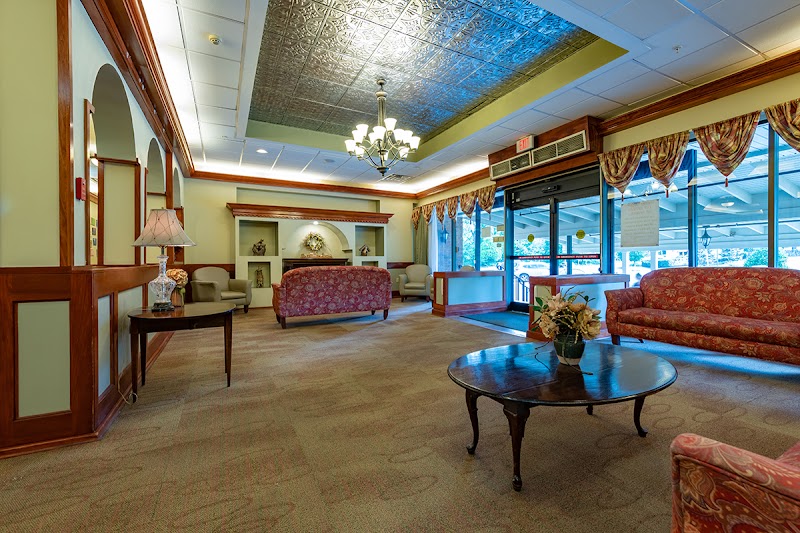
How Does Evergreen Center Compare to Other Virginia Nursing Homes?

Compared to the 100 nursing homes in Virginia, EVERGREEN HEALTH AND REHABILITATION CENTER's overall rating (2 stars) is below the state average of 3.0, staff turnover (49%) is near the state average of 46%, and health inspection rating (2 stars) is below the national benchmark.

What Should Families Ask When Visiting Evergreen Center?

Based on this facility's data, families visiting should ask: "Can you walk me through typical staffing levels on day, evening, and night shifts?" "Can I visit during a mealtime to observe dining assistance and food quality?" "How do you handle medical emergencies, and what is your hospital transfer rate?" "Can I speak with family members of current residents about their experience?" These questions are particularly relevant given the below-average staffing rating.

Is Evergreen Center Safe?

Based on CMS inspection data, EVERGREEN HEALTH AND REHABILITATION CENTER has a clean safety record: no substantiated abuse findings (meaning no confirmed cases of resident harm), no Immediate Jeopardy citations (the most serious violation level indicating risk of serious injury or death), and is not on the Special Focus Facility watch list (a federal program monitoring the lowest-performing 1% of nursing homes). The facility has a 2-star overall rating and ranks #100 of 100 nursing homes in Virginia. While no facility is perfect, families should still ask about staff-to-resident ratios and recent inspection results during their visit.

Do Nurses at Evergreen Center Stick Around?

EVERGREEN HEALTH AND REHABILITATION CENTER has a staff turnover rate of 49%, which is about average for Virginia nursing homes (state average: 46%). Moderate turnover is common in nursing homes, but families should still ask about staff tenure and how the facility maintains care continuity when employees leave.

Was Evergreen Center Ever Fined?

EVERGREEN HEALTH AND REHABILITATION CENTER has been fined $8,190 across 1 penalty action. This is below the Virginia average of $33,161. While any fine indicates a compliance issue, fines under $50,000 are relatively common and typically reflect isolated problems that were subsequently corrected. Families should ask what specific issues led to these fines and confirm they've been resolved.

Is Evergreen Center on Any Federal Watch List?

EVERGREEN HEALTH AND REHABILITATION CENTER is not on any federal watch list. The most significant is the Special Focus Facility (SFF) program, which identifies the bottom 1% of nursing homes nationally based on persistent, serious quality problems. Not being on this list means the facility has avoided the pattern of deficiencies that triggers enhanced federal oversight. This is a positive indicator, though families should still review the facility's inspection history directly.