THE VILLAGE AT ORCHARD RIDGE
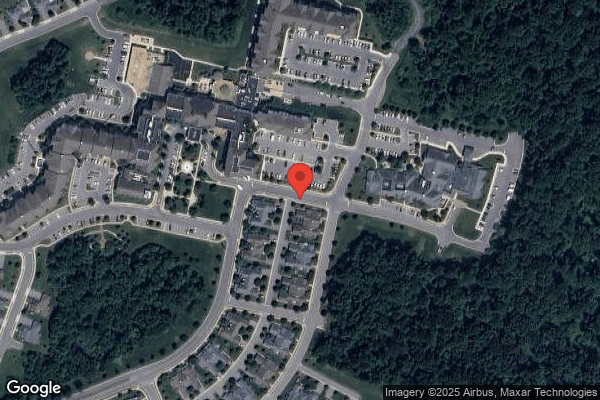
100 PROCESSION WAY, WINCHESTER, VA 22603 (540) 431-2800
Non profit - Church related 20 Beds NATIONAL LUTHERAN COMMUNITIES & SERVICES Data: November 2025
Trust Grade
90/100
#43 of 285 in VA
Last Inspection: March 2024

Within standard 12-15 month inspection cycle. Federal law requires annual inspections.

Overview

The Village at Orchard Ridge has received an excellent Trust Grade of A, indicating it is highly recommended and performs well compared to other nursing homes. It ranks #43 out of 285 facilities in Virginia, placing it in the top half, and is the best option among three facilities in Frederick County. The facility is new, with no previous inspection history, but it has identified four concerns related to care protocols. While staffing is a strength, with a perfect 5/5 rating, the turnover rate is average at 52%, slightly above the state average. Notably, there have been no fines, which is a positive sign. However, specific incidents include failures to ensure residents received necessary vaccinations, not updating care plans appropriately, and not administering medications as prescribed, which could impact resident safety and care.

Trust Score
A
90/100
In Virginia
#43/285
Top 15%
Safety Record
Low Risk
No red flags
Inspections
Too New
0 → 4 violations
Staff Stability
⚠ Watch
52% turnover. Above average. Higher turnover means staff may not know residents' routines.
Penalties
✓ Good
No fines on record. Clean compliance history, better than most Virginia facilities.
Skilled Nurses
✓ Good
Each resident gets 83 minutes of Registered Nurse (RN) attention daily — more than 97% of Virginia nursing homes. RNs are the most trained staff who catch health problems before they become serious.
Violations
✓ Good
Only 4 deficiencies on record. Cleaner than most facilities. Minor issues only.
★★★★★
5.0
Overall Rating
★★★★★
5.0
Staff Levels
★★★★☆
4.0
Care Quality
★★★★☆
4.0
Inspection Score
Stable
: 0 issues
2024: 4 issues

The Good

  • 5-Star Staffing Rating · Excellent nurse staffing levels
  • 4-Star Quality Measures · Strong clinical quality outcomes
  • Full Sprinkler Coverage · Fire safety systems throughout facility
  • No fines on record

Facility shows strength in staffing levels, quality measures, fire safety.

The Bad

Staff Turnover: 52%

Near Virginia avg (46%)

Higher turnover may affect care consistency

Chain: NATIONAL LUTHERAN COMMUNITIES & SER

Part of a multi-facility chain

Ask about local staffing decisions and management

The Ugly 4 deficiencies on record

Mar 2024 4 deficiencies
CONCERN (D)

Potential for Harm - no one hurt, but risky conditions existed

Deficiency F0657 (Tag F0657)

Could have caused harm · This affected 1 resident

Based on observation, staff interview, clinical record review, and facility document review, it was determined that the facility staff failed to review and revise the comprehensive care plan for one o...

Read full inspector narrative →
Based on observation, staff interview, clinical record review, and facility document review, it was determined that the facility staff failed to review and revise the comprehensive care plan for one of 17 residents in the survey sample; Resident #8. The findings include: For Resident #8, the facility staff failed to review and revise the comprehensive care plan for the use of side rails. On 3/05/24 at 8:23 AM, Resident #8 was observed in bed with bilateral padded grab bars up. A review of the clinical record revealed Side Rail Assessment forms dated 9/19/22, 12/19/22 and 3/19/23. The first two documented that side rails were recommended and the one dated 3/19/23 documented that side rails were not recommended. A review of the comprehensive care plan revealed one dated 9/20/22 for (Resident #8) is high risk for falls r/t (related to) Gait/balance problems, poor safety awareness. This care plan included an intervention dated 9/20/22 for The resident needs a safe environment with 1/4 Side rails as ordered This intervention was resolved on 3/1/23 and was not part of the current care plan. Further review of the clinical record revealed additional Side Rail Assessment forms dated 6/21/23, 9/22/23, and 12/25/23. These assessments documented that the use of a side rail was recommended for Resident #8. Further review of the comprehensive care plan failed to reveal any evidence that it was reviewed and revised to reinstate the use of side rails for Resident #8 after the above assessments documented that they were recommended again. On 3/6/24 at approximately 8:30 AM, an interview was conducted with ASM #2 (Administrative Staff Member) the Director of Nursing, who stated he was responsible for developing, reviewing and revising care plans. He stated that the use of side rails should be on the care plan. He stated that he was not sure why it was not on the care plan. He stated that the purpose of the care plan was to be a blue print of care that is provided to the resident. He stated that anybody who looks at it should have an idea how the resident is cared for. The facility policy, Care Plans - Comprehensive Person-Centered documented, An comprehensive, person-centered care plan that includes measurable objectives and timetables to meet the resident's physical, psychosocial and functional needs is developed and implemented for each resident Assessments of residents are ongoing and care plans are revised as information about the residents and the residents ' conditions change No further information was provided by the end of the survey.
CONCERN (D)

Potential for Harm - no one hurt, but risky conditions existed

Deficiency F0658 (Tag F0658)

Could have caused harm · This affected 1 resident

Based on resident interview, staff interview, facility document review, and clinical record review, the facility staff failed to follow professional standards of practice for administering medications...

Read full inspector narrative →
Based on resident interview, staff interview, facility document review, and clinical record review, the facility staff failed to follow professional standards of practice for administering medications for one of 17 residents in the survey sample, Resident #19. The findings include: For Resident #19 (R19), the facility staff failed to administer Simvastatin (1) as ordered by the physician. On 3/5/24 at 9:21 a.m., R19 was interviewed. She stated she did not think she had received all her correct medications when she was first admitted to the facility. A review of R19's clinical record revealed the following order, dated 2/22/24 (the date of R19's admission): Simvastatin Oral Tablet 10 MG (milligrams) (Simvastatin) (1) Give 1 tablet by mouth at bedtime for Hyperlipidemia (high fat levels in the blood). A review of R19's 2/22/24 MAR (medication administration record) revealed no evidence that Simvastatin was administered as ordered in the evening on 2/22/24. A review of R19 progress notes revealed the following note dated 2/22/24 at 11:56 p.m.: Simvastatin .not available. A review of the facility's list of medications always available in a back-up supply at the facility included Simvastatin 5 mgs. On 3/6/24 at 9:22 a.m., RN (registered nurse) #1 was interviewed. When asked what steps she would take if a medication for a resident was not available in the resident's supply, she stated she would check the back-up supply. She stated if the medication is stocked in the back-up supply, she would pull it and administer it to the resident. After reviewing R19's February 2024 MAR and progress notes, she stated: It doesn't look like it was given. I assume the back-up supply did not include this medication. On 3/6/24 at 11:42 a.m., ASM (administrative staff member) #1, the administrator, and ASM #2, the director of nursing, were informed of these concerns. A review of the facility policy, Medication Management, failed to reveal information regarding the use of the facility's back-up medication supply in case a medication is not available for administration at the time it is due. No further information was provided prior to exit. References (1) Simvastatin is used together with diet, weight-loss, and exercise to reduce the risk of heart attack and stroke and to decrease the chance that heart surgery will be needed in people who have heart disease or who are at risk of developing heart disease. Simvastatin is also used to decrease the amount of fatty substances such as low-density lipoprotein (LDL) cholesterol (''bad cholesterol'') and triglycerides in the blood and to increase the amount of high-density lipoprotein (HDL) cholesterol (''good cholesterol'') in the blood. This information is taken from the website https://medlineplus.gov/druginfo/meds/a692030.html#:~:text=Simvastatin%20is%20in%20a%20class,other%20parts%20of%20the%20body.
CONCERN (D)

Potential for Harm - no one hurt, but risky conditions existed

Quality of Care (Tag F0684)

Could have caused harm · This affected 1 resident

Based on observation, staff interview, facility document review, and clinical record review, the facility staff failed to follow physicians' orders to promote the highest level of well-being for two o...

Read full inspector narrative →
Based on observation, staff interview, facility document review, and clinical record review, the facility staff failed to follow physicians' orders to promote the highest level of well-being for two of 17 residents in the survey sample, Residents #20 and #10. The findings include: 1. For Resident #20 (R20), the facility staff failed to obtain daily weights as ordered by the physician. A review of R20's clinical record revealed he was admitted with diagnoses including congestive heart failure and edema (swelling). A review of R20's physician's orders revealed an order dated 3/1/24 for daily weights related to his congestive heart failure. Further review of R20's clinical record revealed no evidence of a weight on 3/1/24 or 3/2/24. On 3/6/24 at 9:22 a.m., RN (registered nurse) #1 was interviewed. She stated the CNAs (certified nursing assistants) usually get the daily weights when the nurse asks them to do so, and the nurse is responsible for documenting them. She stated if a resident is on daily weights due to excessive fluid or heart failure, there is a risk of the resident becoming fluid overloaded or the heart working too hard if the resident shows a daily weight gain. On 3/6/24 at 11:42 a.m., ASM (administrative staff member) #1, the administrator, and ASM #2, the director of nursing, were informed of these concerns. A review of the facility policy, Physician Orders, revealed no information related to the necessity of following a physician's order to prevent fluid overload. No further information was provided prior to exit. 2. For Resident #10 (R10), the facility staff failed to position the resident with pillows in a chair, per a physician's order. R10's comprehensive care plan dated 7/9/21 failed to document specific information regarding positioning in a chair. A review of R10's clinical record revealed a physician's order dated 1/26/23 that documented. Please ensure resident is properly positioned in chair with pillow supporting legs and (R) (right) side. Verbal cuing to CNAs (certified nursing assistant) regarding use of pillows to properly position resident every day shift related to ALZHEIMER'S DISEASE. R10's March 2024 treatment administration record documented the same physician's order and was signed by LPN (licensed practical nurse) #1 on 3/5/24. On 3/5/24 at 11:52 a.m., R10 was observed sitting in a chair in the dining room. R10's feet were touching the floor, and no pillows were observed positioning the resident's legs or right side. On 3/5/24 at 3:13 p.m., an interview was conducted with CNA #1 (the CNA caring for Resident #10). CNA #1 stated the need for positioning devices are communicated to the nurses via physician's orders then the nurses review this with the CNAs. CNA #1 stated she was not aware of the physician's order for R10's positioning with pillows in the chair and she did not position the resident with pillows in the chair. On 3/5/24 at 3:23 p.m., an interview was conducted with LPN (licensed practical nurse) #1 (the nurse caring for R10). LPN #1 stated he was an agency nurse and only comes to the facility once in a while when needed. LPN #1 stated he was not aware of the physician's order for R10's positioning with pillows in the chair. LPN #1 stated he had just signed the treatment administration record. On 3/6/24 at 11:42 a.m., ASM (administrative staff member) #1 (the administrator) and ASM #2 (the director of nursing) were made aware of the above concern. The facility policy titled, Physician Orders Policy failed to document specific information regarding the implementation of physician's orders.
CONCERN (E)

Potential for Harm - no one hurt, but risky conditions existed

Deficiency F0883 (Tag F0883)

Could have caused harm · This affected multiple residents

**NOTE- TERMS IN BRACKETS HAVE BEEN EDITED TO PROTECT CONFIDENTIALITY** Based on staff interview, facility document review, and clinical record review, the facility staff failed to implement a complet...

Read full inspector narrative →
**NOTE- TERMS IN BRACKETS HAVE BEEN EDITED TO PROTECT CONFIDENTIALITY** Based on staff interview, facility document review, and clinical record review, the facility staff failed to implement a complete pneumococcal immunization program for five of five resident immunization reviews, Residents #6, #10, #12, #3, and #1. The findings include: 1. For Resident #6 (R6), the facility staff failed to obtain and document the resident's current pneumococcal immunization status. A review of R6's clinical record failed to reveal documentation regarding the resident's pneumococcal immunization status or documentation that R6 was offered the immunization. On 3/5/24 at 2:00 p.m., a request for R6's pneumococcal immunization information was made to the facility administration. On 3/6/24 at 8:04 a.m., ASM (administrative staff member) #2 (the director of nursing) provided an immunization record for R6 that documented the resident received a pneumococcal immunization on 1/1/2000. On 3/6/24 at 8:28 a.m., an interview was conducted with ASM (administrative staff member) #2. ASM #2 stated the former minimum data set coordinator was responsible for immunizations, but that person was no longer employed at the facility, and he had assumed the role. ASM #2 stated that when a resident is admitted , the staff is supposed to obtain information regarding his or her pneumococcal immunization status. ASM #2 stated that on 3/5/24, he reached out to the nurse practitioner, and she pulled the immunization record from the state immunization registry. On 3/6/24 at 11:42 a.m., ASM #1 (the administrator) and ASM #2 were made aware of the above concern. The facility policy titled, Pneumococcal Vaccine documented, 1. Prior to or upon admission, residents will be assessed for eligibility to receive the pneumococcal vaccine series, and when indicated, will be offered the vaccine series within thirty (30) days of admission to the facility unless medically contraindicated or the resident has already been vaccinated. 7. Administration of the pneumococcal vaccines or revaccinations will be made in accordance with current Centers for Disease Control and Prevention (CDC) recommendations at the time of vaccination. 2. For Resident #10 (R10), the facility staff failed to obtain and document the resident's current pneumococcal immunization status. A review of R10's clinical record failed to reveal documentation regarding the resident's pneumococcal immunization status or documentation that R6 was offered the immunization. On 3/5/24 at 2:00 p.m., a request for R10's pneumococcal immunization information was made to the facility administration. On 3/6/24 at 8:04 a.m., ASM (administrative staff member) #2 (the director of nursing) provided an immunization record for R10 that documented the resident received a pneumococcal immunization on 2/13/19. On 3/6/24 at 8:28 a.m., an interview was conducted with ASM (administrative staff member) #2. ASM #2 stated the former minimum data set coordinator was responsible for immunizations, but that person was no longer employed at the facility, and he had assumed the role. ASM #2 stated that when a resident is admitted , the staff is supposed to obtain information regarding his or her pneumococcal immunization status. ASM #2 stated that on 3/5/24, he obtained the record from R10's former assisted living records. On 3/6/24 at 11:42 a.m., ASM #1 (the administrator) and ASM #2 were made aware of the above concern. 3. For Resident #12 (R12), the facility staff failed to offer the most updated pneumococcal immunization. A review of R12's clinical record revealed a head-to-toe assessment dated [DATE] that documented the resident had received a pneumococcal immunization but did not know the date received. Further review of R12's clinical record failed to reveal any further documentation regarding the pneumococcal immunization (including the date and type of pneumococcal immunization received). On 3/5/24 at 2:00 p.m., a request for R12's pneumococcal immunization information was made to the facility administration. On 3/6/24 at 8:04 a.m., ASM (administrative staff member) #2 (the director of nursing) presented an informed consent for pneumococcal vaccine (immunization) form for R12, dated 3/5/24 that documented, You are being offered the pneumococcal vaccine because it is recommended by the Advisory Committee on Immunization Practices for your age group to prevent pneumococcal disease. It is recommended that adults >[AGE] years old who have not previously received a pneumococcal conjugate vaccine or whose previous vaccination history is unknown should receive a pneumococcal conjugate vaccine (either PCV20 or PCV15). If PCV15 is used, this should be followed by a dose of PPSV23 at least one year later. On 3/6/24 at 8:28 a.m., an interview was conducted with ASM (administrative staff member) #2. ASM #2 stated the former minimum data set coordinator was responsible for immunizations, but that person was no longer employed at the facility, and he had assumed the role. ASM #2 stated there has been confusion about when a resident is supposed to receive the pneumococcal immunization [in regard to the updated Centers for Disease Control and Prevention guidelines] but he has looked into the current requirements and has now begun to offer the immunization based on the guidelines. On 3/6/24 at 11:42 a.m., ASM #1 (the administrator) and ASM #2 were made aware of the above concern. The CDC website documented, Pneumococcal Vaccination: Summary of Who and When to Vaccinate: Adults 65 Years or Older Never Received Any Pneumococcal Vaccine For older adults who don't have an immunocompromising condition, cochlear implant, or cerebrospinal fluid leak: Give 1 dose of PCV15 or PCV20. When PCV15 is used, it should be followed by a dose of PPSV23 at least 1 year later. Their vaccines will then be complete. When PCV20 is used, it does not need to be followed by a dose of PPSV23. Their vaccines are then complete. For older adults who have an immunocompromising condition, cochlear implant, or cerebrospinal fluid leak: Give 1 dose of PCV15 or PCV20. When PCV15 is used, it should be followed by a dose of PPSV23 at least 8 weeks later. Their vaccines will then be complete. When PCV20 is used, it does not need to be followed by a dose of PPSV23. Their vaccines are then complete. Also applies to people who received PCV7 at any age and no other pneumococcal vaccines. Only Received PPSV23 Give 1 dose of PCV15 or PCV20 at least 1 year after the most recent PPSV23 vaccination. Regardless of vaccine given, an additional dose of PPSV23 is not recommended since they already received it. Their vaccines are then complete. Only Received PCV13 For older adults who don't have an immunocompromising condition, cochlear implant, or cerebrospinal fluid leak: Give 1 dose of PCV20 or PPSV23 at least 1 year after PCV13. Regardless of vaccine used, their vaccines are then complete. For older adults who have an immunocompromising condition, cochlear implant, or cerebrospinal fluid leak: Give 1 dose of PCV20 or PPSV23. Regardless of vaccine used, their vaccines are then complete. The PCV20 dose should be given at least 1 year after PCV13. The PPSV23 dose should be given at least 8 weeks after PCV13. This information was obtained from the website: https://www.cdc.gov/vaccines/vpd/pneumo/hcp/who-when-to-vaccinate.html. 4. For Resident #3 (R3), the facility staff failed to offer the most updated pneumococcal immunization. A review of R3's clinical record revealed R3 received the Prevnar 13 (PCV13) pneumococcal immunization on 8/3/15. Further review of R3's clinical record failed to reveal any further documentation regarding the pneumococcal immunization. On 3/5/24 at 2:00 p.m., a request for R3's pneumococcal immunization information was made to the facility administration. On 3/6/24 at 8:04 a.m., ASM (administrative staff member) #2 (the director of nursing) presented an informed consent for pneumococcal vaccine (immunization) form for R3, dated 3/5/24 that documented, You are being offered the pneumococcal vaccine because it is recommended by the Advisory Committee on Immunization Practices for your age group to prevent pneumococcal disease. It is recommended that adults >[AGE] years old who have not previously received a pneumococcal conjugate vaccine or whose previous vaccination history is unknown should receive a pneumococcal conjugate vaccine (either PCV20 or PCV15). If PCV15 is used, this should be followed by a dose of PPSV23 at least one year later. On 3/6/24 at 8:28 a.m., an interview was conducted with ASM (administrative staff member) #2. ASM #2 stated the former minimum data set coordinator was responsible for immunizations, but that person was no longer employed at the facility, and he had assumed the role. ASM #2 stated there has been confusion about when a resident is supposed to receive the pneumococcal immunization [in regard to the updated Centers for Disease Control and Prevention guidelines] but he has looked into the current requirements and has now begun to offer the immunization based on the guidelines. On 3/6/24 at 11:42 a.m., ASM #1 (the administrator) and ASM #2 were made aware of the above concern. 5. For Resident #1 (R1), the facility staff failed to offer the most updated pneumococcal immunization. A review of R1's clinical record revealed R1 received the Prevnar 13 (PCV13) pneumococcal immunization on 10/19/16. Further review of R1's clinical record failed to reveal any further documentation regarding the pneumococcal immunization. On 3/5/24 at 2:00 p.m., a request for R1's pneumococcal immunization information was made to the facility administration. On 3/6/24 at 8:04 a.m., ASM (administrative staff member) #2 (the director of nursing) presented an informed consent for pneumococcal vaccine (immunization) form for R1, dated 3/5/24 that documented, You are being offered the pneumococcal vaccine because it is recommended by the Advisory Committee on Immunization Practices for your age group to prevent pneumococcal disease. It is recommended that adults >[AGE] years old who have not previously received a pneumococcal conjugate vaccine or whose previous vaccination history is unknown should receive a pneumococcal conjugate vaccine (either PCV20 or PCV15). If PCV15 is used, this should be followed by a dose of PPSV23 at least one year later. On 3/6/24 at 8:28 a.m., an interview was conducted with ASM (administrative staff member) #2. ASM #2 stated the former minimum data set coordinator was responsible for immunizations, but that person was no longer employed at the facility, and he had assumed the role. ASM #2 stated there has been confusion about when a resident is supposed to receive the pneumococcal immunization [in regard to the updated Centers for Disease Control and Prevention guidelines] but he has looked into the current requirements and has now begun to offer the immunization based on the guidelines. On 3/6/24 at 11:42 a.m., ASM #1 (the administrator) and ASM #2 were made aware of the above concern.
Understanding Severity Codes (click to expand)
Life-Threatening (Immediate Jeopardy)
J - Isolated K - Pattern L - Widespread
Actual Harm
G - Isolated H - Pattern I - Widespread
Potential for Harm
D - Isolated E - Pattern F - Widespread
No Harm (Minor)
A - Isolated B - Pattern C - Widespread

Questions to Ask on Your Visit

  • "Can I speak with families of current residents?"
  • "What's your RN coverage like on weekends and overnight?"

Our Honest Assessment

Strengths
  • • Grade A (90/100). Above average facility, better than most options in Virginia.
  • • No major safety red flags. No abuse findings, life-threatening violations, or SFF status.
  • • No fines on record. Clean compliance history, better than most Virginia facilities.
  • • Only 4 deficiencies on record. Cleaner than most facilities. Minor issues only.
Concerns
  • • No significant concerns identified. This facility shows no red flags across CMS ratings, staff turnover, or federal penalties.
Bottom line: Generally positive indicators. Standard due diligence and a personal visit recommended.

About This Facility

What is The Village At Orchard Ridge's CMS Rating?

CMS assigns THE VILLAGE AT ORCHARD RIDGE an overall rating of 5 out of 5 stars, which is considered much above average nationally. Within Virginia, this rating places the facility higher than 99% of the state's 100 nursing homes. This rating reflects solid performance across the metrics CMS uses to evaluate nursing home quality.

How is The Village At Orchard Ridge Staffed?

CMS rates THE VILLAGE AT ORCHARD RIDGE's staffing level at 5 out of 5 stars, which is much above average compared to other nursing homes. Staff turnover is 52%, compared to the Virginia average of 46%.

What Have Inspectors Found at The Village At Orchard Ridge?

State health inspectors documented 4 deficiencies at THE VILLAGE AT ORCHARD RIDGE during 2024. These included: 4 with potential for harm.

Who Owns and Operates The Village At Orchard Ridge?

THE VILLAGE AT ORCHARD RIDGE is owned by a non-profit organization. Non-profit facilities reinvest revenue into operations rather than distributing to shareholders. The facility is operated by NATIONAL LUTHERAN COMMUNITIES & SERVICES, a chain that manages multiple nursing homes. With 20 certified beds and approximately 18 residents (about 90% occupancy), it is a smaller facility located in WINCHESTER, Virginia.

How Does The Village At Orchard Ridge Compare to Other Virginia Nursing Homes?

Compared to the 100 nursing homes in Virginia, THE VILLAGE AT ORCHARD RIDGE's overall rating (5 stars) is above the state average of 3.0, staff turnover (52%) is near the state average of 46%, and health inspection rating (4 stars) is above the national benchmark.

What Should Families Ask When Visiting The Village At Orchard Ridge?

Based on this facility's data, families visiting should ask: "Can I visit during a mealtime to observe dining assistance and food quality?" "How do you handle medical emergencies, and what is your hospital transfer rate?" "Can I speak with family members of current residents about their experience?"

Is The Village At Orchard Ridge Safe?

Based on CMS inspection data, THE VILLAGE AT ORCHARD RIDGE has a clean safety record: no substantiated abuse findings (meaning no confirmed cases of resident harm), no Immediate Jeopardy citations (the most serious violation level indicating risk of serious injury or death), and is not on the Special Focus Facility watch list (a federal program monitoring the lowest-performing 1% of nursing homes). The facility has a 5-star overall rating and ranks #1 of 100 nursing homes in Virginia. While no facility is perfect, families should still ask about staff-to-resident ratios and recent inspection results during their visit.

Do Nurses at The Village At Orchard Ridge Stick Around?

THE VILLAGE AT ORCHARD RIDGE has a staff turnover rate of 52%, which is 6 percentage points above the Virginia average of 46%. Moderate turnover is common in nursing homes, but families should still ask about staff tenure and how the facility maintains care continuity when employees leave.

Was The Village At Orchard Ridge Ever Fined?

THE VILLAGE AT ORCHARD RIDGE has no federal fines on record. CMS issues fines when nursing homes fail to meet care standards or don't correct problems found during inspections. The absence of fines suggests the facility has either maintained compliance or corrected any issues before penalties were assessed. This is a positive indicator, though families should still review recent inspection reports for the full picture.

Is The Village At Orchard Ridge on Any Federal Watch List?

THE VILLAGE AT ORCHARD RIDGE is not on any federal watch list. The most significant is the Special Focus Facility (SFF) program, which identifies the bottom 1% of nursing homes nationally based on persistent, serious quality problems. Not being on this list means the facility has avoided the pattern of deficiencies that triggers enhanced federal oversight. This is a positive indicator, though families should still review the facility's inspection history directly.