CARRINGTON PLACE AT WYTHEVILLE - BIRDMONT CENTER
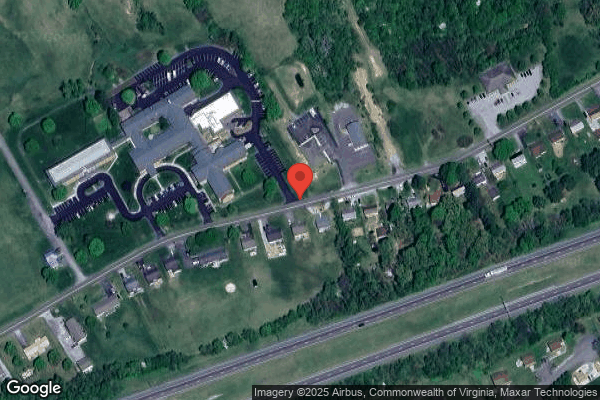

990 HOLSTON RD, WYTHEVILLE, VA 24382 (276) 228-5595
For profit - Corporation 137 Beds Independent Data: November 2025 1 Immediate Jeopardy citation
Trust Grade
3/100
#240 of 285 in VA
Last Inspection: May 2025

Inspected within the last 6 months. Data reflects current conditions.

Overview

Carrington Place at Wytheville - Birdmont Center has received a Trust Grade of F, indicating significant concerns about the quality of care provided. Ranking #240 out of 285 facilities in Virginia places them in the bottom half of all nursing homes in the state, though they are #2 out of 3 in Wythe County, which means only one local option is rated higher. The facility is worsening, with the number of issues identified increasing from 15 in 2024 to 32 in 2025. Staffing is a significant concern, with a rating of only 1 out of 5 stars and a turnover rate of 72%, much higher than the state average of 48%. Additionally, the facility has incurred fines totaling $79,870, which is higher than 91% of other Virginia facilities, raising alarms about compliance issues. Specific incidents include a critical failure to administer insulin for a resident's diabetes management and a serious lapse in providing adequate pain management for another resident with multiple health concerns. Furthermore, there were concerns regarding the lack of co-signatures on medical orders, which could lead to serious mismanagement of care. Overall, while the facility has significant weaknesses in care quality and staffing, it is crucial for families to weigh these issues against any potential strengths when considering their options.

Trust Score
F
3/100
In Virginia
#240/285
Bottom 16%
Safety Record
High Risk
Review needed
Inspections
Getting Worse
15 → 32 violations
Staff Stability
⚠ Watch
72% turnover. Very high, 24 points above average. Constant new faces learning your loved one's needs.
Penalties
○ Average
$79,870 in fines. Higher than 69% of Virginia facilities. Some compliance issues.
Skilled Nurses
⚠ Watch
Each resident gets only 15 minutes of Registered Nurse (RN) attention daily — below average for Virginia. Fewer RN minutes means fewer trained eyes watching for problems.
Violations
⚠ Watch
68 deficiencies on record. Higher than average. Multiple issues found across inspections.
★☆☆☆☆
1.0
Overall Rating
★☆☆☆☆
1.0
Staff Levels
★★☆☆☆
2.0
Care Quality
★☆☆☆☆
1.0
Inspection Score
Stable
2024: 15 issues
2025: 32 issues

The Good

  • Full Sprinkler Coverage · Fire safety systems throughout facility
  • No fines on record

Facility shows strength in fire safety.

The Bad

1-Star Overall Rating

Below Virginia average (3.0)

Significant quality concerns identified by CMS

Staff Turnover: 72%

26pts above Virginia avg (46%)

Frequent staff changes - ask about care continuity

Federal Fines: $79,870

Well above median ($33,413)

Moderate penalties - review what triggered them

Staff turnover is very high (72%)

24 points above Virginia average of 48%

The Ugly 68 deficiencies on record

1 life-threatening 1 actual harm
May 2025 32 deficiencies 1 IJ (1 affecting multiple)
CRITICAL (K) 📢 Someone Reported This

A family member, employee, or ombudsman was alarmed enough to file a formal complaint

Immediate Jeopardy (IJ) - the most serious Medicare violation

Quality of Care (Tag F0684)

Someone could have died · This affected multiple residents

**NOTE- TERMS IN BRACKETS HAVE BEEN EDITED TO PROTECT CONFIDENTIALITY** 7. The facility staff failed to ensure Resident #90's insulin was ordered and/or administered to address the resident's diabetic...

Read full inspector narrative →
**NOTE- TERMS IN BRACKETS HAVE BEEN EDITED TO PROTECT CONFIDENTIALITY** 7. The facility staff failed to ensure Resident #90's insulin was ordered and/or administered to address the resident's diabetic needs. Resident #90's Minimum Data Set (MDS) assessment, with an Assessment Reference Date (ARD) of 1/26/25, was signed as completed on 1/29/25. Resident #90 was assessed as usually able to make self understood and as usually able to understand others. Resident #90's Brief Interview for Mental Status (BIMS) summary score was documented as a 15 out of 15; this indicated intact or borderline cognition. Resident #90's clinical documentation indicated the resident arrived at the facility on 1/22/25 at 4:10 p.m. A DIET REQUISITION FORM for the resident to receive a no salt added, CCHO diet was used to communicate the resident's dietary needs to the dietary department on 1/22/25. (A CCHO diet is a consistent or controlled carbohydrate diet ordered to help control blood sugar levels.) Resident #90's hospital Discharge summary, dated [DATE] at 12:19 p.m., indicated the resident was to continue receiving: - Insulin Glargine 25 units via subcutaneous injection at bedtime, and - Insulin Human Lispro 10 units via subcutaneous injection before meals. (Insulin Lispro is a fast-acting insulin that starts to work in approximately 15 minutes, peaks in approximately one (1) hour, and keeps working for two (2) to four (4) hours; Insulin Glargine is a long-acting insulin that reaches the blood stream several hours after injection and controls blood sugar levels for up to 24 hours.) Resident #90's medical provider orders included an order, dated 1/22/25 at 2:39 p.m., for Insulin Lispro 10 units to be administered via subcutaneous injection before meals for diabetes. This order was entered to begin on 1/23/25 at 8:00 a.m. Therefore, the Insulin Lispro was not ordered to be administered prior to Resident #90's evening meal on 1/22/25. Resident #90's medical provider orders included an order, dated 1/22/25 at 2:39 p.m., for Insulin Glargine 25 units injected subcutaneously at bedtime for diabetes. This medication was ordered to be started on 1/22/25. Review of Resident #90's medication administration record did not have evidence of this medication being administered on the evening of 1/22/25. On 5/1/25 at 9:55 a.m., the Assistant Director of Nursing (ADON) acknowledged that no documentation was found to indicate Resident #90's bedtime insulin was administered as ordered; the ADON reported it was possible the medication was administered when it arrived from the pharmacy without the nurse documenting its administration. On 1/22/25 at 7:11 p.m., Resident #90's blood sugar was documented as 133.0 mg/dL. On 1/23/25 at 10:09 a.m., Resident #90's blood sugar level was documented as being greater than 600. The nurse practitioner (NP) was notified and gave orders for 10 units of Humalog Insulin to be administered and the resident's blood sugar rechecked in 45 minutes. Resident #90's MAR indicated the resident was administered another dose of Humalog Insulin 15 units via subcutaneous injection at approximately 11:00 p.m., on 1/23/25, due to a continued high blood sugar level. Resident #90's progress notes included an entry dated 1/23/25 at 12:05 p.m.; the resident's blood sugar level continued to read HI on the glucometer (the HI reading indicated the blood sugar was greater than 600). The NP gave an order for Resident #90 to be transferred to the emergency department for further evaluation. The following information was found in a facility policy titled Admission/readmission Orders (with a revised date of September 2017): - Physicians shall provide appropriate admission and readmission orders. - Residents/patients will receive appropriate treatments and services starting upon admission. - Residents and patients will not suffer complications because of incomplete, inaccurate, or delayed admission orders. - admission and readmission orders will include: . Orders related to interventions, including medications . - Essential information for new admissions or readmissions should include at least the following: . Medications . Resident #90's emergency department (ED) documentation for the 1/23/25 visit indicated, by the resident's arrival at the ED, his blood sugar level had decreased to 324. The resident was discharged from the ED back to the facility without further treatment. On 5/1/25 at 4:37 p.m., the survey team met with the facility's Administrator, Director of Nursing, and Administrator-in-Training (AIT). The surveyor discussed the failure of the facility staff to administer Resident #90's 1/22/25 bedtime insulin as ordered by the medical provider. The surveyor discussed the failure of the medical provider to order Resident #90's before meal insulin for the evening meal on 1/22/25. On 5/6/25 at 4:28 p.m., the survey team met with the facility's Administrator, Director of Nursing, and Administrator-in-Training (AIT). The surveyor discussed the failure of facility staff to provide insulin to address Resident #90's needs. 11. For Resident #198, facility staff failed to administer Gabapentin (an anticonvulsant also used to treat neuropathic pain) per provider order. Resident #198's diagnoses included but were not limited to chronic obstructive pyelonephritis. Section C (cognitive patterns) of the minimum data set with an assessment reference date of 04/15/25 coded the resident's brief interview for mental status a 15 out of 15 indicating the resident's cognition was intact. The resident's clinical record contained an order for Gabapentin 300mg, give one (1) capsule by mouth at bedtime for pain to start on 04/11/25. Resident #198's medication administration record (MAR) for April 2025 indicated facility staff documented a 9 on 04/11/25 and 04/13/25 for the Gabapentin medication. The MAR contained chart codes which read that 9 indicated Other/See progress notes. The progress note for the 04/11/25 dose read, New admit awaiting delivery from pharmacy. The progress note for the 04/13/25 dose read, Medication not available from pharmacy. The MAR documentation indicated the 04/12/25 dose was administered. On 05/02/25, the assistant director of nursing (ADON) provided the Cubex Inventory which listed Gabapentin 300mg capsule as available in the Cubex (backup medication dispensing system). On 05/06/25 at 11:54 a.m., the director of nursing (DON) was interviewed. The DON stated her expectation would be for facility staff to retrieve the Gabapentin 300mg capsule from the Cubex on both 04/11/25 and 04/13/25. During an end of day summary meeting with the administrator, DON, and administrator-in-training on 05/06/25 at 4:28 p.m., the issue regarding Resident #198 not receiving Gabapentin on two of three days though the medication was available in the Cubex was discussed. On 05/07/25 at 10:01 a.m., the DON reported speaking with the pharmacy about Resident #198's Gabapentin order. The DON stated the conversation with pharmacy did not change the fact the resident had a Gabapentin order to receive the medication and Resident #198 did not receive it on 04/11/25 or 04/13/25. The documentation showed the resident did receive the medication on 04/12/25 and the order was discontinued on 04/14/25. No further information was provided prior to the exit conference. 8. For Resident #51 the facility staff failed to obtain daily weights per the physician's orders. Resident #51's clinical record listed diagnoses which included but not limited to chronic respiratory failure with hypoxia, morbid obesity, and obstructive sleep apnea. Resident #51's most recent minimum data set (MDS) with an assessment reference date of 02/28/25 assigned the resident a brief interview for mental status score of 15 out of 15 in section C, cognitive patterns. this indicates that the resident is cognitively intact. Resident #51's clinical record was reviewed and contained a physician's order summary which h read in part, Daily wt. (weight): report to MD a gain of 3 or more pounds overnight every day shift for CHF-start date 12/26/2025 and Tiotropium Bromide Monohydrate Inhalation Aerosol Solution 2.5 MCG/ACT (micrograms/activation) (Tiotropium Bromide Monohydrate) 2 puff inhale orally one time a day for COPD (chronic obstructive pulmonary disease)-start date 04/08/2025. Resident #51's electronic medication administration record for the months of January, February, March and April 2025 were reviewed and contained entries as above. The entry for daily weights was initialed as being done every day in January, but there was no area on the eMAR to document the weight. Daily weights for February documented 3 refusals on the eMAR, all other days initialed as being done, but no area on the eMAR to document weights. Daily weights for the month of March documented 6 refusals on the eMAR, all other days initialed as being done, but no area on the eMAR to document weights. Daily weights for the month of April documented 9 refusals on the eMAR, all other days initialed as being completed, except 04/23/25. There was no area on the eMAR to document weights until 04/16/25. Resident #51's nurse's progress notes were reviewed and contained notes which read in part, 2/19/2025 14:11 Daily wt: report to MD a gain of 3 or more pounds overnight every day shift for CHF (congestive heart failure). Resident refused wt today. This nurse and fellow Nurse on shift verified refusal, 02/20/2025 16:27 Daily wt: report to MD a gain of 3 or more pounds overnight every day shift for CHF. Resident refused wt today., 2/28/2025 18:13 Daily wt: report to MD a gain of 3 or more pounds overnight every day shift for CHF, 3/05/2025 18:19 Daily wt: .Despite multiple attempts resident continues to refuse to allow staff to obtain weight, 03/10/2025 13:47 Daily wt: .Resident refused to get up for wt today, 3/11/2025 17:50 Daily wt: report to MD a gain of 3 or more pounds overnight every day shift for CHF, 3/15/2025 15:24 Daily wt: report to MD a gain of 3 or more pounds overnight every day shift for CHF, 3/16/2025 09:58 Daily wt: .refused, 3/20/205 17:54 Daily wt: .Refused despite multiple attempts throughout shift, 3/20/2025 14:16 Daily wt: refused, 4/6/2025 12:19 Daily wt: .refused risk v benefit education provided, 4/17/2025 18:58 Daily wt: .no weight done this shift, 4/19/2025 17:15 Daily wt: .resident refused, 4/21/2025 16:14 Daily wt: .refused x2 attempts, 4/22/2025 18:12 Daily wt: .Resident refused weight, states she does not feel like getting weighted today, 4/24/2025 19:22 Daily wt: .UAO (unable to obtain), 4/25/2025 16:59 Daily wt: report to MD a gain of 3 or more pounds overnight for CHF, 4/27/2025 18:04 Daily wt: .refused and 4/30/2025 Daily wt: .refused. Resident #51's weight record was reviewed and contained recorded weights on 01/01/25, 01/06/25, 01/08/25, 02/24/25, 03/14/25, 03/24/25, 04/16/25, 04/18/25, 04/20/25, 04/26/25, 04/28/25 and 04/29/25. Surveyor spoke with the director of nursing (DON) on 05/02/25 at 2:05 pm regarding Resident #51's daily weights. DON stated the link to enter weights on the eMAR was not active until 04/16 and that nurses were just signing off weights and not doing them. Surveyor requested and was provided with a facility policy entitled, Charting and Documentation which read in part, All services provided to the resident, progress toward the care plan goals, or any changes in the resident's medical, physical, functional or psychosocial conditions, shall be documented in the resident's medical record . 2. The following information is to be documented in the resident medical record: c. Treatments and Services performed; d. Changes in the resident's condition. The concern of not obtaining resident's daily weights per the physician's order was discussed with the administrator, DON, and administrator-in-training on 05/06/25 at 4:30 pm. No further information was provided prior to exit. Based on resident interview, staff interview, clinical record review, and facility document review, the facility staff failed to provide care and/or services to address residents' needs for 11 of 30 sampled residents. Resident #26, #62, #4, #348, #15, #448, #90, #51, #65, #77, and #198. The survey team informed the facility on 5/05/25 at 4:05 PM of the Immediate Jeopardy situation regarding Resident #26, #62, #4, and #15 due to the facility staff failing to: (1) ensure timely laboratory test completion, (2) communicate abnormal results to the medical provider, (3) ensure a medical provider responded to abnormal laboratory results and/or (4) implement ordered treatments addressing abnormal laboratory results in a timely manner. The scope and severity were originally cited at a Level IV, pattern. On 5/06/25 at 3:45 PM, the Immediate Jeopardy was abated and lowered to a Level III, pattern. The findings included: 1. For Resident #26, the facility staff failed to obtain a urinalysis with culture and sensitivity (UA C&S) as ordered by the medical provider, failed to obtain a CBC (complete blood count) and BMP (basic metabolic panel) laboratory testing in a timely manner, and failed to administer an antibiotic to treat a urinary tract infection (UTI) as ordered by the medical provider. Resident #26's diagnosis list indicated diagnoses, which included, but not limited to Acute Cerebrovascular Insufficiency, Diverticulitis of Intestine, and History of Urinary Tract Infections. The most recent minimum data set (MDS) with an assessment reference date (ARD) of 2/26/25 assigned the resident a brief interview for mental status (BIMS) summary score of 6 out of 15 indicating the resident was severely cognitively impaired. Resident #26's comprehensive person-centered care plan included a focus area stating the resident had a history of urinary tract infections (UTIs). Resident #26 was seen by the nurse practitioner (NP) on 1/06/25, the progress note read in part .The patient is actively experiencing a burning sensation during urination and general discomfort. She has a documented history of recurrent UTIs .A urinalysis with culture and sensitivity will be ordered to confirm or rule out a urinary tract infection. If the test results confirm a UTI, appropriate antibiotics will be prescribed based on the sensitivity results . Surveyor reviewed Resident #26's clinical record and was unable to locate evidence of a UA C&S being obtained following the 1/06/25 provider note. On 5/01/25 at approximately 10:30 AM, surveyor spoke with Licensed Practical Nurse (LPN) #7 and requested results of the UA C&S ordered on 1/06/25. LPN #7 returned and confirmed there were no results and provided a copy of the 1/06/25 NP progress note with a handwritten note stating, no order entered by NP. Resident #26 was seen by the NP on 1/28/25, the progress note read in part .The patient has experienced emesis over the past couple of days .She reports ongoing nausea and is having difficulty eating .Suspected dehydration is consistent with the patient's recent history of vomiting and difficulty eating. Lab orders for a BMP and CBC have been placed to further evaluate the patient's hydration status and overall health . The NP saw Resident #26 again the following day on 1/29/25. The progress note read in part .labs that were supposed to be drawn yesterday were not completed, but the staff has assured that they will be done today. The patient continues to exhibit signs of dehydration, and IV [intravenous] fluids are currently infusing . Resident #26's clinical record included results of the CBC and BMP indicating the labs were not collected until 1/30/25 at 6:00 AM. The results included a critically low hemoglobin of 5.8 (normal range 12-16) and a critically low hematocrit of 17.5 (normal range 37-47). The facility was notified of the critical lab values on 1/30/25 at 5:30 PM and Resident #26 was sent to an acute care hospital and admitted for treatment. A review of Resident #26's hospital Discharge summary dated [DATE] indicated the resident was admitted to the ICU (intensive care unit) for acute on chronic anemia, hypotension and volume depletion. Resident #26 received a total of four (4) units of packed red blood cells while hospitalized . While hospitalized a urinalysis was completed which was turbid in appearance with red blood cells too numerous to count, 5-10 white blood cells, many bacteria with some gross hematuria noted. The urine culture was positive for the bacteria Proteus Mirabilis, and she was treated with IV Rocephin (antibiotic). The discharge summary included instructions for the antibiotic, Ceftriaxone Sodium (Rocephin) 2 grams intravenous (IV) once daily for five (5) days. Upon readmission to the facility on 2/02/25, the antibiotic was transcribed incorrectly and entered as Ceftazidime 2 grams IV at bedtime for 5 days instead of Ceftriaxone Sodium (Rocephin) as ordered on the discharge summary. The NP saw Resident #26 on 2/07/25, the progress note read in part .The patient was recently diagnosed with a UTI and was supposed to start IV antibiotics per the discharge summary. However, the antibiotics were not initiated upon her return to the facility. This issue was discussed with the Director of Nursing (DON), Assistant Director of Nursing (ADON), and unit manager. The patient has hematuria .Initiated a discussion with the DON, ADON, and unit manager to ensure the patient's antibiotic treatment is started later today or in the morning . Resident #26 returned to the facility on 2/02/25 at approximately 5:00 PM and did not receive the first dose of IV antibiotics until 2/07/25 at bedtime. In addition to the delay in starting the IV antibiotics, the resident received five doses of Ceftazidime instead of Ceftriaxone Sodium. The resident never received Ceftriaxone Sodium. Surveyor spoke with the pharmacist on 5/01/25 at 11:49 AM regarding the delay in the antibiotic. The pharmacist stated the pharmacy received the order for IV Ceftazidime on 2/07/25 at 1:14 AM and the medication was delivered later the same day on 2/07/25. He also stated IV orders were not automatically sent to the pharmacy through the electronic medical record system. On 5/02/25 at 9:02 AM, surveyor spoke with the DON and asked if the facility had any additional information regarding the concerns identified with Resident #26. The DON responded by shaking her head no and stated she had no words for it. On 5/02/25 at 11:15 AM, surveyor spoke with the NP regarding the concerns identified with Resident #26's lab testing and antibiotic treatment. NP stated when she saw Resident #26 on 1/29/25 she expected to come in and have the lab results and stated the antibiotic on the discharge summary was just missed. NP stated at this point she has no concerns with the facility lab process but earlier when the lab was integrating with the electronic medical record system it was not integrating properly. NP stated she felt the identified problems occurred during the integration process. When asked her process for ensuring her orders and directives were carried out, she stated she assumed the staff do as they were directed. Surveyor received the facility policy titled Admission/readmission Orders which read in part .6. The physician will review all orders for accuracy and completeness . Surveyor also received the facility policy titled Lab and Diagnostic Test Results: Physician Role and Follow-Up which read in part Policy Statement 1. The facility shall use a systematic process for obtaining and reviewing lab and diagnostic test results and reporting results to physicians . On 5/05/25 at 4:05 PM, the survey team notified the Administrator and DON of the Immediate Jeopardy situation regarding Resident #26 and the facility's failure to obtain lab testing as ordered and in a timely manner and provide antibiotic treatment as ordered by the medical provider according to the discharge summary. On 5/05/25 at 6:12 PM, the Administrator presented the following immediate jeopardy abatement plan regarding Resident #26: 1. Resident #26 medication was given in error on 2-7-25 with no adverse reaction MD notified and no new orders given on 5-5-2025 unable to correct any further. 2. Facility will audit 100% of residents currently residing in the facility back to 11-1-2024 to ensure that all MD/NP/Triage notes containing statements to order labs had a corresponding ordered lab with results. Any missed labs will be addressed with MD to get new orders and/or direction. 100% of ordered labs for residents currently residing in facility back to 11-1-2024 will be audited to ensure that the lab was obtained, notified to MD and received an intervention. 100% audit of all antibiotics since 11-1-2024 to ensure ordered antibiotic was the correct antibiotic administered. 3. Educate 100% all Licensed Nurses on Lab process to ensure understanding and follow through on lab ordering, processing, receiving and notification. Education on following transcribed orders to ensure appropriate antibiotics administration per physician orders. Education to Clinical managers to ensure they are following the CMM (clinical morning meeting) Process. NP to be educated by the Medical Director on ensuring transcription of notes placed with mention of orders, that orders are placed timely, results of orders are reviewed timely, and interventions are implemented timely based of [sic] lab findings. Facility MD to be educated by the [name omitted] Medical Director on ensuring transcription of notes placed with mention of orders, that orders are placed timely, results of orders are reviewed timely, and interventions are implemented timely based of [sic] lab findings. CMM will review triage notes to find mention of orders needed and following due process to track in Accordance [sic] to step four audits. Education to Infection Control Nurse in regards tracking [sic], monitoring, and documenting once Antibiotic order placed as resulting intervention of labs. Education of all new hire Licensed Nurses on Lab and Antibiotic process will be done on orientation. Licensed Nurses with Agency will be educated using the Agency orientation binder on Lab and antibiotic process and that binder will be present at Pace nurses station for review. 4. Facility will audit orders daily through Clinical morning meetings to ensure notes of physicians are read, to ensure that orders are transcribed for processing. Facility will use CMM to ensure that the orders are collected and sent. Facility will use the CMM to track and follow the conclusion of the labs and that Physician notification was completed. A laboratory tracking log will be followed until intervention was put in place and/or no new orders obtained. 5. 5-06-2025 1414 [2:14 PM] 6. Executive Director [name omitted] On 5/05/25 at 6:20 PM, the survey team informed the Administrator that the facility's plan of correction (POC) was accepted. The facility presented credible evidence that the POC had been implemented, including evidence of nurse education as outlined in the POC. Interviews with the medical director, NP, and licensed nursing staff also verified education as outlined in the POC. On 5/06/25 at 3:45 PM, the survey team notified the Administrator that the immediate jeopardy was abated. No further information regarding this concern was presented to the survey team prior to the exit conference on 5/07/25. 2. For Resident #62, the facility staff failed to perform a urine culture and sensitivity (C&S) lab test as ordered by the medical provider and failed to address positive urinalysis results on two separate occasions. Resident #62's diagnosis list indicated diagnoses, which included, but not limited to Alzheimer's Disease and Atherosclerotic Heart Disease of Native Coronary Artery. The most recent minimum data set (MDS) with an assessment reference date (ARD) of 2/09/25 assigned the resident a brief interview for mental status (BIMS) summary score of 3 out of 15 indicating the resident was severely cognitively impaired. Resident #62's comprehensive person-centered care plan included a focus area stating The resident has bladder/bowel incontinence. History of chronic UTIs [urinary tract infections] with an intervention for Labs per order. Resident #62 was seen by the nurse practitioner (NP) on 2/11/25, the progress note read in part .Patient is under the care of urology for the management of chronic recurrent urinary tract infections. Recent urinalysis indicates an active infection with greater than 100,000 organisms, suggesting a severe infection despite the current antibiotic regimen. Plan: The culture and sensitivity results have been requested to be faxed to the patient's urologist for further recommendations. The urologist will likely adjust the antibiotic regimen based on the sensitivity results to better target the causative organism .Patient's complaint of dysuria is consistent with the current urinary tract infection. This symptom is likely due to the irritation and inflammation caused by the infection . Surveyor reviewed Resident #62's clinical record and was unable to locate evidence of the urine culture and sensitivity results being sent to the urologist or evidence of treatment provided to address the identified urinary tract infection. On 4/30/25 at 11:51 AM, surveyor discussed the above concern with the Director of Nursing (DON). The DON stated the order to fax the UA C&S results to the urologist was never entered into Resident #62's clinical record. DON stated she has made the resident an appointment with the urologist for 5/15/25. On 5/02/25 at 11:26 AM, surveyor spoke with the NP who stated she remembered giving a verbal order to fax the UA C&S results to urology. NP stated she wanted this done because Resident #62 was on a daily antibiotic for UTI prophylaxis which was prescribed by the urologist and urology usually manages the resident's UTIs. Surveyor received the facility policy titled Verbal Orders which read in part .Policy Interpretation and Implementation .2. Verbal orders are those given by an authorized practitioner directly to a person authorized to receive and transcribe orders on his or her behalf . According to the clinical record, Resident #62 again complained of dysuria on 4/03/25. A 4/03/25 4:38 PM nursing progress note read in part Resident c/o [complaining of] dysuria; urine is cloudy and dark in color .MD notified, awaiting response. A new medical provider order was placed on 4/03/25 at 6:58 PM for a UA C&S. The urinalysis was completed on 4/04/25 resulting in a slightly cloudy appearance, 1+ protein, small amount of blood, large amount of leukocyte esterase, and positive for nitrites. Resident #62 was seen by the physician on 4/07/25, the progress note read in part .The urinalysis results indicate the presence of nitrites and leukocyte esterase, which are suggestive of a urinary tract infection. However, the patient is currently asymptomatic, with no reported dysuria, suprapubic pain, or fever. This clinical picture is consistent with asymptomatic bacteriuria. Plan: At this time, the decision has been made to withhold empiric treatment for the UTI. The final culture results will be awaited to guide further management. If the culture results confirm a urinary tract infection, appropriate antibiotics will be initiated. The patient will be closely monitored for the development of any symptoms suggestive of a UTI . Surveyor reviewed Resident #62's clinical record and was unable to locate a culture and sensitivity report for the 4/04/25 urinalysis. On 4/30/25 at 3:25 PM, the DON confirmed there was no culture and sensitivity report for the 4/04/25 urinalysis. DON stated the nurse only checked UA and did not check culture and sensitivity on the lab requisition slip. On 5/01/25 at 4:34 PM, the survey team met with the Administrator, Administrator in Training, and the DON and discussed the concern of staff failing to send positive urinalysis results to the urologist for treatment and failing to obtain a culture and sensitivity resulting in an unaddressed positive urinalysis. A 5/01/25 6:24 PM nursing progress note read in part Resident discussed d/t [due to] received order 4/3 for UA C&S Urine was obtained not culture. New order received on 4/29/25 follow up with Urologist per NP progress note. Resident has Urology Appt May 15 2025 Resident continues on prophylactic Macrobid as ordered Dr. [name omitted] aware with new order obtain UA C&S this date . The urinalysis was performed on 5/01/25 with results revealing a small amount of blood, trace of protein, moderate amount of leukocyte esterase, 10-25 white blood cells and few bacteria with the culture report to follow. On 5/05/25 at 4:05 PM, the survey team notified the Administrator and DON of the Immediate Jeopardy situation regarding Resident #62 and the facility's failure to perform a urine culture and sensitivity (C&S) as ordered by the medical provider and failure to address positive urinalysis results on two separate occasions. On 5/05/25 at 6:12 PM, the Administrator presented the following immediate jeopardy abatement plan regarding Resident #62: 1. Resident #62 new order UA C&S 5-1-2025, UA results with culture received 5-3-2025 antibiotic started 5-5-2025. The urology appointment is made or [sic] 5-15-2025. Consult from Urologist in 02-2024 stated return as needed, resident RP (responsible party) on 5-4-2025 reports chronic UTI and accepting to appointment. 2. Facility will audit 100% of residents currently residing in the facility back to 11-1-2024 to ensure that all MD/NP/Triage notes containing statements to order labs had a corresponding ordered lab with results. Any missed labs will be addressed with MD to get new orders and/or direction. 100% of ordered labs for residents currently residing in facility back to 11-1-2024 [sic] be audited to ensure that the lab was obtained, notified to MD and received an intervention. 100% audit of all antibiotics since 11-1-2024 to ensure ordered antibiotic was the correct antibiotic administered. 3. Educate 100% all Licensed Nurses on Lab process to ensure understanding and follow through on lab ordering, processing, receiving, and notification. Education on following transcribed orders to ensure appropriate antibiotics administration per physician orders. Education to Clinical managers to ensure they are following the CMM (clinical morning meeting) Process. NP to be educated by the Medical Director on ensuring transcription of notes placed with mention of orders, that orders are placed timely, results of orders are reviewed timely, and interventions are implemented timely based of [sic] lab findings. Facility MD to be educated by the [name omitted] Medical Director on ensuring transcription of notes placed with mention of orders, that orders are placed timely, results of orders are reviewed timely, and interventions are implemented timely based of [sic] lab findings. CMM will review triage notes to find mention of orders needed and following due process to track in Accordance [sic] to step four audits. Education to Infection Control Nurse in regards tracking [sic], monitoring, and documenting once Antibiotic order placed as resulting intervention of labs. Education of all new hire Licensed Nurses on Lab and Antibiotic process will be done on orientation.
SERIOUS (G)

Actual Harm - a resident was hurt due to facility failures

Deficiency F0697 (Tag F0697)

A resident was harmed · This affected 1 resident

**NOTE- TERMS IN BRACKETS HAVE BEEN EDITED TO PROTECT CONFIDENTIALITY** Based on staff interview, clinical record review and facility document review, the facility staff failed to ensure that pain man...

Read full inspector narrative →
**NOTE- TERMS IN BRACKETS HAVE BEEN EDITED TO PROTECT CONFIDENTIALITY** Based on staff interview, clinical record review and facility document review, the facility staff failed to ensure that pain management is provided to residents consistent with professional standards of practice and the person-centered comprehensive care plan for 1 (one) of 30 residents in the survey sample, resident #448 (R448). The findings included: R448's diagnoses included but were not limited to, right hip fracture post-surgical repair, Alzheimer's Disease, chronic obstructive pulmonary disease, osteoporosis, osteoarthritis, pain unspecified and restless leg syndrome. The minimum data set (MDS) assessment with an assessment reference date of 1/24/24 assigned the resident a brief interview for mental status (BIMS) score of 1 out of 15, indicating severe cognitive impairment. Under Section D- Mood, R448 was coded as feeling down, depressed or hopeless 7-11 days in the last two weeks, having little pleasure in doing things 7-11 days in the last two weeks, trouble falling or staying asleep 7-11 days in the last two weeks and feeling tired or having little energy 7-11 days in the last two weeks. R448 was coded as requiring moderate to maximal assistance for bed mobility and transfers. The resident was coded as having pain frequently over the last 5 days and was unable to answer if the pain had interfered with sleep. Over the last five days of the look back period, the resident reported a pain level as high as a 6 on a 1-10 scale. The comprehensive care plan was reviewed. A focus for pain was noted with interventions that included, Reposition for comfort as needed and Notify physician of unrelieved pain and or ineffective pain management. The provider's notes were reviewed. The progress notes were reviewed. On 1/23/25 at 2:40 PM a note read, (name omitted) has a fx'd (fractured) hip and is having pain, she has pain meds, today is the first day that she has been up with therapy. A note dated 2/5/24 at 12:15 AM read, Resident continues to yell out and appears to be in pain even after receiving PRN (as needed) pain narcotic pain medication. A note dated 2/17/25 at 6:55 PM read, Shouting out for help with c/o (complaints of) pain in legs even after PRN Norco administered. Will put on dr. rounding to be re-evaluated. On 2/19/24 at 1:00 PM a note read, Resting in bed at present. Alert. Speech clear. Calls out at times. Moaning earlier in shift with PRN analgesic given with some relief. Resp even and unlabored. Cont to receive skilled therapy services related to hip fx. Call light in reach. On 2/19/24 at 5:14 PM a note read, Psych provider in to see resident earlier in shift with new order noted. Attempted to contact guardian x 2 with no answer, no voicemail. MD in to see resident earlier in shift as well. Informed of c/o pain and calling out, NNO (no new orders). On 2/20/24 at 11:53 AM a note read, NP (nurse practitioner) in to see resident for continued cos of pain new orders for gabapentin 100 mgs 2 caps by mouth twice daily for pain, repeat bilateral hip x-rays for pain . A note dated 2/24/24 at 11:25 read, 2/21/24 IDT meeting conducted with resident discussed due to recent increase in c/o pain and decline in wt and po intake. Overall condition has declined, MD following as well as RD. Resident c/o pain at times, calls out frequently. PRN analgesic given per orders with some relief. X-rays obtained with no acute findings. Resident turned and positioned as will allow for comfort as well as offloading. Continues to receive therapy services, unable to tolerate at times. Continue current POC (plan of care). MD and NP following closely during facility visits. On 3/5/24 at 10:50 AM a note read, Resident was in pain contacted hospice to see if could administer a 5 mg hydrocodone since we haven't received the 10 mg hydrocodone and they said yes to administer the 5 mg through the night until receive the 10 mg. No other complications this shift. It is unclear when or who ordered the hospice consult, when hospice started or when the order for hydrocodone changed to 10 mg by reading the facility notes. The provider's notes were reviewed. On 2/9/24 the NP documented, .she does have a history of a hip fracture and will be monitored closely for any recurrent pain . The note went on to state that R448 was not complaining of any pain at this time. On 2/13/24 the NP documented, Chief complaint/nature of presenting problem: Pain control. The note stated that R448 was being seen today for follow up on pain control. Patient's chart was being reviewed. Pain was noted at 7 from this mornings nursing assessment. Patient has hydrocodone 5/325 q 4 hours as needed, however upon review patient is only receiving this medication 1-2 times daily. I have requested that nursing complete routine pain assessments to determine if patient is requiring more frequent administration of her hydrocodone 5/325. On 2/16/24 the NP documented, Continues with pain, patient has pain medication as needed, staff requested to complete thorough pain assessments. On 2/19/24 the physician saw resident for a recertification visit. There was no mention of pain in the note other than to say, Per nursing patient did just receive her pain medication. On 2/20/24 the NP documented, Chief complaint/nature of presenting problem: bilateral hip pain. Patient unfortunately continues to show signs of pain to bilateral hips. Patients bilateral hip x-ray most recently was nonconclusive, it did not show any fracture but recommended repeat scan if symptoms continued to occur. Gabapentin (was already taking this for nerve pain prior to the hip fracture) will also be adjusted for pain management. The medication administration record (MAR) was reviewed. There was an order dated 1/18/24 that read, Monitor: Pain, Does resident have pain? 0 = none; 1 = very mild; 2 = mild; 3 = some distress; 4 = distressing; 5 = moderate; 6 = severe; 7 = very severe; 8 = horrible; 9 = excruciating; 10 = worst possible. Document any nonpharmacological or pharmacological interventions used. The staff had just checked off the order twice daily for the duration of her stay, there was no pain scale attached, and no nonpharmacological interventions attached. There was an order for hydrocodone 5/325 mg one tab every 4 hours as needed for pain with a start date of 1/18/24. There was a pain scale attached to the hydrocodone order, but it was only filled in when the medication was administered and there was no follow up pain scale documented anywhere. There was no documentation of any pain medication being administered to the resident on 3/4/24 or 3/5/24, despite the above note stating the resident was in pain and the nurse had contacted hospice to clarify the pain medication orders on 3/5/24. The hospice notes were reviewed. Hospice start of care date was 3/4/25 for terminal Alzheimer's disease. According to the hospice Client Medication Report, on 3/4/24 orders were given to increase hydrocodone to 10/325 mg every 4 hours for pain and dyspnea and for morphine concentrate 0.25 ml every hour as needed for pain and dyspnea. A hospice on call note dated 3/5/24 at 10:07 PM read in part, Reports patients hydrocodone was increased today from 5/325 mg to 10/325 mg. Reports has not received the hydrocodone 10/325 mg from the pharmacy yet. Caregiver asks if she should just give 2 tabs of the 5 mg. Instructed caregiver to continue the patient on hydrocodone 5/325 mg q 4 hours as needed until new prescription arrives from pharmacy and then d/c the 5/325 mg and start the 10/325 mg . A hospice note dated 3/7/24 read in part, .Facility staff reports they have a documented allergy to morphine but they do not know what prs reaction is. Pt has been taking A hospice note dated 3/8/24 read in part, .Facility nurse reports they have not received pts morphine concentrate from their pharmacy yet. Order was signed by the hospice MD and sent to the facility pharmacy on 3/4/24. This nurse called (name and location of pharmacy omitted) to ask why this med has not been sent to the facility. Pharmacy staff reports they have tried several times to contact someone at (facility name omitted) to ask about an allergy they have listed for pt to morphine. This nurse advised pharmacy and facility staff that pt does not have an allergy to morphine, only a sensitivity of mild nausea. On 5/5/25 at 2:20 PM this surveyor interviewed Licensed Practical Nurse (LPN) # 3 when asked what they would do if they had a resident that had recent surgery for a fractured hip and were having pain after being given their prn pain medication they stated, I would call the doctor and let them know it wasn't working. Surveyor asked if it would be appropriate to just put the resident on the rounding list to be seen when the NP or MD is in the building and they stated, No, we need to call them and get the dose increased or scheduled or something. On 5/6/25 at 3:05 PM this surveyor interviewed the NP. They stated they could not view R448's record as they no longer had access to the computer program utilized at the time the resident was here. They stated they did not recall much about the resident. When asked why they did not increase or change R448's pain medication when informed the resident was having pain they stated, I would have to look back at my notes. This surveyor informed NP that they had instructed the nursing staff on two different occasions to conduct routine pain assessments and asked what the expectation would have been for that. They stated, I'm not sure, I would have to look back at the notes but I would expect that they would assess the pain at least every shift and document that somewhere. This surveyor asked what they would expect a nurse to do for a resdent who was still having significant pain after receiving their prn pain medication they stated, I would expect them to contact the on-call. They stated they would not expect the resident to have to wait until the next rounding day for relief. The policy entitled, Pain was reviewed. Under the heading Procedure the document read in part, 2. The staff and physician will identify the characteristics (severity, location, intensity, frequency, duration, etc.) of pain. - Staff should use a consisten pain assessment approach appropriate to the resident/patient's cognitive level. 3. The staff and physician will evaluate how pain is affecting mood, activities of daily living, sleep and quality of life, as well as contributing to complications such as deconditioning, gait disturbances, social isolation, and falls. Under the heading Treatment/Management the document read in part, 8. The physician will order appropriate non-pharmacological interventions and medications to address the individual's pain, consistent with recognized protocols and guidelines. Under the heading Monitoring the document read in part, 11. The staff will reassess the individual's pain and its consequences at regular intervals; for example, at least each shift for unstable or increasing pain or significant [NAME] in levels of chronic pain, and at least weekly for stable chronic patients. - Review should include frequency, duration and intensity of pain; ability to perform activities of daily living, sleep pattern, mood, behavior, and participation in activities. On 5/6/25 at 4:30 PM the survey team met with the Administrator, Director of Nursing and the Administrator in Training. This concern was reviewed with them at that time. No further information was provided to the survey team prior to the exit conference.
CONCERN (D)

Potential for Harm - no one hurt, but risky conditions existed

Deficiency F0554 (Tag F0554)

Could have caused harm · This affected 1 resident

Based on observation, resident interview, staff interview, and clinical record review, the facility staff failed to ensure 1 of 19 residents was assessed for self-administration of medications, Reside...

Read full inspector narrative →
Based on observation, resident interview, staff interview, and clinical record review, the facility staff failed to ensure 1 of 19 residents was assessed for self-administration of medications, Resident #119. The findings included:The facility staff failed to assess Resident #119 for self-administration of medications. Resident #119 had an Albuterol inhaler in their room. Resident #119's diagnoses included chronic obstructive pulmonary disease, chronic respiratory failure with hypoxia, and heart failure. Section C (cognitive patterns) of Resident #119's admission minimum data set (MDS) assessment with an assessment reference date (ARD) of 07/19/25 included a brief interview for mental status (BIMS) score of 15 out of a possible 15 points. Indicating Resident #119 was cognitively intact. Resident #119's comprehensive care plan included the focus area has chronic obstructive pulmonary disease, chronic respiratory failure, and congestive heart failure. Interventions included give aerosol or bronchodilators as ordered. Resident #119's clinical record included a progress note dated 07/29/25 resident has albuterol inhaler in pocket, states he is keeping, not on med list. Also found OTC [over the counter] medications in a bag in side table drawer-colace and others unable to read, resident states ‘& you aren't taking them.'On 07/30/25 at 12:30 p.m., during an interview with Resident #119, Resident #119 was observed by the surveyor to put his hand in his pocket and pull out an inhaler. This resident stated he keeps his inhaler as he gets short of breath and had been on it a long time. The surveyor identified the name on the inhaler as being Albuterol. During a review of the clinical record the surveyor was unable to locate any evidence that this resident had been assessed for self-administration of medications. The clinical record included a provider order dated 07/15/25 for a Ventolin HFA Inhalation Aerosol Solution 108 (90 Base) MCG/ACT (Albuterol Sulfate) 2 puff inhale orally every 4 hours as needed for dyspnea.The nursing staff had not documented on the medication administration record to indicate this medication had been administered for the month of July 2025.The facility policy titled, Self-Administration of Medications read in part, Residents have the right to self-administer medications if the interdisciplinary team has determined that it is clinically appropriate and safe for the resident to do so.Staff shall identify and give to the Charge Nurse any medications found at the bedside that are not authorized for self-administration, for return to the family or responsible party.On 07/30/25 at 3:45 p.m., during a meeting with the Administrator and Senior Administrator the issue with Resident #119 having medications at the bedside and no evidence of an assessment for self-administration of medications being identified by the surveyor was reviewed. No further information regarding this issue was provided to the survey team prior to the exit conference.
CONCERN (D)

Potential for Harm - no one hurt, but risky conditions existed

Notification of Changes (Tag F0580)

Could have caused harm · This affected 1 resident

**NOTE- TERMS IN BRACKETS HAVE BEEN EDITED TO PROTECT CONFIDENTIALITY** Based on staff interviews, clinical record review, and facility document review, the facility staff failed to notify the medical...

Read full inspector narrative →
**NOTE- TERMS IN BRACKETS HAVE BEEN EDITED TO PROTECT CONFIDENTIALITY** Based on staff interviews, clinical record review, and facility document review, the facility staff failed to notify the medical provider of a change in condition for 1 of 30 sampled residents (Resident #65). The findings included: For Resident #65 the facility staff failed to notify the medical provider of a change in condition that resulted in the resident being transferred to a higher level of care on 2/4/25. Resident #65's diagnosis list indicated diagnoses, which included, but not limited to, Heart Failure, Atherosclerotic Heart Disease of Native Coronary Artery, Chronic Respiratory Failure with Hypoxia, Atrial Fibrillation, Myocardial Infarction, Type 2 Diabetes Mellitus, Cardiomyopathy, Presence of Prosthetic Heart Valve, Presence of Cardiac Pacemaker, Transient Ischemic Attack, and Anxiety Disorder. The most recent minimum data set (MDS) with an assessment reference date (ARD) of 2/14/25 assigned the resident a brief interview for mental status (BIMS) summary score of 8 out of 15 for cognitive abilities, indicating the resident was moderately impaired in cognition. A review of the clinical record disclosed a progress note dated 2/4/25 at 22:45 (10:45 PM) that read in part, .out to hospital . A review of a hospital Discharge summary dated [DATE] read in part, .was sent from local skilled nursing facility to emergency department on the evening of 2/4/25 with report of altered mental status .blood pressure was noted to be as low as 68/49 .was slightly tachycardic and tachypneic .recommended admission for stroke workup .patient was admitted under inpatient status to ICU (intensive care unit) . On 5/2/25 at 12:18 PM, the director of nursing informed the surveyor that she could not locate any evidence that the physician was notified of a change in condition or that the physician was notified of the transfer/discharge for Resident #65 on 2/4/25. This concern was discussed at the end of day meeting on 5/6/25 at 4:30 PM with the administrator, director of nursing, and administrator in training. Surveyor requested and received a facility policy titled, Change in a Resident's Condition or Status that read in part, .1. The nurse will notify the resident's Attending Physician or physician on call when there has been a (an) .d. significant change in the resident's physical/emotional/mental condition .g. need to transfer to a hospital/treatment center . No further information regarding this concern was presented to the survey team prior to exit on 5/7/25.
CONCERN (D)

Potential for Harm - no one hurt, but risky conditions existed

Deficiency F0582 (Tag F0582)

Could have caused harm · This affected 1 resident

Based on interviews and facility document review, the facility staff failed to provide a Skilled Nursing Facility (SNF) Advanced Beneficiary Notice of Non-coverage (ABN) notification for one (1) of th...

Read full inspector narrative →
Based on interviews and facility document review, the facility staff failed to provide a Skilled Nursing Facility (SNF) Advanced Beneficiary Notice of Non-coverage (ABN) notification for one (1) of three (3) residents selected for SNF Beneficiary Notification Review (Resident #100). The findings include: In the morning of 05/01/25, the administrator provided the requested list of Medicare beneficiaries who were discharged from a Medicare covered Part A stay with benefit days remaining in the past 6 months prior to the survey. Three (3) residents were selected for SNF Beneficiary Notification Review from the list. For Resident #100, the provided document read the resident was not provided the SNF ABN with the reason marked other and a hand-written explanation that read, I can't remember, I can't find in file. On 05/01/25 at 1:41 p.m., the surveyor spoke with the administrator who reported facility staff were unable to find any beneficiary documentation for Resident #100. During an end of day summary meeting on 05/01/25 at 4:37 p.m. with the administrator, administrator-in-training, and the director of nursing, the issue of Resident #100 not receiving the SNF ABN document was discussed. No further information was provided prior to the exit conference.
CONCERN (D)

Potential for Harm - no one hurt, but risky conditions existed

Transfer Notice (Tag F0623)

Could have caused harm · This affected 1 resident

3. The facility staff failed to notify the ombudsman of Resident #90's transfer/discharge to a local hospital. Resident #90's Minimum Data Set (MDS) assessment, with an Assessment Reference Date (ARD)...

Read full inspector narrative →
3. The facility staff failed to notify the ombudsman of Resident #90's transfer/discharge to a local hospital. Resident #90's Minimum Data Set (MDS) assessment, with an Assessment Reference Date (ARD) of 1/26/25, was signed as completed on 1/29/25. Resident #90 was assessed as usually able to make self understood and as usually able to understand others. Resident #90's Brief Interview for Mental Status (BIMS) summary score was documented as a 15 out of 15; this indicated intact or borderline cognition. Resident #90's clinical documentation indicated the resident was admitted to a local hospital on 1/26/25. No evidence was found by or provided to the surveyor to indicate the ombudsman had been notified of this discharge/transfer. The following information was found in a facility policy titled Transfer or Discharge, Preparing a Resident for (with a revised date of December 2016): The business office is responsible for: a. Informing appropriate departments of the resident's transfer or discharge; b. Informing the resident, or his or her representative (sponsor) of our facility's readmission appeal rights, bed-holding policies, etc.; and c. Others as appropriate or as necessary. On 5/1/25 at 4:37 p.m., the survey team met with the facility's Administrator, Director of Nursing, and Administrator-in-Training; the surveyor discussed the absence of documentation to indicate the ombudsman had been notified of Resident #90's 1/26/25 discharge/transfer to the local hospital. On 5/6/25 at 4:28 p.m., the survey team met with the facility's Administrator, Director of Nursing, and Administrator-in-Training (AIT). The surveyor discussed the failure of facility staff to notify the ombudsman of Resident #90's aforementioned discharge/transfer. 4. For Resident #26, the facility staff failed to provide evidence of notification to the Office of the State Long-Term Care Ombudsman of the resident's unplanned discharge to an acute care hospital on 1/30/25. Resident #26's diagnosis list indicated diagnoses, which included, but not limited to Acute Cerebrovascular Insufficiency, Diverticulitis of Intestine, Anorexia Nervosa, History of Urinary Tract Infections, and Chronic Pain Syndrome. The most recent minimum data set (MDS) with an assessment reference date (ARD) of 2/26/25 assigned the resident a brief interview for mental status (BIMS) summary score of 6 out of 15 indicating the resident was severely cognitively impaired. Resident #26 was sent to an acute care hospital on 1/30/25. A nursing progress note dated 1/30/25 at 6:13 PM read in part .verbal order to send resident to the ED [emergency department]. Resident's needs cannot be met at this time due to critical lab values . Resident #26 was admitted to the hospital. On 5/01/25 at 11:24 AM, surveyor spoke with the facility social worker (SW) and requested evidence of notification of discharge being provided to the Office of the State Long-Term Care Ombudsman regarding Resident #26. The SW stated she had not been notifying the State Long-Term Care Ombudsman of discharges and was unaware that she needed to do this. On 5/01/25 at 11:26 AM, surveyor notified the Administrator of the conversation with the SW, he stated he would check on this and speak with the SW. On 5/01/25 at 4:34 PM, the survey team met with the Administrator, Administrator in Training, and Director of Nursing and discussed the concern of the facility failing to provide discharge notifications to the State Long-Term Care Ombudsman's office. No further information regarding this concern was presented to the survey team prior to the exit conference on 5/07/25. Based on staff interview, clinical record review, and facility document review, the facility staff failed to provide written notification of the reason(s) for transfer and/or discharge to the resident and to the resident's representative(s) and/or failed to notify the ombudsman of the transfer and/or discharge for four (4) of thirty (30) sampled residents, (Resident #18, Resident #65, Resident #90, and Resident #26). The findings include: 1.For Resident #18, the facility staff failed to notify the office of the local long-term care ombudsman of a transfer/discharge to a higher level of care on 4/14/25. Resident #18's diagnosis list indicated diagnoses, which included, but not limited to, Hypertension, Adult Failure to Thrive, Dementia, Alzheimer's Disease, Anxiety Disorder, Depression, Atrial Fibrillation, and Chronic Kidney Disease-Stage 4. The most recent minimum data set (MDS) with an assessment reference date (ARD) of 2/2/25 assigned the resident a brief interview for mental status (BIMS) summary score of 3 out of 15 for cognitive abilities, indicating the resident was severely impaired in cognition. A review of the clinical record indicated Resident #18 was transferred to the hospital on 4/14/25. No evidence of notification of the transfer/discharge being sent to the local long-term care ombudsman could be located. Surveyor requested evidence that the ombudsman was notified of the transfer/discharge that occurred on 4/14/25. On 5/1/25 at 11:24 AM, in an interview with other staff#1 (OS#1) when asked about ombudsman notification for resident discharges, she stated she hasn't been doing this and was unaware that she needed to be doing it. This concern was discussed at the end of day meeting on 5/6/25 at 4:30 PM with the administrator, director of nursing, and administrator in training. No further information regarding this concern was presented to the survey team prior to exit on 5/7/25. 2.For Resident #65, the facility staff failed to provide the resident and the resident's representative(s) written notice of the reason(s) for transfer/discharge to the hospital on 2/4/25 and failed to notify the office of the local long-term care ombudsman of the transfer/discharge. Resident #65's diagnosis list indicated diagnoses, which included, but not limited to, Heart Failure, Atherosclerotic Heart Disease of Native Coronary Artery, Chronic Respiratory Failure with Hypoxia, Atrial Fibrillation, Myocardial Infarction, Type 2 Diabetes Mellitus, Cardiomyopathy, Presence of Prosthetic Heart Valve, Presence of Cardiac Pacemaker, Transient Ischemic Attack, and Anxiety Disorder. The most recent minimum data set (MDS) with an assessment reference date (ARD) of 2/14/25 assigned the resident a brief interview for mental status (BIMS) summary score of 8 out of 15 for cognitive abilities, indicating the resident was moderately impaired in cognition. A review of the clinical record indicated Resident #65 was transferred to the hospital on 2/4/25. No evidence of written notice of the reason for transfer/discharge being provided to the resident and the resident's representative could be located. Surveyor requested evidence of written notification for reason of transfer/discharge being provided to Resident #65 and the resident's representative and surveyor requested evidence the ombudsman was notified of the transfer/discharge that occurred on 2/4/25. On 5/1/25 at 11:24 AM, in an interview with other staff#1 (OS#1) when asked about ombudsman notification for resident discharges, she stated she hasn't been doing this and was unaware that she needed to be doing it. On 5/2/25 at 12:18 PM, the director of nursing (DON) informed surveyor she could not locate any evidence of the resident and the resident's representative receiving written notification of the reason for transfer/discharge. This concern was discussed at the end of day meeting on 5/6/25 at 4:30 PM with the administrator, director of nursing, and administrator in training. No further information regarding this concern was presented to the survey team prior to exit on 5/7/25.
CONCERN (D)

Potential for Harm - no one hurt, but risky conditions existed

Deficiency F0624 (Tag F0624)

Could have caused harm · This affected 1 resident

Based on staff interview, clinical record review, and facility document review, the facility staff failed to provide and document sufficient preparation and orientation to the resident to ensure a saf...

Read full inspector narrative →
Based on staff interview, clinical record review, and facility document review, the facility staff failed to provide and document sufficient preparation and orientation to the resident to ensure a safe and orderly transfer/discharge from the facility for (1) of (30) sampled residents, (Resident #65). The findings included: For Resident #65 the facility staff failed to provide and document sufficient preparation and orientation was provided to the resident in the clinical record to ensure a safe and orderly transfer/discharge to a higher level of care on 2/4/25. Resident #65's diagnosis list indicated diagnoses, which included, but not limited to, Heart Failure, Atherosclerotic Heart Disease of Native Coronary Artery, Chronic Respiratory Failure with Hypoxia, Atrial Fibrillation, Myocardial Infarction, Type 2 Diabetes Mellitus, Cardiomyopathy, Presence of Prosthetic Heart Valve, Presence of Cardiac Pacemaker, Transient Ischemic Attack, and Anxiety Disorder. The most recent minimum data set (MDS) with an assessment reference date (ARD) of 2/14/25 assigned the resident a brief interview for mental status (BIMS) summary score of 8 out of 15 for cognitive abilities, indicating the resident was moderately impaired in cognition. A review of the clinical record disclosed a progress note dated 2/4/25 at 22:45 (10:45 PM) that read in part, .out to hospital . On 5/2/25 at 12:18 PM, the director of nursing (DON) informed surveyor she recalled when the resident was sent out. The family felt he had increased confusion and requested he be sent to the hospital. The nurse that did the discharge note did not document the discharge accurately. This concern was discussed at the end of day meeting on 5/6/25 at 4:30 PM with the administrator, director of nursing, and administrator in training. Surveyor requested and received a facility policy titled, Charting and Documentation that read in part, .All services provided to the resident .or any changes in the resident's medical, physical, functional or psychosocial condition, shall be documented in the resident's medical record. The medical record should facilitate communication .regarding the resident's condition and response to care .2. The following information is to be documented in the resident's medical record .d. Changes in a resident's condition .7. Documentation of procedures and treatments will include care-specific details, including .c. The assessment data and/or any unusual findings obtained .f. Notification of family, physician or other staff as indicated . No further information regarding this concern was presented to the survey team prior to exit on 5/7/25.
CONCERN (D)

Potential for Harm - no one hurt, but risky conditions existed

Deficiency F0625 (Tag F0625)

Could have caused harm · This affected 1 resident

**NOTE- TERMS IN BRACKETS HAVE BEEN EDITED TO PROTECT CONFIDENTIALITY** Based on staff interview, clinical record review, and facility document review, the facility staff failed to provide residents a...

Read full inspector narrative →
**NOTE- TERMS IN BRACKETS HAVE BEEN EDITED TO PROTECT CONFIDENTIALITY** Based on staff interview, clinical record review, and facility document review, the facility staff failed to provide residents and/or resident's representative with a facility bed hold policy upon transfer for one (1) of thirty (30) sampled residents, (Resident #65) The findings include: For Resident #65, the facility staff failed to provide the resident and/or the resident's representative with the facility bed-hold policy upon transfer/discharge to a higher level of care on 2/4/25. Resident #65's diagnosis list indicated diagnoses, which included, but not limited to, Heart Failure, Atherosclerotic Heart Disease of Native Coronary Artery, Chronic Respiratory Failure with Hypoxia, Atrial Fibrillation, Myocardial Infarction, Type 2 Diabetes Mellitus, Cardiomyopathy, Presence of Prosthetic Heart Valve, Presence of Cardiac Pacemaker, Transient Ischemic Attack, and Anxiety Disorder. The most recent minimum data set (MDS) with an assessment reference date (ARD) of 2/14/25 assigned the resident a brief interview for mental status (BIMS) summary score of 8 out of 15 for cognitive abilities, indicating the resident was moderately impaired in cognition. A review of the clinical record indicated Resident #65 was transferred to the hospital on 2/4/25. No evidence of the facility's bed-hold policy being provided to the resident and/or the resident's representative could be located. On 5/2/25 at 12:18 PM, the director of nursing informed surveyor she could not locate any evidence indicating the bed hold was given to the resident and/or resident's representative for the discharge on [DATE]. This concern was discussed at the end of day meeting on 5/6/25 at 4:30 PM with the administrator, director of nursing, and administrator in training. No further information regarding this concern was presented to the survey team prior to exit on 5/7/25.
CONCERN (D)

Potential for Harm - no one hurt, but risky conditions existed

Assessment Accuracy (Tag F0641)

Could have caused harm · This affected 1 resident

Based on observation, staff interview, and clinical record review, the facility staff failed to ensure accurate minimum data set (MDS) assessments for one (1) of 30 sampled residents (Resident #59). ...

Read full inspector narrative →
Based on observation, staff interview, and clinical record review, the facility staff failed to ensure accurate minimum data set (MDS) assessments for one (1) of 30 sampled residents (Resident #59). The findings include: The facility staff failed to ensure that Resident #59's minimum data set (MDS) assessments correctly captured the resident's lower extremity functional range of motion. Resident #59's MDS assessment, with an Assessment Reference Date (ARD) of 2/19/25, was signed as completed on 2/20/25. Resident #59 was assessed as able to make self understood and as able to understand others. Resident #59's Brief Interview for Mental Status (BIMS) summary score was documented as a 00 out of 15; this indicated severe cognitive impairment. Resident #59's MDS assessment, with an ARD of 2/19/25, had the resident's functional limitation in range of motion assessed as both lower extremities having impairment. Resident #59's MDS assessment, with an ARD of 11/19/24, had the resident's functional limitation in range of motion assessed as both lower extremities having impairment. These two (2) assessments differed from other MDS assessments which had Resident #59 assessed as having no functional limitations in range of motion. On 5/1/25 at 2:15 p.m., the surveyor asked the Administrator-in-Training (AIT) for facility staff documentation addressing Resident #59's lower extremity functional range of motion decline which had been documented as part of the resident's MDS assessments. On 5/1/25 at 3:32 p.m., the Administrator reported the two (2) aforementioned MDS assessments are being modified to correct the resident's lower extremities functional range of motion assessments. These assessments were modified to indicate Resident #59 had no impairment with lower extremity functional range of motion. On 5/6/25 at 4:28 p.m., the survey team met with the facility's Administrator, Director of Nursing, and Administrator-in-Training (AIT). The surveyor discussed Resident #59's two (2) MDS assessments which were modified due to the incorrect assessment of lower extremity functional range of motion.
CONCERN (D)

Potential for Harm - no one hurt, but risky conditions existed

Comprehensive Care Plan (Tag F0656)

Could have caused harm · This affected 1 resident

**NOTE- TERMS IN BRACKETS HAVE BEEN EDITED TO PROTECT CONFIDENTIALITY** Based on observation, staff interview, resident interview, clinical record review and facility document review the facility staf...

Read full inspector narrative →
**NOTE- TERMS IN BRACKETS HAVE BEEN EDITED TO PROTECT CONFIDENTIALITY** Based on observation, staff interview, resident interview, clinical record review and facility document review the facility staff failed to develop and implement a care plan for 2 of 30 residents, Resident #51 and Resident #77. The findings included: 1. For Resident #51 the facility staff failed to develop and implement a care plan for oxygen usage. Resident #51's clinical record listed diagnoses which included but not limited to chronic respiratory failure with hypoxia, morbid obesity, and obstructive sleep apnea. Resident #51's most recent minimum data set (MDS) with an assessment reference date of [DATE] assigned the resident a brief interview for mental status score of 15 out of 15 in section C, cognitive patterns. This indicates that the resident is cognitively intact. Section O, special treatments, procedures, and programs coded the resident as using oxygen while a resident. Resident #51's comprehensive care plan was reviewed, and surveyor could not locate a care plan related to oxygen usage. Resident #51's clinical record was reviewed and contained a physician's order summary which read in part, 02 via NC (nasal cannula) at 2L/min (liters/minute) via NC every day shift for 02 dropping and unable to breathe. Resident #51's electronic medication administration record for the month of [DATE] was reviewed and contained an entry as above. This entry was initialed as being completed per the physician's order. Surveyor observed Resident #51 on [DATE] at 10:35 am. Resident was resting on bed, 02 in place. Surveyor observed 02 concentrator set on 5 LPM (liters per minute). Surveyor observed Resident #51 on [DATE] at 10:00 am. Resident was resting on bed, eyes closed. 02 in place via NC. Surveyor observed 02 concentrator set on 5 LPM. Surveyor spoke with Resident #51 on [DATE] at 11:45 am regarding 02 usage. Resident #51 stated they are supposed to be on 5 LPM of oxygen. Surveyor spoke with the MDS coordinator on [DATE] at 2:00 pm regarding Resident #51. Surveyor asked MDS coordinator if oxygen usage for Resident #51 should be included in the comprehensive care plan, and MDS coordinator stated that care plan should be reflect oxygen usage. Surveyor requested and was provided with a facility policy entitled Care Plans, Comprehensive Person-Centered which read in part, A comprehensive, person-centered care plan that includes measurable objectives and timetables to meet the resident's physical, psychosocial and functional needs is developed and implemented for each resident. 7. The comprehensive, person-centered care plan will: b. Describe the services that are to be furnished to attain or maintain the resident's highest practicable physical, mental, and psychosocial well-being . The concern of not developing and implementing a care plan for oxygen was discussed with the administrator, director of nursing, and administrator-in-training on [DATE] at 4:35 pm. No further information was provided prior to exit. 2.For Resident #77, the facility staff failed to develop and implement a comprehensive person-centered care plan to identify potential triggers for the resident's diagnosis of post-traumatic stress disorder. Resident #77's diagnosis list indicated diagnoses, which included, but not limited to, Hemiplegia and Hemiparesis, Cerebral Infarction, Type 2 Diabetes Mellitus, Hypertensive Heart Disease, Depressive Episodes, Anxiety Disorder, Post-Traumatic Stress Disorder (PTSD), Suicidal Ideations, and Mood Affective Disorder. The most recent minimum data set (MDS) with an assessment reference date (ARD) of [DATE] assigned the resident a brief interview for mental status (BIMS) summary score of 14 out of 15 for cognitive abilities, indicating the resident was cognitively intact. A review of Section I (Active Diagnoses) was coded to indicate Resident #77 has Post-Traumatic Stress Disorder. Review of the comprehensive person-centered care plan disclosed a focus with an initiated date of [DATE], that read in part, .Reports PTSD of finding spouse in bed expired . No triggers were identified as part of the care plan interventions. On [DATE] at 9:55 AM, surveyor spoke with administrative staff #4 (AS#4) and asked about care planning and interventions for a resident with a diagnosis of PTSD. AS#4 stated if she knows and the symptoms are severe enough, she would put special engagements in place. She stated the IDT (interdisciplinary team) did not address or discuss Resident #77's PTSD while she was present in the care plan meeting. On [DATE] at 10:05 AM in an interview with the administrator, surveyor inquired what his expectation is for residents diagnosed with PTSD and he stated his expectation is for staff to properly assess them and discuss as a team. He agreed staff did not identify potential triggers for Resident #77 or put interventions into place. He stated staff needs education on trauma-informed care. This concern was discussed on [DATE] at 4:15 PM during the end of day meeting with the administrator, director of nursing and administrator in training. On [DATE], surveyor reviewed Resident #77's care plan again, and a focus with an initiated date of [DATE] read in part, .resident has dx (diagnosis) of PTSD she is at risk for nightmares, hallucinations which can be triggers to her PTSD . Review of the related interventions disclosed interventions that read in part, .be alert to any factors that could lead to an increase in triggers .be alert to any reports from resident of nightmares . Surveyor requested and received a facility policy titled, Care Plans, Comprehensive Person-Centered that read in part, .1. The Interdisciplinary Team (IDT) in conjunction with the resident and his/her family .develops and implements a comprehensive person-centered care plan for each resident .2. The care plan interventions are derived from a thorough analysis of the information gathered as part of the comprehensive assessment .7. The comprehensive, person-centered care plan will .f. Incorporate risk factors associated with identified problems .8. Areas of concern that are identified during the resident assessment will be evaluated before interventions are added to the care plan as indicated .9. Identifying problem areas and their causes, and developing interventions that are targeted and meaningful to the resident, are the endpoint of an interdisciplinary process .10 .a. When possible, interventions address the underlying source(s) of the problem area(s), not just addressing only the symptoms or triggers . No further information was provided to the survey team prior to exit on [DATE].
CONCERN (D)

Potential for Harm - no one hurt, but risky conditions existed

Deficiency F0657 (Tag F0657)

Could have caused harm · This affected 1 resident

Based on staff interview, resident interview, clinical record review and facility document review, the facility staff failed to review and revise the comprehensive care plan for 2 of 30 residents, Res...

Read full inspector narrative →
Based on staff interview, resident interview, clinical record review and facility document review, the facility staff failed to review and revise the comprehensive care plan for 2 of 30 residents, Resident #51, Resident #85. The findings included: 1. For Resident #51 the facility staff failed to review and revise the care plan for oxygen usage. Resident #51's clinical record listed diagnoses which included but not limited to chronic respiratory failure with hypoxia, morbid obesity, and obstructive sleep apnea. Resident #51's most recent minimum data set (MDS) with an assessment reference date of 02/28/25 assigned the resident a brief interview for mental status score of 15 out of 15 in section C, cognitive patterns. This indicates that the resident is cognitively intact. Section O, special treatments, procedures, and programs coded the resident as using oxygen while a resident. It did not code the resident as using CPAP (continuous positive airway pressure). Resident #51's comprehensive care plan was reviewed, and contained a care plan for The resident is resistive to care r/t (related to) Dementia; refuses to wear CPAP, refuses meals at facility, refusing meds . Resident #51's physician's order summary was reviewed, and surveyor could not locate an order for CPAP use. Surveyor spoke with Resident #51 on 05/01/25 at 11:45 am regarding CPAP usage. Resident stated they had a sleep study way over a month or longer. Resident stated CPAP has come in, but I haven't been back to hospital to pick it up. I would have to spend the night again. Surveyor spoke with the MDS coordinator on 05/01/25 at 2:00 pm regarding Resident #51's CPAP. MDS coordinator stated that the resident did have a CPAP upon admission, but due to continued refusals, it was discontinued. Surveyor asked MDS coordinator if the care plan should have been updated to reflect that the resident no longer has a CPAP, and MDS coordinator stated that it should have been. Surveyor requested and was provided with a facility policy entitled Care Plans, Comprehensive Person-Centered which read in part, 7. The comprehensive, person-centered care plan will: b. Describe the services that are to be furnished to attain or maintain the resident's highest practicable physical, mental, and psychological well-being; 14. The Interdisciplinary Team should review and update the care plan: b. When the desired outcome is not met; d. At least quarterly, in conjunction with the required quarterly MDS assessment. The concern of not reviewing and revising Resident #51's care plan was discussed with the administrator, director of nursing, and administrator-in-training on 05/01/25 at 4:35 pm. No further information was provided prior to exit. 2. For Resident #85 the facility staff failed to review and revise the care plan for tube feeding. Resident #85's clinical record listed diagnoses which included but not limited to congestvie heart failure, diabetes mellitus type 2, and dysphagia. Resident #85's most recent minimum data set (MDS) with an assessment reference date of 03/20/25 assigned the resident a brief interview for mental status score of 7 out of 15 in section C, cognitive patterns. This indicates that the resident is severely cognitively impaired. Section K, swallowing and nutritional status, coded the resident as having a feeding tube, receiving a mechanically altered diet, and receiving 51% or more of total calories throught parenteral feeding. Resident #85's comprehensive care plan was reviewed and contained a plan for Nutrition: The resident requires tube feeding r/t (related to) Dysphagia. Resident has history of vitamin deficiency, heart failure, gastrostomy malfunction, endentulous, receiving mechanically altered diet, at risk for weight loss. Interventions for this care plan include The resident is dependent with tube feeding and water flushes. Resident #85's clinical record was reviewed and contained a physician's order summary which read in part, Regular diet Puree texture, Nectar/Mildly Thick consistency, and Check PEG (percutaneous endoscopic gastrostomy) tube placement and flush with 100ml water daily for maintenance/patentcey .every day and night shift for tube. Surveyor spoke with the MDS coordinator on 05/01/25 at 2:15 pm regarding Resident #85's care plan. MDS coordinator stated that the care plan should have been updated to reflect that resident is no longer dependent on tube feedings. Surveyor requested and was provided with a facility policy entitled Care Plans, Comprehensive Person-Centered which read in part, 7. The comprehensive, person-centered care plan will: b. Describe the services that are to be furnished to attain or maintain the resident's highest practicable physical, mental, and psychological well-being; 14. The Interdisciplinary Team should review and update the care plan: b. When the desired outcome is not met; d. At least quarterly, in conjunction with the required quarterly MDS assessment. The concern of not reviewing and revising Resident #85's care plan was discussed with the administrator, director of nursing, and administrator-in-training on 05/01/25 at 4:35 pm. No further information was provided prior to exit.
CONCERN (D)

Potential for Harm - no one hurt, but risky conditions existed

Deficiency F0692 (Tag F0692)

Could have caused harm · This affected 1 resident

Based on staff interview, clinical record review, and facility document review, the facility staff failed to document tube feeding residuals for one (1) of 30 sampled residents (Resident #67). The fin...

Read full inspector narrative →
Based on staff interview, clinical record review, and facility document review, the facility staff failed to document tube feeding residuals for one (1) of 30 sampled residents (Resident #67). The findings include: The facility staff failed to document the amount when checking Resident #67's tube feeding residuals. Resident #67's Minimum Data Set (MDS) assessment, with an Assessment Reference Date (ARD) of 3/13/25, was signed as completed on 3/14/25. Resident #67 was assessed as usually able to make self understood and as usually able to understand others. Resident #67's Brief Interview for Mental Status (BIMS) summary score was documented as a 10 out of 15; this indicated moderate cognitive impairment. Resident #67's clinical record included an order dated 8/13/24 at 1:17 p.m. for Enteral: Check gastric residual volume prior to feeding. Hold if >150 and notify MD. The Order Summary for this order included the following instructions: three times a day check gastric residuals: if greater than 150 hold and notify MD. (Enteral feeding is when an individual who is unable to eat or drink is provided nutrition via a tube into the gastrointestinal (GI) tract.) Resident #67's care plan included an intervention, dated 9/4/24, for staff members to [c]heck gastric residual volume prior to feeding. Resident #67's medication administration record (MAR) included an area to indicate that gastric residuals were completed three times a day. The April 2025 MAR indicated the facility staff consistently checked Resident #67's gastric residuals three times a day. The amount of gastric residuals was not found documented in Resident #67's clinical record. On 5/2/25 at 12:19 p.m., the Director of Nursing confirmed Resident #67's residual amounts were not being documented. The following information was found in a facility document titled Checking Gastric Residual Volume (GRV) (with a revised date of November 2018): The person performing this procedure should record the following information in the resident's medical record: . The amount, if any, of gastric residual. On 5/6/25 at 4:28 p.m., the survey team met with the facility's Administrator, Director of Nursing, and Administrator-in-Training (AIT). The surveyor discussed the failure of the facility staff to document the amount of gastric residuals.
CONCERN (D)

Potential for Harm - no one hurt, but risky conditions existed

Respiratory Care (Tag F0695)

Could have caused harm · This affected 1 resident

Based on observation, staff interview, resident interview, clinical record review and facility document review the facility staff failed to provide respiratory services per the physician's orders for ...

Read full inspector narrative →
Based on observation, staff interview, resident interview, clinical record review and facility document review the facility staff failed to provide respiratory services per the physician's orders for 1 of 30 residents, Resident #51. The findings included: For Resident #51 the facility staff failed to provide oxygen per the physician's order. Resident #51's clinical record listed diagnoses which included but not limited to chronic respiratory failure with hypoxia, morbid obesity, and obstructive sleep apnea. Resident #51's most recent minimum data set (MDS) with an assessment reference date of 02/28/25 assigned the resident a brief interview for mental status score of 15 out of 15 in section C, cognitive patterns. This indicates that the resident is cognitively intact. Section O, special treatments, procedures, and programs coded the resident as using oxygen while a resident. Resident #51's clinical record was reviewed and contained a physician's order summary which read in part, 02 via NC (nasal cannula) at 2L/min (liters per minute) via NC every day shift for 02 dropping and unable to breathe. Resident #51's electronic medication administration record for the month of April 2025 was reviewed and contained and entry as above. This entry was initialed as administered as ordered each day. Surveyor observed Resident #51 on 04/30/25 at 10:30 am. Resident was resting in bed, 02 in place via nasal cannula. Surveyor observed 02 concentrator set at 5 LPM (liters per minute). Surveyor observed Resident #51 on 05/01/25 at 10:00 am. Resident was resting in bed, 02 in place via nasal cannula, with oxygen concentrator set on 5 LPM. Surveyor spoke with Resident #51 on 05/01/25 at 11:45. Resident stated that 02 is supposed to be at 5 LPM. Surveyor spoke with director of nursing on 05/01/25 at 4:30 pm regarding Resident #51's oxygen order, and surveyor's observations. Resident #51's nurse's progress notes were reviewed and contained notes which read in part, 5/1/2025 16:31 Spoke no NP (nurse practitioner) regarding resident's 02 order. New order obtained for 02 @ 5L/min via NC. Concentrator setting verified and 5/1/2025 20:32 Resident was discussed with IDT (interdisciplinary team) this shift d/t (due to) resident's 02 order. Clarification received per . MD d/t resident oxygen saturation level of 91 % on 2L/min via nasal cannula, new order received 02 via nasal cannula @5l/min. Oxygen concentrator adjusted to 5L at this time and oxygen saturation reobtained and 94% on 5L/min via nasal cannula, resident experiences dyspnea on exertion . Surveyor requested and was provided with a facility policy entitled Oxygen Administration which read in part, 1. Verify that there is a physician's order for this procedure. Review the physician's orders or facility protocol for oxygen administration Documentation: After completing the oxygen setup or adjustment, the following information should be recorded in the resident's medical record: 3. The rate of oxygen flow, route, and rationale. Surveyor spoke with the director of nursing on 05/05/25, and director of nursing reported that Resident #51's oxygen order had been changed to 5 LPM by the physician. The concern of not following the physician's order for the administration of oxygen was discussed withthe administrator, director of nursing and administration-in-training on 05/06/25 at 4:30 pm. No further information was provided prior to exit.
CONCERN (D)

Potential for Harm - no one hurt, but risky conditions existed

Deficiency F0699 (Tag F0699)

Could have caused harm · This affected 1 resident

**NOTE- TERMS IN BRACKETS HAVE BEEN EDITED TO PROTECT CONFIDENTIALITY** Based on staff interview, clinical record review, and facility document review, the facility staff failed to provide appropriate...

Read full inspector narrative →
**NOTE- TERMS IN BRACKETS HAVE BEEN EDITED TO PROTECT CONFIDENTIALITY** Based on staff interview, clinical record review, and facility document review, the facility staff failed to provide appropriate care and services to address trauma-informed care in accordance with professional standards of practice for (1) one of (30) thirty sampled residents, (Resident #77) The findings included: For Resident #77, the facility staff failed to properly assess the residents' experiences and preferences in order to identify and/or eliminate and/or mitigate potential triggers that have the potential to cause re-traumatization in relation to a diagnosis of post-traumatic stress disorder (PTSD). Resident #77's diagnosis list indicated diagnoses, which included, but not limited to, Hemiplegia and Hemiparesis, Cerebral Infarction, Type 2 Diabetes Mellitus, Hypertensive Heart Disease, Depressive Episodes, Anxiety Disorder, Post-Traumatic Stress Disorder (PTSD), Suicidal Ideations, and Mood Affective Disorder. The most recent minimum data set (MDS) with an assessment reference date (ARD) of [DATE] assigned the resident a brief interview for mental status (BIMS) summary score of 14 out of 15 for cognitive abilities, indicating the resident was cognitively intact. A review of Section I (Active Diagnoses) was coded to indicate Resident #77 has Post-Traumatic Stress Disorder. A psychiatry progress note dated [DATE] read in part, .Patient reports ongoing anxiety and depression. She also reports experiencing visual hallucinations, describing an incident where her deceased father visited her in her room. She denies any nightmares .Post-traumatic stress disorder .Patient's PTSD is managed with a combination of medications .She reports visual hallucinations, specifically seeing her deceased father. However, she denies any nightmares. Plan: Will continue current medication regimen and monitor for any changes in hallucinations or other PTSD symptoms. Encouraged patient to discuss hallucinations and any distressing memories or experiences . A psychiatry progress note dated [DATE] read in part, .Patient reports ongoing anxiety and depression .She continues to experience both visual and auditory hallucinations .Patient's PTSD is being managed with her current medication regimen. She denies any nightmares, which is a common symptom of PTSD. However, she reports occasional hallucinations. Plan: No changes to her current medication regimen at this time. Will continue to monitor her PTSD symptoms closely .Patients triggers for PTSD are nightmares and hallucinations . A review of the clinical record did not disclose any trauma-informed care associated assessments. Review of the comprehensive person-centered care plan disclosed a focus with an initiated date of [DATE], that read in part, .Reports PTSD of finding spouse in bed expired . No triggers were identified as part of the care plan interventions. On [DATE] at 9:55 AM, surveyor spoke with administrative staff #4 (AS#4) and asked about care planning and interventions for a resident with a diagnosis of PTSD. AS#4 stated if she knows and the symptoms are severe enough, she would put special engagements in place. She stated the IDT (interdisciplinary team) did not address or discuss Resident #77's PTSD while she (AS#4) was present in the care plan meeting. On [DATE] at 10:05 AM in an interview with the administrator, surveyor inquired what his expectation is for resident's diagnosed with PTSD and he stated his expectation is for staff to properly assess them and discuss as a team. He agreed staff did not identify potential triggers for Resident #77 or put interventions into place. He stated staff needs education on trauma-informed care. On [DATE] at 10:15 AM, surveyor was provided with a copy of the [DATE] psychiatry progress note and it disclosed a highlighted component that read in part, PTSD .She denies any nightmares .occasional hallucinations .Patients triggers for PTSD are nightmares and hallucinations which have improved with her current medication regimen . Below the highlighted note context the word Careplanned and licensed practical nurse #3's signature were written on the page. This concern was discussed on [DATE] at 4:15 PM during the end of day meeting with the administrator, director of nursing and administrator in training. On [DATE], surveyor reviewed Resident #77's care plan again, and a focus with an initiated date of [DATE] read in part, .resident has dx (diagnosis) of PTSD she is at risk for nightmares, hallucinations which can be triggers to her PTSD . Review of the related interventions disclosed interventions that read in part, .be alert to any factors that could lead to an increase in triggers .be alert to any reports from resident of nightmares . Surveyor requested and received a facility policy titled, Trauma Informed Care that read in part, Purpose-To guide staff in appropriate and compassionate care specific to individuals who have experienced trauma .Preparation .2. Nursing staff are trained on screening tools, trauma assessment and how to identify triggers associated with re-traumatization .General Guidelines .2. Trauma-informed care is .person-centered. 3. Caregivers are taught strategies to help eliminate, mitigate or sensitively address a resident's triggers .Organizational Strategies .6. Implement universal screening of residents for trauma .Resident-Care Strategies 1. As part of the comprehensive assessment, identify history or trauma .Identifying past trauma or adverse experiences may involve record review or the use of screening tools. 2. Utilize trained and qualified staff members .to assess him or her for previous trauma .4. Reduce or eliminate unnecessary stimuli (noise, lighting, unwanted or sudden physical contact, etc.) . No further information was provided to the survey team prior to exit on [DATE].
CONCERN (D)

Potential for Harm - no one hurt, but risky conditions existed

Deficiency F0711 (Tag F0711)

Could have caused harm · This affected 1 resident

Based on interviews, clinical record review, and facility document review, the facility staff failed to ensure medical provider orders were signed by the ordering provider when the orders were entered...

Read full inspector narrative →
Based on interviews, clinical record review, and facility document review, the facility staff failed to ensure medical provider orders were signed by the ordering provider when the orders were entered into residents' clinical records by non-prescribing facility staff members for 1 of 30 sampled residents (Resident #90). The findings include: A medical provider failed to sign orders entered by non-prescribing facility staff members on behalf of the prescriber. Resident #90's Minimum Data Set (MDS) assessment, with an Assessment Reference Date (ARD) of 1/26/25, was signed as completed on 1/29/25. Resident #90 was assessed as usually able to make self understood and as usually able to understand others. Resident #90's Brief Interview for Mental Status (BIMS) summary score was documented as a 15 out of 15; this indicated intact or borderline cognition. Resident #90's following orders, which were entered by non-prescribing staff members, were not signed by a medical provider: - An order for pantoprazole 40mg by mouth once a day was ordered on 1/22/25 at 2:39 p.m. - An order for famotidine 40mg by mouth once a day was ordered on 1/22/25 at 2:39 p.m. - An order for a urology consult ASAP was ordered on 1/22/25 at 3:04 p.m. - An order for insulin 25 units to be injected subcutaneously at bedtime was ordered on 1/22/25 at 2:39 p.m. - An order for insulin 10 units to be injected subcutaneously before meals was ordered on 1/22/25 at 2:39 p.m. The following information was found in a facility policy titled Physician Services (with a revised date of April 2013): Physician orders and progress notes shall be maintained in accordance with current OBRA regulations and facility policy. The following information was found in a facility policy titled Verbal Orders (with a revised date of February 2014): The practitioner will review and countersign verbal orders during his or her next visit. The following information was found in a facility policy titled Telephone Orders (with a revised date of February 2014): Telephone orders must be countersigned by the physician during his or her next visit. On 5/1/25 at 1:13 p.m., the surveyor asked the Assistant Director of Nursing (ADON) about Resident #90's orders that had not been signed/cosigned by the ordering prescriber. The ADON confirmed the orders had not been signed due to the orders being entered incorrectly as Prescriber written instead of as a verbal or telephone order. In the facility electronic record, orders entered as Prescriber written does not allow/require the ordering provider to sign/cosign the order. On 5/6/25 at 4:28 p.m., the survey team met with the facility's Administrator, Director of Nursing, and Administrator-in-Training (AIT). The surveyor discussed the failure of Resident #90's ordering provider to sign/cosign the aforementioned orders.
CONCERN (D)

Potential for Harm - no one hurt, but risky conditions existed

Pharmacy Services (Tag F0755)

Could have caused harm · This affected 1 resident

Based on observations, staff interview, facility document review, and during a medication pass and pour observation, the facility staff failed to maintain an accurate record of controlled drugs for (2...

Read full inspector narrative →
Based on observations, staff interview, facility document review, and during a medication pass and pour observation, the facility staff failed to maintain an accurate record of controlled drugs for (2) two of (30) sampled residents, (Resident #201 and Resident #51). The findings included: Surveyor observed a medication pass and pour with licensed practical nurse (LPN#1) on 4/30/25. On 4/30/25 at 9:21 AM, surveyor observed LPN#1 prepare medications for Resident #201, that included one (1) tablet of Oxycodone 5/325 mg (milligrams). LPN#1 did not sign the medication out in the narcotics book at the time of preparation. The nurse administered the Oxycodone at 9:34 AM to Resident #201. LPN#1 did not sign the medication out in the narcotics book after returning to the medication cart. Surveyor observed a medication pass and pour with LPN#2 on 4/30/25. On 4/30/25 at 9:48 AM, surveyor observed LPN#2 prepare medications for Resident #51, that included (1) one tablet of Gabapentin 100 mg. LPN#2 did not sign the medication out in the narcotics book at the time of preparation. The nurse administered the Gabapentin at 9:49 AM to Resident #51. LPN#2 did not sign the medication out in the narcotics book after returning to the medication cart. This concern was discussed at the end of day meeting on 4/30/25 at 4:57 PM with the administrator, director of nursing, and administrator in training. Surveyor requested and received a facility policy titled, Controlled Substance Medication Orders, that read in part, .Applicable .protocols .are kept on file in the facility and are followed closely . No other information was provided to the survey team prior to exit on 5/7/25.
CONCERN (D)

Potential for Harm - no one hurt, but risky conditions existed

Drug Regimen Review (Tag F0756)

Could have caused harm · This affected 1 resident

Based on staff interview, clinical record review, and facility document review the facility staff failed to ensure the medical provider reviewed medication regimen reviews in a timely manner for (1) o...

Read full inspector narrative →
Based on staff interview, clinical record review, and facility document review the facility staff failed to ensure the medical provider reviewed medication regimen reviews in a timely manner for (1) one of (30) sampled residents, (Resident #36). The findings included: For Resident #36 the facility staff failed to provide evidence of the 8/26/24 medication regimen review (MRR) being reported to and acted upon by the medical provider in a timely manner. Resident #36's diagnosis list indicated diagnoses that included but were not limited to Hypertension, Seborrheic Dermatitis, Alzheimer's Disease with Early Onset, Chronic Respiratory Failure with Hypoxia, Cerebrovascular Disease, Type 2 Diabetes Mellitus, Epilepsy, Depression, Anxiety, Dementia, Chronic Kidney Disease-Stage 2, and Schizoaffective Disorder. The most recent minimum data set (MDS) with an assessment reference date (ARD) of 3/6/25, assigned the resident a brief interview for mental status (BIMS) summary score of 5 out of 15 for cognitive abilities, indicating the resident was severely impaired in cognition. Progress notes within R36's clinical record indicated a MRR was completed by a pharmacist on 8/26/24 with recommendations. Surveyor was unable to locate the 8/26/24 recommendation report in the resident's clinical record. Surveyor requested and received the MRR recommendation report completed by the pharmacist from the director of nursing. She agreed that the MRR dated 8/26/24 had not been acknowledged or signed by a medical provider indicating acknowledgement and review until 11/26/24. The 8/26/24 Note to Attending Physician/Prescriber read in part .This resident has been taking the antipsychotic Olanzapine 5 mg (milligrams) daily at HS (at bedtime) since 2/24. Please evaluate the current dose and consider a dose reduction. (resident's other psychoactive meds (medications) are Clorazepate 3.75 mg, Citalopram 5 mg daily) . The medical provider provided a rationale dated 11/26/24 that read in part, .Disagree .Patient is stable at current dose. Dose reduction attempt at this time would put patient at high risk for decompensation . This concern was discussed at the end of day meeting on 5/1/25 at 4:15 PM with the administrator, director of nursing, and administrator in training. Surveyor requested and received a facility policy titled, Medication Regimen Reviews that read in part, .11. If the Physician does not provide a timely .response, or the Consultant Pharmacist identifies that no action has been taken, he/she contacts the Medical Director or (if the Medical Director is the physician of record) the Administrator .12. The attending physician documents in the medical record that the irregularity has been reviewed . No further information regarding this concern was presented to the survey team prior to exit on 5/7/25.
CONCERN (D)

Potential for Harm - no one hurt, but risky conditions existed

Deficiency F0760 (Tag F0760)

Could have caused harm · This affected 1 resident

**NOTE- TERMS IN BRACKETS HAVE BEEN EDITED TO PROTECT CONFIDENTIALITY** Based on staff interview and clinical record review, the facility staff failed to ensure residents were free of significant medi...

Read full inspector narrative →
**NOTE- TERMS IN BRACKETS HAVE BEEN EDITED TO PROTECT CONFIDENTIALITY** Based on staff interview and clinical record review, the facility staff failed to ensure residents were free of significant medication errors for 3 of 30 sampled residents (Resident #26, Resident #62, and Resident #4). The findings included: 1. For Resident #26, the facility staff failed to correctly transcribe and administer an intravenous (IV) antibiotic as ordered by the medical provider to treat a urinary tract infection. Resident #26's diagnosis list indicated diagnoses, which included, but not limited to Acute Cerebrovascular Insufficiency and History of Urinary Tract Infections. The most recent minimum data set (MDS) with an assessment reference date (ARD) of 2/26/25 assigned the resident a brief interview for mental status (BIMS) summary score of 6 out of 15 indicating the resident was severely cognitively impaired. Resident #26's comprehensive person-centered care plan included a focus area stating the resident had a history of urinary tract infections (UTIs). Resident #26 was readmitted to the facility on [DATE] at approximately 5:00 PM following a brief hospital stay. The 2/02/25 hospital Discharge Summary indicated Resident #26 was diagnosed with an acute UTI while hospitalized . The discharge summary read in part .Urinalysis turbid in appearance with RBCs [red blood cells] too numerous to count, 5-10 wbc's [white blood cells] and many bacteria. Some gross hematuria noted. The patient was treated with IV Rocephin for possible acute cystitis. Urine culture positive for Proteus mirabilis . The discharge summary included orders for Ceftriaxone Sodium (Rocephin) 2 grams IV once daily for five (5) days. Upon readmission, the antibiotic order for Ceftriaxone Sodium (Rocephin) was transcribed and entered in Resident #26's clinical record on 2/02/25 as Ceftazidime 2 grams IV at bedtime for five (5) days instead of Ceftriaxone Sodium (Rocephin). Resident #26 was seen by the nurse practitioner (NP) on 2/07/25, the progress note read in part .The patient was recently diagnosed with a UTI and was supposed to start IV antibiotics per the discharge summary. However, the antibiotics were not initiated upon her return to the facility. This issue was discussed with the Director of Nursing (DON), Assistant Director of Nursing (ADON), and unit manager. The patient has hematuria .Initiated a discussion with the DON, ADON, and unit manager to ensure the patient's antibiotic treatment is started later today or in the morning . Resident #26 returned to the facility on 2/02/25 at approximately 5:00 PM and according to the resident's February 2025 Medication Administration Record (MAR), she received the first dose of Ceftazidime 2 grams IV on 2/07/25. The resident never received Ceftriaxone Sodium (Rocephin). Surveyor spoke with the pharmacist on 5/01/25 at 11:49 AM regarding the delay in the antibiotic. The pharmacist stated the pharmacy received the order for IV Ceftazidime on 2/07/25 at 1:14 AM and the medication was delivered later the same day on 2/07/25. On 5/02/25 at 11:15 AM surveyor spoke with the NP who stated the antibiotic on the discharge summary was just missed. Surveyor requested and received the facility policy titled Admission/readmission Orders which read in part 6. The physician will review all orders carefully for accuracy and completeness . On 5/05/25 at 4:05 PM, the survey team met with the Administrator and DON and discussed the concern regarding Resident #26 being readmitted to the facility on [DATE] with orders for Ceftriaxone Sodium IV per the hospital discharge summary however Ceftazidime IV was ordered instead of the Ceftriaxone Sodium and the first dose of Ceftazidime was not administered until 2/07/25. On 5/06/25, the facility provided a copy of a 5/05/25 5:14 PM nursing progress note that read Spoke with [medical director] concerning medication error on IV antibiotic given in Feb of 2025. [Medical director] reviewed antibiotic sensitivities of antibiotic given. Bacteria noted to be susceptible to that antibiotic as well and resident is not noted to have an allergy to this med, [medical director] in agreement that no further action needs to be taken at this time. No further information regarding this concern was presented to the survey team prior to the exit conference on 5/07/25. 2. For Resident #62, the facility staff failed to follow the medical provider orders for the administration of Carvedilol, a medication used to treat heart failure and hypertension, on two separate occasions. Resident #62's diagnosis list indicated diagnoses, which included, but not limited to Alzheimer's Disease, Atherosclerotic Heart Disease of Native Coronary Artery, and Essential Hypertension. The most recent minimum data set (MDS) with an assessment reference date (ARD) of 2/09/25 assigned the resident a brief interview for mental status (BIMS) summary score of 3 out of 15 indicating the resident was severely cognitively impaired. Resident #62's current comprehensive person-centered care plan included a focus area stating The resident has coronary artery disease (CAD) r/t [related to] Hypertension with an intervention stating in part Give all cardiac meds as ordered by the physician . Resident #62's medical provider orders included an order for Carvedilol 3.125 mg orally two times a day, hold for systolic blood pressure less than 100 or pulse less than 60. A review of Resident #62's April 2025 Medication Administration Record (MAR) revealed Carvedilol was administered on the morning of 4/07/25 with a pulse of 59 and on the morning of 4/24/25 with a pulse of 59. On 5/01/25 at 4:34 PM, the survey team met with the Administrator, Administrator in Training, and the Director of Nursing and discussed the concern of staff failing to follow the medical provider orders for the administration of Carvedilol on two occasions for Resident #62. No further information regarding this concern was presented to the survey team prior to the exit conference on 5/07/25. 3. For Resident #4, the facility staff failed to follow the medical provider orders for the administration of Metoprolol Tartrate, a medication used to treat chest pain and hypertension, on two separate occasions. Resident #4's diagnosis list indicated diagnoses, which included, but not limited to Paroxysmal Atrial Fibrillation and Multiple Myeloma. The most recent minimum data set (MDS) with an assessment reference date (ARD) of 4/19/25 assigned the resident a brief interview for mental status (BIMS) summary score of 15 out of 15 indicating the resident was cognitively intact. Resident #4's medical provider orders included an order for Metoprolol Tartrate 25 mg give one-half tablet two times a day related to paroxysmal atrial fibrillation, hold for systolic blood pressure less than 110 or pulse less than 65. A review of Resident #4's April 2025 Medication Administration Record (MAR) revealed the resident received Metoprolol Tartrate on 4/19/25 in the morning with a documented blood pressure of 109/70 and again at bedtime on 4/19/25 with a documented blood pressure of 109/70. On 5/01/25 at 4:34 PM, the survey team met with the Administrator, Administrator in Training, and the Director of Nursing and discussed the concern of staff failing to follow the medical provider orders for the administration of Metoprolol Tartrate for Resident #4. No further information regarding this concern was presented to the survey team prior to the exit conference on 5/07/25.
CONCERN (D)

Potential for Harm - no one hurt, but risky conditions existed

Deficiency F0761 (Tag F0761)

Could have caused harm · This affected 1 resident

Based on observation, staff interview, and facility document review, the facility staff failed to ensure the safe and secure storage of medications and biologicals for (1) one of (5) five facility med...

Read full inspector narrative →
Based on observation, staff interview, and facility document review, the facility staff failed to ensure the safe and secure storage of medications and biologicals for (1) one of (5) five facility medication carts. The findings included: On 4/30/25 at 11:39AM, surveyor observed an unattended, unlocked medication cart on the nursing unit. Licensed practical nurse #1 (LPN#1) approached the medication cart and surveyor asked her if this was her medication cart and she stated, Yes. Surveyor informed LPN#1 the cart was observed unlocked and the nurse then locked the medication cart. This concern was discussed at the end of day meeting on 4/30/25 at 4:57 PM with the administrator, director of nursing, and administrator in training. Surveyor requested and received a facility policy titled, Security of Medication Cart, that read in part, .4. Medication carts must be securely locked at all times when out of the nurse's view . No other information was provided to the survey team prior to exit on 5/7/25.
CONCERN (D)

Potential for Harm - no one hurt, but risky conditions existed

Laboratory Services (Tag F0770)

Could have caused harm · This affected 1 resident

**NOTE- TERMS IN BRACKETS HAVE BEEN EDITED TO PROTECT CONFIDENTIALITY** Based on resident interview, staff interview, clinical record review, and facility document review, the facility staff failed to...

Read full inspector narrative →
**NOTE- TERMS IN BRACKETS HAVE BEEN EDITED TO PROTECT CONFIDENTIALITY** Based on resident interview, staff interview, clinical record review, and facility document review, the facility staff failed to obtain laboratory services to meet the needs of 2 of 30 sampled residents, Resident #348 and #77. The findings included: 1. For Resident #348, the facility staff failed to obtain a urinalysis as ordered on 4/25/25. Resident #348's diagnosis list indicated diagnoses, which included, but not limited to Streptococcal Sepsis, Chronic Kidney Disease Stage 5, and Hypertensive Heart Disease. The most recent minimum data set (MDS) with an assessment reference date (ARD) of 4/26/25 assigned the resident a brief interview for mental status (BIMS) summary score of 15 out of 15 indicating the resident was cognitively intact. Resident #348's comprehensive person-centered care plan included a focus area stating, The resident has renal insufficiency r/t [related to] Chronic Kidney Disease Stage 5, history of Kidney Stones and UTIs [urinary tract infections] with an intervention stating, Medication and Labs per order. Resident #348 was seen by the nurse practitioner (NP) on 4/25/25, the progress note read in part .Patient presents with symptoms consistent with a urinary tract infection (UTI) and requests a urinalysis (UA) to confirm the diagnosis. Plan: Ordered a stat UA to evaluate for the presence of infection. Based on the results, appropriate antibiotic therapy will be initiated . Surveyor reviewed Resident #348's clinical record and was unable to locate evidence of a urinalysis being obtained following the 4/25/25 order. Resident #348's clinical record included an 4/29/25 1:27 PM nursing progress note which read Resident is complaining of flank pain and burning upon urination. FNP (family nurse practitioner) made aware. New order received to obtain UA C&S [urinalysis with culture and sensitivity]. A urinalysis was obtained on 4/29/25 at 3:30 PM. On 4/30/25 at 11:29 AM, surveyor spoke with Resident #348 who stated she had not had a urine sample obtained prior to yesterday. She further stated she was having burning with urination and her stomach hurt. On 4/30/25 at 12:49 PM, surveyor spoke with the NP regarding the urinalysis ordered on 4/25/25. NP stated she entered the order for the 4/25/25 urinalysis and does not know what happened but the order did not save in the system. NP stated the urinalysis was a routine order and not a stat order. The 4/29/25 urinalysis report returned on 4/30/25 positive for nitrites and few bacteria with no culture indicated. Surveyor requested and received the facility policy titled Lab and Diagnostic Test Results - Clinical Protocol which read in part .1. The physician will identify and order diagnostic and lab testing based on the resident's diagnostic and monitoring needs. 2. The staff will process test requisitions and arrange for tests . On 5/01/25 at 4:34 PM, the survey team met with the Administrator, Administrator in Training (AIT), and the Director of Nursing and discussed the concern of staff failing to obtain a urinalysis according to the 4/25/25 provider order. No further information regarding this concern was presented to the survey team prior to the exit conference on 5/07/25. 2. For Resident #77, the facility staff failed to obtain a urinalysis as indicated in a medical provider's progress note dated 3/28/25. Resident #77's diagnosis list indicated diagnoses, which included, but not limited to, Hemiplegia and Hemiparesis, Cerebral Infarction, Type 2 Diabetes Mellitus, Hypertensive Heart Disease, Depressive Episodes, Anxiety Disorder, Post-Traumatic Stress Disorder (PTSD), Suicidal Ideations, and Mood Affective Disorder. The most recent minimum data set (MDS) with an assessment reference date (ARD) of 3/18/25 assigned the resident a brief interview for mental status (BIMS) summary score of 14 out of 15 for cognitive abilities, indicating the resident was cognitively intact. A medical provider progress note dated 3/28/25 read in part, .The patient reports episodes of increased polyuria (a condition characterized by abnormally large urine output) .Patient has been experiencing episodes of increased urination, consistent with the diagnosis of polyuria .Plan: A urinalysis will be ordered to further evaluate the cause of the polyuria. Depending on the results of the urinalysis, further management strategies will be considered . Review of a medical provider orders for March 2025 did not disclose an order for urinalysis. A review of the laboratory/diagnostics section of the clinical record did not reveal a urinalysis was conducted on 3/28/25 or shortly thereafter. A medical provider progress note dated 4/14/25 read in part, .The patient reports dysuria (painful or burning urination) and abdominal pain, raising concerns for a potential UTI .Patient has been experiencing dysuria and abdominal pain, which could be indicative of a urinary tract infection. Acute. Plan: Order a urinalysis to confirm the presence of a urinary tract infection. If confirmed, appropriate antibiotic therapy will be initiated .urinalysis was ordered . A review of the urine culture results dated 4/17/25 revealed Resident #77's urine was positive for escherichia coli (e-coli) bacteria. A medical provider progress note dated 4/18/25 read in part, .Urinalysis results indicate a urinary tract infection, with sensitivity testing showing the greatest efficacy to Macrobid. Plan: Prescribed Macrobid 100 mg BID (twice daily) for 40 days. Will continue monitoring UTI symptoms and response to treatment . This concern was discussed on 5/1/25 at 4:15 PM during the end of day meeting with the administrator, director of nursing and administrator in training. On 5/2/25 licensed practical nurse #5 (LPN#5) informed surveyor the medical provider did not put the order in on 3/28/25 for a UA (urinalysis) for staff to confirm and collect. On 5/2/25 at 11:12 AM via phone conversation, surveyor interviewed the medical provider-other staff #3 (OS#3) and she stated she put the order in on 3/28/25 for the UA, but does not know what happened to it. She believes something went wrong in the (electronic) system somehow. She stated she did visit the patient again on 3/31/25 and the patient had no urinary symptoms at that time. When asked if she felt the UA positive for e-coli on 4/17/25 was related to the resident not being tested on [DATE], OS#3 stated it's hard to say and she rounded with the resident frequently and the resident did not have any symptoms. She stated if the resident did have symptoms, she would have ordered a STAT (immediate need) UA. Surveyor requested and received a facility policy titled, Lab and Diagnostic Test Results-Clinical Protocol that read in part, .The physician will identify and order diagnostic and lab testing based on the resident's diagnostic and monitoring needs . No further information was provided to the survey team prior to exit on 5/7/25.
CONCERN (D)

Potential for Harm - no one hurt, but risky conditions existed

Deficiency F0773 (Tag F0773)

Could have caused harm · This affected 1 resident

Based on staff interview, record review and facility document review the facility staff failed to promptly notify the ordering provider of laboratory results that fell outside clinical reference range...

Read full inspector narrative →
Based on staff interview, record review and facility document review the facility staff failed to promptly notify the ordering provider of laboratory results that fell outside clinical reference ranges, in accordance with facility policies and procedures for notification of a practitioner or per the ordering physician's orders for 1 (one) of 30 residents in the survey sample, resident # 15 (R15). The findings included: For R15 the facility failed repeatedly to notify the provider of urinalysis with culture and sensitivity results that indicated the resident had a urinary tract infection (UTI) which delayed treatment for the UTI. R15's diagnoses included but were not limited to, chronic renal failure stage IV (severe), benign prostatic hypertension, and obstructive and reflux uropathy. The minimum data set (MDS) assessment for R15 with an assessment reference date of 2/20/25 assigned the resident a brief interview for mental status (BIMS) score of 7 out of 15, indicating moderate cognitive impairment. During a review of the clinical record, a progress note dated 2/24/25 at 3:19 PM read, Resident returned from appointment at this time and new order obtained to obtain urinalysis with culture and sensitivity. No other orders obtained at present. Resident own RP and aware of new order. On 2/25/25 at 4:35 PM a note read, Reagan from Vista lab called at this time and notified nurse that Urine specimen sent this am could not be used due to missing information on specimen cup. New UA specimen obtained. NP notified. The results of the urinalysis (UA) were in the clinical record under the results tab with a collection date, received date and reported date of 2/26/25. The results of the UA were indicative of a UTI with the urine being turbid (cloudy or hazy) in appearance, positive for blood and bacteria and 250 leukocyte esterase (the presence of white blood cells indicating potential infection). The urine culture was there as well with a reported date of 2/28/25 and was indicative of a UTI with greater than 100,000 colonies of gram negative rods (a common type of bacteria common in UTI's). The Nurse Practitioner (NP) saw R15 on 2/28/25. The progress note for the visit stated the resident was being seen for a mild cough and phlegm in the back of his throat. There was no mention of a UTI or of the urinalysis and urine culture. On 3/3/25 the NP was in to see R15 again. The note read in part, .presenting with increased urinary frequency and dysuria. Under the heading labeled Assessment and Plan the note read, The patient presents with complaints of increased frequency of urination and burning sensation, which are consistent with a urinary tract infection (UTI). A urinalysis with culture and sensitivity has been ordered to confirm the diagnosis and identify the causative organism. Plan: The patient will be placed on a UTI protocol, which likely includes empiric antibiotic therapy pending the results of the culture and sensitivity. Staff has been instructed to encourage the patient to increase fluid intake, as hydration can help flush out bacteria from the urinary tract. The patient will be monitored for improvement in symptoms and response to treatment. There was no mention of the urine and urine culture already performed and resulted from the order on 2/24/25. A progress note dated 3/4/25 at 7:02 AM read, UA obtained and Vista Clinical transported this AM. Under the results tab, the UA results were there with a collected, received and reported date of 3/4/25. The UA showed the urine was turbid in appearance with 500 leukocyte esterase and was positive for blood and bacteria. The culture had a reported date of 3/6/25 and again showed greater than 100,000 colonies of gram negative rods. There was no further documentation of anything regarding the urine or R15's symptoms until 3/11/25 when the NP was back in. The note read in part, The patient has a suspected UTI. A repeat urinalysis has been ordered, as the current culture is from 2/24/25. Under the heading Assessment and Plan the note read, The suspicion of a urinary tract infection is based on the patient's clinical presentation. A repeat urinalysis has been ordered as the current culture is from 224 25, which may not accurately reflect the current status of the infection. The patient's vitals, including a blood pressure of 144 over 70, respirations of 18, temperature of 97.6, and pulse of 70, were noted. Plan: A UTI status has been ordered along with a repeat urinalysis to confirm the presence of a urinary tract infection. Depending on the results, appropriate antibiotics will be prescribed. The patient will be educated on the importance of completing the full course of antibiotics to prevent recurrence or resistance. The patient will also be advised on preventative measures such as proper hygiene and adequate hydration. A follow-up appointment will be scheduled to assess the patient's response to treatment and to ensure resolution of the infection. This surveyor was unable to find any results for a UA dated on or around 3/11/25. There was an order entered to obtain a UA with C&S (culture and sensitivity) on 3/11/25. There was no further mention of the UTI until 3/17/25 when the NP was back in to see R15 and documented, The patient was noted by nursing home staff to have hematuria. Current urinalysis results are outdated. He is currently on UTI stat, which he appears to be tolerating well . Under the heading Assessment and Plan the note read in part, Noted presence of blood in the urine, which is consistent with the diagnosis of hematuria. The cause of the hematuria is not specified in the transcript. Plan: A repeat urinalysis will be ordered to further investigate the cause of the hematuria and to monitor its progression . This surveyor was not able to locate UA results dated on or around 3/17/25. There was no order located in the medical record for a UA on 3/17/25. There was no further mention of a UTI until the NP returned on 3/26/25. The note read in part, The patient has a UTI. Urinalysis with culture and sensitivity results were reviewed. Current vital signs include BP of 144/70 mmHg, respirations of 18 breaths per minute, temperature of 97.6 degree, and SpO2 of 97%. The note went on to state antibiotics were prescribed. On 5/2/25 at 11:35 AM this surveyor interviewed the NP. When asked about R15's UTI and why it took approximately one month to initiate treatment they stated, There was an issue with integration of the labs into the chart. If you look you will see that I did not review them until 3/26/25 and that is because they were not in there prior to then. That is when they showed up in the record and when I was able to review them. This surveyor asked if they had spoken with the nursing staff and asked them to call the lab to get results and they stated, I asked them all every time I came and nobody could tell me if the labs had been done, that's why I kept ordering them. On 5/2/25 at 12:40 PM this surveyor interviewed Licensed Practical Nurse (LPN) #3. They stated they were not aware that resident had went from 2/24/25 to 3/26/25 with a UTI untreated. They stated that the labs are integrated and are sent from the lab directly to the resident's record. They provided this surveyor with copies of the 2/26/25 UA C&S, as well as the 3/4/25 results. Someone had written has pending repeat UA @ (name of hospital omitted) with initials and a date of 3/11/25 On the 3/4/25 results The 2/26/25 results had initials with a date of 3/11/25. LPN # 3 stated the initials look to belong to the NP. The policy entitled, Lab and Diagnostic Test Results - Clinical Protocol was reviewed. Under the heading, Review by Nursing Staff the document read in part, 3. A nurse will identify the urgency of communicating with the Attending Physician based on physician request, the seriousness of any abnormality, and the individual's current condition. Under the heading Identifying Situations that Warrant Immediate Notification the document read in part, 1. Nursing staff will consider the following factors to help identify situations requiring prompt physician notification concerning lab or diagnostic test results: -Whether the physician has requested to be notified as soon as a result is received. - Whether the result should be conveyed to a physician regardless of other circumstances (that is, the abnormal result is problematic regardless of any other factors). -Whether the resident/patient's clinical status is unclear or he/she has signs and symptoms of acute illness or condition change and is not stable or improving, or there is no previous results for comparison. On 5/6/25 at 4:30 PM the survey team met with the Administrator, Director of Nursing and the Administrator in Training. This concern was reviewed at that time. No further information was provided to the survey team prior to the exit conference.
CONCERN (D)

Potential for Harm - no one hurt, but risky conditions existed

Deficiency F0776 (Tag F0776)

Could have caused harm · This affected 1 resident

Based on staff interview, clinical record review, and facility document review, the facility staff failed to obtain timely diagnostic services to meet the needs of the residents for 1 of 30 sampled re...

Read full inspector narrative →
Based on staff interview, clinical record review, and facility document review, the facility staff failed to obtain timely diagnostic services to meet the needs of the residents for 1 of 30 sampled residents (Resident #4). The findings included: For Resident #4, the facility staff failed to follow the medical provider order to obtain a chest x-ray (CXR) in a timely manner. Resident #4's diagnosis list indicated diagnoses, which included, but not limited to Chronic Obstructive Pulmonary Disease, Multiple Myeloma, and Paroxysmal Atrial Fibrillation. The most recent minimum data set (MDS) with an assessment reference date (ARD) of 4/19/25 assigned the resident a brief interview for mental status (BIMS) summary score of 15 out of 15 indicating the resident was cognitively intact. Resident #4 was seen by the nurse practitioner (NP) on 4/09/25, the progress note read in part .presenting with a mild fever and chills .A chest x-ray will be ordered to rule out any respiratory infections that could be causing the fever . An order for a CXR to rule out pneumonia was entered into Resident #4's clinical record on 4/09/25 at 11:20 AM. The CXR was not obtained until 4/11/25. On 4/30/25 at 11:51 AM, surveyor spoke with the Director of Nursing (DON) who stated the order for the CXR was entered on the same order as a urinalysis but could not speak to why the CXR was not obtained until 4/11/25. On 5/02/25 at 11:23 AM, surveyor spoke with the NP regarding the delay in obtaining the CXR and the NP stated the facility was at the mercy of the radiology company. Surveyor requested and received the facility policy titled Availability of Services, Diagnostic which read in part .The following diagnostic services are available twenty-four (24) hours a day, seven (7) days a week, including holidays .g. Radiology . Surveyor reviewed the facility contract with the mobile imaging company dated 3/16/12 which read in part .2.2.2 Provide quality Radiology Services to Facility Patients. In this regard, [name omitted] shall 2.2.1 make Radiology Services available for Facility Patients twenty-four hours per day, seven days a week . On 5/01/25 at 4:34 PM, the survey team met with the Administrator, Administrator in Training, and the Director of Nursing and discussed the concern of Resident #4's CXR not being obtained timely. No further information regarding this concern was presented to the survey team prior to the exit conference on 5/07/25.
CONCERN (D) 📢 Someone Reported This

A family member, employee, or ombudsman was alarmed enough to file a formal complaint

Potential for Harm - no one hurt, but risky conditions existed

Deficiency F0839 (Tag F0839)

Could have caused harm · This affected 1 resident

Based on staff interview and facility document review, the facility staff failed to ensure professional staff had a valid license to practice in accordance with applicable state laws for 1 of 6 sample...

Read full inspector narrative →
Based on staff interview and facility document review, the facility staff failed to ensure professional staff had a valid license to practice in accordance with applicable state laws for 1 of 6 sampled licensed nurses, Licensed Practical Nurse (LPN) #12. The findings included: For LPN #12, the facility staff failed to ensure the nurse had a valid LPN license to practice in the Commonwealth of Virginia. LPN #12 was no longer employed at the facility. On 4/30/25, surveyor requested and received LPN #12's employee file which indicated they were hired on 3/06/23. LPN #12's employee records included a [NAME] Virginia (WV) State Board of Examiners for Licensed Practical Nurses Primary Source License Verification Report dated 3/06/23 at 10:26 AM indicating LPN #12 had an active WV Single State LPN license with an expiration date of 6/30/23. An undated, unsigned, handwritten note on the license verification report stated, applied for multi state lic. LPN #12's file also included an additional license verification report dated 4/27/23 also indicating the LPN had a single state WV LPN license. According to the National Council of State Boards of Nursing, Inc. (NCSBN) website, LPN #12 had no history of holding a Virginia LPN license. On 5/01/25 at 3:44 PM, surveyor spoke with a representative with the WV Board of Nursing who stated when someone lives in a non-compact state and desires to work in WV they must apply for and receive a WV Single State license. On 5/02/25 at 1:25 PM, surveyor spoke with the facility Human Resource Manager (HRM) who stated they were not employed at the time of LPN #12's hire. HRM stated LPN #12's employment dates were 3/06/23 through 12/31/23 with no breaks in employment. HRM described her current license verification process as prior to hire, she checks for a valid license, first checking the Virginia site and if needed she would check for a WV license. HRM stated the WV license must say multi-state and if it had single state the applicant would not be hired. On 5/05/25 at 1:22 PM, surveyor spoke with the Administrator who stated he became aware of LPN #12 having a WV single state license in January or February 2024 only after the LPN was no longer employed at the facility. Surveyor requested and received the facility policy titled Hiring which read in part .4. The following criteria will be considered in determining whether an applicant is qualified for a particular job position .c. Certifications and licenses . No further information regarding this concern was presented to the survey team prior to the exit conference on 5/07/25.
CONCERN (D)

Potential for Harm - no one hurt, but risky conditions existed

Infection Control (Tag F0880)

Could have caused harm · This affected 1 resident

Based on observation, staff interview, and facility document review, the facility staff failed to maintain infection prevention and control practices during medication administration for 1 of 2 nursin...

Read full inspector narrative →
Based on observation, staff interview, and facility document review, the facility staff failed to maintain infection prevention and control practices during medication administration for 1 of 2 nursing units. The findings included: Surveyor observed a medication pass and pour with licensed practical nurse (LPN#1) on 4/30/25. At 9:16 AM surveyor observed LPN#1 place 1 tablet of a medication for Resident #198 in a small plastic pill cup. LPN#1 was then observed to place another medication cup with medications for Resident #199 on top of Resident #198's pill cup. LPN #1 then took both pill cups (stacked together) into Resident #199's room and administered medications to Resident #199. The nurse then proceeded to take Resident #198's medication to his room for administration. At 9:18 AM, LPN#1 began the medication pass for Resident #201 and donned gloves. She pulled the medications with gloves and then scored a Lasix tablet while wearing the same gloves. At 9:31 AM, LPN#1 took the pill cup containing the left-over ½ of Lasix tablet into Resident #201's bathroom and discarded it into the trash can. LPN#1 then removed the pill cup with the medication from the trash can and returned it to rest on the top of the medication cart. LPN#1 then discarded the medication into the sharp's container, threw the pill cup into the trash bin, and proceeded to start another resident's medications without sanitizing the medication cart. This concern was discussed at the end of day meeting on 4/30/25 at 4:57 PM with the administrator, director of nursing, and administrator in training. Surveyor requested and received a facility policy titled, Policies and Practices-Infection Control that read in part, .This facility's infection control policies and practices are intended to facilitate maintaining a safe, sanitary and comfortable environment and to help prevent and manage transmission of diseases and infections .2 .b. Maintain a safe, sanitary, and comfortable environment for personnel, residents, visitors, and the general public .f. Provide guidelines for the safe cleaning and reprocessing of reusable resident-care equipment . Surveyor requested and received a facility policy titled, Handwashing/Hand Hygiene that read in part, .This facility considers hand hygiene the primary means to prevent the spread of infections .2. All personnel shall follow the handwashing/hand hygiene procedures to help prevent the spread of infections to other personnel, residents, and visitors . No other information was provided to the survey team prior to exit on 5/7/25.
CONCERN (D)

Potential for Harm - no one hurt, but risky conditions existed

Deficiency F0941 (Tag F0941)

Could have caused harm · This affected 1 resident

**NOTE- TERMS IN BRACKETS HAVE BEEN EDITED TO PROTECT CONFIDENTIALITY** Based on staff interview and facility document review, the facility staff failed to provide effective communication training for...

Read full inspector narrative →
**NOTE- TERMS IN BRACKETS HAVE BEEN EDITED TO PROTECT CONFIDENTIALITY** Based on staff interview and facility document review, the facility staff failed to provide effective communication training for one of five sampled direct care staff members, Certified Nursing Assistant (CNA) #1. The findings included: The facility staff failed to provide evidence of effective communication training for CNA #1. On 5/06/25, surveyor reviewed CNA #1's provided in-service training record. The record failed to include evidence of effective communication training. Surveyor requested and received the Facility assessment dated [DATE] which read in part .Our facility makes a good faith effort to provide the staff training/education and competencies necessary to provide the level and types of support and care needed for our resident population. Our facility has identified the following training topics that may be utilized by our staff including managers, nursing, direct care staff, contracted individuals and volunteers consistent with their expected roles. This is not an inclusive list. Communication: effective communications for direct care staff . On 5/06/25 at 4:28 PM, the survey team met with the Administrator, Administrator in Training, and the Director of Nursing and discussed the facility failing to provide evidence of CNA #1 receiving effective communication training.
CONCERN (E)

Potential for Harm - no one hurt, but risky conditions existed

Deficiency F0578 (Tag F0578)

Could have caused harm · This affected multiple residents

Based on interviews, clinical record reviews, and facility document review facility staff failed to implement a process that ensured all residents were provided written information concerning the righ...

Read full inspector narrative →
Based on interviews, clinical record reviews, and facility document review facility staff failed to implement a process that ensured all residents were provided written information concerning the right to formulate an advance directive for 11 of 30 sampled residents. (Resident #4, #39, #45, #62, #63, #65, #67, #77, #89, #198, #348). The findings were: The facility staff failed to ensure Residents #4, #39, #45, #62, #63, #65, #67, #77, #89, #198, and #348 were provided with written information on the right to accept or refuse medical or surgical treatment. The aforementioned residents' clinical records contained a document titled, ACKNOWLEDGMENT OF RECEIPT OF admission INFORMATION which residents or responsible parties signed upon admission. The document read in part, I acknowledge that I have received the following information at the time of my admission. I have had the following information orally explained to me by a representative of the facility. One of the over 20 items listed was titled, Advance Directive Handbook. On 04/30/25 at 9:35 a.m. when asked about the facility's process for assisting residents with advanced directives, the administrator reported they do not currently offer assistance to formulate an advanced directive. On 05/01/25 at 9:29 a.m., the administrator stated no Advanced Directive Handbook as referenced on the ACKNOWLEDGMENT OF RECEIPT OF ADMISSIONS INFORMATION exists and he could not find any evidence of advance directive education. On 05/01/25 at 4:37 p.m. during an end of day meeting with the administrator, administrator-in-training (AIT), and director of nursing (DON), the concern regarding residents formulating advance directives was shared. The facility's Advance Directive policy was provided and under Policy Interpretation and Implementation read in part, 1. Upon admission, the resident will be provided with written information concerning the right to refuse or accept medical or surgical treatment and to formulate an advance directive if he or she chooses to do so. 2. Written information will include a description of the facility's policies to implement advance directives and applicable state law . 8. If the resident indicates that he or she has not established advance directives, the facility staff will offer assistance in establishing advance directives. a. The resident will be given the option to accept or decline the assistance, and care will not be contingent on either decision. b. Nursing staff will document in the medical record the offer to assist and the resident's decision to accept or decline assistance . No further information was provided prior to the exit conference.
CONCERN (E)

Potential for Harm - no one hurt, but risky conditions existed

Deficiency F0655 (Tag F0655)

Could have caused harm · This affected multiple residents

Based on staff interviews, clinical record reviews, and facility document review, the facility staff failed to implement a process that ensured a baseline care plan was developed for every resident wi...

Read full inspector narrative →
Based on staff interviews, clinical record reviews, and facility document review, the facility staff failed to implement a process that ensured a baseline care plan was developed for every resident within 48 hours of admission and failed to provide the resident and their representative with a summary of that baseline care plan for 7 of 30 residents. (Resident #1, #32, #39, #65, #77, #89, and #348). The findings were: The facility staff failed to ensure a process was in place to provide residents and their representatives with a summary of the baseline care plan that was initiated within 48 hours of the resident's admission. The clinical record reviews failed to contain evidence Resident #1, #32, #39, #65, #77, #89, and #348 and their representatives were provided a baseline care plan. On 05/01/25 at 10:15 a.m., a surveyor spoke with the MDS (minimum data set) coordinator who stated MDS staff completed the baseline care plans in the computer following a resident's admission, but the coordinator had not been printing it out, providing a copy to the resident or reviewing it with the resident. On the same day at 2:10 p.m., another surveyor interviewed the MDS coordinator who stated she does not give baseline care plans to residents or families. The MDS coordinator stated, I start the comprehensive quick though, so they have a care plan within a week. When the surveyor stated the baseline care plan was to be completed within 48 hours and provided to the family, the MDS coordinator denied being aware of that requirement. The policy titled, Care Plans - Baseline was reviewed and under Policy Statement read, A baseline plan of care to meet the resident's immediate needs shall be developed for each resident within forty-eight (48) hours of admission. Under Policy Interpretation and Implementation the document read in part, 4. The resident and their representative will be provided a summary of the baseline care plan by completion of the comprehensive care plan that includes but is not limited to: a. The initial goals of the resident; b. A summary of the resident's medications and dietary instructions; c. Any services and treatments to be administered by the facility and personnel acting on behalf of the facility; and d. Any updated information based on the details of the comprehensive care plan, as necessary. During an end of day meeting on 05/01/25 at 4:37 p.m. with the administrator, administrator-in-training, and director of nursing (DON) the concern with baseline care plans not consistently being implemented within 48 hours of every resident's admission and the baseline care plan not being provided to the resident and representative was discussed. On 05/02/25 at 2:10 p.m. the DON reported not being able to find evidence of baseline care plans being provided to residents. No further information was provided prior to the exit conference.
CONCERN (E)

Potential for Harm - no one hurt, but risky conditions existed

Deficiency F0658 (Tag F0658)

Could have caused harm · This affected multiple residents

3. The facility staff failed to follow professional standards of practice related to documenting the pronouncement of death for Resident #95. Resident #95's Minimum Data Set (MDS) assessment, with an ...

Read full inspector narrative →
3. The facility staff failed to follow professional standards of practice related to documenting the pronouncement of death for Resident #95. Resident #95's Minimum Data Set (MDS) assessment, with an Assessment Reference Date (ARD) of 3/6/25, was signed as completed on 3/10/25. Resident #95 was assessed as usually able to make self understood and as usually able to understand others. Resident #95's Brief Interview for Mental Status (BIMS) summary score was documented as a 9 out of 15; this indicated moderate cognitive impairment. On the morning of 5/2/25, the following information was found in Resident #95's clinical record, as part of a licensed practical nurse's progress note dated 4/10/25 at 4:01 a.m.: Resident presents with no signs of life, no blood pressure, no pulse, no respirations. Resident is a DNR. Post mortem care provided by CNAs. DON notified and pronounced resident at 0351. (Resident #95 was not a hospice patient.) Documentation of a registered nurse's assessment for the pronouncement of death was not found. The following registered nurse progress note was documented on 5/2/25 at 11:01 a.m.: Late Entry: On 4/10/25 Hall nurse notified DON of resident expiring. DON assessed resident with no noted respirations no apical heart rate no obtainable blood pressure noted. DON RN pronounced resident at 0351 [sic]. On 5/2/25 at 10:44 a.m., the Administrator-in-Training (AIR) provided the surveyor with a copy of telephone information which showed the licensed practical nurse (LPN) telephoned the DON twice on 4/10/25 to have the DON come to the facility to pronounce Resident #95's death; these calls were timed at 2:21 a.m. and 2:49 a.m. Resident #95's clinical record did not include documentation of the LPN's assessment and/or findings which resulted in the need for the LPN to contact the DON to pronounce the resident's death. On 5/2/25 at 1:13 p.m., the Administrator reported being unable to find a facility policy to guide the pronouncement of a resident's death. The following information was found in a facility document titled Charting and Documentation (with a revised date of July 2017): - All services provided to the resident, progress toward the care plan goals, or any changes in the resident's medical, physical, functional or psychosocial condition, shall be documented in the resident's medical record. The medical record should facilitate communication between the interdisciplinary team regarding the resident's condition and response to care. - The following information is to be documented in the resident medical record: . Objective observations . Changes in the resident's condition . Events, incidents or accidents involving the resident . On 5/6/25 at 4:28 p.m., the survey team met with the facility's Administrator, Director of Nursing, and Administrator-in-Training (AIT). The surveyor discussed the failure of facility staff to follow professional standards of practice related to assessment and clinical documentation of Resident #95's pronouncement of death. 2. For Resident #51 the facility staff documented medications as administered when the medication was not available, and documented daily weights as being obtained when they were not. Resident #51's clinical record listed diagnoses which included but not limited to chronic respiratory failure with hypoxia, morbid obesity, and obstructive sleep apnea. Resident #51's most recent minimum data set (MDS) with an assessment reference date of 02/28/25 assigned the resident a brief interview for mental status score of 15 out of 15 in section C, cognitive patterns. Resident #51's comprehensive care plan was reviewed and contained plans for The resident has hypertension (HTN) r/t (related to) CHF (congestive heart failure). Interventions for this plan include Weight per order and Medication per order. Resident #51's clinical record was reviewed and contained a physician's order summary which h read in part, Daily wt. (weight): report to MD a gain of 3 or more pounds overnight every day shift for CHF-start date 12/26/2025 and Tiotropium Bromide Monohydrate Inhalation Aerosol Solution 2.5 MCG/ACT (micrograms/activation) (Tiotropium Bromide Monohydrate) 2 puff inhale orally one time a day for COPD (chronic obstructive pulmonary disease)-start date 04/08/2025. Resident #51's electronic medication administration record for the months of January, February, March and April 2025 were reviewed and contained entries as above. The entry for daily weights was initialed as being done every day in January, but there was no area on the eMAR to document the weight. Daily weights for February documented 3 refusals on the eMAR, all other days initialed as being done, but no area on the eMAR to document weights. Daily weights for the month of March documented 6 refusals on the eMAR, all other days initialed as being done, but no area on the eMAR to document weights. Daily weights for the month of April documented 9 refusals on the eMAR, all other days initialed as being completed, except 04/23/25. There was no area on the eMAR to document weights until 04/16/25. Resident #51's weight record was reviewed and contained recorded weights on 01/01/25, 01/06/25, 01/08/25, 02/24/25, 03/14/25, 03/24/25, 04/16/25, 04/18/25, 04/20/25, 04/26/25, 04/28/25 and 04/29/25. The entry for Tiotropium Bromide Monohydrate Inhalation Aerosol Solution 2.5 MCG/ACT (Tiotropium Bromide Monohydrate) 2 puff inhale orally one time a day for COPD (chronic obstructive pulmonary disease) was initialed as administered on 04/08/25, 04/11/25, 04/16/25, and 04/17/25. This entry was coded 9 on 04/09/25, 04/10/25, 04/12/25, 04/15/25 and coded 5 on 04/14/25 and 04/18/25. Chart codes 9 and 5 are equivalent to Other/See progress notes and Hold/See progress notes. Resident #51's nurses progress notes were reviewed and contained notes which read in part, 4/09/2025 17:23 Tiotropium Bromide Monohydrate Inhalation Aerosol Solution 2.5 MCG/ACT 2 puff inhale orally one time a day for COPD. Notified pharmacy of need, 4/10/2025 14:03 Tiotropium Bromide Monohydrate Inhalation Aerosol Solution .called pharmacy of need, 4/12/2025 14:58 Tiotropium Bromide Monohydrate .awaiting pharmacy, 4/13/2025 10:52 Tiotropium Bromide Monohydrate .awaiting pharmacy, 4/14/2025 13:20 Tiotropium Bromide Monohydrate .on hold til prior auth is completed and sent to pharmacy, 4/14/2025 Tiotropium Bromide Monohydrate .on hold til pre auth is complete, and 4/18/2025 15:00 Tiotropium Bromide Monohydrate .on hold til prior auth goes thru, Surveyor spoke with the director of nursing (DON) on 05/02/25 at 2:05 pm regarding Resident #51's daily weights and inhaler orders. DON stated the link to enter weights on the eMAR was not active until 04/16 and that nurses were just signing off weights and not doing them. DON stated that resident's inhaler was ordered on 04/08/25, but not received at the facility until 04/17/25, and that nurse's were signing, but not administering the medication. Surveyor requested and was provided with a facility policy entitled, Charting and Documentation which read in part, All services provided to the resident, progress toward the care plan goals, or any changes in the resident's medical, physical, functional or psychosocial conditions, shall be documented in the resident's medical record . 2. The following information is to be documented in the resident medical record: c. Treatments and Services performed; d. Changes in the resident's condition. Surveyor requested and was provided with a facility policy entitled Documentation of Medication Administration which read in part, the facility shall maintain a medication administration record to document all medications administered .2. Administration of medication must be documented immediately after (never before) it is given. The concern of not obtaining resident's daily weights per the physician's order and signing off on a medication that was not administered was discussed with the administrator, DON, and administrator-in-training on 05/06/25 at 4:30 pm. No further information was provided prior to exit. Based on staff interview, clinical record review and facility document review the facility staff failed to follow professional standards of practice for 3 of 30 residents in the survey sample, resident #448, #95, and #51. The findings included: 1. For resdent # 448 (R448) the facility staff failed to properly and promptly assess the resdent after a fall that resulted in a right hip fracture. R448's diagnoses included but were not limited to, nondisplaced fracture of the base of neck of right femur, chronic obstructive pulmonary disease, age related osteoporosis, Alzheimer's disease with late onset and anxiety disorder. R448's minimum data set (MDS) assessment with an assessment reference date of 2/23/24 assigned the resident a brief interview for mental status score of 0 indicating severe cognitive impairment. During a review of the clinical record, a progress note dated 1/15/24 at 10:12 PM read, On 1/14/24 at 1:00 AM the aide was doing rounds when he found resident in her bathroom floor, resident had fell on her right side. After getting resident up she wasn't able to bear weight on her right leg. She was placed in her wheelchair and brought out to the nurses station so neuros (neuro checks- a quick neurological assessment, used to monitor a patient's neurological status) could be started and she could be monitored. After an assessment of her body, a small skin tear was found on her right elbow; along with a skin tear to her right knee. Resident was alert to name and touch, her speech was clear. Residents vitals were elevated at this time. After continuing to monitor resident her right knee started to bruise. I then placed the o2sat monitor on residents finger as I assessed her right leg, when lifting the right leg the slightest, resident screamed out and grabbed at her hip. I then noticed her pulse rate had risen to 114. I immediately called the on-call phone, along with the on-call doctor. (Name omitted) gave me the instructions to send resident to the emergency room. I then attempted to contact the residents family, unfortunately no answer and no voicemail options available. On 5/5/25 at 3:45 PM this surveyor met with the Administrator to discuss this concern. This surveyor asked for any evidence they could provide of R448 being assessed prior to being moved out of the floor and anything as to how long the resident sat in the wheelchair at the nurses station prior to being sent out to the hospital. The Administrator stated that a fall investigation tool had been put into place prior to R448's fall and he would locate that document. The Administrator stated that the nurse working at the time of the fall was an agency nurse and was no longer assigned to the facility. The Administrator provided a falls policy upon request. On 5/6/25 8:10 AM this surveyor asked the Administrator if they had located any other documentation and they stated, I have nothing. This surveyor asked for any additional policies and asked if there is an Emergency Department note that might state what time R448 arrived there. The Administrator stated, I recognize this is an issue and we didn't do what should have been done. The same thing happened with this patient and this nurse a few days earlier than this incident and she (the nurse) did what she should have and documented the assessment and so she knew what was right. The Administrator admitted that the resident should have been assessed prior to being gotten up and should have been sent out immediately when it was noted that she could not bear weight. When asked for a standard of practice reference he stated, Your nursing education. I'll see if there is anything else in our policy but really as a nurse, it's basic nursing to assess the patient and not move them until you know there's no injury. They should have done a post fall assessment and there is nothing I can find to say that it was done. On 5/6/25 at 9:19 AM this surveyor interviewed Licensed Practical Nurse (LPN) #9. When asked what they should do if they enter a room and a resident is lying in the floor they stated. I need to check them for injury. Ask if they are hurting, make sure they can move everything before I get help to get them up. On 5/6/25 at 9:22 AM this surveyor interviewed LPN #10 about what to do when a resident falls. They stated, I need to see if they are hurt, call the doctor and the family. When asked if they are getting the resdent up they stated, Not if they are having any pain, not until we figure out if they have a fracture or a head injury. On 5/6/25 at 9:30 AM this surveyor interviewed LPN #6. They stated, I would check for any injuries, get their vital signs, their range of motion and everything. If I think they may have an injury I'm going to call the doctor, I'll have somebody else sit with them while I do that. A document entitled, Emergency Department Record with an arrival date of 1/14/24 and a recorded time of 4:44 AM was provided and reviewed. The document read in part, .Per nursing home report, the patient fell at ground level about 1:00 AM this morning, since then has been back in a recliner . The document went on to read, Exam: 06:31 Constitutional: The patient appears alert, awake, frail, in obvious pain . According to the document R448 was diagnosed with a mildly displaced acute intertrochanteric fracture of the right femoral neck at 6:36 AM. The resident was then transferred to another hospital for surgical management of the fracture. The policy entitled, Falls Management was reviewed. Under the heading Purpose, the document read, The purpose of this procedure is to provide guidelines for identifying residents at risk for falls, evaluating a resident after a fall and to assist staff in identifying causes of the fall. Under the heading, Preparation the document read, Review the resident's care plan to assess for any special needs of the resident. Identify the resident's current medications and active medical conditions. Under the heading General Guidelines the document read, 1. Falling may be related to underlying clinical or medical conditions, overall functional decline, medication side effects, and/or environmental risk factors. 2. Resident's to be assessed upon admission and regularly afterward for potential risk of falls. 3. Document in the medical record. Under the heading, Reporting the document read, Notify the following individuals when a resident falls; a. The resident's family; b. The Attending Physician (timing of the notification may vary, depending on whether injury was involved); c. The Director of Nursing Services; and d. The Nursing Supervisor on duty. Report other information in accordance as defined by State and Federal Regulations and professional standards of practice. On 5/6/25 at 4:30 PM the survey team met with the Administrator, Director of Nursing and the Administrator in Training. This concern was reviewed with them at that time. No further information was provided to the survey team prior to the exit conference.
CONCERN (E) 📢 Someone Reported This

A family member, employee, or ombudsman was alarmed enough to file a formal complaint

Potential for Harm - no one hurt, but risky conditions existed

Deficiency F0725 (Tag F0725)

Could have caused harm · This affected multiple residents

**NOTE- TERMS IN BRACKETS HAVE BEEN EDITED TO PROTECT CONFIDENTIALITY** Based on staff interview, clinical record review, and facility document review, the facility staff failed to ensure sufficient l...

Read full inspector narrative →
**NOTE- TERMS IN BRACKETS HAVE BEEN EDITED TO PROTECT CONFIDENTIALITY** Based on staff interview, clinical record review, and facility document review, the facility staff failed to ensure sufficient licensed nursing staff to provide services to assure residents attain or maintain the highest practicable physical wellbeing of each resident. The findings included: The facility failed to ensure the Director of Nursing (DON) and/or Licensed Nurse Unit Managers (UMs) had the required time to monitor and/or maintain the facility lab process. According to the current Facility assessment dated [DATE], the average daily census for this 107 certified bed facility was 98. According to the Centers for Medicare and Medicaid Services (CMS) Payroll Based Journal (PBJ) Staffing Data Reports, the facility had a one-star staffing rating for the previous four (4) quarters. During the survey, the survey team identified concerns for four (4) residents regarding the staff's failure to (1) ensure timely laboratory test completion, (2) communicate abnormal test results to the medical provider, (3) ensure medical provider response to abnormal test results, and/or (4) ensure orders were implemented addressing abnormal results in a timely manner. Due to this, the survey team identified an immediate jeopardy situation on 5/05/25 at 4:05 PM. On 5/02/25 at 1:06 PM, surveyor spoke with the DON regarding staffing and the DON stated the facility staffing goal for licensed nurses was four on each shift, however they averaged two to three nurses on night shift. DON stated they used the services of two staffing agencies and when needed she and/or the UMs cover and work the floor. When asked if she felt the concerns identified during the survey were related to staffing, the DON stated if she or the Unit Managers were on a cart it was hard to keep up with the facility processes. Surveyor requested and received the dates of when the DON served as a nurse or CNA (certified nursing assistant) since 1/01/25. According to the provided report, the DON worked as a floor nurse nine (9) days and as a CNA five (5) days from 1/01/25 through 4/30/25. On 5/05/25 at 1:22 PM, surveyor spoke with the Administrator who stated having the DON work on the floor was always a last resort. Surveyor asked the Administrator what he felt contributed to the identified lab concerns and he replied them (DON and UMs) being on the floor as much as they have been. No further information regarding this concern was presented to the survey team prior to the exit conference on 5/07/25.
CONCERN (E)

Potential for Harm - no one hurt, but risky conditions existed

Deficiency F0727 (Tag F0727)

Could have caused harm · This affected multiple residents

**NOTE- TERMS IN BRACKETS HAVE BEEN EDITED TO PROTECT CONFIDENTIALITY** Based on staff interview and facility document review, the facility staff failed to ensure the Director of Nursing (DON) did not...

Read full inspector narrative →
**NOTE- TERMS IN BRACKETS HAVE BEEN EDITED TO PROTECT CONFIDENTIALITY** Based on staff interview and facility document review, the facility staff failed to ensure the Director of Nursing (DON) did not serve as a charge nurse. The findings included: For this 107 certified bed facility, the DON served as a charge nurse and/or certified nursing assistant (CNA) providing direct resident care on 14 occasions between 1/01/25 through 4/30/25. According to the current Facility assessment dated [DATE], the average daily resident census was 98. On 5/02/25 at 1:06 PM, surveyor spoke with the DON regarding staffing and the DON stated she did work the medication cart at times. When asked if she felt the concerns identified during the survey were related to staffing, the DON stated if she or the Unit Managers were on a cart it was hard to keep up with the facility processes. Surveyor requested and received the dates of when the DON served as a nurse or CNA since 1/01/25. According to the provided report, the DON worked as a floor nurse nine days and as a CNA five days from 1/01/25 through 4/30/25. On 5/05/25 at 1:22 PM, surveyor spoke with the Administrator who stated he knew this was more than a 60-bed facility and they had agreed they would rather get a DON tag versus not having care for the residents. The Administrator stated having the DON work on the floor was always a last resort. No further information regarding this concern was presented to the survey team prior to the exit conference on 5/07/25.
CONCERN (E)

Potential for Harm - no one hurt, but risky conditions existed

Medical Records (Tag F0842)

Could have caused harm · This affected multiple residents

Based on resident interview, family interview, staff interview, clinical record review, and facility document review, the facility staff failed to maintain complete and/or accurate clinical records fo...

Read full inspector narrative →
Based on resident interview, family interview, staff interview, clinical record review, and facility document review, the facility staff failed to maintain complete and/or accurate clinical records for two (2) of 30 sampled residents (Resident #39 and Resident #63). The findings include: 1. The facility staff failed to document the details of episodes of behaviors documented on Resident #63's medication administration record (MAR). Resident #63's Minimum Data Set (MDS) assessment, with an Assessment Reference Date (ARD) of 3/4/25, was signed as completed on 3/5/25. Resident #63 was assessed as usually able to make self understood and as usually able to understand others. Resident #63's Brief Interview for Mental Status (BIMS) summary score was documented as a 13 out of 15; this indicated intact or borderline cognition. Resident #63's MAR for April 2025 had the resident documented as having two (2) episodes of behaviors on the following two (2) 7p.m. to 7a.m. shifts: (1) 4/10/25 and (2) 4/29/25. Resident #63's clinical documentation failed to include what the behaviors were. Resident #63's MAR for April 2025 included another section to document specific behaviors. This section read as follows: Monitor for the following behaviors: itching, picking at skin, restlessness, agitation, hitting, increase in complaints, biting, kicking, spitting, foul language, elopement, stealing, delusions, hallucinations, psychosis, aggression, refusal of care . Document: 'N' if monitored and none of the above observed. 'Y' if monitored and any of the above was observed, select chart code 'Other/ See Nurses Notes' and progress note findings. For the 4/10/25 and 4/29/25 7p.m. to 7a.m. shifts, the nurse documented 'N' indicating these behaviors were not observed. This did not address what behavior occurred that resulted in the documentation of 2 in the aforementioned behavior monitoring section of Resident #63's April 2025 MAR. The following information was found in a facility document titled Charting and Documentation (with a revised date of July 2017): - All services provided to the resident, progress toward the care plan goals, or any changes in the resident's medical, physical, functional or psychosocial condition, shall be documented in the resident's medical record. The medical record should facilitate communication between the interdisciplinary team regarding the resident's condition and response to care. - The following information is to be documented in the resident medical record: . Objective observations . Changes in the resident's condition . Events, incidents or accidents involving the resident . On 5/6/25 at 4:28 p.m., the survey team met with the facility's Administrator, Director of Nursing, and Administrator-in-Training (AIT). The surveyor discussed Resident #63's aforementioned incomplete and/or incorrect behavior documentation. 2. For Resident #39, facility staff failed to ensure the clinical record included a provider order for laboratory studies that were obtained with results provided. Resident #39's diagnoses included but were not limited to urinary tract infection (UTI). In Section C (cognitive patterns) of Resident #39's minimum data set assessment with an assessment reference date of 03/26/25 coded the brief interview for mental status summary score 14 out of 15 which indicated intact cognition. Resident #39's clinical record contained a progress note, written by a licensed practical nurse (LPN) dated 04/21/25 at 5:23 p.m. which read, [Doctor's name omitted] made rounds, and the residents [sic] husband expressed concerns about her urine being cloudy. He ordered a U/A (urinalysis). A urine specimen was collected form [sic] the foley catheter and placed in the specimen refrigerator. Will be picked up by the lab in the morning. Results from the urinalysis, dated 04/22/25, and urine culture, dated 04/24/25, were included in the clinical record however, there was no provider order for the urinalysis or urine culture found. On 05/02/25, the director of nursing (DON) was interviewed about Resident #39's urinalysis and urine culture order. At 2:10 p.m. on that day, the DON acknowledged she was unable to find a provider order for the urinalysis and urine culture that had been obtained with results provided for Resident #39. The DON reported there was a progress note which read the medical provider wanted the laboratory studies. During an end of day meeting with the administrator, administrator-in-training, and DON on 05/06/25 at 4:28 p.m., the issue of laboratory studies, specifically urinalysis and urine culture having been completed without a provider order being formally put in the computer system was discussed. No further information was provided prior to the exit conference.
CONCERN (E)

Potential for Harm - no one hurt, but risky conditions existed

Deficiency F0949 (Tag F0949)

Could have caused harm · This affected multiple residents

**NOTE- TERMS IN BRACKETS HAVE BEEN EDITED TO PROTECT CONFIDENTIALITY** Based on staff interview and facility document review, the facility staff failed to provide behavioral health training for 5 of ...

Read full inspector narrative →
**NOTE- TERMS IN BRACKETS HAVE BEEN EDITED TO PROTECT CONFIDENTIALITY** Based on staff interview and facility document review, the facility staff failed to provide behavioral health training for 5 of 5 sampled Certified Nursing Assistants (CNAs) #1, #2, #3, #4, and #5. The findings included: For CNAs #1, #2, #3, #4, and #5, the facility staff failed to provide evidence of behavioral health training. On 5/06/25, surveyor reviewed CNA #1, #2, #3, #4, and #5's in-service training records. The records failed to include evidence of behavioral health training. CNAs #1, #2, #3, and #5 had only completed the trauma-informed care portion of behavioral health training. Surveyor reviewed the Facility assessment dated [DATE] which read in part .Services and Care We Offer Based on Residents' Needs .Mental Health and Behavior. Manage the medical conditions and medication-related issues causing psychiatric symptoms and behavior, identify and implement interventions to help support individuals with issues such as dealing with anxiety, care of someone with cognitive impairment, care of individuals with depression, trauma/PTSD [post-traumatic stress disorder], other psychiatric diagnoses, intellectual or developmental disabilities, SUD [substance use disorder], traumatic brain injury .Our facility makes a good faith effort to provide the staff training/education and competencies necessary to provide the level and types of support and care needed for our resident population. Our facility has identified the following training topics that may be utilized by our staff including managers, nursing, direct care staff, contracted individuals and volunteers consistent with their expected roles. This is not an inclusive list .Behavioral health, i.e., substance use disorder . Surveyor requested and received the facility policy titled Behavioral Health Services which read in part .5. Staff training regarding behavioral health services includes, but is not limited to: a. Recognizing changes in behavior that indicate psychological distress; b. Implementing care plan interventions that are relevant to the resident's diagnosis and appropriate to his or her needs; c. Monitoring care plan interventions and reporting changes in condition; and d. Protocols and guidelines related to the treatment of mental disorders, psychological adjustment difficulties, history of trauma and post-traumatic stress disorder . The current Facility assessment dated [DATE] indicated the facility cared for an average of 5 to 12 residents with behavioral health needs and 0 to 5 residents with active or current substance use disorders. Upon survey entrance on 4/29/25, the facility Resident Matrix identified two (2) residents with PTSD/Trauma. On 5/06/25 at 4:28 PM, the survey team met with the Administrator, Administrator in Training, and the Director of Nursing and discussed the concern of staff failing to provide evidence of behavioral health training for CNAs #1, #2, #3, #4, and #5.
Feb 2024 15 deficiencies
CONCERN (D) 📢 Someone Reported This

A family member, employee, or ombudsman was alarmed enough to file a formal complaint

Potential for Harm - no one hurt, but risky conditions existed

Notification of Changes (Tag F0580)

Could have caused harm · This affected 1 resident

**NOTE- TERMS IN BRACKETS HAVE BEEN EDITED TO PROTECT CONFIDENTIALITY** 2. For resident # 2, the facility staff failed to notify the physician or the responsible party of the resident getting outside ...

Read full inspector narrative →
**NOTE- TERMS IN BRACKETS HAVE BEEN EDITED TO PROTECT CONFIDENTIALITY** 2. For resident # 2, the facility staff failed to notify the physician or the responsible party of the resident getting outside to the parking lot on 11/28/23 and that a wander guard was placed on resident. Resident # 2's diagnosis included but were not limited to Alzheimer's Disease, chronic kidney disease, and protein calorie malnutrition. Resident # 2's minimum data set with an assessment reference date of 11/14/23 assigned the resident a brief interview for mental status (BIMS) score of 0 indicating severe cognitive impairment. The demographic sheet for resident # 2 listed the name and contact information for a guardian. A progress note dated 11/28/23 art 1:45 PM read, 1330 this nurse heard door alarm on long hall (205-116) go off and went to see what set it off. I looked out into the hall and up the stairs and did not see the resident at this time. Immediately alerted staff and MDS to look for resident. While we were searching rooms resident was brought back to this unit by staff. Nurse was informed that resident was out in the parking lot at 1334. Wonder guard started for resident. Resident has been wondering constantly today going in other peoples rooms and pushing on doors but had not tried to leave the unit. an addendum dated 11/28/23 at 1:54 PM read, wanderguard order placed in computer. On 2/1/24 at 3:28 PM this surveyor interviewed Licensed Practical Nurse (LPN) # 2. They stated, I saw the social worker bringing (them) back in the front door, (they) said (resident was out in the parking lot. I took (resident) back to the unit, they were still over there looking for (resident). When asked if the physician or responsible party were notified they stated, I don't know if anybody called the family or notified the doctor, I didn't. They agreed that both the physician and the responsible party should have been notified and that should be documented in the progress notes. On 2/1/24 at 3:40 PM this surveyor interviewed the social worker about resident # 2 getting outside. They stated, Yes, I was looking out the door and thought to myself that looks like a resident, just the way they were walking was kind of odd, sure enough it was. (Resident) was out in the parking lot when I first saw (them) but by the time I got out there (resident) was coming back in. They were back on the unit looking for (resident). On 2/1/24 at 4:36 PM this surveyor informed the Administrator, Regional Director of Operations and the Regional Nurse Consultant of this concern and asked if they would expect the physician and responsible party to be contacted and they stated they would. On 2/2/24 at 8:30 AM this surveyor was given a progress note for resident # 2 that was dated 2/1/24 at 6:39 PM that read, Administrator spoke with guardian and updated her on (resident's) having a wander guard and remains exiting seeking. Also let her know about (resident) exiting the facility grounds (resident) was just outside the door and staff saw her. The guardian knew that resident had (wanderguard) in place and knew that it was for wandering. On 2/2/24 at 10 AM this nurse spoke with the Nurse Practitioner for resident # 2. They stated that they knew resident wandered and that a wander guard was placed but do not remember being told of them exiting the building. Could not definitively say they gave an order for the wander guard but knew one was placed at some point. Surveyor was given the policy entitled, Change in Resident's Condition or Status that read in part, Our facility shall promptly notify the resident, his or her attending physician, and representative of changes in the resident's medical/mental condition and/or status. 1. The nurse will notify the resident's attending physician or physician on call when there has been a/an: a. accident or incident involving the resident. No further information was presented to the survey team prior to the exit conference. Based on staff interviews, clinical record review, and facility document review, the facility staff failed to notify a medical provider and/or a responsible party of a change in condition for two (2) of 12 sampled residents (Resident #2 and Resident #11). The findings include: 1. The facility staff failed to promptly notify a medical provider of Resident #11 developing symptoms which could have been an indication of a medical emergency. A communication form, which included information on multiple residents, indicated Resident #11 experienced slurred speech, facial droop, and weakness. This entry was not timed, dated, or signed by a facility staff member. A medical provider documented on the same form (m)eds adjusted and no facial (d)[NAME] noted; the medical provider did not date, time, or sign their entry on this document. This document was not maintained as part of Resident #11's clinical record (multiple residents had information documented on this form). The top of this form included the date of 6/30/23. Resident #11's Minimum Data Set (MDS) assessment, with an Assessment Reference Date (ARD) of 6/21/23, was signed as completed on 6/22/23. Resident #11 was assessed as being able to make self understood and as being able to understand others. Resident #11's Brief Interview for Mental Status (BIMS) summary score was documented as a 15 out of 15; this indicated intact and/or borderline cognition. Resident #11 was assessed as requiring assistance with bed mobility, transfers, dressing, toilet use, and bathing. The following information was found in a facility document titled Change in Resident's Condition or Status (with a revised date of May 2017): - The nurse will notify the resident's Attending Physician or physician on call when there has been a(an): . significant change in the resident's physical/emotional/mental condition . - The nurse will record in the resident's medical record information relative to changes in the resident's medical/mental condition or status. On 2/2/24 at 10:25 a.m., the Administrator provided the survey team with a document titled TOPIC: (company name omitted) Rounding Binders (with an original date of June 1, 2022). This document included the following statement: In the event of an emergent incident please reference the Call Guidelines . On 2/2/24 at 10:25 a.m., the Administrator provided the survey team with a document titled Call Guidelines (this document was not dated). This document included the following statements: - Call is reserved for emergent or emergency use only. - Any non-emergent concerns should be placed on the rounding list for the next day. - Items that Require a Phone Call: . Emergencies: Changes in condition . On 2/1/24 at 4:50 p.m., the survey team met with the facility's Administrator, Regional Nurse Consultant, and Regional Director of Operations. The failure of the facility staff to promptly notify a medical provider of the aforementioned changes in Resident #11's condition, which could have indicated a medical emergency, was discussed. No additional information related to this issue was provided to the survey team. The following information was found on the Centers for Disease Control and Prevention (CDC) website: If you think someone may be having a stroke, act F.A.S.T. and do the following test: F-Face: Ask the person to smile. Does one side of the face droop? A-Arms: Ask the person to raise both arms. Does one arm drift downward? S-Speech: Ask the person to repeat a simple phrase. Is the speech slurred or strange? T-Time: If you see any of these signs, call 9-1-1 right away. (https://www.cdc.gov/stroke/signs_symptoms.htm)
CONCERN (D) 📢 Someone Reported This

A family member, employee, or ombudsman was alarmed enough to file a formal complaint

Potential for Harm - no one hurt, but risky conditions existed

Deficiency F0637 (Tag F0637)

Could have caused harm · This affected 1 resident

Based on staff interviews, clinical record review, and facility document review, the facility staff failed to complete a significant change Minimum Data Set (MDS) assessment for one (1) of 12 sampled ...

Read full inspector narrative →
Based on staff interviews, clinical record review, and facility document review, the facility staff failed to complete a significant change Minimum Data Set (MDS) assessment for one (1) of 12 sampled residents (Resident #11). The findings include: The facility staff failed to complete a significant change MDS for Resident #11. Resident #11's Minimum Data Set (MDS) assessment, with an Assessment Reference Date (ARD) of 6/21/23, was signed as completed on 6/22/23. Resident #11 was assessed as being able to make self understood and as being able to understand others. Resident #11's Brief Interview for Mental Status (BIMS) summary score was documented as a 15 out of 15; this indicated intact and/or borderline cognition. Resident #11 was assessed as requiring assistance with bed mobility, transfers, dressing, toilet use, and bathing. Resident #11 experience multiple changes in their condition after the completion of the MDS assessment with an ARD of 6/21/23. - On 6/27/23, Resident #11 was ordered oxygen. - On 6/30/23, Resident #11 was documented as having suicidal thoughts. - On 7/1/23, Resident #11 was documented as experiencing lethargy. - On 7/3/23, Resident #11 was documented as having non-pitting edema. This was documented as pitting edema on 7/8/23 and documented as 4+ pitting edema on 7/11/23. The aforementioned changes in Resident #11's condition was discussed with Registered Nurse (RN) #1 on 1/31/24 at 1:35 p.m. RN #1 stated that when looking at each change individually a Significant Change MDS assessment would not be required but when taking all the aforementioned changes into consideration that a Significant Change MDS was indicated. The following information was found in a facility document titled Change in Resident's Condition or Status (with a revised date of May 2017): A significant change of condition is a major decline or improvement in the resident's status that: a. Will not normally resolve itself without intervention by staff or by implementing standard disease related clinical interventions (is not self-limiting); b. Impacts more than one area of the resident's health status; c. Requires interdisciplinary review and/or revision to the care plan; and d. Ultimately is based on the judgment of the clinical staff and the guidelines outlined in the Resident Assessment Instrument. On 2/2/24, the survey team met with the facility's Administrator, Regional Nurse Consultant, and Regional Director of Operations. During this meeting at 12:58 p.m., the failure of the facility staff to complete a Significant Change MDS for Resident #11 was discussed.
CONCERN (D) 📢 Someone Reported This

A family member, employee, or ombudsman was alarmed enough to file a formal complaint

Potential for Harm - no one hurt, but risky conditions existed

Deficiency F0657 (Tag F0657)

Could have caused harm · This affected 1 resident

Based on staff interview, clinical record review, and facility document review, the facility staff failed to review and revise the comprehensive care plan for one of 12 residents in the survey sample....

Read full inspector narrative →
Based on staff interview, clinical record review, and facility document review, the facility staff failed to review and revise the comprehensive care plan for one of 12 residents in the survey sample. The findings include: For resident # 10, the facility staff failed to update the comprehensive care plan to include the need and insertion of a foley catheter, and to address a significant weight loss. This was a closed record review. Resident # 10's diagnosis included but were not limited to, essential hypertension, atrial fibrillation, chronic obstructive pulmonary disorder, edema, muscle weakness, osteoarthritis and major depressive disorder. Resident # 10's minimum data set (MDS) with an assessment reference date of 11/15/23 assigned the resident a brief interview for mental status (BIMS) score of 8 indicating moderate cognitive impairment. In the clinical record, a progress note from the Nurse Practitioner dated 12/7/23 read in part, Chief complaint: decreased urinary output. History of present illness: staff reports that patient has had little to none urinary output. Patient appears to be slightly confused. UA (urinalysis) will be ordered. In and out cath ordered, if urine output is greater than 200 ml (milliliters), indwelling foley catheter is to stay in. At the bottom of the note under the heading Plan the note read in part, Patient was catheterized with straight cath, urine was noted at greater than 200 ml, indwelling foley was left in place. A progress note in resident # 10's clinical record entered on 12/15/23 read, late entry for 12/12/23 3-11 resident has remained lethargic no po food or fld intake this shift IV continues to infuse @ 75cc/hr medications held foley cath draining urine dark with sediment present spoke with son/rp (name omitted) informed recurrent condition and lab work pending also informed would be notified re new orders or changes will continue to monitor. Further review of the notes revealed a foley had been inserted on 12/7/23 due to decreased urine output with greater than 200 milliliters of urine received after an in and out catheterization. This surveyor was unable to locate a care plan for the foley catheter or for urinary retention. A progress note dated 11/24/23 and signed by the Registered Dietician read, CBW: 134#, BMI: 22.43 WNL. Weight triggered for loss x 6 months. Diet: regular, regular with po intake > 75% Of most meals resident receives prostat 30 ml QD and mighty shake one carton QD with good acceptance. supplements provide 310 kcal, 22 g protein with interventions adequate to meet needs. skin: intact, no edema noted. resident has GI consult r/t chronic nausea. RD to REC reweight, will continue to monitor, fu PRN. The comprehensive care plan included a focus for nutrition, but had not been revised to reflect an actual significant weight loss or any current interventions. On 1/30/24 at 2:36 PM this surveyor interviewed RN # 1 (MDS Coordinator). When asked if resident # 10 should have a care plan for a foley catheter and weight loss, they stated, Yes, I guess it was just missed. On 1/30/24 at 4:22 PM this concern was reviewed with the Regional Nurse Consultant. When asked if they would expect to see the foley catheter and the significant weight loss addressed in resident # 10's comprehensive care plan, they replied, yes. This concern was reviewed with the administrator, Regional Director of Operations and Regional Nurse Consultant during an end of day meeting on 2/1/24. No further information was provided to the survey team prior to the exit on 2/2/24.
CONCERN (D) 📢 Someone Reported This

A family member, employee, or ombudsman was alarmed enough to file a formal complaint

Potential for Harm - no one hurt, but risky conditions existed

Deficiency F0658 (Tag F0658)

Could have caused harm · This affected 1 resident

Based on staff interviews, clinical record review, and facility document review the facility staff failed to follow professional standards of practice for 1 of 12 residents sampled, Resident #1. The ...

Read full inspector narrative →
Based on staff interviews, clinical record review, and facility document review the facility staff failed to follow professional standards of practice for 1 of 12 residents sampled, Resident #1. The findings were: On 05/02/23, a licensed practical nurse (LPN #4) failed to ensure the eight rights of medication administration were followed as evidenced by administering Resident #1 an unnamed resident's medications. The facility's drug handbook was provided and reviewed. The Nursing2016 Drug Handbook dated 2016 contained the eight rights of medication administration on page 17. It read in part, Traditionally, nurses have been taught the 'five rights' of medication administration. These are broadly stated goals and practices to help individual nurses administer drugs safely. 1. The right drug . 2. The right patient: Confirm the patient's identity by checking two patient identifiers. 3. The right dose . 4. The right time . 5. The right route . In addition to the traditional 'five rights' of individual practice, best-practice researchers have added three additional 'rights': 6. The right reason . 7. The right response . 8. The right documentation . Resident #1's facesheet listed current diagnosis which included but were not limited to, unspecified dementia, unilateral primary osteoarthritis right knee, rheumatoid arthritis, Alzheimer's disease with late onset, Epilepsy, neuralgia, and neuritis. The most recent quarterly minimum data set with an assessment reference date of 11/22/23 assigned the resident a brief interview for mental status (BIMS) summary score of 13 out of 15 in Section C (Cognitive Patterns). LPN #4 was interviewed in person on 01/29/24 at 4:14 p.m. The nurse recalled administering Resident #1 medications that were intended for another resident on 05/02/23. LPN #4 could not recall which resident's medications she mistakenly gave to Resident #1 and stated that resident was no longer at the facility. The resident whose medications were given to Resident #1 remained unknown/unnamed throughout the survey. LPN #4 reported the error occurred on a busy morning and LPN #4 confused the two residents' names. The nurse recalled pulling the unnamed resident's medications at the medication cart when a new physical therapist (PT) went by the nurse with a resident in a wheelchair on the way to therapy. LPN #4 asked who the therapist was taking to therapy, and the PT provided the wrong resident's name when the resident on their way to therapy was Resident #1. LPN #4 administered the medications to Resident #1 thinking she was administering the medications to the unnamed resident. The nurse could not recall exactly how she realized the medication error but immediately assessed Resident #1, reported the error to the nurse practitioner (NP) and the resident's family. LPN #4 reported monitoring Resident #1 for changes throughout the remainder of the shift. When asked, LPN #4 said the way she normally verified a resident's identify prior to administering medications was to compare the resident to the picture in the computer, note the room number, note the date, and compare the medications to the medication administration record (MAR). The nurse stated she would ask the resident's name if the resident was coherent. LPN #4 stated, It was my fault. Resident #1's clinical record was reviewed, and LPN #4's progress note dated 05/03/23 at 10:22 a.m. indicated a late note for 05/02/23 at 8:00 a.m. which read, Resident administered wrong medication on her way to therapy, unit manager notified. NP was notified of resident condition, new order follows V/S Q4hrs [vital signs every 4 hours] for the next 24hrs. Resident family notified of current situation with resident. Resident #1 was interviewed on 01/30/24 at 12:50 p.m. The resident was clean, dressed and sitting in a chair in her room. When asked, Resident #1 stated the facility staff provide her medications correctly and on time. The facility's policy titled, Administering Medications was reviewed and read in part, Medications are administered in a safe and timely manner, and as prescribed. 3. Medications are administered in accordance with prescriber orders, including any required time frame. 7. The individual administering medications verifies the resident's identity before giving the resident his/her medications. 8. The individual administering the medication checks the label to verify the right resident, right medication, right dosage, right time and right method (route) of administration before giving the medication. The above-described medication error was discussed with the administrator, regional director of operations, and regional director of clinical services during an end of day discussion on 01/30/24 at 6:07 p.m. and 02/01/24 at 4:07 p.m. No further information was provided prior to the exit conference.
CONCERN (D) 📢 Someone Reported This

A family member, employee, or ombudsman was alarmed enough to file a formal complaint

Potential for Harm - no one hurt, but risky conditions existed

ADL Care (Tag F0677)

Could have caused harm · This affected 1 resident

Based on staff interview, clinical record review and facility document review, the facility staff failed to provide activities of daily living (ADL) care to two of 12 residents, resident # 10 and resi...

Read full inspector narrative →
Based on staff interview, clinical record review and facility document review, the facility staff failed to provide activities of daily living (ADL) care to two of 12 residents, resident # 10 and resident # 12. The findings include: 1. For resident #10 the facility staff failed to provide ADL care in regard to bathing. This was a closed record review. Resident # 10's diagnosis included but were not limited to, essential hypertension, atrial fibrillation, chronic obstructive pulmonary disorder, edema, muscle weakness, osteoarthritis and major depressive disorder. Resident # 10's minimum data set (MDS) with an assessment reference date of 11/15/23 assigned the resident a brief interview for mental status (BIMS) score of 8 indicating moderate cognitive impairment. Resident # 10's care plan had a focus that read, Resident requires staff assistance to complete activities of daily living. and a goal that read, Resident will have assistance as needed to complete toileting, bathing, dressing, grooming to maintain dignity Staff will provide assistance with transfers, ambulation. and or wheelchair as needed for mobility. Under interventions the care plan read in part, provide level of assist per resident's needs for bathing and showering. On 1/31/24 at 9:16 AM this surveyor asked for the ADL flow sheets for resident # 10 for September 2023 through November 2023. Surveyor was presented with a 125 page printout of ADL care. Review of the print out revealed that resident # 10 had two showers and one bed bath in September, two showers, two bed baths and one refusal in October and seven showers in November. There were only 5 partial/sponge baths documented over the 3 month period. On 1/31/24 at 11:55 AM this surveyor met with the Administrator and Regional Nurse Consultant to discuss this concern. Surveyor asked Administrator if they would like to look through the ADL flow sheets to verify surveyor findings, they declined. When asked what the expectation for showers the Regional Nurse Consultant stated, the expectation is twice weekly. Surveyor asked for a policy but was told there was no policy and was given a procedure for bathing/showering residents. On 2/1/24 during an end of day meeting with the Administrator, Regional Nurse Consultant and Regional Director of Operations this concern was reviewed. No further information was presented to the survey team prior to the exit conference. 2. For Resident #12, the facility staff failed to provide ADL (activities of daily living) care to include bathing for a dependent resident. Resident #12 facesheet listed current diagnosis which included but were not limited to, excoriation (skin-picking) disorder, urinary tract infection, cellulitis, peripheral vascular disease, chronic obstructive pulmonary disease, transient cerebral ischemic attack, Alzheimer's disease with late onset, unspecified dementia with behavioral disturbance, chronic respiratory failure with hypoxia, osteoarthritis, and general anxiety disorder. A quarterly minimum data set with an assessment reference date of 08/29/22 assigned the resident a brief interview for mental status (BIMS) summary score of 14 out of 15 in Section C (Cognitive Patterns). Section G (Functional Status) coded Resident #12 as requiring extensive assistance with bed mobility, dressing, toilet use and personal hygiene. The activity of transferring did not occur. Resident #12 was no longer a resident at the facility; this was a closed record review. On 02/01/24 at 9:30 a.m., the administrator and surveyor reviewed Resident #12's ADL log for showers/baths during the months of June, July, August, and September of 2022 on a facility computer. The administrator acknowledged the evidence indicated the resident received five (5) showers or baths during the month of August 2022. The resident did not receive a shower or bath between August 24, 2022, and September 11, 2022, seventeen days. The administrator reported there was no facility policy that addressed bath and/or shower frequencies but stated his expectation was two (2) showers per week or a bed bath every day. The residents have the right to refuse a shower and/or bath however the administrator acknowledged there was no evidence Resident #12 had refused showers or baths during this period of time. The administrator, director of operations, and director of clinical services were informed of this issue during an end of day meeting on 02/02/24 at 12:57 p.m. No further information was provided prior to the exit conference.
CONCERN (D) 📢 Someone Reported This

A family member, employee, or ombudsman was alarmed enough to file a formal complaint

Potential for Harm - no one hurt, but risky conditions existed

Quality of Care (Tag F0684)

Could have caused harm · This affected 1 resident

**NOTE- TERMS IN BRACKETS HAVE BEEN EDITED TO PROTECT CONFIDENTIALITY** 2. For Resident #1, facility staff failed to obtain bloodwork (BMP), and monitor the resident following a medication error as or...

Read full inspector narrative →
**NOTE- TERMS IN BRACKETS HAVE BEEN EDITED TO PROTECT CONFIDENTIALITY** 2. For Resident #1, facility staff failed to obtain bloodwork (BMP), and monitor the resident following a medication error as ordered by the nurse practitioner (NP). Resident #1's facesheet listed current diagnosis which included but were not limited to, unspecified dementia, unilateral primary osteoarthritis, right knee, rheumatoid arthritis, Alzheimer's disease with late onset, Epilepsy, neuralgia, and neuritis. The most recent quarterly minimum data set with an assessment reference date of 11/22/23 assigned the resident a brief interview for mental status (BIMS) summary score of 13 out of 15 in Section C (Cognitive Patterns). Resident #1's clinical record contained a NP's order for BMP (lab work) to be drawn on 05/03/23. No evidence that lab specimen was drawn and/or the results were found within the clinical record. The NP was interviewed per phone on 01/30/24 at 11:00 a.m. The NP discussed her progress note from 05/02/23 which read in part, BMP is being ordered for tomorrow. The NP acknowledged that although there was a previously written order for a BMP to be drawn on 05/08/23, the NP wrote an order for a BMP to be drawn on 05/03/23 due to a medication error which occurred on 05/02/23. The clinical record did contain evidence of the 05/08/23 BMP results. The NP reported during the conversation that she wrote in the progress note from 05/02/23, Vital signs and neurological checks increased. BMP will be ordered for the morning. Continue to monitor for seizure-like activity. Patient will be administered her daily dose of levothyroxine. All other medications will not be administered. Monitor the patient for bleeding. Monitor for sedation and lethargy due to Klonopin administration error. Patient will be monitored closely for hypotension due to Lasix. Patient is hemodynamically stable at this point. The administrator provided the surveyor with a timeline for Resident #1's vital signs following the medication error on 05/02/24. The nursing progress notes coincided with the administrator's timeline in which there were no vital signs documented between 05/02/23 at 8:00 a.m. and 05/02/23 at 10:00 p.m. No evidence of other ordered monitoring was provided or found within Resident #1's clinical record. Resident #1's clinical record was reviewed, and LPN #4's progress note dated 05/03/23 at 10:22 a.m. indicated a late note for 05/02/23 at 8:00 a.m. which read, Resident administered wrong medication on her way to therapy, unit manager notified. NP was notified of resident condition, new order follows V/S Q4hrs [vital signs every 4 hours] for the next 24hrs. Resident family notified of current situation with resident. The administrator was informed of the concerns regarding the BMP not being drawn and no evidence of increased monitoring found on 01/30/24 at 4:15 p.m. and at 4:25 p.m. He acknowledged there was no evidence of BMP results from 05/03/24. The administrator stated he was unable to find evidence the order was sent to the lab service company. The administrator acknowledged there was no evidence of the increased monitoring for multiple symptoms (bleeding, neurological checks, seizure-like activity, sedation, and lethargy) as ordered. Resident #1's vital signs were not documented every 4 hours for 24 hours on 05/02/23 as ordered. The regional director of operations and regional director of clinical services were informed of these concerns during an end of day meeting on 02/01/24 at 4:07 p.m. No further information was provided to the survey team prior to the exit conference. 3. For Resident #12, facility staff failed to administer bumetanide (a diuretic) as ordered on 09/10/22. Resident #12 facesheet listed current diagnosis which included but were not limited to, excoriation (skin-picking) disorder, urinary tract infection, cellulitis, peripheral vascular disease, chronic obstructive pulmonary disease, transient cerebral ischemic attach, Alzheimer's disease with late onset, unspecified dementia with behavioral disturbance, chronic respiratory failure with hypoxia, osteoarthritis, and general anxiety disorder. A quarterly minimum data set with an assessment reference date of 08/29/22 assigned the resident a brief interview for mental status (BIMS) summary score of 14 out of 15 in Section C (Cognitive Patterns). Section G (Functional Status) coded Resident #12 as requiring extensive assistance with bed mobility, dressing, toilet use and personal hygiene. Transferring was coded as having not occurred. This was a closed record review. Resident #12's clinical record was reviewed. The medication administration record (MAR) for September 2022 indicated bumetanide 2mg tablet 2 tabs was scheduled to be administered twice a day, at 9:00 a.m. and 5:00 p.m. On 9/01/22 for the 5:00 p.m. dose, the LPN (who no longer worked at the facility) documented an N which indicated the medication was not administered. The nurse's progress note dated 09/01/22 at 3:52 p.m. read in part, Resident back from [local acute care hospital] at this time . indicating Resident #12 would have been available to receive the 5:00 p.m. dose. During an end of day meeting with the regional director of operations, administrator, and regional director of clinical services on 02/01/24 at 4:07 p.m., the concern with Resident #12 missing the 5:00 p.m. dose of the diuretic on 09/01/22 was discussed. The regional director of clinical services acknowledged that since Resident #12 returned to the facility from the emergency room visit at 3:52 p.m. on 09/01/22, she would expect the 5:00 p.m. dose of bumetanide to be administered unless the resident refused it. The clinical record failed to contain evidence of Resident #12 refusing the 09/01/22 5:00 p.m dose of bumetanide. No further information was provided prior to the exit conference. Based on staff interviews, clinical record reviews, and facility document review, the facility staff failed to provide treatment and care to address residents' needs for three (3) of 12 sampled residents. The findings include: 1. The facility staff failed to provide immediate care to Resident #11 when the resident was experiencing slurred speech, facial droop, and weakness. The facility staff failed to provide skin/wound care according to medical provider orders and/or facility policies. Resident #11's Minimum Data Set (MDS) assessment, with an Assessment Reference Date (ARD) of 6/21/23, was signed as completed on 6/22/23. Resident #11 was assessed as being able to make self understood and as being able to understand others. Resident #11's Brief Interview for Mental Status (BIMS) summary score was documented as a 15 out of 15; this indicated intact and/or borderline cognition. Resident #11 was assessed as requiring assistance with bed mobility, transfers, dressing, toilet use, and bathing. The facility staff failed to promptly notify a medical provider of Resident #11 developing symptoms which could have been an indication of a medical emergency. A communication form, which included information on multiple residents, indicated Resident #11 experienced slurred speech, facial droop, and weakness. This entry was not timed, dated, or signed by a facility staff member. A medical provider documented on the same form (m)eds adjusted and no facial (d)[NAME] noted; the medical provider did not date, time, or sign their entry on this document. This document was not maintained as part of Resident #11's clinical record (multiple residents had information documented on this form). The top of this form included the date of 6/30/23. The facility staff failed to assess Resident #11 and/or document the assessment related to the aforementioned changes in Resident #11's condition. The following information was found in a facility document titled Change in Resident's Condition or Status (with a revised date of May 2017): - The nurse will notify the resident's Attending Physician or physician on call when there has been a(an): . significant change in the resident's physical/emotional/mental condition . - The nurse will record in the resident's medical record information relative to changes in the resident's medical/mental condition or status. The facility staff failed to provide treatment for Resident #11's wound according to medical provider orders and facility policies/procedures. Resident #11 had medical provider orders for daily wound care to an excoriated area of the left buttocks. No evidence of the wound care was found for the following days: 7/10/23, 7/11/23, 7/14/23, 7/15/23, 7/16/23, 7/18/23, 7/24/23, 7/28/23, and 7/29/23. The following information was found in a facility document titled SKIN Process and Procedure Quick View (this document was not dated): - Licensed Nurses (with documented wound training and within their scope of practice) must complete and document all resident weekly skin observations in (the electronic health record brand name omitted). - On resident shower/bath days, CNA's will complete total body observations and document in the CNA skin Alert Observation. If a new alteration in residents [sic] skin integrity is identified, the CNA will report the skin concern to the charge nurse and document the skin concern in the care assist task section titled skin notes. On 1/30/24 at 4:50 p.m., the Regional Nurse Consultant confirmed there were no skin assessments for Resident #11 documented in the electronic clinical record. Certified Nurse Aide (CNA) skin audits were only found for 7/4/23, 7/27/23, 7/31/23, and 8/3/23; these were paper forms. On 2/2/24, the survey team met with the facility's Administrator, Regional Nurse Consultant, and Regional Director of Operations. During this meeting at 12:58 p.m., the failure of the facility staff to ensure Resident #11 received the proper care and/or treatment to address a change in condition and to prevent/treat skin breakdown was discussed.
CONCERN (D) 📢 Someone Reported This

A family member, employee, or ombudsman was alarmed enough to file a formal complaint

Potential for Harm - no one hurt, but risky conditions existed

Accident Prevention (Tag F0689)

Could have caused harm · This affected 1 resident

Based on staff interview, clinical record review and facility document review, the facility failed to provide an environment free from accidents and hazards for two of 12 residents, resident # 10 and ...

Read full inspector narrative →
Based on staff interview, clinical record review and facility document review, the facility failed to provide an environment free from accidents and hazards for two of 12 residents, resident # 10 and # 12. The findings include: 1. For resident # 10 the facility staff failed to assess fall risk and failed to implement interventions to reduce the risk of falls. Review of resident # 10's clinical record revealed they fell on 3/9/23, 3/21/23, 5/11/23, 6/4/23, and 7/29/23. The progress notes were reviewed. The note on 3/9/23 indicated that resident # 10 fell while reaching for something. There was no intervention mentioned in the note. There was no fall assessment to correspond with the fall. The note on 3/21/23 indicated that resident had a fall. There was no intervention mentioned in the note. There was no fall assessment to correspond with the fall. A note on 5/11/23 stated resident # 10 slipped off the commode to the floor. There was no mention of an intervention in the note. There was no fall assessment to correspond with the fall. A note on 6/4/23 read that resident had a fall to mat. There was a swollen area to the left eye and resident was sent to the emergency department due to being on a daily blood thinner. They returned the same night with a diagnosis of a contusion. There was no fall intervention documented in the notes. There was no fall assessment. A note on 7/29/23 indicated that resident # 10's roommate had alerted the staff that resident # 10 had fallen. There was no mention of an intervention and no fall assessment. The comprehensive care plan was reviewed. There was a focus area that read: Falls: At risk for falls resident with recent fall 3/9/23. The care plan goal read, Fall: Resident will have decreased risk of injury from fall with current interventions. All the interventions on the care plan had a start date of 3/8/23 except the last one which read, 8/4/23 may have bed bolsters to help aide in defining bed parameters. There were no interventions implemented as a result of the falls prior to the 7/29/23 fall according to the care plan. A review of resident # 10's physician orders revealed there was no order for bed bolsters. There was an order for upper side rails on bed to assist with bed mobility and transfers with an order date of 3/24/23. This surveyor was unable to locate a device assessment in the clinical record. On 2/1/24 this surveyor met with the Regional Nurse Consultant to discuss these concerns. When asked if they would expect to see interventions implemented after each fall and added to the care plan they stated they would. When asked for if fall risk assessments or device assessments had been done, they stated that they had not but they would expect these assessments to have been done. The Nurse Consultant went on to state that they are new to the facility and there has been recurrent turnover in the facility in their role as well as the Director of Nursing role. This surveyor was provided a policy entitled, Falls Management. The document was a Med-Pass form with a revision date of October 2019. The policy read in part, The purpose of this procedure is to provide guidelines for identifying residents at risk of falls, evaluating a resident after a fall and to assist staff in identifying causes of the fall. Under the heading General Guidelines the document read in part, 2. Residents to be assessed upon admission and regularly afterward for potential risk of falls. On 2/2/24 at 12:15 PM this surveyor reviewed this concern again with the Administrator, Regional Nurse Consultant and the Regional Director of Operations. No further information was provided to the survey team prior to the exit conference. 2. Resident #11 fell from the bed during incontinence care. Resident #11's Minimum Data Set (MDS) assessment, with an Assessment Reference Date (ARD) of 6/21/23, was signed as completed on 6/22/23. Resident #11 was assessed as being able to make self understood and as being able to understand others. Resident #11's Brief Interview for Mental Status (BIMS) summary score was documented as a 15 out of 15; this indicated intact and/or borderline cognition. Resident #11 was assessed as requiring assistance with bed mobility, transfers, dressing, toilet use, and bathing. Resident #11's was assessed as requiring limited assistance of two or more individuals for bed mobility. A nursing progress note dated 7/20/23 at 9:30 p.m. (as a late entry for 9:10 p.m.) documented the resident was rolling to be changed and when turned on to left side the resident rolled from the bed onto the floor. This entry noted: (a) bleeding to an area above the right ear, (b) two (2) small skin tears to the right elbow, and (c) the resident was documented as complaining of headache and hip pain. On 1/31/24 at 8:28 a.m., the facility's Administrator reported there was no policy/procedure to address the number of staff members required when providing care for a resident on an air-mattress. On 2/1/24 at 9:50 a.m., CNA #2 reported, while independently providing care for Resident #11, the resident rolled from the bed. CNA #2 reported usually they could provide care for Resident #11 independently because the resident was able to help with repositioning using the siderails. CNA #2 reported Resident #11 had a new air mattress on their bed. The following information was found in the local hospital documentation related to the emergency department treatment after the aforementioned fall: - . reporting left leg pain . Complains of pain in right temporal area (a)t worst, pain level was 5 out of 10 . - No medications were administered. - On 7/21/23 at 12:37 a.m., a note indicated the resident was able to return to the facility or stay in the ER so other discharge options could be pursued. Resident #11's fall risk assessment, dated 6/17/23 at 6:44 p.m., incorrectly assessed the resident as No related to secondary diagnosis. This resulted in the resident being assessed as low risk for falls. If this item had been assessed correctly as Yes the resident would have been identified as high risk for falls. The following information was found in a document titled Morse Fall Scale (this document was not dated): - Secondary diagnosis: This is scored as 15 if more than one medical diagnosis is listed on the patient's chart; if not, score 0. - A chart in this document indicated High Risk Fall Prevention Interventions was to be implemented if the resident's risk level was scored as High Risk. Resident #11's care plan addressing falls/fall risk included the following intervention dated 6/19/23: Monitor for changes in condition that may warrant increased supervision/assistance and notify the physician. On 2/2/24, the survey team met with the facility's Administrator, Regional Nurse Consultant, and Regional Director of Operations. During this meeting at 12:58 p.m., the failure of the facility staff to provide care to Resident #11 in a manner to prevent a fall from the bed was discussed.
CONCERN (D) 📢 Someone Reported This

A family member, employee, or ombudsman was alarmed enough to file a formal complaint

Potential for Harm - no one hurt, but risky conditions existed

Deficiency F0692 (Tag F0692)

Could have caused harm · This affected 1 resident

Based on staff interview, clinical record review and facility document review, the facility staff failed to ensure residents maintained, to the extent possible, acceptable parameters of nutritional st...

Read full inspector narrative →
Based on staff interview, clinical record review and facility document review, the facility staff failed to ensure residents maintained, to the extent possible, acceptable parameters of nutritional status. The findings include: For resident # 10, the facility staff failed to prevent a significant weight loss over six months. This was a closed record review. Resident # 10's diagnosis included but were not limited to, essential hypertension, atrial fibrillation, chronic obstructive pulmonary disorder, edema, muscle weakness, osteoarthritis and major depressive disorder. Resident # 10's minimum data set (MDS) with an assessment reference date of 11/15/23 assigned the resident a brief interview for mental status (BIMS) score of 8 indicating moderate cognitive impairment. Review of resident # 10's clinical record revealed a weight of 160.1 pounds in August and September of 2023 and a weight of 134.8 pounds in November 2023. There was no October weight documented. A progress note dated 11/24/23 and signed by the Registered Dietician read, CBW: 134#, BMI: 22.43 WNL. Weight triggered for loss x 6 months. Diet: regular, regular with po intake > 75% Of most meals resident receives prostat 30 ml QD and mighty shake one carton QD with good acceptance. supplements provide 310 kcal, 22 g protein with interventions adequate to meet needs. skin: intact, no edema noted. resident has GI consult r/t chronic nausea. RD to REC reweight, will continue to monitor, fu PRN. This surveyor reviewed the comprehensive care plan for resident # 10. There was a focus with a start date of 3/7/23 for Resident at nutritional risk. The goals read, Resident will maintain stable weight through the next review and, Resident will consume 75% average or more of most meals. The second intervention read, Monitor and document PO intake. On 1/31/24 at 9:16 AM this surveyor asked for the ADL flow sheets for resident # 10 for September 2023 through November 2023. Surveyor was presented with a 125 page printout of ADL care, including meal percentages. Review of the print out revealed that resident # 10 had no documentation for 27 meals in October and 21 meals in November. There was only one 0% documented and no entries for refusals on the ADL sheets or nurses notes. On 1/31/24 at 10:36 AM this surveyor interviewed certified nursing assistant (C.N.A.) # 5. When asked what missing meal percentages meant in the clinical record they stated, there should always be a meal percentage for every meal unless the resident didn't eat for some reason, but even then it should say 0. I don't know why there wouldn't be anything for meals. On 2/1/24 this surveyor discussed this concern with the Administrator and Regional Nurse Consultant. The Regional Nurse Consultant stated, all meals should be documented daily. Surveyor informed them of the numerous meals with no documentation and was informed the computer system is fairly new to them and there were concerns of the programs efficacy. On 2/2/24 this surveyor received the policy entitled, Guidelines for Charting and Documentation under the heading Nursing Summaries and/or Assessments the document read in part, 11. Nutritional Status: Document the diet, appetite, food consumption, eating habits, assistance needed and where, diet normally consumed, weight variations, hydration status, fluid intake, tolerance of tube feeding, etc. On 2/2/24 at 12:15 PM this surveyor reviewed this concern again with the Administrator, Regional Nurse Consultant and the Regional Director of Operations. No further information was presented to the survey team prior to the exit conference.
CONCERN (D) 📢 Someone Reported This

A family member, employee, or ombudsman was alarmed enough to file a formal complaint

Potential for Harm - no one hurt, but risky conditions existed

Respiratory Care (Tag F0695)

Could have caused harm · This affected 1 resident

Based on interviews, clinical record review, and facility document review, the facility staff failed to provide respiratory care and/or treatment to address the needs of one (1) of 12 sampled resident...

Read full inspector narrative →
Based on interviews, clinical record review, and facility document review, the facility staff failed to provide respiratory care and/or treatment to address the needs of one (1) of 12 sampled residents (Resident #5). The findings include: Licensed Practical Nurse (LPN) #6 failed to provide Resident #5's the correct nebulizer medication on 1/26/24. Resident #5's Minimum Data Set (MDS) assessment, with an Assessment Reference Date (ARD) of 1/24/24, was signed as completed on 1/25/24. Resident #5 was documented as able to make self understood and as able to understand others. Resident #5's Brief Interview for Mental Status (BIMS) summary score was documented as a 15 out of 15; this indicated intact and/or borderline cognition. Resident #5 was documented as requiring assistance with toileting hygiene, shower/bathing, and dressing. On 1/31/24 at 2:20 p.m., LPN #6 reported they provided Resident #5 a nebulizer treatment on 1/26/24. On 2/1/24 at 12:45 p.m., the facility's Administrator confirmed there was not a note on 1/26/24 in Resident #5's chart about a nebulizer treatment being administered. Initially this aforementioned nebulizer treatment had not been documented in Resident #5's clinical documentation. LPN #6 had not documented an assessment of Resident #5 to indicate why a nebulizer treatment was needed; LPN #6 had not documented an assessment of Resident #5's response to the nebulizer treatment. LPN #6 did not document the medication provided to Resident #5 via the nebulizer. LPN #6 did not enter the medical provider order for Resident #5's nebulizer treatment into the resident's clinical documentation. LPN #6 confirmed they had not entered the nebulizer treatment order until 1/31/24. On 1/31/24 at 10:08 a.m., LPN #6 documented a late entry in Resident #5's clinical record. The following information was included in this late entry note: late entry this nurse had resident past weekend 1- 26.27.28 resident complained of breathing ask for neb (nebulizer) tx (treatment), (the resident) has for PRN (as needed) this was on Friday and neb tx was given and resident had no more complaints on my shift [sic]. On 1/31/24 at 2:35 p.m., LPN #6 reported they had to borrow the medication for the nebulizer treatment from another resident (Resident #6) due to the ordered medication not being in the facility's stock of emergency medications. LPN #6 showed the surveyor and the facility's administrator the package of Resident #6's medication that was used for Resident #5. LPN #6 confirmed they had provided Resident #5 an albuterol nebulizer treatment. On 2/1/24 at 2:00 p.m., Nurse Practitioner (NP) #1 reported they gave an as needed order for DuoNeb on the afternoon of 1/26/24. (DuoNeb includes two medications. These medications are albuterol and ipratropium.) The nebulizer treatment provided to Resident #5 on the afternoon of 1/26/24 only included one medication: albuterol. On 2/2/24, the survey team met with the facility's Administrator, Regional Nurse Consultant, and Regional Director of Operations. During this meeting at 12:58 p.m., the failure of the facility staff to appropriately address Resident #5's respiratory needs as evidenced by (a) providing the incorrect nebulizer treatment on 1/26/24 and (b) the absence of evidence of assessing Resident #5 related to the resident's change in condition on 1/26/24 which resulted in the need for a nebulizer treatment.
CONCERN (D) 📢 Someone Reported This

A family member, employee, or ombudsman was alarmed enough to file a formal complaint

Potential for Harm - no one hurt, but risky conditions existed

Deficiency F0745 (Tag F0745)

Could have caused harm · This affected 1 resident

Based on staff interviews, clinical record review, and facility document review, the facility staff failed to provide social services according to a medical provider's guidance for one (1) of twelve s...

Read full inspector narrative →
Based on staff interviews, clinical record review, and facility document review, the facility staff failed to provide social services according to a medical provider's guidance for one (1) of twelve sampled residents (Resident #11). The findings include: The facility staff failed to provide social services care according to Resident #11's medical provider's instructions. Resident #11's Minimum Data Set (MDS) assessment, with an Assessment Reference Date (ARD) of 6/21/23, was signed as completed on 6/22/23. Resident #11 was assessed as able to make self understood and as able to understand others. Resident #11's Brief Interview for Mental Status (BIMS) summary score was documented as a 15 out of 15; this indicated intact and/or borderline cognition. Resident #11 was assessed as requiring assistance with bed mobility, transfers, dressing, toilet use, and bathing. The following statement was found as part of a Psychiatric Mental Health Nurse Practitioner (PMHNP) progress note for Resident #11 (this progress note had a date of service as 6/29/23): Referral [sic] patient to social worker due to depression and anxiety. On 2/1/24 at 3:55 p.m., the facility's Social Worker (SW) reported there were not social services notes for Resident #11. The SW reported they are provided referrals verbally; the SW reported if they had received the referral they would have seen the resident within two (2) days. On 2/1/24 at 4:50 p.m., the survey team met with the facility's Administrator, Regional Nurse Consultant, and Regional Director of Operations. The failure of the facility's staff to implement Resident #11 social services referral was discussed.
CONCERN (D) 📢 Someone Reported This

A family member, employee, or ombudsman was alarmed enough to file a formal complaint

Potential for Harm - no one hurt, but risky conditions existed

Deficiency F0757 (Tag F0757)

Could have caused harm · This affected 1 resident

Based on staff interviews, clinical record review, and facility document review, the facility staff failed to ensure a resident was free of an unnecessary medication for one (1) of 12 sampled resident...

Read full inspector narrative →
Based on staff interviews, clinical record review, and facility document review, the facility staff failed to ensure a resident was free of an unnecessary medication for one (1) of 12 sampled residents (Resident #11). The findings include: The facility staff failed to ensure Resident #11's was free of unnecessary medications. The facility staff failed to ensure Resident #11 was correctly administered olanzapine (an antipsychotic medication). The facility staff failed to ensure Resident #11 was monitored for side effects and behaviors related to receiving olanzapine. Resident #11's Minimum Data Set (MDS) assessment, with an Assessment Reference Date (ARD) of 6/21/23, was signed as completed on 6/22/23. Resident #11 was assessed as able to make self understood and as able to understand others. Resident #11's Brief Interview for Mental Status (BIMS) summary score was documented as a 15 out of 15; this indicated intact and/or borderline cognition. Resident #11 was assessed as requiring assistance with bed mobility, transfers, dressing, toilet use, and bathing. Resident #11's Interim Medication Regimen Review form dated 6/19/23 included the following statement: Routine Antipsychotic use must be evaluated by MD within 14 days of admission. Add behavior and side effect monitoring for Olanzapine (Zyprexa). Resident #11's olanzapine was evaluated by a Psychiatric Mental Health Nurse Practitioner (PMHNP) but no evidence was found of Resident #11 being monitored for behaviors and/or side effects related to receiving olanzapine. During a meeting on 2/1/24 at 2:34 p.m. with the facility's Administrator, Regional Nurse Consultant, and Regional Director of Operations, it was reported no behavior monitoring and/or side effect monitoring was available unless it would be in the nursing progress notes. The surveyor requested any evidence of behavior monitoring and/or side effect monitoring; no evidence of behavior monitoring and/or side effect monitoring was provided to the surveyor prior to the end of the survey. Resident #11's medication orders and medication administration records indicated the resident had two orders (both dated 7/22/23) for olanzapine (Zyprexa) 10 mg by mouth at bedtime (one (1) order was written with the generic name of the medication and one (1) order was written with the trade name of the medication). No evidence of a clarification of these orders were found. Resident #11 was documented as receiving both orders on 7/24/23. Resident #11's clinical record included a progress note completed by a Psychiatric Mental Health Nurse Practitioner (PMHNP) with the date of service of 7/25/23. This note included the following statement: Discontinue Zyprexa 10 mg p.o. (by mouth) Qhs (every night at bedtime). Only one (1) of Resident #11's two (2) orders for olanzapine (Zyprexa) at bedtime was discontinued. Resident #11 continued to receive olanzapine (Zyprexa) 10 mg one tablet at bedtime. On 2/1/24 at 4:08 p.m., the Administrator, Regional Nurse Consultant (RNC), and Regional Director of Operations were asked about the failure of facility staff to discontinue both of Resident #11's olanzapine 10 mg to be provided daily at bedtime orders. The RNC reported only one order was discontinued due to it being a duplicate order. The PMHNP documentation did not address only one (1) order for olanzapine being discontinue due to it being a duplicate order. The surveyor asked if facility staff members should have clarified the olanzapine discontinue order, with the PMHNP, to see if only one or both orders were to be discontinued. The RNC confirmed staff should have clarified the discontinue order.
CONCERN (D) 📢 Someone Reported This

A family member, employee, or ombudsman was alarmed enough to file a formal complaint

Potential for Harm - no one hurt, but risky conditions existed

Medical Records (Tag F0842)

Could have caused harm · This affected 1 resident

2. For resident # 10, the facility staff failed to properly document a physician's order for a foley catheter and failed to document a physician ordered procedure to justify the use of a foley cathete...

Read full inspector narrative →
2. For resident # 10, the facility staff failed to properly document a physician's order for a foley catheter and failed to document a physician ordered procedure to justify the use of a foley catheter. This was a closed record review. Resident # 10's diagnosis included but were not limited to, essential hypertension, atrial fibrillation, chronic obstructive pulmonary disorder, edema, muscle weakness, osteoarthritis and major depressive disorder. Resident # 10's minimum data set (MDS) with an assessment reference date of 11/15/23 assigned the resident a brief interview for mental status (BIMS) score of 8 indicating moderate cognitive impairment. In the clinical record a progress note from the Nurse Practitioner dated 12/7/23 read in part, Chief complaint: decreased urinary output. History of present illness: staff reports that patient has had little to none urinary output. Patient appears to be slightly confused. UA (urinalysis) will be ordered. In and out cath ordered, if urine output is greater than 200 ml (milliliters), indwelling foley catheter is to stay in. At the bottom of the note under the heading Plan the note read in part, Patient was catheterized with straight cath, urine was noted at greater than 200 ml, indwelling foley was left in place. Surveyor was unable to locate any documentation in the nurses notes about the procedure being done, who performed the procedure, how much urine was obtained, or the look and color of the urine. There was no entry made as to the size of the foley, the balloon size, or how resident tolerated the procedure. A review of the physician's order listing for December 2023 included an order for the foley however, the order contained blank spaces where the catheter size and the balloon size were supposed to be. On 1/31/24 at 2:21 PM this surveyor interviewed the Regional Nurse Consultant and asked if they would expect to see documentation of the in and out catheterization with details to include the amount of urine obtained, the look and color of the urine and the size of the foley that was inserted. They stated, yes, that would be the expectation. On 2/2/24 at 9:36 AM this surveyor asked for and received policies regarding documentation and foley catheters. Surveyor reviewed the procedure entitled, Foley Catheter Insertion a Med-Pass, Inc. document with a revision date of October 2010. On page 3 of the document under the heading, Documentation the procedure reads in part, 1. The date and time the procedure was performed. 2. The name and title of the individual (s) who performed the procedure. 3. All assessment data (e.g., character, color, clarity, etc.) obtained during the procedure. 4. The size of the foley catheter inserted and the amount of fluid used to inflate the balloon. 5. How the resident tolerated the procedure. 6. If the resident refused the procedure, the reason why and intervention taken. 7. The signature and title of the person recording the data. Also reviewed was the policy entitled, Orders for Indwelling Urinary Catheters and Catheter Care this is a Med-Pass, Inc. document with a revision date of 2017. Under the heading Procedure this policy read in part, The physician's order for an indwelling urinary catheter will be based on an appropriate medical justification, and will specify the type (Foley, suprapubic, 3-way), catheter size, and balloon capacity (in cubic centimeters) and other parameters, as indicated. A third document entitled, Guidelines for Charting and Documentation, a Med-Pass, Inc. document with a revision date of April 2012, under the heading Purpose read in part, The purpose of charting and documentation is to provide: 1. A complete account of the resident's care, treatment, response to the care, signs, symptoms, etc., and the progress of the resident's care. Under the heading General Rules for Charting and Documentation, the document read in part, 1. Chart all pertinent changes in the resident's condition, reaction to treatments, medication, etc., as well as routine observations. 6. Document assessments, interventions, treatments, outcomes, etc. This concern was discussed with the Administrator, Regional Director of Operations and Regional Nurse Consultant during an end of day meeting on 2/1/24. No further information was presented to the survey team prior to the exit conference. Based on staff interviews, facility document review, and clinical record review, the facility staff failed to maintain complete and/or accurate clinical records for two (2) of 12 sampled residents (Resident #5 and Resident #10). The findings include: 1. The facility staff failed to document Resident #5's respiratory care received on 1/26/24. Resident #5's Minimum Data Set (MDS) assessment, with an Assessment Reference Date (ARD) of 1/24/24, was signed as completed on 1/25/24. Resident #5 was documented as able to make self understood and as able to understand others. Resident #5's Brief Interview for Mental Status (BIMS) summary score was documented as a 15 out of 15; this indicated intact and/or borderline cognition. Resident #5 was documented as requiring assistance with toileting hygiene, shower/bathing, and dressing. On 1/31/24 at 2:20 p.m., LPN #6 reported they provided Resident #5 a nebulizer treatment on 1/26/24. On 2/1/24 at 12:45 p.m., the facility's Administrator confirmed there was not a note on 1/26/24 in Resident #5's chart about a nebulizer treatment being administered. Initially this aforementioned nebulizer treatment had not been documented in Resident #5's clinical documentation. LPN #6 had not documented an assessment of Resident #5 to indicate why a nebulizer treatment was needed; LPN #6 had not documented an assessment of Resident #5's response to the nebulizer treatment. LPN #6 did not document the medication provided to Resident #5 via the nebulizer. LPN #6 did not enter the medical provider order for Resident #5's nebulizer treatment into the resident's clinical documentation on 1/26/24. LPN #6 confirmed they had not entered the nebulizer treatment order until 1/31/24. On 1/31/24 at 10:08 a.m., LPN #6 documented a late entry in Resident #5's clinical record. The following information was included in this late entry note: late entry this nurse had resident past weekend 1- 26.27.28 resident complained of breathing ask for neb (nebulizer) tx (treatment), (the resident) has for PRN (as needed) this was on Friday and neb tx was given and resident had no more complaints on my shift [sic]. The following information was found in a facility document titled Guidelines for Charting and Documentation (with a revised date of April 2012): - The purpose of charting and documentation is to provide: 1. A complete account of the resident's care, treatment, response to care, signs symptoms, etc., and the progress of the resident's care . - Document assessments, interventions, treatments, outcomes, etc. A facility document titled Administering Medications through a Small Volume (Handheld) Nebulizer (revised October 2010) included the following information: The following information should be recorded in the resident's medical record. [sic] 1. The name, title and initials of the person administering the treatment. 2. The date, time and length of treatment (treatment administration record). 3. The type and amount of medication administered (medication administration record). 4. The type and source of gas. 5. Pulse, respiratory rate and lung sounds before and after the treatment. 6. Pulse during treatment. 7. Amount and characteristics of sputum production. 8. The resident's tolerance of the treatment. 9. Any adverse effects of the medication and/or treatment and physician notification, if applicable. On 2/2/24, the survey team met with the facility's Administrator, Regional Nurse Consultant, and Regional Director of Operations. During this meeting at 12:58 p.m., the failure of the facility staff to ensure a complete and accurate clinical record for Resident #5 was discussed.
CONCERN (D) 📢 Someone Reported This

A family member, employee, or ombudsman was alarmed enough to file a formal complaint

Potential for Harm - no one hurt, but risky conditions existed

Infection Control (Tag F0880)

Could have caused harm · This affected 1 resident

Based on observations, staff interviews, clinical record review, and facility document review, (a) the facility staff failed to correctly perform hand hygiene during wound care for one (1) of 12 sampl...

Read full inspector narrative →
Based on observations, staff interviews, clinical record review, and facility document review, (a) the facility staff failed to correctly perform hand hygiene during wound care for one (1) of 12 sampled residents (Resident #4) and (b) the facility staff failed to store residents' nebulizer equipment in a sanitary manner for three (3) of four (4) residents observed with nebulizer equipment (Resident #5, Resident #6, and Resident #8). The findings include: 1. The facility staff failed to correctly perform hand hygiene/hand washing during Resident #4's wound care. Resident #4's Minimum Data Set (MDS) assessment, with an Assessment Reference Date (ARD) of 1/8/24, was signed as completed on 1/10/24. Resident #4 was documented as sometimes able to make self understood and as able to understand others. Resident #4's Brief Interview for Mental Status (BIMS) summary score was documented as a two (2) out of 15; this indicated severe cognitive impairment. Resident #4 was documented as being dependent for eating, toileting hygiene, shower/bathing, and dressing. On 2/2/24 at 9:40 a.m., Registered Nurse (RN) #3 provided wound care for Resident #4. RN #3 did not change gloves and did not perform hand hygiene/hand washing after removing Resident #4's dressing and cleaning the wound and/or prior to applying the new dressing. RN #3 confirmed they did not change gloves and perform hand hygiene/hand washing due to being very careful to only touch the edges of the dressings. RN #3 stated if the dressing had been saturated with drainage, then they would have performed hand hygiene/hand washing during the dressing change. A facility document titled Wound Care (revised October 2010) indicated staff members should perform hand hygiene after removing a soiled dressing and prior to performing wound cleaning. A facility document titled Handwashing/Hand Hygiene (revised August 2015) included the following information: - This facility considers hand hygiene the primary means to prevent the spread of infections. - Use an alcohol-based hand rub containing at least 62% alcohol; or, alternatively, soap (antimicrobial or non-antimicrobial) and water for the following situations: . After handling used dressings . On 2/2/24 at 9:55 a.m., the facility's Regional Nurse Consultant confirmed that hand hygiene/hand washing should have occurred during Resident #4's wound care. 2. The facility staff failed to ensure sanitary storage of nebulizer equipment for Resident #5, Resident #6, and Resident #8. On the afternoon of 1/31/24, Resident #5's, Resident #6's, and Resident #8's nebulizer equipment was noted to have been placed unbagged near the resident's nebulizer machine. A facility document titled Administering Medications through a Small Volume (Handheld) Nebulizer (revised October 2010) included the following information: - The purpose of this procedure is to safely and aseptically administer aerosolized particles of medication into the resident's airway. - Steps in the Procedure . 23. Administer therapy until medication is gone. 24. When treatment is complete, turn off nebulizer and disconnect T-piece, mouthpiece and medication cup. 25. Wash and dry hands. 26. Obtain post-treatment pulse, respiratory rate and lung sounds. 27. Rinse and disinfect the nebulizer equipment according to facility protocol . 28. Wash and dry hands. 29. When equipment is completely dry, store in a plastic bag with the resident's name and the date on it . On 2/2/24, the survey team met with the facility's Administrator, Regional Nurse Consultant, and Regional Director of Operations. During this meeting at 12:58 p.m., the failure of the facility staff to: (a) correctly perform hand hygiene/hand washing during wound care was discussed and (b) the failure of facility staff to correctly store nebulizer equipment was discussed.
CONCERN (D) 📢 Someone Reported This

A family member, employee, or ombudsman was alarmed enough to file a formal complaint

Potential for Harm - no one hurt, but risky conditions existed

Room Equipment (Tag F0908)

Could have caused harm · This affected 1 resident

Based on observations, staff interviews, and document review, the facility staff failed to maintain residents' nebulizer equipment according to manufacturer's directions for use. The findings include:...

Read full inspector narrative →
Based on observations, staff interviews, and document review, the facility staff failed to maintain residents' nebulizer equipment according to manufacturer's directions for use. The findings include: The facility staff failed to ensure nebulizer machines were maintained according to manufacturers' guidance. The facility staff also failed to ensure the nebulizer machines used by the facility were appropriate for multiple-patient medical facilities. Observations indicated the facility was using at least three (3) different types of nebulizer machines for patient care. Two types of the nebulizer machines (Nebulizer Machine #1 and Nebulizer Machine #2) were selected for review of the manufacturers' guidance/instructions. Nebulizer Machine #1's manufacturer's guidance included the following information: - (Device name omitted) is an AC-powered air compressor nebulizer system intended to provide a source of compressed air for medical purposes in home healthcare. - Check the filter at least once each week. Replace the filter when dirty. On 1/31/24 at 4:00 p.m., the facility's Administrator confirmed that no documentation/evidence of filter changes was available. Nebulizer Machine #2's manufacturer's guidance included the following information: - The Drive compressor nebulizer includes an AC powered air compressor that provides a source of compressed air for home health care use. - Disinfect Daily . Using a clean container or bowl, soak items in three parts hot water to one part white vinegar for 30 minutes OR use a medical bacterial-germicidal disinfectant available through your provider. Be sure to follow manufacturer's instructions carefully. - Filter Change . Filter should be changed every 6 months or sooner if filter discolors. On 1/31/24 at 3:25 p.m., the facility's Administrator confirmed that no documentation/evidence of filter changes was available. On 2/1/24 at 8:39 a.m., the facility Central Supply Staff Member (CSSM #1) reported there was no log to indicate: (a) which nebulizer machine was assigned to which facility resident or (b) when nebulizer machines are switched between residents. On 2/1/24 at 8:43 a.m., the facility's Administrator reported that there was no log of maintenance for the nebulizer machines and no documentation of nebulizer machine filter changes.
CONCERN (F) 📢 Someone Reported This

A family member, employee, or ombudsman was alarmed enough to file a formal complaint

Potential for Harm - no one hurt, but risky conditions existed

Deficiency F0711 (Tag F0711)

Could have caused harm · This affected most or all residents

Based on staff interviews, clinical record review, and facility document review, the facility staff failed to ensure that medical providers co-signed verbal orders, telephone orders, and/or orders doc...

Read full inspector narrative →
Based on staff interviews, clinical record review, and facility document review, the facility staff failed to ensure that medical providers co-signed verbal orders, telephone orders, and/or orders documented in the Rounding Binders. The findings include: Review of residents' electronic orders failed to show evidence of orders being co-signed by the medical provider who had given the orders. On 1/30/24 at 11:10 a.m., Nurse Practitioner (NP) #1 reported they do not enter their own orders into the residents' electronic record. NP #1 stated orders are given by telephone, verbal, and/or entered into the communication book. NP #1 reported they do not co-sign orders that are entered into the residents' electronic clinical record. NP #1 stated, in the past they had been given a printed page to sign that contained multiple orders for a single resident; NP #1 reported this has not occurred for at least two (2) months. The following information was found in a facility document titled Verbal Orders (with a revised date of September 2017): - Verbal (also called telephone) orders shall be written only in situations where the physician has given an order but is not immediately available to write or sign it. - At his/her next visit, the physician will review and sign any verbal orders given since the previous visit. The following information was found in a facility document titled Guidelines for Charting and Documentation (with a revised date of April 2012): Telephone/Verbal Orders: . Such orders must be countersigned by the issuing physician/dentist within forty-eight (48) hours after issuing the order. On 2/1/24 at 4:50 p.m., the survey team met with the facility's Administrator, Regional Nurse Consultant, and Regional Director of Operations. The failure of the facility's medical providers to cosign/countersign their resident orders entered by the facility staff was discussed.
May 2022 3 deficiencies
CONCERN (D)

Potential for Harm - no one hurt, but risky conditions existed

Drug Regimen Review (Tag F0756)

Could have caused harm · This affected 1 resident

Based on staff interview and clinical record review, the facility staff failed to complete drug regimen reviews for 2 of 18 Residents Resident #28 and #42 and failed to act upon recommendations for 1 ...

Read full inspector narrative →
Based on staff interview and clinical record review, the facility staff failed to complete drug regimen reviews for 2 of 18 Residents Resident #28 and #42 and failed to act upon recommendations for 1 of 18 resident #28. The facility staff failed to provide the surveyor with evidence of drug regimen reviews that were completed in March 2022 for Resident #28 and #42 and failed to follow up on pharmacy recommendations for Residents #28. The findings included: 1. Resident #28 had been admitted to the facility after the previous standard survey. Section C (cognitive patterns) of Resident #28's annual Minimum Data Set (MDS) assessment with an Assessment Reference Date (ARD) of 03/02/22 included a Brief Interview for Mental Status Summary (BIMS) score of 11 out of a possible 15 points. Diagnoses included, but were not limited to, Parkinson's disease, diabetes, chronic kidney disease, and hypertension. During the record review, the surveyor was unable to find any evidence of a drug regimen review that was completed for March 2022. On 05/12/22 9:40 a.m., the Assistant Director of Nursing (ADON) was made aware of the missing drug regimen review for March and stated they had switched over their software system in March 2022. The facility staff provided the surveyor with copies of a pharmacy recommendation dated 09/27/21 requesting the physician to, Please evaluate the order for Nuplazid 34mg daily for Parkinson's psychosis to see if a reduction can be tried . The facility was unable to provide any evidence to the surveyor that the physician had followed up on this recommendation. Resident #28's current physician orders included an order for Nuplazid 34 mg 1 cap every am. The facility staff also provided the surveyor with a copy of a pharmacy recommendation with no date. This recommendation referenced the PRN (as needed) medication refresh eye drops This have gone unused for over 60 days-as such they may not be required to maintain their well being as the issue they were designed to treat may no longer be active problems. Consider DCing (discontinuing) each for these reasons. Resident #28's current physician orders included an order for Refresh eye drops every 12 hours as needed for itchy eyes 2 drops each eye. There was no documentation to indicate it had been administered for the month of May 2022. On 05/12/22 at 10:52 a.m., Licensed Practical Nurse (LPN) #4 was asked for any information regarding the above-mentioned pharmacy recommendations. On 05/12/22 at 12:50 p.m., LPN #4 stated they had no further information on the Nuplazid or Refresh eye drops. On 05/12/22 at 12:06 p.m., the Administrator, Director of Nursing (DON), ADON, and unit managers were made aware of the missing drug regimen review for March 2022. The surveyor also requested evidence that the recommendations had been followed up on by the physician. No further information regarding this issue was provided to the survey team prior to the exit conference. 2. Section C (cognitive patterns) of Resident #42's quarterly Minimum Data Set (MDS) assessment with an Assessment Reference Date (ARD) of 03/31/22 included a Brief Interview for Mental Status Summary (BIMS) score of 11 out of a possible 15 points. Diagnoses included, but were not limited to chronic obstructive pulmonary disease, diabetes, and hypertension. During the record review, the surveyor was unable to find any evidence of a drug regimen review that was completed in March 2022. On 05/12/22 at 9:40 a.m., the Assistant Director of Nursing (ADON) stated they were missing a pharmacy review for this resident from March 2022 and they had switched over their software in March. On 05/12/22 at12:06 p.m., the Administrator, Director of Nursing (DON), ADON, and unit managers were made aware of the missing drug regimen review for March 2022. No further information regarding this issue was provided to the survey team prior to the exit conference.
CONCERN (D)

Potential for Harm - no one hurt, but risky conditions existed

Medical Records (Tag F0842)

Could have caused harm · This affected 1 resident

Based on staff interview, clinical record review and facility document review, the facility staff failed to ensure a complete, and accurately documented clinical record for 1 of 18 residents in the su...

Read full inspector narrative →
Based on staff interview, clinical record review and facility document review, the facility staff failed to ensure a complete, and accurately documented clinical record for 1 of 18 residents in the survey sample (Resident #45). For Resident #45, the facility staff failed to document the resident's blood glucose readings. The findings included: Resident #45's diagnosis list indicated diagnoses, which included, but not limited to Type 2 Diabetes Mellitus, Chronic Kidney Disease Stage 3, Acute on Chronic Congestive Heart Failure, Paranoid Schizophrenia, Bipolar II Disorder, and Chronic Respiratory Failure. The most recent quarterly minimum data set (MDS) with an assessment reference date (ARD) of 3/28/22 assigned the resident a brief interview for mental status (BIMS) summary score of 12 out of 15 indicating Resident #45 was moderately cognitively impaired. Upon surveyor review on 5/10/22, Resident #45's current physician's orders included an order dated 3/28/22 for accuchecks twice daily and notify MD/NP (nurse practitioner) of blood glucose less than 60 or above 400. Surveyor reviewed Resident #45's clinical record and the last documented blood glucose reading was documented on 3/28/22 at 6:11 am. A review of the resident's medication administration records (MARs) from 3/28/22 through 5/10/22 included documentation indicating the resident's blood glucose levels were checked twice a day on day and evening shifts, however, the blood glucose readings were not documented on the MARs. The most recent blood glucose reading documented on the resident's blood glucose log in the clinical record was dated 3/28/22 at 6:07 am. On 5/11/22 at 11:25 A.M., surveyor spoke with licensed practical nurse (LPN) #4 regarding Resident #45's blood glucose readings. LPN #4 stated that they have corrected the order to include documentation of the resident's blood glucose, and the nurse working today had some of the missing blood sugars written down on their notes that were not documented in the resident's clinical record. LPN #4 returned at 12:25 P.M. and provided blood glucose readings for 3/28/22, 4/01/22, 4/02/22, 4/05/22, 4/15/22, 4/16/22, 4/25/22, 4/29/22, 4/30/22, 5/02/22, 5/03/22, and 5/09/22. LPN #4 stated that they had checked with all the nurses that worked, and this was all of the blood sugars the nurses had written down on paper. On 5/12/22 at 10:46 A.M., surveyor again spoke with LPN #4 who stated the new electronic health record system went live on 3/10/22, and when the Accucheck order was entered into the system the requirement for special documentation of the blood glucose reading was not added. Surveyor requested and received the facility policy entitled Obtaining a Fingerstick Glucose Level which read in part The person performing this procedure should record the following information in the resident's medical record .6. The blood sugar results . On 5/12/22 at 12:08 P.M., surveyor met with the management team including the administrator, director of nursing, assistant director of nursing, nursing supervisor, and unit managers and discussed the concern of Resident #45's clinical record not including blood sugar reading. No further information regarding this concern was presented to the survey team prior to the exit conference on 5/12/22.
CONCERN (D)

Potential for Harm - no one hurt, but risky conditions existed

Deficiency F0886 (Tag F0886)

Could have caused harm · This affected 1 resident

Based on observation, interviews, and document review the facility staff failed to properly implement COVID-19 testing processes and/or procedures for 1 of 1 COVID-19 staff testing observations, CNA#1...

Read full inspector narrative →
Based on observation, interviews, and document review the facility staff failed to properly implement COVID-19 testing processes and/or procedures for 1 of 1 COVID-19 staff testing observations, CNA#1. An observation of the staffing coordinator (CNA#1) obtaining a COVID-19 nasal swab test for one licensed practical nurse (LPN) identified the specimen was not collected according to manufacturer's instructions. The findings were: On 5/10/2022 at 2:38 p.m., the staffing coordinator (CNA#1) was observed obtaining a COVID-19 nasal swab test from a licensed practical nurse (LPN). Prior to obtaining the LPN's specimen, CNA#1 described the process for swabbing the nostrils. She reported rotating the swab inside each nare for approximately 5 seconds each side. The surveyor observed CNA#1 place the swab inside one nostril and rotate it 5 times and then repeating the process in the other nostril. The surveyor timed the collection which lasted 6-7 seconds in total. CNA#1 acknowledged she rotated the swab for about 3 seconds in each nostril and reported being taught how to collect the specimens and run the tests by a previous director of nursing. CNA#1 provided the manufacturer's instructions for the BinaxNOW COVID-19 Ag CARD tests she used to collect the LPN's sample. The specimen collection and handling Anterior Nasal (Nares) Swab read, Only the swab provided in the kit is to be used for nasal swab collection. To collect a nasal swab sample, carefully insert the entire absorbent tip of the swab (usually 1/2 to 3/4 of an inch (1 to 1.5 cm) into the nostril. Firmly sample the nasal wall by rotating the swab in a circular path against the nasal wall 5 times or more for a total of 15 seconds, then slowly remove from the nostril. Using the same swab, repeat sample collection in the other nostril. On 05/10/2022 at approximately 3:00 p.m., the administrator, nursing supervisor, and CNA#1 were informed the manufacturer's instructions read to rotate the swab for 15 seconds in each nare The administrator read the manufacturer's instructions and acknowledged the swab should be rotated for 15 seconds in each nare. No further information was provided prior to the exit conference.
Jun 2019 18 deficiencies
CONCERN (D)

Potential for Harm - no one hurt, but risky conditions existed

Resident Rights (Tag F0550)

Could have caused harm · This affected 1 resident

**NOTE- TERMS IN BRACKETS HAVE BEEN EDITED TO PROTECT CONFIDENTIALITY** Based on observation, resident interview, staff interview, and clinical record review, the facility staff failed to provide a di...

Read full inspector narrative →
**NOTE- TERMS IN BRACKETS HAVE BEEN EDITED TO PROTECT CONFIDENTIALITY** Based on observation, resident interview, staff interview, and clinical record review, the facility staff failed to provide a dignified dining experience for 3 of 25 residents (Resident # 87, Resident #62, and Resident #40) and failed to knock or announce themselves before entering residents rooms for 1 of 25 residents (Resident #17). The findings included: 1. The facility staff failed to provide a dignified dining experience for Resident #87. Resident #87's roommate (Resident # 105) was served breakfast 30 minutes before Resident #87 received his tray. Resident #87's roommate completed breakfast before the resident received his breakfast tray. Resident #87 stated the breakfast was cold when the tray arrived. The clinical record of Resident #87 was reviewed 6/4/19 through 6/7/19. Resident #87 was admitted to the facility 5/3/17 with diagnoses that included but not limited to flaccid hemiplegia affecting right dominant side, epilepsy, quadriplegia, chronic pain, anemia, hyperlipidemia, dementia without behavioral disturbances, and seborrheic dermatitis. Resident #87's annual minimum data set (MDS) assessment with an assessment reference date (ARD) of 5/7/19 assessed the resident with a BIMS (brief interview for mental status) as 6/15. No signs or symptoms of delirium, psychosis, or behaviors that affected others. Resident #87 was totally dependent on one person for eating and had impairments in range of motion in all 4 extremities. Resident #87's current comprehensive care plan identified the potential for weight changes due to varied intakes r/t (related to) dx (diagnosis) hemiplegia, dementia initiated 5/9/19. Approaches: Assist me with meals prn (as needed). The surveyor observed the nursing staff deliver resident's breakfast trays on 6/5/19 beginning around 7:30 a.m. The surveyor observed Resident #87's roommate had already received his breakfast at 7:30 a.m. and was in the process of eating. The surveyor interviewed licensed practical nurse #1 on 6/5/19 at 7:34 a.m. and asked where Resident #87's tray was and she responded, He is a feeder. At 8:00 a.m., Resident #87 had not received the breakfast tray and the roommate was finished with breakfast. At 8:04 a.m., Resident #87 received the breakfast tray. Certified nursing assistant #1 (C.N.A. #1) did ask what the resident wanted first but stood at the bedside towering over him. Resident received large portions of scrambled eggs, hash browns, tomatoes, oatmeal with sugar, milk and water. Resident #87 requested coffee with the meal. At 8:15 a.m., when C.N.A. #1 returned with the coffee, she assisted the resident with the meal. The surveyor asked Resident #87 about the meal and the response Food is cold. No offer was made to reheat the food. Resident #87's diet orders included mechanical soft diet with mighty shakes at lunch and dinner. The unit secretary provided the surveyor with a list of residents who need assistance with feeding on 6/6/19 at 4:44 p.m. Resident #87 was listed. The surveyor informed the administrator, the director of nursing, and the corporate registered nurse of the above observation and concern on 6/7/19 at 12:00 p.m. No further information was provided prior to the exit conference on 6/7/19. 2. The facility staff failed to provide a dignified dining experience for Resident #40. Resident #40's roommate was served breakfast before the resident received her breakfast tray. Resident #40 observed the roommate eat breakfast while she waited for the tray to be served. The clinical record of Resident #40 was reviewed 6/4/19 through 6/7/19. Resident #40 was admitted to the facility 1/18/17 and readmitted [DATE] with diagnoses that included but not limited to hemiplegia affecting left non-dominant side, mood disorder, type 2 diabetes mellitus, major depression, anxiety, sacral pressure ulcer, stage 4, urinary tract infection with extended spectrum beta lactamase resistance (ESBL), subacute osteomyelitis of left ankle and foot, hypertension, iron deficiency anemia, peripheral vascular disease, conduct disorder, and edema. Resident #40's significant change in assessment minimum data set (MDS) with an assessment reference date (ARD) of 3/4/19 assessed the resident with a BIMS (brief interview for mental status) as 13/15 and without signs or symptoms of delirium, or behaviors affecting others or psychosis. Resident #40's current comprehensive care plan identified the focus area of the need for a therapeutic diet of CCD (consistent carbohydrate diet) related to DM2 (diabetes mellitus type 2). Approaches: Assist with meals prn (as needed). Resident #40's June 2019 diet orders read Mechanical soft, no added salt, CCD, divided plate, weighted utensils, Sipper cup. The surveyor observed the staff deliver the breakfast trays on 6/5/19 beginning at 7:30 a.m. Resident #40 was observed around 7:35 a.m. and the breakfast tray had not yet been delivered. At 7:48 a.m., the unit secretary delivered the roommate's tray and began feeding the roommate. Resident #40 did not have a breakfast tray. Resident #40 stated the food will probably be cold. It usually is. 06/05/19 08:02 AM The unit secretary finished feeding the roommate, left the room, walked down the hall and returned with Resident's 40's tray. Resident #40 received her breakfast tray at 8:09 a.m. and the unit secretary began feeding the resident. The resident stated the food was cold and she didn't like hash browns. No offer was made to reheat the food. The unit secretary provided the surveyor with a list of residents who need assistance with feeding on 6/6/19 at 4:44 p.m. Resident #40 was listed. The surveyor informed the administrator, the director of nursing, and the corporate registered nurse of the above observation and concern on 6/7/19 at 12:00 p.m. No further information was provided prior to the exit conference on 6/7/19. 3. The facility staff failed to provide a dignified dining experience for Resident #62. Resident #62's roommate was served breakfast before the resident's tray was delivered. Resident #62 observed the roommate eat breakfast while she waited for her tray to be served. The clinical record of Resident #62 was reviewed 6/4/19 through 6/7/19. Resident #62 was admitted to the facility 11/18/11 and readmitted [DATE] with diagnoses that included but not limited to pulmonary embolism, mild protein malnutrition, gastro-esophageal reflux disease, anxiety, depression, hypokalemia, chronic obstructive pulmonary disease, irritable bowel syndrome, constipation, and chronic kidney disease, stage 3. Resident #62's quarterly minimum data set (MDS) assessment with an assessment reference date (ARD) of 4/18/19 assessed the resident with a BIMS (brief interview for mental status) as 13/15. No signs or symptoms of behaviors affecting others, delirium, or psychosis. Resident #62 was assessed to need supervision of one person for eating. Resident #62's current comprehensive care plan identified the resident's BMI (body mass index) indicated obesity with expected weight and fluid fluctuations while on diuretics. Has a history of stomach ulcers and can't eat spicy foods. Approaches: Assist with meals prn (as needed). The surveyor observed Resident #62 on 6/5/19 at 7:37 a.m. Resident #62 was sitting in bed and waiting for breakfast. During the interaction, the surveyor observed Resident #62's roommate had already received a tray and was eating with 50% already eaten. The surveyor observed the admission coordinator deliver Resident #62's tray at 7:51 AM. Resident #62 received a regular diet of prunes, mixed fruit, and dry cereal and milk. All food items were in bowls. Roommate had finished breakfast by the time Resident #62 received her breakfast tray. The unit secretary provided the surveyor with a list of residents who need assistance with feeding on 6/6/19 at 4:44 p.m. Resident #62 was listed. The surveyor informed the administrator, the director of nursing, and the corporate registered nurse of the above observation and concern on 6/7/19 at 12:00 p.m. No further information was provided prior to the exit conference on 6/7/19. 4. The facility staff failed to knock on the door or announce themselves prior to entering Resident #17's room. The clinical record of Resident #17 was reviewed 6/4/19 through 6/7/19. Resident #17 was admitted to the facility 3/23/18 with diagnoses that included but not limited to multiple sclerosis, urinary tract infection, cellulitis and abscess of the mouth, major depressive disorder, chronic pain syndrome, anxiety, insomnia, slow transit constipation, tobacco use, nicotine dependence, iron deficiency anemia, and dysuria. Resident #17's annual minimum data set (MDS) assessment with an assessment reference date (ARD) of 3/12/19 assessed the resident with a BIMS (brief interview for mental status) as 15/15. The surveyor was interviewing Resident #17 on 6/5/19 at 2:55 p.m. During the interview, certified nursing assistant #1 entered the room, asked the resident if she had seen another staff member and then exited the room. C.N.A. #1 did not knock on announce self before entering the resident's room. Resident #17 stated that happened all the time and that it was a concern. The concern of staff not knocking on resident's doors before entering was discussed with the administrator, the director of nursing, and the corporate registered nurse on 6/7/19 at 12:00 p.m. Each stated staff should knock before entering a resident's room. No further information was provided prior to the e exit conference on 6/7/19.
CONCERN (D)

Potential for Harm - no one hurt, but risky conditions existed

Notification of Changes (Tag F0580)

Could have caused harm · This affected 1 resident

**NOTE- TERMS IN BRACKETS HAVE BEEN EDITED TO PROTECT CONFIDENTIALITY** 2. The facility staff failed to inform Resident # 59 that he would not receive ferrous sulfate during his morning medication pas...

Read full inspector narrative →
**NOTE- TERMS IN BRACKETS HAVE BEEN EDITED TO PROTECT CONFIDENTIALITY** 2. The facility staff failed to inform Resident # 59 that he would not receive ferrous sulfate during his morning medication pass. Resident # 59 was a [AGE] year-old male who was admitted to the facility on [DATE], with a readmission date of 1/10/17. Diagnoses included but were not limited to, hypertension, hypokalemia, failure to thrive, and bronchitis. The clinical record for Resident # 59 was reviewed on 6/5/19 at 11:23 am. The most recent MDS (minimum data set) assessment was an annual assessment with an ARD (assessment reference date) of 4/16/19. Section C of the MDS assesses cognitive patterns. In Section C0500, the facility staff documented that Resident # 59 had a BIMS (brief interview for mental status) score of 8 out of 15, which indicated that Resident # 59's cognitive status was moderately impaired. The current plan of care for Resident # 59 was reviewed and revised on 4/19/19. The facility staff documented a focus area for Resident # 59 as, I have a diagnosis of anemia. Interventions included but were not limited to, Administer my medication per medical order. The current orders for Resident # 59 was signed by the physician on 6/3/19. Resident # 59 had current orders that included but was not limited to, Ferrous sulfate 325 mg (milligram) tablet one by mouth everyday. On 6/5/19 at 8:07 am, the surveyor was conducting a medication pass observation with LPN # 1 (licensed practical nurse). During the medication pass observation for Resident # 59, LPN # 1 stated, I don't have his ferrous sulfate. I need to call the doctor. On 6/5/19 at 8:15 am, the surveyor observed LPN # 1 as she called the physician for Resident # 59 and made the physician aware that Resident # 59 was out of ferrous sulfate. LPN # 1 was given a telephone order to hold ferrous sulfate until it came in. On 6/5/19 at 8:20 am, the surveyor entered Resident # 59's room along with LPN # 1. The surveyor observed LPN # 1 as she administered medications to Resident # 59. The surveyor observed that LPN # 1 did not inform Resident # 59 that his ferrous sulfate had been put on hold until it came into the facility. On 6/5/19 at 4:36 pm, the administrative team was made aware of the findings as stated above. No further information regarding this issue was provided to the survey team prior to the exit conference on 6/7/19. Based on staff interview and clinical record review the facility staff failed to notify the physician of a change in condition and failed to inform a resident that he would not receive ferrous sulfate during his morning medication pass for 2 of 25 residents in the survey sample (Residents #17 and #59). The findings included: 1. The facility staff failed to inform the physician of a change in condition when medication (Methadone) was not available for Resident #17. The clinical record of Resident #17 was reviewed 6/4/19 through 6/7/19. Resident #17 was admitted to the facility 3/23/18 with diagnoses, that included but not limited to multiple sclerosis, urinary tract infection, cellulitis and abscess of the mouth, major depressive disorder, chronic pain syndrome, anxiety, insomnia, slow transit constipation, tobacco use, nicotine dependence, iron deficiency anemia, and dysuria. Resident #17's annual minimum data set (MDS) assessment with an assessment reference date (ARD) of 3/12/19 assessed the resident with a BIMS (brief interview for mental status) Summary Score as 15/15. Resident #17's current comprehensive care plan identified the resident to be at risk for pain and/or discomfort initiated 4/2/18. Approaches: My nurse will administer and monitor effectiveness and for possible side effects from medication I receive. During the interview with Resident #17 on 6/5/19, the resident stated there had been times when methadone ordered was not available to give. The resident was unable to recall the exact dates but stated the incident had occurred recently. The surveyor reviewed the March 2019, April 2019 and May 2019 progress notes and the March 2019 medication administration records (MARs), April MARs and May MARs. The April 2019 Methadone 10 mg (milligrams), MAR had N in the box dated 4/18/19 at 6:00 a.m. and 1:00 p.m. The administrative notes dated 4/18/19 6:17 a.m. read Methadone HCl 10 mg tablet Give 2 tablet .scheduled for 04/18/2019 6:00 a.m. Not available from the pharmacy and the note dated 4/18/19 at 2:06 p.m. read Methadone HCl 10 mg tablet Give 2 tablet .scheduled for 04/18/19 1:00 PM was not administered. A review of the April 2019 progress notes did not reveal that the physician was made aware of the medication not administered. The surveyor interviewed the director of nursing (DON) on 6/6/19 at 10:29 a.m. about notification to the physician when Methadone was not available for administration on 4/18/19. The DON was asked if Resident #17's pain physician was informed that Methadone was not available on 4/18/19 for two (2) administrations of missed Methadone. The DON stated the staff usually call the facility physician because we can get orders for breakthrough pain. The surveyor informed the administrator, the director of nursing, and the corporate registered nurse of the above issue on 6/7/19 at 12:00 p.m. and requested the facility policy on change of condition. The surveyor reviewed the facility policy titled Change in a Resident's Condition or Status on 6/7/19. The policy read in part 1. The nurse will notify the resident's Attending Physician or physician on call when there has been a (an) e. need to alter the resident's medical treatment significantly. No further information was provided prior to the exit conference on 6/7/19.
CONCERN (D)

Potential for Harm - no one hurt, but risky conditions existed

Safe Environment (Tag F0584)

Could have caused harm · This affected 1 resident

Based on observation, staff interview, facility document review, and clinical record review, the facility staff failed to ensure a clean, comfortable, homelike environment for 1of 25 residents (Reside...

Read full inspector narrative →
Based on observation, staff interview, facility document review, and clinical record review, the facility staff failed to ensure a clean, comfortable, homelike environment for 1of 25 residents (Resident #26). The findings included: The facility staff failed to ensure Resident #26's Broda chair was clean. The clinical record of Resident #26 was reviewed 6/4/19 through 6/7/19. Resident #26 was admitted to the facility 12/30/15 with diagnoses that included but not limited to Alzheimer's disease, orthostatic hypotension, pain, anxiety, syncope and collapse, adult failure to thrive, irritable bowel syndrome without diarrhea, and unspecified mood. Resident #26's quarterly minimum data set (MDS) assessment with an assessment reference date (ARD) of 3/19/19 assessed the resident with a BIMS (brief interview for mental status) Summary Score as 2/15. The surveyor observed Resident #26 during the initial tour on 6/4/19 at 2:30 p.m. The resident was observed sitting in the dining room in a Broda chair. The surveyor observed both armrests with food debris on them. The surveyor observed Resident #26 during breakfast on 6/5/19 at 8:00 a.m. Resident #26 was feeding self in the dining room from bowls where the food was placed. Licensed practical nurse #2 was in attendance. The surveyor observed Resident #26 sitting in the Broda chair on 6/5/19 at 9:06 a.m. Both armrests had multiple areas of dried food and white spots were observed on the right armrest near the end. During the observation, the surveyor observed the resident spit multiple times on the floor. Dried food particles observed on the lower right side of the chair and in the seat. Resident #26 was observed in bed on 6/5/19 at 4:20 p.m. A second surveyor observed dried cheerios on top of the seat cushion along with some type of mashed up food, white spots on the right armrest and dried brown food on the right lower side of the chair. Both sides of the upper Broda frame appear to have rust like discoloration. Resident #26 was observed on 6/6/19 at 8:04 a.m. in the dining room. Breakfast had been completed. Broda chair remained dirty with dried food located on right side of chair (lower part), dirty armrests, and rusted areas on right upper frame. The surveyor showed the Broda chair with the dried food on the armrests, the dried food on the right lower side and the rust appearing areas on both sides of the upper chair frame to MDS/LPN #2 on 6/06/19 at 8:17 a.m. The surveyor asked the unit secretary on 6/06/19 at 8:32 a.m. if there was a facility list for the cleaning of resident's equipment. The unit secretary provided the surveyor with a cleaning list for wheelchairs and walkers. Resident #26's day for cleaning was Tuesday. The unit secretary stated 11-7 was responsible for cleaning the wheelchairs and walkers. The unit secretary stated it looked like that wasn't done this week. The surveyor informed the administrator, the director of nursing, and the corporate registered nurse of the above concern on 6/7/19 at 12:00 p.m. No further information was provided prior to the e exit conference on 6/7/19.
CONCERN (D)

Potential for Harm - no one hurt, but risky conditions existed

Assessment Accuracy (Tag F0641)

Could have caused harm · This affected 1 resident

**NOTE- TERMS IN BRACKETS HAVE BEEN EDITED TO PROTECT CONFIDENTIALITY** Based on staff interview and clinical record review, facility staff failed to ensure accuracy of Minimum Data Set assessments fo...

Read full inspector narrative →
**NOTE- TERMS IN BRACKETS HAVE BEEN EDITED TO PROTECT CONFIDENTIALITY** Based on staff interview and clinical record review, facility staff failed to ensure accuracy of Minimum Data Set assessments for 2 of 26 residents in the survey sample (Resident #104 and supplemental resident #1). 1. For Resident #104, facility staff failed to ensure the admission minimum data set assessment accurately documented hospice and hemodialysis status. Resident #104 was admitted to the facility on [DATE] 04:05 PM. Diagnoses included hypertension, end stage Alzheimer's disease, malnutrition, anxiety, and depression. On the admission Minimum Data Set assessment with Assessment Reference Date 5/20/19, the resident was assessed with short and long-term memory deficits, severely impaired decision-making ability, fluctuating signs of delirium, and without signs of psychosis or delirium. The resident was admitted with an order for hospice (5/9/19). The MD'S was not coded for hospice. The MD'S was coded for dialysis. The resident did not have an order for hemodialysis or a renal failure diagnosis. The administrator and director of nursing were notified of the concern during a summary meeting on 6/7/19. 2. For Supplemental resident #1, facility staff failed to submit a discharge Minimum Data Set assessment. The resident was admitted on [DATE] and discharged on 1/10/19. Minimum Data Set entry assessment was submitted for 1/6/19 and another entry assessment was entered on 1/10/19. The administrator and director of nursing were notified of the concern during a summary meeting on 6/7/19.
CONCERN (D)

Potential for Harm - no one hurt, but risky conditions existed

Deficiency F0657 (Tag F0657)

Could have caused harm · This affected 1 resident

**NOTE- TERMS IN BRACKETS HAVE BEEN EDITED TO PROTECT CONFIDENTIALITY** Based on clinical record review and staff interview, the facility staff failed to review and revise the comprehensive plan of ca...

Read full inspector narrative →
**NOTE- TERMS IN BRACKETS HAVE BEEN EDITED TO PROTECT CONFIDENTIALITY** Based on clinical record review and staff interview, the facility staff failed to review and revise the comprehensive plan of care for 1 of 26 Residents in the survey sample, Resident # 41. The findings included: The facility staff failed to review and revise the comprehensive plan of care for Resident # 41 to include port-a-cath. Resident # 41 was a [AGE] year-old-female who was admitted to the facility on [DATE], with a readmission date of 5/31/18. Diagnoses included but were not limited to, chronic kidney disease, vitamin E deficiency, atrial fibrillation, and heart failure. The clinical record for Resident # 41 was reviewed on 6/4/19 at 1:37 pm. The most recent MDS (minimum data set) assessment for Resident # 41 was a quarterly assessment with an ARD (assessment reference date) of 4/4/19. Section C of the MDS assesses cognitive patterns. In Section C0500, the facility staff documented that Resident # 41 had a BIMS (brief interview for mental status) score of 12 out of 15, which indicated that Resident # 41's cognitive status was moderately impaired. Resident # 41 had orders that included but were not limited to, Flush port every month on, which was signed by the physician on 5/2/19. The surveyor observed that the order did not specify what to flush the port with, the amount that was to be flushed, or the date that the port was supposed to be flushed. The current plan of care for Resident # 41 was reviewed and revised on 4/5/19. Upon review of the plan of care for Resident # 41, the surveyor observed that the current plan of care for Resident # 41 did not address that Resident # 41 had a port-a-cath. On 6/6/19 at 3:57 pm, the surveyor and MDS nurse # 1 reviewed the plan of care for Resident # 41 along with the surveyor. MDS nurse # 1 agreed that the plan of care for Resident # 41 did not address that Resident # 41 had a port-a-cath. On 6/6/19 at 4:36 pm, the administrative team was made aware of the findings as stated above. No further information regarding this issue was presented to the survey team prior to the exit conference on 6/7/19.
CONCERN (D)

Potential for Harm - no one hurt, but risky conditions existed

ADL Care (Tag F0677)

Could have caused harm · This affected 1 resident

**NOTE- TERMS IN BRACKETS HAVE BEEN EDITED TO PROTECT CONFIDENTIALITY** Based on observation, resident interview, family interview, staff interview and clinical record review, the facility staff faile...

Read full inspector narrative →
**NOTE- TERMS IN BRACKETS HAVE BEEN EDITED TO PROTECT CONFIDENTIALITY** Based on observation, resident interview, family interview, staff interview and clinical record review, the facility staff failed to provide nail care to 1 of 25 dependent residents (Resident #62). The findings included: The facility staff failed to provide nail care to Resident #62. The clinical record of Resident #62 was reviewed 6/4/19 through 6/7/19. Resident #62 was admitted to the facility 11/18/11 and readmitted [DATE] with diagnoses that included but not limited to pulmonary embolism, mild protein malnutrition, gastro-esophageal reflux disease, anxiety, depression, hypokalemia, chronic obstructive pulmonary disease, irritable bowel syndrome, constipation, and chronic kidney disease, stage 3. Resident #62's quarterly minimum data set (MDS) assessment with an assessment reference date (ARD) of 4/18/19 assessed the resident with a BIMS (brief interview for mental status) Summary Score as 13/15. No signs or symptoms of behaviors affecting others, delirium, or psychosis. Resident #62 was assessed to require extensive assistance of one person for personal hygiene and was dependent on one staff for bathing. Resident #62's current comprehensive care plan identified the resident to need assistance with self-care. Required extensive assistance with ADLs (activities of daily living). Approaches: Staff will assist me with ADLs prn (as needed) for safety/task completion. In the margin was written: Poorly motivated in self-care. Initialed by someone but not dated. The surveyor interviewed Resident #62 on 6/5/19 at 9:40 a.m. She stated that she usually gets bed baths instead of showers. Described an incident where she hurt after the male certified nursing assistant helped her with a shower. The surveyor observed Resident #62's nails on both hands. Under each fingernail, the surveyor observed brown debris. The surveyor was unclear as to what the brown debris might be. The surveyor observed Resident #62 again on 6/5/19 at 10:20 a.m. Resident's nails remain with dark brown debris under each nail. Resident #62's nails checked again on 6/5/19 prior to lunch. Nails remain with brown debris under each nail. Resident #62 observed on 6/5/19 at 4:05 p.m. Resident #62 stated the staff had given her a bed bath. Resident #62 was asked if the aide had cleaned her nails. She looked at them and said no. The surveyor observed the resident had a change of clothes but each nail remained with the brown debris under the nails. The surveyor interviewed certified nursing assistant #3 and certified nursing assistant #4 on 6/5/19 at 4:06 p.m. The C.N.A.s were asked what was done when a resident received a complete bed bath. C.N.A. #3 stated hair shampooed, perineum washed, and nail care done. C.N.A. #1 stated Resident #62 was given a bed bath after lunch. Her hair was washed, perineum, back, and nails cut and cleaned. C.N.A. #3 was asked to check Resident #62's nails with the surveyor. C.N.A. #3 stated she hadn't done the nails. C.N.A. #5 was supposed to do the nails. The surveyor showed the daughter Resident #62's nails. The daughter stated that her mother ate a lot of chocolate and messes with her bowels. Could be either? she stated. The surveyor discussed and showed the nails to the unit manager on 6/05/19 4:08 p.m. The unit manager had no comment. The surveyor informed the administrator, the director of nursing, and the corporate registered nurse of the above concern on 6/7/19 at 12:00 noon. No further information was provided prior to the exit conference on 6/7/19.
CONCERN (D)

Potential for Harm - no one hurt, but risky conditions existed

Incontinence Care (Tag F0690)

Could have caused harm · This affected 1 resident

**NOTE- TERMS IN BRACKETS HAVE BEEN EDITED TO PROTECT CONFIDENTIALITY** Based on observation, staff interview, facility document review, and clinical record review, the facility staff failed to follow...

Read full inspector narrative →
**NOTE- TERMS IN BRACKETS HAVE BEEN EDITED TO PROTECT CONFIDENTIALITY** Based on observation, staff interview, facility document review, and clinical record review, the facility staff failed to follow the physician's orders for 1 of 25 residents (Resident #40) for the care of an indwelling Foley catheters. The findings included: The facility staff failed to ensure Resident #40 received the appropriate size of Foley catheter. The clinical record of Resident #40 was reviewed 6/4/19 through 6/7/19. Resident #40 was admitted to the facility 1/18/17 and readmitted [DATE] with diagnoses that included but not limited to hemiplegia affecting left non-dominant side, mood disorder, type 2 diabetes mellitus, major depression, anxiety, sacral pressure ulcer, stage 4, urinary tract infection with extended spectrum beta lactamase resistance (ESBL), subacute osteomyelitis of left ankle and foot, hypertension, iron deficiency anemia, peripheral vascular disease, conduct disorder, and edema. Resident #40's significant change in assessment minimum data set (MDS) with an assessment reference date (ARD) of 3/4/19 assessed the resident with a BIMS (brief interview for mental status) as 13/15 and without signs or symptoms of delirium, or behaviors affecting others or psychosis. Section H was coded for the presence of an indwelling catheter. The current comprehensive care plan identified the focus area that read I was admitted with indwelling catheter [dx (diagnosis): neurogenic bladder]. Approaches: Change my catheter tubing/bag as appropriate. The surveyor interviewed Resident #40 on 6/4/19 at 3:17 p.m. The resident stated she had a Foley catheter because of the sacral ulcer. The surveyor requested to watch wound care. Resident #40 stated she did not want the surveyor to observe. When asked if the Foley was anchored, Resident #40 stated yes. The surveyor asked Resident #40 if the nurse could check the size of the catheter to which she stated yes. The surveyor and licensed practical nurse #4 checked the size of the Foley catheter. L.P.N. #4 and the surveyor checked the size of the Foley catheter. Neither L.P.N. #4 nor the surveyor were able to read the size. The only number visible was a 1. L.P.N. #4 stated the Foley catheter was changed 6/3/19 because L.P.N. #4 had done the change. The June 2019 physician's orders were reviewed. Resident #40's orders read, Foley catheter, 16 Fr (French) with 10 cc (cubic centimeters) balloon to be changed as needed due to leakage or being dislodged. L.P.N. #4 stated the Foley catheter insertion kits in the supply rooms were 18 Fr/5 cc balloon and insert 10 cc sterile water into the balloon. L.P.N. #4 stated the 18 Fr/5cc insertion kit was used when Resident #40's Foley was changed 6/3/19. The surveyor and L.P.N. #4 checked the cabinets and drawers. There was a variety of catheter sizes but the balloon size was 5 cc-no 10 cc. The surveyor asked L.P.N. #4 if a charge had been made. L.P.N. #4 stated no. The 6/3/19 progress note written by L.P.N. #4 did not address the size of the catheter or the balloon size. The surveyor and registered nurse #3 checked the supply room again on 6/5/19 at 12:15 p.m. The supply room had 2 insertion kits for Foley catheters that were 18Fr/5cc balloon. There were no insertion kits for 10 cc. The surveyor interviewed the central supply clerk certified nursing assistant #1 on 6/5/19 at 12:30 p.m. The central supply clerk stated the supply rooms have 18 Fr/5 cc insertion kits but various sizes of catheters. The surveyor interviewed the director of nursing (DON) on 6/7/19 at 8:45 a.m. The DON didn't quite understand what the issue was. The surveyor explained to the DON that Resident #40's June 2019 physician's orders were for the resident to have 16 Fr/10 cc balloon. The only insertion kits available were 18Fr/5cc balloon. The DON stated she understood and stated the facility probably was given a box of Foley insertion kits and they were using them up. The surveyor requested the facility policy on Foley catheters. The surveyor reviewed the facility policy titled Orders for Indwelling Urinary Catheters and Catheter Care on 6/7/19. Details of order: 2. The physician's order for an indwelling urinary catheter will be based on an appropriate medical justification, and will specify the type (Foley, suprapubic, 3-way), catheter size, and balloon capacity (in cubic centimeters) and other parameters, as indicated. The surveyor informed the administrator, the director of nursing, and the corporate registered nurse of the above concern on 6/7/19 at 12:00 p.m. No further information was provided prior to the exit conference on 6/7/19.
CONCERN (D)

Potential for Harm - no one hurt, but risky conditions existed

Deficiency F0694 (Tag F0694)

Could have caused harm · This affected 1 resident

**NOTE- TERMS IN BRACKETS HAVE BEEN EDITED TO PROTECT CONFIDENTIALITY** Based on clinical record review, staff interview, and facility document review, the facility staff failed to ensure that 1 of 26...

Read full inspector narrative →
**NOTE- TERMS IN BRACKETS HAVE BEEN EDITED TO PROTECT CONFIDENTIALITY** Based on clinical record review, staff interview, and facility document review, the facility staff failed to ensure that 1 of 26 Residents in the survey sample received port-a-cath care consistent with professional standards of practice, Resident # 41. The findings included: a. The facility staff failed to follow physician's order to flush port-a-cath every month for Resident # 41. b. The facility staff failed to ensure that the port-a-cath for Resident # 41 was accessed and flushed by a Registered Nurse. c. The facility staff failed to ensure that Resident # 41's port-a-cath orders specified what the port-a-cath was to be flushed with, the amount that was to be flushed, and the date the port-a-cath was to be flushed on. Resident # 41 was a [AGE] year-old-female who was admitted to the facility on [DATE], with a readmission date of 5/31/18. Diagnoses included but were not limited to, chronic kidney disease, vitamin E deficiency, atrial fibrillation, and heart failure. The clinical record for Resident # 41 was reviewed on 6/4/19 at 1:37 pm. The most recent MDS (minimum data set) assessment for Resident # 41 was a quarterly assessment with an ARD (assessment reference date) of 4/4/19. Section C of the MDS assesses cognitive patterns. In Section C0500, the facility staff documented that Resident # 41 had a BIMS (brief interview for mental status) score of 12 out of 15, which indicated that Resident # 41's cognitive status was moderately impaired. Resident # 41 had orders that included but were not limited to, Flush port every month on, which was signed by the physician on 5/2/19. The surveyor observed that the order did not specify what to flush the port with, the amount that was to be flushed, or the date that the port was supposed to be flushed. The current plan of care for Resident # 41 was reviewed and revised on 4/5/19. Upon review of the plan of care for Resident # 41, the surveyor observed that the current plan of care for Resident # 41 did not address that Resident # 41 had a port-a-cath. On 6/4/19 at 1:59 pm, the surveyor reviewed the February 2019 medication administration record for Resident # 41. The documentation on the February 2019 medication administration record for Resident # 41 reflected that Resident # 41's port-a-cath had not been flushed during the month of February 2019. The surveyor reviewed the March 2019 medication administration record for Resident # 41. Upon review of the medication administration record for Resident # 41, the surveyor observed documentation that supported that Resident # 41's port-a-cath had been flushed two times during the month of March, on 3/1/19 and 3/31/19. The surveyor also observed the port-a-cath flush administration had been documented by a LPN (licensed practical nurse) on 3/1/19 and 3/31/19. The surveyor reviewed the April 2019 medication administration record for Resident # 41. Upon review of the medication administration record for Resident # 41, the surveyor observed that documentation reflected that Resident # 41's port-a-cath flush administration had been documented by LPN # 2 on 4/30/19. On 6/5/19 at 3:05 pm, the surveyor and LPN # 2 reviewed the April 2019 medication administration record for Resident # 41. The surveyor asked LPN # 2 if she had documented the port-a-cath flush administration for Resident # 41 on 4/30/19. LPN # 2 verified that the initials documented for Resident # 41's port-a-cath flush administration were her initials. LPN # 2 stated, But I didn't flush it. The facility policy on Administering Medications contained documentation that included but was not limited to, .1. Only persons licensed or permitted by the state to prepare, administer, and document the administration of medications may do so. 22. The individual administering the medication initials the resident's MAR (medication administration record) on the appropriate line after giving each medication and before administering the next ones. The facility policy on Implanted Venous Port-Accessing contained documentation that included but was not limited to, .General Guidelines 1. Verify with state Nurse Practice Act the scope of practice for RNs (registered nurses) and LPNs regarding this procedure. Documentation 2. Document the flushing agent(s) and amount(s), medication or solution infused, and any topical anesthetic in the medication administration record. On 6/6/19 at 4:37 pm, the administrative team was made aware of the findings as stated above. No further information regarding this issue was presented to the survey team prior to the exit conference on 6/7/19.
CONCERN (D)

Potential for Harm - no one hurt, but risky conditions existed

Respiratory Care (Tag F0695)

Could have caused harm · This affected 1 resident

**NOTE- TERMS IN BRACKETS HAVE BEEN EDITED TO PROTECT CONFIDENTIALITY** 2. The facility staff failed to properly maintain nebulizer mask for Resident # 59. Resident # 59 was a [AGE] year-old male who ...

Read full inspector narrative →
**NOTE- TERMS IN BRACKETS HAVE BEEN EDITED TO PROTECT CONFIDENTIALITY** 2. The facility staff failed to properly maintain nebulizer mask for Resident # 59. Resident # 59 was a [AGE] year-old male who was admitted to the facility on [DATE], with a readmission date of 1/10/17. Diagnoses included but were not limited to, hypertension, hypokalemia, failure to thrive, and bronchitis. The clinical record for Resident # 59 was reviewed on 6/5/19 at 11:23 am. The most recent MDS (minimum data set) assessment was an annual assessment with an ARD (assessment reference date) of 4/16/19. Section C of the MDS assesses cognitive patterns. In Section C0500, the facility staff documented that Resident # 59 had a BIMS (brief interview for mental status) score of 8 out of 15, which indicated that Resident # 59's cognitive status was moderately impaired. The current plan of care for Resident # 59 was reviewed and revised on 4/19/19. The facility staff documented a focus area for Resident # 59 as, I have a diagnosis of COPD (congestive obstructive pulmonary disorder). Interventions included but were not limited to, Treatments as ordered. The current orders for Resident # 59 were signed by the physician on 6/3/19. Resident # 59 had orders that included but were not limited to, Pulmicort 0.25 mg/ml (milligrams per milliliter) inhale 1 unit dose vial via nebulization every morning. On 6/5/19 at 9:57 am, the surveyor observed LPN # 1 (licensed practical nurse) as she administered Pulmicort 0.25 mg/ml via nebulizer to Resident # 59. The surveyor observed that LPN # 1 did not conduct an assessment on Resident # 59 prior to the administration of Pulmicort 0.25 mg/ml. LPN # 1 administered Pulmicort 0.25 mg/ml to Resident # 59 and stayed at Resident # 59's bedside for the duration of the treatment. The surveyor observed LPN # 1 remove Resident # 59's nebulizer mask and place the nebulizer mask in a plastic bag. The surveyor did not observe LPN # 1 clean the nebulizer mask following the Pulmicort administration to Resident # 59. The manufacturer's instruction for Budesonide Inhalation Suspension (Pulmicort) has documented instructions that included but was not limited to .How to use budesonide suspension 7. Throw away the empty vial. See the cleaning of equipment section below Cleaning of Equipment The nebulizer cup and mouthpiece or face mask should be cleaned according to the instructions supplied by the manufacturer. The manufacturer's instructions for the nebulizer mask contained documentation that included but was not limited to, . Cleaning Instructions Unscrew the nebulizer cap and bottle. Remove the one-piece jet by pulling and twisting the jet off the jet stem. Wash all components in warm soapy water and rinse well. Air dry or hand dry with a clean, lint free cloth. Reset the jet by placing the jet over the jet stem and snap into place. Reattach the nebulizer stem and bottle. Device will withstand 50 cleaning cycles. On 6/5/19 at 4:36 pm, the administrative team was made aware of the findings as stated above. No further information regarding this issue was presented to the survey team prior to the exit conference on 6/7/19. Based on observation, staff interview, Resident interview, facility document review, and clinical record review the facility staff failed to properly maintain oxygen equipment or to deliver the ordered dose for 3 of 26 Residents, Resident #52, Resident #59. and Resident #62). The findings included: 1. For Resident #52 the facility staff failed to ensure the Resident's C-PAP (continuous-positive airway pressure) mask was covered/bagged when not in use. Resident #52 was admitted to the facility on [DATE] and readmitted on [DATE]. Diagnoses included but not limited to hypertension, urinary tract infection, diabetes mellitus, anxiety, depression, bipolar disorder, constipation, gastroesophageal reflux disease, sleep apnea, and obsessive-compulsive disorder. The most recent MDS (minimum data set) with an ARD (assessment reference date) of 04/12/19 coded the Resident as 14 out of 15 in section C, cognitive patterns. This is a quarterly MDS. Surveyor spoke with Resident #52 on 06/04/19 at approximately 1400. Surveyor noticed C-PAP mask lying uncovered on Resident's nightstand. Surveyor asked Resident if this is how the C-PAP mask is stored and she stated, yeah, they leave it laying there on the nightstand. Surveyor again observed C-PAP mask lying on nightstand, uncovered on 6/05/19 at approximately 0855 and 06/06/19 at approximately 0735. Surveyor spoke with the ADON (assistant director of nursing)/infection control nurse regarding Resident #52's C-PAP mask. ADON stated the mask should be covered/bagged when not in use. The RNC (regional nurse consultant) provided the surveyor with a copy of a facility policy entitled Departmental (Respiratory Therapy)-Prevention of Infection on 06/06/19. This policy read in part The purpose of this procedure is to guide prevention of infection associated with respiratory therapy tasks and equipment, including ventilator, among Resident and staff, and 7. Store the circuit in plastic bag, marked with date and Resident's name, between uses. The concern of not keeping the C-PAP mask covered when not in use was discussed with the administrative staff during a meeting on 06/07/19 at approximately 1430. No further information provided prior to exit. 3. The facility staff failed to follow the physician's orders for oxygen administration for Resident #62. The clinical record of Resident #62 was reviewed 6/4/19 through 6/7/19. Resident #62 was admitted to the facility 11/18/11 and readmitted [DATE] with diagnoses that included but not limited to pulmonary embolism, mild protein malnutrition, gastro-esophageal reflux disease, anxiety, depression, hypokalemia, chronic obstructive pulmonary disease, irritable bowel syndrome, constipation, and chronic kidney disease, stage 3. Resident #62's quarterly minimum data set (MDS) assessment with an assessment reference date (ARD) of 4/18/19 assessed the resident with a BIMS (brief interview for mental status) Summary Score as 13/15. No signs or symptoms of behaviors affecting others, delirium, or psychosis. Section O was marked for oxygen therapy Resident #62's current comprehensive care plan identified the resident to have diagnosis of cardiopulmonary disease with onset date of 12/12/2014. Approaches: Administer O2 (oxygen) as ordered if I need it. Notify my physician if I have any SOB (shortness of breath). The surveyor interviewed Resident #62 on 6/5/19 at 9:55 a.m. Resident #62 was resting in bed and was using oxygen via nasal cannula. The oxygen concentrator was set on 2 and ½ liters. The surveyor observed Resident #62 again on 6/06/19 at 4:40 p.m. Resident #62's oxygen concentrator was set at 2 and ½ liters per minute. The surveyor asked registered nurse #3 to check the setting for the oxygen. R.N. #3 stated, It looks like 2 and ½ liters. The surveyor and R.N. #3 reviewed the June 20119 physician's orders. The June 2019 orders read O2 at 2 LPM (liters per minute) via nasal cannula as needed for SOB r/t (related to) COPD (chronic obstructive pulmonary disease). After reviewing the physician's orders, R.N. #3 adjusted the oxygen setting to 2 liters per minute. The surveyor informed the administrator, the director of nursing, and the corporate registered nurse of the above concern on 6/7/19 at 12:00 p.m. and requested the facility policy on oxygen administration. The surveyor reviewed the facility policy titled Oxygen Administration on 6/7/19. The policy read in part 1. Verify that there is a physician's order for this procedure. Review the physician's orders or facility protocol for oxygen administration. No further information was provided prior to the exit conference on 6/7/19.
CONCERN (D)

Potential for Harm - no one hurt, but risky conditions existed

Deficiency F0697 (Tag F0697)

Could have caused harm · This affected 1 resident

Based on resident interview, staff interview, facility document review, and clinical record review, the facility staff failed to provide pain management to 1 of 25 residents (Resident #17). The findi...

Read full inspector narrative →
Based on resident interview, staff interview, facility document review, and clinical record review, the facility staff failed to provide pain management to 1 of 25 residents (Resident #17). The findings included: The facility staff failed to administer pain medications per physician orders to Resident #17. The clinical record of Resident #17 was reviewed 6/4/19 through 6/7/19. Resident #17 was admitted to the facility 3/23/18 with diagnoses, that included but not limited to multiple sclerosis, urinary tract infection, cellulitis and abscess of the mouth, major depressive disorder, chronic pain syndrome, anxiety, insomnia, slow transit constipation, tobacco use, nicotine dependence, iron deficiency anemia, and dysuria. Resident #17's annual minimum data set (MDS) assessment with an assessment reference date (ARD) of 3/12/19 assessed the resident with a BIMS (brief interview for mental status) as 15/15. Section J Health Conditions was marked that Resident #17 received scheduled pain medication and prn (as needed) pain medication. Resident #17 did not receive non-medication interventions for pain. Resident #17's pain frequency was almost constantly, made it difficult to sleep, and limited day-to-day activities because of pain. Pain was rated 6/10. Resident #17's current comprehensive care plan identified the focus area dated 4/2/18 that read, I am at risk for pain and/or discomfort. Approaches: My nurse will administer and monitor effectiveness and for possible side effects from medication I receive; I will be invited, encouraged, reminded, and escorted to preferred activities with my interests as a diversion from my pain; My physician will order a consultation as indicated; my nurse will educate me and my representative about comfort measures, analgesic medication, and discuss fears/concerns regarding pain, comfort, and disease process; My nurse will notify my physician if I do not state/demonstrate relief or reduction of pain after one hour of receiving the first intervention; and my nurse will monitor for s/s (signs/symptoms) of constipation and administer bowel protocol prn. The surveyor interviewed Resident #17 on 6/5/19 at 2:51 p.m. During the interview, Resident #17 stated the facility runs out of her medication every month. Resident #17 stated it was an issue between the facility and the pharmacy. Resident #17 stated her pain level usually stays around 6. Resident #17's June 2019 physician's orders were reviewed. Resident #17 orders included Oxycodone HCl 10 mg (milligram) tablet Give one tablet by mouth three times a day start 7/10/18 and Methadone HCl 10 mg tablet Give 2 tablets (20 mg) by mouth three times a day-start date 6/4/18. The surveyor reviewed the March 2019 electronic medication administration records. Methadone HCl 20 mg (milligrams) was not administered 3/9/19 at 6:00 a.m. and 1:00 p.m. Methadone was coded N for 6:00 a.m. and 1:00 p.m. on the 3/9/19 eMAR. The surveyor was unable to locate a reason on the eMAR administrative notes why Methadone was not administered at 6:00 a.m. and 1:00 p.m. A review of the departmental note for 3/9/19 at 2:47 read that the facility was currently out of Methadone. The April 2019 eMARs were reviewed. Methadone 20 mg was not administered on 4/18/19 at 6:00 a.m. and 1:00 p.m. Both administration boxes had an N. A review of the April 2019 administrative notes documented the medication was not available from the pharmacy for the 6:00 a.m. dose and for the 1:00 p.m. dose, the notes read was not administered. There were not a progress note on 4/18/19 that addressed the reason Methadone was not administered. The May 2019 eMARs were reviewed. Oxycodone 10 mg on 5/24/19 at 6:00 a.m. and 1:00 p.m. had N in the administration box and Methadone 20 mg had N on 5/24/19 at 6:00 a.m., 1:00 p.m., 8:00 p.m. and 5/25/19 at 6:00 a.m. and 1:00 p.m. The administrative notes for 5/24/19 at 6:00 a.m. for Oxycodone and Methadone read Not available from pharmacy, the 1:00 p.m. dose of Oxycodone and Methadone read was not administered, and Methadone 20 mg 8:00 p.m. dose read not available from pharmacy they advise it was in the next shipment. The 6:00 a.m. Methadone 20 mg administrative note read Not available from pharmacy and the 1:00 p. Methadone administrative note read was held. The 5/24/19 progress note written at 3:01 p.m. read in part, Resident has been very upset since speaking to administrator today concerning vape. Resident stated that she hopes that (sic) kick her out of this place because she hates it here. Awaiting arrival from pharmacy for methadone and oxycodone d/t (due to) awaiting insurance approval. Attempting to retrieve oxycodone from cubex. Several staff have explained to resident that we are awaiting the arrival from pharmacy. Resident yelling and screaming she can't stand it anymore. Resident calling up to nurse's station stating multiple times she just can't take it anymore. Pain scale indicated 5/10 on 5/24/19 at 2:45 p.m. Resident #17 was not offered non-pharmacological interventions or an alternate medication for pain control when the scheduled Methadone and Oxycodone were not administered per the physician's order. The surveyor informed the director of nursing (DON) of the above concerns on 6/6/19 at 10:29 a.m. and requested the facility policy on pain management. The policy Pain-Clinical Protocol and Pain Assessment and Management were reviewed 6/7/19. Neither policy addressed when the medication prescribed was unavailable for administration regarding pain control. The surveyor informed the administrator, the director of nursing, and the corporate registered nurse of the above concern on 6/7/19 at 12:00 p.m. No further information was provided prior to the exit conference on 6/7/19.
CONCERN (D)

Potential for Harm - no one hurt, but risky conditions existed

Pharmacy Services (Tag F0755)

Could have caused harm · This affected 1 resident

1. The facility staff failed to ensure physician ordered medications were available for Resident #17. Methadone, Oxycodone, and a Nicoderm patch were not available for administration. The clinical rec...

Read full inspector narrative →
1. The facility staff failed to ensure physician ordered medications were available for Resident #17. Methadone, Oxycodone, and a Nicoderm patch were not available for administration. The clinical record of Resident #17 was reviewed 6/4/19 through 6/7/19. Resident #17 was admitted to the facility 3/23/18 with diagnoses, that included but not limited to multiple sclerosis, urinary tract infection, cellulitis and abscess of the mouth, major depressive disorder, chronic pain syndrome, anxiety, insomnia, slow transit constipation, tobacco use, nicotine dependence, iron deficiency anemia, and dysuria. Resident #17's annual minimum data set (MDS) assessment with an assessment reference date (ARD) of 3/12/19 assessed the resident with a BIMS (brief interview for mental status) as 15/15. The surveyor interviewed Resident #17 on 6/5/19 at 2:51 p.m. During the interview, Resident #17 stated the facility runs out of her medication every month. Resident #17 stated it was an issue between the facility and the pharmacy. Resident #17 stated her pain level usually stays around 6. Resident #17's March 2019 through June 2019 physician's orders were reviewed. Resident #17 orders included Oxycodone HCl 10 mg (milligram) tablet Give one tablet by mouth three times a day start 7/10/18, Methadone HCl 10 mg tablet Give 2 tablets (20 mg) by mouth three times a day-start date 6/4/18 and Nicoderm CQ 14 mg/24 hr (hour) patch apply patch daily for three weeks (start date 5/23/19). The surveyor reviewed the March 2019 electronic medication administration records. Methadone HCl 20 mg (milligrams) was not administered 3/9/19 at 6:00 a.m. and 1:00 p.m. Methadone was coded N for 6:00 a.m. and 1:00 p.m. on the 3/9/19 eMAR. The surveyor was unable to locate a reason on the eMAR administrative notes why Methadone was not administered at 6:00 a.m. and 1:00 p.m. A review of the departmental note for 3/9/19 at 2:47 read that the facility was currently out of Methadone. The April 2019 eMARs were reviewed. Methadone 20 mg was not administered on 4/18/19 at 6:00 a.m. and 1:00 p.m. Both administration boxes had an N. A review of the April 2019 administrative notes documented the medication was not available from the pharmacy for the 6:00 a.m. dose and for the 1:00 p.m. dose, the notes read was not administered. There were not a progress note on 4/18/19 that addressed the reason Methadone was not administered. The Nicoderm CQ 14 mg/24 hr patch daily for three weeks had an N in the boxes for 5/23/19 and 5/24/19 on the May 2019 eMAR. The administrative notes were reviewed and read not administered-not available. The May 2019 eMARs were reviewed. Oxycodone 10 mg on 5/24/19 at 6:00 a.m. and 1:00 p.m. had N in the administration box and Methadone 20 mg had N on 5/24/19 at 6:00 a.m., 1:00 p.m., 8:00 p.m. and 5/25/19 at 6:00 a.m. and 1:00 p.m. The administrative notes for 5/24/19 at 6:00 a.m. for Oxycodone and Methadone read Not available from pharmacy, the 1:00 p.m. dose of Oxycodone and Methadone read was not administered, and Methadone 20 mg 8:00 p.m. dose read not available from pharmacy they advise it was in the next shipment. The 6:00 a.m. Methadone 20mg administrative note read Not available from pharmacy and the 1:00 p. Methadone administrative note read was held. The surveyor informed the director of nursing (DON) of the above concerns on 6/6/19 at 10:29 a.m. and requested the facility policy on obtaining medications from the pharmacy. The facility policy titled Pharmacy Services Overview read in part 4. Residents have sufficient supply of their prescribed medications and receive medications (routine, emergency or as needed) in a timely manner. The surveyor informed the administrator, the director of nursing, and the corporate registered nurse of the above concern on 6/7/19 at 12:00 p.m. No further information was provided prior to the exit conference on 6/7/19. Based on resident interview, staff interview, clinical record review, and facility document review, failed to ensure physician ordered medications were available for 1 out of 25 residents (Resident #17).
CONCERN (D)

Potential for Harm - no one hurt, but risky conditions existed

Unnecessary Medications (Tag F0759)

Could have caused harm · This affected 1 resident

Based on clinical record review, and medication pass and pour observation the facility staff failed to ensure a medication error rate of less than 5%. There were 3 errors in 31 opportunities resulting...

Read full inspector narrative →
Based on clinical record review, and medication pass and pour observation the facility staff failed to ensure a medication error rate of less than 5%. There were 3 errors in 31 opportunities resulting in a medication error rate of 9.68 %. Medication errors affected Resident # 76, Resident # 83, and Resident # 59. The findings included The facility staff had a 9.68% medication error rate following medication pass and pour observation. On 6/5/19 at 7:36 am, the surveyor conducted a medication pass and pour observation with LPN # 2 (licensed practical nurse). The surveyor observed LPN # 2 as she prepared and administered medications to Resident # 76 (unsampled). The surveyor observed LPN # 2 as she prepared Apriso 0.375 gm (gram) 4 capsules. The surveyor observed LPN # 2 as she opened the 4 capsules of Apriso and sprinkled the contents of the capsules in applesauce. The surveyor observed LPN # 2 as she administered the medications to Resident # 76. After the medication administration observation the surveyor utilized Resident # 76's clinical record to reconcile the medication administered. The surveyor observed that Resident # 76 had current orders that were initiated by the physician on 5/1/19. Orders for Resident # 76 included but were not limited to, Apriso ER (extended release) 0.375 gram capsule. Take 4 caps by mouth every day open up med and sprinkle in yogurt. On 6/5/19 at 7:50 am, the surveyor observed LPN # 2 as she prepared medications for Resident # 83 (unsampled). The surveyor observed LPN # 2 prepare and administer Aspirin EC (enteric coated) 81 mg (milligram) to Resident # 83. After the medication administration observation the surveyor utilized Resident # 83's clinical record to reconcile the medication administered. The surveyor observed that Resident # 83 had current orders that were signed by the physician on 6/3/19. Orders for Resident # 83 included but were not limited to, Aspirin 81 mg by mouth daily. On 6/5/19 at 9:57 am, the surveyor observed LPN # 1 (licensed practical nurse) as she prepared and administered Pulmicort 0.25 mg/ml via nebulizer to Resident # 59. The surveyor observed that LPN # 1 did not conduct an assessment on Resident # 59 prior to the administration of Pulmicort 0.25 mg/ml. LPN # 1 administered Pulmicort 0.25 mg/ml to Resident # 59 and stayed at Resident # 59's bedside for the duration of the treatment. The surveyor observed LPN # 1 remove Resident # 59's nebulizer mask and place the nebulizer mask in a plastic bag. The surveyor observed that LPN # 1 did not instruct or assist Resident # 59 to rinse his mouth after Pulmicort administration. After the medication administration observation the surveyor utilized Resident # 59's clinical record to reconcile the medication administered. The surveyor observed that Resident # 59 had current orders that were signed by the physician on 6/3/19. Resident # 59 had orders that included but were not limited to, Pulmicort 0.25 mg/ml (milligrams per milliliter) inhale 1 unit dose vial via nebulization every morning. The surveyor also observed documentation on the medication administration record for Resident # 56 documented an assessment of 18 respirations per minute for Resident # 59 at the time of Pulmicort administration. The facility policy on Administering Medications contained documentation that included bit were not limited to, .4. Medications are administered in accordance with prescriber's orders, including the required time frame. The manufactures instructions for Budesonide Inhalation Suspension (Pulmicort) contained documentation that included but was not limited to, .Advise patient to rinse mouth after inhalation. On 6/5/19 at 5:30 pm, the administrative team was made aware of the findings as stated above. No further information regarding this issue was presented to the survey team prior to the exit conference on 6/7/19.
CONCERN (D)

Potential for Harm - no one hurt, but risky conditions existed

Deficiency F0760 (Tag F0760)

Could have caused harm · This affected 1 resident

**NOTE- TERMS IN BRACKETS HAVE BEEN EDITED TO PROTECT CONFIDENTIALITY** Based on staff interview and clinical record review the facility staff failed to ensure three of 26 Residents were free of signi...

Read full inspector narrative →
**NOTE- TERMS IN BRACKETS HAVE BEEN EDITED TO PROTECT CONFIDENTIALITY** Based on staff interview and clinical record review the facility staff failed to ensure three of 26 Residents were free of significant medication errors, Resident #33, Resident #25 and Resident #40. The findings included: 1. For Resident #33 the facility staff held the long acting insulin, Levimir, without a physician's order. Resident #33 was admitted to the facility on [DATE] and readmitted on [DATE]. Diagnoses included but not limited to hypertension, peripheral vascular disease, gastroesophageal reflux disease, diabetes mellitus, Alzheimer's disease, dementia and malnutrition. The most recent annual MDS (minimum data set) with an ARD (assessment reference date) of 03/22/19 assigned the Resident a BIMS (brief interview for mental status) score of 3 out of 15 points in section C, cognitive patterns. Resident #33's CCP (comprehensive care plan) was reviewed and contained a care plan for I have diabetes. Approaches for this care plan include Administer medications as ordered. Resident #33's clinical record contained a physician's order summary for the month of June 2019, which read in part Levimir flextouch 100 unit/ml 10 units subcutaneously every 12 hours. This order has a start date of 06/06/19. Previous order read in part Levemir 100 units/ml vial 18 units subcutaneously every HS (bedtime). Resident #33's eMAR (electronic medication administration record) for the month of May 2019 contained an entry which read in part, Levemir 100 units/ml vial 18 units subcutaneously every HS (bedtime). This entry was coded N on 05/11/19. The notes section of the eMAR contained a note, which read in part 10:16 PM, 5/11/19 (scheduled : 8:00PM, 5/11/19; Levemir 100 Unit/ml vial) 18 units scheduled for 05/11/2019 8:00 PM was held. special requirement not met. The Resident's eMAR for June 2019 contained an entry which read in part, Levemir Flextouch 100 unit/ml 10 units subcutaneously every twelve hours. This entry was coded N on 06/07/19 at 6 AM. The notes section of the eMAR contained a note which read in part 5:52 06/07/19 (Scheduled: 6:00AM, 6/7/19; Levemir Flextouch 100 unit/ml) Levemir flextouch 100 unit/ml 10 units s .scheduled for 06/07/2019 6:00 AM was held. bs (blood sugar)116. The concern of holding the Resident's insulin without a physician's order was discussed with the administrative team during a meeting on 06/07/19 at approximately 1430. No further information was provided prior to exit. 2. For Resident #25 the facility staff held the long acting insulin, Lantus without a physician's order. Resident #25 was admitted to the facility on [DATE] and readmitted on [DATE]. Diagnoses included but not limited to anemia, congestive heart failure, hypertension, diabetes mellitus, hyperlipidemia, Alzheimer's disease, dementia, depression, chronic obstructive pulmonary disease, and gastroesophageal reflux disease. The most recent annual MDS (minimum data set) with an ARD (assessment reference date) of 05/15/19 assigned the Resident a BIMS (brief interview for mental status) score of 12 out of 15 in section C, cognitive patterns. Resident #25's clinical record contained a signed physician's order summary for the month of May 2019, which read in part Lantus Flexpen 48 units every day. Resident #25's eMAR (electronic medication administration record) for the month of May contained an entry, which read in part Lantus Flexpen 100 units/ml subcutaneously every day AM. This entry was coded with N on 05/22/19 and 05/25/19. The notes section on the eMAR contained a note, which read in part 10:05 5/22/19 (Scheduled 9:00AM, 5//22/19; Lantus solostar 100 units/ml) Lantus Flexpen 100 units/ml Give 48 units .schedules for 05/22//2019 9:00AM. BS (blood sugar) 91. The surveyor could not locate corresponding notes for 05/25/19. The concern of holding the Resident's insulin without a physician's order was discussed with the administrative team during a meeting on 06/07/19 at approximately 1430. No further information was provided prior to exit. 3. The facility staff failed to follow physician's orders for insulin administration for Resident #40. The clinical record of Resident #40 was reviewed 6/4/19 through 6/7/19. Resident #40 was admitted to the facility 1/18/17 and readmitted [DATE] with diagnoses that included but not limited to hemiplegia affecting left non-dominant side, mood disorder, type 2 diabetes mellitus, major depression, anxiety, sacral pressure ulcer, stage 4, urinary tract infection with extended spectrum beta lactamase resistance (ESBL), subacute osteomyelitis of left ankle and foot, hypertension, iron deficiency anemia, peripheral vascular disease, conduct disorder, and edema. Resident #40's significant change in assessment minimum data set (MDS) with an assessment reference date (ARD) of 3/4/19 assessed the resident with a BIMS (brief interview for mental status) as 13/15 and without signs or symptoms of delirium, or behaviors affecting others or psychosis. Resident #40's current comprehensive care plan dated 1/30/17 identified the problem that read, I have diagnosis of diabetes. Approaches: Administer my medications as ordered. The May 2019 and June 2019 physician's orders read in part Novolog 100 unit/ml (milliliter) Flexpen Give 8 units subcutaneously with meals. Hold if blood sugar is < (less than) 160. A review of the May 2019 electronic medication administration record (eMAR) revealed Novolog insulin was administered when the medication should have been held. 5/4/19 06:30 a.m. blood sugar was 121. Novolog insulin 8 units was administered. 5/4/19 11:30 a.m. blood sugar was 121. Novolog insulin 8 units was administered. 5/10/19 06:30 a.m. blood sugar was 73. Novolog insulin 8 units was administered. 5/10/19 11:30 a.m. blood sugar was 126. Novolog insulin 8 units was administered. 5/13/19 06:30 a.m. blood sugar was 150. Novolog insulin 8 units was administered. 5/13/19 11:30 a.m. blood sugar was 152. Novolog insulin 8 units was administered. 5/15/19 11:30 a.m. blood sugar was 142. Novolog insulin 8 units was administered. 5/16/19 11:30 a.m. blood sugar was 144. Novolog insulin 8 units was administered. 5/18/19 6:30 a.m. blood sugar was 105. Novolog insulin 8 units was administered. 5/18/19 11:30 a.m. blood sugar was 150. Novolog insulin 8 units was administered. 5/20/19 6:30 a.m. blood sugar was 128. Novolog insulin 8 units was administered. 5/25/19 4:30 p.m. blood sugar was 126. Novolog insulin 8 units was administered. 5/28/19 6:30 a.m. blood sugar was 103. Novolog insulin 8 units was administered. 5/28/19 11:30 a.m. blood sugar was 157. Novolog insulin 8 units was administered. 5/28/19 4:30 p.m. blood sugar was 159. Novolog insulin 8 units was administered. The surveyor and the unit manager registered nurse #1 reviewed the blood sugar results with the insulin administered on 6/7/19 at 10:48 a.m. The surveyor informed the director of nursing of the above concern on 6/7/19 at 10:51 a.m. and requested the facility policy on diabetic management. No further information was provided prior to the exit conference on 6/7/19.
CONCERN (D)

Potential for Harm - no one hurt, but risky conditions existed

Infection Control (Tag F0880)

Could have caused harm · This affected 1 resident

2. The facility staff failed to implement proper handwashing practices during medication pass and pour observation and failed to clean durable medical equipment after Resident use. On 6/5/19 at 8:07 a...

Read full inspector narrative →
2. The facility staff failed to implement proper handwashing practices during medication pass and pour observation and failed to clean durable medical equipment after Resident use. On 6/5/19 at 8:07 am, the surveyor observed LPN # 1 (licensed practical nurse) as she prepared and administered medications to Resident # 59. The surveyor observed that LPN # 1 did not wash or sanitize her hands after medication administration to Resident # 59 and proceeded to prepare medications to administer to Resident # 1 (unsampled). On 6/5/19 at 8:30 am, the surveyor observed LPN # 1 as she prepared to administer medications to Resident # 1. LPN # 1 stated, I need to take his blood pressure. The surveyor observed LPN # 1 as she retrieved a blood pressure cuff and stethoscope from the medication cart. LPN # 1 applied the blood pressure cuff to Resident # 1's right arm and assessed the blood pressure using the blood pressure cuff and stethoscope. The surveyor observed LPN # 1 as she removed the blood pressure cuff from Resident # 1's right arm and placed the blood pressure cuff and stethoscope in the medication cart. The surveyor observed that LPN # 1 did not clean the blood pressure cuff and stethoscope after it had been utilized with Resident # 1. The surveyor observed LPN # 1 as she prepared and administered medications to Resident # 1. After Resident # 's medications were administered, the surveyor observed LPN # 1 as she turned on the faucet, washed her hands, turned off the faucet, then dried her hands with a clean paper towel. The facility policy on Handwashing Hand/Hygiene contained documentation that included but was not limited to, .7. Use an alcohol-based hand rub containing at least 62% alcohol; or, alternatively, soap (antimicrobial or non-antimicrobial) and water for the following situations: c. Before preparing or handling medications. Washing hands 1. Vigorously lather hands with soap and rub them together, creating friction to all surfaces, for a minimum of 20 seconds (or longer) under a moderate stream of running water, at a comfortable temperature. Hot water is unnecessarily rough on hands. 2. Rinse hands thoroughly under running water. Hold hands lower than wrists. Do not touch fingertips to inside of sink. 3. Dry hands thoroughly with paper towels and then turn off faucets with a clean, dry paper towel. The facility policy on Cleaning and Disinfection of Resident-Care Items and Equipment contained documentation that included but was not limited to, .d. Reusable items are cleaned and disinfected or sterilized between residents (e. g., stethoscopes, durable medical equipment). On 6/5/19 at 5:30 pm, the administrative team was made aware of the findings as stated above. No further information regarding this issue was provided to the survey team prior to the exit conference on 6/7/19. Based on observation, resident interview, staff interview, facility document review and clinical record review facility staff failed to ensure infection treatment as ordered for 1 of 26 residents in the survey sample (Resident #77) and proper hand-washing. Resident #77 Infections (not UTI or Respiratory) 06/05/19 11:36 AM resident reported that staff had run out of his antibiotic while he was here. He is on nafcillin 2 gm in 50 ml ns at 50 ml/hr every 4 hours for 8 weeks from 4/22-6/14. MAR indicated 'N' on 6/2 at 9AM, 1 PM, 5 PM, and 9 PM and on 6/3 at 1 AM; in May MAR indicated 'N' on 5/7 at 5 PM, and many other times. Notes indicate the medication will be administered when meds are available or that the medication was not available. During an interview on 6/6/19, the assistant director of nursing reported that, in her role as infection control nurse, she does not track whether resident receive antibiotics as ordered.
CONCERN (E)

Potential for Harm - no one hurt, but risky conditions existed

Quality of Care (Tag F0684)

Could have caused harm · This affected multiple residents

Based on resident interview, staff interview, facility document review, and clinical record review, the facility staff failed to follow the bowel protocol for 1 of 25 residents (Resident #17). The fin...

Read full inspector narrative →
Based on resident interview, staff interview, facility document review, and clinical record review, the facility staff failed to follow the bowel protocol for 1 of 25 residents (Resident #17). The findings included: The facility staff failed to follow the bowel protocol for bowel management for Resident #17. The clinical record of Resident #17 was reviewed 6/4/19 through 6/7/19. Resident #17 was admitted to the facility 3/23/18 with diagnoses, that included but not limited to multiple sclerosis, urinary tract infection, cellulitis and abscess of the mouth, major depressive disorder, chronic pain syndrome, anxiety, insomnia, slow transit constipation, tobacco use, nicotine dependence, iron deficiency anemia, and dysuria. Resident #17's annual minimum data set (MDS) assessment with an assessment reference date (ARD) of 3/12/19 assessed the resident with a BIMS (brief interview for mental status) as 15/15. Section H assessed that the resident was always incontinent of bowel. Bowel Patterns was marked that constipation was present. Resident #17's current comprehensive care plan identified the focus area that read, I am at risk for constipation. Approaches: Initiate standing orders for constipation on the third day of no bowel movement. Record bowel movements as occurs. The surveyor interviewed Resident #17 on 6/5/19 at 2:51 p.m. The resident was asked if she were on a bowel-training program. The resident stated she was not but was incontinent of bowel but thought she might benefit from using a bedside commode instead. The surveyor reviewed the March 2019 through May 2019 bowel movement detail report. The report documented Resident #17 did not have a bowel movement from 3/11/19 through 3/20/19-a total of 10 days; from 3/25/19 through 3/31/19-a total of 7 days; from 4/2/19 through 4/5/19-a total of 4 days; from 4/30/19 through 5/8/19-a total of 9 days; and from 5/27/19 through 6/1/19-a total of 6 days. The surveyor reviewed the March 2019 electronic medication administration record (eMAR), the April 2019 eMAR, and the May 2019 eMAR. There was no documentation that Resident #17 received any of the standing order options or the orders the resident had for constipation on the physician's orders (Dulcolax 10 mg suppository 1 supp rectally every day as needed-start date 6/20/18). The surveyor requested the bowel protocol from the director of nursing (DON) on 6/5/19 at 9:51 a.m. The DON stated to ask licensed practical nurse #3 for the bowel protocol. The surveyor interviewed L.P.N. #3 on 6/6/19 at 9:52 a.m. about the bowel movement protocol. L.P.N. #3 stated if no BM x 3 days, give MOM then stated she would bring the protocol to the surveyor. The surveyor received the bowel protocol from L.P.N. #3 on 6/6/19 at 10:09 AM. L.P.N. #3 stated the BM list was checked every day. These are old school nurses they should know. The surveyor reviewed the Physician Standing Orders on 6/6/19. The standing orders included one for GI (gastrointestinal) problems and read Constipation: These are the steps to follow in the order given: If no bowel movement in 3 days: 1. MOM (milk of magnesia) 30 cc (cubic centimeters) po (by mouth) qd (every day) prn (as need) for constipation-If no results within 8-12 hours, do suppository. 2. Bisacodyl 10 mg (milligrams) suppository (Dulcolax) 1 PR (per rectum) qd prn for constipation if no results within 8-12 hours do enema. 3. Notify MD (medical doctor) for further instructions after steps 1 and 2 if unsuccessful. The surveyor informed the administrator, the director of nursing, and the corporate registered nurse of the above concern on 6/7/19 at 12:00 p.m. No further information was provided prior to the exit conference on 6/7/19.
CONCERN (E)

Potential for Harm - no one hurt, but risky conditions existed

Medication Errors (Tag F0758)

Could have caused harm · This affected multiple residents

**NOTE- TERMS IN BRACKETS HAVE BEEN EDITED TO PROTECT CONFIDENTIALITY** Based on staff interview, facility document review, and clinical record review, the facility staff failed to ensure 4 of 25 resi...

Read full inspector narrative →
**NOTE- TERMS IN BRACKETS HAVE BEEN EDITED TO PROTECT CONFIDENTIALITY** Based on staff interview, facility document review, and clinical record review, the facility staff failed to ensure 4 of 25 residents were free of an unnecessary psychotropic medication (Resident #87, Resident #26, Resident #62, and Resident #105). The findings included: 1. The facility staff failed to identify and monitor resident specific target behaviors, identify non-pharmacological interventions, and monitor for effectiveness associated with the use of Trazodone for Resident # 87. The clinical record of Resident #87 was reviewed 6/4/19 through 6/7/19. Resident #87 was admitted to the facility 5/3/17 with diagnoses that included but not limited to flaccid hemiplegia affecting right dominant side, epilepsy, quadriplegia, chronic pain, anemia, hyperlipidemia, dementia without behavioral disturbances, and seborrheic dermatitis. Resident #87's annual minimum data set (MDS) assessment with an assessment reference date (ARD) of 5/7/19 assessed the resident with a BIMS (brief interview for mental status) as 6/15. No signs or symptoms of delirium, psychosis, or behaviors that affected others. Resident #87's current comprehensive care plan had the focus area that read, I have dx (diagnosis) of depression dated 7/17/18. Approaches: Document behaviors. A second care plan dated 7/17/17 identified a problem that read I am at risk for side effects of psychotropic medications (receiving antidepressant). Approaches: Observe for any adverse drug-related symptoms and to report to my physician any troublesome symptoms that could be associated with the use of the drug. There were no targeted behaviors identified on the care plan or non-pharmacological interventions identified. The June 2019 physician's orders included orders for Trazodone 50 mg (milligrams) tablet give one-half tablet to equal 25 mg at bedtime. The surveyor reviewed the May 2019 and June 2019 electronic medication administration records. The surveyor was unable to locate behavior monitoring of Trazodone. The surveyor informed the corporate registered nurse of the above concern on 6/6/19 at 4:52 p.m. The corporate registered nurse informed the surveyor that antianxiety medications, antidepressants and hypnotic behavior monitoring had not been implemented. The corporate registered nurse stated she had set-up a template for psychotropic medication monitoring but the facility was only monitoring antipsychotic medication. The surveyor requested the facility policy on psychotropic medications. The surveyor received the policy titled Antipsychotic Medication Use on 6/7/19 from the corporate registered nurse. The surveyor did not receive a policy on psychotropic medications. The surveyor informed the administrator, the director of nursing, and the corporate registered nurse of the above concern on 6/7/19 at 12:00 p.m. No further information was provided prior to the exit conference on 6/7/19. 2. The facility staff failed to identify and monitor resident specific target behaviors, identify non-pharmacological interventions, and monitor for effectiveness associated with the use of Depakote for Resident #26. Depakote was ordered for a mood disorder. The clinical record of Resident #26 was reviewed 6/4/19 through 6/7/19. Resident #26 was admitted to the facility 12/30/15 with diagnoses that included but not limited to Alzheimer's disease, orthostatic hypotension, pain, anxiety, syncope and collapse, adult failure to thrive, irritable bowel syndrome without diarrhea, and unspecified mood. Resident #26's quarterly minimum data set (MDS) assessment with an assessment reference date (ARD) of 3/19/19 assessed the resident with a BIMS (brief interview for mental status) Summary Score as 2/15. Resident #26 was assessed to have inattention and disorganized thinking, no evidence of psychosis, or behaviors that affected others. The June 2019's physician's orders read in part Depakote 125 mg (milligrams) tablet by mouth every morning for mood disorder and Depakote 250 mg tablet by mouth at bedtime for mood disorder. Resident #26's current comprehensive care plan identified the focus area of anxiety with problem onset dated 1/11/16 with approaches listed as document behaviors. A second care plan with date of onset of 1/11/16 read I am at risk for side effects of psychotropic medications. Approaches: Alert MD (medical doctor) to any significant change in behaviors, document my behavior, and will try to redirect me as appropriate for behaviors. There were no specific targeted behaviors identified on the care plan or non-pharmacological interventions identified. The May 2019 and June 2019 electronic medication administration records were reviewed. The surveyor was unable to locate any behavior monitoring for Depakote. The surveyor informed the corporate registered nurse of the above concern on 6/6/19 at 4:52 p.m. The corporate registered nurse informed the surveyor that antianxiety medications, antidepressants and hypnotic behavior monitoring had not been implemented. The corporate registered nurse stated she had set-up a template for psychotropic medication monitoring but the facility was only monitoring antipsychotic medication. The surveyor requested the facility policy on psychotropic medications. The surveyor received the policy titled Antipsychotic Medication Use on 6/7/19 from the corporate registered nurse. The surveyor did not receive a policy on psychotropic medications. The surveyor informed the administrator, the director of nursing, and the corporate registered nurse of the above concern on 6/7/19 at 12:00 p.m. No further information was provided prior to the exit conference on 6/7/19. 3. The facility staff failed to identify and monitor resident specific target behaviors, identify non-pharmacological interventions, and monitor for effectiveness associated with the use of Cymbalta and Buspar for Resident #62. The clinical record of Resident #62 was reviewed 6/4/19 through 6/7/19. Resident #62 was admitted to the facility 11/18/11 and readmitted [DATE] with diagnoses that included but not limited to pulmonary embolism, mild protein malnutrition, gastro-esophageal reflux disease, anxiety, depression, hypokalemia, chronic obstructive pulmonary disease, irritable bowel syndrome, constipation, and chronic kidney disease, stage 3. Resident #62's quarterly minimum data set (MDS) assessment with an assessment reference date (ARD) of 4/18/19 assessed the resident with a BIMS (brief interview for mental status) Summary Score as 13/15. No signs or symptoms of behaviors affecting others, delirium, or psychosis. Resident #62's June 2019 physician's orders were reviewed and read in part Cymbalta (Duloxetine) 20 mg (milligrams) capsule one by mouth everyday-start date 9/28/18 and Buspirone (Buspar) HCl 10 mg tablet one tablet by mouth two times per day. Resident #62's current comprehensive care plan identified the resident had an area of focus that read I have a diagnosis of anxiety and depression with onset date of 12/12/14. Approaches: Staff will document my behaviors. A second care plan read I have episodes of inappropriate behavior with onset date of 4/22/18. Approaches: Notify MD (medical doctor) of any significant change in behaviors and document resident behaviors. A third care plan read I am at risk for side effects related to psychotropic medications with onset date of 9/8/17. Approaches: Report to my physician any troublesome symptoms that could be associated with the use of the drug and observe for any adverse drug-related symptoms. The current comprehensive care plan did not identify any specific targeted behaviors or non-pharmacological interventions. The surveyor reviewed the May 2019 and June 2019 electronic medication administration records. The surveyor was unable to locate behavior monitoring of Buspar and Cymbalta. The surveyor informed the corporate registered nurse of the above concern on 6/6/19 at 4:52 p.m. The corporate registered nurse informed the surveyor that antianxiety medications, antidepressants and hypnotic behavior monitoring had not been implemented. The corporate registered nurse stated she had set-up a template for psychotropic medication monitoring but the facility was only monitoring antipsychotic medication. The surveyor requested the facility policy on psychotropic medications. The surveyor received the policy titled Antipsychotic Medication Use on 6/7/19 from the corporate registered nurse. The surveyor did not receive a policy on psychotropic medications. The surveyor informed the administrator, the director of nursing, and the corporate registered nurse of the above concern on 6/7/19 at 12:00 p.m. No further information was provided prior to the exit conference on 6/7/19. 4. The facility staff failed to identify and monitor resident specific target behaviors, identify non-pharmacological interventions, and monitor for effectiveness associated with the use of Klonopin and Sertraline for Resident #105. The clinical record of Resident #105 was reviewed 6/4/19 through 6/7/19. Resident #105 was admitted to the facility on [DATE] with diagnoses that included hypertension, intervertebral disc replacement, legal blindness, unspecified retinal break, bilateral, major depressive disorder, anxiety disorder, chronic pain, and gastro-esophageal reflux disease. Resident #105's admission minimum data set (MDS) assessment with an assessment reference date (ARD) of 5/22/19 assessed the resident with a BIMS (brief interview for 13/15. Resident #105 had no assessed signs or symptoms of delirium, psychosis, or behaviors that affected others. Resident #105's current comprehensive care plan identified an area of focus that read I have diagnosis of anxiety/depression with onset date of 5/24/19. Approaches: Document behaviors. A second care plan identified a focus area that read I am at risk for medication side effects related to psychotropic medications use with onset date of 5/24/19. Approaches: Observe for any adverse drug-related symptoms, observe for any adverse drug-related symptoms, and to report to my physician any troublesome symptoms that could be associated with the use of the drug. There were no specific targeted behaviors identified on the care plan or identified non-pharmacological interventions. The June 2019 physician's order included the following: Sertraline HCl 100 mg (milligrams) tablet give one and half tablets to equal 150 mg by mouth at bedtime and Klonopin 0.25 mg tablet twice a day. The surveyor reviewed the June 2019 electronic medication administration records and was unable to locate any behavior monitoring for the Sertaline and the Klonopin. The surveyor informed the corporate registered nurse of the above concern on 6/6/19 at 4:52 p.m. The corporate registered nurse informed the surveyor that antianxiety medications, antidepressants and hypnotic behavior monitoring had not been implemented. The corporate registered nurse stated she had set-up a template for psychotropic medication monitoring but the facility was only monitoring antipsychotic medication. The surveyor requested the facility policy on psychotropic medications. The surveyor received the policy titled Antipsychotic Medication Use on 6/7/19 from the corporate registered nurse. The surveyor did not receive a policy on psychotropic medications. The surveyor informed the administrator, the director of nursing, and the corporate registered nurse of the above concern on 6/7/19 at 12:00 p.m. No further information was provided prior to the exit conference on 6/7/19.
CONCERN (E)

Potential for Harm - no one hurt, but risky conditions existed

Deficiency F0761 (Tag F0761)

Could have caused harm · This affected multiple residents

2. The facility staff failed to ensure that medications in medication carts were properly labeled and discarded on the pace and skilled units. On 6/5/19 at 1:00 pm, the surveyor checked the medication...

Read full inspector narrative →
2. The facility staff failed to ensure that medications in medication carts were properly labeled and discarded on the pace and skilled units. On 6/5/19 at 1:00 pm, the surveyor checked the medication cart on the skilled unit with LPN # 2 (licensed practical nurse). Upon checking the medication cart, the surveyor observed a bottle of sterile water that had been opened. The surveyor observed that there was no documentation on the bottle of sterile water that reflected what date the bottle of sterile water had been opened. The surveyor observed an expiration date of 1/5/19 documented on the label. The surveyor and LPN # 2 observed the bottle of sterile water and LPN # 2 agreed that the bottle of sterile water did not have a date opened documented on the bottle and that the bottle of sterile water had expired and was on the medication cart available for use. On 6/5/19 at 1:03 pm, the surveyor checked the medication cart on the pace unit with LPN # 1. Upon checking the medication cart, the surveyor observed a bottle of Bisacodyl 5 mg (milligram) tablets that had an expiration date of 1/19 printed on the bottle. The surveyor also observed an opened package of Budesonide Inhalation Suspension 0.25 mg/2mL that had been opened and was not dated. The surveyor and LPN # 1 observed the bottle of Bisacodyl 5 mg and the package of Budesonide Inhalation Suspension and LPN # 1 agreed that the bottle of Bisacodyl 5 mg had expired and was in the medication cart available for use, and that the package of Budesonide Inhalation Suspension had been opened and was not dated. The facility policy on Administering Medications contained documentation that included but was not limited to, .12. The expiration/beyond use date on the medication label is checked prior to administering. When opening a multi-dose container, the date opened is recorded on the container. The manufacturer's instructions for Budesonide Inhalation Suspension contained documentation that included but was not limited to, . Record the date that you open the foil on the front of the envelope in the space provided. Throw away budesonide inhalation suspension vials if not used within 2 weeks of opening the protective aluminum foil envelope. The facility policy on Storage of Medications contained documentation that included but was not limited to, .5. Discontinued, outdated, or deteriorated drugs or biologicals are returned to the dispensing pharmacy or destroyed. On 6/5/19 at 5:30 pm, the administrative team was made aware of the findings as stated above. No further information regarding this issue was provided to the survey team prior to the exit conference on 6/7/19. Based on observation and staff interview, the facility staff failed to dispose of expired medications on 2 of 2 units. The findings included: 1. The facility failed to dispose of expired medications on unit B. The surveyor checked cart #1 on the B unit on 06/05/19 at 3:44 p.m. with LPN #10. This medication cart included 1 opened box of culturelle that contained 15 capsules. The expiration date on the box was 05/2019. LPN #10 stated she was going to discard this medication. The surveyor and LPN #10 then checked the medication room. The medication room included 2-30 capsule boxes of culturelle with an expiration date of 05/2019, 4-60 soft gel bottles of flaxseed oil 1000 mg with an expiration date of 03/2018, 9-100 tablet bottles of vitamin D with a use by date of 01/2019, and 1-10 ounce bottle of mag citrate with an expiration date of 03/2019. LPN #10 stated she would discard this medication. The administrative staff were notified of the issue with the expired medications on 06/05/19 at approximately 4:45 p.m. No further information regarding this issue was provided to the survey team prior to the exit conference.
CONCERN (E)

Potential for Harm - no one hurt, but risky conditions existed

Deficiency F0804 (Tag F0804)

Could have caused harm · This affected multiple residents

**NOTE- TERMS IN BRACKETS HAVE BEEN EDITED TO PROTECT CONFIDENTIALITY** Based on observation, resident interview, staff interview, and clinical record review, the facility staff failed to ensure food ...

Read full inspector narrative →
**NOTE- TERMS IN BRACKETS HAVE BEEN EDITED TO PROTECT CONFIDENTIALITY** Based on observation, resident interview, staff interview, and clinical record review, the facility staff failed to ensure food was palatable and served at an appetizing temperature on one of two units (unit B). The findings included: The facility staff failed to provide palatable foods at an appropriate temperature to residents on unit B. During the survey from 6/4/19 through 6/7/19, three resident interviews were completed with Resident #40, Resident #87, and Resident #17. Resident #40 stated the food was always cold. Resident #87 stated the food was cold. Resident #17 stated the food was terrible and the menu was a lie. We get soup every day. The surveyor conducted a lunch test tray on 6/6/19 beginning at 11:26 a.m. Food temperatures obtained at 11:26 a.m. were as follows: Coffee-133 degrees Iced tea-36.8 degrees Milk-33.4 degrees Creamed green beans (pureed)-176 degrees Green beans-200 degrees Mashed potatoes-179 degrees Pureed sloppy joes-191 degrees Pork chops-175 degrees Sloppy [NAME]-167 degrees Gravy-175 degrees Strawberry shortcake-39.8 degrees Cream of broccoli soup-158.4 degrees Macaroni salad-38.5 degrees 11:39 a.m. First cart left the kitchen and headed to PACE. The surveyor observed the tray carts to be open. Kitchen aide covered the first cart with a large clear plastic bag prior to the cart leaving the kitchen and did this as each cart left the kitchen area. 11:40 a.m. First cart arrived on PACE. 11:42 a.m. First resident served tray. 12:17 p.m. Last cart left kitchen at 1217 and arrived on unit at 12:19 p.m. Last tray arrived at Resident #40's room at 12:46 p.m. Temperature of test tray checked with the food services manager (FSM) at 12:47 p.m. Macaroni salad-55.6 degrees Sloppy [NAME] sandwich-139.2 degrees Green beans-114 degrees Strawberry shortcake-62.6 degrees Milk-51.9 degrees The food service manager ate the sloppy joe and stated the sandwich was good. The surveyor agreed. The sandwich had good flavor and was warm enough to eat. The macaroni salad needed salt and was a little warm. The macaroni salad would require more chilling to make it palatable. The FSM stated she didn't like frozen green beans and that's what was served. The FSM did not eat the green beans. The FSM stated the canned green beans were better but not served to residents because of the salt content. The surveyor tasted the green beans and found them to be cold and without flavor or seasoning. The green beans were at a temperature that would have required reheating and seasoning to make them palatable. The milk was warm and the strawberry shortcake was warm. The milk was too warm to drink per the FSM. Both the strawberry shortcake and milk needed to be chilled. The food services manager stated the food was at or above temperature when the carts leave the kitchen but the trays sit on the floor until those residents who need assistance with meals are fed. Today the tray cart arrived on the floor at 12:19 p.m. and Resident #40 was served at 12:46 p.m. The surveyor interviewed the unit B manager registered nurse #1 on 6/6/19 at 1:00 p.m. The surveyor asked what was the staffing for the day and she stated there were 4 CNAs, 2 nurses, and a wound care nurse on the floor. The unit secretary was off the floor with a resident appointment. The surveyor interviewed licensed practical nurse #4 and registered nurse #3 on 6/6/19. Both stated they did not feed any residents at lunch. The surveyor informed the administrator, the director of nursing, and the corporate registered nurse of the above observation and concern on 6/7/19 at 12:00 p.m. No further information was provided prior to the exit conference on 6/7/19.
Understanding Severity Codes (click to expand)
Life-Threatening (Immediate Jeopardy)
J - Isolated K - Pattern L - Widespread
Actual Harm
G - Isolated H - Pattern I - Widespread
Potential for Harm
D - Isolated E - Pattern F - Widespread
No Harm (Minor)
A - Isolated B - Pattern C - Widespread

Questions to Ask on Your Visit

  • "What changes have you made since the serious inspection findings?"
  • "Why is there high staff turnover? How do you retain staff?"
  • "Can I speak with families of current residents?"
  • "What's your RN coverage like on weekends and overnight?"

Our Honest Assessment

Strengths
  • • Licensed and certified facility. Meets minimum state requirements.
Concerns
  • • Multiple safety concerns identified: 1 life-threatening violation(s), 1 harm violation(s), $79,870 in fines. Review inspection reports carefully.
  • • 68 deficiencies on record, including 1 critical (life-threatening) violation. These warrant careful review before choosing this facility.
  • • $79,870 in fines. Extremely high, among the most fined facilities in Virginia. Major compliance failures.
  • • Grade F (3/100). Below average facility with significant concerns.
Bottom line: Trust Score of 3/100 indicates significant concerns. Thoroughly evaluate alternatives.

About This Facility

What is Carrington Place At Wytheville - Birdmont Center's CMS Rating?

CMS assigns CARRINGTON PLACE AT WYTHEVILLE - BIRDMONT CENTER an overall rating of 1 out of 5 stars, which is considered much below average nationally. Within Virginia, this rating places the facility higher than 0% of the state's 100 nursing homes. A rating at this level reflects concerns identified through health inspections, staffing assessments, or quality measures that families should carefully consider.

How is Carrington Place At Wytheville - Birdmont Center Staffed?

CMS rates CARRINGTON PLACE AT WYTHEVILLE - BIRDMONT CENTER's staffing level at 1 out of 5 stars, which is much below average compared to other nursing homes. Staff turnover is 72%, which is 26 percentage points above the Virginia average of 46%. High turnover can affect care consistency as new staff learn residents' individual needs. RN turnover specifically is 67%, which is notably high. RNs provide skilled clinical oversight, so turnover in this role can affect medical care quality.

What Have Inspectors Found at Carrington Place At Wytheville - Birdmont Center?

State health inspectors documented 68 deficiencies at CARRINGTON PLACE AT WYTHEVILLE - BIRDMONT CENTER during 2019 to 2025. These included: 1 Immediate Jeopardy (the most serious level, indicating potential for serious harm or death), 1 that caused actual resident harm, and 66 with potential for harm. Immediate Jeopardy findings are rare and represent the most serious regulatory concerns. They require immediate corrective action.

Who Owns and Operates Carrington Place At Wytheville - Birdmont Center?

CARRINGTON PLACE AT WYTHEVILLE - BIRDMONT CENTER is owned by a for-profit company. For-profit facilities operate as businesses with obligations to shareholders or private owners. The facility operates independently rather than as part of a larger chain. With 137 certified beds and approximately 98 residents (about 72% occupancy), it is a mid-sized facility located in WYTHEVILLE, Virginia.

How Does Carrington Place At Wytheville - Birdmont Center Compare to Other Virginia Nursing Homes?

Compared to the 100 nursing homes in Virginia, CARRINGTON PLACE AT WYTHEVILLE - BIRDMONT CENTER's overall rating (1 stars) is below the state average of 3.0, staff turnover (72%) is significantly higher than the state average of 46%, and health inspection rating (1 stars) is much below the national benchmark.

What Should Families Ask When Visiting Carrington Place At Wytheville - Birdmont Center?

Based on this facility's data, families visiting should ask: "What changes have been made since the serious inspection findings, and how are you preventing similar issues?" "How do you ensure continuity of care given staff turnover, and what is your staff retention strategy?" "Can you walk me through typical staffing levels on day, evening, and night shifts?" "Can I visit during a mealtime to observe dining assistance and food quality?" These questions are particularly relevant given the facility's Immediate Jeopardy citations, the facility's high staff turnover rate, and the below-average staffing rating.

Is Carrington Place At Wytheville - Birdmont Center Safe?

Based on CMS inspection data, CARRINGTON PLACE AT WYTHEVILLE - BIRDMONT CENTER has documented safety concerns. Inspectors have issued 1 Immediate Jeopardy citation (the most serious violation level indicating risk of serious injury or death). The facility has a 1-star overall rating and ranks #100 of 100 nursing homes in Virginia. Families considering this facility should ask detailed questions about what corrective actions have been taken since these incidents.

Do Nurses at Carrington Place At Wytheville - Birdmont Center Stick Around?

Staff turnover at CARRINGTON PLACE AT WYTHEVILLE - BIRDMONT CENTER is high. At 72%, the facility is 26 percentage points above the Virginia average of 46%. Registered Nurse turnover is particularly concerning at 67%. RNs handle complex medical decisions and coordinate care — frequent RN changes can directly impact care quality. High turnover means new staff may not know residents' individual needs, medications, or preferences. It can also be disorienting for residents, especially those with dementia who rely on familiar faces. Families should ask: What is causing the turnover? What retention programs are in place? How do you ensure care continuity during staff transitions?

Was Carrington Place At Wytheville - Birdmont Center Ever Fined?

CARRINGTON PLACE AT WYTHEVILLE - BIRDMONT CENTER has been fined $79,870 across 1 penalty action. This is above the Virginia average of $33,878. Fines in this range indicate compliance issues significant enough for CMS to impose meaningful financial consequences. Common causes include delayed correction of deficiencies, repeat violations, or care failures affecting resident safety. Families should ask facility leadership what changes have been made since these penalties.

Is Carrington Place At Wytheville - Birdmont Center on Any Federal Watch List?

CARRINGTON PLACE AT WYTHEVILLE - BIRDMONT CENTER is not on any federal watch list. The most significant is the Special Focus Facility (SFF) program, which identifies the bottom 1% of nursing homes nationally based on persistent, serious quality problems. Not being on this list means the facility has avoided the pattern of deficiencies that triggers enhanced federal oversight. This is a positive indicator, though families should still review the facility's inspection history directly.