MT BAKER CARE CENTER
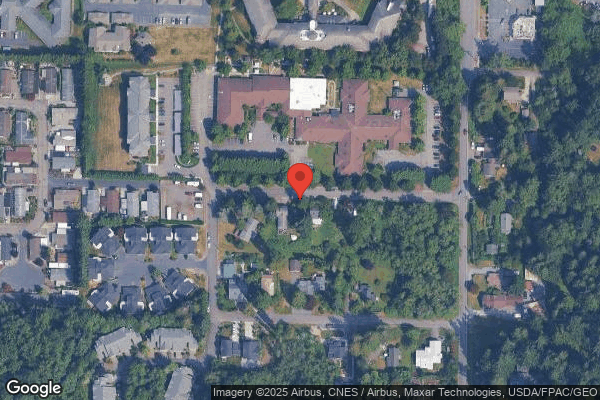
2905 CONNELLY AVENUE, BELLINGHAM, WA 98225 (360) 734-4181
For profit - Limited Liability company 70 Beds REGENCY PACIFIC MANAGEMENT Data: November 2025
Trust Grade
85/100
#25 of 190 in WA
Last Inspection: July 2025

Inspected within the last 6 months. Data reflects current conditions.

Overview

MT Baker Care Center in Bellingham, Washington, has a Trust Grade of B+, indicating that it is above average and recommended for families considering care options. It ranks #25 out of 190 facilities in the state, placing it in the top half, and #2 out of 8 in Whatcom County, suggesting that only one local option is better. The facility is improving, with the number of concerns decreasing from 8 in 2024 to 5 in 2025. Staffing is a strong point, with a perfect 5-star rating and a turnover rate of 31%, which is significantly lower than the state average of 46%. However, there were some concerns: one involved the Dietary Manager not being certified, which could impact food safety for residents, and another noted that cold food was not stored properly, risking contamination. Overall, while there are notable strengths, families should be aware of these weaknesses as they make their decision.

Trust Score
B+
85/100
In Washington
#25/190
Top 13%
Safety Record
Low Risk
No red flags
Inspections
Getting Better
8 → 5 violations
Staff Stability
○ Average
31% turnover. Near Washington's 48% average. Typical for the industry.
Penalties
✓ Good
No fines on record. Clean compliance history, better than most Washington facilities.
Skilled Nurses
✓ Good
Each resident gets 75 minutes of Registered Nurse (RN) attention daily — more than 97% of Washington nursing homes. RNs are the most trained staff who catch health problems before they become serious.
Violations
⚠ Watch
18 deficiencies on record. Higher than average. Multiple issues found across inspections.
★★★★★
5.0
Overall Rating
★★★★★
5.0
Staff Levels
★★★★☆
4.0
Care Quality
★★★★★
5.0
Inspection Score
Stable
2024: 8 issues
2025: 5 issues

The Good

  • 5-Star Staffing Rating · Excellent nurse staffing levels
  • 4-Star Quality Measures · Strong clinical quality outcomes
  • Full Sprinkler Coverage · Fire safety systems throughout facility
  • No fines on record
  • Staff turnover below average (31%)

    17 points below Washington average of 48%

Facility shows strength in staffing levels, quality measures, fire safety.

The Bad

Staff Turnover: 31%

15pts below Washington avg (46%)

Typical for the industry

Chain: REGENCY PACIFIC MANAGEMENT

Part of a multi-facility chain

Ask about local staffing decisions and management

The Ugly 18 deficiencies on record

Jul 2025 5 deficiencies
CONCERN (D)

Potential for Harm - no one hurt, but risky conditions existed

Deficiency F0605 (Tag F0605)

Could have caused harm · This affected 1 resident

**NOTE- TERMS IN BRACKETS HAVE BEEN EDITED TO PROTECT CONFIDENTIALITY** Based on observation, interview and record review, the facility failed to ensure 1 of 5 residents (Resident 45) reviewed for unn...

Read full inspector narrative →
**NOTE- TERMS IN BRACKETS HAVE BEEN EDITED TO PROTECT CONFIDENTIALITY** Based on observation, interview and record review, the facility failed to ensure 1 of 5 residents (Resident 45) reviewed for unnecessary medications, were free from unnecessary psychotropic medication (a drug that affects brain activities associated with mental processes and behavior). Failure to provide a valid diagnosis for the use of psychotropic medications placed residents at risk for receiving unnecessary psychotropic medications, for adverse events and diminished quality of life. Findings included . According to the facility policy titled Unnecessary Medication Policy (undated) showed: All medications must be supported by a documented diagnosis or clinical rationale. The Federal Drug Administration Black Box Warning for Risperidone (an antipsychotic medication) stated that elderly patients with dementia-related psychosis (mental disorder characterized by a disconnection from reality) who are treated with this medication are at a significantly higher risk of death. Risperidone is not approved for use in patients with dementia-related psychosis and included a black box warning related to an increased risk of death or stroke in dementia patients. Resident 45 was admitted to the facility on [DATE] with diagnoses to include dementia. According to the Significant Change Minimum Data Set (MDS - an assessment tool) assessment dated [DATE], Resident 45 had severe cognitive impairment. In an observation on 06/27/2025 at 12:49 PM, Resident 45 was propelling self in their wheelchair using their legs and arms, not exhibiting any signs of psychosis, and was easily redirectable. In an observation on 06/30/2025 at 9:48 AM, Resident 45 was in their room with a family member visiting, with no behaviors observed. Record review of Resident 45's physician's orders on 06/30/2025 documented an order dated 03/21/2025 for Risperidone 0.25 milligram (mg) by mouth in the morning and 0.5 mg by mouth at bedtime, related to dementia with behavioral disturbances. In an interview on 07/01/2025 at 9:09 AM, Staff D, Nursing Assistant Certified (NAC), stated that Resident 45 liked to wander in the hallways by self-propelling in their wheelchair. In an interview on 07/01/2025 at 9:15 AM, Staff E, Licensed Practical Nurse (LPN) stated that Resident 45 was receiving Risperidone, and they monitored their behavior and documented them in their Behavior Administration Record (BAR). The behaviors listed were, anger/agitation, withdrawn, restlessness/exploring, despondence and shortness of breath. In an interview on 07/01/2025 at 9:45 AM, Staff F, Registered Nurse/Resident Case Manager, stated that prior to starting a resident on a psychotropic medication, they first obtained consent from the resident or family member, then set up a care plan and ensure monitoring for side effects and behaviors were in place. Staff F added that they ensured that the appropriate diagnosis was in place and if they didn't think the diagnosis was appropriate, they notified the provider. Staff F stated the provider would then do their research and ensure an appropriate diagnosis would be in place for the medication. Staff F reviewed the diagnosis for Resident 45's Risperidone and stated that dementia was not an appropriate diagnosis for Risperidone and they would review Resident 45's chart to find out why they were started on that medication. In an interview on 07/01/2025 at 2:00 PM, Staff B, Director of Nursing, stated that they talked to the provider and were informed that Resident 45 was started on Risperidone when they were still at their assisted living facility due to behaviors. Staff B handed me a copy of the provider progress note dated 05/29/2024 that showed Risperidone was started at 0.25 mg every afternoon for dementia with behavioral features. In the note, it was documented that Resident 45 was not taking medications and that the nurse reported increased confusion, especially in the afternoon and increased behaviors which were not easily redirected. There was no mention of attempts to use other interventions. In a telephone interview on 07/01/2025 at 3:30 PM, Collateral Contact 1 (CC1), Pharmacist, stated that they participated in the facility monthly psychotropic medication review and they reviewed residents' psychotropic medications. CC1 stated that a dementia diagnosis was not an appropriate indication for Risperidone use. CC1 reviewed Resident 45's Risperidone order and stated that the diagnosis was not appropriate and there should be a specific behavior added to the diagnosis for it to be appropriate. In an interview on 07/02/2025 at 1:00 PM, Staff B, Director of Nursing, stated the expectation is to review psychotropic medications when they are ordered, during the facility psychotropic meeting, and they audited the process monthly. The process was to audit the medication consents and diagnoses during the monthly meetings and stated they failed to identify the incorrect diagnosis for Resident 45. Refer to WAC 388-97-0620(1)(a)
CONCERN (D)

Potential for Harm - no one hurt, but risky conditions existed

Comprehensive Care Plan (Tag F0656)

Could have caused harm · This affected 1 resident

**NOTE- TERMS IN BRACKETS HAVE BEEN EDITED TO PROTECT CONFIDENTIALITY** Based on observation, interview and record review, the facility failed to develop comprehensive care plans to reflect the reside...

Read full inspector narrative →
**NOTE- TERMS IN BRACKETS HAVE BEEN EDITED TO PROTECT CONFIDENTIALITY** Based on observation, interview and record review, the facility failed to develop comprehensive care plans to reflect the resident's current medical status and/or to include all provided nursing services for 1 of 1 resident (Resident 54) reviewed for edema management, 1 of 2 residents (Resident 5) reviewed for discharge planning, and 1 of 2 residents (Resident 15) reviewed for dementia care. This failure placed residents at risk of not receiving needed care, decline in condition, and diminished quality of life. Findings included . <RESIDENT 54> EDEMA MANAGEMENT Resident 54 was admitted to the facility on [DATE], with diagnoses which included gastrointestinal issues, and vascular (veins) wounds with cellulitis (infection of the tissue) to both lower legs. Record Review on 06/30/2025 showed Resident 54 had orders for knee high elastic stockings ordered for lower extremity edema management on 06/18/2025, and orders for Lasix (a diuretic-removes excess water from the body) for edema on 06/26/2025. In an observation and interview on 06/26/2025 at 2:00 PM, Resident 54 was sitting up in their wheelchair in their room with elastic stockings visible on both feet. Resident 54 stated they have been having a lot of issues with their swelling in their feet. Resident 54 stated they have had swelling and issues with sores on their legs before. Review of Resident 54's care plan dated 06/30/2025 showed no care plan had been developed related to elastic stockings, edema or diuretic use. In an interview on 07/01/2025 at 2:12 PM, Staff F, Registered Nurse/RCM (Resident Case Manager), stated residents with edema should have edema monitoring and there should be side effect monitoring for diuretic therapy. Staff F stated they needed to update Resident 54's care plan to include those items. <RESIDENT 5> DISCHARGE PLANNING Resident 5 was admitted to the facility on [DATE] with diagnoses that included multiple sclerosis (nervous system disorder), epilepsy (seizure disorder), left lower leg fracture and right leg fracture. Review of Resident 5's Care Area Assessment (CAA- a focused assessment to determine if a triggered area should be care planned), dated June 2025 showed they expressed interest in moving to an independent living facility. The CAA further documented that social services had assisted the resident with the process, but they had been denied at independent living facilities. A review of Resident 5's care plan dated 12/23/2023 and 06/10/2025, showed a resolved focus for discharge planning. There was no current discharge care plan found for Resident 5. In an interview on 07/02/2025 at 8:54 AM, Staff G, Licensed Practical Nurse (LPN), RCM stated they were unable to find a current/active discharge care plan for Resident 5. Staff G stated Resident 5 did have a discharge care plan in the past. Staff G stated Resident 5 had expressed a desire to be discharged from the facility within the month, social services was involved, and they wanted to move to an independent living facility after healing from their recent fractures. In an interview on 07/02/2025 at 9:20 AM Staff J, Social Services, stated they were unable to locate a current and active discharge plan for Resident 5. Staff J stated they had met with Resident 5 multiple times about discharge planning and provided corresponding progress notes of the interactions. Staff J stated Resident 5 expressed wanting to discharge to an independent living facility once healed from their recent fractures. <RESIDENT 15> DEMENTIA CARE Resident 15 admitted to the facility on [DATE], with diagnoses that included dementia, high blood pressure, and peripheral vascular disease (circulatory condition that affects blood flow to limbs). Review of Resident 15's cognitive CAA dated 10/22/2024, showed no analysis of findings for cognitive loss/dementia and referred to the psychosocial CAA. In an interview on 07/01/2025 at 1:19 PM Staff K, NAC (Nursing Assistant, Certified), stated they work with residents with dementia, gently. Staff K stated they knew Resident 15 liked English tea and does not like to take showers. Staff K stated they did not work with Resident 15 often and deferred to the care plan, stating it would have more details about Resident 15's dementia-related care. In an interview on 07/01/2025 at 2:07 PM Staff G, NAC stated Resident 15 was female care only. When asked how Resident 15's dementia manifested, they stated Resident 15 could be different from day to day, but was oriented to place and day, and used the newspaper to help with orientation. Staff G stated Resident 15 could become confused. Staff G described altered perceptions that Resident 15 had voiced in the past, specifically concerns about a scar (cesarean scar) being open and being concerned about it. Staff G stated they tried and reassured Resident 15 to make them comfortable and redirect their attention to a cup of tea or talk with them about their daughter. When asked how they knew how to care for residents and their dementia, Staff G stated they had worked as an aide for seven years, been through a lot of training related to dementia care and started their career by working in a dementia unit. Review of Resident 15's care plan dated 12/18/2019 showed they had a focus related to cognitive function due to impairment related to dementia. The goal was Resident 15 would be able to communicate basic needs daily. Interventions included asking close-ended questions, presentation of ideas, thoughts, directions to them one at a time and to use task segmentation. The care plan did not include all stated known behaviors and approaches for Resident 15. In an interview on 07/02/2025 at 1:05 PM, Staff B, Director of Nursing, stated care plans should be updated right away, and the expectation is that care plans are done on admission, with comprehensive assessments, and with changes in condition. Staff B stated care plans are necessary to provide communication to provide care. Reference WAC 388-97-1020(1),(2)(a)
CONCERN (D)

Potential for Harm - no one hurt, but risky conditions existed

Pressure Ulcer Prevention (Tag F0686)

Could have caused harm · This affected 1 resident

**NOTE- TERMS IN BRACKETS HAVE BEEN EDITED TO PROTECT CONFIDENTIALITY** Based on observation, interview, and record review the facility failed to ensure 1 of 3 residents (Resident 15) reviewed for Pre...

Read full inspector narrative →
**NOTE- TERMS IN BRACKETS HAVE BEEN EDITED TO PROTECT CONFIDENTIALITY** Based on observation, interview, and record review the facility failed to ensure 1 of 3 residents (Resident 15) reviewed for Pressure Ulcers (PU), were provided care planned interventions they required for the prevention of a PU. This failure to implement pressure reducing interventions in accordance with physician's orders placed residents at risk for PU development, pain and a diminished quality of life. Findings included . Resident 15 admitted to the facility on [DATE] with diagnoses that included dementia, high blood pressure, and peripheral vascular disease (circulatory condition that affects blood flow to limbs). Review of Resident 15's care plan, dated 12/03/2019 and revised on 03/15/2023, showed they had a focus area of skin at risk due to failure to thrive, advanced age and fragile/thin skin. The goal was Resident 15 would have no skin breakdown daily. Interventions included encouraging and assisting Resident 15 to reposition every two to three hours and as needed for comfort and to float heels (elevation of legs, typically with pillows, to prevent heels from touching the surface) when in bed for skin integrity to heels. Resident 15 was documented as having no PUs at the time of the 10/08/2024 significant change minimum data set (MDS- a required assessment tool) assessment. In a review of Resident 15's Care Area Assessment (CAA- a systematic process to determine if a triggered care area should be care planned), dated 10/22/2024, showed they were at risk for pressure areas and skin breakdown related to impaired mobility, incontinence of bowel and bladder, and advanced age with fragile skin. A review of Resident 15's Braden Scale (a risk assessment tool used to identify patients at risk of developing pressure ulcers), dated 06/03/2025, showed Resident 15 had no skin breakdown and were low risk for the development of a pressure ulcer. Review of Resident 15's Kardex (a nursing worksheet that includes daily care schedules/patient specific care needs) directed nursing assistants to float (elevate) both heels when in bed for skin integrity for heels. Review of Resident 15's Treatment Administration Record (TAR) for June 2025 showed a physician order for both their heels to be floated while in bed to maintain skin integrity. In observations on 06/26/2025 at 10:20 AM, 06/27/2025 at 1:01 PM, and 06/30/2025 at 10:04 AM, Resident 15 was in their bed and their heels resting flat on the mattress (not floated). In an observation and interview on 07/01/2025 at 3:37 PM, Staff H entered Resident 15's room and requested to readjust their pillows under their legs. Resident 15's heels were observed resting on the mattress with a single pillow located under their knees. Staff H was observed to readjust the pillow to float Resident 15's heels. Staff H stated Resident 15 often slid down in bed and needed repositioning and they tried to check on them frequently to make sure their heels were floated. Staff H stated Resident 15 would, at times, request to have the pillow used to float their heels removed. In an interview on 07/02/2025 at 9:11 AM Staff I, Registered Nurse (RN), stated Resident 15 had an order to float both their heels when in bed. Staff I entered Resident 15's room and requested to adjust the pillow under their legs. Resident 15's heels were observed touching their mattress with a single pillow under their knees. Staff I readjusted the pillow to ensure Resident 15's heels were floated. Staff I stated they checked Resident 15's positioning before checking off that their heels are floated in the TAR. Staff I stated if Resident 15's heels are not floated when checked, they readjust the resident to ensure their heels are floated before checking off on the TAR. In an interview on 07/02/2025 at 9:42 AM Staff G, Licensed Practical Nurse (LPN)/Case Manager, stated they were not aware Resident 15 was sliding down in their bed causing their heels not to be floated. Staff G stated a pillow should be folding when floating Resident 15's heels. In an interview on 07/02/2025 at 1:00 PM, Staff B, Director of Nursing, stated all elderly residents are at risk for PUs. Staff B stated they provided specialty mattresses, wheelchair cushions, and float their heels. Staff B stated Resident 15 was very particular and the staff needed to document their refusals and get creative on preventative measures, and document. Refer to WAC 388-97-1060(3)(b)
CONCERN (D)

Potential for Harm - no one hurt, but risky conditions existed

Deficiency F0757 (Tag F0757)

Could have caused harm · This affected 1 resident

**NOTE- TERMS IN BRACKETS HAVE BEEN EDITED TO PROTECT CONFIDENTIALITY** Based on observation, interview and record review, the facility failed to ensure 3 of 3 residents (Residents 17, 54 and 160) wer...

Read full inspector narrative →
**NOTE- TERMS IN BRACKETS HAVE BEEN EDITED TO PROTECT CONFIDENTIALITY** Based on observation, interview and record review, the facility failed to ensure 3 of 3 residents (Residents 17, 54 and 160) were free of unnecessary drugs due to lack of monitoring and care planning of high-risk medications, including lack of assessment for anti-coagulant (blood thinning medication) use and edema (accumulation of fluid in the body) monitoring. These failures could result in unrecognized change in condition for Resident 54 related to lack of edema monitoring and Resident's 17 and 160 experiencing unrecognized signs and symptoms of bleeding while receiving an anti-coagulant medication and placed all residents at risk for adverse effects of high-risk medications. Findings included . Manufacturer recommendations regarding the use of Eliquis/Apixaban (anti-coagulant) stated the most common side effects were bleeding and bruising more easily. Indications for the use of the drug were that it was typically used to reduce the risk of stroke, prevent the formation of blood clots. <RESIDENT 17> Resident 17 was admitted to the facility on [DATE] with diagnoses to include aortic valve stenosis with insufficiency (heart condition where the aortic (heart) valve narrows) and atrial fibrillation (irregular heartbeat). Review of the Significant Change Minimum Data Set (MDS) assessment, dated 04/18/2025, identified the resident was taking an anti-coagulant. Review of the physician's orders dated 12/16/2022 showed Resident 17 was to receive Eliquis medication two times daily related to aortic valve stenosis. Review of Resident 17's care plan printed 06/27/2025 showed there was no care plan addressing the atrial fibrillation or goals for the use of the Eliquis medication; interventions to include monitoring, safety precautions and reporting were not developed. An anti-coagulation care plan would have included goals and interventions for the medication and would have directed staff on what kind of monitoring was needed and what to do in the event of an adverse reaction. Review of the April, May and June 2025 Medication Administration Records (MARs) showed Resident 17 was administered Eliquis twice a day. There was no monitor in place to monitor for signs and symptoms of bleeding events or bruising. <RESIDENT 160> Resident 160 admitted on [DATE] with diagnoses which included recent cardiac surgery. Review of Resident 160's physician's orders dated 06/25/2025 showed Apixaban twice per day related to heart disease. Review of the June 2025 MAR showed the resident was administered the apixaban twice per day as ordered. There was no monitor in place to observe for signs and symptoms of bleeding events or increased bruising. Review of Resident 160's baseline care plan on 06/27/2025 showed there was no care plan addressing the use of Apixaban, or side effect monitoring for its use. In an interview and observation on 06/27/2025, Resident 160 was in bed with eyes closed, the resident's spouse was at the bedside stating that they were waiting to see the doctor and they had to place a catheter last night because (Resident 160) could not urinate, and now the resident had blood in the (catheter) bag. Resident 160's catheter collection bag was observed to be hanging on the lower bed frame and was full of bright red bloody urine. Resident 160's spouse stated Resident 160 had issues with bleeding in the hospital and had to have transfusions. Review of Resident 160's MAR on 06/30/2025 at 10:00 AM, showed the resident's Apixaban was placed on hold on 06/27/2025 related to blood in the urine. Resident 160 was transferred to the emergency department on 06/30/2025 related to continued bleeding and decreased blood pressures and was admitted to the hospital. In an interview on 07/01/2025 at 2:12 PM, Staff F, Registered Nurse, Resident Case Manager, stated care plans for new admissions have options for standard choices such as ADL (activities of daily living) ability, pain, nutrition and the admitting nurse reviewed the resident record and can add other appropriate problems. There was noted to be a standardized choice for psychotropic medications, but not for other medications such as blood thinners or diuretics. Staff F stated if someone was admitted on a blood thinner it should be on the baseline care plan. Staff F stated when the orders for blood thinners were entered, there was a space for additional documentation which was supposed to include the side effect monitoring, and Staff F reviewed Resident 160's orders and stated the order template for Apixaban was lacking that information, so it would have needed to be manually entered, and it was not for Resident 160. In an interview on 07/02/2025 at 1:05 PM, Staff B, Director of Nursing stated there had not been monitoring in place for Resident 17 and 160's anti-coagulants. Staff B stated they had just completed an audit of residents' anti-coagulant orders for any additional concerns. Staff B stated they would change the electronic medical record to auto-populate monitoring when anti-coagulant orders were received. <RESIDENT 54> Resident 54 admitted on [DATE] with diagnoses which included gastrointestinal issues, and vascular (veins) wounds with cellulitis (infection of the tissue) to both lower legs. Record Review on 06/30/2025 showed Resident 54 had orders for knee high elastic stocking ordered for lower extremity edema management on 06/18/2025 and orders for Lasix (a diuretic) for edema on 06/26/2025. Review of the Resident's MAR for the month of June 2025 showed no edema monitoring or side effect monitoring for the use of Lasix. In an observation and interview on 06/26/2025 at 2:00 PM, Resident 54 was sitting up in their wheelchair in their room with elastic stockings visible on both feet. Resident 54 stated they have been having a lot of issues with swelling in their feet. Resident 54 stated they have had swelling and issues with sores on their legs before. In an interview on 07/01/2025 at 2:12 PM, Staff F stated that resident's with edema should have edema monitoring and there should be side effect monitoring for diuretic therapy. Staff F stated they needed to update Resident 54's care plan. Reference WAC 388-97-1060(4)
CONCERN (D)

Potential for Harm - no one hurt, but risky conditions existed

Infection Control (Tag F0880)

Could have caused harm · This affected 1 resident

Based on observation, interview and record review, the facility failed to ensure staff were following established guidelines related to Enhanced Barrier Precautions (EBP), which are infection control ...

Read full inspector narrative →
Based on observation, interview and record review, the facility failed to ensure staff were following established guidelines related to Enhanced Barrier Precautions (EBP), which are infection control interventions designed to reduce the transmission of multi-drug-resistant organisms in healthcare settings, for 1 of 3 residents (Resident 19) reviewed for pressure ulcers. These failures placed residents and staff at risk for potential infection from cross contamination of infectious organisms. Findings included . EBP focuses on the use of gowns and gloves during specific high risk resident care activities and is implemented for residents known to be infected, colonized, or at increased risk for acquiring a multi-drug-resistant organism, including residents with chronic wounds or indwelling devices. Record Review on 06/30/2025 at 12:22 PM documented Resident 19 developed a pressure ulcer to the right heel related to a hard cast. The ulcer onset date was documented as 12/04/2024, when the hard cast was removed and the ulcer was discovered. The record documented the wound remained open requiring dressing changes. In an observation on 06/30/2025 at 12:22 PM, there were no EBP in place for Resident 19. In an interview on 06/30/2025 at 2:29 PM, Staff C, Infection Preventionist, stated EBP should be in place for residents with chronic or stagnant wounds. Staff C was not able to recall the current precautions for Resident 19. In an interview on 07/01/2025 at 1:06 PM, Staff G, Licensed Practical Nurse, Resident Case Manager, stated Resident 19's right heel wound was observed following removal of the hard cast in December, and stated it had not fully healed. Staff G confirmed the right heel wound was chronic and required EBP. In an interview on 07/02/2025 at 1:00 PM, Staff B, Director of Nursing stated Resident 19 should have been on EBP for the chronic wound. Reference WAC 388-97-1320(2)(b)
Apr 2024 6 deficiencies
CONCERN (D)

Potential for Harm - no one hurt, but risky conditions existed

Deficiency F0637 (Tag F0637)

Could have caused harm · This affected 1 resident

**NOTE- TERMS IN BRACKETS HAVE BEEN EDITED TO PROTECT CONFIDENTIALITY** Based on interview, and record review, the facility failed to identify a significant change in status for 1 of 1 sampled residen...

Read full inspector narrative →
**NOTE- TERMS IN BRACKETS HAVE BEEN EDITED TO PROTECT CONFIDENTIALITY** Based on interview, and record review, the facility failed to identify a significant change in status for 1 of 1 sampled resident (Resident 22), reviewed for Hospice services. Failure to identify and complete a Significant Change in Status assessment, according to the Resident Assessment Instrument (RAI - consists of three basic components: The Minimum Data Set, the Care Area Assessment process, and the RAI Utilization Guidelines. The utilization of the three components of the RAI yields information about a resident's functional status, strengths, weaknesses, and preferences, as well as offering guidance on further assessment once problems have been identified). manual, placed residents at risk for inadequate care planning and a diminished quality of life. Findings included . Record review of the Long-Term Care Facility Resident Assessment Instrument, User's Manual, Version 3.0, dated October 2019, showed that a Significant Change in Status assessment must be conducted within two weeks of the resident's election of their Hospice benefit. Review of Resident 22's medical record showed they admitted on [DATE] and were not receiving Hospice services. The record showed the resident was transferred to an acute care hospital on [DATE], readmitted to the facility on [DATE] and had elected their Hospice benefit during their hospitalization. The RAI manual required the facility to conduct a significant change in status assessment within 14 days. Review of Resident 22's Minimum Data Set (MDS) assessments, showed an assessment was created on 04/01/2024 which was incorrectly coded as an Admission assessment rather than the required Significant Change in Status assessment. In an interview on 04/09/2024 at 10:00 AM, Staff C, Registered Nurse, MDS Coordinator, stated they were still learning the role and were not aware that the Significant Change Assessment was not an option in this case or that the admission assessment was not a correct MDS selection. Staff C stated they would do a modification of the assessment. Refer to WAC 388-97-1000(3)(b) .
CONCERN (D)

Potential for Harm - no one hurt, but risky conditions existed

Comprehensive Care Plan (Tag F0656)

Could have caused harm · This affected 1 resident

**NOTE- TERMS IN BRACKETS HAVE BEEN EDITED TO PROTECT CONFIDENTIALITY** Based on observation, interview, and record review the facility failed to implement comprehensive person-centered care plans for...

Read full inspector narrative →
**NOTE- TERMS IN BRACKETS HAVE BEEN EDITED TO PROTECT CONFIDENTIALITY** Based on observation, interview, and record review the facility failed to implement comprehensive person-centered care plans for 1 of 2 sampled residents (Resident 42) reviewed for urinary catheters (tube inserted into the bladder to remove urine), 1 of 4 sampled residents (Resident 22) reviewed for non-pressure skin alterations, and 1 of 5 sampled residents (Resident 49) reviewed for unnecessary medications. This failure to ensure the comprehensive care plan was implemented placed the residents at risk for unmet care needs and a diminished quality of life. Findings included . Review of the facility policy titled, Comprehensive Care Plans, dated 07/01/2017 stated that all residents will have a comprehensive care plan developed within seven days of the comprehensive assessment. Care plans will be reviewed annually, quarterly, if there was a change in condition or as needed. All care plans will be revised based on changing goals, preferences, and needs of the resident. <URINARY CATHETER> Resident 42 admitted to the facility on [DATE] with diagnoses including urinary retention, and bladder obstruction. The Quarterly Minimum Data Set (MDS - an assessment tool) assessment, dated 02/21/2024, showed the resident had severe cognition impairment, was dependent on staff for their toileting and personal hygiene needs, and had a urinary catheter. Review of Resident 42's physician orders showed the following: dated 08/11/2023 catheter care performed every shift, dated 10/25/2023 staff may change the catheter as needed and, dated 04/06/2024 staff to flush the catheter with normal saline every evening shift and eight hours as needed. Review Resident 42's care plan showed a focus problem, dated 05/15/2023, the resident had an alteration in bladder and bowel elimination related to urinary retention with a goal to maintain continence (ability to control) their bladder and bowels. Interventions included, dated 06/01/2023, the resident had a urinary catheter and was okay to wear adult pull-up briefs as staff should anticipate the residents care needs. Observation on 04/08/2024 at 3:12 PM, Resident 42 had a urinary catheter privacy bag attached to their wheelchair (w/c), there was no urinary bag present. The resident appeared to have a urinary leg bag, as the tubing and edges of the leg bag were visible under the resident's pants. Observations on 04/09/2024 at 9:00 AM, 11:00 AM, 1:03 PM, and 2:03 PM, Resident 42 had a urinary catheter privacy bag attached to their w/c, there was no urinary bag present. Resident 42 appeared to have a urinary leg bag, as the tubing and edges of the leg bag were visible under the resident's pants. In an observation and interview on 04/10/2024 at 9:18 AM, Resident 42 had a urinary catheter privacy bag attached to their w/c, there was no urinary bag present. Resident 42 appeared to have a urinary leg bag, as the tubing and edges of the leg bag were visible under the resident's pants. Resident 42 was asked if they had a urinary catheter, the resident pointed to their leg with the tubing and stated, I don't know what I have, but its here. In an interview on 04/10/2024 at 9:48 AM, Staff D, Nursing Assistant Certified (NAC), stated Resident 42 wore a urinary leg bag during the day, and staff switched the resident from an overnight bag every morning. In an interview on 04/11/2024 at 10:29 AM, Staff E, NAC, stated Resident 42 wore a urinary leg bag during the day. Staff E stated every morning they would switch out the urinary bag from an overnight bag to the leg bag for the resident. Staff E was asked where they get that direction of care, and they stated they followed the care plan. In an interview on 04/11/2024 at 11:17 AM, Staff F, Licensed Practical Nurse (LPN), stated Resident 42 preferred to wear a urinary leg bag during the day, so the NACs would switch the resident from an overnight urinary bag to a urinary leg bag every morning. Staff F was asked where that direction of care was located, Staff F reviewed the physician orders and did not see an order and stated it was probably on the care plan as that was the resident's preference. Review of Resident 42's physician orders and care plan on 04/11/2024 showed no order or direction of care that the resident preferred to have the overnight urinary bag switched to a urinary leg bag every day. In an interview on 04/11/2024 at 12:07 PM, Staff G, Registered Nurse (RN)/Case Manager (CM), stated Resident 42 preferred to have the overnight urinary bag switched to a urinary leg bag every day. Staff G was asked to show where in the resident's medical record that information was located, and Staff G stated they would have to investigate that. In a follow-up interview on 04/11/2024 at 1:45 PM, Staff G stated when they reviewed Resident 42's care plan and physician orders, they did not find any order or direct of care for a urinary leg bag. Staff G stated they went to discuss with the NAC's who worked with the resident, and they stated the resident preferred a urinary leg bag every day, so they just did it. Staff G stated the information should have been on the care plan. <NON-PRESSURE SKIN> Resident 22 re-admitted to the facility on [DATE] with diagnosis of end stage kidney disease which the resident declined aggressive treatment for, selecting Hospice services. The resident's untreated medical condition resulted in a symptom of significant itching to the skin. In an observation and interview on 04/10/2024 at 10:17 AM, Resident 22 received dressing changes to their lower legs. On the resident's upper thighs were large, scratched areas and blood. Hospice staff were present and talking to the resident about the itching and the medication that was currently ordered to treat it. Resident 22 stated the medicine helped only a little. They stated they try not to scratch but they can't help it, it just itches all the time. The resident stated they had nail clippers and tried to remember to clip their own fingernails. Staff J, RN/CM, stated the itching was the resident's main issue and the medication ordered helped some but not enough. Staff J stated there should be other interventions they could do such as lotion and monitoring of any scratches. Review of Resident 22's current care plan, showed there was no problem or interventions related to the resident's itching or self-injury from scratching. <UNECESSARY MEDICATIONS> Resident 49 admitted on [DATE] with diagnosis to include major depressive disorder. The resident was receiving fluoxetine (Prozac), an anti-depressant medication. In an interview on 04/08/2024 at 10:52 AM, Resident 49 said they had been on Prozac most of their adult life. Review of the care plan showed there was no care plan addressing the diagnosis of major depressive disorder or anti-depressant use. In an interview on 04/12/2024 at 12:47 PM, Staff C, RN/Minimum Data Set Coordinator, said they had missed addressing Resident 49's depression and use of Prozac on their care plan. In an interview on 04/12/2024 at 12:06 PM, Staff B, RN/Director of Nursing Services, stated they were aware there was some concerns with the comprehensive care plans for the residents. Staff B stated they were in the process of changing how the review and update the care plans, and moving forward the Care Managers would be taking over that roll. Staff B stated Resident 42 should of have the urinary leg bag on the physician orders as well as care planned for how staff should manage the urinary bag. Refer to WAC 388-97-1020(1)(2)(a) .
CONCERN (D)

Potential for Harm - no one hurt, but risky conditions existed

Deficiency F0692 (Tag F0692)

Could have caused harm · This affected 1 resident

**NOTE- TERMS IN BRACKETS HAVE BEEN EDITED TO PROTECT CONFIDENTIALITY** Based on observation, interview, and record review, the facility failed to comprehensively assess, monitor, and implement dietar...

Read full inspector narrative →
**NOTE- TERMS IN BRACKETS HAVE BEEN EDITED TO PROTECT CONFIDENTIALITY** Based on observation, interview, and record review, the facility failed to comprehensively assess, monitor, and implement dietary interventions as needed to prevent weight loss for 1 of 2 residents (Resident 49) reviewed for nutritional status. This failure placed residents at risk for continued weight loss, dehydration, and a decline in their nutritional status. Findings included . Review of the facility policy titled, Nutrition Review Committee, revised 06/02/2023, showed the facility was to assure that residents have adequate nutritional intake to maintain healthy weights, to maintain current health status/healing .The policy showed the facility would monitor all residents with weight loss more than (>) 5% in 30 days, >7.5% in 90 days or >10% in 180 days (as pulled with weight triggers). Resident care managers will make sure that care plans include a plan to meet nutritional needs of residents at risk for nutritional deficiencies with measurable goals. Residents with above mentioned needs to be reviewed at meetings. Resident 49 admitted [DATE] with diagnoses which included syncope (fainting), major depressive disorder, cardiac disease, and history of stroke. They were able to make their needs known. Review of the facility nursing admission assessment, dated 01/31/2024, showed Resident 49's admission weight was documented at 202.8 pounds (lbs.) and the facility used a chair lift scale to obtain the admission weight. The admission assessment noted the resident had two plus pitting edema (excess fluid built up in the body, causing swelling and when pressure is applied to swollen areas, a pit or indentation remains for more than two seconds) to both lower extremities. Review of the admission Minimum Data Set (MDS - an assessment tool) assessment, dated 02/07/2024, showed Resident 49 required set up or clean up (staff only assist prior to or following the activity) assistance with eating. The history of weight loss or weight gain was marked as no or unknown and the weight obtained on 02/12/2024 of 193 lbs. was utilized in the MDS. Review of the dietary profile assessment, dated 02/02/2024, showed Resident 49 reported their appetite was good and their usual weight was 200 lbs. Review of Resident 49's Registered Dieticians (RD) nutritional assessment, dated 02/08/2024, showed the resident's food and beverage preferences were reviewed with dietary. Resident 49's appetite was good, and they reported their usual weight was 200 lbs. The RD documented their weight was stable at 196.4 lbs. A review of the facility's weight exception report summary for Resident 49 showed on the resident weighed 202.8 lbs. on admission [DATE]). On 03/07/2024, the resident weighed 184.0 lbs, an 18.8 lb or 9.3% weight loss in two months. On 04/11/2024 the resident weighed 177.8 lbs, a weight loss of 12.3 % or 25.0 lbs. weight loss since admit on 01/31/2024. Review of Resident 49's progress note, dated 03/07/2024 at 7:37 AM, showed the resident had vomited daily, they were declining Zofran (anti-nausea medication) related to a bad prior experience. In an interview on 04/08/2024 at 10:40 AM, Resident 49 said they felt pukey and had been experiencing uncontrolled nausea and vomiting and did not know why. The resident reported they had lost 20 lbs. since they admitted to the facility. In an interview on 04/09/2024 at 11:28 AM, Resident 49 was sitting up in bed with a pained expression. They had brown vomit on the right chest area of their gown. They said they were still pukey. The resident commented they were not sure if staff were even looking into their nausea and vomiting. At 12:55 PM, the resident said they could not eat lunch. At 3:12 PM, the resident had a pained expression and reported they had nausea and vomiting after eating and no foods seemed to trigger it. In a review of Resident 49's clinical record on 04/10/2024, showed the provider and/or staff had not documented any edema concerns in the resident's progress notes. Edema was only documented on the resident's admission assessment. The medical record showed the attending physician was notified of nausea and vomiting, there was no documentation they were notified of the residents trending weight loss and decreased meal intake. In an interview on 04/10/2024 at 9:09 AM, Resident 49 was resting in bed with a pained expression. There was a full breakfast tray with waffle sticks and bacon untouched on the overbed table. The resident stated they threw up this morning and were too scared to eat. The resident said they were supposed to be seen by the doctor today. In an interview on 04/10/2024 at 2:56 PM, Staff B, Registered Nurse/Director of Nursing Services (DNS), said they have nutrition at risk (NAR) meetings on Thursdays. Staff B said they were not sure if Resident 49 had been on their radar for weight loss. The weight history was shown to Staff B that showed progressive weight loss according to the clinical record. The weight loss was calculated at 11.98% or a 24.3 lbs. in two months. In an interview on 04/11/2024 at 8:28 AM, Staff B said the nurses had been doing things for Resident 49. Staff B said they thought the nausea and vomiting was a postural blood pressure (a form of low blood pressure that happens when standing after sitting or lying down) issue and the doctor and RD would see them today. In an interview on 04/11/2024 at 9:05 AM, Resident 49 was in bed in their new room. The resident stated they had been vomiting since 3:00 AM. When asked about vomiting triggers, the resident stated they did not necessarily need to be standing to throw up, as they would throw up while in bed also. The resident said that it was just guaranteed they would throw up if they stood up. In an interview on 04/11/2024 at 10:09 AM, Staff O, RD, said they saw Resident 49 on admission and in February when they triggered for weight loss. Staff O said some of the initial weight loss was thought to be fluid related. Staff O said they checked the resident's meal monitor and there were good meals, bad meals, and their intake had decreased in the past two weeks. Staff O said there were more meals where they ate less than 50%. Staff O said they would talk with the resident about their nausea and vomiting. Staff O said Staff B did review the weight loss as a fluid shift (a change in location or position of body fluids from one compartment to another) mid-February and now with the nausea there were significant weight variances. Staff O said they were going to address the weight loss today and confirm their weight. They said staff had consistently obtained all weights with the same chair scale so weights would be accurate. Staff O said Staff B had a nutrition binder with some information in it that was not always in the resident's clinical record. Staff O stated they do not revise the care plans but believed the Case Managers (CM) did. Staff O commented until Resident 49's nausea was under control; weight loss was expected. Staff O said they had not been aware of the resident's nausea until this morning. Review of an RD assessment, dated 04/11/2024, showed Resident 49 was discussed in NAR meeting. The RD confirmed the resident had not been eating much due to nausea. The RD reviewed the importance of nutrition and suggested to help with nausea to include ginger ale or ginger candy, small frequent meals, snacks, and cold food options. The RD noted the resident was on a general, regular diet with thin liquids and extra sauce. The RD noted the resident's meal intake was 0-75%. The RD recorded the resident's weight was documented as 198.8 on 02/04/2024, 188 lbs. on 03/04/2024, 183 lbs. on 03/28/2024 and 177.8 lbs. on 04/11/2024. The RD documented the resident was seen in their room after lunch for issues around nausea, decreased intake and weight loss trend. The RD documented the resident's weight was down 5.5% in 1 month, and down 10.6% in 2 months. The RD included a review of anti-nausea medication and mood-altering medication could affect their appetite, and diuretics with potassium could cause weight fluctuation. Nursing and Advanced Registered Nurse Practitioner (ARNP) were addressing the possibility of the resident's vertigo (dizziness) caused their nausea. The dietary recommendations implemented included increasing fluids on meal trays and adding a nutritional supplement twice daily when the resident received medications. Review of Resident 49 meal monitors since admission, showed the resident's intake was variable and inconsistent ranging from 0-75% and the resident did not receive any nutritional supplements or snacks. In an interview on 04/12/2024 at 9:41 AM, Staff L, Nursing Assistant Certified (NAC), said Resident 49 had vomited a lot and they reported this to the nurse. Staff L said they had cared for the resident since admit and they did not refuse meals, they just could not eat related to the nausea. Staff L said they brought the resident mint tea to help them. In a joint interview and record review on 04/12/2024 at 10:26 AM, Staff G, RN/CM, said Resident 49 was not wanting to eat and was a bit dry, so they were giving them intravenous solution (IV) fluids now. Staff G said the residents family member had called with concerns. Staff G said they had only been the residents care manager for about two weeks and was trying to piece their clinical history together. Staff G said they knew the resident was losing weight but thought the weight loss was recent and just triggering now. The weight history was reviewed with Staff G who said they were unaware the resident had experienced a significant weight loss of 25 lbs. since admit on 01/31/2024. In an interview on 04/12/2024 at 12:39 PM, Resident 49 was in bed smiling and eating their lunch. The resident stated they were feeling so much better, and they were not sure if it was the new medication or the IV fluids. They said their nurse practitioner was in yesterday and told them they were dehydrated. The resident stated they were down to 177 lbs. yesterday and had lost 34 lbs. The resident stated they did not want to lose the weight the way they did as that had been miserable. In a joint interview on 04/12/2024 at 1:21 PM, Staff P, Advanced Registered Nurse Practitioner (ARNP), and Staff B, Staff P said they thought Resident 49's weight loss was related to fluid shifts. Staff P stated the resident admitted with pedal edema and had been admitted with a recent order for two diuretics that would lead to weight loss. Staff P said the nausea had been getting worse the past week and had been unaware of the resident's nausea until 03/23/2024. Staff B said they attributed the weight loss to edema. Staff B said they had been doing interventions but could have documented everything better in the resident's clinical record. Staff B provided a spreadsheet from 02/15/2024 that showed the resident's weight was down to 194.6 lbs. from 202.8 lbs. and weight loss was expected related to fluid issues. No recommendations were made. Staff B said they would make sure documentation from their nutrition binder made it into the resident's chart. Staff B and Staff P were not aware of the resident's weigh loss until it was brought to their attention on 04/10/2024 during the facility's annual survey. Refer to WAC 388-97-1060 (3)(h) .
CONCERN (D)

Potential for Harm - no one hurt, but risky conditions existed

Deficiency F0699 (Tag F0699)

Could have caused harm · This affected 1 resident

**NOTE- TERMS IN BRACKETS HAVE BEEN EDITED TO PROTECT CONFIDENTIALITY** Based on observation, interview, and record review, the facility failed to ensure residents who were trauma survivors and diagno...

Read full inspector narrative →
**NOTE- TERMS IN BRACKETS HAVE BEEN EDITED TO PROTECT CONFIDENTIALITY** Based on observation, interview, and record review, the facility failed to ensure residents who were trauma survivors and diagnosed with Post Traumatic Stress Disorder (PTSD - a mental health condition triggered by a terrifying event that was either experienced or witnessed) received culturally competent, trauma-informed care and services in accordance with professional standards of practice for 2 of 2 sampled residents (Resident 9 and 15) reviewed for Trauma informed care. The facility's failure to develop and implement resident centered interventions placed residents at risk for unidentified triggers, re-traumatization, and a decreased quality of life. Findings included . <RESIDENT 15> Resident 15 admitted [DATE] with diagnoses which included Alzheimer's dementia and PTSD. Review of the Annual Minimum Data Set (MDS - an assessment tool) assessment, dated 02/24/2024, showed severe cognitive impairment, total dependence on staff for all activities of daily living including transfers, toileting, eating and participation in activities. Review of Resident 15's record on 04/10/2024, showed no person-centered trauma assessment in the record. Review of Resident 15's care plan on 04/10/2024, showed a care plan problem for PTSD related to history of childhood sexual abuse. The intervention listed showed care in pairs for safety related to the resident becoming agitated during cares. The care plan had no further person centered interventions related to the resident's abuse history. In an observation on 04/10/24 at 10:05 AM, Resident 15 and another resident were sitting in the common room and the television (TV) program on was Law and Order- Special Victims Unit which was a graphic crime drama that focuses on sexual crimes. The resident's eyes were open and they were looking at the TV. When asked if the resident liked the program that was on, the resident made eye contact and smiled but did not verbally respond. Applying the reasonable person concept, a resident with a diagnosis of dementia and a history of childhood sexual abuse, would not desire to watch a violent sexual crime drama. Resident 15 was chair bound and would be unable to remove themselves from the situation. Staff Q, Licensed Practical Nurse (LPN), was observed at their cart next to the common room, in view and earshot of the TV, but did not appear to notice the programming choice or the possibility of it being a triggering program for Resident 15. The other resident present commented the TV program was gruesome. In an observation on 04/10/2024 at 10:07 AM, Staff K, Registered Nurse (RN)/Staff Development Coordinator, was observed to walk down the hall and passed the common room stating oh, a little Law and Order, huh? as they walked by. In an interview on 04/10/24 at 10:15 AM, Staff Q stated they couldn't think of anything specific they would do or avoid for Resident 15, and when asked about activities or programming choices, Staff Q stated they were supposed to watch family friendly shows. Staff Q stated they thought the TV was on the Price is Right. Staff Q was asked about the observed TV program, and they stated that would not be a good one for the resident to watch. In an interview on 04/10/2024 at 11:30 AM, Staff R, Social Services, stated they attempted to interview residents (or the representatives) about trauma history and then placed the information on the care plan. Staff R stated they did not see a trauma assessment for Resident 15 and were not aware of any specific triggers for the resident other than cares being provided. <RESIDENT 9> Resident 9 admitted on [DATE] with diagnoses to include chronic PTSD, major depressive disorder. Review of a social history and discharge plan assessment, dated 06/17/2021, showed Resident 9 had no history of a traumatic event and no negative triggers. Review of the annual Psychosocial well-being care area assessment, dated 06/09/2023, showed Resident 9 could get frustrated at facility policies that could possibly escalate to verbal outbursts. There was no mention of the resident's diagnoses of PTSD. Review of the Quarterly MDS assessment, dated 03/05/2024, showed no cognitive impairment, and the resident felt lonely or isolated from those around them sometimes. In an interview on 04/08/2024 at 1:53 PM, Resident 9 stated they were born in another country during World War II and had been hit with shrapnel. The resident stated the shrapnel was sharp and hit them in their head, neck, and arms. In an interview on 04/10/2024 at 11:05 AM, Resident 9 was asked how their day was and responded they were a survivor and had been through a lot in their life. Review of the resident record on 04/10/2024 showed a trauma care plan was revised on 03/15/2024. The care plan focus was about one of the resident's children passing away in November of 2020 which had been an extreme loss for them. One of their children was experiencing health issues that distressed the resident. The care plan interventions included active listening, reporting odd behavior or expressions of fear, anxiety, continual refusing of services, or crying to social services or nursing. Social services were to check in with the resident daily and they were to make a referral to mental health as necessary. In an interview on 04/11/2024 at 9:33 AM, Resident 9 was sitting in their recliner and stated they were okay but had been through a lot. The resident stated they were born in another country during WW II when the Germans occupied it. The resident talked about their hatred for a dictator of another country and how this dictator treated other people of a certain ethno-religious group and nation. Resident 9 said their family hid radios in the floor because the Germans came into their home and took it over. They described when they were [AGE] years old, they recalled how difficult their life was when growing up in this type of environment, and how they had to live a day at a time. The resident again discussed how they got hit with shrapnel on the street from a German soldier, and they still had a piece in their back and arm and still had the scars. Resident 9 said they did not like to watch anything war related or with guns, criminals, or violence. They said they turn it off. Resident 9 said Staff G, RN/Case Manager knew all about their history. The resident stated they would like to talk to their minister as they were their supporter who comes into see them. The resident said they received counseling often. Resident 9 stated they lost all but one family member from smoking and they could not get over it. In an interview on 04/12/2024 at 9:39 AM, Staff L, Nursing Assistant Certified (NAC), said Resident 9 was to be cared for by female staff only but they were unsure why. Staff L said they did help the resident get their clothes out, with meal orders and ice water delivery. Staff L said they were unsure if the resident had PTSD. In an interview on 04/12/2024 at 9:48 AM, Staff G said Resident 9 had experienced lots of loss. Staff G said they believed the PTSD was from the deaths in their family, they kept reliving. Staff G said they had forgotten about the residents past experiences in the country they were born and being hit by shrapnel. Staff G said some things may trigger them, but they could not tell what they were. Staff G acknowledged they were unaware of them not wanting war related, gun, criminal, or violent programs. Staff G said they would revise the care plan and they only wanted female caregivers. In an interview on 04/12/2024 at 1:07 PM, Staff S, Social Services, stated when a resident had a diagnosis of PTSD, the care plan would be developed to include triggers and how to avoid them. Review of Resident 9's care plan had no further person centered interventions related to the resident's history during World War II, their physical and mental war related injuries, the resident's triggers, or intervention to mitigated signs of PTSD. The care plan did not include the resident's counselor visit frequency or contact information. Refer to WAC 388-97-1060(3)(e) .
CONCERN (D)

Potential for Harm - no one hurt, but risky conditions existed

Infection Control (Tag F0880)

Could have caused harm · This affected 1 resident

**NOTE- TERMS IN BRACKETS HAVE BEEN EDITED TO PROTECT CONFIDENTIALITY** Based on observation, interview and record review, the facility failed to ensure infection control standards were followed durin...

Read full inspector narrative →
**NOTE- TERMS IN BRACKETS HAVE BEEN EDITED TO PROTECT CONFIDENTIALITY** Based on observation, interview and record review, the facility failed to ensure infection control standards were followed during 1 of 2 residents (Resident 45) wound care observations when hand hygiene was not completed between glove changes and when items were touched in a drawer and gloves were not changed. This failure placed residents at risk for an infection of their wound. Findings included . Review of the facility provided policy titled, Hand Hygiene, undated, showed hand hygiene was to be performed after gloves were removed. Resident 45 was admitted to the facility on [DATE], with the most recent admission on [DATE], and had diagnoses to include open wound to left thigh, malnutrition, cancer of left leg and an infection following a procedure of a surgical site. Review of Resident 45's provider orders, initiated 03/28/2024, showed there was an order for daily wound care and dressing change to their left thigh wound. In an observation on 04/08/2024 at 1:24 PM, Staff J, Registered Nurse (RN)/Case Manager, performed wound care for Resident 45. Staff J donned (put gloves on) and doffed (took gloves off) gloves four times during wound care and did not perform hand hygiene in between any set of glove changes. Staff J, with gloved hands and went to the resident's dresser top drawer, pulled it open, rummaged through the dressing supplies in the drawer, closed drawer, opened the gauze packaging, and with the contaminated gloves applied the gauze to the resident's wound. In an interview on 04/11/2024 at 1:54 PM, Staff K, RN/Infection Preventionist/Staff Development Coordinator, stated they do competency observations of nurse's wound care related to infection control that included hand hygiene. In an interview on 04/11/2024 at 3:30PM, Staff B, RN/Director of Nursing Services, stated it was their expectation hand hygiene be done appropriately during wound care, after removal of gloves, and gloves should have been changed after opening Resident 45's drawer and touching other supplies. Refer to WAC 388-97-1320 (1)(c)
CONCERN (E)

Potential for Harm - no one hurt, but risky conditions existed

ADL Care (Tag F0677)

Could have caused harm · This affected multiple residents

**NOTE- TERMS IN BRACKETS HAVE BEEN EDITED TO PROTECT CONFIDENTIALITY** <RESIDENT 10> Resident 10 was admitted to the facility on [DATE] with diagnoses to include fracture of left shoulder, depr...

Read full inspector narrative →
**NOTE- TERMS IN BRACKETS HAVE BEEN EDITED TO PROTECT CONFIDENTIALITY** <RESIDENT 10> Resident 10 was admitted to the facility on [DATE] with diagnoses to include fracture of left shoulder, depression, cellulitis (bacterial skin infection) of limb, and coronary artery disease (plaque buildup in the wall of the arteries that supply blood to the heart). Review of Resident 10's admission MDS assessment, dated 03/18/2024, showed the resident was cognitively intact and had no refusals of care. Review of Resident 10's current care plan showed they preferred two showers per week in the mornings and required assistance with their ADL's. Review of Resident 10's March 2024 documentation survey report (NAC documentation) showed the resident refused a shower on 3/12/2024 and received showers on 03/13/2024, 03/17/2024, 03/25/2024 and 03/31/2024. Review of Resident 10's 04/01/2024 through 04/11/2024 documentation survey report, showed they refused a shower on 04/06/2023 and received showers on 04/07/2024 and 04/11/2024. In an interview on 04/08/2024 at 3:03 PM, Resident 10 stated they were supposed to receive showers on Sundays and Wednesdays but does not happen on all scheduled Sundays and/or Wednesdays. Resident 10 stated they thought there was a scheduling issue, and the facility staff could do better to follow the schedule. In an interview on 04/12/2024 at 10:15 AM, Staff I, NAC/Restorative Aide, stated the facility had dedicated shower aide's and floor staff do not regularly have to shower/bathe their assigned residents. Staff I stated the facility NACs would help if showers needed to be done. In an interview on 04/12/2024 at 10:35 AM, Staff H, NAC, stated the facility had shower aide's dedicated to complete showers in the mornings and evenings. Staff H stated if NAC's were required to do showers, they could manage their time to give a resident a shower. In a joint interview on 04/12/2024 at 12:00 PM, Staff A, Administrator, and Staff B, RN/Director of Nursing Services, were asked about Resident's 7, 9, 10, 11 and 49 ADL concerns. Staff A and Staff B stated the facility had a shower aide that was out with an injury for over two months and they identified residents showers were inconsistent. Refer to WAC 388-97-1060 (2)(a)(i) Based on observation, interview, and record review, the facility failed to provide assistance with activities of daily living to include personal hygiene and bathing for 5 of 5 sampled dependent residents (Residents 7, 9, 11, 49 and 10) reviewed for activities of daily living (ADL's). Facility failure to provide resident's, who were dependent on staff for assistance with hygiene including oral care, and showers placed residents and others at risk for embarrassment, poor hygiene, unmet care needs and a diminished quality of life. Findings included . Review of the facility's policy, Bathing/Showers, revised 06/23/2023, showed the policy was to ensure residents are receiving proper personal hygiene regarding bathing and the facility is meeting their needs and bathing preferences. If a shower /bath cannot be physically tolerated by the resident a bed bath would be offered. Refusals would be documented, and staff would reapproach. If multiple refusals occur, the LN to be informed. Showers/baths are also given as needed based on resident preference. Review of the facility's policy, Oral Care Policy, revised 06/27/2023, showed all residents oral health will be maintained at their highest practicable level. Each resident shall receive oral care every AM, PM, and as needed (PRN). Residents who need assistance with oral care will receive it and those residents who can perform the oral care themselves will be set up for oral care if needed. <RESIDENT 7> Resident 7 admitted on [DATE] with diagnoses to include respiratory disease requiring a tracheostomy, muscle weakness and need for assistance with ADL care. Review of the Quarterly Minimum Data Set (MDS - an assessment tool) assessment, dated 03/13/2024, showed Resident 7 did not reject care. Review of Resident 7's the care plan, revised on 02/27/2024, directed one staff to assist with oral care to gently brush their gums and lower teeth twice daily, bathing, and grooming. The care plan showed the resident required special care of their tracheostomy (a surgically created hole, a stoma, in the windpipe, the trachea, that provided an alternative airway for breathing) to protect their airway during showers twice weekly. In an interview on 04/08/2024 at 2:16 PM, Resident 7 stated they had upper dentures in the cupboard that did not fit really good. Resident 7 stated they did not receive oral care. In an interview on 04/12/2024 at 9:36 AM, Staff L, Nursing Assistant Certified (NAC), said Resident 7 needed set up for personal hygiene. Staff L said they did not remember if the resident had teeth. Resident 7 received bed baths and did not refuse personal hygiene care. In an interview on 04/11/2024 at 9:22 AM, Resident 7 said they do not receive oral care in the facility. The resident said the staff do nothing in my mouth and they don't have time, so I don't force the issue. They denied mouthwash, swabbing or oral care of any kind since admitted to the facility. They said they have not refused. The resident said they could do it themself if the staff got them the stuff to do it or got them out of bed and up to the sink. There were no oral care items were visible in the room or at the sink. In an interview on 04/12/2024 at 9:18 AM, Resident 7 was in bed reading the activity paper and said they still had not been offered oral care. Resident 7 said they preferred bed baths. Review of Resident 7's 01/01/2024 through 04/12/2024, shower records showed the resident did not receive bathing twice a week. The bathing records showed the resident did not receive consistent bathing. In January, on 01/01/2024 the documentation showed the shower was not applicable, the resident refused on 01/11/2024, and received one shower on 01/22/2024. In February, they received bathing on 02/05/2024, refused on 02/19/2024, and received a bed bath on 02/24/2024. In March, bathing was documented refused on 03/01/24, and was bathed on 03/15/2024. As of 04/12/2024 at 11:00 AM, Resident 7 received a bed bath on 04/04/2024. In an interview on 04/12/2024 at 10:22 AM, Staff G, Registered Nurse (RN)/Case Manager (CM), stated they had not heard Resident 7 had not been getting oral care or bathed per their preference. Staff G said the resident preferred bed baths. Staff G said they were not aware of the resident's missed bathing or showers. Staff G said the expectation was for showers at least weekly and per the resident desire and oral care was to be completed a minimum of morning and at bedtime. Staff G said Resident 7 could do their own oral care with set up. <RESIDENT 9> Resident 9 admitted on [DATE] with multiple cardiac diagnoses, major depressive disorder, and anxiety. Review of the Quarterly MDS assessment, stated 03/05/2024, showed Resident 9 did not reject care. Review of Resident 9's care plan, revised on 04/26/2022, directed staff to set up the resident at the sink to complete their oral care twice a day. The resident received moderate assistance for upper body dressing. The care plan showed the resident was to have one shower a week. Review of Resident 9's shower records, dated 02/01/2024 through 03/27/20024, showed the resident did not receive a shower weekly. The resident did not receive bathing in February on 02/04/2024, 02/16/2024, 02/22/2024 and 02/28/2024. The resident refused showers on 02/12/2024, 02/13/2024, 02/15/2024 and 02/25/2024. The resident received bathing on 03/03/2024, 03/06/2024, 03/10/2024, 03/20/2024 and 03/27/2024. The resident refused bathing on 03/13/2024. In an interview and observation on 04/08/2024, Resident 9 was observed in their recliner wearing a lavender and white polka dot night gown. In an interview and observation on 04/09/2024 at 3:14 PM, Resident 9 was up in her wheelchair wearing a lavender and white polka dot nightgown. In an interview and observation on 04/10/2024 at 9:11 AM, Resident 9 was up in their recliner asleep wearing a lavender and white polka dot nightgown. In an interview and observation on 04/11/2024 at 9:33 AM, Resident 9 was sitting in their recliner with the same lavender and white polka dot nightgown on since 04/08/2024, with dried yellow food on their left chest area. Resident 9 said they never got me dressed but today, they had to I am seeing the knitting group. Resident 9 said the staff should change their gown as they had been in the same nightgown over a week. The resident said they felt dirty. The resident had heavy plaque in their bottom teeth. The resident stated they had been here three years and they have never brushed my teeth. I want to brush them before my appointment Monday. I want to brush my teeth. I would need to get in front of the sink and there is a wheelchair there. I have 2 teeth on top and my bottom. There were no oral care items observed in the room. On 04/12/24 09:25 AM, Resident 9 was observed sitting up in their recliner wearing a white and blue flowered nightgown. The resident does not recall when the last time they received oral care. The resident stated you have to ask for it. They do not offer anything here. There were no oral care items observed at the sink or nearby. In an interview on 04/12/2024 at 9:48 AM, Staff G stated oral care needed to be looked at. Staff G said there was a time when the staff monitored Resident 9's mouth related to dental pain. <RESIDENT 11> Resident 11 admitted on [DATE] with diagnoses to include multiple sclerosis, chronic pain, multiple cardiac diagnoses, and major depressive disorder. Review of the Quarterly MDS assessment, dated 02/14/2024, showed Resident 11 rejected care on one to two days during the seven-day lookback (the MDS assessment time) period. Review of Resident 11's care plan, revised on 08/22/2022, showed the resident required physical assistance with most ADL's, except for oral care the resident required set up assistance. The resident tracked their showers in their closet. They wanted one to two showers a week preferably on Mondays and Thursdays. In an interview on 04/08/2024 at 3:33 PM, Collateral Contact 1 (CC1), Resident 11's family member, said their loved one would like more showers. In an interview on 04/09/2024 at 12:46 PM, Resident 11 stated they took showers but not often enough. The resident stated their last shower was a week and a day late, two weeks ago. They said they had waited three weeks for a shower even though they told the staff to put them on the list (a list to be showered). The resident commented my hair gets greasy fast. Review of the 01/01/2024 through 04/11/2024 bathing records, showed Resident 11 received bed baths five times in January (on 01/02/2024, 01/10/2024, 01/20/2024, 1/22/2024 and 01/31/2024), three times in February (on 02/03/2024, 02/17/2024, 02/19/2024, and refused on 02/20/2024, and 02/27/2024). In March the resident received bed baths three times (on 03/03/2024, 03/09/2024, 03/12/2024), refused three times (on 03/13/2024, 03/19/2024, 03/25/2024), and on 03/26/2024 and 03/30/2024 the bathing was documented as not applicable. As of 04/12/2024 at 12:03 PM, Resident 11 received a bath on 04/05/2024 and refused on 04/03/2024. In an interview on 04/10/2024 at 1:01 PM, Resident 11 stated they were upset it had been two weeks since their last shower and staff was able to assist them into the shower today. Resident 11 commented it was not right that if you don't feel like getting your shower that day, you get lost in the shuffle and they do not offer you another shower the following day. The resident said it had been several months since the facility had a shower aide. In an interview on 04/11/2024 at 9:00 AM, Resident 11 resident stated they had only refused two showers in the two years they had been there. They questioned why they would refuse something they loved. The resident said their showers were missed and they have asked them and asked them to put their name on a routine schedule. The resident said they would love to have two showers a week but that would never happen. The resident said they at least need one a week as their hair gets very greasy. They commented otherwise they must put baby powder in their hair to absorb the grease and luckily the baby powder was the same color as their hair. <RESIDENT 49> Resident 49 admitted on [DATE] with diagnoses to include major depressive disorder and gait and mobility abnormalities. Review of the admission MDS assessment, dated 02/07/2024, showed Resident 49 rejected care on one to three days during the seven-day look back period. Review of Resident 49's care plan, revised on 03/28/2024, directed staff to provide set up assistance for oral care at the sink. The care plan showed the resident preferred showers in the afternoon or evening two to three times a week. In an observation on 04/08/2024 at 10:28 AM, Resident 49 was sitting up in bed and had greasy hair. In an observation and interview on 04/09/2024 at 11:28 AM, Resident 49 was sitting up in bed with brown liquid on their right chest area of their gown. The resident's hair remained greasy. Resident 49 said the staff do not set them up to have oral care, but they needed it. The resident said they were not supposed to get out of bed by themself, so they needed help getting their toothbrush and toothpaste to be able to brush their teeth in bed. There was an electric toothbrush and kidney basin observed out of the resident's reach and located behind them on their nightstand. Review of Resident 49's 02/01/2024 through 04/09/2024 shower records, showed the resident received four showers in February (on 02/04/2024, 02/09/2024, 02/20/2024, and 02/27/2024), and refused three times (on 02/18/2024, 02/19/2024 and 02/25/2024). In March, the resident received one shower on 03/03/2024, and refused four times (on 03/07/2024, 03/11/2024, 03/21/2024, 03/28/2024). In April, there was no documentation the resident received a shower, but did refused to be showered on 04/02/2024 and 04/09/2024.
Apr 2024 1 deficiency
CONCERN (D) 📢 Someone Reported This

A family member, employee, or ombudsman was alarmed enough to file a formal complaint

Potential for Harm - no one hurt, but risky conditions existed

Deficiency F0760 (Tag F0760)

Could have caused harm · This affected 1 resident

**NOTE- TERMS IN BRACKETS HAVE BEEN EDITED TO PROTECT CONFIDENTIALITY** Based on interview, and record review, the facility failed to ensure they were free of significant medication errors for 1 of 3 ...

Read full inspector narrative →
**NOTE- TERMS IN BRACKETS HAVE BEEN EDITED TO PROTECT CONFIDENTIALITY** Based on interview, and record review, the facility failed to ensure they were free of significant medication errors for 1 of 3 sampled residents (Resident 1). The facility administered two doses of an antibiotic listed on Resident 1's allergy list. This failure placed Resident 1 at an increased risk of an allergic reaction to the medication, potential complications, and placed other residents at risk of medication errors. Findings included . Resident 1 admitted to the facility on [DATE] with diagnoses to include heart failure. Review of Resident 1's clinical record showed allergies listed as nitrofurantoin (antibiotic) and sulfa (antibiotic). Review of Resident 1's hospital discharge record, dated 09/07/2024, showed the resident had a history of urinary tract infections (UTIs) and had allergy to nitrofurantoin and sulfa antibiotics. Review of urine culture results, dated 09/28/2023, showed Resident 1 had an UTI. There was a handwritten order on the urine culture result form for Septra DS (sulfa antibiotic) twice daily for seven days was signed by the resident's provider. Review of Resident 1's Medication Administration Record (MAR) for September 2023, showed the resident received Bactrim DS (same medication as Septra DS) on the evening of 09/28/2023 and the morning of 09/29/2023. The MAR showed the resident had an allergy to nitrofurantoin and sulfa antibiotics. Review of nursing progress note dated 09/28/2023 showed Resident 1 received their first dose of Bactrim DS. Review of Advanced Registered Nurse Practitioner (ARNP) note, dated 09/29/2023, showed they received notification from a nurse, that the pharmacy had contacted the facility and informed them Resident 1 was allergic to sulfa antibiotics. The ARNP discontinued the Septra DS and started a different antibiotic. Review of progress note showed Resident 1 had a light rash on arms and oral discomfort; unknown if related to one of the antibiotics. Review of electronic-mail communication from the pharmacy, showed Resident 1's allergy to sulfa medications was listed and it flagged when the order for the sulfa antibiotic was processed on 09/28/2023. The pharmacy reported they faxed the facility about the allergy. Due to lack of documentation and the length of time since the event, the pharmacy staff were unsure what happened; however, the medication was sent to the facility that evening. In an interview on 04/01/2024 at 4:10 PM, Staff A, Registered Nurse (RN)/Director of Nursing Services, stated nurses were to follow the eight rights when administering medications and were not to administer medications on the resident's allergy list without special consent. On 04/02/2024 at 10:35 AM, Staff B, RN, stated when orders were received for a resident, they routinely checked for allergies. Staff B stated the nurses completed the final check for allergies to medications prior to administration. On 04/02/2024 at 1:15 PM, Staff C, RN/Resident Care Manager, stated they recalled Resident 1 had an allergy to sulfa antibiotics. Staff D stated the resident received two doses and then the pharmacy informed the facility of the allergy. Staff C stated the resident's allergy to sulfa medications was listed in the resident's clinical record. On 04/03/2024 at 2:30 PM, Staff A stated it was their expectation nurses would check for allergies when orders were processed and administered. They stated they did not have a specific policy, but it was a standard of practice. Staff A stated they did not have additional information providing a justified reason the sulfa medication was administered to Resident 1 in spite of their allergy. Refer to WAC: 388-97-1060(3)(k)(iii)
Mar 2024 1 deficiency
CONCERN (D) 📢 Someone Reported This

A family member, employee, or ombudsman was alarmed enough to file a formal complaint

Potential for Harm - no one hurt, but risky conditions existed

Quality of Care (Tag F0684)

Could have caused harm · This affected 1 resident

**NOTE- TERMS IN BRACKETS HAVE BEEN EDITED TO PROTECT CONFIDENTIALITY** Based on interview, and record review the facility failed to ensure residents received treatment and care in accordance with pro...

Read full inspector narrative →
**NOTE- TERMS IN BRACKETS HAVE BEEN EDITED TO PROTECT CONFIDENTIALITY** Based on interview, and record review the facility failed to ensure residents received treatment and care in accordance with professional standards of practice for 1 of 3 sampled residents (Resident 1) reviewed for quality of care. The facility failed to ensure Resident 1's oxygen (O2) was replaced on the resident after completion of cares. This failure resulted in Resident 1 becoming hypoxic (absence of enough air in the tissues to sustain bodily functions) and placed other residents with orders for O2 at risk for hypoxia, medical complications, and a diminished quality of life. Findings included . Resident 1 admitted to the facility on [DATE] with diagnoses to include heart failure and chronic respiratory failure (condition that occurs when the lungs cannot get enough O2 into the blood). Review of Resident 1's Quarterly Minimum Data Set (MDS - an assessment tool) assessment, dated 01/21/2024, showed the resident was cognitively intact. Section J (health conditions) of the MDS assessment, showed the resident had shortness of breath with exertion and when lying flat. Review of Resident 1's physician orders, showed order dated 12/17/2023 for O2 at three to four liters per minute continuous, via nasal cannula (device that gives O2 through the nose via thin flexible tube that goes around the head and into the nose. There are two prongs that go inside the nostrils that deliver the O2). Review of a nursing progress note, dated 02/10/2024, revealed Staff B, Registered Nurse (RN), approached Resident 1 on 02/09/2024 at 7:50 PM, and observed the resident did not have their supplemental O2 on. Resident 1's face and hands were a greyish color and they stated they were not feeling well. Staff B immediately placed the O2 on Resident 1. Resident 1 informed Staff B their O2 had been removed during care and had not been replaced. Resident 1's pulse oximeter (electronic device that measures the saturation of O2 carried in the red blood cells) readings were 77-83% on various fingers. Normal pulse oximeter readings are between 95% and 100%. Review of Resident 1's current [NAME] (care plan for Nursing Assistants directing residents care) located in the medical record, showed no approaches for O2 use. Review of facility investigation, dated 02/09/2024, showed Staff B found Resident 1 without their O2 on and observed the resident's face and hands were gray in color and O2 saturations were initially 77-78%. Resident 1 reported Staff A, Nursing Assistant-Registered (NAR), had assisted them to change clothing and forgot to replace their O2 when finished. Resident 1 stated they started to feel unwell. Resident 1 had severely compromised cardiopulmonary (heart and lungs) status and was dependent on O2. The facility concluded that due to the serious risk for adverse effects from the situation, unintentional neglect had occurred. Review of an undated Standards of Care for Nursing Assistants (NA's) form, showed approaches for NA's to include mobility, activities of daily living, social services, activities, and nursing standards. There were no approaches for respiratory care to include O2. Review of electronic mail (e-mail), dated 02/29/2024, from Staff D, Director of Nursing Services, showed the facility did not have respiratory standards of care for NA's. Staff D stated going forward the facility planned to add something about O2 to the form. In an interview on 02/26/2024, Resident 1 stated they recalled the incident on 02/09/2024 when their O2 was not put back on before Staff A left their room. Resident 1 said they started to feel woozy with the O2 off and they either called for the nurse with their call light, or the nurse happened to come in their room at the right time to check on them. Resident 1 said the nurse put the O2 back on and it took just a short time to get back to normal. Resident 1 stated they always wore O2, other than taking it off for a few seconds to change their shirt. In an interview on 02/26/2024 at 3:25 PM, Staff A stated they were assigned to provide care for Resident 1 on the evening shift on 02/09/2024. Staff A stated Resident 1 requested assistance with changing into their gown, and said they usually took their O2 off while changing tops. Staff A stated on prior occasions, they always ensured they put the O2 back on right away, however on 02/09/2024, they did not do so. Staff A stated the nurse found the resident a short time later with their O2 off, and stated the resident was hypoxic. Staff A stated each resident had a care plan that showed what care was to be provided and they followed Standards of Care. In an interview on 02/27/2024 at 4:35 PM, Staff C, Licensed Practical Nurse (LPN), stated they were currently assigned to provide care for Resident 1. Staff C stated they were not at work when Resident 1's incident occurred on 02/09/2024 but was aware of the resident had a hypoxic episode related to O2 not being replaced after cares. Staff C stated they were aware of the severity of Resident 1's diagnoses and serious need for O2. Staff C stated they always monitored O2 regularly on rounds and during medication pass for residents who had orders for O2. In a telephone interview on 02/28/2024 at 1:15 PM, Staff B stated they were Resident 1's nurse on 02/09/2024 when Staff A forgot to replace the resident's O2 after cares. Staff B stated when they entered Resident 1's room to bring medications, they immediately observed the resident's face and hands were grey, and then noted the resident did not have their O2 on. Staff B reported Resident 1's O2 saturations were in the 70's, however quickly returned to the 90's once their O2 was replaced. Staff B stated by the second 15-minute check after replacing Resident 1's O2, their color had improved to baseline. On 03/04/2024 at 6:15 PM, Staff D stated Staff A should have ensured Resident 1's nasal cannula for O2 administration was in place before leaving their room on 02/09/2024. The DNS stated they attributed Staff A's failure to ensure the O2 was in place was related to their newness to their job and checking that O2 was in place was not routine to them yet. The DNS stated they plan to make some changes, to include increasing NA education about O2 use and adding O2-related standards to their NA standards of care to ensure a similar event would not occur. The DNS acknowledged the failed practice had a potential for serious consequences. Reference (WAC): 388-97-1060(1)
Jan 2023 5 deficiencies
CONCERN (D)

Potential for Harm - no one hurt, but risky conditions existed

Assessment Accuracy (Tag F0641)

Could have caused harm · This affected 1 resident

**NOTE- TERMS IN BRACKETS HAVE BEEN EDITED TO PROTECT CONFIDENTIALITY** Based on observation, interview, and record review, the facility failed to accurately assess one of five residents (9) whose Mi...

Read full inspector narrative →
**NOTE- TERMS IN BRACKETS HAVE BEEN EDITED TO PROTECT CONFIDENTIALITY** Based on observation, interview, and record review, the facility failed to accurately assess one of five residents (9) whose Minimum Data Sets (MDS) Assessment (a tool used to identify a resident's care needs) was reviewed. Failure to ensure accurate assessments regarding dental/oral status placed residents at risk for unidentified and/or unmet care needs. Findings included . According to the Long-Term Care Resident Assessment Instrument (RAI) 3.0 User's Manual, Version 1.17.1, dated October 2019, (a guide to accurately complete the Minimum Data Set (MDS) assessment). Steps for Assessment of Oral/Dental Status include: . Visually observe and feel all oral surfaces including lips, gums, tongue, palate, mouth floor, and cheek lining RESIDENT 9 Resident 9 admitted to the facility on [DATE] with diagnoses to include COPD (Chronic Obstructive Pulmonary Disease) and tracheostomy (tube placed into windpipe to help a person breath). Review of the Annual MDS assessment dated [DATE], showed no Obvious or likely cavity or broken natural teeth. In an interview and observation on 01/04/2023 at 2:25 PM, the resident was observed to have missing lower teeth with areas of observable broken teeth along lower front gum line. Resident 9 stated their teeth were broken during a fall prior to admission to this facility. The resident stated that this area Gets a little tender at times and they had not seen a dentist about it. Record review showed a dental hygienist consultation report dated 12/17/2021 that indicated the resident had fractured teeth with 6 lower teeth root tips observed. Review of progress notes from January 2022 through December 2022 and the current care plan showed no dental concerns, interventions or services provided. In a joint interview/record review on 01/06/2023 at 1:50 PM, Staff J, Registered Nurse (RN)/ Nurse Manager, confirmed that the quarterly nursing assessment dated [DATE] was marked No obvious problems regarding teeth and indicated they were unaware of Resident 9 having any dental issues or dental consultations. In a joint interview/record review on 01/06/2023 at 2:15 PM with Staff K, RN/MDS Coordinator, stated that when they complete scheduled MDS assessments, they review care plans, progress notes, and quarterly assessments completed by licensed nurses as their source of information. Staff K also confirmed there was no documentation in the resident's record indicating any dental issues and that they had not observed or interviewed the resident regarding their dental status and were unaware of the dental hygienist consultation. Reference: (WAC) 388-97-1000(1)(a)
CONCERN (D)

Potential for Harm - no one hurt, but risky conditions existed

Deficiency F0760 (Tag F0760)

Could have caused harm · This affected 1 resident

Based on observation, interview, and review of the manufacturer's instructions for prefilled insulin syringes, the facility failed to ensure the correct procedure was followed as directed prior to adm...

Read full inspector narrative →
Based on observation, interview, and review of the manufacturer's instructions for prefilled insulin syringes, the facility failed to ensure the correct procedure was followed as directed prior to administering insulin via a prefilled syringe for one of two residents (314) observed during medication pass who received insulin. This had the potential for the resident not to receive the correct amount of insulin needed in order to control blood sugars. Findings included . Review of the Electronic Medical Record (EMR) for Resident 314 under the Census tab reviewed an admission date of 12/30/2022. In the EMR under the Diagnosis tab revealed that the resident had diabetes. Review of the EMR for Resident 314 under the Orders tab revealed an Order for Lispro (a short acting insulin) 5 units subcutaneously, per sliding scale, three times a day, as needed (PRN). Review of the Manufacturer's Instructions provided by the facility for the prefilled insulin syringe directed the needle unit to be attached to the prefilled syringe. The needle unit is then to be primed with 2 units of insulin to clear air from the needle and then administer the dose as ordered. Observation and interview of Staff H, Licensed Practical Nurse (LPN), on 01/06/2023 at 11:25 AM revealed Staff H attached the needle to the prefilled syringe. Staff H dialed the pen to 5 units and administered the insulin dose to Resident 314 without priming the needle unit. Staff H confirmed she did not prime the insulin pen before dialing the pen to 5 units and administering the insulin to the resident. Interview with the Staff B, Director of Nursing Services (DNS), on 01/06/23 at 11:27 AM confirmed the needle unit, which is attached to the prefilled insulin syringe, is to be primed with 2 units of insulin prior to the dose to be administered as ordered by the physician. Staff B confirmed the correct amount of insulin may not be accurately administered without priming the needle unit first. WAC reference: 388-97-1060 (3)(k)(iii)
CONCERN (D)

Potential for Harm - no one hurt, but risky conditions existed

Dental Services (Tag F0791)

Could have caused harm · This affected 1 resident

**NOTE- TERMS IN BRACKETS HAVE BEEN EDITED TO PROTECT CONFIDENTIALITY** F791 Based on interview, observation, and record review, the facility failed to ensure timely dental services were provided for...

Read full inspector narrative →
**NOTE- TERMS IN BRACKETS HAVE BEEN EDITED TO PROTECT CONFIDENTIALITY** F791 Based on interview, observation, and record review, the facility failed to ensure timely dental services were provided for one of one resident (9) reviewed for dental care and services. This failure placed the resident at risk for pain and a diminished quality of life. RESIDENT 9 Resident 9 admitted to the facility on [DATE] with diagnoses to include COPD (Chronic Obstructive Pulmonary Disease) and tracheostomy (tube placed into windpipe to help a person breath). Review of the Annual MDS Assessment (a tool used to identify a resident's care needs) dated 09/29/2022, showed no Obvious or likely cavity or broken natural teeth. In an interview and observation on 01/04/2023 at 2:25 PM, the resident was observed to have missing lower teeth with areas of observable broken teeth along lower front gum line. Resident 9 stated their teeth were broken during a fall prior to admission to this facility. The resident stated that this area Gets a little tender at times and they had not seen a dentist about it. Record review showed a dental hygienist consultation report dated 12/17/2021, that showed: - Fractured teeth - 6 lower teeth root tips -Patient wants cleaning - We will schedule the patient for a follow-up appointment in ASAP months Review of progress notes for January 2022 through December 2022 and the current care plan showed no dental concerns, interventions or services provided. In an interview/record review on 01/06/2023 at 1:50 PM, Staff J, Registered Nurse (RN)/Resident Care Manager (RCM), stated they were unaware of Resident 9 having any dental issues, dental consultations or need for a dental referral. In an interview on 01/06/2023 at 2:50 PM, Staff B, the Director of Nursing Services (DNS) stated that previously social services had coordinated dental services but recently the RCMs were responsible. The DNS also stated they were unaware of Resident 9 needing any dental services. In a follow-up interview at 01/06/2023 at 3:20 PM, the DNS confirmed they had reviewed the dental hygienist consultation report dated 12/17/2021 and were unable to find documentation in the clinical record that it was followed up on. Reference: (WAC) 388-97-1060 (3)(vii)
CONCERN (F)

Potential for Harm - no one hurt, but risky conditions existed

Deficiency F0801 (Tag F0801)

Could have caused harm · This affected most or all residents

Based on interviews, personnel record review, and facility job description review, the facility failed to ensure Staff C, Dietary Manager (DM), was qualified with the appropriate competencies and skil...

Read full inspector narrative →
Based on interviews, personnel record review, and facility job description review, the facility failed to ensure Staff C, Dietary Manager (DM), was qualified with the appropriate competencies and skill sets to serve as the Director of Food and Nutrition Services. This had the potential to affect all 57 residents who consumed food from the kitchen. Findings included . Review of the facility's Job Description and Qualifications provided by the facility for the Dining Services Director, undated, indicated Prefer dietary manager certification. Review of the personnel records provided by the facility revealed Staff C and Staff E, Assistant Dietary Manager, had completed the Washington State Food Worker Card. There was no evidence of any other trainings or certifications being completed. During an interview on 01/06/2023 at 1:01 PM, Staff A, Administrator, stated Staff C was not certified, but she thought they were in the course. During an interview on 01/06/2023 at 2:01 PM, Staff C stated she started as the Dietary Manager during the start of COVID in 2020. She stated she was a cook prior. She stated she had been piecing together knowledge. She stated she was not currently enrolled in the course for her certification. She stated she had timed out and needed to restart the program. During an interview on 01/06/2023 at 2:30 PM, Staff A stated she was not aware Staff C was not currently enrolled in the certification program. She stated she was aware there was a regulatory requirement for a qualified Dietary Manager. WAC reference: 388-97-1160(1)(3)(a-b)(i)
CONCERN (F)

Potential for Harm - no one hurt, but risky conditions existed

Food Safety (Tag F0812)

Could have caused harm · This affected most or all residents

**NOTE- TERMS IN BRACKETS HAVE BEEN EDITED TO PROTECT CONFIDENTIALITY** Based on observations, interviews, and facility policy review, the facility failed to ensure cold food was stored at the proper ...

Read full inspector narrative →
**NOTE- TERMS IN BRACKETS HAVE BEEN EDITED TO PROTECT CONFIDENTIALITY** Based on observations, interviews, and facility policy review, the facility failed to ensure cold food was stored at the proper temperature; cold food was covered during storage; cold food was held at proper temperature for meal service; and the stove hood was cleaned in accordance with professional standards for food service safety. This had the potential to affect all 57 residents who consumed food from the kitchen. Findings included . Review of the facility's policy titled Cooking Food dated 05/04/2017, indicated Effective methods for cooling foods include: 1. Foods should be loosely covered to facilitate heat transfer while also protecting from contamination. Review of the facility's policy titled Refrigerated Storage Standards dated 05/04/2017, indicated Refrigerated temperature will be cold enough to hold food items at 41 degrees F [Fahrenheit] or less. Review of the facility's policy titled Service dated 05/04/2017, indicated The hot food must be equal to or higher than 135 degrees F and cold food equal to or lower than 41 degrees F. During an observation in the kitchen on 01/04/2023 at 9:00 AM, the tall refrigerator revealed an internal temperature of 50 degrees F. Several containers of yogurt, pudding, and cottage cheese were in the refrigerator. During an interview on 01/04/2023 at 9:03 AM, Staff E stated he was the Assistant Dietary Manager in the kitchen. He stated the door was open during meal service and so the temperature was warm. He took the temperature of a container of cottage cheese from the refrigerator and the temperature was 50.5 degrees F. Staff E confirmed the temperature should have been 41 degrees F or below. He stated he had no documentation of the temperature of the refrigerator that morning before meal service. He stated he did not know how long the refrigerator had registered a warm temperature. During an observation in the kitchen on 01/04/2023 at 9:08 AM, the walk-in refrigerator revealed several containers of food uncovered and open to air. There was a large pan of brown gravy, open to air with small particles along the surface. There was a small metal container of white gravy and another container of boiled eggs, uncovered and open to air. There was a small cart with a container of two pieces of cooked chicken, and a small container of brown gravy, uncovered and open to air. During an interview on 01/04/2023 at 9:12 AM, Staff E stated he did not cover some of the items because he did not cover the food while it was hot. He stated he did know about the other food items and stated he was going to throw them out. Staff E confirmed the food should have been covered during storage. During another interview on 01/04/2023 at 10:12 AM, Staff E stated he talked to Staff C, Dietary Manager (DM), regarding the temperature of the food items, and they decided to throw the food out since they did not know how long the food had been out of proper temperature. During an observation and interview Staff F, cook, on 01/05/2023 at 1:19 PM, revealed the stove hood was dirty with grease and built-up lint. Staff F stated someone had cleaned the hood about two months ago. During an interview on 01/05/2023 at 2:35 PM, Staff E stated the stove hood was on the cleaning schedule to be cleaned monthly. He stated he thought it was last cleaned in October and was unable to find the documentation from November. He confirmed the hood should have been cleaned monthly and as needed. During an observation of the main kitchen on 01/06/2023 at 10:32 AM Staff F placed several food items on the counter near the tall refrigerator. Small metal pans of cheese slices, hard boiled eggs, tuna salad, mayonnaise, egg salad, sliced turkey lunch meat, sliced ham lunch meat, and sliced roast beef lunch meat were all set out on the counter. At 10:58 AM, Staff F took the food temperatures prior to meal service. The coleslaw located in the tall refrigerator registered a temperature of 45 degrees F. The temperature of the coleslaw located near the back was 43 degrees F. At 11:04 AM, Staff F acknowledged the refrigerator temperature was 45 degrees F. She left the coleslaw in the warm refrigerator. The egg salad was 49 degrees F. Staff F stated she usually only tested the temperature of one of the food items, on the counter. During an observation of food preparation on 01/06/2023 at 11:20 AM, Staff F was making salad using the items out at room temperature. She added the sliced meat, shredded cheese, and boiled egg to the salad. Staff F was observed throughout meal service making sandwiches and salads using the food out at room temperature. During an interview on 01/06/2023 at 11:45 AM, Staff E stated they needed to contact maintenance regarding the temperature of the refrigerator. At 11:58 AM, after the staff served residents in the dining room, Staff E took the temperatures of the food items out at room temperature. The boiled eggs were 55 degrees F, the shredded cheese was 54 degrees F, the mayonnaise was 53 degrees F, the sliced turkey was 47 degrees F, the sliced ham was 48 degrees F, the sliced roast beef was 49 degrees F, and the tuna fish was 64 degrees F. Staff E confirmed the food items were warm and all of the food needed to be replaced. During an interview on 01/06/2023 at 1:01 PM, Staff A, Administrator, stated she knew about the refrigerator running warm. She confirmed cold food needed to be 40 degrees F. She stated she would have maintenance look at the refrigerator. During an interview on 01/06/2023 at 2:16 PM, Staff D, Registered Dietitian RD), stated she completed kitchen sanitation audits quarterly. She confirmed the temperature for cold food should have been 41 degrees F or below. Staff D stated it was ok to bring the food out of refrigeration about 30 minutes before meal service and sit out at room temperature for up to four hours. She stated it was ok for the food to be 40-70 degrees F during meal service. She stated the food should have been brought back into refrigeration after meal service as long as registering less than 70 degrees F. Staff D stated they used the [NAME] food handlers guidelines. She stated the food was not covered in cold storage until it was cooled down to proper temperature. She stated the food should not have been left uncovered. Reference WAC: 388-97-1100(2)(3)
Understanding Severity Codes (click to expand)
Life-Threatening (Immediate Jeopardy)
J - Isolated K - Pattern L - Widespread
Actual Harm
G - Isolated H - Pattern I - Widespread
Potential for Harm
D - Isolated E - Pattern F - Widespread
No Harm (Minor)
A - Isolated B - Pattern C - Widespread

Questions to Ask on Your Visit

  • "Can I speak with families of current residents?"
  • "What's your RN coverage like on weekends and overnight?"

Our Honest Assessment

Strengths
  • • Grade B+ (85/100). Above average facility, better than most options in Washington.
  • • No major safety red flags. No abuse findings, life-threatening violations, or SFF status.
  • • No fines on record. Clean compliance history, better than most Washington facilities.
  • • 31% turnover. Below Washington's 48% average. Good staff retention means consistent care.
Concerns
  • • 18 deficiencies on record. Higher than average. Multiple issues found across inspections.
Bottom line: Generally positive indicators. Standard due diligence and a personal visit recommended.

About This Facility

What is Mt Baker's CMS Rating?

CMS assigns MT BAKER CARE CENTER an overall rating of 5 out of 5 stars, which is considered much above average nationally. Within Washington, this rating places the facility higher than 99% of the state's 100 nursing homes. This rating reflects solid performance across the metrics CMS uses to evaluate nursing home quality.

How is Mt Baker Staffed?

CMS rates MT BAKER CARE CENTER's staffing level at 5 out of 5 stars, which is much above average compared to other nursing homes. Staff turnover is 31%, compared to the Washington average of 46%. This relatively stable workforce can support continuity of care.

What Have Inspectors Found at Mt Baker?

State health inspectors documented 18 deficiencies at MT BAKER CARE CENTER during 2023 to 2025. These included: 18 with potential for harm.

Who Owns and Operates Mt Baker?

MT BAKER CARE CENTER is owned by a for-profit company. For-profit facilities operate as businesses with obligations to shareholders or private owners. The facility is operated by REGENCY PACIFIC MANAGEMENT, a chain that manages multiple nursing homes. With 70 certified beds and approximately 55 residents (about 79% occupancy), it is a smaller facility located in BELLINGHAM, Washington.

How Does Mt Baker Compare to Other Washington Nursing Homes?

Compared to the 100 nursing homes in Washington, MT BAKER CARE CENTER's overall rating (5 stars) is above the state average of 3.2, staff turnover (31%) is significantly lower than the state average of 46%, and health inspection rating (5 stars) is much above the national benchmark.

What Should Families Ask When Visiting Mt Baker?

Based on this facility's data, families visiting should ask: "Can I visit during a mealtime to observe dining assistance and food quality?" "How do you handle medical emergencies, and what is your hospital transfer rate?" "Can I speak with family members of current residents about their experience?"

Is Mt Baker Safe?

Based on CMS inspection data, MT BAKER CARE CENTER has a clean safety record: no substantiated abuse findings (meaning no confirmed cases of resident harm), no Immediate Jeopardy citations (the most serious violation level indicating risk of serious injury or death), and is not on the Special Focus Facility watch list (a federal program monitoring the lowest-performing 1% of nursing homes). The facility has a 5-star overall rating and ranks #1 of 100 nursing homes in Washington. While no facility is perfect, families should still ask about staff-to-resident ratios and recent inspection results during their visit.

Do Nurses at Mt Baker Stick Around?

MT BAKER CARE CENTER has a staff turnover rate of 31%, which is about average for Washington nursing homes (state average: 46%). Moderate turnover is common in nursing homes, but families should still ask about staff tenure and how the facility maintains care continuity when employees leave.

Was Mt Baker Ever Fined?

MT BAKER CARE CENTER has no federal fines on record. CMS issues fines when nursing homes fail to meet care standards or don't correct problems found during inspections. The absence of fines suggests the facility has either maintained compliance or corrected any issues before penalties were assessed. This is a positive indicator, though families should still review recent inspection reports for the full picture.

Is Mt Baker on Any Federal Watch List?

MT BAKER CARE CENTER is not on any federal watch list. The most significant is the Special Focus Facility (SFF) program, which identifies the bottom 1% of nursing homes nationally based on persistent, serious quality problems. Not being on this list means the facility has avoided the pattern of deficiencies that triggers enhanced federal oversight. This is a positive indicator, though families should still review the facility's inspection history directly.