SOUTH CREEK POST ACUTE
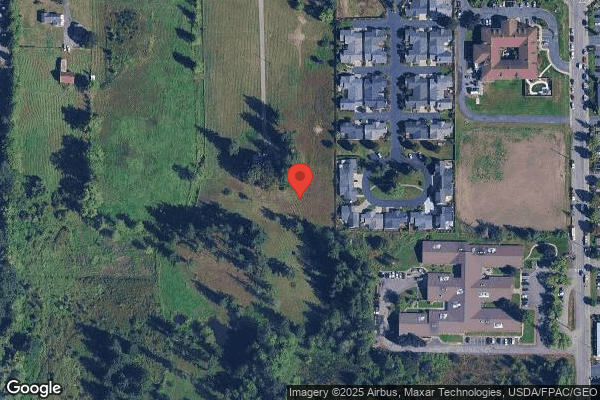
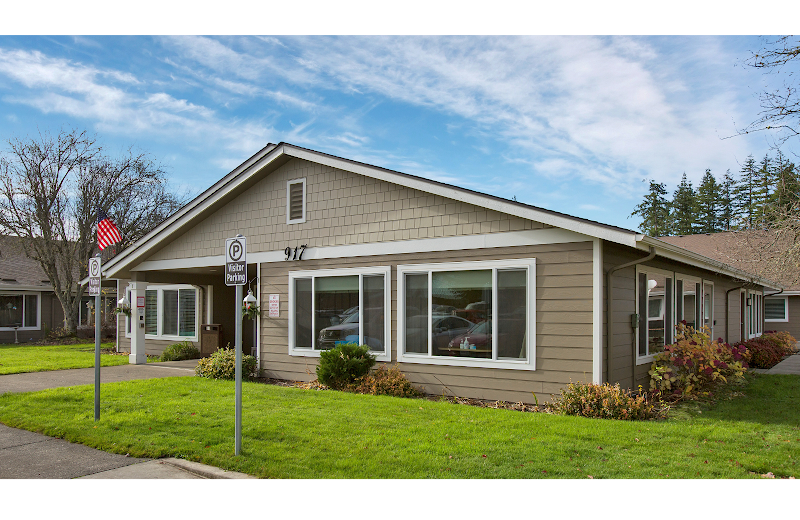
917 SOUTH SCHEUBER ROAD, CENTRALIA, WA 98531 (360) 736-9384
For profit - Limited Liability company 128 Beds PACS GROUP Data: November 2025
Trust Grade
55/100
#118 of 190 in WA
Last Inspection: April 2025

Within standard 12-15 month inspection cycle. Federal law requires annual inspections.

Overview

South Creek Post Acute in Centralia, Washington, has a Trust Grade of C, which means it is average and sits in the middle of the pack among nursing homes. It ranks #118 out of 190 facilities in Washington, placing it in the bottom half, and is #2 out of 2 in Lewis County, indicating only one local facility is rated higher. The trend here is worsening, with the number of issues increasing from 6 in 2024 to 22 in 2025. Staffing is a concern, rated 2 out of 5 stars with a high turnover rate of 59%, which is above the state average. While there are no fines on record, the facility has been cited for multiple cleanliness and safety issues, such as improper food storage that could lead to foodborne illnesses and allowing unqualified staff to administer medications, which poses risks to resident safety.

Trust Score
C
55/100
In Washington
#118/190
Bottom 38%
Safety Record
Low Risk
No red flags
Inspections
Getting Worse
6 → 22 violations
Staff Stability
⚠ Watch
59% turnover. Above average. Higher turnover means staff may not know residents' routines.
Penalties
✓ Good
No fines on record. Clean compliance history, better than most Washington facilities.
Skilled Nurses
○ Average
Each resident gets 33 minutes of Registered Nurse (RN) attention daily — about average for Washington. RNs are the most trained staff who monitor for health changes.
Violations
⚠ Watch
52 deficiencies on record. Higher than average. Multiple issues found across inspections.
★★★☆☆
3.0
Overall Rating
★★☆☆☆
2.0
Staff Levels
★★★★☆
4.0
Care Quality
★★★☆☆
3.0
Inspection Score
Stable
2024: 6 issues
2025: 22 issues

The Good

  • 4-Star Quality Measures · Strong clinical quality outcomes
  • Full Sprinkler Coverage · Fire safety systems throughout facility
  • No fines on record

Facility shows strength in quality measures, fire safety.

The Bad

3-Star Overall Rating

Near Washington average (3.2)

Meets federal standards, typical of most facilities

Staff Turnover: 59%

13pts above Washington avg (46%)

Frequent staff changes - ask about care continuity

Chain: PACS GROUP

Part of a multi-facility chain

Ask about local staffing decisions and management

Staff turnover is elevated (59%)

11 points above Washington average of 48%

The Ugly 52 deficiencies on record

Jul 2025 1 deficiency
CONCERN (D) 📢 Someone Reported This

A family member, employee, or ombudsman was alarmed enough to file a formal complaint

Potential for Harm - no one hurt, but risky conditions existed

Quality of Care (Tag F0684)

Could have caused harm · This affected 1 resident

**NOTE- TERMS IN BRACKETS HAVE BEEN EDITED TO PROTECT CONFIDENTIALITY** Based on interview and record review, the facility failed to ensure vital signs were obtained upon admission to the facility and...

Read full inspector narrative →
**NOTE- TERMS IN BRACKETS HAVE BEEN EDITED TO PROTECT CONFIDENTIALITY** Based on interview and record review, the facility failed to ensure vital signs were obtained upon admission to the facility and before administration of a blood pressure medication for 1 of 4 sampled residents (Resident 1) reviewed for vital signs monitoring. This failure placed residents at risk of unmet care needs and a diminished quality of life.Findings included. Record review of the facility policy, Admitting the Resident: Role of the Nursing Assistant, dated September 2013, documented, The following information should be recorded in the resident's medical record. The resident's vital signs. Resident 1 admitted to the facility on [DATE]. The Medicare 5-day Minimum Data Set, an assessment tool, dated 06/15/2025, documented the resident was cognitively intact. The resident discharged from the facility on 06/15/2025. Record review of Resident 1's physician's order, dated 06/16/2025, documented, [check] Blood Pressure weekly prior to giving antihypertensive [blood pressure] medication. Notify MD [Medical Doctor] for systolic [blood pressure top number] less than 100. Record review of Resident 1's physician's order, dated 06/16/2025, documented, [Check] Blood Pressure daily x2 weeks prior to administering antihypertensive medication. Notify MD if systolic less than100. Record review of Resident 1's physician's order, dated 06/16/2025, documented, Metoprolol Succinate [blood pressure medication] ER [Extended Release] Tablet Extended Release 24Hour 50 MG [milligrams] Give 1 tablet by mouth one time a day for hypertension [high blood pressure]. Record review of Resident 1's electronic medical record failed to document the resident's vital signs, including blood pressure or pulse.Record review of Resident 1's Medication Administration Record, dated June 2025, documented the resident was given Metoprolol on 06/15/2025. In an interview on 07/24/2025 at 12:34 PM, Staff C, Registered Nurse, said vital signs were obtained on newly admitted residents within one to two hours. Staff C said Certified Nursing Assistants (CNAs) or nurses would obtain the vital signs, write them down on a vital signs sheet, and then the nurse would review the vital signs and enter them into the resident's electronic medical record. Staff C said before administration of blood pressure medications, vital signs were assessed first. Staff C said the vital signs should be in the residents' electronic medical records. In an interview on 07/24/2025 at 12:48 PM, Staff D, Licensed Practical Nurse, said newly admitted residents should have vital signs assessed as soon as possible. Staff D said vital signs were documented on a vital signs sheet, then entered into the resident's electronic medical record. Staff D said a resident's vital signs should be obtained before a blood pressure medication was given. In an interview on 07/24/2025 at 1:28 PM, Staff E, Residential Care Manager/Registered Nurse, said nurses and CNAs should orient newly admitted residents right away. Staff E said vital signs were obtained and documented on a sheet of paper, given to the nurse to review, and entered into the resident's electronic medical record. Staff E said before a blood pressure medication was administered, vital signs including blood pressure should be obtained. Staff E confirmed the resident was administered Metoprolol, a blood pressure medication, on 06/15/2025. Staff E reviewed Resident 1's electronic medical record and could not find vital signs for admission to the facility or before administration of a blood pressure medication. In an interview on 07/24/2025 at 2:05 PM, Staff B, Director of Nursing/Registered Nurse, said vital signs should be assessed upon admission to the facility. Staff B said vital signs were documented on a sheet, given to the nurse to review, and entered in to the resident's electronic medical record. Staff B said best practice was for nurses to obtain a resident's vital signs before administration of blood pressure medications such as Metoprolol. Staff B said she was unable to see any vital signs documented in the resident's electronic medical record. Reference WAC 388-97-1060 (1)
Jul 2025 1 deficiency
CONCERN (E) 📢 Someone Reported This

A family member, employee, or ombudsman was alarmed enough to file a formal complaint

Potential for Harm - no one hurt, but risky conditions existed

Deficiency F0836 (Tag F0836)

Could have caused harm · This affected multiple residents

**NOTE- TERMS IN BRACKETS HAVE BEEN EDITED TO PROTECT CONFIDENTIALITY** . Based on observation, interview, and record review, the facility failed to ensure it was in compliance with state and local la...

Read full inspector narrative →
**NOTE- TERMS IN BRACKETS HAVE BEEN EDITED TO PROTECT CONFIDENTIALITY** . Based on observation, interview, and record review, the facility failed to ensure it was in compliance with state and local laws and regulations when the facility allowed 2 of 2 sampled Nurse Technicians (Staff D and Staff E) to administer scheduled medications and IV (intravenous) medications. This failure placed residents at risk of medication errors, injury, and a diminished quality of life. Findings included . [NAME] Administrative Code 246-840-870 documented, The nursing technician is authorized only to perform specific nursing functions within the limits of their education, up to their skills and knowledge, as verified by their nursing program. The nursing technician . May not administer chemotherapy, blood or blood products, intravenous medications, scheduled drugs, nor carry out procedures on central lines. Staff D, Nurse Technician, was first credentialed as a nurse technician on [DATE]. Staff D's nurse technician credential expired on [DATE]. Staff E, Nurse Technician, was first credentialed as a nurse technician on [DATE]. Staff E's nurse technician credential expired on [DATE]. A review of Staff D's Medication Administration Record (MAR) report (showing what medications Staff D had administered), dated [DATE], documented Staff D administered scheduled opioid (controlled/scheduled) medications 11 times to 11 residents over the month of June. Staff D also administered IV medications three times over the month of [DATE]. A review of Staff E's MAR, dated [DATE], documented Staff E administered scheduled opioid medications 20 times to 17 residents over the month of June. Staff E also administered IV medications one time over the month of [DATE]. On [DATE] at 3:26 PM, Staff D said she was still in nursing school and had just completed her first year of nursing school. Staff D said when she worked in the facility, she was allowed to perform tasks that had been checked off while in nursing school. Staff D said those tasks included assessments, medications, and wound care. Staff D said she could dispense medications while working in the facility, as long as a Registered Nurse was also in the facility. Staff D said while she did receive education from the facility regarding medication administration, she was not educated directly on what classes of medications or routes of administration she was allowed to perform while in the facility. Staff D said she had administered IV medications and scheduled medications while working in the facility. On [DATE] at 3:40 PM, Staff C, Licensed Practical Nurse, said licensed nurses and nurse technicians dispensed medications in the facility. Staff C they had seen nurse technicians dispense controlled medications such as narcotic medications. Staff C said they did not receive any education from the facility regarding the roles of nurse technicians in the facility. On [DATE] at 10:56 AM, Staff B, Director of Nursing/Registered Nurse, said licensed nurses, medication technicians, and nurse technicians administered medications in the facility. Staff B said as far as she was aware, nurse technicians could dispense narcotic/scheduled medications as well as IV medications. Reference WAC 388-97-1620 (2)(b)(i)(ii) .
Apr 2025 1 deficiency
MINOR (C) 📢 Someone Reported This

A family member, employee, or ombudsman was alarmed enough to file a formal complaint

Minor Issue - procedural, no safety impact

Deficiency F0801 (Tag F0801)

Minor procedural issue · This affected most or all residents

. Based on interview and record review, the facility failed to ensure the Dietary Manager (Staff C) had the required qualifications/certification to perform their duties for 1 of 1 facility kitchens. ...

Read full inspector narrative →
. Based on interview and record review, the facility failed to ensure the Dietary Manager (Staff C) had the required qualifications/certification to perform their duties for 1 of 1 facility kitchens. The failure placed residents at risk of receiving a menu prepared by staff without the required competencies and skills to provide the necessary food and nutrition services. Findings included . On 04/15/2025 at 2:07 PM, a public complainant said the facility's dietary manager did not have a dietary management certification. On 04/17/2025 at 11:53 AM, Staff A said when Staff C was out of the facility, oversight of the kitchen was done by the Human Resources Director, who was also pursuing their Dietary Manager certification. Staff A said Staff C started her position as dietary manager on 02/10/2025. Staff A said Staff C was waiting about a month for a proctor for her final test to obtain her dietary manager certification. At 12:33 PM, Staff B, Director of Nursing Services and Registered Nurse, said Staff C did not have a dietary manager certification. Staff B said Staff C was in the process of obtaining the certification and was waiting for a proctor to administer the test. At 1:23 PM, Staff A, Administrator, said the facility's dietician worked on a part-time basis in the facility. Reference WAC 388-97-1160 (1) .
Apr 2025 14 deficiencies
CONCERN (D)

Potential for Harm - no one hurt, but risky conditions existed

Deficiency F0578 (Tag F0578)

Could have caused harm · This affected 1 resident

**NOTE- TERMS IN BRACKETS HAVE BEEN EDITED TO PROTECT CONFIDENTIALITY** . Based on interview and record review, the facility failed to obtain and/or maintain Advance Directives (AD) for 2 of 20 sample...

Read full inspector narrative →
**NOTE- TERMS IN BRACKETS HAVE BEEN EDITED TO PROTECT CONFIDENTIALITY** . Based on interview and record review, the facility failed to obtain and/or maintain Advance Directives (AD) for 2 of 20 sampled residents (59 & 65) reviewed for AD. This failure placed residents at risk for losing their right to have their healthcare preferences and/or decisions honored. Findings included . Review of the facility's policy entitled, Advance Directives, dated September 2022, documented, .1. Prior to or upon admission of a resident, the social services director or designee inquires of the resident, his/her family members and/or his or her legal representative, about the existence of any written advance directives. 2. The resident or representative is provided with written information concerning the right to refuse or accept medical or surgical treatment and to formulate an advance directive if he or she chooses to do so . 1) Resident 59 was admitted to the facility on [DATE]. The Significant Change Minimum Data Set (MDS) assessment, dated 02/27/2025, documented Resident 59 was severely cognitively impaired. The Social History Assessment, dated 09/27/2024, documented in Section O. Financial/Legal, None of above, for Responsible/Legal Guardian. The assessment documented none of the above for ADs. Review of Resident 59's care plan did not document a focus area addressing an AD. Review of Resident 59's Electronic Health Record (EHR) did not show AD documentation or information or assistance was provided related to the development of an AD. 2) Resident 65 was admitted to the facility on [DATE]. The Quarterly MDS assessment, dated 03/26/2025, documented Resident 65 was alert and oriented. Review of Resident 65's AD care plan, dated 07/02/2024, documented, [Resident 65] does not wish to execute an Advance Directive at this time. Offer quarterly and as needed. Review of Resident 65's EHR did not show an AD was reviewed quarterly and/or as needed. On 04/11/2025 at 10:05 AM, in an interview with Staff C, Social Services Director; Staff J, Social Services Assistant, said when residents were admitted , they encouraged the residents to have an AD. Staff J said if the residents were alert and oriented, they would offer AD information to them. Staff C said they could not find documentation about an AD for Resident 59. Staff J said they could not find documentation that information about an AD was reviewed or offered quarterly with Resident 65. At 10:56 AM, Staff C said they should have reached out to Resident 59's son to talk about guardianship for her. At 11:26 AM, Staff A, Administrator, and Staff B, Director of Nursing and Registered Nurse, indicated it was their expectation information for ADs were reviewed and/or offered upon admission and quarterly for residents. Reference WAC 388-97-0240 (3)(a)(b)(i-iii) .
CONCERN (D)

Potential for Harm - no one hurt, but risky conditions existed

Deficiency F0604 (Tag F0604)

Could have caused harm · This affected 1 resident

**NOTE- TERMS IN BRACKETS HAVE BEEN EDITED TO PROTECT CONFIDENTIALITY** . Based on observation, interview, and record review, the facility failed to obtain an assessment, consent, and/or physician's o...

Read full inspector narrative →
**NOTE- TERMS IN BRACKETS HAVE BEEN EDITED TO PROTECT CONFIDENTIALITY** . Based on observation, interview, and record review, the facility failed to obtain an assessment, consent, and/or physician's order regarding bed rails for 2 of 3 sampled residents (264 & 50) reviewed for physical restraints. This failure placed residents at risk of injury, unmet needs, and a diminished quality of life. Findings included . Review of the facility's policy entitled, Physical Restraint Application, dated October 2010, documented, .Preparation 1. Verify physician's order for the use of restraints . 1) Resident 264 was admitted to the facility on [DATE]. The Admission/Medicare - 5 day Minimum Data Set (MDS) assessment, dated 04/09/2025, documented Resident 264 was severely cognitively impaired. Review of Resident 264's Electronic Health Record (EHR) did not show an assessment, resident and/or representative consent, or physician's order related to bed rails. On 04/08/2025 at 10:53 AM, Resident 264's bed was observed with a padded covered bed rail, about one third length of the bed, on the upper right side of the bed. On 04/09/2025 at 8:45 AM, Resident 264 was observed lying in bed with a padded covered bed rail, about one third length of the bed, on the upper right side of the bed. At 10:52 AM, Resident 264's bed was observed with a padded covered bed rail, about one third length of the bed, on the upper right side of the bed. At 11:14 AM, Staff L, Registered Nurse (RN), said when bed rails or mobility bars were used; an assessment, consent, and physician order was needed. At 11:19 AM, Staff F, Resident Care Manager and Licensed Practical Nurse (LPN), said a safety evaluation, consent, and physician order was needed when bed rails were used. Staff F said she could not find an assessment, consent, or physician orders for Resident 264's bed rail in the EHR. At 11:38 AM, Staff B, Director of Nursing Services and RN, said it was her expectation an assessment, consent, and physician order was obtained for bed rails or mobility bars used on a residents' bed. 2) Resident 50 was admitted to the facility on [DATE]. The admission Medicare - 5 day MDS assessment, dated 03/20/2025, documented Resident 50 was moderately cognitively impaired. Review of Resident 50's EHR did not show orders for quarter bedrails and the bed against the wall. Resident 50's care plan did not address quarter bedrails and the bed against the wall. On 04/07/2025 at 3:01 PM, Resident 50's bed was observed with quarter bed rails on the bed. On 04/08/2025 at 9:15 AM, Resident 50's bed was observed with quarter bed rails on the bed and the bed was against the wall. On 04/09/2025 at 3:13 PM, Resident 50 was observed lying in bed with quarter bed rails on the bed and with the bed against the wall. On 04/10/2025 at 9:44 AM, Staff K, Resident Care Manager and LPN, said residents using bed rails and who had their bed against the wall should have an assessment, consent, physician's order, and a care plan in the EHR. After reviewing Resident 50's EHR, Staff K said Resident 50 did not have a physician's order or care plan for bed rails and the bed against the wall, and the resident should have had both. At 1:38 PM, Staff B, said it was the expectation all residents with bed rails and beds against the wall had care plans and physician orders prior to bed rails being installed or the bed placed against the wall. Reference WAC 388-97-0620 (4)(a)(b) .
CONCERN (D)

Potential for Harm - no one hurt, but risky conditions existed

PASARR Coordination (Tag F0644)

Could have caused harm · This affected 1 resident

**NOTE- TERMS IN BRACKETS HAVE BEEN EDITED TO PROTECT CONFIDENTIALITY** 2) Resident 54 was admitted to the facility on [DATE] with diagnoses including Post-Traumatic Stress Disorder (anxiety disorder ...

Read full inspector narrative →
**NOTE- TERMS IN BRACKETS HAVE BEEN EDITED TO PROTECT CONFIDENTIALITY** 2) Resident 54 was admitted to the facility on [DATE] with diagnoses including Post-Traumatic Stress Disorder (anxiety disorder caused by very stressful, or distressing events). The Quarterly MDS assessment, dated 02/23/2025, documented Resident 54 was alert and oriented. Review of the PASARR Level I, dated 09/06/2024, documented a Level II evaluation was required. , however the assessment was never requested or obtained. Resident 54's Electronic Health Record (EHR) showed an assessment for a Level II evaluation was never requested or obtained. The EHR showed Resident 54 had been exhibiting signs and symptoms of mood instability, agitation, racing thoughts, and refusals of care. The EHR showed Resident 54 was treated with Seroquel (antipsychotic), and Sertraline & Trazadone (antidepressants). On 04/10/2025 at 10:01 AM, Staff J, Social Services Assistant, said the admission coordinator would make sure the PASARR was completed prior to any resident admitting into the facility. Staff J said the social worker (SW) would redo the PASARR Level I if it were found to be inaccurate. The SW would then send out the Level I assessment to the PASARR evaluator for recommendations. Staff J were unable to locate the referral in the EHR. At 10:01 AM, Staff C, Director of Social Services, said the PASARR would need to be reviewed on admission for accuracy. If the PASARR was inaccurate or if new behaviors presented after admission, the PASARR would need to be redone, and sent to the evaluator at that time. Staff C said it is best practice to send a PASARR for Level II right away. Staff C was unable to locate the referral in the EHR. At 1:03 PM, Staff B, Director of Nursing Services and Registered Nurse, said it was her expectation for Level II PASARRs to be sent off as soon as possible. Staff B was unable to provide further documentation showing a referral for Level II PASARR for Resident 36 and Resident 54. Reference WAC 388-97-1915 (4) Based on interview and record review, the facility failed to coordinate the Preadmission Screen and Resident Review (PASARR) for Level II services for 2 of 7 sampled residents (36 & 54) reviewed for PASARR. This failure placed residents at risk of not receiving the necessary mental health services and diminished quality of life. Findings included . Per Facility policy, entitled [PASARR] Screening for Mental Disorder/Intellectual Disability, revised 01/22/2025, documented, A positive Level I Screen (PASARR Indicates that individual required PASARR Level II Referral) necessitates an in-depth evaluation of the individual by the state-designated authority PASARR Level II) which must be conducted prior to admission to a nursing facility OR upon identification that the individual may need a Level II PASARR Referral while at the Nursing Facility. 1) Resident 36 was admitted to the facility on [DATE]. The quarterly Minimum Data Set (MDS) assessment, dated 03/30/2025, indicated Resident 36 was moderately cognitively impaired. Review of the Level I PASARR, dated 11/11/2020, indicated a Level II evaluation was required. Record review of Resident 36's medical record did not show an assessment was ever requested or obtained. The medical record showed on 12/12/2023, Resident 36 experienced new delusions and hallucinations and started on new psychotropic medications. The PASARR for Resident 36 was not updated to indicate the resident was experiencing new symptoms which would indicate the need for PASARR Level II services.
CONCERN (D)

Potential for Harm - no one hurt, but risky conditions existed

Deficiency F0645 (Tag F0645)

Could have caused harm · This affected 1 resident

**NOTE- TERMS IN BRACKETS HAVE BEEN EDITED TO PROTECT CONFIDENTIALITY** . Based on interview and record review, the facility failed to ensure a Pre-admission Screening and Resident Review (PASARR) ass...

Read full inspector narrative →
**NOTE- TERMS IN BRACKETS HAVE BEEN EDITED TO PROTECT CONFIDENTIALITY** . Based on interview and record review, the facility failed to ensure a Pre-admission Screening and Resident Review (PASARR) assessment was completed to reflect accurate mental health diagnoses for 1 of 7 sampled residents (94) reviewed for PASARR. This failure placed residents at risk of not receiving mental health services and a diminished quality of life. Findings included . Per Facility policy, entitled [PASARR] Screening for Mental Disorder/Intellectual Disability, revised 01/22/2025, showed, 2. The PASARR process requires all individual be screened for possible serious mental disorders or intellectual disabilities and related conditions. The initial pre-screening [PASARR level I] should be completed prior to admission to facility. A negative level I requires no further action. Resident 94 was admitted to the facility on [DATE] with diagnoses including schizoaffective disorder (a mental health condition characterized by symptoms of both schizophrenia, like delusions and hallucinations; and a mood disorder, like depression or mania). The admission Minimum Data Set assessment, dated 02/26/2025, showed Resident 3 was moderately cognitively impaired, had schizophrenia, and was on antipsychotic and antidepressant medication. Record review of Resident 94's Level 1 PASARR, dated 02/12/2025, did not document a serious mental illness (SMI) indicator to include Schizophrenic or Mood disorders. Resident 94's Level 1 PASARR, Section IV Service Needs and Assessor Data, was not completed and did not document if a Level II evaluation was indicated. On 04/10/2025 at 8:59 AM, Staff C, Social Services Director, said after a resident was admitted from the hospital, social services would review the PASARR to make sure it was accurate. Staff C said they would redo the PASARR if it was inaccurate, and would make a referral for a Level II PASARR if indicated. After looking at Resident 94's Level I PASARR, Staff C said the SMI indicator was checked no and Section IV was blank. Staff C indicated Resident 94's PASARR was incorrect and they should have re-done it. At 10:22 AM, Staff A, Administrator, said they were working on issues with the social services department and indicated Resident 94's PASARR should have been corrected upon admission. Reference WAC 388-97-1975 (1)(9) .
CONCERN (D)

Potential for Harm - no one hurt, but risky conditions existed

Comprehensive Care Plan (Tag F0656)

Could have caused harm · This affected 1 resident

**NOTE- TERMS IN BRACKETS HAVE BEEN EDITED TO PROTECT CONFIDENTIALITY** . Based on observation, interview and record review, the facility failed to develop a person-centered activities care plan for ...

Read full inspector narrative →
**NOTE- TERMS IN BRACKETS HAVE BEEN EDITED TO PROTECT CONFIDENTIALITY** . Based on observation, interview and record review, the facility failed to develop a person-centered activities care plan for 1 of 6 sampled residents (97) reviewed for activities. This failure placed residents at risk for unmet care needs and a diminished quality of life. Findings included . Resident 97 was admitted to the facility on [DATE]. The admission Medicare - 5 Day Minimum Data Set assessment, dated 03/06/2025, documented Resident 97 was severely cognitively impaired. Review of Resident 97's electronic health record (EHR) did not show a care plan addressing activity preferences, goals or interventions. On 04/07/2025 at 11:00 AM, Resident 97 was observed lying in bed sleeping. At 12:38 PM, Resident 97 was observed lying in bed sleeping. At 2:35 PM, Resident 97 was observed lying in bed. On 04/09/2025 at 9:42 AM, Resident 97 was observed lying in bed. On 04/10/2025 at 11:21 AM, Resident 97 was observed lying in bed sleeping. At 1:01 PM, Resident 97 was observed lying in bed. On 04/11/2025 at 8:54 AM, Staff P, Activities Director, said Resident 97 enjoyed singing, morning exercises and watching TV in her room. When asked if Resident 97 had a care plan addressing her activities preferences and goals, Staff P reviewed Resident 97's EHR and stated, [Resident 97] doesn't have one. At 1:01 PM, Staff R, Registered Nurse, said Resident 97 spent most of her time in bed and stated, [Resident 97] doesn't participate in many activities. At 1:04 PM, Resident 97 said she gets out of bed sometimes but not all the time. When asked how she spent her day, Resident 97 said she would like to go do some things. At 1:08 PM, Staff Q, Activities Assistant, said Resident 97 did not participate in group activities. Staff Q stated, If we can get her here, she would participate. I think it's just getting her out of bed. Reference WAC 388-97-1020 (1)(2)(a)(b) .
CONCERN (D)

Potential for Harm - no one hurt, but risky conditions existed

Deficiency F0658 (Tag F0658)

Could have caused harm · This affected 1 resident

**NOTE- TERMS IN BRACKETS HAVE BEEN EDITED TO PROTECT CONFIDENTIALITY** . Based on observation, interview and record review, the facility failed to ensure services provided met professional standards ...

Read full inspector narrative →
**NOTE- TERMS IN BRACKETS HAVE BEEN EDITED TO PROTECT CONFIDENTIALITY** . Based on observation, interview and record review, the facility failed to ensure services provided met professional standards of practice with inaccurate enteral nutrition (method of providing nutrition directly into the gastrointestinal tract via a feeding tube) pump settings and not documenting medication administration for 1 of 1 sampled residents (101) reviewed for professional standards of practice. These failures placed residents at risk for unmet care needs and a diminished quality of life. Findings included . Resident 101 was admitted to the facility on [DATE] with diagnoses including Dysphagia (difficulty swallowing). The admission Medicare - 5 day Minimum Data Set assessment, dated 03/23/2025, documented Resident 101 was moderately cognitively impaired and required extensive assistance with activities of daily living. <Enternal Nutrition Pump Settings> A review of Resident 101's electronic health record (EHR) showed a physician order dated 03/28/2025, Enteral Feed Order in the evening Enteral Feeding Jevity 1.2 @ 70ml (milliliters)/hr (hour) over 18 hours (1500hrs to 0900hr) water to run concurrent with formula @ 60ml/hr: Flush feeding tube with 50ml water [pre and post] feeding. On 04/08/2025 at 8:57 AM, Resident 101 was observed lying in bed with her tube feeding pump on and running. The Pump settings were observed with tube feeding running at 70ml/hr and water flushes at 50 ml/hr. At 9:23 AM, after observing the tube feeding pump settings, Staff T, Licensed Practical Nurse (LPN), said the tube feeding pump was set as 70ml/hr for the enteral feeding and 50ml/hr for the water flushes. After reviewing Resident 101's enteral feeding physician orders, Staff T said the water flushes should have been running at 60ml/hr. <Medication Administration> Review of the April 2025 Medication Administrative Record (MAR) on 04/02/2025 did not show documentation of medications being administered. The MAR entry fields were blank for the following: 1. Pro-Stat Liquid (Amino Acids-Protein Hydrolys) Give 30 ml via G (gastrostomy) -Tube one time a day for Wound Healing. mix in 60mL of water & 60mL water pre & post. Due at 1:00 PM. 2. Amoxicillin-Pot Clavulanate Tablet 875- 125 MG (milligrams) Give 1 tablet by mouth every 12 hours for Aspiration pneumonia for 10 Days. Due at 9:00 PM. 3. Guaifenesin ER Tablet Extended Release 12 Hour 600 MG Give 1 tablet by mouth every 12 hours for Cough, chest congestion for 7 Days. Due at 9:00 PM. 4. Gabapentin Oral Solution 300 MG/6ML (Gabapentin) Give 6 ml via G-Tube three times a day for neuropathy. Due at 9:00 PM. On 04/10/2025 at 9:44 AM, Staff K, Resident Care Manager and LPN, said it was the expectation that nurses receive report from the outgoing nurse and verify correct pump settings per physician's orders at the beginning of shift. At 1:38 PM Staff B, Director of Nursing Services and Registered Nurse, said it was the expectation that nurses review physician orders prior to initiating tube feeding. Staff B said it was the expectation that nurses administer medication and document in the MAR confirming the medications were administered. Reference WAC 388-97-1620 (2)(b)(ii)(6)(b)(i) .
CONCERN (D)

Potential for Harm - no one hurt, but risky conditions existed

ADL Care (Tag F0677)

Could have caused harm · This affected 1 resident

**NOTE- TERMS IN BRACKETS HAVE BEEN EDITED TO PROTECT CONFIDENTIALITY** . Based on observation, interview, and record review, the facility failed to ensure assistance was provided with shaving for 1 o...

Read full inspector narrative →
**NOTE- TERMS IN BRACKETS HAVE BEEN EDITED TO PROTECT CONFIDENTIALITY** . Based on observation, interview, and record review, the facility failed to ensure assistance was provided with shaving for 1 of 3 sampled residents (59) reviewed for Activities of Daily Living (ADL) for Dependent Residents. This failure placed residents at risk for unmet care needs, decreased self-esteem, and a diminished quality of life. Findings included . Resident 59 was admitted to the facility on [DATE]. The Significant Change Minimum Data Set assessment, dated 02/27/2025, documented Resident 59 was severely cognitively impaired and was dependent on assistance for personal hygiene. On 04/07/2025 at 11:45 AM, Resident 59 was observed lying in bed with thick facial hair about one quarter inch long on her upper lip and chin. Resident 59 said it bothered her when she had hair on her chin and lip. On 04/08/2025 at 10:40 AM, Resident 59 was observed with thick upper lip and chin hair about one quarter inch long. On 04/09/2025 at 8:40 AM, Resident 59 was observed with thick upper lip and chin hair present at least one quarter inch long. Resident 59 said she would like it if they shaved her more often. Resident 59 said they sometimes shave her on a shower day, but did not offer to in between showers. Review of Resident 59's personal hygiene task record for shaving, dated 03/30/2025 through 04/10/2025, showed no refusal of care for personal hygiene. On 04/10/2025 at 10:08 AM, Resident 59 was observed with thick upper lip and chin hair present at least one quarter inch long. Upon entering room, Resident 59 asked if this surveyor found her razor yet to shave her. At 11:26 AM, Staff E, Certified Nursing Assistant, said ADL care, which included shaving facial hair, was offered daily for dependent female residents with facial hair. Staff E said if a resident refused care, it would be documented in their electronic health record (EHR). At 11:45 AM, Staff F, Resident Care Manager and Licensed Practical Nurse, said shaving was offered during showers. Staff F said if a resident refused care, it would be documented somewhere. At 11:48 AM, Staff B, Director of Nursing Services and Registered Nurse, said shaving should be offered to residents when they were showered and whenever staff saw facial hair. Staff B said if a resident refused care, it should be documented in their EHR. Staff B went to Resident 59's room to observe the resident's facial hair. Resident 59 stated, I have all this hair on my face. I'm embarrassed. It's not ok . Can you shave it? Staff B said she expected residents were offered to be shaved daily or as needed. Reference WAC 388-97-1060 (1)(2)(c) .
CONCERN (D)

Potential for Harm - no one hurt, but risky conditions existed

Deficiency F0679 (Tag F0679)

Could have caused harm · This affected 1 resident

**NOTE- TERMS IN BRACKETS HAVE BEEN EDITED TO PROTECT CONFIDENTIALITY** . Based on observation, interview and record review, the facility failed to provide resident centered activities incorporating t...

Read full inspector narrative →
**NOTE- TERMS IN BRACKETS HAVE BEEN EDITED TO PROTECT CONFIDENTIALITY** . Based on observation, interview and record review, the facility failed to provide resident centered activities incorporating the resident's preferences for 1 of 1 sampled resident (97) reviewed for activities. This failure placed residents at risk of a decreased quality of life. Findings included . Resident 97 was admitted to the facility on [DATE]. The admission Medicare - 5 Day Minimum Data Set assessment, dated 03/06/2025, documented Resident 97 was severely cognitively impaired. Review of Resident 97's electronic health record (EHR) did not show a care plan addressing activities preferences, goals or interventions. On 04/07/2025 at 11:00 AM, Resident 97 was observed lying in bed sleeping. At 12:38 PM, Resident 97 was observed lying in bed sleeping. At 2:35 PM, Resident 97 was observed lying in bed. On 04/09/2025 at 9:42 AM, Resident 97 was observed lying in bed. On 04/10/2025 at 11:21 AM, Resident 97 was observed lying in bed sleeping. At 1:01 PM, Resident 97 was observed lying in bed. On 04/11/2025 at 8:54 AM, Staff P, Activities Director, said Resident 97 enjoyed singing, morning exercises and watching TV in her room. When asked if Resident 97 had a care plan addressing her activities preferences and goals, Staff P reviewed Resident 97's EHR and stated, [Resident 97] doesn't have one. At 1:01 PM, Staff R, Registered Nurse, said Resident 97 spent most of her time in bed and stated, [Resident 97] doesn't participate in many activities. At 1:04 PM, Resident 97 said she gets out of bed sometimes but not all the time. Resident 97 said she would like to go to do some things when asked how she spent her day. At 1:08 PM, Staff Q, Activities Assistant, said Resident 97 did not participate in group activities. Staff Q stated, If we can get her here, she would participate. I think it's just getting her out of bed. Reference WAC 388-97-0940 (2) .
CONCERN (D)

Potential for Harm - no one hurt, but risky conditions existed

Quality of Care (Tag F0684)

Could have caused harm · This affected 1 resident

**NOTE- TERMS IN BRACKETS HAVE BEEN EDITED TO PROTECT CONFIDENTIALITY** 3) Resident 86 was admitted to the facility on [DATE]. The End of PPS (prospective payment system) Part A MDS, dated [DATE], doc...

Read full inspector narrative →
**NOTE- TERMS IN BRACKETS HAVE BEEN EDITED TO PROTECT CONFIDENTIALITY** 3) Resident 86 was admitted to the facility on [DATE]. The End of PPS (prospective payment system) Part A MDS, dated [DATE], documented Resident 86 was alert and oriented. The BM task sheet documented Resident 86 did not have a BM on 03/26/2025, 03/27/2025, 03/28/2025, 03/29/2025, 03/30/2025, and 03/31/2025. The BM task sheet documented Resident 86 had a BM on 03/31/2025, over 139 hours since the resident's last BM (over five and a half days). 4) Resident 92 was admitted to the facility on [DATE]. The admission Medicare-5 Day MDS, dated [DATE], documented Resident 92 was alert and oriented. The BM task sheet documented Resident 92 did not have a BM on 03/31/2025, 04/01/2025, 04/02/2025, 04/03/2025, and 04/04/2025. The BM task sheet documented Resident 92 had a BM on 04/05/2025, over 133 hours since the resident's last BM (over five and a half days). 5) Resident 102 was admitted to the facility on [DATE]. The End of PPS Part A Stay MDS, dated [DATE], documented Resident 102 was alert and oriented. The BM task sheet documented Resident 102 did not have a BM on 03/23/2025, 03/24/2025, 03/25/2025, 03/26/2025, 03/27/2025, and 03/28/2025. The BM task sheet documented Resident 102 had a BM on 03/29/2025, over 163 hours since the resident's last BM (over six and a half days). 6) Resident 105 was admitted to the facility on [DATE]. The Admission/5 Day MDS, dated [DATE], documented Resident 105 was moderately cognitively impaired. The BM task sheet documented Resident 105 did not have a BM on 03/28/2025, 03/29/2025, 03/30/2025, 03/31/2025, and 04/01/2025. The BM task sheet documented Resident 105 had a BM on 04/02/2025, over 143 hours since the resident's last BM (almost six days). On 04/09/2025 at 2:24 PM, Staff Z, Licensed Practical Nurse (LPN), said after three days of no BM, Miralax (laxative) was given, and the administration was documented in EHR. Staff Z was unable to produce documentation of BM protocol being initiated for Resident 86, Resident 92, Resident 102, and Resident 105. Staff Z stated, I don't see anything was given to them. On 04/10/2025 at 9:44 AM, Staff K, Resident Care Manager and LPN, said bowel alerts triggered when a resident had not had a BM in more than 48 hours. Staff K said the nurses on the floor were expected to review bowel alerts at the beginning of shift and initiate the bowel protocol. After reviewing Resident 37's BM task sheet and BM history dating from 03/25/2025 to 04/01/2025, Staff K stated, That is a long period. When asked if the bowel protocol was initiated for Resident 37, Staff K stated, It was not initiated. There does not seem to be documentation. After reviewing Resident 50's BM task sheet and BM history dating from 03/24/2025 to 04/02/2025, Staff K said there was no documentation of Resident 50 having had a BM during that period, and there was not any documentation of the bowel protocol being initiated. At 1:03 PM, Staff B, Director of Nursing Services and Registered Nurse, said it was the expectation the nurses assess the residents and initiate the bowel protocol. Reference WAC 388-97-1060 (1)(3)(c) Based on interview and record review, the facility failed to initiate bowel interventions for 6 of 7 sampled residents (37, 50, 86, 92, 102 & 105) reviewed for quality of care related to bowel management. This failure placed residents at risk for health complications and a diminished quality of life. Findings included . Review of facility's bowel policy entitled Bowel Protocol, revised on 09/2024, documented, .1. At the beginning of each shift (based on an eight-hour shift), the Licensed Nurse will pull the Resident Bowel Management Report and identify residents that have not had a BM (Bowel Movement) for 3 days. (please run the report for last 7 days and check the box Include residents regardless of Bowel Alert Status). The Licensed Nurse will review the residents MAR (medication administration record) to determine if the PRN (as needed) Bowel Protocol had been initiated by the previous shift. Bowel movements are charted every shift by CNA (Certified Nurse Assistant). 2. Unless resident is physically unable to tolerate use of toilet or bedside commode they shall be assisted to toilet or bedside commode for bowel elimination as per plan of care. 3. Residents who have not had a bowel movement in three days will be given Milk of Magnesia. 4. If no bowel movement by the following shift, a Dulcolax suppository is given. 5. If resident continues without bowel movement by the next shift a Fleets enema will be given. 7. If resident exceeds four days without a bowel movement, the Licensed Nurse will complete an abdominal assessment and the physician will be notified for further orders . 1) Resident 37 was admitted to the facility on [DATE]. The admission Medicare - 5 Day Minimum Data Set (MDS) assessment, dated 03/25/2025, showed Resident 37 was moderately cognitively impaired. The BM task sheet documented Resident 37 did not have a BM on 03/25/2025, 03/26/2025, 03/27/2025, 03/28/2025, 03/29/2025, 03/30/2025, 03/31/2025 and 04/01/2025. The BM task sheet documented Resident 37 had a BM on 04/02/2025, over 160 hours since the resident's last BM (over six and a half days). 2) Resident 50 was admitted to the facility on [DATE]. The admission Medicare-5-day MDS, dated [DATE], documented Resident 50 was moderately cognitively impaired. The BM task sheet documented Resident 50 did not have a BM on 03/24/2025, 03/25/2025, 03/26/2025, 03/27/2025, 03/28/2025, 03/29/2025, 03/30/2025, 03/31/2025, 04/01/2025 and 04/02/2025. The BM task sheet documented Resident 50 had a BM on 04/03/2025 over 168 hours since the resident's last BM (seven days).
CONCERN (D)

Potential for Harm - no one hurt, but risky conditions existed

Respiratory Care (Tag F0695)

Could have caused harm · This affected 1 resident

**NOTE- TERMS IN BRACKETS HAVE BEEN EDITED TO PROTECT CONFIDENTIALITY** . Based on observation, interview and record review, the facility failed to ensure continuous supplemental oxygen (O2) was provi...

Read full inspector narrative →
**NOTE- TERMS IN BRACKETS HAVE BEEN EDITED TO PROTECT CONFIDENTIALITY** . Based on observation, interview and record review, the facility failed to ensure continuous supplemental oxygen (O2) was provided for 1 of 4 sampled residents (97) reviewed for respiratory care and services. This failure placed residents at risk of discomfort, medical decline and a diminished quality of life. Findings included . Review of the facility's policy entitled Oxygen Administration, revised October 2010, documented, After completing the oxygen setup or adjustment, the following information should be recorded in the resident's medical record: 3. The rate of oxygen flow, route, and rationale. 5. The reason for p.r.n. (as needed) administration . Resident 97 was admitted to the facility on [DATE]. The admission Medicare - 5 Day Minimum Data Set assessment, dated 03/06/2025, documented Resident 97 was severely cognitively impaired. Review of physician's order, dated 03/02/2025, noted, O2 @ 1-5 L(liters)/min(minute) per NC (Nasal Cannula) as needed SpO2 (oxygen saturation) < (less than) 88% as needed for prn oxygen use. Review of the April 2025 Medication Administration Record (MAR) and Treatment Administration Record (TAR) showed no oxygen flow rate documentation. Review of nurse's daily skilled charting summaries dated 04/02/2025, 04/03/2025, 04/04/2025, 04/05/2025, 04/06/2025, 04/07/2025, 04/08/2025, documented Resident 97's breath sounds and respiratory rate were clear, regular and normal with no documentation of respiratory distress. Review of Resident 97's SpO2 levels for the month of April 2025 ranged from 92% to 98%. On 04/07/2025 at 10:59 AM, 12:38 PM and 2:35 PM, Resident 97 was observed using 4L of oxygen via nasal cannula. On 04/08/2025 at 9:03 AM, Resident 97 was observed using 4L of oxygen via nasal cannula. On 04/09/2025 at 9:17 AM, Resident 97 was observed using oxygen via nasal cannula. On 04/10/2025 at 9:44 AM, after reviewing Resident 97's oxygen orders, Staff K, Resident Care Manager and Licensed Practical Nurse, stated, [Resident 97's] orders say PRN. After reviewing Resident 97's SpO2 history, Staff K stated, [Resident 97's] saturations are good. When asked if and when the resident was switched from oxygen via NC to room air, Staff K said the nurses should monitor Resident 97's SpO2 on room air to determine if she still needed supplemental oxygen. At 1:09 PM, Resident 97 was observed using oxygen via nasal cannula. At 1:38 PM, Staff B, Director of Nursing Services and Registered Nurse, said it was the expectation the nurses should assess and document the need for Resident 97 to use continuous oxygen instead of PRN oxygen, and document the use of PRN oxygen in the MAR/TAR. Reference WAC 388-97-1060 (3)(j)(vi) .
CONCERN (D)

Potential for Harm - no one hurt, but risky conditions existed

Medication Errors (Tag F0758)

Could have caused harm · This affected 1 resident

**NOTE- TERMS IN BRACKETS HAVE BEEN EDITED TO PROTECT CONFIDENTIALITY** . Based on interviews and record review, the facility failed to complete behavior monitoring and intervention assessments for 1 ...

Read full inspector narrative →
**NOTE- TERMS IN BRACKETS HAVE BEEN EDITED TO PROTECT CONFIDENTIALITY** . Based on interviews and record review, the facility failed to complete behavior monitoring and intervention assessments for 1 of 5 sampled residents (36) reviewed for psychotropic medications. This failure placed residents at risk for receiving unnecessary medications and a diminished quality of life. Findings included . Resident 36 was admitted to the facility on [DATE]. The Quarterly Minimum Data Set assessment, dated 03/30/2025, indicated Resident 36 was moderately cognitively impaired. Resident 36's April 2025 physician orders showed Resident 36 was taking medications for anxiety, depression, and psychosis. The Electronic Health Record (EHR) for Resident 36 did not include monitoring of behavioral symptoms or intervention for psychotropic medication use. On 04/10/2025 at 9:10 AM, Staff O, Nursing Assistant said she would look at the [NAME] to find specific information about resident behaviors and interventions. Staff O was unable to find specific behavior monitoring or interventions for Resident 36 on the [NAME]. At 9:23 AM, Staff M, Resident Care Manager and Licensed Practical Nurse, said the behaviors and interventions were listed in the care plan. Staff M was unable to find resident specific interventions or behavior monitoring documentation in the EHR. At 3:13 PM, Staff B, Director of Nursing Services and Registered Nurse, said resident behaviors and interventions should be written in the care plan and documented every shift in the Electronic Medication Administration Record (EMAR). Staff B was unable to locate behavior monitoring and/or interventions for Resident 36 on the EMAR. Staff B said they should be on the EMAR. Reference WAC 388-97-1300(ii)(iii) .
CONCERN (D)

Potential for Harm - no one hurt, but risky conditions existed

Deficiency F0761 (Tag F0761)

Could have caused harm · This affected 1 resident

. Based on observation, interview, and record review, the facility failed to ensure medications were properly stored and labeled in 1 of 4 medication carts (Middle South) reviewed for medication stora...

Read full inspector narrative →
. Based on observation, interview, and record review, the facility failed to ensure medications were properly stored and labeled in 1 of 4 medication carts (Middle South) reviewed for medication storage. This failure placed residents at risk for receiving the wrong medication, adverse outcome, and a diminished quality of life. Findings included . Review of the facility's policy entitled, Medication Labeling and Storage, undated, documented .Medications are stored in an orderly manner in cabinets, drawers, carts, or automatic dispensing systems. Each resident's medications are assigned to an individual cubicle, drawer, or other holding area to prevent the possibility of mixing medication of several residents. On 04/10/2025 at 11:11 AM, the Middle South medication cart was observed with Staff S, Licensed Practical Nurse. The top drawer of the medication cart contained about six or seven loose plastic medication cups with multiple unlabeled medications in each cup. The plastic medication cups had writing on them of a room number. Staff S quickly grabbed all the plastic medication cups with multiple medications in each of them, stacked them on top of one another and threw them in the garbage before surveyor could count the medication cups. When asked who and what the medications were for, Staff S said they were for residents that were going out to appointments. Staff S said he had four residents with an appointment, and one resident had refused their medications. Staff S said he had three residents with appointments and one resident had refused their medications. At 1:56 PM, Staff B, Director of Nursing Services and Registered Nurse, said it was her expectation medications were not pre-poured. Staff B indicated there should not be cups with unlabeled medications in them for multiple residents stored in the medication cart drawer. Reference WAC 388-97-1300 (2) .
CONCERN (D)

Potential for Harm - no one hurt, but risky conditions existed

Infection Control (Tag F0880)

Could have caused harm · This affected 1 resident

**NOTE- TERMS IN BRACKETS HAVE BEEN EDITED TO PROTECT CONFIDENTIALITY** . Based on observation, interview, and record review, the facility failed to ensure they were compliant with infection preventi...

Read full inspector narrative →
**NOTE- TERMS IN BRACKETS HAVE BEEN EDITED TO PROTECT CONFIDENTIALITY** . Based on observation, interview, and record review, the facility failed to ensure they were compliant with infection prevention and control guidelines and practices when staff did not clean and disinfect shared medical equipment between resident use on 2 of 2 hallways (North & South) reviewed for infection prevention and control. This failure placed residents, staff and visitors at risk for potential infection. Findings included . On 04/09/2025 at 9:48 AM, a facility staff was observed removing a Hoyer lift (a device used to help caregivers safely transfer individuals with mobility limitations from surface to surface) from room [ROOM NUMBER] and placed it in the hallway. Staff did not disinfect the Hoyer lift. At 3:14 PM, Staff V, Nurse Assistant Registered (NAR), was observed leaving room [ROOM NUMBER] with a vital sign (VS) machine (takes blood pressure, pulse and oxygen) after using it on the resident in Bed 1. Staff V did not disinfect the machine. At 3:26 PM, Staff V was observed going back into room [ROOM NUMBER] Bed 2 and took the resident's vitals with the same machine. When finished, Staff V did not disinfect the machine. At 3:39 PM, Staff V and another Certified Nurse Assistant (CNA), were observed in room [ROOM NUMBER], dressed in personal protective equipment with a hoyer lift in the room. Once care was completed, the 2nd CNA was observed placing the Hoyer lift in the hallway and did not disinfect it. At 3:47 PM, disinfecting wipes were not observed in the isolation carts in North Hall and in room [ROOM NUMBER] and room [ROOM NUMBER]. On 04/11/2025 at 9:04 AM, Staff W, Licensed Practical Nurse, said he used disinfecting wipes located in the medication cart he was assigned to disinfect shared medical equipment between resident use. Upon request, Staff W was unable to locate disinfecting wipes in the medication cart he was assigned. At 9:20 AM, Staff X, CNA, said she had not used disinfecting wipes on the shared medical equipment that morning. At 9:40 AM, Staff Y, CNA, said she had not used disinfecting wipes to clean the shared medical equipment that morning. At 11:50 AM, in a joint interview with Staff B, Director of Nursing and Registered Nurse (RN) and Staff U, Infection Prevention Nurse and RN, Staff U said it was the expectation staff disinfect resident shared medical equipment between resident use. Reference WAC 388-97-1320 (5)(c)(e) .
CONCERN (D)

Potential for Harm - no one hurt, but risky conditions existed

Deficiency F0909 (Tag F0909)

Could have caused harm · This affected 1 resident

**NOTE- TERMS IN BRACKETS HAVE BEEN EDITED TO PROTECT CONFIDENTIALITY** . Based on observation and interview, the facility failed to ensure bed rails were securely fastened to the bed and without gaps...

Read full inspector narrative →
**NOTE- TERMS IN BRACKETS HAVE BEEN EDITED TO PROTECT CONFIDENTIALITY** . Based on observation and interview, the facility failed to ensure bed rails were securely fastened to the bed and without gaps between the mattress and bed rail for 1 of 3 sampled resident (264) reviewed for physical restraints. This failure placed residents at risk for injury and/or entrapment. Findings included . Resident 264 was admitted to the facility on [DATE]. The Admission/Medicare - 5 day Minimum Data Set assessment, dated 04/09/2025, documented Resident 264 was severely cognitively impaired. On 04/08/2025 at 10:53 AM, Resident 264's bed was observed with a padded covered bed rail, about one third length of the bed, on the upper right side of the bed. The bed rail was observed to be loose with about six to seven inches of movement back and forth, and leaning six to seven inches out from the mattress. The bracket attaching the bed rail to the bed frame was observed to be loose. On 04/09/2025 at 8:45 AM, Resident 264 was observed lying in bed. Resident 264's right side bed rail was observed to be loose. At 10:52 AM, Resident 264's bed was observed with a padded covered bed rail, about one third length of the bed, on the upper right side of the bed. The bed rail was observed to be loose with about six to seven inches of movement back and forth, and leaning six to seven inches out from the mattress. The bracket attaching the bed rail to the bed frame was observed to be loose. At 11:19 AM, Staff F, Resident Care Manager and Licensed Practical Nurse, said for broken or loose bed rails, they would request maintenance to fix them through TELS (an electronic work order system). Staff F was observed going into Resident 264's room to look at the bed rail. Staff F said she was not sure if the bed rail on Resident 264's bed should be tighter. She needed to go ask. At 11:28 AM, Staff B, Director of Nursing Services and Registered Nurse, was observed going into Resident 264's room to look at the bed rail. Staff B said the bed rail was too loose and should be tighter. At 11:29 AM, Staff G, Maintenance Director, said a work order through TELS was generated for work on bed rails. Staff G said there was not a routine schedule to check for broken or loose bed rails. Staff G said the staff would notify him if one needed to be worked on. Staff G was observed going into Resident 264's room to look at the bed rail on the right side of the bed. After wiggling the bed rail back and forth, Staff G said the bed rail needed to be tightened. At 11:38 AM, Staff B said she expected bed rails on resident beds were maintained so they were not loose. Reference WAC 388-97-2100 (1) .
Mar 2025 1 deficiency
CONCERN (D) 📢 Someone Reported This

A family member, employee, or ombudsman was alarmed enough to file a formal complaint

Potential for Harm - no one hurt, but risky conditions existed

Deficiency F0657 (Tag F0657)

Could have caused harm · This affected 1 resident

**NOTE- TERMS IN BRACKETS HAVE BEEN EDITED TO PROTECT CONFIDENTIALITY** . Based on interview and record review, the facility failed to ensure resident care plans were updated after a change in conditi...

Read full inspector narrative →
**NOTE- TERMS IN BRACKETS HAVE BEEN EDITED TO PROTECT CONFIDENTIALITY** . Based on interview and record review, the facility failed to ensure resident care plans were updated after a change in condition for 1 of 3 sampled residents (Resident 1) reviewed for care plan revisions. This failure placed residents at risk for unmet care needs and a decreased quality of life. Findings included . Resident 1 was admitted to the facility on [DATE]. The discharge return anticipated Minimum Data Set assessment, dated 02/19/2025, documented the resident was moderately cognitively impaired. Resident 1's skin care plan, initiated 11/05/2024 and revised 02/20/2025, documented, Skin: Resident is at risk for skin breakdown related to decreased mobility and activity level, length of time in dialysis chair, diabetes, and ESRD [end stage renal disease]. At risk of continued skin breakdown and infections related to multi system organ failure secondary to ESRD and Liver failure. The skin care plan did not reference a wound to the resident's genitalia (reproduction organs). A communication with provider note, dated 01/31/2025, documented, Pt [patient] presented with small lesion on head of penis. SBAR [situation, background, assessment, and recommendation report] sent to provider. Provider reported that she will see pt. A daily skilled charting form summary, dated 02/07/2025, documented, Lesion to penis red, small amount of drainage. SBAR sent to provider. On 03/11/2025 at 10:45 AM, Staff D, Registered Nurse (RN), said she first became aware of the resident's penile (related to the penis) lesion when he told her about it on 01/31/2025. Staff D said when she heard about it, she assessed the resident, had the Residential Care Manager assess the wound as well, and sent an SBAR form to the provider. At 11:34 AM, Staff C, Residential Care Manager and Licensed Practical Nurse, said staff identified a resident's health needs, preferences, and goals via the resident's care plan. Staff C said resident care plans were updated anytime there was a change in condition, as well as quarterly and annual updates. Staff C said she could not locate a care plan related to Resident 1's penile legion. Staff C said she expected a care plan update related to the new skin condition, penile legion, found on 01/31/2025. At 12:02 PM, Staff B, Director of Nursing Services and RN, said she expected staff to update the resident's care plan with any change in condition. Reference WAC 388-97-1020 (2)(c)(d) .
Feb 2025 1 deficiency
CONCERN (D) 📢 Someone Reported This

A family member, employee, or ombudsman was alarmed enough to file a formal complaint

Potential for Harm - no one hurt, but risky conditions existed

Safe Transfer (Tag F0626)

Could have caused harm · This affected 1 resident

**NOTE- TERMS IN BRACKETS HAVE BEEN EDITED TO PROTECT CONFIDENTIALITY** . Based on interview and record review, the facility failed to ensure, after a planned hospitalization, the resident was readmit...

Read full inspector narrative →
**NOTE- TERMS IN BRACKETS HAVE BEEN EDITED TO PROTECT CONFIDENTIALITY** . Based on interview and record review, the facility failed to ensure, after a planned hospitalization, the resident was readmitted to the facility for 1 of 1 sampled residents (Resident 1) reviewed for permitting residents to return to the facility. This failure placed residents at risk for increased anxiety related to being placed in an unfamiliar environment, and a diminished quality of life. Findings included . A facility policy, entitled Bed-Holds and Returns, revised October 2022, documented, The requirement that residents be permitted to return to the facility following hospitalization or therapeutic leave applies to all residents regardless of payer source. The policy noted, If the facility determines that a resident cannot return, the facility must comply with the requirements of the facility-initiated discharge. Resident 1 was admitted to the facility on [DATE]. The discharge return anticipated Minimum Data Set, an assessment tool, dated 01/06/2025, documented the resident had a chronic ulcer to the right foot with necrosis (death of living tissue due to injury, trauma, or disease), and was cognitively intact. Resident 1's comprehensive care plan, dated 10/03/2024, did not address discharge planning. An alert progress note, dated 01/06/2025, documented, Resident left facility [approximately 11:00 AM] for surgical [appointment], resident transported via [local transport], resident propelled self in [wheelchair] resident voiced no concerns upon exiting facility, voiced relief [related to] amputation of right foot. On 02/11/2025 at 1:54 PM, Resident 1 said he was at a hospital in local town. Resident 1 said the facility would not take him back after his leg amputation surgery. Resident 1 said the facility would not take him back because of his insurance. When asked about his discharge plan, Resident 1 stated, Nothing was discussed with me. On 02/14/2025 at 1:18 PM, Staff C, admission Director, said Resident 1 left the facility due to a surgery. Staff C said Resident 1's insurance, [NAME], was no longer accepted at the facility due to a change in ownership affecting their agreements with insurers. Staff C said Resident 1's [NAME] insurance would not have covered a long-term care stay. When asked if Resident 1 could come back to the facility, Staff C stated, I don't think so. It wouldn't be a smart idea. I saw what I thought was drugs in the resident's boxes of belongings. When asked how she knew the substances she saw were drugs, Staff C stated, You look at it and you know. Staff C said she was unsure if police were called about the observed substances. Staff C stated, I can try to get authorization for him but how do I know he isn't bringing drugs into the facility. When asked if she did not want to admit Resident 1 back to the facility due to substances observed in his belongings, Staff C nodded her head yes. At 2:01 PM, Staff A, Administrator, said he was aware of some empty canisters in Resident 1's belongings that looked weird. Staff A said he carried Resident 1's belongings himself to the front to be picked up by Resident 1's wife. Staff A said Resident 1 went to the hospital for an amputation and did not come back to the facility. Staff A said he was unaware of why the resident did not return to the facility. Staff A said his insurance status would not play a role in Resident 1 coming back to the facility. At 4:50 PM, Staff A said he called corporate staff members and found out in November 2024 the facility was getting claims denied by [NAME]. Staff A said the facility would have to seek a letter of agreement, but assumed the facility could take Resident 1 back at that time. On 02/19/2025 at 11:57 AM, Staff A said he was unsure if Resident 1 received a written explanation on why his re-admission to the facility was denied. Staff A said he was unsure if Resident 1 received information on his appeal rights. At 12:09 PM, Staff B, Director of Nursing Services and Registered Nurse, said she looked through Resident 1's electronic medical record and did not see a discharge plan in place. Staff B said a discharge plan was not implemented. Reference WAC 388-97-0120 (4)(b) .
Jan 2025 1 deficiency
CONCERN (D) 📢 Someone Reported This

A family member, employee, or ombudsman was alarmed enough to file a formal complaint

Potential for Harm - no one hurt, but risky conditions existed

Quality of Care (Tag F0684)

Could have caused harm · This affected 1 resident

**NOTE- TERMS IN BRACKETS HAVE BEEN EDITED TO PROTECT CONFIDENTIALITY** . Based on interview and record review, the facility failed to ensure a resident was assessed after an unwitnessed fall for 1 of...

Read full inspector narrative →
**NOTE- TERMS IN BRACKETS HAVE BEEN EDITED TO PROTECT CONFIDENTIALITY** . Based on interview and record review, the facility failed to ensure a resident was assessed after an unwitnessed fall for 1 of 2 sampled residents (Resident 1) reviewed for quality of care related to falls. This failure placed residents at risk of undiagnosed injuries, increased pain, and a decreased quality of life. Findings included . A facility policy, entitled Falls-Clinical Protocol, dated March 2018, documented, The staff will evaluate and document falls that occur while the individual is in the facility; for example, when and where they happen, any observations of the events, etc. Resident 1 was admitted to the facility on [DATE]. The admission Minimum Data Set assessment, dated 11/26/2024, documented the resident was cognitively intact and required some assistance with Activities of Daily Living (ADLs). Resident 1's progress notes, dated 12/18/2024 through 01/17/2025, were reviewed for nurses notes and assessments related to a fall on 12/31/2024. No progress notes were found related to the 12/31/2024 fall. A neurological evaluation flow sheet, dated 01/01/2025, 01/02/2025, 01/03/2025, documented neurological evaluations on Resident 1 starting on 01/01/2025 at 3:00 AM. The first three neurological evaluations were documented as completed on 01/01/2025 at 3:00 AM, 4:00 AM, and 5:00 AM. The evaluations were signed by initials matching those of Staff D, Registered Nurse (RN). A review of the employee list documented no other nurses with the same initials. An eINTERACT SBAR (situation, background, assessment and recommendation) summary for providers, dated 01/01/2025 at 10:10 AM, documented, Resident continues to fall while self-toileting at night. The note did not specify what time the fall occurred. The note documented vital signs taken 01/01/2025 at 10:21 AM. A physician's note, dated 01/01/2025 at 9:00 PM, documented, Patient is seen today for a fall. Patient fell and hit the right side of her head. Patient was ambulating with a walker to use the restroom when she felt dizzy and fell down. Patient had a prior fall 2 days ago with no injury. Patient sitting up in the bed, son at bedside. patient has visible bruises on the right side of the forehead and around the right eye. An IDT (interdisciplinary team) note, dated 01/02/2025 at 9:58 AM, documented, Patient came to LN [licensed nurse] to report that she fell in the night. She stated that she did not recall falling or getting in bed, but that roommate told her what happened. She did have visible bruising to right side of forehead and darkening to right eyelid. Small amount of swelling noted. She denied headache or visual disturbance at time of report. Resident stated that her roommate told her that she fell in the night and got herself back into bed. She did not recall fall. A facility investigation, dated 01/05/2025, documented, [Resident 1] reported today 01/05/2025 that on New Year's Eve on 12/31/2024, she fell, and she reported that the nurse assigned to her [Staff D, Registered Nurse] allegedly did not assess her for the fall. Resident initially reported this fall incident to the ombudsman and the facility initiated the fall incident investigation. During this time, resident did not complain of a particular staff who allegedly did not help her when she fell. During follow up interviews with the resident, she stated that she did not remember the details of the fall and how she ended up falling. When asked when she remembered something after the fall, she mentioned that she barely remembered it as she immediately went back to sleep after the fall. She said that she got up by herself and went back to bed and slept. Follow up interview with [Staff D], she stated during her care, the resident did not complain of anything and resident was not in distress. [Staff D] also stated that resident slept through the night. Staff D's statement about Resident 1's 12/31/2024 fall investigation documented, I worked at [this facility] on 12/31/2024 on NOC [night] shift, during this time, patient was under my care, and she did not report any incident or accident that occurred during my shift. She slept through the night with no acute distress noted after she took meds before she went to bed that night. She did not complain of any pain. Staff E, Certified Nursing Assistant (CNA), statement about Resident 1's 12/31/2024 fall investigation documented, The call light for room [ROOM NUMBER]B was initiated and I responded. [Resident 2] explained her roommate had a fall coming from the bathroom. I then visualized the patient, and she was in her bed however she had a bump on her head, so I reported the information to nurse on duty promptly. The investigation findings of the 12/31/2024 fall of Resident 1 documented, After a careful review of the information gathered, through staff and resident interviews, the facility believes that the nurse on duty that night on New Year's Eve was made aware of the fall incident and did not do her due diligence to assess the resident after the fall incident was reported to her. On 01/17/2025 at 11:28 AM, Resident 1 said she had a fall in the facility on 12/31/2024. Resident 1 said she did not recall waking up after the fall. Resident 1 said her roommate told her about the fall and told her she was between the bathroom and the bed area. Resident 1 said her roommate used the call light to call the nurse and a CNA came, but a nurse never came in the room. Resident 1 said when she woke up in the morning, she had a black eye. Resident 1 said she told an unidentified nurse in the morning about the fall, and the facility began doing neurological checks at that time. At 12:03 PM, Resident 2 said she was sleeping on 12/31/2024 when she woke up and saw the bathroom light was on but her roommate was not in her bed. Resident 2 said she saw her roommate on the floor. Resident 2 said she called Resident 1's name, and Resident 1 got up, said she was alright, and went to her bed. Resident 2 said she used her call light to call for help, and Staff E came in the room. Resident 2 told Staff E that Resident 1 had a fall. Staff E told Resident 2 he was going to get some assistance. Resident 2 said she was waiting for a while and used her call light again. Staff E responded to the call light and Resident 2 told Staff E that no one else had come in the room to assess Resident 1. Resident 2 said Staff E said again he would get someone to assess Resident 1. Resident 2 said no one else came in the room to assess Resident 1, and she stayed up all night waiting for assistance because she was worried about Resident 1. At 12:21 PM, Staff D said she was an agency nurse working on 12/31/2024 from 9:30 PM to 6:00 AM. Staff E said she not aware of Resident 1's fall on 12/31/2024 until four days later when facility management asked her about the fall. Staff D said the last time she saw Resident 1 was when she was passing medications, and she saw Resident 1 in her bed at that time. At 12:25 PM, Staff E said Resident 2 used her call light to call him to the room to inform him Resident 1 had a fall. Staff E said Resident 1 was in her bed, and he looked at her and could see a bump on her head. Staff E said he went to inform the nurse. Staff E said he informed the nurse of the fall and the nurse told him she would go take a look. About 15-20 minutes later Staff E went back to answer Resident 2's call light, and Resident 2 told him no nurse had been in to check on Resident 1. Staff E said he informed the nurse again that Resident 1 was waiting for an assessment. Staff E said the nurse said she would go in to check on the resident. Staff E said he did not personally see any nurse go in to assess Resident 1 after the fall. At 1:43 PM, Staff B, Director of Nursing Services and RN, said falls investigated by the facility should first rule out abuse and neglect especially with an unwitnessed fall with substantial injury. Staff B said a nursing assessment should be completed, neurological checks should be completed, and statements from witnesses collected. Staff B said she expected nurses to immediately initiate interventions to prevent further falls. At 1:49 PM, Staff C, Infection Preventionist and RN, said Resident 1 remembered her fall the day after, when she reported the fall to a nurse manager. Staff C said the facility interviewed Staff D who said she was not aware of the fall, though Staff E said she was notified of the fall. Staff C said the facility substantiated the nurse could have done more and investigated the fall of the resident. Staff C said the facility set expectations with nurses recently that they are the first to investigate, always consider abuse and neglect, and come up with an intervention to prevent re-occurrence. Staff C said he was not sure why a neurological flow sheet was initiated on 01/01/2025 and signed by someone with the same initials as Staff D. Staff C said after reviewing Resident 1's progress notes he did not see documentation about the 12/31/2024 fall from Staff D. Staff C said facility expectation is the nurses need to put an assessment in when a fall occurs. Reference WAC 388-97-1060 (1) .
Jan 2025 2 deficiencies
CONCERN (D) 📢 Someone Reported This

A family member, employee, or ombudsman was alarmed enough to file a formal complaint

Potential for Harm - no one hurt, but risky conditions existed

Safe Environment (Tag F0921)

Could have caused harm · This affected 1 resident

. Based on observation and interview, the facility failed to provide repair and maintenance services for a safe and sanitary environment in 1 of 1 kitchen floors reviewed for safe and functional envir...

Read full inspector narrative →
. Based on observation and interview, the facility failed to provide repair and maintenance services for a safe and sanitary environment in 1 of 1 kitchen floors reviewed for safe and functional environment. This failure placed residents at risk for infection by not having cleanable and maintained surfaces. Findings included . On 01/03/2025 at 11:30 AM, the kitchen floor was observed with broken linoleum tiles near and around the dishwashing station and a handwashing station. Bare concrete was showing in these areas, approximately 5 square feet at the dishwashing station and approximately 2 square feet at the handwashing station. At 11:31 AM, Staff D, Maintenance Director, said he was aware of the need to replace the kitchen floor, and in the meantime placed mats down on the exposed area. On 01/07/2025 10:23 AM, Staff A, Administrator, said he had seen the broken tiles in the kitchen. Staff A said the building was purchased from the prior corporation in that condition. Staff A said the broken tiles were something that could be fixed as soon as possible. Reference WAC 388-97-3220 (1) .
CONCERN (E) 📢 Someone Reported This

A family member, employee, or ombudsman was alarmed enough to file a formal complaint

Potential for Harm - no one hurt, but risky conditions existed

Food Safety (Tag F0812)

Could have caused harm · This affected multiple residents

. Based on observation, interview, and record review, the facility failed to ensure foods were stored in a clean, dry and sanitary manner and in accordance with professional standards of cleanliness a...

Read full inspector narrative →
. Based on observation, interview, and record review, the facility failed to ensure foods were stored in a clean, dry and sanitary manner and in accordance with professional standards of cleanliness and food safety for 1 of 1 dry storage rooms and 1 of 1 juice dispensing areas reviewed for cleanliness and food safety. The failure placed residents at risk for food borne illness, ingestion of contaminated food or beverages, cross contamination, and a diminished quality of life. Findings included . A facility policy entitled Food Receiving and Storage, undated, documented, Food services, or other designated staff, maintain clean and temperature/humidity appropriate food storage at all times. <Dry Storage Area> On 01/03/2025 at 10:55 AM, the dry storage area was observed with Staff C, Dietary Manager. There was a pink, wheeled cart in the corner of the storeroom. Under the pink cart was clear and brown liquid and approximately 2-3 square feet of a black, spotted substance on the floor and creeping up the baseboards. The floor underneath and behind the wheeled shelving, that stored food, showed more black, spotted substance on the baseboards of the storeroom, with scattered black beans on the floor, and an unopened granola bar on the floor. The black, spotted substance was along the length of the wall of the storeroom in the area of the baseboards. In this dry storage area, there was liquid dripping from a vent in the ceiling. The vent was marked damper #130. There was a black, spotted substance on one of the louvers of the vent. There were three distinct patches of condensation forming on the ceiling at the far end of the storeroom, approximately one foot in diameter each. Directly below these areas of condensation was wheeled shelving holding dry foods for the facility. At 11:00 AM, Staff C said she had been in the dietary manager position for five weeks. Staff C said the storeroom was supposed to be cleaned once per week. Staff C said the condition of the storeroom was horrible, and said it was the worst situation she had walked into in four years. At 11:17 AM, Staff D, Maintenance Director, said water was dripping from the damper on the ceiling, and that water dripping from the damper was not a normal operation. At 12:22 PM, Staff E, Infection Preventionist and Registered Nurse (RN), said he was unsure what the black, spotted substance observed on the floor was, but it was an unacceptable appearance to him. On 01/07/2025 at 10:23 AM, Staff A, Administrator, said based on the 01/03/2025 observations in the kitchen, the facility was examining kitchen cleanliness closely. Staff A said any issues the facility had in the kitchen usually get addressed quickly. Staff A said he did see the condensation on the ceiling in the storeroom, and the facility had a plan to have a company come out to address the issue by 01/10/2025. At 12:08 PM, Staff B, Director of Nursing Services and RN, said daily cleaning of the storeroom was expected. <Juice Dispensing Area> On 01/03/2025 at 11:30 AM, the juice dispensing area was observed with Staff C, Dietary Manager. The floor was unclean and was wet and sticky. The compressor that pressurizes the juice dispenser was wet and sticky, and a black, spotted substance was seen on the compressor and on the floor around the compressor. At 11:31 AM, Staff C said the juice dispensing area was cleaned by a contractor who came in to refill the juices. Staff C said the floor was dirty and not up to her cleanliness standards. On 01/07/2025 at 10:23 AM, Staff A said the juice dispensing area was dirty, and it was cleaned over the weekend with management overseeing the cleaning. Reference WAC 388-97-1100 (3) .
May 2024 5 deficiencies
CONCERN (D)

Potential for Harm - no one hurt, but risky conditions existed

Deficiency F0604 (Tag F0604)

Could have caused harm · This affected 1 resident

**NOTE- TERMS IN BRACKETS HAVE BEEN EDITED TO PROTECT CONFIDENTIALITY** . Based on observation, interview, and record review, the facility failed to obtain a consent, evaluation assessment and physici...

Read full inspector narrative →
**NOTE- TERMS IN BRACKETS HAVE BEEN EDITED TO PROTECT CONFIDENTIALITY** . Based on observation, interview, and record review, the facility failed to obtain a consent, evaluation assessment and physician order for 1 of 3 sampled residents (17) reviewed for physical restraints. This failure placed residents at risk for injury, unmet needs, and a diminished quality of life. Findings included . The facility's policy entitled, Physical Restraints and Enablers/Devices, revised 07/2023, documented .the Bed Rail/Bed Enabler/Device Evaluation is completed prior to the device being initiated, annually and on change of condition . Devices may include but are not limited to the following: i. Bed rails (quarter, ½, ¾ full) . The resident and/or resident representative is provided risks/benefits of restraint use or enabler/device use, and consent obtained prior to implementation of the device. Resident 17 was admitted to the facility on [DATE]. The quarterly Minimum Data Set assessment, dated 03/31/2024, documented Resident 17 was severely cognitively impaired. On 05/20/2024, at 10:52 AM, Resident 17 was observed lying in bed with padded quarter bed rails on the left and right sides of the bed. At 3:11 PM, Resident 17's bed was observed with padded quarter bed rails on the left and right sides of the bed. Record review of Resident 17's Electronic Health Record (EHR) showed no evaluation assessment, consent, or physician's order related to bed rails. On 05/22/2024 at 3:46 PM, Resident 17 was observed lying in bed with padded quarter bed rails on the left and right sides of the bed. At 3:49 PM, Staff D, Registered Nurse (RN), said if a resident had bed rails, they would review risks and benefits and obtain a consent from the resident and/or power of attorney (POA), obtain a physician order, and care plan it. On 05/23/2024 at 10:18 AM, Staff E, Resident Care Manager (RCM) and Licensed Practical Nurse (LPN), said if residents had bed rails or mobility bars, an evaluation assessment should be completed, a consent should be obtained from the resident or their POA, a physician order was needed, and it should be care planned. Staff E was unable to locate an evaluation, consent, order, or care plan for Resident 17's quarter bed rails. At 11:30 AM, Staff F, RCM and LPN, said Resident 17 did not have an assessment, consent, order, or care plan for the quarter bed rails. Staff F stated, No, I must have missed one. At 12:21 PM, Staff C, Assistant Director of Nursing and RN, said it was her expectation that residents had assessments, consents, orders and care plans for bed rails or mobility bars. Reference WAC 388-97-0620 .
CONCERN (D)

Potential for Harm - no one hurt, but risky conditions existed

Comprehensive Care Plan (Tag F0656)

Could have caused harm · This affected 1 resident

**NOTE- TERMS IN BRACKETS HAVE BEEN EDITED TO PROTECT CONFIDENTIALITY** . Based on observation, interview and record review, the facility failed to develop a comprehensive care plan for 1 of 3 sampled...

Read full inspector narrative →
**NOTE- TERMS IN BRACKETS HAVE BEEN EDITED TO PROTECT CONFIDENTIALITY** . Based on observation, interview and record review, the facility failed to develop a comprehensive care plan for 1 of 3 sampled residents (17) reviewed for physical restraints. This failure placed residents at risk for unmet care needs and a diminished quality of life. Findings included . Record review of the facility's policy entitled, Physical Restraints and Enablers/Devices, revised 07/2023, documented .Devices may include but are not limited to the following: i. Bed rails (quarter, ½, ¾ full) . The care plan is updated for the device use with the goal for the least restrictive measures . The care plan is evaluated quarterly and as needed. Resident 17 was admitted to the facility on [DATE]. The quarterly Minimum Data Set assessment, dated 03/31/2024, documented Resident 17 was severely cognitively impaired. Record review of Resident 17's Electronic Health Record Comprehensive Care Plan did not show documentation the care plan addressed padded quarter bed rails on the left and right side of the bed. On 05/20/2024 at 10:52 AM, Resident 17 was observed lying in bed with padded quarter bed rails on the left and right side of the bed. At 3:11 PM, Resident 17's bed was observed with padded quarter bed rails on the left and right side of the bed. On 05/22/2024 at 3:46 PM, Resident 17 was observed lying in bed with padded quarter bed rails on the left and right side of the bed. At 3:49 PM, Staff D, Registered Nurse (RN), said if a resident had bed rails, they would care plan it. On 05/23/2024 at 10:18 AM, Staff E, Resident Care Manager (RCM) and Licensed Practical Nurse (LPN), said if residents had bed rails or mobility bars, it should be care planned. Staff E was unable to locate an evaluation, consent, order, or care plan for Resident 17's quarter bed rails. At 11:30 AM, Staff F, RCM and LPN, said Resident 17 did not have a care plan for the quarter bed rails. Staff F stated, No, I must have missed one. At 12:21 PM, Staff C, Assistant Director of Nursing and RN, said it was her expectation that residents had care plans for bed rails or mobility bars. Reference WAC 388-97-1020 (1), (2)(a)(c) .
CONCERN (D)

Potential for Harm - no one hurt, but risky conditions existed

Deficiency F0676 (Tag F0676)

Could have caused harm · This affected 1 resident

**NOTE- TERMS IN BRACKETS HAVE BEEN EDITED TO PROTECT CONFIDENTIALITY** . Based on observation, interview and record review, the facility failed to ensure preventative measures for contractures were p...

Read full inspector narrative →
**NOTE- TERMS IN BRACKETS HAVE BEEN EDITED TO PROTECT CONFIDENTIALITY** . Based on observation, interview and record review, the facility failed to ensure preventative measures for contractures were provided, and failed to provide consistent restorative services for 2 of 3 sampled residents (30 & 17) reviewed for maintaining activities of daily living (ADLs) These failures placed residents at risk for further decline and a diminished quality of life. Findings included . 1) Resident 30 was admitted to the facility on [DATE]. The quarterly Minimum Data Set (MDS) assessment, dated 04/21/2024, indicated the resident was moderately cognitively impaired. The Care Plan, initiated 01/25/2020, documented, I have left side weakness to the UE (upper extremity) and LE (lower extremity) due to history of CVA (cerebral vascular accident - a stroke) with contractures to the left hand. On 05/23/2024 at 3:21 PM, Resident 30 said she was not able to open her left hand. Staff F, Resident Care Manager (RCM) and Licensed Practical Nurse (LPN), said she did not think Resident 30's nails were digging into her left palm. On 05/24/2024 at 10:07 AM, Staff C, Assistant Director of Nursing and Registered Nurse, said they could offer a splint. 2) Resident 17 was admitted to the facility on [DATE]. The quarterly MDS, dated [DATE], indicated Resident 17 was severely cognitively impaired. The Care Plan, dated 03/01/2023 and revised 02/23/2024, documented, the resident will utilize a restorative program. The interventions were: Nursing Rehab/Restorative: Active ROM (range of motion) Program #1LE active ROM exercises supine or seated. Hip flexion, hip add/abd (abduction), knee flex/ext (extension), ankle pumps 3x 15-20 reps as able. Nursing Rehab/Restorative: Transfer: Sit to stand from w/c (wheel chair) using parallel bars or rails in hallway x8-10 reps. The Restorative Task form, dated 04/25/2024 to 05/23/2024, documented 14 opportunities for services. The form documented two days not available. Five days the resident refused and five days not available. This amounted to over 85% of the month with no services. There was no documentation for follow up on the days Resident 17 refused. On 05/24/2024 at 9:56 AM, Staff F said they tried to provide restorative services but sometimes the restorative aids were pulled to the floor. At 10:07 AM, Staff C said the Restorative Aids should be documenting participation in the electronic health record. When asked what the not applicable meant on the Restorative Task, Staff C said the Restorative Aid was pulled to the floor. Reference WAC 988-97-1060 (2) (b) .
CONCERN (D)

Potential for Harm - no one hurt, but risky conditions existed

Deficiency F0883 (Tag F0883)

Could have caused harm · This affected 1 resident

. Based on interview and record review, the facility failed to provide follow-up education for the Pneumococcal Conjugate Vaccine (PCV13) for 1 of 5 sampled resident (45) reviewed for immunizations. T...

Read full inspector narrative →
. Based on interview and record review, the facility failed to provide follow-up education for the Pneumococcal Conjugate Vaccine (PCV13) for 1 of 5 sampled resident (45) reviewed for immunizations. This failure placed resident at risk of exposure to contagious diseases and an increased risk of respiratory complications. Findings included . A Pneumococcal Vaccine Informed Consent, dated 08/11/2020, documented Resident 45 declined the PCV13. No reason for the declination was given and no other information about the pneumococcal vaccine were found in the electronic health record. On 05/23/2024 at 12:17 PM, Staff J, Infection Preventionist and Licensed Practical Nurse, she said she could only find the 08/11/2020 consent form. Staff J said she believed the PCV13 should be reviewed quarterly at the care conference. Staff J said the care plan indicated Resident 45 wanted to get the PCV13 with her granddaughter. Staff J said she was not sure if this was followed up. At 3:40 PM, Staff C, Assistant Director of Nursing and Registered Nurse, said if the Pneumococcal vaccine was declined, we should offer it to longterm care residents every year. Reference WAC 388-97-1340 .
CONCERN (F)

Potential for Harm - no one hurt, but risky conditions existed

Food Safety (Tag F0812)

Could have caused harm · This affected most or all residents

**NOTE- TERMS IN BRACKETS HAVE BEEN EDITED TO PROTECT CONFIDENTIALITY** . Based on observation and interview, the facility failed to maintain the cleanliness of the kitchen ice machine and vent fan co...

Read full inspector narrative →
**NOTE- TERMS IN BRACKETS HAVE BEEN EDITED TO PROTECT CONFIDENTIALITY** . Based on observation and interview, the facility failed to maintain the cleanliness of the kitchen ice machine and vent fan covers; and failed to ensure stored food and reusable items in the refrigerator, freezers and dry storage were labeled and dated when opened. These failures placed residents at risk for foodborne illness and a diminished quality of life. Findings included . <Initial Brief Tour> On 05/20/2024 at 9:23 AM, the ice machine dispenser snout was observed to have dark residue on its lower rim. The walk-in freezer had an opened Ben & Jerry's ice cream container that was not labeled and dated when it was opened. The dry storage had an opened and undated container of [NAME] Egg Shade Food Coloring. Two overhead vents were observed to have lint hanging down from them in the kitchen prep area and behind on the tray line side. <Follow-Up Visit> On 05/23/2024 at 10:53 AM, seven items were found opened and not labeled or dated during a walk through the dry storage room. At 11:05 AM, Staff K, Dietary Manager was observed with the ice machine door open, and rubbed the dark residue on the dispenser snout with a clean glove. When asked what it was, Staff K said it was black dirt. At 11:07 AM, lint was observed hanging from the vent cover over the hot-hold food service/prep area and on a vent behind the tray line. <North Nourishment Refrigerator> On 05/23/2024 at 2:59 AM, several opened items in the north nourishment refrigerator/freezer were not labeled and dated. In the freezer a carton of rainbow sherbet ice cream was not labeled and dated. A half-eaten popsicle in a cup was not labeled and dated. A [NAME] Ice (shaved ice) in a cup half-eaten, did not have a lid and was not dated. In the refrigerator, an opened milk jug had an expiration date of 05/23/2024 and it was not labeled and dated when it was opened. There was a box of Kentucky Fried Chicken undated in the refrigerator. At 3:39 PM, Staff C, Assistant Director of Nursing and Registered Nurse, said staff were supposed to ensure items were labeled with date opened in the nourishment refrigerators. Reference WAC 388-97-1100 (3) .
May 2024 1 deficiency
CONCERN (D) 📢 Someone Reported This

A family member, employee, or ombudsman was alarmed enough to file a formal complaint

Potential for Harm - no one hurt, but risky conditions existed

Investigate Abuse (Tag F0610)

Could have caused harm · This affected 1 resident

**NOTE- TERMS IN BRACKETS HAVE BEEN EDITED TO PROTECT CONFIDENTIALITY** . Based on interview and record review, the facility failed to initiate a facility investigation after a resident was sent to th...

Read full inspector narrative →
**NOTE- TERMS IN BRACKETS HAVE BEEN EDITED TO PROTECT CONFIDENTIALITY** . Based on interview and record review, the facility failed to initiate a facility investigation after a resident was sent to the emergency room (ER) and was later admitted with a diagnosis of narcotic overdose for 1 of 4 sampled residents (1) reviewed for facility investigations. This failure placed residents at risk of medication errors, medication side effects, and a decreased quality of life. Findings included . Resident 1 was admitted to the facility on [DATE]. The admission Minimum Data Set assessment, dated 03/25/2024, documented the resident was moderately cognitively impaired. A physician order, dated 03/19/2024, documented, Morphine Sulfate ER [extended release] Oral Table Give 15 mg [milligrams] by mouth two times a day for pain. An alert note, dated 03/25/2024, documented, This LN [licensed nurse] went to check on pt [patient] . and patient alert and oriented x 1 only [alert to person, not place or time]. Patient had fall on 3/22 . [Resident] is only able to tell me I am [Resident 1]. R [Right] pupil unresponsive, L [left] pupil sluggish. [Resident] is not able to follow directions. Her hands bilat [bilaterally] are tremulous and she grips weak bilat. When this LN asked if she could identify how many fingers this LN is holding up she cannot identify and doesn't follow. Does not answer questions appropriately. This is a sudden change in mentation for patient as she is normally alert and orient x 2-3 . On call provider called and notified. Verbal order to send patient to the ER for AMS [altered mental status]/change in pupillary response. Patient POA [power of attorney] called and notified and in agreement to POC [plan of care] . The EMT's [Emergency Medical Technicians] came to transport the patient to the ER via stretcher. 2 EMT's and 1 staff member slid patient over the stretcher via sheet and transported the patient to [local hospital] at [2:50 AM]. An ED (Emergency Department) to hospital admission document, dated 03/25/2024, documented, Notified patient starting to demonstrate signs of opioid withdrawal with diaphoresis [sweating], nausea, vomiting, piloerection [goosebumps]. COWS [Clinical Opiate Withdrawal Score, an assessment tool] score 9 [indicating mild withdrawal symptoms]. Received Narcan [a medication to reverse opiate toxicity] 0.4 mg IV [intravenous] x 3 on [03/25/2024] (5:17 AM, 6:42 AM, 9:00 AM). Due to patient presenting with accidental overdose and the fact that she is on multiple sedating medications, will be cautious in reinstituting opioids. Resident 1 was diagnosed with narcotic overdose and hypoxia (below-normal level of oxygen in blood) while in the ER and was admitted to the hospital. Review of the facility's March 2024 accident and incident investigation log did not show a facility investigation related to Resident 1's medication overdose. On 05/02/2024 at 10:50 AM, Staff B, Director of Nursing Services, said it did not look like the facility had initiated an investigation for Resident 1's medication overdose. Staff B said this incident occurred before her time in the facility, but said she would have initiated an investigation for Resident 1's medication overdose. At 11:20 AM, Staff A, Administrator, said she recalled having discussions related to Resident 1's 03/25/2024 admission to the hospital, but was unsure if a facility investigation had been initiated. Staff A said it seemed prudent to initiate an investigation into a resident's potential medication overdose while in the facility. At 11:35 AM, Staff C, Residential Care Manager and Licensed Practical Nurse, said after learning about the medication overdose, she performed a medication review and found nothing to suggest Resident 1 had an opiate overdose. Staff C said the investigation conducted was not a formal facility investigation, and had no notes related to the medication review. Staff C said she could not say why a facility investigation was not conducted and said an allegation of an opiate overdose should be investigated. Reference WAC 388-97-0640 (6)(a)(b) .
Jun 2023 15 deficiencies
CONCERN (D)

Potential for Harm - no one hurt, but risky conditions existed

Resident Rights (Tag F0550)

Could have caused harm · This affected 1 resident

. Based on observation and interview, the facility failed to ensure residents' private spaces were respected and valued by staff not knocking and/or announcing themselves before going in for 1 of 1 sa...

Read full inspector narrative →
. Based on observation and interview, the facility failed to ensure residents' private spaces were respected and valued by staff not knocking and/or announcing themselves before going in for 1 of 1 sampled residents (10) reviewed for resident rights for dignity. This failure placed residents at risk for being treated with lack of dignity and a diminished quality of life. Findings included . On 06/26/2023 at 11:20 AM, two Certified Nursing Assistants (CNA) were observed entering Resident 10's room without knocking or announcing entry. At 11:25 AM, Resident 10 said staff entered her room without knocking all the time. On 06/27/2023 at 1:06 PM to 2:00 PM, staff were observed entering Resident 10's room two times without knocking prior to entry. On 06/28/2023 at 2:10 PM to 2:58 PM, staff were observed entering Resident 10's room once without knocking prior to entry. On 06/29/2023 at 2:05 PM to 3:00 PM, staff were observed entering Resident 10's room two times without knocking prior to entry. On 06/30/2023 at 2:25 PM, when asked how staff should ensure a resident was provided dignity and privacy when entering a resident's room, Staff D, Resident Care Manager and Licensed Practical Nurse, stated, Knocking and introducing themselves. Reference WAC 388-97-0300 .
CONCERN (D)

Potential for Harm - no one hurt, but risky conditions existed

Deficiency F0552 (Tag F0552)

Could have caused harm · This affected 1 resident

**NOTE- TERMS IN BRACKETS HAVE BEEN EDITED TO PROTECT CONFIDENTIALITY** . Based on interview and record review, the facility failed to ensure residents and/or resident representatives were informed an...

Read full inspector narrative →
**NOTE- TERMS IN BRACKETS HAVE BEEN EDITED TO PROTECT CONFIDENTIALITY** . Based on interview and record review, the facility failed to ensure residents and/or resident representatives were informed and provided consent before administering a psychotropic (mind altering) medication for 1 of 9 sampled residents (52) reviewed for right to be informed and make treatment decisions. This failure placed residents and/or resident representatives at risk of not being fully informed of the risks and benefits before making decisions about medications and a diminished quality of life. Findings included . Resident 52 was admitted to the facility on [DATE] with diagnoses including anxiety disorder (a mental health disorder characterized by feelings of worry or fear that interfere with daily life). The admission Minimum Data Set, an assessment tool, dated 06/01/2023, documented Resident 52 was moderately cognitively impaired. A physician's order, dated 05/26/2023, documented Resident 52 was prescribed hydroxyzine (antihistamine medication treatment for allergies) 25 MG (milligram) by mouth every 6 hours as needed for anxiety disorder unspecified. The hydroxyzine order, dated 06/14/2023, was changed to be administered as a scheduled twice a day medication with a stop date after 14 days. The Electronic Health Record (EHR) did not show documentation of a consent from the resident or the resident's representative about the administration of hydroxyzine. On 06/29/2023 at 10:41 AM, Staff C, Resident Care Manager and Licensed Practical Nurse, said any nurse receiving an order for a medication used as a psychotropic needed to obtain a consent prior to the first administration of that medication. Staff C said consents were obtained from the resident or resident representative. Staff C said a consent was required for Resident 52's use of hydroxyzine related to the diagnosis of anxiety disorder. Staff C stated, There is not a consent for hydroxyzine [in the EHR]. On 06/30/2023 at 5:47 PM, Staff B, Director of Nursing Services and Registered Nurse, said she would need to find out if a medication like hydroxyzine would need a consent because it was being administered for an off-label use. Reference WAC 388-97-0260 (1)-(3) .
CONCERN (D)

Potential for Harm - no one hurt, but risky conditions existed

Deficiency F0559 (Tag F0559)

Could have caused harm · This affected 1 resident

**NOTE- TERMS IN BRACKETS HAVE BEEN EDITED TO PROTECT CONFIDENTIALITY** . Based on interview and record review, the facility failed to ensure advance written notice for room changes were provided, inc...

Read full inspector narrative →
**NOTE- TERMS IN BRACKETS HAVE BEEN EDITED TO PROTECT CONFIDENTIALITY** . Based on interview and record review, the facility failed to ensure advance written notice for room changes were provided, including the reason for the move, for 1 of 1 sampled residents (74) reviewed for room changes. This failure placed residents at risk for feelings of powerlessness and decreased quality of life. Findings included . Resident 74 was admitted to the facility on [DATE] with diagnoses including right femur fracture (broken thighbone). The admission Minimum Data Set, dated [DATE], documented the resident had moderate cognitive impairment. Resident 74's progress notes, reviewed on 06/20/2023 at 11:17 AM, documented Resident 74's room was changed to room [ROOM NUMBER]. Resident 74's progress notes, reviewed at 5:32 PM, showed Resident 74 experienced anxiety related to the room change. On 06/26/2023 at 9:22 AM, Resident 74 said his room was changed and he did not agree with the room change. Resident 74 stated, [It was] against my will. Resident 74's Electronic Health Record, reviewed on 06/29/2023, showed there was not a written notice of a room change or a consent from the resident for a room change. On 06/30/2023 at 3:30 PM, when asked about the process surrounding room changes, Staff B, Director of Nursing Services and Registered Nurse, said the facility's process included notifying the resident and/or resident representative. Staff B said completion of the room change notification required the resident and/or resident representative's signature prior to the room change and placing the resident on alert. Reference WAC 388-97-0580 (b)(i)(ii) .
CONCERN (D)

Potential for Harm - no one hurt, but risky conditions existed

Deficiency F0578 (Tag F0578)

Could have caused harm · This affected 1 resident

**NOTE- TERMS IN BRACKETS HAVE BEEN EDITED TO PROTECT CONFIDENTIALITY** . Based on interview and record review, the facility failed to obtain, provide, and/or assist with completing Advance Directives...

Read full inspector narrative →
**NOTE- TERMS IN BRACKETS HAVE BEEN EDITED TO PROTECT CONFIDENTIALITY** . Based on interview and record review, the facility failed to obtain, provide, and/or assist with completing Advance Directives (AD) for 1 of 7 sampled residents (71) reviewed for AD. This failure placed residents at risk for losing their right to have their healthcare preferences and/or decisions honored. Findings included . Resident 71 was admitted to the facility on [DATE]. The quarterly Minimum Data Set, an assessment tool, dated 06/19/2023, documented the resident was cognitively intact. Resident 71's Electronic Health Record (EHR) documented the resident had a Power of Attorney (POA), but a copy of the POA paperwork was located in the EHR. On 06/30/2023 at 4:52 PM, Staff P, Resident Care Manager and Licensed Practical Nurse, said Resident 71 had a POA, but she was unable to locate the documentation in the EHR. At 2:50 PM, Staff B, Director of Nursing Services and Registered Nurse, said a copy of the POA documentation should have been in the resident's chart. Reference WAC 388-97-0300 (1)(b), (3)(a-c) .
CONCERN (D)

Potential for Harm - no one hurt, but risky conditions existed

ADL Care (Tag F0677)

Could have caused harm · This affected 1 resident

**NOTE- TERMS IN BRACKETS HAVE BEEN EDITED TO PROTECT CONFIDENTIALITY** . Based on observation, interview and record review, the facility failed to ensure activities of daily living (ADLs) were provid...

Read full inspector narrative →
**NOTE- TERMS IN BRACKETS HAVE BEEN EDITED TO PROTECT CONFIDENTIALITY** . Based on observation, interview and record review, the facility failed to ensure activities of daily living (ADLs) were provided for dependent residents including shaving for 1 of 2 sampled residents (14) reviewed for ADL care. This failure placed residents at risk of having unmet care needs, poor hygiene, and diminished quality of life and sense of dignity. Findings included . Resident 14 was admitted to the facility on [DATE]. The quarterly Minimum Data Set, an assessment tool, dated 04/30/2023, documented the resident was severely cognitively impaired. Resident 14's ADL care plan, dated 06/23/2023, documented Resident 14 was to receive 1 person extensive assist with personal hygiene tasks of hair grooming, makeup, and shaving. Resident 14's Electronic Health Records (EHR), did not document completion of shaving tasks. On 06/26/2023 at 4:28 PM, Resident 14 was observed with facial hair on her upper lip and on the chin. At 4:29 PM, Resident 14 said it bothered her to have facial hair and the aides usually shave it off. On 06/30/2023 at 1:19 PM, Resident 14 was observed with facial hair on her upper lip and chin. At 1:20 PM, Staff N, Certified Nursing Assistant, said Resident 14's grooming care, including shaving, was usually performed by the shower aides. Staff N was unable to provide any additional information regarding the completion or documentation of the tasks. At 1:42 PM, Staff D, Resident Care Manager and Licensed Practical Nurse, said it was her expectation for staff to offer shaving, especially if it's in their care plan. Staff D said documentation should be completed after providing personal ADL care. Staff D said Resident 14 was cognitively impaired, but was able to make her needs known. Staff D stated, [Resident 14] can tell us what she wants. Reference WAC 388-97-1060 (2)(c) .
CONCERN (D)

Potential for Harm - no one hurt, but risky conditions existed

Quality of Care (Tag F0684)

Could have caused harm · This affected 1 resident

**NOTE- TERMS IN BRACKETS HAVE BEEN EDITED TO PROTECT CONFIDENTIALITY** . Based on observation, interview, and record review, the facility failed to ensure physician orders were implemented for 2 of 2...

Read full inspector narrative →
**NOTE- TERMS IN BRACKETS HAVE BEEN EDITED TO PROTECT CONFIDENTIALITY** . Based on observation, interview, and record review, the facility failed to ensure physician orders were implemented for 2 of 2 sampled residents (78 & 19) reviewed for quality of care related to nebulizer use. This failure placed residents at risk for medical complications, worsening physical conditions, and a decreased quality of life. Findings included . The facility's Respiratory Treatment Policy, revised 06/22/2022, documented, It is the policy of this center that residents receive respiratory treatments and monitoring, per their physician orders, standards of practice and care plan. 1) Resident 19 was admitted to the facility on [DATE] with diagnoses including chronic obstructive pulmonary disease (COPD, a disease blocking the airway making it difficult to breathe). The quarterly Minimum Data Set (MDS), an assessment tool dated 06/12/2023, showed Resident 19 had severe cognitive impairment. Resident 19's physician's order for Ipratropium-Albuterol Inhalation Solution (used to help control symptoms of lung disease), dated 05/31/2023, documented Change nebulizer tubing/mask weekly. Date and initial tubing . On 06/26/2023 at 8:48 AM, Resident 19's nebulizer tubing located at the bedside was observed without a date or initials indicating when last changed. On 06/27/2023 at 11:08 AM, Resident 19's nebulizer tubing located at the bedside was observed without a date or initials indicating when last changed. On 06/29/2023 at 1:35 PM, Resident 19's nebulizer tubing located at the bedside was observed without a date or initials indicating when last changed. On 06/30/2023 at 10:24 AM, Resident 19's nebulizer tubing located at the bedside was observed without a date or initials indicating when last changed. 2) Resident 78 was admitted to the facility on [DATE] with diagnoses including COPD. The MDS, dated [DATE], showed Resident 78 had moderate cognitive impairment. Resident 78's physician's order for Ipratropium-Albuterol Inhalation Solution, dated 05/23/2023, documented, Change nebulizer tubing/mask weekly. Date and initial tubing . On 06/26/2023 at 8:49 AM, Resident 78's nebulizer tubing located at the bedside was observed without a date or initials indicating when last changed. On 06/27/2023 at 11:09 AM, Resident 78's nebulizer tubing located at the bedside was observed without a date or initials indicating when last changed. On 06/29/2023 at 1:36 PM, Resident 78's nebulizer tubing located at the bedside was observed without a date or initials indicating when last changed. On 06/30/2023 at 10:25 AM, Resident 78's nebulizer tubing located at the bedside was observed without a date or initials indicating when last changed. At 2:25 PM, Staff D, Resident Care Manger and Licensed Practical Nurse, said staff would be expected to follow a physicians orders for nebulizer treatment. Reference WAC 388-97-1060 (1) .
CONCERN (D)

Potential for Harm - no one hurt, but risky conditions existed

Deficiency F0692 (Tag F0692)

Could have caused harm · This affected 1 resident

**NOTE- TERMS IN BRACKETS HAVE BEEN EDITED TO PROTECT CONFIDENTIALITY** . Based on observation, interview, and record review, the facility failed to ensure weight measurements were obtained and nutrit...

Read full inspector narrative →
**NOTE- TERMS IN BRACKETS HAVE BEEN EDITED TO PROTECT CONFIDENTIALITY** . Based on observation, interview, and record review, the facility failed to ensure weight measurements were obtained and nutritional supplements were given as ordered for 1 of 2 sampled residents (66) reviewed for nutritional management. This failure placed residents at risk for compromised wound healing, a delay in care to prevent significant weight loss and a diminished quality of life. Findings included . Resident 66 was admitted to the facility on [DATE] with diagnoses including Stage 4 pressure ulcer (skin wound to the bone, muscle or tissue) and quadriplegic (inability to use arms and legs). The admission Minimum Data Set, an assessment tool, dated 06/07/2023, indicated Resident 66 was cognitively intact, was dependent on staff for activities of daily living including eating, and showed the resident did not have any weight loss or swallowing/nutritional problems. Resident 66's Dietary Care Plan, dated 06/02/2023, documented Resident 66 was to be monitored for weight loss. Staff were to provide and serve the diet as ordered, and the Registered Dietician was to evaluate and make diet recommendations as needed. On 06/26/2023 at 2:41 PM, Resident 66 said she lost approximately 20 pounds since admission. The resident said she just was not hungry. Resident 66 was unable to provide any weights taken at the facility, only prior to admission. Resident 66 said she was given Ensure (high protein nutritional supplement) three times a day to help. <Nutritional Supplement> Review of Registered Dietician order, dated 06/06/2023, showed Resident 66 was to be given Ensure High Protein shake three times a day, offer 120 milliliters and document the amount consumed. Review of the June 20023 Treatment Administration Record showed a high protein supplement being consumed three times a day, most entries at 120 milliliters, including 06/29/2023 for breakfast and lunch meals and 06/28/2023 all three meals. On 06/29/2023 at 1:42 PM, Resident 66 said the facility staff used to bring her protein shakes three times a day with meals. Resident 66 said it used to come on her meal trays or the nurse would bring it with pills. Resident 66 said the last shake she had was either yesterday or the day prior to that. It was only with one of her meals, not all three. Resident 66 said she did not have any today, breakfast or lunch. Resident 66's finished lunch meal tray was observed and did not have a high protein shake container or empty tall narrow glass on the tray. The meal ticket did not indicate a protein shake. At 2:26 PM, Staff E, Registered Nurse (RN), said protein shakes came at meal time from the kitchen, as a part of the diet order. Staff E said some high protein shakes were on the medication cart and given by the nurse. After reviewing Resident 66's Electronic Health Record (EHR), Staff E said the resident's protein shakes came on meal trays. Staff E said the shakes came from the kitchen in a tall narrow glass. At 2:33 PM, Staff AA, Cook, said they gave out the high protein shakes on the meal trays. Staff AA said it was written on each residents' meal card. After reviewing Resident 66's meal card, Staff AA stated, It's not on here. Staff AA said the nurses sometimes had a supply or they would come get it from the kitchen or put in a communication to have some delivered. <Weights> Provider order, dated 06/02/2023, documented Resident 66 was to be weighed every day for 3 days after admission. Provider order, dated 06/09/2023, documented Resident 66 was to be weighed every Friday for 4 weeks after admission. Review of the EHR documented Resident 66 weighed 122.4 pounds on 06/03/2023 and 122.2 pounds on 06/04/2023. No other weights were located for review. On 06/29/2023 at 10:35 AM, Staff Z, Certified Nursing Assistant (CNA), said she checked with the nurse at the beginning of her shift to find out which residents needed to be weighed that day. Staff Z said they could no longer use the hoyer lifts to obtain weights because they were inaccurate. Staff Z said they take residents into the shower room to use that scale. Staff Z said this new weight system started about 2 months ago. Staff Z said the nurses charted the weights. At 10:37 AM, Staff E said residents were weighed on admit for 3 days then once a week for 4 weeks unless there was a medical reason to monitor more closely. Staff E said the CNAs gathered the weights and the nurses documented them in the record except for weekly weights, the CNAs entered those. Staff E did not recall Resident 66 being a resident that needed additional monitoring for weight loss. At 10:45 AM, Staff S, CNA, said after obtaining resident weights, she gave the information to the nurses to enter. Staff S said most weights were entered by a nurse. At 1:42 PM, Resident 66 said the staff did not weigh her. The resident did not recall being weighed since admission. Resident 66 said she had not been taken into the shower room. At 2:56 PM, Staff C, Resident Care Manager and Licensed Practical Nurse, said house supplements and Ensure protein shakes came on meal trays. Staff C said if the nurses were charting the administration of the shake and noticed the resident did not get one, she expected the nurse to go to the kitchen and get one. Staff C said nurses should not chart a volume consumed if it was not given to the resident. Staff C said residents were weighed every day for three days on admit and then weekly for four weeks. Staff C said the staff should have weighed Resident 66. At 3:31 PM, Staff B, Director of Nursing Services and RN, said she expected the staff to follow facility policy on weighing residents when they were admitted . After reviewing Resident 66's EHR, Staff B said Resident 66 was not weighed per policy. Staff B said protein shakes came on meal trays. Staff B said her expectation was for the nurses to follow up with the aids to see how much a resident consumed instead of documenting the volume provided. Reference WAC 388-97-1060 (3)(h)
CONCERN (D)

Potential for Harm - no one hurt, but risky conditions existed

Respiratory Care (Tag F0695)

Could have caused harm · This affected 1 resident

**NOTE- TERMS IN BRACKETS HAVE BEEN EDITED TO PROTECT CONFIDENTIALITY** 2) Resident 79 was admitted to the facility on [DATE]. The admission MDS, dated [DATE], documented Resident 79 was cognitively i...

Read full inspector narrative →
**NOTE- TERMS IN BRACKETS HAVE BEEN EDITED TO PROTECT CONFIDENTIALITY** 2) Resident 79 was admitted to the facility on [DATE]. The admission MDS, dated [DATE], documented Resident 79 was cognitively intact. Review of the local inpatient Discharge summary, dated [DATE], documented, Primary Diagnosis . morbid obesity with deconditioning and OSA (Obstructive Sleep Apnea, intermittent airflow blockage during sleep) on CPAP. Review of Resident 79's EHR did not show documentation of the diagnosis of OSA, physician orders for a CPAP machine, cleaning and care maintenance, and use of a CPAP in the [NAME]. Resident 79's care plan did not address a respiratory issue with a focus area, measurable goal(s), or interventions/tasks related to a diagnosis of OSA or use of a CPAP machine. Resident 79's progress note skilled documentation, dated 06/29/2023 at 1:45 PM, showed, Shortness of breath or trouble breathing with exertion (e.g., walking, bathing, transferring) . uses CPAP off and on all day due to sob [shortness of breath] lying flat in bed. On 06/29/2023 at 8:55 AM, Resident 79 was observed lying in bed with a CPAP machine on and running. On 06/30/2023 at 8:50 AM, Resident 79 was observed lying in bed with a CPAP machine on and running. When asked about the CPAP machine, Resident 79 removed the CPAP mask to talk and said he puts it on and takes it off himself. Resident 79 said it was his personal CPAP from home and had brought it to the facility upon admission. Resident 79 said the CPAP is used whenever he slept to help with breathing. Resident 79 said he used to wash and clean it himself, but can not now. When asked if the staff helped with cleaning the CPAP, Resident 79 stated, No. At 2:05 PM, Staff Y, RN, said residents using a CPAP machine would have a physician's orders for its use, a cleaning schedule, and a care plan. At 3:24 PM, Staff D, Resident Care Manager and Licensed Practical Nurse, said a resident using a CPAP machine should have a physician order, a cleaning and care schedule, and a care plan. After looking at the local inpatient Discharge Summary for Resident 79, Staff D stated, It is not on his diagnoses. After looking for CPAP orders or care planning for Resident 79, Staff D stated, Nope, [the resident] doesn't have anything. Staff D indicated Resident 79 should have had orders for a CPAP machine, cleaning schedule and a care plan. At 3:40 PM, Staff B said it was her expectation a resident using a CPAP machine would have orders for the CPAP machine, cleaning schedule, and a care plan in place. Reference WAC 388-97-1060 (3)(j)(vi). Based on observation, interview and record review, the facility failed to ensure an order was in place prior to the administration of oxygen and use of a CPAP machine (breathing assist machine) for 2 of 4 sampled residents (87 & 79) reviewed for respiratory services. This failure placed residents at risk for complications in respiratory health and a diminished quality of life. Findings included . The Facility's Respiratory Treatment Policy, revised 06/22/2022, documented, It is the policy of this center that residents receive respiratory treatments and monitoring, per their physician orders, standards of practice and care plan . Administration of other types of respiratory treatments such as BiPap (bilevel positive airway pressure, a machine that helps you breathe), CPAP, etc. are completed per physician's order and manufacturer recommendation of equipment operations. Use the manufacturer guidelines to develop cleaning and care maintenance treatment orders. Update [NAME] (a system of communication used to document resident care summaries) to include type of machine used and hours of use. Place mask and tubing in bag after it has dried. If not storing in a bag, the mask is cleaned prior to each use to prevent any contamination. 1) Resident 87 was admitted to the facility on [DATE] with diagnoses including chronic obstructive pulmonary disease (COPD, a disease blocking the airway making it difficult to breathe) and respiratory failure. The admission Minimum Data Set (MDS), an assessment tool, dated 06/18/2023, documented Resident 87 was cognitively intact. Physician order dated, 06/26/2023, documented oxygen (O2) at 2-4 liters per minute as needed (PRN) to maintain O2 saturation above 92%, every 1 minutes as needed for PRN oxygen use. Resident 87's Electronic Health Records (EHR) did not contain documentation for oxygen use prior to 06/26/2023. On 06/26/2023 at 11:29 AM, Resident 87 said she had been using the oxygen concentrator continuously, ever since I got here (since 06/13/2023-admission date). At 2:43 PM, Resident 87 was observed sitting upright in a recliner chair wearing oxygen from a concentrator. On 06/28/2023 at 11:06 AM, Resident 87 was observed lying in bed wearing oxygen from a concentrator. At 11:37 AM, Staff E, Registered Nurse (RN), said Resident 87 had been using oxygen since her admission. Staff E stated, [Resident 87] has been on [O2] ever since she has been here. On 06/29/2023 at 11:10 AM, Staff F, RN, stated, Oxygen orders are put in as soon as they come in. Maybe within a week, max. The in-house provider would put in orders. Staff F was unable to provide information about Resident 87's oxygen use before the physician order on 06/26/2023. At 2:08 PM, Staff B, Director of Nursing Services and RN, said oxygen must be ordered by a physician. Staff B stated, We didn't get the order in until [06/26/2023].
CONCERN (D)

Potential for Harm - no one hurt, but risky conditions existed

Medication Errors (Tag F0758)

Could have caused harm · This affected 1 resident

**NOTE- TERMS IN BRACKETS HAVE BEEN EDITED TO PROTECT CONFIDENTIALITY** . Based on observation, interview, and record review, the facility failed to ensure residents were free from unnecessary psychot...

Read full inspector narrative →
**NOTE- TERMS IN BRACKETS HAVE BEEN EDITED TO PROTECT CONFIDENTIALITY** . Based on observation, interview, and record review, the facility failed to ensure residents were free from unnecessary psychotropic (affecting the mind) medications by not ensuring an appropriate diagnosis and monitoring of target behaviors (the basis for medication use to either modify, remove, or add a resident specific behavior) for 2 of 5 sampled residents (52 & 63) reviewed for unnecessary psychotropic medications. These failures placed residents at risk for medical complications, receiving unnecessary medications and a diminished quality of life. Findings included . 1) Resident 52 was admitted to the facility on [DATE]. The admission Minimum Data Set (MDS), an assessment tool, dated 06/01/2023, documented Resident 52 was moderately cognitively impaired. A physician's order, dated 05/26/2023, documented Resident 52 was prescribed Olanzapine (an antipsychotic medication - to treat psychotic disorders) 2.5 MG (milligram) by mouth at bedtime related to Alzheimer's disease with late onset, dementia in other diseases classified elsewhere, mild, with mood disturbance, anxiety disorder unspecified. A physician order, dated 05/06/2023, documented monitoring for the following anti-psychotic (Olanzapine) side effects; Common-Sedation, drowsiness, dry mouth, constipation, blurred vision. Extrapyramidal reaction. Weight gain, edema, Postural hypotension. Sweating, loss of appetite, urinary retention. Nursing alert: tardive dyskinesia, seizure disorder, chronic constipation, glaucoma, diabetes, skin pigmentation, jaundice. The order did not include monitoring of psychotropic medication target behaviors for the use of the antipsychotic. The behavior monitor care plan, dated 05/26/2023, indicated the use of an antipsychotic medication but had no interventions listed. The psychotropic medications care plan, dated 05/26/2023, was not resident specific and listed See MAR/TAR (medication administration record/treatment administration record) for current medical interventions only. 2) Resident 63 was admitted to the facility on [DATE]. The significant change MDS, dated [DATE], documented Resident 63 was severely cognitively impaired. A physician order, dated 03/16/2023, documented Resident 63 was prescribed Risperidone (an antipsychotic medication - to treat psychotic disorders) 0.5 MG by mouth at bedtime for dementia with psychosis related to unspecified dementia, unspecified severity, with psychotic disturbance. The order did not include monitoring of psychotropic medication target behaviors for the use of the antipsychotic. A physician order, dated 10/06/2022, documented monitoring for the following antipsychotic (Risperdone) side effects; Common-Sedation, drowsiness, dry mouth, constipation, blurred vision. Extrapyramidal reaction. Weight gain, edema, Postural hypotension. Sweating, loss of appetite, urinary retention. Nursing alert: tardive dyskinesia, seizure disorder, chronic constipation, glaucoma, diabetes, skin pigmentation, jaundice. The order did not include monitoring of psychotropic medication target behaviors for the use of the antipsychotic. The behavior monitor care plan, dated 09/07/2022, did not indicate the use of an antipsychotic, antidepressant, or antianxiety medication. This generalized behavior monitoring included focus behaviors with listed interventions but these focus behaviors were not reflected on the behavior task list for charting documentation. The antipsychotic care plan, initiated 09/07/2022, related to the use of risperidone, documented an intervention as quantitatively and objectively document the resident's behavior. On 06/29/2023 at 11:07 AM, Staff D, Resident Care Manager and Licensed Practical Nurse, said if psychotropics were prescribed there must be a consent prior to the first administration. Staff D said side effect monitoring and behavior monitoring for each psychotropic class was also entered. Staff D said the comprehensive care plan should have a care plan indicating what the psychotropic medication was and include the side effects and target behaviors. Staff D said there was not target behavior monitoring for antipsychotic use for Resident 63. Staff D said there was a generic behavior monitoring care plan with behaviors and interventions, but these were not the same behaviors on the behavior charting for the aides. Staff D said Resident 63 did not have an appropriate diagnosis for Risperidone. On 06/30/2023 at 5:47 PM, Staff B, Director of Nursing Services and Registered Nurse, said psychotropic medications were reviewed during the psychotropic meetings which were held routinely. Staff B said during these meetings the diagnosis for psychotropic medications should be checked as well as the behavior monitoring. Staff B said dementia was not typically a diagnosis used for antipsychotics. Reference WAC 388-97-1060 (3)(k)(i) .
CONCERN (E)

Potential for Harm - no one hurt, but risky conditions existed

Safe Environment (Tag F0584)

Could have caused harm · This affected multiple residents

. Based on observation and interview, the facility failed to ensure a homelike environment was provided, free from incontinence related odors, for 3 of 5 facility halls (300, 200 & low 100s) reviewed ...

Read full inspector narrative →
. Based on observation and interview, the facility failed to ensure a homelike environment was provided, free from incontinence related odors, for 3 of 5 facility halls (300, 200 & low 100s) reviewed for homelike environment. This failure placed residents at risk for unpleasant odors and a decreased quality of life. Findings included . On 06/27/2023 at 8:25 PM, the hallway outside of low 100 rooms was observed to have a strong urine odor. On 06/28/2023 at 9:08 AM, both sections of 200 Hall was observed to have a strong urine odor. On 06/29/2023 at 11:36 AM, 200 Hall was observed to have a strong urine odor. At 2:03 PM, the dining room at the end of the 200 Hall was observed to have a strong urine odor. On 06/30/2023 at 10:14 AM, 200 Hall was observed to have a strong urine odor. At 12:39 PM, 300 Hall was observed to have a strong odor of stool and urine. At 1:33 PM, the middle of the 300 Hall was observed to have a strong odor of stool from the hallway when a door was opened by a staff member. At 3:43 PM, Resident 17 stated, [my hallway] smells all the time, even in my room. I'm very sensitive. Resident 17 said her roommate's urine had a strong odor although it went into a catheter. Resident 17 said staff tried to keep up with it (providing personal hygiene) but there were so many incontinent people. Resident 17 said staff sometimes opened her window and turned on her fan to blow the smell away. Resident 17 said staff were not seen using spray or other strategies to reduce the smell. At 3:47 PM, Resident 67 said he had to move rooms because his former roommate had a bad odor that took out the whole corner. Resident 67 said the 300 Hall with the lower numbers had a stronger odor than others, it smelled like feces. Resident 67 said staff did not really do anything about the odor. Resident 67 stated, [it would] be nice if they had a spray can. Resident 67 said he would open a window but it was normally too cold. At 3:52 PM, the open common area was observed with an odor of stool. At 3:53 PM, Staff BB, Certified Nursing Assistant, said to reduce incontinence odors, she used peri-care spray and removed everything soiled from resident rooms. Staff BB said they did not use an odor control spray. Staff BB said it was not a usual thing [to have excessive odors] but it was just bad now because of the heat, everyone was sweating so bad. At 3:57 PM, Staff D, Resident Care Manager and Licensed Practical Nurse, said where the odor was coming from (a resident's catheter bag). Staff D said the facility was getting a new mattress and throwing out the current one due to odor. Staff D said they utilized housekeeping and resident care to reduce odors. Staff D said several residents refused showers and clothing changes. Staff D said housekeeping had an odor spray they could use. Staff D said she walked the 300 hall and just past the double doors she noted an odor was lingering there. At 4:02 PM, Staff B, Director of Nursing Services and Registered Nurse, said normally the building did not have odors. Housekeeping was usually right on it. Staff B said her expectation was for staff to figure out the source and act appropriately with personal or incontinence care, showers, whatever was needed. Reference WAC 388-97-0880 .
CONCERN (E)

Potential for Harm - no one hurt, but risky conditions existed

Deficiency F0645 (Tag F0645)

Could have caused harm · This affected multiple residents

**NOTE- TERMS IN BRACKETS HAVE BEEN EDITED TO PROTECT CONFIDENTIALITY** 3) Resident 33 was admitted on [DATE] with diagnoses including major Depressive disorder. The quarterly MDS, dated [DATE], docum...

Read full inspector narrative →
**NOTE- TERMS IN BRACKETS HAVE BEEN EDITED TO PROTECT CONFIDENTIALITY** 3) Resident 33 was admitted on [DATE] with diagnoses including major Depressive disorder. The quarterly MDS, dated [DATE], documented Resident 33 was severely cognitively impaired. Review of Resident 33's Level 1 PASARR, dated 12/19/2022, did not document the diagnosis of major depressive disorder and a Level II PASARR was not indicated. 4) Resident 63 was admitted on [DATE] with diagnoses including major depressive disorder and anxiety disorder. The quarterly MDS, dated [DATE], documented Resident 63 was severely cognitively impaired. Review of Resident 63's Level 1 PASARR, dated 08/29/2022, did not include documentation of the diagnosis of major depressive disorder or anxiety disorder and a Level II PASARR was not indicated. Reference WAC 388-97-1915 (1)(2)(a-c) Based on interview and record review, the facility failed to ensure a Pre-admission Screening and Resident Review (PASARR) assessment was completed to reflect accurate mental health diagnoses for 4 of 9 sampled residents (71, 66, 33 & 63) reviewed for PASARR. This failure placed residents at risk for not receiving the necessary mental health services and a diminished quality of life. Findings included . 1) Resident 71 was admitted to the facility on [DATE] with diagnoses including anxiety disorder (recurring intrusive thoughts or concerns) and major depressive disorder (mood disorder that causes a persistent feeling of sadness and loss of interest). The quarterly Minimal Data Set MDS), an assessment tool, dated 06/19/2023, documented the resident was cognitively intact. The Level 1 PASARR, completed 03/24/2021, did not show documentation of the diagnoses of anxiety disorder and major depressive disorder. A Level II PASARR was not indicated. On 06/30/2023 at 2:50 PM, when asked if Resident 71's PASARR was accurate and if a New Level 1 should have been completed, Staff B, Director of Nursing Services and Registered Nurse, said yes. At 4:52 PM, when asked if the facility should have completed a new PASARR for Resident 71, Staff P, Resident Care Manager and Licensed Practical Nurse, shook her head up and down indicating yes. Staff P said PASARRs should be reviewed for accuracy when a resident was admitted . 2) Resident 66 was admitted to the facility on [DATE] with diagnoses including major depressive disorder. The admission MDS, dated [DATE], showed Resident 66 was cognitively intact. Review of a PASARR, dated 06/01/2023, showed Resident 66's diagnosis of depression was not indicated. Review of the Electronic Health Record (EHR) did not show an updated PASARR.
CONCERN (E)

Potential for Harm - no one hurt, but risky conditions existed

Comprehensive Care Plan (Tag F0656)

Could have caused harm · This affected multiple residents

**NOTE- TERMS IN BRACKETS HAVE BEEN EDITED TO PROTECT CONFIDENTIALITY** 4) Resident 7 was admitted to the facility on [DATE] and re-admitted on [DATE] with diagnoses including anxiety disorder. The qu...

Read full inspector narrative →
**NOTE- TERMS IN BRACKETS HAVE BEEN EDITED TO PROTECT CONFIDENTIALITY** 4) Resident 7 was admitted to the facility on [DATE] and re-admitted on [DATE] with diagnoses including anxiety disorder. The quarterly MDS, dated [DATE], documented Resident 7 was cognitively intact. A physician's order, dated 06/21/2023, documented Resident 7 was prescribed Buspirone (a medication used to treat symptoms of anxiety). Record review of Resident 7's comprehensive care plan did not document a focus area, measurable goal(s), or interventions/tasks related to the diagnosis of anxiety disorder, or for the use of Buspirone. On 06/30/2023 at 10:00 AM, Staff D, RCM and LPN, said Resident 7's diagnosis of anxiety was not a new diagnosis. It was present on her original admission date. Staff D said residents with a diagnosis of anxiety, or on anti-anxiety medication, should have it care planned. At 10:35 AM, Staff B, Director of Nursing Services and Registered Nurse (RN), said it was her expectation there was a care plan related to anxiety medications. 5) Resident 79 was admitted to the facility on [DATE]. The admission MDS, dated [DATE], documented Resident 79 was cognitively intact. Record review of Resident 79's comprehensive care plan, dated 05/26/2023, did not document a focus area, measurable goal(s), or interventions/tasks related to a diagnosis of Obstructive Sleep Apnea (OSA, intermittent airflow blockage during sleep) or use of a CPAP (continuous positive airway pressure) machine (a machine using mild air pressure to keep breathing airways open while you sleep). Review of Resident 79's EHR showed a document entitled Yakima Valley Memorial Inpatient Discharge Summary, dated 05/26/2023, showing Primary Discharge Diagnosis .Morbid Obesity with deconditioning and OSA on CPAP. Resident 79's EHR documented a Progress Note Skilled Documentation, dated 06/29/2023 at 1:45 PM, showing Shortness of breath or trouble breathing with exertion (e.g., walking, bathing, transferring) . uses CPAP off and on all day due to SOB (shortness of breath) lying flat in bed. On 06/29/2023 at 8:55 AM, Resident 79 was observed lying in bed with CPAP machine on and running. On 06/30/2023 at 8:50 AM, Resident 79 was observed lying in bed with CPAP machine on and running. When asked about the CPAP machine, Resident 79 removed the CPAP mask to talk and said it was his personal one from home. The resident said he brought it with him upon admission to the facility. Resident 79 said he used it whenever he slept to help him breathe. At 2:05 PM, Staff Y, RN, said residents using a CPAP machine should have physician's orders and a care plan. At 3:24 PM, Staff D said residents using a CPAP machine should have it care planned. After looking if the care plan addressed a CPAP and/or had orders in Resident 79's EHR, Staff D stated, Nope, he doesn't have anything. At 3:40 PM, Staff B said it was her expectation a resident using a CPAP machine would have a care plan and orders in place. 6) Resident 63 was originally admitted to the facility on [DATE] with diagnoses including dementia, depression, anxiety, and psychosis. The Minimum Data Set, an assessment tool, dated 06/14/2023, indicated the resident was severely cognitively impaired and received antipsychotics daily. Review of Resident 63's care plan did not address any focus, goals, tasks, or interventions related to dementia. On 06/30/2023 at 2:25 PM, when asked about the process for identifying resident neurological conditions, Staff D stated, We rely on diagnosis, assessments, and symptoms. Staff D said dementia should be included in a care plan for any resident with an identified dementia diagnosis. At 3:30 PM, Staff B said a diagnosis like dementia would absolutely be addressed in the resident's care plan. Reference WAC 388-97-1020 (1), (2)(a)(b)(c) 3) Resident 52 was admitted to the facility on [DATE]. The admission MDS, dated [DATE], documented Resident 52 was moderately cognitively impaired. A physician's order, dated 05/26/2023, documented Resident 52 was prescribed Hydroxyzine (medication used for anxiety-to treat excessive worry/fear), Olanzapine (medication to treat psychotic disorders-a mental disorder characterized by a disconnection from reality), and Sertraline (medication used for depression-affecting mood). Record review of Resident 52's comprehensive care plan, dated 05/26/2023, did not show a focus area, measurable goal(s), or interventions/tasks for the use of Hydroxyzine (for anxiety disorder unspecified), Olanzapine (for Alzheimer's disease with late onset dementia in other diseases classified elsewhere, mild with mood disturbance/anxiety disorder unspecified), or Sertraline (for major depressive disorder, recurrent unspecified). The behavior care plan, dated 05/26/2023, indicated the use of an antipsychotic and antidepressant medication, but not an antianxiety medication and did not have interventions listed. The psychotropic medications care plan, dated 05/26/2023, was not patient specific and listed See MAR/TAR (medication administration record/treatment administration record) for current medical interventions only. The comprehensive care plan did not show a focus area, measurable goal(s), or interventions/tasks related to the diagnosis of Alzheimer's disease with late onset dementia in other diseases classified elsewhere, mild with mood disturbance. On 06/29/2023 at 10:41 AM, Staff C said every care plan should be patient centered and individualized. Psychotropics (mind altering medications) should be on the care plan indicating the target behavior and side effects for each separate class of psychotropic. Staff C said there was not a care plan in Resident 52's EHR related to the use of Hydroxyzine, Olanzapine, or Sertraline. Staff C said Resident 52 had a psychotropic care plan, but it was general and not specific. Staff C said the general behavior care plan was started but the interventions were blank. Staff C said there should also be a care plan related to Resident 52's diagnosis of Alzheimer's disease and there was not. Based on interview and record review, the facility failed to ensure comprehensive resident centered care plans were developed to address respiratory care services, mental health related diagnosis care, psychotropic medication use, anticoagulation medication use, and promote highest emotional and psychosocial well-being for 6 of 23 sampled residents (54, 63, 66, 52, 7 & 79) reviewed for comprehensive care plans. This failure placed residents at risk for unmet care needs and a diminished quality of life. Findings included . 1) Resident 54 was admitted to the facility on [DATE]. The admission Minimum Data Set (MDS), an assessment tool, dated 05/16/2023, documented Resident 54 was taking an anticoagulant (blood thinner) daily. A physician's order, dated 05/10/2023, documented Resident 54 was prescribed enoxaparin (an anticoagulant) injection daily. Review of Resident 54's Electronic Health Record (EHR) did not show a care plan that addressed anticoagulation use or monitoring for complications. On 06/30/2023 at 9:48 AM, Staff C, Resident Care Manager (RCM) and Licensed Practical Nurse (LPN), said if a resident was on an anticoagulant, there would be a care plan. After reviewing Resident 54's comprehensive care plan, Staff C said she could not find an anticoagulant care plan. Staff C said she would add an anticoagulant care plan for Resident 54. 2) Resident 66 was admitted to the facility on [DATE]. The admission MDS, dated [DATE], documented Resident 66 was on an anticoagulant. A physician's order, dated 06/02/2023, documented Resident 66 was on enoxaparin injections daily. Review of Resident 66's EHR did not show a care plan that addressed anticoagulation use or monitoring for complications. On 06/30/2023 at 9:48 AM, after reviewing Resident 66's comprehensive care plan, Staff C said she could not find an anticoagulant care plan. Staff C said Resident 66 should have an anticoagulant care plan.
CONCERN (E)

Potential for Harm - no one hurt, but risky conditions existed

Deficiency F0757 (Tag F0757)

Could have caused harm · This affected multiple residents

**NOTE- TERMS IN BRACKETS HAVE BEEN EDITED TO PROTECT CONFIDENTIALITY** . Based on interview and record review, the facility failed to ensure anticoagulant (blood thinner) medication related complicat...

Read full inspector narrative →
**NOTE- TERMS IN BRACKETS HAVE BEEN EDITED TO PROTECT CONFIDENTIALITY** . Based on interview and record review, the facility failed to ensure anticoagulant (blood thinner) medication related complications were monitored for 4 of 4 sampled residents (14, 54, 66, 101) reviewed for unnecessary medications. This failure placed residents at risk for adverse side effects from anticoagulant medication use and a diminished quality of life. Findings included . Review of facility policy entitled Anti-Coagulation Therapy, revised 02/2019, documented all residents on anticoagulation therapy would be monitored closely to ensure the proper care and treatments were delivered. This included monitoring residents for any signs or symptoms of complications from the medication. 1) Resident 14 was admitted to the facility on [DATE]. The quarterly Minimum Data Set (MDS), an assessment tool, dated 04/30/2023, documented Resident 14 was severely cognitively impaired. A physician's order, dated 11/10/2022, documented Resident 14 was prescribed Apixaban (an anticoagulant medication) 5 MG (milligram) by mouth every 12 hours for DVT (deep vein thrombosis) bleeding precautions. Resident 14's anticoagulant care plan, initiated 11/03/2022, documented the intervention to Observe for signs of active bleeding (nosebleeds, bleeding gums, petechiae, purpura, ecchymotic areas, hematoma, blood in urine, blood in stools, hemoptysis, elevated temp, pain in joints, abdominal pain, epistaxis). Resident 14's Electronic Health Record (EHR) did not show documentation of monitoring for complications of anticoagulants. On 06/29/2023 at 11:07 AM, Staff D, Resident Care Manager (RCM) and Licensed Practical Nurse (LPN), said Resident 14's EHR did not have anticoagulation monitoring for staff charting. At 3:17 PM, Staff B, Director of Nursing Services and Registered Nurse (RN), stated, Anticoagulation monitoring for adverse side effects were charted by exception. 2) Resident 54 was admitted to the facility on [DATE]. The admission MDS, dated [DATE], showed Resident 54 was taking an anticoagulant daily. Provider order, dated 05/10/2023, showed Resident 54 was prescribed an Enoxaparin (anticoagulant) injection daily. Review of the EHR did not show a care plan addressing anticoagulation use, monitoring for complications, or side effect monitoring for the anticoagulant. On 06/30/2023 at 9:48 AM, Staff C, RCM and LPN, said if a resident was on an anticoagulant, there would be a care plan for monitoring. After reviewing Resident 54's care plan, Staff C said she could not find an anticoagulant care plan. Staff C said the facility did not have other anticoagulant side effect monitoring outside of the care plan. Staff C said she would add an anticoagulant care plan for Resident 54. 3) Resident 66 was admitted to the facility on [DATE]. The admission MDS, dated [DATE], showed Resident 66 was on an anticoagulant. Provider order, dated 06/02/2023, showed Resident 66 was on Enoxaparin injections daily. Review of the EHR did not show a care plan that addressed anticoagulation use, monitoring for complications, or side effect monitoring for the anticoagulant. On 06/30/2023 at 9:48 AM, after reviewing Resident 66's care plan, Staff C said she could not find an anticoagulant care plan. Staff C said Resident 66 should have an anticoagulant care plan. Staff C said the facility did not have other anticoagulant side effect monitoring outside of the care plan. 4) Resident 101 was admitted to the facility on [DATE]. Review of the baseline care plan, dated 06/30/2023, showed Resident 101 was on an anticoagulant. Resident 101's provider order, dated 06/29/2023, documented an order for daily Enoxaparin injections. Resident 101's provider order, dated 06/30/2023, documented an order for warfarin 2.5 milligrams daily in the evening was pending. Review of the EHR showed Resident 101 was being transitioned from Enoxaparin to Warfarin. The June 2023 Treatment Administration Record (TAR) showed Warfarin related orders in place. Warfarin side effect monitoring was not listed on the TAR. On 06/30/2023 at 9:29 AM, Staff G, RN, said the TAR populated every shift for nurses to monitor for side effects from anticoagulants. Staff G said she documented on the TAR and created a nursing note on the daily charting to include anticoagulation monitoring. Staff G said anticoagulation monitoring applied to all anticoagulants including Apixaban. Staff G said Apixaban should come up on the TAR to monitor for bleeding like all the other anticoagulants. At 10:12 AM, Staff B said the nurses knew to monitor the residents for side effects of anticoagulation from the care plan. Staff B said every resident on an anticoagulant should have an anticoagulation care plan. Staff B said the facility documented anticoagulation side effect monitoring by exception for Enoxaparin. Staff B said Warfarin had additional medication specific monitoring. When asked why anticoagulant monitoring was not on the TAR along with other high risk medication classes, Staff B said they followed the facility policy. Reference WAC 388-97-1060 (3)(k)(i). .
CONCERN (E)

Potential for Harm - no one hurt, but risky conditions existed

Deficiency F0804 (Tag F0804)

Could have caused harm · This affected multiple residents

**NOTE- TERMS IN BRACKETS HAVE BEEN EDITED TO PROTECT CONFIDENTIALITY** . Based on observations, interviews, and record review, the facility failed to ensure food served to residents was palatable, at...

Read full inspector narrative →
**NOTE- TERMS IN BRACKETS HAVE BEEN EDITED TO PROTECT CONFIDENTIALITY** . Based on observations, interviews, and record review, the facility failed to ensure food served to residents was palatable, attractive and at a safe and appetizing temperature for 6 of 25 sampled residents (5, 39, 44, 67, 71 & 82) and 17 residents who attended the Resident Council meeting reviewed for food service. These failures placed residents at risk for weight loss, decreased meal satisfaction, and a diminished quality of life. Findings included . Facility policy entitled Food Temperatures, dated 04/2005, documented, Temperatures for hot products should be no less than 135 degrees Fahrenheit to keep food out of temperature danger zone. Cold products shall reach temperatures no greater than 41 degrees Fahrenheit. <Resident Interviews> On 06/26/2023 at 9:50 AM, Resident 5 said the food has not been good in a while. Resident 5 said you tell them what you want and when it comes, it is not what you ordered. Resident 5 said a lot of the time he would eat TV dinners kept in the refrigerator. Resident 5 stated, There's room for improvement in dietary. At 9:57 AM, Resident 39 stated, It's not up to snuff and there's no taste. It's bland. Resident 39 said if you do not like the two choices, then you get a sandwich. Resident 39 said the food temperature was not hot. At 11:25 AM, Resident 82 stated, Gravy and sausage make me vomit, but they give it to me anyway. At 2:43 PM, Resident 44 said the food was hard, sometimes unable to chew it, especial the meat. Resident 44 said the milk was warm and the food was cool. On 06/27/2023 at 9:16 AM, Resident 71 stated, The food is cold. Breakfast was cold this morning. On 06/30/2023 at 8:41 AM, Resident 67 stated, You guys need to come more often because they respond faster, and the food is hotter. <Test Tray> On 06/28/2023 at 12:44 PM, the Country Haven meal cart was observed leaving the kitchen with a test tray inside (last meal tray added to the cart). At 1:13 PM, the test tray was delivered to a surveyor and was the last tray off the cart. The meal tray included a plate warmer, plate, insulated base and lid. The test tray meal consisted of fettuccine alfredo with mushrooms, basil green beans, and a roll. All food was cold to the taste. A temperature was unable to be obtained due to food items being flat on the plate. <Resident Council Minutes> Review of Resident Council meeting minutes, dated 02/22/2023, documented four residents attended. The following food and nutritional concerns were documented: --Too much chicken, hard to eat. --Still too cold, tough and inedible. --Food isn't what they ordered, opposite of order. --Drinks carts out at 11:30ish, but not served until 12:30ish. Review of Resident Council meeting minutes, dated 02/25/2023, documented four residents attended. The following food and nutritional concerns were documented: --Food presentation and cooking, toughness in chicken and pork. --Would like to see staff at the next meeting (03/21/2023). --Cold when it gets to residents. --Too much chicken. --Drink cart has warm milk. Review of Resident Council meeting minutes, dated 03/21/2023, documented 12 residents attended. The following food and nutritional concerns were documented: --Some meals good . some really bad. --Never get what we order. --Oatmeal should not be water. --Why do menus if we are not going to get what we ordered. --Need more snacks on snack cart. --Kitchen staff were not present for Resident Council Meeting as requested from the 02/25/2023 meeting. Review of Resident Council meeting minutes, dated 04/18/2023, documented nine residents attended. The following food and nutritional concerns were documented: --Not enough food on trays. --Not getting what we ordered. --Food is tough. --We just want decent food, shouldn't have to spend more of my own money to order new food. Review of Resident Council meeting minutes, dated 06/19/2023, documented 11 residents attended. The following food and nutritional concerns were documented: --Sometimes I need help cutting my food up and they leave too fast. --Food isn't served in a timely manner. --Drinks spilled all over trays. --Snacks are terrible. --Food is not edible. --Getting wrong order, they are taking the order but residents not getting the correct things. --Food is getting worse by the day. --Food is cold. --A lot of time I have to eat PB&J (peanut butter and jelly) because the food is bad. --Meat is too dry, can't eat it. --Want Staff at the next meeting. On 06/28/2023 at 11:00 AM, Resident Council meeting was held. Seventeen residents attended Resident Council meeting, Food and Nutrition concerns documented: --By the time you get it, its cold. You don't get what you ordered. If you're at the end of the hall or area you don't get what you want cause they run out of it. Sometimes I don't think they read it. --Tamales on the menu but there were no tamales . last Monday. --You can see when the doors pop open, you can look down the hall and see the food coming. --Taking the food out putting it back in, yackety [NAME] at each other. By the time we get our food its cool. I want some hot food. The ones on the 100 are different carts that we get. --Sometimes, the cold foods are warming up, they send me a tub of butter for my toast, the toast is cold and it wont spread, if you even have butter. --There's times that I haven't even gotten a meal. If you ask, they will get you one. They do offer you if you go to the kitchen and ask for something. <Meal Cart Delivery Times> On 06/26/2023 at 11:11 AM, Staff Q, Cook, said kitchen staff took the temperature of all food and drinks before they left the kitchen. Staff Q said after the drinks were temped, they were placed in containers full of ice. The container was placed on the drink cart about five to ten minutes before the first meal cart started plating. Staff Q said the care staff would pick up the drink cart outside the kitchen door. At 12:01 PM, meal cart was observed arriving on High 100 Hall. At 12:08 PM, meals trays were observed starting to be delivered to residents. At 12:16 PM, all meal trays were observed being delivered. At 12:17 PM, 200 Hall meal cart was observed being delivered. At 12:43 PM, restorative and care staff were observed beginning to pass out meal trays on 200 Hall, 26 minutes after being delivered. It was observed that meal cart doors were not consistently being closed. At 12:30 PM, the small dining room meal cart was observed being delivered. At 12:44 PM, the first meal tray was observed being delivered to a resident, 14 minutes after being delivered. On 06/30/2023 at 2:00 PM, Staff D, Resident Care Manager and Licensed Practical Nurse, said she expected the staff to deliver the meals trays when the cart arrived on the floor. Staff D said she expected staff to offer a replacement meal if it was not what they ordered or if it was too cold. At 3:30 PM, Staff B, Director of Nursing Services and Registered Nurse, said she expected meals to be passed out in a timely manner to ensure the residents receive an appropriate temperatured meal. At 4:14 PM, Staff A, Administrator, said she expected staff to have the correct holding temperatures when delivering food to residents. Staff A said they had identified food complaints as an issue and had an improvement plan in place. Refer F812 Reference WAC 388-97-1100 (1)(2) & -1120(4). .
CONCERN (E)

Potential for Harm - no one hurt, but risky conditions existed

Food Safety (Tag F0812)

Could have caused harm · This affected multiple residents

. Based on observation, interview, and record review, the facility failed to ensure proper cold holding temperatures for milk on 4 of 4 beverage carts providing milk to residents and failed to maintai...

Read full inspector narrative →
. Based on observation, interview, and record review, the facility failed to ensure proper cold holding temperatures for milk on 4 of 4 beverage carts providing milk to residents and failed to maintain and document proper temperatures for 3 of 3 unit refrigerators reviewed for food service. These failures placed residents at risk of food-borne illness and a diminished quality of life. Findings included . <Cold Holding Temperatures> Facility policy entitled Food Temperatures, dated 04/2005, documented, Temperatures for hot products should be no less than 135 degrees Fahrenheit to keep food out of temperature danger zone. Cold products shall reach temperatures no greater than 41 degrees Fahrenheit. On 06/26/2023 at 9:03 AM, four carts of drinks (milk, coffee and empty juice containers) were observed sitting next to the kitchen entry door for the following areas and what they contained: --Ivy Lane cart: 2 gallons of milk sitting in clear plastic tray (approximately 4-5 inches tall) of water (mostly water, most of ice melted); one half full gallon of skim milk and other gallon empty. -2nd North cart: 3 gallons of milk sitting on clear plastic tray of ice (half water, half ice); one half full gallon whole milk, full unopen gallon of skim milk, half full gallon 2% milk. -Country Haven cart: one unopened gallon skim milk sitting in clear plastic ice tray (half water, half ice). -Short stop cart: 2 gallons of milk sitting in clear plastic ice tray (mostly water 3/4 with little ice 1/4, one gallon half full of whole milk and one unopened gallon of skim milk. At 9:12 AM, Staff Q, Cook, was observed taking the temperature of the milk. Staff Q used a facility thermometer to test an unopened gallon of skim milk off the Country Haven beverage cart. Skim milk temperature was at 61 degrees Fahrenheit. On 06/26/23 at 11:11 AM, Staff Q said kitchen staff checked the temperature of all food and drinks before they left the kitchen. Staff Q said after the drink temperatures were checked, they were placed in containers full of ice. The containers were then placed on the drink cart about five to ten minutes before the first meal cart started plating. The care staff would pick up the drink cart outside the kitchen door. Staff Q said they only checked the temperature of drinks when they were going out of the kitchen. The facility did not check the temperature of the milk when it returned to the kitchen. Staff Q said the milk was then returned to the refrigerator. When asked how staff knew if the milk was within required temperatures, before it was returned to the refrigerator, Staff Q stated, We don't. At 11:39 AM, all four drink carts were observed sitting outside the kitchen entry door. Milk, juices, and coffee containers were on all the carts. Milk and juices were in metal ice trays (approximately 6-7 inches tall). All metal trays were filled to the top with ice. At 11:49 AM, Short Stop cart was observed being picked up by care staff. Staff R, Certified Nursing Assistant (CNA), took the temperature of the milk. The milk temperature was at 47.4 degrees Fahrenheit. At 12:06 PM, North cart was observed to have been delivered to the hall. Staff S, CNA, took the temperature of the milk. The milk temperature was at 48.1 degrees Fahrenheit. Staff S said the beverages were normally served in shallow clear plastic bins. At 12:09 PM, Country Haven cart was observed to have been delivered to the hall. Staff A, Administrator, took the temperature of the milk. The milk temperature was at 49.1 degrees Fahrenheit. At 12:12 PM, Ivy Lane cart was observed to have been delivered to the hall. Staff A took the temperature of the milk. The milk temperature was at 50.0 degrees Fahrenheit. At 12:26 PM, Staff A said all the milk that was over cold holding temperature had been thrown out. At 2:13 PM, Staff T, Dietary Aide, said to ensure that drinks were maintained out of the danger zone, kitchen staff would leave the drinks in the refrigerator as long as possible and check the temperature of the drinks before they left the kitchen. The bins would be filled with ice right before placing the milk in the bins and before placing the carts outside the kitchen door. Staff T said the cold holding policy documented a temperature of 45 degrees Fahrenheit. At 2:25 PM, Staff T said she was wrong about the original temperature requirement. The correct temperature for cold holding was under 35 degrees Fahrenheit. At 3:21 PM, Staff A said they tested the rest of the milk in the refrigerator. It was 47 degrees Fahrenheit. Staff A said they threw out all the milk in that delivery. On 06/28/2023 at 1:10 PM, a test cup of milk was observed being poured and the temperature was checked by Staff U, CNA. The milk temperature was 43.5 degrees Fahrenheit. On 06/30/2023 at 12:46 PM, Staff L, Food Service Manager, was observed taking the milk temperature which was 44.6 degrees Fahrenheit. At 4:14 PM, Staff A, said she expected staff to have the correct cold holding temperatures when delivering food to residents. Staff A said they had identified food complaints as an issue and had an improvement plan in place. <Unit Refrigerators> Review of the following refrigerator temperature logs showed the following missing entries: North Clean Utility: --March 12th --April 1st, 4th, 6th, 8th, 9th, 23rd --June 12th, 24th, 25th North 100 Hall Nurses station: --June 12th, 24th, 25th Country Haven Clean Utility: --February 3rd, 4th, 14th, 21st, 26th --March- 19th Short Stop Clean Utility: --February 4th, 11th, 13th, 21st, 24th, 25th, 28th --April- 8th, 9th The following entries were marked for over cold holding temperature of 41 degrees Fahrenheit (F): North Clean Utility: --February 5th 44F 11th 46F 15th 44F 18th 42F 19th 42F 20th 44F 21st 44F 22nd 46F 23rd 46F 24th 44F 25th 42F 26th 42F 27th 42F --March 9th 42F 11th 44F 13th 44F 14th 42F 18th 42F 19th 42F 21st 42F 22th 42F 23rd 42F 24th 42F 26th 44F 27th 44F 28th 42F 29th 42F 30th 44F 31st 46F --April 3rd 44F 5th 43F 7th 43F 10th 44F 11th 42F 30th 42F --May 10th 42F 11th 42F 12th 42F --June 20th 42F 21st 42F 22nd 44F 23rd 44F 27th 46F 28th 44F Country Haven Clean Utility: --March 14th 44th --April 18th 43F 20th 44F 29th 42F --May 7th 44F 14th 42F 21st 42F 27th 42F 28th 46F 29th 46F --June 3rd 42F 4th 42F 10th 42F 23rd 42F 24th 42F 25th 42F 26th 42F Short Stop Clean Utility: --February 1st 42F 5th 42F 7th 42F 10th 42F 12th 44F 14th 42F 15th 42F 17th 44F 18th 44F 19th 42F 20th 42F 27th 42F --May 13th 44F --June 29th 44F On 06/30/2023 at 3:30 PM, Staff B, Director of Nursing Services and Registered Nurse, said it was her expectation the night shift was filling out the temperature logs daily. After reviewing the missed temperature entries, Staff B said staff should have filled out the unit refrigerator temperature logs. At 4:17 PM, Staff A said her expectation was for staff to document on the temperature logs every day on night shift. Reference WAC 388-97-1100 (3) & 2980 .
Jan 2023 3 deficiencies
CONCERN (D) 📢 Someone Reported This

A family member, employee, or ombudsman was alarmed enough to file a formal complaint

Potential for Harm - no one hurt, but risky conditions existed

Abuse Prevention Policies (Tag F0607)

Could have caused harm · This affected 1 resident

. Based on interview and record review, the facility failed to ensure Criminal Background Checks (CBC) were current for 1 of 5 sampled employees (Staff O) reviewed for CBCs. This failure placed reside...

Read full inspector narrative →
. Based on interview and record review, the facility failed to ensure Criminal Background Checks (CBC) were current for 1 of 5 sampled employees (Staff O) reviewed for CBCs. This failure placed residents at risk for abuse, neglect and exploitation. Findings included . Staff O, Nursing Assistant Registered, was hired on 10/07/2020. An initial background check was completed on 10/01/2020. No recheck of Staff O's background check was included in the personnel file. On 01/26/2023 at 4:10 PM, Staff H, Human Resources and Payroll Coordinator, said background checks should be completed every two years. Staff H said he thought there was a current background check completed for Staff O but would have to look for it further. At 5:29 PM, Staff A, Administrator, said they could not find Staff O's background check but would continue to look for it and provide a copy if found. No background check was provided. Reference WAC 388-97-1800 .
CONCERN (E) 📢 Someone Reported This

A family member, employee, or ombudsman was alarmed enough to file a formal complaint

Potential for Harm - no one hurt, but risky conditions existed

Deficiency F0726 (Tag F0726)

Could have caused harm · This affected multiple residents

. Based on observation, interview and record review, the facility failed to ensure staff had the skills and competencies required by not assessing staff's competency on hire and periodically for 4 of ...

Read full inspector narrative →
. Based on observation, interview and record review, the facility failed to ensure staff had the skills and competencies required by not assessing staff's competency on hire and periodically for 4 of 5 sampled staff (N, I, R, & G) reviewed for competent nursing staff. This failure placed residents at risk for unsafe, substandard quality of care, unmet care needs and a diminished quality of life. Findings included . 1) Staff N, Nursing Assistant Certified (NAC), was hired on 07/12/2022. Staff N's employee file did not include skills competency checklists, skill set training and/or reviews to show ability to perform necessary care for residents' needs. 2) Staff I, Nursing Assistant Registered (NAR), was hired on 10/07/2022. Staff I's employee file did not include skills competency checklists, skill set training and/or reviews to show ability to perform necessary care for residents' needs. 3) Staff R, NAR, was hired on 07/25/2022. Staff R's employee file did not include skills competency checklists, skill set training and/or reviews to show ability to perform necessary care for residents' needs. 4) Staff G, Registered Nurse (RN), was hired on 01/26/2023. Staff G's employee file did not include skills competency checklists and skill set training to show ability to perform necessary care for residents' needs. On 01/26/2023 at 4:36 PM, Staff E, RN and Assistant Director of Nursing, said she was responsible for completing competencies. Staff E said she was behind on completing the NAC and NAR competencies. Staff E said no competencies were completed for Staff N, Staff I, and Staff R. Staff E said Staff G was still in training but was unsure who would conduct the competencies for this staff. At 5:29 PM, Staff A, Administrator, said there had been confusion about which staff was responsible for each task. Staff A said they would be meeting to make sure staff were assigned to complete competencies. Staff A said while they could not find competencies for Staff G, she never worked alone. Staff C, Licensed Practical Nurse and Resident Care Manager, said Staff G did work alone and had a medication error during the current shift. Staff C said they realized at that time Staff G was not ready to work alone and Staff G was put back on orientation. Staff A said they determined Staff G did not meet the quality of staff they wanted working at the facility and terminated the staff member. Reference WAC 388-97-1680 (2)(b) .
MINOR (B) 📢 Someone Reported This

A family member, employee, or ombudsman was alarmed enough to file a formal complaint

Minor Issue - procedural, no safety impact

Infection Control (Tag F0880)

Minor procedural issue · This affected multiple residents

. Based on observation, interview and record review, the facility failed to ensure an outbreak of COVID-19 (a highly transmissible infectious virus that causes respiratory illness and in severe cases ...

Read full inspector narrative →
. Based on observation, interview and record review, the facility failed to ensure an outbreak of COVID-19 (a highly transmissible infectious virus that causes respiratory illness and in severe cases can cause difficulty breathing and could result in impairment or death) on 3 of 4 resident units (Forest Cove, Ivy Lane, & Country Haven) was reported to the State Agency (SA) within the required timeframe. This failure placed residents at risk for transmission of communicable diseases and decreased quality of life. Findings included . On 12/15/2022 at 1:40 PM, Resident Rooms, 125, 126, 130 and 135, were observed with signage for COVID-19 isolation precautions. Staff A, Administrator, said they currently had 4 residents who had tested positive for COVID-19. The November 2022 COVID-19 tracking log showed 6 residents were positive for COVID-19. The December 2022 COVID-19 tracking log showed 13 residents were positive for COVID-19. On 01/26/2023 at 4:36 PM, Staff E, Registered Nurse and Infection Preventionist, said she monitored residents for COVID-19 and would report to leadership when there was a positive case. Staff E said she reported cases to the local health jurisdiction, but she did not report cases to the SA. Staff E said she had never been given direction to report to the SA and was unsure who was responsible for reporting. At 5:29 PM, Staff A said they were not reporting to the SA due to miscommunication regarding who was responsible for reporting. Staff A said she would be meeting with staff to ensure the duty was assigned. Reference WAC 388-97-1320 (1)(a)(c) .
Nov 2022 6 deficiencies
CONCERN (D) 📢 Someone Reported This

A family member, employee, or ombudsman was alarmed enough to file a formal complaint

Potential for Harm - no one hurt, but risky conditions existed

Free from Abuse/Neglect (Tag F0600)

Could have caused harm · This affected 1 resident

**NOTE- TERMS IN BRACKETS HAVE BEEN EDITED TO PROTECT CONFIDENTIALITY** . Based on interview and record review, the facility failed to ensure residents were free from abuse for one of three sampled re...

Read full inspector narrative →
**NOTE- TERMS IN BRACKETS HAVE BEEN EDITED TO PROTECT CONFIDENTIALITY** . Based on interview and record review, the facility failed to ensure residents were free from abuse for one of three sampled residents (4) reviewed for resident abuse. This failure placed residents at risk for verbal abuse and a diminished quality of life. Findings included . Resident 4 was admitted to the facility on [DATE] with diagnoses including major depressive disorder, anxiety, and diabetes mellitus. The quarterly Minimum Data Set (MDS), an assessment tool, dated 08/07/2022, documented Resident 4 had no cognitive impairment and required extensive assistance from staff with activities of daily living. Resident 4's care plan, revised 09/22/2022, documented staff would approach the resident by introducing themselves, provide consistent and brief sentences, and offer gentle reminders while showing compassion to the resident. The facility investigation, dated 09/05/2022, documented Staff D told oncoming staff she called Resident 4 a bitch and told her to shut the fuck up. Staff D was asked if she really said this to Resident 4 and she responded yes. Resident 4 was interviewed by staff at the time and verified the incident did occur. The investigation found Staff D did not wear gloves during blood sugar checks and used poor practice. Staff statements documented they overheard Staff D verbally abuse Resident 4. The facility substantiated the allegation of abuse. On 11/04/2022 at 1:30 PM, Resident 4 said Staff D, Registered Nurse (RN), was assisting with her blood sugar and was not using gloves or good infection control practices. Resident 4 said she questioned Staff D on her practices in which Staff D responded by yelling at her, calling her a bitch, and slamming the door as the Staff D left. Resident 4 said she felt trapped as Staff D yelled at her and was afraid of Staff D poking her with a needle. Resident 4 said staff intervened and she has never seen Staff D again. At 2:57 PM, Staff G, Nursing Assistant, said she was working the evening of 09/05/2022. Staff G did not witness Staff D yelling at Resident 4 but did witness Staff D telling staff, boasting, about calling Resident 4 a bitch. Staff G said Staff D seemed proud of herself, and said Resident 4 deserved it. At 3:42 PM, Staff B, Director of Nursing Services and RN, said the incident was witnessed by staff working at the time, and Staff D admitted to those staff the incident occurred. Staff B said they substantiated the allegation and Staff D did not return to the facility. Reference WAC 388-97-0640 (1) .
CONCERN (D) 📢 Someone Reported This

A family member, employee, or ombudsman was alarmed enough to file a formal complaint

Potential for Harm - no one hurt, but risky conditions existed

Deficiency F0604 (Tag F0604)

Could have caused harm · This affected 1 resident

**NOTE- TERMS IN BRACKETS HAVE BEEN EDITED TO PROTECT CONFIDENTIALITY** . Based on observation, interview and record review, the facility failed to ensure residents were free from physical restraints ...

Read full inspector narrative →
**NOTE- TERMS IN BRACKETS HAVE BEEN EDITED TO PROTECT CONFIDENTIALITY** . Based on observation, interview and record review, the facility failed to ensure residents were free from physical restraints for one of one sampled resident (3) reviewed for physical restraints. This failure placed residents at risk for injury, limited freedom of movement and a decreased quality of life. Findings included . The facility policy Abuse, revised 02/2019, documented the facility will investigate and report allegations of abuse to the reporting authority. The facility will conduct a thorough investigation of the series of events to determine if abuse or neglect occurred and how to prevent further occurrences. Administrative personnel will immediately remove staff member involved until they can complete a thorough investigation. Resident 3 was admitted to the facility on [DATE] with diagnoses including dementia, chronic pain, seizure disorder, and anxiety. The annual Minimum Data Set (MDS), an assessment tool, dated 07/29/2022, documented Resident 3 had severe cognitive impairment and was totally dependent on two staff for mobility and locomotion in the wheelchair. Resident 3's care plan documented the resident had a self-care deficit due to advancing dementia. The care plan documented Resident 3 required two staff for transferring. The facility investigation, dated 10/07/2022, documented staff observed Resident 3 in the wheelchair in the common area and noted the lift sling with leg straps attached to the wheelchair handles. The staff unhooked the straps from the handles and assessed the resident's skin. Resident 3 skin was intact with no breakdown. Staff E was informed the sling straps were tied inappropriately. Staff E said, I was trying my best to help her. Staff educated Staff E this was not how the sling straps are to be used and educated them on how to properly position the resident as well as never placing a sling in a way that would restrict a resident's movement. Staff G signed off he understood the education. Staff I documented, on 10/06/2022, she found Staff G beside Resident 3 unwrapping the sling wraps from her legs. Staff G reported Resident 5 reported Staff E had placed the straps. The sling was tied around the resident's legs and the straps were attached to the wheelchair handle. Staff I assessed the resident, she had no skin impairment, and denied pain. Staff E denied the allegation. Staff E's written statement documented he was informed Resident 3's legs were tied with sling straps. Staff E recalled transferring the resident and positioned the sling straps on the wheelchair away from the Resident 3's legs. Staff E wrote he had no intention of restricting the resident in any way. Staff B documented staff reported the incident to her on 10/06/2022 at 11:59 PM. On 10/13/2022, a statement by Staff A documented a resident was upset and reported another resident was positioning incorrectly with a sling in their wheelchair. Staff A directed staff to perform a complete skin check and check with other residents to see if they had any concerns. Staff A documented she did not consider the issue of the incorrect placement of the sling under a patient to be anything other than a training concern. On 10/12/2022 at 2:30 PM, Resident 3 was observed sitting in the dayroom in her wheelchair. Resident 3 was unable to verbalize her needs. Resident 3 had her knees bent with her feet propped up on her wheelchair seat. Resident 3 was small and had room to position herself in this way without nearing the edge of her seat. Resident 3 made attempts to get out of her wheelchair and appeared to positioned herself in a manner she found comfortable. At 3:23 PM, Staff G, Nursing Assistant, said on 10/06/2022, she heard Resident 5 screaming and could tell she was mad. Resident 5 told her Resident 3's legs were tied. Staff G looked and found Resident 3's legs were strapped to the wheelchair by the mechanical lift sling straps. The sling strap was wrapped around the resident's ankles, holding her ankles down, and pulled back and hooked to the wheelchair handles. The straps had three hooks to adjust the height of the sling when used to transfer a resident. The sling strap was used at the third hook, making it as tight as it could get. Staff G said the straps were hooked so tight there was no way she was getting out of there. This also placed Resident 3 in an unnatural position, holding her legs down, compared to how she normally sat which was normally with her knees bent. Staff G immediately began to remove the sling straps which required her full strength. Staff G was able to remove one strap and asked for assistance from a nurse to remove the other. Staff G said they examined Resident 3's skin and there was indentation in the skin but no other injuries. Resident 3 appeared uncomfortable from the position. Resident 5 said Staff E, NA, had done this. Staff G said initially Staff E denied he had placed the straps in this manner, and said Resident 5 was the one who placed the straps around Resident 3's legs. Staff G said Resident 5 was not physically capable of doing this. Staff E later admitted to placing the straps and said he did it to prevent Resident 3 from falling. Staff G said this was not normal practice to use sling straps to hold a resident down to prevent falls. Staff G said the concern was reported to the unknown nurse on duty and she made a written statement which she provided to all leadership staff. Staff E continued to work with residents and was not removed from duty. Staff G said many residents were complaining about Staff E and were concerned about the care he provided. Staff G said no one had followed up with her regarding her written statement or witnessing of the incident. The facility Shift Assignments show Staff E worked with residents on 10/07/2022, 10/08/2022, 10/11/2022, and 10/13/2022. Resident 5 was admitted to the facility on [DATE] with diagnoses including congestive heart failure and chronic obstructive pulmonary disease (COPD). The quarterly MDS, dated [DATE], documented Resident 5 had no cognitive impairment and required limited assistance from staff with activities of daily living. On 10/12/2022 at 3:58 PM, Resident 5 said on 10/06/2022, she went to sit by Resident 3, who was her friend. The resident said Resident 3 cannot talk, but she liked to sit by her and keep her company. Resident 5 said on this day, she noticed Resident 3 was antsy and Resident 5 could tell Resident 3 hurt. Resident 5 looked down and saw Resident 3's legs bound down. Resident 5 said she was really tied up. Resident 5 said she knew Staff E was caring for Resident 3, so she felt Staff E was the staff member who did this. Resident 5 said she yelled and yelled to untie her. Resident 5 said at first, Staff E said he did not assist Resident 3, but another staff did. Staff E then accused her of tying Resident 5 up then said he did it because he did not want the resident to fall. Resident 5 said she had not seen any concerns for Resident 3 falling. Resident 3 would often sits with her legs up on her wheelchair and knees bent so the position she was in when tied up was not a normal position for her. Resident 5 said no one has followed up on this incident and she did not want to be near Staff E. Resident 5 said she was really traumatized by the incident, and did not understand why nothing had been done. At 4:18 PM, Staff F, NA, said he did witness the straps on Resident 3's legs while other staff assisted the resident. Staff F said he was aware Staff E stated he used the straps to prevent the resident from falling. Staff F said this was not a smart way to prevent a fall. Staff F said this was not normal practice. Staff F said many residents have voiced concerns about Staff E, and this has been reported to leadership. At 4:51 PM, Staff E said he had worked at the facility through his agency for about two weeks. Staff E said he was familiar with accessing resident's care plans and received training when he started. Staff E said he used the mechanical lift to get Resident 3 out of bed and into her wheelchair on 10/06/2022. Staff E said Staff H, NA, was nearby when he got Resident 3 up. Staff E said the resident's legs were folded when sitting and could not position her straight, so he took the sling straps and put in a way to interlock her and prevent her from sliding. Staff E said Resident 3 did not have much movement but was just concerned about the way she was sitting. When asked where the straps were interlocked on Resident 3's body, Staff E said he thought it was maybe [at] her ankles. Staff E said next he took Resident 3 to dinner, assisted her with her meal, helped other residents who needed assistance with eating, and then brought and left Resident 3 in the dayroom. Staff E said he used the sling straps on Resident 3 this way to keep her in her chair and it was a benefit to the resident. Staff E said he was worried Resident 3 would fall. Staff E said he did not tell the nurse in charge of his concerns, and he did not discuss using the sling straps to position the resident with the nurse. Staff E said he felt using the straps was the best option because they could not change the seat of the wheelchair to change Resident 3's position. Staff E said he had never done this before with a sling and he could not explain why he decided to use a sling in this manner this time. Staff E said he received education on using a lift and restraints. At 4:49 PM, the facility investigation was requested from Staff A, Administrator. Staff A said she would provide the investigation and stated it was a big one. At 5:09 PM, Staff A provided requested documents which she said was a grievance, not an investigation. Staff A said the incident was not logged as a grievance or an allegation. Staff A said they did not consider the incident abuse or neglect, and felt it was a lack of training. Staff A said they did not report the allegation to the state agency. On 10/24/2022 at 3:56 PM, Staff H, NA, said he was working on 10/06/2022, and he was aware of the incident. Staff H said he did not assist Staff E at any time during that shift. Staff H said he generally avoided working with agency staff because there had been so many problems. Staff H said he was aware of concerns from residents with Staff E. On 11/04/2022 at 1:30 PM, Resident 4 said she wanted nothing to do with Staff E. Resident 4 said she did not like the way she was treated by Staff E and felt Staff E was always yelling at her. Resident 4 said she requested no male caregivers because she did not want Staff E caring for her. At 3:42 PM, Staff B, Director of Nursing Services, said she was notified of the incident in the morning after it occurred on 10/06/2022. Staff B said she thought the incident was related to staff conflict with each other rather a concern about care of a resident. Staff B said she later learned more information and realized Staff E needed education on restraints, which was provided. Staff B said they did not report the incident to the State Agency when it was initially reported, but did report the incident after they realized the State Agency was investigating the allegation. Staff B said they had not followed up with Resident 5 regarding her concerns about witnessing the incident, and did not interview additional residents to determine if the the concerns impacted additional residents. At 4:42 PM, Staff A said she was notified of the incident during the night. Staff A said she was told something about a mechanical lift sling around breaks of a wheelchair. Staff A said she was told they repositioned Resident 3 and she did not seem bothered. Staff A said Resident 3 cannot move so she did not think it was a restraint. Staff A said she asked the staff to do a skin check and interview other residents. Staff A said neither of these requests were documented. Staff A said she thought the report was more related to staff conflict and they were telling on each other. Staff A said the next morning, a former staff member was asked to investigate the allegation. Staff A and Staff B discussed the allegation and felt like it did not meet the definition of a physical restraint. Staff A said she felt like Staff E was trying to protect the resident, and Resident 3 sits upright in her chair, so it was just supporting her position. When asked if Resident 3 could remove the sling from her legs, Staff A stated, Probably not. When asked if Staff A knew Resident 3 would sit with her knees bent and feet on the seat of the chair, Staff A said she had not seen Resident 3 sitting position in a long time and did not know what the resident's mobility or positioning status. Staff A said they did not report the allegation timely but did report it once they knew the State Agency was investigating the allegation. Reference WAC 388-97-0620 (1)(b) .
CONCERN (D) 📢 Someone Reported This

A family member, employee, or ombudsman was alarmed enough to file a formal complaint

Potential for Harm - no one hurt, but risky conditions existed

Report Alleged Abuse (Tag F0609)

Could have caused harm · This affected 1 resident

**NOTE- TERMS IN BRACKETS HAVE BEEN EDITED TO PROTECT CONFIDENTIALITY** . Based on interview and record review, the facility failed to report to the State Agency within 24 hours an allegation of abuse...

Read full inspector narrative →
**NOTE- TERMS IN BRACKETS HAVE BEEN EDITED TO PROTECT CONFIDENTIALITY** . Based on interview and record review, the facility failed to report to the State Agency within 24 hours an allegation of abuse and failed to log the incident in the facility's reporting log for one of three sample residents (3) reviewed for abuse. This failure placed residents at risk of incidents not being reported and at risk for abuse and neglect. Findings included . Resident 3 was admitted to the facility on [DATE] with diagnoses including dementia, chronic pain, seizure disorder, and anxiety. The annual Minimum Data Set, an assessment tool, dated 07/29/2022, documented Resident 3 had severe cognitive impairment and was totally dependent on two staff for mobility and locomotion in the wheelchair. On 10/12/2022 at 3:23 PM, Staff G, Nursing Assistant, said on 10/06/2022, she found Resident 3's leg strapped to her wheelchair by mechanical lift sling straps. The sling strap was hooked around Resident 3's ankles, holding her legs down which was an unnatural position compared to how she normally sits. The sling straps were pulled to the back of the resident's wheelchair and hooked on the handles of her wheelchair. Staff G said the straps were hooked so tight there was no way she [Resident 3] was getting out of there. Staff E, Nursing Assistant, Resident 3's caregiver, was questioned at the time about the straps. Staff E initially denied he had placed the straps around Resident 3's legs but later said this was done to prevent the resident from falling. Staff G said this was not the normal practice of the facility and felt this was restraining the resident. Staff G said she submitted a written statement about the unsafe use of the straps to the facility leadership, including Staff A, Administrator, and Staff B, Director of Nursing Services and Registered Nurse. Staff G said she was told additional staff would be reporting the concern as well. Staff G said Staff E continued to work with residents and was not removed from duty. At 5:09 PM, Staff A said she was notified of the incident in the middle of the night. Staff A said the incident was not logged as a grievance or an allegation. Staff A said they did not consider the incident abuse or neglect and felt it was a lack of training. Staff A said they did not report the allegation to the state agency. On 11/04/2022 at 3:42 PM, Staff B said she was notified of the incident in the morning after it occurred on 10/06/2022. Staff B thought the incident was related to staff conflict with each other rather than an incident related to resident care. Staff B said as she learned more information, she realized Staff E needed education on restraints, which was provided. Staff B said they did not report the incident to the State Agency when it was reported or once she learned more information about the incident. Staff B said they reported the incident after they realized the State Agency was investigating the allegation. At 4:42 PM, Staff A said she was notified of the incident during the night. Staff A said she was told something about a mechanical lift sling around breaks of a wheelchair. Staff A said she was told staff repositioned Resident 3 and the resident did not seem bothered. Staff A said Resident 3 cannot move so she did not think it was a restraint. Staff A said she thought the report was more related to staff conflict and they were telling on each other. Staff A said she felt like Staff E was trying to protect the resident so they decided not to report the allegation. Staff A said they did not report the allegation timely but did report it once they knew the State Agency was investigating the allegation. Reference WAC 388-97-0640 (5)(6)(c) .
CONCERN (D) 📢 Someone Reported This

A family member, employee, or ombudsman was alarmed enough to file a formal complaint

Potential for Harm - no one hurt, but risky conditions existed

Deficiency F0658 (Tag F0658)

Could have caused harm · This affected 1 resident

**NOTE- TERMS IN BRACKETS HAVE BEEN EDITED TO PROTECT CONFIDENTIALITY** . Based on interview and record review, the facility failed to ensure services provided met professional standards of practice w...

Read full inspector narrative →
**NOTE- TERMS IN BRACKETS HAVE BEEN EDITED TO PROTECT CONFIDENTIALITY** . Based on interview and record review, the facility failed to ensure services provided met professional standards of practice when nursing staff did not verify right dose and right time of prescribed medications for 2 of 2 sampled residents (1 & 2) reviewed for professional standards. The failure placed residents at risk for adverse outcomes from medication errors. Findings included . Review of facility medication administration procedures, dated August 2018, showed prior to administration of a medication nursing staff were to review the five rights of medication administration (right medication, right patient, right dose, right time and right route). 1) Resident 1 was admitted to the facility on [DATE] with diagnoses including cancer and renal failure. The Minimum Data Set (MDS), an assessment tool, dated 10/08/2022 showed the resident understood others and required minimal assistance with activities of daily living. Record review of the hospital discharge orders for his admission on [DATE] showed he was prescribed abiraterone (cancer medication) four tablets (1000 mg total) by mouth daily. Directions indicated to take the medication one hour prior to meals or two hours after meals. The October 2022 Medication Administration Record (MAR), dated 10/07/2022 through 10/09/2022, showed the orders were entered for the abiraterone to be taken (1000 mg) three times daily at 7:00 AM, 11:00 AM and 4:00 PM instead of prescribed amount of 1000 mg one time daily. Review of a facility investigation, completed 10/12/2022, showed hospital admission orders and medication bottle were same (prescribed 1000 mg daily) and conflicted with orders transcribed on the MAR. The investigation concluded nursing staff failed to verify the right dose and continued to administer the abiraterone medication until Resident 1 expressed concern. 2) Resident 2 was admitted to the facility on [DATE] with diagnoses including anxiety and depression. The MDS, dated [DATE], showed the resident understood others and required one to two person minimal assistance with activities of daily living. Record review of the hospital transfers for facility admission on [DATE] showed Resident 2 was prescribed Buspar (anxiety medication) 10 mg. The order did not include details for dose scheduled time or route. The October 2022 MAR, dated 10/07/2022 through 10/09/2022, showed the orders were entered for the Buspar 10 mg, four times, daily at 7:00 AM, 11:00 AM, 1:00 PM and 7:00 PM. The facility investigation concluded two staff completed admission orders and entered the Buspar medication orders from the bottle label onto the MAR without verification of right dose and time from the medical provider. A facility nurse reported the error on 10/10/2022 and clarified correct dose/time for the Buspar with the medical provider for the correct home dose the resident was currently prescribed. On 11/03/2022 at 2:50 PM, when asked about the admission process and order entry for medications, Staff I, Registered Nurse (RN), said the medical record person entered the orders and two nurses verified. If a discrepancy was noted then the medication was held until clarification from the medical provider. At 3:15 PM, when asked about the facility process for new resident admits and medications, Staff J, RN, said if a discrepancy was found, she would call the medical provider. If using medications from home, and the bottle label and MAR were different; she would check hospital records from admission and also call the medical provider for clarification. At 4:20 PM, Staff B, Director of Nursing Services, said the facility process for order entry had not been followed for Resident 1 and Resident 2 which contributed to the medication errors. Reference WAC 380-97-1620 (2)(b)(i)(ii) .
CONCERN (D) 📢 Someone Reported This

A family member, employee, or ombudsman was alarmed enough to file a formal complaint

Potential for Harm - no one hurt, but risky conditions existed

Deficiency F0757 (Tag F0757)

Could have caused harm · This affected 1 resident

**NOTE- TERMS IN BRACKETS HAVE BEEN EDITED TO PROTECT CONFIDENTIALITY** . Based on interview and record review, the facility failed to clarify medication orders prior to administration for 2 of 2 samp...

Read full inspector narrative →
**NOTE- TERMS IN BRACKETS HAVE BEEN EDITED TO PROTECT CONFIDENTIALITY** . Based on interview and record review, the facility failed to clarify medication orders prior to administration for 2 of 2 sampled residents (1 & 2) reviewed for unnecessary medications. This failure placed the residents at risk for adverse side effects when medications received were in excess of physician prescribed doses. Findings included . Review of facility medication administration procedures, dated August 2018, showed prior to administration of a medication, nursing staff were to verify the medication and labels against the order on the Medication Administration Record (MAR). 1) Resident 1 was admitted to the facility on [DATE] with diagnoses including cancer and renal failure. The Minimum Data Set (MDS), dated [DATE], showed the resident understood others and required minimal assistance with activities of daily living. Record review of the hospital discharge orders for his admission on [DATE] showed he was prescribed abiraterone (cancer medication) four tablets (1000 mg total) by mouth daily. Directions indicated to take the medication one hour prior to meals or two hours after meals. The October 2022 MAR, dated 10/07/2022 through 10/09/2022, showed the orders were entered for the abiraterone to be taken (1000 mg) three times daily at 7:00 AM, 11:00 AM and 4:00 PM. The MAR showed Resident 1 received his first dose in the facility at 6:00 PM on 10/07/2022. The MAR showed nursing staff administered three doses at times scheduled on MAR for 10/08/2022, and two doses at times scheduled on MAR for 10/09/2022. Review of a facility investigation, completed 10/12/2022, showed on 10/09/2022, prior to the afternoon dose of his abiraterone, the resident stated to Staff K, Registered Nurse (RN), I think this is being given wrong. Staff K notified the on-call physician and reported dose discrepancy directions between the bottle and MAR. The provider requested medication to be held until clarified with the prescriber the next day. The facility investigation concluded the resident's medication were transcribed incorrectly on admission; and although the resident's medication bottle showed daily only, staff continued to follow directions on the MAR and failed to verify the dose until the resident brought it to the nurse's attention. 2) Resident 2 was admitted to the facility on [DATE] with diagnoses including anxiety. The MDS, dated [DATE], showed the resident understood others and required minimal assistance with activities of daily living. Record review of the hospital discharge orders for her admission on [DATE] showed she was prescribed Buspar (anxiety medication) one tablet (10 mg). The orders failed to include how often the resident was to received the medication or what route. The October 2022 MAR, dated 10/07/2022 through 10/09/2022, showed the orders were entered for the Buspar 10 mg to be taken four times a day and at 7:00 PM. The facility investigation concluded two staff completed admission orders and entered the Buspar medication orders from the bottle label onto the MAR without verification of right dose and right time from the medical provider. A facility nurse reported the error on 10/10/2022 and clarified correct dose/time for the Buspar with the medical provider for the correct home dose the resident was currently prescribed. On 11/03/2022 at 2:50 PM, when asked about the admission process and order entry for medications, Staff I, RN, said the medical record person entered the orders and two nurses verified. If a discrepancy was noted, then the medication was held until clarification from the medical provider. At 3:15 PM, when asked about the facility process for new resident admits and medications, Staff J, RN, said if a discrepancy was found, she would call the medical provider. If using medications from home, and the bottle label and MAR were different; she would check hospital records from admission and also call the medical provider for clarification. At 4:20 PM, Staff B, Director of Nursing Services, said facility nursing staff failed to follow the facility medication administration process for Resident 1 and Resident 2, and the failure led to the medication errors. Reference WAC 380-97-1620 (2)(b)(i)(ii) .
CONCERN (E) 📢 Someone Reported This

A family member, employee, or ombudsman was alarmed enough to file a formal complaint

Potential for Harm - no one hurt, but risky conditions existed

Investigate Abuse (Tag F0610)

Could have caused harm · This affected multiple residents

**NOTE- TERMS IN BRACKETS HAVE BEEN EDITED TO PROTECT CONFIDENTIALITY** . Based on interview and record review, the facility failed to log and thoroughly investigate an incident to rule out abuse for ...

Read full inspector narrative →
**NOTE- TERMS IN BRACKETS HAVE BEEN EDITED TO PROTECT CONFIDENTIALITY** . Based on interview and record review, the facility failed to log and thoroughly investigate an incident to rule out abuse for 3 of 5 sample residents (3, 4, 6) reviewed for abuse. This failure placed residents at risk of incidents of abuse not being identified and investigated, and placed residents at risk for abuse and neglect. Findings included . The facility policy Abuse, revised 02/2019, documented the facility will investigate and report allegations of abuse to the reporting authority. The facility will conduct a thorough investigation of the series of events to determine if abuse or neglect occurred and how to prevent further occurrences. Administrative personnel will immediately remove staff member involved until they can complete a thorough investigation. 1) Resident 3 was admitted to the facility on [DATE] with diagnoses including dementia, chronic pain, seizure disorder, and anxiety. The annual Minimum Data Set (MDS), an assessment tool, dated 07/29/2022, documented Resident 3 had severe cognitive impairment and was totally dependent on two staff for mobility and locomotion in the wheelchair. The facility investigation, dated 10/07/2022, documented staff observed Resident 3 in the wheelchair in the common area and noted the lift sling with leg straps attached the wheelchair handles. Staff E, nursing assistant, initially denied, then later admitted to wrapping the sling straps around Resident 3's ankles to prevent her from falling out of her wheelchair. On 10/13/2022, Staff A's statement noted staff reported a resident was upset and reported another resident was positioned incorrectly with a sling in their wheelchair. Staff A directed staff to perform a complete skin check and check with other residents to see if they had any concerns. Staff A documented she did not consider the issue of the incorrect placement of the sling under a patient to be anything other than a training concern. The facility investigation showed a complete skin assessment was not performed, no documentation of interviews with additional residents was included, and additional witnesses to the incident were not interviewed. At 3:42 PM, Staff B, Director of Nursing Services (DNS) and RN, said she did not know who assisted Staff E when he got Resident 3 up in the mechanical lift. Staff B looked at Staff E's statement and said it appears he got the resident up alone, which was against company policy. Staff B said she did not get the interviews with staff, or document interviews to show a thorough investigation was completed. Staff B said they did not document interviews with residents who were cared for by Staff E. Staff B said they did not followed up with Resident 5 regarding her concerns related to witnessing the incident. At 4:42 PM, Staff A, Administrator, said she was notified of the incident and asked the staff to do a skin check on Resident 3 and interview other residents. Staff A said neither of these requests were documented. Staff A said she would expect witnesses were interviewed and a sample of residents were interviewed. 2) Resident 4 was admitted to the facility on [DATE] with diagnoses including major depressive disorder, anxiety, and diabetes mellitus. The quarterly MDS, dated [DATE], documented Resident 4 had no cognitive impairment and required extensive assistance from staff with activities of daily living. The facility investigation, dated 09/05/2022, documented Staff D told oncoming staff she called Resident 4 a bitch and told her to shut the fuck up. Staff D was asked if she really said this to which she responded yes. Resident 4 was interviewed by staff at the time and verified the incident did occur. The investigation found Staff D did not wear gloves during blood sugar checks. Several staff overheard Staff D admitting to the verbal abuse. Staff statements documented they overheard Staff D verbally abuse Resident 4. The facility substantiated the allegation of verbal abuse. The facility did not interview additional residents to determine if other resident had concerns about Staff D's care. On 11/04/2022 at 1:30 PM, Resident 4 said Staff D, Registered Nurse (RN), was assisting with her blood sugar and was not using gloves or good infection control practices. Resident 4 said she questioned Staff D on her practices in which she responded by yelling at her, calling her a bitch, and slamming the door as Staff D left. Resident 4 said she felt trapped as Staff D yelled at her and was afraid of Staff D poking her with a needle. At 3:42 PM, Staff B said the incident was witnessed by staff working at the time, and Staff D admitted to those staff the incident occurred. Staff B said they did not interview other residents during the investigation. At 4:42 PM, Staff A said she would expect additional residents were interviewed as part of the investigation. 3) Resident 6 was admitted to the facility on [DATE] with diagnoses including major depressive disorder and anxiety disorder. The quarterly MDS, dated [DATE], documented Resident 6 had moderate cognitive impairment and required limited assistance from staff with activities of daily living. The facility investigation, dated 10/03/2022, documented Resident 6 had reported he had been abused by a staff member during the Abaqis (a tool used to interview residents' satisfaction and concerns about care in the facility) interview. When interviewed later, the resident reported this was another resident. There was another resident-to-resident incident which had already been reviewed by the State Agency which the resident was referring. The Abaqis form noted a question asking if residents have been abused. Resident 6 answered yes, and a first name was noted with the word resident written underneath. No further information was included in the investigation. On 11/04/2022 at 2:06 PM, Resident 6 said he had an incident with a former roommate in the past who threatened him. This resident was possibly Resident 7, but Resident 6 was unsure of his last name. Resident 6 said this incident really bothered him. Resident 6 said it was just recently he was able to get over it, but this resident cruises past [his] room five times a day and that's excessive. Resident 6 said the other resident gave him a look one time, which Resident 6 took as a non-verbal you better look out. Resident 6 said he was aware the facility investigated this, but he continued to see this resident on a daily basis which was upsetting to him. Resident 7 was admitted to the facility on [DATE] with diagnoses including dementia and major depressive disorder. The MDS, an assessment tool, dated 09/25/2022, documented Resident 7 had severe cognitive impairment and required supervision with mobility. At 2:15 PM, Resident 7 was observed wandering down Resident 6's hall in his wheelchair. Resident 7 was pleasant and easily directed by staff. Resident 7 did not show any aggression towards other residents. At 2:57 PM, Staff G, Nursing Assistant, said she was not aware of Resident 6's concerns with Resident 7, but she believed they were roommates at one time. Staff G said Resident 7 was the only resident with this specific first name. Staff G said Resident 7 did wander down the halls frequently. Staff G said she had never seen Resident 7 show aggression towards other residents. Staff G said she had not been given direction to keep Resident 7 away from Resident 6, but believed Resident 6 was referring to Resident 7. At 4:03 PM, Staff B said they reported and investigated the allegation by Resident 6. The allegation did refer to a resident with a specific first name and she did believe it was Resident 7. At the time of the investigation, Resident 6 could not provide further details. Staff B said Resident 6 and Resident 7 had in incident in the past, so they felt this was what Resident 6 was recalling. When looking for the incident details, Staff B could not find an incident between Resident 6 and Resident 7. Staff B said she knew they discussed this at the time, but the investigation did not include this specific information. Staff B said the investigation did not include interviews with other residents or staff to determine if there were further concerns between the residents, and it should include this information. Staff B said the investigation was not thorough. Reference WAC 388-97-0640(6)(a)(b)(c) .
Understanding Severity Codes (click to expand)
Life-Threatening (Immediate Jeopardy)
J - Isolated K - Pattern L - Widespread
Actual Harm
G - Isolated H - Pattern I - Widespread
Potential for Harm
D - Isolated E - Pattern F - Widespread
No Harm (Minor)
A - Isolated B - Pattern C - Widespread

Questions to Ask on Your Visit

  • "Why is there high staff turnover? How do you retain staff?"
  • "Can I speak with families of current residents?"
  • "What's your RN coverage like on weekends and overnight?"

Our Honest Assessment

Strengths
  • • No major safety red flags. No abuse findings, life-threatening violations, or SFF status.
  • • No fines on record. Clean compliance history, better than most Washington facilities.
Concerns
  • • 52 deficiencies on record. Higher than average. Multiple issues found across inspections.
  • • Grade C (55/100). Below average facility with significant concerns.
  • • 59% turnover. Above average. Higher turnover means staff may not know residents' routines.
Bottom line: Mixed indicators with Trust Score of 55/100. Visit in person and ask pointed questions.

About This Facility

What is South Creek Post Acute's CMS Rating?

CMS assigns SOUTH CREEK POST ACUTE an overall rating of 3 out of 5 stars, which is considered average nationally. Within Washington, this rating places the facility higher than 0% of the state's 100 nursing homes. This mid-range rating indicates the facility meets federal standards but may have areas for improvement.
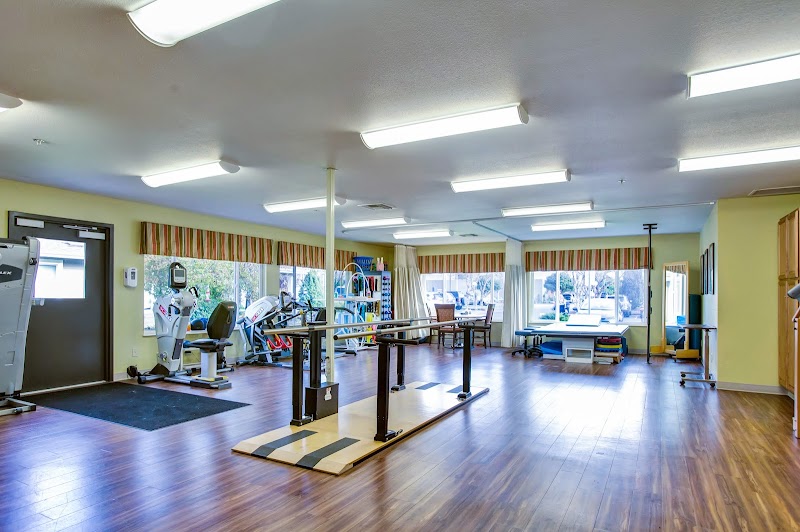
How is South Creek Post Acute Staffed?

CMS rates SOUTH CREEK POST ACUTE's staffing level at 2 out of 5 stars, which is below average compared to other nursing homes. Staff turnover is 59%, which is 13 percentage points above the Washington average of 46%. High turnover can affect care consistency as new staff learn residents' individual needs. RN turnover specifically is 67%, which is notably high. RNs provide skilled clinical oversight, so turnover in this role can affect medical care quality.

What Have Inspectors Found at South Creek Post Acute?

State health inspectors documented 52 deficiencies at SOUTH CREEK POST ACUTE during 2022 to 2025. These included: 50 with potential for harm and 2 minor or isolated issues. While no single deficiency reached the most serious levels, the total volume warrants attention from prospective families.
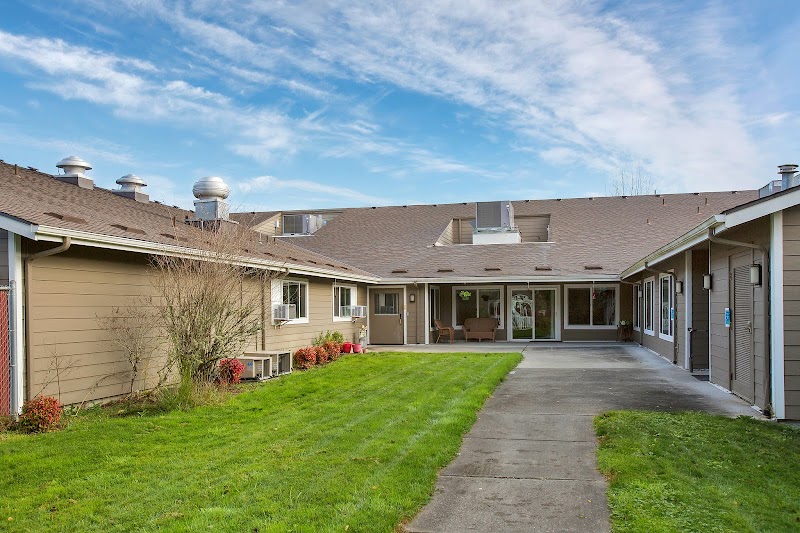
Who Owns and Operates South Creek Post Acute?

SOUTH CREEK POST ACUTE is owned by a for-profit company. For-profit facilities operate as businesses with obligations to shareholders or private owners. The facility is operated by PACS GROUP, a chain that manages multiple nursing homes. With 128 certified beds and approximately 116 residents (about 91% occupancy), it is a mid-sized facility located in CENTRALIA, Washington.
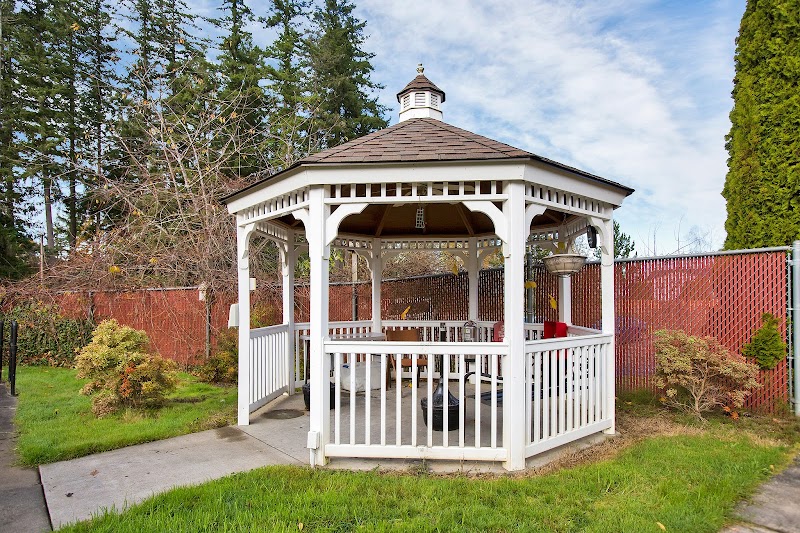
How Does South Creek Post Acute Compare to Other Washington Nursing Homes?

Compared to the 100 nursing homes in Washington, SOUTH CREEK POST ACUTE's overall rating (3 stars) is below the state average of 3.2, staff turnover (59%) is significantly higher than the state average of 46%, and health inspection rating (3 stars) is at the national benchmark.

What Should Families Ask When Visiting South Creek Post Acute?

Based on this facility's data, families visiting should ask: "How do you ensure continuity of care given staff turnover, and what is your staff retention strategy?" "Can you walk me through typical staffing levels on day, evening, and night shifts?" "Can I visit during a mealtime to observe dining assistance and food quality?" "How do you handle medical emergencies, and what is your hospital transfer rate?" These questions are particularly relevant given the facility's high staff turnover rate and the below-average staffing rating.

Is South Creek Post Acute Safe?

Based on CMS inspection data, SOUTH CREEK POST ACUTE has a clean safety record: no substantiated abuse findings (meaning no confirmed cases of resident harm), no Immediate Jeopardy citations (the most serious violation level indicating risk of serious injury or death), and is not on the Special Focus Facility watch list (a federal program monitoring the lowest-performing 1% of nursing homes). The facility has a 3-star overall rating and ranks #100 of 100 nursing homes in Washington. While no facility is perfect, families should still ask about staff-to-resident ratios and recent inspection results during their visit.

Do Nurses at South Creek Post Acute Stick Around?

Staff turnover at SOUTH CREEK POST ACUTE is high. At 59%, the facility is 13 percentage points above the Washington average of 46%. Registered Nurse turnover is particularly concerning at 67%. RNs handle complex medical decisions and coordinate care — frequent RN changes can directly impact care quality. High turnover means new staff may not know residents' individual needs, medications, or preferences. It can also be disorienting for residents, especially those with dementia who rely on familiar faces. Families should ask: What is causing the turnover? What retention programs are in place? How do you ensure care continuity during staff transitions?

Was South Creek Post Acute Ever Fined?

SOUTH CREEK POST ACUTE has no federal fines on record. CMS issues fines when nursing homes fail to meet care standards or don't correct problems found during inspections. The absence of fines suggests the facility has either maintained compliance or corrected any issues before penalties were assessed. This is a positive indicator, though families should still review recent inspection reports for the full picture.

Is South Creek Post Acute on Any Federal Watch List?

SOUTH CREEK POST ACUTE is not on any federal watch list. The most significant is the Special Focus Facility (SFF) program, which identifies the bottom 1% of nursing homes nationally based on persistent, serious quality problems. Not being on this list means the facility has avoided the pattern of deficiencies that triggers enhanced federal oversight. This is a positive indicator, though families should still review the facility's inspection history directly.