Colfax Health and Rehabilitation of Cascadia
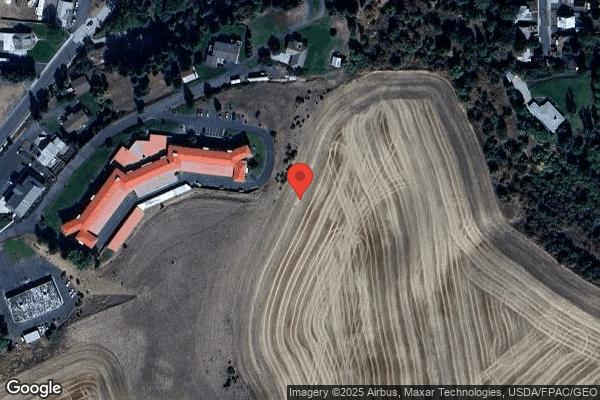

1150 WEST FAIRVIEW ROAD, COLFAX, WA 99111 (509) 397-4603
For profit - Limited Liability company 55 Beds CASCADIA HEALTHCARE Data: November 2025 1 Immediate Jeopardy citation
Trust Grade
0/100
#170 of 190 in WA
Last Inspection: June 2025

Inspected within the last 6 months. Data reflects current conditions.

Overview

Colfax Health and Rehabilitation of Cascadia has a Trust Grade of F, indicating significant concerns about the facility's care quality. With a state rank of #170 out of 190 facilities in Washington, they fall in the bottom half, and they are #2 out of 2 in Whitman County, meaning there is only one other local option that is better. While the facility is showing some improvement in compliance issues, decreasing from 29 in 2024 to 23 in 2025, the staffing situation is concerning with a 76% turnover rate, which is much higher than the state average. Additionally, the facility has incurred $67,484 in fines, suggesting repeated compliance problems. There are strengths in RN coverage, which is better than 76% of Washington facilities, meaning residents may receive better oversight from registered nurses. However, serious incidents have been reported, including the failure to provide a safe smoking area for residents, which posed a fire risk, and a resident experienced psychological abuse due to inadequate protective measures against another resident. Another serious issue involved a resident who fell from the toilet due to lack of supervision, resulting in significant injuries, highlighting critical gaps in care and supervision.

Trust Score
F
0/100
In Washington
#170/190
Bottom 11%
Safety Record
High Risk
Review needed
Inspections
Getting Better
29 → 23 violations
Staff Stability
⚠ Watch
76% turnover. Very high, 28 points above average. Constant new faces learning your loved one's needs.
Penalties
✓ Good
$67,484 in fines. Lower than most Washington facilities. Relatively clean record.
Skilled Nurses
✓ Good
Each resident gets 49 minutes of Registered Nurse (RN) attention daily — more than average for Washington. RNs are trained to catch health problems early.
Violations
⚠ Watch
62 deficiencies on record. Higher than average. Multiple issues found across inspections.
★☆☆☆☆
1.0
Overall Rating
★★☆☆☆
2.0
Staff Levels
★★★☆☆
3.0
Care Quality
★☆☆☆☆
1.0
Inspection Score
Stable
2024: 29 issues
2025: 23 issues

The Good

  • Full Sprinkler Coverage · Fire safety systems throughout facility
  • No fines on record

Facility shows strength in fire safety.

The Bad

1-Star Overall Rating

Below Washington average (3.2)

Significant quality concerns identified by CMS

Staff Turnover: 76%

29pts above Washington avg (46%)

Frequent staff changes - ask about care continuity

Federal Fines: $67,484

Well above median ($33,413)

Moderate penalties - review what triggered them

Chain: CASCADIA HEALTHCARE

Part of a multi-facility chain

Ask about local staffing decisions and management

Staff turnover is very high (76%)

28 points above Washington average of 48%

The Ugly 62 deficiencies on record

1 life-threatening 2 actual harm
Sept 2025 1 deficiency
CONCERN (F) 📢 Someone Reported This

A family member, employee, or ombudsman was alarmed enough to file a formal complaint

Potential for Harm - no one hurt, but risky conditions existed

Deficiency F0725 (Tag F0725)

Could have caused harm · This affected most or all residents

**NOTE- TERMS IN BRACKETS HAVE BEEN EDITED TO PROTECT CONFIDENTIALITY** Based on observation, interview and record review, the facility repeatedly failed to ensure the facility had enough staff to ans...

Read full inspector narrative →
**NOTE- TERMS IN BRACKETS HAVE BEEN EDITED TO PROTECT CONFIDENTIALITY** Based on observation, interview and record review, the facility repeatedly failed to ensure the facility had enough staff to answer resident call lights and attend to resident needs in a timely manner for 7 of 8 sampled residents (Resident 1, 2, 3, 4, 5, 6, 7), reviewed for sufficient staffing. This failure placed all residents at risk for potentially avoidable accidents, unmet care needs, and diminished quality of life.Findings included . Review of the facility assessment, reviewed 09/04/2025, showed the facility had an average daily census of 40 and provided 24-hour nursing care including restorative, therapy, and behavior services. Staffing levels were based on the Washington State minimum standards and/or acuity levels. Daily staffing levels were reviewed daily to ensure sufficient staff were scheduled to meet licensed nurse coverage and meet the state requirement. Staff ratios were additionally reviewed to ensure care was provided to meet the needs of the current resident population. The facility utilized temporary contracted staff as needed.<Resident 1>According to Resident 1's Minimum Data Set (MDS-an assessment used in nursing homes to determine the level of care a resident requires) admitted to the facility on [DATE] with diagnoses including a surgically repaired abdominal aortic aneurysm (a life-threatening condition where the main artery in the abdomen becomes enlarged and weakened) and hypertension (elevated blood pressure). The assessment further showed Resident 1 required substantial assistance to move from lying to sitting, to move from their bed to their chair and to transfer on and off the toilet. They also were determined to be dependent with after-toilet hygiene, as well as having had major surgery just prior to admission. Resident 1 was cognitively intact and able to clearly verbalize their needs.Review of the 08/28/2025 through 09/04/2025 call light activation log showed Resident 1 activated their call light and experienced excessively long call light wait times on the following dates:- 08/28/2025 at 3:09 PM, 30-minutes- 08/30/2025 at 5:34 AM, 56-minutes; at 2:55 PM, 1 hour 2-minutes; 4:44 PM, 38-minutes- 08/31/2025 at 7:45, 34-minutes- 09/01/2025 at 9:08 PM, 37-minutes- 09/02/2025 at 6:45 AM, 28-minutes; 8:18 AM, 39-minutes.- 09/04/2025 at 4:56 AM, 28-minuteDuring an interview on 09/04/2025 at 11:55 AM, Resident 1 stated they had to wait around for staff, it seemed like the staff were very busy and that they had to wait a long time, sometimes over an hour for pain and nausea medication or to go to the bathroom.<Resident 2>According to Resident 2's 08/15/2025 MDS, they were admitted to the facility on [DATE] with diagnoses including toxic encephalopathy (a neurologic disorder related to exposure to toxins), bacteremia (bacteria in the blood) and multiple open wounds. The assessment further showed Resident 2 was dependent on staff for toileting, showers, upper and lower body dressing, moving in bed and transfers. Resident 2 was cognitively intact and able to clearly verbalize their needs.Review of the 08/28/2025 through 09/04/2025 call light activation log showed Resident 2 activated their call light and experienced excessively long call light wait times on the following dates:- 08/29/2025 at 3:19 PM, 21-minutes; at 9:20 PM, 1-hour and 20-minutes- 08/30/2025 at 3:19 AM, 1-hour and 25-minutes; at 5:05 AM, 35-minutes; at 6:36 AM, 33-minutes; at 11:55 PM, 38-minutes.- 08/31/2025 at 4:25 AM, 30-minutes.- 09/02/2025 at 1:15 AM, 25-minutes; at 4:03 AM, 1-hour and 44-minutes; at 6:01 AM, 38-minutes; at 1:05 PM, 24-minutes; at 3:10 PM, 30-minutes; at 6:24 PM, 1-hour and 9-minutes.- 09/03/2025 at 3:43 AM, 35-minutes.- 09/04/2025 at 5:00 AM, 39-minutes; at 6:29 AM, 28-minutes.During an interview on 09/10/2025 at 11:10 PM, Resident 2 explained that they had multiple large wounds on their back, left hip and leg, and that they needed assistance to reposition in bed to take pressure off those areas. They further stated that they needed assistance with toileting and had to wait over an hour after having soiled their brief and were worried that the bowel movement could have gotten into the wounds on their left leg. <Resident 3>According to Resident 3's 09/04/2025 MDS, they were admitted to the facility on [DATE] with diagnoses including osteomyelitis of vertebra (infection in the bone in the spine) and infective endocarditis (an infection in the heart). The assessment further showed Resident 3 needed moderate assistance from staff to dress their upper and lower body, to move from sitting to standing and from chair to bed. The assessment also showed the resident had a central line (a tube placed into a large vein, typically near the heart, to administer medications) and required long-term antibiotics to treat their infections. Resident 3 was cognitively intact and able to clearly verbalize their needs.Review of the 08/29/2025 through 09/04/2025 call light activation log showed Resident 3 activated their call light and experienced excessively long call light wait times on the following dates:- 08/29/2025 at 1:01 PM, 30-minutes; at 3:17 PM, 48-minutes.- 08/30/2025 at 3:17 PM, 48-minutes; at 9:11 PM, 41-minutes.- 08/31/2025 at 4:25 AM, 30-minutes.- 09/01/2025 at 9:50 AM, 31-minutes; at 10:55 AM, 25-minutes; at 5:46 PM, 1 hour and 8-minutes; at 9:16 PM, 27-minutes.- 09/02/2025 at 7:44 PM, 51-minutes.- 09/04/2025 at 1:06 AM, 24-minutes.In an interview on 09/10/2025 at 10:50 AM, Resident 3 stated that they were mostly at the facility to receive antibiotics for an infection in their back and heart. They stated that they had to wait a long time, sometimes about an hour, because their antibiotic pump was beeping or they needed to be disconnected from the line carrying the antibiotic so they could go to the bathroom. They further stated that one time they had to get out of bed and push their beeping machine down the hallway to try and find a staff to fix their beeping antibiotic pump.<Resident 4>According to Resident 4's 08/14/2025 MDS, they were admitted to the facility on [DATE] with diagnoses including osteomyelitis (infection in the bone), acquired absence of both lower extremities (amputation of both legs), and pressure ulcers (injury to the skin and underlying tissue caused by prolonged pressure). The assessment further showed Resident 4 had impairment of both of their lower extremities, and was dependent on staff for toileting, toileting hygiene, showers, dressing their lower body and transfers. Resident 4 was cognitively intact and able to clearly verbalize their needs.Review of the 08/28/2025 through 09/04/2025 call light activation log showed Resident 4 activated their call light and experienced excessively long call light wait times on the following dates:- 08/29/2025 at 5:38 PM, 36-minutes; at 7:54 PM, 48-minutes.- 08/30/2025 at 12:09 AM, 34-minutes; at 2:51 AM, 23-minutes; at 3:35 AM, 1-hour and 3-minutes; at 9:41 AM, 1-hourand 52-minutes; at 5:22 PM, 33-minutes; at 6:47 PM, 2-hours and 48-minutes.- 08/31/2025 at 3:42 AM, 30-minutes; at 4:47 AM, 1-hour and 11-minutes; at 6:51 AM, 27-minutes; at 9:15 AM, 1-hour and 8-minutes; at 10:27 AM, 31-minutes; at 6:01 PM, 26-minutes; at 7:08 PM, 23-minutes; at 9:04 PM, 32-minutes.- 09/01/2025 at 8:30 AM, 22-minutes; at 11:13 AM, 22-minutes; at 11:51 AM, 49-minutes.- 09/02/2025 at 3:09 AM, 37-minutes; at 7:45 AM, 30-minutes; 9:52 AM, 1-hour and 6-minutes; at 12:39 PM, 1-hour and 25-minutes; at 6:48 PM, 46-minutes; at 8:13 PM, 30-minutes.- 09/03/2025 at 3:59 AM, 26-minutes; at 4:54 AM, 23-minutes; at 8:15 AM, 2-hours and 7-minutes; at 12:22 PM, 23-minutes.- 09/04/2025 at 5:50 AM, 23-minutes.During an interview on 09/10/2025 at 10:45 AM, Resident 4 stated that it felt to them, sometimes, like there was no one in the facility and it took awhile for someone to come help them. <Resident 5>According to Resident 5's 08/12/2025 MDS, they were admitted to the facility on [DATE] with diagnoses including fractures of the left ribs, right elbow, left toe and multiple areas of their spine during a motor vehicle accident. The assessment further showed that Resident 5 was dependent on staff for assistance with toileting, dressing their lower body and their personal hygiene. They further required substantial assistance with showering and dressing their upper body. Resident 5 was cognitively intact and able to clearly verbalize their needs. Review of the 08/28/2025 through 09/04/2025 call light activation log showed Resident 5 activated their call light and experienced excessively long call light wait times on the following dates:-8/29/2025 at 5:39 AM, 40-minutes; at 11:19:19 AM, 24-minutes; at 6:31 PM, 24-minutes; at 8:55 PM, 56 minutes.-8/30/2025 at 10:25 AM, 23-minutes.-9/1/2025 at 6:38 AM, 26-minutes; at 4:15 PM, 32-minutes; at 4:58 PM, 22-minutes.-9/2/2025 at 5:43 AM, 26-minutes; 11:03 AM, 26-minutes; 2:55 PM, 25-minutes; 6:20 PM, 31-minutes.-9/3/2025 at 3:56 AM, 24-minutes; at 10:08 AM, 32-minutes; at 11:06 AM, 51-minutes; at 12:00 PM, 34-minutes; at 7:24 PM, 25-minutes; at 9:10 PM, 22-minutes.-9/4/2025 at 7:30 AM, 1-hour and 5-minutes.During an interview on 09/10/2025 at 11:40 AM, Resident 5 stated that the facility did not have enough staff, and they had to wait more than 40 minutes on a regular basis. They further stated that they preferred to use the toilet to urinate but sometimes they just had to pee in their bed while they waited for someone to come help them.<Resident 6>According to Resident 6's 06/20/2025 MDS, they were admitted to the facility on [DATE] with diagnoses including postpolio syndrome (a condition that affects polio survivors, typically appearing 15-40 years after the initial infection leading to significant muscle weakness, fatigue and muscle pain). Further review of the assessment showed that the resident had impairment of both of their legs and one of their arms, and was dependent on staff for toileting, showers, upper and lower body dressing and bed mobility. Resident 6 was moderately cognitively impaired, but able to clearly verbalize their needs.Review of the 08/28/2025 through 09/04/2025 call light activation log showed Resident 4 activated their call light and experienced excessively long call light wait times on the following dates:- 8/28/2025 at 11:24 AM, 48-minutes.- 8/29/2025 at 9:09 AM, 31-minutes; at 8:12 PM, 31-minutes; at 10:56 PM, 1-hour and 34-minutes.- 8/30/2025 at 3:10 AM, 1-hour and 11-minutes; at 10:43 AM, 24-minutes; at 3:16 PM, 58-minutes; at 7:06 PM, 24-minutes; at 9:36 PM, 33-minutes.- 8/31/2025 at 12:19 AM, 23-minutes; at 11:43 AM, 23-minutes; at 2:34 PM, 24-minutes.-9/1/2025 at 9:55 AM, 22-minutes; at 3:32 PM, 25-minutes.-9/2/2025 at 1:08 PM, 30-minutes.-09/03/2025 at 9:04 PM, 23-minutes; at 4:59 PM, 48-minutes.-09/04/2025 at 4:41 AM, 44-minutes; at 9:21 AM, 38-minutes.In an interview on 09/10/2025 at 11:30 AM, Resident 6 spoke about their life and stated that sometimes it took a while for anyone to come when they pushed their call light, and they sometimes had to sit in [their] pee for a while. <Resident 7 >According to Resident 7's 08/25/2025 MDS, they were admitted to the facility on [DATE] with diagnoses including a methicillin resistant staphylococcus aureus infection (MRSA-a bacteria that is resistant to many antibiotics) and pneumonia. Further review of the assessment showed that the resident had impairment of both of their legs, and required substantial assistance from staff for toileting, showers, lower body dressing and transfers. Resident 7 had minimal cognitive impairment but was able to clearly verbalize their needs.Review of the 08/28/2025 through 09/04/2025 call light activation log showed Resident 7 activated their call light and experienced excessively long call light wait times on the following dates:- 8/29/2025 at 11:23 AM, 51-minutes.- 8/30/2025 at 5:35 AM, 1-hour and 14-minutes; at 11:27 AM, 32-minutes.-09/03/2025 at 7:47 AM, 46-minutes; at 11:18 AM, 28-minutes; at 7:20 PM, 1-hour and 21-minutes.-09/04/2025 at 9:06 AM, 1-hour and 1-minute.Resident 7 was not available for an interview but an observation of their room on 09/10/2025 at 10:45 AM and again at 12:00 PM found their urinal, most of the way full of urine, on the resident's bedside table, with a strong urine odor in the room, and their bed unmade.In an interview on 09/04/2025, with Staff C, Medication Technician and Nursing Assistant, they stated that they worked as both a medication technician (pass out scheduled medications under the supervision of a nurse) and a nursing assistant in the facility for the last four years. They further stated that they were sometimes scheduled to work as a medication technician but then would sometimes be pulled to the floor if the nursing assistants were short staffed. They thought the goal for staffing was for there to be a medication technician, another nurse who worked on the second medication administration cart, as well as a registered nurse who would oversee the medication technician and help the nurse on the other cart, if they needed help. They further stated that if they were pulled to work as a nursing assistant that would just leave two nurses for the floor. They further stated that they felt there were times when there was not enough staff, that the goal was for there to be five nursing assistants for the 12-hour period of 6:00 AM to 6:00 PM, and that there were frequently four nursing assistants. They stated that the staffing coordinator tried to fill the open spots, but they were not always able to. They stated that when there are four nursing assistants, then the residents had to wait longer for assistance, they sometimes did not get out of bed when they wanted to and the nursing assistants did not get their breaks.In an interview on 09/04/2025 at 12:10 PM, Staff D, Registered Nurse, stated that she had been working at the facility for three weeks and there had been a shortage of nursing assistants on some of the days they worked. They stated that they had been supposed to have training on 09/02/2025 but that they had to work on the floor because the medication technician was pulled to work as a nursing assistant. They stated that that day it had just been them and another nurse and that they had to pass medications, do assessments, dressing changes and give intravenous antibiotics for 28 residents and that it was a big challenge, even though the Director of Nursing had helped them.In an interview on 09/10/2025 at 12:05 PM, Staff E, Nursing Assistant, stated that they worked for an agency and in the last month had worked about eight shifts. They stated that they thought staffing was okay, but that the 100 hallway was very busy and sometimes the residents complained they had to wait for assistance and that the residents were on their call lights all the time.In an interview on 09/10/2025 at 10:10 AM, Staffing Coordinator, stated that the facility had recently opened a wing that had been closed for several years. At that time, they had tried to staff five nursing assistants, instead of four but there had been a lot of challenges. They stated that they had at least three agency staff per day and on that day, there were six of the ten nursing assistant positions filled by agency staff. They further stated that agency staff would sometimes call off an hour prior to the start of a shift and then the spot was very difficult to fill. Staff B further stated that two agency staff had also recently had to be sent home because one was found sleeping and another was found in an empty resident room not answering resident call lights.In an interview on 09/10/2025 at 12:18 PM, Staff A, Director of Nursing, stated that the facility had recently opened a wing that had been closed for several years and there had been some challenges scheduling enough staff and then the agency staff who were scheduled, to follow the facility expectations. They stated that the expectation was that a resident call light be answered in 20 minutes or less. They further stated that the facility was trying to hire more permanent staff. Reference WAC 388-97-1080 (1), 1090 (1)
Jun 2025 22 deficiencies
CONCERN (D) 📢 Someone Reported This

A family member, employee, or ombudsman was alarmed enough to file a formal complaint

Potential for Harm - no one hurt, but risky conditions existed

Deficiency F0561 (Tag F0561)

Could have caused harm · This affected 1 resident

Based on observation, interview and record review, the facility failed to honor residents' choices regarding having the hoyer sling (a sling used for a full body mechanical lift transfer) left under t...

Read full inspector narrative →
Based on observation, interview and record review, the facility failed to honor residents' choices regarding having the hoyer sling (a sling used for a full body mechanical lift transfer) left under them after being transferred into their wheelchairs, for 2 of 4 sampled residents (Residents 10 and 20), reviewed for choices. This failure placed residents at risk for not receiving resident specific care, not having their preferences honored, and a diminished quality of life. Findings included . <Resident 10> The 05/08/2025 assessment documented Resident 10 had diagnoses which included heart failure, diabetes, and chronic pain. Resident 10 was cognitively intact, able to make their needs known, and required total assistance with transfers. In an observation and interview on 06/09/2025 at 11:49 AM, Resident 10 was observed sitting in their wheelchair with a hoyer sling underneath them. The resident stated they did not like having the sling underneath them because it was uncomfortable and caused pain. A similar observation of Resident 10 with the hoyer sling underneath them was made on 06/11/2025 at 12:05 PM. The resident stayed in bed during further observations made during the survey. <Resident 20> The 05/08/2025 assessment documented Resident 20 had diagnoses which included a stroke, hemiplegia (paralysis on one side of the body), and chronic pain. Resident 20 was cognitively intact, able to make their needs known, and required total assistance with transfers. In an observation and interview on 06/09/2025 at 11:18 AM, Resident 20 was observed sitting in their wheelchair with the hoyer sling underneath them. The resident stated the sling was very uncomfortable. Resident 20 stated the staff told them they had to leave the sling underneath them because they did not have enough staff to take it out and put it back on later. A similar observation of Resident 20 with the hoyer sling underneath them was made on 06/11/2025 at 12:06 PM. In an interview on 06/12/2025 at 3:38 PM, Staff H, Nursing Assistant (NA), stated hoyer slings were left underneath the residents. Staff H further stated it was important to remove hoyer slings from under the residents to prevent ulcers (wounds caused by unrelieved pressure). In an interview on 06/14/2025 at 6:34 AM, Staff I, NA, stated hoyer slings were kept under the residents because it was safer and easier. Staff I added they did not ask the residents if they wanted the hoyer slings left under them because they have compromised mobility. In an interview on 06/13/2025 at 2:24 PM, Staff B, Director of Nursing, stated hoyer slings created pressure on the resident's skin and should not be left underneath residents. Reference: WAC 388-97-0900(1)-(4) Refer to F725 for additional information.
CONCERN (D) 📢 Someone Reported This

A family member, employee, or ombudsman was alarmed enough to file a formal complaint

Potential for Harm - no one hurt, but risky conditions existed

Deficiency F0578 (Tag F0578)

Could have caused harm · This affected 1 resident

**NOTE- TERMS IN BRACKETS HAVE BEEN EDITED TO PROTECT CONFIDENTIALITY** Based on interview and record review, the facility failed to inform and provide written information regarding the right to formu...

Read full inspector narrative →
**NOTE- TERMS IN BRACKETS HAVE BEEN EDITED TO PROTECT CONFIDENTIALITY** Based on interview and record review, the facility failed to inform and provide written information regarding the right to formulate an advance directive (legal document that outlined wishes for medical care if a person was unable to make decisions for themselves) for 1 of 4 sampled residents (Resident 195), reviewed for advanced directives. This failure placed residents at risk of not being able to exercise their rights, not having their wishes honored, and a diminished quality of life. Findings included . Review of the facility policy titled, Advanced Directives/Health Care Decisions dated [DATE] showed, the facility would determine if a resident had executed an advanced directive or had given other instructions to indicate what care he or she desired in case of subsequent incapacity, upon admission. If the resident or their legal representative executed one or more advanced directives, copies would be obtained, incorporated, and maintained in the resident's medical record to be readily retrievable by any facility staff. If the resident had not executed an advanced directive, the facility would advise the resident and/or family of the right to establish an advanced directive and document in the resident's medical record discussions regarding advanced directives and any healthcare decision that resident executes. If the resident wished to formulate an advanced directive, a nurse or social worker provided the resident with written information concerning the right to make decisions regarding medical care, including the right to specify ahead of time whether a health care provider begins or continues life-sustaining treatment. The policy further showed the facility identified, clarified, and periodically reviewed, at least quarterly, after a life altering event, and after return from a hospitalization, as part of the comprehensive care planning process, the existing care instructions and whether the resident wished to change or continue these instructions. According to the [DATE] significant correction assessment, Resident 195 admitted to the facility on [DATE]. Resident 195 was cognitively intact and able to clearly verbalize their needs. Review of the [DATE] care plan showed Resident 195 chose to have cardiopulmonary resuscitation (CPR) in case of a medical emergency if and/or when their heart stopped beating. Interventions instructed staff to review advanced directives, CPR code status, scope of treatment with the resident and/or their appointed health care representative upon admission, change of condition, and at least quarterly. No documentation was found to show Resident 195 was informed and/or provided with written information regarding the right to formulate an advanced directive, as required. Review of the [DATE] care conference evaluation showed Resident 195 participated in an admission care conference held on [DATE]. The evaluation showed Resident 195 did not have an advanced directive. No documentation was found to show Resident 195 was informed and/or provided with written information regarding the right to formulate an advanced directive, as required. Review of [DATE] through [DATE] nursing progress notes showed no documentation that Resident 195 was informed and/or provided with written information regarding the right to formulate an advanced directive, as required. In an interview on [DATE] at 9:26 AM, Resident 195 stated the facility only reviewed their CPR status with them and did not inform and/or provide them with written information regarding their right to formulate advanced directives. In an interview on [DATE] at 10:29 AM, Staff C, Resident Care Manager, stated social services offered and provided residents with information on the right to formulate advanced directives upon admission and during care conferences. Staff C explained advanced directives were important because they allowed staff to know what a resident's healthcare wishes were. In an interview on [DATE] at 12:58 PM, Staff E, Social Services, stated information on advanced directives was offered upon admission and during care conferences. Staff E stated an information packet on formulating advanced directives would be provided during care conferences and documented in the care conference evaluation. Staff E reviewed Resident 195's medical record. Staff E acknowledged they were unable to find documentation Resident 195 was informed and/or provided with written information regarding the right to formulate an advanced directive, as required. In an interview on [DATE] at 3:46 PM, Staff A, Administrator, stated they expected staff to provide residents with information on the right to formulate advanced directives. Refer to WAC 388-97-0280 (3)(c )(i-ii), 0300 (1)(b), (3)(a-c)
CONCERN (D) 📢 Someone Reported This

A family member, employee, or ombudsman was alarmed enough to file a formal complaint

Potential for Harm - no one hurt, but risky conditions existed

ADL Care (Tag F0677)

Could have caused harm · This affected 1 resident

Based on observation, interview and record review, the facility failed to ensure residents requiring assistance with their activities of daily living (ADLs), were provided timely assistance according ...

Read full inspector narrative →
Based on observation, interview and record review, the facility failed to ensure residents requiring assistance with their activities of daily living (ADLs), were provided timely assistance according to their needs and preferences for 2 of 2 sampled residents (Residents 10 and 23), reviewed for ADLs. Specifically, Resident 10 was not provided bathing per their preference and Resident 23 was not provided nail care when indicated. This failure put residents at risk for a decreased quality of life. Findings included . <Resident 10> The 05/08/2025 admission assessment documented Resident 10 had diagnoses which included heart failure, diabetes, and chronic pain. The resident was cognitively intact and required substantial assistance for bathing. In an observation and interview on 06/09/2025 at 11:49 AM, Resident 10 was observed sitting in their wheelchair. The resident stated they did not get their bed baths very often. The 05/02/2025 ADL care plan documented Resident 10 was to be offered a bed bath if they could not tolerate a shower. The Nursing Assistant shower task documentation showed Resident 10 received bathing on 05/25/2025 and not again until 06/07/2025, a period of 12 days. Review of shower sheets and documentation showed no further bathing for the resident and no refusals. In an interview on 06/12/2025 at 3:48 PM, Staff H, Nursing Assistant, stated bathing was provided twice a week. Staff H stated bathing was documented on shower sheets and in the computer and refusals were also documented. In an interview on 06/13/2025 at 2:24 PM, Staff B, Director of Nursing, stated the residents needed bathing for dignity, proper hygiene and infection control. <Resident 23> The 04/15/2025 quarterly assessment documented Resident 23 had diagnoses which included dementia, high blood pressure and depression. The resident had severe cognitive impairment and required partial to moderate assistance with personal hygiene. In an observation on 06/09/2025 at 11:04 AM, Resident 23 was observed lying in bed. The resident had long fingernails, some were jagged and had brown matter under them. The 08/22/2022 ADL care plan documented staff were instructed to provide Resident 23 moderate assistance with personal hygiene. The Nursing Assistant nail care documentation from 05/10/2025 through 06/04/2025 showed Resident 23 was referred to the nurse on 05/15/2025, 05/16/2025, 05/21/2025 and 05/28/2025. The trimmed and filed portion of the documentation was blank. Nursing progress notes reviewed from 03/01/2025 through 06/09/2025 showed Resident 23 refused nail care on 05/19/2025, 05/26/2025, 06/02/2025, and 06/09/2025. There were no refusals documented for the above listed dates in which the resident was referred to the nurse for nail care. Similar observations of Resident 23 having long, jagged nails with brown matter were made on 06/10/2025 at 3:43 PM and 06/11/2025 at 8:45 AM. In an observation on 06/11/2025 at 12:23 PM, Resident 23 ate a roll with their fingers and their nails had brown matter under them. In an interview on 06/14/2025 at 6:23 AM, Staff I, Nursing Assistant, stated nail care was completed on shower days and consisted of cutting and cleaning the fingernails. Staff I stated Resident 23 did not refuse nail care. In an interview on 06/14/2025 at 7:15 AM, Staff B, Director of Nursing, stated nail care was provided on shower days. Staff B stated nail care was important to prevent injuries and infections. Reference: WAC 388-97-1060(2)(a)(ii).
CONCERN (D) 📢 Someone Reported This

A family member, employee, or ombudsman was alarmed enough to file a formal complaint

Potential for Harm - no one hurt, but risky conditions existed

Quality of Care (Tag F0684)

Could have caused harm · This affected 1 resident

**NOTE- TERMS IN BRACKETS HAVE BEEN EDITED TO PROTECT CONFIDENTIALITY** Based on observation, interview, and record review the facility failed to implement wound care orders for 1 of 3 sampled residen...

Read full inspector narrative →
**NOTE- TERMS IN BRACKETS HAVE BEEN EDITED TO PROTECT CONFIDENTIALITY** Based on observation, interview, and record review the facility failed to implement wound care orders for 1 of 3 sampled residents (Resident 195), reviewed for non-pressure related skin conditions. This failure placed residents at risk for wound complications, unidentified skin infections, and diminished quality of life. Findings included . According to the 05/29/2025 significant correction assessment, Resident 195 admitted to the facility on [DATE] with diagnoses including pelvis (bones at the base of the spine that make up the hips, buttocks and pubic area, between the abdomen and thighs) fractures and muscle weakness. The assessment further showed Resident 195 underwent a major surgical procedure during the prior inpatient hospital stay that required active skilled nursing care and had surgical wounds that required wound care. Resident 195 was cognitively intact and able to clearly verbalize their needs. Review of the 05/21/2025 hospital transfer orders showed Resident 195 had pelvis fractures that were surgically repaired and had a suprapubic (above the pubic bone) indwelling catheter (flexible tube placed into the bladder to drain urine when unable to urinate) surgically placed. Resident 195 had surgical wounds to their right and left hip and bilateral [both sides] pubis [one of three bones that make up each side of the pelvis]. Resident 195 was to have surgical site wound care with dressing changes every 2-3 days or earlier if the dressing had excessive drainage, upon hospital discharge. Review of provider orders showed no documentation the bilateral pubis surgical wound care orders were transcribed into Resident 195's medical record and implemented. Review of the 05/22/2025 clinical admission evaluation showed no documentation Resident 195 had surgical wounds and/or required surgical wound care. Review of the 05/29/2025 skin care plan showed Resident 195 had surgical wounds to their right and left hip, pubic area and abdomen. Interventions instructed staff to administer medications as ordered, monitor dressings daily to ensure they remain intact, assess and monitor wound healing and for signs and/or symptoms of infection. During observation and interview on 06/12/2025 at 9:26 AM, Resident 195 stated the facility had not changed the dressing to their pubic area for 2-3 weeks and the current dressing was from a recent hospital visit. Resident 195 lifted their shirt to expose the undated transparent dressing over gauze, they had to their pubic area. The gauze had dark yellow drainage on it, similar in color to the urine in their urine collection bag, the gauze covered visibility of the skin underneath. In an interview on 06/13/2025 at 10:07 AM, Staff C, Resident Care Manager (RCM), explained the cart nurse and/or RCM were to review paperwork from hospital or doctor visits, and transcribe and implement any new orders into the resident's medical record. Staff C reviewed Resident 195's medical record. Staff C acknowledged the 05/21/2025 hospital transfer orders showed Resident 195 was to have surgical site wound care to bilateral hips and pubis with dressing changes every 2-3 days, but the pubis wound care orders were not processed or implemented and should have been. Staff C further stated it was important to monitor wounds for potential signs and/or symptoms of infection. In an interview on 06/13/2025 at 10:58 AM, Staff B, Director of Nursing, stated they expected staff to review provider notes and hospital paperwork, implement any orders into the resident's medical record, and update the care plan as indicated. Reference WAC 388-97-1060 (1) Refer to F842 for additional information.
CONCERN (D) 📢 Someone Reported This

A family member, employee, or ombudsman was alarmed enough to file a formal complaint

Potential for Harm - no one hurt, but risky conditions existed

Deficiency F0740 (Tag F0740)

Could have caused harm · This affected 1 resident

**NOTE- TERMS IN BRACKETS HAVE BEEN EDITED TO PROTECT CONFIDENTIALITY** Based on observation, interview and record review, the facility failed to ensure behavioral health care services were provided f...

Read full inspector narrative →
**NOTE- TERMS IN BRACKETS HAVE BEEN EDITED TO PROTECT CONFIDENTIALITY** Based on observation, interview and record review, the facility failed to ensure behavioral health care services were provided for 2 of 3 sampled residents (Residents 28 and 18), reviewed for mood and behavior. Resident 28 was not referred for behavioral health support until after they voiced wanting to die, used a dinner knife to inflict injury to their left hand and made stabbing motions to their abdomen which required transport to the hospital, and additionally requested death with dignity (allowing terminally ill individuals to choose when and how they die, often with medical assistance). This failure placed residents at risk of experiencing further decline in their mental well-being, unmet care needs, and diminished quality of life. Findings included . Review of the facility policy titled, Behavioral Health Services revised April 2025 showed, the facility provided appropriate behavioral health services to residents identified through their individualized comprehensive assessment as needing support with their emotional well-being to attain or main the highest practicable physical, mental, and psychosocial well-being. The policy showed staff would review a resident upon resident inquiry for admission to evaluate if the resident needs matched the facility assessment and expertise. If the resident met criteria for facility admission, a plan of care was initiated to meet the resident's behavioral health needs at admission. The Preadmission Screening and Resident Review [PASRR, a two-part screening; Level I determined presence of a Severe Mental Illness (SMI) or Developmental Disability and if present required a Level II evaluation by a specialized evaluator to determine if nursing home placement was the appropriate level of care, and what behavioral health or other community services were recommended. A Level II was required to be completed prior to nursing home admission] would be reviewed for resident needs of specialized services and assist with implementing a plan as indicated. If a resident did not qualify for specialized services but required more intensive behavioral health services such as individual counseling, the facility would demonstrate reasonable attempts to provide services. Residents were assessed and monitored for signs and/or symptoms of depression, adjustment difficulties, and suicidal tendencies identifying and addressing reversible and treatable causes promptly. If a resident was identified as having a mental health disorder, the care plan would address the individualized needs a resident may have related to the disorder. <Resident 28> According to the 04/04/2025 admission assessment, Resident 28 admitted to the facility on [DATE] with diagnoses including depression and encephalopathy (condition where the brain did not function properly). The assessment further showed Resident 28 felt down, depressed, or hopeless nearly every day, and felt bad about themselves, though of hurting themselves or they would be better off dead, several days. Resident 28 had moderate cognitive impairment. Review of the 03/25/2025 hospital progress notes showed on 03/19/2025 Resident 28 attempted to stab themselves with a butterknife, while hospitalized . Resident 28 was evaluated by psychiatry (doctor that specialized in understanding, diagnosing, treating, and preventing mental, emotional, and behavioral disorders) and Resident 28's behavior was likely largely driven by an underlying personality disorder (mental health condition characterized by long-term patterns of thinking, feeling, and behaving in a manner that significantly deviate from expectations and cause distress or impairment in daily life), and would benefit from focused outpatient therapy. Review of the 03/24/2025 PASRR level II psychiatric evaluation summary showed determinations including plan of care were made based on diagnosis and need for treatment. The evaluation showed Resident 28 made a suicide attempt during hospitalization by attempting to stab [themselves] in the abdomen with a butter knife. Resident 28 endorsed persistent depression at baseline and indicated they intended to die from the attempt due to the distress of feeling helpless about [their] medical conditions. The evaluation further showed given Resident 28's report of depressive symptoms throughout their life and multiple suicide attempts, seeking ongoing psychiatric consultation would be useful and offering counseling/therapy was recommended. Resident 28 would likely benefit from an additional psychiatric assessment for diagnostic clarification and medication evaluation to explore efficacy of medications. Review of provider orders showed active 03/28/2025 orders for a psychiatry/mental health consultation and Resident 28 to have behavioral health solutions evaluate and treat as appropriate. Review of the 03/28/2025 clinical admission evaluation showed Resident 28 was not identified as terminal with 6 months or less life expectancy. Review of the 03/30/2025 psychosocial evaluation showed Resident 28 showed no indicators of having a serious mental illness and did not want to talk about their sources of support or coping strategies used to deal with stress. Review of the 04/01/2025 depression screening interview identified Resident 28 as experiencing moderately severe depression. Review of Staff M, Medical Doctor, 04/01/2025 progress note showed they did not have any physician notes or hospital discharge summary to review, was unsure what Resident 28's diagnoses and plan of care was, and records were requested. Staff M reviewed Resident 28's depression screen and it was negative for signs and/or symptoms of depression. Review of Staff M's 04/07/2025 progress note showed Resident 28 had an adjustment disorder with depressed mood. Staff M validated Resident 28's feelings and held off on prescribing antidepressants, at that time. Review of the 04/07/2025 care plan showed Resident 28 had adjustment issues related to admission and instructed staff to adjust Resident 28's routine to imitate home routines and provide them the opportunity to communicate their feelings. A 04/07/2025 depression care plan instructed staff to administer medications as ordered, help Resident 28 with constructive ways to manage feelings, monitor/document depressive symptoms, watch for indicators of suicidal ideation, and ensure Resident 28 did not have sharp objects close to them. No documentation was found to show Resident 28 was to be referred for a psychiatry/mental health consultation or evaluated by behavioral health solutions and treated, as ordered. Review of March 2025 through May 2025 nursing progress notes showed Resident 28 was anxious and agitated. On 03/29/2025 Resident 28 expressed feelings of depression stating, I want to die. Resident 28 denied having any suicide plans or intent stating, it's only up to God and nothing could help them. On 04/10/2025 911 was called at approximately 6:30 PM because Resident 28 had a dinner knife, superficially cut their left hand, attempted to stab staff when they approached to discuss the situation, and Resident 28 then took the knife like [they] were going to stab [their] stomach. Resident 28 was accompanied to the hospital by law enforcement. The hospital emergency room doctor stated Resident 28 has a long standing [history] of these behaviors and requested Staff M call them to discuss Resident 28. On 04/29/2025 staff were asked to look into Death with Dignity but Resident 28 would not qualify unless they had six months or less to live. On 05/19/2025 Resident 28 was seen and assessed by the facility mental health counselor, 52 days after admission and 39 days after the suicidal gesture with a dinner knife. No documentation was found to show Resident 28 was referred for a psychiatry/mental health consultation or evaluated by behavioral health solutions and treated as ordered, prior to 05/19/2025. Review of the 04/10/2025 hospital emergency department encounter notes showed Resident 28 presented to the hospital with depression and suicidal ideation with a suicidal gesture. Resident 28 acknowledged being depressed and thinking of suicide most days. Resident 28 cut themselves on the back of their left hand with a butter knife and made threatening statements to staff. Resident 28 was not on any therapies for depression or anxiety, an antidepressant was ordered, and facility staff were encouraged to pursue a behavioral health consultation or contact [Resident 28's] prior prescriber for guidance. Review of Staff M's 05/19/2025 progress note showed Resident 28 asked for euthanasia [the practice of intentionally ending life to eliminate pain and suffering]. The notes further showed Resident 28 was seen by the facility psychiatry who recommended continuation of antidepressant medication for emotional regulation. Staff M documented Resident 28 aortic valve stenosis (heart valve narrows making it hard for blood to flow out of the heart to the rest of the body) performance status and prognosis (likely disease outcome) was poor. Resident 28 likely had less than 6 months to live. In an interview on 06/09/2025 at 11:37 AM, Resident 28 stated I suffer from really bad depression, I am surviving, I don't have any good days. In a follow-up interview on 06/10/2025 at 3:35 PM, Resident 28 stated they were not doing well. When asked what was wrong. Resident 28 looked down at the floor with a frown on their face, and stated, no point in saying anything, nothing is going to change. In an interview on 06/12/2025 at 2:03 PM, Staff E, Social Services, reviewed Resident 28's medical record. Staff E stated Resident 28 was not cooperative, refused care, and threatened staff because they were unhappy about their admission to the facility. Staff E acknowledged Resident 28 admitted to the facility with a PASSR level II evaluation with recommendations for counseling/therapy that were not implemented or care planned timely. Staff E explained on 04/10/2025 Resident 28 attempted to cut themselves with a knife and they were care planned for plastic silverware and paper plates after the incident. Staff E further stated in May 2025 Resident 28 wanted death with dignity but I felt if [Resident 28] was more active and had a reason to live [they] might not of wanted death with dignity. Resident 28 was evaluated for death with dignity and qualified, but hospice (specialized medical care for person's nearing end of life) officially denied them to give Staff E some time to implement other interventions. When hospice re-evaluated Resident 28 for death with dignity, Resident 28 changed their mind because they had a reason to live. Staff E further acknowledged if behavioral health services including medication management would have been implemented as ordered Resident 28 might not have experienced the 04/10/2025 suicidal ideation with a suicidal gesture or requested death with dignity. In an interview on 06/12/2025 at 3:46 PM, Staff A, Administrator, stated they expected staff to provide behavioral health services per resident needs and document if and/or when services were offered and refused. <Resident 18> The 05/30/2025 quarterly assessment documented Resident 18 had diagnoses that included delusional disorder (false beliefs even when presented with evidence to the contrary), major depressive disorder, and suicidal ideation. The resident was cognitively intact, and reported depression symptoms of thoughts that they'd be better off dead, trouble concentrating, felt bad about themself, felt tired, had little energy, felt down, depressed or hopeless, and had little pleasure doing things for several days during the lookback period. The resident received an antidepressant medication daily. The 02/21/2025 admission Psychosocial Evaluation completed by Staff E, Social Services, documented Resident 18 had experienced trauma during their service in the armed forces, and summarized the resident would benefit from behavioral health services. The 02/25/2025 Care Plan had the following care areas: -Resident 18 had a potential psychosocial well-being problem related to ineffective coping due to placement in long term care. Staff were instructed to provide encouragement and support to identify problems that were not able to be controlled, allow the resident time to answer questions and verbalize their feelings, assist with identification of potential solutions to problems and consult pastoral, social and psychological services. -Resident 18 had depression. The resident needed time to talk weekly, and staff were to arrange for a psych consult and follow up as indicated. There were no behavioral health evaluations or provider progress notes in the resident's medical record. On 04/17/2025, Resident 18 signed a consent to receive behavioral health services. During an interview on 06/12/2025 at 9:04 AM, Resident 18 stated they had admitted themselves to an adult psychiatric unit in January 2025 because they needed help. They stated their medications were adjusted to attempt to find an antidepressant medication that worked for them. Resident 18 stated the process was unable to be completed because they fell and injured their back and had to have surgery, then came to the facility after for rehabilitation. When asked if they had been offered any services for behavioral health, Resident 18 stated someone had just talked to them about it within the last few weeks. Resident 18 stated they were agreeable because behavioral health had helped them through a dark period in the past. During an interview on 06/12/2025 at 1:20 PM, Staff E stated their behavioral health services provider had requested a new consent for their services because Resident 18 had left the facility against medical advice (AMA) in the past. Additionally, Resident 18's insurance changed during the process. Staff E reviewed Resident 18's record and acknowledged there were no behavioral health provider progress notes in the record. Staff E stated they had obtained a consent from Resident 18 in April 2025, and that they had received an email from the behavioral health provider on 5/8/2025 after they had reviewed Resident 18 and further review per the email was pending. Staff E considered these steps in getting Resident 18 behavioral health services timely. During an interview on 06/14/2025 at 6:27 AM, Staff A, Administrator, stated getting a resident behavioral health services for residents was not dependent on insurance and stated behavioral health services were to be initiated timely. No associated WAC Refer to F628, F644 and F842 for additional information.
CONCERN (D) 📢 Someone Reported This

A family member, employee, or ombudsman was alarmed enough to file a formal complaint

Potential for Harm - no one hurt, but risky conditions existed

Drug Regimen Review (Tag F0756)

Could have caused harm · This affected 1 resident

Based on interview and record review the facility failed to timely act upon the pharmacy's monthly drug regimen reviews and/or pharmacist recommendations for identified irregularities for 2 of 5 sampl...

Read full inspector narrative →
Based on interview and record review the facility failed to timely act upon the pharmacy's monthly drug regimen reviews and/or pharmacist recommendations for identified irregularities for 2 of 5 sampled residents (Residents 6 and 11), reviewed for unnecessary medications. This failure placed residents at risk of inadequately monitored medications, potentially unidentified adverse consequences, and a diminished quality of life. Findings included . Review of the facility policy titled, Drug Regimen Review revised April 2025 showed, the facility pharmacy was to complete monthly drug regimen reviews to identify irregularities and clinically significant risks and/or actual or potential adverse consequences which may result from or be associated with medication use. The pharmacist was to review each resident's medical record once a month and provide a written report of any irregularities observed to the attending physician, medical director, and chief nursing officer. The policy showed the physician was to respond to irregularities within five business days. The attending physician either accepted and acted upon the recommendations or rejected all or some of the recommendations and documented the rationale in the resident's medical record. <Resident 11> The 05/13/2025 quarterly assessment documented Resident 11 had diagnoses including gout (a form of arthritis that caused severe pain, swelling, redness and tenderness in joints), an irregular heartbeat and depression. The Physician's Orders showed Resident 11 received Eliquis (a medication used to prevent strokes and blood clots in people with irregular heartbeats). A review of the 01/2025 note to the attending physician showed the pharmacist had recommended a uric acid level (test to determine flare ups of gout) be completed and for Eliquis to be decreased from 5 mg (milligrams) twice daily to 2.5 mg twice daily. A review of the 02/2025 note to the attending physician showed the pharmacist had again recommended the Eliquis be decreased from 5 mg twice daily to 2.5 mg twice daily. A review of the Physician's orders showed the uric acid level was not completed until 03/19/2025, 49 days after the recommendation was made, and the Eliquis was not reviewed until 05/12/2025, 104 days after the recommendation was made. In an interview on 06/12/2025 at 4:01 PM, Staff C, Resident Care Manager (RCM), stated they were unsure how much time they had to process the pharmacy recommendations but tried to complete them within a week. Staff C stated they were unsure why the recommendations were not completed timely for Resident 11. Staff C stated it was important to complete the recommendations in a timely manner for resident safety. <Resident 6> According to the 03/12/2025 quarterly assessment, Resident 6 had diagnoses including stroke. The assessment further showed Resident 6 received antipsychotic (medications that affect the brain, feelings, and emotions) medications. Review of the 01/28/2025 note to attending physician showed the pharmacist was unable to locate an abnormal involuntary movement scale (AIMS, simple checklist used to assess the presence and severity of involuntary movements, particularly those that might be a side effect of certain medications) assessment in Resident 6's medical record and recommended one be completed. A handwritten 02/03/2025 note under provider response showed May do AIMS. Review of the 02/28/2025 note to attending physician again showed the pharmacist was unable to locate an AIMS assessment in Resident 6's medical record and again recommended an AIMS be completed. A handwritten 03/10/2025 note under provider response showed DO AIMS. Review of the 03/20/2025 AIMS showed Resident 6 had the assessment completed 51 days after first recommendation was made on 01/28/2025. In an interview on 06/12/2025 at 10:32 AM, Staff C, RCM, stated pharmacy recommendations should be processed/addressed timely in order to appropriately monitor residents for potential adverse consequences or effects of medication use. Staff C reviewed Resident 6's medical record. Staff C acknowledged Resident 6's pharmacy recommendations were not addressed timely and should have been. In an interview on 06/12/2025 at 3:46 PM, Staff A, Administrator, stated they expected staff to follow-up timely on the pharmacy's monthly drug regimen reviews and/or recommendations made. Reference WAC 388-97-1300 (4)(c )
CONCERN (D) 📢 Someone Reported This

A family member, employee, or ombudsman was alarmed enough to file a formal complaint

Potential for Harm - no one hurt, but risky conditions existed

Deficiency F0760 (Tag F0760)

Could have caused harm · This affected 1 resident

Based on observation, interview and record review, the facility failed to ensure residents were given their medications as ordered for 2 of 5 sampled residents (Residents 11 and 20) reviewed for medic...

Read full inspector narrative →
Based on observation, interview and record review, the facility failed to ensure residents were given their medications as ordered for 2 of 5 sampled residents (Residents 11 and 20) reviewed for medication management. This failure placed residents at risk of exacerbations of their chronic health conditions, and unintended consequences when doses of their medications were omitted. Findings included . <Resident 11> The 05/13/2025 five-day assessment documented Resident 11 had diagnoses including obstructive uropathy (a urinary tract disorder that occurred when urine flow was obstructed) and coronary artery disease (damage or disease in the heart's major blood vessels) and was cognitively intact. The 10/31/2024 care plan documented Resident 11 was incontinent of urine. Staff were instructed to monitor and report to the provider signs and symptoms of a urinary tract infection (UTI). The 04/11/2022 care plan documented Resident 11 received anticoagulant medication (blood thinning medication) related to a history of a blood clot to their lower extremities. Staff were instructed to administer medications as ordered, monitor side effects for medication and notify the provider if observed. A review of the June 2025 Medication Administration Record (MAR) documented medication orders and omissions: -Ciprofloxacin HCL 500 milligrams (mg) twice daily for a urinary tract infection. The medication was to start on the morning of 06/11/2025. The entry on the MAR was blank. There was a progress note that stated the medication needed to be picked up from the pharmacy. -Aspirin 81 mg daily for amaurosis fugax (a temporary loss of vision in one or both eyes due to a lack of blood flow to the retina). The entry on the MAR was blank and there was no further documentation in Resident 11's record as to why the medication was not given. In an interview on 06/14/2025 at 6:06 AM, Staff B, Director of Nursing, stated they used a pharmacy that delivered to the facility in the afternoon and on night shift and Resident 11's antibiotic would have been delivered at one of those times. Staff B stated they did not have Ciprofloxacin in the pyxis (a locked cart in the medication room that contained extra doses of commonly prescribed medications). Staff B stated they were not familiar with the pharmacy being able to satellite medications (the practice of dispensing medications from a local pharmacy) to the facility. Staff B stated Resident 11's aspirin was ordered as a capsule, and this was the reason it was not given. Staff B stated they called the nurse on 06/14/2025 and they were waiting for clarification from the provider, however, there was no documentation in the chart to support this. Staff B stated the resident care manager was gone that day and caught it the next day and changed the order. In an interview on 06/14/2025 at 8:12 AM, a consultant from the pharmacist stated the pharmacy satellited medications if they were requested by the facility. The consultant stated they notified a local pharmacy to see if the medication was available and set up delivery. The consultant stated the facility ordered the Ciprofloxacin for regular delivery and stated there was a pharmacy in Spokane that was open 24 hours, and the medication could have been delivered in time for the first dose. <Resident 20> The 05/08/2025 admission assessment documented Resident 20 had diagnoses including high blood pressure and chronic pain and was cognitively intact. The 05/02/2025 care plan documented Resident 20 had no goals or interventions for high blood pressure. The 05/02/2025 care plan documented Resident 20 had chronic pain. Staff were instructed to administer medications as ordered and to monitor side effects for medication. A review of the June 2025 MAR documented medication orders and omissions: -Hydralazine HCL 10 mg as needed for high blood pressure. The order stated to administer if the systolic blood pressure (SBP, the top number in a blood pressure reading, representing the pressure in the arteries when the heart beats) was greater than 160. The resident's SBP was greater than 160 on 05/16/2025 and 05/17/2025 and the MAR was blank. There was no further documentation in Resident 20's record as to why the Hydralazine was not given. -Voltaren gel applied to the left shoulder topically daily for pain. The Voltaren gel was marked unavailable on the MAR for 05/13/2025, 05/14/2025, 05/19/2025, 05/20/2025, and 05/21/2025. In an interview on 06/12/2025 at 4:06 PM, Staff C, Resident Care Manager, stated the nurses were responsible for ordering medications from the pharmacy. Staff C stated the Hydralazine should have been given and it was important to follow the parameters because that was what was best for the resident. In an interview on 06/13/2025 at 8:51 AM, Staff C stated Resident 20 should have received their Voltaren gel and this was important to provide pain relief. Reference: WAC 388-97-1060(3)(k)(iii)
CONCERN (D) 📢 Someone Reported This

A family member, employee, or ombudsman was alarmed enough to file a formal complaint

Potential for Harm - no one hurt, but risky conditions existed

Deficiency F0887 (Tag F0887)

Could have caused harm · This affected 1 resident

Based on interview and record review, the facility failed to ensure documentation that facility staff were provided education regarding risks and benefits associated with the COVID-19 (a highly contag...

Read full inspector narrative →
Based on interview and record review, the facility failed to ensure documentation that facility staff were provided education regarding risks and benefits associated with the COVID-19 (a highly contagious viral illness that caused potential severe illness including possible death) vaccine, that staff were offered the vaccine, and that the COVID-19 vaccine status of staff was maintained for 2 of 2 sampled staff (Staff F and Q) reviewed. This failure placed staff at risk of not receiving vaccination against COVID-19 if desired, or information to determine the vaccine risks and benefits. Findings included . The facility policy COVID-19 Vaccination for Residents and Staff reviewed 06/02/2025 documented residents, their advocates and staff were educated regarding the benefits, risks and potential side effects associated with the COVID-19 vaccine. The COVID-19 vaccines are offered to residents and staff, and the administration, education, manufacturer and adverse reactions are documented. If residents or staff have previously received the vaccine, the facility requests documentation to confirm vaccination status. A review of records documented Staff F, Director of Maintenance was hired on 06/13/2024, and Staff Q, Registered Nurse, was hired on 04/15/2024. During an interview on 06/13/2025 at 3:41 PM with Staff A, Administrator, documentation of COVID-19 vaccinations or education regarding the vaccine risks and benefits was requested for Staff F and Staff Q. Staff A stated the facility had just started auditing the resident and staff vaccination statuses. They stated that they were unsure if there was a spreadsheet with the information but if one had received the COVID-19 vaccine there would be information in the staff member's employee file. A quick search of employee files failed to find the requested information, and Staff A stated they would keep looking. At 06/13/25 4:04 PM, Staff A stated they were unable to locate COVID-19 vaccination documents for Staff F and Staff Q. They stated Staff F had never received the vaccine, and Staff Q had been called and had not gotten back to them. Reference: WAC 388-97-1320(1)
CONCERN (D) 📢 Someone Reported This

A family member, employee, or ombudsman was alarmed enough to file a formal complaint

Potential for Harm - no one hurt, but risky conditions existed

Safe Environment (Tag F0921)

Could have caused harm · This affected 1 resident

Based on observation, interview, and record review, the facility failed to provide a safe, sanitary, comfortable homelike environment for 3 of 5 sampled residents (Resident 6, 10 and 23 ), reviewed fo...

Read full inspector narrative →
Based on observation, interview, and record review, the facility failed to provide a safe, sanitary, comfortable homelike environment for 3 of 5 sampled residents (Resident 6, 10 and 23 ), reviewed for environment. Specifically, the facility failed to ensure hazardous chemicals were securely stored in 1 housekeeping closet and 1 shower room accessible to Resident 6. In addition, the facility failed to ensure Resident 23's wheelchair was clean and in good repair, and Resident 10's drywall was repaired when needed. This failure placed residents at risk of potentially avoidable accidents and diminished quality of life. Findings included . <Unsecured Chemicals- Housekeeping Closet> In an observation on 06/09/2025 at 1:46 PM, the housekeeping storage closet on 200-hall was unlocked and able to be opened. The room contained chemicals that were harmful if swallowed or contacted the skin or eyes. No residents were wandering by the room. At 4:08 PM the door was locked. In an interview on 06/09/2025 at 4:10 PM, Staff Q, Registered Nurse, stated the housekeepers were the only people that had keys to that room, and it should always be locked. In an interview on 06/09/2025 at 4:14 PM, Staff F, Maintenance Director, stated the housekeeping storage closet was supposed to be locked for the residents' safety because harmful chemicals were stored there. <Unsecured Chemicals- Shower Room> According to the 05/12/2025 quarterly assessment, Resident 6 had diagnoses including dementia and had moderate cognitive impairment. The assessment further showed Resident 6 was able to perform most activities of daily living independently including walking. Review of the 09/22/2023 care plan showed Resident 6 had cognitive impairment related to dementia and instructed staff to monitor for changes in cognition. During observation on 06/11/2025 at 9:21 AM, Resident 6 walked into the unlocked shower room on 100 hall and walked back out. During observation on 06/11/2025 at 9:25 AM, the surveyor entered the shower room after Resident 6 exited. No staff were in the shower room. A tan metal box was mounted on the wall, upon opening the unlocked box, a spray bottle full of blue solution labeled as multi surface disinfectant and a container of micro kill germicidal wipes were stored inside. During observation and interview on 06/11/2025 at 9:27 AM, Staff Z, NA, the shower room on 100 hall was observed. Staff Z acknowledged the metal box that contained chemicals should be locked to prevent residents accidentally accessing the chemicals. In an interview on 06/11/2025 at 9:52 AM, Staff A, Administrator, stated chemicals should be stored securely and shower rooms locked to prevent residents from entering unaccompanied by staff. <Unclean Wheelchair> The 04/15/2025 quarterly assessment documented Resident 23 had diagnoses which included dementia, anxiety and depression. The resident had severe cognitive impairments and required a wheelchair for mobility. Review of the 08/22/2022 comprehensive care plan documented Resident 23 was wheelchair bound. During an observation on 06/09/2025 at 11:04 AM, Resident 23 was lying in bed. The wheelchair was unclean with thick dirt and debris. The left armrest was torn off and there was an exposed area of padding that was an uncleanable surface. Subsequent observations of the wheelchair being unclean with thick dirt and debris and the armrest being torn off were made on 06/10/2025 at 3:43 PM, 06/11/2025 at 8:45 AM, 12:23 PM, and 2:18 PM, 06/12/2025 at 8:57 AM and 11:24 AM, and on 06/13/2025 at 8:48 AM. In an interview on 06/13/2025 at 10:24 AM, Staff CC, Nursing Assistant, stated the night shift was responsible for cleaning the wheelchairs and was unsure how often it was done. Staff CC stated if a wheelchair needed repairs they reported it to maintenance. In an interview on 06/13/2025 at 10:26 AM, Staff B, Director of Nursing, stated the night shift cleaned the wheelchairs weekly and maintenance addressed any wheelchairs that needed repairs. Staff B stated it was important to keep the wheelchairs clean and in good repair for the residents' safety, good hygiene and infection control. <Drywall in Disrepair> In an observation on 06/09/2025 at 11:49 AM, Resident 10 was sitting in their wheelchair in their room. The resident had large gouges out of their drywall next to their pillow and stated they had been there since they moved in. A subsequent observation of Resident 10's room with large gouges out of their drywall was made on 06/11/2025 at 12:13 PM. In an interview on 06/13/2025 at 10:33 AM, Staff BB, Nursing Assistant, stated they reported rooms in disrepair to maintenance and filled out an order for it to be fixed. Staff BB stated gouges out of a resident's wall could be a safety hazard and a dignity issue. In an interview on 06/13/2025 at 10:37 AM, Staff F, stated when a room needed repairs a paper or an electronic work order was submitted. Staff F stated they had not received any work orders for Resident 10's room and were not aware of the gouges to their drywall. Staff F stated it was important to keep the rooms in good repair, so the residents were more comfortable. Reference WAC 388-97-3220 (1)
CONCERN (E) 📢 Someone Reported This

A family member, employee, or ombudsman was alarmed enough to file a formal complaint

Potential for Harm - no one hurt, but risky conditions existed

Deficiency F0628 (Tag F0628)

Could have caused harm · This affected multiple residents

**NOTE- TERMS IN BRACKETS HAVE BEEN EDITED TO PROTECT CONFIDENTIALITY** Based on interview and record review, the facility repeatedly failed to ensure resident hospital transfer documentation was comp...

Read full inspector narrative →
**NOTE- TERMS IN BRACKETS HAVE BEEN EDITED TO PROTECT CONFIDENTIALITY** Based on interview and record review, the facility repeatedly failed to ensure resident hospital transfer documentation was completed as required to include the basis for hospital transfer, specific resident needs unable to be met by the facility, facility attempts to meet the needs, services available at the receiving facility to meet needs, what information was conveyed to the receiving provider, bed hold offered upon transfer, and notification to the Office of the State Long-Term Care (LTC) Ombudsman (an advocate for residents of nursing homes who protected and promoted resident rights under federal and state law and regulations) of discharges and/or transfers, as required for 3 of 4 sampled residents (Resident 28, 195, and 44), reviewed for hospitalization . This failure placed residents at risk of potential delays in emergent hospital treatment, potential medical complications, and precluded the residents and/or their representatives to participate in decisions regarding their right to return to the same facility upon hospital return. Findings included . Review of the facility policy titled, Discharge and Transfer revised April 2025 showed, a resident's medical record should reflect the basis for transfer and/or discharge and should be documented before or as close as possible to the actual time of transfer or discharge. In the event the discharge or transfer was necessary for the resident's welfare and the facility could not meet the resident's needs, documentation should include specific needs that could not be met, facility efforts to meet those needs, specific services the receiving facility would provide to meet the needs of the resident which could not be met at the current facility. Information provided to the receiving provider should include a minimum of the practitioners responsible for care of the resident, resident advocate information, advanced directive information, special instructions and/or precautions for ongoing care as appropriate, the resident's comprehensive care plan goals, and all information necessary to meet the resident's needs to include the resident's status, including baseline and current mental, behavioral, and functional status, reason for transfer, recent vital signs, diagnoses, allergies, medications (including when last received), and the most recent relevant blood work or diagnostic tests. The Ombudsman office was to be notified of transfers and/or discharges on a monthly basis. <Resident 28> According to the 04/04/2025 admission assessment, Resident 28 admitted to the facility on [DATE] with diagnoses including medically complex conditions. Resident 28 had moderate cognitive impairment. Review of April 2025 through May 2025 nursing progress notes showed Resident 28 was transferred to the hospital three times. -On 04/03/2025 Resident 28 was transferred to the hospital to have their buttock wound assessed. -On 04/10/2025 Resident 28 was transferred to the hospital after they cut their left hand with a dinner knife. -On 05/31/2025 Resident 28 was transferred to the hospital related to abdominal pain. No documentation was found to show what information was provided or communicated to the receiving facility, as required. Additional record review showed no documentation a bed hold was offered upon hospital transfer on 04/10/2025 or 05/31/2025. During an interview on 06/09/2025 at 11:37 AM, Resident 28 stated they had been transported to the hospital three times, since their admission to the facility. In an interview on 06/13/2025 at 10:17 AM, Staff C, Resident Care Manager (RCM), stated staff should document a detailed progress note if and/or when a resident was transferred to the hospital. Staff C acknowledged staff had not been completing hospital documentation, as required and it was often a scavenger hunt trying to find information. Staff C stated they expected staff to document as required. <Resident 195> According to the 05/29/2025 significant correction assessment, Resident 195 admitted to the facility on [DATE] with diagnoses including fractures. Resident 195 was cognitively intact and able to clearly verbalize their needs. Review of May 2025 through June 2025 nursing progress notes showed Resident 195 was transferred to the hospital four times. -On 05/25/2025 Resident 195 was transferred to the hospital for pain management. -On 05/26/2025 Resident 195 was transferred to the hospital after they sustained a fall out of bed. -On 06/01/2025 Resident 195 was transferred to the hospital related to blood-tinged urine. -On 06/07/2025 Resident 195 was transferred to the hospital for unrelieved bladder pain. No documentation was found to show what information was provided or communicated to the receiving facility, as required. In an interview on 06/09/2025 at 1:54 PM, Resident 195 stated they had been transported to the hospital a couple of times, since their admission to the facility. <Resident 44> According to the 03/29/2025 admission assessment, Resident 44 admitted to the facility on [DATE] with diagnoses including fractures. Review of March 2025 nursing progress notes showed Resident 44 admitted to the facility on [DATE] around 6:00 PM. On 03/29/2025 at 9:47 AM, Resident 44 was transferred to the hospital for chest pain. No documentation was found to show what information was provided or communicated to the receiving facility or that a bed hold was offered upon hospital transfer, as required. Ombudsman transfer and/or discharge notifications, September 2025 through current, were requested from Staff A, Administrator, on 06/12/2025 at 3:32 PM and again on 06/13/2025 at 1:09 PM. No documentation was provided. In a follow-up interview on 06/13/2025 at 10:25 AM, Staff C, RCM, reviewed Resident 44's medical record. Staff C stated Resident 44's record did not show sufficient documentation related to their 03/29/2025 hospital transfer to include a documented resident assessment or interventions attempted with effectiveness or results. Staff C acknowledged no documentation was found to show what information was provided or communicated to the receiving facility, as required. In an interview on 06/13/2025 at 10:30 AM, Staff E, Social Services, explained they had only notified the Ombudsman of discharges against medical advice because they were unaware the Ombudsman was to be notified of hospital transfers and normal discharges. In an interview on 06/13/2025 at 10:55 AM, Staff B, Director of Nursing, stated when a resident was transferred to the hospital, they expected staff to document a resident assessment, interventions attempted, and what information was conveyed to the hospital. In an interview on 06/14/2025 at 6:10 AM, Staff A, Administrator, stated they expected staff to document what information was conveyed to the hospital, offer a bed hold upon transfer, and notify the Ombudsman of transfers and/or discharges as required. No associated WAC Refer to F842 for additional information.
CONCERN (E) 📢 Someone Reported This

A family member, employee, or ombudsman was alarmed enough to file a formal complaint

Potential for Harm - no one hurt, but risky conditions existed

PASARR Coordination (Tag F0644)

Could have caused harm · This affected multiple residents

**NOTE- TERMS IN BRACKETS HAVE BEEN EDITED TO PROTECT CONFIDENTIALITY** Based on observation, interview and record review the facility failed to ensure Preadmission Screening and Resident Reviews (PAS...

Read full inspector narrative →
**NOTE- TERMS IN BRACKETS HAVE BEEN EDITED TO PROTECT CONFIDENTIALITY** Based on observation, interview and record review the facility failed to ensure Preadmission Screening and Resident Reviews (PASRR, a two-part screening; Level I determined presence of a Severe Mental Illness [SMI] or Developmental Disability. If present, a Level II evaluation by a specialized evaluator determined if nursing home placement was the appropriate level of care, and if behavioral health or other community services were recommended. A Level II was required to be completed prior to nursing home admission) were completed correctly, PASSR Level II were referred for evaluation when indicated, and Level II evaluation recommendations were incorporated into the plan of care, as required for 4 of 6 sample residents (Resident 18, 28, 6, and 30), reviewed for PASRR. This failure placed residents at risk of behavioral health needs not being met and diminished quality of life. Findings included . Review of the facility policy Behavioral Health Services, revised April 2025, documented if a resident met criteria for facility admission, the facility initiated a plan of care to meet the resident's behavioral health needs at the time of admission. The PASRR was to be reviewed for specialized services a resident needed and to assist with implementing a plan as indicated. If a resident did not qualify for specialized services but required more intensive behavioral health services such as individual counseling, the facility demonstrated reasonable attempts to provide services. Residents were assessed and monitored for signs and/or symptoms of depression, adjustment difficulties, and suicidal tendencies to identify and address reversible and treatable causes promptly. If a resident was identified as having a mental health disorder, the care plan was to address the individualized needs a resident had related to the disorder. <Resident 18> A review of the record showed Resident 18 was admitted on [DATE] and had diagnoses that included major depressive disorder, delusional disorder (false beliefs not based in reality), and suicidal ideation. The 05/30/2025 quarterly assessment documented Resident 18 was cognitively intact and had an assessment for depression that showed the resident had thoughts they would be better off dead, had trouble concentrating, felt bad about themselves, felt down, depressed or hopeless, and had little pleasure doing things. Resident 18 received antidepressant medications daily. A PASRR Level II Notice of Determination dated 01/29/2025 documented Resident 18 had a mental health diagnosis, met criteria for nursing facility level of care, and may benefit from specialized behavioral health services. A PASRR Level II Initial Psychiatric Evaluation Summary, the detailed findings of the Level II evaluation, was not included in Resident 18's record. Further record review found no assessments or behavioral health provider notes in Resident 18's record. During an interview on 06/12/2025 at 9:04 AM, Resident 18 was in their room eating breakfast. They stated they had admitted themselves to a locked psychiatric unit in January of 2025 to get help adjusting their antidepressant medications. Resident 18 was unable to finish the process there after being admitted to the hospital. Resident 18 stated they were agreeable to behavioral health services because it had helped them through a dark period in their past but had not seen anyone yet. During an interview on 06/12/2025 at 1:20 PM, Staff E, Social Services, stated a referral had been sent to the behavioral health provider in April of 2025, but did not see in the resident's record that Resident 18 had been seen yet. During an interview on 06/14/2025 at 6:27 AM, Staff A, Administrator, stated if the summary of the PASRR Level II evaluation was not received by the facility, they would not know what interventions or recommendations needed to be incorporated into Resident 18's plan of care as required. <Resident 6> According to the 05/12/2025 quarterly assessment, Resident 6 had diagnoses including dementia and was administered antipsychotic (medication that affected the brain, emotions, and behaviors) medications. The assessment further showed Resident 6 had moderate cognitive impairment. Review of the 08/21/2024 PASRR showed Resident 6 exhibited indicators of having a mood disorder and a level II evaluation referral was required to assess for a serious mental illness. Review of the 03/10/2025 psychosocial evaluation showed Resident 6 had a PASRR level I and no further action was needed. The assessment further showed Resident 6 received antipsychotic medications. Review of August 2024 through June 2025 nursing progress notes showed no documentation Resident 6's PASRR was sent to a PASRR level II evaluator, as required. During an interview on 06/12/2025 at 1:20 PM, Staff E, Social Services, stated they reviewed PASRRs prior to admission to ensure accuracy, if a PASRR was found to be incorrect the hospital was contacted for PASRR correction. Staff E further stated a resident would not be admitted without a PASRR or with an inaccurate PASRR. Staff E reviewed Resident 6's medical record. Staff E acknowledged Resident 6's 08/21/2024 PASRR had not been referred for evaluation yet and this was not timely. <Resident 28> According to the 04/04/2025 admission assessment, Resident 28 admitted to the facility on [DATE] with diagnoses including depression. Resident 28 had moderate cognitive impairment. Review of the 03/21/2025 PASRR level I screen showed Resident 28 exhibited indicators of having an anxiety and mood disorder. A Level II evaluation referral was required to assess for a serious mental illness. Review of the 03/25/2025 hospital progress notes showed on 03/19/2025 Resident 28 attempted to stab themselves with a butterknife, while hospitalized . Resident 28 was evaluated by psychiatry and Resident 28's behavior was likely largely driven by an underlying personality disorder and would benefit from focused outpatient therapy. Review of the 03/24/2025 PASRR level II psychiatric evaluation summary showed determinations including plan of care were made based on diagnosis and need for treatment. The evaluation showed Resident 28 made a suicide attempt during hospitalization by attempting to stab [themselves] in the abdomen with a butter knife. Resident 28 endorsed persistent depression at baseline and indicated they intended to die from the attempt due to the distress of feeling helpless about [their] medical conditions. The evaluation further showed given Resident 28's report of depressive symptoms throughout their life and multiple suicide attempts, seeking ongoing psychiatric consultation would be useful and offering counseling/therapy was recommended. Resident 28 would likely benefit from an additional psychiatric assessment for diagnostic clarification and medication evaluation to explore efficacy of medications. The summary included numerous recommendations for Resident 28's plan of care to include staff approaches, behavioral supports, activities, environmental adjustments, mental health services, and other medical services. Review of the 03/30/2025 psychosocial evaluation completed by the facility showed Resident 28 had a PASRR level I and materials were sent to the State Agency. The assessment further showed Resident 28 did not show indicators of a serious mental illness but received psychotropic medications. Review of the 04/07/2025 care plan showed Resident 28 had adjustment issues related to admission and instructed staff to adjust Resident 28's routine to imitate home routines and provide them the opportunity to communicate their feelings. A 04/07/2025 depression care plan instructed staff to administer medications as ordered, help Resident 28 with constructive ways to manage feelings, monitor/document depressive symptoms, watch for indicators of suicidal ideation, and ensure Resident 28 did not have sharp objects close to them. No documentation was found to show the 03/24/2025 PASRR level II psychiatric evaluation recommendations for Resident 28's plan of care were incorporated into the care plan, as required. Review of March 2025 through May 2025 nursing progress notes showed Resident 28 was anxious and agitated. On 03/29/2025 Resident 28 expressed feelings of depression stating, I want to die. Resident 28 denied having any suicide plans or intent stating, it's only up to God and nothing could help them. On 04/10/2025 911 was called at approximately 6:30 PM because Resident 28 had a dinner knife, superficially cut their left hand, attempted to stab staff when they approached to discuss the situation, and Resident 28 then took the knife like [they] were going to stab [their] stomach. Resident 28 was accompanied to the hospital by law enforcement. The hospital emergency room doctor stated Resident 28 has a long standing [history] of these behaviors and requested Staff M, Medical Doctor, call them to discuss Resident 28. On 04/29/2025 staff were asked to look into Death with Dignity but Resident 28 would not qualify unless they had six months or less to live. On 05/19/2025 Resident 28 was seen and assessed by the facility mental health counselor, 52 days after admission and 39 days after the suicidal gesture with a dinner knife. No documentation was found to show the 03/24/2025 PASRR level II psychiatric evaluation recommendations for Resident 28's plan of care were incorporated into the care plan, as required. During a follow-up interview and record review on 06/12/2025 at 2:03 PM, Staff E, Social Services, stated when a PASRR level II evaluation with recommendations was received, the findings were reviewed, interventions implemented, and evaluation filed a binder. Staff E acknowledged they were behind on referring PASRR Level II's for evaluations as required and had a to do list. A copy of the list was requested. Review of the list showed 11 residents needed to be referred for PASRR Level II evaluations, including Resident 6 and Resident 30. Staff E reviewed Resident 28's medical record. Staff E acknowledged Resident 28's care plan did not incorporate the Level II evaluation recommendations. Staff E further stated if behavioral health services would have been implemented timely Resident 28 might not have experienced the 04/10/2025 suicidal ideation with a suicidal gesture or requested death with dignity. <Resident 30> According to the 05/28/2025 quarterly assessment, Resident 30 had diagnoses including depression, bipolar disorder (mental health condition characterized by extreme shifts in mood, energy, and activity levels), and a psychotic disorder (mental illness where a person's thoughts and perceptions are significantly disturbed, leading to a disconnect from reality). The assessment further showed Resident 30 was cognitively intact. Review of the 06/13/2024 hospital discharge summary showed Resident 30 started a sentence and forgot their thoughts mid-sentence. Resident 30 was paranoid and suspicious of health care systems. Psychiatry (doctor that specialized in understanding, diagnosing, treating, and preventing mental, emotional, and behavioral disorders) was consulted and Resident 30 was identified as having a possible personality disorder (mental health condition characterized by long-term patterns of thinking, feeling, and behaving in a manner that significantly deviated from expectations and cause distress or impairment in daily life). Review of the 06/06/2024 PASRR showed Resident 30 did not exhibit indicators of having a personality disorder or other indicators of a serious mental illness and a Level II evaluation was not indicated. Review of the 05/26/2025 psychosocial evaluation completed by the facility showed Resident 30 had a PASRR level I and no further action was needed. The assessment further showed Resident 30 showed indicators of a serious mental illness and did not receive psychotropic (medication that affected the brain, emotions, and behaviors) medications. A summary showed Resident 30 was apprehensive to cares and sometimes refused to help themselves. Review of the 06/14/2025 psychosocial evaluation completed by the facility showed Resident 30 had a PASRR level I and no further action was needed. The assessment further showed Resident 30 showed indicators of a serious mental illness and did not receive psychotropic medications. In a follow-up interview on 06/12/2025 at 2:23 PM, Staff E, acknowledged Resident 30's PASRR had not been sent off for a Level II evaluation yet. In an interview on 06/12/2025 at 3:46 PM, Staff A, Administrator, stated they expected staff to review a PASRR for accuracy prior to admission, redo a PASRR if and/or when a resident had a change or when indicated, refer PASRR Level II for evaluation when indicated, and implement PASRR Level II recommendations into a resident's plan of care, as required. Reference WAC 388-97-1915 (4) Refer to F740 for additional information.
CONCERN (E) 📢 Someone Reported This

A family member, employee, or ombudsman was alarmed enough to file a formal complaint

Potential for Harm - no one hurt, but risky conditions existed

Deficiency F0688 (Tag F0688)

Could have caused harm · This affected multiple residents

**NOTE- TERMS IN BRACKETS HAVE BEEN EDITED TO PROTECT CONFIDENTIALITY** Based on observation, interview, and record review, the facility failed to provide care-planned restorative interventions and do...

Read full inspector narrative →
**NOTE- TERMS IN BRACKETS HAVE BEEN EDITED TO PROTECT CONFIDENTIALITY** Based on observation, interview, and record review, the facility failed to provide care-planned restorative interventions and do periodic evaluations of current programs for 2 of 3 sampled residents (Residents 14 and 23), reviewed for restorative services (interventions developed to promote the resident's ability to achieve and maintain optimal physical, mental, and psychosocial functioning). The facility further failed to assess the need for restorative services for a resident (Resident 2). This failure placed the residents at risk for a decline in mobility and a decreased quality of life. Findings included . Review of the Facility assessment dated [DATE] documented services offered were based on resident needs. Services regarding mobility and fall prevention included transfers, ambulation, restorative nursing, contracture prevention, and supporting resident independence in doing as much of these activities by themselves. <Resident 14> In an interview on 06/10/2025 at 9:24 AM, Resident 14 stated staff did not have time to do exercises with them. The resident stated therapy showed two nursing assistants how to put their splint on and they were to show the others how to apply it, but one nursing assistant left the facility and the other felt it was not their job to do so. Resident 14 stated they were told by therapy that they had done as much as they could and it was the nursing assistants' job to do the programs. The 05/01/2025 quarterly assessment documented Resident 14 had diagnoses which included traumatic spinal cord dysfunction with quadriplegia (paralysis to arms and legs). The resident was cognitively intact and required total assistance with activities of daily living (ADL's). The assessment showed the resident was bed bound. The 05/16/2025 comprehensive care plan had the following care areas: -Resident required a splinting and ROM (range of motion) restorative nursing program related to limited ROM (quadriplegia). -Restorative program; left wrist splint to be worn at night (up to 10 hours) after ROM was completed to prevent contractures (the abnormal shortening of muscle, tendons, ligaments, or skin, leading to reduced ROM and joint stiffness). Passive ROM to right and left upper extremities from shoulders to fingers, one set of 10 ROM to each joint. The restorative program was to be reviewed routinely to validate its effectiveness and to adjust the program as indicated. A review of the Restorative task documentation completed by nursing assistants showed from 05/16/2025 to 06/13/2025, Resident 14 was not offered the passive ROM program on 05/20/2025, 05/29/2025 and 06/10/2025. The splint program showed no documentation that it was offered on 05/25/2025 through 05/26/2025, 05/31/2025, 06/06/2025 through 06/07/2025 and 6/13/2025. <Resident 23> The 04/15/2025 quarterly assessment documented Resident 23 had diagnoses which included dementia and muscle weakness. The resident was cognitively impaired, required set up to touching assistance with ambulation and used a walker. The 05/16/2025 comprehensive care plan had the following care areas: -Resident required a restorative program related to ability to ambulate. -Restorative program; walk to dine, ambulate with walker with one person assistance, keep resident's wheelchair behind them. The restorative program was to be reviewed routinely to validate its effectiveness and to adjust the program as indicated. A review of the Restorative task documentation completed by nursing assistants showed from 05/14/2025 through 06/11/2025, Resident 23 was not offered their ambulation program on 05/14/2025, 05/19/2025, 05/31/2025, 06/01/2025 and 06/02/2025. In an observation on 06/12/2025 from 11:24 AM through 12:47 PM, Resident 23 self-propelled their wheelchair toward the dining room, up and down the hall, and then entered the dining room at 11:39 PM. The resident finished eating and wheeled themselves out of the dining room. During this continuous observation, Resident 23 was not offered to ambulate to or from the meal service. The documentation showed the resident had refused to ambulate. In an interview on 06/12/2025 at 3:55 PM, Staff J, Nursing Assistant (NA), stated nursing assistants completed the restorative programs with the residents and refusals were documented in the computer. Staff J stated it was hard to complete the restorative programs when staff called off for work. In an interview on 06/14/2025 at 6:23 AM, Staff I, NA, stated Resident 23 refused the ambulation program at times. Staff I stated they walked Resident 23 from their bed to their bathroom instead of in the hallway because the hallway distracted the resident. In an interview on 06/13/2025 at 10:26 AM, Staff C, Resident Care Manager, stated restorative programs were completed daily and documented in the plan of care. Staff C added refusals were also documented. Staff C stated it was important to do the restorative programs to maintain muscle tone, their ability to ambulate, and to prevent contractures. In an interview on 06/14/2025 at 7:49 AM, Staff O, Registered/Restorative Nurse, stated they assessed restorative programs monthly to see if they were effective and had just started documenting this in the progress notes about a month ago. Staff O stated the restorative program was not being well followed. <Resident 2> In an interview on 06/10/2025 at 9:52 AM, Resident 2 stated they used to work with therapy, and nobody was doing exercises with them. The 03/19/2025 quarterly assessment documented Resident 2 had diagnoses which included chronic obstructive lung disease (COPD, a group of lung diseases that made it difficult to breathe), neuralgia (nerve pain) and depression. The resident was cognitively impaired and required total assistance for most ADLs. The 02/12/2025 comprehensive care plan had the following care areas: -Resident has an ADL self-care performance deficit related to reduced mobility, and pain, amongst others. -The goal was for Resident 2 to improve their current level of functioning in bed mobility, transfers, dressing, eating, bathing, toileting, personal hygiene, oral care, ambulation and wheelchair locomotion. -There were no interventions to assist Resident 2 in obtaining these goals. In an interview on 06/14/2025 at 6:29 PM, Staff I stated Resident 2 did as much as they could for themselves and would benefit from a restorative program because it brought them quality of life, helped them with mobility and depression. In an interview on 06/13/2025 at 10:54 AM, Staff C, Resident Care Manager, stated restorative programs were placed when therapy was completed. In an interview on 06/13/2025 at 3:18 PM, Staff P, Physical Therapist, stated residents were placed on restorative programs when they met their goals and needed a functional maintenance program. Staff P stated Resident 2 was appropriate for a restorative program but the facility did not have the staff to do the restorative programs. Reference: WAC 388-97-1060(3)(d)
CONCERN (E) 📢 Someone Reported This

A family member, employee, or ombudsman was alarmed enough to file a formal complaint

Potential for Harm - no one hurt, but risky conditions existed

Deficiency F0726 (Tag F0726)

Could have caused harm · This affected multiple residents

Based on interview and record review, the facility failed to develop and implement a system to evaluate staff competencies in skills and techniques to ensure staff provided necessary care and responde...

Read full inspector narrative →
Based on interview and record review, the facility failed to develop and implement a system to evaluate staff competencies in skills and techniques to ensure staff provided necessary care and responded to each resident's individualized needs for 3 of 11 sampled staff (Staff EE, U, and FF), reviewed for nursing services. This failure placed residents at risk of receiving care from inadequately trained and/or under-qualified care staff, unmet care needs, and diminished quality of life. Findings included . Review of the facility assessment reviewed 02/18/2025 showed the facility had an average daily census of 40 and provided 24-hour person-centered direct nursing care including restorative, therapy, and behavior services. The facility utilized temporary contracted staff as needed. Staff competencies were reviewed and determined annually to meet the needs of all residents. The facility additionally provided just in time training for conducting one-on-one training, read and signs, small groups or all staff in-services. Competencies could be verified by skills return demonstration or post training quizzes. All staff training, competencies, and skill sets required were tracked via a computerized training system. <Staff EE> Review of Staff EE's, Nursing Assistant (NA), personnel file showed they were hired on 03/14/2025. Review of Staff EE's training records showed no documentation of training or competency on file. <Staff U> Review of Staff U's, Registered Nurse, personnel file showed they were an agency staff member. Review of Staff U's training records showed no documentation of training or competency on file. <Staff FF> Review of Staff FF's, Licensed Practical Nurse, personnel file showed they were hired on 04/25/2025. Review of Staff FF's training records showed no documentation of training or competency on file. In an interview on 06/10/2025 at 1:22 PM, the Resident Council stated the facility utilized agency staff but they don't care. The Council explained staff had been observed visiting at the nurses station, while residents experienced excessively long call light wait times. In an interview on 06/12/2025 at 11:45 AM, Staff A, Administrator, stated Staff U was an agency staff member and would have to reach out to the staffing agency for trainings and competencies because they had nothing on file. Staff A explained the previous Staffing Coordinator had not saved agency employee files. No documentation was provided. In an interview on 06/13/2025 at 11:26 AM, Staff C, Resident Care Manager, stated they were unsure of the facility process to ensure agency staff had adequate training, skills, and competencies to provide care to the facility resident population. In an interview on 06/14/2025 at 4:21 AM, Staff V, NA, stated they were an agency staff member and did not receive training, orientation or had their skills and/or competencies evaluated, they were only given a quick tour of the building. In an interview on 06/14/2025 at 4:34 AM, Staff GG, NA, stated they were an agency staff member and this was the first shift they had worked for this facility. Staff GG further stated they did not receive training, orientation or had their skills and/or competencies evaluated. In an interview on 06/13/2025 at 1:59 PM, Staff G, Human Resources/Staffing Coordinator, stated they were new to the role. Staff G stated they were unaware they needed to train and evaluate agency staff to ensure they had adequate skills and/or competencies and acknowledged this had not been done. In a follow-up interview on 06/14/2025 at 6:10 AM, Staff A, Administrator, stated they expected staff to receive adequate training in order to have adequate skills and/or competencies to meet the need of the facility resident population. Reference WAC 388-97-1080 (1), 1090 (1) Refer to F725 and F947 for additional information.
CONCERN (E) 📢 Someone Reported This

A family member, employee, or ombudsman was alarmed enough to file a formal complaint

Potential for Harm - no one hurt, but risky conditions existed

Deficiency F0730 (Tag F0730)

Could have caused harm · This affected multiple residents

Based on interview and record review the facility failed to routinely complete annual staff performance reviews yearly as required and provide education based on the outcome of these reviews for 3 of ...

Read full inspector narrative →
Based on interview and record review the facility failed to routinely complete annual staff performance reviews yearly as required and provide education based on the outcome of these reviews for 3 of 5 sampled nursing assistants (Staff I, L, and N), reviewed for performance reviews. This failure placed residents at risk of receiving care from inadequately trained and/or under-qualified care staff, and a diminished quality of life. Findings included . <Staff I> Review of Staff I's, Nursing Assistant (NA), personnel file showed they were hired on 07/16/2021. No documentation of a performance evaluation was found on file. <Staff N> Review of Staff N's, NA, personnel file showed they were hired on 02/01/2022. No documentation of a performance evaluation was found on file. <Staff L> Review of Staff L's, NA, personnel file showed they were hired on 04/04/2023. No documentation of a performance evaluation was found on file. In an interview on 06/13/2025 at 1:54 PM, Staff C, Resident Care Manager, stated they were unsure how often or who completed staff performance evaluations. In an interview on 06/13/2025 at 1:59 PM, Staff G, Human Resources, stated they were unsure how often performance evaluations had to be completed. In an interview on 06/14/2025 at 6:10 AM, Staff A, Administrator, stated they expected staff to complete performance evaluations yearly, as required. Reference WAC 388-97-1680 (1), (2)(a-c) Refer to F726 for additional information.
CONCERN (E) 📢 Someone Reported This

A family member, employee, or ombudsman was alarmed enough to file a formal complaint

Potential for Harm - no one hurt, but risky conditions existed

Deficiency F0761 (Tag F0761)

Could have caused harm · This affected multiple residents

Based on observation and interviews, the facility failed to maintain an appropriate temperature in 1 of 1 medication storage rooms, ensure expired medications were removed from inventory and insulin v...

Read full inspector narrative →
Based on observation and interviews, the facility failed to maintain an appropriate temperature in 1 of 1 medication storage rooms, ensure expired medications were removed from inventory and insulin vials were dated when opened for 1 of 2 medication carts, observed for medication storage. In addition, bottles of a liquid oral narcotic were not monitored for loss or diversion as required. This failure placed residents at risk of receiving less than the optimum dose of their medications, placed the facility at increased risk for potential controlled substance drug diversion and detracted from the facility's ability to promptly identify drug diversion. Findings included . Review of the 11/28/2017, last revised 10/15/2022, policy titled, Medication Management showed medications were discarded by the expiration date unless indicated by the pharmacy and/or manufacturer's instructions to discard sooner, labeled in accordance with facility requirements and State and Federal regulations and stored under proper conditions of sanitation, light, ventilation, segregation, and security. Narcotics were logged into a narcotic declining balance accountability system. <Medication Room Temperature> On 06/13/2025 at 8:56 AM, an observation of the medication room was conducted with Staff D, Corporate Nurse. The temperature of the medication room was 80 degrees. Staff D agreed the room was hot and asked Staff F, Maintenance Director, if something could be done. Staff F adjusted something outside of the medication room and stated that it would probably help. The Medication Room Temperature log for June 2025 showed the following temperatures: 06/05/2025 80 degrees 06/06/2025 80 degrees 06/08/2025 80 degrees 06/09/2025 80 degrees 06/10/2025 82 degrees 06/12/2025 80 degrees 06/13/2025 82 degrees In an interview on 06/14/2025 at 6:01 AM, Staff B, Director of Nursing, stated it was important to maintain the proper temperature of the medication room to ensure medications did not break down. In an interview and observation on 06/14/2025 at 4:30 AM, Staff U, Registered Nurse (RN), opened the medication room and the temperature was 80 degrees. Staff U stated it was important to maintain an acceptable temperature in the medication room to ensure medications were kept in stable zones and did not deteriorate. <Narcotics in Medication Room> During an observation of the medication room on 06/13/2025 at 9:09 AM, there was an emergency kit that was locked in the bottom drawer of the refrigerator. The emergency kit had a zip tie from the pharmacy and contained two injectable vials of Ativan and three bottles of oral Ativan (a medication used for anxiety). Staff D stated the nurses counted the Ativan once it was opened. In an interview on 06/14/2025 at 4:30 AM, Staff U, Registered Nurse, stated the Ativan in the medication room was not accounted for. Staff U stated it was important to count the Ativan because it was a narcotic and diversion could occur. In an interview on 06/14/2025 at 7:12 AM, Staff B stated they spoke to Staff D and was told they did not have to count the Ativan. Staff B stated they were told they only had to verify the emergency kit was there and sealed with the pharmacy zip tie. In an interview and observation on 06/14/2025 at 8:23 AM, Staff B observed the emergency kit and stated they had not been counting the Ativan and acknowledged it needed to be tracked to prevent diversion. <Expired/Undated Insulin> In an observation on 06/13/2025 at 9:27 AM of the 200-hall medication cart with Staff AA, Licensed Practical Nurse, there was a Lispro insulin pen and a Glargine insulin pen that was opened on 05/14/2025, past the use by date of 28 days, and an opened Novolog insulin pen that was undated. In an interview on 06/13/2025 at 9:44 AM, Staff C stated it was important to discard expired insulin because it could impact the effectiveness of the medication. Reference: WAC 388-97-1300 (2), 2340
CONCERN (E) 📢 Someone Reported This

A family member, employee, or ombudsman was alarmed enough to file a formal complaint

Potential for Harm - no one hurt, but risky conditions existed

Deficiency F0809 (Tag F0809)

Could have caused harm · This affected multiple residents

Based on interview and record review, the facility failed to ensure bedtime snacks were offered to 6 of 6 sampled residents (Resident 18, 26, 7, 11, 20 and 1), interviewed during Resident Council. Thi...

Read full inspector narrative →
Based on interview and record review, the facility failed to ensure bedtime snacks were offered to 6 of 6 sampled residents (Resident 18, 26, 7, 11, 20 and 1), interviewed during Resident Council. This failure placed residents at risk for hunger and potential weight loss due to the gap between meals. Findings included . In an interview on 06/09/2025 at 11:18 AM, Resident 20 stated snacks were not being stocked. Resident 20 explained they would request a snack around 10:00 PM but staff would tell them the refrigerator was empty. During the Resident Council meeting on 06/10/2025 at 1:07 PM, Resident 18 stated they went without snacks at times. Resident 18 stated the dietary manager had been making snacks but was on vacation. The resident stated applesauce, peaches, and mixed fruit were offered but none were available in the evenings. Residents 26, 7, 11, and 1 all agreed with this information. In an interview on 06/14/2024 at 4:16 AM, Staff U, Registered Nurse, stated they ran out of snacks, but it was much better than it was two months ago. Staff U stated they did not have access to the kitchen at night. When asked what they would do if a diabetic needed a snack, Staff U stated they had the same concern and it would be helpful to have access to the kitchen to get snacks. In an interview on 06/14/2025 at 6:03 AM, Staff B, Director of Nursing, stated the nurses did not have access to the kitchen at night. Staff B stated refrigerators were stocked with snacks for use at night. Staff B stated the facility had diabetic residents and needed to have snacks available when needed, including bedtime. Staff B added they had residents who ate a lot of snacks. Reference: WAC 388-97-1120 (1)
CONCERN (E) 📢 Someone Reported This

A family member, employee, or ombudsman was alarmed enough to file a formal complaint

Potential for Harm - no one hurt, but risky conditions existed

Medical Records (Tag F0842)

Could have caused harm · This affected multiple residents

**NOTE- TERMS IN BRACKETS HAVE BEEN EDITED TO PROTECT CONFIDENTIALITY** Based on interview and record review the facility failed to ensure resident records were complete, accurate, readily accessible,...

Read full inspector narrative →
**NOTE- TERMS IN BRACKETS HAVE BEEN EDITED TO PROTECT CONFIDENTIALITY** Based on interview and record review the facility failed to ensure resident records were complete, accurate, readily accessible, and systematically organized for 3 of 4 sampled residents (Resident 28, 42, and 195), reviewed for transfer and discharge. This failure placed residents at risk of having an incomplete medical record, unmet care needs, and diminished quality of life. Findings included . Review of the facility policy titled, Discharge and Transfer revised April 2025 showed, a resident's medical record should reflect the basis for transfer and/or discharge and should be documented before or as close as possible to the actual time of transfer or discharge. <Resident 28> According to the 04/04/2025 admission assessment, Resident 28 admitted to the facility on [DATE] with diagnoses including medically complex conditions. Resident 28 had moderate cognitive impairment. Review of April 2025 through May 2025 nursing progress notes showed Resident 28 was transferred to the hospital three times, once on 04/03/2025, 04/10/2025, and on 05/31/2025. Additional review of Resident 28's medical record showed no documentation of the hospital encounter details to include the resident's status, assessment, testing, treatment, and/or plan of care. <Resident 195> According to the 05/29/2025 significant correction assessment, Resident 195 admitted to the facility on [DATE] with diagnoses including fractures. Resident 195 was cognitively intact and able to clearly verbalize their needs. Review of May 2025 through June 2025 nursing progress notes showed Resident 195 was transferred to the hospital four times, once on 05/25/2025, 05/26/2025, 06/01/2025, and on 06/07/2025. Additional review of Resident 195's medical record showed no documentation of the hospital encounter details to include the resident's status, assessment, testing, treatment, and/or plan of care. In an interview on 06/13/2025 at 10:23 AM, Staff C, Resident Care Manager, stated hospital records should be scanned into a resident's electronic medical record to ensure the doctor had information to refer to and ensure a complete and accurate medical record. In an interview on 06/13/2025 at 10:56 AM, Staff B, Director of Nursing, stated they expected staff to scan and enter hospital visit notes into the medical record to ensure a complete and accurate medical record. In an interview on 06/13/2025 at 11:15 AM, Staff R, Medical Records, stated hospital encounter notes should be placed into a resident's medical record to ensure a complete and accurate medical record. Staff R acknowledged it was important to ensure information was readily available so the provider could review it and make pertinent treatment decisions. In an interview on 06/14/2025 at 6:10 AM, Staff A, Administrator, stated they expected staff to ensure facility residents had a complete and accurate medical record. <Resident 42> A 02/05/2025 Quarterly assessment documented Resident 42 had diagnoses that included stroke that affected the left side of their body. The resident was severely cognitively impaired and was dependent on staff for most of their activities of daily living. A review of nursing progress notes documented on 03/28/2025, Resident 42's spouse was notified that the resident had declined, yelled out randomly, and was eating and drinking very little. Medications to provide for Resident 42's comfort were ordered. On 04/14/2025, Resident 42 had declined to get out of bed for the previous two weeks, and their decreased food intake and fluid intake continued. On 04/15/2025, Resident 42's spouse was updated on the resident's condition, their decreased intake and that the resident slept more. On 04/18/2025 at 12:47 PM, the resident's spouse was notified of further resident decline and labored breathing. The progress note documented the resident had periods of apnea (lack of breathing), and at 6:44 PM, death appeared imminent, the resident groaned, had labored breathing, and received two doses of morphine. There were no other progress notes that documented the final events that led up to the time the resident passed, who assessed the resident to verify cessation of vital signs or determined the time of death for Resident 42 or who was notified of the resident's passing. A Record of Death document, scanned into Resident 42's record, documented Resident 42 passed away on 04/19/2025 at 8:10 AM and their body was released to the mortuary at 11:05 AM. When interviewed on 06/14/2025 at 8:04 AM, Staff A, Administrator, stated that as part of a complete medical record, they expected a progress note to be written that included the events regarding the resident's passing. Reference WAC 388-97-1720 (1)(a)(i-iv)(b) Refer to F628 and F740 for additional information.
CONCERN (E) 📢 Someone Reported This

A family member, employee, or ombudsman was alarmed enough to file a formal complaint

Potential for Harm - no one hurt, but risky conditions existed

Infection Control (Tag F0880)

Could have caused harm · This affected multiple residents

**NOTE- TERMS IN BRACKETS HAVE BEEN EDITED TO PROTECT CONFIDENTIALITY** Based on observation, interview and record review, the facility failed to ensure enhanced barrier precautions (EBP, use of perso...

Read full inspector narrative →
**NOTE- TERMS IN BRACKETS HAVE BEEN EDITED TO PROTECT CONFIDENTIALITY** Based on observation, interview and record review, the facility failed to ensure enhanced barrier precautions (EBP, use of personal protective equipment such as disposable gowns and gloves when providing high contact types of care for residents with drains, tubes, or colonized with antibiotic resistant bacteria) were implemented when indicated for 4 of 5 sampled residents (Residents 14, 195, 96, and 11) reveiwed, and that hand hygiene and EBP were implemented during 2 of 2 medication administration observations and 1 of 1 wound treatment observations. These failures created risk that antibiotic resistant bacteria were spread from resident to resident, and created potential risk of illness. Findings included . The Centers for Disease Control and Prevention (CDC) 07/12/2002 Implementation of Personal Protective Equipment (PPE, gloves, disposable gowns, eye protection or masks, for example) Use in Nursing Homes to Prevent Spread of Multidrug-resistant Organisms retrieved from https://www.cdc.gov/long-term-care-facilities/hcp/prevent-mdro/ppe.html recommended the use of EBP as an infection control intervention. EBP recommended the donning (to put on) of gowns and gloves during high contact resident care activities when other types of precautions did not apply for residents with wounds or indwelling medical devices, such as feeding tubes or catheters. High contact care activities included dressing, bathing/showering, transferring, changing linens, providing hygiene, wound care and assisting with toileting. The facility policy Hand Hygiene reviewed 06/02/2025 documented hand hygiene was the single most important procedure for preventing the spread of infection. Opportunities for hand hygiene included before starting work, before donning gloves, entering a resident room, or before moving to a clean body site after caring for a soiled body site, and after contact with any objects in the immediate vicinity of the resident. MEDICATION ADMINISTRATION AND WOUND CARE/HAND HYGIENE <Staff AA observation> The 04/30/2025 annual assessment documented Resident 3 had diagnoses that included multiple sclerosis (MS, nerve damage that disrupted communication between the brain and the body) and obstructive sleep apnea (OSA, muscles in the throat relaxed during sleep which blocked the airway). Resident 3 was dependent on staff for most of their activities of daily living and had a urinary catheter in place (a tube inserted into the bladder that allowed urine to drain into a collection bag). On 06/13/2025 at 8:30 AM, Staff AA, Licensed Practical Nurse (LPN), was observed passing medications to Resident 3. A red sign was on the door that instructed staff to stop and check with the nurse before entering. Under the red sign was a white sign that indicated Resident 3 required use of EBP related to their catheter. Inside the door was a cart filled with PPE. Once inside the room, Resident 3 was observed lying in bed. Resident 3 wore their CPAP mask (continuous positive air pressure, pushed air into the airway that kept the airway open while sleeping) over their nose. Resident 3's urinary catheter collection bag was without a dignity cover and was on the floor. Without donning a gown and gloves, Staff AA placed a medicine cup of pills on the resident's overbed table, removed Resident 3's CPAP mask and placed it on their nightstand then bent over, picked up the urine collection bag and hung it on the bedframe then did not sanitize their hands. A nursing assistant (NA) entered the room and both staff donned disposable gloves only. Resident 3 was slumped down in their bed. Pillows were repositioned, the resident was pulled up in bed, and their covers were adjusted. The NA removed their gloves and exited the room. Staff AA gave Resident 3 the medicine cup wearing their same gloves and assisted the resident to take their pills. Staff AA removed their gloves, did not clean their hands, and returned to their medication cart and removed additional medications from their cart. When interviewed concurrently, Staff AA stated it was their understanding that they were to don a gown only when there was a chance they could be splashed by body fluids, such as when they emptied Resident 3's urine collection bag. Staff AA reviewed the EBP sign on Resident 3's door, and acknowledged that they should have worn PPE, as they had been in contact with a lot of the resident's environment. Staff AA acknowledged they should have completed hand hygiene after handling the resident's catheter before giving the resident their medications. <Staff X observation> During observation on 06/13/2025 at 9:02 AM, Staff X, Registered Nurse (RN), did not perform hand hygiene and dispensed medications for Resident 23. Staff X entered Resident 23's room, adjusted their bed and administered medications to Resident 23. Without performing hand hygiene, Staff X dispensed, and administered medications to Resident 35. Without performing hand hygiene, Staff X dispensed and administered medications to Resident 11. In an interview on 06/13/2025 at 9:42 AM, Staff X, acknowledged they did not perform hand hygiene when they dispensed and administered medications and should have. In an interview on 06/13/2025 at 11:03 AM, Staff B, Director of Nursing, stated they expected staff to perform hand hygiene when indicated. In an interview on 06/14/2025 at 6:10 AM, Staff A, Administrator, stated they expected staff to perform hand hygiene when indicated. <Wound Care> The 05/01/2025 quarterly assessment documented Resident 14 had diagnoses that included quadriplegia and traumatic spinal cord dysfunction. Resident 14 was cognitively intact, bed bound and required total assistance for activities of daily living such as dressing and mobility. The assessment further showed Resident 14 had two Stage 4 pressure ulcers (extensive tissue damage that extended into muscle, tendon and sometimes the bone), and had dressing changes. On 06/11/2025 at 2:48 PM, wound care was observed with Staff Q, RN, and Staff J, NA. Resident 14 was noted to have a Stage 4 pressure ulcer to their tailbone and right hip. Staff Q and Staff J put on a gown and two pairs of gloves each. Staff Q then sanitized the table with a bleach wipe, emptied the resident's garbage, put a new garbage bag in the can, removed their top pair of gloves, sanitized the first pair of gloves they had on and put a second pair of gloves on. Staff J removed phlegm from the resident's mouth, removed their top pair of gloves and put a second pair of gloves on. Staff J removed more phlegm from the resident's mouth, removed their top pair of gloves, sanitized the first pair of gloves they had on, and placed a second pair of gloves on. Resident 14 looked at Staff J and stated you look better like that, referring to the gown they wore, and asked if they had to throw it away after each use and Staff J said yes. Staff Q adjusted the catheter tubing, removed their top pair of gloves, sanitized the first pair of gloves they had on, applied a second pair of gloves, removed the old dressing to the right hip and removed their top pair of gloves. Staff Q then pulled up a syringe full of iodine and saline and flushed the wound, cleansed the wound with gauze and then removed their top pair of gloves, placed a second pair on, applied skin prep to the surrounding tissue of the wound, removed both pair of gloves and sanitized hands. Staff Q put on two pairs of gloves, applied more skin prep to the surrounding tissue of the wound, put on a new dressing, removed their gown and gloves and washed their hands. At 3:15 PM, the same day, Staff Q and Staff J put on new gowns and two pairs of gloves. Staff Q removed the dressing from Resident 14's tailbone, removed their top pair of gloves, sanitized their first pair of gloves, and put on a second pair of gloves. Staff Q cleansed the wound with normal saline, removed their top pair of gloves and put on a second pair of gloves, applied skin prep to the surrounding tissue of the wound and covered the wound with a dressing. In an interview on 06/13/2025 at 9:59 AM, Staff D, Infection Preventionist, stated the nurses should not have worn two pairs of gloves and it was not appropriate to sanitize gloves. Staff D stated after a pair of gloves were removed, hand hygiene should have been performed, and this was important to prevent the spread of infection. ENHANCED BARRIER PRECAUTIONS <Resident 14> The 05/01/2025 quarterly assessment documented Resident 14 had diagnoses that included quadriplegia and traumatic spinal cord dysfunction and was cognitively intact. Resident 14 had two Stage 4 pressure ulcers and received wound care. In an observation on 06/10/2025 at 9:08 AM, Resident 14 had an EBP sign on their door and a cart outside of their room that contained PPE. On 06/11/2025 at 9:05 AM, two nursing assistants were observed entering Resident 14's room with no PPE on. In an interview on 06/11/2025 at 9:10 AM. Staff J and Staff BB, Nursing Assistant, stated they had just repositioned Resident 14. They stated they wore PPE when they worked with the resident's catheter or colostomy bag. When Staff J and Staff BB were shown the EBP sign they stated they should have worn gloves and that the staff had never had them do that. Staff BB stated it was important to wear PPE to prevent infections. During an observation and interview on 06/11/2025 at 12:17 PM, Resident 14 was lying in bed. The resident stated the nursing assistants were now wearing gowns when they repositioned them. <Resident 195> According to the 05/29/2025 significant correction assessment, Resident 195 admitted to the facility on [DATE] with diagnoses that included pelvis (bones at base of spine that make up the hips, buttocks and pubic area, between abdomen and thighs) fractures and muscle weakness. Resident 195 underwent a major surgical procedure during the prior inpatient hospital stay that required active skilled nursing care, had surgical wounds that required wound care, and had an indwelling urinary catheter. Resident 195 was cognitively intact and able to clearly verbalize their needs. Review of provider orders showed an active 05/22/2025 order for Resident 195 to be on EBP related to catheter placement. Gowns and gloves were required for high-contact care that included dressing, bathing, transferring, toileting, changing linens, or during device or wound care. Review of the 05/22/2025 care plan documented Resident 195 was to be on EBP related to a urinary catheter. Staff were instructed to use EBP to prevent infection by using a gown and gloves during high-contact care that included dressing, bathing, transferring, toileting, changing linens, or during device or wound care. During observation on 06/09/2025 at 10:40 AM, an EBP sign was posted on Resident 195's room door with a white three drawer tote outside the room. The tote contained gloves, goggles, and booties but no gowns were found. During observation on 06/09/2025 at 2:16 PM, Resident 195 requested their urine collection bag be emptied. Staff Y, NA, performed hand hygiene and put on a pair of gloves but did not don a gown before they emptied the urine collection bag. During observation on 06/10/2025 at 12:56 PM, Staff L, NA, was observed wearing a pair of gloves but no gown while they placed Resident 195's pillow in a pillowcase, at the bedside. During an interview on 06/11/2025 at 2:44 PM, Resident 195 stated staff had never put on a gown when they touched or manipulated their catheter, changed their linens, or performed high contact care activities. During an interview on 06/13/2025 at 9:51 AM, Staff W, NA, was unable to explain what EBP consisted of. Staff W stated staff should follow precautions when indicated to prevent the spread of infection. Staff W acknowledged Resident 195 had an indwelling catheter and staff should wear stuff when dealing with bodily fluids and/or their bedding. During an interview on 06/13/2025 at 10:04 AM, Staff C, Resident Care Manager, explained EBP included the use of a gown and gloves when dealing with wounds, invasive (into the body) devices such as catheters, or performing high-contact care activities to prevent the spread of infection. Staff C stated Resident 195 had a catheter and staff should follow EBP with them. During an interview on 06/13/2025 at 11:02 AM, Staff B, Director of Nursing, stated they expected staff to follow EBP when implemented or indicated to provide proper infection control measures. <Resident 96> A record review documented Resident 96 was admitted on [DATE]. The comprehensive assessment was incomplete. Resident 96 had diagnoses that included a right below the knee amputation site infection and obstructive uropathy (blockage of urine flow). A review of provider orders documented Resident 96 had a peripheral inserted central catheter (PICC, a catheter inserted in the arm that extended into a major blood vessel near the heart and allowed for long-term administration of intravenous [IV] medications) and received IV antibiotics. Additionally, Resident 96 had a urinary catheter. On 06/09/25 at 11:26 AM, Resident 96 was observed asleep in bed. An IV pump with an empty bag of antibiotic and tubing hung on the pole. A urine collection bag for a urinary catheter was observed hanging on the bedframe. There was no EBP signage observed on the entrance to Resident 96's room, and no PPE at the entrance or in the resident's room. Additional observations of lack of EBP signage and PPE were made on 06/10/2025 at 10:12 AM. On 06/11/2025 at 9:26 AM, EBP signage and a PPE cart were positioned at the entrance of Resident 96's room, nine days after their admission. During an interview on 06/13/2025 at 2:58 PM, Staff D, Infection Preventionist, stated when a resident was admitted , the admission nurse reviewed the records from the hospital then posted EBP signage if indicated, but acknowledged that any of the nurses could implement EBP. <Resident 11> A 05/13/2025 five-day assessment documented Resident 11 had diagnoses that included sepsis (infection throughout the whole body) and cellulitis (infection of the skin and the tissues beneath the skin). On 06/10/2025, an order was given to provide wound care to the back of Resident 11's left thigh. Staff were to cleanse the area with normal saline, pat the area dry, apply calcium alginate (a type of dressing used to treat wounds that have moderate to heavy drainage), and cover with border-gauze every Monday, Wednesday and Friday and as needed. Resident 11's room was observed to have no EBP implemented (signage alerting staff to wear PPE) and no PPE in the vicinity available for use on 06/11/2025 at 2:32 PM, 06/12/2025 at 8:51 AM, and 06/13/2025 at 1:17 PM. During an interview on 06/13/2025 at 2:58 PM, Staff D reviewed Resident 11's orders and stated Resident 11 should have had EBP implemented related to their wound care. They notified Staff B, Director of Nursing, that EBP needed to be implemented. During an interview on 06/14/2025 at 6:10 AM, Staff A, Administrator, stated they expect staff to implement and follow EBP when indicated. Reference WAC 388-97-1320(1)(c)
CONCERN (E) 📢 Someone Reported This

A family member, employee, or ombudsman was alarmed enough to file a formal complaint

Potential for Harm - no one hurt, but risky conditions existed

Deficiency F0947 (Tag F0947)

Could have caused harm · This affected multiple residents

Based on interview and record review the facility failed to repeatedly ensure nursing assistants received a minimum of 12 hours of in-service training per year, as required to include dementia managem...

Read full inspector narrative →
Based on interview and record review the facility failed to repeatedly ensure nursing assistants received a minimum of 12 hours of in-service training per year, as required to include dementia management, abuse prevention, and caring for individuals with cognitive impairment for 2 of 5 sampled staff (Staff I and L), reviewed for nursing services. This failure placed residents at risk of receiving care from inadequately trained and/or under-qualified care staff, unmet care needs, and diminished quality of life. <Staff I> Review of Staff I's, Nursing Assistant (NA), personnel file showed they were hired on 07/16/2021. Review of Staff I's training records showed no documentation they received a minimum of 12 hours of in-service training per year as required to include dementia management, abuse prevention, and caring for individuals with cognitive impairment. <Staff L> Review of Staff L's, NA, personnel file showed they were hired on 04/04/2023. Review of Staff L's training records showed no documentation they received a minimum of 12 hours of in-service training per year as required to include dementia management, abuse prevention, and caring for individuals with cognitive impairment. In an interview on 06/12/2025 at 11:54 AM, Staff A, Administrator, acknowledged some staff did not have the minimum required training. Staff A explained the computerized training system did not automatically schedule trainings when due or required. In a follow-up interview on 06/14/2025 at 6:10 AM, Staff A, stated they expected staff to receive adequate training in order to have adequate skills and/or competencies to meet the needs of the facility resident population. Reference WAC 388-97-1680 (2)(a-c) Refer to F726 for additional information.
CONCERN (F) 📢 Someone Reported This

A family member, employee, or ombudsman was alarmed enough to file a formal complaint

Potential for Harm - no one hurt, but risky conditions existed

Deficiency F0725 (Tag F0725)

Could have caused harm · This affected most or all residents

**NOTE- TERMS IN BRACKETS HAVE BEEN EDITED TO PROTECT CONFIDENTIALITY** Based on observation, interview and record review, the facility failed to repeatedly ensure the facility had enough staff to pro...

Read full inspector narrative →
**NOTE- TERMS IN BRACKETS HAVE BEEN EDITED TO PROTECT CONFIDENTIALITY** Based on observation, interview and record review, the facility failed to repeatedly ensure the facility had enough staff to provide care according to the facility acuity (the level of severity of residents' illnesses, physical, mental, and cognitive limitations, and conditions) and/or care plans for 7 of 10 sampled residents (Resident 98, 195, 14, 20, 28, 10, and 2 ), reviewed for sufficient staffing. This failure placed all residents at risk for potentially avoidable accidents, unmet care needs, and diminished quality of life. Findings included . Review of the facility assessment reviewed 02/18/2025 showed the facility had an average daily census of 40 and provided 24-hour nursing care including restorative, therapy, and behavior services. Staffing levels were based on the Washington State minimum standards and/or acuity levels. Daily staffing levels were reviewed daily to ensure sufficient staff were scheduled to meet licensed nurse coverage and meet the state requirement. Staff ratios were additionally reviewed to ensure care was provided to meet the needs of the current resident population. The facility utilized temporary contracted staff as needed. <Resident 98> According to the 05/30/2025 admission assessment, Resident 98 admitted to the facility on [DATE] with diagnoses including cerebral palsy (a group of disorders that affect movement, muscle tone, and posture) and muscle weakness. The assessment further showed Resident 98 sustained falls within the last month prior to admission and had major surgery during the prior inpatient hospital stay that required skilled nursing level of care. Resident 98 was cognitively intact and able to clearly verbalize their needs. Review of the 05/27/2025 impaired mobility care plan showed Resident 98 was at risk for falls and instructed staff to keep the call light within reach, anticipate Resident 98's needs, and respond to resident requests timely. Review of the 05/14/2025 through 06/13/2025 call light activation log showed Resident 98 activated their call light and experienced excessively long call light wait times on the following dates: - 05/28/2025 at 10:27 AM, 32-minutes - 05/29/2025 at 6:56 AM, 39-minutes - 05/30/2025 at 3:55 AM, 51-minutes; at 7:59 PM, 31-minutes, at 9:09 PM, one hour and 18-minutes - 06/01/2025 at 1:11 PM, 57-minutes; at 5:33 PM, one hour and 10-minutes - 06/03/2025 at 6:41 PM, 30-minutes - 06/06/2025 at 8:32 AM, 50-minute; at 6:26 PM, 54-minutes - 06/07/2025 at 8:33 AM, 50-minutes; at 9:17 PM, 47-minutes - 06/08/2025 at 8:27 AM, 57-minutes; at 1:12 PM, 52-minutes; at 7:53 PM, 34-minutes - 06/09/2025 at 12:40 PM, 30-minutes - 06/11/2025 at 1:46 AM, 50-minutes In an interview on 06/10/2025 at 12:35 PM, Resident 98 stated staff did not want to work. Resident 98 explained they experienced excessively long call light wait times and sometimes waited over an hour. <Resident 195> According to the 05/29/2025 significant correction assessment, Resident 195 admitted to the facility on [DATE] with diagnoses including pelvis (bones at base of spine that make up the hips, buttocks and pubic area, between abdomen and thighs) fractures and muscle weakness. The assessment further showed Resident 195 underwent a major surgical procedure during the prior inpatient hospital stay that required skilled nursing level of care. Resident 195 was cognitively intact and able to clearly verbalize their needs. Review of provider orders showed an active 05/22/2025 order Resident 195 was not to bear weight on either leg. Review of the 05/22/2025 self-care performance deficit care plan showed Resident 195 was a pedestrian injured in a traffic accident resulting in fractures and instructed staff to provide maximal assistance for most of their activities of daily (ADL) needs including bed mobility, toileting, and transfers. The 05/23/2025 impaired mobility care plan showed Resident 195 was at risk for falls and instructed staff to keep the call light within reach, anticipate Resident 195's needs, and respond to resident requests timely. Review of the 05/14/2025 through 06/13/2025 call light activation log showed Resident 195 activated their call light and experienced excessively long call light wait times on the following dates: - 05/31/2025 at 10:57 AM, 1 hour and 24-minutes; at 2:02 PM, 1 hour and seven minutes - 06/02/2025 at 12:52 AM, 29-minutes; at 1:18 PM, 38-minutes In an interview on 06/09/2025 at 1:38 PM, Resident 195 explained they were involved in a car accident that resulted in a broken pelvis and numerous surgeries. Resident 195 stated they should not be bearing weight, but sometimes self-transferred because they experienced excessively long call light wait times, sometimes waiting over an hour for assistance. <Resident 14> According to the 05/01/2025 quarterly assessment, Resident 14 had diagnoses including quadriplegia (paralysis in all four limbs, meaning both arms and both legs were unable to move normally). The assessment further showed Resident 14 had range of motion impairments to bilateral (both sides) upper and lower extremities and was dependent on staff assistance to perform most of their ADLs. Resident 14 was cognitively intact and able to clearly verbalize their needs. Review of the 10/31/2023 care plan showed Resident 14 was at risk for falls related to quadriplegia and instructed staff to keep the call light within reach, anticipate Resident 14's needs, and respond to resident requests timely. The 10/31/2023 self-care deficit care plan instructed staff to encourage Resident 14 to utilize their pressure sensitive call light to request assistance. The 10/31/2023 skin care plan showed Resident 14 had pressure ulcers (wound caused by unrelieved pressure) and instructed staff to turn and reposition them every 2-3 hours, as per the individualized schedule, or as requested/allowed. Review of the 05/14/2025 through 06/13/2025 call light activation log showed Resident 14 activated their call light and experienced excessively long call light wait times on the following dates: - 05/14/2025 at 8:59 AM, 42-minutes - 05/15/2025 at 7:29 AM, 48-minutes; at 7:32 PM, 44-minutes - 05/16/2025 at 3:30 AM, 44-minutes; at 9:33 AM, 33-minutes; at 6:41 PM, 47-minutes; at 7:49 PM, 43-minutes, at 8:58 PM, 37-minutes - 05/17/2025 at 2:52 AM, 59-minutes, at 9:39 AM, 47-minutes, at 3:50 PM, 37-minutes - 05/18/2025 at 3:13 PM, 35-minutes - 05/19/2025 at 1:12 PM, 38-minutes; at 11:36 PM, 31-minutes - 05/20/2025 at 1:08 PM, 39-minutes - 05/22/2025 at 5:38 AM, one hour; at 6:55 PM, 42-minutes - 05/23/2025 at 10:50 AM, 50-minutes - 05/25/2025 at 11:54 AM, 34-minutes - 05/27/2025 at 8:03 AM, 40-minutes - 05/28/2025 at 6:20 AM, 52-minutes - 05/29/2025 at 7:47 AM, 31-minutes - 05/30/2025 at 3:46 AM, 36-minutes - 05/31/2025 at 12:41 PM, 31-minutes; at 1:45 PM, 31-minutes; at 9:31 PM, 40-minutes - 06/01/2025 at 7:11 AM, 51-minutes; at 10:17 AM, 52-minutes; at 3:07 PM, 58-minutes - 06/02/2025 at 1:58 AM, one hour and 17-minutes - 06/04/2025 at 5:54 AM, 33-minutes; at 1:26 PM, 41-minutes, at 2:22 PM, 44-minutes - 06/05/2025 at 9:58 AM, 51-minutes; at 1:16 PM, one hour and 11-minutes; at 10:03 PM, 31-minutes - 06/06/2025 at 12:51 AM, 49-minutes; at 7:55 PM, 33-minutes - 06/07/2025 at 2:02 AM, 37-minutes; at 6:59 AM, one hour and 30-minutes - 06/08/2025 at 6:03 AM, 46-minutes; at 9:07 AM, one hour and 38-minutes - 06/10/2025 at 4:24 PM, 47-minutes; at 7:04 PM, 34-minutes; at 9:23 PM, 44-minutes - 06/11/2025 at 7:12 AM, 33-minutes - 06/12/2025 at 2:55 AM, 37-minutes; at 11:31 PM, 49-minutes In an interview on 06/10/2025 at 9:13 AM, Resident 14 stated staff were often too busy to reposition them. Resident 14 explained they experienced excessively long call light wait times, waiting over an hour to have their needs addressed. <Resident 20> According to the 05/08/2025 admission assessment, Resident 20 admitted to the facility on [DATE] with diagnoses including stroke with weakness affecting their dominant side. Resident 20 was cognitively intact and able to clearly verbalize their needs. Review of the 05/02/2025 urinary incontinence care plan showed Resident 20 utilized incontinence products and instructed staff to check and change when soiled. The 05/02/2025 self-care deficit care plan instructed staff to provide cares with two staff and encourage Resident 20 to utilize their call light to request assistance. Review of the 05/14/2025 through 06/13/2025 call light activation log showed Resident 20 activated their call light and experienced excessively long call light wait times on the following dates: - 05/15/2025 at 11:25 AM, 44-minutes; at 3:31 PM, 38-minutes; at 7:57 PM, 45-minutes - 05/16/2025 at 11:47 AM, 30-minutes; at 7:21 PM, one hour and 18-minutes - 05/18/2025 at 5:55 AM, 37-minutes; at 7:55 AM, 56-minutes - 05/20/2025 at 12:28 PM, 36-minutes; at 3:50 PM, one hour and one-minute - 05/21/2025 at 8:09 AM, 34-minutes - 05/22/2025 at 11:43 AM, 33-minutes - 05/23/2025 at 8:22 AM, 35-minutes - 05/24/2025 at 12:38 AM, 35-minutes; at 6:18 AM, one hour and 12-minutes; at 9:07 AM, 36-minutes; at 10:41 AM, 53-minutes; at 1:20 PM, 39-minutes; at 3:49 PM, 36-minutes; at 4:47 PM, 34-minutes - 05/25/2025 at 12:10 PM, 34-minutes; at 2:31 PM, 48-minutes; at 6:39 PM, 34-minutes; at 11:49 PM, 32-minutes - 05/26/2025 at 8:49 AM, 41-minutes; at 1:31 PM, 49-minutes; at 5:11 PM, one hour and 24-minutes; at 8:30 PM, 41-minutes - 05/27/2025 at 8:11 AM, 40-minutes; at 9:43 AM, 51-minutes; at 4:11 PM, one hour and 11-minutes - 05/29/2025 at 1:11 PM, one hour and 22-minutes - 05/30/2025 at 8:11 AM, 58-minutes - 05/31/2025 at 5:38 PM, 40-minutes; at 8:33 PM, 49-minutes - 06/01/2025 at 8:01 AM, one hour and five minutes; at 12:55 PM, 38-minutes; at 6:15 PM, one hour and two-minutes - 06/02/2025 at 12:22 AM, 52-minutes; at 2:21 AM, 42-minutes; at 11:24 AM one hour and two-minutes; at 10:24 PM, 40-minutes - 06/03/2025 at 9:57 AM, one hour and two-minutes; at 7:27 PM, 58-minutes - 06/04/2025 at 6:25 AM, 51-minutes - 06/05/2025 at 6:05 PM, 48-minutes - 06/06/2025 at 12:47 AM, 49-minutes; at 8:21 AM, one hour and 18-minutes - 06/07/2025 at 8:34 AM, 51-minutes; at 12:04 PM, one hour and 24-minutes; at 5:57 PM, 47-minutes - 06/08/2025 at 12:40 AM, one hour and 15-minutes; at 12:55 PM, one hour and 10-minutes; at 3:44 PM, one hour; at 5:55 PM, 44-minutes - 06/09/2025 at 10:57 PM, 37-minutes - 06/10/2025 at 12:43 AM, 45-minutes; at 5:36 PM, 55-minutes; at 10:22 PM, one hour and 17-minutes - 06/11/2025 at 12:32 AM, 51-minutes In an interview on 06/09/2025 at 11:18 AM, Resident 20 stated the facility needed more staff. Resident 20 explained they experienced excessively long call light wait times and had waited over an hour to be changed; night shift was the worst. <Resident 28> According to the 04/04/2025 admission assessment, Resident 28 admitted to the facility on [DATE] with diagnoses including medically complex conditions and depression. Resident 28 had moderate cognitive impairment. Review of the 05/14/2025 through 06/13/2025 call light activation log showed Resident 28 activated their call light and experienced excessively long call light wait times on the following dates: - 05/14/2025 at 4:01 AM, 33-minutes - 05/16/2025 at 7:04 PM, 49-minutes - 05/17/2025 at 5:47 AM, 39-minutes - 05/18/2025 at 5:23 AM, one hour and 30-minutes - 05/22/2025 at 3:01 AM, 43-minutes - 06/03/2025 at 6:02 AM, 45-minutes - 06/08/2025 at 6:02 AM, 31-minutes In an interview on 06/09/2025 at 11:37 AM, Resident 28 stated the facility did not have enough staff which scared them. Resident 28 explained they experienced excessively long call light wait times; weekends were the worst. Resident 28 stated they suffered from really bad depression, they were surviving but they did not like to be rushed; it caused them to get frustrated and shut down. <Resident 10> According to the 05/08/2025 admission assessment, Resident 10 admitted to the facility on [DATE] with diagnoses including muscle weakness. The assessment further showed Resident 10 was frequently incontinent of bowel and bladder and was dependent on staff assistance for toileting hygiene. Resident 10 was cognitively intact and able to clearly verbalize their needs. Review of the 05/02/2025 urinary incontinence care plan showed Resident 10 utilized incontinence products and instructed staff to check and change when soiled. The 05/02/2025 impaired mobility care plan showed Resident 10 was at risk for falls and instructed staff to keep the call light within reach, anticipate Resident 10's needs, and respond to resident requests timely. Review of the 05/14/2025 through 06/13/2025 call light activation log showed Resident 10 activated their call light and experienced excessively long call light wait times on the following dates: - 05/14/2025 at 4:18 AM, one hour and 54-minutes; at 8:14 PM, 32-minutes - 05/15/2025 at 8:50 AM, 32-minutes; at 6:11 PM, 32-minutes; at 7:39 PM, one hour and three-minutes - 05/17/2025 at 8:29 AM, 54-minutes - 05/18/2025 at 6:42 PM, 46-minutes - 05/19/2025 at 7:09 PM, 36-minutes; at 11:36 PM, one hour and 24-minutes - 05/20/2025 at 12:27 PM, 37-minutes; at 2:07 PM, 32-minutes - 05/22/2025 at 3:13 AM, one hour and 14-minutes; at 11:42 AM, 33-minutes; at 4:45 PM, 43-minutes - 05/24/2025 at 12:59 AM, 38-minutes; at 1:37 AM, 57-minutes - 05/25/2025 at 2:38 PM, 41-minutes - 05/26/2025 at 8:33 PM, 38-minutes - 05/27/2025 at 9:48 AM, 46-minutes - 05/29/2025 at 1:17 PM, one hour and 16-minutes - 05/30/2025 at 4:04 AM, 50-minutes; at 11:48 AM, 53-minutes - 05/31/2025 at 8:13 AM, 58-minutes; at 9:45 AM, 40-minutes - 06/02/2024 at 11:23 AM, one hour and three-minutes; at 7:57 PM, 51-minutes - 06/03/2025 at 9:04 AM, 43-minutes; at 7:26 PM, 58-minutes - 06/05/2025 at 6:13 PM, 41-minutes; at 8:43 PM, 43-minutes - 06/06/2025 at 8:20 AM, one hour and 19-minutes - 06/07/2025 at 12:20 PM, one hour and seven-minutes - 06/08/2025 at 1:02 AM, 52-minutes; at 11:39 AM 49-minutes - 06/09/2025 at 3:48 AM, one hour and 20-minutes; at 9:23 PM, 37-minutes - 06/11/2025 at 12:32 AM, 51-minutes - 06/13/2025 at 5:16 AM, 58-minutes In an interview on 06/09/2025 at 11:49 AM, Resident 10 stated the facility did not have enough staff. Resident 10 explained they experienced excessively long call light wait times and had to wait a long time to have incontinence care provided when they were incontinent. <Resident 2> According to the 03/19/2025 quarterly assessment, Resident 2 admitted to the facility on [DATE] with diagnoses including spondyloepiphyseal dysplasia [rare genetic disorder that affected bone and cartilage (strong flexible connective tissue that protects bones and joints) development, leading to dwarfism and other skeletal abnormalities] The assessment further showed Resident 2 was always incontinent of bowel and bladder and was dependent on staff assistance for toileting hygiene. Review of the 02/12/2025 urine incontinence care plan showed Resident 2 utilized incontinence briefs and instructed staff to check and change when soiled. The 02/12/2025 care plan showed Resident 2 was at risk for falls and instructed staff to keep the call light within reach, anticipate Resident 2's needs, and respond to resident requests timely. The 02/12/2025 self-care deficit care plan instructed staff to provide cares with two staff and encourage Resident 2 to utilize their call light to request assistance. Review of the 05/14/2025 through 06/13/2025 call light activation log showed Resident 2 activated their call light and experienced excessively long call light wait times on the following dates: - 05/15/2025 at 1:43 PM, 42-minutes; at 7:21 PM, one hour and one-minute - 05/16/2025 at 7:08 PM, 57-minutes - 05/17/2025 at 3:31 PM, 51-minutes - 05/18/2025 at 6:21 PM, 48-minutes - 05/19/2025 at 9:48 PM, 39-minutes - 05/20/2025 at 12:08 AM, 53-minutes - 05/23/2025 at 7:02 PM, 42-minutes; at 8:17 PM, one hour and 10-minutes - 05/24/2025 at 9:07 PM, 36-minutes - 05/26/2025 at 9:24 AM, 38-minutes; at 12:58 PM, 34-minutes; at 9:23 PM, 37-minutes - 05/29/2025 at 2:10 PM, 37-minutes - 05/30/2025 at 9:34 AM, 37-minutes; at 7:09 PM, 38-minutes - 05/31/2025 at 9 AM, 35-minutes; at 7:08 PM, 37-minutes - 06/01/2025 at 1:38 PM, one hour and two-minutes - 06/04/2025 at 2:25 PM, 34-minutes; at 6:50 PM, 48-minutes; at 8:14 PM, 43-minutes - 06/08/2025 at 4 AM, 32-minutes; at 7:47 AM, one hour and 17-minutes; at 4:30 PM, 53-minutes; at 7:33 PM, 31-minutes In an interview on 06/09/2025 at 1:36 PM, Resident 2 stated they experienced excessively long call light wait times. Resident 2 explained they waited over an hour to have incontinence care provided; this happened in the last couple of days. In an interview on 06/10/2025 at 1:07 PM, the Resident Council stated the facility lacked staff. The Council explained they repeatedly and consistently experienced excessively long call light wait times, at times waiting an hour and a half for staff to respond to a call light when activated. The Council further stated staff would often place call lights out of their reach such as in a nightstand drawer and then close the drawer. In an interview on 06/13/2025 at 11:26 AM, Staff C, Resident Care Manager, was unsure if acuity was considered when staffing was determined but being out on the floor, it's doubtful acuity is considered. Staff C acknowledged residents, including Resident 195, had voiced concerns over lack of staffing and excessively long call light wait times. During observation on Saturday 06/14/2025 at 3:59 AM, a strong foul urine odor could be smelled on the 100-hall similar to that of an unclean urinal or porta potty (small, self-contained toilet that can be moved to different locations). The odor increased when nearing room [ROOM NUMBER] and approaching the conference room. The smell became significantly stronger and found to be emitted from room [ROOM NUMBER]. During observation and interview on 06/14/2025 at 4:03 AM, Staff U, Registered Nurse, and the surveyor walked down 100-hall and entered room [ROOM NUMBER]. Upon entering room [ROOM NUMBER], the only resident in room [ROOM NUMBER] was observed wearing a gown, with both legs hanging off the bed, the call light was under the resident's pillow, and a white pull up brief was on the floor at the foot of the bed. The brief appeared wet, thick, heavy, and odorous with discolored brown/dark colored urine. Staff U stated the resident was a heavy wetter and was to be checked on every two hours. Staff U further stated they tried to prioritize answering call lights. Staff U acknowledged waiting over an hour to answer a call light was not timely or safe, anything could potentially happen. In an interview on 06/14/2025 at 4:21 AM, Staff V, Nursing Assistant, stated excessively long call light wait times had been a concern recently. Staff V further stated waiting over an hour to answer a call light was not good, not safe, a resident could fall. In an interview on 06/14/2025 at 6:10 AM, Staff A, Administrator, explained staffing was determined based on Washington State minimum standards and acuity. Staff A stated the facility currently had a resident population who exhibited increased behaviors which required more staff to care for them. Staff A stated they expected adequate staffing coverage to meet the needs of the facility resident population. Staff A further stated a call light wait time ranging from 30-minutes up to nearly two hours was not timely. Staff A explained they could not say the wait time was unsafe because some residents preferred to have the call light on until care was provided, but anything could happen during the wait. Staff A further stated they expected staff to respond to call lights and resident needs timely. Reference WAC 388-97-1080 (1), 1090 (1) Refer to F919 and WAC 1080 for additional information.
CONCERN (F) 📢 Someone Reported This

A family member, employee, or ombudsman was alarmed enough to file a formal complaint

Potential for Harm - no one hurt, but risky conditions existed

Food Safety (Tag F0812)

Could have caused harm · This affected most or all residents

Based on observation, interview, and record review, the facility failed to store food in accordance with professional standards for food service safety. Specifically, the facility failed to ensure ope...

Read full inspector narrative →
Based on observation, interview, and record review, the facility failed to store food in accordance with professional standards for food service safety. Specifically, the facility failed to ensure opened dates were placed on food items in the refrigerator and freezer, expired foods were discarded in 2 of 3 refrigerators and in 1 of 1 dry storage areas, and ensure refrigerator temperatures were monitored. In addition, the facility further failed to maintain a clean cooking environment. These failures placed residents at risk for food-borne illnesses. Findings included . <Expired/undated food> During an initial tour of the kitchen on 06/09/2025 at 9:52 AM, the dry storage area revealed two opened cake mixes, a package of opened gyro bread, and a bag of opened tortilla chips with no receive or expiration date, and a container of rice crispies and froot loops cereal that expired 05/07/2025. The first refrigerator in the main kitchen contained two boxes of baking soda that expired on 03/16/2025, a bowl of molded grapes, and a stalk of partially used celery that had no receive or expiration date. The second refrigerator had a large container of opened salsa with no open or expiration date. The freezer contained opened bags of Salisbury steak, hashbrowns, tater tots, Texas toast, sausage patties and a partially eaten peach pie with no open or expiration dates. In an interview on 06/09/2025 at 10:14 AM, Staff S, Cook, stated all food items needed to be labeled with an opened and use by date so staff knew how long the food was good for. <Food Temperatures> During observation of tray line on 06/13/2025 at 11:36 AM, Staff T, Dietary Aide, pulled cottage cheese out of the refrigerator, the temperature was 42.4 degrees. Cold foods needed to be less than 41 degrees. Staff T placed the cottage cheese on a meal tray and was going to serve it to the resident. When Staff T and Staff S were asked about the temperature of the cottage cheese, Staff S stated the cold food items needed to be below 40 degrees. Staff T then removed the cottage cheese from the tray. Staff T obtained a canister of cottage cheese out of the refrigerator, and it was 42.9 degrees. He obtained a third canister of cottage cheese out of the refrigerator, and it was 40.9. On 06/13/2025 at 12:09 PM, Staff T placed a cooked hot dog on a plate and was going to serve it to a resident. Staff T was asked to take the temperature, and it was 128 degrees. Hot foods needed to be 140 degrees or greater. In an interview on 06/13/2025 at 1:11 PM, Staff T stated it was important to serve food items at the proper temperature to prevent food borne illness. <Hand Hygiene> In an observation of the tray line service on 06/13/2025 at 12:18 PM, Staff T was plating food when a nursing assistant walked into the kitchen and asked for ice cream for a resident. Staff T opened the refrigerator with their gloved hands they used to plate food, grabbed ice cream, and without removing their gloves or performing hand hygiene, continued plating food. Staff T grabbed a utensil that was touching the potatoes and then touched the rolls. In an interview on 06/13/2025 at 1:11 PM, Staff T stated gloves needed to be changed after opening the refrigerator door because there could be germs from others touching it. <Sanitary Environment> During an observation on 06/09/2025 at 9:56 AM, the floor in the dry storage area was unclean with food debris. In an observation on 06/09/2025 at 10:14 AM, the toaster had thick crumbs in the bottom, the stand that held the serving utensils had spilled food and splatter, the floor and edges of the floor near the kitchen sink had dirt and debris, the third refrigerator was unclean with spilled juices inside and splatter on the outside it, and the coffee machine had thick brown matter where the spouts were located. On 06/13/2025 at 1:02 PM, the cleaning schedules for April and May 2025 were requested from Staff T. Staff T stated they had no idea where the logs were and gave a copy of June's cleaning schedule. Review of the cleaning schedule provided showed multiple omissions. In an interview on 06/13/2025 at 1:11 PM, Staff T stated cleaning was done when staff were not cooking. Staff T stated it was important to keep the kitchen clean to prevent illness. In an observation on 06/13/2025 at 1:19 PM, the refrigerator at the nurse's station was unclean with spilled brown liquid on the bottom. The refrigerator had a temperature log with multiple omissions. In an interview on 06/13/2025 at 1:42 PM, Staff C, Resident Care Manger, stated the refrigerator needed to be cleaned weekly and the night shift nurse was supposed to keep track of refrigerator temperatures. Staff C stated the refrigerator needed to be kept clean, and it was important to monitor the refrigerator temperature so food did not spoil. Reference: WAC 388-97-1100 (3), 2980
CONCERN (F) 📢 Someone Reported This

A family member, employee, or ombudsman was alarmed enough to file a formal complaint

Potential for Harm - no one hurt, but risky conditions existed

Deficiency F0919 (Tag F0919)

Could have caused harm · This affected most or all residents

**NOTE- TERMS IN BRACKETS HAVE BEEN EDITED TO PROTECT CONFIDENTIALITY** Based on observation and interview the facility failed to maintain a resident call light system that was functionable and audibl...

Read full inspector narrative →
**NOTE- TERMS IN BRACKETS HAVE BEEN EDITED TO PROTECT CONFIDENTIALITY** Based on observation and interview the facility failed to maintain a resident call light system that was functionable and audible, as required. This failure placed all facility residents at risk of potentially avoidable accidents, unmet care needs, and diminished quality of life. Findings included . During observation on 06/09/2025 at 11:21 AM, a call light was visibly lit up above a resident room but not audible in the hallway. Similar observations were made at 11:29 AM and 1:34 PM, on 06/10/2025 at 10:58 AM, 12:53 PM, and 2:36 PM, on 06/11/2025 at 8:48 AM, 8:59 AM, 9:07 AM and 9:32 AM. During an interview on 06/10/2025 at 1:07 PM, the Resident Council stated they experienced excessively long call light wait times, sometimes waiting over an hour. During observation and interview on 06/12/2025 at 12:04 PM, Staff F, Maintenance Director, the call light above room [ROOM NUMBER] was lit up as activated outside the resident room but no sound was heard. The call light above room [ROOM NUMBER] was activated, lit up above the resident room but again no sound was heard. Staff F acknowledged no sound was emitted when the call lights were activated. Staff F explained that the call light system would typically verbally announce what room number had the call light on. Staff F assessed the call light computer system. Staff F acknowledged the call light sound had been turned off by night shift staff to avoid disturbing the residents. Staff F was asked if the call light computer system could be locked to prevent unintended access or adjustments made to the system. Staff F was unsure if the call light computer system had the capability to limit or restrict access. Staff F acknowledged call lights needed to be audible at all times. In a follow-up interview on 06/12/2025 at 12:23 PM, Staff F stated they fixed the call light system, they were now audible. Staff F further stated they locked staff out of the system, and Staff F was now the only staff that could adjust the call light volume. During an interview on 06/12/2025 at 3:46 PM, Staff A, Administrator, stated they expected the call light system to be functionable and audible, as required. During observation and interview on 06/14/2025 at 4:03 AM, with Staff U, Registered Nurse, the call light above room [ROOM NUMBER] was visibly lit up as activated but was again not audible in the hallway. Staff U stated they were unsure why the call light above room [ROOM NUMBER] was not audible. During an interview on 06/14/2025 at 4:13 AM, Resident 195, the only occupant of room [ROOM NUMBER], stated staff turn the call lights down, so they are not audible whenever night shift comes on. During observation and interview on 06/14/2025 at 4:21 AM, Staff V, Nursing Assistant, acknowledged the call lights were audible when they started their shift last night, was unsure when the sound stopped, and acknowledged the call light above room [ROOM NUMBER] was visibly on but not audible. Staff V was asked how they ensured resident safety if and/or when the call lights were not functioning properly or audible. Staff V stated they did not leave the unit often. During observation and a follow-up interview on 06/14/2025 at 5:51 AM, Staff A, Administrator, a call light was visibly lit up above a resident room but again not audible in the hallway. Staff A acknowledged the call lights were not audible again and maintenance was headed to the facility. Reference WAC 388-97-2280 (1)(a) Refer to F725 for additional information.
Oct 2024 1 deficiency
CONCERN (D) 📢 Someone Reported This

A family member, employee, or ombudsman was alarmed enough to file a formal complaint

Potential for Harm - no one hurt, but risky conditions existed

Staffing Data (Tag F0851)

Could have caused harm · This affected 1 resident

Based on interviews and record review, the facility failed to ensure that direct care staffing information was accurate upon submission to the Centers for Medicare and Medicaid Services (CMS) for Quar...

Read full inspector narrative →
Based on interviews and record review, the facility failed to ensure that direct care staffing information was accurate upon submission to the Centers for Medicare and Medicaid Services (CMS) for Quarter 1 of 2024 (January 1, 2024 through March 31, 2024) reviewed for Payroll Based Journal (PBJ - mandatory reporting of staffing information based on payroll data) submission. This failure caused the CMS to have inaccurate data related to facility staffing levels and had the potneital to impact resident care and services. Review of the Certification and Survey Provider Enhanced Reports (CASPER) Payroll-Based Journal Staffing Data Report showed the facility reported data for Quarter 1, 2024 (Janaury 1, 2024 through March 31, 2024) at a level lower than required by mandated staffing levels. During an interview on 11/01/2024 at 2:45 PM, Staff A, Administrator, acknowledged the numbers submitted for Quarter 1 were not accurate due to not properly inputting data for agency staff. Staff A stated the home office submitted the data for the reports. Staff A was working with IT staff to resolve the problem. Reference WAC 388-97-1090(1)(2)(3)
Jul 2024 22 deficiencies 1 IJ (1 facility-wide)
CRITICAL (L)

Immediate Jeopardy (IJ) - the most serious Medicare violation

Accident Prevention (Tag F0689)

Someone could have died · This affected most or all residents

⚠️ Facility-wide issue

**NOTE- TERMS IN BRACKETS HAVE BEEN EDITED TO PROTECT CONFIDENTIALITY** Based on observation, interview and record review, the facility failed to ensure that 4 of 4 residents who were assessed to smok...

Read full inspector narrative →
**NOTE- TERMS IN BRACKETS HAVE BEEN EDITED TO PROTECT CONFIDENTIALITY** Based on observation, interview and record review, the facility failed to ensure that 4 of 4 residents who were assessed to smoke independently (Resident 30, 31, 24, and 20) had a designated safe location to smoke, fire-safe receptacle for disposal of cigarette butts, and a system in place to ensure smoking supplies were stored safely. In addition, the facility failed to ensure smoking evaluations were done timely for 1 of 1 sampled resident (Resident 22) reviewed for smoking. These failures, which were exacerbated by hotter than normal temperatures during fire season, placed the facility at risk for fire and all residents at risk for serious injury, harm or death and constituted an immediate Jeapordy (IJ). On 07/10/2024 at 1:58 PM, the facility was notified IJ was identified related to F689 CFR §483.25 Free of Accident Hazards/Supervision/Devices. The facility removed the immediacy on 07/10/2024 with an onsite verification by surveyours ensuring all residents that smoked had a smoking assessment completed, education was provided on the safe disposal of cigarette butts to staff and residents, and a receptacle for the disposal of the cigarette butts were provided. Findings included . According to the facility policy titled Smoking Campus Policy, dated 11/28/2017 and updated 7/10/2024, residents were unable to smoke on the facility premises. It documented at the time the facility went tobacco free, if there were current residents still smoking, the current residents were allowed to use tobacco or tobacco products in a designated area outside, weather permitting. These residents were required to have a smoking assessment completed to determine the level of supervision to be provided and interventions to mitigate the risk of injury. Additionally, a smoking assessment was not required if a resident did not smoke and the policy would be enforced by asking residents to immediately comply, assessing for distress, and storing any tobacco products or lighting material at the nursing station with the resident's consent. During the entrance conference meeting on 07/08/2024 at 9:04 AM, with Staff A, Interim Administrator, and Staff B, Director of Nursing (DON), when asked if the facility had residents who smoked, Staff B stated the facility was a non-smoking campus and residents who smoked were assessed on admission to ensure they were safe to smoke independently, and there were no designated smoking areas or times, since residents had to be independent to smoke. The facility had four residents who smoked (30, 31, 24, and 20). Record review showed the following residents all had smoking assessments completed on 05/30/2024. Additional information is as follows: *Resident 30, admitted [DATE], no admission smoking assessment completed, the only smoking assessment found was the assessment on 05/30/2024 *Resident 31, admitted [DATE], first smoking evaluation 01/03/2024 *Resident 24, admitted [DATE], no admission smoking assessment completed, the only smoking assessment found was the assessment on 05/30/2024 *Resident 20, admitted [DATE], no admission smoking assessment completed, first smoking assessment completed on 01/03/2024. <Observations> On 07/10/2024 at 8:28 AM, Resident 31 was observed leaning up against the telephone pole at the top of the facility driveway smoking. On 07/10/2024 at 11:15 AM, dry vegetation was observed at the end of the facility asphalt driveway, multiple cigarette butts were on the ground around the area, and a plastic garbage bin located by the facility front door contained paper, surgical masks, and approximately 50 cigarette butts. At 12:18 AM, discarded cigarette butts were observed lying in brown, brittle, dry grass in the facility front yard. At 12:18 PM, 3 cigarette butts were observed lying in brown, dry, grass by the facility sign, 2 cigarette butts were lying on the ground by the fence along the facility driveway (where resident 31 was observed smoking), and 5 cigarette butts were lying on the ground under a facility window in the garden area parking lot. Resident 20 was also observed at this time sitting on their walker on the sidewalk at the end of the facility driveway smoking. Review of the AccuWeather Forecast showed the outside temperature was 97 degrees Fahrenheit on 07/10/2024 and an extreme heat warning was in place. In addition, the Washington State Department of Natural Resources website, (https://fortress.wa.gov/dnr/protection/firedanger/) advised the risk of fire was high. In an interview on 07/10/2024 at 1:58 PM, with Staff A, Staff B, Staff C (Clinical Resource Nurse), and Staff O, Corporate Nurse, when asked about the lack of safe disposal of cigarette butts and potential risk for fire, Staff B stated residents needed to dispose of cigarettes safely and stated they did not have a means to do that. <Resident 22> Per the 07/09/2024 assessment Resident 22 was cognitively intact and able to direct their own care. They required assistance for transfers, and supervision when using their wheelchair, and had diagnoses which included stroke, and hemiplegia (one-sided weakness or paralysis). Review of Resident22's current physician orders, dated 01/23/2024, showed Varenicline Tartrate daily to decrease tobacco craving. Review of the care plan dated 7/10/2024, showed Resident 22 wished to smoke, was determined to be dependent and unsafe to smoke, and could not smoke while at the facility. A smoking evaluation dated 07/10/2024 by Staff B, documented Resident 22 had no independent smoking privileges allowed off premises due to safety concerns. A Progress note by Staff E, Social Services Director, dated 3/11/2024 documented Resident 22 was found outside smoking a cigarette and had already been advised by Staff B that smoking wasn't allow on the property. Additionally, the note documented Resident 22 wouldn't give their lighter to Staff E for safe keeping. A progress note by Staff B, dated 03/12/2024, documented on 3/11/24 Resident 22 was provided education regarding smoking. Staff B explained to Resident 22 the facility policy at that time, informed them they were not safe to take themself off the property to smoke, and that they would need to be evaluated to make sure were safe to smoke independently. Staff B then let Staff E know Resident 22 was not safe to have a lighter in their possession. Additional review of Resident 22's care plan found no documentation that a smoking evaluation had been completed. During an interview on 07/10/2024 at 9:55 AM, when asked if they smoked Resident 22 stated the last time, they smoked was about one month ago at a doctor's appointment. They stated they kept their cigarettes and lighter in their bag and proceeded to remove a lighter and sealed pack of cigarettes from their bag. During an interview on 07/16/2024 at 03:50 PM with Staff A, Staff O, and Staff C, Staff C stated they talked to Resident 22 about surrendering their cigarettes the prior week and Resident 22 became upset and stated they would keep them in their purse. When asked what process was place in ensure safety since the resident refused to give the facility their cigarettes and lighter Staff O stated it should have been added to the care plan for nurses to check each shift. In an interview on 07/22/2024 at 04:49 PM, Staff B stated a smoking evaluation and safety plan for Resident 22 should have been completed on 03/11/2024 when Resident 22 was identified as a smoker. Reference (WAC): 388-97-1060 3(g)
SERIOUS (G)

Actual Harm - a resident was hurt due to facility failures

Free from Abuse/Neglect (Tag F0600)

A resident was harmed · This affected 1 resident

**NOTE- TERMS IN BRACKETS HAVE BEEN EDITED TO PROTECT CONFIDENTIALITY** Based on observation, interview, and record review the facility failed to protect a resident's right to be free from physical an...

Read full inspector narrative →
**NOTE- TERMS IN BRACKETS HAVE BEEN EDITED TO PROTECT CONFIDENTIALITY** Based on observation, interview, and record review the facility failed to protect a resident's right to be free from physical and psychological abuse by another resident for 1 of 2 sampled residents (Resident 28) reviewed for abuse. Resident 28 experienced psychological as evidenced by a change in behaviors, being up at night, pacing and fear. This failure placed residents at risk for physical and psychological abuse, and a diminished quality of life. Findings included . Review of the facility policy Abuse Prevention, Identification and Reporting and Investigating, dated 10/31/2017, directed protocol for Protection of a Patient during an investigation if resident to resident abuse occurred. The policy stated . Residents are separated and supervised to prevent additional contact until the investigation is completed and an intervention plan implemented. Examine of the alleged victim for any signs of injury, including a physical examination and psychosocial assessment as needed. Protect the alleged victim from retaliation . Statements are collected immediately from those with knowledge of the event. The investigation starts immediately, maintains integrity . Review of Resident 28 comprehensive Minimum Data Set Assessment (MDS) dated [DATE], showed Resident 28 was cognitively intact. Diagnosis included mental illness with delusions of grandeur (impressive, especially of appearance). During an observation on 07/08/2024 at 8:45 am, Resident 28 was observed sitting in the hallway by the nursing station, not engaged with other residents talking incoherently to themself. During an interview on 07/08/2024 at 9:37am, Resident 28 stated staff and clients mock me. A resident slapped me on the a** [butt] I filed a police report. Resident 28 reported Resident 14 who slapped them lived two doors down the hallway. Resident 28 had the last room at the end of the hallway. Resident 28 stated they would have to pass by Resident 14's room every time they left their own room. During an interview on 07/16/2024 at 2:00 pm, Staff J stated Resident 28 was talking to me about her television and they walked into the hallway. Staff J observed Resident 28 walking by Resident 14's room and Resident 14 reached out and smacked Resident 28 on the butt. Staff J said they were in shock. Staff J said Resident 14 can be nasty, but never thought they would put their hands on Resident 28. Staff J said they believed Resident 14 was planning as they were behind the door and when Resident 28 walked by WHAM it was quite shocking. Staff J added that they reported the incident of Resident 14 smacking Resident 28 to Staff N, Staffing coordinator. During an interview on 07/11/2024 at 2:30 pm, Staff B, Director of Nursing (DNS), stated Staff J, Maintenance Person, witnessed Resident 14 slap Resident 28 on the butt on 07/01/2024. Staff B stated there was no investigation initiated, no physical or psychosocial assessment completed. Staff B stated they came to the facility on [DATE] and saw the police at the facility. Staff B asked Staff M, Charge Nurse, to make a report, but that did not happen. Staff B thought Staff M would initiate the abuse protocols. Staff B stated to investigate allegations of abuse in the facility, guidelines from the Center for Medicare and Medicare would be followed, the Purple Book (DSHS abuse protocol guidance) and the policies and procedures of the facility corporation. Staff B stated none of this was done at the time. The abuse was not called in and an investigation needed to have been done and is being done now. Staff B stated Resident 14 was being moved to a different room on a different hall today [ten days after the physical abuse]. Staff B acknowledged Resident 28 would probably feel vulnerable, anxious, fearful, and probably would be upset if another resident slapped them on the butt. Review of progress note from 07/01/2024 to 07/03/2024 showed: - Staff B arrived at the facility and noted the presence of a police cruiser in the parking lot. After speaking with Staff M, Licensed Nurse, regarding the police presence, Staff B was aware Resident 28 called them due to a male resident smacking her bottom yesterday. Police took her statement and did speak to the male resident accused of smacking Resident 28's bottom. - Resident appeared to become more manic in her behaviors the last two days. - Resident 28 was placed on alert due to changes in behavior. - Resident 28 decided to go down the hall and yell at another female resident in a wheelchair. - Resident 28 was upset that the other resident said hello to the activity director. She was quick to become agitated over what she perceives others to be doing. - Resident 28 has been to the kitchen over 10 times since lunch requesting multiple food items. - Staff B discussed whether there was a possibility of resident having a Urinary Tract Infection (UTI.) Resident would not agree to having a Urinary Analysis (UA) with her increased mania at this point in time. - Resident tested negative for Covid-19 (infectious virus causing respiratory illness that may cause difficulty breathing and could lead to severe impairment or death) test yesterday. Continued review of 07/02/2024 progress noted, Resident 28 was out in the hallway at the nurses station mostly all shift. Made rude comments to other pts [Residents]. Pt [Resident] became agitated when other people talk or talk over her. Stomping her feet and wailing her arms around. Is constantly asking staff for things. Resident wanted to talk with Staff A, Administrator. Review of progress note dated 07/02/2024, showed Resident 28 came out onto the 200 hallway at approximately 2000 [08:00 PM], demanding all the televisions to be turned down and the rooms that had televisions on to have their doors shut. Review of progress note dated 07/03/2024, showed Resident 28 was up three times during the night, pacing, looking around like she was counting the staff, nodding her head then walking away, no contact with others resident on this shift. Per record review over three days (7/01/2024-07/03/2024). It revealed Resident 28's increased agitation was documented. There was no documentation of the resident being assed for psychosocial well-being to rule out behaviors that may have been related to the abuse. There was no documentation of interventions or investigation regarding the incident that occurred on 07/01/2024. During a follow up interview on 07/10/2024 at 11:00 am, when asked if they were feeling safe in the facility, Resident 28 stated, Everyone knows (in reference to the abuse) everyone who has been here is aware of it, they laugh and I feel preyed upon, that's preyed with an e in the facility. Reference WAC 388-97-0640 (1)
CONCERN (D)

Potential for Harm - no one hurt, but risky conditions existed

Resident Rights (Tag F0550)

Could have caused harm · This affected 1 resident

Based on observation, interview and record review, the facility failed to ensure catheter care was provided in a dignified manner for 1 of 2 sampled residents (Resident 13), reviewed for use and care ...

Read full inspector narrative →
Based on observation, interview and record review, the facility failed to ensure catheter care was provided in a dignified manner for 1 of 2 sampled residents (Resident 13), reviewed for use and care of a urinary catheter (a flexible tube that passes through the urethra and into the bladder to drain urine). This failure placed the resident at risk for diminished quality of life. Findings included . Per review of the 05/27/2024 quarterly assessment, Resident 13 had diagnoses which included neurogenic bladder, (a condition in which one lacked bladder control due to a brain, spinal cord, or nerve problem), and utilized a urinary catheter. On 07/08/2024 at 09:03 AM, Resident 13 was observed asleep in their bed. The urine collection bag of their catheter was attached to the bed, not covered by a privacy bag. Additional observations of the collection bag without a privacy bag were observed on 07/08/2024 at 2:38 PM, 07/10/2024 at 4:52 PM, 07/11/2024 at 9:06 AM AND 11:31AM, 07/12/2024 at 9:11 AM, 07/15/2024 at 4:26 AM AND 7:33 AM, and 07/16/2024 at 10:41 AM, 11:48 AM, 12:36 PM and 1:50 PM. In an interview on 07/16/2024 at 2:12 PM, Staff B, Director of Nursing, stated the urine collection bag should have been placed in a privacy bag and it was a dignity issue. Reference: WAC 388-97-0180 (1-4)
CONCERN (D)

Potential for Harm - no one hurt, but risky conditions existed

Deficiency F0558 (Tag F0558)

Could have caused harm · This affected 1 resident

**NOTE- TERMS IN BRACKETS HAVE BEEN EDITED TO PROTECT CONFIDENTIALITY** Based on observation, interview, and record review, the facility failed to ensure 1 of 1 sampled resident (Resident 24) reviewed...

Read full inspector narrative →
**NOTE- TERMS IN BRACKETS HAVE BEEN EDITED TO PROTECT CONFIDENTIALITY** Based on observation, interview, and record review, the facility failed to ensure 1 of 1 sampled resident (Resident 24) reviewed for accommodation of need, was provided a bariatric commode. This failure to ensure the resident received appropriate toileting equipment in their room placed them at risk for diminished independent functioning, and a loss of dignity and comfort. Findings included . Review of the resident's medical record showed the resident was admitted to the facility on [DATE] (age 39) with diagnoses to include obesity and a history of falls. The 07/03/2024 comprehensive assessment showed the resident required stand by to partial assist with activities of daily living and used a mechanical lift as needed for transfers. The assessment showed the resident was oriented and able to make their needs known and used a motorized wheelchair for mobility. During an interview on 07/08/2024 at 3:30pm, Resident 24 stated that they needed a large bedside commode because the bathroom in their room was too small and there was no way they could use the toilet in the bathroom. For toileting the resident stated they used a urinal and a bedpan but, stated that a commode would increase their quality of life and feel more dignified. During an interview on 07/11/2024 at 8:55am, Staff NN, Physical Therapy, stated Resident 24 was walking more over the past couple of months. They had been receiving physical therapy two times per week. Staff NN reported Resident 24 is very motived, and encourages other clients. They are an excellent candidate for assisted living or group home. When asked about a bathroom in the facility able to accommodate the resident, staff NN stated, Functionally, he can do stand pivot transfers with a front wheel walker. When asked If a bariatric commode was available, would Resident 24 be able to use it, Staff NN stated Yes, they would. On 07/12/2024 at 11:30am, Resident 24 was observed walking 25 feet with physical therapy. He required stand by assistance. During an interview on 07/12/2024 At 2:30pm, Staff PP ,Nursing Assistant, stated, resident 24 Never had a problem with incontinence with him. He uses a urinal and a bed pan. He can tell us when he needs to go. On 07/16/2024 at 10:58am, Staff B, Director of Nursing, stated Resident 24 seems to be making great progress, we have watched him walk. When asked what staff is doing for bowel and bladder care. Staff B stated, He needs assistance, he is aware of when he needs to go. He asks staff for assistance. He does not fit into the bathroom in his room. We talked about getting a bariatric toilet into his room. This is something more recently where he can use a commode, I believe it has been ordered for him. Therapy will work with staff on the best way to safely transfer him. We should promote independence for highest level of function. I also believe it will aide him into getting into a group home. When asked for documentation of bariatric commode order, none was provided. Reference: (WAC) 388-97-0860 (2)
CONCERN (D)

Potential for Harm - no one hurt, but risky conditions existed

Deficiency F0578 (Tag F0578)

Could have caused harm · This affected 1 resident

**NOTE- TERMS IN BRACKETS HAVE BEEN EDITED TO PROTECT CONFIDENTIALITY** Based on record review and interview, the facility failed to inform and provide written information concerning the right of thei...

Read full inspector narrative →
**NOTE- TERMS IN BRACKETS HAVE BEEN EDITED TO PROTECT CONFIDENTIALITY** Based on record review and interview, the facility failed to inform and provide written information concerning the right of their residents to formulate an advance directive for 2 of 3 sampled residents (Resident 17, 33) reviewed. This failure placed residents at risk of not being able to exercise their rights and not having their wishes honored. Findings included . <Resident 17> A review of the record documented Resident 17 admitted to the facility on [DATE]. A 04/29/2024 quarterly assessment documented Resident 17 had diagnoses which included a stroke, lung disease and depression. Resident 17's record did not contain documentation that they had been informed of their right to form an advance directive or if they had accepted assistance in forming one until 06/02/2024, more than four months after admission to the facility. <Resident 33> A review of the record documented Resident 33 admitted to the facility on [DATE]. A 07/25/24 quarterly assessment documented Resident 33 had diagnoses which included heart disease, high blood pressure and chronic pain. Resident 33's record did not contain documentation that they had been informed of their right to form an advanced directive or if they had accepted assistance in forming one. During an interview on 07/18/2024 at 11:09 AM, Staff B, Director of Nursing, stated the advanced directives were offered upon admission and during the initial care conference. Reference: WAC 388-97-0300(1)(b), (3)(a-c)
CONCERN (D) 📢 Someone Reported This

A family member, employee, or ombudsman was alarmed enough to file a formal complaint

Potential for Harm - no one hurt, but risky conditions existed

Report Alleged Abuse (Tag F0609)

Could have caused harm · This affected 1 resident

Based on interview and record review the facility failed to ensure allegations of abuse were identified as such and reported to the State Survey Agency as required for 2 of 4 sampled residents (Reside...

Read full inspector narrative →
Based on interview and record review the facility failed to ensure allegations of abuse were identified as such and reported to the State Survey Agency as required for 2 of 4 sampled residents (Resident 28, 40) reviewed for abuse. Failure to report an allegation of abuse by Resident 14 towards Resident 28, and failure to identify and report resident to resident altercations involving Resident 40 as potential abuse, placed the residents at risk for additional abuse, unmet care needs and diminished quality of life. Findings included . Review of the facility Abuse Prevention, Identification and Reported facility procedures revised 10/31/17 showed the facility procedures for reporting abuse: All staff members in all departments are required to immediately report any allegation of abuse to their direct supervisor and the State Survey Agency If their direct supervisor is not available report to the floor supervisor, CNO or CEO. You must speak with someone Facilities have two hours to notify state agencies and law enforcement if indicated so report to your supervisor immediately. Staff are mandatory reporters and required to fulfill the responsibility of reporting the must notify the state Survey Agency/law enforcement directly unless they have full confidence that the facility internal system for notification is effective. <Resident 28> During an interview on 07/08/2024 at 9:37am, Resident 28 stated staff and clients mock me. A resident slapped me on the a** [butt] I filed a police report. During an interview on 07/16/2024 at 2:00 pm, Staff J stated Resident 28 was talking to me about her television and they walked into the hallway. Staff J observed Resident 28 walking by Resident 14's room and Resident 14 reached out and smacked Resident 28 on the butt. Staff J added that they reported the incident of Resident 14 smacking Resident 28 to Staff N, Staffing coordinator. During an observation and interview on 07/08/2024 at 10:22 AM, Resident 14 was sitting in their wheelchair in their room. Their left arm was lying on their armrest demonstrated their inability to open and close their left hand. Resident 14 maneuvered in their wheelchair with their right hand, using their left leg primarily for mobility. The resident stated they were in a verbal and physical altercation with Resident 28 (currently residing on the same hall as them) about two weeks ago and the police were called to the facility. Resident 14 stated, I hit her on the butt. Per record review on 07/08/2024, there was no documentation regarding the incident of abuse that occurred on 07/02/2024 in Resident 14's medical chart, the facility Accident and Incident Report Log, the facility Grievance Log and the Washington State Secure Tracking and Reporting System (STARS, the state incident reporting platform). When interviewed on 07/22/2024 at 07:25 PM, Staff B, Director of Nursing Services, confirmed the facility should have reported and investigated the incident of abuse to the State Agency at the time. <Resident 40> The 05/28/2024 admission assessment documented Resident 40 was able to make their needs known to staff, and had diagnoses which included anxiety, insomnia, restlessness, agitation, and a attention/concentration deficit. In addition, the assessment documented the resident had physical and verbal behavioral symptoms, and wandering behavior during the assessment period. A nursing progress note on 05/30/2024 at 11:52 PM by Staff KK, Registered Nurse, documented staff responded to another resident yelling and swearing. When staff responded, they found Resident 40 sitting in the other resident's recliner watching television. Resident 40 was then re-directed back to their room. A nursing progress note On 06/17/2024 at 8:57 PM by Staff M, Registered Nurse, documented Resident 40 walked into another resident's (6) and pushed them to down to the ground. The resident then walked out of the room and continued to wander down the hallway. Review of the facility investigation dated 06/17/2024 documented Resident 40 was found in another resident's room. A verbal altercation occurred between Resident 40 and the other resident. The other resident was alert and oriented, but unable to verbalize. The incident was not witnessed, but raised voices were heard and when staff arrived, the resident started to stumble and fall to the floor. No injuries were sustained, and when asked if Resident 40 had pushed them, the resident signaled yes. It could not be determined if Resident 40 intended to push the other resident. A note was added on 06/23/2024 to document the investigation into physical aggression against another resident was completed and it was determined Resident 40 had no intention of harming the other resident. A nursing progress note on 06/25/2024 at 6:34 AM by Staff JJ, Licensed Practical Nurse, documented staff responded to loud yelling, and found Resident 40 in another resident's (8) room. The resident told staff that Resident 40 had stated, I want to kill you. Resident 40 was difficult to redirect, but staff were able to redirect the resident to leave the room. A nursing progress note 0n 06/29/2024 at 5:19 AM by Staff TT, Licensed Practical Nurse, documented a resident (25) reported to staff that Resident 40 had gone into their room, took a bag of chips, threw them at the resident, and then Resident 40 hit them with their left hand. Review of the facility investigation dated 06/29/2024 documented Resident 40 had wandered into another resident's room, became upset and threw a bag of chips at the other resident, then left the room. The incident was not witnessed. A note was added on 07/02/2024 to document the investigation into physical aggression against another resident had been completed and it was concluded the behavior was not intentional. Review of the State Survey Agency's reporting database (STARS) found none of the above resident-to-resident incidents had been reported to the State Agency as required. In an interview on 07/22/2024 at 12:45 PM, the resident-to-resident altercations involving Resident 40 were discussed. With regards to the incidents on 05/30/2024 it was felt the incident did not need to be reported due to being a verbal outburst, and with the incident on 06/17/2024, staff did not witness the incident, and assumed the Resident 40 pushed the other resident. Staff B was not aware of the incident on 06/25/2024. After discussion and review of the progress notes, when asked if the incident should have been reported to the State Agency, Staff B stated no, the staff were able to redirect the resident and no further incident occurred. Per Staff B, the incident on 06/29/2024 was not reportable as there were no lasting effect to the Resident 25. At 12:47, when asked when an incident would be called into the State Agency, Staff B stated when a verbal altercation was aggressive, or a resident was aggressive, then a call to the State Agency would be made. Refer to F-600 and F-610 Reference (WAC): 388-97-0640 (5)(a)
CONCERN (D) 📢 Someone Reported This

A family member, employee, or ombudsman was alarmed enough to file a formal complaint

Potential for Harm - no one hurt, but risky conditions existed

Investigate Abuse (Tag F0610)

Could have caused harm · This affected 1 resident

**NOTE- TERMS IN BRACKETS HAVE BEEN EDITED TO PROTECT CONFIDENTIALITY** Based on observation, interview and record review, the facility failed to thoroughly investigate allegations of abuse for 2 of 4...

Read full inspector narrative →
**NOTE- TERMS IN BRACKETS HAVE BEEN EDITED TO PROTECT CONFIDENTIALITY** Based on observation, interview and record review, the facility failed to thoroughly investigate allegations of abuse for 2 of 4 sampled residents (Resident 28, 40) reviewed for abuse. This failure placed residents at risk for not being adequately protected from additional episodes of abuse, unmet care needs and diminished quality of life. Findings included . Review of the facility Abuse Prevention, Identification & Reporting procedure dated 10/31/2017, directed staff to initiate investigations as soon as a report of abuse was received to rule out or identify abuse. Investigations would be completed within five days. On 07/08/24 at 9:37am. Resident 28 stated .A resident slapped me on the a** I filed a police report . During an interview on 07/08/2024 at 10:22 AM, Resident 14 stated, I hit her on the butt. and identified Staff J, Maintenance/Transportation, witnessed it. The resident stated after the incident, they were directed by the police not to do that again, and by staff, not to inflame the situation with Resident 28. Per record review on 07/08/2024, there was no documentation regarding the incident of abuse that occurred on 07/02/2024 in Resident 14's medical chart, the facility Accident and Incident Report Log, the facility Grievance Log and the Washington State Secure Tracking and Reporting System (STARS, the state incident reporting platform). During an interview on 07/19/2024 at 02:13 PM, Staff KK, Registered nurse, stated when a resident is being abused, staff should follow the facility policies and procedures, which included reporting to the State Agency within two hours, notifying the administrator, adding the incident to the alert charting log and modify their care plan to ensure that it does not happen again. Staff KK also stated that they would intervene and separate the residents at the time of the incident to ensure their safety and prevent an altercation from happening again. Staff KK verified that there was no documentation in Resident's 14's medical chart stating that the resident-to-resident incident of abuse occurred to date, only that Resident 14 was moved to another hall on 07/11/2024. Staff KK confirmed that immediate intervention should have been implemented to ensure the safety of the residents. During an interview on 07/11/2024 at 2:30 pm, Staff B, Director of Nursing (DNS), stated Staff J, Maintenance Person, witnessed Resident 14 slap Resident 28 on the butt on 07/01/2024. Staff B stated there was no investigation initiated. Staff B stated they came to the facility on [DATE] and saw the police at the facility. Staff B asked Staff M, Charge Nurse, to make a report, but that did not happen. Staff B thought Staff M would initiate the abuse protocols. Staff B stated to investigate allegations of abuse in the facility, guidelines from the Center for Medicare and Medicare would be followed, the Purple Book (DSHS abuse protocol guidance) and the policies and procedures of the facility corporation. Staff B stated none of this was done at the time. The abuse was not called in and an investigation needed to have been done and is being done now. <Resident 40> The 05/28/2024 admission assessment documented Resident 40 was able to make their needs known to staff, and had diagnoses which included anxiety, insomnia, restlessness, agitation, and a attention/concentration deficit. In addition, the assessment documented the resident had physical and verbal behavioral symptoms, and wandering behavior during the assessment period. A nursing progress note on 05/30/2024 at 11:52 PM by Staff KK, Registered Nurse, documented staff responded to another resident yelling and swearing. When staff responded, they found Resident 40 sitting in the other resident's recliner watching television. Resident 40 was then re-directed back to their room. A nursing progress note on 06/25/2024 at 6:34 AM by Staff JJ, Licensed Practical Nurse, documented staff responded to loud yelling, and found Resident 40 in another resident's (8) room. The resident told staff that Resident 40 had stated, I want to kill you. Resident 40 was difficult to redirect, but staff were able to redirect the resident to leave the room. Review of the facility reporting log for May and June 2024 showed no incidents had been logged related to the above resident-to resident incidents for Resident 40. Further record review found no documentation that showed the facility did an investigation to determine if abuse had occurred. In an interview on 07/22/2024 at 12:45 PM, the resident-to-resident altercations involving Resident 40 were discussed. With regards to the incident on 05/30/2024 it was felt the incident did not need to be logged into the facility reporting log or investigated as it was just a verbal outburst. When asked about the incident on 06/25/2024, Staff B stated they were not aware of the incident. When asked if the incident should have been entered into the facility reporting log and an investigation completed, Staff B stated, no since staff had been able to redirect the resident and no further incident occurred. Refer to F-600 and F-609 Reference WAC 388-97-0640 (1)(2)(3)(a) Reference (WAC) 388-97-0640 (6)(a)(b)
CONCERN (D)

Potential for Harm - no one hurt, but risky conditions existed

Comprehensive Care Plan (Tag F0656)

Could have caused harm · This affected 1 resident

Based on observation, interview and record review, the facility failed to ensure care plan interventions were implemented for 1 of 5 sampled residents (Resident 1) reviewed for care planning. Failure ...

Read full inspector narrative →
Based on observation, interview and record review, the facility failed to ensure care plan interventions were implemented for 1 of 5 sampled residents (Resident 1) reviewed for care planning. Failure to ensure fall interventions for Resident 1 were followed. this failure placed the residents at risk for injury, and decreased quality of life. Findings included . <Resident 1> The 5/10/2024 quarterly assessment documented Resident 1 had diagnoses which included dementia, and was dependent on nursing staff for transferring to/from the wheelchair to bed. The assessment also documented the resident had weakness, was unsteady on their feet, and had a history of falling. On 07/08/2024 at 2:49 PM, Resident 1 was observed sleeping in bed in their room. A sign on the wall above the bed instructed staff, DO NOT leave resident alone in room. Transfer immediately or leave in common area. Thanks! Review of Resident 1's fall/safety care plan documented the resident was at high risk for falls and interventions were implemented on 11/21/2019. A revision of the care plan on 10/25/2023 informed staff that the resident was not to be left alone in their room when they were up in their wheelchair. On 07/09/2024 at 9:45 AM, Resident 1 was observed alone in their room. The resident was sitting in their wheelchair, leaned over, with their upper body lying on the bed. At 9:48 AM, an unidentified female staff member was heard telling Staff C, Clinical Resource Nurse, that the resident didn't want to lay down earlier, so they just left her alone. On 07/10/2024 at 4:13 PM, Resident 1 was observed sitting in their wheelchair, alone in their room. On 07/11/2024 at 9:51 AM, Resident 1 was again observed alone in their room. The resident was sitting in their wheelchair next to the bed, leaned over with their upper body on the bed and a blanket covering their back/shoulders. In an interview on 07/19/2024 at 11:54 AM, Staff Q, Nursing Assistant, stated Resident 1 was a fall risk and for safety reasons, was not to be left alone in their room if they were up in their wheelchair. During an interview on 07/19/2024 at 2:25 PM, when informed of multiple observations of Resident 1 being left alone in their room while up in their wheelchair, Staff B, Director of Nursing, stated staff were not to leave the resident alone in the room and should transfer them to bed or move to the nurse's station or other area where they would be visible.
CONCERN (D)

Potential for Harm - no one hurt, but risky conditions existed

Deficiency F0658 (Tag F0658)

Could have caused harm · This affected 1 resident

Based on interviews and observations, during the medication cart review, the facility failed to provide timely administration of prepared medications according to accepted standards of clinical practi...

Read full inspector narrative →
Based on interviews and observations, during the medication cart review, the facility failed to provide timely administration of prepared medications according to accepted standards of clinical practice for 1 of 2 medication carts reviewed. This failure placed residents at risk of medication errors and decreased quality of life. According to the Institute for Safe Medication Practices, a delay between preparation and administration of a medication or the preparation of multiple medications for different clients is a contributing factor to medication errors and a risk to patient safety. (ISMP Canada Safety Bulletin - Volume 23 o Issue 12 o December 19, 2023, Pre-pouring Medications: A Risky Approach) Findings included: During an inspection of the 100-hall medication cart on 07/22/2024 at 4:28 PM with Staff R, Medication Technician, eight medication cups, each labeled with a different resident's name, and containing medications and were observed in the top drawer of the cart. In an interview on 07/22/2024 at 4:28 PM Staff R, said they prepared the 2:00pm medications but could not administer the medications because the residents were unavailable at the time. Staff R stated they had been told by Staff B, Director of Nursing (DON), if a resident was unavailable to take the medication once it had been prepared, they should label the medication cup with the resident name and store it in the medication cart drawer. In an interview on 7/22/2024 at 4:42PM, Staff B, DON, stated medications should be prepared and immediately be administered to the resident. When asked what the procedure was if a medication could not be given once it was prepared, they stated the cup needed to be labeled with the resident name and put in the top drawer of the medication cart until it could be administered to the resident. Staff B stated it was improbable to have eight separate occurrences, within the same time frame, of residents unavailable to take their prepared medications. Reference WAC 388-97-1620(2)(b)(ii)
CONCERN (D)

Potential for Harm - no one hurt, but risky conditions existed

Quality of Care (Tag F0684)

Could have caused harm · This affected 1 resident

Based on interview and record review the facility failed to implement bowel management protocol when indicated for 1 of 2 sampled residents (Resident 26), reviewed for constipation. These failures pla...

Read full inspector narrative →
Based on interview and record review the facility failed to implement bowel management protocol when indicated for 1 of 2 sampled residents (Resident 26), reviewed for constipation. These failures placed residents at risk for complications, worsening conditions, and diminished quality of life. Findings included: Review of the undated facility policy titled, Bowel Protocol, instructed nursing staff to implement the bowel program if a resident did not have a bowel movement (BM) for 72 hours. The policy documented nursing staff was to administer Milk of Magnesia (MOM) or Miralax on the evening shift of 72 hours with no BM, a suppository on the following night shift, and an enema on the following day shift. Per the 05/24/2024 assessment, Resident 26 was cognitively intact, required maximum assistance for moving in bed, transfers, and toileting, and had diagnoses including multiple sclerosis (a disease that affects the brain and spinal cord and causes nerve damage and communication problems), hemiplegia (weakness or paralysis affecting one side of the body), and depression. Review of Resident 26's provider orders documented active orders for: -8/23/2023 Polyethylene Glycol (powder laxative mixed with water) to be given every 12 hours as needed for constipation, -8/23/2023 Senna (stimulant laxative) to be given every 24 hours as needed for constipation, -8/23/2023 MOM (liquid laxative) to be given as needed on day two of no BM. -8/23/2023 Dulcolax Suppository (stimulant laxative) to be given as needed if no results from MOM, -8/23/2023 Fleet Enema (stimulate laxative) to be given as needed if no results from MOM and subsequent dulcolax suppository Review of Resident 26's 06/01/2024 through 07/10/2024 bowel record documented resident had no BMs on the following days: 06/04/2024 through 06/08/2024 (five days) 06/13/2024 through 06/15/2024 (three days) 06/23/2024 through 06/26/2024 (four days) 07/08/2024 through 07/10/2024 (three days) Review of Resident 26's 06/01/2024 through 7/10/2024 Medication Administration Record (MAR) documented bowel medications were not administered when needed for constipation, as ordered. Nor was there any documentation found that bowel medications were offered and/or refused In an interview on 07/16/2024 at 01:57 PM Staff R, medication technician stated resident 26 had no problems with constipation. They stated the bowel protocol was to give MOM after a resident had gone 3 days without a BM, administer a suppository the next day, then administer an enema on the subsequent day. During an interview on 07/18/2024 at 10:00 AM, Staff Y, Licensed Practical Nurse (LPN), stated Resident 26 had occasional constipation and should have been offered bowel medications when no BM had occurred for 48-72 hours. They stated this was important in preventing the resident from developing a blockage. In an interview on 07/18/2024 at 11:45 AM, Staff B, Director of Nursing (DON) stated the nursing assistants documented resident BMs and the nurses received an alert when a resident had gone 48 and 72 hours without a BM. Staff B stated there were standing orders for MOM, Miralax, suppositories, and enemas. Staff B reviewed Resident 26's bowel pattern and stated the resident should have been given the as needed bowel medications to assist with their constipation. When asked, Staff B stated a small size BM did not count for Resident 26. REFERENCE: WAC 388-97-1060 (1).
CONCERN (D)

Potential for Harm - no one hurt, but risky conditions existed

Deficiency F0692 (Tag F0692)

Could have caused harm · This affected 1 resident

<Resident 17> According to the 04/29/2024 quarterly assessment, Resident 17 had diagnoses including malnutrition, depression and a stroke, was moderately cognitively impaired and was able to fee...

Read full inspector narrative →
<Resident 17> According to the 04/29/2024 quarterly assessment, Resident 17 had diagnoses including malnutrition, depression and a stroke, was moderately cognitively impaired and was able to feed self. A review of the weights showed the following weights for Resident 17: -07/17/2024 135.2 pounds (lbs.), -06/11/2024 143 lbs., -04/17/2024 146.2 lbs., -01/27/2024 155.2 lbs., a 12.89% loss in 6 months, -7.52% in 3 months and -5.45% loss in 1 month According to the 01/25/24 care plan, Resident 17 had nutritional risks related to their stroke and swallowing difficulties and the goal for the resident was not to have any unplanned significant weight loss. The 02/19/2024 Nutritional evaluation documented Resident 17's average intake was 26-50% of meals and recommended that 1-3 teaspoons of margarine or sugar be added to each meal to promote adequate intake until Resident 17's intake improved. Further record review showed no documentation that the recommendation had been followed up on. A 06/25/2024 progress note documented Resident 17 had an 8.4% weight loss in 2 weeks related to recent acute changes in the resident's health. The resident had increased nausea that had started on 06/13/2024 and had been refusing meals and dietary supplements. Resident 17 had tested positive for COVID-19 (an acute respiratory illness caused by a virus, capable of producing severe symptoms and in some cases death, especially in older people and those with underlying health conditions) on 06/17/2024 and had been sent to the hospital for weakness and nausea. In an interview on 07/18/2024 at 11:09 AM, Staff B, Director of Nursing, stated interventions for weight loss were added based off the recommendations from the dietician. Staff B confirmed the recommendation to add margarine or sugar to Resident 17's diet order had not occurred. Staff B added if Resident 17 would have been offered and accepted the recommendation it may have helped their weight. During an interview on 07/17/2024 at 2:55 PM, Staff MM, Doctor, stated they were unaware Resident 17 had experienced nausea and was sent to the hospital. Staff MM stated if they would have been notified, they would have ordered labs and possibly changed the resident's medications. Staff MM added they were supposed to be notified of changes in the resident's condition by nursing staff and felt the nausea had impacted the resident's weight. In an interview on 07/19/2024 at 10:20 AM, Staff SS, Dietician, stated the butter and sugar was not enough to have impacted Resident 17's weight and felt the weight loss was related to COVID-19 and nausea. Reference: WAC 388-97-1060(3)(h) Based on observation, interview, and record review, the facility failed to ensure staff obtained accurate and timely weights 1 of 3 sampled residents (Resident 1) reviewed for nutrition. In addition, the facility failed to ensure the physician was notified of a change in a resident's condition (Resident 17) that impacted their nutrition. These failures placed the residents at risk for unrecognized, unplanned, significant weight loss, and nutritional complications. Findings included . <Resident 1> The 05/10/2024 quarterly assessment documented Resident 1 had diagnoses which included dementia, malnutrition, depression, vascular dementia, nutritional deficiency, mild protein-calorie malnutrition. Review of Resident 1's nutritional care plan documented the resident had an increased nutritional risk and interventions were implemented on 11/14/2019. A revision on 12/04/2023 instructed nursing staff to weigh the resident weekly. On 02/22/2024, a nutrition progress note by Staff RR documented the resident weighed 129.4 pounds which was a significant weight gain of 19.4 pounds (lbs.) in 16 days, and a reweigh was requested as the weight was believed to be an error. On 03/05/2024, a second nutrition progress note by Staff RR again stated a requested a reweigh as the weight was up significantly from the resident's usual weight range. Review of Resident 1's record showed the resident's weigh on 02/19/2024 was 129.4 lbs. No documentation was found to show the resident had been reweighed as requested by Staff RR until 03/19/2024, almost a month after the initial request. The resident's weight at that time was 105.6 lbs. which was within their normal weight range. Additional review found the next documented weight was on 05/04/2024, 46 days after the last weight on 03/19/2024. The resident weight was 94 lbs., which was within their normal weight range. Following the weight on 05/04/2024, Resident 1 was being weighed weekly as care planned. In an interview on 07/19/24 at 2:24 PM, Staff B, Director of Nursing, stated residents are weighed weekly for three days when admitted , then weekly for four weeks and then monthly as a facility standard. Staff B further stated that if there were concerns identified or the resident was on certain medications, the physician may order additional weighs to be taken. After review of Resident 1 record, Staff B acknowledged, the resident had not been weighed consistently, and weekly as instructed in the nutritional care plan.
CONCERN (D)

Potential for Harm - no one hurt, but risky conditions existed

Respiratory Care (Tag F0695)

Could have caused harm · This affected 1 resident

<Resident 16> Per the 06/11/2024 assessment Resident 16 was cognitively intact, able to make their needs known, and had diagnoses including heart failure (a condition where the heart cannot pump...

Read full inspector narrative →
<Resident 16> Per the 06/11/2024 assessment Resident 16 was cognitively intact, able to make their needs known, and had diagnoses including heart failure (a condition where the heart cannot pump blood as well as it should), asthma, and sleep apnea (a sleep disorder where breathing repeatedly stops and starts during sleep). A review of Resident 16's medical record documented no physician order or care planned interventions for oxygen, oxygen therapy, or maintenance and cleaning of the oxygen tubing and filters prior to 07/11/2024. During an observation/interview 07/09/2024 at 9:48AM, Resident 16 stated they had been using oxygen at night for about two weeks. In a concurrent observation, there was no label on the oxygen tubing, that indicated when it was last changed. Resident 16 stated they did not know if the tubing had been changed. The external filter of the oxygen concentrator (a medical device which provides extra oxygen by filter the surrounding air) was dusty with a visible thick whitish powder/residue. During an observation/interview on 07/11/2024 at 8:57AM Resident 16 stated the oxygen tubing was changed a couple days ago. Observation of the oxygen tubing showed it was not labeled with the date it was changed and the external filter on the oxygen concentrator was covered in heavy dust. During an interview on 07/11/2024 at 11:38 AM, Staff Z medication technician, stated they thought the aides changed the oxygen tubing if it needed to be changed but there was no set schedule, and the filters on the oxygen concentrators were cleaned every 2 weeks by the aides. In an observation/interview on 07/11/2024 at 11:42 AM, Staff Z, and Staff C, corporate Registered Nurse (RN) looked at the external filter on the oxygen concentrator and confirmed it was dirty then Staff C opened the filter compartment and removed the filter, which was covered in a thick layer of gray dust, and stated they were going to clean it In an observation on 07/11/2024 at 2:15PM the external filter on the oxygen concentrator had been changed but the filter compartment remained coated with dust. During an interview on 07/11/2024 at 2:03PM, Staff C stated the standard for the facility, for a resident using oxygen, was to have an order for weekly tubing and filter changes. Staff C also stated Resident 16 did not have a current order for oxygen and no order for changing the tubing and filter. In an interview on 07/16/2024 at 1:52PM, Staff R, Medication Technician stated resident 16 had been getting oxygen at night since they returned from a hospital stay, 06/06/2024. Staff R then accessed the resident chart and displayed the order for oxygen dated 7/11/2024. There were no other oxygen orders documented. In an interview on 07/22/2024 at 4:49PM, Staff B, director of Nursing stated the facility did not have an order for oxygen for Resident 16 when they initiated it. They stated the facility should have obtained an order for the oxygen before initiating it because it was important in ensuring all staff had the same instructions and to avoid complications <Resident 14> Per the 04/16/2024 comprehensive assessment, Resident 14 had diagnoses which included Post-Polio Syndrome (a neurological condition that causes gradual muscle weakness and loss of muscle tissue) circulation problems, lung disease, and needed oxygen due to those conditions. Review of the physician orders on the Medication Administration Records (MARS) from April 2024 to July 2024, documented Resident 14 was prescribed oxygen on 01/10/2024 to be used as needed, due to the lung conditions listed above. Another physician's order was documented for the resident's oxygen tubing, humidifier bottle and oxygen filter to be cleaned weekly. On 07/09/2024 at 11:10 AM, Resident 14 was observed wearing oxygen while in sitting in their chair during an interview. On 07/09/2024 at 11:37 AM, an inspection of the oxygen concentrator conducted in the resident's room showed the concentrator foam filter was unclean with visible thick and heavy dust. An observation of the Resident 14 wearing oxygen while in bed was made on 07/10/24 at 05:08 PM. A subsequent inspection of the oxygen concentrator on 07/11/2024 at 11:32 AM showed the foam and capsule filters were unclean with thick heavy dust and debris, as well as in the surrounding compartments. During an observation and interview on 7/11/2024 at 11:39 AM, Staff U, Registered Nurse, verified that the oxygen foam and capsule filters were unclean, coated with thick heavy dust and debris, as well as in surrounding compartmental areas. Staff U stated that the concentrator needed to be cleaned. On 07/11/2024 at 2:10 PM, another inspection of the concentrator was conducted showing new replacements of the foam and capsule filters, but the compartmental areas remained coated with heavy dust and debris. On 07/11/2024 at 2:22 PM, Staff U confirmed that that the oxygen concentrators are to be cleaned, including changing the filters every week as stated in the physician's order. Another observation of the resident wearing oxygen while in bed was made on 07/12/2024 at 01:31 PM. On 07/18/2024 at 11:28 AM, an observation and interview with Resident 14 was conducted. The resident was observed wearing oxygen while lying in bed. Resident 14 stated they were feeling short of breath and recently applied the oxygen. The foam filter on the concentrator was covered with thick heavy dust patches of frayed particle pieces. <Residents 27> Per the 07/01/2024 comprehensive assessment, Resident 27 had diagnoses which included acute respiratory failure (when the level of oxygen in the blood becomes dangerously low or the level of carbon dioxide becomes dangerously high) and needed oxygen due to that condition. Review of the Medication Administration Record (MAR) for July 2024 showed no documentation of physician orders for oxygen and routine oxygen tube changing. The care plan completed on 05/27/2024 had no documentation to provide interventions for respiratory care. On 07/09/2024 at 09:04 AM, Resident 27 was observed wearing oxygen while in their bed supplied by a concentrator. Per review of the progress notes, it was documented that Resident 27 was administered three liters of oxygen continuously on 07/01/2024 and 07/02/2024. On 7/11/2024 at 11:44 AM, an observation and interview were conducted. The concentrator was in Resident 27's room plugged in. The resident stated they were told by staff that they were no longer on oxygen. Subsequent observations were made of the Resident 27 with a portable oxygen tank on the back of their wheelchair on 7/11/2024 at 01:58 PM and 7/11/2024 at 04:49 PM. On 7/15/2024 at 7:06 AM, an observation of a portable oxygen tank was in the resident's room. On 7/15/2024 at 09:53 AM there was signage on Resident 27 door stating, Oxygen in Use. In an interview on 07/17/24 at 01:23 PM, Staff AA, Registered Nurse, stated that Resident 27 became short of breath approximately three weeks ago, in which they required oxygen. Reference: WAC 388-97-1060 (3)(j)(vi) Based on observation, interview and record review, the facility failed to ensure that residents had current and complete oxygen orders and failed to ensure that oxygen equipment was maintained in a clean manner for 4 of 4 sampled residents (Resident 16, 39, 14, 27) reviewed for respiratory care. These failures placed the residents at risk for respiratory complications and infection. Findings included . A facility policy, dated 08/04/2023, titled Oxygen Therapy documented orders for oxygen were to be verified prior to initiating oxygen therapy. In addition, the policy documented to change disposable oxygen equipment routinely per manufacturer directives and PRN (as needed) soiling. <Resident 39> Per the 06/20/2024 quarterly assessment, Resident 39 had diagnoses which included COPD (a group of lung diseases that block airflow and make it difficult to breathe), chronic respiratory failure and needed oxygen due to those conditions. Review of the physician orders documented on 07/01/2024, the resident had been prescribed oxygen to maintain oxygen saturations between 88 and 98 percent, due to the diagnoses listed above, but did not contain the number of liters needed. The orders also documented to clean the oxygen concentrator filter weekly. On 07/08/2024 at 10:00 AM, Resident 39 was observed asleep in bed. An inspection of the oxygen concentrator in the resident's room showed the concentrator was unclean with thick dust. In an observation on 07/11/2024 at 10:28 AM, the cover of the oxygen filter was lying on the floor. The filter and inside where the filter was stored was covered in thick dust. During an interview on 07/11/2024 at 11:37AM, Staff U, Registered Nurse confirmed the filter was unclean with dust and needed to be cleaned. Staff U, added it was important to keep the filters cleaned as uncleaned filters can contribute to respiratory infections. During an observation and interview on 07/12/2024 at 8:47 AM, Resident 39's personal oxygen concentrator was in the red zone, meaning it was empty. The resident stated they could not feel any air and stated the tank needed to be changed and denied shortness of breath. In an observation on 07/16/2024 at 9:05 AM, the filter on the oxygen concentrator was clean but the area where the filter was stored was full of dust. During an observation on 07/17/2024 at 4:33 PM, Resident 39 was sitting in the hall and their personal concentrator was empty. The resident did not feel any air and denied being short of breath. The medication technician was asked to check the resident's oxygen concentration and it was 93 percent and they filled the tank. In an interview on 07/16/2024 at 12:24 PM, Staff B, Director of Nursing, stated the nurses would adjust the oxygen to keep it between the ordered levels and document what liters were used. Staff B added that oxygen filters were to be cleaned weekly and this was important as this was a risk for respiratory illnesses or an exacerbation of an underlying condition.
CONCERN (D)

Potential for Harm - no one hurt, but risky conditions existed

Deficiency F0697 (Tag F0697)

Could have caused harm · This affected 1 resident

Based on observation, interview and record review, the facility failed to provide person-centered pain management for 1 of 2 sampled resident (Resident 294). Resident 294 was not offered pain medicati...

Read full inspector narrative →
Based on observation, interview and record review, the facility failed to provide person-centered pain management for 1 of 2 sampled resident (Resident 294). Resident 294 was not offered pain medication and non-pharmacological pain interventions, non-pharmacological interventions were not documented when they were administered and failed to notify the physician and request additional pain management interventions. These failures placed the resident at risk for increased pain and decreased quality of life. Findings included . Per the 06/25/2024 comprehensive assessment, Resident 294 had diagnoses which included a stroke, sacral ulcer (pressure sore near the lower back and spine) and quadriplegia (paralysis of the arms and legs) due to a motor vehicle accident. In addition, the assessment showed the resident was cognitively intact to make decisions regarding their care, exhibited verbal and physical aggressive behaviors and was dependent for all cares. Review of the June 2024 and July 2024 Medication Administration Record (MAR) showed physician orders to administer scheduled Gabapentin (a seizure medication sometimes used for pain) 300 (milligrams) mg once a day in the morning. In addition, the physician also ordered Oxycodone (a narcotic used for moderate pain) 5 mg every six hours as needed and Baclofen (a medication that reduces pain and discomfort caused by muscle spasms) 5 mg every eight hours as needed. There was also a physician's order to document the resident's level of pain on a scale of 0 (no pain) to 10 (excruciating pain) at the beginning of every day and night shift. Review of the care plan completed on 06/18/2024 addressed Resident 294's chronic pain and documented pain medication interventions and non-pharmacological intervention, such as repositioning. Per record review on 07/11/2024, Resident 294's pain level was documented in the MARS to be generally higher (a pain level of 7 [severe] and above) during the night. There was no documentation found that showed the provider was contacted and what attempts were made to contact them. During an observation and interview on 07/08/24 10:45 AM, Resident 294 was observed sitting in their wheelchair, leaning to their right side with their head turned mostly to the right. When asked about their pain, the resident stated their pain was a 7 out of 10. Resident 294 stated that they were always in pain and stated their pain was not being managed at the facility. They stated that their bed was uncomfortable, and their feet pushed into the foot of the bed. During an interview on 07/11/24 09:43 AM, Resident 294 stated that their pain level was 7 out of 10. An observation was made of a new bed with a larger mattress. The resident stated that they received a new bed on 07/09/2024 and staff left them in the bed last night without assisting with repositioning. An observation and interview were conducted with Resident 294 on 07/12/2024 at 09:19 AM. They were covered in a blanket sitting in their wheelchair. The resident was short-tempered in their responses throughout the interview. The resident stated that they were not repositioned during the night. Resident 294 stated their pain level was currently 7 out of 10 and they were waiting for their next dose of pain medications. Their location of pain was in their back, neck, and buttocks. The resident stated within the first two hours after taking pain medications, their pain level is a 5/10 increasing to 7/10. The resident stated there was no response from the staff when they informed them that the pain medications were not lasting. During an interview on 07/12/24 at 01:33 PM, Resident 294 stated that their pain level was an 8 out of 10. They stated that they take Baclofen for pain, but it does not help. During an interview with Resident 294 on 07/16/2024 at 02:43 PM, they stated, I'm not doing good today, and that their pain level was at an 8 out of 10. The resident stated they told the staff and physician this date that they remain in constant pain. Per record review of a 30-day look back at the nursing bed repositioning monitoring task, from 06/18/24 to 07/18/2024, required staff to document the level of assistance for bed rolling. The resident was dependent on the staff to roll in bed every day, except for two days. There was no documentation of bed repositioning after 8:00pm for 13 days and before 7:00am for 15 days. During an observation and interview on 07/18/2024 at 3:01 PM, Resident 294 was sitting upright in their wheelchair and showed intense facial grimacing and arched their head back pressing into the headrest of their wheelchair. The resident stated that his pain level was 9 out of 10 and stated, Sometimes it [pain medication] works and sometimes it doesn't. Resident 294 indicated that they would desire to be at least at a pain level of 4 out of 10. During an interview on 07/18/24 at 4:10 PM, RN, Staff M, Registered Nurse, stated that Resident 294 constantly complained of pain. Staff M stated they consulted with the physician regarding changing the resident's prescription for Oxycodone to be a routine order instead of as needed. Staff M stated non-pharmacological interventions for pain included getting the resident a bariatric bed and air mattress and were not available within the facility until recently. On 07/19/24 at 09:37 AM, an observation and interview were conducted with Resident 294. The resident was sitting in their wheelchair dozing off listening to music. They stated their pain level was 7 out of 10 and did not remember when they had last taken their pain medication. Resident 294 stated that the staff usually tells them when their pain medications are due. During an interview on 07/22/2024 at 10:19 AM with Staff B, Director of Nursing Services and Infection Prevention, stated that the process for residents that have uncontrolled pain includes offering pain medications for control, monitoring changes in their medical condition, and conducting pain evaluations (including an assessment completed by the facility physician). Staff B stated they were aware that Resident 294 had a diagnosis of chronic pain, which is an indicator that their pain needs to be managed per the care plan. Staff B confirmed there was no documentation by the physician addressing Resident 294's pain. Staff B also confirmed nursing should have documented that Resident 294's pain was not being managed and notified the physician. Per review of the Physician's Communication Book on 07/22/2024 at 10:44 AM, an undated entry documented after 07/20/2024 requested the provider to review Resident 294's pain. Reference WAC 388-97-1060 (1)
CONCERN (D)

Potential for Harm - no one hurt, but risky conditions existed

Deficiency F0745 (Tag F0745)

Could have caused harm · This affected 1 resident

Based on interview, observation and record review, the facility failed to provide medically related social services to attain or maintain the highest practicable physical, mental and psychosocial well...

Read full inspector narrative →
Based on interview, observation and record review, the facility failed to provide medically related social services to attain or maintain the highest practicable physical, mental and psychosocial well-being for 1 of 3 residents (Resident 28) Failure to assist with discharge planning placed resident at risk for a decreased quality of life. Findings included: The resident admitted to the facility in May 2023. Review of the Minimum Data Set (MDS) assessment, dated 04/30/2024, revealed they did not have any cognitive impairment. The MDS indicated resident 28 had behaviors, the facility coded her behaviors did not significantly intrude on the privacy or activity of others, and that the behaviors did not significantly disrupt care or living environment. The MDS indicated she was independent with Activities of Daily Living (ADL's) to include, bed mobility, transfers, locomotion on/off unit, dressing, toilet use and personal hygiene. On 07/08/2024 at 2:42pm, Resident 28 stated she would like to be living somewhere else. When asked if she was getting assistance with finding alternate placement, Resident 28 stated No. On 07/10/24 at 10:00am, Resident 28, observed walking in the facility hallways independently. She dropped off her laundry in front of the facilities laundry room door, went to the kitchen, got the food she requested and walked back to her room. On 07/11/2024 at 11:00am, Interview with Social Services, staff E, regarding discharge planning for Resident 28. Staff E stated, She does talk with her about discharging every day. She would like to discharge to the hotel. Resident has also requested to be discharged to the street. Functionally, she is independent with ADL's mental health issues interferes with her ability to live independently. Like an Adult family home she would be OK. I think she would be OK there. When asked for inquiries for alternate living arrangements, there was no documentation. When asked if the State Social Worker had been contacted to assist with discharge planning, Staff E, stated No, she had not talked with the State Social Worker about Resident 28's discharge. There was no level 2 PASRR completed to ascertain if specialized mental health services would be beneficial to ensure appropriate placement of Resident 28. On 07/16/2024, at 4:15pm, staff II, nursing assistant, stated resident is independent with her ADL's, except for bathing. On 07/16/2024 at 4:30pm, staff B, Director of Nursing, stated a Less restrictive environment, most definitely, she has not pushed for going anywhere else. A group home would be a good place for her. She is independent with a lot of her cares in her room. Reference WAC 388-97-0960(1)
CONCERN (D)

Potential for Harm - no one hurt, but risky conditions existed

Deficiency F0761 (Tag F0761)

Could have caused harm · This affected 1 resident

Based on observation, interview, and record review, the facility failed to ensure expired medications were disposed of timely, in accordance with currently accepted professional standards, in 1 of 1 m...

Read full inspector narrative →
Based on observation, interview, and record review, the facility failed to ensure expired medications were disposed of timely, in accordance with currently accepted professional standards, in 1 of 1 medication storage rooms. The facility further failed to ensure narcotics were locked in a permanently affixed narcotic container in 1 of 1 medication storage room refrigerators. These failures placed residents at risk for receiving compromised or ineffective medication and placed the facility at risk for potential diversion or misappropriation of narcotic medications. Findings included . During an observation of the medication storage room on 07/15/2024 at 7:45 AM with Staff, AA, Registered Nurse (RN), the refrigerator contained influenza vaccines that had expired on 06/30/2024 and Tuberculin (used to check for tuberculosis) that was opened on 04/27/2024 and not discarded after 30 days as required. The medication refrigerator held a white box, which was used to store narcotic medication, and was not locked as required. During an interview on 07/22/2024 at 5:49 PM, Staff B, Director of Nursing, stated the vaccines and the Tuberculin should have been discarded as the effectiveness of the medications could have been altered. Staff B added the Ativan should have been in a locked container. <Undated Insulin> According to the American Diabetes Association, insulin products contained in vials or cartridges supplied by the manufacturers (opened or unopened) may be left unrefrigerated at a temperature between 59°F and 86°F for up to 28 days and continue to work. During an audit of the 100-hall medication cart on 7/22/2024 at 4:28pm with Staff R, Medication Technician, an insulin pen (an injection device used to deliver preloaded insulin into the body) was observed to have been opened and it was not dated with the date it was opened or the discard date. In a concurrent interview Staff R stated they did not know when the insulin pen had been opened. In an interview on 07/22/2024 at 5:47 PM, Staff M, Registered Nurse (RN) stated insulin should be dated when opened and discarded after 30 days. They stated this was important because the insulin could be less effective after 30 days of being opened. Reference: WAC 388-97-1300 (2), 2340
CONCERN (E)

Potential for Harm - no one hurt, but risky conditions existed

Safe Environment (Tag F0584)

Could have caused harm · This affected multiple residents

**NOTE- TERMS IN BRACKETS HAVE BEEN EDITED TO PROTECT CONFIDENTIALITY** Based on observation, interview and record review, the facility failed to ensure a safe, sanitary, homelike environment was main...

Read full inspector narrative →
**NOTE- TERMS IN BRACKETS HAVE BEEN EDITED TO PROTECT CONFIDENTIALITY** Based on observation, interview and record review, the facility failed to ensure a safe, sanitary, homelike environment was maintained at the facility for 3 of 3 hallways reviewed. Failure to provide necessary maintenance and repairs in resident rooms and bathrooms, clean dirty carpets, flooring and wheelchairs and address odoriferous non transient odors throughout the building. placed residents at risk for accidents, injuries, unsanitary living conditions and diminished quality of care and life. Findings included . On 07/08/2024, during initial rounds of the building and throughout the survey period (07/08/2024 - 07/12/2024, 07/15/2024 -07/19/2024, and 07/22/2024) multiple resident rooms were observed with gouged walls, chipped paint, holes in the walls, nails on resident room walls with nothing hanging, un-sanded wall patches, cracked damaged blinds with missing slats, hazy windows, window screens clogged with dirt particles, damaged baseboards in resident rooms and bathrooms, and toilets and bathroom sinks stained and scratched. The facility had non-transitory odors of urine and fecal matter throughout the building. On 07/12/2024, at 09:04am. Observation of resident rooms, 101, 103, 105, 107, 202,203, 208,210, 212, 214, 218, all had blinds with missing slats or that were bowed and could not be opened or closed. The blinds were plastic and appeared to be melted. The windows in these rooms were dirty and the screens clogged with dirt and debris. On 07/08/2024 at 11:00am, and throughout the survey period (07/08/24- 07/12/2024, 07/15/2024 -07/19/2024, and 07/22/2024) observation of the dark brown carpet in the 100, 200 and 300 hallways had over 50 stains (combined on the three carpets in each hallway) which ranged in size from approximately 5-6 inches to over 3 feet in length and width. The carpet in each of these hallways was approximated 75 ft. wide by 15 feet across. On 07/08/2024 at 11:30am, and throughout the survey period (07/08/24- 07/12/2024, 07/15/2024 -07/19/2024, and 07/22/2024) observation of the toilets and sinks in resident rooms were scratched and stained brown,102, 103, 111, 114, 210, 216, 218. There were gouges in the walls, chipped paint, unused nails on the walls, unpatched nail holes, and resident room thresholds were in disrepair. The nursing station counter had multiple chips and sharp edges from the broken laminate. room [ROOM NUMBER] had strong urine and feces odors. On 07/15/2024 at 9:38am. Staff O, Nurse, was observed cleaning a resident electric wheelchair. The wheelchair on 07/11/2024 at 3:30pm, had been observed in the hallway to be caked with what appeared to be dried food, dust, and debris. When asked if cleaning the wheelchairs were a part of the nurse's typical routine, she stated, No, when asked about a wheelchair cleaning schedule, Staff O referred surveyor to Staff B, Director of nursing. On 07/15/2024 at 9:45am. Staff P, Housekeeper, stated there were 2 housekeepers for the building, the house keepers weekly work 4 days together and 3 days independently. When asked about the cleaning regimen in the building, Staff P stated, Some of the problem is things just can't get clean, like floors. When asked specifically, Staff P stated, the facility canceled a contract with the carpet cleaners 2 years ago, so they have not been deep cleaned since. When asked about the blinds, Staff P stated, They have been talking about getting new ones forever and ever since. Staff P had worked at the facility for 38 years. Staff P stated the facility was not homelike. When asked about the toilets some of them have no caulking and the bathrooms are odorous, Staff P stated, All the bathrooms need to be redone the toilets are old, they came with the building 35-40 years ago. When asked about the holes and nails in the walls Staff P stated, Sometimes they move them (residents) around so fast, we have no notice when a new person come in. On 07/15/2024 at 9:59am. Staff G, Maintenance Director, reported, The last CEO had a plan to replace all the blinds in resident rooms. When they are broken and sagging, they need to be replaced. We have a couple right now that need to be replaced. I have replaced ones where residents have said something, they express they want new blinds, prefer to see the wooden colored blinds, gives them a more homely appearance. What we have are the wooden ones in stock. When asked why they are not replacing them, Staff G stated, I don't know I don't have an excuse. Staff G stated he monitors the window washing schedule, Windows should be done every 2-3 weeks. Staff G stated he is Starting the window cleaning schedule again, but there is no manpower to get it done. We started doing it last week we have been very short staffed. Staff G stated Carpet cleaning has not been done in 6-8 months. Time consuming, not conducive to being cleaned. I would love to see the carpet replaced. Staff G did not have a systematic schedule for maintenance repairs. I feel like we have done better in that regard in the past. I am not sure what it is, lack of staffing or culture piece. We have improvements to make, the last Administrator was supportive, I feel a little unsupported at the moment. We have been very short staffed. I have two housekeepers, one laundry person, and an assistant who main job is transportation, so he is not always available. It is absolutely not enough. Staff G reported Currently we have no sanitizing scheduled for wheelchairs. Does not exist. Talked about many times. On 07/16/2024 at 10:58am. Staff B, stated Cleaning and sanitizing of wheelchairs happens on the night shift. The Staff N, CNA Staffing Coordinator, is responsible for making the schedule. On 07/16/2024 at 11:15am Staff N stated, It (wheelchair cleaning and stocking of supplies) is something we are going to be implementing now on nightshift. On 07/16/2024 at 11:26am Staff A, Interim Administrator, stated, Every building I go into needs some love, it's the nature of the building, I really have not had time to see the building, I was brought in as the interim the day the survey team walked in. I do not think there is anything critical that is wrong like electric or plumbing issues. When asked about the overall condition of the facility, to include, cleanliness and maintenance concerns, Staff A stated, Over time, they will be taken care. I am the fifth administrator in a year, they have not had the consistent leadership they deserve. Someone new is going to come August 1st, a new administrator. They are going to be the permanent administrator. Reference WAC 388-97-0880 (1)(2)
CONCERN (E)

Potential for Harm - no one hurt, but risky conditions existed

Deficiency F0645 (Tag F0645)

Could have caused harm · This affected multiple residents

**NOTE- TERMS IN BRACKETS HAVE BEEN EDITED TO PROTECT CONFIDENTIALITY** <Resident 28> Resident 28 admitted to the facility on [DATE]. Admitting diagnosis of serious mental illness included, schi...

Read full inspector narrative →
**NOTE- TERMS IN BRACKETS HAVE BEEN EDITED TO PROTECT CONFIDENTIALITY** <Resident 28> Resident 28 admitted to the facility on [DATE]. Admitting diagnosis of serious mental illness included, schizoaffective disorder, bipolar type, post-traumatic stress disorder, acute, major depressive disorder, recurrent, unspecified, schizophrenia, unspecified. Resident 2 was assessed as cognitively intact. On 05/12/2023 a care plan was initiated addressing residents' mood and behavior potential to exhibit behaviors r/t paranoia, whimsical tough process, schizophrenia and bipolar disorder as evidenced by believing she is GOD and making odd magical statements. Review of the residents comprehensive Minimum Data Set Assessment (MDS) dated [DATE] documented are delusions and psychosis. On 07/08/2024 at 8:45am, Resident 28 observed sitting in the hallway by the nursing station. Not engaged with other residents talking incoherently to themself. When approached Resident asked surveyor to address them as GOD. Review of Resident 28's July 2024 Medication Administration Records (MARs) showed Resident 28 had refused medication for mental health diagnosis since admission. A PASRR form was completed by the hospital 05/12/2024, indicating no need for a mental health level 2 PASRR review. An additional PASRR form (undated) was initiated but not completed by the Staff E, Social Services. On 07/11/2024 at 8:24 am, Staff E when asked what the facilities process was for identifying residents with a mental illness or intellectual disabilities and how does the facility ensure the psychosocial needs these residents are met? Staff E stated, I am still in the learning process. Reviewed of the medical records with Staff E confirmed no level 2 PASRR was requested or completed as required by state law. REFERENCE: WAC 388-97-1915 (1). Based on interview and record review, the facility failed to ensure 4 of 6 sample residents (28, 35, 40, 14) reviewed for Pre-admission Screening and Resident Review (PASARR, an assessment completed prior to admission into a skilled nursing facility to determine whether a resident with a diagnosis of a serious mental illness needed specialized mental health services) was completed prior to admission, accurately, and if indicated, a referral for a PASARR Level II (a more in-depth screening assessment) had been made. this faliure placed residents at risk on unmet care needs. Findings included <Resident 35> The 04/23/2024 quarterly assessment documented Resident 35 had diagnoses which included depression, psychotic disorder, a severe mental illness that caused abnormal thinking, delusions and hallucinations. Review of Resident 35's record showed a PASSAR was completed on 12/28/2023 prior to the resident's admission to the facility, but Section 1A documented the resident had no serious mental illness indicators and the boxes for psychotic disorder and delusional disorder were unchecked. Further record review found no documentation that the PASARR had been redone to correct the omission of the psychotic disorder and delusional disorder. <Resident 40> The 05/31/2024 admission assessment documented Resident 40 had diagnoses which included anxiety disorder, agitation, and attention/concentration deficits. Review of Resident 40's record showed a PASARR had been completed on 05/28/2024 prior to admission as required, but under Section 1A, the assessment documented the resident had no serious mental illness indicators and the box for Anxiety disorders was unchecked. Additional record review found no documentation that the PASARR had been redone to correct the omission of the anxiety disorder. In an interview on 07/19/2024 at 12:45 PM, Staff E, Social Services Manager, stated the PASSAR needed to be done prior to admission to the facility and during admission, it was checked to ensure it had been done, but had not been checked to ensure it was completed correctly. <Resident 14> A review of the record documented Resident 14 was admitted to the facility on [DATE] and had diagnoses including major depressive disorder (a chronic, severe mental disorder that affects the way a person feels, thinks and behaves and can lead to a variety of emotional and physical problems). A further review of Resident 14's record documented a Level I PASARR was completed on 03/20/2024, ninety-eight days after the resident admitted to the facility. On 07/18/24 at 4:42 PM, a request was made for a PASARR dated prior to the resident's admission on [DATE], and none was provided. In an interview on 07/19/24 at 10:26 AM, Staff C, Corporate Registered Nurse, stated they did not have an earlier PASARR for Resident 14. Staff C stated they had done a mock survey in March 2024 and had identified at that time that there were residents who did not have PASSARRs completed. Resident 14 had one completed at that time. This was a process the facility was now monitoring.
CONCERN (E) 📢 Someone Reported This

A family member, employee, or ombudsman was alarmed enough to file a formal complaint

Potential for Harm - no one hurt, but risky conditions existed

ADL Care (Tag F0677)

Could have caused harm · This affected multiple residents

**NOTE- TERMS IN BRACKETS HAVE BEEN EDITED TO PROTECT CONFIDENTIALITY** <Resident 16> Per the 06/11/2024 assessment Resident 16 was cognitively intact, was incontinent of bowel and bladder, was ...

Read full inspector narrative →
**NOTE- TERMS IN BRACKETS HAVE BEEN EDITED TO PROTECT CONFIDENTIALITY** <Resident 16> Per the 06/11/2024 assessment Resident 16 was cognitively intact, was incontinent of bowel and bladder, was dependent on staff for activities of daily living (ADLs) such as bathing, personal hygiene, and transfers, and had diagnoses including diabetes, depression, and a pressure wound. According to the care plan dated 04/20/2024, resident 16 required extensive assistance for bathing and was to be bathed twice weekly and as necessary. Per review of the record, Resident 16 was bathed twice weekly, as care planned, for only four of seven consecutive weeks from 06/02/2024 - 07/20/2024. During an interview on 07/19/2024 at 2:14 PM, resident 16 stated, they get showered only one time per week, more often than not. In an interview with Staff R, Medication Technician, on 07/16/2024 at 2:02PM, they stated missed showers were always offered to residents the next day. During an interview on 07/18/2024 at 2:18 PM, Staff Q, nursing assistant, stated residents' showers were sometimes missed and moved to the next day as a priority. In an interview with Staff Y, Licensed Practical Nurse (LPN), on 07/18/2024 at 10:09 AM, they stated showers were given to residents twice per week and occasionally missed, though they tried to catch up the next day. In an interview with Staff B, Director of Nursing (DON), on 07/18/2024 at 12:10 PM they stated residents' showers were occasionally missed and were then offered the next day. During an additional interview on 07/22/2024 at 9:09 AM Staff B, DON stated the expectation for bathing was for the aides to follow the care plans to ensure the residents were clean and presentable. They stated showers were offered anytime the residents wanted one, as needed, and there was a shower schedule which was audited by the staffing coordinator. Staff B stated if there was no specific shower aide, then it was each aide's responsibility to provide the showers for the residents they were assigned to that shift. Staff B continued to state showers given and refusals of showers were documented and if a resident refused a shower they had to sign a refusal sheet that was placed in the resident's record. Additionally, Staff B stated, the nurse was to be notified of refusals and a shower offered on a different day. Staff B stated showers were important because it helped the residents to feel better, decreased odor and chance for infection, and allowed the staff to check for skin issues. <Resident 22> Per the 07/09/2024 assessment Resident 22 was cognitively intact, was incontinent of bowel and bladder, was dependent on staff for activities of daily living (ADLs) such as bathing, personal hygiene, and transfers, and had diagnoses including stroke. Hemiplegia (one-sided weakness or paralysis), and depression. According to the care plan dated 03/272024, resident 22 required extensive assistance for bathing and was to be bathed twice weekly. Per review of the record, Resident 22 was bathed twice weekly, as care planned, for only two of eight consecutive weeks from 05/26/2024 - 07/20/2024. During an interview on 07/08/2024 at 11:30AM, resident 22 stated, they were getting maybe one shower a week and they would prefer 2 showers weekly. At this point resident 22 cried and stated they went to a doctor appointment the prior week and were embarrassed because they felt they smelled bad. In an interview with Staff R, Medication Technician, on 07/16/2024 at 2:02PM, they stated Resident 22 was scheduled to be showered on Wednesdays and Saturdays, showers for this resident were rarely missed, and missed showers were always offered to the resident the next day. During an interview on 07/18/2024 at 2:18 PM, Staff Q, nursing assistant, stated residents' showers were sometimes missed and moved to the next day as a priority. In an interview with Staff Y, LPN, on 07/18/2024 at 10:09 AM, they stated showers were given to residents twice per week and occasionally missed, though they tried to catch up the next day. In an interview with Staff B, Director of Nursing (DON), on 07/18/2024 at 12:10 PM they stated resident 22's showers were occasionally missed and were then offered the next day. Staff B also stated Resident 22 had wanted different shower days several times and the care plan was updated with their preferences. During an additional interview on 07/22/2024 at 9:09 AM Staff B, DON stated the expectation for bathing was for the aides to follow the care plans to ensure the residents were clean and presentable. They stated showers were offered anytime the residents wanted one, as needed, and there was a shower schedule which was audited by the staffing coordinator. Staff B stated if there was no specific shower aide, then it was each aide's responsibility to provide the showers for the residents they were assigned to that shift. Staff B continued to state showers given and refusals of showers were documented and if a resident refused a shower they had to sign a refusal sheet that was placed in the resident's record. Additionally, Staff B stated, the nurse was to be notified of refusals and a shower offered on a different day. Staff B stated showers were important because it helped the residents to feel better, decreased odor and chance for infection, and allowed the staff to check for skin issues. <Resident 34> The 05/01/2024 quarterly assessment documented Resident 34 had diagnosis to include a progressive neurological disorder and needed assistance from nursing staff to complete all activities of daily living (ADL) tasks 07/09/24 at 09:44 am, 11:00am and 2:30pm, Resident 34 was observed with crusted food debris around his face, moustache and beard. Their teeth were visible with plaque, gums were white with food coating his teeth. Their nose was running with thick mucus. Additionally, the resident was observed to have, smudged glasses, he was unshaven with a long facial hair, and had long fingernails. During an interview on 07/09/2024 at 09:44am, Resident 34 stated he would like assistance to shave. On 07/10/2024 at 2:48pm, and 4:30pm Resident 34 was observed with crusted food debris around his face, moustache and beard. Their teeth were visible with plaque, gums were white with food coating his teeth. Additionally, the resident was observed to have, smudged glasses, he was unshaven with a long facial hair, and had long fingernails. Review of the 01/23/2024 ADL care plan documented Resident 34 was dependent on staff for assistance with bladder and bowel incontinence care, bathing, oral care, and shaving. The care plan stated resident 34 had a specialized build up toothbrush and an electric razor they preferred to use. On 07/11/24 at 9:30am during an interview with Nursing Assistant, Staff V, stated, Resident 34 needed assistance of one person to assist with dressing and personal care. When asked for the way instructions for care are made known, staff V stated, We have on [NAME] and in Point Click Care (electronic medical records) or just asking, most people know. I don't think I ever helped him with teeth brushing or shaving. When asked about Resident 34 preferences for ADL cares, Staff V stated, If he wants something he will come and tell you, I have never shaved him, He has an electric razor, I believe he has this. Not entirely sure what it looks like, never done it before. On 07/12/2024 at 10:00am Nursing Assistant, Staff PP was observed assisting resident to get out of bed. At 10:16am, the sink in Resident 34's room was observed dry, there was no water used for ADL cares. Staff PP stated he had worked at the facility 10 months, and frequently worked with Resident 34. When asked about oral care Staff PP stated, he had not assisted Resident 34 with oral care today. When asked about shaving Staff PP stated, I use a single trim razor, the shower aide takes care shaving, I am not involved in that. On 07/12/2024, Nursing Assistant (shower aide) Staff T, stated, I think Resident 34 may have an electric razor, or the facility trimmer can be used. I have not given him a shave recently or trimmed his nails. On 0/7/12/24 at 11:00am, Charge Nurse Staff AA stated the charge nurse oversee the cares for residents. When asked if resident 34s ADL care was supervised, staff AA stated yes, absolutely, the expectation is the nursing assistants, offer care, residents have a right to refuse care. On 07/12/2024 at 11:15am, observed with staff AA, clients room. Toothbrush (electric) dry not used, razors in package not used. Per review of the electronic medical record there was no documentation that resident 34 had refused ADL care for the month of July 2024. Reference: 483.24(a)(2) -1060 (2)(c) <Resident 8> According to the 05/03/2024 quarterly assessment, Resident 8 had severe cognitive impairments and needed assistance from staff for activities of daily living, such as bathing. Per the 11/08/2022 care plan, Resident 8 was to be showered twice weekly. Review of the bathing documentation from 05/22/2023 to 06/28/2023 documented Resident 8 had been bathed once a week, and not twice a week as preferred or scheduled. In addition, the documentation showed the resident had not refused to be bathed. <Resident 13> According to the 05/27/2024 quarterly assessment, Resident 13 was cognitively intact and able to make their needs known and needed assistance from staff for activities of daily living, such as bathing. Per the 10/31/2023 care plan, Resident 13 was to be bathed once a week. Review of the bathing documentation from 06/11/2024 to 07/16/2024 documentated Resident 13 had not been bathed once a week as preferred or scheduled. In addition, the documentation showed the resident had not refused to be bathed. <Resident 14> According to the 04/07/2024 quarterly assessment, Resident 14 was cognitively intact and able to make their needs known and needed assistance from staff for activities of daily living, such as bathing. Per the 01/10/2024 care plan, Resident 14 was to be showered twice weekly. Review of the bathing documentation from 06/03/2024 to 07/15/2024 documentated Resident 14 had been bathed once a week, and not twice a week as preferred or scheduled. In addition, the documentation showed the resident had not refused to be bathed. <Resident 17> According to the 04/29/2024 quarterly assessment, Resident 17 had cognitive impairments and was able to make their needs known and needed assistance from staff for activities of daily living, such as bathing. Per the 01/25/2024 care plan, Resident 17 was to be showered twice weekly. Review of the bathing documentation from 06/04/2024 to 07/17/2024 documented Resident 17 had been showered twice in June on 06/04/2024 and 06/26/2024 and had refused on 06/12/2024. For the month of July, the resident received showers once a week, and not twice a week as preferred or scheduled and had not refused. <Resident 18> According to the 04/18/2024 admission assessment, Resident 18 was cognitively intact and able to make their needs known and needed assistance from staff for activities of daily living, such as bathing. Per the 04/13/2024 care plan, Resident 18 was to be showered twice weekly. Review of the bathing documentation from 06/01/2024 to 07/17/2024 documented Resident 18 had been bathed twice in June on 06/01/2024 and 06/27/2024 and had refused on 06/05/2024 and 06/06/2024. In July the resident received a shower on 07/17/2024, not twice a week as preferred or scheduled and had not refused to be bathed. <Resident 33> According to the 04/09/2024 admission assessment, Resident 33 was cognitively intact and able to make their needs known and needed assistance from staff for activities of daily living, such as bathing. Per the 04/05/2024 care plan, Resident 33 was to be showered twice weekly. Review of the bathing documentation from 06/01/2024 to 07/18/2024 documented Resident 8 had been bathed once a week, and not twice a week as preferred or scheduled. In addition, the documentation showed the resident had not refused to be bathed. <Resident 39> According to the 06/20/2024 quarterly assessment, Resident 39 was cognitively impaired and able to make their needs known and needed assistance from staff for activities of daily living, such as bathing. Per the 03/23/2024 care plan, Resident 39 was to be showered twice weekly. Review of the bathing documentation from 06/01/2024 to 07/16/2024 documented Resident 39 had been bathed once a week, and not twice a week as preferred or scheduled in June. Iin July the resident received a shower on 07/01/2024 and 07/16/2024. In addition, the documentation showed the resident had not refused to be bathed. <Resident 294> According to the 06/25/2024 admission assessment, Resident 294 was cognitively intact and able to make their needs known and needed assistance from staff for activities of daily living, such as bathing. Per the 06/28/2024 care plan, Resident 294 was to be showered twice weekly. Review of the bathing documentation from 06/25/2024 to 07/14/2024 documented Resident 294 had been bathed once a week, and not twice a week as preferred or scheduled. In addition, the documentation showed the resident had not refused to be bathed. Based on observation, interview, and record review, the facility failed to consistently provide bathing and/or grooming for 13 of 16 sampled residents (17, 18, 8, 1, 16, 13, 36, 39, 294, 33, 22, 14, 34) reviewed for activities of daily living. This failure placed the residents at risk for poor personal hygiene, diminished quality of life and unmet care needs. Findings included . <Resident 1> The 05/10/2024 quarterly assessment documented Resident 1 had bladder and bowel incontinence and needed assistance from nursing staff to complete activities of daily living (ADL) for bathing and shaving. On 07/08/2024 at 12:36 PM, Resident 1 was observed sitting in their wheelchair. The resident had long facial hair on the chin and upper lip. Review of the 06/18/2020 ADL care plan documented Resident 1 needed assistance for bathing, and preferred to have two showers a week. Instructions to nursing staff were added on 02/28/2023 to inform staff that Resident 1 needed assistance with shaving of facial hair and to reapproach if they refused. Additional observations of Resident 1 with facial hair on the chin and upper lip were made on the following: 07/09/2024 at 9:45 AM and 10:55 AM; 07/11/2024 at 9:33 AM, 9:40 AM, 10:30 AM, 11:19 AM, 2:03 PM, and 2:56 PM; and 07/12/2024 at 8:43 AM. Review of the bathing/grooming record from 06/19/2024 through 07/17/2024 documented Resident 1 received a shower on 06/19/2024 and the next shower provided was on 06/27/2024, a period of seven days. Per the documentation, the resident refused to bathe on 07/03/2024, but no documentation was found in the resident's record to show a shower/bath had been re-offered. On 07/05/2024, Resident 1 received another shower, which was eight days after the shower on 06/27/2024. Additional review of Resident 1's record found no documentation that the resident had refused assistance with shaving of facial hair. In an interview on 07/22/2024 at 12:12 PM, Staff B, Director of Nursing was informed of the observations of Resident 1. Staff B stated it was the expectation that residents were bathed and groomed according to their preferences and care plans. <Resident 36> The 05/17/2024 quarterly assessment documented Resident 36 needed assistance from nursing staff to complete activities of daily living for personal hygiene such as shaving and washing the face. On 07/08/2024 at 11:34 AM, Resident 36 was observed sitting in their wheelchair in their room, facial stubble was present on the resident's cheeks, chin and upper lip, and the upper eyelashes of both eyes had yellow, crusty matter. The facial stubble and yellow matter to the eyelashes was still present when the resident was again observed at 2:47 PM that day. Additional observations of Resident 36 with facial stubble and yellow, crusty matter to both eyelashes were made on the following: 07/09/2024 at 9:08 AM, 9:50 AM, and 10:56 AM, 7/10/2024 at 4:51 PM, and 07/11/2024 at 9:07 AM, and 2:57 PM. Review of the 02/14/2024 ADL care plan for Resident 36 documented the nursing staff were to assist and provide cues to complete personal hygiene tasks. Review of Resident 36's record. which included the grooming record from 06/25/2024 through 07/17/2024, found no documentation that the resident had refused to be shaved. On 07/12/2024 at 9:30 AM, Resident 36 was observed sitting in their wheelchair, no facial hair was present. When asked how often they shaved, the resident stated, usually every day, was able to do once staff set up the supplies. Resident 36 then said it was good to be shaved, since they were starting to look scraggly. In an interview on 07/17/2024 at 8:58 AM, Staff T, Nursing Assistant, stated shaving was done when the resident got up for the day. When asked about Resident 36, Staff T stated the resident was able to do their shaving once the staff set up the supplies. In an interview on 07/22/2024 at 9:09 AM, Staff B, Director of Nursing, stated shaving was offered when the residents got up for the day, as needed and when they were bathed.
CONCERN (E)

Potential for Harm - no one hurt, but risky conditions existed

Deficiency F0728 (Tag F0728)

Could have caused harm · This affected multiple residents

Based on observation, interview, and record review, the facility failed to ensure 2 of 3 nursing assistants (Staff V,W) met competency requirements defined under State Law, for license and certificati...

Read full inspector narrative →
Based on observation, interview, and record review, the facility failed to ensure 2 of 3 nursing assistants (Staff V,W) met competency requirements defined under State Law, for license and certification. This failure placed residents at risk to receive care from incompetent and unlicensed staff. Findings included: Record review of employee files on 07/22/2024 documented Staff V was hired as a nursing assistant on 04/01/2024. Documentation in the file revealed that Staff V had a nursing assistant license that was pending. Staff V was observed in the facility on 07/09/2024, 07/11/2024 and 07/16/2024 providing care and services to the residents. Record review of employee files on 07/22/2024 documented Staff W was hired as a nursing assistant on 05/01/2024. Documentation in the file revealed that Staff W had a nursing assistant license that was pending. Staff W was observed in the facility on 07/08/2024, 07/09/2024, 07/11/2024, 07/12/2024, and 07/13/2024 providing care and services to the residents. In an interview on 07/22/2024 at 2:30 PM, Staff X, Administrator from a sister facility, stated staff must have a nursing assistant certification before providing direct patient care. Reference: WAC 388-97-1660 (3)(a)(i)
CONCERN (E)

Potential for Harm - no one hurt, but risky conditions existed

Deficiency F0741 (Tag F0741)

Could have caused harm · This affected multiple residents

Based on interviews and record review, the facility failed to ensure 5 of 8 sampled staff received mandated training on dementia and behavioral health. This failure placed the residents at risk for ha...

Read full inspector narrative →
Based on interviews and record review, the facility failed to ensure 5 of 8 sampled staff received mandated training on dementia and behavioral health. This failure placed the residents at risk for having unmet care needs and a diminished quality of life. Findings included . Review of competency training records for Staff W, Nursing Assistant, Staff BB, Cook, Staff JJ, Licensed Practical Nurse, Staff KK, Registered Nurse and Staff LL, Registered Nurse revealed they had not received any training on dementia and behaviors. During an interview on 07/22/2024 at 3:54 PM, Staff C, Clinical Resource Nurse, stated dementia and behavior training was important so that staff could meet the needs of the residents and should be offered to new employees and annually thereafter. Review of the 2024 Facility Assessment Tool provided by the facility documented training requirements included full time, part time and contracted staff. No Associated WAC
CONCERN (F)

Potential for Harm - no one hurt, but risky conditions existed

Food Safety (Tag F0812)

Could have caused harm · This affected most or all residents

Based on observation and interview the facility failed to ensure food was labeled, dated and covered, and expired food was discarded on or before the expiration date for 1 of 1 kitchen reviewed. Addit...

Read full inspector narrative →
Based on observation and interview the facility failed to ensure food was labeled, dated and covered, and expired food was discarded on or before the expiration date for 1 of 1 kitchen reviewed. Additionally, the facility failed to ensure staff wore beard covering while preparing and serving food. These failures resulted in risk of food borne illness and diminished quality of life for all residents. In an observation of the facility kitchen on 07/08/2024 at 8:50 AM the following foods were noted in the refrigerators/freezers that were expired and/or past the use by date: -tortillas use by 6/30/2024 -macaroni salad use by 6/30/2024 -salsa use by 6/20/2024 -strawberry yogurt with expiration date of 6/1/2024 In addition, there were open packages of various berries that were not dated, uncovered celery in the refrigerator, and an open undated package of cooked eggs. During an observation of the resident nourishment freezer/refrigerator on 07/15/2024 at 5:00 AM multiple open food packages were observed that were not labeled with a resident name and/or the date opened or use by date. In addition, the shelves in the refrigerator were dirty with debris on the bottom shelf, and standing liquid was present on the top shelf where food containers were placed. The seals on the freezer and refrigerator doors were both dirty with debris and spilled food/liquid. In an observation on 07/17/2024 at 11:31 AM during lunch tray-line service, Staff BB, Cook, was serving food onto plates for residents and was not wearing a beard net. When asked, Staff BB, and Staff CC, Dietary Manager both stated they were told by the former dietician that Staff BB's beard was short enough that they did not need a beard net. Staff BB had a full beard approx. two inches long. At 11:41AM on 07/17/2024, during lunch tray-line an observation was made of uncovered cottage cheese and pudding cups placed on lunch trays to be delivered to resident rooms. During an interview on 07/17/2024 at 11:54 AM, Staff CC In an interview on 07/22/2024 at 1:14 PM Staff CC, Dietary Manager, stated the dietary manager was responsible for cleaning the resident's nourishment refrigerator and discarding expired food. Staff CC stated the nourishment refrigerator was cleaned once per week and checked Monday-Friday by the dietary manager and checked on weekends by the weekend dietary aide. They stated the refrigerator/freezer should not have spilled food or debris in them because it was not sanitary. When asked why the cottage cheese and pudding cups were not covered when placed on the meal trays, Staff CC stated they did not normally cover them and asked if they should. They then stated it was important to cover the food to prevent contamination. When asked how opened food should be stored Staff CC stated in a container with a lid, labeled with what the item was, the date it was opened and the date it should be used by. Reference: WAC 388-97-1100(3)
CONCERN (F)

Potential for Harm - no one hurt, but risky conditions existed

Infection Control (Tag F0880)

Could have caused harm · This affected most or all residents

**NOTE- TERMS IN BRACKETS HAVE BEEN EDITED TO PROTECT CONFIDENTIALITY** <Hand Hygiene> Per the 07/09/2024 assessment Resident 22 was cognitively intact, was incontinent of bowel and bladder, was...

Read full inspector narrative →
**NOTE- TERMS IN BRACKETS HAVE BEEN EDITED TO PROTECT CONFIDENTIALITY** <Hand Hygiene> Per the 07/09/2024 assessment Resident 22 was cognitively intact, was incontinent of bowel and bladder, was dependent on staff for activities of daily living (ADLs) such as bathing, toileting, and personal hygiene and had diagnoses including stroke, and hemiplegia (one-sided weakness or paralysis). During an observation of personal care on 07/22/2024 at 12:54 PM, Staff II, Nursing Assistant (NA), and Staff Z, Medication Technician (MT), provided perineal care (cleaning of the genitals and anal area) for Resident 22. While Resident 22 was lying on their back on the bed, Staff II donned gloves and using a wet wipe performed perineal care then rolled the resident onto their left side. Staff Z then, wearing gloves and using wet wipes, proceeded to carry out the perineal care for the resident. Staff II, after removing their gloves and before performing hand hygiene, proceeded to touch their surgical mask, and Staff Z, after removing their gloves and before performing hand hygiene, proceeded to adjust the bed and place pillows under and around the resident In an interview on 07/22/2024 at 1:07 PM, Staff II (NA) stated hand hygiene should have been done between glove changes and acknowledged they should have performed it after removing their gloves and before touching anything else to prevent infection. During an interview on 07/22/24 at 1:39 PM, Staff Z, MT stated hand hygiene should be performed before putting on gloves, after removing gloves, and between gloves changes, to prevent the spread of bacteria. They stated they should have performed hand hygiene after removing their gloves and before adjusting the resident's bed. Reference (WAC): 388-97-1320 (2)(b),(c) <Enhanced Barrier Precautions> According to the 04/02/2024 Centers of Disease Control publication, Enhanced Barrier Precautions are an infection control intervention designed to reduce transmission of resistant organisms that employs targeted gown and glove use during high contact resident care areas and indicated for residents with urinary catheters. On 07/11/2024 at 2:49 PM, Staff AA, Registered Nurse, observed Resident 13's colostomy bag and removed the dependent loop from their catheter and was not wearing a gown. On 07/11/2024 at 3:13 PM, Resident 13 did not have an enhanced barrier precautions sign on the door and did not have personal protective equipment (PPE) that was accessible near the room. During an observation on 07/15/2024 at 9:51 AM, Staff Z, Nursing Assistant and Staff GG, Nursing Assistant entered room [ROOM NUMBER] to assist the resident with repositioning, neither of them had worn a gown. In an interview on 07/16/2024 at 2:50 PM, Staff Z stated if a resident was on precautions there would be a sign on the outside of their door and a gown and gloves would needed to be worn during cares. Staff Z added that Resident 13 had wounds and a urinary catheter. Staff Z was unsure if they should have worn a gown to reposition and move the resident's catheter to the opposite side of the bed. During an interview on 07/16/2024 at 2:54 PM, Staff C, Clinical Resource Nurse, stated Resident 13 should have had a sign on their door for enhanced barrier precautions and a gown should have been worn during cares. Staff C added this was important to prevent the potential for increased risk of bacterial infections related to open wounds and the urinary catheter. In an interview on 07/18/2024 at 12:16 PM, Staff B, Director of Nursing, stated Resident 13 should have had enhanced barrier precautions in place and staff should have worn a gown when cares were provided. <Resident 16> Per the 06/11/2024 assessment Resident 16 was cognitively intact, was incontinent of bowel and bladder, was dependent on staff for activities of daily living (ADLs) such as bathing, personal hygiene, and transfers, and had diagnoses including diabetes, and a pressure wound. During an observation on 07/15/2024 at 09:41 AM, Staff AA, Registered Nurse (RN) performed wound care for Resident 22 on open wounds on the resident's buttocks and back of the left thigh. Staff AA was not wearing a gown while performing wound care. On 7/15/2024 at 10:00 AM Resident 22 did not have an enhanced barrier precautions sign on the door and did not have personal protective equipment (PPE) that was accessible near the room. In an interview on 07/18/2024 at 2:08 PM, Staff Q, Nursing Assistant, stated they had received Enhanced Barrier Precautions (EBP) education and EBP consisted of wearing a gown, gloves, and mask, and should have been implemented when a resident had a catheter, and/or open wounds. During an interview on 07/18/2024 at 12:16 PM, Staff B, Director of Nursing, stated the expectation for a resident with a wound was to have EBP implemented and if staff was performing wound care they should have worn a gown, gloves, and mask to protect the resident and themself. <Urinary Catheter> According to the 05/27/2024 quarterly assessment, Resident 13 had diagnoses which included neurogenic bladder (when a person lacks bladder control due to brain, spinal cord or nerve problems) and was moderately cognitively intact and able to direct their care. The resident required total assistance for activities of daily living such as toileting and had a catheter. During an observation on 07/08/2024 at 2:38 PM, Resident 13 was observed lying in bed, and their catheter was lying on the floor without a cover over it. In an observation on 07/15/2024 at 4:26 AM, the resident was observed lying in bed, and their catheter was lying on the floor without a cover over it. During an observation on 07/17/2024 at 8:53 AM, the resident was lying in bed and the catheter was on the bed, the same level as the bladder, which prevents the urine from draining into the collection bag and can cause a urinary tract infection. During an interview on 07/16/2024 at 2:12 PM, Staff B, Director of Nursing, stated the catheter needed to be changed if it was on the floor. In an interview on 07/17/2024 at 8:56 AM, Staff B confirmed the catheter was at the same level as the bladder and needed to be lowered. Based on observation, interview, and record review, the facility failed to ensure personal protective equipment (PPE) was implemented timely in accordance with the guidelines of the Centers for Disease Control (CDC) and the Local Health Department for the use of facial coverings after Resident 18 tested positive for COVID-19. This failure placed all residents and staff at risk for contracting COVID-19 (an acute respiratory illness caused by a virus, capable of producing severe symptoms and in some cases death, especially in older people and those with underlying health conditions). In addition, failure to ensure PPE was implemented for 2 of 4 sampled residents (Resident 13, 16) reviewed for Enhanced Barrier Precautions (EBP), failure to ensure resident 13's urinary catheter (a tube placed in the bladder to drain urine into a collection bag outside the body) was maintained in a sanitary manner, and failure to ensure hand hygiene was performed during the dining observation placed residents at risk for infection and diminished quality of life. Findings included . <Facial Coverings> According to the 06/24/2024 CDC publication, Infection Control Guidance: SARS-CoV-2, a barrier face covering, such as a surgical mask, and/or an N95 respirator, a particle filtering device worn over the mouth and nose, was recommended to be worn by healthcare providers when there were suspected or confirmed cases of SAR-CoV-2 (COVID-19), when other respiratory infections symptoms such as runny nose, cough or sneeze were present, or when there had been close contact or a high risk exposure to someone infected with COVID-19. In an interview on 07/17/2024 at 10:02 AM, Resident 41 stated their roommate, Resident 18, tested positive for COVID-19 at the hospital and tested negative here. Resident 41 stated the nursing staff would be testing them today. On 07/17/2024 at 10:04 AM, Staff AA, Registered Nurse, stated they were informed Resident 18 tested positive yesterday at an outside doctor appointment. Staff AA stated they retested the resident when they returned to the facility, and the test was negative, the resident had no symptoms, and the facility was monitoring (test) the resident on days three and five. On 07/17/2024 at 10:39 AM, a telephone call was placed to [NAME] County Public Health Department to inquire if the facility had notified them of Resident 18 testing positive for COVID-19 on 07/16/2024, while at an outside doctor appointment. Collateral Contact (CC1), Communicable Disease Registered Nurse, stated the facility had just had a COVID-19 outbreak recently, and they had not notified of any new positive cases. When asked what PPE and precautions the staff should be using, CC1 stated Resident 18 should be placed in isolation, retested on days one, three, and five, staff needed to wear an N95 and PPE when providing care for Resident 18, surgical masks should be worn by all staff while in the building, and the resident's room mate needed to be monitored for symptoms. Observation on 07/17/2024 at 10:53 AM found Resident 18 had not been placed in isolation, no signage was present on the door to inform staff of any PPE that was needed, nor had a PPE cart been placed with supplies outside the resident's door. In addition, none of the staff in the building were wearing surgical masks. In an interview on 07/17/2024 at 11:21, Staff B, Director of Nursing was asked about Resident 18's positive COVID status. Staff B stated because they did not know what type of test the clinic had done and the test done at the facility when the resident returned was negative, they considered the resident's COVID status as unknown. They were treating the resident as if they had been exposed, and Resident 18 would not be placed on precautions until direction was received from the Health Department. When asked if the facility had notified the Health Department, Staff B stated no. In an interview on 07/17/2024 at 11:56 AM, CC2, Charge Nurse Tri-State Same Day Procedure Unit, confirmed Resident 18 had tested positive for COVID-19 on 07/16/2024 while at the clinic and they had called the facility and informed Staff AA, Registered Nurse. Observations on 07/17/2024 at 1:05 PM, 1:48 PM, and 3:16 PM showed staff were still not wearing surgical masks, nor had Resident 18 been placed on isolation, or precautions implemented. In a follow-up interview on 07/17/2024 at 3:17 PM, CC1 stated the facility had notified them of Resident 18's positive COVID test, and the facility was told Resident 18 should be on isolation, retested on days one, three, and five, staff needed to wear an N95 and PPE when providing care for Resident 18, surgical masks should be worn by all staff while in the building, and the resident's roommate needed to be monitored for symptoms. A follow-up observation on 07/17/2024 at 3:17 PM found Resident 18 had been placed on isolation, a PPE cart was at the room entrance, and a sign had been posted to inform staff of the PPE needed, but staff working the building were not wearing surgical masks. On 07/18/2024 at 9:03 AM, observations showed staff were not wearing surgical masks while in the building. On 07/18/2024 at 9:27 AM, a telephone call was received from CC3, Director [NAME] County Public Health Department, to clarify to the survey team that they had recommended the facility implement the use of surgical masks for their staff after Resident 18 tested positive on Monday. Review of the email correspondence between CC3 and Staff B, showed on 07/18/2024, Staff B had communicated with the [NAME] County Health Department and at 9:57 AM, CC3 responded with the following Department of Health and CDC guidance related to Resident 18's positive COVID-19 status: - Isolate the resident and have them wear a surgical mask. - The resident needed to be retested at days one, three, and five, and with negative results was to be taken out of isolation. - The proper state signage needed to be placed on the resident's door. - For the resident's roommate, it was recommended that they wear a surgical mask. They do not need to be tested unless they develop symptoms. - All staff entering the resident's room must wear an N95 mask and gloves. - It was a CDC recommendation that all staff in the building wear surgical masks as part of spread prevention. In an observation on 07/18/2024 at 10:06 AM, staff working in the building were now wearing surgical masks, two days after Resident 18 tested positive for COVID-19.
Jun 2024 1 deficiency
CONCERN (E) 📢 Someone Reported This

A family member, employee, or ombudsman was alarmed enough to file a formal complaint

Potential for Harm - no one hurt, but risky conditions existed

Infection Control (Tag F0880)

Could have caused harm · This affected multiple residents

Based on interviews and record review the facility failed to implement their respiratory protection program for fit testing procedures which included a medical evaluation, fit testing (a 20 to 30 minu...

Read full inspector narrative →
Based on interviews and record review the facility failed to implement their respiratory protection program for fit testing procedures which included a medical evaluation, fit testing (a 20 to 30 minute procedure to ensure a proper seal between the respirator face piece and the staff member's face) and training on the use and wearing of the respirator mask) of the N95 respirator mask (respiratory protective device designed to achieve a very close facial fit and very efficient filtration of airborne particles) for staff. The facility had not implemented the respiratory protection program for 4 of 5 staff (Staff A, B, C, D) every year within 12 months of the date of the last fit test. A COVID-19 (infectious disease by a new virus causing respiratory illness with symptoms including cough, fever, new or worsening malaise, headache, or new dizziness, nausea, vomiting, diarrhea, loss of taste or smell, and in severe cases difficulty breathing that could result in severe impairment or death) outbreak began in the facility on 06/17/2024 with 10 residents and 12 staff testing positive for COVID-19. At the end of the investigation on 06/28/2024 there were 15 residents and 15 staff that had tested positive. This failed practice potentially resulted in transmission of the COVID-19 virus. Findings included . Review of the Washington State Department of Health guidance titled, Respiratory Protection Program for Long-Term Care Facilities, showed the respiratory protection program is the facility's plan on how to provide respiratory protection for the staff. A respirator medical evaluation was required to determine whether it was safe for staff to use respirators. After staff received their written recommendation stating they could use a respirator, they must complete the facility's respirator training before their first use of the respirator. The training needed to be done every 12 months. Respirator fit testing was done initially (upon hire or transfer) and then every year, within 12 months of the date of the last fit test. Review of facility Fit Testing records showed the following: Staff A, Dietary Aide - last fit test was on 02/09/2023. Staff B, Occupational Therapist - last fit test was on 06/20/2023. Staff C, Nursing Assistant - last fit test was on 05/03/2022. Staff D, Physical Therapist - last fit test was on 05/03/2022. On 06/28/2024 at 2:00 PM Staff E, Director of Nursing/Infection Control Preventionist, stated they were aware some staff had not completed annual fit testing. Reference (WAC) 388-97-1320(2)(a) This is a repeat deficiency from the Statement of Deficiencies dated 03/08/2023.
May 2024 2 deficiencies
CONCERN (D) 📢 Someone Reported This

A family member, employee, or ombudsman was alarmed enough to file a formal complaint

Potential for Harm - no one hurt, but risky conditions existed

Quality of Care (Tag F0684)

Could have caused harm · This affected 1 resident

**NOTE- TERMS IN BRACKETS HAVE BEEN EDITED TO PROTECT CONFIDENTIALITY** Based on observation, interviews and record review, the facility failed to perform thorough assessments, evaluate for changes in...

Read full inspector narrative →
**NOTE- TERMS IN BRACKETS HAVE BEEN EDITED TO PROTECT CONFIDENTIALITY** Based on observation, interviews and record review, the facility failed to perform thorough assessments, evaluate for changes in condition and notify the physician following significant changes in condition for 1 of 3 residents (Resident 1) reviewed for assessments. This failed practice placed Resident 1 at risk for a delay in medical treatment and medical complications. Findings included . <Resident 1> Review of the medical record showed Resident 1 was admitted to the facility on [DATE] with diagnoses which included stroke with right sided weakness, aphasia (language disorder that affected a person's ability to communicate), diabetes and heart disease. Review of Resident 1's comprehensive assessment, dated 03/22/2024, showed they had severe cognitive impairment and was independent with all activities of daily living. Review of physician's orders showed Eliquis (blood thinner medication) was ordered on 11/14/2023 to treat Resident 1's heart disease. Review of Resident 1's April 2024 Treatment Administration Record (TAR), showed on 04/24/2024 Staff C, Registered Nurse (RN) documented a 1 (code system for abnormal bleeding/bruising) under side effects (SEs), relative to the administration of the blood thinning medication. Further review of the April 2024 TAR showed there were no other days that month when Resident 1 had any SEs from the medication. Review of Resident 1's Progress Notes in the medical record, showed there was no documentation of the bleeding/bruising incident on 04/24/2024. In addition, there was no documentation regarding monitoring Resident 1 for changes in condition or notification to the physician. On 05/03/2024 at 11:30 AM, Resident 1 was observed in their room walking independently with a limp and was dragging their right foot. Resident 1 was nonverbal to questions asked. On 05/03/2024 at 12:15 PM, Staff D, Nursing Assistant (NA), stated on 04/24/2024 at 7:00 AM Resident 1 was in the bathroom and their entire face was bloody due to bleeding from their nose. Drops and smears of blood was observed on the resident's bathroom floor, rail in bathroom and toilet. Resident 1 was asked to go and sit on their bed. On 05/03/2024 at 12:55 PM, Staff E, RN, stated they had worked the night shift and were staying over for a few hours to help the dayshift staff the morning of 04/24/2024. Resident 1 was seated at the edge of their bed. There was a large amount of blood on their face and the front of their shirt due to a nose bleed. A moderate amount of blood was observed on the resident's floor in their room. In their bathroom there was blood on the floor and edges of the toilet. Staff E stated, it [blood] was very noticeable, if [Resident 1] had been my resident I would have sent [Resident 1] out [to emergency room (ER)]. Staff E stated there was more blood than a usual nosebleed. Resident 1 did not want to go to the ER. Staff E stated Resident 1 had frequent, minor nosebleeds. On 05/03/2024 at 9:20 AM, Staff F, NA, stated they were told by Staff C that Resident 1's bleeding on 04/24/2024 was due to the resident picking their nose. Staff F stated it appeared Resident 1 hit their face on the toilet as half of their face was covered in blood. Resident 1 never got sent to the ER. On 05/03/2024 at 12:18 PM, Staff G, Housekeeper, stated on the morning of 04/24/2024 they observed some drops of blood on Resident 1's toilet, floor of their room and bathroom. Blood was dripping from Resident 1's nose. Staff G stated Resident 1 might have hit their nose on the toilet. Staff G stated they heard Resident 1 telling one of the Licensed Nurses (LN) they had gotten dizzy. On 05/03/2024 at 12:42 PM, Staff C, stated they were the LN in charge at the time of Resident 1's nosebleed the morning of 04/24/2024. Staff C stated Resident 1 had not fallen at the time of the nosebleed. They stated they documented the nosebleed incident on Resident 1's TAR. Despite no other incidents documented on the April 2024 TAR, Staff C stated Resident 1 had nosebleeds about weekly. Staff C stated they mentioned Resident 1's nosebleed incident to Staff A, Resident 1's physician, on 04/29/2024 and suggested the physician reduce the dosage of the Eliquis. On 05/03/2024 at 2:06 PM, Staff A, stated they did not recall Staff C informing them on 04/29/2024 of any incidents involving Resident 1 and the need to reduce the dosage of their Eliquis. Reference (WAC) 388-97-1060(1) This is a repeat deficiency from Statement of Deficiencies dated 02/06/2023.
CONCERN (D) 📢 Someone Reported This

A family member, employee, or ombudsman was alarmed enough to file a formal complaint

Potential for Harm - no one hurt, but risky conditions existed

Deficiency F0712 (Tag F0712)

Could have caused harm · This affected 1 resident

**NOTE- TERMS IN BRACKETS HAVE BEEN EDITED TO PROTECT CONFIDENTIALITY** Based on interviews and record review the facility failed to ensure timely physician visits were completed for 1 of 3 residents ...

Read full inspector narrative →
**NOTE- TERMS IN BRACKETS HAVE BEEN EDITED TO PROTECT CONFIDENTIALITY** Based on interviews and record review the facility failed to ensure timely physician visits were completed for 1 of 3 residents (Resident 1) reviewed for physician visits. This failure placed residents at risk of being denied face-to-face contact with a physician, comprehensive reviews and physician assessments of their health and well-being. Findings included . <Resident 1> Review of the medical record showed Resident 1 was admitted to the facility on [DATE] with diagnoses which included stroke with right sided weakness, diabetes and heart disease. Review of Resident 1's comprehensive assessment, dated 03/22/2024, showed severe cognitive impairment. Review of physician's assessments showed the last visit by a physician was on 11/22/2023 (slightly over five months ago). On 05/03/2024 at 2:06 PM, Staff A, Medical Director, stated they took over as the facility Medical Director in December 2023 as the previous Medical Director retired that month. Staff A stated they thought Resident 1 was being seen by an outside provider. They stated they were in the facility every Monday and staff had not informed them Resident 1 needed to be seen. On 05/07/2024 at 8:32 AM, Staff B, Director of Nursing, stated Staff A did not think they were the provider for Resident 1. The Medical Records Clerk just started employment with the facility two months ago and they were in charge of ensuring physician visits were timely. Staff B stated two weeks ago they started to provide Staff A with a list of residents to be seen. Reference (WAC) 388-97-1260(4)(c),(10)
Apr 2024 2 deficiencies
CONCERN (D) 📢 Someone Reported This

A family member, employee, or ombudsman was alarmed enough to file a formal complaint

Potential for Harm - no one hurt, but risky conditions existed

ADL Care (Tag F0677)

Could have caused harm · This affected 1 resident

**NOTE- TERMS IN BRACKETS HAVE BEEN EDITED TO PROTECT CONFIDENTIALITY** Based on observation, interviews and record review the facility failed to provide assistance with activities of daily living rel...

Read full inspector narrative →
**NOTE- TERMS IN BRACKETS HAVE BEEN EDITED TO PROTECT CONFIDENTIALITY** Based on observation, interviews and record review the facility failed to provide assistance with activities of daily living relative to bathing for 2 of 7 residents (Residents 1 and 2) dependent on staff for bathing. This failed practice placed residents at risk for embarrassment, poor hygiene, unmet care needs and a diminished quality of life. Findings included . <Resident 1> Review of the medical record showed Resident 1 was admitted to the facility on [DATE]. Review of the comprehensive assessment, dated 03/29/2024, showed they had no cognitive impairments. Review of the 03/27/2024 plan of care showed Resident 1 required partial and/or moderate assistance by staff with bathing. On 04/05/2024 at 10:30 AM, Resident 1 stated they had not been bathed by staff since they were admitted to the facility (10 days prior). They stated they were very frustrated and were not even on a bathing schedule yet. On 04/05/2024 at 2:30 PM, Staff A, Director of Nursing, stated they were unable to locate any bathing records on Resident 1, which showed they had not received any baths since being admitted to the facility. On 04/05/2024 at 2:10 PM, Staff B, agency Nursing Assistant (NA), stated they had been instructed to give Resident 1 a shower at that time. Staff B stated Bath Aides ([NAME]) had been pulled to the floor that past week to provide resident care to a designated group of residents, thus many baths had not been given. Staff B stated they recalled Resident 1 asking Staff C, BA, on April 01, 2024, if they were on the bathing schedule to which Staff C responded they needed to ask Staff A. <Resident 2> Review of the medical record showed Resident 2 was admitted to the facility on [DATE] with candidiasis of the skin (a fungal infection caused by yeast, a type of fungus). Review of the comprehensive assessment, dated 03/26/2024, showed Resident 2, had no cognitive impairments. Review of Resident 2's plan of care, dated 03/23/2024, showed they required substantial and/or maximum assistance with bathing by one staff. Review of Progress Notes (PNs), dated 03/22/24 at 8:01 PM as a late entry, showed Resident 2 had a skin rash from under both breasts down to their perineal area. Resident 2 was incontinent of urine and was obese. Review of PNs, dated 04/04/2024 at 2:49 PM, showed the resident had body odor due to sweating with activities. The resident had large amounts of urine output and was incontinent of urine most of the time. Resident 2 was observed on 04/05/2024 at 11:50 AM seated in their wheelchair. Body odor was present and they were obese in size. Resident 2 stated they were unable to recall if they had been given any showers since being admitted to the facility (14 days prior). On 04/05/2024 at 2:30 PM, Staff A was unable to locate any bathing records for Resident 2. On 04/05/2024 at 4:20 PM, Staff D, BA, stated they worked on Fridays and Saturdays giving showers to assigned residents. Staff D stated they gave Resident 2 a shower on 04/05/2024. Staff D stated they were given a list of residents who needed showers, usually seven to eight residents on Fridays. Staff D stated almost every Friday they bounced back and forth between giving showers and providing resident care. On 04/09/2024 at 8:50 AM, Staff C, stated they were being pulled to the floor to care for a group of residents one to two times per week. Staff C stated, No one then was scheduled to do the showers and residents get frustrated. Staff C was aware Residents 1 and 2 had not had any showers since being admitted to the facility until 04/05/2024. Staff C stated everytime they went to give either resident a shower they got pulled to the floor. They stated Resident 1 had asked them for a shower several times and Resident 1 was very frustrated by the delay. Staff C stated Resident 2 was aware they also had not had a shower until 04/05/2024 and prior to that they had asked Staff C twice to get a shower. Reference (WAC) 388-97-1060(2)(c)
CONCERN (E) 📢 Someone Reported This

A family member, employee, or ombudsman was alarmed enough to file a formal complaint

Potential for Harm - no one hurt, but risky conditions existed

Grievances (Tag F0585)

Could have caused harm · This affected multiple residents

**NOTE- TERMS IN BRACKETS HAVE BEEN EDITED TO PROTECT CONFIDENTIALITY** Based on observations, interviews and record review, the facility failed to timely complete, thoroughly investigate and provide ...

Read full inspector narrative →
**NOTE- TERMS IN BRACKETS HAVE BEEN EDITED TO PROTECT CONFIDENTIALITY** Based on observations, interviews and record review, the facility failed to timely complete, thoroughly investigate and provide prompt resolutions for concerns brought forth to staff by residents and/or their representatives individually or during the Resident Council Meeting for March 2024 for 3 of 8 residents (Residents 2, 4 and 5) reviewed for grievances. There was no documentation staff informed residents of the corrective actions taken, if any, to address their reported concerns. These failures prevented the facility from ensuring residents' concerns were timely and effectively addressed, care trends were identified and placed all residents at risk of frustration, diminished self worth, unmet care needs and diminished quality of life. Findings included . Review of the 03/21/2024 Resident Council Minutes showed 16 residents attended the meeting. Residents voiced concerns that call lights were not being answered promptly by staff. The meeting was facilitated by Staff H, Activities Director (AD). <Resident 5> Review of the medical records showed Resident 5 was admitted to the facility on [DATE] from the hospital and was discharged back to the hospital on [DATE]. Review of Resident 5's comprehensive assessment, dated 03/07/2024, showed the resident had moderately impaired cognition. On 03/26/2024 at 12:43 PM, the resident's representative (RR) A stated they would put Resident 5's call light on and it would be close to two hours before staff responded. The resident resided in a private room in the back unit by the therapy department due to their need to be in isolation precautions. Resident Representative A stated when they arrived to the facility on [DATE] at 9:30 AM Resident 5 was lying in stool so RR A pushed the call light for staff assistance and waited 1 hour and 44 minutes. The issue of the slow staff response time to call lights was discussed by RR A during a meeting on 03/07/2024 in which Staff A, Director of Nursing, was present. Resident Representative A stated at the meeting that no one ever came to change Resident 5 and that family members had to change the resident. On 04/10/2024 at 10:35 AM RR B stated they visited Resident 5 on the weekend of 03/02/2024 and 03/03/2024. When RR B arrived to the facility at 10:00 AM on 03/03/2024 Resident 5 had already pushed the call light for assistance. After waiting 45 minutes RR B had to remove personal protective equipment (PPE) and then exited the room to locate assistance at the nursing station. They discussed their concerns of poor call light response time by staff with a Licensed Nurse at the station. They stated there was maybe one time during that weekend when the call light was answered in a reasonable length of time. The other times it extended beyond 30 minutes. On 04/05/2024 at 11:10 AM, Staff F, Nursing Assistant (NA), stated it was hard to visualize call lights on the back hall in the therapy area unless they walked down to that area. Staff F stated they always checked the computer at the nursing station and that today [04/05/2024] is the first day I am hearing the call lights for quite some time. On 04/05/2024 at 11:20, Staff G, NA, stated that call light response time by staff had been an issue on the back hall in the therapy area. Staff had to check call lights often and also check the computer screen at the nursing station. Staff G stated they had not heard the call lights being activated for a long time until today (04/05/2024). They stated that family members for Resident 5 would have to come out of the resident's room to ask for help after putting the call light on as it took too long. Review of facility Call Light Records (showed staff response time) between 03/01/2024 to 03/07/2024 to Resident 5's call light showed the following: 03/01 at 6:09 AM - 28.9 minutes 03/01 at 10:51 AM - 41.36 minutes 03/01 at 1:58 PM - 25.58 minutes 03/01 at 6;28 PM - 24.25 minutes 03/02 at 7:26 AM - 1 hour and 19.22 minutes 03/02 at 9:08 AM - 2 hours and 21.59 minutes 03/02 at 7:13 PM - 46.29 minutes 03/03 at 9:56 AM - 1 hour and 16.57 minutes 03/03 at 10:28 AM - 44.20 minutes 03/03 at 3:22 PM - 44.06 minutes 03/04 at 9:36 AM - 1 hour and 37.13 minutes 03/05 at 9:57 AM - 1 hour and 35.50 minutes 03/05 at 9:07 PM - 32.54 minutes 03/06 at 1:52 PM - 58.27 minutes 03/06 at 4:34 PM - 1 hour and 25.02 minutes 03/07 at 10:57 AM - 1 hour and 9.53 minutes 03/07 at 2:06 PM - 34.31 minutes <Resident 4> Review of the medical record showed Resident 4 was admitted to the facility on [DATE]. Review of Resident 4's comprehensive assessment, dated 04/02/2024, showed they had no cognitive impairments. On 04/05/2024 at 10:05 AM, Resident 4 stated call light response time on the evening shift was rough as some of the staff had left. Review of facility Call Light Records between 03/22/2024 to 04/04/2024 to Resident 4's call light showed the following: 03/22 at 9:35 AM - 34.10 minutes 03/25 at 6:56 AM - 39.44 minutes 03/25 at 6:10 PM - 40.52 minutes 03/25 at 8:33 PM - 48.53 minutes 03/26 at 8:08 PM - 46.36 minutes 03/28 at 7:08 PM - 49.18 minutes 03/29 at 12:31 AM - 41.01 minutes 03/29 at 9:34 AM - 58.18 minutes 03/29 at 10:20 PM - 1 hour and 14.13 minutes 03/30 at 8:01 AM - 44.46 minutes 03/31 at 4:45 AM - 36.10 minutes 03/31 at 7:13 AM - 42.54 minutes 04/04 at 5:45 PM - 27.26 minutes 04/04 at 7:03 PM - 27.36 minutes 04/04 at 7:33 PM - 1 hour and 6.22 minutes 04/04 at 10:05 PM - 44.36 minutes <Resident 2> Review of the medical record showed Resident 2 was admitted to the facility on [DATE] from the hospital. Review of the comprehensive assessment, dated 03/26/2024, showed Resident 2 had no cognitive impairments. On 04/05/2024 at 11:50 AM, Resident 2 stated the call light response time by staff was 20 to 50 minutes. They stated it takes very long, and they usually needed to be changed and repositioned in bed. Review of facility Call Light Reports between 03/22/2024 to 04/04/2024 to Resident 2's call light showed the following: 03/22 at 12:35 PM - one hour and 20.38 minutes 03/22 at 6:29 PM - 59.14 minutes 03/24 at 12:56 PM - 26.41 minutes 03/24 at 8:23 PM - 36.19 minutes 03/27 at 12:47 PM - 38.26 minutes 03/27 at 5:02 PM - 26.10 minutes 03/29 at 10:39 AM - 35.20 minutes 03/29 at 5:55 PM - 28.08 minutes 03/30 at 10:08 AM - 33.35 minutes 03/30 at 9:58 PM - 28.58 minutes 03/31 at 9:22 AM - 53.08 minutes 04/01 at 6:07 PM - one hour and 15.07 minutes 04/04 at 5:56 PM - 37.51 minutes On 03/26/2024 at 12:10 PM, Staff I, Administrator, stated it was unacceptable, when shown the call light report for Resident 5. Staff I stated their goal for call light response time by staff was no longer than 15 minutes. On 03/26/2024 at 12:30 PM, observation of a computer screen at the nursing station, utilized for observations of call lights when activated, showed the room numbers and time the call light was activated, however they were not audible at that time. On 04/05/2024 at 9:30 AM observation of the same computer screen showed the activated call light and there was an audible tone present. On 04/05/2024 at 1:50 PM, Staff E, Maintenance Supervisor, stated during the late afternoon on 03/26/2024 they found that the speakers to the call light screen had disappeared so they had replaced them at that time. Staff E stated they did not know how long the speakers had been missing. The call lights were then audible when activated. On 04/05/2024 at 4:30 PM, Staff H, stated they were involved in the Resident Council Meeting on 03/21/2024 and took the minutes. The issues brought up by residents were that call lights were not being answered by staff in a timely manner. Staff H had given the minutes of the meeting to Staff I. Staff H had discussed the minutes with Staff I and Staff A, Director of Nursing. Staff H was not aware of any planned interventions to resolve the call light issue. Staff H stated there was probably no Resident Council Meeting held in February, 2024 due to changes in the AD. On 04/05/2024 at 4:35 PM, Staff A stated Staff E would run the Call Light Report every month and they would be sent a copy. Staff A was unaware of any investigation or planned interventions to resolve residents' concerns regarding call lights. On 04/05/2024 at 4:40 PM, Staff E stated they had run the March Call Light Report but had not done so since December due to a resident being admitted to the facility that refused to allow staff to turn off their call light. That would have affected the accuracy of the staff response time. Staff E stated they had sent Staff A the March Call Light Report that day (04/05/2024) via email. Reference (WAC) 388-97-0460
Jan 2024 1 deficiency
CONCERN (D) 📢 Someone Reported This

A family member, employee, or ombudsman was alarmed enough to file a formal complaint

Potential for Harm - no one hurt, but risky conditions existed

Report Alleged Abuse (Tag F0609)

Could have caused harm · This affected 1 resident

**NOTE- TERMS IN BRACKETS HAVE BEEN EDITED TO PROTECT CONFIDENTIALITY** Based on interviews and record review the facility failed to ensure staff reported allegations of abuse immediately to administr...

Read full inspector narrative →
**NOTE- TERMS IN BRACKETS HAVE BEEN EDITED TO PROTECT CONFIDENTIALITY** Based on interviews and record review the facility failed to ensure staff reported allegations of abuse immediately to administrative staff, and as mandatory reporters to the State Survey Agency as required, which caused a delay in investigating alleged staff to resident abuse for 1 of 1 resident (Resident 1) reviewed for abuse reporting. This failure placed residents at risk for lack of protection from being abused and a diminished quality of life. Findings included . Record review of the facility's policy titled, Abuse Prevention, Identification, & Reporting, revised on 10/31/2017, showed all staff members in all departments are required to immediately report any allegation of abuse to their direct supervisor. Abuse is not determined by the staff member to whom the allegation was made. If their direct supervisor is not available, report to the floor supervisor, Chief Nursing Officer (CNO) or Chief Executive Officer (CEO). You must speak with someone, a written note left for a supervisor is not immediate .call. Staff are mandatory reporters and required to fulfill the responsibility for reporting by reporting to the State Survey Agency. <Resident 1> Review of the medical record for Resident 1 showed they were admitted to the facility on [DATE] with diagnoses which included dementia with agitation. Review of the resident's plan of care, dated 12/20/2023, showed they had some cognitive impairments and were resistant to care. Resident 1 had the potential to demonstrate physical behaviors by throwing objects at staff and/or destroying their room due to anger, dementia and poor impulse control. Review of a facility investigation report, dated 12/18/2023 at 6:40 PM, showed an alleged abuse incident was reported the following day (12/19/2023) to Staff A, Director of Nursing by Staff C, Nursing Assistant. Review of a written statement by Staff C showed Staff B, Licensed Practical Nurse, had thrown a meal cover into Resident 1's room in response to the resident throwing items at Staff B. Staff B then slammed Resident 1's door shut on 12/18/2023 between 6:20 to 6:40 PM. An interview with Resident 1 on 12/19/2023 showed they denied items were thrown into their room or that the door was slammed. Further review of the above investigation report, showed Staff B had reported to work at 6:00 PM on 12/18/2023, got report and counted narcotics with the Licensed Nurse (LN) who was leaving. Staff B then went down the hallway towards Resident 1's room where they picked up a meal cover that was lying on the hallway floor. Staff B was seen by Staff C to throw the cover into Resident 1's room. Staff B then informed the other LN they were leaving due to a panic attack, and exited the facility. Despite the alleged incident of abuse on 12/18/2023, administrative staff were not notified until the morning of 12/19/2023, at which time an investigation was initiated and the State Survey agency was notified. An interview with Staff C on 01/25/24 at 9:50 AM showed they had not reported the incident immediately to administrative staff or the State Survey agency as they actually never witnessed any abuse by Staff B, despite their written statement dated 01/19/2024. Staff C stated, I know for a fact that no abuse occurred. Resident 1 was a difficult resident to care for. Reference (WAC) 388-97-0640(5)(a) This is a repeat deficiency from the Statement of Deficiencies dated 10/28/2022.
Oct 2023 3 deficiencies 1 Harm
SERIOUS (G) 📢 Someone Reported This

A family member, employee, or ombudsman was alarmed enough to file a formal complaint

Actual Harm - a resident was hurt due to facility failures

Accident Prevention (Tag F0689)

A resident was harmed · This affected 1 resident

**NOTE- TERMS IN BRACKETS HAVE BEEN EDITED TO PROTECT CONFIDENTIALITY** Based on interviews and record review the facility failed to ensure supervision was provided following a decline in function, re...

Read full inspector narrative →
**NOTE- TERMS IN BRACKETS HAVE BEEN EDITED TO PROTECT CONFIDENTIALITY** Based on interviews and record review the facility failed to ensure supervision was provided following a decline in function, recent fall from the toilet and recent unconscious episode to 1 of 3 residents (Resident 1) reviewed for falls with injuries. Despite Resident 1's changes in condition their plan of care was not revised to address the need for additional staff supervision with toileting. This failed practice resulted in actual harm to Resident 1 who fell from the toilet after being left unsupervised by staff. Resident 1 sustained multiple facial fractures, skull fracture and subarachnoid hemorrhage (SAH - bleeding in the space between the brain and the tissue covering the brain) and was hospitalized for nine days. Findings included . <Resident 1> Review of the medical record showed Resident 1 was admitted to the facility on [DATE] with diagnoses which included stroke, unsteady gait, chronic fatigue, muscle weakness and history of falls. Review of Resident 1's comprehensive assessment, dated 08/31/2023, showed the resident had moderate cognitive impairment (difficulty remembering things, making decisions, concentrating and learning); required extensive assistance by two staff for turning in bed, transfers, dressing, toilet use and walking; limited assistance by one staff for personal hygiene and partial/moderate assistance by staff from a sitting to a standing position and toilet transfers. Review of physician's orders showed the resident received Plavix (medication to keep the blood from clotting) daily. Review of Resident 1's plan of care, initiated on 03/03/2022, showed they required extensive assistance by two staff for transfers. Review of a facility investigation report, dated 08/17/2023 at 12:35 PM, showed Resident 1 was found on the bathroom floor. They stated their wheelchair had rolled when they attempted to transfer after toileting. Resident 1 sustained a small skin tear to their left hand. The investigation report showed the resident had a history of falls due to impulsive behavior and confusion. The wheelchair anti rollback device (designed to prevent a wheelchair from rolling back and away from the resident as they attempted to sit down) was evaluated and education was given to the resident to lock the brakes prior to transfers to prevent further falls. Review of Progress Notes (PNs), dated 09/26/2023 at 6:02 PM, showed Resident 1 had increasing functional decline with their abilities. Review of the Physical Therapy (PT) Progress Report showed the following decline: Transfers - On 08/31/2023 Resident 1 required stand by assistance with 10% verbal cueing needed. On 09/28/2023 the resident required moderate assistance by staff with 35% verbal cueing needed. Sitting Balance - On 08/31/2023 the resident scored 35/44 and on 9/28/2023 they scored 22/44 Review of PNs, dated 10/02/2023 at 1:14 PM, showed Resident 1 had an unresponsive episode at 11:55 PM. The resident was engaged in a normal conversation when they became stiff in the wheelchair and unresponsive. The episode lasted only a few seconds and the resident was unable to recall the incident. The following day on 10/03/2023 at 3:15 PM review of a facility investigation report, showed Resident 1 was found by staff lying on their left side on the bathroom floor. There was stool present in the toilet and resident's disposable brief. Their left shoe was off and pants were down. There was blood coming from their nose and they had a swollen left eye. An indentation (dent) was observed to the forehead, and skin tears/lacerations (deep cuts) on the left arm. The resident was responsive but unable to state if they hit their head on the floor or bathroom sink. The investigation report showed Staff A, Nursing Assistant, had left the resident seated on the toilet while they attended to other residents down the hall. Upon finding the resident on the floor staff immediately transferred them by ambulance to the Emergency Room. Review of the 10/03/2023 hospital records showed Resident 1 sustained the following injuries: SAH, fracture of the nasal bone, fracture of the right side of the jaw, bilateral orbital fractures (break in one of the bones surrounding the eyeballs), large hematoma (occurs when an injury causes blood to collect and pool under the skin) to forehead, abrasions (break in skin that happens when the skin rubs off) to knees and face and skin tears to left hand and forearm. Review of the facility Event Summary Report, dated 10/6/2023, showed Resident 1 could be impulsive and not wait for assistance. They might attempt to transfer without calling for help. The report showed the bathroom door had been closed and the resident's wheelchair was not in the bathroom. Despite Staff A informing the resident to utilize the call cord in the bathroom to request assistance the call cord was never activated by the resident. Staff concluded the resident's functional abilities had declined, was unstable on their feet and impulsive. The resident was working with therapy with transfers at the time of the fall and required maximum assistance. The resident was unable to walk or stand without assistance due to being unstable on their feet. The resident had a history of being noncompliant with waiting for assistance with transfers. Staff A stated on 10/06/2023 at 02:45 PM, that Resident 1 had put on their call light to request to use the bathroom. Despite the plan of care showing the resident required two staff for transfers Staff A transferred the resident from their wheelchair onto the toilet by themselves. The resident's wheelchair was placed outside the bathroom door. Staff A then left the resident alone on the toilet while they attended to other residents down the hall. They stated they were gone for approximately 20 minutes. Prior to that day Staff A had only assisted the resident with the use of their urinal. The resident did not utilize the call cord to summon staff for assistance. Staff A stated they were unable to recall what the plan of care showed for staff assistance with transfers and toileting as they had not looked at it recently. During an interview on 10/06/2023 at 12:06 PM with Staff B, PT, they stated on 08/30/2023 Resident 1 had progressed to stand by assistance with transfers using a front wheeled walker. On 09/28/2023 the resident required moderate to maximum assistance by two staff for transfers. They were impulsive and Staff B frequently had to tell them to wait for the walker. The resident's cognition was higher two to three weeks ago than it was during the therapy session on 10/02/2023. Staff C, Registered Nurse/MDS Nurse, stated on 10/06/2023 at 12:20 PM, Resident 1 was not eating enough and was not doing as well in therapy. The resident was weaker and had vision issues. They were impulsive and that was why they had a lot of falls. Staff D, Nursing Assistant (NA), stated on 10/12/2023 at 2:15 PM, that Resident 1 had not been feeling good the past three weeks. The resident required two staff to assist with transfers as they were always wobbly, unsteady. The resident would try and stand up on their own, wanted to get up and go. Sometimes they would try and transfer from the wheelchair to the bed without assistance. The resident started on therapy and was doing well until the past three weeks, definitely weaker. Staff D stated they never left the resident seated on the toilet without staff present. Staff E, NA, stated on 10/16/2023 at 9:50 AM, that Resident 1 required two staff for transfers and they were not to be left alone on the toilet. Staff E stated the resident would self transfer and was not steady on their feet. Reference (WAC) 388-97-1060(3)(g)
CONCERN (E) 📢 Someone Reported This

A family member, employee, or ombudsman was alarmed enough to file a formal complaint

Potential for Harm - no one hurt, but risky conditions existed

Deficiency F0804 (Tag F0804)

Could have caused harm · This affected multiple residents

Based on interviews and record review the facility failed to prepare palatable (acceptable/appetizing) meals for 6 of 9 residents (Resident 2, 3, 4, 5, 6, 7) reviewed for food service. This failure pl...

Read full inspector narrative →
Based on interviews and record review the facility failed to prepare palatable (acceptable/appetizing) meals for 6 of 9 residents (Resident 2, 3, 4, 5, 6, 7) reviewed for food service. This failure placed the residents at risk for a diminished dining experience, dissatisfaction with food served and a potential for less than adequate nutritional intake leading to weight loss. Findings included . <Resident 2> Review of Resident 2's comprehensive assessment, dated 07/19/2023, showed they had no cognitive impairments (thinking, reasonng, remembering). During an interview with Resident 2 on 10/12/2023 at 2:30 PM, they stated on 10/10/2023 they had burnt toast and a burned fried egg, which was not even recognizable. On 10/11/2023 they received the first food tray out of the food cart (eats in room) and the breakfast meal was so cold they would not eat it. They stated the dinner meal on 10/10/2023 was a cold hamburger patty. The slice of cheese was not on the patty and the hamburger was stuck to the plate. On 10/01/2023 Resident 2 received a fried egg on their plate for breakfast that was not cooked. It covered the plate with an uncooked yoke. The white part of the egg was so runny that it ran through the prongs of the forkwhen trying to pick it up. <Resident 3> Review of Resident 3's comprehensive assessment, dated 09/20/2023, showed they had no cognitive impairments. During an interview with Resident 3 on 10/12/2023 at 12:45 PM, they stated that morning they had two pieces of burnt toast with oatmeal. They stated since being admitted to facility they had been requesting cream of wheat but was always given oatmeal. The food was usually cold and they always ate in their room. They stated, I really feel if I had decent food I would be better sooner. No condiments were ever placed on their food tray. The toast was always served cold without being buttered. The butter was cold, did not spread well on cold toast and there was no jelly on the food tray. <Resident 4> Review of Resident 4's comprehensive assessment, dated 09/15/2023, showed they had no cognitive impairments. During an interview with Resident 4 on 10/12/2023 at 1:00 PM, they stated unless residents ate in the dining room their food would be cold. <Resident 5> Review of Resident 5's comprehensive asessment, dated 09/25/2023, showed they had no cognitive impairments. During an interview with Resident 5 on 10/12/2023 at 3:00 PM, they stated the meals could be better. Often they ate breakfast in their room and the food was always cold, like the biscuits and gravy. They received rice all the time and no rolls were served with meals any longer. Resident 5 stated the food temperatures were hotter if they ate in the dining room. <Resident 6> Review of Resident 6's comprehensive assessment, dated 08/29/2023, showed they had no cognitive impairments. During an interview with Resident 6 on 10/12/2023 at 2:50 PM, they stated the chef salad was mostly lettuce with only a small amount of cheese and lunch meat. The toast was always cold and was not buttered. The butter packets on the food tray were difficult to open. <Resident 7> Review of Resident 7's comprehensive assessment, dated 09/15/2023, showed they had no cognitive impairments. During an interview with Resident 7 on 10/06/2023 at 12:51 PM, they stated the meat loaf served during the noon meal was not very hot and they had eaten in their room. Review of the Food Temperature Logs between 09/24/2023 to 10/05/2023 (12 days) showed the following: No temperature checks taken on the dinner meals with the exception of 09/24/2023. No temperature checks taken for the breakfast and noon meals on 10/3, 4/2023. No temperature checks taken on the breakfast meal on 10/5/2023. Reference (WAC) 388-97-1100(1),(2)
CONCERN (F) 📢 Someone Reported This

A family member, employee, or ombudsman was alarmed enough to file a formal complaint

Potential for Harm - no one hurt, but risky conditions existed

Food Safety (Tag F0812)

Could have caused harm · This affected most or all residents

**NOTE- TERMS IN BRACKETS HAVE BEEN EDITED TO PROTECT CONFIDENTIALITY** Based on observations, interviews and record review, the facility failed to maintain a sanitary kitchen environment and to prepa...

Read full inspector narrative →
**NOTE- TERMS IN BRACKETS HAVE BEEN EDITED TO PROTECT CONFIDENTIALITY** Based on observations, interviews and record review, the facility failed to maintain a sanitary kitchen environment and to prepare, distribute and serve food in accordance with professional standards for food services. Failure to ensure food was stored and served in a sanitary manner as well as maintaining a sanitary kitchen environment placed all residents at risk for cross-contamination (physical spread of germs), food borne illnesses and a diminished quality of life. Findings included . Record review of the facility's policy titled, Food and Supply Storage, dated 11/28/2017, showed all food, non-food items, and supplies used in food preparation shall be stored in such a manner as to maintain safety and sanitation of the food or supply for human consumption as set forth in the Federal Drug Administration Food Code, state regulations, and city/county health codes. For food products that are opened and not completely used or prepared at facility and stored, the product should be labeled as to its contents and use-by dates. Except for container holding food that can be readily and unmistakably recognized, food removed from its original container must be labed with the common name of the food. Record review of the facility's policy titled, Sanitizing Stationary Food Service Equipment and Food Contact Surfaces, dated 01/01/2018, showed food-contact surfaces are washed, rinsed, and sanitized after each use. Cleaning and sanitation tasks are established on a cleaning schedule. Cleaning tasks are assigned by employee position by shift and frequency. During an interview on 10/06/2023 at 8:45 AM with Staff F, Maintenance Director, and review of their written statement, dated 10/06/2023, showed the original construction plan was to have a small section of pipe repaired underneath the kitchen prep sink, thus a 4 foot by 4 foot square of concrete was removed. The construction project began on 09/21/2023 with the kitchen being closed through 09/24/2023. The contracted plumbing company found the drain pipe had rotted out on the bottom and needed more extensive work. On 09/24/2023 it was determined the entire drain pipe needed to be replaced all the way to the main hallway adjacent to the kitchen. Twenty-two feet of drain pipe was replaced and the work created an 18 inch trench in the flooring. Plywood boards were used to cover the trench. At the time of the investigation the facility was waiting for concrete cutters and flooring contractors to assist with the rest of the repairs. Observations made of the kitchen between 8:30 AM to 9:45 AM with Staff F, Maintenance Supervisor, showed the following: 1) There was an approximate 8 by 8 inch hole in the flooring near the freezer with exposed pipes. A 22 foot by 18 inch trench in the flooring was covered with plywood boards from the sink to the freezers located on the west wall. 2) The 3 freezers (one unit with 3 separate compartments) on the west wall contained food items that were all or partially thawed. The freezer door to the left was partially open due to a large ham not being stored properly. The following food items were observed in the 3 freezers that had been opened with no date on the item: box of beef patties, banana cream pie partially eaten, box of bacon. The other food items were 2 large hams, 2 packages of beef for stew, 3 large packages of green beans, 2 packages of peas, 2 packages of corn beef, 2 large packages of carrots, box of pizza sandwiches, 1 box of chicken breasts, 1 pound cake, 1 box of cinnamon sweet dough, 1-10 pound box of sliced pepperoni, 1 box of cookie dough, 1 angel food cake, 1 large bag of French bread, 1-5 pound box of Italian sausage and packages of hot dog buns. The bottom grill to the freezer unit was not present thus exposed wires were observed. In addition, the flooring under the freezers had dirt and dust covering the area. The front surfaces of the 3 freezers were soiled with an unidentified food substance. 3) All the white cabinet doors and drawers on the east wall were soiled with a black, unidentified, grime type substance. 4) An employee drink cup was sitting on the food counter located on the east wall. 5) Observations of the large, stainless steel refrigerator on the east wall showed: 2 gallon plastic individual containers containing orange juice, black cherry, apple and lemonade with no dates when they were placed in containers, open plastic container containing buttermilk ranch dressing that was open with no date, 8 pound plastic container of chicken base [NAME] that was open with no date and food substance around the outside edges of the lid. In addtion, there was a 5 pound plastic container of cottage cheese that was open with no date. The front and side surfaces of the refrigerator and the bottom grill were soiled with an unidentified food substance, and dust. On the inside of the refrigerators there were food stains located on the bottom surface in the front areas of the refrigerator. 6) The countertops were soiled with food stains and crumbs throughout the kitchen. 7) The white walls throughout the kitchen were soiled with unidentifable stains especially apparent above the dishwashing sinks on the southeast wall and the kitchen prep sink on the east wall. 8) The flooring under the dishwashing area on the southeast wall was soiled with black grime and dirt. The dishwasher drain cover was soiled with unidentified black/brown material. 9) The large gas stove was covered with dark grease type material, including the front of the ovens and handles for the ovens. 10) Observations of the dry storage room showed the [NAME] grill for the 3 compartment freezer was being stored vertically on the floor and leaning against the shelving rack of dry food products. The grill was very soiled with black unidentified material. The entire floor of the dry storage room was soiled with dirt and food stains. A 50 pound sack of flour and a 50 pound sack of Panko bread crumbs were open at the top with no dates on either sack. A 10 pound package of macroni was open with no date. Corn flakes stored in a plastic container had no date or label. A box of cake mix was open with no dates and large plastic bags containing 3 different cereals were open on the shelf with no dates or labels. 11) A stainless steel cart with three shelves, located near the gas stove, had a large commercial slicer on the top shelf. The shelves was soiled with dirt and pieces of gravel. 12) The inside and outside surfaces of the microwave were soiled with food stains. Below the microware a commercial mixer was stored on the stainless steel counter. Both the mixer and counters were soiled with food stains and crumbs. 13) The floors throughout the kitchen were soiled with dirt, pieces of gravel, food stains and unidentified black material. In the northeast corner of the kitchen there was a large floor surface covered with flour. Staff G, Dietary Manager, stated on 10/06/2023 at 1:50 PM, there was no current cleaning schedule for staff to follow. Staff G found a Daily Cleaning Schedule form that they were going to revise and that had not yet happened. They stated the kitchen had not been thoroughly cleaned since the contruction project began on 09/21/2023 (15 days prior). Reference (WAC) 388-97-1100(3) and (WAC) 388-97-2980(1)
Mar 2023 3 deficiencies
CONCERN (D)

Potential for Harm - no one hurt, but risky conditions existed

Infection Control (Tag F0880)

Could have caused harm · This affected 1 resident

Based on observation, interview, and record review, the facility failed to ensure one staff member disinfected a multi-use glucometer (a small, portable machine used to measure how much glucose - a ty...

Read full inspector narrative →
Based on observation, interview, and record review, the facility failed to ensure one staff member disinfected a multi-use glucometer (a small, portable machine used to measure how much glucose - a type of sugar - is in the blood), per manufacturer's instructions between uses for one of three sample residents (11), observed receiving finger stick blood glucose tests. This failure had the potential to spread bloodborne pathogens during finger-stick blood glucose checks between three residents who shared the glucometer. Findings included . Review of the facility policy titled, Work Practices- Cleaning, dated 01/01/2018 showed, . 2. Resident care items are cleaned, disinfected or sterilized according to manufacturer's instructions. b. Multiple use resident care items are properly cleaned/disinfected between each resident use (. germicidal agent recommended by manufacturer's instructions). Resident care items may include, but is not limited to: 1) Glucometer. Review of the undated manufacturing instructions for the blood glucose monitoring system showed on page 44, Cleaning and disinfecting your meter and lancing device is very important in the prevention of infectious disease . Cleansing also allows for the subsequent disinfection to ensure germs and disease causing agents are destroyed on the meter and lancing device surface . Note: if the meter device is being operated by a second person who is providing testing assistance to the user, the meter device should be disinfected prior to use by the second person. Review of the competency form titled Blood Glucose- Glucose Monitoring, dated 07/07/2021 showed, .21. Cleanse exterior of glucometer with Germicidal wipes, wrap monitor in damp wipe, wait per directives for the contact time . Place cleaned machine on a barrier and/or store for next patients use. During an observation on 03/07/2023 at 11:05 AM, Staff F, Registered Nurse, removed the glucometer from the medicine cart, along with the supplies needed to conduct blood sugar testing (lancet, test strips, alcohol pads) with their bare hands, and carried them into Resident 11's room. Staff F placed the equipment on the resident's bed without a barrier placed underneath. Staff F completed the finger stick blood glucose check with the glucometer, and placed the glucometer in the drawer of the medicine cart. Staff F was asked if the glucometer needed to be cleaned after performing the test. Staff F stated, Do I need to do clean it? Staff F was asked what the protocol of the facility was. Staff F proceeded to collect the disinfectant wipes, Oxivir TB Wipes, and wiped out the drawer in which they had set the glucometer. Staff F wiped the glucometer off, and then placed it back in the drawer while wet. Staff F was asked if there was a dry time and stated, It was one minute. Staff F was asked if the glucometer was used on other residents and stated, The glucometer was used on two other residents, but one was in the hospital. Staff F acknowledged that a barrier should have been placed underneath the equipment when placed in Resident 11's room. Review of the Oxivir TB wipes manufacturer label revealed a contact time (time product must remain visibly wet) of one minute. During an interview on 03/07/2023 at 11:46 AM, Staff G, Licensed Practical Nurse, was asked what the process was when cleaning the glucometer and when it should be cleaned. Staff G stated, The glucometer should be cleaned between each resident. Staff G then stated, The glucometer should be placed on a barrier on the medicine cart. A germicidal wipe should be used to wipe the glucometer. The glucometer should dry for one minute for the contact time and then placed in the drawer. During an interview on 03/08/2023 at 10:30 AM, Staff C, Director of Nurses; Staff H, Registered Nurse Resource, and Staff I, Registered Nurse Resource, were asked about when the glucometer should be cleaned and how it should be cleaned. Staff I stated, The glucometer should be cleaned after each use and follow manufacturer's instructions following the contact time specified on the germicidal [disinfectant] wipe. Reference: WAC 388-97-1320(2)(a)
CONCERN (E)

Potential for Harm - no one hurt, but risky conditions existed

Transfer Notice (Tag F0623)

Could have caused harm · This affected multiple residents

**NOTE- TERMS IN BRACKETS HAVE BEEN EDITED TO PROTECT CONFIDENTIALITY** Based on interview and record review, the facility failed to provide required transfer notices to 4 of 4 sample residents (6, 8...

Read full inspector narrative →
**NOTE- TERMS IN BRACKETS HAVE BEEN EDITED TO PROTECT CONFIDENTIALITY** Based on interview and record review, the facility failed to provide required transfer notices to 4 of 4 sample residents (6, 8, 18, 30), reviewed for hospitalization. The facility failed to provide the resident and/or their representative a written notice at the time the resident was transferred to the hospital, and failed to send a copy of the notice to the Ombudsman as required. Findings included . Review of the facility policy titled, Transfer & Discharge with a revision date of 10/15/2022, showed, .1. For exceptions to the 30-day notice rule, notice is given as soon as practicable. m. Sends a copy of the notice to a representative of the Office of the State Long-Term Care Ombudsman. 4. At the time of transfer/ discharge, the resident and a family member or legal representative are given written notice. Resident 6 Review of Resident 6's electronic medical record showed they were originally admitted to the facility in April 2021, and readmitted on [DATE]. Review of the electronic progress notes showed Resident 6 was sent to the hospital on [DATE]. Additional record review showed no documentation that written notification regarding the hospital transfer was sent to the representative or the Ombudsman, as required. During an interview on 03/07/2023 at 12:20 PM, Staff E, Social Services, was asked if notification had been sent to Resident 6's representative and to the Ombudsman. Staff E stated there was no documentation that the representative or the Ombudsman had been notified of the transfer. Resident 8 Review of Resident 8's electronic medical record showed an original admission into the facility in March 2018, an initial admission on [DATE], and a recent admission date of 02/22/2023. Review of the electronic progress notes showed Resident 8 was sent to the hospital on both 12/03/2022 and 02/18/2023. Additional record review showed no evidence that written notification regarding the hospital transfers was sent to the representative or the Ombudsman on either occassion. During an interview on 03/07/2023 at 12:20 PM, Staff E was asked if notification was sent to Resident 8's representative and to the Ombudsman; Staff E stated there was no documentation that the representative or the Ombudsman had been notified of the transfers. Resident 18 Review of Resident 18's electronic medical record showed an original admission into the facility on September 2022, and a recent admission on [DATE]. Review of the electronic progress notes showed Resident 18 was sent to the hospital on [DATE], 11/24/2022, and 02/01/2023. Additional record review showed no documentation that written notification regarding Resident 18's hospital transfer information was provided in writing to the resident, their representative, or the Ombudsman as required, for any of the three transfers to the hospital. During an interview on 03/07/2023 at 12:20 PM, Staff E was asked if notification was sent to the resident, their representative and the Ombudsman regarding the hospital transfers. Staff E stated there was no documentation any of them were notified in writing. Resident 30 Review of Resident 30's electronic medical record showed an admission date of 11/29/2022, and a discharge date of 12/16/2022. The admission Record showed Resident 30 had diagnoses which included muscle weakness and major depression. Review of the Skilled Charting note dated 12/16/2022 showed, Resident stated to me that she just 'felt awful.' Upon further assessment and call to provider resident was sent to ER [emergency room] for further evaluation. During an interview on 03/07/2023 at 11:47 AM, the Staff A, Interim Administrator, confirmed the Ombudsman was not notified of Resident 30's hospitalization. During an interview on 03/08/23 at 9:12 AM, Staff B, the Director of Operations, was asked about notifications to the residents, their representatives, and the Ombudsman. Staff B stated There was no evidence that it was done. There should have been some kind of documentation that was in progress notes or somewhere else. Reference: WAC 388-97-0120(2)(a-d)
CONCERN (E)

Potential for Harm - no one hurt, but risky conditions existed

Deficiency F0625 (Tag F0625)

Could have caused harm · This affected multiple residents

**NOTE- TERMS IN BRACKETS HAVE BEEN EDITED TO PROTECT CONFIDENTIALITY** Based on interview and record review, the facility failed to provide required bed-hold notices for 4 of 4 sample residents (6, ...

Read full inspector narrative →
**NOTE- TERMS IN BRACKETS HAVE BEEN EDITED TO PROTECT CONFIDENTIALITY** Based on interview and record review, the facility failed to provide required bed-hold notices for 4 of 4 sample residents (6, 8, 18, 30), reviewed for hospitalization. The facility failed to provide a written copy of a bed-hold notice prior to or within 24-hours of transfer to the hospital. This failure created the potential for residents and responsible parties to not have the information needed to safeguard their return to the facility. Findings included . Review of the facility policy titled, Transfer & Discharge with a revision date of 10/15/2022, showed, .4. At the time of transfer/discharge, the resident and family member or legal representative are given a written notice of the bed-hold policy that specifies the duration of the bed-hold and readmission criteria after the bed-hold period ends. Review of the facility's policy titled Bed-Hold Readmission, released 11/28/2017, showed, The facility issues two notices related to bed-hold policies . b. The second notice is provided to the resident, and if applicable the resident's representative, at the time of transfer, or in cases of emergency transfer, within 24-hours of transfer or at the time of a therapeutic leave; c. The notice provides information to the resident that explains the duration of the bed hold, if any, and the reserve bed payment policy. It should also address permitting the return of residents to the next available bed . When an emergency transfer is initiated, the notice is provided to the resident, surrogate, or representative upon transfer. The written notice may be included in the papers sent with the resident to the hospital. Resident 6 Review of Resident 6's electronic medical record showed an original admission into the facility on [DATE] and a recent admission on [DATE]. Review of the electronic progress notes showed Resident 6 was sent to the hospital on [DATE], and a review of the record showed no documentation to indicate a bed-hold notice was provided to the resident or their representative. During an interview on 03/07/2023 at 12:20 PM, Staff E, Social Services, was asked if a bed-hold policy provided to the resident or their representative when the resident was transferred to the hospital. Staff E stated, There was no bed-hold documentation located for the transfers. Resident 8 Review of Resident 8's electronic medical record showed an original admission into the facility on [DATE], an initial admission on [DATE], and a recent admission date of 02/22/2023. Review of the electronic progress notes showed Resident 8 was sent to the hospital on both 12/03/2022 and 02/18/2023. Review of Resident 8's record showed no documentation to indicate a bed-hold notice was provided for either transfer. During an interview on 03/07/2023 at 12:20 PM, Staff E was asked if a bed-hold policy was provided to the resident or their representative when the resident was transferred to the hospital. Staff E stated, There was no bed-hold documentation located for the transfers. Resident 18 Review of Resident 18's electronic medical record showed an original admission into the facility on [DATE], and a recent admission on [DATE]. Review of the electronic progress notes showed Resident18 was sent to the hospital on [DATE], 11/24/2022, and 02/01/2023. Further review of Resident 18's electronic medical record showed no documentation to indicate a bed-hold notice was provided for any of the three transfers. During an interview on 03/07/2023 at 12:20 PM, Staff E was asked if there was any bed-hold policy provided to the resident or their representative when the resident was transferred to the hospital; Staff E stated, There was no bed-hold documentation located for the transfers. Resident 30 Review of Resident 30's electronic medical record showed an admission date of 11/29/2022, and a discharge date of 12/16/2022. The admission Record showed Resident 30 had diagnoses of muscle weakness and major depression. Review of the Skilled Charting note dated 12/16/2022 showed Resident stated to me that she just 'felt awful.' Upon further assessment and call to provider resident was sent to ER [emergency room] for further evaluation. During an interview on 03/07/2023 at 11:15 AM, the Staff B, Director of Operations, stated they did not have a bed-hold for Resident 30. During an interview on 03/07/2023 at 11:47 AM, Staff A, Interim Administrator, confirmed a bed-hold was not completed for Resident 30. Staff A stated social services was responsible for bed-holds, and they were trying to get the new social services staff trained. During an interview on 03/07/2023 at 12:18 PM, Staff D, Social Service, stated the process of providing bed-holds would be the responsibility of social services. Staff D stated that was something they were working on, and that the expectation was the bed-hold would be provided at time of transfer. During an interview on 03/07/2023 at 2:45 PM, Staff B stated the process of bed-holds needed to be improved on. During an interview on 03/08/2023 at 9:12 AM, Staff B was asked about notification of the bed-hold policy given to the residents or their representatives when a transfer had been done. Staff B stated, There is no notification of bed-holds for the previous transfers. Reference: WAC 38-97-0120(4)
Feb 2023 1 deficiency
CONCERN (D) 📢 Someone Reported This

A family member, employee, or ombudsman was alarmed enough to file a formal complaint

Potential for Harm - no one hurt, but risky conditions existed

Quality of Care (Tag F0684)

Could have caused harm · This affected 1 resident

**NOTE- TERMS IN BRACKETS HAVE BEEN EDITED TO PROTECT CONFIDENTIALITY** Based on observation, interview, and record review, the facility failed to accurately assess multiple areas of skin breakdown an...

Read full inspector narrative →
**NOTE- TERMS IN BRACKETS HAVE BEEN EDITED TO PROTECT CONFIDENTIALITY** Based on observation, interview, and record review, the facility failed to accurately assess multiple areas of skin breakdown and obtain a medical evaluation with prescribed treatments for 1 of 3 sampled residents (1), reviewed for skin issues. This placed the resident at risk for wound healing complications, a decline in their medical status, and unmet care needs. Findings included . Review of the resident's medical record showed they were admitted to the facility with diagnoses which included morbid obesity, peripheral neuropathy (result of damage to the nerves often causing weakness, numbness and pain), and lymphedema (swelling due to a buildup of lymph fluid in the body). Review of the 12/12/2022 quarterly assessment showed the resident had no cognitive impairments, required extensive assistance of two staff for turning in bed, dressing and toilet use, and was totally dependent on two staff for transfers. Review of the resident's plan of care, dated 10/03/2022, showed they were at risk for skin integrity issues due to immobility, neuropathy, lymphedema, obesity, chronic pain, and the use of a urinary retention catheter (a small tube inserted into the bladder to drain urine). The plan of care did not address any current skin problems. Review of the 01/31/2023 Skin Inspection Evaluation, documented by Staff A, Licensed Practical Nurse, showed the resident had a dark fluid filled blister on their right great toe, and their skin was dry. There were no other skin issues identified. A progress notes on 02/01/2023 at 7:00 PM, showed the resident stated they did not feel well at the beginning of the shift. Earlier in the day, the physician had ordered antibiotic therapy due to the resident's dysuria (complaints of pain, discomfort or burning with urination). The physician was notified, and due to changes in the resident's condition they were transferred to the emergency room for evaluation and treatment. Review of hospital records showed photos were taken by hospital staff of the resident's skin on 02/01/2023. Observation of the photos showed the following skin problems that had not been identified on the facility's Skin Inspection Evaluation the previous day (01/31/2023). 1). perineal (genital area) excoriation (damage or removed part of the skin surface) 2). white sores below the urethra (the tube through which urine leaves the body) 3). redness over the entire area of the back, shoulders and buttocks 4). redness with scaling over both lower legs 5). edematous (swollen) scrotum Review of hospital assessments dated 02/02/2023 showed the resident had an excoriated, reddened buttocks, excoriation to both upper medial (toward the middle or center) thighs, and excoriation to perineal area. Despite the resident's multiple skin problems identified in the emergency room, a review of their January 2023 Treatment Administration Record at the facility showed only a medicated lotion had been prescribed on 09/17/2022 for dryness to the lower legs. Observation of the resident's skin on 02/06/2023 at 11:30 AM showed redness to both lower legs and thighs, and an edematous, reddened scrotum. The resident refused to be turned to their side for further skin observation. A telephone interview on 02/03/2023 at 1:27 PM with a collateral contact showed that when the resident was admitted to the hospital on [DATE] they had sores on their penis, an edematous scrotum, perineal excoriation, and significant redness of their back, buttocks, and lower legs. The contact also stated Resident 1's skin was very dry, and scaling was observed to the lower legs. Staff A, Licensed Practical Nurse, stated during a telephone interview on 02/08/2023 at 2:55 PM, that when they conducted the resident's weekly skin assessment on 01/31/2023, the only area they looked at was the right great toe pressure ulcer. Per Staff A, the physician was in the room with them to address the pressure ulcer, and no other observations of their skin was made. Staff A stated they both then left the resident's room, and never returned to complete the full body assessment. Reference (WAC) 388-97-1060(1) This is a repeat deficiency from the Statement of Deficiencies dated 12/12/2022 and 12/14/2021.
Jan 2023 1 deficiency
CONCERN (E) 📢 Someone Reported This

A family member, employee, or ombudsman was alarmed enough to file a formal complaint

Potential for Harm - no one hurt, but risky conditions existed

Deficiency F0886 (Tag F0886)

Could have caused harm · This affected multiple residents

**NOTE- TERMS IN BRACKETS HAVE BEEN EDITED TO PROTECT CONFIDENTIALITY** Based on observation, interview, and record review, the facility failed to ensure testing for COVID-19 (an infectious disease by...

Read full inspector narrative →
**NOTE- TERMS IN BRACKETS HAVE BEEN EDITED TO PROTECT CONFIDENTIALITY** Based on observation, interview, and record review, the facility failed to ensure testing for COVID-19 (an infectious disease by a virus causing respiratory illness with symptoms including cough, fever, new or worsening malaise, headache, or new dizziness, nausea, vomiting, diarrhea, loss of taste or smell, and in severe cases difficulty breathing that could result in severe impairment or death) was conducted according to federal guidelines for 1 of 26 sampled residents (1), observed for COVID-19 testing. Per verbal confirmation of Staff A, Licensed Practical Nurse/Infection Control Preventionist, federal guidelines were also not followed for 18 additional residents for COVID-19 testing. This failure placed residents, staff and visitors at risk for transmission of COVID-19 in the facility. Findings included . Review of the Centers for Medicare and Medicaid Services (CMS) titled QSO-20-38-NH, revised on 09/23/2022, showed during COVID-19 specimen collection facilities must maintain proper infection control and use recommended personal protective equipment (PPE), which included a NIOSH (National Institute for Occupational Safety and Health) approved N95 (respiratory mask designed to achieve a very close fit and efficient filtration of airborne particles) or equivalent or higher level respirator, eye protection, gloves, and a gown, when collecting specimens. Upon entrance into the facility on [DATE] at 8:45 AM Staff A, Licensed Practical Nurse, stated the facility was in a COVID-19 outbreak, with one resident and three staff testing positive. On 01/30/2023 at 12:55 PM, Staff A was observed pushing a cart containing COVID-19 testing supplies down the 100 hallway to Resident 1's room on the 200 hallway. Staff A performed COVID-19 testing on Resident 1 without a gown on (required PPE for COVID-19 testing). Staff A stated that it was not required unless the resident had signs/symptoms of COVID-19. Additionally, Staff A stated they had just performed COVID-19 testing on the 18 residents that resided on the 100 hallway, without the required gown. Reference 388-97-1320(1)(a)(2)(a) This is a repeat deficiency from the Statement of Deficiencies dated 07/14/2022 and 01/28/2022.
Dec 2022 2 deficiencies
CONCERN (D) 📢 Someone Reported This

A family member, employee, or ombudsman was alarmed enough to file a formal complaint

Potential for Harm - no one hurt, but risky conditions existed

Quality of Care (Tag F0684)

Could have caused harm · This affected 1 resident

**NOTE- TERMS IN BRACKETS HAVE BEEN EDITED TO PROTECT CONFIDENTIALITY** Based on observation, interview, and record review, the facility failed to perform thorough, timely assessments, evaluate effect...

Read full inspector narrative →
**NOTE- TERMS IN BRACKETS HAVE BEEN EDITED TO PROTECT CONFIDENTIALITY** Based on observation, interview, and record review, the facility failed to perform thorough, timely assessments, evaluate effectiveness of the prescribed treatments, provide showers and treatments as ordered, and obtain a medical evaluation regarding skin issues for 1 of 3 sampled residents (1), reviewed for non-pressure skin problems. This failed practice potentially resulted in the worsening of Resident 1's skin isues. Additionally, the facility failed to provide the necessary care and services in a timely manner for 1 of 1 sampled resident (2), reviewed for cancer treatments. This failed practice potentially resulted in the progression of the cancer, and caused emotional distress for Resident 2. Findings included . Resident 1. Review of the resident's medical record showed they were admitted to the facility on [DATE] with diagnoses which included morbid obesity (clinically severe obesity defined as being more than 100 pounds overweight), diabetes, an open wound of the abdominal wall, and a history of yeast infections (an infection of the skin that tends to occur in moist areas of the skin). Review of the resident's 10/05/2022 quarterly assessment showed the resident had no cognitive impairments, was totally dependent on staff for transfers with a mechanical lift, required extensive assistance of two staff for turning in bed/dressing/toilet use/personal hygiene, and was occasionally incontinent of urine and frequently incontinent of bowel. Review of the 11/08/2022 Skin and Wound Evaluation form showed the resident had an open lesion to the lower right abdomen with an unknown date of occurrence. The area measured 2.2 by 2.0 centimeters (cms.) with no depth documented. Per the evaluation, there was a light amount of serosanguinous drainage (drainage from an open wound in response to tissue damage - thin, pink in color, and watery). The form also showed there was no odor and the area was improving. The next assessment of the wound was on 11/29/2022 (21 days later), which showed the resident was obese with moist skin. The assessmented showed the resident had a sore underneath abdominal fold, continue current treatment at this time. The note also showed that the abdominal wounds look the same as last skin treatment had been done. There was no further assessment of the area, and no evidence that the wound had improved. Review of the 12/06/2022 Skin and Wound Evaluation form showed there were no new skin issues. There was no assessment of the open abdominal wound. Observation of the resident's skin on 12/09/2022 at 12:00 PM with Staff D, Corporate Resource Registered Nurse, showed an open reddened area with depth on the right lower abdomen under the abdominal pannus (area of excess skin and fat that hangs over the external genital organs), a middle open wound, and a smaller open wound below. Following the observation of the open areas, the surveyor requested staff to measure the areas. Staff D stated on 12/09/2022 at 3:50 PM that following their observation of the resident's open abdominal wounds, they called United Wound Healing (team of wound and skin specialists) to evaluate the resident's wounds and provide consultation, which was going to be done the following week. Review of the 12/09/2022 Weekly Skin Alteration Report showed the wound initially developed on 12/21/2021 (nearly a year ealier). The upper open wound to the right lower abdomen measured 2.5 by 3.0 cms., the middle wound was 0.5 by 2.5 cms., and the lower wound was 1.0 by 0.5 cms. The assessment showed the open areas were related to moisture due to the resident's obesity, and a full thickness wound (loss of all layers of skin), red, moist, and grainy (part of the healing process). The progress of the wound showed no change. Review of the resident's November 2022 Treatment Administration Records (TAR) showed treatment to the abdominal wounds was initially ordered by the physician on 09/23/2022, to be performed every shift. Of the possible 90 ordered treatments for November 2022, there were omissions in documentation showing the treatment had not been performed for 22 shifts.cReview of the TAR between 12/01/2022 to 12/08/2022 showed omissions in documentation for seven of the 24 ordered treatments. The resident stated on 12/08/2022 at 3:48 PM that their wound treatments were not being performed by staff, as ordered by the physician. As a result, the resident stated they were getting a yeast (an overgrowth of yeast on the skin due to moist skin rubbing together can result in an infection) build-up. They stated staff had not given them a shower since September 2022. The resident's physician stated on 12/12/2022 at 8:25 AM, that they had not recently observed the resident's wounds, nor were they aware of the current condition of the resident's skin. Resident 2. Review of the resident's medical record showed they were admitted to the facility on [DATE] with morbid obesity (clinically severe obesity defined as being more than 100 pounds overweight), kidney and heart disease. Review of the 10/31/2022 five-day Medicare assessment showed the resident had no cognitive impairments, required extensive assistance of two staff for turning in bed/transfers via mechanical lift/toilet use/dressing, and limited assistance by one staff for personal hygiene. A progress note on 09/28/2022 showed the resident's physician called the facility and stated the resident's PET scan (an imaging scan to check for cancer) revealed they had cancer in three areas. A 10/28/2022 progress note showed a care conference was held, and concern was expressed by the resident's Power of Attorney (POA) that when the resident started their radiation and chemotherapy appointments it was important for the resident to make every appointment. Per the note, the treatment plan was for radiation treatments five days per week and chemotherapy could be one to two days per week, at a cancer center located approximately 38 to 45 miles away from the facility. A 11/10/2022 progress note showed the appointment for the placement of the port-a-cath (a catheter inserted under the skin to give chemotherapy) was cancelled. On 11/28/2022 (20 days later) a progress note showed the resident was transported to the cancer center for the placement of the port-a cath. Review of documentation sent by the resident's POA to the facility corporate office on 12/01/2022 showed the following information: 11/04/2022 - POA was called by the facility and told the resident's port-a-cath was to be placed on 11/10/2022. 11/08/2022 - POA was called by the cancer center stating the facility was requesting to reschedule the port-a-cath appointment as transportation was not approved. The facility also questioned whether that would delay the resident's cancer treatment to which the response from the cancer center was that it would delay cancer treatment. 11/09/2022 - facility called the POA and confirmed they would have transportation for the resident on 11/10/2022. 11/10/2022 - POA informed by the cancer center that the facility cancelled the port-a-cath placement due to transportation, distance between the facility, and the precedure being too complex. The facility did not reschedule the appointment. The resident, who was very upset, called the POA stating the facility was going to let them die of cancer. 11/16/2022 - POA was called by the cancer center stating the port-a-cath appointment was scheduled for 11/28/2022. 11/28/2022 - The resident had their port-a cath placed (20 days after the initial procedure had been scheduled). Staff G, Receptionist, stated on 12/12/2022 at 10:50 AM, that the facility tried to schedule the resident's 11/10/2022 port placement with a local transportation company. The company did not get back with their response until two days before the appointment, at which time they denied transportation services for the resident. On 11/10/2022 the facility was unable to find a nursing assistant to accompany Staff G to the scheduled port placement, so they called the cancer center and cancelled the appointment. Staff G stated a few days later the cancer center called, and stated the resident's port placement was being paused until the facility had enough staff to accompany the resident to appointments. The resident's POA stated during a telephone interview on 12/08/2022 at 2:58 PM, that the resident received their first cancer treatment on 12/07/2022. The POA stated the resident had made comments to them that the facility was just going to let them die as no one seemed to care about their necessary cancer treatments. The resident stated on 12/09/2022 at 3:55 PM, that there was a delay in getting their cancer treatments. They stated, I told them I was going to die in here before anyone got me in treatment. The resident stated in a telephone interview on 12/16/2022 at 9:57 AM that the facility on 11/10/2022 had cancelled their port placement. They stated, I'd like to have never got going on treatments, a lot of time gone by. If anyone told you that you had cancer you want to get rid of it as soon as possible. Reference (WAC) 388-97-1060(1) This is a repeat deficiency from the Statement of Deficiencies dated 12/14/2021.
CONCERN (E) 📢 Someone Reported This

A family member, employee, or ombudsman was alarmed enough to file a formal complaint

Potential for Harm - no one hurt, but risky conditions existed

ADL Care (Tag F0677)

Could have caused harm · This affected multiple residents

Based on observation, interview, and record review, the facility failed to provide the necessary care and services to ensure residents dependent on staff for care received their showers as scheduled f...

Read full inspector narrative →
Based on observation, interview, and record review, the facility failed to provide the necessary care and services to ensure residents dependent on staff for care received their showers as scheduled for 5 of 6 sampled residents (1,3,4,5,6) reviewed for showers. This failure placed residents at risk for unmet care needs, impaired skin integrity, and a diminished quality of life. Findings included . Resident 1. A telephone interview with the resident on 11/16/2022 at 3:16 PM showed they were getting more bed baths but really wanted a shower which they stated they could not have, as there was not enough staff or time to do that. A second telephone interview on 12/08/2022 at 3:48 PM showed they preferred a shower over bed baths and their last shower was in September 2022. The resident stated they were having skin problems and more issues with urinary incontinence so they really needed showers. A progress note on 10/31/2022 showed the resident had frequent episodes of urinary and bowel incontinency. Per the note, discussion with the care team regarding the episodes showed that it was occurring more frequently in the past couple of weeks. Observation of the resident's skin on 12/09/2022 at 12:00 PM with Staff D, Corporate Resource Registered Nurse, showed an open area on the right lower abdomen under the abdominal pannus (area of excess skin and fat that hangs over the external genital organs) with two small open areas, one in the middle and one below. In addition, there was a large area of redded rash behind the resident's right knee and a slightly reddened area behind their neck. Review of the 12/09/2022 Weekly Skin Alteration Report, showed the resident's open areas to the right lower abdomen were associated with moisture due to obesity. Review of the resident's medical record showed they were admitted to the facility with diagnoses which included morbid obesity (clinically severe obesity defined as being more than 100 pounds overweight), diabetes, and an open wound of the abdominal wall. Review of the resident's 10/05/2022 quarterly assessment showed the resident had no cognitive impairments, was totally dependent on staff for transfers using a mechanical lift, required extensive assistance of two staff for turning in bed/dressing/toilet use/personal hygiene, and was occasionally incontinent of urine and frequently incontinent of bowel. Review of the resident's 04/20/2021 plan of care showed they had an activities of daily living (ADL) self-care performance deficit due to problems which included fatigue, impaired balance, limited mobility, severe morbid obesity, depression and anxiety. Nursing interventions showed the resident required extensive to dependent assistance of one to two staff with bathing twice weekly and as needed. Per the care plan, a sponge bath would be provided when a full bath or shower could not be tolerated. Review of the facility shower schedule showed the resident was to receive showers on Wednesdays and Saturdays during the dayshift. Review on 12/09/2022 of the resident's bathing records between 11/01/22 to 12/08/2022 showed the resident received a bed bath on 11/02/2022, 11/05/2022, 11/09/2022, 11/12/2022, 11/26/2022, and 11/30/2022. Per the record, the resident refused a bed bath on 11/16/2022. On 11/24/2022, records showed a shower was given by Staff A, Agency Nursing Assistant (NA). Staff A stated during a telephone interview on 12/12/2022 at 11:45 AM that they had not given the resident a shower but rather a bed bath on 11/24/2022. They stated there were not enough staff to always give the resident a shower as it took more than two staff, and three to four staff to transfer them using the mechanical lift. Resident 3. On 12/09/2022 at 12:41 PM the resident stated a shower one time a week would be wonderful, as they had not had showers for a couple of weeks. They stated they felt smelly and not too good. The obese resident was observed seated in a wheelchair by the sink in their room. Review of the 09/20/2022 significant change assessment showed the resident had no cognitive impairments, required extensive assistance of two staff for turning in bed and dressing, was totally dependent on two staff for transfers and toilet use, and limited assistance by one staff for personal hygiene. The resident's plan of care, dated 11/03/2022, showed the resident had an ADL self-care performance deficit problem which required extensive assistance of one staff for bathing. The care plan showed the resident was to receive a bath/shower twice weekly. Review of the facility shower schedule showed the resident was to receive showers twice weekly (Wednesday and Saturday) on the evening shift. Review on 12/09/2022 of the resident's bathing records between 11/01/2022 through 12/08/2022 showed staff gave bed baths on 11/09/2022 and 11/16/2022, and a shower was given on 11/30/2022. A shower was also shown as given on 11/24/2022 by Staff A. Staff A clarified during a telephone interview on 12/15/2022 at 6:40 PM that a bed bath had been given rather than a shower. Resident 4. During an interview with the resident on 12/09/2022 at 12:40 PM, they stated they were not receiving showers as often as they would like, and had not had one in the past two weeks. Review of the 09/09/2022 quarterly assessment showed the resident had no cognitive deficits, was totally dependent on two staff for transfers and toilet use, required extensive assistance of two staff for turning in bed, extensive assistance by one staff for dressing/personal hygiene, and was always incontinent of urine and bowel. The resident's plan of care, dated 04/20/2021, showed the resident had an ADL self-care performance deficit due to problems that included stroke, chronic kidney disease, incontinence, obesity and pain. Nursing interventions showed the resident required two staff with baths/showers twice weekly and as needed - on Tuesdays and Fridays during the dayshift. Review of the facility shower schedule showed the resident was scheduled for showers on the evening shift on Wednesdays and Saturdays. Review on 12/09/2022 of the resident's bathing records between 11/01/2022 to 12/08/2022 showed staff gave a shower on 11/05/2022, a bed bath on 11/09/2022, and showers on 11/16/2022, 11/24/2022, and 11/30/2022. Resident 5. On 12/09/2022 at 1:30 PM the resident stated it had been a while since they had a shower stating, I'd like more showers as I do not feel clean. Review of the 10/07/2022 quarterly assessment showed they had moderate cognitive impairments, required extensive assistance of two staff for turning in bed and dressing, extensive assistance of one staff for transfers and toilet use, limited assistance of one staff for personal hygiene, and was frequently incontinent of urine and bowel. Review of the resident's plan of care, dated 10/28/2022, showed the resident had an ADL self-care performance deficit due to problems which included history of stroke, weakness and confusion. Nursing interventions showed the resident required extensive assistance of one staff for bath/shower twice weekly during the day on Mondays and Thursdays; this was confirmed in reviewing the shower schedule. Review on 12/09/2022 of the resident's bathing records between 11/01/2022 to 12/08/2022 showed the resident had a shower on 11/03/2022, 11/10/2022, 11/14/2022, 11/24/2022 and 11/29/2022. A telephone interview on 12/16/2022 at 10:38 AM with Staff E, NA, showed that they had documented a shower in error on 12/08/2022, as they did not give showers that day. Staff E stated they usually only worked at the facility once weekly doing showers, but were often pulled to the floor to provide care to a group of residents. Per Staff E, in November 2022 they worked twice a week for a couple of weeks, and there had only been one or two times since November 2022 where they actually gave showers to residents. Resident 6. The resident stated on 12/09/2022 at 12:45 PM that they had not had a shower for a while, and the last time staff came to shower them it was at 7:30 PM and they had been up all day so were too tired, so they refused it. The 11/07/2022 quarterly assessment showed the resident had no cognitive deficits, required extensive assistance of two staff for turning in bed/transfers/dressing/toilet use and limited assistance of one staff for personal hygiene. Review of the resident's plan of care, dated 12/27/2021, showed they were at risk for ADL self-care performance deficit due to problems which included impaired balance, weakness, obesity and pain. Nursing interventions showed the resident required extensive assistance of one staff for bathing, and showers were to be given twice weekly on the evening shift, on Tuesdays and Saturdays (this was confirmed per review of the shower schedule). Review on 12/09/2022 of the resident's bathing records between 11/01/2022 to 12/08/2022 showed a shower was given on 11/03/2022, 11/04/2022, 11/24/2022 and 12/01/2022. Review of the 11/30/2022 Resident Council Minutes, attended by seven residents, showed the following concerns regarding showers voiced by five residents: their last shower was four to five weeks ago, they were grumpy about not getting showers, counting the number of weeks between showers and washing hair in the sink, it had been a while since the last shower, and there was lack of follow-through by staff. Staff F, Administrator, stated on 12/09/2022 at 11:20 AM, that the facility policy was showers were to be provided to residents twice weekly, and the facility shower schedule had been recently revised. Staff B, NA, stated on 12/09/2022 at 2:40 PM, that it was hard to get showers done as staff did not always show up for work, and it also depended on who was working. Staff C, former interim Director of Nursing, stated during a telephone interview on 12/09/2022 at 3:40 PM that sometimes they had a bath aide and sometimes they did not. Per Staff C, the primary bath aide did showers on certain days (usually 2 days per week) and certain times, so showers were not being consistently done. Reference (WAC) 388-97-1060(2)(c) This is a repeat deficiency from the Statement of Deficiencies dated 12/14/2021 and 10/04/2021.
Understanding Severity Codes (click to expand)
Life-Threatening (Immediate Jeopardy)
J - Isolated K - Pattern L - Widespread
Actual Harm
G - Isolated H - Pattern I - Widespread
Potential for Harm
D - Isolated E - Pattern F - Widespread
No Harm (Minor)
A - Isolated B - Pattern C - Widespread

Questions to Ask on Your Visit

  • "What changes have you made since the serious inspection findings?"
  • "Why is there high staff turnover? How do you retain staff?"
  • "Can I speak with families of current residents?"
  • "What's your RN coverage like on weekends and overnight?"

Our Honest Assessment

Strengths
  • • Licensed and certified facility. Meets minimum state requirements.
Concerns
  • • Multiple safety concerns identified: 1 life-threatening violation(s), 2 harm violation(s), $67,484 in fines. Review inspection reports carefully.
  • • 62 deficiencies on record, including 1 critical (life-threatening) violation. These warrant careful review before choosing this facility.
  • • $67,484 in fines. Extremely high, among the most fined facilities in Washington. Major compliance failures.
  • • Grade F (0/100). Below average facility with significant concerns.
Bottom line: Trust Score of 0/100 indicates significant concerns. Thoroughly evaluate alternatives.

About This Facility

What is Colfax Health And Rehabilitation Of Cascadia's CMS Rating?

CMS assigns Colfax Health and Rehabilitation of Cascadia an overall rating of 1 out of 5 stars, which is considered much below average nationally. Within Washington, this rating places the facility higher than 0% of the state's 100 nursing homes. A rating at this level reflects concerns identified through health inspections, staffing assessments, or quality measures that families should carefully consider.

How is Colfax Health And Rehabilitation Of Cascadia Staffed?

CMS rates Colfax Health and Rehabilitation of Cascadia's staffing level at 2 out of 5 stars, which is below average compared to other nursing homes. Staff turnover is 76%, which is 29 percentage points above the Washington average of 46%. High turnover can affect care consistency as new staff learn residents' individual needs. RN turnover specifically is 85%, which is notably high. RNs provide skilled clinical oversight, so turnover in this role can affect medical care quality.

What Have Inspectors Found at Colfax Health And Rehabilitation Of Cascadia?

State health inspectors documented 62 deficiencies at Colfax Health and Rehabilitation of Cascadia during 2022 to 2025. These included: 1 Immediate Jeopardy (the most serious level, indicating potential for serious harm or death), 2 that caused actual resident harm, and 59 with potential for harm. Immediate Jeopardy findings are rare and represent the most serious regulatory concerns. They require immediate corrective action.

Who Owns and Operates Colfax Health And Rehabilitation Of Cascadia?

Colfax Health and Rehabilitation of Cascadia is owned by a for-profit company. For-profit facilities operate as businesses with obligations to shareholders or private owners. The facility is operated by CASCADIA HEALTHCARE, a chain that manages multiple nursing homes. With 55 certified beds and approximately 42 residents (about 76% occupancy), it is a smaller facility located in COLFAX, Washington.

How Does Colfax Health And Rehabilitation Of Cascadia Compare to Other Washington Nursing Homes?

Compared to the 100 nursing homes in Washington, Colfax Health and Rehabilitation of Cascadia's overall rating (1 stars) is below the state average of 3.2, staff turnover (76%) is significantly higher than the state average of 46%, and health inspection rating (1 stars) is much below the national benchmark.

What Should Families Ask When Visiting Colfax Health And Rehabilitation Of Cascadia?

Based on this facility's data, families visiting should ask: "What changes have been made since the serious inspection findings, and how are you preventing similar issues?" "How do you ensure continuity of care given staff turnover, and what is your staff retention strategy?" "Can you walk me through typical staffing levels on day, evening, and night shifts?" "Can I visit during a mealtime to observe dining assistance and food quality?" These questions are particularly relevant given the facility's Immediate Jeopardy citations, the facility's high staff turnover rate, and the below-average staffing rating.

Is Colfax Health And Rehabilitation Of Cascadia Safe?

Based on CMS inspection data, Colfax Health and Rehabilitation of Cascadia has documented safety concerns. Inspectors have issued 1 Immediate Jeopardy citation (the most serious violation level indicating risk of serious injury or death). The facility has a 1-star overall rating and ranks #100 of 100 nursing homes in Washington. Families considering this facility should ask detailed questions about what corrective actions have been taken since these incidents.

Do Nurses at Colfax Health And Rehabilitation Of Cascadia Stick Around?

Staff turnover at Colfax Health and Rehabilitation of Cascadia is high. At 76%, the facility is 29 percentage points above the Washington average of 46%. Registered Nurse turnover is particularly concerning at 85%. RNs handle complex medical decisions and coordinate care — frequent RN changes can directly impact care quality. High turnover means new staff may not know residents' individual needs, medications, or preferences. It can also be disorienting for residents, especially those with dementia who rely on familiar faces. Families should ask: What is causing the turnover? What retention programs are in place? How do you ensure care continuity during staff transitions?

Was Colfax Health And Rehabilitation Of Cascadia Ever Fined?

Colfax Health and Rehabilitation of Cascadia has been fined $67,484 across 2 penalty actions. This is above the Washington average of $33,754. Fines in this range indicate compliance issues significant enough for CMS to impose meaningful financial consequences. Common causes include delayed correction of deficiencies, repeat violations, or care failures affecting resident safety. Families should ask facility leadership what changes have been made since these penalties.

Is Colfax Health And Rehabilitation Of Cascadia on Any Federal Watch List?

Colfax Health and Rehabilitation of Cascadia is not on any federal watch list. The most significant is the Special Focus Facility (SFF) program, which identifies the bottom 1% of nursing homes nationally based on persistent, serious quality problems. Not being on this list means the facility has avoided the pattern of deficiencies that triggers enhanced federal oversight. This is a positive indicator, though families should still review the facility's inspection history directly.