REGENCY COUPEVILLE REHAB AND NURSING CENTER

311 NORTHEAST 3RD STREET, COUPEVILLE, WA 98239 (360) 678-2273
For profit - Limited Liability company 112 Beds REGENCY PACIFIC MANAGEMENT Data: November 2025 1 Immediate Jeopardy citation
Trust Grade
0/100
#148 of 190 in WA
Last Inspection: July 2025

Inspected within the last 6 months. Data reflects current conditions.

Overview

Regency Coupeville Rehab and Nursing Center has a Trust Grade of F, indicating significant concerns and a poor reputation among facilities. Ranking #148 out of 190 in Washington places them in the bottom half, although they are the only option in Island County. The facility is showing signs of improvement, having reduced their issues from 21 in 2024 to 14 in 2025. Staffing received an average rating of 3 out of 5 stars, with a turnover rate of 55%, which is concerning as it is higher than the state average. However, there have been serious incidents, including a failure to initiate CPR for a resident who was found unresponsive, resulting in a 45-minute delay in emergency response and placing other residents at risk. Additional concerns include inadequate updates to care plans for residents at high risk of falls, highlighting weaknesses in both emergency preparedness and individualized care.

Trust Score
F
0/100
In Washington
#148/190
Bottom 23%
Safety Record
High Risk
Review needed
Inspections
Getting Better
21 → 14 violations
Staff Stability
⚠ Watch
55% turnover. Above average. Higher turnover means staff may not know residents' routines.
Penalties
✓ Good
$107,120 in fines. Lower than most Washington facilities. Relatively clean record.
Skilled Nurses
✓ Good
Each resident gets 44 minutes of Registered Nurse (RN) attention daily — more than average for Washington. RNs are trained to catch health problems early.
Violations
⚠ Watch
63 deficiencies on record. Higher than average. Multiple issues found across inspections.
★★☆☆☆
2.0
Overall Rating
★★★☆☆
3.0
Staff Levels
★★☆☆☆
2.0
Care Quality
★★☆☆☆
2.0
Inspection Score
Stable
2024: 21 issues
2025: 14 issues

The Good

  • Full Sprinkler Coverage · Fire safety systems throughout facility
  • No fines on record

Facility shows strength in fire safety.

The Bad

2-Star Overall Rating

Below Washington average (3.2)

Below average - review inspection findings carefully

Staff Turnover: 55%

Near Washington avg (46%)

Frequent staff changes - ask about care continuity

Federal Fines: $107,120

Well above median ($33,413)

Significant penalties indicating serious issues

Chain: REGENCY PACIFIC MANAGEMENT

Part of a multi-facility chain

Ask about local staffing decisions and management

Staff turnover is elevated (55%)

7 points above Washington average of 48%

The Ugly 63 deficiencies on record

1 life-threatening 2 actual harm
Jul 2025 10 deficiencies
CONCERN (D)

Potential for Harm - no one hurt, but risky conditions existed

PASARR Coordination (Tag F0644)

Could have caused harm · This affected 1 resident

**NOTE- TERMS IN BRACKETS HAVE BEEN EDITED TO PROTECT CONFIDENTIALITY** Based on interview and record review, the facility failed to incorporate the recommendations from the Level II Preadmission Scre...

Read full inspector narrative →
**NOTE- TERMS IN BRACKETS HAVE BEEN EDITED TO PROTECT CONFIDENTIALITY** Based on interview and record review, the facility failed to incorporate the recommendations from the Level II Preadmission Screening and Resident Review (PASRR, a federally required screening of all individuals who have a serious mental illness (SMI) report into the resident's assessment, and care planning for 1 of 1 resident (Resident 8) reviewed for PASRR. Facility failure to incorporate the PASRR recommendations into the residents' assessment and care plan delayed the implementation of recommendations and left the residents at risk for unmet mental health and activity needs and a diminished quality of life. Findings included . Review of the facility policy titled, Pre-admission Screening and Resident Review (PASRR) dated 11/2016 directed the interdisciplinary team to incorporate level II recommendations into the resident's care plan. Resident 8 was re-admitted to the facility on [DATE] with diagnoses to include a history of depression and moderate dementia with anxiety. Review of the clinical record showed a Level II PASRR was completed for Resident 8 on 03/05/2025. The PASRR recommendations included environment, staff approach and training, behavioral support and activity recommendations. The activity recommendation was for staff to encourage daily activities for structure and mental stimulation and for staff to ask Resident 8's family what activities they had previously enjoyed. Review of the Level II PASRR included Resident 8's mental health history and approaches to be utilized by staff to identify triggers and mitigate the resident's extreme/rapid mood swings and many incidences of uncontrollable crying. The PASRR included Resident 8's need for a consistent routine with consistent staff who speak in gentle tones and redirect or distract them with happier thoughts. The evaluation noted Resident 8 may not do well with a roommate and monitoring was necessary if a roommate was unavoidable. Review of Resident 8's care plan, initiated on 06/24/2025, did not include the Level II PASRR recommendations. In an interview and observation on 07/25/2025 at 9:58 AM, Resident 8 was sitting in their chair positioned up against the wall of their shared room. The resident was coloring on their overbed table. Resident 8 stated someone gave them the paper to color and they felt like they were back in school, but it passed the time. In observations on 07/25/2025 at 11:40 AM and 1:38 PM, Resident 8 was in their room with no activity items present. In observations on 07/28/2025 at 10:09 AM and 11:01 AM, Resident 8 was in their room with no activity items present. In observations on 07/29/2025 at 8:30 AM, 9:50 AM, 11:40 AM and 2:20 PM, Resident 8 was in their room with no activity items present. In an interview on 07/30/2025 at 10:47 AM, Staff J, Regional Director of Clinical Services, stated the PASRR evaluations included good information that needed to go onto the care plan. Staff B, Director of Nursing Services, was informed of the PASRR issues for Resident 8. Staff B stated their expectation was the PASSR information needed to go into the care plan. In an interview on 07/30/2025 at 12:24 PM, Staff K, Social Services Director, stated that once the Level II PASRR was received, they reviewed the PASRR evaluation and send it to medical records to be scanned into the medical record. Staff K stated they had not been putting the PASRR recommendations or interventions on the care plan as they were not aware they needed to. Refer to WAC 388-97-1915 (1)(2) (a-c) .
CONCERN (D)

Potential for Harm - no one hurt, but risky conditions existed

Deficiency F0646 (Tag F0646)

Could have caused harm · This affected 1 resident

**NOTE- TERMS IN BRACKETS HAVE BEEN EDITED TO PROTECT CONFIDENTIALITY** Based on interview and record review the facility failed to ensure Preadmission Screening and Resident Review (PASRR) assessment...

Read full inspector narrative →
**NOTE- TERMS IN BRACKETS HAVE BEEN EDITED TO PROTECT CONFIDENTIALITY** Based on interview and record review the facility failed to ensure Preadmission Screening and Resident Review (PASRR) assessments were completed timely following a significant change in status for 2 of 5 residents (Residents 10 and 21) reviewed for possible serious mental disorders and related conditions. This failure resulted in a potential inability to receive and benefit from Level II PASRR services for Residents 10 and 21, and placed other residents at risk for unmet mental health needs and a decreased quality of life. Findings included .Review of the facility policy titled, Pre-admission Screening and Resident Review (PASRR), dated 11/2016, showed the PASRR would be reviewed and updated as indicated with significant changes in residents' physical or mental condition. The state mental health authority would be notified of the changes affecting the residents' physical or mental condition. <RESIDENT 10>Resident 10 admitted to the facility on [DATE] with diagnoses to include post-traumatic stress disorder (PTSD, a mental health condition caused by an extremely stressful or terrifying event). Review of Resident 10's admission Minimum Data Set (MDS) assessment dated [DATE] and quarterly MDS dated [DATE] documented the resident was not experiencing hallucinations (perception of having seen, heard, touched , tasted or smelled something that was not actually there) or delusions (false belief that persists despite evidence proving it is false). Review of Resident 10's quarterly MDS assessments on [DATE], [DATE] and the annual MDS on [DATE] indicated the resident was experiencing a new onset of hallucinations and delusions. Review of Resident 10's Behavior Care Area Assessment, dated [DATE], showed the resident had PTSD with behaviors, a history of night terrors and hallucinations. Review of Resident 10's Level I PASRR, dated [DATE], showed the resident had a serious mental illness indicator, however delusional disorder and psychotic disorder were not marked. The PASRR responses showed a Level II PASRR referral was indicated. The PASRR did not reflect the new onset of hallucinations and delusions, so the PASRR evaluator could properly assess the resident. Review of Resident 10's Level II PASRR, dated [DATE], showed the reason for the referral was a new anti-depressant order for nightmares and restlessness with presumed association with PTSD. The evaluation did not address the delusions or hallucinations. Review of Resident 10's physician visit note dated [DATE] at 12:00 AM, showed the chief complaint was increased hallucinations and confusion. <RESIDENT 21>Resident 21 admitted on [DATE] with diagnoses to include depression, dementia and mood disturbance. Review of Resident 21's admission MDS assessment dated [DATE] documented the resident was not experiencing hallucinations. Review of Resident 10's quarterly MDS assessment on [DATE] indicated the resident began experiencing hallucinations. Review of the clinical record showed there was no significant change PASRR referral when Resident 21 began experiencing hallucinations. Review of Resident 21's care plan initiated on [DATE] showed the resident had verbalized having very vivid hallucinations about aliens, visitors taking pictures in her room for a newspaper, little blue boys by the fire alarm, very descriptive information of people outside the window, and bubbles on their feet. In an interview on [DATE] at 10:20 AM, Resident 21 stated they had been experiencing delusions. The resident stated the facility had turned the parking lot into Sea World and there were boats and sea [NAME] there. In an interview and observation on [DATE] at 2:10 PM, Resident 21 stated a couple was in a fight and slamming doors the other night. The resident said the man in the fight had been upset because one of the baby seals that live outside on the blue awning had died. The resident pointed out the window and said the other two seals were still there and this was not a hallucination. In an interview on [DATE] at 10:48 AM, Staff B, Director of Nursing Services, was informed of the PASRR issues for Residents 10 and 21. Staff B stated their expectation was to notify the PASRR evaluator of significant changes and the PASSR information needed to go to the care plan. In an interview on [DATE] at 12:27 PM, Staff K, Social Services Director stated they did not know about referring anything other than depression or anxiety to the PASRR evaluator. Staff K stated they knew about significant changes with anxiety and depression, but they were not aware of the need to notify the PASRR evaluator about delusions or hallucinations. Reference (WAC): 388-97-1975(7) .
CONCERN (D)

Potential for Harm - no one hurt, but risky conditions existed

Deficiency F0658 (Tag F0658)

Could have caused harm · This affected 1 resident

**NOTE- TERMS IN BRACKETS HAVE BEEN EDITED TO PROTECT CONFIDENTIALITY** Based on observation, interview and record review, the facility failed to ensure professional standards of practice were impleme...

Read full inspector narrative →
**NOTE- TERMS IN BRACKETS HAVE BEEN EDITED TO PROTECT CONFIDENTIALITY** Based on observation, interview and record review, the facility failed to ensure professional standards of practice were implemented for 1 of 5 residents (Resident 13) reviewed for medication management. Failure to obtain a doctor's order and failure to monitor residents use of their own medical equipment, placed residents at risk for injuries and potential adverse outcomes.Findings include.Resident 13 was admitted to the facility on [DATE] with diagnoses to include lower extremity cellulitis (bacterial infection of the deeper layers of the skin) and polyneuropathy (nerve damage in multiple areas of the body). According to the admission Minimum Data Set (MDS - an assessment tool) dated 07/15/2025, the resident was cognitively intact.In an observation and interview on 07/25/2025 at 9:58 AM, Resident 13 stated that the rectangular white machine that was on their table and was plugged in the electrical socket in the wall was a machine called Therma Zone (pain management device that provides heating and cooling therapy without the use of ice). Resident 13 explained that it was a hot or cold compress that they used for their shoulder, lower back or knee pain. The machine had two tubes attached and on the other end of the tubes was a fabric that had Velcro that you wrap on your back, shoulder or knee. Resident 13 demonstrated how the machine worked by showing what buttons to push, to turn on and which buttons to press for hot or cold temperature. They stated that they add distilled water in the machine and the water is what makes the compress hot or cold. Resident 13 further explained that it helped with their joint pain.In an observation on 07/28/2025 at 10:03 AM, the Therma Zone machine was on Resident 13's overbed table and was plugged into the wall. The resident was not in their room.In a record review on 07/28/2025 at 10:13 AM, there were no physician orders about the use of the Therma Zone in Resident 13's electronic chart. There was no monitoring regarding the Therma Zone in Resident 13's Treatment Administration Record (TAR). The Therma Zone was not mentioned in resident's care plan.In an interview on 07/28/2025 at 10:14 AM, Staff E, Nursing Assistant Certified, stated that on admission anything that a resident brings to the facility was listed in the resident's personal inventory list and if it's medical equipment they also inform the nurse. Staff E was not aware of the Therma Zone equipment in Resident 13's room and had not seen the resident use the device.In an interview on 07/28/2025 at 10:45 AM, Staff D, Licensed Practical Nurse (LPN), stated they were not aware of Resident 13 having medical equipment in their room aside from the CPAP machine. Staff D looked at the machine on the resident's bedside table and stated it's a hot/cold compress machine. They stated they don't have a doctor's order for the resident to use it and it's not in the resident's TAR. Staff D stated they have not seen Resident 13 use the machine.In an interview on 07/28/2025 at 11:03 AM, Staff F, Occupational Therapist, stated that they have worked with Resident 13. They stated that they had not done a hot or cold compress therapy with the resident and was not aware that resident had a Therma Zone machine in their room.In an interview on 07/28/2025 at 11:19 AM, Staff C, Resident Care Manager stated that according to their policy, aside from CPAP and pacemaker monitor machine, the facility does not allow residents to bring and use any electrical medical equipment in the facility. Staff C stated they were not aware that Resident 13 had a Therma Zone machine in their room.In an interview on 07/30/2025 at 10:19 AM, Staff B, Director of Nursing Services, stated that if a resident brings in a medical device, they will need to get an order from the doctor first, assess the resident if they were able to safely use the machine and then the maintenance department will need to inspect the device prior to the resident using it. Staff B expected the staff to check residents' rooms to ensure that if there's some equipment they don't recognize that they report it to the nurse so the nurse on the floor can verify the equipment was ordered for the resident to use. Refer to WAC 388-97-1620(2)(b)(ii)
CONCERN (D)

Potential for Harm - no one hurt, but risky conditions existed

Pharmacy Services (Tag F0755)

Could have caused harm · This affected 1 resident

**NOTE- TERMS IN BRACKETS HAVE BEEN EDITED TO PROTECT CONFIDENTIALITY** Based on interview and record review the facility failed to ensure pharmacy services were provided to meet the needs of 2 of 3 r...

Read full inspector narrative →
**NOTE- TERMS IN BRACKETS HAVE BEEN EDITED TO PROTECT CONFIDENTIALITY** Based on interview and record review the facility failed to ensure pharmacy services were provided to meet the needs of 2 of 3 residents (Resident 70 and 72) reviewed for Admission/Discharge planning. Failure to ensure medications were acquired and administered as ordered, and to follow facility processes for medications not available, placed residents at risk for adverse events related to missing medications. Findings included .<Resident 70>Resident 70 admitted to the facility on [DATE] with diagnoses to include hypomagnesemia (low magnesium levels in the body). Review of Resident 70’s physician orders showed an order for Magnesium with calcium (a supplement for magnesium and calcium), three times a day for a daily supplement with a start date of 05/01/2025 at 6:00 PM. Resident 70’s physician orders showed an order for Magnesium Oxide three times a day for Hypomagnesemia with a start date of 05/06/2025 at 12:00 PM. Review of Resident 70’s electronic medication administration record (EMAR) for May 2025 documented on 05/01/2025, 05/02/2025, 05/03/2025, 05/04/2025, 05/05/2025, 05/06/2025, and 05/07/2025 a “9” coded which indicated the medication was not given as ordered and to see progress notes. Review of Resident 70’s progress notes showed licensed staff documented the following:• 05/01/2025 at 9:42 PM - “Medication ordered; MD notified.”• 05/02/2025 at 8:57 AM – “Unavailable. Will reorder.”• 05/03/2025 at 8:19 AM – “On order.”• 05/03/2025 at 4:49 PM – “On order.”• 05/04/2025 at 1:50 PM - On order.• 05/05/2025 at 9:12 AM – “Not given, on order pharmacy unable to deliver.”• 05/05/2025 at 9:02 PM – “Call from WMHC lab to report critical low magnesium level of 0.9. Normal range is 1.2-2.3. Call placed to on-call provider. Theorder received was to administer a one time dose of 400 mg magnesium oxide from house supply and redraw BMP tomorrow 5/6. House MDalerted via note in provider notebook.”• 05/06/2025 at 7:40 AM – “not sent by pharmacy, called for update. Not in Omnicell to pull.”• 05/06/2025 at 11:53 AM – “Pharmacy has on order, awaiting shipment. Notified PCP of need for update in order or order for facility supply. Awaiting response.”• 05/07/2025 at 8:27 AM – “On hold awaiting clarification from provider, pharmacy does not carry.” There was no documentation that the resident had been notified of the omission of magnesium supplement and no documentation that the resident had been assessed for signs of hypomagnesemia related to lack of medication being administered as ordered. In an interview on 07/30/2025 at 10:34 AM, Staff C, Licensed Practical Nurse(LPN)/Resident Care Manager(RCM), stated as an RCM they confirm medications are at the facility when they admit a resident. Staff C acknowledged the EMAR was coded 9 on those dates for magnesium supplements and acknowledged the progress notes stating that the medication was not given for multiple shifts. Staff C stated they have options and there should not be a reason a resident does not get a medication. <Resident 72>Resident 72 admitted to the facility on [DATE] with diagnoses to include Chronic Obstructive Pulmonary Disease (COPD – a disease that effects the lungs causing breathing problems) and depression. Review of Resident 72’s physician orders showed an order for Pramipexole Dihydrochloride (depression medication) at bedtime related to depression with a start date of 05/18/2025 at 9:00 PM. Resident 72’s physician orders showed an order for Trelegy Elipta Inhalation, to give one inhalation orally one time a day related to COPD with a start date of 05/19/2025 at 8:00 AM. Review of Resident 72’s EMAR for May 2025 documented on 05/18/2025 and 05/19/2025 a “9” coded which indicated the medications were not given as ordered and to see progress notes. Review of Resident 72’s progress notes showed licensed staff documented the following:• 05/18/2025 at 9:01 PM – “not in Omnicell – on order”• 05/19/2025 at 8:10 AM – “has not arrived from pharmacy. calling today.” There was no documentation that the resident had been notified of the omission of medications or assessed for adverse outcomes. In an interview on 07/30/2025 at 11:26 AM, Staff B, Director of Nursing Services, stated if a medication was not available and was not in the emergency kit there should be follow-up with the pharmacy about when they would get the medications, and if not available, the provider must be notified that there is a delay and to get direction. Reference WAC 388-97-1300 (1) (a) (b) (i) (ii)
CONCERN (E)

Potential for Harm - no one hurt, but risky conditions existed

Deficiency F0628 (Tag F0628)

Could have caused harm · This affected multiple residents

**NOTE- TERMS IN BRACKETS HAVE BEEN EDITED TO PROTECT CONFIDENTIALITY** Based on interview and record review, the facility failed to ensure required notices were provided to 3 of 4 residents (Resident...

Read full inspector narrative →
**NOTE- TERMS IN BRACKETS HAVE BEEN EDITED TO PROTECT CONFIDENTIALITY** Based on interview and record review, the facility failed to ensure required notices were provided to 3 of 4 residents (Residents 11, 23 and 43) reviewed for hospitalizations. Failure to provide and follow-up to ensure communication of the required notices, placed residents and their representatives at risk of being uninformed of their legal rights related to bed hold and transfer/discharge status. Findings included .<RESIDENT 23> Resident 23 admitted to the facility on [DATE] with diagnoses to include metabolic encephalopathy (alteration in consciousness that is induced by brain dysfunction), Parkinson’s disease (progressive movement disorder of the nervous system) and clostridium difficile (bacterium that causes an infection of the colon). Review of Resident 23’s progress note dated 07/23/2025 at 12:15 PM, Staff N documented the resident was hard to arouse throughout the morning and that the provider was notified and the resident was sent to the hospital. Review of Resident 23’s progress notes dated 07/23/2025 showed no documentation that the resident had been transferred to the hospital or given a facility bed hold or notice of transfer/discharge. In an interview on 07/29/2025 at 1:22 PM, Staff C, Licensed Practical Nurse (LPN)/Resident Care Manager (RCM) stated that when a resident required transfer out of the facility, that staff were to print off a transfer packet which included the bed hold. Staff C stated the transfer packet for Resident 23 did not have any documentation related to a bed hold and was unaware of any facility document related to notice of transfer/discharge. <RESIDENT 43> Resident 43 was admitted to the facility on [DATE] with diagnoses to include Chronic Obstructive Pulmonary Disease (COPD) (lung disease that restricts breathing), and Chronic Heart Failure (CHF) (condition that occurs when the heart is unable to pump blood effectively) and right pelvis fracture. Review of Resident 43’s progress note dated 06/23/2025 at 8:16 PM, Staff M, LPN, documented the resident was found on the floor and expressed pain in their left hip, Provider was notified and gave an order to send the resident to the hospital. Review of progress notes dated 06/23/2025 showed no documentation related to a bed hold or a notice of transfer/discharge had been provided. In an interview on 07/29/2025 at 1:22 PM, Staff C stated there was no documentation of a transfer assessment, bed hold or notice of transfer/discharge documentation for Resident 43. <RESIDENT 11> Resident 11 admitted [DATE] with diagnoses which included a history of falls and a fracture. According to the 12/03/2024 comprehensive MDS assessment, Resident 11 was alert and oriented. Review of Resident 11's medical record dated 01/08/2025, documented Resident 11 was transferred to the emergency department following a fall and was admitted to the hospital. Review of an assessment titled transfer to hospital evaluation dated 01/08/2025, documented by check box that bed hold notice/transfer notices were sent to the hospital with the resident. Further review of the record found no copies of the stated forms or documentation of follow-up to ensure the resident or their representatives were informed of their rights regarding bed hold or their transfer/discharge rights. In an interview on 07/28/2025 at 11:30 AM, Staff G, LPN, RCM, provided a blank copy of the form titled bed hold/transfer notice which Staff G stated was automatically sent with residents when they go out to the hospital. Staff G stated they do not keep any copy of the form. In an interview on 07/30/2025 at 11:18 AM, Staff B, Director of Nursing Services, stated the bed hold notice and transfer notice are a combined form and it is sent with the resident when they are transferred. Staff B stated that a copy should go to medical records and there should be follow up done immediately and a note made in the chart. Reference WAC 388-97-0120
CONCERN (E)

Potential for Harm - no one hurt, but risky conditions existed

Drug Regimen Review (Tag F0756)

Could have caused harm · This affected multiple residents

Based on interview and record review, the facility failed to ensure a licensed pharmacist's monthly Medication Regimen Reviews (MRRs) were reviewed and acted upon for five of six months reviewed. This...

Read full inspector narrative →
Based on interview and record review, the facility failed to ensure a licensed pharmacist's monthly Medication Regimen Reviews (MRRs) were reviewed and acted upon for five of six months reviewed. This failure placed residents at risk for delays in necessary medication changes, risk for adverse side effects, and receiving medications without required pharmacist oversight. Findings included .Review of the (undated) facility policy titled Timeliness of Medication Regimen Review (MRR) Reports documented that the facility would receive MRR reports within 3 days of the pharmacist review, and the provider would review and respond to reports within 14 days. The policy did not address the timeliness of the facility to note and implement the recommendations after the provider reviewed them. The policy also stated if the pharmacist identified an irregularity that needed urgent attention, they would notify the facility to ensure prompt attention from the physician. It is noted that recommendations that were labeled as urgent were, in fact, addressed. The following applied to the remainder of the monthly MRR reports and recommendations that were not identified as urgent. Review of the January 2025 MRR reports showed the pharmacist review dates varied from 01/13-01/16/2025 and were not reviewed by the provider until 02/10/2025. Review of the February 2025 MRR reports showed the pharmacist review dates varied from 02/07, 02/09, and 02/29/2025 and were not reviewed by the provider until 03/26/2025. After review by the provider, the reviewed recommendations were not noted and implemented by the facility until 04/14/2025. Review of the March 2025 MRR reports showed the pharmacist review dates varied from 03/11-03/13/2025 and were not reviewed by the provider until 04/10/2025. After review by the provider, the reviewed recommendations were not noted and implemented by the facility until 04/14/2025. Review of the May 2025 MRR reports showed the pharmacist review dates varied from 05/07-05/14 and were not reviewed and signed by the provider until 06/02/2025. After review by the provider, the reviewed recommendations were not noted and implemented by the facility staff until 06/19/2025. Review of the June 2025 MRR reports showed the pharmacist review dates varied from 06/15-06/24/2025 and were not reviewed and signed by the provider until 07/11/2025. After review by the provider, the recommendations reviewed were not noted and implemented by the facility staff until several days later, on 07/15/2025. Six reviews were not noted or implemented until 07/22/2025. In an interview on 07/30/2025 at 11:27 AM, Staff B, Director of Nursing Services, stated the facility had switched pharmacies in February and the MRR reports are sent by email to them (Staff B). Staff B stated they are printed as they arrive and given to the provider. Staff B stated they used to come at the end of the month and now they are at all different dates and stated they should be reviewed timely and implemented and the facility needed to work on the process as they have still not adjusted to the new pharmacy process and acknowledged that not all the reviews are being reviewed or addressed timely. Reference WAC 388-97-13300 (4)(c)
CONCERN (E)

Potential for Harm - no one hurt, but risky conditions existed

Deficiency F0760 (Tag F0760)

Could have caused harm · This affected multiple residents

**NOTE- TERMS IN BRACKETS HAVE BEEN EDITED TO PROTECT CONFIDENTIALITY** Based on interview and record review the facility failed to ensure residents were free from significant medication errors for fi...

Read full inspector narrative →
**NOTE- TERMS IN BRACKETS HAVE BEEN EDITED TO PROTECT CONFIDENTIALITY** Based on interview and record review the facility failed to ensure residents were free from significant medication errors for five of eight residents (3, 10, 12, 13, and 21) reviewed for medications. Failure to follow physician's orders related to medication parameters placed residents at risk for adverse outcomes including low blood pressure which can result in dizziness and fainting from receiving medications which were outside of the ordered parameters for administration.Findings included .<RESIDENT 3> Resident 3 admitted on [DATE] with diagnoses to include respiratory disease, heart failure and high blood pressure. Review of the physician medication orders showed the resident received Metoprolol (a hypertension medication) twice daily and Digoxin (a heart medication) daily. The Licensed Nurse (LN) was to hold the medications if the systolic blood pressure (SBP) was below 110, or the heart rate was below 60. Review of the July Medication Administration Record (MAR) showed Resident 3 received the 07/13/2025 PM dose of Metoprolol even though the SBP was 90. <RESIDENT 10> Resident 10 admitted on [DATE] with diagnosis to include high blood pressure. Review of the physician medication orders showed the resident received Metoprolol twice daily and Lisinopril (a hypertension medication) once daily. The Licensed Nurse (LN) was to hold the Metoprolol medication if the SBP was below 100, or the heart rate was below 60. The Lisinopril was to be held if the SBP was less than 110. Review of the May MAR showed documentation that Resident 10’s PM dose of Metoprolol was held on 05/31/2025 even though the SBP was 100. The chart code entered into the MAR was a “5” indicative of hold/see progress notes. Review of the progress notes for May did not include an entry as to why the Medication was held. Review of the June MAR showed documentation Resident 10 received the Lisinopril on 06/01/2025 when the SBP was 107 and on 06/06/2025 when the SBP was 109. Review of the July MAR showed documentation Resident 10 received the AM dose of Lisinopril on 07/04/2024 when the SBP was 104 and on 07/12/2025 when the SBP was 106. <RESIDENT 21> Resident 21 admitted on [DATE] with a diagnosis of high blood pressure. Review of the physician medication orders showed the resident received Metoprolol twice daily. The LN was to hold the Metoprolol medication if the SBP was below 110, or the heart rate was below 60. Review of the May MAR showed Resident 10 received the PM dose of Metoprolol on 05/31/2025 when the SBP was 108. Review of the June MAR showed Resident 10 received the PM dose of Metoprolol on 06/02/2025 when the SBP was 104. Review of the July MAR showed Resident 10 received the PM dose of Metoprolol on 07/21/2025 when the SBP was 108 and on 07/22/2025 when the SBP was 98. Review of the facility's state reporting log did not show these medication errors had been identified. In an interview on 07/30/2025 at 10:48 AM, Staff B, Director of Nursing Services stated their expectation was for the nurses to take the vital signs and hold the medication if the blood pressure was lower than the parameters ordered. <RESIDENT 13> Resident 13 was admitted to the facility on [DATE] with diagnoses of high blood pressure. Record review of Resident 13’s physician’s order showed, Amlodipine, give 1 tablet by mouth daily for HTN and hold if SBP is less than 110, or HR of less than 60. The resident also had orders for Losartan Potassium 1 tablet by mouth twice a day for HTN, hold if SBP less than 110. Record review of Resident 13’s MAR for July 2025, with a print date of 07/24/2025, showed a documentation that on 07/22/2025 the medications Amlodipine and Losartan Potassium were administered outside the ordered parameters. <RESIDENT 12> Resident 12 was admitted to the facility with diagnoses to include HTN, autonomic nervous system disorder (dysfunction of the nerves that regulate the non-voluntary body functions such as HR, blood pressure [BP] and sweating), panic disorder and seizures. Review of Resident 12’s physician orders showed: -Propranolol, give 1 tablet by mouth twice a day for HTN, hold if SBP is less than 110 or HR less than 60. -Amlodipine Besylate,1 tablet mouth daily, hold if SBP less than 110 or HR less than 60. - Propranolol HCl, give 1 tablet every 24 hours as needed (PRN) for when severe overstimulation is anticipated and signs of Autonomic storm – atypical seizure like movements/posturing, elevated BP, HR, respirations, sweating, or hyperthermia. Check vital signs (measurement of body’s most basic functions, it includes temperature, pulse/HR, respiration rate, and blood pressure) before administration and immediately after the episode. In a record review of Resident 12’s July 2025 MAR with a print date of 07/24/2025, it was documented that the resident received Propranolol on 07/07/2025 and 07/11/2025. There was a set of vital signs documented on 07/07/2025 and another set of vital signs on 07/11/2025. It was not clear whether the vital signs were taken prior to giving the medication or after. Further review of the resident’s electronic chart did not show another set of vital signs on 07/07/2025 and 07/11/2025. In a record review of Resident 12’s MAR for May and June 2025 with a print date of 07/24/2025, it was documented that the resident received Propranolol outside the BP parameters on 05/27/2025, 05/30/2025 and 06/12/2025. In a record review of Resident 12’s May 2025 MAR with a print date of 07/24/2025, it was documented that resident received the medication Amlodipine was administered outside the BP parameters on 05/27/2025. In an interview on 07/28/2025 at 2:14 PM, Staff D, Licensed Practical Nurse (LPN) stated that a check mark on top of a nurse’s initial in the MAR meant the medication was given. They stated that with BP parameters, they should get the resident’s BP and HR prior to giving the medication and then document it in the MAR or under the vital signs tab in the resident’s electronic chart. If a medication was not given, they usually document reason in the resident’s progress note. Staff D reviewed the vital signs for the PRN propranolol, and they stated that they can’t find the other set of vital signs. They added per the provider’s order, they should take the vital signs before and then after the medication was given. In a record review on 07/28/2025 at 3:10 PM, Resident 13’s progress notes did not include any documentation regarding medications given outside the parameters and vital signs taken after the PRN propranolol was given. In an interview on 07/29/2025 at 1:28 PM, Staff C, Resident Care Manager/LPN, stated that the nursing assistant usually takes vital signs at the start of their shift and if it’s within the hour prior to giving a medication with a BP/HR parameter and they were within the parameters, the nurse usually uses that to give the medication. If it’s outside the hour and/or not within the parameters, the nurse retakes the BP/HR prior to giving the medication and if it’s outside the parameters, they expect the nurse to hold the medication. Staff C stated they don’t audit medications with parameters. Staff C reviewed Resident 12’s MAR for the PRN Propranolol and stated that the nurses seemed to not have taken the resident’s vital signs after they gave the medication as ordered. Staff C added the nurses should have taken the vital signs when they assessed the resident for the effectiveness of the medication given. In an interview on 07/30/2025 at 10:19 AM, Staff B, Director of Nursing Services stated that they expect the nurses to follow the parameters the doctors ordered and that they should not give medications outside the ordered parameters. They added that they expect the nurses to follow providers orders and if it’s stated to take vital signs after medication was given that the nurses should be taking the vital signs as ordered. Reference WAC: 388-97-1060 (3)(k)(iii)
CONCERN (E)

Potential for Harm - no one hurt, but risky conditions existed

Deficiency F0761 (Tag F0761)

Could have caused harm · This affected multiple residents

Based on observation, interview and record review, the facility failed to ensure drugs and biologicals were labeled and discarded when expired on 2 of 2 medication carts and 1 of 1 medication storage ...

Read full inspector narrative →
Based on observation, interview and record review, the facility failed to ensure drugs and biologicals were labeled and discarded when expired on 2 of 2 medication carts and 1 of 1 medication storage room reviewed. This failure placed residents at risk for not receiving the full benefits of the medications. Findings include .The facility provided policy was titled Storage and Expiration Dating of Medications and Biologicals, last revised 08/01/2024 showed that the facility should ensure medications or biologicals that have an expired date on the label are stored separate from other medications until destroyed or returned to the pharmacy or supplier.In an observation and interview on 07/28/2025 at 9:29 AM of the facility East medication room with Staff C showed that there were 3 sets of medical supplies with expiration dates of 12/31/2024 and one box of medical supplies with an expiration date of 04/13/2025. Staff C verified that the medical supplies were expired and should be removed.In an observation and interview on 07/28/2025 at 10:27 AM of facility medication cart #3 with Staff D showed there was over the counter bottles of cholecalciferol (Vitamin D) D3 1250 micrograms (mcg) and folic acid (supplement) 400mcg with expiration dates of 06/2025. Staff D verified the medications were expired and stated that the pharmacy staff goes through the medication carts and was unsure of the facility policy or procedure or how often this occurred.In an observation and interview on 07/28/2025 at 10:54 AM of facility medication cart #4 with Staff L, RN, showed there was an over the counter box of Nicorette gum 4mg that had an expiration date of 01/2025. Staff L verified that the gum was expired. In an interview on 07/30/2025 at 11:00 AM, Staff B stated that charge nurse does medication cart audits to make sure that expired medications are pulled out of the carts, nurses should check and the pharmacy should also review. Reference WAC: 388-97-1300 (2)
CONCERN (E)

Potential for Harm - no one hurt, but risky conditions existed

Laboratory Services (Tag F0770)

Could have caused harm · This affected multiple residents

**NOTE- TERMS IN BRACKETS HAVE BEEN EDITED TO PROTECT CONFIDENTIALITY** Based on interview and record review, the facility failed to ensure laboratory (labs) tests were completed as ordered and to pro...

Read full inspector narrative →
**NOTE- TERMS IN BRACKETS HAVE BEEN EDITED TO PROTECT CONFIDENTIALITY** Based on interview and record review, the facility failed to ensure laboratory (labs) tests were completed as ordered and to provide timely laboratory results to meet the needs of six of eight residents (Residents 4, 8, 10, 21, 70 and 72) reviewed for laboratory services. These failed practices had the potential for negative complications related to delay of obtaining and follow up of laboratory results along with a risk for medical complications, related to a lack of monitoring chronic medical conditions and delayed identification and treatment of underlying health conditions.Findings included.<RESIDENT 70> Resident 70 admitted on [DATE] with diagnoses which included sepsis (serious complication of infection causing inflammatory response throughout the entire body and can potentially lead to organ failure). Review of Resident 70’s admission orders showed several labs to be done twice weekly to monitor the status of the resident’s sepsis: CBC (Complete Blood Count), CMP (Comprehensive Metabolic Panel), ESR, CRP, CK, (monitors of inflammation and infection) and Magnesium (an electrolyte). Review of the resident record showed blank entries in the resident MAR (Medication Administration record) for three of the ordered laboratory dates (05/09, 05/12 and 05/16). During this time period, Resident 70 was documented as being on alert for a critical Magnesium level dated 05/05/2025 and Magnesium was the only lab which was documented as having been repeated. Review of a progress note dated 05/08/2025 documented the lab had not called the facility regarding the continued critical Magnesium level. Labs were collected on 05/19/2025, Resident 70 was assessed by their infectious disease specialist and returned to the hospital on [DATE] related to continued fragile status and abnormal labs. <Resident 21> Resident 21 admitted on [DATE] with diagnosis to include urinary incontinence. Review of the July MAR showed a lab order dated 07/11/2025 for nursing staff to obtain a UA (urinalysis) and culture if indicated one time for 5 days. The MAR had open spots for nurses to document if they obtained the UA from 07/11/2025 to 07/16/2025. There were no entries documented. Review of a progress note dated 07/16/2025 at 7:37 AM documented Resident 21 was reminded they needed to obtain a urine sample but declined as they needed to rest. The progress note showed the resident complained in the morning it had not been obtained and the nurse assured them it would be obtained later that day. At 1:46 PM, nursing documented UA attempts were unsuccessful. Review of a progress note on 07/18/2025 at 12:58 AM showed obtaining a UA was attempted but the nurse had been unsuccessful. Review of the progress notes 07/19/2025 to 07/24/2025 did not mention the UA order or attempts to collect it. In an interview on 07/23/2025 at 10:23 AM, Resident 21 stated that nine days ago the doctor ordered a urine test, and it was still not done. The resident stated the nurses needed to do a urine sample and they had not been able to successfully obtain the urine, and they tried several times. In an interview on 07/24/2025 at 8:57 AM, Resident 21 stated the nurses had still not gotten their urine sample, and they asked the nurse what the procedure was when they do not follow a doctor’s order. The resident stated they were upset about this and were not sure when their doctor was getting back from vacation. The resident stated their doctor wanted their urine tested since they were having an increase in hallucinations. <RESIDENT 4> Resident 4 was a long-term care resident who had recently completed antibiotics for a urinary tract infection and had a diagnosis related to electrolyte imbalances. Review of the Resident 4’s orders showed laboratory testing for CBC and CMP were ordered to be collected with a date range of 07/18/2025 and 07/25/2025. Review of the resident record on 07/29/2025 showed the labs were documented as drawn on 07/20/2025, with no further information or laboratory results found in the record. <RESIDENT 72> Resident 72 admitted on [DATE] and discharged on 05/23/2025. Review of Resident 72’s orders showed CMP, CBC, Free T4, TSH (thyroid tests), HgbA1c (blood sugar monitor) to be drawn on 05/21 or 05/22/2025. The labs were not drawn as ordered with no explanation in the record. In an interview on 07/28/2025 at 10:20 AM, Staff M, Licensed Practical Nurse (LPN), stated the nurses drew their own labs and someone from the facility delivered them to the lab. Staff M stated the providers entered the lab orders in the system and then they showed up on the Medication Administration Record (MAR) to complete. Results came over the fax machine and then were given to the provider directly if they were here, or by phone. Staff M stated they would call the provider or on-call provider if the results needed to be addressed right away. Staff M was asked how they knew which labs were pending and Staff M stated they would expect that to be in their shift report. Once labs were completed and reviewed, they were scanned into the record in the documents section. In an interview on 07/28/2025 at 10:37 AM, Staff G, LPN, Resident Care Manager (RCM), stated the orders entered by the providers go to a “pending confirmation” status, and a nurse had to go in and check to make sure all the correct boxes were checked, and then the order would appear on the MAR. Staff G stated labs were usually received later the same day they were sent, or the next day, and stated they called the lab if they hadn’t received them by the next day. Staff G stated they were having trouble with the fax communication between the facility and the lab. Staff G reviewed lab orders for Resident 4 and stated it looked like it had been drawn on the 20th, and they could not locate results, stating they should have had those by now, and would have to call the lab. Staff G stated they did not know why there was no documentation of the labs ordered for Resident’s 70 and 72. Staff G stated Resident 70 had labs done and contact with the provider and stated the record likely was not accurate or lab results were not scanned in. Staff G stated resident 72's labs may have been “routine labs” that the provider orders on everyone but had no information about why they had not been drawn, and why there were no notes explaining why not. <RESIDENT 8> Resident 8 was re-admitted on [DATE] with diagnoses to include lung disease and vitamin B deficiency. Review of a physician progress note dated 07/25/2025 at 12:00 AM, documented a BMP and CBC were ordered for Resident 8. Review of the clinical record showed no indication that the BMP or CBC had been obtained or processed. <RESIDENT 10> Resident 10 admitted on [DATE] with diagnoses to include a history of prostate cancer. Review of the July Medication Administration Record (MAR) showed a lab order dated 07/17/2025 for nursing staff to obtain a UA (urinalysis) with a culture if indicated one time for 7 days. The MAR had open spots for nurses to document when they obtained the UA from 07/17/2025 to 07/24/2025. There was one entry made on 07/20/2025 at 5:10 PM that indicated “9-other/see nurses notes,”. Review of Resident 10’s progress notes showed there was no progress note completed for 07/20/2025. Review of a progress note dated 07/19/2025 at 2:30 AM documented the UA was ordered but Resident 10 was too aggressive to obtain. Review of a progress note on 07/21/2025 at 7:06 PM, documented that they were unable to get the urine sample, and Resident 10 was agreeable to provide it tomorrow. Review of a progress note on 07/22/2025 at 5:33 PM showed the Resident 10 stated they didn’t think they could provide a sample. The writer reported they would alert the oncoming nurse. Review of a progress note on 07/25/2025 at 2:44 PM showed the physician was notified they had been unsuccessful at obtaining the UA from Resident 10. Review of the physician note on 07/25/2025 at 12:00 AM, revealed the UA ordered last week was not successful for Resident 10. In an interview on 07/29/2025 at 3:49 PM, Staff I, LPN stated the lab process was that they block off the lab on the treatment administration record (TAR) so that other nurses can see if the lab had been obtained. Staff I stated that management could print a report and see if the labs had been obtained. Staff I stated if they do not obtain the ordered lab, they need to notify the doctor the lab was not obtained. In an interview on 07/30/2025 at 10:52 AM, Staff B, Director of Nursing stated the facility was working on the lab process. Staff B stated the current process is the doctor puts in the order or gives it to the nurse, a lab slip is filled out, the blood is drawn, and the lab sample is driven to the local hospital lab. Staff B stated that the nurses need to follow up if there were no results. Staff B stated they could run a report to see if there were missing labs and then follow up. Staff B stated the facility had no lab policy. There should be documentation in the notes when abnormal labs are received and communication to the providers, as well as the lab noted and scanned into the record under the laboratory section. Reference WAC 388-97-1620 (2)(b)(i)
CONCERN (E)

Potential for Harm - no one hurt, but risky conditions existed

Medical Records (Tag F0842)

Could have caused harm · This affected multiple residents

**NOTE- TERMS IN BRACKETS HAVE BEEN EDITED TO PROTECT CONFIDENTIALITY** Based on interview and record review, the facility failed to ensure a system in which resident records were complete, accurate, ...

Read full inspector narrative →
**NOTE- TERMS IN BRACKETS HAVE BEEN EDITED TO PROTECT CONFIDENTIALITY** Based on interview and record review, the facility failed to ensure a system in which resident records were complete, accurate, accessible, and that documentation was in accordance with state law for 6 residents (Residents 3,8,10,30,32,and 43), and on one of two resident units. Failure to ensure records included accurate and timely entries and prohibit the use of stamped signatures on medical records, placed residents at risk for records that did not accurately reflect their care, and placed residents at risk for unmet care needs and a diminished quality of life. Findings included . Review of the facility policy titled, General Documentation Guidelines, dated 3/2013, showed the procedure for completing and correcting clinical records was:- Every entry shall be recorded promptly as the events or observations occur. - All entries should be complete, concise, descriptive and accurate- Record pertinent observations, psychosocial and physical manifestations, incidents, unusual occurrences and abnormal behavior. -All entries shall reflect the actual date and time.-When entering late entries, document as soon as possible. The more time passes the less reliable the entry. <RESIDENT 3>Review of the Psychosocial History and Discharge Plan documented an effective date of 05/08/2025 at 8:44 AM. Included on the plan was the admission date of 05/28/2025. The assessment was documented as being completed on 07/06/2025. Review of the Interdisciplinary Care Conference documented an effective date of 06/03/2025 at 12:55 PM. The meeting time and date was recorded as 06/03/2025 at 2:00 PM. The Care Conference was documented as being completed on 07/13/2025. <RESIDENT 8>Review of the Interdisciplinary Care Conference documented an effective date of 07/09/2025 at 3:53 PM. The meeting time and date was recorded as 07/14/2025 at 2:00 PM. The Care Conference was documented as being completed on 07/20/2025. <RESIDENT 10>Review of June 2025 MAR showed weekly weights were not documented on 06/04/2025 and 06/25/2025. Review of the July 2025 MAR showed weights were not documented on 07/02/2025, 07/15/2025, 07/16/2025, 07/24/2025 and 07/29/2025. In a joint interview on 07/30/2025 at 10:54 AM, Staff A, Administrator and Staff B, Director of Nursing Services stated they were unaware of late or missed documentation concern. Staff B stated there was no current auditing in place to ensure accurate and complete medical records. Staff J, Regional Director of Clinical Services stated it was not good practice to document late. In an interview on 07/30/2025 at 12:29 PM, Staff K, Social Services Director, stated they write assessments and care plans on paper. Staff K stated they tried to use the computers for documentation but had internet issues, dead computer batteries, and could not directly focus on the tasks at hand so they documented them on paper then put care conferences and assessments into the medical record later. <RESIDENT 30>Review of Resident 30’s clinical record showed the resident had an interdisciplinary team care conference on 07/18/2025 which was not signed or documented until 07/24/2025 by Staff K. <RESIDENT 32>Review of Resident 32’s clinical record showed the resident had an interdisciplinary team care conference on 06/27/2025 which was not signed or documented until 07/07/2025 by Staff K. <RESIDENT 43>Review of Resident 43’s clinical record showed the resident had an interdisciplinary team care conference on 07/18/2025 which was not signed or documented until 07/24/2025 by Staff K. <Resident 12>Review of Resident 12's immunization tab for their required two-step Tuberculosis (TB - a potentially serious bacterial infections that mainly affects the lungs) testing failed to document the lot number (unique identifier assigned to specific batches of product which is necessary in the event of product recalls) and the expiration date of the product for both steps. <Resident 13>Review of Resident 13's immunization tab for their required two-step TB testing failed to document the lot number and the expiration date of the product for both steps (07/08/2025 and 07/19/2025). <Resident 11>Review of Resident 11's immunization tab for their required two-step TB testing failed to document the lot number and the expiration date of the product for step one (11/01/2024). <Resident 43>Review of Resident 43's immunization tab for their required two-step TB testing failed to document the lot number and the expiration date of the product for both steps (06/04/2025 and 06/14/2025). <Resident 32>Review of Resident 32's immunization tab for their required two-step TB testing failed to document the lot number and the expiration date of the product for step one (06/18/2025). During an interview on 07/30/2025, at 8:59 AM, Staff B, Director of Nursing Services, DNS, stated that the lot number and expiration date of the tuberculosis solution should be documented under the immunization in the clinical record for each resident. They stated if it was not documented under the immunization tab then it would not be found elsewhere. Review of Resident 32’s pharmacist consultant reviews on 07/28/2025 showed six pharmacist recommendations signed by the facility provider on 07/11/2025 that included a stamp in the lower right corner. The stamp had the word “noted” and a blank line that was filled in with the date “07/22/2025” and below the line the stamped writing included the first name of Staff G, RCM and the words “LPN/RCM.” Further review of Resident 32’s medical records showed Staff G used this stamp to indicate they had “noted” physician’s orders and other documents. In an interview on 07/28/2025 at 11:10 AM, Staff G stated they assisted with the processing of the pharmacy reviews sometimes. Staff G stated they received the pharmacy reviews or other orders and “noted” them, which indicated that the orders or recommendations had been implemented. Staff G was asked about the “noted” stamp and staff G stated that was their signature. In an interview on 07/30/2025 at 11:45 AM, Staff A, Administrator, stated stamped signatures were not allowed and they were not aware anyone was using one. Staff A stated stamped signatures were not legal in the State of [NAME]. Reference WAC 388-97-1720
Jun 2025 3 deficiencies 1 IJ
CRITICAL (J) 📢 Someone Reported This

A family member, employee, or ombudsman was alarmed enough to file a formal complaint

Immediate Jeopardy (IJ) - the most serious Medicare violation

Deficiency F0678 (Tag F0678)

Someone could have died · This affected 1 resident

**NOTE- TERMS IN BRACKETS HAVE BEEN EDITED TO PROTECT CONFIDENTIALITY** Based on observation, interview, and record review the facility failed to ensure staff performed Cardio-Pulmonary Resuscitation ...

Read full inspector narrative →
**NOTE- TERMS IN BRACKETS HAVE BEEN EDITED TO PROTECT CONFIDENTIALITY** Based on observation, interview, and record review the facility failed to ensure staff performed Cardio-Pulmonary Resuscitation (CPR) to 1 of 1 resident (Resident 1) who was found unresponsive and had a physician order to initiate CPR and signed POLST (Physician Order for Life Sustaining Treatment- a form indicating the resident's wishes to have or not have CPR) for life-sustaining care and services. The failure to train staff on the facility's expectation how to respond to a resident requiring CPR, locate, for immediate reference, resident POLST/Advanced Directives, and accurately assess signs of irreversible death, resulted in staff not following Resident 1's CPR directives, and placed other current residents with CPR directives at risk of not receiving CPR and/or full medical interventions in an emergency which constituted an Immediate Jeopardy (IJ-noncompliance that has caused or is likely to cause, serious injury, harm, impairment, or death to a resident). The facility corrected the above deficient practice prior to the initiation of the abbreviated survey on [DATE]. This failure was a past noncompliance IJ (the facility was not in compliance at the time the situation occurred; however, there was sufficient evidence that the facility corrected the non-compliance after it was identified) situation and was no longer outstanding. The facility removed the immediacy by educating staff on emergency response, reviewing their CPR policy, conducting mock code [NAME], reviewing all residents' POLST forms for accuracy, reviewing the crash cart and CPR training for completion. of death, performed CPR drills on the day, evening and night shifts, and implemented a plan of correction to sustain ongoing compliance. Findings included . Review of facility policy titled CPR dated 05/2019, documented the facility was to provide guidance in CPR to ensure every effort to honor residents documented wishes as related to end-of-life decisions. The policy states the facility shall be able to and does provide emergency basic life support immediately when needed, including CPR, to residents requiring such care prior to the arrival of emergency medical personnel in accordance with the related physician's orders and the residents' advance directives. Facilities will initiate CPR for full code residents immediately unless obvious signs of irreversible death as defined per regulatory guidelines (e.g. rigor mortis, dependent lividity, decapitation, transection, or decomposition) are present or initiating CPR could cause injury or peril to the rescuer. Resident 1 was admitted to the facility on [DATE] with diagnoses to include left femur fracture, malnutrition (lack of sufficient nutrients in the body) and dysphagia (difficulty or inability to swallow). Review of the Quarterly Minimum Data Set (MDS- an assessment tool) assessment dated [DATE] documented the resident was cognitively intact. Review of Resident 1's POLST form sign by a physician on [DATE], documented the resident wished to be a full code status, attempt CPR and the primary goal is prolonging life by all medically effective means. Review of Resident 1's provider's (MD, ARNP, PA-C) orders documented the resident was full treatment, attempt resuscitation/CPR, order initiated on [DATE]. Review of Resident 1's nursing progress created on [DATE] at 7:40 PM, showed Staff D, Licensed Practical Nurse (LPN) documented that around 1:06 PM, they were on their break and were notified by another Licensed Nurse (LN) at 1:04 PM that Resident 1 was no longer here. Staff D documented they went into the resident's room with another nurse to assess the resident. Resident 1 was not breathing, no pulse (heartbeat) was felt to the left wrist, and their bilateral fingers and hands were turning purple. Staff D documented they called Staff F, Nurse Manager, to inform them of the situation. Staff F asked them if they had called anyone else, and Staff D stated No. Staff F instructed them to call the family. While Staff D was calling the family, Staff F called back and asked if 9-11 had been called and Staff D stated No. Staff F made another call and then called back and instructed Staff D to call 9-11 and the coroner's office. 9-11 was called at 1:45 PM (approximately 40 mins after discovering Resident 1 unresponsive) and Emergency Medical Services (EMS) arrived five minutes later. Staff D documented going into the resident's room with EMS to inform them of the situation. One of the Emergency Medical Technicians (EMT) felt the resident's arm and stated that it was still warm. The EMT's placed the resident on the floor to initiate CPR. Information given to police officer and they stated they were going to their car to call the coroner. The police officer returned to inform this LN that corner was going to call with their estimated time of arrival. Staff D documented that they did not see the EMT's leave. Staff D documented they went into the resident's room around 2:40 PM and saw the resident laying on the floor with a blanket covering them. At 4:53 PM the on-call provider service was called, and a message was sent to the Physician Assistant (PA). At 5:45 PM, the PA called back, and they were informed of what occurred with Resident 1. Review of a witness statement dated [DATE], showed Staff E documented at approximately 1:02 - 1:03 PM on [DATE] they were called to Resident 1's room. Staff E stated they entered the room to find the resident unresponsive, no heartbeat or breathing, I called it at 1:04 PM. There was no documentation or assessment from a Registered Nurse or medical staff related to the pronouncement of Resident 1's death. Review of a witness statement dated [DATE], showed Staff F documented on [DATE] at 1:30 PM they received a call from Staff D to notify them that Resident 1 was found unresponsive at 1:03 PM. Staff F asked, You coded the resident because they were a Full code right? Staff D stated they were on a break and another LN did. Staff F stated they would notify Staff C Registered Nurse (RN)/Assistant Director of Nursing (ADNS) for further instructions and call back. Staff F documented that Staff C asked if staff had called 911 and Staff F stated, they didn't say. Staff F then called the Administrator, and they stated to have Staff D call 911 and the coroner. Staff F called Staff D back and told them to call 911 and the coroner. Staff F stated at approx. 2:39 PM they received a call from Staff D to tell them what happened when EMTs and police arrived. On [DATE], Staff F was in the facility and was informed by Staff C that they had not initiated CPR on Resident 1 on [DATE], as they were under the impression the resident was on hospice (form of medical care for people near end of life). Review of an EMS report incident #25-W03792, dated [DATE], documented EMS arrived at the facility and assessed Resident 1 at 1:52 PM. EMS report stated The general impression of the resident was they were unresponsive, pulse less and apneic (not breathing). The resident was warm to the touch and did not have any rigor mortis, dependent lividity (purplish-blue discoloration of the skin that occurs on dependent parts of the body after death), or any other obvious signs of death present. EMS documented they moved the resident to the floor and initiated CPR. CPR continued until 2:23 PM, when time of death was called by a physician. In an interview on [DATE] at 10:43 AM, Staff E, LPN stated they were the first nurse to assess Resident 1 when they were found unresponsive on [DATE] at 1:03PM. Staff E stated they attempted to find a pulse and could not and did not see the resident breathing. Staff E stated they thought Resident 1 was on hospice services, so they did not check the resident's POLST form. Staff E stated they knew they should have checked it but did not. Staff E stated they left the room and went to alert Staff D, LPN, the residents assigned nurse who was on a lunch break that the resident was found unresponsive, with no pulse and was not breathing. Staff E stated Staff D said they were not expecting Resident 1 to pass away. Staff E asked Staff D if Resident 1 was on hospice and they did not reply. Staff D went with Staff E to assess Resident 1 and Staff D was unable to find a pulse. Staff E stated they did not initiate CPR, or call EMS. Staff E stated they learned Resident 1 was a full code when EMS asked Staff D, who replied they were a full code. Staff E stated that no one in the facility initiated or performed CPR, EMS initiated CPR when they arrived at the facility. Staff D stated they should have checked Resident 1's POLST form when they were found unresponsive and initiated CPR. In an interview on [DATE] at 12:02 PM, Staff F stated they were on call when Resident 1 was found unresponsive on [DATE] and received a phone call from Staff D around 1:30 PM telling them that Resident 1 had passed away. Staff F asked Staff D if they coded the resident, meaning did they give the resident CPR and Staff D replied Staff E had done it. Staff F stated they did not know what Staff D thought they meant when that question was asked, but stated they did not specifically ask if they had initiated CPR. Staff F stated they would call Staff C and call back with further instructions. Staff C asked Staff F if EMS had been called, and that was when Staff F found out Staff D had not yet called EMS. Staff F stated they asked Staff D what Resident 1's code status was, and they were informed the resident was a full code. Staff F stated they found out on [DATE] that Resident 1 had not received CPR from any facility staff. Staff F stated Resident 1's POLST should have been assessed first and foremost, and CPR should have been initiated immediately upon finding the resident unresponsive. In an interview on [DATE] at 12:29 PM Staff D stated that they were the assigned nurse for Resident 1 on [DATE]. Staff D stated that they were on lunch in the break room when notified by Staff E, LPN that Resident 1 was nonresponsive. Staff D went to Resident 1's room and stated when they entered the room The resident was already gone. Staff D stated the resident's hands were turning purple, and the resident had no pulse or breath sounds, but stated they had not auscultated the lungs or heart (examine resident by listening to sounds from heart, lungs, or other organs). Staff D stated that if a resident was full code, then we should initiate CPR if they found them unresponsive. Staff D stated that Resident 1 was a full code status, but they did not check their code status at the time they found them unresponsive as they were in shock or a panic mode. Staff D stated that the POLST forms are located in the computer system and in binders at both nurses' stations. Staff D stated that they called the nurse manager, and the nurse manager instructed them to call 9-11 and the coroner's office. Staff D stated that when EMS arrived at Resident 1's room, they stated that the resident was still warm. They proceeded to pull Resident 1 to the floor and initiated CPR. Staff D stated they left the room at that time. In a joint interview on [DATE] at 4:24 PM, with Staff B, Registered Nurse/Interim Director of Nursing Services (RN/IDNS) and Staff C, stated the expectations for an unresponsive resident would be to check the resident for a pulse, call for a licensed nurse if one is not in the room, check the POLST form, grab the crash cart and initiate code blue, initiate CPR if indicated. Staff C stated they were notified by Staff F that Resident 1 was found unresponsive and facility staff-initiated CPR. Staff C stated they found out later that neither Staff D nor Staff E initiated CPR. Staff C asked Staff F if EMS had been called and found out that had not been completed, and they instructed staff to call EMS, the coroner and Resident 1's family. Staff C stated the expectation was CPR would be initiated for a resident who was full code. Staff C stated CPR should have been initiated for Resident 1. In an interview on [DATE] at 4:48 PM, Staff A, Administrator, stated it was their expectation that staff follow the facility CPR policy and initiate CPR in accordance with the residents' POLST form. Staff A stated they were under the impression staff had initiated CPR, but upon reviewing documentation, they found it was not supportive of that claim. Staff A stated Resident 1 was a full code and facility staff had not initiated or performed CPR, which was determined the following day after the resident had passed away. Staff A stated that the amount of time it took Staff D to call EMS was too long but was unsure of how long. Staff A confirmed that EMS did initiate CPR upon arrival at the facility and it should have been initiated by facility staff prior to EMS arrival. Cross reference F60 (neglect) Reference WAC 388-97-1060(1)
SERIOUS (G) 📢 Someone Reported This

A family member, employee, or ombudsman was alarmed enough to file a formal complaint

Actual Harm - a resident was hurt due to facility failures

Free from Abuse/Neglect (Tag F0600)

A resident was harmed · This affected 1 resident

**NOTE- TERMS IN BRACKETS HAVE BEEN EDITED TO PROTECT CONFIDENTIALITY** Based on interview and record review the facility failed to protect the resident's right to be free from neglect when they faile...

Read full inspector narrative →
**NOTE- TERMS IN BRACKETS HAVE BEEN EDITED TO PROTECT CONFIDENTIALITY** Based on interview and record review the facility failed to protect the resident's right to be free from neglect when they failed to initiate Cardiopulmonary Resuscitation (CPR) or call 911 for Emergency Medical Services (EMS) timely to respond correctly to a medical emergency for 1 of 2 residents (Resident 1) reviewed for abuse and neglect. Resident 1 experienced harm when the resident was found unresponsive, required CPR that was not initiated by facility staff and an unexpected death occurred. The facility staff were aware of the CPR protocol but failed to follow directives that resulted in a delay in 911 EMS call, and the initiation of CPR was delayed by 45 minutes. These failures placed all residents at risk of unmet care needs and potential neglect. The facility corrected the above deficient practice prior to the initiation of the abbreviated survey on [DATE]. This failure was a past noncompliance G (the facility was not in compliance at the time the situation occurred; however, there was sufficient evidence that the facility corrected the non-compliance after it was identified) situation and was no longer outstanding. The facility removed the neglect by educating staff on emergency response, reviewing their CPR policy, conducting mock code [NAME], reviewing all residents' POLST forms for accuracy, reviewing the crash cart and CPR training for completion. of death, performed CPR drills on the day, evening and night shifts, and implemented a plan of correction to sustain ongoing compliance. Findings included . Review of the facility policy titled, Abuse/Neglect/Misappropriation/Exploitation, last revised 10/2022, reviewed on [DATE] documented the facility would protect residents from mistreatment, neglect, abuse by implementing procedures designed to prevent, identify, report and investigate potential instances of abuse, neglect and exploitation. Neglect was described as the failure of the facility, its employees or service providers to provide goods and services to a resident that are necessary to avoid physical harm, pain, mental anguish or emotional distress. Review of facility policy titled CPR dated 05/2019, documented the facility was to provide guidance in CPR to ensure every effort to honor residents documented wishes as related to end-of-life decisions. The policy states the facility shall be able to and does provide emergency basic life support immediately when needed, including CPR, to residents requiring such care prior to the arrival of emergency medical personnel in accordance with the related physician's orders and the residents' advance directives. Facilities will initiate CPR for full code residents immediately unless obvious signs of irreversible death as defined per regulatory guidelines (e.g. rigor mortis, dependent lividity, decapitation, transection, or decomposition) are present or initiating CPR could cause injury or peril to the rescuer. Resident 1 was admitted to the facility on [DATE] with diagnoses to include left femur fracture, malnutrition (lack of sufficient nutrients in the body) and dysphagia (difficulty or inability to swallow). Review of Resident 1's Quarterly Minimum Data Set (MDS-an assessment tool) assessment dated [DATE] showed the resident was cognitively intact. Review of Resident 1's Physician Orders for Life-Sustaining Treatment (POLST) form, signed on [DATE], documented the resident wished to have CPR initiated if they were found without a pulse and apneic (not breathing). Review of Resident 1's physician's orders on [DATE] documented an order to attempt resuscitation/CPR and full treatment, order initiated on [DATE]. Review of Resident 1's progress note dated [DATE] at 12:15PM, which was a late entry and was documented on [DATE] at 12:16 PM, Staff E, Licensed Practical Nurse (LPN) documented the resident was found unresponsive with no heart rate or breathing noted. Staff E documented they called the residents time of death as 1:04 PM. Review of an EMS incident report #25-W03792 dated [DATE], documented EMS arrive at the facility and assessed Resident 1 at 1:52 PM. EMS report stated The general impression of the resident was they were unresponsive, pulse less and apneic (not breathing). The resident was warm to the touch and did not have any rigor mortis, dependent lividity (purplish-blue discoloration of the skin that occurs on dependent parts of the body after death), or any other obvious signs of death present. EMS documented they moved the resident to the floor and initiated CPR. CPR continued until 2:23 PM, when time of death was called by a physician. In an interview on [DATE] at 10:43 AM, Staff E stated they were the first nurse to assess Resident 1 when they were found unresponsive on [DATE] at 1:03PM. Staff E stated they attempted to find a pulse and could not and did not see the resident breathing. Staff E stated they thought Resident 1 was on hospice services, so they did not check the resident's POLST form. Staff E stated they knew they should have checked it but did not. Staff E stated they left the room and went to alert Staff D, LPN, the residents assigned nurse who was on a lunch break that the resident was found unresponsive, with no pulse and was not breathing. Staff E stated Staff D said they were not expecting Resident 1 to pass away. Staff E asked Staff D if Resident 1 was on hospice (form of medical care for people near end of life) and they did not reply. Staff D went with Staff E to assess Resident 1 and Staff D was unable to find a pulse. Staff E stated they did not initiate CPR, or call EMS. Staff E stated they learned Resident 1 was a full code when EMS asked Staff D, who replied they were a full code. Staff E stated that no one in the facility initiated or performed CPR, EMS initiated CPR when they arrived at the facility. Staff D stated they should have checked Resident 1's POLST form when they were found unresponsive and initiated CPR. In an interview on [DATE] at 12:29 PM, Staff D stated they gave Resident 1 medications in the morning of [DATE] around 9:50 AM and the resident was alert, talking, and at their baseline. Staff D stated they were on their lunch break when Staff E had notified them that Resident 1 had passed away. Staff D stated they went with Staff E to assess Resident 1 and they were already gone, and their hands had turned purple, they could not find a pulse or breaths and admitted they had not used their stethoscope to listen to their heart or lungs. Staff D stated they were in shock or panic mode and did not check Resident 1's POLST form. Staff D stated they did not initiate CPR, or call EMS services when they found Resident 1 unresponsive. Staff D stated they called Staff F, LPN, In-service director, since they were on-call, they asked the residents code status, and I told them the resident was a full code. Staff F stated they would call Staff C, Registered Nurse, Assistant Director of Nursing Services (RN/ADNS) to notify them. Staff F called back and told me to call EMS and the coroner. Staff D stated no facility staff-initiated CPR, and the EMS staff-initiated CPR after stating Resident 1 was still warm. Staff D stated a full code meant they needed to initiate CPR. In an interview on [DATE] at 12:02 PM, Staff F, LPN/Inservice Director stated they were on call when Resident 1 was found unresponsive on [DATE] and received a phone call from Staff D around 1:30 PM telling them the resident had passed away. Staff F asked Staff D if they coded the resident, meaning did they give the resident CPR and Staff D replied Staff E had done it. Staff F stated they did not know what Staff D thought they meant when that question was asked, but stated they did not specifically ask if they had initiated CPR. Staff F stated they would call Staff C and call back with further instructions. Staff C asked Staff F if EMS had been called, and that was when Staff F found out Staff D had not yet called EMS. Staff F stated they asked Staff D what Resident 1's code status was, and they were informed the resident was a full code. Staff F stated they found out on [DATE] that Resident 1 had not received CPR from any facility staff. Staff F stated Resident 1's POLST should have been assessed first and foremost, and CPR should have been initiated immediately upon finding the resident unresponsive. In a joint interview on [DATE] at 4:24 PM, with Staff B, Registered Nurse/Interim Director of Nursing Services (RN/IDNS) and Staff C, Registered Nurse (RN)/Assistant Director of Nursing (ADNS) stated the expectations for an unresponsive resident would be to check the resident for a pulse, call for a licensed nurse if one is not in the room, check the POLST form, grab the crash cart and initiate code blue, initiate CPR if indicated. Staff C stated they were notified by Staff F that Resident 1 was found unresponsive and facility staff-initiated CPR. Staff C stated they found out later that neither Staff D nor Staff E initiated CPR. Staff C asked Staff F if EMS had been called and found out that had not been completed, and they instructed staff to call EMS, the coroner and Resident 1's family. Staff C stated the expectation was CPR would be initiated for a resident who was full code. Staff C stated CPR should have been initiated for Resident 1. In an interview on [DATE] at 4:48 PM, Staff A, Administrator stated it was their expectation that staff follow the facility CPR policy and initiate CPR in accordance with the residents' POLST form. Staff A stated they were under the impression staff had initiated CPR, but upon reviewing documentation, they found it was not supportive of that claim. Staff A stated Resident 1 was a full code and facility staff had not initiated or performed CPR, which was determined the following day after the resident had passed away. Staff A stated that the amount of time it took Staff D to call EMS was too long but was unsure of how long. Staff A confirmed that EMS did initiate CPR upon arrival at the facility and it should have been initiated by facility staff prior to EMS arrival. Cross reference F678 Reference WAC 388-97-0640(1)(3)(c)
CONCERN (D) 📢 Someone Reported This

A family member, employee, or ombudsman was alarmed enough to file a formal complaint

Potential for Harm - no one hurt, but risky conditions existed

Report Alleged Abuse (Tag F0609)

Could have caused harm · This affected 1 resident

**NOTE- TERMS IN BRACKETS HAVE BEEN EDITED TO PROTECT CONFIDENTIALITY** Based on interviews and record review, the facility failed to ensure staff recognize and report timely allegations of abuse/negl...

Read full inspector narrative →
**NOTE- TERMS IN BRACKETS HAVE BEEN EDITED TO PROTECT CONFIDENTIALITY** Based on interviews and record review, the facility failed to ensure staff recognize and report timely allegations of abuse/neglect for 2 of 2 residents (Resident 1 and 2) reviewed for allegations of abuse/neglect. These failures to timely report and investigate allegations of abuse/neglect and unexpected death placed residents at risk for potential abuse/neglect. Findings included . According to the Washington State Reporting Guidelines for Nursing Homes (Purple Book) dated [DATE], showed Unexpected Death, possibly related to abuse or neglect, Not related to abuse/neglect but suspicious needed to be reported to the State Hotline, Law enforcement agency as needed if a crime was suspected, Coroner or Medical Examiner and must be logged within 5 days of the event/incident. <RESIDENT 1> Resident 1 was admitted to the facility on [DATE] with diagnoses to include left femur fracture, malnutrition (lack of sufficient nutrients in the body) and dysphagia (difficulty or inability to swallow). Review of the facility provided state reporting log, dated [DATE], showed Resident 1 had an incident on [DATE], coded as a 70, which was 'other' with no description next to it. Resident 1 was not coded as an unexpected death on the reporting log and was not reported or investigated as an unexpected death. Review of Resident 1's progress note dated [DATE] at 1:15 PM as a late entry documented on [DATE] at 12:16 PM, documented Staff D, Licensed Practical Nurse (LPN) was called to Resident 1's room where the resident was found unresponsive with no heart rate and was not breathing. Review of Resident 1's electronic medical record (EMR) showed the resident was not on hospice services or receiving end-of-life care prior to their death on [DATE]. In an interview on [DATE] at 12:29 PM, Staff D stated Resident 1 was alert and oriented on the morning of [DATE] and not on hospice services or receiving end-of-life care. In an interview on [DATE] at 12:02 PM, Staff F, LPN/Inservice Director stated Resident 1 was an unexpected death as they seemed at their baseline and the resident was not on hospice services or receiving end-of-life care prior to their death on [DATE]. In an interview on [DATE] at 4:24PM, Staff C, Registered Nurse (RN)/Assistant Director of Nursing (ADNS) stated they were unaware than an unexpected death had to be added to the facility incident log or reported to the state agency. In an interview on [DATE] at 4:48 PM, Staff A, Administrator stated their expectation was that the policy and procedure should be followed for an unexpected death, and they considered an unexpected death to be any resident who was not on hospice or has had a significant decline. In an interview on [DATE] at 1:25 PM, Staff A stated they were unaware Resident 1 should have been reported as an unexpected death. <RESIDENT 2> Resident 2 was admitted to the facility on [DATE] with diagnoses to include sarcopenia (condition characterized by loss of muscle mass, strength and function), chronic pain syndrome, dementia (decline in mental ability, affecting memory, thinking, language and judgement) and was legally blind. Review of Resident 2's Annual Minimum Data Set (MDS-an assessment tool) assessment dated [DATE] documented they required substantial/maximal assistance (staff do more than 50% of the work to complete tasks) or were dependent on staff in their activities of daily living, and care needs. Review of Resident 2's Kardex (staff instructions for resident care needs) dated [DATE] showed staff were to be sure the resident's call light was within reach and they needed a prompt response to all requests for assistance. In an interview on [DATE] at 11:00 AM, Staff E, Nursing Assistant Certified (NAC), stated staff reported Resident 2's call light appeared to be deliberately moved out of reach of the resident during night shifts on [DATE] and was unable to recall the date of the second report. Staff E stated they reported the first incident to Staff B, Registered Nurse (RN)/ Interim DNS on [DATE] and the second incident to Staff C on [DATE]. Staff E stated they were unsure if they told Staff B or Staff C that it had been reported that the call light appeared, it was intentionally positioned away from the resident or if they only reported the call light was out of reach from the resident. Staff E stated they were a mandated reporter, and this should have been reported to the state agency, especially for Resident 2, as they can't see, and are dependent on the call light for staff assistance. In a joint interview on [DATE] at 4:24 PM, Staff B and Staff C stated they were both informed of a concern about Resident 2's call light being out of reach but were unaware of the report that it could have been intentionally moved out of Resident 2's reach. In an interview on [DATE] at 4:48 PM, Staff A stated they were aware of a report that Resident 2's call light had not been within reach but was not made aware the report included it could have been intentional. In an interview on [DATE] at 1:25 PM, Staff A stated they were unaware of the concern with facility staff not reporting allegations of abuse and neglect. Staff A stated their expectations are that staff follow the abuse and neglect reporting policy and to complete reporting timely. Reference WAC 388-97-0640(5)(a)
May 2025 1 deficiency
CONCERN (E) 📢 Someone Reported This

A family member, employee, or ombudsman was alarmed enough to file a formal complaint

Potential for Harm - no one hurt, but risky conditions existed

Investigate Abuse (Tag F0610)

Could have caused harm · This affected multiple residents

**NOTE- TERMS IN BRACKETS HAVE BEEN EDITED TO PROTECT CONFIDENTIALITY** Based on interview and record review, the facility failed to ensure thorough investigations were completed for 3 of 3 residents ...

Read full inspector narrative →
**NOTE- TERMS IN BRACKETS HAVE BEEN EDITED TO PROTECT CONFIDENTIALITY** Based on interview and record review, the facility failed to ensure thorough investigations were completed for 3 of 3 residents (Residents 1, 2, and 3) reviewed for allegations of abuse and/or neglect. Failure to conduct thorough investigations to identify root cause(s) and all contributing factors related to allegations of abuse and/or neglect placed all residents at risk for unidentified abuse or neglect, unidentified corrective actions, potential harm and decreased quality of life. Findings included . Review of the facility provided policy titled, Abuse/Neglect/Misappropriation/Exploitation, revised 10/2022 documented during the investigation, the data collection involved interview of the alleged resident victim, interview caregivers, family, visitors, roommates and the alleged perpetrator. The policy also documented that after an investigation was complete, action to correct the reasonable cause of the incident and prevent further recurrences must be taken. According to the Washington State Reporting Guidelines for Nursing Homes (Purple Book) dated October 2015, stated, A thorough investigation is a systemic collection and review of evidence/information that describes and explains an event or a series of events. It seeks to determine if abuse, neglect, abandonment personal and/or financial exploitation or misappropriation of resident property occurred, and how to prevent further occurrences. <RESIDENT 1> Resident 1 was admitted to the facility on [DATE] with diagnoses to include Chronic Heart Failure (chronic condition in which the heart doesn't pump blood as well as it should), malnutrition, depression, anxiety and muscle weakness. Resident 1 was discharged from the facility on 01/03/2025. Review of the facility Incident Report Log dated January 2025 documented there was an allegation of neglect for Resident 1 on 01/06/2025. Review of Resident 1's progress note dated 01/06/2025 at 9:47 AM showed Staff A, Administrator documented Resident 1's family member had care concerns related to Resident 1's stay at the facility. Review of Resident 1's facility investigation, dated 01/08/2025 showed the facility unsubstantiated the allegation related to potential neglect based on review of Resident 1's medical record documentation. The investigation was not thorough and missed information such as statements from all staff that were working with the resident, other residents, potential witnesses and was unable to determine how the facility ruled out abuse and/or neglect. During an interview on 05/22/2025 at 11:55 AM, Staff A stated there were no statements related to Resident 1's 01/06/2025 investigation. <Resident 2> Resident 2 was most recently admitted to the facility on [DATE] with diagnoses to include End Stage Renal Disease (final stage of chronic kidney disease), muscle weakness, recurrent clostridium difficile (bacteria that can cause a serious intestinal infection), pressure ulcer (injury to skin and underlying tissue resulting from prolonged pressure on the skin) of sacrum (tailbone) and anxiety disorder. Review of the facility incident reporting log dated April 2025 documented Resident 2 had an allegation of staff to resident abuse on 04/15/2025 and 04/19/2025. Review of Resident 2's progress note dated as a late entry for 04/15/2025 documented the resident had an incident with two Nursing Assistants Certified (NAC). No other documentation was completed on 04/15/2025 or 04/16/2025 to monitor for psychosocial harm after the allegation of abuse. Review of Resident 2's care plan showed no updated interventions related to the allegation of abuse on 04/15/2025. Review of Resident 2's facility investigation dated 04/15/2025 showed the facility unsubstantiated the allegation related to potential abuse based on staff interviews. The investigation was not thorough, the facility did not monitor for potential psychosocial harm after the allegation and did not implement any interventions to prevent recurrence. Review of Resident 2's progress note dated 04/19/2025 at 10:10 AM Staff D, Licensed Practical Nurse (LPN)/Resident Care Manager (RCM), documented Resident 2 reported an allegation of staff to resident abuse that occurred on 04/18/2025 during the evening. Review of Resident 2's care plan showed no updated interventions related to the reported allegation of abuse on 04/19/2025. Review of Resident 2's facility investigation dated 04/21/2025 showed the facility unsubstantiated the allegation related to potential abuse/neglect based on there being no physical injury and it was an isolated event. The investigation was not thorough and missed information such as statements from all staff that were working with the resident, potential witnesses and was unable to determine how the facility ruled out abuse and/or neglect. During an interview on 05/22/2025 at 11:55 AM with Staff A stated there were no statements related to Resident 2's 04/19/2025 investigation. In an interview on 05/22/2025 at 1:38 PM, Resident 2 stated the facility had not put any interventions into place to avoid recurrence from the 04/15/2025 allegation of abuse that included staff waking them too early for care, medications and/or to obtain vital signs. Resident 2 stated it made them mad to be woken so early and it had continued repeatedly. In an interview on 05/22/2025 at 2:18 PM, Staff D stated after an allegation of abuse, they would get statements from the Resident involved in the allegation and sometimes will get a staff statement and stated facility management takes over and obtains the rest of the needed statements. Staff D stated there should be witness statements in every investigation. Staff D stated alert documentation was to be completed for at least 72 hours after an allegation to monitor residents for psychosocial harm. Staff D acknowledged and confirmed the care plan interventions had not been updated for Resident 2, and it should have been. <RESIDENT 3> Resident 3 was admitted to the facility on [DATE] with diagnoses to include cerebral palsy (congenital disorder of movement, muscle tone, or posture due to abnormal brain development), expressive language disorder (lifelong condition that affects a person's ability to use language), and cognitive communication deficit (difficulty communicating due to problems with cognitive functions). Review of the facility incident reporting log dated April 2025 documented there was an allegation of abuse related to Resident 3 on 04/18/2025. Review of Resident 3's progress note dated 04/18/2025 at 10:36 AM, Staff D documented Resident 3's roommate reported an allegation of staff to resident abuse. Review of Resident 3's facility investigation dated 04/22/2025 showed the investigation was not thorough and missed information such as statements from the resident that reported the allegation, witness and/or staff statements. Unable to determine how the facility ruled out abuse and/or neglect when a thorough investigation was not completed. Review of Resident 3's care plan documented no updated interventions after the allegation of abuse was reported on 04/18/2025. During an interview on 05/22/2025 at 11:55 AM with Staff A stated there were no statements related to Resident 3's investigation dated 04/18/2025. In an interview on 05/22/2025 at 2:43 PM, Staff E, LPN/RCM, stated allegations and alert documentation to monitor for psychosocial harm should be completed to monitor residents after an allegation of abuse. Staff E stated resident care plans should be updated based on the allegation. Staff E stated staff and witness statements should be obtained and in the investigation. In an joint interview on 05/22/2025 at 3:46 PM, with Staff B, Registered Nurse (RN), Interim Director of Nursing Services (DNS) and Staff C, RN, Assistant Director of Nursing Services (ADNS), Staff B and Staff C stated the expectations for a thorough investigation would be to interview staff, have staff write statements, and obtain witness statements. Staff B and Staff C agreed there should be documentation related to the allegation in the resident medical record, in a progress note, and alert documentation for a minimum of 72 hours to monitor for psychosocial harm. Staff B stated investigations are completed to rule out abuse/neglect, and a thorough investigation needed to be completed. Reference WAC 388-97-0640 (6)(a)(b)
Oct 2024 14 deficiencies
CONCERN (D)

Potential for Harm - no one hurt, but risky conditions existed

Safe Environment (Tag F0584)

Could have caused harm · This affected 1 resident

Based on observations and interviews, the facility failed to ensure the residents environment was clean and sanitary, and failed to identify and provide the necessary housekeeping services to ensure p...

Read full inspector narrative →
Based on observations and interviews, the facility failed to ensure the residents environment was clean and sanitary, and failed to identify and provide the necessary housekeeping services to ensure privacy curtains were laundered or replaced in resident (Residents 4 and 7) rooms on 1 of 2 units. These failures placed residents at risk for infectious disease and diminished quality of life. Findings included . <RESIDENT 4> In an interview and observation on 10/22/2024 at 11:43 AM, Resident 4 was in bed with both privacy curtains pulled around them. Both privacy curtains were heavily soiled with an 18 inch by 2-inch vertical brown stain on the left curtain and multiple brown and black areas on the right curtain. In multiple observations the privacy curtains remained unchanged on 10/23/2024 at 1:07 PM, 10/24/2024 at 9:55 AM, 10/25/2024 at 8:23 AM and 10/28/2024 at 9:30 AM. In an interview and observation on 10/29/2024 at 9:00 AM, Resident 4 was observed in bed behind both privacy curtains that remained soiled. Resident 4 stated they did not know when their privacy curtains were laundered or changed. <RESIDENT 7> In an interview and observation on 10/23/2024 at 10:07 AM, Resident 7's privacy curtains had multiple brown or black soiled areas approximately 1 centimeter in size. In multiple observations the privacy curtains remained unchanged on 10/24/2024 at 8:41 AM, 10/28/2024 at 9:34 AM and 10/29/2024 at 9:30 AM. In an interview and observation on 10/29/2024 at 9:00 AM, Resident 7 was lying in bed behind both privacy curtains that remained soiled. Resident 7 stated they did not know when their privacy curtains were laundered or changed. In an interview and observation on 10/29/2024 at 11:13 AM, the soiled privacy curtains remained in place. Resident 7 stated they were unsure when privacy curtains had been changed out or laundered. In an interview on 10/28/2024 at 12:54 PM, Staff C, Housekeeping Supervisor, stated that they don't have a schedule for replacing privacy curtains. Staff C stated if the housekeeper had time, they would change the privacy curtains out when they have a new resident coming into the room. In a joint interview on 10/29/2024 at 10:03 AM, Staff A, Administrator and Staff D, Director of Clinical Services were informed of Resident 4 and 7's soiled privacy curtains and both long term residents reported they did not know when the curtains had been laundered or replaced. Staff A reported they just ordered a lot more privacy curtains for this purpose. Staff A said the facility had no policy in regard to privacy curtains. Refer to WAC 388-97-0880 (1)(2)(4)(b)
CONCERN (D)

Potential for Harm - no one hurt, but risky conditions existed

Grievances (Tag F0585)

Could have caused harm · This affected 1 resident

**NOTE- TERMS IN BRACKETS HAVE BEEN EDITED TO PROTECT CONFIDENTIALITY** <RESIDENT 4> Resident 4 admitted [DATE] with diagnoses to include Cerebrovascular Accident (CVA, a condition that affects ...

Read full inspector narrative →
**NOTE- TERMS IN BRACKETS HAVE BEEN EDITED TO PROTECT CONFIDENTIALITY** <RESIDENT 4> Resident 4 admitted [DATE] with diagnoses to include Cerebrovascular Accident (CVA, a condition that affects blood flow to the brain) with hemiparesis (weakness on one side of the body), hemiplegia (paralysis on one side of the body) and mild cognitive impairment. In an interview on 10/23/2024 at 8:48 AM, Resident 4 was frowning and stated their aide (NAC, Nurse's Aide Certified) yesterday was awful, just awful. I won't elaborate she just didn't take good care of me. She didn't turn me. On 10/23/2024 at 9:00 AM, this surveyor reported Resident 4's concern to Staff A, Administrator. Review of a grievance dated 10/23/2024 showed that Resident 4 reported to Staff B, Director of Nursing Services The NAC that cared for me yesterday did not provide good care. Didn't change me enough. Not a good caregiver. Action taken on the grievance showed was the agency was contacted, and the NAC removed from facility schedule so further investigations was able to be completed. The follow up section of the grievance showed the resident validated no concerns of abuse/neglect and would prefer a different caregiver moving forward. Action recommendations listed the facility would continue to monitor resident care, communicate any concerns and validate appropriate care and the caregiver was to receive education prior to returning to the facility. The outcome showed the grievance was resolved, the resident confirmed satisfaction and there were no signs of harm or psychosocial distress. There were no additional statements or documents included with the grievance. Review of Resident 4's clinical record showed no entry about the resident's concern or monitoring in place for the allegation of poor care. Review of the incident reporting log showed no entry for Resident 4. In an interview on 10/29/2024 at 9:00 AM, Resident 4 said they not seen the NAC they had concerns with and had not heard if there was any resolution to the matter. In a joint interview on 10/29/2024 at 9:38 AM Staff A, Administrator and Staff D, Director of Clinical Services were informed Resident 4's grievance was not escalated to an incident. The grievance was not investigated. Staff A and Staff D were informed there was no alert charting/ progress notes, interviews with staff, and other residents or the involved staff to ascertain if other residents or staff had similar concerns. Staff A said this issue had not been addressed in Quality Assurance Performance Improvement (QAPI). No additional information was provided. Refer to WAC 388-97-0460 (2) Based on observation, interview and record review, the facility failed to promptly resolve and document resident grievances for 2 of 3 sampled residents (Residents 67 and 4) reviewed for grievance resolution. The failure of staff to document, investigate, and resolve resident grievances resulted in delays in grievance resolution and an extended period where a resident went without their missing clothing, and placed residents at risk for frustration and diminished quality of life. Findings included . Review of the facility policy titled Grievance Procedure, revised date of October 2021, showed the facility would have a process in place for identification, investigation, and follow-up of resident grievances in a timely manner. The policy indicated they facility would identify a Grievance Officer to oversee the grievance procedure and coordinate the facility system for collecting, tracking, and responding to grievances. The policy indicated staff were trained on the facility's grievance procedure including the need to take all grievances seriously, what to do with grievances and when to put grievances in writing. The policy indicated when immediate resolution of grievances was not possible, the individuals receiving the grievance were to fill out a grievance/comment form and forward it to the Grievance Officer and/or designee, and the Grievance Officer would log the grievances on the grievance log. <RESIDENT 67> Resident 67 admitted to the facility on [DATE]. According to the admission Minimum Data Set (MDS - an assessment tool) assessment, dated 09/11/2024, the resident had no cognitive impairment. In an interview on 10/22/2024 at 1:47 PM, Resident 67 stated they were missing a nightgown, pajamas, and a pair of pants, and they had been missing for three weeks. Review of the facility grievance log for 10/01/2024 - 10/23/2024 showed no grievances were logged for Resident 67. In an interview on 10/24/2024 at 9:25 AM, Staff H, Registered Nurse/Resident Care Manager, stated Resident 67 had mentioned yesterday to nursing that they were missing clothing, but the resident had not told anyone except laundry and the nursing assistants until recently. Staff H stated they gave Resident 67 a copy of the facility grievance form to fill out yesterday, but they didn't know if it got filled out. In an interview on 10/24/2024 at 1:31 PM, Resident 67 stated the missing property had been going on close to a month, and initially they had told a housekeeper and a nursing assistant. Resident 67 stated two days earlier a unit nurse manager had brought them a grievance form to fill out, but they had not yet heard anything back. In an interview on 10/25/2024 at 9:52 AM, Resident 67 stated they had not received any of their missing clothing back, but the facility had brought some donated clothes in and told them those were their clothes now, and they were not happy about that because some of their missing clothes had cost over $100. In an interview on 10/25/2024 at 10:00 AM, Staff C, Housekeeping/Laundry Supervisor, stated a nursing assistant told laundry last week that Resident 67 was missing clothing, and they looked and could not find any of the items. Staff C stated if clothing was not labeled it could go out to just about any resident and that is what they think happened to the resident's missing clothing. Staff C didn't know if any staff had filled out a grievance form, they stated they could have, but they didn't and they didn't know if any other staff had. In an observation on 10/25/2024 at 10:45 AM, observed 18 items of clothing hanging in Resident 67's closet, the clothing items had multiple names on them, and only one item had Resident 67's name. Review of a grievance form, signed by Resident 67, and it had two dates, 10/18/2024 and 10/23/2024, it indicated the grievance was Resolved. Items found and returned. In an interview on 10/25/2024 at 10:33 AM, Staff A, Administrator, was asked about the resident's grievance form that indicated the grievance was resolved, they stated they had gone to laundry and saw the clothes laundry was going to provide to the resident so they thought the missing items had been found, but they would re-open the grievance. Staff A stated they would also investigate why staff didn't fill out a grievance form earlier, as they didn't find out until 10/23/2024 when the resident themselves filled out a grievance form.
CONCERN (D)

Potential for Harm - no one hurt, but risky conditions existed

Deficiency F0637 (Tag F0637)

Could have caused harm · This affected 1 resident

**NOTE- TERMS IN BRACKETS HAVE BEEN EDITED TO PROTECT CONFIDENTIALITY** Based on interviews and record reviews, the facility failed to ensure a Significant Change in Status (SCSA) Minimum Data Set (MD...

Read full inspector narrative →
**NOTE- TERMS IN BRACKETS HAVE BEEN EDITED TO PROTECT CONFIDENTIALITY** Based on interviews and record reviews, the facility failed to ensure a Significant Change in Status (SCSA) Minimum Data Set (MDS- an assessment tool) was completed for 1 of 3 sampled residents (Resident 12) reviewed for decline in Activity of daily living (ADL). This failed practice placed residents at risk for inadequate care planning and a diminished quality of life. Findings included . Review of the Long-Term Care Resident Assessment Instrument (RAI) 3.0 User's Manual, Version 1.18.11, dated October 2023, stated a Significant Change in Status Assessment must be completed no later than 14 days from the Assessment Reference Date and no later than 14 days from the determination date of the significant change in status. (For purpose of this section, a significant change means a major decline in status that will not normally resolve itself without further intervention by staff or by implementing standard disease-related clinical interventions, that has an impact on more than one area of a resident's health status). <RESIDENT 12> Resident 12 admitted to the facility on [DATE] with diagnoses to include muscle weakness, major depressive disorder, abnormalities of gait and mobility, anxiety disorder, and alcoholic cirrhosis of the liver. Review of Resident 12's current care plan print date 10/24/2024, showed the resident did not have an ADL care plan in place with interventions or goals. In an interview on 10/22/2024 at 1:59 PM, Resident 12 stated, I have lost muscle strength and would like to regain it. Resident 12 indicated that they feel like they are getting weaker, and staff does not exercise with them. Review of the Quarterly MDS assessment dated [DATE] showed Resident 12 had a significant decline in their ADL ability. In an interview on 10/28/2024 at 11:15 AM, Staff I, Nursing Assistant Certified (NAC) stated that Resident 12 is not standing or walking, and it seems they are getting weaker. In an Interview on 10/28/2024 at 11:28 AM, Staff V, Licensed Practical Nurse (LPN) stated that when a resident has a decline, nursing should let the staff know, so all floor staff are aware. Staff V stated that a residents' treatment plan should be updated if a decline happens. In an interview on 10/28/2024 at 11:40 AM, Staff J, LPN/Resident Care Manager, stated that Resident 12 had COVID 19, and that could have been part of their decline, but feels that Resident 12 is refusing care and has mentioned that their legs are weak. In an interview on 10/28/2024 , Staff F, Registered Nurse (RN)/MDS, stated that when an MDS showed a decline in ADL function, a significant change assessment should be completed and it was for completed for Resident 12. In an interview on 10/28/2024 at 1:40 PM, Staff B, Director of Nursing stated they rely on physical therapy to know if residents need restorative services. Staff B felt like there was a program in place for Resident 12, but the resident had chosen not to follow the program. Refer to WAC 388-97-1000 (3)(b)
CONCERN (D)

Potential for Harm - no one hurt, but risky conditions existed

Assessment Accuracy (Tag F0641)

Could have caused harm · This affected 1 resident

**NOTE- TERMS IN BRACKETS HAVE BEEN EDITED TO PROTECT CONFIDENTIALITY** <PRESSURE ULCERS> Review of the RAI (Resident Assessment Instrument), manual of requirements for completing MDS assessment...

Read full inspector narrative →
**NOTE- TERMS IN BRACKETS HAVE BEEN EDITED TO PROTECT CONFIDENTIALITY** <PRESSURE ULCERS> Review of the RAI (Resident Assessment Instrument), manual of requirements for completing MDS assessment) directs MDS nurses to examine the resident and determine whether any ulcers, scars, or non-removable dressings/devices are present. Assess key areas for pressure ulcer development .Also assess bony prominences (e.g., elbows and ankles) and skin that is under braces or subjected to pressure (e.g., ears from oxygen tubing). <RESIDENT 4> Resident 4 admitted [DATE] with diagnoses to include Cerebrovascular Accident (CVA, a condition that affects blood flow to the brain) with hemiparesis (weakness on one side of the body) , hemiplegia (paralysis on one side of the body), facility acquired pressure ulcers and mild cognitive impairment. Review of the contracted wound provider visit note from 07/25/2024 at 9:19 PM, showed the resident had a Stage IV pressure ulcer to their right buttock and a stage IV to their medial sacrum. Review of the quarterly MDS assessment dated [DATE] showed Resident 4 had a pressure ulcer determined by formal assessment tool and clinical assessment. The MDS showed the resident had one- stage III and one- stage IV pressure ulcers that were not present on admission or reentry. In an interview on 10/28/2024 at 12:16 PM, Staff F, MDS nurse said they code the pressure ulcer section by looking at the wound notes in the chart then they decipher from there how to code the wounds. Staff F acknowledged they coded Resident 4's wounds as a stage III and IV. Staff said they interviewed staff and reviewed the medical record but did not examine the resident to visualize the wounds. Staff F said they were unsure how they had determined the staging as different from the provider visit on 07/25/2024 and that they had not made a note about their coding for Resident 4. In an interview on 10/28/2024 at 9:17 AM, Staff D, Director of Clinical Services said the facility did not have a policy and procedure for MDS assessments and the MDS nurse utilized RAI manual for their process. <ENTERAL FEEDING> <RESIDENT 65> Resident 65 admitted [DATE] with diagnoses to include cerebral infarction ( a condition that affects blood flow to the brain) with hemiparesis, hemiplegia, and dysphagia (difficulty swallowing) requiring enteral feeding (nutrition through a tube into the stomach). Review of the admission note on 08/08/2024 at 5:49 PM, showed Resident 65 received enteral feeding and nothing by mouth. Review of the admission MDS on 08/13/2024 showed Resident 65 had no swallowing disorder or feeding tube. In an observation on 10/23/2024 at 2:21 PM, Resident 65 was resting in bed with their tube feeding running at 65 milliliters (ml) per hour. In an interview on 10/28/2024 at 12:10 PM, Staff F, MDS nurse stated their interview with Resident 65 was limited on admission. The admission MDS was reviewed with Staff F. Staff F stated they were not sure why they coded the resident as having no difficulty swallowing and no tube feeding as they coded the MDS wrong. In a joint interview on 10/29/2024 at 9:44 AM, Resident 4 and 65's MDS inaccuracies were discussed with Staff A, Administrator and Staff D, Director of Clinical Services. No additional information was provided. Refer to WAC 388-97-1000 (1)(b) Based on observation, interview and record review, the facility failed to accurately assess 2 of 3 sample residents (Residents 67 and 65) reviewed for devices and 1 of 2 residents (Resident 4) reviewed for pressure injuries. This failure placed the residents at risk for not receiving the care and service required to meet the residents' needs and for inaccuracies in care planning of the residents' care. Findings included . <RESIDENT 67> Resident 67 admitted to the facility 09/07/2024 with diagnoses to include a colostomy (colostomy - a surgery to create an opening for the colon (large intestine) through the abdominal wall). According to the admission Minimum Data Set (MDS - an assessment tool) assessment, dated 09/11/2024, the resident had no cognitive impairment, and they had no ostomy, and they were coded they were always continent of bowels. In an observation/interview on 10/24/2024 at 1:10 PM, Resident 67 stated they had a colostomy that was used for them to have their bowel movements, and they showed the surveyor their colostomy supplies they used to manage their colostomy to empty their bowels. In an interview on 10/25/2024 at 1:00 PM, Staff B, Registered Nurse/Director of Nursing, stated the MDS was not correct regarding Resident 67's colostomy and it was also not correct regarding the resident's bowel continence as they were obviously not continent of bowels if they had an ostomy.
CONCERN (D)

Potential for Harm - no one hurt, but risky conditions existed

Deficiency F0645 (Tag F0645)

Could have caused harm · This affected 1 resident

**NOTE- TERMS IN BRACKETS HAVE BEEN EDITED TO PROTECT CONFIDENTIALITY** <RESIDENT 38> Resident 38 admitted to the facility on [DATE] with diagnoses to include dislocation of right hip prosthesis...

Read full inspector narrative →
**NOTE- TERMS IN BRACKETS HAVE BEEN EDITED TO PROTECT CONFIDENTIALITY** <RESIDENT 38> Resident 38 admitted to the facility on [DATE] with diagnoses to include dislocation of right hip prosthesis and dementia unspecified with behavioral disturbance. In a record review on 10/23/2024, Resident 38's PASRR under Section IV, No Level II evaluation indicated was marked. PASRR form was signed and dated 01/03/2024. In a record review on 10/24/2024, Resident 38's Medication Administration Record for October and September 2024 showed resident was taking Seroquel, an antipsychotic (a medication to treat psychosis [refers to collection of symptoms that affect the mind, where there has been some loss of contact with reality]), 50 milligrams daily at bedtime. In an interview on 10/28/2024 at 1:12 PM, Staff J, Licensed Practical Nurse/Resident Care Manager, stated that Resident 38 started taking Seroquel on 01/08/2024 after resident was discharged from the hospital on [DATE]. In an interview on 10/28/2024 at 1:28 PM Staff G, SSD, stated that if the hospital started a psychotropic medication (any drug that affects brain activities associated with mental processes and behaviors) then the hospital staff should have provided an updated PASRR prior to sending a resident back to their facility. Staff G stated that Resident 38 does not have an updated PASSR to reflect their Seroquel medication. Refer to WAC 388-97-1975 (1)(5)(9) Based on interview and record review, the facility failed to ensure a Level II Preadmission Screening and Resident Review (PASRR) screening for residents for a serious mental illness (SMI), intellectual disability (ID) or a related condition was completed if the scheduled discharge did not occur for 1 of 5 sampled residents (Resident 18) reviewed. Additionally, the facility failed to ensure a resident with a Level 1 PASRR screening form was accurate prior to admission to the nursing facility for 1 of 5 sample residents (Resident 38) reviewed. These failures placed residents at risk for inappropriate placement and/or not receiving timely and necessary services to meet their mental health and/or intellectual disability care needs. Findings included . <RESIDENT 18> Resident 18 was admitted to the facility on [DATE] with diagnoses to include depression, anxiety disorder and a history of delirium (a serious disturbance in mental abilities that results in confused thinking and reduced awareness of surroundings) with agitation. Review of Resident 18's Level I (pre-screen to determine if a resident may have a SMI, ID, or related condition and is typically completed by the referring entity) PASRR form dated 01/18/2024 showed no Level II (an in-depth evaluation to determine if a resident has a SMI, ID, or related condition and is completed by a representative from the state intellectual disability authority or a representative from the state mental illness authority) evaluation was indicated due to exempted hospital discharge, but a Level II must be completed if scheduled discharge did not occur. Review of Resident 18's medical record showed no Level II PASRR was completed after the resident had been in the facility greater than 30 days. In an interview on 10/28/2024 at 1:41 PM, Staff G, Social Services Director (SSD) confirmed the last PASRR in Resident 18's clinical record was in January pre-admission and the assessment was exempted as the resident was to discharge in 30 days. Staff G said they notified the PASRR evaluator on 09/20/2024 for review and informed them the resident was staying at the facility long term now. Staff G said the assessment was definitely late and their policy stated that if the PASRR was marked 30 days and they stay then they need a referral. Staff G said they did update everyone's PASRR but this one with an exempt was over looked. Review of PASRR audit documentation received from the facility on 10/29/2024 at 10:57 AM, the PASRR evaluator was faxed on 02/14/2024 and 08/15/2024 and an email was sent on 10/28/2024 at 4:31 PM for Resident 18. In a joint interview on 10/29/2024 at 9:47 AM, Staff A, Administrator and Staff D, Director of Clinical Services said they had identified Resident 18's PASRR was exempt in September 2024 and sent a message to the PASRR evaluator at that time.
CONCERN (D)

Potential for Harm - no one hurt, but risky conditions existed

Deficiency F0657 (Tag F0657)

Could have caused harm · This affected 1 resident

**NOTE- TERMS IN BRACKETS HAVE BEEN EDITED TO PROTECT CONFIDENTIALITY** Based on observation, interview and record review, the facility failed to ensure that care plans were revised to reflect changes...

Read full inspector narrative →
**NOTE- TERMS IN BRACKETS HAVE BEEN EDITED TO PROTECT CONFIDENTIALITY** Based on observation, interview and record review, the facility failed to ensure that care plans were revised to reflect changes or current status of 3 of 7 sample resident (Residents 4, 7, and 17) reviewed for care plans. These failures placed residents at risk of less-than-optimal care, staff not knowing how to properly care for a resident, a decreased quality of life with potential for harm. Findings included . <RESIDENT 4> Resident 4 admitted to the facility on [DATE] with diagnoses to include Cerebrovascular Accident (CVA, a condition that affects blood flow to the brain) with hemiparesis (weakness on one side of the body), hemiplegia (paralysis on one side of the body) and mild cognitive impairment. In a review of Resident 4's care plan dated [DATE] and most recently updated [DATE] showed a care plan focus of potential alteration in skin integrity related to decreased mobility following CVA with hemiparesis. The care plan showed Resident 4 preferred to remain up in their wheelchair throughout the day increasing their risk for breakdown/poor healing. The care plan reflected a history of recurring skin breakdown to coccyx/sacrum, paraplegia, indwelling Foley catheter. The care plan showed current wounds as a Stage IV (Stage IV pressure ulcer - full thickness tissue loss with exposed bone, tendon or muscle) to right gluteal fold and moisture associated skin damage (MASD) pressure areas to sacrum and right buttock. On observations on [DATE], [DATE], [DATE], [DATE], [DATE] and [DATE], the resident was observed in bed on all observations with the exception of a shower on [DATE] at 2:11 PM. In an interview on [DATE] at 12:36 PM, Resident 4 stated they didn't really get out of bed anymore, but they should. Review of the quarterly Minimum Data Set (MDS) assessment dated [DATE] showed Resident 4 had a pressure ulcer determined by formal assessment tool and clinical assessment. The MDS showed the resident had one- stage III (Stage III pressure ulcer - full thickness tissue loss and subcutaneous fat may be visible, but bone, tendon or muscle is not exposed) and one- stage IV pressure ulcers that were not present on admission or reentry. Review of the contracted wound provider visit note from [DATE] at 8:36 AM, showed the resident had a Stage IV pressure ulcer to their right buttock and a stage IV to their medial sacrum. <RESIDENT 7> Resident 7 admitted on [DATE] with diagnoses to include multiple sclerosis (MS, a debilitating neuromuscular disease), quadriplegia, chronic fatigue and muscle spasms. In an interview on [DATE] at 9:47 AM, Resident 7 stated that this past January, their electric wheelchair died and the company that it was purchased had closed so the facility contracted the repairs out. Resident 7 said that almost 10 months later there was no resolution. They told me they were waiting for a code. The tilt function did not work anymore but I would like to just sit in it. If I could just use it in manual mode, it was a decent chair to sit in and it was a lot more comfortable. Resident 7 said they had asked staff about it, and they got lots of excuses. The resident said they now lay flat in the standard wheelchair the facility provided. Resident 7 said this wheelchair had no seatbelt like their custom one and they slid in this one. The resident reported the wheelchair was uncomfortable and painful when riding on the bus. Review of Resident 7's care plan created on [DATE], showed the resident was at risk for falls related to impaired mobility, poor sitting balance due to MS, poor body trunk balance, altered cardiorespiratory status, chronic pain, use of high-risk medications, incontinence, quadriplegia, and weakness. The last revision was on [DATE]. The care plan directed staff to provide an appropriate adaptive electric wheelchair. The resident was able to have their electric wheelchair tilted back when the seatbelt was fastened for comfort and proper seated alignment. In an observation on [DATE] at 11:52 AM, Resident 7 was up in a manual wheelchair being pushed by Staff M, Agency NAC while on their cell phone by the nurses station. Resident 7 was leaned back in the wheelchair and looked uncomfortable. In an interview on [DATE] at 12:00 PM, Staff F, Registered Nurse/MDS nurse said the nurse managers revised the care plans. Staff F said social services updated the care plan for discharge planning. Staff F said they were unaware Resident 7 was in a manual wheelchair now. <RESIDENT 17> Resident 17 admitted on [DATE] with diagnoses to include right artificial hip, chronic kidney and lung disease. Review of the clinical record showed one social service note entry since admission. The entry was about exposure to COVID. Review of the care plan initiated on [DATE] showed the discharge plan was for Resident 17 to return home with daughter, resident's barriers to discharge were balance and to be independent with safety awareness. The interventions listed were community referrals as needed and to evaluate and discuss with the resident/family/caregivers the prognosis for independent or assisted living. Identify, discuss and address limitations, risks, benefits and needs for maximum independence. The care plan did not specify the resident's goals and interventions to accomplish them. In an interview on [DATE] at 8:56 AM, Staff G, Social Services Director, stated the resident, and their daughter did not feel they were ready for discharge yet. Staff G said they did not complete the care plan as they did not do the psychosocial care plan which would have triggered them to complete the discharge care plan. Staff G said they tried to make changes in the discharge plan during care conferences. In an interview on [DATE] at 9:16 AM, Resident 17 said staff had not talked to them about discharge planning. The resident said their goal was to be home by Thanksgiving. In a joint interview on [DATE] 9:35 AM, Staff A, Administrator and Staff D, Director of Clinical Services were informed about the care plan revision issues for Resident 4, 7 and 18. Staff A stated they were unaware of the issues. This is a repeat deficiency from [DATE]. Refer to WAC 388-97-1020 (1)(5)(b) .
CONCERN (D)

Potential for Harm - no one hurt, but risky conditions existed

Deficiency F0658 (Tag F0658)

Could have caused harm · This affected 1 resident

**NOTE- TERMS IN BRACKETS HAVE BEEN EDITED TO PROTECT CONFIDENTIALITY** Based on interview and record review, the facility failed to ensure staff followed professional standards of practice for 2 of 2...

Read full inspector narrative →
**NOTE- TERMS IN BRACKETS HAVE BEEN EDITED TO PROTECT CONFIDENTIALITY** Based on interview and record review, the facility failed to ensure staff followed professional standards of practice for 2 of 2 sampled residents (Residents 7, 17) reviewed for physician's orders on medication parameters and 1 of 1 sample residents (Resident 38) reviewed for admission orders. The failure to implement and follow physician prescribed orders placed residents at risk for adverse effects, unmet care needs and diminished quality of life. Findings included . <RESIDENT 38> Resident 38 was admitted to the facility on [DATE] with diagnoses to include dislocation of right hip prosthesis and dementia unspecified with behavioral disturbance. Resident 38 was sent to the emergency room (ER) on 09/08/2024 for hip dislocation. In a record review on 10/28/2024 at 9:14 AM, Resident 38's hospital discharge note, dated 09/09/2024, the Emergency Department (ED) note stated, the ED provider recommended palliative care (a specialized medical care that focuses on providing relief from pain and other symptoms of a serious illness )/hospice care (a specialized care that provides physical comfort and emotional, social, and spiritual support for people nearing the end of life) and since the resident was going back to the nursing home facility, the staff at the facility would follow up on this recommendation. Record review on 10/28/2024 of Resident 38's progress notes from 09/09/2024 through 10/28/2024 did not show any documentation that they had addressed the ED provider recommendation for palliative/hospice care. In an interview on 10/28/2024 at 1:05 PM, Staff J, Licensed Practical Nurse/Resident Care Manager (RCM) stated that when a resident came back from the emergency room, the licensed nurse assigned to the resident would review the after-visit summary (AVS) for any new orders. If the nurse was too busy with other residents, then they assigned this task to the RCM to do, and a copy of the AVS would be given to the house provider for review. Staff J was unable to provide any documentation staff had discussed the ED provider's recommendation for palliative care/hospice with the resident or their spouse. In an interview on 10/29/2024 at 9:10 AM, Staff B, Director of Nursing, stated when a resident came back from the hospital, the licensed nurse would compare the discharge orders to what they currently had at the facility and if there were changes, they reached out to the house provider for clarification. Staff B was unable to provide documentation that staff had talked to Resident 38 and/or their spouse about the palliative/hospice care recommendation from the ED provider. <RESIDENT 7> Resident 7 was admitted on [DATE] with diagnoses of heart failure. Review of physician orders, dated 10/01/2024, directed nurses to administer diuretic medication Lasix one time a day for congestive heart failure, ascites and pedal edema but hold the medication when the systolic blood pressure (SBP, top reading of a blood pressure) was less than 100. Review of the October 2024 Medication Administration Records (MAR) showed that Lasix was administered 10/01/2024 to 10/29/2024. The MAR did not have an area to document the blood pressure prior to administering the dose. Review of the October blood pressures in the clinical record under the vital sign tab showed Resident 7's blood pressure was not obtained daily to ascertain if the medication could be given as the physician ordered. The blood pressures documented were on 10/11/2024, 10/13/2024, 10/18/2024, 10/19/2024, 10/20/2024, 10/25/2024, 10/26/2024 and 10/27/2024. In an interview on 10/29/2024 at 11:13 AM, Resident 7 said that staff do not check their blood pressure prior to administering their morning pills. <RESIDENT 17> Resident 17 admitted on [DATE] with diagnosis to include hypertension (elevated blood pressure). Review of the physician orders directed nurses to administer Hydralazine (mediction to rapidly reduce blood pressure in hypertensive emergency) every six hours as needed for severe hypertension when the systolic BP was > 180 or the diastolic blood pressure (DBP, lower number of blood pressure) was over 110 beginning 10/20/2024. Review of the October 2024 MAR showed that Hydralazine was administered 10/21/2024 at 11:24 AM when the last blood pressure was 158/66 at 10:33 AM. The blood pressure before the 10/23/2024 at 12:45 AM dose was 126/70 at 10/23/2024. The MAR did not have an area to document the blood pressure every six hours prior to administering the dose. The blood pressures were not obtained four times a day to ascertain if the medication could be given as the physician ordered. In an interview on 10/28/2024 at 9:17 AM, Staff D, Director of Clinical Services said the facility did not have a policy on medication parameters and said parameters were a standard of practice. In an interview on 10/28/2024 at 12:05 PM, Staff F, Registered Nurse said the best practice for medication parameters was to obtain the BP before BP dependent meds were given so you would know when to hold it. In an interview on 10/28/2024 at 2:11 PM, Staff R, Licensed Practical Nurse said If someone had an order to hold a medication for a certain blood pressure, they would take their vital signs before administration to see if they should administer the medication. Staff R said the vital signs should be documented in the MAR. In a joint interview on 10/29/2024 at 9:54 AM , Staff A, Administrator and Staff D, Director of Clinical Services were notified of the physician order concerns for Resident 7 and 17. Staff A said they were unaware of this issues and it was not addressed in Quality Assurance Performance Improvement (QAPI). This is a repeat deficiency from 11/22/2023. Refer to WAC 388-97-1620 (2)(b)(ii)
CONCERN (D)

Potential for Harm - no one hurt, but risky conditions existed

Deficiency F0745 (Tag F0745)

Could have caused harm · This affected 1 resident

**NOTE- TERMS IN BRACKETS HAVE BEEN EDITED TO PROTECT CONFIDENTIALITY** Based on interview and record review, the facility failed to advocate and assist 1 of 1 sampled residents (Resident 38) with the...

Read full inspector narrative →
**NOTE- TERMS IN BRACKETS HAVE BEEN EDITED TO PROTECT CONFIDENTIALITY** Based on interview and record review, the facility failed to advocate and assist 1 of 1 sampled residents (Resident 38) with their rights within the facility. The failure to assist the resident in having care planning meetings to ensure their voice was heard regarding their care and preferences placed residents at risk for unmet care needs and diminished quality of life. Findings included . Review of the facility policy titled: Interdisciplinary Care Conference Revised date 11/2016 stated, the Interdisciplinary Care Conference is completed upon admission, quarterly and following a significant change in condition. The resident and/resident representative will be invited to care conference. Resident 38 was admitted to the facility on [DATE] with diagnoses to include dislocation of right hip prosthesis and dementia unspecified with behavioral disturbance. Review of Resident 38's quarterly Minimum Date Set (MDS -an assessment tool) assessment dated [DATE] showed the resident rarely/nevererstood, has short-term and long-term memory loss. In an interview on 10/22/2024 at 12:42 PM, with Resident 38 and CC1, the resident's spouse, CC1 stated that they had not had any care conference since January 2024. In an interview on 10/24/2024 at 12:15 PM, CC1, spouse stated the facility was not telling them anything about resident 38's care. In a record review on 10/25/2024, Resident 38's chart under Assessments, showed Interdisciplinary Care Conference dated 01/24/2024, in attendance were Social Services, Therapy, resident care manager, and CC1. In an interview on 10/28/2024 at 11:23 AM Staff G, Social Services Director, stated care conferences were held at a minimum quarterly or it can be often as once a month or yearly depending on what the family or resident preferred. The family also had the option not to attend if they preferred. Staff G stated the electronic health records would notify them 14 days in advance if a resident was due for a care conference and that's when they set up the appointment with the resident and/or family. Staff G was unable to provide any documentation they had a care conference with Resident 38 or their spouse after 01/24/2024. Staff G stated they were not sure why they had not had any other care conferences with Resident 38. Refer to WAC 388-97-0960(1) .
CONCERN (D)

Potential for Harm - no one hurt, but risky conditions existed

Medication Errors (Tag F0758)

Could have caused harm · This affected 1 resident

**NOTE- TERMS IN BRACKETS HAVE BEEN EDITED TO PROTECT CONFIDENTIALITY** Based on record review and interview the facility failed to ensure 2 of 5 sampled residents (Resident 38 and Resident 58) review...

Read full inspector narrative →
**NOTE- TERMS IN BRACKETS HAVE BEEN EDITED TO PROTECT CONFIDENTIALITY** Based on record review and interview the facility failed to ensure 2 of 5 sampled residents (Resident 38 and Resident 58) reviewed for unnecessary medications, were free from unnecessary psychotropic medications (any drug that affects brain activities associated with mental processes and behaviors). The facility failed to ensure there were valid diagnoses for use of psychotropic medications, behavior monitoring and to attempt gradual dose reductions (GDR). These failures placed residents at risk for receiving unnecessary psychotropic medications, for adverse events, and diminished quality of life. Findings included . According to the FDA Boxed Warning: Elderly patients with dementia (a term used to describe a group of symptoms affecting memory, thinking and social abilities)-related psychosis (symptoms that happen when a person is disconnected from reality) treated with antipsychotic drugs (prescribed medication to treat psychosis) are at an increased risk of death. Seroquel is not approved for elderly with dementia-related psychosis. Review of the facility policy titled: Behavior Management/Psychotropic Medication Overview, revised date 10/2022, showed, when psychotropic medications were ordered, an appropriate diagnosis must have been obtained and psychotropic medication use will be reviewed at least quarterly to determine appropriateness of continued use, effectiveness of current treatment plan and whether gradual dose reductions was indicated. <RESIDENT 38> Resident 38 was admitted to the facility on [DATE] with diagnoses to include dementia unspecified with behavioral disturbance. Review of Resident 38's quarterly Minimum Data Set (MDS -an assessment tool) assessment, dated 08/13/2024, showed the resident was rarely/never understood, had short-term and long-term memory problems, no Indicators of Psychosis, hallucinations, delusions, and no behavioral symptoms. The MDS did not indicate that resident had any psychotic disorder, schizophrenia or bipolar disorder, but did list non-Alzheimer's dementia. In a record review on 10/24/2024, Resident 38's physician orders showed Seroquel (an antipsychotic medication), given at bedtime daily for unspecified dementia with other behavioral disturbance. This was an inappropriate indication for use of Seroquel. In a record review on 10/24/2024 Resident 38's October 2024 Medication Administration Records showed the resident received Seroquel 50 milligram (mg) at bedtime daily related to unspecified dementia, unspecified severity, with other behavioral disturbance. In an interview with Resident 38's spouse, CC1, on 10/24/2024 at 12:15 PM, they were aware the resident was taking Seroquel, an antipsychotic medication. They stated that when the resident was at the hospital in January 2024 and was being treated for urinary tract infection (UTI) with a very resistant drug, the resident was very mad, confused and combative. They were not sure if the Seroquel helped improve the resident's mood/behavior or because Resident 38's UTI had resolved. In an interview with Staff J, Licensed Practical Nurse (LPN)/Resident Care Manager (RCM) on 10/28/2024 at 1:12 PM, they were not sure if the diagnosis of dementia was appropriate for Seroquel use. Staff J was unable to provide any documentation regarding recommendations for GDR, or notes from the doctor of contraindications for a GDR. In an interview on 10/28/2024 at 1:28 PM, Staff G, Social Services Director (SSD), stated that they review psychotropic medications quarterly with the Interdisciplinary team (IDT) which consisted of the RCM, Director of Nursing (DON), Assistant DON (ADON), SSD and pharmacist. The pharmacist reviewed medications and their corresponding diagnosis to ensure it was appropriate for the resident. Staff G showed that they did reviewed Resident 38's psychotropic medication on 04/17/2024, but not since. They were not sure why they did not review the resident again. Staff G stated that dementia was not an appropriate diagnosis for Seroquel use. In a record review on 10/28/2024, Resident 38's Psychotropic Medication Review, dated 04/17/2024 showed the last GDR and last Doctor of Medicine documentation regarding GDR contraindication were blank. In an interview on 10/29/2024 at 9:10 AM, Staff B, DON, stated that the pharmacist and IDT reviewed the medications and their diagnosis to check for accuracy. Staff B stated that due to Resident 38's behavior such as punching staff, justified Resident 38's need for Seroquel. Staff B was unable to provide any documentation of attempts of a GDR or a doctor's note showing contraindications for GDR. <RESIDENT 58> Resident 58 admitted to the facility on [DATE]. According to the admission MDS, dated [DATE], the resident had no psychiatric or mood disorders, they had no behaviors directed towards self or others, and they did not receive any antipsychotic drugs. Review of Resident 58's Medication Administration Records/Treatment Administration Records/Behavior Monitors from 10/08/2024 - 10/24/2024, showed the facility administered the resident Olanzapine (an antipsychotic medication) twice daily for a psychotic disorder, and there was no associated behavior monitor to show what the facility was monitoring for the Olanzapine treatment. In a review of Resident 58's clinical record on 10/28/2024, no indications necessitating the need for treatment with an antipsychotic medication could be found. In an interview on 10/28/2024 at 10:45 AM, Staff H, Registered Nurse/RCM, stated they didn't know of any signs or symptoms of psychosis as the nurses had not reported any to them, but they thought the resident had been hallucinating. This is a repeat deficiency from 11/22/2023. Refer to WAC 388-97-1060 (3)(k)(i) .
CONCERN (D)

Potential for Harm - no one hurt, but risky conditions existed

Dental Services (Tag F0791)

Could have caused harm · This affected 1 resident

**NOTE- TERMS IN BRACKETS HAVE BEEN EDITED TO PROTECT CONFIDENTIALITY** <RESIDENT 15> Resident 15 was a long-term care resident admitted to the facility on [DATE]. In an interview on 10/23/2024 ...

Read full inspector narrative →
**NOTE- TERMS IN BRACKETS HAVE BEEN EDITED TO PROTECT CONFIDENTIALITY** <RESIDENT 15> Resident 15 was a long-term care resident admitted to the facility on [DATE]. In an interview on 10/23/2024 at 9:58 AM, Collateral Contact 2 (CC2- Resident 15's representative), reported they asked the facility to make a preventative dental appointment during the last care conference a few months ago, and they had not heard back from the facility about a dental appointment being scheduled for the resident. A review of Resident 15's care conference note, dated 10/07/2024, showed CC2 asked that they be contacted after the facility had scheduled a dental appointment for the resident. In an interview on 10/28/2024 at 11:15 AM, Staff I, NAC, reported that The resident doesn't have the best teeth. In an interview on 10/28/2024 at 11:40 AM, Staff J, (LPN/RCM), reported they were responsible for obtaining a dental order when dental need came up. Staff J stated they had not attended Resident 15's care conference and were not notified of the need for a routine dental appointment. Review of Resident 15's clinical record showed there was no order for the resident to be seen by a dentist or that Resident 15 needed a dental appointment. This is a repeat deficiency from 11/22/2023. Refer to WAC 388-97-1060(1)(3)(j)(vii) Based on interviews, observations, and record review, the facility failed to assist with access to preventative (and emergency) dental services for 2 of 3 sampled residents (Residents 44 and 15) reviewed for dental services. Failure to follow up on dental referrals and ensure the coordination of dental services for residents who had missing, and broken teeth placed the residents at increased risk for continued dental problems, difficulty chewing, associated health complications, and diminished quality of life. Findings included . <RESIDENT 44> Resident 44 admitted to the facility on [DATE], with diagnoses including heart failure, history of stroke, and difficulty swallowing. The Annual Minimum Data Set (MDS - an assessment tool) assessment, dated 09/04/2024 showed the resident had intact cognition, and required substantial to maximum assistance for oral hygiene care assistance. The dental section was documented as unable to examine. Review of Resident 44's current care plan showed a focus area initiated on 09/07/2023 that showed the resident had dental care needs related to their paralysis (loss of muscle function) to the resident's left side, as the resident was noted to have dental caries (decay/cavities). In an observation and interview on 10/22/2024 at 12:06 PM, Resident 44 was observed lying in their bed, chewing gum. Resident 44 was observed to have missing and broken teeth, the partial teeth were observed to have dark spots on them. Resident 44 stated they had never seen a dentist since being admitted to the facility. Resident 44 stated they would like to go to a dentist, but I did not know that was an option, here. In an interview on 10/28/2024 at 10:27 AM, Staff I, Nursing Assistant Certified (NAC) stated when a resident requested to see a dentist they referred them to the nurse. In an interview on 10/28/2024 at 11:21 AM, Staff J, Resident Care Manager (RCM)/Licensed Practical Nurse (LPN), stated when a resident requested to see a dentist, they notified the health unit coordinator to schedule an appointment with a dentist. Staff J stated they did not have any routine dental processes or procedures at this time, only if a resident requested to see a dentist, did they seek out dental services. Staff J stated they were not aware that Resident 44 not aware the resident had missing, broken teeth and needed to see a dentist, or that their care plan stated they had dental caries. In an interview on 10/29/2024 at 9:35 AM, Staff A, Administrator, stated they were not aware the facility did not have a process for preventative dental services.
CONCERN (E)

Potential for Harm - no one hurt, but risky conditions existed

Deficiency F0726 (Tag F0726)

Could have caused harm · This affected multiple residents

**NOTE- TERMS IN BRACKETS HAVE BEEN EDITED TO PROTECT CONFIDENTIALITY** Based on interview and record review, the facility failed to ensure nursing assistant competencies were assessed and completed y...

Read full inspector narrative →
**NOTE- TERMS IN BRACKETS HAVE BEEN EDITED TO PROTECT CONFIDENTIALITY** Based on interview and record review, the facility failed to ensure nursing assistant competencies were assessed and completed yearly, for 5 of 5 staff (L, N, O, P and Q) employee files reviewed. This failed practice had the potential to negatively affect the competency of the nursing assistants and impact the quality of care provided to residents. Findings included . Staff L, Nursing Assistant Certified (NAC) was hired 09/29/2023. Review of the employee file showed no documentation of a yearly skills checklist having been performed in the last year. In an interview on 10/28/2024 at 11:41 AM, Staff L, NAC, confirmed they had been at the facility over a year and had not had competencies or skill checks done other than someone watched them do hand hygiene a couple months back. Staff N, NAC, was hired 05/12/2023. Review of the employee file showed no documentation of a yearly skills checklist having been performed. Staff O, NAC, was hired 07/17/2023. Review of the employee file showed no documentation of a yearly skills checklist having been performed in the last year. Staff P, NAC, was hired 09/25/2023. Review of the employee file showed no documentation of a yearly skills checklist having been performed in the last year. Staff Q, NAC, was hired 07/26/2023. Review of the employee file showed no documentation of a yearly skills checklist having been performed in the last year. Review of the facility assessment dated [DATE], showed the facility required staff competencies for activities of daily living , daily care, bed mobility, transfers, walking in room, toilet use, eating, bathing, dressing, hygiene, grooming, ambulation and contractures. The facility analysis showed these areas had been evaluated. Review of an email received from Staff A, Administrator on 10/28/2024 at 3:06 PM, showed the facility did not have competencies for Staff L, N, O, P or Q. In a joint interview on 10/29/2024 at 9:52 AM, Staff A, Administrator and Staff D, Director of Clinical Services said they did not have a performance improvement plan in place for competencies. This is a repeat deficiency from 11/22/2023. Reference: (WAC) 388-97-1680 (2)(b) .
CONCERN (E)

Potential for Harm - no one hurt, but risky conditions existed

Deficiency F0730 (Tag F0730)

Could have caused harm · This affected multiple residents

Based on interview and record review, the facility failed to ensure annual Nurse Aide Certified (NAC) performance reviews were completed for 5 of 5 employees (Staff L, N, O, P, and Q ) files reviewed ...

Read full inspector narrative →
Based on interview and record review, the facility failed to ensure annual Nurse Aide Certified (NAC) performance reviews were completed for 5 of 5 employees (Staff L, N, O, P, and Q ) files reviewed who had been employed longer than 1 year. This failed practice had the potential to negatively affect the competency of these NACs and the quality of care provided to residents. Findings included . Review of the facility handbook dated May 2023, showed the performance management system is designed to provide employees with specific feedback on their job performance for the previous evaluation periodm and to establish new objectives and goals for the upcoming review period. Employees and supervisors are encourged to provide mutual feedback and communication about performance, expectations, and other work issues on a regualr basis. You also may request performance feedback from your supervisor at any time. Staff L was hired on 09/29/2023. Review of Staff L's employee file showed there was no current employee evaluation done. There was no evidence the evaluator completed this evaluation nor if it was reviewed/discussed with Staff L. In an interview on 10/28/2024 at 11:41 AM, Staff L, NAC, confirmed they had been there over a year. Staff L said they had not yet had a performance evaluation. Staff N was hired on 05/12/2023. Review of Staff N's employee file showed there was no current employee evaluation done. There was no evidence the evaluator completed this evaluation nor if it was reviewed/discussed with Staff N. Staff O was hired on 07/17/2023. Review of Staff O's employee file showed there was no current employee evaluation done. There was no evidence the evaluator completed this evaluation nor if it was reviewed/discussed with Staff O. Staff P was hired on 09/25/2023. Review of Staff P's employee file showed there was no current employee evaluation done. There was no evidence the evaluator completed this evaluation nor if it was reviewed/discussed with Staff P. Staff Q was hired on 07/26/2023. Review of Staff Q's employee file showed there was no current employee evaluation done. There was no evidence the evaluator completed this evaluation nor if it was reviewed/discussed with Staff Q. Review of the facility assessment reviewed in March 2024 showed education, competencies and training plans were sufficient to address the care needs of the facility's resident population. Review of an email received from Staff A, Administrator on 10/28/2024 at 3:06 PM, showed the facility did not have performance evaluations for Staff L, N, O, P or Q. In a joint interview on 10/29/2024 at 9:52 AM, Staff A, Administrator and Staff D, Director of Clinical Services said they did not have a performance improvement plan in place for performance evaluations. This is a repeat deficiency from 11/22/2023. Refer to WAC 388-97-1680 (2) (a-c) .
CONCERN (E)

Potential for Harm - no one hurt, but risky conditions existed

Food Safety (Tag F0812)

Could have caused harm · This affected multiple residents

Based on observation, interview and record review, the facility failed to ensure food was prepared and stored under sanitary conditions in 2 of 2 nourishment rooms (East and [NAME] units) and 1 of 1 f...

Read full inspector narrative →
Based on observation, interview and record review, the facility failed to ensure food was prepared and stored under sanitary conditions in 2 of 2 nourishment rooms (East and [NAME] units) and 1 of 1 facility kitchens. The failure to ensure overhead light fixtures, toasters, microwave ovens and refrigerator/freezer units were sanitary placed residents at risk for foodborne illnesses and diminished quality of life. Findings included . <UNIT NOURISHMENT ROOMS/REFRIGERATORS/FREEZERS/MICROWAVE OVENS/TOASTERS> In an observation on 10/23/2024 at 11:09 AM, the East unit nourishment room refrigerator/freezer units in the clean utility room were soiled with food matter and spillage. The microwave oven in the nourishment room was very soiled with food splattering and debris inside and out. In an observation on 10/23/2024 at 11:16 AM, the [NAME] unit nourishment refrigerator/freezer units with very soiled with spilled food matter, and the freezer unit had lots of ice buildup. The microwave oven was very soiled. In an observation/interview on 10/23/2024 at 1:40 PM, the toasters in the East and [NAME] nourishment rooms were all observed to be quite soiled, Staff K, Dietary Manager, stated kitchen staff were responsible for cleaning the refrigerator/freezer units and housekeeping was responsible for cleaning the toasters and microwave ovens. In an observation on 10/28/2024 at 11:10 AM, the overhead light fixtures in the East and [NAME] nourishment rooms/clean utility rooms were visibly soiled. <FACILITY KITCHEN> In an observation/interview on 10/23/2024 at 1:05 PM, the overhead lights in the facility kitchen food preparation area and the dishwashing area were soiled with extensive splattering, debris, and dead insects, Staff K stated they didn't know if the overhead light fixtures were on a cleaning schedule, they stated they would have to ask. In an observation/interview on 10/28/2024 at 11:10 AM, the six overhead light fixtures in the kitchen food preparation area were still very soiled with debris/dead insects, and the three overhead light fixtures in the dishwashing area were still very soiled. Staff K stated they didn't know about any cleaning schedule for the overhead light fixtures, but they would ask. Refer to WAC 388-97-1100 (3)(-2980) .
CONCERN (F)

Potential for Harm - no one hurt, but risky conditions existed

Administration (Tag F0835)

Could have caused harm · This affected most or all residents

Based on interview and record review, the facility administration failed to ensure the facility maintained substantial compliance with federal and state regulatory requirements and to meet the signifi...

Read full inspector narrative →
Based on interview and record review, the facility administration failed to ensure the facility maintained substantial compliance with federal and state regulatory requirements and to meet the significant needs of the residents. The administration failed to provide sorely needed administrative oversight and monitoring of facility personnel, systems, policies and practices related to residents' care plan timing and revision, professional standards of care, ensuring competency of nursing staff and completion of required nursing assistants performance reviews, psychotropic medication management, infection control and coordination of dental services. This failed practice placed all residents at risk for unmet care needs and diminished quality of life. Findings included . Review of the facility Administrator position description, dated May 2015, showed the administrator was responsible for the daily operation of the facility and they were to utilize resources effectively and efficiently to attain and maintain the highest level of care for residents in accordance with regulatory standards. Review of the facility's last annual certification Statement of Deficiencies, dated 11/22/2023, showed the facility had repeat deficiencies cited regarding care plan timing and revision (F657), services meet professional standards (F658), competent nursing staff (F726), nurse aide performance reviews (F730), free from unnecessary psychotropic medication use (F758), infection prevention and control (F880), and coordination of dental services (F791). <CARE PLAN TIMING AND REVISION (Refer to F657)> Administration failed to ensure residents' care plans were reviewed and revised and accurately reflected current resident status placing them at risk for unmet care needs. <SERVICES MEET PROFESSIONAL STANDARDS (Refer to F658)> Administration failed to ensure nurses complied with physician orders regarding medication administration parameters and admission orders regarding hospice/palliative (end of life care) care recommendations. <COMPETENT NURSING STAFF (Refer to F726)> Administration failed to ensure nursing assistants were able to demonstrate competency in skills and techniques necessary to care for residents' needs. <NURSE AIDE PERFORMANCE REVIEWS (Refer to F730)> Administration failed to ensure nurse aides received required performance reviews necessary to determine which in-service education was necessary based on the outcome of the reviews. <UNNECESSARY PSYCHOTROPIC DRUGS (Refer to F758)> Administration failed to ensure residents received only psychotropic medications with adequate indications for use, and they failed to ensure staff monitored residents' behaviors for which they were placed on the antipsychotic medications. <INFECTION PREVENTION AND CONTROL (Refer to F880)> Administration failed to ensure staff were knowledgeable, trained, and compliant with infection prevention and control standards of practice necessary to prevent cross-contamination. <DENTAL SERVICES (Refer to F791)> Administration failed to ensure staff coordinated necessary dental cares for residents. In an interview on 10/29/2024 at 9:35 AM, Staff A, Administrator, stated the facility had not done any quality assurance or performance improvement projects for care planning timing and revision, professional standards of practice, competencies for nursing staff, nurse aide performance reviews, unnecessary psychotropic medications, or dental services. Refer to WAC 388-97-1620 (1)(2)(b)(i)(ii)(5)(6)(a)(b)(i)(ii) .
Sept 2024 5 deficiencies
CONCERN (D) 📢 Someone Reported This

A family member, employee, or ombudsman was alarmed enough to file a formal complaint

Potential for Harm - no one hurt, but risky conditions existed

ADL Care (Tag F0677)

Could have caused harm · This affected 1 resident

**NOTE- TERMS IN BRACKETS HAVE BEEN EDITED TO PROTECT CONFIDENTIALITY** Based on interview, and record review the facility failed to provide assistance with activities of daily living (ADLs) to includ...

Read full inspector narrative →
**NOTE- TERMS IN BRACKETS HAVE BEEN EDITED TO PROTECT CONFIDENTIALITY** Based on interview, and record review the facility failed to provide assistance with activities of daily living (ADLs) to include providing oral care of 1 of 3 sample residents (Resident 1) reviewed for ADL's. The failure to provide oral care placed residents at risk for poor hygiene, unmet needs and a diminished quality of life. Findings included . Resident 1 admitted to the facility on [DATE] with diagnoses to include Alzheimer's disease (a progressive disease that destroys memory and other important mental functions). According to the admission Minimum Data Set (MDS - an assessment tool) assessment, dated 09/05/2024, the resident had severe cognitive impairment and needed supervision or touching assistance with oral hygiene. In a phone interview on 09/26/2024 at 2:52 PM, Collateral Contact 1 stated staff were not brushing Resident 1's teeth, so they had to do it. Review of Resident 1's care plan, print date 09/26/2024, showed they were care planned to receive oral care twice daily, in the morning and at bedtime. The care plan also showed that Resident 1 required supervision of 1 person assist with oral care. Review of Resident 1's oral care documentation for 09/04/2024 through 09/22/2024, showed they did not receive oral care at all on 09/21/2024, and they received oral care only once daily on nine days. In a joint interview on 09/27/2024 at 12:52 PM, Staff A, Administrator, and Staff B, Director of Nursing, were unable to provide any information about the lack of oral cares for Resident 1. Staff A stated the documentation is the evidence and it is not there. Refer to WAC 388-97-1060 (2)(c ) .
CONCERN (D) 📢 Someone Reported This

A family member, employee, or ombudsman was alarmed enough to file a formal complaint

Potential for Harm - no one hurt, but risky conditions existed

Accident Prevention (Tag F0689)

Could have caused harm · This affected 1 resident

**NOTE- TERMS IN BRACKETS HAVE BEEN EDITED TO PROTECT CONFIDENTIALITY** Based on interview and record review, the facility failed to provide adequate supervision, update and consistently implement the...

Read full inspector narrative →
**NOTE- TERMS IN BRACKETS HAVE BEEN EDITED TO PROTECT CONFIDENTIALITY** Based on interview and record review, the facility failed to provide adequate supervision, update and consistently implement the care plan to prevent accidents/falls for 1 of 3 residents (Resident 1) reviewed for accidents. The facility failure to provide adequate supervision and implement appropriate interventions placed residents at risk for future falls, injury, and diminished quality of life. Findings included . Review of a facility policy titled Fall Risk Overview, revised date 02/2020, showed it was the policy of this facility to evaluate each resident's fall risk in order to develop and implement care plan interventions that create a safe and secure environment where falls and injuries are minimized. The facility fall risk program included identification of residents at risk for falls, development of care plan interventions to minimize fall risk, implementation of fall risk interventions and evaluation of effectiveness of fall risk interventions. The policy indicated an individualized care plan was to be developed and implemented to minimize fall risk and injury. Resident 1 admitted to the facility on [DATE] with diagnoses to include Alzheimer's disease (a progressive disease that destroys memory and other important mental functions), atrial fibrillation (atrial fibrillation - irregular heart rhythm) requiring anticoagulation (anticoagulation - treatment with blood thinning medications to prevent clotting), and aftercare and rehabilitation after spinal fusion surgery. According to the admission Minimum Data Set (MDS - an assessment tool) assessment, dated 09/05/2024, the resident had severe cognitive impairment and needed supervision or assistance with the activities of daily living of eating, toileting, bathing, dressing, donning/doffing footwear, and personal hygiene. A review of Resident 1's clinical record on 09/26/2024 showed the resident had five falls in the first eight days of their admission to the facility. Review of an incident investigation, dated 09/04/2024 at 7:15 PM, showed Resident 1 was found on the floor in their room next to their bed. The resident had their incontinence brief off and staff noted there was a large amount of feces on the floor near them. The resident was confused and unable to state what had happened. The investigation indicated the resident had a small skin tear to their ear and a small laceration on their head, and a small skin tear to their pinky finger on their left hand. Review of an incident investigation, dated 09/06/2024 at 2:45 PM, showed Resident 1 had an incident in the dining room, found on the floor, appeared to be attempting to transfer themselves from their wheelchair. The facility concluded the root cause of the incident was the resident attempted to stand and ambulate without assistance. The incident investigation indicated the intervention was education to the staff that the resident must be monitored and visualized at all times due to impulsivity and falls in the recent past. The investigation also indicated an intervention was the resident being monitored 1:1 by staff in the dining room until their spouse arrived to assist with monitoring them 1:1. Review of a fall incident investigation, dated 09/07/2024 at 1:30 AM, showed Resident 1's spouse came out of the room to notify staff the resident had rolled out of bed. The investigation documented the interventions implemented after this incident included moving the bed against the wall, placed the spouse's bed up against the resident's bed and the spouse would remain with the resident for 1:1 observation. Review of a fall incident investigation, dated 09/07/2024 at 4:00 PM, showed Resident 1 was found on the floor by the nursing station and the incident was unwitnessed. The investigation indicated Resident 1 stated they hit their head on the floor, and serosanguinous (a combination of blood and serum (serum - straw colored part of blood)) drainage was seen on the floor from the resident's surgical incision, and the doctor ordered to send the resident to the emergency department to rule out a brain bleed. The facility concluded the root cause of the fall was the resident was attempting to transfer and ambulate without assistance. The intervention was discussion with the family for them to provide a sitter 24 hours a day, or have family sit with them around the clock because of their lack of judgement regarding safety and impulsiveness. Review of emergency department records, dated 09/07/2024, showed Resident 1 was discharged back to the nursing home with a head contusion (bruise). Review of a Fall Risk Evaluation, dated 09/08/2024, showed Resident 1 was a high risk for falls. Review of a nursing progress note, dated/timed 09/11/2024 at 1:11 PM, showed Nursing Concerns: 1:1, high fall risk, cognitive concerns. Review of a fall incident investigation, dated 09/12/2024 at 5:59 PM, showed Resident 1 was found on the floor in the east dining room. The resident's medical provider ordered for them to be sent to the emergency department, but the resident declined after emergency medical services and their spouse arrived at the facility. Review of a fall incident investigation, dated 09/17/2024, showed Resident 1 was seen laying on the floor right outside the east nursing station at 5:46 PM. A visitor witnessed the fall, no staff witnessed the fall. The resident stated they were trying to walk over to the window of the dining room and tripped over their feet. Review of a progress note, dated/timed 09/18/2024 at 5:26 PM, showed Resident 1 had a 1:1 aide from 6:00 AM - 2:00 PM. Review of a physician progress note, dated/timed 09/18/2024 at 9:00 PM, showed the physician documented the resident was currently on one-to-one observation. Review of a nursing progress note, dated/timed 09/23/2024 at 10:54 AM, showed Nursing Concerns to include: 1:1, high fall risk, cognitive concerns. On 09/26/2024, a review of Resident 1's clinical record showed no documentation could be found of 1:1 observation/s. Review of Resident 1's care plan, copy date 09/26/2024, showed an intervention, dated 09/08/2024, the spouse has been asked to stay at facility to assist with monitoring as a 1:1. An additional intervention indicated the resident's spouse was currently staying in to help monitor them 1:1 during the night. In a phone interview on 09/26/2024 at 2:52 PM, Collateral Contact 1, stated they had asked facility staff for fall mats, but the facility declined as they felt the fall mats were too dangerous. In a joint interview on 09/27/2024 at 12:52 PM, Staff A, Administrator, and Staff B, Director of Nursing Services, were interviewed, regarding Resident 1's multiple falls. For the fall on 09/04/2024, Staff B stated when Resident 1's spouse was not in the facility the resident would be placed at the nursing station. Regarding the fall on 09/06/2024, Staff A and B were asked what the plan was to prevent future occurrences, Staff A stated Staff B gave informal education to the nurses on duty, but they had not documented that. They were asked for documentation of the 1:1 monitoring and close monitoring of the resident Q15min (every 15 minutes) per the investigation summary, and Staff A stated they didn't have that documentation. Staff A and B were asked about the care plan not including 1:1 monitoring/q15 minute checks, and Staff A stated that should have been care planned. Staff A and B were asked for documentation of staff education that the resident must be monitored and visualized at all times; Staff A stated it was not documented. For the fall on 09/07/2024 at 4:00 PM, Staff A and B were asked what the plan was for monitoring them as they were not near their call light, Staff A stated somebody should have seen them, Staff B stated there should have been a witness statement. Staff B stated they had a conversation with the resident's family to see if they were interested in having a private sitter, and the family said they would think about it. Staff B stated even with them trying to watch the resident, they would still fall. Staff A and B were asked if additional supervision had been care planned for the resident, they were unable to provide any information. Staff B stated the resident was confused and impulsive. Regarding the fall on 09/12/2024, Staff A and B were asked for the plan to prevent future occurrences, Staff A stated the facility was to provide a 1:1 sitter, but they had no documentation of that. Staff A added that the facility did have a form for 1:1 monitoring but they did not use it in this case. Regarding the fall on 09/17/2024, Staff A stated there was no documentation of a plan to prevent future occurrences, and that they had not documented the root cause of the fall. Staff A stated the facility had no documented plan for increased supervision of Resident 1. Refer to WAC 388-97-1060 (3)(g)
CONCERN (D) 📢 Someone Reported This

A family member, employee, or ombudsman was alarmed enough to file a formal complaint

Potential for Harm - no one hurt, but risky conditions existed

Infection Control (Tag F0880)

Could have caused harm · This affected 1 resident

**NOTE- TERMS IN BRACKETS HAVE BEEN EDITED TO PROTECT CONFIDENTIALITY** Based on observation and interview, facility staff failed to use appropriate standards of infection control practice for 2 of 2 ...

Read full inspector narrative →
**NOTE- TERMS IN BRACKETS HAVE BEEN EDITED TO PROTECT CONFIDENTIALITY** Based on observation and interview, facility staff failed to use appropriate standards of infection control practice for 2 of 2 residents (Residents 2 and 3) observed during resident care. Failure to utilize appropriate hand hygiene and to provide incontinent care without staff contaminating the resident's environment placed residents at risk for cross-contamination and for living in a contaminated environment. Findings included . <RESIDENT 2> Resident 2 was admitted at the facility on 01/11/2023. According to the quarterly Minimum Data Set (MDS - an assessment tool) assessment dated [DATE], showed the resident was cognitively intact, and was incontinent of urine and bowels. In an observation on 09/26/2024 at 12:50 PM, Staff C, Certified Nursing Assistant (CNA) was completing peri care (the process of washing the genital and rectal area) on Resident 2 and with the gloves they used to wash the resident's peri area (area in the body between the genital and rectal), which were contaminated gloves, staff touched the privacy curtain, contaminating the curtain. After Staff C wiped the resident's buttocks, wearing the same gloves, they placed a clean brief on the resident, which then contaminated the clean briefs. Staff C then doffed (removed) their contaminated gloves and secured the briefs, positioned the resident's gown and blanket without washing their hands or using Alcohol Based Hand Rub (ABHR) which then contaminated the gown and blanket. In an interview on 09/27/2024 at 9:45 AM, Staff C, CNA, stated that after they do the pericare on residents, they use the same gloves to put the clean briefs on. <RESIDENT 3> Resident 3 was admitted to the facility on [DATE]. In an observation on 09/27/2024 at 8:50 AM, after providing peri care on Resident 3, Staff D, CNA, did not doff their gloves or perform hand hygiene prior to placing the clean brief on the resident, contaminating the clean briefs. Staff C, CNA who was assisting with the care, wiped the resident's buttocks and used the same contaminated gloves to secure the resident's clean brief, contaminating them. Refer to WAC 388-97-1320 (1)(a)(c) .
CONCERN (E) 📢 Someone Reported This

A family member, employee, or ombudsman was alarmed enough to file a formal complaint

Potential for Harm - no one hurt, but risky conditions existed

Investigate Abuse (Tag F0610)

Could have caused harm · This affected multiple residents

**NOTE- TERMS IN BRACKETS HAVE BEEN EDITED TO PROTECT CONFIDENTIALITY** Based on interview and record review, the facility failed to conduct a thorough investigations for 3 of 7 sample residents (Resi...

Read full inspector narrative →
**NOTE- TERMS IN BRACKETS HAVE BEEN EDITED TO PROTECT CONFIDENTIALITY** Based on interview and record review, the facility failed to conduct a thorough investigations for 3 of 7 sample residents (Residents 1, 6, and 7) reviewed for accidents/incidents. Failure to conduct a thorough investigation to identify root cause(s) and consistently consider all potential contributing factors, such as last time checked on, last time toileted/changed, and other factors placed the residents at risk for unidentified abuse and/or neglect, inappropriate corrective actions, and ineffective care planning that potentially impacted the overall well-being of the residents. Findings included . Review of the facility policy titled Incident Documentation and Investigation revised date 10/2022, showed the policy of this facility was to document and investigate investigations in order to protect residents from further incidents and a thorough investigation may require 2 phases of fact gathering. The policy showed that an incident report would be completed for falls, witnessed, unwitnessed or staff lowered resident to the floor. The licensed nurse obtains witness statements from assigned nursing assistant, nursing assistants in the immediate area, nursing assistants from the prior shift to the incident's discovery, visitors, family, roommates and the alleged perpetrator as indicted. <RESIDENT 1> Resident 1 admitted to the facility on [DATE] with diagnoses to include Alzheimer's disease (a progressive disease that destroys memory and other important mental functions), and aftercare and rehabilitation after spinal fusion surgery. According to the admission Minimum Data Set (MDS - an assessment tool) assessment, dated 09/05/2024, the resident had severe cognitive impairment and needed supervision or assistance with the activities of daily living of eating, toileting, bathing, dressing, donning/doffing footwear, and personal hygiene. Review of a fall incident investigation, dated 09/04/2024, showed Resident 1 was found next to their bed on the floor at 7:15 PM. The resident's incontinence brief was off and staff noted there was a large amount of feces. The resident was unable to state what occurred. The investigation did not include any witness statements, and showed no documentation of the last time the resident had been checked on or the last time they had received any care such as toileting or incontinent care. In a joint interview on 09/27/2024 at 12:52 PM, Staff A, Administrator, and Staff B, Director of Nursing, were interviewed regarding Resident 1's incident on 09/04/2024 at 7:15 PM. Staff A stated they did not have witness statements for the investigation. They were asked how long the 1:1 monitoring lasted, Staff A stated they did 1:1 monitoring overnight, Staff B stated when the resident's spouse wasn't in the building, they would place Resident 1 at the nursing station. Review of a fall incident investigation, dated/timed 09/06/2024 at 2:45 PM, showed Resident 1 was found sitting on the floor in the dining room. The investigation indicated the intervention initiated was placing the resident on 1:1 monitoring, but there was no documentation related to 1:1 monitoring was included in the incident investigation or the clinical record. The investigation did not include any witness statements, and showed no documentation of the last time the resident had been checked on or the last time they had received any care such as toileting or incontinent care. The investigation included no documentation whether the facility had substantiated abuse/neglect, and it did not indicate if the resident's care plan was being followed at the time of their fall. In a joint interview on 09/27/2024 at 12:52 PM, Staff A, Administrator, and Staff B, Director of Nursing, were interviewed regarding the incident that occurred on 09/06/2024. Staff B stated the resident was not on 1:1 monitoring at the time of this fall, but it was implemented after the fall. Staff A stated they did not have documentation of 1:1 monitoring after the fall, and they didn't have documentation of when the resident had last been seen by staff. Staff A stated they had not care planned the 1:1 monitoring after this fall, but that it should have been care planned. Staff B stated they didn't know which staff had left the resident in the dining room prior to their fall. Staff A stated they were unsure if the care plan was followed at the time of the fall. Review of a fall incident investigation, dated 09/07/2024 at 1:30 AM, showed Resident 1's spouse reported to staff that the resident had rolled out of bed. The resident was unable to state what occurred. The investigation showed following this incident the resident's bed was moved against the wall on one side and the spouse would remain at their bedside for 1:1 observation. Review of an incident investigation, dated/timed 09/07/2024 at 4:00 PM, showed Resident 1 was found lying on their right side on the floor by the nursing station. The resident stated they hit their head on the floor and staff observed drainage coming from the resident's surgical incision. The investigation indicated the resident was sent to the hospital for further evaluation of their head injury and to rule out a brain bleed. The investigation did not include any witness statements, and showed no documentation of the last time the resident had been checked on or the last time they had received any care such as toileting or incontinent care. The investigation included no documentation whether the facility had substantiated abuse/neglect, and it did not indicate if the resident's care plan was being followed at the time of their fall. The investigation indicated the intervention after the fall was discussion with the family for them to provide a sitter 24 hours a day or have family sit with them around the clock because of their lack of judgement regarding safety and impulsiveness. In an interview on 09/27/2024 at 12:52 PM. Staff A and B were interviewed regarding Resident 1's fall on 09/07/2024 at 4:00 PM, neither Staff A or B could state which staff had last seen the resident or when staff had last seen them prior to the fall. They were asked what the plan was for monitoring the resident, Staff A stated somebody should have seen them, Staff B stated they should have had a witness statement, but they didn't. Staff A stated there was no documentation whether they substantiated abuse/neglect. Staff A and B were unable to provide any information regarding the lack of witness statements. Staff A and B were unable to state what interventions had been put in place after the fall to prevent future falls. They were asked about the 1:1 monitoring intervention, and Staff B stated they had talked to the family about a private sitter, but the family said they would think about it. They were asked if additional supervision of the resident had been care planned for when the resident's family was not present, no information was provided. Review of a fall incident investigation, dated/timed 09/12/2024 at 5:58 PM, showed Resident 1 was found lying on the floor in front of their wheelchair by the east dining room. The investigation indicated the resident had impulsiveness that was nearly constant. The investigation indicated the resident had multiple falls, even with their spouse in a 1:1 caregiver capacity. The investigation indicated the resident's spouse was unable to be in the facility much of the day due to their own needs. The investigation showed the facility would provide a 1:1 sitter when the resident's spouse was unavailable. The investigation did not include any witness statements, and showed no documentation of the last time the resident had been checked on or the last time they had received any care such as toileting or incontinent care. The investigation included no documentation whether the facility had substantiated abuse/neglect, and it did not indicate if the resident's care plan was being followed at the time of their fall. In a joint interview on 09/27/2024 at 12:52 PM, Staff A, Administrator, and Staff B, Director of Nursing, were interviewed regarding Resident 1's fall on 09/12/2024. Staff A stated they did not know when staff had last seen the resident prior to their fall. Staff B stated they did not know which staff left the resident in the dining room unattended, neither staff could provide any information why there were no witness statements. They were asked what the plan was to prevent future falls, Staff A stated the facility was supposed to provide a 1:1 sitter but they had no documentation of that. Staff A stated the facility had a form to be used for when staff do 1:1 monitoring, but they did not use it in this case. Neither Staff A nor Staff B could provide any information how facility staff were supposed to be monitoring the resident at the time of the fall. Review of a fall incident investigation, dated/timed 09/17/2024 at 5:48 PM, showed a staff found Resident 1 laying on the floor outside the east nurse's station. The investigation did not indicate which staff, if any, was responsible for monitoring the resident at the time of their fall or whether they were on any 1:1 monitoring at the time of the fall. The investigation did not include any witness statements, and showed no documentation of the last time the resident had been checked on or the last time they had received any care such as toileting or incontinent care. The investigation included no documentation whether the facility had substantiated abuse/neglect, and it did not indicate if the resident's care plan was being followed at the time of their fall. In a joint interview on 09/27/2024 at 12:52 PM, Staff A, Administrator, and Staff B, Director of Nursing, were interviewed regarding Resident 1's fall on 09/17/2024. Staff A stated there was no documentation of a plan to prevent future occurrences and there was no root cause analysis completed. Neither Staff A nor Staff B could provide any information about a documented plan for increased supervision of the resident. They were asked what the plan for monitoring the resident was at the time of this fall, neither staff could provide any information. Staff A stated they thought the care plan was being followed at the time of the fall. Staff A stated they did not have any witness statements regarding this fall. <RESIDENT 6> Resident 6 admitted to the facility on [DATE] with diagnoses to include a stroke. Review of an incident investigation, dated 09/04/2024, showed Resident 6's spouse had reported their feeding (tube feeding) did not appear to be running at the appropriate rate. The investigation determined the tube feeding was programmed to infuse the incorrect rate of tube feeding and it was not programmed to infuse free water at all. The investigation indicated that two nurses were involved, but it did not identify the nurses. The investigation did not include any witness statements from nursing regarding the tube feed administration, proper flow rates, lack of documentation or how many days the tube feeding infused at the incorrect rate. The investigation indicated a nurse was educated but it did not identify the nurse or what they were educated on. The investigation indicated they did not have time to speak with the day nurse from Monday/Tuesday. The investigation was not thorough and did not indicate if the facility substantiated abuse/neglect. In a joint interview on 09/27/2024 at 12:52 PM, Staff A, Administrator, and Staff B, Director of Nursing Services, were interviewed regarding the investigation. Staff A stated they didn't know from the investigation who failed to administer the correct amount of tube feeding solution. Staff B stated they didn't know who the nurses were that did the medication errors, but they could go back and see who was on shift. Staff B stated they had educated all nurses but had no documentation. Staff A stated they did not know which other nurses were involved. Staff B stated the longest the nurses may have infused the wrong rates was 24 - 36 hours. Joint review of the medication administration records revealed discrepancies in the amounts of free water and tube feeding solution infused over several days/shifts, the investigation failed to include any documentation regarding them, neither Staff A nor Staff B could provide any information regarding those, Staff B stated they should have documented that. <RESIDENT 7> Resident 7 admitted to the facility on [DATE] with diagnoses to include a stroke. Review of an incident investigation, dated 07/20/2024 at 10:48 AM, showed Resident 7 received medications Metoprolol and Amlodipine (both blood pressure medications) when they should have been held because they had parameters to hold them if the resident's pulse was below 60. Review of a progress note, dated 07/20/2024 at 10:35 PM, showed Resident 7 received their morning dose of Amlodipine and Metoprolol when their heart rate was 58 and the medication should have been held according to parameter limits. Review of Resident 1's July 2024 Medication Administration Records (MARS) showed on 07/20/2024 the nurse had documented they had not given them am doses of Metoprolol and Amlodipine. In an interview on 09/27/2024 at 12:15 PM, Staff A, Administrator, and Staff B, Director of Nursing, were unable to provide any information why the MARs showed the medications had not been administered, but the progress note, and incident investigation, indicated they had been administered. Staff A and B were also unable to provide any information whether the facility had identified that the licensed nurse making the medication errors had failed to properly document they had administered the medications. Staff A and B stated they didn't know the identity of the licensed nurse that had administered the medications outside of hold parameters. Staff A and B stated they were unable to provide any information why there was no witness statements included in the investigation. Staff A and B stated they were unable to provide any information which medication right the licensed nurse had not ensured when they administered the medications outside hold parameters. Staff A and B were unable to state what measures the facility had taken to ensure a repeat occurrence of the incident did not occur, except for Staff A stated they provided the licensed nurses education, but they were only able to provide documentation of education to one nurse. Refer to WAC 388-97-0640 (6)(a)
CONCERN (E) 📢 Someone Reported This

A family member, employee, or ombudsman was alarmed enough to file a formal complaint

Potential for Harm - no one hurt, but risky conditions existed

Medical Records (Tag F0842)

Could have caused harm · This affected multiple residents

**NOTE- TERMS IN BRACKETS HAVE BEEN EDITED TO PROTECT CONFIDENTIALITY** Based on interview and record review, the facility failed to maintain complete and accurate clinical records for 3 of 7 resident...

Read full inspector narrative →
**NOTE- TERMS IN BRACKETS HAVE BEEN EDITED TO PROTECT CONFIDENTIALITY** Based on interview and record review, the facility failed to maintain complete and accurate clinical records for 3 of 7 residents (Residents 1, 6, and 7) reviewed for incidents and care and services. The failure to ensure thorough documentation of incidents, care and services, and food preferences placed residents at risk for unmet needs, repeat occurrences of incidents, and diminished quality of life. The failure to obtain witness statements for incidents resulted in lost evidence regarding incidents that occurred in the facility making it impossible to ascertain what occurred. Findings included . <RESIDENT 1> Resident 1 admitted to the facility on [DATE] with diagnoses to include Alzheimer's disease (a progressive disease that destroys memory and other important mental functions), aftercare and rehabilitation after spinal fusion surgery. According to the admission Minimum Data Set (MDS - an assessment tool) assessment, dated 09/05/2024, the resident had severe cognitive impairment and needed supervision or assistance with the activities of daily living of eating, toileting, bathing, dressing, donning/doffing footwear, and personal hygiene. Review of an incident investigation, dated 09/04/2024, showed Resident 1 had a fall in their room at 7:15 PM and their incontinence brief was off and there was a large amount of feces near the resident. Review of Resident 1's progress notes showed no corresponding progress note regarding their fall on 09/04/2024. There was a progress note dated/timed 09/06/2024 at 1:58 PM, that indicated the resident had had a fall at 7:15 PM and the resident was found on the ground next to their bed and a large amount of feces was noted on the floor. Review of Resident 1's care plan, print date 09/26/2024, showed the resident was care planned to be at risk for falls and they had falls in their room on 09/06/2024, and two falls in their room on 09/07/2024. Review of an incident investigation, dated 09/06/2024, showed Resident 1 fell in the dining room, and review of an incident investigation for the second fall on 09/07/2024 showed the resident fell by the nursing station. In a phone interview on 09/26/2024 at 2:52 PM, Collateral Contact 1, stated they could not get fresh fruit for Resident 1 and that they had to bring it in on their own. In an interview on 09/27/2024 at 11:15 AM, Staff E, Dietary Manager, stated they were unable to provide any information Resident 1 was not able to obtain fresh fruits at the facility, they stated they did have fresh fruits at the facility, but they didn't think it was the resident's preference to get fresh fruit with their meals. Staff E stated they could no longer access Resident 1's tray cards or food preferences documentation as they had already discharged from the facility and their record keeping systems did not maintain that type of documentation after a resident discharged . In an interview on 09/27/2024 at 12:52 PM, Staff A, Administrator, stated the progress note dated 09/06/2024 was a late entry for the incident on 09/04/2024 and it should have been labeled as a late entry. Regarding the care plan indicating the resident had falls in their room when the incident investigations indicated they were in the dining room and by the nursing station, Staff A stated the care plan was not accurate, and Staff B stated for the second fall on 09/07/2024 the resident definitely fell by the nursing station and not in their room. Regarding no documentation available for review regarding Resident 1's food preferences, Staff A stated once a resident discharged , they no longer could access that type of information. <RESIDENT 6> Resident 6 admitted to the facility on [DATE] with diagnoses to include a stroke. Review of Resident 6's Medication Administration Records (MARS) from 09/01/2024 - 09/27/2024, showed an order for Jevity tube-feeding solution to be administered at 65 milliliters (ml)/hour for 22 hours a day (1430 mls total) and to document the actual amount administered for the 22 hours. Review of the MARS showed on 09/01/2024 staff documented they administered 1400 mls on day shift and 721 mls on night shift, for a total of 2121 mls. The MARs showed on 09/02/2024 staff documented 982 mls on dayshift and there was no documentation on the night shift. On 09/03/2024 staff documented they administered 660 mls on dayshift and N/A (not applicable) was documented on night shift, and in another order location on the MARS staff documented 650 mls was administered on both day and night shift. On 09/04/2022 there was no documentation at all on dayshift and 2930 mls was documented on night shift, then in another location on MARS they documented they administered 650 mls on both day and night shift. Review of an Order Audit Report, dated 08/22/2024, showed an order for Free water Flush: 200 ml every four hours, and to document the amount infused. Review of Resident 6's MARs from 09/01/2024 - 09/27/2024, showed an order for free water flushes, 200 ml every four hours six times a day for hydration, and to document the ml infused. Review of the MARS showed on 09/01/2024 staff documented free water administration in two different locations, on one location they documented they administered 600 ml on day and night shift, and in the other location they documented, on 09/01/2024 at 7:00 AM they documented NA, at 10:00 AM, they documented 200 ml, at 1:00 PM, they documented NA and 13 (which represented Not Required), at 4:00 PM they documented NA and 13 (not required), at 7:00 PM, they documented 200 ml, at 10:00 PM, they documented 200 ml. For 09/02/2024 in one location staff documented 600 ml on dayshift and there was no documentation on night shift, and in the other location they documented 200 ml each at 7:00 AM, 10:00 AM, 1:00 PM, 4:00 PM, 7:00 PM, and 10:00 PM. On 09/03/2024 staff documented free water flush as 600 ml on day shift and they documented NA on night shift, and in the other location on the MARS they documented 200 ml was administered at 7:00 AM, 10:00 AM, 1:00 PM, 4:00 PM, and 7:00 PM. In a joint interview on 09/27/2024 at 12:15 PM, Staff A, Administrator, and Staff B, Director of Nursing, were asked about the discrepancies in documentation of the free water and tube feeding solution, they were unable to provide any information. <RESIDENT 7> Resident 7 admitted to the facility on [DATE] with diagnoses to include a stroke. Review of an incident investigation, dated 07/20/2024, showed the medications Metoprolol and Amlodipine (both blood pressure medications) were given when they should have been held because they had parameters to hold them if the resident's pulse was below 60. Review of a progress note, dated/timed 07/20/2024 at 10:35 PM, showed the resident was administered am (morning) doses of Amlodipine and Metoprolol when their heart rate was 58 and the medication should have been held according to parameter limits. Review of Resident 1's July 2024 Medication Administration Records (MARS) showed on 07/20/2024 the nurse had documented they had not given them am doses of Metoprolol and Amlodipine. In an interview on 09/27/2024 at 12:15 PM, Staff A, Administrator, and Staff B, Director of Nursing, were unable to provide any information why the MARs showed the medications had not been administered, but the progress note, and incident investigation indicated they had been administered. Refer to WAC 388-97-1720 (1)(a)(i)(ii)(iii)(b)
Sept 2024 2 deficiencies
CONCERN (D) 📢 Someone Reported This

A family member, employee, or ombudsman was alarmed enough to file a formal complaint

Potential for Harm - no one hurt, but risky conditions existed

Quality of Care (Tag F0684)

Could have caused harm · This affected 1 resident

**NOTE- TERMS IN BRACKETS HAVE BEEN EDITED TO PROTECT CONFIDENTIALITY** [NAME] Based on interview and record review, the facility failed to provide resident focused care through consistent monitoring,...

Read full inspector narrative →
**NOTE- TERMS IN BRACKETS HAVE BEEN EDITED TO PROTECT CONFIDENTIALITY** [NAME] Based on interview and record review, the facility failed to provide resident focused care through consistent monitoring, assessment and evaluation of the resident's condition to identify a change in condition for a suspected urinary tract infection (UTI) and to implement physician orders for 1 of 5 residents (Resident 1) reviewed for quality of care. This failed practice placed residents at risk for unmet needs, hospitalization, and diminished quality of life. Findings included . Review of McGreer's criteria (set of surveillance definitions used to identify infections in long-term care settings) showed the constitutional criteria for a UTI (a set of signs and symptoms that indicate a patient may have an infection, even if diagnostic testing has not confirmed it) included fever, acute change in mental and/or functional status and leukocytosis (high white blood cell count). Resident 1 admitted to the facility on [DATE] with diagnoses to include low back pain, chronic pain, cardiomyopathy (disease of the heart muscle that makes it harder for the heart to pump blood to the rest of the body) and spondylosis (a condition that causes the spine to degenerate, resulting in abnormal wear on the cartilage and bones in the spine). Review of the admission Minimum Data Set (MDS- an assessment tool) assessment dated [DATE] showed the resident had moderately impaired cognition. The St. Louis University Mental Status Examination (SLUMS-cognitive examination) dated [DATE] showed they had dementia. Review of Resident 1's current care plan showed the following: - Focus Area- the resident is independent with reminders to wash their hands after bathroom use (Initiated on [DATE], revised on [DATE]). Interventions showed the resident was mostly independent but may need occasional moderate assistance of one person with toileting, they rarely ask for assistance (Initiated on [DATE], revised on [DATE]). - Focus Area- the resident had impaired cognitive function/dementia and/or impaired thought processes related to diagnoses of mild cognitive impairment (Initiated/revised on [DATE]). Interventions showed to identify and treat any contributing cause of impaired cognition such as pain, infection, acute illness, and medication changes; monitor, document and report any changes in cognitive function, and the resident required supervision/assistance with all decision making. - Resident 1 had unwitnessed falls on [DATE] and [DATE] and a physical therapy referral was made. Review of Resident 1's progress notes dated [DATE] through [DATE] showed they were on alert monitoring for pain related to changes in their pain medication on [DATE]. On [DATE], it was documented that Resident 1 had experienced an episode of high blood pressure, and the physician was not notified until [DATE], the day the resident expired. On [DATE] Resident 1 was seen by the physician after they were noted to have a temperature of 100.2 degrees Fahrenheit, an elevated heart rate, increased respirations, and several episodes of vomiting and diarrhea. Resident 1 was placed on an antibiotic medication, intravenous fluids and was diagnosed with a urinary tract infection. Review of Resident 1's Documentation Survey Report v2 (Nursing Assistant charting for care provided) for [DATE], showed missing documentation on the evening shift of [DATE] and [DATE] and overnight on [DATE] to[DATE], there were no entries that toileting hygiene had been provided. In an interview on [DATE] at 2:26 PM, Collateral Contact 1 (CC1) stated Resident 1 passed away in the facility on [DATE] in pain, after being diagnosed with a urinary tract infection. CC1 stated Resident 1 had not been seen by a physician for several months until they voiced concerns about neglect and then the resident was finally seen on [DATE]. CC1 stated Resident 1 had been referred for a physical therapy evaluation which had not been completed. In an interview on [DATE] at 11:22 AM Staff G, Nursing Assistant Certified (NAC), stated Resident 1 would hide their episodes of incontinence by removing their linens from their bed. Staff G stated Resident 1 would walk the halls of the building 8-10 times a day. Staff G stated they noticed changes in Resident 1 a week prior to their passing and described the resident as staying in bed for breakfast, more lethargic, and awake more at night. Staff G stated Resident 1's passing was not expected, and they took a quick turn for the worse. In an interview on [DATE] at 2:25 PM Staff F, Resident Care Manager, stated Resident 1 was mostly independent, walked hallways of the facility daily, and required supervision because of confusion. Staff F stated Resident 1 was on alert monitoring for their pain management and recent constipation. Staff F stated Resident 1 developed a urinary tract infection and passed away unexpectedly on [DATE]. In an interview on [DATE] at 10:32 AM Staff E, Infection Preventionist, stated Resident 1 was continent of urine most of the time with episodes of incontinence. Staff E stated they expected nursing assistants to report to the nurse if a resident had changes in frequency of urination, complaints of pain with urination, foul odor, burning with urination, or blood in their urine. As well as any vitals outside of parameters, such as temperature and any changes in cognition or confusion. Staff E stated the facility used the McGreer's criteria to identify potential infections. In an interview on [DATE] at 11:58 AM Staff C, Director of Rehabilitation, stated Resident 1 had an order for a physical therapy evaluation on [DATE], but the physical therapy evaluation was not completed for the order dated [DATE]. Staff C stated there was another order for physical therapy evaluation on [DATE] which was not completed due to Resident 1 passing away. In an interview on [DATE] at 11:38 AM Staff D, NAC, stated they relied on CC 1 to tell them what Resident 1 needed because the resident did not express their needs. Staff D stated Resident 1 wore incontinent briefs, had an increase in incontinence prior to their passing and did not assist them in perineal care. Staff D stated they had not informed the nurse of Resident 1's increased incontinence and use of incontinent briefs. Staff D stated Resident 1 started to stay in their room more prior to their passing. In an interview on [DATE] at 11:35 AM Staff B, Director of Nursing Services (DNS), stated they had completed an in-service with the nursing aides on [DATE] for perineal care related to an increase in urinary tract infections within the facility. In a follow up interview on [DATE] at 1:03 PM Staff B, DNS, stated the process of identifying a change in condition in a resident included everything from changes in orders, to vitals, to cognition and therapy observations. Staff B stated the entire staff, which is the whole team, from nursing aides, shower aides, therapy staff, and nurses would report changes in a resident. Refer WAC 388-97-1060(1)
CONCERN (D) 📢 Someone Reported This

A family member, employee, or ombudsman was alarmed enough to file a formal complaint

Potential for Harm - no one hurt, but risky conditions existed

Deficiency F0712 (Tag F0712)

Could have caused harm · This affected 1 resident

**NOTE- TERMS IN BRACKETS HAVE BEEN EDITED TO PROTECT CONFIDENTIALITY** Based on interviews and record review the facility failed to ensure timely physician visits (once every 30 days for the first 90...

Read full inspector narrative →
**NOTE- TERMS IN BRACKETS HAVE BEEN EDITED TO PROTECT CONFIDENTIALITY** Based on interviews and record review the facility failed to ensure timely physician visits (once every 30 days for the first 90 days after admission) were completed for 1 of 4 residents (Resident 1) reviewed for physician visits. This failure placed residents at risk of being denied face-to-face contact with a physician, comprehensive reviews and physician assessments of their health and well-being. Findings included . Review of Resident 1's medical record showed the resident was admitted to the facility on [DATE] with diagnoses to include low back pain, chronic pain, cardiomyopathy (disease of the heart muscle that makes it harder for the heart to pump blood to the rest of the body) and spondylosis (a condition that causes the spine to degenerate, resulting in abnormal wear on the cartilage and bones in the spine). Review of Resident 1's electronic health record (EHR) showed they were seen by a physician on [DATE], [DATE], [DATE], and [DATE]. Resident 1 was not seen by a physician again until [DATE] and [DATE]. The EHR showed that Resident 1 was not seen by a physician in [DATE] or [DATE]. In an interview on [DATE] at 2:26 PM, Collateral Contact 1 (CC1-Resident 1's representative) stated they were told the physician overseeing Resident 1's care left in the middle of [DATE] and another physician would be covering. CC1 stated the physician did not see Resident 1 until [DATE] after they had voiced concerns about neglect. In an interview on [DATE] at 2:25 PM Staff F, Resident Care Manager, stated residents are seen at least quarterly by a physician. Staff F stated if there is something concerning about a resident, they would ask the physician to see the resident earlier. Staff F stated they had physician coverage in the facility twice a week until recently. In an interview on [DATE] at 1:35 PM, Collateral Contact 2 (CC-2-Medical Director), stated they work with multiple physicians which they supervise. CC2 stated the physician that had seen Resident 1 since admission left their practice. CC 2 stated they filled in and saw residents as needed. CC2 stated they had not seen Resident 1 until [DATE], the day before they expired. CC2 stated they follow Medicare guidelines for resident visits in the nursing facility. In an interview on [DATE] at 1:03 PM Staff A, Administrator, stated they would need to check the calendar. Staff A stated residents need to be seen by a physician within 3 days of admission. No other information was provided. Refer to WAC 388-97-1260(4)(c),(10)
Nov 2023 28 deficiencies 1 Harm
SERIOUS (G)

Actual Harm - a resident was hurt due to facility failures

Accident Prevention (Tag F0689)

A resident was harmed · This affected 1 resident

**NOTE- TERMS IN BRACKETS HAVE BEEN EDITED TO PROTECT CONFIDENTIALITY** RESIDENT 13 Resident 13 was admitted to the facility on [DATE] with diagnoses to include heart failure, unspecified dementia (a ...

Read full inspector narrative →
**NOTE- TERMS IN BRACKETS HAVE BEEN EDITED TO PROTECT CONFIDENTIALITY** RESIDENT 13 Resident 13 was admitted to the facility on [DATE] with diagnoses to include heart failure, unspecified dementia (a mental disorder in which a person loses the ability to think, remember, learn, make decisions, and solve problems), and a left leg above the knee amputation. Review of Resident 13's care plan, focus for falls, revised 03/31/2023, showed Resident 13 was at risk for falls related to their confusion, decreased safety awareness, gait/balance problems, use of psychotropic medications and history of falls. The care plan showed Resident 13's Morse Fall Scale (MFS- a rapid and simple method of assessing a patient's likelihood of falling) showed a score of 75, indicating the resident was at a high risk for falling. In a review of the care plan interventions, show no revisions or additions since 07/11/2022. There was no indication that Resident 13's care plan had been updated to reflect interventions that were resident specific. Review of facility incident reports showed Resident 13 had fell on [DATE], 06/27/2023, 07/31/2023, and 10/16/2023. Review of these incident reports showed no details regarding the effectiveness of current interventions in place and no additional interventions were put into place to help reduce/prevent falls other than Resident 13 was placed on alert charting and neurological checks (an assessment of a resident's level of consciousness, pupil response, strength coordination, muscle tone and vital signs to monitor for deterioration) being completed. Review of the incident report, dated 06/27/2023, showed Resident 13 voiced not being able to locate their call light when attempting to get a soda from their refrigerator. Review of the incident report summary, dated 07/31/2023, showed Resident 13 was upset their favorite soda was not available, and they fell trying to locate their soda. Review of the incident report, dated 10/16/2023, showed resident had dropped a water cup on the floor, fell, was wedged under the tray table, and laying on top of the trapeze bar leg (positioning device that is designed to provide support to move into different positions or to transfer themselves in and out of bed.) In a review of Resident 13's type Quarterly Minimum Data Set (MDS - an assessment tool) assessment, dated 10/03/2023, showed the Brief Interview for Mental Status (BIMS - a structured cognitive interview), score was six out of 15, indicating severe cognitive impact. During observations on 11/15/2023 at 8:56 AM, 12:57 PM and 3:06 PM, Resident 13 was observed in bed, the bed was in the lowest position, and a fall mat (a specifically designed floor mat to cushion a fall and reducing the impact when a resident falls) was located under the bed and not safely placed to be of any benefit as it was out of the area where the resident might fall. Observations on 11/17/2023 at 9:23 AM and 11:21 AM, Resident 13 was observed in bed, the bed was in the lowest position, and a fall mat was located under the bed and not safely placed to be of any benefit as it was out of the area where the resident might fall. On 11/20/2023 at 9:17 AM, Resident 13's bed was observed raised up approximately three feet from the ground. In an interview and observation on 11/20/2023 at 9:32 AM Staff L, NAC, stated they were familiar with Resident 13's care. Staff L stated the resident was a fall risk, had not fallen on their shift, and did not know the details of the resident's prior falls. When asked about fall interventions for Resident 13, Staff L stated they lowered the bed, then they distracted/occupied the resident with baby dolls, placed a pillow under their legs, and positioned them in the middle of the bed. Staff L stated Resident 13 hallucinated, and they attempted to get up from bed and tried walk. Staff L stated they obtained information on how to care for a resident at shift change, the nurses, and review of the resident's care plan. Staff L went to Resident 13's room and stated the bed was not in the lowest position and it should not be like that. In an interview on 11/20/2023 at 10:49 AM, Staff D, Licensed Practical Nurse (LPN)/Patient Care Coordinator, stated Resident 13 was a fall risk and could be impulsive. Staff D stated Resident 13 wanted to do everything themselves and would say they could walk. Staff D stated Resident 13's interventions included frequent rounding every two hours, repositioning, get them up when they wanted, and the bed locked in the lowest position. Based on observation, interview, and record review, the facility failed to ensure 3 of 4 sampled residents (Residents 169, 13, and 37) reviewed for accidents, were free of accident hazards, individualized care plan approaches were followed, effectiveness of current care plan interventions were evaluated, addition preventative measures to prevent falls were implemented, and assistance with meals was provided. Resident 169 was harmed when the identified care plan interventions to assist the resident with one-person maximal assistance with walking were not followed and the resident experienced a fall with fracture injury to their left greater trochanter (upper part of the thigh bone). These failures placed residents at risk for further accidents, falls, and a decreased quality of life. Findings included . <FALLS> RESIDENT 169 Resident 169 was admitted to the facility on [DATE] with diagnoses to include hemiplegia (paralysis on one side of the body) affecting the resident's left side, dementia, depression, lack of coordination, and muscle weakness. Review of the Physical Therapy plan, start of care dated 11/09/2023, showed that Resident 169 was a fall risk related to left sided hemiplegia, dyscoordination (lack of coordination), and mild impulsiveness. Review of Resident 169's at risk for falls care plan, showed Resident 169 required maximal assistance of one-person maximal assistance for transfers, dated initiated 11/09/2023, and was a high risk for falls related to hemiplegia, date initiated 11/10/2023. The resident required one-person maximal (staff does more than half of the effort to complete task) assist for walking, date initiated 11/12/2023. Review of emergency room (ER) documentation, dated 11/12/2023, showed Resident 169 had a displaced left greater trochanter (upper part of the thigh bone) fracture. Review of a progress note, dated 11/12/2023 at 2:22 PM, showed Resident 169 returned from the hospital. There was no mention in the progress note what the resident was seen for in the ER. Review of Resident 169's [NAME] (guide for an NAC to care for resident), dated 11/12/2023, showed the resident was continent of bowel and blader, required one maximal assistance of one person with waking, toileting, and transfers. Review of the facility fall investigation, completed on 11/16/2023, showed on 11/12/2023 at 4:02 AM, Staff UU, Nursing Assistant Certified (NAC), had answered Resident 169's call light, noted the resident was sitting at the edge of the bed, and needed to use the bathroom. Staff UU assisted the resident with minimal stand by assistance and a walker, as Staff UU turned to open the bathroom door, and saw the resident fall to the left side, Resident 169 stated her left leg was weak and fell. Staff VV, Registered Nurse (RN), assessed the resident, who denied pain, and the resident was assisted with two people to the toilet. Upon transferring the resident off the toilet, the resident complained of left hip pain. The facility concluded per the therapy notes the resident was able to walk with minimal assistance from staff. (There was conflicting information between the PT notes and the residents care plan and [NAME], which showed the resident required one-person maximal assistance with walking and transfers). In an interview on 11/21/2023 at 10:00 AM, Resident 169 stated they were unsure about the fall on 11/12/2023 and could not recall details. In an interview on 11/21/2023 at 10:40 AM, Staff V, NAC, stated they review the care plan or [NAME] when they need to obtain information related to a resident's status. Staff V stated they also use pass down (verbal report at shift change) as a source of information about residents or can ask a licensed nurse. In an interview on 11/21/2023 at 12:33 PM, Staff WW, NAC, stated Resident 169 was a one person assist before and after the fall on 11/12/2023. Staff WW stated they do not review the care plan or [NAME] and rely on pass down from last shift. In an interview on 11/22/2023 at 8:34 AM, Staff VV stated they did not witness the fall, but was the nurse on duty and assessed resident when they fell on [DATE]. Staff VV stated reported they were told Resident 169 was a standby assist for walking and transfers. Staff VV stated the resident initially denied pain, assisted Staff UU transfer the resident to the toilet, and then the resident complained of pain after standing up from the toilet after their fall. Staff VV stated they had noted swelling and bruising to the resident's left hip area. In an interview on 11/22/2023 at 9:20 AM, Staff B, RN/Director of Nursing Services, stated Resident 169 fell because of their left sided weakness as their leg went out. Staff B stated Resident 169's care plan and [NAME] both showed they were to have one-person maximal assist for transfers and walking. Staff B did not provide any information regarding the staff not following the resident's care plan and [NAME] which indicated the resident did require one-person maximal assistance with walking and transfers. <SUPERVISION WITH MEALS> RESIDENT 37 Resident 37 admitted on [DATE] with diagnoses to include dementia, chronic obstructive pulmonary disease (a group of diseases that cause airflow blockage and breathing problems), osteoarthritis, absence of their right fingers. Review of the Quarterly MDS assessment, dated 09/12/2023, showed Resident 37 had moderate cognitive impairment and required supervision with eating. Review of the nutrition care plan, intervention dated 05/02/2022, directed staff to supervise the resident when eating. Review of the respiratory status care plan, dated 05/03/2023, directed staff to monitor for any signs or symptoms of respiratory distress and report to the nurse and/or the provider as needed. In an observation on 11/14/2023 at 12:28 PM, Resident 37 was in the East dining room for lunch and was coughing after each bite. There were no staff present or within the line of sight of the resident. At 12:38 PM, Staff U, NAC, came into the dining room and encouraged the resident to breathe. In a continuous observation on 11/15/2023 starting at 8:26 AM, Resident 37 was in the East dining room on supplemental oxygen delivered through a nasal canula (tube from an O2 machine to nose), using their accessory muscles (muscles used to that assist with breathing when breathing is labored or impaired) to breathe with an occasional course cough. At 8:52 AM, the resident had eaten all their breakfast quickly, with occasional coughing, and was noted to be drowsy. At 9:03 AM, the resident fell asleep with a lidded coffee cup in their left hand, and the cup was observed to tip while they slept. There were no staff present in dining room other than to deliver trays. The nurses were outside of the dining room with no direct visualization of the resident. In a continuous observation on 11/16/2023 at 1:05 PM, Resident 37 was asleep in the East dining room, holding a lidded coffee cup, was drowsy, then would startle, open their eyes, and doze off again. At 1:15 PM, Resident 37 spilled coffee on themselves and five coffee spots on their white tee shirt from the spill. The resident was asked if they were ok and replied yes, the coffee hurt their lips more than their stomach. Staff H, LPN, was immediately notified, came into the dining room, and encouraged Resident 37 to go with them to their room to look at their stomach. At 1:23 PM, Staff H said the resident denied any pain, there was no redness present, and wanted their coffee back. Staff H assisted the resident back to the main dining room and placed the resident on 15-minute checks. Staff C, Regional Director of Clinical Services, stated they just temped the coffee and it was at 116 degrees. In an observation on 11/19/2023 at 12:39 PM, Resident 37 was in the East dining room eating lunch, an occasional cough was heard, and there were no staff present in the dining room. Staff AA, RN, and Staff GG, LPN, were outside of the dining room. From 12:56 PM to 1:04 PM, Resident 37 had an observed prolonged, persistent coughing episode, their face was red, and they were using their accessory muscles to breath. Staff AA told Staff GG they would administer the rescue inhaler (dispenses medication into the lungs to make it easier to breathe), and if that didn't help, they would go further. Staff J, LPN was at the nurses station and commented it must have been the rice or peas. The resident had consumed 95% of their lunch consisting of chopped ham, rice, and green beans. At 1:15 PM, the resident remained seated in the East dining room and when they attempted to talk, they went into a continuous cough, a long thick clear secretion was observed coming out of their mouth, their face was red, and Staff AA attended to Resident 37. Staff AA said they were sending the resident to the emergency room. In an interview on 11/19/2023 at 1:24 PM, Staff J stated maybe Resident 37 was choking, because they told them to slow down eating but they wouldn't. Staff J said the resident did not need supervised eating and they tried to let the resident be as independent as they could be. In an interview on 11/19/2023 at 1:25 PM, Staff AA stated the resident does not need supervision for eating. In an interview and observation on 11/20/2023 at 9:11 AM, Resident 37 was seated in the East dining wearing a white t-shirt that had a two two-inch circular brown spots on it. The resident stated the spots were from coffee. The resident stated they had coughed during breakfast. At 9:27 AM, the resident was coughing. Staff HH, Nursing Assistant Registration, came into the dining room to check on Resident 37, Staff W, NAC, informed Staff HH Resident 37 could not have straws, and would spill all over themselves if there was no lid on their cup. At 9:45 AM, Staff II, RN, entered the dining room, and offered to assist the resident to lay down. The resident declined and fell back asleep. In an observation on 11/20/2023 at 12:30 PM, Resident 37 was in the main dining room. Staff U said the resident had coughed some while drinking coffee and needed frequent reminders to slow down. In an observation on 11/21/2023 at 10:06 AM, Resident 37 was in the East dining room drinking coffee and dozing off. In an interview on 11/22/2023 at 9:28 AM, Staff W, NAC, said they followed the care plan or [NAME] (a care guide to NAC's) and when they received report at shift change. In an observation on 11/22/2023 at 9:40 AM, Resident 37 was in the East dining room holding their coffee cup with two hands. They had a three-inch clear brown area on their white t-shirt, and stated, I probably spilled my coffee again. In an observation on 11/22/2023 at 9:55 AM, Staff E RN/Patient Care Coordinator, said the staff were to follow the [NAME] on how much supervision residents needed. Staff E stated Resident 37 spilled their coffee most days and they had ordered a non-spill mug. Staff E could not state what interventions were in place since the non-spill mug had not arrived, and stated they would have to check with Staff A, Administrator. Refer to WAC: 388-97-1060(3)(g) .
CONCERN (D)

Potential for Harm - no one hurt, but risky conditions existed

Notification of Changes (Tag F0580)

Could have caused harm · This affected 1 resident

**NOTE- TERMS IN BRACKETS HAVE BEEN EDITED TO PROTECT CONFIDENTIALITY** Based on interview and record review, the facility failed to ensure responsible parties were notified timely for one of one resi...

Read full inspector narrative →
**NOTE- TERMS IN BRACKETS HAVE BEEN EDITED TO PROTECT CONFIDENTIALITY** Based on interview and record review, the facility failed to ensure responsible parties were notified timely for one of one resident (55) reviewed for incidents. This failure placed resident's representatives at risk of not being informed of resident status and potential for receiving less than optimal care. Findings included . Review of the facility policy titled 'Incident documentation and investigation', last revised 10/2022 showed that step 8 of their policy is that the physician (provider) and family notification is documented. Resident 55 was admitted to the facility on [DATE] with diagnoses to include prostate cancer, bone cancer, paraplegia (paralysis of legs and lower body), and hospice (end of life) care. Resident 55's admission Minimum Data Set (MDS) assessment dated [DATE] showed that the resident was cognitively intact and that the resident required moderate to maximum assist with activities of daily living (ADL). Review of Resident 55's progress note dated 11/04/2023 at 9:47 AM showed that the resident slipped from their bed and was in the kneeling position, with an injury to their left elbow. Resident 55's incident was witnessed and documented that hospice had been notified of incident. No documentation of notification to the provider or family. In an interview with CC 2, resident spouse, stated that they were not informed of Resident 55's fall on 11/04/2023. In an interview on 11/21/2023 at 12:05 PM, Staff P, Licensed Practical Nurse (LPN), stated that if a resident had a fall that they notify the provider (MD, ARNP, PA-C), resident representative and the Director of Nursing Services, and that this information should be documented in a progress note. In an interview on 11/22/2023 at 9:20 AM, Staff B, Director of Nursing Services (DNS), stated that it is their expectation that the licensed nurse notify family, resident representative, the provider, the administrator, and other agencies such as hospice. Requested any documentation from 11/04/2023 fall notifications. No further information provided. Refer to WAC: 388-97-0320(1)(a)
CONCERN (D)

Potential for Harm - no one hurt, but risky conditions existed

Report Alleged Abuse (Tag F0609)

Could have caused harm · This affected 1 resident

**NOTE- TERMS IN BRACKETS HAVE BEEN EDITED TO PROTECT CONFIDENTIALITY** Based on interview, and record review, the facility failed to develop and/or implement policies and procedures for ensuring the ...

Read full inspector narrative →
**NOTE- TERMS IN BRACKETS HAVE BEEN EDITED TO PROTECT CONFIDENTIALITY** Based on interview, and record review, the facility failed to develop and/or implement policies and procedures for ensuring the reporting of a reasonable suspicion of a crime in accordance with section 1150B of the Act for 1 of 6 sampled residents (Resident 221) reviewed for allegations of abuse and/or neglect. The facility failed to identify, report, and initiate timely interventions for an allegation of sexual abuse for eight hours after the allegation had been made by a resident. This failure to report to the required state agency, and law enforcement resulted in lack of timely investigations and placed residents at risk of being victims of unidentified and uninvestigated abuse and/or neglect. Findings included . Review of the facility policy titled, Abuse/Neglect/Misappropriation/exploitation, revised 10/2022, showed all alleged violations involving abuse, neglect, exploitation, or mistreatment are reported immediately, and must report to law enforcement if there was a suspected incident of sexual abuse. Protecting residents from further harm means keeping the resident safe by implementing measures to protect the residents, and safeguard property and any evidence may need to be gathered. Resident 221 admitted to the facility on [DATE]. The resident was discharged to an area hospital on [DATE], the resident did not return to the facility. Review of Resident 221's admission Minimum Data Set assessment, dated 11/07/2023, showed the resident had moderate impaired cognition, no delusions, no hallucinations, and no refusal of care. Review of facility incident report, dated 11/07/2023 at 7:25 AM, showed Resident 221 had reported to the staff they had been raped and an investigation was initiated. Review of an interview statement included in the investigation with Resident 221, dated 11/07/2023, conducted by Staff B, Director of Nursing Services (DNS), and Staff E, Registered Nurse (RN)/Patient Care Coordinator (PCC). The statement read the resident claimed they were raped last night and the person was a male. Review of a witness statement was, included in the investigation, dated 11/08/2023, Staff EE, Nursing Assistant Certified (NAC), showed on 11/06/2023 at 11:30 PM, they went to Resident 221's room, as the call light was on. Staff EE documented the resident told them they had been raped. Staff EE spoke with their nurse, Staff FF, Licensed Practical Nurse (LPN), who was on the phone and continued to work. Staff EE passed on to the next shift the resident had stated they had been raped. Review of a witness statement, included in the investigation, dated 11/06/2023, showed Staff FF called was on the phone when the NAC told them the resident was accusatory, they were very busy dealing with the pain issue and did not know about the rape until the morning when they were giving report to the next shift. In a phone interview on 11/21/2023 at 10:50 AM, Staff EE stated they came on shift around 10:00 PM on 11/06/2023. On their first rounds Resident 6's call light was on, Staff EE stated they went to introduce themselves to Resident 221 and was when they told then they had been raped. Staff EE went straight to the nurse and told them what the resident had said. Staff EE stated the nurse, Staff FF acknowledged what they said, and they went back to doing my rounds. Staff EE stated they did not notify the state reporting hotline, and they did not notify law enforcement. In a phone interview on 11/21/2023 at 11:03 AM, Staff FF stated the night of the allegation of rape by Resident 221. Staff FF stated the aid working, Staff EE told them the resident was accusatory. Staff FF stated, I did not suspect anything, as I was in an out of the room. Staff FF acknowledged they did not notify the state reporting hotline, and they did not notify law enforcement. In a joint interview on 11/21/2023 at 1:00 PM, Staff A, Administrator, and Staff B, Staff A stated they did not report the allegation of rape until 7:25 AM on 11/07/2023, almost eight hours after the allegation occurred. Staff B stated the expectation for all staff in the facility for any type of allegation of abuse was to keep the resident safe, and report to the state hotline, law enforcement if needed, and to the Administrator and DNS. Staff A stated the facility did not immediately notify the state reporting hotline and did not notify law enforcement for eight hours after the allegation had been made. Refer to WAC 388-97-0640(5)(a)(7)(b)(ii) .
CONCERN (D)

Potential for Harm - no one hurt, but risky conditions existed

Investigate Abuse (Tag F0610)

Could have caused harm · This affected 1 resident

**NOTE- TERMS IN BRACKETS HAVE BEEN EDITED TO PROTECT CONFIDENTIALITY** Based on interview, and record review, the facility failed to conduct a thorough investigation for 1 of 6 sampled residents (Res...

Read full inspector narrative →
**NOTE- TERMS IN BRACKETS HAVE BEEN EDITED TO PROTECT CONFIDENTIALITY** Based on interview, and record review, the facility failed to conduct a thorough investigation for 1 of 6 sampled residents (Resident 221) reviewed for allegations of abuse and/or neglect. The facility failed to initiate an investigation for an allegation of sexual abuse for eight hours after the allegation had been made by a resident and failed to complete a thorough investigation of sexual abuse. This failure to investigate timely and thoroughly placed residents at risk of being victims of unidentified and uninvestigated abuse and/or neglect. Findings included . Review of the facility policy titled, Abuse/Neglect/Misappropriation/exploitation, revised 10/2022, showed the investigation should begin as soon as the allegation was identified. The investigation should include interviews with all staff that worked on the shifts in the allegation occurred and shift prior and collect as much data as possible. Resident 221 admitted to the facility on [DATE] with diagnoses to include post-surgical care for toe amputation to left foot. The resident was discharged to an area hospital on [DATE], the resident did not return to the facility. Review of Resident 221's admission Minimum Data Set (MDS - and assessment tool) assessment, dated 11/07/2023, showed the resident had moderate impaired cognition, no delusions, no hallucinations, and no refusal of care. The resident was dependent on staff for personal care, toileting, and was incontinent of bowel and bladder. Review of facility incident report, dated 11/07/2023 at 7:25 AM, showed Resident 221 had reported to the staff they had been raped and an investigation was initiated. The conclusion of the investigation stated they were unable to substantiate the allegation of rape based on staff interviews, and the resident was unclear on when the allegation occurred. Review of an interview statement included in the investigation with Resident 221, dated 11/07/2023, was conducted by Staff B, Director of Nursing Services (DNS), and Staff E, Registered Nurse (RN)/Patient Care Coordinator (PCC). The statement read the resident claimed they were raped last night. The resident stated, well I think I was raped because I am sore down there and that has never happened before. The resident stated, my legs were pulled apart and that was sore. The resident stated in the statement the person was a male. Review of a witness statement included in the investigation, dated 11/08/2023, showed Staff EE, Nursing Assistant Certified (NAC), documented on 11/06/2023 at 11:30 PM, they went to Resident 221's room, as the call light was on. Staff EE stated the resident told them they had been raped. Staff EE's statement did not include any information they preserved any evidence. Review of a witness statement included in the investigation, dated 11/06/2023, showed Staff FF, Licensed Practical Nurse (LPN), documented in the statement Staff EE told them the resident was accusatory. Staff FF's statement did not include any information they had initiated an investigation or preserved any evidence. Review of the staff schedule, included in the investigation, showed 16 NAC's and six nurses worked on shifts with potential exposure to Resident 221 from 11/06/2023 -11/07/2023. The investigation lacked interviews from four nurses who worked on 11/06/2023 from 6:00 AM - 6:00 PM, including a male nurse and two NAC's that worked the 2:00 PM - 10:00 PM on 11/06/2023. In an interview on 11/20/2023 at 9:39 AM, Staff J, LPN, stated they were aware of the allegation of rape made by Resident 221. Staff J stated they worked on 11/06/2023 from 6:00 AM to 6:00 PM. Staff J stated they were not interviewed regarding the allegation of rape. In an interview on 11/20/2023 at 1:33 PM, Staff E stated they were not aware of the allegation of rape made by Resident 221 until the morning of 11/07/2023. Staff E stated they were not part of the investigation, as it was handled by Staff A, Administrator, and Staff B. In a phone interview on 11/21/2023 at 10:50 AM, Staff EE stated they came on shift around 10:00 PM on 11/06/2023. On their first rounds the call light was on for room [ROOM NUMBER], they went to introduce themselves to Resident 221, and that was when they told them they had been raped. Staff EE confirmed they did not stay with the resident to protect them or preserve any evidence at the time of the allegation. In a phone interview on 11/21/2023 at 11:03 AM, Staff FF stated the night of the allegation of rape by Resident 221, Staff EE told them the resident was accusatory. Staff FF stated they did not initiate any investigation, preserve any evidence, or interview any staff at the time of the allegation. In a joint interview on 11/21/2023 at 1:00 PM, Staff A, Administrator, and Staff B, were asked how the facility ruled out the allegation of rape without the results of the rape exam. Staff A stated they called the hospital and received no information. Staff A and Staff B were asked how the facility ruled out the allegation of rape without interviewing all the staff that worked during shift where they could have had potential exposure to Resident 221, Staff B stated they were not aware they did not interview all the staff, including the other male nurse that worked on 11/06/2023 from 6:00 AM - 6:00 PM, as the resident had stated it was a male in their allegation of rape. Staff B stated they ruled out the allegation of rape based on the resident statement they were not sure when the allegation occurred. Staff B stated they documented and stated in the investigation the resident had been confused. Staff B was asked besides the resident's confusion on when the allegation occurred, how did the facility rule out an allegation of rape, Staff A stated you are correct, Staff B stated, I guess we did not. Refer to WAC 388-97-0640(6)(a)(b) .
CONCERN (D)

Potential for Harm - no one hurt, but risky conditions existed

Comprehensive Care Plan (Tag F0656)

Could have caused harm · This affected 1 resident

**NOTE- TERMS IN BRACKETS HAVE BEEN EDITED TO PROTECT CONFIDENTIALITY** <RESIDENT 44> Resident 44 most recently admitted to the facility on [DATE] with diagnoses included dependence on renal dia...

Read full inspector narrative →
**NOTE- TERMS IN BRACKETS HAVE BEEN EDITED TO PROTECT CONFIDENTIALITY** <RESIDENT 44> Resident 44 most recently admitted to the facility on [DATE] with diagnoses included dependence on renal dialysis (a blood purifying treatment given when kidney function is not optimum), atrial fibrillation (a heart condition that makes your heartbeat irregular and hypertension (high blood pressure). In a review of Resident 44's care plan, showed a care plan focus for alterations in skin integrity related to their complex medical condition in conjunction with use of an anticoagulant (medication that help prevent blood clots). One of the interventions included to offer, encourage, and assist resident to float/offload (a way to redistribute pressure) heels and that Resident 44 wore pressure reliving boot (specialty footwear to help with relieving pressure to the heel) when in bed as they allowed. On 11/15/2023 at 11:21 AM and 3:04 PM, Resident 44 was observed lying in bed on their back, head elevated, with their feet not offloaded. Observations on 11/16/2023 at 12:49 PM and 3:18 PM, Resident 44 lying in bed on their back, head elevated, with bare feet, not offloaded. In an interview 11/20/2023 at 9:25 AM Staff L, NAC, stated they read the [NAME] and the nursing care plan to know how to care for a resident. When asked how often they reviewed the [NAME] and nursing care plan, Staff L stated when a change in the resident occurred. Staff L stated they get report of a change and then they review the [NAME] and care plan. Staff L stated they usually get information about changes from the nurse or from prior shift NAC's. In an interview on 11/21/2023 on 11:14 AM, Staff B stated the baseline care plans were established upon admission. Staff B stated care plans were reviewed and revised as needed, quarterly, annually, and when a significant change occurred in the resident. The Patient Care Coordinators and Minimum Data Set coordinator were responsible to do this. Refer to WAC 388-97-1020 (1)(2)(a)(3) Based on observation, interview, and record review, the facility failed to develop and implement comprehensive care plans for 2 of 6 residents (Resident 172 and 44) reviewed for comprehensive care plans. The failure to develop and implement care plans for necessary supplies (a positioning wedge/pillow and pressure relieving boots) placed the residents at risk for possible adverse effects and related complications. Findings included . <RESIDENT 172> Resident 172 was admitted to the facility on [DATE] with diagnoses to include right femur (upper leg bone) fracture, dementia (a mental disorder in which a person loses the ability to think, remember, learn, make decisions, and solve problems), fall and abnormal gait and mobility. Review of Resident 172's admission 5-day Minimum Data Set (MDS - an assessment tool) assessment, dated 11/12/2023, showed they were dependent on staff to complete Activities of Daily Living (ADL - dressing, transfers, bed mobility, walking/locomotion, bathing personal hygiene, toileting and eating) and had no rejections of care. Review of Resident 172's fall care plan and [NAME] (resident needs and interventions for Nursing Assistant Certified), showed the resident required adaptive equipment, initiated 11/08/2023, which was not specified what the adaptive equipment was. Review of Resident 172's provider (Medical Doctor, Physician Assistant Certified, or Advanced Registered Nurse Practitioner) orders, dated 11/16/2023, showed wedge/hip abduction pillow (a soft but firm device placed between the thighs to keep the legs away from the bodies midline) to be placed between resident legs when in bed to prevent flexion (bending of the leg) and internal rotation (movement at a joint where a body segment rotates toward the midline of the body) of right knee, ordered on 11/16/2023. Review of Resident 172's November 2023 Treatment Administration Record (TAR), showed a wedge/hip abduction pillow was placed between the resident's legs while they were in bed, start date 11/15/2023, and both shifts of nurse's were to monitor placement. In an interview on 11/17/2023 at 11:29 AM, Staff F, Registered Nurse (RN), stated the resident's wedge pillow had been soiled the day before and did not believe it was washable. Staff F stated they did not have another wedge in the facility. When asked about Resident 172's hip precaution management, they stated they had told staff to use pillows in place of the wedge pillow between their legs. In an interview on 11/21/2023 at 10:40 AM, Staff V, Nursing Assistant Certified (NAC), reported they look at the resident's care plan and [NAME] to know what their care needs are. Staff V stated Resident 172 did not have a wedge, or any other adaptive equipment needs for their hip. In an interview on 11/21/2023 at 8:28 AM, Staff F stated Resident 172 does not have a wedge pillow currently and was unsure if a new one had been ordered. Staff F stated the plan was to keep pillows between the resident's legs. When asked how staff were to know what type of adaptive equipment was required, such as a wedge, Staff F stated the information should be on the care plan, the [NAME] and stated the care plan lacked the resident's adaptive equipment needs. In an interview on 11/22/2023 at 9:20 AM, Staff B, Director of Nursing Services, stated adaptive equipment such as wedges should be on the care plan, [NAME] and in the resident's electronic medical record. Interventions should be implemented and updated.
CONCERN (D)

Potential for Harm - no one hurt, but risky conditions existed

Deficiency F0657 (Tag F0657)

Could have caused harm · This affected 1 resident

**NOTE- TERMS IN BRACKETS HAVE BEEN EDITED TO PROTECT CONFIDENTIALITY** <RESIDENT 2> Resident 2 admitted to the facility on [DATE] diagnoses included congetive heart failure (CHF-chronic conditi...

Read full inspector narrative →
**NOTE- TERMS IN BRACKETS HAVE BEEN EDITED TO PROTECT CONFIDENTIALITY** <RESIDENT 2> Resident 2 admitted to the facility on [DATE] diagnoses included congetive heart failure (CHF-chronic condition in which the heart doesn't pump blood as well as it should), unspecified dementia, and supplemental oxygen use. In a review of Resident 2's care plan dated 12/19/2020 and most recently updated 09/23/2023 showed a care plan focus for alteration in respiratory status related to of CHF, Chronic Obstructive Pulmonary Disease, and dependence on oxygen. One of the interventions on the care plan included that Resident 2 preferred to have their oxygen condenser in the bathroom to minimize noise, ensure that longer oxygen tubing is not underfoot and remind resident to move tubing to prevent tripping. On 11/14/2023 at 10:20 AM, 11/15/2023 at 2:59PM, 11/16/2023 at 1:32 PM, and 11/17/2023 at 12:41PM observed the oxygen concentrator in Resident 2's room, at their bedside on the otherside of the room, not near the bathroom. In an interview on 11/21/2023 on 11:14 AM with Staff B, Director of Nurses Services, stated baseline care plans are established upon admission. Staff B stated care plans are reviewed and revised as needed, quarterly, annually, and when a significant change occurs by the patient care coordinators and Minimum Data Set (MDS) coordinator. <RESIDENT 18> Resident 18 admitted to the facility on [DATE] with diagnoses included hypertension (high blood pressure), CHF and a history of falling. In a review of Resident 18's care plan dated 12/05/2022 and revised on 06/15/2023 showed that resident had a care plan focus related to urge, functional bladder incontinence and use of a female urinal in addition to use of a Pure Wick (external female catheter system). One of the goals outlined was the resident would remain free from skin breakdown dur to incontinence and brief use. Interventions on the care plan included a directive to staff to empy urinal as indicated. In an interview on 11/15/2023 at 10:59 AM Resident 18 stated that they use an external catheter called the Pure Wick. Resident 18 stated they were pleased with the device and that they have an area on the left leg where the catheter touches, and cream is applied daily. In an interview on 11/17/2023 10:38 AM Staff BB, NAC stated Resident 18 does not have any open areas and they use barrier cream with changes. Staff BB stated Resident 18 would let the staff know if they were sore or had any issues with their skin. When asked about the use of the Pure Wick, Staff BB stated that Resident 18 would tell them (the nursing assistants) when to change the external catheter. In an interview on 11/21/2023 on 11:14 AM with Staff B, Director of Nurses Services, stated baseline care plans are established upon admission. Staff B stated care plans are reviewed and revised as needed, quarterly, annually, and when a significant change occurs by the patient care coordinators and Minimum Data Set (MDS) coordinator. <RESIDENT 23> Resident 23 most recently admitted to the facility on [DATE] diagnoses included hypertension (high blood pressure), unspecified urinary incontinence, and osteoarthritis (a degenerative joint disease, in which the tissues in the joint break down over time). In a review of Resident 23's care plan, dated 04/20/2021 and revised on 10/18/2023 showed that the resident has a care plan focus related to their functional bladder incontinence. Interventions on the care plan included catheter care every shift. In an interview on 11/14/23 at 2:26 PM Resident 23 stated they had a catheter while at the hospital, but no longer has a chatheter. In an interview on 11/20/2023 at 10:56 AM Staff D, Licensed Practical Nurse/Patient Care Coordinator stated Resident 23 did not have a catheter. In an interview on 11/21/2023 on 11:14 AM with Staff B, Director of Nurses Services, stated baseline care plans are established upon admission. Staff B stated care plans are reviewed and revised as needed, quarterly, annually, and when a significant change occurs by the patient care coordinators and Minimum Data Set (MDS) coordinator. Refer to WAC 388-97-1020 (1)(5)(b) Based on observation, interview and record review, the facility failed to ensure that care plans were revised to reflect changes or current status of three of six (2, 18, and 23) residents reviewed for care plans. These failures placed residents at risk of less than optimal care, staff not knowing how to properly care for a resident, a decreased quality of life with potential for harm. Findings included .
CONCERN (D)

Potential for Harm - no one hurt, but risky conditions existed

Deficiency F0658 (Tag F0658)

Could have caused harm · This affected 1 resident

**NOTE- TERMS IN BRACKETS HAVE BEEN EDITED TO PROTECT CONFIDENTIALITY** Based on observation, interview, and record review, the facility failed to ensure professional standards were met for 1of 1 samp...

Read full inspector narrative →
**NOTE- TERMS IN BRACKETS HAVE BEEN EDITED TO PROTECT CONFIDENTIALITY** Based on observation, interview, and record review, the facility failed to ensure professional standards were met for 1of 1 sampled residents (Resident 36) sampled for intravenous (IV - into the vein) medication administration. The facility failed to ensure the resident's antibiotic (medication to treat an infection) IV medication was administered by a nurse that had the appropriate certification to manage IV lines and IV medication administration. This failure placed the resident at risk for complications, a worsened infection, delay in healing, and adverse outcomes. Findings include . Review of the facility policy titled, Administration of an intermittent infusion (IV therapy), revised 06/01/2021, stated that IV therapy was only to be performed by a licensed nurse according to state law and facility policy. The nurse was responsible and accountable for obtaining and maintaining competency with IV therapy within their scope of practice. Review of the facility job description titled, Licensed Practical Nurse (LPN) - Skilled Nursing Facility, revised 11/2021, stated provides nursing services within their scope of license and state regulations. Review of the Washington State Board of Nursing, National Care Quality Assurance Commission electronic website on 11/20/2023, showed the scope of practice for a licensed practical nurse was to complete an IV therapy educational program, including supervised clinical practice on IV therapy to document competency assessment and validation. The licensed practical nurse may then perform the following tasks related to a vascular assisted devices such as peripheral inserted central catheter (PICC) or other IV devices under the under the direction and supervision of a registered nurse. Resident 36 admitted to the facility on [DATE] with diagnoses to include pressure ulcer to the right heel and non-pressure wound to the left calf. The admission Minimum Data Set (an assessment tool) assessment, dated 09/05/2023, showed the resident had intact cognition. Review of Resident 36's physician orders, showed ceftriaxone (antibiotic) to be administered IV twice a day for 14 days with a start date of 11/09/2023. In an observation and interview on 11/15/2023 at 1:32 PM, Resident 36 was observed to have a PICC inserted into their right upper arm. The resident stated they went to the local hospital last week and they placed the PICC, they have received an antibiotic in their PICC line twice a day at the facility since they placed the line. In an interview on 11/16/2023 at 7:47 AM, Staff Q, LPN, stated they administered the antibiotic through the PICC line for Resident 36. In a interview on 11/16/2023 at 9:30 AM, Staff Q stated they have worked for the facility since 2005, they started as a Nursing Assistant Certified (NAC) and have been an LPN since 2010. Staff Q stated they were not sure when they could not recall when they had an IV educational class or if they had completed a competency assessment for IV therapy at the facility. In a joint interview on 11/16/2023 at 9:42 AM, Staff B, Director of Nursing Services, and Staff C, Regional Director of Clinical Services, were requested for the IV educational class certification and competency assessments for the LPN's working in the facility. Staff C stated they were not aware of any. Staff B stated they would look to see if they had any information. In a follow up interview on 11/16/2023 at 10:13 AM, Staff C confirmed there was no documentation of IV educational class certification or competency assessments for the LPNs in the facility. In a review of Resident 36's electronic medication administration record (EMAR) showed the following nurse's administered the IV antibiotic into the residents PICC line: - Staff OO, LPN, signed for administration for the evening dose on 11/10/2023, and 11/15/2023, - Staff Q, signed for administration for the morning doses on 11/09/2023, 11/10/2023, 11/11/2023, and 11/16/2023, - Staff LL, LPN, signed for administration for the evening doses on 11/12/2023, 11/13/2023, and 11/14/2023, - Staff P, LPN, signed for administration for the morning dose on 11/13/2023. In an interview on 11/17/2023 at 10:03 AM, Staff G, Nurse Practitioner (NP)/Inservice Director, stated they had been in their role as educator since Spring of 2021. Staff G stated they were unaware the LPNs at the facility had not had any education on IV administration and had not been assessed for competency on IV administration. Staff G reviewed the EMAR for Resident 36 and stated the four LPN's (Staff OO, Staff Q, Staff LL, and Staff P) had not completed an IV educational class or been assessed for competency in IV intermittent administration with a PICC line. Anonymous Staff A (AS-A), date and time not included to protect anonymity, stated they have made several requests to Staff B and Staff G to have an IV educational class since they were hired. AS-A stated they did not feel comfortable managing IV lines. AS-A stated they felt pressured by the nurse management team to administer and manage IV's lines without any education or competency guidance. In a joint interview on 11/22/2023 at 10:29 AM, Staff A, Administrator, and Staff C was conducted. Staff A was unaware the LPN's at the facility had not completed any IV educational class or had any assessment for IV competencies completed. Staff C stated only the Registered Nurses (RN) would complete the IV management and medication administration at this point. Refer to WAC 388-97-1620(2)(b)(i)(ii)
CONCERN (D)

Potential for Harm - no one hurt, but risky conditions existed

Deficiency F0685 (Tag F0685)

Could have caused harm · This affected 1 resident

**NOTE- TERMS IN BRACKETS HAVE BEEN EDITED TO PROTECT CONFIDENTIALITY** Based on observation, interview and record review the facility failed to ensure residents received necessary assistive devices t...

Read full inspector narrative →
**NOTE- TERMS IN BRACKETS HAVE BEEN EDITED TO PROTECT CONFIDENTIALITY** Based on observation, interview and record review the facility failed to ensure residents received necessary assistive devices to maintain vision abilities for 1 of 1sampled residents (Resident 23) reviewed for vision. Failure to ensure the resident received assistance with obtaining corrective lenses left the resident at risk for unmet needs and a diminished quality of life. Findings included . Resident 23 most recently admitted to the facility on [DATE] diagnoses included hypertension (high blood pressure), unspecified urinary incontinence, and osteoarthritis (a degenerative joint disease, in which the tissues in the joint break down over time). Review of Resident 23's Minimum Data Set (MDS - an assessment tool) assessment, dated 10/29/2023, showed the resident's vision was adequate. Review of Resident 23's progress notes from 11/15/2022 through 11/16/2023, showed the resident complained of blurred vision on 12/22/2022, and an eye exam was scheduled on 1/17/2023. Resident 23 was referred for eye surgery on 06/19/2023, however Resident 23 declined to travel that far. Review of a signed prescription, dated 08/17/2023, showed Resident 23 required glasses. In an observation and interview on 11/14/2023 at 2:18 PM, Resident 23 was observed holding their tablet close to their face. The resident stated they were working with a guy in activities that does appointments to get their glasses picked out which had not happened yet. In an interview on 11/17/2023 at 9:59 AM, Staff NN, Social Services Assistant, stated they had not had a conversation with Resident 23 regarding the need for glasses. In an interview on 11/17/2023 at 10:30 AM, Staff D, Licensed Practical Nurse (LPN)/Patient Care Coordinator, stated the process for ancillary services included the aide would notify the nurse, the nurse would notify the physician to obtain orders if needed, and then Staff N, Medical Records, and Staff SS, Activities Driver, coordinated the appointments and transportation. In an interview on 11/21/2023 at 10:47 AM, Staff N stated they recalled Resident 23 going to the eye doctor. When asked about the clinical notes from the visit, Staff N stated they had not put them in the resident's electronic medical record (EMR) yet. Staff N stated Resident 23 did not want to go to where the cataract surgery was set up at and no other appointments were scheduled. Staff N stated they did not know anything about glasses for Resident 23. In an interview on 11/21/2023 at 11:06 AM, Staff B, Director of Nursing Services, stated records from providers outside of the facility should be in the resident's EMR. Staff B stated if outside residents return to the facility from seeing an outside provider and do not return with clinical notes then the nurse, Staff N and Staff SS could request the records. Refer to WAC 388-97-1060 (3)(a) .
CONCERN (D)

Potential for Harm - no one hurt, but risky conditions existed

Incontinence Care (Tag F0690)

Could have caused harm · This affected 1 resident

**NOTE- TERMS IN BRACKETS HAVE BEEN EDITED TO PROTECT CONFIDENTIALITY** <RESIDENT 13> Resident 13 was admitted to the facility on [DATE] with diagnoses to include heart failure, unspecified deme...

Read full inspector narrative →
**NOTE- TERMS IN BRACKETS HAVE BEEN EDITED TO PROTECT CONFIDENTIALITY** <RESIDENT 13> Resident 13 was admitted to the facility on [DATE] with diagnoses to include heart failure, unspecified dementia (a mental disorder in which a person loses the ability to think, remember, learn, make decisions, and solve problems), and a left leg above the knee amputation. Review of Resident 13's care plan, focus for falls, revised 03/31/2023, showed Resident 13 had an indwelling suprapubic catheter (a hollow flexible tube that is used to drain urine from the bladder through a cut in the abdomen) related to neuromuscular dysfunction of their bladder (urinary conditions in people who lack bladder control due to a brain, spinal cord or nerve problem). The focus of the care plan was maintenance of the catheter to ensure the well being of the resident. Interventions included was catheter care daily during each shift, ensuring catheter had a privacy bag on to maintain dignity of the resident, and using alcohol wipes to clean spout before opening spout, after emptying spout and closing clamp. On 11/16/2023 at 8:56 AM, 11/16/2023 at 12:57 PM, 11/16/23 03:12 PM, 11/17/2023 at 9:23 AM observed Resident 13's catheter hanging on the right side of their bed, the bed in the lowest position, with no privacy cover on their bag and touching the ground, In an interview and observation of care on 11/17/2023 at 1:15 PM observed Staff K, NAC, empty Resident 13's catheter bag and provide catheter care. Staff K performed hand hygiene, put on gloves, and raised resident's bed to a height in which they could empty the catheter bag. Staff K emptied the urine from the catheter bag into a urinal and stated they would not touch the urinal with any part of the catheter bag. Staff K did not clean the spout of the catheter bag prior to it being emptied. Staff K, after the catheter bag was emptied, used a baby wipe to wipe the end of spout and returned it to the closed position. Staff K covered the catheter bag with the privacy cover and emptied the urinal into the toilet. When asked if Resident 13 had a specific way in which their catheter care was to be done, Staff K stated there was not. Staff K stated they learned catheter care in school and was the same at the facility. On 11/20/2023 at 9:17 AM observed Resident 13's catheter bag hanging on the right side of their bed. The catheter bag had a cover that was lifted and exposed the catheter bag and urine contents. The catheter bag was touching the floor. In an interview on 11/20/2023 at 10:56 AM Staff D, LPN, stated catheter care should be done every shift or if the bag is more than 1/2 full by using alcohol wipes prior to and after the bag is emptied. Refer to WAC 388-97-1060 (3)(c) Based on observation, interview, and record review, the facility failed to ensure two of two residents (13 and 37), reviewed for use and care of a catheter (a flexible tube inserted into the bladder to drain urine), received appropriate care and services, to minimize the risk of associated urinary tract infections. This failure placed the resident at risk for discomfort, loss of dignity, continued urinary tract infections and other health complications. Findings included . Per the Lippincott Manual of Nursing Practice 10th Ed. ([NAME], 2014), infectious organisms can move into the bladder along the outside of any urinary catheter, and the catheter bag (a urine collection bag attached to the catheter) should be kept off the floor (and other unclean surfaces), to prevent bacteria from entering the bladder (pg. 781-782). The facility's Indwelling Urinary Catheters Policy, most recently dated 04/2018, read, in pertinent part, It is the policy of the facility to ensure an indwelling catheter is not used for a resident unless there is valid medical justification and an indwelling catheter for which continuing use is not medically justified is discontinued as soon as clinically warranted; and Residents entering the facility with an indwelling urinary catheter or with new orders for an indwelling urinary catheter will be assessed for one of the following necessary medical justifications: a. Urinary retention that cannot be treated medically or surgically, evidenced by: i. Post void residual volume (greater than) 200 ml (milliliters), ii. Inability to manage retention with intermittent catheterization, iii. Persistent overflow incontinence, iv. Symptomatic infections, v. renal dysfunction; b. Contamination of stage 3 or 4 pressure ulcers with urine which impedes healing; c. Terminal illness which makes incontinence care uncomfortable or is associated with intractable pain. <RESIDENT 37> Resident 37 admitted on [DATE] with diagnoses to include urinary retention and obstructive and reflux uropathy (structural or functional hindrance of flow of urine). Review of resident's quarterly Minimum Data Set (MDS) assessment on 09/12/2023, revealed the resident had moderately impaired cognition and had an indwelling catheter in place. Review of the catheter care plan created on 03/09/2022 showed the resident was at risk for infection related to indwelling foley catheter and comorbidities. The care plan did not include the indication for the catheter, size or type of catheter or how to care for the catheter, Review of Resident 37's Order Summary Report, indicated a 08/19/2022 order for Indwelling catheter: 20 Fr [French size] coudet (curved) tip ,10 CC [cubic centimeters] balloon, to gravity drainage. Change PRN [as needed]. The resident was on Tamsulosin 0.4 mg (milligram) daily for urine retention. Review of Resident 37's Catheter Justification Assessment, dated 09/12/2023 , indicated the diagnosis related to the use was obstructive and reflux uropathy. The assessment showed the catheter size was 16 Fr. The document indicated that the resident was admitted to the facility with indwelling catheter secondary to urinary retention observed while on hospital stay. And Per hospital paperwork, resident had two attempts to place the catheter and required coudet tip catheter. The document showed the resident was referred to a urologist for follow up. In an observation on 11/14/2023 at 9:20 AM, Resident 37 was in bed, the catheter bag was secured to the bed and visible to the hallway and contained 700 cc of clear yellow urine. In an interview on 11/17/2023 at 11:57 AM, Staff P, LPN said Resident 37 had the catheter for quite some time but did not know the indication for it. Review of the medical record on 11/17/2023 showed there was no urology consult. The resident was treated for three urinary tract infections on 02/05/2023, 03/15/2023 and 11/21/2023. In an interview on 11/21/2023 at 10:38 AM, Resident 37 said they had the catheter for a while and did not know why but commented it was kind of handy to have now. The resident said that at first, the catheter bothered them. Review of urology consult located by the facility on 11/21/2023 at 11:00 AM showed the resident saw a urologist (doctor specializing in urinary health) on 04/28/2022 for urinary retention. The urologist documented the facility could entertain a void trial by removing the catheter and checking post void residual and if the PVR was over 300-400 cc then replace the catheter for now. The urologist documented that the Tamsulosin dose could be increased to 0.8 MG, and they could add Finasteride (another medication for urinary retention). The urologist ordered for the facility to change the catheter monthly and follow up with urology as needed. In an interview on 11/22/2023 at 9:57 AM, Staff E, Registered Nurse/Patient Care Coordinator said they did not know of any voiding trial or attempts to discontinue the catheter. They stated the resident would be going to a new urologist. During an interview on 11/22/2023 at 10:29 AM, Staff C, Regional Director of Clinical Services confirmed Resident 37 had no voiding trial or attempts to discontinue the catheter despite three UTI's. No additional information was provided.
CONCERN (D)

Potential for Harm - no one hurt, but risky conditions existed

Deficiency F0692 (Tag F0692)

Could have caused harm · This affected 1 resident

**NOTE- TERMS IN BRACKETS HAVE BEEN EDITED TO PROTECT CONFIDENTIALITY** Based on observation, interview, and record review, the facility failed to ensure they had an effective system in place for moni...

Read full inspector narrative →
**NOTE- TERMS IN BRACKETS HAVE BEEN EDITED TO PROTECT CONFIDENTIALITY** Based on observation, interview, and record review, the facility failed to ensure they had an effective system in place for monitoring resident weights for 1 of 1 resident (Resident 64) reviewed for nutritional status and weight loss. The failure to accurately monitor, assess and document resident weights placed residents at risk for unrecognized weight loss, nutrition-related complications and for diminished quality of life. Findings included . Review of the facility's policy titled, Nutrition and Hydration, revised 07/2018, included: - Residents who showed an unexpected significant weight change were assessed by the facility dietician and Resident Care Manager (RCM). - The resident's weight would be monitored weekly until stable for four weeks following admission and monthly thereafter if stable. - The RCM would monitor weights and request a reweigh if the resident's weight varied by five pounds (lbs.) or more (plus or minus) from the previous weight. - Residents showing a significant weight variance (5% in 30 days) would be referred to the Registered Dietician (RD) and Nutrition Risk Committee for assessment, care plan review and implementation of additional interventions; and - Resident's with significant weight changes would be reviewed by the Nutrition Risk Committee until stable. Resident 64 was admitted [DATE] with diagnoses to include severe protein-calorie malnutrition (the body lacks enough protein and energy to function properly), abnormal weight loss, nausea, and vomiting (N/V), dehydration, muscle wasting, low blood potassium and high blood glucose (sugar), anxiety and major depressive disorder. According to the admission Minimum Data Set (an assessment tool) assessment, dated 10/20/2023, showed Resident 64 was alert and oriented, did not refuse care, and required supervision for eating. Review of Resident 64's care plan, dated 10/16/2023, showed the resident was at risk for nutritional problems related to inadequate oral/energy intake, inability to keep foods down with N/V, and the resident reported weight loss of 30 pounds in 60 days prior to admission. The resident's goals were to consume the least restrictive safe diet through next review. Resident 64's approaches were to monitor weight per facility policy, report significant losses/gains to physician and RD, provide and serve diet as ordered, monitor intake, identify, and address underlying causes of nutritional barriers, and assess and documents the resident's prior eating habits and food preferences. Review of the admission assessment, dated 10/16/2023, showed no edema was present on the cardiovascular assessment. The nutritional status section noted a recent weight decrease of 30 pounds related to psychosocial issues and dysphagia (difficulty swallowing). Review of Resident 64's medical record showed no orders for a nutritional supplement. Review of the hydration status evaluation, dated 10/18/2023, showed Resident 64 required assistance to access fluids, had renal (kidney) disease, and vomiting or diarrhea. The summary showed the resident was not able to independently, access their fluids and was at risk for dehydration due to dysphagia, nausea, and vomiting. Review of Resident 64's October 2023 weights, showed on 10/16/2023 the resident weighed 187.0 pounds. On 10/19/2023, the resident weighed 182.2 pounds, a 4.8-pound weight loss in three days. Review of the RD Nutrition Assessment summary and recommendations, dated 10/26/2023, showed Resident 64 was slightly overweight for their age, had recently lost 30 pounds, consumed 26-75% of meals, and refused some meals. Recommendations included to weigh the resident for three days to establish a current baseline weight, maintain weight with adequate food/hydration intake to meet their needs, encourage adequate food/hydration intake to meet their needs, maintain current nutritional status, continue with current plan of care, and to monitor and follow up as needed (PRN). Review of the 10/16/2023 through 10/31/2023 meal intake monitor, showed Resident 64 refused 11 of 15 breakfast and lunches, and resident refused five of 15 dinners. In an observation and interview on 11/14/2023 at 2:41 PM, Resident 64 was lying in bed and stated, I have lost weight here, I am going to vomit. The resident had an emesis and said this was a normal thing, they had been vomiting for some time, and did not know why. Staff HH, Nursing Assistant Registration (NAR), was notified the resident was vomiting. Staff HH stated the resident vomited often and they would inform the resident's nurse. In an interview and observation on 11/16/2023 at 12:43 PM, Resident 64 was lying flat in bed, there was no staff present, eating baked apples from a bowl resting on their chest, over half of the apples were on their neck. In an observation and interview on 11/17/2023 at 9:20 AM, Resident 64 stated they were pleased they ate breakfast and did not even throw up. In an interview 11/17/2023 at 10:39 AM, Staff H, Licensed Practical Nurse (LPN), said the expectation was newly admitted residents were weighed the first three days, and then monthly. Staff H said, If the resident experienced N/V, malnutrition, or failure to thrive they would be weighed weekly or more often. Staff H was asked to review the weights for Resident 64 and said there had been no recent weights since October 2023. Staff H was aware of the resident's frequent N/V and asked Staff H told Staff I, NAR, to obtain Resident 64's weight. Review of the medical records on 11/18/2023, showed Resident 64's last documented weight was on 10/19/2023. In an observation and interview on 11/19/2023 at 1:14 PM, Resident 64 was in bed and said they did not eat at all today because they were nauseated. In an interview on 11/19/2023 at 1:55 PM, Staff V, Nursing Assistant Certified (NAC), stated Resident 64 had nausea and they made sure they gave the resident ginger ale and saltines. Staff V said the resident refused meals sometimes and had refused their lunch today, so they brought the resident applesauce. Staff V said they could offer them a supplement drink. In an interview on 11/19/2023 at 2:34 PM, Staff DD, NAC, stated Resident 64 refused dinner a lot and they would put the tray back in the cart in case they wanted something else. Staff DD said if the resident was not interested in what was being served, they could check to see if they wanted a shake. In an interview on 11/20/2023 at 2:00 PM, Staff X, Dietary Manager, was asked about Resident 64's dietary preferences. Staff X said they had not yet completed a dietary preference review with the resident as they hadn't had time to see them yet. Review of the clinical record on 11/14/2023, showed a warning the dietary profile was 28 days overdue. There was no dietary profile review in the clinical record until 11/20/2023 at 3:58 PM, after Staff X was interviewed. In an observation and interview on 11/20/2023 at 2:07 PM, Resident 64 was in bed and stated they did not eat lunch and were uber thirsty. In an interview on 11/20/2023 at 2:10 PM, Staff S, NAC, said Resident 64 had N/V all the time. Staff S said at lunch today they looked at the food, just the sight of it made them throw up, and they had refused breakfast too. Staff S said they notified the nurse on duty. In an interview on 11/20/2023 at 2:28 PM, Staff U, NAC, stated they weighed Resident 64 on 11/06/2023 or 11/09/2023 and their weight was 172.8 pounds. Staff U said the weight earlier that day was 166.4 pounds. Staff U commented they were aware the resident had lost a lot from their last weight. In an interview on 11/21/2023 at 10:15 AM, Staff U said they did not notify the nurse about Resident 64's weight yesterday. Staff U said they gave the weights to Staff F, Registered Nurse (RN)/Infection Preventionist, to input into the clinical record. Staff U said they did not turn the weights in daily and did so more frequently at the beginning of the month because the residents were weighed at the beginning of the month. In an interview on 11/21/2023 at 1:44 PM, Staff P, LPN, said Resident 64 vomited up their morning medications, but they were not aware of the emesis (vomit) at lunch time. Staff P said the last weight in the computer was from 10/16/2023. Staff P said the resident should have been weighed every day for three days on admit and then weekly unless there was a change. Staff P said they were unaware of any weight loss for Resident 64. Staff P requested Staff T, NAC, to obtain the resident's weight. In an in interview on 11/21/2023 at 1:47 PM, Staff T stated Resident 64 refused to eat sometimes because it made them want to throw up. In an observation and interview on 11/21/2023 at 12:15 PM, Resident 64 was lying almost flat in bed, with an emesis bag (a small bag used to collect and contain vomit) and was throwing up. In an interview on 11/21/2023 at 12:17 PM, Staff Y, NAC, said they brought in Resident 64's lunch, removed the cover from the lunch plate, the resident looked at it, and started throwing up. Review of clinical record on 11/22/2023, showed no documentation regarding Resident 64's food intake, vomiting or weight loss, apart from a nursing progress note, dated 11/21/2023 at 7:10 PM, revealed the resident had two episodes of emesis today and was given a medication for N/V that was ineffective. Review of the 11/01/2023 through 11/22/2023 meal intake monitor, showed Resident 64 refused 11 of 22 breakfast and lunches, and 10 of 22 dinners. On 11/22/2023, Resident 64 weighed 165.0 pounds, a severe weight loss of 22 pounds or 11.76% in 38 days. Review of the medical records on 11/22/2023, showed there was no Nutrition at Risk notes or involvement for the resident. In an interview on 11/22/2023 at 9:59 AM, Staff E, RN/Patient Care Coordinator, stated Resident 64 should have been weighed more frequently. Staff E said they were unaware the resident weights were missed, had weight loss, or persistent N/V. Staff E said they were unaware of any Nutrition at Risk meetings. In an observation and interview on 11/22/2023 at 10:00 AM, Resident 64 was in bed, and stated they ate a little breakfast today. The resident stated they had lost a lot of weight that was due to trauma or disease and I throw up every day. There was a gallon jug of water at bedside. The resident stated they were so thirsty. In a joint interview on 11/22/2023 at 11:09 AM, Staff C, Regional Director of Clinical Services, said weekly weights were warranted for Resident 64. Staff A, Administrator, said the expectation was for the dietary manager to interview the residents on their food preferences close to admission. Staff B, Director of Nursing Services, stated the Nutrition at Risk committee meetings were held weekly. Staff A, Staff B, and Staff C were unaware of Resident 64's weight loss, missed weights, lack of interventions for weight loss, lack of effective interventions for persistent N/V, and no documentation the physician had been notified. Staff A said they would meet regarding Resident 64's nutrition as a team. An electronic request was sent to the company's Registered Dietician (RD) for a request to interview regarding Resident 64 on 11/22/2023 at 11:34 AM. There was no response received back from the RD. Refer to WAC 388-97-1060(3)(h) .
CONCERN (D)

Potential for Harm - no one hurt, but risky conditions existed

Respiratory Care (Tag F0695)

Could have caused harm · This affected 1 resident

**NOTE- TERMS IN BRACKETS HAVE BEEN EDITED TO PROTECT CONFIDENTIALITY** Based on observation, interview and record review, the facility failed to ensure 1 of 2 residents (Resident 2) reviewed for resp...

Read full inspector narrative →
**NOTE- TERMS IN BRACKETS HAVE BEEN EDITED TO PROTECT CONFIDENTIALITY** Based on observation, interview and record review, the facility failed to ensure 1 of 2 residents (Resident 2) reviewed for respiratory care and services were provided care consistent with professional standards of practice. The facility failed to ensure the concentrator was set to the ordered dosage and failed to ensure oxygen tubing was appropriately maintained, changed regularly, and dated. This failure placed residents at risk for receiving care and services that were not physician ordered, unmet care needs and a diminished quality of life. Findings included . Resident 2 admitted to the facility on [DATE] diagnoses included congestive heart failure (CHF-chronic condition in which the heart doesn't pump blood as well as it should), unspecified dementia, and supplemental oxygen use. In a review of Resident 2's care plan for oxygen use, most recently revised 09/25/2023, showed that resident used oxygen via nasal cannula (a device that gives you additional oxygen through your nose) at two liters continuously to maintain their oxygen saturation level over 90%. In a review of Resident 2's Medication Administration Record (MAR), they had an order for oxygen 2 liters per minute by cannula to keep saturations above 90%. On 11/14/2023 at 10:20 AM Resident 2 was observed in their room, wearing a nasal cannula, the oxygen tubing was not dated, the concentrator was set at three liters continuous. On 11/15/23 02:59 PM Resident 2 was observed in their bed, wearing a nasal cannula. The oxygen tubing was dated 11/15/2023 and the concentrator was set to three liters. There was oxygen tubing sitting on Resident 2's bedside table not bagged with a date of October (unable to read the full date). In an interview on 11/15/2023 at 2:59 PM Resident 2 stated that they received three liters of oxygen because they were not getting enough on two liters. On 11/16/2023 at 1:32 PM observed Resident 2 in their room, wearing a nasal cannula, the concentrator was set to three liters. In an interview on 11/17/2023 at 12:29 PM Staff Q, Licensed Practical Nurse, stated that they check oxygen saturations of residents on oxygen, check that the oxygen concentrator is working, and that the oxygen tubing is changed every week. When asked Resident 2's settings on the concentrator, Staff Q stated the night nurse had told them in shift change that some of the resident's concentrators were on the wrong settings to include Resident 2. Resident 2's concentrator was checked and observed to be set at two liters. Refer to WAC 388-97-1060 (3)(j)(vi) .
CONCERN (D)

Potential for Harm - no one hurt, but risky conditions existed

Deficiency F0698 (Tag F0698)

Could have caused harm · This affected 1 resident

**NOTE- TERMS IN BRACKETS HAVE BEEN EDITED TO PROTECT CONFIDENTIALITY** Based on interview and record review, the facility failed to ensure ongoing communication and collaboration with the hemodialysi...

Read full inspector narrative →
**NOTE- TERMS IN BRACKETS HAVE BEEN EDITED TO PROTECT CONFIDENTIALITY** Based on interview and record review, the facility failed to ensure ongoing communication and collaboration with the hemodialysis (was one way to treat advanced kidney failure) center for 1 of 1 resident (Resident 44) reviewed for hemodialysis (HD) services. The failure to consistently and accurately complete resident's pre and post dialysis assessments and lack of consistent communication between the facility and the dialysis center about what occurred during HD, placed the resident at risk for unidentified medical complications and other potential/negative health outcomes. Findings included . Resident 44 most recently admitted to the facility on [DATE] with diagnoses included dependence on renal dialysis (a blood purifying treatment given when kidney function is not optimum), atrial fibrillation (a heart condition that makes your heartbeat irregular and hypertension (high blood pressure). In a review of Resident 44's dialysis care plan, revised 05/05/2023, showed the resident received HD on Tuesdays, Thursday. Special instructions noted in the care plan showed Resident 44 had HD on Monday and Fridays. Interventions included to assess their shunt (provides access for hemodialysis treatment) site for bruit and thrill (sound and feel of blood through the shunt), initiate prior to dialysis and complete upon return, the Dialysis Communication Form, monitor for adverse side effects of dialysis treatment, and referred to the Dialysis Communication Form for medication given at dialysis. In a review of dialysis communication forms for the month of November and October 2023, Resident 44 had five incomplete and missing information on the dialysis communication forms. In an interview on 11/17/2023 at 11:11 AM Staff Q, Licensed Practical Nurse, stated the expectation was the dialysis communication form would be filled out completely. In a review of the Dialysis Communication Form on 11/13/2023, Staff Q stated that the form was not filled out completely and should have been had not worked that day and did not know what happened. Refer to WAC 388-97-1900(1)(5)(c)(6)(a-c) .
CONCERN (D)

Potential for Harm - no one hurt, but risky conditions existed

Deficiency F0730 (Tag F0730)

Could have caused harm · This affected 1 resident

Based on interview and record review, the facility failed to ensure annual Nurse Aide Certified (NAC) performance reviews were completed for three of three employees (BB, CC, and DD ) files reviewed w...

Read full inspector narrative →
Based on interview and record review, the facility failed to ensure annual Nurse Aide Certified (NAC) performance reviews were completed for three of three employees (BB, CC, and DD ) files reviewed who had been employed longer than 1 year. This failed practice had the potential to negatively affect the competency of these NACs and the quality of care provided to residents. Findings included . Staff BB was hired on 08/26/2022. Review of Staff BB's employee file showed there was no current employee evaluation done. There was no evidence the evaluator completed this evaluation nor if it was reviewed/discussed with Staff BB. Staff CC was hired on 08/25/2022. Review of Staff CC's employee file showed there was no current employee evaluation done. There was no evidence the evaluator completed this evaluation nor if it was reviewed/discussed with Staff CC. Staff DD was hired on 08/25/2022. Review of Staff DD's employee file showed there was no current employee evaluation done. There was no evidence the evaluator completed this evaluation nor if it was reviewed/discussed with Staff DD. In an interview on 11/22/2023 at 10:41 AM, Staff G, Inservice Director stated Staff B, Director of Nursing Services was responsible for completing the performance evaluation for nurses and NAC's. Staff G stated NAC's are required to have an evaluation completed. In an interview on 11/22/2023 at 10:29 AM, Staff A, Administrator stated performance evals should be done annually. Refer to WAC 388-97-1680 (2) (a-c) .
CONCERN (D)

Potential for Harm - no one hurt, but risky conditions existed

Drug Regimen Review (Tag F0756)

Could have caused harm · This affected 1 resident

**NOTE- TERMS IN BRACKETS HAVE BEEN EDITED TO PROTECT CONFIDENTIALITY** Based on interview and record review the facility failed to ensure pharmacy recommendations were timely followed up on for 2 of ...

Read full inspector narrative →
**NOTE- TERMS IN BRACKETS HAVE BEEN EDITED TO PROTECT CONFIDENTIALITY** Based on interview and record review the facility failed to ensure pharmacy recommendations were timely followed up on for 2 of 3 sampled residents (Resident 37 and 64) reviewed. These failures placed residents at risk for receiving an inaccurate dosing of medication, adverse side effects, and the risk of receiving a medication longer than medically necessary. Findings included . <RESIDENT 37> Resident 37 admitted to the facility on [DATE] with a diagnoses of depression, dementia with behavioral disturbance, anxiety and failure to thrive. Review of a pharmacy recommendation dated 09/21/2023, showed a recommendation to assess for a required gradual dose reduction of Diazepam 2.5 mg, an anti-anxiety medication that may cause sedation and contribute to falls. The resident's provider disagreed with the pharmacy recommendation and wrote no changes. The patient is (unintelligible word) stable. The provider provided no rationale as to why the recommendation was rejected. <RESIDENT 64> Resident 64 admitted on [DATE] with diagnoses to include weight loss, nausea and vomiting. Review of a pharmacy recommendation dated 10/31/2023, showed a recommendation to discontinue prochlorperazine and if antiemetic( medication for nausea) is still warranted, initiate ondansetron for nausea and vomiting PRN related to the boxed warning with the increased risk for mortality in older adults with dementia related psychosis. On 11/16/2023, the resident's provider wrote No, continue the same medication regimen with five unintelligible comments. There was no clear rationale for declining the pharmacist recommendation. In an interview on 11/17/2023 at 1:36 PM, Staff C, Regional Director of Clinical Services stated the facility was unable to locate the completed pharmacist recommendations since July 2023 and the recommendation were not in the resident's medical records. In an interview on 11/22/2023 at 10:12 AM, Staff E, Registered Nurse/Patient Care Coordinator stated they thought the pharmacist made recommendations monthly and they would let the doctor know so they could decide if they agreed with the recommendation. In an interview on 11/21/2023 at 2:01 PM, Collateral Contact 3, facility's contracted Pharmacy manager, stated pharmacy recommendation were completed monthly and a written report with irregularities was provided to Staff B, Director of Nursing to distribute to the responsible staff. CC 3 said if the prior months comment was not addressed, the consultant pharmacist would repeat the request the following month. CC3 was informed the facility could not locate July, August and September's addressed pharmacist recommendations. CC 3 could not provide the facility compliance percentage beginning June 2023. Refer to WAC 388-97-1300 (4)(c) .
CONCERN (D)

Potential for Harm - no one hurt, but risky conditions existed

Dental Services (Tag F0791)

Could have caused harm · This affected 1 resident

**NOTE- TERMS IN BRACKETS HAVE BEEN EDITED TO PROTECT CONFIDENTIALITY** Based on observation, interview, and record review, the facility failed to ensure prompt dental services were provided for 1 of ...

Read full inspector narrative →
**NOTE- TERMS IN BRACKETS HAVE BEEN EDITED TO PROTECT CONFIDENTIALITY** Based on observation, interview, and record review, the facility failed to ensure prompt dental services were provided for 1 of 1 (Resident 10) residents reviewed for dental care. This failure placed Resident 10 and all other residents at risk for unmet dental needs, and a diminished quality of life. Findings included . Resident 10 admitted to the facility on [DATE] with diagnoses included hypertension, atrial fibrillation (a heart condition that makes your heartbeat irregular), and dental caries (loss of tooth substance (enamel and dentine). In a review of Resident 10's care plan, revised 08/16/2023, showed a care plan focus for dental care. The care plan showed that Resident 10 had dental caries, several missing teeth, and that resident had declined to have their remaining teeth removed. Interventions included to coordinate arrangements for dental care, transportation as needed and as ordered. In an interview and observation on 11/15/2023 at 12:53 PM Resident 10 stated their teeth did not bother them and they acknowledged having several missing teeth. Resident 10's remaining teeth were observed to be black in color, debris around their teeth, and multiple missing teeth. In a review of a dental consult note, dated 01/03/2023, showed Resident 10 was seen for periapical tooth abscess (an infection with irritation and swelling) and was prescribed antibiotics. In a review of an oral surgery referral, dated 01/31/2023, showed Resident 10 was referred for extractions for their remaining teeth and resident voiced interest in dental implants. In a review of Resident 10's progress notes from 01/01/2023 through 11/15/2023 showed: -On 01/03/2023 at 3:42 PM Resident 10 was noted to have attended a dental appointment related to multiple broken teeth. Resident 10 was noted to return to the facility with antibiotic orders and a referral for an oral surgeon. The plan was noted for resident to have all their teeth removed and fitted for dentures. The health unit coordinator (HUC) would schedule an appointment with an oral surgeon. -On 01/08/2023 at 12:12 PM Resident 10 was noted to have antibiotic in preparation for extraction of their remaining teeth. -On 8/17/2023 at 6:03 PM Resident 10 is noted to have been confused, believed that they had a dental appointment two hours prior and no one had taken them. Resident 10 was noted to be reassured that the facility was working on scheduling an appointment with the dentist. -On 08/24/2023 9:14 AM, 08/28/2023 at 11:09, 09/19/2023 at 10:33, 09/25/2023 at 08:17, 09/27/2023 at 10:18, a call was noted to have been placed to the oral surgeon to coordinate an appointment for Resident 10 and a message left. -On 09/28/2023 at 10:47 a consult appointment was scheduled at NW Center for Oral and Facial surgery for October 31, 2023 at 12:00pm. In a review of Resident 10's electronic health record showed no documentation of Resident 10 attending the oral surgeon consult that was scheduled on 10/31/2023. In an interview on 11/16/23 08:46 AM Staff N, Medical Records (MR), stated they think Resident 10 went to the appointment scheduled for 10/31/2023. Staff N stated they would try to locate the records from the visit and would contact the clinic to get the notes. Staff N described the process to obtain visit notes/medical records for a resident from providers after an out of facility visit. Staff N stated the facility does not always get the visit summaries and that she would need to call out to get them. Staff N deferred to Staff SS, Activities Driver, for further details regarding Resident 10's dental appointments. Staff N stated Staff SS completed HUC duties which included coordinating appointments for residents. In an interview on 11/16/2023 at 1:00 PM Staff D, Licensed Practical Nurse, stated they did not know if Resident 10 had attended the appointment scheduled 10/31/2023 and would need to review their medical record. Staff D stated the process for residents going to appointments would include determining medications a resident would need prior to and while out at the appointment and transportation would be coordinated by Staff SS, Activities Driver, and upon departure and arrival back to the facility a note in the clinical record should be completed. Staff D stated that for Resident 10 to wait from January to October for an appointment for an oral surgery consult was a long time. In a follow up interview on 11/17/2023 at 9:19 AM Staff N, MR, stated they contacted the oral surgery clinic and confirmed that Resident 10 attended the appointment on the 10/31/2023, but was unable to get records immediately. Staff N explained they had to fill out and send a formal request for records which could take up to 14 days to receive. Attempted to interview Staff SS, Activities Driver, on 11/16/2023 at 8:46 AM, 11/17/2023 at 9:00 AM, and 11/21/2023 at 10:30 AM without success as they were unavailable. Refer to WAC 388-97-1060 (3)(j)(vii)
CONCERN (D)

Potential for Harm - no one hurt, but risky conditions existed

Deficiency F0947 (Tag F0947)

Could have caused harm · This affected 1 resident

Based on record review and interview the facility failed to develop, implement and maintain an in-service training program ensure 3 of 3 Nursing Assistant's (BB,CC and DD) reviewed for the required 12...

Read full inspector narrative →
Based on record review and interview the facility failed to develop, implement and maintain an in-service training program ensure 3 of 3 Nursing Assistant's (BB,CC and DD) reviewed for the required 12 hour of nurse aide training per year. The failure to ensure Nursing Assistants Certified (NACs) received 12 hour per year in-service training placed residents at risk for potential unmet care needs. Findings included: Review of Staff BB, CC, and DD's employee file showed each NAC did not have documented evidence of 12 hours of in-servicing. Review of the in-service records showed the facility failed to document how long the in-service lasted or the time it started. In an interview on 11/22/2023 at 10:29 AM, Staff A, Administrator stated they were aware the 12 hours were not completed for the NAC's but had not had the chance to put the issue through Quality Assurance Performance Improvement (QAPI) yet. The Administrator stated the facility would develop a plan to ensure the required in-service hours would occur. Refer to WAC 388-97-1680 (2)(a-c) .
CONCERN (E)

Potential for Harm - no one hurt, but risky conditions existed

Resident Rights (Tag F0550)

Could have caused harm · This affected multiple residents

Based on observation, and interview, the facility failed to provide a dignified and homelike dining experience in 1 of 3 dining rooms (East) during 1 of 3 dining observations for dignity witnessed whe...

Read full inspector narrative →
Based on observation, and interview, the facility failed to provide a dignified and homelike dining experience in 1 of 3 dining rooms (East) during 1 of 3 dining observations for dignity witnessed when a resident was in respiratory distress (an abrupt change in a resident's breathing abilities) in the East dining room observed by other residents. These failures placed residents at risk for feelings of anxiety, fear, and concern. Findings included . In a continuous observation on 11/19/2023 from 12:56 PM until 1:04 PM, Resident 37 was seated in the dining room when a persistent coughing episode began. The resident was red faced and unable to stop coughing. Residents 7, 16, 52 and 119 were present at the same table eating their lunch. Staff AA, Registered Nurse (RN), came into the dining room to assess the resident and administer their inhaler (a device to administer a drug which is to be breathed in). At 1:15 PM, Resident 37 was asked how they were and when they went to answer, they began coughing continuously and a long thick clear secretion came out of their mouth. Resident 16 was trying to help Resident 37. At 1:29 PM, Paramedics arrived and assessed the resident, administered a breathing treatment then transferred the resident onto a gurney from their wheelchair while Residents 7, 16, 52 and 119 observed. There was no attempt to remove the other dining residents from observing Resident 37 in respiratory distress. In a joint interview on 11/19/2023, Staff A, Administrator, and Staff B, Director of Nursing Services, were informed of the observation of Resident 37 in respiratory distress and there was no effort to remove the residents from the dining room. In an interview on 11/22/2023 at 9:24 AM, Staff W, Nursing Assistant Certified, stated if a resident was experiencing a change in condition in a common area, they would get the nurse and keep a visual on the residents. When asked about other residents nearby, they stated they would be focused on the sick resident. In an interview on 11/22/2023 at 9:36 AM, Staff E, RN, stated if a resident was experiencing a change in condition, they would assess the resident and see if they needed to be transferred to the hospital. In an interview on 11/22/2023 at 10:29 AM, Staff C, Regional Director of Clinical Services, stated the expectation would be to protect Resident 37's dignity. Refer to WAC 388-97-0180(1-4) .
CONCERN (E)

Potential for Harm - no one hurt, but risky conditions existed

Deficiency F0578 (Tag F0578)

Could have caused harm · This affected multiple residents

**NOTE- TERMS IN BRACKETS HAVE BEEN EDITED TO PROTECT CONFIDENTIALITY** <RESIDENT 13> Resident 13 was admitted to the facility on [DATE] diagnosis to include unspecified dementia. Review of the ...

Read full inspector narrative →
**NOTE- TERMS IN BRACKETS HAVE BEEN EDITED TO PROTECT CONFIDENTIALITY** <RESIDENT 13> Resident 13 was admitted to the facility on [DATE] diagnosis to include unspecified dementia. Review of the admission MDS assessment, dated 07/28/2022, showed Resident 13 was cognitively intact. Review of Resident 13's clinical record, showed no AD or documentation an AD was offered or discussed with the resident. In an interview on 11/16/2023 at 1:52 PM Staff NN, Social Services Assistant, stated they had a conversation with Resident 13 regarding an AD, specifically for making funeral arrangements many months ago, but was unable to locate the documentation of their conversation/discussion. When asked about the process of providing information regarding AD, Staff NN stated when they do the initial psychosocial review with a resident, they usually could gather AD documents, and if they do not have any AD information would be provided a packet with information about developing an AD. In an interview on Staff QQ, admission Coordinator, stated nursing would go through an AD's with the resident and/or family member. Staff QQ stated AD information was in the admission paperwork they would review the paperwork with newly admitted residents. Staff QQ stated they had not had anyone ask about AD information but would refer them to the admitting nurse. In an interview on 11/22/2023 at 10:59 AM, Staff M stated the process for AD was information in the admission packet and reviewed at care conferences. Refer to WAC 388-97-0280(3)(a)(c)(i) <RESIDENT 6> Resident 6 admitted to the facility on [DATE] with diagnoses to include dementia, depression, and cognition deficit related to past stroke. The Significant Change Minimum Date Set (MDS - an assessment tool) assessment, dated 09/22/2023, the resident had graduated from Hospice (end of life) services, and the resident had severe cognition impairment. Review of Resident 6's facility admission paperwork, dated 02/10/2023, showed a POLST form was acceptable for an AD. Review of Resident 6's medical record on 11/17/2023, showed no AD on file. Review of Resident 6's Interdisciplinary Care Conference Assessment, dated 08/14/2023, showed under the question 1a does the resident have an AD, the answer was marked no. The next question 1b asked if the resident had a POLST, the answer was marked yes. The third question 1c stated to make a comment if 1a or 1b were answered no, the response was goes with POLST. In an interview on 11/17/2023 at 10:36 AM, Staff M stated they were responsible for obtaining or educating the resident on AD. Staff M if the resident had an AD, a copy was requested, and if they do not, then the facility discussed with the resident their option. Staff M stated they have a brochure they could provide to the resident or representative on AD's, and they have access to a notary who could come to the facility to assist as needed. Staff M stated this conversation usually took place at the first care conference when the resident admitted to the facility. Staff M stated they were not sure if Resident 6 had an AD. In an interview on 11/17/2023 at 11:28 AM, Staff N, Medical Records, stated Resident 6 had no AD on file. <RESIDENT 172> Resident 172 was admitted to the facility on [DATE] with diagnosis to include dementia. Review of Resident 172's EMR on 11/20/2023, showed the resident did not have an AD or documentation written information on formulating an AD was given to Resident 172's guardian. Review of Resident 172's 11/01/2023 to 11/22/2023 MAR, showed an LN was to contact the guardian to obtain a POLST form. There was no documentation regarding information on formulating an AD. In an interview on 11/22/2023 at 10:59 AM, Staff M, Social Service Director, stated Resident 172 had a guardian service. Staff M stated they were unsure if the guardian services received written information to formulate an AD. Staff M stated they would have to ask their assistant if information was given. Staff M stated the process for AD was information in the admission packet and care conference, and guardianships receive information over the phone or email. No additional information was provided by Staff M. Based on interview and record review, the facility failed to ensure residents were informed and provided written information concerning the right to accept, refuse, or formulate an Advanced Directive (AD - legal documents reflecting a wide range of healthcare decisions and includes resident's wishes if they became incapacitated) for 4 of 6 residents (Resident 54, 172, 6, and 13) reviewed for ADs. The failure to offer assistance or choose to refuse to formulate an AD placed residents at risk of not having a Power of Attorney (POA - surrogate decision maker) when unable to make their own healthcare or financial decisions. Findings included . <RESIDENT 54> Resident 54 was admitted to the facility on [DATE] with diagnosis to include dementia (a mental disorder in which a person loses the ability to think, remember, learn, make decisions, and solve problems). Review of Resident 54's Electronic Medical Record (EMR) on 11/14/2023, showed the resident did not have an AD or documentation written information on formulating an AD was given to Resident 54's responsible party. In an interview on 11/20/2023 at 8:43 AM, Staff B, Director of Nursing Services, stated they were unable to locate AD directives for Resident 54. In an interview on 11/22/2023 at 9:38 AM, Staff E, Registered Nurse (RN), stated for AD, they offer the resident's the Physician Order for Life Sustaining Treatment (POLST) form (a document that focuses on end of life decisions) on admission, then it was sent to the doctor, and then to the facility's medical records department.
CONCERN (E)

Potential for Harm - no one hurt, but risky conditions existed

Transfer Notice (Tag F0623)

Could have caused harm · This affected multiple residents

**NOTE- TERMS IN BRACKETS HAVE BEEN EDITED TO PROTECT CONFIDENTIALITY** <RESIDENT 44> Resident 44 was transferred to the hospital on [DATE]. A review of the resident's clinical records showed no...

Read full inspector narrative →
**NOTE- TERMS IN BRACKETS HAVE BEEN EDITED TO PROTECT CONFIDENTIALITY** <RESIDENT 44> Resident 44 was transferred to the hospital on [DATE]. A review of the resident's clinical records showed no evidence written notification was provided to Resident 44, their representative or Ombudsman for the facility-initiated discharge/hospitalization. In an interview on 11/16/2023 at 3:05 PM, Staff R, Business Office Manager, stated nursing was responsible for providing the resident and or the resident representative with the notice of discharge/transfer. Staff R stated the written notice would be forwarded to them and uploaded into their administrative files. Staff R, when asked for the notice of discharge/transfer for Resident 44, stated they could not locate one for the 04/11/2023 hospitalization. Refer to WAC 388-97-0120 (2)(a-d) <RESIDENT 219> Resident 219 was admitted to the facility on [DATE]. The resident was transferred to the hospital on [DATE]. Review of Resident 219's EMR, showed no documentation the resident or Ombudsman received written notification of the resident's transfer to the hospital. In an interview on 11/16/2023 at 12:16 PM, Staff C stated the documentation for the transfer of Resident 219 to the hospital was not completed. In an interview on 11/20/2023 at 9:39 AM, Staff J, Licensed Practical Nurse (LPN,) stated they had been educated they were to complete the transfer/bed hold form when they send a resident to the hospital. In an interview on 11/20/2023 at 11:32 AM, Staff D, LPN/Patient Care Coordinator, stated for all residents that were sent out of the facility, they were to complete a transfer/bed hold form, notify all parties, and document in the resident medical record. In an interview on 11/20/2023 at 1:05 PM, Staff B stated the staff were to complete the transfer/bed hold form, staff would send a copy with the emergency medical services (EMS) as well, and admission Coordinator or Social Services would follow-up as needed. Staff B was unable to provide a reason as to why the transfer notification was not completed for Resident 219. <RESIDENT 68> Resident 68 was admitted to the facility on [DATE] and was transferred to the hospital on [DATE]. Review of Resident 68's EMR, showed no documentation the resident, resident representative, and the Ombudsman received written notification of the resident's transfer to the hospital. In an interview on 11/16/2023 at 12:15 PM, Staff C, Regional Director of Clinical Services, stated they were unable to locate the transfer/discharge paperwork for Resident 68. In an interview on 11/22/2023 at 10:24 AM, Staff A, Administrator, stated they were not aware transfer/discharge forms were not completed. Based on interview, and record review, the facility failed to ensure written notification of facility initiated transfer and/or discharge was completed for 5 of 5 sampled residents (Residents 37, 59, 68, 219 and 44) reviewed for hospitalizations. The facility failed to ensure the transfer/discharge notice with all the required information was provided in a timely, practical manner upon an emergent transfer to the hospital. This failure placed residents and their representatives at risk of not receiving accurate information related to resident's discharge, and potential for diminished quality of life. Findings included . <RESIDENT 37> Resident 37 was admitted to the facility on [DATE]. The resident was transferred to the hospital on [DATE]. Review of the Resident 37's electronic medical record (EMR), showed no documentation the resident or to the Office of the State Long-Term Care Ombudsman (Ombudsman - a resident advocate) received written notification of the resident's transfer to the hospital. In an interview on 11/20/2023 at 8:43 AM, Staff B, Director of Nursing Services, stated there was no written notification of transfer provided to Resident 37. <RESIDENT 59> Resident 59 was admitted to the facility on [DATE]. The resident was transferred to the hospital on [DATE]. Review of Resident 59's EMR, showed no documentation the resident or Ombudsmen (resident advocate) received written notification of the resident's transfer to the hospital. In an interview on 11/20/2023 at 8:43 AM, Staff B stated there was no written notification of transfer provided to Resident 59. In an interview on 11/22/2023 at 9:38 AM, Staff E, Registered Nurse/Patient Care Coordinator, stated they forgot to complete the documentation for Resident 59's transfer to the hospital.
CONCERN (E)

Potential for Harm - no one hurt, but risky conditions existed

Deficiency F0625 (Tag F0625)

Could have caused harm · This affected multiple residents

**NOTE- TERMS IN BRACKETS HAVE BEEN EDITED TO PROTECT CONFIDENTIALITY** <RESIDENT 44> Resident 44 was transferred to the hospital on [DATE]. A review of the resident's clinical records showed no...

Read full inspector narrative →
**NOTE- TERMS IN BRACKETS HAVE BEEN EDITED TO PROTECT CONFIDENTIALITY** <RESIDENT 44> Resident 44 was transferred to the hospital on [DATE]. A review of the resident's clinical records showed no evidence a written notification of bed hold policy was provided to Resident 44 or their representative. In an interview on 11/16/2023 at 3:05 PM Staff R stated nursing was responsible for providing the resident and or the resident representative with bed hold policy. Staff R stated the written notice would be forwarded to them and uploaded into their administrative files. Staff R when asked for the notice of discharge/transfer for Resident 44, stated they could not locate one for the 04/11/2023 hospitalization. In an interview on 11/22/2023 at 10:24 AM, Staff A, Administrator, stated they were unaware bed holds were not completed. Refer to WAC 388-97- 0120(4) <RESIDENT 219> Resident 219 was admitted to the facility on [DATE]. The resident was transferred to the hospital on [DATE]. Review of Resident 219's EMR, showed no documentation the resident was offered or received written notification of the bed hold policy. In an interview on 11/16/2023 at 12:16 PM, Staff C stated Resident 219's bed hold had not been completed when they were sent the hospital. In an interview on 11/20/2023 at 9:39 AM, Staff J, Licensed Practical Nurse (LPN), stated they have been educated a bed hold form was completed when a resident was sent to the hospital. In an interview on 11/20/2023 at 11:32 AM, Staff D, LPN/Patient Care Coordinator, stated for all residents that were sent out of the facility, they were to complete a transfer/bed hold form, notify all parties, and document in the resident's medical record. In an interview on 11/20/2023 at 1:05 PM, Staff B stated the staff completed the transfer/bed hold form and send a copy with the emergency medical services (EMS) as well. The admission Coordinator or Social Services follow-up as needed. Staff B was unable to provide a reason as to why the bed hold was not completed for Resident 219. <RESIDENT 68> Resident 68 was admitted to the facility on [DATE] and was transferred to the hospital on [DATE]. Review of Resident 68's EMR, showed no documentation the resident was offered or received written notification of a bed hold. In an interview on 11/16/2023 at 11:54 AM, Staff R, Business Office Manager (BOM), stated they would need to review Resident 68's records if they had been provided a bed hold. In an interview on 11/16/2023 at 12:15 PM with Staff C, Regional Director of Clinical Services, stated they were unable to locate the bed hold documentation regarding Resident 68. Based on interview, and record review, the facility failed to provide a bed hold notification for transfer to the hospital for 5 of 5 sampled residents (Residents 37, 59, 68, 219 and 44) reviewed for hospitalizations. This failed practice placed the resident or the resident's representative at risk for a lack of knowledge regarding the facility's bed hold policy a resident was admitted to the hospital and did not allow an opportunity to the resident or their representative from making an informed bed hold decision. Findings included . <RESIDENT 37> Resident 37 was admitted to the facility on [DATE]. The resident was transferred to the hospital on [DATE]. Review of Resident 37's electronic medical record (EMR), showed no documentation the resident was offered or received a written notification of a bed hold. In an interview on 11/20/2023 at 8:43 AM, Staff B, Director of Nursing Services, stated there was no written notification of a bed hold was provided to Resident 37. <RESIDENT 59> Resident 59 was admitted to the facility on [DATE]. The resident was transferred to the hospital on [DATE]. Review of Resident 59's EMR, showed no documentation the resident was offered or received a written notification of a bed hold. In an interview on 11/20/2023 at 8:43 AM, Staff B stated there was no written notification of a bed hold provided to Resident 59. In an interview on 11/22/2023 at 9:38 AM, Staff E, Registered Nurse/Patient Care Coordinator, stated they had forgot to complete the bed hold documentation for Resident 59 transfer to the hospital.
CONCERN (E)

Potential for Harm - no one hurt, but risky conditions existed

ADL Care (Tag F0677)

Could have caused harm · This affected multiple residents

**NOTE- TERMS IN BRACKETS HAVE BEEN EDITED TO PROTECT CONFIDENTIALITY** <RESIDENT 23> Resident 23 most recently admitted to the facility on [DATE] with diagnoses included hypertension (high bloo...

Read full inspector narrative →
**NOTE- TERMS IN BRACKETS HAVE BEEN EDITED TO PROTECT CONFIDENTIALITY** <RESIDENT 23> Resident 23 most recently admitted to the facility on [DATE] with diagnoses included hypertension (high blood pressure), unspecified urinary incontinence, and osteoarthritis (a degenerative joint disease, in which the tissues in the joint break down over time). In an interview on 11/14/2023 at 2:12 PM, Resident 23 stated they wanted a shower, or a bed bath and it had been three weeks since they had one. Resident 23 sated they had spoken to everyone about it, but they still have not gotten a shower or bed bath. Review of Resident 23's care plan dated 09/30/2023, most recently revised 11/14/2023, showed they were maximal assistance of one-person for bathing/showering related to being bed bound, contractures, and muscle weakness. Interventions included Resident 23's preference for using of a flat bed for a shower chair and bed bath on days in which resident had increased pain. Resident 23's care plan did not address refusals of showers/bed baths. Review of Resident 23's progress notes dated 08/09/2023 through 11/16/2023 showed resident refused a shower and bed bath on 10/17/2023 and 08/09/2023. Review of Resident 23's documentation report 10/01/2023-11/21/2023 for showers/bed bath showed: -10/03/2023 and 10/05/2023 marked as NA-not applicable -10/14/2023 marked as bed bath completed. -10/17/2023 and 10/24/2023 marked as resident refused. -10/27/2023 and 10/31/2023 marked as bed bath completed. -11/03/2023 marked as NA. -11/07/2023 marked as bed bath completed. -11/10/2023 marked as NA. -11/14/2023 marked as bed bath completed. Out of a total of 16 opportunities for a shower/bed bath, it is documented Resident 23 refused twice, had no showers 4 times with no rationale, and 5 bed baths completed. In an interview on 11/17/2023 at 1:25 PM Staff RR, NAC/Shower Aide, stated Resident 23 had refused showers/bed baths for about a week or two because they had pain. Staff RR stated Resident 23 prefers the other aide to get them because they were used to the shower aide prior to them. Staff RR stated Resident 23 would tell them that they wanted a bed bath but if it is the other aide resident would want to take a shower. In an interview on 11/20/2023 at 10:40 AM, Staff D stated Resident 23 required a Hoyer lift (a mobile floor lift system that rolls on wheels and is intended to help lift, suspend, and transfer a medically dependent person from a bed, toilet, bathtub, shower or a wheelchair) for transfers and showers are offered twice a week. Staff D stated that Resident 23 constantly refuses showers but would be agreeable to a bed bath, occasionally. Staff D stated the care plan did not reflect resident's refusals but showed that Resident 23 would decline a shower and accept bed baths on days in which they had increased pain. When asked how showers are monitored for missing and refusals, Staff D stated the shower aide provided a list of residents showered, however they do not review them regularly. Staff D stated if Resident wanted one aide to complete a shower over another shower aide, then it could be arranged. <RESIDENT 64> Resident 64 was admitted [DATE] with diagnoses to include severe protein-calorie malnutrition (the body lacks enough protein and energy to function properly), abnormal weight loss, nausea, and vomiting (N/V), anxiety and major depressive disorder. Review of the admission MDS assessment, dated 10/20/2023, showed Resident 64 was alert and oriented, did not refuse care and required extensive assistance for bathing. In an interview and observation on 11/17/2023 at 9:20 AM, Resident 64 was lying in bed in the same nightgown as the day prior which was soiled by the neckline. Their hair was greasy. Resident 64 stated they needed a shower. In an interview and observation on 11/19/2023 at 1:14 PM, the resident was in bed reading a book. The residents hair was greasy, and they stated they were still waiting for their shower. Review of the facility shower schedule showed Resident 64 was to receive showers twice a week on Tuesdays and Fridays. Review of the bathing documentation beginning 10/16/2023, showed: --one showers in October (10/25/2023). -Four showers in November (11/06/2023, 11/09/2023, 11/16/2023 and 11/20/2023). In an interview on 11/22/2023 at 9:25AM, Staff W stated showers were provided depending on the residents wishes and some residents wanted 2-3 times a week. Staff W said if a resident refuses bathing, it is to be documented and brought to the nurse. In an interview on 11/22/2023 at 9:49 PM, Staff E stated residents received showers once or twice a week. Staff E said the shower aides make the list and medical records entered them into the electronic medical record. Staff E said Staff B oversees the process and ensured showers were completed. Refer to WAC 388-97-1060(2)(c) Based on observation, interview, and record review the facility failed to provide the required assistance with activities of daily living to include personal hygiene and bathing for 7 of 9 dependent residents (4, 6, 7, 21, 23, 37, and 64) reviewed for activities of daily living (ADL's). Facility failure to provide the resident's, who were dependent on staff for assistance with grooming, and showers placed the resident and others at risk for embarrassment, poor hygiene, unmet care needs and a diminished quality of life. Findings included . <RESIDENT 6> Resident 6 admitted to the facility on [DATE] with diagnoses to include dementia, depression, and cognition deficit related to past stroke. The Significant Change Minimum Date Set (MDS) dated [DATE], as the resident had graduated from Hospice (end of life) services, showed the resident was sever cognition impairment, and required two staff members for dressing, and personal care. Review of Resident 6's care plan revised 03/13/2023, that the resident had a focus for ADL self-care performance deficit related to limited physical mobility, dementia, and history of a stroke. Interventions to include that the resident needs two staff members for dressing, and extensive assistance with one staff person for grooming and personal care. The resident also had a focus for risk of behavior symptoms related to dementia and may refuse care dated 03/13/2023. The interventions on the care plan were not updated to reflect the change in condition on 09/22/2023 or that addressed the residents continued refusal of basic care needs. Review of Resident 6's progress notes from 08/15/2023 through 11/16/2023 showed no documentation that the resident had been refusing grooming and personal care. Review of Resident 6's documentation report 11/14/2023 - 11/21/2023 for personal hygiene that includes combing hair, shaving, applying makeup, washing/drying face, and hands over three shifts showed: - 6:00 AM - 2:00 PM shift: no refusal of care, and six entries of activity did not occur, - 2:00 PM - 10:00 PM shift: no refusal of care, and two entries of activity did not occur, - 10:00 PM - 6:00 AM shift: no refusal of care, five entries of activity did not occur, and two blank entries. In observations on 11/14/2023 at 10:19 AM, 11:41 AM, and 12:12 PM Resident 6 was observed to be lying in their bed on their back with no blanket, and no pants. The door to the room was open and the privacy curtain was pulled halfway exposing the resident's lower half to the hallway. The resident was wearing an adult incontinent brief that was exposed, and the front was torn exposing the cotton interior. On the floor below the bed, was pieces of cotton that matched the inside of the adult incontinent brief the resident was wearing. The resident's blue flowered shirt was pulled up, exposing their stomach. The call light was clipped at the head of the bed, out of reach of the resident. The resident had long visible white and grey hairs that cover most of the resident's chin. In an interview on 11/14/2023 at 12:53 PM, Collateral Contact (CC) 1, stated they did not feel Resident 6 would like that they had long, visible white and grey hairs that covered most of the resident's chin. CC1 stated that the resident was less likely to refuse care if they had the same consistent caregiver, due to their dementia. CC1 stated no one at the facility had spoke to them about if the resident had been refusing care such as shaving, brushing their hair, and changing clothes. In an observation on 11/15/2023 at 7:54 AM, 10:31 AM, 1:03 PM Resident 6 was observed to be lying in the bed on their back with no pants. On the floor below the bed, was pieces of cotton that matched from the previous day, that resemble the inside of the adult incontinent brief the resident had been wearing. The resident has on the same blue flowered shirt from 11/14/2023. The resident had long visible white and grey hairs that cover most of the resident's chin. In an observation on 11/16/2023 at 8:20 AM Resident 6 was observed to be lying in the bed on their back with no pants. The resident has on the same blue flowered shirt from 11/14/2023. The resident had long visible white and grey hairs that cover most of the resident's chin. In an observation on 11/16/2023 at 11:48 AM, Resident 6 was observed sitting in a wheelchair in the [NAME] Hall activity room/assisted dining room. The resident's hair was uncombed and matted at the back of their head. The resident was wearing the same blue flowered shirt from 11/14/2023. The resident had long visible white and grey hairs that cover most of the resident's chin. When asked what the resident was doing, the resident shrugged their shoulders. In an observation on 11/16/2023 at 12:50 PM, Resident 6 was observed sitting in a wheelchair in the main dining room at a table with three others eating lunch. The resident's hair was uncombed and matted at the back of their head. The resident was wearing the same blue flowered shirt from 11/14/2023. The resident had long visible white and grey hairs that cover most of the resident's chin. In an observation on 11/ 16/2023 at 2:34 PM - 3:47 PM, and at 4:35 PM, the resident was in their room siting in their wheelchair. The resident's hair was uncombed and matted at the back of their head. The resident was wearing the same blue flowered shirt from 11/14/2023. The resident had long visible white and grey hairs that cover most of the resident's chin. In an observation on 11/17/2023 at 9:05 AM, Resident 6 was observed to be lying in the bed on their back with no pants. The resident has on the same blue flowered shirt from 11/14/2023. The resident had long visible white and grey hairs that cover most of the resident's chin. In an interview on 11/17/2023 at 10:08 AM, Staff K, Nursing Assistant Certified (NAC) stated when a resident refused care they were to try and reapproach the resident, and if they continued to refuse, they were to notify the nurse and document the refusal. Staff K stated that they use the care plan to determine what interventions to use for the resident. Staff K stated that Resident 6 will refuse at times, so they will try different staff members. In an interview on 11/17/2023 at 10:45 AM, Staff L, NAC stated that Resident 6 refuses all the time, they inform the nurse when a resident refuses. Staff L stated the resident will swing their arms at them if they try to shave the resident. Staff L stated the resident can not hear and refuses to wear their hearing aids. Staff L stated the resident had a huge hair matte on the back of their head, the resident would not allow them to brush their hair. Staff L stated there was not much they could do if the resident refused, besides inform the nurse. Staff L stated that they use the care plan to determine what interventions to use for the resident. In an observation on 11/20/2023 at 8:52 AM, and 10:02 AM, Resident 6 was observed to be lying in the bed on their back with no pants. The resident has on the same blue flowered shirt from 11/14/2023. The resident had long visible white and grey hairs that cover most of the resident's chin. In an interview on 11/20/2023 at 9:39 AM, Staff J, License Practical Nurse (LPN) stated that if a resident continues to refuse care the aides are to inform the nurse. The nurse will then try to reapproach the resident. If the resident continues to refuse, they will place the resident on the communication/alert board and notify the provider. Staff J stated for Resident 6, it depends on the approach and who the staff member was. In an interview on 11/20/2023 at 11:32 AM, Staff D, LPN/Patient Care Coordinator stated that the expectation for the staff when a resident refused care was to always reapproach, try to change the staff member, and notify the nurse. If a resident continued to refuse care, we would try to involve the family and the provider. Staff D stated they were familiar with Resident 6 as they use to provide direct care to the resident, prior to their new role. Staff D stated the staff need to try and really connect with the resident and take a slow approach with them. Staff D was informed that the resident had long, visible white and grey hairs that covered most of the resident's chin and had worn the same blue flowered dress since 11/14/2023. Staff D stated that was not expectation for care that the facility should provide to the resident. Staff D was informed that most of the staff interviewed first response when inquired about the resident was that they refused care all the time, Staff D stated they were probably not really trying. In an observation on 11/21/2023 at 9:22 AM, Resident 6 was observed to be lying in the bed on their back with no pants. The resident has on the same blue flowered shirt from 11/14/2023. The resident had long visible white and grey hairs that cover most of the resident's chin. In an interview on 11/21/2023 at 1:00 PM, Staff B, Director of Nursing Services stated that the expectation for when a resident refused care was for the staff to go to their supervisor, reapproach as needed. If the refusal continued, they were to document the behavior so they could address as a team and review the care plan. Staff B stated they were recently notified by Staff D that the resident had long chin hairs and had worn the same shirt for a week. Staff B was asked if there had been a discussion on how to provide basic needed care to the resident, Staff B stated they would keep trying. No further information was provided. <RESIDENT 4> Resident 4 admitted on [DATE] with diagnosis to include paraplegia. According to the Quarterly MDS assessment, dated 11/01/2023, they had limited range of motion (ROM) on one side of upper extremities (UE) and both sides of lower extremities (LE). They required extensive assistance with grooming and bathing. Review of the facility shower schedule, showed Resident 4 was to receive showers on Mondays and Thursdays. Review of Resident 4's 10/01/2023 to 10/20/2023, showed the resident received four showers in October (on 10/02/2023, 10/09/2023, 10/26/2023 and 10/30/2023), and four showers in November (on 11/09/2023, 11/13/2023 and 11/16/2023, and 11/20/2023). Resident 4 did not received showers as they preferred. In an interview on 11/22/2023 at 9:25AM, Staff W, NAC, stated showers were provided depending on the residents wishes and some residents wanted two to three times a week. Staff W said if a resident refuses bathing, it was documented and brought to the nurse's attention. In an interview on 11/22/2023 at 9:49 PM, Staff E, Registered Nurse (RN), stated residents received showers once or twice a week. Staff E said the shower aides made the list and medical records staff entered them into the electronic medical record. Staff E said Staff B oversees the process and ensured showers were completed. <RESIDENT 7> Resident 7 admitted on [DATE] with dementia and arthritis. According to the Quarterly MDS assessment, dated 09/10/2023, the resident had severe cognitive impairment, and required extensive assistance with grooming and bathing. In an observation on 11/14/2023 at 12:23 PM, Resident 7 was observed in the East dining room with multiple one-inch long facial hairs on their upper lip and chin. In an observation on 11/15/2023 at 10:56 AM, Resident 7 was in bed asleep with multiple one-inch long facial hairs on their upper lip and chin. In an observation on 11/16/2023 at 11:05 AM, Resident 7 was asleep in the East dining room with multiple one-inch long facial hairs on their upper lip and chin. In an observation on 11/17/2023 at 10:00 AM, on 11/19/2023 at 12:15 PM, on 11/20/2023 at 10:02 AM, on 11/21/2023 at 11:09 AM, and on 11/22/2023 at 9:37 AM, Resident 7 was observed with multiple one-inch long facial hairs on their upper lip and chin. Review of the facility shower schedule, showed Resident 7 was to receive showers on Tuesdays and Fridays. Review of Resident 7's bathing documentation, dated 09/01/2023 to 11/15/2023, showed they received one shower in September on 09/06/2023, four showers in October (on 10/02/2023, 10/11/2023, 10/18/2023 and 10/25/2023) and three showers in November (on 11/01/2023, 11/08/2023 and 11/15/2023). In an interview on 11/20/2023 at 2:18 PM, Staff S, NAC, said they had never asked Resident 7 about shaving their facial hair but would ask the resident the next time they worked because they hated seeing women with facial hair. In an interview on 11/22/2023 at 9:51 AM, Staff E stated if a resident was diabetic then nurses had to shave the resident, if they were not then the aides could do it. Staff E said Resident 7 would yell and scream if staff tried to shave them. <RESIDENT 21> Resident 21 admitted on [DATE] with diagnoses to include major depressive disorder, delusional disorder, and dementia. According to the Quarterly MDS assessment, dated 08/26/2023, the resident had severe cognitive impairment, required extensive assistance for grooming and did not reject care. Review of the facility shower schedule, showed Resident 21 received showers twice a week on Mondays and Thursdays. Review of Resident 21's bathing documentation, dated 10/01/2023 to 11/15/2023, showed they received six showers in October (on 10/03/2023, 10/05/2023, 10/13/2023, 10/24/2023, 10/27/2023 and 10/31/2023), and four showers in November (on 11/03/2023, 11/07/2023, 11/10/2023 and 11/14/2023). <RESIDENT 37> Resident 37 admitted on [DATE] with diagnoses to include dementia, chronic obstructive pulmonary disease, cough, osteoarthritis, and absence of right fingers. Review of the Quarterly MDS assessment, dated 09/12/2023, showed Resident 37 had moderate cognitive impairment and was dependent on staff for bathing. Review of the facility shower schedule, showed Resident 37 received showers on Mondays and Thursdays. Review of Resident 37's bathing documentation, dated 08/01/2023 to 11/18/2023, showed the resident received: -Six showers in August (on 08/02/2023, 08/09/2023, 08/16/2023, 08/23/2023, 08/28/2023, and 08/30/2023). -Four shower in September (on 09/04/2023, 09/06/2023, 09/13/2023, and 09/20/2023). -Three showers in October (on 10/08/2023, 10/14/2023, and 10/30/2023). -Five showers in November (on 11/06/2023, 11/08/2023, 11/19/2023, 11/15/2023 and 11/17/2023). In an observation and interview on 11/17/2023 at 9:34 AM, Resident 37 was coming out of the shower room smiling and clean shaven. At 10:43 AM the resident commented they had a shower earlier and needed it.
CONCERN (E)

Potential for Harm - no one hurt, but risky conditions existed

Quality of Care (Tag F0684)

Could have caused harm · This affected multiple residents

**NOTE- TERMS IN BRACKETS HAVE BEEN EDITED TO PROTECT CONFIDENTIALITY** <RESIDENT 51> Resident 51 admitted to the facility on [DATE] with diagnoses to include atrial fibrillation (abnormal hear...

Read full inspector narrative →
**NOTE- TERMS IN BRACKETS HAVE BEEN EDITED TO PROTECT CONFIDENTIALITY** <RESIDENT 51> Resident 51 admitted to the facility on [DATE] with diagnoses to include atrial fibrillation (abnormal heartbeat). The admission MDS dated [DATE] showed the resident had intact cognition and was on an anticoagulant (blood thinner) related to their abnormal heartbeat. Review of Resident 51's physician orders showed an order for Apixaban (blood thinning medication) to be given twice a day for their abnormal heartbeat, dated 10/20/2023. Review of Resident 51's electronic medication administration record (EMAR) showed no entry for the morning dose on 11/11/2023, and the evening dose on 11/11/2023. On 11/12/2023 the morning the dose was administered, then held on 11/12/2023 evening dose, and 11/13/2023 morning dose. Review of Resident 51's progress note dated 11/10/2023 at 6:42 PM, Staff O, Licensed Practical Nurse (LPN), documented that the resident had dark red to brown urine. Staff O documented that they notified the provider and was given a verbal order to hold the Apixaban for two days. Orders were entered into the EMAR and the nurse manager was notified. Review of Resident 51's progress note dated 11/12/2023 2:07 PM, Staff P, LPN documented that the Apixaban was to be held for two days, and the medication had been administered, as it was shown to give on the EMAR. Staff P documented that they notified the physician and was told to hold the evening dose on 11/12/2023 and the morning dose on 11/13/2023 and the resident was notified. In an observation and interview on 11/14/2023 at 9:26 AM, Resident 51 was asked if they were on an anticoagulant, the resident responded with well yes, I was supposed to not take it for two days but someone her at the facility gave it to me anyways. The resident stated they had blood clots in their urine, and it was blocking the flow of the urine, so they had to place a foley catheter to help drain their bladder. In an interview on 11/17/2023 at 10:54 AM, Staff O was asked if they recalled a verbal order to hold Apixaban for Resident 51. Staff O stated, they did and that they placed the order on hold. Staff O demonstrated how to place an order on hold in the EMAR system. Staff O stated you had to place a date for how many days to hold the medication. Staff O was unaware that the resident was administered Apixaban on 11/12/2023. In an interview on 11/17/2023 at 11:17 AM, Staff P stated they recalled the medication error for Resident 51. Staff P stated they did not realize the medication was to be held till after the morning medication pass when they reviewed the communication/alert board. Staff P stated the Apixaban was shown to give on 11/12/2023 so they gave the medication. Staff P stated they notified the provider of the error and was given new orders to hold for two more doses. Staff P stated when they looked at the Apixaban order it did not have a designated date and that was why the medication was not held in the EMAR system. Staff P stated they did not recall if they notified any nurse manager at the facility, at the time of the medication error. On 11/16/2023 a review of the medication error log sheet dated 07/01/2023 - 11/14/2023, showed no medication error investigation was completed for Resident 51. In an interview on 11/20/2023 at 11:32 AM, Staff D, LPN/Patient Care Coordinator stated if a nurse receives an order to place a medication on hold, they are to complete that in the EMAR system and give a date for how long to hold the medication. Staff D stated if there was a medication error, the nurse will notify the nurse manager, and call the provider to get any orders needed. Staff D stated the nurse was expected to complete an incident report for the medication error and place the resident on alert monitoring. Staff D was unaware of the medication error that occurred with Resident 51. In an interview on 11/21/2023 at 1:00 PM, Staff B, Director of Nursing Services stated when a nurse received an order to hold a medication, they are to complete that process in the EMAR system and place that on the communication/alert board so the Interdisciplinary Team (IDT) can review that in the morning clinical meeting. Staff B stated that all medication errors should be reported to the nurse manager and are to be investigated thoroughly. Staff B stated they were not aware of the medication error that occurred with Resident 51 till yesterday when they were informed by Staff D. Review of the facility policy titled, Administration of an Intermittent Infusion, revised 06/01/2021 showed a physician order is required for infusions. The device is to be flushed and locked as ordered by the physician. <RESIDENT 36> Resident 36 admitted to the facility on [DATE] with diagnoses to include pressure ulcer to right heel, and non-pressure wound to left calf. The admission MDS dated [DATE] showed the resident had intact cognition. Review of Resident 36's physician orders showed ceftriaxone (antibiotic) to be administered intravenously (IV) (into the vein) twice a day for 14 days with a start date of 11/09/2023. The orders did not include, tubing maintenance, order for dressing changes, or when and how the device was to be flushed. In an observation and interview on 11/15/2023 at 1:32 PM, Resident 36 was observed to have an IV line attached to their right upper arm. The dressing was dated 11/08/2023, the edges of the dressing were rolled and frayed. The clear film that covered the insertion site was filled with brownish red matter that covered most of the film. The resident stated they went to the local hospital last week and they placed the peripheral inserted central catheter (PICC) (IV medication delivery system that was inserted into the large vein near the heart). The resident stated the area where it was inserted was itchy, they stated they have told staff but do not remember who. In an interview on 11/16/2023 at 7:47 AM, Staff Q, LPN stated they already administered the antibiotic through the PICC line for Resident 36 earlier that morning and the infusion was complete. In a follow-up interview on 11/16/2023 at 9:30 AM, Staff Q was asked if they could verbalize the process they used earlier that morning to administer the antibiotic for Resident 36. Staff Q stated they first check the physician orders for the right medication, and then they get the antibiotic out of the fridge so it can warm up. Staff Q stated they gather their supplies, like tubing, saline (medication used to flush the PICC line) and Heparin (medication used to flush the PICC line), and alcohol swabs for disinfecting the tips of the catheter. Staff Q stated they then prep the tubing with the medication and check the settings on the IV pump. Staff Q stated they then perform hand hygiene, place gloves on, clean the catheter tip with alcohol swab and then flush the line with the saline. Staff Q stated they then administer the antibiotic through the PICC line, when it was finished, they flush with saline again and then with the heparin. Staff Q was asked to show where the orders are for that process for Resident 36. Staff Q reviewed the residents orders and stated the resident did not have any orders for tubing maintenance, dressing changes, flushes, or overall monitoring of the PICC line. Staff Q stated, they are usually there, so just did it that way. In an interview on 11/16/2023 at 9:58 AM, Staff B Director of Nursing Services stated the expectation for all IV lines, and PICC lines was there were orders for tubing maintenance, dressing changes, flushes, and overall monitoring of the line. Staff B stated they have a batch order system that should have been ordered when the medication was ordered. Refer to WAC 388-97-1060(1)(3)(k) <RESIDENT 16> Resident 16 was admitted to the facility on [DATE] with diagnoses to include dementia, and anxiety. Review of Resident 16's MAR, dated November 2023, showed that they were prescribed Prozac (anti-anxiety medication) 10milligrams (mg) daily for anxiety, initiated 10/05/2022. Resident 16 had refused their Prozac 20 days out of the 21 days. Review of Resident 16's MAR, dated October 2023 showed that they refused their Prozac 29 days out of 31 days. Review of Resident 16's progress notes for November 2023 showed no documentation related to their consistent refusal of their Prozac. Review of Resident 16's progress notes for October 2023 showed that on 10/11/2023, the resident took all their medications except for Prozac, and documented that the resident did not want to take the medication. Review of Resident 16's progress note dated 10/10/2023 at 5:47 PM, showed that the resident refused their Prozac medication, and that the son was notified. Review of Resident 16's progress note dated 10/10/2023 at 3:24 PM showed that the resident continued to refuse their Prozac, and the family member and medical provider were notified. Provider gave orders to schedule a psychiatry appointment, which was scheduled for 11/14/2023. In an observation/interview on 11/21/2023 at 8:07 AM, Staff JJ, RN, stated that Resident 16 often refused their Prozac and was unsure of why the resident refused. Resident 16 refused Prozac during observation and when Staff JJ asked the resident why they do not want to take their Prozac, the resident stated that they are not depressed or anxious. Staff JJ stated that they do not notify the medical provider every time a resident refused a medication and stated that they were told this during their orientation, unable to recall by whom. In an interview on 11/21/2023 at 12:05 PM, Staff P, LPN, stated that if a resident refused a medication, they document refused in the electronic medical record, notify provider, and await further orders. In an interview on 11/22/2023 at 8:20 AM Staff KK, Licensed Practical Nurse (LPN), stated that if a resident refused a medication they tell the Patient Care Coordinator, who informs the provider. In an interview on 11/22/2023 at 9:20 AM, Staff B stated their expectation would be to reapproach resident, document the refusal, and notify the provider. The required documentation should be in the progress notes. Based on interview and record review the facility failed to thoroughly provide professional standards of care and services for 5 of 6 residents (16, 21, 36 51, and 64) reviewed for unnecessary medications and 1 of 1 resident (Resident 36) reviewed for medication management. The facility failed to hold medications per physician orders, and to reassess abnormal blood pressure (BP) values, and notify the provider of abnormal findings, medication refusals and did not include, tubing maintenance, dressing changes, flushes on a peripherally inserted central catheter (PICC). This failed practice placed residents at risk for infection, medication complications, and a diminished quality of life. Findings included . Review of the facility's interact policy titled, Vital Signs, dated 2011, showed licensed nurses were responsible for immediately reporting Systolic blood pressures over 200 mmHG or less than 90 mmHG and diastolic blood pressures over 115 mmHG. <MEDICATION MANAGEMENT> RESIDENT 21 Resident 21 was admitted to the facility on [DATE] with cardiac diagnoses to include hypertension (high b/p) and heart failure. Review of Resident 21's active physician's orders as of 11/15/2023 directed the nurses to give hydralazine 10 MG every 12 hours as need for blood pressure over 160 /90 (SBP- the first number, called systolic blood pressure, measures the pressure in your blood vessels when your heart beats). Review of Resident 21's Medication Administration Records (MARs) from 10/27/2023 until 11/22/2023, showed the blood pressure was checked on 10/27/2023 and 10/28/2023 only. The MAR's did not include daily BP's to ascertain if the hydralazine would be indicated. RESIDENT 64 Resident 64 admitted to the facility on [DATE] with diagnoses to include atrial fibrillation and hypertension. Review of Resident 64's active physician's orders as of 11/15/2023 directed the nurses to obtain vital signs every shift. The nurses were to administer Diltiazem 120 MG once daily for atrial fibrillation but hold the dose if the SBP less than 110 or heart rate was less than 60, administer Hydralazine 10 MG for BP greater than 160/90. Review of the blood pressure results pertaining to the cardiac medication administration showed Hydralazine was not administered per physician orders: - On 10/18/2023, the BP was 171/119. - On 10/19/2023, the BP was 165/94. - On 10/28/2023, the BP was 160/100. - On 11/12/2023, the BP was 164/94. - On 11/16/2023, the BP was 165/107. - On 10/28/2023, the BP was 160/100. Review of Resident 64's medical record showed no further assessment or evidence that vital signs were re-assessed. There was no documentation or physician notification when the blood pressure readings were elevated. In an interview on 11/22/2023 at 9:49 AM, Staff E, Registered Nurse (RN), stated they would call the doctor if a systolic blood pressure was 160. Staff E said the facility routinely used electronic wrist blood pressure cuffs as they were easier to use than regular blood pressure cuffs. Staff E said they would document the doctor's notification in the medical record. In an interview on 11/22/2023 at 9:50 AM, Staff W, Nursing Assistant Certified (NAC), stated if a blood pressure was unusual with the electric cuff they would retake the blood pressure manually and take the results to the nurse. Staff W commented that the wrist BP cuffs could be inaccurate. In an interview on 11/22/2023 at 10:29 AM, Staff A, Administrator, stated they were not aware of the concerns with the blood pressure readings and medication parameters.
CONCERN (E)

Potential for Harm - no one hurt, but risky conditions existed

Deficiency F0688 (Tag F0688)

Could have caused harm · This affected multiple residents

**NOTE- TERMS IN BRACKETS HAVE BEEN EDITED TO PROTECT CONFIDENTIALITY** <Resident 3> Resident 3 admitted to the facility on [DATE] diagnoses included atrial fibrillation (a heart condition that ...

Read full inspector narrative →
**NOTE- TERMS IN BRACKETS HAVE BEEN EDITED TO PROTECT CONFIDENTIALITY** <Resident 3> Resident 3 admitted to the facility on [DATE] diagnoses included atrial fibrillation (a heart condition that makes your heartbeat irregular), chronic pain syndrome, diabetes mellitus (a metabolic disease, involving inappropriately elevated blood glucose levels), glaucoma (a group of eye diseases that can cause vision loss and blindness), and cerebral infarction (stroke). In a review of Resident 3's care plan created 04/06/2021 and most recently updated 04/27/2023 showed that resident had a care plan focus of activities of daily living and self care performance deficit related to limited physical mobility impaired balance and vision/hearing impairment. One of the interventions in the care plan showed that resident 3 was to be provided gentle range of motion as tolerated with daily care. In a review of Resident 3's most recent physical therapy evaluation, showed the resident was last seen 07/28/2022 for environmental adaptations and and development of strategies to increase safe transfers in/out of bed. Resident 3 was assessed to be dependent on staff for transfers and supervision/touching assistance for rolling in bed and sit to lying in bed. In a review of Resident 3's Minimum Data Set (MDS-an assessment tool) dated 09/18/2023 showed Resident 3 had impairment in their range of motion to both of their lower extremities. Resident 3 was noted not to be on a restorative nursing program. In a review of a contracture assessment dated [DATE] showed that Resident 3 had no contractures, had functional impairment to both of their lower extremities, no follow up/referral to skilled evaluation or restorative nursing was recommended, and the intervention was to provide resident with fental range of motion as tolerated with daily care. In an interview on 11/17/2023 at 10:41 AM Staff BB, Nursing Assistant Certified (NAC), stated they do not do any passive range of motion with residents. Staff BB stated the Restorative Aide would come and do the passive range of motion if the resident needed it. Staff BB stated they know how to care for residents by checking the care plan and information provided during shift change. In an interview on 11/20/2023 at 10:27 AM Staff TT, Physical Therapist (PT) stated the last time the therapy department worked with Resident 3 was when they broke their leg which involved treatment and education with nursing and staff regarding a change in wheelchair. Staff TT stated the nurse that oversees the Restorative Program was Staff B, Director of Nursing Services (DNS). In an interview on 11/21/2023 at 10:58 AM Staff B, DNS, stated Resident 3 was not on a restorative program. Staff B stated Resident 3 received gentle range of motion with care. Staff B stated passive range of motion was being incorporated into cares like dressing and changing clothing. Staff B, when asked how gentle range of motion was being monitored, stated there was no monitor in place for Resident 3. <RESIDENT 18> Resident 18 admitted to the facility on [DATE] with diagnoses included hypertension (high blood pressure), CHF and a history of falling. In a review of Resident 18's care plan dated 12/05/2023 and most recently revised 11/15/2023 showed resident had a care plan focus for ADL self care performance deficit and limited physical mobility relate to a previous fracture, poor mobility, and strength. The care plan goal was for Resident 18 to be free of complications related to immobility to include contractures, skin breakdown, and falls. Care plan interventions included Resident 3 being provided extensive assistance by one to two staff to complete all ADL and therapy evaluation and treatment per physician order. The care plan showed no indication that Resident 18 received or was assessed for a restorative program. In a review of Resident 18's MDS, dated [DATE], showed resident had functional limitation in range of motion on one side of their lower extremities. Resident 18 was not on any range of motion restorative program. In a review of Resident 18's MDS dated [DATE] showed resident had declined with functional limitation in range of motion in both sides of their upper and lower extremities. In a review of Resident 18's most recent physical therapy evaluation dated 08/31/2023 showed resident was seen related to muscle wasting and atrophy and muscle weakness. Resident 18 is noted to not have been weight bearing on their lower extremities for about the last seven months. The reason for physical therapy were to provide skills to Resident 18 to remediate current impairments and decrease reliance on caregivers and reduce further mobility decline. In review of a physical therapy treatment encounter note dated 09/20/2023 showed that Resident 18 was discharged from physical therapy showing gains in lower extremity strength and that Resident 18 was not happy about PT ending. It was noted that nursing staff stated they are able and willing to assist Resident 18 out of bed daily. In a review of progress notes dated 11/15/2022 through 11/16/2023 showed no indication that Resident 18 had received or was assessed for a restorative program. In a review of a contracture assessment dated [DATE] showed that Resident 18 had functional impairment to both their upper and lower extremities and a restorative program was recommended, and the intervention would be a PT/Occupational (OT) evaluation. In a review of Resident 18's electronic medical record, there was no documentation, assessments, or indication that resident had been evaluated, assessed or received restorative services. In an interview on 11/20/2023 at 10:18 AM Staff TT, PT, stated that the restorative program is a nursing driven program, and that Staff B oversees it. Staff TT stated that therapy will recommend restorative if it is indicated. Staff TT stated a recommendation for restorative services would be made to maintain a resident's recent gains or if there is a loss of range of motion or if a resident required splinting. Staff TT stated there is a referral process that is done on paper from therapy to nursing, discussion with Staff B, and training the restorative aides on the resident specific plan. Staff TT, when asked why a restorative plan was not developed for Resident 18, stated the resident was able to demonstrate the exercise program and their ability to follow through with the recommended exercise program. Staff TT stated Resident 18 reached the limit of what therapy could do for them and that the resident wanted to do more. In an interview on 11/21/2023 Staff B, DNS, stated they managed the restorative program. Staff B provided a list of residents who received restorative. Resident 18 was not on the list. Refer to WAC 388-97-1060 (3)(d) Based on interview and record review, the facility failed to ensure 3 of 4 residents (Resident 3, 18, and 172) with limited range of motion (ROM) received appropriate treatment and services to increase their ROM or prevent further decrease in range of motion. This failed practice placed the residents at risk for further decline in their ROM. Findings Included . <RESIDENT 172> Resident 172 was admitted to the facility on [DATE] with diagnoses to include right femur fracture, dementia, fall, and abnormal gait and mobility. Review of Resident 172's provider orders showed that they were to have a wedge/hip abduction pillow to place between legs to prevent flexion and internal rotation of right knee, ordered on 11/15/2023. Review of Resident 172's Treatment Administration Record (TAR) dated November 2023 showed that the resident was to have wedge in place when resident was in bed and to document every shift, initiated 11/15/2023. Review of Resident 172's care plan showed that there were no focuses or interventions, or documentation related to a wedge pillow. Review of Resident 172's [NAME] showed that there were no interventions or documentation related to a wedge pillow. In observations on 11/16/2023 at 8:27 AM, 10:32 AM Resident 172 was observed lying in bed, naked and there was no wedge observed in place. In an observation/interview on 11/16/2023 at 1:03 PM, Staff W, NAC, stated that Resident 172 had a large bowel movement and that the wedge became soiled. Staff removed the wedge and placed in plastic bag. Staff stated that they were unsure if there were any other wedge pillows available for resident. In an observation on 11/16/2023 at 3:09 PM, Resident 172 was observed lying in bed on left side, pulling at their right hip dressing, no wedge was observed. In observations on 11/17/2023 at 9:21 AM, 10:07 AM, Resident 172 was observed lying on back in bed and no wedge pillow observed. In an interview on 11/17/2023 at 11:29 AM, Staff F, RN, stated that the resident's wedge pillow had been soiled the day before and did not believe it was washable. Staff stated that the physical therapy department and facility did not have another wedge in the facility. When asked about Resident 172's hip precaution management, they stated that they had told staff to use pillows in place of the wedge pillow between legs. In an interview on 11/17/2023 at 2:14 PM, Staff T, NAC, stated that Resident 172 is supposed to have a wedge pillow, but that it had been soiled and that they were supposed to use pillows in between resident legs. In an observation on 11/20/2023 at 7:58 AM and 8:42 AM, the resident was observed lying on bed with no pillows in between legs. In an interview on 11/21/2023 at 8:28 AM, Staff F stated that the resident does not have a wedge pillow currently and is unsure if a new one had been ordered. Staff stated that the plan is to keep pillows between resident's legs. In an interview on 11/22/2023 at 9:20 AM, Staff B stated that adaptive equipment such as wedges should be on the care plan, [NAME] and in the residents electronic medical record and that interventions should be followed and updated with changes.
CONCERN (E)

Potential for Harm - no one hurt, but risky conditions existed

Deficiency F0725 (Tag F0725)

Could have caused harm · This affected multiple residents

Based on observation, interview and record review, the facility failed to have sufficient staff to provide and supervise care as evidenced by information provided by 14 resident interviews (1, 4, 11, ...

Read full inspector narrative →
Based on observation, interview and record review, the facility failed to have sufficient staff to provide and supervise care as evidenced by information provided by 14 resident interviews (1, 4, 11, 16, 18, 30, 31, 32, 33, 36, 49, 55 , 64 and 171), and two-family interviews (3 and 6) and as evidenced by failed practice in other identified quality of life and quality of care areas. These failures placed residents at risk for potential harm related to anxiety, feelings of frustration and vulnerability, unmet care needs, negative outcomes and a diminished quality of life. Findings included . <RESIDENT INTERVIEWS> RESIDENT 11 In an interview on 11/14/2023 at 10:04 AM, Resident 11 stated they have to wait up to an hour for help on weekends and evenings. RESIDENT 18 In an interview on 11/15/2023 at 10:40 AM, Resident 18 stated the facility needed more staff especially at night. The resident said when they want to get up, they have to wait to get out of bed and they felt like staff try to keep them in bed. The resident stated they have to wait longer because they are a mechanical lift. RESIDENT 31 In an interview on 11/14/2023 at 11:59 AM, Resident 31 was in bed in a hospital gown and stated call lights took a long time to be answered, and shift to shift pass down was too long and they were told it will be even longer, and it was already too long. Resident 31 said night shift was the worst staffing. They said staff do not check in on them from midnight to five in the morning. Resident 31 said they would really appreciate their call light responded to in 15 minutes. The resident said they have to call the facility phone when they are not getting a response but then no one answers the phone, so they have to leave a message. The resident said they needed to be changed every 2 to 3 hours as they have a history of urinary tract infections. The resident said staff tell them they don't wake them at night, but they would like staff to wake them up for incontinent care. Resident 31 said there is turnover, and they have to train new staff all the time. Resident 31 said they rarely get their showers. The resident stated they want Mondays and Thursday showers but about every other week the shower aides are pulled for call ins, and they are then a caregiver and not a bather. Resident 31 stated they should have had their shower yesterday and didn't get it, so now they have to wait until Thursday and hope they get it. The resident commented they pay a lot of money to stay at the facility and there should be enough staff. The resident said they frequently hear staff say today is my last day. I never thought I would see so much turnover of staff. I have to train them to my needs. This is my home; these are supposed to be my family here. RESIDENT 26 In an interview on 11/14/2023 at 1:23 PM, Resident 26 stated they wait for help for a long time and if they had to go to the bathroom, but staff did not arrive in time, and they will have to change them. Resident 26 said they wished they could get to the bathroom in time. RESIDENT 33 In an interview on 11/14/2023 at 2:07 PM, Resident 33 frowned and said there were no aides around, and they hadn't been changed almost all day. In an observation on 11/14/2023 at 2:16 PM, Staff I, Nurse's Aide Registered (NAR) told oncoming staff to start their rounds with Resident 33 as they had not changed the resident since 9 AM as they were too busy. RESIDENT 64 In an interview on 11/14/2023 at 2:47 PM, Resident 64 stated call light times vary and can take up to 40 minutes around dinner. The resident said they needed more staff at mealtimes. The resident commented they heard staff standing around talking and it was frustrating. RESIDENT 55 In an interview on 11/14/2023 at 2:49 PM, Resident 55 stated they could use some more staff. RESIDENT 30 In an interview and observation on 11/15/2023 at 10:48 AM, Resident 30 was in bed with their call light on the floor. They stated the facility could use some more staff because it takes up to an hour or longer at times to get their call light answered. Resident 30 stated they have been incontinent of both urine and bowel because they wait too long for staff to get to them. <FAMILY INTERVIEW> In an interview with Collateral Contact 1 (CC1), Resident 6's spouse, stated their loved one could not get close to staff related to the turnover and the resident could benefit from familiar faces caring for them. In an interview with Collateral Contact 4 (CC4) Resident 3's spouse stated the facility does not have enough staff to care for their loved one without waiting a long time. <GRIEVANCE LOG> Review of the grievance log showed there were recent call light concerns from Resident 33 on 11/06/2023 and Resident 30 on 11/08/2023. <RESIDENT COUNCIL MINUTES> Review of the resident council minutes for May 2023, showed concerns it took over an hour for help for care if two staff were needed and medications were always administered late. Review of the resident council minutes for October 2023, showed the residents complained there were too many residents and not enough staff and wait times were long if two staff were needed for their care. <RESIDENT COUNCIL MEETING> During resident council meeting on 11/16/2023 at 2:53 PM, Residents were asked about call light wait times. - Resident 4 stated they wait a long time for help but less than an hour. Resident 4 stated they received a shower the evening before, and they did not feel clean as it was not thorough. - Resident 49 said they would yell out, nurse, nurse if staff did not come or they would get up on their own and fall and staff would need to deal with that. The resident stated they had an accident because no one came to answer their call light., The resident stated they need more showers as they smell when they have to wait two weeks. The resident stated they tell staff Take a whiff of my arm pit. - Resident 30 stated they wait a half hour for help. - Resident 171 stated they wait longer for call lights at dinner and at night. The resident sated they had waited thirty minutes after being left on the toilet and commented, that is a long time to be left on a toilet. - Resident 16 stated they wait a long time for help, usually 45 minutes to an hour. - Resident 32 stated they usually wait 30 minutes for help. - Resident 1 said weekends were worse for call light responses and they did not consistently get their two showers a week. In an interview on 11/22/2023 at 10:29 AM, the Administrator stated they were unaware of staffing concerns. Refer to: Fed - F - 0755 - 483.45 (a) - Pharmacy Services Procedures Fed - F - 0656 - 483.21(b)(1) - Develop/implement Comprehensive Care Plan Fed - F - 0657 - 483.21(b)(2)(i)-(iii) - Care Plan Timing and Revision Fed - F - 0677 - 483.24(a)(2) - Activities of Daily Living Fed - F - 0690 - 483.25(e)(1)-(3) - Bowel/bladder Incontinence, Catheter, Uti Fed - F - 0692 - 483.25(g)(1)-(3) - Nutrition/hydration Status Maintenance Fed - F - 0758 - 483.45(c)(3)(e)(1)-(5) - Free From Unnec Psychotropic Meds/prn Use D Fed - F - 0880 - 483.80(a)(1)(2)(4)(e)(f) - Infection Prevention & Control This is a repeat deficiency since 07/01/2022. Refer to WAC 388-97-1080 (1) .
CONCERN (E)

Potential for Harm - no one hurt, but risky conditions existed

Deficiency F0726 (Tag F0726)

Could have caused harm · This affected multiple residents

Based on interview and record review, the facility failed to ensure Licensed Nurses (LN) and Nursing Assistants Certified (NAC) had the appropriate competencies, skills sets and proficiencies to provi...

Read full inspector narrative →
Based on interview and record review, the facility failed to ensure Licensed Nurses (LN) and Nursing Assistants Certified (NAC) had the appropriate competencies, skills sets and proficiencies to provide nursing and related services for each resident in accordance with the facility assessment when nursing staff failed to demonstrate the knowledge, skills and abilities to perform nursing services for 5 of 5 sampled staff (Staff J, AA, BB, CC & DD) reviewed for competent nursing staff. This failure placed residents at risk for unmet care needs and a diminished quality of life. Findings included . 1). Staff J, Licensed Practical Nurse (LPN), was hired by the facility on 03/17/2023. Staff J's training records did not include documentation they were assessed to be competent to provide nursing services to the facility's resident population. 2) Staff AA, Registered Nurse (RN), was hired by the facility on 10/08/2018. Staff AA's training records did not include documentation they were assessed to be competent to provide nursing services to the facility's resident population. 3) Staff BB's, Nurse's Aide Certified (NAC),was hired 08/26/2022. Staff BB's training records did not include documentation they were assessed to be competent to provide nursing services to the facility's resident population. 4) Staff CC, NAC was hired 08/25/2022. Staff CC's training records did not include documentation they were assessed to be competent to provide nursing services to the facility's resident population. 5) Staff DD, NAC was hired 08/25/2022. Staff DD's training records did not include documentation they were assessed to be competent to provide nursing services to the facility's resident population. In an interview on 11/22/2023 at 10:29 AM, Staff A, Administrator stated competencies were to be completed annually. In an interview on 11/22/2023 at 10:41 AM, Staff G, Inservice Director stated competencies were to be completed on the computer. Staff G stated they had identified deficiencies in this process and would be starting a new system for tracking. Refer to WAC 388-97-1080 (1), -1090 (1), -1680 (2)(a)(b)(i-ii)(c) .
CONCERN (E)

Potential for Harm - no one hurt, but risky conditions existed

Medication Errors (Tag F0758)

Could have caused harm · This affected multiple residents

**NOTE- TERMS IN BRACKETS HAVE BEEN EDITED TO PROTECT CONFIDENTIALITY** <RESIDENT 6> Resident 6 admitted to the facility on [DATE] with diagnoses to include vascular dementia (problems with thou...

Read full inspector narrative →
**NOTE- TERMS IN BRACKETS HAVE BEEN EDITED TO PROTECT CONFIDENTIALITY** <RESIDENT 6> Resident 6 admitted to the facility on [DATE] with diagnoses to include vascular dementia (problems with thought processes caused by brain damage from impaired blood flow), depression, and anxiety. The Significant Change Minimum Date Set (MDS) dated [DATE], as the resident had graduated from Hospice (end of life) services, showed the resident was sever cognition impairment. Review of Resident 6's physician orders on 11/16/2023 showed the resident had an order for Depakote (mood stabilizer used to treat psychosis and bipolar disorder) to be given three times a day for vascular dementia with a start date of 08/10/2023, and inappropriate indication and diagnosis for that medication. The resident had an order for Abilify (anti-psychotic) to be given once a day for anxiety with a start date of 10/19/2023, an inappropriate indication and diagnosis for that medication. Review of Resident 6's behavior administration record (BAR) showed no specific target behavior monitoring for the mood stabilizer or the antipsychotic medication the resident was prescribed and had received. Review of Resident 6's care plan on 11/16/2023 showed no specific individual behavioral non-pharmacological interventions to address the rationalization for the mood stabilizer and anti-psychotic medication the resident had been prescribed and received. Review of Resident 6's mental health evaluation dated 10/15/2023 showed recommendation for a baseline Abnormal Involuntary Movement Scale (AIMS) assessment be completed prior to the start of the anti-psychotic medication. Review of Resident 6's AIMS that was completed by the facility was dated 11/19/2023, 27 days after the resident had started the anti-psychotic medication. In an interview on 11/17/2023 at 10:08 AM, Staff K, Nursing Assistant Certified (NAC) stated they rely on the resident's care plan to direct their care for behavior management and appropriate interventions they can use. In an interview on 11/17/2023 at 10:45 AM, Staff L, NAC stated they rely on the resident's care plan to direct their care for behavior management and appropriate interventions they can use. In an interview on 11/20/2023 at 9:39 AM, Staff J, Licensed Practical Nurse (LPN) stated the AIMS assessments are completed by the nurse manager. Staff J also stated any behavior monitoring, adverse side effects, and individual interventions of care are completed by the nurse manager. In an interview on 11/20/2023 at 11:32 AM, Staff D, LPN/Patient Care Coordinator (nurse manager for [NAME] Hall) stated that they are responsible for completing the AIMS assessment. Staff D stated they were not clear on how they are triggered, however when they are they complete them. Staff D was asked why the AIMS for Resident 6 was not completed prior to the start of the anti-psychotic and done on 11/19/2023? Staff D stated they were not sure and stated that was not an accurate base line assessment per the recommendations. Staff D stated the social worker was responsible for updates to the behavior care plan that include adverse side effects, monitoring, and individual interventions. In an interview on 11/20/2023 at 2:22 PM, Staff M, Social Service Director stated that the behavioral care plan was triggered by the psycho-social section of the MDS, and that was how they based the care plan. Staff M stated that when a resident was admitted or started on a new psychotropic medication (medications that effect the mental state) there was trigger that would alert them to the order, from there they are able to do any updates that are required. Staff M stated that the care plan and the BAR should include any adverse side effects, monitoring, and individual interventions for the psychotropic medication with an appropriate indication. Staff M stated that Resident 6 should have specific monitoring, adverse side effects and individual behaviors for the Depakote they were prescribed. Staff M stated they were unaware that anxiety was not an appropriate indication/diagnosis for Resident 6 to be prescribed Abilify. Staff M stated that they, along with the Director of Nursing Services (DNS), and one of the nurse managers try to meet weekly to discuss psychotropic medications in the facility. Staff M stated that the pharmacy and the medical provider do not attend these meetings. In an interview on 11/21/2023 at 1:00 PM, Staff B, DNS stated that the nurse managers are the ones that complete the AIMS assessments. Staff B stated they completed the AIMS for Resident 6's late, as they must have missed the mental health recommendations. Staff B stated that care plans were completed as an interdisciplinary team (IDT). Staff B stated that Resident 6's indications, behavior monitoring, and individual interventions of care should be done when the order comes in. Staff B had no reason they were not completed accurately for Resident 6's Depakote and Abilify. Staff B stated they try to meet as a team to discuss psychotropic medications weekly, if not at least monthly, as well as in the clinical meeting in the morning. In a phone interview on 11/21/2023 at 2:00 PM, Collateral Contact (CC) 3 stated that Abilify was in the medication class of anti-psychotics. CC3 stated residents that are prescribed an anti-psychotic should have appropriate monitoring, such as an AIMS assessment at the start of treatment and then every 6 months unless required sooner. CC3 stated that all psychotropic medications should have monitoring for any other adverse side effects, behavior monitoring to assess if the medication was appropriate. CC3 stated that anxiety was not an appropriate indicator/diagnosis for Abilify. CC3 stated that vascular dementia was not an appropriate indicator/diagnosis for Depakote, and that the appropriate monitoring of behaviors should be documented. Refer to WAC 388-97-1060(3)(k)(i)(4) <RESIDENT 172> Resident 172 was admitted to the facility on [DATE] with diagnoses to include dementia, fall, and right femur fracture. Resent 172's provider orders show that they were admitted on the medication Trazodone 25 milligrams (mg) at bedtime every evening for insomnia, initiated 11/08/2023. There were no orders to monitor hours of sleep for prescribed Trazodone. Review of Resident 172's MAR, dated November 2023, showed that the resident had received this medication every evening since admission. There were no monitors in place to show how many hours the resident had been sleeping to check effectiveness of the Trazodone. In an interview on 11/22/2023 at 9:20 AM, Staff B stated that if a resident is on a medication for insomnia that a sleep monitor should be in place. Based on observation, interview and record review the facility failed to ensure that adequate monitors were in place for psychotropic medication management for 4 of 6 residents (6, 21, 37, and 172)reviewed for psychotropic medications. These failures placed residents at risk to receive unnecessary medications, possible side effects, and a diminished quality of life. Findings included . Review of the facility policy titled 'Behavior Management/Psychotropic Medication Overview', revised 10/2022 showed that Step 6 of the policy was that 'Risks associated with psychotropic medications still exist regardless of the indication for their use, therefore the requirements pertaining to psychotropic medications apply to the four categories of drugs (anti-psychotic, anti-depressant, anti-anxiety, and hypnotic) without exception. Step 13 showed that 'when a hypnotic [NAME] is ordered, resident's hours of sleep will be documented on the Medication Administration Record (MAR). When Trazodone is given for insomnia, hours of sleep will be documented as described for hypnotics'. <RESIDENT 21> Resident 21 re-admitted on [DATE] with diagnoses to include major depressive disorder, severe with psychotic symptoms, delusional disorder, insomnia and dementia with behaviroal disturbance. According to the quarterly Minimum Data Set assessment on 08/26/2023 the resident had significant cognitive impairment, experienced delusions and verbal behavioral symptoms one to 3 days in the look back period that did not disrupt the environment. In multiple observations on all days of survey, Resident 21 was observed to be sleeping with the exception of 11/16/2023 from 9:08 AM to 11:09 AM and 11/19/2023 at 12:48 PM. Review of the most recent AIMS (assessment for involuntary movements, an adverse side effect to anti-psycotic medications) was completed on 04/04/2023. Review of the psychiatry consult on 09/14/2023 directed staff to complete AIMS tests every three months or sooner if needed. Review of the psychotropic medication review dated 11/15/2023, included the last AIMS was 04/04/2023. In an observation and interview on 11/22/2023 at 12:14 PM, Staff V, NAC delivered lunch to Resident 21 who was asleep. Staff V stated the resident was always sleeping and you would know when they weren't as the resident would be yelling. <RESIDENT 37> Resident 37 admitted on [DATE] with diagnoses to include dementia with behavioral disturbance and anxiety. Review of the consent for Diazepam (anti-anxiety medication) dated 03/25/2023 was signed by Resident 37 whose assesment on 03/16/2023 showed significant cognitive impairment. Review of the consent for Depakote (mood stabilizer), Olazapine (anti-psychotic medication) and Zoloft (anti-depressant( dated 03/25/2023 was signed by Resident 37 whose assesment on 09/12/2023 showed significant cognitive impairment. In an interview on 11/22/2023 at 10:06 AM, Staff E, RN stated Resident 37 was even more confused on admit and should not have signed consents. In an interview of 11/22/2023 at 10:29 AM, Staff A, Administrator, Staff B, Director of Nursing Services and Staff C, Regional Director of Clinincal Services were informed there was no recent AIMS for Resident 21 and Resident 37's psychotropic consents were signed by them, although they had significant cognitive impairment. Staff B said they attended psychtotropic meetings. Staff A said they were unaware of any concerns around psychotropic medication management.
CONCERN (E)

Potential for Harm - no one hurt, but risky conditions existed

Medical Records (Tag F0842)

Could have caused harm · This affected multiple residents

**NOTE- TERMS IN BRACKETS HAVE BEEN EDITED TO PROTECT CONFIDENTIALITY** <RESIDENT 10> Resident 10 admitted to the facility on [DATE] with diagnoses included hypertension, atrial fibrillation (a ...

Read full inspector narrative →
**NOTE- TERMS IN BRACKETS HAVE BEEN EDITED TO PROTECT CONFIDENTIALITY** <RESIDENT 10> Resident 10 admitted to the facility on [DATE] with diagnoses included hypertension, atrial fibrillation (a heart condition that makes your heartbeat irregular), and dental caries (loss of tooth substance (enamel and dentine). In a review of Resident 10's progress notes showed on 09/28/2023 at 10:47 AM a consult appointment was scheduled at NW Center for Oral and Facial surgery for October 31, 2023 at 12:00 PM. There was no documentation found in Resident 10's electronic medical record (EMR) if Resident 10 attended the appointment scheduled. In an interview on 11/17/2023 at 9:19 AM Staff N, Medical Records (MR), stated they contacted the oral surgery clinic and confirmed that Resident 10 attended the appointment on the 10/31/2023, but was unable to get records immediately. Staff N explained they had to fill out and send a formal request for records which could take up to 14 days to receive. <RESIDENT 18> Resident 18 admitted to the facility on [DATE] with diagnoses included, hypertension (high blood pressure), CHF and a history of falling. In an interview on 11/15/2023 at 10:46 AM Resident 18 stated they recently went to the dentist and was referred to an oral surgeon to have their remaining teeth removed. In a review of Resident 18's progress notes from 12/05/2022 through 11/15/2023 showed no notation of resident attending any out of facility appointments. In a review of Resident 18's EMR In an interview on 11/17/2023 at 9:19 AM Staff N, MR, stated Resident 18 had gone to the dentist and returned with a referral for oral surgery to remove their remaining teeth. <RESIDENT 23> Resident 23 most recently admitted to the facility on [DATE] diagnoses included hypertension (high blood pressure), unspecified urinary incontinence, and osteoarthritis (a degenerative joint disease, in which the tissues in the joint break down over time). In a review of Resident 23's progress notes from 11/15/2022 through 11/16/2023 showed that on 12/22/2023 Resident 23 had complained of blurry vision and wanted to see an optometrist. An appointment was scheduled for January 17, 2023. There were no medical records/visit records found in Resident 23's EMR associated with visits to the optometrist. In an interview on 11/21/2023 at 10:47 AM Staff N, MR, stated they recall Resident 23 attended an appointment with an optometrist. Staff N stated Resident 23 returned to the facility with packet of information. Staff N stated Resident 18 required cataract surgery and would have to have in done in Seattle and Resident did not want to go that far. Observed Staff N take medical records from above a filing cabinet and stated that it was the packet Resident 23 returned to the facility in June 2023 after their optometrist appointment. When asked how information about appointments what occurred at appointments should be communicated, Staff N stated it should be documented in the chart. Staff N stated that when a resident goes out to an appointment, they are sent with a face sheet, medication list and a consultation report (document sent to be filled out by provider being seen). Staff N stated the providers sometimes send an after-visit summary. Staff N stated if no documentation is sent back with the resident, then a request for medical records would be completed. When asked how outside medical records are tracked, Staff N stated that it is whoever notices it first. Staff N stated if they notice it, then they would request the records. Staff N stated they rely on nursing and Staff SS, Activities Driver, to assist in obtaining the records. In an interview on 11/21/2023 at 11:06 AM Staff B, Director of Nurses Services, stated their understanding when a resident goes out for an appointment that communication is through paperwork and there are times when documents don't come back. Staff B stated nurses, Staff SS, Activities Driver and Staff N, MR, will ask for the records and once received the information would go to the nurses for oversight. <RESIDENT 44> Resident 44 most recently admitted to the facility on [DATE] with diagnoses included dependence on renal dialysis (a blood purifying treatment given when kidney function is not optimum), atrial fibrillation (a heart condition that makes your heartbeat irregular and hypertension (high blood pressure). Resident 44 MAR showed that resident was to have tube feeding administered 280 milliliters (ml) three times a day. Review of Resident 44's Medication Administration Record (MAR) and Treatment Administration Record (TAR) for November 2023 and October 2023 showed the total amount of tube feeding was to be documented every night shift. The MAR/TAR showed discrepancies in documented actual amount of tube feeding that was given to Resident 44 from 840 ml to 280 ml. In an interview on 11/20/2023 at 10:56 AM Staff D, Licensed Practical Nurse, stated they were unaware of the discrepancies in Resident 44's total actual amount of tube feeding that was to be recorded on the MAR/TAR. In an interview on 11/22/2023 at 11:43 AM Staff N, MR, stated they typically do audits and reviews of resident's MAR's if not daily, every other day. Staff N stated they don't review nursing assistant charting and deferred to the Staff B, DNS. Staff N stated they complete admission, discharge, diabetic, catheter, and psychotropic medication audits and sometimes vaccination audits. Staff N stated they were unaware of the discrepancies related to Resident 44's tube feeding. Refer to WAC 388-97-1720(1)(a)(i)(ii) Based on interview and record review the facility failed to ensure a system in which resident's records were complete, accurate, accessible, and systematically organized for 8 of 8 residents (4, 10, 18, 21, 37, 44 and 64) reviewed for accurate Medication Administration Records (MAR) and Treatment Administration Records (TAR). Failure to ensure clinical records were complete and accurate made it impossible to determine what care and services were provided, or should have been provided, and placed residents at risk for medical complications, unmet care needs, undocumented/unresolved grievances, and for diminished quality of life. Findings included . Review of the facility staff job description titled, Medical Records, updated May 2015, showed the duties for medical records were. - to include chart audits on an ongoing basis for MDS assessment completion, summaries, weights, vital signs, physician orders using the facility audit form. - Evaluate medical records on an on-going basis for missing documents, charting or signatures and notify appropriate interdisciplinary department for follow -up - Check monthly flow sheets for completion -Check charts die for physician visits, annual physicals <RESIDENT 4> Review of the October 2023 TAR showed wound care to right gluteal fold and to coccyx and upper buttocks was not documented as being completed on 10/06/2023. Review of the documentation survey report (v2) for October 2023 showed no documentation activities of daily living (ADL) care was provided to Resident 4 on. - 10/09/2023 evening shift - 10/10/2023 on day and evening shift - 10/21/2023 evening shift - 10/27/2023 evening shift - 10/28/2023 day and evening shift and - 10/29/2023 noc (night) shift. Review of the documentation survey report (v2) for November 2023 showed no documentation activities of daily living (ADL) care was provided to Resident 4 on. -11/06/2023 noc shift -11/18/2023 day and evening shift -11/19/2023 noc shift <RESIDENT 21> Review of the October 2023 MAR showed vital signs were not documented on 10/29/2023. Review of the documentation survey report (v2) for October 2023 showed no documentation activities of daily living (ADL) care was provided to Resident 21 on. - 10/10/2023 evening shift - 10/11/2023 on day, evening and noc shift - 10/22/2023 noc shift - 10/28/2023 day shift - 10/29/2023 day and evening and noc shift Review of the documentation survey report (v2) for November 2023 showed no documentation activities of daily living (ADL) care was provided to Resident 21 on. -11/13/2023 noc shift <RESIDENT 37> Resident 37 admitted with an order to see a urologist. Review of the medical record on 11/17/2023 showed there was no urology consult. Review of urology consult located by the facility on 11/21/2023 at 11:00 AM after request showed the resident saw a urologist (doctor specializing in urinary health) on 04/28/2022 for urinary retention. Review of the documentation survey report (v2) for October 2023 showed no documentation activities of daily living (ADL) care was provided to Resident 37 on. - 10/06/2023 evening shift -10/10/2023 evening shift - 10/11/2023 on day and evening shift - 10/18/2023 on day and evening shift - 10/22/2023 noc shift - 10/29/2023 day shift <RESIDENT 64> Review of the October MAR showed the resident was to be weighed for three days after admission. The resident had no weight entered on 10/17/2023 and the was a 9 documented on 10/18/2023. Review of the progress note on 10/18/2023 showed they were unable to obtain a correct weight related to wheelchair erratic weight inconsistencies. Review of the documentation survey report (v2) for October 2023 showed no documentation activities of daily living (ADL) care was provided to Resident 64 on. - 10/16/2023 noc shift -10/20/2023 evening shift In an interview on 11/22/2023 at 10:05 AM, Staff E, RN/Patient Care Coordinator stated they were supposed to audit the MARs and they had done so several months ago. In an interview on 11/22/2023 at 11:43 AM, Staff N, Medical Records stated they tried to audit medical records daily and if not than every other day. Staff N said they did not audit the aides charting and assumed the nurse managers or Staff B, Director of Nursing did. Reference: (WAC) 388-97-1720 (1)(a)(i)(ii)
CONCERN (E)

Potential for Harm - no one hurt, but risky conditions existed

Infection Control (Tag F0880)

Could have caused harm · This affected multiple residents

**NOTE- TERMS IN BRACKETS HAVE BEEN EDITED TO PROTECT CONFIDENTIALITY** <TRAY PASS> In a continuous observation 11/14/2023 at 11:48 AM Staff L, NAR, was observed to remove a lunch meal tray from...

Read full inspector narrative →
**NOTE- TERMS IN BRACKETS HAVE BEEN EDITED TO PROTECT CONFIDENTIALITY** <TRAY PASS> In a continuous observation 11/14/2023 at 11:48 AM Staff L, NAR, was observed to remove a lunch meal tray from the meal cart without performing hand hygiene. Staff L, entered a resident's room with the meal tray, set the meal tray down on their bedside table, and exited the room, without performing hand hygiene. Staff L took another lunch tray from the meal cart and entered another resident's room, hand hygiene not performed, and set the meal tray on that resident's bedside table. Staff L exited the room and hand hygiene was not performed. In a continuous observation 11/15/2023 at 7:59 AM, Staff XX, housekeeping supervisor, was observed to remove a breakfast meal tray from the meal cart without performing hand hygiene. Staff XX entered the resident's room and was observed to set the breakfast meal tray on the over the bed table. Staff XX exited the room without completing hand hygiene, placed the lid on top of the cart, and pulled another meal tray from the meal cart. Staff XX walked to the [NAME] Dining Room and placed the meal tray on the table. <RESIDENT 44> Resident 44 most recently admitted to the facility on [DATE] with diagnoses included dependence on renal dialysis (a blood purifying treatment given when kidney function is not optimum), atrial fibrillation (a heart condition that makes your heartbeat irregular and hypertension (high blood pressure). On 11/16/2023 at 8:13 AM, 11/16/2023 at 9:39 AM, 11/16/2023 at 12:15 PM, 11/20/2023 at 9:10 AM, overbed Resident 44's bed side table soiled with a white substance and other unknown debris. Resident 44's tube feeding supplies (a syringe, a cup for the syringe and a clean folded barrier sheet in a plastic rectangle container) were on top of a white barrier sheet. The barrier had two dots (1-2 centimeters in size and an inch apart from each other) of brown dried liquid on the left lower corner. In an interview on 11/20/23 10:30 AM Staff J, LPN, stated Resident 44's tube feeding system should be changed every day. When asked if the white barrier sheet is changed every day, Staff J stated that the barrier is used for when the tube feed is open to protect clothing. Staff J stated that Resident 44's bed side table is just for them and no one else uses it and it just needs to be food clean. In an interview on 11/20/2023 at 11:01 Staff D, LPN, stated Resident 44's white barrier sheet should be changed daily. Refer to WAC 388-97-1320(1)(a)(c) Based on observation, interview, and record review the facility failed to ensure the staff were compliant with Infection Prevention and Control Guidelines and standards of practice for one of two hallways (West Hall) and one of one residents tube feeding (Resident 44). The facility failed to ensure the staff used appropriate hand hygiene practices during meal tray pass, and during meal preparation in the kitchen. This failed place all residents and staff at risk for potential infection. Findings included . Review of the facility policy titled, Hand Hygiene, revised October/2017 stated staff are required to use appropriate hand hygiene after each direct resident contact or contact with resident food. In a continuous observation and interview on 11/14/2023 at 12:00 PM, Staff H, Licensed Practical Nurse (LPN) was observed to remove a resident lunch tray from the meal cart without performing hand hygiene. Staff H was observed to enter the resident's room, touch with their bare hand, items on the residents over the bed table. Staff H then was observed to place the lunch tray on the table. Staff H then walked to the doorway to ask another staff for assistance and repositioning the resident in the bed. Staff H, with bare hands grabbed the sheet on the resident's bed, where they were lying and scooted the resident up to the head of the bed. Staff H was then observed to remove the plate cover and scoot the over the bed table up to the resident. At 12:04 PM, Staff H exited the room, did not perform hand hygiene, walked to the meal cart, and set the lid on top of the cart. Staff H was then observed to reach into the meal cart and remove another lunch tray. Staff H then was observed to enter a resident's room with the lunch tray, set it down on the over the bed table, and exit the room without performing hand hygiene. At 12:06 PM Staff H was observed to walk about to the lunch cart, and place plate lid cover on top of the cart, adjust their pants with their bare hands and walk to their nurse medication cart without performing hand hygiene. At 12:08 PM, Staff H stated that they had education on hand hygiene a month ago that instructed the staff that they were to perform hand hygiene before and after they delivered a meal tray to the resident. Staff H was asked why they did not perform hand hygiene after they delivered the two lunch trays; Staff H stated their hands were wet, some rooms do not have paper towels. Staff H was not observed to wash their hands at a sink with soap and water and was not observed to use hand gel. In a continuous observation and interview on 11/15/2023 at 8:14 AM, Staff I, Nursing Assistant Register (NAR) was observed to remove a breakfast meal tray from the meal cart without performing hand hygiene. Staff I entered the resident's room and was observed to set the breakfast meal tray on the over the bed table, and with their bare hand grab the bed controller that was lying at the resident's side on the bed and adjust the head of the bed for the resident. Staff I was then observed to adjust the resident's pillow under the resident's head. Staff I was then observed to remove straws from the wrapping and place into the cups on the resident's breakfast tray, remove the lid from the plate, and turn on the resident's light. Staff I then exited the room, placed the lid on top of the cart, walked down the hall to the nurse's station without performing hand hygiene. At 8:19 AM, Staff I was asked when the last time they were educated on hand hygiene. Staff I stated their last training was a month ago. Staff I stated they were to perform hand hygiene before and after they delivered a tray to a resident. Staff I stated they were not aware they did not perform hand hygiene when they entered and exited the previous resident's room, and stated they were supposed to do that. In a joint interview on 11/15/2023 at 9:05 AM, Staff A, Administrator and Staff B, Director of Nursing Services were asked what the expectation was for hand hygiene during meal tray delivery. Staff A and Staff B both stated that the staff should be performing hand hygiene before and after every tray. In an interview on 11/21/2023 at 9:52 AM, Staff F Registered Nurse/Infection Preventionist stated the expectation for hand hygiene during meal tray delivery was staff were performing hand hygiene before and after every tray that they deliver and more if they must touch something in between. In a follow up joint interview on 11/21/2023 1:05 PM, Staff A, Staff B, and Staff C, Regional Nurse stated that every staff that delivers a meal tray, the staff should be performing hand hygiene before and after, and more if they must touch something in between.
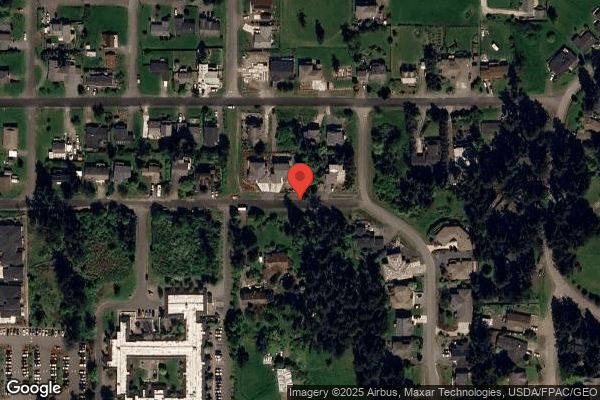
Understanding Severity Codes (click to expand)
Life-Threatening (Immediate Jeopardy)
J - Isolated K - Pattern L - Widespread
Actual Harm
G - Isolated H - Pattern I - Widespread
Potential for Harm
D - Isolated E - Pattern F - Widespread
No Harm (Minor)
A - Isolated B - Pattern C - Widespread

Questions to Ask on Your Visit

  • "What changes have you made since the serious inspection findings?"
  • "What safeguards are in place to prevent abuse and neglect?"
  • "Why is there high staff turnover? How do you retain staff?"
  • "Can I speak with families of current residents?"
  • "What's your RN coverage like on weekends and overnight?"

Our Honest Assessment

Strengths
  • • Licensed and certified facility. Meets minimum state requirements.
Concerns
  • • Multiple safety concerns identified: Federal abuse finding, 1 life-threatening violation(s), 2 harm violation(s), $107,120 in fines, Payment denial on record. Review inspection reports carefully.
  • • 63 deficiencies on record, including 1 critical (life-threatening) violation. These warrant careful review before choosing this facility.
  • • $107,120 in fines. Extremely high, among the most fined facilities in Washington. Major compliance failures.
  • • Grade F (0/100). Below average facility with significant concerns.
Bottom line: This facility has a substantiated abuse finding. Extreme caution advised. Explore alternatives.

About This Facility

What is Regency Coupeville Rehab And Nursing Center's CMS Rating?

CMS assigns REGENCY COUPEVILLE REHAB AND NURSING CENTER an overall rating of 2 out of 5 stars, which is considered below average nationally. Within Washington, this rating places the facility higher than 0% of the state's 100 nursing homes. A rating at this level reflects concerns identified through health inspections, staffing assessments, or quality measures that families should carefully consider.

How is Regency Coupeville Rehab And Nursing Center Staffed?

CMS rates REGENCY COUPEVILLE REHAB AND NURSING CENTER's staffing level at 3 out of 5 stars, which is average compared to other nursing homes. Staff turnover is 55%, which is 9 percentage points above the Washington average of 46%. High turnover can affect care consistency as new staff learn residents' individual needs.

What Have Inspectors Found at Regency Coupeville Rehab And Nursing Center?

State health inspectors documented 63 deficiencies at REGENCY COUPEVILLE REHAB AND NURSING CENTER during 2023 to 2025. These included: 1 Immediate Jeopardy (the most serious level, indicating potential for serious harm or death), 2 that caused actual resident harm, and 60 with potential for harm. Immediate Jeopardy findings are rare and represent the most serious regulatory concerns. They require immediate corrective action.

Who Owns and Operates Regency Coupeville Rehab And Nursing Center?

REGENCY COUPEVILLE REHAB AND NURSING CENTER is owned by a for-profit company. For-profit facilities operate as businesses with obligations to shareholders or private owners. The facility is operated by REGENCY PACIFIC MANAGEMENT, a chain that manages multiple nursing homes. With 112 certified beds and approximately 66 residents (about 59% occupancy), it is a mid-sized facility located in COUPEVILLE, Washington.

How Does Regency Coupeville Rehab And Nursing Center Compare to Other Washington Nursing Homes?

Compared to the 100 nursing homes in Washington, REGENCY COUPEVILLE REHAB AND NURSING CENTER's overall rating (2 stars) is below the state average of 3.2, staff turnover (55%) is near the state average of 46%, and health inspection rating (2 stars) is below the national benchmark.

What Should Families Ask When Visiting Regency Coupeville Rehab And Nursing Center?

Based on this facility's data, families visiting should ask: "What changes have been made since the serious inspection findings, and how are you preventing similar issues?" "What safeguards and monitoring systems are in place to protect residents from abuse or neglect?" "How do you ensure continuity of care given staff turnover, and what is your staff retention strategy?" "Can I visit during a mealtime to observe dining assistance and food quality?" These questions are particularly relevant given the facility's Immediate Jeopardy citations, the substantiated abuse finding on record, and the facility's high staff turnover rate.

Is Regency Coupeville Rehab And Nursing Center Safe?

Based on CMS inspection data, REGENCY COUPEVILLE REHAB AND NURSING CENTER has documented safety concerns. The facility has 1 substantiated abuse finding (meaning confirmed case of resident harm by staff or other residents). Inspectors have issued 1 Immediate Jeopardy citation (the most serious violation level indicating risk of serious injury or death). The facility has a 2-star overall rating and ranks #100 of 100 nursing homes in Washington. Families considering this facility should ask detailed questions about what corrective actions have been taken since these incidents.

Do Nurses at Regency Coupeville Rehab And Nursing Center Stick Around?

Staff turnover at REGENCY COUPEVILLE REHAB AND NURSING CENTER is high. At 55%, the facility is 9 percentage points above the Washington average of 46%. High turnover means new staff may not know residents' individual needs, medications, or preferences. It can also be disorienting for residents, especially those with dementia who rely on familiar faces. Families should ask: What is causing the turnover? What retention programs are in place? How do you ensure care continuity during staff transitions?

Was Regency Coupeville Rehab And Nursing Center Ever Fined?

REGENCY COUPEVILLE REHAB AND NURSING CENTER has been fined $107,120 across 1 penalty action. This is 3.1x the Washington average of $34,150. Fines at this level are uncommon and typically indicate a pattern of serious deficiencies, repeated violations, or failure to correct problems promptly. CMS reserves penalties of this magnitude for facilities that pose significant, documented risk to resident health or safety. Families should request specific documentation of what issues led to these fines and what systemic changes have been implemented.

Is Regency Coupeville Rehab And Nursing Center on Any Federal Watch List?

REGENCY COUPEVILLE REHAB AND NURSING CENTER is not on any federal watch list. The most significant is the Special Focus Facility (SFF) program, which identifies the bottom 1% of nursing homes nationally based on persistent, serious quality problems. Not being on this list means the facility has avoided the pattern of deficiencies that triggers enhanced federal oversight. This is a positive indicator, though families should still review the facility's inspection history directly.