MOUNTAIN VIEW POST ACUTE
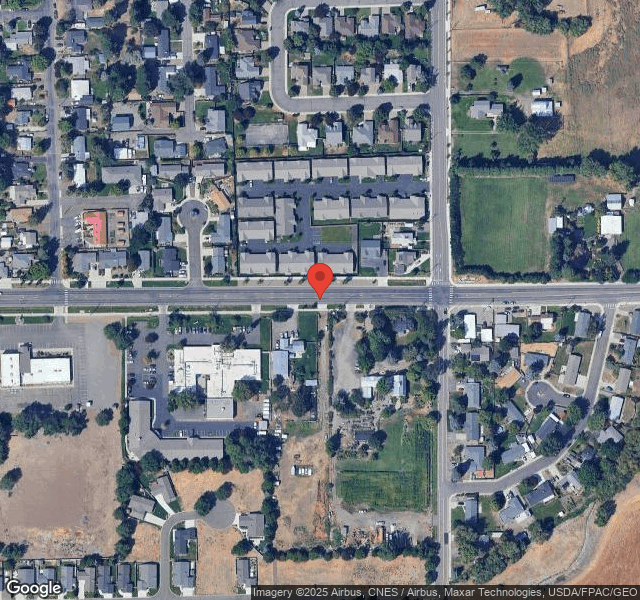
1050 E MOUNTAIN VIEW, ELLENSBURG, WA 98926 (509) 925-4171
For profit - Limited Liability company 74 Beds PRESTIGE CARE Data: November 2025
Trust Grade
0/100
#179 of 190 in WA
Last Inspection: January 2025

Within standard 12-15 month inspection cycle. Federal law requires annual inspections.

Overview

Mountain View Post Acute has received an F grade, indicating significant concerns and a poor level of care. Ranking #179 out of 190 facilities in Washington places it in the bottom half, and it is the only nursing home in Kittitas County, meaning there are no better local options available. Unfortunately, the facility is worsening, with issues increasing from 5 in 2024 to 31 in 2025. Staffing is a concern here, with a low rating of 1 out of 5 and a turnover rate of 56%, which is higher than the state average. The facility has incurred $244,170 in fines, a troubling amount that suggests ongoing compliance problems. Specific incidents highlight significant failures in care: one resident developed a necrotic foot condition requiring hospitalization due to neglect in skin assessments and treatment, while another resident did not receive timely medication or lab results, leading to worsened health and hospitalization. Additionally, the facility failed to notify medical providers after a resident reported chest pain, resulting in distress and prolonged pain. While the quality measures rating is better at 4 out of 5, the overall picture shows a mix of severe weaknesses alongside some areas of potential strength.

Trust Score
F
0/100
In Washington
#179/190
Bottom 6%
Safety Record
High Risk
Review needed
Inspections
Getting Worse
5 → 31 violations
Staff Stability
⚠ Watch
56% turnover. Above average. Higher turnover means staff may not know residents' routines.
Penalties
✓ Good
$244,170 in fines. Lower than most Washington facilities. Relatively clean record.
Skilled Nurses
○ Average
Each resident gets 40 minutes of Registered Nurse (RN) attention daily — about average for Washington. RNs are the most trained staff who monitor for health changes.
Violations
⚠ Watch
62 deficiencies on record. Higher than average. Multiple issues found across inspections.
★☆☆☆☆
1.0
Overall Rating
★☆☆☆☆
1.0
Staff Levels
★★★★☆
4.0
Care Quality
★☆☆☆☆
1.0
Inspection Score
Stable
2024: 5 issues
2025: 31 issues

The Good

  • 4-Star Quality Measures · Strong clinical quality outcomes
  • Full Sprinkler Coverage · Fire safety systems throughout facility
  • No fines on record

Facility shows strength in quality measures, fire safety.

The Bad

1-Star Overall Rating

Below Washington average (3.2)

Significant quality concerns identified by CMS

Staff Turnover: 56%

Near Washington avg (46%)

Frequent staff changes - ask about care continuity

Federal Fines: $244,170

Well above median ($33,413)

Significant penalties indicating serious issues

Chain: PRESTIGE CARE

Part of a multi-facility chain

Ask about local staffing decisions and management

Staff turnover is elevated (56%)

8 points above Washington average of 48%

The Ugly 62 deficiencies on record

6 actual harm
May 2025 4 deficiencies
CONCERN (D) 📢 Someone Reported This

A family member, employee, or ombudsman was alarmed enough to file a formal complaint

Potential for Harm - no one hurt, but risky conditions existed

Deficiency F0605 (Tag F0605)

Could have caused harm · This affected 1 resident

Based on interview and record review, the facility failed to ensure residents were free of chemical restraints for 1 of 3 residents (Resident 5) reviewed for unnecessary medications. This deficient pr...

Read full inspector narrative →
Based on interview and record review, the facility failed to ensure residents were free of chemical restraints for 1 of 3 residents (Resident 5) reviewed for unnecessary medications. This deficient practice placed residents at risk of experiencing unnecessary side effects such as sedation, decline in physical functioning, and placed residents at risk of experiencing an undignified life. Findings included . Review of the facility policy Psychotropic Medication Use, revised February 2025, showed psychotropic medications were any medication that affected brain activity related to mental processes and behavior, and these medications were .never used to sedate or alter a resident's behavior for discipline or for the convenience of staff. Further review showed residents' medical record should show specific behaviors to monitor for, potential triggers for these behaviors, and non-pharmacological interventions to try for soothing before as needed psychotropic medication were administered. <Resident 5> Review of the medical record showed Resident 5 admitted to the facility, on 04/15/2025, with diagnoses of dementia (a disease that causes loss of memory, language, problem-solving and other thinking abilities), diabetes (a disease that affects the body's ability to process sugar in the blood), sleep apnea (a sleep disorder where breathing repeatedly stops and starts during sleep), and anxiety (a mood disorder causing the feeling of fear, dread, and uneasiness). Review of the comprehensive assessment, dated 04/21/2025, showed Resident 5 had severe cognitive impairment and required the assistance of two people for transfers, toileting, bathing, and personal cares. Review of Resident 5's care plan, dated 04/15/2025, showed no care plan specific to behavior management, Identified Target Behaviors (ITBs), or individualized interventions. Review of the medical record showed there were no behavior monitors for Resident 5 in April 2025. Review of Resident 5's April 2025 Medication Administration Record (MAR), showed the following psychotropic medication orders: Donepezil (a medication used to treat dementia) 10 milligram [(mg) a unit of measure] by mouth at bedtime Escitalopram (a medication used to treat depression-a mood disorder that causes sadness and impacts the way a person thinks, feels, and behaves) 20 mg by mouth daily Quetiapine (a medication used to treat mood disorders by balancing brain chemicals) 25 mg by mouth daily in the morning and 50 mg by mouth at bedtime Hydroxyzine (an allergy medication used to treat anxiety due to its sedating and calming effects) 25 mg by mouth four times daily as needed for anxiety Lorazepam (a medication used to provide short term relief of anxiety symptoms) one mg by mouth twice a day as needed for anxiety. Review of the nursing progress note (PN), dated 04/22/2025 at 1:32 AM, showed Staff D, Registered Nurse (RN), documented at 12:30 AM (Resident 5) became agitated (visibly upset or restless) in bed and wanted to get up. Review of the nursing PN, dated 04/22/2025 at 2:24 AM, showed Staff D obtained a telephone order to administer lorazepam two mg subcutaneously [(SQ) an injection given in the fatty tissue, just under the skin] and it was administered to the right thigh. During an interview, on 05/05/2025 at 2:40 PM, Staff D stated, during the night of 04/22/2025, Resident 5 was yelling out loudly and slapping their hands on bedside table. Staff D stated they attempted to administer lorazepam by mouth to Resident 5 for agitation, but Resident 5 refused all attempts. Staff D stated they called the on-call medical provider, described the situation, and received the order to administer lorazepam two-mg as an injection. Staff D stated they administered the injection to Resident 5 and confirmed that Resident 5 was not given the option to refuse. Staff D stated Resident 5 needed the anti-anxiety medication to calm down and quit disrupting all the other residents. During an interview, on 05/05/2025 at 3:15 PM, a Resident Representative (RR) for Resident 5 stated they were not informed of the new order for injectable lorazepam prior to its administration, and they would not have given consent for the medication to be administered as an injectable. During an interview, on 05/05/2025 at 3:45 PM, Staff B, Director of Nursing, stated administering a psychotropic medication to a resident without consent from the resident and/or their representative made the administration a chemical restraint. Staff B stated they expected the Licensed Nurses (LNs) to know what a chemical restraint was and to question any order to administer one. Reference: WAC 388-97-0620 (1)(a)
CONCERN (D) 📢 Someone Reported This

A family member, employee, or ombudsman was alarmed enough to file a formal complaint

Potential for Harm - no one hurt, but risky conditions existed

Abuse Prevention Policies (Tag F0607)

Could have caused harm · This affected 1 resident

Based on interview and record review, the facility failed to ensure the components for identification and reporting abuse/neglect from their abuse prohibition policy were implemented for 1 of 5 reside...

Read full inspector narrative →
Based on interview and record review, the facility failed to ensure the components for identification and reporting abuse/neglect from their abuse prohibition policy were implemented for 1 of 5 residents (Resident 5) reviewed for abuse and neglect. This deficient practice placed residents at an increased risk for unidentified abuse and neglect and unmet care needs. Findings included . Review of the facility policy, Abuse-Screening, Training, Identification, Investigation, Reporting, and Protection, dated 08/01/2024, showed facility staff was expected to be able to identify abuse and neglect of residents and were mandated to report these incidents to the State Agency (SA). Further review of the facility policy showed the facility identified unauthorized chemical restraints as a form of abuse with the example .[(psychotropic) a substance that affects the mind or brain, causing changes in thinking, feeling, or perception] medication is administered in order to prevent a resident from displaying behaviors . or for staff convenience resulting in a changed behavior requiring a lesser amount of effort or care. <Resident 5> Review of the medical record showed Resident 5 admitted to the facility, on 04/15/2025, with diagnoses of dementia (a disease that causes loss of memory, language, problem-solving and other thinking abilities), diabetes (a disease that affects the body's ability to process sugar in the blood), sleep apnea (a sleep disorder where breathing repeatedly stops and starts during sleep), and anxiety (a mood disorder causing the feeling of fear, dread, and uneasiness). Review of the comprehensive assessment, dated 04/21/2025, showed Resident 5 had severe cognitive impairment and required the assistance of two people for transfers, toileting, bathing, and personal cares. Review of the facility investigation log showed Resident 5 had a medication error incident on 04/22/2025 at 1:00 AM. Review of the nursing PN, dated 04/22/2025 at 1:22 PM, showed Staff C, Assistant Director of Nursing, documented Resident 5's Representative (RR) came to the facility and had Resident 5 discharged Against Medical Advice (AMA) due to being .unhappy (Resident 5) is having other doctors order meds. Review of the medication error investigation summary, dated 04/25/2025, showed Staff D documented the administration of the injected medication incorrectly, and the cause of the medication error was determined to be a .transcription error. During an interview, on 05/02/2025 at 1:20 PM, Staff C stated there was a meeting that included Staff A, Administrator, Staff C, and RR for Resident 5 on the afternoon of 04/22/2025. Staff C stated during the meeting, the RR listed out a number of complaints regarding the care and services provided for Resident 5 during their stay including concerns regarding medication administration, behavior management, diabetes management, activities accommodation, and medical provider oversight. Staff C stated they addressed all the concerns and provided the RR with education regarding facility policies and procedures. Staff C stated the RR proceeded to have Resident 5 discharged AMA. During an interview, on 05/02/2025 at 2:30 PM, Staff C stated they completed the 04/22/2025 medication error investigation for Resident 5 and determined it was not abuse and it was not reportable to the SA because there was no negative effect to the resident and there was no significant risk for harm. Staff C stated they identified the concerns expressed by Resident 5's Representative as education opportunities and did not consider them allegations of abuse or neglect. During an interview, on 05/05/2025 at 3:45 PM, Staff B, Director of Nursing, stated the administration of psychotropic medications as an injectable was a chemical restraint and form of abuse. During an interview, on 05/05/2025 at 4:30 PM, Staff A, Administrator, confirmed they were aware of the medication error and the concerns expressed by Resident 5's Representative. Staff A stated these incidents were not identified as potential abuse or neglect or reported to the SA. Reference: WAC 388-97-0640 (2)
CONCERN (D) 📢 Someone Reported This

A family member, employee, or ombudsman was alarmed enough to file a formal complaint

Potential for Harm - no one hurt, but risky conditions existed

Report Alleged Abuse (Tag F0609)

Could have caused harm · This affected 1 resident

Based on interview and record review, the facility failed to report allegations of potential abuse and/or neglect to the State Agency (SA) as required for 1 of 5 residents (Resident 5) reviewed for ab...

Read full inspector narrative →
Based on interview and record review, the facility failed to report allegations of potential abuse and/or neglect to the State Agency (SA) as required for 1 of 5 residents (Resident 5) reviewed for abuse and neglect. This deficient practice placed residents at risk for unidentified abuse/neglect. Findings included . Review of the facility policy Abuse, Neglect, Exploitation or Misappropriation-Reporting and Investigating, revised September 2022, showed all reports of abuse and neglect .are reported to local, state and federal agencies (as required by current regulations) . <Resident 5> Review of the medical record showed Resident 5 admitted to the facility, on 04/15/2025, with diagnoses of dementia (a disease that causes loss of memory, language, problem-solving and other thinking abilities), diabetes (a disease that affects the body's ability to process sugar in the blood), sleep apnea (a sleep disorder where breathing repeatedly stops and starts during sleep), and anxiety (a mood disorder causing the feeling of fear, dread, and uneasiness). Review of the comprehensive assessment, dated 04/21/2025, showed Resident 5 had severe cognitive impairment and required the assistance of two people for transfers, toileting, bathing, and personal cares. Review of the facility investigation log showed Resident 5 had a medication error incident on 04/22/2025 at 1:00 AM. Review the nursing progress note (PN), dated 04/22/2025 at 1:22 PM, Staff C, Assistant Director of Nursing, documented Resident 5 discharged Against Medical Advice [(AMA) resident discharging despite medical professionals advice to continue stay at the facility] when their Resident Representative (RR) came to the facility to express dissatisfaction with other medical providers making changes to Resident 5's medications (in reference to the medication error earlier in the day). Review of the medication error investigation, dated 04/25/2025, showed Staff D, Registered Nurse (RN), obtained an order to administer a psychotropic [(anti-anxiety) a substance that affects the mind or brain, causing changes in thinking, feeling, or perception] medication as an injection when Resident 5 refused to take the medication in pill form. The investigation summary concluded the error was transcription related due to Staff D failing to enter the new order correctly into the electronic health record. During an interview, on 05/02/2025 at 1:20 PM, Staff C stated they met with the RR for Resident 5 on 04/22/2025 along with Staff A, Administrator, and discussed several complaints regarding the care and services provided to Resident 5. Staff C stated the complaints included concerns regarding insulin administration, medical provider oversight, medication management, and daily activities. Staff C stated they addressed the complaints as education opportunities for the RR, and confirmed an allegation of abuse/neglect was not generated or reported from the expressed complaints. During an interview, on 05/02/2025 at 2:30 PM, Staff C stated the medication error with Resident 5 on 04/22/2025 was a transcription error, showed no negative effect to Resident 5, and they determined it was not reportable to the SA. During an interview, on 05/05/2025 at 3:45 PM, Staff B, Director of Nursing, stated the administration of psychotropic medications in injectable form was a chemical restraint which was a form of abuse. Staff B confirmed the medication error for Resident 5 should have been reported to the SA. During an interview, on 05/05/2025 at 4:30 PM, Staff A confirmed they were aware of the medication error for Resident 5 and the complaints expressed by their RR. Staff A stated the incidents were not reported to the SA. Reference: WAC 388-97-0640 (5)(a)
CONCERN (D) 📢 Someone Reported This

A family member, employee, or ombudsman was alarmed enough to file a formal complaint

Potential for Harm - no one hurt, but risky conditions existed

Deficiency F0658 (Tag F0658)

Could have caused harm · This affected 1 resident

Based on interview and record review, the facility failed to ensure medication administration practices were maintained in accordance with professional standards of nursing practice for 1 of 3 residen...

Read full inspector narrative →
Based on interview and record review, the facility failed to ensure medication administration practices were maintained in accordance with professional standards of nursing practice for 1 of 3 residents (Resident 5) reviewed for medication administration. This deficient practice resulted in Resident 5 receiving a chemical restraint and placed other residents at risk for receiving unnecessary medications. Findings included . Review of Lippincott Manual of Nursing Practice 10th edition, defined the following ethical areas: Informed consent was the patient's right to accept or decline treatment provided by the nurse, and in circumstances where the patient was incapable of fully understanding the treatment components, informed consent must be obtained trhough a responsible person such as a decision maker or guardian. Accountability required the professional nurse to be proactive and take all appropriate measures to ensure their professional practice was not lacking, remiss, or deficient in any area or way. Review of the facility policy, Psychotropic Medication Use, revised February 2025, showed psychotropic medications were any medication that affected brain activity related to mental processes and behavior, and clinical rationale for use of these medications or a change in the medication regime was to be documented in the medical record. The policy showed the .documentation must include that behavioral (non-pharmacological) interventions were attempted but not successful ., and prior to initiating a change in any psychotropic medication, the resident and/or their representative had the right to accept of decline the treatment. <Resident 5> Review of the medical record showed Resident 5 admitted to the facility, on 04/15/2025, with diagnoses of dementia (a disease that causes loss of memory, language, problem-solving and other thinking abilities), diabetes (a disease that affects the body's ability to process sugar in the blood), sleep apnea (a sleep disorder where breathing repeatedly stops and starts during sleep), and anxiety (a mood disorder causing the feeling of fear, dread, and uneasiness). Review of the comprehensive assessment, dated 04/21/2025, showed Resident 5 had severe cognitive impairment and required the assistance of two people for transfers, toileting, bathing, and personal cares. Review of Resident 5's Medication Administration Record (MAR) for April 2025 showed an order for lorazepam (a medication used to provide short term relief of anxiety symptoms) one milligram [(mg) a unit of measure] by mouth twice a day as needed for anxiety. Review of the nursing progress note (PN), dated 04/22/2025 at 1:32 AM, showed Staff D, Registered Nurse (RN), documented at 12:30 AM (Resident 5) became agitated (visibly upset or restless) in bed and wanted to get up. Review of the nursing PN, dated 04/22/2025 at 2:24 AM, showed Staff D obtained a telephone order to administer lorazepam two mg subcutaneously [(SQ) an injection given in the fatty tissue, just under the skin] and it was administered to the right thigh. Further review of the medical record showed no documentation of non-pharmacological interventions attempted to address Resident 5's exhibited behaviors or attempts to offer lorazepam in pill form. During an interview, on 05/05/2025 at 2:40 PM, Staff D stated Resident 5 was displaying loud and disruptive behaviors and refused to take (their) meds. Staff D stated they called the on-call provider to get an order for the medication to be given as an injectable, and confirmed Resident 5 was not able to refuse receiving the medication because the doctor ordered (them) to have it. During an interview, on 05/05/2025 at 3:15 PM, a Resident Representative (RR) for Resident 5 stated they were not given the opportunity to accept or decline the change in medication administration route prior to Resident 5 receiving the medication. The RR stated they would not have consented to the lorazepam being administered as an injectable because (Resident 5) normally had no problem taking pills .an injection was not necessary. During an interview, on 05/05/2025 at 3:45 PM, Staff B, Director of Nursing, stated administering a psychotropic medication in a manner that disallowed a resident to refuse was not a standard of nursing practice and was considered a chemical restraint. Reference: WAC 388-97-1620 (2)(b)(i)(ii)
Mar 2025 1 deficiency
CONCERN (E) 📢 Someone Reported This

A family member, employee, or ombudsman was alarmed enough to file a formal complaint

Potential for Harm - no one hurt, but risky conditions existed

ADL Care (Tag F0677)

Could have caused harm · This affected multiple residents

**NOTE- TERMS IN BRACKETS HAVE BEEN EDITED TO PROTECT CONFIDENTIALITY** Based on observation, interview, and record review, the facility failed to provide the necessary care and services to ensure res...

Read full inspector narrative →
**NOTE- TERMS IN BRACKETS HAVE BEEN EDITED TO PROTECT CONFIDENTIALITY** Based on observation, interview, and record review, the facility failed to provide the necessary care and services to ensure residents dependent on staff received consistent showers for 3 of 9 residents (Residents 1, 3, and 4) reviewed for activities of daily living (ADL) care provided for dependent residents. The failure to receive adequate showering and grooming care according to the residents' care plan placed the residents at risk for unmet care needs, impaired skin integrity, and embarrassment. Findings included . <Resident 1> Review of the resident's medical records showed they were admitted to the facility on [DATE] with diagnoses including heart failure, weakness, altered mental status, and unsteadiness on their feet. Review of Resident 1's most recent comprehensive assessment dated [DATE], showed the resident had moderate cognitive impairment, and had an ADL self-care performance deficit and required substantial/maximal assistance with showering, upper/lower body dressing, and moderate assist with shower transfers. Review of Resident 1's task sheets showed the resident preferred to have showers on Mondays and Wednesdays. The task sheet for February 2025 showed the resident had eight opportunities for a shower, the resident missed six of those opportunities for a shower. Further review of the March 2025 task sheets showed the resident had eight opportunities for a shower, the resident missed four opportunities for a shower. During an observation and concurrent interview on 03/17/2025 at 2:03 PM, showed Resident 1, lying on his bed. Resident 1 was wearing a blue shirt and jeans with gray socks. I don't remember the last shower; the resident's nails had dark matter underneath them and their hair oily and uncombed. During an interview on 03/18/2025 at 2:35 PM, Staff M, Nursing Assistant (NA), stated they were responsible for 10 to12 residents in a shift and assisted with the two person lift transfers on the hall. Staff M stated they were responsible for showers of the residents scheduled on their shift. Staff M stated, they have been working on the floor for two weeks and had not given a shower to a resident. <Resident 3> Review of the resident's medical records showed they were admitted to the facility on [DATE] with diagnoses including heart failure, anxiety, depression and the need for assistance with personal care. Review of Resident 3's most recent comprehensive assessment dated [DATE], showed the resident cognition was intact, and had an ADL self-care performance deficit and dependent with showering, upper/lower body dressing, and with shower transfers. Review of Resident 3's task sheets showed the resident preferred to have showers on Wednesdays and Saturdays. The task sheet for January 2025 showed the resident had eight opportunities for a shower, the resident missed seven opportunities for a shower. Further review of the February 2025 task sheets showed the resident had eight opportunities for a shower, the resident missed seven opportunities for a shower. The task sheet for March 2025 showed the resident had eight opportunities for a shower, the resident missed four opportunities for a shower. During an observation and concurrent interview on 03/18/2025 at 11:32 AM, Resident 3 was lying in bed, their hair and clothing disheveled and a faint body odor was present. The resident stated that they receive a shower once every three weeks and is usually a bed bath. Resident 3 stated they do not refuse and would like more showers, but the facility was always short staff. During an interview on 03/18/2025 at 4:15 PM, Staff L, Nursing Assistant (NA), stated they really do try to get the resident showers during their shift. Staff L stated that they had not given any showers for their shift. <Resident 4> Review of the resident's medical records showed they were admitted to the facility on [DATE] with diagnoses including kidney disease, anxiety, weakness and the need for assistance with personal care. Review of Resident 4's most recent comprehensive assessment dated [DATE], showed the resident cognition was intact, and had an ADL self-care performance deficit and dependent with showering, upper/lower body dressing, and with shower transfers. Review of Resident 4's task sheets showed the resident preferred to have showers on Wednesdays and Saturdays. The task sheet for January 2025 showed the resident had eight opportunities for a shower, the resident missed seven opportunities for a shower. The task sheet for March 2025 showed the resident had eight opportunities for a shower, the resident missed six opportunities for a shower. During an observation and concurrent interview on 03/18/2025 at 11:10 AM, Resident 4 lying in bed, wearing a tank top, brief and small sheet across their lap. The resident stated, they had not received a shower for weeks. Resident 4 stated I enjoy taking my showers, not being able to take a shower makes me feel uncomfortable and unimportant. During an interview on 03/18/2025 at 12:33 PM, Staff C, Assistant Director of Nursing (ADON), stated that showers were documented now electronically. Staff C verified Resident 4 documentation did not reflect them receiving regular showers. Staff C acknowledged a break down in their resident showering process. Reference: WAC 388-97-1060 (2)(c)
Jan 2025 1 deficiency 1 Harm
SERIOUS (G) 📢 Someone Reported This

A family member, employee, or ombudsman was alarmed enough to file a formal complaint

Actual Harm - a resident was hurt due to facility failures

Free from Abuse/Neglect (Tag F0600)

A resident was harmed · This affected 1 resident

**NOTE- TERMS IN BRACKETS HAVE BEEN EDITED TO PROTECT CONFIDENTIALITY** Based on interview and record review, the facility failed to ensure a resident was free from neglect for 1 of 3 residents (Resid...

Read full inspector narrative →
**NOTE- TERMS IN BRACKETS HAVE BEEN EDITED TO PROTECT CONFIDENTIALITY** Based on interview and record review, the facility failed to ensure a resident was free from neglect for 1 of 3 residents (Resident 1), reviewed for neglect, when they failed to perform consistent skin assessments as ordered and failed to obtain and implement wound treatment orders when Resident 1 developed a new skin concern. Resident 1 experienced harm when they developed a necrotic (death of tissue) area to the right foot and fifth (little) toe which required hospitalization and surgical intervention of a partial amputation of the right foot (side of foot) including the little toe. Findings included . Review of the facility's policy dated 08/2024, titled, Abuse -screening, training, identification, investigation, reporting and protection, showed the definition for neglect is the failure to provide goods or services to a resident that are necessary to avoid physical harm, pain, mental anguish, or emotional distress. Review of the Nursing Home Guidelines, The Purple Book, dated October 2015, showed neglect may result from an inaction by an individual or entity with a duty of care for nursing home residents, including the failure to provide goods and services necessary to avoid physical harm. Review of the facility's policy, dated 09/2020, titled, Skin at Risk/Skin Breakdown showed a full body skin evaluation was completed weekly by the licensed nurse. Completion of the skin audit was to be documented. Review of Lippincott Manual of Nursing Practice, Eleventh Edition, showed signs of necrotic tissue in wounds clinically manifest with increased pain, redness, swelling, and warmth to the area, development of bullae (fluid filled sac or lesion), drainage and foul odor. <Resident 1> Review of Resident 1's medical record showed the resident was admitted to the facility on [DATE] with diagnoses to include a fractured right hip, right side hemiplegia/hemiparesis (partial and complete loss of strength to one side of the body) and need for assistance with personal care. Review of the resident's comprehensive assessment dated [DATE] showed the resident's cognition was severely impaired. Review of Resident 1's physician's orders showed the resident had an order dated 09/13/2024, for weekly skin checks every day on Fridays. Review of a nursing progress note, dated 11/07/2024, showed the resident had two new lesions to the outside of the right foot which involved the little toe. Review of a Wound Consultant progress note, dated 11/21/2024, showed wound had closed but remained high risk with direction for nursing to continue the daily wound dressing for extra protection. Review of the nursing progress note, dated 01/19/2025 at 3:30 PM, showed Staff E, Licensed Practical Nurse (LPN), was notified by Staff J, Restorative Assistant (RA), of Resident 1's right foot having a strong, foul odor. Staff E assessed Resident 1's outer right foot to have loose and removed skin, black colored tissue in the wound bed, the little toe (closest to the wound) was dark in color, and the wound had a foul odor. Staff E transferred Resident 1 to a local hospital for evaluation and treatment. During an interview, on 01/22/2025 at 3:04 PM, Staff D, Resident Care Manager (RCM), stated they completed weekly skin assessments on the residents, and the last time they assessed Resident 1's right foot was on 01/05/2025 (14 days prior to significant change). Staff D stated Resident 1 had a callous (a hard, thickened area on skin) to the outer portion of their right foot near the little toe and the surrounding skin was intact. Staff D stated the floor nurses were responsible for completing weekly skin assessments on the residents, and that they tried to routinely monitor pressure wounds and surgical incisions. During an interview on 01/22/2025 at 4:58 PM, Staff O, LPN, stated they worked with Resident 1 on 01/14/2025 and completed the dressing change to their outer right foot. Staff O stated they noted a small open area that was bleeding but the area looked at its baseline otherwise. Staff O stated they did not notify anyone or document the change in skin integrity. During an interview, on 01/22/2025 at 2:30 PM, Staff E, LPN, stated the last time they assessed Resident 1's right foot wounds was on 01/11/2025 (eight days prior to significant change), the area was at baseline with no open areas, and a protective dressing was applied as ordered. Staff E stated when they worked with Resident 1 on 01/15/2025, Resident 1 had refused the dressing change to their right foot due to significant pain and discomfort to the right foot. During an interview, on 01/23/2025 at 12:27 PM, Staff L, Nursing Assistant (NA), stated they worked with Resident 1 on 01/17/2025 and noticed when they assisted the resident to get dressed, the resident's right foot had re-opened. Staff L stated the right foot was swollen, red and warm and they notified Staff F who applied a new dressing. During an interview, on 01/22/2025 at 1:46 PM, Staff F, LPN, stated they worked with Resident 1 on 01/17/2025 and completed the dressing change to their outer right foot. Staff F stated they observed dried serosanguinous [contains both blood and serum (the liquid part of blood)] fluid on the old dressing and a small slit where the drainage was coming from. Staff F stated resident weekly skin assessments were completed by the RCMs. During an interview, on 01/23/2025 at 10:47 AM, Staff H, LPN, stated they usually worked double shifts (two consecutive shifts to equal 16 hours) on the weekends, and they worked with Resident 1 on 01/18/2025 during the day shift (6:00 AM to 2:00 PM). Staff H stated they passed medications for the assigned hall, and did not complete any treatments or dressing changes. Staff H stated the treatments were completed Monday through Friday as they did not have a treatment nurse on the weekends. Staff H stated Resident 1 had a dressing to their right foot, but they never saw the wound. Staff H stated they recalled Resident 1 complained of pain to their right foot during the shift, and the NAs repositioned the resident frequently to keep them comfortable. During an interview, on 01/22/2025 at 2:16 PM, Staff J, RA, stated they worked with Resident 1 on 01/19/2025, after breakfast in their room. Staff J stated Resident 1's right foot did not have a dressing or a sock on it and they observed a bad sore on the outer part of the foot. Staff J stated the wound was on the outer part of the right foot, including the little toe, was dark in color, and there was a foul odor coming from it. Staff J stated they reported it to Staff E. During an interview, on 01/22/2025 at 12:47 PM, a Collateral Contact (CC) at the local hospital stated they had received Resident 1 from the facility, but they had transferred Resident 1 to a hospital in Seattle for further evaluation and treatment by a Podiatrist (medical specialist who help with problems that affect the feet and lower legs). The CC stated the local hospital physician was concerned about potential osteomyelitis (a bone infection that causes inflammation and swelling in the bone) in Resident 1's right foot. During an interview, on 01/23/2025 at 12:57 PM, Staff C, Assistant Director of Nursing (ADNS), stated their investigation regarding the change in condition to Resident 1's right foot showed Staff F assessed the wound on 01/17/2025 to be open, macerated (a breaking down of the skin resulting from prolonged exposure to moisture), and had a piece of loose skin. Staff C stated it did not appear Staff F documented the change to Resident 1's right foot wound nor notify the physician. During an interview, on 01/23/2025 at 4:19 PM, Staff A, Administrator, and Staff B, Regional Nurse, stated that there is indeed a deficiency in the assessment of the resident. During an interview on 01/27/2025 at 10:16 AM, Resident 1's RR, stated Resident 1 was in the hospital and had a partial amputation of their right foot on 01/25/2025. Reference: WAC 388-97-0640(1)
Jan 2025 25 deficiencies
CONCERN (D)

Potential for Harm - no one hurt, but risky conditions existed

Deficiency F0604 (Tag F0604)

Could have caused harm · This affected 1 resident

**NOTE- TERMS IN BRACKETS HAVE BEEN EDITED TO PROTECT CONFIDENTIALITY** Based on observation, interview, and record review the facility failed to comprehensively assess and monitor the need for a phys...

Read full inspector narrative →
**NOTE- TERMS IN BRACKETS HAVE BEEN EDITED TO PROTECT CONFIDENTIALITY** Based on observation, interview, and record review the facility failed to comprehensively assess and monitor the need for a physical restraint (any physical, mechanical device or equipment that limits a resident ' s freedom of movement) when a seat belt was applied during the resident use of their electric wheelchair, for 1 of 2 residents (Resident 17) reviewed for physical restraints. This failure placed the resident at risk for a restriction of their free movement and/or activity and at an increased risk for injury when in their electric wheelchair. Findings included . Review of the facility policy titled, Physical Restraints and Enablers/Devices, revised July 2023, showed that residents had the right to be free of physical restraints (any manual method or physical or mechanical device/equipment attached to the resident ' s body that the individual cannot remove easily which restricts freedom of movement or normal access to one ' s body) .imposed for purposes of discipline or staff convenience, and not required to treat the resident ' s medical symptoms . The policy showed that if a resident was to utilize a device that had the potential to act as a physical restraint, a .Bed Rail/Bed Enabler/Device Evaluation . would be completed to evaluate if the device would be considered a restraint or an enabler (devices/equipment voluntarily used by a resident following appropriate assessments which limit the residents normal freedom of movement, with the intent of promoting independence, comfort or safety). Additionally, the policy showed that a seat belt was an example of devices that may be considered as a physical restraint. <Resident 17> Review of the resident ' s medical records showed they were admitted to the facility on [DATE] with diagnoses including a heart complication, left knee replacement, and osteoarthritis (inflammation of joints in the body) of the hips and shoulder. The 12/01/2024 comprehensive assessment showed Resident 17 had a moderately impaired cognition, was able to make their needs known, had mobility impairments to their upper body on both sides and no physical restraints (any manual method or physical or mechanical device/equipment attached to the resident ' s body that the individual cannot remove easily which restricts freedom of movement or normal access to one ' s body). During a concurrent observation and interview on 01/06/2025 at 9:47 AM, Resident 17 was settled in the dining room in their wheelchair. The resident had a black seat belt, that released via push button, around their waist. When asked if Resident 17 could show how they released the seat belt, they stated yes but then was unable to do so. During an interview on 01/07/2025 at 4:11 PM, Staff M, Nursing Assistant (NA), stated that Resident 17 was unable to unbuckle their wheelchair seat belt by themself and that staff had to buckle and unbuckle the seat belt for the resident when getting in/out of the wheelchair. Record review of Resident 17 bed rail/bed enabler/device evaluations dated 12/10/2021 and 12/20/2024, showed that bed rails were evaluated as enabler on both dates (no evaluation of a wheelchair seat belt was noted in the resident ' s medical record). An observation on 01/08/2025 at 8:41 AM, showed Resident 17 again eating in the dining room sitting in their wheelchair. The resident was observed leaning far down on their left side on top of the wheelchair's left side arm rest, pulling tight on the residents buckled seat belt. During an interview on 01/08/2025 at 8:49 AM, Staff N, NA, stated that Resident 17 had been leaning to their left side more frequently and not able to hold themself upright in the wheelchair for long period of time. Staff N stated the seat belt was on so that the resident did not slide out of the wheelchair. Staff N stated the resident was unable to unbuckle the wheelchair seat belt by themselves. During an interview on 01/08/2025 at 12:17 PM, Staff D, Resident Case Manager, stated that Resident 17 ' s wheelchair seat belt had the potential to be considered as a physical restraint, and the resident should have had an evaluation completed to show that it was not. Staff D stated, as far as I know (Resident 17) can unbuckle themself, and the seat belt was not being used for the resident ' s safety. During an interview on 01/09/2025 at 10:20 AM, Staff C, Assistant Director of Nursing Services, stated that Resident 17 ' s wheelchair seat belt was a potential physical restraint, and the resident would need to be able to unbuckle the seat belt themselves. Staff C stated that Resident 17 was not able to unbuckle the wheelchair seat belt by themselves, and the required process was not followed regarding an assessment of the device to show that it was not a physical restraint. During an interview on 01/13/2025 at 3:10 PM, Staff A, Administrator and Staff B, Director of Nursing Services, both stated the correct process for assessing the need for a physical seat belt restraint was not followed for Resident 17. Reference: WAC 388-97-0620(1)
CONCERN (D)

Potential for Harm - no one hurt, but risky conditions existed

Abuse Prevention Policies (Tag F0607)

Could have caused harm · This affected 1 resident

**NOTE- TERMS IN BRACKETS HAVE BEEN EDITED TO PROTECT CONFIDENTIALITY** Based on interview and record review the facility failed to ensure implementation of their abuse prohibition policy/procedures c...

Read full inspector narrative →
**NOTE- TERMS IN BRACKETS HAVE BEEN EDITED TO PROTECT CONFIDENTIALITY** Based on interview and record review the facility failed to ensure implementation of their abuse prohibition policy/procedures components of resident protection, identification, reporting and investigating for 4 of 4 residents (Resident 41, 28, 42, and 27) reviewed for abuse/neglect. This failure placed the residents at an increased risk for unidentified abuse/neglect, retaliation from the alleged perpetrator and the potential for continued exposure to abuse and/or neglect. Findings included . Review of the State Operations Manual, Appendix PP, dated 08/08/2024, the Code of Federal Regulations 483.12 (b)(1), F607, the facility must develop and implement written policies and procedures that prohibit and prevent abuse, neglect, and exploitation of residents and misappropriation of residents property, and in order to .provide protections for the health, welfare and rights of each resident residing in the facility . the facility must develop and implement components of screening, training, prevention, identification, investigation, protection and reporting/response. Review of the facility's policy titled, Abuse-Screening, Training, Identification, Investigation, Reporting, and Protection, dated 08/01/2024, showed the eight components included .Identify types of abuse .Investigate allegations of abuse .Report allegations of abuse to appropriate reporting authority .Protect our resident from abuse . Additionally, the policy showed that all resident allegation of abuse would be thoroughly investigated/reported, and that staff involved in the allegation of abuse would be immediately removed from the center until a thorough investigation can be completed. <Resident 41> Review of the medical record showed the resident was admitted on [DATE] with diagnoses including multiple heart complications and a spinal infection. The 10/20/2024 comprehensive assessment showed the resident was cognitively intact and able to make their needs known. Record review of a grievance (a compliant over something believed to be wrong or unfair)/concern form, dated 11/08/2024, showed, Procedure: If problem reported is potential abuse or neglect immediately notify Administrator, Director of Nursing Services (DNS), or Licensed Nurse . The form showed Resident 41 stated Staff F, Licensed Practical Nurse (LPN), had come into their room around 5:45 AM, yelled to wake them, demanded the resident's cigarettes/lighter and .Later on when the resident confronted (Staff F) to ask (Staff F) to not speak or yell at (Resident 41) so rudely the nurse started to yell at (Resident 41) again. The record showed that on 12/04/2024 Resident 41 was interviewed (26 days after the grievance was submitted). During an interview on 01/09/2025 at 8:22 AM, Resident 41 stated that Staff F came in during the early morning yelling and grabbed the resident ' s hand shaking them awake and demanded it ( the residents smoking supplies). The resident stated they were at first hesitant to give Staff F their smoking supplies but since (Staff F) was not backing off (Staff F kept yelling/demanding and then threatened to search the resident ' s room), Resident 41 gave up their smoking materials. Resident 41 stated they had confronted Staff F later that day and was yelled at again, (Staff F) was a b***h .not nice at all. Resident 41 stated they did not remember seeing Staff F after they had reported the grievance. Review of Resident 41's progress noted for 11/28/2024, 12/18/2024 and 12/20/2024 showed that Staff F was working with Resident 41 after the allegations were made. Review of the November 2024 incident/investigation log showed there was no documentation that an investigation had been conducted into Resident 41's allegations of abuse from Staff F. During an interview on 01/09/2025 at 11:27 AM, Staff E, Social Service Director (SSD), stated that a staff member being rude/yelling at a resident could potentially be verbal abuse and would need to be reported/investigated. Additionally, Staff E stated the staff member would need to be taken off their shift to protect the resident until a thorough investigation was completed. Review of the 11/08/2024 grievance from Resident 41showed Staff E stated that it was an allegation of verbal abuse from Resident 41 against Staff F and that it should have been reported/investigated. Staff E stated they came across Resident 41's grievance form on 12/04/2024 and informed Staff B, DNS, that same day. Staff E stated they did not take Staff F off shift in order to protect Resident 41 and informed the DNS. During an interview on 01/09/2025 at 1:52 PM, Staff B stated that Resident 41 was very alert and oriented and able to recall events. When reviewing Resident 41's grievance from 11/08/2024, Staff B stated they had not recognized it as an allegation of abuse, completed/documented the grievance interviews on 12/05/2024 with Resident 41 stating .no issues with any of the staff . in addition to Staff F's interview as .noted excitable concerns related to finding lighters on personal belongings. Educated related to professionalism, and Staff F was not taken off shift while an investigation was conducted. Staff B stated when reading the grievance again that it was an allegation of verbal abuse from Resident 41, it should have been reported/investigated, and Staff F should have been removed from working with residents until a thorough investigation was completed. During an interview on 01/09/2025 at 2:12 PM, Staff A, Administrator, stated the correct process was not followed, the allegation of abuse needed to be reported, a thorough investigation should have been completed and Resident 41 should have been protected from Staff F by the staff member being taken off the working schedule. <Resident 28> Review of the resident's medical record showed the resident admitted with diagnoses to include a wound to their right lower leg and chronic pain. The 10/09/2024 comprehensive assessment showed Resident 28's cognition was intact and was dependent on one to two staff for bed mobility. During an interview on 01/06/2025 at 12:08 PM, Resident 28 stated they had an incident shortly after they admitted to the facility. Resident 28 stated they were provided care by a nursing assistant (NA) (identified as Staff BB) and a licensed nurse (LN) (identified as Staff Y, RN). The LN was extremely rough with them when they shoved on my left hip when rolling them to their side. Resident 28 stated they yelled out for the LN to stop a few times, and they finally stopped, and Resident 28 told the LN to leave them alone. At that time, the LN grabbed the NA and they both left the room. Resident 28 stated they reported this incident to Staff C, Assistant Director of Nursing Services, who removed the LN from the care of Resident 28. Resident 28 stated due to the continued pain to their left hip, they needed to have a diagnostic image completed to ensure there were no injuries. Review of the incident logs from September 2024 through 01/09/2025, showed no incidents were reported or logged for Resident 28. Review of the grievance logs from September 2024 through 01/09/2025, showed no incidents were reported or logged for Resident 28. During an interview on 01/08/2025 at 1:57 PM, Staff BB stated they recalled an incident involving Resident 28 and Staff Y a few months back. Staff BB stated Resident 28 required two people to roll them from side to side, and all other staff were busy, so Staff Y went to help Staff BB. Staff BB stated their normal process was to let Resident 28 direct them step by step how to care for them because they had pain. Staff BB stated Staff Y was busy and, in a hurry, so just started rolling the resident to their side, fast, and grabbed Resident 28's left leg the wrong way and it hurt the resident. Staff BB stated Resident 28 yelled out and yelled for Staff Y to stop a few times, which they did, and then Resident 28 asked to be left alone, so both Staff BB and Staff Y left the room. Staff BB stated they reported the incident but could not recall if they reported it to another nurse or the Administration. <Resident 42> Review of the resident's medical records showed the resident admitted with diagnoses of a left hip replacement. The 10/09/2024 comprehensive assessment showed Resident 42's cognition was intact and was dependent on two staff for bed mobility and toileting hygiene. Review of a 09/03/2024 grievance form showed Staff CC, NA, entered Resident 42's room and told them it was time to get changed. The form showed that Resident 42 told Staff CC no, but that Staff CC told Resident 42 they had to and tried to make [Resident 42] anyway. The form showed the actions taken for this grievance were that Staff CC would be removed from the facility staffing list and not allowed to work in the facility. The form additionally showed the form had not been signed as completed until 11/22/2024. During an interview on 01/09/2025 at 8:30 AM, Resident 42 stated they did not recall the specific NA's name but did not like it when there were not regulars [ new NAs] that came in to provide them care, because they did not know how to provide them care specific to them. During an interview on 01/09/2025 at 8:59 AM, Staff J, NA, stated they were present during the incident on 09/03/2024. Staff J stated Staff CC was a new NA to the resident and when they entered the room, Staff CC was adamant about Resident 42 receiving incontinence care. Staff J stated when Resident 42 refused to receive the care, Staff CC should have left it alone and tried to re-approach later or have someone else try, but they did not, and it made Resident 42 angry. Review of the NA's staffing schedule from September 2024 through November 2024, Staff CC worked 17 additional shifts, with the last shift ending on 11/28/2024. Review of the Incident logs from September 2024 through November 2024, showed no incident had been reported or logged. During an interview on 01/09/2025 at 10:33 AM, Staff E stated they were not aware of Resident 42's incident regarding Staff CC on 09/23/2024. Staff CC stated when they started working at the facility there were several grievances incomplete and forwarded them to Staff C and Staff A to complete and return. Staff E stated the incident on 09/23/2024 should have been elevated to an investigation and the staff member should have been removed from direct patient care pending the outcome of the investigation. During an interview on 01/09/2025 at 10:55 AM, Staff B stated they were not aware of Resident 28's incident regarding rough handling nor Resident 42's incident regarding refusal of care. Staff B stated they would have removed Staff Y and Staff CC from direct patient care and started investigations to rule out abuse or neglect, had they known. <Resident 27> Review of the medical record showed Resident 27 was alert and oriented and able to make their needs known. During an interview on 01/06/2025 at 9:00 AM, Resident 27 stated they had an issue with a staff member a few months back in 2024. They could not recall the staff name but stated it was a NA. Resident 27 stated they called them gay for having their nails painted with black nail polish. Review of the grievance log showed that a concern was made by Resident 27 to the previous SSD on 08/22/2024. The grievance was that an NA was teasing Resident 27 about their black fingernail polish and called them gay. Resident 27 was hurt by the statement by the NA. The 08/22/2024 grievance showed the SSD, and the DNS spoke to the unidentified NA in question who stated Resident 27, and they had a playful relationship and was only joking. The resident stated that they did not want the NA to work with them anymore. According to the grievance report the previous Administrator spoke with the unidentified NA on 08/28/2024 and asked them to apologize to the resident. A few days later Resident 27 was asked if they would be willing to accept an apology from the unnamed NA and Resident 27 declined. The SSD documented the resident was stable and active throughout the building. During an interview on 01/07/2025 at 3:09 PM, Staff C stated that the incident needed to be called in to the state, the unidentified NA would have needed to be removed from caring for residents pending a thorough investigation and abuse should have been ruled out per investigation. Staff C stated that the allegation should have been an incident report and investigation. Staff C stated the 08/22/2024 was reportable to the state agency but was not done. Staff C stated they would investigate the resident's concern since it was not investigated. During an interview on 01/09/25 at 8:49 AM, Staff C stated they were unable to identify the NA involved or an investigation to determine if the NA was still working at the facility. Reference WAC 388-97--0640(2)(a)
CONCERN (D)

Potential for Harm - no one hurt, but risky conditions existed

Transfer Notice (Tag F0623)

Could have caused harm · This affected 1 resident

**NOTE- TERMS IN BRACKETS HAVE BEEN EDITED TO PROTECT CONFIDENTIALITY** Based on interview and record review, the facility failed to provide a written notice of transfer/discharge to the representativ...

Read full inspector narrative →
**NOTE- TERMS IN BRACKETS HAVE BEEN EDITED TO PROTECT CONFIDENTIALITY** Based on interview and record review, the facility failed to provide a written notice of transfer/discharge to the representative of the Office of the State Long Term Care (LTC) Ombudsman (a person that advocates for residents in nursing homes) for 1 of 2 residents (Residents 60) reviewed for transfer/discharge notice requirements. This failure placed the residents at risk for diminished protection from inappropriate transfers/discharges, a lack of access to an advocate that could inform them of their options/rights, and to ensure the resident advocacy agency was aware of the facility practices and activities related to a transfer or discharge. Findings included . <Resident 60> Review of the resident ' s medical records showed they were admitted to the facility on [DATE] with diagnoses including heart complications and Parkinson ' s (a progressive disorder that affects the nervous system and the parts of the body controlled by the nerves, causing shaking movements) and was transferred to the hospital on [DATE]. The 10/09/2024 comprehensive assessment showed Resident 60 had a moderately impaired cognition. Review of progress notes for Resident 60 on 10/09/2024 showed Staff D, Resident Case Manager, documented that Resident 60 had a change in their baseline status and they were going to be emergently transferred to the local hospital. During an interview on 01/10/2025 at 10:43 AM, Staff E, Social Service Director (SSD), stated they had started working at the facility mid-November 2024 and was not aware of the requirement to provide a written notice of transfer/discharge to the LTC Ombudsman. Staff E stated they did not have a process in place to notify the Ombudsman of resident transfers/discharges and that it was not being completed. During an interview on 01/13/2025 at 3:10 PM, Staff A, Administrator and Staff B, Director of Nursing Services, stated the notification of a resident ' s transfer/discharge to the LTC Ombudsman was supposed to be completed by the SSD. Both Staff A and Staff B stated the correct process was not being followed, and a written notice should have been provided to the LTC Ombudsman regarding Resident 60 ' s transfer to the hospital. Reference: WAC 388-97 -0120(2)(a-d)
CONCERN (D)

Potential for Harm - no one hurt, but risky conditions existed

Deficiency F0625 (Tag F0625)

Could have caused harm · This affected 1 resident

**NOTE- TERMS IN BRACKETS HAVE BEEN EDITED TO PROTECT CONFIDENTIALITY** Based on interview and record review, the facility failed to issue a written notice of bed hold (holding or reserving a resident...

Read full inspector narrative →
**NOTE- TERMS IN BRACKETS HAVE BEEN EDITED TO PROTECT CONFIDENTIALITY** Based on interview and record review, the facility failed to issue a written notice of bed hold (holding or reserving a resident's bed while the resident was absent from the facility) at the time of the resident ' s hospital transfer for 1 of 2 residents (Residents 60) reviewed for hospital transfers. This failure placed the residents at risk for lack of knowledge regarding their right to hold their bed and any monetary charges associated with the bed hold while in the hospital. Findings included . <Resident 60> Review of the resident ' s medical records showed they were admitted to the facility on [DATE] with diagnoses including heart complications and Parkinson ' s (a progressive disorder that affects the nervous system and the parts of the body controlled by the nerves, causing shaking movements) and was transferred to the hospital on [DATE]. The 10/09/2024 comprehensive assessment showed Resident 60 had a moderately impaired cognition. Review of the medical record showed a 10/09/2024 progress note documented by Staff D, Resident Case Manager, that Resident 60 had a change in their status and they were going to be emergently transferred to the local hospital (no documentation of the written notice for bed hold to Resident 60 or the resident ' s representative). During an interview on 01/10/2025 at 10:30 AM, Staff D stated the process was for staff to update the resident and/or the resident representative (RR) during a phone conversation and then document the conversation in the resident ' s medical records in a progress note or in an evaluation form. After reviewing Resident 60 ' s medical records, Staff D stated the notice of bed hold was not completed with the RR at the time of the resident transfer to the hospital. During an interview on 01/13/2025 at 3:10 PM, Staff B, Director of Nursing Services, stated the notification of bed hold should have taken place with the RR for Resident 60 during the phone call and if not in the resident medical record, then it was not completed. Reference: WAC 388-97-0120(4)
CONCERN (D)

Potential for Harm - no one hurt, but risky conditions existed

Comprehensive Care Plan (Tag F0656)

Could have caused harm · This affected 1 resident

Based on observation, interview, and record review, the facility failed to develop and/or implement comprehensive resident centered care plans for 2 of 6 residents (Residents 21 and 56) reviewed for c...

Read full inspector narrative →
Based on observation, interview, and record review, the facility failed to develop and/or implement comprehensive resident centered care plans for 2 of 6 residents (Residents 21 and 56) reviewed for care plan development. This failed practice put residents at risk for unmet care and/or safety needs. Findings included . <Resident 21> Review of the resident's medical record showed the resident admitted to the facility with diagnoses to include a urinary tract infection and urine retention. The 11/22/2024 comprehensive assessment showed Resident 21's cognition was severely impaired, they required the use of a retention catheter (R/C- a device used to drain urine from the bladder) and was dependent on staff for toileting hygiene. During an observation on 01/06/2025 at 10:16 AM, Resident 21 was sitting on the edge of their bed, the r/c tubing was hanging out of their right pant leg, with the end of the tubing touching the floor. Resident 21 had a white stretchy material wrapped around their ankle, the tubing, and the bag to secure them in place. Resident 21 had a r/c leg bag (a smaller bag used to collect urine for ease of mobility) in place and urine was observed in the tubing of the r/c. During an observation on 01/07/2025 at 11:57 AM, Resident 21 was lying flat in their bed with the r/c tubing and leg bag strapped to their right leg (the leg bag was kept at the same level as the bladder rather than below). Review of the 11/18/2024 comprehensive care plan (CP) showed a CP for a urinary system with no measurable goals, interventions, or r/c specific information (areas were blank). The CP showed no focus, goals, or interventions/treatments for Resident 21 ' s urinary tract infections or for their activities of daily living (dressing, ambulation, care, personal hygiene, or how they get around the facility). During an interview on 01/14/2025, Staff C, Assistant Director of Nursing Services, stated Resident 21 did not use a leg urinary drainage bag, they only used a regular urinary drainage bag. Staff C stated staff may be using the leg bag due to Resident 21 ' s behaviors and pulling their r/c out. Staff C clarified after reviewing Resident 21 ' s record that there was no comprehensive CP developed for Resident 21 ' s r/c or their urinary tract infections. <Resident 56> Review of the medical record showed the resident admitted to the facility with diagnoses to include opioid (a class of drugs that interact with nerve cells to reduce pain and produce euphoria) and stimulant (a substance that raises levels of physiological or nervous activity in the body), and alcohol abuse. The 11/29/2024 comprehensive assessment showed Resident 56 ' s cognition was moderately impaired and had alcohol, opioid, and stimulant abuse. An observation and concurrent interview on 01/07/2025 at 9:36 AM, Resident 56 stated they had a history of drug use and was jumped by strangers and received a brain aneurysm (a bulge in a weak area of an artery in or around your brain). Resident 56 looked as if they were confused, walking up and down the hallway from the front of the facility to their room. Resident 56 asked if they could have a cigarette because they had not smoked and used nicotine prior to admission. Review of Resident 56 ' s 11/25/2024 CP showed no SUD care plan with resident specific measurable goals and interventions had been developed for assessing risks associated with SUD, overdose, increased monitoring of resident and visitors, diversions to prevent relapse, or signs and symptoms to monitor for. During an interview on 01/08/2025 at 3:21 PM, Staff E, Social Services Director, stated they assessed Resident 56 for their trauma informed care and learned during that assessment about the drug abuse. Staff E stated they had not created a CP with resident specific goals and interventions to substance abuse disorder (SUD- a medical condition that is defined by the inability to control the use of a particular substance despite harmful consequences). Staff E stated they had not had training on SUD so was unaware that needed to be done I know what to watch and monitor for but that does not mean the rest of the staff do. Reference WAC: 388-97-1020 (1), (2)(a)(b)
CONCERN (D)

Potential for Harm - no one hurt, but risky conditions existed

ADL Care (Tag F0677)

Could have caused harm · This affected 1 resident

**NOTE- TERMS IN BRACKETS HAVE BEEN EDITED TO PROTECT CONFIDENTIALITY** Based on observation, interview, and record review the facility failed to provide the necessary care and services to ensure resi...

Read full inspector narrative →
**NOTE- TERMS IN BRACKETS HAVE BEEN EDITED TO PROTECT CONFIDENTIALITY** Based on observation, interview, and record review the facility failed to provide the necessary care and services to ensure residents dependent on staff received consistent showers for 2 of 5 residents (Residents 37 and 22) reviewed for activities of daily living (ADLs). The failure to receive adequate showering and grooming care according to the residents' care plan placed the resident at risk for unmet care needs, impaired skin integrity, and embarrassment. Findings included . <Resident 37> Review of the resident's medical record showed they admitted with diagnoses to include diabetes (a metabolic disorder in which the body has high sugar levels for prolonged periods of time) and asthma (a chronic respiratory condition which is caused by inflammation of the airway that causes narrowing of the airway). The 12/04/2024 comprehensive assessment showed Resident 37's cognition was intact and required the assistance of one staff for showering/bathing. During an interview on 01/06/2025 at 3:45 PM, Resident 37 stated they had not had a shower even though they were due for one and my urine smell is pretty strong. During an interview on 01/08/20245 at 8:26 AM, Resident 37 was sitting in their chair in the corner of their room, hair was disheveled, and Resident 37 stated they still had not received a shower in over a week. During an interview on 01/09/2025 at 8:55 AM, Resident 37 stated as of today they had not received a shower in nearly two weeks. Resident 37 had whiskers to their face and their skin appeared white and flaky. Resident 37 stated my rear end is so hot I am afraid I am going to leave burn marks on the wall [dirty, raw rear end]. Resident 37 smelled of sweaty body odor. Resident 37 had their walker placed at the foot of their bed with clean clothes hanging on a hanger on the arm of the walker with Old Spice (a brand of personal hygiene supplies) shampoo and body spray next to them. During an interview on 01/08/2025 at 9:10 AM, Staff GG, Nursing Assistant, stated it was their first shift, and they were assigned to the [NAME] Hall (Resident 37 resided on South Hall) with another NA to complete showers. Staff GG stated after they reviewed the shower list, themselves and the other NA decided they would split up the showers because it had been since 12/30/2024 since some of the residents had received a shower. Staff GG reviewed their shower sheet and verified that Resident 37 was one of the resident's that had not had a shower since 12/30/2024 and Staff GG was not sure if that meant the last time that they received a shower or if that was the last time they were offered a shower. Review of the shower book showed a document in it titled South Hall Showers. The document showed Resident 37's name with the days Tuesday and Friday written next to their name and a date of 12/30/2024 written beside their name. Review of Resident 37's 12/01/2024 Care Plan showed the resident preferred to have showers in the evenings on Tuesdays and Fridays. Review of Resident 37's 12/08/2024 through 01/08/2025 shower tasks (a charting record where NAs document showers and refusals) showed no showers had been documented. <Resident 22> Review of the resident's medical record showed Resident 22 was admitted to the facility with diagnoses including, diabetes and a history of a cerebral vascular accident (CVA an event that occurs which blocks blood flow in the brain) and a right hemiparesis (right sided weakness as a result of a stroke). Review of the comprehensive assessment dated [DATE] showed the resident was cognitively intact and was dependent on staff for showering, dressing, grooming and mobility needs. During a concurrent observation and interview on 01/07/2025 Resident 22 stated they had not received a shower for over three weeks I wish someone had time to do it. Their hair was noted to be flat and oily. The resident further stated they had not received nail care which generally occurred on their shower day. I really need my nails cleaned and cut I would love to have a manicure. The residents held up their hands and it was noted their fingernails on both hands were long and dirty. Additionally, the resident had three long hairs on their chin. Review of Resident 22's shower schedule showed they had not received a shower since 12/10/2024 (over a month ago). Review of the resident ' s care plan dated 02/18/2024 shows the resident was to have a shower at least weekly to meet their bathing needs. During an interview on 01/08/2025 at 11:20 AM, Staff D, Resident Care Manager, stated the NA assigned to the resident on day/evening shifts should be completing the resident's showers and nail care on their scheduled day. Staff D further stated they tried to schedule an extra NA on the floor, but it was not consistent. Reference WAC: 388-97-1060 (2)(c)
CONCERN (D)

Potential for Harm - no one hurt, but risky conditions existed

Accident Prevention (Tag F0689)

Could have caused harm · This affected 1 resident

**NOTE- TERMS IN BRACKETS HAVE BEEN EDITED TO PROTECT CONFIDENTIALITY** Based on observation, interview, and record review, the facility failed to ensure a resident who used chewing tobacco was assess...

Read full inspector narrative →
**NOTE- TERMS IN BRACKETS HAVE BEEN EDITED TO PROTECT CONFIDENTIALITY** Based on observation, interview, and record review, the facility failed to ensure a resident who used chewing tobacco was assessed for 1 of 3 sampled residents (Resident 30) reviewed for smoking/chewing tobacco. This failure placed the resident at risk for interaction of medications with ingredients in chewing tobacco and/or with current health concerns. Findings included . <Resident 30> Review of the medical record showed the resident admitted to the facility on [DATE] after surgery of an infection and partial amputation of the resident's foot. The 12/17/2024 comprehensive assessment showed the resident was alert and able to make their own decisions and required minimal assistance. Additionally, Resident 30 was on a psychoactive medication and an intravenous (IV) antibiotic medication. Resident 30's diagnosis includes nicotine dependence to chewing tobacco. During an observation and concurrent interview on 01/06/2025 at 11:20 AM, Resident 30 was chewing tobacco at their bedside in their room and stated he had been chewing most of their life at home. Resident 30 stated no one had asked him about them chewing tobacco in the facility. During an interview on 01/06/2025 at 11:37 AM, Staff B, Assistant Director of Nursing Services stated they had just noticed Resident 30 chewed tobacco and was not aware of it on admission to the facility. Staff B stated they had admitted Resident 30 to the facility and did not know they had continued use of their chewing tobacco. Staff B stated it is their policy to assess all residents who smoke, or chew tobacco and Resident 30 had not been assessed and no assessment had been conducted. Reference WAC 388-97-1060 (3)(g)
CONCERN (D)

Potential for Harm - no one hurt, but risky conditions existed

Respiratory Care (Tag F0695)

Could have caused harm · This affected 1 resident

Based on observation, interview and record review, the facility failed to ensure a resident on continuous oxygen that required a Bipap device (an external device that helps you breathe by pushing pres...

Read full inspector narrative →
Based on observation, interview and record review, the facility failed to ensure a resident on continuous oxygen that required a Bipap device (an external device that helps you breathe by pushing pressurized air into your lungs and provides a fixed pressure to keep breathing airways open while you sleep) was used for 1 of 2 residents (Resident 25) reviewed for respiratory care. The failure of staff to assess and document Resident 25's refusal to use their Bipap device placed Resident 25 at risk for ineffective assisted ventilation and unmet respiratory needs. Findings included . <Resident 25> Review of the medical record showed the resident admitted to the facility with diagnosis to include hypoxia (low level of oxygen in body tissue), on continuous oxygen and a Bipap device to be worn at night. Review of the 12/24/2024 quarterly assessment showed Resident 25 was alert and oriented and had shortness of breath. During an interview on 01/08/2025 at 9:45 AM, Resident 25 stated they had not used their Bipap device for sleep for about two months now. The Bipap device was observed in their bedside cabinet drawer and Resident 25 could not reach the device at its location. Resident 25 stated that the Bipap device needed to be returned to the medical supply store. Review of the 09/07/2024 physician orders showed the Bipap device was to be used daily but did not identify the settings for the Bipap device use or the type of mask to be used with the device. During an interview on 01/08/2025 at 11:30 AM, Staff D, RCM stated Resident 25 was to wear the Bipap device every night and was unaware the resident had been refusing to wear the Bipap device. Staff D had not offered a risk and benefit option to Resident 25 of the benefit and risk of using or not using the Bipap device. Reference WAC 388-97--1060 (3)(j)(vi)
CONCERN (D)

Potential for Harm - no one hurt, but risky conditions existed

Deficiency F0757 (Tag F0757)

Could have caused harm · This affected 1 resident

**NOTE- TERMS IN BRACKETS HAVE BEEN EDITED TO PROTECT CONFIDENTIALITY** Based on interview, and record review, the facility failed to identify and implement specific requirements for the timely admini...

Read full inspector narrative →
**NOTE- TERMS IN BRACKETS HAVE BEEN EDITED TO PROTECT CONFIDENTIALITY** Based on interview, and record review, the facility failed to identify and implement specific requirements for the timely administration of an immuno-suppressive medication Tacrolimus (used to prevent the body from rejecting a transplanted organ) for 1 of 5 residents (Resident 4) reviewed for high-risk medications. Additionally, the specific instructions for the medication were not included on the medication administration record (MAR) to ensure licensed nurses were aware of the importance with closely following the medication administration times to maintain steady levels of Tacrolimus in the blood. This failure placed Resident 4 at risk for low therapeutic blood levels of the immuno-suppressive medication and increased the risk for rejection of their transplant organ. Findings included . Record review of an undated patient pamphlet published by [NAME] Cancer Center titled Tacrolimus Reference Guide showed, Tacrolimus must be taken at the same time every day to keep steady levels of Tacrolimus in your blood. If there is a missed or late dose contact your physician., <Resident 4> Review of the resident ' s medical record showed the resident was admitted to the facility with diagnoses that included, history of a heart transplant, diabetes (a disease in which the body has high levels of sugar in the blood stream), and heart failure (the heart does not keep up with the needs of the body) and skin cancer. Review of the comprehensive assessment dated [DATE] showed Resident 4 was cognitively intact and required moderate assistance for daily care activities in the areas of transfers, mobility and grooming. Review of Resident 4 ' s MAR's from 08/01/2024 to 01/13/2025 showed the resident was receiving Tacrolimus 5 milligrams (mg a unit of measure) every 12 hours at 9:00 AM and 9:00 PM. The indication for use of Tacrolimus was related to a heart transplant. There were no directions on the MAR to identify that the medication must be given at the same time every day to maintain appropriate blood levels of the medication and decrease the risk of organ transplant rejection. Review of the specific medication administration times for Tacrolimus from 12/31/2024 to 01/13/2025 showed Tacrolimus had been administered 27 times to Resident 4. Further review showed 12 of the medication administration times showed the medication had been given either too early or too late by at least 40 minutes outside of the specified time frame of every 12 hours. • 01/02/2025 evening dose given at 8:15 PM (45 minutes early) • 01/03/2025 morning dose given at 9:49 AM (49 minutes late) • 01/04/2025 morning dose given at 8:12 AM (48 minutes early) • 01/05/2025 morning dose given at 8:16 AM (44 minutes early) • 01/05/2025 evening dose given at 8:12 PM (48 minutes early) • 01/07/2025 evening dose given at 8:20 PM (40 minutes early)) • 01//08/2025 morning dose given at 8:07 AM (53 minutes early) • 01//09/2025 evening dose given at 8:14 PM (46 minutes early) • 01/11/2025 evening dose given at 8:10 PM (50 minutes early) • 01/12/2025 morning dose given at 11:35 AM (2 hours and 35 minutes late) • 01/13/2025 evening dose given at 1:04 AM (4 hours and 4 minutes late • 01/13/2025 morning dose given at 9:47 AM (47 minutes late) During an interview on 01/10/2025 at 12:16 PM, Staff D, Resident Care Manager, stated there had been no contact with Resident 4's physician at the transplant hospital related to the resident ' s administration times of the Tacrolimus. Staff D further stated they were not aware of the requirement for strict adherence to administration times when giving Tacrolimus and the instructions had not been added to the resident ' s MAR. During an interview on 01/10/2025 at 12:31 PM, Staff Z, Licensed Practical Nurse, stated they were unaware of any specific instructions or considerations with the administration of Resident 4's Tacrolimus. During an interview on 01/14/2025 at 11:04 AM, collateral contact (Transplant Pharmacist), stated the preference was for Tacrolimus to be given specifically 12 hours apart and if not given 12 hours apart there was a risk for organ transplant rejection. During an interview on 01/14/2025 at 9:00 AM, Staff B, Director of Nursing Services, stated they expected the nurses to know what medications they were giving as well as the specifics of the medications. Additionally, if they were unfamiliar with the medication then they need to look it up, we have plenty of resources to use. Reference: WAC 388-97-1060(3)(k)(i
CONCERN (D)

Potential for Harm - no one hurt, but risky conditions existed

Medication Errors (Tag F0758)

Could have caused harm · This affected 1 resident

Based on interview and record review, the facility failed to ensure residents were free of unnecessary psychotropic medications (any medication capable of affecting the mind, emotions, and behavior) f...

Read full inspector narrative →
Based on interview and record review, the facility failed to ensure residents were free of unnecessary psychotropic medications (any medication capable of affecting the mind, emotions, and behavior) for 2 of 5 residents (Residents 21 and 263) reviewed for unnecessary medications. The facility failed to 1) consistently monitor individualized targeted behaviors, 2) attempt non-pharmacological (non-medication) interventions prior to psychotropic medication administration, 3) assess for abnormal involuntary movements (AIMS, assess the presence and severity of abnormal movements of the face, limbs, and body in patients with tardive dyskinesia (abnormal and uncontrollable movements caused by antipsychotic [drugs that treat psychosis, a collection of symptoms that affect your ability to tell what's real and what isn't] medications) prior to starting a psychotropic medication and periodically thereafter. These failures placed residents at an increased risk for experiencing medication-related adverse side effects, and unmet care needs. Findings included . Review of a policy dated 2001, titled Psychotropic Medication Use, showed if psychotropic medication was to be used the medication would need an indication for use and adequate monitoring for efficacy and adverse consequences . would be implemented. The policy showed non-pharmacological would be used to minimize the use of the medication, to use the lowest possible dose, or to discontinue the psychotropic medication. <Resident 21> Review of the resident's medical record showed they admitted with diagnoses of dementia (a group of symptoms affecting memory, thinking and social abilities) without behavioral disturbance (changes in mood or behavior). The 11/22/2024 comprehensive assessment showed Resident 21's cognition was severely impaired, had inattentiveness and disorganized thinking, and received an antipsychotic medication. An observation and concurrent interview on 01/06/2025 at 10:16 AM, Resident 21 was sitting on the edge of their bed, looking out the window of their room. There was a picture on the nightstand of their spouse and Resident 21 talked about how long they had been married. Resident was pleasant and calm. Review of Resident 21's January 2025 Medication Administration Record (MAR), showed on 12/19/2024 and order for Seroquel (a brand of anti-psychotic medication) to be given at bedtime, with no indication of use as to why the medication was given. Review of the MARs showed no orders for monitoring resident specific behaviors to show effectiveness of the medication or non-pharmacological interventions. Additional review of Resident 21's record showed no AIMS assessment had been completed. Review of Resident 21's 11/18/2024 Care Plan (CP), showed a CP for the use of psychotropic medications related to Behavior management with no resident specific goals. The CP showed to monitor for target behaviors such as wandering, disrobing, violence/aggression towards staff/others and to document per the facility protocol, but behaviors were not being documented. The CP showed no non-pharmacological interventions had been implemented. Review of a 12/05/2024 Pharmacy medication review, showed Seroquel was to be given for the diagnoses of insomnia (difficulty sleeping), which was an inappropriate medication for the treatment of insomnia. The medication review showed a recommendation to the provider to discontinue the medication. The medication review showed the provider's response was that the Seroquel was not being used for insomnia, it was being used for [diagnosis] dementia with agitation [excessive talking or purposeless motions, feeling of unease or tension, and hostile behavior at times]. <Resident 263> Review of the resident's medical record showed they admitted to the facility with diagnoses to include depression (a mood disorder that causes persistent feelings of sadness and loss of interest) and bi-polar disorder (a mental health condition that causes extreme mood swings). The 01/02/2025 comprehensive assessment showed Resident 263's cognition was moderately impaired, they experienced hallucinations and delusions and had physical and verbal behaviors towards others. The assessment also showed Resident 263 received an anti-psychotic medication. During an interview on 01/07/2025 at 8:52 AM, Resident 263 was sitting at their doorway of their room in their wheelchair, intermittently crying, stating they couldn't breathe and needed to go out of the facility for a few hours for a drive. Resident 263 stated they just wanted to go to the mountains and breathe the fresh air. Review of Resident 263's January 2025 MAR, showed an order on 12/26/2024 for Trazodone (a brand of antidepressant medication) 100 milligrams (mg, a unit of measure) at bedtime for depression. An order on 01/02/2025 to increase the Trazodone to 200 mg at bedtime for depression, and an order on 12/26/2024 for Risperidone (a brand of anti-psychotic medication) every six hours as needed for agitation. The MAR showed no monitoring for resident specific targeted behaviors or non-pharmacological interventions. Review of a 12/26/2024 informed consent form for psychoactive medication showed the Trazodone's targeted behavior was sleep hygiene and for the Risperidone the behaviors were adjustment to disease and relocation. The form also showed non-pharmacological approaches that were generic and not resident specific. Additionally, the form showed signatures for consent for the medication to be given which were all blank. Review of a 12/31/2024 informed consent form showed Risperidone was to be given for restlessness and agitation and the targeted behaviors were calm and peaceful and non-pharmacological interventions were listed and generic. Review of Resident 263's 12/27/2024 CP, showed a CP for the Trazodone related to depression with no resident specific targeted goals or behaviors (generic behaviors) or non-pharmacological interventions. The CP showed a generic CP for an anti-psychotic and a psychotropic medication CP related to behavior management for bipolar disorder with no resident specific goals or targeted behaviors (generic behaviors) developed. Additionally, the CP showed no monitoring of Resident 263's sleep pattern. Review of Resident 263's medical record showed no AIMS assessment had been completed. During an interview on 01/14/2025 at 12:28 PM, Staff B, Director of Nursing Services, stated informed consent and an AIMS assessment should be completed prior to the first dose given. Staff B stated that targeted behavior monitoring, and non-pharmacological interventions were lost during their change of ownership transition and was still a discussion they were working on. Staff B stated they should have been being documented on the MAR. Reference WAC: 388-97-1060 (3)(k)(i)
CONCERN (D)

Potential for Harm - no one hurt, but risky conditions existed

Deficiency F0804 (Tag F0804)

Could have caused harm · This affected 1 resident

**NOTE- TERMS IN BRACKETS HAVE BEEN EDITED TO PROTECT CONFIDENTIALITY** Based on observation and interview, the facility failed to provide palatable, and warm meals at the proper temperature for 4 of ...

Read full inspector narrative →
**NOTE- TERMS IN BRACKETS HAVE BEEN EDITED TO PROTECT CONFIDENTIALITY** Based on observation and interview, the facility failed to provide palatable, and warm meals at the proper temperature for 4 of 8 residents (4, 23, 41 and 48) reviewed for appetizing food and drink. This failure placed the residents at risk for less-than-adequate nutritional intake potentially leading to weight loss and dissatisfaction with their dining experience. Finding included . <Resident 4> Review of the resident's record showed they were admitted with diagnoses including diabetes (a disease that results in too much sugar in the blood) and malnutrition (when the body does not get enough nutrients). Review of the comprehensive assessment dated [DATE] showed Resident 4 was cognitively intact and was independent with eating after meal set up. During an interview on 01/06/2025 at 1:48 PM, Resident 4 stated the food is terrible here. Further stating it was often served cold which was unappetizing to them and made it difficult to eat. During a concurrent observation and interview on 01/07/2025 at 8:52 AM showed Resident 4's breakfast tray sitting on their bedside table in front of them. The portions were small and consisted of cold hard eggs and a grayish colored potato patty. Resident 4 stated See what I mean, I can't eat this food it's cold and looks terrible. < East Dining Hall> During an observation on 01/06/2025 at 12:14 PM, Resident 23 was seated at the dining table. Resident 23 received their pureed diet that consisted of pureed scalloped potatoes, poured over the white scallop potatoes was pink pureed ham with pureed green beans on a white plate. Resident 23 stated it was disgusting and not appetizing but stated they had to eat the food. Resident 23 was not offered another alternative by Nursing Assistant (NA) staff. During an observation on 01/06/2025 at 12:17 PM, Resident 41 was seated in their wheelchair at their dining table. Resident 41 was served brown chicken strips and brown French fries on a white plate. Resident 41 stated the food was cold and asked for another plate of warm food and some ranch dressing. During an observation and concurrent interview on 01/06/2025 at 12:31 PM, Staff T, NA served another plate of food which consisted of chicken strips and French fries to Resident 41 and stated the kitchen was out of ranch dressing. Resident 41 stated the food was not hot but ate it anyway. During an observation on 01/06/2025 at 12:20 PM, Resident 48 was served cubed pieces of ham, white scallop potatoes and green beans on a white plate. Resident 48 stated loudly in the east dining room that the food was garbage and not appetizing. During an interview on 01/06/2025 at 12:40 PM, Staff T, NA stated that the residents who complained of cold food were last to be served off of the hall cart that served two hallways. Staff T stated after the hall carts we finished the residents in the east dining room were served last. Staff T stated it took at least 15 minutes or more to get the food to the east dining room after the hall carts were finished. During an observation on 01/10/2025 at 12:01 PM of a test tray sent to the west dining room and placed on the meal cart showed a mechanical soft diet (soft foods that are easy to chew and swallow) which consisted of teriyaki beef, rice pilaf and broccoli. The teriyaki beef lacked flavor and did not taste like teriyaki. The rice pilaf was flavorless with a gummy consistency and the broccoli was over cooked, soft and brownish in color. The food served was not palatable or appetizing. During an interview on 01/13/2025 11:18 AM, Staff B, Director of Nursing Services, stated they expected residents dining experiences and meals to be served in a manner that supported the resident ' s nutrition and dignity. Reference WAC 388-97--1100 (1), (2)(b)
CONCERN (D)

Potential for Harm - no one hurt, but risky conditions existed

Deficiency F0838 (Tag F0838)

Could have caused harm · This affected 1 resident

Based on interview and record review, the facility failed to A) update the assessment when a substantial change occurred when the facility experienced a change in ownership, and B) update the assessme...

Read full inspector narrative →
Based on interview and record review, the facility failed to A) update the assessment when a substantial change occurred when the facility experienced a change in ownership, and B) update the assessment when substantial changes occurred for sufficient staffing when the facility lost their access to a nursing assistant training program that helped fill nursing assistant vacancies. These failures placed residents at risk for unmet care needs. Findings included . Record review of the Facility Assessment Tool, dated 09/2023, for (former facility name) showed what resources were necessary to provide person-centered care for residents during both day-to-day operations and emergencies. The Facility assessment showed no change in ownership as of 08/01/2024. During an interview on 01/06/2025 at 8:50 AM, Staff B, Director of Nursing Services, stated they no longer had a nursing assistant program and that it had been suspended prior to Staff B becoming employed. During an interview on 01/09/2025 at 9:55 AM, Staff A, Administrator, stated the previous Administrator (from two weeks ago) was to update and complete the Facility Assessment once the change in ownership took place. Staff A stated that did not happen. Staff A stated they would update the Facility Assessment to reflect the status of the facility and the care and services it provided. Reference WAC: 388-97-0020
CONCERN (D)

Potential for Harm - no one hurt, but risky conditions existed

Deficiency F0847 (Tag F0847)

Could have caused harm · This affected 1 resident

**NOTE- TERMS IN BRACKETS HAVE BEEN EDITED TO PROTECT CONFIDENTIALITY** Based on interview and record review the facility failed to ensure residents had the cognitive capacity to understand the nature...

Read full inspector narrative →
**NOTE- TERMS IN BRACKETS HAVE BEEN EDITED TO PROTECT CONFIDENTIALITY** Based on interview and record review the facility failed to ensure residents had the cognitive capacity to understand the nature and implication of entering into a binding arbitration agreement (an alternative means of settling disputes without a jury by trial) for 2 of 3 residents (Resident 52 and 21) reviewed for arbitration. This failure placed the residents at risk for a lack of understanding of the legal contract they had signed and their right to make a choice for a jury trial in the event of a dispute with the facility. Findings included . <Resident 52> Review of the resident ' s medical records showed they were admitted to the facility on [DATE] with diagnosis including fracture of the right leg bone, stroke and dementia (a progressive disease that destroys the memory and other important mental functions). The 10/10/2024 comprehensive assessment showed the resident had a severely impaired cognition. Review of Resident 52 ' s arbitration agreement, dated 10/27/2024 showed the resident signed the legal contract themselves, on 10/27/2024, with facility Staff L, Admissions Coordinator, as the authorized agent/witness. During a concurrent observation and interview on 01/09/2025 at 3:32 PM, Resident 52 responded to verbal communication but was confused, incomprehensible (not able to be understood) and showed they did not have the mental processes in place to understand/form judgments regarding arbitration agreements. During an interview on 01/09/2025 at 3:48 PM, Staff Y, Registered Nurse, stated Resident 52 was unable to understand their care and the facility included the resident representative (RR) in care decisions. <Resident 21> Review of the resident ' s medical records showed they were re-admitted to the facility on [DATE] with diagnosis including heart complications, chronic (long term) kidney complications and dementia. The 11/22/2024 comprehensive assessment showed the resident had a severely impaired cognition. Review of Resident 21 ' s arbitration agreement, dated 11/20/2024 showed the resident signed the legal contract themselves, on 11/21/2024, with facility Staff L, Admissions Coordinator, as the authorized agent/witness. During a concurrent observation interview on 01/09/2025 at 3:44 PM, Resident 21, would smile and wave at surveyor, but was confused and unable to hold a conversation about the arbitration agreement they had signed. During an interview on 01/09/2025 at 3:48 PM, Staff Y, Registered Nurse, stated Resident 21 was awake/alert but was not able to understand where they were or make decisions about their treatment/care. During an interview on 01/09/2025 at 3:59 PM, Staff L stated they would read through the arbitration agreement document with residents during the admissions process. Staff L stated they would have a conversation with the resident and from that decided if a resident was able to understand the binding arbitration agreement. Staff L stated they did not reference Resident 52 or Resident 21 ' s medical record nor had Staff L talked with nursing staff about either resident ' s cognitive status before the residents signed the arbitration agreement contract. Staff L stated that Resident 52 and Resident 21 were not able to cognitively acknowledge/understand the arbitration agreements and that Staff L should have talked with the RR. During an interview on 11/20/2025 at 12:50 PM, Staff A, Administrator, Staff A stated that Resident 52 and Resident 21 were cognitively impaired, and that Staff L should not have the residents sign, acknowledging the understanding of the binding arbitration agreement. Staff A stated the correct process was not followed and the cognitive status of a resident needed to be identified before having them sign a binding legal contract. Reference: WAC 388-97-1620(2)(b)(i)
CONCERN (D)

Potential for Harm - no one hurt, but risky conditions existed

Deficiency F0883 (Tag F0883)

Could have caused harm · This affected 1 resident

Based on interview and record review, the facility failed to ensure residents and/or resident representatives were educated on the risks and benefits of the influenza vaccine, and consent or declinati...

Read full inspector narrative →
Based on interview and record review, the facility failed to ensure residents and/or resident representatives were educated on the risks and benefits of the influenza vaccine, and consent or declination were obtained for the vaccine for 2 of 5 sampled residents (Residents 14 and 27) reviewed for influenza immunization. This failure placed residents at risk of not being fully informed before making decisions regarding immunizations and receiving the vaccine. Findings included . <Resident 14> Review of the 11/22/2024 medical record showed the resident was alert, oriented and able to make their needs known. During an interview on 01/09/2025 at 1:00 PM, Resident14 stated they received a flu vaccine every year but had not been given the vaccine in 2024/2025 and would like to have the flu vaccine. Review of the 12/03/2024 informed consent for vaccine education, consent and/or declination showed Resident 14 declined the COVID-19 (an infectious disease-causing respiratory illness with symptoms including cough, fever, new or worsening malaise, headache, dizziness, nausea, vomiting, diarrhea, loss of taste or smell, and in severe cases, difficulty breathing, that could result in severe impairment or death) booster. There was no documentation in the medical record to show education, consent or acceptance/ declination for choices of the Influenza Vaccine. Review of the 12/14/2024 comprehensive assessment showed Resident 14 declined the Influenza vaccine and was not in the facility at the time. During an interview on 01/14/2025 at 9:50 AM, Resident 14 stated they had not been approached to consent to receive the Influenza vaccine which they would accept. Additionally, the resident stated they had not left the building and would have accepted the vaccine. <Resident 27> Review of the medical record showed the resident was able to make their needs known and did have a representative that assisted Resident 27 in decision making. Review of the informed consent to receive the influenza vaccine was dated 11/22/2024. The resident's representative also concurred that Resident 27 received the Influenza vaccine. During an interview on 01/07/2025 at 3:00 PM, Resident 27 stated they had not received their Influenza vaccine yet and had consented to getting the vaccine. During an observation and concurrent interview on 01/09/2025 at 11:40 AM, Staff U, Infection Preventionist (IP) stated that there were no consents, education offered to residents for vaccines for the Flu season start and they had just recently started this position (IP). Review of Staff U's line list for residents who were to be educated and consent to receive the influenza did not include Resident 14. Review of Staff U's list showed Resident 27 consented but had not received the vaccine. Additionally, Staff U was not communicating with the Medical Director as to the best time to start the Influenza vaccines for residents. During an interview on 01/09/2025 at 1:00 PM, a Collateral Contact from the local health department (Kittitas County) stated that there was a current outbreak of Influenza both types. This would be a time for the facility to have their residents and staff to have up-to date vaccines. During an interview on 01/10/2025 at 8:52 AM, Staff B the Director of Nursing Services, stated they knew the Infection control/vaccine system was broken and needed to be assessed and updated. Reference WAC 388-97-1340 (1), (2), (3)
CONCERN (E)

Potential for Harm - no one hurt, but risky conditions existed

Resident Rights (Tag F0550)

Could have caused harm · This affected multiple residents

**NOTE- TERMS IN BRACKETS HAVE BEEN EDITED TO PROTECT CONFIDENTIALITY** Based on observation, interview, and record review the facility failed to ensure residents were bathed, free from odors and prov...

Read full inspector narrative →
**NOTE- TERMS IN BRACKETS HAVE BEEN EDITED TO PROTECT CONFIDENTIALITY** Based on observation, interview, and record review the facility failed to ensure residents were bathed, free from odors and provided a dignified dining experience for 5 of 5 sampled residents (Residents 13, 14, 25, 27, and 7) reviewed for dignity. These failures placed residents at risk for feelings of embarrassment, helplessness, and a diminished self-worth. Findings included . <Resident 13> Review of the medical record showed the resident was alert, oriented, and able to make their needs known. The10/18/2024 comprehensive assessment showed the resident required assistance with transfers with a mechanical lift, turning in bed, nail care and bathing. Diagnoses included cancer of the prostate (gland at the base of the urethra (tube that urine exits the body), stroke with left sided paralysis, and urinary catheter use due to urinary retention. Resident 13 was incontinent of bowels. During a concurrent observation and interview on 01/06/2025 at 10:39 AM, Resident 13's fingernails were long and could be seen over their fingers. There was a brown dark substance under their fingernails. The resident was observed still eating their breakfast which included sausage and toast with their hands. Resident 13 stated it was a while since they had a bed bath and they scratched their skin and head a lot. Resident 13's room smelled of old urine musty (unclean stale smell) near the resident and their bed. During an interview on 01/06/2025 at 10:45 AM, Staff Y, Registered Nurse (RN), who entered Resident 13 room/bedside, stated the resident's nails are horrible and need to be cleaned. Additionally, Resident 13 stated they go to a bed bath every two weeks, and it was embarrassing not to be clean especially when my family visits. Review of the East Hall Shower List for January 2025 showed Resident 13's last bed bath was 12/31/2024. The documentation for 01/03/2025 showed a refusal by the date but no documentation of refusal to the licensed nurse or a reapproach for another time for a bed bath. Review of Resident 13's 10/11/2024 care plan showed the resident was to have a shower on Tuesdays and Thursday's evenings. During an interview on 01/08/2025 on 11:15 AM, Staff D, RN, stated Resident 13 refusals of baths were not documented by the staff. The last documented bath for Resident 13 was 12/28/2024. <Resident 14> Review of the medical record showed the resident was able to make their needs known. The 12/14/2024 quarterly assessment showed the resident was dependent on staff for transfers, bathing and required assistance from licensed nurses for nail care. Diagnosis includes diabetes (insufficient production of insulin causes increase in blood sugar). During an observation and concurrent interview on 01/06/2025 at 2:40 PM, Resident 14 stated they had not had a shower for over a week and their fingernails were split. Observations of Resident 14's fingernails showed all fingernails were over an inch long from the tip of the resident's fingers with a brown substance under the nails, and the left thumb nail was split down the middle. Resident 14's toenails were long one and a half inch above the tips of their toes. Additionally, Resident 14's hair was greasy and unkempt. Resident 14 stated they felt unclean and embarrassed to get out of bed into the public looking unclean. Review of the East Hall Shower List for December 2024 showed Resident 14's last shower was 12/28/2024. Review of the Medication Administration record for December 2024 and beginning of January 2025 showed no documentation for Resident 13's nail care. <Resident 25> Review of the medical record showed the resident had diagnoses of high blood pressure, chronic pain and skin wounds. The 12/14/2024 quarterly assessment showed Resident 27 was alert and able to make their needs known and was dependent on staff for all cares and transfers. Additionally, Resident 25 was on oxygen and had skin issues on their legs and buttock and was incontinent of bowel. During an interview on 01/08/2025 at 9:45 AM, Resident 25 stated they had not had a bath for some time and felt unclean and preferred not to get out of bed. Resident 13 stated they had pneumonia (infection of the lungs) in November 2024, and they were slowly recovering. The resident's hair was unkempt and stated they just felt unclean and was not motivated to get out of bed. Review of the East Hall Shower List for January 2025 showed the resident ' s last bath was 12/13/2024 with a refusal on 01/02/2025. During an interview on 01/08/2025 at 2:00 PM, Resident 25 stated they may have refused a bath that day, but at least if they had a basin of water and a washcloth that would have helped them feel better. Resident 25 stated it's just that the facility doesn't did not have enough staff and it's it was embarrassing to try and get up to go to the dining room not being presentable. <Resident 27> Review of the medical record showed Resident 27 was alert and oriented and able to make their needs known. The11/29/2024 assessment showed the resident was dependent on staff for transfers, toileting, transfers, bathing with setup assistant with meals. Staff used a mechanical lift for Resident 27's transfers to their electric wheelchair in which they could operate the controls for their mobility. Diagnosis included quadriplegia (paralysis that affects the body from the neck down and produces lack of control to parts of the body) due to a spinal cord injury. During an observation and interview on 01/06/2025 at 9:10 AM, Resident 27's (shared with Resident 13) room smelled musky with a pungent (smelling a very strong odor) urine smell. Resident 27 stated they knew that the room smelled, and they could not smell it until they get out of the room for a while and returned to their room. Resident 27 stated it smelled like an [NAME]. Additionally, during an observation Resident 27's hair was greasy (oily substance) and clothing was soiled. Resident 27 stated they had not had a bath in a while and would like a bath. Resident 27 stated they liked to be around people and attended activities and did not want to smell bad around them. Review of the East Hall Shower List for December 2024 and January 2025 showed Resident 27's last shower was 12/10/2024 and the resident refused a shower on 01/03/2025. During the interview on 01/06/2025 at 10:00 AM, Resident 27 stated they were not offered a bath or they would have taken it. It's embarrassing to not have a bath. During observations on 01/06/2025 at 9:10 AM, 01/07/2025 at 8:13 AM, 01/08/2025 at 1:00 PM, 01/09/2025 at 10:00 AM and 01/10/2025 at 2:00 PM. Resident 27's (shared with Resident 13) room continued to smell like urine. During an interview on 01/08/2025 at 11:20 AM, Staff D, Resident Care Manager (RCM) stated the Nursing Assistants (NA) assigned to the resident are to bath them on their scheduled days/evening, but it did not get completed. Staff D stated they try to schedule an extra NA on the floor but it's not consistent. The LNs are to trim diabetic fingernails and toenails but that is not done. It would be embarrassing to not be clean and not dressed in appropriate clothing that was not clean. That would be a dignity issue for the residents. <Resident 7> Review of Resident 7's medical record showed they were admitted with diagnoses including history of a stroke (blood flow to the brain is disrupted) with right hemiplegia (paralysis to one side of the body because of a stroke), and dementia. Review of the comprehensive assessment dated [DATE] showed Resident 7 was severely cognitively impaired and was dependent on staff for daily care activities including, dressing, grooming, hygiene and toileting. However, the resident was able to feed themselves after their meal tray was set up for them. Review of Resident 7's care plan (a detailed document that outlines a resident's specific needs) dated 12/17/2024 showed the resident used their left hand to eat and could independently feed themselves with the use of a built-up handled spoon (designed to be used by residents with limited hand mobility) and a plate with built up edges. An observation on 01/06/2025 at 11:54 AM, showed Resident 7 feeding themselves their lunch. The resident was observed not using their spoon and putting their whole left hand in their food and licking the food off their fingers. The adaptive spoon was on the table next to them on their left dominant side. Continued observation of the resident until 12:20 PM showed Resident 7 ate their lunch without using their spoon and licking the food off their left hand. Staff did not assist the resident with handing them their spoon or provide verbal cues to assist them to use their spoon to eat. During an interview on 01/06/2025 at 12:20 PM, Staff O, NA who was assigned to oversee the meal service in the [NAME] Dining Room stated that Resident 7 usually ate by licking the food of their hand. Staff O further stated that was the normal way the resident ate therefore they did not re-direct them or assist them with their adaptive spoon. During an observation and interview on 01/06/2025 at 12:24 PM Staff Z, Licensed Practical Nurse (LPN) came into the dining room and placed Resident 7's desert bowl in front of them. Staff Z handed Resident 7 their spoon and they began eating without any noted difficulty, and no longer using their hand. Staff Z stated when Resident 7 was observed using only their hand to eat they handed them their spoon and reminded them to use it which easily re-directed them from only using their hand. <Dining Room> During an observation on 01/06/2025 at 12:28 PM, Staff O, NA began removing tablecloths from tables in the [NAME] Dining Room while Resident 7 was still eating their lunch. Resident 7 was sitting at a long table that consisted of two smaller tables pushed together. Staff O approached Resident 7 and removed the tablecloth from the adjacent table. Resident 7 stopped eating for a few seconds and looked around to see what was happening. Staff O continued to remove tablecloths from the empty tables and then got a broom and dustpan and started sweeping under Resident 7's table as they were finishing their dessert. During an interview on 01/06/2025 at 12:40 PM, Staff O stated they were cleaning up the dining room to get ready for an activity that started at 1:00 PM. During an observation on 01/06/2025 at 8:43 AM, Staff HH, l Restorative Aide was observed removing tablecloths from empty tables in the [NAME] Dining Room while Resident 7 and Resident 36 were still eating. Resident 36 stated I'm not done eating yet. During an interview on 01/09/2025 at 8:56 AM Staff C, Assistant Director of Nursing, stated they expected staff to create a homelike and dignified environment for the residents in the dining rooms. Further stating removing tablecloths and cleaning needed to wait until all the residents were done as it was not dignified to clean while residents were still eating. Reference WAC 388-97--0180(1-4)
CONCERN (E)

Potential for Harm - no one hurt, but risky conditions existed

Grievances (Tag F0585)

Could have caused harm · This affected multiple residents

Based on interview and record review, the facility failed to ensure a prompt effort to resolve grievances (a concern that has happened or been done that you believed was unfair) was made regarding res...

Read full inspector narrative →
Based on interview and record review, the facility failed to ensure a prompt effort to resolve grievances (a concern that has happened or been done that you believed was unfair) was made regarding resident grievances discussed during Resident Council (RC, an independent group of nursing home residents who meet at a minimum of once a month to discuss concerns and suggestions and to plan activities that are important to them) meetings nor the residents right to file a grievance/grievance process for 4 of 5 residents (Residents 6, 12, 13, and 14) reviewed for grievances. This failed practice placed residents at risk for unmet care needs. Findings included . Review of a policy titled, Grievance, dated 03/2019, showed the Activities Director (AD) should have completed a grievance if a concern was brought up during the RC meeting. The policy showed the Social Services Director (SSD) would then review/log the concerns and forward the concerns to the department heads who would complete them with appropriate actions and follow-up. Then, the grievance would be returned to the SSD who would notify the resident/residents of the outcome to ensure the outcome was satisfactory to the resident. During an interview a RC meeting conducted by the state agency on 01/08/2025 at 10:33 AM, Residents 6, 12, 13, and 14 expressed concerns about how their call lights were not being answered timely and when the Nursing Assistants (NA) answered the call lights, they would only ask the resident that was closest to the door what they needed and left, even though they were not the resident that required assistance or turned the call light on. Resident 6 stated the residents met with the Dietary Manager at their facility RC meeting in December 2024 and voiced concerns about the food not being delivered hot. Resident 6 stated the food came out hot for about a week but then went back to being cold. Residents 12, 13, and 14 all agreed with Resident 6. Residents 6, 12, 13, and 14 stated they had no follow-up regarding their concerns brought up during their facility RC meetings and were not aware of what that process looked like. The residents stated they were not aware they were to receive follow-up with their concerns or that they could have completed a grievance anonymously. Additionally, Residents 6, 12, 13, and 14 stated they always needed to ask the staff for a grievance form and did not know they could have gotten one from a box located by the SSD ' s office or that they could tell staff verbally and they could have completed a grievance for them. Review of the 12/19/2024 RC meeting notes showed the residents voiced concerns about NAs only checking on the first resident in the room, by the door, and not ensuring that any of the other residents in the room needed assistance. The notes showed that the residents stated the NAs needed to slow down and ensure the resident ' s needs were met before leaving the room so quickly. The notes further showed that call lights were not being placed within reach of the residents. During an interview on 01/08/2025 at 10:55 AM, Staff AA, AD, stated they attended the RC meetings and when the resident ' s voiced concerns, they would be written up on a grievance form and given to the SSD. Staff AA stated they did not know what happened to the grievances once they were given to the SSD. Staff AA stated they did not provide any education or reminders of the grievance process to the residents or during RC meetings. Staff AA stated they had forwarded a grievance of the 12/19/2024 RC voiced concerns to the SSD. During an interview on 01/08/2025 at 3:36 PM, Staff E, SSD, stated the AD would write up a grievance for any concerns voiced during the RC meetings and give them to Staff E. Then, Staff E would review them and forward them to the correct department manager. Staff E stated the department manager would then initiate appropriate actions and when resolved would return the grievance to the SSD. Staff E reviewed their grievance book and their log and verified they had not received or logged a grievance for concerns voiced from the RC meeting in December 2024. During a follow-up interview on 01/08/2025 at 3:55 PM, Staff AA stated they had completed grievances forms regarding resident concerns voiced in the RC meeting in December 2024 and placed them into the SSD ' s box. Staff AA stated they could not provide a copy of the grievance they completed, nor had they kept copies of the grievances for RC but needed to change their process. Reference WAC: 388-97-0460
CONCERN (E)

Potential for Harm - no one hurt, but risky conditions existed

Deficiency F0645 (Tag F0645)

Could have caused harm · This affected multiple residents

**NOTE- TERMS IN BRACKETS HAVE BEEN EDITED TO PROTECT CONFIDENTIALITY** Based on interview and record review, the facility failed to review and validate the Preadmission Screening and Resident Reviews...

Read full inspector narrative →
**NOTE- TERMS IN BRACKETS HAVE BEEN EDITED TO PROTECT CONFIDENTIALITY** Based on interview and record review, the facility failed to review and validate the Preadmission Screening and Resident Reviews ([PASARR], an assessment to ensure individuals with serious mental illness [SMI] or intellectual/developmental disabilities [ID/DD] are not inappropriately placed in nursing homes for long term care) were completed or correct on/after residents admission to the facility and had the required level two referral sent if residents had a positive level one PASARR for 4 of 7 residents (Resident 9, 263, 56, 4) reviewed for PASARR. This failure placed the residents at risk for not receiving the care and services appropriate for their needs. Findings included . Review of the Department of Social and Health Services, Dear Nursing Home Administrator Letter, guidance titled, Clarification to the Pre-admission Screening and Resident Review (PASARR) Level 1 Screening Process, dated 07/06/2024, showed that nursing facilities will ensure residents with a positive level 1 PASARR screen have been evaluated by the designated state-authority through the level 2 PASARR process and approved for admission prior to admitting to the nursing facility. Review of the facility's undated policy, titled, PASRR (Pre-admission Screening and Resident Review [same as PASARR]), showed every resident was to be screened through PASRR and It is the facilities responsibility to ensure the level 1 PASRR is completed and accurate prior to admission. <Resident 9> Review of the resident's medical record showed they were admitted to the facility on [DATE] with diagnoses including bipolar disorder (a mental disorder illness that causes extreme mood swings) and anxiety. The 10/19/2024 comprehensive assessment showed the resident had a severely impaired cognition, but able to make their needs known. Record review of Resident 9's level 1 PASARR forms showed two for had been completed for the resident, the first on 04/17/2024 and the second on 04/30/2024. Neither of the level 1 PASARR forms completed were accurate with the resident's diagnosis of bipolar or anxiety. During an interview on 01/09/2024 at 12:02 PM, Staff E, Social Service Director (SSD), stated they were charged with reviewing resident PASARR's. When reviewed Resident 9's level 1 PASARR screening, Staff E stated that it had not been filled out correctly with the resident mental health diagnoses and should have been referred out for a PASARR level 2 evaluation. <Resident 263> Review of the resident's medical record showed they admitted with diagnoses to include Post Traumatic Stress Disorder (a mental health condition caused by a traumatic event that affects your ability to function normally), bi-polar disorder (a mental health condition that causes extreme mood swings), and depression (a mood disorder that causes persistent feelings of sadness and loss of interest). The 01/02/2025 comprehensive assessment showed Resident 263's cognition was moderately impaired and experienced hallucinations (false perceptions of sensory experiences that seem real but are not) and delusions (a fixed, false conviction in something that is not real or shared by other people). Additional review of Resident 263's medical record showed no level 1 PASARR. The record showed a 12/13/2024 level 2 Invalidation Assessment [the resident did not require that a level 2 psychiatric evaluation or a follow-up were needed] had been completed in relation to a positive PASARR level 1 review due to their SMIs. The assessment showed Resident 263 did not have SMI for depressive disorders, bipolar disorders, or PTSD. <Resident 56> Review of the resident's medical record showed they admitted with diagnoses to include PTSD, Attention Deficit Hyperactivity Disorder (ADHD, a persistent pattern of inattention or hyperactivity), depression, pica (a mental health condition where a person compulsively swallows non-food items), and insomnia (inability to sleep normally). Review of an 11/22/2024 PASARR level 1 assessment form showed Resident 56 had PTSD listed as the SMI identified. The assessment showed the level 1 assessment was completed by the facility staff after admission, rather than prior to admission to determine if Skilled Nursing was the appropriate placement for Resident 56. Review of an 11/21/2024 level 2 Invalidation Assessment showed Resident 56 had depression and anxiety (an unpleasant state of inner turmoil and includes feelings of dread over anticipated events) as SMI diagnoses. During an interview on 01/08/2025 at 4:00 PM, Staff DD, Admissions, stated the process was to review the PASARR assessments prior to admission. Staff DD stated that did not happen with Resident 56 because the facility/hospital they admitted from had not sent it per their request. Staff DD stated they thought that having the level 2 Invalidation Assessments was enough to show the residents had SMI and they were evaluated. During an interview on 01/14/2025 at 9:31 AM, Staff E stated they completed the PASARR level 1 for Resident 56 because they did not receive one from the receiving facility. Staff E stated they had been in the process of trying to obtain a PASARR level 1 for Resident 263 for the same reason. Staff E stated the Admissions team and themselves would no longer accept the PASARR level 2 Invalidation Assessment as adequate and correct information without the level 1 present to review for accuracy, prior to admission. <Resident 4> Review of Resident 4's medical record showed they were admitted to the facility with diagnoses including, history of heart transplant, diabetes (higher than normal blood sugar levels) and depression. Review of the comprehensive assessment dated [DATE] showed the resident was cognitively intact and required moderate assistance (helper does less than half of the activity) for grooming, dressing, hygiene and toileting. Review of Resident 4's level 1 PASARR level 1 assessment dated [DATE] showed the resident had indicators for mood disorder (depression) which required a level 2 PASRR evaluation. Continued review of the record showed no level 2 PASARR had been requested or completed to ensure Resident 4 had appropriate mental health services available to them. Reference: WAC 388-97-1915(1)(2)(a-c)
CONCERN (E)

Potential for Harm - no one hurt, but risky conditions existed

Deficiency F0655 (Tag F0655)

Could have caused harm · This affected multiple residents

**NOTE- TERMS IN BRACKETS HAVE BEEN EDITED TO PROTECT CONFIDENTIALITY** Based on interview and record review the facility failed to develop a baseline care plan (BCP) within 48 hours of admission that...

Read full inspector narrative →
**NOTE- TERMS IN BRACKETS HAVE BEEN EDITED TO PROTECT CONFIDENTIALITY** Based on interview and record review the facility failed to develop a baseline care plan (BCP) within 48 hours of admission that included resident specific initial goals and treatment plans, nor provide a summary of the required information from the BCP upon completion of the comprehensive care plan to the resident or the resident ' s representative for 5 of 10 newly admitted residents (Residents 49, 62, 60, 263, and 48) reviewed for baseline care plans. This failure placed the residents at risk for a lack of knowledge regarding the initial plan for delivery of care/services and unmet care needs. Findings included . <Resident 49> Review of the resident's medical records showed they were admitted to the facility on [DATE] with diagnosis including a stroke, anxiety, dementia (a progressive disease that destroys the memory and other important mental functions) and end of life care. The comprehensive assessment dated [DATE] showed the resident preferred language was Spanish, cognition was severely impaired and sometimes could make themselves understood/understand others. Additionally, the assessment showed the resident was unable to communicate their pain verbally but had positive non-verbal, vocal, facial expressions and protective body movement signs of pain with frequency .indicators of pain or possible pain observed daily. Review of Resident 49s medical records showed no BCP had been formulated. <Resident 62> Review of the resident's medical records showed they were admitted to the facility on [DATE] with diagnosis including left leg fracture, aftercare following surgery and dementia. The comprehensive assessment dated [DATE] showed the resident had a severely impaired cognition. Review of Resident 62s medical records showed a 10/22/2024 BCP with no initial nursing or therapy goals completed. The records showed the resident nor the resident's representative had received a BCP summary with their initial goals, medications, dietary instructions, services/treatment that were to be administered by the facility nor the details of their BCP. <Resident 60> Review of the resident's medical records showed they were admitted to the facility on [DATE] with diagnoses including heart complications and Parkinson's (a progressive disorder that affects the nervous system and the parts of the body controlled by the nerves, causing shaking movements). The 10/09/2024 comprehensive assessment showed Resident 60 had a moderately impaired cognition. Review of Resident 60s medical records showed no BCP had been formulated. During an interview on 01/10/2025 at 10:30 AM, Staff D, Resident Case Manager, stated the process was for staff to review a resident baseline care plan to convey the facility objectives/goals regarding the resident care along with feedback/input from the resident and their representatives. Staff D stated that Resident 49, Resident 62 and Resident 60 did not have a baseline care plan completed, not sure what happened but they were missed. <Resident 263> Review of the resident ' s medical record showed the resident admitted on [DATE] with diagnoses to include a right wound infection, bi-polar disorder (a mental health condition that causes extreme mood swings), depression (a mood disorder that causes persistent feelings of sadness and loss of interest), and substance use disorder (a medical condition that is defined by the inability to control the use of a particular substance or substances despite harmful consequences). The 01/02/2025 showed Resident 263 ' s cognition was moderately impaired. Review of Resident 263 ' s medical record showed a BCP that had been started on 12/29/2024 and showed no initial nursing or rehab goals had been formulated and no current medications orders were reviewed. The BCP was also started on the 3rd day of admission rather than within 48 hours of admission. The record additionally showed the resident nor the resident's representative had received a BCP summary with their initial goals, medications, dietary instructions, services/treatment that were to be administered by the facility nor the details of their BCP upon completion of the comprehensive assessment. <Resident 48> Review of the resident ' s medical record showed the resident admitted on [DATE] with diagnoses to include dementia (a progressive disease that destroys the memory and other important mental functions) and urinary retention. The 11/20/2024 comprehensive assessment showed Resident 48 ' s cognition was moderately impaired. Review of Resident 48 ' s medical record showed a 11/14/2024 BCP that had no intitial social services or rehab goals had been formulated. The BCP showed a copy of physician orders and instructions were reviewed with the provider and not the resident nor the resident ' s representative. The record additionally showed the resident nor the resident's representative had received a BCP summary with their initial goals, medications, dietary instructions, services/treatment that were to be administered by the facility nor the details of their BCP upon completion of the comprehensive assessment. During an interview on 01/14/2025 at 12:40 PM, Staff C, Assistant Director of Nursing Services, stated they were transitioning from one BCP to using something else in their new system to simplify the process, but that process was not completed yet so the BCPs were in three different areas it's a work in progress. Reference: WAC 388-07-1060(3)
CONCERN (E)

Potential for Harm - no one hurt, but risky conditions existed

Deficiency F0657 (Tag F0657)

Could have caused harm · This affected multiple residents

**NOTE- TERMS IN BRACKETS HAVE BEEN EDITED TO PROTECT CONFIDENTIALITY** Based on observation, interview, and record review, the facility failed to ensure care plans were consistently reviewed and revi...

Read full inspector narrative →
**NOTE- TERMS IN BRACKETS HAVE BEEN EDITED TO PROTECT CONFIDENTIALITY** Based on observation, interview, and record review, the facility failed to ensure care plans were consistently reviewed and revised to meet residents' current needs for 5 of 12 sample residents (25, 30, 13, 4, and 17) reviewed for care plans. Additionally, the facility failed to complete care conferences for 1 of 3 residents' (Resident 4) reviewed for resident/resident representative participation in care conferences. These failures to revise care plans and complete care conferences, define changes and allow resident participation in planning their care, placed residents at risk for unmet care needs. Findings included . <Resident 25> Review of the medical record showed the resident admitted to the facility on [DATE] with multiple diagnoses to include heart failure and hypoxia (low level of oxygen in body tissue), on continuous oxygen and a Bipap machine (a device that helps you breathe by pushing pressurize air into your lungs) to be worn. Review of the 12/24/2024 quarterly assessment showed Resident 25 was alert and oriented and had shortness of breath, on oxygen and a non-evasive mechanical ventilator (Bipap). During a concurrent observation and interview on 01/07/2025 at 9:30 AM, Resident 25 was on oxygen per their nasal cannula with the head of their bed elevated to 60 degrees. Review of Resident 25's revised 12/08/2024 Respiratory-Shortness of breath care plan showed interventions Bipap as ordered without parameters/settings for oxygen use or pressure delivery. There was no instruction or identification of the Bipap humidifier fill level of water, the time the Bipap would be worn by the resident, or to use distilled water in the humidifier reservoir. During an interview on 01/08/2025 at 11:05 AM, Staff D, Resident Care Manager (RCM), stated there should be parameters for the Bipap machine use. <Resident 30> Review of the medical record showed the resident admitted to the facility with after care for left foot partial amputation and Intravenous (IV) antibiotic for sepsis Methicillin-resistant Staphylococcal Aureus (MRSA, a bacterial infection) per a Peripherally Inserted Central Catheter (PICC, a flexible tube inserted into the vein for medication use or prolong periods of time). The resident was on contact isolation precautions due to wound changes of the left foot. Staff were to wear Personal Protective Equipment (PPE) mask, gloves, gown, eye protection when in contact with the resident. The 12/17/2024 comprehensive assessment showed the resident required minimal assistance with daily cares and was alert and oriented. Review of Resident 30's 12/11/2024 care plan (no revision) showed the resident was still on isolation in a one bedroom in the facility the focus/problem did not identify the resident's type of IV catheter used, the size that was used, or a treatment for the maintenance (there were pre-populated items that were left blank). There was no measurement for PICC line catheter identification and care, no identification of antibiotic used or time to infuse the antibiotic, skin assessment or side effects. The care plan showed an incomplete focus for Resident 30 ' s pain and no goals or interventions were formulated. <Resident 13> Review of the medical record showed the resident was alert, oriented, and able to make needs known. The medical record showed diagnoses included a stroke with left sided paralysis and depression. Resident 13's revised care plan dated 06/29/2023 showed mood and behavior of a diagnosis of depression and Resident 13 was currently not on medication for it. The care plan showed the depression reoccurs but at this point medication is not needed. Review of the November 2024 Medication Administration Record showed an 11/21/2024 order for Duloxetine (an antidepressant) that was not identified in the revision of the care plan interventions. During an interview on 01/08/2025 at 1:00 PM, Staff D, RCM stated all care plans should be revised and completed. <Resident 4> Review of Resident 4's medical record showed the resident was admitted to the facility with diagnoses including, history of a heart transplant, diabetes (too much sugar in the blood) and melanoma (cancer of the skin). Review of the comprehensive assessment dated [DATE] showed the resident was cognitively intact and required moderate (the helper does less than half of the activity) assistance from staff for dressing, grooming, toileting and transfers. Review of the resident 4's physician orders for January 2025 showed they were taking a high-risk immuno-suppressant medication Tacrolimus 5 mg twice daily (a high-risk medication with specific guidelines used to prevent organ transplant rejection). During a concurrent observation and interview on 01/06/2025 at 2:38 PM showed Resident 4 sitting on their bed in their room. On the left side of their chest was a red raised 2 by 1 cm (centimeter a unit of measurement) circular lesion. The resident stated it was melanoma, and they had chosen to not have treatment for the lesion. Resident 4 pointed to their left arm and stated they had additional lesions down their arm. Review of Resident 4's care plan (a written document that outlines specific nursing care for resident needs) revised on 10/23/2024 showed no identified areas of care needs related Resident 4's high risk immuno-suppressive drug to identify interventions for monitoring and risk of adverse side effects. Additional review of the care plan showed no identification of the resident's untreated melanoma or interventions to monitor the status. During an interview on 01/09/2025 at 2:23 PM, Staff D, stated they had not identified the areas of concern on Resident 4's care plan for the resident's high risk immuno-suppressive medication or their skin cancer I should have put those issues on the care plan for monitoring I just missed them. <Resident 17> Review of the resident's medical records showed they were admitted to the facility on [DATE] with diagnoses including a heart complication, left knee replacement, and osteoarthritis (inflammation of joints in the body) of the hips and shoulder. The 12/01/2024 comprehensive assessment showed Resident 17 had a moderately impaired cognition, was able to make their needs known, had mobility impairments to their upper body on both sides and utilized an electric wheelchair for mobility. Review of Resident 17's care plan showed the resident utilized an electric wheelchair to move around their room and the facility. The care plan was revised 09/26/2024, but did not show that a seat belt physical restraint (any physical, mechanical device or equipment that limits a resident's freedom of movement) or enabling (devices/equipment voluntarily used by a resident following appropriate assessments which limit the resident's normal freedom of movement, with the intent of promoting independence, comfort or safety) device was care planned for the resident. During an interview on 01/13/2024 at 3:10 PM, Staff B, Director of Nursing Services, stated the correct process for revising the care plan for Resident 17 potential seat belt restraint was not followed. <Care Conferences> During an interview on 01/06/2024 at 2:48 PM, Resident 4 stated it was important for them to keep updated on their care while at the facility. Resident 4 stated they only remembered attending one care conference in December 2024 since my admission last July (2024 six months ago). The resident further stated they had not been informed of any other care conferences and if they had, they would have attended as they wanted to work on their discharge home. Review of Resident 4's medical record showed care conference documents dated 07/18/2024, 08/01/2024. 08/24/2024, 09/19/2024 and 12/03/2024. The documents showed the IDT members who consistently attended the meetings were, the RCM, Social Services Director (SSD) and the Director of Therapy (DOR). There was no evidence that all the required IDT members had attended or given input for the CC's. Continued review of the CC documents showed Resident 4 had attended only two meetings on 09/19/2024 and 12/02/2024. Additionally, none of the CC's reviewed showed any input from routine NA staff. During an interview on 01/08/2025 at 1:53 PM, Staff E, SSD, stated the process for CC's was to complete them initially on admission, quarterly, annually and with any change of resident condition. Staff E stated their process was to invite the resident and/or a family member/power of attorney. Staff D stated they recognized there was a problem with CC's and had been working on fixing it. Staff E stated they tried to ensure the resident was invited to all their CC's or if they were cognitively impaired, had a representative attend the meeting. Staff D further stated the IDT members did not include routine NA's input, and they had not been included or invited to any CC's. During an interview on 01/09/2025 at 8:41 AM, Staff C, Assistant Director of Nursing, stated that NA staff did not attend or provide input into resident CC 's. Staff C stated they were unaware of the requirement to have NA staff as part of the CC IDT. Staff C stated, Honestly we have had problems with consistent care conferences and were working on ensuring residents or families were invited to attend. During an interview on 01/09/2025 at 2:23 PM, Staff D, RCM, stated getting care conferences done has been a struggle and was unsure of how the residents were notified of their CCs. Staff D stated they had not seen any NA staff attend or give input into resident CC's. During an interview on 01/13/2025 at 11:22 AM, Staff I, NA (a long-term employee at the facility) stated, We have never been asked to attend or participate in any of the resident's CC's. Reference: WAC 388-97-1020(c)(i)(ii)(e)(f)(5)(b)
CONCERN (E)

Potential for Harm - no one hurt, but risky conditions existed

Quality of Care (Tag F0684)

Could have caused harm · This affected multiple residents

<Resident 13> Review of the medical record showed the resident was admitted to the facility with a stroke and left sided paralysis of their body, anemia (deficiency of red blood cells that carr...

Read full inspector narrative →
<Resident 13> Review of the medical record showed the resident was admitted to the facility with a stroke and left sided paralysis of their body, anemia (deficiency of red blood cells that carry oxygen to body tissue) and is alert and able to make their needs known. The 10/18/2024 comprehensive assessment showed the resident required substantial assistance with turning in bed and transfers with a mechanical lift. Resident 13 wore a brief for dignity due to bowel incontinence and was at risk for skin breakdown due to immobility. During an observation and concurrent interview on 01/06/2025 at 10:32 AM, Resident 13 was in bed seated on their back with the head of the bed up, bedside table over the bed in front of the resident where the resident's breakfast tray was located. The resident had a hospital gown on with food crumbs on the front of their gown. The resident stated they needed help with changing their position in bed and rarely turned off their bottom or back in bed. Additionally, Resident 13 stated their bottom was sore and believed they had skin breakdown on their tailbone. During an observation and concurrent interview on 01/08/2025 at 9:00 AM, the resident was assisted to turn their right side by Staff T, Nursing Assistant (NA) the resident's bottom was purple in color from the tailbone to each buttock. Staff T stated Resident 13 had skin issues for some time and had been reported to the nurses. During an interview on 01/08/2025 at 11:05 AM, Staff D, RCM, was unaware that Resident 13's had skin issues. According to Staff D, the licensed nurse was to assess the residents weekly and the NAs were to report skin changes during bathing the resident. The documentation showed Resident 13 was not assessed for skin changes since 12/28/2024. Review of the East Hall Shower List Resident 13 refused a bath on 01/02/2025, and no skin issues were reported by staff. Review of the December 2024 MAR showed weekly skin checks signed by the licensed nurses but did not indicate whether there were new skin issues. The last skin check for December 2024 was 12/28/2024. There were no January 2025 skin checks for the first week of January 2025 as of 01/08/2025. During an interview on 01/09/2025 at 8:35 AM, Resident 13 was assessed by the Certified Wound Specialist (CWS) who determined Resident 13 to have a purple bottom with Moisture Associated Skin Dermatitis (MASD) inflammation related to inflammation and erosion of skin due to prolong exposure to moisture of wearing a brief and bowel incontinence). Reference WAC 388-97-1060 (1) Based on observation, interview, and record review, the facility failed to obtain physician assistance for a resident with a mental health and substance use disorder (SUD, a medical condition that is defined by the inability to control the use of a particular substance or substances despite harmful consequences) history, provide ongoing assessment and monitoring of identified non-pressure skin conditions, and provide care for a peripheral IV line for 3 of 4 residents (Residents 263, 28, and 13) reviewed for quality of care.These failures placed residents at risk for delay of treatment, unmet care needs, and negative health outcomes. Findings included . <Resident 263> Review of the resident's medical records showed they admitted to the facility with diagnoses to include a right foot ulcer, bi-polar disorder (a mental health condition that causes extreme mood swings), SUD, and depression (a mood disorder that causes persistent feelings of sadness and loss of interest). The 01/02/2025 comprehensive assessment showed Resident 263's cognition was moderately impaired, had mild depression, experienced hallucinations (false perceptions of sensory experiences that seem real) and delusions (a fixed, false conviction in something that is not real or shared by other people), and Post Traumatic Stress Disorder (a mental health condition caused by a traumatic event that affects your ability to function normally). The assessment also showed Resident 263 had physical and verbal behaviors towards others and the behaviors significantly interfered with the resident's care. An observation and concurrent interview on 01/07/2025 at 8:52 AM, showed Resident 263 sitting in their wheelchair (w/c) at the entrance of their room. Resident 263 had intermittent tearfulness with crying loudly at times, stating I can't breathe in this place. Please let me out of here just for a few hours, and I just want to breathe the fresh air and go on a drive to the mountains. Resident 263 stated they had an addiction to methamphetamines (a recreational drug that causes stimulation of the nervous system) and alcohol, and that they did not bother anyone else during their use, they were just happy sitting at their cabin, next to the water, in the mountains. Resident 263 stated that watering their lawn, being active, splitting wood, and being outdoors would help calm them and traffic, noise, people, and confusion made their agitation worse. Resident 263 had a wound vac (a vacuum assisted wound closure device used to heal wounds) placed to the top of their right foot, with red, blood soaked through to the top and the heel of the brown bandages. Resident 263 self-transferred from their w/c to the bed. The tubing of the wound vac was stretched upwards around the push handle on the back of the right side of the w/c, down around the break handle on the right side of the w/c, then stretched under the resident's left leg, and to the top of the right foot. Resident 263 could not straighten out their right leg and had to yell for staff to come untangle them. While in the room, Resident 263 would fall asleep but then wake up right away. During an observation and concurrent interview on 01/07/2025 at 10:11 AM, Staff K, Registered Nurse (RN), stated Resident 263 had thrown their coffee cup earlier in the morning and had not slept again the night before (01/06/2025). Staff K stated the resident had only been getting about an hour and a half of sleep in a 24-hour period. Staff K stated the Contracted Medical Provider (CMP) had increased Resident 263's sleep medications from 100 milligrams (mg, a unit of measure) to 200 mg, but it had not helped. Resident 263's room was observed to have dried, brown streaks to the left side of the bathroom door and to the right side of the sink from the thrown coffee. Resident 263 was sitting up in their w/c at the doorway of their room. During an observation and concurrent interview on 01/08/2025 at 8:25 AM, Staff K, along with Staff E, Social Services Director, stated Resident 263 did not sleep well the previous night (01/07/2025). Resident 263 was sitting in their w/c out in the hallway, crying, wanting to go outside of the facility, and wanted to call their Resident Representative (RR). The wound vac at the time was turned off due to the resident's continued pulling on the tubing and breaking the seal. The room had Cheetos chips scattered around the floor, broken pieces of a plate scattered by the bathroom door and the sink, personal belongings (clothes, pencils, drawing pad) were scattered around the room. Resident 263 stated I feel like I am locked up like an animal .I am losing my mind in this place .I haven't slept in days, I just want to sleep .I hate my sister, she put me here and just leaves me .just give me a knife to end it all .I have mushrooms at home, I should just take them all and die. Resident 263 was observed to have a disposable razor sitting on the side of their sink and a meal tray with a fork, spoon, and butter knife on it. Staff K stated the resident was very upset that they had thrown their phone and broke it earlier so called their sister to bring them another one. Staff K then removed the tray with the utensils on it and Staff E began removing things from the room that could harm Resident 263 or others. Staff K and Staff E both confirmed this was the first time Resident 263 had made suicidal comments. Staff E further stated they called the mental health crisis hotline and assigned a one-on-one staff at the doorway to monitor Resident 263 full-time and will reassess as needed. During an interview on 01/08/2025 at 12:12 PM, Staff O, Restorative Assistant, stated Resident 263 had not made suicidal comments prior to today. Staff O stated they would get concerned that the resident could have violence towards others. Staff O stated they entered the room after breakfast to get their tray and Resident 263 asked them to reheat it in the microwave and bring it back. Staff O stated they informed the resident they could get them a new breakfast but was not allowed to reheat the food in the microwave after it had been sitting. Staff O stated Resident 263 became angry and so they stepped out of the room to give them a minute and when they did, Resident 263 tossed their plate across the room and it shattered everywhere. Staff O stated it seemed like Resident 263's behaviors were worsening every day. During an interview on 01/08/2025 at 2:44 PM, Staff E stated when they arrived first thing in the morning, Resident 263 had been amping up [getting excited] because they had thrown their phone and broke it. Staff E stated the resident called their RR to get their friend's phone number and started arguing with the RR, so they hung up on the resident. Staff E stated they were told by the RR that Resident 263 has had mental outbursts for years and 35 years of alcohol and drug use. Staff E stated the resident was not sent with any medications on discharge from the hospital for their bi-polar disorder but was sent on a low dose as needed anti-psychotic (a class of medicines used to treat psychosis and other mental and emotional conditions) medication for their agitation. Staff E stated when mental health crisis staff came to the facility, Resident 263 was not verbalizing suicidal tendencies to them, so they did not detain the resident for a psychiatric evaluation. Staff E stated they did not have any specific training on SUD and stated they would be signing themselves up for some training. Staff E stated they did not notify the medical provider. During an interview on 01/09/2025 at 9:03 AM, Staff K stated they had not had time to stop and call the physician for further interventions regarding Resident 263's lack of sleep, increased behaviors, suicidal tendencies, or that the mental health crisis hotline needed to be called. Staff K stated they did not know if any other staff had contacted the physician. Review of nursing progress notes on 01/09/2025 at 2:58 PM, showed the resident refused some of their medications and was awake all night with a few minutes here and there and maybe a one-hour stretch. The note showed Resident 263 had a few verbal outbursts. A note on 01/10/2025 at 12:05 AM, showed Resident 263 was attention seeking and had continued yelling out that was disturbing to other residents on the hall. Review of the January 2025 Medication Administration Record (MAR) showed an order dated 12/28/2024 for Sertraline (a brand of anti-depressant medicaion) that had been placed on hold since 01/01/2025. The MAR also showed a 12/26/2024 order for Risperidone (a brand of anti-psychotic medication) 0.25mg, that could be given every six hours if needed. The Risperidone was administered twice on 01/05/2025 and once on 01/06/2025 and 01/10/2025, and no administration on 01/07/2025 through 01/09/2025. An observation on 01/10/2025 at 9:03 AM, Resident 263 was sitting at the edge of their bed in between their bed and the window, their incontinence brief was ripped off and down on the floor at their feet with bowel movement on the floor and in the brief. There was bowel movement on the floor in front of the bathroom door and the floor throughout the room had dried, sticky substance. During an interview on 01/10/2025 at 9:26 AM, Staff D, Resident Care Manager (RCM), stated the facility had access to a medical provider 24 hours a day if they needed to contact them for a resident. Staff D stated they had not reached out to the provider to request additional interventions for Resident 263 and assumed other staff had already done that. Staff D stated after they searched Resident 263's medical record, it did not appear that the provider had been notified of Resident 263's changes in behavior, continued not sleeping even after a medication change eight days prior, their suicidal tendencies, or that the mental health crisis hotline had to be called in. During this interview, Resident 263 could be heard yelling and the door to the office RCM's office was closed. During an interview on 01/10/2025 at 2:50 PM, the CMP stated they had not been called or updated on Resident 263's ongoing issues until just a few minutes ago. The CMP stated Resident 263 had extensive behaviors during their hospital stay prior to admitting to the facility and there was a behavioral contract between the hospital and Resident 263 for managing those behaviors. The CMP stated Resident 263 had agreed on discharge from the hospital to follow that behavior contract. The CMP stated Resident 263 had previously received a higher dose of their sleep medication, 300 mg, and had one other psych medication, but due to their abnormal blood work that would cause decreased wound healing, the sleep medicine was decreased and the other medication was put on hold. The CMP was concerned that Resident 263 could be possibly receiving recreational drugs from outside visiting friends. Additionally, the CMP was not aware the wound vac had been discontinued due to Resident 263's increased behaviors. Review of the 12/26/2024 hospital discharge records showed there was a behavioral contract completed between Resident 263 and the hospital, but showed no details as to what that behavior contract entailed. The records showed no behavioral contract between the hospital and Resident 263 was sent on discharge. <Resident 28> Review of the resident's medical record showed they admitted to the facility with diagnoses to include cellulitis (a serious bacterial infection of the skin) of their left and right lower legs. The 10/04/2024 comprehensive assessment showed Resident 28's cognition was intact and required the assistance of one staff for personal hygiene. The assessment also showed Resident 28 received an antibiotic and Intravenous (IV, administered through a vein) medication. An observation and concurrent interview on 01/06/2025 at 10:48 AM, showed Resident 28 was lying in bed with white dressings to both lower legs. There was an IV antibiotic (a medication used to treat infections) that was hanging from an IV pole. Resident 28 had an undated peripheral IV line (a thin, flexible tube inserted into a vein that healthcare providers use to draw blood and administer IV fluids, medications, and blood transfusions) to their left upper arm and a reddened area to their right leg that was outlined with a black marker to indicate any changes in the size of the infection. Resident 28 stated they were being treated for an infection in their legs. An observation on 01/09/2025 at 3:24 PM, showed Resident 28 lying in bed, IV pole still in the room and the peripheral IV line was still observed to Resident 28's left upper arm. Resident 28 stated the IV antibiotic was completed the night before, on 01/08/2025. During an interview on 01/14/2025 at 10:47 AM, Staff Q, Licensed Practical Nurse, stated the IV dressing to Resident 28's left arm had not been changed in over a week. Staff Q stated their antibiotic had completed on 01/08/2025 and the orders were set for a specific date, so the orders dropped off the Medication Administration Record (MAR) as of 01/08/2025. Staff Q stated Resident 28's IV line had not been flushed, maintained, or the peripheral line dressing changed in over a week. Staff Q stated they called and received orders to remove the peripheral IV line and when they removed it, the tubing was yellow, the clear dressing that covered the peripheral line was disgustingly dirty and peeling away from the skin, and the line was hard and clogged. Staff Q stated their normal process was to use normal saline for flushing IV lines before and after an antibiotic was administered. Review of Resident 28's January 2025 MAR showed a 01/02/2025 order for the IV antibiotic treatment with an end date of 01/06/2025, the order showed no flushing instruction before or after the IV antibiotic was administered. Then a second order on 01/06/2025 for the same IV antibiotic treatment with an end date of 01/08/2025, again, with no flushing instructions before or after the IV antibiotic was administered. The MAR showed no orders to monitor the peripheral IV site for signs or symptoms of infection or infiltration (the administered medication infiltrating into the surrounding tissues) and no changing of the peripheral IV line dressing had been scheduled. During an interview on 01/14/2025 at 12:24 PM, Staff B, Director of Nursing Services, stated on admission the orders for the IV antibiotic flushing, maintenance, monitoring, and dressing changes should have been written. Staff B stated the provider should have been called the day the antibiotic had completed so an order could be obtained to discontinue the peripheral IV line. Staff B stated orders were double checked for accuracy and those orders should not have been missed.
CONCERN (E)

Potential for Harm - no one hurt, but risky conditions existed

Deficiency F0688 (Tag F0688)

Could have caused harm · This affected multiple residents

Based on interview and record review, the facility failed to ensure treatment and services were provided to increase, maintain and/or prevent a decline in Range of Motion (ROM) mobility for of 4 of 6 ...

Read full inspector narrative →
Based on interview and record review, the facility failed to ensure treatment and services were provided to increase, maintain and/or prevent a decline in Range of Motion (ROM) mobility for of 4 of 6 residents (Residents 13, 14, 25 and 42) reviewed for limited ROM and restorative nursing services. The facility's failure to have a process in place that ensured timely processing of the program, assessment, and implementation of restorative nursing programs, placed residents at risk for not maintaining gains made while on skilled therapy, functional decline, increased dependence on staff for Activities of Daily Living. Findings included . Review of the July 2017 Restorative Nursing Services policy showed that restorative nursing may or may not accompany a formalized rehabilitative service (physical therapy, occupational, therapy or speech therapy) Restorative Assistance goals and objectives are to be individualized, resident centered and outlined in the resident's care plan. Restorative Assistance goal may include supporting and assisting residents in development and maintenance of strengthening residents physiological and psychological resources. Goals are for residents to maintain dignity and independence and participation in development and implementation of resident's care plan . <Resident 13> Review of the medical record showed the resident was alert, oriented, and able to make their needs known. Review of the medical record showed diagnoses including stroke with paralysis on the left side and loss of inability to walk. Currently, Resident 13 required a mechanical lift for all transfers. Resident 13 is alert and oriented and able to make their needs known Review of Resident 13's 08/02/2023 Restorative Assistance (RA) Nursing Program showed the resident was to have ROM to the left shoulder, elbow and wrist related to flexion contracture ' s (a bent joint that cannot be straightened) six times a week for stretches. There was no description of the type or repetition of stretches or assessment if the resident had declined or improved in the program. During an interview on 01/07/2025 at 9:00 AM, Resident 13 stated that they would like to have some real physical therapy because they felt better after getting over pneumonia they had in October 2024 and would be able to participate. Resident 13 stated they were not on a real therapy program with the RA. They come in once and a while about once or twice a week and ask me to raise my left arm. <Resident 14> Review of the medical record showed the resident was able to make their needs known. The 12/14/2024 quarterly assessment showed the resident was dependent on staff for transfers, bathing and required a mechanical lift for transfers. During an interview on 01/07/2025 at 11:00 AM, Resident 14 stated they had declined with their arm movements and could not reach out to obtain things from their bedside table. Resident 14 stated that their fingers were stiff and the RA program they were supposed to be on at least five days a week had not been done in the last 10 days. Resident 14 stated the program was hit and miss and one RA had been absent from the program for a long time. Review of the 07/30/2024 Restorative Nursing Referral plan from physical therapy showed Resident 14's RA program included the resident was to be seated and use the TheraBand (latex resistant bands) 20 times for two repetitions for extension and 20 times for two repetitions extension and flexion (bending) of both arms. Additionally, there were instructions for elbow flexion exercises 10 times for three repetitions. There was no assessment to determine if the programs were consistent and maintained Resident 14's ROM. During an interview on 01/09/2025 at 9:13 AM, Staff C, Assistant Director of Nursing Services, stated that Resident 14 was accuarte and oriented about what went on in their care. Staff B stated if Resident 14 stated they had not had RA services for 10 days they are totally accurate. <Resident 30> Review of the medical record showed the resident admitted to the facility with after care for left foot partial amputation and Intravenous antibiotic for sepsis. The 12/17/2024 comprehensive assessment showed the resident required assistance with daily cares and was alert and oriented. Review of the 12/18/2024 Restorative Nursing Referral for Resident 30 showed instruction recommendations from the physical therapist that active ROM with grey TheraBand and weights. Resident 30 was non-weight bearing on right lower extremity (leg). During an interview on 01/07/2025 at 1:00 PM, Resident 30 stated they had been discharged from physical therapy on 12/09/2024 and were supposed to have an exercise program. Resident 30 stated it never happened. Review of the Resident 30's 12/31/2024 care plan for their RA program showed they were to use TheraBand with weights six days a week. There was no documentation that Resident 30's exercises were being done. During an interview on 01/08/2025 at 11:20 AM, Staff D, Resident Care Manager, stated they also were responsible for the Restorative Nursing program. Staff D stated they had not reviewed the 37 residents in restorative programs for maintenance of the program. Staff D stated there were no quarterly reviews of the resident ' s restorative programs. During an interview on 01/14/2025 at 9:20 AM, Staff O, RA stated that they were unaware of their supervisor for Restorative Nursing (Staff D) . Staff O stated the only orientation to the RA program that was done with them was with Staff HH, RA, not with Staff D. Staff O stated they just followed Staff HH for two days and had no other idea what else to do. Staff O had been doing the RA role for two days a week for past three weeks and works as a Nursing Assistant (NA) on the floor with residents. <Resident 42> Review of the resident's medical record showed they admitted with diagnoses to include a left hip replacement and a contracture (the permanent tightening of muscles, tendons, ligaments, or skin that prevents normal movement) of an unspecified joint. The 10/09/2024 comprehensive assessment showed Resident 42's cognition was intact and received no days of Restorative therapy. During an interview on 01/06/2025 at 2:04 PM, Resident 42 stated they used to walk prior to their fall that required a left hip replacement. Resident 42 stated they had no function to their left leg from the hip repair but now had no function to their right leg either. Resident 42 stated they used to be able to lift their right leg up in the air to move around but now could not lift their right leg off the bed. Resident 42 stated they used to do exercises but had not done those in a while. An observation and concurrent interview on 01/08/2025 at 12:38 PM, showed Resident 42 lying in bed and when asked, attempted to lift their right leg/foot up and could not lift it up off the bed. The left foot appeared straight at the ankle with no bend and the toes pointed downwards, not upwards towards the ceiling. Resident 42 stated they would like to have exercises but due to the pain to their left hip, they would need to have them completed while they were in bed or would need a wheelchair with leg extenders that tilted. Review of Resident 42's 08/08/2024 Restorative Program Change, showed the resident was to have active range of motion (AROM, the extent or limit to which a part of the body can be moved independently around a joint or a fixed point; the totality of movement a joint could do) exercises for bed mobility. Resident 42 was to complete these exercises to their right lower extremity seated and lying down for ten minutes daily. Review of the 08/08/2024 quarterly restorative program evaluation, showed the resident had a restorative program for AROM for bed mobility and transferring to the right lower extremity for ten minutes daily. The evaluation showed Resident 42 would be reevaluated quarterly. This was the last assessment completed for Resident 42. Review of Resident 42's 10/10/2024 Care Plan showed the resident had an AROM restorative program #1 and did not show documentation was required. The restorative program was not detailed to show what the exercises were to be completed, for how long, or how often. Review of the NA tasks charting (a place NAs chart resident specific tasks assigned to them) showed no restorative program tasks. During an interview on 01/09/2025 at 8:38 AM, Staff O stated they had worked in restorative for approximately a month, and they had not completed any restorative exercises for Resident 42. Staff O stated Resident 42 had a history of refusals of care so maybe that was why they were no longer providing them exercises. Staff O could not provide any documentation to show that Resident 42 refused their restorative programs. During an interview on 01/10/2025 at 10:46 AM, Staff B, Director of Nursing Services, stated the restorative nursing programs for their 37 residents on the program was broken and needed to be reviewed. Reference WAC 388-97-1060 (3)(d)
CONCERN (E)

Potential for Harm - no one hurt, but risky conditions existed

Deficiency F0725 (Tag F0725)

Could have caused harm · This affected multiple residents

**NOTE- TERMS IN BRACKETS HAVE BEEN EDITED TO PROTECT CONFIDENTIALITY** Based on observation, interview, and record review, the facility failed to ensure there were sufficient numbers of nursing staff...

Read full inspector narrative →
**NOTE- TERMS IN BRACKETS HAVE BEEN EDITED TO PROTECT CONFIDENTIALITY** Based on observation, interview, and record review, the facility failed to ensure there were sufficient numbers of nursing staff to provide care and services for 12 of 13 residents (Residents 13, 14, 25, 27, 6, 22, 37, 28, 263, 30, and 42) as evidenced by failures related to Resident Rights, Grievances, Activities of Daily Living (ADLs, daily actions like dressing, transferring/getting a resident up out of bed, changing briefs/toileting), Quality of Care, Resident Mobility, and Facility Assessment. Additionally, resident interviews and staff interviews provided evidence of insufficient staff. These failures place residents at risk for unmet care needs and the inability to attain and/or maintain the highest practicable physical, mental, and psychosocial well-being. Findings included . Review of the facility's resident roster, dated 01/06/2025, showed a census of 62, of which more than half of the residents required transfer assistance via a mechanical lift or required assistance of one to two staff for ADL's. <F-550 Resident Rights> The facility failed to provide an environment that enhanced and prompted a dignified lifestyle. <Resident 13> During an interview on 01/06/2025 at 10:45 AM, Staff Y, Registered Nurse (RN), who entered Resident 13 room/bedside, stated the resident's nails are horrible and need to be cleaned. Additionally, Resident 13 stated they get a bed bath every two weeks, and it's embarrassing not to be clean especially when my family visits. <Resident 14> During an observation and concurrent interview on 01/06/2025 at 2:40 PM, Resident 14 stated they had not had a shower for over a week and their fingernails were split. Observations of Resident 14's fingernails showed all fingernails were over an inch long from the tip of the resident's fingers with a brown substance under the nails, and the left thumb nail was split down the middle. Resident 14's toenails were long one and a half inch above the tips of their toes. <Resident 25> During an interview on 01/08/2025 at 9:45 AM, Resident 25 stated they had not had a bath for some time and felt unclean and preferred not to get out of bed. Resident 13 stated they had pneumonia (infection of the lungs) in November 2024, and they are slowly recovering. Resident's hair is unkempt and stated they just felt unclean and was not motivated to get out of bed. <Resident 27> During an observation and interview on 01/06/2025 at 9:10 AM, Resident 27's (shared with Resident 13) room smelled musky with a pungent urine smell. Resident 27 stated they knew that the room smelled, and they cannot smell it until they get out of the room for a while and return to their room. Resident 27 stated it smelled like an [NAME]. Additionally, during an observation Resident 27's hair was greasy and clothing were soiled. Resident 27 stated they had not had a bath in a while and would like a bath. Resident 27 stated they liked to be around people and attended activities and did not want to smell bad around them. <F-585 Grievances> The facility failed to educated/implement the grievance process for concerns voiced during resident council meetings. <Resident 6> During a Resident Council meeting on 01/08/2025 at 10:45 AM, Resident 6 stated they had voiced concerns about the food being served cold, the cold food improved for about a week and then went back to being cold again. Resident 6 stated the staff would bring in food and place it on their bedside table and not even wake them up to let them know their food was there. Resident 6 stated the NAs need to slow down when they come in to provide them care and ensure that we are getting everything we need before they leave the room, but they are so busy, it's just rush in and rush out. Resident 6 stated this caused them to have to use their call light again when they were just in their room. Resident 6 additionally stated they used a Continuous Pressure Airway Pressure (assists with pushing air into the lungs to open them for breathing) machine at night for their sleep apnea (when you briefly stop breathing while you sleep because your airways relax so much that they narrow down or completely close) and had not been cleaned. Resident 6 stated when they would use the CPAP machine it would cause them to cough so it had been over a month since they last used it. Resident 6 stated the nurses were responsible for the cleaning of the machine and mask but that had not been completed because they were too busy. <Resident 13> During a Resident Council meeting on 01/08/2025 at 11:01 AM, Resident 13 stated it used to take only 15 minutes for a call light to be answered and now it takes significantly longer. Resident 13 stated there was no particular shift this happened on. Resident 13 stated there were agency NAs and old NAs and they don't work well together so they don't know how to provide care to us so then they just don't do it. <Resident 14> During a Resident Council meeting on 01/08/2025 at 10:33 AM, Resident 14 stated they received one shower every two weeks and when asked for their shower were told by NAs that they were not on their shower list for that day. Resident 14 stated they were diabetic and were not receiving the nail care by the licensed nurses which made them feel pretty low class. Observations of Resident 14's fingernails showed black, hardened debris underneath the fingernails and some of the nails had splits in some of the long nails. Resident 14 stated they used their call light and because the call lights were not specific to a certain bed in the room, the NAs would only ask the resident closest to the door what they needed and then leave without asking any of the other residents what they needed. Resident 14 stated this caused them to have to use the call light again and wait. <F-677 ADL Care Provided for Dependent Residents> The facility failed to consistently provide the necessary care and services with bathing and grooming for dependent residents. <Resident 22> During an observation and concurrent interview on 01/07/2024 at 10:15 AM, REsident 22 stated they had not recieved a shower in over three weeks. The resident was observed to have oily flat hair, long chin hairs and long dirty finger nails on both their hands. <Resident 37> An observation and concurrent interview on 01/09/2025 at 8:55 AM, Resident 37 stated they had not received a shower in nearly two weeks. Resident 37 had an unshaven face, smelled of sweaty body odor, and their skin appeared white and flaky. Resident 37 stated their rear end was so hot they thought they would leave burn marks on the wall [dirty and raw]. During an interview on 01/08/2025 at 9:10 AM, Staff GG stated this was their first shift at this facility and they were assigned to showers for the [NAME] Hall. Staff GG stated after reviewing the shower log in the shower book, they realized some of the residents had not had a shower since 12/30/2024 or longer. Review of the South Hall Showers list, where Resident 37 resided, showed the last time Resident 37 was offered or received a shower was on 12/30/2024. <F-684 Quality of Care> The facility failed to ensure facility staff provided ongoing assessment and monitoring of skin conditions, communication with providers and care for peripheral intravenous (IV) lines. <Resident 13> During an observation and concurrent interview on 01/08/2025 at 9:00 AM, the resident was assisted to turn their right side by Staff T, Nursing Assistant (NA) the resident's bottom was purple in color from the tailbone to each buttock. Staff T stated Resident 13 had skin issues for some time and had been reported to the nurses. During an interview on 01/08/2025 at 11:05 AM, Staff D, RCM, was unaware that Resident 13's had skin issues. According to Staff D, the licensed nurse was to assess the residents weekly and the NAs were to report skin changes during bathing the resident. The documentation showed Resident 13 was not assessed for skin changes since 12/28/2024. <Resident 28> During an interview on 01/14/2025 at 10:47 AM, Staff Q, Licensed Practical Nurse, stated this hallway has been the worst of the worst hallways (East Hallway) they had ever worked. Staff Q stated they had time to pass the residents their medications but if they required anything else, there would be no way to get it done. Staff Q stated they did not have time to complete all of the treatments so Resident 28 had gone without their Periphal Intravenous Line (PIV, a small tube inserted into a vein used to administer fluids or medication) flushed or dressing changed for over a week. Staff Q stated they reported their issue to Administrative staff early in the morning. Staff Q stated there was no signs or symptoms of an infection to Resident 28's PIV site to their left upper arm but there could have been. Staff Q placed a call to the provider and received orders to remove the PIV line. Review of Resident 28's January 2025 Medication Administration Records (MAR), showed an order for an IV antibiotic to be administered twice daily. The MAR showed no flushing of the PIV before or after medication administration, which is standards of practice nor were there any orders to monitor the PIV site or change the dressing to the PIV site. <Resident 263> An observation and concurrent interview on 01/07/2025 at 8:52 AM, Resident 263 was sitting in their wheelchair in the entrance way of their room. Resident 263 had intermittent tearfulness with crying loudly at times. Resident 263 stated they couldn't breathe in this place and wanted out of the facility for a few hours. Resident 263 stated they wanted to breathe the fresh air and go on a drive to the mountains. An observation and concurrent interview on 01/07/2025 at 10:11 AM, showed in Resident 263's room there was dried brown streaks of brownish black liquids that ran down the wall to the left of the bathroom door and to the right side of the wall next to the sink. Staff K, Registered Nurse (RN), stated Resident 263 had not slept again through the night and within a 24 hour period had only received an hour and a half of sleep. Staff K stated Resident 263 had thrown their coffee against the wall which caused it to splash everywhere. An observation and concurrent interview on 1/08/2025 at 8:25 AM, showed Resident 263 sitting in their wheelchair in the hallway outside of their room. Resident 263 had been intermittently crying and yelling they felt like a caged animal I haven't slept in days .I am losing my mind .just give me a knife to end it all . Staff K stated Resident 263 had not slept the previous night (01/07/2025) and began throwing items in their room. Staff K stated Resident 263 threw their cellular phone and broke it, they threw a plate against the wall after a NA was exiting the room. Resident 263's room had broken glass on the floor near the sink and the bathroom door, food and personal belongins strewn around the floor in the room. During a follow-up interview on 01/09/2025 at 9:30 AM, Staff K stated they had not had time to stop and call the provider for further interventions for Resident 263 regarding their lack of sleep, increased behaviors with the crying and throwing and breaking things, and their suicidal comments. Staff K additionally stated they did not inform the provider that the mental health crisis hotline had to be called and thought someone else had already done that. During an interview on 01/10/2025 at 2:50 PM, the Contracted Medical Provider (CMP) stated they had not been made aware of Resident 263's ongoing issues until a few minutes ago. <F-688 Prevent/Decrease in Range of Motion (ROM)/Mobility> The facility failed to ensure staff provided care and services to maintain ROM/prevent decline and restorative nursing services. <Resident 13> During an interview on 01/07/2025 at 9:00 AM, Resident 13 stated that they would like to have some real physical therapy because they felt better after getting over pneumonia they had in October 2024 and would be able to participate. Resident 13 stated they were not on a real therapy program with the Restorative Aide (RA). They come in once and a while about once or twice a week and ask me to raise my left arm. There is no restorative program to help me maintain my ROM. <Resident 30> Review of the 12/18/2024 Restorative Nursing Referral for Resident 30 showed instruction recommendations from the physical therapist that active ROM with grey TheraBand and weights. Resident 30 was non-weight bearing on right lower extremity (leg). During an interview on 01/07/2025 at 1:00 PM, Resident 30 stated they had been discharged from physical therapy on 12/09/2025 and were supposed to have an exercise program. Resident 30 stated it never happened. <Resident 42> During an interview on 01/06/2025 at 2:04 PM, Resident 42 stated they used to walk prior to admitting to the facility. Resident 42 stated they had decreased function to their left leg due to a hip replacement surgery but now had no function to their right leg either. Resident 42 stated they used to get daily exercises but had not reeived them in a while. During an observation and concurrent interview on 01/08/2025 at 12:38 PM, showed Resident 42 lying in bed, when asked, Resident 42 attempted to lift their right leg up off the bed, and could not lift the leg up far enough so it did not touch the bed. The left foot appeared straightened at the ankle with no bend adn their toes were pointed downwards, not upwards towards the ceiling. Resident 42 stated they wanted exercises but would need them done while they were in bed due to the pain to their left hip. Resident 42 stated they could also do exercises if they had a wheelchair that had leg extenders and tilted. Review of the 08/08/2024 quarterly Restorative program evaluation, showed the resident had an Active Range of Motion program (AROM, the extent or limit to which a part of the body can be moved independently around a joint or a fixed point; the totality of movement a joint could do) to both of their lower extremities that were to be completed for 10 minutes to each side, daily. During an interview on 01//09/2025 at 8:38 AM, Staff O, Restorative Assistant, stated they had worked in restorative for approximately a month. Staff O stated they had not completed any restorative exercises for Resident 42. Staff O stated that it was possible that Resident 42 had refused to do exercises but could not provide any documentation to show that Resident 42 had refused their exercise programs. <F-838 Facility Assessment> The facility failed to evaluate their resident population and/or identify the resources required to meet each resident's care/service needs. Review of the Facility Assessment, dated September 2023, showed Prestige Post-Acute Rehabilitation Center as the facility even though there was a change of ownership and license number as of 08/01/2024. The assessment had not been reviewed or udpated in 16 months (required to review and/or update annually). The assessment showed they filled vacant NA positions with the Nursing Assistant Program as needed but the facility's NA program had been suspended. The assessment additionally showed they had 16 hours of RN coverage a day, seven days a week, when they had 16 days in a 30 day look back period without 16 hours of RN coverage. <Resident Interviews> <Staff Interviews> During an interview on 01/08/2025 at 8:38 AM, Staff O, RA, stated they did not have time to complete individual exercises for each resident on a restorative program (37 Residents), during their eight hour shift, so they would need to combine three or four residents at a time and take them to the dining room and play an exercise game. Staff O stated there was only one RA scheduled a day and at times they would be pulled to the floor to work as a NA. Staff O stated they had been pulled to the floor once in the three weeks they had worked, and they only worked two days a week in restorative. During an interview on 01/08/2025 at 9:10 AM, Staff GG, NA, stated they received no orientation to the facility prior to arriving for their first shift. Staff GG stated today, 01/08/2025 was their first shift and they were hired through an agency. Staff GG stated they preferred to ask for a resident roster and receive report on resident transfers, diets, behaviors, and any special care but only recieved a report on transfers and diets I just wing it. During an interview on 01/08/2025 at 4:08 PM, Staff G, Licensed Practical Nurse (LPN), stated that 01/07/2025 was their first day working as a staff nurse in the facility and was hired through an agency. Staff G stated they were given 30 minutes by the nurse on the medication cart to orientation around the facility and then had been expected to work their shift. During an interview on 01/10/2025 at 9:27 AM, Staff Z, LPN, stated, we don't have enough staff on shift, and the NAs were not always able to get their task completed. Staff Z stated the NA's get pulled from their scheduled shower NA's and/or restorative NA's duties to work in one of the hallways, due to being short staffed. Staff Z stated that when NAs were pulled then things like residents' showers were not able to be completed. During an interview on 01/10/2025 at 2:24 PM, Staff FF, Nursing Assistant (NA), stated they were hired through an agency and normally when first working in a facility they would be oriented one to two days to become familiar with the facility/residents but got 30 minutes, since not enough staff to have a normal orientation. During an interview on 01/10/2025 at 2:29 PM, Staff K, Registered Nurse (RN), stated they had been short staff, coming in on their days off/working double shifts, been about three months. Staff K stated their daily workload as a licensed nurse had increased and the type of residents that were admitted to the facility take a lot more time to get treatments done. Staff K stated they have increased the number of staff NA's but a lot of the time the NAs are pulled from their assigned duties (Shower Aid or Restorative Aid) to work on one of the hallways due to staffing being low. Additionally, Staff K stated they utilized agency staff to help when the facility was short staff, and the agency staff did not get an orientation (beyond a 30 min handoff) but will have access to other nurses in the facility for questions or needing help to find something. During an interview on 01/13/2025 at 9:31 AM, Staff I, NA, stated the facility was short staffed all the time, and that sometimes not enough staff. Staff I stated that agency staff were being utilized to help with not having enough staff, or if the scheduled staff called off. Staff I stated, a least a couple of days a week the shower NA's or the restorative NA will get pulled to work in one of the unit hallways because short on staff, then resident showers/restorative care would need to be completed by the unit hallway NA's. During an interview on 01/13/2025 at 9:31 AM, Staff J, NA, stated that usually a shower NA was scheduled for days and evenings, but one was not on the schedule for 01/13/2025, we try to squeeze the showers in, with all the other resident care that needed to be completed. Staff J stated that night shift/early morning staff (01/12/2025 to 01/13/2025) was shorthanded so they were still trying to catch up with resident ADL cares that were not able to be completed on night shift. Staff J stated that shower NAs tended to be pulled to work one of the unit hallways due to being short staffed and some weeks it is every day, the shower NA was pulled because of having low staffing levels. No, we don't have enough staff to get everything done, we are lucky if we can get everyone up in time for breakfast. During an interview on 01/14/2025 at 10:52 AM, Staff B, Director of Nursing Services, stated they were aware of facility staff concerns regarding; NAs being unable to complete all the required resident care assignments during their shifts (showers, restorative care, ADL care) due to being shorthanded and shower/restorative NA's being pulled to work on one of the unit hallways, nursing staff working double shifts/staying late to finish charting and/or resident cares. When asked if the facility had enough nursing staff to complete the daily resident cares, Staff B stated its still not there yet, but they were attempting to hire new NA staff and utilized agency whenever possible. During an interview on 01/14/2025 at 11:23 AM, Staff A, Administrator, stated they were aware the NAs were frequently pulled to work on one of the unit hallways because of low staffing and nursing staff having to work overtime to complete documentation/task and the increase in the resident workload. Staff A stated that when the shower/restorative NAs were pulled it put that same workload back onto the unit hallway NAs and that it was making hard for staff to get the required resident cares completed. Staff A stated, we are missing the target (regarding a sufficient number of staff to provide the needed care and services to the residents), and agency staff were not familiar with the facility/residents and had to be taught on the go. Cross Reference: F550, F585, F677, F684, F688 Reference: WAC 388-97-1080(1)(3)(4)
CONCERN (E)

Potential for Harm - no one hurt, but risky conditions existed

Infection Control (Tag F0880)

Could have caused harm · This affected multiple residents

**NOTE- TERMS IN BRACKETS HAVE BEEN EDITED TO PROTECT CONFIDENTIALITY** Based on observation, interview and record review the facility failed to ensure cleaning, disinfecting and/or storing of oxygen ...

Read full inspector narrative →
**NOTE- TERMS IN BRACKETS HAVE BEEN EDITED TO PROTECT CONFIDENTIALITY** Based on observation, interview and record review the facility failed to ensure cleaning, disinfecting and/or storing of oxygen care equipment was maintained in a manner to prevent infectious diseases for 3 of 3 residents (Residents 1, 36, and 35)reviewed for cleanliness of oxygen concentrator (a device that pulls air out of the environment and concentrates oxygen for use) filters and 1 of 2 residents (Resident 25) reviewed for storage of oxygen tubing when not in use. These failures placed residents at risk for infectious disease transmission and illness in their respiratory system (lungs). Findings included . <Oxygen filters> <Resident 1> Review of the Resident 1's medical record showed they were admitted to the facility with diagnoses including, obstructive sleep apnea (repeated episodes of upper airway obstruction during sleep) and dementia. Review of the comprehensive assessment dated [DATE] showed the resident was severely cognitively impaired and was dependent for grooming, dressing, transfer and mobility. Review of Resident 1's physicians orders for January 2025 showed the resident's oxygen concentrator filters were to be changed weekly. During an observation on 01/06/2025 at 10:05 AM showed Resident 1 in bed with their oxygen concentrator running with the cannula (a device that delivers oxygen through two prongs through a tube into your nose) in Resident 1's nostrils administering oxygen. Observation of the concentrators filter showed a thick layer of dust, dirt and hair on the surface of the filter which impacted the function of the filter to remove particles from the air. During an additional observation on 01/13/2025 at 11:28 AM showed Resident 1's oxygen concentrator filter still dirty with dust, dirt and hair on the surface of the filter. <Resident 36> Review of Resident 36's medical record showed they were admitted with diagnoses including, a history of bronchitis (a condition in which the upper airway becomes irritated and causes coughing and can cause respiratory infection), cerebral vascular accident (blood supply is cut off from areas in the brain) and dysphagia (difficulty swallowing often the result of a CVA). Review of the comprehensive assessment dated [DATE] showed the resident had severe cognitive impairment and was dependent on staff for grooming, dressing, transfers and mobility. Record review of the residents January 2025 physician orders showed they were required to have their oxygen concentrator filter changed weekly and as needed, however there were no signatures from licensed staff to indicate this task had been completed. During observations on 01/06/2025 at 10:17 AM and 01/13/2025 at 11:18 AM, showed Resident 36 in their room with their oxygen concentrator on delivering oxygen by the nasal cannula. Observation of the concentrator filter showed a thick layer of dust, dirt and hair on the surface of the filter. <Resident 35> Review of Resident 35's medical record showed they were admitted with diagnoses including a history of bronchitis and heart failure (the heart is not pumping blood to the body as well as it should). Review of the comprehensive assessment dated [DATE] showed the resident had severe cognitive impairment and was dependent on staff for grooming, dressing, mobility and transfers. Review of the resident's physician's orders for January 2025 showed no orders to change oxygen concentrator filters. During an observation on 01/14/2025 at 11:37 AM, showed Resident 35 in their room with their oxygen concentrator on and delivering the resident oxygen per nasal cannula. Observation of the resident's oxygen filter showed a thick layer of dust, dirt and hair on the surface of the filter which decreased the ability to appropriately filter out particles from the air as required. During an interview on 01/06/2025 at 10:20 AM, Staff Z, Licensed Practical Nurse, stated they did not change the oxygen concentrator on their shift however knew it was scheduled to be changed weekly. <Resident 25> Review of the 12/14/2024 medical record showed the resident admitted to the facility with multiple health diagnoses to include heart failure and respiratory problems which caused Resident 25 to be on continuous oxygen. During an observation concurrent interview 01/06/2025 at 11:00 AM, Resident 25's oxygen concentrator was plugged into the wall located to the left side of the resident's bed. Resident 25 had a nasal canula attached to the oxygen concentrator. The humidifier bottle (a reservoir of distilled water attached to the oxygen concentrator by a plastic tube was used to moisturize the air from the concentrator), was located on the floor with an extra-long plastic tube and not on the oxygen concentrator designated shelf for the humidifier bottle. Resident 25 responded that they had the humidifier on the floor because there was not any tubing to fit the (humidifier) bottle. An observation on 01/06/2025 at 11:10 AM, showed a large oxygen tank attached to Resident 25's wheelchair. The oxygen tank attached to the back of the resident's wheelchair had oxygen tubing attached to the oxygen tank. The long plastic tubing which is placed in Resident 25's nose for delivery of the oxygen was located on the floor. During observations on 01/07/2025 at 10:00 AM, 1:00 PM and 2:00 PM Resident 25's humidifier attached to the oxygen concentrator continued to be on the floor. During an interview on 01/08/2025 at 11:05 AM, Staff D, Resident Care Manager (RCM) stated that Resident 25's oxygen humidifier and tubing for oxygen deliver were not to be on the floor, and it was an infection control issue. Staff D stated the tubing was too long on the humidifier and could not fit into the space on the oxygen concentrator. Also, the oxygen tank attached to Resident 25's wheelchair needed to be discarded and replaced. Staff D stated the oxygen tubing would need to be in a bag off of the floor. During an observation on 01/09/2025 at 10:45 AM Resident 25's oxygen humidifier was located on the floor and not located on the oxygen concentrator off the floor. During an interview on 01/09/2025 at 11:50 AM, Staff U, Infection Preventionist (IP) stated the oxygen concentrator humidifier should not be on the floor and the tubing connected to the humidifier was too long. During an interview on 01/13/2025 at 1:40 PM Staff B, Director of Nursing Services stated they expected licensed staff to follow the physicians' orders and change the oxygen concentrator filters weekly and to maintain infection control practices related to oxygen equipment. Reference WAC 388-97-1320(2)(a)
CONCERN (E)

Potential for Harm - no one hurt, but risky conditions existed

Safe Environment (Tag F0921)

Could have caused harm · This affected multiple residents

**NOTE- TERMS IN BRACKETS HAVE BEEN EDITED TO PROTECT CONFIDENTIALITY** Based on observation, interview, and record review, the facility failed to ensure a safe, comfortable and sanitary environment w...

Read full inspector narrative →
**NOTE- TERMS IN BRACKETS HAVE BEEN EDITED TO PROTECT CONFIDENTIALITY** Based on observation, interview, and record review, the facility failed to ensure a safe, comfortable and sanitary environment was maintained for 1) 2 of 3 halls (East and West) flooring, 2) East dining room, 3) [NAME] Hall shower room, 4) rooms [ROOM NUMBERS], 5) Laundry room, 6) East clean/dirty utility room, and 7) Conference/activities room. These failures placed the residents, at risk for potential accidents and the exposure to contaminants from unclean surfaces. Findings included . <East Hall Resident Room Floors> Observations on the east hall on 01/06/2025 at 11:00 AM, 01/07/2025 at 10:30 AM, 01/08/2025 at 11:15 AM, 01/09/2025 at 12:00PM, 01/10/2025 at 9:00 AM and 01/14/2025 at 9:00 AM, showed a housekeeper swept and mopped the east hallway to include resident rooms, utility rooms, linen room and east dining room. The dark substances and dirt embedded into the floors and entry ways was not cleanable. All resident rooms on the east hallway Rooms (1-12) had uncleanable dirt embedded black dirt substances at the entry/exit thresh hold of their rooms. During an interview on 01/09/2025 at 1:00 PM, Staff V, Housekeeping Supervisor, stated they deep cleaned residents ' room on a schedule. The Nursing Assistants (NAs) were to clean the resident ' s bed on their bath day. Staff V stated room [ROOM NUMBER] had a urine smell, and it was hard to remove. <West Hall Resident Room Floors> During multiple observations on 01/07/2025 at 12:40 PM, 01/09/2025 at 3:00 PM and 01/13/2025 at 9:40 AM showed entry/exit doorway floors in rooms (18-33) with thick grime between the tiles. The black grime could not be removed by sweeping and mopping and would require a tool for scraping to remove the black substance. <East Dining Room> During observations on 01/06/2025 at 12:40 PM, the east dining room floors were split where there a patch of white caulking (a sealing material used to fill gaps between surfaces) between tiles. The split was located by the residents long dining table where areas were open and black five feet long area another four-foot area that was caulked and now had open areas on the caulking line in the dining area. The tile along the areas caulked had black substances and dirt and were not cleanable. The base heater along the right far wall of the east dining area after entering the dining room was damaged and located next to a resident ' s table. The front end to the left of the base heater was dented 10 inches into the heater and did radiate heat. A resident in a wheelchair was seated next to the base heater. <Shower Room [NAME] Hall> During multiple observations on 01/06/2025 at 3:11 PM, 01/08/2025 at 2:42 PM and 01/13/2025 at 3:22 PM showed the shower room on the west hall had a black tar-like substance on the wall under the sink embedded in the tile grooves. Additionally, there was a black tar-like substance embedded in the grooves of the tiles on the back of the shower wall. The toilet had dark stains in the toilet bowl and dark yellow stains under the toilet seat. The wall in front of the shower had a splatter of rust-colored stains beneath the clock and two unused brackets that were in poor repair. Additionally, the sprinkler had a spider web hanging from it and the vent was dusty and dirty. <room [ROOM NUMBER]> During an observation on 01/14/2025 at 8:28 AM, room [ROOM NUMBER] showed a wall with significant deep long gouges on the right side of the wall entering the room with the longest gauge five feet long and the room smelled of stale urine. <room [ROOM NUMBER]> During a concurrent observation and interview on 01/06/2025 at 1:06 PM in room [ROOM NUMBER] Resident 4 and 22 (roommates) stated their room was too hot. Resident 22 further stated it was hard to control the temperatures as when the door was open the room got too cold and when the door was closed the room was too hot Observation of Resident 4 showed them remove their sweater and stated, it ' s just too hot in here. The residents had requested the door be closed for privacy and the room was noted to be excessively warm and uncomfortable during conversation with the residents. <Laundry Room> During observations on 01/14/2025 at 1:01 PM, the flooring tile located in front of the laundry room showed an eight-by-eight-foot area of tile with black substances coming out between the tiles. A black rubber floor mat covered some of the tiles in front of the entry to the soiled utility door and the other clean exit/entry doorway. The floor in front of the laundry entry to the clean and soiled doorways have black and brown grime substances located in the tiles and corners of the entryway. These areas were not cleanable by housekeeping staff. <East Clean/Dirty Utility Rooms> The soiled utility room sink had a damaged 12-inch area of the countertop where wood was exposed. This was in front of the sink. The lower cabinet in front of the sink had peeling and splintered wood around the edges of the cabinet doors. The clean utility room sink located to the left after entering the room, the corner of the counter of the sink cabinet was worn with wood exposed on the edge measured three by three inches. The lower left side of the sink cabinet was scarred/scratched with black marks (five feet) across the side of the wood., <Conference / Activities Room> During an observation on 01/07/2025 at 2:38 PM, the room was a multi-purpose room and showed flooring with off white tiles that had chips and a large hole in the tile located mid-way up the left side of the room after entering in from the door. The hole measured three inches wide and one inch deep. This was not a cleanable surface but a potential fall risk for residents and staff. The door to the other side of the conference/activity room went to the outside was damaged with significant multiple chips to the door edges and multiple deep scratch marks across the length of the door. The top of the door showed patched wood border connected to the top door frame with ability to see through between the upper door frame and the wood. The conference room/activity room tile floor was in poor condition with crackling of tile among all the floor tile area. The entry way and corners of the flooring edge were stained with black and brown substances. The floors were mopped and cleaned by housekeeping staff, but the substances were not removed by the cleaning. During an interview on 01/10/2025 at 11:00 AM, Staff F, Maintenance Director, stated the facility was old and in need of many repairs. There werenot any repairs on their list at this time. During an interview on 01/14/2025 at 1:07 PM, staff V stated the facility floors were to have the wax striped and removed yearly but it had been over a year since the last removal. The facility floors were to be waxed every two months, but it had not been done. During an interview on 01/13/2025 at 2:05 PM, Staff A, Administrator, stated their expectation was to maintain a clean comfortable environment for the residents to live in. Reference WAC 388-97--3220 (1)
MINOR (C)

Minor Issue - procedural, no safety impact

Staffing Information (Tag F0732)

Minor procedural issue · This affected most or all residents

Based on observation, interview, and record review, the facility failed to ensure the daily nurse staffing information was being posted in a place readily accessible to residents/visitors and included...

Read full inspector narrative →
Based on observation, interview, and record review, the facility failed to ensure the daily nurse staffing information was being posted in a place readily accessible to residents/visitors and included the required information on 3 of 7 days (01/08/2025, 01/09/2025, and 01/13/2025) of the recertification survey. This failure placed residents, family members and visitors at risk of not being fully informed of current staffing levels and resident census information. Findings included . Observations on 01/08/2025 at 10:47 AM no daily staffing roster noted anywhere in the front of the nursing home or by the nursing desk area, on 01/09/2025 at 10:02 AM, no daily staffing roster posted where the surveyor could find it, in the front where visitors could visualize it, or at the nursing desk area, and on 01/13/2025 at 9:06 AM, no daily nurse staffing posting that included the facility name, date, census, and the total number and actual hours worked per shift for Registered Nursed, Licensed Practical Nurses, and Nursing Assistants who would have been responsible for the resident's care. During a concurrent observation and interview on 01/13/2025 at 10:21 AM, Staff C, Assistant Director of Nursing Services, showed the surveyor a staffing schedule binder at the nursing station, which did not include the required nurse staffing information that was to be readily accessible to residents/visitors. Staff C stated they had not seen any other nurse staffing information that was available for residents or visitors. During an interview on 01/13/2025 at 12:13 PM, Staff B, Director of Nursing Services, stated they did not have a nurse staffing information document being posted daily, in a place readily accessible to residents/visitors. Staff B stated that night shift staff used to completed it, but it was taken out of commission and they did not know why. Staff B stated that resident and visitors should have access to the staffing data information, and they were not following the correct process. Reference: WAC 388-97-1620(2)(b)(i)
Nov 2024 2 deficiencies
CONCERN (E) 📢 Someone Reported This

A family member, employee, or ombudsman was alarmed enough to file a formal complaint

Potential for Harm - no one hurt, but risky conditions existed

Grievances (Tag F0585)

Could have caused harm · This affected multiple residents

Based on interview and record review, the facility failed to timely complete, thoroughly investigate, and provide prompt resolutions for grievances filed for 5 of 9 residents (Resident 1, 2, 3, 4, and...

Read full inspector narrative →
Based on interview and record review, the facility failed to timely complete, thoroughly investigate, and provide prompt resolutions for grievances filed for 5 of 9 residents (Resident 1, 2, 3, 4, and 5) reviewed for grievances. This deficient practice placed residents at risk for unmet care needs and the potential for unidentified abuse and/or neglect. Findings included . Review of the undated facility policy, titled Grievances/Complaints, Filing, showed the facility was to complete an investigation for any expressed concerns (verbally, in writing, or anonymously) within five working days of receipt, and the Grievance Office or Administrator would provide verbally (in writing upon request) the determined resolution to the resident and/or their representative. Review of the facility's documented grievances for August 2024, September 2024, and October 2024 showed 17 grievances were filed regarding 10 different residents. <Resident 1> Review of the medical record showed Resident 1 admitted to the facility, on 11/14/2023, with diagnoses of heart disease, lower back inflammation and depression (a common mental health condition that involves a persistent low mood or loss of interest in activities). Review of the comprehensive assessment, dated 08/26/2024, showed Resident 1 had intact cognition and required the assistance of one person for Activites of Daily Living (ADLs). Review of the grievance form, dated 09/10/2024, showed a RR for Resident 1 expressed concerns regarding bathing frequency, the use of Resident 1's personal hygiene items during bathing, and access to care during mealtimes. The investigation steps, Administrator review, and follow-up sections of the grievance form were blank and unaddressed. Review of the grievance form, dated 10/03/2024, showed Resident 1 reported missing items from their room: six cans of Dr. Pepper (soft drink) and two bottles of Gatorade (electrolyte drink), and requested the facility replace them. The remaining sections of the grievance form were blank and unaddressed. <Resident 2> Review of the medical record showed Resident 2 admitted to the facility, on 10/05/2024, with diagnoses of pneumonia (a lung infection that causes the air sacs in the lungs to fill with fluid or pus, making it difficult to breathe), high blood pressure, and impaired kidney function (body's ability to filter toxins from the blood). Review of the comprehensive assessment, dated 10/12/2024, showed Resident 2 had moderately impaired cognition and required the assistance of one person for ADLs. Review of the grievance form, dated 10/10/2024, showed a Resident Representative (RR) for Resident 2 expressed concern regarding increased swelling in Resident 2's legs and the bed sore (they) got in the hospital. The remaining sections were blank and unaddressed. Review of a second grievance form, dated 10/10/2024, showed a RR for Resident 2 expressed concern regarding the failure to deliver meals to Resident 2 unless RR was present and requested them. The investigation steps showed the Dietary Manager was notified of the concern. The remaining sections were blank and unaddressed. Review of the medical record showed Resident 2 discharged from the facility on 10/16/2024, and no resolution to their grievances were made. <Resident 3> Review of the medical record showed Resident 3 admitted to the facility, on 10/11/2024, with diagnoses of acute kidney failure and heart disease. Review of the comprehensive assessment, dated 10/17/2024, showed Resident 3 had moderate cognitive impairment and required the assistance of one person for ADLs. Review of the grievance form, dated 10/14/2024, showed a RR for Resident 3 expressed concerns regarding the quality of the food and the cleanliness of Resident 3's room. Investigation steps showed the concerns were forwarded to the respectable departments. The remaining sections of the grievance form were blank and unaddressed <Resident 4> Review of the medical record showed Resident 4 admitted to the facility, on 09/30/2024, with diagnoses of atrial fibrillation (a type of irregular heartbeat that occurs when the upper chambers of the heart, called the atria, beat rapidly and out of sync), heart disease, and diabetes [a condition that happens when the body can't use glucose (a type of sugar) normally], and was at the facility to received skilled therapy and rehabilitation services. Review of the comprehensive assessment, dated 10/07/2024, showed Resident 4 was cognitively intact and required the assistance of two people for ADLs. Review of the grievance form, dated 10/15/2024, showed a RR for Resident 2 expressed concerns regarding skilled therapy frequency (Resident 2 had no therapy for previous five days), blood thinning medication, and the quality of the food. The remaining sections of the grievance form were blank and unaddressed. <Resident 5> Review of the medical record showed Resident 5 was admitted to the facility, on 10/19/2024, with diagnoses of diabetes, chronic pain, and depression. Review of the comprehensive assessment, dated 10/25/2024, showed Resident 5 was cognitively intact and required the standby assistance of one person for ADLs. Review of the grievance form, dated 10/21/2024, showed Resident 5 requested a different room because roommate is telling (them) to leave and (they) are tired of (their) s*** The remaining sections of the grievance form were blank and unaddressed. During an interview, on 11/04/2024 at 3:45 PM. Staff D, Social Services Director, stated their normal practice was to attempt to resolve grievances within five days, and forms with unaddressed sections were grievances that had not been completed. Staff D stated they brought grievance concerns to the daily meetings and the department managers were responsible for identifying concerns to be investigated. Staff D stated they tried to follow up with department managers on the status of the investigations and resolutions but had not been successful lately. Staff D stated the overall grievance process was their responsibility, and they had not made them a priority lately. During an interview, on 11/04/2024 at 4:30 PM, Staff A, Operations Manager, stated the expectation was for grievances to be forwarded to the appropriate departments for investigation, and then the department manager would meet with Staff A to discuss the resolution. Staff A stated Social Services staff would follow-up with the resident or their RR, and then the completed grievance form would be reviewed and signed by Staff A. Staff A stated it was the responsibility of Staff D, or their designee, to facilitate the grievance process and track the status. Staff A stated they were unaware of the grievances filed regarding Resident 1, 2, 3, 4, and 5, and the grievance process was not being followed. Reference: WAC 388-97-0460 (2)
CONCERN (E) 📢 Someone Reported This

A family member, employee, or ombudsman was alarmed enough to file a formal complaint

Potential for Harm - no one hurt, but risky conditions existed

Infection Control (Tag F0880)

Could have caused harm · This affected multiple residents

Based on observation, interview, and record review, the facility to maintain their Respiratory Protection Program (RPP) for N95 respirator masks (a respiratory protective device designed to filtrate a...

Read full inspector narrative →
Based on observation, interview, and record review, the facility to maintain their Respiratory Protection Program (RPP) for N95 respirator masks (a respiratory protective device designed to filtrate airborne particles by achieving a very close facial fit) related to fit testing for 2 of 4 staff (Staff F and G) and appropriate wear for 3 of 6 staff (Staff E, H, and I) reviewed for infection control practices during a COVID-19 (an infectious disease-causing respiratory illness with symptoms including cough, fever, new or worsening malaise, headache, dizziness, nausea, vomiting, diarrhea, loss of taste or smell, and in severe cases, difficulty breathing, that could result in severe impairment or death) outbreak. This deficient practice placed residents and staff at continued risk of exposure and spread of COVID-19 during an active outbreak. Findings included . Review of guidance from the Washington State Department of Health website (with no date to reference), titled Respiratory Protection Program for Long-term Care Facilities, showed the N95 respirator protected the user when the seal around the person's nose and mouth was tight enough to prevent the respiratory hazards from leaking into their breathing space. The N95 respirator would need to be tested before using and annually after that. Review the Washington State Department of Health document DOH 420-371, titled A clean shave can save, dated February 2024, showed facial hair interfered with the seal of respirators, increasing the risk of exposure and contamination. Review of the facility's COVID-19 outbreak line listing (form of record keeping during outbreaks that shows names, dates, symptoms, testing, interventions, and resolutions for each individual involved) and investigation showed the current outbreak began on 09/14/2024 (51 days prior) affecting 31 residents and 12 staff members. The facility implemented source control interventions that included all staff and visitors to wear N95 respirator masks while in the facility. <Fit Testing> Review of Respirator Fit Testing and Training for sampled staff showed: Staff F, Nursing Assistant (NA), was hired on 09/24/2024 and had no documented N95 respirator fit testing in their employee personnel file. Staff G, NA, was hired on 09/17/2024 and had no documented N95 respirator fit testing in their employee personnel file. During an interview, on 11/04/2024 at 10:45 AM, Staff C, Assisted Director of Nursing (ADON), stated the facility's process was to fit test all new staff upon hire and then annually. Staff C stated Staff F and Staff G had not been fit tested for N95 respirators yet because of miscommunication between hiring managers and nursing managers. Staff C confirmed both Staff F and Staff G had worked with residents during the current COVID-19 outbreak without being fit tested. <Respirator Wear> During a concurrent observation and interview, on 11/01/2024 at 2:05 PM, Staff E, NA was observed with a full facial beard (facial hair around mouth, on chin, cheeks, and neck) with facial hairs ½ to one inch [in (unit of measure)] long. Staff E stated they were aware facial hair was not recommended when wearing an N95 respirator because the mask might not fit closely to the face. Staff E stated none of the Licensed Nurses (LNs) or nurse managers had asked them to shave their facial hair. During a concurrent observation an interview, on 11/04/2024 at 2:07 PM, Staff H, NA, was observed with a full facial beard with facial hairs ½ in long. Staff H stated they were aware facial hair interfered with the close fit of an N95 respirator mask to the face. Staff H stated they did not have the money to get their face shaved at the moment, and none of LNs or nurse managers talked to them about shaving their facial hair. During a concurrent observation and interview, on 11/04/2024 at 2:12 PM, Staff I, Agency Registered Nurse (RN), was observed with a full facial beard with facial hairs ½ in long. Staff I stated they had been fit tested and provided education regarding the appropriate wear of N95 respirators at their previous location of work, and they were aware facial hair affected the seal of the N95. During an interview, on 11/04/2024 at 4:05 PM, Staff C stated education regarding facial hair expectations when wearing an N95 respirator was provided to staff during fit testing, and staff was expected to maintain facial hair appropriate for N95 respirator use. Staff C confirmed the facial hair on Staff E, Staff H, and Staff I was not appropriate N95 use. During an interview, on 11/04/2024 at 4:30 PM, Staff B, Director of Nursing (DON), stated they were aware the facility's infection control program was not correctly implemented, and they were continuing to address issues as they arose. This is a repeat deficiency. Refer to the Statement of Deficiencies dated 05/17/2024. Reference: WAC 388-97-1320 (1)(a)
May 2024 3 deficiencies 1 Harm
SERIOUS (G) 📢 Someone Reported This

A family member, employee, or ombudsman was alarmed enough to file a formal complaint

Actual Harm - a resident was hurt due to facility failures

Quality of Care (Tag F0684)

A resident was harmed · This affected 1 resident

**NOTE- TERMS IN BRACKETS HAVE BEEN EDITED TO PROTECT CONFIDENTIALITY** Based on observation, interview, and record review the facility failed to ensure residents received physician ordered medication...

Read full inspector narrative →
**NOTE- TERMS IN BRACKETS HAVE BEEN EDITED TO PROTECT CONFIDENTIALITY** Based on observation, interview, and record review the facility failed to ensure residents received physician ordered medication, had necessary laboratory values (labs) drawn as ordered, and received timely treatment for abnormal labs for 4 of 4 residents (Residents 1, 2, 3, and 5) reviewed for quality of care. This failed practice resulted in harm for Residents 1 and 2 when their treatment was delayed, conditions worsened, and required hospitalization. Residents 3 and 5 were at risk for their condition to worsen and experience inaccurate or a delay in treatment. Findings included . <Resident 1> Review of the resident's medical record showed the resident admitted to the facility on [DATE] with diagnoses to include removal of the left leg below the knee and kidney failure. The 04/19/2024 comprehensive assessment, showed the resident's cognition was intact and required one staff assistance for bed mobility and transfers. Review of Resident 1's 04/12/2024 hospital notes, showed the resident was admitted to the hospital, from the facility, for diagnoses to include hyponatremia (decreased level of sodium [salt] in the blood) and an infected abscess (a painful lump filled with pus that can form anywhere on your body due to an infection or injury) to the left buttock. The discharge notes on 04/18/2024 showed the resident was to have weekly blood draws completed to monitor the hyponatremia and the infection, the first one to be drawn on 04/25/2024. Review of Resident 1's April 2024 Medication Administration Record (MAR) showed orders as follows: • 04/18/2024, obtain weekly labs. Scheduled to be drawn every Thursday morning, first one scheduled for 04/25/2024. The box on the 25th was documented with a 5 (a five means see progress notes, progress notes on 04/25/2024 showed need supplies). • 04/19/2024, obtain weekly labs. Scheduled to be drawn every seven days, first one scheduled for 04/24/2024. The box on the 24th was blank. (No nursing note to show why the lab had not been obtained). • 04/24/2024, obtain a Basic Metabolic Panel ([BMP], a blood test that measures eight different substances in your blood [sodium is one of them]). Scheduled to be drawn on 04/27/2024. Lab was drawn. (sodium lab value was low and no documentation to show notification to the provider). • 05/02/2024, obtain labs on 05/03/2024. Lab was drawn. (no documented notification to the provider for the low sodium level). • 05/02/2024, Sugar free Gatorade at bedside every shift for hyponatremia (ordered for the low sodium level from 04/27/2024, five days after lab drawn, when provider reviewed abnormal lab results on rounds 05/01/2024). • 05/06/2024, Sodium Chloride (a fluid that provides sodium replacement), given intravenously ([IV], administered through the veins) for hyponatremia. Review of Resident 1's completed sodium lab draws showed on 04/27/2024 sodium result was 126 milli-equivalents per liter ([mEq/L, a unit of measure], a normal sodium result is 136-145 mEq/L), on 05/03/2024 sodium result was 122 mEq/L, and on 05/07/2024 sodium result was critical at 117 mEq/L. Review of Nursing progress notes showed as follows: • 04/28/2024 at 6:33 AM (one day after labs obtained on 04/27/2024), lab will fax BMP results. (no further notes to show the labs were received or provider was notified, sodium was low at 126 mEq/L). • 05/06/2024 at 10:21 PM, provider called facility after review of 05/03/2024 low sodium level and ordered IV hydration and a follow up BMP lab in the AM. (the orders showed no order had been processed for the BMP lab in the AM on 05/07/2024). • 05/07/2024 at 3:24 PM, resident was observed to be lethargic and pale, called provider, since labs had not been drawn in the AM as ordered, the provider added additional labs. Labs sent to lab at 3:15 PM. • 05/07/2024 at 4:39 PM, lab called facility with critically low sodium results and provider gave an order to send resident to the hospital. • 05/07/2024 at 8:21 PM, call placed to hospital and Resident 1 had been admitted for hyponatremia and would require replacement therapy. During an interview on 05/17/2024 at 1:39 PM, Staff K, Licensed Practical Nurse, stated their process for lab draws were to draw the blood, drive the labs to the hospital to be processed, review the results when they returned to the facility, and update the provider with any abnormal lab values. Additionally, on 05/21/2024 at 12:54 PM, Staff K stated I do not know for sure if the labs ordered on 04/25/2024 were obtained because they needed additional blood drawing supplies from the lab. Staff K assumed the evening nurse would have obtained the supplies and completed the blood draw if it had not been completed prior to their shift ending. Further, Staff K stated they did not recall why the BMP lab was not obtained until late evening on 05/07/2024 and verified there was no lab order for the morning of 05/07/2024. During an interview on 05/20/2024 at 3:25 PM, Staff Q, Resident Care Manager (RCM), stated they did not process the order for Gatorade (a brand of drink used to replace fluids and minerals such as sodium in the body) that was given on 05/01/2024 until the following day on 05/02/2024 when they reviewed the provider's notes. Additionally, Staff Q stated they did not recall why they did not obtain the labs on 04/24/2024 and usually would keep notes as to why something was not done during their shift but could not find any. Staff Q could not recall why the labs on 04/27/2024 were not followed up on. Staff Q did not receive or review the labs obtained on 05/03/2024 and on 05/04/2024 they called the provider with the lab results for the infection but not for the abnormal sodium level. During an interview on 05/16/2024 at 2:38 PM, Staff E, Advanced Registered Nurse Practitioner, stated they would expect nursing to call them for any abnormal lab results. Staff E further stated they received the results as well but did not prioritize reviewing them because they presumed if they were abnormal, the facility would have called. Staff E stated the low sodium lab result for Resident 1 on 04/27/2024 was not called to them and did not review them until their visit with Resident 1 on 05/01/2024 (four days after labs were obtained). Staff E gave new orders to start Pedialyte (a brand of drink used to replace fluids and minerals such as sodium in the body) for oral rehydration and gave the okay to use Gatorade if Pedialyte was unavailable, I can see that didn't happen. Staff E stated follow-up labs were drawn on 05/03/2024 and they did not receive any calls or results until they reviewed the labs themselves late in the evening on 05/06/2024 when the sodium level had dropped to 122 mEq/L. Staff E stated they called the facility on 05/06/2024 in the evening, and gave orders to start IV hydration and repeat labs on 05/07/2024 in the AM. The provider further stated they were not aware the follow up sodium lab had not been drawn until the evening of 05/07/2024, when they received the call that the resident had become lethargic and pale. Additionally, the provider stated the hydration with the drink and IV solution would have presumably corrected the hyponatremia had they been given timely and as ordered. <Resident 2> Review of the resident's medical records showed the resident admitted to the facility on [DATE] with diagnoses to include asthma (a lung disorder characterized by narrowing of the airways, the tubes which carry air into the lungs, that are inflamed and constricted, causing shortness of breath, wheezing and cough) and low blood pressure. The 04/29/2024 admission assessment showed the resident's cognition was intact and required one to two staff assistance for bed mobility and transfers. Review of Resident 2's 04/30/2024 hospital notes, showed the resident experienced a fever and productive cough at the facility and was sent to the hospital to be evaluated, one day after admission. Resident 2 was diagnosed with an infection in their urine, ([bacteremia], the presence of bacteria in your blood, which can be serious and require antibiotics), and pneumonia (an infection that inflames the air sacs in one or both lungs, causing cough, fever, chills, and difficulty breathing). Upon discharge from the hospital on [DATE], the resident was ordered Fluconazole (a brand of antifungal medication) for the pneumonia (next dose on 05/04/2024) daily for seven days and Vancomycin (a brand of antibiotic) IV antibiotics to be given every 12 hours for 11 days (22 doses) for the bacteremia. Review of Resident 2's May 2024 MAR, showed an order for Fluconazole 100 milligrams daily by mouth to start on 05/04/2024. The MAR showed the Fluconazole had not been given on 05/04/2024, 05/05/2024, and 05/06/2024. Three doses were missed. Additionally, the MAR showed an order for Vancomycin IV antibiotics to be given every 12 hours to start on 05/03/2024 in the evening, with no duration noted. Review of Nursing progress notes showed as follows: • 05/04/2024 at 2:20 PM, and 05/05/2024 at 3:23 PM, Fluconazole had not arrived from pharmacy. Resident 2 experienced trouble breathing at rest and had labored breathing. No oxygen required. • 05/06/2024 at 10:00 AM, Fluconazole was on order, at 12:54 PM, no oxygen was required, and lung sounds clear. • 05/07/2024 at 12:40 PM, continuous oxygen required, no breathing issues, and lungs sound clear. First dose of Fluconazole given. • 05/08/2024 at 9:30 AM, Staff H, LPN, documented, Resident 1 does not look well, they were pale, had chills, heart rate at 110 (normal heart rate at rest is 60-100) and respirations at 32 (normal is 12-20). Received orders to send resident out to hospital. Review of the 05/08/2024 hospital admission records, showed the resident had diagnoses of pleural effusions (an excessive collection of fluid in the pleural cavity, the fluid-filled space that surrounds the lungs) and worsening fungal pneumonia (a lung infection caused by fungal spores. It occurs when these spores mix with the air and are inhaled, or when an inactive infection is reactivated). Additionally, the hospital documented Resident 2 had received treatment with Fluconazole since discharged back to the facility on [DATE]. (Resident only received two of the five doses that should have been received). Upon discharge on [DATE], Resident 2 was to continue the IV Vancomycin that was ordered on 05/03/2024. During an interview on 05/17/2024 at 1:39 PM, Staff K stated their process for receiving new medications from the pharmacy would be to input the orders, the orders then go directly to the pharmacy once inputted, and if it was not too late in the day, they would come in that evening or the next day. Staff K stated if the medication did not come in, they would call the pharmacy and they would let them know if the medication was on back order. Staff K stated they would normally call the provider and request a different medication that was available or ask if it was okay to wait to give the medication until it was delivered from the pharmacy. Staff K stated they did not recall why the Fluconazole did not come in until three days later, and they did not recall notifying the provider. During an interview on 05/17/2024 at 12:33 PM, Staff E stated they were unaware Resident 2 had not received three of the four doses of Fluconazole prior to being sent to the hospital. Staff E presumed if all doses had been given as ordered the infection may not have worsened. Staff E stated the hospital should have been made aware of the missing doses upon transfer, this could have changed Resident 2's treatment plan during their hospital stay, but considering the hospital's documentation, that was not done. Staff E further stated Vancomycin should have been continued to complete the 11 days (22 doses) that was ordered. Staff E was informed at that time that only 15 doses of the 22 doses had been administered and stated, that would be a perfect reason why Resident 2 is running fevers. Staff E further stated their expectation was for staff to report timely lab results and administer medications as ordered. <Resident 3> Review of the resident's medical record showed the resident was admitted to the facility on [DATE] with diagnoses including hypothyroidism (the thyroid gland cannot make enough thyroid hormone to keep the body running normally) and end stage renal disease (kidney function has declined to the point that the kidneys can no longer function on their own). The comprehensive assessment dated [DATE] showed the resident had moderately impaired cognition and required assistance of one-two staff members for activities of daily living (ADLs). Record review of a nursing progress note dated 05/13/2024, showed Staff B, was advised by Staff E to send Resident 3 to the hospital for evaluation of a thyroid crisis (when the thyroid gland releases a large amount of thyroid hormone in a short amount of time) after Staff E had reviewed the critical thyroid stimulating hormone (TSH) lab results obtained on 05/10/2024. The lab results showed an elevated TSH level at 45.5 milli-international units per liter ([mIU/L], a unit of measure) (normal range is 0.5-5.0 mlU/L). Record review of the hospital discharge instructions dated, 05/13/2024, showed Resident 3 had been discharged back to the facility with new orders to change Levothyroxine (a brand of medication used to treat hypothyroidism) from 88 micrograms ([mcg], unit of measure) every morning to 122 mcg every morning. Record review of the May 2024 progress notes showed no documentation of the discharge instructions, or the dose change on the Levothyroxine order from the hospital visit on 05/13/2024. Record review of Resident 3's May 2024 MAR showed Levothyroxine 122 mcg was not started until 05/17/2024 (four days after the medication change was ordered). During an interview on 05/17/2024 at 12:34 PM, Staff E stated they did not receive any notification from the facility of a critical lab value for Resident 3 on 05/10/2024. Staff E stated they noted the lab in the office on 05/13/2024 and immediately called the facility for a transport out to the hospital for evaluation of a thyroid crisis. Staff E further stated their expectation was for staff to update them with any critical lab values as soon as they received them. During an interview on 05/17/2024 at 3:08 PM, Staff B stated the TSH lab for Resident 3 was drawn on 05/09/2024 and was not called into Staff E when the critical results came back on 05/10/2024. Staff B stated their expectation was for staff to immediately notify the provider with critical labs/change in conditions and document in the resident's medical record. Staff B stated when a resident returned from the hospital it was the Resident Care Managers (RCM) responsibility to review hospital discharge instructions if they were in the building. Additionally, Staff B stated if the RCMs were gone during the time of readmission, it would be the responsibility of the nurse on the floor to review for any changes, that did not get done. Staff B further stated staff did not follow the correct process for resident 3. <Resident 5> Review of the resident's medical records showed the resident admitted to the facility on [DATE] with diagnoses to include atrial fibrillation (an irregular and often very rapid heart rhythm that can lead to stroke, heart failure and other complications) and a fracture of the right leg. The 05/03/2024 comprehensive assessment, showed the resident had severe cognitive impairment and required assistance of two staff with bed mobility, toileting, and transfers. The assessment further showed the resident received Coumadin, an anticoagulant (a high-risk medication that prevents or breaks down blood clots). Review of the resident's 05/15/2024 hospital discharge summary, showed the resident was sent to the hospital due to an unwitnessed fall out of their bed. During the hospital visit, Resident 5 was found to have an elevated international normalized ratio ([INR], a test that measures how long it takes for your blood to clot and monitor if the anticoagulant was working], when elevated, it indicates that your blood is taking longer to clot and there is an increased risk of bleeding). Review of Nursing progress notes specific to the Coumadin orders, showed on 04/30/2024 at 11:27 AM, the order was to give Coumadin 2.5 mg every evening and recheck INR on 05/03/2024 (should have received Coumadin on 04/30/2024, 05/01/2024, and 05/02/2024). A note on 05/03/2024 at 11:57 AM showed, hold the Coumadin for two days (hold on 05/03/2024, and 05/04/2024, and resume 2.5mg ([mg] a unit of measure) on 05/05/2024) and recheck INR on 05/06/2024. Review of Resident 5's April 2024 through May 2024 MARs, showed no Coumadin was administered on 05/02/2024, 05/03/2024, 05/04/2024, and 05/05/2024. The MAR further showed there were no Coumadin orders entered for 05/03/2024. During an interview on 05/21/2024 at 12:54 PM, Staff K stated their process was to draw the INR's the morning they were due, call the provider with the results, and obtain new orders. The provider's order would be documented under the nursing progress notes titled Coumadin note. Staff K verified they obtained the Coumadin orders on 04/30/2024 and 05/03/2024 and processed them. When Staff K was questioned about the accuracy of the orders, Staff K reviewed the order from 04/30/2024 and confirmed they had entered the order incorrectly and Resident 5 should have had a dose of Coumadin on 05/02/2023. Staff K continued to review the order for the 05/03/2024 INR and confirmed they did not process an order for Coumadin, and they should have, causing the resident to miss a 2.5 mg dose that should have been given on 05/05/2024. Staff K further stated the INR results were accurate but the information the provider was given from previous orders, for ordering the next dosing of Coumadin, would have been inaccurate. During an interview on 05/17/2024 at 3:10 PM, Staff B, Interim Director of Nursing Services (IDNS), stated their expectation would be for the nurses to give the medications as ordered and if that was not possible, they would expect the nurses to call the provider for additional directions. Staff B stated when medication orders were input into the system, they did not go directly to the pharmacy, the orders needed to be printed and faxed over to the pharmacy. Staff B stated they were unaware the nurses were not following the correct process. Additionally, Staff B would expect the nurses to process the orders correctly and right when they were received. Staff B further stated if the nurses had issues in obtaining medications timely, they would expect that communication from the nurses . Reference: WAC 388-97-1060(1)
CONCERN (D) 📢 Someone Reported This

A family member, employee, or ombudsman was alarmed enough to file a formal complaint

Potential for Harm - no one hurt, but risky conditions existed

Notification of Changes (Tag F0580)

Could have caused harm · This affected 1 resident

**NOTE- TERMS IN BRACKETS HAVE BEEN EDITED TO PROTECT CONFIDENTIALITY** Based on interview and record review, the facility failed to notify the provider of an elevated heart rate and a low blood press...

Read full inspector narrative →
**NOTE- TERMS IN BRACKETS HAVE BEEN EDITED TO PROTECT CONFIDENTIALITY** Based on interview and record review, the facility failed to notify the provider of an elevated heart rate and a low blood pressure for 1 of 3 residents (Resident 4) reviewed for change in condition This failure placed the resident at risk of inappropriate medication dosages, health complications, and timely care of services from the physician, resulting in a delay of treatment. Findings included . Review of a policy titled, Managing Acute Condition Change, dated 07/11, showed: .Assess the resident experiencing an acute change including vital signs . Notify physician without delay . <Resident 4> Review of the resident's medical record showed the resident was admitted to the facility on [DATE] with diagnoses including pneumonia (an infection of the lungs that may be caused by bacteria, viruses, or fungi), chronic obstructive pulmonary disease (a lung disease causing restricted airflow and breathing problems), and hypertension (high blood pressure - when your blood is pumping with more force than normal through your arteries). The comprehensive assessment dated [DATE] showed the resident had intact cognition and required assistance of one staff member for activities of daily living. Record review of a nursing progress note, dated 05/02/2024, showed vital signs were taken by Staff P, Registered Nurse, with a heart rate of 131 beats per minute ([BPM], normal heart rate range is 60-100) in the supine [lying flat on their back] position, 136 BPM while sitting, and 110 BPM while standing. Record review of a nursing progress note, dated 05/03/2024, showed Resident 4 ' s heart rate was in the 160 ' s (BPM) after one minute of standing and was sent out the Emergency Department (ED) for further evaluation. Record Review of the ED discharge notes, dated 05/03/2024, showed a new onset diagnosis of atrial fibrillation (an irregular heartbeat) and was ordered new medications to control the heart rate. During an interview on 05/20/2024 at 3:30 PM, Staff P, stated they did not notify the Physician with a change in condition for Resident 4 on 05/02/2024 related to an elevated heart rate. Staff P further stated the normal process was to notify the physician of changes and they did not follow the correct process. Review of a physician ' s order dated, 04/20/2024, showed Resident 4 was to have their blood pressure monitored every day and to notify the physician if the systolic (top number) was less than 100 millimeters of mercury (mmHg-unit of measure). Record Review of Resident 4 ' s April through May 2024 Medication Administration Record, showed staff L, Licensed Practical Nurse, obtained and documented Resident 4 ' s blood pressure on 04/30/2024 with a reading of 96/89 mmHG and 96/69 mmHg (Normal blood pressure range is 120 to 129/ 80-84 mmHg) on 05/01/2024. Record review of the progress notes for April through May 2024, showed no documentation of the physician being notified of Resident 4 ' s systolic blood pressure below 100 mmHg. During an interview on 05/21/2024 at 12:45PM, Staff L, Licensed Practical Nurse, stated they did not recall notifying the Physician and the normal process was to follow the Physician ' s order. Staff L further stated, I did not do that, so the correct process was not followed. During an interview on 05/17/2024 at 12:34 PM, Staff E, Advanced Registered Nurse Practitioner, stated they wrote the specific order with parameters so they would be notified right away for any changes in Resident 4 ' s condition. Staff E stated they were not notified of the abnormal heart rate and low systolic blood pressure. Staff E further stated they would expect for the nurses to follow their orders and notify them as directed, and for any changes of conditions. During an interview 0n 05/17/2024 at 2:22 PM, Staff B, Interim Director of Nursing Services, stated their expectation was for the nurses to follow the physician ' s orders and to notify the provider with any change in condition. Staff B further stated, we have a broken system. Reference: WAC 388-97-0320
CONCERN (E) 📢 Someone Reported This

A family member, employee, or ombudsman was alarmed enough to file a formal complaint

Potential for Harm - no one hurt, but risky conditions existed

Infection Control (Tag F0880)

Could have caused harm · This affected multiple residents

**NOTE- TERMS IN BRACKETS HAVE BEEN EDITED TO PROTECT CONFIDENTIALITY** Based on observation, interview, and record review, the facility failed to ensure staff compliance with current infection contro...

Read full inspector narrative →
**NOTE- TERMS IN BRACKETS HAVE BEEN EDITED TO PROTECT CONFIDENTIALITY** Based on observation, interview, and record review, the facility failed to ensure staff compliance with current infection control guidelines and standards of practice by 1) incorrectly donning/doffing (to put on/to take off) personal protective equipment (PPE) for 4 of 7 staff (Staff K, F, T, and U), 2) not adhering to fit testing (to ensure a proper fit) guidelines for N-95 respirator (a respiratory protective device designed to achieve a very close facial fit and very efficient filtration of airborne particles) for 5 of 5 staff (Staff G, I, M, N, and O), and 3) improper hand hygiene and glove changes for 4 of 7 staff (Staff K, F, T, and U) between dirty and clean tasks when providing care and services to residents on transmission based precautions ([TBP], safeguards to prevent spread of diseases) during a COVID- 19 (an infectious disease-causing respiratory illness with symptoms including cough, fever, new or worsening malaise, headache, dizziness, nausea, vomiting, diarrhea, loss of taste or smell, and in severe cases, difficulty breathing, that could result in severe impairment or death) outbreak. These failures placed residents at an increased risk for exposure to cross contamination (harmful spread of illness) and transmission of diseases. Findings included . Review of the facility policy titled COVID-19, dated 04/23/2024, showed N-95 respirators that were in use for source control were removed and discarded and a new N-95 respirator was to be placed following resident care. Review of the facility policy titled Respiratory Protection Program, dated 07/06/2021, Showed: • Fit testing is completed initially and repeated annually. • Documentation of all fit-testing results is maintained in each employee's personnel file. • Fit testing will be repeated each time a different respirator is chosen. • Facial hair is not allowed. Review of the Centers for Disease Control and Prevention (CDC), Hand Hygiene for Healthcare workers, dated 02/27/2024, showed that all staff should implement hand hygiene to help reduce the spread of infections to others. Further review showed that staff should perform hand hygiene for situations like, before and after contact with a resident or a resident's immediate environment, after contact with objects in the immediate vicinity of a resident, after contact with a contaminated surface, and after removing gloves. <Personal Protective Equipment/Hand Hygiene> During an observation and concurrent interview on 05/15/2024 at 12:53 PM, showed Staff T, Nursing Assistant (NA) exiting a COVID-19 positive room, removed disposable face shield, and placed on the PPE cart across the hall from the room, sanitized hands, placed new gloves, cleaned the disposable face shield front and back, and hung on the back of the PPE cart to dry. Staff T stated they used the same disposable face shield for their entire shift and disposed of it at the end of the shift. Staff T walked away and did not cleanse the top of the PPE cart where the soiled mask was set prior to cleaning. During an interview on 05/15/2024 at 3:00 PM, Staff C, Infection Preventionist, stated the facility was currently in a COVID-19 outbreak. Staff C stated the face shields are to be used only once and then thrown away. Staff C stated the facility had more than enough PPE supplies, including face shields. An observation on 05/15/2024 at 3:24 PM, showed outside of room [ROOM NUMBER] (a COVID-19 positive room), there was a used disposable face shield hanging on the back of the PPE cart. During an observation and concurrent interview on 05/15/2024 at 3:29 PM, showed Staff U, Nursing Assistant Registered, exited room [ROOM NUMBER], a COVID-19 positive room, removed their face shield with their ungloved hands and placed it on the PPE cart outside the room. No hand hygiene was observed. Staff U then cleaned the face shield front and back and hung it on the back of the PPE cart. No sanitizing of the PPE cart was done. Staff U stated they were a new NA and their normal process would have been to sanitize their hands prior to removing their mask and after cleaning the face shield. Staff U stated they re-used the face shields during their shift and disposed of them at the end of the shift. Staff U stated they were taught that process by the other NAs and there was also a sign on the top of some of the carts that stated that was the process. Additionally, at 3:35 PM, Staff F, NA, exited room [ROOM NUMBER] with an N-95 respirator on, no face shield, and no gloves. Staff F did not perform hand hygiene, went to the cart of clean linens, obtained clean linens , and was re-entering room [ROOM NUMBER]. Staff F stopped and set the clean linens on the top of the PPE cart that Staff U had placed their dirty face shield on, applied a gown, removed the soiled N-95 respirator mask, and placed a new one without performing hand hygiene. Staff F stated their normal process would be to sanitize their hands when removing their N-95 respirator and they did not know the other NA had placed a dirty face shield on the cart previously without sanitizing it. During an observation on 05/15/2024 at 3:44 PM, showed outside of room [ROOM NUMBER], a PPE cart had a taped sign on the top that read Don't forget to Disinfect. The sign further showed the disinfectant was to be used to disinfect goggles and face shields upon exiting the room. During an observation and concurrent interview on 05/16/2024 at 11:13 AM, Staff K, Licensed Practical Nurse, exited a COVID-19 positive room with the same N-95 respirator on and continued working. When asked what the doffing process was, Staff K stated they removed their gloves, gowns, face shield, and washed their hands prior to leaving the room. Staff K grabbed the front of the contaminated N-95 respirator with non-gloved hands and placed it in an open garbage bin, then placed a new N-95 respirator without performing hand hygiene. Staff K further stated they did not change their N-95 respirator after exiting the COVID-19 room, nor performed hand hygiene after touching the contaminated respirator. <Fit testing> Review of the Respirator Trainin (includes fit-testing and education on proper respirator use) records upon hire and annually for 2023 through May 2024 showed: • Staff G, NA, was hired on 01/11/2024 with no documented fit testing in their employee personnel file. • Staff I, NA, was hired 08/29/2023 with no documented fit testing in their employee personnel file. • Staff M, Activities Director, was hired on 08/24/2015 with a Respirator Training record dated 11/09/2022. Staff M did not have the required annual fit testing for 2023 or 2024. • Staff N, NA, was hired 11/28/2022 with a Respirator Training Record dated 01/24/2023. Staff N did not have the annual fit testing for 2024. • Staff O, Housekeeper, was hired 04/17/2023 with no documented fit testing in their employee personnel file. During an observation and concurrent interview on 05/16/2024 at 10:45 AM, showed Staff G, NA, had a full-facial beard wearing an N-95 respirator with the numbers 3M 1870. Staff G stated they were fit-tested with their full beard, and they were unaware they would have to shave their current beard when wearing an N-95 mask or when getting fit-tested. Review of the Respiratory Training Record for staff G dated 05/15/2024, showed staff G was fit-tested and approved to use the 3M 8210 N-95 respirator only. During an observation and concurrent interview on 05/17/2024 at 4:02 PM, showed Staff I, NA, had an N-95 respirator on with a full-facial beard. Staff I stated they were fit-tested without a beard but had grown one since and they did not feel the N-95 respirator was protecting them any longer. During an interview on 05/17/2024 at 12:20 PM, Staff C stated that fit-testing for N-95 respirators should be done on hire and annually, and that the facility was behind on fit testing the staff. Staff C stated they tried many different kinds of masks when fit testing someone with a facial beard. Staff C stated the training they received for the fit-testing process showed (staff) should be shaved when getting fitted for a respirator. Additionally, at 1:27 PM Staff C stated they expected all staff to follow the Centers for Disease Control and Prevention (CDC) guidelines for donning and doffing PPE and for hand hygiene. Staff C further stated that Staff F and Staff K did not follow the correct process for proper PPE and hand washing and Staff G did not follow the correct process for the type of N-95 respirator they were to be wearing. During an interview on 05/17/2024 at 3:08 PM, Staff B, Interim Director of Nursing Services, stated their expectation was that all staff were fit-tested on hire and annually and Staff C was to follow the CDC guidelines for fit-testing, Staff B further stated they expected all staff to follow CDC guidelines for donning and doffing of PPE and hand hygiene During an interview on 05/17/2024 at 4:36 PM, Staff A, Administrator, stated their expectation for the use of disposable face shileds would be that they are worn by all staff entering a COVID-19 positive room. Staff A ststed upon exit of the room the face shields hsould have been doffed and discarded. Staff A further stated only goggles could be sanitized and reused. Reference: WAC 388-97-1320 (1)(a)(c)
Dec 2023 12 deficiencies 3 Harm
SERIOUS (G)

Actual Harm - a resident was hurt due to facility failures

Notification of Changes (Tag F0580)

A resident was harmed · This affected 1 resident

**NOTE- TERMS IN BRACKETS HAVE BEEN EDITED TO PROTECT CONFIDENTIALITY** Based on observation, interview, and record review, the facility failed to notify the provider (physician or nurse practitioner)...

Read full inspector narrative →
**NOTE- TERMS IN BRACKETS HAVE BEEN EDITED TO PROTECT CONFIDENTIALITY** Based on observation, interview, and record review, the facility failed to notify the provider (physician or nurse practitioner) following a resident's complaint of new onset chest pain for 1 of 2 residents (Resident 22) reviewed for change in condition. The failure to notify the provider in a timely manner resulted in harm to Resident 22 when they experienced distress, delay in treatment, and prolonged pain. Findings included . Review of the facility policy titled, Managing Acute Condition Change (MACC), revised on 02/2018, showed the Resident Care Manager (RCM) or charge nurse would assess the resident experiencing an acute change. The facility would notify the physician and family/responsible party without delay when a change in condition had been identified. <Resident 22> Review of the electronic medical records showed Resident 22 was admitted to the facility on [DATE] with diagnoses including atrial fibrillation (an irregular and often very rapid heart rhythm) and a history of a heart attack. The 09/15/2023 comprehensive assessment showed the resident required extensive assistance of two staff members for transfers, dressing, and toileting. The assessment also showed the resident had an intact cognition. A concurrent observation and interview on 12/12/2023 at 9:44 AM, showed Resident 22 in their room, sitting hunched forward in their motorized wheelchair. Resident 22, with grimaced expression, complained of constant, stabbing chest pain that radiated to their right side, mid-back area. Resident 22 stated several years ago they experienced a heart attack that presented as pain in the right shoulder and was concerned that their current pain was a heart attack. They stated their pain started three to four days ago, but the pain during the previous night was excruciating. Resident 22 stated the pain was so intense during the night, that they put their call light on for help. A nurse answered the call light and looked at their back. Resident 22 stated the nurse told them there was a red spot on their back and it was probably from the belt that was used with the sit to stand mechanical lift (used for transfers). The night nurse put a pad over the red spot, but that did not help the pain. The resident stated they spoke to Staff H, Licensed Practical Nurse (LPN), that morning and was told the night nurse left a note for the Nurse Practitioner to see the resident the next day (12/13/2023). Resident 22, with tears in their eyes, stated they wanted to see a doctor right away because they suffered so much in bed that previous night but didn't want to go against what Staff H had told them. Resident 22 stated they requested pain medication during the night and again that morning but was told there was nothing else to give them, just their scheduled Tylenol (a medication used to treat minor aches and pains). During an interview on 12/12/2023 at 10:07 AM, Staff H stated Resident 22 had complained of pain that morning. They stated the night nurse felt it was from the sit to stand belt and put a dressing over a red spot on their back. Staff H stated they were monitoring Resident 22 and had put them on the schedule to see the Nurse Practitioner the following day - if the resident was still complaining of pain. Staff H stated the resident was not placed on alert charting and no vital signs (measurements of the body's most basic functions, including body temperature, blood pressure, respirations, and pulse) were obtained. Staff H stated the last blood pressure was taken on 12/10/2023. An observation on 12/12/2023 at 1:35 PM, showed Resident 22 in bed, lying on their back with a washcloth over their eyes. Resident 22 did not respond when spoken to. An observation on 12/13/2023 at 10:47 AM showed Resident 22 sleeping in bed, curled into the fetal position on their left side. Resident 22 did not respond when spoken to. During an interview on 12/14/2023 at 10:26 AM, Collateral Contact 1 (CC1), Nurse Practitioner (NP), stated the facility should have notified them on Tuesday (12/12/2023), when Resident 22 first complained of chest pain, especially with their history of a heart attack, I should have gotten a phone call. CC1 stated they were not notified of pain, just a request for nausea medication, and when they saw Resident 22, late afternoon of 12/13/2023, they had no complaints of nausea, but I absolutely should have been notified by phone regarding the chest pain. CC1 stated knowing now that Resident 22 had shingles, they would still have expected to be notified; the resident only had Tylenol for pain and the type of pain caused by shingles would not have been relieved by Tylenol. CC1 stated, had the facility notified them of the complaints of chest pain, the resident would have been seen at the emergency room and would have received treatment and pain management for the shingles. During an interview on 12/19/2023 at 12:10 PM, Resident 22's Representative, Collateral Contact 2 (CC2) stated they had received a text message from the resident stating they were having pain that felt like their heart attack in the past. CC2 stated it was more concerning that Resident 22 would state that, as it was usual for them to complain of that type of pain. Review of Resident 22's care plan, dated 09/28/2023, showed an intervention for pain as Anticipate the resident's need for pain relief and respond immediately to any complaint of pain, initiated on 06/14/2023. Review of the December 2023 Medication Administration Record (MAR), showed Resident 22 had an order for Tylenol 1000 milligrams (mg) three times a day, initiated on 11/06/2023. Additional review showed Resident 22 had new orders dated 12/14/2023 for Ibuprofen (an anti-inflammatory medication used to treat mild to severe pain) 400 mg twice a day as needed for five days, Lidocaine HCL External Gel 2% (a topical medication used to treat pain), apply to right upper back/chest topically as needed for shingles pain, may use twice a day. The MAR showed an order was placed on 12/15/2023 for Lidocaine External Patch 1.8% (a patch containing medication used to relieve the pain caused by shingles [a viral infection that causes a painful rash]). During a follow up interview on 12/19/2023 at 1:44 PM, Resident 22 stated I wasn't afraid to have a heart attack, I was afraid the staff wouldn't chase that (possibility that chest pain was a heart attack) .I wanted to be sure I wasn't having a heart attack. During an interview on 12/20/2023 at 4:03 PM, Staff B, Director of Nursing, stated that if a resident complained of excruciating pain, and the nurse felt an SBAR (a communication tool to provide prompt and appropriate communication to a provider) was needed for additional pain medications, there should have been a phone call to the provider at that time. Staff B further stated their expectation was to notify the provider with a change in a resident's condition. Reference: WAC 388-97-0320(1)(b)(c)
SERIOUS (G)

Actual Harm - a resident was hurt due to facility failures

Quality of Care (Tag F0684)

A resident was harmed · This affected 1 resident

**NOTE- TERMS IN BRACKETS HAVE BEEN EDITED TO PROTECT CONFIDENTIALITY** Based on observation, interview, and record review, the facility failed to ensure care and services that addressed skin infectio...

Read full inspector narrative →
**NOTE- TERMS IN BRACKETS HAVE BEEN EDITED TO PROTECT CONFIDENTIALITY** Based on observation, interview, and record review, the facility failed to ensure care and services that addressed skin infections and accurate blood pressure treatments were provided in accordance with professional standards of practice for 2 of 5 residents (Residents 44 and 13) reviewed for quality of care. This failure resulted in actual harm to Resident 44 when they experienced unnecessary pain, emotional distress and a decline in their medical condition, and caused unmet care needs and placed Resident 13 at risk for negative health outcomes. Findings included . <Resident 44> Review of the electronic medical records, showed Resident 44 was admitted to the facility on [DATE] with diagnoses including cellulitis (a bacterial infection of the deep layer of skin) of the right lower leg, lymphedema (swelling caused by a blockage of the drainage of lymph fluid) of the right and left lower legs, heart disease, obesity, and depression. Resident 44's most recent comprehensive assessment, dated 10/31/2023, showed they required extensive assistance of one to two caregivers for bed mobility, transfers, dressing and toileting and were cognitively intact. During an observation and interview with Resident 44 on 12/13/2023 at 11:08 AM, the resident showed their right leg to be significantly larger than their left leg. The right lower leg from the knee down was disfigured with red rough, dry, scaly skin and fluid was draining from many breaks in the skin. The top of the foot was covered with a gauze wrap bandage and the ankle area was dark brown in color with areas of thick hard lumps and multiple thick folds in the skin. Resident 44 stated the lymphedema had gotten worse in the right leg after the foot got a bad infection which required a hospitalization and intravenous antibiotics prior to coming to the facility. The resident stated, under the bandage on the top of the right foot, there were several large deep wounds from the cellulitis and the nurses were changing the dressing on it every day. During the same interview, Resident 44 stated they were being seen by a United Wound Healing (UWH) consultant physician assistant (PA-C) who was supposed to come that day to assess the wound and lymphedema but was told they were ill and would not be coming. Resident 44 stated they were worried that the right leg had yet to be wrapped with bandages for the lymphedema to help with the pain and swelling since they were admitted , and felt the right foot was getting much more swollen, hard, and painful every day. During an interview with Resident 44 on 12/19/2023 at 12:10 PM, they stated their right foot was bothering them because of the lymphedema pain and began crying. They stated their lower right foot and leg felt like a brick and they could hardly move the right foot because it was painful and heavy feeling. They stated it was getting more and more difficult to move and participate in therapies because of this. Resident 44 stated, I just don't understand why no one has done anything yet to decrease this fluid and swelling with lymphedema wraps. Resident 44 stated the wound consultant had told them they had ordered vascular studies, x-rays and blood work ups on their previous visits and needed the results of those before they could safely order the lymphedema wrap treatments. During an observation of a dressing change to the right foot with Staff K, Licensed Practical Nurse (LPN), on 12/19/2023 at 1:05 PM, showed the top of the right foot open in many areas with multiple stages of healing ranging in colors from red to yellow to black and covered the whole top of the foot. Staff K took off the old dressing, cleansed the wounds with saline spray, placed a Xeroform dressing (a petrolatum based fine mesh gauze that has antimicrobial properties) over the wounds, covered them with an absorbent dressing and a gauze wrap. Resident 44 questioned Staff K about the current treatment orders, stating the last nurse who changed the dressing told them they were just following what the treatment order was in November, because there were no current orders on the December Treatment Administration Record (TAR) sheets. Staff K responded, yes there is, it's still the every other day treatment with the xeroform dressing as before. Review of the December 2023 TAR for Resident #44 on 12/19/2023 at 2:00 PM showed there were no orders written for a dressing change to the right foot and lower leg for the licensed staff to follow. Review of the Physician Assistant Certified (PA-C) wound consultant's documentation on 12/20/23 at 2:30 PM, showed they first assessed the wounds on 10/31/2023 and were to assess and treat the wounds once a week after that until healed or the resident was discharged . Review of the PA-C's wound consultant's notes, dated 10/31/2023, showed Resident 44 had a history of lymphedema to both their legs since a motor vehicle accident many years ago with fractures and crushing injuries to the lower back and right lower extremity. The wound provider measured both the right and left lower legs which showed a significant increase in size to the right leg and found four areas of concern identifying them as wounds 1 through 4. Wound 1 was identified as lymphedema to the bilateral lower legs and described the lower right leg as swollen with the hard [NAME] raised areas and fissures (splits and cracks in the skin) seen with severe chronic lymphedema. Wound 2 was described as the right back to front of the foot and ankle, measured as 24 centimeters (cm) width by 16 cm length by 0.1 cm depth. The wound was described as full thickness involvement (damage extends below all layers of the skin into the subcutaneous tissue or beyond, (into the muscle, bone and tendons) with the wound base showing 51-75% slough (yellow/white material of dead tissue separating from living tissue) and 11-25% eschar (brown/black dry dead tissue within a wound). Wound 3 was described as the right lower leg, full thickness involvement, measured as 24 cm x 18 cm x 0.1 cm with the wound base as 26-50 % eschar and 26-50% epithelial (pink or pearly white healing skin tissue). Wound 4 was described as the right side of the foot, full thickness involvement, measured as 4 cm x 4 cm. x 0.1 cm with 51-75% slough and 11-25% eschar. On 10/31/2023, the consultant PA-C ordered the following for the facility to follow through with until their next weekly visit. * Baseline vascular studies for appropriate compression for central lymphatic dysfunction and bilateral lower leg lymphedema. Bilateral lower extremity (BLE) venous ultrasound and arterial ultrasound with ankle/brachial index (ABI) (analyzes the quality of blood flow in the ankle arteries). * Imaging CT scan (computed tomography scan) (an imaging test that helps detect diseases and injuries) CT anterior and posterior (A/P) vascular assessment/baseline for central lymphatic dysfunction/lymphedema (a CT scan with an injection of dye to produce pictures of blood vessels and tissues). * Treatment orders, cleanse wounds with wound cleaner, apply skin prep (a protective barrier to protect the skin from adhesive dressings) to the peri wound (the tissue surrounding a wound) and allow to dry, apply xeroform gauze to open areas, cover with super absorbent dressings, change the dressings every other day and as needed. * Pain control 30 minutes prior to wound treatment, please administer as needed (PRN) pain medication and/or topical anesthetic. * Apply lotion to all areas of dry skin. * Pressure relief, offloading repositioning per facility protocol. * Protein supplement with meals twice daily until wound closure. Review of physician visit notes, nursing progress notes, Medication Administration Records (MARs) and TARs from 10/31/2023 through 11/07/2023 showed no documentation that appointments were made for either ultrasound vascular studies or CT scan imaging for baseline studies as ordered by the PA-C contracted wound care consultant for appropriate compression of the lower extremity lymphedema. Resident 44's TAR's showed from 10/25/2023 through 10/30/2023 the facility nursing staff followed admission orders to clean the right lower leg blisters and open areas with normal saline, apply Xeroform over open wounds and cover with absorbent dressings and wrap with Kerlix (a gauze bandage roll) every day and as needed (PRN). These treatment orders continued from 10/31/2023 through 11/04/2023, though did not show to apply skin prep to the peri wound and did not change to every other day dressing changes from every day as ordered by the PA-C on 10/31/2023. Review of the PA-C wound consultant notes dated 11/07/2023, showed after assessing and treating the wounds the following were ordered for follow up by the facility staff. * To obtain an x-ray of the right foot to rule out concerns of osteomyelitis in the muscle/tendon level wound on the right foot. * Continue to pursue vascular studies for baseline evaluation to manage the bilateral lower extremity lymphedema. Review of the PA-C wound consultant notes dated 11/14/2023, showed after assessing and treating the wounds the following were ordered for follow up by the facility staff. * An X-ray of the right foot was done on 11/07/2023 and stated there was a non-specific notation about concerns of bone infection and it was negative for any fractures. The nursing staff were to contact radiology for an addendum to ensure there is no bony involvement. * Vascular studies, bilateral lower extremities venous ultrasound and arterial ultrasound with ABI's. * Imaging. CT scan A/P vascular assessment/ baseline for central lymphatic dysfunction/lymphedema. * More aggressive pain control routinely and topical (top of skin) and systemic (medication by mouth) pain control prior to dressing changes and UWH visits. Topical lidocaine 4% to the wound bed of right foot prior to dressing changes. Dressing treatment continues with every other day dressing changes and PRN. Review of Resident 44's physician visit notes, nursing progress notes, MAR's and TAR's from 11/07/2023 through 11/21/2023 showed no documentation that appointments were made on the third week request for ultrasound vascular studies and CT scan imaging for baseline studies as ordered by the PA-C wound consultant for appropriate compression of the lower extremity lymphedema. In addition, the review did not show that the nursing staff contacted the radiology department for an addendum to ensure osteomyelitis (infection of the bone) was found in the x-ray. Review of the November 2023 TAR's showed from 11/05/2023 through 11/28/2023 wound treatment orders remained the same as the previous orders. There were no orders written to apply the topical lidocaine 4% to the wound bed prior to dressing changes for pain relief, to apply skin prep to the peri wound and again did not change the dressing change order to every other day. Review of the PA-C wound consultant notes dated 11/21/2023, showed after assessing and treating the wounds, they found the wounds to be healing the past three weeks, but the resident was having increased pain during dressing changes. The following were ordered for follow up by the nursing staff. * Imaging x-ray right foot and inflammatory lab work up to rule out osteomyelitis. * Unknown if the CT scan has been obtained for medical necessity of lymphedema management. * Skin care treatment every day and as needed. Cleanse legs with warm water and mild soap. Massage a thin layer of A&D ointment (a Vaseline based ointment) to legs and non- covered areas on the feet. Ensure no moisture gets between the toe web spaces. After cleansing and drying the legs, apply a thick layer of unscented shaving foam to BLE. Soak with warm towels for 15/20 minutes. Wipe away the cream and scaling skin. Pat dry and complete wound treatment. * Systemic and local pain control (topical lidocaine 4% to wound bed right foot prior to dressing changes. Same treatment orders as previous every other day and as needed order. * Offloading with right foot footwear. * Consider a lower dose of systemic pain control prior to dressing changes and wound discomfort. Review of physician visit notes, nursing progress notes, MARs and TARs from 11/14/2023 through 11/28/2023 showed no documentation that appointments were made on the fourth week request for ultrasound vascular studies and CT scan imaging for baseline studies as ordered for appropriate compression of the lower extremity lymphedema. In addition, the review did not show that the nursing staff had contacted radiology for an addendum to the 11/07/2023 x-ray or ordered a new x-ray of the right foot to rule out osteomyelitis. Review of Resident 44's November 2023 TARs from 11/05/2023 through 11/28/2023 showed there were no changes to the treatment orders and none of the PA-C wound consultant orders to cleanse the legs, apply the A&D ointment to the legs and feet, apply the shaving cream or soak the legs for 15/20 minutes and wiping away the scaling skin were present. In addition, there were no orders to apply the topical lidocaine 4% to the wound bed prior to dressing changes for pain relief, to apply skin prep to the peri wound and again did not change the dressing change order to every other day. Review of a facility Registered Nurse (RN) Staff O, wound evaluation note, dated 11/28/2023, showed new orders were received to treat the top of the right foot cellulitis area by cleaning with an antimicrobial wound cleaner, apply skin prep to peri wound and allow to dry, cover with super absorbent dressings and change the dressing every other day and PRN. Review of the PA-C wound consultant notes, dated 12/05/2023, stated unable to locate any repeat x-ray or inflammatory lab work ordered for osteomyelitis rule out. Unable to locate any pain control med changes from recommendations made on last visit from hospital in western part of state. Lymphedema assessment of a chronic skin condition that is stalled. The following orders were again requested for follow up by the nursing staff. *Ensure pain control is in place routinely and when doing dressing changes. *Ensure vascular studies are done at the earliest convenience to ensure most appropriate lymphedema management is initiated. Vascular studies BLE arterial ultrasound BLE venous ultrasound ABI's- baseline lymphedema evaluation. *Skin care treatment every day and as needed the same as ordered on 11/21/2023. *Systemic and local pain control (topical lidocaine 4% to wound bed right foot prior to dressing changes. Same treatment orders as previous every other day and as needed order. *Offloading Right foot footwear The 12/05/2023 PA-C documentation further stated, based on today's evaluation, wound healing potential is guarded, and may be delayed. Overall, this patient is at a high risk for complications related to the problems addressed today. Review of physician visit notes, nursing progress notes, MAR's and TAR's from 11/28/2023 through 12/20/2023 showed no documentation that appointments were made on the fifth week request for ultrasound vascular studies and CT scan imaging for baseline studies as ordered. In addition, the review did not show that the nursing staff had ordered a new x-ray of the right foot to rule out osteomyelitis. Review of a wound evaluation note written by Staff O, dated 12/12/2023, showed new orders were received to treat the top of the right foot cellulitis area by cleaning with an antimicrobial wound cleaner, apply skin prep to peri wound and allow to dry, cover with super absorbent dressings and change the dressing every other day and PRN. Review of Resident 44's November 2023 and December 2023 TAR's showed from 11/28/2023 through 12/20/2023 there were no orders written to treat the wounds on the right leg. Review of Resident 44's (MAR's) from 11/01/23 through 12/20/2023 showed an order for two Tylenol, eight hour extended release tablets (1300 milligrams (mg) twice a day as needed for pain. The record showed the resident recieved the Tylenol 19 times from 11/01/2023 through 11/30/2023 and 11 times from 12/01/2023 through 12/20/2023. Review of the MAR showed an additional order was added on 12/05/2023 for Oxycodone (a narcotic pain medication) 5 mg every 12 hours as needed for pain, and to administer one tablet every Tuesday morning at 6:00 am prior to UWH providing treatments. One dose was documented as given on 12/12/2023. Review of Resident 44's care plan, dated 10/25/2023, showed a problem listed for acute pain related to left lower extremity cellulitis with wound infection and an actual skin impairment to the right lower extremity related to cellulitis. There were no interventions listed for the treatments provided including use of a topical pain medication for dressing changes, off-loading of the right foot for comfort, or providing a nutritional supplement with meals to promote healing. During an interview with Resident 44 on 12/21/2023 at 10:12 AM, they stated the wound consultant PA-C had not been in to see them for the past two Tuesdays, 12/12/2023 and 12/19/2023, and they were really worried about the lymphedema getting worse and being so painful. Resident 44 stated they continued to get the dressings changed to the right foot about every day, though no other type of treatment such as leg soaks or any type of lotion or cream had been applied. Resident 44 stated they had not been out of the facility for any vascular studies and could only remember having one x-ray of the foot and one blood draw since admission. Resident 44 stated staff had not been elevating the right foot or providing any type of footwear for protection of the foot. During an Interview with the Director of Nursing (DON) on 12/21/2023 at 10:40 AM, when asked about the PA-C wound consultants orders, they stated they would locate them and provide them to the survey team. At approximately 11:30 AM, the DON provided information on the last orders written on 12/12/2023 by Staff O. The information provided showed no further evidence that the PA-C's orders were followed up on for the 11/07/2023, 11/14/2023, 11/21/2023 and 12/05/2023 consultant orders for treatments and diagnostic studies. <Resident 13> Review of the facility policy titled Drug Regimen Review Policy and Procedure, dated 04/2019, showed the pharmacy was to review each resident's medication regime to ensure that risk and problems were identified and acted upon in a timely manner. Review of the electronic medical record showed Resident 13 was admitted to the facility on [DATE] with diagnoses including heart failure and hypertensive chronic kidney disease (high blood pressure caused by damage to the kidneys). The 09/21/2023 comprehensive assessment showed the resident required extensive assistance of one to two staff members for dressing, toileting, bed mobility, and transfers. The assessment also showed the resident had a severely impaired cognition. Review of Resident 13's medication orders showed an order, dated 07/25/2023, for amlodipine besylate (a medication that lowers blood pressure) oral tablets, give 7.5 mg by mouth one time a day, please hold for SBP (systolic -the top number of the blood pressure - measures the pressure in the arteries when the heart beats, blood pressure) < 100 (less than 100 millimeters of mercury [mmHg] - a measurement to record blood pressures). Review of a pharmacy recommendation, dated 07/26/2023, showed a pharmacy recommendation to add blood pressure readings to Resident 13's MAR for the amlodipine order. There was no documentation that the recommendation was completed. A second pharmacy recommendation dated 11/30/2023 showed the same recommendation with provider in agreement (signed 12/01/2023). Review of Resident 13's MARs showed the following: August 2023: Amlidopine was given 24 times, held four times. There were three documented blood pressure readings in the medical record - the documented readings did not correspond to the held medication dates. September 2023: Amlidopine was given 26 times, held four times. There were nine documented blood pressure readings in the medical record - the documented readings did not correspond with the held medication dates. October 2023: Amlidopine was given 24 times, held three times. There were four documented blood pressure readings in the medical record - the documented readings did not correspond with the held medication dates. November 2023: Blood pressure readings were added to the MAR on 11/8/2023. Amlidopine was administered 11/1/2023, 11/2/2023, 11/3/2023, and held on 11/6/2023 with no blood pressure readings recorded in the medical record. During an interview on 12/20/2023, Staff H, Licensed Practical Nurse, stated prior to the addition of the blood pressure readings to the MAR in December, the blood pressure was recorded by the nursing assistants and Resident 13 was administered the medication based off that reading. During an interview on 12/20/2023 at 2:36 PM, Staff G, Resident Care Manager, stated the licensed nurse should have documented a blood pressure reading somewhere in the medical record if they had held or administered the medication. During an interview on 12/20/2023 at 2:56 PM, Staff C, Senior Regional Support Nurse, stated they expected the licensed nurse to document the blood pressure in the medical record. Staff C stated they expected the Director of Nursing would have addressed the first pharmacy recommendation in July 2023. WAC-388-97-1060(1)
SERIOUS (G)

Actual Harm - a resident was hurt due to facility failures

Accident Prevention (Tag F0689)

A resident was harmed · This affected 1 resident

**NOTE- TERMS IN BRACKETS HAVE BEEN EDITED TO PROTECT CONFIDENTIALITY** Based on observation, interview and record review, the facility failed to provide adequate supervision and interventions to ensu...

Read full inspector narrative →
**NOTE- TERMS IN BRACKETS HAVE BEEN EDITED TO PROTECT CONFIDENTIALITY** Based on observation, interview and record review, the facility failed to provide adequate supervision and interventions to ensure the safety of 1 of 2 residents (Resident 26) reviewed for falls. This failure resulted in actual harm to the resident who experienced two falls within 10 hours, that resulted in a major injury; the first fall resulted in a head trauma with a laceration; the second fall resulted in a pelvic fracture. Findings included . Review of the facility's policy titled, Accident/Incident, revised 10/2022 showed a plan to prevent re-occurance is initiated at the time of the incident. <Resident 26> Review of the medical record showed Resident 26 was admitted to the facility on [DATE] with diagnoses including dementia (a general term for loss of memory, language, problem-solving and other thinking abilities that are severe enough to interfere with daily life), delirium (a serious change in mental ability that causes confused thinking and lack of awareness), kidney failure, and muscle weakness. The 09/22/2023 comprehensive assessment showed the resident required physical assistance of one staff member for toileting and transfers. The assessment also showed the resident had a severely impaired cognition. An observation on 12/18/2023 at 9:04 AM, showed Resident 26 asleep in their bed, lying on their right side. The resident had their glasses on and there was a laceration on the top of their forehead. The resident's hair was observed with thick bloody flakes. During an interview on 12/18/2023 at 12:24 PM, Staff I, Nursing Assistant (NA), stated the resident had two different falls with injuries the night before. Review of the nursing progress note, dated 12/17/2023 at 12:12 AM, showed Resident 26 was found in their room, lying on the floor by their roommates' bed and bathroom door. The resident had two lacerations, one to their forehead and the other on the left side of their head. The resident yelled out when they moved their right-side lower extremity. Staff received an order to send the resident to the hospital for evaluation. Further review of the nursing progress notes at 4:03 AM, showed the resident returned from the emergency department (ED), at 3:40 AM with four staples to the top of their head. Review of the hospital ED report dated 12/17/2023 at 3:19 AM, showed Resident 26 had a head injury and scalp laceration. The hospital discharge instructions titled Head Injury, Adult, showed complications after a head injury may occur within the first 24 hours after the injury and an adult should stay with them to observe and monitor for any changes in condition. Review of nursing progress notes dated 12/17/2023 at 9:12 AM, showed Resident 26 experienced a second fall. The Resident was found in their room, on the floor, lying on their left side, between their wheelchair and bathroom. The resident told staff they fell, and their arm and head were hurt. Staff called 911 and Resident 26 was transferred to the ED. Additional review of the nursing progress notes at 1:39 PM, showed the resident returned from the ED and had a right pelvic fracture and a possible hip fracture. Review of the resident's Neurological (pertaining to the brain, spinal cord and nerves) Assessment flow sheet (a form used to assess, monitor, and record neurological signs and symptoms following a head trauma) showed instructions to complete neurological checks every 15 minutes, four times, then every 30 minutes, four times, then hourly, four times, followed by every four hours, four times, then every shift for 72 hours. The assessment consisted of the resident's level of consciousness (level of alertness and awareness), pupil response (pupil size and reaction to light exam to evaluate brain activity), motor functions, to include hand grasps and extremities, pain response, vital signs, and observations. The first entry was recorded on 12/16/2023 at 11:10 PM at the time of the first fall, with level of consciousness, vital signs and pain response documented. The next eight entries were documented as Hospital. On 12/17/2023, the three remaining hourly checks at 3:55 AM, 4:55 AM, and 5:55 AM, showed Refused. Documentation at 9:55 AM and 1:55 PM showed Hospital; 5:55 PM and NOC (night shift) showed Refused. On 12/18/2023, Dayshift showed Refused. The 12/18/2023 Evening shift showed resident vital signs were documented. The 12/18/2023 NOC showed no documentation. The 12/19/2023 Day and Evening shifts showed Refused. The 12/19/2023 NOC and 12/20/2023 Day and Evening shifts showed resident vital signs documented. Out of 25 opportunities for complete neurological checks there were four entries for level of consciousness, four entries for pain response, six entries for vital signs and no documentation of pupil responses, motor functions, or observations of Resident 26. During an interview on 12/18/2023 at 12:42 PM, Staff H, Licensed Practical Nurse, (LPN), stated the resident had two different falls over the weekend. Staff H stated they were to resume the original plan of care, the resident was not to bear weight, and required supervision. Staff H stated the resident was a high fall risk and the resident has fallen in the past when they self-transferred from their bed to their wheelchair or from their wheelchair to their bed. Staff H stated the fall preventions put in place for the resident were a fall mat and staff were to remind the resident they were to use their call light. Staff H stated that they would glance into the resident's room when they walked by to see if they were attempting to get out of their bed. An observation on 12/18/2023 at 12:49 PM, showed Resident 26 was lying on their right side in their bed. Their privacy curtain was closed, and they were not visible from the hallway. During an interview on 12/18/2023 at 2:09 PM, Staff F, NA, stated they were working when Resident 26 returned from the ED after the resident's second fall. Staff F stated they were to redirect the resident to not get out of their bed. Staff F stated the resident requested to use the bathroom and Staff F advised the resident to use their brief and to stay in their bed. Staff F stated the fall preventions they used were a fall mat, bed in the lowest position, privacy curtain left open, and kept the resident's wheelchair away from them. During a follow-up interview on 12/21/2023 at 9:14 AM, Staff F stated on the morning of 12/17/2023 at 8:00 AM, Staff L assisted them with providing care to the resident and placed the resident into their wheelchair for breakfast by their bedside tray table. Staff F stated that they left the room and 15 minutes later they found the resident on their floor. Staff F stated prior to this fall, they had checked on the resident twice since 6:00 AM. Staff F further stated they should have stayed with the resident during their breakfast; it was not safe to leave the resident. During an interview on 12/18/2023 at 3:28 PM, Staff N, NA stated they were informed the resident had two falls over the weekend. Staff N stated the new fall interventions were to observe the resident more often. An observation on 12/18/2023 at 3:30 PM, showed Resident 26 was lying in their bed and their privacy curtain was pulled closed and they were not visible from the hallway. During an interview on 12/19/2023 at 9:09 AM, Staff G, Resident Care Manager (RCM), stated that prior to the falls, the resident would be in their wheelchair in the hall. Staff G stated since the fall with the pelvic fracture, the resident had been declining. The resident was now on bedrest and was eating less. Review of the physician orders dated 12/17/2023 at 2:00 PM, showed the resident was non-weight bearing to their right lower extremity. There was no physician order for bedrest. During an interview on 12/19/2023 at 1:09 PM, the Resident's Representative stated they were informed the resident experienced two falls over the weekend after they slipped out of their wheelchair. The Resident's Representative stated they received a call every few weeks or so that the resident had fallen. They stated the resident received staples to their head from the first fall and then a second fall in the morning resulted in a fractured pelvis. The Resident's Representative stated these were the most severe injuries the resident experienced during a fall. During an interview on 12/20/2023 at 12:33 PM, Staff M, LPN, stated they were the nurse on shift when Resident 26 had their first fall on 12/16/2023. Staff M stated they were alerted by Staff W, NA, that the resident was found on their floor between their roommate's bed and the bathroom door. Staff M observed the resident on the floor with a gash on their forehead and a large puddle of blood on the floor. They rolled the resident onto their back and the resident yelled out that their right leg was in pain. 911 was called and the resident was taken to the ED. Staff M stated they were not sure how the resident came to be on the floor with the injuries. Staff M stated when the resident returned from the ED they were placed into their bed and went to sleep for the night. Staff M stated the resident did return with staples to their forehead from the fall. Staff M stated upon their return to work the following night, 12/17/2023, they were informed the resident had a second fall during the morning that resulted in a pelvic fracture. Staff M stated when a resident returned from the hospital, the protocol included completing an assessment, obtaining vital signs, and performing neurological checks. Staff M stated that neither shift completed an assessment for the resident. Staff M stated the fall prevention that was in place was the fall mat. An interview on 12/21/2023 at 8:24 AM, Staff L, Registered Nurse (RN), stated they were notified Resident 26 had a fall during the night. Staff L stated they and Staff F, NA proceeded to get the resident dressed and into their wheelchair for breakfast on the morning of 12/17/2023. Staff L stated the resident was afraid of falling and stated don't let me fall, when they were getting them ready in the morning. Staff L stated the resident's bedside tray table was up against the wall, with the resident in their wheelchair for breakfast. Staff L stated they left the residents room at 8:25 AM and they were alerted by Staff F at 8:45 AM that they had found the resident on their floor in their room. During an interview on 12/20/2023 at 2:33 PM, Staff B, Interim Director of Nursing (DON), stated that the expectation for staff when a resident returned from the emergency department, were to review the emergency department paperwork, perform neurological checks and assessments, obtain vital signs, review orders, and notify family and providers. During a second interview on 12/21/2023 at 9:48 AM, when asked if the resident was left in a safe position, alone in their wheelchair without supervision, and a known head injury, Staff B declined to answer. Reference WAC: 388-97-1060(3)(g)
CONCERN (D)

Potential for Harm - no one hurt, but risky conditions existed

Grievances (Tag F0585)

Could have caused harm · This affected 1 resident

**NOTE- TERMS IN BRACKETS HAVE BEEN EDITED TO PROTECT CONFIDENTIALITY** Based on interview and record review, the facility failed to ensure that prompt efforts were made to resolve grievances for 1 of...

Read full inspector narrative →
**NOTE- TERMS IN BRACKETS HAVE BEEN EDITED TO PROTECT CONFIDENTIALITY** Based on interview and record review, the facility failed to ensure that prompt efforts were made to resolve grievances for 1 of 2 sampled residents (Resident 6) reviewed for grievances. The failure to promptly attempt to resolve grievances disallowed the resident their right to a timely grievance resolution and placed the resident at risk for dignity and financial concerns. Findings included . Review of the medical record showed the resident was admitted to the facility on [DATE] with diagnoses including congestive heart failure and a right knee fracture. The comprehensive assessment dated [DATE] showed the resident had intact cognition and required extensive assistance of two staff member for activities of daily living. During an interview on 12/12/2023 at 10:04 AM, Resident 6 stated their hearing aid charger was lost in February 2023 and was not replaced by the facility. During an interview on 12/14/2023 at 1:11 PM, Staff P, Social Service Director (SSD) stated they were not sure what happened to Resident 6's hearing aid charger and that they had already reimbursed the resident in the amount of $250.00. During an interview on 12/19/2023 at 11:12 AM, Resident 6 provided a copy of an invoice from Valley Hearing and Associates dated 01/24/2023 which showed that it cost $199.00 to replace the hearing aid charger. Resident 6 further stated that their resident representative (RR) paid the bill and had given a copy of the invoice to Staff P but had not received any reimbursement. During an interview on 12/19/2023 at 11:20 AM, Staff P stated that they thought they had reimbursed Resident 6 for the hearing aid charger. Staff P further stated that they did not have proof of the reimbursement and that Staff A, Administrator was looking for that information. During an interview on 12/20/2023 at 8:49 AM, Resident 6's RR stated that the facility had not reimbursed them for the hearing aid charger and that they personally handed an invoice to Staff P. During an interview on 12/20/2023 at 11:32 AM, Staff P was unable to find documentation that Resident 6 was reimbursed for the lost hearing aid charger. Staff P stated they had missed a step and that it was an error on their end . Reference: WAC 388-97-0180(1)(4)(ii)(5)
CONCERN (D)

Potential for Harm - no one hurt, but risky conditions existed

Report Alleged Abuse (Tag F0609)

Could have caused harm · This affected 1 resident

**NOTE- TERMS IN BRACKETS HAVE BEEN EDITED TO PROTECT CONFIDENTIALITY** Based on observation, interview and record review, the facility failed to ensure an incident involving an unwitnessed event wit...

Read full inspector narrative →
**NOTE- TERMS IN BRACKETS HAVE BEEN EDITED TO PROTECT CONFIDENTIALITY** Based on observation, interview and record review, the facility failed to ensure an incident involving an unwitnessed event with substantial (of considerable importance) injury was reported to the State Agency (SA) as required for 1 of 2 resident (Resident 26) reviewed for falls with injury. The failure to report an unwitnessed fall that resulted in a substantial bodily injury, placed the resident at risk for further injury, harm and potential neglect. Findings included . Review of the Nursing Home Guidelines, The Purple Book, sixth edition, dated October 2015, showed substantial and substantial reasonably (good judgement) related incidents, were to be reported to the Department of Social and Health Services (DSHS) within 24 hours of the incident. <Resident 26> Review of the medical record showed the resident was admitted to the facility on [DATE] with diagnoses including dementia (a general term for loss of memory, language, problem-solving and other thinking abilities that are severe enough to interfere with daily life), delirium (a serious change in mental ability that causes confused thinking and lack of awareness), kidney failure, and muscle weakness. The 09/22/2023 comprehensive assessment showed the resident required physical assistance of one staff member for toileting and transfers. The assessment also showed the resident had a severely impaired cognition. An observation on 12/18/2023 at 9:04 AM, showed the resident asleep in their bed with a laceration to their forehead with staples and thick bloody flakes in their hair. During an interview on 12/20/2023 at 2:27 PM, Staff W, Nursing Assistant (NA), stated they walked past the resident's room and found Resident 26 lying on the floor in their room in a puddle of blood. Staff W stated they requested help from staff and the resident was sent to the emergency department by ambulance. Review of facility incident report log showed Resident 26 experienced a fall on 12/17/2023 with lacerations. This report showed the SA was not notified. Review of the 12/16/2023 hospital discharge report showed, Resident 26 experienced this fall on 12/16/2023 that resulted in a head injury and scalp laceration that required to be stapled closed. During an interview on 12/20/2023 at 2:33 PM, Staff B, Director of Nursing Services, stated the facility did not report Resident 26's fall that occurred on 12/16/2023 to the SA. Reference WAC 388-97-0640
CONCERN (D)

Potential for Harm - no one hurt, but risky conditions existed

ADL Care (Tag F0677)

Could have caused harm · This affected 1 resident

**NOTE- TERMS IN BRACKETS HAVE BEEN EDITED TO PROTECT CONFIDENTIALITY** Based on observation, interview, and record review, the facility failed to provide assistance with activities of daily living (A...

Read full inspector narrative →
**NOTE- TERMS IN BRACKETS HAVE BEEN EDITED TO PROTECT CONFIDENTIALITY** Based on observation, interview, and record review, the facility failed to provide assistance with activities of daily living (ADLs) for 2 of 6 residents (Residents 27 and 19) reviewed for residents' dependent on staff for personal grooming and hygiene. The failure to provide the necessary care and services to dependent residents placed them at risk for unmet care needs and a diminished quality of life. Findings included . <Resident 27> Review of the electronic medical records showed the resident was admitted to the facility on [DATE] with diagnoses including a recent urinary tract infection, Parkinson's disease (a condition that affects the brain and causes problems with movement, balance, and coordination), and onychomycosis (a nail fungus causing distorted, thickened, brittle, crumbling, yellowish color to the toenails and fingernails). The resident's most recent comprehensive assessment, dated 09/22/2023, showed they required extensive to total assistance of one to two caregivers for bathing, transfers, toileting, dressing, and were cognitively intact. An observation of Resident 27 on 12/12/2023 at 9:34 AM, showed them lying in bed with their eyes closed. The resident was unshaven, and their hair on their head was noted to be dirty in appearance, and uncombed. The resident's body emitted a foul, yeasty smell, mixed with the odor of old urine. An observation of Resident 27 on 12/13/2023 at 2:17 PM, showed them sitting up in bed at a 45-degree angle, leaning to the right. The resident was not wearing a shirt and stated they chose not to wear shirts as they made them too hot. The same odor as the 12/12/2023 observation was coming from Resident 27's body. Both of the resident's hands were in fists, and when an assisting nursing assistant pulled the fingers away from the palms for observation, there was wet, foul, yeast smelling, whitish substance in both palms. The fingernails on both hands were also noted to be long and yellow in color with very thick nail beds that were also covered in the foul-smelling substance in the palms. Further observation of Resident 27's toenails showed them to be long, thick, cracked, yellowish in color and pulling away from the nail beds. During an interview with Resident 27 on 12/13/2023 at 2:30 PM, they stated they had the nail fungus on both of their fingernails and toenails for many years and used to go to a foot doctor to get them cut and filed down. The resident stated they had not seen the doctor for a long time and could not recall the last time a staff member had cut their nails. During an observation of Resident 27's toenails, fingernails, and palms of the hands with Staff C on 12/14/2023 at 2:16 PM, they stated Resident 27 was to have their hands cleaned and dried daily, and a washcloth placed between the fingers and palms to prevent the growth of a fungal infection. Staff C stated the nursing assistants were responsible for providing nail care on all the residents on their bath day unless they were a diabetic or being seen by a physician for nail care. Review of Resident 27's care plan, dated 09/19/2023, showed a problem for thickened, scaley, misshapen nails to hands and feet with interventions to apply antifungal treatment as ordered, to apply moisturizers to rehydrate the dry flakey skin, and to monitor the nails for increased spread or signs of infection. Review of Resident 27's care plan, last updated for restorative care on 10/23/2023, showed a passive range of motion program to the hand joints and fingers to prevent contractures and to provide palm protection using dry rolled washcloths daily. Review of Resident 27's nursing assistant flow sheets for October 2023, November 2023, and December 2023 showed the resident required total assistance with bathing and personal grooming, though it did not specify if nail care was provided during bathing. Review of Resident 27's nursing treatment administration records for October 2023, November 2023, and December 2023 showed no documentation that nail care was provided or that any treatment or monitoring was provided for nail fungal care. During an interview with Staff P, Social Services Director, on 12/20/2023 at 1:18 PM, they stated they were responsible for setting up podiatry (foot) care when a resident needed to see one and they currently had no podiatrist (a medical professional devoted to the treatment of disorders of the foot) that came to the facility. Staff P stated they did not recall setting up any podiatry services for Resident 27 since they were last admitted . <Resident 19> Review of the medical record showed Resident 19 was admitted to the facility on [DATE] with diagnoses including stroke with left sided weakness, diabetes, and dementia (a general term for loss of memory, language, problem-solving and other thinking abilities that are severe enough to interfere with daily life). The 11/21/2023 comprehensive assessment showed Resident 19 required extensive assistance of one to two staff members for ADLs and had a severely impaired cognition. An observation on 12/12/2023 at 10:16 AM, showed Resident 19 lying in their bed in a hospital gown, their hair disheveled, and their mouth and lips crusted with a yellow and white substance. Multiple observations on 12/14/2023, showed Resident 19 at 9:40 AM, lying in their bed in a hospital gown, dry, flaky skin on their face, and their lips were dry and cracked. At 11:04 AM the resident was in the same condition and their room had a strong odor of urine. At 1:01 PM, Resident 19 was in the same hospital gown with their shoulders exposed and visible from the hallway. Resident 19's room had a strong odor of urine, and their floor was sticky when walked on throughout their room. At 3:15 PM the resident was lying in their bed, dressed in a different hospital gown, and a thick white and yellow film was seen on their bottom teeth. During an interview on 12/14/2023 at 3:22 PM, Resident 19's Resident Representative (RR), stated the resident was usually in their bed and they would prefer them to be out of their bed a few days or more a week and around other residents. The RR stated they expected Resident 19 to be cleaned daily and dressed in their own clothes, and not a hospital gown. Review of Resident 19's 06/30/2023 care plan showed the resident was to have personal hygiene performed several times per day. An observation on 12/15/2023 at 12:18 PM, showed the resident lying in their bed in a hospital gown. The resident's room had a strong odor of urine. During an interview on 12/20/2023 at 12:17 PM, Staff G, Resident Care Manager, stated their goal was for Resident 19 to be up and out of their bed daily and not dressed in a hospital gown, as it was not dignified. Reference WAC-388-97-1060(2)(c)
CONCERN (D)

Potential for Harm - no one hurt, but risky conditions existed

Deficiency F0685 (Tag F0685)

Could have caused harm · This affected 1 resident

**NOTE- TERMS IN BRACKETS HAVE BEEN EDITED TO PROTECT CONFIDENTIALITY** Based on observation, interview, and record review the facility failed to ensure residents received proper treatment and assisti...

Read full inspector narrative →
**NOTE- TERMS IN BRACKETS HAVE BEEN EDITED TO PROTECT CONFIDENTIALITY** Based on observation, interview, and record review the facility failed to ensure residents received proper treatment and assistive devices to maintain vision abilities for 1 of 2 residents (Resident 20), reviewed for vision. Failure to ensure residents received vision care and assistive devices placed the residents at risk for worsening vision. <Resident 20> Review of Resident 20's electronic medical record (EMR), showed they were admitted to the facility on [DATE] with diagnoses including depression, presbyopia (loss of the eye to focus on objects closely), diplopia (a condition of the eye that caused double vision), and cataracts (cloudy patches that covers the eye causes blurred vision). The 10/19/2023 comprehensive assessment showed Resident 20 required partial or substantial assistance of one staff member for activities of daily living (ADLs) and an intact cognition. During an observation and interview on 12/12/2023 at 10:31 AM, Resident 20 stated they should be wearing glasses because they have cataracts. Resident 20 was not wearing glasses. Record review of Resident 20's revised care plan on 06/04/2023, showed the resident had interventions for vision for staff to have arranged consultation with eye care practitioner, remind the resident to wear their glasses and they glasses were in good condition to prevent vision decline. Review of Resident 20's eye examination summary on 05/11/2023, showed the resident had complained of constant double vision for both eyes that was worsening for two weeks. The examination also showed the resident had cataracts in both eyes, diplopia, right eye exotropia (an eye condition that causes the eye to turn outward), presbyopia, and an updated prescription for new glasses. Review of Resident 20's nursing progress note dated 05/11/2023, showed the resident had an eye appointment and new glasses had been ordered. During an interview on 12/14/2023 at 1:26 PM, Staff P, Social Services Director (SSD), stated they were responsible for creating vision appointments for the residents. Staff P stated they were unaware that Resident 20 should have been wearing glasses. Staff P stated they would follow up with Resident 20. During an interview on 12/19/2023 at 9:26 AM, Resident 20 stated they had not received their new glasses and no staff had asked them about obtaining their new glasses. During an interview on 12/19/2023 at 4:29 PM, Collateral Contact (CC)/vision clinic employee, stated Resident 20 did have an eye examination in May 2023 and there was a new prescription for new glasses. The CC stated Resident 20 did not have the prescription filled for the new glasses. During an interview on 12/20/2023 at 11:26 AM, Staff P stated they had not followed up with Resident 20 about their glasses. Staff P stated they did not know the resident had a prescription for glasses. Staff P reviewed the EMR and stated the resident did have an eye examination and a prescription for new glasses. Reference: WAC 388-97-1060(1)(3)(a)
CONCERN (D)

Potential for Harm - no one hurt, but risky conditions existed

Deficiency F0761 (Tag F0761)

Could have caused harm · This affected 1 resident

Based on observation, interview and record review the facility failed to ensure two of three medication carts (South and East Hall medication carts), reviewed for medication storage, were secured. Thi...

Read full inspector narrative →
Based on observation, interview and record review the facility failed to ensure two of three medication carts (South and East Hall medication carts), reviewed for medication storage, were secured. This failure placed residents at risk for access to potentially harmful medications and negative health outcomes Findings included . Review of the facility policy titled, Medication Storage, Storage of Medication, dated 01/2023, showed medications were to be stored properly and accessible only to licensed nursing and pharmacy personnel, or staff members who were lawfully authorized to administer medications. Medication storage should remain locked when not in use or attended by staff with authorized access. Review of the facility policy titled, Medication Administration, General Guidelines, dated 01/2023, showed the medication cart was to be closed and locked when out of sight of the medication nurse and no medications were to be kept on top of the medication cart. During an observation on 12/15/2023 at 8:57 AM, showed Staff J, Registered Nurse (RN), obtained medications for Resident 38 from the south hall medication cart. Staff J opened a Nicotine (active component of tobacco) patch (medicine that is absorbed through the skin over a period to reduce the need for nicotine) and left the medication on top of the medication cart unsecured and unattended. At 9:06 AM, Staff J returned to the medication cart, obtained a cup of water, and continued to Resident 38's room, and left the Nicotine patch unattended and unsecured on the medication cart. At 9:45 AM, Staff J returned to the medication cart and obtained the Nicotine patch and proceeded to Resident 38's room for administration. An observation on 12/15/2023 at 9:53 AM, showed the south hall medication cart unlocked and unattended. There were no nursing staff near the medication cart. At 9:55 AM, Staff J locked the medication cart as they walked by. During an interview on 12/15/2023 at 9:59 AM, Staff J stated they normally would not leave medication unattended, or their medication cart unlocked. Staff J stated the facility did have a few residents that wandered and would be concerned if residents consumed a medication not intended for them. Staff J further stated it was their responsibility to ensure that the medication cart and medications were secure. During and observation and subsequent interview on 12/18/2023 at 11:51 AM, showed Staff O, RN, leave the medication cart unlocked and unsecured when they went to the dining hall to obtain Resident 32 for their medication administration. At 12:04 PM, Staff O returned to the medication cart and lock the medication cart. Staff O stated they did not mean to leave the medication cart unlocked. During an observation and interview on 12/20/2023 at 3:58 PM, showed the east hall medication cart unlocked and unattended. Staff B, Director of Nursing Services (DON), proceeded down the hall and locked the cart. Staff B stated nurses were to ensure the medication carts were locked when they were unattended. Reference WAC: 388-97-1300(2)
CONCERN (E)

Potential for Harm - no one hurt, but risky conditions existed

Deficiency F0655 (Tag F0655)

Could have caused harm · This affected multiple residents

**NOTE- TERMS IN BRACKETS HAVE BEEN EDITED TO PROTECT CONFIDENTIALITY** Based on interview and record review, the facility failed to provide the resident and/or the resident representative a summary o...

Read full inspector narrative →
**NOTE- TERMS IN BRACKETS HAVE BEEN EDITED TO PROTECT CONFIDENTIALITY** Based on interview and record review, the facility failed to provide the resident and/or the resident representative a summary of the baseline care plan for 4 of 5 residents (Resident 33, 38, 149, and 43) reviewed for baseline care plans. This failure placed the residents at risk for an unsafe environment, a delay in care and services, and unmet care needs. Findings included . Review of the facility policy titled, Care Plan - [NAME] (an information system that is used for a quick reference for nurses)/Baseline Care Plan, revised February 2019, showed the [NAME] would be completed, printed, and reviewed with the resident and/or their representative. The resident would be asked to sign a copy of the [NAME], indicating they received the information, and that signed copy would be scanned into the electronic medical record. If the resident was unable to sign, a progress note would be entered into the resident's medical record to reflect that the [NAME] was reviewed with the resident and/or their representative. <Resident 33> Review of Resident 33's medical record showed they were admitted to facility on 11/22/2023 with diagnoses including dementia (impaired ability to remember, think, or make decisions that interfere with doing everyday activities), anxiety, and after care for open heart surgery. The 11/28/2023 comprehensive assessment showed the resident required supervision for bed mobility, partial assistance of one staff member when transferring in/out of the shower, and independent in all other activities of daily living (ADLs). The assessment also showed the resident had an intact cognition. Review of the November 2023 Licensed Nurse Task Record (LNTR) showed a task Copy of [NAME]/Baseline Plan of Care given to resident or resident representative. Document: 1. Accepted/refused, 2. Specify whether copy given to Resident or Resident Representative, 3. Initials of staff who gave copy to Res/Res Rep. There was no documentation showing the task was completed. Additionally, there was no progress note showing the baseline care plan had been reviewed with Resident 33 and/or their representative. <Resident 38> Review of Resident 38's medical record showed they were admitted to facility on 11/14/2023 with diagnoses including heart failure and chronic pain. The comprehensive assessment dated [DATE] showed the resident required substantial/maximal assistance of one staff member for ADLs. The assessment also showed they had an intact cognition. Review of the November 2023 LNTR showed there was no documentation that a baseline care plan had been reviewed and a copy had been given to the resident and/or their representative. Additionally, there was no progress note showing the baseline care plan had been reviewed with Resident 38 and/or their representative. <Resident 149> Review of Resident 149's medical record showed the resident was admitted to the facility on [DATE] with diagnoses including broken arm and bleeding around the brain. The 12/05/2023 comprehensive assessment showed the resident required substantial assistance to dependence on one to two staff members for ADL's; independent with oral cares and eating. The assessment also showed the resident had an intact cognition. Review of the November 2023 LNTR showed there was no documentation that the [NAME]/baseline care plan had been given to the resident and/or their representative. Additionally, there were no progress notes that showed the [NAME]/baseline care plan was reviewed and a summary was given to the Resident 149 nor the Resident's Representative. <Resident 43> Review of the medical record showed the resident was admitted to the facility on [DATE] with diagnoses including a left knee replacement and anxiety. The 10/30/2023 comprehensive assessment showed the resident required substantial/maximal assistance of one to two staff members for ADLs; setup for eating and oral care. The assessment also showed the resident had a moderately impaired cognition. Review of the October 2023 LNTR and nursing progress notes showed no documentation that the [NAME]/baseline care plan had been reviewed nor that a summary was given to Resident 43 or the Resident's Representative. During an interview on 12/20/2023 at 4:03 PM, Staff B, Director of Nursing Services, stated their expectation was that nursing staff completed the baseline care plan with the admission assessment. They stated the nurses had not been getting the baseline care plan signed by residents/resident representative. Staff B stated there needs to be accurate documentation in the medical record. Reference: WAC 388-97-1020(3)
CONCERN (E)

Potential for Harm - no one hurt, but risky conditions existed

Deficiency F0657 (Tag F0657)

Could have caused harm · This affected multiple residents

**NOTE- TERMS IN BRACKETS HAVE BEEN EDITED TO PROTECT CONFIDENTIALITY** Based on interview and record review, the facility failed to develop comprehensive assessments and care plans prepared by the re...

Read full inspector narrative →
**NOTE- TERMS IN BRACKETS HAVE BEEN EDITED TO PROTECT CONFIDENTIALITY** Based on interview and record review, the facility failed to develop comprehensive assessments and care plans prepared by the required members of the interdisciplinary team (a group of healthcare providers from different fields who work together for the best outcome for residents) for 4 of 4 residents (Residents 43, 44, 27, and 153) reviewed for comprehensive care planning. This failure placed the residents at risk of unmet care needs. Findings included . Review of the State Operations Manual, Appendix PP, last revised February 2023 §483.21 (b) (ii) The interdisciplinary team (IDT) must, at a minimum, consist of the resident's attending physician, a registered nurse and nurse aide with responsibility for the resident, a member of the food and nutrition services staff, and to the extent possible, the resident and resident representative. <Resident 43> Review of the electronic medical record showed Resident 43 was admitted to the facility on [DATE] with diagnoses including a left knee replacement and high blood pressure. The resident's most recent comprehensive assessment dated [DATE], showed the resident required extensive assistance of one to two caregivers for bed mobility, transfers, toileting, dressing, and were cognitively intact. Review of Resident 43's initial care conference note, dated 10/25/2023, for the admission comprehensive assessment and care plan, showed the only attendees were the Director of Rehabilitation (DOR), the Social Services Director (SDD) and the Licensed Practical Nurse (LPN) Resident Care Manager (RCM). <Resident 44> Review of the electronic medical records showed Resident 44 was admitted to the facility on [DATE] with diagnoses including lymphedema (swelling caused by a blockage of the drainage of lymph fluid) of the right and left lower legs, heart disease, and depression. The resident's most recent comprehensive assessment, dated 10/31/2023, showed they required extensive assistance of one to two caregivers for bed mobility, transfers, dressing, toileting, and were cognitively intact. Review of Resident 44's initial care conference note, dated 10/31/2023, for the admission comprehensive assessment and care plan, showed the attendees as the DOR, the SSD, the Registered Nurse (RN) RCM and the Resident's Representative (RR). <Resident 27> Review of the electronic medical records showed Resident 27 was admitted to the facility on [DATE] with diagnoses including Parkinson's disease (a condition that affects the brain and causes problems with movement, balance, and coordination), kidney disease and chronic pain. The resident's most recent comprehensive assessment dated [DATE] showed they required extensive assistance of one to two caregivers for bed mobility, transfers, toileting, dressing, and were cognitively intact. Further review of Resident 27's quarterly care conference note, dated 10/17/2023, for the quarterly review comprehensive assessment and care planning updates, showed the attendees as the SSD, the RN RCM, and the RR. <Resident 153> Review of the electronic medical record showed Resident 153 was admitted to the facility on [DATE] with diagnoses including kidney disease and heart disease. The resident's most recent comprehensive assessment showed the resident required supervision with bed mobility, transfers, walking, and had moderate difficulty making decisions regarding daily care needs. Review of Resident 153's discharge care conference note dated 12/19/2023, for the comprehensive discharge assessment and care planning, showed the attendees as the SSD, the RN RCM, and the RR. In an interview with Staff AA, Dietary Manager, on 12/13/2023 at 11:10 AM, they stated they had never been invited to a resident's care conference and were unaware that it was a requirement that someone from dietary services attended these meetings. In an interview with the Staff P, SSD on 12/18/2023 at 10:40 AM, they stated they were the department that set up the care conferences for the residents and were unaware of the interdisciplinary team members that were required to be included. In an interview with Staff C, the Senior Regional Support Nurse, on 12/20/2023 at 4:20 PM, they stated the facility will need to come up with a plan for changing the way care conferences are held, so all disciplines that are required to attend are available to assure the resident's needs are being met. Reference WAC-388-97-1020 (5)(b)
CONCERN (E)

Potential for Harm - no one hurt, but risky conditions existed

Unnecessary Medications (Tag F0759)

Could have caused harm · This affected multiple residents

**NOTE- TERMS IN BRACKETS HAVE BEEN EDITED TO PROTECT CONFIDENTIALITY** Based on observation, interview and record review the facility failed to ensure a medication error rate of less than five percen...

Read full inspector narrative →
**NOTE- TERMS IN BRACKETS HAVE BEEN EDITED TO PROTECT CONFIDENTIALITY** Based on observation, interview and record review the facility failed to ensure a medication error rate of less than five percent. Five medication errors were identified for 3 of 9 residents (Residents 40, 19, and 249) observed during 31 medication administration opportunities, that resulted in an error rate of 16.13%. Errors in medication administration had the potential to place residents at risk for not receiving the full therapeutic effect of the medication and possible and possible adverse side effects. Findings included . Review of the facility policy titled, Medication Administration, General Guidelines, dated 01/2023, showed staff that are allowed to administer medications, administer medications in accordance with manufacturers' instructions. Review of the Instructions for use (IFU) by the U.S. Food and Drug Administration (USFDA) revised 07/2023, stated to prime the insulin pen with a new needle prior to each injection administration. Priming was meant to remove air from the needle and the cartridge that may collect during usages. In addition, the IFU stated to insert the needle into the skin, press plunger all the way down, and continue to hold the plunger and slowly count to five prior to removing the needle. These steps were to ensure the insulin pen worked correctly and the proper dosage of medication was administered. <Resident 40> Review of Resident 40's medical record showed the resident was admitted to the facility on [DATE] with diagnoses including diabetes (a disease that results in too much sugar in the blood) and fracture of left femur. The 11/13/2023 comprehensive assessment showed the resident required substantial assistance of one to two staff members for Activities of Daily Living, (ADLs). The assessment also showed the resident had a severely impaired cognition. Review of Resident 40's physician orders, dated 12/08/2023, showed the resident's insulin was to have eight units (measurement of dosage) administered subcutaneously (under the skin) before meals. During and observation and interview on 12/15/2023 at 11:37 AM, showed Staff J, Registered Nurse (RN), prepare the insulin pen (a pre-filled disposable device containing insulin) by cleaning the pen tip with an alcohol swab then attached a disposable needle to administer the insulin. Staff J dialed the insulin pen to eight units and inserted the needle into the resident's abdomen, pressed the plunger and removed the needle after three seconds. Staff J did not prime the needle of the insulin pen prior to the administration. Staff J stated the process for using an insulin pen was to attach the needle to the insulin pen, inject into the skin and leave in the skin for five seconds. Staff J further stated they did not know they were to prime the needle of the insulin pen. During an observation and interview on 12/18/2023 at 11:36 AM, showed Staff O, RN, administer eight units of insulin with the insulin pen to Resident 40. Staff O held the needle in the resident's abdomen for three seconds. Staff O stated the process for administration of insulin after the insulin pen was prepared was to inject in and out of the resident's skin. Staff O stated they were not aware of any length of time the needle was to be in the skin. During and observation and interview on 12/20/2023 at 8:24 AM, showed Staff Y, Licensed Practical Nurse (LPN), prepare the insulin pen by cleaning the pen tip with an alcohol swab and apply a disposable insulin needle. Staff Y dialed the insulin to eight units and administered to Resident 40's abdomen for three seconds. Staff Y did not prime the insulin needle prior to administration. Staff Y stated the needle was to stay in the skin a couple of seconds or possibly 10 seconds. Staff Y further stated they did not know they were to prime the needle of the insulin pen prior to administering. <Resident 19> Review of Resident 19's medical record showed the resident was admitted to the facility on [DATE] with diagnoses including diabetes and stroke. The 11/21/2023 comprehensive assessment showed the resident was dependent on one to two staff members for ADLs. The assessment also showed the resident had a severely impaired cognition. Review of Resident 19's physicians orders dated 8/17/2023, showed the residents insulin was to be administered on a sliding scale based on the resident's current blood glucose result. The sliding scale showed based on a blood glucose result of 181-240, the resident was to have three units of insulin. The residents blood glucose result was 210. During an observation on 12/15/2023 at 12:07 PM, showed Staff H, LPN prepare the insulin pen by cleaning the tip of the pen with an alcohol swab and placed a new disposable needle on the insulin pen. Staff H dialed the insulin pen to three units and administered into Resident 19's right arm. Staff H did not prime the insulin needle. <Resident 249> Review of Resident 249's medical record showed they were admitted to the facility on [DATE] with diagnoses including diabetes and urinary tract infection. The 12/14/2023 comprehensive assessment showed the resident required substantial assistance of one to two staff members for ADL's. The assessment also showed the resident had an intact cognition. Review of Resident 249's physician orders dated 12/09/2023, showed the resident's insulin was to administer three units subcutaneously with meals. An observation on 12/15/2023 at 12:11 PM, showed Staff H prepare the insulin pen by cleaning the tip of the pen with an alcohol swab and placed a new disposable needle on the insulin pen. Staff H dialed the insulin pen to three units and administered into Resident 249's right arm. Staff H did not prime the insulin needle. During an interview on 12/15/2023 at 12:23 PM, Staff H stated the process for administering insulin was to attach the new insulin needle to the insulin pen and inject into the resident's skin. Staff H stated they keep the needle in the skin for 10 seconds. Staff H stated they had not been trained to prime the insulin needle prior to administration. During an interview on 12/20/2023 at 9:48 AM, Staff C, Senior Regional Support Nurse, stated Staff B, Director of Nursing Services, were aware of the concerns with insulin administration and had begun education to nursing staff. Reference WAC: 388-97-1300(1)(ii)(2) FACILITY
CONCERN (E)

Potential for Harm - no one hurt, but risky conditions existed

Infection Control (Tag F0880)

Could have caused harm · This affected multiple residents

**NOTE- TERMS IN BRACKETS HAVE BEEN EDITED TO PROTECT CONFIDENTIALITY** Based on observation, interview and record review, the facility failed to ensure standard infection control interventions, inten...

Read full inspector narrative →
**NOTE- TERMS IN BRACKETS HAVE BEEN EDITED TO PROTECT CONFIDENTIALITY** Based on observation, interview and record review, the facility failed to ensure standard infection control interventions, intended to mitigate the risk for transmission of infectious diseases, were consistently implemented in the areas of: A) Transmission based precautions (TBP- standard precautions [minimum infection prevention practices that apply to all patient care] along with additional precautions for residents that may be infected with certain infectious diseases) for 2 of 2 residents (Residents 151, and 38) reviewed for TBP; B) Personal protective equipment (PPE) for 1 of 3 residents (Resident 38) reviewed for PPE in TBP rooms; C) Medication administration for 4 of 4 residents (Residents 38, 40, 42, and 32) reviewed for infection control practices during medication administration. These failures placed the residents at an increased risk for exposure to cross contamination (harmful spread of diseases) and transmission of infectious diseases. Findings included . Review of the Washington State Hospital Association (WSHA) document titled, Preventing Clostridium difficile (C-diff - a germ that causes diarrhea and inflammation of the colon) Infections: Toolkit, dated 06/2016, showed it was critical that residents diagnosed with a C-diff infection were placed in isolation and Contact Enteric Precautions (Contact Precautions [the use of gloves and a gown when caring for a resident that has an infection is spread by contact with the resident and/or their personal items] that includes an additional step of washing hands with soap and water) were implemented to break the chain of infection. Residents with suspicious diarrhea, while awaiting test results, should be placed in isolation and Contact Enteric Precautions. C-diff spores are resistant to alcohol-based sanitizers .handwashing with soap and water was the most effective process for infection prevention. Review of the Washington State Hospital Association signage titled, Contact Enteric Precautions, showed, in addition to Standard Precautions, Everyone must clean hands with sanitizer when entering room. Wash with soap and water upon leaving the room . Gown and glove when entering the room. Review of the facility policy titled, Transmission-Based Precautions, dated March2023, showed TBPs were implemented for residents known to be, or suspected of being, infected with infectious agents. Determination of TBP use was based on how the infections agent was transmitted. The need to implement TBPs was determined by the facility's Infection Control Nurse (IC), Director of Nursing (DON), and/or consultation with the local health department; based on Centers for Disease Control and Prevention (CDC) guidelines; and were least restrictive for the resident. <A) Transmission Based Precautions> <Resident 151> Review of the electronic medical record showed Resident 151 was admitted to the facility on [DATE] with diagnoses including a bone infection of the right ankle and foot, and amputation of the lower left leg and right foot. The 12/08/2023 comprehensive assessment showed the resident required substantial/maximal assistance of one to two staff members for toileting and showering; set up assistance of one staff member for eating and oral hygiene. The assessment also showed the resident had a moderately impaired cognition. Review of nursing progress notes dated 12/11/2023 showed a call was placed to Collateral Contact 1 (CC1,)/Nurse Practitioner, informing them that the resident had diarrhea that started on 12/10/2023. An order was received to test Resident 151's stool for C-diff. Review of a nursing progress note dated 12/12/2023 showed Resident 151 requested to been seen at the emergency department (ED) due to having diarrhea. Review of a nursing progress note dated 12/13/2023 showed the resident returned from the ED with no diagnosis regarding them having diarrhea. A phone call was received from the ED later that same day, that showed Resident 151 was positive for C-diff. The resident was then placed on Contact Isolation Precautions. A concurrent observation and interview on 12/18/2023 at 8:48 AM, showed Resident 151's door to their room closed with a sign posted indicating the resident was on Contact Precautions. Resident 151 stated their diarrhea started about five or six days ago and that nursing staff were not wearing gowns at that time. Resident 151 stated they tested positive for C-diff on 12/13/2023. Review of the December 2023 Medication Administration Record (MAR), showed an order for Contact Isolation Precautions for C-Difficile positive infection, dated 12/13/2023, was initiated on the evening shift, despite Resident 151 being tested for possible C-diff on 12/10/2023. <Resident 38> Review of the electronic medical record showed Resident 38 was admitted to the facility on [DATE] with diagnoses including heart failure and chronic pain. The 11/20/2023 comprehensive assessment showed the resident required substantial/maximal assistance of one to two staff members for dressing and bed mobility; set up assistance for oral care, personal hygiene, and eating. The assessment also showed the resident had an intact cognition. Review of a nursing progress note dated 12/09/2023 at 3:14 PM, showed Resident 38 had an episode of loose stool. A sample was collected and sent to the lab to rule out C-diff. The lab did not test the sample as it was inadequate, and a new sample was needed. Review of a nursing progress noted dated 12/09/2023 at 10:18 PM, showed the resident had several loose stools and an order was obtained to collect a new stool sample on 12/11/2023. Review of a nursing progress note dated 12/11/2023 at 9:42 AM, showed a stool sample was obtained and sent to the lab for analysis. Review of a nursing progress note dated 12/14/2023 at 11:31 PM, showed Resident 38's stool sample resulted positive for C-diff and Contact Precautions were initiated. Review of a nursing progress note dated 12/15/2023 at 5:48 PM, showed Resident 38 was now on Contact Enteric Precautions. During an interview on 12/18/2023 at 9:18 AM, Resident 38 stated that nursing staff did not put on a gown when collecting their stool sample. Resident 38 stated they were going to therapy in the therapy room at that time, but once they were told they had an infection, they could not go to therapy anymore and the staff were now wearing gowns. During an interview on 12/15/2023 at 2:40 PM, Staff D, Staff Development/Infection Control Nurse (IC), stated that they looked at the symptoms that Residents 151 and 38 were presenting, and felt that there loose stools did not meet the criteria for any precautions. Staff D then stated when the residents presented with diarrhea and an order was obtained for stool testing, they should have been placed on precautions at that time. During a follow up interview on 12/18/2023 at 1:42 PM, when asked why Resident 151 had a Contact Precautions sign and Resident 38 had a Contact Enteric Precautions sign, Staff D stated that residents that were suspect for C-Diff should have a Contact Enteric Precautions sign and was not aware that Resident 151 had a Contact Precautions sign. Staff C, Senior Regional Support Nurse, stated all staff had been educated and should know which precaution sign to post on the resident's door. <B) Personal Protective Equipment> During a concurrent observation and interview on 12/19/2023 at 11:52 AM showed Resident 38's door to their room partially open. A Contact Enteric Precautions was posted on the door. Staff Z, Nursing Assistant (NA), delivered Resident 38's lunch meal tray to their room. Staff Z did not put on the appropriate PPE required for contact enteric precautions (gown and gloves). Staff Z placed the meal tray on the bedside table and moved the table closer to the resident. Staff Z removed the lunch items from the tray and placed them on the table. Staff Z then exited Resident 38's room and placed the empty tray in the food warmer that contained two additional meal trays for other residents. Staff Z did not wash their hands with soap and water. Staff Z stated they did not see the Contact Enteric Precautions sign. During an interview on 12/20/2023 at 4:03 PM, Staff B, Director of Nursing, stated they would expect the appropriate signage to be posted for isolation residents. Education for staff should be face-to-face with continued monitoring to ensure that the education had been received. Staff B stated the facility needed to follow regulatory requirements for infection prevention and control, and that all the infection control issues were failures in processes and systems for the facility. <C) Medication Administration> During a concurrent observation and interview on 12/15/2023 at 8:57 AM, Staff J, Registered Nurse (RN), prepared Resident 38's oral medication by removing the medication tablets from the packaging and placing into their bare hands, prior to placing them into the resident's medication cup. Staff J went to the medication storage room to obtain intravenous ([IV] a soft flexible tube that is used to give fluids, medication, or blood directly into the blood stream through a vein) medication. Staff J returned to the medication cart and retrieved Resident 38's medication cup containing the oral medications from the medication cart and went to Residents 38's room, placed all the supplies and medications on the resident's bedside table, handed the cup of oral medications and a cup of water to the resident. Staff J donned (put on) gloves and prepared the resident's IV medication by connecting the IV tubing to the medication package, removed the cap of the IV tubing and placed onto Resident 38's pillow on their bed. Staff J placed the IV cap back onto the IV tubing after the IV tubing was prepared with the medication before they connected the IV tubing to the resident. Staff J did not perform hand hygiene prior to administering Resident 38's medications. Staff J stated it was a time saver to place the medications into their hand when they prepared medications for residents. <Resident 40> Review of the electronic medical record showed Resident 40 was admitted to the facility on [DATE] with diagnoses including syncope (sudden, temporary loss of consciousness), heart failure and diabetes. The 10/27/2023 comprehensive assessment showed the resident required partial or moderate assistance of one staff member for activities of daily living (ADL) and had a moderately impaired cognition. <Resident 42> Review of the electronic medical record showed Resident 42 was admitted to the facility on [DATE] with diagnoses including fracture of left leg, infection of left hip and diabetes. The 11/13/2023 comprehensive assessment showed the resident required maximal to dependent assistance of one to two staff members for ADLs and had a severely impaired cognition. <Resident 32> Review of the electronic medical record showed Resident 32 was admitted to the facility on [DATE] with diagnoses including depression heart failure and diabetes. The 10/05/2023 comprehensive assessment showed the resident required maximal to dependent assistance of one to two staff members for ADLs and had a severely impaired cognition. During a concurrent observation and interview on 12/15/2023 at 11:03 AM, Staff J entered Resident 40's room to perform a blood glucose test (measurement of the amount of sugar in the blood). Staff J placed the container of test strips on the resident's bedside table. Staff J did not perform hand hygiene before the testing the resident blood glucose. After the blood glucose test was completed, Staff J placed the glucometer (a device that measures and displays the amount of sugar in the blood) into their pocket and did not perform hand hygiene or disinfect the glucometer (nor the test strip container?)after using it with Resident 40. Staff J then proceeded to Resident 42's room and placed the same container of test strips onto Resident 42's bedside table. Staff J then removed the glucometer from their pocket and performed the blood glucose test (hand hygiene?). After the test was completed, Staff J placed the glucometer back into their pocket without disinfecting it or performing hand hygiene. Staff J went into Resident 32's room to perform a blood glucose test. Staff J placed the container of test strips and glucometer (which had not been disinfected), onto the resident's bedside tray table Staff J then placed the container of test strips and glucometer into the top drawer of the medication cart without disinfecting or performing hand hygiene. Staff J stated they did not disinfect the glucometer between residents' when used. Staff J stated their process was to disinfect the glucometer after they had performed all the blood glucose tests for residents and returned to the medication cart and put the glucometer away. Reference: WAC 388-97-1320(1)(c)(2)(a)(b)
Sept 2023 2 deficiencies 1 Harm
SERIOUS (G) 📢 Someone Reported This

A family member, employee, or ombudsman was alarmed enough to file a formal complaint

Actual Harm - a resident was hurt due to facility failures

Incontinence Care (Tag F0690)

A resident was harmed · This affected 1 resident

**NOTE- TERMS IN BRACKETS HAVE BEEN EDITED TO PROTECT CONFIDENTIALITY** Based on observation, interview, and record review the facility failed to ensure that 1 of 3 residents (Resident 1) reviewed for...

Read full inspector narrative →
**NOTE- TERMS IN BRACKETS HAVE BEEN EDITED TO PROTECT CONFIDENTIALITY** Based on observation, interview, and record review the facility failed to ensure that 1 of 3 residents (Resident 1) reviewed for indwelling urinary catheters (a hollow, partially flexible tube that collects urine from the bladder and leads to a drainage bag), was referred to a urologist for evaluation of the continued need for the urinary catheter. Resident 1 experienced harm when after nine months of use, they experienced a urethral (a tube that connects the urinary bladder to an opening for the removal of urine from the body) erosion (a place where surface tissue has been gradually destroyed) pressure injury (localized damage to the skin as well as underlying soft tissue sometimes related to medical devices). Findings included . Record review of the facility's policy titled, Indwelling Urinary Catheter, dated 02/2019, showed that: - residents who enter the facility without a catheter will not be catheterized unless medically necessary, - a resident who enters the facility with an indwelling catheter is assessed for removal of the catheter as soon as possible unless the resident's clinical condition demonstrates catheterization is necessary. Conditions may include urinary retention that cannot be treated or corrected medically. Record review of the facility's policy titled, Skin at Risk/Skin Breakdown, dated 09/2020, showed that newly identified skin impairment (abrasion, excoriation, pressure sore, rash, or skin tear), the licensed nurse will notify the physician, notify the resident representative, document findings in the resident's record and identify interventions to promote healing and or resolution the skin impairment. Review of a December 2010 Wound Management and Prevention article titled Indwelling Urinary Catheter-Associated Urethral Erosion in Elderly Men, showed that medical devices such as indwelling urinary catheters have caused pressure injuries called urethral erosion. Urethral erosion in men ranges from a partial-thickness wound involving a small area of the glans (tip) penis to a full-thickness pressure injury, or erosion, cleaving (splitting) the glans or penile shaft. <Resident 1> Review of Resident 1's medical record showed they were admitted from another long term care nursing facility on 03/09/2022 with diagnoses to include Parkinson's disease (a progressive disorder that affects the nervous system and the parts of the body controlled by the nerves), benign prostatic hyperplasia (BPH, a condition where benign (non-cancerous) nodules enlarge the prostate gland (the gland that produces the liquid in which sperm are expelled from the penis), and obstructive uropathy (a condition where urine cannot flow normally through the urinary tract). Review of the 03/15/2022 comprehensive assessment showed Resident 1 was cognitively intact, was incontinent of bladder and bowel and did not have an indwelling urinary catheter. Review of a discharge summary from the previous nursing facility dated, 03/08/2022, showed that Resident 1 had BPH with urinary retention, was medicated with tamsulosin (a medication that works by relaxing the muscles in the prostate and bladder so that urine can flow easily), and would need to see a urologist (a medical provider that specializes in diagnosing and treating diseases of the urinary system) for follow up on a yearly basis. Review of Resident 1's physician orders from 03/09/2022 to 09/22/2023 showed no orders or referrals for a urology consult. Review of an acute physician exam, dated 10/02/2022 at 11:10 AM, showed Resident 1 was observed in no acute distress, comfortable and the resident denied any problems with urination. The plan for Resident 1's BPH was to continue with the tamsulosin medication. Review of a provider progress note, dated 12/22/2022 at 8:42 PM, showed Resident 1 was sent to the hospital for a change in condition. Review of a post hospital physician exam, dated 12/27/2022 at 12:53 PM, showed Resident 1 was readmitted to the facility on [DATE] after an acute hospital stay for a urinary tract infection (UTI, an infection of any part of the urinary system) with an indwelling urinary catheter. Review of a 12/29/2022 at 8:50 PM nursing communication to the physician showed that Resident 1 returned from a hospital stay with a foley (a type of urinary catheter) catheter and recommended a physician order to discontinue the foley catheter with a voiding (the act of urinating) trial and post void residual (the amount of urine that remains in the bladder after urination) assessment. Review of a 01/04/2023 at 12:59 PM nursing progress note showed the physician talked to Resident 1 about their catheter and void trial today and the resident wanted to keep the catheter. Review of a physician progress note, dated 01/04/2023 at 1:07 PM, showed Resident 1 refused to have their foley [catheter] removed, the resident said they felt better with the catheter; the resident was educated on the increased risk for recurrent UTI's secondary to the continued use of the foley [catheter] and [Resident 1] stated they would take the risk. Review of the medical record showed no order/referral for Resident 1 to see a urologist (a physician who specializes in the study or treatment of the function and disorders of the urinary system). Review of a 09/03/2023 at 4:11 PM nursing progress note showed documentation that no urine was collected in the resident's catheter bag between 6:00 AM and 12:00 PM and a scan of Resident 1's bladder showed 390 milliliters (ml) residual urine in the bladder (a volume of less than 50 ml is considered adequate bladder emptying; in the elderly, between 50-100 ml is considered normal. In general, a volume greater than 200 ml is considered abnormal and could be due to incomplete bladder emptying). The catheter was changed and after removal thick, light green discharge came from the urethra and a urine sample was sent to the lab for analysis. The resident was diagnosed with a UTI on 09/06/2023 and antibiotics were ordered. Review of a nursing progress note, dated 09/15/2023 at 6:33 AM, showed Resident 1 was sent to the hospital for a change in condition, was diagnosed with a UTI, sepsis (a bacterial infection in the bloodstream or body tissues) and respiratory failure. The resident was admitted to the intensive care unit. Review of an in-hospital wound report with photo, dated 09/15/2023 at 5:29 PM, showed Resident 1 was assessed to have a pressure injury on their penis from the chronic indwelling foley catheter. The photo showed a 2-inch split in the penis tip from the urethra on the inferior (low or lower in position) aspect of the glans penis. Medical record review showed no documentation of the pressure injury to Resident 1's penis. Review of a nursing progress note, dated 09/19/2023 at 12:54 PM, showed Resident 1 was readmitted to the facility. During a concurrent interview and observation on 09/19/2023 at 3:05 PM showed Resident 1 in their bed, alert and oriented. There was a covered urinary catheter bag secured on the left side of the bed frame. Resident 1 stated they got the catheter sometime after they moved to the facility and was not aware of any injury to their penis. Staff E, Nursing Assistant (NA) and Staff F, NA, provided catheter care (a process to clean a urinary catheter tube where it exits the body) for Resident 1. The injury was observed and the resident denied any discomfort in the area. During an interview on 09/19/2023 at 3:45 PM, Staff B, Interim Director of Nursing, stated they had not read Resident 1's hospital report yet nor were they aware of a pressure injury to the resident's penis. During an interview on 09/21/2023 at 10:30 AM, Staff G, Physician Assistant-Certified (PAC)/Contracted Wound Specialist, stated they consulted on Resident 1's skin in June 2022 and had not received a referral from the facility to assess a pressure injury on the resident's penis. Staff G stated that chronic foley catheter use can cause a mucosal membrane pressure injury to the male urethra. During an interview on 09/22/2023 at 11:45 AM, Staff J, NA, stated they had provided catheter care for Resident 1 and the injury to their penis had been there for several months. During an interview on 09/22/2023 at 12:05 PM, Staff D, Licensed Practical Nurse, stated that Resident 1 had no erosion on the top of their penis when they were admitted . Staff D recalled that when Resident 1 returned from the hospital with the foley catheter, the resident refused to let the physician have it removed. [Resident 1] probably should have gone to a urologist at that time. Staff D stated they were aware of the injury to the resident's penis but did not remember when it happened, and it should have been documented in the resident's record. Staff D stated they were not sure if a physician had been notified about the injury either. During an interview on 09/22/2023 at 12:34 PM, Staff H, Registered Nurse /Resident Care Manager (RCM), stated when residents were admitted with a foley catheter they would need an appropriate diagnosis and we would do a voiding trial to see if the resident still needed the catheter. Staff H stated residents with chronic urinary catheters were usually referred to a urologist. Staff H stated they started the RCM position recently, had Resident 1 on their case load and was not aware if they had been seen by a urologist. During an interview on 09/22/2023 at 1:00 PM, Resident 1's Representative (RR1) stated they did not think the resident needed the catheter because it increased the risk of infections, and the resident was urinating just fine before the catheter was placed. RR1 stated Resident 1 told them they wanted to keep the catheter because it was easier that way and they would not have to wait for staff to change their brief. RR1 stated Resident 1 had been to a urologist in the past, but not since admitted to this facility. RR1 was asked if they were informed by the facility of Resident 1's pressure injury to their penis and stated, No. I had no idea. How horrible, that just makes me sick. RR1 was crying and appeared very upset. During a telephone interview on 09/22/2023 at 1:50 PM Staff I, Medical Doctor, stated they completed a readmission evaluation for Resident 1 earlier that day. They stated they were not aware of a pressure injury to the resident's penis as he was not informed and did not see the pressure injury. Reference WAC 388-97-1060(3)(c)
CONCERN (D) 📢 Someone Reported This

A family member, employee, or ombudsman was alarmed enough to file a formal complaint

Potential for Harm - no one hurt, but risky conditions existed

Notification of Changes (Tag F0580)

Could have caused harm · This affected 1 resident

Based on interview and record review, the facility failed to notify the physician and resident representative of an injury for 1 of 1 resident (Resident 1) reviewed for a change in condition. This fai...

Read full inspector narrative →
Based on interview and record review, the facility failed to notify the physician and resident representative of an injury for 1 of 1 resident (Resident 1) reviewed for a change in condition. This failure placed the resident at risk for a delay in medical treatment and of not having a resident representative involved in health care decision making. Findings included . Record review of the facility's policy titled, Skin at Risk/Skin Breakdown, dated 09/2020, showed that newly identified skin impairment (abrasion, excoriation, pressure sore, rash, or skin tear), the licensed nurse will notify the physician and notify the resident representative. <Resident 1> Review of Resident 1's medical record showed they were admitted from another long term care nursing facility on 03/09/2022. Review of the 03/15/2022 comprehensive assessment showed Resident 1 was cognitively intact. Review of a nursing progress note, dated 09/15/2023 at 6:33 AM, showed Resident 1 was sent to the hospital and diagnosed with a urinary tract infection (an infection of any part of the urinary system) and sepsis (a bacterial infection in the bloodstream or body tissues) and respiratory failure. Review of an in-hospital wound report with photo, dated 09/15/2023 at 5:29 PM, showed Resident 1 was assessed to have a pressure injury (localized damage to the skin as well as underlying soft tissue sometimes related to medical devices) on their penis from the chronic indwelling foley catheter (a hollow, partially flexible tube that collects urine from the bladder and leads to a drainage bag.) The photo showed a two inch split in the penis tip from the urethra (a tube that connects the urinary bladder to the urinary meatus for the removal of urine from the body) on the underside of the glans (tip) penis. Medical record review showed no documentation of the pressure injury to Resident 1's penis during their stay at the facility. Review of a nursing progress note, dated 09/19/2023 at 12:54 PM, showed Resident 1 was readmitted to the facility. During an interview on 09/22/2023 at 1:00 PM, Resident 1's Representative (RR1) stated they were not informed of the pressure injury to Resident 1's penis. RR1 stated No! I had no idea! How horrible, that just makes me sick! During a telephone interview on 09/22/2023 at 1:50 PM Staff I, Medical Doctor, stated they completed a readmission evaluation for Resident 1 earlier that day. They stated they were not aware of a pressure injury to the resident ' s penis as they were not informed and did not see the pressure injury. Reference: WAC 388-97-0320
Jun 2023 1 deficiency
CONCERN (E) 📢 Someone Reported This

A family member, employee, or ombudsman was alarmed enough to file a formal complaint

Potential for Harm - no one hurt, but risky conditions existed

Investigate Abuse (Tag F0610)

Could have caused harm · This affected multiple residents

Based on interview and record review, the facility failed to timely and thoroughly investigate allegations of abuse/neglect, that were written as grievances, for 3 of 4 residents (Resident 2, 3, and 4...

Read full inspector narrative →
Based on interview and record review, the facility failed to timely and thoroughly investigate allegations of abuse/neglect, that were written as grievances, for 3 of 4 residents (Resident 2, 3, and 4) reviewed for abuse/neglect. This deficient practice prevented the facility from identifying the extent or nature of the allegations of abuse/neglect and placed residents at risk for unidentified and ongoing abuse/neglect. Findings included . Review of the facility's policy titled, Grievances, revised on 03/2019, showed that, .the person taking the grievance will report to the administrator of the facility .alleged violations involving neglect, abuse . Review of the facility's policy titled, Abuse-Screening, Training, Identification, Investigation, Reporting, and Protection, revised 01/2023, showed that, .All alleged incidents of abuse, neglect, abandonment, mistreatment, injuries of unknown source, personal and/or financial exploitation, or misappropriation of resident property must be thoroughly investigated . Review of the facility's grievance log showed four grievances, dated 04/27/2023, 04/28/2023, 05/25/2023, and 06/06/2023, to have descriptions that alleged abuse and/or neglect. Review of the facility's incident reporting log showed no documentation that abuse and/or neglect allegations had been investigated during the months of April, May, or June 2023. During an interview on 06/23/2023 at 1:30 PM, Staff C, Social Services Director, stated they were the Grievance Officer for the facility and all grievances came to them to be reviewed, logged, and distributed to the appropriate departments for resolution. Staff C explained all grievance investigations were reviewed by the Administrator and allegations of abuse and neglect were immediately reported to the Administrator, law enforcement if necessary, and the state agency. During the same interview, while reviewing the four identified grievances, Staff C stated they recognized these as allegations of abuse and/or neglect, but thought the investigative interventions listed on the grievance form were sufficient to show the allegations had been ruled out. Staff C explained they completed the investigations for these grievances which included interviewing the affected residents, other interviewable residents, and making care plan revision suggestions. Staff C confirmed there were no other supporting documents of these investigations other than the provided grievance forms. During an interview on 06/23/2023 at 1:50 PM, Staff B, Director of Nursing Services, confirmed the statements documented on the four identified grievances were allegations of abuse and/or neglect and needed to be thoroughly investigated. During an interview on 06/30/2023 at 12:30 PM, Staff A, Administrator, stated the identified grievances should have been thoroughly investigated as allegations of abuse and/or neglect. Staff A verified they reviewed and signed two of the four grievances, but despite that quality measure, the opportunity to initiate investigations was missed. This is a repeat deficiency from 11/23/2022. Reference: WAC 388-97-0640 (6) (a)(b)(c)
Nov 2022 11 deficiencies
CONCERN (D)

Potential for Harm - no one hurt, but risky conditions existed

Deficiency F0554 (Tag F0554)

Could have caused harm · This affected 1 resident

**NOTE- TERMS IN BRACKETS HAVE BEEN EDITED TO PROTECT CONFIDENTIALITY** Based on observations, interviews, and record review, the facility failed to assess one of one resident (21), reviewed for safe ...

Read full inspector narrative →
**NOTE- TERMS IN BRACKETS HAVE BEEN EDITED TO PROTECT CONFIDENTIALITY** Based on observations, interviews, and record review, the facility failed to assess one of one resident (21), reviewed for safe self-medication administration. Additionally, the facility did not obtain a physician's order for self-medication administration. Failure to complete a self-administration assessment and obtain a physician's order placed the resident at risk for medication errors and adverse medication interactions. Findings included . Record review of the facility policy titled Self-Administration of Medication, revised March 2020 showed, each resident has the right to self-administer his or her own drugs unless the Interdisciplinary team has determined this practice is unsafe .medication at bedside is stored in closed, locked cupboards or drawers. This includes over the counter medications .Upon admission, the resident's desire to self-administer medications is ascertained and documented on the admission Nursing Database .the Resident Care Manager (RCM) evaluates the resident's ability to self-administer medications using the Self Administration Evaluation form. No medications are stored at bedside nor self-administered until evaluation complete .a physician order is obtained indicating the specific medications that the resident is able to self-administer. Further review showed that drug storage was the responsibility of the nursing staff. Resident 21. Review of the resident's medical record showed the resident admitted to the facility on [DATE] with diagnoses including heart failure, kidney disease, and glaucoma (a group of eye conditions that can cause blindness). The 09/24/2022 comprehensive assessment showed the resident required extensive assistance one to two staff for Activities of Daily Living (ADL's) and was independent with eating. The assessment also showed the resident had an intact cognition. During an observation on 11/15/2022 at 8:54 AM showed the resident lying in bed rummaging through a basket of personal items on their bedside table. The basket contained a prescription bottle of medication ([Sildenafil Citrate 25 mg, a medication used for sexual dysfunction and/or high blood pressure in the lungs] quantity 5 tablets), two one ounce boxes of over-the-counter eye drops (Clear Eyes, a medication used to treat dry eyes), and a large container of over-the-counter Hemp Gummies Chews ([Vitamax Colorado Hemp Gummies High Potency 950,000 with 1 mg Melatonin, a medication used for relaxation] quantity 100/bottle, one third bottle missing). A second observation on 11/16/2022 at 8:54 AM showed the same medications in the basket on the resident's bedside table. During a concurrent observation and interview on 11/17/2022 at 7:37 AM, showed the resident in bed with their basket of personal items on the bedside table, with the same medications in the basket. The resident stated that the medications were supposed to be in a safe in their room. The resident also stated that the nurses were aware of the medications and that they notify the nurse anytime they used them. During an observation and interview on 11/21/2022 at 9:59 AM, showed the resident's same medications in their basket on the bedside table. The resident stated they take about 4 gummies a day and that they hadn't gotten to the safe yet to put the medications away. During an interview on 11/21/2022 at 2:51 PM, Staff C, Registered Nurse (RN), stated that they were aware that Resident 21 had a thing of gummies at the bedside but they did not contain THC (marijuana), so they didn't think to remove them from the room. Staff C stated that the process for medications at the bedside included informing the doctor, obtaining an order for self-administration of the medications, entering the order into the electronic medical record, and then pass the information on to the following shift. Staff C stated that they expected the NAs to report medications found in resident rooms, but no NA's had reported concerns with Resident 21. Record review of the November 2022 Medication Administration Record showed no physician orders for the Sildenafil, Clear Eyes, and Vitamax Gummies. Further review of the medical record showed that the resident did not have an evaluation indicating the resident was safe to self-administer medications. The medical record also lacked a physician order for self-administration of medications. The residents care plan did not include a focus area for self-administration of medications. During an interview on 11/21/2022 at 10:20 AM, Staff B, Director of Nursing Services, stated that the process was to perform a self-medication assessment prior to a resident administering their own medication. Staff B acknowledge that there was not an assessment in the resident's medical record therefore, staff would be required to obtain a physician's order for the self-medications and ensure that the resident was able/capable of keeping the medications at the bedside. Reference WAC: 388-97-0440, 1060(1)(3)(L)
CONCERN (D)

Potential for Harm - no one hurt, but risky conditions existed

Deficiency F0558 (Tag F0558)

Could have caused harm · This affected 1 resident

**NOTE- TERMS IN BRACKETS HAVE BEEN EDITED TO PROTECT CONFIDENTIALITY** Based on observation, interview, and record review, the facility failed to ensure one of one resident (8) reviewed for accommoda...

Read full inspector narrative →
**NOTE- TERMS IN BRACKETS HAVE BEEN EDITED TO PROTECT CONFIDENTIALITY** Based on observation, interview, and record review, the facility failed to ensure one of one resident (8) reviewed for accommodation of needs, who was overweight and could not use the commode in their room to comfortably access their bathroom. The resident required a high-rise commode modification to be able to use the bathroom in their room and the facility failed to provide these modifications. This failure placed the resident at potential risk to experience a feeling of a diminished quality of life and inability to continue with their daily routine. Findings included . Resident 8. Review of the resident's medical record showed the resident was admitted to the facility on [DATE] with diagnoses including heart failure, chronic pain, and anxiety. The 09/29/2022 comprehensive assessment showed the resident required supervision of one staff for ADL's. The assessment showed the resident was oriented and able to make their needs know and used a wheelchair for mobility. During an observation and concurrent interview on 11/15/2022 at 8:00 AM, the resident was seated on the side of their bed with a bedside commode to the right side of the resident while seated on the side of the bed. The bedside commode was within reach of the resident's reach so they could easily slide onto the commode without having to stand up and transfer themselves. During an interview on 11/15/2022 at 8:01 AM, the resident stated they needed a large bedside commode because the bathroom commode in their room was too low and there were no adequate positioning bars to assist them to seat themselves comfortably on the commode. The resident stated the commode in the bathroom was low and they would have to drop themselves on the current commode which caused pain in their lower back. The resident stated they would like to use a regular bathroom and toilet but when they reported the issues to nursing staff, they gave them a portable bedside commode. An observation on 11/17/2022 at 8:10 AM, showed the bathroom was small and the resident wheeled themselves to the bathroom but left their wheelchair outside the bathroom and managed to get to the commode which was small and low to the ground. The bathroom itself was narrow and the resident had to turn sideways to enter the door of the bathroom and then slowly turned so their back was towards the commode. The resident plopped themselves clumsily on the commode. During an interview on 11/17/2022 at 11:19 AM, Staff D, Resident Care Manager (RCM), stated that they knew the resident had a bedside commode but was unaware of the issue with the bathroom and commode located in the resident's room. During an interview on 11/17/2022 at 11:24 AM, Staff CC, Director of Rehabilitation who was in the same room as Staff D stated that they had the ability to assess the bathroom and make modification to assist the resident's ability to use their bathroom. Staff CC was not aware of the resident's concern. During an interview on 11/18/2022 at 9:39 AM, Staff B, Director of Nursing Services, stated that the residents' concern with their bathroom should have been addressed when it became an issue. Reference: WAC 388-97-0860(2)
CONCERN (D)

Potential for Harm - no one hurt, but risky conditions existed

Report Alleged Abuse (Tag F0609)

Could have caused harm · This affected 1 resident

**NOTE- TERMS IN BRACKETS HAVE BEEN EDITED TO PROTECT CONFIDENTIALITY** Resident 29. Review of the resident's medical records show that they were admitted on [DATE] with a diagnosis of heart failure a...

Read full inspector narrative →
**NOTE- TERMS IN BRACKETS HAVE BEEN EDITED TO PROTECT CONFIDENTIALITY** Resident 29. Review of the resident's medical records show that they were admitted on [DATE] with a diagnosis of heart failure and able to make their needs known to staff. Review of the facility's incident reporting log for June 2022, showed that there had been no allegation of abuse reported by Resident 29 with that month. Review of the grievance log for June 2022, showed that Resident 29 had made a grievance on 07/01/2022, which only stated converted for resolution outcome. Review of the reported grievance on 07/01/2022, showed that Resident 29 stated that a staff member had kissed her on the forehead .(Resident 29) has pretty blue eyes. The resident further stated that the staff member was being awful friendly. During and interview on 11/18/2022 at 10:45 AM, after the 07/01/2022 grievance records for Resident 29 were requested, Staff JJ, Regional Registered Nurse, stated that they had realized that they did not report the incident to the CRU after they had become aware of it on 07/01/2022. Reference: WAC 388-97-0640(5)(a) Based on interview and record review, the facility failed to report allegations of potential abuse and/or neglect as required in a timely manner, for two of five sample residents (4 and 29), reviewed for incidents of abuse and/or neglect. This failure delayed the facility's investigation into the allegations and placed the residents at risk for continued abuse or neglect. Findings included . Resident 4. Review of the medical record showed the resident admitted to the facility on [DATE] with diagnoses of cardiac issues and kidney concerns. The 10/15/2022 comprehensive assessment showed the resident required extensive assistance with Activities of Daily Living (ADLs) but was cognitively intact and able to make their needs known. During an interview on 11/17/2022 at 12:02 PM, the resident stated that they had previous issues with how weekend agency Nursing Assistants (NA), treated them. The first issue was taken care of but there was another issue that happened about two weeks ago where an unidentified NA agency staff had been rude and harsh to the resident. This made the resident feel degraded and a lack of respect from the NA. During an interview on 11/17/2022 at 12:30PM, the incident was reported to the Director of Nursing Services (DNS). A review of the 11/17/2022 incident investigation showed Staff Z, Registered Nurse (RN) was aware the NA had been rude/harsh to Resident 4 and had the NA apologize to the resident but failed to report the incident to the administration or the State Agency as required for mandated reporting. During an interview on 11/21/2022 at 9:08 AM, the Staff B, DNS stated that the expectation of staff was to report any complaint to the DNS from a resident on possible abuse or neglect immediately and call the state hotline to report it.
CONCERN (D)

Potential for Harm - no one hurt, but risky conditions existed

Investigate Abuse (Tag F0610)

Could have caused harm · This affected 1 resident

**NOTE- TERMS IN BRACKETS HAVE BEEN EDITED TO PROTECT CONFIDENTIALITY** Based on observation, interviews, and record review the facility failed to conduct a thorough investigation regarding the identi...

Read full inspector narrative →
**NOTE- TERMS IN BRACKETS HAVE BEEN EDITED TO PROTECT CONFIDENTIALITY** Based on observation, interviews, and record review the facility failed to conduct a thorough investigation regarding the identification of elopement risks/hazards for two of two residents (13, 19) reviewed for accidents and hazards. This failure placed the residents at an increased risk for accidents regarding elopements, and a diminished quality of life. Findings included . Review of the facility's policy titled, Elopement/Wandering, updated March 2020, showed, elopement occurs when a resident leaves the premises or a safe area without authorization and/or necessary supervision to do so. Further review showed that the protocol for monitoring the Wander Guard (WG, a system that safeguards high risk residents by alarming/notifying staff of possible resident elopement) device placement and function was to be completed every shift. Additionally, the policy showed that maintenance was to check the function of each exit and door alarm per there systems schedule. Resident 13. Review of the resident's medical records showed they were admitted on [DATE] with a diagnosis of Dementia (an impaired ability to remember, think, or make decisions that interferes with doing everyday activities) and was at risk for elopement. Furthermore, the resident had severe cognitive impairment but was able to move around the facility independently in a wheelchair. Record review of Resident 13's elopement investigation, dated 10/29/2022, showed that the facility was not aware of how Resident 13 eloped from the building to the parking lot without supervision or the WG system alarming for 15 minutes. Further review showed that maintenance staff performed a check on all the WG system doors within the facility and, no issues noted. Additionally, the investigation showed that Resident 13 was not wearing a WG device at the time of their elopement nor how and/or when the WG device was removed from the resident. During an interview on 11/17/2022 at 7:36 AM, Staff T, Licensed Practical Nurse (LPN), who was identified as the nurse for Resident 13 at the time of the incident, stated, that they did not check the placement and function of the WG device every shift. During an interview on 11/17/2022 at 2:45 PM, Staff P, Registered Nurse, stated that on the day of Resident 13's elopement, they had not checked the resident WG device for placement/function. During an interview on 11/17/2022 at 8:36 AM, Staff D, Resident Care Manager (RCM), who had conducted part of Resident 13's elopement investigation, stated that when Resident 13 eloped from the facility they did not have a WG device on their wheelchair and that the resident wasn't in their normal wheelchair. Staff D stated that the resident had been recently placed in one of the facility's temporary wheelchairs while the resident was waiting for their new wheelchair to be delivered. Staff D stated that the new wheelchair had just been delivered (10/31/2022) right after Resident 13's elopement event and Staff D concluded with, Staff B, Director of Nursing Services (DNS), that when the temporary wheelchair was being utilized by the resident that a WG device had never been attached to the temporary wheelchair. Additionally, they had concluded from the investigation that the resident had eloped out the back door exit of the west hallway. Record review of facility's medical supplier delivery ticket obtained by Staff CC, Director of Rehabilitation, on 11/17/2022 showed that Resident 13's new wheelchair was delivered on 06/03/2022 (147 days before Resident 13 eloped on 10/29/2022). Resident 19. Review of the resident's medical records showed they were admitted on [DATE] with a diagnosis of Dementia (an impaired ability to remember, think, or make decisions that interferes with doing everyday activities) and was a risk for elopements and falls. Furthermore, the resident had severe cognitive impairment but was able to move around the facility independently in a wheelchair. Record review of a fall investigation, dated 10/05/2022, showed that Resident 19 had been found sitting on the floor of the facility's conference room (which is connected by a door to an outside courtyard) with no shoes on their feet. Further review showed the residents wheelchair/shoes were found outside in the adjacent courtyard and that the door to the courtyard had been left open for residents to go outside. Additionally, the investigation concluded that, Resident was trying go outside the courtyard by herself without assistance, and that they were last seen by staff 10/05/2022 at 1:00 PM and found in the facility's conference room [ROOM NUMBER]/05/2022 at 1:57 PM. During an interview on 11/17/2022 at 11:17 AM, Staff T, Licensed Practical Nurse (LPN), who was part of Resident 19's fall investigation, stated, that the door to the courtyard is left open sometimes and that Resident 19 was able to go in/out of the facility's courtyard without staff supervision. Observations on 11/17/2022 at 12:07 PM showed that when Staff BB, Maintenance Director, tried to test the back door exit of the [NAME] hallway (which Resident 19 eloped out through) it failed to alarm. Further observations showed that not only did the alarm by the East exit door not alarm but also no alarm had sounded at the nursing station to alert staff of possible resident elopement. A concurrent observation and interview on 11/17/2022 at 12:20 PM, showed that when tested, the WG bracelet did not set off an alarm when moving through the conference room door to the courtyard, nor when exiting the courtyard to the facility's back parking lot. Staff BB stated that they were aware that the courtyard was a place where residents frequented a lot but were not aware that the courtyard was not locked. During an interview on 11/17/2022 at 1:57 PM, Staff D, RCM, and Staff B, DNS, stated that they were not aware of Resident 13's new wheelchair delivery date of 06/03/2022. Both the RCM and DNS further stated that they would expect nursing staff to monitor the placement and function of the WG device for residents every shift. During a continued interview on 11/17/2022 PM at 2:11 PM, Staff B, who had completed Resident 19's fall investigation, stated that the door to the courtyard was open sometimes for residents to go outside, but was not aware that the courtyard was not locked/alarmed through the WG system when Resident 19 (who was at risk for elopement) was in the courtyard unsupervised. Staff B further stated that the facility investigations regarding elopement resident was broken and needed to be fixed. During an interview on 11/18/2022 at 8:02 PM, Staff A, Administrator, and Staff B, DNS, stated that the courtyard gate was supposed to be alarmed and that they should have had a better system in place for residents at risk for elopement. Reference: WAC 388-97-0640(6)(a)
CONCERN (D)

Potential for Harm - no one hurt, but risky conditions existed

Comprehensive Care Plan (Tag F0656)

Could have caused harm · This affected 1 resident

**NOTE- TERMS IN BRACKETS HAVE BEEN EDITED TO PROTECT CONFIDENTIALITY** Based on observation, interview and record review the facility failed to develop and implement a comprehensive resident-centered...

Read full inspector narrative →
**NOTE- TERMS IN BRACKETS HAVE BEEN EDITED TO PROTECT CONFIDENTIALITY** Based on observation, interview and record review the facility failed to develop and implement a comprehensive resident-centered care plan, consistent with resident's rights, that included measurable objectives and timeframes to meet a residents need for three of twenty sampled residents (18, 21, and 32) reviewed for accuracy of care planning. Failure to establish care plans that were individualized, accurately reflected assessed care needs, and provided direction to staff placed the residents at risk for unmet care needs and potential injury. Findings included . Record review of the 02/2019 facility policy titled Care Plan - [NAME]/Baseline Care Plan showed that direct care givers would have accurate information available to them to properly care for their residents.The information will be collected on admission .and updated as changes occur with the resident and reviewed no less often than quarterly. Resident 18. Review of the medical record showed the resident was admitted to the facility on [DATE] with diagnoses including a stroke with right sided hemiplegia (muscle weakness or partial paralysis on one side of the body), memory impairment, and skin cancer on the face. The 09/16/2022 comprehensive assessment showed the resident required extensive assistance of one to two staff for Activities of Daily Living (ADLs) and was incontinent of bowel and bladder. The assessment also showed that the resident had a severely impaired cognition. An observation on 11/16/2022 at 1:06 PM, showed a typed sign posted over the resident's bed that stated, In addition to always following all transmission-based precautions when providing care, remember to use the nitrile gloves with (the resident) until further notice. During an interview on 11/16/2022 at 2:17 PM, Staff C, Registered Nurse, stated that they did not know where that sign came from, it was there yesterday (11/15/2022), and that was the first time they had seen it. Staff C further stated that they had not used precautions with the resident. During an interview on 11/16/2022 at 2:23 PM, Staff B, Director of Nursing Services (DNS), stated that the sign was not put up by the facility, they had a process for posting signage and pre-printed signs for precautions. During an interview on 11/16/2022 at 2:36 PM, Staff D, Resident Care Manager (RCM), stated that the signage was posted for the resident's use of chemotherapy agents (medication used to stop the growth of cancer). They stated that the licensed nurses used the nitrile gloves when they administered the chemotherapy medication (oral), and the TBPs were a recommendation from the chemotherapy doctor. During an interview on 11/17/2022 at 9:05 AM, Staff E, Housekeeping Supervisor, stated that the process for communication from the floor staff to the laundry staff is a missing link. Regarding the TBP's and use of nitrile gloves for Resident 21, Staff E stated that they were not aware of any special handling for their laundry. During an interview on 11/17/2022 at 10:33 AM, Staff F, Nursing Assistant (NA), stated that they never used TBP's, never bagged their laundry any different than other residents when caring for the resident. During an interview on 11/21/2022 at 10:20 AM, Staff B stated that they did training for the use of chemotherapy agents, probably the Staff Development Coordinator and/or Nurse Manager, and of course it should be on the care plan. During an interview on 11/21/2022 at 10:32 AM, Staff G, Staff Development Coordinator, stated I would 100% say that there was no specific training done (for handling chemotherapy agents/waste). Review of the medication drug guidelines dated 2000-2022 from the website Drugs.com showed that the chemotherapy agent .can pass into body fluids (urine, feces, vomit). Caregivers should wear rubber gloves while cleaning up a patient's body fluids, handling contaminated trash or laundry or changing diapers. Wash hands before and after removing gloves. Wash soiled clothing and linens separately from other laundry. Record review of the resident's individualized care plan dated 10/19/2022 showed a focus area for chemotherapy treatment. There was no development of interventions or directives for staff to follow when handling the medication and/or waste. Resident 21. The resident was admitted to the facility on [DATE] with diagnoses including heart failure, morbid obesity, and chronic kidney disease. The 09/24/2022 comprehensive assessment showed that the resident required extensive assistance of one to two staff for ADLs. The assessment also showed the resident had an intact cognition. Review of the facility policy titled Self-Administration of Medication, dated 03/2020, showed .The self-administration is on the resident's care plan. Information to be included: a) location of drugs; b) documentation procedures; c) place of administration; and d) specific medications. An observation on 11/15/2022 at 8:54 AM, showed the resident lying in bed, rummaging through a basket of personal items on their bedside table. The basket contained a prescription bottle of medication, two unopened boxes of over-the-counter eye drops, and a large container of over-the-counter Hemp Gummies Chews (medication used for relaxation). A second observation on 11/16/2022 at 8:54 AM showed the same medications in the basket on the resident's bedside table. Record review of the resident's individualized care plan, dated 10/28/2022, showed a lack of focus areas and interventions for the resident to keep their medications at the bedside and to self-administer medications. Record review of the resident's November 2022 Medication Administration Record showed no physician order for the medications and no physician order for self-administration of medications. Resident 32. The resident was admitted to the facility on [DATE] with diagnoses including chronic obstructive pulmonary disease (a group of lung diseases that block airflow and make it difficult to breathe), and Parkinson's disease (a disorder of the central nervous system that affects movement, often including tremors). Review of the 09/15/2022 comprehensive assessment showed that the resident required extensive assistance of one to two staff for ADLs. The assessment also showed the resident had an intact cognition. During an observation and interview on 11/15/2022, the resident was observed sitting in bed at a 45-degree angle with a nasal cannula (a tube that delivers oxygen into the nasal passageway) in their nose. The resident stated that they had been on oxygen for a few months now but had not used it in the past. The resident further stated that they are being taken off the oxygen because it made no difference in their breathing. Record review of nursing progress notes, dated 10/09/2022 at 9:08 AM, showed the resident had decreased oxygen saturation (the amount of oxygen circulating in the blood) at 84% (normal level is 95-100%) on room air. The resident was short of breath and wheezing. The physician was notified, and the resident was placed on oxygen at 3 liters per minute via oxygen mask and their saturation recovered to 92%. Review of the resident's individualized care plan dated 09/16/2022, showed a lack of focus area and interventions related to the resident's use of oxygen. During an interview on 11/21/2022 at 10:20 AM, Staff B, DNS, stated that the expectation was for staff to follow the facility process, which included adding the resident's self-administration of medication to the care plan. Additionally, Staff B stated that they expected to find the use of oxygen by Resident 32 on the resident's care plan. Reference WAC: 388-97-0120(1)(2)(a)
CONCERN (D)

Potential for Harm - no one hurt, but risky conditions existed

Deficiency F0692 (Tag F0692)

Could have caused harm · This affected 1 resident

**NOTE- TERMS IN BRACKETS HAVE BEEN EDITED TO PROTECT CONFIDENTIALITY** Based on observation, interview, and record review, the facility failed to provide care and services to prevent unplanned weight...

Read full inspector narrative →
**NOTE- TERMS IN BRACKETS HAVE BEEN EDITED TO PROTECT CONFIDENTIALITY** Based on observation, interview, and record review, the facility failed to provide care and services to prevent unplanned weight loss for one of two residents (47) reviewed for nutrition. This deficient practice placed the resident at risk of unmet nutritional needs, impaired recovery after surgery, decreased quality of life and resulted in a 13.3 percent weight loss over six weeks' time. Findings included . Review of the facility policy titled Nutrition Risk Review revised 02/2019 showed, the Nutrition at Risk (NAR) team included .DNS (Director of Nursing Services), RCM (Resident Care Manager), RD (Registered Dietician) and other disciplines as indicated . who will make referrals to other health professionals, and plan appropriate, individualized interventions . Further review of the policy showed the Resident Care Manager (RCM) was the point person to review the medical record such as pertinent labs, medications, intake, and current nutrition interventions . prior to the meeting and implement recommendations after. Additionally, the policy showed the team was to consider .chewing/swallowing impairment, dental issues, decreased range of motion, assistance needed with eating, refusals and substitutes offered, resident's weight goal, choices and preferences . Resident 47. Review of the medical record showed the resident admitted on [DATE] with diagnoses to include fracture of the cervical spine (a break in one or more of the bones in the neck), urine retention (inability to completely empty the urinary bladder), and dementia (impaired ability to remember, think, or make decisions that interferes with doing everyday activities). The comprehensive assessment dated [DATE] showed the resident had a moderate cognitive impairment and required an extensive one person assist with dressing, bed mobility, bathing, hygiene, and incontinent care. The assessment did not indicate a nutritional or swallowing issue. Review of the resident's medical record showed the following weights: 10/07/2022 181.0 pounds (Lbs) 10/18/2022 171.8 Lbs 10/25/2022 137.3 Lbs 11/08/2022 152.8 Lbs 11/07/2022 153.0 Lbs 11/15/2022 157.0 Lbs The weight record showed the value entered on 10/25/2022 was struck out due a data entry error, and there was a 13.3 percent weight loss in the five weeks and four days since admit. Review of the Medication Administration Record (MAR) for October 2022 and November 2022 showed supplements ordered for the resident were 2.0 Med Pass (a high protein milk shake) 120 mililiters (mL) by mouth twice daily and Nutritional Juice (a high protein juice) 120 mL by mouth with meals were initiated on 10/12/2022. Further review of the MARs showed the resident was inconsistent with intake of these supplements, with the overall average intake being 50 percent. Review of the medical record showed Nutrition at Risk assessments were completed on 10/12/2022, 10/19/2022, 11/02/2022, and 11/16/2022 by Staff C, RCM, and Staff HH, RD. All the assessments showed the resident's diet was general regular, average intake of meals was 25-50 percent of meals, of supplements was 25-50 percent, no labs were reviewed, and weekly weight loss was noted. After supplements were ordered on 10/12/2022, no other interventions were initiated. During an interview on 11/15/2022 at 1:18 PM, the resident stated they were unsure if they had experienced weight loss but knew they had not been eating well. During an interview on 11/21/2022 at 12:55 PM, Staff LL, RCM, explained the process of the NAR meetings to include the RCM meeting with the RD and any recommendations made would be followed through on by the RCM. When asked what typical recommendations are discussed during these meetings, Staff LL said things like labs, supplements, diet changes, chewing/swallowing issues and possible therapy needs. Staff LL continued to explain any orders that were needed from the provider would be communicated and obtained by the RCM. Staff LL reviewed the resident's medical record and confirmed the documented weight loss, there were no labs since admission to the facility, and the only interventions implemented for weight loss were the supplemental drinks. During an interview on 11/22/2022 at 11:30 AM, Staff HH, RD, explained that they were onsite at the facility weekly and participated in the NAR meetings. Staff HH further explained the input of orders for supplements and diet changes were completed by them, but not labs. Staff HH clarified that lab orders were the responsibility of the RCM as they communicated with the providers. When asked at what point of weight loss were other interventions recommended, as Resident 47 was currently at a loss of 13.3 percent since admit six weeks prior, and Staff HH stated, they are receiving supplements five times per day, what more can be done? When asked when the provider was notified of weight loss concerns, Staff HH said it depended on the situation, and that the notification was the nurses' responsibility. During an interview on 11/21/2022 at 3:23 PM, Staff B, DNS, confirmed the nutrition and weight loss monitoring system was not effective. Staff B explained the expectation was to be notified of any resident showing weight loss, for the providers to be notified along with other members of the Interdisciplinary Team. Staff B reviewed the resident's medical record and confirmed the documented weight loss and stated, we will do something about it. Reference: WAC 388-97-1060(3)(h)
CONCERN (D)

Potential for Harm - no one hurt, but risky conditions existed

Deficiency F0757 (Tag F0757)

Could have caused harm · This affected 1 resident

**NOTE- TERMS IN BRACKETS HAVE BEEN EDITED TO PROTECT CONFIDENTIALITY** Based on interview and record review the facility failed to document indications of use and adequately monitor the duration and ...

Read full inspector narrative →
**NOTE- TERMS IN BRACKETS HAVE BEEN EDITED TO PROTECT CONFIDENTIALITY** Based on interview and record review the facility failed to document indications of use and adequately monitor the duration and parameters of medications for one of five (47) residents reviewed for unnecessary medications. This deficient practice placed residents at risk for receiving inappropriate medications and medications for longer than intended or necessary. Findings included . Resident 47. Review of the medical record showed the resident admitted on [DATE] with diagnoses to include fracture of the cervical spine (a break in one or more of the bones in the neck), urine retention (inability to completely empty the urinary bladder), and dementia (impaired ability to remember, think, or make decisions that interferes with doing everyday activities). The comprehensive assessment dated [DATE] showed the resident had a moderate cognitive impairment and required an extensive assistance of one staff with dressing, bed mobility, bathing, hygiene, and incontinent care. Review of the admission orders, dated 10/07/2022, showed the resident was to take Lovenox (an injectable blood thinning medication taken routinely to prevent blood clots) 40 milligrams (mg) injected subcutaneously (through the skin to the fat layer but before the muscle layer) every night for blood clot prevention. Further review of the admission orders showed this medication was to be discontinued when the resident was up and out of bed for 10-15 minutes four times per day. Review of the Geriatric Nurse Practioner (GNP) note dated, 10/07/2022, showed the resident had anemia (low blood levels) during their hospital stay and that the facility should monitor blood levels .trend x 1 week. Then routine monitoring. Further review of the medical record showed no orders for laboratory blood tests and no laboratory results since admission. In an interview on 11/21/2022 at 12:46 PM, Staff N, Licensed Practical Nurse (LPN), was asked who reads the action/plan section of the provider notes after they were received; they stated, no one. Staff N continued to explain that the nursing staff relied on the provider to either give orders verbally or write it on an order sheet to be processed later. Staff N explained that communication isn't always there regarding the process of follow-up after providers such as the GNP or physician visits with the residents. During an interview on 11/21/2022 at 12:55 PM, Staff LL, Registered Nurse-Resident Case Manager (RN-RCM), explained the process of ordering baseline labs for a newly admitted resident was based on discharge orders from the hospital or if the facility provider ordered them. Staff LL confirmed the facility did not have standing orders for labs. When asked what the process was for follow-up to the provider's visit notes, such as reviewing the action/plan section for new orders, Staff LL said there was no specific process. Staff LL further explained that once the visit note is received by the facility, it was uploaded to the electronic medical record with no specific review. In reference to the GNP note dated, 10/07/2022, Staff LL stated that the information in the action/plan section needed some clarification as the note was not clear. Staff LL confirmed that there was no progress note or order in the medical record to indicate that a nurse had followed-up for clarification. Staff LL said, We missed that. During an interview on 11/21/2022 at 3:23 PM, Staff B, Director of Nursing Services (DNS), while reviewing the resident's medical record, confirmed that there were no labs, orders, or documentation to show follow-up regarding the diagnostic (results from medical tests) monitoring or duration of use for the resident's anticoagulation (blood clot prevention) therapy. Staff B further explained the expectation was the RCM would follow through with clarifying unclear orders/direction and communicate concerns with the providers. Reference: WAC 388-97-1060(3)(k)(i)
CONCERN (E)

Potential for Harm - no one hurt, but risky conditions existed

Safe Environment (Tag F0584)

Could have caused harm · This affected multiple residents

**NOTE- TERMS IN BRACKETS HAVE BEEN EDITED TO PROTECT CONFIDENTIALITY** Based on observation and interview, the facility failed to ensure that the environment was clean, comfortable, and homelike for ...

Read full inspector narrative →
**NOTE- TERMS IN BRACKETS HAVE BEEN EDITED TO PROTECT CONFIDENTIALITY** Based on observation and interview, the facility failed to ensure that the environment was clean, comfortable, and homelike for eight of 30 resident rooms, two of three hallways (East and South), and one of two dining rooms (East) reviewed for comfortable noise levels, odors, dining areas, and overall building maintenance. This deficient practice allowed residents to live in a less than homelike environment and placed them at risk for a decreased quality of life. Findings included . NOISE LEVELS: During an observation on 11/15/2022 at 3:02 PM, a call light was noted to be lit up in the East Hall outside of room [ROOM NUMBER], however the call light sound was loudly beeping from an intercom speaker in the ceiling outside of room [ROOM NUMBER] in the South Hall. During an interview on 11/15/2022 at 3:10 PM, Resident 23 stated the call light sound outside of their room (19), made it hard to get enough sleep. I'm supposed to be here to rehab. The resident further stated the worst time for the noisy call lights was in the morning when everyone wanted to get up. It's actually noisy all the time, buzzing constantly outside my room; very loud. During additional observations of the call light system on 11/16/2022 at 9:15 AM and 2:12 PM showed when resident's call light came on, it was visible from a panel at the central nurses' station however, there was no sound. The only places to indicate a call light was on with sound was in the ceiling intercoms located in the three resident halls. The East Hall intercom was located outside of room [ROOM NUMBER], the [NAME] Hall intercom was located outside of room [ROOM NUMBER], and the South Hall intercom was located outside of room [ROOM NUMBER]. During an interview while at the Resident Council meeting on 11/16/2022 at 10:30 AM, Resident 25 stated that the call lights frequently sounded outside their room on the [NAME] hall, and they had to go to a local store to purchase ear plugs because the call lights were constantly going off outside my room. Resident 25 stated it had been hard for them to get any rest as the beeping was so loud. During the same Resident Council meeting, an interview with Resident 5, who resided on the East Hall stated the call light sound in the halls were an unfortunate noise you had to try to get used to. During a concurrent observation and interview on 11/17/2022 at 10:51 AM, Staff JJ, Regional Director of Operations, acknowledged the loud sound of the call lights and the noise from the ceiling intercoms in the residents' hallways were disturbing and could interfere with the residents' comfort and rest. UNPLEASANT ODORS: room [ROOM NUMBER] and the [NAME] Hallway During observations on 11/15/2022 at 10:00 AM, showed room [ROOM NUMBER] had persistent odors of urine and feces. Residents 4 and 8, who reside in this room, continued to smell of urine and/or feces when they exited the room, and the odor permeated into hallway near the [NAME] Dining Room. During observations on 11/15/2022 at 11:34 AM, room [ROOM NUMBER] smelled of old urine which remained for observations made at 12:45 PM, 1:50 PM, 2:25 PM, 3:00 PM and 4:00 PM. During observations on 11/16/2022 at 9:00 AM, room [ROOM NUMBER] smelled of feces which remained for observations made at 10:00 AM, 11:00 AM, 12:00 PM, 1:15 PM, 2:45 PM, 4:15 PM and 5:00 PM. During observations on 11/17/2022 at 7:45 AM, room [ROOM NUMBER] smelled of feces which remained for observations made at 7:57 AM, 9:00 AM, 11:00 AM, 2:35 PM, and 4:00 PM. During an observation on 11/18/2022 at 8:50 AM, room [ROOM NUMBER] smelled of feces. A bedside commode in the room was full, and some of the urine/feces had spilled on the floor. During an interview on 11/18/2022 at 9:06 AM, Staff L, Housekeeper, stated they cleaned room [ROOM NUMBER] daily. Staff L stated that room [ROOM NUMBER] had a bad odor and it seemed to have worsened in the past month. During an observation on 11/18/2022 at 11:00 AM, Staff L had swept and mopped the floor in room [ROOM NUMBER]. It was observed that only a partial part of the floor was mopped and the bedside commode in the room continued to smell like feces. During an interview on 11/18/2022 at 9:30 AM, Staff W, Nursing Assistant, (NA), stated room [ROOM NUMBER] contained a bad odor most of the time. Staff W explained they worked morning shift, and they found the trash can with soiled briefs and the bedside commode not emptied from the previous shift. Staff W further explained bed linens were changed on bath days, but they did not wipe down or clean the beds and/or the waterproof mattress covers. During an interview on 11/18/2022 at 9:39 AM, Staff B, Director of Nursing Service (DNS), stated that the odor was terrible, and this should not happen. DINING: An observation of the East Hall Dining Room on 11/15/2022 at 10:51 AM, showed the countertop to the right of the entrance was covered with staff personal items including two jackets, three personal water containers, and one plastic cup with a straw containing blue liquid. Additionally, there were two Keurig coffee makers and unused Attends personal briefs on the counter. The cabinets above and below the countertop had personal food items, table decorations, folded linen, and a pair of black pants in a clear, plastic trash bag. An outlet cover, which a television was plugged into, was falling off. This dining room had two bariatric (larger than standard size made to accommodate individuals that are obese) electric wheelchairs plugged in for charging, and a large, wheelchair scale (used for weighing residents) in the center of the dining room. During the same observation, the left wall of the dining room had a bedside table, one mechanical lift, one crash cart, and four large plastic tubs with emergency medical supplies. The back wall had multiple pieces of exercise equipment mounted to the wall. The two large windows facing the outside were clouded with dust, one had a notable amount of spider webs on the outside, and both windowsills inside were dirty with dust and debris. The ceiling above the residents' dining tables had a splattering of food-like substances. During a concurrent interview and tour of the East Hall Dining Room on 11/18/2022 at 11:15 AM, Staff B, Director of Nursing Services, stated that staff should not store their personal items in the resident dining room. Staff B further explained the expectation was for staff to eat and drink in their designated break room only. When asked if dining room could be considered a homelike environment, Staff B stated, part of the room is homelike and part is storage. Staff B further stated that they would check into the storage of equipment in the dining area. BUILDING MAINTENANCE: Observations, on 11/15/2022 at 12:49PM, 11/16/2022 at 10:20AM, and 11/18/2022 at 1:33PM, showed rooms and hallways with varying degrees of damage and disrepair including gouges in walls and doors, missing paint, exposed sheetrock on walls, peeling wall laminate and missing electrical outlet covers. The following specific damage was observed: *room [ROOM NUMBER]-A had six 4-inch () areas of missing paint on the wall next to bed and a 5 scrape on the back of the room door. *room [ROOM NUMBER]-A had 6 area of missing paint on the wall behind the head of the bed. *room [ROOM NUMBER]-C had two 3 areas of missing paint on the wall at foot of bed with exposed sheet rock and two 3 areas of missing paint on the wall behind the head of the bed. *room [ROOM NUMBER]'s corner near bathroom door had 12 of missing paint and gouges with exposed sheet rock and metal. *The corner of the East Hallway entry and the soiled utility room doorway had the entire piece of laminate peeling off leaving an uncleanable surface underneath. *The East Hallway wall underneath the thermostat had two 1-2 areas with missing paint and exposed sheetrock. *The East Hallway laminate on the wall between room [ROOM NUMBER] and room [ROOM NUMBER] had a 6 scrape leaving rough edges exposed. *room [ROOM NUMBER] had a 2 gouge in the bathroom door with exposed wood splinters. *The South Hallway wall between room [ROOM NUMBER] and the Medical Records Office had three gouges with rough edges in the lower laminate. An observation on 11/15/2022 at 8:54 AM, showed room [ROOM NUMBER] to have a television mounted to the wall with unsecured cords strung across the wall for cable access. The outlet directly below the television was broken, with the plastic pieces on the floor. The television power cord was hanging down, the prongs partially touching the open outlet. Other scattered items throughout the room included seven cotton tip applicators and a fork coated in a food-like substance. Additionally, the bathroom door had exposed porous wood (a non-cleanable surface) due to a missing eight inch by 11-inch piece of laminate. Additional observations on 11/16/2022 at 8:54 AM and 11/17/2022 at 7:37 AM, showed the broken outlet had not been repaired. An observation on 11/18/2022 at 9:05 AM, showed room [ROOM NUMBER]'s entrance wall was missing an eight inch by 11-inch area of wall material, leaving exposed drywall. During an interview on 11/18/2022 at 9:14 AM, Staff EE, NA, stated that when they found broken items such as mechanical lifts, sinks, clogged toilets, and burnt-out lights, they put in a maintenance request for repair. Staff EE stated that the request logbook was located at the central nurse's station. In addition to reporting the failure on the maintenance logbook, Staff EE stated that they tried to find the maintenance staff to make a verbal report as well. Review of the maintenance request log for October and November showed no reports of a broken outlet in room [ROOM NUMBER]. During an interview on 11/18/2022 at 10:17 AM, Staff K, NA, stated that the process for reporting broken items was an online system. Staff K further explained the information for the repair was entered into the system, and then the request goes to the Maintenance Director. Staff K stated that they reported things like call lights or beds not working, or anything that was broken. Staff K confirmed they had not reported anything recently. During an interview on 11/18/2022 at 10:59 AM, Staff N, Licensed Practical Nurse (LPN), stated they expected the NAs to report needed repairs to them, and they would inform the Maintenance Director of the need. Staff N stated that no repair needs had been reported to them recently. During an interview on 11/18/2022 at 11:01 AM, Staff BB, Maintenance Director, stated they received maintenance repair requests from two different sources: either on the handwritten maintenance logbook or the online system. Staff BB stated that they relied on the staff to report needed repairs. Staff BB explained once they received the request, they either made the repair or called contractors if needed to complete the repairs. Staff BB stated they were not aware of any broken outlets or repairs needed in the resident rooms. During a concurrent interview and observation of the East Hall on 11/18/2022 at 11:08 AM, Staff A, Administrator, stated the expectation was for staff to report any items in need of repair. Staff A agreed that the resident areas were not a homelike environment. Reference: WAC 388-97-0880
CONCERN (F)

Potential for Harm - no one hurt, but risky conditions existed

Food Safety (Tag F0812)

Could have caused harm · This affected most or all residents

Based on observation, interview and record review, the facility failed to ensure that stored raw meat (beef roast, pork, and ground beef) in one of one kitchen, were separated and labeled in drip-proo...

Read full inspector narrative →
Based on observation, interview and record review, the facility failed to ensure that stored raw meat (beef roast, pork, and ground beef) in one of one kitchen, were separated and labeled in drip-proof containers in a manner that prevents cross-contamination (drippings) during the thawing process. This failure created an unsafe storage environment when thawing, where raw meat drippings had spread to uncontained raw meats that were placed by side by side at the bottom of the refrigerator. Additionally, there were three dirty portable Air Conditioners (AC) in the kitchen and dry goods area. One AC was located over a preparation area in the kitchen where a blender and a food preparation table were used for each meal. The second AC was in the dry goods room over the dietary managers desk along with dirty vents located above the doorway and the door was used by staff to enter and leave the kitchen to the outside. The third AC was located over the clean table where cleaned dishes were placed after unloaded from the dishwasher. This failed practice potentially placed residents, staff, and visitors who ate from the facility's kitchen at risk for food borne illness, cross contamination of surfaces from dirty ACs, and the spread of infectious organisms which could potentially cause illness. Findings included . Review of the facility's 02/2019 Thawing Policy and Procedure showed that potentially hazardous foods should be thawed in a safe manner. The instructions on proper ways to thaw foods under refrigeration showed that the meat was to be placed on a tray to collect drippings and prevent cross contamination. Additionally, according to the policy showed when during thawing frozen foods, parts of the outer surface of raw foods are warm enough to allow dangerous microorganisms to grow. During an observation on 11/15/2022 at 8:41 AM, raw meats were viewed at the bottom of the designated refrigerator for thawing. There were a large chub (long-thick tubes) of semi-frozen raw hamburger and sausage and a large beef roast stacked side-by-side together thawing. There were red drippings coming from the hamburger chub. The red drippings were in contact with the other meats thawing and were not separately contained. During an interview on 11/15/2022 at 8:50 AM, Staff Q, [NAME] stated that the frozen meats at bottom of the floor of the refrigerator were to be in containers and not to be placed on the floor of the refrigerator. Additionally, the raw meats were not dated for use. Staff Q stated they believed the hamburger was thawed for the next day meal (11/16/2022) but could not be sure of when the meats were to be cooked. During an interview on 11/16/2022 at 8:40 AM, Staff S, Dietary Manager, stated that the way the raw meats had been observed thawing on 11/15/2022 was not their policy and the incorrect thawing meats without containment and appropriate labeling was a condition for potential contamination of foods. During an observation and concurrent interview on 11/16/2022 at 9:00 AM, there were three ACs with thick, black, fuzzy, greasy dust hanging from portable ACs located in the kitchen over a food preparation area, where clean dishes are placed after coming out of the dishwasher, and in the dry goods storage over the dietary managers desk and vents over the door to and from the storage area where staff had access to the kitchen. During an interview on 11/16/2022 at 9:15 AM, Staff S stated that maintenance was responsible to clean and maintain the ACs During an interview on 11/17/2022 at 9:39 AM Staff BB, Maintenance stated that the vents and ACs had not been cleaned for over a month or so. There was no documented record on when the ACs and the vents were last cleaned. Staff U showed a designated cleaning schedule of once a week but, there had been no documented cleaning for over three months. Reference WAC: 388-97-1100(3)-2980
CONCERN (F)

Potential for Harm - no one hurt, but risky conditions existed

Infection Control (Tag F0880)

Could have caused harm · This affected most or all residents

**NOTE- TERMS IN BRACKETS HAVE BEEN EDITED TO PROTECT CONFIDENTIALITY** Based on observation, interview, and record review the facility failed to implement an effective Infection Control Program to sa...

Read full inspector narrative →
**NOTE- TERMS IN BRACKETS HAVE BEEN EDITED TO PROTECT CONFIDENTIALITY** Based on observation, interview, and record review the facility failed to implement an effective Infection Control Program to safeguard residents against potential exposure to communicable diseases, involving hand hygiene during meal service in one of two dining rooms (East Dining Room) and wound care for two of two residents (38 and 304). Additionally, the laundry room had missing tile and exposed concrete floor which was a non-cleanable surface, and a Water Management Program was not implemented to identify, monitor, test and prevent exposure to Legionella bacteria (a type of bacteria that causes pneumonia and is spread through water droplets). These failures placed the residents at potential risk for illnesses from communicable diseases. Findings included . Hand Hygiene Record review of the March 14, 2022 Centers for Disease Control and Prevention guidelines titled When and How to Wash Your Hands showed that germs spread from person to person or from surfaces to people through touching of eyes, nose, and mouth with unwashed hands, preparing food, eating, or drinking with unwashed hands, touching of surfaces or objects that have germs on them, and through coughing or sneezing into hands then touching other people's hands or common objects. Further review showed that the process for washing hands included: Wet hands with clean, running water, turn off tap, and apply soap. Lather hands by rubbing them together with the soap. Lather the back of hands, between fingers and under the nails. Scrub the hands for at least 20 seconds. Rinse the hands well under clean, running water. Dry hands using a clean towel or air dry them. During an observation in the East Dining Room on 11/15/2022 at 12:16 PM, Staff H, Nursing Assistant (NA), assisted Resident 12 to roll up their sleeves. Staff H then removed plastic lids from the resident's beverages, obtained salt packets, and tore them open for the resident. Staff H did not wear gloves or perform hand hygiene at any time during that observation. At 12:24 PM, Staff H obtained two butter packets for Resident 45. Staff H opened the packets with bare hands and threw away the foil covers in the trash can by the sink. Staff H returned to the dining table, picked up the resident's butter knife and roll, buttered the roll, and placed the butter knife back on the resident's napkin. Staff H did not wear gloves or perform hand hygiene during that observation. Staff H then proceeded to the sink area and obtained their personal water bottle, returned to their chair, and drank from their water bottle. Resident 12 asked Staff H for coffee with cream. Staff H placed their personal water bottle on the counter in the sink area, proceeded to the coffee cart, opened two cream containers, and poured them into a mug. They added coffee from the coffee carafe, placed a lid with a straw on the mug, and delivered it to the resident. Resident 12 then requested a glass of water. Staff H obtained a glass and filled it with tap water from the sink and placed it in front of the resident. Staff H did not wear gloves or perform hand hygiene at any time during that observation. At 12:32 PM, continued observation of the lunch service in the East Dining Room showed Staff H seated in a chair in the corner of the dining room, observing residents with their meals. Staff H ran their hand through their hair, adjusted their ponytail, adjusted their name badge on their shirt, then readjusted their hair. Resident 48 entered the dining area. Without performing hand hygiene, Staff H proceeded to touch the resident's beverage containers, silverware, and napkin. Staff H reached over the resident's uncovered plate of food to obtain their butter knife, buttered the residents roll, then again reached over the resident's plate to replace the butter knife. Staff H continued to adjust their watch, face mask, hair, and ponytail. At 12:40 PM, Staff H assisted Resident 12 to a standing position, cleared the table, and documented the resident's meal intake on their preference card. Staff H did not wear gloves or perform hand hygiene during that observation. During an interview on 11/15/2022 at 12:46 PM, Staff H stated that the process for hand hygiene included wetting hands under hot water, lather with soap for at least 20 seconds or more, wash each finger and thumb, take off watch, lather over wrists, rinse, and completely dry. Staff H stated that they performed hand hygiene as often as possible, but they tried to sanitize between each meal tray they passed. Staff H stated that they did not receive hand hygiene training from the facility but was trained during their Nursing Assistant classes. During an observation on 11/17/2022 at 8:18 AM, Staff N, Licensed Practical Nurse (LPN), removed their outer jacket and placed it on the countertop in the East Hall Dining room. Staff N entered a new admission resident room, adjusted the resident's belongings on the bedside table and exited the room without performing hand hygiene. Staff N then opened the breakfast meal cart, touched two trays of food, removed a third tray, and delivered the tray to a resident room, touched the resident's water cup on their bedside table, performed meal set up, placed the resident's silverware on the bedside table and exited the room. Observations on 11/15/2022 at 11:56 AM showed Staff KK, Hospitality Aide (HA), delivering/setting up meal trays to five different residents' rooms without performing hand hygiene before entering the room or upon exit of the residents' rooms. Further observations showed that Staff KK had touched multiple surfaces within each of the resident's room and did not offer hand hygiene to any of the residents they delivered meal tray to. Observation on 11/15/2022 at 12:09 PM showed that after delivering five different room meal trays Staff KK performed hand hygiene for a total of five seconds. During an interview on 11/15/2022 at 12:13 PM, Staff KK stated that they were not aware that they had to wash their hands between each meal tray. Staff KK was unaware that they had touched different surfaces in the resident room and that they should have then preformed hand hygiene after each meal tray delivery. Additionally, Staff KK stated they were not aware that they washed their hands for five seconds and stated that they should have performed hand hygiene for 20 seconds. During an observation on 11/15/2022 at 11:55 AM, Residents (2, 11, 26, 27, 28, 46) were seated in the East Dining Room for residents who needed assistance with meals. At noon, meal trays were served, and the residents began their meals. There was no hand washing assistance offered or provided to the residents by staff before or after the meal. During an interview on 11/15/2022 at 12:20 PM, Staff K, Restorative Nursing Assistant, stated they did not offer to wash any residents' hands before or after any meals. Staff K stated that offering to do hand hygiene to resident was not common practice of any staff during meals. During an observation on 11/16/2022 at 8:15 AM, Residents (2, 11, 26, 27, 28, 30, 42, 46) were seated in the East Dining Room for residents who required assistance. The breakfast trays had been distributed at 8:20 AM and there had been no hand washing assistance offered or provided by staff before or after meals. During an interview on 11/16/2022 at 8:48 AM, Staff II, Hospitality Aide, stated that none of the staff offer to clean residents' hands or give the residents an opportunity to clean their hands before or after meals. During an interview on 11/18/2022 at 11:45 AM, Staff B, Director of Nursing Services, (DNS), stated that staff should offer hand washing or cleaning of residents' hands before and after meals. An observation and interview on 11/15/2022 at 11:13 AM showed Staff I, NA, Staff J, NA, and Staff K, NA, assisted Resident 5 to a shower chair using a Hoyer lift (a mechanical lift that uses a sling to transfer a resident from one surface to another). Staff J removed the resident's dirty linen and placed it in a clear trash bag, removed soiled gloves, and donned clean gloves without performing hand hygiene between glove changes. All three staff members attached the Hoyer sling to the lift; Staff I placed the resident's catheter bag on the resident's lap. Staff I then removed the resident's oxygen nasal cannula from the resident's nose using the same soiled gloves. Staff J removed their soiled gloves, placed them in one hand and opened the door to the resident's room. Staff J performed hand hygiene outside the room, Staff I removed their gloves and did not perform hand hygiene. Staff I pushed Resident 5 to the shower room on the shower chair. Staff J stated that there was no hand sanitizer in the room to sanitize between glove changes. During a concurrent observation and interview on 11/17/2022 at 8:15 AM, Staff M, Housekeeper, exited a resident's room on the east hall after mopping the floor. Staff M removed the soiled mop pad from mop head and placed it into a laundry bin. Staff M did not have gloves on and did not perform hand hygiene after removing the mop pad. Staff M stated honestly, I don't always wear gloves or do hand hygiene, but I should. Wound Care Resident 38. Review of the resident's medical record showed they were admitted to the facility on [DATE] with diagnoses including infection and inflammation reaction of internal joint prosthesis (right artificial hip joint), heart failure, and depression. The 10/07/2022 comprehensive assessment showed the resident required extensive assistance of one to two staff for Activities of Daily Living. The assessment also showed the resident had an intact cognition. During an observation on 11/17/2022 at 3:04 PM, Staff FF, LPN, performed wound care on Resident 38's coccyx (tailbone) pressure ulcer and right hip surgical wound. Staff FF entered the resident's room and placed a box of non-sterile gloves on the resident's bedside table and a second box of gloves on the foot of the resident's bed. From the resident's closet, Staff FF obtained wound care supplies that included paper tape measures, dressings, plastic vials of normal saline, packing strips, and medicated ointment. The tape measures were dropped onto the floor, and Staff FF picked them up and placed them back into the basket of wound care supplies. Staff FF removed their gloves and reapplied clean gloves without performing hand hygiene. During the same observation, Staff FF placed a green disposable pad next to the resident on the bed and set up the wound supplies and began wound care on the resident's pressure wound to their coccyx. During the treatment, Staff FF put a small amount of medicated ointment onto the back of their gloved hand and applied the ointment to the wound using a gloved finger. In the same observation, Staff FF completed the treatment to the coccyx and proceeded to set up new wound care supplies on the same green disposable pad next to the resident. When the surgical wound treatment to the right hip was completed, Staff FF rolled the waste from both wound care treatments into the disposable pad and placed into a red, biohazard trash bag. Staff FF doffed their gloves, and without performing hand hygiene, they placed the wound supply basket into the resident's closet. Staff FF washed their hands under running water for 11 seconds in the resident's bathroom. During an interview on 11/17/2022 at 3:46 PM, Staff FF, LPN, stated that they had no specific training on the resident's dressing changes, but they had previously made rounds with the wound care provider on Mondays. When asked to describe their hand washing process, Staff FF stated they sing Happy Birthday for 20 seconds. During an interview on 11/21/2022 at 10:20 AM, Staff B, Director of Nursing Services, stated that they just provided an in-service for basic skin and wound care on 11/02/2022. Staff B presented a copy of Staff FF's nursing competencies dated 07/28/2022 that indicated Staff FF was proficient in: Preventative Skin Care and Pressure Ulcer Prevention and Infection Control: Hand Hygiene, Standard Precautions, Transmission Based Precautions, and PPE. Resident 304. Review of the medical record showed the resident admitted to the facility on [DATE] with diagnoses to include chronic obstructive pulmonary disease (chronic lung disease that causes difficulty breathing, wheezing, and coughing), urinary tract (bladder) infection, and adult failure to thrive. Further review of the medical record showed the resident had significantly impaired cognition and required one-to-two-person total assist with dressing, bed mobility, transfers, incontinent care, and transfers. The admission assessment dated [DATE] showed the resident had two open areas to coccyx and right buttocks upon admit. During a concurrent observation and interview on 11/22/2022 at 11:05 AM, Staff FF Licensed Practical Nurse (LPN) failed to change gloves and perform adequate hand hygiene while performing wound care. Staff FF donned clean gloves, cleansed the wound to Resident 304's buttocks with wound cleanser and gauze, doffed gloves, and washed their hands at the sink for a total of five seconds. Staff FF then donned clean gloves, directly sprayed the wound with Sure Prep spray (a solution used on the skin surrounding a wound to remove excess oil to promote dressings to stick to skin and stay in place longer) and proceeded to spread the Sure Prep solution to the surrounding skin using different gloved fingers. Staff FF asked that it be observed and noted that a different finger was used with each swipe of the solution. When asked if this was the typical manner of applying solutions to wounds, Staff FF stated, Yes. During the same wound care observation, Staff GG, Nursing Assistant (NA), assisted with bed mobility of Resident 304 during wound care, provided perineal (area between the thighs that include genitals and anus) care, applied barrier cream (a topical cream that will creates a protective barrier on the skin from moisture) to the open area on the tip of the resident's penis, and repositioned the resident in bed while wearing the same pair of gloves. Once the resident was situated in bed, Staff GG doffed the gloves and used Alcohol Based Hand Sanitizer for hand hygiene before leaving the room. Laundry Room During an observation of the laundry room on 11/18/2022 at 9:00 AM, the area around the washing machine was noted to have missing tile with exposed concrete on all sides of the machine. The exposed concrete was dirty with a black grime substance. During an interview on 11/18/2022 at 9:10 AM, Staff E, Laundry Supervisor stated that the width of the missing tile was 10 inches and extended totally around the machine. Staff E further stated the floor around the washer was not a cleanable surface and had been that way for a while. During an interview on 11/18/2022 at 10:13 AM, Staff A, Administrator, acknowledged that the missing tile around the washing machine was dirty and difficult to clean and stated, we need to get that fixed. Water Management Program: Record review of the facility policy titled Legionnaire's Disease revised 07/21/2022, showed: 1) The center (facility) completes Legionella Risk Assessment to determine risks for Legionella outbreaks, annually. 2) The center develops and reviews their Water Management Program annually. 3) During routine inspections of control areas, the center mitigates areas of concern via developed specific plans. During an interview on 11/18/2022 at 1:00 PM, Staff BB, Maintenance Director, stated I don' t have anything in place for the Water Management Program for Legionella and I have not been testing for over a year. During an interview on 11/18/2022 at 2:20 PM, Staff JJ, Regional Director of Operations, stated the facility had a program in place to monitor for Legionella however, it was currently not being done so the plan was to have the maintenance staff trained on the process. Reference WAC: 388-97-1320(1)(c)
MINOR (C)

Minor Issue - procedural, no safety impact

Deficiency F0838 (Tag F0838)

Minor procedural issue · This affected most or all residents

**NOTE- TERMS IN BRACKETS HAVE BEEN EDITED TO PROTECT CONFIDENTIALITY** Based on interview and record review, the facility failed to ensure the Facility Assesment identified residnet specific conditio...

Read full inspector narrative →
**NOTE- TERMS IN BRACKETS HAVE BEEN EDITED TO PROTECT CONFIDENTIALITY** Based on interview and record review, the facility failed to ensure the Facility Assesment identified residnet specific conditions/treatment for the current resident population to meet each resident's care and service needs. These failures placed all residents at risk for unidentified and/or unmet personal care/service needs. Findings included . Review of the 10/21/2022 Centers for Medicare and Medicaid Services (CMS) State Operations Manual - Appendix PP CFR 438.70(e) Facility Assessment. The facility must conduct and document a facility -wide assessment to determine what resources are necessary to care for its residents competently during both day-to-day operations and emergencies. The facility must review and update that assessment, as necessary, and at least annually. Further review of CFR 438.70(e)(ii-iii) showed the facility assessment must address or include the facility resident population, including, but not limited to: -(ii) the care required by the resident population considering the types of diseases, conditions, physical and cognitive disabilities, overall acuity, and other pertinent facts that are present within that population -(iii) the staff competencies that are necessary to provide the level and types of care needed for the resident population. Review of the Facility assessment dated [DATE], Section B, Acuity-Diseases, Conditions, and Treatments showed the facility listed Chemotherapy Treatments as 0 admissions/stays. Review of Section B.1., Acuity - Frequency of Potentially High-Risk Treatments showed no residents listed under Implantable Devices (pacemakers, insulin pumps, pain pumps, etc.) and no residents listed under Bariatrics. Further review of the Facility assessment dated [DATE], showed the facility did not provide accurate and inclusive information to enable the facility to thoroughly assess the needs of their resident population and the required resources necessary to provide appropriate care and services for their residents. On 11/22/2022 at 9:25 AM, the facility assessment was reviewed with Staff A, Administrator and Staff AA, Regional Support Nurse. Staff A confirmed that the facility assessment did not address the residents with chemotherapy treatment, implanted devices, and bariatric concerns. Staff A further stated that they understood the concerns with the inaccurate Facility Assessment and would need to update it. Reference: WAC 388-97-1620(2)(b)(i)(ii)
Understanding Severity Codes (click to expand)
Life-Threatening (Immediate Jeopardy)
J - Isolated K - Pattern L - Widespread
Actual Harm
G - Isolated H - Pattern I - Widespread
Potential for Harm
D - Isolated E - Pattern F - Widespread
No Harm (Minor)
A - Isolated B - Pattern C - Widespread

Questions to Ask on Your Visit

  • "What safeguards are in place to prevent abuse and neglect?"
  • "Why is there high staff turnover? How do you retain staff?"
  • "Can I speak with families of current residents?"
  • "What's your RN coverage like on weekends and overnight?"

Our Honest Assessment

Strengths
  • • Licensed and certified facility. Meets minimum state requirements.
Concerns
  • • Multiple safety concerns identified: Federal abuse finding, 6 harm violation(s), $244,170 in fines. Review inspection reports carefully.
  • • 62 deficiencies on record, including 6 serious (caused harm) violations. Ask about corrective actions taken.
  • • $244,170 in fines. Extremely high, among the most fined facilities in Washington. Major compliance failures.
  • • Grade F (0/100). Below average facility with significant concerns.
Bottom line: This facility has a substantiated abuse finding. Extreme caution advised. Explore alternatives.

About This Facility

What is Mountain View Post Acute's CMS Rating?

CMS assigns MOUNTAIN VIEW POST ACUTE an overall rating of 1 out of 5 stars, which is considered much below average nationally. Within Washington, this rating places the facility higher than 0% of the state's 100 nursing homes. A rating at this level reflects concerns identified through health inspections, staffing assessments, or quality measures that families should carefully consider.
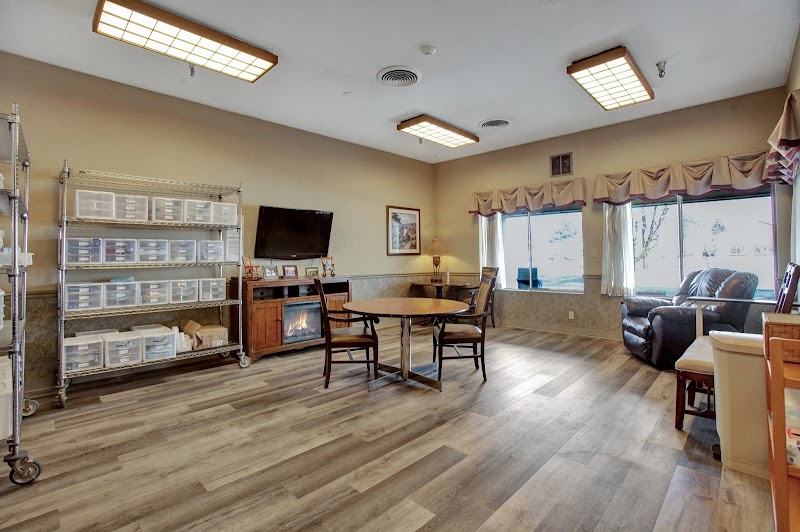
How is Mountain View Post Acute Staffed?

CMS rates MOUNTAIN VIEW POST ACUTE's staffing level at 1 out of 5 stars, which is much below average compared to other nursing homes. Staff turnover is 56%, which is 10 percentage points above the Washington average of 46%. High turnover can affect care consistency as new staff learn residents' individual needs. RN turnover specifically is 81%, which is notably high. RNs provide skilled clinical oversight, so turnover in this role can affect medical care quality.

What Have Inspectors Found at Mountain View Post Acute?

State health inspectors documented 62 deficiencies at MOUNTAIN VIEW POST ACUTE during 2022 to 2025. These included: 6 that caused actual resident harm, 54 with potential for harm, and 2 minor or isolated issues. Deficiencies causing actual harm indicate documented cases where residents experienced negative health consequences.
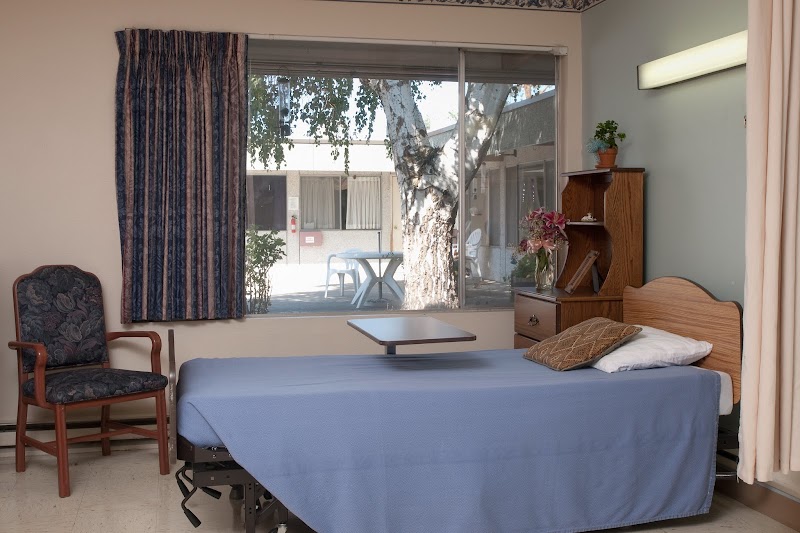
Who Owns and Operates Mountain View Post Acute?

MOUNTAIN VIEW POST ACUTE is owned by a for-profit company. For-profit facilities operate as businesses with obligations to shareholders or private owners. The facility is operated by PRESTIGE CARE, a chain that manages multiple nursing homes. With 74 certified beds and approximately 65 residents (about 88% occupancy), it is a smaller facility located in ELLENSBURG, Washington.
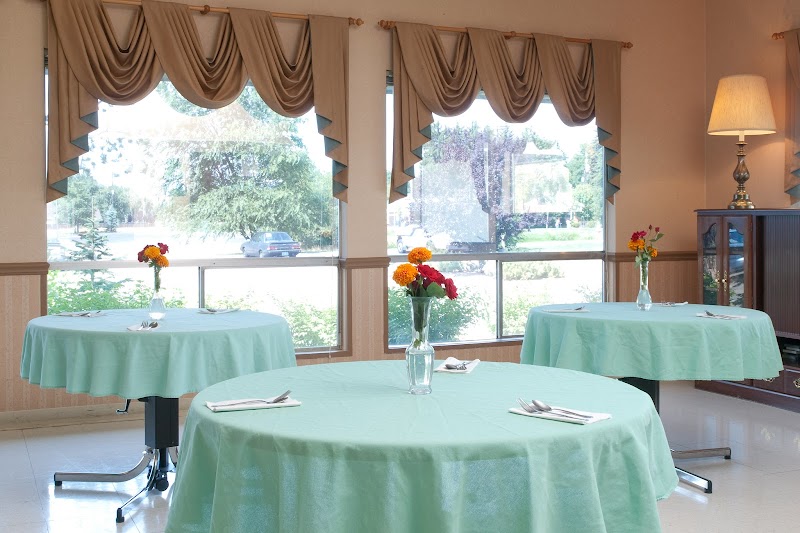
How Does Mountain View Post Acute Compare to Other Washington Nursing Homes?

Compared to the 100 nursing homes in Washington, MOUNTAIN VIEW POST ACUTE's overall rating (1 stars) is below the state average of 3.2, staff turnover (56%) is near the state average of 46%, and health inspection rating (1 stars) is much below the national benchmark.

What Should Families Ask When Visiting Mountain View Post Acute?

Based on this facility's data, families visiting should ask: "What safeguards and monitoring systems are in place to protect residents from abuse or neglect?" "How do you ensure continuity of care given staff turnover, and what is your staff retention strategy?" "Can you walk me through typical staffing levels on day, evening, and night shifts?" "Can I visit during a mealtime to observe dining assistance and food quality?" These questions are particularly relevant given the substantiated abuse finding on record, the facility's high staff turnover rate, and the below-average staffing rating.

Is Mountain View Post Acute Safe?

Based on CMS inspection data, MOUNTAIN VIEW POST ACUTE has documented safety concerns. The facility has 1 substantiated abuse finding (meaning confirmed case of resident harm by staff or other residents). The facility has a 1-star overall rating and ranks #100 of 100 nursing homes in Washington. Families considering this facility should ask detailed questions about what corrective actions have been taken since these incidents.

Do Nurses at Mountain View Post Acute Stick Around?

Staff turnover at MOUNTAIN VIEW POST ACUTE is high. At 56%, the facility is 10 percentage points above the Washington average of 46%. Registered Nurse turnover is particularly concerning at 81%. RNs handle complex medical decisions and coordinate care — frequent RN changes can directly impact care quality. High turnover means new staff may not know residents' individual needs, medications, or preferences. It can also be disorienting for residents, especially those with dementia who rely on familiar faces. Families should ask: What is causing the turnover? What retention programs are in place? How do you ensure care continuity during staff transitions?

Was Mountain View Post Acute Ever Fined?

MOUNTAIN VIEW POST ACUTE has been fined $244,170 across 5 penalty actions. This is 6.9x the Washington average of $35,521. Fines at this level are uncommon and typically indicate a pattern of serious deficiencies, repeated violations, or failure to correct problems promptly. CMS reserves penalties of this magnitude for facilities that pose significant, documented risk to resident health or safety. Families should request specific documentation of what issues led to these fines and what systemic changes have been implemented.

Is Mountain View Post Acute on Any Federal Watch List?

MOUNTAIN VIEW POST ACUTE is not on any federal watch list. The most significant is the Special Focus Facility (SFF) program, which identifies the bottom 1% of nursing homes nationally based on persistent, serious quality problems. Not being on this list means the facility has avoided the pattern of deficiencies that triggers enhanced federal oversight. This is a positive indicator, though families should still review the facility's inspection history directly.