COTTESMORE OF LIFE CARE


2909 14TH AVENUE NORTHWEST, GIG HARBOR, WA 98335 (253) 851-5433
For profit - Limited Liability company 108 Beds LIFE CARE CENTERS OF AMERICA Data: November 2025
Trust Grade
58/100
#61 of 190 in WA
Last Inspection: January 2025

Within standard 12-15 month inspection cycle. Federal law requires annual inspections.

Overview

Cottesmore of Life Care holds a Trust Grade of C, which means it is average and sits in the middle of the pack among nursing homes. It ranks #61 out of 190 facilities in Washington, placing it in the top half overall, and #9 out of 21 in Pierce County, indicating that only a few local options are better. However, the facility's trend is worsening, with issues increasing from 8 in 2024 to 19 in 2025. Staffing is rated average with a 52% turnover, meaning staff do not stay as long as they should, which could impact resident care. The facility has accumulated $18,233 in fines, which is concerning but average compared to other facilities. It also has more RN coverage than many facilities, which is beneficial since RNs can spot potential problems that CNAs may miss. However, there have been serious incidents, such as failing to administer prescribed blood thinner medications to three residents, resulting in harm to one who experienced stroke symptoms. Another resident developed a serious pressure injury due to inadequate monitoring of their skin under a brace. Additionally, there were concerns about food safety in the kitchen, risking residents’ health due to expired or spoiled food. Overall, while there are some strengths, the recent issues highlighted raise significant concerns for families considering this facility.

Trust Score
C
58/100
In Washington
#61/190
Top 32%
Safety Record
Moderate
Needs review
Inspections
Getting Worse
8 → 19 violations
Staff Stability
⚠ Watch
52% turnover. Above average. Higher turnover means staff may not know residents' routines.
Penalties
⚠ Watch
$18,233 in fines. Higher than 84% of Washington facilities, suggesting repeated compliance issues.
Skilled Nurses
✓ Good
Each resident gets 61 minutes of Registered Nurse (RN) attention daily — more than 97% of Washington nursing homes. RNs are the most trained staff who catch health problems before they become serious.
Violations
⚠ Watch
52 deficiencies on record. Higher than average. Multiple issues found across inspections.
★★★★☆
4.0
Overall Rating
★★★☆☆
3.0
Staff Levels
★★★★★
5.0
Care Quality
★★★☆☆
3.0
Inspection Score
Stable
2024: 8 issues
2025: 19 issues

The Good

  • 5-Star Quality Measures · Strong clinical quality outcomes
  • Full Sprinkler Coverage · Fire safety systems throughout facility
  • No fines on record

Facility shows strength in quality measures, fire safety.

The Bad

Staff Turnover: 52%

Near Washington avg (46%)

Higher turnover may affect care consistency

Federal Fines: $18,233

Below median ($33,413)

Minor penalties assessed

Chain: LIFE CARE CENTERS OF AMERICA

Part of a multi-facility chain

Ask about local staffing decisions and management

The Ugly 52 deficiencies on record

2 actual harm
Aug 2025 1 deficiency 1 Harm
SERIOUS (G) 📢 Someone Reported This

A family member, employee, or ombudsman was alarmed enough to file a formal complaint

Actual Harm - a resident was hurt due to facility failures

Deficiency F0760 (Tag F0760)

A resident was harmed · This affected 1 resident

**NOTE- TERMS IN BRACKETS HAVE BEEN EDITED TO PROTECT CONFIDENTIALITY** Based on interview and record review, the facility failed to ensure residents were administered their ordered anticoagulation (b...

Read full inspector narrative →
**NOTE- TERMS IN BRACKETS HAVE BEEN EDITED TO PROTECT CONFIDENTIALITY** Based on interview and record review, the facility failed to ensure residents were administered their ordered anticoagulation (blood thinner-to reduce the risk of the formation of blood clots) medication for 3 of 15 sampled residents (Resident 1, 2, and 3) reviewed for significant medication errors. Resident 3 experienced harm when they did not receive anticoagulation medication as ordered for 17 days due to a medication reconciliation error and had a decline in condition that included signs and symptoms of a stroke (a medical condition that occurs when blood flow to the brain is interrupted or reduced, leading to brain tissue damage) that required transport to the emergency room (ER) for evaluation and treatment. This failure placed residents who were prescribed anticoagulant medications at risk for medical complications, injury and a decreased quality of life. Findings included .Review of the facility policy titled Coumadin (warfarin sodium) Therapy, reviewed 09/16/2024, states 2. The coumadin order should specify the following:A. Name of medicationB. Strength of medicationC. DosageD. Frequency of medicationE. Route of administrationF. Duration of therapyG. Diagnosis or indication for useH. Coagulation test (PT and INR are recomme3nded to be drawn at least monthly) <Resident 3> Review of Resident 3's admission Minimum Data Set (MDS, a required assessment tool), dated 06/27/2025, showed Resident 3 originally admitted on [DATE] with multiple diagnosis which included atrial fibrillation (a common heart rhythm disorder where the upper chambers of the heart beat irregularly and rapidly), hemiplegia and hemiparesis following cerebral infarction affecting left non-dominant side (a stroke with weakness of one side of the body). The MDS documented Resident 3 was severely cognitively impaired. A review of the August 2025 electronic medication administration record (eMAR) documented Resident 3 was ordered Rivaroxaban (an anticoagulant). The eMAR documented Resident 3 did not receive 17 doses of Rivaroxaban between the dates of 07/12/2025-07/28/2025. The missed doses occurred on: 07/12/2025 07/13/2025 07/14/2025 07/15/2025 07/16/2025 07/17/2025 07/18/2025 07/19/2025 07/20/2025 07/21/2025 07/22/2025 07/23/2025 07/24/2025 07/25/2025 07/26/2025 07/27/2025 07/28/2025 The electronic health record (EHR) for Resident 3, documented on 06/25/2025, a provider ordered Rivaroxaban oral tablet 20 milligrams (MG) give one tablet by mouth one time a day for atrial fibrillation with a start date of 06/25/2025. This order was discontinued on 07/11/2025 at 8:56 PM with no corresponding progress note indicating the reasoning. A progress note, dated 07/28/2025 at 08:45 AM, documented At approx. 8:30 AM, resident was being toileted by CNA [certified nursing assistant]. He was fine getting on to toilet but when she went to take him off toilet, his left side went limp, he developed L [left side] sided facial droop, slurred speech and L arm and leg appear flaccid. 911 was called immediately and he was taken to [hospital] at approx. 08:45 AM. Wife notified and will meet him in ER. Review of hospital records, dated 07/28/2025, showed Resident 3 was admitted to the hospital with an ischemic stroke, left sided weakness. Resident 3's stroke scale went from an eight to a 12 while in the hospital for two days. On 08/14/2025 at 1:47 PM, Staff C, Resident Care Manager (RCM)/Licensed Practical Nurse (LPN), said she was in Resident 3's orders to change his Entresto (heart medication) order from a pill form to a liquid form. Staff C said, the Rivaroxaban order was accidentally discontinued on 07/11/2025 while she was changing the Entresto order to liquid form. Staff C said, she was not sure what happened. Staff C said this resident should have continued getting the Rivaroxaban daily. When asked how many days Resident 3 did not receive Rivaroxaban. Staff C said, Resident 3 did not receive the medication for 17 days (07/11/2025-07/28/2025) with Resident 3 discharging to the ER on [DATE] for a change in condition. On 8/18/2025 at 4:03 PM a form titled, Performance Improvement Action Plan (PIP), Process: Anticoagulant care was submitted by the Director of Nursing Services to The Department. The PIP describes: International Normalized Ratio (INR-a blood test to assess the clotting ability of the blood) records with anticoagulant orders will be reviewed daily in clinicalResident Care Mangers will enter all anticoagulant orders and must be signed off with a 2nd nurse signature validating accuracy of ordersAnticoagulant education initiated with nursing staff <Resident 1>Review of Resident 1's annual MDS, dated [DATE], showed Resident 1 originally admitted on [DATE] with multiple diagnosis which included atrial fibrillation, presence of prosthetic heart valve (an artificial replacement for a damaged or diseased heart valve used to restore proper blood flow through the heart), and history of other venous thrombosis and embolism (thrombosis refers to the formation of a blood clot inside a blood vessel and an embolism occurs when a blood clot travels through the bloodstream and blocks a blood vessel causing a blockage). The MDS documented Resident 1 was cognitively intact. A review of the August 2025 electronic medication administration record (eMAR) documented Resident 1 was ordered Warfarin (an anticoagulant). The eMAR documented Resident 1 did not receive five doses of Warfarin between the dates of 08/13/2025-08/17/2025. The missed doses occurred on: 08/13/2025 08/14/2025 08/15/2025 08/16/2025 08/17/2025 The Warfarin flow sheet (an ongoing working form) for Resident 1 documented an order was received on 08/12/2025 that read Warfarin Sodium Oral tablet give 4.5 MG every evening with a stop date of 08/17/2025. The EHR for Resident 1 documented on 08/12/2025 the transcribed order for Warfarin Sodium Oral tablet give 4.5 MG by mouth one time only for warfarin related to chronic combined systolic and diastolic heart failure (the heart chambers have difficulty both pumping blood effectively and relaxing and filling with blood properly) until 08/17/2025 23:59. This Warfarin order was placed with an inaccurate time code for administration, one time only versus daily.On 08/18/2025 at 3:07 PM, when asked about the Warfarin flow sheet and the missed doses of coumadin for Resident 1, Staff B, RCM/Registered Nurse (RN), was able to show where the flow sheet was updated correctly. Staff B said, the Warfarin order for Resident 1was put in with the correct start date and end date but as a one-time only order instead of daily. Staff B said, the Warfarin order was put into the computer incorrectly. Staff B said, Resident 1 should have received Warfarin on the dates of 08/13/2025, 08/14/2025, 08/15/2025, 08/16/2025, and 08/17/2026. Staff B said, the Warfarin flow sheet documented an order was received on 08/12/2025 for Warfarin 4.5 MG by mouth daily until 08/17/2025. Staff B said, the Licensed Nurse (LN) unfortunately entered the order incorrectly into the eMAR. Staff B said, the Warfarin order was put in with the correct dosage, start date, and stop date but instead of daily it was put in as one time only. The start date was 08/12/2025 and the stop date was 08/17/2025 so when the LN signed the eMAR as administered on 08/12/2025 the order completed itself. Staff B said, Resident 1 did not receive Warfarin on 08/13/2025, 08/14/2025. 08/15/2025, 08/16/2025, or 08/17/2025 and Resident 1 should have. Staff B said, for order reconciliation the RCMs should be looking at the orders written for accuracy daily. <Resident 2>Review of Resident 2's admission MDS dated [DATE], showed Resident 2 admitted on [DATE] with multiple diagnosis which included atrial fibrillation. The MDS documented Resident 2 was moderately cognitively impaired. A review of the August 2025 eMAR documented Resident 2 was ordered Warfarin. The eMAR documented Resident 2 did not receive one dose of Warfarin on 08/07/2025. The Warfarin flow sheet for Resident 2 documented an order was received on 08/04/2025 that read Warfarin Sodium Oral tablet give 2.5 MG every Thursday starting on 08/07/2025 with no stop date indicated. This order was discontinued on 08/07/2025 (Thursday) at 11:59 AM prior to the dose to be administered at 5:00 PM. The EHR for Resident 2 documented on 08/04/2025 provider ordered Warfarin Sodium Oral tablet give 2.5 MG by mouth every Thursday for atrial fibrillation to start on 08/07/2025 which the computer placed as the first dose to be given on the following Thursday. On 08/18/2025 at 3:40 PM, Staff C, RCM/LPN, was asked why Resident 2 did not receive their Warfarin on 08/07/2025 and 08/08/2025. Staff C said, Resident 2 had orders for Warfarin 5mg one time a day on Monday, Tuesday, Wednesday, Friday, Saturday, and Sunday with a start date of 08/04/2025 which was discontinued on 08/07/2025 and an order dated 08/04/2025 to start on 08/07/2025 (Thursday) for Warfarin 2.5 MG one time a day every Thursday at 1700. This order was discontinued on 08/07/2025 at 11:39 AM. Staff C said, it looks like Warfarin was held on 08/08/2025. Staff C said, Resident 2 should have received the Warfarin on 08/07/2025.On 08/18/2025 at 4:03 PM, Staff A, Director of Nursing Services (DNS)/RN said, Resident 3 had an order for Rivaroxaban that was discontinued in error. Staff A said, the Rivaroxaban order should not have been discontinued, and Resident 3 should have continued to receive it daily. Staff A said, Staff B had reported to Staff A the discrepancy in the Warfarin order for Resident 1 and immediately did an audit for all anticoagulants to ensure accuracy. Staff A said, the Warfarin order for Resident 1 was placed incorrectly into the eMAR resulting in the resident missing five doses of Warfarin on the dates of 08/13/2025, 08/14/2025, 08/15/2025, 08/16/2025, and 08/17/2025. Staff A said, the Warfarin order for Resident 2 was discontinued prior to the dose that was to be administered on 08/07/2025 preventing the resident from getting the dose for that day. Staff A said she was not aware of a policy for order reconciliation.Reference: WAC 388-97-1060(3)(k)(iii).
Jan 2025 18 deficiencies
CONCERN (D)

Potential for Harm - no one hurt, but risky conditions existed

Deficiency F0578 (Tag F0578)

Could have caused harm · This affected 1 resident

**NOTE- TERMS IN BRACKETS HAVE BEEN EDITED TO PROTECT CONFIDENTIALITY** . Based on interview and record review, the facility failed to periodically review residents advanced directive (AD, a legal doc...

Read full inspector narrative →
**NOTE- TERMS IN BRACKETS HAVE BEEN EDITED TO PROTECT CONFIDENTIALITY** . Based on interview and record review, the facility failed to periodically review residents advanced directive (AD, a legal document that states your wishes for medical care if you are unable to make decisions for yourself) for 1 of 4 sampled residents (Resident 32) when reviewed for advanced directive. This failure placed the resident at risk of not having an established decisionmaker, lack of ability to direct care, and a diminished quality of life. Findings included . Review of the electronic health record (EHR) showed Resident 32 readmitted to the facility on [DATE] with diagnoses that included heart failure and kidney failure. Resident 32 was able to make needs known. Review of a document titled Attachment H showed Resident 32 received information regarding establishing an AD on 02/26/2024. During an interview on 01/08/2025 at 2:07 PM, Staff F, Social Services Director (SSD), stated the facility informed residents of their right to formulate an AD on admission and the residents signed Attachment H once they received this information. Staff F stated the facility periodically reviewed the AD during care conferences. During an interview on 01/10/2025 at 10:43 AM, Staff F stated Resident 32 received information about formulating an AD on 02/26/2024 and had not had periodic review until 01/08/2025. During an interview on 01/13/2025 at 9:56 AM, Staff C, Regional [NAME] President, stated residents were informed of their right to formulate an AD on admission and the AD was reviewed quarterly. Reference WAC 388-97-0280 (3)(c)(i-ii), -0300 (1)(b), (3)(a-c) .
CONCERN (D)

Potential for Harm - no one hurt, but risky conditions existed

Safe Environment (Tag F0584)

Could have caused harm · This affected 1 resident

**NOTE- TERMS IN BRACKETS HAVE BEEN EDITED TO PROTECT CONFIDENTIALITY** Resident 50 Review of Resident 50's EHR showed the resident admitted to the facility on [DATE] with diagnoses to include muscle...

Read full inspector narrative →
**NOTE- TERMS IN BRACKETS HAVE BEEN EDITED TO PROTECT CONFIDENTIALITY** Resident 50 Review of Resident 50's EHR showed the resident admitted to the facility on [DATE] with diagnoses to include muscle weakness, need for assistance with personal care, depression, and was able to make needs known. Multiple observations on 01/07/2025, 01/08/2025, 01/09/2025, 01/10/2025 and 01/13/2025 showed Resident 50's over the bed light fixture metal pull cord had a clear plastic garbage bag tied to the end of a metal pull cord. During an interview on 01/07/2025 at 11:36 AM, Resident 50 stated that a staff member had tied the plastic bag to the overbed light cord so they could reach the cord to turn off and on the light fixture. During an interview on 01/13/2025 at 11:40 AM, Staff H, Floor Technician, stated they worked in the housekeeping and maintenance departments for about three years. Staff H stated that Resident 50's plastic bag attached to the overbed light fixture pull cord should not be there because it was not a cleanable surface. Staff H stated they were not aware that the bag was there. Reference WAC 388-97-0880 Based on observation, interview, and record review, the facility failed to ensure residents' personal items were safe for 1 of 5 sampled residents (Resident 64) when reviewed for Personal Property and failed to ensure residents' rooms were homelike for 1 of 6 sampled residents (Resident 50) when reviewed for environment. These failures placed residents at risk of financial exploitation, feelings of worthlessness, decreased mood, and a diminished quality of life. Findings included . Resident 64 Review of the electronic health record (EHR) showed Resident 64 admitted to the facility on [DATE] with diagnoses of dementia (a group of brain conditions that cause a decline in mental abilities) and cognitive communication deficit (difficulty in communicating). Review of the modification of quarterly minimum data set assessment (MDS), an assessment tool, dated 11/25/2024, showed Resident 64's vision was adequate with corrective lenses. During an interview and observation on 01/09/2025 at 10:57 AM, Resident 64 stated they lost their glasses approximately a week prior and told facility staff they were missing. Observation showed a clear glasses case on the resident's overbed table which was empty. During an interview on 01/10/2025 at 11:18 AM, Resident 64 stated their glasses were still lost and they could not read without them. Review of an inventory list, dated 08/05/2024, showed Resident 64 admitted to the facility with glasses which were black with multicolor on the side. Observation on 01/13/2025 at 9:31 AM, showed Resident 64 in bed with eyes closed. Observation showed the clear glasses case was empty on the overbed table. Review of the facility grievance log from July 2024 to 01/13/2025 showed no grievance logged for Resident 64's missing glasses. During an interview on 01/13/2025 at 11:03 AM, Staff X, Certified Nursing Assistant (CNA), stated Resident 64 had lost their glasses a few days ago. Staff X stated they had not initiated a grievance for Resident 64's missing glasses. During an interview on 01/13/2025 at 11:12 AM, Staff F, Social Services Director (SSD), stated missing items should be written on a grievance form for Staff A, Administrator, to process. Staff F stated Staff A was currently out of the building and the grievance process was being handled by Staff T, Assistant Director of Nursing Services (ADON). During an interview on 01/13/2025 at 11:14 AM, Staff T stated when a missing item was reported to facility staff a grievance form should be generated. Staff T stated there was no grievance for Resident 64's missing glasses and this did not meet expectation. During an interview on 01/13/2025 at 11:57 AM, Staff C, Regional [NAME] President, stated facility staff should fill out a grievance form when a resident reported missing items. Staff C stated when Resident 64 reported their missing glasses facility staff should have completed a grievance form so the facility could search for them and coordinate obtaining new glasses, if needed.
CONCERN (D)

Potential for Harm - no one hurt, but risky conditions existed

Pressure Ulcer Prevention (Tag F0686)

Could have caused harm · This affected 1 resident

**NOTE- TERMS IN BRACKETS HAVE BEEN EDITED TO PROTECT CONFIDENTIALITY** . Based on observation, interview, and record review, the facility failed to implement pressure ulcer care for 2 of 4 sampled re...

Read full inspector narrative →
**NOTE- TERMS IN BRACKETS HAVE BEEN EDITED TO PROTECT CONFIDENTIALITY** . Based on observation, interview, and record review, the facility failed to implement pressure ulcer care for 2 of 4 sampled residents (Residents 78 and 72) reviewed for pressure injuries (injuries to skin and underlying tissue resulting from prolonged pressure on the skin). This failure placed the resident at risk for worsening pressure injuries, pain, and a decreased quality of life. Findings included . Review of a policy titled, Skin Integrity and Pressure Ulcer/Injury Prevention and Management, dated 07/09/2024, showed staff were to provide treatment and care of the resident wounds utilizing professional standards of the National Pressure Injury Advisory Panel (NPIAP). The facility must ensure resident care was provided to pressure ulcers consistent with professional standards of practice to promote healing and prevent infection. Resident 78 Review of the admission minimum data set (MDS, a required assessment tool), dated 11/04/2024, showed Resident 78 admitted on [DATE] with multiple diagnoses to include heart disease, stroke, muscle weakness, dysphagia (a condition related to difficulty or discomfort in swallowing), and constipation. The MDS showed the resident was able to make needs known and was dependent upon staff with activities of daily living (ADLs). The electronic health record (EHR) showed the resident had a pressure ulcer to the sacrum (the area of the lower back at the base of the spine and in the center of the pelvis). Review of Resident 78's focus care plan, dated 11/21/2024, showed the resident was at risk for unavoidable pressure injury development and interventions directed licensed nurses (LNs) to provide treatment as ordered. Observation and interview on 01/07/2024 at 2:18 PM, showed Resident 78 sat up in a wheelchair within their room. The resident stated they had a pressure wound on their buttocks area and staff provided wound treatment to that area but was unable to state whether it was healing, how large the wound was to the area or the treatment that was being provided. Review of Resident 78's providers orders showed they had a referral to outside wound provider for evaluation and treatment as indicated, dated 11/14/2024. The provider ordered additional wound care treatment (12/16/2024) to be provided to the resident's sacrum pressure wound with wound cleanser, allow to dry and apply medi honey (a wound mixture which contains compounds which contributes to antibacterial wound activity) every day and when necessary. Review of the outside wound provider notes dated 01/02/2025 and 01/09/2025 showed the provider had provided extensive treatment to Resident 78's sacral pressure wound that consisted of wound debridement (a procedure that removes dead or unhealthy tissue form a wound to help it heal). The outside wound provider had ordered a change in the resident's wound treatment that consisted of LNs to clean the resident's sacral wound with Dakins (a disinfectant wound cleanser) and for the LN to apply skin prep to the peri wound (area around the wound) and allow to dry, apply Santyl (a treatment method that assists in removing dead tissue from the wound bed while preserving healthy tissue) and fill the sacral cavity with moistened gauze and cover with a dry dressing every shift and when necessary if dislodged. Review of Resident 78's Treatment Administration Records (TAR) on 01/10/2025 at 10:46 AM, showed the outside wound provider's new treatment orders had not been transcribed / updated and the resident continued the previous sacral pressure wound orders. During an interview on 01/10/2025 at 9:04 AM, Staff U, Licensed Practical Nurse/Unit Care Coordinator (LPN/UCC), stated they did not follow the outside wound provider recently on 01/02/2025 or 01/09/2025 when they had provided treatment to Resident 78's sacral wound; however, Staff U stated the usual process would be for the facility LN to assist the outside wound provider in repositioning the residents for wound care and outside wound provider provided the actual wound measurements and treatment during these rounds. Staff U stated the outside wound provider faxed or emailed one of the Resident Care Mangers (RCM) who printed off the recommendations and updated the residents' orders. During an interview on 01/10/2025 at 9:47 AM, Staff V, LPN, stated the outside wound provider's additional recommendation was received on Thursday 01/09/2025 and they did not have access to those outside wound provider recommendations, but they had received them this AM from another LN. Staff V stated the medication orders that were recommended recently by the outside wound provider had been placed on hold by the facility's provider until an x-ray was obtained first for the resident; however, Staff V was unaware of the changes in the outside wound provider's treatment orders. During an interview on 01/10/2025 at 10:33 AM, Staff B, Director of Nursing Services, stated the expectation would be for the LN's who had received the recommendation from the outside wound provider on 01/02/2025 and 01/09/2025 would implement those orders as directed so that the LNs could start the correct treatment to the resident's (sacral) wound. Resident 72 Resident 72 admitted to the facility on [DATE] with diagnoses of left tibial vein thrombosis (a blood clot in the left leg), chronic obstructive pulmonary disease (COPD, a disease that effects one's ability to breath), peripheral vascular disease (PVD, a disease that restricts the flow of blood in the legs), pulmonary edema (fluid buildup in the lungs) and Alzheimer's disease (a disease that effects one's memory). Review of the admission skin assessment, dated 12/03/2024, showed the resident had red mushy heels on admission. Review of the admission MDS, dated [DATE], showed Resident 72 had no unhealed pressure injuries. Review of the weekly skin assessments dated 12/10/2024, 12/17/2024, 12/24/2024 and 12/31/2024 showed Resident 72 had blanchable redness to the right heel and a black bruise to the left heel. There was no weekly skin assessment completed on 01/07/2025. Observation on 01/07/2025 at 1:20 PM showed Resident 72 sat on the edge of the bed with both feet appearing swollen and red. A bandage was noted on the left lower leg with drainage visible. The resident was grimacing and holding their left leg. Observation on 01/08/2025 at 2:09 PM showed Resident 72 sat in a wheelchair in the day room watching TV. There was a dressing in place to the left shin with discolored drainage on sock. The resident had on a pair of tennis shoes. Observation on 01/09/2025 at 10:26 AM showed Resident 72 up in a wheelchair independently moving down the hall. The resident's sock was wet with drainage on the left ankle. Observation and interview on 01/10/2025 at 10:27 AM showed Resident 72 with Staff J and an unidentified therapy staff who raised the resident's feet and both heels were noted to have round black/brown hard areas with the left larger than the right. Both staff stated these were new wounds. Review of the EHR on 01/13/2025 showed no documentation that the provider was notified of Resident 72's black/brown heels. There was no documentation found of Staff R, Advanced Registered Nurse Practitioner, assessing the resident. Review of the EHR on 01/13/2025 showed no wound assessment or notes addressing pressure injuries to bilateral heels. During an interview on 01/13/2025, Staff B, Director of Nursing Services, stated they had not been notified of a new or worsened pressure injury for Resident 72. It was their expectation the provider be notified, and an incident investigation be started and care plan or orders be updated for any new or worsened pressure injuries but this did not happen for Resident 72. Reference WAC 388-97 -1060 (3)(b) .
CONCERN (D)

Potential for Harm - no one hurt, but risky conditions existed

Deficiency F0692 (Tag F0692)

Could have caused harm · This affected 1 resident

**NOTE- TERMS IN BRACKETS HAVE BEEN EDITED TO PROTECT CONFIDENTIALITY** Resident 32 Review of the EHR showed Resident 32 readmitted to the facility on [DATE] with diagnoses that included heart failure...

Read full inspector narrative →
**NOTE- TERMS IN BRACKETS HAVE BEEN EDITED TO PROTECT CONFIDENTIALITY** Resident 32 Review of the EHR showed Resident 32 readmitted to the facility on [DATE] with diagnoses that included heart failure, kidney failure, and diabetes (too much sugar in the blood). Resident 32 was able to make needs known. Review of Resident 32's modified annual minimum data set assessment (MDS, a required assessment), dated 12/11/2024, showed the resident received dialysis and received a mechanically altered and therapeutic diet (a meal plan that is designed to treat a medical condition or symptom). During an interview and observation on 01/08/2025 at 8:46 AM, Resident 32 stated they did not think they were on a special diet and did not think they were on a fluid restriction; however, there was a sign posted on the wall above the resident's bed that showed, No Water Pitcher at bedside Fluid Restriction. Review of the provider order, dated 01/03/2023, showed Resident 32 was prescribed an 1800 milliliter (ml) fluid restriction. Nursing to provide 240 ml on day shift, 240 ml on evening shift, and 240 ml on night shift. Fluids from the kitchen for meals: Breakfast 360 ml, lunch 360 ml, dinner 360 ml related to end stage renal disease (kidney failure). Review of Resident 32's January 2025 medication administration record (MAR) from 01/01/2025 - 01/08/2025, showed the provider order dated 01/03/2025 for 1800 ml per day fluid restriction which included what should be provided by nursing (for each shift) and the kitchen (for each meal) had missing documentation. Fifteen out of seventeen opportunities were documented with an X and not the ml of fluid consumed. During an interview on 01/09/2025 at 1:30 AM, Staff W, CNA, stated they did not document how much residents drank that were on fluid restrictions but was to inform the nurse how much they drank during their shift. Staff W stated they knew that Resident 32 was on fluid restrictions and only gave fluids provided during meals. Staff W did not know how much fluids Resident 32 was allowed to consume during their shift. During an interview on 01/09/2025 at 1:38 PM, Staff L, Registered Nurse, stated they documented how much fluid a resident consumed that was on fluid restrictions during medication administration in the resident's MAR. Staff L stated the CNA kept track of what residents drank during meals but was not sure where the CNA documented what they gave. Staff L stated they did not document what fluids the CNA gave to residents during meals on the MAR. During an interview on 01/09/2025 at 2:08 PM, Staff M, Registered Nurse/Unit Care Coordinator (RN/UCC), stated the CNA were to report to the nurses how much fluids were consumed during their shift for residents on fluid restriction and the nurses were to document total fluids consumed for medication pass and what fluids the CNA provided in the MAR. Staff M stated that Resident 32's January 2025 MAR documentation did not meet expectations because fluids consumed should have been documented and that did not happen for Resident 32. During an interview on 01/09/2025 at 3:57 PM Staff B, DNS, stated the January 2025 MAR was missing documentation of fluids consumed by Resident 32 and this did not meet expectations. Reference WAC 388-97-1060 (3)(h)(i) Based on observation, interview, and record review, the facility failed to provide adequate fluids to maintain hydration for 1 of 2 sampled residents (Resident 40) when reviewed for hydration and failed to monitor and accurately document fluids consumed to ensure fluid restrictions were implemented per provider's orders for 1 of 5 sampled residents (Residents 32) reviewed for nutrition and/or dialysis (treatment to filter wastes and water from the blood). This failure placed residents at risk for over hydration, avoidable discomfort, and a diminished quality of life. Resident 40 Review of the electronic health record (EHR) showed Resident 40 admitted to the facility on [DATE] with diagnoses to include dementia and traumatic subarachnoid hemorrhage (a bleed in the brain). Review of the care plan, dated 12/04/2024, showed the resident was at risk for dehydration and had a diet which included regular thin liquids. The resident required assistance of two staff for transfers out of bed. Observation on 01/07/2025 at 1:11 PM, showed the resident sitting on the bedside. There were no fluids available in the room. The resident had dry lips and was frequently licking them while talking. Observation on 01/08/2025 at 9:01 AM, showed Resident 40 in bed. They were noted to be licking their lips and appeared to have a dry mouth when talking. There were no fluids available in the room. Observation on 01/09/2025 at 9:11 AM, showed Resident 40 in bed. There were no fluids available at the bedside. During an interview on 01/09/2025 at 11:04 AM, Resident 40 stated, I am so thirsty. My mouth is bone dry. During an interview on 01/09/2025 at 11:02 AM, Staff G, Certified Nursing Assistant (CNA), stated staff provided a water pitcher to residents during rounds twice a shift unless they had a fluid restriction. Staff G stated Resident 40 should have a water pitcher at the bedside. During an interview on 01/09/2025 at 1:37 PM, Staff B, Director of Nursing Services (DNS), stated it was their expectation that staff provide water at the bedside for Resident 40 and this did not meet their expectations.
CONCERN (D)

Potential for Harm - no one hurt, but risky conditions existed

Respiratory Care (Tag F0695)

Could have caused harm · This affected 1 resident

**NOTE- TERMS IN BRACKETS HAVE BEEN EDITED TO PROTECT CONFIDENTIALITY** . Based on observation, interview, and record review, the facility failed to manage oxygen therapy consistent with professional ...

Read full inspector narrative →
**NOTE- TERMS IN BRACKETS HAVE BEEN EDITED TO PROTECT CONFIDENTIALITY** . Based on observation, interview, and record review, the facility failed to manage oxygen therapy consistent with professional standards of practice and the comprehensive person-centered care plan by not ensuring provider's orders and care plans were in place and/or followed for 2 of 4 sampled residents (Residents 71 and 72) when reviewed of respiratory care. These failures placed residents at risk for unmet needs and a decreased quality of life. Resident 71 Review of the electronic health record (EHR) showed Resident 71 admitted to the facility on [DATE] with a diagnosis of congestive heart failure (CHF, when the heart is not able to pump enough blood causing fluid to build up in the lungs and/or limbs). The resident was able to make needs known. Review of the EHR on 01/08/2025 at 4:45 PM showed no care plan had been initiated for oxygen use. A provider order was found showing Resident 71 was ordered oxygen at two liters per minute continuously per nasal cannula (NC, a tube that inserts into the nose). During an interview and observation on 01/07/2025 at 12:12 PM, Resident 71 sat in a recliner chair. They had an oxygen concentrator running at one liter per minute and the tubing was curled up and stored on the bedside table. Resident 71 stated they had oxygen for if they needed it, and they had not used it for a week. Observation on 01/08/2025 at 2:15 PM showed Resident 71 sat in a recliner chair. The oxygen machine was running at one liter per minute and the tubing was curled up on bedside table not inserted to the resident's nose. During an interview on 01/09/2025 at 1:49 PM, Staff B, Director of Nursing Services, stated this did not meet their expectations and Resident 71's order should have been updated to as needed and a care plan should have been initiated. Resident 72 Resident 72 admitted to the facility on [DATE] with diagnoses of left tibial vein thrombosis (a blood clot in the left leg), chronic obstructive pulmonary disease (COPD, a disease that effects one's ability to breath), peripheral vascular disease (PVD, a disease that restricts the flow of blood in the legs), pulmonary edema (fluid build-up in the lungs), and Alzheimer's disease (a disease that effects ones memory). Observation on 01/07/2025 at 1:22 PM showed Resident 72 sat at their bedside. Oxygen was being administered through an nasal cannula at two liters per minute. Observation on 01/08/2025 at 2:09 PM showed Resident 72 sat up in their wheelchair. There was a portable oxygen tank attached to the back of their chair running at one liter per minute through a nasal cannula. Review of the EHR showed no care plan for oxygen therapy had been initiated and no order for oxygen use. During an interview on 01/10/2025 at 2:18 PM, Staff J, Registered Nurse, stated they would look at the provider's orders to see how much oxygen a resident required but could not find that for Resident 72. During an interview on 01/09/2025 at 1:55 PM, Staff B, DNS, stated Resident 72 should have an order and a care plan for oxygen therapy for respiratory issues but did not and this did not meet expectations. Reference WAC 399-97-1060 (3)(j)(vi) .
CONCERN (D)

Potential for Harm - no one hurt, but risky conditions existed

Deficiency F0697 (Tag F0697)

Could have caused harm · This affected 1 resident

**NOTE- TERMS IN BRACKETS HAVE BEEN EDITED TO PROTECT CONFIDENTIALITY** . Based on observation, interview, and record review, the facility failed to ensure staff provided adequate pain management in a...

Read full inspector narrative →
**NOTE- TERMS IN BRACKETS HAVE BEEN EDITED TO PROTECT CONFIDENTIALITY** . Based on observation, interview, and record review, the facility failed to ensure staff provided adequate pain management in a timely manner for 1 of 3 sampled residents (Resident 29) when reviewed for pain management. This failure had the potential for the resident to have a delay in treatment to receive the necessary pain medication as ordered, a diminished quality of life and unmet needs. Findings included . Review of a document titled, Pain Assessment and Management, dated 09/05/2024 showed the policy was based on the comprehensive assessment of a resident and the facility was to ensure the resident received the treatment and care in accordance with professional standards of practice, the comprehensive care plan, and the resident's choices related to pain management. Review of Resident 29's admission minimum data set (MDS, a required assessment tool), dated 07/29/2024, showed the resident admitted on [DATE] with multiple health conditions including heart and kidney disease, osteoarthritis (a chronic disease that breaks down joint cartilage and bone, causing pain, stiffness, and swelling) and chronic pain. The electronic health record (EHR) showed the resident had a history of traumatic fractures and was able to make their needs known. Review of Resident 29's care plan, revised on 01/03/2025, showed a focus care plan for pain related to degenerative joint disease (DJD), osteoarthritis, joint disorders, and history of fractures. The goal was for the resident to express pain relief through the review date. Interventions included an acceptable pain level 5/10 on a numeric pain scale. Licensed Nurses (LNs) were to evaluate the effectiveness of pain interventions and administer pain medication as ordered. Review of a document titled, Pain Evaluation Tool, dated 10/19/2024 showed Resident 29 was evaluated by LN who document the resident's stated physical activity and mobility was affected by pain and the administration of the pain medication MS Contin (a narcotic pain medication) was effective in their treatment and alleviating their pain. Observation and interview on 01/07/2025 at 2:30 PM, showed Resident 29 laid in bed within their room and stated they had a pain level on a scale of 8 over 10 pain (with 10 being severe pain). The resident stated they told the LN staff all the time they were in pain but noted the LNs don't want to give me any of my MS Contin. Review of Resident 29's MDS Section J (Pain Management) for 10/28/2024 and 12/12/2024 showed Pain Assessments were conducted by LNs who had documented the resident had pain or was hurting in the last five days and was frequent. The LNs had documented the resident was asked to rate their pain within the last five days on a scale 0-10 with zero being no pain and a 10 as the worst pain you could imagine. The LN documented on both occasions the resident indicated an 8. Review of Resident 29's October 2024 medication administration records (MAR) showed a provider's order dated 09/05/2024 for LNs to administered as needed MS Contin 15 milligrams (MG) as needed for pain 5-10/10 related to chronic pain syndrome. The MAR showed the LNs had documented the resident had been administered the narcotic MS Contin on four separate occasions: 10/06/2024, 10/10/2024, 10/12/2024 and 10/13/2024. Resident 29's pain scale was documented to range between 7-10 /10 range. The LNs had documented that the administration of the MS Contin was effective in reducing the resident's pain level. Review of the resident's MARs for November 2024, December 2024, and January 2025 through 01/08/2025 showed no MS Contin was documented as being administered to Resident 29. During an interview on 01/09/2025 at 9:04 AM, Resident 29 continued to state they complained of pain every day; however, the LNs did not give them any MS Contin. During an interview on 01/09/2025 at 9:10 AM, Staff K, Registered Nurse, stated the resident had a provider's order for MS Contin for break-through pain; however, the resident had not requested it from them. During an interview on 01/09/2025 at 10:35 AM, Staff B, Director of Nursing Services, stated it was their expectation the providers order for MS Contin should have been administered especially for any for break through pain as indicated on the MDS pain assessments and stated the LNs should conduct accurate daily pain assessments and administer the pain medication MS Contin as directed. Reference WAC 388-97-1060 (1) .
CONCERN (D)

Potential for Harm - no one hurt, but risky conditions existed

Deficiency F0698 (Tag F0698)

Could have caused harm · This affected 1 resident

**NOTE- TERMS IN BRACKETS HAVE BEEN EDITED TO PROTECT CONFIDENTIALITY** . Based on interview and record review, the facility failed to obtain an agreement/contract with a resident's dialysis provider ...

Read full inspector narrative →
**NOTE- TERMS IN BRACKETS HAVE BEEN EDITED TO PROTECT CONFIDENTIALITY** . Based on interview and record review, the facility failed to obtain an agreement/contract with a resident's dialysis provider to ensure all care and services necessary were being provided and coordinated for 1 of 1 sampled resident (Resident 32) reviewed for dialysis (treatment to filter waste and water from the blood). This failure placed the resident at risk for inadequate quality of care and decreased quality of life. Findings included . Resident 32 Review of the electronic health record (EHR) showed Resident 32 readmitted to the facility on [DATE] with diagnoses that included heart failure and kidney failure. Resident 32 was able to make needs known. Review of Resident 32's modified annual minimum data set assessment (MDS, an assessment tool) dated 12/11/2024 showed the resident received dialysis. During an interview on 01/08/2025 at 8:45 AM, Resident 32 stated they went to a dialysis center three days a week. Review of the provider order dated 12/31/2024 showed that Resident 32 was to be sent to a dialysis center on Mondays, Wednesdays and Fridays, 10:30 AM to 3:00 PM, on dayshift for dialysis treatment. This order further showed the name and address of the dialysis center. During an interview on 01/10/2025 at 9:59 AM, Staff C, Regional [NAME] President, stated they were unable to locate a contract/agreement for Resident 32's dialysis center and it should have been in place. Staff C stated they needed to contact the dialysis center to obtain a contract. Reference WAC 388-97-1900(1), (6)(a-c) .
CONCERN (D)

Potential for Harm - no one hurt, but risky conditions existed

Deficiency F0757 (Tag F0757)

Could have caused harm · This affected 1 resident

**NOTE- TERMS IN BRACKETS HAVE BEEN EDITED TO PROTECT CONFIDENTIALITY** . Based on observation, interview, and record review, the facility failed to consistently initiate non-pharmacological intervent...

Read full inspector narrative →
**NOTE- TERMS IN BRACKETS HAVE BEEN EDITED TO PROTECT CONFIDENTIALITY** . Based on observation, interview, and record review, the facility failed to consistently initiate non-pharmacological interventions prior to the administration of as needed pain medication for 2 of 5 sample residents (Residents 18 and 398) reviewed for unnecessary medications. These failures placed residents at risk for receiving unnecessary medications and a diminished quality of life. Findings included . Review of a facility document titled, Pain Assessment and Management, dated 09/06/2024 showed the facility must ensure residents received treatment and care in accordance with professional standards of practice, the comprehensive care plan, and the resident's choices related to pain management. In addition, the facility will address and treat the underlying causes of pain, to the extent possible by developing and implementing both non-pharmacological and pharmacological interventions and approaches to pain management whether the pain is episodic, continuous or both. Resident 18 Review of the admission minimum data set (MDS, a required assessment tool) dated 10/31/2024, showed that Resident 18 admitted on [DATE] with multiple diagnoses to include heart and lung disease, pneumonia, stroke, osteoporosis (a disease in which the density and quality of bone are reduced), depression, and chronic pain. The MDS showed the resident was able to make needs known. Review of Resident 18's focus care plan showed the resident had pain/discomfort related to their stroke and chronic pain syndrome. The goal was for the resident to express pain relief through the review date. Interventions included for Licensed Nurse (LNs) to evaluate the effectiveness of the pain interventions and provide pain medication as ordered. Review of Resident 18's providers order dated 12/03/2024, showed the resident was prescribed Roxicodone (a narcotic medication to treat moderate to severe pain) every two hours as needed for chronic pain. Review of Resident 18's Medication Administration Record (MAR) dated 12/01/2024 to 12/31/2024 showed that the resident had received Roxicodone 24 separate occasions, and again on 01/01/2025 to 01/07/2025 on eight separate occasions without any non-pharmacological approaches implemented and/or offered prior to administering the narcotic. Review of Resident 18's MDS Section J for pain management dated 12/03/2024 showed the resident was administered as necessary pain medication; however, the document indicated the resident was marked No, when asked whether they had received non-medication interventions for pain. During an interview on 01/09/2025 at 10:18 AM, Staff O, Registered Nurse (RN), stated nonpharmacological interventions were to be offered prior to the administration of any as needed narcotics. During an interview on 01/09/2025 at 10:31 AM, Staff B, Director of Nursing Services, stated it was their expectation the license nurses were to complete non-pharmacological interventions prior to administering the narcotic and document what intervention were being completed. Resident 398 Review of EHR showed Resident 398 readmitted to the facility on [DATE] with diagnoses that included methicillin resistant staphylococcus aureus infection (infection caused by a type of bacteria that has become resistant to many of the antibiotic used to treat ordinary infection), retention of urine and diabetes (too much sugar in the blood). Resident 398 was able to make needs known. Review of provider's orders showed Resident 398 was prescribed oxycodone as needed for pain. Review of Resident 398's MAR showed the oxycodone was administered on January 3rd, 5th, 6th and 7th without documentation of nonpharmacological interventions attempted prior to administration of the pain medication. During an interview on 01/10/2025 at 1:34 PM, when asked what the process for documenting nonpharmacological interventions for pain medications was, Staff U, Licensed Practical Nurse/Unit Care Coordinator, stated We go by the orders. When asked specifically about Resident 398's documentation, Staff U stated the order for Resident 398 was missed. During an interview on 01/10/2025 at 1:43 PM, Staff B, DNS, stated the expectation was to have an order for documentation of nonpharmacological interventions in the Resident 398's record and to be documented. Reference WAC 388-91-1060(3)(k)(i) .
CONCERN (D)

Potential for Harm - no one hurt, but risky conditions existed

Deficiency F0790 (Tag F0790)

Could have caused harm · This affected 1 resident

**NOTE- TERMS IN BRACKETS HAVE BEEN EDITED TO PROTECT CONFIDENTIALITY** . Based on observation, interview, and record review, the facility failed to provide dental services for 1 of 3 sample residents...

Read full inspector narrative →
**NOTE- TERMS IN BRACKETS HAVE BEEN EDITED TO PROTECT CONFIDENTIALITY** . Based on observation, interview, and record review, the facility failed to provide dental services for 1 of 3 sample residents (Resident 78) reviewed for dental. This failure placed the resident at risk of difficulty eating and a diminished quality of life. Findings included . Review of the admission minimum data set (MDS, a required assessment tool) dated 11/04/2024, showed Resident 78 admitted on [DATE] with multiple diagnoses to include heart disease, stroke, muscle weakness, dysphagia (a condition related to difficulty or discomfort in swallowing) and constipation. The MDS showed the resident was able to make needs known, was dependent upon staff with activities of daily living (ADLs) and had obvious or likely cavity or broken natural teeth. Observation and interview on 01/07/2025 at 2:11 PM showed Resident 78 laid in bed and multiple lower teeth appeared broken or were shown missing. Resident 78 stated they had not seen a dentist since they had been admitted to the facility. Review of Resident 78's focus care plan dated 11/14/2024 showed the resident had ADL self-care performance deficits related to their stroke and interventions included for facility staff to assist with personal hygiene and oral care. Review of a provider's order dated 10/30/2024 showed an order May have dental care as needed. During an interview on 01/10/2025 at 10:13 AM, Staff Q, Licensed Practical Nurse / Minimum Data Set (LPN/MDS), stated the LN who had evaluated the resident during the November 2024 MDS dental assessment should have referred or communicated that condition (related to the residents missing or cracked teeth) back to the resident care manager so that a referral to dental could be generated. During an interview on 01/10/2025 at 10:43 AM, Staff B, Director of Nursing Services, stated it was their expectation Resident 78 had a referral placed to the dentist and received needed dental care after the MDS assessment. Reference WAC: 388-97-1060 (2)(c), (3)(j)(vii) .
CONCERN (D)

Potential for Harm - no one hurt, but risky conditions existed

Dental Services (Tag F0791)

Could have caused harm · This affected 1 resident

**NOTE- TERMS IN BRACKETS HAVE BEEN EDITED TO PROTECT CONFIDENTIALITY** . Based on observation, interview, and record review, the facility failed to provide prompt dental services for 1 of 3 sample re...

Read full inspector narrative →
**NOTE- TERMS IN BRACKETS HAVE BEEN EDITED TO PROTECT CONFIDENTIALITY** . Based on observation, interview, and record review, the facility failed to provide prompt dental services for 1 of 3 sample residents (Resident 50) reviewed for dental services. This failure placed the resident at risk for continued dental problems and a diminished quality of life. Findings included . Review of Resident 50's electronic health records (EHR) showed the resident admitted to the facility on [DATE] with diagnoses to include protein-calorie malnutrition (a condition where the body does not get enough protein, calories, and other nutrients), diabetes (too much sugar in the blood), need for assistance with personal care, and depression. Resident 50 was able to make needs known. During an interview and observation on 01/07/2025 at 11:39 AM, Resident 50 stated their upper dentures were chipped on the top center of the dentures and caused some pain at times when putting them in and they would like to get some lower dentures. Resident 50 stated they had told staff about wanting to get upper dentures fixed and getting new lower dentures but that had not happened yet. Observation showed Resident 50 did not have lower dentures in place. Review of the admission progress note dated 07/21/2024 showed Resident 50 stated they did not have teeth and their dentures were at home but were broken. Review of the admission minimum data set assessment (MDS, an assessment tool) dated 07/24/2024 showed the resident had no natural teeth or tooth fragments. Review of Resident 50's care plan revised on 12/04/2024 showed the resident had oral/dental health problems related to edentulous (no teeth) and had upper dentures. Review of Resident 50's dental visit document dated 09/23/2024 showed the dentist recommended for Resident 50 to have new upper and lower dentures. Review of the facility's documented scheduled dental visit on 12/16/2024 at 8:30 AM showed the list of residents to be seen; however, Resident 50's name was not on the list. Review of the facility's document of the scheduled dental hygiene visit on 01/08/2025 at 10:00 AM showed the list of residents to be seen and included Resident 50's name; however, it was check marked, circled, and handwritten Rescheduled 1/21/25, which indicated that Resident 50 was not seen. Review of Resident 50's document titled, Denture/Partial Appliance Request for Skilled Nursing Facility Client, dated 11/09/2024 showed, Dentist/Denturist signature below indicates that the requested service is medically necessary according to WAC [PHONE NUMBER]. However, a spot on the form for the dentist/denturist's signature was blank (no signature). The document did show a physician's signature dated 11/21/2024. Review of the EHR and paper chart showed no documentation to explain the delay in obtaining new dentures for Resident 50. During an interview on 01/13/2025 at 10:10 AM, Staff S, Medical Records Director, stated the dentist came to the facility every other month and they generated their own lists depending on who needed treatment. Staff S stated Resident 50's denture application request form was signed by the facility house provider on 11/21/2024. Staff S stated Resident 50's communication for a referral should have been provided sooner and this did not meet expectations. During an interview on 01/13/2025 at 10:59 AM, Staff T, Assistant Director of Nursing (ADON), stated Resident 50's denture issues were not addressed in a timely manner and a referral for dentures should have been obtained sooner. Reference WAC 388-97-1060 (1), (3)(j)(vii) .
CONCERN (D)

Potential for Harm - no one hurt, but risky conditions existed

Medical Records (Tag F0842)

Could have caused harm · This affected 1 resident

**NOTE- TERMS IN BRACKETS HAVE BEEN EDITED TO PROTECT CONFIDENTIALITY** . Based on observation, interview, and record review, the facility failed to ensure resident's medical records were accurately d...

Read full inspector narrative →
**NOTE- TERMS IN BRACKETS HAVE BEEN EDITED TO PROTECT CONFIDENTIALITY** . Based on observation, interview, and record review, the facility failed to ensure resident's medical records were accurately documented according to professional standards of practice for 2 of 26 sampled residents (Residents 398 and 71) when reviewed for medical records. This failure placed the residents at risk for isolation, unmet care needs, and diminished quality of life. Findings included . Resident 398 Review of electronic health record (EHR) showed Resident 398 readmitted to the facility on [DATE] with diagnoses that included methicillin resistant staphylococcus aureus infection (MRSA, an infection caused by a type of bacteria that has become resistant to many of the antibiotics used to treat ordinary infections), retention of urine, and diabetes (too much sugar in the blood). Resident 398 was able to make needs known. Observations from 01/07/2025 until 01/09/2025 showed Resident 398 had enhanced barrier precautions (infection control interventions designed to reduce transmission of resistant organisms) sign by the entrance of the door to prevent them from infection. Review of an alert note, dated 01/09/2025 at 3:59 AM, showed Resident 398 was on alert for respiratory syncytial virus (RSV, serious respiratory viral illness) and droplet precautions (set of infection control measures used to prevent the spread of illnesses that are spread through respiratory droplets) maintained on that shift. During an interview on 01/09/2025 at 9:08 AM, Staff CC, Licensed Practical Nurse (LPN), stated the alert note was wrong. Resident 398 had RSV the previous month, but it was now resolved. During an interview on 01/09/2025 at 10:27 AM, Staff DD, Infection Preventionist, stated the alert note was wrong, Resident 398 had no symptoms, and Staff DD had removed them from the droplet precautions. Resident 71 Review of the EHR showed Resident 71 admitted to the facility on [DATE] with a diagnosis of congestive heart failure (CHF, when the heart is not able to pump enough blood causing fluid to build up in the lungs and/or limbs). The resident was able to make needs known. Observations on 01/10/2025 and 01/13/2025 showed no isolation precautions sign posted outside of Resident 71's door. Review of the EHR showed progress notes for Resident 71 dated 01/11/2025 and 01/12/2025 which showed the resident was Currently on Droplet precautions due to RSV, ESBL and contact precautions for MRSA. Observation and interview on 01/13/2025 at 1:50 PM showed Staff P, Registered Nurse (RN), stood outside Resident 71's door and confirmed the resident did not have any isolation precautions in place. Staff P stated the resident used to be on precautions but had not needed precautions in a long time and the progress notes were not accurate. Staff P stated they copy and paste the previous note then edit the information and did not notice that was documented. During an interview on 01/13/2025 at 10:35 AM, Staff B, DNS stated expectations were to have accurate progress notes. Reference WAC 388-97-1720 (2)(a-m) .
CONCERN (E)

Potential for Harm - no one hurt, but risky conditions existed

Transfer Notice (Tag F0623)

Could have caused harm · This affected multiple residents

**NOTE- TERMS IN BRACKETS HAVE BEEN EDITED TO PROTECT CONFIDENTIALITY** . Based on interview and record review, the facility failed to provide written notification of the reason for transfer to the ho...

Read full inspector narrative →
**NOTE- TERMS IN BRACKETS HAVE BEEN EDITED TO PROTECT CONFIDENTIALITY** . Based on interview and record review, the facility failed to provide written notification of the reason for transfer to the hospital to the Office of State Long-Term Care Ombudsman (SLTCO, an advocacy group for residents in a nursing home) and/or to the resident/resident representative of discharges for 4 of 4 sampled residents (Residents 32, 54, 95, and 26) reviewed for hospitalization and/or discharge. These failures placed residents at risk for being inappropriately discharged , lack of access to an advocate who could inform them of their options and rights, and to ensure that the SLTCO and resident/ resident representative was aware of facility practices and activities related to transfers and discharges. Findings included . Resident 32 Review of the electronic health record (EHR) showed Resident 32 readmitted to the facility on [DATE] with diagnoses that included heart failure, kidney failure, and diabetes (too much sugar in the blood). Resident 32 was able to make needs known. Review of Resident 32's EHR showed a hospitalization on 06/13/2024, readmission to the facility on [DATE], hospitalization on 11/02/2024, and readmission to the facility on [DATE]. The EHR did not show documentation that transfer notices were provided for either discharge to the SLTCO. During an interview on 01/09/2025 at 2:48 PM, Staff B, Director of Nursing Services (DNS) stated social services should notify the SLTCO of transfer/discharges. During an interview on 01/10/2025 at 2:17 PM, Staff F, Social Services Director (SSD), stated the SLTCO was not notified of Resident 32's transfer/discharge to the hospital on [DATE] or on 11/02/2024 and should have been. Resident 54 Review of the EHR showed Resident 54 admitted to the facility on [DATE] with diagnoses including congestive heart failure (when the heart fails to pump blood effectively) and kidney disease. Review of the EHR showed Resident 54 was discharged to the hospital on [DATE]. The EHR did not show documentation the resident or their representative was notified in writing of the reason for transfer. THe EHR did not show documentation the SLTCO office was notified of the transfer. During an interview on 01/09/2025 at 10:55 AM, Staff E, Registered Nurse (RN), stated they did not use a transfer form, We just call the residents power of attorney (POA). During an interview on 01/09/2025 at 1:19 PM, Staff F, SSD, stated, We did not send any ombudsman notification for [Resident 54's] transfer to the hospital on [DATE]. Resident 95 Review of EHR showed Resident 95 admitted to the facility on [DATE] with diagnoses that included postprocedural hemorrhage of a digestive system organ or structure following a digestive system procedure (bleeding after procedure), cancer of pancreas and altered mental status. Review of Resident 95's discharge minimum data set assessment (MDS), an assessment tool, dated 10/26/2024, showed an unplanned discharge with return anticipated. Review of the EHR showed no documentation about SLTCO notification. Review of the EHR showed no documentation about nursing home transfer or discharge notice. During an interview on 01/10/2025 at 12:00 PM, Staff F, SSD, stated the social service department was to complete SLTCO notification, but it was not done in the past months. Resident 26 Review of EHR showed Resident 26 admitted to the facility on [DATE] with diagnoses that included cellulitis (infection) of right lower limb, anxiety and atrial fibrillation (an irregular heart rate that causes poor blood flow). Review of Resident 26's discharge MDS, dated [DATE], showed an unplanned discharge with return anticipated. Review of the EHR showed no documentation about nursing home transfer or discharge notice. During an interview on 01/10/2025 at 12:00 PM, Staff F, SSD, stated the nursing department would provide transfer and discharge notice when a resident was sent to the hospital. Staff F was not able to locate documentation regarding transfer/discharge notices for Residents 95 and 26. During an interview on 01/13/2025 at 10:45 AM, Staff B, Director of Nursing Services, stated the nursing department was responsible for the transfer/discharge notices and not having this documentation in the records was not an acceptable practice. Reference WAC 388-91-0120(2)(a-d) .
CONCERN (E)

Potential for Harm - no one hurt, but risky conditions existed

Deficiency F0625 (Tag F0625)

Could have caused harm · This affected multiple residents

**NOTE- TERMS IN BRACKETS HAVE BEEN EDITED TO PROTECT CONFIDENTIALITY** . Based on interview and record review, the facility failed to provide a bed-hold notice in writing at the time of transfer/disc...

Read full inspector narrative →
**NOTE- TERMS IN BRACKETS HAVE BEEN EDITED TO PROTECT CONFIDENTIALITY** . Based on interview and record review, the facility failed to provide a bed-hold notice in writing at the time of transfer/discharge to the hospital and/or to provide/complete bed-hold notices within 24 hours of transfer/discharge to the hospital for 3 of 4 sample residents (Residents 32, 26, and 95) reviewed for hospitalization/discharge. This failure placed the residents at risk for a lack of knowledge regarding the right to a bed-hold while they were hospitalized . Findings included . Resident 32 Review of the electronic health record (EHR) showed Resident 32 readmitted to the facility on [DATE] with diagnoses that included heart failure, kidney failure, and diabetes (too much sugar in the blood). Resident 32 was able to make needs known. Review of Resident 32's EHR showed a hospitalization on 06/13/2024 with readmission to the facility on [DATE] and a hospitalization on 11/02/2024 with readmission to the facility on [DATE]. The EHR did not show documentation the resident and/or the resident's responsible party was offered a bed hold for either transfer/discharge to the hospital. During an interview on 01/09/2025 at 2:48 PM, Staff B, Director of Nursing Services (DNS), stated the Director of admission should offer bed holds and follow up as needed. Staff B stated bed holds for Resident 32's transfer/discharges to the hospital were not done and should have been. Resident 95 Review of the EHR showed Resident 95 admitted to the facility on [DATE] with diagnoses that included postprocedural hemorrhage of a digestive system organ or structure following a digestive system procedure (bleeding after procedure), cancer of pancreas and altered mental status. Review of Resident 95 discharge minimum data set assessment (MDS), an assessment tool, dated 10/26/2024, showed an unplanned discharge with return anticipated. Review of the EHR did not show documentation of a bed hold. Resident 26 Review of the EHR showed Resident 26 admitted to the facility on [DATE] with diagnoses that included cellulitis (infection) of right lower limb, anxiety and atrial fibrillation (an irregular heart rate that causes poor blood flow). Review of Resident 26's discharge MDS, dated [DATE], showed an unplanned discharge with return anticipated. Review of the EHR did not show documentation of a bed hold. During an interview on 01/10/2025 at 12:00 PM, Staff F, Social Service Director, stated the nursing department was responsible for bed hold documentation when a resident was sent to the hospital. Staff F was not able to provide any documentation about bed holds for Residents 95 and 26. During an interview on 01/13/2025 at 10:45 AM, Staff B, DNS, stated the nursing department was responsible for providing and documenting bed holds, and not having this documentation in the records was not an acceptable practice. Reference WAC 388-91-0120(4) .
CONCERN (E)

Potential for Harm - no one hurt, but risky conditions existed

Deficiency F0645 (Tag F0645)

Could have caused harm · This affected multiple residents

**NOTE- TERMS IN BRACKETS HAVE BEEN EDITED TO PROTECT CONFIDENTIALITY** . Based on interview and record review, the facility failed to ensure Pre-admission Screening and Resident Review (PASARR) asses...

Read full inspector narrative →
**NOTE- TERMS IN BRACKETS HAVE BEEN EDITED TO PROTECT CONFIDENTIALITY** . Based on interview and record review, the facility failed to ensure Pre-admission Screening and Resident Review (PASARR) assessments were accurately completed for 3 of 6 sampled residents (Residents 29, 49 and 40) reviewed for PASARRs and unnecessary medications. This failure placed the residents at risk for unidentified mental health care needs. Findings included . Review of a document titled, Pre-admission Screening and Resident Review (PASARR), dated 09/26/2024, showed the facility would ensure that potential admissions were to be screened for possible mental disorders or intellectual disabilities and related conditions. A positive Level I screen necessitated an in-depth evaluation of the individual by the state designated authority, known as PASARR Level II, which must be conducted prior to admission to a nursing facility. Resident 29 Review of Resident 29's admission minimum data set assessment (MDS, a required assessment), dated 07/29/2024, showed the resident admitted on [DATE] with multiple health conditions including bipolar disorder, (a mental illness that causes extreme shifts in mood, energy activity levels and concentration), depression, and post-traumatic stress disorder (PTSD, an anxiety disorder that develops in reaction to physical injury or severe mental or emotional distress). The resident was able to make their needs known. Review of Resident 29's electronic health record (EHR) showed a Level I PASARR, dated 07/24/2024, was completed by a social work staff at a local medical care facility. The PASARR form had documentation that was marked No Level II evaluation indicated at this time due to exempted hospital discharge: Level II must be completed if scheduled discharge does not occur. During an interview on 01/09/2025 at 8:40 AM, Staff F, Social Service Director (SSD), stated the PASARR was now incorrect since Resident 29 did not discharge within the designated 30 days from the facility. Staff F, SSD, stated the PASARR for Resident 29 would need to be corrected. During an interview on 01/09/2025 at 8:49 AM, Staff C, Regional [NAME] President, stated it was their expectation that the SSD corrected or redid the Level I PASARR to ensure the resident received the Level II PASARR evaluation by the state evaluator. Resident 49 Review of the EHR showed Resident 49 admitted to the facility on [DATE] with diagnoses of hemiplegia (inability to move one side of the body), dementia (a general term for a group of brain conditions that cause a decline in mental abilities), and depression. Resident 49 was not able to make needs known. Review of the PASARR Level I, dated 12/15/2023, showed Resident 49 required a PASARR Level II. During an interview on 01/09/2025 at 10:59 AM, Staff F, SSD, stated any resident with a mental health diagnosis should be referred for a PASARR Level II. Staff F stated Resident 49 had a mental health diagnosis and the PASARR Level I dated 12/14/2023 showed a PASARR Level II was required. During an interview on 01/10/2025 at 10:49 AM, Staff F stated Resident 49's PASARR Level I was not transmitted to the PASARR coordinator, and this did not meet expectation. During an interview on 01/13/2025 at 10:27 AM, Staff C, Regional [NAME] President, stated PASARR Level I should be transmitted timely and Resident 49's lack of PASARR Level II did not meet expectation. Resident 40 Review of the EHR showed Resident 40 admitted to the facility on [DATE] with diagnoses to include dementia and traumatic subarachnoid hemorrhage (a bleed in the brain). Review of Resident 40's EHR showed a PASARR Level I with a completion date of 11/18/2024. The recommendation was for the resident to be referred for a PASARR Level II evaluation which was required for a change of condition. Review of the EHR did not show PASARR Level II documentation. During an interview on 01/09/2025 at 10:32 AM, Staff F, SSD, stated they had not referred Resident 40 for a PASARR Level II. During an interview on 01/09/2025 at 1:44 PM, Staff B, DNS, stated it was their expectation that the SSD complete any PASARR Level II referrals and Resident 40 should have been referred. Reference WAC 399-97-1915 (1)(2)(a-c) .
CONCERN (E)

Potential for Harm - no one hurt, but risky conditions existed

Deficiency F0657 (Tag F0657)

Could have caused harm · This affected multiple residents

**NOTE- TERMS IN BRACKETS HAVE BEEN EDITED TO PROTECT CONFIDENTIALITY** . Based on observation, interview, and record review, the facility failed to ensure care plans were reviewed and revised after e...

Read full inspector narrative →
**NOTE- TERMS IN BRACKETS HAVE BEEN EDITED TO PROTECT CONFIDENTIALITY** . Based on observation, interview, and record review, the facility failed to ensure care plans were reviewed and revised after each quarterly assessment for 3 of 4 sampled residents (Residents 32, 50, and 22) when reviewed for care planning. This failure placed residents at risk of not receiving required care, avoidable decrease in health status, and a diminished quality of life. Findings included . Resident 32 Review of the electronic health record (EHR) showed Resident 32 admitted to the facility on [DATE] with diagnoses that included heart failure, kidney failure, and diabetes (too much sugar in the blood). Resident 32 was able to make needs known. Review of Resident 32's modified annual minimum data set assessment (MDS, a required assessment), dated 12/11/2024, showed the resident received dialysis (treatment to filter wastes and water from the blood) and received a mechanically altered and therapeutic diet (a meal plan that is designed to treat a medical condition or symptom). During an interview and observation on 01/08/2025 at 8:46 AM, Resident 32 stated they did not think they were on a special diet and did not think they were on a fluid restriction (a diet that limits the amount of fluids consumed each day); however, there was a sign posted on the wall above the resident's bed that showed, No Water Pitcher at bedside Fluid Restriction. Review of the provider order, dated 01/03/2023, showed Resident 32 was prescribed an 1800 milliliter (ml) fluid restriction. Nursing to provide 240 ml on day shift, 240 ml on evening shift, and 240 ml on night shift. Fluids from the kitchen for meals: Breakfast 360 ml, lunch 360 ml, dinner 360 ml related to end stage renal disease (kidney failure). During a follow-up interview on 01/08/2025 at 8:54 AM, Resident 32 stated they went to dialysis three days a week and that that the dialysis access site was located on their left arm, and they had no access site on their chest. Review of Resident 32's dialysis focused care plan, initiated on 02/22/2024, showed an intervention dated 07/24/2024 for the resident to be on enhanced barrier precautions (EBP, an approach of targeted gown and glove use during high contact resident care activities) due to a peripherally inserted central catheter (PICC, an inserted flexible tube used to administer intravenous fluids and drugs) site on the chest. During an interview on 01/09/2025 at 9:35 AM, Staff L, Registered Nurse (RN), stated Resident 32 did not have a PICC site on their chest and was not on EBP. During an interview on 01/09/2025 at 2:03 PM Staff M, RN/Unit Care Coordinator (RN/UCC), stated Resident 32's care plan did not meet expectations due to Resident 32 did not have a PICC site to the chest and the care plan needed to be revised. During an interview on 01/09/2025 at 3:46 PM, Staff B, Director of Nursing Services (DNS), stated Resident 32's care plan showed that they were on EBP due to a PICC site on their chest; however, the PICC was no longer there. Staff B stated that the care plan should have been revised. Review of Resident 32's nutrition focused care plan, revised on 01/08/2025, showed an intervention dated 03/29/2024 for fluid restriction of 1800 milliliters per day. This care plan did not show how much fluid would be provided during each meal or how much fluid could be provided each shift in between meals. During an interview on 01/09/2025 at 1:38 PM, Staff L, RN, stated residents on fluid restrictions should be care planned and should include how much fluid was provided by the kitchen for each meal and how much fluid was to be provided by nursing for each shift according to the provider order. During an interview on 01/09/2025 at 3:57 PM, Staff B, DNS, stated Resident 32's care plan for fluid restrictions did not meet expectations due to it needed to be more detailed of the breakdown of fluids to be provided as in the provider order and that did not happen for Resident 32. Staff B stated Resident 32's care plan needed to be revised. Review of the EHR showed Resident 32 had not been invited to a care conference after they admitted to the facility. During an interview on 01/10/2025 at 10:46 AM, Staff F, Social Services Director (SSD), stated Resident 32 had not had a care conference after admitting to the facility. Resident 50 During an interview on 01/07/2025 at 11:35 AM, Resident 50 stated they did not recall attending a care conference. Review of Care Plan Conference Record showed Resident 50's most recent care conference was held on 07/26/2024 and an invitation for a care conference had been mailed to Resident' 50's power of attorney on 12/30/2024. Review of the EHR showed Resident 50 had a quarterly MDS on 10/24/2024. During an interview on 01/10/2025 at 10:47 AM, Staff F, SSD, stated Resident 50 should have had a care conference after the 10/24/2024 quarterly assessment. Resident 22 During an interview on 01/07/2025 at 12:39 PM, Resident 22 stated it had been several months since their last care conference. Review of Care Plan Conference Record showed Resident 22's most recent care conference was held on 09/12/2024. Review of the EHR showed Resident 22 had a quarterly MDS on 12/10/2024. During an interview on 01/10/2025 at 10:47 AM, Staff F, SSD, stated Resident 22 should have had a care conference in December 2024 and was on the schedule to have a care conference in February 2025. During an interview on 01/08/2025 at 2:10 PM, Staff F, SSD, stated the facility was having difficulty maintaining the care conference schedule and some residents may not have had a quarterly care conference. Staff F stated residents should have care conferences when admitting to the facility, quarterly after the MDS assessment, and as need/requested. During an interview on 01/13/2025 at 10:22 AM, Staff C, Regional [NAME] President, stated care conferences should occur within the first 21 days after admitting to the facility, quarterly, and with change of condition. Staff C stated Resident 32's lack of care conference since admitting to the facility did not meet expectation. Staff C stated Residents 50 and 22 should have had care conferences after their comprehensive assessments. Reference WAC 388-97-1020(2)(c)(d) .
CONCERN (E)

Potential for Harm - no one hurt, but risky conditions existed

Quality of Care (Tag F0684)

Could have caused harm · This affected multiple residents

**NOTE- TERMS IN BRACKETS HAVE BEEN EDITED TO PROTECT CONFIDENTIALITY** Resident 78 Review of the admission minimum data set (MDS, a required assessment tool) dated 11/04/2024, showed that Resident 78...

Read full inspector narrative →
**NOTE- TERMS IN BRACKETS HAVE BEEN EDITED TO PROTECT CONFIDENTIALITY** Resident 78 Review of the admission minimum data set (MDS, a required assessment tool) dated 11/04/2024, showed that Resident 78 admitted on [DATE] with multiple diagnoses to include dysphagia (a condition related to difficulty or discomfort in swallowing) and constipation. The MDS showed the resident was able to make needs known and was dependent upon staff with activities of daily living (ADLs). During an interview on 01/07/2025 at 2:20 PM, Resident 78 stated they had problem with constipation. Review of Resident 78's care plan, dated 10/31/2024, for activities of daily living, showed the resident had or had potential for problems related to constipation. Review of Resident 78's EHR task section documentation for BM results for Resident 78 showed staff had documented the resident had no BM greater than 72 hours twice from 12/26/2024, 8:29 PM to 12/30/2024, 1:35 AM and no BM recorded from 12/30/2024, 8:34 PM to 01/03/2025, 5:25 AM. Review of the MAR, dated 12/01/2024 to 12/31/2024, showed that Resident 78 had several physician orders to administer medication for constipation. The following, as needed, medication for the treatment of constipation included: MiraLAX as needed for no BM after 72 hours and Senna as needed for constipation at bedtime. Reivew of the December 2024 and January 2025 MARs showed the ordered constipation medications were not administered as needed during the time in which no BM was documented for the resident from 12/26/2024 to 12/30/2024 and again from 12/30/2024 to 01/03/2025 dates. During an interview on 01/09/2025 at 11:29 AM, Staff T, Assistant Director of Nursing (ADON), stated their expectation would be for the licensed nurses (LNs) to start the bowel program whenever the resident had greater than 72 hours without a BM. <Speech Evaluation> Resident 32 Review of the EHR showed Resident 32 readmitted to the facility on [DATE] with diagnoses that included heart failure, kidney failure, and dysphagia (difficulty swallowing foods or liquids). Resident 32 was able to make needs known. Review of Resident 32's modified annual MDS, dated [DATE], showed the resident received dialysis (treatment to filter wastes and water from the blood) and received a mechanically altered/therapeutic diet (a meal plan that is designed to treat a medical condition or symptom). Review of the EHR showed Resident 32 was hospitalized on [DATE] and returned to the facility on [DATE]. Review of Resident 32's care management progress note dated 12/31/2024 at 3:08 PM showed, Hospital orders say diet texture is regular for safety of resident and Speech eval in facility recommendation is to be on mechanical texture and a referral to speech to evaluate accurate diet texture. Review of Resident 32's skilled progress note, dated 12/31/2024 at 11:56 PM, showed/included Admitting DX [diagnosis] of pneumonia and Able to eat independently with tray set-up. Review of Resident 32's EHR showed no documentation that that a speech evaluation had been completed after readmitting to the facility on [DATE]. During an interview on 01/10/2025 at 11:46 AM after reading Resident 32's care management progress note dated 12/31/2024, Staff N, Director of Rehabilitation Services, stated this should have been brought up in their clinical meeting so a screen could have been completed and orders obtained as needed and that did not happen for Resident 32. Staff N stated somehow the communication from the progress note got missed getting to rehabilitation services. Staff N stated Resident 32's last speech evaluation was completed on 11/16/2024 (prior to readmission to facility on 12/31/2024). During an interview on 01/10/2025 at 2:22 PM, Staff B, DNS, stated there should have been a speech evaluation upon Resident 32's return to the facility on [DATE] or by the next day. Reference WAC 388-97-1060 (1) <Hospice Care Plan> Resident 40 Review of the EHR showed Resident 40 admitted to the facility on [DATE] with diagnoses that included cerebrovascular disease (condition that impacts the blood vessels in your brain) and diabetes (too much sugar in the blood). Resident 40 received hospice services and was able to make needs known. Review of EHR and medical record showed there was no hospice provider Plan of Care. During an interview on 01/08/2025 at 12:32 PM, Staff M, Registered Nurse/Unit Care Coordinator (RN/UCC), stated they were unable to locate the hospice provider Plan of Care in the medical record. Staff M stated the Plan of Care should have been in the medical record. During an interview on 01/10/2025 at 1:53 PM, Staff B, DNS, stated the expectation was that hospice residents had the Plan of Care in the medical record to ensure a comprehensive care plan. Based on observation, interview, and record review, the facility failed to ensure there was a system to provide care and services consistent with standards of quality of care for 2 of 3 sampled residents (Residents 57 and 71) when reviewed for edema/heart failure, for 4 of 8 sampled residents (Residents 7, 40, 57 and 78) when reviewed for bowel management, for 1 of 1 sampled residents (Resident 40) when reviewed for hospice service, and for 1 of 3 sampled residents (Resident 32) when reviewed for hospitalization. The failure to develop and implement person-centered edema/heart failure care plans (CPs) that included notifying the provider of changes in condition, routine monitoring of weights and fluid status, implementing bowel program orders when required, including the hospice plan of care and to provide speech evaluation upon return from hospital per provider orders, placed the residents at risk for unmet needs, medical complications, constipation, and a diminished quality of life. Findings included . <EDEMA/HEART FAILURE> Review of an email dated 01/14/2025 showed Staff B, Director of Nursing Services (DNS), stated they did not have protocol for congestive heart failure (CHF, a chronic condition that occurs when the heart can't pump enough blood to meet the body's needs) or edema (swelling of a body part) management and these are physician/provider driven and resident specific. Review of the American Heart Association (Vol.8, No.3) Heart Failure Management in Skilled Nursing Facilities, published 04/08/2015, recommended for residents at risk for decompensation/exacerbation (decline in condition/a sudden worsening of a chronic illness or medical condition), residents should adhere to daily weight monitoring (same time of day-preferably first thing in the morning after the first toileting) and fluid volume evaluations. A weight gain of three to five pounds over three to five days should alert licensed staff to perform an advanced assessment of volume status, vital signs, and respiratory status; then promptly notify the physician with the findings. Routine daily symptom monitoring should occur for any degree of edema, abnormal lung sounds, cough (especially when lying down), jugular vein distention (JVD, a bulging of major veins in the neck and a key symptom of heart failure), difficulty breathing: at rest, when lying flat, and/or at night. Daily weights and symptom monitoring provided early identification of cardiac decompensation and minimized potential for re-hospitalization. Resident 57 Review of the electronic health record (EHR) showed Resident 57 admitted to the facility on [DATE] with diagnoses that included heart failure, lymphedema (a chronic condition that causes swelling in the body's tissues) and an open wound to the left lower leg. The resident was able to make needs known. Review of the EHR showed an order dated 11/28/2024 to check the resident's weight daily and notify the provider if the resident gained more than five pounds in a week or three pounds in a day. Review of the EHR showed an order, dated 12/11/2024, for staff to apply a kerlex (gauze) wrap as needed for drainage to the left lower leg. The treatment administration record showed no documented bandages had been applied. Review of the EHR showed no care plan was initiated for lymphedema or heart failure. Review of a provider note, dated 01/03/2025, showed increasing swelling with redness and warmth in the left lower extremity. Appears to be developing infection in the left lower extremity. Nursing staff was requesting a vascular and wound team referral and adjustment of Lasix. Resident was noted to have swelling in the left lower extremity with bruising/redness and a draining wound in the calf. Review of a provider note dated 01/04/2025 at 7:43 AM showed, Continue local wound care. Wound care referral to assist with management of the wound. Elevate limb as tolerated. During an interview and observation on 01/07/2025 at 1:29 PM, Resident 57 stated the nurses did not do anything with their legs. The resident stated their recliner chair did not work and they could not raise their legs. The resident had bilateral lower extremity edema (swelling to both legs), drainage was pooling on the floor under the left leg, the skin was red, and there was no dressings/bandages present. Observation on 01/08/2025 at 2:15 PM, showed Resident 57 sitting in a recliner at the side of their bed and their legs were not elevated. There was a bandage wrapped around the left calf with drainage noted soaking through. Observation on 01/09/2025 at 9:27 AM, showed Resident 57 laid in bed with an incontinence pad under both legs, no bandages were present, and drainage was noted on the pad. Observation and interview on 01/10/2025 at 2:15 PM, showed Resident 57 sat in their recliner chair and their legs were not elevated. The bandages present on the left lower leg were saturated with pink and green drainage dripping on the floor. Resident 57 stated they wished the recliner would work. During an interview and observation on 01/13/2025 at 9:36 AM, Resident 57 stated staff sometimes put bandages on and sometimes they did not. A white cloth blanket was on the floor under the resident's feet and was saturated with wound drainage. Both legs were red and very swollen. The recliner was not plugged in, and the resident was unable to elevate legs. Resident 57 stated they rested in bed at night but during the day they did not have a way to elevate their legs. Review of the weight record showed Resident 57 weighed 252.8 pounds on 01/04/2025 and 258.4 pounds on 01/11/2025, a gain of 5.6 pounds in seven days. Review of the EHR on 01/13/2025 showed no documentation of provider notification of increased drainage, swelling, and redness to the left lower leg or weight gain. Review of the EHR on 01/13/2025 showed no documentation the resident was referred to wound team, vascular clinic or the lasix being adjusted. During an interview on 01/13/2025 at 1:34 PM, Staff P, Registered Nurse, stated Resident 57 was not being seen by a wound care provider and that the dressings should be more than 'as needed.' Staff P stated they had not notified the provider yet but would now. Resident 71 Review of the EHR showed Resident 71 admitted to the facility on [DATE] with a diagnosis of CHF. The resident was able to make needs known. Observation on 01/07/2025 at 12:10 PM showed Resident 71 sat in an electric reclining chair that was unplugged with both feet on the floor and was noted to have swollen, red feet and ankles with drainage present on the socks. Observation and interview on 01/08/2025 at 2:13 PM, showed Resident 71 sat in the reclining chair with both feet on the floor. There was drainage present on their socks and both feet and ankles were swollen and red. Resident 71 stated they would like to elevate their legs, but they could not because the facility would not let them plug in the reclining chair. Resident 71 stated the facility turned all electric recliners off because someone fell, and it has been off for the last 14 days at least. Observation and interview on 01/09/2025 at 9:18 AM, showed Resident 71 sat in the electric recliner with their legs elevated and stated they plugged in the recliner. If the chair worked my feet would have been up. The sock on the right leg was saturated with fluid with thick white scabs that appeared wet. Observation on 01/10/2025 at 2:57 PM, showed Resident 71 sat in the recliner with feet elevated. They were red and swollen and drainage was noted on right leg ankle. Observation and interview on 01/13/2025 at 9:44 AM, showed Resident 71 sat in the recliner with their legs elevated, socks on both feet were saturated with drainage and redness was noted to the right leg. Resident 71 stated staff did not do any treatments to it and the redness was getting worse. Review of the EHR showed an order dated 12/27/2024 to check the resident's weight daily and notify the provider if the resident gained more than five pounds in a week or three pounds in a day. Review of the medication administration record (MAR) showed Resident 71 weighed 282.3 pounds on 12/31/2024 and 293.6 pounds on 01/07/2025, an 11.3 pound gain in seven days. Review of the EHR on 01/12/2024 showed no documentation that the provider was notified of the weight gain, no orders to monitor edema, and no care plan for CHF or edema. During an interview on 01/13/2025 at 9:49 AM, Staff K, Registered Nurse, stated if a resident had increased drainage, swelling and redness in their legs and/or had a weight gain of greater than five pounds in a week they would notify the provider and get orders for treatments. During an interview on 01/10/2024 at 1:45 PM, Staff B, Director of Nursing Services (DNS), stated the recliners had been unplugged related to a different resident's fall. The residents should be assessed for safety with use of the recliner if they needed it to elevate their legs. Staff B stated their expectation was for nursing staff to notify the provider of changes such as increased redness, swelling, drainage, and weight gain. <Bowel Management> Review of a document titled, Bowel Protocol dated 09/16/2024, showed that it was the policy of the facility to provide effective interventions for signs and symptoms of constipation that were consistent with current standards of practice. The licensed nursing staff were to record, in the electronic health record (EHR), each time a resident had a bowel movement (BM) and in coordination with the resident's attending practitioner implement standing orders to address a lack of BM. Resident 57 Review of the EHR showed Resident 57 admitted to the facility on [DATE] with diagnoses that included heart failure. The resident was able to make needs known. Review of the EHR showed a provider order for Miralax to be given as follows: 17 gram by mouth as needed for constipation daily. Mix with 4-8 ounces water or juice after 72 hours with no bowel movement. Review of December 2024 MAR showed Resident 57 had no bowel movement on the 28, 29, 30 and 31. Further review showed Miralax was not administered. Resident 7 Review of the EHR showed Resident 7 admitted to the facility on [DATE] with diagnoses including diverticulitis (abnormal folding of the intestines/bowel) and constipation. The resident was able to make needs known. During an interview on 01/07/2025 at 1:53 PM, Resident 7 stated they had been constipated recently and the staff had not administered any medications to help with it. Review of the bowel movement documentation showed no documented bowel movement from 12/20/2024 through 12/24/2024. Review of the December 2024 MAR showed as needed or scheduled laxatives were not administered to Resident 7 in that month. Resident 40 Review of the EHR showed Resident 40 admitted to the facility on [DATE] with diagnoses to include dementia and traumatic subarachnoid hemorrhage (a bleed in the brain) with cognitive communication deficit. Review of the provider orders showed an order, dated 11/29/2024, for Miralax (a laxative medication) as needed for constipation to be administered after 72 hours with no bowel movement. Milk of Magnesia Suspension if Miralax ineffective given on day five. Review of the EHR showed no documented bowel movements from 12/14/2024-12/17/2024, and no laxative was documented as administered as ordered. Review of a provider note dated 12/18/2024 showed Patient was noted to have distention and is noted to be constipated. Bowel tones present in all 4 quadrants. Per nursing patient had bowel movement recently; provide encourage nursing to start bowel protocol. Review of the EHR showed Resident 40 had a documented bowel movement on 12/18/2024 at 11 AM. Resident 40 received laxative medications on 12/19/2024 which were documented as ineffective. Review of the EHR showed no documented bowel movement from 12/22/2024-01/01/2025. On 12/26/2024 milk of magnesia (MOM) was documented as given with unknown results and on 12/31/2024 with ineffective results. Review of a progress note dated 01/01/2025 at 3:01 PM, showed Resident 40 had a distended abdomen. During an interview on 01/09/2025 at 11:13 AM, Staff K, Registered Nurse, stated the staff should start the bowel protocol after 72 hours with no bowel movement. During an interview on 01/10/2025 at 10:57 AM, Staff R, Advanced Registered Nurse Practitioner (ARNP), stated the bowel protocol should be implemented after three days or 72 hours without a bowel movement and if ineffective they should notify the provider. During an interview on 01/09/2025 at 1:24 PM, Staff B, DNS, stated it was their expectation that staff review clinical alerts daily and if a resident had gone 72 hours or greater without a bowel movement, they would start the bowel protocol and follow the provider's orders. Staff B stated Residents 7 and 40 should have had the bowel protocols started after 72 hours without a bowel movement.
CONCERN (E)

Potential for Harm - no one hurt, but risky conditions existed

Deficiency F0761 (Tag F0761)

Could have caused harm · This affected multiple residents

**NOTE- TERMS IN BRACKETS HAVE BEEN EDITED TO PROTECT CONFIDENTIALITY** . Based on observation, interview, and record review, the facility failed to ensure medications and biologicals were securely lo...

Read full inspector narrative →
**NOTE- TERMS IN BRACKETS HAVE BEEN EDITED TO PROTECT CONFIDENTIALITY** . Based on observation, interview, and record review, the facility failed to ensure medications and biologicals were securely locked for 3 of 26 sampled residents (Residents 90, 9, and 64) when reviewed for environment. This failure placed the resident at risk for consuming non-prescribed medications, unintended side effects of medications, medical complications, and a diminished quality of life. Findings included . Review of the facility policy titled Storage and Expiration of Medications, Biologicals revised on 08/07/2023, showed under General Storage Procedures Store all drugs and biologicals in locked compartments. Resident 90 Review of the electronic health record (EHR) showed Resident 90 admitted to the facility on [DATE] with multiple diagnoses that included fracture of right leg, respiratory failure and muscle weakness. Resident 90 was able to make needs known. Observation and interview on 01/07/2024 at 11:10 AM showed Resident 90 had multiple medications in pill form, inhalers, and nebulizing prescriptions at their nightstand and the sink countertop in their room. Resident 90 stated they took some of them. Observation on 01/08/2025 from 8:30 AM until 3:00 PM showed the medications continued unsecured in Resident 90's room. Resident 64 Review of the EHR showed Resident 64 admitted to the facility on [DATE] with diagnoses that included repeated falls, asthma, and lung cancer. Resident 64 was able to make needs known. Observation on 01/07/2025 at 9:50 AM showed Resident 64 had an inhaler medication at bed site on over the bed table. Resident 9 Review of the EHR showed Resident 9 admitted to the facility on [DATE] with diagnoses of laminectomy (surgical procedure that removes part or all the laminate of the spinal canal) in the lumbar low back region, urinary tract infection, and chronic kidney disease. Resident 9 was able to communicate needs. Observation on 01/10/2024 at 9:50 AM showed Resident 9 had a topical pain patch at bedside on an over the bed table. During an interview on 01/10/2025 at 1:48 PM, Staff B, Director of Nursing Services, stated the expectation was for medications to be securely stored and locked. Reference WAC 388-91-1300(2) .
CONCERN (F)

Potential for Harm - no one hurt, but risky conditions existed

Food Safety (Tag F0812)

Could have caused harm · This affected most or all residents

**NOTE- TERMS IN BRACKETS HAVE BEEN EDITED TO PROTECT CONFIDENTIALITY** . Based on observation, interview, and record review, the facility failed to prepare and store food in a sanitary manner in the ...

Read full inspector narrative →
**NOTE- TERMS IN BRACKETS HAVE BEEN EDITED TO PROTECT CONFIDENTIALITY** . Based on observation, interview, and record review, the facility failed to prepare and store food in a sanitary manner in the main kitchen and 3 of 3 resident refrigerators (West, East, and Transitional Care Unit) when reviewed for kitchen. This failure placed residents at risk of consuming expired or spoiled food, foodborne illness, avoidable discomfort, and a diminished quality of life. Findings included . Observation on 01/07/2025 at 9:10 AM to 9:26 AM of the kitchen showed the following: 1) Two freestanding refrigerators with temperature logs missing 5 of 13 temperatures. 2) One freestanding refrigerator with opened and undated whipped frosting. 3) Three plates of cooked and plated breakfast meal plates on the shelf above the steamtable without temperature controls. 4) Walk-in refrigerator/freezer combo temperature log missing 3 of 13 temperatures. 5) Freezer with frozen vegetable medley in a metal container with no labeling, pan of stuffing with a 10/6 date, open bag of vegetable medley left open with no date, and a bag of chicken patties left open with no date. 6) Dry storage with box of rice left open with no labeling and four bags of powdered gravy opened without labeling. Observation on 01/09/2025 at 11:33 AM to 1:07 PM of the kitchen showed the following: 1) Staff Y, Dietary Aide, performed hand hygiene, placed barehand on a rolling garbage can to pull it from beneath a counter, threw away the paper towel, and then returned to work. 2) Staff Z and Staff AA, Dietary Aides, with loose hair uncovered by hairnet working in the kitchen. Observation on 01/09/2025 at 1:22 PM showed the Transitional Care Unit (TCU) resident refrigerator contained three hardboiled eggs unshelled without a date and one small plastic container with a shelled hardboiled egg without date. Observation on 01/09/2025 at 1:27 PM showed the East Hall resident refrigerator contained an opened can of soda without labeling and a carton of oat milk with the date written over the use by date. Observation on 01/09/2025 at 1:27 PM showed the East Hall resident refrigerator contained a bottle of chipotle spread with a use by date of 06/08/2024, a bottle of jalapeno sauce with a use by date of 06/30/2023, six bottles of vitamin water with use by dates of 12/16/2024, and one bottle of vitamin water with a use by date of 12/02/2024. Observation showed the temperature log informed staff that the refrigerator temperature should be between 36- and 46-degrees Fahrenheit. During an interview on 01/09/2025 at 3:11 PM, Staff BB, Food Service Director, stated food in the kitchen refrigerator should be dated with a use by date once opened and the observations of unlabeled items did not meet expectation. Staff BB stated food should not be prepared and left above the steamtable without temperature control. Staff BB stated all hair should be covered by hairnets when working in the kitchen and staff should use the foot operated garbage cans when performing had hygiene. Staff BB stated Staff Y should not have touched the garbage can when performing hand hygiene and Staff Z and AA should have had their hair completely covered. Staff BB stated the temperature log on the [NAME] Hall did not meet expectation because it was for monitoring vaccine refrigerators. Staff BB stated the food storage in the [NAME], East and TCU resident refrigerators did not meet expectation because of unlabeled or expired items. During an interview on 01/13/2025 at 10:29 AM, Staff C, Regional [NAME] President, stated food in the refrigerators should be labeled and sealed once opened. Staff C stated food that was not served should be thrown away or kept on temperature controls. Staff C stated hairnets should cover all staff hair when in the kitchen and staff should not touch the garbage can when performing hand hygiene. Staff C stated the facility's resident refrigerators did not meet expectation. Reference WAC 388-97-1100 (3), -2980 .
May 2024 1 deficiency
CONCERN (D) 📢 Someone Reported This

A family member, employee, or ombudsman was alarmed enough to file a formal complaint

Potential for Harm - no one hurt, but risky conditions existed

Deficiency F0658 (Tag F0658)

Could have caused harm · This affected 1 resident

**NOTE- TERMS IN BRACKETS HAVE BEEN EDITED TO PROTECT CONFIDENTIALITY** . Based on observation, interview and record review, facility failed to ensure professional standards were met for 2 of 2 sample...

Read full inspector narrative →
**NOTE- TERMS IN BRACKETS HAVE BEEN EDITED TO PROTECT CONFIDENTIALITY** . Based on observation, interview and record review, facility failed to ensure professional standards were met for 2 of 2 sampled residents (Resident 1 & 2) reviewed for physicians orders and care of residents with peripherally inserted central catheter lines (PICC, lines placed through the upper arm in a large vein near the heart). Failure to follow physician orders and professional standards of care when assessing and performing PICC line dressing changes placed residents at risk for medical complications including bloodstream infections. Findings included . Facility policy, Nurses' Infusion Manual, dated 2021, documented that residents with PICC lines had potential for serious complications including bloodstream infections related to PICC line catheter migration (movement of the catheter from its proper place in vein to another area of body). According to the Nurses' Infusion Manual, approaches to prevention of PICC line catheter migration included: > Documentation of catheter tip placement verification prior to use of PICC line > Measurement of upper arm circumference at admission, weekly with each dressing change and as needed to monitor for swelling that would indicate complications > Comparison of measurements to those taken at time of PICC line insertion and previous measurements and notify prescriber promptly if changes found > Measurement of PICC line external catheter length on admission, weekly with each dressing change and as needed to compare with insertion and previous measurements and determine if there was movement of catheter, reporting changes in measurement promptly to prescriber > Use of PICC line external catheter securement product Infusion Nurses Society Standards of Practice for Infusion Therapy, revised in 2024, documented that dressings containing chlorhexidine gluconate (antimicrobial) should be used (Standard 47) along with a recommended catheter securement product as an adjunct to the primary dressing to stabilize and secure PICC lines and prevent dislodgement (Standard 36). Per the Standards, rolled bandages should never be used as securement (Standard 42); and regular assessment and care of the PICC line site including condition of site, dressing change, type of catheter securement and measurements of upper arm and external catheter should be documented in the electronic health record to promote communication among health care team (Standard 10). Resident 1 Resident 1 was admitted to the facility on [DATE] with diagnoses including pancreatitis (inflammation of pancreas, a gland that helps with digestion and blood sugar control) and history of severe sepsis (occurs when one or more of your body's organs is damaged from an inflammatory response to an infection). admission Physician Orders, dated 04/22/2024, documented Resident 1 was to receive antibiotics via a PICC line every 8 hours for 14 days. admission Orders included to measure Resident 1's upper arm circumference and the length of the PICC line external catheter with comparison to measurements taken at the time of PICC line insertion at the hospital. Physician Orders documented that Resident 1's PICC line site was to be assessed every shift for signs and symptoms of infection and the weekly dressing change was to include measurements of the external catheter to monitor for possible migration. Physician Orders included notification to Resident 1's physician if there was concern regarding movement of the PICC line catheter. No mention was made of the type of securement or antimicrobial dressing to be used. admission Nursing Note, dated 04/22/2024, noted Resident 1 had a PICC line to the right arm. No documentation of an admission dressing change or measurement of the arm's circumference or the length of the external catheter was included. Treatment Administration Record (TAR) for April 2024, documented Resident 1's dressing was changed on 04/28/2024. There was no documentation of the measurements to Resident 1's arm or external catheter length. Nursing Progress Note, dated 05/05/2024, showed Resident 1's PICC line dressing was changed but no documentation of the measurement of the arm's circumference or length of the catheter was found. The progress note did not describe the method used for securement of the dressing to prevent dislodgement. Nursing Progress Note, dated 05/08/2024 at 5:58 AM, documented that after Resident 1 received an infusion of fluids, Resident 1's PICC line was noted to be coming out. No documentation of an as needed dressing change was found. No measurements to Resident 1's upper arm circumference or external catheter were found. Resident 1's provider was notified and there were no new orders. Nursing Progress Note, dated 05/08/2024 at 2:26 PM, documented Resident 1's PICC line was likely infiltrated. The infectious disease physician was consulted and informed of Resident 1's declining condition and resident was sent to the hospital. Hospital History and Physical (H&P) Note, dated 05/08/2024, documented Resident 1 was admitted to the emergency department from the facility with a diagnosis of septic shock, acute renal failure and pneumonia. The H&P Note documented the PICC line is likely the source of patient's infection as there was no proper sterile dressing overlying the PICC line when patient arrived to the ER. On 05/09/2024 at 3:57 PM, Staff C, Licensed Practical Nurse (LPN) stated Resident 1's dressing was changed on 05/05/2024 and upon Staff C's return to work 05/08/2024, the dressing was off and the PICC line was coming out so a temporary dressing was placed using gauze on the top of the PICC line site and a rolled gauze bandage was placed as securement. Staff C said that the transparent film dressing that was ordered to be used for the PICC line dressing could not be used because Resident 1 had flaking skin and the dressing wouldn't stick nor would tape. Staff C said the dressing was a temporary measure to hold the PICC line in place during transfer to the hospital. At 4:30 PM, Staff B, Director of Nursing Services (DNS), indicated awareness that Resident 1 did not have a PICC line dressing in place that was consistent with facility policy and standards of care. Staff B stated staff were re-educated regarding PICC line dressings. When asked about the expected practice for PICC line dressing changes and prevention of catheter migration, Staff B stated that the facility policy was to change PICC line dressings per orders at admission and to measure the circumference of the upper arm and measure the external catheter at admission and with each dressing change to compare it to the measurement taken at the time of PICC line insertion to monitor for migration or risk for dislodgement. Staff B stated these things should be documented in the medical record. Staff B indicated that when there was concern for dislodgement, the external catheter should be measured, compared against previous measurement and the results reported to the physician and documented in Resident 1's record. Resident 2 Resident 2 was admitted to the facility on [DATE] with history of severe sepsis. Physician Orders, dated 04/29/2024, documented Resident 2 was to have a dressing change to the PICC line site on admission and weekly on Sundays. Orders documented measurements would be taken of the upper arm circumference and the external catheter length. No mention was made of the type of securement or antimicrobial dressing to be used. Nursing admission Note, dated 04/29/2024, did not mention Resident 2's PICC line dressing change or that measurements were performed per Physician Orders. Nursing Progress Note, dated Sunday 05/05/2024, documented Resident 2's PICC line dressing change was completed but there was no mention of measurements of the upper arm circumference and the external catheter length. TAR, dated Monday 05/13/2024, documented Resident 2's PICC line dressing change was completed and that measurements of the arm and external catheter were n/a (non-applicable). On 05/17/2024 at 3:29 PM, Staff D, LPN, indicated that on admission of a resident with a PICC line, the nurse should change the dressing and measure the upper arm circumference and catheter length in order to have a baseline for comparison. Staff D indicated that the measurements were the standard for monitoring PICC line for possible migration. When asked to locate Resident 2's measurements in the record, Staff D stated that they were not found. Staff D stated that if the nurse did not have the baseline measurement in the hospital transfer information the nurse should call the hospital to get the measurements. Staff D said the order stated the dressing changes should be completed on Sundays but the recent dressing change was documented as completed on Monday, 05/13/2024. On 05/30/2024 at 3:04 PM, Staff B stated the expectation was that nurses would follow the facility policy regarding care of residents with PICC lines. Reference WAC 388-97- 1620(2)(b)(i)(ii),(6)(b)(i) .
Feb 2024 7 deficiencies
CONCERN (D)

Potential for Harm - no one hurt, but risky conditions existed

Deficiency F0552 (Tag F0552)

Could have caused harm · This affected 1 resident

**NOTE- TERMS IN BRACKETS HAVE BEEN EDITED TO PROTECT CONFIDENTIALITY** Based on interview and record review, the facility failed to ensure 1 of 5 sampled residents (Resident 6), reviewed for unnecess...

Read full inspector narrative →
**NOTE- TERMS IN BRACKETS HAVE BEEN EDITED TO PROTECT CONFIDENTIALITY** Based on interview and record review, the facility failed to ensure 1 of 5 sampled residents (Resident 6), reviewed for unnecessary medications, and/or her representative, were fully informed of the potential risks associated with use of a psychotropic medication (medication which alters thought processes). This failure placed the resident at risk for adverse medication side effects, and the resident and/or their representative at risk for not being able to make an informed decision about a medication. Findings included . Review of the admission Minimum Data Set (MDS, a required assessment tool) dated 01/15/2024 showed Resident 6 admitted on [DATE] with multiple diagnoses to include heart disease and Alzheimer's disease (a brain disorder that slowly destroys memory and thinking skills, and eventually, the ability to carry out simple tasks). In addition, the resident had a cognitive communication deficit (an impairment in organization/thought organization, sequencing, attention, memory planning, problem-solving and safety awareness). Review of a document within Resident 6's electronic health records (EHR) showed a brief interview for mental status test (BIMS, a required screening tool test used in nursing homes to assess cognition [a term for the mental processes that take place in the brain, including thinking, attention, language, learning, memory and perception]) occurred on 01/12/2024 and a score of 4 out of 15 was documented for Resident 6 which suggested severe cognitive impairment. BIM scores of (0-7 points) suggest severe cognitive impairment, 8 to 12 points suggests moderate cognitive impairment and 13 to 15 points indicates cognitive intactness. During an observation on 02/05/2024 at 1:03 PM Resident 6, was shown out of bed walking with front wheel walker (a patient support equipment used to assist in walking and standing) within the facility. Resident 6 appeared slightly confused and was observed to ask an aide where there they were to go now. The aide communicated to the resident that they were in the facility (nursing home) and redirected them to their room. Review of a document titled, Informed Consent for Use of Psychotropic Medication, dated 01/12/2024 showed that Resident 6 had signed a statement of consent form for the administration of olanzapine (an antipsychotic medication that can treat several mental health conditions). In addition, another psychotropic consent form was also signed by Resident 6 on 01/19/2024 for the use of mirtazapine (a medication used in the treatment of depression to increase mood). Both documents were also witnessed and signed by the facility staff. Review of a document titled, Medication Administration Record, (MAR) dated 01-31 January 2024 and 01 to 29 February 2024 showed that Resident 6 was administered the psychotropic medications olanzapine and mirtazapine during both months. Review of a document titled, Care Plan Conference Record, dated 01/17/2024 showed that Resident 6's daughter was the durable power of attorney (DPOA, a legal document which enables a trusted friend or relative to make important legal [health care or financial related] decisions upon incapacitation). During an interview on 02/07/2024 at 12:47 PM, Staff G, Registered Nurse/Residential Care Manager (RN/RCM), stated that if a resident had been admitted to the facility with a diagnosis of Alzheimer's and dementia a BIMS test would have to be given first and prior to any consents that were to be signed by the resident. Staff G, RN/RCM, also stated that if the resident had a BIMS score of 4 then they should not have been provided a psychotropic medication form to sign but rather the DPOA contacted first to informed them of the ordered psychotropic medication. During an interview on 02/07/2024 at 1:41 PM, Staff B, Director of Nursing Services, stated that their expectation would be if the resident had a low BIMS score (4) and that there was documentation that the resident had a DPOA then the staff were to inform them of the psychotropic medication prior to administering the medication to the resident. Reference WAC 388-97-0300 (3)(a) .
CONCERN (D)

Potential for Harm - no one hurt, but risky conditions existed

Quality of Care (Tag F0684)

Could have caused harm · This affected 1 resident

**NOTE- TERMS IN BRACKETS HAVE BEEN EDITED TO PROTECT CONFIDENTIALITY** Based on observation, interview, and record review, the facility failed to provide care and services that met professional stand...

Read full inspector narrative →
**NOTE- TERMS IN BRACKETS HAVE BEEN EDITED TO PROTECT CONFIDENTIALITY** Based on observation, interview, and record review, the facility failed to provide care and services that met professional standards for 1 of 1 resident (Resident 12) reviewed for hydration. Failure to accurately monitor fluid intake for residents who required fluid restriction and failure to monitor daily weights for a resident with congestive heart failure (a disease were the heart can not pump blood well enough, and blood and fluids collect in the lungs and legs over time) placed the residents at risk for acute medical complications and a diminished quality of life. Findings included . Observation and interview on 02/05/2024 at 11:45 AM showed Resident 12 laid in bed, there was a fluid restriction symbol on door. The resident stated they were told they were on a fluid restriction and did not know why. Resident 12 further stated that staff still allow them to drink what they want. There was a cup of hot tan liquid, a full water pitcher, water cups and a cup of juice on the bedside table. Review on 02/06/2024 at 6:31 PM of Resident 12's Electronic Health Record (EHR) showed the resident admitted on [DATE] with diagnoses to include congestive heart failure and chronic pulmonary edema (fluid buildup in the lungs). Review on 02/06/2024 at 6:35 PM of Resident 12s' EHR showed a physician's order for a fluid restriction to include; breakfast 360 milliliters (ml), lunch 240ml, dinner 360ml and to receive 180ml from nursing every shift for a total of 1500ml a day. Further review showed an order to monitor Resident 12's weight every day shift before breakfast and to report 3 lb. weight gain in a day or 5 lb. weight gain in a week to the provider. Review on 02/06/2024 at 6:35 PM of Resident 12s' [NAME] (care delivery instructions for caregivers) did not include the fluid restriction or daily weights. Review on 02/06/2024 at 6:45 PM of Resident 12s' Medication administration record (MAR) for 01/10/2024 through 02/06/2024 showed staff did not consistently document the total intake for the shift to include the fluids consumed on the meal trays or from the water pitcher and cups. Further review showed one weight documented on 01/31/2024. No other documentation was found related to monitoring the resident weights. During an interview on 02/07/2024 at 9:18 AM, Staff C, Certified Nursing Assistant (CNA), stated that for residents who were on a fluid restriction, sometimes the nurse would ask for what the resident consumed with their meals, or it will be a task in the residents' [NAME] for CNAs to document. Staff C further stated that they were not aware Resident 12 required daily weights. During an interview on 02/07/2024 at 9:29 AM, Staff D, Hospitality Aide, stated that if a resident were on a fluid restriction the CNAs would enter the amount the resident drank from their meal trays into the EHR. During an interview on 02/07/2024 at 9:34 AM, Staff E, Registered Nurse (RN), stated that for Resident 12s' Fluid restriction they only documented what they provided on their shift, not what was on the trays, and the Unit Care Coordinator (UCC) would calculate the total and follow up. During an interview and observation on 02/07/2024 at 9:36 AM, Resident 12 laid in bed, there was a water pitcher and multiple cups with liquid in them on the overbed table. The resident stated that staff did not check their weight because it's hard to get into the wheelchair to do it and the sling for the bed scale is not good for my leg, it hurts a lot. During an interview on 02/07/2024 at 10:57 AM, Staff F, UCC, stated that Resident 12 should have had their weights monitored daily and that they were not aware if the resident was refusing weights. Staff F further stated that the nurses should have documented the total fluid intake to include what fluid was consumed on the meal trays in the MAR, and Resident 12 should not have had fluids at the bedside such as a water pitcher, tea, and juice. During an interview on 02/08/2024 at 7:48 AM, Staff B, Director of nursing services, stated that it was their expectation that Resident 12s orders for fluid restrictions were followed and documented accurately in the residents MAR. Staff B further stated that if Resident 12 was unable to be weighed daily for any reason, the staff should have reported it, documented in a progress note and notified the provider. Reference WAC 388-97 -1060 (1) .
CONCERN (D)

Potential for Harm - no one hurt, but risky conditions existed

Dental Services (Tag F0791)

Could have caused harm · This affected 1 resident

**NOTE- TERMS IN BRACKETS HAVE BEEN EDITED TO PROTECT CONFIDENTIALITY** Based on observation, interview, and record review, the facility failed to provide assistance and follow up on an appointment fo...

Read full inspector narrative →
**NOTE- TERMS IN BRACKETS HAVE BEEN EDITED TO PROTECT CONFIDENTIALITY** Based on observation, interview, and record review, the facility failed to provide assistance and follow up on an appointment for dental care services for 1 of 3 Residents (Residents 64) reviewed for dental services. This failure placed the resident at potential risk for continued dental problems and decreased the quality of life. Findings included . Review of Resident 64's quarterly Minimum Data Set (MDS, a required assessment tool) dated 10/23/2023, showed that Resident 64 was admitted on [DATE] with multiple diagnoses to include heart disease, diabetes, malnutrition, and paraplegia (paralysis of the legs and lower body, typically caused by spinal injury or disease). The MDS further showed Resident 64 was able to make needs known and had obvious or likely cavity or broken natural teeth and was assessed to have inflamed or bleeding gums or loose natural teeth. Review of Resident 64's care plan dated 10/03/2023 showed that the resident had oral/dental health problems, broken teeth, loose teeth, and that a local dental office had been notified and an appointment was made for 11/08/2023 at 2:30 PM. Interventions included the facility was to coordinate arrangements for dental care and transportation as needed and/or as ordered. During an interview on 02/07/2024 at 10:44 AM, Staff G, Registered Nurse/Residential Care Manager (RN/RCM) stated that there may have been transportation issues during that time, but the expectation would be that the resident was to have attended their appointment if it was made. Furthermore, Staff G, stated that they could not tell whether the appointment occurred but if it did not it should have been done. During an interview on 02/07/2024 at 1:39 PM Staff B, Director of Nursing Services stated that it would be their expectation that if the resident had a dental appointment scheduled than the resident should have been transported to their appointment and if they had missed it than another appointment should have been made. Reference WAC 388-97-1060(2)(c),(3)(j)(vii) .
CONCERN (D)

Potential for Harm - no one hurt, but risky conditions existed

Deficiency F0849 (Tag F0849)

Could have caused harm · This affected 1 resident

Based on interview and record review, the facility failed to obtain and incorporate a hospice plan of care into the resident's facility plan of care for 1 of 1 resident (Resident 4) when reviewed for ...

Read full inspector narrative →
Based on interview and record review, the facility failed to obtain and incorporate a hospice plan of care into the resident's facility plan of care for 1 of 1 resident (Resident 4) when reviewed for hospice. This failure placed the resident at risk of a lack of needed services, discoordination of care, and a diminished quality of life. Findings included . Review of Resident 4's physician's orders showed that the resident was admitted to hospice services on 10/30/2023. Review of Resident 4's 10/31/2023 initiated care plan showed no information on what services were to be provided by the hospice provider. During an interview on 02/08/2024 at 11:12 AM, Staff G, Registered Nurse/Residential Care Manager, stated that a resident's care plan would be updated with information in the hospice plan of care after admission to hospice. Staff G stated that the facility had not received Resident 4's hospice plan of care after the resident admitted to hospice and this did not meet expectation. During an interview on 02/08/2024 at 11:42 AM, Staff B, Director of Nursing Services, stated that the hospice plan of care should be incorporated into a resident's care plan. Staff B further stated that this should have been done for Resident 4. No Associated WAC .
CONCERN (E)

Potential for Harm - no one hurt, but risky conditions existed

Accident Prevention (Tag F0689)

Could have caused harm · This affected multiple residents

Based on observation and interview, the facility failed to maintain mechanical lifts in good repair for 3 of 3 mechanical lifts when reviewed for accident hazards. This failure placed residents at ris...

Read full inspector narrative →
Based on observation and interview, the facility failed to maintain mechanical lifts in good repair for 3 of 3 mechanical lifts when reviewed for accident hazards. This failure placed residents at risk of falling when using the mechanical lift, avoidable injury, and a diminished quality of life. Findings included . Observation of a mechanical lift on 300 [NAME] Hall on 02/05/2024 showed that three of the four safety clips were missing. Observation of mechanical lift #102 on 02/05/2024 showed that one of four safety clips were missing. Further observation showed an instruction card attached to the mechanical lift which indicated that the safety clips should be used when using the mechanical lift. Observation of mechanical lift #9737 on 02/05/2024 showed that two of the four safety clips were missing. During an interview on 02/08/2024 at 11:58 AM, Staff H, Maintenance Director, stated that the facility did not have a program to inspect and repair the mechanical lifts. Staff H further stated that the facility's mechanical lifts were missing safety clips. During an interview on 02/08/2024 at 12:06 PM, Staff A, Administrator, stated that the expectation was for the mechanical lifts to be maintained in good repair. Staff A further stated that a mechanical lift missing a safety clip would not be in good repair. Reference WAC 388-97-1060 (3)(g) .
CONCERN (E)

Potential for Harm - no one hurt, but risky conditions existed

Deficiency F0808 (Tag F0808)

Could have caused harm · This affected multiple residents

Based on observation, interview and record review, the facility failed to ensure 3 of 5 residents (Residents 49, 68 and 96) received their physician-ordered therapeutic diets to support the resident's...

Read full inspector narrative →
Based on observation, interview and record review, the facility failed to ensure 3 of 5 residents (Residents 49, 68 and 96) received their physician-ordered therapeutic diets to support the resident's plan of care. This failure placed residents at risk for medical complications, nutritional deficits, and weight gain. Findings included . Observation on 02/06/2024 of the lunch meal service showed that the regular diet (no dietary modification or restriction) lunch meal consisted of a hot dog on a bun, seasoned potato wedges or mashed potatoes, vegetable blend and Jello with whipped topping. Resident 49 Review of Resident 49's electronic health record (EHR) showed a physician's diet order dated 11/20/2023 for easy to chew texture, thin consistency and small portions at lunch and dinner. Observation on 02/06/2024 at 12:52 PM showed that Staff K, Cook, served Resident 49 the regular diet. Resident 68 Review of Resident 68's EHR showed a physician's diet order dated 01/24/2024 for regular texture, thin consistency, diet condiments and 1/2 starch portions. Observation on 02/26/2024 at 12:26 PM of tray line during the lunch meal showed that Resident 68 received the regular diet. Resident 96 Review of Resident 96's EHR showed a physician's diet order dated 01/15/2024 for regular texture, thin consistency, Consistent Carbohydrate (CCHO, a diet in which one consumes a consistent amount of carbohydrates at each meal to help regulate blood sugar levels.) Observation on 02/26/2024 at 12:31 PM of tray line during the lunch meal showed that Resident 96 received the regular diet. During an interview on 02/06/2024 at 1:07 PM, Staff K, stated that the meal served was unplanned and that there was no spreadsheet that showed the deviation for therapeutic diets. Staff K further stated that Resident 49 should have received half the amount of vegetables and potato wedges and that Resident 68 should have received half the amount of potato wedges. During an interview on 02/07/2024 at 9:57 AM, Staff J, Dietary Manager, stated that the lunch menu was changed that morning and there was no spreadsheet to reference for alternate diets. Staff J stated that residents on the CCHO diet should not have received the same portions as the regular diet. Reference WAC 388-97-1200(1) .
MINOR (B)

Minor Issue - procedural, no safety impact

Deficiency F0806 (Tag F0806)

Minor procedural issue · This affected multiple residents

Based on observation and interview, the facility failed to provide food in accordance with preferences for 3 of 6 residents (Residents 68, 94, and 95) reviewed during meal service. This failure placed...

Read full inspector narrative →
Based on observation and interview, the facility failed to provide food in accordance with preferences for 3 of 6 residents (Residents 68, 94, and 95) reviewed during meal service. This failure placed residents at risk for potential dissatisfaction with meals and a diminished quality of life. Findings included . Observation of the lunch meal service on 02/06/2024 revealed the primary lunch meal consisted of hot dog on a bun, seasoned potato wedges or mashed potatoes, vegetable blend and Jello with whipped topping. Observation on 02/06/2024 at 11:36 AM, showed Staff L, Dietary Aide (DA), prepared all Jello cups using a gray scoop. Resident 68 Observation of tray line during the lunch meal on 02/06/2024 at 12:26 PM, showed Resident 68's tray card had a preference of 1/2 dessert portion. Staff K, Cook, served the resident a regular sized portion of Jello. Resident 94 Observation of tray line during the lunch meal on 02/06/2024 at 12:29 PM, showed Resident 94's tray card had a preference of 1/2 dessert portion. Staff K served the resident a regular size portion of Jello. Resident 95 Observation of tray line during the lunch meal on 02/06/2024 at 12:31 PM, showed Resident 95's tray card had a preference of mashed potatoes. Staff K served the resident potato wedges although mashed potatoes were available. During an interview on 02/06/2024 at 1:11 PM, Staff L stated that when they had Jello for dessert, they only prepared one portion size. During an interview on 02/07/2024 at 9:57 AM, Staff J, Dietary Manager, stated that a portion of the Jello should have been prepared with a smaller size scoop. Staff J further stated that the resident's preferences should have been honored relating to the portion size and the mashed potatoes preferences. Reference WAC 388-97-1140 (6) .
Oct 2023 1 deficiency 1 Harm
SERIOUS (G) 📢 Someone Reported This

A family member, employee, or ombudsman was alarmed enough to file a formal complaint

Actual Harm - a resident was hurt due to facility failures

Pressure Ulcer Prevention (Tag F0686)

A resident was harmed · This affected 1 resident

**NOTE- TERMS IN BRACKETS HAVE BEEN EDITED TO PROTECT CONFIDENTIALITY** . Based on interview and record review, the facility failed to provide care and services according to professional standards of ...

Read full inspector narrative →
**NOTE- TERMS IN BRACKETS HAVE BEEN EDITED TO PROTECT CONFIDENTIALITY** . Based on interview and record review, the facility failed to provide care and services according to professional standards of practice to prevent pressure injury for 1 of 3 residents (Resident 1) reviewed for pressure injuries. Resident 1 experienced harm when the facility failed to monitor the integrity of Resident 1's skin under a removable leg/knee immobilizer brace which developed into a lower leg pressure injury that was unstageable and contained dead tissue in the wound bed. Findings included . Review of the facility policy titled, Documentation and Assessment of Wounds dated 03/31/2023, showed that, based on the comprehensive assessment of the resident, the facility must ensure that residents receive treatment and care in accordance with professional standards of practice and the comprehensive person-centered care plan. Resident 1 was re-admitted to the facility on [DATE] after a hospitalization where they received treatment for dislocated hip. Review of nursing progress Note, dated 08/01/2023, documented Resident 1 returned from the emergency department wearing a left leg/knee immobilizer brace. Review of the Risk for Break in Skin Integrity Care Plan, dated 08/01/2023, did not show identification of pressure, friction or rubbing from leg/knee immobilizer brace as risk factors for the development of pressure injury and the interventions did not include removal of the brace daily to check skin integrity. Review of Skin Assessment, dated 08/15/2023, documented Resident 1's skin conditions included mushy heels, reddened skin at tailbone, a surgical wound at the hip and bruising on the stomach from injections. Nursing progress Note, dated 08/25/2023, documented Resident 1's daughter reported the resident had a wound under the immobilizer brace. Progress Note described wound as a pressure area that was purple and about two inches long by less than one inch wide. Review of a Weekly Wound Observation note, dated 09/05/2023, 11 days after Resident 1's wound was discovered, documented the wound was not stageable as it contained 11-25% slough (dead tissue separating from living tissue). Review of a Weekly Wound Observation note, dated 09/07/2023, documented Resident 1's leg wound now contained 76-100% slough and continued to be unstageable. On 10/26/2023 at 3:08 PM, Staff C, Resident Care Manager, stated an order, instructions for care of Resident 1's immobilizer and daily inspections of skin under the immobilizer could not be found. Staff C stated that the benefit of daily monitoring would be to identify the effect of pressure from the immobilizer on the skin early so that preventive interventions could be implemented. On 10/26/2023 at 3:30 PM, Staff B, Interim Director of Nursing, stated the standard of care was that when a resident was admitted with an immobilizer brace an order would be obtained, the risk for injury related to pressure would be identified and care planned to include daily skin inspection. On 10/26/2023 at 4:00 PM, Staff A, Interim Administrator, stated the facility recently identified a need for performance improvement in wound management program and was making necessary changes. Reference WAC 388-97-1060 (3)(b) .
Aug 2023 2 deficiencies
CONCERN (D) 📢 Someone Reported This

A family member, employee, or ombudsman was alarmed enough to file a formal complaint

Potential for Harm - no one hurt, but risky conditions existed

Report Alleged Abuse (Tag F0609)

Could have caused harm · This affected 1 resident

**NOTE- TERMS IN BRACKETS HAVE BEEN EDITED TO PROTECT CONFIDENTIALITY** Based on interview and record review, the facility failed to report an identified significant injury of unknown source to the fa...

Read full inspector narrative →
**NOTE- TERMS IN BRACKETS HAVE BEEN EDITED TO PROTECT CONFIDENTIALITY** Based on interview and record review, the facility failed to report an identified significant injury of unknown source to the facility's Administrator, Director of Nursing Services (DNS), and the state agency, and failed to log the incident in the reporting log within five days as required for 1 of 5 sampled residents (Resident 1) reviewed for abuse/neglect. These failures placed residents at risk for unrecognized abuse or neglect and potential continued exposure to abuse and/or neglect. Findings included . According to the Nursing Home Guidelines also known as the Purple Book, sixth edition, dated October 2015, reporting requirements included that substantial injuries of unknown source were to be reported to the Department of Social and Health Services (DSHS) state hotline, and logged on the DSHS reporting log within five days. Review of Resident 1's 5-Day Minimum Data Set assessment (MDS) dated [DATE] showed that the resident readmitted on [DATE] with diagnoses to include dislocation of internal left hip prosthesis (artificial hip joint) and altered mental status (changes in a person's alertness, attention, memory and/or awareness). Review of Resident 1's progress note dated 08/11/2023 showed that the resident complained of persistent pain on the left hip, was provided as needed pain medication with no effect, X-ray completed on 08/11/2023 showed dislocation of the left hip, and the resident was sent to the hospital emergency room. Review of the facility's incident log dated August 2023 from 08/04/2023 - 08/28/2023 showed no documentation that Resident 1's identified substantial injury to the left hip had been reported to the state agency. During an interview on 08/30/2023 at 3:32 PM Staff C, Licensed Practical Nurse/Unit Care Coordinator (LPN/UCC), stated that they were unable to locate documentation that Resident 1's identified dislocated left hip on 08/11/2023 had been reported to the Administrator, DNS, or the state agency. Additionally, Staff C, stated that Resident 1's dislocated left hip on 08/11/2023 was not logged in the facility's incident reporting log and it should have been. During an interview on 08/30/2023 at 4:10 PM, Staff B, Director of Nursing Services (DNS), stated that Resident 1's dislocated left hip injury of unknown source on 08/11/2023 was not reported as required or logged in the facility's incident reporting log, and this did not meet expectations. Reference WAC 388-97-0640(5) .
CONCERN (D) 📢 Someone Reported This

A family member, employee, or ombudsman was alarmed enough to file a formal complaint

Potential for Harm - no one hurt, but risky conditions existed

Investigate Abuse (Tag F0610)

Could have caused harm · This affected 1 resident

**NOTE- TERMS IN BRACKETS HAVE BEEN EDITED TO PROTECT CONFIDENTIALITY** Based on interview and record review, the facility failed to investigate an identified significant injury of unknown source for ...

Read full inspector narrative →
**NOTE- TERMS IN BRACKETS HAVE BEEN EDITED TO PROTECT CONFIDENTIALITY** Based on interview and record review, the facility failed to investigate an identified significant injury of unknown source for 1 of 5 sampled residents (Resident 1) reviewed for abuse/neglect. This failure placed the resident at potential risk for continued exposure to abuse and neglect, unmet needs, and a diminished quality of life. Findings included . During an interview on 08/29/2023 at 12:01 PM when asked how they dislocated their left hip on 08/11/2023, Resident 1 stated, I don't know. When asked if the resident has had a fall, Resident 1 stated, Yes, however, was not sure when or where it occurred. Review of Resident 1's 5-Day Minimum Data Set assessment (MDS) dated [DATE] showed that the resident readmitted on [DATE] with diagnoses to include dislocation of internal left hip prosthesis (artificial hip joint) and altered mental status (changes in a person's alertness, attention, memory and/or awareness). It further showed that the resident had a fall within the last two to six months prior to admission or reentry. Review of Resident 1's progress note dated 08/11/2023 showed that the resident complained of persistent pain on the left hip, was provided as needed pain medication with no effect, X-ray completed on 08/11/2023 showed dislocation of the left hip, and the resident was sent to the hospital emergency room. Review of the facility's incident logs dated July 2023 and August 2023 from 08/04/2023 - 08/28/2023 showed no documentation that Resident 1 had a fall or that Resident 1's identified substantial injury to the left hip incident on 08/11/2023 had been logged or investigated. Review of Resident 1's hospital record with provider encounter dated 08/11/2023 showed, History of Present Illness, included, The patient had a fall with left hip pain 3 days ago and was found to has left hemiarthroplasty [surgical repair of the hip joint] dislocation again. Review of Resident 1's 08/17/2023 admission/readmission note created by Staff D, Social Services Director (SSD), showed that Resident 1 had a fall with left hip pain three days ago and was found to have a left hemiarthroplasty dislocation again. During an interview on 08/30/2023 at 3:32 PM, Staff C, Licensed Practical Nurse/Unit Care Coordinator (LPN/UCC), stated that Resident 1's 08/11/2023 dislocated left hip of unknown origin should have had an investigation initiated and completed and that did not happen. Staff C stated that Resident 1 has not had a fall since being admitted to the facility. During an interview and joint record review on 08/30/2023 at 3:52 PM, Staff D, Social Services Director (SSD), stated that the information they documented on Resident 1's 08/17/2023 readmission progress note was obtained from Resident 1's hospital discharge paperwork dated 08/11/2023 - 08/12/2023; however, was not able to find any other documentation in Resident 1's electronic health record (EHR) to show that the resident had a fall that caused the left hip dislocation on 08/11/2023. Staff D further stated that this did not meet expectations and needed to be investigated to rule out abuse or neglect. During an interview on 08/30/2023 at 4:10 PM, Staff B, Director of Nursing Services (DNS), stated that Resident 1's dislocated left hip injury of unknown source on 08/11/2023 was not investigated and it should have been. Reference WAC 388-97-0640(6)(a)(b) .
Jun 2023 1 deficiency
CONCERN (D) 📢 Someone Reported This

A family member, employee, or ombudsman was alarmed enough to file a formal complaint

Potential for Harm - no one hurt, but risky conditions existed

Deficiency F0678 (Tag F0678)

Could have caused harm · This affected 1 resident

**NOTE- TERMS IN BRACKETS HAVE BEEN EDITED TO PROTECT CONFIDENTIALITY** . Based on interview and record review, the facility failed to ensure 1 of 4 residents (Resident 1) had Cardiopulmonary Resuscit...

Read full inspector narrative →
**NOTE- TERMS IN BRACKETS HAVE BEEN EDITED TO PROTECT CONFIDENTIALITY** . Based on interview and record review, the facility failed to ensure 1 of 4 residents (Resident 1) had Cardiopulmonary Resuscitation (CPR) directives clearly documented and available to inform staff of the resident's wishes in the event CPR was needed. The failure to ensure the physician order in the electronic health record (EHR) and the Physician Orders for Life Sustaining Treatment (POLST) form in the paper chart were consistent placed residents at risk for not receiving care in accordance with their decision-making if their heart stopped beating or breathing stopped. Findings included . Facility policy, Cardiopulmonary Resuscitation, revised [DATE], documented residents had the right to self-determination regarding their medical care and treatment. Orders related to resuscitation status would be flagged appropriately on the resident's chart to alert the staff as to the resident's wishes. The Policy documented the Director of Nursing Services (DNS) would establish a system to inform all staff of the code status. Resident 1 was admitted [DATE] with diagnoses including anxiety. On [DATE] at 1:46 PM, Resident 1 was observed sitting in a wheelchair, looking out the exit door window. Resident 1 said, I want to be resuscitated. I want CPR if I need it. Resident 1's Electronic Health Record (EHR) documented the code status was revised on [DATE] to Full Code Status instead of the previous Do Not Resuscitate (DNR) status. Resident 1's POLST form, signed [DATE], was in the paper chart at the nursing station.The POLST indicated Resident 1's code status was DNR. At 1:50 PM, Staff C, Resident Care Manager, stated Resident 1 wanted the code status changed from DNR to Full Code Status on [DATE]. Staff C stated Resident 1 could make decisions about the code status independently, as evidenced by a [DATE] cognitive test (Brief Interview for Mental Status) in which Resident 1 scored 15/15 on measures suggesting the resident was cognitively intact. Staff C indicated Resident 1's wishes for Full Code Status were stated in the new POLST form signed by the resident on [DATE] and by the physician on [DATE]. When asked why the new POLST was not in Resident 1's paper chart, Staff C stated someone voided it in error and sent it to medical records. Staff C indicated Resident 1 would be assisted with creating a new POLST and the physician would be contacted immediately to ensure the POLST and EHR both documented Resident 1's current wishes consistently. At 3:35 PM, Staff D, Licensed Practical Nurse (LPN), stated if a code status was needed, the best place to find it would be the signed POLST form in the resident's hard chart. Staff D said, It can take one or two minutes to log in to the computer to [EHR] and it's faster to go to the POLST in the hard chart .with CPR every minute is vital. At 4:55 PM, Staff A, DNS, stated the expectation was, in the event a resident's code status was needed, the staff should go to the hard chart and locate the POLST. Staff A said the physician order in the EHR should match the order in the POLST. Reference WAC 388-97-1060(1) .
Jan 2023 20 deficiencies
CONCERN (D)

Potential for Harm - no one hurt, but risky conditions existed

Deficiency F0552 (Tag F0552)

Could have caused harm · This affected 1 resident

**NOTE- TERMS IN BRACKETS HAVE BEEN EDITED TO PROTECT CONFIDENTIALITY** Based on interview and record review, the facility failed to provide information on the risks and benefits for an antianxiety (a...

Read full inspector narrative →
**NOTE- TERMS IN BRACKETS HAVE BEEN EDITED TO PROTECT CONFIDENTIALITY** Based on interview and record review, the facility failed to provide information on the risks and benefits for an antianxiety (a psychoactive) medication and a hypnotic (used to induce sleep) medication for 1 of 5 residents (Resident 61) reviewed for unnecessary medication use. Failure to obtain an informed consent prior to use of a psychoactive and hypnotic medications had the potential for the resident and/or the resident's legal representative to have a lack of knowledge to make an informed decision regarding the use of the medications for the resident. Findings included . Review of the facility's policy and procedure titled, Psychotropic Medication Informed Consent Policy, dated 10/04/2022 showed, The facility will obtain consent or refusal to the use of Psychotropic Medications. This documentation will reflect the intended or actual benefit is understood by the resident and, if appropriate, his/her family and/or representative(s) and is sufficient to justify the potential risk(s) or adverse consequences associated with the selected medication, dose, and duration. It further defined psychotropic drugs as, any drug that affects brain activities associated with mental processes and behavior. Additionally, it showed, Psychotropic drugs include, but are not limited to the following categories: anti-psychotics, anti-depressants, anti-anxiety, and hypnotics. Review of Resident 61's significant change Minimum Data Set Assessment (MDS) dated [DATE] showed that Resident 61 admitted to the facility 03/31/2022. Review of Resident 61's physician order dated 11/07/2022, showed an order for Ramelteon (a hypnotic medication). The physician's order indicated that the use of this medication was to treat insomnia (difficulty falling asleep). Review of Resident 61's physician order dated 11/15/2022, showed an order for Lorazepam (an antianxiety medication). The physician's order indicated that the use of this medication was to treat anxiety. Review of Resident 61's informed consent for use of psychotropic medication form showed that the consent for Ramelteon was signed and dated by Resident 61 on 11/28/2022 (21 days after order obtained). Review of Resident 61's informed consent for use of psychotropic medication form showed that the consent for Lorazepam was signed and dated by Resident 61 on 11/28/2022 (13 days after order obtained). Review of Resident 61's Medication Administration Record (MAR) from 11/07/2022 through 01/05/2023 showed that licensed nursing staff administered Ramelteon and Lorazepam per physician orders to Resident 61 prior to obtaining informed consents. During an interview on 01/11/2023 at 12:59 PM, Staff B, Director of Nursing Services (DNS) stated that the expectation was that informed consents were to be obtained and in place prior to residents being administered psychotropic medications. Additionally, Staff B stated, No, she was not aware that Resident 61 did not have consents in placed prior to psychotropic medications being provided. Reference WAC 388-97-0260 .
CONCERN (D)

Potential for Harm - no one hurt, but risky conditions existed

Grievances (Tag F0585)

Could have caused harm · This affected 1 resident

Based on interview and record review the facility failed to have a system in place that ensured grievances were initiated, logged, addressed, and timely resolved in response to residents' verbal conve...

Read full inspector narrative →
Based on interview and record review the facility failed to have a system in place that ensured grievances were initiated, logged, addressed, and timely resolved in response to residents' verbal conveyance of concerns during resident council for recorded resident complaints/concerns identified in the in the September, October, and December 2022 Resident Council Minutes. The facility's failure to initiate, log, timely investigate reported concerns, and inform residents of the corrective actions taken, if any, prevented the facility from identifying care trends, and ensuring resident concerns were timely and effectively addressed to the residents' satisfaction. These failures placed residents at risk of feelings of frustration, unimportance, decreased self-worth and quality of life. Findings included . Review of the facility's Grievance Program (Concern and Comment) policy, revised 06/15/2022, showed any associate can assist in the completion of a grievance form if a resident, family member, or guest expresses a concern or comment. Staff should resolve the concern, if possible. If resolution is not possible at that time, explain to the individual that another staff member will be assigned to investigate the concern and will contact them in a timely manner. All concerns are reported to the Supervisor on duty who will then contact the Executive Director, Director of Nursing, and/or other personnel as needed. Staff should take immediate action to prevent further potential violations of any resident right while the alleged violation is being investigated. The facility will maintain a record of all complaints reported via the Grievance Program or any other means of reporting that includes: The date the grievance was received; A summary statement of the resident's grievance; The steps taken to investigate the grievance; A summary of the pertinent findings or conclusions regarding the resident's concerns(s); A statement as to whether the grievance was confirmed or not confirmed; Any corrective action taken or to be taken by the facility as a result of the grievance; The date the written decision was issued. A meeting was held with the Resident Council participants on 01/09/2022 at 2:00 PM. During this meeting Resident 38 expressed they were unhappy with the meetings because they did not seem to do any good, Resident 38 indicated identified problems did not seem to get resolved. Residents 38, 41 and 63 shared that food had been, and continued to be an issue, and despite ongoing complaints/feedback to the facility it still had not been resolved. Review of past Resident Council minutes showed the following: 09/31/2022 September Resident Council Minutes Review of the September 2022 Resident Council minutes showed under Dietary it was documented Seems like they don't get the changes I have asked for. The minutes did not identify the resident that verbalized the concern or what dietary changes had been requested and not acted upon. A 10/10/2022 grievance form was provided by the facility, that showed an unnamed resident complained Seems like they don't get the changes I asked for on their menu. The resident's name, alleged requested changes, and action taken to resolve the issue were not included on the grievance form, but the form did indicate the concern(s) were successfully addressed. Review of the facility's grievance logs from July 2022 - January 2023, showed the grievance form the facility provided for the unnamed resident, was never logged. In the Resident Council minutes under Nursing it was documented that agency caregivers were not well trained and that all [residents in attendance] agreed. The minutes did not include what specific concerns each resident had about agency staff (e.g., failure to provide care, concerns with accurate or timely medication administration etc.), nor did the minutes identify what residents were in attendance that all agreed agency staff were not well trained. Review of the September and October 2022 grievance logs showed no grievances were logged on behalf of the residents' who verbalized complaint/concerns about dietary or agency staff during the meeting. 10/26/2022 October Resident Council Minutes Review of the October 2022 Resident Council minutes showed under Dietary an unidentified resident complained of not being provided a full set of silverware with meals, under Housekeeping a resident complained that the edges around the wall in their room were not being cleaned, and under Nursing an unidentified resident complained that agency staff were not well versed in providing care. Review of the facility's grievance log showed only a grievance for the complaint of a dirty room had been generated and logged. There was no documentation or indication the specifics of the other verbalized complaints were identified or addressed. 12/28/2022 December Resident Council Minutes Review of the December 2022 Resident Council minutes showed The residents complained of horrible meals in the evenings and voiced concern that the food committee initiated to help resolve food concerns Never happens it's always canceled. Additionally, under Nursing it was documented that residents reported agency staff were still not doing so well. The minutes did not identify which or how many residents voiced concerns about agency staff, or what each individual concerns were (e.g., failure to provide care, safety concerns etc.) According to the December 2022 Resident Council minutes, Residents 42, 34, and 38 were in attendance. Review of the facility grievance log showed a no entries for food concerns were logged for Residents 42 or 34, no grievances were logged related to verbalized concerns about care provided by agency staff, or for complaints that the Food committee that was supposed to help resolve food complaints continuing to be canceled. During an interview on 01/10/2022 at 1:42 PM, Staff A, Administrator, stated that residents can report grievances verbally to anyone and a staff member would fill out a grievance form. Grievances were to be logged as soon as a grievance was received or as soon as possible thereafter. Grievances conveyed in Resident Council meetings would have a grievance form initiated by the activities director and then be logged in the grievance log. During an interview on 01/11/2022 at 8:29 AM, Staff B, Director of Nursing Services, stated that each resident who verbalizes grievances or concerns during Resident Council should have their specific issue identified and placed on a grievance form and logged, but acknowledged this was not occurring. Reference WAC 388-97-0460 .
CONCERN (D)

Potential for Harm - no one hurt, but risky conditions existed

Assessment Accuracy (Tag F0641)

Could have caused harm · This affected 1 resident

**NOTE- TERMS IN BRACKETS HAVE BEEN EDITED TO PROTECT CONFIDENTIALITY** Resident 86 Review on 01/05/2023 at 6:12 PM of Resident 86's EHR showed the resident admitted on [DATE] with a diagnosis of post...

Read full inspector narrative →
**NOTE- TERMS IN BRACKETS HAVE BEEN EDITED TO PROTECT CONFIDENTIALITY** Resident 86 Review on 01/05/2023 at 6:12 PM of Resident 86's EHR showed the resident admitted on [DATE] with a diagnosis of post operative hysterectomy surgery for therapy. Resident 86 discharged with goals met to home with family, home health services, Physical Therapy, Occupational Therapy and Durable Medical Equipment on 11/09/2022. Review of Resident 86's 11/09/2022 discharge MDS, showed the resident had a planned discharged to the hospital. During an Interview on 01/06/2023 at 8:40 AM, Staff J, LPN/MDSN, stated that for a resident who was discharged home the MDS would be coded as discharged to the community. After reviewing Resident 86's discharge MDS Staff J stated that the MDS was coded as discharged to the hospital and should have been coded as discharge to the community and a modification needed to be done. During an interview on 01/09/2023 at 9:15 AM, Staff B, DNS, stated that Resident 86's MDS was coded inaccurately and should be modified. Reference (WAC) 388-97-1000(1)(ii), (2)(a)(j)(k)(o) Resident 61 During an interview on 01/04/2023 at 10:31 AM Resident 61 stated that the resident was receiving Hospice services due to a diagnosis of cancer. Review of Resident 61's significant change Minimum Data Set Assessment (MDS) dated [DATE] showed that Resident 61 admitted to the facility 03/31/2022 and was able to make needs known. It did not show documentation/coding for a terminal prognosis or Hospice services. Review of Resident 61's provider order dated 10/05/2022 showed, Refer to hospice for evaluation and treatment as indicated. Review of Resident 61's focused care plan date initiated on 10/11/2022 showed, [Resident 61] has a terminal prognosis and on Hospice services. During an interview on 01/09/2023 at 9:33 AM Staff J, Licensed Practical Nurse/Minimum Data Set Nurse (LPN/MDSN), stated that Resident 61's significant change in condition MDS dated [DATE] was inaccurate and a modification needed to occur to reflect Resident 61's terminal prognosis and Hospice services. During an interview on 01/09/2023 at 12:01 PM Staff B, DNS, stated that Resident 61's significant change in condition MDS dated [DATE] was coded no, for terminal prognosis and it should have been coded, yes. Staff B further stated that Hospice services was coded no, and it should have been coded, yes. Additionally, Staff B stated that this MDS needed to be modified. Based on interview and record review, the facility failed to accurately assess 3 of 22 sampled residents (Residents 22, 61 and 86) whose Minimum Data Sets (MDS, a required assessment tool) were reviewed. Failure to ensure assessments accurately reflected resident care needs including dental status (Resident 22), prognosis/hospice services (Resident 61) and accurate discharge location (Resident 86), resulted in inaccurate information in resident's records and placed residents at risk for unidentified and/or unmet care needs. Findings included . Resident 22 During an interview on 01/05/2023 at 9:14 AM, Resident 22 stated that they had multiple upper front teeth that were chipped and needed to be capped. The resident reported they had informed staff they wanted to see the facility dentist. Review of Resident 22's Admission/readmission collection tool showed the section Teeth Status was not completed. Review of Resident 22's electronic health record (EHR) showed a 12/01/2022 progress note that showed during a MDS interview with Resident 22, the resident requested a dental consult for broken/wearing end of upper front teeth. Review of Resident 22's 07/07/2022 admission and 08/19/2022 quarterly MDSs showed the resident was assessed without any broken natural teeth, but the 11/19/2022 quarterly MDS assessed Resident 22 had Obvious or likely cavity or broken natural teeth. During an interview on 01/11/2023 at 7:23 AM, Resident 22 stated that the teeth were chipped prior to admission to the facility. When asked if any facility staff had visually inspected their teeth/oral cavity since admission, Resident 22 stated, No. During an interview on 01/11/2023 at 10:08 AM, Staff B, Director of Nursing Services, stated that the 07/07/2022 admission and 08/19/2022 quarterly MDSs were incorrectly coded and needed to be corrected. Staff B acknowledged that some MDSs were completed by offsite personnel which limited the ability to perform oral inspections. Review of Resident 22's EHR showed a 09/01/2022 Informed Consent for Pneumococcal Vaccine in which the resident consented to the vaccine. Review of the September 2022 Medication Administration Record (MAR) showed on 09/02/2022 at 12:31 PM, Resident 22 was administered the Pneumococcal Conjugate Vaccine (PCV-20). Review of Resident 22's 11/19/2022 quarterly MDS showed staff assessed Resident 22's pneumococcal vaccination was not up to date and the reason given was that the vaccination was offered and declined. During an interview on 01/11/2023 at 10:57 AM, Staff K, Infection Preventionist, stated that the MDS was inaccurate and needed to be modified.
CONCERN (D)

Potential for Harm - no one hurt, but risky conditions existed

Deficiency F0655 (Tag F0655)

Could have caused harm · This affected 1 resident

**NOTE- TERMS IN BRACKETS HAVE BEEN EDITED TO PROTECT CONFIDENTIALITY** Resident 71 Review of Resident 71's admission MDS dated [DATE] showed the resident was admitted on [DATE] with a diagnosis of st...

Read full inspector narrative →
**NOTE- TERMS IN BRACKETS HAVE BEEN EDITED TO PROTECT CONFIDENTIALITY** Resident 71 Review of Resident 71's admission MDS dated [DATE] showed the resident was admitted on [DATE] with a diagnosis of stroke with right sided weakness. It further showed that Resident 71 required extensive assistance with activities of daily living, was on a mechanically altered diet and required supervision with 1-person physical assist with eating. Also, Resident 71 was receiving speech therapies. Review of Resident 71's electronic health record showed a physician's order for Regular diet with easy to chew texture and nectar thick liquids with a start date of 10/25/2022. Review on 01/04/2023 at 2:28 PM of Resident 71's baseline care plan and [NAME] showed an entry dated 10/24/2022 for Diet order (specify) and did not include specific diet for this resident. Observation and interview on 01/04/2023 at 1:32 PM showed Resident 71 in their room with the door closed sitting at the bedside with a lunch tray on the overbed table. Included on the tray was half eaten steamed zucchini and white rice with thickened liquids. During an interview on 01/06/2023 at 1:09 PM, Staff M, Certified Nursing Assistant (CNA) stated that they would look in the [NAME] to determine what care each resident required to include what diet they were on and if the resident required special interventions with meals. Staff M further stated they did not see what Resident 71's diet was on the [NAME]. During an interview on 01/06/2023 at 9:03 AM, Staff F, Residential Case Manager (RCM), stated that the baseline care plan was to be done within 48 hours or as soon as possible after admission to the facility and Resident 71 did not have a personalized care plan for diet and it should have been updated to show the resident's diet order so care staff could see it on the [NAME]. During an interview on 01/09/2023 at 10:56 AM, Staff A, Administrator (ADM) stated that it was his expectations that an initial care plan for diet should be in place and show on the [NAME] within three days, or as soon as possible, after admission to the facility and Resident 71's care plan was not completed and should have been. Reference WAC 388-97-1020 (3) Based on observation, interview and record review, the facility failed to develop a baseline care plans with goals and interventions for care, within 48 hours of admission for 3 of 22 residents (Resident 55, 61, and 71) whose care plans were reviewed. Failure to address Resident 55's level of assistance needed for activities of daily living (ADL); Resident 61's risk for falls, and Resident 71's diet placed residents at risk for unmet needs, not receiving required necessary care or services, and a diminished quality of life. Findings included . Review of the facility's policy and procedure titled, Baseline Care Plan, revision dated 08/17/2022 showed, The facility must develop and implement a baseline care plan for each resident that includes the instructions needed to provide effective and person-centered care of the resident that meet professional standards of quality care. It further showed that the baseline care plan should be developed within 48 hours of a resident's admission. Resident 55 Review of Resident 55's admission Minimum Data Set assessment (MDS) dated [DATE] showed that Resident 55 admitted to the facility on [DATE] with diagnoses to include arthritis, anxiety disorder, asthma (a condition that makes it difficult for a person to breathe), pain in the right knee, and was able to make needs known. Review of Resident 55's admission Collection Tool dated 09/26/2022 showed that the resident required limited assistance with bed mobility, toileting, and extensive assistance with transfers, dressing, and walking. It further showed that Resident 55 required supervision and cueing with personal hygiene and physical help in part of bathing activity. Review of Resident's 55's electronic health record (EHR) on 01/10/2023 showed a focus care plan dated 09/26/2022 for ADL which included a goal, Resident wishes to attain prior level of function. It further showed an intervention, Assist with mobility and ADLs as needed, however, did not show level of care required to be able to meet Resident 55's ADL care needs. During an interview on 01/10/2023 at 12:58 PM, Staff B, Director of Nursing Services (DNS) stated that Resident 55's baseline care plan dated 09/26/2022 did not show how to provide ADL care or the level of assistance needed and did not meet expectations. Resident 61 Review of Resident 61's significant change in condition MDS dated [DATE] showed that Resident 61 admitted to the facility 03/31/2022. Review of Resident 61's admission Collection Tool dated 03/31/2022 showed that the resident had a diagnosis that included a broken lower back bone, and showed, Reason for admission: weakness s/p [status post] fall. Review of Resident 61's EHR on 01/06/2023 showed no baseline care plan created within 48 hours of admission regarding history of falls and/or potential risk for falls. Review of Resident 61's focus care plan for at risk for falls, showed the date initiated was on 04/13/2022, 13 days after Resident 61's admission date of 03/31/2022. During an interview on 01/10/2023 at 1:05 PM Staff B, DNS, stated that Resident 61 did not have a baseline care plan initiated within in 24 to 48 hours of admission related to falls and this did not meet expectations.
CONCERN (D)

Potential for Harm - no one hurt, but risky conditions existed

Comprehensive Care Plan (Tag F0656)

Could have caused harm · This affected 1 resident

**NOTE- TERMS IN BRACKETS HAVE BEEN EDITED TO PROTECT CONFIDENTIALITY** Resident 71 Review or Resident 71's admission MDS dated [DATE] showed the resident was admitted on [DATE] with a diagnosis of st...

Read full inspector narrative →
**NOTE- TERMS IN BRACKETS HAVE BEEN EDITED TO PROTECT CONFIDENTIALITY** Resident 71 Review or Resident 71's admission MDS dated [DATE] showed the resident was admitted on [DATE] with a diagnosis of stroke with right sided weakness and was able to make needs known. It further showed that Resident 71 required extensive assistance with activities of daily living, was on a mechanically altered diet and required supervision with 1-person physical assist with eating. Observation and interview on 01/04/2023 at 2:20 PM showed Resident 71 in their room with the door closed. Upon entering the room the resident was having difficulty breathing, coughing, and had drainage from their nose. Resident 71 stated they breathed in the drink, and they just needed a minute to work through it. Observation on 01/05/2023 at 9:49 AM showed Resident 71 in their room with the door closed. The resident had finished the morning meal and was sitting at the bedside with the meal tray positioned in front of them. Resident 71 was observed to have audible wheezing with breaths. Review of the Admission/readmission Collection Tool which was started on 10/21/2022 and completed on 10/26/2022 showed Resident 71 required extensive assistance with eating and required one person assistance and cueing with meals. Review of Resident 71's CP entry dated 10/25/2022 showed Resident 71 ate independently with tray set up. During an interview on 01/06/2023 at 8:47 AM, Staff J, LPN/MDSN, stated that the admission assessment showed Resident 71 required assistance and supervision with meals, but the CP showed the resident was independent and should have had an intervention to include assistance and supervision with meals. During an interview on 01/06/2023 at 9:03 AM, Staff F, Residential Case Manager (RCM), stated that Resident 71 required assistance and supervision when they first admitted but was now independent with eating and liked their door closed during meals. Staff F further stated that the CP initiated on 10/25/2022 was incorrect at the time. Reference: WAC 388-97-1020(2)(a) Resident 64 Observation and interview on 01/06/2023 at 12:20 PM showed Resident 64 with an oxygen concentrator device (used to provide oxygen) with oxygen tubing placed in a bag hanging off the handle of the device, not in use, near the bed. Resident 64 stated that it was placed there in case the resident needed it. Review of the quarterly MDS dated [DATE] showed that Resident 64 readmitted to the facility on [DATE] with diagnoses to include heart failure, anxiety disorder, and tachypnea (abnormally rapid breathing), received oxygen therapy, and was able to make needs known. Review of Resident 64's CP on 01/06/2023 showed a focused CP for, The resident has altered respiratory status/difficulty breathing, date initiated on 01/06/2023. Resident 64's CP showed no documentation or intervention for use of oxygen therapy. Review of Resident 64's electronic health record (EHR) on 01/10/2023 of the Medication Administration Record (MAR) dated December 2022 showed that Resident 64 had an order dated 09/30/2022 for, Oxygen at 0-2 liters [L, a unit of measurement]/minute continuously via NC [nasal canula, medical device use to provide oxygen) every shift. Documentation showed that Resident 64 received oxygen and the order was discontinued on 12/16/2022. Further review showed Resident 64's January 2023 MAR had an order dated 01/06/2022 for, Oxygen at 0-2 liters/minute continuous via NC every shift. Documentation showed that Resident 64 received oxygen therapy. During an interview on 01/11/2023 at 10:15 AM, Staff C, Registered Nurse/Unit Care Coordinator (RN/UCC), stated that Resident 64's current CP showed no interventions for the use of oxygen and there should have been. During an interview on 01/11/2023 at 10:50 AM, Staff B, DNS, stated that Resident 64 had orders for oxygen that should have been care planned and was not. Based on observation, interview and record review, the facility failed to develop and implement comprehensive person-centered care plans (CPs) for 4 of 22 sampled residents (Residents 22, 70, 64 and 71) reviewed. Failure to develop and implement care plans that were individualized and accurately reflected resident care needs related to oral/dental status, activities of daily living, cognitive impairment, assistance for eating and respiratory care placed residents at risk of unmet care needs and potential negative outcomes. Findings Included . Resident 22 During an interview on 01/05/2023 at 9:14 AM, Resident 22 stated that they had multiple upper front teeth that were chipped and needed to be capped. The resident reported they had informed staff they wanted to see the facility dentist. Review of Resident 22's 11/19/2022 quarterly Minimum Data Set (MDS, an assessment tool) showed Resident 22 had Obvious or likely cavity or broken natural teeth. Review of Resident 22's comprehensive CP showed no dental care plan had been developed or implemented. During an interview on 01/11/2023 at 10:08 AM, Staff B, Director of Nursing Services (DNS), stated that Resident 22's dental issues and pending dental referral should have been care planned, but acknowledged it was not. Resident 70 Resident 70 admitted to the facility on [DATE]. According to the 10/24/2022 admission MDS the resident was cognitively intact, had a diagnosis of non-Alzheimer's dementia, and required extensive assistance with bed mobility, dressing, toileting, hygiene, and bathing. Review of Resident 70's activities of daily living (ADL) CP, revised 01/04/2023, showed a goal of will improve current level of function in (SPECIFY ADLs) through the review date and [Resident 70] will be able to: (SPECIFY). During an interview on 01/11/2023 at 8:33 AM, Staff B, DNS, stated that Resident 70's ADL CP should have been personalized and resident specific, but was not. Review of Resident 70's 10/18/2022 The resident has (Specify: impaired cognitive ability /impaired thought processes r/t) CP showed facility staff never identified the level of the resident's cognitive impairment, if any, or what medical condition or process was causing/contributing to it. During an interview on 01/11/2023 at 8:33 AM, Staff B, DNS, stated that Resident 70's cognitive CP should have identified resident specific problem, goals and interventions, but failed to do so. Review of Resident 70's 10/31/2022 Return to Community care area assessment showed staff documented [Resident 70s] goal for discharge is to admit to the ALF [assisted living facility] where [the resident's spouse] is. However, [the resident] will be returning to [the resident's] daughter's home, proceed to care plan. Review of Resident 70's discharge care plan, revised 01/04/2023, showed a goal of The resident will (SPECIFY) verbalize/communicate an understanding of the discharge plan and describe the desired outcome by the review date. The care plan did not address the resident's goal of discharging to the ALF with the resident's spouse or mention returning to the resident's daughter's home. During an interview on 01/11/2023 at 8:33 AM, Staff B, DNS, stated that Resident 70's discharge CP should have been personalized and resident specific, but acknowledged it was not. According to Resident 70's 10/24/2022 admission MDS, they were on a mechanically altered diet. Review of Resident 70's at risk for weight fluctuation CP, revised 01/04/2022, the resident's diet was listed as Diet order (specify) but facility staff failed to specify what the diet was. During an interview on 01/11/2023 at 8:33 AM, Staff B, DNS, stated that the CP was not resident specific or personalized, but should have been.
CONCERN (D)

Potential for Harm - no one hurt, but risky conditions existed

Deficiency F0657 (Tag F0657)

Could have caused harm · This affected 1 resident

**NOTE- TERMS IN BRACKETS HAVE BEEN EDITED TO PROTECT CONFIDENTIALITY** Resident 188 Review of the 12/25/2022 MDS on 01/06/2023 showed Resident 188 had antidepressants given for three days of the seve...

Read full inspector narrative →
**NOTE- TERMS IN BRACKETS HAVE BEEN EDITED TO PROTECT CONFIDENTIALITY** Resident 188 Review of the 12/25/2022 MDS on 01/06/2023 showed Resident 188 had antidepressants given for three days of the seven day look back period, there was no diagnosis of depression, and a zero score for mood disorder. Review of Resident 188's December 2022 Medication Administration Record (MAR) showed a new order for Sertraline (an antidepressant medication) was written on 12/23/2022. Review of Resident 188's 12/29/2022 CP showed the resident had the specific revisions for the new antidepressant added to the CP on 01/06/2023. These revisions included the use of an antidepressant related to feeling down, with guidelines to report adverse side effects and monitoring effectiveness. During an interview on 01/10/2023 at 11:13 AM, Staff F, Resident Care Manager, stated the expectation was that a CP be updated at the same time any new medication was ordered that required monitoring for mood, behaviors, or side effects. Any nurse could have updated CPs as needed. Staff F stated the fourteen-day delay between the new medication order and CP update had not met expectations. Reference WAC 388-97-1020 (5)(b) Resident 55 During an interview on 01/09/2023 at 12:14 PM Resident 55 stated that the ability to do for themself had declined since admittance and now the resident required more assistance with meal service, bathing, and going to the bathroom. Review of Resident 55's quarterly MDS dated [DATE] showed that Resident 55 admitted to the facility on [DATE], was able to make needs known, required supervision with eating and setup help only. It further showed that Resident 55 required extensive assistance (weight-bearing support) of two people for bed mobility. Additionally, Resident 55 required extensive assistance of one person for transfers, dressing, toileting, and was always incontinent (having no or insufficient voluntary control) of urine. Review of Resident 55's focused CP for Activities of Daily Living self-care performance deficit, date initiated on 10/10/2022, showed that the resident was independent with eating and only needed set up assistance, and showed, Mobility: The resident is independent/Mod Independent. Additionally, it showed that Resident 55 required stand by assistance of one staff for transfers, dressing, and toileting. This CP did not reflect Resident 55's status documented in the 12/15/2022 quarterly MDS. During an interview on 01/10/2023 at 9:48 AM, after reviewing Resident 55's current CP, Staff B, DNS, stated that it did not reflect the resident's status for ADLs and needed to be revised. Based on observation, interview and record review, the facility failed to ensure resident care plans (CPs) were reviewed, revised, and accurately reflected residents' care needs for 3 of 22 sample residents (Residents 4, 55, and 188) whose care plans were reviewed. These failures placed residents at risk for unmet care needs and diminished quality of life. Findings included . Resident 4 According to Resident 4's 10/30/2019 comprehensive CP, the resident's advanced directive (AD) was in their chart. Review of Resident 4's electronic health record (EHR) as well as their physical medical record, showed the resident's advanced directive was not present. During an interview on 01/10/2023 at 11:45 AM, when informed that no AD was found in Resident 4's EHR or physical chart, Staff A, Administrator stated that they would look into it. Review of Resident 4's EHR on 01/11/2023, showed a 01/10/2023 at 5:32 PM progress note that read, Spoke with resident regarding Advance Directives. Resident does not have one on file. During an interview on 01/11/2022 at 8:57 AM, Staff B, Director of Nursing Services (DNS), stated that the CP was inaccurate and needed to be revised. Review of Resident 4's activities CP, revised 08/24/2022, showed the resident enjoyed reading large print and to ensure they had books to read. Observations of Resident 4's room on 01/05/2022 at 9:41 AM, 01/06/2022 at 7:21 AM, 01/09/2022 at 12:31 PM and 01/10/2022 at 7:03 AM and 1:13 PM showed no books present in the resident's room. During an interview on 01/11/2022 at 9:13 AM, Staff B indicated that the resident had declined and was no longer reading and stated that the CP needed to be revised.
CONCERN (D)

Potential for Harm - no one hurt, but risky conditions existed

Deficiency F0658 (Tag F0658)

Could have caused harm · This affected 1 resident

**NOTE- TERMS IN BRACKETS HAVE BEEN EDITED TO PROTECT CONFIDENTIALITY** Resident 188 Review of the 12/25/2022 MDS showed that Resident 188 had antidepressants given for three days of the seven day loo...

Read full inspector narrative →
**NOTE- TERMS IN BRACKETS HAVE BEEN EDITED TO PROTECT CONFIDENTIALITY** Resident 188 Review of the 12/25/2022 MDS showed that Resident 188 had antidepressants given for three days of the seven day look back period, there was no diagnosis of depression, and a zero score for mood disorder. Review of the December 2022 MAR showed a new order for Sertraline (an antidepressant medication) was written for Resident 188 on 12/23/2022. Review of Resident 188's 12/19/2022 hospital discharge summary on 01/06/2023 showed no diagnosis of depression. Review of a 12/23/2022 progress note on 01/06/2023 showed the provider wrote a new order for the antidepressant, with the corresponding diagnosis of F32.A: Depression, listed in the progress note. Review of Resident 188's skilled nursing home diagnoses on 01/06/2023 at 1:34 PM showed no diagnosis of depression. Review of 12/29/2022 care plan showed Resident 188 had revisions added to the care plan on 01/06/2023 which included the use of an antidepressant related to feeling down, with guidelines to report adverse side effects and monitoring effectiveness. During an interview on 01/10/2023 at 11:13 AM, Staff F, RCM, stated the procedure was for RCMs to read the provider progress notes each day. If there was a new medication and diagnosis written, the RCM would ask the prescriber for the actual order and diagnosis. The new diagnosis would be printed out directly and handed to the medical records department, who would enter the diagnosis. Staff F further stated that at the time this new medication and diagnosis were ordered on 12/23/2022 for Resident 188, the usual RCM (Staff F) was on vacation and other staff provided coverage. The staff who provided coverage were trained in all duties of the RCM job duties. The lack of a new diagnosis being entered for a new medication had not met the expectation of correct medication and diagnoses documentation. During an interview on 01/11/2023 at 11:33 AM, Staff G, Staffing Development Coordinator, stated they had provided coverage for the RCM during the week of 12/23/2022. Staff G stated that in their previous role as RCM, the procedure was for the RCM's to read providers' progress notes and make note of any new diagnoses. It was then the RCM's role to enter any new diagnoses into the EHR Staff G further stated that in their understanding of the procedure, medical records had no role in entering new diagnoses written after a resident was admitted into the facility. Staff G stated they had read the new diagnosis of depression in the progress notes, but had forgotten to enter it into the EHR, and this had not met expectations for correct diagnoses documentation. During an interview on 01/11/2023 at 11:51 AM, Staff B, DNS, stated the procedure for new diagnoses to be entered into the system was for the RCMs to read the progress notes and make note of any new diagnoses, but that medical records staff were to put the diagnoses into EHR. Staff B further stated there was no written process for this procedure and no audits to confirm the correct diagnoses were listed in the residents' health records. This instance of a missing diagnosis for a new medication had not met expectations for correct diagnoses documentation. During an interview on 01/11/2023 at 11:45 AM, Staff A, Administrator, confirmed that the diagnosis of depression was entered into the 12/23/2022 progress note, but that the process to have that new diagnosis put into EHR had not occurred. Reference WAC 388-97-1620 (2)(b)(i)(ii), (6)(b)(i) Resident 14 Observation and interview on 01/06/2023 at 10:34 AM showed Resident 14 wearing TED hose (Elastic stockings that compress the superficial veins in the lower limbs). Resident 14 stated they were supposed to be getting medication and noticed some swelling in their left leg. Review of the quarterly MDS dated [DATE] showed that Resident 14 admitted to the facility on [DATE] with a diagnosis of Bilateral Lower Extremity (BLE) Edema (leg swelling due to excess fluid). Review of Resident 14's January 2023 MAR from 01/01/2023 through 01/10/2023 showed an order dated 07/04/2022 for, Daily weight if >130#, give extra dose of Lasix 20mg PO [by mouth] along with extra dose of K+ [potassium] every day shift for BLE Edema. Review of Resident 14's December 2022 MAR from 12/01/2022 through 12/31/2022 showed no documentation of the resident's weight on December 7th, 8th, 9th, 20th, 23rd, 24th or 25th nor a progress note explaining why the weights were not obtained. Review of Resident 14's December 2022 MAR from 12/01/2022 through 12/31/2022 showed orders dated 12/13/2022 for, Orthostatic Blood Pressure [blood pressure taken laying, sitting and standing] related to Seroquel use 1 per month starting on the 20th and ending on the 20th every month . Review of Resident 14's December 2022 MAR from 12/01/2022 through 12/31/2022 showed no documentation the resident's orthostatic blood pressure was obtained. Review of progress notes dated 12/20/2022 showed the resident was sick. During an interview on 01/11/2023 at 9:30 AM, Staff S, Licensed Practical Nurse (LPN), stated if there is an order for a resident to be weighed daily it should be followed unless the resident was out of the facility or refused. If the resident refused it should be documented in a progress note, on the MAR and in the refusal log. Additionally, Staff S stated the protocol for obtaining an orthostatic blood pressure when a resident was not feeling well was to obtain it the next day or as soon as possible. During an interview on 01/11/2023 at 9:56 AM, Staff C, RN/UCC, stated their expectation was that all physician orders were followed. If the resident refused there should be three different attempts documented. If the resident was not feeling well the order should have been rescheduled to the following day. During an interview on 01/11/2023 at 10:17 AM, Staff B, DNS, stated that she expected staff to follow physician orders as directed. Resident 64 Observation and interview on 01/06/2023 at 12:20 PM showed Resident 64 with an oxygen (O2) concentrator (device used to provide O2) with O2 tubing placed in a bag hanging off the handle of the device, not in use, near the bed. Resident 64 stated that it was placed there in case the resident needed it. Review of the quarterly Minimum Data Set assessment (MDS) dated [DATE] showed that Resident 64 readmitted to the facility on [DATE] with diagnosis to include heart failure, anxiety disorder, and tachypnea (abnormally rapid breathing), received O2 therapy, and was able to make needs known. Review of Resident 64's January 2023 MAR from 01/06/2023 through 01/10/2023 showed an order dated 01/06/2023 for, Oxygen at 0-2 liters [L, a unit of measurement]/minute continuously via NC [nasal canula, medical device use to provide O2] every shift. Documentation was for day, evening, and night shifts and showed documented O2 saturation (sats, % of O2 in the blood) monitored for each shift. Additionally, this MAR showed that Resident 64 received 2L of O2 on 01/07/2023 day shift with an O2 saturation of 98%. Additionally, it showed that O2 was not provided (resident on room air) when O2 saturation was below 98 % on 01/06/2023 evening and night shifts, 01/07/2023 evening and day shifts, 01/08/2023 all shifts, 01/09/2023 evening and night shifts, and on 01/10/2023 evening shift. This physician order did not have an indication for use or parameters as to when O2 should be provided. During an interview on 01/11/2023 at 10:15 AM, Staff C, Registered Nurse/Unit Care Coordinator (RN/UCC), stated that a resident on O2 should have O2 sats checked every shift and ensure O2 tubing was changed and dated once a week. Additionally, Staff C stated that Resident 64 did not use O2 unless O2 sats dropped below 90% and was provided O2 as needed. After reviewing Resident 64's physician order for O2 dated 01/06/2023, Staff C stated it did not meet expectations because there were no parameters to provide the O2 in the order. Staff C stated that the order needed to be clarified with the provider to include parameters. During an interview on 01/11/2023 at 10:50 AM, Staff B, DNS, stated that orders for O2 needed to have a reason for the use of O2 therapy and parameters for use. Additionally, Staff B stated that Resident 64 needed to be assessed and clarification of resident's O2 order obtained by the provider to include indication for use and parameters. Based on observation, interview, and record review, the facility failed to ensure services provided met professional standards of practice for 5 of 22 residents (Residents 22, 4, 64, 14, and 188). Failure of nursing staff to follow and/or clarify physicians' orders (POs) when indicated, and to notify the physician when medications were held, placed residents at risk delayed changes in medication regimen, hypotension, falls and other adverse outcomes. Findings included . Resident 22 Review of Resident 22's POs showed the following orders: a 11/11/2022 order for hydralazine (an anti-hypertensive medication) every eight hours for hypertension, with direction to hold the medication if the systolic blood pressure (SBP) was less than 110; an 08/16/2022 order for losartan (an anti-hypertensive medication) daily, with direction to hold the medication if the SBP was less than 110 or pulse less than 60; and a 07/01/2022 order for metoprolol (an anti-hypertensive medication), with direction to hold the medication if the SBP was less than 110 or pulse less than 60. Review of Resident 22's December 2022 and January 2023 Medication Administration Record (MAR) showed: on 12/03/2022 at 10:00 PM the resident had a SBP of 102 and the facility nurse administered the hydralazine instead of holding it as ordered; on 12/16/2022 Resident 22's SBP was 99 and the nurse administered the resident's metoprolol instead of holding both as ordered; on 12/20/2022 at 2:00 PM the Resident 22's SBP was 107 and the nurse administered the resident's hydralazine instead of holding it as ordered; on 12/22/2022 Resident 22's SBP was 107 the nurse administered the resident's hydralazine instead of holding it as ordered; and on 01/01/2023 at 10:00 PM Resident 22's SBP was 103 and the nurse administered the resident's hydralazine instead of holding it as ordered. Additionally, review of Resident 22's December 2022 and January 2023 MAR showed from 12/01/2022 - 01/05/2023 (35 days), the resident's hydralazine was held 38 times, losartan was held 11 times, and the metoprolol was held 10 times without any documentation or indication nursing notified the physician each time the medications were held. During an interview on 01/09/2023 at 10:22 AM, Staff B, Director of Nursing Services (DNS), confirmed that on the above stated dates, facility nurses failed to hold Resident 22's anti-hypertensive medications as ordered and stated that it was the expectation that nurses notify the physician when medications were held but acknowledged there was no documentation to show this consistently occurred. Resident 4 Review of Resident 4's POs showed a 10/08/2022 order for lisinopril (an anti-hypertensive medication) daily, with direction to hold the medication if the resident's SBP was less than 110. Review of Resident 4's December 2022 and January 2023 MARs showed: on 12/12/2022 Resident 4's SBP was 106, and the nurse administered the resident's lisinopril instead of holding it as ordered, and on 12/27/2022 Resident 4's SBP was 103 and the nurse administered the resident's lisinopril instead of holding it as ordered; and on 12/31/2022 Resident 4's SBP was 103 and the nurse administered the resident's lisinopril instead of holding it as ordered. During an interview on 01/09/2023 at 10:22 AM, Staff B stated that the on the above referenced occasions, facility nurses failed to hold Resident 4's lisinopril as ordered.
CONCERN (D)

Potential for Harm - no one hurt, but risky conditions existed

Quality of Care (Tag F0684)

Could have caused harm · This affected 1 resident

**NOTE- TERMS IN BRACKETS HAVE BEEN EDITED TO PROTECT CONFIDENTIALITY** Resident 9 Review of the admission Minimum Data Set (MDS, a required assessment tool), dated 04/24/2022, showed that Resident 9 ...

Read full inspector narrative →
**NOTE- TERMS IN BRACKETS HAVE BEEN EDITED TO PROTECT CONFIDENTIALITY** Resident 9 Review of the admission Minimum Data Set (MDS, a required assessment tool), dated 04/24/2022, showed that Resident 9 admitted on [DATE] with a diagnosis of Congestive Heart Failure (a weakened heart condition that causes fluid buildup in the feet, arms, lungs, and other organs.) The MDS showed that the resident required extensive assistance with dressing. Review of Resident 9's Electronic Health Record (EHR) on 01/09/2023, showed an order dated 07/19/2022 for, Apply [NAME] Hose (Elastic stockings that compress the superficial veins in the lower limbs) every day shift in the morning. Review of Resident 9's care plan goals, dated 04/24/2022, showed goal The resident will have no complications r/t peripheral edema through the review date. Observations on 01/04/2023, 01/09/2023 and 01/11/2023 showed Resident 9 without TED hose on. During an interview on 01/05/2023, at 1:20 PM, Resident 9 stated the nursing staff didn't put their TED hose on. Most days the resident's daughter put them on when she comes to visit. Resident 9 further stated the ones the facility provided were too small, so the family purchased alternative sizes. During an interview on 01/09/2023 at 9:45 AM, Staff Y, Nursing Assistant Certified (NAC), stated the NAC was responsible for assisting the resident with the TED hose in the morning. Staff Y stated Resident 9 stopped wearing the TED hose approximately one month ago because they were too tight. Staff Y added that Resident 9 refused to wear them in the past and the protocol for refusal was to let the nurse know and document after three attempts. During an interview on 01/09/2023 at 10:10 AM, Staff T, Registered Nurse (RN), stated the nurse was responsible for putting on Resident 9's TED hose during the morning medication pass. Staff T stated Resident 9 did not like to wear them in the past because they were too tight; however, the family purchased a pair that the resident preferred to wear. Staff T further stated that the TED hose purchased by the resident's family did not appear to be the correct size since they looked loose on the calf. Staff T stated she should have followed up with the Resident Care Manager on how to obtain the correct size and planned to do so. During an interview on 01/10/2023 at 1:53 PM, Staff C, Registered Nurse/Unit Care Coordinator (RN/UCC), stated there was a discussion with Resident 9's family that they would have to provide TED hose for the resident because the facility was unable to get the correct size. Staff C stated the NAC was responsible for putting on the TED hose and if they didn't fit correctly the NAC should have notified the nurse. Staff C stated the expectation was that staff documented refusals if the TED hose were not put on and that the family was not expected to put them on as putting them on incorrectly could cause harm. During an interview on 01/11/2023 at 10:11 AM, Staff B, Director of Nursing Services, stated their expectation was that physician orders were followed or that a refusal was documented in the refusal log and resident re-approached to determine why they were refusing. Furthermore, Staff B stated the nurse should have spoken with RCM about the size of the TED hose to ensure they fit correctly. Reference WAC 388-97-1060(1) Based on interview and record review, the facility failed to provide care residents were assessed to require for 3 of 22 sample residents (Residents 22, 4 and 9) reviewed. The failure to administer bowel medications in accordance with Physician's orders (POs) and/or the facility bowel protocol (Residents 22 and 4) and apply TED hose as ordered (Resident 9) placed residents at risk for pain/discomfort, nausea, decreased appetite, unmanaged edema and diminished quality of life. Findings included . Review of the facility's undated Cottesmore Bowel Protocol showed that if a resident went three days or 72 hours without a bowel movement the following was to occur: administered Miralax on day shift; if Miralax was ineffective, administer Milk of Magnesia (MOM) on evening shift; if MOM was ineffective, administer a Dulcolax suppository on night shift; if the Dulcolax suppository was ineffective, the nurse was to administer a fleet enema on night shift. Resident 22 Review of Resident 22's POs showed a 07/11/2022 orders for: MOM as needed for constipation; Miralax as needed for constipation daily. Mix with four to eight ounces of water or juice; Dulcolax suppository, insert rectally as needed for constipation if no results from MOM; and Fleet Enema as needed for constipation if no results from suppository. Review of Resident 22's bowel record showed the resident had no bowel movement (BM) from 12/15/2022 - 12/18/2022 (four days). Review of Resident 22's December 2022 Medication Administration Record (MAR) showed the resident was not administered any as needed bowel medications. During an interview on 01/11/2023 at 8:25 AM, Staff B, Director of Nursing Services (DNS), stated that nursing should have administered MOM when Resident 22 went three days without a BM, but failed to do so. Resident 4 Review of Resident 4's POs showed the resident had no orders for as needed bowel medications. Review of Resident 4's December 2022 and January 2023 bowel monitors showed the resident went the following periods without a BM: 12/15/2022 - 12/18/2022 (four days); 12/28/2022 - 12/30/2022 (three days); and 01/5/2023 - 01/07/2023 (three days). Review of Resident 4's December 2022 and January 2023 MARs showed the resident was not administered any as needed bowel medications. During an interview on 01/11/2023 at 8:29 AM, Staff B, DNS, confirmed Resident 4 went the above identified periods with no BM and stated the resident should have been administered MOM after three days of no BM, and indicated nurses should have identified the resident was missing as needed bowel care orders, but acknowledged neither occurred.
CONCERN (D)

Potential for Harm - no one hurt, but risky conditions existed

Deficiency F0692 (Tag F0692)

Could have caused harm · This affected 1 resident

Based on interview and record review the facility failed to ensure residents with significant weight loss were identified, assessed, and that interventions were implemented for 2 of 3 residents (Resid...

Read full inspector narrative →
Based on interview and record review the facility failed to ensure residents with significant weight loss were identified, assessed, and that interventions were implemented for 2 of 3 residents (Residents 76 and 4) reviewed for nutrition. The facility's failure to consistently evaluate resident weights resulted in unidentified significant weight loss, delayed interventions, and placed residents at risk for inadequate nutritional intake and continued unplanned weight loss. Findings included . RESIDENT 76 During interview on 01/06/2023 at 9:19 AM Resident 76 could not recall what they ate for breakfast, or how much was eaten. Observation on 01/05/2023 at 8:28 AM showed Resident 76 in bed, eyes closed, with breakfast tray untouched on her table. Observation on 01/09/2023 at 8:57 AM showed Resident 76 in bed, eyes closed, with breakfast tray untouched on her table. Review of the 12/06/2022 Minimum Data Set assessment (MDS) showed that Resident 76 required only set up assistance with meals. Review of the 12/02/2022 Care Plan showed that Resident 76 was at risk for weight fluctuation related to current health status. It also showed to expect weight loss with resolution of intravenous (IV) fluids and edema/diuretics use, and to aid with meals as needed. Review of the meal task list on 01/07/2023 at 4:08 PM showed that in a thirty day look back, there were eleven days with only a maximum of 50% of meals eaten. There was no data for snack entries. Review of weights on 01/09/2023 at 9:36 AM showed a 13.65% weight loss over the past month. admission weight on 12/03/2022 was 158.2 pounds and weight on 01/03/2023 was 136.6 pounds. Review of the 12/06/2022 Nutrition Assessment showed that Resident 76 had variable appetite, with the average intake at 60% of meals. Interventions added included snacks offered between meals to encourage intake, documented acceptance, monitor intake and weight, and to expect initial weight loss with resolution of IV fluids received in the hospital. Review of the 12/20/2022 Nutrition note showed Resident 76's average meal intake had decreased to 46%, and they had a significant weight loss of 9.0% over the past 13 days. New interventions included whole milk and juice at meals. During interview on 01/09/2023 at 10:03 AM, Staff E, Nursing Assistant Certified (NAC), stated that Resident 76 was independent with eating, but their appetite had declined since admission, but would drink nutritional supplements. Staff E further stated they documented percentage of meals eaten in the task sheet. During interview on 01/09/2023 at 12:14 PM, Staff O, Licensed Practical Nurse (LPN), stated that nurses were informed by the aides if a resident's appetite was good or bad, but information about intake would only be charted on a nursing note if the appetite was lousy. Staff O further stated that Resident 76 had a poor appetite since admission. During interview on 01/10/2023 at 10:20 AM, Staff Q, Consulting Registered Dietician (RD), stated each new admission had an initial nutrition assessment upon admission and a complete nutritional assessment within the first two weeks. The NACs weighed the residents per orders, nurses monitored the weights and alerted the RD if there were concerns. Staff Q stated there were weekly nutrition meetings, where the RD, Resident Care Managers (RCM), Director of Nursing Services (DNS), and dietary manager attended. During these meetings, nutritional concerns were brought up and Staff Q reviewed a weekly weights/vitals summary report, which triggered any resident with a significant weight loss. Staff Q stated that upon admission, Resident 76 was put on a multivitamin, had snacks, and served food preferences. After the nutrition assessment on 12/20/2022, where the 9% weight loss and decreased intake were noted, there were additional orders of more snacks, house shakes, encouraged fluids intake, and whole milk and juice. Staff Q stated that Resident 76 was not considered high risk at that time and no staff had reported concerns outside of the weekly nutritional meeting. Staff Q stated they were on vacation on 12/27/2022 and were unsure if the weekly nutrition meeting occurred. Staff Q was in the building on 01/03/2023 and stated they would have noted the continued weight loss of Resident 76 and opted to continue to observe to see if continued weight loss occurred. Staff Q could not recall if Resident 76 was discussed during the 01/03/2023 meeting. During an interview on 01/10/2023 at 10:51 AM, Staff F, RCM, stated that the aides were to document the percentage of meals eaten. While specific weight loss concerns were brought up at the weekly nutrition meetings, it was the expectation that any staff would have reported concerns to Staff Q at any time, outside of the weekly meeting. It was Staff Q who reviewed nutritional needs, percentage of snacks and fluids, and implemented interventions. Staff F could not recall if the nutritional meeting occurred during the week of 12/27/2022, when Staff Q was on vacation. Resident 4 Review of Resident 4's 10/14/2022 quarterly MDS showed the resident was severely cognitively impaired, had a diagnosis of malnutrition but had not lost 5% or more in the last month or 10% or more in in the past 6 months. Review of Resident 4's weight record showed on 12/26/2022 the resident weighed 90.6 pounds (lbs.). On 01/02/2023 the resident weighed 88.9 lbs. On 01/09/2023 Resident 4's weight was 84.6 lbs., demonstrating a significant weight loss of 6.62% in 14 days and a loss of 4.84% in seven days. Review of Resident 4's physician's orders showed the resident had a 11/23/2022 order for Ensure (nutritional supplement) 237 milliliters two times a day, with direction to document the amount the resident consumed. Review of Resident 4's December 2022 Medication Administration Record (MAR) showed the resident refused the nutritional supplement 58 of the 62 times it was offered. Review of Resident 4's electronic health record (EHR) on 01/11/2022 showed no documentation that staff identified the resident's refusals of their nutritional supplement, the significant weight loss over 14 days or that they assessed the resident and/or developed and implemented interventions to try and stop the weight loss trend. During an interview on 01/11/2023 at 8:44 AM, Staff B, DNS, stated that weights were reviewed weekly by the RD and residents with insidious or significant weight loss were added to the facility's weekly Resident at Risk (RAR) meeting and their nutritional status was assessed and interventions were developed and implemented as needed. Per Staff B, the RAR meetings occurred on Tuesdays, and one had occurred on 01/10/2023. When asked if Resident 4's significant weight loss was identified and the resident reviewed in the 01/10/2022 RAR meeting, Staff B, stated, No, it appears [they] were not seen. Reference WAC 388-97-1060 (3)(h) .
CONCERN (D)

Potential for Harm - no one hurt, but risky conditions existed

Deficiency F0745 (Tag F0745)

Could have caused harm · This affected 1 resident

**NOTE- TERMS IN BRACKETS HAVE BEEN EDITED TO PROTECT CONFIDENTIALITY** Resident 16 Observation and interview on 01/04/2023 at 12:14 PM showed Resident 16 to have both wrists and fingers contracted in...

Read full inspector narrative →
**NOTE- TERMS IN BRACKETS HAVE BEEN EDITED TO PROTECT CONFIDENTIALITY** Resident 16 Observation and interview on 01/04/2023 at 12:14 PM showed Resident 16 to have both wrists and fingers contracted into a closed position. Resident 16 stated that they wore a device, but it was not comfortable, so they had not worn them for a while. Resident 16 stated they wished someone would make some changes to them so they could wear them. Review of Resident 16's annual Minimum Data Set assessment (MDS) dated [DATE] showed the resident had functional limitations in range of motion to both upper extremities. Review on 01/06/2023 at 10:43 AM of Resident 16's EHR showed therapy precautions documented as Bilateral wrists present in a degree of fixed flexion, wrist not moving into extension with Passive Range Of Motion or slow stretch. The patient presents with bilateral thumb Deformity and fingers rest in a flexed position. Review of Resident 16's EHR on 01/05/2023 at 4:08 PM showed a physician's order to apply palm protectors to both hands during the night from 8:00 PM to 6:00 AM every day with a start date of 09/13/2022. Review of Resident 16's administration record showed the resident refused the palm protectors 17 of 30 days in the month of November 2022 and 21 of 31 days in the month of December 2022. Review on 01/06/2023 at 8:48 AM of the facility's refusal log showed no documented refusals for palm protectors for Resident 16. During an interview on 01/06/2023 at 9:13 AM, Staff F, Resident Care Manager (RCM), stated that they would expect the floor staff to notify them of any refusals, but that Staff F had not been notified and was not aware Resident 16 was refusing the palm protectors. During an interview on 01/09/2023 at 9:12 AM, Staff B, Director of Nursing Services (DNS), stated that there was a refusal log for staff to document resident refusals but mostly they just documented refused showers and that it was her expectation that the floor staff report all refusals in the refusal log for management to address but this did not happen for Resident 16's palm protectors and should have. During an interview on 01/09/2023 at 10:44 AM, Staff A, Administrator, stated that it was their expectation that if Resident 16 refused any care staff would reapproach the resident to determine why and document the refusals in the refusal log to notify the clinical team and this did not happen for Resident 16 and should have. Reference WAC 388-97-0960(1) Based on interview and record review, the facility failed to provide medically related social services to attain or maintain the highest practicable physical, mental, and psychosocial well-being for 3 of 22 sample residents (Residents 4, 70 and 16) reviewed. The facility's failure to identify, communicate, and attempt to determine the reasons behind resident refusals placed residents at risk for unmet care needs and diminished quality of life. Findings included . Review of the facility's Refusal of Care or Treatment policy, issued 11/28/2022, showed if a resident refused medication or treatment, the facility would notify the resident and/or the resident representative of the risks versus benefits of the refusal. The facility should explore the reasons for the refusal and possible alternatives with the resident and/or resident representative. The facility should refer to the pharmacy policy for additional guidance on steps to follow regarding provider notification of a refusal of medication or treatment. If the resident refused other care activities such as bathing, the facility should speak with the resident and/or resident representative to determine if the preference or tolerance for this care activity had changed. The interdisciplinary team should work with the resident and/or resident representative to develop alternative options to provide needed care and services that were resident centered, in accordance with the resident's preferences, goals for care and professional standards of practice that would meet each resident's physical, mental, and psychosocial needs. Review of the facility's Refusal Binder showed an undated form which provided the following direction: Every time a resident refused anything (medications, shower, treatment, therapy, meal, care, to have the room cleaned, reposition etc.) a refusal form must be filled out completely. A refusal meant staff had attempted to offer at least three times. This was everyone's responsibility. Notify the appropriate parties of the refusal. Place the refusal form under completed form tab when completed. Social Services would bring the forms daily to Grand Rounds for review and would keep the forms for a minimum of six months and a resident interview may be warranted. Resident 4 Review of Resident 4's physician's orders showed the resident had a 11/23/2022 order for Ensure (nutritional supplement) 237 milliliters two times a day, with direction to document the amount the resident consumed. Review of Resident 4's December 2022 Medication Administration Record (MAR) showed the resident refused the ensure 58 of the 62 times it was offered. Review of Resident 4's electronic health record (EHR) showed no documentation to support facility staff identified the patterned refusals or attempted to determine the reasons behind the refusals (e.g., prefers a different flavor etc.). During an interview on 01/11/2022 at 9:11 AM, Staff B, Director of Nursing Services, stated that the pattern of refusals should have been identified, recorded in the refusal book, and addressed by the social worker. When asked if there was any indication that occurred Staff B stated, No. Resident 70 Review of Resident 70's November and December 2022 and January 2023 bathing records showed of the last nine times bathing was offered, the resident refused five times. Review of Resident 70's EHR showed no documentation to support facility staff identified the resident's pattern of refusals or attempted to determine the reasons behind the refusals (e.g., preferred a different shower aide or time of day etc.). During an interview on 01/11/2022 at 9:11 AM, Staff B stated that staff should have identified Resident 70's pattern of refusals and attempted to identify the reasons behind the refusals, but acknowledged there was no documentation or indication this occurred.
CONCERN (D)

Potential for Harm - no one hurt, but risky conditions existed

Deficiency F0757 (Tag F0757)

Could have caused harm · This affected 1 resident

**NOTE- TERMS IN BRACKETS HAVE BEEN EDITED TO PROTECT CONFIDENTIALITY** Resident 14 Review of the quarterly MDS dated [DATE] showed that Resident 14 admitted to the facility on [DATE] and was able to ...

Read full inspector narrative →
**NOTE- TERMS IN BRACKETS HAVE BEEN EDITED TO PROTECT CONFIDENTIALITY** Resident 14 Review of the quarterly MDS dated [DATE] showed that Resident 14 admitted to the facility on [DATE] and was able to make needs known. It further showed that Resident 14 was prescribed antipsychotic and opioid medications. Review of Resident 14's EHR showed that the resident had an order dated 07/11/2022 for Acetaminophen Tablet 325 MG Give 2 tablet by mouth every 4 hours as needed for pain for mild pain Acetaminophen NTE 3G/24hours. Document non-drug intervention prior to giving medication such as: 1. re-positioning 2. Ice 3. Distraction or 4. Other. It further showed an order dated 11/22/2021 for Tramadol HCl Tablet 50 MG Give 1 tablet orally every 6 hours as needed for Pain Attempt and document non-med to administering PRN pain medications :1. Ice 2. Repositioning 3. Distraction or 4. Other. Review of Resident 14's December 2022 MAR from 12/01/2022 through 12/31/2022 showed that acetaminophen was provided on 12/20/2022 for a pain level of 9 and 12/21/2022 for a pain level of 5; however, there was no nondrug intervention documented as provided prior to the medication being provided. Additionally, this MAR showed that Tramadol HCl was provided on 12/20/2022 for a pain level of 2, 12/21/2022 for a pain level of 5 and 12/22/2022 for a pain level of 4; however, there were no nondrug interventions documented as provided prior to the medication being provided. During an interview on 01/11/2023 at 9:30 AM, Staff S, Licensed Practical Nurse (LPN), stated nonpharmacological interventions should be attempted and documented on the MAR or TAR before administering pain medications. Staff S further stated if the resident's pain level was mild (between 1-4) Acetaminophen should be given. If resident's pain was moderate (between 5-10) then Tramadol may be given. During an interview and joint record review on 01/11/2023 at 9:56 AM, Staff C, Registered Nurse/Unit Care Coordinator (RN/UCC), stated the expectation was that staff should ensure as needed pain medications were necessary by first trying nonpharmacological interventions and pain assessment. Staff C stated Resident 14 should have been given Acetaminophen for pain between mild/moderate and Tramadol for severe pain. Furthermore, Staff C stated Resident 41's MAR had no place to document nonpharmacological interventions, nor were they being documented in a progress note. Staff C stated the lack of documentation and pain medications given for the pain scale documented did not meet her expectations. During an interview on 01/11/2023 at 10:17 AM, Staff B, DNS, stated the expectation was that nonpharmacological interventions would be offered and documented prior to pain medication being given. Based on interview and record review, the facility failed to ensure freedom from unnecessary medications for 2 of 5 residents (Residents 61 and 14) reviewed for unnecessary medication use. Failure to provide non-pharmacological interventions (approaches, therapies, or treatments that do not involve drugs) prior to giving as needed (PRN) pain medications, placed the residents at risk for receiving unnecessary medications and a diminished quality of life. Findings included . Resident 61 Review of Resident 61's significant change Minimum Data Set assessment (MDS) dated [DATE] showed that Resident 61 admitted to the facility 03/31/2022 and was able to make needs known. It further showed that Resident 61 was provided an opioid medication. Review of Resident 61 electronic health records (EHR) on 01/06/2023 showed that the resident had an order dated 06/08/2022 for acetaminophen every four hours as needed for mild pain and to document nondrug interventions prior to giving medication such as: 1. Re-positioning, 2. Ice, 3. Distraction, and 4. Other. It further showed an order dated 11/11/2022 for oxycodone HCI every two hours as needed for moderate-severe pain and to document non-drug intervention prior to giving medication such as: 1. re-positioning, 2. ice, 3. distraction and 4. Other. Review of Resident 61's January 2023 Medication Administration Record (MAR) from 01/01/2023 through 01/06/2023 showed that acetaminophen was provided on 01/06/2023; however, there was no nondrug intervention documented as provided prior to the medication being provided. Additionally, this MAR showed that oxycodone HCI was provided on 01/01/2023, 01/04/2023, and on 01/05/2023; however, there were no nondrug interventions documented as provided prior to the medication being provided. During an interview on 01/11/2023 at 12:46 PM, after looking at Resident 61's EHR, Staff C, Registered Nurse/Unit Care Coordinator (RN/UCC), stated that Resident 61 had not been provided and/or did not have consistent documentation of nonpharmacological interventions provided prior to receiving acetaminophen or oxycodone HCl as needed pain medications and should have. During an interview on 01/11/2023 at 1:01 PM, Staff B, Director of Nursing Services (DNS), stated that their expectation was that nonpharmacological interventions were to be provided prior to giving an as needed pain medication to residents.
CONCERN (D)

Potential for Harm - no one hurt, but risky conditions existed

Food Safety (Tag F0812)

Could have caused harm · This affected 1 resident

Based on observation and interview, the facility failed to store food in accordance with professional standards for food service safety for one of two observations of the kitchen. This failure placed ...

Read full inspector narrative →
Based on observation and interview, the facility failed to store food in accordance with professional standards for food service safety for one of two observations of the kitchen. This failure placed residents at risk for reduced food quality, exposure to foodborne illness, and a diminished quality of life. Findings included . Observation on 01/04/2022 at 9:27 AM of the facility's walk-in refrigerator showed one bag of raw meat open within a cardboard box. Observation showed that the raw meat's plastic packaging was not secured shut and did not have a date label. Further observation showed one bag of pre-cooked meat without date label. During an interview on 01/10/2023 at 10:03 AM, Staff A, Administrator, stated that opened food items should be sealed and have a date label when stored. Staff A stated that the package of raw meat unsealed and without date label and the package of pre-cooked meat without date label did not meet their expectation. Reference WAC 388-97-1100 (3), -2980 .
CONCERN (E)

Potential for Harm - no one hurt, but risky conditions existed

Transfer Notice (Tag F0623)

Could have caused harm · This affected multiple residents

**NOTE- TERMS IN BRACKETS HAVE BEEN EDITED TO PROTECT CONFIDENTIALITY** Based on interview and record review, the facility failed to provide written notification of the reason for transfer/discharge t...

Read full inspector narrative →
**NOTE- TERMS IN BRACKETS HAVE BEEN EDITED TO PROTECT CONFIDENTIALITY** Based on interview and record review, the facility failed to provide written notification of the reason for transfer/discharge to the resident or responsible party and/or to properly notify the Office of State Long-Term Care Ombudsmen (Ombuds, an advocacy group for residents in a nursing home) of discharges to the hospital for 3 of 4 residents (Residents 64, 69, and 4) reviewed for hospitalization. These failures denied the resident or responsible party knowledge of their rights regarding transfer/discharge from the facility, placed residents at risk for diminished protection from being inappropriately discharged , lack of access to an advocate who can inform them of their options and rights, and ensure that the Ombuds were aware of the facility practices and activities related to transfers and discharges. Findings included . Resident 64 Review of the discharge Minimum Data Set assessment (MDS) dated [DATE] and the entry tracking record MDS dated [DATE] showed that Resident 64 was transferred from the facility to the hospital on [DATE] and readmitted to the facility on [DATE]. Review of the discharge MDS dated [DATE] and the entry tracking record MDS dated [DATE] showed that Resident 64 was transferred from the facility to the hospital on [DATE] and readmitted to the facility on [DATE]. Review of Resident 64's electronic health record (EHR) on 01/06/2022 showed no documentation that a written notice of transfer/discharge was provided to Resident 64 and/or a responsible party for the transfers to the hospital on [DATE] and on 12/05/2022. In addition, the medical record showed no documentation that a notice of transfer/discharge was provided to the Ombuds for Resident 64's transfers to the hospital on [DATE] and 12/05/2022. During an interview on 01/09/2023 at 10:41 AM Staff D, Social Services Director (SSD), stated that the ombudsman was not notified of Resident 64's transfers to the hospital on [DATE] or 12/05/2022. During an interview on 01/09/2023 at 11:54 AM, Staff B, Director of Nursing Services (DNS), stated that they did not provide written notices to the resident or resident representatives for transfers to the hospital. During an interview on 01/10/2023 at 11:36 AM, Staff A, Administrator, stated that he was made aware that written notices of transfer/discharge on [DATE] and 12/05/2022 was not provided to Resident 64 and/or representative and should have been. Additionally, Staff A, stated that the ombudsman was not notified of Resident 64's transfer/discharge to the hospital on [DATE] and 12/05/2022. Resident 69 Review of the discharge return anticipated MDS dated [DATE] and the entry tracking record MDS dated [DATE] showed that Resident 69 was transferred from the facility to the hospital on [DATE] and readmitted to the facility on [DATE]. Review of Resident 69's EHR on 01/06/2022 showed no documentation that a written notice of transfer/discharge was provided to Resident 69 and/or a responsible party for the transfers to the hospital on [DATE]. In addition, the medical record showed no documentation that a notice of transfer/discharge was provided to the Ombuds for Resident 69's transfers to the hospital on [DATE]. During an interview on 01/09/2023 at 10:30 AM Staff D, SSD, stated that the ombudsman was not notified of Resident 69's transfers to the hospital on [DATE]. Additionally, Staff D stated that notices had not been sent to the ombudsman for about a year. During an interview on 01/09/2023 at 11:34 AM, Staff B, DNS, stated that they did not provide written notices to Resident 69 and/or Resident 69's representatives for transfers to the hospital on [DATE]. During an interview on 01/10/2023 at 11:16 AM, Staff A, Administrator, stated that the ombudsman was not notified of Resident 69's transfer/discharge to the hospital on [DATE] and that the facility's policy was to send written notification. Resident 4 Review of Resident 4's 10/01/2022 discharge MDS showed the resident was transferred to an acute hospital on [DATE] with their Return anticipated. According to 10/08/2022 entry MDS, the resident re-admitted to the facility on [DATE]. Review of Resident 4's EHR, showed no documentation or indication the facility provided the Ombuds notice of Resident 4's transfer/discharge to an acute hospital. During an interview on 01/09/2023 at 10:30 AM Staff D, SSD, acknowledged the facility failed to notify the Ombuds of Resident 4's 10/01/2022 transfer to an acute hospital, as required. Reference WAC 388-87-0120(2) (a-d), -140(a)(b)(c) (i-iii) .
CONCERN (E)

Potential for Harm - no one hurt, but risky conditions existed

Deficiency F0625 (Tag F0625)

Could have caused harm · This affected multiple residents

**NOTE- TERMS IN BRACKETS HAVE BEEN EDITED TO PROTECT CONFIDENTIALITY** Based on interview and record review, the facility failed to provide a bed-hold notice in writing, at the time of transfer/disch...

Read full inspector narrative →
**NOTE- TERMS IN BRACKETS HAVE BEEN EDITED TO PROTECT CONFIDENTIALITY** Based on interview and record review, the facility failed to provide a bed-hold notice in writing, at the time of transfer/discharge to the hospital and/or thoroughly complete bed-hold notices within 24 hours of transfer/discharge to the hospital for 3 of 3 residents (Resident 64, 69 and 4) reviewed for hospitalization. This failure placed the residents at risk for a lack of knowledge regarding the right to a bed-hold while they were hospitalized . Findings included . Resident 64 During an interview on 01/04/2023 at 12:14 PM, Resident 64 stated that the resident had been to the hospital a couple of times and did not recall being offered a bed hold. Review of the discharge Minimum Data Set assessment (MDS) dated [DATE] and the entry tracking record MDS dated [DATE] showed that Resident 64 was transferred from the facility to the hospital on [DATE] and readmitted to the facility on [DATE]. Review of the discharge MDS dated [DATE] and the entry tracking record MDS dated [DATE] showed that Resident 64 was transferred from the facility to the hospital on [DATE] and readmitted to the facility on [DATE]. Review of Resident 64's paper documents titled, Bed Space Hold / Release of Bed Space Agreement, dated 11/15/2022 and the other dated 12/05/2022 both showed that they were signed by a facility representative; however, the top of both forms were blank. The sections on the forms for, Hospital Leave ___, Estimated days ___, and I understand that the basic room rate is $ ___ per day, were not filled out. The bottom section of the form for Release of Bed Space, was not filled out and both forms had no signatures by the resident or resident representative; however, the 11/15/2022 form showed, verbal from [family member] no bed hold, handwritten on the Signature line for legal representative/family member. Additionally, the 12/06/2022 form showed, Verbal from [family member], handwritten on the Signature line for legal representative/family member. Review of Resident 64's electronic health record (EHR) on 01/06/2022 showed no documentation that a bed-hold had been offered or explained related to transfers/discharges to the hospital on [DATE] and 12/05/2022. During an interview on 01/09/2023 at 8:57 AM Staff H, Admissions Director/Non-Nurse (AD/NN), stated that she usually did not fill out the hospital leave, estimated days or the room rate; however, she would verbally inform the resident or resident representative. Additionally, after reviewing Resident 64's 11/15/2022 and 12/15/2022 bed-hold forms, Staff H stated that that was how she usually filled them out. During an interview on 01/10/2023 at 11:38 AM after reviewing Resident 64's bed hold forms dated 11/14/2022 and 12/05/2022, Staff A, Administrator, stated that there was no proof that rates and estimated days out of the facility were discussed because they were left blank. Additionally, Staff A stated, No, they did not meet expectations. Resident 69 During an interview on 01/04/2023 at 1:57 PM, Resident 69 stated that the resident did not recall being offered a bed hold when the resident was transferred to the hospital during the month of October 2022. Review of the discharge return anticipated MDS dated [DATE] and the entry tracking record MDS dated [DATE] showed that Resident 69 was transferred from the facility to the hospital on [DATE] and readmitted to the facility on [DATE]. Review of Resident 69's paper document titled, Bed Space Hold / Release of Bed Space Agreement, dated 10/05/2022 showed that the form was left blank except for the portion of the form under the Bed Space Hold, showed, verbal from [family member] no bed hold, handwritten on the Signature line for legal representative/family member and was signed by a facility representative. This form showed no documentation of the type of leave, no estimated days for leave, and no room rates for a bed hold nor a signature by Resident 69 or the resident's representative. Review of Resident 69's EHR on 01/06/2022 showed no documentation that a bed-hold had been offered or explained related to transfer/discharge to the hospital on [DATE]. During an interview on 01/09/2023 at 8:46 AM Staff H, AD/NN, stated that she called and talked to Resident 69 while at the hospital and went over the 10/05/2022 bed hold information; however, she did not write the room rate number on the form. Additionally, Staff H stated that she should have filled out the Bed release, portion of the form and not the bed hold portion. During an interview on 01/20/2023 at 11:16 AM Staff A, Administrator, stated that Resident 69's 10/05/2022 bed hold form did not have every space filled out. Staff A stated that rates should have been documented on the form and that it was signed by staff on the bed hold section of the form and not the bed release section. Additionally, Staff A stated that they needed to provide staff education on the bed hold policy and how to complete the bed hold forms. Resident 4 Review of Resident 4's 10/01/2022 discharge MDS showed the resident was transferred to an acute hospital on [DATE] with their Return anticipated. Review of Resident 4's EHR, showed no documentation or indication the facility provided the resident/resident representative written notice of the facility's bed-hold policy. During an interview on 01/10/2023 at 12:13 PM, when asked if the facility had documentation to support the resident/resident representative were provided a written notice of the facility's bed-hold policy Staff B, Director of Nursing Services, stated, No. Reference WAC 388-97-0120 (4) .
CONCERN (E)

Potential for Harm - no one hurt, but risky conditions existed

Deficiency F0637 (Tag F0637)

Could have caused harm · This affected multiple residents

**NOTE- TERMS IN BRACKETS HAVE BEEN EDITED TO PROTECT CONFIDENTIALITY** Based on interview and record review, the facility failed to identify a significant change in condition for 2 of 4 residents (Re...

Read full inspector narrative →
**NOTE- TERMS IN BRACKETS HAVE BEEN EDITED TO PROTECT CONFIDENTIALITY** Based on interview and record review, the facility failed to identify a significant change in condition for 2 of 4 residents (Resident 55 and 4) reviewed for Activities of Daily Living (ADL) and ADL decline. Failure to identify the need for a significant change in condition assessment (SCCA) Minimum Data Set (MDS, a required assessment tool) placed the residents at risk for unidentified/unmet care needs, and a diminished quality of life. Findings included . Resident 55 During an interview on 01/09/2023 at 12:14 PM Resident 55 stated that the resident's ability to do for oneself had declined since admit and now required more assistance with meal service, bathing, and going to the bathroom. Review of Resident 55's admission MDS dated [DATE] showed that Resident 55 admitted to the facility on [DATE], able to make needs known, and was able to eat independently with setup help only. It further showed that Resident 55 required supervision with one person assist with bed mobility, transfers, and personal hygiene. Additionally, Resident 55 required limited assistance of one person for dressing, toileting, and was occasionally incontinent (having no or insufficient voluntary control) of urine. Review of Resident 55's quarterly MDS dated [DATE] showed that Resident 55 admitted to the facility on [DATE], able to make needs known, required supervision with eating and setup help only. It further showed that Resident 55 required extensive assistance (weight-bearing support) of two people for bed mobility. Additionally, Resident 55 required extensive assistance of one person for transfers, dressing, toileting, and was always incontinent (having no or insufficient voluntary control) of urine. Review of Resident 55's medical record on 01/05/2023 showed no indication or documentation that the facility identified Resident 55's significant decline in ADL function. During an interview on 01/06/2023 at 11:14 AM, Staff J, Licensed Practical Nurse/Minimum Data Set Nurse (LPN/MDS), stated that if there were two or more significant changes happening with a resident then a SCCA MDS needed to be completed. Staff J further stated that after comparing Resident 55's 10/02/2022 admission MDS to the quarterly MDS dated [DATE] the resident should have been put on alert charting for functional declines and they should have done a more thorough assessment. Additionally, Staff J stated that Resident 55 should probably have a SCCA MDS now. During an interview on 01/10/2023 at 9:48 AM after comparing Resident 55's 10/02/2022 admission MDS to the resident's quarterly MDS dated [DATE], Staff B, Director of Nursing Services (DNS), stated that the data showed a decline in ADLs and that a SCCA MDS should have been a completed. Resident 4 Review of Resident 4's discharge MDSs dated 10/01/2022 showed the resident was transferred to an acute hospital on [DATE] and re-admitted to the facility on [DATE]. Review of Resident 4's electronic health record (EHR) showed a 10/18/2022 provider note that showed Resident 4 was sent to the hospital on [DATE] after suffering a fall from bed at the facility. X-rays performed at the hospital showed the resident sustained a distil right femur fracture and underwent an intramedullary (IM, a metal rod that is inserted into the medullary cavity of a bone and across the fracture to provide a solid support for the fractured bone) nailing. Review of resident 4's 07/23/2022 annual MDS showed the resident required extensive one person assist with bed mobility, transfers, locomotion in room, dressing, toilet use and personal hygiene, and required supervision for eating. Review of Resident 4's 10/14/2022 quarterly MDS showed the resident required extensive two-person assistance with bed mobility and toileting, and the resident was not transferred during the seven-day assessment period. Review of Resident 4's ADL care plan, revised 11/25/2022, showed the resident was changed to a mechanical lift for transfers on 11/23/2022, demonstrating the resident had not returned to their prior level of function within 14 days, rather required increased assistance with transfers. Review of Resident 4's 10/25/2022 Occupational Therapy (OT) discharge summary showed prior to the resident's fall with fracture the resident was requesting daily to sit up in w/c [wheelchair]. On 10/25/2022 OT assessed that Resident 4 could not tolerate sitting up at edge of bed or in wheelchair for extended periods of time due to pain and continued to require increased assistance with self-feeding. Review of Resident 4's activities of daily living charting in Point of Care in the EHR showed, prior to the fall with fracture the resident was consistently transferring out of bed daily, but post fracture frequently remained in bed all day. Review of the Resident 4's December 2022 transfer record showed from 12/01/2022 - 12/15/2022 the resident was transferred out of bed on six of 15 days. During an interview on 01/11/2022 at 9:18 AM, Staff B, DNS, confirmed Resident 4 had declined in multiple areas of ADLs post fall with fracture and should have had a SCCA MDS performed. Reference WAC 388-97-1000(3)(b) .
CONCERN (E) 📢 Someone Reported This

A family member, employee, or ombudsman was alarmed enough to file a formal complaint

Potential for Harm - no one hurt, but risky conditions existed

ADL Care (Tag F0677)

Could have caused harm · This affected multiple residents

**NOTE- TERMS IN BRACKETS HAVE BEEN EDITED TO PROTECT CONFIDENTIALITY** Resident 76 During an interview on 01/04/2023 at 1:35 PM, Resident 76 stated they had not been asked their preference for shower...

Read full inspector narrative →
**NOTE- TERMS IN BRACKETS HAVE BEEN EDITED TO PROTECT CONFIDENTIALITY** Resident 76 During an interview on 01/04/2023 at 1:35 PM, Resident 76 stated they had not been asked their preference for showering/bathing and had not received any baths or showers since admission. Observation on 01/04/2023 at 1:35 PM showed Resident 76 in bed, with gown on, with uncombed, greasy appearing hair. Observation on 01/05/2023 at 8:28 AM showed Resident 76 in bed, with gown on, with uncombed, greasy appearing hair. Review of the 12/06/2022 MDS showed that Resident 76 required moderate assistance for showering. Review of the 12/02/2022 CP on 01/07/2023 showed that Resident 76 had ADL self-care deficit related to activity intolerance and required one person assist by staff. Showering/bathing was to be provided two times a week and as necessary. It also showed to provide a sponge bath when a full bath or shower could not be tolerated. Review of the [NAME] on 01/07/2023 at 4:05 PM showed that Resident 76 required one person assist with personal hygiene, encouragement to participate, and to praise at all efforts of self-care. Review of the shower schedule on 01/09/2023 at 9:53 AM showed that Resident 76 was to be showered on Wednesday and Saturday evening shifts. Review of the shower task list on 01/07/2023 at 4:08 PM showed that in a thirty day look back, there were only two entries: shower documented on 12/14/2022 and an activity did not occur/refused on 12/21/2022. Review of the refusal log on 01/07/2023 at 4:21 PM showed no entries for refusals of showers for the months of December 2022 and January 2023. During an interview on 01/09/2023 at 10:03 AM, Staff E, Nursing Assistant Certified (NAC), stated that aides were responsible for showering the residents per the shower schedule. If they were unable to provide the shower, or the resident refused, it was to be reported to the nurse and documented correctly on the task list. Staff E also stated Resident 76 had a history of declining showering, staff were trained to reapproach three times, and refusals were to be documented in the refusal log upon the first refusal. During an interview on 01/09/2023 at 12:14 PM, Staff O, Licensed Practical Nurse (LPN), stated that the expectation was for the aides to report all resident refusals of care to the nurse, so that the nurse could also encourage the resident to accept care. Staff O also stated that Resident 76 has a history of refusing care and the expectation was that the refusals were accurately documented on the task sheet. During an interview on 01/10/2023 at 11:05 AM, Staff F, RCM, stated that the expectation was for the shower schedule to be followed as ordered and any refusals be accurately documented. The procedure was that at the first refusal, the staff member who received the refusal was to immediately put an entry into the refusal log. There would be three attempts to have a resident agree to be showered. If the resident refused the shower, or the activity had not occurred for another reason, the task sheet must be completed to accurately reflect the lack of showering. Staff F confirmed there were only two entries for shower activity on the task log for the past 30 days, and no refusals documented in the refusal log. Staff F stated this had not met expectations for goals of hygiene/showering for Resident 76. During an interview on 01/10/2023 at 9:30 AM, Staff D, Social Services Director (SSD), stated the new process was for the social worker staff to collect the refusals each day, track patterns, and then work with the resident and staff to implement any interventions. Staff D stated they were no refusals documented, there had been no verbal reports of refusals, and therefore Staff D had not met with the staff or Resident 76 to implement interventions that may have encouraged participation. During an interview on 01/10/2023 at 12:38 PM, Staff B, DNS, stated that any decline of care should have been entered into the refusal log so that social workers could have identified patterns and created interventions. Staff B further stated that all showers should have been documented into the task sheet, to have included documentation of refusals or inability to perform task. Staff B stated that the lack of refusal log entries and task sheet entries had not met expectation for showering. Reference WAC 388-97-1060 (2)(c) Resident 55 During an interview on 01/04/2023 at 10:38 AM Resident 55 stated they had an issue with not being provided showers. Review of Resident 55's quarterly MDS dated [DATE] showed that Resident 55 admitted to the facility on [DATE], was able to make needs known, bathing activity itself did not occur; however, bathing and choices related to bathing were identified as Very important, to Resident 55. Review of Resident 55's focused CP for Activities of Daily Living self-care performance deficit, date initiated on 10/10/2022 showed, Provide sponge bath when a full bath or shower cannot be tolerated. Additionally, it showed that bathing/showering was to be provided bi-weekly and as necessary. Review of the master West/North unit shower schedule showed Resident 55 was scheduled to be showered on Wednesday and Saturday evening shift. Review of Resident 55's electronic 30 day look back period on 01/05/2023 of bathing task documentation showed that Resident 55 received a shower on 12/28/2022 and on 01/04/2023 in the last 30 days. There were no refusals documented during this period. During an interview on 01/06/2023 at 10:40 AM, Staff C, Registered Nurse/Unit Care Coordinator (RN/UCC), stated that the shower schedule should be followed and documented in the electronic system by the aides including refusals. Staff C stated that Resident 55's 30 day look back for bathing showed two showers in 30 days were provided and Resident 55 required physical help with both showers. Staff C stated this did not meet expectations and that Resident 55 should have been provided showers twice a week and/or refusals documented. Based on observation, interview, and record review, the facility failed to ensure dependent residents were consistently provided assistance with bathing for 4 of 22 sample residents (Residents 70, 4, 55 and 76) reviewed for Activities of Daily Living (ADLs.) This failure placed residents at risk for poor personal hygiene, skin breakdown, body odor, embarrassment, and diminished quality of life. Findings included . Resident 70 Resident 70 admitted to the facility on [DATE]. According to the 10/24/2022 admission Minimum Data Set (MDS, an assessment tool) the resident required extensive assistance with ADL's including bathing and choices related to bathing were Very important. Review of Resident 70's ADL care plan (CP), revised 01/04/2022, showed the resident required 1 person assist by staff with bathing/showering 2x weekly and as necessary. Review of Resident 70's November and December 2022 bathing records from 11/01/2022 - 11/15/2022 showed the resident was offered bathing five times with four documented refusals. Further review of the bathing record showed from 11/16/2022 - 12/20/2022 (35 days) Resident 70 was not offered or provided bathing. During an interview on 01/10/2023 at 9:29 AM, Staff B, Director of Nursing Services (DNS), confirmed there was no documentation that Resident 70 had been offered or provided bathing for 35 days between 11/16/2022 - 12/20/2022 and indicated that it was not acceptable. Per Staff B Resident 70 should have been offered/provided bathing twice a week as care planned. Resident 4 Review of Resident 4's 10/14/2022 quarterly MDS showed the resident had severe cognitive impairment, was dependent on staff for bathing and choices related to bathing were identified as Very important. Review of resident 4's comprehensive CP showed no direction to staff of the resident's desired frequency of bathing. Review of the master West/South unit shower schedule showed Resident 4 was scheduled to be showered on Wednesday and Saturday day shift. Review of Resident 4's November and December 2022 bathing records showed facility staff failed to offer/provide bathing from 11/13/2022 - 12/04/2022 (22 days). During an interview on 01/11/2023 at 8:40 AM, Staff B, DNS, confirmed the facility failed to offer/ provide Resident 4 bathing for 22 consecutive days between 11/13/2022 - 12/04/2022, and stated that it did not meet expectations.
CONCERN (E)

Potential for Harm - no one hurt, but risky conditions existed

Deficiency F0727 (Tag F0727)

Could have caused harm · This affected multiple residents

Based on interview and record review, the facility failed to provide at least eight hours of Registered Nurse (RN) supervision for two of 30 days (12/18/2022 and 01/01/2023) reviewed for RN coverage. ...

Read full inspector narrative →
Based on interview and record review, the facility failed to provide at least eight hours of Registered Nurse (RN) supervision for two of 30 days (12/18/2022 and 01/01/2023) reviewed for RN coverage. This failure placed residents at risk for not receiving needed RN care and supervision of care. Findings included . Review of the document titled, Staffing Pattern, provided on 01/06/2023 had the review dates of staffing pattern from 12/22/2022 through 01/04/2023. The document further showed that the facility did not have a RN on duty for the three shifts (day, evening, and night) on 12/18/2022 and 01/01/2023. During an interview on 01/09/2023 at 2:00 PM Staff A, Administrator, stated that the 30-day staffing pattern that showed no RN coverage on 12/18/2022 and 01/01/2023 had RNs originally scheduled to work; however, RN staff called off and were replaced by licensed practical nurses. Reference WAC 388-97-1080 (3)(a) .
CONCERN (E)

Potential for Harm - no one hurt, but risky conditions existed

Deficiency F0761 (Tag F0761)

Could have caused harm · This affected multiple residents

Based on observation and interview, the facility failed to ensure expired medications were removed/discarded and drugs and biologicals were dated when opened, in accordance with accepted professional ...

Read full inspector narrative →
Based on observation and interview, the facility failed to ensure expired medications were removed/discarded and drugs and biologicals were dated when opened, in accordance with accepted professional standards of practice, for 2 of 2 medication carts and 2 of 2 medication rooms observed. These failures placed residents at risk to receive incorrect and/or expired medications and potential adverse side effects and other negative outcomes. Findings included . West North Medication Cart Observation of the [NAME] North medication cart on 01/10/2023 at 7:00 AM with Staff T, Registered Nurse (RN), revealed the following: 1) A Novolin (insulin) 70/30 flexpen opened and undated for Resident 73 2) A card of metrodiazanole (antibiotic) expired 01/06/2023 for Resident 47 3) A card of Cephalexin (antibiotic) expired 12/30/2022 for Resident 7 4) A card of ondansetron (anti-nausea) expired 11/30/2022 for Resident 50 5) A card of allopurinol (antacid) expired 10/31/2022 for Resident 42 During an interview on 01/10/2023 at 7:00 AM, Staff T, confirmed the above listed undated and/or expired medications and stated that they needed to be removed and disposed of. West South Medication Cart Observation of the [NAME] South medication cart on 01/10/2023 at 6:51 AM with Staff S, Licensed Practical Nurse, revealed the following: 1) A card of ondansetron expired 10/31/2022 for Resident 60 During an interview on 01/10/2023 at 6:51 AM, Staff S confirmed Resident 60's card of ondansetron was expired and removed it from the cart. West Medication Room Observation of the [NAME] medication room on 01/10/2023 at 7:53 AM with Staff C, RN/Unit Care Coordinator (UCC) revealed the following: 1) An opened and undated vial tuberculin (tuberculosis testing supply) purified protein derivative (PPD). During an interview on 01/10/2023 at 7:53 AM, Staff C stated that the vials of tuberculin PPD were good for 30 days after opening, then confirmed the vial was opened but undated. East Medication Room Observation of the East medication room on 01/10/2023 at 8:16 AM with Staff C revealed the following: 1) A bottle of calcium citrate expired 10/2022. 2) A bottle of oyster shell calcium expired 11/2022. During an interview on 01/10/2023 at 8:16 AM, Staff C confirmed the above listed medications were expired and removed them for disposal Reference WAC 399-97-1300 (2) .
CONCERN (E)

Potential for Harm - no one hurt, but risky conditions existed

Dental Services (Tag F0791)

Could have caused harm · This affected multiple residents

Resident 42 Observation and interview on 01/06/2023 at 8:15 AM, showed Resident 42 had missing, cracked and discolored teeth. Resident 42 stated they informed nursing staff that they wanted to see a d...

Read full inspector narrative →
Resident 42 Observation and interview on 01/06/2023 at 8:15 AM, showed Resident 42 had missing, cracked and discolored teeth. Resident 42 stated they informed nursing staff that they wanted to see a dentist but nothing ever came of it. Review of Resident 42's progress note, dated 07/05/2022, showed Resident 42 was pending a dental visit for bleeding gums as recommended by the physician notes. Review of dental appointment schedule for the months of August 2022, September 2022 and October 2022 showed that Resident 42 was never scheduled for an appointment. During an interview on 01/06/2023 at 8:56 AM, Staff C, Registered Nurse/Unit Care Coordinator, stated that any member of staff can do a referral for dental; however, the referrals and appointments were managed by the Medical Records department. Staff C further stated that Resident 42 was last seen by dental on 06/20/2022 and that because there was no way of tracking if and when a referral was completed by nursing staff it appeared Resident 42's referral slipped through the cracks. During an interview and observation on 01/06/2023 at 10:19 AM, Staff R, Medical Records, stated when a referral was received, they scheduled an appointment for the resident for the next time the dentist was at the facility or, if urgent, a resident may be referred out. Staff R further stated after a resident was seen the assessment from the dentist was filed in the resident's hard chart. Staff R stated they retained all referrals and scheduling logs and did not have any referrals for Resident 42 nor was the resident on the scheduling log to be seen as recommended. During an interview on 01/06/2023 at 11:30 AM, Staff B, DNS, stated they were unable to explain why no referral was made for Resident 42 to be seen by the dentist. Staff B further stated the lack of follow-up by the staff responsible did not meet their expectations. Reference WAC 388-97-1060 (2)(c), (3)(j)(vii) Based on observation, interview and record review, the facility failed to provide timely dental care for 2 of 3 residents (Residents 36 and 42) reviewed for Dental. This failure placed residents at risk for reduced ability to eat, dental pain, and a diminished quality of life. Findings included . Resident 36 Observation on 01/04/2023 at 1:35 PM showed Resident 36 had numerous missing teeth. Review of Resident 36's dental consultation, dated 06/20/2022, showed recommendations for x-ray and evaluation for extraction of numerous teeth. During an interview on 01/10/2023 at 9:56 AM, Staff F, Resident Care Manager, stated that she followed up on dental recommendations as soon as possible. Staff F further stated that Resident 36 was last seen by dental on 06/20/2022 and had no follow-up on the recommendations. Staff F stated that this did not meet their expectation for timeliness of follow-up for dental services. During an interview on 01/10/2023 at 12:39 AM, Staff B, Director of Nursing Services, stated that dental recommendations should have follow-up as soon as possible. Staff B further stated that the lack of follow-up on Resident 36's 06/20/2022 dental recommendations did not meet their expectation for timeliness.
MINOR (C)

Minor Issue - procedural, no safety impact

Staffing Information (Tag F0732)

Minor procedural issue · This affected most or all residents

Based on observation, interview and record review, the facility failed to ensure the daily nurse staff postings were completed to reflect the actual total number of nursing staff and actual hours work...

Read full inspector narrative →
Based on observation, interview and record review, the facility failed to ensure the daily nurse staff postings were completed to reflect the actual total number of nursing staff and actual hours worked in the facility during six of six onsite days during the survey period. In addition, the facility failed to have a system in place to update the daily nurse staff posted information should there be any changes to the data posted. These failures prevented the residents, family members, and visitors from exercising their rights to know the actual numbers of available nursing staff in the facility. Findings included . Observations on 01/04/2023 at 2:42 PM, 01/05/2023 at 8:00 AM, 01/06/2023 at 8:27 AM, 01/09/2023 8:40 AM, 01/10/2023 8:02 AM, and 01/11/2023 at 8:35 AM showed that the facility nurse staff postings located at the front entrance by the receptionist desk did not show the actual total staff numbers and actual hours worked. During an interview on 01/10/2023 at 8:50 AM Staff U, Receptionist, stated that they updated the nurse staff posting board after obtaining the schedule and the house census in the morning. Staff U stated they did not update the board if there were any changes to the schedule and the board would be updated the next morning. During an interview on 01/10/2023 at 9:24 AM Staff V, Staffing Coordinator/Non-Nurse (SC/NN), stated that the Receptionist posted the daily nurse staffing and that it was the Receptionist that revised the nurse staff posting board if there was a call off or change made to the schedule. During a follow-up interview on 01/11/2023 at 8:44 AM, Staff V, SC/NN, stated that the total staff numbers and staff hours worked that had been posted were scheduled and not actual. During an interview on 01/11/2023 at 8:49 AM Staff A, Administrator, stated that the nurse staff postings showed scheduled numbers/hours worked and it was the expectation that it reflected both scheduled and actual numbers/hours worked. Additionally, Staff A stated that the nurse staff postings should have been updated throughout the day routinely to reflect who actually worked. No Associated WAC .
Nov 2022 1 deficiency
CONCERN (D) 📢 Someone Reported This

A family member, employee, or ombudsman was alarmed enough to file a formal complaint

Potential for Harm - no one hurt, but risky conditions existed

Pressure Ulcer Prevention (Tag F0686)

Could have caused harm · This affected 1 resident

**NOTE- TERMS IN BRACKETS HAVE BEEN EDITED TO PROTECT CONFIDENTIALITY** . Based on interview and record review, the facility failed to ensure pressure injuries (wounds caused by pressure over bony par...

Read full inspector narrative →
**NOTE- TERMS IN BRACKETS HAVE BEEN EDITED TO PROTECT CONFIDENTIALITY** . Based on interview and record review, the facility failed to ensure pressure injuries (wounds caused by pressure over bony parts of body) were separately identified, assessed, treated and measured weekly per professional standards of practice to determine healing progress for 1 of 5 residents (Resident 1) who were reviewed for pressure injuries. This failure placed Resident 1 at risk for delayed healing or worsening of pressure injury to the buttocks and coccyx (tailbone) and diminished quality of life. Findings included . Facility policy, Skin Integrity & Pressure Ulcer/Injury Prevention and Management, dated 04/19/2022, documented the facility used professional standards of the National Pressure Injury Advisory Panel (NPIAP) to complete wound assessment and documentation. NPIAP's 2019 guidance, Prevention and Treatment of Pressure Ulcers/Injuries: Quick Reference Guide, documented good practice was to assess initially and then re-assess at least weekly to monitor progress toward healing. The NPIAP strongly recommended use of a uniform, consistent method for measuring pressure injury size and surface area. NPIAP guidance indicated it was good practice to assess the physical characteristics of the wound bed and surrounding tissue each time the wound was assessed. The NPIAP indicated a strong recommendation to conduct a comprehensive re-assessment if the pressure injury did not show signs of healing within two weeks. The 2019 NPIAP guidance documented strong positive recommendation that organizations assess the knowledge health professionals have about pressure injuries and provide education in pressure injury prevention and treatment as part of a quality improvement plan to reduce the incidence of pressure injuries. Resident 1 was admitted [DATE] with diagnoses including high blood pressure and arthritis. The Minimum Data Set, an assessment, dated 10/07/2020, documented Resident 1 was at risk for pressure injury. Physician's orders, dated 03/21/2022, documented Resident 1's macerated (skin exposed to moisture too long) buttocks were to be cleansed with soap and water and nursing staff were to apply a moisture barrier. Physician's order, dated 07/20/2022, documented Resident 1's left buttock and coccyx were to be cleaned with normal saline (salty water) and covered with a dressing every three days. The right buttock was not included in the treatment order. Care plan for prevention of pressure injury, revised 08/03/2022, documented Resident 1 developed Stage II pressure injuries on the right and left buttocks. The physician's order was not changed to reflect the inclusion of the right buttock in the wound care treatment. Wound Observation Tool, an assessment, dated 08/04/2022, documented Resident 1's area of skin breakdown, including both the right and left buttocks, measured 12 centimeters (cm) x 11 cm (1 cm = 0.394 inches) and had pink tissue and bloody drainage. The wounds were not individually measured or assessed. Wound Observation Tool, dated 08/26/2022, documented the area of Resident 1's skin breakdown included the left and right buttocks and the coccyx (tailbone). The Tool showed measurement of the left buttock but did not document the measurement of the right buttock or the coccyx. The wounds were not individually assessed. Wound Observation Tool, dated 09/07/2022, documented the area of Resident 1's skin breakdown, including left and right buttocks and coccyx, was now worsening and measured 15 cm x 15 cm. The right buttock was described as having multiple open areas and the left buttock was described as having one area 7.5 cm x 7 cm. The right buttock wounds and the coccyx wound were not described or measured. Wound Observation Tool, dated 09/19/2022, documented the area of Resident 1's skin breakdown was improving with the overall affected area of skin breakdown being 16 cm x 15 cm and a new appearance of 30% slough (non-living tissue that can delay wound healing). The coccyx wound was not described or measured. Documentation did not show physician orders for treatment of Resident 1's buttocks and coccyx wounds were evaluated for effectiveness in treating the resident's wounds. A comprehensive re-assessment was not documented when the wounds did not demonstrate substantial healing progress within two weeks. On 11/17/2022 at 2:15 PM, Staff D, Licensed Practical Nurse, indicated a worsening wound was made known through assessment that included evaluating the stage, color, odor, drainage, pain and size of the wound. Staff D said the nurse would compare the assessment to that of the previous week and determine if the physician should be called regarding the possibility of new approaches to healing. Staff D said each wound should be assessed and measured separately in order to evaluate progress. At 5:00 PM, Staff B, Director of Nursing, indicated nursing staff was expected to document weekly wound assessment that included description of the wound stage, size, appearance and response to treatment, including response to nursing interventions planned for addressing risk factors. Staff B was unable to provide documentation showing nursing staff had been trained in the facility's wound management program or that the individual nurses were evaluated for competency in performance of wound care assessment and documentation. Staff B stated nurses' training in wound care management was in progress as part of the facility's quality improvement program. Reference WAC 388-97-1060 (3)(b) .
Understanding Severity Codes (click to expand)
Life-Threatening (Immediate Jeopardy)
J - Isolated K - Pattern L - Widespread
Actual Harm
G - Isolated H - Pattern I - Widespread
Potential for Harm
D - Isolated E - Pattern F - Widespread
No Harm (Minor)
A - Isolated B - Pattern C - Widespread

Questions to Ask on Your Visit

  • "Can I speak with families of current residents?"
  • "What's your RN coverage like on weekends and overnight?"

Our Honest Assessment

Strengths
  • • Licensed and certified facility. Meets minimum state requirements.
Concerns
  • • 52 deficiencies on record, including 2 serious (caused harm) violations. Ask about corrective actions taken.
  • • $18,233 in fines. Above average for Washington. Some compliance problems on record.
  • • Grade C (58/100). Below average facility with significant concerns.
Bottom line: Mixed indicators with Trust Score of 58/100. Visit in person and ask pointed questions.

About This Facility

What is Cottesmore Of Life Care's CMS Rating?

CMS assigns COTTESMORE OF LIFE CARE an overall rating of 4 out of 5 stars, which is considered above average nationally. Within Washington, this rating places the facility higher than 99% of the state's 100 nursing homes. This rating reflects solid performance across the metrics CMS uses to evaluate nursing home quality.
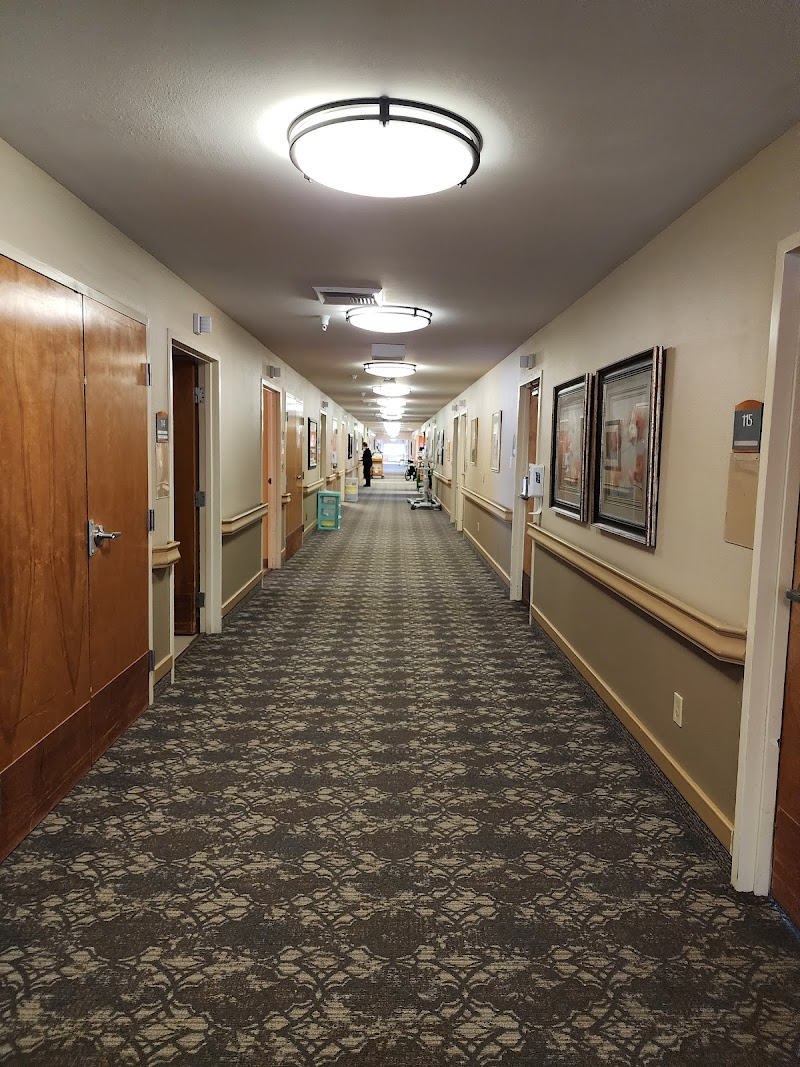
How is Cottesmore Of Life Care Staffed?

CMS rates COTTESMORE OF LIFE CARE's staffing level at 3 out of 5 stars, which is average compared to other nursing homes. Staff turnover is 52%, compared to the Washington average of 46%.

What Have Inspectors Found at Cottesmore Of Life Care?

State health inspectors documented 52 deficiencies at COTTESMORE OF LIFE CARE during 2022 to 2025. These included: 2 that caused actual resident harm, 48 with potential for harm, and 2 minor or isolated issues. Deficiencies causing actual harm indicate documented cases where residents experienced negative health consequences.
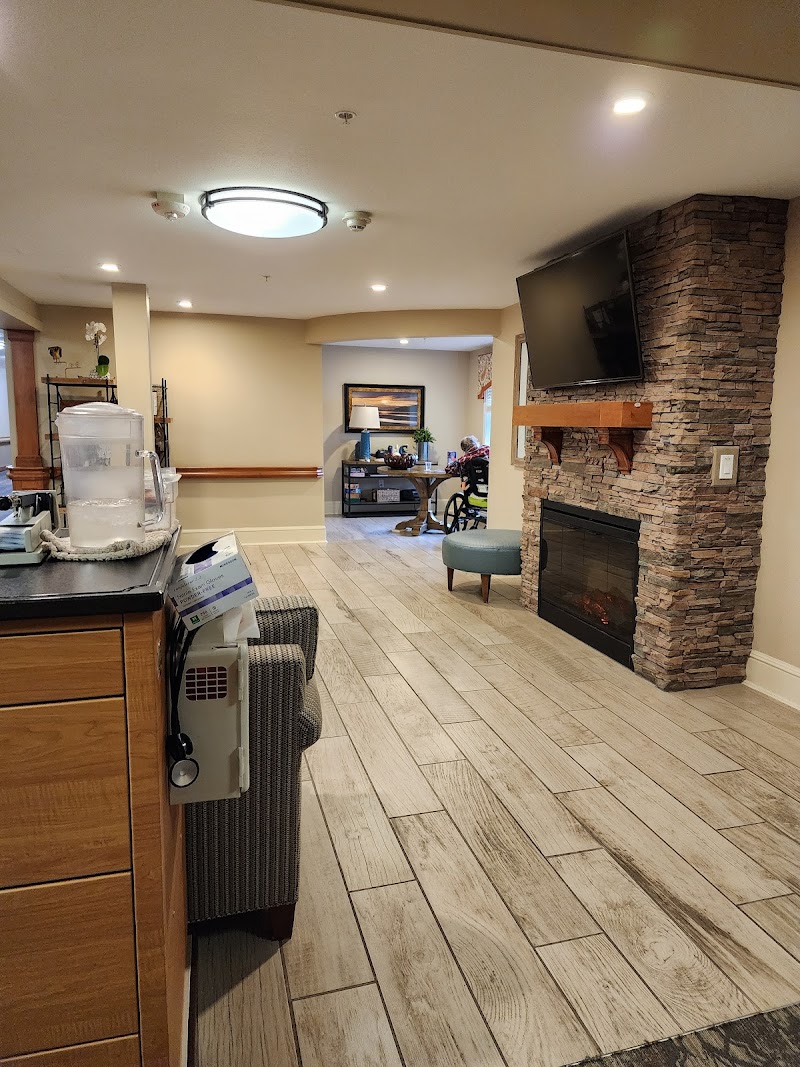
Who Owns and Operates Cottesmore Of Life Care?

COTTESMORE OF LIFE CARE is owned by a for-profit company. For-profit facilities operate as businesses with obligations to shareholders or private owners. The facility is operated by LIFE CARE CENTERS OF AMERICA, a chain that manages multiple nursing homes. With 108 certified beds and approximately 97 residents (about 90% occupancy), it is a mid-sized facility located in GIG HARBOR, Washington.

How Does Cottesmore Of Life Care Compare to Other Washington Nursing Homes?

Compared to the 100 nursing homes in Washington, COTTESMORE OF LIFE CARE's overall rating (4 stars) is above the state average of 3.2, staff turnover (52%) is near the state average of 46%, and health inspection rating (3 stars) is at the national benchmark.

What Should Families Ask When Visiting Cottesmore Of Life Care?

Based on this facility's data, families visiting should ask: "Can I visit during a mealtime to observe dining assistance and food quality?" "How do you handle medical emergencies, and what is your hospital transfer rate?" "Can I speak with family members of current residents about their experience?"

Is Cottesmore Of Life Care Safe?

Based on CMS inspection data, COTTESMORE OF LIFE CARE has a clean safety record: no substantiated abuse findings (meaning no confirmed cases of resident harm), no Immediate Jeopardy citations (the most serious violation level indicating risk of serious injury or death), and is not on the Special Focus Facility watch list (a federal program monitoring the lowest-performing 1% of nursing homes). The facility has a 4-star overall rating and ranks #1 of 100 nursing homes in Washington. While no facility is perfect, families should still ask about staff-to-resident ratios and recent inspection results during their visit.

Do Nurses at Cottesmore Of Life Care Stick Around?

COTTESMORE OF LIFE CARE has a staff turnover rate of 52%, which is 6 percentage points above the Washington average of 46%. Moderate turnover is common in nursing homes, but families should still ask about staff tenure and how the facility maintains care continuity when employees leave.

Was Cottesmore Of Life Care Ever Fined?

COTTESMORE OF LIFE CARE has been fined $18,233 across 1 penalty action. This is below the Washington average of $33,261. While any fine indicates a compliance issue, fines under $50,000 are relatively common and typically reflect isolated problems that were subsequently corrected. Families should ask what specific issues led to these fines and confirm they've been resolved.

Is Cottesmore Of Life Care on Any Federal Watch List?

COTTESMORE OF LIFE CARE is not on any federal watch list. The most significant is the Special Focus Facility (SFF) program, which identifies the bottom 1% of nursing homes nationally based on persistent, serious quality problems. Not being on this list means the facility has avoided the pattern of deficiencies that triggers enhanced federal oversight. This is a positive indicator, though families should still review the facility's inspection history directly.