GIG HARBOR HEALTH AND REHABILITATION

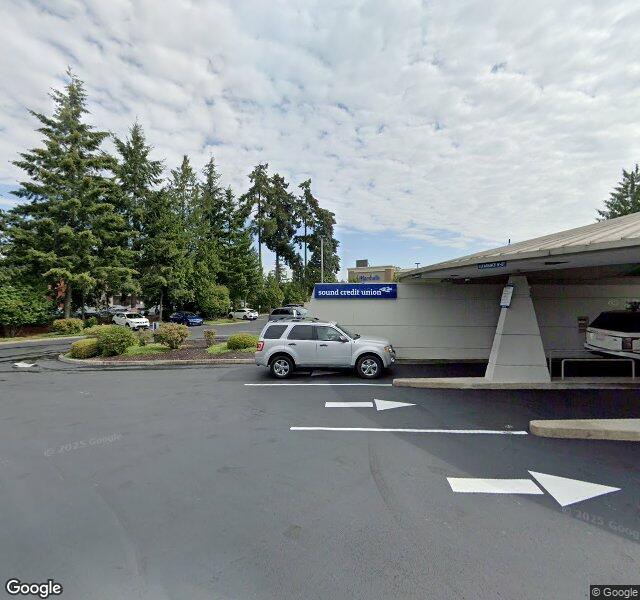
3309 45TH STREET COURT NORTHWEST, GIG HARBOR, WA 98335 (253) 858-8688
For profit - Corporation 120 Beds HILL VALLEY HEALTHCARE Data: November 2025
Trust Grade
0/100
#174 of 190 in WA
Last Inspection: December 2024

Within standard 12-15 month inspection cycle. Federal law requires annual inspections.

Overview

Gig Harbor Health and Rehabilitation has received a Trust Grade of F, indicating significant concerns and poor performance. Ranked #174 out of 190 nursing homes in Washington means they are in the bottom half of facilities, and #19 out of 21 in Pierce County suggests there are only two better options nearby. The facility shows an improving trend, having reduced issues from 69 in 2024 to just 8 in 2025, which is a positive sign. Staffing is rated average with a 3/5 star rating, but the high turnover rate of 72% is concerning compared to the state average of 46%. The facility has incurred $115,343 in fines, which is higher than 77% of Washington facilities, indicating ongoing compliance issues. There are also areas of strength, such as the quality measures rating of 4/5 stars, meaning some aspects of care are good. However, there are serious incidents that families should be aware of: one resident suffered a brain bleed after a fall due to inadequate monitoring, while another experienced complications from an infectious disease because the facility failed to implement proper infection control protocols. Additionally, a resident was injured when care required two staff members but only one was present during assistance. Families need to weigh these weaknesses against the improvements and strengths before making a decision.

Trust Score
F
0/100
In Washington
#174/190
Bottom 9%
Safety Record
High Risk
Review needed
Inspections
Getting Better
69 → 8 violations
Staff Stability
⚠ Watch
72% turnover. Very high, 24 points above average. Constant new faces learning your loved one's needs.
Penalties
○ Average
$115,343 in fines. Higher than 72% of Washington facilities. Some compliance issues.
Skilled Nurses
✓ Good
Each resident gets 45 minutes of Registered Nurse (RN) attention daily — more than average for Washington. RNs are trained to catch health problems early.
Violations
⚠ Watch
93 deficiencies on record. Higher than average. Multiple issues found across inspections.
★☆☆☆☆
1.0
Overall Rating
★★★☆☆
3.0
Staff Levels
★★★★☆
4.0
Care Quality
★☆☆☆☆
1.0
Inspection Score
Stable
2024: 69 issues
2025: 8 issues

The Good

  • 4-Star Quality Measures · Strong clinical quality outcomes
  • Full Sprinkler Coverage · Fire safety systems throughout facility
  • No fines on record

Facility shows strength in quality measures, fire safety.

The Bad

1-Star Overall Rating

Below Washington average (3.2)

Significant quality concerns identified by CMS

Staff Turnover: 72%

26pts above Washington avg (46%)

Frequent staff changes - ask about care continuity

Federal Fines: $115,343

Well above median ($33,413)

Significant penalties indicating serious issues

Chain: HILL VALLEY HEALTHCARE

Part of a multi-facility chain

Ask about local staffing decisions and management

Staff turnover is very high (72%)

24 points above Washington average of 48%

The Ugly 93 deficiencies on record

4 actual harm
Aug 2025 2 deficiencies 1 Harm
SERIOUS (G) 📢 Someone Reported This

A family member, employee, or ombudsman was alarmed enough to file a formal complaint

Actual Harm - a resident was hurt due to facility failures

Quality of Care (Tag F0684)

A resident was harmed · This affected 1 resident

**NOTE- TERMS IN BRACKETS HAVE BEEN EDITED TO PROTECT CONFIDENTIALITY** Based on interview and record review the facility failed to ensure quality of care was provided by timely obtaining emergency se...

Read full inspector narrative →
**NOTE- TERMS IN BRACKETS HAVE BEEN EDITED TO PROTECT CONFIDENTIALITY** Based on interview and record review the facility failed to ensure quality of care was provided by timely obtaining emergency services and thoroughly documenting alert charting for 3 of 3 sampled residents (Resident 1, 2, and 3) reviewed for falls. Resident 1, who was on a blood thinning medication, experienced harm when the facility failed to obtain immediate medical care after an unwitnessed fall with a head injury; the resident developed a latent post fall subdural hematoma (a brain bleed that can happen after a head injury) that required emergency room transfer, surgery, and hospitalization. This failure placed the residents at risk for medical complications, delay in care and services, potential death, and a diminished quality of life. Findings included . Review of a facility policy titled, Fall Protocols,, undated, showed, after a fall, the resident will be monitored for change in condition every shift for 72 hours. Monitoring may include physical assessment of the resident, vital signs, neurological checks, assessment for pain, swelling, redness, or impaired skin.Review of a document titled, Head Injury in Anticoagulated Patients Guideline, published by the Washington State Department of Health, dated 12/16/2024 showed any adult person (18 years or older) who are using anticoagulant (blood thinning) medication that have a mechanism of injury which places them at risk for intracranial (brain) injury (including any signs of external injury to the head or neck), should have a rapid triage(an assessment to determine the urgency of the need for care), labs to assess coagulation levels, emergent ordering of a head CT scan (medical imaging that uses a series of x-rays), and immediate interpretation of the CT scan by a radiologist (a doctor specializing in medical imaging.)Review of the Lippincott Manual of Nursing Practice, Eleventh Edition showed head injuries can include fractures to the skull and face, direct injuries to the brain (as from a bullet), and indirect injuries to the brain (such as concussion, contusion, or intracranial hemorrhage). Head injuries commonly occur from motor vehicle accidents, assaults, or falls. Intracranial hemorrhage is defined as a significant bleeding into a space or a potential space between the skull and the brain. This is a serious complication of a head injury with a high mortality (risk of death) because of rising intracranial pressure (ICP) and the potential for brain herniation. Intracranial hemorrhages can be classified as epidural hematomas, subdural hematomas, or subarachnoid hemorrhages depending on the site of the bleed. Review of the manual showed a head injury is a triage level 2: imminently life-threatening or emergent.DELAY IN EMERGENT CARERESIDENT 1Resident 1 admitted to the facility on [DATE] with multiple diagnoses that included acute embolism and thrombosis of deep veins of the right lower extremity (blood clots in the right leg), unsteadiness on feet, and muscle weakness. The admission minimum data set (MDS, an assessment tool), dated 07/17/2025, showed Resident 1 was moderately cognitively impaired, but was able to make their needs known. Review of the provider orders showed Resident 1 was receiving Apixaban 5 milligrams (mg) twice daily (a blood thinning medication)Review of the progress notes dated 07/25/2025 at 4:35 PM showed Resident 1 had a fall on 07/25/2025. Review of the progress notes showed Staff D, Infection Preventionist (IP) heard a crash then observed Resident 1 on the floor. Resident 1 was noted to have a laceration above the right eye which required steri strips (thin bandages applied to skin to help small cuts stay closed). The Nurse Practitioner (NP) was notified. New orders were received to monitor and to send to the Emergency Department (ED) if their condition worsened.During an interview on 08/04/2025 at 2:44 PM, Staff D, said they found Resident 1 on the floor with a small laceration (cut) above the left eye. Staff D said they assessed Resident 1, placed them back in bed, started neurological checks, and asked staff to do more frequent visual checks. Staff D said once they finished the incident report, they gave care over to the floor staff. Review of SBAR Communication Form, dated 07/25/2025, showed Resident 1 had a fall with a laceration to the head. The form showed Resident 1 was taking a blood thinner.During an interview on 08/04/2025 at 2:30 PM, Staff C, Resident Care Manager/Registered Nurse, (RCM/RN) said on 07/26/2025, the spouse called them into the room, Staff C said they assessed Resident 1, noted they had a delayed response and different sized pupils, notified the NP, and sent Resident 1 to the ED.During an interview on 08/04/2025 at 2:40 PM, Collateral Contact (CC) AA, said they were notified of the fall on 07/25/2025 and was told Resident 1 was ok. CC AA said they went to the facility to visit Resident 1 in the afternoon of 07/26/2025, noticed Resident 1 was not acting normally and had slurred speech, so they turned on the call light. CC AA said it took the staff at least 25 minutes to respond to the call light until Staff C entered the room to answer the call light. CC AA said Staff C said an ambulance needed to be called. CC AA said once Resident 1 arrived at the local hospital, they were prepared immediately to be transferred to a different hospital. CC AA said Resident 1 began having seizures. CC AA said Resident 1 needed brain surgery. CC AA said Resident 1 was removed from all life support on 08/04/2025 and they were expecting Resident 1 to pass away that day. CC AA further said Resident 1 was planning to discharge from the facility to home in the next week or two. Review of the hospital ED notes showed Resident 1 had a 19 millimeter (mm) right acute subdural hematoma with a 16 mm shift (a displacement of the brain structure due to the increased pressure caused by the amount of blood in the brain. A shift of greater than 5 mm is considered significant and requires surgical intervention) upon arrival at the ED. Review of the hospital ED notes showed Resident 1 had to be transferred to a different hospital for a higher level of care due to the severity of the bleed in their brain.Review of the hospital Discharge summary dated [DATE], showed Resident 1 was admitted to the hospital on [DATE]. Review of the hospital discharge summary showed Resident 1 was taken to emergency brain surgery. Review of the hospital discharge summary showed on 08/04/2025, the family elected against further aggressive treatment, and made Resident 1 comfort care (end of life care).Review of the nursing progress notes showed a note written by Staff C on 07/27/2025 at 2:33 PM that they Entered Resident 1's room, assessed the resident and notified MD due to change in condition. Review of the progress notes showed a note by a nurse on 07/27/2025 at 7:19 PM showing that Resident 1 was transferred to the ED. It is unclear what time Resident 1 left the facility to go to the hospital.Review of the following two sample resident records showed facility practice in similar situations of a fall with head injury. Residents 2 & 3 with a lower risk for brain bleeding, due to not taking a blood thinner, were sent to the emergency room for urgent evaluation:RESIDENT 2Resident 2 admitted to the facility on [DATE] with diagnoses that included fracture of the right Metatarsal (a broken bone in the toe) and syncope (a temporary loss of consciousness or fainting). The admission MDS, dated [DATE], showed Resident 2 was moderately cognitively impaired, but able to make their needs known. Review of the provider orders showed Resident 2 was not on any blood thinning medications.Review of the facility incident log showed Resident 2 had a fall on 07/27/2025.Review of the nursing progress notes dated 07/27/2025 at 2:48 AM showed Resident 2 had an unwitnessed fall with a head laceration. Review of the nursing progress notes showed Resident 2 was sent to the ED where they received a CT scan of the head to rule out a brain bleed.RESIDENT 3Resident 3 admitted to the facility on [DATE] with multiple diagnoses. The quarterly MDS, dated [DATE], showed Resident 3 was severely cognitively impaired and dependent on staff for their care. Review of the provider orders showed Resident 3 was not on any blood thinning medications.Review of the facility incident log showed Resident 3 had a fall on 07/21/2025.Review of the nursing progress notes dated 07/21/2025 at 11:02 AM showed Resident 3 had a witnessed fall from their bed. Review of the progress notes showed Resident 3 complained of head pain. Review of the progress notes showed 911 was called and Resident 3 was sent to the ED. ALERT CHARTINGRESIDENT 2Review of the facility incident log showed Resident 2 had a fall on 07/17/2025.Review of the nursing progress notes , 07/16/2025 through 07/19/2025 [72 hours post fall] showed no documentation or alert charting was completed every shift for 72 hours to monitor Resident after the fall.Review of the facility incident log showed Resident 2 had a fall on 07/23/2025.Review of the progress notes showed a note titled Alert Charting on 07/24/2025 at 1:42 AM to document post fall monitoring. Review of the progress notes showed no further documentation to monitor Resident 2 after the fall.Review of the progress notes 07/23/2025 through 07/26/2025 showed alert charting was not completed every shift for 72 hours to monitor Resident after the fall.Review of the facility incident log showed Resident 2 had a fall on 07/27/2025.Review of the nursing progress notes showed a note titled Daily Skilled Note on 07/28/2025 at 3:41 AM with no post fall monitoring. Review of the progress notes showed a note titled Daily Skilled Note dated 07/29/2005 at 3:39 AM with no post fall monitoring. Review of the progress notes showed alert charting was not completed every shift for 72 hours to monitor Resident after the fall. Review of the hospital ED notes dated 07/27/2025, showed Resident 2 was sent to the ED for a fall. Resident 2 returned to the facility at an unknown time on 07/27/2025.RESIDENT 3Review of a nursing progress note dated 07/21/2025 at 11:02 AM showed Resident 3 had a fall on 07/21/2025. Review of a progress note titled eINTERACT SBAR Summary for Providers (an inhouse communication form between nurses and providers) dated 07/21/2025 at 12:20 PM showed Resident 3 was sent to the ED per provider recommendations. Review of a progress note dated 07/21/2025 at 5:44 PM, showed Resident 3 returned to the facility from the hospital. Review of the progress notes showed fall follow up alert charting on 07/22/2025 at 8:37 PM, 07/23/2025 at 6:37 PM, and 07/24/2025 at 5:06 AM. Review of the progress notes showed alert charting was not completed every shift for 72 hours. During an interview on 08/04/2025 at 3:16 PM, Staff F, RN, said if a resident had a fall they would fill out an incident checklist, which included a head-to-toe assessment, pain assessment, and neurological assessment. Staff F said they would place the resident on alert charting. During an interview on 08/04/2025 at 3:19 PM, Staff G, Licensed Practical Nurse (LPN), said if a resident had a fall, they would use the incident checklist, then they would place the resident on alert charting to monitor for any changes in behavior or medical condition. During an interview on 08/07/2025 at 11:15 AM, Staff B, Director of Nursing Services (DNS)/RN said if a resident had a fall, they would be placed on alert charting for 72 hours. Staff B said alert charting should be completed every shift. Staff B said the nurses worked 12-hour shifts, so alert charting would be completed at least twice a day. Staff B said it is their expectation that alert charting should be completed at least twice a day after a fall. Reference WAC 388-97-1060 (1) .
CONCERN (D) 📢 Someone Reported This

A family member, employee, or ombudsman was alarmed enough to file a formal complaint

Potential for Harm - no one hurt, but risky conditions existed

Deficiency F0675 (Tag F0675)

Could have caused harm · This affected 1 resident

**NOTE- TERMS IN BRACKETS HAVE BEEN EDITED TO PROTECT CONFIDENTIALITY** Based on observation, interview, and record review, the facility failed to consistently provide necessary supplies for toileting...

Read full inspector narrative →
**NOTE- TERMS IN BRACKETS HAVE BEEN EDITED TO PROTECT CONFIDENTIALITY** Based on observation, interview, and record review, the facility failed to consistently provide necessary supplies for toileting needs for 2 of 3 residents (Residents 5 and 6) reviewed for Activities of Daily Living. This failure placed residents at risk for increased discomfort and a diminished quality of life. RESIDENT 5Resident 5 admitted to the facility on [DATE] with multiple diagnoses. The admission minimum data set (MDS, an assessment tool), dated 06/17/2025 showed Resident 5 had moderate cognitive impairment, but was able to make their needs known and was moderately dependent on staff for toileting hygiene. During an interview on 07/24/2025 at 2:02 PM, Resident 5 said the facility had run out of briefs three times since their admission to the facility. Resident 5 said it could take the facility between 3-5 days to get their size of brief in the building. Resident 5 said when the facility ran out of briefs, the staff would put a smaller size brief on them until they were able to get the right size. Resident 5 said the smaller size would feel uncomfortable and would not hold urine. Resident 5 said they had urine leak down their leg because of the wrong size of brief. RESIDENT 6Resident 6 admitted to the facility on [DATE] with multiple diagnoses. The admission MDS, dated [DATE] showed Resident 6 had moderate cognitive impairment, but was able to make needs known and was totally dependent on staff for toileting hygiene. During an interview on 08/05/2025 at 1:50 PM, Resident 6 said the facility sometimes ran out of briefs. Resident 6 said the staff would always be looking for briefs. Resident 6 said when the facility ran out of briefs, the staff would put a bigger size brief on them. Resident 6 said the larger brief did not always catch all the urine and they would feel wet.During an interview on 08/06/2025 at 10:59 AM Staff I, Certified Nursing Assistant (CNA), said the facility did sometimes run out of briefs for the residents. Staff I said when they did run out of briefs, the staff would use a different sized brief.During an interview on 08/06/2025 at 12:42 PM Staff H, Central Supply, said when they placed the order for necessary supplies, multiple people would have to approve it. Staff H said there had been times they had ran out of briefs. Staff H said when that happened, they would contact their sister facility and pick up briefs. Staff H said the briefs could usually be obtained on the same day but there could have been a delay of up to 12 hours. During an interview on 08/07/2025 at 11:33 AM, Staff A, Administrator, said they had not been aware they needed to approve orders for supplies every day. Staff A said the facility should not have been running out of briefs. Reference WAC 388-97-1060 (1).
Jun 2025 1 deficiency
CONCERN (D) 📢 Someone Reported This

A family member, employee, or ombudsman was alarmed enough to file a formal complaint

Potential for Harm - no one hurt, but risky conditions existed

Infection Control (Tag F0880)

Could have caused harm · This affected 1 resident

**NOTE- TERMS IN BRACKETS HAVE BEEN EDITED TO PROTECT CONFIDENTIALITY** . Based on interview and record review, the facility failed to ensure infection control standards were followed related to not f...

Read full inspector narrative →
**NOTE- TERMS IN BRACKETS HAVE BEEN EDITED TO PROTECT CONFIDENTIALITY** . Based on interview and record review, the facility failed to ensure infection control standards were followed related to not following the Centers for Disease Control and Prevention (CDC) by implementing droplet precautions with residents suspected of having Tuberculosis (TB: an infectious disease caused by bacteria called Mycobacterium tuberculosis, primarily affecting the lungs but potentially impacting other parts of the body) for 1 of 5 residents (Resident 1), reviewed for infection control. This failure placed residents, staff and visitors at risk for possibly contracting and spreading infections. Findings included . Review of the facility's policy titled, 'Tuberculosis Screening-Nursing Facility Residents,' undated, states the definition for Tuberculosis (TB): is a disease caused by the bacterium Mycobacterium tuberculosis that is spread person-to-person through the air. TB usually attacks the lungs but can affect other parts of the body. Under the subtitle Specific Procedures/Guidance .2. (e.) The resident will immediately be placed on droplet precautions pending facility transfer per practitioner assessment and order. 3. Residents with 'suspected' and/or confirmed infectious TB may be admitted on ly if the facility is equipped with a private airborne infection isolation room . The CDC '2007 Guideline for Isolation Precautions: Preventing Transmission of Infectious Agents in Healthcare Settings', page 17. Paragraph titled, I.B.3 (states) Modes of transmission. Several classes of pathogens can cause infection including bacteria, viruses, fungi, parasites and prions. The modes of transmission vary by type of organism and some infectious agents may be transmitted by more than one route: some are transmitted primarily by direct or indirect contact ., others by droplet ., or airborne routes (e. g. M. tuberculosis) . Resident 1 was admitted to the facility on [DATE]. The admission Minimum Data Set (MDS-an assessment tool), dated 05/23/2025, documented the resident as moderately cognitively impaired. Review of Resident 1's physician orders, dated 06/12/2025, showed Resident 1 was placed on droplet precautions related to a positive PPD test (Purified Protein Derivative- skin test, a method used to detect past or present tuberculosis infection). Record review documented Resident 1 was administered the 2nd step in a 2 step PPD on 06/09/2025 and then the results were read on 06/11/2025. This result was considered positive with a 30mm (millimeter) induration (a raised hardened area at the injection site). On 06/12/2025 the provider ordered a chest x-ray to rule out TB. The results documented CONCLUSION: Patchy bilateral airspace [areas of abnormal density in both lungs, appearing scattered and irregular] and modest pleural effusions pa moderate amount of fluid buildup in the pleural space-the area between the lung and chest wall]. Pneumonia [a lung infection that inflames the alveoli-air sacs- in one or both lungs causing them to fill with fluid or pus] should be considered in the appropriate clinical setting. Recommend follow-up examination to confirm resolution of findings. Findings have improved from the comparison study. Consider reassessment for TB after resolution of the current abnormal findings. Provider ordered Levaquin (an antibiotic) 750mg (milligram) by mouth daily for pneumonia. The provider also ordered a QuantiFERON gold screening (a blood test used to screen for TB infection, including both latent and active forms). The QuantiFERON gold test was collected on 06/13/2025 and resulted on 06/16/2025. This test resulted positive. On 06/16/2025, the provider ordered another chest x-ray to rule out TB. The results were documented as CONCLUSION: Findings suggestive of pulmonary edema [a condition where fluid builds up in the lungs, specifically in the alveoli, making it difficult to breathe] with bilateral pleural effusion. Pulmonary tuberculosis cannot be confidently excluded in the setting of pulmonary opacities. Findings comparable to prior imaging of 06/12/2025. On 06/17/2025, the facility notified the local health jurisdiction (LHJ) of the possible positive TB for Resident 1. The provider then gave orders to send Resident 1 to the hospital to rule out TB. On 06/18/2025, record review showed the care plan had not been updated regarding Resident 1 possibly being positive for TB, droplet precautions initiated, or the treatment for pneumonia. On 06/25/2025, at 10:25 AM, Staff B, Registered Nurse (RN)/Infection Preventionist (IP), said she thought she spoke to the LHJ via the telephone on 06/11/2025 but could not confirm. Staff B said she emailed the LHJ on 06/17/2025 and received a response email stating the LHJ assigned to the facility was out of the office and called the number listed on the email for further instruction. Staff B had a note confirming the call on 06/17/2025. Staff B said she was not given any recommendations to follow and that she informed the LHJ she had placed Resident 1 on droplet precautions per the facility policy on 06/12/2025 and Resident 1 was sent to the hospital to rule out TB on 06/17/2025. Staff B said the care plan for Resident 1 should have been updated to include Resident 1 was suspicious of having latent or active TB and currently being treated for pneumonia. Staff B said no interventions were placed for possible exposure of TB related to staff or other residents as Resident 1 rarely left his room. Staff B said she did do monitoring for signs and symptoms of TB by verbal communication with the staff. On 06/25/2025 at 1:00 PM, Staff A, RN/Director of Nursing Services (DNS), said the current policy for the facility regarding TB indicated residents should be placed on droplet precautions. When asked if the precautions for TB should be droplet or airborne precautions, Staff A said usually it would be airborne precautions. Staff A said she would follow up with the Regional Nurse as to why the policy says droplet precautions. Staff A said the LHJ should have been notified on 06/11/2025 when Resident 1 had a positive PPD test and not 6 days later, on 06/17/2025. Staff A said this did not happen because they were thinking the 2nd PPD test read on 06/11/2025 was a false positive. Staff A said the LHJ was notified on 06/17/2025 after Resident 1 had a second chest x-ray that was still inconclusive to rule out TB and a positive QuantiFERON gold test was received. Staff A said the care plan should have been reviewed and updated on 06/11/2025 when Resident 1 had a positive PPD and then on 06/12/2025 after the chest x-ray results were received and Resident 1 was treated for pneumonia. Staff A said other residents should have been put on alert for possible exposure to TB and the staff that worked with Resident 1 should have been monitored to prevent spreading of the infection. Reference WAC 388-97-1320 (2)(b) .
May 2025 1 deficiency
CONCERN (D) 📢 Someone Reported This

A family member, employee, or ombudsman was alarmed enough to file a formal complaint

Potential for Harm - no one hurt, but risky conditions existed

Deficiency F0760 (Tag F0760)

Could have caused harm · This affected 1 resident

**NOTE- TERMS IN BRACKETS HAVE BEEN EDITED TO PROTECT CONFIDENTIALITY** . Based on interview and record review, the facility failed to ensure residents were free from significant medication errors whe...

Read full inspector narrative →
**NOTE- TERMS IN BRACKETS HAVE BEEN EDITED TO PROTECT CONFIDENTIALITY** . Based on interview and record review, the facility failed to ensure residents were free from significant medication errors when medications were not administered in accordance with provider orders for 1 of 8 sample residents (Resident 1) reviewed for medication errors. This placed residents at risk for adverse medical conditions, changes in health conditions, and a diminished quality of life. Findings included . Review of the policy titled 'Medication Orders', undated, notes under the subtitle Recording Orders . 2. Medication Orders-When recording orders for medication, specify the type, route, dosage, frequency, and strength of the medication ordered . Review of the policy titled 'Medication and Treatment Orders', dated 10/01/2021, notes under the subtitle Specific Procedures / Guidance . 7. Verbal orders must be recorded immediately in the resident's medical record by the person receiving the order and must include prescriber's last name, credentials, the date, and the time of the order . 9. Orders for medications must include: a. name and strength of the drug: b. number of doses, start and stop date, and/or specific duration of therapy: c. dosage and frequency of administration: d. route of administration; e. clinical condition or symptoms for which the medication is prescribed; and f. any interim follow-up requirements (pending culture and sensitivity reports, repeat labs, therapeutic medication monitoring, etc.). Resident 1 was admitted to the facility on [DATE] with multiple diagnoses. The quarterly Minimum Data Set (MDS, an assessment tool), dated 03/24/2025, showed Resident 1 was moderately cognitively impaired. On 05/03/2025 at 2:33 PM, Staff B, Registered Nurse (RN), said she was assigned to Resident 1, during the NOC shift (10 PM - 6 AM) on 04/29/2025, and observed Ceftriaxone (an antibiotic) 2 gram (gm) / Dextrose (a soluble sugar found in the bloodstream) 50 milliliter (ml) being administered via the cylsis system (used for the intravenous or subcutaneous introduction of fluids into the body). Review of Resident 1s April 2025 Medication Administration Record (eMAR) and Treatment Administration Record (eTAR) (a comprehensive record of physicians' orders) showed no antibiotic ordered. Facility investigation, dated 04/29/2025, documented the provider gave verbal orders for Rocephin 1 gm IM (intramuscular) 1 dose, 2 liters of Normal Saline (hydration) via the clysis system, urinalysis with culture and sensitivity, a complete blood count, a comprehensive metabolic panel and a chest x-ray to rule out infection. The investigation documented the Licensed Nurse failed to: 1. Enter orders into Point Click Care (the medication administration system) 2. Administered Rocephin 1 gm IM 3. Complete the form used for changes in condition and place the resident on alert charting 4. Lastly Licensed nurse used another resident's medication On 05/13/2024 at 12:50 PM, Staff A, Director of Nursing Services (DNS) / Registered Nurse (RN), said the expectation was for the nurse to recite back verbal orders received and input them into Point Click Care. Staff A said usually the providers input their own orders but in this case the provider was not able to because of a missing National Provider Identifier (NPI, a unique 10-digit identification number for healthcare providers). Staff A said an audit was completed and any missing NPIs have been added so this should no longer be a problem. Staff A said it is not acceptable that someone else's medication was used for this resident. Staff A said the medication was no longer in use and was awaiting return to the pharmacy. Staff A said the expectation was for the nurse to administer the medications as ordered by the provider and to pull medication from the Pyxis machine (an automated medication dispensing system). Staff A said the nurse should have called the provider for clarification before administering the medication. Reference WAC 388-97-1260 (3)(k)(iii) .
Apr 2025 1 deficiency
CONCERN (D) 📢 Someone Reported This

A family member, employee, or ombudsman was alarmed enough to file a formal complaint

Potential for Harm - no one hurt, but risky conditions existed

Investigate Abuse (Tag F0610)

Could have caused harm · This affected 1 resident

**NOTE- TERMS IN BRACKETS HAVE BEEN EDITED TO PROTECT CONFIDENTIALITY** . Based on interview and record review, the facility failed to conduct a prompt and thorough investigation that included immedia...

Read full inspector narrative →
**NOTE- TERMS IN BRACKETS HAVE BEEN EDITED TO PROTECT CONFIDENTIALITY** . Based on interview and record review, the facility failed to conduct a prompt and thorough investigation that included immediate interventions and reporting for 1 of 8 sample residents (Resident 1) reviewed for falls. The failure to implement the facility's accidents and incident policy and procedure, placed residents at risk for further exposure to falls/injuries, unmet care needs, and diminished quality of life. Findings included . Review of the Washington State Department of Social & Health Services Nursing Home Guidelines -The Purple Book (guidelines to assist nursing homes with compliance of the State and Federal requirements for the prevention, identification, reporting, and investigating incidents of abuse, neglect, abandonment, mistreatment, injuries of unknown source, exploitation, and misappropriation of nursing home residents), dated October 2015, showed the facility must begin an immediate investigation of alleged violations in order to collect accurate data. Review of the facility policy, 'Accidents and Incidents-Investigating and Reporting', dated 10/01/2021, documets under the subtitle Specific Procedures / Guidance the following: 1. The nurse supervisor/charge nurse and/or the department director or supervisor shall promptly report the accident to the administrator/designee and will initiate and document investigation of the accident or incident. Resident 1 was originally admitted to the facility on [DATE] with the latest readmission on [DATE] after surgical repair of right hip dislocation (when the thigh bone separates from the hip bone). The Annual Minimum Data Set (MDS-an assessment tool), dated 03/05/2025, documented Resident 1 was assessed as severely cognitively impaired. Review of the facility's investigation, started on 04/14/2025, documents acute pain to the right hip. Provider and resident representative notified on 04/14/2025. X-ray orders were obtained and results showed: Right hip arthroplasty (an orthopedic surgical procedure where the articular surface of a joint is replaced, remodeled or realigned by osteotomy or some other procedure) was dislocated anterior and superior from the acetabulum (the cup shaped socket on the pelvis that forms part of the hip joint). No acute fracture. Generalized soft tissue swelling. CONCLUSION: Dislocation of right hip arthroplasty. Facility investigation started on 04/14/2025 documents an unreported fall on 04/06/2025. The investigation concluded the resident had experienced a ground level fall without nurse management notification and Risk Management not implemented. The licensed nurse was suspended pending the investigation and then terminated related to failure to follow facility policy. In an interview on 04/24/2025 at 2:00 PM, Staff A, Director of Nursing Services / Registered Nurse said when an incident occurs, which includes falls, the expectation is for risk management to be completed at the time of the incident with an intervention placed. Staff A said nurse management, provider and resident representative notification should also be completed at the time of the incident. Staff A said this licensed nurse did not report the resident's fall which occurred on 04/06/2025 until an investigation was started related to new onset of pain the following Monday. Staff A said due to this incident and other decisions in the past by this licensed nurse the facility decided to terminate her employment. Staff A stated the facility should have conducted and documented a thorough investigation at the time of the fall. REFERENCE WAC 388-97-0640 (1)(2)(a)(b)(6)(a)(b)(c). .
Apr 2025 1 deficiency
CONCERN (D) 📢 Someone Reported This

A family member, employee, or ombudsman was alarmed enough to file a formal complaint

Potential for Harm - no one hurt, but risky conditions existed

Free from Abuse/Neglect (Tag F0600)

Could have caused harm · This affected 1 resident

**NOTE- TERMS IN BRACKETS HAVE BEEN EDITED TO PROTECT CONFIDENTIALITY** . Based on interview and record review, the facility failed to protect a resident's right to be free from abuse for 1 of 6 sampl...

Read full inspector narrative →
**NOTE- TERMS IN BRACKETS HAVE BEEN EDITED TO PROTECT CONFIDENTIALITY** . Based on interview and record review, the facility failed to protect a resident's right to be free from abuse for 1 of 6 sample residents (Resident 1) reviewed for abuse. Resident 1 experienced physical harm when the resident was moved out of the way abruptly while sitting in their wheelchair causing injury to their knee. This failure placed residents at risk for ongoing abuse and a diminished quality of life. Findings included . The facility's Abuse policy dated 10/01/2021 and revised on 10/20/2022, states This organization recognizes and respects that each resident has the right to be free from abuse, neglect, misappropriation of resident's property, and exploitation as defined in this subpart. This includes, but is not limited to, freedom from corporal punishment, involuntary seclusion and any physical or chemical restraint not required to treat the resident's medical symptom. Definitions: 'Abuse'-is the willful infliction of injury, unreasonable confinement, intimidation, or punishment resulting in physical harm, pain, or mental anguish Willful, as used in this definition of abuse, means the individual must have acted deliberately, not that the individual must have intended to inflict injury or harm. Resident 1 was admitted to the facility on [DATE] with a diagnosis of anemia unspecified (a condition characterized by a lower-than-normal number of red blood cells). The admission Minimum Data Set, an assessment tool, dated 01/20/2025, documented Resident 1 was assessed as cognitively intact. In an interview on 03/27/2025 at 11:41 AM, Resident 1 was asked if they had any concerns with their care at the facility. Resident 1 immediately directed the conversation to a specific incident that occurred while he was self-propelling in his wheelchair from the dining room back to his room. Resident 1 stated a female CNA came up behind him and shoved him to the side of the hall as she was saying he was moving to slow, and she needed to get passed him. Resident 1 said he did not report this immediately but waited about a week. Resident 1 said he felt the CNA acted intentionally. Resident 1 said he immediately started to experience pain and swelling to his right knee after this event. Resident 1 said when he reported the incident and the injury to his knee the Nursing team had his right knee x-rayed. Resident 1 said he was notified there was no injury, and the swelling would resolve on its own. Resident said he does not have pain to the knee and longer and the swelling is improving. Review of the facility's investigation, dated 03/24/2025, documented Resident 1 reported this incident to a therapist on 03/24/2025. Resident 1 gave the nursing management team a description of the perpetrator as a Certified Nursing Assistant (CNA) that is a blond short female with curls. Resident 1 stated this CNA walked up behind him as he was self-propelling back to his room from the dining room in his wheelchair. Resident 1 said the CNA told him he was moving too slowly, and she needed to get by him. Resident 1 said the CNA pushed his wheelchair abruptly causing his knee to hit the side of the wheelchair. Resident 1 reported this incident was about a week later. Resident 1 said he debated whether to report the incident or not ultimately deciding to report in the hopes of preventing something similar from happening to a peer. The investigation concluded this CNA was to remain suspended while the corporate level Human Resource department decided to approve termination. The CNA had been identified in three different allegations of abuse recently. In an interview on 04/02/2025 at 2:12 PM, Staff B, Director of Nursing Services/Registered Nurse, said the CNA Resident 1 identified was already on suspension at the time Resident 1 reported the incident. Staff B said due to this being the 3rd allegation of abuse against this CNA a request had been made to the Corporate Human Resource department for permission to terminate this staff member's employment. Staff B said the CNA has not returned to work and there is no plan to do so. At 2:50 PM, Staff A, Executive Director, said she had just received an email stating OK to terminate CNA's employment. REFERENCE: WAC 388-97-0640 (1). .
Jan 2025 1 deficiency
CONCERN (D) 📢 Someone Reported This

A family member, employee, or ombudsman was alarmed enough to file a formal complaint

Potential for Harm - no one hurt, but risky conditions existed

Deficiency F0697 (Tag F0697)

Could have caused harm · This affected 1 resident

**NOTE- TERMS IN BRACKETS HAVE BEEN EDITED TO PROTECT CONFIDENTIALITY** Based on interview and record review, the facility failed to ensure pain medications were available and failed to obtain provide...

Read full inspector narrative →
**NOTE- TERMS IN BRACKETS HAVE BEEN EDITED TO PROTECT CONFIDENTIALITY** Based on interview and record review, the facility failed to ensure pain medications were available and failed to obtain provider's orders for an alternate pain medication of similar strength, for 1 of 3 sampled residents (Resident 1) reviewed for pain management. This failure placed residents at risk for increased pain and a diminished quality of life. Findings included . Resident 1 was admitted to the facility on [DATE] with multiple diagnoses, including chronic pain due to lumbar spine stenosis (narrowing of the spinal canal that can put pressure on the spinal cord and nerves) and degenerative disc disease (cushioning in the spine wears away). The Minimum Data Set, an assessment tool, dated 07/26/2024, documented Resident 1 was alert and oriented, and required assistance with activities of daily living. Resident 1's care plan, dated 12/19/2024 for management of acute/chronic pain, stated staff were to administer analgesia as per orders, monitor/record/report resident complaints of pain or requests for pain treatment, and to notify the physician if interventions were unsuccessful or if there was a significant change from resident's past experience of pain. Review of Resident 1's Medication Administration Record (MAR), showed an active order for a fentanyl transdermal patch (a topical medication used to treat severe pain delivered slowly through the skin) to be placed on the resident's skin every 72 hours (3 days) for chronic pain. An order dated 12/16/2024 at 10:15 PM showed nursing was to check placement of the fentanyl patch every shift, at 6:15 AM, 2:15 PM, and 10:15 PM, and to indicate the place where the patch was located. Review of Resident 1's MAR for December 2024 showed the fentanyl patch was not in place, as indicated by either N/A (not applicable) or an X, and lack of a location, for all three shifts on 12/23/2024, 12/24/2024, and the first shift of 12/25/2024. Review of Resident 1's Medication Administration Record documented a fentanyl patch was removed on 12/23/2024 at 11:46 AM. No application of a new fentanyl patch was documented until a narcotic log entry, dated 12/25/2024 at 10:30 PM, that showed a patch was removed from the medication cart. A 12/24/2024 6:48 AM nursing progress note documented, Patient reported this morning to have had a tough night due to not having fentanyl patch on. Waiting for a new script to be signed. Review of the MAR documented on 12/24/2024 at 2:15 PM, Resident 1 reported their pain at 10 on the pain scale (0 being no pain and 10 being the worst pain). A 12/25/2024 8:21 PM nursing note documented the on-call provider was notified that the fentanyl patch still had not been received, the provider was to make sure the order was sent to the pharmacy right away. Nursing then documented pharmacy had received the order and would send the fentanyl pain patch out that night. No other alert charting note was located that documented follow-up with Resident 1 while the resident was without a pain medication patch or equivalent. Review of Resident 1's record showed the resident had been without a fentanyl pain patch for 59 hours, 13 hours short of the 3 days the patch was expected to have been in place. A 01/02/2025 provider note documented that Resident 1 had been anxious about the fentanyl patch coming off with body position changes, and asked to change to MS Contin, a longer-acting oral pain medication, and oxycodone as needed for breakthrough pain. On 01/13/2025 at 2:28 PM, Resident 1 said they had gone without a pain patch for a couple of days the month before because the facility was out of them. Resident 1 said they had had a lot of pain, told the staff they were having a lot of pain and was very uncomfortable. Resident 1 said they did not want to get anyone in trouble but it felt as if they really did not care that the resident was out of pain patches. Resident 1 said they were given acetaminophen, but that really did not do anything and the resident remained in a lot of pain. Resident 1 said they later asked to change to a different pain medication because they were worried about it falling off and were concerned because the facility had run out of the patches before. On 01/13/2025 at 4:24 PM, Staff C, a Licensed Practical Nurse, said nursing was supposed to re-order the medications ahead of time to ensure they have enough on-hand. Staff C said if they were out or if there was a delay, they were supposed to check the Cubex (an electronic medication dispensing cabinet) and call the pharmacy for an authorization code, or call the provider to see if there is something else the resident can be given until their medication arrives. On 01/30/2025 at 4:01 PM, Staff B, a Registered Nurse and the facility Director of Nurses, said nursing staff had removed Resident 1's pain patch too early, and Staff B did not know why it was removed if they did not have another pain patch to apply. When asked, Staff B said there were pain patches available in the Cubex, Staff B said nursing staff could have contacted the provider to inquire about a substitute pain medication of similar strength to treat Resident 1's pain until the pain patches were received. Reference WAC 388-97-1060(1) .
Jan 2025 1 deficiency 1 Harm
SERIOUS (G) 📢 Someone Reported This

A family member, employee, or ombudsman was alarmed enough to file a formal complaint

Actual Harm - a resident was hurt due to facility failures

Accident Prevention (Tag F0689)

A resident was harmed · This affected 1 resident

**NOTE- TERMS IN BRACKETS HAVE BEEN EDITED TO PROTECT CONFIDENTIALITY** Based on interview and record review, the facility failed to provide supervision of two person staff assistance with bed mobilit...

Read full inspector narrative →
**NOTE- TERMS IN BRACKETS HAVE BEEN EDITED TO PROTECT CONFIDENTIALITY** Based on interview and record review, the facility failed to provide supervision of two person staff assistance with bed mobility while providing care to prevent accident/falls for 2 of 3 sampled residents (Resident 1 and 2) reviewed for falls. Resident 1 experienced harm when care was provided by one staff that resulted in a fall from bed and injury requiring hospital evaluation. This failure placed residents at risk of injury, unmet care needs and a diminished quality of life. Findings included <Resident 1> Resident 1 was admitted to the facility on [DATE] with multiple diagnoses. The Minimum Data Assessment, an assessment tool, dated 11/07/2024, documented Resident 1 was alert, had some cognitive impairment, and required substantial/maximal (helper does more than half the effort) assistance with activities of daily living. Review of Resident 1's physician orders showed an 12/07/2024 order for a low-air-loss mattress (a mattress filled with air to reduce pressure on a person's skin) to promote Resident 1's skin integrity. Review of Resident 1's record included directions for staff to monitor the function of the air mattress every shift. The comprehensive care plan, revised on 12/27/2024, showed Resident 1 required two caregivers to assist with bed mobility. On 12/31/2024 at 1:09 PM, Resident 1 said Staff C wanted to change him and he told her to get somebody else but she wouldn't do that. Resident 1 said the Staff C had him on the edge of the bed, pulled the draw sheet toward her and he fell out of bed. Resident 1 said he bruised his buttock and received a bump on the back of his head. Resident 1 said his butt and hip really hurt. Resident 1 said it made him angry and was upset about it. When asked if two staff came to assist him now, Resident 1 said sometimes it's two unless it's somebody who knows what they're doing, then it's one. Review of a 12/13/2024 11:54 PM nurse progress note showed Resident 1 fell on the floor during care around 9:30 PM. The note showed Resident 1 complained of pain to the right shoulder, back, and head. Emergency Services was called, and Resident 1 was transported to the hospital emergency room for further assessment of injuries. Review of the 12/18/2024 facility investigation documented the resident fell on [DATE] fell during incontinent care while a staff member was providing care alone to the resident in bed when the resident required a 2-person assist for in-bed care. The investigation documented the root cause of the fall as inadequate staff during in-bed care, which led to the fall. On 12/31/2024 at 2:10 PM, Staff C, a certified nursing assistant, said Resident 1 was supposed to have two caregivers for incontinence care but nobody else was available at the time. Staff C said they were almost done with care when the resident slid off the bed. After that happened, Staff C went out into the hall and called for help, the nurse came, 911 was called and the resident was sent out. On 01/14/2025, Staff B, a Registered Nurse and the facility Director of Nurses, said staff are expected to follow the resident's plan of care for resident safety. <Resident 2> Resident 2 was admitted to the facility on [DATE] with multiple diagnoses. The Minimum Data Assessment, an assessment tool, dated 11/07/2024, documented Resident 2 was receiving Hospice services, was cognitively impaired, and required substantial/maximal assistance with most activities of their daily living. Review of Resident 2's care plan documented a revision, dated 11/16/2022, to ensure two staff during care regarding the resident's fear of rolling off the bed. A nursing progress note, dated 12/17/2024 at 8:30 PM, documented Resident 2 had an assisted fall. The note documented, while the staff was changing the resident, the resident slide from the bed. The staff tried to catch the resident from falling but could not, and the resident fell. No injuries or discomfort were noted, the resident was assessed and monitored. Review of the facility investigation, dated 12/20/2024, identified the root cause as failure of staff to follow the plan of care to use two persons with cares. On 01/14/2025, Staff B, a Registered Nurse and the facility Director of Nurses, said staff are expected to follow the resident's plan of care for resident safety, Reference WAC 388-97-1060 .
Dec 2024 28 deficiencies 1 Harm
SERIOUS (H)

Actual Harm - a resident was hurt due to facility failures

Infection Control (Tag F0880)

A resident was harmed · This affected multiple residents

**NOTE- TERMS IN BRACKETS HAVE BEEN EDITED TO PROTECT CONFIDENTIALITY** . Based on observation, interview, and record review, the facility failed to maintain an infection prevention and control progra...

Read full inspector narrative →
**NOTE- TERMS IN BRACKETS HAVE BEEN EDITED TO PROTECT CONFIDENTIALITY** . Based on observation, interview, and record review, the facility failed to maintain an infection prevention and control program to prevent the transmission of a communicable disease by implementing facility policies and/or outbreak protocols timely for 10 of 94 sampled residents (Residents 15, 14, 83, 352, 9, 351, 91, 344, 346 and 81) when reviewed for infection control/outbreak management. Residents 14, 83 and 9 experienced harm when they were sent to the hospital for illness and/or treated for complications after the facility failed to recognize an illness related to an infectious disease. The facility failed to implement transmission-based precautions (TBP) for 2 of 4 halls (100 and 200 Halls) when reviewed for TBP and ensure sanitary use of washing machines when reviewed for laundry. These failures contributed to one third of the resident population to become ill with respiratory symptoms and placed residents, visitors, and staff at risk for communicable diseases, related complications, and potential death. <Outbreak Management> Review of the facility policy titled Outbreak of Communicable Diseases, dated 07/2023, showed An outbreak of influenza is defined as a single case if unusual for the facility and to report it to the local health jurisdiction. It showed that the infection preventionist and director of nursing was responsible for initiating TBP and communicating with the medical director. The medical director was responsible for overseeing the management of the outbreak. Review of an email communication with Staff C, Infection Preventionist (IP), dated 12/06/2024, showed the LHJ made recommendations to follow the Centers for Disease Control (CDC) Interim Guidance for Influenza Outbreak Management in Long-Term Care and Post-Acute Care Facilities which showed Influenza testing should occur when any resident has signs and symptoms of acute respiratory illness or influenza-like illness. Implement Droplet Precautions for all residents with suspected or confirmed influenza. And, if exposed, residents on units or wards with influenza cases in the long-term care facility (currently impacted wards) should receive chemoprophylaxis (antiviral/Tamiflu) as soon as an influenza outbreak is determined . Antiviral chemoprophylaxis is meant for residents who are not exhibiting influenza-like illness but who may be exposed to prevent transmission. During an interview on 12/11/2024 at 11:33 AM, Staff Q, Nurse Practitioner, stated they followed the 2024-2025 Minnesota Association of Geriatrics Inspired Clinicians (MAGIC) Alliance for Clinical Excellence (ACE) influenza protocol and Staff R, Medical Director, had decided to not follow the LHJ recommendations and only provided antiviral/Tamiflu to residents with current symptoms. Review of the MAGIC ACE influenza protocol showed residents should be screened for new onset nonproductive cough, fever over 100 degrees Fahrenheit or myalgia (muscle aches), headache, nasal congestion, or new fatigue. If symptoms were identified, the resident should be tested for influenza and Covid-19. If positive or pending results, antiviral/Tamiflu should be started within 48 hours of symptom onset and place the resident on droplet precautions until no symptoms were present for 24 hours. Resident 14 Review of the EHR showed Resident 14 readmitted to the facility on [DATE] with diagnoses of pneumonia and sepsis (the body's life threatening response to infection). The resident was able to make needs known. Review of the progress note, dated 12/07/2024, showed Resident 14 stated they did not feel well with nausea, vomiting, wheezing, and shortness of breath. No documentation was found that the resident was tested for influenza or Covid-19, was placed on droplet precautions, or administered Tamiflu. Review of a progress note, dated 12/09/2024, showed Resident 14 started receiving fluids by clysis (administration of fluids through the skin) for dehydration. Review of a progress note, dated 12/10/2024 at 7:07 AM, showed Resident 14 had a decline in condition and oxygen saturation levels dropped to 90%. The resident was sent to the emergency room. Review of an emergency room visit note, dated 12/10/2024, showed the resident was admitted to the hospital for influenza, pneumonia, acute kidney injury, and hypoxia (lack of oxygen in the blood). Resident 83 Review of the EHR showed Resident 83 admitted to the facility on [DATE] with diagnoses of epilepsy (a chronic brain disorder that causes people to have recurrent seizures) and altered mental status. The resident was not able to make needs known. Review of a provider note, dated 12/05/2024, showed Resident 83 had new onset cough and a chest congestion. Review of the EHR showed a chest x-ray was obtained on 12/06/2024, but no follow-up documentation was found. No documentation was found that the resident was tested for influenza or Covid-19 infection or was placed on droplet precautions. Review of a progress note dated 12/09/2024 at 10:40 PM showed Resident 83 was assessed for fever, chills and malaise and was ordered chemoprophylaxis (Tamiflu), greater than 48 hours after symptom onset. Observation on 12/10/2024 at 8:59 AM showed Resident 83 was in bed coughing without being able to stop. Resident 83 yelled out, Help me! Review of a progress note, dated 12/10/2024 at 4:30 PM, showed Resident 83 had a decline in condition when their oxygen levels dropped to 85%. Resident 83 was sent to the emergency room for low oxygen levels and confusion. Review of EHR on 12/12/2024 showed Resident 83 had not returned from the hospital. Resident 9 Review of the EHR showed Resident 9 admitted to the facility on [DATE] with diagnoses of Alzheimer's and chronic kidney disease. The resident was unable to make needs known. Review of the EHR showed, on 12/07/2024, Resident 9 was ordered Levaquin (an antibiotic) to rule out infection and Ceftriaxone (an antibiotic) for possible infection on 12/09/2024, two days later. Review of the December infection control line listing for Resident 9 did not include Levaquin, did not include a symptoms onset date, or if criteria were met to be given an antibiotic. Review of the EHR showed Resident 9 was sent to the emergency room on [DATE] for a change in mental status. Resident 9 was noted to slide out of her wheelchair and be lethargic with a decreased level of alertness. Resident 9 returned with a diagnosis of influenza at 1:20 AM on 12/12/2024. Review of progress note, dated 12/12/2024 at 7:03 AM, showed Resident 9 was not placed on droplet precautions for six hours after return from hospital. Resident 15 Review of the electronic health record (EHR) showed Resident 15 admitted to the facility on [DATE] with diagnoses of diabetes, chronic obstructive pulmonary disease, and heart failure. The resident was able to make needs known. Review of a progress note, dated 11/26/2024 at 2:41 PM, showed Resident 15 complained of a non-productive cough, congestion, fatigue, generalized malaise (a general feeling of discomfort), and lung sounds with upper lobe wheezing and diminished bases (decreased lung sounds in lower lung). There was no documentation the resident was assessed for influenza or Covid-19, Tamiflu being started, or droplet precautions being implemented. Review of a progress note dated 12/02/2024 at 11:53 PM showed Resident continues on [antibiotic without any adverse side effects] reported. had an occasional moist cough. Cough drops were somewhat helpful. There was no documentation the resident was tested for influenza or Covid-19, Tamiflu being started, or droplet precautions being implemented. Review of a progress note, dated 12/07/2024 at 5:14 PM, showed Resident 15 complained of still not feeling well s/p abx [after antibiotic] therapy for URI [upper respiratory infection]. Resident with decreased appetite and poor hydration. Review of the electronic health record (EHR) on 12/10/2024 showed Resident 15 required clysis for dehydration and still had not been treated per facility protocol. Review on 12/10/2024 of the respiratory outbreak line listing showed Resident 15 was not included. Resident 352 Review of the EHR showed Resident 352 admitted to the facility on [DATE] with a diagnosis of acute kidney failure. Review of a progress note, dated 12/08/2024, showed the resident had complained of not feeling well and their oxygen saturation dropped to 85% and had wheezing breath sounds. Interview at 12/11/2024 at 9:43 AM, Staff DD, Licensed Practical Nurse, stated Resident 352 was having respiratory symptoms but was not isolated. Observation of Resident 352's door showed no signage for precautions and personal protectice equipment (PPE) was not available at the door. Observation at 10:34 AM showed housekeeping staff enter Resident 352's room without PPE use. Interview with Staff EE, Certified Nursing Assistant, stated Resident 352 was not on isolation precautions. Staff EE stated he provided assistance with the breakfast meal to Resident 352 without wearing PPE that morning. Review on 12/11/2024 (three days after symptom onset) showed no documentation that Resident 352 was tested for influenza or Covid-19, placed on droplet precautions or started on Tamiflu. Observation on 12/11/2024 at 10:40 AM showed staff entering room [ROOM NUMBER] without personal protective equipment which was required for droplet precautions. Resident 351 Review of the EHR showed Resident 351 admitted to the facility on [DATE] with a diagnosis of amyotrophic lateral sclerosis (ALS, a nervous system disease that affects nerve cells in the brain and spinal cord. ALS causes loss of muscle control.) The resident was able to make needs known. Review of a provider note, dated 12/02/2024, showed the resident had new respiratory symptoms of a cough and an order for Mucinex for congestion of respiratory tract was added. No documentation was found that the resident was tested for influenza or Covid-19 infection, was placed on droplet precautions, or administered Tamiflu. Observation on 12/05/2024 at 10:22 AM showed Resident 351 was laying in bed. They were flushed red and complained of a headache. The resident could be heard coughing and blowing their nose. Observation showed a staff in the room with a family member. There was no droplet precautions sign on the door. Review of the EHR on 12/07/2024 showed Resident 351 had not been started on Tamiflu. Resident 91 Review of the EHR showed Resident 91 admitted to the facility on [DATE] with diagnoses of breast cancer and left hip replacement. The resident was able to make needs known. Review of a provider note, dated 12/02/2024, showed Resident 91 was complaining of cough for past 2 days plus congestion. No documentation was found that the resident was tested for influenza or Covid-19, placed on droplet precautions, or started on Tamiflu. Review of an updated respiratory outbreak line listing, dated 12/12/2024, showed a total of 31 out of 94 residents with respiratory symptoms. During an interview on 12/06/2024 at 9:13 AM, Staff D, IP, stated it was their expectation that staff who identified new respiratory symptoms in residents would have notified the provider, tested for influenza and Covid-19 and placed the resident on droplet precautions but this had not happened. During an interview on 12/11/2024 at 12:04 PM, Staff D stated they had identified a higher number of residents receiving orders for chest x-rays and antibiotics for pneumonia but did not think of influenza or Covid-19. During an interview on 12/11/2024 at 12:28 PM, Staff D stated Resident 15's complications could have been prevented if treated sooner and Resident 14 and 83's complications could have been prevented if the outbreak protocols were implemented sooner. During an interview on 12/11/2024 at 12:12 PM, Staff B, Director of Nursing Services (DNS), stated it was their expectation that when a pattern of new onset respiratory symptoms was identified, the staff should have notified the provider, performed tests, and placed the residents on droplet precautions. Staff B stated it was their expectation that Staff D would start the outbreak protocol, notify the LHJ, and follow their recommendations. Review of the respiratory outbreak line listing, dated 12/10/2024, showed 31 residents were included for respiratory illness symptoms and assumed positive for influenza A. <Transmission Based Precautions> Review of the facility form posted on residents' doors titled Droplet Precautions, dated 08/10/2023, showed staff were to perform hand hygiene, wear a mask and wear eye protection prior to entering the room. Use patient dedicated equipment or clean and disinfect shared equipment. Residents should wear masks if transport out of the room is needed. Review of the Centers for Disease Control guidance for enhanced barrier precautions (EBP) showed Nursing facilities should use EBP for residents with infection or colonization with a targeted multidrug resistant organism (MDRO) when Contact Precautions did not otherwise apply and/or Wounds and/or indwelling medical devices even if the resident was not known to be colonized or infected with an MDRO. Observation on 12/05/2024 at 1:28 PM showed Resident 344 standing at their bedside. The resident had a tube attached to their side draining dark fluid. Observation showed the resident had a drain inserted into the side of their abdomen. No enhanced barrier precautions sign was posted on the door. Observation on 12/05/2024 at 1:29 PM showed Resident 346 was lying in bed. They had a urinary catheter attached to the side of the bed with clear yellow liquid. Resident 346 stated they had a large wound in their groin that required daily bandage changes. No enhanced barrier precautions sign was posted on the door. Observation on 12/05/2024 at 1:32 PM, showed Resident 81 was lying in bed. There was a tube connected into the resident's stomach for nutrition. No enhanced barrier precautions sign was posted on the door. During an interview on 12/05/2024 at 1:28 PM, Staff D, IP, stated Resident 344, 346 and 81 should have been placed on enhanced barrier precautions, but they were not and this did not meet expectations. Observation on 12/05/2024 at 1:29 PM showed a contact precautions sign posted outside of room [ROOM NUMBER] which showed staff were to wear a gown and gloves when entering the resident's room. Staff C, Assistant Director of Nursing, entered the room and set-up supplies for wound care, exited the room, performed hand hygiene, and obtained towels. Staff C then entered the room and set-up towels and supplies on the resident's bed. They exited the room and performed hand hygiene. No gown or gloves were used. Observation on 12/06/2024 at 8:12 AM showed room [ROOM NUMBER] with a droplet precautions sign on the door. Resident 351 was heard coughing from the hallway with the door open. Staff BB, Licensed Practical Nurse (LPN), entered the room wearing only a mask, no eye protection. When Staff BB exited the room, they did not change their mask and went back to the medication cart. At 8:19 AM, Staff H, Certified Nursing Assistant, entered the room to assist Staff BB with moving Resident 351 up in bed. Neither staff were observed wearing eye protection. Staff H left the room and failed to remove their mask. Staff H was observed to enter room [ROOM NUMBER] with the same mask. At 8:22 AM, Staff BB stated they did not wear eye protection because it was optional. Staff BB said they did not change their mask and should have. At 8:28 AM, Staff H said they did not know they had to wear full personal protective equipment adding they thought a surgical mask was fine. Staff H failed to identify the need to discard used masks when exiting a room with droplet precautions and wear eye protection. Observation on 12/09/2024 at 10:22 AM showed room [ROOM NUMBER] with a droplet precautions sign on the door. Unidentified staff was in the room in gown and gloves assisting the resident in the window bed and went from that resident to the resident in the bed by the door and assisted them to reposition in bed. They did not perform hand hygiene, change their gown or gloves, and did not wear eye protection. Observation on 12/11/2024 at 9:15 AM showed staff exiting room [ROOM NUMBER] with a Hoyer lift (a mechanical device to transfer residents). There was a droplet precautions sign on the door. The staff took the lift directly across the hall to room [ROOM NUMBER] and used the lift to transfer another resident. They Hoyer lift was not sanitized between residents. During an interview on 12/11/2024 at 9:37 AM, Staff O, Certified Nursing Assistant, stated they would usually use purple wipes for cleaning the lifts but they could not find any, and stated, There is none available at the moment. Observation on 12/11/2024 at 10:33 AM showed no purple wipes available for use on the 100/200 hall. Observations on 12/11/2024 at 11:45 AM showed in room [ROOM NUMBER] a staff member delivered a meal tray, exited the room and retrieved another lunch tray from the meal cart and delivered it to room [ROOM NUMBER]. Both rooms had droplet precautions signs posted on the doors. Hand hygiene was not performed, and the staff was not wearing eye protection. The staff member then went to room [ROOM NUMBER] and delivered a meal tray. There was no droplet precautions sign on room [ROOM NUMBER]'s door. During an interview on 12/05/2024 at 1:32 PM, Staff D, IP, stated it was their expectation that staff always followed the directions on the precautions signs and wiped down any shared equipment between patients. <Laundry> During an observation and interview on 12/09/2024 at 9:41 AM, Staff P, Laundry Worker, demonstrated the process for loading and unloading the front load washing machines. Staff P stated they did not sanitize the door/gasket between loads of laundry. There was a visible layer of debris in the edges of the door and on the seal gasket. Staff P began to pick out the debris and stated they did not feel it needed to be cleaned. During an observation and interview on 12/09/2024 at 9:48 AM, Staff M, Environmental Services Director, observed lint and grime buildup on the gasket and in the edges of the door and stated it did not meet their expectations and the gasket and door should have been wiped down and sanitized with each load. During an interview on 12/11/2024 at 12:14 PM, Staff B, DNS, stated the facility's outbreak response, enhanced barrier precautions, transmission based precautions, and the laundry machine sanitation did not meet their expectations. Reference WAC 388-97 -1320 (1) (c), (2)(a)(b), (3) .
CONCERN (D)

Potential for Harm - no one hurt, but risky conditions existed

Deficiency F0552 (Tag F0552)

Could have caused harm · This affected 1 resident

**NOTE- TERMS IN BRACKETS HAVE BEEN EDITED TO PROTECT CONFIDENTIALITY** . Based on interview and record review, the facility failed to provide risks/benefits and obtain consent for the use of an antid...

Read full inspector narrative →
**NOTE- TERMS IN BRACKETS HAVE BEEN EDITED TO PROTECT CONFIDENTIALITY** . Based on interview and record review, the facility failed to provide risks/benefits and obtain consent for the use of an antidepressant for 1 of 5 sampled residents (Resident 53) when reviewed for unnecessary medication. This failure placed the resident at risk of unknown side effects of the medication, lack of decision-making power in treatment decisions, and a diminished quality of life. Findings included . Review of the electronic health record (EHR) showed Resident 53 admitted to the facility on [DATE] with diagnoses of acquired absence of right leg above knee and depression. Resident 53 was able to make needs known. Review of the medication list showed Resident 53 received duloxetine (an antidepressant) for depression daily. Review of the EHR showed no risks/benefits for the use of duloxetine was provided to Resident 53 and consent to receive this medication was not obtained. During an interview on 12/10/2024 at 11:02 AM, Staff G, Unit Manager, stated before starting a resident on an antidepressant nursing staff would provide the risks/benefits of the medication and obtain a signed consent for its use. Staff G stated Resident 53 was currently taking duloxetine, but the resident was not provided the risks/benefits of the antidepressant and a consent to use the medication was not obtained. Staff G stated this did not meet the expectation. During an interview on 12/11/2024 at 9:58 AM, Staff B, Director of Nursing Services, stated before starting a resident on an antidepressant nursing staff would provide the risks/benefits of the medication and obtain a signed consent for its use. Staff B stated nursing staff did not provide the risks/benefits of Resident 53's duloxetine and did not obtain consent, and this did not meet expectation. Reference WAC 388-97-0300(3)(a), -0260, -1020(4)(a-b) .
CONCERN (D)

Potential for Harm - no one hurt, but risky conditions existed

Free from Abuse/Neglect (Tag F0600)

Could have caused harm · This affected 1 resident

**NOTE- TERMS IN BRACKETS HAVE BEEN EDITED TO PROTECT CONFIDENTIALITY** . Based on interview and record review, the facility failed to ensure an environment free from verbal abuse for 1 of 3 sampled r...

Read full inspector narrative →
**NOTE- TERMS IN BRACKETS HAVE BEEN EDITED TO PROTECT CONFIDENTIALITY** . Based on interview and record review, the facility failed to ensure an environment free from verbal abuse for 1 of 3 sampled residents (Resident 45) reviewed for abuse. This failure placed residents at risk for ongoing abuse and neglect, unmet needs, and a diminished quality of life. Findings included . Review of the facility's policy titled, Abuse Prevention Program, dated April 2023, showed, As part of the resident abuse prevention, the administration will: Protect our residents from abuse by anyone including, but not necessarily limited to: facility staff . Review of the electronic health record (EHR) showed Resident 45 admitted to the facility on [DATE] with diagnoses that included paraplegia (paralysis of the legs and lower body) and cognitive communication deficit (difficulty communicating). Resident 45 was able to make needs known. During an interview on 12/05/2024 at 10:18 AM, Resident 45 stated there was an incident where an unnamed staff member accused them of buying out all the potato chips from the vending machine. Resident 45 stated the unnamed staff member and additional staff members who were present were laughing at him and the unnamed staff member also questioned them about being in a gang and breaking into the staff member's car while parked at the facility. Resident 45 reported the incident to a staff member. Review of EHR showed a progress note dated 11/17/2024 that Resident 45 was in tears and clearly upset when they reported that they felt mistreated verbally by staff on another unit while he was just trying to go around building doing laps for exercise. The resident provided a statement and was placed on alert. Review of the incident report did not have documentation of findings, action taken nor all witnesses. During an interview on 12/11/2024 at 10:36 AM, Staff A, Administrator (ADM), stated they had spoken to Resident 45 and believed the situation was a misunderstanding. Staff A stated they did not identify the complaint as an allegation of abuse but should have after reading the progress note from staff. See F609 for more information. Reference WAC 388-97-0640(6)(b) .
CONCERN (D)

Potential for Harm - no one hurt, but risky conditions existed

Report Alleged Abuse (Tag F0609)

Could have caused harm · This affected 1 resident

**NOTE- TERMS IN BRACKETS HAVE BEEN EDITED TO PROTECT CONFIDENTIALITY** . Based on interview and record review, the facility failed to identify and report an allegation of abuse for 1 of 3 sampled res...

Read full inspector narrative →
**NOTE- TERMS IN BRACKETS HAVE BEEN EDITED TO PROTECT CONFIDENTIALITY** . Based on interview and record review, the facility failed to identify and report an allegation of abuse for 1 of 3 sampled residents (Resident 45) reviewed for abuse. This failure placed residents at risk for unidentified and repeated potential abuse, neglect, or mistreatment, and a diminished quality of life. Findings included . Review of the facility's policy titled, Abuse Prevention Program, dated April 2023 showed, As part of the resident abuse prevention, the administration will . identify and assess all possible incidents of abuse . report any allegations of abuse within timeframes as required by federal requirements. Review of the electronic health record (EHR) showed Resident 45 admitted to the facility on [DATE] with diagnoses that included paraplegia (paralysis of the legs and lower body) and cognitive communication deficit. Resident 45 was able to make needs known. During an interview on 12/05/2024 at 10:18 AM, Resident 45 stated there was an incident where an unnamed staff member accused them of buying out all the potato chips out in the vending machine. Resident 45 stated the unnamed staff member and additional staff members who were present were laughing at him and the unnamed staff member also questioned them about being in a gang and breaking into the staff member's car while parked at the facility. Resident 45 reported the incident to a staff member on 11/17/2024. Review of the facility's Accident and Incident Log for November 2024 showed there was no incident report logged regarding Resident 45's allegation of abuse. Review of the incident report did not have documentation of findings, action taken nor all witnesses. During an interview on 12/11/2024 at 10:36 AM, Staff A, Administrator (ADM), stated they had spoken to Resident 45 and believed the situation was a misunderstanding. Staff A stated they did not identify the complaint as an allegation of abuse but should have after reading the progress note from staff. Staff A stated the incident should have also been reported to the state. Reference WAC 388-97-0640(5)(a) .
CONCERN (D)

Potential for Harm - no one hurt, but risky conditions existed

Investigate Abuse (Tag F0610)

Could have caused harm · This affected 1 resident

**NOTE- TERMS IN BRACKETS HAVE BEEN EDITED TO PROTECT CONFIDENTIALITY** Resident 85 Review of the EHR showed Resident 85 was admitted to the facility on [DATE] with diagnoses of fracture of right lowe...

Read full inspector narrative →
**NOTE- TERMS IN BRACKETS HAVE BEEN EDITED TO PROTECT CONFIDENTIALITY** Resident 85 Review of the EHR showed Resident 85 was admitted to the facility on [DATE] with diagnoses of fracture of right lower leg, injury of right ankle, and diabetes (too much sugar in the blood). Resident 85 was able to make needs known and needed assistance to get up from bed. Observation and interview on 12/04/2024 at 9:56 AM, showed Resident 85 laid in bed with a worried facial expression. Resident 85 stated, I don't feel safe in here. Resident 85 stated early in the morning a male resident was walking towards the room in the hallway, and they could hear the footsteps coming close. Resident 85 stated they started yelling for everyone to get up. Resident 85 stated they reported this to Staff U. Review of Incident log showed no investigations or reports for Resident 85 for November 2024 or December 2024. During an interview on 12/06/2024 at 10:06 AM, Staff U, Receptionist, stated that Resident 85 had a concern about a new resident that was walking and yelling at 1:30 AM and Resident 85 was scared. Staff U stated they thought they reported the occurrence but could not recall exactly who to. During an interview on 12/10/2024 at 1:43 PM, Staff B, DNS, stated the incident was not reported and investigated timely to rule out abuse, and this did not meet expectations. Reference WAC 388-97-0640(6)(a)(c) Based on interview and record review, the facility failed to thoroughly report allegations of abuse for 1 of 3 sampled residents (Residents 85) reviewed for abuse. This failure placed residents at risk repeated potential abuse, neglect, or mistreatment, and a diminished quality of life. Findings included .
CONCERN (D)

Potential for Harm - no one hurt, but risky conditions existed

Assessment Accuracy (Tag F0641)

Could have caused harm · This affected 1 resident

**NOTE- TERMS IN BRACKETS HAVE BEEN EDITED TO PROTECT CONFIDENTIALITY** Resident 346 Review of the EHR showed Resident 346 admitted to the facility on [DATE] with diagnoses that included sepsis (the b...

Read full inspector narrative →
**NOTE- TERMS IN BRACKETS HAVE BEEN EDITED TO PROTECT CONFIDENTIALITY** Resident 346 Review of the EHR showed Resident 346 admitted to the facility on [DATE] with diagnoses that included sepsis (the body's life-threatening response to infection), local infection of the skin and subcutaneous tissue (the tissue under the skin), and chronic obstructive pulmonary disease (COPD, a long-term lung condition that causes breathing difficulties). The admission MDS, dated [DATE], showed Resident 346 was able to make their needs known. Observation on 12/05/2024 at 4:26 PM showed Resident 346 had a peripherally inserted central catheter (PICC, a tube that is inserted through the arm and to the heart) in place. Resident 346 was receiving intravenous (IV, through a vein) antibiotic therapy. The resident was also receiving oxygen at 2 liters per minute via nasal cannula (tube inserted into the nose). Review of the EHR on 12/05/2024 showed Resident 346 had an order for ampicillin IV (an antibiotic) for sepsis. The resident had orders for oxygen at 2 liters per minute continuously via nasal cannula. Review of Resident 346's admission MDS, dated [DATE], showed High Risk Medication was not coded for antibiotic therapy. Review showed the MDS was coded for intermittent oxygen use (not coded continuous). During an interview on 12/06/2024 at 11:45 AM, Staff K, MDS Coordinator, stated the antibiotics were not coded accurately in Resident 346's MDS and it should have been. Staff K stated the oxygen was coded for intermittent use when it should have been coded for continuous use for Resident 346. During an interview on 12/06/2024 at 1:58 PM, Staff B, Director of Nursing Services, stated the MDS should be coded correctly for Resident 346's antibiotic and oxygen therapy. Reference WAC 388-97-1000 (1)(b) Based on observation, interview, and record review, the facility failed to ensure the minimum data set assessment (MDS) accurately reflected the status for 2 of 20 sampled residents (Residents 69 and 346) reviewed for accuracy of assessments. Failure to accurately code Resident 69's use of corrective lenses, and Resident 346's antibiotic therapy and continuous oxygen therapy, placed the residents at risk for unmet care needs and a diminished quality of life. Findings included . Resident 69 Review of the electronic health record (EHR) showed Resident 69 admitted to the facility on [DATE] with diagnoses to include systemic lupus erythematosus (an illness that occurs when the immune system attacks healthy tissues and organs), depression, and was able to make needs known. Review of the quarterly minimum data set (MDS), an assessment tool, dated 09/03/2024, showed Resident 69 had adequate vision with no corrective lenses. During an interview on 12/11/2024 at 10:30 AM, Staff F, Social Services Director (SSD), stated Resident 69 received new glasses around June 2024. Staff F had a copy of Resident 69's optometrist follow-up visit form dated 08/23/2024 that showed the resident was happy with their new prescription glasses. During an interview on 12/11/2024 at 10:59 AM, Staff K, MDS Coordinator, stated they had not seen Resident 69 with glasses and completed the MDS by observation and had not asked the resident if they wore glasses and probably should have. Staff K stated Resident 69's MDS needed to be modified. During an interview on 12/11/2024 at 11:44 AM, Staff C, Assistant Director of Nursing (ADON), stated Resident 69's quarterly MDS dated [DATE] for vision did not meet expectations and should have been coded for corrective lenses.
CONCERN (D)

Potential for Harm - no one hurt, but risky conditions existed

Comprehensive Care Plan (Tag F0656)

Could have caused harm · This affected 1 resident

**NOTE- TERMS IN BRACKETS HAVE BEEN EDITED TO PROTECT CONFIDENTIALITY** Resident 346 Review of the EHR showed Resident 346 admitted to the facility on [DATE] with diagnoses that included sepsis and lo...

Read full inspector narrative →
**NOTE- TERMS IN BRACKETS HAVE BEEN EDITED TO PROTECT CONFIDENTIALITY** Resident 346 Review of the EHR showed Resident 346 admitted to the facility on [DATE] with diagnoses that included sepsis and local infection of the skin and subcutaneous tissue (tissue under the skin). The admission MDS, dated [DATE], showed Resident 346 was able to make their needs known. Observation on 12/05/2024 at 4:26 PM, showed that Resident 346 had a PICC line in place and was receiving intravenous (IV) antibiotic therapy. Review of the EHR on 12/05/2024 showed that Resident 346 had an order for Ampicillin (an antibiotic) for sepsis. No active care plan was found for the PICC line or for sepsis. During an interview on 12/06/2024 at 11:15 AM, Staff J, Resident Care Manager, stated they could not find a care plan for the antibiotics, IV line, or infection. Staff J stated these should have all been care planned. During an interview on 12/6/2024 at 1:58 PM, Staff B, DNS stated that the care plan should be completed accurately. Reference WAC 388-97-1020(1),(2)(a)(b) Resident 20 Review of EHR showed Resident 20 admitted to the facility on [DATE] with diagnoses to include right side hemiplegia (severe or complete unilateral loss of strength or paralysis) and osteoarthritis (long-term degenerative joint condition). Resident 20 required extensive assistance with activities of daily living. Review of the EHR showed Resident 20 was assessed to have both upper and lower extremity impairments. Review of the care plan dated 01/11/2023 showed no intervention for range of motion related to Resident 20's extremity impairment. During an interview on 12/11/2024 at 1:51 PM, Staff G, Unit Manager (UM), stated when a resident had limited ROM it should be addressed in the care plan. Staff G stated the facility currently did not have a restorative nursing program and that restorative was not being addressed. During an interview on 12/10/2024 at 2:25 PM, Staff B, DNS, stated the expectation was that mobility and ROM should have been addressed in the care plan. Based on observation, interview and record review, the facility failed to develop and/or implement a comprehensive care plan for 4 of 20 sampled residents (Residents 17, 35, 20, and 346) when reviewed for care plan. Failure to develop and implement care plans that were individualized, and accurately reflected resident care needs related to, limited range of motion/impaired mobility, restorative nursing services, palm guard and/or splint application, peripherally inserted central catheter (PICC, a tube inserted through the arm and into the heart), antibiotic therapy, and sepsis (a life-threatening complication of an infection), placed residents at risk for unmet care needs and potential negative outcomes. Findings included . Resident 17 Review of the electronic health record (EHR) showed Resident 17 readmitted on [DATE] with diagnoses to include arthritis (swelling of the joints), muscle weakness, spinal stenosis of the lower back with neurogenic claudication (a condition when the spinal canal narrows in the lower back putting pressure on the spinal cord and nerves). Resident 17 was able to make needs known. Review of the annual minimum data set (MDS), an assessment tool, dated 10/08/2024, showed Resident 17 utilized a wheelchair for mobility, had lower extremity (LE, hip, knee, ankle, foot) impairment on both sides, and was dependent on staff for transfers to and from the bed. No therapy or restorative nursing programs were provided. Review of Resident 17's care plan on 12/11/2024 showed no focused care plan for restorative nursing programs or interventions to provided range of motion (ROM) to both LE to maintain function related to impaired mobility/limited ROM. Resident 35 Review of the EHR showed Resident 35 readmitted on [DATE] with diagnoses to include contracture (permanent tightening of muscle, tendons and skin, leading to deformity) of the right hand, muscle weakness, difficulty in walking, and age-related physical debility (a condition that affects a person's mobility, physical capacity, stamina [the ability to sustain prolonged physical or mental effort], or dexterity [the ability to use hands, fingers, and arms to perform a task with skill and ease]). Resident 35 was able to make needs known. Review of the quarterly MDS, dated [DATE], showed Resident 35 had upper extremity (shoulder, elbow, wrist, hand) impairment on one side and did not receive restorative nursing programs/services. Observation and interview on 12/11/2024 at 12:23 PM showed Resident 35 sat at the bedside with fingers of the right hand curled inward while clinching the edge of a washcloth with their thumb and slightly tucked under the index/first finger; however, there was no space under the other curled fingers to hold onto the washcloth. There was a blue soft therapy carrot (a device used to prevent fingers from digging into the palm and to prevent skin damage and prevent further deformity) located on the overbed table. Resident 35 stated that their family member used to help with application of the carrot in the past. Resident 35 attempted to place carrot in the right hand but was unsuccessful and stated their fingers were sore. Review of Resident 35's document titled, Occupational Therapy Evaluation and Plan of Treatment, dated 03/28/2024 showed, Functional Limitations as Result of Contracture(s): Unable to open R [right] hand. Nursing assists with washing and drying. Pt [patient] performs SROM [self-range of motion] and uses carrot with assistance. It showed, Nursing is managing patient's contracture impairment. It showed, Due to pt's age and resistance to PROM [passive range of motion, outside force/moving the joints for a person], recommend continued use of carrot and regular hygiene to maintain R hand skin integrity. Review of Resident 35's care plan on 12/11/2024 showed no focused care plan for restorative nursing programs and no interventions in place for the use of a carrot for the right-hand contracture or to address Resident 35's limited mobility to the right upper extremities. During an interview on 12/11/2024 at 3:51 PM, Staff B, Director of Nursing Services (DNS), stated residents with limited ROM/impaired mobility and/or a contracture, should be addressed in the resident's care plan with interventions to maintain function. Staff B stated they were not made aware until today (12/11/2024) that Resident 17 and Resident 35 did not have care plans in place with interventions for limited ROM and/or contracture and should have. Please refer to F688 for additional information.
CONCERN (D)

Potential for Harm - no one hurt, but risky conditions existed

ADL Care (Tag F0677)

Could have caused harm · This affected 1 resident

**NOTE- TERMS IN BRACKETS HAVE BEEN EDITED TO PROTECT CONFIDENTIALITY** . Based on observation, interview, and record review, the facility failed to provide and accurately document the necessary care ...

Read full inspector narrative →
**NOTE- TERMS IN BRACKETS HAVE BEEN EDITED TO PROTECT CONFIDENTIALITY** . Based on observation, interview, and record review, the facility failed to provide and accurately document the necessary care and services to ensure that a resident received showers as scheduled and had facial hair removed for 1 of 4 sampled residents (Resident 35) reviewed for activities of daily living (ADLs). This failure placed the resident at risk for continued unmet needs and a poor quality of life. Findings included . Review of Resident 35's electronic health records (EHR) showed Resident 35 readmitted to the facility on [DATE] with diagnoses to include contracture of the right hand (permanent tightening of muscle, tendons and skin, leading to deformity), muscle weakness, and difficulty in walking. The quarterly minimum data set, an assessment tool, dated 10/29/2024, showed Resident 35 required partial/moderate assistance with shower/bathing and was able to make needs known. Observations on 12/04/2024, 12/05/2024, 12/06/2024, 12/09/2024, and 12/10/2024 showed Residet 35 with multiple long (approximately one inch long) white facial hairs on their chin. Observation and interview on 12/05/2024 at 9:27 AM showed Resident 35 with facial hair on their chin. Resident 35 stated they had a lot of hair on their chin and did not remember anyone ever asking to remove the hair. Resident 35 stated they were to receive a shower every Monday and Thursday; however, that did not always happen. During a follow-up interview and observation on 12/06/2024 Resident 35 stated they did not get a shower yesterday (Thursday 12/05/2024) and continued to have facial hair on chin. Review of Resident 35's ADL care plan intervention, initiated on 12/07/2023, showed Resident 35 required partial assistance by one staff with showering two times weekly and as necessary. Review of Resident 35's shower/bathing task in the prior 30 days documentation from 11/06/2024 through 12/05/2024 had two questions that were to be answered: 1) Bathing type completed? which showed Resident 35 had received baths on 11/10/2024, 11/14/2024, 11/22/2024, and 11/24/2024 (four days out of 30 days). It showed, No bath provided on Thursday 12/05/2024. 2) Type of bathing? which showed Resident 35 had a shower twice a day almost every day. During an interview on 12/09/2024 at 1:17 PM, Staff Z, Certified Nursing Assistant, stated the shower schedule showed that Resident 35 was to have a shower on Mondays and Thursdays, and they had not showered Resident 35 today; however, the shower/bathing task documentation showed, Not Applicable was documented for today and they were not sure why. Staff Z stated Resident 35 had facial hair on their chin and Resident 35 told Staff Z that they wanted their facial hair on the chin removed. During an interview on 12/10/2024 at 10:55 AM, Staff AA, Registered Nurse, stated Resident 35 was scheduled to have showers on Mondays and Thursdays. Staff AA stated Resident 35 had facial hair on their chin and asked Resident 35 if they wanted the hair removed/shaved and Resident 35 stated, Yes. Staff Z stated the shower/bathing task documentation looked like Resident 35 was getting a shower a couple time a day and that was not accurate. Staff AA could not explain why Not applicable was documented on 12/09/2024 when that was Resident 35's scheduled shower day. During an interview on 12/10/2024 at 11:16 AM, Staff B, Director of Nursing Services, stated Resident 35's shower/bathing task documentation looked like the resident was getting a shower a couple times a day almost every day for bathing type; however, for bathing completed it did not look like Resident 35 received showers twice a week per schedule. Staff B stated documenting Not applicable, on a scheduled shower day did not meet expectations. Staff Z stated Resident 35 should have been shaved and provided showers per schedule on Mondays and Thursdays and/or refusals documented. Reference WAC 388-97 -1060 (2)(c) .
CONCERN (D)

Potential for Harm - no one hurt, but risky conditions existed

Quality of Care (Tag F0684)

Could have caused harm · This affected 1 resident

**NOTE- TERMS IN BRACKETS HAVE BEEN EDITED TO PROTECT CONFIDENTIALITY** . Based on observation, interview, and record review, the facility failed to follow provider's orders for 2 of 7 sampled residen...

Read full inspector narrative →
**NOTE- TERMS IN BRACKETS HAVE BEEN EDITED TO PROTECT CONFIDENTIALITY** . Based on observation, interview, and record review, the facility failed to follow provider's orders for 2 of 7 sampled residents (Residents 66 and 8) when reviewed for non-pressure related skin conditions and unnecessary medications and failed to evaluate wheelchair positioning for 1 of 5 residents (Resident 17) when reviewed for positioning/mobility. These failures placed the residents at risk for poor clinical outcomes and a decreased quality of life. Findings included . Resident 66 Review of the EHR showed Resident 66 admitted to the facility on [DATE] with diagnoses of left below knee amputation, infection, and diabetes. The resident was able to make needs known. During an interview and observation on 12/05/2024 at 9:37 AM, Resident 66 stated they had wounds on their right foot and calf and on the left leg amputation site. There was a bandage present on both lower extremities. Resident 66 stated the dressing was not changed on 12/04/2024, and they had to ask staff to change it multiple times, but staff had put it off to the next shift and it never got done. Resident 66 stated this was a big concern for them. Review of the treatment administration record on 12/06/2024 showed provider's orders for daily dressing changes to Resident 66's right lower leg and foot/toe. Review showed no dressing change for the right lower leg and foot/toe was documented as completed for the dates of 12/03/2024 and 12/04/2024. During an interview on 12/05/2024 at 1:33 PM, Staff C, Assistant Director of Nursing (ADON), stated Resident 66 should have had their dressings changed to the right lower leg and toe every day. During an interview on 12/10/2024 at 9:59 AM, Resident 66 stated they did not have their dressing changed 12/09/2024 to their right foot. During an interview on 12/10/2024 at 11:01 AM, Staff B, Director of Nursing Services, stated it was their expectation that the assigned nurses follow the provider's orders and completed all scheduled dressing changes. Staff B stated if the nurse was unable to complete the dressing change on their shift, they should have let the next shift or manager know and made a progress note. Staff B stated Resident 66 not receiving their scheduled dressing changes did not meet their expectations. Resident 8 Review of the EHR showed Resident 8 readmitted on [DATE] with diagnoses to include anxiety disorder, depression, and paroxysmal atrial fibrillation (a type of irregular heartbeat that occurs in brief episodes). Resident 8 was able to make needs known. Review of the provider order dated 06/07/2024 showed Resident 8 was prescribed to have orthostatic blood pressures (the measurement of a blood pressure when a person stands up from a lying or sitting position) obtained while lying and while standing monthly. The blood pressures were to be entered into the weights and vitals tab in the EHR to assess and evaluate both recordings for potential orthostatic hypotension (a drop in blood pressure when moving from a lying position to a standing position). It showed to document occurrence and action taken in progress notes. Review of Resident 8's EHR showed the November and December 2024 medication administration records (MAR) had documented staff initials that orthostatic BP had been obtained per provider orders; however, Resident 8's weights and vitals tab showed no documented orthostatic BP for standing. During an interview on 12/09/2024 at 10:18 AM, Staff G, Unit Manager (UM), stated orthostatic BP orders were entered into the MAR and were to be documented as completed and the results entered in the weights and vitals tab in the resident's EHR. Staff G stated they were unable to locate Resident 8's orthostatic BP for standing for November or December 2024 and this did not meet expectations. During an interview on 12/09/2024 at 10:28 AM, Staff B, Director of Nursing Services (DNS), stated Resident 8's November and December 2024 MAR showed documentation (staff initials) that orthostatic BP were obtained; however, Resident 8's standing orthostatic BPs were not located in the weights and vitals tab. Staff B stated staff should have obtained the orthostatic BP for standing or documented the resident refused and that did not happen for Resident 8. Resident 17 Review of the EHR showed Resident 17 readmitted on [DATE] with diagnoses to include arthritis (swelling of the joints), muscle weakness, spinal stenosis of the lower back with neurogenic claudication (a condition when the spinal canal narrows in the lower back putting pressure on the spinal cord and nerves). Resident 17 was able to make needs known. Review of the annual Minimum Data Set, an assessment tool, dated 10/08/2024, showed Resident 17 utilized a wheelchair for mobility, had lower extremity (LE, hip, knee, ankle, foot) impairment on both sides, and was dependent on staff for transfers to and from the bed. During an interview on 12/04/2024 at 10:13 AM, Resident 17 stated the length of the footrests on their wheelchair did not fit them correctly and were too far apart. Observation and interview on 12/05/2024 at 1:43 PM showed Resident 17 sat in their wheelchair with feet dangling in between their footrests. Resident 17 stated they were unable to place feet on the footrests and was unable to place feet flat on the floor; however, they were able to touch the floor with the tips of toes. Resident 17's head was below the attached head rest support. An attached lateral support (a device used to support a person from leaning to one side) to the right side of the back of the wheelchair was sticking out and not in place to provide support. During an interview on 12/06/2024 at 8:40 AM, Resident 17 stated staff were aware that they were unable to maintain correct position in their wheelchair; however, it never got fixed. During an interview on 12/10/2024 at 2:08 PM, Resident 17 stated when they got initially placed in their wheelchair, they were properly positioned; however, after a while they slid out of position and staff were aware. During an interview and observation on 12/11/2024 at 1:33 PM, Staff E, Director of Rehabilitation (DOR), stated they had checked out Resident 17's wheelchair positioning last week and it was appropriate at that time; however, they had not documented that and should have. Staff E stated Resident 17 was not currently positioned appropriately in their wheelchair because their bottom was not far enough back in the wheelchair. Resident 17 stated they slid out of position shortly after being up for a while. Staff E stated it was not okay for Resident 17 to slide shortly after being placed in the wheelchair and needed an order to evaluate and treat related to wheelchair positioning. During an interview on 12/11/2024 at 1:55 PM, Staff S, Certified Nursing Assistant, stated Resident 17 requested to be repositioned in their wheelchair frequently because they would no longer be positioned up right. During an interview on 12/11/2024 at 3:51 PM, Staff B, Director of Nursing Services, stated they were not aware that Resident 17 had not been positioned appropriately in their wheelchair. Staff B stated there should have been a referral obtained for therapy to evaluate and treat regarding wheelchair positioning. Reference WAC 388-97-1060 (1) .
CONCERN (D)

Potential for Harm - no one hurt, but risky conditions existed

Deficiency F0685 (Tag F0685)

Could have caused harm · This affected 1 resident

**NOTE- TERMS IN BRACKETS HAVE BEEN EDITED TO PROTECT CONFIDENTIALITY** . Based on interview and record review, the facility failed to provide services to maintain vision for 1 of 3 residents (Residen...

Read full inspector narrative →
**NOTE- TERMS IN BRACKETS HAVE BEEN EDITED TO PROTECT CONFIDENTIALITY** . Based on interview and record review, the facility failed to provide services to maintain vision for 1 of 3 residents (Resident 65) reviewed for communication sensory. This failure placed the resident at risk of unmet vision needs, inability to perform activities of daily living, inability to participate in leisure activities and a diminished quality of life. Findings included . Review of the electronic health record (EHR) showed Resident 65 readmitted to the facility on [DATE] with diagnoses to include stroke, diabetes (too much sugar in the blood), and kidney failure. Resident 65 was able to make needs known. During an interview on 12/05/2024 at 8:45 AM, Resident 65 stated they needed new glasses because they were nearsighted, and they had told staff about a month ago. Review of Resident 65's document titled, Attending Physician Request for Services and/or Consultation, dated 03/25/2024, showed the form for eye care/referral was completed and signed by the provider on 03/25/2024. During an interview on 12/10/2024 at 1:29 PM, Staff G, Unit Manager, stated they were unable to locate any follow up documentation in Resident 65's EHR related to the 03/25/2024 Attending Physician Request for Services and/or Consultation eye care referral. During an interview on 12/11/2024 at 8:38 AM, Staff F, Social Services Director, stated Resident 65's eye care referral dated 03/25/2024 was sent to the facility's optometrist and an appointment was scheduled for Resident 65 to be seen in August 2024; however, a progress note dated 08/23/2024 showed the appointment was rescheduled for September 2024. Staff F stated the optometrist was not available to see Resident 65 at that time and they had been trying to reschedule another appointment; however, they were unable to show documentation of attempts to reschedule. Staff F stated Resident 65 should have been seen by an optometrist and this did not meet expectations. During an interview on 12/11/2024 at 11:13 AM, Staff A, Administrator, stated Resident 65 should have had vision issues taken care of back in March of 2024 and this did not meet expectations. Staff A stated Resident 65 needed to be seen and vision evaluated for glasses. Reference WAC 388-97-1060 (3)(a) .
CONCERN (D)

Potential for Harm - no one hurt, but risky conditions existed

Incontinence Care (Tag F0690)

Could have caused harm · This affected 1 resident

**NOTE- TERMS IN BRACKETS HAVE BEEN EDITED TO PROTECT CONFIDENTIALITY** . Based on observation, interview, and record review, the facility failed to ensure residents received necessary care and assist...

Read full inspector narrative →
**NOTE- TERMS IN BRACKETS HAVE BEEN EDITED TO PROTECT CONFIDENTIALITY** . Based on observation, interview, and record review, the facility failed to ensure residents received necessary care and assistance to maintain continence for 1 of 6 sampled residents (Resident 394) reviewed for bowel and bladder incontinence, and unnecessary medications. This failure placed the resident at risk for incontinence, skin injuries, and diminished quality of life. Findings included . Review of electronic health record (EHR) showed Resident 394 was admitted to the facility on [DATE] with diagnoses of fracture of left leg, asthma, and muscle weakness. Resident 394 was able to make needs known and needed assistance to move out of bed. Observation and interview on 12/04/2024 at 11:22 AM showed Resident 394 in bed with a device on their left leg. Resident 394 stated they needed assistance to go to bathroom and by the time the staff came, they were fully soiled. Resident 394 stated therapy had assisted them to use the toilet on 11/28/2024 and told them two strong staff could assist and transfer them to the bathroom. Resident 394 stated last weekend there were two strong staff members, and they were willing to help and started to do it, but the weekend charge nurse stopped them, and told them they were not allowed. Yesterday morning [12/03/2024], I had to have a bowel movement and had to use my briefs, as the staff could not help me. Review of Resident 394's care plan showed a focus area for continence, initiated 11/28/2024. The goal of the resident would be to remain independent, and interventions included: 1) One person assist with bed pan, 2) Observe for different signs of infection, and 3) Provide with toileting supplies as needed. There was no formal plan or directions to staff on how or when to provide toileting services, or care to minimize incontinence. [NAME] an interview on 12/10/2024 at 10:08 AM, Staff E, Director of Rehabilitation, stated therapy developed a therapy communication form on admission that described basic transferring instructions for each new resident and passed that to nursing. Review of therapy communication form dated 11/28/2024 for Resident 394 stated 2-person maximum assistance with stand pivot (provide most of the assist during the transfer) and toileting 2-person assistance. During an interview on 12/10/2024 at 1:34 PM, Staff B, Director of Nursing Services, stated the process was for the nursing department to update the care plan with the instructions from therapy, the nursing department to provide needed services to maintain continence, this did not occur for Resident 394, and it did not meet expectation. Reference WAC 388-97-1060(3)(c) .
CONCERN (D)

Potential for Harm - no one hurt, but risky conditions existed

Deficiency F0692 (Tag F0692)

Could have caused harm · This affected 1 resident

**NOTE- TERMS IN BRACKETS HAVE BEEN EDITED TO PROTECT CONFIDENTIALITY** Resident 81 Review of the EHR showed Resident 81 was admitted to the facility on [DATE] with diagnoses of cerebral infarction (a...

Read full inspector narrative →
**NOTE- TERMS IN BRACKETS HAVE BEEN EDITED TO PROTECT CONFIDENTIALITY** Resident 81 Review of the EHR showed Resident 81 was admitted to the facility on [DATE] with diagnoses of cerebral infarction (a condition that occurs when the blood flow to the brain is blocked causing brain cells to die), muscle weakness, and diabetes (too much sugar in the blood). Resident 81 was dependent on staff for nutrition via artificial route and by mouth. Observation and interview on 12/05/2024 at 9:25 AM showed Resident 81 in bed and stated, I am getting formula in the tube and looked towards the brown colored bottle at the sink area. Review of Resident 81's provider's orders showed an order for Jevity 474 ml (a nutritional formula, 2 cartons) in the morning at 8:00 AM. Review of Resident 81's medication administration record (MAR) for November 2024 showed the resident received one carton for Jevity at 8:00 AM for 16 of 30 opportunities. Review of Resident 81's MAR for December 2024 through 12/06/2024 showed the resident received one carton for Jevity at 8:00 AM for four of six opportunities. During an interview on 12/10/2024 at 1:50 PM, Staff B, DNS, stated the nurse was not paying attention, made an error, and this did not meet expectation. Resident 74 Review of the EHR showed Resident 74 was admitted to the facility on [DATE] with diagnoses of heart failure, endocarditis (infection of the heart) and kidney failure with dependance of kidney dialysis (medical treatment that removes waste products and excess fluid from the blood when the kidneys are unable to do). Resident 74 was able to make needs known. During an observation and interview on 12/04/2024 at 8:53 AM, Resident 74 was in bed with a pink water pitcher on the overbed table. Resident 74 stated their renal doctor wanted them on a fluid restriction. Review of Resident 's 74's orders and care plan showed no orders or instructions on fluid restriction. Review of Resident 74's registered dietician assessment, dated 11/15/2024, showed a one litter fluid restriction was needed. Review of Resident 74's nephrology inpatient progress note, dated 11/08/2024, showed a fluid restriction of one liter per day. During an interview on 12/10/2024 at 1:39 PM, Staff B, Director of Nursing Services (DNS), stated the process was to follow up on the fluid restrictions and either have an order or explain why there was not an order, and this did not meet expectations. Reference WAC 388-97-1060(3)(i) Resident 34 Review of the EHR showed Resident 34 admitted to the facility on [DATE] with diagnoses of hemiplegia (inability to move one side of the body), malnutrition (lack of proper nutrition), neoplasm of the oropharynx (throat cancer) and dysphagia (difficulty swallowing) and had a gastrostomy tube (a tube inserted through the abdomen into the stomach for nutrition). The resident was able to make needs known. Observation and interview on 12/04/2024 at 11:51 AM showed Resident 34 laid in bed. There was a gastrostomy tube present in the resident's stomach. Resident 34 stated staff provided them with liquid nutrition through the tube multiple times a day and sometimes the resident would administer it themselves. Review of a registered dietitian nutrition note dated 11/08/2024 showed the resident was assessed to require 325 milliliters (ml) of 1.4 calorie/ml nutritional formula four times a day to equal 1820 calories (kcal) with 80 grams protein. Review of a provider's order, dated 11/08/2024, showed staff were to provide 325 (ml) of nutritional formula four times a day via bolus (given through the gastrostomy tube). Review of the medication administration record (MAR) showed Resident 34 received 237 ml three times and 325 ml one time to equal 1450 kcal on 12/03/2024, and 237 ml four times to equal 1327.2 kcal on 12/04/2024. Review of the EHR showed the resident weighed 159.6 pounds on 10/05/2024, 152.8 pounds on 11/02/2024 and 149.4 pounds on 12/09/2024 (a total of 10 pounds lost over 60 days). During an interview on 12/06/2024 at 11:13 AM, Staff J, Resident Care Manager (RCM), stated Resident 34 should have been receiving the ordered amount of formula but did not. During an interview on 12/06/2024 at 2:06 PM, Staff B, Director of Nursing Services (DNS,) stated staff should have been providing the amount that was ordered. Staff B stated Resident 34 received less than what was ordered, and this did not meet expectations. Based on observation, interview, and record review, the facility failed to ensure residents received the correct amounts of supplemental nutrition for 2 of 2 sampled residents (Residents 34 and 81) and failed ensure diet recomendations and fluid restrictions were implemented for 2 of 5 sampled residents (Residents 19 and 74) reviewed for nutrition. These failures placed residents at risk for medical complications, unmet care needs, and a diminished quality of life. Findings included . Resident 19 Review of the electronic health record (EHR) showed Resident 19 admitted to the facility on [DATE] with diagnoses that included kidney disease, heart failure, and depression. Resident 19 was able to make needs known. During an interview on 12/05/2024 at 9:58 AM, Resident 19 stated the facility did not follow the recommendations of their provider related to their diet and fluids. Resident 19 stated they were offered cinnamon rolls for breakfast and foods high in sodium. Review of a provider's order, dated 05/13/2024, showed to push fluids 300 milliliters (ML's) five times daily and document the amount consumed. Review of Resident 19's diet order on 12/06/2024 showed the resident was prescribed carbohydrate control, regular texture, thin consistency liquids. Review of a providers after care assessment summary dated 12/02/2024 showed recommendations for a low salt diet, no more than two grams of sodium daily and no more than two liters of fluid daily. During an interview on 12/10/2024 at 2:25 PM, Staff B, Director of Nursing Services (DNS), stated the expectation was that the recommendations should have been presented to the provider to accept the recommendations. Staff B stated the recommendations were never forwarded to the provider and that it did not meet their expectations.
CONCERN (D)

Potential for Harm - no one hurt, but risky conditions existed

Respiratory Care (Tag F0695)

Could have caused harm · This affected 1 resident

**NOTE- TERMS IN BRACKETS HAVE BEEN EDITED TO PROTECT CONFIDENTIALITY** . Based on observation, interview, and record review, the facility failed to provide respiratory care according to professional ...

Read full inspector narrative →
**NOTE- TERMS IN BRACKETS HAVE BEEN EDITED TO PROTECT CONFIDENTIALITY** . Based on observation, interview, and record review, the facility failed to provide respiratory care according to professional standards of practice for 1 of 3 sampled residents (Resident 74) reviewed for respiratory care. This failure placed the resident at risk for infection, unmet needs, and diminished quality of life. Findings included . Review of the EHR showed Resident 74 was admitted to the facility on [DATE] with diagnoses of heart failure, endocarditis (infection of the heart), and kidney failure with dependance of kidney dialysis (medical treatment that removes waste products and excess fluid from the blood when the kidneys are unable to do). Resident 74 was able to make needs known. Observation and interview on 12/05/2024 at 9:00 AM showed Resident 74 laid in bed with a continuous positive airway pressure machine (CPAP, device to keep airway open while a person sleeps) next to them. Resident 74 stated, My only problem is, the aids do not want to add water in my machine, and it takes a long time to get a nurse in here. Review of Resident 74's EHR showed no order or care plan about the CPAP machine or instructions on how to care for the machine. Observation on 12/09/2024 at 1:44 PM showed the CPAP machine's water chamber was full of unclear water with particles of white/grayish color that were floating inside the fluid mass. During an interview on 12/09/2024 at 1:49 PM, Staff C, Assistant Director of Nursing, stated It's yucky and initiated cleaning of the water chamber of the CPAP machine. During an interview on 12/10/2024 at 1:42 PM, Staff B, Director of Nursing Services, stated the nurses were to monitor for personal CPAP machines and initiate orders and care plans when they were used, and this does not meet expectations. Reference WAC 388-97-1060(3)(j)(vi) .
CONCERN (D)

Potential for Harm - no one hurt, but risky conditions existed

Deficiency F0745 (Tag F0745)

Could have caused harm · This affected 1 resident

**NOTE- TERMS IN BRACKETS HAVE BEEN EDITED TO PROTECT CONFIDENTIALITY** . Based on observation, interview, and record review, the facility failed to provide medically related social services to attain...

Read full inspector narrative →
**NOTE- TERMS IN BRACKETS HAVE BEEN EDITED TO PROTECT CONFIDENTIALITY** . Based on observation, interview, and record review, the facility failed to provide medically related social services to attain or maintain the highest practicable physical, mental and psychosocial well-being for 1 of 3 sampled residents (Resident 85) reviewed for abuse. The facility failed to recognize and follow-up on a resident after a traumatic experience in their room. This failure placed the residents at risk for unmet needs, continued emotional disturbance, and diminished quality of life. Findings included . Review of a policy titled, Social Services Policy, undated, showed medically related social services were provided to maintain or improve each's resident's ability to control everyday physical needs and mental and psychosocial needs. It described in detail how social services was responsible for identifying emotional needs, providing corrective action, maintaining individualized care plans, and making regular progress notes. Review of the electronic health record (EHR) showed Resident 85 was admitted to the facility on [DATE] with diagnoses of fracture of right lower leg, injury of right ankle, and diabetes (too much sugar in the blood). Resident 85 was able to make needs known and needed assistance to get up from bed. Observation and interview on 12/04/2024 at 9:56 AM showed Resident 85 laid in bed with a worried facial expression. Resident 85 stated, I don't feel safe in here. Resident 85 stated early in the morning a male resident was walking towards the room in the hallway, and they could hear the footsteps coming close. Resident 85 stated they started yelling for everyone to get up. Resident 85 stated that there was a prior occurrence that frightened them very much, too. It was their previous roommate's visitor that was arrested by the police in front of them. Resident 85 stated the staff told them that they were arrested for attempted murder. When Resident 85 was asked if staff came and talked to them and checked of how they were doing, they stated I am ignored and mentally exhausted from this place. During an interview on 12/06/2024 at 10:06 AM, Staff F, Social Service Director (SSD), stated they got the information about wellbeing and emotional needs of the residents from the behavior monitors and progress notes, and stated they were not aware of Resident 85's concerns. Review of a progress note dated 11/18/2024 showed, [Resident 85] is highly motivated to do therapy today because [they] missed some days last week due to diarrhea caused by stress and anxiety. During an interview on 12/10/2024 at 1:43 PM, Staff B, Director of Nursing Services, stated the arrest event was a stressful event, and the expectation was for social services to provide visits and follow-up with Resident 85 and their emotional needs. During an interview on 12/11/2024 at 9:46 AM, Staff A, Administrator, stated the arrest event was stressful, and residents were protected as much as possible, social services was to follow-up with Resident 85 and document. Staff A stated this did not occur and this did not meet expectations. Reference WAC 388-97-0960(1) .
CONCERN (D)

Potential for Harm - no one hurt, but risky conditions existed

Medication Errors (Tag F0758)

Could have caused harm · This affected 1 resident

**NOTE- TERMS IN BRACKETS HAVE BEEN EDITED TO PROTECT CONFIDENTIALITY** . Based on observation, interview, and record review, the facility failed to monitor for behaviors for 2 of 5 sampled residents ...

Read full inspector narrative →
**NOTE- TERMS IN BRACKETS HAVE BEEN EDITED TO PROTECT CONFIDENTIALITY** . Based on observation, interview, and record review, the facility failed to monitor for behaviors for 2 of 5 sampled residents (Residents 57 and 8) review for use of psychotropic medications (medications that affect a person's mental status). This failure placed the residents at risk for adverse side effects, unknown behaviors, and diminished quality of life. Findings included . Review of the electronic health record (EHR) showed Resident 57 was admitted to the facility on [DATE] with diagnoses including anxiety and post-traumatic stress disorder. Resident 57 was able to make needs known. Observation and interview on 12/04/2024 at 1:40 PM showed Resident 57 sat in a dark room on the bed. They stated, I have night terrors and don't like to be awaken or touched. Review of Resident 57's medication administration record for November 2024 and December 2024 showed the resident was administered multiple antidepressant medications and an antianxiety medication. There was no behavior monitor to monitor what behaviors Resident 57 was experiencing and if the medications were effective. During an interview on 12/10/2024 at 1:53 PM, Staff B, Director of Nursing Services (DNS), stated behavior monitors were missing and that did not meet expectations. Resident 8 Review of the EHR showed Resident 8 readmitted to the facility on [DATE] with diagnoses to included anxiety disorder and depression. Resident 8 was able to make needs known. Review of the December 2024 MAR from 12/01/2024 - 12/05/2024 showed Resident 8 received antidepressant and antipsychotic medications per provider orders; however, there were no orders to monitor behaviors related to use of antidepressant and antipsychotic medications documented. There was an order dated 03/14/2024 to monitor for various behaviors but it did not indicate for what reason. During an interview on 12/10/2024 at 1:18 PM, Staff G, Unit Manager, stated Resident 8's behavior monitoring documentation in the December 2024 MAR for the specific use of antidepressant and antipsychotic medications were not being monitored from 12/01/2024 through 12/05/2024 and should have been. During an interview on 12/10/2024 at 1:54 PM, Staff B, DNS, stated Resident 8's December 2024 MAR behavior monitoring related to antidepressant and antipsychotic medications use did not meet expectations. Staff B stated behaviors monitoring specifically related to antidepressant and antipsychotic medications use should have been monitored and documented in the MAR and that did not happen for Resident 8. Reference WAC 388-97-1060(3)(k)(i) .
CONCERN (D)

Potential for Harm - no one hurt, but risky conditions existed

Food Safety (Tag F0812)

Could have caused harm · This affected 1 resident

. Based on observation, interview, and record review, the facility failed to monitored refrigerator temperatures and take corrective action as needed for 1 of 3 resident refrigerators (South Clean Uti...

Read full inspector narrative →
. Based on observation, interview, and record review, the facility failed to monitored refrigerator temperatures and take corrective action as needed for 1 of 3 resident refrigerators (South Clean Utility Fridge) when reviewed for kitchen. This failure placed residents at risk of consuming spoiled food goods, avoidable foodborne illnesses, and a diminished quality of life. Findings included . Observation of the South Clean Utility Fridge on 12/10/2024 showed temperature logs for November 2024 and December 2024 hung to the front. Review of the temperature logs showed spaces for AM and PM temperatures to be recorded and written at the bottom was, NOTE: [ .] Refrigerator temperature should not exceed 40 [degrees]. Notify supervisor if temperature exceeds these guidelines. Review showed a space for comments to be written. Review of the November 2024 South Clean Utility Fridge temperature log showed 11 of 31 AM temperatures and 16 of 31 PM temperatures were recorded as above 40 degrees. Review showed no comments had been made for these temperatures. Review of the December 2024 South Clean Utility Fridge temperature log through 12/10/2024 showed 3 of 10 AM temperatures and 1 of 10 PM temperatures were recorded as above 40 degrees. Review showed no comments had been made for these temperatures. During an interview on 12/10/2024 at 2:06 PM, Staff L, Dietary Manager, stated the South Clean Utility Fridge was monitored for temperature by housekeeping staff and kitchen staff would ensure the temperatures were correct. Staff L stated the South Clean Utility Fridge temperature log showed numerous entries above 40 degrees and this did not meet expectation. During an interview on 12/11/2024 at 9:40 AM, Staff M, Environmental Services Director, stated they monitored the South Clean Utility Fridge Monday through Friday and temperatures should be 40 degrees or less. Staff M stated if the temperature was too high, they would notify maintenance. Staff L stated the South Clean Utility Fridge had temperatures over 40 degrees numerous times in November 2024 and they had informed maintenance. During an interview on 12/10/2024 at 1:20 PM, Staff N, Maintenance Assistant, stated the maintenance department was unaware the South Clean Utility Fridge had temperatures above 40 degrees. During an interview on 12/11/2024 at 12:43 PM, Staff A, Administrator, stated the South Clean Utility Fridge was monitored by housekeeping and any temperature above 40 degrees should be reported to the maintenance department. Staff A stated the monitoring of the South Clean Utility Fridge for November 2024 did not meet expectation. Reference WAC 388-97-1100 (3), -2980 .
CONCERN (E)

Potential for Harm - no one hurt, but risky conditions existed

Grievances (Tag F0585)

Could have caused harm · This affected multiple residents

**NOTE- TERMS IN BRACKETS HAVE BEEN EDITED TO PROTECT CONFIDENTIALITY** Resident 66 Review of the EHR showed Resident 66 admitted to the facility on [DATE] with diagnoses of left below knee amputation...

Read full inspector narrative →
**NOTE- TERMS IN BRACKETS HAVE BEEN EDITED TO PROTECT CONFIDENTIALITY** Resident 66 Review of the EHR showed Resident 66 admitted to the facility on [DATE] with diagnoses of left below knee amputation and diabetes. The resident was able to make needs known. During an interview on 12/05/2024 at 9:11 AM, Resident 66 stated they had been missing two coats and they had told a nurse aide, a nurse, and the laundry person. Resident 66 stated it was a black leather jacket and a long brown jacket, and they had been missing for a few weeks. During an interview on 12/09/2024 at 9:41 AM, Staff P, Laundry Staff, stated Resident 66 had told them about the missing jackets a few days ago. He had looked around the laundry room but had not seen them. Staff P stated they had not filled out a grievance form. Review of the grievance logs for September, October, and November 2024 showed Resident 66 had no grievances filed for missing jackets. During an interview on 12/10/2024 at 11:22 AM, Staff A, ADM, stated their expectation was for the staff to assist residents with grievance forms if they have missing items and Resident 66's grievance should have been received by now but had not been. Reference WAC 388-97-0460 Based on interview and record review, the facility failed to initiate, investigate, and resolve a grievance for 2 of 2 sampled residents (Residents 14 and 66) reviewed for personal property and grievances. This failure placed the residents at risk for emotional distress and a diminished quality of life. Findings included . Review of the electronic health record (EHR) showed Resident 14 admitted to the facility on [DATE] with diagnoses that included bipolar disorder (a mental illness that causes unusual shifts in a person's mood, energy, activity levels, and concentration) and chronic obstructive pulmonary disease (COPD, a progressive lung disease causing obstructed airflow and breathing difficulties). Resident 14 was able to make needs known. During an interview on 12/06/2024 at 1:30 PM, Resident 14 stated they informed staff that their roommate constantly disrupted their sleep and increased their anxiety. Resident 14 stated they were offered ear plugs as a resolution, but stated they were still unhappy. Review of an alert charting progress note, dated 11/19/2024 at 4:40 PM, showed Resident 14 expressed feeling increased anxiety with new roommates continual talking and outburst. Review of a second progress note dated 11/19/2024 showed Resident 14 stated they were anxious, agitated and unable to stay in the room with roommate's behaviors. Staff provided earplugs to Resident 14 to minimize noise. Review of a progress note, dated 11/20/2024 at 5:46 AM, showed Resident 14 was very dissatisfied with the roommate. Resident 14 reported their roommate talked non-stop and that they did not get good rest. Staff informed Resident 14 there was no available bed to move the roommate. Review of the grievance logs for September, October, and November 2024 showed no grievances filed for Resident 14. During an interview on 12/06/2024 at 2:06 PM Staff F, Social Services Director (SSD), stated they were unaware of the situation. Staff F stated a grievance should have been completed and Resident 14 should have been offered a room change or offered the first one room available if there were none available at the time. During an interview on 12/11/2024 at 10:32 AM Staff A, Administrator (ADM), stated the expectation was that staff would initiate a grievance for concerns expressed by residents. Staff A stated residents who expressed emotional concerns should have been interviewed by the social services.
CONCERN (E)

Potential for Harm - no one hurt, but risky conditions existed

Transfer Notice (Tag F0623)

Could have caused harm · This affected multiple residents

**NOTE- TERMS IN BRACKETS HAVE BEEN EDITED TO PROTECT CONFIDENTIALITY** Resident 66 Review of the EHR showed Resident 66 admitted to the facility on [DATE] with diagnoses of left below knee amputation...

Read full inspector narrative →
**NOTE- TERMS IN BRACKETS HAVE BEEN EDITED TO PROTECT CONFIDENTIALITY** Resident 66 Review of the EHR showed Resident 66 admitted to the facility on [DATE] with diagnoses of left below knee amputation, infection, and diabetes. The resident was able to make needs known. Review of the EHR showed Resident 66 was sent to the hospital on [DATE] for evaluation. No documentation was found of the resident, or their representative being notified of the reason for transfer. During an interview on 12/10/2024 at 9:41 AM, Staff B, Director of Nursing Services, stated they did not provide a notice in writing to the resident or their representative when transferred to the hospital. Reference WAC 388-97 -0120 (2)(a-d) -0140 (1)(a)(b)(c)(i-iii) Based on interview and record review, the facility failed to provide written notification of the reason for transfer/discharge to the resident or responsible party of discharges to the hospital for 2 of 2 sampled residents (Residents 38 and 66) reviewed for hospitalization. This failure denied the resident or responsible party knowledge of their rights regarding transfer/discharge from the facility. Findings included . Resident 38 Review of the electronic health records (EHR) showed Resident 38 readmitted to the facility on [DATE] with diagnoses to include a stroke, high blood pressure, and paroxysmal atrial fibrillation (a type of irregular heartbeat that occurs in brief episodes). Resident 8 was able to make needs known. Review of form titled, SNF -NF [Skilled Nursing Facility/Nursing Facility] to Hospital Transfer Form, dated 11/29/2024 showed Resident 38 was transferred to the hospital on [DATE]. Review of Resident 38's EHR showed no documentation a written notice of transfer/discharge was provided to Resident 38 and/or a responsible party for the transfer to the hospital on [DATE]. During an interview on 12/10/2024 at 1:38 PM, Staff G, Unit Manager (UM), stated they were not aware of a written form that they would provide to the resident or responsible party; however, they documented in the resident's progress note of the notification and reason for the transfer to the hospital. During an interview on 12/11/2024 at 9:29 AM, Staff B, Director of Nursing Services (DNS), stated they called the responsible party on the phone and/or inform the resident and responsible party in person if they were in the facility; however, they had not been providing written documentation to give to the resident or responsible party for transfer/discharges to the hospital.
CONCERN (E)

Potential for Harm - no one hurt, but risky conditions existed

Deficiency F0645 (Tag F0645)

Could have caused harm · This affected multiple residents

**NOTE- TERMS IN BRACKETS HAVE BEEN EDITED TO PROTECT CONFIDENTIALITY** Resident 66 Review of the EHR showed Resident 66 admitted to the facility on [DATE] with a diagnosis of depression. The resident...

Read full inspector narrative →
**NOTE- TERMS IN BRACKETS HAVE BEEN EDITED TO PROTECT CONFIDENTIALITY** Resident 66 Review of the EHR showed Resident 66 admitted to the facility on [DATE] with a diagnosis of depression. The resident was able to make needs known. Review of the EHR showed Resident 66 had an order for an antidepressant from admission date of 05/11/2023 until 10/17/2024. Review of the PASRR level one form completed on re-admission on [DATE] showed depression not marked and no level two PASRR was required. During an interview on 12/09/2024 at 11:13 AM, Staff F, SSD, stated if a resident was admitted to the facility with a diagnosis of depression and received an antidepressant medication, they should be marked on the PASRR level one for serious mental illness and referred for a level two. Resident 66's PASRR was incorrect and needed to be re-done. During an interview on 12/10/2024 at 11:18 AM, Staff A, ADM, stated it was their expectation that PASRRs included depression and if a PASRR was done incorrectly/missing a diagnosis the SSD should have submitted a new one. Reference WAC 388-97 -1915 (1)(2)(a-c) Based on interview and record review, the facility failed to ensure residents with mental health disorders were screened for the need of additional mental health supports for 4 of 7 sampled residents (Resident 53, 5, 8, and 66) when reviewed for Preadmission Screening and Resident Review (PASRR, a mental health screening tool). This failure placed residents at risk of lacking needed mental health supports, avoidable adverse behaviors, and a diminished quality of life. Findings included . Resident 53 Review of the electronic health record (EHR) showed Resident 53 admitted to the facility on [DATE] with a diagnosis of depression. Resident 53 was able to make needs known. Review of the PASRR level one, dated 03/30/2024, showed Resident 53 had depression and needed referral for PASRR level two. During an interview on 12/10/2024 at 9:21 AM, Staff F, Social Services Director (SSD), stated residents were screened on admission for additional mental health supports by using the PASRR level one and would be referred for a PASRR level two, if indicated. Staff F stated Resident 53 should have been referred for a PASRR level 2 prior to 12/09/2024. Staff F stated Resident 53's screening for mental health supports did not meet expectation. During an interview on 12/10/2024 at 10:42 AM, Staff A, Administrator, stated the facility would screen for mental health supports using the PASRR level one and, if indicated, referral for PASRR level two should occur. Staff A stated Resident 53's lack of PASRR level two did not meet expectation. Resident 5 Review of the EHR showed Resident 5 readmitted to the facility on [DATE] with diagnoses to included anxiety disorder, depression, and bipolar disorder (episodes of mood swings ranging from depressive lows to manic highs). Resident 5 was able to make needs known. Review of the PASRR level one, dated 05/18/2022, showed Resident 5 had mood disorder- depressive, bipolar disorder and anxiety disorder; however, it showed No Level II [two] evaluation indicated. During an interview on 12/09/2024 at 9:22 AM, Staff F, SSD, stated Resident 5's PASRR level one dated 05/09/2024 showed the resident had serious mental illness indicators marked and should have had a referral for a PASRR level two evaluation. During an interview on 12/09/2024 at 9:33 AM Staff A, Administrator, stated Resident 5's PASRR level one dated 05/09/2024 did not meet expectations and should have been referred for a PASRR level two evaluation. Resident 8 Review of the EHR showed Resident 8 readmitted to the facility on [DATE] with diagnoses to included anxiety disorder and depression. Resident 8 was able to make needs known. Review of the PASRR level one, dated 03/30/2024, showed Resident 8 had mood disorder- depressive and anxiety disorder; however, it showed No Level II evaluation indicated. During an interview on 12/09/2024 at 9:26 AM, Staff F, SSD, stated Resident 8's PASRR level one dated 03/30/2024 should have been referred for a PASRR level two evaluation and that did not happen for Resident 8. During an interview on 12/09/2024 at 9:40 AM, Staff A, Administrator (ADM), stated Resident 8 should have had a referral for a PASRR level two evaluation and this did not meet expectations.
CONCERN (E)

Potential for Harm - no one hurt, but risky conditions existed

Deficiency F0657 (Tag F0657)

Could have caused harm · This affected multiple residents

**NOTE- TERMS IN BRACKETS HAVE BEEN EDITED TO PROTECT CONFIDENTIALITY** . Based on interview and record review, the facility failed to conduct timely care conferences with the resident/responsible par...

Read full inspector narrative →
**NOTE- TERMS IN BRACKETS HAVE BEEN EDITED TO PROTECT CONFIDENTIALITY** . Based on interview and record review, the facility failed to conduct timely care conferences with the resident/responsible party for 4 of 17 sampled residents (Residents 17, 35, 47, and 65) when reviewed for care planning. This failure placed the residents at risk for unmet needs, not being involved or informed of their plan of care, and a diminished quality of life. Findings included . Resident 17 Review of the electronic health record (EHR) showed Resident 17 readmitted on [DATE]. Resident 17 was able to make their needs known. During an interview on 12/04/2024 at 2:56 PM, Resident 17 stated, I don't remember going to a care conference. Review of Resident 17's EHR showed the most recent care conference occurred 07/22/2024. Resident 35 Review of the EHR showed Resident 35 readmitted on [DATE]. Resident 35 was able to make their needs known. During an interview on 12/05/2024 at 9:30 AM, Resident 35 stated, I went to a care conference a long time ago. I don't remember going to one recently. Review of Resident 35's EHR showed the most recent care conference occurred 03/21/2024. Resident 47 Review of the EHR showed Resident 47 admitted to the facility on [DATE] with diagnoses to include chronic pain and dementia. During an interview on 12/04/2024 at 2:16 PM, Collateral Contact 1 (CC1), stated they did not recall Resident 47 having a care conference. Review of Resident 47's EHR showed the most recent care conference occurred 04/18/2024. Resident 65 Review of EHR showed Resident 65 readmitted to the facility on [DATE]. Resident 65 was able to make their needs known. During an interview on 12/05/2024 at 8:40 AM, Resident 65 stated, I don't remember going to a care conference. Review of Resident 65's EHR showed the most recent care conference occurred 05/16/2024. During an interview on 12/05/2024 at 1:32 PM, Staff F, Social Services Director, stated care conferences were offered to residents on admission and then quarterly. Staff F stated they were behind on care conferences for long-term residents; however, the expectation was that they were completed quarterly. During an interview on 12/11/2024 at 10:21 AM, Staff A, Administrator, stated the expectation was for residents to be offered care conferences on admission and quarterly. Reference WAC 388-97-1020(2)(c)(d) (5)(b) .
CONCERN (E)

Potential for Harm - no one hurt, but risky conditions existed

Deficiency F0688 (Tag F0688)

Could have caused harm · This affected multiple residents

**NOTE- TERMS IN BRACKETS HAVE BEEN EDITED TO PROTECT CONFIDENTIALITY** Resident 20 Review of EHR showed Resident 20 admitted to the facility on [DATE] with diagnoses to include right side hemiplegia ...

Read full inspector narrative →
**NOTE- TERMS IN BRACKETS HAVE BEEN EDITED TO PROTECT CONFIDENTIALITY** Resident 20 Review of EHR showed Resident 20 admitted to the facility on [DATE] with diagnoses to include right side hemiplegia (severe or complete unilateral loss of strength or paralysis) and osteoarthritis (long-term degenerative joint condition). Resident 20 required extensive assistance with activities of daily living. Review of the EHR showed Resident 20 to have both upper and lower extremity impairments. Observation and interview on 12/11/2024 at 1:42 PM, showed Resident 20 laid in bed. A pair of foot drop boots were observed on the floor in the corner. Resident 20 stated staff rarely put the boots on for them and they were supposed to have their splint on for the day. Resident 20 stated they mostly laid in the bed and did not participate in any restorative therapy. Review of the care plan, dated 01/11/2023, showed no intervention for ROM related to Resident 20's extremity impairment. Review of a care plan, initiated on 02/24/2023, showed a focus area for restorative for contractures related to right fingers, elbows and both knees. Resident 20 to participate in restorative program to manage contractures and increase ROM and strength for functional. Further review showed this focus was resolved on 01/11/2024. Review of the most recent Occupational Therapy Discharge summary dated [DATE]-[DATE] showed discharge recommendations as follows: Home exercise program, Environmental modifications, Functional Maintenance Program and Restorative Nursing Program. During an interview on 12/11/2024 at 1:51 PM, Staff G, Unit Manager (UM), stated when a resident had limited range of motion it should be addressed in the care plan. Staff G stated the facility currently did not have a restorative nursing program and that restorative was not being addressed. Staff G was unable to provide a reason for Resident 20's restorative being discontinued but stated it may have been due to no longer having the restorative program. During an interview on 12/09/2024 at 1:44 PM with Staff E, Director of Rehabilitation (DOR), stated the facility no longer recommended restorative upon discharge from therapy because they did not have adequate staff to run the program. Staff E stated the discharge recommendation was usually a home exercise program, participation in the exercise classes activities provided or residents who were able could use the gym. Staff E stated, We really need a restorative program for residents to maintain levels of functioning when they complete therapy. Reference WAC 388-97-1060 (3)(d) Based on observation, interview, and record review, the facility failed to ensure care and services to ensure residents increased or maintained range of motion (ROM) were provided for 3 of 5 sampled residents (Resident 17, 35, and 20) reviewed for position, range of motion/mobility. This failure placed the residents at risk for worsening mobility, developing of contractures (permanent tightening of muscle, tendons and skin, leading to deformity), and diminished quality of life. Findings included . Resident 17 Review of the electronic health record (EHR) showed Resident 17 readmitted on [DATE] with diagnoses to include arthritis (swelling of the joints), muscle weakness, and spinal stenosis of the lower back with neurogenic claudication (a condition when the spinal canal narrows in the lower back putting pressure on the spinal cord and nerves). Resident 17 was able to make needs known. Review of the annual minimum data set assessment (MDS), an assessment tool, dated 10/08/2024, showed Resident 17 utilized a wheelchair for mobility, had lower extremity (LE, hip, knee, ankle, or foot) impairment on both sides, and was dependent on staff for transferers to and from bed. Observation and interview on 12/05/2024 at 1:43 PM, showed Resident 17 sat up in wheelchair with feet dangling in between the footrests and the resident stated that they could swing their feet back and forth in between the footrests for exercise. Resident 17 was able to move both upper extremities (UE, shoulder, elbow, wrist, or hand). Review of Resident 17's care plan on 12/11/2024 showed no interventions for a restorative nursing program to maintain function of LE. Review of Resident 17's document titled, Physical Therapy PT Evaluation & Plan of Treatment, dated 07/13/2023, showed, Pt [patient] is appropriate for RNA [restorative nursing assistant] program to mobilize BLE [both lower extremities] and gently progress strengthening in supine/seated position in WC [wheelchair]. It showed, Suitable for LE ROM/strength with RNA. Review of Resident 17's EHR showed a restorative program progress note, dated 09/05/2023, which documented Resident 17 had exercised both lower extremities (ankles, knees, hips) with active assisted range of motion (AAROM). It showed both UE were exercised with AAROM at right upper extremity (RUE). This was the last restorative program progress note located in the resident's EHR. During an interview on 12/11/2024 at 3:06 PM, Staff G, Unit Manager (UM), stated Resident 17 was not on a restorative nursing program for their limited mobility to both lower extremities and should have been to maintain function. Resident 35 Review of the EHR showed Resident 35 readmitted on [DATE] with diagnoses to include contracture of the right hand, muscle weakness, difficulty in walking, and age-related physical debility (a condition that affects a person's mobility, physical capacity, stamina [the ability to sustain prolonged physical or mental effort], or dexterity [the ability to use hands, fingers, and arms to perform a task with skill and ease]). Resident 35 was able to make needs known. Review of the quarterly MDS, dated [DATE], showed Resident 35 had upper extremity (shoulder, elbow, wrist, hand) impairment on one side, and required partial/moderate assistance with dressing the upper body, toileting, shower/bathing, and required substantial/maximal assistance with dressing their lower body. Resident 35 did not exhibit behavior of rejection of care and did not receive restorative nursing programs/services. Observation and interview on 12/11/2024 at 12:23 PM showed Resident 35 sat at the bedside with fingers of the right hand curled inward while clinching the edge of a washcloth with their thumb and slightly tucked under the index/first finger; however, there was no space under the other curled fingers to hold onto the washcloth. There was a blue soft therapy carrot (a device used to prevent fingers from digging into the palm and to prevent skin damage and prevent further deformity) located on the overbed table. Resident 35 stated that their family member used to help with application of the carrot in the past. Resident 35 attempted to place carrot in the right hand but was unsuccessful and stated their fingers were sore. Review of Resident 35's document titled, Occupation Therapy Treatment Encounter Note(s), dated 03/28/2024, showed, Eval [evaluation] only, skilled OT [Occupational Therapy] not indicted at this time. Pt is resistant to handling of [their] R [right] hand (with contractures) by others and does not want to address ADLs [activities of daily living] at this time. It showed, Patient and Caregiver Training: Instructed pt in use of 'threading tool' to be used with 'carrot', and prolonged stretch in SROM [self-range of motion] to hand. Review of Resident 35's document titled, Occupational Therapy Evaluation and Plan of Treatment, dated 03/28/2024 showed, Functional Limitations as Result of Contracture(s): Unable to open R hand. Nursing assists with washing and drying. Pt performs SROM and uses carrot with assistance. It showed, Nursing is managing patient's contracture impairment. It showed, Due to pt's age and resistance to PROM [passive range of motion, outside force/moving the joints for a person], recommend continued use of 'carrot' and regular hygiene to maintain R hand skin integrity. Review of Resident 35's care plan on 12/11/2024 showed no interventions in place for the use of a carrot for the right-hand contracture or limited mobility to the right upper extremities and no focus care plan documented of the resident being non-compliant or resistive to care. During an interview on 12/11/2024 at 12:37 PM, Staff H, Certified Nursing Assistant (CNA), stated they did not apply a carrot to Resident 35's right hand and was not aware if the facility had a restorative program. During an interview and joint observation on 12/11/2024 at 1:59 PM, Staff E, Director of Rehabilitation (DOR), asked Resident 35 if they were able to put the carrot in place to the right hand and Resident 35 was unable to do so. Staff E stated there was no intervention care planned to protect the right palm and to prevent further contracture. Staff E stated Resident 35 should have been receiving restorative nursing care for the management of the right-hand contracture. During an interview on 12/11/2024 at 3:51 PM, Staff A, Administrator (ADM), and Staff B, Director of Nursing Services (DNS), both stated they did not have a restorative nursing program in place. Staff A stated the facility had a short time in the Spring (2024) that they had a restorative program; however, it stopped in April 2024. Staff A stated residents that needed restorative care should have had it documented in their tasks in the computer system for the CNAs to provide ROM or brace/splint application for functional maintenance, and Staff B stated it should be care planned. Staff A stated Resident 17 did not have a ROM program in tasks to maintain lower extremity function and there should have been. Staff A stated Resident 35 did not have a restorative nursing program or a task for the resident's right-hand contracture and there should have been.
CONCERN (E)

Potential for Harm - no one hurt, but risky conditions existed

Deficiency F0698 (Tag F0698)

Could have caused harm · This affected multiple residents

**NOTE- TERMS IN BRACKETS HAVE BEEN EDITED TO PROTECT CONFIDENTIALITY** Resident 66 Review of the EHR showed Resident 66 admitted to the facility on [DATE] with diagnoses of diabetes, end stage kidney...

Read full inspector narrative →
**NOTE- TERMS IN BRACKETS HAVE BEEN EDITED TO PROTECT CONFIDENTIALITY** Resident 66 Review of the EHR showed Resident 66 admitted to the facility on [DATE] with diagnoses of diabetes, end stage kidney disease and required dialysis. The resident was able to make needs known. Review of the EHR showed a provider's order dated 09/13/2024 for dialysis services on Mondays, Wednesdays and Fridays. Review of Resident 66's dialysis binder on 12/09/2024 showed forms dated 11/27/2024 and 12/2/2024. The follow-up sections for facility staff to complete on return from dialysis were blank. The form dated for 11/29/2024 showed a blank section for the dialysis center to complete and the follow-up section for facility staff to complete on return from dialysis was blank. During an interview on 12/10/2024 at 10:12 AM, Staff V, Licensed Practical Nurse Agency, stated the assigned nurse should complete the top section of the dialysis communication form prior to dialysis and when they returned the nurse should make sure the dialysis center section was completed, assess the resident and document the follow-up monitoring on the form. Staff V stated if the dialysis section was not completed the staff should call the center and fill it in or do a progress note. During an interview on 12/10/2024 at 10:57 AM, Staff B, DNS, stated it was their expectation that the dialysis center completed the middle section and when the resident returned the nurse on the floor should complete the bottom section. If it was not completed by the dialysis center, the nurse should call them and fill it in or complete a progress note. Staff B stated Resident 66's dialysis communication forms for the dates of 11/27/2024, 11/29/2024, and 12/02/2024 should have been completed accurately. Reference WAC 388-97 -1900 (1), (6)(a-c) Based on interview and record review, the facility failed to consistently conduct and document pre and post dialysis (treatment to filter wastes and water from the blood) assessments and ensure consistent ongoing communication and collaboration with the dialysis center regarding dialysis care and services for 2 of 2 sampled residents (Residents 65 and 66) reviewed for dialysis. This failure placed the residents at risk for unmet care needs and medical complications. Findings included . Resident 65 Review of the electronic health record (EHR) showed Resident 65 readmitted to the facility on [DATE] with diagnoses to include stroke, diabetes (too much sugar in the blood), kidney failure and required dialysis. Resident 65 was able to make needs known. Review of the provider's order dated 05/16/2024 showed Resident 65 was to receive dialysis treatment at a dialysis center on Mondays, Wednesdays, and Fridays. Review of Resident 65's dialysis binder on 12/10/2024 showed forms titled, Hemodialysis [also known as dialysis] Communication Record, dated 12/02/2024, 12/04/2024, 12/06/2024, and 12/09/2024 that had several blanks and were not filled out completely and/or had missing signatures. During an interview on 12/10/2024 at 1:35 PM Staff G, Unit Manager (UM), stated Resident 65's dialysis communication forms dated 12/02/2024, 12/04/2024, 12/06/2024, and 12/09/2024 were not filled out completely and did not meet expectations. During an interview on 12/10/2024 at 2:02 PM, Staff B, Director of Nursing Services (DNS), stated Resident 65's Hemodialysis Communication Records were not filled out completely and they should have been.
CONCERN (E)

Potential for Harm - no one hurt, but risky conditions existed

Deficiency F0757 (Tag F0757)

Could have caused harm · This affected multiple residents

**NOTE- TERMS IN BRACKETS HAVE BEEN EDITED TO PROTECT CONFIDENTIALITY** Resident 66 Review of the EHR showed Resident 66 readmitted to the facility on [DATE] with diagnoses of left below knee amputati...

Read full inspector narrative →
**NOTE- TERMS IN BRACKETS HAVE BEEN EDITED TO PROTECT CONFIDENTIALITY** Resident 66 Review of the EHR showed Resident 66 readmitted to the facility on [DATE] with diagnoses of left below knee amputation, infection and diabetes. The resident was able to make needs known. Review of the EHR showed the resident had an order for acetaminophen PRN for pain with a start date of 09/13/2024. Review of the November 2024 MAR showed Resident 66 received a dose on 11/02/2024 and 11/19/2024. NPI were marked not applicable (NA) for the dates of 11/02/2024 and 11/19/2024. During an interview on 12/06/2024 at 11:13 AM, Staff J, Resident Care Manager (RCM), stated staff should have attempted NPI prior to administering pain medications to Resident 66. Reference WAC 388-97 -1060 (3)(k)(i) Resident 14 Review of the EHR showed Resident 14 admitted to the facility on [DATE] with diagnoses that included bipolar disorder (a mental illness that causes unusual shifts in a person's mood, energy, activity levels, and concentration) and chronic obstructive pulmonary disease (COPD, a progressive lung disease causing obstructed airflow and breathing difficulties). Resident 14 was able to make needs known. Review of the EHR showed the resident had an order for acetaminophen PRN for pain/temperature with a start date of 01/12/2024. Review of the EHR showed Resident 14 had no elevated temperature during November 2024. Review of the November 2024 MAR showed Resident 14 received 18 doses of acetaminophen without NPI documentation. During an interview on 12/10/2024 at 2:29 PM, Staff B, DNS, stated if the medication was administered for temperature, then NPIs would not have been documented; however, if administered for pain NPIs, should have been documented. Based on interview and record review, the facility failed to use nonpharmacological interventions (NPI, nonmedicated methods of achieving an outcome) prior to the use of as needed (PRN) pain medications for 3 of 5 sampled residents (Residents 53, 14, and 66) when reviewed for unnecessary medications. This failure placed residents at risk of avoidable side effects, taking unneeded medications, and a diminished quality of life. Findings included . Resident 53 Review of the electronic health record (EHR) showed Resident 53 admitted to the facility on [DATE] with diagnoses of acquired absence of right leg above knee and depression. Resident 53 was able to make needs known. Review of the medication list showed Resident 53 was prescribed a pain medication PRN. Review showed an order for NPI to be used before PRN pain medications and document effectiveness. Review of the medication administration record (MAR) for November 2024 showed Resident 53 received the PRN pain medication 14 times and was provided with no NPI. Review of the MAR for December 2024 showed Resident 53 received the PRN pain medication two times and was provided with no NPI. During an interview on 12/10/2024 at 11:06 AM, Staff G, Unit Manager, stated residents should receive NPI prior to being provided PRN pain medications to ensure the pain medications were needed. Staff G stated Resident 53 was prescribed PRN pain medications and the use of NPI prior to their use. Staff G stated nursing staff had not provided Resident 53 NPI, and this did not meet expectation. During an interview on 12/11/2024 at 10:01 AM, Staff B, Director of Nursing Services (DNS), stated residents should receive NPI prior to being provided PRN pain medications to ensure the pain medications were needed. Staff B stated this did not happen for Resident 53 and it did not meet expectation.
CONCERN (E)

Potential for Harm - no one hurt, but risky conditions existed

Unnecessary Medications (Tag F0759)

Could have caused harm · This affected multiple residents

. Based on observation, interview, and record review, the facility failed to ensure a medication error rate of less than five percent. A total of 13 errors were made in 31 opportunities during a medic...

Read full inspector narrative →
. Based on observation, interview, and record review, the facility failed to ensure a medication error rate of less than five percent. A total of 13 errors were made in 31 opportunities during a medication administration for 1 of 3 sampled residents (Resident 396) reviewed for medication administration. This placed the residents at risk for receiving medications that were not effective or less effective and a diminished quality of life. Findings included . Observation of medication administration on 12/06/2024 at 9:19 AM showed Staff V, Licensed Practical Nurse (LPN), prepared and administered metoclopramide (a medication to treat stomach problems) and 12 other medications to Resident 396. Review of provider's orders for Resident 396 showed the order for metoclopramide have a specific time and instructions to be given at 7:00 AM with meals and the orders for the 12 other medications had a specific time to be given at 8:00 AM. During an interview on 12/11/2024 at 9:34 AM, Staff B, Director of Nursing Services, stated the expectation was for nurses to follow orders including the correct time of administration and this did not happen for Resident 396. Reference WAC 388-97-1060(3)(k)(ii) .
CONCERN (E)

Potential for Harm - no one hurt, but risky conditions existed

Deficiency F0761 (Tag F0761)

Could have caused harm · This affected multiple residents

. Based on observation, interview, and record review, the facility failed to ensure proper storage and labeling of medications in 3 of 3 medication carts (Run 3, Peak 1, and Run 4) and 2 of 2 medicati...

Read full inspector narrative →
. Based on observation, interview, and record review, the facility failed to ensure proper storage and labeling of medications in 3 of 3 medication carts (Run 3, Peak 1, and Run 4) and 2 of 2 medication rooms (South and North) when reviewed for medication storage. The facility failed to have prescription medications locked in the medication room for 1 of 2 nurses' stations (North Nurses' Station). This failure placed residents at risk for receiving expired medications, ineffective treatment, accidental ingestion of medication, and a diminished quality of life. Findings included . Observation on 12/04/2024 at 10:40 AM showed medications belonging to Resident 3 left unsupervised on the North Nurses' Station counter. Observation showed the medications were 8 packets (bingo) cards of the medication Seroquel (medication used to treat mental illness), and 4 bingo cards of Tamsulosin (medication prescribed to treat kidney stones). During an interview on 12/04/2024 at 10:51 AM, Staff X, Licensed Practical Nurse (LPN), stated they should have been locked away, and took the medications to the medication room. Observation of South medication room on 12/10/2024 at 2:23 PM with Staff J, Resident Care Manager (RCM), showed the temperature log of the medication storage refrigerator did not document temperatures for 26 of 60 opportunities for November 2024. Observation of North medication room on 12/11/2024 at 8:21 AM with Staff J, RCM, showed the temperature log of the medication storage refrigerator did not document temperatures for 17 of 60 opportunities for November 2024. During an interview on 12/11/2024 at 8:24 AM, Staff J, RCM, stated the temperature should have been documented by the assigned nurses. Observation and interview of Run 3 medication cart, on 12/10/2024 at 2:43 PM with Staff W, Registered Nurse (RN), showed a bottle of atropine sulfate (an eye medication) with no date of opening or label of who it belonged to. Observation showed a bottle of refresh eye drops not dated when opened. Staff W stated the eye drops should have been dated when opened. Observation and interview of Peak 1 medication cart on 12/11/2024 at 8:17 AM with Staff V, LPN, showed insulin opened on 11/10/2024. Staff V stated the insulin was expired. Observation and interview of Run 4 medication cart on 12/11/2024 at 8:25 AM with Staff Y, RN, showed Olopatadine eye drops opened and not dated, latanoprost eye drops opened on 11/09/2024, and atropine eye drops opened on 11/08/2024. Staff Y, RN, did not know when the eye drops expired. During an interview on 12/11/2024 at 9:25 AM, Staff B, Director of Nursing Services, stated medication refrigerators should be monitored for temperature twice a day and medications that were multidose medication should be dated when opened and discarded when expired. Staff B stated Run 3, Peak 1, and Run 4 medication carts and North and South medications rooms did not meet expectations. Staff B stated all medications should be secured behind a lock and not left unsupervised. Reference WAC 388-97-1300(2) .
CONCERN (E)

Potential for Harm - no one hurt, but risky conditions existed

Deficiency F0847 (Tag F0847)

Could have caused harm · This affected multiple residents

**NOTE- TERMS IN BRACKETS HAVE BEEN EDITED TO PROTECT CONFIDENTIALITY** . Based on interview and record review, the facility failed explain and ensure residents understood the arbitration agreement fo...

Read full inspector narrative →
**NOTE- TERMS IN BRACKETS HAVE BEEN EDITED TO PROTECT CONFIDENTIALITY** . Based on interview and record review, the facility failed explain and ensure residents understood the arbitration agreement for 3 of 3 residents (Residents 75, 14, and 31) when reviewed for arbitration agreement. This failure placed residents at risk of forfeiting their right to a jury trial, inability to seek restitution for errors made by the facility, and a diminished quality of life. Findings included . Resident 75 Review of the electronic health record (EHR) showed Resident 75 admitted to the facility on [DATE] with diagnoses of hemiplegia and hemiparesis (weakness on one side of the body) and cognitive communication deficit (difficulty with communication). Review showed Resident 75 was able to sign their own documents and make needs know. Review of the arbitration agreement showed Resident 75 signed the document but did not date it. During an interview on 12/06/2024 at 11:24 AM, Resident 75 stated they did not know what an arbitration agreement was and did not recall anyone explaining it to them. Resident 75 stated they were very sick when the admitted to the facility and would not have been able to sign legal documents. After the arbitration agreement was shown to Resident 75, they stated they would not have wanted to sign an arbitration agreement. Resident 14 Review of the EHR showed Resident 14 admitted to the facility on [DATE] with diagnoses of bipolar disorder (a mental illness that causes extreme mood swings) and cognitive communication deficit. Review showed Resident 14 was able to sign their own documents and make needs know. Review of the arbitration agreement showed Resident 14 signed the document but did not date it. During an interview on 12/06/2024 at 11:24 AM, Resident 14 stated they recalled signing an arbitration agreement but did not know what it was. Resident 14 stated they were not in a state to be signing documents when admitted to the facility because they were very sick and did not have a representative to sign the admission documents. After the arbitration agreement was shown to Resident 14, they stated they would not have wanted to sign an arbitration agreement. Resident 31 Review of the EHR showed Resident 31 admitted to the facility on [DATE] with diagnoses of dementia (a group of neurological conditions that cause a decline in mental ability and interfere with daily life) and cognitive communication deficit. Resident 31 was able to make needs known. Review of the arbitration agreement showed Resident 31 signed the document on both the signature and date lines, and did not date the document. During an interview on 12/09/2024 at 1:33 PM, Staff T, admission Director, stated the facility presented the arbitration agreement with the admission paperwork packet and ensured residents were able to sign by noticing whether they were confused or not. Staff T stated the previous admissions coordinator had obtained arbitration agreement signatures from Residents 75, 14, and 31. Staff T stated the previous admissions coordinator had not adequately completed their work duties, to include arbitration agreements. During an interview on 12/10/2024 at 9:31 AM, Staff A, Administrator, stated arbitration agreements were presented with the admission packet and the admission staff would get a good feel of whether the resident could sign their own documents. No Associated WAC .
CONCERN (E)

Potential for Harm - no one hurt, but risky conditions existed

Antibiotic Stewardship (Tag F0881)

Could have caused harm · This affected multiple residents

. Based on interview and record review, the facility failed to implement an effective Antibiotic Stewardship Program to promote appropriate use of antibiotics, reduce the risk of unnecessary antibioti...

Read full inspector narrative →
. Based on interview and record review, the facility failed to implement an effective Antibiotic Stewardship Program to promote appropriate use of antibiotics, reduce the risk of unnecessary antibiotic use, and decrease the development of antibiotic resistance by not ensuring criteria were met for the use of antibiotics and an indication for use/type of infection was included in the provider orders for 6 of 10 sampled residents (Residents 9, 45, 15, 14 , 63 and 26) when reviewed for antibiotic stewardship. These failures placed residents at risk for potential adverse outcomes associated with the inappropriate and/or unnecessary use of antibiotics, and a decreased quality of life. Findings included . Review of the facility policy titled Antibiotic Stewardship, dated 04/2023, showed the infection preventionist (IP) would review antibiotic utilization daily to identify inappropriate use of antibiotics to include: indications for use that do not meet the criteria for clinical definition of an active infection, and if an antibiotic is indicated, prescribers will provide complete antibiotic orders including (F.) Indication for use. Resident 9 Review of the EHR on 12/10/2024 showed Resident 9 was ordered Levaquin (an antibiotic) to rule out infection on 12/07/2024 and Ceftriaxone (an antibiotic) for possible infection on 12/09/2024. Review of the December 2024 infection control line listing did not include Levaquin for Resident 9. It did not include a symptoms onset date, or if criteria were met. Resident 45 Review of the EHR on 12/10/2024 showed Resident 45 was ordered Clindamycin (an antibiotic) for Infection on 11/21/2024. Review of the November 2024 infection control line listing showed criteria were not met. Resident 15 Review of the EHR on 12/10/2024 showed Resident 15 was ordered doxycycline for upper respiratory infection on 11/27/2024. Review of the November 2024 infection control line listing showed criteria were not met. Resident 14 Review of the EHR on 12/10/2024 showed Resident 14 received an order for Bactrim DS (an antibiotic) every 12 hours for antibiotic on 09/29/2024 and an order for Daptomycin intravenously for Antibiotic on 10/10/2024. Review of the September 2024 and October 2024 infection control line listing showed both antibiotics were not included. Resident 63 Review of the EHR showed Resident 63 received an order for the following antibiotics: 1. Daptomycin Intravenous for infection on 11/04/2024 -11/15/2024. 2. Doxycycline for infection on 10/28/2024-11/25/2024. 3. Rifampin for Infection on 10/12/2024 - 10/28/2024. This antibiotic was not included in the October 2024 infection control log. Resident 26 Review of the EHR showed Resident 26 was ordered Bactrim (an antibiotic) for a urinary tract infection on 11/23/2024. Review of the November 2024 Infection control line listing showed criteria were not met. Review of a provider note, dated 11/22/2024, showed Resident was complaining about urinary tract infection (UTI) symptoms last month, but culture did not grow enough bacteria to treat. [Resident 26] is planning to discharge home next week and there have been some concerns about the safety of the discharge. It seems prudent at this point to treat likely UTI, to help improve functional status. No culture was obtained, and no documented criteria was found in the EHR. During an interview on 12/11/2024 at 9:27 AM, Staff Q, Nurse Practitioner, stated the orders should include the specific indication for use, not just infection. Staff Q stated Resident 26 almost had a UTI so they treated them just in case. On 12/11/2024 at 12:10 PM, during a co-interview with Staff D, IP, and Staff B, Director of Nursing Services, Staff D stated they should have reviewed and logged all new antibiotics daily for indications for use and culture results but did not. Staff D stated the orders should have included the reason for the antibiotic and possible infection, Antibiotic or infection which did not meet expectation. Staff B stated this did not meet their expectations. No associated WAC .
CONCERN (F)

Potential for Harm - no one hurt, but risky conditions existed

Deficiency F0865 (Tag F0865)

Could have caused harm · This affected most or all residents

. Based on interview and record review, the facility failed to ensure that the Quality Assessment and Performance Improvement (QAPI) program self-identified deficiencies and failed to develop/implemen...

Read full inspector narrative →
. Based on interview and record review, the facility failed to ensure that the Quality Assessment and Performance Improvement (QAPI) program self-identified deficiencies and failed to develop/implement effective plans of action to sustain plan of corrections for previous deficiencies. Failure to have an effectively functioning QAPI program that consistently self-identified deficient practices led to repeated deficiencies, a pattern of deficiencies, widespread deficiencies, and a pattern of actual harm that placed residents at repeated risk for unmet needs that could negatively impact their safety, quality of life and quality of care. Findings included . During an interview on 12/12/2024 at 10:33 AM, Staff B, Director of Nursing Services (DNS), stated they took over the DNS position in July 2024 and had been informed of issues related to infection control; however, the systems were supposed to have been fixed by the time they took over the DNS position. Staff B stated they could do a better job with the QAPI process to decrease repeated deficiencies. During an interview on 12/12/2024 at 10:58 AM, when asked if they had reviewed the [NAME] report (a report with previously cited deficiencies) to identify any repeat deficiencies that needed to be addressed, Staff A, Administrator, stated, Yes. Staff A stated they had made improvements in some areas and not in other areas. When asked why the QAPI Committee had not self-identified repeated issues, Staff A stated they did not know; however, some may be due to changes in staff. Staff A stated that they needed to be more in turned to the QAPI process and make better changes from that. Staff A stated there was room for improvement in the QAPI process. Although the facility conducted QAPI meetings, the facility failed to self-identify deficiencies, identify that they did not sustain corrections of previously identified deficiencies, and/or make timely revisions to previous action plans to ensure corrections were sustained. Refer to the following citations from the current survey cycle which were not identified, were identified and not addressed, or had ineffective plans of correction to sustain correction by the QAPI program which led to repeated deficiencies, pattern or widespread of deficiencies, and harm. (D = Isolated, E = Pattern, F = Widespread, and G = harm): REFER TO F552 (D) Right To Be Informed/make Treatment Decisions: Previous deficiency dated 02/28/2024 (E) REFER TO F585 (E) Grievances: Previous deficiency dated 02/28/2024 (D) REFER TO F600 (D) Free From Abuse and Neglect: Previous deficiency dated 02/28/2024 (D) REFER TO F609 (D) Reporting Of Alleged Violations: Previous deficiency dated 02/28/2024 (E) REFER TO F610 (D) Investigate/prevent/correct Alleged Violation: Previous deficiency dated 02/28/2024 (D) REFER TO F623 (E) Notice Requirements Before Transfer/Discharge. REFER TO F645 (E) Pre-admission Screening and Resident Review: Previous deficiency dated 02/28/2024 (D) REFER TO F657 (E) Care Plan Timing and Revision: Previous deficiency dated 02/28/2024 (E) REFER TO F677 (D) Activities of Daily Living Care Provided for Dependent Residents: Previous deficiency dated 02/28/2024 (D) REFER TO F684 (D) Quality Of Care: Previous deficiency dated 02/28/2024 (G) and 07/17/2024 (D) REFER TO F685 (D) Treatment/devices To Maintain Hearing/vision: Previous deficiency dated 02/28/2024 (D) REFER TO F688 (E) Increase/Prevent Decrease in ROM/Mobility REFER TO F692 (D) Nutrition/Hydration Status Maintenance: Previous deficiency dated 02/28/2024 (D) REFER TO F695 (D) Respiratory/tracheostomy Care and Suctioning: Previous deficiency dated 01/2023 (D) and 02/28/2024 (D) REFER TO F698 (E) Dialysis: Previous deficiency dated 02/28/2024 (D) REFER TO F757 (E) Drug Regimen Is Free from Unnecessary Drugs: Previous deficiency dated 02/28/2024 (E) REFER TO F758 (D) Free from Unnecessary Psychotropic Medications/as need (PRN) use: Previous deficiency dated 02/28/2024 (E) REFER TO F759 (E) Free of Medication Error Rates 5 Percent or More REFER TO F761 (E) Label/Store Drugs and Biologicals REFER TO F812 (D) Food Procurement, store/prepare/serve-Sanitary: Previous deficiency dated 02/28/2024 (F) REFER TO F847 (E) Entering Into Binding Arbitration Agreement REFER TO F880 (H) Infection Prevention & Control: Previous deficiency dated 07/2018 (D), 10/2019 (D), 01/2023 (D) and 02/28/2024 (F). REFER TO F881 (E) Antibiotic Stewardship Program: Previous deficiency dated 02/28/2024 (D) Reference WAC 388-97-1760(1)(2) .
Dec 2024 1 deficiency
CONCERN (D) 📢 Someone Reported This

A family member, employee, or ombudsman was alarmed enough to file a formal complaint

Potential for Harm - no one hurt, but risky conditions existed

Free from Abuse/Neglect (Tag F0600)

Could have caused harm · This affected 1 resident

**NOTE- TERMS IN BRACKETS HAVE BEEN EDITED TO PROTECT CONFIDENTIALITY** Based on interview and record review, the facility failed to ensure a resident was free from physical restraints for 1 of 3 samp...

Read full inspector narrative →
**NOTE- TERMS IN BRACKETS HAVE BEEN EDITED TO PROTECT CONFIDENTIALITY** Based on interview and record review, the facility failed to ensure a resident was free from physical restraints for 1 of 3 sampled residents (Resident 1) reviewed for Abuse. This failure placed the resident at risk for injury, limited freedom of movement and a decreased quality of life. The facility has corrected the above deficiency prior to the abbreviated survey and constituted as past non-compliance (the facility was not in compliance at the time the incident occurred; however, there was sufficient evidence the facility corrected the non-compliance after it was identified) and is no longer outstanding. Findings included . Review of the facility's Abuse Prevention Program policy, dated 10/01/2021, documented residents have the right to be free from abuse, neglect, misappropriation of resident property and exploitation. This included free from corporal punishment, involuntary seclusion, verbal, mental, sexual, or physical abuse, and physical or chemical restraint not required to treat the resident's symptoms. Review of Resident 1's medical record showed they admitted to the facility on [DATE], and last readmitted [DATE] with multiple diagnoses, including dementia, psychotic disturbance, mood disturbance, anxiety, and aphasia (inability to speak). The Minimum Data Set (an assessment tool), dated 09/04/2024, documented Resident 1 had severe cognitive impairment, exhibited verbal and physical behaviors directed towards others, and was dependent upon staff for assistance with activities of daily living. Review of the record also documented Resident 1 had been placed on Hospice care (an outside agency which provides care and resources when a person's life expectancy is less than six months). Review of the facility's completed alleged abuse incident report investigation for Resident 1, dated 11/17/2024, showed a statement by Staff C, outside agency staff, dated 11/11/2024, who witnessed two aides were giving Resident 1 a COVID-19 test (nasal swab). Per the witness' statement, one staff had Resident 1 in a choke hold while the other staff administered the test. The witness documented that Resident 1 was fighting the staff, became very upset, and screamed and yelled for them to stop. On 11/11/2024, a statement by Staff D, a staff licensed practical nurse, documented an observation of one staff member with their arm around Resident 1's neck to hold the resident's head still while the other staff swabbed the resident's nose. Staff D documented Resident 1 appeared to struggle to refuse and their face was bright red. Staff D instructed the two staff to stop. On 12/03/24 at 2:34 PM, Staff B, a Registered Nurse and the Director of Nursing Services, stated the allegation was witnessed and substantiated. Staff B said they did a lot of staff education on a resident's right to refuse and said they could offer, and could try to educate, but they could never force someone to do something they did not want to do. On 11/27/24 at 4:42 PM, Staff A, the facility administrator, said the incident was witnessed and they did feel like it was forced and abuse, and it was substantiated. Staff A said they made sure the resident was okay and took immediate action, including resident interviews, staff interviews, in-service education provided to staff on abuse, and internal review and interventions implemented. Staff A stated they had achieved compliance as of 11/23/2024. Review of documentation Review of documentation and review of current facility resident EHR showed facility had achieved compliance as of 11/23/2024. Past noncompliance - no plan of correction required. Reference WAC 388-97-0640(1) .
Jul 2024 1 deficiency
CONCERN (D) 📢 Someone Reported This

A family member, employee, or ombudsman was alarmed enough to file a formal complaint

Potential for Harm - no one hurt, but risky conditions existed

Quality of Care (Tag F0684)

Could have caused harm · This affected 1 resident

**NOTE- TERMS IN BRACKETS HAVE BEEN EDITED TO PROTECT CONFIDENTIALITY** . Based on interview and record review, the facility failed to ensure care and services were provided timely for one of three re...

Read full inspector narrative →
**NOTE- TERMS IN BRACKETS HAVE BEEN EDITED TO PROTECT CONFIDENTIALITY** . Based on interview and record review, the facility failed to ensure care and services were provided timely for one of three residents (Resident 1) reviewed for falls. The facility's failure to obtain immediate medical care placed Resident 1 at risk for distress and delay in evaluation and treatment when the resident sustained a head injury after a fall. Findings included . Facility Policy, Managing Falls and Fall Risk, dated 5/10/2023, documented that after a fall, if there was evidence of injury, appropriate first aid should be provided and/or medical treatment obtained immediately. Resident 1 was admitted to the facility on [DATE] with diagnoses including heart disease. Nursing Progress Note, dated 4/17/2024 at 8:04 AM, documented Resident 1 fell, struck the back of the head and sustained a 3 centimeter (slightly more than 1 inch) vertical wound that, per Progress Note, bled profusely. Progress Note documented that first aid was administered by a Registered Nurse (RN) and that the guardian and provider were notified. Provider offered no new orders but planned to see Resident 1's wound later that day. Progress Note documented that vital signs were within normal limits. Nursing Progress Note, dated 4/17/2024 at 12:19 PM, documented that 4 hours after the fall, Resident 1's family member requested that 911 be called for emergent transfer to the hospital. The Note showed the RN explained to family member that they were monitoring Resident 1 for the past 4 hours, that head wounds bleed a lot, that the bleeding was controlled and there was no indication of an emergency. The RN agreed to send Resident 1 to hospital for non-emergent evaluation. Progress Note documented that when Resident 1 complained of not feeling well inside, the RN agreed to call 911 instead and Resident 1 was transferred to the hospital for emergency evaluation. On 7/17/2024 at 1:03 PM, Staff C, RN, explained that nursing actions when a resident sustained a fall and was bleeding from head were to assess, stop bleeding, obtain vital signs, call physician and send resident to hospital for evaluation via 911. At 1:17 PM, Resident 1 said, I was bleeding from the back of my head .blood was spurting .I was worried that they didn't call 911. On 7/17/2024 at 1:41 PM, Staff B, Director of Nursing Services, indicated that the expectation and nursing standard of care was that if a resident fell and sustained a head injury and was bleeding, the nurse should assess, render first aid, notify physician and call 911 to transfer the resident to the emergency department. Staff B said, to me, a head injury is a medical emergency and said there was a risk for a subdural hematoma (condition where blood pools between skull and surface of brain). Reference WAC 388-97-1060 (1). .
Apr 2024 1 deficiency
CONCERN (E) 📢 Someone Reported This

A family member, employee, or ombudsman was alarmed enough to file a formal complaint

Potential for Harm - no one hurt, but risky conditions existed

Deficiency F0658 (Tag F0658)

Could have caused harm · This affected multiple residents

**NOTE- TERMS IN BRACKETS HAVE BEEN EDITED TO PROTECT CONFIDENTIALITY** . Based on observation, interview and record reviews, the facility failed to ensure residents received treatment and care in acc...

Read full inspector narrative →
**NOTE- TERMS IN BRACKETS HAVE BEEN EDITED TO PROTECT CONFIDENTIALITY** . Based on observation, interview and record reviews, the facility failed to ensure residents received treatment and care in accordance with professional standards of practice when 3 of 3 residents' (Residents 1, 2, 3) physician recommendations or orders were not carried out timely, assessment and monitoring of wounds and changes in condition were not done, and coordination of care with providers was incomplete. These failures placed residents at risk for harm from worsening or potential infections and wounds and placed residents at risk for unmet care needs and diminished quality of life. Findings included . < Resident 1 > Resident 1 was admitted [DATE] with diagnoses including heart failure, osteomyelitis (bone infection) and an infection that developed after a coronary artery bypass graft (surgery to help restore blood supply to the heart) in the surgical wound site at the sternum (breastbone). admission Orders, dated 01/29/2024, documented Resident 1 was to receive 39 days of intravenous (IV) Zosyn (antibiotic) three times daily to treat the infection of the sternum. February 2024 Medication Administration Record (MAR) showed Resident 1's IV Zosyn was not documented as administered on 02/03/2024 (2:00 PM), 02/14/2024 ( 2:00 PM and 10:00 PM), 02/16/2024 (6:00 AM) and 02/17/2024 (6:00AM). Nursing Progress Note, dated 02/28/2024 at 7:04 AM, documented Resident 1 reported chest tightness on the previous evening when receiving the IV Zosyn so refused the morning IV administration. No assessment of chest tightness or notification to the physician was documented on 02/28/2024 and the reported reaction was not documented the previous day, on 02/27/2024. No alert charting to monitor for possible adverse reaction to medication was found. Nursing Progress Notes, dated 02/28/2024 at 9:21 PM, documented Resident 1 refused the IV Zosyn, the running was stopped and the nurse practitioner was notified and following up with infectious disease provider. Nursing Progress Notes, dated 02/29/2024, documented Resident 1 continued to refuse the IV Zosyn and reported that the medication was refused because it caused tightness in the chest and throat. The Progress Note documented MD aware. The March 2024 MAR documented that Resident 1 continued to refuse IV Zosyn three times on 03/01/2024 and once on 03/02/2024. No notes were found that showed provider notification of continued refusals of IV Zosyn by Resident 1. At 5:12 AM on 03/03/2024, Nursing Progress Notes showed Resident 1 was nauseated, had low blood pressure and heart rate and the nurse practitioner was informed and ordered anti-nausea medication. The Nursing Progress Note did not document notification to the provider that Resident 1 was not receiving ordered antibiotic therapy and there were no new orders from infectious disease physician. On 03/03/2024 at 7:47 AM, Nursing Progress Note documented Resident 1 was lethargic and groggy with low blood pressure and low oxygen saturation. The Nursing Progress Note documented Resident 1 was vomiting and had a red rash on both palms, arms and leg and was transferred to the hospital. Hospital Physician Progress Note, dated 03/07/2024, documented that Resident 1 was admitted to the hospital intensive care unit on 03/03/2024 in septic shock (life-threatening condition caused by severe infection) as a result of incomplete antibiotic therapy for the resident's sternal wound infection and osteomyelitis (bone infection). The Hospital Physician Progress Note showed Resident 1 was also treated for a systemic rash. Facility Incident Investigation, dated 03/05/2024 showed a faxed order from the infectious disease physician, dated 03/01/2024, for a new antibiotic to replace the IV Zosyn. Review of the faxed order showed it was printed out by the facility's non-clinical staff on 03/01/2024 at 1:45 PM. Resident 1's medical record did not show that these orders were noted, transcribed or carried out by nursing staff. Nursing Progress Notes did not show that nurses placed Resident 1 on alert monitoring and did not document attempts to contact the infectious disease physician for new orders or notify the resident's physician or nurse practitioner that the IV Zosyn was not being administered. On 04/16/2024 at 6:41 PM, when asked if there was a system in place to monitor the MAR for administration of IV medication, Staff B, Director of Nursing Services, said, I don't know that we had a process to review it; it wasnt being audited then. During an interview on 04/17/2024 at 9:44 AM, Staff C, Nurse Practitioner, indicated the nurse and Resident Care Manager (RCM) were instructed on 02/28/2024 to follow up with the infectious disease provider to obtain new orders for Resident 1's antibiotic therapy. Staff C stated that after 02/28/2024, nursing staff did not report that they were still awaiting new orders from the infectious disease provider. Staff C stated there was no notification from nursing staff that Resident 1 complained of tightness in chest and throat. At 12:39 PM, on 04/17/2024, Staff B said that the MAR should have been audited and omissions of IV Zozyn followed up upon. Staff B said that when Resident 1 refused the IV Zosyn and reported a reaction, the nurse should have assessed reported reactions, held medication, notified provider and placed the resident on alert charting to monitor for adverse reactions. Staff B said the RCM should have contacted the infectious disease provider to obtain new orders for Resident 1 or to follow up if there were no new orders forthcoming. Staff B stated that if there was a delay in obtaining new orders, Resident 1's physician should have been notified for coordination of care between nurse and providers. Staff B stated that better communication and coordination with Resident 1's outpatient wound clinic would have resulted in more timely notification that the culture and sensitivy (test to see which antibiotic works best for the illness) done on 02/21/2024 showed IV Zosyn was not effective in the treatment of Resident 1's infection. <Resident 2> Review of facility policy titled, Non-Pressure Injury/Ulcer Management,, un-dated, showed weekly skin observations would be conducted by a licensed nurse and finding would be documented in the resident's medical record. Treatments and interventions would be ordered by the provider which included wound dressings. Resident centered interventions and treatments would be prescribed by the provider and administration of the treatments would be documented in the resident's medical record. The provider would be notified of the resident's refusal of prescribed treatment and/or interventions for prevention and care. A resident centered care plan would be developed and implemented to address the resident's wound including interventions to promote healing and minimize worsening. Resident 2 was admitted to the facility on [DATE] with diagnoses that included surgical repair of multiple broken bones in the left leg, above and below the knee. Resident 2's admission Minimum Data set (MDS), an assessment tool, dated 02/23/2024, showed Resident 2 had a surgical wound but no surgical wound care or application of non-surgical dressings. The MDS showed Resident 2 did not have behaviors and did not reject care. Review of surgical wound care plan, dated 04/08/2024, showed Resident 2 had a surgical wound to the left leg and required the dressing to be monitored per orders to ensure it was intact and adhering. Staff were to notify the nurse if the dressing was loose. Staff were to monitor/document/report to the provider any changes in skin status including wound healing, signs/symptoms of infection and wound size. Review of February 2024, March 2024, April 2024 Medication Administration Records and Treatment Administration Records did not show monitoring of the surgical wound or wound care was ordered or completed. Review of Hospital Discharge Orders, dated 02/20/2024, showed Resident 2 was allergic to adhesive, adhesive tape tears skin off. Wound care was ordered routine per facility protocol AND/OR please see attached wound care notes; for left leg operative area. No additional wound care notes were attached. Review of admission Progress Note, dated 02/21/2024 at 01:01 AM, showed Resident 2 admitted to the facility with an ACE wrapped surgical wound under a metal brace. Review of Nursing Progress Note, dated 02/21/2024 at 15:13, showed a weekly skin check was documented. The surgical wound was described as covered with an ACE bandage and metal hinged brace. No description of the wound was included. Review of progress notes showed a lack of documentation for surgical incision care/wound dressings or refusal of staff assessment/care from admission to discharge to hospital on [DATE] except on 03/03/2024, 03/20/2024, and 03/29/2024 where staff noted during a weekly skin assessment, Resident 2 refused staff assessment of the leg incision. The ACE wrap and metal hinge brace were noted to be in place. On 04/16/2024 at 5:00 PM, Resident 2 said that during the first post surgery follow up visit, the original dressing was still on the left leg, 7 weeks later. Resident 2 said there was tape over the top of the incision and was fusing with the skin because of being allergic to it. Resident 2 said the steri-strips (topical suture dressing) were still stuck in the skin and the provider said to just leave it be. Resident 2 would not let the facility staff touch it. On 04/17/2024 at 1:06 PM, Staff B said the facility would follow admission orders on what kind of care to provide for surgical wounds. Staff B said dressing changes and wound care should have been completed daily. When asked what should happen if there were no orders for a new surgical wound, Staff B said talk with the provider to get orders for wound care. When asked about the situatuion with Resident 2, Staff B said it should have been care planned, documented, and staff should have reached out to the suregon to see what to do. Staff B reviewed Resident 2's progress notes and said a wound care entry was not found. Staff B said staff should have discussed with Resident 2 to deternine the resistance to wound care and offer reassurance. Staff B said they should have made and discussed the plan with Resident 2. Staff B said the nurses should have come to the management when Resident 2 refused wound care. < Resident 3 > Resident 3 was re-admitted [DATE] with diagnoses including bi-polar disorder (mood swings including mania and depression that affect thinking, judgement, energy, sleep and behavior). Psychiatric Progress Note, dated 03/04/2024, documented Resident 3 appeared to be having a manic episode and recommended lab work including a urinalysis (UA) to test for infection. No orders were found for the lab work recommended by the psychiatrist for Resident 3 and no notes explaining why these recommendations were not accepted were found. No notes indicating Resident 3's primary care provider was notified that lab work was recommended by the psychiatrist. Nursing Progress Notes, dated 03/31/2024, documented Resident 3 had increased behaviors including flight of ideas and delusions about staff wanting to poison resident. Physician Order, dated 04/03/2024 at 10:51 AM, requested urinalysis (UA) to evaluate Resident 3 for possible urinary tract infection (UTI). On 04/04/2024 at 10:46 AM, Collateral Contact 1 indicated that mental health providers had attempted to coordinate care with facility interdisciplinary team. CC stated that offers to attend care conferences did not result in invitations. CC stated that the mental health providers were concerned that Resident 3's UTIs were being overlooked because the resident's usual signs and symptoms of infection included increase in psychiatric symptoms. On 04/04/2024 at 1:38 PM, Resident 3 was observed in bed, eating yoghurt and speaking rapidly, shifting from topic to topic. When asked what the signs and symptoms of UTI were, Resident 3 said, it is slide into manic side. At 2:37 PM, Staff E, Registered Nurse, stated they did not know there was an order placed the day before and had not been carried out. Staff E said the order for Resident 3's UA should have been carried out the same day. Staff E indicated normally the provider would tell staff about an order, the specimen would be collected and the lab would be called for pick up of specimen. Staff E said that it was over 24 hours since the UA order for Resident 3 was written. Staff E said the UA order did not get transferred to Resident 3's Medication Administration Record (MAR) so nurses did not see that it was there. On 04/16/2024 at 6:41 PM, Staff B, Director of Nursing Services, indicated the expectation was that nurses should have completed the order the same day it was given. Staff B indicated if a consulting provider made a recommendation it should be clarified with the primary care provider who would have to option to accept the recommendation.
Apr 2024 1 deficiency
CONCERN (D) 📢 Someone Reported This

A family member, employee, or ombudsman was alarmed enough to file a formal complaint

Potential for Harm - no one hurt, but risky conditions existed

Accident Prevention (Tag F0689)

Could have caused harm · This affected 1 resident

**NOTE- TERMS IN BRACKETS HAVE BEEN EDITED TO PROTECT CONFIDENTIALITY** . Based on interview and record review, the facility failed to ensure 2 of 3 residents (Resident 1 and 2), reviewed for accident...

Read full inspector narrative →
**NOTE- TERMS IN BRACKETS HAVE BEEN EDITED TO PROTECT CONFIDENTIALITY** . Based on interview and record review, the facility failed to ensure 2 of 3 residents (Resident 1 and 2), reviewed for accidents, were assessed or re-assessed for elopement risk and care plans were revised to include interventions to migitate risk for or prevent elopement. In addition, facility failed to ensure staff received education regarding prevention of elopement. These failures placed Resident 1 at risk for injury when the resident eloped to a potentially unsafe home setting and interventions to prevent elopement were not in place; and placed Resident 2 at risk for injury when the resident was not re-assessed for elopement risk and care plan was not revised after being moved from an alarmed unit to an unalarmed unit upon a change in medical condition and the resident was found attempting to leave the facility through an employee exit. Findings included . Facility policy, Elopement Prevention Guideline, dated April 2023, documented that residents would be evaluated by a licensed nurse for risk for elopement on admission/readmission, quarterly and when there was a change in condition. The Guideline stated that when a resident was identified at risk for elopement, the team would develop a plan of care that included interventions to reduce risk of elopement, maintain safety and a resident identification form with photo would be placed in the Elopement Risk Binder located at each nursing station. The Guideline's Flowchart showed that staff should monitor the resident and if there was a change in risk factors for elopement, a new risk assessment and care plan would be completed. The Guideline documented that elopement drills for staff would be conducted monthly on varying shifts. < Resident 1 > Resident 1 was admitted [DATE] with diagnoses including rib fractures, alcohol abuse and alcohol withdrawal. Nursing admission Assessment, dated 03/03/2024, documented Resident 1 was able to walk, was confused and not at risk for elopement. Care Plan, dated 03/03/2024, documented Resident 1 had impaired cognitive function/dementia and inability to recognize unsafe environment. Nursing Progress Note, dated 03/04/2024, documented Resident 1 had exit-seeking behavior and stated the desire to return home to spouse. Minimum Data Set (MDS), an assessment, dated 03/05/2024, documented Resident 1 had moderate cognitive impairment. Resident Safety Evaluation, dated 03/06/2024, documented Resident 1 had cognitive impairment, decreased safety awareness, disturbances in judgement, no verbal expressions of wanting to leave facility and was not at risk for elopement. Nursing Progress Note, dated 03/12/2024, documented Resident 1 was wandering throughout facility looking for a dog. Therapy Progress Note, dated 03/14/2024, documented Resident 1 was found walking to front door with bags packed. Nursing Progress Notes, dated 03/15/2024, noted at 12:17 AM, Resident 1 was confused and wandered in the halls. Nursing Progress Notes, dated 03/18/2024, noted at 7:21 AM Resident 1 wandered out of room, looking for family and at 4:45 PM, Resident 1 was lying in another resident's room. Nursing Progress Note, dated 03/25/2024 at 12:45 AM, documented Resident 1 had been missing since 5:00 PM the previous day, a search was conducted, the sheriff was called and Resident 1 was located at home with spouse who had taken resident from facility without notice. Nursing Progress Note documented that Resident 1's spouse did not intend to return the resident to the facility that day. Nursing Progress Note documented Resident 1 was a vulnerable adult whose spouse was unable to care for the resident. On 04/23/2024 at 1:56 PM, when Staff B, Director of Nursing, was asked if the facility conducted elopement drills for staff per its policy once per month, Staff B said, Not since I've been employed here the past year. Staff B indicated the facility policy would be to develop a care plan based on the risk for elopement and to place Resident 1's information sheet with photo in the Elopement Risk Binder. On 04/23/2024 facility Elopement Risk Binder was reviewed and did not contain an information sheet with photo for Resident 1. On 04/23/2024 at 3:06 PM, Staff A, Administrator, indicated that the facility should have reassessed Resident 1's risk for elopement as exit-seeking behaviors became obvious and the resident made statements about wanting to leave. Staff A stated that the regular receptionist was not on duty the day Resident 1 eloped and the substitute receptionist may not have recognized the resident when the resident and spouse exited through the front door. Staff A indicated that the staff members who cover for the regular receptionist may not have been trained on the use of the Elopement Risk Binder in the past year. Staff A stated, I am training on the binder today. < Resident 2 > Resident 2 was admitted [DATE] with diagnosis of Alzheimer's disease. Safety Risk Assessment, dated 09/08/2023, documented Resident 2 did not have a history of wandering and was not at risk for elopement. Wandering Care Plan, initiated 12/21/2023, documented Resident 2 was at risk for wandering. Care Plan stated the resident's triggers for wandering/eloping are (SPECIFY). Care Plan did not specify triggers. Quarterly MDS, dated [DATE], indicated Resident 2 had 4-6 days of wandering behavior. Quarterly MDS, dated [DATE], also indicated Resident 2 had 4-6 days of wandering behavior. No quarterly Elopement Risk Assessment was found to indicate reassessed risk per facility policy. Wandering Care PLan did not show revisions including new interventions to address increased wandering behavior or new risk presented by the move from an alarmed unit to an unalarmed unit. Nursing Progress Note, dated 04/22/2024 at 8:30 PM, documented Resident 2 was found out of room and off the unit, attempting to exit through an employee door near the kitchen. On 04/23/2024 at 1:56 PM, Staff B, Director of Nursing Services stated that Resident 2 was ordinarily a resident on the alarmed dementia unit but was moved to an unalarmed unit when it was determined that the resident had a change in condition that required management on a different unit. Staff B stated, I didn't think it was a good idea and explained that the resident did not have elopement attempts but that wandering behavior was a concern. Staff B indicated that when Resident 2 had a change in condition, that would have been the time to do a reassessment and update the plan of care. On 04/23/2024 at 3:06 PM, Staff A, when asked about the facility's policy to conduct elopement drills monthly, indicated the facility was preparing to conduct drills per policy. Reference WAC 388-97-1060 (1)(2)(3)(g). .
Feb 2024 37 deficiencies 1 Harm
SERIOUS (G)

Actual Harm - a resident was hurt due to facility failures

Quality of Care (Tag F0684)

A resident was harmed · This affected 1 resident

**NOTE- TERMS IN BRACKETS HAVE BEEN EDITED TO PROTECT CONFIDENTIALITY** . Based on observation, interview, and record reviews, the facility failed to ensure residents received treatment and care in ac...

Read full inspector narrative →
**NOTE- TERMS IN BRACKETS HAVE BEEN EDITED TO PROTECT CONFIDENTIALITY** . Based on observation, interview, and record reviews, the facility failed to ensure residents received treatment and care in accordance with professional standards of practice when a change of condition was not assessed timely and when wound closure device interventions were not consistently provided for a non-pressure skin conditions for 2 of 22 sampled residents (85 & 71) reviewed for quality of care related to change of condition and non-pressure skin condition. This caused harm to Resident 85 when the resident's change of condition was not assessed and monitored timely by staff and not reported to the medical provider for evaluation which delayed interventions and the resident being emergently transferred to the hospital for treatment. These failures placed residents at risk for unmet care needs, poor clinical outcomes and a diminished quality of life. Findings included . <Resident 85> Resident 85 was admitted to the facility on [DATE] with diagnoses including bacteremia (bacteria in the blood), sepsis (a life-threatening response to infection), staphylococcal arthritis (infection that spreads to joints and causes inflammation/swelling), and cellulitis (bacterial skin infection). Review of Resident 85's electronic health record (EHR) showed an order for intravenous (IV - directly into a vein) antibiotic on admission with a start date of 01/17/2024 and completed on 01/24/2024, and an order for an oral (by mouth) antibiotic with a start date of 01/26/2024 and completed on 02/02/2024. During an observation and interview on 02/20/2024 at 10:20 AM, Resident 85 was lying in bed and was able to answer questions. The resident said they had belly discomfort and requested to discontinue the interview. The resident stated they needed to urgently have a bowel movement. Staff R, Certified Nursing Assistant (CNA), assisted the resident to the bathroom. There was a strong unpleasant odor noted at the time. During an observation and interview on 02/22/2024 at 9:08 AM, Collateral Contact 1, stood outside Resident 85's room wearing an isolation gown and gloves and stated Resident 85 started having runny, smelly stools a couple of days ago, and the staff suspected a Clostridium difficile (C-diff, a germ that causes diarrhea and inflammation of the colon while taking antibiotics or not long after taking antibiotics which can be life-threatening) infection and a sample had been sent to the lab for testing. During an interview on 02/22/2024 at 2:17 PM, Staff F, Licensed Practical Nurse (LPN) and Unit Manager (UM), stated they were aware of the suspected C-diff infection and a sample should have been sent to the lab for testing, but they did not see a physician order. Review of Resident 85's EHR, on 02/22/2024 at 4:28 PM, showed the resident had loose diarrhea on 02/17/2024, 02/18/2024, 02/19/2024, and 02/22/2024. The EHR did not show an order to test for C-diff and no progress notes related to loose bowel movements or suspected C-diff documented in the EHR. During an interview on 02/26/2024 at 8:55 AM, Staff U, Infection Control Preventionist, stated they were not aware Resident 85 was suspected of having a C-diff infection until 02/24/2024. During an interview on 02/26/2024 at 10:42 AM, Staff R, Certified Nursing Assistant (CNA), stated Resident 85 had complained of abdominal/stomach pain and had dark colored loose watery stools last week on 02/17/2024 through 02/20/2024 and they had reported to the nurse. During an interview on 02/26/2024 at 10:44 AM, Staff S, CNA, stated they worked Saturdays through Tuesdays and had reported Resident 85 had loose watery stools to the nurses on multiple days last week. Review of Resident 85's progress notes, dated 02/24/2024 at 9:20 PM, showed, Resident's [family member] complained of delaying C-diff result. A STAT (urgent) sample was sent to the lab for testing. The lab results from the sample collected on 02/24/2024 showed testing was not completed as, The container has no or insufficient patient identification. Review of Resident 85's EHR, on 02/26/2024, showed a progress note dated 02/25/2024 at 10:36 AM, noting, Resident presents this day with frank [bright red] blood and mucous in brief, hypotensive [low blood pressure] and unable to raise BP [blood pressure] with PO [oral] fluids. On call MD [Staff T, Medical Director MD] notified and orders to send resident out to hospital for eval [evaluation] and fluids. During an interview on 02/26/2024 at 10:55 AM, Staff F stated their expectation was the nurse on the floor would notify the provider of changes in condition and would enter any new orders from the provider into the resident's EHR, place the resident on alert monitoring and notify the family. Staff F stated they were made aware of Resident 85's change in condition on 02/21/2024 and there should have been documentation the provider was notified, and the resident should have been placed on alert monitoring when it was first reported by the CNAs, but this didn't happen for Resident 85. During an interview on 02/27/2024 at 9:44 AM, Staff C, Minimum Data Set (MDS) and Registered Nurse (RN), stated they had entered a new care plan into Resident 85's EHR on 02/21/2024 because it was reported they were having loose stools. Staff C stated the resident should have been assessed at that time, placed on alert monitoring and the provider notified, but this didn't happen for Resident 85. During an interview on 02/27/2024 at 10:03 AM, Staff V, LPN, stated for Resident 85 they recalled smelling the foul odor and observing loose watery stools on 02/21/2024. Staff V stated they suspected Resident 85 had a C-diff infection and reported to Staff F. Staff V stated they did not notify the provider or place the resident on alert monitoring. During an interview on 02/28/2024 at 10:30 AM, Staff B, Director of Nursing Services (DNS), stated it was their expectation when a resident had a change in condition such as suspected C-diff infection, nursing staff would complete an assessment, notify the provider to obtain orders, place the resident on alert monitoring, notify the family, document in the resident's medical record and report to the next shift. Staff B stated this should have happened for Resident 85 when the change in condition was first reported. During an interview on 02/28/2024 at 12:33 PM, Staff T, Medical Director, stated they were not notified of Resident 85's change of condition until 02/24/2024 and if they were made aware on 02/19/2024, 02/20/2024 or 02/21/2024, they would have ordered testing and started the resident on treatment. Staff T stated if they were notified of the change in condition timely, Resident 85's emergent transfer to the hospital for intervention could have possibly been prevented. <Resident 71> Resident 71's quarterly MDS, an assessment tool, dated 01/24/2024, showed Resident 71 readmitted to the facility on [DATE] with diagnoses including diabetes (a condition in which blood sugar levels are too high), peripheral vascular disease (a circulatory condition in which narrowed blood vessels reduce blood flow to the limbs), anemia (the body does not have enough healthy red blood cells to provide oxygen to body tissues), non-pressure chronic ulcer (wound) of the left lower leg, diabetic foot ulcer, and complication of an amputation/stump (surgical removal of a body part that's left beyond a healthy joint). The MDS showed Resident 71 was able to make needs known. Review of the Resident 71's EHR, on 02/21/2024, showed the following provider orders prescribed: --Order, dated 02/08/2024, for the left below the knee amputation (BKA) wound VAC (Vacuum-assisted closure of a wound, a type of therapy to help wounds heal) to be in place and wound cleansed and treated twice a week on Thursdays and Saturdays for wound care. --Order, dated 02/08/2024, for the left knee wound to be cleansed, treated, and covered three times a week on Tuesdays, Thursdays, and Saturdays for wound care. --Order, dated 02/08/2024, for right lower leg wound to be cleansed, treated, and covered three times a week for wound care. --Order, dated 02/08/2024, for right great toe wound to be cleansed, treated, and covered three times a week on Tuesdays, Thursdays, and Saturdays for wound care. --Order, dated 06/12/2023, for weekly skin check to be documented in assessments and Treatment Administration Record (TAR) every Thursday for skin check. --Order, dated 11/13/2023, for Skin observation weekly to be documented in assessments and TAR every Tuesday for skin observation. Observation and interview, on 02/21/2024 at 9:52 AM, showed Resident 71's wound VAC was not in place to the BKA wound. Resident 71 stated the wound VAC was disconnected because it was leaking, and they wanted it disconnected because of the need to go to an appointment and staff were aware. Observation and interview, on 02/22/2024 at 12:27 PM, showed Resident 71's BKA wound was not connected to the wound VAC. Resident 71 stated they just got back from an appointment and was waiting for nursing to connect the wound VAC. Observation and interview, on 02/22/2024 at 3:51 PM, showed Resident 71 sat in a wheelchair, wound VAC was not in place. The wound VAC and supplies were located at the bedside. Resident 71 stated the nurse would let them know when the wound VAC needed to be connected. Observation and interview, on 02/23/2024 at 7:02 AM, showed Resident 71's BKA wound was not connected to the wound VAC. Resident 71 stated the wound VAC was not applied last night. The resident was told it would be connected sometime this morning. Observation, on 02/23/2024 at 9:27 AM, showed Resident 71's BKA wound VAC was connected (a little under two and a half hours from the last observation). Observation and interview, on 02/26/2024 at 10:04 AM, showed Resident 71 sat in a wheelchair and the BKA wound was not connected to the wound VAC and the left knee wound was exposed with dressing cover not in place. Resident 71 stated the dressing on the left knee had just come off when dressing this morning. The resident said the wound VAC alarm was going off Saturday evening (02/24/2024) and a nurse disconnected the wound VAC. Resident 71 stated the nursing staff each shift were aware and kept saying they would reconnect the wound VAC but never did. Review of the Resident 71's progress notes, dated 02/22/2024 to 02/26/2024, showed no documentation of an explanation of why Resident 71's wound VAC was not connected to the BKA wound during onsite survey observation dates and times when the wound VAC was not in place. Review of Resident 71's February 2024 TAR, dated 02/01/2024 to 02/26/2024, showed the following dates with blanks/missing documentation: --02/08/2024; treatment for left BKA wound VAC. --02/02/2024, 02/04/2024, 02/08/2024, and 02/24/2024; treatment for left knee wound. --02/08/2024 and 02/24/2024; treatments for right lower leg and right great toe wounds. --02/08/2024, weekly skin check order. During an interview on 02/27/2024 at 10:01 AM, Staff E, LPN and UM, stated Resident 71's BKA wound should be always connected to the wound VAC, except when being provided treatment per provider orders. Staff E stated Resident 71's progress notes should have had documentation to explain why the wound VAC was not in place and if the provider was notified for 02/22/2024, 02/23/2024, and 02/26/2024 when observed not connected. Staff E stated Resident 71's February 2024 TAR showed holes/blanks in the ordered wound treatment documentation and skin check which did not meet expectations. Staff E stated they were unable to locate recent weekly evaluations with wound measurements for Resident 71's right lower leg wound which was last documented on 01/10/2024 and there should have been. During an interview on 02/27/2024 at 11:23 AM, after reviewing Resident 71's EHR regarding wound treatments, assessments, and documentation, Staff C stated Resident 71's wound VAC should have been in place per provider orders. If not able to have it in place, then the provider should have been notified and documentation located in the progress notes. Staff C stated the TAR should not have had missing documentation. When asked if Resident 71's monitoring, assessments, and documentation for wound management met expectations, Staff C stated, No. Reference WAC 388-97-1060 (1) .
CONCERN (D)

Potential for Harm - no one hurt, but risky conditions existed

Grievances (Tag F0585)

Could have caused harm · This affected 1 resident

. Based on interview and record review, the facility failed to identify, initiate, thoroughly investigate and promptly resolve a grievance for one of one resident (Resident 13) reviewed for concerns/g...

Read full inspector narrative →
. Based on interview and record review, the facility failed to identify, initiate, thoroughly investigate and promptly resolve a grievance for one of one resident (Resident 13) reviewed for concerns/grievances. This failure placed residents at risk for unmet care needs and a diminished quality of life. Findings included . During an interview on 02/20/2024 at 12:53 PM, Resident 13 said there had been incident last month regarding their medication; however, nothing was ever done about it because staff at the facility didn't follow through on things. Resident 13 said they informed the dietician that they did not receive their dinner or medications; however, no one ever got back to them about the situation. Review of Resident 13's electronic health record (EHR) showed a progress note, dated 01/17/2024, from Staff P, Registered Dietician, indicating that Resident 13 had reported they did not receive the previous evenings medications nor did the resident receive dinner. Staff P said the information was reported to the Director of Nursing. Review of Resident 13's Medication Administration Record (MAR) showed four medications scheduled for 2000 hours, with no documentation of administration, on 01/16/2024. Review of the January 2024 grievance log form showed no documented incident relating to Resident 13's concerns. During an interview on 02/22/2024 at 1:07 PM, Staff B, Director of Nursing Services, said they did not recall that situation; however, a grievance should have been filed and the situation investigated with the outcome documented. Reference: WAC 388-97-0460(1)(2) .
CONCERN (D) 📢 Someone Reported This

A family member, employee, or ombudsman was alarmed enough to file a formal complaint

Potential for Harm - no one hurt, but risky conditions existed

Investigate Abuse (Tag F0610)

Could have caused harm · This affected 1 resident

**NOTE- TERMS IN BRACKETS HAVE BEEN EDITED TO PROTECT CONFIDENTIALITY** . Based on observation, interview and record review, the facility failed to respond timely to allegations, thoroughly investigat...

Read full inspector narrative →
**NOTE- TERMS IN BRACKETS HAVE BEEN EDITED TO PROTECT CONFIDENTIALITY** . Based on observation, interview and record review, the facility failed to respond timely to allegations, thoroughly investigate and/or follow up on identified interventions for incidents of skin impairment or fall and allegations of abuse or neglect for 1 of 4 residents (Residents 94) reviewed for abuse or neglect and 1 of 4 residents (Resident 28) reviewed for falls. Thes failures placed residents at risk for potential ongoing abuse/neglect, continued falls, unmet needs, and a decrease quality of life. Findings included . <Skin Impairment Incident> Review of the admission Minimum Data Set assessment (MDS, an assessment tool), dated 01/17/2024, showed Resident 94 admitted to the facility on [DATE] with diagnoses including acute (sudden) respiratory failure with hypoxia (low levels of oxygen in the body tissues), heart failure, diabetes (a condition in which blood sugar levels are too high), and chronic kidney disease (damaged kidneys that cannot filter blood the way they should) and was able to make their needs known. Review of a progress note, dated 01/24/2024, showed a weekly skin observation was completed and documented Resident 94 had a new open area to the right buttock. The progress note detailed the area was a Stage 2 pressure wound (shallow opening in the skin with a red base color) and the size of the wound was 2 centimeters (cm, a metric unit of measurement) by 2 cm. Review of the facility's January 2024 incident reporting log showed an incident logged on 01/30/2024 for Resident 94's skin opening. No other skin injuries were found on the incident reporting log for Resident 94. Review of the facility's incident Investigation Report (IR), dated 01/30/2024, showed Resident 94 complained of pain to the tailbone area and was found to have an opening to the coccyx (tailbone/bottom of spine) which measured 4 cm by 2 cm and was identified as a Stage 2 pressure ulcer (PU). The IR showed Resident 94 said they were in bed a lot and had issues a history of pressure ulcers to his bottom in the past. The IR showed that Resident 94 had a skin and wound care consultation/assessment completed on 02/01/2024 by an outside wound specialist/provider which showed the wound to the sacrum/coccyx area was Moisture-associated skin damage (MASD, prolonged exposure to various sources of moisture). The IR did not show staff interviews or witness statements were obtained as part of the investigation to rule out abuse/neglect. Review of the January 2024 Treatment Administration Record (TAR) showed Resident 94 had an order, with a start date of 01/25/2024 and a discontinuation date of 01/31/2024 for daily wound care to the resident's coccyx and sacral area (below the spine by the tailbone) which included changing the dressing to the PU every evening shift and as needed if the dressing became soiled or came off for PU to coccyx. A new order, dated 01/31/2024, showed wound care sacrum: clean area, cover with foam dressing; change once daily and prn [as needed] if soiled or comes off every evening shift for Stage II [2] pressure wound. Review of Resident 94's potential for impairment to skin care plan, dated 01/24/2024, showed, currently skin intact. Resident 94's actual impairment to skin integrity care plan, dated 01/30/2024, showed r/t [related to] (specify) and did not document the location or type of skin impairment Resident 94 had. During an interview on 02/28/2024 at 10:43 AM, after reviewing Resident 94's incident investigation report, dated 01/30/2024, Staff B, Director of Nursing Services (DNS), said they were not sure why the open area to the resident's coccyx/buttocks was not investigated until 01/31/2024 and said there should have been an investigation once it was identified. Staff B said they did not see resident or staff interviews were obtained and said they should have been. Staff B said Resident 94's care plan for potential skin impairment was inaccurate and the care plan for actual skin impairment was not initiated timely and did not specify the location and type of skin impairment. Staff B said Resident 94's 01/30/2024 incident report investigation was not timely or thoroughly investigated and did not meet expectations. <Alleged Neglect Incident> Review of the facility's IR, dated 02/01/2024, showed Resident 94's family had complained that the resident was in the same brief since the night prior, and that the resident had a Stage 2 PU on the coccyx and did not agree that it was MASD, was not getting out of bed often enough, and was not pleased that the resident received a regular diet. Resident 94 had increased confusion and lab results showed the resident was in renal/kidney failure and was sent to the hospital, on 02/01/2024, at the family's request and the provider agreed. The IR showed Resident 94 would not be returning to the facility per family request. The IR did not show staff interviews or witness statements were obtained as part of the investigation to rule out abuse and/or neglect. Review of the discharge MDS, dated [DATE], showed Resident 94 had an unplanned discharge to the hospital on [DATE]. During an interview on 02/28/2024 at 11:05 AM, after looking at Resident 94's medical record and IR, dated 02/01/2024, Staff B, DNS, said allegations of abuse and or neglect should have been investigated and other residents and staff should should have been interviewed and witness statements obtained, and that did not happen for Resident 94 and should have. Staff B said Resident 94's IR, and investigation, dated 02/01/2024, should have had a more thorough investigation conducted and it did not meet expectations. <Resident 28> Review of the quarterly MDS, dated [DATE], showed Resident 28 admitted to the facility on [DATE] with diagnoses including dementia (a group of thinking and social symptoms that interferes with daily functioning), repeated falls and was able to make their needs known. Review of Resident 28's activities of daily living/self-care defect care plan showed an intervention, dated 08/18/2023, to use a walker and was able to transfer and walk independently. Review of Resident 28's risk for falls care plan showed interventions, dated 07/01/2023 and 12/12/2023, to encourage the resident to use a walker when ambulating (walking) and provide assistance to transfer and ambulate as needed. Use of a quad cane was not documented. Review of the IR, dated 01/30/2024, showed Resident 28 had a fall resulting in a laceration (cut) to the back of the left hand. The IR showed Resident 28 stated, I was picking up a noodle on the floor, during meal service. The IR showed the resident was found on the floor; however, interview/witness statement from the person who observed the resident on the floor was not documented. The IR included documentation from a Licensed Nurse (LN) showed Resident 28 had been found on the bed. The IR did not show how Resident 28 got from the floor to the bed. Review of Resident 28's Occupational Therapy (OT) evaluation, dated 02/02/2024, showed, toilet transfer (equals) supervision or touching assistance, and resident's previous level of function was independent. The evaluation showed Resident 28 was walking with a quad cane and occasionally walked short distances without an assuasive device. The evaluation showed, per Resident 28, they were toileted unassisted; but this was not witnessed by OT during the evaluation. The evaluation also showed patient presents with impairments in balance, gross motor [whole body movements which involve large muscles of the body] coordination, strength, planning and problem solving resulting in limitations and/or participation restrictions in the areas of mobility and self-care. Review of the IR, dated 02/12/2024, showed Resident 28 had a non-injury fall while trying to pick up a piece of paper from the floor and was found on the floor of their room. The incident report showed, no notifications found. Documentation of staff interviews/witness statements were not found. Attached to the incident report investigation was a page of a summary/conclusion, undated and signed by Staff B, DNS, which showed that there was a request for medication review from the pharmacist because Resident 28 had seen items on the ground that were not there. The attachment page documented the facility's plan to ask the Psychiatrist to see the resident for suspected hallucinations. Review of Resident 28's electronic health record (EHR), on 02/27/2024, did not show progress notes about Resident 28's alleged non-injury fall on 02/12/2024 until 02/14/2024, two days after the fall. Referral to a psychiatrist for suspected hallucinations was not documented. A pharmacist review of Resident 28's medications related to resident's 02/12/2024 fall was not documented. Observation and interview on 02/28/2024 at 8:43 AM showed Resident 28 came out of the bathroom, independently, utilizing a quad cane (a cane with four tips used with one hand for a broader base of support to assist with walking) and walked very slowly and took pauses to stand and then walk again. A walker (a device that gives support with use of two hands to maintain balance or stability while walking) was observed at the end of the bed. Resident 28 said sometimes they used the walker and sometimes they used the cane to walk. During an interview on 02/28/2024 at 8:52 AM, Staff HH, Agency Nursing Assistant Certified, said Resident 28 used either a cane or walker to walk independently; however, was at risk for falls. During an interview on 02/28/2024 at 11:13 AM, after reviewing Resident 28's EHR and the resident's IR, dated 01/30/2024, Staff B, DNS, said the LN who saw Resident 28 on the floor should have been interviewed and they did not see that had happened. Staff B said it was unclear how Resident 28 got up from the floor and the nurse should have asked how the resident got back into bed. Staff B said there was lack of documentation related to monitoring of Resident 28's laceration to the resident's hand. Staff B said there should have been documentation not only in the progress notes but also in the Treatment Administration Record (TAR) until resolved and that did not happen. Staff B said the care plan had conflicting information related to the resident walking independently verses the need for assistance with transfers and should have been updated due to the 02/02/2024 OT evaluation. Staff B said Resident 28's care plan did not show use of a quad cane. Staff B said the incident report/investigation was not thorough and did not meet expectations. During an interview on 02/28/2024 at 11:38 AM, after reviewing Resident 28's EHR and the resident's 02/12/2024 incident report investigation, Staff B, DNS, said Resident 28's said documentation was lacking and included: alert charting on 02/12/2024 and 02/13/2024, staff witness statements, a post fall assessment form, and documentation the provider and responsible party were notified of the fall. Staff B said they were unable to locate documentation the pharmacist had reviewed Resident 28's medication post 02/12/2024 fall and there should have been. Staff B said they were unable to locate a referral for a psychiatrist and it should have been done within five days of the investigation. Staff B said they should have dated the summary/conclusion page and could not recall when the paper was completed, and said the investigation did not meet their expectations. Reference WAC 388-97-0640 (6)(a)(b) .
CONCERN (D)

Potential for Harm - no one hurt, but risky conditions existed

PASARR Coordination (Tag F0644)

Could have caused harm · This affected 1 resident

**NOTE- TERMS IN BRACKETS HAVE BEEN EDITED TO PROTECT CONFIDENTIALITY** . Based on interview and record review, the facility failed to implement identified mental health interventions for 1 of 6 resid...

Read full inspector narrative →
**NOTE- TERMS IN BRACKETS HAVE BEEN EDITED TO PROTECT CONFIDENTIALITY** . Based on interview and record review, the facility failed to implement identified mental health interventions for 1 of 6 residents (Resident 25) reviewed for Pre-admission Screening and Resident Review (PASRR). This failure placed residents at risk of anxiety, depressed mood, emotional distress, and a diminished quality of life. Findings included . Resident 25 admitted to the facility on [DATE] with diagnoses of bipolar disorder (a disorder with episodes of mood swings ranging from depressive lows to manic highs), suicidal ideation (thinking about or planning suicide), anxiety, and depression. Review of Resident 25's PASRR Level 2 assessment, dated 08/01/2022, showed recommendations to include the addition of mood disorder diagnosis, re-evaluation by a psychiatrist to reassess the resident's current diagnoses, and referral to counseling. Review of Resident 25's 07/29/2022 initiated care plan showed a referral for a PASRR Level 2 evaluation on 08/04/2022 but did not show recommended interventions or referral for further psychiatric evaluation. During an interview on 02/27/2024 at 10:28 AM, Staff F, Licensed Practical Nurse/Unit Manager (LPN/UM), said Resident 25's PASRR Level 2 recommendations were not included in the resident's plan of care, were not being provided and this did not meet their expectation. Reference WAC 388-97-1915 (4) .
CONCERN (D)

Potential for Harm - no one hurt, but risky conditions existed

Deficiency F0645 (Tag F0645)

Could have caused harm · This affected 1 resident

**NOTE- TERMS IN BRACKETS HAVE BEEN EDITED TO PROTECT CONFIDENTIALITY** . Based on interview and record review, the facility failed to ensure Pre-admission Screening and Resident Review (PASRR) assess...

Read full inspector narrative →
**NOTE- TERMS IN BRACKETS HAVE BEEN EDITED TO PROTECT CONFIDENTIALITY** . Based on interview and record review, the facility failed to ensure Pre-admission Screening and Resident Review (PASRR) assessments were accurately completed for 2 of 5 residents (Resident 10 and 17) reviewed for PASRRs and unnecessary medications. This failure placed the residents at risk for unidentified mental health care needs. Findings included . <Resident 10> Review of the quarterly Minimum Data Set (MDS, a required assessment tool), dated 01/17/2024 showed that Resident 10 admitted on [DATE] with diagnoses to included heart and lung disease, Alzheimer's disease (a brain disorder that slowly destroys memory and thinking skills and, eventually, the inability to carry out simple tasks), and depression. In addition, the resident's electronic health record (EHR) showed diagnoses of dementia with psychotic disturbances, bipolar (a mental illness that causes unusual shifts in a person's mood, energy, activity levels, and concentration), and anxiety. The MDS further showed that the resident was able to make needs known. Review of Resident 10's electronic health record (EHR) on 02/21/2024 showed a PASRR within the resident's current medical records, dated 04/26/2023, which was signed by a social work employee at a medical center and that the PASRR had no diagnoses checked for Resident 10's behavioral health diagnoses for anxiety. Review of Resident 10's care plan, initiated on 06/07/2023, showed the resident used psychotropic medication to include lorazepam (an antianxiety medication). Review of Resident 10's Medication Administration Record (MAR), for January and February 2024 showed licensed staff had an order to administer lorazepam every two hours as needed for anxiety. During an interview on 02/22/2024 at 10:52 AM, Staff D, Social Service Director, (SSD) said if Resident 10 had a diagnosis of anxiety than the PASRR should have been updated to reflect the behavioral health diagnoses of anxiety and the provider's order for lorazepam. <Resident 17> Review of the entry MDS, dated [DATE], showed Resident 17 admitted on [DATE] with diagnoses including heart, lung and kidney disease, hemiplegia (paralysis of one side of the body) diabetes and depression and showed the resident was able to make needs known. Review of Resident 17's EHR on 02/21/2024 showed a PASRR within the resident's current medical records, dated 01/08/2024, which was signed by a social work employee at a local medical center. The document showed a diagnoses of mood disorder/depression. The PASRR Section III was marked as exempted hospital discharge, and Resident 17 had an attending provider certify the resident was likely to require fewer than 30 days of nursing facility services. The document showed no level II evaluation was indicated at that time due to exempted hospital discharge and that a Level II must have been completed if the scheduled discharge did not occur. Review of Resident 17's care plan, initiated on 01/22/2024, showed the resident used two psychotropic medications including venlafaxine and trazadone (used for the treatment of depression). Review of Resident 17's MAR for January and February 2024 showed the provider had an order for licensed staff to administer both medications (venlafaxine and trazadone) once each day to Resident 17. During an interview on 02/26/2024 at 8:46 AM, Staff D, SSD, said the PASSR was no longer accurate, since Resident 17 did not discharge within the designated 30 days from the facility. Staff D stated the PASRR for Resident 17 would need to be corrected. Reference WAC 388-97-1975 .
CONCERN (D) 📢 Someone Reported This

A family member, employee, or ombudsman was alarmed enough to file a formal complaint

Potential for Harm - no one hurt, but risky conditions existed

Deficiency F0660 (Tag F0660)

Could have caused harm · This affected 1 resident

**NOTE- TERMS IN BRACKETS HAVE BEEN EDITED TO PROTECT CONFIDENTIALITY** . Based on interview and record review, the facility failed to implement a discharge plan that included special precautions and ...

Read full inspector narrative →
**NOTE- TERMS IN BRACKETS HAVE BEEN EDITED TO PROTECT CONFIDENTIALITY** . Based on interview and record review, the facility failed to implement a discharge plan that included special precautions and instructions for ongoing care to the receiving facility for 1 of 1 resident (Resident 294) reviewed for discharge planning. This failure placed the resident at risk for unmet needs, medical complications, and poor adjustment at the receiving long term care nursing facility. Findings included . Review of the discharge Minimum Data Set (MDS, a required assessment tool) dated 02/05/2024, showed Resident 294 re-admitted on [DATE] with diagnoses including a neurogenic bladder (a condition which results in lack of bladder control due to a brain, spinal cord or nerve problem), obstructive uropathy (a disorder of the urinary tract that results due to an obstructed urinary flow either structural or functional), and chronic kidney disease. The resident's electronic health record (EHR) showed they had an indwelling urinary catheter. The MDS showed the resident was able to make needs known. Review of Resident 294's care plan, initiated on 06/29/2023, showed the resident had an indwelling urinary catheter. Interventions included catheter care every shift and when necessary and to monitor, record and report to the provider any signs and symptoms of pain, burning, blood-tinged urine. Review of a document titled, Discharge Orders/ Information, dated 02/01/2024, showed the facility's Social Services Director (SSD) had faxed several supporting documents to the receiving Skilled Nursing Facility (SNF) including Resident 294's order summary report; however, the document did not include an order for the resident's indwelling urinary catheter or care instructions. Review of a document titled, Discharge Planning Checklist, undated, provided by the SSD, showed instructions directing the social service department staff to initiate the discharge process and complete sections A, B, C, D, G, and I. The discharge nurse was to complete sections J, K and L and discharge assessments. Review of a document titled, Discharge POC (Plan of Care) - Resident Discharge Instructions, for Resident 294, signed by a licensed staff on 02/05/2024, showed the resident discharged to another skilled nursing facility; however, multiple areas on the form were either inaccurate or incomplete: Section A. Who accompanied the resident the section was marked (alone). Section B. No special equipment needed; was marked as (not applicable). Section D. Medications Upon Discharge was marked as (complete). Section I. Special Instructions upon discharge was documented as (non-applicable), (no indwelling urinary catheter care and instructions were noted). Section J. Resident and/or resident representative had left with all personal belongings was left blank. Section L. Discharge Vital Signs was left blank. Review of Resident 294's progress notes, dated 02/05/2024 at 3:27 PM and 3:29 PM, showed licensed staff had documented two separate notes showing the resident was discharged to home. No documentation showed the resident had a discharge assessment or discharge vital signs documented on the resident discharge instructions form. During an interview on 02/22/2024 at 8:59 AM, Staff E, Licensed Practical Nurse/Unit Manager (LPN/UM) said the discharge instructions were inaccurate for Resident 294 and should have had special instructions of the resident's indwelling urinary catheter and care as well as an order for the catheter in the discharge order summary. In addition, the LNs who had documented Resident 294 as being discharged to home in the resident's progress notes was inaccurate and should have shown that the resident discharged to another skilled nursing facility and with a family member. Staff E said the LNs who had discharged the resident should have obtained discharge vital signs and an assessment. During an interview on 02/22/2024 at 9:14 AM, Staff B, Director of Nursing Services (DNS) said the provider should have been made aware Resident 294 did not have an order for the indwelling urinary catheter and for the need for an order to provide the necessary care and services for the catheter. Staff B said the LNs should have documented the correct discharge location for Resident 294 and ensured the discharge instructions were accurate and complete. During an interview on 02/26/2024 at 2:07 PM, Collateral Contact 3, (CC3) said Resident 294 was transferred to their facility and the transfer from the out-going facility to the receiving facility resulted in a poor hand-off. CC3 said after receiving the resident the (out-going) facility was called several times to request additional clinical information on Resident 294; however, the return phone call did not provide adequate (clinical) background information on the resident. For additional information see F690 Reference WAC 388-97-1020 4(c)(f) .
CONCERN (D)

Potential for Harm - no one hurt, but risky conditions existed

ADL Care (Tag F0677)

Could have caused harm · This affected 1 resident

**NOTE- TERMS IN BRACKETS HAVE BEEN EDITED TO PROTECT CONFIDENTIALITY** <Resident 30> Review of Resident 30's Electronic Health Record (EHR) showed the resident admitted on [DATE] with diagnoses...

Read full inspector narrative →
**NOTE- TERMS IN BRACKETS HAVE BEEN EDITED TO PROTECT CONFIDENTIALITY** <Resident 30> Review of Resident 30's Electronic Health Record (EHR) showed the resident admitted on [DATE] with diagnoses including pneumonia (lung infection), respiratory failure, and cancer of the tongue. The resident required assistance for bathing/personal hygiene. During an interview on 02/20/2024 at 1:19 PM, Resident 30 said they had not had a shower since they arrived on 01/29/2024, they had received one bed bath, but they would like to have a shower. Review of Resident 30's EHR showed one documented bed bath since admission on [DATE]. During an interview on 02/22/2024 at 1:27 PM, Staff B, DNS said it was their expectation for Resident 30 to have been offered two showers a week and as needed, but this had not happened and should have. During an interview on 02/22/2024 at 2:17 PM, Staff F, Licensed Practical Nurse/Unit Manager said it was their expectation the assigned Certified Nursing Assistant provide/offer showers twice a week and the showers should be documented in the resident's chart. Reference WAC 388-97-1060 (2)(c) Based on observation, interview and record review, the facility failed to provide the necessary care and services to ensure residents received their showers as scheduled for 2 of 4 residents (Resident 17 and 30) reviewed for activities of daily living (ADLs). This failure placed the residents at risk for medical complications, unmet needs, and a diminished quality of life. Findings included . <Resident 17> Review of the entry Minimum Data Set assessment (MDS, an assessment tool), dated 01/18/2024, showed Resident 17 admitted on [DATE] with diagnoses including heart, lung and kidney disease, hemiplegia (a loss of function of one side of the body due to paralysis) diabetes and depression. The MDS showed the resident was able to make needs known and required substantial/maximal assistance with activities of daily living to include shower/bathing. On 02/20/2024 at 10:19 AM, Resident 17 was observed wearing a hospital gown and said they had not had a shower for quite some time while in the facility. Review of a document titled, Point of Care (POC) Response History Task - ADL Bathing, for the previous 30 day from 02/21/2024 back, showed the following dates were marked by staff as not applicable: 01/31/2024, 02/07/2024, 02/10/2024, 02/17/2024 The POC Response sheet also showed the resident went seven days with no shower or bed bath documented from 02/06/2024 to 02/14/2024. The POC Response sheet showed from 02/15/2024 to 02/20/2024, five days without a partial bed bath. During an interview on 02/26/2024 at 9:51 AM, Staff E, Licensed Practical Nurse/Unit Manager (LPN/UM) said it would be her expectation the aides not document non-applicable on the POC Response sheets and they should have documented the resident was to have either a shower or bed bath, at least twice a week. During an interview on 02/26/2024 at 10:12 AM, Staff B, Director of Nursing Services (DNS) said it was her expectation staff do not document non-applicable on the POC Response sheets and the resident should have received a shower twice a week.
CONCERN (D)

Potential for Harm - no one hurt, but risky conditions existed

Deficiency F0685 (Tag F0685)

Could have caused harm · This affected 1 resident

. Based on interview and record review, the facility failed to provide services and devices to maintain vision and/or hearing for 1 of 3 residents (Residents 13) reviewed for communication/sensory. Th...

Read full inspector narrative →
. Based on interview and record review, the facility failed to provide services and devices to maintain vision and/or hearing for 1 of 3 residents (Residents 13) reviewed for communication/sensory. This failure placed residents at risk for decreased visual acuity, inability to perform activities of daily living and a diminished quality of life. Findings included . Review of a Progress Note dated 12/29/2023 showed that Resident 13 accidentally rolled over their glasses with their power wheelchair. During an interview on 02/20/2024 at 9:49 AM, Resident 13 said they missed their scheduled vision appointment on 01/25/2024 due to the staff not getting them up and dressed on time. During an interview on 02/22/2024 at 12:22 PM, Staff E, Licensed Practical Nurse/Unit Manager, said they were responsible for scheduling appointments for Resident 13. Staff E said Resident 13 did have a scheduled vision appointment; however, the transportation service did not show up and Resident 13 did not make it to the appointment. Staff E said they had not rescheduled the appointment; however, they should have. During an interview on 02/22/2024 at 12:37 PM, Staff A, Administrator, said the facility recently changed transportation companies due to last minute cancellations. Staff A said Resident 13's vision appointment should have been rescheduled right away. Reference WAC 388-97-1060 (3)(a) .
CONCERN (D)

Potential for Harm - no one hurt, but risky conditions existed

Pressure Ulcer Prevention (Tag F0686)

Could have caused harm · This affected 1 resident

**NOTE- TERMS IN BRACKETS HAVE BEEN EDITED TO PROTECT CONFIDENTIALITY** . Based on observation, interview, and record review the facility failed to implement pressure ulcer care and prevention measure...

Read full inspector narrative →
**NOTE- TERMS IN BRACKETS HAVE BEEN EDITED TO PROTECT CONFIDENTIALITY** . Based on observation, interview, and record review the facility failed to implement pressure ulcer care and prevention measures for 1 of 3 residents (Resident 55) reviewed for pressure injuries (injuries to skin and underlying tissue resulting from prolonged pressure on the skin). This failure placed residents at risk for new and worsening pressure injuries, pain, and a decreased quality of life. Findings included . Review of resident 55's electronic health record (EHR) showed the resident admitted on [DATE] with diagnoses including pneumonia (lung infection), malnutrition (an imbalance between the nutrients your body needs to function and the nutrients it gets) and polyneuropathy (when multiple limb nerves become damaged causing problems with sensation), required moderate assistance with bed mobility, had no pressure injuries on admission and had a high risk for developing pressure injuries. During an observation on 02/20/2024 at 11:17 AM, Resident 55 was in bed and was rubbing their heel on the bed and said their heel was sore. The resident was not wearing heel protectors. Review of Resident 55's EHR showed an order, dated 02/06/2024, to ensure the right heel protector was always on while in bed every shift for a blister. An order, dated 12/30/2023, documented to monitor the blister to the resident's right heel every shift. The EHR did not show an active care plan entry for risk for pressure injury. On 02/22/2024 at 11:04 AM, Resident 55 was observed in bed and the resident was rubbing their heel on the bed and said their heel hurt. Resident 55 was observed with a small dark colored area on the back of their heel with peeling skin and the resident said they did not wear a heel protector. During an interview on 02/22/2024 at 11:06 AM, Staff L, Certified Nursing Assistant said Resident 55 was independent with bed mobility and did not wear a heel protector. During an interview on 02/22/2024 at 11:45 AM, Staff KK, Registered Nurse, said Resident 55 did not have a blister or wear a heel protector. During an interview on 02/22/2024 at 1:35 PM, Staff B, Director of Nursing Services, stated that Resident 55 should have had a care plan in place for pressure injury risk and that the orders for heel protectors should have been followed During an interview on 02/22/2024 at 2:17 PM, Staff F, Licensed Practical Nurse/Unit Manager, said Resident 55 should have had a 'risk for pressure injury' care plan in place and had their heel protectors on per their physicians' orders. Reference WAC 388-97 -1060 (3)(b) .
CONCERN (D)

Potential for Harm - no one hurt, but risky conditions existed

Accident Prevention (Tag F0689)

Could have caused harm · This affected 1 resident

**NOTE- TERMS IN BRACKETS HAVE BEEN EDITED TO PROTECT CONFIDENTIALITY** <Resident 295> Review of the quarterly MDS, dated [DATE], showed Resident 295 was admitted to the facility on [DATE] with ...

Read full inspector narrative →
**NOTE- TERMS IN BRACKETS HAVE BEEN EDITED TO PROTECT CONFIDENTIALITY** <Resident 295> Review of the quarterly MDS, dated [DATE], showed Resident 295 was admitted to the facility on [DATE] with diagnoses including diabetes and absence of left leg below the knee. The MDS showed Resident 295 used a continuous glucose monitor (CGM, monitors blood sugar levels) and was able to make needs known. Observation and interview on 02/21/2024 at 9:27 AM, showed Resident 295 was in bed self-administering insulin into their stomach area from a pen. Resident 295 then returned the pen to the top bedside drawer which was not able to be locked. Resident 295 stated they were unhappy with their diabetes management due to staff previously giving insulin more than an hour or two before meals. Resident 295 said they had complained to the nurse that since meals were coming late, they were not getting their insulin timely as ordered. Review of Resident 295's physician's orders did not show an order for self-administration of the Lispro (Insulin Pen). Review of Resident 295's care plan did not show documentation related to self-administration of the Lispro. Review of Resident 295's EHR did not show an assessments was conducted related to self-administration of the Lispro. During an interview on 02/22/2024 at 8:52 AM, Staff E, Licensed Practical Nurse/Unit Manager (LPN/UM), stated they did not know if an assessment was needed when a resident self-administers medication; however, an order and an updated care plan was needed. After reviewing Resident 295's EHR, Staff E said the care plan was not updated, there was not an order and no assessment had been completed but should have been for Resident 295. During an interview on 02/22/2024 at 9:59 AM, Staff B, Director of Nursing Services (DNS), stated Staff E, LPN/UM, recently made them aware of the missing documentation related to Resident 295's self-administration of insulin. Staff B stated the missing documentation did not meet their expectation. Reference WAC 399-97-1060 (3)(g) Based on observation, interview, and record review, the facility failed to maintain an environment free of accidents by providing supervision/assistance during toilet transfers, assistance needed for walking, and self-medication administration for 2 of 5 sampled residents (Residents 28 and 295) reviewed for accident hazards. This failure placed residents at risk for falls, injuries, medical complications and a diminished quality of life. Findings included . <Resident 28> Review of the quarterly Minimum Data Set assessment (MDS), dated [DATE], showed Resident 28 was admitted to the facility on [DATE] with diagnoses including dementia (a group of thinking and social symptoms that interferes with daily functioning), repeated falls, and was able to make needs known. Review of the incident report, dated 01/30/2024, showed Resident 28 had a fall while trying to pick up a noodle from the floor during meal service resulting in a laceration (cut) to the back of the left hand. The report showed the care plan was updated on 02/02/2024 for Occupational Therapy (OT) to work with the resident to help prevent falls. Review of Resident 28's Occupational Therapy (OT) evaluation, dated 02/02/2024, showed, Toilet transfer = Supervision or touching assistance, and previous level of function was independent. The evaluation showed Resident 28 was walking with a quad cane [a cane with four tips used with one hand for a broader base of support to assist with walking] as well as short distances without an assistive device. Per Resident 28, they were toileted unassisted; however, this was not witnessed by OT during the evaluation. The evaluation showed, Patient presents with impairments in balance, gross motor [whole body movements which involve large muscles of the body] coordination, strength, planning and problem solving resulting in limitations and/or participation restrictions in the areas of mobility and self-care. Review of Resident 28's care plan showed the resident had a focused care plan for activities of daily living self-care deficit with an intervention, dated 08/18/2023, to use a walker (a device that gives support with use of two hands to maintain balance or stability while walking) and was able to transfer and walk independently. A focused care plan for at risk for falls with an intervention, dated 12/12/2023, showed, Encourage resident to use walker when ambulating [walking], and Provide assist to transfer and ambulate as needed, dated 07/01/2023. This care plan did not show use of a quad cane. Review of the incident report, dated 02/12/2024, showed Resident 28 had a non-injury fall while trying to pick up a piece of paper from the floor and was found on the floor of their room. Observation and interview on 02/28/2024 at 8:43 AM showed Resident 28 coming out of the bathroom independently utilizing a quad cane and walked very slowly and took moments to stand and then walk again. Additionally, there was also a walker located at the end of the bed. Resident 28 stated that sometimes they used the walker and sometimes they used the cane to walk. During an interview on 02/28/2024 at 8:52 AM, Staff HH, Agency Nursing Assistant Certified, stated that Resident 28 used either a cane or walker to walk independently; however, was at risk for falls. During an interview on 02/28/2024 at 11:13 AM, after reviewing Resident 28's electronic health record (EHR) including the care plan, Staff B, Director of Nursing Services (DNS), stated the care plan had conflicted information related to walking independently verses to provide assistance with transfers and walking as needed thus needed to be updated due to the 02/02/2024 OT evaluation which showed Resident 28 needed supervision or touching assistance with toilet transfer. Staff B stated Resident 28's care plan did not show use of a quad cane and did not meet expectations. When asked if current interventions placed after incidents of falls ensured Resident 28's environment was free from accident hazards and had received adequate supervision to prevent accidents, Staff B stated, No. Therapy recommendations should have been followed and the care plan updated to reflect therapy recommendations.
CONCERN (D) 📢 Someone Reported This

A family member, employee, or ombudsman was alarmed enough to file a formal complaint

Potential for Harm - no one hurt, but risky conditions existed

Incontinence Care (Tag F0690)

Could have caused harm · This affected 1 resident

**NOTE- TERMS IN BRACKETS HAVE BEEN EDITED TO PROTECT CONFIDENTIALITY** . Based on observation, interview and record review, the facility failed to ensure residents with indwelling urinary catheters (...

Read full inspector narrative →
**NOTE- TERMS IN BRACKETS HAVE BEEN EDITED TO PROTECT CONFIDENTIALITY** . Based on observation, interview and record review, the facility failed to ensure residents with indwelling urinary catheters (a flexible tube inserted into the bladder through the urethra that drains into a bag) had orders for the presence of the catheter and provided catheter care and management that minimized the risk for complications for 1 of 1 sampled resident (Resident 294) reviewed for catheter care. This failure placed residents at risk for catheter associated urinarty tract infections, dislodgement and other complications. Findings included . Review of the discharge summary Minimum Data Set (MDS, a required assessment tool) dated 02/05/2024, showed Resident 294 re-admitted on [DATE] with diagnoses including neurogenic bladder (a condition which results in lack of bladder control due to a brain, spinal cord or nerve problem), obstructive uropathy (a disorder of the urinary tract that results due to an obstructed urinary flow either structural or functional), and chronic kidney disease and was able to make their needs known. Review of Resident 294's admission orders did not show an order from the provider for the indwelling foley catheter. Review of Resident 294's Medication Administration Record (MAR) and Treatment Administration Record (TAR) from 12/05/2023 to 02/05/2024 did not show and order for indwelling foley catheter care and subsequent care and monitoring orders. Review of Resident 294's progress (clinical) notes, dated 12/05/2023, showed a licensed nurse (LN) had documented the resident had recently been re-admitted back to the facility with a foley catheter in place and would be on antibiotic therapy for a urinary tract infection and inflammation of the bladder. Review of Resident 294's progress (clinical) notes, dated 12/14/2023, showed a LN had documented the resident continued antibiotic therapy for the urinary tract infection and had a foley catheter. No further LN notes related to the residents foley catheter were documented until two entries were made on 01/02/2024 and 01/03/2024 which showed the catheter was draining without concern. No additional notes were documented by the licensed staff from 1/25/2024 until the resident's discharge, on 02/05/2024, that addressed the resident's catheter. Review of Resident 294's care plan, initiated on 06/29/2023, showed the resident had an indwelling foley catheter and interventions included: catheter care every shift and when necessary and to monitor, record and report to the provider any signs and symptoms of pain, burning, or blood-tinged urine. During an interview on 02/22/2024 at 8:59 AM, Staff E, Licensed Practical Nurse/Unit Manager (LPN/UM) said Resident 294 should have had catheter orders re-established after they had been re-admitted to the facility in December 2023 by either the MDS nurse or the LNs who were to monitor the residents foley catheter. During an interview on 02/22/2024 at 9:14 AM, Staff B, Director of Nursing Services (DNS) said the provider should have been made aware Resident 294 did not have an order for the indwelling catheter and for the need to provide the necessary care and services for the catheter. Staff B said the MDS nurse who did the initial assessment and identified the indwelling foley catheter should have contacted the provider to obtain an order and the LNs who provided care to the resident should have also contacted the provider if the resident had discomfort to their indwelling foley catheter. During an interview on 02/26/2024 at 2:07 PM, Collateral Contact 3, (CC3) said Resident 294 was transferred to their facility recently and the resident's indwelling foley catheter was not secure to the resident body (no leg binder or strap to secure the device). CC3 said the foley catheter was not draining and CC3 said they had observed blood around the resident's catheter insertion site and the resident had complained of increased discomfort related to the catheter. CC3 said the resident's foley catheter appeared to not have been changed for two months; as the drainage bag that was being used contained the plastic urometer (typically used to closely monitor the resident's output in an acute setting/hospital). CC3 said since the resident's catheter appeared to not be draining, it was removed (shortly after the resident arrived at the receiving unit), and a significant amount of urinary output drained from the catheter along with a mixture of blood and mucous. Reference WAC 388-97-1060 (3)(c)
CONCERN (D)

Potential for Harm - no one hurt, but risky conditions existed

Deficiency F0692 (Tag F0692)

Could have caused harm · This affected 1 resident

**NOTE- TERMS IN BRACKETS HAVE BEEN EDITED TO PROTECT CONFIDENTIALITY** . Based on observation, interview, and record review, the facility failed to monitor and accurately document fluids consumed for...

Read full inspector narrative →
**NOTE- TERMS IN BRACKETS HAVE BEEN EDITED TO PROTECT CONFIDENTIALITY** . Based on observation, interview, and record review, the facility failed to monitor and accurately document fluids consumed for a resident on dialysis (treatment to filter wastes and water from the blood) to ensure fluid restrictions (a diet which limits the amount of daily fluid intake) was implemented per physician's orders for 1 of 1 sampled resident (Residents 71) reviewed for hydration status maintenance. This failure placed residents at risk for medical complications and a decreased quality of life. Findings included . Review of the quarterly Minimum Data Set assessment (MDS), dated [DATE], showed Resident 71 was readmitted on [DATE] with diagnoses including kidney failure (damaged kidneys that cannot filter blood the way they should), received dialysis services, and was able to make needs known. Observation and interview on 02/20/2024 at 11:26 AM, showed Resident 71 with a cup of clear fluid at the bedside. Resident 71 stated the nurse gave water with their medications, and they had not finished drinking it. Resident 71 stated they were on fluid restrictions. Review of the physician order, dated 07/09/2023, showed Resident 71 was prescribed fluid restriction and was to receive 1000 ml (milliliters) a day. Dietary was to provide 720 ml (240 ml per meal) and Nursing was to provide 280 ml; Day shift - 120 ml, Evening shift - 100 ml, and Night shift - 60 ml. Review of Resident 71's February 2024 Treatment Administration Record (TAR) from 02/01/2024 to 02/22/2024 showed there were multiple entries of fluid intake that added up to more than 1000 ml in a 24-hour period. Review of Resident 71's electronic health record (EHR) in the Task Tab for fluid intake from 01/25/2024 to 02/22/2024 of which Nursing Assistants were to document, showed there were multiple entries of Resident 71's intake that was over 1000 ml in a day. During an interview on 02/26/2024 at 10:18 AM, Staff NN, Nursing Assistant Certified, stated Resident 71 was on fluid restrictions and according to the [NAME] (information and directions to provide care to a resident) the resident fluid restrictions was for 1000 ml. Staff NN said there were no specifics on how much fluid they should provide on their shift. Staff said the care plan did not show Resident 71 was on fluid restriction. Staff NN stated they were not aware how much fluid the nurse provided and they had no way of looking that up. Staff NN stated they kept track of how much fluid they provided to Resident 71 but was not aware of the max amount of fluid they could give per shift. During an interview on 02/26/2024 at 12:43 AM, Staff E, Licensed Practical Nurse/Unit Manager, stated fluid restrictions were monitored and documented by nurses in the TAR and CNAs in Tasks in the computer system. Staff E stated Resident 71 had an order for fluid restriction of 1000 ml a day. Staff E stated Resident 71's current care plan did not show how much fluids should be provided during meals or provide specifics on how much fluids should be provided per shift, and it should have. Staff E stated no daily fluid totals were being documented for Resident 71 at this time. Staff E stated according to documentation in the February 2024 TAR and in the Task Tab for fluid intake, Resident 71 had multiple entries of fluids being provided over the fluid restriction parameters. During an interview on 02/26/2024 at 1:25 PM, Staff C, MDS Coordinator/Registered Nurse, stated Resident 71's care plan was not specific enough regarding fluid restrictions, and the resident's fluid intake in a 24-hour period were not being totaled and should have been. Staff said Resident 71's February 2024 TAR documented fluid provided by nursing and documented intake by the aides in tasks showing the resident received fluids over the fluid restriction parameters multiple times, and this did not meet expectations. Reference WAC 388-97-1060 (3)(h) .
CONCERN (D)

Potential for Harm - no one hurt, but risky conditions existed

Respiratory Care (Tag F0695)

Could have caused harm · This affected 1 resident

**NOTE- TERMS IN BRACKETS HAVE BEEN EDITED TO PROTECT CONFIDENTIALITY** 2) Review of Resident 30's electronic health record (EHR) showed the resident was admitted on [DATE] with diagnoses including pn...

Read full inspector narrative →
**NOTE- TERMS IN BRACKETS HAVE BEEN EDITED TO PROTECT CONFIDENTIALITY** 2) Review of Resident 30's electronic health record (EHR) showed the resident was admitted on [DATE] with diagnoses including pneumonia, respiratory failure and the resident was receiving continuous oxygen therapy. During an observation and interview on 02/20/2024 at 1:27 PM, Resident 30 was in bed and was noted to have a wet cough. There was a tube in their nose connected to an oxygen concentrator set at three liters per minute. The resident said staff changed the tubing for the first time yesterday, but they had to ask for it. Review Resident 30's physicians orders showed no order to administer oxygen therapy. Review of the resident's care plan showed no entry for respirator issues/oxygen use. During an interview on 02/22/2024 at 11:00 AM, Staff F, LPN/UM stated Resident 30 should have had a care plan initiated for their respiratory issues/oxygen use and orders should have been obtained for the use and management of oxygen therapy. During an interview on 02/22/2024 at 2:00 PM, Staff B said it was their expectation Resident 30 had orders for oxygen therapy and had a care plan for their respiratory issues. Reference WAC 388-97-1060 (3)(j)(vi) Based on observation, interview, and record review, the facility failed to monitor and provide oxygen services to meet professional standard for 2 of 2 sampled residents (Residents 25 and 30) reviewed for respiratory services. This failure placed residents at risk of oxygen toxicity, injury, infection, and a diminished quality of life. Findings included . 1) Resident 25 was admitted to the facility on [DATE] with diagnoses including pneumonia (lung infection), chronic obstructive pulmonary disease (a lung diseases that blocks airflow and makes it difficult to breathe), respiratory failure (a condition in which the blood does not have enough oxygen or has too much carbon dioxide), and obstructive sleep apnea (airflow blockage during sleep). Review of Resident 25's physician's orders showed the resident was to receive oxygen at two to three liters per minute (L/min). Observation on 02/20/2024 at 11:22 AM, showed Resident 25 in bed with their oxygen on their face. Resident 25's oxygen concentrator was set to five L/min. During an interview and observation on 02/22/2024 at 8:55 AM, Resident 25 stated their oxygen tube was broken, and they were waiting for a nurse to return and replace the tube. Observation of Resident 25's oxygen concentrator showed it was set to five L/min. Observation on 02/26/2024 at 9:53 AM, showed Resident 25 in bed with oxygen tubing on their face. Resident 25's oxygen concentrator was set to five L/min. During an interview on 02/27/2024 at 10:28 AM, Staff F, Licensed Practical Nurse/Unit Manager (LPN/UM), stated oxygen services should be provided per physician's orders and should be checked each shift. Staff F said Resident 25's oxygen services did not meet expectation. During an interview on 02/28/2024 at 9:46 AM, Staff B, Director of Nursing Services (DNS), stated nursing staff should ensure oxygen orders were being followed each shift. Staff B stated Resident 25's oxygen service did not meet expectation.
CONCERN (D)

Potential for Harm - no one hurt, but risky conditions existed

Deficiency F0697 (Tag F0697)

Could have caused harm · This affected 1 resident

**NOTE- TERMS IN BRACKETS HAVE BEEN EDITED TO PROTECT CONFIDENTIALITY** . Based on observation, interview and record review, the facility failed to assess the need for and administer pain relief medic...

Read full inspector narrative →
**NOTE- TERMS IN BRACKETS HAVE BEEN EDITED TO PROTECT CONFIDENTIALITY** . Based on observation, interview and record review, the facility failed to assess the need for and administer pain relief medications in a timely manner for 2 of 3 sampled residents (Residents 1 and 30) reviewed for pain. This failure placed residents at risk for unrelieved pain, lack of participation in therapy and a decreased quality of life. Findings included . <Resident 1> During an interview and observation on 02/21/2024 at 9:00 AM, Resident 1 laid in bed, the resident's body was curled to the right side of the bed hanging onto the mobility bars, the resident groaned and grimaced while repositioning. Resident 1 stated they had pain related to their wounds that sometimes was nine out of ten on a scale of one to ten. Resident 1 said they take Gabapentin (a medication for nerve pain) for the pain, but it did not help. The resident said they also took oxycodone (a narcotic pain medication) and that worked pretty well to relieve the pain, but they only took it once a day. Resident 1 stated they felt they should take the oxycodone more often but did not ask because they did not want staff to think they were a druggie. Review on 02/21/2024 of Resident 1's electronic health record (EHR) showed no pain assessment had been completed. Review of a wound care provider note, dated 02/08/2024, showed a recommendation to administer pain medications 30 minutes prior to wound care. Review of the document entitled Physical Therapy PT evaluation and plan of treatment, dated 12/30/2024, showed Resident 1 reported pain at 2 of 10 at rest and 8 of 10 with movement which limited their ability to roll, change position from laying on their back to sitting, and prolonged sitting. During an interview on 02/22/2024 at 9:27 AM, Staff Y, Director of Rehabilitation, stated Resident 1's pain control was discussed during the last care conference, and they requested a pain management review. The resident was discharged from therapy on 01/30/2024 because of lack of progress and an actual decline in ability. Staff Y stated Resident 1 was unable to participate because they could not tolerate sitting up on their bottom. Therapy was awaiting their pain to be better managed. Review of Resident 1's January 2024 Medication Administration Record (MAR) showed the resident received as needed pain medications seven times in 31 days for reported pain levels of 4 to 8 out of 10. The February 2024 MAR showed the resident received as needed pain medications 13 times in 21 days for reported pain levels of 5 to 8 out of 10. During an interview on 02/22/2024 at 9:15 AM, Staff L, Certified Nursing Assistant (CNA) stated Resident 1 always had pain with movement. Staff L said they would only tell the nurse about the resident's pain if the resident requested pain medications. During an interview on 02/22/2024 at 1:50 PM, Staff B, Director of Nursing Services (DNS), stated it was their expectation that Resident 1 had their pain monitored and managed so the resident could participate in therapy and other activities. <Resident 30> Review of Resident 30's Minimum Data Set assessment, dated 02/01/2024, showed the resident was admitted on [DATE] with diagnoses including pneumonia, respiratory failure and cancer, and the resident was receiving scheduled and as needed pain medications. During a joint interview on 02/20/2024 at 1:07 PM, Resident 30 stated it often took up to an hour to receive pain medications when they asked for them. Collateral Contact 4 stated at times the staff would turn the call light off after Resident 30 requested pain medications and did not tell the nurse. Resident 30 would not receive pain medications until normal scheduled times. Review of Resident 30's EHR showed orders for hydromorphone (a narcotic pain medication) liquid twice a day for pain with a start date of 02/14/2024 and an order for morphine (a narcotic pain medication) liquid every 4 hours as needed for pain with a start date of 02/01/2024. Review of Resident 30's EHR showed no care plan entry related to pain management. During an interview on 02/23/2024 at 10:15 AM, Resident 30 stated they had not had their morning medications and their mouth was hurting. During an interview on 02/23/2024 at 10:28 AM, Staff DD, Registered Nurse (RN) stated they had not administered Resident 30's 8:00 AM medications including their scheduled pain medication yet (two and a half hours after the scheduled administration time). During an interview on 02/26/2024 at 10:31 AM, Resident 30 stated they had not received their 8:00 AM pain medications, and they had reported to staff that their mouth hurt. During an interview on 02/26/2024 at 10:40 AM, Staff JJ, RN, stated Resident 30 had not received their 8:00 AM pain medications yet and should have by now. During an interview on 02/22/2024 at 11:00 AM, Staff F, Licensed Practical Nurse/Unit Manager, stated Resident 30 should have had a risk for/actual pain care plan initiated and the staff should have administered the residents scheduled pain medication within one hour of the scheduled time. During an interview on 02/22/2024 at 1:35 PM, Staff B, Director of Nursing Services, stated it was their expectation resident's pain would be assessed, monitored, and managed, and they were to receive their pain medications as ordered. Reference WAC 388-97-1060 (1) .
CONCERN (D)

Potential for Harm - no one hurt, but risky conditions existed

Deficiency F0698 (Tag F0698)

Could have caused harm · This affected 1 resident

**NOTE- TERMS IN BRACKETS HAVE BEEN EDITED TO PROTECT CONFIDENTIALITY** . Based on observation, interview and record review, the facility failed to consistently conduct and document pre and post dialy...

Read full inspector narrative →
**NOTE- TERMS IN BRACKETS HAVE BEEN EDITED TO PROTECT CONFIDENTIALITY** . Based on observation, interview and record review, the facility failed to consistently conduct and document pre and post dialysis (treatment to filter wastes and water from the blood) assessments and ensure consistent ongoing communication and collaboration with the dialysis center regarding dialysis care and services to include medications provided at dialysis and maintaining dialysis communication forms in the residents medical record for 1 of 1 sampled resident (Resident 71) reviewed for dialysis. These failures placed residents at risk for unmet care needs, not having a record of dialysis communication forms, medical complications and a diminished quality of life. Findings included . Review of the quarterly Minimum Data Set assessment, dated 01/24/2024, showed Resident 71 readmitted on [DATE] with diagnoses including bacteremia (bacteria in the blood), kidney failure (damaged kidneys that cannot filter blood the way they should), received dialysis services, and was able to make needs known. Observation and interview on 02/20/2024 at 11:38 AM, showed Resident 71 with a dialysis access site (used to receive dialysis treatment) on the left arm. Resident 71 stated they went to the dialysis center on Mondays, Wednesdays, and Fridays and was provided medications at dialysis, took a sack lunch, and a form to be filled out at dialysis and bring back to the facility. During an interview on 02/20/2024 at 11:31 AM, Resident 71 stated they received an antibiotic at the dialysis center to help prevent infection in their wound. Review of the physician orders did not show an order for an antibiotic to be provided to Resident 71 at the dialysis center. Review of the Infectious Disease Associates visit, dated 02/13/2024, showed Resident 71 was to take an antibiotic into the vein during dialysis three times a week for 34 days. Review of the Dialysis Binder at the North Hall nurses' station, on 02/22/2024 at 11:27 AM, showed two dialysis communication forms, dated 02/09/2024 and 02/16/2024, and no other forms were in the binder for Resident 71. The observed forms were incomplete. During an interview on 02/22/2024 at 11:40 AM, Staff O, Licensed Practical Nurse, stated Resident 71 had two dialysis communication forms, dated 02/09/2024 and 02/16/2024, located in the dialysis binder and was unable to locate any other forms. Staff O stated both forms showed resident was to receive intravenous (IV, delivered into a vein by injection or through a catheter) antibiotic; however, the forms were not filled out completely and should have been. Staff O stated there was not an active order for an antibiotic in the resident's electronic health record (EHR). Staff O stated they filled out a dialysis communication form yesterday (02/21/2024 at 10:00 AM) and it was sent to dialysis with Resident 71. Staff O was unable to locate the form for 02/21/2024. During an interview on 02/22/2024 at 12:36 PM, Staff E, Licensed Practical Nurse/Unit Manager, stated the top portion of the dialysis communication form was to be filled out by nursing and then sent with the resident to have the dialysis center complete the bottom portion of the form and then returned to the facility with the resident to be placed in the Dialysis Binder. Staff E said they had just started using the Dialysis Binder in February 2024. Staff E stated the forms were to be scanned into the EHR by Medical Records. Staff E stated they were unable to locate Resident 71's dialysis communication forms for January and all the other February 2024 forms in Resident 71's EHR, but they might be in Medical Records. After reviewing Resident 71's dialysis communication forms, dated 02/09/2024 and 02/16/2024, Staff E stated they were not filled out completely and had missing documentation. Staff E stated they needed to clarify with the provider Resident 71 was to be provided an antibiotic at the dialysis center since there was not an active order in Resident 71's physician orders and there should have been. During an interview on 02/22/2024 at 1:13 PM, when asked to provide dialysis communication forms for January 2024 and February 2024, Staff GG, Medical Records, stated they were able to locate one form, dated 01/26/2024, and they had no other documents needing to be scanned into the EHR for Resident 71. During an interview on 02/22/2024 at 3:26 PM, Staff B, Director of Nursing Services, stated staff not being able to locate three dialysis communication forms for January 2024 and February 2024 for Resident 71, who went to dialysis three times a week, did not meet expectations. After reviewing Resident 71's dialysis communication forms, dated 01/26/2024, 02/09/2024 and 02/16/2024; Staff B stated all three forms were missing required documentation. Staff B stated they needed to call the dialysis center to get information about the antibiotic they were providing Resident 71 to include when it was started, when it should stop and indication for use. Once the information was provided and clarified, an order needed to be placed in Resident 71's EHR. Reference WAC 388-97-1900 (1)(6)(a-c) .
CONCERN (D)

Potential for Harm - no one hurt, but risky conditions existed

Drug Regimen Review (Tag F0756)

Could have caused harm · This affected 1 resident

**NOTE- TERMS IN BRACKETS HAVE BEEN EDITED TO PROTECT CONFIDENTIALITY** . Based on interview and record review, the facility failed to act on and/or consistently follow the pharmacy consultant's Medic...

Read full inspector narrative →
**NOTE- TERMS IN BRACKETS HAVE BEEN EDITED TO PROTECT CONFIDENTIALITY** . Based on interview and record review, the facility failed to act on and/or consistently follow the pharmacy consultant's Medication Regimen Review (MRR) recommendations in a timely manner and maintain MRR documentation for 1 of 5 sampled residents (Resident 71) reviewed for drug regimen review. This failure placed residents at risk for not having all MRR documentation in the medical record, experiencing adverse side effects, medical complications, and a decreased quality of life. Findings included . Review of the facility's policy and procedure entitled, Medication Regimen Review and Reporting, dated 2007, showed, A record of the consultant pharmacist's observations and recommendations is made available in an easily retrievable format to nurses, physicians and the care planning team within 48 hours of MRR completion. The nursing care center follows up on the recommendations to verify that appropriate action has been taken. Recommendations shall be acted upon within 30 calendar days. Review of the quarterly Minimum Data Set (MDS) assessment, dated 01/24/2024, showed Resident 71 was readmitted to the facility on [DATE] (initially admitted [DATE]) with diagnoses including depression, received antidepressant medication, and was able to make needs known. Review of Resident 71's physician orders showed an order, dated 02/14/2024, for fluoxetine (an antidepressant medication) to be given one time a day for depression. Review of the pharmacist MRR, dated 08/23/2023, for Psychotropic Management showed, Please add side effect/target behavior monitoring to [Resident 71's] MAR [Medication Administration Record] if not done so already. Review of the pharmacist MRR, dated 12/29/2023, for Psychotropic Management showed, Please ensure side effect monitoring being monitored r/t [related to] fluoxetine. Review of Resident 71's February 2024 MAR showed the resident received fluoxetine per physician orders. The MAR showed there was an order for behavior monitoring with a start date of 02/21/2024. The MAR showed an order, dated 02/23/2024, to monitor side effects related to use of fluoxetine. During an interview on 02/27/2024 at 10:45 AM, Staff E, Licensed Practical Nurse/Unit Manager (LPN/UM), stated Resident 71's pharmacist MRR, dated 08/23/2023, and MRR, dated 12/29/2023, for Psychotropic Management recommendations should have been initiated/implemented sooner. Staff E stated they were unable to locate a provider response to the pharmacist recommendations that were to be kept/located in the resident's medical record. During an interview on 02/27/2024 at 10:45 AM, after reviewing Resident 71's pharmacist MRRs, dated 08/23/2023 and 12/29/2023, for Psychotropic Management recommendations, Staff C, Minimum Data Set/Registered Nurse, stated they did not think it warranted a provider response to monitor for behaviors or side effects and should have been implemented by nursing sooner without waiting for a provider response. Staff C stated Resident 71's pharmacy recommendations were not followed up on timely and did not meet expectations. Reference WAC 388-97-1300 (1)(c)(iv)(4)(c) .
CONCERN (D)

Potential for Harm - no one hurt, but risky conditions existed

Antibiotic Stewardship (Tag F0881)

Could have caused harm · This affected 1 resident

. Based on interview and record review, the facility failed to implement an effective Antibiotic Stewardship Program (ASP), to promote appropriate use of antibiotics, reduce the risk of unnecessary an...

Read full inspector narrative →
. Based on interview and record review, the facility failed to implement an effective Antibiotic Stewardship Program (ASP), to promote appropriate use of antibiotics, reduce the risk of unnecessary antibiotic use and decrease the development of antibiotic resistance and adverse side effects for 2 of 2 sampled residents (73 & 347) reviewed for antibiotic stewardship. This failure placed residents at risk for potential adverse outcomes associated with the inappropriate and/or unnecessary use of antibiotics and a decreased quality of life. Findings included . Review of the facility policy entitled Antibiotic Stewardship Program, dated 04/01/2023 showed the goals of the program included: Ensuring that residents who require an antibiotic, are prescribed the appropriate antibiotic, reducing the risk of adverse events, including the development of antibiotic resistant organisms from unnecessary or inappropriate antibiotic use. A standard of criteria for defining various infections (McGeers Criteria) will be adopted and utilized. <Resident 73> Review of Resident 73's electronic health record (EHR) showed the resident had a urine sample collected on 01/24/2024 to test for protein. The lab results, dated 01/31/2024, showed a urine culture was completed to test for bacteria in the urine. Review of Resident 73's physician's orders showed an order, dated 01/28/2024, for Bactrim (an antibiotic) every 12 hours for five days. Review of Resident 73's progress notes, dated 01/22/2024 through 02/01/2024, showed no documented McGeers criteria of urinary tract infection (UTI). Review of the facility's infection control line listing for the month of January 2024 showed no culture results and McGeers criteria met was marked yes. During an interview on 02/26/2024 at 1:49 PM, Staff U, Infection Control Preventionist (ICP), stated Resident 73 should not have continued the antibiotic without discussing with the provider. <Resident 347> Review of Resident 347's EHR showed the resident started on an antibiotic on 12/31/2024 for UTI. Review of Resident 347's progress notes, dated 12/27/2024 to 01/05/2024, showed no documented symptoms of UTI. Resident 347's EHR showed an order, dated 01/08/2024, for ceftriaxone sodium injection for infection that was administered on 01/08/2024. There was a pharmacy notification attached to the order showing the system has identified a possible drug allergy. No documentation related to the order for ceftriaxone was found in the medical record. Review of the facility's infection control line listing for the month of January 2024 did not list ceftriaxone for Resident 347. During an interview on 02/27/2024 at 11:33 AM, Staff U, ICP, stated their expectation was that if a nurse suspected an infection, they would complete an assessment to determine if the infection met McGeers criteria, notify the provider and place the resident on alert. Staff U said Residents 73 and Resident 347 did not meet McGeers criteria and documentation should have been completed with rationale for treatment. During an interview on 02/28/2024 at 12:30 PM, Staff T, Medical Director, stated it was their expectation the provider or the facility staff who entered the order would document the rationale for use if McGeers criteria was not met or if the benefits outweighed the risk of administering an antibiotic with a possible allergy. During an interview on 02/28/2024 at 10:08 AM, Staff B, Director of Nursing Services, stated it was their expectation the ICP would follow the antibiotic stewardship program. If a nurse received an order to administer an antibiotic a resident had an allergy to, they would call the provider to clarify and discuss rationale and options and this should be documented in the resident's chart. No associated WAC .
CONCERN (E)

Potential for Harm - no one hurt, but risky conditions existed

Deficiency F0552 (Tag F0552)

Could have caused harm · This affected multiple residents

**NOTE- TERMS IN BRACKETS HAVE BEEN EDITED TO PROTECT CONFIDENTIALITY** <Resident 7> Review of Resident 7's EHR showed the resident admitted on [DATE] with diagnosis to include Alzheimer's, deme...

Read full inspector narrative →
**NOTE- TERMS IN BRACKETS HAVE BEEN EDITED TO PROTECT CONFIDENTIALITY** <Resident 7> Review of Resident 7's EHR showed the resident admitted on [DATE] with diagnosis to include Alzheimer's, dementia with psychotic and mood disturbances, anxiety, and depression. Review of Resident 7's physicians orders showed an order, dated 06/08/2023, which had a dose increase on 08/18/2023 and a change in diagnosis on 01/24/2024 for an antipsychotic medication, twice a day for dementia with psychotic disturbances and an order dated 05/12/2023 for an antidepressant medication daily for depression. Review on 02/21/2024 of Resident 7's EHR showed no documentation that the resident or their representative was provided education on the risks and benefits of these medications and no consent was obtained. During an interview on 02/22/2024 at 9:39 AM, Staff E, LPN/UM stated that it was the expectation that staff review the risks and benefits and obtain an informed consent prior to use of psychotropic medication. Reference WAC 388-97 -0300(3)(a), -0260, -1020(4)(a-b) Based on interview and record review, the facility failed to provide information on the risks and benefits of a psychoactive medication for 4 of 5 residents (Residents 7,10, 36 and 71) reviewed for unnecessary medication use. Failure to obtain an informed consent prior to use of a psychoactive medication had the potential for the resident and/or the resident's legal representative to have a lack of knowledge to make an informed decision regarding the use of the medication for the resident. Findings included . <Resident 36> Review of Resident 36's quarterly Minimum Data Set assessment (MDS) dated [DATE] showed the resident had diagnoses to include depression and dementia (a group of thinking and social symptoms that interferes with daily functioning). Review of Resident 36's physician orders showed an order, dated 06/09/2023, for Seroquel an antipsychotic medication to be provided for dementia psychosis. Review of Resident 36's January and February 2024 Medication Administration Record (MAR) showed that nursing staff administered the Seroquel to Resident 36. Review of Resident 36's electronic health record (EHR) showed no documentation that the resident nor the resident's legal representative had been provided information of the potential risks and benefits to make an informed decision (consent) regarding the use of Seroquel. During an interview on 02/22/2024 at 9:39 AM, Staff E, Licensed Practical Nurse/Unit Manager (LPN/UM), stated that that they could not find a consent in the hard file or the EHR for the Seroquel that was ordered by the provider. Staff E stated it was the expectation that staff should have first obtained an informed consent prior to the resident's use of the medication. Staff E further stated that the resident's representative should have been contacted to explain the risks and benefits of the medication. During an interview on 02/22/2024 at 12:49 PM, Staff B, Director of Nursing Services (DNS), stated that it was their expectation that whenever any psychotropic medication was ordered, the resident or the resident's representative would be contacted and a consent obtained prior to administration and the documentation placed in the resident's medical records. <Resident 71> Review of the quarterly MDS assessment, dated 01/24/2024, showed Resident 71 readmitted on [DATE] with a diagnosis of depression, received antidepressant medication, and was able to make needs known. Review of the physician order, dated 02/14/2024, showed that Resident 71 was prescribed fluoxetine (an antidepressant medication) one time a day for depression. Review of the EHR on 02/21/2024 showed no documentation that Resident 71 nor the resident's legal representative had been provided information of the risks and benefits to make an informed decision (consent) regarding the use of fluoxetine. Review of Resident 71's February 2024 MAR showed nursing staff administered fluoxetine to Resident 71. During an interview on 02/23/2024 at 1:45 PM Staff E, LPN/UM, stated that they were unable to locate documentation in the EHR or the paper chart of an informed consent with risks and benefits for Resident 71's use of fluoxetine prior to being provided the medication and there should have been. During an interview on 02/23/2024 at 2:03 PM, Staff B, DNS, stated Resident 71 had been provided fluoxetine medication and they were unable to locate an informed consent for use which did not meet expectations. <Resident 10> Review of the quarterly MDS, dated [DATE], showed Resident 10 admitted on [DATE] with diagnoses including heart and lung disease, Alzheimer's disease (a brain disorder that slowly destroys memory and thinking skills and, eventually, the inability to carry out simple tasks), and depression. In addition, the resident's EHR showed diagnoses of dementia with psychotic disturbances, bipolar (a mental illness that causes unusual shifts in a person's mood, energy, activity levels, and concentration) and anxiety. The MDS further showed that the resident was able to make needs known. Review of Resident 36's providers orders for January and February 2024 MAR showed multiple orders for staff to administer several psychotropic medication to include: risperidone (an antipsychotic medication to be administered for dementia with psychotic disturbances and bipolar disorder), dated 11/13/2023, sertraline (a medication used to treat depression) dated 06/23/2023 and lorazepam (a medication used to treat anxiety) dated 12/02/2023. Review of Resident 10's January and February 2024, MAR showed that licensed nurse (LN) staff had administered both sertraline and risperidone to the resident as ordered. Review of Resident 10's EHR showed no documentation that the resident nor the resident's legal representative had been provided information of the potential risks and benefits to make an informed decision (consent) regarding the use of the psychotropic medications: risperidone, sertraline or lorazepam. During an interview on 02/22/2024 at 12:05 PM, Staff E, LPN/UM stated that psychotropic medication consents for Resident 10 were to be located in the residents hard (paper) chart or scanned into the EHR whenever they were ordered by the provider. During an interview on 02/22/2024 at 12:37 PM, Staff B, DNS, stated that if the psychotropic consents were not found in the hard (paper) chart then they may have been sent to a local medical records repository (medical records storage); however, it was the expectation that the psychotropic consent were to be within Resident 10's medical records.
CONCERN (E)

Potential for Harm - no one hurt, but risky conditions existed

Deficiency F0578 (Tag F0578)

Could have caused harm · This affected multiple residents

**NOTE- TERMS IN BRACKETS HAVE BEEN EDITED TO PROTECT CONFIDENTIALITY** . Based on interview and record review, the facility failed to obtain or offer assistance in formulating or periodically checkin...

Read full inspector narrative →
**NOTE- TERMS IN BRACKETS HAVE BEEN EDITED TO PROTECT CONFIDENTIALITY** . Based on interview and record review, the facility failed to obtain or offer assistance in formulating or periodically checking if residents had an advance directive (AD) for 4 of 5 residents (Residents 10, 17, 31 and 71) reviewed for AD. This failure placed the residents at risk to be denied the opportunity to direct their health care if they were to become unable to make decisions or communicate their health care preferences. Findings included . An AD is a written instruction, such as a living will or durable power of attorney [DPOA] for health care, recognized under State law (whether statutory or as recognized by the courts of the State), relating to the provision of health care when the individual is incapacitated. <Resident 10> Resident 10 readmitted to the facility on [DATE] and was usually able to make needs known; however, had some difficulty communicating some words or finishing thoughts. Review of a progress note, dated 10/13/2023, showed Resident 10's family member was going to email a copy of the resident's DPOA. Review of Resident 10's electronic health record (EHR), on 02/21/2024, showed no AD for healthcare. During an interview on 02/22/2024 at 9:10 AM, Staff D, Social Service Director (SSD), said Resident 10 readmitted to the facility on [DATE]; however, initially admitted on [DATE]. Staff D said an AD should have been obtained and/or discussed and documented upon admission and on a quarterly basis and that did not happen for Resident 10. <Resident 17> Resident 17 readmitted to the facility on [DATE] and was able to make needs known. Review of Resident 17's EHR on 02/20/2024 showed no AD for healthcare. During an interview on 02/22/2024 at 9:43 AM, Staff D, SSD, showed Resident 17 readmitted to the facility on [DATE]; however, initially admitted to the facility on [DATE]. Staff D said there was a progress note, dated 02/21/2024, that showed that they met with Resident 17 and provided a blank DPOA for Health Care form; however, it should have been discussed and documents provided soon after admission and that did not happen for Resident 17. <Resident 31> Resident 31 readmitted to the facility on [DATE] and was able to make needs known. Review of Resident 31's progress note, dated 11/17/2020, showed that the resident had indicated who they wanted to be listed on their DPOA paperwork. Review of Resident 31's EHR on 02/20/2024 showed no AD for healthcare. During an interview on 02/22/2024 at 9:30 AM, Staff D, SSD, said Resident 31 readmitted to the facility on [DATE]; however, initially admitted to the facility on [DATE]. Staff D said that the AD should have been reviewed and/or obtained when admitted /readmitted and reviewed on a quarterly basis and that did not happen for Resident 31. <Resident 71> Resident 71 readmitted to the facility on [DATE] and was able to make needs known. Review of Resident 71's EHR on 02/20/2024 showed no AD for healthcare. During an interview on 02/22/2024 at 8:57 AM Staff D, SSD, said that Resident 71 readmitted to the facility on [DATE]; however, initially admitted to the facility on [DATE]. Staff D said there should have been an AD obtained for Resident 71 and AD reviewed upon admissions and on a quarterly basis and that did not happen for Resident 71. During an interview on 02/22/2024 at 10:38 AM, Staff A, Administrator, said AD's were typically obtained from the hospital if a resident already had an AD. Staff A said if a resident did not have an AD they would be offered assistance in obtaining an AD and/or provide the residents' and or responsible party with the forms as needed upon and/or shortly after admission and were to be reviewed on a quarterly basis. Staff A said they were unaware that Residents 10, 17, 31 and 71 did not have an AD in place or that they were not reviewed or discussed on a quarterly basis, and this did not meet expectations. Reference WAC 388-97-0280 (3)(c)(i-ii), -0300 (1)(b) .
CONCERN (E)

Potential for Harm - no one hurt, but risky conditions existed

Report Alleged Abuse (Tag F0609)

Could have caused harm · This affected multiple residents

**NOTE- TERMS IN BRACKETS HAVE BEEN EDITED TO PROTECT CONFIDENTIALITY** <Resident 13> Review of the Resident 13's admission MDS showed that the resident admitted to the facility on [DATE] and wa...

Read full inspector narrative →
**NOTE- TERMS IN BRACKETS HAVE BEEN EDITED TO PROTECT CONFIDENTIALITY** <Resident 13> Review of the Resident 13's admission MDS showed that the resident admitted to the facility on [DATE] and was able to make their needs known. During an interview on 02/22/2024 at 11:00 AM, Resident 13 said in January of 2024 an aide had taken their cross necklace that was on their bedside table. Resident 13 stated, I told both those aides to get out of my room and that I would only be accepting care from the nurse. Resident 13 stated that they were upset management never asked any questions about the situation. Review of a late entry progress note, dated 01/31/2024, showed Resident 13, sent aides out of room with theft accusations and documented Resident 13 had refused to be attended to by the aides on the floor. Review of the facility's incident logs from November 2023 through February 2024 did not show any incidents related to Resident 13. During an interview on 02/22/2024 at 12:18 PM, Staff E, LPN/UM, said they were not aware of the statement made; however, did recall hearing about refusal of care from specific aides by Resident 13. Staff E said as the LPN/UM, they should have followed up with the resident, completed an incident and police report and removed the staff involved from providing care to that resident until an investigation had been conducted but they did not. During an interview on 02/22/2024 at 12:42 AM, Staff B, Director of Nursing Services, stated that the statement made by Resident 13 was an allegation that was not taken as seriously as it should have been. Staff B said when a resident makes a statement like Resident 13 had, it was the facility's responsibility to keep the resident safe, complete an incident report, document the report on the incident log and start an investigation. Staff B said the situation did not meet their expectation. Reference WAC 388-97-0640 (4) (6)(a)(b) Based on observation, interview, and record review, the facility failed to report allegations of abuse for 2 of 6 residents (Residents 82 and 13) reviewed for abuse and neglect. This failure placed residents at risk of repeated abuse, injury, unmet needs, and a diminished quality of life. Findings included . <Resident 82> Review of the admission Minimum Data Set assessment (MDS) showed Resident 82 admitted to the facility on [DATE] and was able to make their needs known. Review of a progress note, dated 02/16/2024, showed Resident 82 had said everyone was trying to kill me and that staff had not assisted with incontinence (loss of bladder control) care. Review of the facility's incident log did not show that this incident had been logged or investigated. During an interview on 02/21/2024 at 12:18 PM, Staff C, MDS Coordinator/Registered Nurse (MDS/RN), said the facility responded to allegations of abuse or neglect by protecting the resident from further abuse or neglect and initiate an investigation. Staff C said Resident 82's statements were an allegation of abuse or neglect, the resident should have been protected, and an investigation should have been conducted. Staff C said the facility's response to Resident 82's allegations did not meet expectations. During an interview on 02/27/2024 at 10:34 AM, Staff F, Licensed Practical Nurse/Unit Manager (LPN/UM), said the facility's response to Resident 82's allegations did not meet expectations.
CONCERN (E)

Potential for Harm - no one hurt, but risky conditions existed

Deficiency F0655 (Tag F0655)

Could have caused harm · This affected multiple residents

**NOTE- TERMS IN BRACKETS HAVE BEEN EDITED TO PROTECT CONFIDENTIALITY** . Based on observation, interview and record review, the facility failed to develop a baseline care plan (CP), within 48 hours o...

Read full inspector narrative →
**NOTE- TERMS IN BRACKETS HAVE BEEN EDITED TO PROTECT CONFIDENTIALITY** . Based on observation, interview and record review, the facility failed to develop a baseline care plan (CP), within 48 hours of admission, which provided the minimum healthcare information necessary to meet the immediate care needs for 3 of 19 residents (Residents 30, 55 and 85) reviewed for care planning. This failure placed the residents at risk for medical complications and unmet care needs. <Resident 30> Review of Resident 30's Minimum Data Set assessment (MDS, an assessment tool) showed the resident admitted on [DATE] with diagnoses including pneumonia (a lung infection), respiratory failure, and cancer, The MDS showed the resident required assistance with showering/bathing, was receiving scheduled and as needed pain medications and was receiving continuous oxygen therapy. During an observation and interview on 02/20/2024 at 1:27 PM, Resident 30 was in bed, there was a tube in their nose connected to an oxygen concentrator set at 3 liters per minute, the resident said staff changed the tubing for the first time the day prior, but they had to ask for it. Resident 30 said they had not received a shower since they admitted and their pain was not being managed. Review on 02/21/2024 of Resident 30's Electronic Health Record (EHR) showed no baseline care plan was initiated for bathing, pain, or respiratory/oxygen needs. During an interview on 02/22/2024 at 11:00 AM, Staff F, Licensed Practical Nurse/Unit Manager (LPN/UM) stated that Resident 30 should have had a pain, assistance with showers and oxygen/respiratory care plan initiated on admission. <Resident 55> Review of resident 55's EHR showed the resident admitted on [DATE] with diagnoses including pneumonia malnutrition (an imbalance between the nutrients your body needs to function and the nutrients it gets), and polyneuropathy (when multiple limb nerves become damaged causing problems with sensation), required moderate assistance with bed mobility and had a high risk for developing pressure injuries. During an observation on 02/20/2024 at 11:17 AM, Resident 55 was in bed, the resident was rubbing their heel on the bed and stated the heel was sore. The resident was not wearing a heel protector. During an observation and interview on 02/22/2024 at 11:04 AM Resident 55 was in bed, the resident was rubbing their heel on the bed and stated that the heel hurt. Resident 55 was observed with a small, dark colored spot on the back of their heel with peeling skin. Resident 55 said they did not wear a heel protector. Review of Resident 55's EHR showed an order, dated 02/06/2024, to ensure right heel protector was on while in bed every shift for a blister. An active care plan entry for risk for pressure injury was not documented. During an interview on 02/22/2024 at 2:17 PM, Staff F, LPN/UM said Resident 55 should have had a risk for pressure injury care plan and had their heel protectors on. <Resident 85> Review of Resident 85's EHR showed the resident admitted to the facility on [DATE] with diagnoses including bacteremia (bacteria in the blood), sepsis (a life-threatening response to infection), and cellulitis (bacterial skin infection). The MDS showed the resident was a high risk for falls and had an indwelling foley catheter (a tube inserted into the bladder to drain urine). During an interview on 02/20/2024 at 9:55 AM, Resident 85 said they had a fall a few weeks ago, the resident was noted to have urinary catheter containing clear yellow urine attached to the side of the bed. Review of Resident 85's EHR on 02/20/2024 at 12:20 PM showed no active care plan for falls or for an indwelling urinary catheter. Both care plans were resolved/canceled on 02/19/2024. During an interview on 02/22/2024 at 1:35 PM, Staff B, Director of Nursing Services said it was their expectation the baseline care plans included items such as fall risk, pain, pressure injury risk, indwelling catheters and oxygen/respiratory needs. Staff B said Resident 85 had care plans in place, but they were resolved/discontinued on 02/19/2024 by mistake and shouldn't have been. During an interview on 02/22/2024 at 2:24 PM, Staff F, LPN/UM said it was their expectation Resident 85 should have an active care plan of risk for falls and the presence of an indwelling urinary catheter. Reference WAC 388-97-1020 (3) .
CONCERN (E)

Potential for Harm - no one hurt, but risky conditions existed

Deficiency F0657 (Tag F0657)

Could have caused harm · This affected multiple residents

**NOTE- TERMS IN BRACKETS HAVE BEEN EDITED TO PROTECT CONFIDENTIALITY** <Care Conferences> <Resident 7> Review of the admission MDS, dated [DATE], showed Resident 7 admitted to the facilit...

Read full inspector narrative →
**NOTE- TERMS IN BRACKETS HAVE BEEN EDITED TO PROTECT CONFIDENTIALITY** <Care Conferences> <Resident 7> Review of the admission MDS, dated [DATE], showed Resident 7 admitted to the facility on [DATE]. Review of Resident 7's EHR showed the most recent care conference was held on 02/28/2023; however, the assessment was incomplete with minimal information. Further review showed the care conference, dated 11/22/2022 was incomplete. The question Did patient or representative attend was marked Not applicable. <Resident 13> Review of the admission MDS, dated [DATE], showed Resident 13 admitted to the facility on [DATE] and was able to make their needs known. During an interview on 02/20/2024 at 9:37 AM, Resident 13 said, I have not had a care conference and I've been wanting to talk to the social worker about getting discharged to assisted living, but no one communicates with the residents around here. Review of Resident 13's EHR showed the most recent care conference was held on 06/14/2023; however, the assessment was incomplete with no information. Resident 36> <Review of the admission MDS, dated [DATE], showed Resident 36 admitted to the facility on [DATE]. Review of Resident 36's EHR showed the most recent care conference was held on 09/02/2022. During an interview on 02/23/2024 at 10:26 AM, Staff D, Social Services Director (SSD), said they were out of the facility for an extended period and were unaware if care conferences were being conducted while they were out. Staff D acknowledged the care conferences were incomplete; however, did not provide an explanation as to why. Staff D said the quarterly care conferences should have been completed every three months but, we do care conferences as we are able because I am not able to cover the entire building. During an interview on 02/23/2024 at 10:48 AM, Staff A, Administrator, said the expectation was for quarterly care conferences to be completed timely or as close to timely as possible. Reference WAC 388-97-1020 2(c)(d), 4(b), 5(b) Based on observation, interview and record review, the facility failed to ensure resident care plans were reviewed, revised, and accurately reflected residents' care needs for 1 out of 4 residents (Residents 28) reviewed for falls and 1 of 3 residents (Resident 71) reviewed for non-pressure skin conditions and failed to provide quarterly care conferences in a timely manner and included the resident and/or their representative for 3 of 19 residents (Residents 7, 13, and 36) reviewed for care planning. These failures placed residents at risk for unmet care needs and diminished quality of life. Findings included . <Care Plan Review, Revision and Accuracy> <Resident 28> Review of the quarterly Minimum Data Set assessment (MDS, an assessment tool), dated 12/19/2023, showed Resident 28 admitted to the facility on [DATE] with diagnoses to include dementia (a group of thinking and social symptoms that interferes with daily functioning), repeated falls, and was able to make needs known. Observation and interview on 02/22/2024 at 11:18 AM, showed Resident 28 was observed in bed with one foot sticking outside the covers with a non-skid sock. Resident 28 said they had non-skid socks on both feet so that they would not slip and fall as they had fallen in the past. Resident 28 said they used a cane to walk and pointed to a quad cane (a cane with four tips used with one hand for a broader base of support to assist with walking) next to the bed. Resident 28's care plan was review on 02/23/2024 and showed the resident had a focused care plan for activities of daily living/ self-care deficit with an intervention, dated 08/18/2023, to use a walker and was able to transfer and walk independently. Resident 28's risk for falls care plan with an intervention dated 12/12/2023 showed, encourage resident to use walker when ambulating [walking], provide assist to transfer and ambulate as needed, dated 07/01/2023. This care plan did not show use of a quad cane. Review of Resident 28's Occupational Therapy (OT) evaluation, dated 02/02/2024, showed, Toilet transfer (equals) supervision or touching assistance, and resident's previous level of function was independent. The evaluation showed Resident 28 was walking with a quad cane and occasionally walked short distances without an assuasive device. The evaluation showed, per Resident 28, they were toileted unassisted; but this was not witnessed by OT during the evaluation. Observation and interview on 02/28/2024 at 8:43 AM showed Resident 28 coming out of the bathroom independently utilizing a quad cane and walked very slowly and took moments to stand and then walk again. A walker (a device that gives support with use of two hands to maintain balance or stability while walking) was observed at the end of the bed. Resident 28 said sometimes they used the walker and sometimes they used the cane to walk. During an interview on 02/28/2024 at 8:52 AM, Staff HH, Agency Nursing Assistant Certified, said Resident 28 used either a cane or walker to walk independently. During an interview on 02/28/2024 at 11:13 AM, after reviewing Resident 28's electronic health record (EHR) including the care plan, Staff B, Director of Nursing Services (DNS), said the care plan had conflicting information related to walking independently verses providing assistance with transfers and walking as needed. Staff B said the care plan needed to be updated due to the 02/02/2024 OT evaluation which showed Resident 28 needed supervision or touching assistance with toilet transfer. Staff B said Resident 28's care plan did not show use of a quad cane and did not meet expectations. <Resident 71> Review of the quarterly MDS, dated [DATE], showed Resident 71 re-admitted on [DATE] with diagnoses including non-pressure chronic ulcer (wound) of the left lower leg, diabetic foot ulcer, and complication of an amputation/stump (surgical removal of a body part that's left beyond a healthy joint) and showed Resident 71 was able to make needs known. Review of the February 2024 Treatment Administration Record (TAR) on 02/26/2024 showed Resident 71 received wound treatments for the left below the knee (BKA) amputation wound including the placement of a wound VAC (Vacuum-assisted closure of a wound, a type of therapy to help wounds heal), to the resident's left knee wound, right lower leg wound, and a right great toe wound. Review of Resident 71's care plan, dated 06/22/2023, showed a focused care plan for actual skin impairment for a pressure wound to the left thigh and to the sacral (at the base of the spine) area. The care plan showed Resident 71 had a below the knee (BKA) amputation surgical wound. This care plan did not include areas currently being treated to the right lower leg, right great toe, and left knee wound. It also did not show the BKA had an open wound requiring a treatment/intervention for the use of a wound VAC. During an interview on 02/27/2024 at 10:01 PM Staff E, Licensed Practical Nurse/Unit Manager (LPN/UM) said Resident 71's left thigh and sacral wounds had healed. Staff E said Resident 71's care plan was not accurate and needed to be updated to show current wounds and needed to have the wound VAC intervention added for the BKA wound. Staff E said the care plan needed to be updated if Resident 71's right lower leg was still being treated. During an interview on 02/27/2024 at 11:23 AM, after reviewing Resident 71's EHR including the resident's care plan, Staff C, MDS coordinator/Registered Nurse, said the care plan was not accurate and did not reflect current wound status nor a wound VAC intervention. Staff C said this care plan did not meet their expectations.
CONCERN (E)

Potential for Harm - no one hurt, but risky conditions existed

Deficiency F0757 (Tag F0757)

Could have caused harm · This affected multiple residents

**NOTE- TERMS IN BRACKETS HAVE BEEN EDITED TO PROTECT CONFIDENTIALITY** 2) Review of the quarterly MDS, dated [DATE], showed Resident 71 was readmitted on [DATE], received as needed pain medications, ...

Read full inspector narrative →
**NOTE- TERMS IN BRACKETS HAVE BEEN EDITED TO PROTECT CONFIDENTIALITY** 2) Review of the quarterly MDS, dated [DATE], showed Resident 71 was readmitted on [DATE], received as needed pain medications, did not receive non-medication intervention for pain, and was able to make needs known. Review of Resident 71's February 2024 MAR, from 02/01/2024 to 02/22/2024, showed a provider order with a start date of 05/11/2023 for staff to administer oxycodone every six hours as needed for pain up to 15 doses. Max daily amount: 20 mg. The MAR showed Resident 71 was provided oxycodone 23 times (either once or twice in a day) with no non-pharmacological interventions documented in the MAR prior to giving the medication. During an interview on 02/26/2024 at 2:11 PM, Staff E, LPN/UM, stated non-pharmacological interventions were to be offered/provided prior to giving a resident an as needed pain medication, and it should be documented in the MAR. Staff E stated Resident 71's February 2024 MAR showed the resident was provided oxycodone multiple times, but the MAR or Resident 71's progress notes showed no documentation non-pharmacological interventions were offered/provided prior to being administered the oxycodone and there should have been. During an interview on 02/27/2024 at 11:18 AM, after looking at Resident 71's EHR and MAR, Staff C, MDS Coordinator/Registered Nurse, stated they were unable to locate documentation to show non-pharmacological interventions were provided prior to receiving oxycodone and this did not meet expectations. Reference WAC 388-97-1060 (3)(k)(i) . Based on interview and record review, the facility failed to ensure residents were free from unnecessary pain medication and ensure provider orders were followed (blood pressure parameters) prior to medication administration for 2 of 5 sampled residents (17 & 71) reviewed for unnecessary medications. These failures placed residents at risk for side-effects, medical complications, and a diminished quality of life. Findings included . <Blood Pressure Parameters> 1) Review of the entry Minimum Data Set (MDS), an assessment tool, dated 01/18/2024, showed Resident 17 was admitted on [DATE] with diagnoses including heart, lung and kidney disease, hemiplegia (paralysis of one side of the body), diabetes, and depression. The MDS showed the resident was able to make needs known. Review of Resident 17's January 2024 and February 2024 Medication Administration Record (MAR) showed a provider had ordered metoprolol (a medication used to treat high blood pressure) every day with orders to hold for a systolic blood pressure less than 110 mm/Hg. The MAR showed the Licensed Nurse (LN) had administered the medication on the following dates despite the blood pressure (BP) below 110 mm/Hg: --01/23/2024- BP 109/58 --02/02/2024- BP 98/61 --02/14/2024- BP 106/73 --02/17/2024- BP 99/45 --02/19/2024- BP 101/66. <Pain Medication> Review of Resident 17's January 2024 and February 2024 MAR showed a provider had ordered oxycodone (a narcotic used to treat moderate to severe pain) on 01/12/2024. The order directed the LN to administer the pain medication 5 mg (milligrams) every six hours as needed for pain and/or 10 mg for severe pain. The MAR showed the LNs had administered the medication on multiple occasions throughout January 2024 and February 2024 without any non-pharmacological interventions documented in the MAR prior to giving the medication. The MAR showed staff had administered the oxycodone (5 mg) on 1/30/2024 for a 7/10 (pain scale 10 being highest level of pain) and on 02/13/2024 for a 9/10 complaint of pain. The LN had administered the oxycodone 10 mg for a pain level of 6/10 scale on 02/09/2024. Review of Resident 17's electronic health record (EHR) showed a pain assessment scale, ordered by a provider on 01/30/2024, showed the following: --(0-10) 0=no pain --1-3=mild pain --4-6=moderate pain --7-10=severe pain every shift Review of the care plan for Resident 17, initiated 01/13/2024, showed the resident had chronic pain related to immobility and chronic back pain. Intervention included staff to provide non-pharmacological interventions such as redirection, distraction, repositioning, and visualization. During an interview on 02/26/2024 at 9:54 AM, Staff E, Licensed Practical Nurse/Unit Manager (LPN/UM), stated the non-pharmacological interventions should have been provided and documented prior to administering the oxycodone. Staff E stated the oxycodone should have been administered based on the pain scale. Staff E stated the parameters for the blood pressure medication should have been followed and not administered if the BP was less than 110/systolic. During an interview on 02/26/2024 at 10:19 AM, Staff B, Director of Nursing Services (DNS), stated it was their expectation the LNs provided the non-pharmacological intervention prior to administering the narcotic (oxycodone). Staff B stated the parameters should have been monitored and LNs were not to administer the BP medication if the blood pressure was less than the ordered parameters.
CONCERN (E)

Potential for Harm - no one hurt, but risky conditions existed

Medication Errors (Tag F0758)

Could have caused harm · This affected multiple residents

**NOTE- TERMS IN BRACKETS HAVE BEEN EDITED TO PROTECT CONFIDENTIALITY** <Resident 7> Review of Resident 7's EHR showed the resident was admitted on [DATE] with diagnoses including Alzheimer's, d...

Read full inspector narrative →
**NOTE- TERMS IN BRACKETS HAVE BEEN EDITED TO PROTECT CONFIDENTIALITY** <Resident 7> Review of Resident 7's EHR showed the resident was admitted on [DATE] with diagnoses including Alzheimer's, dementia with psychotic and mood disturbances, anxiety, and depression. Review of Resident 7's physicians orders showed an order, dated 06/08/2023, which had a dose increase on 08/18/2023 and a change in diagnosis on 01/24/2024, for risperidone twice a day for dementia with psychotic disturbances; and an order, dated 05/12/2023, for sertraline daily for depression. Review of Resident 7's EHR showed no documented AIMS assessment was completed and no order for behavior monitoring was in the resident's EHR. Based on observation, interview and record review, the facility failed to ensure monitoring of potential side effects, conducting Abnormal Involuntary Movement Scale (AIMS) at least every six months and monitoring orthostatic blood pressures (blood pressures while lying, sitting and standing), related to the use of psychoactive medications was completed for 6 of 6 sampled residents (Residents 36, 10, 17, 71, 7, and 25) reviewed for unnecessary psychotropic medications. These failures placed residents at risk for adverse side effects, medical complications, and a diminished quality of life. Findings included . Review of a document entitled, Antipsychotic Medication Use, undated, showed, The attending physician/practitioner and other staff will gather and document information to clarify a resident's behavior, mood, function, medical condition, specific symptoms, and risks to the resident and others. In addition, nursing staff shall monitor for and report any of the following side effects and adverse consequences of antipsychotic medications to the Attending Physician/practitioner: a. General/anticholinergic: constipation, blurred vision, dry mouth, urinary retention, sedation. b. Cardiovascular: orthostatic hypotension, arrhythmias. c. Metabolic: increase in total cholesterol/triglycerides, unstable or poorly controlled blood sugar, weight gain; or d. Neurologic: Akathisia, dystonia, extrapyramidal effects, akinesia; or tardive dyskinesia, stroke, or TIA. <Resident 36> Review of the admission Minimum Data Set (MDS), a required assessment tool, dated 02/26/2021, showed Resident 36 had diagnoses including depression and dementia. Review of Resident 36's physician orders showed an order, dated 06/09/2023, for Seroquel (an antipsychotic medication) to be provided twice a day and at bedtime for dementia psychosis. There was an order, dated 03/02/2022, for an AIMS test every six months related to psychotropic medication use. Review of Resident 36's February 2024 Medication Administration Record (MAR) showed the resident had received the medication per physician's order. Review of Resident 36's electronic health record (EHR) documentation showed the most recent AIMS assessment had been completed 11/17/2021, over two years ago. During an interview on 02/22/2024 at 9:34 AM, Staff E, Licensed Practical Nurse/Unit Manager (LPN/UM), stated they were unable to locate any additional AIMS assessments but one should have been done in the last six months. During an interview on 02/22/2024 at 12:49 PM, Staff B, Director of Nursing Services (DNS), stated they were unable to locate documentation of an AIMS in Resident 36's medical record. Staff B said the expectation was residents on antipsychotics would have an AIMS assessment completed every six months as ordered by the physician. <Resident 25> Resident 25 was admitted to the facility on [DATE] with diagnoses including bipolar disorder, suicidal ideation (thinking about or planning suicide), anxiety, and depression. Review of Resident 25's medication list showed an order for an antianxiety medication to be provided as needed (PRN) with a start date of 12/09/2023 and an end date of 03/09/2024 and an antidepressant medication. Review of Resident 25's physician's orders did not show an order for behavioral tracking for either depressive or anxious symptoms. Review of Resident 25's February 2024 MAR showed the PRN antianxiety medication was provided on 19 of 25 days and did not show behavior tracking for depressive or anxious symptoms. During an interview on 02/27/2024 at 10:28 AM, Staff F, LPN/UM, stated all residents taking an antianxiety or antidepressant medication should have behavior tracking. Staff F said PRN orders for antianxiety medications should be limited to 14 days and then be re-assessed by the physician. Staff F stated Resident 25's lack of behavior monitoring and antianxiety PRN for greater than 14 days did not meet their expectation. During an interview on 02/28/2024 at 9:46 AM, Staff B stated residents on antianxiety or antidepressant medications should have their behaviors monitored. Staff B said PRN orders for antianxiety medications should be limited to 14 days. Staff B stated Resident 25's lack of behavior monitoring and order for an antianxiety medication did not meet expectations. Reference WAC 388-97-1060 (3)(k)(i) <Resident 71> Review of the quarterly MDS, dated [DATE], showed Resident 71 was readmitted on [DATE] with diagnoses including depression, received antidepressant medication, and was able to make needs known. Review of Resident 71's physician orders showed an order, dated 02/14/2024, for fluoxetine (an antidepressant medication) one time a day for depression. There was an order, dated 02/21/2024, for behavior monitoring due to use of fluoxetine which listed various behaviors to watch for every shift related to depression and to document: frequency of episodes, interventions, and outcomes. Review of Resident 71's February 2024 MAR showed the resident received fluoxetine per physician orders. The MAR showed there was an order for behavior monitoring with a start date of 02/21/2024. There was not an order or documentation to monitor for side effects for the use of fluoxetine. During an interview on 02/23/2024 at 1:45 PM, Staff E said Resident 71 should have had behaviors and side effects monitored and documented in the MAR when Resident 71 started taking fluoxetine and that did not happen. During an interview on 02/23/2024 at 2:03 PM, after reviewing Resident 71's February 2024 MAR, Staff B said Resident 71's behavior monitoring for the use of fluoxetine was implemented late and not at the time it was prescribed and administered. Staff B stated Resident 71 should have had side effects monitored for the use of fluoxetine and that did not happen. This did not meet expectations. <Resident 10> Review of the quarterly MDS, dated [DATE], showed Resident 10 was admitted on [DATE] with diagnoses including heart and lung disease, Alzheimer's disease (a brain disorder that slowly destroys memory and thinking skills and, eventually, the inability to carry out simple tasks), and depression. The resident's electronic health record (EHR) showed diagnoses of dementia with psychotic disturbances, bipolar (a mental illness that causes unusual shifts in a person's mood, energy, activity levels, and concentration) and anxiety. The MDS showed the resident was able to make needs known. Review of Resident 10's providers orders in the January 2024 and February 2024 MAR showed multiple orders for staff to administer several psychotropic medications including risperidone (an antipsychotic medication to be administered for dementia with psychotic disturbances and bipolar disorder), dated 11/13/2023; sertraline (a medication used to treat depression), dated 06/23/2023; and lorazepam (a medication used to treat anxiety), dated 12/02/2023. Review of Resident 10's EHR documentation showed the most recent AIMS assessment had been completed 02/20/2024. Review of Resident 10's care plan, initiated 06/07/2023, showed the resident used psychotropic medications: risperidone, sertraline, and lorazepam. Interventions included to administer and monitor for side effects, adverse reactions, and effectiveness. Staff were instructed to monitor/record occurrences of behavior symptoms not usual to the person. Review of Resident 10's January 2024 and February 2024 MAR and Treatment Administration Record (TAR) showed on 02/23/2024 licensed nurse (LN) staff had administered both sertraline and risperidone to the resident as ordered. The document showed side effects were only being monitored in the MAR/TAR for the medication risperidone. The behavior monitoring for lorazepam and sertraline was not ordered until 02/07/2024 and the medication risperidone behavioral monitoring was not ordered. <Resident 17> Review of the entry MDS, dated [DATE], showed Resident 17 was admitted on [DATE] with diagnoses including heart, lung and kidney disease, hemiplegia (paralysis of one side of the body), diabetes and depression. The MDS showed the resident was able to make needs known. Review of Resident 17's care plan, initiated 01/22/2024, showed the resident used two psychotropic medications: venlafaxine and trazadone (used for the treatment of depression). Interventions included for staff to administer the medication and to observe for side effects and to monitor document and report changes in behavior/mood/cognition. Review of Resident 17's January 2024 and February 2024 MAR showed the provider had an order for licensed staff to administer both medications (venlafaxine and trazadone) once each day to Resident 17. The MAR showed antidepressant side effects and behavioral monitoring was not being documented or monitored until an order was started on 02/21/2024. During an interview on 02/26/2024 at 9:54 AM, Staff E said it was their expectation the psychotropic medication were being administered to Resident 10 and Resident 17 and side effects and behavioral monitoring were to be monitored and documented. Staff E stated if Resident 10 had a provider's order for a antipsychotic medication then an AIMS assessment should have been completed prior to the medication being administered.
CONCERN (E)

Potential for Harm - no one hurt, but risky conditions existed

Deficiency F0883 (Tag F0883)

Could have caused harm · This affected multiple residents

**NOTE- TERMS IN BRACKETS HAVE BEEN EDITED TO PROTECT CONFIDENTIALITY** . Based on interview and record review, the facility failed to offer, educate, and obtain consent for and administer influenza a...

Read full inspector narrative →
**NOTE- TERMS IN BRACKETS HAVE BEEN EDITED TO PROTECT CONFIDENTIALITY** . Based on interview and record review, the facility failed to offer, educate, and obtain consent for and administer influenza and pneumococcal vaccines for 5 of 5 sampled residents (Residents 11, 32, 48, 55 & 79) reviewed for influenza and pneumococcal immunizations. These failures placed residents at risk for not having the opportunity to make an informed decision regarding receiving immunizations, exposure to communicable diseases, health complications, and a decreased quality of life. Findings included . 1) Review of Resident 11's Electronic Health Record (EHR) showed the resident was admitted on [DATE] and had not received the influenza or pneumococcal vaccines. There was no documentation that education was provided on the risks and benefits or the resident was offered the vaccines. 2) Review of Resident 32's EHR showed the resident was admitted on [DATE]. The resident received a dose of the Pneumococcal Vaccine pcv23 on 09/22/2021. There was no documentation the follow up pneumococcal vaccine was offered. The EHR showed the resident had not received the annual influenza vaccine. There was no documentation education was provided on the risks and benefits or the resident was offered the vaccines. 3) Review of Resident 48's EHR showed the resident was admitted on [DATE]. The resident received a dose of the Pneumococcal Vaccine Prevnar 13 on 03/27/2020. There was no documentation the follow up pneumococcal vaccine was offered. The EHR showed the resident had not received the annual influenza vaccine. There was no documentation education was provided on the risks and benefits or the resident was offered the vaccines. 4) Review of Resident 55's EHR showed the resident was admitted on [DATE] and had not received the influenza or pneumococcal vaccines. There was no documentation showing education was provided on the risks and benefits or the vaccines were offered. 5) Review of Resident 79's EHR showed the resident was admitted on [DATE] and had consented to receive the annual influenza vaccine on 02/08/2024. Review of the resident's physicians' orders showed an order to administer the vaccine on 02/08/2024. Review of the medication administration record showed a blank space on 02/28/2024 (not administered). There was no documentation education was provided on the risks and benefits or the resident was offered and/or declined the vaccine. During an interview on 02/23/2024 at 1:58 PM, Staff U, Infection Control Preventionist, stated they marked accepted or declined in the immunizations tab in the EHR when vaccines were offered. They did not have a consent form for the vaccines that included education on the risks and benefits of the vaccine. During an interview on 02/28/2024 at 10:08 AM, Staff B, Director of Nursing Services, stated it was their expectation residents received education on the risks and benefits of vaccines such as influenza and pneumococcal in writing. The consent should be obtained on admission and as needed/annually. Staff B stated this did not happen for Residents 11, 32, 48, 55 and 79 but should have. Reference WAC 388-97-1340 (1)(2)(3) .
CONCERN (E)

Potential for Harm - no one hurt, but risky conditions existed

Deficiency F0887 (Tag F0887)

Could have caused harm · This affected multiple residents

**NOTE- TERMS IN BRACKETS HAVE BEEN EDITED TO PROTECT CONFIDENTIALITY** . Based on interview and record review, the facility failed to ensure residents or resident representatives were provided educat...

Read full inspector narrative →
**NOTE- TERMS IN BRACKETS HAVE BEEN EDITED TO PROTECT CONFIDENTIALITY** . Based on interview and record review, the facility failed to ensure residents or resident representatives were provided education regarding the benefits and potential side effects of the COVID-19 vaccine and were offered the vaccine for 5 of 5 sampled residents (11, 32, 48, 55 & 79) reviewed for COVID-19 immunizations. This failure placed residents and their representatives at risk of not being given the opportunity to make an informed decision regarding their medical care, of potential complications of a communicable disease, and a decreased quality of life. Findings included . 1) Review of Resident 11's Electronic Health Record (EHR) showed the resident was admitted on [DATE] and had not received the COVID-19 immunization. There was no documentation education was provided on the risks and benefits or the vaccine was offered in the EHR. 2) Review of Resident 32's EHR showed the resident was admitted on [DATE] and had received COVID-19 immunization doses on 09/14/2021 and 10/16/2021. There was no documentation education was provided on the risks and benefits or the booster vaccines were offered in the EHR. 3) Review of Resident 48's EHR showed the resident was admitted on [DATE] and had not received the COVID-19 immunization. There was no documentation education was provided on the risks and benefits or the vaccine was offered in the EHR. 4) Review of Resident 55's EHR showed the resident was admitted on [DATE] and had not received the COVID-19 immunization. There was no documentation education was provided on the risks and benefits or the vaccine was offered in the EHR. 5) Review of Resident 79's EHR showed the resident was admitted on [DATE] and had received the COVID-19 immunizations on 03/04/2021 and 04/01/2021. There was no documentation education was provided on the risks and benefits or the booster vaccine was offered in the EHR. During an interview on 02/23/2024 at 1:58 PM, Staff U, Infection Control Preventionist, stated they just mark accepted or declined in the immunizations tab in the EHR and they do not have a consent form for the vaccines that includes education on the risks and benefits of the vaccine. During an interview on 02/28/2024 at 10:08 AM, Staff B, Director of Nursing Services, stated it was their expectation residents receive education on the risks and benefits of vaccines such as COVID-19 in writing and consent should be obtained on admission and as needed. Staff B said this did not happen for Residents 11, 32, 48, 55 and 79 but should have. No Associated WAC .
CONCERN (E)

Potential for Harm - no one hurt, but risky conditions existed

Safe Environment (Tag F0921)

Could have caused harm · This affected multiple residents

**NOTE- TERMS IN BRACKETS HAVE BEEN EDITED TO PROTECT CONFIDENTIALITY** . Based on observation and interview, the facility failed to provide necessary housekeeping and maintenance to maintain resident...

Read full inspector narrative →
**NOTE- TERMS IN BRACKETS HAVE BEEN EDITED TO PROTECT CONFIDENTIALITY** . Based on observation and interview, the facility failed to provide necessary housekeeping and maintenance to maintain resident rooms and common areas for 2 of 4 halls (Halls 400 & 200) reviewed for safe, clean, functional and comfortable environment. These failures placed residents at risk for unsanitary conditions, less than a homelike environment and a diminished quality of life. Findings included . <Housekeeping> Observation on 02/22/2024 at 11:31 AM, showed the 400 Hall Dining/Activity Room floor had food particles, spiders and webs on the baseboards and in all corners, multiple orange stains, black scuffs and dried substances and scrapes around the entire perimeter of the lower wall panels. Observation and interview on 02/20/2024 at 9:37 AM, showed room [ROOM NUMBER] (on 200 Hall) had multiple stains and crumbs on the carpet, and the garbage was overflowing. Resident 13 stated their room was cleaned once a week. Observation on 02/23/2024 at 1:42 PM, room [ROOM NUMBER] showed the floor had numerous yellow stained drops on the floor from Bed A to the door. Observation on 02/23/2024 at 9:34 AM, room [ROOM NUMBER] showed a large yellow stain on the floor. Observation on 02/23/2024 at 1:40 PM, room [ROOM NUMBER] showed there were red stains on the floor along with multiple dried brown stains. Observation on 02/22/2024 at 11:57 AM, room [ROOM NUMBER] showed there were spider webs, large crumbs and brown build up behind the main door. Observation on 02/22/2024 at 11:58 AM, room [ROOM NUMBER] showed there were spiders and webs behind doors and the garbage was overflowing. Observations on 02/26/2024 at 8:12 AM, showed the sink areas in Rooms 400, 402, 403, 404, 406, and 408 had thick brown build up around the base of the faucet knobs, dried white substance in the sink, and dirty counter tops around the sink. Observations on 02/21 through 02/23/2024, showed room [ROOM NUMBER] had a dried substance like tube feeding on the floor and a dried red substance on the base of the over bed table. During an interview on 02/21/2024 at 9:50 AM, Collateral Contact 4 stated, They never clean the room, referring to room [ROOM NUMBER]. During an interview on 02/22/2024 at 11:43 AM, Staff N, Housekeeping Aide (HA), stated they cleaned the 400-hall dining room twice daily and resident rooms when they had time. Staff N said they were assigned to clean different areas of the facility also, so they were unable to clean resident rooms daily. During an interview on 02/23/2024 at 9:14 AM, Staff M, Nursing Assistive Personnel (NAP), stated housekeeping did not clean thoroughly and they had complained to the Housekeeping Supervisor, but nothing had been done. Staff M said room [ROOM NUMBER] had the same urine stain on the floor for three days. During an interview on 02/26/2024 at 8:37 AM, Staff L, Certified Nursing Assistant (CNA), stated, The sinks are dirty. Housekeeping does not clean resident rooms including the bathroom unless we bug them. During an interview on 02/26/2024 at 8:46 AM, Staff K, Licensed Practical Nurse (LPN), stated they worked three days per week and resident rooms were not cleaned consistently on the days they worked. Staff K stated, It's a big area of concern that we always ask about, but not much has been done. Staff K stated the aides could only do so much on top of their regular duties. During an observation and interview on 02/26/2024 at 9:42 AM, Staff G, Housekeeping Supervisor, said there were stained floor and dirty sinks in all rooms. Staff G stated the HA was responsible for daily cleaning of resident rooms, sweeping, mopping of the dining room, and vacuuming the common areas. Staff G said based on their observations, the cleaning that had been completed did not meet their expectation. <Maintenance> Observation on 02/23/2024 at 11:30 AM, showed the following: --room [ROOM NUMBER] had a broken door stopper behind the main door and the baseboard heater partially damaged. --room [ROOM NUMBER] had a baseboard heater coming off the wall and no pull cord for the over bed light. --room [ROOM NUMBER] had a broken door stopper with a hole in the wall behind the main door and there was a deep scratch in sheet rock behind Bed B. --room [ROOM NUMBER] had a missing pull cord for over bed light. --room [ROOM NUMBER] had a large gash behind the main door and no door stopper. --All door frames were scuffed, chipped or missing paint. --The 400 hallway had peeling wallpaper in three areas. During an interview and observation on 02/23/2024 at 1:22 PM, Staff J, Maintenance Director, stated they had been in the position for three months and were aware there were numerous issues that needed to be addressed, including the doorframes being painted, resident heaters being fixed, peeling wallpaper and several other cosmetic defects. Staff J said they did not believe any of the concerns were safety issues, but stated they did not reflect a homelike environment. Reference WAC 388-97-0880 (1)(2) .
CONCERN (F)

Potential for Harm - no one hurt, but risky conditions existed

Deficiency F0800 (Tag F0800)

Could have caused harm · This affected most or all residents

. Based on observation, interview, and record review, the facility failed to maintain a kitchen environment which allowed each resident to receive nourishing, palatable, and well-balanced meals when r...

Read full inspector narrative →
. Based on observation, interview, and record review, the facility failed to maintain a kitchen environment which allowed each resident to receive nourishing, palatable, and well-balanced meals when reviewed for kitchen. This failure placed residents at risk of decreased mood, feelings of worthlessness, lack of nutritional intake, avoidable weight loss, foodborne illness, and a diminished quality of life. Findings included . <Staff Competency> During an interview on 02/26/2024 at 11:14 AM, Staff A, Administrator (ADM), stated Staff H, Dietary Manager (DM), had no formal training to serve as director of food and nutrition services and Staff P, Registered Dietician (RD), oversaw the kitchen. During an interview on 02/26/2024 at 12:31 PM, Staff P stated they did not have any management responsibilities in the kitchen and that was the responsibility of Staff H. <Kitchen Staffing> Observation on 02/22/2024 showed Staff H asked for additional staff in the kitchen to complete meal service. Observation on 02/22/2024 showed the kitchen utilized Staff Y, Director of Rehabilitation (DOR), in the kitchen. During an interview on 02/22/2024, Staff Y stated they did not have a food handler's permit. Observation on 02/22/2024 showed Staff W, Receptionist, worked in the kitchen. During an interview on 02/22/2024, Staff H stated they were unsure whether Staff W had their food handler's permit and did not have it on file. <Food Quality> Interview on 02/20/2024 showed eight of 24 residents found the food to be unpalatable. Observation on 02/22/2024 showed the facility provided test lunch tray was unpalatable. Review of the facility's grievance log showed four of six months had grievances related to the food/nutrition services. <Resident Preferences> During an interview on 02/23/2024 at 1:03 PM, Staff CC, Speech Therapist (ST), stated the kitchen would ignore diet recommendations and provide food with textures less that recommended. Staff CC said the facility did not follow resident preferences for texture and liberalized diet. During an interview on 02/26/2024 at 11:14 AM, Staff A, Administrator (ADM), stated the facility did not honor resident preferences for liberalized diets. <Food Storage/Safety> Observation on 02/22/2024 showed three of three kitchen refrigerators, three of three resident refrigerators, and the dry storage area did not meet FDA Food Code standards. During an interview on 02/26/2024 at 11:14 AM, Staff A said they were unaware of the issues with the facility's kitchen. Refer to F801, F802, F804, F806, and F812 Reference WAC 388-97-1100 (1) .
CONCERN (F)

Potential for Harm - no one hurt, but risky conditions existed

Deficiency F0801 (Tag F0801)

Could have caused harm · This affected most or all residents

. Based on interview, the facility failed to ensure the dietary manager (DM) was qualified for food and nutrition services for 1 of 1 DM (Staff P) reviewed for qualified dietary staff. This failure pl...

Read full inspector narrative →
. Based on interview, the facility failed to ensure the dietary manager (DM) was qualified for food and nutrition services for 1 of 1 DM (Staff P) reviewed for qualified dietary staff. This failure placed residents at risk of foodborne illness, avoidable discomfort, and a diminished quality of life. Findings included . During an interview 02/26/2024 at 11:14 AM, Staff A, Administrator (ADM), stated Staff H, Dietary Manager (DM), had no formal training to serve as director of food and nutrition services and Staff P, Registered Dietician (RD), served as the facility's director of food and nutrition services. During an interview on 02/26/2024 at 12:31 PM, Staff P said they did general oversight of the kitchen monthly through a sanitation and tray accuracy audit. Staff P stated the results of this audit were provided to Staff H and Staff A. Staff P stated they had concerns with the facility's food storage and had asked a few times for support, such as training, to increase the kitchen staff's competency. Staff P stated they did not have any management responsibilities in the kitchen and that was the responsibility of Staff H. Staff P stated they were not aware if Staff H had received training to perform management of the kitchen. Reference WAC 388-97-1160 (1) .
CONCERN (F)

Potential for Harm - no one hurt, but risky conditions existed

Deficiency F0802 (Tag F0802)

Could have caused harm · This affected most or all residents

. Based on observation and interview, the facility failed to ensure the kitchen had sufficient staff with the appropriate competencies and skills sets to carry out the functions of the food and nutrit...

Read full inspector narrative →
. Based on observation and interview, the facility failed to ensure the kitchen had sufficient staff with the appropriate competencies and skills sets to carry out the functions of the food and nutrition services for 1 of 1 facility kitchen. This failure placed residents at risk of delayed mealtimes, lack of sanitation in the kitchen, foodborne illness, and a diminished quality of life. Findings included . Observation on 02/22/2024 at 12:15 PM, showed Staff H, Dietary Manager (DM), stated to another staff the kitchen needed more staff to finish the lunch service. Observation on 02/22/2024 at 12:24 PM, showed Staff W, Receptionist, entered the kitchen and was directed to assist on tray line by Staff H. Staff W stated they had previously never worked on tray line, had previously received a food handler's permit about two years ago, and was unsure if it was still valid. Staff H stated the facility did not have a food handler's permit on record for Staff W. Observation on 02/22/2024 at 12:29 PM, showed Staff Y, Director of Rehabilitation (DOR), entered the kitchen and was directed to wash dishes by Staff H. Staff Y stated they had never received instruction on how to wash dishes and was told they did not need a food handler's permit to wash dishes. Observation on 02/22/2024 at 1:46 PM, showed Staff W dropped a menu card on the floor, retrieved the menu from the floor, placed the menu card on a resident's tray, and continued working without performing hand hygiene. During an interview on 02/23/2024 at 1:45 PM, Staff H stated they were unsure whether Staff Y had a food handler's permit, and Staff W had told Staff H they had a food handler's permit. Staff H stated they had become Dietary Manager four months prior and had inherited a mess. Staff H stated they were aware of the issues in the kitchen but had not had time to resolve them. Staff H stated they had only had time to clean and organize one wall of the kitchen and needed more time to resolve the other issues in the kitchen. During an interview on 02/26/2024 at 11:14 AM, Staff A, Administrator, stated the facility made sure there were enough food service workers available for food services by making sure enough staff had a food handler's permit. Staff A said staff without a food handler's permit should not move into the interior of the kitchen. Staff A stated Staff Y and Staff W should have their food handler's permit. Reference WAC 338-97-1160 .
CONCERN (F)

Potential for Harm - no one hurt, but risky conditions existed

Deficiency F0804 (Tag F0804)

Could have caused harm · This affected most or all residents

. Based on observation and interview, the facility failed to prepare meals that were palatable and appetizing for 8 of 8 sampled residents (64, 71, 30, 82, 36, 25, 77 & 17) reviewed for food value and...

Read full inspector narrative →
. Based on observation and interview, the facility failed to prepare meals that were palatable and appetizing for 8 of 8 sampled residents (64, 71, 30, 82, 36, 25, 77 & 17) reviewed for food value and palatability. This failure placed residents at risk of decreased nutritional intake, depressed mood, and a diminished quality of life. Findings included . <Kitchen> Observation on 02/20/2024 at 9:26 AM, showed Staff X, Cook, had long hair in a ponytail which hung down the back and was uncovered. Observation of Dry Storage on 02/22/2024 at 11:08 AM, showed one box of small containers of beef base with label refrigerate for optimum flavors, two bags of pasta left open to the air in original packaging, a bin of lentils with the lid ajar, a stack of banana pudding mix bags with a variety of best by dates including January 2024, a box of barley left open to the air, and a box of ham base with label refrigerate for optimum flavors. Review of the Bread Shelves on 02/22/2024 at 11:27 AM, showed two bags of hot dog buns without use by date, two bags of wheat bread with use by date of 02/20, one bag of bagels without a use by date, one bag of English muffins without use by date, and a bag of white bread left open to the air. Observation of the Spice Shelf on 02/22/2024 at 11:37 AM, showed a container of bay leaves with a date of 05/10/2022, a bag of brown gravy mix with a use by date of 12/30/2023, a container of lemon pepper with a use by date of 08/21/2023, a container of cinnamon with no use by date, a container of mustard powder without use by date, a container of red pepper flakes with a use by date of 10/28/2023, a container of ground coriander with a best by date of 02/16/2024, and a bag of cheese sauce mix with a use by date of 11/19/2023. The observation showed the brown gravy mix was used to prepare lunch on 02/22/2024. Observation on 02/22/2024 at 11:52 AM, showed racks of cooked pork chops in a convection oven at 350 Fahrenheit with the door left open. The pork chops were transferred to the steamtable at 12:03 PM. Observation at 12:45 showed the facility staff began to serve the pork chops, 53 minutes after finished. Observation at 1:54 PM showed the tray service ended, two hours and two minutes after the pork chops were finished cooking. Observation on 02/22/2024 at 12:52 PM showed staff served from a container of cottage cheese with a use by date of 02/21/2024. Staff H, Dietary Manager (DM), stated the cottage cheese should not be served, directed staff to retrieve the cottage cheese, which was served that day, and directed staff to bring a different cottage cheese. Staff returned and informed Staff H that the facility did not have cottage cheese which was not expired. Observation on 02/22/2024 at 1:21 PM, showed Staff X, Cook, had long hair in a ponytail which hung down the back and was uncovered. Observation on 02/22/2024 at 1:37 PM, showed Staff X, Dietary Aid, thawing a bag of frozen berries under hot water. Observation on 02/22/2024 at 2:02 PM, showed staff removing lunch trays from the cart and did not shut the door between passing trays. Observation showed staff would take each tray and cut the meat into small pieces. During an interview on 02/22/2024 at 2:07 PM, Staff M, Nursing Assistive Personnel, stated the pork chop was very tough to cut, and it took all their strength. Observation of a test lunch tray on 02/22/2024 at 2:21 PM, showed a cut of pork which was very tough and difficult to chew. Observation showed a brown macaroni and cheese and steamed vegetables which had lost texture and could be crushed with slight pressure. The test tray was unpalatable. During an interview on 02/22/2024 at 2:28 PM, Staff A, Administrator, stated the pork was of a usual consistency and pork was usually a tough cut of meat. Staff A stated the brown macaroni was a white sauce or alfredo macaroni and there was no concern with the coloration. Staff A stated they did not have concerns with the texture of the vegetables and steamed vegetables were always very soft. During an interview on 02/23/2024 at 1:45 PM, Staff H said the food was unpalatable because the food received from the supplier was low quality, which caused the mushy vegetables and brown macaroni. <Resident Statements> On 02/20/2024 at 10:01 AM, Resident 82 stated the food was often served frozen, the kitchen would run out of items, and they would often order food from an outside source due to the low food quality. Resident 82 stated they had told staff they disliked the food. At 10:24 AM, Resident 25 stated many times the food was not good, they had received uncooked fries, and they had received raw bacon on a sandwich. At 10:38 AM, Resident 17 stated the facility's food was awful. At 11:13 AM, Resident 77 stated the facility's food was like prison food and that it was due to the kitchen staff receiving low quality food from the supplier. At 11:23 AM, Resident 71 stated the facility's food does not taste good. At 11:45 AM, Resident 36 stated they had received cold food so many times I can't even count. At 11:51 AM, Resident 64 stated the facility's food was not good. At 1:11 PM, Resident 30 stated the food was the wrong temperature (hots served cold, colds served warm) and did not taste good. <Grievance Log> Review of the August 2023 Grievance Log showed one grievance related to kitchen services: a request for more fresh fruit. Review of the September 2023 Grievance Log showed two grievances related to kitchen services: timely delivery of food trays and timely pick-up of meal trays. Review of the October 2023 Grievance Log showed eight grievances related to kitchen service: two concerns of lacking food items from menu, timely delivery of meals, an abundance of sandwiches for dinner, paper towel napkins, incorrectly made sandwich, a request for fresh fruit, and mushy vegetables. Review of the November 2023 Grievance Log showed six grievances related to kitchen service: a lack of vegetables in the kitchen, inconsistent delivery of menus, bigger bagels, establishment of a drink station, an increase in variety of snacks, and request for the establishment of a food council. Review of the December 2023 Grievance Log showed four grievances related to kitchen services: lack of milk in the kitchen, cold food and food served on disposable plates, a second concern of cold food, and a concern with late delivery of meals. Reference WAC 388-97-1100 (1)(2) .
CONCERN (F)

Potential for Harm - no one hurt, but risky conditions existed

Deficiency F0806 (Tag F0806)

Could have caused harm · This affected most or all residents

. Based on observation, interview, and record review, the facility failed to provide food that accommodated resident preferences for 1 of 6 sampled residents (Resident 64) reviewed for food preference...

Read full inspector narrative →
. Based on observation, interview, and record review, the facility failed to provide food that accommodated resident preferences for 1 of 6 sampled residents (Resident 64) reviewed for food preferences. This failure placed residents at risk of reduced nutritional intake, decreased mood, and a diminished quality of life. Findings included . During an interview on 02/20/2024 at 11:39 AM, Resident 64's durable power of attorney (DPOA) stated the facility's speech therapist (ST) had evaluated the resident to require a pureed texture. The DPOA stated Resident 64 did not want pureed food, that the DPOA had asked the facility's ST to contact them, and the DPOA had not heard back regarding the issue. Observation on 02/20/2024 at 12:19 PM, showed Resident 64 with pureed meat on their meal tray. Observation on 02/22/2024 at 8:46 AM, showed Resident 64 with pureed food on their meal tray. Review of Resident 64's meal tray card, undated, showed the resident was to receive soft and bite sized food. Review of Resident 64's February 2024 physician's orders showed the resident had a soft and bite-sized texture diet. Review of progress notes, dated 02/22/2024, showed Staff CC, ST, had contacted Resident 64's DPOA, that Resident 64 was on a soft and bite-sized diet, and that Resident 64 had received pureed items. During an interview on 02/23/2024 at 1:03 PM, Staff CC said Resident 64 received pureed food items because the kitchen frequently failed to follow the recommended diets. Staff CC stated the therapy department had previously provided in-service training to kitchen staff regarding following diets, but this had not resolved the issue. Staff CC said it was the facility's policy that they would not allow residents to have foods that were not in their diet. Staff CC stated residents had the right to choose the foods they would like to eat, but that the facility did not honor this right. During an interview on 02/23/2024 at 2:15 PM, Staff Y, Director of Rehabilitation, stated speech therapy made recommendations for resident diets after assessment and the facility would provide foods within this diet. Staff Y said the facility would not provide food that was not within this recommended diet and that a resident wanting these foods would need for a family member to provide it. Staff Y stated this would be a lack of honoring resident preferences for foods, and this had been an ongoing issue with speech therapy and the facility. During an interview on 02/26/2024 at 11:14 AM, Staff A, Administrator, stated the facility should provide residents with the diet as recommended by the ST, and Resident 64 receiving pureed foods did not meet expectation. Staff A said it was the facility's policy to not allow residents to liberalize their diets by request and if a resident did not agree with their ST recommended diet, then a family member would need to provide that food. Reference WAC 388-97-1120 (2)(a), -1100(1), -1140 (6) .
CONCERN (F)

Potential for Harm - no one hurt, but risky conditions existed

Food Safety (Tag F0812)

Could have caused harm · This affected most or all residents

. Based on observation, interview, and record review, the facility failed to ensure food was prepared, served and stored, in a sanitary manner for 3 of 3 kitchen refrigerators (Refrigerator #1, Refrig...

Read full inspector narrative →
. Based on observation, interview, and record review, the facility failed to ensure food was prepared, served and stored, in a sanitary manner for 3 of 3 kitchen refrigerators (Refrigerator #1, Refrigerator #2, and Walk-in Refrigerator), 3 of 3 resident use refrigerators (North Hall Refrigerator, South Hall Refrigerator, and Minifridge) and 5 of 5 other food storage areas (Dry Storage, Bread Shelves, Back Preparation Area, Spice Shelf, and Under Preparation Table) reviewed for sanitary food preparation, service and storage. This failure placed residents at risk of consuming expired food items, foodborne illness, avoidable discomfort, and a diminished quality of life. Findings included . <Main Kitchen> Observation on 02/20/2024 at 9:21 AM, showed Refrigerator #1 with a temperature monitoring log which had no recorded temperatures from 02/14/2024 through 02/19/2024. Observation on 02/20/2024 at 9:22 AM, showed the Walk-in Refrigerator/Freezer with temperature logs for the refrigerator and freezer which had no recorded temperatures from 02/14/2024 to 02/19/2024. Observation and interview on 02/20/2024 at 9:26 AM, showed Staff X, Cook, placed canned food items in dry storage. Staff X stated the facility had no process to ensure dented cans were not used to prepare facility food. Staff X had long hair in a ponytail which hung down the back and was uncovered. Observation of Refrigerator #1 on 02/22/2024 at 10:48 AM, showed two plastic containers of pureed food with no date label, a metal container of bread without date label, a plastic container of pureed food with a use by date of 01/25, a bottle of ranch dressing with a date of 06/20/2023, a carton of whole milk with a use by date of 01/10, and a plastic container of pears with no date label. Observation of Refrigerator #2 on 02/22/2024 at 10:52 AM, showed one bag of cream-based fruit salad without date label and a container of cottage cheese with a use by date of 02/21/2024. Observation of the Walk-in Refrigerator/Freezer on 02/22/2024 at 10:55 AM, showed a package of cheese in the original container opened to the air, a container of beef base with a best by date of 10/10/2023, a container of ham base without date label, a container of cottage cheese with a best by of 02/21/2024, a container of thousand island dressing with a date of 07/13/2023, a container of ranch dressing with a date of 06/28/2023, a container of dill pickle chips with a use by date of 02/06/2023, a container of creamy Caesar dressing with a date of 11/04/2023, a box of cottage cheese containers with a best by date of 01/19/2024, three jugs of buttermilk with a best by date of 12/26, a box of whipped topping with instructions to use within two weeks of unthawing without date label, and a bottle of Worcestershire sauce with furry black and beige substance coming from dried sauce near the cap. Observation of Dry Storage on 02/22/2024 at 11:08 AM, showed three cans of tuna with dents, three containers of mayonnaise with 01/22/2024 date, two containers of Italian dressing with 07/21/2023 date, one box of beef base with label refrigerate for optimum flavors, two bags of pasta left open to the air in original packaging, a bin of lentils with the lid ajar, a stack of bags of hot chocolate mix without date label and covered with dried sticky substance, a stack of banana pudding mix bags with a variety of best by dates including January 2024, a bag of cheese sauce mix with no date label, a dented can of sliced pears, a dented can of baked beans, a box of barley left open to the air, a box of ham base with label refrigerate for optimum flavors, a box of prunes with furry white substance on them, a bottle of brown sugar cinnamon syrup with a use by date of 06/30/2022, a box of brown gravy mix with a best by of 12/30/2023, and box of au jus gravy mix with use by of 10/03/2023. Review of the Bread Shelves on 02/22/2024 at 11:27 AM, showed two bags of hot dog buns without use by date, two bags of wheat bread with use by date of 02/20, one bag of bagels without a use by date, one bag of English muffins without use by date, and a bag of white bread left open to the air. Observation of Back Preparation Area 02/22/2024 at 11:32 AM, showed a bag of banana pudding mix opened with a use by date of January 2024, a box cutter with debris on the blade and handle, a bottle of chocolate syrup with a use by date of 12/20/2023 and dried debris around the cap, a box of chocolate power with a use by date of 10/2023, a box of navy beans in original box left open and with a small spider and web inside, and a can of strawberry glaze with a use by date of 02/04/2024. Observation of the Spice Shelf on 02/22/2024 at 11:37 AM, showed a container of bay leaves with a date of 05/10/2022, a bag of brown gravy mix with a use by date of 12/30/2023, a container of lemon pepper with a use by date of 08/21/2023, a container of cinnamon with no use by date, a container of mustard powder without use by date, a container of red pepper flakes with a use by date of 10/28/2023, a container of ground coriander with a best by date of 02/16/2024, and a bag of cheese sauce mix with a use by date of 11/19/2023. Observation of the Under Preparation Table on 02/22/2024 at 11:44 AM, showed a lower shelf beneath a preparation table which had both a sanitizer bucket and containers of sauces. Observation showed a container of molasses with dried material with dust near the cap with no use by date, a container of chicken base with lid ajar and instructions to refrigerate for best flavor, a bottle of lemon juice with instructions to refrigerate after opening, and a bottle of Worcestershire sauce with dried debris near the cap. Observation showed a white substance was dried to the containers. Observation on 02/22/2024 at 11:56 AM, showed a chain with numerous office clips hung over the tray line which was covered with a layer of dust. Observation on 02/22/2024 at 12:24 PM, showed Staff W, Receptionist, entered the kitchen and was directed to assist on tray line by Staff H, Dietary Manager. Staff W stated they had previously never worked on tray line, had previously received a food handler's permit about two years ago, and was unsure if it was still valid. Staff H said the facility did not have food handler's permits on record for Staff W. Observation on 02/22/2024 at 12:29 PM, showed Staff Y, Director of Rehabilitation, entered the kitchen and was directed to wash dishes by Staff H. Staff Y stated they had never received instruction on how to wash dishes and was told they did not need a food handler's permit to wash dishes. Observation on 02/22/2024 at 12:45 PM, showed the steamtable had fourteen separate food containers. Review of the food temperature log showed six temperatures were obtained from the steam table foods: entrée, potato, starch, soup, mm5/sb6, and pureed meat (eight food containers not monitored for temperature). Observation of the Griddle/Oven Combo Unit on 02/22/2024 at 12:48 PM, showed black substance dripping from the bottom of the over door and forming a line approximately six inches long on the floor. Observation of the interior of the oven showed a large bulb of grease approximately two inches in diameter stuck to the inside of the oven door with accompanying runoff which was dripping down onto the floor. A muffin tin of cupcakes on the top rack of the oven were hard to the touch. Staff H said the facility did not use the oven and was unsure why cupcakes were placed in the oven. Observations showed the grease from the griddle was draining down into the oven compartment and causing the grease bulb. Observation on 02/22/2024 at 12:52 PM, showed staff served from a container of cottage cheese with a use by date of 02/21/2024. Staff H stated the cottage cheese should not be served, directed staff to retrieve the cottage cheese, which was served that day, and directed staff to bring a different cottage cheese. Staff returned and informed Staff H that the facility did not have cottage cheese which was not expired. Observation on 02/22/2024 at 1:21 PM, showed Staff X had long hair in a ponytail which hung down the back and was uncovered. Observation on 02/22/2024 at 1:37 PM, showed Staff X thawing a bag of frozen berries under hot water. Observation on 02/22/2024 at 1:46 PM, showed Staff W dropped a menu card on the floor, retrieved the menu from the floor, placed the menu card on a resident tray, and continued working without performing hand hygiene. Observation on 02/22/2024 at 1:47 PM, showed Staff X preparing food using a container of mayonnaise with a date of 01/22/2024 with no opened-on date. Staff X stated the mayonnaise was not spoiled because it was received two days prior, had no signs of spoilage, and Staff H directed them to use the mayonnaise. Staff X was observed preparing food using the mayonnaise. <Dining Service> Observation on 02/22/2024 at 2:02 PM, showed staff removing lunch trays from the cart and did not shut the door between passing trays. Observation showed staff would take each tray and cut the meat into small pieces. During an interview on 02/23/2024 at 1:45 PM, Staff H said items in the refrigerators and dry storage should have a put in date and an exit date. Staff H said the facility's kitchen followed the FDA Food Code as best I know. Staff H stated the expectation was that all items in the kitchen be in date and not expired. Staff H stated they did not have a system for returning dented cans to the supplier. Staff H stated food should not be thawed under hot water. Staff H stated they were unsure whether Staff Y had a food handler's permit, and Staff W told Staff H that they had a food handler's permit. Staff H stated cleaning items should not be stored next to food items. Staff H stated they had become Dietary Manager four months prior and had inherited a mess. Staff H stated they were aware of the issues in the kitchen but had not had time to resolve them. Staff H stated they had only had time to clean and organize one wall of the kitchen and needed more time to resolve the other issues in the kitchen. Staff H stated they were unaware of the Worcestershire sauce with growth in the refrigerator due to it being on a high shelf where they could not see it. <North Hall Refrigerator> Observation of the North Hall Refrigerator showed that the refrigerator was left open and the seal around the refrigerator door was damaged along approximately 40% of the door. Further observation showed this damage prevented the refrigerator from maintaining a seal and the temperature inside the refrigerator was 58-degree Fahrenheit (F). Observation showed a staff member took a protein shake from the refrigerator and exited the room. Further observation of the North Hall Refrigerator temperature log showed AM and PM monitoring. The observation showed, between 02/01/2024 to 02/21/2024, seven AM and 18 PM temperatures were not logged. On 02/22/2024 at 9:19 AM, the North Hall Refrigerator freezer was observed with a whole frozen rotisserie chicken with a sell through date of 01/11/2024 without resident name or use by date. Further observation showed a meat and cheese pack with a use by date of 01/08/2024. On 02/22/2024 at 9:21 AM, the North Hall Refrigerator was observed with a bag of individually wrapped cheeses without use by dates, a bag of cooked meat with a date of 01/26/2024, a bag of cheese and cracker packs with no date labeling, a plastic container of vegetables and hummus with a best by date of 01/07/2024, a turkey bacon wrap with a best by date of 01/08/2024, a bag of numerous homemade food items with a resident name but no date label. Review of the facility's health system showed the resident with numerous homemade food items was discharge from the facility on 01/03/2024. <South Hall Refrigerator> Observation of the South Hall Refrigerator on 02/22/2024 at 9:33 AM, showed a temperature log with AM and PM monitoring. Between 02/01/2024 to 02/21/2024, nine AM and 17 PM temperatures were not logged. On 02/22/2024 at 9:33 AM, the North Hall Refrigerator freezer was observed with a therapy ice pack with resident name and a bowl of ice cream with no date or label. On 02/22/2024 at 9:35 AM, the North Hall Refrigerator was observed with a cardboard pizza box with three pieces of pizza and no date, a plastic container of noodles and meat with no date and putrid smell, a plastic container of broccoli salad with no resident name or date, and a bottle of honey Dijon mustard with a use by date of 12/27/2023. <South Hall Minifridge> Observation of the South Hall Minifridge on 02/22/2024 at 9:49 AM, showed no temperature log. The observation showed a bag of fried chicken and a sandwich without name or date, a plastic container with an unidentifiable food with furry black substance on top, a bag of fried chicken with no name or date, two sub sandwiches with a date of 12/31, and a frozen dinner with no name and date inside a plastic bag. A frozen dinner showed the bag contained condensation which had caused the cardboard box to begin to fall apart. On 02/22/2024 at 9:50 AM, Staff C, MDS Coordinator/Registered Nurse (MDS/RN), removed the food from the South Hall Minifridge and threw it into the garbage. Staff C stated they were throwing away all the food because they were old and rotten. Staff C said they did not previously know there was a minifridge in the room and was unsure who maintained the minifridge. <Memory Care Refrigerator> Observation of the Memory Care Refrigerator on 02/22/2024 at 9:57 AM, showed a temperature log with AM and PM monitoring. Between 02/01/2024 to 02/21/2024, 15 AM and 12 PM temperatures were not logged. On 02/22/2024 at 9:57 AM, the Memory Care Refrigerator was observed with a bottle of lemonade with a use by date of 02/14/2024 and a bottle of jelly with a best by date of 10/21/2023. During an interview on 02/23/2024 at 2:07 PM, Staff A, Administrator, stated the facility followed the FDA Food Code. Staff H said the kitchen's sanitation and resident refrigerators did not meet expectation. Reference WAC 388-97-1100 (3), -2980 .
CONCERN (F)

Potential for Harm - no one hurt, but risky conditions existed

Infection Control (Tag F0880)

Could have caused harm · This affected most or all residents

**NOTE- TERMS IN BRACKETS HAVE BEEN EDITED TO PROTECT CONFIDENTIALITY** . Based on observation, interview and record review, the facility failed to maintain an infection prevention and control program...

Read full inspector narrative →
**NOTE- TERMS IN BRACKETS HAVE BEEN EDITED TO PROTECT CONFIDENTIALITY** . Based on observation, interview and record review, the facility failed to maintain an infection prevention and control program to control and prevent the transmission of communicable diseases by ensuring the proper application of transmission-based precautions (TBP) to ensure the proper use of personal protective equipment (PPE) by staff during a respiratory virus outbreak on 2 of 4 sampled hallways (100 & 200) and the facility failed to track infectious organisms present in the facility for 3 of 3 sampled months (November 2023, December 2023 & January 2024) reviewed for infection prevention and control. These failures placed residents, visitors and staff at risk for communicable diseases, infections, and decreased quality of life. Findings included . Outbreak management and Transmission Based Precautions Review of the facility document entitled Infection Control Program, dated 10/24/2022, showed the facility would develop isolation precaution protocols for when control of an infectious or communicable disease or disease risk was required in accordance with current CDC guidelines and recommendations. Review of the CDC document entitled Viral Respiratory Pathogens Toolkit for Nursing Homes, dated 12/05/2023, showed HCP [Health Care Providers] who enter the room of a resident with signs or symptoms of an unknown respiratory viral infection that is consistent with SARS-CoV-2 [COVID-19, a highly contagious respiratory virus] infection should adhere to Standard Precautions and use a NIOSH-approved particulate respirator with N95 filters or higher, gown, gloves, and eye protection [i.e., goggles or a face shield that covers the front and sides of the face]. Observation on 02/20/2024 at 11:45 AM showed a sign outside of room [ROOM NUMBER] for, Enhanced Precautions, anyone entering the room must wear an N-95 respirator, gloves, gown and eye protection. There was a cart outside the door for storage of PPE. Review of the facility's COVID-19 outbreak line listing showed Resident 30 (room [ROOM NUMBER]) tested positive for COVID-19 on 02/11/2024. Observation and interview on 02/20/2024 at 12:58 PM, showed Staff R, Certified Nursing Assistant (CNA), delivered and set up a lunch tray on the overbed table for Resident 30 in room [ROOM NUMBER] and assisted the resident to sit up. Staff R was wearing a surgical mask, gown and gloves with no N-95 respirator or eye protection. Observation on 02/21/2024 at 8:44 AM, showed Staff EE, Nursing Assistant Registered, exited room [ROOM NUMBER] with a gown, gloves, and an N-95 on and no eye protection, walked down the hall with Resident 30's meal tray and placed it in the cart located outside of room [ROOM NUMBER], went back to room [ROOM NUMBER] and removed the gown and gloves, did not perform hand hygiene or replace their N-95 mask, and entered room [ROOM NUMBER]. During an observation on 02/22/2024 at 8:51 AM, room [ROOM NUMBER] (Resident 30) had a precautions sign on the door which showed, Anyone entering the room must wear an N-95 respirator, gloves, gown and eye protection. The precautions cart located outside the door had no isolation gowns or N95 masks available for use by staff. Observation on 02/26/2024 at 10:45 AM, showed Staff AA, CNA, and Staff BB, Agency CNA, conducting COVID testing in several resident rooms. Staff AA was wearing an N-95 mask and gloves while standing outside the rooms in the hallway checking test results. Staff BB was observed wearing only a surgical mask (no gown, gloves, N95 or eye protection). Staff BB, CNA, walked into Rooms 219, 221, 223, 225, 226, and 227 and administered nasal swab tests. Staff BB removed the swabs from the packaging without gloves, swabbed each resident's nose and returned to the cart. No hand hygiene was observed between residents. During an interview on 02/26/2024, Staff FF, Human Resource Manager, stated COVID-19 test administration training and competency was not completed for Staff AA. Review of the facilities COVID-19 outbreak line listing showed Resident 348 and Resident 349 tested positive for COVID-19 on 02/26/2024. Observations on 02/28/2024 at 11:13 AM, showed an airborne precautions sign outside of room [ROOM NUMBER] (Resident 348's room). The sign showed staff were to wear an N95 respirator and perform hand hygiene prior to entering room (no gown, gloves or eye protection were listed as required). A sign outside of room [ROOM NUMBER] (Resident 349) noted Contact Precautions requiring gown, gloves and hand hygiene prior to entering the room (no N95 or eye protection were listed as required). During an interview on 02/28/2024 at 11:15 AM, Staff DD, Registered Nurse, who was assigned to the 100 hall, stated room [ROOM NUMBER] (Resident 349) was on contact precautions and did not currently have COVID-19, but room [ROOM NUMBER] (Resident 348) was on airborne precautions for COVID-19. Staff DD stated they followed the directions on the precautions sign. During an interview on 02/28/2024 at 11:25 AM, Staff U, Infection Control Preventionist (ICP), stated the residents who were on isolation precautions for COVID-19 should have had the appropriate signs posted at their doors that required gown, gloves, N95 mask, eye protection and hand hygiene when entering the room. Staff U stated it was their expectation that staff follow the precautions signs. Staff U stated the floor staff should have been aware of the COVID-19 positive residents on their halls. Review of the COVID-19 outbreak line listing showed 31 residents and 11 staff tested positive for COVID-19 between 02/01/2024 and 02/26/2024. There was one resident hospitalization and three resident deaths. Review of Resident 94's EHR (room [ROOM NUMBER]-B) showed the resident was discharged to the hospital on [DATE] where they tested positive for COVID-19. Review of Resident 97's EHR (room [ROOM NUMBER]-A) showed the resident admitted on [DATE] with a diagnosis of chronic obstructive pulmonary disease (lung damage). Resident 97's progress notes showed the resident began having increased difficulty breathing on 01/31/2024, tested positive for COVID-19 on 02/02/2024 and passed away on 02/05/2024. Review of Resident 20's EHR showed the resident admitted on [DATE] with diagnosis of Parkinson's disease and was receiving hospice services. Resident 30's progress notes showed the resident tested positive for COVID-19 on 02/11/2024 and passed away on 02/13/2024. Review of Resident 63's EHR showed the resident admitted to the facility on [DATE] with diagnoses of heart failure and diabetes and was receiving hospice services. Resident 63's progress notes showed the resident tested positive for COVID-19 on 02/11/2024 and passed away on 02/15/2024. Review of facility emails, dated 02/02/2024 through 02/23/2024, showed the facility reported the COVID-19 outbreak to the local health jurisdiction (LHJ) on 02/05/2024. Review of the facility's February 2024 incident reporting log showed no COVID-19 outbreak was reported to the state hotline. During an interview on 02/20/2024 at 2:33 PM, Staff U, IPC, stated the precaution signs were all different because when the new company bought the facility they kept giving us different signs to use. Staff U stated they were not sure who to report outbreaks to. Tracking and trending Review of the November 2023 Infection control line listing showed six entries for urinary tract infections that did not have the identified organisms listed. Review of the December 2023 infection control line listing showed no identified infectious organisms listed. The line listing showed Resident 346 received meropenem (a strong antibiotic received through a vein) with a start date of 12/12/2023. No organism was identified, and the resident was listed as needing standard precautions. Review of Resident 346's EHR showed the resident admitted on [DATE] with a urinary tract infection. A hospital Discharge summary, dated [DATE], showed the identified organism was klebsiella extended spectrum beta lactamase (ESBL) a multi-drug resistant organism (MDRO) which required the use of Contact precautions (the use of gown and gloves when entering the room). Review of the facility's January 2024 infection control line list showed no identified organisms for all infections listed. The line listing showed no monthly summary to identify and address trends. During an interview on 02/26/2024 at 1:49 PM, Staff U stated it was their practice to only review identified organisms if they saw a trend and they did not review all the labs of new admissions with infections and was not aware that Resident 346 had a MDRO organism. During an interview on 02/28/2024 at 10:08 AM, Staff B, Director of Nursing Services, stated it was their expectation the correct isolation precautions be in place for residents who require it and staff follow the directions on the precaution signs. Staff B stated it was their expectation the infection control preventionist track all infectious organisms in the facility, identify trends and provide education and oversite to staff when outbreaks or trends are identified. See F881, F882, F883, F887 Reference WAC 388-97-1320 (2)(a)(b)(c) .
CONCERN (F)

Potential for Harm - no one hurt, but risky conditions existed

Deficiency F0882 (Tag F0882)

Could have caused harm · This affected most or all residents

. Based on interview and record review, the facility failed to ensure the infection prevention and control program (IPCP) was overseen by a qualified individual with the time and training necessary to...

Read full inspector narrative →
. Based on interview and record review, the facility failed to ensure the infection prevention and control program (IPCP) was overseen by a qualified individual with the time and training necessary to properly assess, develop, implement, monitor, and manage the IPCP for the facility, address training requirements, and participate in required committees such as Quality Assurance and Performance Improvement for 1 of 1 infection control preventionist (ICP) (Staff U) reviewed for infection preventionist qualifications. This failure placed residents, family members and staff at risk of contracting communicable diseases and a decreased quality of life. Findings included . Review of the facility document entitled Infection Control Program, dated 10/24/2022, showed the IPCP would be overseen by the infection preventionist and be consistent with the guidelines from the Center for Disease Control (CDC). Review of the CDC document entitled CDC's Core Infection Prevention and Control Practices for Safe Healthcare Delivery in All Settings, dated 11/29/2022, showed core practices included: 1. Allocate sufficient human and material resources to infection prevention to ensure consistent and prompt action to remove or mitigate infection risks and stop transmission of infections. 2. Assign one or more qualified individuals with training in infection prevention and control to manage the facility's infection prevention program. 3. Empower and support the authority of those managing the infection prevention program to ensure effectiveness of the program. 4. Provide job-specific, infection prevention education and training to all healthcare personnel for all tasks. Training should be adapted to reflect the diversity of the workforce and the type of facility and tailored to meet the needs of each category of healthcare personnel being trained. Review of the Facility Assessment, dated 09/14/2023, showed the need for an ICP and did not show the number of ICP hours per week required for the needs of the residents and staff was assessed. During an interview on 02/27/2024 at 11:22 AM, Staff U, ICP, stated they were unable to complete all the infection control tasks for the facility because the systems were not in place and they had received no guidance on how to implement them. Staff U said prior to starting their position as the infection control preventionist for the facility they had no long-term care or infection control experience. Staff U stated they had received two days of on-the-job training which only covered tracking antibiotics and staff education. Staff U said they were not involved in the water management program for the facility and did not audit the laundry or dietary departments for infection control issues. Staff U stated they do not have time to implement the IPCP effectively. During an interview on 02/28/2024 at 10:08 AM, Staff B, Director of Nursing Services, stated it was their expectation the ICP who had no background in long term care or infection control receive adequate time, training, resources, and ongoing guidance to effectively implement the IPCP for the facility. Refer to F880, F881, F883 and F887 No Associated WAC .
CONCERN (F)

Potential for Harm - no one hurt, but risky conditions existed

Room Equipment (Tag F0908)

Could have caused harm · This affected most or all residents

. Based on observation and interview, the facility failed to ensure kitchen equipment, that was powered by a gas line, was maintained to prevent a grease build-up which could create a fire hazard and ...

Read full inspector narrative →
. Based on observation and interview, the facility failed to ensure kitchen equipment, that was powered by a gas line, was maintained to prevent a grease build-up which could create a fire hazard and placed residents at risk for smoke inhalation in 1 of 1 kitchen reviewed for safe operating equipment. Findings included . Observation of the Griddle/Oven Combo Unit, on 02/22/2024 at 12:48 PM, showed a black substance dripping from the bottom of the oven door and forming a line of grease approximately six inches long on the floor. Observation of the interior of the oven showed a large bulb of grease approximately two inches in diameter stuck to the inside of the oven door with accompanying runoff which was dripping down onto the floor. The grease from the griddle was draining down into the oven compartment and causing the grease bulb. A muffin tin of cupcakes on the top rack of the oven were hard to the touch. Staff H, Dietary Manager, said the facility did not use the oven and was unsure why cupcakes were placed in the oven. Observation on 02/22/2024 at 1:42 PM showed Staff H, Dietary Manager, grilled two hamburgers on the Griddle/Oven Combo Unit. On 02/27/2024 at 12:27 PM, the Griddle/Oven Combo Unit was observed in use. Staff H stated the facility was using the unit. Reference WAC 388-97-2100 .
MINOR (C)

Minor Issue - procedural, no safety impact

Staffing Information (Tag F0732)

Minor procedural issue · This affected most or all residents

. Based on observation, interview and record review, the facility failed to post the actual nursing staffing hours daily. This failure placed residents, family members, and visitors at risk of not kno...

Read full inspector narrative →
. Based on observation, interview and record review, the facility failed to post the actual nursing staffing hours daily. This failure placed residents, family members, and visitors at risk of not knowing the actual number of available nursing staff in the facility. Findings included . Observation and record review showed the nursing staff posting, located in the facility's front lobby, dated 02/22/2024, did not have the actual adjustments documented to reflect the nursing staff absences on each shift due to call-offs or illness nor showed it was being reconciled to show actual hours worked. During an interview on 02/26/2024 at 11:07 AM, Staff Q, Staffing Coordinator (SC), stated they were unaware they needed to retain the past staff posting as well as the need to document the actual hours worked for the nursing staff daily. During an interview on 02/26/2024 at 12:21 PM, Staff A, Administrator, stated it was their expectation the staffing coordinator retained the past nursing staff postings as well as post the actual hours worked on the document. No reference WAC .
Aug 2023 2 deficiencies
CONCERN (E) 📢 Someone Reported This

A family member, employee, or ombudsman was alarmed enough to file a formal complaint

Potential for Harm - no one hurt, but risky conditions existed

Safe Environment (Tag F0584)

Could have caused harm · This affected multiple residents

**NOTE- TERMS IN BRACKETS HAVE BEEN EDITED TO PROTECT CONFIDENTIALITY** . Based on observations, interviews and record reviews, facility failed to ensure safe, sanitary and homelike environment for re...

Read full inspector narrative →
**NOTE- TERMS IN BRACKETS HAVE BEEN EDITED TO PROTECT CONFIDENTIALITY** . Based on observations, interviews and record reviews, facility failed to ensure safe, sanitary and homelike environment for residents on 2 of 4 units (300 Hall and 400 Hall) when needed maintenance repairs and resident comfort and safety concerns were not identified in supervision of the environment and maintenance requests were not followed up upon. Failure to ensure resident care environment was safe, sanitary and homelike placed residents at risk for harm and a diminished quality of life. Findings included . Maintenance Repair Request Logs, reviewed on 08/18/2023, showed the following repairs and requests were made of maintenance staff and were not signed off as completed: 08/09/2023 room [ROOM NUMBER]B footboard on resident's bed broken 08/10/2023 room [ROOM NUMBER] remote control for TV missing, handrail detaching in bathroom, need new blinds, automatic bed control, bathroom lock, wheelchair arms < Shower room [ROOM NUMBER] Hall > On 08/18/2023 at 1:55 PM, the first shower stall was observed to have broken floor tiles and one area had a sharp edge where tile was missing. Staff I, Certified Nursing Assistant, indicated sharp edges and missing tiles could be unsafe so staff sometimes placed a towel on the floor to protect residents. At 1:57 PM, observation showed the second shower stall had 3 shower chairs stored. In the space between the wall and the shower stalls, there were 6 more shower chairs and commodes obstructing the pathway to the handwashing sink. Staff I stated We can't get to the sink to wash our hands so we take our gloves off and go wash our hands in their room. No hand-washing gel was found in the shower room. < Shower Room - 400 Hall > On 08/18/2023 at 2:10 PM, the shower room was observed to have a bathing tub which was filled with clothing and activity supplies. Surrounding the tub were an IV stand, an unused cupboard, a nightstand and a commode. The light fixture above the tub had a non-functioning bulb. A large bin, labeled Disaster Supplies was obstructed by a scale and on top of the disaster bin were empty boxes, a disposable razor and framed family photos. Staff J, Licensed Practical Nurse, stated the clothing and resident items were donated or left behind by discharged residents and were likely being stored in the shower room. Staff J indicated the bin containing disaster supplies should be clear of obstruction so that it could be accessed. At 2:11 PM, small (less than one inch) tiles were observed to be broken, chipped or missing from the shower stall floor and along the wall. At 2:12 PM, when asked how the needed repairs came to the attention of the management, Staff J stated that they turned in work orders. < Dining Room - 400 Hall > On 08/18/2023 at 2:43 PM, the wall to the left of the doorway leading to patio was observed to have wallpaper missing and had old, dried adherent substance exposed. On the opposite wall, under the window, wallpaper was observed to be peeling. < Resident room [ROOM NUMBER] > On 08/18/2023 at 2:31 PM, room [ROOM NUMBER] was observed and there were no window shades. At 2:32 PM, a hole was observed in the wall near bathroom door in room [ROOM NUMBER]. At 3:35 PM, the handrail in the bathroom was observed to be detaching. Staff J stated the residents in the room don't use the handrail and demonstrated the handrail was not movable but said it still needed to be fixed. At 3:37 PM, the wallpaper above the first bed in room [ROOM NUMBER] was peeled and shredded. The bulletin board was also shredded and damaged. Staff J explained that the mechanical lifts damaged the wallpaper. < Resident room [ROOM NUMBER] > On 08/18/2023 at 3:45 PM, the bed near the door in room [ROOM NUMBER] was observed to have a broken and partially detached, loose and moveable foot board. On 08/21/2023 at 2:48 PM, Staff K, Environmental Services Manager, stated, I usually sign off on the log when I am done. Staff K indicated priority tasks for follow-up were those that had life safety implications. At 2:58 PM, Staff A and Staff B, Director of Nursing Services, indicated that greater accountability for management of residents' safe, sanitary and homelike environment was a priority and that all staff have a role to play. Reference (WAC) 388-97-0880(1)(2) .
CONCERN (E) 📢 Someone Reported This

A family member, employee, or ombudsman was alarmed enough to file a formal complaint

Potential for Harm - no one hurt, but risky conditions existed

Laboratory Services (Tag F0770)

Could have caused harm · This affected multiple residents

**NOTE- TERMS IN BRACKETS HAVE BEEN EDITED TO PROTECT CONFIDENTIALITY** . Based on observations, interviews and record reviews, the facility failed to ensure arrangements were made for timely laborato...

Read full inspector narrative →
**NOTE- TERMS IN BRACKETS HAVE BEEN EDITED TO PROTECT CONFIDENTIALITY** . Based on observations, interviews and record reviews, the facility failed to ensure arrangements were made for timely laboratory services for 7 of 23 residents (Residents 2,3,5,6,7,9,10) reviewed for current physician orders for lab tests and failed to notify the provider for 6 of 7 late laboratory orders that they had not been carried out. These failures placed residents at risk for delay in treatment, decline in medical conditions and a diminished quality of life. Findings included . Facility policy, Laboratory Services, undated, documented the facility would have contracts and agreements to ensure that appropriate clinical laboratory testing was available to residents as ordered by the physician / practitioner. If the facility staff obtained a specimen for laboratory testing, the specimen would be stored in a manner to preserve the specimen for transport or until the specimen was picked up for testing by the laboratory. Should the laboratory test not be obtained, the physician/practitioner would be contacted for further guidance. On 08/09/2023 at 1:35 PM, a binder containing 26 lab requisitions was observed at the nursing desk on 300 Hall. When asked when the lab requisitions would be picked up by the lab, Staff D, Licensed Practical Nurse (LPN) indicated the facility changed lab providers a week ago and they had not been picked up during the past week. Staff D explained that Staff E, Resident Care Manager (RCM) was working to resolve the problem. When asked, Staff D said they were not trained on the new lab and its procedures and there was no phone number to call. At 1:45 PM, Staff E, RCM, indicated it was discovered on 08/08/2023 that, per the laboratory's contract with the facility, there were no phlebotomy services (blood draws for lab tests) from the primary laboratory and that phlebotomists (people trained to draw blood for lab tests) needed to be contracted through a secondary agency. Staff E said the nursing staff put lab requisition slips in the lab requisition binder and probably didn't realize the lab had not come to pick them up for a week or that the facility did not arrange for phlebotomy services. Staff E said the problem was solved and phlebotomists would come in a few hours to follow up on lab requisitions. When asked if Staff C, Medical Director, had been informed of the problem, Staff E stated yes, that Staff C was helping with the problem the night before. When asked if providers who placed orders that were not carried out were notified, Staff E stated that only Staff C was notified that day regarding the lab problem. At 2:00 PM, Staff A, Administrator, was interviewed by telephone. Staff A stated that the new lab should have started services on 08/01/2023. Staff A said that they were not aware the new lab did not provide phlebotomy services. < Resident 6 > Change of Condition Progress Note, dated 08/04/2023, documented that Resident 6's temperature was 101.7 and the physician ordered STAT (immediate, four hour turnaround time) labs (a blood draw and a urine sample). The Progress Note stated the nurse called the newly contracted lab and was told the lab does not send mobile phlebotomists to the facility and instead the facility must obtain those services through a private contractor. The Progress Note documented that Staff C, Medical Director, was notified that there was no mobile phlebotomy and Staff C, who was also Resident 6's physician, said to do the labs in the morning. Progress Note, dated 08/04/2023, documented that Resident 6's urine sample was in the refrigerator awaiting pickup from lab. Progress Note, dated 08/05/2023 noted Resident 6's urine sample continued to be stored in the refrigerator awaiting pick up from lab. On 08/09/2023 at 6:15 PM, Staff F, Contracted Phlebotomist, was observed preparing supplies to perform blood draws. Staff F stated, I came to help tonight because I heard there [were] 43 requisitions to be done. Staff F stated there was only one STAT order and it was for Resident 6. On 08/09/2023 at 7:15 PM, Staff G, Registered Nurse (RN) explained that on 08/04/2023, when an order for the STAT labs for Resident 6 was received, there was no phone number for the lab and once it was found through an internet search, it took hours for the lab to answer the call. Staff G stated that the new lab said it did not provide mobile phlebotomists and this service had to be contracted separately. Staff G stated that the physician, Staff C, Medical Director, was notified that Resident 6's order could not be carried out because there were no phlebotomists to contact and Staff C said the order could be carried out the next day. On 08/09/2023 at 7:20 PM, Resident 6's urine sample, dated 08/04/2023, was observed in the refrigerator at the nursing station. Resident 6's Medical Record documented the STAT blood work was completed 08/09/2023, five days after it was due. < Resident 9 > Resident 9 was admitted [DATE] with diagnoses including end stage kidney disease. Progress Note, dated 08/04/2023, documented Resident 9 had blood in the urine and the physician was notified. Physician's Order, dated 08/04/2023, documented Resident 9 was to have a urine test (UA) and a culture and sensitivity (C&S) test (to identify germs and the type of medicine needed for those particular germs). Progress Note, dated 08/05/2023, documented Resident 9 still had blood in the urine and the urine specimen for the resident would be collected and sent to the lab. Progress Note, dated 08/06/2023, documented Resident 9 was still on alert for blood in urine and the specimen was collected. Progress Note, dated 8/07/2023, documented there was still blood in Resident 9 's urine. On 08/09/2023 at 7:15 PM, Staff G stated that on 08/06/2023, the refrigerator at the nursing station had five urine specimens waiting to be picked up by the lab. At 7:20 PM, Resident 9's urine sample, dated 08/06/2023, was observed in the refrigerator at the 100 Hall nursing station. Progress Note, dated 08/10/2023, documented the lab was notified that Resident 9's urine specimen for the ordered lab tests was ready for pick up, six days after the resident was observed to have blood in urine. No documentation was found in Resident 9's medical records to show the provider who ordered the lab tests had been notified that they had not been completed. Physician's Order, dated 08/14/2023, documented Resident 9 was to have urine sample re-drawn for the UA and C&S. < Resident 2 > Resident 2 was admitted [DATE] with diagnoses that included diabetes. Physician's Order, dated 08/03/2023, documented Resident 2 was to have, one time only for one day a lab test for vaginal bleeding. Phlebotomy and Lab Services Specimen Log, dated 08/09/2023, documented Resident 2's ordered blood draw for lab tests was conducted at 5:13 PM on 08/09/2023, six days following the report of vaginal bleeding. No documentation was found in Resident 2's medical records to show the provider who ordered the lab tests had been notified that they had not been completed as scheduled. < Resident 3 > Resident 3 was admitted [DATE] with medical history that included stroke. Progress Notes, dated 08/02/2023, documented that when Resident 3 complained of twitching in arms and legs, the nurse informed the physician who then ordered lab work. Progress Notes documented the nurse filled out a lab requisition form and placed it in the lab requistion binder. Physician's Order, dated 08/02/2023, documented Resident 3 was to receive lab tests. Lab Report, dated 08/10/2023, documented Resident 3's blood sample was collected 08/09/2023, seven days after the resident's symptoms were reported. No documentation was found in Resident 3's medical records to show the provider who ordered the lab tests had been notified that they had not been completed. < Resident 5 > Resident 5 was admitted [DATE] with diagnoses including kidney disease. Physician's Order, dated 07/19/2023, documented Resident 5 was to have a lab test on 08/02/2023 to monitor sodium level (level of salt in blood) related to chronic kidney disease. Evidence that this order was carried out was not found in Resident 5's medical record. No documentation was found in Resident 5's medical records to show the provider who ordered the lab tests had been notified that they had not been completed. < Resident 10 > Resident 10 was admitted [DATE] with diagnoses including diabetes. Physician's Order, dated 08/01/2023, showed Resident 10 was to have 4 lab tests on 08/02/2023 to monitor health conditions including diabetes. On 08/09/2023 at 1:45 PM, observation showed Resident 10's lab requisition was still in the lab requisition binder. Phlebotomy and Lab Services Specimen Log, dated 08/09/2023, documented Resident 10's ordered blood draw for lab tests was attempted but refused by the resident on 08/09/2023, seven days after the it was ordered. No documentation was found in Resident 10's medical records to show the provider who ordered the lab tests had been notified that they had not been completed. < Resident 7 > Resident 7 was admitted [DATE] with diagnoses including heart failure. Physician's Order, dated 08/02/2023, documented Resident 7 was to have a blood test one time only for HTN (high blood pressure) for 3 days. Phlebotomy and Lab Services Specimen Log, dated 08/09/2023, did not document a blood draw for Resident 7. Evidence that this order was carried out, refused or canceled was not found in Resident 7's medical record in nursing notes or provider notes. No documentation was found in Resident 7's medical records to show the provider who ordered the lab tests had been notified that they had not been completed. On 08/11/2023 at 1:10 PM, Staff A, Administrator, said she and Staff B, Director of Nursing, received orientation about the new lab services prior to their anticipated 08/01/2023 start but neither understood that the new lab did not provide the phlebotomy services. Staff A stated she believed the lab would send phlebotomists and thought the lab and phlebotomy services were one entity. When asked, Staff A said she did not have a copy of the contract between the new lab and the facility. Staff A stated that new procedures were now in place, nurses were being educated and audits were being conducted to ensure orders were carried out and lab services were effective per contract. On 08/11/2023 at 2:45 PM, Staff C, Medical Director, stated that the problem with the lapse in the facility's laboratory services was concerning. Staff C stated that he was not part of the corporation's decision to engage a new lab and did not participate in the development of its contract. Reference: (WAC) 388-97-1620(2)(b)(i) .
Jul 2023 3 deficiencies
CONCERN (D) 📢 Someone Reported This

A family member, employee, or ombudsman was alarmed enough to file a formal complaint

Potential for Harm - no one hurt, but risky conditions existed

Deficiency F0655 (Tag F0655)

Could have caused harm · This affected 1 resident

**NOTE- TERMS IN BRACKETS HAVE BEEN EDITED TO PROTECT CONFIDENTIALITY** Based on interview and record review, the facility failed to develop and implement a baseline care plan (CP) within 48 hours of ...

Read full inspector narrative →
**NOTE- TERMS IN BRACKETS HAVE BEEN EDITED TO PROTECT CONFIDENTIALITY** Based on interview and record review, the facility failed to develop and implement a baseline care plan (CP) within 48 hours of admission that documented resident-specific initial goals and treatment plans for 1 of 3 newly admitted residents (Resident 1) who were reviewed. The failure to develop a baseline CP that included the minimum healthcare information necessary to properly care for Resident 1 placed the resident at risk for unmet care needs and medical complications. Findings included . Resident 1 Resident 1 admitted to the facility on [DATE]. According to the 06/01/2023 admission Minimum Data Set (MDS, an assessment tool), the Resident 1 was cognitively intact, had diagnoses of multiple fractures, including a left hip fracture and dysphagia (difficulty swallowing). Resident 1 required staff oversight and cueing with meals. During an interview on 07/13/2023 at 2:27 PM, Staff A, Administrator, stated that the facility's baseline CPs were initiated through residents' admission nursing assessments, and explained once the admission assessment was completed, the baseline CP was generated. Review of Resident 1's electronic health record showed the facility staff did not perform an admission nursing assessment until 06/13/2023, 14 days after admission. In addition, the baseline nutrition and swallowing CPs remained blank. Resident 1's dysphagia or need for altered texture liquids and diet were not addressed. Review of Resident 1's comprehensive CP showed it was not initiated until 06/05/2023, seven days after admission. A CP addressing the resident's dysphagia was not developed/implemented until 06/16/2023. During an interview on 07/18/2023 at 5:11 PM, Staff A stated that the facility failed to develop and implement a baseline CP within 48 hours of admission as required. Refer to F610 and F808 Reference WAC 388-97-1020(3) .
CONCERN (D) 📢 Someone Reported This

A family member, employee, or ombudsman was alarmed enough to file a formal complaint

Potential for Harm - no one hurt, but risky conditions existed

Deficiency F0808 (Tag F0808)

Could have caused harm · This affected 1 resident

**NOTE- TERMS IN BRACKETS HAVE BEEN EDITED TO PROTECT CONFIDENTIALITY** Based on interview and record review, the facility failed to ensure 1 of 1 resident reviewed (Resident 1) who required an altere...

Read full inspector narrative →
**NOTE- TERMS IN BRACKETS HAVE BEEN EDITED TO PROTECT CONFIDENTIALITY** Based on interview and record review, the facility failed to ensure 1 of 1 resident reviewed (Resident 1) who required an altered texture diet, received food and/or liquids in the texture prescribed by a physician, and as assessed by the Speech Language Pathologist (SLP, a therapist who treats swallowing disorders). Failure to ensure Resident 1 received the correct diet texture as ordered, placed the resident at risk for aspiration (when food or liquid is breathed into the airways or lungs, instead of being swallowed), choking, and other serious medical complications. Findings included . The facility's 10/01/2021 Specialized Diets policy, defined a mechanically altered diet as a diet specifically prepared to alter the texture or consistency of food to facilitate oral intake. Examples included soft solids, puréed foods (food items that has been blended, mixed, or processed into a smooth and uniform texture), ground meat, and thickened liquids. Thickened liquids were described as a medical dietary adjustment that thickens the consistency of fluids in order to prevent choking. The Policy stated that thickened liquids were recommended for individuals who had difficulty swallowing. Mechanically altered and/or therapeutic diets must be prescribed by the resident's attending physician (or non-physician provider). Diet orders should include the type of diet and texture modification if applicable, and the consistency of food and fluids. Dietary precautions, including use of therapeutic and mechanically altered diets, would be communicated to the interdisciplinary team and dietary department, as well as documented in the resident's medical record under tasks for Certified Nursing Assistants (CNA) and on the resident's [NAME] (a quick reference document for CNAs that provides a brief overview of individual patient care need). Additionally, the Policy stated that: a) Meals would be prepared and served according to the prescribed diet. b) Dietary restrictions and precautions would be included in the resident's comprehensive plan of care. c) A menu card or tool that included the diet order, any restrictions, precautions, and resident preferences/dislikes would be used by staff preparing and delivering the food to the resident. Resident 1 Resident 1 admitted to the facility on [DATE]. According to the 06/01/2023 admission Minimum Data Set (MDS, an assessment tool), the resident was cognitively intact, had a diagnosis of dysphagia (difficulty swallowing) and required staff oversight and cueing with eating/meals. During an interview on 07/13/2023 at 1:57 PM, Resident 1 reported that the facility initially provided them with the wrong texture diet, and indicated it caused some coughing episodes and difficulty breathing. Review of Resident 1's 05/30/2023 admission orders showed an order for a low sodium, low fat, low cholesterol diet. The order did not identify what diet texture or liquid consistency the resident required. Review of Resident 1's admission/transfer paperwork showed that included in the packet was a 05/30/2023 hospital SLP note. Review of the SLP note showed under Discharge recommendation/plan it was recommended that Resident 1 continue a Level 5 dysphagia diet (minced and moist food) with mildly thickened liquids. Review of Resident 1's 05/30/2023 4:50 PM admission note, showed the admitting nurse was aware of the SLP recommendation and documented Resident 1's diet as a level 5 dysphagia diet, with mildly thickened liquids. Review of Resident 1's 06/05/2023 SLP evaluation, showed a recommendation to change the resident's diet texture to soft and bite sized, with thin liquids. Review of a 06/12/2023 SLP treatment note, showed upon entering Resident 1's room the SLP observed that Resident 1's breakfast was regular texture, rather than the ordered soft and bite sized texture. The SLP documented that Resident 1 presented with some coughing episodes, wheezing and reports of difficulty breathing. According to the note the regular texture meal was removed and the kitchen and nursing were notified of the issue. Review of Resident 1's Physician's orders showed from 05/30/2023- 06/05/2023 the resident's diet order was for a minced and moist food diet texture, with mildly thickened liquids; and from 06/06/2023- 06/12/2023 the diet order was for a soft and bite sized diet texture, with thin liquids. Review of Resident 1's diet history in dietary computer, which determines what was printed out on the tray cards that dietary staff follow when preparing meals, showed from 05/30/2023- 06/12/2023 the order input into the dietary computer was for a regular texture diet, with thin liquids. During an interview on 07/18/2023 at 4:29 PM, Staff A, Administrator, stated that Resident 1's admission diet order was incorrectly input into dietary system on 05/30/2023, and acknowledged the 06/05/2023 diet order for a soft and bite sized diet texture, with thin liquids was never entered into the dietary system. Reference WAC 388-97-1200(1) .
CONCERN (E) 📢 Someone Reported This

A family member, employee, or ombudsman was alarmed enough to file a formal complaint

Potential for Harm - no one hurt, but risky conditions existed

Investigate Abuse (Tag F0610)

Could have caused harm · This affected multiple residents

**NOTE- TERMS IN BRACKETS HAVE BEEN EDITED TO PROTECT CONFIDENTIALITY** Based on interview and record review, the facility failed to timely initiate and/or thoroughly investigate allegations of abuse ...

Read full inspector narrative →
**NOTE- TERMS IN BRACKETS HAVE BEEN EDITED TO PROTECT CONFIDENTIALITY** Based on interview and record review, the facility failed to timely initiate and/or thoroughly investigate allegations of abuse and neglect, the circumstances and causative factors that contributed to falls and to develop and implement interventions to prevent reoccurrence for 4 of 10 residents (Residents 1, 6, 7 and 2) whose investigations were reviewed. The facility's failure to timely initiate and/or thoroughly a investigate abuse/neglect allegations and the circumstances and contributing factors pertaining to falls with injury, detracted from staffs' ability to accurately identify causative factors, and prevented staff from identifying and implementing specific interventions to prevent reoccurrence. These failures placed residents at risk for unidentified abuse/neglect, continued falls, injury, and a decline in physical and mental health. Findings included . Resident 1 Resident 1 admitted to the facility on [DATE]. According to the 06/01/2023 admission Minimum Data Set (MDS, an assessment tool), the resident was cognitively intact, had a diagnosis of dysphagia (difficulty swallowing) and required staff oversight and cueing with eating/meals. Review of the facility's June 2023 incident log showed a 06/12/2023 entry for Resident 1 which listed the nature of occurrence as receiving the wrong diet texture. Review of the facility's 06/12/2023 investigation showed Staff C, Speech Language Pathologist (SLP, a therapist who treats swallowing disorders), reported that Resident 1 was served a regular texture diet at breakfast instead of a soft and bite sized diet as ordered. According to Staff C's 06/12/2023 treatment note, Resident 1 presented with coughing episodes, wheezing and reported difficulty breathing. Staff C removed Resident 1's breakfast tray and notified nursing and kitchen staff of the incident. Through the investigative process the facility identified that Resident 1's tray card incorrectly showed the resident was to receive a regular texture diet. The investigation indicated the facility: 1) reconciled diet orders in residents' electronic health records with the diets in the dietary system, which generates the tray cards that dietary staff use to prepare residents' meal trays. 2) Performed tray line audits, to ensure dietary staff were following the diet instructions on resident tray cards. 3) Placed Resident 1 on alert for signs and symptoms of aspiration pneumonia. 4) Updated Resident 1's care plan (CP). 5) Forwarded the system issue to the quality assurance committee for review. The investigation concluded that Resident 1's tray card inaccurately indicated the resident was on a regular texture diet, which resulted in Resident 1 receiving the incorrect diet texture for one meal. Review of Resident 1's swallowing problem CP, initiated 06/16/2023, showed staff documented Resident 1 was served wrong texture [diet] for one meal, and directed staff to keep the resident's head of bed elevated at 45 degrees during meals and for 30 minutes after. Review of Resident 1's 05/30/2023 hospital transfer orders showed the resident admitted with a diet order for a Level 5 dysphagia diet (a diet with minced and moist food, commonly used for residents with difficulty swallowing) and mildly thickened liquids. Review of a 05/30/2023 hospital SLP treatment note, showed Resident 1 was on SLP services for mild to moderate dysphagia and recommended Resident 1 continue the Level 5 dysphagia diet with mildly thickened liquids, as well as standard aspiration precautions to include: small bites/sips; slow rate of intake; and to be upright for meals and for 20-30 minutes after meals. Review of Resident 1's electronic health record showed that prior to the incident, no CP had been developed/implemented that addressed the resident's dysphagia, altered texture diet and liquid consistency, or the need for swallow precautions. Review of Resident 1's diet history in the facility's dietary system, showed from 05/30/2023- 06/12/2023 the order input into the dietary computer was for a regular texture diet, with thin liquids. This showed the dietary department had provided Resident 1 a regular texture diet with thin liquids for 14 consecutive days, not once as the facility's investigation concluded. During an interview on 07/18/2023 at 4:29 PM, Staff A, Administrator, stated that the above referenced issues should have been identified during the facility's investigation and acknowledged the investigation was not thorough or accurate. Resident 6 Resident 6 admitted to the facility on [DATE]. According to the 04/12/2023 quarterly MDS, the resident was cognitively intact, and required limited assistance for locomotion on and off the unit. Review of the facility's May 2023 incident log showed a 05/30/2023 entry for Resident 6, which identified the resident had sustained a fall with fracture. Review of the facility's 05/30/2023 investigation showed Resident 6 reported they were in the facility courtyard when the left front wheel of their wheelchair went off the edge of the sidewalk, which caused their wheelchair to fall over onto the left side. Resident 6 said they used their cell phone to call 911 for assistance since no one else was in the courtyard. Resident 6 was experiencing shoulder pain and had a bruise forming under/around their left eye. The responding medics transferred the resident to the local emergency department for further evaluation. Resident 6 was subsequently found to have a fracture of the left upper arm. Under actions to prevent reoccurrence facility staff documented that Resident 6 would be evaluated for wheelchair safety by therapy to see if they could go into the courtyard safely. The resident was placed on alert and their CP was to be updated to reflect the left arm fracture, pain control and ordered use of a sling. Resident 6 was also placed on neuro checks for an unwitnessed fall. The investigation concluded that Resident 6 would require assistance to go out into the courtyard. The investigation did not address or include any observation/description of the location of the accident or whether there were any modifiable hazards that could prevent reoccurrence. Review of the investigative documents showed no indication Resident 6 was evaluated for wheelchair safety or that neuro checks were performed as the investigation indicated. There was a 5/31/2023 and 06/01/2023 progress note attached which included, Neuro checks WNL [within normal limits]. However, there was no documentation of the actual neuro checks that were supposed to be performed. During an interview on 07/13/2023 at 2:55 PM, Resident 6 stated that they were out in the courtyard looking at the [NAME] because they love to garden. While looking at te [NAME] and propelling forward the left front wheel of their wheelchair went off the sidewalk and stuck when it hit the dirt, causing the wheelchair lean left and flip over. When asked if there was a drop-off from the sidewalk to the dirt Resident 6 stated, yes, it drops off a couple of inches and then there is that groove .I know what it is, it's for drainage. Observation of the courtyard on 07/18/2023 at 11:48 AM with Staff B, Director of Nursing Services, showed there was gravel around the edge of the sidewalk throughout the courtyard with exception of the areas around the [NAME]. Observation of the area around the [NAME] showed there was an approximately 2-inch drop from the edge of the sidewalk to the bare dirt, as well as a groove, as described by the resident, where someone had edged around the sidewalk. In an interview at that time Staff B acknowledged that the drop-off was a hazard and gravel should be added to make it level with the edge of the sidewalk to prevent reoccurrence. Staff B had Staff A, Administrator, on speaker phone, and Staff A stated that they would have their landscaping company look at adding gravel and stated they would refer Resident 6 to therapy for a wheelchair evaluation. However, according to the investigation, the referral to therapy to evaluate wheelchair safety should have already been performed, as the incident was greater than six weeks prior and that was the intervention cited in the facility's investigation. During an interview on 07/18/2023 at 4:48 PM, Staff B, Director of Nursing Services (DNS), stated that the facility investigation should have identified the 2-inch drop-off from the sidewalk to the ground around the [NAME] placed others at risk for a similar incident and needed to be filled in. Staff B also acknowledged there needed to be a record that neuro checks were performed, and a copy was requested if found, but no further documentation was provided. Staff A indicated they felt Resident 6's wheelchair evaluation was already completed and would check, but no further documentation was provided. Resident 7 Resident 7 admitted to the facility on [DATE]. According to the 04/24/2023 admission MDS, the resident was cognitively intact, demonstrated no behaviors or rejection of care and required limited assistance with activities of daily living. Review of the facility's June 2023 incident log showed a 06/18/2023 entry for Resident 7 for alleged abuse. Review of the facility's investigation showed on 06/18/2023 Resident 7 reported that on 06/16/2023, Staff D, Certified Nursing Assistant (CNA), was rough while providing care. The resident stated that Staff D threw them around like it was nothing. Resident 7 said they informed Staff D while the care was being provided that they were too rough and causing pain, but indicated Staff D did not seem to care. Under actions taken to prevent reoccurrence staff documented: 1) Staff D was suspended pending investigation. 2) Resident 7's CP was updated with direction to provide care in pairs. 3) That skin assessment was performed on Resident 7 with no findings. Review of the investigation findings showed that in an interview, Staff D acknowledged they provided care to Resident 7 on 06/16/2023 and confirmed that the resident alleged they were too rough during care. According to the statement Staff D attempted to ask Resident 7 about the alleged rough handling, but [Resident 7] was upset, so [Staff D] quickly finished changing the brief and then left. Staff D reported that they provided care to Resident 7 a couple of more times on that shift and had no issues. The investigation concluded that the facility was unable to substantiate abuse and that Staff were educated to be gentle in care with the resident, due to pain. Review of the facility investigation showed no documentation or indication: Staff D was asked if they reported the allegation to their supervisor; if so, to whom; if not, why not; staff identified it was a problem that Staff D (alleged perpetrator) continued to provide care to Resident 7; or that Staff D's failure to report the allegation immediately resulted in a delay in reporting and investigating the allegation, and placed Resident 7 at potential risk for ongoing abuse. The facility's failure to identify the above issues, prevented staff from identifying the need for education on identifying and reporting allegations of abuse and neglect. Additionally, review of the investigative documents showed no attached education or sign in sheets to show who was educated on gentle care. During an interview on 07/18/2023 at 5:13 PM, Staff A, Administrator, and Staff B, DNS, stated that the investigation should have identified Staff D failed to immediately report the allegation to their supervisor and acknowledged that the failure to do so resulted in the allowance of Staff D continue to provide Resident 7 care, which prevented the facility from taking immediate steps to ensure the safety of Resident 7 and other residents. Resident 2 Resident 2 admitted to the facility on [DATE]. According to the 05/17/2023 admission MDS, the resident was cognitively intact, and required extensive two-person assistance with toileting and bed mobility. Review of the facility's May 2023 incident log showed a 05/31/2023 entry for Resident 2, which identified the resident had a non-injury fall. Review of the facility's 05/31/2023 investigation showed that Staff E, CNA, was performing a brief change with Resident 2, when the resident rolled off the bed. Although the resident landed on their buttocks, the back of their head struck bed frame on the way down and sustained two hematomas. According to Staff E's statement, the care giver providing care at the time of the fall, they had gathered all their supplies and started to roll Resident 2 when the resident panicked, raised both legs and threw them off the side of the bed. Staff E indicated they attempted to grasp Resident 2's hip and pull the resident back, but Resident 2 pushed off and fell buttocks first to the ground and hit their head on the bed, which was raised at the time of the fall. Review of Resident 2's 05/31/2023 statement showed they reported that during a brief change they told Staff E they were too close to the edge and informed Staff E there should be two caregivers instead of just one. Resident 2 stated that while they were still rolled onto their side, Staff E walked to another area of the room to grab a supply related to the brief change, and at that time they fell out of bed with their buttock hitting the floor and the back of their head striking the bedframe. Resident 2 also recalled that Staff E was pregnant and told them if anything happened to their baby it would (Resident 2's) fault, including if the baby died. According to a statement signed by Staff A, DNS, that caused Resident 2 a lot of psychological distress because they were worried that Staff E may lose their baby. According to the investigation Staff E later confirmed mentioning to Resident 2 that (Resident 2) could hurt their baby. On 07/24/2023 at 2:15 PM, an interview was attempted with Resident 2 but the resident had marked confusion and was unable to provide meaningful responses to questioning. According to the investigation summary actions taken to prevent reoccurrence included, suspension of Staff E pending investigation and updating Resident 2's CP to two care givers when changing. The investigation concluded Staff E failed to provide care in a safe manner by failing to listen to Resident 2 when they firmly stated they were going to fall and that inappropriate conversations about Staff E's baby took place. Staff E's employment was terminated, and they were reported to the Department of Health. The investigation failed to identify or address that at the time of the fall, Resident 2's CP directed staff to provide 1-2 person assistance with bed mobility, without any instruction to staff on how or who would decide, on each occasion, how much assistance should be provided; that Staff E utilized improper technique for a one-person log roll, by rolling the resident away from themself rather than toward themself and did not provide education to staff on how to properly complete the task. Additionally, record review showed no documentation or indication that Resident 2 was placed on alert for potential psychosocial harm, that a psychosocial harm care plan was initiated, or that anyone followed up with Resident 2 about Staff E's psychological abuse (telling the Resident 2 that if their baby died it would be Resident 2's fault,) even though the investigation confirmed that it caused Resident 2 a lot of psychological distress. Lastly, the facility coded the incident on the incident log as a non-injury fall, despite the resident sustaining two hematomas to the back of their head and being the victim of psychological abuse. During an interview on 07/24/2023 at 3:38 PM, Staff A, Administrator and Staff B, DNS, both stated that 1-2-person assistance should not be on any residents' CP, as CNAs cannot determine if a resident requires 1 person or 2-person assistance on a given day. Staff A stated that Resident 2 should have been placed on alert to monitor for psychosocial harm, had a CP developed and implemented addressing the psychological abuse, and staff education should have been provided directing staff what to do if they come across a CP that directs them to provide 1-2-person assistance, but acknowledged these things did not occur. Reference WAC 388-97-0640 (6)(a)(b) .
May 2023 1 deficiency
CONCERN (D) 📢 Someone Reported This

A family member, employee, or ombudsman was alarmed enough to file a formal complaint

Potential for Harm - no one hurt, but risky conditions existed

Deficiency F0661 (Tag F0661)

Could have caused harm · This affected 1 resident

**NOTE- TERMS IN BRACKETS HAVE BEEN EDITED TO PROTECT CONFIDENTIALITY** . Based on interview and record review, the facility failed to ensure the discharge summary was completed that included a recapi...

Read full inspector narrative →
**NOTE- TERMS IN BRACKETS HAVE BEEN EDITED TO PROTECT CONFIDENTIALITY** . Based on interview and record review, the facility failed to ensure the discharge summary was completed that included a recapitulation (overview) of the residents stay, a final summary of the resident's status, and the resident and or their representative signed for one of one resident (Resident 1) reviewed for discharge planning. This failure put the resident at risk of complications and delayed treatment of medical conditions by not having the necessary information to ensure continuity of care when discharged to the community. Findings included . Review of an undated policy titled, Discharge Planning; Social Services/Nursing showed, The facility will develop and implement an effective discharge planning process that focuses on the resident's discharge goals, the preparation of residents to be active partners and effectively transition them to post-discharge care, and the reduction of factors leading to preventable readmissions. In addition, the document showed, The facility will prepare discharge summary that includes, but is not limited to, the following: A recapitulation of the resident's diagnoses, course of illness/treatment or therapy, and pertinent lab, radiology, and consultation results. Reconciliation of all pre-discharge medications with the resident's post-discharge medications (both prescribed and over the counter[medications]). Review of the electronic health record (EHR) showed Resident 1 was admitted to the facility on [DATE] and was discharged [DATE]. During an interview on 5/24/2023 at 1:25 PM, Collateral Contact 1 (CC1) stated no discharge summary or instructions were provided to them, and no discharge documents were signed on Resident 1's discharge date . CC1 stated they did not receive any medication instructions or care instructions. Review of Resident 1's EHR on 05/24/2023, showed a document titled My Transition Home, showed multiple areas were left blank including the area to summarize the resident's stay at the facility. The document was signed by a licensed practical nurse (LPN) on 3/24/202 and was incomplete. No medication or discharge instructions were included. The discharge document showed that neither the resident nor the resident's representative had signed the document to indicate that the discharge summary was reviewed on the date of discharge. Review of a Resident 1s progress note, dated on 3/24/2023 at 4:47 PM showed that a LPN documented that the Resident discharged home, Medications, belongings and discharge instructions provided. During an interview on 05/24/2023 at 2:55 PM, Staff C, Medical Records, stated that they were unable to locate the signed discharge summary. During an interview on 05/24/2023 at 3:15 PM, Staff D, LPN, stated that on the day of discharge, the resident and/or the resident's representative were to be provided a copy of the discharge summary and that they were required to sign the document upon discharge. During an interview on 05/24/2023 at 3:45 PM, Staff B, Director of Nursing Services stated that it was their expectation that licensed staff provide a copy of the discharge summary to the resident being discharged or to the resident's representative and the document was to be signed. Reference: (WAC) 388-97-0080 (7)(a-c)
May 2023 2 deficiencies
CONCERN (D) 📢 Someone Reported This

A family member, employee, or ombudsman was alarmed enough to file a formal complaint

Potential for Harm - no one hurt, but risky conditions existed

Pressure Ulcer Prevention (Tag F0686)

Could have caused harm · This affected 1 resident

**NOTE- TERMS IN BRACKETS HAVE BEEN EDITED TO PROTECT CONFIDENTIALITY** . Based on observation, interview and record review, the facility failed to ensure assessment and treatment to prevent developme...

Read full inspector narrative →
**NOTE- TERMS IN BRACKETS HAVE BEEN EDITED TO PROTECT CONFIDENTIALITY** . Based on observation, interview and record review, the facility failed to ensure assessment and treatment to prevent development or worsening of pressure injuries (bed sores) were provided for two of three residents (Residents 3 and 4) reviewed for pressure ulcers. Failure to obtain and administer treatment orders for the residents' wounds placed the residents at risk for unmet needs, worsening wounds, and a diminished quality of life. Findings included . Facility policy, Pressure Injury Prevention and Management, undated, documented it was the intent of the organization to develop and maintain systems to ensure residents do not develop pressure injuries (bed sores). These systems included: Risk Assessments Preventative Measures Identification Evaluation/Assessments Treatment Care Planning < Resident 3 > Resident 3 was admitted [DATE] with diagnosis of diabetes. admission Nursing assessment dated [DATE], documented Resident 3 had a sacral (tailbone) pressure injury classified as UTD (unable to determine stage of wound because the wound bed was covered by slough, a yellow/white substance made of dead cells that prevented accurate wound staging). Care Plan, dated 04/20/2023, documented Resident 3 had a pressure injury of unspecified stage, location, size. Interventions were to treat the wound as ordered and monitor for effectiveness of treatment. Physician Orders for April 2023 showed no orders for treatment of wounds between 04/20/2023 and 04/26/2023. On 04/26/2023 at 09:30 AM Resident 3 indicated nurses were not caring for the wound on the backside. Resident 3 said a few days ago a nurse at night put some salve and a patch on the wound. Resident 3 indicated concern that if the wound was not cared for it would worsen. Progress Note, dated 04/26/2023 at 11:30 AM, documented a nurse's assessment of Resident 3's right buttock open wound as 3 cm (approximately 1 inch) in diameter with the wound bed described as yellow (dead tissue that could impede healing if not removed). The Progress Note described two additional wounds as blisters on the left buttock. Physician Orders, dated 04/26/2023 at 2:15 PM, documented treatments were to be done for all three wounds daily each shift. Nursing Progress Notes, dated 04/27/2023, documented Resident 3 was discharged home. Wound condition, wound treatment, wound care supplies and follow-up care for the wounds were not documented. < Resident 4 > Resident 4 admitted on [DATE], with multiple diagnoses, including diabetes, for strengthening and rehabilitation. Hospital Discharge summary, dated [DATE], documented Resident 4 had pressure ulcers on the buttocks and right heel, and redness in the groin area. admission Nursing Assessment, dated 02/20/2023, documented Resident 4 had Stage 1 non-blanchable redness (reddened skin that did not turn white when pressed) to the right gluteal fold. No measurements documented the extent of the redness. No other skin issues were documented. Care Plan, dated 02/27/2023, documented Resident 4 had Stage 1 redness to the right gluteal fold of unspecified size. Interventions included administration of treatment per physician orders. Review of Physician Orders for Resident 4's care showed no orders for treatment of wounds between 02/27/2023 and 03/06/2023. Review of the Treatment Administration Record for March 2023 included an order dated 03/06/2023 for application of barrier cream to the resident's buttocks every shift, and to notify the physician if the area opened or worsened. Progress Note, dated 03/17/2023 at 12:10 PM, documented a soft blister was noted Resident 4's right heel which measured 3 cm x 3 cm (approximately 1 inch x 1 inch). The physician gave orders to offload (elevate to relieve pressure) the heel and for a wound consultant evaluation. No subsequent measurements of the heel wound were located in Resident 4's chart. Documentation of Resident 4's wounds by the wound consultant was not located. Progress Note, dated 03/26/2023, documented redness in Resident 4's groin and peri area of unspecified size or stage. discharge instructions, dated [DATE], documented Nursing Discharge Instructions for Wound Care for Resident 4 were marked as not applicable. On 05/05/2023 at 12:40 PM, when asked, Staff G, a Licensed Practical Nurse (LPN), said if a new skin concern is noted, staff will document it, including measurements, do an incident report and put the resident in the log for alert charting. On 05/05/2023 at 1:23 PM, Staff B, Director of Nursing, indicated expectations were that the nurse would assess wounds, obtain treatment orders and document description and measurements weekly with the consulting wound specialist. Staff B indicated nursing notes at discharge should address the status of the wound and arrangements made for wound care in the community. Reference WAC 388-97-1060(3)(b) .
CONCERN (E) 📢 Someone Reported This

A family member, employee, or ombudsman was alarmed enough to file a formal complaint

Potential for Harm - no one hurt, but risky conditions existed

Safe Environment (Tag F0921)

Could have caused harm · This affected multiple residents

**NOTE- TERMS IN BRACKETS HAVE BEEN EDITED TO PROTECT CONFIDENTIALITY** Based on observation and interview, the facility failed to maintain a safe, sanitary, comfortable and functional environment, wh...

Read full inspector narrative →
**NOTE- TERMS IN BRACKETS HAVE BEEN EDITED TO PROTECT CONFIDENTIALITY** Based on observation and interview, the facility failed to maintain a safe, sanitary, comfortable and functional environment, when necessary housekeeping and maintenance was not provided in resident bathrooms, bedrooms, common areas and kitchen for three of three sampled wings and one of one kitchens. This failure placed residents at risk for potential infection control issues and a diminished quality of life. Findings included . <Resident 1> On 04/13/2023 at 12:46 PM, a Collateral Contact (CC-1) said on 02/26/2023 they observed appalling conditions of Resident 1's bedroom and bathroom, which included leaking faucet and faucet handles, unclean toilet and floor, and uncollected trash throughout. CC-1 said the concerns were reported to staff, and CC-1 was told janitorial staff would be notified and a work order would be submitted for the water leaks. On 04/13/2023, CC-1 said as of the week of 04/10/2023 the issues still had not yet been addressed, the faucet was still not fixed, and Resident 1's bathroom was still dirty and had not been cleaned. On 04/20/2023 at 2:59 PM, Resident 1's floor was observed to have multiple black scuff marks between the resident's bed and the nightstand. At 2:59 PM, in Resident 1's bathroom was observed a stream of water running from the faucet with the handles in the off position. Water was observed leaking from the base of the left faucet handle into the sink. The sink bowl was observed with multiple gray and beige streaks of stains from the faucet handles and around the bowl of the sink. The floor was observed with loose material in the corners and was dulled with evidence of dried fluid stains. The bowl of the toilet had a ring at the water line and did not appear clean. On top of the toilet tank were two opened boxes of disposable gloves, an unlabeled hairbrush set directly on the lid of the tank, and set on top of the one of the boxes of gloves was a gray, fracture-type bed pan (unlabeled) with white residue stuck to it. Also observed was an unlabeled second gray, fracture-type bed pan wedged into the handrail by the toilet, which had brown dried matter stuck to the bottom of the pan facing into the room. A second, larger gray bedpan was also wedged into the handrail attached to the wall, and a toilet paper roller was empty. Two urinals were hanging on the right-hand handrail, both with the tops open, one was dated 11-25-2022, and neither had a patient label. At 3:26 PM, Staff D, the Director of Environmental Services, said the facility had two housekeepers, including the Director, and they did not have enough staff to clean every patient room every day. Staff D said the goal was to collect the trash throughout the building twice a day and clean every patient room every other day. On 04/20/2023 at 3:48 PM, when asked, Staff A, the facility Administrator, and Staff C, a Registered Nurse and the facility Infection Preventionist, said the condition of Resident 1's bathroom was not acceptable. Staff C attempted to turn off the water which did not have an effect. Staff A said they would notify Maintenance right away about the water and get Housekeeping in right away to clean up the bathroom. At 3:48 PM, Staff C said staff should never have clean items in with dirty items, and noted there were no patient labels on the patient use items, and said staff would not know whose they were and there was a potential to get them mixed up. At 3:48 PM, when asked, Staff C said the water leaks were an infection control concern because water can harbor bacteria and a continual moist environment is a breeding ground for potential infection. At 4:07 PM, Staff D observed Resident 1's bathroom, and noted the floor was dirty, both sinks needed cleaned, and the toilet cleaned. The bathroom in 305 was also reviewed with EVS Supervisor, who agreed it was not clean and was not in a state that was acceptable for residents. <300 Hall> On 04/20/2023 at 4:02 PM, observations of the bathroom in resident room [ROOM NUMBER] included a dirty floor, a stained sink, an opened bag of incontinence briefs on the floor in front of the sink, the wastebasket was full, and a blue plunger with white material clung to it sat on top of a plastic urine collection hat placed in the corner next to the toilet. At 4:05 PM, observations of the bathroom in room [ROOM NUMBER] noted the floor was dirty, the sink faucet had a water leak, the sink was stained and had streaks in it, the linoleum floor seam was separated and lifted up from the floor in the center of the room, the toilet bowl was stained, and a sprayer attached to the wall had dried, white crusty material on the end of the sprayer. At 4:07 PM, Staff D observed the bathrooms in rooms [ROOM NUMBERS] and, when asked, said they were not clean and not in a state that was acceptable for residents. Looking at the sprayer head in room [ROOM NUMBER], said the sprayer head was not clean and would not want that used on anyone. On 04/24/2023 at 11:12 AM, observations of the bathroom in room [ROOM NUMBER] included soap dispenser detached from the wall and placed in sink. At 10:29 AM, when asked, Staff E, the facility Maintenance Director, said he had not been notified of the leaking faucets in Rooms 232 until 04/20/2023, and that he had not been notified of the leaking faucet and separating linoleum in room [ROOM NUMBER]. Staff E said the facility had TELS, an electronic system for work orders, but it was not used, and Staff E did not believe staff knew how to use it. Staff E said he relied on staff to tell him about maintenance issues but often he heard about them directly from residents. When asked, Staff E said he did not keep a log for work orders or maintenance work performed. < 400 Hall > On 04/24/2023 at 11:20 AM observations of the bathroom in room [ROOM NUMBER] included brown debris encircling the base of the toilet. At 11:22 AM, observations outside room [ROOM NUMBER] included stains and grey debris ground into carpet. At 11:23 AM, observations of room [ROOM NUMBER] included 8 inches of brown stain around the base of the toilet. A left water faucet handle was observed missing at the sink. The trash can was observed to have brown matter stuck to its exterior and interior. During observations of room [ROOM NUMBER], Resident 2 stated, I'm not crazy about this. They should have to clean it. < Kitchen > On 04/26/2023 at 8:30 AM, the following was observed in the kitchen: 1. Container catch pan of cloudy water was observed on the floor under a dishwashing sink where a pipe from the sink to the drain was missing. 2. Hole in wall approximately 6 inches near dishwashing area 3. Missing handle for hot water on handwashing sink 4. Steady stream of water from leaky faucet in the middle sink of a three-compartment sink. 5. Peeling paint on walls near clean dish racks and coffee machine. 6. Sticky floors with debris and pooled water At 8:40 AM, Staff F, Kitchen Manager, explained that the pipe under the sink was missing and so the container collected dirty dishwashing water. Staff F indicated concern that the standing dirty water was an infection control problem. Staff F said that because of the leaks, water pooled in the cracks in the floor tiles. Staff F said the maintenance department and administration were aware of the problems in the kitchen. Staff F said the hole in the wall had been there for two years. When asked about the observed strong odor in the dishwashing area, Staff F said it had been that way for a long time. Staff F indicated all concerns were reported to Maintenance. At 9:45 AM, Staff E stated that he had not been notified of the missing pipe under the dishwashing sink. Staff F indicated that there should be a pipe there and that a catch pan under the sink was not a sanitary practice. Staff E stated the staff told him about a pipe but not that pipe. Staff E said he only learned about the hole in the wall a month prior. Staff E explained there were many competing priorities for his work and that he had to determine which repairs had priority based on resident safety. Staff E indicated the system for reporting concerns to him was not being used. At 9:50 AM, Staff A indicated the conditions observed in the kitchen were unacceptable. On 05/05/2023 at 4:15 PM, Staff A stated that the facility was in progress addressing the concerns regarding the environment as well as re-educating team regarding the system of communication and response regarding needed repairs. Reference WAC 388-97-0880(2) .
Jan 2023 8 deficiencies
CONCERN (D)

Potential for Harm - no one hurt, but risky conditions existed

Comprehensive Care Plan (Tag F0656)

Could have caused harm · This affected 1 resident

**NOTE- TERMS IN BRACKETS HAVE BEEN EDITED TO PROTECT CONFIDENTIALITY** Based on record review and interviews, the facility failed to ensure that the care plan for one resident with a left-handed cont...

Read full inspector narrative →
**NOTE- TERMS IN BRACKETS HAVE BEEN EDITED TO PROTECT CONFIDENTIALITY** Based on record review and interviews, the facility failed to ensure that the care plan for one resident with a left-handed contracture was developed or implemented for one resident of one (R23) to provide continuity of care for the resident. Findings include: Review of Minimum Data Set (MDS) with entry assessment reference date (ARD) located in the electronic medical record (EMR) on 10/22/21, R23 had an admission date of 10/15/21. Review of the EMR tab Med Diag (medical diagnosis) indicated R23's primary diagnoses included dysphagia following cerebral infarction and person history of transient ischemic attack (TIA), and cerebral infarction without residual deficits. Review of R23's Care Plan, dated 01/20/23, printed from the EMR with resolved concerns revealed R23's left-handed contracture had not been entered into a Care Plan. During an interview on 01/19/23 at 1:27 PM, with Staff M, MDS Coordinator, she stated, I thought he could open his left hand a little, I requested an evaluation by Therapy after my October Quarterly Assessment (ARD 10/20/22). That is why I wrote it on the Care Area Assessment (CAA). I do not know why it (the contracture) was not mentioned on the care plan. During an interview on 01/19/23 at with Staff F, Certified Occupational Therapy Assistant ([NAME]) /Director of Therapy, she stated that the resident started therapy as soon as the program was set up on November 15th, 2022. Review of the Care Area Assessment (CAA) trigger report, provided by the facility for ARD 10/20/22 did not trigger to create a care plan of R23's contracture since the note was handwritten on the CAA. During an interview, on 01/19/23 at 11:13 AM, with Staff A, the Administrator and Staff B, the Director of Nursing, verified that R23's left-handed contracture had not been entered into a care plan. Refer to F688 Reference WAC 388-97-1020(1),(2)(a)(b) .
CONCERN (D)

Potential for Harm - no one hurt, but risky conditions existed

Deficiency F0661 (Tag F0661)

Could have caused harm · This affected 1 resident

Based on interviews, record review, and facility policy review, the facility failed to ensure residents received a discharge summary for one of one resident (Resident (R)64) reviewed for discharge. F...

Read full inspector narrative →
Based on interviews, record review, and facility policy review, the facility failed to ensure residents received a discharge summary for one of one resident (Resident (R)64) reviewed for discharge. Findings included: Review of the facility's resource manual titled Documentation revised 03/22, indicated Physician's discharge record review and summary: For each discharged patient, a discharge record is completed that includes, at a minimum, the date and time of discharge, disposition, final diagnoses and discharge location. Documentation of a discharge summary is included when required by state regulation. Review of R64's admission Record, undated and, located in the electronic medical record (EMR) under the Profile tab, indicated an admission date of 12/31/22 and discharge date of 01/06/23. The admission Record indicated R64 had diagnoses of anemia, severe protein calorie malnutrition, and anxiety. Review of the Minimum Data Set Assessment (MDS) with an Assessment Reference Date (ARD) of 01/06/23 revealed a Brief Interview for Mental Status (BIMS) of nine out of 15 which indicated R64 had moderately impaired cognition. Review of the EMR and the paper medical record, revealed there was no discharge summary available for R64. During an interview on 01/19/23 at 12:23 PM, the Staff A, Administrator, stated the last physician documentation they had for the resident was dated 01/03/23. Staff A stated she did not see anything related to the resident's discharge in the documentation. At 1:00 PM, the Staff A stated she confirmed with the physician that a discharge summary was not completed for this resident. She stated she was aware of the components of a discharge summary. Reference WAC 388-97-0080 (7)(a)
CONCERN (D)

Potential for Harm - no one hurt, but risky conditions existed

Deficiency F0688 (Tag F0688)

Could have caused harm · This affected 1 resident

Based on observation, record review, and interviews, the facility failed to ensure one resident with very limited mobility in his left hand received appropriate treatment to prevent further decrease i...

Read full inspector narrative →
Based on observation, record review, and interviews, the facility failed to ensure one resident with very limited mobility in his left hand received appropriate treatment to prevent further decrease in range of motion/contracture for one resident reviewed for range of motion R23. Findings include: Review of Minimum Data Set (MDS) found in the EM, with an Assessment Reference Date (ARD) of 10/22/21, revealed R23 had an admission date of 10/15/21. Review of EMR tab Med Diag (medical diagnosis) indicated R23's primary diagnoses included dysphagia following cerebral infarction and person history of transient ischemic attack (TIA), and cerebral infarction without residual deficits. Review of EMR tab Orders indicated the physician ordered, Occupational Therapy Evaluate and Treat, dated 01/24/22. Observation on 01/19/23 at 10:14 AM, revealed R23's there was a carrot (therapy tools shaped like a carrot available in different sizes to gradually increase the range of motion in a grasped/contracted hand) wrapped in a washcloth in the palm of his left hand. During an interview on 01/19/23 at 10:14 AM, R23 stated, With all of the doctors in and out of the place I don't know why they can't do something to fix my hand (referring to his left hand that was fully contracted wrapped around a carrot), it drives me crazy. Further review of the MDS records, with an ARD of 10/22/21 and 01/18/22 revealed coding for functions limitation in range of motion was coded impairment on one of side for both upper and lower extremities. The MDS with an ARD of 04/20/22, 07/20/22 and 10/20/22 coded no impairment for lower extremities and one-sided impairment for upper extremities. Review of Occupational Therapy (OT) Evaluation & Plan of Treatment for period covering 01/25/22 to 03/24/22 revealed, LUE ROM (Left Upper Extremity Range of Motion) .Hand=impaired (flexion Contracture). Review of Occupational Therapy Discharge summary for period covering 01/25/22 to 03/24/22 did not address his left-handed contracture. Review of the Physical Therapy (PT) Evaluation & Plan of Treat for 07/28/22 to 09/24/22 revealed LUE ROM .Hand=impaired, Contracture. During an interview with Staff F, Director of Occupational Therapy, she stated, the MDS Coordinator verbally requested an evaluation of R23's left hand to start restorative therapy for the contracture in October. She said, He was the first resident in the restorative program, when we got it up an running, the new restorative aide started early November and the program was up and running, mid-November. Therapy for contractures is only done in Occupational and Restorative Therapy, not Physical Therapy. Staff B, Director of Nursing, provided a written note that she was unable to find document of sufficient therapy notes from March 2022 to November 2022, emailed through secure mail dated 01/20/23. She further stated that the resident started restorative therapy in November 2022 for his left-handed contracture. Reference WAC 388-97-1060 (3)(d) .
CONCERN (D)

Potential for Harm - no one hurt, but risky conditions existed

Respiratory Care (Tag F0695)

Could have caused harm · This affected 1 resident

Based on record review, observations, staff interviews, the facility failed to ensure infection control measures were appropriately implemented and maintained for one resident (R8) of 37 residents rev...

Read full inspector narrative →
Based on record review, observations, staff interviews, the facility failed to ensure infection control measures were appropriately implemented and maintained for one resident (R8) of 37 residents reviewed for respiratory care. This failure placed residents at increased risk for infection. Findings include: During a review of Quarterly Minimum Data Set (MDS) with assessment reference date (ARD) of 10/19/22, revealed R8 has an admission date of 09/17/11 and re-admission date of 08/01/19. During review of electronic medical record (EMR) tab Med Diag (medical diagnosis) indicated R8's primary diagnoses included dysphagia (difficulty swallowing) following cerebral infarction (a lack of blood flow to the tissues in the brain) and person history of transient ischemic attack (TIA, a brief episode of neurological dysfunction resulting from an interruption in blood supply to the brain), and cerebral infarction without residual deficits. It is noted the resident extra oral secretions and does not swallow well or talk. During review of EMR tab Orders indicated the physician ordered, suction oral secretions BID (twice a day) every shift and whenever needed to maintain clear airway and provide comfort, order dated 11/04/21. No orders for frequency to change tubing attached to suction machine. During an observation on 01/18/23 at 8:07 AM, 01/19/23 at 10:14 AM , and 01/20/23 at 10:26 AM, R8's suctioning machine was sitting on his right side of his bed. Observed an open package titled Medline Sterile Rigid Suction Tool with Flange Tip, which had the suction tool inserted in the open package, with tubing attached to it and the other end of the tubing was connected to the suctioning machine. Suctioning removes thick mucus and secretions from the mouth to prevent obstruction and for comfort. The open package was not dated and there were secretions in the tubing. During an interview on 01/20/23 at 10:26 AM, Staff J, Licensed Practical Nurse, who was caring for R8 stated after he suctions the resident once per shift, he empties the container and cleans the machine. He also stated that he was unsure, when the suction tip or tubing is supposed to be changed, but he would think that it would be changed any time there is mucous sitting in the tubing, he also stated that it should always be dated. He verified that the tip was in an open package with tubing attached to the suction machine, it did not have a date on the package, and there were not visible secretions in the tip. The cup on the suction machine attached to the end of the tubing had secretions in the cup. During an interview on 01/20/23 at 11:10 AM, Staff N, the Unit Manager, stated she would expect any packaging acting as barrier holding the suction tip or tubing attached to the suction machine would always be dated. She also stated she would look for a policy and on suctioning and changing the tubing and/or the tip. There was no policy provided. During an interview on 01/20/23 at 11:22 AM, Staff B, the Director of Nursing, stated that she would expect at the very least that the suction tip and tubing be changed when visible secretions were present. No policy or procedure was provided for respiratory/oral suctioning or the frequency of changing tubing on a suctioning machine. Reference WAC 388-97-1320 (1)(a) .
CONCERN (E)

Potential for Harm - no one hurt, but risky conditions existed

Deficiency F0761 (Tag F0761)

Could have caused harm · This affected multiple residents

Based on document review, observation, interview, and facility policy review the facility failed to ensure medications and vaccines available for use in the one medication refrigerator in the Omnicell...

Read full inspector narrative →
Based on document review, observation, interview, and facility policy review the facility failed to ensure medications and vaccines available for use in the one medication refrigerator in the Omnicell medication room had consistent documentation of temperatures to ensure vaccine and medication efficacy. Findings include: Review on 01/19/23 at 7:58 AM, showed the refrigerator temperature log for January had two daytime entries completed one on each of the 16th and 17th morning section, there were no other entries on the monthly form. Review of the December 2022 log also only contained to entries for the entire month. Further observation on 01/19/23 at 9:45 AM showed the same refrigerator had seven full boxes of influenza vaccines and two partial boxes, one box of Prevnar 20 vaccines, and five insulin pens in a plastic Omnicell case. In an interview immediately following the observation on 01/19/23 at 9:50 AM, Staff I, Licensed Practical Nurse, confirmed the items in the refrigerator. In an interview on 01/20/23 at 9:45 AM, Staff B, Director of Nursing (DON), stated that she recognized the concern on January 12th , that the temperatures were not being recorded for the current month, but they are doing better now. In addition, Staff B stated that all refrigerator temperatures should be checked twice daily, once on night shift, and once during the day. She further stated that if temperatures were not documented the medication and vaccines should be wasted and replaced. She then stated she would contract the Pharmacy for a recommendation of how to proceed with vaccines and medications that do not have documented temperature regulation. Staff B, also stated that she will direct the unit managers to perform oversight of this task being completed twice daily by the floor staff. Review of facility's policy titled, Storage and Expiration Dating Of Drugs, Biologicals, Syringes And Needles indicates .The Nursing Center should ensure that drugs and biologicals are stored at their appropriate temperatures . Refrigeration: 36° - 46° F . Reference WAC 388-97-1300 (1)(b)(ii), (c)(ii-iv) .
CONCERN (F)

Potential for Harm - no one hurt, but risky conditions existed

Deficiency F0801 (Tag F0801)

Could have caused harm · This affected most or all residents

Based on interviews, record review, and facility job description review, the facility failed to ensure qualified staff with the appropriate competencies and skill sets were in place to serve as the Fo...

Read full inspector narrative →
Based on interviews, record review, and facility job description review, the facility failed to ensure qualified staff with the appropriate competencies and skill sets were in place to serve as the Food Services Director for 75 census residents. Findings include: Review of the facility's job description and qualifications for the Food Service Director, revised 02/08, indicated Education/Credentials: ServSafe Certification for Managers, National Restaurant Association, and Certified Dietary Manager, Certified Food Protection Professional (CDM, CFPP), per the Certifying Board of Dietary Managers, the credentialling agency of the Association of Nutrition and Foodservice Professionals (ANFP) or Associate's or higher degree in food service management or in hospitality, including a course of study in food service or restaurant management from an accredited institution of higher learning. Review of the facility's job description and qualifications for the Assistant Food Services Director, revised 02/08, indicated Education: Certification in food safety as required by state regulations. Graduate of dietary manager training program approved by the Dietary Manager's Association and/or State Health Department preferred. Review of the Staff C, Dietary Manager's, personnel record indicated her Washington State Food Worker card expired on 11/29/23. There were no other certifications or education available. During an interview on 01/20/23 at 10:00 AM, Staff C stated she not a Certified Dietary Manager but was enrolled in the program. During an interview on 01/20/23 at 1:43 PM, Staff A, Administrator, stated Staff C, would be going through the course for the certification. At 1:51 PM, Staff A stated she would be considered an Assistant Food Service Director based on the job description. She confirmed they did not have a current qualified Food Service Director. Refence WAC 388-97-1160 (1)
CONCERN (F)

Potential for Harm - no one hurt, but risky conditions existed

Food Safety (Tag F0812)

Could have caused harm · This affected most or all residents

Based on observations, interviews, and review of facility policy, the facility failed to ensure frozen food was thawed properly, the thermometer was sanitized properly, and chemicals were stored away ...

Read full inspector narrative →
Based on observations, interviews, and review of facility policy, the facility failed to ensure frozen food was thawed properly, the thermometer was sanitized properly, and chemicals were stored away from food production meeting food service safety standards for one of one kitchen for 74 census residents. Findings include: Review of the facility's policy titled, Thawing Foods dated 11/20, indicated, Foods are removed from the freezer and placed in the refrigerator for defrosting. Foods that may drip are placed in a pan or tub and placed on the lower shelves. Review of the facility's policy titled, Thermometers, dated 11/20, indicated, Food temperatures may be checked during preparation and cooling, prior to serving or any time where temperature is critical. Guidelines include sanitize thermometers before and between testing of different foods. Review of the facility's policy titled, Chemical Use and Storage, indicated, Chemicals are stored in dry areas away from food storage or preparation areas, food contact surfaces and other chemicals that react with them. During an observation of the main kitchen on 01/20/23 at 9:40 AM Staff C, Dietary Manager. took the frozen salmon patties out and placed them on four separate pans. She placed the pans on the rack, sitting out at room temperature. At 9:54 AM, one pan of salmon patties was put into the oven. At 10:20 AM, Staff C took out several frozen hamburger patties and placed them on the same rack as the salmon patties. At 10:23 AM, Staff C took the pan of cooked salmon out of the oven and took the temperature of the fish. She wiped the thermometer with a rag from a red bucket of sanitizer. She then placed the thermometer directly into the mixed vegetables at 10:25 AM. The second pan of salmon was put into the oven at 10:37 AM. The salmon had been thawing out at room temperature from 9:40 AM to 10:37 AM. She continued to place the rest of the salmon and hamburger patties into the oven. During an interview on 01/20/23 at 10:47AM, Staff C stated frozen foods needed to be thawed in the refrigerator. She confirmed she was thawing the frozen salmon at room temperature. Staff C acknowledged they were out of sanitizer pads and was using the sanitizer bucket to clean the thermometer in between use. Staff C checked the concentration of the sanitizer liquid used to clean the thermometer and confirmed there was no measure of concentration. She then changed out the sanitizer. During an observation of the main kitchen on 01/20/23 at 11:23 AM, Staff C used a spray bottle of 409 to clean out a sink at the food prep area. The bottle of 409 was left on the counter while she placed a pan of orzo, cheese, and mayonnaise next to the spray nozzle. She placed the food items into the orzo and mixed the ingredients for the lunch meal. During an interview on 01/20/23 at 11:23 AM, Staff C stated she was not aware she should not have chemicals near food preparation. She then moved the spray bottle to the lower shelf away from the food. During an interview on 01/20/23 at 1:43 PM, Staff A, Administrator, stated she was aware food should not be thawed at room temperature. She stated Staff C was new and would be going through the Certified Dietary Manager course. Reference WAC 388-97-1100 (3) & -2980
CONCERN (F)

Potential for Harm - no one hurt, but risky conditions existed

Safe Environment (Tag F0921)

Could have caused harm · This affected most or all residents

Based on observations and staff interview, the facility failed to provide housekeeping services necessary to maintain a safe, clean, and comfortable environment as evidenced two water fountains on two...

Read full inspector narrative →
Based on observations and staff interview, the facility failed to provide housekeeping services necessary to maintain a safe, clean, and comfortable environment as evidenced two water fountains on two halls for resident, staff and public use were unclean. Findings include: Observation on 01/17/23 at 11:19 AM of the water fountain on the 100/200 hall revealed the water fountain to have a dark color line and build up leading from the water spout of the fountain to the drain. Observation on 01/18/23 at 09:20 AM of the water fountain on the 100/200 hall revealed to be partially cleaned but still needed to be cleaned. Observation and interview on 01/18/23 at 11:41 AM with Staff D, Housekeeping Supervisor, confirmed she had just cleaned the water fountain on the 100/200 hall and another on a different hall once maintenance brought it to her attention on yesterday 01/17/23. She also confirmed the water fountain appeared to be icky prior to cleaning and was unplugged along with other water fountain. Observation of water with the Staff D coming from the water fountain revealed there was still water coming from the water fountain. She stated that this was only her third day in the role and was unsure of the last time the water fountains were cleaned but going forward she would have the housekeeper on the hall to also include the cleaning maintenance of water fountains weekly. Reference WAC 388-97--3220 (1) .
Understanding Severity Codes (click to expand)
Life-Threatening (Immediate Jeopardy)
J - Isolated K - Pattern L - Widespread
Actual Harm
G - Isolated H - Pattern I - Widespread
Potential for Harm
D - Isolated E - Pattern F - Widespread
No Harm (Minor)
A - Isolated B - Pattern C - Widespread

Questions to Ask on Your Visit

  • "Why is there high staff turnover? How do you retain staff?"
  • "Can I speak with families of current residents?"
  • "What's your RN coverage like on weekends and overnight?"

Our Honest Assessment

Strengths
  • • Licensed and certified facility. Meets minimum state requirements.
Concerns
  • • Multiple safety concerns identified: 4 harm violation(s), $115,343 in fines, Payment denial on record. Review inspection reports carefully.
  • • 93 deficiencies on record, including 4 serious (caused harm) violations. Ask about corrective actions taken.
  • • $115,343 in fines. Extremely high, among the most fined facilities in Washington. Major compliance failures.
  • • Grade F (0/100). Below average facility with significant concerns.
Bottom line: Trust Score of 0/100 indicates significant concerns. Thoroughly evaluate alternatives.

About This Facility

What is Gig Harbor's CMS Rating?

CMS assigns GIG HARBOR HEALTH AND REHABILITATION an overall rating of 1 out of 5 stars, which is considered much below average nationally. Within Washington, this rating places the facility higher than 0% of the state's 100 nursing homes. A rating at this level reflects concerns identified through health inspections, staffing assessments, or quality measures that families should carefully consider.

How is Gig Harbor Staffed?

CMS rates GIG HARBOR HEALTH AND REHABILITATION's staffing level at 3 out of 5 stars, which is average compared to other nursing homes. Staff turnover is 72%, which is 26 percentage points above the Washington average of 46%. High turnover can affect care consistency as new staff learn residents' individual needs. RN turnover specifically is 60%, which is notably high. RNs provide skilled clinical oversight, so turnover in this role can affect medical care quality.

What Have Inspectors Found at Gig Harbor?

State health inspectors documented 93 deficiencies at GIG HARBOR HEALTH AND REHABILITATION during 2023 to 2025. These included: 4 that caused actual resident harm, 88 with potential for harm, and 1 minor or isolated issues. Deficiencies causing actual harm indicate documented cases where residents experienced negative health consequences.

Who Owns and Operates Gig Harbor?

GIG HARBOR HEALTH AND REHABILITATION is owned by a for-profit company. For-profit facilities operate as businesses with obligations to shareholders or private owners. The facility is operated by HILL VALLEY HEALTHCARE, a chain that manages multiple nursing homes. With 120 certified beds and approximately 91 residents (about 76% occupancy), it is a mid-sized facility located in GIG HARBOR, Washington.

How Does Gig Harbor Compare to Other Washington Nursing Homes?

Compared to the 100 nursing homes in Washington, GIG HARBOR HEALTH AND REHABILITATION's overall rating (1 stars) is below the state average of 3.2, staff turnover (72%) is significantly higher than the state average of 46%, and health inspection rating (1 stars) is much below the national benchmark.

What Should Families Ask When Visiting Gig Harbor?

Based on this facility's data, families visiting should ask: "How do you ensure continuity of care given staff turnover, and what is your staff retention strategy?" "Can I visit during a mealtime to observe dining assistance and food quality?" "How do you handle medical emergencies, and what is your hospital transfer rate?" "Can I speak with family members of current residents about their experience?" These questions are particularly relevant given the facility's high staff turnover rate.

Is Gig Harbor Safe?

Based on CMS inspection data, GIG HARBOR HEALTH AND REHABILITATION has a clean safety record: no substantiated abuse findings (meaning no confirmed cases of resident harm), no Immediate Jeopardy citations (the most serious violation level indicating risk of serious injury or death), and is not on the Special Focus Facility watch list (a federal program monitoring the lowest-performing 1% of nursing homes). The facility has a 1-star overall rating and ranks #100 of 100 nursing homes in Washington. While no facility is perfect, families should still ask about staff-to-resident ratios and recent inspection results during their visit.

Do Nurses at Gig Harbor Stick Around?

Staff turnover at GIG HARBOR HEALTH AND REHABILITATION is high. At 72%, the facility is 26 percentage points above the Washington average of 46%. Registered Nurse turnover is particularly concerning at 60%. RNs handle complex medical decisions and coordinate care — frequent RN changes can directly impact care quality. High turnover means new staff may not know residents' individual needs, medications, or preferences. It can also be disorienting for residents, especially those with dementia who rely on familiar faces. Families should ask: What is causing the turnover? What retention programs are in place? How do you ensure care continuity during staff transitions?

Was Gig Harbor Ever Fined?

GIG HARBOR HEALTH AND REHABILITATION has been fined $115,343 across 1 penalty action. This is 3.4x the Washington average of $34,232. Fines at this level are uncommon and typically indicate a pattern of serious deficiencies, repeated violations, or failure to correct problems promptly. CMS reserves penalties of this magnitude for facilities that pose significant, documented risk to resident health or safety. Families should request specific documentation of what issues led to these fines and what systemic changes have been implemented.

Is Gig Harbor on Any Federal Watch List?

GIG HARBOR HEALTH AND REHABILITATION is not on any federal watch list. The most significant is the Special Focus Facility (SFF) program, which identifies the bottom 1% of nursing homes nationally based on persistent, serious quality problems. Not being on this list means the facility has avoided the pattern of deficiencies that triggers enhanced federal oversight. This is a positive indicator, though families should still review the facility's inspection history directly.