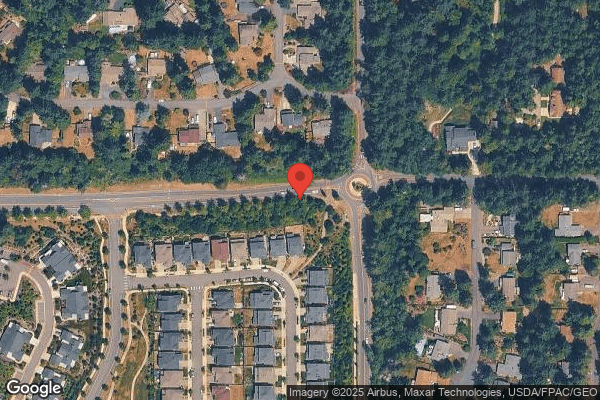
HERON'S KEY

4340 BORGEN BLVD NW, GIG HARBOR, WA 98332 (253) 313-0800
Non profit - Corporation 30 Beds Independent Data: November 2025
Trust Grade
73/100
#14 of 190 in WA
Last Inspection: November 2024

Within standard 12-15 month inspection cycle. Federal law requires annual inspections.

Overview

Heron's Key in Gig Harbor, Washington holds a Trust Grade of B, indicating it is a good facility, a solid choice but not without its issues. It ranks #14 out of 190 facilities in the state, placing it in the top half, and is the top-rated facility out of 21 in Pierce County. However, the facility's performance is worsening, with reported issues increasing from 1 in 2023 to 15 in 2024. Staffing is a strength, boasting a 5/5 star rating with a turnover rate of only 32%, well below the state average, and excellent RN coverage that exceeds 96% of Washington facilities. On the downside, there have been concerning incidents, such as a resident suffering a fracture due to improper transfer assistance, indicating a failure to follow safety protocols. Additionally, the facility has not adequately informed residents of their rights, which could impact their quality of life. Food safety practices have also come under scrutiny, with unsanitary kitchen conditions posing potential health risks to residents.

Trust Score
B
73/100
In Washington
#14/190
Top 7%
Safety Record
Moderate
Needs review
Inspections
Getting Worse
1 → 15 violations
Staff Stability
○ Average
32% turnover. Near Washington's 48% average. Typical for the industry.
Penalties
⚠ Watch
$15,015 in fines. Higher than 95% of Washington facilities. Major compliance failures.
Skilled Nurses
✓ Good
Each resident gets 106 minutes of Registered Nurse (RN) attention daily — more than 97% of Washington nursing homes. RNs are the most trained staff who catch health problems before they become serious.
Violations
⚠ Watch
33 deficiencies on record. Higher than average. Multiple issues found across inspections.
★★★★★
5.0
Overall Rating
★★★★★
5.0
Staff Levels
★★★☆☆
3.0
Care Quality
★★★★☆
4.0
Inspection Score
Stable
2023: 1 issues
2024: 15 issues

The Good

  • 5-Star Staffing Rating · Excellent nurse staffing levels
  • Full Sprinkler Coverage · Fire safety systems throughout facility
  • No fines on record
  • Staff turnover below average (32%)

    16 points below Washington average of 48%

Facility shows strength in staffing levels, fire safety.

The Bad

Staff Turnover: 32%

14pts below Washington avg (46%)

Typical for the industry

Federal Fines: $15,015

Below median ($33,413)

Minor penalties assessed

The Ugly 33 deficiencies on record

1 actual harm
Nov 2024 12 deficiencies
CONCERN (D)

Potential for Harm - no one hurt, but risky conditions existed

Deficiency F0559 (Tag F0559)

Could have caused harm · This affected 1 resident

**NOTE- TERMS IN BRACKETS HAVE BEEN EDITED TO PROTECT CONFIDENTIALITY** . Based on observation, interview, and record review, the facility failed to ensure married residents were provided the right to...

Read full inspector narrative →
**NOTE- TERMS IN BRACKETS HAVE BEEN EDITED TO PROTECT CONFIDENTIALITY** . Based on observation, interview, and record review, the facility failed to ensure married residents were provided the right to share a room for 2 of 2 sampled residents (Residents 1 and 4) reviewed for room changes. This failure placed residents at risk for psychosocial stress and a diminished quality of life. Findings included . Resident 1 Review of the electronic health record (EHR) showed Resident 1 admitted to the facility on [DATE] with diagnoses that included hypertension (high blood pressure) and heart failure. Resident 1 resided in room [ROOM NUMBER] and was able to make needs known. During an interview on 11/15/2024 at 9:55 AM, Resident 1 stated, I would prefer to share a room with my husband [Resident 212]. We assumed we would be able to, but they said we could not. Review of the care plan dated 09/05/2024 showed Resident 1 was at risk of decreased socialization due to cognitive decline. The care plan stated Resident 1 enjoyed spending time and eating meals with their spouse. Resident 1's recliner was relocated to their spouse's room to spend more time together. Resident 4 Review of the EHR showed Resident 4 admitted to the facility on [DATE] with diagnoses that included depression, dementia and heart failure. Resident 4 resided in room [ROOM NUMBER], required minimal assistance and was able to make needs known. During an interview on 11/15/2024 at 9:52 AM, Resident 4 stated they could not share a room with their spouse (Resident 1) because they were told it was one resident per room. During an interview on 11/15/2024 at 10:33 AM, Staff C, Social Services Coordinator (SSC), stated facility rooms were private and one resident per room. Staff C stated they did not know if two beds would fit in one room; however, they tried to accommodate Resident 1 by moving their recliner to Resident 4's room. During an interview on 11/15/2024 at 11:00 AM, Staff A, Administrator, stated the facility rooms were single occupancy. Staff A stated Resident 1 or Resident 4 never expressed they wanted to live together; however, they did express they wanted to spend more time together. Reference WAC 388-97-0580(1)(b)(i)(ii) .
CONCERN (D)

Potential for Harm - no one hurt, but risky conditions existed

Deficiency F0578 (Tag F0578)

Could have caused harm · This affected 1 resident

**NOTE- TERMS IN BRACKETS HAVE BEEN EDITED TO PROTECT CONFIDENTIALITY** . Based on interview and record review, the facility failed to determine if a resident had current advanced directives (AD), and...

Read full inspector narrative →
**NOTE- TERMS IN BRACKETS HAVE BEEN EDITED TO PROTECT CONFIDENTIALITY** . Based on interview and record review, the facility failed to determine if a resident had current advanced directives (AD), and if not, determine whether the resident wished to develop advanced directives for 1 of 4 sampled residents (Resident 9) when reviewed for AD. This failure potentially denied the resident the opportunity to direct their healthcare if they were to become unable to make decisions or communicate their health care preferences. Findings included . Review of a document titled, Advanced Directives, dated 08/18/2024, showed it was the policy of the facility to respect each resident's AD in accordance with state/federal law and facility policy. The facility's interdisciplinary team would review annually with the resident and/or representative their AD, upon the resident's request, when the residents condition warranted a review, and when there was a significant change in the resident's condition to ensure that such directives were still the wishes of the resident. Review of the admission minimum data set (MDS, a required assessment tool) dated 10/31/2024, showed Resident 9 admitted on [DATE] with multiple diagnoses to include cancer, anemia (a condition where the body does not produce enough red blood cells that can lead to a lack of oxygen in the body), dementia (a group of thinking and social symptoms that interferes with daily functioning), anxiety and depression. The MDS showed the resident was able to make needs known and had a change in condition to reflect being placed on hospice (care provided to people who are near the end of life and have stopped treatment to cure or control their disease). Review of Resident 9's electronic health record (EHR) showed they had no durable power of attorney (a legal document that gives someone the power to act on behalf of the resident if they ever became mentally incapacitated), which indicated the resident was responsible to make their own decisions. The resident's EHR showed an AD last dated for the month of March 2020; however, the residents change in condition on 10/31/2024 showed the MDS documented hospice care and no updated was documented to reflect this in the AD. During an interview on 11/13/2024 at 8:44 AM, Staff C, Social Services Coordinator, stated that the AD was in the chart; however, the form was last updated March 2020. During an interview on 11/13/2024 at 3:15 PM, Staff A, Administrator, stated the facility staff had conducted a recent audit to ensure all residents had a current AD; however, Resident 9 must not have had their records audited to ensure the AD was updated on a yearly basis and that their expectation would be that Resident 9 had a current AD in the EHR. Reference WAC 388-97-0300(3)(b)(c) .
CONCERN (D)

Potential for Harm - no one hurt, but risky conditions existed

Comprehensive Care Plan (Tag F0656)

Could have caused harm · This affected 1 resident

**NOTE- TERMS IN BRACKETS HAVE BEEN EDITED TO PROTECT CONFIDENTIALITY** . Based on observation, interview, and record review, the facility failed to develop a comprehensive care plan about post-trauma...

Read full inspector narrative →
**NOTE- TERMS IN BRACKETS HAVE BEEN EDITED TO PROTECT CONFIDENTIALITY** . Based on observation, interview, and record review, the facility failed to develop a comprehensive care plan about post-traumatic stress disorder (PTSD, a mental health condition that can develop after someone experiences or witnesses a traumatic event) for 1 of 8 sampled residents (Resident 6) reviewed for care planning. This failure placed the resident at risk for unidentified and unmet care needs and diminished quality of life. Findings included . Review of the electronic health record (EHR) showed Resident 6 admitted to the facility on [DATE] with diagnoses that included PTSD, Parkinson's (a degenerative brain condition that gets worse overtime), dementia (loss of memory, problem solving and thinking abilities) and end of life care. The change of condition minimum data set (MDS, an assessment tool), dated 10/17/2024, showed Resident 6 was not able to make needs known and was dependent on staff for activities of daily living. Observation on 11/12/2024 at 9:45 AM showed Resident 6 with eyes closed, laying in a low bed. During an interview on 11/13/2024 at 2:11 PM, Collateral Contact 1 (CC1), stated Resident 6's behaviors had resolved and they were very weak. CC1 stated Resident 6 had PTSD and had specific triggers that affected them. CC1 stated being a previous [NAME] was Resident 6's identity. Review of Resident 6's EHR showed a care plan with no PTSD focus area, goals, or interventions. During an interview on 11/14/2024 at 2:16 PM, Staff C, Social Service Coordinator, stated they did the trauma assessment and then developed a care plan for each resident that had PTSD. Staff C was not able to locate a care plan that addressed PTSD for Resident 6 and stated it was not acceptable. During an interview on 11/14/2024 at 2:53 PM, Staff B, Director of Nursing Services, stated the expectation was for PTSD to be addressed in the residents' care plans. Reference WAC 388-97-1020(1), (2)(a)(b) .
CONCERN (D)

Potential for Harm - no one hurt, but risky conditions existed

Quality of Care (Tag F0684)

Could have caused harm · This affected 1 resident

**NOTE- TERMS IN BRACKETS HAVE BEEN EDITED TO PROTECT CONFIDENTIALITY** . Based on interview and record review, the facility failed to consistently implement the bowel program when needed for 1 of 5 s...

Read full inspector narrative →
**NOTE- TERMS IN BRACKETS HAVE BEEN EDITED TO PROTECT CONFIDENTIALITY** . Based on interview and record review, the facility failed to consistently implement the bowel program when needed for 1 of 5 sampled residents (Resident 15) reviewed for unnecessary medications. These failures placed the residents at risk for discomfort and a diminished quality of life. Findings included . Review of a document titled, Bowel Care Protocol-Standing House Orders dated 10/19/2022 showed a resident would be provided the following: (1) Milk of magnesia (MOM) suspension by mouth daily as needed for constipation. Give at bedtime or at resident preferred time if no bowel movement on 3rd day. (2) Dulcolax suppository as needed for constipation if no results from MOM after 12 hours. (3) Fleet enema every 24 hours as needed for constipation if no results from Dulcolax in four to six hours. (4) If no results from enema notify MD. Review of the electronic health record (EHR) showed Resident 15 admitted to the facility on [DATE] with diagnoses that included hypertension (high blood pressure), diabetes and dementia. Resident 15 had impaired communication relating to making self-understood and understanding others. Review of Resident 15's care plan dated 10/21/2024 showed the resident received an antipsychotic medication, and that staff were to observe for any side effects to include constipation. Review of Resident 15's task section in the EHR for bowel movement showed no bowel movement (BM) on 11/06/2024, 11/07/2024, 11/08/2024 and 11/09/2024. The EHR showed documentation that the resident was administered a Dulcolax suppository on 11/09/2024. During an interview on 11/14/2024 at 12:11 PM, Staff B, Director of Nursing Services, stated the expectation was that the facility's bowel protocol should have been implemented within the stated time frame and documented whenever a resident had no BM for three days. Reference WAC 388-97-1060(1) .
CONCERN (D)

Potential for Harm - no one hurt, but risky conditions existed

Accident Prevention (Tag F0689)

Could have caused harm · This affected 1 resident

**NOTE- TERMS IN BRACKETS HAVE BEEN EDITED TO PROTECT CONFIDENTIALITY** . Based on observation, interview and record review, the facility failed to ensure a safe environment was maintained related to...

Read full inspector narrative →
**NOTE- TERMS IN BRACKETS HAVE BEEN EDITED TO PROTECT CONFIDENTIALITY** . Based on observation, interview and record review, the facility failed to ensure a safe environment was maintained related to a reclining chair for 1 of 2 sampled residents (Resident 14) and common area appliances were safe from resident use for 2 of 2 common area ovens (East and West) when reviewed for accidents. These failures placed residents at risk for avoidable injuries and a diminished quality of life. Findings included . <Reclining Chair> Review of the electronic health record (EHR) showed Resident 14 admitted to the facility on [DATE] with diagnoses that included left hip pain, muscle weakness and Guilian-Barre Syndrome (a condition in which the body's immune system attacks the nerves). Resident 14 was able to make needs known. Observation on 11/13/2024 at 9:29 AM showed Resident 14 slumped down in a recliner chair located in the corner of their room. Review of Resident 14's EHR showed no safety assessment or informed consent with risks and benefits for the use of a recliner chair. Review of Resident 14's provider's orders showed no order for the use of a recliner chair. During an interview on 11/13/2024 at 11:56 AM, Staff B, Directo of Nursing Services, stated they did not have a process for assessing if the recliners were safe for residents. Staff B stated they would unplug recliners in some resident's room based on their diagnosis. Staff B stated the expectation was that residents with reclining chairs had a provider's order, an initial and quarterly assessment and that risk and benefits would be provided. <Common Area Ovens> Observation on 11/12/2024 at 11:55 AM showed a common area stove on the east side of the building with an out of order sign. The stove had push buttons and was easily accessible for residents to turn on. Observation showed the oven was able to be turned on. Observation on 11/12/2024 at 12:15 PM showed a common area stove on the west side of the building. The stove had push buttons and was easily accessible for residents to turn on. Observation showed the oven was able to be turned on. During an interview on 11/12/2024 at 2:15 PM, Staff A, Administrator, stated the stove units were disconnected and not able to be used. During an interview and observation on 11/12/2024 at 2:16 PM, Staff Q, Maintenance Supervisor, stated the electrical panel was distorted; therefore, the ovens did not work. Observation showed Staff Q was able to turn on the stoves in both the east and west common areas. Staff Q stated they were unaware the ovens continued to function and the ovens should have been disable but had not been. Observation on 11/12/2024 at 2:48 PM showed a Defective equipment, out of service sign on both the east and west common area stoves Reference WAC 388-97-1060 (3)(g) .
CONCERN (D)

Potential for Harm - no one hurt, but risky conditions existed

Deficiency F0757 (Tag F0757)

Could have caused harm · This affected 1 resident

**NOTE- TERMS IN BRACKETS HAVE BEEN EDITED TO PROTECT CONFIDENTIALITY** . Based on interview and record review, the facility failed initiate non-pharmacological interventions prior to the administrati...

Read full inspector narrative →
**NOTE- TERMS IN BRACKETS HAVE BEEN EDITED TO PROTECT CONFIDENTIALITY** . Based on interview and record review, the facility failed initiate non-pharmacological interventions prior to the administration of as needed pain medication for 1 of 5 sampled residents (Resident 14) reviewed for unnecessary medications. This failure placed residents at risk for receiving unnecessary medications and a diminished quality of life. Findings included . Review of the electronic health record (EHR) showed Resident 14 admitted to the facility on [DATE] with diagnoses that included left hip pain, muscle weakness and Guilian-Barre Syndrome (a condition in which the body's immune system attacks the nerves). Resident 14 was able to make needs known. Review of the EHR showed Resident 14 had orders for Tramadol 25 milligrams (MG) and acetaminophen 325 MG to be given as needed for pain. Review of the October 2024 medication administration record (MAR) showed that Resident 14 was provided Tramadol eighteen times and acetaminophen twice; however, there was no documentation that non-pharmacological interventions were provided prior to the administration of the medications. Review of the November 2024 MAR showed that Resident 14 was provided Tramadol six times; however, there was no documentation that non-pharmacological interventions were provided prior to the administration of the medications. During an interview on 11/14/2024 at 11:45 AM, Staff B, Director of Nursing Services, stated the expectation was for staff to provide and document non-pharmacological interventions to all residents who had as needed pain medications. Reference WAC 388-97-1060(3)(k)(i) .
CONCERN (D)

Potential for Harm - no one hurt, but risky conditions existed

Safe Environment (Tag F0921)

Could have caused harm · This affected 1 resident

**NOTE- TERMS IN BRACKETS HAVE BEEN EDITED TO PROTECT CONFIDENTIALITY** . Based on observation and interview, the facility failed to ensure a sanitary piece of equipment was available to 1 of 2 sample...

Read full inspector narrative →
**NOTE- TERMS IN BRACKETS HAVE BEEN EDITED TO PROTECT CONFIDENTIALITY** . Based on observation and interview, the facility failed to ensure a sanitary piece of equipment was available to 1 of 2 sampled residents (Resident 6) reviewed for safe and sanitary environment/equipment. This failure placed the resident at risk for infection and diminished quality of life. Findings included . Review of the electronic health record showed Resident 6 admitted to the facility on [DATE] with diagnoses that included Parkinson's (a degenerative brain condition that gets worse overtime), dementia (loss of memory, problem solving and thinking abilities) and end of life care. The change of condition minimum data set (MDS, an assessment tool), dated 10/17/2024, showed Resident 6 was not able to make needs known and was dependent on staff for activities of daily living. Observation on 11/12/2024 at lunch time showed Resident 6 visiting with their spouse and sitting in their wheelchair in the dining room. The armrests of the wheelchair were covered with multiple layers of black plastic tape and fabric tape and was showing frayed edges that were not a cleanable surface. During an interview on 11/15/2024 at 9:46 AM, Staff E, Central Supply, stated the process was for them to notify a company to come and repair the broken part. When asked about the condition of the armrest of Resident 6's wheelchair, Staff E stated they placed the tape on the armrest as Resident 6 had pulled out the cover from the armrests. Staff E stated the armrests were not a cleanable surface. During an interview on 11/15/2024 at 11:14 AM, Staff B, Director of Nursing Services, stated the expectation was to have wheelchairs in good condition and have cleanable surfaces. Reference WAC 388-97-3220(1) .
CONCERN (E)

Potential for Harm - no one hurt, but risky conditions existed

Transfer Notice (Tag F0623)

Could have caused harm · This affected multiple residents

**NOTE- TERMS IN BRACKETS HAVE BEEN EDITED TO PROTECT CONFIDENTIALITY** . Based on interview and record review, the facility failed to provide written notification of the reason for transfer to the ho...

Read full inspector narrative →
**NOTE- TERMS IN BRACKETS HAVE BEEN EDITED TO PROTECT CONFIDENTIALITY** . Based on interview and record review, the facility failed to provide written notification of the reason for transfer to the hospital to residents or responsible party for 1 of 1 sampled residents (Resident 1) reviewed for hospitalization. This failure placed the resident at risk for not knowing rights regarding transfer and discharge from the facility and diminished protection from being inappropriately discharged . Findings included . Review of the electronic health record (EHR) showed Resident 1 admitted to the facility on [DATE] with diagnoses that included hypertension (high blood pressure) and heart failure. Resident 1 was able to make needs known. Review of Resident 1's EHR showed a hospitalization on 08/05/2024, and readmission to the facility on [DATE]. There was no documentation regarding notice of transfer. During an interview on 11/14/2024 at 11:46 AM, Staff A, Administrator, stated they did not provide residents or resident representatives with written notice for reason of transfer to the hospital. Reference WAC 388-91-0120(2) (a-d) .
CONCERN (E)

Potential for Harm - no one hurt, but risky conditions existed

Deficiency F0625 (Tag F0625)

Could have caused harm · This affected multiple residents

**NOTE- TERMS IN BRACKETS HAVE BEEN EDITED TO PROTECT CONFIDENTIALITY** . Based on interview and record review, the facility failed to provide written bed hold notice at the time of transfer to the ho...

Read full inspector narrative →
**NOTE- TERMS IN BRACKETS HAVE BEEN EDITED TO PROTECT CONFIDENTIALITY** . Based on interview and record review, the facility failed to provide written bed hold notice at the time of transfer to the hospital for 1 of 1 sampled residents (Resident 1) reviewed for hospitalization. This failure placed the residents at risk for lacking knowledge regarding their right to hold their bed while in the hospital and diminished quality of life. Findings included . Review of the electronic health record (EHR) showed Resident 1 admitted to the facility on [DATE] with diagnoses that included hypertension (high blood pressure) and heart failure. Resident 1 was able to make needs known. Review of Resident 1's EHR showed a hospitalization on 08/05/2024, and readmission to the facility on [DATE]. There was no documentation regarding a bed hold being provided. During an interview on 11/14/2024 at 11:46 AM, Staff A, Administrator, stated they were not offering residents bed holds but should have been. Reference WAC 388-91-0120(4) .
CONCERN (F)

Potential for Harm - no one hurt, but risky conditions existed

Deficiency F0572 (Tag F0572)

Could have caused harm · This affected most or all residents

. Based on interview and record review, the facility failed to periodically inform residents of their rights after residents were admitted to the facility for 8 of 8 sampled residents (Residents 1, 3,...

Read full inspector narrative →
. Based on interview and record review, the facility failed to periodically inform residents of their rights after residents were admitted to the facility for 8 of 8 sampled residents (Residents 1, 3, 6, 9, 13, 14, 15 and 16) when reviewed for resident rights. This failure placed residents at risk of not being informed of their rights and a diminished quality of life. Findings included . During an interview on 11/12/2024 at 9:15 AM, Staff A, Administrator (ADM), stated they did not have a Resident Council President. Staff A stated they did not believe there were any residents that attended resident council for the past couple of months. During an interview on 11/15/2024 at 10:00 AM, Resident 3 stated they did not recall discussing or being provided information related to resident rights since they admitted to the facility. During an interview on 11/15/2024 at 9:19 AM, Resident 1 stated they were not aware of the Resident Council, and they were not aware of their resident rights. Review of Resident Council Minutes for August, September and October 2024 showed no residents attended the meetings. Review showed resident rights were not alternatively communicated to residents. During an interview on 11/15/2024 at 10:58 AM, Staff P, Life Enrichment Assistant, stated they did not periodically provide any information on resident rights to residents. During an interview on 11/15/2024 at 11:20 AM, Staff A, Administrator, stated the expectation was that residents were informed at admission and throughout their stay of the resident rights. Staff A stated communication should have been by other means since residents were not attending resident council. Reference WAC 388-97-0280(2), (3)(a-d) .
CONCERN (F)

Potential for Harm - no one hurt, but risky conditions existed

Food Safety (Tag F0812)

Could have caused harm · This affected most or all residents

. Based on observation and interview, the facility failed to sanitarily prepare food in the facility kitchen and failed to monitor resident refrigerators for 1 of 2 resident refrigerators (Front Refri...

Read full inspector narrative →
. Based on observation and interview, the facility failed to sanitarily prepare food in the facility kitchen and failed to monitor resident refrigerators for 1 of 2 resident refrigerators (Front Refrigerator) when reviewed for kitchen. These failures placed residents at risk of consuming contaminated food, foodborne illness, and a diminished quality of life. Findings included . <Kitchen Observation> Observation on 11/13/2024 at 11:25 AM showed a peroxide cleaning spray hanging from food shelfing containing raw bananas and tortillas. Observation on 11/13/2024 at 11:28 AM showed Staff K, Cook, had an uncovered beard and was cutting pieces of pie at a preparation station. Observation on 11/13/2024 at 11:30 AM showed Staff L, Dietary Aide, wore a hairnet over the back portion of the head while leaving the bangs exposed. Observation on 11/13/2024 at 11:40 AM showed a personal cell phone on a shelf above a sandwich making station. A cell phone power cord was hanging over the edge of the shelving and dangling above the opened sandwich making station. Observation on 11/13/2024 at 11:45 AM showed Staff M, Dietary Aide, delivered trays to the main dining room and placed their hands on the legs and in their pockets while conversing with residents. Staff M then re-entered the kitchen and returned to tray service without performing hand hygiene. Observation showed Staff M move to the dining room and back into the kitchen without performing hand hygiene at 11:48 AM. During an interview on 11/13/2024 at 1:03 PM, Staff N, Dining Room Supervisor, stated cleaning supplies should not be stored near food items and the peroxide cleaner should not be hanging over the bananas and tortillas. Staff N stated that hair should be covered and Staff L having their bangs exposed did not meet expectation. Staff N stated beards should be covered once they were a certain length and Staff N was unsure whether Staff K's beard required a hair net. Staff N stated staff should wash their hands after returning from the dining room and Staff M's lack of hand hygiene after going to the dining room did not meet this expectation. Staff N stated staff personal items should be stored near the entrance to the kitchen and not be in the food preparation areas. Staff N stated the phone cord dangling over the sandwich making station did not meet expectation. During an interview on 11/13/2024 at 1:18 PM, Staff A, Administrator, stated cleaning products should not be stored near food items, hairnets should completely cover the hair or beard, personal items should not be in food preparation areas, and staff should perform hand hygiene whenever they returned to the kitchen from the dining area. Staff A stated the facility's kitchen had not met these expectations. <Resident Refrigerator> Observation on 11/13/2024 at 9:34 AM showed the front resident refrigerator contained: (1) A plastic container of noodle salad without labeling, (2) A cardboard container of half-consumed garden salad without labeling, (3) A squeeze style guacamole labeled with Staff O's, Dietary Manager, name and a use by date of 09/09/2024, (4) A squeeze style salsa verde with Staff O's name and no date labeling (Expiration date was worn off), (5) A cardboard cup with a dark brown unidentifiable substance without labeling, (6) A plastic bag with two Tupperware containers of food without labeling, and (7) A jar of blackberry preserve with a use by date of 01/20/2024. During an interview on 11/13/2024 at 1:03 PM, Staff N stated the resident refrigerators' contents were monitored by nursing staff who would ensure items were labeled with a resident's name and date when placed in the refrigerator. Staff N stated food items were thrown away after three days. Staff N reviewed the facility's front resident refrigerator and stated that there were multiple items that needed to be thrown away due to a lack of dating or being over three days old. Staff N stated staff food items should not be stored in resident refrigerators and was unsure why Staff O had stored items in the refrigerator. Staff N stated the refrigerator did not meet their expectation for sanitary food storage. During an interview on 11/13/2024 at 1:18 PM, Staff A stated the resident refrigerators' contents were monitored and thrown away by the dietary staff and they should not contain staff food items. Staff A stated the lack of labeling, food not being thrown out, and staff food items being in the resident refrigerator did not meet expectation. Reference WAC 388-97-1100 (3), -2980 .
MINOR (C)

Minor Issue - procedural, no safety impact

Staffing Information (Tag F0732)

Minor procedural issue · This affected most or all residents

. Based on interview and record review, the facility failed to post actual nurse staffing hours for 11 of 11 months reviewed (01/10/2024 through 11/14/2024) when reviewed for nurse staff posting. This...

Read full inspector narrative →
. Based on interview and record review, the facility failed to post actual nurse staffing hours for 11 of 11 months reviewed (01/10/2024 through 11/14/2024) when reviewed for nurse staff posting. This failure placed residents and family at risk of not knowing the actual number of staff working within the facility. Findings included . Observation on 11/13/2024 at 11:11 AM showed a Daily Staffing sheet posted at the front of the facility which included a column for staff hours and a second column labeled Changes. Review of the nurse staff posting binder from 01/10/2024 through 11/14/2024 showed no daily staffing forms with any recorded changes in staffing. Review showed nurse staff postings were missing for 04/13/2024 through 04/15/2024 and 04/22/2024 through 04/23/2024. During an interview on 11/14/2024 at 2:31 PM, Staff F, Staffing Coordinator, stated they posted the daily staffing sheets. Staff F stated they did not update the posting with the actual hours worked by staff. During an interview on 11/14/2024 at 3:08 PM, Staff A, Administrator, stated Staff F was responsible for updating the nurse staff posting sheets with the actual hours worked by staff. Staff A stated the lack of actual hours worked by nursing staff on the nurse staff postings did not meet expectation. No Associated WAC .
Jan 2024 3 deficiencies
CONCERN (D)

Potential for Harm - no one hurt, but risky conditions existed

Deficiency F0757 (Tag F0757)

Could have caused harm · This affected 1 resident

Based on interview and record review the facility failed to adequately monitor for adverse side effects of anticoagulant (blood thinning) medications for 2 of 5 sampled residents (Residents 15 and 9) ...

Read full inspector narrative →
Based on interview and record review the facility failed to adequately monitor for adverse side effects of anticoagulant (blood thinning) medications for 2 of 5 sampled residents (Residents 15 and 9) reviewed for unnecessary medications. This failure placed the residents at risk for unidentified adverse side effects and a decreased quality of life. Findings included . Review of Resident 15's electronic health record (EHR) showed the resident was receiving the blood thinning medication (Xerelto) for a diagnosis of atrial fibrillation (irregular heartbeat). The EHR did not show an order to monitor for adverse side effects. Review of Resident 9's EHR showed the resident was receiving the blood thinning medication (Xerelto) for a diagnosis of atrial fibrillation. The EHR did not show monitoring for adverse side effects. During an interview on 01/05/2024 at 10:26 AM, Staff F, Resident Care Manager, stated that it was their expectation that residents receiving blood thinning medications be monitored for signs of abnormal bleeding or bruising. Staff F stated that it should be in the medication administration record (MAR) or treatment administration record (TAR) but this was not done for Resident 15. During an interview on 01/05/2024 at 12:00 PM, Staff G, Minimum Data Set Registered Nurse, stated Resident 9 had an order in place to monitor for adverse effects of anticoagulant medication, but it was not showing for the nurses to complete. During an interview on 01/05/2024 at 11:20 AM, Staff B, Director of Nursing Services stated that it was their expectation that residents receiving anticoagulant medications be monitored for signs of abnormal bleeding/bruising, and that this was not being completed for Resident 15 and Resident 9, but should have been. Reference WAC 388-97--1060 (3)(k)(i) . .
CONCERN (D)

Potential for Harm - no one hurt, but risky conditions existed

Deficiency F0761 (Tag F0761)

Could have caused harm · This affected 1 resident

Based on observation and interview, the facility failed to ensure drugs and biologicals were labeled, dated, or discarded in accordance with currently accepted professional standards for 2 of 2 medica...

Read full inspector narrative →
Based on observation and interview, the facility failed to ensure drugs and biologicals were labeled, dated, or discarded in accordance with currently accepted professional standards for 2 of 2 medication carts (1200 and 1300 carts) reviewed for medication storage. This failure placed residents at risk of receiving compromised or expired medications. Findings included . Observation of the 1300 hall medication cart on 01/05/2024 at 9:33 AM, showed an opened bottle of latanoprast ophthalmic solution (a medication used to treat increased pressure inside the eye) for Resident 1, and an opened bottle of latanoprast ophthalmic solution for Resident 21. The bottles did not have the date that they were opened on the label. An opened bottle of unlabeled and undated GENTEAL tears eye drops (moisturizing eye drops) was on the medication cart. Observation of the 1200 hall medication cart on 01/05/2024 at 9:56 AM showed an opened tube of erythromycin (an antibiotic) eye ointment for Resident 18. The tube was not labeled with an opened date. During an interview on 01/05/2024 at 9:40 AM, Staff H, Registered Nurse, stated all multiuse vials such as eye drops should be labeled with the resident's name and the date it was opened. During an interview on 01/05/2024 at 9:59 AM, Staff J, Licensed Practical Nurse, stated that Resident 18 had completed treatment with the erythromycin eye ointment. Staff J stated the tube should have been dated when it was opened and discarded when completed. During an interview on 01/05/2024 at 11:14 AM, Staff B, Director of Nursing Services, stated that it was their expectation that all multiuse vials/tubes be dated and labeled when opened and the eye drops and ointments found undated did not meet expectations. Reference WAC 388-97--1300 (2) .
CONCERN (E)

Potential for Harm - no one hurt, but risky conditions existed

Deficiency F0804 (Tag F0804)

Could have caused harm · This affected multiple residents

Based on observation, interview and record review the facility failed to ensure residents were served meals at appropriate temperatures. This failure placed the residents at risk for food bourne illne...

Read full inspector narrative →
Based on observation, interview and record review the facility failed to ensure residents were served meals at appropriate temperatures. This failure placed the residents at risk for food bourne illness, decreased satisfaction with meals and diminished quality of life. Findings included . During an interview on 01/03/2024 Resident 4 said The food is ok but it is usually cold at the dinner. Observation of lunch tray service on 01/08/2024 between 11:00 AM and 12:30 PM showed the following; The Shepherd's Pie entree was not tempted prior to the beginning meal service. The mashed potatoes were observed on the steam table at 11:00AM and were not tempted prior to the beginning of meal service at noon. The Cream of Cauliflower soup was not tempted prior to being served at 11:56 AM to the first resident in the dining room. During an interview on 01/08/2024 at 12:07 PM Staff D, Cook, stated that they had taken the temperature of the soup at approximately 10:00 AM and that it was the dietary aide's responsibility to take the temperature again at the beginning of meal service. Staff D stated that other hot items were temped prior to being put on the steam table. During an observation on 01/08/2024 at 12:16 PM Staff E, Dietary Aide, was observed temping the soup. Review of the kitchen temperature logs at 12:30 PM showed no temperatures recorded for the 01/08/2024 lunch meal. The temperture log did not have an area to record the time the temperatures were taken. During an interview on 01/08/2024 at 12:55 PM, Staff C, Dietary Manger (DM), stated their expectation was that the temperature logs should have been completed after the temperature was taken for accuracy. Additionally, Staff C stated that they expected all other foods to be tempted before service and ideally in the middle of service. Reference WAC 388-97-1100 (1), (2) .
Aug 2023 1 deficiency 1 Harm
SERIOUS (G) 📢 Someone Reported This

A family member, employee, or ombudsman was alarmed enough to file a formal complaint

Actual Harm - a resident was hurt due to facility failures

Accident Prevention (Tag F0689)

A resident was harmed · This affected 1 resident

**NOTE- TERMS IN BRACKETS HAVE BEEN EDITED TO PROTECT CONFIDENTIALITY** . Based on interview and record review, the facility failed to implement the planned preventative measure of two person assist w...

Read full inspector narrative →
**NOTE- TERMS IN BRACKETS HAVE BEEN EDITED TO PROTECT CONFIDENTIALITY** . Based on interview and record review, the facility failed to implement the planned preventative measure of two person assist when using mechanical devices to ensure safety and prevent falls for 1 of 3 residents (Resident 1) reviewed for accident hazards. This failure resulted in harm to Resident 1 who experienced pain and sustained a left upper arm fracture when they were transferred with one person assist rather than two person assist as they were assessed to require. This failure also placed other residents at risk for falls, injury, and diminished quality of life. Findings included . Review of the facility's Safe Resident Handling Transfers Policy, dated 10/31/2021, it was the policy of the facility to ensure residents were handled and transferred safely to prevent or minimize risk for injury and provide and promote a safe, secure experience for the residents. Staff would be educated on safe handling transfer practices and use of mechanical lifts such as full body lifts (e.g., Hoyer lift) and sit-to-stand lifts (helps the patient to rise from the seated position but does not support the patient's entire body weight.)According to the policy Two staff members must be utilized when transferring residents with a mechanical lift and staff were expected to maintain compliance with these safe handling practices. Resident 1 Resident 1 admitted to the facility on [DATE]. According to the 05/15/2023 quarterly Minimum Data Set (MDS, an assessment tool), the resident was severely cognitively impaired, had a diagnoses of non-traumatic brain dysfunction, dementia, and required extensive two-person assistance with transfers. Review of Resident 1's electronic health record showed on 08/14/2023 an order was obtained for a left shoulder two view x-ray secondary to left arm pain with movement. Review of the 08/14/2023 x-ray results showed Resident 1 had a Recent fracture of the left humeral neck (upper arm) with modest displacement (end of the bones at the site of the break are not in alignment.) Review of the facility's incident log showed a 08/14/2023 incident was logged for an injury (fracture) during handling for Resident 1. Review of the Facility's 08/14/2023 investigation showed through staff interviews the facility was able to determine Resident 1 was injured sometime on 08/09/2023. Staff provided the following statements: a) According to Staff D, Licensed Practical Nurse (LPN), on 08/09/2023 at 8:00 AM, Staff D and Staff C, Certified Nursing Assistant (CNA) transferred Resident 1 utilizing a sit-to-stand lift without incident. b) According to Staff G, CNA, on the evening of 08/09/2023 (to 8/10/2023) when repositioning Resident 1 in bed, the resident called out in pain and placed their right hand on the wall to prevent Staff G from rolling them to their left side. Staff G indicated they immediately stopped and notified nursing. c) According to Staff F, LPN, on the evening of 08/09/2023 during movement toward either side Resident 1 voiced expressions of pain such as ow. e) According to Staff E, CNA, on the morning of 08/10/2023 they attempted to roll Resident 1 in bed, but the resident yelled out in pain. Staff E stated that they immediately stopped and informed the nurse. Review of the investigative documents showed on 08/10/2023 the provider was notified of Resident 1's new onset of pain, and an order for acetaminophen (a medication to control pain) was obtained. The provider stated the pain/soreness may be due to the resident's recent COVID (a highly contagious virus) positive test. When Resident 1's symptoms were not relieved by 08/14/2023, staff obtained an order for a left shoulder x-ray, which identified a left humerus fracture. On 08/14/2023 after Resident 1's fracture was identified, Staff C, the CNA assigned to care for Resident 1 on the day shift of 08/09/2023 was contacted for a statement as they had not prior provided one. Staff C explained that on 08/09/2023 just before lunch they attempted to transfer Resident 1 to the toilet by themself. According to Staff C the sit-to-stand sling was correctly placed, the resident grabbed the lift bar with their right hand and had the left hand across their chest. Per Staff C they began to lift Resident 1 in the sit-to-stand lift. While the lift was elevating Resident 1 was holding on with tightly had begun to slump. As the lift went higher, the resident let go and the sling slipped up under the resident's armpits causing the resident to hang freely from the sling. Staff C reported they supported the resident's buttocks while they lowered the resident back into the wheelchair. Staff C confirmed they attempted to transfer Resident 1 alone, despite being aware the resident required two-person assistance when being transferred. Staff C also confirmed they did not report the incident. During an interview on 09/31/2023 at 12:56 PM, Staff A, Administrator and Staff B, Director of Nursing Services, both confirmed the root cause of the incident was the failure to transfer Resident 1 with two people as the resident was assessed to require and as directed by facility policy when using mechanical lifts to ensure resident safety. Reference WAC 388-97-1060(3)(g)
Sept 2022 17 deficiencies
CONCERN (D)

Potential for Harm - no one hurt, but risky conditions existed

Deficiency F0552 (Tag F0552)

Could have caused harm · This affected 1 resident

Based on interview and record review the facility failed to inform residents in advance of proposed changes to medication regimens, the reason(s) for the changes and obtain the residents consent prior...

Read full inspector narrative →
Based on interview and record review the facility failed to inform residents in advance of proposed changes to medication regimens, the reason(s) for the changes and obtain the residents consent prior to implementation of the proposed changes for one of six sampled residents (Resident 1) who were reviewed for participation in development of their plan of care. The facilities' decision to implement changes to a resident's medication regimen without informing the resident of the changes or the reason behind them, deprived the resident of their right to be informed of, and participate in decisions about their medical care. These failures placed the resident at risk for avoidable adverse health events, feelings of powerlessness, anger and frustration, unmet care needs and diminished quality of life. Findings included . According to Parkinsons.org A minor change in [Parkinson's] medication timing can have major negative effects on symptom management and general recovery. The uneven release of dopamine can result in a person suddenly not being able to move, get out of bed or walk down a corridor. RESIDENT 1 Resident 1's Quarterly Minimum Data Set (MDS, an assessment tool), dated 05/05/2022, showed the resident was cognitively intact with clear comprehension. Review of Resident 1's September 2022 Medication Administration Record (MAR) on 09/20/2022 at 6:25 AM, showed the resident had an order for carbidopa-levodopa (an antiparkinsonian medication) three times daily, to be administered at 7:00 AM, 2:00 PM and 9:00 PM, dated 08/16/2020. During observation of Resident 1's morning medication pass on 09/20/2022 at 8:53 AM, Staff W, Licensed Practical Nurse, was observed preparing and administering Resident 1's carbidopa-levodopa. Review of Resident 1's electronic MAR (screen Staff W was using) showed Resident 1's carbidopa-levodopa was scheduled to be administered at 9:00 AM, not 7:00 AM as it had been two and a half hours prior. Review of Resident 1's electronic health record (EHR) showed an order was input on 09/20/2022 at 7:20 AM, changing the administration time for Resident 1's carbidopa-levodopa from 7:00 AM to 9:00 AM. During an interview on 09/20/2022 at 9:17 AM, Staff X, Resident Care Manager, indicated she had changed the administration of Resident 1's carbidopa-levodopa time from 7:00 AM to 9:00 AM at the resident's request. Resident 1's Parkinson's medication. When asked if she contacted the physician, before changing the order Staff X stated, I did not. During an interview on 09/20/2022 at 11:47 AM, Resident 1 stated that he had not requested any change to the administration time of the carbidopa-levodopa, and that he was unaware the time had been changed. Resident 1 said, This is the first I am hearing of it. Reference WAC 388-97-0300(3)(a)(b) .
CONCERN (D)

Potential for Harm - no one hurt, but risky conditions existed

Deficiency F0582 (Tag F0582)

Could have caused harm · This affected 1 resident

Based on interview and record review, the facility failed to provide a Notification of Medicare Non-Coverage (NOMNC) at least two calendar days before Medicare services ended, as required, for one of ...

Read full inspector narrative →
Based on interview and record review, the facility failed to provide a Notification of Medicare Non-Coverage (NOMNC) at least two calendar days before Medicare services ended, as required, for one of three residents (Resident 75) reviewed for liability notices. This failure prevented the resident from exercising the right to appeal and dispute the termination of Medicare covered care. Findings included . RESIDENT 75 Review of the Skilled Nursing Facility Beneficiary Notification Review form, completed by facility staff, showed Resident 75 started skilled services on 03/18/2022 and the facility-initiated discharge from Medicare part A services had a last covered day (LCD) of 04/11/2022. Review of Resident 75's NOMNC showed it listed the resident's LCD as 4/28/2022 and was signed the same day (04/28/2022). Resident 75's discharge Minimum Data Set (MDS, an assessment tool), dated 04/12/2022, showed the resident discharged from the facility on 04/12/2022. During an interview on 09/15/2022 at 12:37 PM, Staff A, Administrator, stated Resident 75's LCD was 04/11/2022 but said the facility failed to present the NOMNC prior to the resident being discharged home. Staff A said the facility mailed the NOMNC to Resident 75 who signed it on 04/28/2022. Staff A acknowledged a NOMNC is required to be presented to a resident at least two calendar days prior to the LCD and stated that the facility failed to do so. Reference WAC 388-97-0300 (1)(e) .
CONCERN (D)

Potential for Harm - no one hurt, but risky conditions existed

Deficiency F0638 (Tag F0638)

Could have caused harm · This affected 1 resident

Based on interview and record review the facility failed to ensure a Quarterly Minimum Data Set (MDS - an assessment tool) was completed within 14 days of the Assessment Reference Date (ARD), for one ...

Read full inspector narrative →
Based on interview and record review the facility failed to ensure a Quarterly Minimum Data Set (MDS - an assessment tool) was completed within 14 days of the Assessment Reference Date (ARD), for one of eight residents (Resident 1) whose Quarterly MDSs were reviewed. This failure placed residents at risk for delayed identification of and/or unmet care needs. Findings included . According to the Resident Assessment Instrument (RAI) manual (a manual that provides direction on how to accurately complete a MDS), a Quarterly assessment is considered timely if, The MDS completion date was no later than 14 days after the ARD (ARD + 14 calendar days). RESIDENT 1 Review of Resident 1's electronic health record showed a Quarterly MDS with an ARD of 08/24/2022. Review of the completion date showed it was not completed until 09/12/2022, 19 days after the ARD. During an interview on 09/20/2022 at 7:57 AM, Staff E, MDS Coordinator, stated, It was [completed] late. Reference WAC 388-97-1000(4)(a) .
CONCERN (D)

Potential for Harm - no one hurt, but risky conditions existed

Assessment Accuracy (Tag F0641)

Could have caused harm · This affected 1 resident

**NOTE- TERMS IN BRACKETS HAVE BEEN EDITED TO PROTECT CONFIDENTIALITY** RESIDENT 21 Resident 21 was admitted to the facility on [DATE] with diagnoses including stroke and muscle weakness. Review of ...

Read full inspector narrative →
**NOTE- TERMS IN BRACKETS HAVE BEEN EDITED TO PROTECT CONFIDENTIALITY** RESIDENT 21 Resident 21 was admitted to the facility on [DATE] with diagnoses including stroke and muscle weakness. Review of Resident 21's progress note, dated 08/02/2022, shows Resident 21 sustained a fall when they transferred from the wheelchair to the bed. Review of Resident 21's annual MDS, dated [DATE], showed Resident 21 had no falls since the prior assessment. On 09/19/2022 at 11:23 AM, Staff E, MDSC, stated that the MDS should have been coded that Resident 21 had a fall since the prior assessment. RESIDENT 19 Review of Resident 19's annual MDS, dated [DATE], showed no documentation for section F, Activities. On 09/15/2022 at 12:38 PM, Staff M, Activity Director, stated that she is responsible for completing the activities section in the MDS and she did not complete it on the annual MDS dated [DATE]. Reference WAC 388-97-1000 (1)(b) Based on interview and record review, the facility failed to accurately assess five of 14 residents (Residents 3, 10, 4, 19 and 21) whose Minimum Data Sets (MDS, an assessment tool) were reviewed. Failure to ensure accurate assessments regarding behaviors (Resident 4), diagnoses (Resident 3), immunization status (Resident 10), falls (Resident 21) and activities (Resident 19), placed residents at risk for unidentified and/or unmet care needs. Findings included . RESIDENT 3 Resident 3 admitted to the facility on [DATE]. According to Resident 3's Significant Change MDS, dated [DATE], the resident received hospice services but did not have a life expectancy of less than six months. According to a 05/30/2022 hospice intake form, Resident 3 was determined to be terminally ill (life expectancy of six months or less) and began receiving hospice service effective 05/30/2022. During an interview on 09/20/2022 at 1:52 PM, Staff A, Administrator, stated that the MDS was inaccurately coded and should have reflected Resident 3's prognosis of less than six months to live. RESIDENT 10 Resident 10 admitted to the facility on [DATE]. According to the Quarterly MDS, dated [DATE], the resident's pneumococcal vaccination was up to date. Review of Resident 10's immunization report showed the resident had received the pneumococcal polysaccharide (PPV23) vaccination on 09/05/2019 but had not received the pneumococcal conjugate vaccine (PCV15 or PCV20). During an interview on 09/20/2022 at 11:15 AM, Staff B, Director of Nursing Services, acknowledged there was no documentation to support Resident 10 had received the pneumococcal conjugate vaccine (PCV15 or PCV20) thus, their pneumococcal vaccination was not up to date. RESIDENT 4 Resident 4 admitted to the facility on [DATE]. According to Resident 4's Quarterly MDS, dated [DATE], the resident was severely cognitively impaired, displayed signs and symptoms of delirium including; inattention, disorganized thinking and altered level of consciousness, had hallucinations, and demonstrated physical behaviors towards others (e.g. biting , kicking, hitting) on one to three days, verbal behaviors towards other (e.g., threatening, screaming or cursing at others) on four to six days and other behavioral symptoms (e.g. screaming, disruptive sounds, throwing or smearing food or bodily waste) on one to three days during the assessment period. Review of Resident 4's 06/05/2022 Quarterly MDS, showed the resident had severe cognitive impairment, displayed signs and symptoms of delirium such as inattention and disorganized thinking, had delusions, but displayed no verbal or physical behaviors directed towards others, and no other behavior symptoms not directed towards others during the assessment period. According to the assessment the resident's behaviors were the same as the prior MDS assessment. During an interview on 09/20/2022 at 07:55 AM, Staff E, MDS Coordinator (MDSC), stated that the 06/05/2022 Quarterly MDS inaccurately assessed Resident 4 had no verbal behaviors towards others or other behaviors like screaming and cursing. Staff E also stated that the MDS inaccurately assessed the resident's behaviors were the same as the prior assessment.
CONCERN (D)

Potential for Harm - no one hurt, but risky conditions existed

Deficiency F0658 (Tag F0658)

Could have caused harm · This affected 1 resident

**NOTE- TERMS IN BRACKETS HAVE BEEN EDITED TO PROTECT CONFIDENTIALITY** NEUROLOGICAL ASSESSMENT RESIDENT 11 On 09/16/2022 at 10:14 AM, Resident 11 stated that they woke up in the middle of the night o...

Read full inspector narrative →
**NOTE- TERMS IN BRACKETS HAVE BEEN EDITED TO PROTECT CONFIDENTIALITY** NEUROLOGICAL ASSESSMENT RESIDENT 11 On 09/16/2022 at 10:14 AM, Resident 11 stated that they woke up in the middle of the night on 09/09/2022 and the overbed table was on top of the left side of their head, and their head hurt. Resident 11 stated the nurse initiated neurological checks but only checked on them a couple times and allowed Resident 11 to fall asleep. Resident 11 stated neurological checks were not done again until the day shift nurse came in the morning. Resident 11 stated the staff should not have let them go to sleep without continuing to check on them after the table hit their head. Review of Resident 11's progress notes, dated 09/09/2022 at 2:00 AM, showed Resident 11 was found in bed with overbed table laying on their head on the left side of their face. Review of Resident 11's Neurological Evaluation Flow Sheet, dated 09/09/2022, showed recordings of Resident 11's vital signs with the neurological assessment blank on 09/09/2022 at 2:00 AM and 2:15 AM and the next entry was sleeping. The documentation resumed at 7:00AM with vital signs and neurological assessment every 30 minutes thereafter throughout the day. On 09/16/2022 at 10:46 AM, Staff B, DNS, stated that the nurse that did not complete neurological checks in the immediate period after Resident 11 sustained an injury to their head and allowed them to fall asleep. Staff B stated the nurse should have completed the neurological checks immediately after the injury and not allowed the Resident 11 to fall asleep. Reference WAC 388-97-1620 (2)(b)(ii) Based on observation, interview and record review, the facility failed to ensure services provided met professional standards of practice for five of twelve sample residents (Residents 1, 5, 73, 8 and 11) reviewed. The facilities' failure to obtain, accurately transcribe, follow and clarify Physician's Orders (POs) when indicated, and to only sign for tasks they completed or validated were complete, placed residents at risk for medication errors, delays in treatment, unmet care needs, and potential negative outcomes. Findings included . RESIDENT 1 TED HOSE Review of Resident 1's POs showed a 05/07/2022 order to apply TED hose (compression stockings that help prevent blood clots and swelling in the lower extremities) in the AM and remove at hour of sleep. Observations on 09/13/2022 at 12:23 PM and 09/16/2022 at 10:00 AM, showed Resident 1 lying on their bed without TED hose in place. During an interview on 09/16/2022 at 10:05 AM, when asked about his TED hose, Resident 1 stated, They [staff] don't put them on every day, that has gone by the wayside . I don't think I need them every day. Resident 1 then explained they only wore the TED hose twice a week on the days they went downstairs to exercise. During an interview on 09/16/2022 at 10:22 AM, when asked about Resident 1's TED hose, Staff D, Nursing Assistant Certified (NAC), stated that Resident 1 usually only wore them about twice a week and refused them on the other days. Review of Resident 1's August 2022 Treatment Administration Record (TAR) showed facility nurses signed that Resident 1's TED hose were applied on 28 of 31 days in August, three days were left blank, and there were no refusals. Resident 1's September TAR from 09/01/2022- 09/15/2022 showed facility nurses signed that Resident 1's TED hose were applied on 15 of 15 days, with no refusals, including on 09/13/2022, when Resident 1 was observed at 12:23 PM without TED hose in place. During an interview on 09/19/2022 at 11:23 AM, when asked why Resident 1's TED hose were signed as applied daily, when Resident 1 reported that they usually only allowed the TED hose to be applied twice a week Staff T, Registered Nurse, stated that the NACs sometimes failed to inform nursing that Resident 1 refused the TED hose. During an interview on 09/19/2022 at 10:30 AM, Staff B, Director of Nursing Services (DNS), stated that it was the nurse's responsibility to apply Resident 1's TED hose or to validate that they were applied before signing that the task was completed, but some facility nurses failed to do so. DRESSING During an observation and interview on 09/13/2022 at 11:39 AM, Resident 1 was observed with: an undated white 4 x 4 island dressing to the right forearm; an undated tan 4 x 4 island dressing to the right elbow; and an undated tan 4 x 4 island dressing to the left hand. Resident 1 indicated the dressings were covering skin tears or abrasions but could not remember how they occurred. Resident 1 guessed that they had probably hit their arms on the wall coming out of the bathroom. Review of Resident 1's September 2022 TAR showed there was no order to apply 4 x 4 island dressings or any other dressing to the resident's right or left arm/elbow/hand. During an interview on 09/16/2022 at 10:50 AM, Staff B, DNS, stated that the nurse who applied the dressings should have notified the physician of the wounds and obtained a treatment orders, but failed to do so. BLADDER FLUSHES During an interview on 09/16/2022 at 10:13 AM, Resident 1 reported they had not received their weekly diluted vinegar bladder flush in about a year. Review of Resident 1's POs showed the resident had an order, dated 02/13/2020, for weekly diluted vinegar bladder flushes to maintain Bladder Health. The order remained in place until it was discontinued on 09/12/2022. Review of Resident 1's August and September 2022 Treatment Administration Records (TARs) showed for three of the last four scheduled bladder flushes (08/18/2022, 08/25/2022 and 09/08/2022), facility nurses documented that the flush was not administered. During an interview on 09/19/2022 at 11:23 AM, Staff T, Registered Nurse, indicated Resident 1 did not have an order for weekly bladder flushes and stated that the order for the weekly diluted vinegar bladder flush had been discontinued in mid-August when the facility's new medical director started. When shown that the order was active through 09/12/2022, Staff T, RN, did not respond. CHANGE OF ORDERS While observing Resident 1's morning medication pass on 09/20/2022 at 8:53 AM, Staff W, Licensed Practical Nurse, was observed to prepare and administer Resident 1's Parkinson's medication, which Resident 1's electronic MAR (screen nurse was using) showed was scheduled for 9:00 AM. Review of a copy of Resident 1's September 2022 MAR, which was printed on 09/20/2022 at 6:27 AM, showed that Resident 1's Parkinson's medication was scheduled to be administered at 7:00 AM. Review of Resident 1's electronic health record (EHR) showed an order was input on 09/20/2022 at 7:20 AM changing the administration time of the resident's Parkinson's medication from 7:00 AM to 9:00 AM. During an interview on 09/20/2022 at 9:17 AM, Staff X, Resident Care Manager, indicated she had changed the administration time for Resident 1's Parkinson's medication from 7:00 AM to 9:00 AM. When asked if she contacted the physician, before changing the order Staff X stated, I did not. RESIDENT 5 Review of Resident 5's September 2022 MAR showed the resident had an order for metoprolol (a blood pressure medication) twice daily, with direction to hold the medication for a pulse rate below 60. According to the MAR, Resident 5's metoprolol was held once on 09/09/2022 and twice on 09/10/2022. Review of Resident 5's EHR showed no documentation to support facility nurses notified the physician when the resident's medication was held. During an interview on 09/16/2022 at 9:46 AM, when asked if there was any documentation to show the physician was notified of Resident 5's held medication, Staff B, DNS, stated, No. WEIGHTS RESIDENT 73 Resident 73 admitted to the facility on [DATE]. Review of Resident 73's POs showed a 08/16/2022 order for weekly weights, every Wednesday on day shift. Review of Resident 73's August and September 2022 TARs showed the order for weekly weights was on the resident's TARs and scheduled for 6:00 AM. Further review showed no place was provided on the TAR for nurses to sign that the task was completed or to record the resident's weight. Review of Resident 73's weight record on 09/19/2022, showed the facility had obtained the resident's weight four times since admission [DATE], 08/17/2022, 08/19/2022 and 09/09/2022) and had only obtained one weight in the past 30 days. During an interview on 09/19/2022 at 10:30 AM, Staff B, DNS, indicated that the order was input (transcribed) into the EHR incorrectly but stated that facility nurses should have identified there was no place for them to sign or record the weight and clarified/corrected the order. Staff B acknowledged this did not occur and likely contributed to the failure to obtain weekly weights as ordered. RESIDENT 8 Review of Resident 8's POs showed a 06/23/2022 order for weekly weights every week. Review of Resident 8's August and September 2022 Medication Administration Records (MARs) showed the order for weekly weights was input/to be performed every week on Thursdays, but the task was not assigned to a specific shift. Further review of the August 2022 MAR showed, of the four weekly weights scheduled to be obtained, only one, 08/11/2022, was signed as completed. The weights scheduled to be obtained on 08/04/2022, 08/18/2022 and 08/25/2022 remained blank. Review of Resident 8's weight record showed the weights were recorded for 08/11/2022, but none for 08/04/2022, 08/18/2022 and 08/25/2022. During an interview on 09/19/2022 at 10:30 AM, Staff B, DNS, explained that there shouldn't be any blanks on a resident's MAR, as it was the expectation that facility nurses follow POs as written, and if unable to do so, the nurse should document accordingly (e.g., N= not administered etc.), as well as document the reason why (e.g., resident out of the facility). After reviewing Resident 8's EHR, Staff B acknowledged that facility nurses failed to ensure weekly weights were obtained for Resident 8 as ordered.
CONCERN (D)

Potential for Harm - no one hurt, but risky conditions existed

Deficiency F0688 (Tag F0688)

Could have caused harm · This affected 1 resident

**NOTE- TERMS IN BRACKETS HAVE BEEN EDITED TO PROTECT CONFIDENTIALITY** Based on observation, interview, and record review, the facility failed to ensure one of five residents (Resident 1) reviewed fo...

Read full inspector narrative →
**NOTE- TERMS IN BRACKETS HAVE BEEN EDITED TO PROTECT CONFIDENTIALITY** Based on observation, interview, and record review, the facility failed to ensure one of five residents (Resident 1) reviewed for limited Range of Motion (ROM), received treatment and services to increase and/or prevent further decline in ROM. This failure placed the residents at risk for functional decline, increased dependence on staff, contracture formation, impaired skin integrity, pain, unmet care needs and diminished quality of life. Findings included . RESIDENT 1 Resident 1 admitted to the facility on [DATE]. According to the 08/24/2022 Annual Minimum Data Set (MDS, an assessment tool), the resident was cognitively intact, had a diagnosis of paraplegia (paralysis of the legs and lower body) with impaired functional ROM to both lower extremities (LEs), and received no therapy or restorative ROM services. During an interview on 09/13/2022 at 12:08 PM, Resident 1 stated that they felt they had regressed since therapy ended. Resident 1 explained they were paralyzed from the waist down and after therapy ended a nurse would come and do ROM on their lower extremities but indicated that stopped. Resident 1 stated they were informed the aides would start doing it but indicated the aides are so busy it never materialized. Review of Resident 1's 02/16/2022 Physical Therapy (PT) Discharge Summary showed the therapist documented Pt/Caregiver Training: RNP [restorative nursing program] provided with written goals and specific structured activities; caregivers trained in supine and seated program with specific education on ROM preservation and strengthening potential. Review of Resident 1's electronic health record (EHR) did not show documentation describing what the written goals and specific structured activities were that caregivers were trained on or at what frequency the RNP was to be provided. Additionally, no documentation was found in the EHR that supported the RNPs had ever been provided. During an interview on 09/16/2022 at 09:52 AM, Resident 1 stated that they needed to work on their LE flexibility because their LEs were getting tight. Resident 1 stated that they had discussed the need to stretch their LEs/ perform ROM with staff on a couple of occasions, and each time a staff member would come and perform stretching ROM for a week or two, but then everything would come to a screeching halt again. During an interview on 09/19/2022 at 2:07 PM, Staff U, Director of Rehabilitation Services, stated that therapy did recommend a ROM program for Resident 1's LEs upon discharge from PT services. Staff U stated that Staff V, transportation (formerly the restorative aide) was providing the program. Staff A, Administrator, who was present stated that Staff V had since been moved to the transportation position and indicated there was currently no restorative aide. During an interview on 09/19/2022 at 2:17 PM, documentation that Resident 1 had been assessed to no longer require the ROM program or to show that Resident 1 continues to receive the program at the frequency they were assessed as needing was requested. Staff A, Administrator, shook her head side to side indicating that there was no such documentation, and none was provided. Reference WAC 388-97-1060 (3)(d) .
CONCERN (D)

Potential for Harm - no one hurt, but risky conditions existed

Accident Prevention (Tag F0689)

Could have caused harm · This affected 1 resident

Based on interview, observation and record review the facility failed to assess residents' environments for potential hazards and to develop and implement interventions to address potential hazards fo...

Read full inspector narrative →
Based on interview, observation and record review the facility failed to assess residents' environments for potential hazards and to develop and implement interventions to address potential hazards for one of seven residents (Resident 1) reviewed for accidents. The failure to investigate and identify the underlying cause of resident(s) injuries, including assessing their environment for potential hazards, precluded staff from identifying the root causes and developing and implementing interventions to prevent re-occurrence. These failures placed residents at risk for continued accidents, injuries, pain, infection, and decreased quality of life. Findings included . RESIDENT 1 During an observation and interview on 09/13/2022 at 11:39 AM, Resident 1 was observed with: an undated white 4 x 4 island dressing to the right forearm; an undated tan 4 x 4 island dressing to the right elbow; and an undated tan 4 x 4 island dressing to the left hand. Resident 1 indicated the dressings were covering skin tears or abrasions but could not remember how they occurred. Resident 1 guessed that they had probably hit their arms on the wall coming out of the bathroom. Review of Resident 1's progress notes showed the following 08/23/2022 nurses' notes: at 12:47 PM Skin tear to left arm cleansed with NS [normal saline] and patted dry. Steri-Strips intact. Foam dressing applied over site. Abrasions to left lateral ankle and knee are present with intact scabs; and at 5:16 PM Pt reports has had a skin tear [ST] on Left arm for weeks. It occurred when in sit-to-stand coming through bathroom door and he hit the side of the door. No documentation was found that addressed what caused the abrasions/scabs to the residents left ankle and knee, or what the injuries were to Resident 1's right arm and elbow, when or how they occurred, and what, if anything, was done to prevent re-occurrence. Review of the facility's incident reporting log showed no incident was logged for Resident 1 in August or September 2022. Review of Resident 1's Electronic Health Record (EHR) showed no further documentation about Resident 1 alleging their left arm was injured while exiting the bathroom in the sit-to-stand lift. There is no documentation or indication the facility attempted to identify staff members who may have had knowledge of the event. There was no documentation to support that staff assessed Resident 1's room/ bathroom for potential modifiable hazards (e.g., rough, or abrasive surfaces, ability to maneuver electric wheelchair in tight spaces like the bathroom etc.) or implemented any interventions to prevent re-occurrence. During an interview on 09/16/2022 at 10:50 AM, when asked if anyone investigated the underlying cause of Resident 1's multiple and re-current injuries (scabs, abrasions, skin tears), identified any modifiable factors, and/or implemented any interventions to prevent re-occurrence Staff B, Director of Nursing Services and Registered Nurse, stated that they were not notified of the injuries, but agreed staff should have assessed Resident 1's environment to identify potential modifiable factors, developed and implemented interventions based on the findings. When asked if there was any indication that occurred Staff B stated, No. Reference WAC 388-97-1060(3)(g) .
CONCERN (D)

Potential for Harm - no one hurt, but risky conditions existed

Incontinence Care (Tag F0690)

Could have caused harm · This affected 1 resident

Based on interview and record review, the facility failed to provide catheter care in accordance with professional standards of practice for 1 of 3 residents (Resident 1) reviewed for an indwelling ur...

Read full inspector narrative →
Based on interview and record review, the facility failed to provide catheter care in accordance with professional standards of practice for 1 of 3 residents (Resident 1) reviewed for an indwelling urinary catheter (a flexible tube inserted into the bladder to drain urine) care. Facility nurses' failure to provide weekly diluted vinegar bladder flushes (dilute vinegar has an antimicrobial affect and helps prevent bacterial growth) and to use the correct catheter size during catheter changes, resulted in urine leaking out around the catheter, required Resident 1 to have an additional catheter change, and placed residents' at risk for avoidable urinary tract infections, discomfort and other potential negative health outcomes. Findings included . RESIDENT 1 During an interview on 09/16/2022 at 10:13 AM, Resident 1 reported that their urinary catheter was changed on 8/26/2022, but the nurse used the wrong size. According to the resident a 16 French (F) catheter was supposed to be used but the nurse put in a 14 F catheter (smaller in size). Resident 1 reported after a couple of days urine began to leak out around the catheter at their suprapubic (surgically created connection between the urinary bladder and the skin used to drain urine from the bladder) catheter insertion site. Review of a 08/27/2022 6:50 PM nurse's note, showed the nurse documented they performed a suprapubic catheter change with a 14 F catheter with a 10 cubic centimeter (CC) balloon. Review of Resident 1's Physician's orders (POs) showed the resident had a 02/26/2022 order to perform a suprapubic catheter change with a 16 F catheter, monthly on the 26th of the month. Review of a 09/15/2022 5:59 AM nurse's note, showed the nurse documented Suprapubic catheter changed due to leakage. During an interview on 09/19/2022 at 10:30 AM, Staff B, Director of Nursing Services (DNS), acknowledged the facility nurse failed to use the catheter size documented on the PO, which resulted in urinary leakage and an additional catheter change and increased the risk for introduction of bacteria into the urinary tract. Additionally, during an interview on 09/16/2022 at 10:13 AM, Resident 1 reported they had not been receiving their weekly diluted vinegar bladder flush. The resident indicated the bladder flush had not been done in about a year. Review of Resident 1's POs showed a 02/13/2020 order, to mix one teaspoon of distilled white vinegar with one pint of lukewarm water and flush the bladder with a 60 milliliter (ml) syringe, infuse two to four ounces at a time until a full pint is used, weekly, for bladder health. This order was discontinued on 09/12/2022. Review of Resident 1's August and September 2022 Treatment Administration Records (TARs) showed for three of the last four scheduled bladder flushes (08/18/2022, 08/25/2022 and 09/08/2022), facility nurses documented that the flush was not administered. Review of Resident 1's electronic health record showed no documentation was present to indicate why the flushes were not performed as ordered. In an interview on 09/19/2022 at 11:23 AM, when asked why Resident 1's weekly bladder flush was not consistently being performed as ordered (e.g., 08/18/2022, 08/25/2022 and 09/08/2022), Staff T, Registered Nurse, stated that the order for the diluted vinegar flush was discontinued in mid-August when the facility's new medical director started. When shown that the order was active through 09/12/2022, Staff T, RN, did not respond. During an interview on 09/19/2022 at 10:45 AM, Staff B, DNS, stated it was the expectation that facility nurses follow POs as written or clarify the order if there was a question about an order, but acknowledged the nurses failed to do either. Reference WAC 388-97-1060(3)(c) .
CONCERN (D)

Potential for Harm - no one hurt, but risky conditions existed

Deficiency F0757 (Tag F0757)

Could have caused harm · This affected 1 resident

**NOTE- TERMS IN BRACKETS HAVE BEEN EDITED TO PROTECT CONFIDENTIALITY** Based on interview and record review, the facility failed to ensure one of five residents (Resident 8) reviewed for unnecessary ...

Read full inspector narrative →
**NOTE- TERMS IN BRACKETS HAVE BEEN EDITED TO PROTECT CONFIDENTIALITY** Based on interview and record review, the facility failed to ensure one of five residents (Resident 8) reviewed for unnecessary medications and one supplemental resident (Resident 9) were free from unnecessary medications related to the failure to ensure monitoring and indication for use. These failures placed residents at risk for receiving unnecessary medications and/or adverse side effects. Findings included . According to the facility's Diuretic Medication Protocol policy, revised 09/14/2022, the purpose of the policy was to ensure appropriate care planning, administration and monitoring of diuretic medications. Staff were to administer the diuretic medication (medication that draws fluid out of the body through urination) as ordered, monitor for edema (accumulation of fluid causing swelling of the affected area), document and report new onset or worsening edema and report decreased urine output, or output less than 600 milliliters per day. According to the facility's Oxygen Policy, revised 09/02/2022, oxygen is administered to residents who need it. Staff shall document the initial and ongoing assessment of the resident's condition warranting oxygen and the response to oxygen therapy. A resident's care plan shall identify the interventions for oxygen therapy, based upon the resident's assessment and orders. RESIDENT 9 Resident 9 admitted to the facility on [DATE]. According to the 07/05/2022 admission Minimum Data Set (MDS, an assessment tool), the resident was cognitively intact, had a diagnosis of chronic lung disease and required supplemental oxygen during the assessment period. Review of Resident 9's Physician's orders (POs) showed the following 06/29/2022 orders: oxygen (02) 0-3 liters (L) per minute via nasal canula (NC) as needed, to maintain oxygen saturation greater than 90 % and an order to document 02 saturation and the L of 02 per minute being delivered, every shift (twice a day/ 12-hour shifts). On 09/12/2022 at 4:27 PM, Resident 9 was observed sitting on the edge of bed in their room with a NC lying on the bed next to them. Observation of the resident's oxygen concentrator showed it was delivering 02 at 3 L/minute. Observations on 09/13/2022 at 11:26 AM and 09/16/2022 at 9:41 AM showed Resident 9 lying on their bed, receiving 02 at 3L/minute via nasal canula. During an interview on 09/16/2022 at 9:43 AM, Resident 9 stated that they did not use supplemental oxygen at home, but did have oxygen available, then stated, Sometimes I would wear it at night, I think just because it was there. Resident 9 then stated that they didn't wear oxygen when they left the room and indicated there wasn't even a portable oxygen in their room. When asked why they continued to wear oxygen in their room, Resident 9 again indicated, because it was there. Review of Resident 9's July, August, and September 2022 Treatment Administration Records (TARs) showed on two occasions, 08/11/2022 and 08/12/2022, staff documented Resident 9 received 02 at 2L/minute via NC and on the other shift during the time had received 3L of 02 via NC with the resident's oxygen saturation ranging from 91 to 98 percent. Review of the August 2022 TAR showed of the 60 oxygen saturations recorded only two were below 93 %. Review of Resident 9's electronic health record (EHR) showed no documentation or indication why facility nurses did not decrease the oxygen flow when the resident had oxygen saturations levels consistently greater than 93% and as high as 98%. Additionally, there was no documentation to support that facility nurses had assessed Resident 9's oxygen saturation on room air (RA) to determine if there was a need for continued oxygen therapy. During an interview on 09/19/2022 at 10:46 AM, Staff B, Director of Nursing Services (DNS), explained that residents who had 02 orders, such as 02 0-3 L/minute via nasal canula to maintain oxygen saturation greater than 90%, needed to have their oxygen saturation taken on RA periodically to evaluate if there was need for continued use, because if the resident's oxygen saturation on RA was 92%, oxygen administration would not be indicated. When asked if there was any documentation or indication facility nurses had been assessing Resident 9's oxygen saturation on RA Staff B stated, No. RESIDENT 8 Review of Resident 8's POs showed a 09/08/2022 order to start a diuretic medication daily for edema. Review of Resident 8's EHR showed nurses' notes from 09/10/2022 -09/16/2022, which stated that Resident 8's edema remained unchanged. There was no documentation found that assessed or identified what the resident's baseline edema was, if any, to which the facility nurses were comparing to determine that the edema was unchanged. Review of Resident 8's comprehensive care plan (CP) showed no diuretic CP had been developed or implemented. There was no indication what Resident 8's baseline edema was, that they were receiving a diuretic, or direction to staff on what, if anything, they should monitor, or what interventions to utilize to manage the resident's edema. During an interview on 09/19/2022 10:46 AM, Staff B, DNS, stated that the facility monitored the effectiveness of a diuretic ordered to treat edema, by monitoring the edema to determine if it was resolving, staying the same or getting worse. Staff B reviewed Resident 8's EHR and stated, that the nurses did not identify Resident 8's edema at baseline nor did they document an assessment of the edema following the administration of the diuretic. Staff B then checked the resident's comprehensive assessment to see if it identified the resident's baseline edema, but then acknowledged one had not been developed. Reference: WAC 388-97-1060(3)(k)(i). .
CONCERN (D)

Potential for Harm - no one hurt, but risky conditions existed

Infection Control (Tag F0880)

Could have caused harm · This affected 1 resident

**NOTE- TERMS IN BRACKETS HAVE BEEN EDITED TO PROTECT CONFIDENTIALITY** . Based on interview, observation and record review, the facility failed to follow infection control practices for the quarantin...

Read full inspector narrative →
**NOTE- TERMS IN BRACKETS HAVE BEEN EDITED TO PROTECT CONFIDENTIALITY** . Based on interview, observation and record review, the facility failed to follow infection control practices for the quarantining of one of one sampled resident (Resident 123) reviewed for Transmission Based Precautions (TBP). This failure place residents, staff, and visitors at risk for cross contamination and spread of infection. Findings included . Review of the facility's policy entitled COVID-19 Vaccination Policy, revised on 05/24/2022, showed the facility will place residents not up to date with their COVID-19 (a respiratory virus) vaccinations in Quarantine per the guidance from Department of Health. An observation on 09/14/2022 at 8:09 AM, showed a Department of Health Quarantine sign posted by Resident 123's door showing Quarantine Precautions including required personal protective equipment (PPE) to wear (fitted N95 mask if available, eye protection, gown, and gloves) and how to put them on and take them off. An observation on 09/14/2022 at 8:10 AM, showed Staff C, Dietary Manager (DM), inside Resident 123's room. Staff C had on a K95 mask, face shield, gown, and gloves. Staff C removed her gloves and gown in Resident 123's room and proceeded to exit the room without removing the K95 mask or face shield. Staff C walked down the hallway and delivered a tray to another resident wearing the K95 mask and face shield. On 09/14/2022 at 8:19 AM, Staff C, DM, stated she was unaware she had to change her mask or eye protection after exiting a Quarantine room. An observation on 09/14/2022 at 8:45 AM, showed Staff D, Nursing Assistant Certified (NAC), put on a gown, gloves, K95 mask and face shield and entered 123's room. At 8:47 AM, Staff D was observed exiting Resident 123's room and removed her gown, gloves and K95 mask. Staff D kept her eye protection on, without cleaning or disposing of it, proceeded to the dining room, and interacted with residents. On 09/14/2022 at 9:40 AM, Staff B, Director of Nursing Services, stated they follow the Washington State Department of Health and Centers for Disease Control COVID-19 guidelines for Quarantine. Staff B stated Resident 123 was admitted to the facility on [DATE] and was on Quarantine because he was an admission from the hospital and was not up to date on his COVID vaccinations. Staff B stated her expectation is that staff entering a Quarantine room would wear PPE (gown, gloves, eye protection and a N95 mask) and when exiting the room staff would discard all the PPE before proceeding down the hallway. Staff B stated the facility had a plentiful supply of N95 masks, and K95 masks should not be worn in a Quarantine room. Reference WAC 388-97-1320 (2)(b) .
CONCERN (D)

Potential for Harm - no one hurt, but risky conditions existed

Antibiotic Stewardship (Tag F0881)

Could have caused harm · This affected 1 resident

Based on interview and record review, the facility failed to implement an antibiotic stewardship program. This failure placed residents at risk for unnecessary antibiotics and adverse events. Finding...

Read full inspector narrative →
Based on interview and record review, the facility failed to implement an antibiotic stewardship program. This failure placed residents at risk for unnecessary antibiotics and adverse events. Findings included . Review of the facility's policy entitled, Infection Prevention and Control Program, dated March 2019, showed antibiotic use protocols and a system to monitor antibiotic use will be implemented as part of the antibiotic stewardship program. Review of the facility's Antibiotic Surveillance Log, dated August 2022, showed a list of residents that received antibiotics and the diagnoses. On 09/14/2022 at 10:05 AM Staff B, Director of Nursing Services, stated that at this time the facility logs the antibiotics administered for each resident, the facility does not track measures of antibiotic use in the facility and the facility does not have antibiotic use protocols in place that contain a system of reports related to monitoring antibiotic usage and resistance data. On 09/19/2022 at 11:00 AM Staff A, Administrator, stated that they do not analyze the data beyond logging the antibiotic use. Staff A stated that they do not correlate the data to prescribing clinicians and/or nursing staff. Staff A stated that the facility is working on their antibiotic stewardship program, but it is not implemented at this time. No Associated WAC
CONCERN (D)

Potential for Harm - no one hurt, but risky conditions existed

Deficiency F0943 (Tag F0943)

Could have caused harm · This affected 1 resident

Based on interview and record review, the facility failed to provide an effective training program for reporting abuse for three of five sampled staff (Staff N, O and P). This failure placed residents...

Read full inspector narrative →
Based on interview and record review, the facility failed to provide an effective training program for reporting abuse for three of five sampled staff (Staff N, O and P). This failure placed residents at risk for unidentified abuse and a lack of intervention in response to allegations of abuse. Findings included . According to Washington State's Nursing Home Guidelines (The Purple Book - guidance on reporting and investigating allegations of abuse and neglect), all employees are mandated reporters and are required to report concerns of abuse and neglect to the State Abuse/Neglect Hotline immediately. Review of the facility's policy titled Abuse, Neglect, Mistreatment and Misappropriation of Resident Property, dated February 2019, showed that all abuse allegations are reported per Federal and State law and the facility will train all staff on how to report abuse to the state survey agency. On 09/14/2022 at 1:52 PM, Staff P, Hospitality Aide, stated he did not know how to report an abuse allegation to the state. On 09/14/22 at 2:13 PM, Staff N, Certified Nursing Assistant, stated she did not know how to notify the state if she witnessed abuse. On 09/14/2022 at 2:15 PM, Staff O, Dietary Aide, stated she did not know how to report an abuse allegation to the state. On 09/16/2022 at 9:01 AM, Staff A, Administrator, stated that if the employees were not aware of how to contact the state agency to report abuse, it would be a failure of the facility's abuse training program. Reference WAC 388-97-0640 (2)(b), 388-97-1680 (2)(b) .
CONCERN (E)

Potential for Harm - no one hurt, but risky conditions existed

Deficiency F0657 (Tag F0657)

Could have caused harm · This affected multiple residents

**NOTE- TERMS IN BRACKETS HAVE BEEN EDITED TO PROTECT CONFIDENTIALITY** RESIDENT 11 Resident 11 was admitted to the facility on [DATE] with diagnoses to include muscle weakness, bladder dysfunction an...

Read full inspector narrative →
**NOTE- TERMS IN BRACKETS HAVE BEEN EDITED TO PROTECT CONFIDENTIALITY** RESIDENT 11 Resident 11 was admitted to the facility on [DATE] with diagnoses to include muscle weakness, bladder dysfunction and difficulty swallowing. >Eating< On 09/15/2022 at 1:00PM, Resident 11 was observed using a spoon and fork that were bent and had grips on the handles to eat lunch. On 09/16/2022 at 10:05 AM, Resident 11 stated when they had completed speech therapy the Speech Therapist was going to write suggestions to follow through with, but they did not know what happened to the suggestions. Review of Resident 11's Speech Therapy Discharge summary, dated [DATE], showed recommendations to include alternation of liquids and solids, slowing of rate, and size of bites. Review of Resident 11's Nutrition CP, dated 01/10/2022, showed Assess for need for adaptive equipment as needed and Resident denies swallow issues. Resident 11's CP showed no documentation of the adapted fork and spoon or the speech therapy recommendations. On 09/19/2022 at 11:19 AM, Staff B, DNS, reviewed Resident 11's CP and stated that the care plan had not been revised to include the adaptive fork and spoon and/or the Speech Therapy recommendations. >Catheter< Review of Resident 11's Minimum Data Set (MDS), an assessment tool, dated 01/14/2022, showed Resident 11 had a suprapubic catheter (a tube that is inserted into your bladder through your abdomen to drain urine). An observation on 09/12/2022 at 3:42 PM, showed Resident 11 with a urinary drainage bag (a bag that is connected to the suprapubic catheter with a tube to collect the urine) strapped to their leg. On 09/15/2022 at 12:20 PM, Staff H, Certified Nursing Assistant (NAC), stated that she changes Resident 11's nighttime urinary drainage bag to the leg bag in the morning. She stated that she cleaned the nighttime drainage bag out with a vinegar mixture that is in the bathroom and hung it up to dry. Staff H stated the licensed nurse told her how to clean it. On 09/15/2022 at 12:53 PM, Resident 11 stated that no one will listen to them about how to clean the drainage bags. Resident 11 stated that the old staff just tell the new staff and Resident 11's family buys the vinegar, and the nursing assistants mix it with water. On 09/16/2022 at 2:28 PM, Staff J, NAC, stated that she cleaned Resident 11's urinary drainage bags. Staff J stated that she used vinegar to wash them out and added a few drops of liquid soap to the mixture. Review of Resident 11's CP, dated 01/14/2022, showed catheter care per facility protocol, resident has own supplies in room and to change bag to leg bag during the day. On 09/19/2022 at 11:14 AM, Staff B, DNS, stated the CP had no instructions on how to clean the urinary drainage bags and the facility did not have a catheter protocol for cleaning the drainage bags for the nursing assistants to follow. Staff B stated the Care Plan had not been revised to include the instructions on caring for the drainage bags. RESIDENT 16 Resident 16 was admitted to the facility on [DATE]. Review of the Quarterly MDS, dated [DATE], showed the resident had a diagnosis of dementia, was rarely understood and required extensive assistance with care. On 09/12/2022 at 2:27 PM, Resident 16, stated staff invited them to groups, but they did not like to go. On 09/15/2022 at 2:13 PM, Staff K, Certified Nursing Assistant, stated that Resident 16 occasionally liked to go outside and see the garden. Review of Resident 16's Activity CP, dated 05/20/2021, showed interventions; meet with resident one to one to determine specific concerns/interests; review past interests, advise resident of all the activities available. On 09/15/2022 at 12:45 PM, Staff M, Activity Director (AD), stated she is responsible for completing and revising the Activity CP for Resident 16. Staff M reviewed Resident 16's CP and stated that she had not updated and/or revised the CP and had not provided activity interventions specific to Resident 16's interests and activities. RESIDENT 19 Review of the Annual MDS, dated [DATE], showed Resident 19 had a diagnosis of dementia, was rarely understood, and required extensive assistance with care. On 09/12/2022 at 10:13 AM and 09/15/2022 at 11:47 AM, Resident 19 was observed sitting in her room alone looking at the ground. Review of Resident 19's Activity CP, dated 07/21/2022, showed interventions of; advise resident of all the activities available, ask family/significant other for suggestions about activities that the resident may enjoy, make positive comments about, and reinforce activities in which the resident is still independent. On 09/15/2022 at 12:38 PM, Staff M, AD, stated that she is responsible for completing and revising the Activity CP for Resident 19. Staff M reviewed Resident 19's CP and stated it was generic and was not reflective of Resident 19's current activity interests or activities for the staff to assist the resident with. RESIDENT 21 Resident 21 was admitted to the facility on [DATE]. Review of the Annual MDS, dated [DATE], showed the resident was cognitively intact. On 09/12/2022 at 11:45 AM, Resident 21 stated that their biggest concern is that they had pain when getting up in the morning and going to bed. Resident 21 stated that they discussed with the head nurse that they had assigned nursing assistants to them that did not know how to care for them, and it caused them discomfort. Resident 21 stated they were at the mercy of their communication and when they didn't communicate with each other on how to care for them it is uncomfortable. On 09/15/2022 at 2:07 PM, Staff K, Certified Nursing Assistant, stated that he knew the resident well and cared for him often. Staff K stated that Resident 21 was sensitive with movement, and you could decrease his pain if you knew how to set up the transfer correctly. Review of Resident 21's Activities of Daily Living CP, dated 11/18/2021, showed Resident 21 was an extensive assist with transfer pole. The CP showed no documentation to instruct the nursing staff on specific transfer techniques and/or interventions to reduce Resident 21's pain with transfer. On 09/15/2022 at 3:59 PM, Staff B, DNS, reviewed Resident 21's CP and stated that the CP did not give instructions for the nursing staff that were specific to Resident 21's transfer and care needs. Review of Resident 21's incident report, dated 08/02/2022, showed that Resident 21 sustained a fall related to the resident's knee buckling and therapy recommended the right knee brace be evaluated for proper fit. On 09/16/2022 at 11:00 AM, Staff L, Physical Therapist, stated that Resident 21 was on therapy caseload and evaluated for an adjustment to Resident 21's right knee brace. Review of Resident 21's CP, dated 11/18/2021, showed no documentation of a right knee brace. On 09/19/2022 at 11:23 AM, Staff B, DNS, reviewed Resident 21's Care Plan and stated that Resident 21's CP did not include their right knee brace. Reference WAC 388-97-1020 (5)(b) Based on observation, interview and record review, the facility failed to ensure resident care plans (CPs) were reviewed, revised, and accurately reflected residents' care needs for nine of 12 sample residents (Residents 8, 73, 4, 9, 10, 11, 16, 19 and 21) whose care plans were reviewed. These failures placed residents at risk for unmet care needs and diminished quality of life. Findings included . RESIDENT 8 Review of Resident 8's Physician orders (POs) showed a 09/08/2022 order for hydrochlorothiazide (a diuretic medication) every morning for edema. Review of Resident 8's comprehensive CP showed a CP that addressed the resident's diuretic therapy and edema had not been developed, no goals were identified and no interventions were provided to staff about when/how to monitor and manage the resident's edema. During an interview on 09/19/2022 at 10:46 AM, Staff B, Director of Nursing Services (DNS), stated that the facility should have developed and implemented a CP addressing Resident 8's diuretic therapy and edema management, but failed to do so. Review of Resident 8's 06/02/2022 Falls CP showed staff were directed to ensure adaptive devices, Walker/Cane/Wheelchair, were within reach and in good repair. During an observation and interview on 09/19/2022 at 8:09 AM, Resident 8 stated that they did not have or use a cane and no cane was observed in the resident's room. During an interview on 09/19/2022 at 10:46 AM, Staff B, DNS, stated that she was not aware of Resident 8 ever using a cane and indicated the CP needed to be updated and personalized. Review of Resident 8's Nutrition CP, dated 06/20/2022, showed the following direction to staff: provide supplements and nourishment per recommendation as ordered by the doctor MD (The CP did not state what supplements or nourishments, if any, the resident was to receive); Honor food preferences. (The residents food preferences were not identified); Encourage fluid intake if not contraindicated with diagnosis. (The CP doesn't identify if encouraging fluids was contraindicated or identify what diagnoses would contradict encouraging fluids); Offer substantial snack per specific preference, may have snacks as desires or tolerates (the CP did not identify what the resident's specific preference was). During an interview on 09/19/2022 at 10:46 AM, Staff B, DNS, stated that Resident 8's Nutrition CP needed to be personalized to the resident's specific needs. Review of Resident 8's psychotropic drugs CP, dated 06/20/2022, showed staff were directed to initiate a behavior management program; behavior monitoring and tracking; and monitor behaviors and document on behavior flowsheet. Staff were then directed to See Behavior care plan, however, further review showed a Behavior care plan had not been initiated. During an interview on 09/19/2022 at 10:46 AM, Staff B, DNS, acknowledged Resident 8 did not have a behavioral CP and stated that either the psychotropic CP needed to be updated and the reference to the behavior CP removed, or a behavior CP needed to be developed and implemented. Review of Resident 8's therapy services CP, dated 06/20/2022, showed the resident was receiving Physical Therapy (PT), Occupational therapy (OT) and Speech therapy (SLP) services with an identified goal of meeting the resident's functional goals and improving to their prior level of function. The intervention listed was Therapy. Restorative. Review of Resident 8's electronic health record (EHR) showed the Resident was discharged from PT and OT services on 08/25/2022 and did not receive restorative nursing services. During an interview on 09/19/2022 at 10:46 AM, Staff B, DNS, stated that the CP needed to be revised. RESIDENT 73 Review of Resident 73's psychosocial CP, dated 08/21/2022, showed the problem was identified as Resident 73 having behaviors at others may find disruptive and socially inappropriate. The following was then listed: Behaviors exhibited; Other risk factors that may result in harm to the resident; Type of reprisal to guard against; Those who may seek reprisal; Resident specific information. The statements had not been personalized to include the resident's specific behaviors/information. During an interview on 09/19/2022 at 10:46 AM, Staff B, DNS, stated that the CP was incomplete and needed to be revised and personalized. RESIDENT 4 Review of Resident 4's psychotropic drugs CP, dated 11/30/2021, showed the resident received the antipsychotic medication, Seroquel. Review of Resident 4's September 2022 MAR showed the resident had a 09/06/2022 order for Haldol (an antipsychotic medication) but did not have an order for Seroquel as the CP indicated. During an interview on 09/19/2022 at 10:46 AM, Staff B, DNS, stated that Resident 4's Seroquel had been discontinued and the CP needed to be revised and updated. RESIDENT 9 Review of Resident 9's September 2022 MAR showed the resident had a 06/30/2022 order for Celexa (an antidepressant) and a 07/30/2022 order for Wellbutrin (an antidepressant). Review of Resident 9's psychotropic drugs CP, dated 06/29/2022, showed staff were directed to initiate a behavior management program; behavior monitoring and tracking; and monitor behaviors and document on behavior flowsheet. Staff were then directed to See Behavior care plan, however, further review showed a behavior care plan had not been initiated. During an interview on 09/19/2022 at 10:46 AM, Staff B, DNS, acknowledged Resident 8 did not have a behavioral care plan and stated that either the psychotropic CP needed to be revised or a behavior CP needed to be developed and implemented. RESIDENT 10 Review of Resident 19's September 2022 MAR showed the resident had a 07/30/2022 order for Risperidone (an antipsychotic medication) for agitation. Review of Resident 10's psychotropic drug CP, dated 03/30/2022, showed the following: Behaviors exhibited; Resident specific information. The spot provided to document Resident 10's target behaviors the antipsychotic medication was intended to treat and other resident specific information was left blank. During an interview on 09/19/2022 at 10:46 AM, Staff B, DNS, stated that the CP was incomplete and needed to be revised and personalized.
CONCERN (E)

Potential for Harm - no one hurt, but risky conditions existed

Quality of Care (Tag F0684)

Could have caused harm · This affected multiple residents

Based on observation, interview and record review, the facility failed to ensure five of 12 sample residents (Residents 1, 4, 10, 16 and 73) were reviewed for received care and services in accordance ...

Read full inspector narrative →
Based on observation, interview and record review, the facility failed to ensure five of 12 sample residents (Residents 1, 4, 10, 16 and 73) were reviewed for received care and services in accordance with professional standards of practice and residents' person-centered care plans. The failure to provide ongoing assessment and monitoring of identified non-pressure skin conditions (Residents 1 and 73) and bowel care (Residents 1, 4, 10 and 16), placed residents at a risk for unidentified decline in skin conditions, delayed treatment, abdominal discomfort, unmet care needs and a diminished quality of life. Findings included . BOWEL MANAGEMENT During an interview on 09/19/2022 at 9:46 AM, Staff B, Director of Nursing Services (DNS), stated that the facility was in the process of changing their bowel protocol and did not currently have a written policy. Staff B then reported the facility's bowel protocol was as follows: If no bowel movement (BM) for three days, the nurse would administer Milk of Magnesia (MOM); if no results from MOM the nurse would administer a Dulcolax suppository, per rectum (PR); if no results from the Dulcolax suppository, a fleets enema would be administered PR; and if no results from the enema nursing would notify the Physician. Staff B was unsure what the specific timeframes were between administration one medication, before the next medication in the protocol would be administered if there were no results from the first (e.g., if no results eight hours after administration of MOM, administer a Fleet enema.) RESIDENT 4 Review of Resident 4's Physician's orders (POs) showed the resident had the following bowel care orders, dated 12/10/2021: Miralax (a laxative) administer as needed (PRN) if no BM times three days; MOM administer PRN, if no BM times three days, if ineffective give suppository; and Dulcolax tablet, delayed release PRN daily for constipation. Review of Resident 4's bowel record showed the resident had no BM from 07/30/2022- 08/02/2022 (four days) Review of Resident 4s July and August 2022 Medication Administration Records (MARs) showed Resident 4 received no as needed bowel medications. During an interview on 09/19/2022 at 10:46 AM, Staff B, DNS, stated that the facility nurse should have administered Resident 4 MOM or Miralax on 08/02/2022, but failed to do so. RESIDENT 1 Review of Resident 1's POs showed the resident had a 07/16/2020 order for MOM three time a day PRN for constipation and 10/08/2019 bowel care orders for: Dulcolax suppository PR PRN, if no BM after two days; and a Fleet (sodium phosphate) enema PR daily PRN for constipation. Review of Resident 1's August 2022 bowel record showed the resident had no BM from 08/07/2022- 8/11/2022 (five days) Review of Resident 1's August 2022 MAR showed Resident 1 was not administered PRN bowel medication between 08/07/2022- 8/11/2022. During an interview on 09/19/2022 at 10:46 AM, Staff B, DNS, stated that facility nursed should have administered a Dulcolax suppository after two days of no BM as ordered, but failed to do so. RESIDENT 10 Review of Resident 10's POs showed the resident had a 06/23/2021 order for Miralax administer PRN, if no BM times three days for constipation and a 09/06/2022 order to administer a Dulcolax suppository PR PRN, if no BM after two days. MOM three time a day PRN for constipation, and 10/08/2019 bowel care orders for: Dulcolax suppository PR PRN, if no BM after two days; and a Fleet (sodium phosphate) enema PR daily PRN for constipation. Review of Resident 10's September 2022 bowel record showed the resident had no BM from 09/06/2022- 9/15/2022 (10 days) Review of Resident 10's September 2022 MAR showed the resident was administered a Dulcolax suppository on 09/08/2022 (with no results) and 09/12/2022 (with no results). During an interview on 09/19/2022 at 10:46 AM, Staff B, DNS, stated that when Resident 10 failed to have a BM after administration of the suppository, on 09/08/2022, the nurse should have provided additional bowel care, but failed to do so until four days later, on 09/12/2022. RESIDENT 16 Review of Resident 16's August and September 2022 bowel record showed the resident had no BM from: 08/11/2022- 08/14/2022 (four days); 08/23/2022- 08/27/2022 (five days); and 09/07/2022- 09/11/2022 (five days). Review of Resident 16's August and September 2022 MARs showed Resident 16 was not administered PRN bowel medication. During an interview on 09/20/2022 at 7:46 AM, Staff B, DNS, acknowledged Resident 16 went the above periods without a BM. When asked if Resident 16 was administered PRN bowel medication as ordered Staff B stated, No. NON-PRESSURE SKIN According to the facility's, 09/20/2019, Wound Care Policy, all wounds will be assessed and reassessed by a competent health care professional who will undertake a comprehensive assessment of the wound, that includes site, size, surface, grade, appearance, exudate type and volume, state of surrounding skin and level of pain. A wound is defined as an injury to living tissue caused by a cut, blow, damage to underlying tissue or other impact, typically one in which the skin is cut or broken. Any issues noted related to skin / wound concerns including bruises, abrasions, scabs, and blisters, will be documented on a skin tracking sheet located in the resident's Electronic Health Record (EHR). Each wound will be documented separately and monitored via weekly skin checks. Assessments will include location, drainage, odor, and color of the wound and the presence of exudates (fluid emanating from the wound) and necrotic (dead or devitalized) tissue. RESIDENT 1 During an observation and interview on 09/13/2022 at 11:39 AM, Resident 1 was observed with: an undated white 4 x 4 island dressing to the right forearm; an undated tan 4 x 4 island dressing to the right elbow; and an undated tan 4 x 4 island dressing to the left hand. Resident 1 indicated the dressings were covering skin tears or abrasions but could not remember how they occurred. Resident 1 guessed that they had probably hit their arms on the wall coming out of the bathroom. Review of Resident 1's progress notes, dated 08/23/02022 at 12:47 PM showed, Skin tear to left arm cleansed with NS [normal saline] and patted dry. Steri-Strips intact. Foam dressing applied over site. Abrasions to left lateral ankle and knee are present with intact scabs; at 5:16 PM Pt [patient] reports has had a skin tear [ST] on Left arm for weeks. It occurred when in sit-to-stand coming through bathroom door and he hit the side of the door. Review of Resident 1's September 2022 Treatment Administration Record (TAR) showed there was no order to apply 4 x 4 island dressings or any other dressing to the Resident 1's right or left arm/elbow/hand. Further review showed there was no direction to staff to monitor the areas to Resident 1's right arm, right elbow, left arm, left elbow, or left knee. Review of Resident 1's EHR showed no skin tracking sheets had been initiated for Resident 1 and there was no documentation or indication staff assessed the identified wounds to the resident's left arm, ankle, and knee at the time of identification or at any time since. Assessments were not found for the wounds that staff dressed with 4 x 4 island dressings to the resident's right arm and elbow. During an interview on 09/19/2022 at 2:03 PM, when asked if there was any documentation to support staff had performed initial and/or weekly wound assessments for Resident 1's wounds Staff B, DNS, stated, No. RESIDENT 73 During an observation and interview on 09/12/2022 at 11:08 AM, Resident 73 was observed with a two 1.5 centimeter by 1.5 centimeter raised scabs on the posterior right wrist and lower arm. Resident 73 stated that the injuries occurred from the wheelchair and motioned to a wheelchair located in the bathroom. Observation of the wheelchair showed the area around the manual brake handles had been padded. Review of Resident 73's TAR showed a, 09/01/2022, order to monitor skin tear to right wrist and forearm twice daily for signs and symptoms of infection. Review of Resident 73's EHR showed staff did not initiate skin tracking sheets and showed no documentation or indication the wounds were assessed (i.e., location, drainage, odor, and color of the wound and the presence of exudates and necrotic tissue) at the time of discovery or since. During an interview on 09/19/2022 at 2:03 PM, Staff B, DNS, stated that Resident 73's wounds were being monitored daily for signs and symptoms of infection by nursing. When asked, for clarification, if there was any documentation to support that the wounds were assessed upon discovery to include a description of the wound, wound bed, surrounding skin and measurements and that they had been assessed weekly since Staff B, DNS, stated, No. Reference WAC 388-97-1060(1) .
CONCERN (E)

Potential for Harm - no one hurt, but risky conditions existed

Medication Errors (Tag F0758)

Could have caused harm · This affected multiple residents

**NOTE- TERMS IN BRACKETS HAVE BEEN EDITED TO PROTECT CONFIDENTIALITY** RESIDENT 21 Resident 21 was admitted to the facility on [DATE] with diagnosis of depression. Review of Resident 21's physician o...

Read full inspector narrative →
**NOTE- TERMS IN BRACKETS HAVE BEEN EDITED TO PROTECT CONFIDENTIALITY** RESIDENT 21 Resident 21 was admitted to the facility on [DATE] with diagnosis of depression. Review of Resident 21's physician orders dated 09/08/2021 showed Resident 21 had a physician order for Paroxetine (an antidepressant) 10mg every day. On 12/25/2021 the Paroxetine was increased to 20mg every day. Review of Resident 21's electronic health record on 09/18/2022 at 8:08 AM, showed no documentation for increasing the Paroxetine. On 09/20/2022 at 10:57 AM, Staff B, DNS, stated the facility could not locate any documentation to support the clinical rationale for increasing the Paroxetine. Reference WAC 388-97-1060 (3)(k)(i) Based on interview and record review, the facility failed to ensure three (Residents 8, 4, and 21) of five and two supplemental residents (Resident 9 and 73) reviewed for unnecessary medications, were free from unnecessary psychotropic drugs (medications that affect mental state). The failure to: identify individualize target behaviors; initiate behavior monitoring; attempt non-pharmacological interventions prior to administering as needed psychotropic medications; provide a rationale for dose increases; and complete orthostatic Blood Pressure (BP) monitoring (BPs taken laying, sitting and standing), placed residents at risk for receiving unnecessary medications and associated adverse side effects, falls, injury and a diminished quality of life. Findings included . According to the facility's Use of Psychotropic Medication policy, revised 01/03/2020, residents are not given psychotropic drugs unless the medication is necessary to treat a specific condition as diagnosed and documented in the resident's clinical record, the medication is beneficial to the resident, as demonstrated by monitoring and documentation of the resident's response to the medication(s). The interdisciplinary team (IDT) meets monthly to evaluate psychotropic medication use, appropriate diagnoses, behaviors, interventions, and gradual dose reductions (GDRs). Psychotropic medications shall be initiated only after medical, physical, functional, psychosocial, and environmental causes have been ruled out. All psychotropic medications will have accompanying behaviors and interventions listed on the Medication Administration Record (MAR) prior to starting any psychotropic medication. During IDT (Interdisciplinary Team) review (quarterly, annual, significant change) the effects of the psychotropic medication on a resident's physical, mental and psychosocial well-being will be evaluated. The resident's symptoms and therapeutic goals shall be clearly and specifically identified and documented. An evaluation shall be documented to determine that the resident's expressions or indications of distress are not due to environmental, medical, or psychological stressors like anxiety or cognitive impairment. RESIDENT 8 Resident 8 admitted to the facility on [DATE]. According to the 06/27/2022 admission Minimum Data Set (MDS, an assessment tool), the resident was cognitively intact with clear comprehensions, had a diagnosis of depression, demonstrated no behaviors that affect others and received antidepressant medication on seven of seven days during the assessment period. Review of Resident 8's Physician orders (POs) showed the resident had the following 06/21/2022 orders: bupropion (an antidepressant medication) daily for depression; and sertraline (an antidepressant medication) daily for depression. Review of Resident 8's 06/29/2022 Psychotropic drug care plan (CP), showed the resident received antidepressant medication for depression. A goal was established that the resident would respond cooperatively to behavior interventions. However, no specific behavioral interventions were identified in the CP. Interventions included: Initiate behavior management program and behavior monitor tracking. Monitor behaviors and document on behavior flowsheet, and directed the reader to See Behavior CP. Review of Resident 8's comprehensive CP showed that a behavior CP had not been developed or implemented. Additionally, the resident's Psychotropic drug CP failed to identify which antidepressants the resident was receiving and what individualized target behavior (TB) each medication was intended to treat. Review of Resident 8's August and September 2022 MARs and Treatment Administration Records (TARs) showed staff were monitoring for the adverse side effects associated with antidepressant medication use, but no behavior monitors had been initiated and the specific TBs that Celexa and Wellbutrin were prescribed to treat, had not been identified. During an interview on 09/20/2022 at 7:31 AM, Staff B, DNS, acknowledged that Resident 8's TBs for use of Wellbutrin and Celexa were not identified, and behavior monitoring was not initiated, and indicated they should have already been in place. RESIDENT 4 According to Resident 4's 06/05/2022 Quarterly MDS, the resident was severely cognitively impaired with inattention and disorganized thinking, had a diagnosis of dementia but no psychiatric or mood disorder diagnoses, and received antipsychotic medication on seven of seven days during the assessment period. Review of Resident 4's POs showed the resident had a 08/30/2022 order for Ativan (an anxiolytic) every eight hours as needed for anxiety times 14 days. Review of Resident 4's September 2022 MAR and TAR showed TBs were not identified for the use of Ativan, behavior monitoring was not in place, and non-pharmacological interventions were not identified or attempted prior to the administration of the Ativan. The September MAR showed Resident 4 was administered as needed Ativan on 10 of 12 days between 09/01/2022- 09/12/2022, without documentation of non-pharmacological interventions being attempted prior to administration. During an interview on 09/20/2022 at 10:28 AM, Staff B, DNS, stated that TBs should have been identified for the use of Ativan and non-pharmacological interventions should have been attempted prior to administering each dose, but acknowledged that did not occur. RESIDENT 9 Resident 9 admitted to the facility on [DATE]. According to the 07/05/2022 admission MDS, the resident was cognitively intact, had diagnoses of depression and anxiety disorder, demonstrated no behaviors, and received antidepressant medication on seven of seven days during the assessment period. Review of Resident 9's POs showed the resident had a 7/22/2022 order for Celexa, daily for depression and a 07/30/2022 order for Wellbutrin, twice daily for depression. Review of Resident 9's 06/29/2022 Psychotropic drug CP, showed the resident received antidepressant medication for depression. A goal was established that the resident would respond cooperatively to behavior interventions. However, no behavioral interventions were identified in the CP. Interventions included: Initiate behavior management program and behavior monitor tracking. Monitor behaviors and document on behavior flowsheet, and directed the reader to See Behavior CP. Review of Resident 9's comprehensive CP showed that a behavior CP had not been developed or implemented. Additionally, the resident's Psychotropic drug CP failed to identify which antidepressants the resident was receiving and what individualized TB each medication was intended to treat. Review of Resident 9's August and September 2022 MARs and TARs showed staff were monitoring for adverse side effects associated with antidepressant medication use, but no behavior monitor for the use of Celexa, or Wellbutrin had been initiated. During an interview on 09/20/2022 at 7:31 AM, Staff B, DNS, stated that staff should have identified the specific TBs each medication was initiated to treat and initiated a behavior monitoring, but failed to do so. RESIDENT 73 Review of Resident 73's POs showed the resident had 08/17/2022 orders for Celexa daily for depression and Wellbutrin daily for depression. Review of Resident 73's 08/16/2022 Psychotropic drug CP showed that it identified the resident required psychotropic medications. The following sections of the template CP were left blank: Class of drug; Related diagnosis; Behaviors exhibited; and Resident specific information. The CP did not identify what TBs each medication was initiated to treat. Review of Resident 73's August and September 2022 MARs and TARs showed no TBs had been identified and behavior monitoring was initiated. During an interview on 09/20/2022 at 7:31 AM, Staff B, DNS, acknowledged that no TBs had been identified for use of Wellbutrin and Celexa, and no behavior monitoring had been initiated, and indicated they should have already been in place.
CONCERN (E)

Potential for Harm - no one hurt, but risky conditions existed

Food Safety (Tag F0812)

Could have caused harm · This affected multiple residents

**NOTE- TERMS IN BRACKETS HAVE BEEN EDITED TO PROTECT CONFIDENTIALITY** FOOD PREPARATION An observation on 09/15/2022 at 8:03 AM, showed that Staff G, Dietary Aide, with gloved hands opened drawers an...

Read full inspector narrative →
**NOTE- TERMS IN BRACKETS HAVE BEEN EDITED TO PROTECT CONFIDENTIALITY** FOOD PREPARATION An observation on 09/15/2022 at 8:03 AM, showed that Staff G, Dietary Aide, with gloved hands opened drawers and obtained jelly. Without removing gloves and/or washing hands, Staff G removed a bagel from the toaster with the gloved hands and placed it on a plate. An observation on 09/15/2022 at 8:10 AM, showed that Staff F, Cook, with gloved hands handled a thermometer handle with both hands and without removing gloves and/or washing hands, Staff F touched French toast with the gloved hands. An observation on 09/15/2022 at 8:17 AM, showed knobs on the stove with a sticky substance on them. Staff F, Cook, with gloved hands turned the knobs on the stove, took a pot off the stove to the dishwashing area and turned the faucet on in the dishwashing area. Staff F removed her gloves and without washing her hands applied new gloves, then Staff F used a knife to open a box, removed a package of muffins, handled the muffin with her gloved hands and used the knife to chop up the muffin. The muffin was placed on a resident's plate. An observation on 09/15/2022 at 9:50 AM, showed that Staff F, Cook, with gloved hands cracked eggs into a pan on the stove, took off the gloves and without washing her hands, put on new gloves and picked up the French toast and cut it. On 09/15/2022 at 10:30 AM, Staff C, Dietary Manager, stated that kitchen staff should wash hands immediately prior to putting on gloves and after removing them. Staff C stated that staff should not touch ready to eat food with gloved hands that have touched other items and/or surfaces. Staff C stated that a knife that is used to open boxes should not be used to cut food. Reference WAC 388-97-1100 (3) Based on observation and interview, the facility failed to ensure expired/outdated food was discarded from resident accessible refrigerators, seasonings and food products were properly labeled and dated when opened, staff performed appropriate hand hygiene, and that meals were prepared in a sanitary manner. These failures placed residents at risk for unpalatable food and food borne illness. Findings included . According to the facility's undated Storage of Food and Non-Food Supplies policy, all food, beverages, and chemicals stored in any food service area will be labeled with the content. Opened or prepared foods will have a shelf life of no more than 72 hours. Spices that have been opened for one year will be discarded. During an observation of the dietary service department on 09/15/2022 from 1:03 PM- 1:23 PM, with Staff C present, the following was observed: observation of refrigerator 5 showed an unlabeled and undated zip lock bag full of a white meat, which Staff C identified to be cod. Staff C stated that it was the expectation that all foods be dated and have a label that identifies the content; observation of the dietary departments shelf of seasoning showed a container of coriander was dated 3/18, cream of tartar was dated 2/15 and a container of lemon pepper was dated 9/12, further observation showed all the seasonings on the seasoning shelf were labeled in this manner (month/day). When asked if the 9/12 stood for the month and year the seasoning was opened, or the month and the day, Staff C indicated it was the month/day. Staff C quickly identified the failure to include the year, precluded staff from determining if the seasoning had been opened for a year and needed to be discarded. Observation of the refrigerator in the Small [NAME] Kitchen on 09/12/2022 at 1:34 PM, showed a sealed transparent plastic container was located inside. The container was labeled with a sticker that read Taquito filling dated 09/07/2022 with a use by date of 09/10/2022. On 09/15/2022 at 12:27 PM, the container of Taquito filling with a use by date of 09/10/2022, was still present in the Small [NAME] Kitchen refrigerator. During an interview on 09/15/2022 at 1:45 PM, Staff C, Dietary Manager, explained that a staff member made the taquito filling for other staff members and usually removes the container but had been off for several days. Staff C indicated the container of taquito filling had been discarded.
CONCERN (E)

Potential for Harm - no one hurt, but risky conditions existed

Deficiency F0883 (Tag F0883)

Could have caused harm · This affected multiple residents

**NOTE- TERMS IN BRACKETS HAVE BEEN EDITED TO PROTECT CONFIDENTIALITY** RESIDENT 21 Review of Resident 21's immunization record on 09/19/2022 at 8:37 AM showed an influenza vaccine was administered on...

Read full inspector narrative →
**NOTE- TERMS IN BRACKETS HAVE BEEN EDITED TO PROTECT CONFIDENTIALITY** RESIDENT 21 Review of Resident 21's immunization record on 09/19/2022 at 8:37 AM showed an influenza vaccine was administered on 09/20/2020. No documentation was found for an influenza vaccine for the 2021 influenza season. On 09/19/2022 at 08:37 AM, Staff A, Administrator, stated that they had no record that Resident 21 received and/or declined an influenza vaccine for the 2021 influenza season. Reference WAC 388-97-1340 (1), (2), (3) Based on interview and record review, the facility failed to ensure influenza and/or pneumococcal vaccines were offered and/or provided for three of five residents (Residents 10, 8 and 21) reviewed for immunizations/unnecessary medications. These failures placed residents at risk of acquiring, transmitting, and/or experiencing potentially avoidable complications from influenza and pneumococcal disease. Findings included . RESIDENT 10 Resident 10 admitted to the facility on [DATE]. According to the 07/06/2022 Quarterly Minimum Data Set (MDS, an assessment tool), the resident had severe cognitive impairment and their pneumococcal vaccination was up to date. Review of Resident 10's immunization report showed the resident had received the pneumococcal polysaccharide (PPV23) vaccination on 09/05/2019 but had not received the pneumococcal conjugate vaccine (PCV15 or PCV20). Review of Resident 10's electronic health record (EHR) showed a 03/30/2022 Immunization Informed Consent (IIC) form signed by Resident 10's representative, but the section of the form where the resident was to indicate whether they wanted to receive a pneumococcal vaccination or whether they wanted to decline it, was left blank. During an interview on 09/20/2022 at 11:15 AM, when asked if there was any documentation to show the facility offered the PCV15 or PCV20 pneumococcal vaccinations and whether or not the resident's representative wanted it administered, Staff B, Director of Nursing Services (DNS) stated, No and acknowledged that section of the IIC form was left blank, making it unclear whether the resident's representative intended to consent or decline the vaccination. Staff B further stated that facility staff should have ensured the IIC was completed but failed to do so. RESIDENT 8 Resident 8 admitted to the facility on [DATE]. According to the 06/27/2022 admission MDS, the resident was cognitively intact and their pneumococcal vaccination was not up to date. Review of Resident 8's immunization report showed the resident had not received the pneumococcal polysaccharide (PPV23) vaccination or the PCV15 or PCV20. Review of Resident 8's EHR showed an IIC had not been completed since admission. There was no documentation or indication to support the facility provided information about the pneumococcal vaccine or offered it to Resident 8. During an interview on 09/20/2022 at 11:15 AM, Staff B, DNS, provided a IIC form for Resident 8 from a prior admission in which the resident declined the vaccination. When asked if an IIC form, offering the pneumococcal vaccination was completed with Resident 8 since admission to the facility on [DATE] Staff B stated, No.
Understanding Severity Codes (click to expand)
Life-Threatening (Immediate Jeopardy)
J - Isolated K - Pattern L - Widespread
Actual Harm
G - Isolated H - Pattern I - Widespread
Potential for Harm
D - Isolated E - Pattern F - Widespread
No Harm (Minor)
A - Isolated B - Pattern C - Widespread

Questions to Ask on Your Visit

  • "Can I speak with families of current residents?"
  • "What's your RN coverage like on weekends and overnight?"

Our Honest Assessment

Strengths
  • • 32% turnover. Below Washington's 48% average. Good staff retention means consistent care.
Concerns
  • • 33 deficiencies on record, including 1 serious (caused harm) violation. Ask about corrective actions taken.
  • • $15,015 in fines. Above average for Washington. Some compliance problems on record.
Bottom line: Mixed indicators with Trust Score of 73/100. Visit in person and ask pointed questions.

About This Facility

What is Heron'S Key's CMS Rating?

CMS assigns HERON'S KEY an overall rating of 5 out of 5 stars, which is considered much above average nationally. Within Washington, this rating places the facility higher than 99% of the state's 100 nursing homes. This rating reflects solid performance across the metrics CMS uses to evaluate nursing home quality.

How is Heron'S Key Staffed?

CMS rates HERON'S KEY's staffing level at 5 out of 5 stars, which is much above average compared to other nursing homes. Staff turnover is 32%, compared to the Washington average of 46%. This relatively stable workforce can support continuity of care.

What Have Inspectors Found at Heron'S Key?

State health inspectors documented 33 deficiencies at HERON'S KEY during 2022 to 2024. These included: 1 that caused actual resident harm, 31 with potential for harm, and 1 minor or isolated issues. Deficiencies causing actual harm indicate documented cases where residents experienced negative health consequences.

Who Owns and Operates Heron'S Key?

HERON'S KEY is owned by a non-profit organization. Non-profit facilities reinvest revenue into operations rather than distributing to shareholders. The facility operates independently rather than as part of a larger chain. With 30 certified beds and approximately 20 residents (about 67% occupancy), it is a smaller facility located in GIG HARBOR, Washington.

How Does Heron'S Key Compare to Other Washington Nursing Homes?

Compared to the 100 nursing homes in Washington, HERON'S KEY's overall rating (5 stars) is above the state average of 3.2, staff turnover (32%) is significantly lower than the state average of 46%, and health inspection rating (4 stars) is above the national benchmark.

What Should Families Ask When Visiting Heron'S Key?

Based on this facility's data, families visiting should ask: "Can I visit during a mealtime to observe dining assistance and food quality?" "How do you handle medical emergencies, and what is your hospital transfer rate?" "Can I speak with family members of current residents about their experience?"

Is Heron'S Key Safe?

Based on CMS inspection data, HERON'S KEY has a clean safety record: no substantiated abuse findings (meaning no confirmed cases of resident harm), no Immediate Jeopardy citations (the most serious violation level indicating risk of serious injury or death), and is not on the Special Focus Facility watch list (a federal program monitoring the lowest-performing 1% of nursing homes). The facility has a 5-star overall rating and ranks #1 of 100 nursing homes in Washington. While no facility is perfect, families should still ask about staff-to-resident ratios and recent inspection results during their visit.

Do Nurses at Heron'S Key Stick Around?

HERON'S KEY has a staff turnover rate of 32%, which is about average for Washington nursing homes (state average: 46%). Moderate turnover is common in nursing homes, but families should still ask about staff tenure and how the facility maintains care continuity when employees leave.

Was Heron'S Key Ever Fined?

HERON'S KEY has been fined $15,015 across 1 penalty action. This is below the Washington average of $33,229. While any fine indicates a compliance issue, fines under $50,000 are relatively common and typically reflect isolated problems that were subsequently corrected. Families should ask what specific issues led to these fines and confirm they've been resolved.

Is Heron'S Key on Any Federal Watch List?

HERON'S KEY is not on any federal watch list. The most significant is the Special Focus Facility (SFF) program, which identifies the bottom 1% of nursing homes nationally based on persistent, serious quality problems. Not being on this list means the facility has avoided the pattern of deficiencies that triggers enhanced federal oversight. This is a positive indicator, though families should still review the facility's inspection history directly.