AMERICANA HEALTH & REHAB CTR
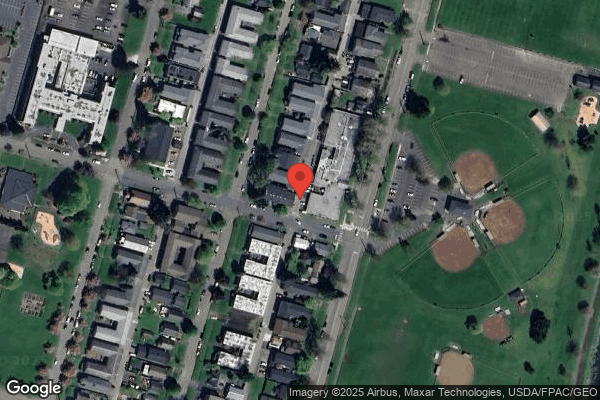

917 7TH AVENUE, LONGVIEW, WA 98632 (360) 425-5910
For profit - Corporation 74 Beds EMPRES OPERATED BY EVERGREEN Data: November 2025
Trust Grade
83/100
#1 of 190 in WA
Last Inspection: December 2024

Within standard 12-15 month inspection cycle. Federal law requires annual inspections.

Overview

Americana Health & Rehab Center has a Trust Grade of B+, which means it is above average and generally recommended for families considering care options. It ranks #1 out of 190 facilities in Washington and #1 out of 4 in Cowlitz County, indicating it is among the best choices available locally. However, the facility's trend is concerning as the number of reported issues has increased from 3 in 2023 to 11 in 2024. Staffing is a strength with a rating of 4 out of 5 stars and a turnover rate of only 29%, significantly lower than the state average, which suggests that staff are experienced and familiar with the residents. On the downside, a serious incident occurred where a resident's significant respiratory decline was not communicated to a physician, resulting in hospitalization; other issues included improper food storage and ongoing plumbing problems that posed risks to residents' safety. Overall, while there are notable strengths, families should weigh these incidents carefully when making a decision.

Trust Score
B+
83/100
In Washington
#1/190
Top 1%
Safety Record
Moderate
Needs review
Inspections
Getting Worse
3 → 11 violations
Staff Stability
✓ Good
29% annual turnover. Excellent stability, 19 points below Washington's 48% average. Staff who stay learn residents' needs.
Penalties
✓ Good
No fines on record. Clean compliance history, better than most Washington facilities.
Skilled Nurses
○ Average
Each resident gets 38 minutes of Registered Nurse (RN) attention daily — about average for Washington. RNs are the most trained staff who monitor for health changes.
Violations
⚠ Watch
14 deficiencies on record. Higher than average. Multiple issues found across inspections.
★★★★★
5.0
Overall Rating
★★★★☆
4.0
Staff Levels
★★★☆☆
3.0
Care Quality
★★★★★
5.0
Inspection Score
Stable
2023: 3 issues
2024: 11 issues

The Good

  • 4-Star Staffing Rating · Above-average nurse staffing levels
  • Low Staff Turnover (29%) · Staff stability means consistent care
  • Full Sprinkler Coverage · Fire safety systems throughout facility
  • No fines on record
  • Staff turnover is low (29%)

    19 points below Washington average of 48%

Facility shows strength in staffing levels, staff retention, fire safety.

The Bad

Chain: EMPRES OPERATED BY EVERGREEN

Part of a multi-facility chain

Ask about local staffing decisions and management

The Ugly 14 deficiencies on record

1 actual harm
Dec 2024 7 deficiencies
CONCERN (D)

Potential for Harm - no one hurt, but risky conditions existed

Deficiency F0552 (Tag F0552)

Could have caused harm · This affected 1 resident

**NOTE- TERMS IN BRACKETS HAVE BEEN EDITED TO PROTECT CONFIDENTIALITY** . Based on interview and record review, the facility failed to ensure residents and/or resident representatives were informed an...

Read full inspector narrative →
**NOTE- TERMS IN BRACKETS HAVE BEEN EDITED TO PROTECT CONFIDENTIALITY** . Based on interview and record review, the facility failed to ensure residents and/or resident representatives were informed and provided consent before administering an influenza vaccination for 1 of 5 sampled residents (24) reviewed for right to be informed to make treatment decisions. This failure placed residents and/or resident representatives at risk of not being fully informed of the risks and benefits before making decisions about vaccinations and a diminished quality of life. Findings included . Record review of the facility's policy entitled, Prevention and Control of Seasonal Influenza, updated 01/04/2023, showed, .Influenza Prevention Vaccination . 5. Documentation in EHR [Electronic Health Record] on consent or declination for each resident. Resident 24 was admitted to the facility on [DATE]. The modification of Quarterly Minimum Data Set assessment, dated 11/14/2024, documented Resident 24 was moderately cognitively impaired and received this year's influenza vaccination on 10/04/2024. The October 2024 Electronic Medication Administration Record showed Resident 24 received Fluarix Quadrivalent Intramuscular Suspension . (an influenza vaccination) on 10/04/2024. Review of Resident 24's EHR did not show a consent was signed from the resident or the resident's representative for the administration of an influenza vaccination given on 10/04/2024. On 12/17/2024 at 9:53 AM, Staff C, Infection Preventionist and Registered Nurse (RN), said there was not a consent signed for this year's influenza vaccine for Resident 24 and there should have been. At 9:58 AM, Staff B, Director of Nursing Services and RN, said residents should have a consent signed yearly before giving an influenza vaccination. Reference WAC 388-97-0260 (1)-(3) .
CONCERN (D)

Potential for Harm - no one hurt, but risky conditions existed

Deficiency F0604 (Tag F0604)

Could have caused harm · This affected 1 resident

**NOTE- TERMS IN BRACKETS HAVE BEEN EDITED TO PROTECT CONFIDENTIALITY** . Based on observation, interview and record review, the facility failed to ensure residents were free from physical restraints ...

Read full inspector narrative →
**NOTE- TERMS IN BRACKETS HAVE BEEN EDITED TO PROTECT CONFIDENTIALITY** . Based on observation, interview and record review, the facility failed to ensure residents were free from physical restraints for 1 of 2 sampled residents (19) reviewed for physical restraints. This failure placed residents at risk for injury and a decreased quality of life. Findings included . Resident 19 was admitted to the facility on [DATE]. The Admission's Minimum Data Set (MDS) assessment, dated 10/23/2024, indicated Resident 19 was moderately cognitively impaired. On 12/12/2024 at 1:49 PM, Resident 19's bed was observed to be against the wall. Resident 19 said there was a little gap, but he was ok with it. On 12/16/2024 at 9:54 AM, Resident 19 was observed lying in bed on his back. The bed was up against the wall. On 12/17/2024 at 10:04 AM, Resident 19 was observed lying in bed on his back. The bed was up against the wall. At 12:27 PM, Staff K, MDS Coordinator and Registered Nurse (RN), said the bed against the wall should have a consent, order and be part of the care plan. At 12:39 PM, Staff E, Resident Care Manager (RCM) and Licensed Practical Nurse, said they did an evaluation to ensure the resident's movement was not restricted when the bed was against the wall. Staff E said there would be an order, and it was put into the care plan. Staff E said she could not find a consent and it was not in the care plan. At 1:03 PM, Staff E said she spoke with the resident's RCM and was told Resident 19's bed was not supposed to be against the wall. At 1:22 PM, Staff B, Director of Nursing Services and RN, said Resident 19's bed was not supposed to be up against the wall. Staff B said staff should be monitoring the beds and following the care plan. If staff moved the bed then they should move it back to its original space. Reference WAC 388-97-0620 (1)(b) .
CONCERN (D)

Potential for Harm - no one hurt, but risky conditions existed

Comprehensive Care Plan (Tag F0656)

Could have caused harm · This affected 1 resident

**NOTE- TERMS IN BRACKETS HAVE BEEN EDITED TO PROTECT CONFIDENTIALITY** . Based on observation, interview, and record review, the facility failed to develop a comprehensive care plan for anticoagulant...

Read full inspector narrative →
**NOTE- TERMS IN BRACKETS HAVE BEEN EDITED TO PROTECT CONFIDENTIALITY** . Based on observation, interview, and record review, the facility failed to develop a comprehensive care plan for anticoagulant side effect monitoring (a high-risk, blood thinning medication) for 1 of 5 sampled residents (150) reviewed for comprehensive care plans. This failure placed residents at risk for complications, unmet care needs and a diminished quality of life. Findings included . The facility's policy entitled, Anticoagulation Therapy, updated 07/2014, documented: Residents who are on anticoagulation therapy are monitored to deliver proper care and treatments. This includes monitoring residents for any signs or symptoms of complications from the medication(s) utilized. Resident 150 was admitted to the facility on [DATE]. The admission Minimum Data Set assessment, dated 11/27/2024, documented the resident was alert and oriented. Resident 150's electronic health record (EHR) documented the following order, dated 11/21/2024: Apixaban Oral Tablet (Apixaban). Give 5 mg [milligram] by mouth two times a day related to PAROXYSMAL ATRIAL FIBRILLATION [a type of atrial fibrillation (upper chambers of the heart beat irregularly and rapidly) that occurs in episodes]. Resident 150's Care Plan, dated 11/21/2024, did not have documentation of anticoagulant therapy or side effects monitoring. Review of Resident 150's EHR did not show orders for addressing anticoagulant side effect monitoring. On 12/12/2024 at 2:12 PM, Resident 150 was observed to be sitting up in bed, with significant discoloration of lower extremities. Resident 150 said she was not concerned, but was unable to provide further information about the discoloration. On 12/17/2024 at 11:08 AM, Staff M, Licensed Practical Nurse, said any resident receiving an anticoagulant was monitored daily for a number of possible issues including bruising and bleeding. Staff M said anticoagulant therapy and side effect monitoring were part of residents' care plans. Staff M was unable to provide documentation of Resident 150's care planned anticoagulant therapy. At 2:29 PM, Staff B, Director of Nursing Services and a Registered Nurse, said Resident 150's care plan should have been updated to include anticoagulant therapy and side effects monitoring. Staff B was unable to provide documentation of care planned anticoagulation side effect monitoring for Resident 150. Reference WAC 388-97-1020 (1), (2)(a)(b) .
CONCERN (D)

Potential for Harm - no one hurt, but risky conditions existed

Quality of Care (Tag F0684)

Could have caused harm · This affected 1 resident

**NOTE- TERMS IN BRACKETS HAVE BEEN EDITED TO PROTECT CONFIDENTIALITY** . Based on interviews and record reviews, the facility failed to ensure bowel interventions were initiated for 1 of 6 sampled re...

Read full inspector narrative →
**NOTE- TERMS IN BRACKETS HAVE BEEN EDITED TO PROTECT CONFIDENTIALITY** . Based on interviews and record reviews, the facility failed to ensure bowel interventions were initiated for 1 of 6 sampled residents (35) reviewed for quality of care related to constipation. This failure placed residents at risk for discomfort, health complications and a diminished quality of life. Findings included . The facility's policy entitled, Bowel Protocol, updated 03/2018, documented the following interventions: If a resident does not have a bowel movement for three days, the nurse administers the physician ordered bowel program. In the event the Center has no specific bowel program the nurse administers medication as ordered as follows: --Administer Milk of Magnesia [laxative] per physician order on day four. --If Milk of Magnesia offers no results, administer a stimulant laxative suppository (Bisacodyl, etc.) per physician order on the next shift, during waking hours only. --If resident continues to have no results from suppository, administer an enema on the next shift, during waking hours only. --If no result from enema, notify physician. Resident 35 was admitted to the facility on [DATE]. The Quarterly Minimum Data Set Assessment, dated 11/19/2024, documented the resident was alert and oriented. The December 2024 Bowel and Bladder Elimination task sheet documented Resident 35 had a BM (bowel movement) on 12/04/2024 at 1:59 PM, and did not have another BM until 12/08/2024 at 1:59 PM, over 96 hours (4 days) since his last BM. The December 2024 Bowel and Bladder Elimination task sheet documented Resident 35 had a BM on 12/08/2024 at 8:06 PM, and did not have another BM until 12/13/2024 at 1:59 PM, over 113 hours (over 4 1/2 days) since his last BM. Resident 35's December 2024 Medication Administration Record (MAR), and December 2024 Progress Notes, did not show the bowel protocol was initiated. On 12/17/2024 at 10:57 AM, Staff M, Licensed Practical Nurse, said if a resident did not have a BM in three days, the bowel protocol was triggered, and documented on the MAR. Staff M said refusals were documented as well. Staff M stated, [Resident 35] wasn't given any milk of mag [magnesia] since September. He should have been on my list. I should go give him something. At 2:27 PM, Staff B, Director of Nursing Services and Registered Nurse, said the BM protocol should have been initiated per facility bowel policy for Resident 35. Staff B was unable to provide additional documentation showing Resident 35's bowel interventions. Reference WAC 388-97-1060 (1), (3)(c) .
CONCERN (D)

Potential for Harm - no one hurt, but risky conditions existed

Infection Control (Tag F0880)

Could have caused harm · This affected 1 resident

**NOTE- TERMS IN BRACKETS HAVE BEEN EDITED TO PROTECT CONFIDENTIALITY** . Based on observation, interview, and record review, the facility failed to implement Enhanced Barrier Precautions (EBP) during...

Read full inspector narrative →
**NOTE- TERMS IN BRACKETS HAVE BEEN EDITED TO PROTECT CONFIDENTIALITY** . Based on observation, interview, and record review, the facility failed to implement Enhanced Barrier Precautions (EBP) during wound care for 1 of 2 sampled residents (33) reviewed for infection prevention and control. This failure placed residents at risk for contracting infectious diseases and a decreased quality of life. Findings included . Review of the Centers for Medicare and Medicaid Services (CMS) Memorandum (Ref: QSO-24-08-NH), dated 03/20/2024, with the subject of: Enhanced Barrier Precautions in Nursing Homes documented .EBP recommendations now include use of EBP for residents with chronic wounds or indwelling medical devices during high-contact resident care activities regardless of their multidrug-resistant organism status . For residents for whom EBP are indicated, EBP is employed when performing the following high-contact resident care activities: dressing, bathing/showering, transferring, providing hygiene, changing linens, changing briefs or assisting with toileting, and wound care of any skin opening requiring a dressing . Review of the facilities EBP policy documented .Enhanced Barrier precautions are initiated to reduce transmission of multidrug resistant organisms (MDRO's). Initiated for residents known to be colonized or infected with a MDRO or have open wound or indwelling medical devices . Resident 33 was admitted to the facility on [DATE]. The Quarterly Minimum Data Set Assessment, dated 09/19/2024, documented Resident 33 was alert and oriented. Resident 33's electronic health record (EHR) showed the following order: To right heel wound: Paint with betadine, allow to dry, cover with calcium alginate and dry gauze. NO foam. Wrap foot with roll gauze. Change daily, every day shift for Heel wound. Active 11/27/2024. On 12/12/2024 at 12:09 PM, Resident 33 was observed in bed and had a white wound dressing to his right foot secured with elastic net wound dressing. The dressing was observed to have a brown discoloration at the bottom of the foot. At 12:15 PM, an EBP signage or personal protective equipment (PPE) were not observed on Resident 33's door or room entrance. On 12/13/2024 at 2:17 PM, an EBP signage or PPE were not observed on Resident 33's door or room entrance. Resident 33 had a clean dry dressing to the right foot. On 12/16/2024 at 10:46 AM, Staff C, Infection Preventionist and Registered Nurse (RN), stated, If wounds are contained, they [residents] don't necessarily go on precautions. [Resident 33's] wound does not have drainage therefore he does not need EBP. At 10:52 AM, an EBP signage or PPE were not observed on Resident 33's door or room entrance. Resident 33 had a clean dry dressing to the right foot. At 11:07 AM, Resident 33 stated [Staff G, Licensed Practical Nurse,] changed my dressing this morning. At 11:26 AM, when asked about Resident 33's wound care, Staff G stated, I did the dressing this morning with the resident. When asked about the use of PPE, Staff G said she used gloves while assisting Resident 33 with his wound care. Reference WAC 388-97-1320 (2)(b) .
CONCERN (E)

Potential for Harm - no one hurt, but risky conditions existed

Deficiency F0761 (Tag F0761)

Could have caused harm · This affected multiple residents

. Based on observation and interview, the facility failed to label medications with the date first accessed in 2 of 3 medication storage areas (Ocean Side medication storage room and Ocean Side medica...

Read full inspector narrative →
. Based on observation and interview, the facility failed to label medications with the date first accessed in 2 of 3 medication storage areas (Ocean Side medication storage room and Ocean Side medication cart) reviewed for medication storage and labeling, and the facility failed to ensure medications were kept secure when observed on a bedside table for 1 of 1 sampled residents (6) reviewed for medication storage. These failures placed residents at risk of receiving compromised/ineffective medications, medication errors and diminished quality of life. Findings included . On 12/12/2024 at 3:22 PM, the Ocean Side medication room was observed with Staff K, Licensed Practical Nurse (LPN). A multi dose vial of purified protein derivative (a solution used in Tuberculosis [TB] skin test to diagnose TB) was observed in the medication refrigerator without a date showing when it was first accessed. At 3:30 PM, the Ocean Side medication cart was observed with Staff K. Two multi dose vials of insulin (Humulin and Lispro - medication used to treat chronic disease that affects how the body uses glucose (sugar) for energy) were observed without a date showing when they were first accessed. On 12/13/2024 at 8:39 AM, Resident 6 was observed to have a medicine cup with a variety of pills on her bedside table while she was eating her breakfast. After observing the medications on Resident 6's bedside table, Staff E, Resident Care Manager and LPN, said the medication should have been administered before the assigned nurse left the room. Staff E said it was her expectation the nurse remained with Resident 6 until all medications were ingested; and if the resident was not ready, the nurse should have taken the medication away and secured them until Resident 6 was ready to take them. On 12/13/2024 at 10:53 AM, the Ocean Side medication cart was reviewed with Staff L, LPN. A multi dose vial of Insulin (Lispro) was observed without a date showing when it was first accessed. Staff L said multi dose vials without dates showing when they were first accessed were supposed to be discarded to avoid administering medications that may be unsafe to the residents. On 12/17/2024 at 10:01 AM, Staff B, Director of Nursing Services and Registered Nurse, said it was her expectation nurses did not administer medications without a date showing when they were first accessed. Staff B said nurses were expected to discard multi dose vial medications without an open date. Reference WAC 388-97-1300 (2) .
CONCERN (F)

Potential for Harm - no one hurt, but risky conditions existed

Food Safety (Tag F0812)

Could have caused harm · This affected most or all residents

. Based on observation, record review and interview, the facility failed to ensure food items were labeled and dated when opened in 1 of 2 kitchen refrigerators, and in 1 of 1 nourishment refrigerator...

Read full inspector narrative →
. Based on observation, record review and interview, the facility failed to ensure food items were labeled and dated when opened in 1 of 2 kitchen refrigerators, and in 1 of 1 nourishment refrigerators/freezers reviewed for proper food storage. This failure placed residents at risk for cross-contamination, food borne illness, and a diminished quality of life. Findings included . The facility's policy entitled, Nursing Unit Refrigerator Storage Guide, updated 03/2018, documented, Label all resident food with Name, Room Number, Use By Date. Packaged foods when opened are labeled with use by date. The manufacturer's expiration date is the 'Use By' for unopened items. Use by dates should not exceed the manufacturer's expiration or best 'use by' date. <Kitchen Refrigerator> On 12/12/2024 at 10:18 AM, the top left corner of the kitchen walk in refrigerator was observed with the following undated, unlabeled, used items: 1. Plastic bag of celery sticks 2. Plastic bag of carrot sticks with RO [received on] 10/04/2024 written on the bag 3. Cardboard box containing Rosemary, dated 12/07/2024 At 10:21 AM, Staff N, Dietary Manager, said the items in the refrigerator should have been dated. Staff N was not able to say how long they had been in the refrigerator. Staff N was then observed throwing out the three items. Staff N stated, RO, it's received on, and should not be eaten. <Nourishment Refrigerator/Freezer> On 12/17/2024 at 2:21 PM, the nourishment refrigerator/freezer in central supply room was observed with the following undated, or expired, items: 1. Pumpkin pie, with use by date of 12/05/2024 2. Quarter sheet of cake, with use by date of 10/15/2024 3. Jar of 16 oz (ounce) sour cream, with expiration date of 12/15/2024 4. Plastic container of coffee creamer, with illegible expiration date 5. Partially consumed [NAME] in the Box ice cream shake 6. Ziplock bag containing unknown food items, with use by 9/23 written on the bag. At 2:27 PM, Staff N stated, It's on the kitchen staff to re-stack the items in the fridge. When asked whether the items in question were safe to consume, Staff N stated, No. Staff N was then observed throwing out the items. At 2:42 PM, Staff B, Director of Nursing Services and Registered Nurse, said she expected food in the refrigerators and freezers to be dated and labeled per facility policy. Staff B stated, It should be dated right away. Reference WAC 388-97-1100 (3) & -2980 .
May 2024 1 deficiency 1 Harm
SERIOUS (G) 📢 Someone Reported This

A family member, employee, or ombudsman was alarmed enough to file a formal complaint

Actual Harm - a resident was hurt due to facility failures

Notification of Changes (Tag F0580)

A resident was harmed · This affected 1 resident

**NOTE- TERMS IN BRACKETS HAVE BEEN EDITED TO PROTECT CONFIDENTIALITY** . Based on interview and record review, the facility failed to ensure the physician was consulted regarding a signification chan...

Read full inspector narrative →
**NOTE- TERMS IN BRACKETS HAVE BEEN EDITED TO PROTECT CONFIDENTIALITY** . Based on interview and record review, the facility failed to ensure the physician was consulted regarding a signification change in respiratory status and failed to notify the physician of the need for oxygen administration orders related to oxygen levels and obtain timely a needed seasonal allergy and asthma medication for 1 of 4 sampled residents (Resident 1) reviewed for notification of changes including a significant change in resident health status. Resident 1 experienced harm when hospitalization and intubation was required for respiratory failure related to untreated respiratory symptoms. This failure placed residents at risk for medical complications and a diminished quality of life. Findings included . A facility policy, dated [DATE], and entitled Respiratory Care; Oxygen Administration documented the following: -- Oxygen is administered per physician order. Oxygen may be administered in the absence of a physician order in emergency situations. -- Oxygen saturations are obtained and documented as ordered by the physician. In the event of an emergency, and/or clinical assessment indicates a change in respiratory function, oxygen saturations are obtained without a physician order. -- Staff members observe and report signs and symptoms of abnormal respiratory function. These may include but aren't limited to: a. Labored breathing b. Tachycardia (heartbeats faster than usual) c. Restlessness d. Nausea e. Headache f. Dizziness g. New or increased anxiety h. New or increase mental confusion i. Cyanosis (bluish skin color due to decreased amount of oxygen) j. Acute change in level of consciousness. Resident 1 was admitted to the facility on [DATE] with diagnoses including moderate persistent asthma with status asthmaticus, a disease process that affects lung function and causes difficulty breathing and coughing every day. The Minimum Data Set assessment, dated [DATE], documented the resident was alert and oriented to person, place, time, and situation. Review of Resident 1's [DATE] Medication Administration Record (MAR), for [DATE] at 8:28 PM, showed Albuterol Sulfate Aerosol Solution was administered for shortness of breath/wheezing related to moderate persistent asthma with status asthmaticus. Guaifenesin cough syrup was administered for congestion. Resident 1's [DATE] MAR, for [DATE], at 7:31 PM, showed Flonase Suspension Spray was administered for wheezing with moderate persistent asthma with statis asthmaticus. Resident 1's [DATE] MAR, for [DATE] at 7:00 AM, showed Albuterol Sulfate Aerosol Solution was administered for shortness of breath/wheezing related to moderate persistent asthma with statis asthmaticus. Guaifenesin cough syrup was administered for congestion. No documentation of physician notification of respiratory symptoms was located related to continued symptoms after medications were administered. Resident 1's [DATE] MAR, for [DATE], at 5:19 PM, showed Albuterol Sulfate Aerosol Solution was administered for shortness of breath/wheezing related to moderate persistent asthma with statis asthmaticus. No documentation of physician notification of respiratory symptoms was located. Resident 1's [DATE] MAR, for [DATE], showed no documentation for administration of any respiratory medications needed for allergies or moderate persistent asthma with statis asthmaticus. Progress note, dated [DATE] at 3:23 PM, showed Staff C, Licensed Practical Nurse (LPN), documented Resident 1 asked for her blood sugars and blood pressure to be checked as she felt something was off. Blood sugar was 217 and blood pressure was 132/64. Resident had stated her seasonal allergies got bad in the spring and had requested allergy medications Flonase and Allegra, and asthma medication Albuterol. Oxygen saturations (O2 sats) were checked and were 89%. Resident 1 was placed on Oxygen at 2 liters per minute via nasal cannula. The note showed at 3:45 PM, O2 sats were 95%. Resident 1 stated she felt better. Normal O2 saturations are 95% or above. (No documentation of physician notification of respiratory symptoms or oxygen orders were located.) Progress note, dated [DATE] at 6:45 PM, showed Staff D, LPN, documented Resident 1 with nasal congestion and moist cough. Resident 1 reported bringing up clear and whitish phlegm (which can be an indicator of infection). Lungs slightly rattly which cleared with cough. Blood Pressure 117/51, Pulse 73, Temperature 97.4, and O2 sats 96% on 2 liters of oxygen. Resident was requesting Advair inhaler, a medication used to treat asthma. A fax was sent to the physician requesting the Advair inhaler. (No documentation of physician notification of respiratory symptoms was located.) Progress note, dated [DATE] at 1:53 AM, showed Staff E, LPN, documented Resident 1 had cough but no shortness of breath. O2 sats were 94% and temperature was 97.9. Progress note, dated [DATE] at 8:00 AM, showed Staff F, LPN documented Resident 1 was found to be unresponsive and pale with O2 sats of 70% on 2 liters of oxygen. O2 increased to 4 liters per minute. O2 sats increased to 78%. Resident unresponsive to touch and 911 called. On [DATE] at 9:17 AM, Staff E, LPN, said she was the nurse caring for Resident 1 prior to the morning ([DATE]) she was sent to the hospital. Staff E said it was policy to have a physician order for oxygen and monitoring of oxygen saturation levels. Staff E said she thought a prior shift had called the physician to request orders. At 9:20 AM, Staff D, LPN, said on [DATE] Resident 1 had looked poorly. Her O2 saturations were in the 90's. Staff D said Resident 1 had asked for an inhaler called Advair that she used to manage seasonal allergies and asthma. Staff D said another nurse had faxed an order but there had been no response. When asked what the process would be if the facility had not received a response from the physician, Staff D said she wasn't sure, maybe fax again. Staff D said she had not re-faxed or called the physician regarding Resident 1's request for an Advair inhaler, oxygen orders, or Resident 1's respiratory symptoms. At 1;51 PM, Staff F, LPN, said when a resident was placed on oxygen emergently it was facility procedure to call and report conditions to the physician and to obtain orders for oxygen flow rate and oxygen saturation monitoring. On [DATE] at 8:58 AM, Resident 1 said she never did receive the Advair inhaler she requested for her seasonal allergies and asthma. Resident 1 said she received the Flonase inhaler, Allegra tablet, and Albuterol inhaler but what was needed was the Advair inhaler. Resident 1 said she utilized the Advair inhaler every year in the spring when plants began to [NAME] and then again in the fall. Resident 1 said the facility had the medication, but it had expired. An order had been faxed but there had been no reply prior to her being sent out to the hospital. Resident 1 said she did not remember being transported to the hospital on [DATE]. When she awoke, she was told she had received too much oxygen. Resident 1 said she was able to take the oxygen in but not breath it out causing her to retain carbon dioxide. Resident 1 said she went into respiratory distress and had to be intubated. Reference WAC 388-97-0320 (1) .
Jan 2024 3 deficiencies
CONCERN (D)

Potential for Harm - no one hurt, but risky conditions existed

ADL Care (Tag F0677)

Could have caused harm · This affected 1 resident

**NOTE- TERMS IN BRACKETS HAVE BEEN EDITED TO PROTECT CONFIDENTIALITY** . Based on interview and record review, the facility failed to ensure bathing opportunities were provided for dependent resident...

Read full inspector narrative →
**NOTE- TERMS IN BRACKETS HAVE BEEN EDITED TO PROTECT CONFIDENTIALITY** . Based on interview and record review, the facility failed to ensure bathing opportunities were provided for dependent residents for 1 of 2 sampled residents (145) reviewed for activities of daily living (ADLs). This failure placed residents at risk of skin infections, decreased dignity, and a diminished quality of life. Findings included . Resident 145 was admitted to the facility on [DATE]. The admission Minimum Data Set, an assessment tool, dated 01/05/2024, documented the resident was moderately cognitively impaired. Resident 145's shower record, dated 12/30/2023 to 01/09/2024, did not show bathing opportunities were completed in 11 days. The bathing record documented a resident refusal on 12/30/2023, the day of Resident 145's admission to the facility. On 01/08/2024 at 12:30 PM, Resident 145 said he had not had a shower or bath since admitting to the facility. Resident 145 said he used personal wipes to clean himself as needed. On 01/09/2024 at 1:08 PM, Staff D, Certified Nursing Assistant (CNA), said shower aides would shower residents for the day, and CNAs would assist the shower aides as necessary. Staff D said residents would be showered once or twice a week. Staff D said if a resident refused a shower, staff should ask again two or three times then document the refusal in the resident's record as well as inform the nurse of the refusal. At 1:16 PM, after reviewing the facility shower book for Resident 145, Staff D said Resident 145 was scheduled for showers twice a week on Mondays and Thursdays. At 1:19 PM, Staff C, Licensed Practical Nurse, said shower aides were responsible for showering the residents in the facility. Staff C said if a resident refused a shower, she would expect the CNA to re-approach the resident. If the CNA was unsuccessful, the CNA should inform the nurse, and the nurse should write a progress note about the refusal and the education provided to the resident. After reviewing Resident 145's record, Staff C said she did not see a progress note related to refusing a shower. After reviewing Resident 145's shower record, Staff C said the resident had a refusal documented on 12/30/2023 and no other refusals or completed showers were documented. At 1:29 PM, Staff B, Director of Nursing Services and Registered Nurse, said the facility used shower aides to complete resident showers in the facility. Staff B said Resident 145's shower days were Mondays and Thursdays. Staff B said if a resident refused a shower, she would expect staff to re-approach the resident and if the resident refused a second time, the CNA was expected to inform their nurse and the nurse would attempt to educate the resident. If the resident refused again, the nurse was expected to document the resident's refusal in the resident's progress notes. Staff B said she did see an entry for a refusal on 12/30/2023, but did not see any other entries. Staff B said she would expect to see showers documented or a documented refusal notes written by the nurse. Reference WAC 388-97-1060 (2)(c) .
CONCERN (D)

Potential for Harm - no one hurt, but risky conditions existed

Deficiency F0730 (Tag F0730)

Could have caused harm · This affected 1 resident

. Based on interview and record review, the facility failed to ensure performance reviews were completed for 1 of 2 sampled nursing assistants (NA) (Staff E) reviewed for performance reviews. This fai...

Read full inspector narrative →
. Based on interview and record review, the facility failed to ensure performance reviews were completed for 1 of 2 sampled nursing assistants (NA) (Staff E) reviewed for performance reviews. This failure placed residents at risk for receiving care from unskilled staff. Finding included . Staff E, Nursing Assistant, was hired on 08/04/2017. Staff E's personnel records did not have a Performance Evaluation for the previous year. On 01/10/2024 at 6:57 PM, Staff B, Director of Nursing Services and Registered Nurse, said performance evaluations were supposed to be completed annually. When asked about Staff E's performance evaluations, Staff B stated, We missed it. Reference WAC 388-97-1680 (2)(b)(I) .
MINOR (C)

Minor Issue - procedural, no safety impact

Staffing Information (Tag F0732)

Minor procedural issue · This affected most or all residents

. Based on interview and record review, the facility failed to ensure nursing hours were accurately posted daily for 12 of 30 days reviewed for nurse staff posting. This failure placed residents, resi...

Read full inspector narrative →
. Based on interview and record review, the facility failed to ensure nursing hours were accurately posted daily for 12 of 30 days reviewed for nurse staff posting. This failure placed residents, resident representatives, and visitors at risk of not being fully informed of the current staffing levels and census. Findings included . The nursing home daily staff postings had not been updated for 12 days, from 12/09/2023 through 01/08/2024, to accurately reflect the number of nursing assistants working per shift. On 01/11/2024 at 9:15 AM, Staff F, Staff Coordinator, said the floor nurse should adjust the staff numbers if the posting were not accurate at the start of a shift. At 10:06 AM, Staff B, Director of Nursing Services and Registered Nurse, said the shift nurses were supposed to update the postings to reflect the staffing level. No WAC Reference .
Feb 2023 3 deficiencies
CONCERN (D)

Potential for Harm - no one hurt, but risky conditions existed

Deficiency F0582 (Tag F0582)

Could have caused harm · This affected 1 resident

**NOTE- TERMS IN BRACKETS HAVE BEEN EDITED TO PROTECT CONFIDENTIALITY** . Based on interviews and record review, the facility failed to ensure a Notice of Medicare Non-Coverage (NOMNC) was issued at l...

Read full inspector narrative →
**NOTE- TERMS IN BRACKETS HAVE BEEN EDITED TO PROTECT CONFIDENTIALITY** . Based on interviews and record review, the facility failed to ensure a Notice of Medicare Non-Coverage (NOMNC) was issued at least two calendar days before Medicare services ended and to inform residents of their potential liability for payment related to Medicare services ending for 1 of 3 sampled residents (350) reviewed for liability notice and coverage. This failure placed residents and their representatives at risk for not having adequate information to make financial decisions related to a continued stay in the facility. Findings included . Policy entitled Form Instructions Skilled Nursing Facility Advanced Beneficiary Notice Non-coverage (SNFABN) Form CMS-1005 (2018, dated 04/2018, documented, A Medicare provider or health plan must give an advance, completed copy of the Notice of Medicare Non-Coverage (NOMNC) to beneficiaries/enrollees receiving skilled nursing, home health, comprehensive outpatient rehabilitation facility, and hospice service not later than two days before the termination of services. Resident 350 was admitted on [DATE]. Resident 350 was discharged from the facility on 12/31/2022. A NOMNC was not located in the electronic health record or the hard chart for Resident 350. On 02/08/2023 at 8:30 AM, Staff A, Administrator, said the facility lost the NOMNC paperwork for Resident 350. At 9:06 AM, Staff C, Social Services, said the facility had two copies of the NOMNC. One was shredded and the facility could not locate the second copy. Referenced WAC 388-97 0300 (1)(e), (5), (6) .
CONCERN (E)

Potential for Harm - no one hurt, but risky conditions existed

Deficiency F0761 (Tag F0761)

Could have caused harm · This affected multiple residents

**NOTE- TERMS IN BRACKETS HAVE BEEN EDITED TO PROTECT CONFIDENTIALITY** . Based on observation, interview and record review, the facility failed to ensure multiple dose vials of insulin were labeled w...

Read full inspector narrative →
**NOTE- TERMS IN BRACKETS HAVE BEEN EDITED TO PROTECT CONFIDENTIALITY** . Based on observation, interview and record review, the facility failed to ensure multiple dose vials of insulin were labeled with resident name and date opened in 1 of 2 medication carts, failed to label and date vaccinations in 2 of 2 medication room refrigerators reviewed for medication storage, and failed to ensure medications kept at the bedside were assessed for safety of self-administration and secure for 1 of 1 sampled residents (31) reviewed for medication at the bedside. These failures placed residents at risk for receiving compromised or ineffective medications with unknown potency, and diminished quality of care. Findings included . <Medication Carts> On [DATE] at 9:19 AM, two vials of insulin were observed without an opened date on the bottles and one vial of insulin without a name label or date in the medication cart. At 9:19 AM, Staff F, Licensed Practical Nurse, said the vials should have had an opened date and the residents name, but did not. At 9:28 AM, Staff B, Director of Nursing Services, said all multi use vials should be dated and labeled when pulled from the e-kit and dated when opened to track expiration dates. <Medication Room Refrigerators> On [DATE] at 9:35 AM, the Lakeside Medication Room was observed with an orange-colored bottle with four vials of COVID-19 vaccinations inside. There was not a label on the bottle and no expiration date on the bottle or the vials. On [DATE] at 11:27 AM, the Oceanside Medication Room was observed with an orange-colored bottle with four vials of COVID-19 vaccinations inside. There was not a label on the bottle and no expiration date on the bottle or the vials. On [DATE] at 11:32 AM, Staff G, Staff Development, said labels came with the vaccines on delivery, but they were not labeled when they arrived. Staff G indicated the labels for the bottles were found and showed the vials expired on [DATE]. Staff G said they would be discarded today. <Resident 31> On [DATE] at 7:15 AM, Resident 31 was observed with an inhaler sitting on the over the bed table. The resident said it was there for a rescue inhaler and it was used about every five or six hours. Resident 31's February 2023 Medication Administration Record showed an order for Ventolin inhaler, two puffs every four hours as needed for shortness of breath or wheezing. The resident was supposed to wait one minute between puffs and rinse their mouth after each use. Resident 31's Care Plan did not address or show a plan for self-administration of medications. Resident 31's electronic health record did not show an assessment was completed to determine if the resident was cognitively able to self-administer the medication independently. On [DATE] at 8:20 AM, an inhaler was observed on the over the bed table next to Resident 31. The resident said they usually only took one puff and did not rinse their mouth afterwards. At 8:30 AM, Staff H, Assistant Director of Nursing Services, said if a resident wished to keep a medication, such as an inhaler, at the bedside; an assessment should be done and an order to keep them at the bedside should be in place. Staff H said they were not aware Resident 31 kept an inhaler at the bedside and would need to have those things in place. At 8:35 AM, Staff B said if a resident wished to keep a medication such as an inhaler at the bedside, the resident would have an assessment completed to determine if they were cognitively able to self-administer the medication, have an order from the doctor and have a means to securely store them at the bedside. Staff B said this was not done for Resident 31 and should have been. Reference WAC 388-97-1300 (2) .
CONCERN (F)

Potential for Harm - no one hurt, but risky conditions existed

Safe Environment (Tag F0921)

Could have caused harm · This affected most or all residents

. Based on observation, interview, and record review, the facility failed to ensure their plumbing system was maintained and in working order to prevent flooding in the kitchen for 1 of 1 kitchens rev...

Read full inspector narrative →
. Based on observation, interview, and record review, the facility failed to ensure their plumbing system was maintained and in working order to prevent flooding in the kitchen for 1 of 1 kitchens reviewed for inspection. This failure placed all residents at risk for structural damage to the facility and an unsanitary environment. Findings included . Review of Kitchen Maintenance Log kept outside the kitchen entrance showed the following entries related to leaking plumbing in the kitchen. 10/19/2022--leaks under dish pit; no maintenance reply 12/12/2022--dish pit leaking; no maintenance reply 12/29/2022--sensor in dishwasher keeps being thrown and the water drains almost all out; no maintenance reply 12/31/2022--dishwasher still leaking; no maintenance reply 01/19/2023--dishwasher leaking and flooding floor; no maintenance reply 01/26/2023--dishwasher leaking and flooding the floor, it is becoming more of a hazard; no maintenance reply On 02/06/2023 at 9:44 AM, multiple wet white towels were observed lying on the floor under the counter near the dishwasher. At 9:46 AM, Staff D, Dietary Manager, said there were leaking pipes near the dish washing station leaking onto the floor and causing floor damage. Staff D said the slope of the floor prevented them from putting wet mats down, so they use towels to mop up the water. Staff D said it was both clean and dirty water leaking. Staff D said it has been leaking a long time and in October 2022 it got a lot worse. On 02/08/2023 at 11:47 AM, two towels were observed on the floor under the dishwasher area to hold back leaked water. At 2:09 PM, Staff E, Maintenance Director, said the stainless counters near the dishwasher were cracked and though that was where some leaking had occurred. Staff E said a new water softener was recently installed creating more pressure and causing leaking around the rubber in the new softener. Staff E said there were maintenance logs kept at the nurse's station and at the front desk. When asked about the maintenance log for the kitchen, Staff E stated, Oh yes, I forget about that one. On 02/09/23 at 11:30 AM, Staff A, Administrator, said they thought the leak was coming from the dishwasher which was leased from EcoLab and thought it was EcoLab's responsibility to fix it. Staff A said EcoLab came in and put a new filter on it but there was still a problem. Staff A indicated that it appeared there was some structural damage happening due to the plumbing leaking in the kitchen. Staff A said it was his expectation that maintenance writes in the Maintenance Log books how requests are addressed. When asked about the maintenance log book kept for the kitchen, Staff A stated, Personally, I did not know there was a book in there so that's my fault. Reference WAC 388-97-3220 (1) .
Understanding Severity Codes (click to expand)
Life-Threatening (Immediate Jeopardy)
J - Isolated K - Pattern L - Widespread
Actual Harm
G - Isolated H - Pattern I - Widespread
Potential for Harm
D - Isolated E - Pattern F - Widespread
No Harm (Minor)
A - Isolated B - Pattern C - Widespread

Questions to Ask on Your Visit

  • "Can I speak with families of current residents?"
  • "What's your RN coverage like on weekends and overnight?"

Our Honest Assessment

Strengths
  • • Grade B+ (83/100). Above average facility, better than most options in Washington.
  • • No fines on record. Clean compliance history, better than most Washington facilities.
  • • 29% annual turnover. Excellent stability, 19 points below Washington's 48% average. Staff who stay learn residents' needs.
Concerns
  • • 14 deficiencies on record, including 1 serious (caused harm) violation. Ask about corrective actions taken.
Bottom line: Generally positive indicators. Standard due diligence and a personal visit recommended.

About This Facility

What is Americana Health & Rehab Ctr's CMS Rating?

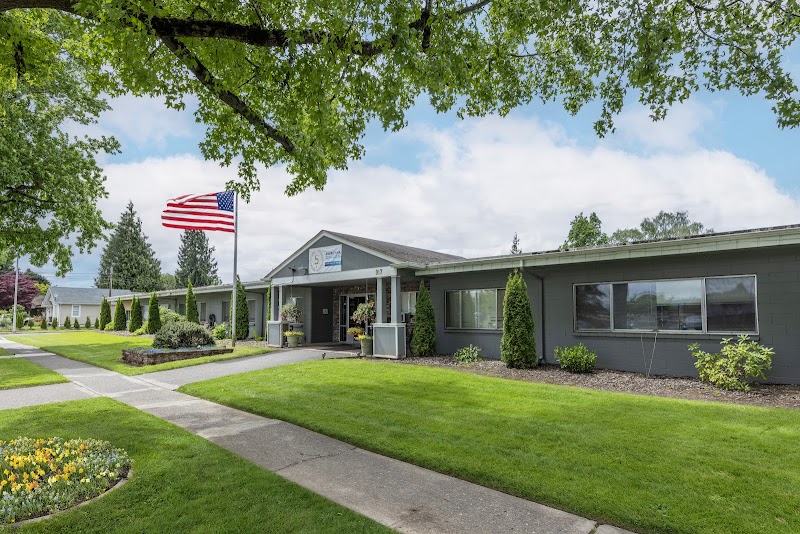
CMS assigns AMERICANA HEALTH & REHAB CTR an overall rating of 5 out of 5 stars, which is considered much above average nationally. Within Washington, this rating places the facility higher than 99% of the state's 100 nursing homes. This rating reflects solid performance across the metrics CMS uses to evaluate nursing home quality.
How is Americana Health & Rehab Ctr Staffed?

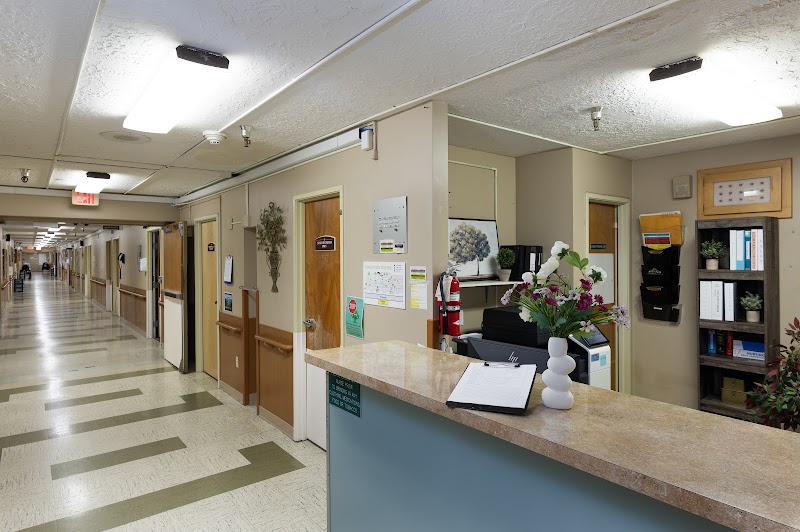
CMS rates AMERICANA HEALTH & REHAB CTR's staffing level at 4 out of 5 stars, which is above average compared to other nursing homes. Staff turnover is 29%, compared to the Washington average of 46%. This relatively stable workforce can support continuity of care.

What Have Inspectors Found at Americana Health & Rehab Ctr?

State health inspectors documented 14 deficiencies at AMERICANA HEALTH & REHAB CTR during 2023 to 2024. These included: 1 that caused actual resident harm, 12 with potential for harm, and 1 minor or isolated issues. Deficiencies causing actual harm indicate documented cases where residents experienced negative health consequences.
Who Owns and Operates Americana Health & Rehab Ctr?

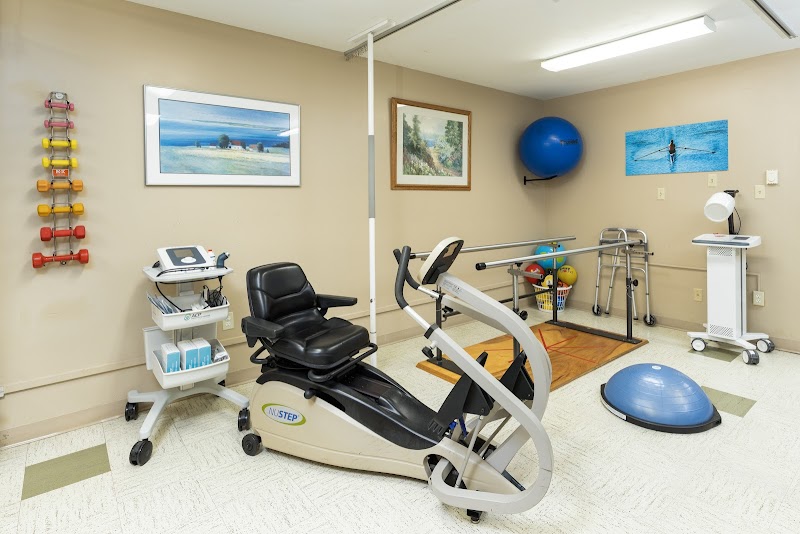
AMERICANA HEALTH & REHAB CTR is owned by a for-profit company. For-profit facilities operate as businesses with obligations to shareholders or private owners. The facility is operated by EMPRES OPERATED BY EVERGREEN, a chain that manages multiple nursing homes. With 74 certified beds and approximately 50 residents (about 68% occupancy), it is a smaller facility located in LONGVIEW, Washington.
How Does Americana Health & Rehab Ctr Compare to Other Washington Nursing Homes?

Compared to the 100 nursing homes in Washington, AMERICANA HEALTH & REHAB CTR's overall rating (5 stars) is above the state average of 3.2, staff turnover (29%) is significantly lower than the state average of 46%, and health inspection rating (5 stars) is much above the national benchmark.

What Should Families Ask When Visiting Americana Health & Rehab Ctr?

Based on this facility's data, families visiting should ask: "Can I visit during a mealtime to observe dining assistance and food quality?" "How do you handle medical emergencies, and what is your hospital transfer rate?" "Can I speak with family members of current residents about their experience?"

Is Americana Health & Rehab Ctr Safe?

Based on CMS inspection data, AMERICANA HEALTH & REHAB CTR has a clean safety record: no substantiated abuse findings (meaning no confirmed cases of resident harm), no Immediate Jeopardy citations (the most serious violation level indicating risk of serious injury or death), and is not on the Special Focus Facility watch list (a federal program monitoring the lowest-performing 1% of nursing homes). The facility has a 5-star overall rating and ranks #1 of 100 nursing homes in Washington. While no facility is perfect, families should still ask about staff-to-resident ratios and recent inspection results during their visit.

Do Nurses at Americana Health & Rehab Ctr Stick Around?

Staff at AMERICANA HEALTH & REHAB CTR tend to stick around. With a turnover rate of 29%, the facility is 17 percentage points below the Washington average of 46%. Low turnover is a positive sign. It means caregivers have time to learn each resident's needs, medications, and personal preferences. Consistent staff also notice subtle changes in a resident's condition more quickly. Registered Nurse turnover is also low at 25%, meaning experienced RNs are available to handle complex medical needs.

Was Americana Health & Rehab Ctr Ever Fined?

AMERICANA HEALTH & REHAB CTR has no federal fines on record. CMS issues fines when nursing homes fail to meet care standards or don't correct problems found during inspections. The absence of fines suggests the facility has either maintained compliance or corrected any issues before penalties were assessed. This is a positive indicator, though families should still review recent inspection reports for the full picture.

Is Americana Health & Rehab Ctr on Any Federal Watch List?

AMERICANA HEALTH & REHAB CTR is not on any federal watch list. The most significant is the Special Focus Facility (SFF) program, which identifies the bottom 1% of nursing homes nationally based on persistent, serious quality problems. Not being on this list means the facility has avoided the pattern of deficiencies that triggers enhanced federal oversight. This is a positive indicator, though families should still review the facility's inspection history directly.