FRONTIER REHAB & EXTENDED CARE
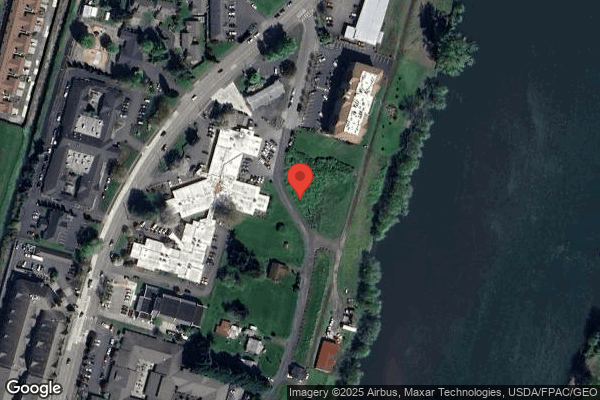
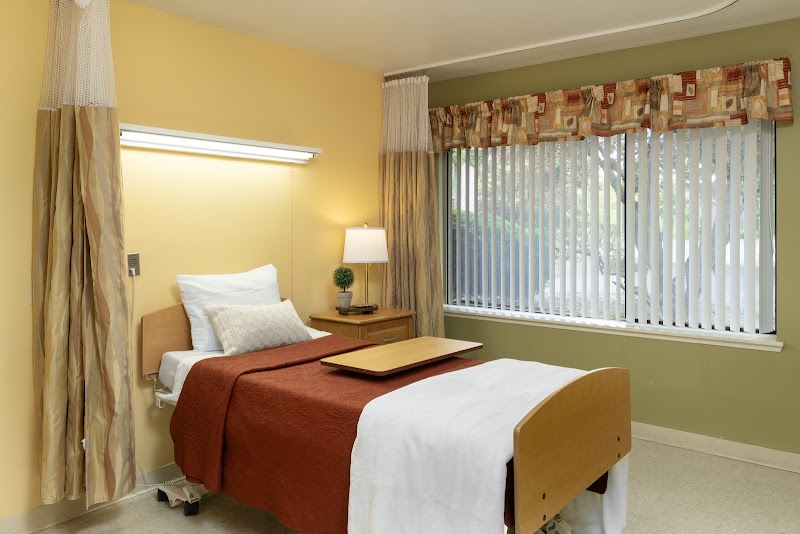
1500 3RD AVENUE, LONGVIEW, WA 98632 (360) 423-8800
For profit - Corporation 140 Beds EMPRES OPERATED BY EVERGREEN Data: November 2025
Trust Grade
75/100
#66 of 190 in WA
Last Inspection: February 2025

Within standard 12-15 month inspection cycle. Federal law requires annual inspections.

Overview

Frontier Rehab & Extended Care in Longview, Washington, has a Trust Grade of B, indicating it is a good, solid choice among nursing homes. It ranks #66 out of 190 facilities in the state, placing it in the top half, and #3 out of 4 in Cowlitz County, meaning only one local option is better. However, the facility is currently worsening, with issues increasing from 2 in 2024 to 13 in 2025. Staffing is a relative strength, rated 4 out of 5 stars with a turnover rate of 40%, which is below the state average of 46%. On the downside, the facility has concerning RN coverage, being less than 98% of state facilities, which could impact the quality of care. Specific incidents include failures to implement bowel management interventions for residents, which could lead to discomfort and health complications, and a lack of secure handling of electronic health records, risking the confidentiality of resident information. Additionally, a resident was not allowed to use their personal refrigerator, which infringed on their rights and quality of life. While there are notable strengths, these weaknesses highlight areas that families may want to consider carefully.

Trust Score
B
75/100
In Washington
#66/190
Top 34%
Safety Record
Low Risk
No red flags
Inspections
Getting Worse
2 → 13 violations
Staff Stability
○ Average
40% turnover. Near Washington's 48% average. Typical for the industry.
Penalties
✓ Good
No fines on record. Clean compliance history, better than most Washington facilities.
Skilled Nurses
⚠ Watch
Each resident gets only 23 minutes of Registered Nurse (RN) attention daily — below average for Washington. Fewer RN minutes means fewer trained eyes watching for problems.
Violations
⚠ Watch
18 deficiencies on record. Higher than average. Multiple issues found across inspections.
★★★★☆
4.0
Overall Rating
★★★★☆
4.0
Staff Levels
★★★☆☆
3.0
Care Quality
★★★★☆
4.0
Inspection Score
Stable
2024: 2 issues
2025: 13 issues

The Good

  • 4-Star Staffing Rating · Above-average nurse staffing levels
  • Full Sprinkler Coverage · Fire safety systems throughout facility
  • No fines on record
  • Staff turnover below average (40%)

    8 points below Washington average of 48%

Facility shows strength in staffing levels, fire safety.

The Bad

Staff Turnover: 40%

Near Washington avg (46%)

Typical for the industry

Chain: EMPRES OPERATED BY EVERGREEN

Part of a multi-facility chain

Ask about local staffing decisions and management

The Ugly 18 deficiencies on record

Feb 2025 13 deficiencies
CONCERN (D) 📢 Someone Reported This

A family member, employee, or ombudsman was alarmed enough to file a formal complaint

Potential for Harm - no one hurt, but risky conditions existed

Deficiency F0557 (Tag F0557)

Could have caused harm · This affected 1 resident

**NOTE- TERMS IN BRACKETS HAVE BEEN EDITED TO PROTECT CONFIDENTIALITY** . Based on interviews and record review, the facility failed to ensure residents were able to use personal possessions in their ...

Read full inspector narrative →
**NOTE- TERMS IN BRACKETS HAVE BEEN EDITED TO PROTECT CONFIDENTIALITY** . Based on interviews and record review, the facility failed to ensure residents were able to use personal possessions in their room, including a personal refrigerator, that did not infringe on the rights of other residents for 1 of 1 sampled residents (17) reviewed for resident rights. This failure placed the resident at a risk of a diminished quality of life. Findings included . Facility policy entitled Resident personal refrigerators and food brought in by family and visitors, updated August 2020, documented, under procedure 6 Residents or responsible party may provide their own UL [Underwriters Laboratories, an organization that tests and certifies products to ensure public safety] approved personal refrigerator for use in their room, provided the room can accommodate the refrigerator's electrical load and physical space. Designated refrigerators are available in the Center for storage of resident foods. Resident 17 was admitted to the facility on [DATE] with diagnoses including paraplegia. The quarterly Minimum Data Set assessment, dated 01/23/2025, indicated Resident 17 was alert and oriented. The facility grievance log showed three entries for Resident 17; dated 08/13/2024, 10/07/2024, and 11/26/2024; for missing sodas (carbonated beverages). A grievance, dated 01/14/2025, was for leftover pizza being thrown out. On 02/04/2025 at 2:20 PM, Resident 17 said he had asked the facility for permission to bring in a personal refrigerator. Resident 17 said he was told by both social services and administration that this request was not allowed. Resident 17 said he filled out grievance forms several times due to his personal soda and food items disappearing from the shared resident refrigerator. At 3:29 PM, Staff G, Resident Care Manager and Registered Nurse, stated, Yes, I know that Resident 17 asked for a refrigerator, but the regulations don't allow it. On 02/06/2025 at 2:51 PM, Staff A, Administrator, said he was not sure if the facility had a policy about personal refrigerators. Staff A was aware Resident 17 had requested a personal refrigerator, but the request was denied. Staff A said he told Resident 17 he could bring in an ice chest. At 3:10 PM, Staff C, Social Services, said Resident 17 had requested to bring in a personal refrigerator. Staff C said Resident 17's soda kept coming up missing and the resident wanted to keep it in his room. Staff C said this request was denied because personal refrigerators were not allowed. Staff C said a personal refrigerator would have to be temped and logged. When asked about the facility's policy showing a resident could bring in their own UL approved personal refrigerator, Staff C said she was unaware of the policy and if that were the case, there would be no reason to deny Resident 17's request. Reference WAC 388-97-0860 (2) .
CONCERN (D) 📢 Someone Reported This

A family member, employee, or ombudsman was alarmed enough to file a formal complaint

Potential for Harm - no one hurt, but risky conditions existed

Deficiency F0583 (Tag F0583)

Could have caused harm · This affected 1 resident

. Based on observation, interview and record review, the facility failed to ensure residents' medical information were maintained in a manner to ensure privacy and confidentiality when staff failed to...

Read full inspector narrative →
. Based on observation, interview and record review, the facility failed to ensure residents' medical information were maintained in a manner to ensure privacy and confidentiality when staff failed to properly secure the electronic health record (EHR) for 1 of 1 sampled resident (36) reviewed for privacy and confidentiality. This failure placed residents at risk for loss of confidential medical information and a diminished quality of life. Finding included . On 02/06/2025 at 9:11 AM, while walking past the Oceanside medication cart, Resident 36's EHR, the resident's personal health information, was observed being displayed on the medication cart computer. There were no facility staff around. At 9:12 AM, Staff O, Licensed Practical Nurse, was observed walking out of the nurse's station office and towards the resident hallway. At 9:13 AM, Staff A, Administrator, was observed walking past the medication cart. As Staff A walked by, Staff A was asked what the process was for protecting the EHRs of residents. Staff A walked back to the medication cart and attempted to lock the computer but was not able to do so. Staff A went to the Oceanside hallway and retrieved Staff O. At 9:14 AM, Staff O said she usually locked the screen but was distracted. Staff O said the medication cart computer with residents' EHR was supposed to be locked or closed. Reference WAC 388-97-0360 (1)(b) .
CONCERN (D)

Potential for Harm - no one hurt, but risky conditions existed

Safe Environment (Tag F0584)

Could have caused harm · This affected 1 resident

. Based on observations and interviews, the facility failed to ensure the facility had comfortable noise levels for 2 of 3 sampled residents (86 & 244) reviewed for safe and comfortable homelike envir...

Read full inspector narrative →
. Based on observations and interviews, the facility failed to ensure the facility had comfortable noise levels for 2 of 3 sampled residents (86 & 244) reviewed for safe and comfortable homelike environment. This failure placed residents at risk for excessive noise levels and a diminished quality of life. Findings included . 1) On 02/03/2025 at 9:46 AM, Resident 86 said it was hard to relax or sleep because of the constant slamming door just outside of her room. Resident 86 said this caused her the inability to relax and sleep because it jolted her awake. On 02/04/2025 at 10:45 AM, the double doors that closed off the countryside corridor were observed to slam shut loudly. For the following 15 minutes, the doors opened and closed 22 times. At 12:55 PM, Staff J, Maintenance Director stated, Yes, the doors do slam, and they are loud. It's because they are solid and heavy. Staff J said the doors must be closed due to the flu outbreak. Staff J said the doors had to slam in order to latch closed. 2) On 02/06/2025 at 12:09 PM, Resident 244 said there was a lot of noise in the hall that sounded like a door slamming. Resident 244 said she had only been at the facility one day and hoped it did not continue. On 02/07/2025 at 9:51 AM, Staff A, Administrator, said to ask Staff J about the doors. Staff A said Staff J oversaw any maintenance concerns. Reference WAC 388-97-0880 (4)(b) .
CONCERN (D)

Potential for Harm - no one hurt, but risky conditions existed

Free from Abuse/Neglect (Tag F0600)

Could have caused harm · This affected 1 resident

**NOTE- TERMS IN BRACKETS HAVE BEEN EDITED TO PROTECT CONFIDENTIALITY** . Based on interview and record review, the facility failed to ensure residents were free from verbal abuse when reported concer...

Read full inspector narrative →
**NOTE- TERMS IN BRACKETS HAVE BEEN EDITED TO PROTECT CONFIDENTIALITY** . Based on interview and record review, the facility failed to ensure residents were free from verbal abuse when reported concerns about verbal abuse were not followed up on and preventative interventions were not initiated for 1 of 2 sampled residents (17) reviewed for abuse and/or neglect. This failure placed residents at risk for psychological harm, verbal abuse and a diminished quality of life. Findings included . The facility policy entitled Prevention of All Types of Abuse, Neglect, Mistreatment, Involuntary Seclusion, Exploitation, and Misappropriation of Resident Property, revised October 2022, noted, Center supervisors and staff [as appropriate] correct and intervene in reported or identified situations in which abuse, neglect, or misappropriation of property is more likely to occur by analyzing the following [items that would make residents more vulnerable to abuse] . d. the supervision of staff to identify inappropriate behaviors such as using derogatory language, rough handling, ignoring residents while giving care, etc. Resident 17 was admitted to the facility on [DATE] with diagnoses including paraplegia (paralysis of the legs and lower body), pressure wounds and chronic pain. The Quarterly Minimum Data Set assessment, dated 01/23/2025, indicated Resident 17 was cognitively intact. The August 2024 Accident/Incident Log did not show an entry for Resident 17 regarding care concerns or verbal abuse. The August 2024 Grievance Log did not show an entry for Resident 17 regarding care concerns or verbal abuse. On 02/03/2025 at 2:10 PM, Resident 17 said he was cussed out by a staff member in August 2024. Resident 17 said he had recorded the date in his cell phone note pad which he used to record events for tracking purposes. Resident 17 said he was told by Staff E, Licensed Practical Nurse (LPN), on 08/20/2024, that his pain medication had been delivered by the pharmacy. The resident said later on 08/20/2024 when the evening nurse came in to give him his medications, the evening nurse told him the pain medication had not been delivered. Resident 17 said he subsequently missed a dose of a long acting pain medication that evening. The resident said on the morning of 08/21/2024, Staff E came into his room to give him his morning medication, and the resident said to Staff E, Hey, you lied to me. Resident 17 said Staff E smirked at him, and said what do you mean. Resident 17 said he told Staff E, you told me the pain medication had been delivered when it had not. Resident 17 said Staff E appeared to become upset, face turned red, and in a raised tone of voice stated, I don't give a f**k what you think. Resident 17 said he asked Staff E to calm down as Staff E's outburst had startled him. Staff E continued to make condescending comments toward the resident. Resident 17 said Staff E said no one would want to take care of Resident 17 since all he does is complain. The resident said he asked Staff E to leave his room. Resident 17 said he immediately called both Staff C, Social Worker, and Staff G, Resident Care Manager and Registered Nurse, to report the outburst and had asked them both to come to his room. Resident 17 said he told both Staff C and Staff G about the verbal attack he had received from Staff E. Resident 17 said he told Staff C and Staff G that he had lost trust in Staff E, and that he must be able to trust his nurses as he is dependent on them for care. The resident said he also asked for Staff E not to be his nurse after this incident. Resident 17 said Staff E came back into his room about an hour later and said I hear you told [Staff C and Staff G] on me. Well, I got your pain medication here. That is, if you trust me enough to take them. Resident 17 said he felt like Staff E's behavior was cocky, intimidating and vindictive; and it caused the resident mental anguish. Resident 17 said there were additional times Staff E was assigned to the resident. The resident would call Staff G each time to have Staff E reassigned. Resident 17 indicated how many times do I have to report that I do not want this nurse providing care for me. When the resident was asked how it made him feel, Resident 17 said it made him feel like crap, and said how many times did he have to feel disregarded. The September 2024, October 2024, November 2024, and February 2025 Medication Administration Record documented Staff E was assigned to work with Resident 17 on the following dates: 09/01/2024 09/02/2024 09/11/2024 09/12/2024 10/11/2024 10/12/2024 10/17/2024 10/18/2024 10/31/2024 11/04/2024 11/05/2024 02/04/2025 On 02/04/2024 at 12:31 PM, Staff G said if a resident voiced concerns with care, he would have them fill out a grievance form. When asked how the staff would know if a resident had a grievance or abuse allegation, Staff G said he would interview the resident. Staff G said back in August he got a voice message from Resident 17 wanting to talk to him about Staff E. Staff G said he went and asked Staff E what happened, and Staff E told me Resident 17 was upset about information he did not like, and the resident asked Staff E to leave the room. When asked about the process for handling an allegation of abuse, Staff G said he would notify the Director of Nursing Services (DNS) and the Administrator (ADM). Staff G said he did not interview Resident 17 because he trusted what Staff E had told him. At 12:50 PM, Staff B, DNS and RN, said she was not sure of the details of the event as reported by Resident 17. Staff B said Staff G had mentioned something about running out of medications and the resident not liking what the nurse had told him regarding the situation. When asked what types of concerns were considered a grievance, Staff B said food concerns, missing items, things not considered abuse. Staff B said they would follow The Purple Book (The state's guidelines for the protection of nursing home residents along with guidelines for preventing, investigating, determining, and reporting incidents of resident abuse, neglect, abandonment, mistreatment, injuries of unknown source, personal and/or financial exploitation or misappropriation of resident property.) for an allegation of abuse. Staff B said she did not interview Resident 17, and assumed Staff G would have. On 02/07/2025 at 12:30 PM, Staff E said if an allegation of abuse was reported to him, he would talk to the staff member and have someone else resume care of the potential victim. When asked what other measures he would take, Staff E said, none that he could think of. When asked if Staff E had been providing care for Resident 17, Staff E said not since August 2024. When asked about giving medication to Resident 17, Staff E said not since August 2024. When asked about providing treatment to Resident 17, Staff E said not since August 2024. Staff E said he had never been back in that room (Resident 17's room) until 02/04/2025. On 02/11/2025 at 9:10 AM, Staff A, Administrator, said he was in communication with Resident 17 on the date of the alleged verbal abuse had occurred. Staff A said he received a text message from Resident 17 on 08/21/2024, which asked the Administrator to come see Resident 17 as soon as possible when he got into work that day. Staff A said it had something to do with running out of medications. Staff A was unable to recall if he went down to see Resident 17 about his concern. Reference WAC 388-97-0640 (1) .
CONCERN (D)

Potential for Harm - no one hurt, but risky conditions existed

Investigate Abuse (Tag F0610)

Could have caused harm · This affected 1 resident

**NOTE- TERMS IN BRACKETS HAVE BEEN EDITED TO PROTECT CONFIDENTIALITY** . Based on interview and record review, the facility failed to ensure allegations of verbal abuse were investigated to prevent f...

Read full inspector narrative →
**NOTE- TERMS IN BRACKETS HAVE BEEN EDITED TO PROTECT CONFIDENTIALITY** . Based on interview and record review, the facility failed to ensure allegations of verbal abuse were investigated to prevent further abuse for 1 of 2 sampled residents (17) reviewed for investigations of abuse. This failure placed residents at risk for abuse and a diminished quality of life. Findings included . The facility policy entitled Prevention of All Types of Abuse, Neglect, Mistreatment, Involuntary Seclusion, Exploitation, and Misappropriation of Resident Property, revised October 2022, noted, Center supervisors and staff [as appropriate] correct and intervene in reported or identified situations in which abuse, neglect, or misappropriation of property is more likely to occur by analyzing the following [items that would make residents more vulnerable to abuse] . d. the supervision of staff to identify inappropriate behaviors such as using derogatory language, rough handling, ignoring residents while giving care, etc. Resident 17 was admitted to the facility on [DATE] with diagnoses including paraplegia, multiple pressure wounds and chronic pain. The Quarterly Minimum Data Set assessment, dated 01/23/2025, indicated Resident 17 was cognitively intact. The August 2024 Accident/Incident Log did not have an entry for Resident 17 regarding care concerns or verbal abuse. A subsequent facility investigation was not completed. The August 2024 Grievance Log did not have an entry for Resident 17 regarding care concerns or verbal abuse. On 02/03/2025 at 2:10 PM, Resident 17 said he was cussed out by Staff E, Licensed Practical Nurse, on 08/21/2024. The resident said Staff E told him his pain medication had been delivered by the pharmacy on 08/20/2024. Later on 08/20/2024, the evening nurse gave Resident 17 his evening meds and told him the pain medication had not been delivered causing him to miss a dose of a long acting pain medication that evening. Resident 17 said when Staff E came into his room, on 08/21/2024, to give him his morning medication, the resident said to Staff E, Hey, you lied to me. Resident 17 said Staff E smirked at him and said what do you mean. Resident 17 said you told me the pain medication had been delivered when it had not been. Staff E appeared upset, face turning red, and in a raised tone of voice stated, I don't give a f**k what you think. The resident said he was startled by the outburst. Staff E continued to make condescending comments toward the resident. Staff E said no one would want to take care of Resident 17 since all he does is complain. The resident said he asked Staff E to leave his room. Resident 17 said he immediately called both Staff C, Social Services, and Staff G, Resident Care Manager, to report the outburst and had asked them both to come to his room. The resident said he told both Staff C and Staff G about the verbal attack he had received from Staff E. Resident 17 said he told Staff C and Staff G that he had lost trust in Staff E, and that he must be able to trust his nurses as he is dependent on them for care. The resident said he asked for Staff E not to be his nurse after this incident. Resident 17 said Staff E came back in his room about an hour later, and said I hear you told [Staff C and Staff G] on me. Well, I got your pain medication here. That is, if you trust me enough to take them. Resident 17 said he felt like Staff's behavior was cocky, intimidating, vindictive and it caused the resident mental anguish. The September 2024, October 2024, November 2024, and February 2025 Medication Administration Record documented Staff E was assigned to work with Resident 17 on the following dates: 09/01/2024 09/02/2024 09/11/2024 09/12/2024 10/11/2024 10/12/2024 10/17/2024 10/18/2024 10/31/2024 11/04/2024 11/05/2024 02/04/2025 On 02/04/2024 at 12:31 PM, Staff G, Resident Care Manager and Registered Nurse (RN), said if a resident voiced concerns with care, he would have them fill out a grievance form. When asked how the staff would know if a resident had a grievance or abuse allegation, Staff G said he would interview the resident. Staff G said back in August he got a voice message from Resident 17 wanting to talk to him about Staff E, Licensed Practical Nurse (LPN). Staff G said he went and asked Staff E what happened, and Staff E told me Resident 17 was upset about information he did not like, and the resident asked Staff E to leave the room. When asked about the process for handling an allegation of abuse, Staff G said he would notify the Director of Nursing Services (DNS) and the Administrator (ADM). Staff G said he did not interview Resident 17 because he trusted what Staff E had told him. At 12:50 PM, Staff B, DNS and RN, said she was not sure of the details of the event as reported by Resident 17. Staff B said Staff G had mentioned something about running out of medications and the resident not liking what the nurse had told him regarding the situation. When asked what types of concerns were considered a grievance, Staff B said food concerns, missing items, things not considered abuse. Staff B said they would follow The Purple Book (The state's guidelines for the protection of nursing home residents along with guidelines for preventing, investigating, determining, and reporting incidents of resident abuse, neglect, abandonment, mistreatment, injuries of unknown source, personal and/or financial exploitation or misappropriation of resident property.) for an allegation of abuse and abuse investigations. Staff B said she did not interview Resident 17, and assumed Staff G would have. Staff B indicated she did not understand that this had to do with an allegation of abuse. On 02/07/2025 at 8:58 AM, Staff P, Nursing Assistant, said she would tell a nurse if a resident reported to her being abused. Staff P said she would document it, tell a nurse, notify management and notify the mandatory reporter. Staff P indicated she was a mandatory reporter. At 9:32 AM, Staff Q, Staff Development Coordinator and RN, said staff were trained about abuse on hire and annually. The training included the different types of abuse and how to report any allegation to the abuse officer, which was the ADM or the DNS, so they can call it in. At 12:30 PM, Staff E said if an allegation of abuse was reported to him, he would talk to the staff member and have someone else resume care of the potential victim. When asked what other measures he would take, Staff E said, none that he could think of. On 02/11/2025 at 9:10 AM, Staff A, ADM, said he was in communication with Resident 17 on the date of the alleged verbal abuse had occurred. Staff A said he received a text message from Resident 17 on 08/21/2024, which asked the ADM to come see Resident 17 as soon as possible when he got into work that day. Staff A said it had something to do with running out of medications. Staff A was unable to recall if he went down to see Resident 17 about his concern. Reference WAC 388-97-0640 (6)(a)(b) .
CONCERN (D)

Potential for Harm - no one hurt, but risky conditions existed

PASARR Coordination (Tag F0644)

Could have caused harm · This affected 1 resident

**NOTE- TERMS IN BRACKETS HAVE BEEN EDITED TO PROTECT CONFIDENTIALITY** . Based on observation, interview, and record review, the facility failed to ensure the recommendations on the Preadmission Scre...

Read full inspector narrative →
**NOTE- TERMS IN BRACKETS HAVE BEEN EDITED TO PROTECT CONFIDENTIALITY** . Based on observation, interview, and record review, the facility failed to ensure the recommendations on the Preadmission Screen and Resident Review (PASARR) level II were followed for 1 of 7 sampled residents (35) reviewed for PASARR. This failure placed residents at risk of not receiving necessary mental health services and a diminished quality of life. Findings included . Resident 35 was admitted to the facility on [DATE]. The annual Minimum Data Set assessment, dated 01/09/2025, showed Resident 35 was severely cognitively impaired. Resident 35 triggered a significant change PASARR to be completed on 12/12/2024 for new/changed behaviors. This PASARR indicated Resident 35 now required a Level II PASARR assessment by a licensed mental health professional or mental health agency for individual services. The Level II PASARR recommendations were received on 01/02/2025 by the facility for implementation. Resident 35's medical record showed the recommendations were not fully implemented by the facility to assist staff with interventions and strategies to alleviate symptoms of agitation and aggression after received on 01/02/2025. On 02/06/2025 at 8:58 AM, Resident 35 was observed sitting on the side of the bed with hands folded in lap. When asked what he was doing, Resident 35 stated, Nothing . There is nothing to do. When asked what he would like to do, Resident 35 stated, I would listen to classic rock if I could. Resident 35 pointed to two pairs of headphones and said they did not work. Resident 35 said he was not sure why they stopped working. At 3:02 PM, Staff H, Social Services Assistant, said if there was a change to the Level I PASARR she would redo the form to indicate a Level II assessment was needed. Staff H said she would forward the revised form to the mental health assessor for interventions. Staff H said when the facility received the recommendations from the level II, they would put them into the care plan. Staff H was unable to find the completed recommendations for the behavior interventions located in Resident 35's electronic health record. Reference WAC 388-97-1060 (1) .
CONCERN (D)

Potential for Harm - no one hurt, but risky conditions existed

Comprehensive Care Plan (Tag F0656)

Could have caused harm · This affected 1 resident

**NOTE- TERMS IN BRACKETS HAVE BEEN EDITED TO PROTECT CONFIDENTIALITY** . Based on interview and record review, the facility failed to ensure a comprehensive care plan was developed and implemented fo...

Read full inspector narrative →
**NOTE- TERMS IN BRACKETS HAVE BEEN EDITED TO PROTECT CONFIDENTIALITY** . Based on interview and record review, the facility failed to ensure a comprehensive care plan was developed and implemented for 2 of 5 sampled residents (43 & 70) reviewed for care plans. This failure placed residents at risk for not receiving personalized care and a diminished quality of life. Findings included . 1) Resident 43 was admitted to the facility on [DATE] with diagnoses including Post Traumatic Stress Disorder (PTSD). The Annual Minimum Data Set (MDS) assessment, dated 11/20/2024, showed Resident 43 was alert and oriented. Review of Resident 43's electronic health record (EHR) did not show PTSD was not addressed in the comprehensive care plan. On 02/06/2025 at 1:33 PM, when asked if Resident 43 had a care plan for PTSD with measurable goals and interventions, Staff I, Resident Care Manager and Licensed Practical Nurse, after reviewing the care plan, stated, It doesn't look like he has a care plan for that. 2) Resident 70 was admitted to the facility on [DATE] with diagnoses including Unspecified Dementia. The Annual MDS, dated [DATE], documented Resident 70 was alert and oriented. Review of Resident 70's EHR did not address dementia in the comprehensive care plan. On 02/06/2025 at 1:40 PM, when asked if Resident 70 had a care plan for Dementia with measurable goals and interventions, Staff I said she did not see it in the EHR. On 02/07/2025 at 9:51 AM, Staff B, Director of Nursing Services and Registered Nurse, said it was the expectation that residents with Dementia or PTSD diagnoses had care plans that addressed the residents individual needs. Reference WAC 388-97-1020 (1)(2)(a)(b) .
CONCERN (D)

Potential for Harm - no one hurt, but risky conditions existed

Deficiency F0692 (Tag F0692)

Could have caused harm · This affected 1 resident

**NOTE- TERMS IN BRACKETS HAVE BEEN EDITED TO PROTECT CONFIDENTIALITY** . Based on observation, interview, and record review, the facility failed to ensure altered consistency liquids were provided an...

Read full inspector narrative →
**NOTE- TERMS IN BRACKETS HAVE BEEN EDITED TO PROTECT CONFIDENTIALITY** . Based on observation, interview, and record review, the facility failed to ensure altered consistency liquids were provided and consistent with the resident's care plan (CP) for 1 of 1 sampled residents (74) reviewed for hydration. This failure placed residents at risk for aspiration (accidental inhalation of food or liquid into the airways), dehydration, and a decreased quality of life. Findings included . Resident 74 was admitted to the facility on [DATE]. The 5-day Minimum Data Set assessment, dated 01/15/2025, documented the resident was alert and oriented and had a stroke history. Resident 74's diet order, dated 01/30/2025, documented, nectar thick liquid consistency. On 02/04/2025 at 9:12 AM, Resident 74's room was observed to have a water pitcher containing thin liquid water. Resident 74 said some of the staff who pass water did not know she was on thickened liquids. The resident's care plan, printed and posted in Resident 74's room closet, documented, FLUID CONSISTENCY: mildly thick. At 9:40 AM, Staff E, Licensed Practical Nurse (LPN), said there was some thin water in the resident's room. Staff E stated, That was a mistake on our part. Staff E said Certified Nursing Assistants (CNAs) would get information on resident diet orders during morning report, and also from the care plan on the resident's closet door. At 9:45 AM, Staff F, CNA, said a water pass was usually done with meal pass, and residents with thickened liquid orders get their liquids from the kitchen, who gives them to the nurses. Staff F said she was aware of Resident 74's thickened liquid orders from report given when she came on shift. On 02/06/2025 at 1:30 PM, Staff G, Residential Care Manager and LPN, said thickened liquid orders were on a resident's baseline care plan, as well as on the resident's tray cards/meal ticket slips as well. Staff G said Resident 74's thickened liquid orders had changed recently. Staff G said on 02/04/2025 Resident 74's diet order documented mildly thickened liquids. Staff G said residents on a thickened liquid order should not have thin liquids in their rooms. At 3:06 PM, Staff B, Director of Nursing Services and Registered Nurse, said residents should not have liquid at the bedside inconsistent with the MD (medical doctor) order. Reference WAC 388-97-1060 (3)(i) .
CONCERN (D)

Potential for Harm - no one hurt, but risky conditions existed

Deficiency F0745 (Tag F0745)

Could have caused harm · This affected 1 resident

**NOTE- TERMS IN BRACKETS HAVE BEEN EDITED TO PROTECT CONFIDENTIALITY** . Based on observations, interviews, and record review, the facility failed to ensure medically related social services (SS) wer...

Read full inspector narrative →
**NOTE- TERMS IN BRACKETS HAVE BEEN EDITED TO PROTECT CONFIDENTIALITY** . Based on observations, interviews, and record review, the facility failed to ensure medically related social services (SS) were provided to attain the highest practicable physical, mental, and psychosocial well-being for 1 of 5 sampled residents (17) reviewed for medically related social services. This failure placed residents at risk for unmet psychosocial care needs and a diminished quality of life. Findings included . Resident 17 was admitted to the facility on [DATE] with a diagnoses including paraplegia. The Quarterly Minimum Data Set assessment, dated 01/23/2025, indicated Resident 17 was alert and oriented. Review of the care plan, entitled Risk for psychosocial well-being r/t (related/to) [being in the facility for] long-term care, revised 01/10/2025, documented [Resident 17] is a younger resident . [Resident 17] should speak with SS to assist him in setting realistic goals. On 02/03/2025 at 2:10 PM, Resident 17 said he was cussed out by a staff member in August 2024. Resident 17 said he had talked with Staff C, SS, about numerous concerns with staff and care concerns within the facility. Resident 17 said he has talked to SS regarding incidents related to staff treatment (including the incident in August 2024), training concerns, personal items request, and personal challenges. At 3:24 PM, Staff C said she was aware Resident 17 did not wish to have certain staff take care of him. Staff C said Resident 17 was particular to how he wanted things done. Staff C said she was aware he had asked not to have certain staff take care of him for things like positioning, wound care, and did not like argumentative staff. When asked about SS role in advocating for Resident 17's complex medical condition and concerns, Staff C said she should have followed Resident 17 more closely. Staff C said she had not formally addressed concerns between nursing staff and Resident 17. Staff C said she should have done more charting and care plan interventions to assist staff with providing care to Resident 17. Staff C said she had not consulted with the Social Services Director to help mitigate the concerns for Resident 17. On 02/07/2025 at 9:50 AM, Staff D, Social Services Director, said she would expect a social worker to advocate, troubleshoot concerns, get family support, help resident reach out, and care plan items. Staff D said she would expect there to be an interdisciplinary approach to make sure Resident 17's concerns were being addressed. Staff D said she would expect SS to provide emotional support, help identify coping strategies and to be supportive of the resident. Staff D said each of these concerns should have been addressed in the care plan. Refer to F600 & F610 Reference WAC 388-97-0960 (1) .
CONCERN (D)

Potential for Harm - no one hurt, but risky conditions existed

Medical Records (Tag F0842)

Could have caused harm · This affected 1 resident

**NOTE- TERMS IN BRACKETS HAVE BEEN EDITED TO PROTECT CONFIDENTIALITY** . Based on interview and record review, the facility failed to ensure medical records were maintained to be complete and accurat...

Read full inspector narrative →
**NOTE- TERMS IN BRACKETS HAVE BEEN EDITED TO PROTECT CONFIDENTIALITY** . Based on interview and record review, the facility failed to ensure medical records were maintained to be complete and accurate for 2 of 5 sampled residents (43 & 70) reviewed for resident records. This failure placed residents at risk for unmet care needs and a diminished quality of life. Findings included . 1) Resident 43 was admitted to the facility on [DATE] with diagnoses including Depression and Post Traumatic Stress Disorder (PTSD). The Annual Minimum Data Set (MDS) assessment, dated 11/20/2024, showed Resident 43 was alert and oriented. Review of Resident 43's PASARR Level I, dated 11/13/2020, documented Resident 43 showed indicators for mood disorders, but section IV of the Level I PASARR did not indicate service needs. Review of Resident 43's electronic health records (EHR) did not show a corrected PASARR Level I, dated 11/13/2020, and did not show a Level II PASARR determination or evaluation. On 02/05/2025 at 2:28 PM, when asked if Resident 43's Level I PASARR was accurate, Staff H, Social Services Assistant, stated, We need to do a new PASARR. When asked if there was an updated or corrected Level I PASARR in the EHR, Staff H was unable to locate a corrected Level I PASARR in Resident 43's EHR. 2) Resident 70 was admitted to the facility on [DATE] with diagnoses including Major Depressive Disorder and Psychotic Disorder with Delusions due to known physiological condition. The Annual MDS, dated [DATE], documented Resident 70 was alert and oriented. Review of Resident 70's Level I PASARR, dated 10/19/2023, documented, Level II evaluation required for SMI [serious mental illness]. A Level II PASARR evaluation was not located in Resident 70's EHR. On 02/05/2025 at 2:33 PM, when asked if there was a Level II PASARR evaluation in Resident 70's EHR, Staff H was not able to locate a Level II PASARR in Resident 70's EHR. Reference WAC 388-97-1720 (1)(a)(i-iii) .
CONCERN (D)

Potential for Harm - no one hurt, but risky conditions existed

Infection Control (Tag F0880)

Could have caused harm · This affected 1 resident

. Based on observation and interview, the facility failed to ensure staff properly donned (putting on) and doffed (removing) personal protective equipment (PPE) for 1 of 1 sampled licensed nurse (Staf...

Read full inspector narrative →
. Based on observation and interview, the facility failed to ensure staff properly donned (putting on) and doffed (removing) personal protective equipment (PPE) for 1 of 1 sampled licensed nurse (Staff O, Licensed Practical Nurse) reviewed for infection prevention and control. This failure placed residents at risk for the spread of infection transmission in the facility and a diminished quality of life. Findings included . The Center for Disease Control and Prevention's (CDC) Contact Precautions sign, undated, indicated, Everyone must: Clean their hands, including before entering and when leaving the room. Providers and staff must also: .Put on gown before room entry. Discard gown before room exit. On 02/07/2025 at 12:45 PM, Staff O was observed in Resident 46's room. Staff O had Resident 46's right arm in her gloved hands. Outside of Resident 46's room, next to the right side of the door, was a sign that read Contact Precaution. After Staff O exited the room, Staff O said she was attempting to find Resident 46's vein. Staff O said she was supposed to wear PPE anytime they provided care to Resident 46. At 1:10 PM, Staff A, Administrator, said he expected staff to abide by the posted precaution signs. Reference WAC 388-97-1320 (1)(a) .
CONCERN (D)

Potential for Harm - no one hurt, but risky conditions existed

Room Equipment (Tag F0908)

Could have caused harm · This affected 1 resident

**NOTE- TERMS IN BRACKETS HAVE BEEN EDITED TO PROTECT CONFIDENTIALITY** . Based on observations and interviews, the facility failed to ensure essential equipment was in safe operating condition when b...

Read full inspector narrative →
**NOTE- TERMS IN BRACKETS HAVE BEEN EDITED TO PROTECT CONFIDENTIALITY** . Based on observations and interviews, the facility failed to ensure essential equipment was in safe operating condition when batteries died while transferring residents on 2 of 4 mechanical lifts reviewed for physical environment. This failure placed residents at risk of being injured and a diminished quality of life. Findings included . On [DATE] at 2:07 PM, Resident 17 said the battery on the mechanical lift had died numerous times during transfers. Resident 17 said he was left suspended in the mechanical lift between the bed and chair while staff left the room or called others to swap out the battery. Resident 17 said the nursing staff also struggled with maneuvering the mechanical lifts due to hair tangled in the wheels of the mechanical lifts. Resident 17 said he felt there was a concern for safety due to both issues. On [DATE] at 10:13 AM, the mechanical lift in the Country Side short hall was observed sitting in the hallway with hair tangled in the rear wheels. On [DATE] at 11:50 AM, Resident 17 was observed when Staff L, Nursing Assistant (NA), and Staff F, NA, were using a mechanical lift to transfer Resident 17 from the bedside commode to the bed. During the transfer the mechanical lift stopped midway with the resident suspended in the sling when the battery died. Resident was left hanging in the air for two minutes while staff went to the door of the room and asked another staff to bring a different charged battery. Staff F said some of the Hoyer (type of lift) batteries held charges longer than other, and sometimes they died while in use. During the transfer of Resident 17, the wheels appeared difficult to turn causing a jerking motion of Resident 17. The wheels on the mechanical lift were tangled with a large amount of what appeared to be hair and lint making the wheel motion less smooth. On [DATE] at 10:15 AM, Staff K, Housekeeping Supervisor, said there was no schedule for cleaning the wheels on the mechanical lifts. After inspecting the Hoyer lift machine, Staff K stated, Oh, yes. That does need to be cleaned. At 12:54 PM, Staff J, Maintenance Supervisor, said the Hoyer lift batteries dying had been an ongoing issue. Staff J said the staff did not put them into the charger correctly. Staff J said this was user error and he had told the staff multiple times how to insert the batteries correctly. When asked about routine maintenance on the batteries, Staff J said he did random tests on the batteries to see if they were still good. Staff J said he did not have a maintenance log for these checks but did them when he thought of it. Reference WAC 388-97-2100 (1)(2) .
CONCERN (E) 📢 Someone Reported This

A family member, employee, or ombudsman was alarmed enough to file a formal complaint

Potential for Harm - no one hurt, but risky conditions existed

Quality of Care (Tag F0684)

Could have caused harm · This affected multiple residents

**NOTE- TERMS IN BRACKETS HAVE BEEN EDITED TO PROTECT CONFIDENTIALITY** . Based on observation, interview and record review, the facility failed to ensure bowel management interventions were initiated...

Read full inspector narrative →
**NOTE- TERMS IN BRACKETS HAVE BEEN EDITED TO PROTECT CONFIDENTIALITY** . Based on observation, interview and record review, the facility failed to ensure bowel management interventions were initiated and/or implemented for 2 of 5 sampled residents (61 & 295), failed to ensure physician orders were initiated and/or implemented for 1 of 4 sampled residents (57), and failed to ensure care plan interventions to elevate feet were implemented for 1 of 7 sampled residents (86) reviewed for quality of care. These failures placed residents at risk for unnecessary discomfort, health complications, and a diminished quality of care and quality of life. Finding included . <Bowel Management> The facility's policy entitled, Bowel Protocol, updated 03/2018, documented, If a resident does not have a bowel movement for three days, the nurse administers the physician ordered bowel program . in the event the center has no specific bowel program the nurse administers medication as ordered as followed: --Administer milk of magnesia per physician order on day four. --If milk of magnesia offers no results, administer a stimulant laxative suppository (Bisacodyl, etc.) per physician order on the next shift, during waking hours only. --If resident continues to have no results from suppository, administer an enema on the next shift, during waking hours only. --If no results from enema, notify physician. 1) Resident 61 was admitted to the facility on [DATE]. The admission Minimum Data Set (MDS) assessment, dated 01/02/2025, showed the resident was alert and oriented. The Bowel Movement (BM) task sheet documented Resident 61 had a BM on 01/10/2025 at 9:25 PM. Resident 61's next BM was on 01/15/2025 at 12:23 PM, almost 111 hours since the last BM (more than 4 1/2 days). The January 2025 Electronic Medication Administration Record (EMAR) did not show documentation Resident 61 had any interventions between 01/10/2025 and 01/15/2025. The BM task sheet documented Resident 61 had a BM on 02/02/2025 at 1:29 PM. Resident 61's next BM was on 02/07/2025 at 5:59 AM, about 112 hours since the last BM (more than 4 1/2 days). A progress note, dated 02/06/2025 at 10:37 AM, documented the administration of milk of magnesia (constipation medication). The bowel protocol was initiated about 105 hours after his last BM (about 4 days and 9 hours). On 02/07/2025 at 9:40 AM, Staff I, Resident Care Manager (RCM) and Licensed Practical Nurse (LPN), said the bowel protocol should be initiated if a resident did not have a BM after 72 hours. While reviewing the BM task sheet, Staff I said Resident 61 had a BM on 01/10/2025 and another BM on 01/15/2025. Staff I said the Bowel Protocol should have been initiated on 01/13/2025. Staff I said the Bowel Protocol should have also been initiated on 02/05/2025. <Physician Orders> Resident 57 was admitted to the facility on [DATE]. The Annual MDS assessment, dated 11/25/2024, indicated Resident 57 was alert and oriented. A Nursing Progress Note, dated 01/03/2025 at 12:00 PM, documented Resident 57 had fallen. The Note documented, at 3:54 PM, a physician order for an x-ray of Resident 57's left foot, ankle, and knee. A Nursing Progress Note, dated 01/04/2025 at 6:34 PM, documented, Spoke with on-call . physician via phone call. She stated according to res. [Resident 57's] XR [x-ray]) results, she appears to have a fx [fracture] to her L [left] great toe. She stated res. needs to begin wearing a hard sole open-toe post-op [post operative] shoe. Res. notified. Messaged RCM about shoe request. The Secure Conversations Progress Note, dated 01/06/2025 at 8:05 AM, documented, .physician stated according to res. XR results, she has a L great toe fx. She stated res. needs to wear a hard sole open toe post op shoe . Review of the Fall with Fracture investigation note, dated 01/08/2025, documented, .X rays came back with left great toe fracture. New order for resident to wear hard sole platform shoe. Shoe ordered, waiting for arrival. Review of Resident 57's electronic health record (EHR) did not show a physician's order for a hard sole open toe post operative or platform shoe. On 02/03/2025 at 3:41 PM, Resident 57 said she had fallen last month and broke her big toe. Resident 57 said she was supposed to get a stationary shoe but never did. Resident 57 said the doctor ordered it, and stated, .he was surprised it wasn't here. Resident 57 was observed not wearing a hard sole open toe post operative shoe. On 02/05/2025 at 9:59 AM, Resident 57 said she asked facility staff about the shoe a couple of times when she did not get it. Resident 57 said the doctor was going to re-order it. Resident 57 said she wondered what she was supposed to be doing with her foot, and stated, I am just very careful and used my left footrest and kept this leg up. A Nursing Progress Note, dated 02/05/2025 at 11:06 AM, 33 days after Resident 57's fall, documented, resident never received a platform shoe for great toe fx r/t [related to] unavailable. Ordered through therapy. Resident aware . At 12:19 PM, Staff I said the doctor ordered a sturdy, platform shoe for Resident 57 after the resident fractured her toe. Staff I said the doctor was notified that Resident 57 did not get the shoe. Staff I said she did not find documentation the provider was notified and stated, .there was not an official progress note showing that he was notified . Staff I said it was their practice when conversations happened with the doctor, it should be documented to include any refusals, changes, or orders that cannot be followed through. At 2:39 PM, after reviewing Resident 57's record to see if the physician order was inputted into the resident's EHR for the hard sole shoe, Staff I said she could not find the order for the special shoe, and stated, .we failed to input it into the physician orders, the verbal order for the post op shoe. At 3:31 PM Staff B said it was her expectation nurses documented conversations with a physician, especially if they were given directions from the physician. Staff B said if they received a verbal order from the physician, she expected it would get into the physician orders, and stated, I mean that's the way we could follow up. 2) Resident 295 was admitted to the facility on [DATE]. The admission MDS assessment, dated 01/21/2025, documented the resident was alert and oriented. The January 2025 BM task sheet documented Resident 295 did not have a BM in 7 days from 01/16/2025 to 01/22/2025. Review of Resident 295's January 2025 EMAR documented Milk of Magnesia was administered on 01/20/2025 after 4 days with no BM but was ineffective. The EMAR showed Milk of Magnesia was administered again on 01/23/2025, 3 days later. A physician's order, dated 01/15/2025, documented Bisacodyl Suppository 10 MG (milligram). Insert 1 suppository rectally as needed for Constipation. If no results from Milk of Magnesia, administer per MD order on next shift, during waking hours only. On 02/05/2025 at 2:40 PM, Resident 295 said he had an episode of constipation where he had not had a BM in 8 days. On 02/07/2025 at 9:40 AM, Staff G, RCM and LPN, said per the bowel protocol and physician orders, Resident 295 should have received Milk of Magnesia on the fourth day of not having had a BM, but if Milk of Magnesia was ineffective, Resident 295 should have received a Bisacodyl Suppository. After reviewing Resident 295's EMAR to see if the resident received a Bisacodyl Suppository, Staff G stated, Doesn't look like he got anything. Staff G was unable to find documentation of Resident 295 refusing additional bowel interventions. At 9:51 AM, Staff B, Director Of Nursing Services and Registered Nurse (RN) said it was the expectation licensed nurses followed the bowel protocol and should have medicated Resident 295 with the PRN (as needed) Bisacodyl as ordered after Milk of Magnesia was ineffective. <Care Plan Interventions> Resident 86 was admitted to the facility on [DATE] with diagnoses including chronic kidney disease and a fractured right femur. The 5-day MDS assessment, dated 01/03/2025, showed Resident 86 was alert and oriented. The renal insufficiency care plan, dated 12/30/2024, noted the intervention to elevate feet when sitting up in chair to help prevent dependent edema [swelling caused by an accumulation of excess fluid in the body's tissue]. On 02/03/2025 at 9:46 AM, Resident 86 said she had swelling in both legs and her legs became painful when she sat up too long. Resident 86 said this swelling to her legs was new since her surgery. On 02/04/2025 at 10:00 AM, Resident 86 was observed sitting in the wheelchair with feet resting on the floor. Resident 86 said her legs were painful. Resident 86 said she tried to use compression stockings to help the swelling, but they were uncomfortable. At 12:13 PM, Resident 86 was observed sitting in the wheelchair with feet resting on the floor. On 02/05/2025 at 9:28 AM, Resident 86 was observed sitting in the wheelchair with feet on foot pedals of wheelchair. At 12:28 PM, Resident 86 was observed sitting in the wheelchair with feet on the floor. On 02/06/2025 at 8:32 AM, Resident 86 was observed sitting in the wheelchair with her feet on the floor. Resident 86 lifted her blanket to show her swollen legs and feet and said they start to ache when her legs were down. At 8:34 AM, Staff M, LPN, said the nurse would tell the Nursing Assistants (NA) to elevate legs for residents. Staff M said the residents also had care directives hung in the closet for the NAs to follow for direct patient care interventions. After reviewing the care directives for Resident 86, Staff M indicated the interventions for elevating the resident's legs were not identified in the care directive. Staff M said she would notify the RCM so they could update the form. At 10:00 AM, Staff G, RCM and RN, said the interventions should be on the care directive for the NA to follow. Staff G said whoever did the care plan must have missed it. Reference WAC 388-97-1060 (1)(3)(c) .
Apr 2024 2 deficiencies
CONCERN (D)

Potential for Harm - no one hurt, but risky conditions existed

Comprehensive Care Plan (Tag F0656)

Could have caused harm · This affected 1 resident

**NOTE- TERMS IN BRACKETS HAVE BEEN EDITED TO PROTECT CONFIDENTIALITY** . Based on observation, interview, and record review, the facility failed to develop a comprehensive care plan for oxygen use fo...

Read full inspector narrative →
**NOTE- TERMS IN BRACKETS HAVE BEEN EDITED TO PROTECT CONFIDENTIALITY** . Based on observation, interview, and record review, the facility failed to develop a comprehensive care plan for oxygen use for 1 of 2 sampled residents (39) reviewed for comprehensive care plans. This failure placed residents at risk for having unmet care needs and a diminished quality of life. Findings included . Resident 39 was admitted to the facility on [DATE]. The quarterly Minimum Data Set (MDS), an assessment tool, dated 03/05/2024, showed the resident was cognitively intact. On 04/15/24, at 2:45 PM, Resident 39 was observed sitting in a chair with his oxygen mask on and concentrator turned on. Resident 39 was unable to provide information regarding his oxygen use. Review of Resident 39's electronic health record did not show the use of oxygen was addressed in the resident's comprehensive care plan. Resident 39's physician orders, dated 11/09/2023, documented, oxygen 1-4 L (liters) keep oxygen above 90% as needed. No additional documentation for the use of oxygen was provided. On 04/19/2024 at 8:54 AM, Staff D, Registered Nurse (RN), said a physician's order was required for the use of oxygen, and the order was typically put in the care plan. Staff D was unable to find documentation of Resident 39's oxygen use in the comprehensive care plan. Staff D stated, I feel like it should be care planned. At 9:01 AM, Staff E, Resident Care Manager and Licensed Practical Nurse, said oxygen was to be included in the care plan. Staff E said she would expect Resident 39 to have his oxygen use care planned. Staff E stated, I do not see it on the care plan. At 9:09 AM, Staff B, Director of Nursing Services and RN, said Resident 39's care plan should have been updated for oxygen use. Staff B stated, I would expect the orders to be on the care plan. Reference WAC 388-97-1020 (1)(2)(a)(b) .
MINOR (C)

Minor Issue - procedural, no safety impact

Staffing Information (Tag F0732)

Minor procedural issue · This affected most or all residents

. Based on interview and record review, the facility failed to ensure nursing hours were accurately posted and updated daily for 14 of 42 shifts reviewed for nurse staff postings. This failure placed ...

Read full inspector narrative →
. Based on interview and record review, the facility failed to ensure nursing hours were accurately posted and updated daily for 14 of 42 shifts reviewed for nurse staff postings. This failure placed residents, resident representatives, and visitors at risk of not being fully informed of the current staffing levels and census information. Findings included . Review of the nursing home daily staff postings showed they had not been updated for 14 shifts, dated 04/01/2024 through 04/14/2024, to accurately reflect the number of nurses and/or nursing assistants working per shift. For 04/01/2024-- The posting showed .5 registered nurse (RN) for the day (6:00 AM - 2:30 PM) shift. The actual day shift schedule showed zero RNs worked. For 04/04/2024-- The posting showed 14 nursing assistants (NA) for the day shift. The actual day shift schedule showed 12.5 NAs worked. The posting showed 9.5 NAs for the evening (2:00 PM - 10:00 PM) shift. The actual evening shift schedule showed 9 NAs worked. The posting showed 7 NAs for the Noc (10:00 PM - 6:00 AM) shift. The actual schedule showed 6 NAs worked. For 04/05/2024-- The posting showed 5.5 licensed practical nurses (LPN) for the evening shift. The actual evening shift matrix schedule showed 3.5 LPNs worked. The posting showed 7 NAs for the Noc shift. The actual schedule matrix showed 6 NAs worked. For 04/06/2024-- The posting showed 4.5 LPNs for the evening shift. The actual evening shift matrix schedule showed 3.5 LPNs worked. For 04/08/2024-- The posting showed 1 RN for day shift. The actual day shift matrix schedule showed zero RNs worked. The posting showed 7 NAs for Noc shift. The actual Noc shift matrix schedule showed 6 NAs worked. For 04/10/2024-- The posting showed 1 RN for day shift. The actual day shift matrix schedule showed zero RNs worked. For 04/11/2024-- The posting showed 6.5 LPNs for day shift. The actual day shift matrix schedule showed 5.5 LPNs worked. The posting showed 12 NAs for evening shift. The actual evening shift matrix schedule showed 10 NAs worked. The posting showed 8 NAs for Noc shift. The actual Noc shift matrix schedule showed 7 NAs worked. For 04/12/2024-- The posting showed 4.5 LPNs for evening shift. The actual evening shift matrix schedule showed 3.5 LPNs worked. On 04/19/2024 at 11:02 AM, after reviewing the daily staff postings, Staff C, Staff Coordinator, indicated many of the daily staff postings were incorrect. Staff C said she would post the daily staff postings every morning. Staff C said no one updated them throughout the day when they changed. Staff C said she was not aware they should have been updated. At 11:05 AM, Staff B, Director of Nursing Services and Registered Nurse, said she expected the daily staff postings were updated throughout the day to be accurate. No WAC reference .
May 2023 3 deficiencies
CONCERN (D)

Potential for Harm - no one hurt, but risky conditions existed

Deficiency F0646 (Tag F0646)

Could have caused harm · This affected 1 resident

**NOTE- TERMS IN BRACKETS HAVE BEEN EDITED TO PROTECT CONFIDENTIALITY** . Based on interview and record review, the facility failed to ensure the Pre-admission Screening and Resident Review (PASARR) w...

Read full inspector narrative →
**NOTE- TERMS IN BRACKETS HAVE BEEN EDITED TO PROTECT CONFIDENTIALITY** . Based on interview and record review, the facility failed to ensure the Pre-admission Screening and Resident Review (PASARR) was updated to reflect a significant change of condition for 1 of 6 sampled residents (18) reviewed for significant change in condition. This failure placed residents at risk for not receiving specialized mental health services, unidentified needs, and a decreased quality of life. Findings included . Resident 18 was admitted on [DATE] with diagnoses including psychotic disorder with delusions due to known physiological condition. The quarterly Minimum Data Set, an assessment tool, dated 03/31/2023, documented Resident 18 was cognitively intact. An order, dated 03/16/2023, showed Resident 18 was diagnosed with psychotic disorder with delusions due to known physiological condition. Resident 18's current order for Seroquel (an antipsychotic) was increased to 25 MG (milligram) by mouth two times a day. A new PASARR Level 1 form was not located in the Electronic Health Record (EHR) reflecting the new diagnosis. On 05/17/2023 at 1:35 PM, Staff D, Social Services Assistant, said upon admission the PASARR was reviewed and if needed it would be corrected then sent off if it met requirements for a Level 2 evaluation. Staff D said if there was a significant change or added psychotropic medication, then the resident's PASARR was re-looked at and a new PASARR completed. Staff D said Resident 18 should have had a new PASARR completed on 03/16/2023. At 3:25 PM, Staff B, Director of Nursing Services/Registered Nurse, said PASARRs were reviewed upon admission and corrected if necessary. After admission if a change occurred, like a psychotropic medication was added or there was a new psychiatric diagnosis warranting a new PASARR, then the social services department should complete a new PASARR. Staff B said this should have been done for Resident 18. Reference WAC 388-97-1975 (7) .
CONCERN (D)

Potential for Harm - no one hurt, but risky conditions existed

Medication Errors (Tag F0758)

Could have caused harm · This affected 1 resident

**NOTE- TERMS IN BRACKETS HAVE BEEN EDITED TO PROTECT CONFIDENTIALITY** . Based on interview and record review, the facility failed to ensure residents were free from unnecessary psychotropic (affecti...

Read full inspector narrative →
**NOTE- TERMS IN BRACKETS HAVE BEEN EDITED TO PROTECT CONFIDENTIALITY** . Based on interview and record review, the facility failed to ensure residents were free from unnecessary psychotropic (affecting the mind) medications by not providing target behavior (the basis for medication use to either modify, remove, or add a resident specific behavior) monitoring and by not providing side effect (adverse reaction) monitoring for 2 of 5 sampled residents (34 & 18) reviewed for unnecessary psychotropic medications. This failure placed residents at risk for unnecessary psychotropic medications, unmet care needs, and a diminished quality of life. Findings included . <Target Behavior Monitoring> Resident 34 was admitted on [DATE] with diagnoses including unspecified psychosis not due to a substance or known physiological condition and major depressive disorder, recurrent severe without psychotic features. The quarterly Minimum Data Set (MDS), an assessment tool, dated 05/07/2023, documented Resident 34 was moderately cognitively impaired. Resident 34's antidepressant care plan, initiated 11/23/2020 and revised 12/12/2022, documented interventions to monitor/document/report PRN [as needed] adverse reactions to antidepressant therapy: change in behavior/mood/cognition; hallucinations/delusions; social isolation, suicidal thoughts, withdrawal; decline in ADL [activities of daily living] ability, continence, no voiding; constipation, fecal impaction, diarrhea; gait changes, rigid muscles, balance probs, movement problems, tremors, muscle cramps, fall; dizziness/vertigo; fatigue, insomnia; appetite loss, [weight] loss . dry mouth, dry eyes. Resident 34's antipsychotic care plan, initiated 11/24/2020 and revised 08/18/2022, documented interventions to monitor/document/report PRN any adverse reactions of psychotropic medications: unsteady gait, tardive dyskinesia, EPS (shuffling gait, rigid muscles, shaking), frequent falls, refusal to eat, difficulty swallowing, dry mouth, depression, suicidal ideations, social isolation, blurred vision, diarrhea, fatigue, insomnia, loss of appetite, wight loss, muscle cramps nausea, vomiting, behavior symptoms not usual to the person. Monitor/record occurrence of for target behavior symptoms [inappropriate response to verbal communication, violence/aggression towards staff/others, etc.] and document per facility protocol. A physician order, dated 09/28/2022, documented Resident 34 was prescribed Sertraline (an antidepressant) 100 MG (milligram) by mouth one time a day related to major depressive disorder. The order did not include monitoring of psychotropic medication target behaviors for the use of the antidepressant. A physician order, dated 03/16/2023, documented Resident 34 was prescribed Risperdal (an antipsychotic) 1 MG by mouth one time a day and 0.75 MG by mouth one time a day related to un-specified psychosis not due to a substance or known physiological condition. The order did not include monitoring of psychotropic medication target behaviors for the use of the antipsychotic. Resident 34's May 2023 Medication Administration Record (MAR) and May 2023 Treatment Administration Record (TAR) did not show documentation of target behavior monitoring for antidepressant and antipsychotic medications. <Side Effect Monitoring> Resident 18 was admitted on [DATE] with diagnoses including psychotic disorder with delusions due to known physiological condition and major depressive disorder, single episode unspecified. The quarterly MDS, dated [DATE], documented Resident 18 was cognitively intact. Resident 18's antipsychotic care plan, initiated 02/28/2023 and revised 03/08/2023, documented the problem as she has been paranoid, calling out, delusional and perception not in reality, sun downing, getting lost and not easily redirected. The antipsychotic care plan documented the interventions to educate the resident/family/caregivers about risks, benefits, and the side effects and/or toxic symptoms of psychotropic medication drugs being given. A physician order, dated 03/16/2023, documented Resident 18 was prescribed Seroquel (an antipsychotic) 25 MG by mouth one time a day related to psychotic disorder with delusions due to known physiological condition. The order did not include monitoring of psychotropic side effects for the use of the antipsychotic. Resident 18's May 2023 MAR and May 2023 TAR did not show documentation of side effect monitoring for antipsychotic medications. On 05/17/2023 at 11:02 AM, Staff C, Resident Care Manger and Licensed Practical Nurse, said the implementation of a psychotropic medication usually follows a behavior review either from the psyche provider or Medical Doctor with consultation of the interdisciplinary team at the facility. Staff C said if an order was given, the resident or resident representative would be asked about consent, the care plan would be updated, and the resident would be placed on alert. There were standing orders for monitoring of side effects for all psychotropics according to class. Staff C said side effect monitoring should be implemented for all classes of psychotropic medications. If a medication was used for behaviors, there would be a behavior log on the MAR. Staff C said they did not do behavior monitoring if the resident did not display behaviors. Staff C said Resident 34 should have target behavior monitoring and did not. Staff C said Resident 18 should have side effect monitoring and did not. At 1:40 PM, Staff D, Social Services Assistant, said behavior monitoring should be in place prior to the start of a psychotropic medication. Staff D said all residents with behaviors or behavior monitoring were brought forward at the behavior meeting. As an Interdisciplinary team meeting it would be decided if non-pharmacological interventions would work and if not then the process for psychotropic medication would be started. Staff D said Resident 34 should have target behavior monitoring. At 3:35 PM, Staff B, Director of Nursing Services and Registered Nurse, said all psychotropic medications should have side effect and target behavior monitoring in the MAR. Staff B said side effect and target behavior monitoring was how they validated if the current medication regime was effective or not. Reference WAC 388-97-1060 (3)(k)(i) .
CONCERN (D)

Potential for Harm - no one hurt, but risky conditions existed

Infection Control (Tag F0880)

Could have caused harm · This affected 1 resident

**NOTE- TERMS IN BRACKETS HAVE BEEN EDITED TO PROTECT CONFIDENTIALITY** . Based on observation and interview, the facility failed to ensure aseptic (clean) technique was utilized when managing a perip...

Read full inspector narrative →
**NOTE- TERMS IN BRACKETS HAVE BEEN EDITED TO PROTECT CONFIDENTIALITY** . Based on observation and interview, the facility failed to ensure aseptic (clean) technique was utilized when managing a peripherally inserted central catheter (PICC, an intravenous (IV) catheter that enters the arm and ends next to the heart) for 2 of 2 sampled residents (179 & 182) reviewed for infection prevention and control regarding intravenous drug administration. This failure placed residents at risk for bloodborne infection and a decreased quality of life. Findings included . 1) Resident 182 was admitted to the facility on [DATE] with diagnoses including a bone infection in the right heel and an infection in the blood. Review of Resident 182's May 2023 Medication Administration Record (MAR) showed Resident 182 received IV antibiotics three times in a 24 hour period. On 05/15/2023 at 11:59 AM, Resident 182 was observed with a IV pump alarming. Staff G, Licensed Practical Nurse (LPN), entered the room wearing gloves, stopped the pump alarm and set the last bit of medication to infuse. While she was waiting, Staff G adjusted Resident 182's foot, with the infected wound and wound management device, on the wheelchair footrest. Staff G did not change gloves or sanitize her hands prior to unhooking the IV tubing from the PICC. Staff G plugged the disconnected end into its own tubing at a 'Y' connection site without cleaning the 'Y'. Staff G then flushed the PICC line without cleaning the PICC access port, prior to attaching the flush. Staff G did not change gloves during this observation. At 12:09 PM, Staff G said nurses should use alcohol wipes when connecting and disconnecting IV tubing. When asked if she used alcohol wipes, Staff G stated, I did not. Staff G said she hooked the IV tubing into the 'Y' saying there were no caps available in the facility to keep the end of the IV clean. When asked about the contaminated IV tubing, Staff G said IV tubing was changed every 24 hours so Resident 182's IV tubing was going to be replaced prior to the next infusion. At 12:10 PM, Resident 182's IV tubing was observed with a date of 05/15/2023 at 11:26 AM, documenting the tubing was just used and was not due to be changed until the following day. 2) Resident 179 was admitted to the facility on [DATE] with diagnoses including a wound infection and an infection in the blood. On 05/15/2023 at 12:45 PM, Resident 179 said she received an IV antibiotic every day. The resident's IV tubing was observed with the tubing hooked into itself at a 'Y' port instead of a cap. The tubing was dated 05/15/2023 at 10:35 AM. On 05/18/2023 at 8:10 AM, Staff F, Resident Care Manager and LPN, said staff were supposed to use a red cap when the tubing was disconnected from the PICC. Staff F said nurses could attach the tubing to the 'Y' connection site if they scrubbed it prior. Staff F said this was not the normal practice. When asked if staff were supposed to clean the PICC port prior to attaching a flush, after disconnecting tubing, Staff F stated, No, because the port was already cleaned when the IV was connected. At 8:20 AM, Staff E, Infection Preventionist, said staff should always clean the PICC port before they flushed it, pre and post infusion. Staff E said she educated staff on the best practice to use red tubing caps on the end of IV tubing when an IV was disconnected. Staff E said the red caps were in a bin on the unit for all nurses to use. Reference WAC 388-97-1320 (2)(b) .
Understanding Severity Codes (click to expand)
Life-Threatening (Immediate Jeopardy)
J - Isolated K - Pattern L - Widespread
Actual Harm
G - Isolated H - Pattern I - Widespread
Potential for Harm
D - Isolated E - Pattern F - Widespread
No Harm (Minor)
A - Isolated B - Pattern C - Widespread

Questions to Ask on Your Visit

  • "Can I speak with families of current residents?"
  • "What's your RN coverage like on weekends and overnight?"

Our Honest Assessment

Strengths
  • • No major safety red flags. No abuse findings, life-threatening violations, or SFF status.
  • • No fines on record. Clean compliance history, better than most Washington facilities.
  • • 40% turnover. Below Washington's 48% average. Good staff retention means consistent care.
Concerns
  • • 18 deficiencies on record. Higher than average. Multiple issues found across inspections.
Bottom line: Generally positive indicators. Standard due diligence and a personal visit recommended.

About This Facility

What is Frontier Rehab & Extended Care's CMS Rating?

CMS assigns FRONTIER REHAB & EXTENDED CARE an overall rating of 4 out of 5 stars, which is considered above average nationally. Within Washington, this rating places the facility higher than 99% of the state's 100 nursing homes. This rating reflects solid performance across the metrics CMS uses to evaluate nursing home quality.
How is Frontier Rehab & Extended Care Staffed?

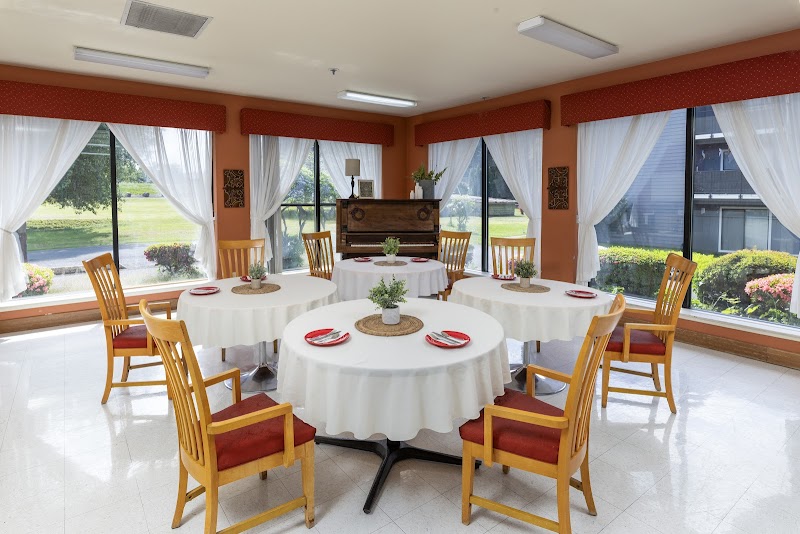
CMS rates FRONTIER REHAB & EXTENDED CARE's staffing level at 4 out of 5 stars, which is above average compared to other nursing homes. Staff turnover is 40%, compared to the Washington average of 46%. This relatively stable workforce can support continuity of care.

What Have Inspectors Found at Frontier Rehab & Extended Care?

State health inspectors documented 18 deficiencies at FRONTIER REHAB & EXTENDED CARE during 2023 to 2025. These included: 17 with potential for harm and 1 minor or isolated issues.
Who Owns and Operates Frontier Rehab & Extended Care?

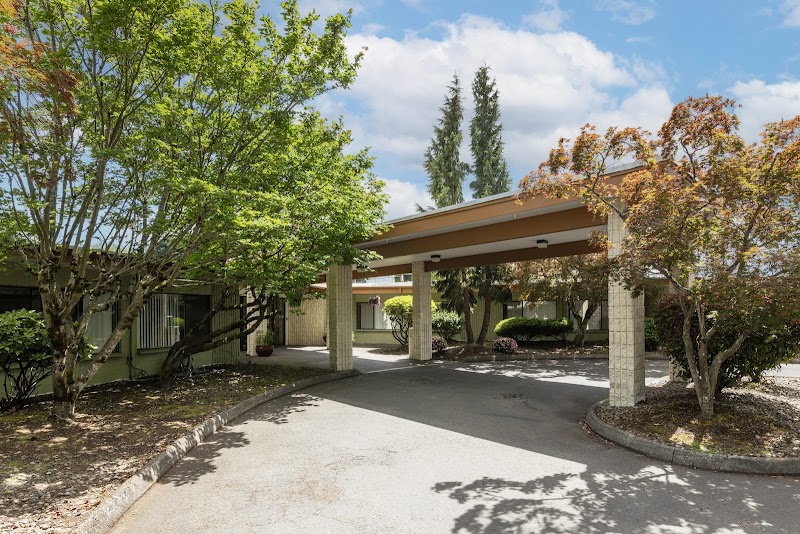
FRONTIER REHAB & EXTENDED CARE is owned by a for-profit company. For-profit facilities operate as businesses with obligations to shareholders or private owners. The facility is operated by EMPRES OPERATED BY EVERGREEN, a chain that manages multiple nursing homes. With 140 certified beds and approximately 93 residents (about 66% occupancy), it is a mid-sized facility located in LONGVIEW, Washington.
How Does Frontier Rehab & Extended Care Compare to Other Washington Nursing Homes?

Compared to the 100 nursing homes in Washington, FRONTIER REHAB & EXTENDED CARE's overall rating (4 stars) is above the state average of 3.2, staff turnover (40%) is near the state average of 46%, and health inspection rating (4 stars) is above the national benchmark.

What Should Families Ask When Visiting Frontier Rehab & Extended Care?

Based on this facility's data, families visiting should ask: "Can I visit during a mealtime to observe dining assistance and food quality?" "How do you handle medical emergencies, and what is your hospital transfer rate?" "Can I speak with family members of current residents about their experience?"

Is Frontier Rehab & Extended Care Safe?

Based on CMS inspection data, FRONTIER REHAB & EXTENDED CARE has a clean safety record: no substantiated abuse findings (meaning no confirmed cases of resident harm), no Immediate Jeopardy citations (the most serious violation level indicating risk of serious injury or death), and is not on the Special Focus Facility watch list (a federal program monitoring the lowest-performing 1% of nursing homes). The facility has a 4-star overall rating and ranks #1 of 100 nursing homes in Washington. While no facility is perfect, families should still ask about staff-to-resident ratios and recent inspection results during their visit.

Do Nurses at Frontier Rehab & Extended Care Stick Around?

FRONTIER REHAB & EXTENDED CARE has a staff turnover rate of 40%, which is about average for Washington nursing homes (state average: 46%). Moderate turnover is common in nursing homes, but families should still ask about staff tenure and how the facility maintains care continuity when employees leave.

Was Frontier Rehab & Extended Care Ever Fined?

FRONTIER REHAB & EXTENDED CARE has no federal fines on record. CMS issues fines when nursing homes fail to meet care standards or don't correct problems found during inspections. The absence of fines suggests the facility has either maintained compliance or corrected any issues before penalties were assessed. This is a positive indicator, though families should still review recent inspection reports for the full picture.

Is Frontier Rehab & Extended Care on Any Federal Watch List?

FRONTIER REHAB & EXTENDED CARE is not on any federal watch list. The most significant is the Special Focus Facility (SFF) program, which identifies the bottom 1% of nursing homes nationally based on persistent, serious quality problems. Not being on this list means the facility has avoided the pattern of deficiencies that triggers enhanced federal oversight. This is a positive indicator, though families should still review the facility's inspection history directly.