COLUMBIA CREST CENTER
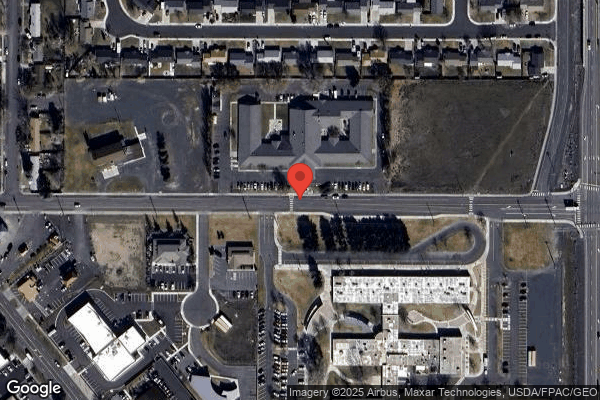
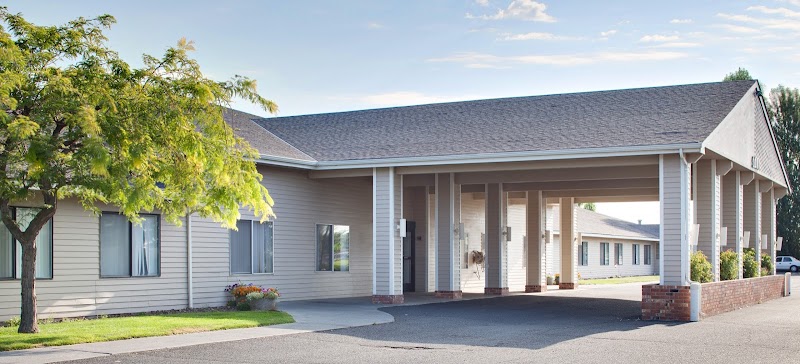
1100 EAST NELSON ROAD, MOSES LAKE, WA 98837 (509) 765-6788
For profit - Limited Liability company 111 Beds GENESIS HEALTHCARE Data: November 2025 1 Immediate Jeopardy citation
Trust Grade
0/100
#138 of 190 in WA
Last Inspection: November 2024

Within standard 12-15 month inspection cycle. Federal law requires annual inspections.

Overview

Columbia Crest Center has received a Trust Grade of F, indicating significant concerns about the facility's quality and safety. With a rank of #138 out of 190 nursing homes in Washington, they are in the bottom half of state facilities and last in Grant County. The facility is reportedly improving, having reduced issues from 30 in 2024 to only 2 in 2025, but it still has a troubling history, including $163,278 in fines, which is higher than 88% of facilities in the state. Staffing is average, with a 3/5 star rating and a turnover rate of 56%, which is slightly above the state average. However, specific incidents raise serious alarms, such as failing to investigate allegations of abuse, neglecting to provide necessary care to residents, and not ensuring a safe environment, which indicates that while there may be some strengths, significant weaknesses exist that families should carefully consider.

Trust Score
F
0/100
In Washington
#138/190
Bottom 28%
Safety Record
High Risk
Review needed
Inspections
Getting Better
30 → 2 violations
Staff Stability
⚠ Watch
56% turnover. Above average. Higher turnover means staff may not know residents' routines.
Penalties
✓ Good
$163,278 in fines. Lower than most Washington facilities. Relatively clean record.
Skilled Nurses
✓ Good
Each resident gets 48 minutes of Registered Nurse (RN) attention daily — more than average for Washington. RNs are trained to catch health problems early.
Violations
⚠ Watch
67 deficiencies on record. Higher than average. Multiple issues found across inspections.
★★☆☆☆
2.0
Overall Rating
★★★☆☆
3.0
Staff Levels
★★★★★
5.0
Care Quality
★☆☆☆☆
1.0
Inspection Score
Stable
2024: 30 issues
2025: 2 issues

The Good

  • 5-Star Quality Measures · Strong clinical quality outcomes
  • Full Sprinkler Coverage · Fire safety systems throughout facility
  • No fines on record

Facility shows strength in quality measures, fire safety.

The Bad

2-Star Overall Rating

Below Washington average (3.2)

Below average - review inspection findings carefully

Staff Turnover: 56%

Near Washington avg (46%)

Frequent staff changes - ask about care continuity

Federal Fines: $163,278

Well above median ($33,413)

Significant penalties indicating serious issues

Chain: GENESIS HEALTHCARE

Part of a multi-facility chain

Ask about local staffing decisions and management

Staff turnover is elevated (56%)

8 points above Washington average of 48%

The Ugly 67 deficiencies on record

1 life-threatening 6 actual harm
May 2025 2 deficiencies
CONCERN (D) 📢 Someone Reported This

A family member, employee, or ombudsman was alarmed enough to file a formal complaint

Potential for Harm - no one hurt, but risky conditions existed

Deficiency F0557 (Tag F0557)

Could have caused harm · This affected 1 resident

**NOTE- TERMS IN BRACKETS HAVE BEEN EDITED TO PROTECT CONFIDENTIALITY** Based on observation, interview, and record review, the facility failed to ensure residents were able to use personal possession...

Read full inspector narrative →
**NOTE- TERMS IN BRACKETS HAVE BEEN EDITED TO PROTECT CONFIDENTIALITY** Based on observation, interview, and record review, the facility failed to ensure residents were able to use personal possessions in their room, specifically a personal refrigerator, that did not infringe on the rights of other residents for 1 of 3 residents (Resident 2) reviewed for resident rights. This deficient practice placed residents at risk of feeling emotional distress and retaliated against. Findings included . Review of the facility policy, Refrigerators: Patient In-Room, revised 08/07/2023 showed residents could have a small [two cubic feet (unit of measurement) or less] personal refrigerator in their room, and the document In Room Refrigerator Acknowledgment would be provided to inform the resident of their right to store food in the refrigerator and the process to do so. <Resident 2> Review of the medial record showed Resident 2 admitted to the facility on [DATE] with diagnoses of multiple sclerosis (a disorder in which the body's immune system attacks the protective covering of the nerve cells in the brain and spinal cord) and depression (a common but serious mood disorder that can affect how you feel, think, and act). Review of the comprehensive assessment, dated 03/21/2025, showed Resident 2 was cognitively intact and required the assistance of two people for personal cares, bed mobility, transfers, and toileting. Review of the nursing progress note (PN), dated 05/08/2025 at 4:47 PM, showed Staff A, Administrator, informed Resident 2 they could not have the refrigerator Resident 2 had purchased online and had delivered to the facility. During an interview, on 05/27/2025 at 4:45 PM, Staff B, Affiliated Administrator, stated the facility policy allowed residents to have personal refrigerators in their room and they were unaware of any recent change to the policy. During an interview, on 05/27/2025 at 5:05 PM, Resident 2 stated they had purchased a refrigerator online and had it delivered to the facility on [DATE], but was told they could not have it in their room. Resident 2 arranged for their family to pick up the refrigerator on 05/11/2025, but staff was unable to locate the refrigerator. Resident 2 stated they had not been updated regarding their missing property. Review of the nursing progress note (PN), dated 05/27/2025 at 9:28 PM, showed Staff C, Director of Nursing, met with Resident 2 regarding their personal refrigerator. Staff C informed Resident 2 their refrigerator was located in Staff C's office and could be picked up at any time. Staff C explained per facility policy, Resident 2 could have a personal refrigerator in their room, but the one Resident 2 had purchased was too big (3.2 cubic feet; equivalent to 18.5 inches by 19.4 inches by 33.3 inches). During an observation, on 05/29/2025 at 10:30 AM, personal refrigerators were noted in rooms [ROOM NUMBERS]. During a concurrent observation and interview, on 05/29/2025 at 10:35 AM, Resident 2 showed they currently had a very small personal refrigerator (0.3 cubic feet) but wanted one with a freezer component. Resident 2 stated Staff C met with them on 05/27/2025 and explained they could have a personal refrigerator that was 2.0 cubic feet or smaller. Resident 2 stated they appreciated the clarification because the conversation with Staff A on 05/08/2025 left them believing they could not have a personal refrigerator at all and overall felt retaliated against. During an interview, on 05/29/2025 at 1:10 PM, Staff C stated the facility policy showed Resident 2 had the right to keep a personal refrigerator in their room, and the policy should have been explained to Resident 2 in a more thorough and clear manner. Reference: WAC 388-97-0560 (1)(a-c)
CONCERN (D) 📢 Someone Reported This

A family member, employee, or ombudsman was alarmed enough to file a formal complaint

Potential for Harm - no one hurt, but risky conditions existed

Accident Prevention (Tag F0689)

Could have caused harm · This affected 1 resident

**NOTE- TERMS IN BRACKETS HAVE BEEN EDITED TO PROTECT CONFIDENTIALITY** Based on observation, interview, and record review, the facility failed to provide supervision, monitoring and/or modification o...

Read full inspector narrative →
**NOTE- TERMS IN BRACKETS HAVE BEEN EDITED TO PROTECT CONFIDENTIALITY** Based on observation, interview, and record review, the facility failed to provide supervision, monitoring and/or modification of interventions related to safe smoking for 1 of 2 residents (Resident 1) reviewed for accidents and hazards. This deficient practice placed Resident 1 at an increased risk for avoidable smoking accidents, injuries, and unmet care needs. Findings included . Review of the facility policy, titled Smoking, revised 02/24/2025, showed residents who smoked would have a care plan outlining the elements needed for supervision and physical assistance while smoking, and facility leadership would consider special accommodations on an individual basis. <Resident 1> Review of the medical record showed Resident 1 admitted to the facility on [DATE] with diagnoses of hemiparesis of the right side (paralysis of right side of body) from a stroke and epilepsy (a brain disorder causing repeated seizures). Review of the comprehensive assessment, dated 03/05/2025, showed Resident 1 had moderately impaired cognition, required the assistance of two people for bed mobility, incontinent care, transfers, bathing, and was independent with mobility when up in their manual wheelchair. Review of the medical record showed a Smoking Evaluation, dated 02/05/2025, identified Resident 1 to be unsafe to smoke independently-supervised smoking required, and showed Resident 1's family refused to purchase or provide smoking supplies and/or paraphernalia (items or equipment associated with a particular activity, hobby, or lifestyle). Review of the facility incident log for March 2025, April 2025, and May 2025 showed Resident 1 sustained a self inflicted injury on 03/22/2025 and an unobserved injury on 05/24/2025. Review of the 03/22/2025 incident investigation showed Resident 1 was found to have a small burn hole on the bottom of their shirt and a corresponding circular pink area to their inner left thigh. The investigation showed Resident 1 stated they were smoking independently and had dropped their cigarette on their lap causing the burn. Review of the investigation summary, dated 03/25/2025, showed Resident 1 had been observed attempting to pick-up left-over cigarettes from other residents in the designated smoking area and was the likely cause of the burn hole and pink area to their inner left thigh. The inventions to prevent reoccurrence was to continue to encourage smoking cessation, provide Resident 1 education regarding the smoking policy and the requirement for supervision when smoking, and to encourage Resident 1 to not pick-up left-over cigarettes. Review of the 05/24/2025 incident investigation showed Resident 1 was found with a fluid filled blister to right inner thigh. The investigation showed Resident 1 stated the blister was from smoking. During an interview on 05/27/2025 at 3:50 PM, Resident 1 stated they were given a cigarette from a friend and was smoking independently when they dropped the cigarette in their lap. Resident 1 stated they did not give permission for facility staff to assess the blister. During an interview on 05/28/2025 at 10:15 AM, Staff E, Licensed Practical Nurse (LPN), stated they tried to monitor Resident 1 when they were outside in the courtyard smoking designation area. Staff E stated Resident 1 was persistent with their desire to smoke and would ask other residents and visitors for cigarettes. Staff E stated Resident 1 was not safe to smoke independently and if they had the means to smoke, Resident 1 would need supervision to be safe. During an interview on 05/28/2025 at 10:55 AM, Staff F, Nursing Assistant (NA), stated the interventions to keep Resident 1 safe was to encourage and try to prevent them from smoking. Staff F stated they did not feel this approach was effective because Resident 1 continued to ask other residents and visitors for cigarettes. Staff F stated they had observed Resident 1 looking for discarded cigarettes in the courtyard and in the front parking lot. During an interview, on 05/28/2025 at 11:15 AM, Staff G, NA, stated Resident 1 was independent with mobility once they were in the wheelchair, and spends most of their time going between the courtyard smoking designation area and the front parking lot area. Staff G stated they checked on Resident 1, but did not stay with them for the duration of their time outside. During an observation on 05/28/2025 at 12:30 PM, Resident 1 was observed self-propelling in their wheelchair in the hallway going toward the front door. Resident 1 was observed going out the front door and was not accompanied by facility staff. During an interview, on 05/28/2025 at 12:50 PM, Staff D, Resident Care Manager (RCM), stated they observed Resident 1 smoking on 05/24/2025 and assessed them to be unsafe in all aspects of smoking, including with the use of a smoking apron (protective covering worn by smokers, especially those who may be prone to dropping cigarettes or ashes, to help prevent burns to their clothing, skin, or surroundings). Staff C stated the previous approach for Resident 1's smoking safety was to encourage Resident 1 to not smoke, and this plan did not appear to be effective. During an interview, on 05/29/2025 at 11:04 AM, Staff B, DNS, stated Resident 1 continued to show determination to smoke and the encouragement to not smoke was not effective in maintaining smoking safety. Staff B stated Resident 1 needed one-on-one supervision while smoking and potentially physical assistance to ensure they were safe. Reference: WAC 388-97-1060 (3)(g)
Nov 2024 26 deficiencies 1 IJ (1 affecting multiple)
CRITICAL (K)

Immediate Jeopardy (IJ) - the most serious Medicare violation

Abuse Prevention Policies (Tag F0607)

Someone could have died · This affected multiple residents

**NOTE- TERMS IN BRACKETS HAVE BEEN EDITED TO PROTECT CONFIDENTIALITY** Based on interview and record review the facility failed to implement their abuse/neglect policies and procedures to identify, p...

Read full inspector narrative →
**NOTE- TERMS IN BRACKETS HAVE BEEN EDITED TO PROTECT CONFIDENTIALITY** Based on interview and record review the facility failed to implement their abuse/neglect policies and procedures to identify, prevent, protect, investigate, and report abuse/neglect allegations for 3 of 3 residents (Residents 2, 38, and 62) who had reported allegations of abuse and neglect by filing out grievance forms. Review of the facility's Grievance/Concern forms, dated 06/01/2024 to 11/14/2024, showed 10 additional allegations of abuse/neglect involving 7 of 7 residents (Residents 226, 228, 227, 2, 54, 11, and 40) reviewed for abuse/neglect. The facility did not have a process to identify allegations of abuse/neglect, that were written as grievances and required thorough and timely investigations. The facility also failed to report the allegations to the State Complaint Resolution Unit (the section of the Department of Social and Health Services that is responsible for processing and initiating an electronic recording of all resident received reports) as required. This failed practice placed other residents at risk for abuse and neglect. The lack of recognizing allegations of abuse and neglect and taking any needed action constituted an immediate jeopardy (IJ). On 11/14/2024 the facility was notified of an IJ at, F607 42 CFR 483.12(b)(1)-(4) Develop/Implement Abuse/Neglect Policies when resident allegations of abuse and neglect in the form of grievances were not appropriately followed up on by identifying the allegations of abuse and neglect, protecting the resident, and conducting a thorough and timely investigation to determine if abuse or neglect had occurred. It was determined the IJ began on 11/14/2024 and the immediacy was removed on 11/15/2024 with an onsite investigation from surveyors. The facility removed the immediacy by conducting facility wide interviews with residents and/or families specific to abuse or neglect to identify if any additional allegations were made to provide the necessary follow up. Education was provided to staff on the grievance process and how to immediately identify and report abuse or neglect allegations to include protection of the resident during the investigation. Education was to be completed with all staff prior to their next scheduled shift. The measures put into place by the facility ensured that all staff were trained on identifying and reporting abuse. Findings included . Record review of a facility policy titled Abuse Prohibition revised of 10/24/2022 showed; The center will implement an abuse prohibition program through the following: * Screening of potential hires * Training of employees * Prevention of occurrence * Identification of possible incidents or allegations which need investigation * Investigation of incidents and allegations * Protection of patients during investigation * Reporting of incidents. <Resident 2> Review of the resident's medical record showed they were admitted with diagnoses including multiple sclerosis (a disease in which the immune system destroys the protective covering of the nerves) and diabetes (a chronic disease that causes too much sugar in the blood). Review of the comprehensive assessment dated [DATE] showed the resident's had mild cognitive impairment and experienced pain during the assessment period. During an interview on 11/13/2024 at 2:56 PM, Resident 2 stated Staff D, Licensed Practical Nurse (LPN), had refused to give them pain medication alleging Staff D was rude and verbally abusive. The resident stated Staff D often told them their medication was unavailable as well, so they had filed a grievance as they felt Staff D was purposely withholding their pain medication to be mean to me. Review of a Grievance/Concern Form dated 10/09/2024 showed Resident 2 had alleged Staff D would not give them pain medication and was picking on me. The grievance was signed by Staff A, Administrator, but not dated. Record review of the facility incident reporting log showed there had been no investigation into Resident 2's allegation against Staff D's treatment of them. <Resident 38> Review of the resident's medical record showed the resident was admitted to the facility with diagnoses including multiple sclerosis and chronic pain. Review of the resident's comprehensive assessment dated [DATE] showed the resident was cognitively intact with no memory deficits and suffered from frequent pain. During an interview on 11/13/2024 at 11:13 AM, Resident 38 stated they had filed a grievance about three weeks ago related to a nurse being rude, belittling and had refused to give them pain medications when they had requested. The resident identified the nurse as Staff D. Resident 38 stated Staff D was not allowed to pass their medications anymore, but had remained on the unit and they felt Staff D was able to retaliate against them as they would not report to the other nurse taking care of them when they wanted a pain pill Resident 38 stated I feel like (Staff D) was purposely ignoring my requests it was very uncomfortable with (Staff D) still on my unit. Resident 38 stated they would have to wait until Staff D left to get their pain medications. Review of Resident 38's Grievance/Concern Form dated 10/22/2024 showed the resident alleged Staff D was frequently rude and refused to listen to them. Further review of the allegation showed Staff D often refused the residents request for pain medication and was disapproving when they asked for pain medication. Staff D would blatantly refuse or tell them it was unavailable. The grievance was signed by Staff F, Unit Manager but did not include the date it was reviewed. Review of the facility incident reporting log showed no investigation had been completed into Resident 38's allegations of abuse/neglect made against Staff D. <Resident 62> Review of the resident's medical record showed the resident was admitted to the facility with a diagnosis of Parkinson's disease (a disease of the nervous system that affects movement and causes tremors). Review of the comprehensive assessment dated [DATE] showed the resident was able to make their needs known. During an interview on 11/13/2024 at 10:08 AM, Resident 62 stated they had missed their medication for tremors Carbidopa-Levodopa (a medication used to treat the symptoms of Parkinson's disease such as tremors) several days earlier. Resident 62 stated Staff D had told them they were out of the medication, and it was not available. The resident informed Staff D they needed their medication on time otherwise they would suffer from tremors. Record review of a Grievance/Concern form dated 11/08/2024 showed Resident 62 had notified the facility of the missed medication and had reported they had experienced intense shaking and tremors after the missed dose. The grievance was undated and signed by Staff F, Unit Manager and showed the medication had been found located in the medication cart. Review of the incident reporting log showed the facility had not recognized Staff D's frequency of allegations of abuse/neglect and a pattern of alleged medication errors as indicated by grievances filed on 10/09/2024 by Resident 2, 10/22/2024 by Resident 38 and 11/09/2024 filed by Resident 62. Review of the nurse's schedule dated 10/01/2024 to 11/14/2024 showed Staff D had continued to work with unsupervised access to residents and without a thorough and timely investigation into the allegations. During a concurrent interview on 11/14/2024 at 04:56 PM, Staff A, Administrator and Staff B, Senior Director of Nursing, stated there were no incident investigations that had been completed related to the allegations against Staff D filed by Residents 2, 38 and 62. Record review of the facility Grievance/Concerns forms dated 06/01/2024 to 11/14/2024 showed 10 additional allegations involving seven dependent residents (Resident's 226, 228, 227, 2, 54, 11, and 40) alleging abuse/neglect as follows; * 06/04/2024 Resident 226 allegation - the resident was left in their wheelchair without any care from 9:00 AM to 3:00 PM. * 06/20/2024 Resident 228 allegation - the resident had not been changed or turned and re-positioned on several occasions. * 06/14/2024 Resident 227 allegation - the nurse refused to let them keep their door open when they suffer from claustrophobia. * 07/18/2024 filed Resident 228 allegation - the resident was neglected and not changed two nights in a row. * 08/26/2024 Resident 2 - allegation their post-surgical bandage was not being changed by the evening nurses. * 09/26/2024 Resident 54 - alleged evening shift was rough with them. * 10/12/2024 Resident 54 - alleged staff were super rough with them. * 10/22/2024 Resident 11 - stated they did not like the way a nurse treated their wife. * 11/10/2024 Resident 40 - alleged a nurse used excessive force to clean their wound and they almost cried from the pain. Record review of the facility incident reporting log from 06/01/2024 to 11/14/2024 showed the facility had not recognized the above listed allegations as abuse or neglect therefore no thorough or timely investigations had been completed into the above allegations filed as grievances. During an interview on 11/15/2024 at 8:08 AM, Staff A, Administrator stated it's a very broken system for reporting allegations related to abuse and neglect. Staff A stated they had not been aware of some of the grievances alleging abuse/neglect filed as they had not been presented to them. Staff A further stated even though they did not see all the grievances I am the administrator so it's on me. Reference WAC-388-97-0640(2)
SERIOUS (G)

Actual Harm - a resident was hurt due to facility failures

Free from Abuse/Neglect (Tag F0600)

A resident was harmed · This affected 1 resident

**NOTE- TERMS IN BRACKETS HAVE BEEN EDITED TO PROTECT CONFIDENTIALITY** Based on observation, interview, and record review, the facility failed to protect the resident's right to be free from neglect ...

Read full inspector narrative →
**NOTE- TERMS IN BRACKETS HAVE BEEN EDITED TO PROTECT CONFIDENTIALITY** Based on observation, interview, and record review, the facility failed to protect the resident's right to be free from neglect for 1 of 11 residents (Resident 35) reviewed for neglect. Resident 35 experienced harm when staff failed to provide Resident 35 water when requested, failed to assess skin excoriation (loss of the top layer of the skin and a portion of the middle layer of the skin due to scratching or an injury) to Resident 35's coccyx (tailbone) and perineum (the area between the thighs that marks the approximate lower boundary of the pelvis and is occupied by the urinary and genital ducts and rectum), and administer pain medications as needed at their end of life per Resident 35's advanced directive (a legal document that outlines preferences for medical care in the event you are unable to communicate your wishes). These failed practices placed the residents at risk for dehydration, additional skin breakdown, and continued pain. Findings included . Review of a policy titled, Abuse Prohibition, dated 10/24/2022, defined neglect as the failure, indifference, or disregard of the Center, its employees, or service providers to provide care, comfort, safety, goods, and services to a patient that are necessary to avoid physical harm, pain, mental anguish, or emotional distress. This includes the failure to implement an effective communication system across all shifts for communicating necessary care and information between the Center, patient, practitioners, and patient representatives. <Resident 35> Review of the medical record showed Resident 35 was admitted to the facility on [DATE] with diagnoses of Clostridium Difficile (a bacteria that causes diarrhea and other intestinal issues), malnutrition, and severe sepsis with septic shock (a life-threatening condition that occurs when the body's response to an infection progresses to a dramatic drop in blood pressure). The 11/11/2024 comprehensive assessment showed Resident 35 was dependent on one to two staff members for activities of daily living; touch assistance/supervision for eating. The assessment also showed Resident 35 had a moderately impaired cognition. <Water> During an observation on 11/13/2024 at 11:38 AM, Resident 35 was lying on their back in bed with their right arm outstretched, reaching towards their water cup on the bedside table. They were calling out ahh and ow. At 11:48 AM, Resident 35 was observed with the back of their hand against the water cup and was calling out water, water. At 11:50 AM, the first observation of staff hearing the resident's request for water, Staff C, Nursing Assistant (NA), walked past the resident's room and did not acknowledge their request for water. At 11:51 AM, Staff E, Director of Rehab/Physical Therapy Assistant (PTA), Staff N, NA, and Resident 52 (a resident that resided in the same hall as Resident 35) were in the hall outside of Resident 35's room, having a conversation. Staff E stated to the resident in the hall, I have a protein café latte for (Resident 35) today, I have it in the refrigerator and will give it to them later as Resident 35 was continuously calling out for water. Resident 52 wheeled themselves into Resident 35's room. Staff E told Resident 52 that was not their room, and the resident responded, I am going to check on them, entered Resident 35's room, and was observed talking to Resident 35 and patting their arm. Staff E and Staff N both left the area without responding to Resident 35's requests for water. At 11:55 AM, as Resident 35 was still calling out for water and reaching for their water cup, Staff C and Staff N were observed outside Resident 35's room, donning gown and gloves to enter the room next to Resident 35. Neither Staff C nor Staff N acknowledged Resident 35's requests for water. At 12:03 PM, Resident 52 was observed putting Resident 35's call light on, exited the resident's room, and stated to Staff O, NA, who was walking past Resident 35's room, Resident 35 wants water, needs water, I can't do it for them. At 12:07 PM, Resident 35 was observed still crying out for water. Staff O, again walked past Resident 35's room. They did not acknowledge the activated call light or Resident 35's requests for water. At 12:11 PM, Staff P, Licensed Practical Nurse (LPN), entered Resident 35's room, as they were continuously calling out for water. Staff P turned off the call light and stated, you need a drink of water? and exited the room without giving the resident water. At 12:16 PM, Staff N entered Resident 35's room with their lunch tray. Resident 35 yelled out water. Staff N stated, you need to wait a minute I have to go gown up. At 12:21 PM, Staff N re-entered Resident 35's room and gave the resident a drink of water, 31 minutes after staff first heard Resident 35 calling out for water. During an interview on 11/13/2024 at 12:50 PM, Staff P stated they went into Resident 35's room earlier that day to answer the call light and were going to get Resident 35 a drink of water. They stated they were going to put ice in their cup, left the room, and got sidetracked. Staff P stated the process for answering call lights was to turn them off when entering the room, then take care of the resident's need. They stated they turned the call light off because they did not want other family members or administrative staff to see that call lights were not being answered. During an observation on 11/15/2024 at 9:47 AM, Resident 35 was lying on their back in bed, their eyes and cheeks and were sunken in. Their mouth was open, their tongue and lips were dry and cracking. Their bottom lip was adhered to their bottom teeth and had a white film over it. Resident 35 stated yes when asked if they were thirsty and if they were in pain. Resident 35 was not able to state where their pain was located. <Skin> Record review of a NA assignment sheet, dated 11/10/2024, showed the NA had documented on their sheet that Resident 35 had extreme skin breakdown. Record review of a nursing progress note, dated 11/10/2024 at 9:29 PM, showed Staff Z, LPN, documented Resident 35 had an excoriated perineum that had an open area on the vulva (external female genital organs) that was bleeding that evening when the NA was providing incontinent care. During an interview on 11/15/2024 at 11:46 AM, Staff C stated they had reported Resident 35's skin maceration (the process of skin softening and breaking down due to prolonged exposure to moisture) to Staff F, Unit Manager (UM), on 11/11/2024. Staff C stated that morning, they were performing personal cares for Resident 35 and their skin was just wiping off. They stated Staff M, Registered Nurse (RN)/Infection Preventionist (IP) had been passing by Resident 35's room during the cares, and they asked Staff M to look at the macerated skin. Staff M advised them to use warm water to remove the thick paste that was covering the wound, but did not assess the wound. During an interview on 11/15/2024 at 12:18 PM, Staff F stated Resident 35 had the maceration from incontinence and sweating. They stated they were informed of the maceration on Tuesday (11/12/204) or Wednesday (11/13/2024). They stated they were informed of redness by maybe an aide but did not assess the areas. During an interview on 11/16/2024 at 9:07 AM, Staff M stated they were asked to look at Resident 35's perineum on either 11/11/2024 or 11/12/2024. They stated they were called into the resident's room by two NAs to assess the areas of concern. Staff M stated there was a thick layer of what looked like powder that had gotten wet, caked on Resident 35's perineum. Staff M stated there was so much powder and wet stool, they were unable to see any of the wound area. Staff M stated they did not assess the wound area. Review of a nursing progress note, dated 11/14/2024 at 7:15 AM, showed Staff B, Senior Director of Nursing, and Staff F assessed Resident 35's perineum and buttocks area, four days after the initial report of skin breakdown. Resident 35 had front peri area that is inflamed and reddened in color with erosion (occurs when the skin's outer layers break down) of skin folds, bilateral (both sides) buttocks have superficial (occurring on the surface) open areas . During an interview on 11/16/2024 at 2:24 PM, Staff Z stated they had reported the perineum concerns to the Registered Nurse that was on duty that night so they could assess Resident 35's condition. <Pain> An observation on 11/15/2024 at 10:01 AM, showed Staff C, Staff Q, NA, Staff O, and Staff R, LPN, outside Resident 35's room, putting on gowns and gloves. The staff entered the room and began to perform incontinent care for Resident 35. Observation of the resident's perineum showed severely macerated (softening and breakdown of the skin due to prolonged exposure to moisture or fluid) tissue that was bright red. As Staff C cleaned the perineum with cleansing wipes, Resident 35 squeezed their eyes shut, cried out in pain, made a fist with their left hand, and repeatedly punched Staff Q in the right forearm. Staff O stated they were training Staff R and stated to Staff R that they kept up on Resident 35's pain medication and were able to administer pain medications every eight hours as needed (provider order showed pain medication was to be given every six hours as needed). Staff O stated they were going to get Resident 35 an oxycodone (a medication used to treat moderate to severe pain) since it was time for their next dose (their last dose had been given at 3:23 AM). Staff O did not administer Resident 35 a pain medication, despite stating they would. Review of a provider progress note, dated on 11/14/2024 at 9:30 AM, showed Resident 35's provider had assessed them for an acute visit due to decreased activity, worsening pain, and progressive skin changes to their perineum. The provider note showed the resident was unable to feed themselves and had significant pain with repositioning. Resident 35 was observed laying in bed on left side with mouth open, dry mucous membranes. Patient unable to reposition self, due to weakness. The assessment showed their skin was macerated and erythematous (abnormally red skin due to inflammation) rash on buttocks, inner thighs, and bilateral labia (the folds of skin at the outer part of a woman's sexual organs), superficial sloughing (shedding) of dermal (skin) layer on buttocks bilaterally, roughly two to three centimeters (a unit of measurement) in circumference. Resident 35 had a new diagnosis of dermatosis (disease of the skin) of perineum consistent with atopic dermatitis (a condition of the skin that causes inflammation, redness, swelling, and cracking of the skin) reaction from their current conditions of c-diff colitis(inflammation of the large intestine), recurrent diarrhea/watery stools and sweat. Record review of a Nurse Practitioner (NP) provider note, dated 11/15/2024 at 9:30 AM, showed Resident 35 was seen to follow up on concerns of moisture associated skin damage [(MASD) a general term for inflammation of skin erosion caused by prolonged exposure to a source of moisture such as urine, stool, or sweat] of the genital area. The resident was unresponsive and quietly moaning (indicative of discomfort or pain). They were lying in bed, mouth open with dry mucous membranes. Resident 52 was unable to reposition themselves due to weakness and was moaning. Their genitourinary (organs of the urinary and genital system) area was excoriated, and red. New medications were ordered for pain, to be administered every two hours as needed, and anxiety, to be administered every four hours as needed. Review of the November 2024 Medication Administration Record, showed Resident 35 had received one dose of Tylenol (an over the counter medication to treat mild to moderate pain) on 11/15/2024 at 1:41 AM with ineffective results. They received one dose of oxycodone (a prescription pain medication used to treat severe pain) on 11/15/2024 at 3:23 AM, despite Staff O stating they would give a pain medication at 10:01 AM that morning. The facility did not provide Resident 35 any additional medications for pain control prior to them passing away at 9:00 PM, 17.5 hours after their last dose, despite the NP noting Resident 35 had been moaning that morning and had ordered additional medications for pain and anxiety. Record review of Resident 35's Advance Directive dated 12/12/2023, showed it is my desire that pain alleviation or control procedures or medication be administered and continued, and that as long as I live, I be kept as pain-free and comfortable as is reasonably possible. During an interview on 11/19/2024 at 10:27 AM, Staff B stated the process for change in condition did not happen for Resident 35. The new medications for pain and anxiety should have been pulled right away from the Pyxis (a medication dispensing system) and given. Advance Directives were reviewed upon admit by social services and that information should have been communicated to the unit manager. Staff B stated the provider should have been contacted sooner to address those concerns. During an interview on 11/19/2024 at 12:11 PM, Staff A, Administrator, stated they would have expected the staff to administer Resident 35 water, even if we had to have staff sit with (them). They stated the process for any skin change was to report it immediately to the licensed nurse, unit manager, and provider. They stated the process for Advance Directives included a review by Staff B to ensure that all the orders were being followed; that is (their) department and (their) duty. Staff A stated the facility did not follow their processes. Reference: WAC 388-97-0640(1)
SERIOUS (G)

Actual Harm - a resident was hurt due to facility failures

Accident Prevention (Tag F0689)

A resident was harmed · This affected 1 resident

**NOTE- TERMS IN BRACKETS HAVE BEEN EDITED TO PROTECT CONFIDENTIALITY** Based on observation, interview, and record review, the facility failed to provide an environment that was free from avoidable a...

Read full inspector narrative →
**NOTE- TERMS IN BRACKETS HAVE BEEN EDITED TO PROTECT CONFIDENTIALITY** Based on observation, interview, and record review, the facility failed to provide an environment that was free from avoidable accident hazards for 1 of 5 residents (Resident 4) reviewed for accidents with injury. This failed practice placed the residents at risk for avoidable accidents when Resident 4 experienced actual harm when their fifth toe on their right foot was broken while being pushed in their wheelchair. Additionally, the facility failed to ensure a safe smoking area and storage of smoking paraphernalia (items or equipment associated with a particular activity, hobby, or lifestyle) for 3 of 3 residents (Residents 13, 27, and 45) reviewed for safe smoking. The failure to ensure a safe smoking environment and storage of smoking paraphernalia placed the residents at risk for dissatisfaction with their smoking activity experience and injury. Findings included . Review of a policy titled, Accidents/Incidents, revised 03/01/2024, showed an accident was defined as any unexpected or unintentional incident that may result in injury or illness to a resident. After an accident occurred, the licensed nurse (LN) would report the accident and assist with a timely investigation to determine the cause. They would take immediate post-accident measures, implement appropriate interventions, update the care plan and communicate with the resident/representative, and complete nursing documentation and change of condition. Any incident that would be considered an allegation of abuse/neglect would be managed according to facility abuse prohibition policy. The LN would evaluate the resident, notify the physician, report the physical findings/extent of injuries, and obtain orders if necessary. The LN would create an event report in the medical record and document the accident in the resident's chart. All accidents would be reported to the supervisor. All accidents would be investigated to determine if the accident had been reported timely, investigated, and interventions were implemented. <Injury> <Resident 4> Review of the medical record showed Resident 4 was admitted to the facility with diagnoses including diverticulitis (inflammation of pouches in the colon that can cause abdominal pain, fever, nausea, vomiting, and sometimes bleeding), epilepsy (a brain disorder that causes people to have repeated seizures), and anxiety. The 10/24/2024 comprehensive assessment showed Resident 4 required substantial/maximal assistance of one staff member for activities of daily living (ADLs), including transfers and mobility. Resident 4 was able to make their needs known. During a concurrent observation and interview on 11/13/2024 at 3:21 PM, Resident 4 stated their right foot little toe was hurt from the accident that occurred two or three days ago, maybe Sunday. Resident 4 stated they were in their wheelchair that morning and someone had pushed them to the bathroom. Resident 4 stated they hit their foot on their roommate's bed. They stated their foot hurt and no one had looked at it. At 3:50 PM, Staff E, Director of Rehab/Physical Therapy Assistant (PTA) was attending to Resident 4's roommate. They came to Resident 4's bedside and removed Resident 4's right sock. The fifth toe showed blue/purple discoloration at the base of the toe that was one inch in length. The bruising was on both the top and side of the foot. Resident 4 stated to Staff E, I asked you to look at my foot earlier because it hurt and was bumped on their roommate's bed. Staff E responded, you asked me to remove your shoe. During an interview on 11/18/2024 at 8:49 AM, Staff E stated Resident 4 had told them that morning (11/13/2024) that their foot was sore. They stated they removed Resident 4's shoe, did not remove their sock, and asked the resident to wiggle their toes. Staff E stated Resident 4 was able to wiggle their toes and told the resident they were fine. During an interview on 11/18/2024 at 2:33 PM, Staff L, Registered Nurse (RN), stated the injury to Resident 4's foot was reported to them the same day the State Surveyor had reported it to the Administrator (11/13/2024). Staff L stated when they received the report, they assessed the foot and noted purple bruising on the outer side of the fifth toe. Resident 4 reported they had pain with palpation (the process of using one's hands to check the body). Staff L stated they administered pain medication, completed a risk management form, and reported it to the administrative staff. Staff L stated they notified the provider and an order for an X-ray had been placed. Staff L stated they were not notified of any accident or injury until after the State Surveyor had reported it. During an interview on 11/19/2024 at 8:43 AM, Staff F, Unit Manager, stated they were informed of the injury by Staff L. They stated the process was for staff to inform the nurse when an accident/injury had occurred. The licensed nurse would complete a change in condition form to notify the provider of the injury. Staff F stated Staff L completed the form and notified the provider electronically with a change in condition form the night they were told of the injury. Review of the medical record showed an x-ray had been obtained on 11/14/2024, one day after the Resident 4 reported the injury. The x-ray report showed a fracture of the fifth proximal phalanx (smallest toe). During an interview on 11/19/2024 at 10:19 AM, Staff B stated they were unable to determine who injured Resident 4's toe. They stated Staff F had assessed the resident's injury by removing both socks and comparing the feet but was unsure what day that occurred. Staff B stated Staff F reported no concerns at that time. Staff B stated it took a few days for the bruising to show. They stated they assessed the resident on 11/14/2024, saw the bruising, and ordered an x-ray. Staff B stated the process was for staff to report accidents, injuries, and pain to ensure those concerns were followed up on. Staff B stated the process was not followed. During an interview on 11/19/2024 at 12:34 PM, Staff A, Administrator, stated the process should have been for Staff E to report the injury as soon as Resident 4 informed them of the incident. Staff A stated Staff E should not have assessed the resident's injury, as that was not the process, nor their role. Staff A stated any injury should also be immediately reported to the provider, especially if there was pain and/or swelling. Staff A stated the process was not followed. <Smoking> Review of the policy titled Smoking, revised on 05/01/2024, showed smoking would be permitted in the designated area only, have a non-combustible container for cigarette disposal, and the outdoor smoking area would protect residents from weather conditions. The policy further showed smoking supplies to include tobacco, and lighters would be stored at the nursing station. <Resident 13> Review of the medical record showed Resident 13 with diagnoses including diabetes (a group of diseases that result in too much sugar in the blood), heart disease and absence of left lower leg. The 09/18/2024 comprehensive assessment showed Resident 13 was independent for ADLs, able to use a manual wheelchair for mobility, and had an intact cognition. Review of the Resident 13's smoking evaluation, dated 08/29/2024, showed they were allowed to smoke independently. The evaluation also showed they were aware of the designated smoking area, reviewed the smoking policy, and their smoking supplies would be maintained by staff and stored at the nursing station. During an interview on 11/13/2024 at 9:53 AM, Staff J, RN, stated Resident 13 would go outside to smoke multiple times per day. During an interview on 11/13/2024 at 9:55 AM, Resident 13 stated they were a current smoker and went outside to smoke five times a day. Resident 13 stated when the weather was good, they would smoke in the designated smoking area, however when the weather was raining, snowing, or hot sun, they would not smoke in the designated smoking area as there was no protection from the elements. Resident 13 stated they always kept their cigarettes and lighter in their room or with them at all times. Resident 13 stated they disposed of their used cigarettes in their empty cigarette pack and put them into their trash can in their room. An observation on 11/13/2024 at 11:31 AM, showed the designated smoking area was an uncovered cement area in the back of the facility. The current weather condition was heavy rain, and the area contained standing water on the pathway from the building to the cement area for smoking. An observation on 11/13/2024 at 1:12 PM, showed Resident 13's trash can in their room had an empty cigarette box with six smoked/used cigarettes in the box. An observation on 11/15/2024 at 10:50 AM, showed Resident 13 in front of the facility under the covered entrance smoking as it was raining. During an interview on 11/18/2024 at 3:04 PM, Resident 13 stated they would continue to go to the front of the facility under the covered entrance to smoke when the weather was bad, as the facility had not provided a covered area in the designated smoking area. Resident 13 stated they had continued to put their used cigarettes in their empty cigarette box and brought to their room to dispose of in their trash can. Resident 13 further stated the nurses were supposed to keep their cigarettes and lighter until they asked for them. Resident 13 stated the nurses had never stored their smoking supplies as they kept the supplies with them. During an observation on 11/19/2024 at 12:47 PM, Resident 13 was smoking in front of the facility under the covered entrance. <Resident 45> Review of the medical record showed Resident 45 with diagnoses including stoke with left sided weakness and depression. The 10/25/2024 comprehensive assessment showed Resident 45 required supervision of one staff member for ADLs, independent for use of manual wheelchair for mobility, had a moderately impaired cognition, and was able to make their needs known. Review of Resident 45's smoking evaluation, dated 11/11/2024, showed they were allowed to smoke independently. The evaluation also showed they were aware of the designated smoking area, reviewed the smoking policy, and their smoking supplies would be maintained by staff and stored at the nursing station. During an interview on 11/14/2024 at 10:04 AM, Resident 45 stated they were a current smoker, and they were able to smoke when they wanted. Resident 45 stated they smoked in the facility designated smoking area and disposed of their used cigarettes in the cigarette disposal container. Resident 45 stated they kept their cigarettes and lighter with them in their room. An observation on 11/17/2024 at 10:04 AM, showed Resident 45 outside the exit door on the west hall smoking a cigarette. Resident 45 was not smoking in the designated smoking area. An observation on 11/18/2024 at 2:51 PM, showed Resident 45 smoking outside the exit door on the west hall and not in the designated smoking area. During an observation on 11/19/2024 at 11:02 AM, showed Resident 45 and Resident 13 in the front of the facility under the covered entrance smoking. The current weather condition was cool, dry and windy. <Resident 27> Review of the resident's medical record showed they were admitted to the facility with diagnoses including End Stage Renal Disease (the kidneys no longer function properly) with dialysis (a treatment that removes waste and excess fluid from the blood) and a history of a cerebral vascular accident (damage to the brain from interruption in blood flow) with right arm hemiplegia (a condition that causes paralysis or weakness to one side of the body). Review of the most recent comprehensive assessment dated [DATE] showed the resident had mild cognitive impairment and limited use of their right arm. During an interview on 11/13/2024 at 10:59 AM, Resident 27 stated they had smoked since they were [AGE] years old and were not interested in quitting. The resident patted their upper right pocket and stated they had a pack of cigarettes and a lighter under their jacket so they could smoke out front when they wanted to. Resident 27 was asked if they were aware there was a designated smoking area in the back of the building, and they stated yes but only smoked out front and further stated they kept their cigarettes and lighter in their room. I don't turn them in because I like to keep them close. Review of a document in the resident's record titled Smoking Policy showed Resident 27 had signed it on 05/24/2024. The document outlined the conditions for remaining an independent smoker as follows: Smoking materials must be stored at the nurse's station. Residents cannot keep materials in their room or on their person. The resident smoking area is located off campus (out back), there are no other designated smoking areas on the campus. Residents who fail to comply with this policy will lose their independent smoking privileges and may be subject to discharge. During a concurrent observation and interview on 11/17/2024 at 1:40 PM, Resident 27 stated they had a new carton of cigarettes and showed the surveyor where they kept them along with their lighter in the top right drawer of their nightstand. I can keep them safe here; I do not need to give them to the nurse. During an interview on 11/17/2024 at 2:00 PM, Staff FF, Licensed Practical Nurse, stated they were aware that Resident 27 had cigarettes and a lighter in their room. Staff FF further stated they never turned in their cigarettes and lighter for safe storage at the nurse's station and preferred to keep them in their room. During an interview on 11/18/2024 at 11:12 AM, Staff A, Administrator, stated they were aware of the residents who kept their smoking equipment in their rooms and were not smoking in the designated area. Staff A stated their preference was for the residents to comply with the smoking policy however they just do not. Reference: WAC 388-97-1060(3)(g)
CONCERN (D)

Potential for Harm - no one hurt, but risky conditions existed

Deficiency F0561 (Tag F0561)

Could have caused harm · This affected 1 resident

**NOTE- TERMS IN BRACKETS HAVE BEEN EDITED TO PROTECT CONFIDENTIALITY** Based on observation and interview, the facility failed to provide a homelike dining room experience, including the choice to ea...

Read full inspector narrative →
**NOTE- TERMS IN BRACKETS HAVE BEEN EDITED TO PROTECT CONFIDENTIALITY** Based on observation and interview, the facility failed to provide a homelike dining room experience, including the choice to eat meals in the dining room, for 4 of 9 residents (Resident 9, 14, 51, and 2) reviewed for choices. This failed practice placed residents at risk for unmet care needs, isolation and weight loss. Findings included . Multiple observations of the dining room from 11/13/2024 through 11/19/2024 for all meals including breakfast, lunch, and dinner, showed no residents were provided meals in the dining room. <Resident 9> Review of the medical record showed the resident was admitted with diagnoses including a stroke (when blood flow to the brain is cut off, damaging brain tissue) and diabetes (a chronic disease in which there is too much sugar in the blood). The 10/21/2024 comprehensive assessment showed Resident 9's cognition was moderately impaired and required the assistance of one staff member with set-up for meals. Record review of Resident 9's care plan dated 07/20/2024 showed they preferred to eat in the dining room. During an interview on 11/15/2024 at 2:10 PM, Resident 9 stated they closed the dining room for COVID-19 (an infectious disease-causing respiratory illness with symptoms including cough, fever, new or worsening malaise, headache, dizziness, nausea, vomiting, diarrhea, loss of taste or smell, and in severe cases, difficulty breathing, that could result in severe impairment or death) and have never opened it back up. Resident 9 stated they would like to eat in the dining room, they missed eating with their friends. <Resident 14> Review of the medical record showed the resident admitted with diagnoses including congestive heart failure (a serious condition that occurs when the heart cannot pump enough blood to meet the body's needs) and dysphagia (difficulty swallowing). The 10/21/2024 comprehensive assessment showed Resident 14's cognition was moderately impaired and required the assistance of one staff member with set-up for meals. During an interview on 11/15/2024 at 12:55 PM, Resident 14 stated they were unsure why no one ate their meals in the dining room and very seldom saw anyone down there. Resident 14 stated they would like to eat in the dining room, but no one was ever there, so they might as well just stay in their room. <Resident 51> Review of the resident's medical record showed they were admitted to the facility with diagnoses including, chronic obstructive pulmonary disease (a chronic lung disease that blocks air flow and makes it difficult to breathe) and congestive heart failure (the heart can no longer keep up with the needs of the body). Review of the residents most recent comprehensive assessment dated [DATE] showed the resident was cognitively intact. During multiple observations on 11/12/2024 at 6:40 PM, 11/13/2024 at 9:50 AM, 11/14/2024 at 12:45 PM, and 11/17/2024 at 9:30 AM, showed Resident 52 eating alone in their room. During an interview on 11/13/2024 at 11:05 AM, Resident 52 stated they would like to eat in the dining room and make some new friends; I get so lonely sometimes. The resident further stated they were unable to eat in the dining room because it was always closed. <Resident 2> Review of the resident's medical record showed the resident was admitted with diagnoses to include multiple sclerosis (a disease in which the immune system eats away the protective covering of the nerves resulting in nerve damage) and diabetes. Review of Resident 2's comprehensive assessment dated [DATE], showed the resident had mild cognitive impairment however was able to make their likes and dislikes known. The assessment showed the resident enjoyed socializing and being around other residents. During multiple observations on 11/12/2024 at 6:45 PM, 11/13/2024 at 1:15 PM, 11/14/2024 at 1:32 PM, and 11/15/2025 at 12:45 PM, showed Resident 2 eating in their room with their tray placed on an over bed table. During an interview on 11/13/2024 12:14 PM, Staff MM, Nursing Assistant (NA), stated the dining rooms had been closed since the last COVID-19 outbreak. They stated the dining room had not reopened related to not having enough staff to assist with eating in both the dining rooms and resident rooms. During an interview on 11/13/2024 at 3:33 PM, Resident 2 stated they would love to eat in the dining room but it was no longer an option since the COVID virus had been active in their building. The resident further stated, I get so tired of being bound to my room to eat. During an interview on 11/15/24 at 11:26 AM, Staff F, Licensed Practical Nurse (LPN), Unit Manager stated the resident dining room had been closed since the COVID outbreak. Staff F stated the facility would like to start having the dining room open again for residents but we just do not have enough staff at this time to make it happen. Staff F stated the dining room had been closed since COVID; we would like to start eating in there again, but we just do not have the staff. During an interview on 11/15/2024 at 3:01 PM, Staff B, Senior Director of Nursing, stated the dining rooms had remained closed due to low staffing. Staff B stated they did not have enough staff to pull NAs off the floor to staff the dining rooms. Staff B further stated it was the residents right to choose to eat in the dining room and they knew it was an issue with their rights. Reference: WAC 388-97-0900(1)(3)(4)
CONCERN (D)

Potential for Harm - no one hurt, but risky conditions existed

Deficiency F0569 (Tag F0569)

Could have caused harm · This affected 1 resident

**NOTE- TERMS IN BRACKETS HAVE BEEN EDITED TO PROTECT CONFIDENTIALITY** Based on interview and record review, the facility failed to return the balance of funds to the Office of Financial Recovery [(O...

Read full inspector narrative →
**NOTE- TERMS IN BRACKETS HAVE BEEN EDITED TO PROTECT CONFIDENTIALITY** Based on interview and record review, the facility failed to return the balance of funds to the Office of Financial Recovery [(OFR) responsible for the recovery of financial, medical, social services, and food assistance overpayments from the Department of Social and Health Services clients] for 3 of 4 residents (Resident 232, 60, and 231) reviewed for conveyance (the legal process of transferring property from one owner to another) of personal funds. This failure placed the state department at risk for loss of funds and interest accumulated. Findings included . Review of a policy titled, Resident Funds, dated 01/16/2023, showed when a resident expired and had funds remaining in their trust account, refunds must be made via check and include a final accounting of those funds within 30 days of death. Timely processing of the refund check or in the case of death, the individual or probate jurisdiction administering the resident's estate in accordance with state regulations. <Resident 232> Review of the medical record showed Resident 232 was admitted to the facility on [DATE] and expired on 09/11/2024. Resident 232's trust account showed a balance of $781.02, that was sent to the Genesis Healthcare Abandoned/Unclaimed Property account (a bank account owned by the facility that is used when there is money and no next of kin to send it to) on 11/15/2024 (greater than 30 days after their discharge from the facility), not the OFR as required. <Resident 60> Review of the medical record showed Resident 60 was admitted to the facility on [DATE] and expired on 04/26/2023. Resident 60's trust account showed a balance of $282.96 that was sent to the Genesis Healthcare Abandoned/Unclaimed Property account on 11/20/2023 (greater than 30 days after their discharge from the facility), not the OFR as required. <Resident 231> Review of the medical record showed Resident 231 was admitted to the facility on [DATE] and expired on 06/17/2024. Resident 231's trust account showed a balance of $368.61. A check had been made out to Resident 231 with the facility address on the check dated 07/19/2024, greater than 30 days after their discharge from the facility. During an interview on 11/16/2024 at 11:02 AM, Staff GG, Business Office Manager (BOM), stated the process for returning funds when a resident expired, and they had funds remaining in their trust account, included waiting 30 days to see if the facility received a State Recovery letter from the Department of Social and Health Services [(DSHS) a government agency that provides services and benefits to Washington State residents that need support to be safe and healthy) requesting return of the funds. They stated if they did not receive the letter within 30 days, they would place a call to DSHS to verify that funds did not need to be returned. They stated if the funds did not need to be returned to DSHS, they would send the remaining funds to the next of kin or Power of Attorney [(POA)a person legally able to act on your behalf], as that was their right to have the remaining funds. Staff GG stated if they did not have to return the funds to DSHS and there was no next of kin/POA, they would send the funds to the Genesis Healthcare Abandoned/Unclaimed Property account. Staff GG stated the Genesis Healthcare Abandoned/Unclaimed Property account would hold the money until a next of kin/POA was located. Staff GG stated they had read the Washington State Administrative Codes and understood that the money only went back to OFR if they had received the State Recovery letter. During an interview on 11/19/2024 at 12:07 PM, Staff A, Administrator, stated the process for disposition of resident funds, if a Medicaid resident, would be to follow the state recovery process. They stated the money would need to be returned to the OFR within 30 days of a resident expiring. Staff A stated their expectation was for the return of money to the OFR be completed immediately upon the resident's expiration and the process for this had not been followed. Reference: WAC 38-97-0340(4)(5)
CONCERN (D)

Potential for Harm - no one hurt, but risky conditions existed

Deficiency F0583 (Tag F0583)

Could have caused harm · This affected 1 resident

Based on observation, interview, and record review, the facility failed to ensure a resident's right to privacy, security, and confidentiality, when a video/audio camera was placed in their room, for ...

Read full inspector narrative →
Based on observation, interview, and record review, the facility failed to ensure a resident's right to privacy, security, and confidentiality, when a video/audio camera was placed in their room, for 1 of 2 residents (Resident 55) reviewed for privacy and confidentiality. This failed practice placed residents at risk for the loss of personal privacy. Findings included . Review of the policy titled Use of Audio/Video Devices (Cameras, Recording and/or Broadcasting), revised 05/01/2022, showed the Administrator would review the request for placement of an audio and/or video device for the needs of the resident. The policy further showed after the completed review, the Administrator could authorize use in accordance with state and federal laws. <Resident 55> Review of the medical record showed Resident 55 was admitted with diagnoses including chronic obstructive pulmonary disease [(COPD) a group of lung diseases that block airflow and make it difficult to breathe] with exacerbation (a sudden worsening) and anxiety. The 08/28/2024 comprehensive assessment showed Resident 55 required substantial/maximal assistance of one to two staff members for activities of daily living and was dependent on staff for transfers. The assessment also showed Resident 55 had a moderately impaired cognition. Review of the medical record showed a patient consent form titled, Use of Audio and/or Video Recordings, dated 10/11/2024, signed by Resident 55's representative (RR). The consent showed the authorized device was a web camera (video live stream and/or audio and visual recording transmitted over the internet). An observation and interview on 11/14/2024 at 9:45 AM, showed, upon entrance to Resident 55's room, a sign that showed video/audio monitoring in progress. Resident 55's room had a video camera on a nightstand, aimed at the resident, with a blinking red light. Resident 55's room was directly in front of the nursing station and their door remained open for staff visual observations. Resident 55 stated they were unaware there was a video camera in their room until asked. During an interview on 11/14/2024 at 9:59 AM, Staff BB, Unit Manager, stated Resident 55's representative had placed the video/audio camera in their room. Staff BB stated the RR was approved by Staff A, Administrator. During an interview on 11/14/2024 at 10:44 AM, Resident 55's RR stated the resident had a video camera in their room and was placed there by their family member five weeks ago. The RR stated they had the video camera placed in Resident 55's room as they felt they were not being cared for properly. The RR stated Resident 55 had continued to yell and scream and the staff would not attend to their needs. Resident 55's RR stated they were able to monitor the resident whenever they wanted from their personal phone and home computer. They stated the video camera was live stream (ability to present in real time an event over the internet), had audio, and the ability to record. During an interview on 11/15/2024 at 10:08 AM, Staff G, Nursing Assistant (NA), stated Resident 55's family had placed the video camera in their room and was unsure of the exact reason. Staff G stated they were concerned for Resident 55's privacy and other residents, as the video camera also had audio, recording, and live streaming capability. Staff G stated they were informed by the Staff A, Administrator, the RR was allowed to have the video camera. During an interview on 11/15/2024 at 1:49 PM, Staff C, NA, stated the video camera in Resident 55's room was for their family to view the resident anytime they wanted, as the family felt cares were not provided for the resident. Staff C stated they were informed by Staff A the RR was allowed to have the video camera. During a concurrent interview on 11/15/2024 at 3:01 PM, Staff CC, NA, and Staff DD, Licensed Practical Nurse (LPN), stated they were not informed there was a video/audio camera in Resident 55's room. Staff CC and Staff DD stated when they performed cares for Resident 55, they either turned the camera away or covered it to allow for privacy for the Resident. An observation on 11/16/2024 at 8:22 AM, showed Resident 55's door was completely open, and Resident 55 was laying in their bed with oxygen on. Resident 55 yelled for assistance and staff members immediately entered their room and attended to their needs. During an interview on 11/17/2024 at 3:18 PM, Staff A, Administrator, stated they were not informed when the video camera was installed in Resident 55's room on 10/11/2024. Staff A stated the RR wanted the video camera to monitor the resident to ensure they were receiving timely appropriate care. Staff A stated the camera was a security camera with video and audio that allowed the RR to monitor the resident on their personal cell phone and was unsure if the security camera had the ability to live stream and/or record. Staff A stated they did not ask Resident 55 for consent for the video camera. Staff A stated the resident had moments of clarity and should have asked the resident for consent or acknowledgement of the video camera prior to its use. Staff A stated they probably did not protect Resident 55's privacy. Reference WAC: 388-97-0400
CONCERN (D)

Potential for Harm - no one hurt, but risky conditions existed

Safe Environment (Tag F0584)

Could have caused harm · This affected 1 resident

**NOTE- TERMS IN BRACKETS HAVE BEEN EDITED TO PROTECT CONFIDENTIALITY** Based on observation and interview, the facility failed to ensure a sanitary and homelike environment for 3 of 3 shower rooms (N...

Read full inspector narrative →
**NOTE- TERMS IN BRACKETS HAVE BEEN EDITED TO PROTECT CONFIDENTIALITY** Based on observation and interview, the facility failed to ensure a sanitary and homelike environment for 3 of 3 shower rooms (North Hall, [NAME] Hall, and East Hall), 1 of 3 hall kitchenettes (East Hall), and 3 of 6 resident rooms (rooms [ROOM NUMBER]) reviewed for environment. These failures place the residents at risk of unpleasant living conditions and diminished self-worth. Findings included . Review of the policy titled, Resident Rights Under Federal Law, revised 02/01/2023, showed residents had the right to a safe, clean, comfortable and homelike environment and the facility would provide housekeeping and maintenance services to maintain a sanitary and comfortable environment. <Shower room> <North hall> An observation on 11/12/2024 at 7:02 PM, showed the North Hall shower room had a trash can that was overflowing with soiled resident briefs. The shower stall had a six inch (unit of measure), by three-inch mound of hard substance along the shower floor and wall. The mound had exposed grey, brown, and reddish substance around the base of the mound and shower seam of the floor. The shower stall had four holes that were waist high on the shower wall. The holes were reddish brown with screws holes inset into the wall tiles. The area that surrounded the four screw holes had a four-inch circular imprinted gouge (deep scratch) with white and reddish-brown substance. The shower stall had three silver grab bars, two shower knobs, and a faucet, that showed a white film that covered the surfaces. The hand washing sink base, knobs, and faucet showed a white film, and reddish-brown substance coating the surfaces. <West hall> An observation on 11/15/2024 at 9:36 AM, showed the [NAME] Hall shower room wall divider had a rubber base board running along the floor seam. The base board had torn rubber with a one-inch gap that exposed broken, black-brown and yellow wall debris. The toilet base had black, yellow, and reddish-brown dried, cracked, and missing caulk (a waterproof sealer or sealant). The toilet also contained fecal matter on the toilet seat. The handwashing sink showed a black-brown crust and yellow substance on the handles and base of the faucet. <East hall> An observation on 11/18/2024 at 4:30 PM, showed the East Hall shower room wall rubber base board that was peeled back from the wall. The paint on the wall had bubbled and exposed a reddish-brown substance. The shower divider wall showed a 12-inch, white, unfinished wall patch with torn, exposed drywall. The shower divider wall corner was unpainted and chipped. The shower divider rubber base board was not attached the wall and showed black-brown thick debris. <East Hall Kitchenette> An observation on 11/16/2024 at 2:53 PM, showed the East Hall kitchenette sink had three inches of standing water with food debris and not draining. The kitchenette also had food debris scattered on the countertop. The cabinet below the sink showed the entire cabinet bottom was covered in black-brown sludge with variations in darkness and shape, with chunks and gouges of missing cabinet base. The cabinet base showed the laminated edge was peeled up from the opening of the cupboard and exposed the absorbent wood product. <Resident rooms> <room [ROOM NUMBER]> An observation on 11/13/2024 at 9:24 AM, showed the bathroom in resident room [ROOM NUMBER] had an overflowed trash can that contained opened, soiled resident briefs. The resident's toilet seat had fecal matter on the toilet seat and the rim of the toilet. The shower divider wall between the toilet and shower stall had both corners from the floor to the divider wall had deep gouges and broken tiles with exposed black-brown debris and when touched crumbled to the floor. The bathroom had three ceiling tiles that were warped and bowed, had dark stains and exposed the area above the bathroom. The bathroom wall, to the left of the door, had multiple paint gouges and scrapes on the wall. The bathroom also showed soiled wet towels on the floor near the toilet. Observations on 11/15/2024 at 10:02 AM and 11/18/2024 at 11:45 AM, showed resident room [ROOM NUMBER]'s bathroom had fecal matter on the toilet seat and rim of the toilet, the shower divider wall had broken tiles, ceiling tiles that had black-brown debris, warped, and bowed. There were multiple paint gouges and scrapes on the wall. <room [ROOM NUMBER]> An observation on 11/13/2024 at 2:53 PM, showed resident room [ROOM NUMBER]'s wall behind their bed contained an area four feet [(ft) unit of measure] by four ft with multiple deep gouges and paint scrapes that exposed the drywall. The wall also showed an area of white wall patching material that was unpainted. During an interview on 11/14/2024 at 10:28 AM, the Resident Representative for the resident that resided in room [ROOM NUMBER] stated the walls were terrible and they should not have to live in an environment like that. <room [ROOM NUMBER]> An observation on 11/14/2024 at 10:04 AM, showed resident room [ROOM NUMBER]'s bathroom had four holes in the bathroom door. Two holes measured two inches by two inches, and the other holes measured one inch by one and a half inches. The toilet tank lid was not fitted to the toilet and had a three-inch gap that exposed the toilet tank water and flushing equipment. During an interview on 11/18/2024 at 4:11 PM, Staff K, Maintenance Director, stated they had not repaired or been asked to repair any of the reported issues in the three shower rooms. Staff K stated the identified faucets, grab bars, tiles, walls, and rubber base boards were stained, broken, and were covered in hard water and build-up. They did not look clean and needed to either be replaced or repaired. Staff K stated the toilet caulking in the [NAME] Hall needed to be replaced. Staff K stated resident room [ROOM NUMBER]'s bathroom had broken tile, hard water build-up on the grab bars and faucet, and the ceiling tiles appeared to have had water damage and needed to be replaced. Staff K stated they were unaware of resident room [ROOM NUMBER]'s bathroom having holes in their door and the unfitted toilet lid, and these items needed to be replaced and repaired. They stated they were aware of previous issues with the East Hall kitchenette having slow drainage in the sink and had repaired it before. Staff K stated they did not know that the slow drainage had returned and did not know the sink cabinet was covered in the black-brown sludge. Staff K stated these identified areas were not homelike and needed repaired or replaced. During an interview on 11/19/2024 at 8:21 AM, Staff M, Registered Nurse/Infection Preventionist, stated they were unaware of the sludge under the East Hall kitchenette sink. Staff M stated the sink cabinet should not be in that condition. They stated the area should have been cleaned and maintenance notified to repair the issue. During an interview on 11/19/2024 at 11:28 AM, Staff A, Administrator, stated the identified shower rooms, resident rooms, and kitchenette were not homelike and in good condition and needed to be repaired. Reference WAC: 388-97-0880(1)(2)
CONCERN (D)

Potential for Harm - no one hurt, but risky conditions existed

PASARR Coordination (Tag F0644)

Could have caused harm · This affected 1 resident

**NOTE- TERMS IN BRACKETS HAVE BEEN EDITED TO PROTECT CONFIDENTIALITY** Based on interview and record review, the facility failed to ensure the Pre-admission Screening and Resident Review [(PASARR) a ...

Read full inspector narrative →
**NOTE- TERMS IN BRACKETS HAVE BEEN EDITED TO PROTECT CONFIDENTIALITY** Based on interview and record review, the facility failed to ensure the Pre-admission Screening and Resident Review [(PASARR) a federally required form that is used to help ensure individuals were not inappropriately placed in nursing homes for long term care] Level II comprehensive evaluation was obtained for 1 of 3 residents (Resident 41) reviewed for PASARR. This failure placed residents at risk for not receiving necessary mental health care and services. Findings included . Review of the policy titled Pre-admission Screening for Mental Disorder and/or Intellectual Disability Patients, revised 02/16/2024, showed the social worker or designated staff would review resident ' s PASARRs, update per state requirements, and refer to the appropriate state designated authority. <Resident 41> Review of the medical record showed Resident 41 was admitted to the facility on [DATE] with diagnoses including dementia (a progressive disease that destroys memory and other important mental functions), major depressive disorder (MDD - a mood disorder of persistent feelings of sadness, loss of interest, changes in sleep affecting how a person feels, thinks and behaves), and Post Traumatic Stress Disorder [(PTSD) a mental health condition caused by an extreme stressful or terrifying event]. The 11/08/2024 comprehensive assessment showed Resident 41 required substantial/maximal assistance of one to two staff members for activities of daily living and had a moderately impaired cognition. Record review of Resident 41's PASARR, updated 08/08/2024, showed the resident had serious mental disorder indicators of MDD and PTSD. The form showed a Level II evaluation was required and was to be forwarded to the Behavioral Health Administration PASARR contractor immediately. During an interview on 11/19/2024 at 11:11 AM, Staff A, Administrator, stated they were unsure if Resident 41's Level II PASARR screening form was referred for the required evaluation as there was no determination from the evaluation found in the medical record. Reference WAC: 388-97-1975(1)
CONCERN (D)

Potential for Harm - no one hurt, but risky conditions existed

Deficiency F0655 (Tag F0655)

Could have caused harm · This affected 1 resident

**NOTE- TERMS IN BRACKETS HAVE BEEN EDITED TO PROTECT CONFIDENTIALITY** Based on interview and record review, the facility failed to develop a baseline care plan, within 48 hours of admission, that do...

Read full inspector narrative →
**NOTE- TERMS IN BRACKETS HAVE BEEN EDITED TO PROTECT CONFIDENTIALITY** Based on interview and record review, the facility failed to develop a baseline care plan, within 48 hours of admission, that documented resident-specific goals and treatment plans for 4 of 7 residents (Resident 62, 35, 26, and 55) reviewed for baseline care plans. Failure to develop a baseline care plan placed the residents at risk for unmet care needs and possible complications. Findings included . Review of a policy titled, Person-Centered Care Plan, revised 10/24/2022, showed a baseline care plan must be developed and implemented within 48 hours of admission/readmission. The baseline care plan must include the instruction needed to provide effective and person-centered care that met professional standards of care. The baseline care plan must include the minimum healthcare information necessary to properly care for a resident that included initial goals based on admission orders, physician orders, dietary orders, therapy services, social services, and Pre-admission Screening and Resident Review [(PASARR) a federal requirement to help ensure that individuals were not inappropriately placed in nursing homes for long term care] recommendations. The center must provide the resident/representative with a summary of the baseline care plan that included initial goals of the resident, medications and dietary instructions, any services/treatments to be administered by the facility, and contain evidence that the summary was given to the resident/representative. <Resident 62> Review of the medical record showed Resident 62 was admitted to the facility on [DATE] with diagnoses including Parkinson's Disease (a degenerative disease that causes movement problems) with dyskinesia (a side effect of Parkinson's disease medications that causes involuntary, erratic, writhing movements of the face, arms, legs, or trunk), kidney failure, and pneumonia (a lung infection). The 09/26/2024 comprehensive assessment showed Resident 62 required substantial/maximum assistance of one staff member for activities of daily living (ADLs). The assessment also showed the resident had a severely impaired cognition. Resident 62 was able to make their needs known. Review of the Resident 62's medical record showed a baseline care plan had not been completed. The comprehensive care plan showed focus areas, goals, and interventions related to ADLs were added to the care plan on 10/07/2024, 13 days after their admission to the facility. The focus areas, goals, and interventions related to social services were not added to the care plan until 10/10/2024, 16 days after admission. The use of psychotropic medication, goals, and interventions were not added to the care plan until 09/24/2024, five days after admission. PASARR evaluation and/or recommendations were not added to the care plan until 11/13/2024, 49 days after admission. Additionally, the care plan did not reflect dietary or therapy orders. <Resident 35> Review of the medical record showed Resident 35 was admitted to the facility on [DATE] with diagnoses of Clostridium Difficile (a bacteria that causes diarrhea and other intestinal issues), malnutrition, and severe sepsis with septic shock (a life-threatening condition that occurs when the body's response to an infection progresses to a dramatic drop in blood pressure). The 11/11/2024 comprehensive assessment showed Resident 35 was dependent on one to two staff members for ADLs; touch assistance/supervision for eating. The assessment also showed Resident 35 had a moderately impaired cognition. Record review of Resident 35's care plan showed there were no documented focus areas, goals, or interventions related to social services until 11/05/2024, six days after admission to the facility. <Resident 26 > Review of the medical record showed Resident 26 was admitted to the facility on [DATE] with diagnoses including heart failure, a seizure disorder, diabetes (a group of diseases that result in too much sugar in the blood), and incomplete quadriplegia (a condition that causes partial weakness or paralysis in the arms and legs). The 09/23/2024 comprehensive assessment showed Resident 26 required supervision from one staff member for eating and was dependent on one to two staff members for all ADLs. Resident 26 had an intact cognition. Review of Resident 26's medical record showed no documentation on the baseline care plan that addressed their dietary orders. <Resident 55> Review of the medical record showed Resident 55 was admitted to the facility on [DATE] with diagnoses including chronic obstructive pulmonary disease [(COPD) a group of lung diseases that block airflow and make it difficult to breathe] with exacerbation (a sudden worsening), coronary artery aneurysm [a section of a large heart vessel was widened with increased risk of heart attack or rupture (burst) that may lead to death], and high blood pressure. The 08/28/2024 comprehensive assessment showed Resident 55 required substantial/maximal assistance on one to two staff for ADLs and was dependent on staff for transfers. The assessment also showed Resident 55 had a moderately impaired cognition. Review of Resident 55's baseline care plan showed there was no documentation that addressed their physician orders for their admission diagnoses until 08/29/2024, 15 days after they were admitted . Additionally, their dietary orders were not addressed until 08/23/2024, nine days after they were admitted . During an interview on 11/19/2024 at 12:23 PM, Staff A, Administrator, stated the baseline care plan needed to be completed within 24-48 hours. They stated the baseline care plan should have the basic required information to ensure appropriate care and services were provided to the resident upon admission to the facility. Staff A stated there needed to be evidence in the record that proof of the baseline care plan was presented to the resident/representative. Staff A stated the process had not been followed for baseline care plans. Reference: WAC 388-97-1020(3)
CONCERN (D)

Potential for Harm - no one hurt, but risky conditions existed

Deficiency F0678 (Tag F0678)

Could have caused harm · This affected 1 resident

**NOTE- TERMS IN BRACKETS HAVE BEEN EDITED TO PROTECT CONFIDENTIALITY** Based on interview and record review, the facility failed to ensure policies were implemented to ensure staff responsible for pr...

Read full inspector narrative →
**NOTE- TERMS IN BRACKETS HAVE BEEN EDITED TO PROTECT CONFIDENTIALITY** Based on interview and record review, the facility failed to ensure policies were implemented to ensure staff responsible for providing cardiopulmonary resuscitation [(CPR) an emergency procedure consisting of chest compressions combined with giving breaths of air] had current CPR certification for 2 of 9 staff (Staff C and G), reviewed for CPR. Additionally, the documentation on the CPR/automated external defibrillator (AED) - a medical device that can help restore a normal heart rhythm in someone experiencing sudden cardiac arrest) Flow Sheet was incomplete/inaccurate. The facility lacked current records of CPR certification status for all staff that responded to an emergent situation requiring CPR. This failure had the potential to result in a lack of staff that were properly trained in CPR, readily available to respond in an emergency. Findings included . Review of a policy titled, Cardiopulmonary Resuscitation (CPR), revised [DATE], showed CPR certified staff would be on duty at all times. Licensed nursing staff must maintain current CPR certification for healthcare providers. CPR certified staff would initiate CPR and emergency medical services (EMS) would be activated for residents that did not have a do not resuscitate order. Review of a policy titled, Procedure: Cardiac and/or Respiratory Arrest, revised [DATE], showed an individual would be designated to record events on the CPR/AED Flow Sheet. <Resident 69> Review of the medical record showed Resident 69 was admitted to the facility with diagnoses including kidney failure, diabetes (a group of diseases that result in too much sugar in the blood), and a stroke. The [DATE] comprehensive assessment showed Resident 69 required partial/moderate assistance for activities of daily living. The assessment also showed Resident 69 had a moderately impaired cognition. Record review of Resident 69's Portable Orders for Life-Sustaining Treatment (POLST) form, dated [DATE], showed the resident's wishes included the use of CPR when they had no pulse and were not breathing. Review of a CPR/AED flow sheet, dated [DATE], showed Staff C, Nursing Assistant (NA), found Resident 69 on their bed, gray in color. They were unresponsive. At 12:17 PM, the documentation showed Staff G, NA, initiated ventilations (artificial breaths given to a person during CPR to provide oxygen to their lungs when their heart has stopped beating) and Staff HH, Registered Nurse (RN), initiated compressions (repeatedly pressing down on the center of the chest with the hands to help circulated oxygen-rich blood to the brain and restart breathing). At 12:19 PM, the provider and family were notified by Staff II, RN. EMS arrived at 12:20 PM and an intravenous line[(IV) a flexible tube that's inserted into a vein to deliver fluids or medicine) was inserted by EMS at 12:27 PM. Resuscitation outcome was documented as deceased at 12:37 PM. The form was signed by Staff C and Staff GG, as Person(s) Performing CPR/AED. Review of a second undated CPR/AED flow sheet showed ventilations were initiated by Staff GG and compressions by Staff C at 12:17 PM. The provider was notified at 12:18 PM by Staff II. EMS inserted the IV line at 12:21 PM. Resident 69 received oral and tracheal suctioning [the use of a suction device to remove mucus and secretions from the mouth or trachea (windpipe)] at 12:22 PM. Staff II notified the family at 12:45 PM, and the resident had expired at 12:44 PM. The form was signed by Staff JJ, RN, as the recorder, and Staff KK, NA, and Staff M as the person(s) that performed CPR/AED. During an interview on [DATE] at 11:46 AM, Staff C stated they had found the resident in their room, sprawled on the bed, unresponsive. They stated they ran to the end of the hall to get the licensed nurse. They stated Staff HH and Staff II were at the nurse's station. Staff C stated Staff HH and Staff II told them to go get your unit manager (Staff F, LPN). Staff C stated they ran back down the hall, through two sets of double doors to the unit manager's office and told them the resident was unresponsive. They stated they ran back to the resident's room and began CPR with Staff HH. Staff C stated Staff G came in to assist. Staff C stated it was probably five minutes from when I found him until we started CPR. Staff C stated there was no process in place to alert the staff as to who was a full code. During an interview on [DATE] at 12:27 PM, Staff F stated Staff C came to their office just before lunch and stated Resident 69 was coding. They stated the normal process was to call a code blue (an announcement stating a person was having a medical emergency) overhead and all staff would respond. They stated they would not be able to hear an overhead page because there was no speaker in their office. Staff F stated there was no post-code meeting to discuss the process. During an interview on [DATE] at 1:25 PM, Staff JJ stated they arrived at the end of the code. They stated they filled out the flow sheet based off the times someone else told me. They stated that was not the normal process. Staff JJ stated the normal process for a code included an overhead page to alert all staff. They stated they did not recall hearing a page that day. They stated one nurse should be the recorder and complete the entire flow sheet as it was happening. They stated they did not know why that did not happen. Staff JJ stated they signed the flow sheet, despite not witnessing the entire code. During an interview on [DATE] at 1:32 PM, Staff M, RN/IP, stated when they arrived at Resident 69's room, the code was already in process. They stated they got in line to do compressions. Staff M stated the process for a code was for someone to check the POLST, notify the nurse, call the code overhead, and call EMS. They stated they should have heard an overhead page but did not that day. During an interview on [DATE] at 3:19 PM, Staff HH stated during the code, there was no one recording. They stated they came up with a time frame after the event. They stated they had never been part of any code drills at the facility. Record review of CPR certification cards showed Staff C and Staff G did not have current CPR certification on file. Review of the reporting log showed no documentation that Resident 69 had an unexpected death and there was no investigation completed. During an interview on [DATE] at 2:11 PM, Staff B, Senior Director of Nursing, stated the normal process should be yelling out for help, someone else grab the crash cart, someone call EMS and the provider, and hopefully EMS arrives and takes over. During an interview on [DATE] at 12:26 PM, Staff A, Administrator, stated the process for initiating CPR included verifying code stated and to call the code by an overhead page. They stated CPR certification cards needed to be kept up to date and code drills should be done. Staff A the unexpected death should have been on the reporting log and an investigation competed according to regulations. They stated the process was not followed. Reference: WAC 388-97-1060(1)
CONCERN (D)

Potential for Harm - no one hurt, but risky conditions existed

Deficiency F0698 (Tag F0698)

Could have caused harm · This affected 1 resident

**NOTE- TERMS IN BRACKETS HAVE BEEN EDITED TO PROTECT CONFIDENTIALITY** Based on interview and record review, the facility failed to ensure dialysis (the kidneys no longer function and require a proce...

Read full inspector narrative →
**NOTE- TERMS IN BRACKETS HAVE BEEN EDITED TO PROTECT CONFIDENTIALITY** Based on interview and record review, the facility failed to ensure dialysis (the kidneys no longer function and require a process to remove waste and excess fluids from the blood stream) services met professional standards of care for 1 of 2 residents (Resident 27), reviewed for dialysis. The facility did not have an effective or coordinated process for communication between the facility and the offsite dialysis center for continuity of care. This failure placed residents receiving dialysis at risk for complications and unmet care needs. Findings included . Review of a policy titled Dialysis: Hemodialysis [(HD) a medical treatment that filters waste/excess fluid from the blood] Provided by a Certified End-Stage Renal Disease (ESRD) Facility, revised 08/07/2023, showed .the care of the patient receiving HD must reflect ongoing communication, coordination, and collaboration between the facility and dialysis staff .communication and responses will be documented in the medical record. <Resident 27> Review of the resident's medical record showed they were re-admitted to the facility with diagnoses including ESRD (the kidneys no longer work) with dialysis and diabetes (the body has too much sugar in the blood). Review of the most recent comprehensive assessment dated [DATE] showed the resident had mild cognitive impairment. Record review of the November 2024 physician orders showed the resident received dialysis twice weekly at an offsite dialysis center. Review of Resident 27's Hemodialysis Communication Records from 06/03/2024 to 11/18/2024, showed the resident had 50 forms initiated for communication between the facility and the dialysis center, however, 22 of the forms were incomplete. The incomplete dialysis communication forms did not adequately monitor the resident's condition pre/post dialysis and placed them at risk for unforeseen complications. During an interview on 11/15/2024 at 11:20 AM, Staff F, Unit Manager, stated the pre/post dialysis communication forms were sent with the resident in a dialysis book. If the book was not returned or the form was not completed, the nurses were to call the dialysis center to obtain the information. During an interview on 11/18/2024 at 12:57 PM, Staff B, Senior Director of Nursing, stated their expectation was that the pre/post dialysis communication form be sent with the resident and returned to the facility completed. Staff B further stated, It has been a struggle getting this to happen. Reference: WAC 388-97-1900(1)(6)(a-c)
CONCERN (D)

Potential for Harm - no one hurt, but risky conditions existed

Deficiency F0699 (Tag F0699)

Could have caused harm · This affected 1 resident

**NOTE- TERMS IN BRACKETS HAVE BEEN EDITED TO PROTECT CONFIDENTIALITY** Based on observation, interview, and record review, the facility failed to ensure residents who were trauma survivors received c...

Read full inspector narrative →
**NOTE- TERMS IN BRACKETS HAVE BEEN EDITED TO PROTECT CONFIDENTIALITY** Based on observation, interview, and record review, the facility failed to ensure residents who were trauma survivors received culturally competent, trauma-informed care, in accordance with professional standards of practice for 1 of 2 residents (Resident 62), reviewed for trauma informed care. The facility failed to accurately assess, monitor, and care plan Resident 62's experiences and preferences regarding their past trauma and potential triggers (a stimulus that could prompt a recall of a previous traumatic event, even if the stimulus itself was not traumatic or frightening) that may cause re-traumatization (a reliving of the traumatic experience). This failure placed the resident at risk for unidentified triggers and re-traumatization. Findings included . <Resident 62> Review of the medical record showed Resident 62 was admitted to the facility on [DATE] with diagnoses including Parkinson's Disease (a degenerative disease that causes movement problems) with dyskinesia (a side effect of Parkinson's disease medications that causes involuntary, erratic, writhing movements of the face, arms, legs, or trunk), kidney failure, and depression. The 09/26/2024 comprehensive assessment showed Resident 62 required substantial/maximum assistance of one staff member for activities of daily living. The assessment also showed the resident had a severely impaired cognition. Resident 62 was able to make their needs known. A concurrent observation and interview on 11/13/2024 at 10:08 AM, showed Resident 62 sitting in their wheelchair in their room. The lights were dimmed. Resident 62 stated they had trauma in their past related to the deaths of their son and daughter in law. They stated they became really sad when certain songs were played, when they saw others with their family members, or when people talked about their family. Record review of a Clinical admission assessment dated [DATE], showed Resident 62 answered yes to three of five questions related to trauma informed care (history of a traumatic event and reactions to traumatic event). Record review of a Trauma Questionnaire dated 09/26/2024, showed Resident 62 had answered no to all ten questions related to trauma. Record review of Resident 62's comprehensive care plan dated 11/13/2024, showed no focus area, goals, interventions, or triggers related to Resident 62's trauma. During an interview on 11/19/2024 at 9:37 AM, Staff B, Senior Director of Nursing, stated the process for screening for trauma included social services completing an assessment. If a trauma history was identified, it would be put into the care plan. Staff B stated the process included both nursing and social services departments to communicate their findings with each other. They stated the trauma and triggers should have been care planned for Resident 62, discussed in their morning meetings, and the information should have been shared. During an interview on 11/19/2024 at 12:36 PM, Staff A, Administrator, stated the process for trauma informed care included screening for trauma on admission. They stated any identified trauma should be well documented, care planned, along with triggers identified. They stated they did not want to retraumatize the resident by not identifying the triggers. Staff A stated the process for trauma informed care was not followed. Reference: WAC 388-97-1060(3)(e)
CONCERN (D)

Potential for Harm - no one hurt, but risky conditions existed

Deficiency F0729 (Tag F0729)

Could have caused harm · This affected 1 resident

Based on interview and record review, the facility failed to obtain registry verification to ensure staff met competency evaluation requirements before allowing them to serve as a nursing assistant fo...

Read full inspector narrative →
Based on interview and record review, the facility failed to obtain registry verification to ensure staff met competency evaluation requirements before allowing them to serve as a nursing assistant for 2 of 6 staff (Staff N and OO), reviewed for staff qualifications. This failure placed the residents at risk for abuse/neglect and unmet care needs. Findings included . The Washington State Nursing Assistant Registry [(OBRA) Omnibus Budget Reconciliation Act] is a database that includes the names of all individuals that meet the federal requirements to provide cares to residents of long-term care in Washington State. The OBRA registry also informs long term care facilities of individuals that are ineligible to work in long term care due to findings of abuse, neglect, or misappropriation of property. <Staff N> Review of Staff N's, Nursing Assistant (NA), personnel file showed their date of hire was 09/23/2024. The file showed no documentation of OBRA registry for Staff N. <Staff OO> Review of Staff OO's, NA, personnel file showed their date of hire was 05/20/2024. The file showed no documentation of OBRA registry for Staff OO. During an interview on 11/17/2024 at 11:36 AM, Staff I, Scheduler/NA, stated they were responsible for ensuring the human resources personnel files were accurate. They stated nursing assistants should have OBRA verification upon hire but had missed Staff N and Staff OO. During an interview on 11/19/2024 at 1:04 PM, Staff A, Administrator, stated the process for new hire NAs was to verify that they were on the OBRA registry, prior to working with the residents. They stated the new hire process was not followed for Staff N and Staff OO. Reference: WAC 388-97-1820
CONCERN (D)

Potential for Harm - no one hurt, but risky conditions existed

Deficiency F0804 (Tag F0804)

Could have caused harm · This affected 1 resident

Based on observation, interview, and record review, the facility failed to provide meals that were palatable and served at an appetizing temperature for 3 of 3 residents (Resident 17, 13, and 19) revi...

Read full inspector narrative →
Based on observation, interview, and record review, the facility failed to provide meals that were palatable and served at an appetizing temperature for 3 of 3 residents (Resident 17, 13, and 19) reviewed for food. These failures resulted in residents expressing dissatisfaction with the food and placed residents at risk for inadequate nutritional intake and weight loss. Findings included . Review of a policy titled, Dining Service Department, dated 10/2022, showed food would be palatable and served at a safe and appetizing temperature. Hot foods would be held at a minimum of 135 degrees Fahrenheit [(F) a unit of temperature measurement] and cold foods would be held at a maximum of 41 degrees F. <Resident 17> Review of the medical record showed Resident 17 was admitted to the facility with diagnoses including diabetes (a group of diseases that result in too much sugar in the blood), and cancer. The 10/18/2024 comprehensive assessment showed Resident 17 was dependent on one to two staff members for activities of daily living (ADLs), set up only for eating. The assessment also showed the resident had a moderately impaired cognition. During an interview on 11/13/2024 at 11:07 AM, Resident 17 stated that their meals were usually cold by the time they received their food. During an interview on 11/18/2024 at 2:16 PM, Resident 17 stated their pureed (food that has been blended, mashed, or strained) eggs were like ice and not what they had asked for. <Resident 13> Review of the medical record showed Resident 13 was admitted with diagnoses including diabetes, heart disease and absence of left lower leg. The 09/18/2024 comprehensive assessment showed Resident 13 was independent for ADLs, able to use a manual wheelchair for mobility, and had an intact cognition. During an interview on 11/13/2024 at 10:04 AM, Resident 13 stated the facility food was tasteless, never hot, and barely warm. Resident 13 stated they ate the facility cheeseburgers for lunch and dinner every day, as they felt these would be hard to mess up. Resident 13 stated they have a lot of food delivered from outside sources, often for snacks and drinks. During an interview on 11/18/2024 at 11:45 AM, Resident 13 stated the breakfast that morning was not good and not warm. Resident 13 stated the facility also ran out of hamburgers this week and for two days they did not get the cheeseburgers they requested and had to eat what was on the menu, as they were hungry. <Resident 19> Review of the medical record showed the resident admitted with diagnoses to include a traumatic brain injury (an injury to the brain that occurs when an external force impacts the head) and stroke. The 08/14/2024 comprehensive showed Resident 19 required the assistance of two staff members with ADLs and had impairment to both their upper and lower extremities. The assessment showed Resident 19 had an intact cognition. An observation and concurrent interview on 11/15/2024 at 9:08 AM, showed Resident 19 sitting in their wheelchair with their breakfast tray on the bedside table in front of them. The tray consisted of eggs, toast, milk and coffee. Resident 19 stated they were still waiting for sugar, and their coffee and eggs were cold like ice water. An observation and concurrent interview on 11/15/2024 at 9:19 AM, showed Staff T, Dietary Manager, checked the temperatures of Resident 19's coffee, eggs and milk. The temperature on Resident 19's coffee was 98.0 degrees Fahrenheit (F); eggs 80.8 degrees F, and milk 61.3 degrees F. Staff T stated the temperatures were out of the safe temperature range (safe holding temperature for eggs is at least 155 degrees F and milk is 41 degrees F or lower) and Resident 19 needed a new breakfast tray. <Temperatures> <Steam Table> During an observation on 11/12/2024 at 6:45 PM, the steam table in the kitchen and cold foods were checked for safe temperatures (safe temperatures for hot foods on the steam table is 135 degrees F and cold foods is 41 degrees F or lower) by Staff T, after dinner serve out was completed, with the following results: - Apple juice 57.5 degrees F -Milk 48.4 degrees F -Apple sauce 50.5 degrees F -Red baked potatoes 114.5 degrees F -Pureed chicken 104.3 degrees F -Mashed potatoes 116.8 degrees F <Test Tray> On 11/13/2024 at 12:59 PM a test tray was checked for temperatures by Staff T with the following results: -Pizza square 130.0 degrees F -Broccoli 117.8 degrees F -Orange Juice 52.2 degrees F -Milk 58.2 degrees F During an interview on 11/17/2024 at 12:02 PM, Staff T stated the holding temperatures for hot foods was 135 degrees F and 41 degrees F for cold foods. Staff T stated the process for foods outside of the acceptable temperature range would be to reheat the food to a safe temperature. Staff T stated the test tray, and the steam table foods were not within a safe temperature range. Reference WAC 388-97-1100(1)(2)
CONCERN (D)

Potential for Harm - no one hurt, but risky conditions existed

Deficiency F0806 (Tag F0806)

Could have caused harm · This affected 1 resident

Based on observation, interview, and record review, the facility failed to honor food preferences for 2 of 2 residents (Resident 17 and 22) reviewed for dietary preferences. This failure placed the re...

Read full inspector narrative →
Based on observation, interview, and record review, the facility failed to honor food preferences for 2 of 2 residents (Resident 17 and 22) reviewed for dietary preferences. This failure placed the residents at risk for dissatisfaction with their dining experience and weight loss. Findings included . Review of a policy titled, Dining Service Department, dated 10/2022, showed the Dietary Manager (DM) was to interview each resident for individual food preferences, document them on the Food Preference Interview assessment, upload the assessment into the resident's medical record, and update their plan of care. <Resident 17> Review of the medical record showed Resident 17 was admitted to the facility with diagnoses including diabetes (a group of diseases that result in too much sugar in the blood), and cancer. The 10/18/2024 comprehensive assessment showed Resident 17 was dependent on one to two staff members for activities of daily living (ADLs), set up only for eating. The assessment also showed the resident had a moderately impaired cognition. During an interview on 11/18/2024 at 2:16 PM, Resident 17 stated they had asked the kitchen staff multiple times to serve the eggs with gravy over them for every meal. Resident 17 further stated they have had to send their meal trays back to the kitchen almost every time. Record review of a diet order, dated 10/08/2024, showed Resident 17 was to have a puree texture diet with no diet preferences documented on the order. Record review showed no Food Preference Interview, assessment had been completed for Resident 17. Record review of Resident 17's care plan, dated 9/30/2024, showed no dietary preferences listed. <Resident 22> Review of the medical record showed Resident 22 was admitted with diagnoses including a non-traumatic brain dysfunction (brain damage caused by internal factors such as lack of oxygen or pressure from a tumor). The 10/17/2024 comprehensive assessment showed Resident 22 was dependent on one to two staff members for ADLs; set up only for eating. The assessment also showed the resident had a severely impaired cognition. During an interview on 11/14/2024 at 9:35 AM, Resident 22's Representative (RR), stated Resident 22 was Japanese and the facility only served Resident 22 American foods. The RR stated they brought Resident 22 their favorite foods when they could and would like the facility to provide Resident 22 with the foods they preferred. Record review of a diet order dated 11/23/2023, showed Resident 22 was to have a regular diet with no diet preferences documented on the order. Record review of an assessment titled Food Preference Interview, dated 07/13/2021, showed no dietary preferences. Further review showed no other Food Preference Interview assessments had been completed since 07/13/2021. During an interview on 11/17/2024 at 12:02 PM, Staff T, Dietary Manager, stated the process for dietary preferences was to complete a food preference interview on admit, change of condition, and review every six months. Staff T stated they tried to follow that process but it does not always happen. Reference: WAC 388-97-1120(3)(a)(c)
CONCERN (D)

Potential for Harm - no one hurt, but risky conditions existed

Deficiency F0849 (Tag F0849)

Could have caused harm · This affected 1 resident

Based on interview and record review, the facility failed to develop and maintain a current hospice (a type of care that focuses on comfort and quality of life for people who were terminally ill or ne...

Read full inspector narrative →
Based on interview and record review, the facility failed to develop and maintain a current hospice (a type of care that focuses on comfort and quality of life for people who were terminally ill or near the end of their life) plan of care (POC) in collaboration with contracted hospice services, that identified the provider responsible for performing each or any specific services/functions for 1 of 3 sampled residents (Resident 17) reviewed for hospice services. This failure placed residents at risk for not receiving necessary care and services. Findings included . Review of a policy titled Hospice, dated 03/01/2018, showed each resident's POC would include both the most recent hospice POC and the facility's POC to attain or maintain the resident's highest practicable physical, mental, and psychosocial wellbeing. <Resident 17> Review of the medical record showed the resident admitted to the facility with diagnoses including esophageal (the muscular tube that moves food from the throat to the stomach) cancer. The 10/18/2024 comprehensive assessment showed Resident 17's cognition was moderately impaired and required assistance of one to two staff members for activities of daily living. Further review showed Resident 17 was receiving hospice services. Review of Resident 17's facility plan of care dated 10/21/2024, showed the resident was placed on hospice services on 10/18/2024 related to esophageal cancer. Resident 17's plan of care was not unique to the needs of the resident's hospice care and lacked documentation of the hospice orders/input. During an interview on 11/18/2024 at 8:31 AM, Staff A, Administrator, stated the process for hospice services was for the hospice POC to be integrated into the facility's POC. Staff A further stated the process was not followed for Resident 17. Reference WAC 388-97-1060(1)
CONCERN (E)

Potential for Harm - no one hurt, but risky conditions existed

Resident Rights (Tag F0550)

Could have caused harm · This affected multiple residents

Based on interview and record review, the facility failed to ensure a process was in place to ensure 4 of 6 residents (Resident 62, 26, 49, and 8) reviewed for resident rights, had the opportunity to ...

Read full inspector narrative →
Based on interview and record review, the facility failed to ensure a process was in place to ensure 4 of 6 residents (Resident 62, 26, 49, and 8) reviewed for resident rights, had the opportunity to exercise their constitutional right to vote as a citizen of United States during the 2024 Presidential election. This failure placed the residents at risk for disappointment, frustration, and psychological distress. Findings included . Review of a document titled, Washington Voting Rights for Residents, undated, showed individuals residing in long term care facilities retain their right to vote. The long-term care facility must work with the residents to ensure they were able to exercise their constitutional right to vote. The long-term care facility must not interfere with the resident exercising their right to vote or coerce them during the voting process. The facility must assist any resident to vote that has expressed the desire to vote and ensure staff did not make determinations about who was eligible to vote. The facility must help the resident register to vote, obtain ballots, and assist residents with filling out ballots and returning them. <Resident 62> Review of the medical record showed Resident 62 was admitted to the facility with diagnoses including Parkinson's disease (a chronic brain disorder that causes movement problems, mental health issues, and other health concerns), depression, and muscle weakness. Resident 62 was able to make their needs known. During an interview on 11/18/2024 at 2:39 PM, Resident 62 stated they did not get to vote in this year's Presidential election. Resident 62 stated no one had asked them if they wanted to vote and would have liked to. <Resident 26> Review of the medical record showed Resident 26 was admitted to the facility with diagnoses of spinal stenosis (a condition that occurs when the spinal canal narrows, putting pressure on the spinal cord and nerve roots), incomplete quadriplegia (a condition that causes partial paralysis in the arms and legs), and muscle spasms. The 09/23/2024 comprehensive assessment showed Resident 26 was cognitively intact. During an interview on 11/13/2024 at 10:33 AM, Resident 26 stated they did not get to vote this year. They stated they had completed their ballot and had asked the nursing assistants and nursing staff to mail their ballot, but no one had mailed it for them. They stated it was important for them to vote, and they were disappointed that their ballot did not get mailed. <Resident 49> Review of the medical record showed Resident 49 was admitted to the facility with diagnoses including chronic obstructive pulmonary disease (a group of lung diseases that block airflow and make it difficult to breathe), depression, and anxiety. The 10/15/2024 comprehensive assessment showed Resident 49 was cognitively intact. During an interview on 11/18/2024 at 2:23 PM, Resident 49 stated they did not get to vote in the recent Presidential election. They stated they were interested in the election but could not figure out how to vote. They stated no one at the facility had provided information on how to register and vote. <Resident 8> Review of the medical record showed Resident 8 was admitted to the facility with diagnoses including a stroke, diabetes (a group of diseases that result in too much sugar in the blood), and depression. The 11/07/2024 comprehensive assessment showed Resident 8 had an intact cognition. During an interview on 11/18/2024 at 12:30 PM, Resident 8 stated they were unable to see their ballot, and no one would help them fill it out. Resident 8 stated they tried to get someone to help them. Resident 8 stated they were very upset, mad, disappointed and felt cheated out of their rights. During an interview on 11/18/2024 at 11:52 AM, Staff H, Activities Director, stated the process for voting was to include the website for voter registration on the resident's newsletter. They stated they took ballots to some resident rooms and that was the extent of their involvement. Staff H stated Resident 8 had asked them for assistance reading the ballot since they could not see it. Staff H stated they forgot to assist them and left for vacation. Staff H stated they could not confirm if the residents voted and were not aware of any residents that did not get to vote. During an interview on 11/19/2024 at 12:04 PM, Staff A, Administrator, stated the facility did not have a process to ensure residents retained their right to vote. They stated they had expected Staff H to have a process in place for ensuring residents voted during this election season. Reference: WAC 388-97-0180(1-4)
CONCERN (E)

Potential for Harm - no one hurt, but risky conditions existed

Deficiency F0574 (Tag F0574)

Could have caused harm · This affected multiple residents

Based on observation, interview, and record review, the facility failed to ensure the State Long-Term Care Ombudsman [(ombudsman) an advocate for resident's rights in long term care) program was revie...

Read full inspector narrative →
Based on observation, interview, and record review, the facility failed to ensure the State Long-Term Care Ombudsman [(ombudsman) an advocate for resident's rights in long term care) program was reviewed with residents and information was discussed on how to contact the ombudsman for 5 of 5 residents (Resident 31, 9, 11, 8, and 2) reviewed for required notices and contact information. The failure to not provide accessible ombudsman information left residents at risk for not having rightful resources and advocate available to them. Findings included . <Resident 31> Review of the medical record showed Resident 31 was admitted to the facility with diagnoses of dementia (a progressive disease that destroys memory and other important mental functions), depression, and anxiety. The 09/05/2024 comprehensive assessment showed Resident 31 was cognitively intact. <Resident 9> Review of the medical record showed Resident 9 was admitted to the facility with diagnoses including a stroke and heart disease. The 10/21/2024 comprehensive assessment had a moderately impaired cognition. Resident 9 was able to make their needs known. <Resident 11> Review of the medical record showed Resident 11 was admitted to the facility with diagnoses including Multiple Sclerosis (a chronic neurological disorder that affects the brain and spinal cord) and diseases of the urinary tract. The 11/08/2024 comprehensive assessment showed Resident 11 was cognitively intact. <Resident 8> Review of the medical record showed Resident 8 was admitted to the facility with diagnoses including a stroke, diabetes (a group of diseases that result in too much sugar in the blood), and depression. The 11/07/2024 comprehensive assessment showed Resident 8 was cognitively intact. <Resident 2> Review of the medical record showed Resident 2 was admitted to the facility with diagnoses including multiple sclerosis, diseases of the urinary tract, and Alzheimer's disease (a progressive disease that destroys memory and other important mental functions). The 10/11/2024 comprehensive assessment showed Resident 2 had a moderately impaired cognition. Record review of facility Resident Council (a gathering of residents in a community where they can discuss concerns, suggest improvements, and make decisions that affect their lives) meeting minutes dated 06/10/2024, 07/08/2024, 08/12/2024, 09/09/2024, 10/14/2024, and 11/12/2024, showed no documentation that information was provided to the residents on who their Ombudsman was, what their purpose was, and what the program entailed. During a Resident Council meeting (federally mandated task conducted by the survey team) on 11/14/2024 at 10:00 AM, Residents 31, 9, 11, 8, and 2 stated they did not know what an ombudsman was or what services they would provide for the residents. Residents 31, 9, 11, 8, and 2 stated they did not know where the contact information was located or why they would need to speak with an ombudsman. During an interview on 11/18/2024 at 11:57 AM, Staff H, Activities Director, stated they did not review any information regarding the ombudsman with the residents during the Resident Council meetings. Staff H stated they did not know what an ombudsman was. Staff H stated they would do some research and find out what they (ombudsman) do. During an interview on 11/19/2024 at 12:09 PM, Staff A, Administrator, stated all staff were required to know what an ombudsman was and how to contact them so staff could direct the residents to their advocate. Reference: WAC 388-97-0300(7)(c)
CONCERN (E)

Potential for Harm - no one hurt, but risky conditions existed

Investigate Abuse (Tag F0610)

Could have caused harm · This affected multiple residents

Based on interview and record review, the facility failed to thoroughly investigate allegations of abuse/neglect for 6 of 11 residents (Resident 2, 62, 38, 4, 52, and 49) reviewed for allegations of a...

Read full inspector narrative →
Based on interview and record review, the facility failed to thoroughly investigate allegations of abuse/neglect for 6 of 11 residents (Resident 2, 62, 38, 4, 52, and 49) reviewed for allegations of abuse/neglect. Failure to thoroughly investigate the allegations of abuse/neglect placed the residents at risk for further abuse/neglect. Findings included . According to the Nursing Home Guidelines, The Purple Book, dated October 2015 (sixth edition), all incidents of abuse, neglect, abandonment, mistreatment, injuries of unknown source, personal and/or financial exploitation, or misappropriation of resident property must be thoroughly investigated. A thorough investigation is a systematic collection of review of evidence/information that describes and explains an event or a series of events to determine what occurred and make necessary changes to resident's plan of care and services to prevent reoccurrence. The investigation should include the who, what, when, where, why and how, of the incident and establish a reasonable cause within 24 hours of the incident. <Resident 2> Review of the resident's medical record showed they were admitted to the facility with diagnoses including Multiple Sclerosis (a disease in which the immune system destroys the protective covering of the nerves) and diabetes (a chronic disease that causes too much sugar in the blood). Review of the comprehensive assessment, dated 10/04/2024, showed Resident 2 had mild cognitive impairment. During an interview on 11/13/2024 at 2:56 PM, Resident 2 stated Staff D, Licensed Practical Nurse (LPN), had refused to give them pain medication, alleging Staff D was rude and verbally abusive. The resident stated Staff D was often mean to me. Record review of a facility investigation, dated 11/13/2024, signed by Staff B, Senior Director of Nursing, showed the investigation was incomplete. The investigation included an abuse questionnaire completed with only Resident 2 and their spouse, who made a statement that Resident 2 was afraid Staff D would come and hurt them. There were no interviews with other residents or staff to rule out a pattern of abuse or neglect involving Staff D. <Resident 62> Review of the medical record showed Resident 62 was admitted to the facility with diagnoses including Parkinson's Disease (a degenerative disease that causes movement problems) with dyskinesia (a side effect of Parkinson's disease medications that causes involuntary, erratic, writhing movements of the face, arms, legs, or trunk). The 09/26/2024 comprehensive assessment showed Resident 62 required substantial assistance of one staff member for activities of daily living (ADLs). Resident 62 was able to make their needs known. Review of a facility investigation, dated 11/14/2024, showed Staff B reviewed a grievance form, dated 11/08/2024, that showed Resident 62 did not receive an evening dose of medication, resulting in the resident having increased tremors and anxiety. There was no interview with the resident regarding their concerns. Staff B and Staff F, Unit Manager, interviewed Staff D regarding the missed medication. Staff F did a follow-up interview (despite there being no initial interview) with Resident 62, who stated they had received all of their medications with exception of the one time. Staff D was suspended pending investigation. Staff B documented abuse/neglect is unsubstantiated without initialing interviewing Resident 62, other residents, or staff. <Resident 38> Review of the resident's medical record showed the resident was admitted to the facility with diagnoses including Multiple Sclerosis and chronic pain. Review of the resident's comprehensive assessment, dated 10/14/2024, showed the resident was cognitively intact with no memory deficits and suffered from frequent pain. During an interview on 11/13/2024 at 11:13 AM, Resident 38 stated they had filed a grievance against Staff D as they were rude and belittling to them and often refused to give them their pain medications. Review of a facility incident investigation, dated 11/18/2024, showed Staff B's signature as completing the investigation. The investigation did not include other resident or staff interviews to rule out abuse or neglect involving Staff D and was not complete. Staff D had been named by three residents (Residents 2, 62 and 38) with concerns related to abuse/neglect, however the facility did not recognize the pattern involving Staff D or interview other residents and staff to ensure a thorough investigation had been completed. <Resident 4> Review of the medical record showed Resident 4 was admitted to the facility with diagnoses including diverticulitis (inflammation of pouches in the colon that can cause abdominal pain, fever, nausea, vomiting, and sometimes bleeding), epilepsy (a brain disorder that causes people to have repeated seizures), and anxiety. The 10/24/2024 comprehensive assessment showed Resident 4 required substantial/maximal assistance of one staff member for ADLs, including transfers and mobility. Resident 4 was able to make their needs known. During an interview on 11/13/2024 at 3:21 PM, Resident 4 stated they were afraid of Staff E, Director of Rehab (DOR)/Physical Therapy Assistant (PTA). They stated Staff E took my mail and I never got it back. Additionally, Resident 4 stated about a week ago, a staff member working the night shift had picked them up off the bed to put them in their wheelchair and had dropped them on their bed, with the staff member falling on top of them. Resident 4 stated their left foot had twisted all the way around and their left foot and ankle hurt. Resident 4 reported their little toe on their right foot was injured when a staff member was assisting them to the restroom. They stated the staff member was pushing them in their wheelchair and had bumped their foot on their roommate's bed. Record review of a facility investigation, dated 11/13/2024, showed Resident 4 stated they were afraid of Staff E. Resident 4 stated Staff E had taken a letter from their room and had not returned it. The investigation showed Staff E had been placed on administrative leave pending the investigation. Staff A, Administrator, completed the investigation after speaking with Resident 4 and Staff E, and stated they were unable to substantiate abuse/neglect. There were no interviews from other residents or staff to assist in ruling out abuse/neglect. Record review of a second facility investigation, dated 11/13/2024, showed Resident 4 stated a staff member working the night shift had picked them up and fell on top of them. The facility identified the staff member and placed them on administrative leave pending investigation. The investigation showed interviews were completed with the resident and alleged perpetrator, however there were no additional interviews with other staff or residents to rule out abuse/neglect. Staff A's documentation showed abuse/neglect was unsubstantiated. Review of a third facility investigation, dated 11/13/2024, showed Resident 4 stated they received an injury to their right outer toe while being transported in a wheelchair. The investigation showed Staff A was unable to identify staff that may have been involved in the incident and ruled out abuse/neglect. There were no interviews with staff or other residents to rule out abuse/neglect. <Resident 52> Review of the medical record showed Resident 52 was admitted to the facility with diagnoses including a fracture of the right lower leg. The 11/03/2024 comprehensive assessment showed Resident 52 required assistance of one staff member for ADLs. The assessment also showed Resident 52 had a moderately impaired cognition. During an interview on 11/13/2024 at 9:34 AM, Resident 52 stated staff had left them to lay in their urine and feces. They stated, this morning, they man handled (rough with cares) me and acted disgusted with me when cleaning me. Resident 52 stated the staff were rough and did not treat them like a human. Record review of a facility investigation, dated 11/13/2024, showed Staff A had interviewed Resident 52. The investigation interview showed Resident 52 identified two staff members as alleged perpetrators. The investigation showed the identified staff members were placed on administrative leave pending the investigation. Staff A completed phone interviews with the alleged perpetrators, who denied any issues related to caring for their residents. Staff A was unable to substantiate abuse/neglect, without interviewing other residents or staff. <Resident 49> Review of the medical record showed Resident 49 had diagnoses including chronic obstructive pulmonary disease (COPD, a group of lung diseases that block airflow and make it difficult to breathe), anxiety and major depressive disorder (MDD - a mood disorder of persistent feelings of sadness, loss of interest, changes in sleep affecting how a person feels, thinks and behaves). The 10/15/2024 comprehensive assessment showed Resident 49 required supervision/partial assistance of one staff member for activities of daily living and had an intact cognition. Review of the 11/17/2024 facility investigation report showed Resident 49 could not remember the date of the incident but was able to recall the staff member for the incident and did not want them to provide any further cares for them. The investigation report showed Resident 49 felt Staff EE, Nursing Assistant (NA), was rough during their care but not deliberate when they were smacked on their bottom, they felt safe, and this had not happened again. The investigation report showed Staff EE was on administrative leave and the facility was unable to substantiate abuse. The investigation report did not contain any interviews from other residents, the alleged perpetrator, or staff. During an interview on 11/13/2024 at 3:46 PM, Resident 49 stated Staff EE, was rude and rough with their personal care during a brief change. Resident 49 stated the incident had a occurred a few months prior and was unsure of the date. Resident 49 stated they did not report the incident. During an interview on 11/18/2024 at 10:58 AM, Resident 49 stated Staff F, Unit Manager, interviewed them on 11/17/2024 about the incident. Resident 49 stated the only question they were asked was if Staff EE hit me. Resident 49 stated they explained that Staff EE had been rough and rude with their brief change, and they did not want Staff EE to touch them again. Resident 49 stated they felt Staff EE was disgusted, as they had to perform their personal cares after they could not hold their urine. Resident 49 stated Staff EE had told them to turn onto their side, but they needed assistance and that was when they rolled them roughly onto their right side and smacked their bottom during the process. During an interview on 11/19/2024 at 10:19 AM, Staff B stated they were from out of state and did not understand the Washington State rules in the The Purple Book. During an interview on 11/19/2024 at 10:43 AM, Staff A stated the investigations should include interviews with other residents and staff for a complete investigation . During a follow-up interview at 11:05 AM, Staff A stated the facility investigation reports were not thorough, there were no interviews from the alleged perpetrator, other residents, or staff. Reference: WAC 388-97-0640(6)(c)
CONCERN (E)

Potential for Harm - no one hurt, but risky conditions existed

Deficiency F0679 (Tag F0679)

Could have caused harm · This affected multiple residents

**NOTE- TERMS IN BRACKETS HAVE BEEN EDITED TO PROTECT CONFIDENTIALITY** Based on observation, interview, and record review, the facility failed to provide, individualized, meaningful activities for 5 ...

Read full inspector narrative →
**NOTE- TERMS IN BRACKETS HAVE BEEN EDITED TO PROTECT CONFIDENTIALITY** Based on observation, interview, and record review, the facility failed to provide, individualized, meaningful activities for 5 of 6 residents (Resident 5, 14, 26 ,41, and 51) reviewed for activity participation. This failure placed the residents at risk for boredom, social isolation, and depression. Findings included . Review of a policy titled, Rec202 Program Design, dated 08/07/2023, showed the facility ' s recreation (activities) program must provide, based on the comprehensive assessment and care plan of each resident, an ongoing program to support activities and independent activities, designed to meet the interests of and support the physical, mental, and psychosocial wellbeing of each resident. <Resident 5> Review of the medical record showed the resident admitted with diagnoses to include Multiple Sclerosis (a chronic often disabling disease that attacks the central nervous system), and cerebellar ataxia (a condition that causes a loss of muscle coordination especially in the hands and legs). The 08/12/2024 comprehensive assessment showed Resident 5's cognition was moderately impaired and required one to two person staff assistance with activities of daily living (ADLs). Further review of the comprehensive assessment showed it was important for Resident 5 to have books, newspapers, and magazines to read. Record review of Resident 5's care plan, dated 10/12/2023, showed they enjoyed playing cribbage (a card game for two people) and would have visits from activity staff for socialization one time weekly. During an interview on 11/13/2024 at 1:04 PM, Resident 5 stated they only watched television (TV), and they were bored. Resident 5's representative (RR) stated they came to visit Resident 5 daily. The RR stated Resident 5 was always in bed with the TV on. The RR stated Resident 5 gets so bored just watching TV; they (staff) do nothing else for them. During a concurrent observation and interview on 11/16/2024 at 3:34 PM, Resident 5 was lying in bed watching football. Resident 5 had no activity supplies in their room. Resident 5 nodded their head yes when asked if they wanted to get up and maybe go outside or visit other residents. Resident 5 stated staff did not visit them weekly; they stayed in bed all the time, just watching TV. Resident 5 stated they liked to watch/play card games, but no one took them to activities to do those things During an observation on 11/17/2024 at 10:46 AM, Resident 5 was lying in bed watching TV, no activity items in the room. During an interview on 11/15/2024 at 9:23 AM, Staff H, Activities Director (AD) stated they were unsure why Resident 5 was never out of bed and at activities. Staff H stated they had not talked with Resident 5, staff, or their RR about them getting up for activities and that was something they should maybe do. <Resident 14> Review of the medical record showed the resident admitted with diagnoses to include congestive heart failure (a serious condition that occurs when the heart cannot pump enough blood to meet the body's needs). The 10/21/2024 comprehensive assessment showed Resident 9's cognition was moderately impaired and required the assistance of one to two staff members for ADLs. Further review of the comprehensive assessment showed it was important for Resident 14 to be with groups of people to do their favorite activities. Record review of Resident 14's care plan, dated 10/17/2024, showed they liked to participate in bingo, crafts, and country music performances with groups of people. During an interview on 11/17/2024 at 3:13 PM, Resident 14 stated they get bored a lot and would like to go to activities with other people. Resident 14 stated they did have some activities in the activity room, but they (the staff) never came to get them or remind them of activity times. Resident 14 stated they had asked staff to remind them of the scheduled activities and they had only been reminded once. Resident 14 pointed to their activities schedule on the wall and stated it was too small of a print for them to even read; they had no idea what activities were scheduled and when. During a follow-up interview on 11/18/2024 at 12:29 PM, Resident 14 stated no one from the facility had interviewed them about the activities they enjoyed. Resident 14 stated they really enjoy playing computer games and bingo. <Resident 51> Review of the medical record showed the resident was admitted to the facility with diagnoses of congestive heart failure and chronic obstructive pulmonary disease (a lung disease that causes restricted air flow and breathing problems). Review of the most recent comprehensive assessment, dated 10/23/2024, showed the resident was cognitively intact. During multiple observations on 11/13/2024 at 9:34 AM, 11/14/2024 at 4:46 PM, 11/15/2024 at 10:36 AM, and 11/16/2024 at 2:10 PM, showed Resident 51 sitting in their room alone, in the dark, at the side of the bed. During an observation and concurrent interview on 11/17/2024 at 10:21 AM, Resident 51 was sitting in their room alone in the dark, as their curtains were pulled, and no lights were on. Resident 51 stated I just do not have anything to do here but sit in my room. The resident stated, I miss going outside and I get so lonely. <Resident 41> Review of the medical record showed Resident 41 was admitted to the facility with diagnoses including heart disease, dementia (a progressive disease that destroys memory and other important mental functions), and depression. The 11/08/2024 comprehensive assessment showed Resident 41 required substantial/maximal assistance of one to two staff members for ADLs and had a moderately impaired cognition. During an interview on 11/14/2024 at 10:29 AM, Resident 41's representative (RR), stated Resident 41 had no activities provided by the facility. The RR stated Resident 41 should be involved in activities. Resident 41 ' s representative stated most of the days they visited, Resident 41 was either in their bed watching tv or sitting in their wheelchair by the nurse's station. An observation on 11/15/2024 at 10:04 AM, showed Resident 41 lying in their bed, resting with the television on. During an observation and interview on 11/15/2024 at 1:35 PM, showed Resident 41 lying in their bed, awake, with the television on. Resident 41 stated they had not been out of bed yet and was waiting for staff to help them get up for the day. Resident 41 stated they enjoyed basketball, football, and country music. Resident 41 stated they had not been to activities at the facility and was only able to sit in their wheelchair by the nurses. Resident 41 stated they were not informed when activities were happening at the facility, but when there was music happening, they would like to go. An observation on 11/15/2024 at 2:31 PM, showed Resident 41 lying in their bed while a live musician was performing in the activities room. During an interview on 11/15/2024 at 2:32 PM, Staff CC, Nursing Assistant (NA), stated they did not know what activities were happening in the facility, as they did not review the activity schedule. Staff CC stated they did not ask Resident 41 or any other residents if they would like to attend any activities. <Resident 26> Review of the medical record showed Resident 26 was admitted to the facility on [DATE] with diagnoses including heart failure, a seizure disorder, diabetes (a group of diseases that result in too much sugar in the blood), and incomplete quadriplegia (a condition that causes partial weakness or paralysis in the arms and legs). The 09/23/2024 comprehensive assessment showed Resident 26 required supervision from one staff member for eating and was dependent on one to two staff members for all ADLs. Resident 26 had an intact cognition. During a concurrent observation and interview on 11/13/2024 at 10:37 AM, Resident 26 was lying in bed, flat on their back, with the TV on. Resident 26 stated no one helped them to get out of bed and TV is the only activity they had. During an observation and interview on 11/17/2024 at 1:21 PM, Resident 26 was again lying in bed, flat on their back. They stated, all I do is watch TV all day. They stated no one came in to visit them or do activities with them. During an interview on 11/18/2024 at 11:52 AM, Staff H, Activities Director, stated the process for involving residents in activities included completing an assessment on admission. They stated they asked the resident if they wanted to attend group activities. If not, they gave them the weekly newsletter and the monthly calendar, with the activities highlighted on the calendar. They stated they did room visits for those residents that did not like to leave their room. Staff H stated room visits were once a week for 15-minute sessions. Staff H stated there were currently 14 residents on the scheduled room visits and five residents attended group activities, for a total of 19 residents receiving activities (current census was 72). They stated they did stop in to visit other residents when delivering the weekly newsletter but did not put them on the room visit schedule, because they would have to schedule them and it could just as easily be an informal visit if not scheduled. Staff H stated they were unable to find any resources for activities on their corporate website. They stated, I should probably reach out to someone at the corporate level to assist with activities; I assumed they would reach out to me. During an interview on 11/19/2024 at 10:00 AM, Staff B, Senior Director of Nursing, stated the process for ensuring residents and staff knew when and where activities occurred, included passing out a monthly activity calendar. They stated Staff H asked the residents to attend activities but was told they consistently refused to go. They stated they thought Staff H did one on one visits with the residents that did not attend group activities. Staff B stated their expectation was for the NAs to bring the residents to activities but I don't see it happening. During an interview on 11/19/2024 at 12:30 PM, Staff A, Administrator, stated the process began with getting the resident's out of bed and involved in the facility activities. They stated there should be smaller group activities that were of interest to the residents. Staff A stated Staff H should talk with the residents about their interests, interact with them, and create that environment for them. Staff A stated the process for activities was a broken system. Reference: WAC 388-97-0940(1)
CONCERN (E)

Potential for Harm - no one hurt, but risky conditions existed

Deficiency F0688 (Tag F0688)

Could have caused harm · This affected multiple residents

Based on observation, interview, and record review, the facility failed to ensure restorative nursing services programs were implemented for 4 of 6 residents (Resident 5, 9, 19, and 50), reviewed for ...

Read full inspector narrative →
Based on observation, interview, and record review, the facility failed to ensure restorative nursing services programs were implemented for 4 of 6 residents (Resident 5, 9, 19, and 50), reviewed for restorative nursing and limited range of motion [(ROM) the extent the joint can move within the expected (normal) range of values]. This failure placed the residents at risk for loss of ROM, deconditioning, pain, and contractures (a permanent tightening of the muscles, tendons, skin, and surrounding tissues that causes the joints to shorten and stiffen). Findings included . Record review of the facility policy titled, Restorative Nursing, dated 08/07/2023, showed the facility would provide restorative nursing programs for residents who .have restorative needs arise during the course of a longer-term stay .will benefit from restorative programs .to help the patient obtain and maintain optimal physical, mental, and psychosocial functioning . Further review of the policy showed restorative programs were coordinated by nursing and were resident specific based on individual needs. A licensed nurse must oversee the program. <Resident 5> Review of the medical record showed the resident admitted with diagnoses including Multiple Sclerosis (a chronic often disabling disease that attacks the central nervous system) and cerebellar ataxia (a condition that causes a loss of muscle coordination especially in the hands and legs). The 08/12/2024 comprehensive assessment showed Resident 5's cognition was moderately impaired and required the assistance of one to two staff members with activities of daily living (ADLs) and had impairment to both their upper and lower extremities. The assessment further showed Resident 5 had no restorative nursing programs in place. Record review of Resident 5' care plan, dated 11/29/2023, showed no restorative nursing programs were in place. During an interview on 11/13/2024 at 1:18 PM, Resident 5 stated they had not had anyone working with them from therapy or providing any exercises for their ROM and they would like to exercise. Resident 5's representative stated the facility did not provide any programs or exercises for Resident 5 and they would really like for them to have some form of therapy, they just lay in bed all day. <Resident 9> Review of the medical record showed the resident admitted with diagnoses to include a stroke (when blood flow to the brain is cut off, damaging brain tissue) and diabetes [the body cannot use glucose (a type of sugar) normally]. The 10/21/2024 comprehensive assessment showed Resident 9's cognition was moderately impaired and required the assistance of one staff member for ADLs. Resident 9 had impairment to one side of upper extremities and impairment to both sides of lower extremities. The assessment further showed no restorative nursing programs in place. Record review of Resident 9's care plan, dated 07/20/2024, showed a focus area that Resident 9 was at risk for changes in functional ability related to contractures and required preventative measures and treatment to right hand, shoulder, and wrist. Further review of the care plan showed no restorative nursing programs were in place. During an interview on 11/15/2024 at 12:26 PM, Resident 9 stated they did not have any ROM or exercise programs. Resident 9 stated the Nursing Assistants (NA) placed their splint to their right hand but did not do any stretching of their right upper extremity. <Resident 19> Review of the medical record showed the resident admitted with diagnoses to include a traumatic brain injury (an injury to the brain that occurs when an external force impacts the head) and stroke. The 08/14/2024 comprehensive showed Resident 19 required the assistance of two staff members with ADLs and had impairment to both their upper and lower extremities. The assessment showed Resident 19 had an intact cognition and there were no restorative nursing programs in place. Record review of Resident 19's care plan, dated 04/17/2022, showed a focus area that Resident 19 was at risk for changes in functional ability related to contractures to the left arm, elbow, and shoulder. Further review of the care plan showed the NAs were to provide ROM to their left upper extremity during dressing and bathing. During an interview on 11/15/2024 at 12:18 PM, Staff MM, NA, stated they did not have any residents on a restorative program related to staffing issues. Staff MM stated they did not have any training on how to do ROM exercises for Resident 19, so they did not do them. Staff MM stated the residents did not get the attention they needed without the programs. During an interview on 11/18/2024 at 4:17 PM, Staff QQ, NA, stated they did not receive training on how to perform ROM on residents. Staff QQ stated they did some stretching on Resident 19's left arm when getting them dressed but were unsure if there was a program for that. <Resident 50> Review of the medical record showed the resident admitted with diagnoses to include diabetes, diabetic neuropathy (a type of nerve damage that occurs in people with diabetes most common in the feet and legs), and heart disease. The 10/16/2024 comprehensive assessment showed Resident 50's cognition was intact and required the assistance of one staff member with ADLs. During an interview 11/13/2024 at 10:47 AM, Resident 50 stated when they were discharged from skilled therapy services, they were given a paper with instructions on how to do exercises on their own, in their bed. Resident 50 stated staff did not help them with their exercises. An observation and concurrent interview on 11/17/2024 at 1:29 PM, showed a printed-out paper on Resident 50's bedside table labeled home exercise program, with instructions to perform bed exercises two times daily. Resident 50 stated it was a challenge for them to do the exercises themselves, they got pretty tired and were only able to do them once daily. Resident 50 stated no one checked on them, I guess they just trust that I can do it. During an interview on 11/15/2024 at 9:36 AM, Staff G, NA, stated they did not have a restorative nursing program; they took away the restorative aide position related to being short staffed. Staff G further stated they were not aware of any residents that were on a restorative program. During an interview on 11/15/2024 at 11:17 AM, Staff E, Director of Rehab/Physical Therapy Assistant, stated they were aware they did not have a restorative nursing program due to staffing issues. Staff E stated it was something they would look into moving forward. During an interview on 11/18/2024 at 3:40 PM, Staff JJ, Registered Nurse, stated they did not have enough NAs to work the floor, so they had to pull the restorative nursing program. Staff JJ stated they did not have a process in place at this time and they needed to do more education and training. During a follow-up interview on 11/18/2024 at 3:28 PM, Staff E stated they had only worked at the facility for two weeks and did not have answers as to why there was no program for the residents. Reference: WAC 338-97-1060 (3)
CONCERN (E)

Potential for Harm - no one hurt, but risky conditions existed

Deficiency F0761 (Tag F0761)

Could have caused harm · This affected multiple residents

Based on observation, interview, and record review, the facility failed to ensure 3 of 3 medication storage rooms (North, East, and [NAME] Hall) ensured proper disposal of expired and/or discharged re...

Read full inspector narrative →
Based on observation, interview, and record review, the facility failed to ensure 3 of 3 medication storage rooms (North, East, and [NAME] Hall) ensured proper disposal of expired and/or discharged resident's medications, and 1 of 3 medication carts (East Hall) were locked when left unsupervised by nursing staff. These failures placed residents at risk for receiving expired and/or compromised medications, access to potentially harmful medications, and negative health outcomes. Findings included . Review of the policy titled, Medication Administration, dated 01/2024, showed the medication cart was to be kept closed and locked when out of sight of the nurse, and when medications were administered, the medication cart was to be clearly visible when unlocked. Review of the policy titled Medication Storage, dated 01/2024, showed outdated, contaminated, and discontinued medications were to be removed immediately and disposed of. <Medication Cart> An observation and interview on 11/15/2024 at 10:57 AM, showed the East Hall medication cart unlocked and unattended by staff. At 11:03 AM, Staff NN, Licensed Practical Nurse (LPN), walked up to the unlocked medication cart and logged into the computer. Staff NN then walked away from the medication cart and walked down the hall, without locking the cart. Staff NN returned to the unlocked medication cart at 11:08 AM, used the computer and then walked away and sat at the nurse's station behind the unlocked medication cart. During these observations, four visitors walked past the medication cart. <Medication Storage Rooms> <North Hall> An observation and interview on 11/17/2024 at 11:12 AM, showed the North Hall medication room countertop held partially used blister pack cards (a cardboard card with foil on the back to hold a single dose of a medication) of discontinued medications for expired residents, combined with active medications for current residents including pre-filled syringes of an injectable medication. In addition, the countertop had a thick layer of dust and debris along the edges to the wall and a sink with a crusty white film on the handles, faucet, and drain. Staff R, LPN, stated they did not know why the medications were on the countertop and they did not know the process for returning and/or disposing of medications after a resident was discharged or expired. <East Hall> An observation and interview on 11/17/2024 at 11:57 AM, showed the East Hall medication room countertop had two full bins of miscellaneous, partially used, expired, and/or discontinued medications for residents. The countertop also had newly delivered medications and supplies for residents next to the bins. Staff J, Registered Nurse (RN), stated they did not know the process for disposing of medications. Staff J stated their process was to put the non-scheduled medications (medications used to treat medical conditions such as high blood pressure and infections) on the counter or in a bin and night shift nursing was responsible for proper disposal. <West Hall> An observation and interview on 11/17/2024 at 12:27 PM, showed the [NAME] Hall medication room countertop held a Keurig (brand name) coffee maker, coffee grinder with ground coffee inside, an opened box of Folgers (brand of coffee) coffee pods wedged under the hand soap dispenser, and reusable coffee pods on the counter next to the sink amongst blood drawing supplies. The sink contained a used and soiled coffee mug with coffee stains on the drink edge and bottom of the mug. The sink was dripping water, had a thick white and brown scaly film around the handles, faucet base and spout, drain, and basin. The countertop had expired medications laying on the countertop. In addition, there was a white bin with two packs of cigarettes opened with missing cigarettes, that were unlabeled for which resident they belonged to. Staff NN, stated they were unaware there was coffee supplies and products in the medication room. During an interview on 11/17/2024 at 1:02 PM, Staff B, Senior Director of Nursing, stated the process for disposal of medications was to place the medication into a bin for the pharmacy company to retrieve when they came to the facility. Staff B stated when a medication did not return to the pharmacy and needed to be disposed of by the facility, nursing staff were to place the medication in Stericycle (a drug disposal company) bins. Staff B stated they checked the medication rooms weekly in conjunction with Staff F, Unit Manager, and Staff BB, Unit Manager. Staff B stated the medication rooms were to be checked for medications that needed to be returned or disposed of nightly by the night shift nurses. During an observation and interview on 11/17/2024 at 1:13 PM, Staff B observed the East Hall medication room and stated the two bins of medications needed to be processed and the night shift nurse had probably not developed a process for returning medications, as the facility had been short staffed. Staff B stated some of the medications in the bins were to be destroyed in the Stericycle bins and not returned to pharmacy and did not know why they had not been. Staff B stated they had educated the nurses on the process and that process should have been implemented. Staff B stated they had not checked the East Hall Medication room for a while, as that room was for Staff F to check. Staff B stated there was a lot of expired and/or discontinued medications in the medication room and they should have been disposed of. During an observation and interview on 11/17/2024 at 1:26 PM, Staff B observed the North Hall medication room and stated the room was for medical supplies and medications. Staff B stated the countertop should not have medications from expired/discharged residents mixed with current residents' medications and there should have been a bin for these medications to be placed into for disposal or return. Staff B stated the countertop was used for intravenous [(IV) medications and fluids administered into a vein] therapy and should be clear of medications and supplies. Staff B further stated the countertop and sink were not clean and IV therapy should not be prepared where the countertop and sink were not clean. During an observation and interview on 11/17/2024 at 1:35 PM, Staff B observed the [NAME] Hall medication room and stated the Keurig coffee maker, coffee grinder, and coffee pods should not be in the medication room. Staff B stated the sink was not clean, was dripping water from the faucet, and the two opened cigarette packs needed to be labeled with a resident name. Staff B stated the nurses were not following the process for medication disposal. During an interview on 11/19/2024 at 11:40 AM, Staff A, Administrator, stated they had observed the North, East, and [NAME] Hall medication rooms and there should not be any new/current medications mixed with expired/discharged medications, should not be coffee equipment in the medication room, and the medication rooms were not clean. Reference WAC: 388-97-1300(1)(b)(ii)(2)
CONCERN (E)

Potential for Harm - no one hurt, but risky conditions existed

Administration (Tag F0835)

Could have caused harm · This affected multiple residents

Based on interview and record review, the facility administrative staff failed to effectively manage the facility in compliance with state and federal regulatory requirements. The facility failed to e...

Read full inspector narrative →
Based on interview and record review, the facility administrative staff failed to effectively manage the facility in compliance with state and federal regulatory requirements. The facility failed to ensure there was active and engaged oversight and monitoring of systems related to recognizing abuse/neglect, accident hazards, activities, restorative therapy programs, and sufficient staffing. These failures placed the residents at risk for continued abuse/neglect, injury, decline in physical function, and dissatisfaction with their quality of life. Findings included . Review of a job description titled, Administrator, dated 01/01/2016, showed the Administrator was responsible for creating an environment where staff were highly engaged and focused on providing the highest level of clinical care and compassion to residents and families. They were responsible and accountable for all activities and departments of the facility to ensure proper healthcare services were provided to the residents, according to regulations put forth by government agencies. The Administrator directs and coordinates all activities of the facility to ensure the highest degree of quality of care was consistently provided to the residents. Review of a policy titled, Director of Nursing Responsibilities, revised 06/15/2022, showed the Director of Nursing had the administrative authority, responsibility, and accountability for the functions and activities of the facility ' s nursing staff, to ensure effective nursing services meet the needs of the residents. <Recognizing Abuse/Neglect (Refer to F607)> The facility administration failed to implement the abuse prohibition policy to ensure a system to implement five of eight key components required in the development and implementation of abuse and neglect policies and procedures; the prevention, identification of allegations of abuse and neglect to include allegations communicated in any form of a reported grievance, protection of residents, reporting the allegations of abuse and neglect as a mandated reporter, and the timely and thorough investigation to rule out abuse and neglect for the identified allegations. This failed system resulted in an Immediate Jeopardy situation. During an interview on 11/15/2024 at 8:08 AM, Staff A stated the system for reporting allegations related to abuse/neglect was very broken. Staff A stated they had not been aware of some of the grievances alleging abuse/neglect filed as they had not been presented to them. Staff A further stated even though they did not review all the grievances, they stated the responsibility belonged to the Administrator. Staff A stated staffing had been an issue, and the staff were burned out. <Accident Hazards (Refer to F689)> The facility administration failed to ensure residents remained free of avoidable accidents. The facility failed to provide supervision to prevent avoidable accident hazards. This is a repeat citation from 10/18/2023. During an interview on 11/18/2024 at 11:12 AM, Staff A stated residents were not smoking in the designated smoking area. The area where they smoke did not have a fire extinguisher or receptable for cigarette butts. They stated, I do not want them smoking out there, it is not the designated smoking area. <Activities (Refer to F679)> The facility administration failed to provide an activities program that supported residents in their choice of activities to meet the physical, mental, and psychosocial well-being of each resident. This is a repeat citation from 10/18/2023. During a follow-up interview on 11/19/2024 at 10:00 AM, Staff B stated their expectation was for the nursing assistants to bring the residents to activities but I don't see it happening. During an interview on 11/19/2024 at 12:30 PM, Staff A, Administrator, stated the process for activities was a broken system. <Restorative Nursing (Refer to F688)> The facility administration failed to ensure services were provided to ensure an interdisciplinary system of Restorative Nursing for residents in order to implement preventative measures and prevent decline in range of motion. This is a repeat citation from 10/18/2023. <Sufficient Staffing (Refer to F725)> The facility failed to have sufficient staff to provide and supervise care to residents that received assistance with their activities of daily living, including dining services, restorative therapy, supervision of accident hazards, quality of care, and activities. This is a repeat citation from 10/18/2023. During an interview on 11/12/2024 at 8:26 PM, Staff A, Administrator, stated staffing was horrid, challenging. They stated they were using agency staff, and it was very expensive. During an interview on 11/15/2024 at 3:01 PM, Staff B, Senior Director of Nursing, stated they did not have enough staff to re-open and staff the dining room. Reference: WAC 388-97-1620(1)
CONCERN (E)

Potential for Harm - no one hurt, but risky conditions existed

Infection Control (Tag F0880)

Could have caused harm · This affected multiple residents

**NOTE- TERMS IN BRACKETS HAVE BEEN EDITED TO PROTECT CONFIDENTIALITY** Based on observation, interview and record review, the facility failed to implement infection control interventions intended to ...

Read full inspector narrative →
**NOTE- TERMS IN BRACKETS HAVE BEEN EDITED TO PROTECT CONFIDENTIALITY** Based on observation, interview and record review, the facility failed to implement infection control interventions intended to mitigate the risk for transmission of infectious diseases for 3 of 3 residents (Resident 320, 35, and 19) reviewed for infection control. This failure placed the residents at risk for cross contamination and transmission of infectious disease. Findings included . Review of the Centers for Disease Control (CDC) guidance, Guideline for Isolation Precautions: Preventing Transmission of Infections Agents in Healthcare Settings, updated 09/2024, showed contact precautions were intended to prevent transmission of infectious organisms, either by direct or indirect contact with the person or environment. The contact precautions included staff to wear gown and gloves for all interactions with the affected person and environment and wash their hands with soap and water. Review of the facility policy titled Clostridioides Difficile Infection [(CDI) a bacterial infection that can cause diarrhea, fever, nausea, and abdominal pain], revised 09/13/2024, showed staff were to maintain hand washing and explain proper hand washing to the resident and visitors; staff were not to use alcohol-based hand rub for hand hygiene. <Contact Precautions> <Resident 320> Review of the medical record showed Resident 320 was admitted to the facility on [DATE] with diagnoses including colon cancer and clostridium difficile [(C-Diff), CDI, a highly contagious bacterial infection of the colon that causes diarrhea and could become life-threatening]. Additionally, Resident 320 required the assistance of one staff member for activities of daily living (ADLs) and was able to make their needs known. An observation and interview on 11/13/2024 at 2:57 PM, showed Resident 320's room had a sign posted outside that identified the room as Standard plus Contact Precautions and required staff to wash their hands with soap and water before and after contact with resident, their environment, and removal of personal protective equipment [(PPE) a type of clothing or equipment that protects the wearer from the spread of infection or illness]. Staff LL, Nursing Assistant, (NA), exited the resident's room with their PPE removed, carried it with their bare hands down the hall and entered a soiled utility room, and disposed of their used PPE. Staff LL exited the soiled utility room and did not wash their hands with soap and water. Staff LL stated they were unsure of the reason to wear PPE in room Resident 320's room, did not dispose of their used PPE in the resident room as there was not a trash can for use, and used the hand sanitizer to clean their hands. During an interview on 11/15/2024 at 2:37 PM, a Collateral Contact with Hospice Services (CC), stated they provided personal cares to Resident 320. The CC stated they did see the sign outside the door that showed to Stop, please see the nurse, prior to entering the resident's room. The CC stated they asked the nurse on the resident's unit what the precautions were for and were told they did not know. The CC stated they wore a gown, gloves and a surgical mask for Resident 320's personal cares and after they removed their PPE, placed into their bag and used hand sanitizer. The CC stated there was not a trash can to dispose of their used PPE and did not wash their hands with soap and water as the sign stated. During an interview on 11/19/2024 at 8:21 AM, Staff M, RN (RN)/Infection Preventionist (IP), stated all staff were to wear gown and gloves with residents on contact precautions. Staff M stated Resident 320's room required staff to wear PPE upon entry and were to remove the PPE prior to exiting the room. Staff were to dispose of the PPE in the resident ' s room and wash their hands with soap and water. Staff M stated all staff had been educated on the process. <Resident 35> Review of the medical record showed Resident 35 was admitted to the facility on [DATE] with diagnoses of C-Diff, malnutrition, and severe sepsis with septic shock (a life-threatening condition that occurs when the body's response to an infection progresses to a dramatic drop in blood pressure). The 11/11/2024 comprehensive assessment showed Resident 35 was dependent on one to two staff members for ADLs: touch assistance/supervision for eating. The assessment also showed Resident 35 had a moderately impaired cognition. During an interview on 11/13/2024 at 9:54 AM, Staff P, Licensed Practical Nurse (LPN), stated Resident 35 was on contact precautions for the wound on their back. During an interview on 11/13/2024 at 12:26 PM, Staff M, stated Resident 35 was on contact precautions for C-Diff and staff should be following the posted precaution signage. An observation on 11/15/2024 at 10:01 AM, showed Resident 35's room had a sign posted outside the room that identified it as a Contact Precautions room. There was a cart outside the room that contained PPE that included gowns, gloves, and surgical masks. Staff C, NA, and Staff Q, NA, put on their PPE and entered the room to perform incontinent care for Resident 35. Staff P and Staff R, LPN, also put on the appropriate PPE and entered the room. Staff Q assisted Resident 35 to lay on their left side as Staff C began to clean their genital area with moistened wipes. Staff C stated they needed an additional package of wipes. Staff R removed their PPE and left the room without performing hand hygiene with soap and water. They returned to the room, put on new PPE, and gave a package of wipes to Staff C. Staff R had one remaining package of wipes in their ungloved hands. Staff C finished wiping the residents genital area and placed a clean brief under them, without changing gloves or washing their hands. Staff P applied a barrier cream to Resident 35's genital area. Staff P removed their gloves and put on clean gloves, without washing their hands with soap and water. Staff C and Staff Q positioned Resident 35 on their right-side using pillows, handed to them by Staff P. Staff P assisted in positioning Resident 35's lower extremities. Staff R placed the extra package of wipes on the resident's sink, removed their PPE, picked up the package of wipes and left the room without washing their hands with soap and water. Staff Q removed their PPE, took the resident's water jug from Staff C (still wearing soiled gloves), and left the room without performing handwashing. Staff Q returned to the room with the same water jug that was filled with ice, handed it to Staff C, removed their gloves, and left the room, still without performing handwashing with soap and water. Staff C and Staff P removed their PPE and washed their hands with soap and water prior to leaving the resident's room. <Hand Hygiene> <Resident 19> Review of the medical record showed Resident 19 was admitted to the facility with diagnoses including spinal cord injury, dementia (a progressive disease that destroys memory and other important mental functions) and a bladder infection. Resident 19 required the use of a urinary catheter (a flexible tube inserted into the bladder to drain urine) and had a moderately impaired cognition. During an observation on 11/16/2024 at 12:08 PM, Staff Q, NA, was at Resident 19's bedside. Staff Q donned (put on) gloves, placed a clean brief, wet washcloths, and a package of incontinent wipes at the bottom of the bed and began providing incontinent care. Staff Q removed the soiled brief, placed it in a garbage bag on the floor, removed incontinent wipes out of the container with the same soiled gloves on, and cleaned bowel movement (BM) from Resident 19's buttock area. Resident 19 continued to have a BM. Staff Q, while waiting, placed their hands with the same soiled gloves that were smeared with BM on Resident 19 ' s air mattress with no barrier between the dirty gloves and mattress. Staff Q removed more incontinent wipes from the container and cleansed Resident 19's buttocks of BM. Staff Q placed their hands, wearing the same soiled gloves, on the air mattress while leaning over the bed. Staff Q removed more incontinent wipes from the container and continued with incontinent care. Staff Q placed a clean brief on Resident 19 with the same soiled gloves, pulled Resident 19's sweatpants up, pulled their shirt down, and adjusted the blankets and pillows, all while wearing the same soiled gloves. Staff Q lifted the garbage bag off the floor, closed the incontinent wipes container, threw the garbage away, and set the container of contaminated incontinent wipes on the counter next to the sink without changing gloves or performing hand hygiene. An observation and interview on 11/18/2024 at 12:50 PM, showed Staff R performed hand hygiene with alcohol-based hand rub sign into the computer on the medication cart, donned gloves and prepared two vials of medication for Resident 19's intramuscular injection (a medical procedure that involves injecting a substance into a muscle). Staff R, removed their gloves, did not perform hand hygiene and walked down the hall to Resident 19 ' s room. Upon entrance to Resident 19's room, Staff R obtained gloves from the box on the resident's room wall and put them on. Staff R pushed up Resident 19's right arm sleeve and attempted to withdraw the medication from the vial. Staff R stated they were unable to withdraw the medication and removed their gloves, did not perform hand hygiene, left the resident's room, and went to the medication room to obtain a new syringe. Staff R returned to Resident 19 's room, donned new gloves, held onto the resident's right arm and injected the medication. After the medication was given, Staff R removed their gloves and washed their hands in Resident 19's sink and exited the room. Staff R stated they were unaware they did not perform proper hand hygiene throughout the process, and stated they should have each time they donned and doffed their gloves. Reference: WAC 388-97-1320(1)(5)(b)
CONCERN (F)

Potential for Harm - no one hurt, but risky conditions existed

Deficiency F0725 (Tag F0725)

Could have caused harm · This affected most or all residents

Based on observation, interview, and record review, the facility failed to ensure there were sufficient numbers of competent nursing staff to provide care and services for 12 of 12 residents (Resident...

Read full inspector narrative →
Based on observation, interview, and record review, the facility failed to ensure there were sufficient numbers of competent nursing staff to provide care and services for 12 of 12 residents (Resident 62, 26, 49, 8, 9, 14, 2, 51, 55, 5, 19, and 50) reviewed for resident rights, social services, activities, and restorative nursing programs. These failures placed residents at risk of not having their needs met and potential negative outcomes to their physical and mental health. Findings included . <Resident Rights> <F-550 Exercise Rights> The facility failed to ensure a process was in place to allow residents to exercise their constitutional right as a United States Citizen to vote in the 2024 Presidential Election. <Resident 26> During an interview on 11/13/2024 at 10:33 AM, Resident 26 stated they did not get to vote this year. They stated they had completed their ballot and had asked their nursing assistants and nursing staff to mail their ballot, but no one had mailed it for them. They stated it was important for them to vote, and they were disappointed that their ballot did not get mailed. <Resident 8> During an interview on 11/18/2024 at 12:30 PM, Resident 8 stated they were unable to see their ballot, and no one would help them fill it out. Resident 8 stated they tried to get someone to help them. Resident 8 stated they were very upset, mad, disappointed, and cheated out of their rights. <Resident 49> During an interview on 11/18/2024 at 2:23 PM, Resident 49 stated they did not get to vote in the recent election. They stated they were interested in the election but could not figure how to vote. They stated no one at the facility had provided information on how to register and vote. <Resident 62> During an interview on 11/18/2024 at 2:39 PM, Resident 62 stated they did not get to vote in this year's Presidential election. Resident 62 stated no one had asked them if they wanted to vote and would have like to. <F-561 Self Determination> The facility failed to provide choices for the resident's dining experience due to staff shortages. <Resident 51> During an interview on 11/13/2024 at 11:05 AM, Resident 52 stated they would like to eat in the dining room and make some new friends I get so lonely sometimes. The resident further stated they were unable to eat in the dining room because it was always closed. During an interview on 11/13/24 12:14 PM Staff MM, Nursing Assistant, NA stated the dining rooms had been closed related to not having enough staff to assist with eating in both the dining rooms and resident rooms. <Resident 2> During an interview on 11/13/2024 at 3:33 PM, Resident 2 stated they would love to eat in the dining room. The resident stated, I get so tired of being bound to my room to eat. <Resident 14> During an interview on 11/15/2024 at 12:55 PM, Resident 14 stated they were unsure why no one ate their meals in the dining room and very seldom saw anyone in there. Resident 14 stated they would like to eat in the dining room, but no one was ever there so they might as well just stay in their room. <Resident 9> During an interview on 11/15/2024 at 2:10 PM, Resident 9 stated they would like to eat in the dining room, they missed eating with their friends. During an interview on 11/15/2024 at 3:01 PM Staff B, Senior Director of Nursing, stated the dining rooms have remained closed due to low staffing. Staff B stated they did not have enough staff to pull Nursing Assistants off the floor to staff the dining rooms. Staff B further stated it was the residents right to choose to eat in the dining room and they knew it was an issue with their rights. <Social Services> <F-644 Pre-admission Screening and Resident Review (PASARR - a federally required form that is used to help ensure individuals were not inappropriately placed in nursing homes for long term care) > The facility failed to ensure a Level II comprehensive evaluation was obtained for a resident that had major depressive disorder (MDD - a mood disorder of persistent feelings of sadness, loss of interest, changes in sleep affecting how a person feels, thinks and behaves) and Post Traumatic Stress Disorder (PTSD - a mental health condition caused by an extreme stressful or terrifying event). <Resident 41> Record review of Resident 41's PASARR, updated 08/08/2024, showed the resident had serious mental disorder indicators of MDD and PTSD. The form showed a Level II evaluation was required and was to be forwarded to the Behavioral Health Administration PASARR contractor immediately. <Baseline Care Plan F-655> The facility failed to develop a baseline care plan, within 48 hours of admission, that documented resident-specific goals and treatment plans. <Resident 62> Review of the Resident 62's showed a baseline care plan had not been completed. <Resident 35> Record review of Resident 35's care plan showed there were no documented focus areas, goals, or interventions related to social services until 11/05/2024, six days after admission to the facility. <Resident 26 > During an interview on 11/17/2024 at 1:21 PM, Resident 26 stated they did not remember receiving anything regarding their care or goals when they were admitted to the facility. Review of Resident 26's medical record showed no documentation on the baseline care plan that addressed their dietary orders. <Trauma Informed Care F-699> The facility failed to accurately assess, monitor, and care plan Resident 62's experiences and preferences regarding their past trauma and potential triggers (a stimulus that could prompt a recall of a previous traumatic event, even if the stimulus itself was not traumatic or frightening) that may cause re-traumatization (a reliving of the traumatic experience). During an interview on 11/19/2024 at 9:37 AM, Staff B stated the process for screening for trauma included social services completing an assessment. <Activities F-679> The facility failed to provide, individualized, meaningful activities for residents. <Resident 5> During an interview on 11/13/2024 at 1:04 PM, Resident 5 stated they only watched television (TV), and got bored. Resident 5's representative (RR) stated the resident was always in bed with the TV on during their daily visit. The RR stated Resident 5 gets so bored just watching TV, they (staff) do nothing else for them. During an interview on 11/15/2024 at 9:23 AM, Staff H, Activities Director, (AD) stated they were unsure why the residents never out of bed and at activities. <Resident 41> During an observation and interview on 11/15/2024 at 1:35 PM, showed Resident 41 lying in their bed awake with the television on. Resident 41 stated they had not been out of bed yet and was waiting for staff to help them get up for the day. Resident 41 stated they enjoyed basketball, football and county music. Resident 41 stated they had not been to activities at the facility and only was able to sit in their wheelchair by the nurse ' s station. Resident 41 stated they were not informed when activities were happening at the facility. <Resident 51> During an observation and concurrent interview on 11/17/2024 at 10:21 AM, Resident 51 was sitting in their room alone in the dark as their curtains were pulled and no lights were on. Resident 51 stated I just do not have anything to do here but sit in my room. The resident stated, I miss going outside and I get so lonely. <Resident 26> During an observation and interview on 11/17/2024 at 1:21 PM, Resident 26 was again lying in bed, flat on their back. They stated, all I do is watch TV all day. They stated no one came in to visit them or do activities with them. <Resident 14> During an interview 11/17/2024 at 3:13 PM, Resident 14 stated they got bored a lot and would like to go to activities with other people. Resident 14 stated they had asked staff to remind them of the activities and they have only been reminded once. During an interview on 11/19/2024 at 10:00 AM, Staff B stated their expectation was for the nursing assistants to get the residents up and bring them to activities but I don't see it happening. <Restorative F-688> The facility failed to ensure restorative therapy services were implemented to prevent avoidable reduction of range of motion (ROM) and mobility. <Resident 50> During an interview 11/13/2024 at 10:47 AM, Resident 50 stated when they were discharged from skilled therapy services, they were given a paper with instructions on how to do exercises in their own in their bed. Resident 50 stated staff did not help them with their exercises. <Resident 5> During an interview on 11/13/2024 at 1:18 PM, Resident 5 stated they had not had anyone working with them from therapy or providing any exercises for their range of motion (ROM) and they would like to exercise. Resident 5's representative stated the facility did not provide any programs or exercises for Resident 5 and they would really like for them to have some form of therapy, they just lay in bed all day. During a concurrent interview on 11/15/2024 at 9:36 AM, Staff PP, NA and Staff G, NA, stated the facility did not have a restorative program due to staffing. They stated there was no available to do the restorative programs. <Resident 9> During an interview on 11/15/2024 at 12:26 PM, Resident 9 stated they did not have any ROM or exercise programs. Resident 9 stated the nursing assistants placed their splint on their right hand but did not do any stretching of their right upper extremity. <Resident 19> During an interview on 11/18/2024 at 4:00 PM, Resident 41 stated it hurt when the nursing assistants helped them to get dressed. They stated their left arm was so stiff and it would not move. They stated their fingers often got stuck on their clothes and it hurt. During an interview on 11/15/2024 at 12:32 PM, Staff F, Unit Manager, stated staffing was a struggle. They stated the facility did not have enough staff in general. During a follow up interview on 11/19/2024 at 9:04 AM, Staff F stated there was not enough staff at the facility, across the board to take care of our residents. They stated the lack of staff effected resident's getting showers, skin checks, wound care, and nursing documentation. Staff F stated, we don't have the staff to stay in the dining room with the residents. They stated they had residents came to them and voiced concerns about being short staffed. During an interview on 11/19/2024 at 10:54 AM, Staff B stated the process for staffing included ensuring each day was staffed correctly. They stated the call outs were extreme. Staff B stated they did not have enough people to cover a monthly schedule that allowed for days off or vacations for the nursing assistants. Staff B stated the licensed nurses were in general, staffed with the use of agency. During a follow up interview at 11:06 AM, Staff G stated they were unable to have residents dine in the dining room. They stated they needed to ensure there was enough staff to cover the floor before the dining room opened. During an interview on 11/19/2024 at 1:02 PM, Staff A, Administrator, stated, honestly, we do not have enough nursing assistants, and the facility was currently working without social services staff. Staff A stated the facility had an issue with retaining staff. Reference WAC 388-97-1080 (1), -1090 (1)
CONCERN (F)

Potential for Harm - no one hurt, but risky conditions existed

Deficiency F0801 (Tag F0801)

Could have caused harm · This affected most or all residents

Based on observation, interview, and record review, the facility failed to ensure the contracted Dietary Manager (DM) was certified and qualified for that position. This failure placed residents at ri...

Read full inspector narrative →
Based on observation, interview, and record review, the facility failed to ensure the contracted Dietary Manager (DM) was certified and qualified for that position. This failure placed residents at risk of receiving unsafe dietary services from staff that did not have the required competencies and skills to carry out food and dining services. Findings included . Review of a policy titled, Dining Service Department, dated 10/2022, showed the facility and the contracted dietary group would employ sufficient staff with appropriate competencies and skill sets. If the qualified dietician or other clinically qualified nutrition professional was not employed full time, a DM of food and nutrition services who met the necessary qualifications would be employed. During an interview on 11/17/2024 at 12:14 PM, Staff T, DM, stated they had not yet taken the test to become certified as a DM. Staff T stated they took the course a long time ago and just have not gotten around to taking the test. During an interview on 11/17/2024 at 12:53 PM, Staff A, Administrator, stated they were made aware Staff T was not a certified DM in late September 2024. Staff A stated the Registered Dietician was only part time (20 hours a week) and the DM had no oversight. Staff A further stated they needed to get someone in the building to oversee the kitchen until Staff T obtained their DM certification. Reference: WAC 388-97-1160(1)
Oct 2024 3 deficiencies
CONCERN (D) 📢 Someone Reported This

A family member, employee, or ombudsman was alarmed enough to file a formal complaint

Potential for Harm - no one hurt, but risky conditions existed

Quality of Care (Tag F0684)

Could have caused harm · This affected 1 resident

**NOTE- TERMS IN BRACKETS HAVE BEEN EDITED TO PROTECT CONFIDENTIALITY** Based on observation, interview and record review, the facility failed to thoroughly assess and monitor skin integrity concerns,...

Read full inspector narrative →
**NOTE- TERMS IN BRACKETS HAVE BEEN EDITED TO PROTECT CONFIDENTIALITY** Based on observation, interview and record review, the facility failed to thoroughly assess and monitor skin integrity concerns, in accordance with professional standards of practice, for 1 of 3 residents (Resident 2) reviewed for skin assessments. This deficient practice placed residents at risk for unmet care needs, discomfort, embarrassment, and the potential worsening of skin integrity conditions. Findings included . Review of the facility policy, titled Skin Integrity and Wound Management, revised on 10/15/2024, showed the facility's process for assessment of residents' skin health included documenting identified skin impairments in the residents' record, notifying the medical provider, and obtaining orders for treatment and monitoring. <Resident 2> Review of the medical record showed Resident 2 was admitted to the facility on [DATE] with diagnoses of amputation of right great toe, cellulitis (a bacterial infection that affects the skin and underlying tissues) of left leg, and diabetes (a condition that happens when the body can't use glucose [a type of sugar] normally). Review of the comprehensive assessment, dated 07/31/2024, showed Resident 2 was cognitively intact and required supervision and partial assistance with dressing, grooming, bathing, and toileting. Review of the medical provider note, dated 09/23/2024 at 10:07 AM, Resident 2 was seen for acute complaints of an itchy rash on trunk and arms and was started on an antihistamine (a medication that prevents or reduces the effects of histamine, a substance that causes symptoms related to an allergic reaction such as sneezing, itching, watery eyes, and fever) three times a day for itching. Review of the TARs for September 2024 and October 2024 showed no treatment or monitoring orders related to Resident 2's rash. Review of the medical record showed late entry nursing Progress Notes (PNs), dated 10/09/2024 at 10:05 AM and 10/16/2024 at 10:07 AM, showed skin checks documenting continues with rash to trunk and legs. Review of the late entry nursing PN, dated 10/22/2024 at 12:36 PM, showed Resident 2 had been to an appointment with a provider outside of the facility when they were sent to a local emergency room for evaluation and treatment of the rash. The PN showed the emergency room staff contacted the facility to obtain history regarding Resident 2's rash onset and cause. Review of the emergency room discharge document, dated 10/22/2024 (30 days after the initial onset of the rash), showed Resident 2 was evaluated for rash to trunk, arms and legs, and recommended to be evaluated by facility medical provider for the need of a referral to a skin specialist such as a dermatologist. No other orders were noted During a concurrent observation and interview, on 10/30/2024 at 12:15 PM, Resident 2 was observed eating their lunch at the bedside with notable pink rash to bilateral forearms. Resident 2 lifted their shirt to show a pink rash to their stomach and chest, and stated the rash continued to itch and they felt it was not getting better due to their lack of bathing. Resident 2 stated staff was not applying a topical treatment or lotion to the rash. During an interview, on 10/30/2024 at 12:30 PM, Staff G, LPN-Unit Manager, stated the expectation was to monitor residents for signs of adverse side effects and overall effectiveness when a new medication was ordered. Staff G stated in reference to Resident 2's rash, a reassessment and communication to the medical provider should have been completed when it was noted the rash was not responding to the antihistamine medication. Staff G stated Resident 2's medical record showed no documentation of a follow-up visit with a facility medical provider, and confirmed Resident 2 should have been evaluated by a facility medical provider as recommended by the emergency room provider. During an interview, on 10/30/2024 at 2:15 PM, Staff B, Interim Administrator, stated the follow-up regarding identified skin concerns was not happening the way it should. During an interview, on 10/30/2024 at 3:25 PM, Staff H, RN-MDS Coordinator, stated Resident 2 should have been evaluated by a facility medical provider, and 38 days of antihistamine medication with little to no resolution was too long. Reference: WAC 388-97-1060 (1)
CONCERN (D) 📢 Someone Reported This

A family member, employee, or ombudsman was alarmed enough to file a formal complaint

Potential for Harm - no one hurt, but risky conditions existed

Pressure Ulcer Prevention (Tag F0686)

Could have caused harm · This affected 1 resident

**NOTE- TERMS IN BRACKETS HAVE BEEN EDITED TO PROTECT CONFIDENTIALITY** Based on interview and record review, the facility failed to thoroughly and accurately assess pressure related skin impairments,...

Read full inspector narrative →
**NOTE- TERMS IN BRACKETS HAVE BEEN EDITED TO PROTECT CONFIDENTIALITY** Based on interview and record review, the facility failed to thoroughly and accurately assess pressure related skin impairments, in accordance with professional standards of practice, for 1 of 3 residents (Resident 4) reviewed for pressure injuries. This deficient practice placed residents at risk for discomfort and potential worsening of pressure injuries. Findings included . Review of the National Pressure Injury Advisory Panel's (NPIAP, the leading expert in PIs/wounds) guidelines and definitions, dated September 2016, defined pressure injury stages as follows: Stage 1 PI has intact skin with a localized area of non-blanchable erythema (redness). Stage 2 PI is a partial thickness skin loss with exposed dermis (the top inner layers of skin). Stage 3 PI is a full thickness loss of skin, in which adipose (fat) tissue is visible in the ulcer. Slough (dead tissue) and or eschar (dried blood and tissue) may be visible, granulation tissue and epibole (rolled or curled under edges) may include with undermining (a pocket of dead space under the visible wound edges) and tunneling (a passageway under the wounds surface which may be shallow or deep and impairs wound closure). Stage 4 PI is a full thickness loss of skin and tissue with exposed or directly palpable fascia (a layer of connective tissue), muscle, tendon, ligament, cartilage, or bone in the ulcer. Epibole undermining and tunneling often occur. Unstageable PI is a full thickness skin and tissue loss to which the extent of the tissue damage cannot be seen Review of the facility policy, titled Skin Integrity and Wound Management, revised on 10/15/2024, showed the facility's process for assessment of residents' skin health included reviewing available pre-admission information and completing a comprehensive skin assessment upon admission/re-admission. In addition, the policy showed identified skin impairments were to be documented in the record, reported to the medical provider, and orders for treatment and monitoring were to be obtained. <Resident 4> Review of the medical record showed Resident 4 was admitted to the facility on [DATE] with diagnoses of aspiration pneumonia (a lung infection that occurs when food or liquid is breathed into the airways or lungs, instead of being swallowed), muscle weakness, and a history of falls. Review of the comprehensive assessment, dated 10/09/2024, showed Resident 4 had a moderately impaired cognition and required the assistance of one to two people for dressing, grooming, bathing, toileting, and transfers. Review of the pre-admission medical history and hospital transfer orders, dated 10/04/2024, showed Resident 4 had experienced an unwitnessed ground level fall at home and was lying on their back for an unknown amount of time before Emergency Medical Services (EMS) arrived resulting in the diagnosis of rhabdomyolysis (the breakdown of muscle tissue that leads to the release of muscle fiber contents into the blood). The medical history showed the rhabdomyolysis was the likely cause of Resident 4's documented skin impairments: 1.) Deep Tissue Injury ([DTI] a serious condition that occurs when the tissues beneath the skin are damaged, usually due to sustained pressure or shear forces)--Right heel measuring 0.5 centimeters ([cm] unit of measure) by 0.5 cm 2.) Unstageable PI-Left Lower Back (near buttocks) measuring 7 cm by 6 cm 3.) Unstageable PI-Right Upper Back measuring 8 cm by 4.5 cm Review of the facility admission assessment, dated 10/04/2024, showed Resident 4 had a dime sized scab to their right heel and an unstageable pressure injury to their left lower back measuring 6 cm by 3.5 cm. Further review of the facility admission assessment from 10/04/2024 showed no documentation of the skin impairment to Resident 4's right upper back. Review of Resident 4's Treatment Administration Records (TARs) for October 2024 showed no treatment and/or monitoring orders for the identified skin impairments documented on 10/04/2024. Further review of the TARs showed treatment and monitor orders were initiated beginning on 10/16/2024 (12 days after admission) for an unstageable pressure injury to the left lower back and right upper back. Review of the skin assessments dated 10/12/2024, 10/19/2024, and 10/26/2024 showed Resident 4 had a dime sized scab to their right heel and an unstageable pressure injury to their left lower back measuring 6 cm by 3.5 cm; no documentation regarding a second wound to the right upper back area. Review of the initial consultation note by a contracted wound provider, dated 10/28/2024, showed Resident 4 had two wounds to be treated: Wound 1-Thoracic Spine Stage 4 Pressure Injury measuring 5.2 cm by 4.1 cm; and Wound 2-Left Lumbar Spine Unstageable Pressure Injury measuring 4.1 cm by 4.5 cm. During an interview, on 10/23/2024 at 10:10 AM, Staff E, Registered Nurse (RN)-Wound Nurse Manager, stated their process for managing skin integrity issues included assessing the wounds, communicating with providers, obtaining orders for treatments, monitoring, and equipment. Staff E stated they usually made rounds with contracted and facility medical providers to address wounds and other skin integrity concerns, but they were only one part of the team responsible for overall wound management. Staff E stated they returned to work from personal leave around October 15, 2024, and initiated the wound management process for newly identified wounds, including Resident 4. Staff E stated the wound management process was not initiated for Resident 4 upon admission, and they were unsure of who was responsible for wounds during their absence. During an interview, on 10/23/2024 at 11:50 AM, Staff F, Licensed Practical Nurse (LPN)-Unit Manager, stated the admission process was split into steps, and the LNs completed the bedside components such as consents and head to toe assessments. Staff F stated the expectation was a complete and accurate skin assessment to be completed on day of admission, all skin impairments were measured and documented, and treatment and/or monitoring orders were obtained. Staff F stated they were responsible to follow-up on concerns identified with new admissions and was unaware of any concerns regarding Resident 4. During an interview, on 10/30/2024 at 3:25 PM, Staff H, RN-MDS Coordinator, stated skin assessments on admission should be completed thoroughly and accurately, and all identified areas need to be documented to trigger appropriate follow-up and follow through. Reference: WAC 388-09-1060 (3)(b)
CONCERN (E) 📢 Someone Reported This

A family member, employee, or ombudsman was alarmed enough to file a formal complaint

Potential for Harm - no one hurt, but risky conditions existed

ADL Care (Tag F0677)

Could have caused harm · This affected multiple residents

**NOTE- TERMS IN BRACKETS HAVE BEEN EDITED TO PROTECT CONFIDENTIALITY** Based on observation, interview, and record review, the facility failed to provide the necessary care and services to ensure res...

Read full inspector narrative →
**NOTE- TERMS IN BRACKETS HAVE BEEN EDITED TO PROTECT CONFIDENTIALITY** Based on observation, interview, and record review, the facility failed to provide the necessary care and services to ensure residents dependent on staff received assistance with activities of daily living (ADLs), related to bathing and grooming, for 5 of 7 residents (Resident 1, 2, 3, 4, and 5) reviewed for ADLs. This deficient practice placed residents at risk for unmet care needs, impaired skin integrity, and embarrassment. Findings included . Review of the facility policy titled, Activities of Daily Living, revised on 05/01/2023, showed each resident would be assessed to identify the amount of assistance needed to complete their ADLs, and their care plan would address the manner in which the care and services would be provided. <Resident 1> Review of the medical record showed Resident 1 was admitted to the facility on [DATE] with diagnoses of heart disease, dementia (a group of neurological conditions that cause a person to lose the ability to think, remember, and reason to the point that it interferes with their daily life), and muscle weakness. Review of the comprehensive assessment, dated 08/09/2024, showed Resident 1 had moderate cognitive impairment and required the assistance of one to two people with dressing, grooming, bathing, and toileting. Review of Resident 1's bathing task for the last 30 days (10/01/2024 to 10/30/2024) showed bathing assistance was provided two times, on 10/15/2024 and 10/29/2024. During an observation, on 10/30/2024 at 11:04 AM, Resident 4 was laying in bed watching television. Resident 1 was dressed in a white T-shirt and incontinent brief, had 1/4-inch growth of facial hair, and their hair was uncombed, laying flat against the back of their head (bed head). <Resident 2> Review of the medical record showed Resident 2 was admitted to the facility on [DATE] with diagnoses of amputation of right great toe, cellulitis (a bacterial infection that affects the skin and underlying tissues) of left leg, and diabetes (a condition that happens when the body can't use glucose [a type of sugar] normally). Review of the comprehensive assessment, dated 07/31/2024, showed Resident 2 was cognitively intact and required supervision and partial assistance with dressing, grooming, bathing, and toileting. Review of Resident 2's bathing task for the last 30 days (10/01/2024 to 10/30/2024) showed bathing assistance was provided zero times. During a concurrent observation and interview, on 10/30/2024 at 12:15 PM, Resident 2 was observed eating their lunch at the bedside with notable bright red discoloration to their fingertips and around their fingernails (likely red dye from bedside snacks). Resident 2's appearance was overall disheveled-their hair was shoulder length, notably dirty with oil and multiple pieces of dandruff, and they had 1/2-inch (unit of measure) of facial hair growth to their cheeks and neck (their mustache was desired facial hair). Resident 2 stated they did not feel they received sufficient bathing or grooming assistance, and their preference was to bathe and shave every other day. Resident 2 stated they had a rash that itched to their arms and trunk, and they felt it was not getting better due to their lack of bathing. <Resident 3> Review of the medical record showed Resident 3 was admitted to the facility on [DATE] with diagnoses of heart disease, muscle weakness, difficulty breathing, and skin yeast (a type of fungal infection to the skin). Review of the comprehensive assessment, dated 09/26/2024, showed Resident 3 was cognitively intact and required the assistance of one person for dressing, grooming, bathing, and toileting. Review of Resident 3's bathing task for the last 30 days (10/01/2024 to 10/30/2024) showed bathing assistance was provided zero times. During an interview, on 10/30/2024 at 12:25 PM, Resident 3 stated they had not received an actual shower since their admission to the facility, and overall, they did not feel clean and groomed. Resident 3 stated there was not enough staff to get cares done. <Resident 4> Review of the medical record showed Resident 4 was admitted to the facility on [DATE] with diagnoses of aspiration pneumonia (a lung infection that occurs when food or liquid is breathed into the airways or lungs, instead of being swallowed), muscle weakness, and a history of falls. Review of the comprehensive assessment, dated 10/09/2024, showed Resident 4 had a moderately impaired cognition and required the assistance of one to two people for dressing, grooming, bathing, toileting, and transfers. Review of Resident 4's bathing task for the last 30 days (10/01/2024 to 10/30/2024) showed bathing assistance was provided one time, on 10/17/2024. <Resident 5> Review of the medical record showed Resident 5 was admitted to the facility on [DATE] with diagnoses of right leg fracture, diabetes, and heart disease. Review of the comprehensive assessment, dated 10/08/2024, showed Resident 5 was cognitively intact and required the assistance of one person for dressing, grooming, bathing, and toileting. Further review of the medical record showed Resident 5 had a Resident Initiated discharge to an assisted living setting on 10/25/2024. Review of Resident 5's bathing task for the dates 10/01/2024 to 10/25/2024 showed bathing assistance was provided zero times. During an interview, on 10/30/2024 at 10:10 AM, Staff E, Registered Nurse (RN)/Wound Nurse Manager, stated the observations made by the Nursing Assistants (NAs) during cares were a key component in identifying signs of skin breakdown on the residents. Staff E stated that personal cares such as dressing and bathing were the best opportunities for the NAs to make good observations of the residents' skin, and bathing overall was important in maintaining skin health. During an interview, on 10/30/2024 at 10:45 AM, Staff H, NA, stated they primarily worked on the North and East Halls (short-term rehabilitation) and they rarely had enough staff to care for the residents. Staff H stated the residents on these halls required a lot of care, and many of them required the assistance of two people for those cares. Staff H stated it was extremely difficult to get basic cares done, especially showers. During an interview, on 10/30/2024 at 10:50 AM, Staff J, NA, stated they were understaffed most days, especially on the weekends. Staff J stated they tried hard to provide adequate care, but they did not feel the residents were getting showered often enough. During an interview, on 10/30/2024 at 3:25 PM, Staff D, RN/MDS Coordinator, stated the census on the short-term rehabilitation halls (North and East) had been increasing lately, and the heavier workload was likely affecting the NAs. Staff D stated residents should be offered bathing assistance .at least weekly, if not more. While reviewing the medical records for Resident 1, 2, 3, 4, and 5, Staff D stated it looked like staff was either not documenting or not giving showers, .either way is not good. Reference: WAC 388-97-1060 (2)(c)
Mar 2024 1 deficiency 1 Harm
SERIOUS (G) 📢 Someone Reported This

A family member, employee, or ombudsman was alarmed enough to file a formal complaint

Actual Harm - a resident was hurt due to facility failures

Pressure Ulcer Prevention (Tag F0686)

A resident was harmed · This affected 1 resident

**NOTE- TERMS IN BRACKETS HAVE BEEN EDITED TO PROTECT CONFIDENTIALITY** Based on interview and record review, the facility failed to implement pressure offloading interventions timely to prevent the d...

Read full inspector narrative →
**NOTE- TERMS IN BRACKETS HAVE BEEN EDITED TO PROTECT CONFIDENTIALITY** Based on interview and record review, the facility failed to implement pressure offloading interventions timely to prevent the development and/or worsening of pressure injuries for 2 of 3 residents (Residents 1 and 3) reviewed for pressure injuries. Resident 1 experienced harm when they developed a facility acquired pressure injury with infection to their coccyx (tailbone) and placed other residents at risk of new or worsening skin impairments. Findings included . Review of the National Pressure Injury Advisory Panel (leading expert in pressure injuries/wounds), September 2016 defines pressure injury stages as follows: Stage 1 Pressure Injury has intact skin with a localized area of non-blanchable erythema (redness). Stage 2 Pressure Injury is a partial thickness skin loss with exposed dermis (the top inner layers of skin) . Stage 3 Pressure Injury is a full thickness loss of skin, in which adipose (fat) tissue is visible in the ulcer. Slough (dead tissue) and or eschar (dried blood and tissue) may be visible, granulation tissue and epibole (rolled or curled under edges) may include with undermining (a pocket of dead space under the visible wound edges) and tunneling (a passage way under the wounds surface which may be shallow or deep and impairs wound closure). Stage 4 Pressure Injury is a full thickness loss of skin and tissue with exposed or directly palpable fascia (a layer of connective tissue), muscle, tendon, ligament, cartilage, or bone in the ulcer. Epibole undermining and tunneling often occur. Unstageable Pressure Injury is a full thickness skin and tissue loss to which the extent of the tissue damage cannot be seen. Review of the facility policy, Skin Integrity and Wound Management, revised on 02/01/2023, showed the facility would review pre-admission information to prepare of resident's skin and wound needs, complete a comprehensive evaluation of the resident on admission, implement pressure injury prevention for identified, modifiable risk factors, and determine the appropriate support surface for the bed and chair. <Resident 1> Review of the medical record showed Resident 1 admitted to the facility on [DATE] with diagnoses of lumbar spinal stenosis (the narrowing of the open spaces in the lower spine), lumbar spondylolisthesis (the misalignment of the bones in the lower spine often pinching the nerves), and lumbago with sciatica (back pain caused by pressure on the sciatic nerve located in the lower back, buttocks, and hip area). Review of the comprehensive assessment, dated 01/30/2024, showed Resident 1 had moderate cognitive impairment, required the assistance of one person with dressing, grooming, repositioning, and the assistance of two people for transfers with the use of a mechanical lift. Furthermore, the assessment showed Resident 1 had no skin impairments and was at risk for pressure injuries. Review of the nursing admission assessment, dated 01/24/2024, showed Resident 1 had chronic pain that was made worse by activity such as getting up or turning. The assessment showed Resident 1 had weakness in both legs, and impaired mobility to the right leg from sciatica. The assessment showed skin integrity issues to include a bruise to Resident 1's right antecubital (crook of the elbow) and several small, scattered scabs to the tops of their toes. Review of the baseline care plan, dated 01/25/2024, showed Resident 1 was at risk for skin breakdown due to decreased mobility and advanced age and preventative interventions were daily observations of skin by nursing assistants (NAs), weekly skin assessments by Licensed Nurses (LNs), reposition assistance every two to three hours, and application of moisture barrier cream to skin with every cleansing. Review of the medical record showed a skin assessment, dated 01/29/2024, documented no new skin issues. Review of the nursing progress note (PN), dated 02/03/2024 at 6:06 AM, showed a discolored area to right buttocks was noted with a plan to follow up with the treatment nurse. Review of the medical record showed no further description of the discolored area or update to the care plan. Review of the nursing PN, dated 02/03/2024 at 1:24 PM, showed a skin assessment was completed with documentation of an abrasion/blister to the right buttock and sacrum area (the upside-down triangle shaped area at the bottom of the spine). Review of the medical record showed no further description of the skin impairment was documented. Review of the nursing PN, dated 02/04/2024 at 8:01 AM, showed Resident 1 continues with discolored area on (their) bottom. Dressing placed. Review of the medical record showed no order for wound care or wound dressings were in place as of 02/04/2024. Review of the Wound Consultant PN, dated 02/05/2024 at 9:52 AM, showed Resident 1 had two wounds: Wound 1 was a Stage 3 pressure injury to the coccyx measuring 1.6 centimeters [(cm) a measurement of length] by 0.9 cm by 0.2 cm and Wound 2 was an abrasion to the right buttock measuring eight cm by 3.2 cm by 0.1 cm. The PN showed the wound care plan included recommendations for more aggressive offloading including air mattress. Maintenance request submitted today for mattress placement. Recommend wheelchair cushion evaluation for optimal offloading support. Review of Resident 1's Care Plan (CP), updated 02/15/2024, showed a Low Air Loss (LAL) mattress was implemented as an intervention for pressure reduction on 02/08/2024 (five days after pressure injury was identified). Review of the Wound Consultant PN, dated 02/12/2024 at 6:10 AM, showed Wound 1 had deteriorated severely, showed signs of infection with purulent (pus) drainage, a foul odor, and had increased in size measuring 4.2 cm by 4.6 cm (more than three times the previously documented size). The PN showed the actual depth of the wound was not measurable due to the presence of dead cells and necrotic (dead) tissue, and a culture (laboratory test that identifies the presence of germs such as bacteria, virus, or fungus) of the wound was obtained. Furthermore, the PN showed recommendations to obtain a Computed Tomography [(CT) computerized x-ray imaging that takes detailed pictures of areas inside the body] scan to rule out osteomyelitis (infection in the bone) of the coccyx. Review of the nursing PN, dated 02/15/2024 at 4:22 PM, showed Resident 1 discharged from the facility to a local hospital for a planned surgery to their lumbar spine. During an interview, on 03/18/2024 at 10:30 AM, Staff D, RN-Wound Nurse, stated it was the facility process to implement air mattresses for pressure reduction once a resident's skin impairment opened, and they did not use air mattresses as a preventative intervention. Staff D stated Resident 1 had a higher risk for skin breakdown due to their diagnoses of pain and immobility. When asked if different interventions were used for pressure injury prevention for Resident 1 due to their identified high risk for skin breakdown, Staff D stated the facility's standard interventions for pressure injury prevention were implemented and utilized an air mattress once Resident 1's pressure injury was identified. During an interview, on 03/18/2024 at 2:03 PM, Staff E, Licensed Practical Nurse (LPN), stated they completed the skin assessment on 02/03/2024 documenting a blister to the coccyx area. Staff E stated Resident 1 frequently refused to be repositioned while in bed due to pain in their lower back and right hip. When asked if Resident 1's refusals for repositioning made them an increased risk for skin breakdown, Staff E stated, Yea, I guess. Staff E stated they were not able to determine if Resident 1's skin impairments were pressure-related as it was the facility's process to have the wound management nurse and/or a Wound Consultant classify it. Staff E stated they applied a protective dressing, but was not able to put pressure relieving equipment, such as an air mattress, in place. Staff E stated this type of equipment could only be accessed during the week by management nurses. < Resident 3> Review of Resident 3's medical record showed they admitted to the facility on [DATE], with diagnoses of heart failure, immunodeficiency (a failure of the immune system to protect the body from infection), and depression (a mood disorder that causes a persistent feeling of sadness and loss of interest). Review of the comprehensive assessment, dated 03/10/2024, showed Resident 3 required supervision or touching assistance for transfers, utilized a walker and wheelchair for mobility, and was cognitively intact. Review of the admission PN, dated 03/07/2024, showed Resident 3 had a pressure injury to their sacrum. No other description of the pressure injury was documented. Review of the nursing PN, dated 03/14/2024 at 10:40 AM, showed a skin assessment was completed and a Stage 4 pressure injury, measuring 2.5 cm by 1.8 cm by 0.3 cm, was observed to Resident 3's sacrum. During an interview, on 03/18/2024 at 11:45 AM, the Resident 3 stated they were aware they had a pressure injury to their sacral area and had acquired it while in the hospital prior to admitting to the facility. Additionally, Resident 3 stated they had just received a new air mattress today (11 days after admission) to help heal their backside. During an interview, on 03/18/2024 at 12:10 PM, Staff F, Maintenance Director, stated they placed air mattresses for residents when staff members placed work orders in the computer system. Staff F stated once they received the order for the mattress, they retrieved it from the facility supply, air it up to ensure there were no leaks to the mattress, and then placed it on the bed for the resident. Additionally, they stated the nurses were responsible for the settings of the mattress. During the same interview, Staff F stated they had an on-call phone number posted at the front office and the nurse's station for maintenance needs after hours and on weekends. Staff F stated they were on call for the weekends but had not received any calls. During an interview, on 03/18/2024 at 11:15 AM, Staff C, stated it was the facility process to use air mattresses for residents who have skin breakdown. Staff C stated the facility was aware of Resident 3's pressure injury prior to admission, and they should have had an air mattress on their first day. Staff C further stated that there was no way to determine if Resident 3's pressure injury had worsened or improved since there were no wound measurements available from admission for comparison. During an interview, on 03/18/2024 at 3:05 PM, Staff A, Administrator, stated the expectation regarding pressure injury prevention and treatment was to follow the facility's policy. During an interview, on 03/28/2024 at 11:10 AM, Staff C, RN-Resident Care Manager, stated Resident 1's wound culture results returned on 02/14/2024 showing a current infection, and an order was received to start antibiotic (medication that fights bacterial infections) treatment. Reference: WAC 388-97-1060 (3)(b)
Oct 2023 21 deficiencies 2 Harm
SERIOUS (G)

Actual Harm - a resident was hurt due to facility failures

Pressure Ulcer Prevention (Tag F0686)

A resident was harmed · This affected 1 resident

**NOTE- TERMS IN BRACKETS HAVE BEEN EDITED TO PROTECT CONFIDENTIALITY** Based on observation, interview, and record review, the facility failed to ensure residents received treatment and care in accor...

Read full inspector narrative →
**NOTE- TERMS IN BRACKETS HAVE BEEN EDITED TO PROTECT CONFIDENTIALITY** Based on observation, interview, and record review, the facility failed to ensure residents received treatment and care in accordance with standards of practice regarding thorough/accurate assessments, obtaining a medical evaluation, and implementing preventative measures to prevent the development or worsening of pressure injuries for 3 of 6 sampled residents (Residents 42, 45, and 15), reviewed for pressure injuries. This deficient practice resulted in actual harm to Resident 42 when avoidable, facility acquired pressure ulcers developed, and placed other residents at risk for worsening of pressure injuries, medical complications, and unmet care needs. Findings included . The National Pressure Ulcer Advisory Panel (NPUAP), dated 2016, Pressure Ulcer (Injury) Stages included: • Stage I: Intact skin with non-blanchable redness of a localized area usually over a bony prominence. The area may be painful, firm, soft, warmer, or cooler as compared to adjacent tissue. May indicate at risk persons. • Stage II: Partial thickness loss of dermis (the middle layer of skin in your body) presenting as a shallow open ulcer with a red, pink wound bed. • Stage III pressure injury full-thickness loss in which fatty tissue is exposed. • Stage IV pressure injury full-thickness loss of skin and tissue with exposed bone and tendon. • Unstageable: Full thickness tissue loss in which actual depth of the ulcer is completely obscured by slough (yellow, tan, gray, green or brown material in the wound bed) and/or eschar (tan, brown or black dead tissue that sheds or falls off from the skin) in the wound bed. Review of the facility's policy titled, Skin Integrity and Wound Management, dated 02/01/2023, showed nursing staff: • Will continually observe and monitor patients for changes and implement revisions to the plan of care as needed. • Complete risk evaluation on admission/readmission, weekly for the first month, quarterly, and with significant change in condition. • Perform and document skin inspections an all newly admitted /readmitted patients weekly thereafter and with any significant change of condition. • Perform daily monitoring of wounds or dressings for presence of complications or declines. • Implement pressure injury prevention for identified modifiable risk factors. • Notify Physician to obtain orders. • Review care plan and revise as indicated. <Resident 42> Review of the medical record showed Resident 42 was admitted to the facility on [DATE] with diagnoses including fractured right hip and, kidney disease (damage to the kidneys that impairs the filtering of blood). The admission comprehensive assessment, dated 03/13/2023, showed the resident required extensive assistance of two people with repositioning, transferring, and activities of daily living (ADLs). Further review of the assessment showed the resident had two facility acquired unstageable pressure injuries to the right and left buttocks and was at risk for potential pressure injuries. Record review of a wound progress note by the Contracted Wound Consultant (CWC), dated 03/13/2023, showed a right buttock deep tissue injury measuring 6.0 by 7.8 by 0.1 centimeters (cm, a unit of measure) and a left buttock deep tissue injury measuring 10.8 by 12.3 cm. Additionally, the CWC documented the buttock wounds were likely due to prolonged bed pan use, and recommended to discontinue the use of the bed pan. Further review of the resident's medical record showed no documentation between admission on [DATE] and the CWC's visit on 03/13/2023 regarding the right and left buttocks wounds. During an interview on 10/13/2023 at 10:58 AM, a Resident Representative (RR) stated Resident 42 was admitted to facility for physical and occupational therapy, and the only skin issue was a surgical incision to their right hip. The RR further stated in the first few days, Resident 42 was bed bound and used a bed pan which resulted in two pressure injuries, to their right and left buttocks. The RR stated CWC had informed them the pressure injuries were acquired due to prolonged sitting on the bed pan. The RR further stated staff told them that they (RR) would have to turn Resident 42 every two hours because the staff did not have time to do so. On 10/13/2023, the State Surveyor attempted to observe wound and personal cares for Resident 42, however, the resident refused stating they did not feel comfortable. Record review of the care plan focus for incontinent care, dated 03/07/2023, showed staff was to provide a bed pan per the resident's choice. An intervention, dated 03/14/2023, staff were to line the bed pan with briefs to reduce pressure to buttocks. Record review of the care plan focus for actual skin impairment, dated 04/11/2023 (29 days after pressure injuries were found) showed the intervention of no bed pan use due to skin breakdown. Both care plans and their interventions were in place and active at time of review, showing different directives to staff for Resident 42's bed pan use. During an interview on 10/16/2023 at 7:24 PM, the CWC stated they had assessed the pressure areas on Resident 42 and noted that the wounds were the shape of the bed pan. The CWC further stated anything can cause a pressure injury if a person laid on it long enough. During an interview on 10/17/2023 at 12:29 PM, Staff O, Nursing Assistant (NA), stated they could not recall specific orders for the use of the bed pan for skin issues. During an interview on 10/18/2023 at 9:27 AM, Staff D, Treatment Nurse (TN), stated the prolonged use of the bed pan was the cause of the left and right buttock pressure injuries. Staff D further stated the minute the CWC observed and evaluated the wounds, they immediately knew it was caused from the bed pan because it was the exact shape of the bedpan. During an interview on 10/18/2023 at 8:34 AM, Staff B, Director of Nursing Services (DNS), stated that Resident 42's wounds to their right and left buttocks was from sitting on the bed pan for an extended period. Staff B further stated it was their expectation that residents should not sit on the bed pan longer than 15 minutes and that the correct process was not followed. <Resident 45> Review of the medical record showed the Resident 45 was admitted to the facility on [DATE] with diagnoses including right humerus (the largest bone of the arm) fracture, stroke, and dementia. The 08/28/2023 admission comprehensive assessment showed the resident required the extensive assistance of two people with repositioning, transferring, ADLs and had moderately impaired cognition. The assessment showed the resident had no skin issues and was at risk for pressure ulcers. Record review of the admission skin assessment progress note, dated 08/24/2023, showed Resident 45 was admitted with redness to their coccyx (tailbone). Record review of the physician's encounters dated 08/24/2023, 08/30/2023, and 09/01/2023, showed skin to be warm, dry, and intact. Record review of the August 2023 Treatment Administration Record (TAR) showed no orders to monitor the redness to the coccyx. Review of the September 2023 TAR showed an order, dated 09/01/2023, for barrier cream to coccyx every shift for skin breakdown prevention related to their incontinence and decreased mobility. Record review of the progress note, dated 09/07/2023, showed sheering (occurs when forces moving in opposite directions are applied to tissues in the body) to left buttock near the upper coccyx that was dime-sized and skin around the area was intact. The September 2023 TAR showed no orders related to sheering. Record review of the skin care plan, dated 09/07/2023, showed interventions initiated on 09/25/2023 for Resident 45 to be turned and repositioned every two hours and to apply barrier cream to the buttocks with each cleansing. Review of the CWC's progress note, dated 09/11/2023, showed a coccyx (tailbone) unstageable pressure injury measuring 5.0 by 8.0 by 0.1 cm at the wound base with eschar (dead tissue that forms over healthy skin) no slough (dead tissue that needs to be removed from the wound for healing to take place.) Further review of the progress note showed a recommendation for a Low Air Loss (LAL) mattress for more aggressive offloading due to wounds. Review of physician's orders, dated 10/03/2023, showed a LAL mattress was ordered (22 days after the CWC's recommendation). Record review of a skin assessment, dated 09/14/2023, showed nursing was still documenting only sheering to the left buttocks, near the upper coccyx that was dime-sized and the skin around the area was intact after the CWC assessed Resident 45 to have the coccyx unstageable pressure injury three days prior. Review of the change in condition evaluation form, dated 09/20/2023, showed notification to the physician of the skin issue, nine days after Resident 45 was assessed by the CWC . During an interview on 10/18/2023 at 8:41 AM, Contracted Physician Assistant-Certified (CPA-C) stated the change in condition evaluation form was how the providers get notified of any changes in condition, and that the CPA-C reviewed the forms daily. The CPA-C stated they were not sure when they were notified of Resident 45's change in condition and their expectation was to be notified within 24 hours, and for interventions to be placed immediately to prevent worsening of skin issues. During an interview on 10/18/2023 at 11:08 AM, Staff D stated their expectation was for the admitting nurse to place an order for any skin issues on the TAR. Staff D further stated that the correct process was not followed by the admitting nurse for Resident 45. During an interview on 10/18/2023 at 10:05 AM, Staff LL, Registered Nurse (RN), stated on admission, there was only redness to Resident 45's coccyx and they did not put an order to monitor the area on the TAR. Staff LL further stated that they did not follow the correct process. During an interview on 10/18/2023 at 2:25 PM, Staff B stated their expectations for the admitting nurse would be to have placed a specialty mattress right away and notified them that Resident 45 had compromised skin. Staff B further stated that an order to monitor the redness to coccyx should have been put in on the admission date. Additionally, Staff B stated that the correct process was not followed by the admitting nurse. <Resident 15> Review of Resident 15's medical record showed the resident admitted on [DATE] with diabetic neuropathy (nerve damage due to chronically high levels of glucose, or sugar, in the blood), and depression. The admission comprehensive assessment, dated 07/24/2023, showed the resident had moderately impaired cognition, required limited staff assistance with bed mobility, transfers, walking, dressing, and two person staff assistance with their toileting needs. The assessment showed Resident 15 had no wounds or skin issues on admission and was assessed to not have any risk for pressure ulcers or injuries. A concurrent observation and interview, on 10/11/2023 at 12:36 PM, showed Resident 15 was sitting in their wheelchair (w/c) with both feet wrapped with white gauze that extended from the heel to the ankle. Both feet were extended out in front with toes pointed to the ceiling and the heels resting on the floor. The resident stated they had ulcers on the back of both of their heels that they acquired while wearing crocs (a type of slip-on sandal shoe, with an open back and a strap, made of foam) shoes. The resident further stated they had worn their shoes while lying in bed, with their heels resting on the back strap of the shoe and caused the ulcers. Resident 15 further stated I have diabetic neuropathy, so I don't have any feeling in my feet. Review of nursing progress notes, dated 08/10/2023, showed the resident was noted to have DTI [Deep Tissue Injury: A pressure-related injury to subcutaneous tissues under intact skin] purplish/red to the back of Resident 15's right heel, and a DTI to the back of the left heel w/drainage and increased swelling. The note further showed the resident can't feel [Resident 15] feet too well and the straps from their current shoes were rubbing on the heels from resident self-propelling in their w/c. The note also showed the CWC would see the resident on 08/14/2023. A 08/14/2023 progress note showed the resident would wear prevalon boots (cushioned boots that keep the heel floated off the mattress, relieving pressure and reducing bedsores) while in bed to off load pressure. • Review of a wound note, dated 08/14/2023, showed the CWC diagnosed the ulcers as diabetic foot ulcers, and ordered protective dressings three times a week and as needed (PRN), appropriate footwear while in bed and ambulating, offloading [minimizing or removing weight placed on the foot to help prevent and heal ulcers] of the heels, and to wear prevalon boots while in bed or the recliner. Additional notes showed: a note on 09/11/2023 showed the CWC ordered tubigrip compression wraps (a multi-purpose support bandage that adjusts to the contours of the body and distributes pressure evenly over the surface) to be worn 23 hours a day with one hour of off time. • a note on 09/18/2023, showed the resident was to be non-weight bearing to their left heel until their ulcer resolved. Staff reported the resident had been resting their feet on the footboard and after the CWC inspected the bed, the CWC recommended footboard extenders be added to the bed. The left ulcer had increased necrotic (the death of cells or tissue through disease or injury) tissue, exudate, and wound breakdown. The CWC ordered an antibacterial honey gel to be applied to the wound bed and changed the dressing changes from three days a week to daily and as needed. • a note on 09/25/2023, showed the resident experienced unrelenting pain to their left lower extremity (LLE) and sent to the hospital for a possible blood clot. • a note on 10/09/2023, showed the resident re-admitted from the hospital on [DATE] and was treated for an LLE infection. The note further showed the resident's left heel ulcer had exposed and displaced hardware from past surgery history and was seen by an orthopedic (focuses on treating the musculoskeletal system) surgeon while in the hospital with a follow up scheduled. CWC ordered continue ortho follow up for guidance on management .protein supplements twice daily with meals until wound closure . Additionally, orders for a barrier cream to the edges of the wound bed of the left heel ulcer had been discontinued. • A note on 10/16/2023, showed an urgent referral to the orthopedic surgeon was needed and no culture was obtained because an antibiotic had already been started. Review of Resident 15's care plan, dated 08/15/2023, showed additional interventions for encouraging proper footwear and to offload/float heels with the boots or pillows while in bed. The care plan showed no documentation of the compression wraps, extended footboards, nor did the care plan reflect the changes to the ulcer. There was no documentation of changes or additional interventions that had been added or implemented and no documentation of the resident's refusals or non-compliance with current interventions. The care plan further showed no focus/interventions for the diagnosis of diabetic neuropathy or that the resident had no feeling to their feet. An observation on 10/12/2023 at 10:16 AM, showed Resident 15 sitting in their recliner, both feet resting on the floor, no offloading boots, footwear, or compression wraps were observed on either foot, or the bed extender. Staff E and Staff O, both NAs, entered the room to answer the call light. Neither NA offered to offload the resident's feet while in the recliner or offer offloading boots. A concurrent observation and interview, on 10/13/2023 at 9:28 AM, showed Resident 15 sitting up in their w/c, both heels were rested on the floor, toes pointed to the ceiling. There were no offloading boots, footwear, compression wraps, or footboard extenders observed. As this surveyor was exiting the room, the resident exited at the same time and was observed to be propelling their w/c with their heels out to the smoking area. Nursing staff observed the resident but did not encourage or educate the resident on their restrictions. A concurrent observation and interview, on 10/13/2023 at 1:02 PM, showed the resident lying in bed, both feet and heels resting on the top of a stack of two pillows, the two pillows rested on the footboard of the bed. The resident's left foot and ankle had increased swelling the size of a softball. The resident stated they informed the traveling nurse of the increased swelling. Resident 15 further stated they could not sleep the night before due to the increased pain. There were no offloading boots, compression wraps, or footboard extenders observed on the resident or in the resident's room. An observation on 10/16/2023 at 7:44 AM, showed Resident 15 sitting up in their w/c, non-skid socks on both feet, and both feet were resting on the floor. There was no footwear or compression wraps observed on the resident. Resident 15 stated they continued with increased pain and swelling to the LLE. A concurrent observation and interview, on 10/16/2023 at 9:08 AM, showed during wound rounds, the CWC observed the resident's LLE to have increased redness, pain, and swelling from their previous assessment. The resident had swelling and redness from the heel to above the ankle. The resident complained of pain from their knee down to the heel. There was an open ulcer, the size of a 50-cent piece to the back of the heel, with a dark green area where the CWC showed the hardware was protruding outward. The CWC stated the staff informed them an antibiotic had been started due to the increased swelling and redness. During the dressing change, Resident 15 was observed to have two new ulcers on the outer lateral part of the left foot, one in the middle, measuring 1.8 centimeters (cm, a unit of measure) x 1.9 cm and on the bony prominence below the small toe, a 0.9 CM x 0.9 cm blackened, crusted looking ulcer. Review of Resident 15's October 2023 Medical Administration Record (MAR), showed as of 10/18/2023 no order for antibiotics had been ordered or initiated. A follow-up interview on 10/16/2023 at 7:15 PM, the CWC stated they read notes in the hospital discharge documentation that showed the hospital had determined the left ulcer had hardware burrowing through their skin and the resident had been seen by the orthopedic surgeon while in the hospital with a follow-up scheduled. The CWC further stated they communicated with Staff D the need for the follow up with the orthopedic surgeon on the 10/09/2023 visit and thought it had been scheduled prior to today's visit. Review of the hospital discharge documentations, dated 10/02/2023, showed the resident had broken their left ankle years ago and hardware remains in place. The note further showed the resident was treated for a LLE infection. The notes showed no mention of an orthopedic surgeon consult, no mention of exposed hardware protruding or burrowing through the skin, and no follow-up had been scheduled. During an interview on 10/17/2023 at 12:11 PM, Staff D stated they were solely responsible for ensuring new or changed orders and recommendations from the CWC were initiated and completed after each visit. Staff D stated on days the CWC comes in, they are scheduled for 6 hours and that was not enough time to complete all the orders and recommendations and at times could take up to two days. Staff D further stated the footboard extenders and compression wraps must have been overlooked. Staff D stated they had not notified the provider of the resident's non-compliance with the offloading boots, nor had the resident been assessed for additional interventions due to that non-compliance. During an interview on 10/17/2023 at 3:00 PM, Staff F, Certified Dietician (CD), stated they reviewed the CWC's recommendation for increasing the protein supplement but decided against it because the literature didn't support the use of protein for healing diabetic foot ulcers. Staff F stated they did not document that decision, nor did they communicate it to the CWC. Review of Resident 15's September 2023 TAR showed, no new orders for the left heel ulcer had been started on 09/18/2023 for daily dressing changes and the antibacterial honey gel. The CWC's new orders were not initiated until 09/20/2023, and the first dressing change didn't get done until 09/21/2023. The resident missed two daily dressing changes and two days without the new antibacterial gel. Further review of the October 2023 TAR showed, the CWC's orders to discontinue the barrier cream to the wound bed edges was not initiated until 10/12/2023. Resident 15 received the barrier cream on 10/10/2023 and twice on 10/11/2023, once on the day shift and again on the evening shift. Review of the physician orders for September 2023, showed no new orders for the footboard bed extenders or the compression wraps and showed no new order for the twice a day protein supplement with meals. Review of the skilled nursing progress notes showed Staff G, Licensed Practical Nurse, documented on 10/11/2023 and 10/14/2023, showed the resident had redness and swelling to the left lower extremity (LLE) with no documented intervention or notification to the provider. An observation on 10/18/2023 at 9:56 AM, showed Resident 15 lying in bed, both feet are lying in the offloading boots. Boots are not closed, but they are on. During an interview, on 10/18/2023 at 10:02 AM, Staff G stated their documentation of Resident 15's LLE redness and swelling was thought to be left over from their infection from the hospital so wasn't sure if it was new or old so I didn't report it to the provider. Staff G further stated the staff don't always know Resident 15's actions and they will put themself into bed without the staff knowing and education is attempted but the resident is non-compliant. Staff G further stated they had not discussed risks and benefits of being non-compliant with their treatment nor had they notified the provider of the non-compliance. Staff G further stated Resident 15 will comply to recommendations if reminded and encouraged to do so. Staff G stated the resident had them on today and that made them happy. During an interview on 10/18/2023 at 2:22 PM, Staff EE, NA, stated Resident 15 will normally follow directions if they are encouraged and educated and will allow you to float their heels correctly. During an interview on 10/18/2023 at 8:26 AM, the CPA-C stated they were not notified the resident had surgical hardware protruding out of their heel ulcer, nor were they informed the resident had complained of increased pain, redness, or swelling to the LLE since 10/11/2023. The CPA-C stated they would have expected the nursing staff to notify them of any changes to the resident, whether it was old or new, and allowed them the ability to assess and make that determination, not just ignore it. The CPA-C further stated they had not had any visits with Resident 15 since the week prior so no antibiotics could have been started. The CPA-C further stated they did not communicate that information to the CWC and does not know where the CWC would have gotten that information. The CPA-C continued to say they were not notified Resident 15 needed a referral to the orthopedic surgeon and had not ordered one since readmission. The CPA-C further stated they had not made any further assessments or recommendations other than therapy for the resident's non-compliance with interventions. The CPA-C further stated, based off the information given of how the heel ulcers were acquired, their assessment would lean more to the ulcers being caused by pressure. Lastly, the CPA-C stated they would expect dietary recommendations made by the CWC should have been followed and did not recollect discussions with Staff F regarding the decision to not increase the protein supplement. Additional information provided by the facility on 10/20/2023, showed a provider's visit on 10/19/2023, showed Staff MM, Medical Director, assessed the resident to have ongoing left heel pressure ulcer with cellulitis .visible orthopedic hardware .left lateral foot stage II PU. Further review showed the resident had been started on an antibiotic to be taken four times a day and had been scheduled to see the orthopedic surgeon on 10/27/2023. Reference: WAC 388-97-1060(3)(b)
SERIOUS (G)

Actual Harm - a resident was hurt due to facility failures

Deficiency F0688 (Tag F0688)

A resident was harmed · This affected 1 resident

**NOTE- TERMS IN BRACKETS HAVE BEEN EDITED TO PROTECT CONFIDENTIALITY** Based on observation, interview and record review, the facility failed to ensure restorative therapy services were implemented t...

Read full inspector narrative →
**NOTE- TERMS IN BRACKETS HAVE BEEN EDITED TO PROTECT CONFIDENTIALITY** Based on observation, interview and record review, the facility failed to ensure restorative therapy services were implemented to prevent avoidable reduction of range of motion (ROM) and mobility for 2 of 3 sampled residents (Residents 39 and 4) reviewed for restorative therapy. This failure resulted in actual harm to Resident 39 who developed, right and left leg contractures (a condition of shortening and hardening of muscles, tendons, or other tissue that leads to muscle stiffening and loss of range of motion of the effected body part)and placed other residents at risk for contractures, decreased mobility, and pain. Findings included . Record review of the facility policy titled, Restorative Nursing, dated 08/07/2023, showed the facility will provide restorative nursing programs for residents who: • .have restorative needs arise during the course of a longer-term stay . • .will benefit from restorative programs • .to help the patient obtain and maintain optimal physical, mental, and psychosocial functioning . Further review of the policy showed they would develop specific measurable goals and document goals and interventions on the resident's restorative care plan and document daily on the Restorative Nursing record. <Resident 39> Review of the medical record showed the resident was admitted to the facility on [DATE] with diagnoses including stroke, dysphagia (difficult swallowing), and rheumatoid arthritis. The 09/30/2023 comprehensive assessment showed the resident required extensive assistance of two persons with repositioning, transferring, and activities of daily living (ADL's). The resident was assessed to have moderately impaired cognition, with range of motion (ROM) impairment to only left side of upper extremity (UE) and lower extremities (LE). The assessment further showed that they did not have any restorative programs or skilled therapies during the assessment period. A comprehensive annual assessment, dated 07/01/2023, showed no restorative programs or skilled therapies during that assessment period. Record review from a hospital stay, showed a physical therapy note dated 08/04/2022, that documented the resident was able to perform squat/pivot transfers with two-person extensive assistance with the improvement of their neurologic status and left side mobility and strength. There were no documented contractures in the therapy evaluation. Record review of the Occupational Therapy (OT) admission evaluation, dated 08/10/2022, showed that Resident 39 was able to go from a lying to a sitting position with assistance and from a sitting to lying position with assistance. No transfers or ambulation was attempted on admit. Further review of the record showed no contractures. Record review of the Physical Therapy (PT) admission evaluation, dated 08/10/2022, showed that Resident 39's right and left lower leg, hip and knee were able to contract and provide resistance and no documented contractures. Record review of the PT recertification, dated 09/09/2022 to 10/08/2022, showed that Resident 39 was able to lower their legs off of the edge of the bed with cueing and no documented contractures. Record review of the PT recertification, dated 10/6/2022 to 11/04/2022, showed that Resident 39 was able to lower their legs off the edge of the bed independently and was able to stand in the standing frame (an assistive device that supports the resident in a standing position). Further review showed no documented contractures. Record review of the PT recertification, dated 11/05/2022 to 12/04/2022, showed that resident 39 was able to ambulate with a front wheeled walker (FWW) with assistance up to 45 feet and no documented contractures. Record review of the PT recertification, dated 11/17/2022 to 01/16/2023, showed that resident 39 had a decrease in physical function after prolonged sitting in their wheel chair for an out of town appointment but progressed and was able to ambulate with a FWW up to 10 feet and no documented contractures. Record review of the PT recertification, dated 01/16/2023 to 3/18/2023, showed that resident 39 had a decline in function during this time period going from stand and pivot transfers to a hoyer lift (a device that allow a person to be lifted and transferred with a minimum of physical effort) and no documented contractures. Record review of the PT recertification dated 02/24/2023 to 03/25/2023, showed that resident had bi lateral (both sides) hip and knee contractures with a change in plan of care to focus on contracture management. Record review of the Functional Maintenance Transition Plan (FMP, a program to help resident's maintain the functionality, strength and independence they gained during their skilled therapy) dated 03/10/2023, showed a program was written for active range of motion and positioning with a goal to reduce the risk of bilateral lower extremity contractures. Further record review showed no FMP for the nursing assistants to perform restorative therapy services was active in the resident's medical record. Record review of the PT Discharge summary, dated [DATE], showed a discharge diagnosis of bilateral knee/hip contractures. Record review of Resident 39's care directives to staff in their medical record on 10/13/2023 showed no active FMP in place. Observations on 10/10/2023 at 11:53 AM, and 12:49 PM and on 10/11/2023 at 10:32 AM and 11:43 AM showed Resident 39 in bed, lying on their back rolled over on their left shoulder, and their neck contracted to the left . Resident 39's right leg was bent at the knee upward and externally rotated outward with their ankle touching outer thigh. Resident 39's left leg was bent at the knee upward with their ankle touching their outer thigh. Resident 39 was in the same position during each observation. During an interview on 10/12/2023 at 12:24 PM, Staff E, Staffing Coordinator/Nursing Assistant (SC/NA), stated that they did not have active restorative services only the FMP program. Staff E further stated that Resident 39 did not have an FMP program and they were not sure why. During an interview on 10/17/2023 at 11:20 AM, Staff, PP, Occupational Therapist, stated that Resident 39 should have been on an upper extremity FMP and the resident's neck contracture caused limitations that limited movement of their head and neck from left to right prohibiting full ROM. Staff PP stated this was new since they had last seen them. Staff PP further stated that unless someone reported to them there was a decline in functioning, they would not do an evaluation, and no one had reported anything about the neck limitations. Additionally, Staff PP stated that if Resident 39 had been on an FMP, their neck would not of had a decline in function and their expectations would be for Resident 39 to be on a ROM program daily to maintain their functioning. During an interview on 10/17/2023 at 2:53 PM, Staff L, Physical Therapist Assistant (PTA), stated that they called the original PT who completed Resident 39's assessment and they clarified there were no contractures documented on admission. Staff L further stated they noticed a higher increase in tone (tension in a relaxed muscle) to Resident 39's right and left leg in December 2023. Staff L stated, When the resident stood up, [they were] not able to put [their] right foot all the way down. Staff L stated that they increased Resident 39's exercises specifically for the contractures that were forming in the right knee. Additionally, Staff L stated that the last FMP program was initiated on 05/19/2023 and that they did not cancel it and was unsure as to why it was cancelled. Staff L stated it was their expectation that staff would go through therapy to cancel any FMP. During an interview on 10/17/2023 at 4:38 PM, Staff B, Director of Nursing Services (DNS), stated that their expectation was that any resident who would benefit from restorative therapy services, or who was showing any sort of decline, be evaluated by the DNS or the minimum data set nurse (MDS, a standardized assessment tool that measures health status in nursing home residents ) and have an FMP implemented. Staff B further stated that they had to maintain the resident's highest level of functioning and that was not done for Resident 39. Additionally, Staff B stated that Resident 39 should have had an FMP in place for their contractures and that they did not have a proper process in place. During an interview on 10/17/2023 at 5:23 PM, Staff C, Resident Care Manger/MDS Coordinator stated that they usually kept a good eye out for functional decline but during this time (February 2023 and March 2023) they had to work the floor due to short staffing. Staff C further stated that the correct process would have been to monitor Resident 39 for a significant change and have an FMP in place and that they did not follow the correct process. <Resident 4> Review of the medical record showed the resident was admitted to the facility on [DATE] with diagnoses including parkinsons (a brain disorder that causes unintended or uncontrollable movements, such as shaking, stiffness, and difficulty with balance and coordination) peripheral neuropathy (when the nerves that are located outside of the brain and spinal cord (peripheral nerves) are damaged causing weakness, numbness and pain.)The 06/27/2023 comprehensive assessment showed the resident required extensive assistance of two persons with repositioning, transferring, and activities of daily living (ADL's). The resident was assessed to have intact cognition. Observation on 10/10/2023 at 12:05 PM, showed Resident 4's fingers curled inward towards the palm of their hand at the second knuckles. Record review of Resident 4's medical record, dated 06/21/2023, showed Resident 4 was diagnosed with left and right hand contractures. Record review of OT consultation, dated 07/18/2023, showed Resident 4 had contractures to both hands and that they made consistent progress towards goals. Resident 4 received those therapy services three times a day between 07/18/2023 and 08/16/2023. During an interview on 10/13/2023 at 9:02 AM, Resident 4 said they used to get therapy for their hands and then therapy showed the NA's how to do it. Resident 4 said they can't remember the last time a NA did the hand exercises with them. Resident 4 stated that their fingers were getting worse since therapy stopped. Record review of Resident 4's FMP dated 08/02/2023, showed staff to perform ROM exercises. The bottom of this document showed three NAs signed and dated that they were trained to perform these duties. Record review of NA Charting for Resident 4's ROM exercises, dated 09/18/2023 through 10/17/2023, showed to perform ROM exercises one time a day and as needed. There was no charting for 22 days over this 30 day look back period. During an interview on 10/13/23 at 9:08 AM and at 12:06 PM Staff M, NA, stated that Resident 4 was unable to do things with their fingers. Staff M stated that Resident 4 had a splint and needed to have finger exercises done for their contractures. Staff M stated that the PTA trained them on how to do the exercises and put the brace on. Staff M stated that these things were not being done because they did not have enough time on their shift to do it. During an interview on 10/17/2023 11:11 AM, Staff N, Licensed Practical Nurse (LPN), stated that Resident 4 had some ROM decline. Staff N stated that Resident 4's FMP was not being done because the NAs did not have time on their shifts to implement the program. During an interview on 10/12/2023 at 2:28 PM, Staff L, PTA, stated that residents received skilled therapy services and when their program was completed, they received a FMP. Staff L stated that NAs were trained to implement resident FMP'S during their work shift and chart it in their system. Staff L stated that they started this program this year and that it was an alternative to the true restorative therapy program they used to have. During an interview on 10/17/2023 at 12:55 PM, Staff B, DNS, stated that their expectation was NA's completed and charted residents FMP. Staff B stated that staffing could be a barrier and that NA's had a lot of work to do and may not have time to do the FMP's. Staff B stated that the post therapy system might need to be looked at to ensure those programs were being implemented. During an interview on 10/18/2023 at 1:35 PM, Staff A, Administrator, stated that they did not have a Restorative Therapy Aide and moved to the FMP. Staff A stated that they have not conducted an audit to see if the system was working. Staff A stated that not having enough staff on the floor would impact residents with high acuity needs leading towards a decline in some residents. Reference: WAC 338-97-1060 (3)(d)
CONCERN (D)

Potential for Harm - no one hurt, but risky conditions existed

Deficiency F0559 (Tag F0559)

Could have caused harm · This affected 1 resident

**NOTE- TERMS IN BRACKETS HAVE BEEN EDITED TO PROTECT CONFIDENTIALITY** Based on observation, interview, and record review, the facility failed to ensure 1 of 1 resident (Resident 7) reviewed for choi...

Read full inspector narrative →
**NOTE- TERMS IN BRACKETS HAVE BEEN EDITED TO PROTECT CONFIDENTIALITY** Based on observation, interview, and record review, the facility failed to ensure 1 of 1 resident (Resident 7) reviewed for choices, was informed in writing, or given appropriate notice of a room change prior to the change. This failed practice placed the resident at risk of not being given the choice to make an informed decision, and placed them at risk for psychosocial decline and a diminished quality of life. Findings included . Review of the facility's policy, dated 08/07/2023, titled Room Transfers showed, the facility would provide notification in reasonable, required time frame to meet state regulation and to protect resident health. The policy further showed the resident was to receive an explanation of the reason for the room change and their right to refuse if the room move was not emergent. The policy further showed the resident should receive a copy of the Room Transfer/New Roommate Change Form and one should be kept in the resident's record. <Resident 7> Review of Resident 7's medical record showed the resident admitted to the facility on [DATE] with diagnoses to include a stroke with one sided weakness and depression. The comprehensive assessment, dated 09/29/2023, showed the resident's cognition was intact, and required two-person extensive assistance with bed mobility, transfers, dressing, and toilet use. During a concurrent observation and interview, on 10/11/2023 at 12:54 PM, Resident 7 was observed lying in bed, the bedside table was covered in papers piled 10-12 inches high. There was no other furniture such as a dresser or nightstand, and clothes, [NAME] knacks, pictures, snacks, and other various personal belongings lined the wall below the window, on the floor, and on the other bed in the room. Resident 7 stated, in September 2023, while they had been on an outing to the local shopping store, the facility had moved the resident to a new room (current room). Resident 7 stated they were not told that day or in days prior that they would be moving, nor were they given any written notice or copy of a room change form. The resident further stated they did not give consent for a room change to be made. Resident 7 additionally stated they had belongings strewn about because not all their belongings were moved and that frustrated them. The resident stated they had made the facility aware, on more than one occasion, they needed their belongings (their dresser, fan, and a piece of decorative lattice) that were left behind (in the previous room). Further review of Resident 7's medical record showed no assessment or room change notification had been completed in September 2023 through October 17, 2023. During an interview on 10/12/2023 at 3:34 PM, Staff Y, Social Services Director, stated Resident 7 left the facility to go on a shopping outing sometime around 09/25/2023 and while they were gone the room change was made. Staff Y stated they had discussed a room change in the past with Resident 7and they were agreeable. Staff Y could not provide documentation of the room change or the Room Transfer/New Roommate Change Form, stated their practice did not include giving a notice or obtaining a signed consent. Staff Y further stated their normal practice was to inform the resident of the room change and to move them the same day. When asked if the residents have time to think about moving to another room, Staff Y stated, We do not give them time to think about it. Staff Y further stated there was no emergent need for the room change to happen that day, and the resident was only being moved because the unit was opening back up after being closed due to short staffing. Staff Y further stated Resident 7 told staff about their missing belongings, but Staff Y could not find an updated inventory list for the resident, therefore could not prove the items Resident 7 wanted from the room belonged to them. When asked for an inventory list, Staff Y reviewed the record and could not find any inventory list, from admission or current. Staff Y completed a customer concern form on 10/03/2023 due to Resident 7's frustration, and stated, I have not resolved this matter as of today. Review of the Customer Concern form, dated 10/3/2023, showed Resident 7 expressed frustration due to staff moving their personal belongings to another room while they were out of the facility. The form further showed Resident 7 did not have all their personal belongings with them but could not determine what was missing. On 10/09/2023, Staff B, Director of Nursing Services (DNS), documented under the investigation section of the form, they spoke with the resident to determine what items needed to be moved. No other information was on the form. During an interview on 10/18/2023 at 11:04 AM, Staff A, Administrator, stated their expectation for non-emergent room changes would be to give the resident a 72-hour notice and give them time to think about it. Staff A stated they were aware of Resident 7's concerns and was present when Staff B asked the resident to make a list of items that were missing. Staff A further stated they did not know the outcome of that conversation, and that the customer concern should have been resolved within five days. During an interview on 10/18/2023 at 11:21 AM, Staff B stated they spoke with Resident 7 regarding their frustration about their missing items. Staff B stated they asked Resident 7 to make a list of items that were missing, and Staff B would make sure they retrieved them. Staff B further stated they had a lot of things going on and had not followed up with Resident 7 yet. Reference: WAC 388-97-0580 (1)(b)(i)(ii)
CONCERN (D)

Potential for Harm - no one hurt, but risky conditions existed

Deficiency F0604 (Tag F0604)

Could have caused harm · This affected 1 resident

**NOTE- TERMS IN BRACKETS HAVE BEEN EDITED TO PROTECT CONFIDENTIALITY** Based on observation, interview, and record review the facility failed to comprehensively assess and monitor the need for a phys...

Read full inspector narrative →
**NOTE- TERMS IN BRACKETS HAVE BEEN EDITED TO PROTECT CONFIDENTIALITY** Based on observation, interview, and record review the facility failed to comprehensively assess and monitor the need for a physical restraint (any physical, mechanical device or equipment that limits a resident's freedom of movement) when applying foam wedges under the resident's bed linen which prevented the resident from getting out of bed, for 1 of 1 resident (Resident 23) reviewed for physical restraints. This failure placed the resident at risk for the inhibition of free movement and/or activity and at an increased risk for injury when attempting to get out of bed. Findings included . <Resident 23> Review of the medical record showed Resident 23 was admitted to the facility on [DATE], with a diagnosis of stroke with paralysis and weakness affecting the resident's left side. The 09/01/2023 comprehensive assessment showed that the resident had severe cognitive impairment, and no physical restraints were implemented. Review of Resident 23's care plan showed, .has impaired communication as evidence by language barrier, rarely able to make needs known ., and the resident was a risk for falls related to their stroke. Additionally, fall prevention interventions were, .bed in low position .fall mats next to bed .bolsters (a foam pad designed to offer comfortable support and positioning for a resident) under fitted sheet when resident in bed to trial for positioning . Observations on 10/16/2023 at 1:54 PM, showed two foam black wedges that were placed on both sides of Resident 23 while they were in bed asleep. During a concurrent observation and interview on 10/17/2023 at 10:49 AM, showed Staff DD, Nursing Assistant, transferring Resident 23 into bed for a nap. Once the resident was in bed, foam wedges were placed under the resident's bed sheets, on either side of Resident 23. Staff DD stated the foam wedges were placed on each side of the resident when they were in bed, so (Resident 23) can't get out of bed and fall. During a concurrent observation and interview on 10/17/2023 at 12:11 PM, showed Resident 23 in bed with foam wedges placed on both sides, under the bed sheets. Resident 23 was rolling their legs side to side, unable to get over the wedges. Staff GG, Licensed Practical Nurse, showed how the wedges were to be placed on either side of Resident 23, and stated, this prevents (Resident 23) from getting out of bed and falling. During an interview on 10/17/2023 at 12:39 PM, Staff L, Physical Therapy (PT), stated Resident 23 had a history of falls and many devices were used to aid the resident from falling. Staff L stated all devices that were implemented or trialed (tested) were evaluated and assessed by PT and nursing staff. Additionally, Staff L stated bolsters (not foam wedges) were implemented on Resident 23 for a trial period back in April of 2022, but were no longer being used for the resident. Observation on 10/17/2023 at 4:37 PM, showed Resident 23 in bed with both wedges in place. The resident was noted to be moving their extremities around, attempted to roll from one side to the other but was unable to roll over the two wedges that were in place under the bed sheets. During an interview on 10/17/2023 at 5:00 PM, Staff II, Nursing Assistant, stated the two black wedges were placed on either side of the resident while in bed and that it helped keep the resident in bed so they could not roll out. During an interview on 10/18/2023 at 10:03 AM, Staff C, Resident Care Manager, stated all mechanical devices or equipment that have the potential to physically restrain residents, or their freedom of movement would need to be assessed, have a risk versus benefits evaluation completed, and a conversation about the device would need to take place with the resident and their representative. During an interview on 10/18/2023 at 10:20 AM, in Resident 23's room, Staff C and Staff L, observed the two black foam devices that were being utilized when Resident 23 was in bed. Both Staff C and Staff L agreed the devices were foam wedges, not bolsters, that the wedges would indeed restrict Resident 23's freedom movement from exiting the bed and that the wedges would need to be comprehensively assessed. Staff C stated the wedge devices had not been assessed, it's a big risk of being a restraint (referring to the two black foam wedges). During an interview on 10/18/2023 at 10:32 AM, Staff B, Director of Nursing Services, stated Resident 23's foam wedge devices were not properly evaluated for safety or appropriateness and that the foam wedges had the potential to restrict the resident's freedom of movement and keep them in bed. Staff B stated that the correct process was not followed. Reference: WAC 388-97-0620(1)
CONCERN (D)

Potential for Harm - no one hurt, but risky conditions existed

Report Alleged Abuse (Tag F0609)

Could have caused harm · This affected 1 resident

**NOTE- TERMS IN BRACKETS HAVE BEEN EDITED TO PROTECT CONFIDENTIALITY** Based on interview and record review, the facility failed to report allegations of potential abuse and/or neglect to their State...

Read full inspector narrative →
**NOTE- TERMS IN BRACKETS HAVE BEEN EDITED TO PROTECT CONFIDENTIALITY** Based on interview and record review, the facility failed to report allegations of potential abuse and/or neglect to their State Agency, for 2 of 2 residents (Residents 42 and 40), reviewed for abuse/neglect. This failure placed the residents at risk for unidentified abuse/neglect, and the potential continued exposure to abuse and/or neglect. Findings included . Review of facility's policy titled, Abuse Prohibition Policy and Procedures, dated 02/23/2021, showed that allegations involving abuse or neglect were to be reported to their state agency .no later than (2) hours after the allegation is made if the event results in serious bodily injury .within twenty-four (24) hours if the event does not result in serious bodily injury . <Resident 42> Review of the medical record showed Resident 42 was admitted to the facility on [DATE] with diagnoses including fractured right hip and, kidney disease (damage to the kidneys that impairs the filtering of blood). The admission comprehensive assessment, dated 03/13/2023, showed the resident required extensive assistance of two people with repositioning, transferring, and activities of daily living (ADL's). Further review of the assessment showed the resident had two facility acquired unstageable pressure injuries to the right and left buttocks during the assessment period and was at risk for potential pressure ulcers. During an interview on 10/13/2023 at 10:58 AM, Resident Representative (RR) stated Resident 42 was admitted to facility for physical and occupational therapy, and the only skin issue was a surgical incision to their right hip. The RR further stated in the first few days, Resident 42 was bed bound and used a bed pan which resulted in two pressure injuries, to their right and left buttocks. The RR stated Staff J, Wound Consultant,) had informed them the pressure injuries were acquired due to prolonged sitting on the bed pan. Review of the incident report, dated 03/15/2023, showed that on 03/13/2023 (2 days after incident) Staff D, Treatment Nurse, and Staff J were asked to see Resident 42. Staff D noted wide streaks of pressure areas to buttocks and stated they were from the bed pan use. <Resident 40> Review of the medical records showed that the resident was admitted on [DATE] with a diagnosis of Multiple Sclerosis (a disabling disease of the brain and spinal cord), and a fracture of the right ankle after a fall in the facility. During an interview on 10/10/2023 at 4:00 PM, Resident 40 stated that during an incident, on 07/21/2023, where they had fallen and needed to be sent to the hospital, Staff K, Licensed Practical Nurse (LPN), made them feel like a nobody .didn't care about me or what had happened and that the nurse stated they had better things to do then to deal with the resident's fall. Resident 40 stated that they had informed Staff A, Administrator, during a conversation they had after they had come back from the hospital. The resident also assumed the paramedics (a medical professional that specializes in emergency treatment) had witnessed the way the nurse had acted towards the resident during the incident and that the paramedics had reported it to the administrator, which was why the administrator came and talked with Resident 40. Review of the facility's July 2023 incident reporting log showed that no allegations of abuse/neglect had been logged or reported for Resident 40. During an interview on 10/12/2023 at 1:18 PM Staff A stated they had interviewed Resident 40 when they returned from the hospital, due to an email, they had received from the paramedic's supervisor on their response to Resident 40's incident and that Resident 40 stated that everything was fine. Review of an email correspondence with Staff A on 07/28/2023, from the supervisor of the paramedics that had responded to Resident 40's fall incident on 07/21/2023, showed that when they arrived no nurse was around to provide them with an assessment or information on Resident 40's complaints or concerns, when the nurse had shown up they had an uncomfortable tone and had gotten aggressive with the paramedics. The email further showed that the nurse stated that the resident .just needs to leave . and that the nurse had other emergencies that they needed to attend to. Also, Resident 40 commented to the paramedics on being uncomfortable that the nurse couldn't be bothered to care for (Resident 40). During an interview on 10/13/2023 at 6:17 AM, Staff A stated the information that was sent to them via an email correspondence from the paramedic's supervisor were allegations of abuse. Staff A stated that they did not report the allegations of abuse and should have. Reference: WAC 388-97-0640(6)(c)
CONCERN (D)

Potential for Harm - no one hurt, but risky conditions existed

Investigate Abuse (Tag F0610)

Could have caused harm · This affected 1 resident

**NOTE- TERMS IN BRACKETS HAVE BEEN EDITED TO PROTECT CONFIDENTIALITY** Based on observation, interview, and record review the facility failed to conduct a thorough investigation regarding allegations...

Read full inspector narrative →
**NOTE- TERMS IN BRACKETS HAVE BEEN EDITED TO PROTECT CONFIDENTIALITY** Based on observation, interview, and record review the facility failed to conduct a thorough investigation regarding allegations of abuse and/or neglect for 2 of 2 residents (Resident 42 and 40) reviewed abuse/neglect. This failure placed the resident at risk for unidentified abuse, unmet care needs, and the potential continued exposure to abuse and/or neglect. Findings included . Review of facility's policy titled, Abuse Prohibition Policy and Procedures, dated 02/23/2021, showed that allegations involving abuse and/or neglect were to have an investigation initiated, .only an investigation can rule out abuse, neglect or mistreatment .initiate an investigation within 2 hours of an allegation of abuse that focuses on .whether abuse or neglect occurred and to what extent .interventions to prevent further injury . <Resident 42> Review of the medical record showed Resident 42 was admitted to the facility on [DATE] with diagnoses including fractured right hip and, kidney disease (damage to the kidneys that impairs the filtering of blood). The admission comprehensive assessment, dated 03/13/2023, showed the resident required extensive assistance of two people with repositioning, transferring, and activities of daily living (ADL's). Further review of the assessment showed the resident had two facility acquired unstageable pressure injuries to the right and left buttocks and was at risk for potential pressure ulcers. During an interview on 10/13/2023 at 10:58 AM, Resident Representative (RR)stated Staff J (wound consultant) had informed them the pressure injuries were acquired due to prolonged sitting on the bed pan. RR further stated that there was never any follow up on the investigation of the pressure injuries. Review of the incident report dated 03/15/2023 showed no further investigation was done to rule out abuse/neglect from prolonged use of the bed pan. During an interview on 10/17/2023 at 4:01 PM, Staff A, Administrator, stated that no investigation and been conducted when the pressure injuries were identified. Staff A stated that their expectations would be that an investigation was opened up immediately. Staff A was unable to show documentation that a thorough investigation was conducted. <Resident 40> Review of the resident's medical record showed the resident was admitted on [DATE] with a diagnosis of Multiple Sclerosis (a disabling disease of the brain and spinal cord) and had a recent fall with a fracture to the right ankle on 07/21/2023. During an interview on 10/10/2023 at 4:00 PM, Resident 40 stated that in July of 2023 they had a fall where they fractured their right ankle and the facility staff had to call the paramedics (medical professionals that specializes in emergency treatment) so they could be taken to the hospital. The resident stated that when the paramedics showed up the nurse (Staff K, Licensed Practical Nurse) had a fit and stated, I have other things to do .I have better things to do then to deal with your fall. Resident 40 stated they felt that Staff K did not care about them or about the fact that they had fallen, which ended up with them having a right ankle fracture in the hospital, what the h**l .the one time I need help and (Staff K) had better things to do. Additionally, the resident stated that they informed Staff A, Administrator, about the incident with Staff K and that the paramedics also witnessed the way that Staff K treated the resident on the night of the incident. Review of the facility's July 2023 incident and investigation log showed that an investigation was completed for Resident 40's fall on 07/21/2023, but that no investigation had been conducted regarding allegations of abuse from the resident. During a concurrent interview on 10/13/2023 at 6:17 AM, with Staff A and record review of an email correspondence sent to Staff A from the paramedic's supervisor on 07/28/2023, showed that after the paramedics arrived on 07/21/2023 the nurse (Staff K) had a very uncomfortable tone and became verbally aggressive with the paramedics. The email further showed that the nurse stated, .this resident just needs to leave and then asked the crew (paramedics) what was taking so long .(Staff K) had other emergencies they needed to attend to and this was taking too much time ., and that Resident 40 had stated to the paramedics .this (statements from Staff K) made them feel very uncomfortable that the nurse couldn't be bothered to care for them . After reviewing the statements in the email, Staff A stated that it included allegations of abuse and/or neglect and that an investigation should have been conducted but was not. Staff A stated that Staff K no longer worked in the facility but that all allegations of abuse needed to be investigated. Reference: WAC 388-97-0640(6)(a)
CONCERN (D)

Potential for Harm - no one hurt, but risky conditions existed

Deficiency F0645 (Tag F0645)

Could have caused harm · This affected 1 resident

**NOTE- TERMS IN BRACKETS HAVE BEEN EDITED TO PROTECT CONFIDENTIALITY** Based on observation, interview and record review, the facility failed to ensure Pre-admission Screening and Resident Review (PA...

Read full inspector narrative →
**NOTE- TERMS IN BRACKETS HAVE BEEN EDITED TO PROTECT CONFIDENTIALITY** Based on observation, interview and record review, the facility failed to ensure Pre-admission Screening and Resident Review (PASARR, a screening process for individuals with serious mental illness [SMI] and/or intellectual disability/developmental disability [ID/DD]) assessment was accurately completed upon or prior to admission to the facility or updated during a change in condition for 2 of 6 residents (Residents 15 and 32) reviewed for PASARR. This failed practice placed residents at risk for inappropriate placement and/or not receiving timely and necessary services to meet their mental health and/or developmental disability care needs. Findings included . Review of the facility's policy, dated 01/15/2021, titled Pre-admission Screening for Mental Disorder and/or Intellectual Disability Patients showed, all residents will be screeded, prior to admission, for SMI or II/DD indicators. If indicators are identified, residents should have been evaluated to ensure care and services are being provided in the appropriate care setting. The policy further showed if the PASARR after admission was not completed, was incorrect, or a significant change occurred then Social Services (SS) will review to determine appropriate care needs and update the care plan and notify the appropriate state authorities. <Resident 15> Review of the resident's medical record showed the resident admitted to the facility on [DATE] with diagnoses of depression and Post Traumatic Stress Disorder (PTSD, a mental and behavioral disorder that develops from experiencing a traumatic event). The comprehensive assessment, dated 07/24/2023, showed the resident was cognitively intact. The assessment further showed the resident required limited assistance with bed mobility, transfers, walking in room/corridor, and dressing, and received an anti-depressant medication. Review of the resident's unsigned and undated admission PASARR, dated 07/18/2023, showed the resident had no SMI or ID/DD indicators and no further assessment was required. Further review of the updated PASARR, dated 08/19/2023, showed Resident 15's diagnosis of depression but did not identify the SMI for their PTSD and no further assessment was required. <Resident 32> Review of the resident's EHR showed the resident admitted to the facility on [DATE] with a diagnosis of anxiety (an emotion which is characterized by an unpleasant state of inner turmoil and includes feelings of dread over anticipated events). The comprehensive assessment, dated 08/24/2023, showed the resident was cognitively intact, and required two staff for assistance with bed mobility, transfers, dressing, toilet use, and bathing. The assessment further showed the resident received an anti-anxiety medication. Review of the resident's admission PASARR, dated 08/15/2023, showed the resident had no SMI or ID/DD indicators and no further assessment was required. During an interview, on 10/12/2023 at 4:02 PM, Staff Y, Social Services Director, stated they reviewed the PASARRs on admission and correct them if needed, or if there was not already one documented. Staff Y also stated if a resident had a change or a new diagnosis, they would update the PASARR. Staff Y further stated when they updated Resident 15's PASARR, and since the resident did not identify their PTSD in an interview, they did not think it needed to be reflected. Staff Y further stated Resident 32's PASARR must have been overlooked on admission. During an interview on 10/18/2023 at 11:04 AM, Staff A, Administrator, stated they would expect PASARRs to be reviewed and corrected prior to admission. Staff A would also expect if there were any mental health changes during the residents stay, the PASAAR would need to be updated. Reference: WAC 388-97-1915(1), (2)(a-c)
CONCERN (D)

Potential for Harm - no one hurt, but risky conditions existed

ADL Care (Tag F0677)

Could have caused harm · This affected 1 resident

**NOTE- TERMS IN BRACKETS HAVE BEEN EDITED TO PROTECT CONFIDENTIALITY** Based on observation, interview, and record review, the facility failed to ensure residents dependent on staff for activities of...

Read full inspector narrative →
**NOTE- TERMS IN BRACKETS HAVE BEEN EDITED TO PROTECT CONFIDENTIALITY** Based on observation, interview, and record review, the facility failed to ensure residents dependent on staff for activities of daily living (ADLs) received assistance with eating, for 2 of 3 sampled residents (Residents 39 and 41), reviewed for ADLs. This failure placed the residents at risk for weight loss, choking, and aspiration (when food, liquid, or other material enters a person's airway or lungs) complications. Findings included . <Resident 39> Review of the medical record showed the resident was admitted to the facility on [DATE] with diagnoses including stroke and dysphagia (difficulty swallowing). The 09/30/2023 comprehensive assessment showed the resident required extensive assistance of two persons with repositioning, transferring, and ADL set-up with one person assistance with eating. The resident was assessed to have moderately impaired cognition. Record review of the care plan, dated 08/09/2022, showed Resident 39 was at risk for decreased ability to perform ADLs, which included eating, and they were to be up in a wheelchair during meals. During an observation on 10/10/2023 at 12:21 PM, Resident 39's lunch tray was left at the bed side, without being set-up for the resident. During an observation on 10/11/2023 at 12:28 PM, Resident 39 lunch tray at bedside with no set-up. During an interview on 10/12/2023 at 8:14 AM, Resident 39, stated it was hard to eat and that they just give up. When asked if they would like some help with eating, they stated yes. During an observation and concurrent interview on 10/11/2023 at 8:15 AM, Staff E, Staffing Coordinator/Nursing Assistant (SC/NA), raised the head of bed and placed the breakfast tray in front of the resident and left the room, came back and placed a straw in the resident's milk and left the room again. The resident was unable drink the milk with the straw. They attempted to get it up to their mouth and was unable to perform that task on their own. Staff E stated that Resident 39 did not normally eat all of their meal and the resident was on a tube feeding. Staff E further stated that they just brought Resident 39's tray to them and set it up. If Resident 39 did not eat their meal, Staff E documented it and removed the tray. Staff E further stated that the did not assist the resident with eating, and they were not aware they were to be up in their wheelchair for all meals. During an observation and concurrent interview on 10/12/2023 at 8:14 AM, showed Resident 39 in bed with the head of the bed up, breakfast in front of them on the bedside table, attempting to eat breakfast independently. Resident 39 attempted to eat eggs and they fell off the fork onto their gown. Resident 39 attempted to drink their water and was unable to get the cup to their mouth, spilling water on their gown. The resident stopped trying to eat and stated that it was too hard for them to eat. During an observation and concurrent interview on 10/13/2023 at 8:20 AM, showed Staff O, NA, raised the resident's head of bed, placed their tray in front of them and left the room. Staff O did not assist resident with eating or setting up their tray. Resident 39 was unable to remove the lid from their oatmeal and was unable to independently eat their breakfast. During an observation on 10/17/2023 at 12:39 PM, Resident 39 was in bed with the head of the bed up, and their lunch tray in front of them on the bedside table. Resident 39 attempted to get their water cup off of the tray and spilled their water onto their plate of food. Observation further showed the resident was unable to get the utensils up to their mouth and was dropping food onto their gown. During an interview on 10/18/2023 at 1:59 PM, Staff PP, Occupational Therapist, stated that an assessment was not completed on Resident 39 for eating and that they were not notified that the resident was unable to feed themselves independently. Staff PP further stated that an assessment should have been completed. <Resident 19> Review of Resident 19's medical record showed the resident admitted to the facility on [DATE] with diagnoses to include dementia (impaired ability to remember, think, or make decisions that interferes with doing everyday activities) and dysphagia (difficulty in swallowing food or liquid). The comprehensive assessment, dated 08/31/2023, showed the resident's cognition was moderately impaired and required assistance with bed mobility, transfers, toileting needs, bathing, and needed the assistance of one person with eating and supervision. The assessment further showed the resident did not have issues with swallowing. During a concurrent dining observation and interview, on 10/12/2023 at 8:16 AM of the [NAME] Hall, Resident 19 was overheard coughing for greater than one minute while eating their meal. When the surveyor entered the resident's room, the resident was sitting in their wheelchair (w/c), with the w/c tilted at a 30-45-degree angle. The resident was observed to have three hard boiled eggs, and an apple muffin on their tray with a cup of milk. Resident 19's closet had a piece of paper taped to their closet door that showed the resident was to alternate a bite of food with a sip of liquid. The resident stated yeah, I don't really pay much attention to that sign, I am fine. Further observation showed Resident 19 continued to eat their meal and would take three to four bites before they would take a drink of liquid with coughing after each bite in an attempt to clear their throat. Review of Resident 19's swallow evaluation, dated 07/03/2023, showed the resident was at risk of choking and aspiration due to the amount of food left in their mouth after swallowing. The evaluation further showed the resident frequently required alternating a bite of food with a drink of a liquid. An observation on 10/12/2023 at 12:30 PM, showed Resident 19 was observed eating their meal independently without staff supervision or assistance. During an interview, on 10/12/2023 at 9:06 AM, Staff UU, NA, stated the facility was low staffed, and they did not feel like two NAs were enough on the [NAME] Hall for 23 residents who all required a lot of assistance. Staff UU was not able to identify swallow precaution residents and stated they knew they provided assistance to two of them for sure. We can't be in more than one place at a time. An observation on 10/13/2023 at 8:29 AM, showed Resident 19 sitting in their w/c, along with a visitor, their tray on the bedside table in front of them without staff supervision or assistance. An observation on 10/16/2023 at 8:10 AM, showed Resident 19 sitting up in their w/c. Resident 19 had white dried toast, two hard boiled eggs, apple juice, milk, coffee, and a bowl of hot cereal. The resident was observed to take four bites of their egg and toast without any sips of liquid in between bites. Resident 19 would stop eating to cough and clear their throat, at one point, turning red, and watered eyes from coughing. An observation on 10/16/2023 at 11:45 AM, showed Resident 19 eating their meal in their room without staff assistance of supervision. The resident began to cough after taking several bites of food without alternating with sips of liquid when Staff I, Speech Therapist (ST), overheard the coughing, entered the room, and closed the door. After nine minutes, Staff I exited the room with the resident's tray. During an interview on 10/16/2023 at 11:55 AM, Staff I stated their process for residents who required swallow precautions is to educate the resident, hang a reminder sign in their room, verbally inform the nursing staff, and care plan the issues. When asked who was responsible for making sure the residents were following their swallowing precautions, Staff I stated they were. When asked about who else was monitoring residents when they were in with another resident, Staff I stated the NAs were responsible. Staff I further stated nursing staff had improved but NA staff was not what they would like it to be, and the facility needed more assistance from agency staff. Review of an undated document, provided by Staff I, showed the [NAME] Hall had eight residents who were on swallowing precautions and seven of the eight required staff assistance with eating or supervision/encouragement/cueing while eating. During an interview on 10/16/2023 at 12:00 PM, Staff GG, Licensed Practical Nurse, stated they were not familiar with who required swallowing precautions but that they did not currently have any residents that required staff assistance with eating. When asked about residents that required supervision/cueing/encouragement, Staff GG stated the NA would be responsible for that. Staff GG remembered they had a list of swallow precaution residents that hung inside a cupboard door, behind the nurse's station desk. Review of that document showed there were nine residents on the [NAME] Hall with swallow precautions. During an interview on 10/16/2023 at 1:50 PM, Staff DD, NA, stated they believed there were two or three residents on the [NAME] Hall that had swallowing precautions and further stated they felt some of them were capable of feeding themselves. During an interview on 10/18/2023 at 11:21 AM, Staff B, Director of Nursing Services, stated they were unaware there were that many swallow precaution residents that required some sort of assistance. They further stated they felt they had sufficient staff but because some of that staff hold other positions, they did not have enough direct care staff. Reference: WAC 388-97-1060 (2)(c)
CONCERN (D)

Potential for Harm - no one hurt, but risky conditions existed

Deficiency F0679 (Tag F0679)

Could have caused harm · This affected 1 resident

**NOTE- TERMS IN BRACKETS HAVE BEEN EDITED TO PROTECT CONFIDENTIALITY** Based on observation, interview and record review, the facility failed to ensure residents had an ongoing activity program that ...

Read full inspector narrative →
**NOTE- TERMS IN BRACKETS HAVE BEEN EDITED TO PROTECT CONFIDENTIALITY** Based on observation, interview and record review, the facility failed to ensure residents had an ongoing activity program that met the resident individual needs for 2 of 5 residents (Residents 23 and 39) reviewed for activities. This failure increased the resident's risk to become bored and not being provided with meaningfully engagement throughout the day. Findings included . <Resident 23> Review of the medical records showed that they were admitted on [DATE] and had a diagnosis of stroke with paralysis and weakness affecting the resident's left side. The 09/01/2023 comprehensive assessment showed that the resident had severe cognitive impairment, never/rarely made decisions, was dependent on staff for transferring in/out of their wheelchair and need staff to assistance for moving around in their wheelchair. Also, the assessment showed that Resident 23's activity preferences, showed very important, included going outside to get fresh air when the weather was good and be able to participate in religious services or practices. Observations on 10/10/2023 at 11:09 AM and 3:09 PM showed Resident 23 sitting in their wheelchair at the nursing station, in the same spot, watching staff/other residents go by where they were sitting, not performing any activities. During an interview on 10/11/2023 at 10:20 AM, Resident 23's Representative stated the resident liked to watch Television (TV) or listen to music in their language and they were not sure if staff still helped Resident 23 with their iPad so the resident could listen to prayers (a religious practice). Review of Resident 23's care plan, last revised 09/12/2023 showed that Resident 23's preference for daily activities included gardening, walking, watching/listening to the TV, and that the resident had an iPad at the nursing station so they could listen to their prayers. Additionally, that activity staff conducted visits with the resident for socialization (an activity of spending time with a resident and communication with them). Observations on 10/11/2023 at 8:24 AM, 9:32 AM, 10:35 AM and 3:57 PM, showed the resident sitting in their wheelchair at the nursing station, watching staff/other residents go by, no activities noted. Observations on 10/12/2023 at 9:20 AM and 10:22 AM, showed Resident 23 again sitting in their wheelchair by the nursing station, without meaningful stimulation/activities that would enhance their physical or cognitive health. During an interview on 10/12/2023 at 4:07 PM, Staff QQ, Activities Director, stated they were able to conduct activities with Resident 23 one time a week and that the rest of the time nursing staff were to be assisting the resident with their activities. Staff QQ stated that Resident 23 had an iPad that the resident used to listen to prayers and FaceTime with family members but had not seen it used yet. Additionally, Staff QQ stated that Resident 23 liked to be pushed around in their wheelchair outside. During an interview on 10/16/2023 at 5:14 PM, Resident 23's Representative stated that they tried to visit often because it was the only time the resident was able to listen to prayers and socialize with other in the resident's native language. The representative stated that they had not seen an iPad used by the resident. During an interview on 10/17/2023 at 2:58 PM, Staff W, Licensed Practical Nurse (LPN), stated that Resident 23 don't really get to listen to prayers, and that there used to be an iPad that the resident used but did not know where it went or what happened to it. During an interview on 10/17/2023 at 11:27 PM, when asked what type of activities the resident participated in, Staff DD, Nursing Assistant, stated that they usually saw Resident 23 eating, sleeping, or sitting by the nursing station in their wheelchair. During an interview on 10/17/2023 at 12:11 PM, Staff GG, LPN, stated that Resident 23 does not do a whole lot of activities and that activities staff assisted the resident with their activities. Staff GG stated that Resident 23 did not listen to music or to prayers or watch TV throughout the day and that they had never seen an iPad for the resident use. During an interview on 10/18/2023 at 10:32 AM, Staff B, Director of Nursing Services, stated that Resident 23 should be able to listen to their prayer, music or watch TV and go outside more that one time a week with activities staff. Staff B stated that nursing staff were not following the correct process and the resident should have been able to utilize the iPad to converse with family and listen to their prayers. During an interview on 10/18/2023 at 11:27 AM, Staff A, Administrator, stated they would expect the activities staff to be conducting activities with Resident 23 at a minimum of three times per week and that the correct process was not being followed regarding the residents activities. <Resident 39> Review of the medical record showed the resident was admitted to the facility on [DATE] with diagnoses including a stroke and Rheumatoid Arthritis (a chronic inflammatory disorder affecting many joints). The 09/30/2023 comprehensive assessment showed the resident required extensive assistance of two persons with repositioning, transferring, and activities of daily living (ADLs). The resident was assessed to have moderately impaired cognition. The assessment further showed that it was important to do their favorite activities which included reading books. During an interview on 10/10/2023 at 3:28 PM, the Resident Representative stated that Resident 39 did not get to participate in any activities and they do not provide the resident with any in their room. During an observation on 10/11/2023 at 3:32 PM, Resident 39 sleeping with TV on low. During an observation and concurrent interview on 10/17/2023 at 9:47 AM, Resident 39 was lying in bed with the TV on low, no activity supplies observed. Resident 39 stated that they would like more activities and that the activity staff did not provide them with any books and that they get sick of watching TV all the time. Resident 39 stated I would like more visits,I am bored. During an observation on 10/18/2023 at 9:16 AM, Resident 39 was observed sleeping with their TV on low, no activity supplies noted near the resident. During an interview on 10/17/2023 at 10:11 AM, Staff QQ stated that they were only doing in room weekly visits one time a week, as they did not have full time hours. Staff QQ further stated that there was not enough time in their day to visit residents as much as they would like. Aditonally Staff QQ stated that they did not have a good system for books and that they needed to go through them and get a better system. Reference: WAC 388-97-0940(1)(2)
CONCERN (D)

Potential for Harm - no one hurt, but risky conditions existed

Accident Prevention (Tag F0689)

Could have caused harm · This affected 1 resident

**NOTE- TERMS IN BRACKETS HAVE BEEN EDITED TO PROTECT CONFIDENTIALITY** Based on observation, interview, and record review, the facility failed to ensure residents' environment remained free of accide...

Read full inspector narrative →
**NOTE- TERMS IN BRACKETS HAVE BEEN EDITED TO PROTECT CONFIDENTIALITY** Based on observation, interview, and record review, the facility failed to ensure residents' environment remained free of accident hazards for 3 of 4 residents (Residents 41, 100, and 33) reviewed for smoking. The facility failed to provide supervision, monitoring and/or modification of interventions related to safeguarding residents who had chosen to smoke within the facility's designated smoking area. This failure placed the resident at an increased risk for avoidable smoking accidents, significate injury, and unmet care needs. Findings included . Review of the facility's policy titled, Smoking, dated 08/07/2023, showed that a purpose of the facility's policy was to .ensure that patients who choose to smoke will do so safely . Further, that smoking would only be permitted in the designated area, .oxygen use is prohibited in smoking area ., a smoking evaluation would be completed and residents who smoked would have a care plan that included elements for, .supervision or physical assistance while smoking and safety devices that are needed, such as a smoking apron to prevent burns . Additionally, the policy showed that smoking supplies .(including, but not limited to, tobacco, matches, lighters, lighter fluid, batteries, refill cartridges, etc.) will be labeled with the patient's name, room number, and bed number, maintained by staff , and stored in a suitable cabinet kept at the nursing station . <Resident 41> Review of the medical record showed they were admitted on [DATE] with diagnosis of chronic obstructive pulmonary disease (COPD, a group of diseased that cause airflow blockage and breathing-related problems) with emphysema (one of the diseases that comprises COPD, a condition that causes shortness of breath) and supplemental oxygen use. Review of Resident 41's smoking evaluation form, dated 07/28/2023, showed the resident used oxygen, was able to demonstrate the location of the designated smoking area, and was assessed as an independent smoker. It showed that the resident had a history of sharing their cigarettes/lighter with other residents and .resident has been made aware that oxygen is prohibited in any smoking area .residents are not allowed to keep lighters, lighter fluid or matches at the bedside . Additionally, the smoking evaluation from 07/28/2023 showed Resident 41's attached care plan interventions included, .ensure that there is no oxygen use in smoking area(s) .monitor patients compliance to smoking policy . <Resident 100> Review of the medical records showed they were admitted on [DATE] with diagnoses of COPD with supplemental oxygen and heart failure. Review of Resident 100's smoking evaluation form, dated 07/28/2023, showed the resident used oxygen, was able to demonstrate the location of the designated smoking area and was required to smoke with supervision. Also, Resident 100 was . unable to smoke safely without use of a smoking apron ., had been made aware that oxygen was prohibited in the smoking area, and that lighters were not allowed at the bedside. <Resident 33> Review of the medical record showed they were admitted on [DATE] with a diagnosis of a stroke with paralysis that affected their right side, seizures, memory complications after their stroke, and contractures (a condition of shortening and hardening of muscles, tendons, or other tissue that leads to muscle stiffening and loss of range of motion of the effected body part) of the right upper arm and hand. Review of Resident 33's smoking evaluation form, dated 07/27/2023, showed the resident had a history of unsafe smoking habits, was unable to properly dispose of ashes or cigarette butts, could not safely manage their smoking materials (cigarettes and lighter) and .supervised smoking is required . Observation on 10/10/2023 at 2:27 PM, showed Resident 100 outside in the designated smoking area smoking a cigarette, unsupervised. Resident 100 was not wearing a smoking apron and disposed of their cigarette butt inside the facility at the nursing station. Observation on 10/11/2023 at 4:01 PM, showed Resident 41 and Resident 100 outside in the designated smoking area smoking a cigarette, unsupervised. Resident 41 was smoking within three feet of their supplemental oxygen canister (tubing unplugged and oxygen turned off) and Resident 100 was not wearing a smoking apron. During an interview on 10/11/2023 at 4:15 PM, Resident 41 stated that they normally came outside and smoked with their oxygen canister but would unplug their tubing that connected to the oxygen canister and then turned off their oxygen. Observation on 10/11/2023 at 4:16 PM showed Staff R, Licensed Practical Nurse, walking through the designated smoking area, conversed with both Resident 41 and 100, but did not address Resident 41 oxygen canister that was out in the smoking area with the residents nor Resident 41 smoking unsupervised without a smoking apron on. During an interview on 10/12/2023 at 8:26 AM, Staff R stated the nursing staff did not store Resident 41's smoking materials (cigarettes and lighter) and that they were an independent smoker. Staff R stated that Resident 41 went outside at random times during the day and that there was not set schedule. During an interview on 10/12/2023 at 8:44 AM, Staff BB, Nursing Assistant, stated that they were no longer supervising residents when they were outside smoking. Staff BB stated that Resident 33 was allowed to smoke after staff helped them put on a smoking apron and that Resident 33 and 100's smoking materials were held at the nursing station, but that all other smoking residents kept their smoking materials with them. Additionally, Staff BB stated that Resident 41 was seen smoking 10/10/2023 outside with their oxygen canister and the resident told me that (Resident 41) turns it off before smoking. During an interview on 10/12/2023 at 10:40 AM, Staff R stated that Resident 41 was allowed to have the oxygen canister outside with them when they were smoking. Staff R stated that Resident 41 needed to place the oxygen canister away from where (Resident 41) smokes, and turned off. Observation on 10/12/2023 at 1:53 PM showed Residents 41, 100, and 33 outside in the designated smoking area smoking unsupervised. Resident 41 had their oxygen canister outside with them and Residents 100 and 33 did not have a smoking apron in place when smoking. During an interview on 10/12/2023 at 2:46 PM, Staff Y, Social Services Director, stated that Resident 41 was educated on 08/11/2023, after they had been found smoking while using their oxygen, on leaving their oxygen canister in the facility when they were going outside to smoke and since that date Staff Y was not aware of Resident 41 taking their oxygen canister outside to smoke. Additionally, Staff Y stated that residents who smoked were not monitored when they went out to smoke in the designated smoking area. During an interview on 10/16/2023 at 3:32 PM, Staff A, Administrator, stated that Residents 100 and 33 were not safe to smoke without supervision and needed to have on a smoking apron on when smoking. Staff A stated they were aware that Resident 41 was taking their oxygen canister out to smoke and that the resident was to be leaving it inside of the facility when they were smoking. Staff A stated that the current process in place for residents who smoke was not good, and that Residents 41, 100, and 33 were at risk for hazards related to smoking when oxygen canisters, (even though it was turned off) were outside with residents smoking. During an interview on 10/18/2023 at 10:32 AM, Staff B, Director of Nursing Services, stated that Residents 41, 100 and 33 should have been monitored and supervised to make sure they were safe while smoking. Reference: WAC 388-97-1060(3)(g)
CONCERN (D)

Potential for Harm - no one hurt, but risky conditions existed

Deficiency F0699 (Tag F0699)

Could have caused harm · This affected 1 resident

**NOTE- TERMS IN BRACKETS HAVE BEEN EDITED TO PROTECT CONFIDENTIALITY** Based on observation, interview, and record review, the facility failed to ensure culturally competent, trauma-informed care rel...

Read full inspector narrative →
**NOTE- TERMS IN BRACKETS HAVE BEEN EDITED TO PROTECT CONFIDENTIALITY** Based on observation, interview, and record review, the facility failed to ensure culturally competent, trauma-informed care related to assessing for trauma and identifying triggers for residents with a history of sexual assault and Post Traumatic Stress Disorder (PTSD, a mental and behavioral disorder that develops from experiencing a traumatic event) for 2 of 2 residents (Residents 7 and 15) reviewed for mood and behavior. This failed practice put residents at risk for re-traumatization, unidentified triggers, and unmet care needs. Findings included . <Resident 7> Review of the resident's medical record showed the resident admitted to the facility on [DATE] with diagnoses to include diabetes (a group of diseases that affect how the body uses blood sugar (glucose)) and anxiety (an emotion which is characterized by an unpleasant state of inner turmoil and includes feelings of dread over anticipated events). The comprehensive assessment, dated 08/24/2023, showed the resident's cognition was intact and required two staff assistance with bed mobility, transfers, and toileting. During an interview on 10/11/2023 at 10:47 AM, Resident 7 stated they had been sexually assaulted when they were younger. Resident 7 stated when they first arrived at the facility they were asked about their preference of female and male caregivers. Resident 7 stated at the time they were okay with male caregivers. Resident 7 stated, when they first admitted to the facility, the first time a male caregiver attempted to provide them perineal care (washing the genital and rectal areas of the body), they became frozen and immediately became frightened. The resident further stated they informed staff (unnamed) that they no longer wanted to be provided care by a male caregiver. Further review of Resident 7's medical record showed no trauma assessment had been completed. Review of Resident 7's care plan, dated 08/27/2023, showed no intervention for no male caregivers and no trauma care plan. <Resident 15> Review of the resident's medical record showed the resident admitted to the facility on [DATE] with diagnoses to include depression and PTSD. The comprehensive assessment, dated 07/24/2023, showed the resident was cognitively intact and required the assistance of one staff for bed mobility, transfers, walking in room/corridor, and dressing. During an interview, on 10/11/2023 at 12:16 PM, Resident 7 stated they were a war veteran from Vietnam and in the past had received counseling services due to the trauma. Resident 7 further stated they had nightmares from the war and at times the nightmares would tell me to hurt someone or myself, but I would never follow through with that, that's just what they tell me. Review of the resident's Trauma Questionnaire, dated 07/20/2023, and again on 10/04/2023, showed the resident was assessed to not have any mental health illness, never served in the war, or experienced past trauma. Review of the resident's care plan, dated 08/25/2023, showed no trauma care plan, goals, or interventions. During an interview on 10/12/2023 at 4:02 PM, Staff Y, Social Services Director, stated a trauma assessment had not been completed for Resident 7. Staff Y further stated, they were only completing trauma assessments on new admissions or when a resident was a re-admission. Staff Y stated they were not aware current residents also had to be assessed as they were not familiar with the requirement. Staff Y additionally stated they were aware Resident 15 had fought in a war zone but during the trauma assessment, Resident 15 had not identified they had military service and I didn't want to pry. Reference: WAC 388-97-1060(3)(e)
CONCERN (D)

Potential for Harm - no one hurt, but risky conditions existed

Medication Errors (Tag F0758)

Could have caused harm · This affected 1 resident

**NOTE- TERMS IN BRACKETS HAVE BEEN EDITED TO PROTECT CONFIDENTIALITY** Based on interview and record review the facility failed to ensure residents as needed (PRN) psychotropic medication (drugs that...

Read full inspector narrative →
**NOTE- TERMS IN BRACKETS HAVE BEEN EDITED TO PROTECT CONFIDENTIALITY** Based on interview and record review the facility failed to ensure residents as needed (PRN) psychotropic medication (drugs that affect a person's mental state) were not ordered beyond 14 days or had the appropriate evaluation and documentation to extend it greater than the14 days for 1 of 5 residents (Resident 32) reviewed for unnecessary medications. The facility failed to assess pharmacist recommendations timely; and attempt non-pharmacological interventions prior to the administration of a psychotropic medication. This failed practice increased the risk of medical complications and unneeded medication use. Findings included . Review of the facility's policy, titled Psychoactive Drug Management dated 09/20/2022 showed, PRN psychotropic medications needed a 14-day date unless re-evaluated by provider for continued use. The policy further showed non-pharmacological interventions were to be documented. <Resident 32> Review of Resident 32's medical record showed they admitted to the facility on [DATE] with diagnoses to include an ankle fracture and anxiety (an emotion which is characterized by an unpleasant state of inner turmoil and includes feelings of dread over anticipated events). The comprehensive assessment dated [DATE] showed the resident's cognition was intact and required the help of two staff for bed mobility, transfers, dressing, toilet use, and bathing. The assessment further showed the resident received seven days of an anti-anxiety medication. Review of the October 2023 Medication Administration Records (MAR) showed an order dated 09/15/2023 for Ativan (a brand of anti-anxiety medication) 0.5 milligrams (mg, a unit of measure) every 12 hours PRN for anxiety. The record further showed from 10/01/2023 through 10/10/2023 the resident received the Ativan six times and one out of the six doses, had non-pharmacological interventions documented. The record further showed the resident did not experience anxiety behaviors. This order continued to be on-going as of 10/10/2023 with no stop date. (11 days past the 14-day PRN re-evaluation date). Further review of the September 2023 MAR showed: • On 09/11/2023 through 09/14/2023 the resident received the Ativan four times, three out of the four doses given had no non-pharmacological interventions documented. • The record showed from 09/15/2023 through 09/30/2023 the resident received the Ativan 11 times, one out of the 11 doses given had non-pharmacological interventions documented. This order had no stop date and as of 10/10/2023 was an active order. The record further showed the resident had experienced anxiety behaviors during three shifts out of the month of September 2023, none of those shifts were between 09/02/2023 and 09/11/2023, in which the resident had no order for Ativan. • an order dated 08/18/2023 showed no doses were administered in September 2023, and the order was discontinued after 09/01/2023. Further review of the August 2023 MAR showed: • an order dated 08/17/2023 showed one dose given on 08/18/2023 and then the order was discontinued. The record further showed no non-pharmacological intervention had been documented. • an order dated 08/18/2023, showed from 08/18/2023 through 08/31/2023 the resident received 13 doses of Ativan, two out of the 13 doses given had non-pharmacological interventions documented. This order was discontinued after 09/01/2023. Review of the provider progress notes dated 08/21/2023, 08/23/2023, 08/30/2023, 09/06/2023, 09/07/2023, 09/08/2023, 09/11/2023, and 10/04/2023 showed, the Contracted Physician Assistant-Certified (CPA-C), documented the resident was taking Ativan 0.5 mg daily (not every 12 hours/twice daily) PRN. The notes further showed Continue psychotropic medication(s) as presently prescribed. Patient currently benefits psychiatrically and behaviorally at current dose(s). Dose reduction attempt at this time would risk decompensation of patient with no duration identified. On 09/06/2023, 09/07/2023, and 09/08/2023 the resident did not have active orders for Ativan. Review of the 09/11/2023 note, showed no new order to restart the Ativan. Review of nursing progress notes, dated 09/11/2023, showed no documentation of rationale, increased behaviors, reasoning, or why the Ativan order was re-started or who ordered it to be re-started. Review of the notes dated 09/15/2023 only showed the resident was not happy about the Ativan being discontinued. During an interview on 10/17/2023 at 4:53 PM, Staff G, Licensed Practical Nurse (LPN), stated on 09/11/2023 Resident 32 requested the Ativan to be restarted, Staff G called the CPA-C and it was restarted. Staff G further stated on 09/14/2023 another LN informed Staff MM, Medical Director, of the new order and Staff MM discontinued the Ativan. Staff G stated on 09/15/2023 the resident was angry that their Ativan had been discontinued and Staff G called the CPA-C and obtained an order to restart the Ativan. Staff G could not confirm if the CPA-C had been in to assess the resident prior to re-ordering the Ativan. Staff G further stated the normal process would be to document calls to the provider and new orders. During an interview on 10/18/2023 at 8:26 AM, The CPA-C stated the program they used for the resident assessments had a box that gets checked if the resident was on a psychotropic medication and it would auto populate the statement Continue psychotropic medication(s) as presently prescribed. Patient currently benefits psychiatrically and behaviorally at current dose(s). Dose reduction attempt at this time would risk decompensation of patient. The provider further stated the statement could be misleading and appear as if the resident had been seen when they had not. The provider further stated they had not assessed Resident 32 prior to restarting the Ativan on 09/11/2023 and 09/15/2023. The CPA-C further stated they received the calls in the evening and assumed the LN's had given them appropriate information regarding the medication and the behaviors that prompted them to restart the Ativan, we should be better about this. The CPA-C further stated they address pharmacy consults timely and couldn't recall why that specific report took so long to get to them or could recall the 08/18/2023 consultation report recommending another class of anti-anxiety medication be ordered. During an interview on 10/18/2023 at 11:21 AM, Staff B, Director of Nursing Services, stated they would expect there to be a stop date on PRN psychotropic medications, and the resident would need to be assessed by the provider for continued use. Staff B further stated Resident 32's Ativan was restarted due to the resident becoming upset and told the staff Not to mess with my Ativan but there should have been a stop date. Staff B further stated they were unaware of the pharmacy process for obtaining their consultant reports when they started at the facility, and it was determined the reports were sent through a system and were to be printed out. Reference: WAC 388-97-1060 (3)(k)(i)
CONCERN (D)

Potential for Harm - no one hurt, but risky conditions existed

Deficiency F0848 (Tag F0848)

Could have caused harm · This affected 1 resident

**NOTE- TERMS IN BRACKETS HAVE BEEN EDITED TO PROTECT CONFIDENTIALITY** Based on interview and record review, the facility failed to ensure arbitration agreements provided the selection of a convenien...

Read full inspector narrative →
**NOTE- TERMS IN BRACKETS HAVE BEEN EDITED TO PROTECT CONFIDENTIALITY** Based on interview and record review, the facility failed to ensure arbitration agreements provided the selection of a convenient venue (a location that agreed upon and suitable for both the resident or their representative and the facility) for 1 of 3 residents (Resident 12), reviewed for arbitration. This failure placed residents at an increased risk for an unfair arbitration proces and the resident or their representative not being able to exercise their rights under the agreement. Findings included . Review of the facility's undated document titled, Voluntary Binding Arbitration Agreement, showed .arbitration shall be conducted at a place that is within 15 miles of the facility . <Resident 12> Review of the medical records showed they were admitted on [DATE] and had signed/accepted the facility's arbitration agreement on 02/02/2023. Further review showed that Resident 12's arbitration agreement document include that the arbitration venue would be conducted within 15 miles of the facility. During an interview on 10/13/2023 at 9:26 AM, Resident 12 stated that they did not remember signing the arbitration agreement or specifics about the document. During an interview on 10/13/2023 at 11:23 AM, Staff SS, admission Assistant, responsible for obtaining binding arbitration agreements, stated the current voluntary binding arbitration agreement signed by residents in the facility included the stipulation (a condition or requirement that is specified as part of an agreement) that the arbitration location had to be within 15 miles of the facility. Staff SS stated that per the binding arbitration agreement residents would not be able to choose a suitable or convenient location outside of 15 miles from the facility. During an interview on 10/13/2023 at 1:15 PM, Staff TT, Designee Administrator, stated the current binding arbitration agreement did not follow the correct process and that it would restrict residents (like Resident 12) from having the choice of a convenient location greater than 15 miles form the facility. Reference: WAC 388-97-1620(2)(b)(i)
CONCERN (D)

Potential for Harm - no one hurt, but risky conditions existed

Deficiency F0943 (Tag F0943)

Could have caused harm · This affected 1 resident

Based on interview and record review, the facility failed to ensure that abuse training which included recognizing, reporting, and preventing resident abuse was completed for 4 of 7 staff (Staff K, M,...

Read full inspector narrative →
Based on interview and record review, the facility failed to ensure that abuse training which included recognizing, reporting, and preventing resident abuse was completed for 4 of 7 staff (Staff K, M, AA, and BB) reviewed for abuse training requirements. This failure placed residents at increased risk for unidentified abuse/neglect, and inadequate care from unqualified staff. Findings included . Review of the facility's policy titled, Abuse Prohibition Policy and Procedures, dated 02/23/2021, showed that all staff would have abuse training on recognizing, reporting, and preventing resident abuse. Additionally, that abuse training for all staff was a minimum of annually. Review of Staff K, M, AA, and BB training records from 10/18/2022 to 10/17/2023 showed that none of the staff had completed the required abuse training. During an interview on 10/16/2023 at 2:13 PM, Staff A, Administrator, stated that Staff K, M, AA, and BB did not have the required abuse training completed. Staff A stated they did not currently have a good process in place and would be fixing it. Reference: WAC 388-97-1680(2)(c)
CONCERN (D)

Potential for Harm - no one hurt, but risky conditions existed

Deficiency F0947 (Tag F0947)

Could have caused harm · This affected 1 resident

Based on interview and record review, the facility failed to provide documented evidence of the required annual 12-hours of in-service training for 1 of 9 sampled Nursing Assistants (Staff O) of revie...

Read full inspector narrative →
Based on interview and record review, the facility failed to provide documented evidence of the required annual 12-hours of in-service training for 1 of 9 sampled Nursing Assistants (Staff O) of reviewed employee files. This failure placed residents at risk of being cared for by inadequately trained staff, and unmet care needs. Findings included . Record review of employee files, on 10/18/2023, showed Staff O, Nursing Assistant (NA), hired on 02/28/2017, did not show documentation of the required annual 12-hours of in-service training. During an interview on 10/18/2023 at 10:11 AM, Staff CC, Human Resources/Payroll, stated that it was unlikely they had NAs annual performance evaluation and training documentation because the system fell apart. During an interview on 10/18/2023 at 12:52 PM, Staff E, Staffing Coordinator/NA, and Staff B, Director of Nursing, stated that there was no system in place to ensure needed annual performance reviews, trainings and competency reviews were completed. Reference: WAC 388-97-1680(2)(a-c)
CONCERN (E)

Potential for Harm - no one hurt, but risky conditions existed

Deficiency F0804 (Tag F0804)

Could have caused harm · This affected multiple residents

**NOTE- TERMS IN BRACKETS HAVE BEEN EDITED TO PROTECT CONFIDENTIALITY** Based on observation, interview and record review, the facility failed to consistently serve meals that were palatable, at the p...

Read full inspector narrative →
**NOTE- TERMS IN BRACKETS HAVE BEEN EDITED TO PROTECT CONFIDENTIALITY** Based on observation, interview and record review, the facility failed to consistently serve meals that were palatable, at the proper temperature, or ensure resident satisfaction for 6 of 9 residents (Residents 7, 8, 18, 24, 23, and 300) reviewed for food. The failure to provide palatable and appropriate temperature foods resulted in residents expressing dissatisfaction with the food and placed residents at risk for inadequate nutritional intake. Findings included . <Resident 7> Review of Resident 7's medical record showed, the resident admitted to the facility on [DATE] with a fracture to their left leg. The comprehensive assessment dated [DATE] showed, the resident was cognitively intact and required limited assistance with eating and set-up help with their meals. <Resident 8> Review of Resident 8's medical record showed, the resident admitted to the facility on [DATE] with diagnoses to include a stroke with impairment to one side of their body. The comprehensive assessment dated [DATE] showed, the resident's cognition was moderately impaired and required assistance with their meal set-up. <Resident 18> Review of Resident 18's medical record showed, the resident admitted to the facility on [DATE] with diagnoses to include diabetes (A metabolic disorder in which the body has high sugar levels for prolonged periods of time). The comprehensive assessment dated [DATE] showed the resident's cognition was cognitively intact and required assistance with their meal set-up. During a Resident Council meeting, held on 10/12/2023 at 10:30 AM, showed: • Resident 7 stated they preferred a Seventh-day Adventist (a type of religion) diet (a plant-based diet that's rich in whole foods and excludes most animal products, alcohol, and caffeinated beverages) and could not have most meats, especially pork. Resident 7 further sated they had unknowingly received pork twice and consumed it hopefully God will forgive me. Resident 7 further stated if they ate lunch in their room the food would be an acceptable temperature but if not in their room, it would be cold. • Resident 8 stated the food was cold every meal and the taste of the food was yuck. • Resident 18 stated they did not receive their breakfast until almost 9:00 AM and it was cold. <Resident 24> Review of Resident 24's medical record showed, the resident admitted to the facility on [DATE] with diagnoses to include a stroke. The comprehensive assessment dated [DATE] showed the resident's cognition was intact. The assessment further showed Resident 24 required assistance with bed mobility, transfers, toileting, bathing, and eating. Observation on 10/10/2023 at 4:02 PM showed Resident 24 had a 20-ounce bottle of tabasco sauce on their bedside table. Resident 24 said the food at the facility did not taste good and the temperature of the foods and drinks were so-so. During an interview on 10/12/2023 at 12:39 PM, Resident 24 stated they did not eat lunch because it did not taste good. Observation on 10/13/2023 at 8:27 AM showed Resident 24 sat in bed and ate their breakfast. Their breakfast consisted of pureed scrambled eggs, oatmeal, toast, and thickened orange juice. Resident 24 stated their oatmeal was warm, not hot, and that their food did not taste good. <Resident 23> Review of the resident's medical record showed the resident admitted to the facility on [DATE] with diagnoses to include stroke with left side impairment. Review of the comprehensive assessment dated [DATE] showed the resident's cognition was severely impaired and required the assistance of one person for eating. <Resident 300> Review of the resident's medical record showed the resident admitted to the facility on [DATE] with diagnoses to include a stroke with impairment to one side. Review of the quarterly comprehensive assessment dated [DATE] showed the resident's cognition was severely impaired and required the assistance of one person for eating. An observation during resident dining on 10/12/2023 at 8:13 AM, of the [NAME] Hall showed, Resident 23 sitting in the hallway, with a bedside table against the wall two plus feet to the front, and to the right of them, out of their reach with a full breakfast tray. There was another full breakfast tray observed on the top of the nurse's station counter which was identified as Resident 300's tray. An observation on 10/12/2023 at 8:31 AM, showed the two trays were still sitting in the same spots as they were at 8:13 AM. An observation on 10/12/2023 at 8:33 AM, showed Staff B, Director of Nurses (DNS), approaching the nurse's station, stood right next to the breakfast tray sitting there, looked at it, handed the surveyor requested documents, and walked away. As Staff B walked away, Staff UU, NA, and Staff BB, NA discussed amongst each other feeding Resident 23 and 300 and then both walked away to continue other resident care. An observation on 10/12/2023 at 8:42 AM showed, Staff UU removed the breakfast tray from the counter and placed it on the bedside table in front of Resident 300. Staff UU then moved Resident 23 and 300 closer together to they could assist them both with their meal (29 minutes after the first observation of the trays, which were already sitting in those spots prior to the first observation). Staff UU sat down and removed the warmer lids and started to spoon the food when this Surveyor intervened and stopped Staff UU. The Surveyor asked Staff UU if they were going to feed Resident 23 and 300 those trays after they had been sitting there for 29 plus minutes and Staff UU replied that normally would feel the bottom of the plate and it if wasn't very warm, they would throw it in the microwave and heat it up or request a new one. Staff UU further stated the dietary staff removed the trays from the food warmer and set them on the counter and they shouldn't have. The surveyor requested the temperatures of the food to be checked. Staff H, Dietary Manager, showed temperatures as follows: • Apple Cinnamon Muffin; 80 degrees Fahrenheit (F, a unit of measure) • Scrambled eggs; 85 degrees F • Milk; 60 degrees F • Cream of Wheat (hot cereal); 91 degrees F • Cranberry juice; 70 degrees F Staff UU stated the foods were not within safe temperatures. Staff UU further stated they did not have extra food to make the trays again and would have to make more. An observation on 10/12/2023 at 9:03 AM, showed Staff UU delivered Resident's 23 and 300 breakfast trays. An observation of the kitchen on 10/16/2023 at 5:21 PM, showed Staff H started meal serve out at 5:31 PM, there was Staff H and one other dietary staff to assist. Serve out ended at 6:37 PM. The surveyor requested a test tray that consisted of fried fish, fried/baked diced potatoes, green beans, and milk to be put on the last hall cart and was delivered to the surveyor at 6:51PM. The food tasted bland, needed seasoning, and lacked flavor. Staff F, Certified Dietician, took the temperatures of the meal and they showed: • fried fish; 80 degrees F • fried/baked diced potatoes; 79 degrees F • green beans; 87 degrees F • milk; 46 degrees F Staff H stated the foods were not within safe temperatures. During an interview on 10/13/2023 at 8:50 AM, Staff F, Certified Dietician, stated the facility followed menus that were pre-made and provided to them by the corporation. Staff F further stated they assisted the nursing staff with ensuring residents received their meals in a timely manner when they come out of the kitchen. During an interview on 10/16/2023 at 4:58 PM, Staff H, Dietary Manager, stated they followed a menu that was provided to them and did not have the budget to go above and beyond that. Staff H further stated most of the food that was served from the kitchen was frozen and they did not have control over that. Staff H further stated they would like to cook more fresh, palatable food, but the cooks were the only ones in the kitchen to prepare the meals and desserts and did not have the time. Staff H stated they did make attempts to have condiments available for the meal they were serving (tacos and salsa) but did not have available at that time. Reference: WAC 388-97-1100(1), (2)
CONCERN (E)

Potential for Harm - no one hurt, but risky conditions existed

Deficiency F0806 (Tag F0806)

Could have caused harm · This affected multiple residents

**NOTE- TERMS IN BRACKETS HAVE BEEN EDITED TO PROTECT CONFIDENTIALITY** Based on observation, interview, and record review, the facility failed to ensure residents were provided with substitute meal c...

Read full inspector narrative →
**NOTE- TERMS IN BRACKETS HAVE BEEN EDITED TO PROTECT CONFIDENTIALITY** Based on observation, interview, and record review, the facility failed to ensure residents were provided with substitute meal choices for 4 of 4 residents (Residents 4, 24, 32, and 41) reviewed for nutrition. Additionally, the facility failed to ensure residents were provided with food preferences for 4 of 4 residents (Residents 1, 4, 10, and 32) reviewed for dining. This failed practice put residents at risk for decreased intake and nutritional complications. Findings included . <Substitutes> <Resident 4> Review of Resident 4's medical record showed, the resident admitted to the facility on [DATE] with diagnoses to include high blood pressure. The comprehensive assessment dated [DATE] showed the resident's cognition was intact and required assistance with meals. Observation on 10/16/2023 at 6:52 PM showed Resident 4's dinner arrived. Staff S, Nursing Assistant (NA), set up Resident 4's dinner which consisted of breaded fish, mashed potato, green beans, white roll, blonde brownie, milk, and tea. Resident 4 told Staff S they could not eat the breaded fish because it choked them. Resident 4 said they had told staff several times about the breading. Staff S went to the kitchen for an alternative. At 7:03 PM, Staff S returned and offered Resident 4 either an egg salad or peanut butter and jelly sandwich. Resident 4 told Staff S they did not like those choices and asked Staff S to make them a peanut butter and mayonnaise sandwich from the food Resident 4 had in their personal refrigerator. <Resident 24> Review of Resident 24's medical record showed, the resident admitted to the facility on [DATE] with diagnoses to include a stroke. The comprehensive assessment dated [DATE] showed the resident's cognition was intact. The assessment further showed Resident 24 required assistance with eating. Observation on 10/12/2023 at 12:39 PM Resident 24 sat up in their bed and scrolled through their phone. Resident 24 said they did not eat their lunch because the food did not taste good, and staff did not offer an alternative. Observation on 10/13/2023 at 12:43 PM showed Resident 24 sat on their bed as lunch arrived, was uncovered and setup to eat. The meal consisted of pureed chicken, potatoes, gravy, and a green vegetable. Resident 24 refused their meal. Resident 24 said they always received the same meal at lunch and dinner every day. Resident 24 said they were only able to request chicken broth as an alternative. <Resident 32> Review of Resident 32's medical record showed, the resident admitted to the facility on [DATE] with diagnoses to include diabetes (a metabolic disorder in which the body has high sugar levels for prolonged periods of time) and an ankle fracture. The comprehensive assessment dated [DATE] showed the resident's cognition was intact and required assistance with bed mobility, transfers, toileting, and set up assistance for meals and eating. During an interview on 10/10/2023 at 3:43 PM, Resident 32 stated they were not given a choice of what they ate. Resident 32 stated they were served a meal and if they did not want or like the meal, they did not have another meal alternative. Resident 32 stated they could have cottage cheese and fruit, peanut butter and jelly or meat sandwich, grilled cheese sandwich, or a cheeseburger, but nothing more. Resident 32 further stated they were served a lot of plain white rice and a lot of canned peaches with whipped cream. Resident 32 was also told if they did not prefer what the kitchen was serving, they had the option to have family bring them in food of their choice. <Resident 41> Review of Resident 41's medical record showed, the resident admitted to the facility on [DATE] with diagnoses to include failure to thrive (when an older adult has a loss of appetite, eats and drinks less than usual, loses weight, and is less active than normal). Review of the comprehensive assessment dated [DATE] showed Resident 41's cognition was moderately impaired and required assistance with toileting and eating needs. During an interview on 10/13/2023 at 8:50 AM, Staff F, Certified Dietician, stated the facility followed menus provided by the corporation. Staff F stated those menus did not include an alternative meal to the main meal served. When asked what the residents eat if they did not want what was being served, Staff F stated they would have cottage cheese and fruit, grilled cheese sandwich, or a peanut butter and jelly sandwich. Staff F stated those were the alternatives for the main protein, plus the side dishes were already included. Staff F further stated they did not have alternative choices for the whole meal, only the main protein of the meal. During a concurrent observation and interview on 10/16/2023 at 4:58 PM, during a meal serve-out, Staff H, Dietary Manager, stated they did not have alternative meal offers for residents who did not like what was being served. Staff H further stated residents could have cottage cheese and fruit, sandwiches, or a cheeseburger as an alternative. Additionally, during the meal serve-out, the Surveyor identified on Resident 41's diet card they requested to have fresh fruit with every meal. When Staff H got to that resident's meal tray, they stated they did not have fresh fruit to give to the resident so the resident would not get a dessert. <Food Preferences> <Resident 1> Review of Resident 1's medical record showed, the resident admitted to the facility on [DATE] with diagnoses to include diabetes. The comprehensive assessment dated [DATE], showed Resident 1's cognition was moderately intact and required assistance with bed mobility, transfers, bathing, and eating. During a concurrent observation and interview, on 10/10/2023 at 12:15 PM, showed Resident 1 had been served a tray that consisted of tacos that had been pureed (is cooked food, usually vegetables, fruits, or legumes, that has been ground, pressed, blended, or sieved to the consistency of a creamy paste or liquid) with gravy over the top of it. Resident 1 complained that they were not supposed to receive blended food. Staff H was questioned by Resident 1 as to why that was served. Staff H apologized to Resident 1 and stated that was an error and ensured the diet card would be updated. Staff H further stated they would make them another tray and Resident 1 told Staff H not to because the food tasted like sawdust and cardboard and they would not eat it. Resident 1 then requested a tomato sandwich instead. <Resident 4> Review of Resident 4's medical record showed, the resident admitted to the facility on [DATE] with diagnoses to include high blood pressure. The comprehensive assessment dated [DATE] showed the resident's cognition was intact and required assistance with meals. Observation on 10/13/2023 at 8:51 AM showed Resident 4's breakfast tray was delivered and set up. Resident 4's breakfast consisted of eggs mixed with hash browns and then baked, Cream of Wheat, and toast. Resident 4 said the eggs mixed with hash browns did not taste good and that they could not eat the crumbled and crispy topping. Observation on 10/16/2023 at 6:52 PM showed Resident 4's dinner arrived. Staff S, Nursing Assistant (NA), set up Resident 4's dinner which consisted of breaded fish, mashed potatoes, green beans, a white roll, a blonde brownie, milk, and tea. Resident 4 told Staff S they could not eat the breaded fish because it choked them. Resident 4 said they have told staff several time about the breading. Staff S went to the kitchen for an alternative. At 7:03 PM, Staff S returned and offered Resident 4 either an egg salad or peanut butter and jelly sandwich. Resident 4 told Staff S they did not like those choices and asked Staff S to make them a peanut butter and mayonnaise sandwich from the food Resident 4 had in their personal refrigerator. <Resident 10> Review of Resident's medical record showed the resident admitted to the facility on [DATE]. The comprehensive assessment dated [DATE], showed Resident 10's cognition was intact and required assistance with toileting, bathing, and eating. During a concurrent observation and interview on 10/10/2023 at 12:22 PM, showed Resident 10 was served tacos for lunch. There were no condiments served with the taco and Resident 10 had to request salsa from the kitchen. Staff H informed the resident they did not have salsa but had sour cream instead. The resident became upset about why the kitchen would serve tacos without salsa. Resident 10 declined that offer and requested mayonnaise instead. <Resident 32> Review of Resident 32's medical record showed, the resident admitted to the facility on [DATE] with diagnoses to include an ankle fracture. The comprehensive assessment dated [DATE] showed the resident was cognitively intact and required supervision with eating and assistance with meal set-up. During an interview on 10/10/2023 at 3:42 PM, stated the food needed to have more salt and they needed to serve butter as a condiment. Reference: WAC 388-97-1120 (3)(c), (4), -1140 (6)
CONCERN (E)

Potential for Harm - no one hurt, but risky conditions existed

Infection Control (Tag F0880)

Could have caused harm · This affected multiple residents

Based on interview and record review, the facility failed to ensure implementation of their Respiratory Protection Programs (RPP) annual staff fit testing (a test that verifies specific respirators fi...

Read full inspector narrative →
Based on interview and record review, the facility failed to ensure implementation of their Respiratory Protection Programs (RPP) annual staff fit testing (a test that verifies specific respirators fit and seal to a staff member's face allowing the respirator to protect against exposure to harmful viruses and bacteria) for 6 of 6 staff (Staff V, W, Y, R, M and N) reviewed for a National Institute for Occupational Safety and Health (NIOSH) approved (N95) fitted respirator. These failures placed residents and staff at an increased risk for exposure to cross contamination (harmful spread of diseases) and transmission of infectious diseases. Findings included . Review of the Washington State Department of Health guidelines titled, Respiratory Protection Program for Long-Term Care Facilities, dated April 2023 showed an N95 respirator was used for respiratory protection, and it needed to be properly fitted to help protect against exposure to airborne (in the air) particles such as viruses and bacteria. Additionally, fit testing of N95 respirators needed to be completed on staff every year. Review of facility's policy titled, Respiratory Protection and Use of Respirators, dated 08/07/2023, showed that facility staff .must be fit tested with the same approved make, model, style, and size of the respirator that will be used .will be required to be fit tested annuall .document the fit test on the Respirator Fit Test Record . Review of the facility's staff fit testing records for the years 2022 to 2023 showed that Staff V, W, Y, R, M and N did not have the required annual fit testing for their N95 respirators completed. During an interview on 10/16/2023 at 5:19 PM, Staff V, Infection Preventionist, stated that the facility did not currently have a process in place to conduct fit testing for any staff within the facility, and there were no records of Staff V, W, Y, R, M or N being fit tested for an N95 within the last year. During an interview on 10/18/2023 at 11:27 AM, Staff A, Administrator, stated that all facility staff (including Staff V, W, Y, R, M and N) had not been currently (within the last year) fit tested for an N95 respirator. Staff A stated some of the newly hired staff could have been fit tested, but no records had been obtained, still trying to get a process in place and don't have one right now. Reference: WAC 388-97-1320 (1)(a)
CONCERN (E)

Potential for Harm - no one hurt, but risky conditions existed

Safe Environment (Tag F0921)

Could have caused harm · This affected multiple residents

**NOTE- TERMS IN BRACKETS HAVE BEEN EDITED TO PROTECT CONFIDENTIALITY** Based on observation and interview the facility failed to provide a safe, clean, and comfortable homelike environment regarding ...

Read full inspector narrative →
**NOTE- TERMS IN BRACKETS HAVE BEEN EDITED TO PROTECT CONFIDENTIALITY** Based on observation and interview the facility failed to provide a safe, clean, and comfortable homelike environment regarding residents and staff for 1 of 1 laundry rooms (LR 1), and 2 of 4 resident care units (West and East) reviewed for a homelike environment. This failure placed residents at an increased risk for not feeling safe and secure with their environment and unmet care needs. Findings included . Observations of the facility LR 1 on 10/16/2023 at 11:57 AM showed a thick, white calcium crusted, metal water pipe that was attached/supplying water to one of the main washing machines utilized for laundering residents' clothes within the facility. It was noted that the pipe was continuously leaking out water. Directly below the leaking pipe was two large mop buckets with standing water placed to collected water from the leaking pipe. One mop bucket was three quarters full and the second was one quarter full of water. Further, the metal piping had a foam insulation (shielding that keep water pipes from getting too cold) that was deteriorating (the process of becoming worse or declining in its condition) and soaked in water from the leaking pipe. During continued observations of LR 1 on 10/16/2023 at 11:57 AM showed the floor, behind the two washing machines had previous water damage (an accidental leakage or discharge of water that caused possible losses or value of materials) and that a two-foot (ft, unit of measurement) by two-foot section was covered in a white/green chemical that had become caked (a thick substance that has hardened and covered an area) to the floor. Behind the washing machines were 23 cardboard boxes of chemicals that were noted to have previous water damage and were caked with a white chemical. During an interview on 10/16/2023 at 12:14 PM, Staff NN, Laundry Aide, stated that the leaking water pipe was fixed before, but was unsure if Staff OO, Maintenance Director was aware of the leaking pipe. During an interview on 10/16/2023 at 12:44 PM, in LR 1, Staff OO, Maintenance Director, stated, the leak comes and goes, never seen the buckets that full of water, and that the mop bucket must have been sitting under the leak for a while. Staff OO stated that the leaking pipe needed to be replaced and that the pipe was not working properly. During an interview on 10/16/2023 at 1:02 PM, Staff A, Administrator, stated the leaking pipe to the washing machine in the LR 1 was not a safe nor sanitary and the facility would be fixing it. Additionally, Staff A stated that LR 1 should be clean and that it was not, but that they were going to clean up all of that (referring to caked chemicals on the floor and boxes). <Care Units> <East> An observation on 10/10/2023 at 10:28 AM, showed room [ROOM NUMBER], bed closest to the door, at the head of the bed, there was a three to four ft unpainted, white primered (an undercoat used in preparation for painting) portion of the wall. The observation further showed a two ft area under the television of embedded staples where an object once hung, but was no longer there. Lastly, there was a light fixure, affixed to the ceiling, above the bed, with the corner of the cover loose and hanging down. An observation and concurrent interview, on 10/16/2023 at 2:03 PM, showed room [ROOM NUMBER]'s light fixture still hanging down in the corner. Resident 32 stated they had told staff about it several times but nothing was ever done. A concurrent observation and interview on 10/18/2023 at 10:02 AM, showed in the East Medication room, a ceiling light fixture, that had a broken light cover on two corners of the light. Staff G, Licensed Practical Nurse, stated their process was to use a book at the nurse's station to log repairs in. Staff G further stated they were aware there was an email that can be used as well but did not think they had access to that. <West> An observation on 10/11/2023 at 9:36 AM, showed room [ROOM NUMBER], closest to the window, on the footboard of the bed, had a one and a half to two ft strip of tan colored trim hanging off the right side of the footboard, exposing the jagged edges of the wood beneath. The room's call light cover was hanging off of the wall, exposing the inner components of the call light and the phone receptacle had no cover in place. Additionally, there was a broken blind panel, sitting against the corner of the wall to the left of the window and a small three-drawer nightstand with the bottom drawer handle broken off. An observation on 10/10/2023 at 1:19 PM, showed the shower room across from the nurse's station, had a thermostat placed right inside the door to the right, with no cover and the inside components were exposed. An observation on 10/10/2023 at 2:28 PM, showed room [ROOM NUMBER], with a thermostat hanging on the wall without a cover and the inside components exposed. An observation on 10/16/2023 at 5:21 PM, showed in the kitchen serve-out area, had a leaking handwashing sink. When the staff washed their hands, there was a spray of water, two to three feet upwards, towards the green handwashing sign above the sink. An observation on 10/17/2023 at 11:24 AM, showed room [ROOM NUMBER]'s vent cover, to the right side as you enter the door, at the lower base of the wall, broken and hanging down. During an interview on 10/16/2023 at 1:59 PM, Staff OO stated they did not have a regular process for inspecting rooms for repairs. Staff OO stated, prior to a resident admitting into a room, they would go and inspect the room and make any repairs needed at that time. Staff OO further stated, they relied on all the staff to place work orders when they see that a room or piece of equipment needs repaired. Staff OO further stated they needed to educate and inservice on that more routinely. Reference: WAC 388-97-3220(1)
CONCERN (F)

Potential for Harm - no one hurt, but risky conditions existed

Deficiency F0725 (Tag F0725)

Could have caused harm · This affected most or all residents

Based on observation, interview, and record review, the facility failed to provide staff in sufficient numbers to ensure residents' nursing and/or care needs were met in a timely manner for 15 of 15 r...

Read full inspector narrative →
Based on observation, interview, and record review, the facility failed to provide staff in sufficient numbers to ensure residents' nursing and/or care needs were met in a timely manner for 15 of 15 residents (Residents 100, 41, 33, 23, 39, 300, 19, 1, 10, 32, 24, 9, 4, 35, 7 and 42) reviewed for care and services. This failure place residents at risk for unmet care needs and the inability to attain and/or maintain the highest practicable physical, mental, and psychosocial well-being. Findings included . Review of the facility's resident roster, dated 10/10/2023, showed a census of 52, of which more than half of the residents required transfer assistance via a mechanical lift or required assistance of one to two staff. Record review of the Facility Assessment, dated 09/22/2023, showed the facility was licensed for 111 beds and had an average daily census of 52 residents. The assessment showed an average of eight to nine residents were dependent for dressing/bathing and more than half of the residents required one to two staff to complete their activities of daily living (dressing, transferring, toileting and bathing). Review of the facility's daily nursing staffing schedules, sampled for the dates 09/13/2023 through 10/13/2023, showed that when compared to the actual hours worked, on average the facility was short one Nursing Assistant (NA) on the day/evening/night shifts, and one licensed nurse for the day/evening shifts (a total of five nursing care staff per 24 hours). <Smoking Safety> Observation on 10/10/2023 at 2:27 PM, showed Resident 100 outside in the designated smoking area smoking a cigarette without a smoking apron, or staff supervising for smoking safety. Resident 100 was assessed as requiring supervision during smoking activities. Observation on 10/11/2023 at 4:01 PM, showed Resident 41 and Resident 100 outside in the designated smoking area, smoking with Resident 41's supplemental oxygen canister (tubing unplugged and oxygen turned off) and Resident 100 without a smoking apron. No staff were supervising for smoking safety. Resident 41 was assessed as safe to smoke without the oxygen canister during smoking activities. Observation on 10/12/2023 at 1:53 PM showed Residents 41,100, and 33 outside in the designated smoking area, smoking unsupervised. Resident 41 had their oxygen canister outside with them and Residents 100 and 33 did not have a smoking apron in place when smoking. Resident 33 was assessed as requiring supervision during smoking activities. An observation on 10/16/2023 at 11:03 AM, showed Staff GG, License Practical Nurse (LPN), handed Resident 33 their smoking items and allowed them to go outside to the smoking area unsupervised. Staff GG stated Resident 33 should have supervision while smoking. <Activities> Observations on Resident 23 showed: • on 10/10/2023 at 11:09 AM, 3:09 PM, and on 10/11/2023 at 8:24 AM, 9:32 AM, 10:35 AM and 3:57 PM, Resident 23 was sitting in their wheelchair at the nursing station, in the same spot, watching staff/other residents go by, not performing any activities per their assessed preferences. • on 10/12/2023 at 9:20 AM and 10:22 AM Resident 23 was sitting in their wheelchair, in the same spot by the nursing station, without meaningful stimulation/activities that would enhance their physical or cognitive health. <Dining> Review of an undated document (list of residents on swallowing precautions), provided by Staff I, Speech Therapist, to the Surveyor on 10/16/2023, showed the [NAME] unit had eight residents on swallowing precautions and seven of the eight required staff assistance with eating or supervision/encouragement/cueing while eating. Observations on 10/10/2023 at 12:21 PM, and 10/11/2023 at 12:28 PM, showed Resident 39 (who required staff assistance and set-up for meals) was in bed with their meal tray left at bed side by staff and no set-up or staff assistance with eating was noted. Observation on 10/12/2023 at 8:13 AM, showed Resident 23 had their untouched breakfast tray sitting on a bedside table in the hallway. The table was two to three feet in front and to the right of the resident against the wall, out of Resident 23's reach. The resident was sleeping. Additionally, Resident 300's untouched breakfast tray was observed sitting on the top of the Nurse's station counter. During a concurrent observation and interview on 10/12/2023 at 8:16 AM of dining in the [NAME] unit, Resident 19 was overheard coughing for greater than one minute while eating their meal. When the Surveyor entered the resident's room, the resident had no staff supervision or assistance even though they required assistance for their swallowing precautions. During an observation, on 10/12/2023 at 8:31 AM, showed Resident 23 and 300's trays still sitting untouched at the bedside table and nurse's station. During a concurrent observation and interview, on 10/12/2023 at 8:42 AM, Staff UU, NA, placed Resident 300's tray in front of them, and pulled Resident 23's bedside table close to them, and sat down to begin assisting the two residents with their breakfast (30 minutes after the first observation of the trays sitting out). The Surveyor intervened and asked what the process was for trays that had been sitting out for 30 minutes or greater. Staff UU stated they would feel the bottom of the plate and if it was not very warm, they would heat it up in the microwave or request another tray. The Surveyor then asked for the temperatures of the food on one of the trays to be tested. Staff H, Dietary Manager (DM), tested the tray and showed as follows: • Apple Cinnamon Muffin; 80 degrees Fahrenheit (F) • Scrambled eggs; 85 degrees F • Milk; 60 degrees F • Cream of Wheat (hot cereal); 91 degrees F • Cranberry juice; 70 degrees F Staff H stated the food was not within safe temperature ranges to serve to the residents. <Kitchen> During an observation, on 10/12/2023 at 9:33 AM, showed the Regional Nurse informed Staff UU there were still trays in the resident's rooms on the [NAME] unit that needed to be picked up. Staff UU stated, I know, there are only two of us down here, and they were trying to get to them. The Regional Nurse began picking up the resident meal trays. During a concurrent kitchen observation and interview on 10/16/2023 at 4:43 PM, Staff H stated they had to bring an employee from another local facility to assist them with preparing and serving the dinner meal. Staff H stated they had mixed up the schedule and had a cook who was not working due to an injury. Staff H stated they only had three cooks (counting the DM) to cook and prepare all meals, and desserts. Staff H stated one cook worked during each shift. During the dinner meal serve-out, the meal started at 4:58 PM and the last food cart was completed and sent out of the kitchen at 6:37 PM (one hour and 39 minutes). On the last food cart, the surveyor requested a test tray. Staff H further stated most of the meals served, arrived in a frozen state and they did not have enough staff or the budget to prepare meals fresh. Additionally, during serve-out nursing staff entered the kitchen with different additional requests from the residents, that would interfere with the serve-out. Observation of a test tray provided on 10/16/2023 at 6:51 PM, showed the food was tested by Staff F, Certified Dietician, and stated the food was not within safe temperatures. The Surveyor taste tested the tray for temperature and palatability and showed: • fried fish: 80 degrees Fahrenheit (F, a unit of measure), the fish tasted bland (lack of flavor, uninteresting). • baked/fried diced potatoes: 79 degrees F, tasted bland. • green beans: 87 degrees F and lacked flavor. • milk: 46 degrees F <Call Lights> Observation on 10/13/2023 at 6:56 AM showed Resident 1's call light was on for 29 minutes. Staff P, LPN, walked by Resident 1's room while the call light was on without checking on the resident. During a concurrent observation and interview on 10/13/2023 at 6:39 AM, showed Resident 10's call light was on. Resident 10 stated that they pressed the call light 10 minutes ago and wanted to get up out of bed for the morning. Resident 10 stated usually takes about 30 minutes to have them answer .that's b******t that it takes that long. Observation on 10/13/2023 at 6:48 AM of the nursing station call light display monitor, showed Resident 10's call light had been on for 21 minutes. Observations on 10/13/2023 at 6:56 AM and 7:10 AM, showed that Resident 10's call light was unanswered by facility staff and still on (43 minutes after being pressed). <Resident Interviews> During an interview on 10/10/2023 at 10:28 AM, Resident 32 stated the facility was understaffed and during the night-time they laid in their soiled bed for two to four hours waiting for help. The resident could not identify a specific time or date this happened. During an interview on 10/10/2023 at 3:59 PM Resident 24 stated that it usually took one to three hours for staff assistance on the evening and overnight shifts. During an interview on 10/10/2023 at 12:10 PM, Resident 19 stated they had just found out that the facility staff were supposed to be checking them for incontinence every two hours and that they would be lucky if staff checked them once a shift. During an interview on 10/11/2023 at 11:35 AM Resident 9 stated that it took about an hour for staff to respond to the resident's call light and that it happened all the time. During an interview on 10/12/2023 at 8:16 AM Resident 4 stated that they pushed their call light at 6:00 AM to be repositioned and no one arrived yet (2 hours and 16 minutes later). During an interview on 10/12/2023 at 2:26 PM, Resident 35 called the Surveyor into their room and informed them they had turned their call light on so they could have a bowel movement. Resident 35 stated the NA came in, told them they needed to get supplies, turned their light off, and did not return. During an interview on 10/12/2023 at 3:31 PM, when asked if facility staff monitored them when smoking outside, Resident 41 stated the facility was understaffed and did not have enough NA to monitor them when smoking. During an interview on 10/17/2023 at 2:47 PM, Resident 7 turned on their call light. Staff AA, NA, entered Resident 7's room and turned off the call light at 3:21 PM, exited the room, and informed Staff II,NA, that Resident 7 needed assistance. At 3:48 PM (one hour and one minute later), Resident 7 still had no assistance so turned their call light back on. Resident 7 waited two to three minutes and then turned their call light off and left their room to go find assistance. <Family Interviews> During an interview on 10/13/2023 at 10:58 AM, Resident 42's Representative stated that facility staff informed them that they would have to turn Resident 42 every two hours if they wanted the resident turned that often, because the staff did not have time to do so. Resident 42 was assessed to have skin impairment and required two staff assistance with turning and repositioning. During an interview on 10/17/2023 at 5:00 PM, when waiting for dinner to be served, Resident 300's Representative stated that dinner was always late .it's been this way for a long time .they (the facility staff) always give the excuse that they are shorthanded (not enough staff). <Staff Interviews> During an interview on 10/12/2023 at 2:46 PM, Staff Y, Social Services Director, stated that residents who smoked (Residents 100, 41, and 33) were not supervised when they went out to smoke in the designated smoking area. During an interview on 10/16/2023 at 7:07 AM Staff Q, NA, told Staff R, LPN, that they did not know if they could get everyone up in time for physical therapy because it's only me here for the North unit day shift. During an interview on 10/16/2023 at 8:33 AM, Staff Q stated they were frustrated and had no one to assist them since they arrived at 6:00 AM that morning. Staff Q stated another employee was added to the NA schedule to make it look like there was someone else over here .but they weren't even scheduled at all. Staff Q stated that some residents needed two staff to reposition or use a mechanical lift to move them. During an interview on 10/16/2023 at 11:25 AM, Staff I, Speech Therapist, stated they assisted residents with their swallow precautions during mealtimes and if they were busy with a resident, then it would be the responsibility of the NAs. Staff I stated they felt like they finally had enough nursing staff but now needed more NAs. We need more agency (staff). During an interview on 10/16/2023 at 1:54 PM, Staff DD, NA, stated they had only taken a five to ten minute break during this shift and no lunch. Staff DD further stated they were supposed to ask for help from the other units for their breaks, but they did not want to take care away from the residents on that unit. During an interview on 10/16/2023 at 2:49 PM, Staff G, LPN, stated that before the facility made changes to the rooms, they always had two NAs per unit. Staff G stated that there should never be just one NA because there was too much work and the residents will suffer, and the NA will suffer. During an interview on 10/16/2023 at 4:15 PM, Staff T, NA, stated they were the only NA assigned to the North unit for the evening shift, which happened two to three times a week and that the facility was currently low on direct care nursing staff. During an interview on 10/16/2023 at 4:21 PM, Staff S, NA, stated they were the only NA assigned to the East unit for the evening shift, which happened on average three times a week. Staff S stated that since it was only them on shift for the East unit, they would not be able to complete their daily assigned resident care tasks on top of supervising residents that were smoking outside. During an interview on 10/16/2023 at 4:26 PM, Staff G stated they had been short staffed since the beginning of September 2023 and that it was a lot harder to complete care tasks with all their assigned residents. Staff G stated that the supervision of residents who were smoking was not something that could be done with all the other care and services they had to provide to residents. During an interview on 10/17/2023 at 12:11 PM, when asked if staff were able to complete Resident 23's preferred care planned activities, like being pushed in a wheelchair outside, Staff GG, LPN, stated, no, not usually .that would be nice if we could take (Resident 23) and stroll (the resident) around. Staff GG stated the NAs did not have time to accomplish that because there were only two NAs on shift assigned to the [NAME] unit residents. During an interview, on 10/17/2023 at 12:13 PM, Staff D, stated they were responsible for initiating interventions ordered by the Contracted Wound Consultant (CWC) and they must have overlooked Resident 15's recommendations for compression wraps and footboard bed extenders. Staff D stated they were the only treatment nurse at the facility, and they were scheduled for 24 hours a week. Staff D stated, on the days the CWC came, they were only scheduled for six hours so did not have enough time to finish all the orders and recommendations. Staff D stated at times it may take them two days to finish reviewing and completing all the wound round documentation. Staff D further stated there was not anyone else scheduled when they were not in the facility and felt like they could use more help. During an interview on 10/17/2023 at 1:03 PM, Staff QQ, Activities Director, stated they were able to see residents (like Resident 23), that were dependent on staff for their activities throughout the day, one time a week. Staff QQ stated, I should visit (Resident 23) more, but had not been able to accomplish it due to only having two staff members to cover activities for all the facility residents. During an interview on 10/17/2023 at 2:02 PM, Staff C, Resident Care Manager, stated that activities staff should be working with dependent residents more than one time a week, but that staffing was based on census and not acuity of the residents. During an interview on 10/17/2023 at 3:50 PM, Staff E, SC/NA, stated they were given a formula to follow for staffing that was based off census not the level of care the resident's required. Staff E further stated they had just began using agency NA's this week so we were not established and most of the agency staff had other obligations. The Surveyor asked, based off of the formula, were there enough staff scheduled for today, and Staff E stated no, we don't have enough staff and agency sent us what they had available. During an interview on 10/18/2023 at 10:32 AM, Staff B, Director of Nursing Services, stated that Residents 41, 100 and 33 were not being supervised for safety while smoking. During an interview on 10/18/2023 at 12:52 PM Staff E and Staff B, stated that they used the facility census when determining the number of direct care nursing staff needed. Staff E stated that they looked at the number of residents and used a formula based on the facility census to determine the number of staff needed in a 24 hour period. Staff E stated that they did not take into account the high acuity resident needs when determining the number of staff needed. During an interview on 10/18/2023 at 1:35 PM Staff A, Administrator, stated that they did not have enough direct care nursing staff on the floor to care for the residents. Staff A stated that this also impacted residents with high acuity needs towards declining due to long call light times. Cross Reference: F677, F679, F686, F688, F689, F804, F806 Reference: WAC 388-97-1080(1), -1090(1)
CONCERN (F)

Potential for Harm - no one hurt, but risky conditions existed

Deficiency F0865 (Tag F0865)

Could have caused harm · This affected most or all residents

Based on interview and record review, the facility failed to maintain an ongoing, effective, comprehensive, data-driven Quality Assurance and Performance Improvement Plan program (QAPI, a program that...

Read full inspector narrative →
Based on interview and record review, the facility failed to maintain an ongoing, effective, comprehensive, data-driven Quality Assurance and Performance Improvement Plan program (QAPI, a program that focused on the full range of care and services provided by the facility that included clinical care, quality of life and resident choice). The facility failed to demonstrate evidence of an ongoing QAPI program that was completed on at least a quarterly basis, was documented, included systems and reports demonstrating systematic identification, reporting, investigation, analysis, and prevention of adverse events; and documentation demonstrating the development, implementation, and evaluation of corrective actions or performance improvement activities for 1 of 1 sampled program (QAPI) reviewed. This failure placed residents at risk for ongoing unmet needs and a diminished quality of life. Findings included . Record review of the facility's policy titled, [Facility] QAPI Process, Effective Date 02/13/2016, showed the QAPI committee was comprised of: Center Executive Director, Center Nurse Executive, Medical Director, Infection Preventionist or designee, a representative from each department, including at least one Nursing Assistant, and other representatives was part of the QAPI Committee. This policy also showed that all committee meeting members must sign the QAPI sign-in sheet. Record review of the facility's QAPI committee meeting documentation, dated 07/11/2023, showed the facility held a QAPI committee meeting and the sign-in sheet didn't contain the Medical Director's name and signature. No other documentation related to the agenda and meeting minutes were provided. Record review of the facility's QAPI Discussion, dated 08/24/2023, showed a meeting discussion was held. No documentation related to the seven of the eight topics discussed were provided. Those topics were: Activities of Daily Living (ADL), Training/Competency, Psychotropic Medications, Pain Management, ADL Decline, and Smoking. During an interview on 10/18/2023 at 1:35 PM, Staff A, Administrator, and Staff B, Director of Nursing, was present, stated that: • they did not have enough staff on the floor to care for residents, and that this issue has not gone to QAPI yet. Staff A stated that the QAPI committee had not made a Performance Improvement Plan (PIP); • not having enough staff impacted residents with high acuity needs towards declining due to long call light times; • recruitment of staff has not gone to QAPI yet; • they identified training and competency issues and was in progress with a PIP. Staff A stated that this has been in place since 08/24/2023. No PIP documentation was provided; • the Infection Prevention Coordinator was expected to bring issues to the QAPI meeting, but they had not attended a meeting yet; • they no longer had a restorative therapy program. Staff A stated that it was revamped by rehabilitation and nursing. They created a Facility Maintenance Program (FMP) which Nursing Assistants implemented. Staff A stated that they had not audited this process yet to see if it was working. Staff A stated that therapy reported information verbally to them and it has not been brought to QAPI. Staff A stated that if the FMPs were not being implemented timely, due to being short staffed, then that would impact residents; • they have not identified a system wide issue related to food in the area not tasting good or tasting bland but have identified a timeliness issue related to meal delivery to residents. Staff A stated that it's in progress but didn't provide documentation; • they were not aware of issues related to providing expanded activity services and services to those residents who were unable to leave or preferred to stay in their rooms. Staff A stated that this hasn't been developed in QAPI; • there was no systemic issue for the actual notification of abuse, reporting and investigating. Staff A stated that they followed the Purple book but needed to discuss it further. Staff A stated that the Medical Director was involved but there were no records. During an interview on 10/18/2023 at 2:40 PM, Staff A, Administrator, stated that they did not have any PIPs. Reference: WAC 388-97-1760(1)(2)
May 2023 1 deficiency
CONCERN (E) 📢 Someone Reported This

A family member, employee, or ombudsman was alarmed enough to file a formal complaint

Potential for Harm - no one hurt, but risky conditions existed

ADL Care (Tag F0677)

Could have caused harm · This affected multiple residents

**NOTE- TERMS IN BRACKETS HAVE BEEN EDITED TO PROTECT CONFIDENTIALITY** Based on interviews and record review, the facility failed to provide assistance with activities of daily living (ADLs) related ...

Read full inspector narrative →
**NOTE- TERMS IN BRACKETS HAVE BEEN EDITED TO PROTECT CONFIDENTIALITY** Based on interviews and record review, the facility failed to provide assistance with activities of daily living (ADLs) related to bathing for 3 of 4 residents (Resident 1, 2, and 4), who were dependent on staff for bathing assistance. This deficient practice placed residents at risk for poor personal hygiene, unmet care needs, and a diminished quality of life. Findings included . Resident 1. Review of the medical record showed the resident was admitted to the facility on [DATE] with diagnoses of a fractured (broken) right kneecap, fractured right elbow, and severe chronic kidney disease (a disease in which the kidneys are damaged and cannot filter or remove toxins from the blood as well as they should). Review of the comprehensive assessment completed on 05/17/2023 showed the resident had intact cognition and required the extensive assistance of two people for bed mobility, transfers, dressing, toileting, and personal hygiene. Review of the bathing documentation from 05/11/2023 to 05/31/2023 showed Resident 1 had a bed bath on 05/22/2023 (10 days after admission) and a shower on 05/28/2023 (17 days after admission). Review of the unit shower schedule showed that Resident 1's shower days were Monday and Thursday during the evening shift (2 PM to 10 PM). During an interview on 05/31/2023 at 12:43 PM, Resident 1 stated it took two and half weeks for them to receive assistance with showering. Resident 1 further explained that staff stated they were provided a bed bath which involved a washcloth to clean their face, and wipes to clean their genital and buttocks area. Resident 1 clarified this bed bath was not sufficient and stated they could smell their own foul odor and couldn't stand it. During an interview on 05/31/2023, the Resident's Representative (RR) confirmed that Resident 1 waited 17 days for assistance with showering despite requests made by both the resident and the RR. The RR further explained they visited the resident every day and could identify an odor due to lack of bathing. Resident 2. Review of the medical record showed the resident was admitted to the facility on [DATE] with diagnoses of sepsis (when the infection from a specific source spreads to the blood and circulates throughout the body), cellulitis (bacterial skin infection) of the right leg and removal of the right artificial knee joint. Review of the comprehensive assessment completed on 05/21/2023 showed the resident had intact cognition and required the extensive assistance of two people for bed mobility, transfers, dressing, toileting, and personal hygiene. Review of the bathing documentation from 05/17/2023 to 05/31/2023 showed Resident 2 received one shower on 05/23/2023 (seven days after admission). There was no other bathing assistance documented. Review of the unit shower schedule showed that Resident 2's shower days were Tuesday and Friday during the day shift (6 AM to 2 PM). During an interview on 05/31/2023 at 1:24 PM, Resident 2 stated they admitted to the facility 18 days prior and had received only one shower during that time. Resident 2 expressed concern regarding the skin infection to their right knee and the effects lack of bathing may have on it healing. Resident 2 explained that they and two different family members had made numerous requests for bathing assistance with no outcome. Resident 2 stated, I feel like they just forgot about me. Resident 4. Review of the medical record showed the resident was re-admitted to the facility on [DATE] with diagnoses of acute kidney failure (the kidneys sudden inability to filter the blood), pneumonia (an infection of the lungs usually caused by bacteria or viruses), and diabetes (a disease that prevents the body from using sugar from the blood for energy). Review of the comprehensive assessment completed on 05/08/2023 showed the resident had intact cognition and required the extensive assistance of two people for bed mobility, transfers, dressing, toileting, and personal hygiene. Review of the bathing documentation from 05/02/2023 to 05/31/2023 showed Resident 4 was offered a shower on 05/05/2023 but refused and received showers on 05/15/2023 and 05/17/2023. There was no other documentation to indicate bathing assistance was offered. During an interview on 05/31/2023 at 1:53 PM, Staff C, Nursing Assistant (NA), explained the shower scheduled was determined by room number and routine showers were given Monday through Saturday. Staff C referenced the shower schedule document and showed each room number had the corresponding resident's name listed followed by their assigned shower days. Staff C further explained that Sundays were used for make-up showers in the event a shower was missed during the previous week. When asked how new admissions were added to the shower schedule, Staff C stated the NAs working that day would hand write the residents' names on the schedule. Staff C confirmed the shower schedule that was currently available for the NAs was not up to date (there were no handwritten updates noted), and they did not know who was responsible for updating the master version. During an interview on 05/31/2023 at 2:50 PM, Staff D, Social Services Director (SSD), stated that they received one to two complaints about lack of bathing assistance per week from residents and/or their representatives. Staff D explained these concerns were brought to the daily meeting and shared with nursing management and the Administrator. Staff D stated they had not seen a reduction in the complaints despite frequent discussions regarding the issue. Staff D clarified they have received these types of complaints from residents and/or their representatives regularly for several months. During an interview on 05/31/2023 at 4:05 PM, Staff B, Director of Nursing Services (DNS), stated the shower schedule needed to be reviewed and updated, and they were aware of issues with omissions in the NA documentation. Staff B further stated the bathing system needed to be fixed. Staff B explained the expectation was for showers to be offered according to the twice a week schedule, and if a resident refused then the documentation should reflect that. Reference: WAC 388-97-1060 (2)(c)
Apr 2023 1 deficiency
CONCERN (E) 📢 Someone Reported This

A family member, employee, or ombudsman was alarmed enough to file a formal complaint

Potential for Harm - no one hurt, but risky conditions existed

Safe Environment (Tag F0921)

Could have caused harm · This affected multiple residents

**NOTE- TERMS IN BRACKETS HAVE BEEN EDITED TO PROTECT CONFIDENTIALITY** Based on observation, interview, and record review the facility failed to provide window coverings that were complete, functiona...

Read full inspector narrative →
**NOTE- TERMS IN BRACKETS HAVE BEEN EDITED TO PROTECT CONFIDENTIALITY** Based on observation, interview, and record review the facility failed to provide window coverings that were complete, functional and in good repair for five of five residents (1, 2, 3, 4, and 5) reviewed for safe, comfortable environment. This deficient practice disallowed the residents from feeling safe, secure and had the potential to cause a diminished quality of life. Findings included . Resident 1. Review of the medical record showed the resident admitted to the facility on [DATE]. Review of the comprehensive assessment completed on 01/20/2023 showed the resident had severe cognitive impairment and required the extensive assistance of one person for all personals cares and transfers. During an observation on 04/17/2023 at 11:15 AM, Staff C, Nursing Assistant (NA), attempted to close the blinds to provide privacy but was unable to completely cover the window due to three missing vertical blind slats. Staff C then stepped up onto Resident 1's bedframe and windowsill and hung a blanket to cover the opening (12 inches) in the blinds. During an interview on 04/17/2023 at 11:15 AM, Staff C explained they had worked at the facility for approximately two months, and staff has had to hang a blanket or sheet to cover the resident's window the whole time they have worked there. Staff C further explained that everyone knew Resident 1's blinds were broken and there were missing blind slats in many of the other residents' rooms. During an interview on 04/14/2023 at 8:30 PM, a Resident Representative (RR) stated the blinds in Resident 1's room had been broken for several weeks and recently had been replaced with a hanging sheet. The RR stated the resident did not like the hanging sheet over the window as it prevented them from looking out the window during the day. The RR further explained they had notified facility staff about the blinds being broken on multiple occasions and did not feel a sheet was an appropriate window covering. Resident 2. Review of the medical record showed the resident admitted to the facility on [DATE]. Review of the comprehensive assessment completed on 03/07/2023 showed the resident had intact cognition. An observation on 04/17/2023 at 11:45 AM of Resident 2's bedroom window showed the blinds had five missing vertical blind slats leaving an 18-inch opening. During a concurrent interview, when asked if the facility was aware the blinds were missing or broken, Resident 2 nodded yes. When asked if staff covered the opening while providing cares, Resident 2 shook their head no. When asked if it bothered the resident to have the window not completely covered, Resident 2 nodded yes. Resident 3. Review of the medical record showed the resident admitted to the facility on [DATE]. Review of the comprehensive assessment completed on 04/01/2023 showed the resident had intact cognition. During a concurrent observation and interview on 04/17/2023 at 11:55 AM, Resident 3's bedroom blinds had two openings of six inches from missing vertical blind slats. Resident 3 stated the blinds had broken off months ago and staff were aware. Three broken blind slats were observed lying on the windowsill. Resident 3 stated the openings in the blinds bothered them, especially at night because they felt people could see into the room. Resident 4. Review of the medical record showed the resident admitted to the facility on [DATE]. Review of the comprehensive assessment completed on 01/16/2023 showed the resident had moderately impaired cognition. During a concurrent observation and interview on 04/17/2023 at 12:10 PM, it was noted the blinds in Resident 4's room was missing one vertical slat, leaving a four-inch opening. Resident 4 stated it had been that way for a long time and it bothered them because it let the sunlight in when they tried to sleep during the day. Resident 4 further stated facility staff were aware the blind was missing. Resident 5. Review of the resident's medical record showed they were admitted to the facility on [DATE]. Review of their comprehensive assessment, dated 03/29/2023, showed they had no cognitive impairments. During a concurrent observation and interview on 04/17/2023 at 2:10 PM showed there were individual vertical blind slats (measuring 3.5 inches each) in place covering Resident 5's window with the exception of approximately 18 inches where there were missing slats. Those missing slats created a large space that did not allow for full privacy for the resident. The resident stated that several window slats had been missing since they were admitted to the facility. They stated they were uncomfortable as anyone could see into their window from the outside. Also, many times the sun would shine into their eyes disrupting their sleep. During an interview on 04/17/2023 at 11:01 AM, Staff B, Maintenance Director, explained the facility's program for tracking maintenance work orders had been inoperable for approximately four months. Staff B further explained the current process for alerting maintenance of concerns was communication via the clinical dashboard in the nursing electronic health record program. Staff B confirmed they did not have access to the clinical dashboard and relied on verbal communication from the clinical staff regarding the maintenance information posted. Staff B explained there was no written documentation for tracking maintenance issues; everything was completed by memory and communicated verbally. During an interview on 04/17/2023 at 2:45 PM, Staff A, Administrator, confirmed the process of communicating maintenance concerns was done verbally during the morning meeting and the information was shared from the clinical dashboard in the electronic health record. Staff A explained they followed up with Staff B regarding the status of maintenance concerns regularly. Staff A confirmed there was no written tracking system currently; all communication was done verbally. During a follow-up interview on 04/17/2023 at 3:48 PM, Staff B stated the blinds in the residents' rooms were always breaking. Staff B stated they didn't know exactly when they were notified of rooms with broken blinds. Staff B stated that, communication was an issue, and the current maintenance work order process, doesn't work, really. Reference (WAC) 388-97-3220(1)
Jan 2023 1 deficiency
CONCERN (D) 📢 Someone Reported This

A family member, employee, or ombudsman was alarmed enough to file a formal complaint

Potential for Harm - no one hurt, but risky conditions existed

Deficiency F0692 (Tag F0692)

Could have caused harm · This affected 1 resident

**NOTE- TERMS IN BRACKETS HAVE BEEN EDITED TO PROTECT CONFIDENTIALITY** Based on observation, interview, and record review the facility failed to identify, assess, and intervene timely for adequate hy...

Read full inspector narrative →
**NOTE- TERMS IN BRACKETS HAVE BEEN EDITED TO PROTECT CONFIDENTIALITY** Based on observation, interview, and record review the facility failed to identify, assess, and intervene timely for adequate hydration and nutrition for one of one resident (1), reviewed for hydration and nutrition. This failed practice potentially contributed to a decline in condition, weight loss, and secondary medical complications. Findings included . Per the medical record, Resident 1 was admitted to the facility on [DATE] with diagnoses including a recent stroke which caused partial weakness and paralysis on the left side of the body, dysphagia (difficulty swallowing), aphasia and dysarthia (unable to speak and difficulty understanding speech), and visualspatial deficit (difficulty organizing and understanding visual information). Review of Resident 1's most recent comprehensive assessment, dated 11/02/2022, showed they required extensive assistance of two caregivers for bed mobility, transfers, dressing and toileting and had moderate cognitive loss with difficulty making decisions regarding daily care. During an observation of Resident 1 on 01/20/2023 at 2:20 PM found them sitting upright in their bed at approximately 45 degrees. The resident kept their eyes closed during the total interaction and only responded to questions with a nod of the head. It was unclear if the head nod meant yes or no as the movements were very small. Review of Resident 1's medical record progress notes showed they were admitted from the hospital on [DATE] with a gastrostomy tube in place (a tube inserted directly into the stomach for nutrition, fluids and medications) and they were to be given nothing by mouth. Further review showed Resident 1 began working with Speech Therapy Services on improving their swallowing ability from the time of admission and advanced to an oral regular diet with dysphasia advanced texture (food of nearly regular textures with the exception of very hard, sticky, or crunchy foods) on 09/27/2022. Review of a Progress note by Staff C, Registered Dietitian (RD), on 10/25/2022 stated in part, that shortly after the resident was upgraded to an oral diet they started refusing tube feedings and had a recent weight loss. The resident responded they were not concerned and would like to lose weight to a goal weight of 150 pounds (lbs). The resident's weight was documented as 181.6 lbs on admission and as 169.6 lbs on 10/06/2022. Review of a Care Conference note, dated 11/22/2022, the Speech Therapist reported the resident continued on a dysphagia advanced diet with thin liquids but believed the resident had plateaued (went as far as they were going to with therapy) with their eating abilities at that time. Review of dietary orders showed on 11/24/2022 Resident 1's diet was downgraded to a drinkable puree texture related to difficulty swallowing. On 11/30/2022 the resident's diet was then again downgraded to drinkable puree texture with thin liquids. Review of a dietary order written on 12/02/2022 showed the Speech Therapist recommended the resident had nothing by mouth as they were then choking on all intake consistencies, but stated if the resident needed intake by mouth, it was recommended a drinkable pureed diet with nectar thick liquids be given. Review of a dietary progress note by Staff C, on 12/02/2022 showed they were informed of Resident 1's decline in swallow function and the facility's Physician Assistant (PA), Staff D, was notified of the recommendation for replacement of the gastrostomy tube. The note further stated both Staff D and the Resident were agreeable and were awaiting tube replacement. Review of a nutrition progress note by Staff C on 12/22/2022 noted as a late entry of an RD follow up on weight loss and poor intake stated in part, that .the resident continues on a regular diet with dysphagia drinkable puree textures, poor by mouth intakes between 0-100% averaging 14% intake related to decline in swallowing function . The note also stated the resident had declined recommendations for a health shake supplement, however was accepting their favorite soda. During an interview with the Resident's Representative on 01/09/2023 at 11:05 AM, they stated they were told by the facility on 12/02/2022 that the resident could no longer safely swallow and needed to have the gastrostomy tube reinserted as soon as possible because the resident wasn't eating and had been losing weight. The representative stated it took the facility until 12/29/2022 before they could get the tube replaced and then for some unknown reason seven additional days before they could use the feeding tube to get the resident some fluids and nutrition started. The representative stated between 12/05/2022 and 01/05/2023 they had repeatedly called the facility asking why they weren't at least giving the resident intravenous (IV) fluids and medications to stay hydrated and at least give the most important medications. The representative stated they had even asked the facility to just admit the resident to the hospital to get the tube put back in if they couldn't get it arranged or figure out another way to get nutrition and fluids in before 12/29/2022. The Representative stated they were very concerned as Resident 1 had not had any of their medications for a month and had declined in their condition so much they couldn't even communicate with them anymore. The Representative stated they were afraid the resident was going to die before anything was done. Review of a nursing progress note, dated 12/05/2022, stated the Resident's Representative was notified the Resident agreed to have the tube replaced and the hospital emergency department (ED) was notified to replace it. The note further stated the hospital would not insert the gastrostomy tube due to it being a non-emergent situation. Review of a provider progress note by Staff D on 12/11/2022 stated that Speech Therapy notes showed the patient was .not swallowing well and at this point dangerous to continue to attempt swallowing. Gastrostomy tube planned to be reestablished and to hold all oral medications until the tube is placed Review of a provider note by Staff D on 12/17/2022 stated in part, .the resident's gastrostomy tube was discontinued roughly one month ago. In the last two weeks the patient has severely decompensated (condition of the patient is deteriorating and are at increased risk of disease progression or death). The resident is no longer verbal, is quite weak and appears to have muscle wasting especially in the face. In the last two weeks the resident has had great difficulty swallowing and thus has not had adequate nutrition. Gastrostomy tube reinsertion has been ordered but we are having great difficulty scheduling this procedure. Given how quickly the patient is decompensating since the removal of the feeding tube, I feel [the resident] needs urgent gastrostomy tube reinsertion. Patient sent to the emergency department today for evaluation and hopeful tube reinsertion Review of a nursing progress note, dated 12/18/2022, stated the resident returned to the facility without the tube replaced and with orders to follow up with a named physician to arrange/discuss feeding tube replacement. Review of a nursing progress note, dated 12/21/2022, stated that Resident #1 was scheduled to have the feeding tube replaced at the hospital on [DATE]. Review of a care conference meeting, dated 12/22/2022, stated in part that the resident was unable to participate in therapies due to not having enough strength or energy due to needing a feeding tube. Review of a nursing progress note, dated 12/29/2022, stated the resident returned to the facility with the gastrostomy tube in place and with orders not to use the tube until after the follow up surgery appointment in one week (scheduled on 01/04/2023). Review of a nursing progress note, dated 01/05/2023, stated the gastrostomy tube was now accessible for food and medications (34 days after the initial recommendation for Resident 1 to have the feeding tube replaced due to an inability to swallow safely). Review of Resident 1's weights while in the facility showed the following: 08/13/2022--181.6 lbs 09/08/2022--180.0 lbs 09/24/2022--175.0 lbs 10/02/2022--175.0 lbs 10/06/2022--169.6 lbs 11/01/2022--168.8 lbs 12/13/2022--160.6 lbs 01/10/2022--140.0 lbs A 41.6 lb loss in 5 months; 22.9% of total body weight lost. A 29.6 lb loss in 3 months; 17.45% of total body weight lost. A 20.6 lb loss in one month; 12.82% of total body weight lost. Review of the State Operations Manual, Appendix PP, F-692 Nutrition/Hydration Status Maintenance, last revised 10/21/2022, defines severe weight loss as losing more than 5% of body weight in one month or 7.5 % in three months. During an interview with Staff A, the Director of Nursing (DON), and Staff B, Administrator, on 01/20/2023 at 2:30 PM and from documentation requested and received from Staff A on 01/26/2023 the following information was obtained: Staff A stated that between 12/14/2022 and 12/19/2022 they contacted the local gastrointestinal clinic several times to get an appointment so Resident 1 could get the feeding tube replaced. Staff A stated the clinic explained they would need to set up an appointment for a consult first and were unable to set an appointment time any sooner than within the next two weeks. Staff A stated they then contacted the facility Medical Director who got the name of a physician who would be able to see the resident on 12/21/2022. Resident 1 went to this appointment and was told the tube could be replaced on 12/29/2022. Staff A also stated they kept the Resident's Representative updated on their progress of attempts to get the tube replaced. Staff A stated to their recollection, a discussion was not made with the facility administrative staff and/or the Medical Director to assess if they were able to meet the residents needs for adequate nutrition and hydration in the facility due to all the delays in getting the feeding tube replaced and available for use. During an interview with the facility Administrator, Director of Nursing and Corporate staff per a virtual call on 02/01/2023 at 3:00 PM, The Registered Dietician (RD) for the Corporation stated the expectation for a resident that had a gastrostomy tube removal and was having difficulty swallowing was that their food and fluid intake would be monitored closely to assure they were receiving adequate nutrition and hydration. The Corporate ID stated they would expect the intake to be monitored through the Nursing Assistant documentation and the facility RD's review of that documentation. In addition, the Corporate RD stated it would be facility policy to weigh the resident at least weekly if the intake records showed difficulty swallowing with inadequate intake. Reference WAC: 388-97-1000(1)(b)(2)(k), 1060(3)(h)
Nov 2022 1 deficiency 1 Harm
SERIOUS (G) 📢 Someone Reported This

A family member, employee, or ombudsman was alarmed enough to file a formal complaint

Actual Harm - a resident was hurt due to facility failures

Pressure Ulcer Prevention (Tag F0686)

A resident was harmed · This affected 1 resident

**NOTE- TERMS IN BRACKETS HAVE BEEN EDITED TO PROTECT CONFIDENTIALITY** Based on observation, interviews, and record review the facility failed to ensure the prevention and the development of facility...

Read full inspector narrative →
**NOTE- TERMS IN BRACKETS HAVE BEEN EDITED TO PROTECT CONFIDENTIALITY** Based on observation, interviews, and record review the facility failed to ensure the prevention and the development of facility-acquired pressure ulcers for two of five residents (1 and 2) reviewed for pressure ulcers. This failure placed residents at risk for a decreased quality of life and caused actual harm to resident 1 who developed an avoidable pressure ulcer that was not present upon admission. Findings included . Review of the National Pressure Ulcer Advisory Panel's (NPUAP) definitions showed: Unstageable Pressure Ulcer: Obscured full-thickness skin and tissue loss Full-thickness skin and tissue loss in which the extent of tissue damage within the ulcer cannot be confirmed because the wound bed is obscured by slough or eschar .If the slough or eschar is removed, a Stage 3 or Stage 4 pressure ulcer will be revealed. If the anatomical depth of the tissue damage involved can be determined, then the reclassified stage should be assigned. The pressure ulcer does not have to be completely debrided or free of all slough or eschar for reclassification of stage to occur. Stage 2 Pressure Ulcer: Partial-thickness skin loss with exposed dermis Partial-thickness loss of skin with exposed dermis, presenting as a shallow open ulcer. The wound bed is viable, pink or red, moist, and may also present as an intact or open/ruptured blister . Stage 3 Pressure Ulcer: Full-thickness skin loss Full-thickness loss of skin, in which subcutaneous fat may be visible in the ulcer and granulation tissue and epibole (rolled wound edges) are often present. Slough and/or eschar may be visible but does not obscure the depth of tissue loss. The depth of tissue damage varies by anatomical location . Undermining and tunneling may occur. Fascia, muscle, tendon, ligament, cartilage and/or bone are not exposed. If slough or eschar obscures the wound bed, it is an Unstageable PU/PI. Deep Tissue Pressure Injury (DTPI): Persistent non-blanchable deep red, maroon or purple discoloration Intact skin with localized area of persistent non-blanchable deep red, maroon, purple discoloration due to damage of underlying soft tissue. This area may be preceded by tissue that is painful, firm, mushy, boggy, warmer or cooler as compared to adjacent tissue. These changes often precede skin color changes and discoloration may appear differently in darkly pigmented skin. This injury results from intense and/or prolonged pressure and shear forces at the bone-muscle interface. The wound may evolve rapidly to reveal the actual extent of tissue injury, or may resolve without tissue loss. If necrotic tissue, subcutaneous tissue, granulation tissue, fascia, muscle or other underlying structures are visible, this indicates a full thickness pressure ulcer. Once a deep tissue injury opens to an ulcer, reclassify the ulcer into the appropriate stage. Do not use DTPI to describe vascular, traumatic, neuropathic, or dermatologic conditions. Review of the facility's 09/01/2022 policy, Skin Integrity and Wound Management, showed the practice standards were to complete a risk evaluation on admission/re-admission, weekly for the first month, quarterly, and with significant change in condition .the licensed nurse will perform and document skin inspection on all newly admitted /re-admitted patients weekly thereafter .implement pressure injury prevention for identified, modifiable risk factors .Notify Dietitian. Resident 1. Review of the resident's admission record showed the resident admitted to the facility on [DATE] with diagnoses to include Parkinson's Disease (a progressive disorder that affects the parts of the body controlled by the nerves), failure to thrive (failure to grow or develop well or vigorously), severe protein malnutrition (an imbalance between the nutrients your body needs to function and the nutrients it gets), and diabetes (a disorder in which the body has high sugar levels for prolonged periods of time). Further review showed the resident had no redness, maceration, or skin breakdown, had dry and scaly skin, had the lack of ability to feel pain in one or both extremities, and was six feet tall. Review of the resident's comprehensive assessment, dated 08/05/2022, showed the resident's cognition was intact, required extensive one person assistance with bed mobility, toilet use, and personal hygiene. The resident was incontinent of bowel and bladder, and had no skin issues. The assessment further showed the resident was not at risk for pressure ulcers. Review of a 08/10/2022 Braden Scale (a tool used to predict pressure ulcer risk) assessment, showed the resident was at mild risk for pressure ulcers. Braden scale assessments on 08/17/2022 and 08/24/2022 also showed the resident was at mild risk for pressure ulcers. The record showed no assessment had been completed on 08/31/2022. Review of the Podiatrist notes on 08/30/2022, showed the resident had been seen for foot care due to increased risk status, and determined there were findings for decreased vascularization (the formation of blood cells). Review of Physician orders for November 2022, showed a 09/06/2022 order for Prevalon boots [a boot with a cushioned bottom that floats the heel off the surface of the mattress] on at all times in bed, and an 08/24/2022 order for a Low Loss Air mattress (LAL, a mattress designed to help treat and prevent pressure ulcers). An observation on 11/04/2022 at 11:45 AM, showed the resident lying in bed, head elevated, and both feet resting, flat footed, against the foot board of the bed. The resident's heels were not floated (heels are suspended in the air) and there were no Prevalon boots on the resident's feet. The resident stated, I am too tall for this bed, and my feet are always touching the bottom of the bed. The resident was observed to have a gauze dressing around their left foot. The resident stated they had a sore to their foot and had been in the same position since breakfast. Review of the facility's September 2022 Incident Reporting log showed the resident developed a facility-acquired pressure ulcer to their left heel on 09/06/2022. An observation of wound care on 11/04/2022 at 3:49 PM, showed Staff I, Licensed Practical Nurse (LPN), removed the resident's left boot, then the gauze dressing from their left foot, the gauze was not covering the wound itself, leaving the wound exposed while it was in the boot. There was an opened area the size of a fifty-cent piece, with a nickel sized area of black eschar (dead or devitalized tissue that is hard or soft in texture; usually black, brown, or tan in color, and may appear scab-like), and maceration (soften or become softened by soaking in a liquid). The peri-wound had brown drainage to the top of the wound, and yellow slough (non-viable yellow, tan, gray, green or brown tissue; usually moist, can be soft, stringy and mucinous in texture. Slough may be adherent to the base of the wound or present in clumps throughout the wound bed) to the lateral part of the outer wound. There was another dime sized pressure ulcer to the lateral aspect of the foot that appeared macerated, and the resident's skin was extremely dry, and flaked off when the Nursing Assistant (NA) elevated the foot in the air. When applying the absorbent pad to the wound, the corner folded over in a triangle shape over the wound. Staff I did not straighten out the dressing before applying the gauze dressing. The resident's foot was then floated on a pillow and a new Prevalon boot obtained due to the drainage from the wound prior to the dressing change. An observation and concurrent interview on 11/09/2022 at 12:56 PM, showed Resident 1 lying in bed, feet resting flat against the footboard of the bed, head slightly elevated, and there were no Prevalon boots on or heels floated. Resident was observed grimacing and low sounding moans. The resident stated they had pain to their left foot and had just been given pain medication. The resident further stated the facility extended the foot of their bed to give them a little more room, but it didn't really help because they slid down all the time. An observation and concurrent interview on 11/09/2022 at 5:08 PM, showed the resident was in the same position as they previously were at 12:56 PM and stated they had not moved off of their back all day. An observation on 11/10/2022 at 9:29 AM, showed Resident 1 was lying in their bed, head at 30 degrees with the resident's body a quarter of the way down the bed from the head being elevated. The resident's heels were not floated, and their booted feet were touching the footboard of the bed. Follow-up at 10:26 AM showed the resident in the same position as they were at 9:29 AM. During an interview on 11/10/2022 at 11:38 AM, Staff F, Maintenance Supervisor (MS), stated they extended Resident 1's bed out as far as it could, go, but there were longer beds available, bariatric (treatment in the area of obesity) beds that can be used to give more length. Review of the resident's 08/03/2022 care plan showed an intervention added on 08/03/2022 to conduct a comprehensive skin inspection weekly due to diabetes diagnosis, on 09/06/2022 a low loss air mattress, and Prevalon boots while in bed. Review of the resident's weekly skin assessments showed no skin assessments had been completed during the first four weeks after admission. On the fifth week after admission, after the pressure ulcer had been discovered, showed a skin assessment, dated 09/07/2022. The assessment showed the resident had dermatitis (a skin condition characterized by a red, itchy, dry rash) to their buttocks, a DTPI to the left heel (acquired 09/05/2022), and a DTPI to the tailbone (acquired on 08/22/2022.) Review of the NA tasks showed the resident had tasks in the Electronic Health Record (EHR) for preventative skin care every shift as follows: 1. Heel protectors applied? 2. Lotion or cream applied? 3. pressure relieving device in place for bed and chair? 4. Did you turn the resident according to plan of care? Review of the August 2022 tasks showed staff failed to document care was provided for 50-51 out of 87-88 shifts. Review of the September 2022 tasks showed staff failed to document care was provided for 62-64 out of 90 shifts. Review of the October 2022 tasks showed staff failed to document care was provided for 73-74 out of 93 shifts. During an interview on 11/10/2022 at 9:35 AM, Staff D, Nursing Assistant Registered (NAR), stated they try to turn [resident 1] every two hours, but the ones [residents] that are 'heavier care' don't get moved as often because we get too busy and don't have enough time. Staff D further stated they were a newer NA and new to Resident 1's care and wasn't sure how often they should be turned, specifically, with a wound. During an interview on 11/10/2022 at 9:47 AM, Staff H, NA, stated they turned and repositioned Resident 1 every two hours, and floated their heels on pillows. Staff H stated they documented what they completed in the EHR and if there isn't documentation, it's because they [the resident] refused, or we [NA's] didn't do it. Staff H further stated there was an area in their charting for refusals and they would document a refusal there. Staff H further stated they were assigned to Resident 1 but had not repositioned them because they had been in a meeting. Review of the resident's 09/06/2022 nutrition assessment, showed no wounds had been identified and no interventions had been implemented. Review of the wound note on 09/12/2022, Staff E, Wound Consultant (WC), documented Resident 1 was treated for an unstageable pressure ulcer to left heel 4 cm by 3 cm by 0 cm. Review of the wound note on 10/17/2022, showed Staff E debrided (a procedure to remove debris or infected/dead tissue from a wound) the left heel, and the heel was now classified as a Stage 3 pressure ulcer. The note further showed the resident had decreased perfusion (the passage of blood, a blood substitute, or other fluid through the blood vessels or other natural channels in an organ or tissue) to the left lower extremity and ordered the resident to have an urgent vascular referral to rule out a blockage or peripheral artery disease (PAD, the narrowing or blockage of the vessels that carry blood from the heart to the legs). Review of the 10/25/2022 and 11/07/2022 wound notes showed the urgent vascular referral had still been pending. During an interview on 11/10/2022 at 4:09 PM, Staff E stated it was extremely important to follow the interventions put into place (eg. Prevalon boots) and to turn and reposition residents with wounds even if they were utilizing a LAL mattress, or any other kind of alternating air mattress. Staff E further stated they did not know what was holding up the referral for Resident 1, and just assumed it was difficult to get an appointment. During an interview on 11/14/2022 at 3:39 PM, Staff C, Resident Care Manager (RCM), stated they could not recall an urgent vascular referral had been ordered for Resident 1. Staff C stated their understanding was skin assessments were to be completed weekly and are also dependent on the wound, which could be more often and Braden scale assessments were to be completed on admission, quarterly, and with a change of condition. Staff C further stated they were aware there were gaps in the task documentation but they are slowly getting tighter. During a follow-up interview on 11/17/2022 at 2:26 PM, Staff C stated they had faxed the referral to the provider on 11/16/2022, the vascular provider then requested another study be completed prior to them seeing the resident. When the surveyor asked about the referral being sent prior to 11/16/2022, Staff C stated that the referral had been initially faxed on 10/25/2022 (8 days after the urgent request) through their computer system but did not have a confirmation or documentation that the fax had been sent or was received. Resident 2. Review of the resident's medical record showed the resident admitted to the facility on [DATE] with diagnoses to include dementia (a group of symptoms that affects memory, thinking, and interferes with daily life) and heart failure. The comprehensive assessment, dated 08/28/2022 showed the resident's cognition was severely impaired, required extensive two person assistance with bed mobility and toilet use. The resident was incontinent of bowel and bladder, and had no skin issues. Review of the 06/13/2022 care plan showed the resident had a history of two DTPI's to their right heel, with prevention interventions of Prevalon boots while in bed, provide turning and repositioning assistance every two to three hours, off-load/float heels while in bed, and weekly skin checks by a licensed nurse. Review of Physician orders for November 2022, showed an order on 04/12/2022 for Prevalon boots on when up in WC [wheelchair] to protect footrests, and a 08/16/2022 order for a Promat mattress (alternating pressure therapy). Review of the facility's September 2022 Incident Reporting log showed the resident developed two facility-acquired pressure ulcers on 08/30/2022. One to the left heel and one to the right medial mid foot. Review of the facility's 09/01/2022 Incident Investigation Summary showed on 08/30/2022, during shift change, the resident did not have their Prevalon boots on and the resident had their feet crossed over one another. The LN assessed the resident's heel and observed two fluid filled blisters (Stage 2 pressure ulcers). One to the left inner heel that measured 3.5 centimeters (cm) by 5.5 cm, and one to the right medial mid foot that measured 3.5 cm by 3.5 cm. Review of the resident's Braden Scale assessments showed on 08/31/2022, the resident was at moderate risk for pressure ulcers, the only assessment since 02/01/2022 (seven months since previous assessment). Review of the resident's weekly skin assessment, dated 08/26/2022, showed the resident's skin was intact. The assessment further showed interventions to assist the resident turn and reposition every two to three hours, and to off-load/float their heels while in bed. Review of the NA tasks showed the resident had tasks to be completed every shift as follows: 1. Monitor the Prevalon boots were always on? 2. turn and reposition the resident every two hours? Review of the August 2022 tasks showed the staff failed to document care was provided for 62-63 out of 93 shifts. Review of the 09/01/2022 through 09/09/2022 tasks showed staff failed to document care was provided for 23 out of 26 shifts. During an interview on 11/09/2022 at 1:13 PM, Staff J, NA, stated they cannot recall when they last had education on pressure ulcer prevention. Staff J further stated when asked about missing documentation that they were taught if you don't write it down then it wasn't done. During an interview on 11/09/2022 at 5:17 PM, Staff K, NA, stated if they had missing documentation,it would be because we didn't do it, or that issue [task] wasn't addressed. During an interview on 11/10/2022 at 11:00 AM, Staff B, Director of Nursing (DON), stated they recognized there was an issue with facility-acquired pressure ulcers and they addressed those concerns during an all staff meeting the month prior but could not produce documentation to support that. Staff B stated their expectation was that LN's completed weekly skin assessments and recognized that was not being done. Staff B further stated the nursing staff had understood that when the resident was being followed by the wound consultant, the weekly skin assessments did not need to be completed, that was not the case. The wound consultant only focused on the wound assessment itself, and not the entire body. No education had been given to the nursing staff, maybe a little verbal reminder. WAC Reference: 388-97-1060 (3)(b)
Aug 2022 10 deficiencies
CONCERN (D)

Potential for Harm - no one hurt, but risky conditions existed

Resident Rights (Tag F0550)

Could have caused harm · This affected 1 resident

**NOTE- TERMS IN BRACKETS HAVE BEEN EDITED TO PROTECT CONFIDENTIALITY** Based on observation, interview, and record review the facility failed to provide care and privacy in a manner that promoted the...

Read full inspector narrative →
**NOTE- TERMS IN BRACKETS HAVE BEEN EDITED TO PROTECT CONFIDENTIALITY** Based on observation, interview, and record review the facility failed to provide care and privacy in a manner that promoted the resident's dignity and quality of life for 1 of 1 resident (26) reviewed for dignity. This failure placed the resident at risk for embarrassment, diminished self-worth, and decreased quality of life. Finings included . Resident 26. Review of the medical record showed the resident originally admitted to the facility on [DATE] with the diagnoses of stroke, hemiplegia and hemiparesis to the left side (inability to move left side of body), dysarthria (difficulty speaking), and presence of a gastrostomy tube (a tube placed through the abdomen into the stomach to receive nutrition, hydration and/or medications). Continued review of the medical record showed the resident was readmitted to the facility on [DATE] after a hospital stay for another stroke. The quarterly assessment completed on 08/10/2022, showed the resident required two-person extensive assistance with bed mobility, dressing, toileting, and personal hygiene. The Brief Interview of Mental Status (BIMS) for this assessment was unable to be completed due to the resident's inability to speak, but it had been determined the resident was alert and oriented with the ability to communicate using simple, direct questions and the allowance of sufficient time to respond. An observation on 08/23/2022 at 10:04 AM showed three staff members exiting the resident's room with a hoyer lift. The resident was seen sitting up in a wheelchair in his room dressed in jeans and a T-shirt with bare feet. The resident's toenails were long--measuring 1/4 to 1/2 inch long on each toe, an unshaven face--facial hair measuring 1/2 inch or longer, and dried mucous in both of his nostrils. During an interview with Staff S, Nursing Assistant (NA), on 08/23/2022 at 10:10 AM, it was confirmed that the resident was finished receiving their AM care assistance and was available for interview. During a concurrent observation and interview on 08/23/2022 at 11:45 AM, the resident was noted to be up in their wheelchair watching TV with no evidence of further personal hygiene care provided. When asked if he received quality care and assistance from the staff, the resident became tearful and emotional with facial expressions of crying although no sound was noted. The resident's appearance was overall disheveled and the resident indicated through yes/no questions that their current appearance was not due to his preference. An observation on 08/24/2022 at 8:45 AM showed Resident 26 in bed with a hospital gown on. An observation on 08/24/2022 at 12:00 PM showed Resident 26 in bed with a hospital gown on. During a simultaneous interview and observation on 08/25/2022 at 8:15 AM, the resident was noted to be feeding themself breakfast while sitting upright in bed. The resident was without clothing, wore only an incontinent brief and had no bed linens on their bed. The room's window looked out to the courtyard and the blinds were open. The resident was observed parts of food dripping onto his bare chest and used the spoon to scrape the food off their chest. When asked permission to observe wound care and catheter care later today, the resident nodded, indicating yes. When asked if they got up in the wheelchair daily, the resident shook their head no. When asked if they would like to get up in wheelchair daily, the resident nodded head yes. When asked if they would like to get dressed every day, the resident nodded their head yes. When asked if they were offered assistance to get into the wheelchair yesterday (08/24/2022), the resident shook their head no. During concurrent observations and interviews on 08/25/2022 at 10:17 AM, Staff R, Registered Nurse (RN) and Staff S assisted the resident to roll while in bed for positioning to complete the dressing change to the wound. The resident was noted to be in bed without clothing or bed linen, and wore only an incontinent brief. Staff R told Staff S to close the blinds before starting. When asked if it was typical for the resident to be without clothing while in bed, Staff S stated, yes because they will remove clothing throughout the day when they get too hot. When asked what the process was in determining what the resident wanted or preferred, Staff S stated that they asked the resident, and the resident responded with yes or no or used their electronic communication device. Once care was completed, Staff S asked if the resident needed anything else. The resident was observed touching their left shoulder and chest with their right hand. Staff S gave several verbal options which the resident shook their head no. The resident was observed reaching for their electronic communication tablet and began typing with their right hand. Staff S read aloud the word gown and the resident nodded yes. Staff S stated the resident must have changed his mind and wanted a gown now. Reference: WAC 388-97-0180 (2)(3)(4)(a-b)
CONCERN (D)

Potential for Harm - no one hurt, but risky conditions existed

Report Alleged Abuse (Tag F0609)

Could have caused harm · This affected 1 resident

Based on interview, record review, and policy review, the facility failed to ensure an allegation of abuse was reported timely to the abuse coordinator and the state agency for one of four residents (...

Read full inspector narrative →
Based on interview, record review, and policy review, the facility failed to ensure an allegation of abuse was reported timely to the abuse coordinator and the state agency for one of four residents (33) reviewed for abuse. This failure place the residents at risk for unidentified abuse and a diminished quality of life. Findings included . Review of the facility's policy titled Abuse Prohibition Policy and Procedure, dated 02/23/2021, showed, Report allegations involving abuse (physical, verbal, sexual, mental) not later than two (2) hours after the allegation is made. Resident 33. Review of the resident's admission Record, undated and, located in the electronic medical record (EMR) under the Profile tab, indicated an admission date of 07/19/2022. The admission Record indicated Resident 33 had diagnoses of depression and anxiety. Review of the Minimum Data Set Assessment (MDS) with an Assessment Reference Date (ARD) of 07/25/2022 revealed a Brief Interview for Mental Status (BIMS) of 13 out of 15 which indicated Resident 33 had intact cognition. During an interview on 08/23/2022 at 9:33 AM, Resident 33 stated a girl had hit them in the stomach on purpose. The resident stated they had reported it to a nurse and that a nurse was in the room at that time. Resident 33 stated that they had not seen that girl in a while. Review of the EMR under the Notes tab, dated 08/15/2022, indicated Resident has made several accusatory statements toward the aides, such as they gave her a bed bath and she didn't want one, that they were rough with her and that she was force fed. This evening two aides were changing her; the nurse was also at bedside and when the aide reached over to fasten her brief she said, 'why would you purposely hit me.' This did not happen. Three staff members were at bedside and witnessed the situation. Needs to be two person at all times. During an interview on 08/23/2022 at 3:31 PM, Staff I, Licensed Practical Nurse, stated that they were in the room at the time. Staff I stated that Resident 33 was in and out of confusion. Staff I stated that they did not report it because they were in the room at the time and knew it did not happen. Staff I stated they had passed it on to another staff member and it should have been reported as an allegation of abuse. During an interview on 08/26/2022 at 1:43 PM, Staff A, Administrator, stated they reviewed all concerns in the morning meetings. Staff A stated that they did not review all the progress notes. Staff A further stated that they should have reported any allegation of abuse and did not know why it was not reported. Staff A stated that what was written in the progress note was not presented as an allegation of abuse and confirmed that the allegation of abuse was reported on 08/23/2022. Reference: WAC 388-97-0640(5)(a)
CONCERN (D)

Potential for Harm - no one hurt, but risky conditions existed

Deficiency F0625 (Tag F0625)

Could have caused harm · This affected 1 resident

**NOTE- TERMS IN BRACKETS HAVE BEEN EDITED TO PROTECT CONFIDENTIALITY** Based on interview and record review, the facility failed to notify the Resident Representative (RR) of the facility's bed hold ...

Read full inspector narrative →
**NOTE- TERMS IN BRACKETS HAVE BEEN EDITED TO PROTECT CONFIDENTIALITY** Based on interview and record review, the facility failed to notify the Resident Representative (RR) of the facility's bed hold policy at the time the resident was transferred to the hospital for one of three residents (44). This failure placed residents at risk for lack of knowledge regarding their right to hold their bed while in the hospital. Findings included . Resident 44. Review of the resident's Electronic Medical Record (EMR) quarterly Minimum Data Set (MDS) located on the MDS tab with an Assessment Reference Date (ARD), dated 08/02/2022 indicated Resident 44 had a Brief Interview for Mental Status (BIMS) score of 0, indicating resident was severely cognitively impaired. Review of Resident 44's EMR showed the resident was discharged to the hospital on [DATE] and 07/26/2022. Review of the facility's policy titled, Discharge and Transfer, dated 02/01/2019 showed, The patient and resident representative must be notified in writing and in a language and manner they understand .Notice must be as soon as practicable before transfer or discharge when an immediate transfer or discharge is required by the patient's urgent medical needs .The Bed Hold Notice of Policy & Authorization form .will be provided per the Accounts Receivable Policies and Procedures, Bed Hold policy. Review of the facility's policy titled, Bed Holds, dated 01/01/2019 showed, .When it is known that a resident will be temporarily transferred out of the service location, staff involved with the resident's transfer out (e.g., Nursing, Admissions, Social Services, etc.) will: provide the Bed Hold Policy Notice and Authorization form to the resident and representative if applicable. If the resident representative is not present to receive the written notice upon transfer, the notice may be delivered via e-mail, fax or hard copy by mail within 24 hours. Maintain a copy in the Medical Record. During an interview on 08/25/2022 at 12:52 PM, Staff B, Acting Director of Nursing (DON), stated that they were not able to locate a bed hold for either of Resident 44's transfers to the hospital on [DATE] and 07/26/2022. During an interview on 08/25/2022 at 1:43 PM, Resident 44's RR stated that they were notified that Resident 44 was being transferred to the hospital but was not informed of any information regarding the bed hold. During an interview on 08/25/2022 at 2:56 PM, Staff A, Administrator, stated that their expectations were for the bed hold forms to be completed by the nurse and given to the resident or the RR. Reference: WAC 388-97-0120(4)
CONCERN (D)

Potential for Harm - no one hurt, but risky conditions existed

Deficiency F0655 (Tag F0655)

Could have caused harm · This affected 1 resident

Based on interview and record review, the facility failed to develop a baseline care plan after admission that included an updated advanced directive for one of three residents (52) reviewed for basel...

Read full inspector narrative →
Based on interview and record review, the facility failed to develop a baseline care plan after admission that included an updated advanced directive for one of three residents (52) reviewed for baseline care plan. This failure placed residents at risk for unmet care needs, delay in care and services, and a decreased quality of life. Findings included . Resident 52. Review of Resident 52's Electronic Medical Record (EMR) Face sheet under the Profile tab showed an admission date of 12/10/2019 and readmission date of 05/27/2022. Further review of the electronic face sheet showed Do Not Resuscitate (DNR). Review of the EMR's Physician's Orders located under the orders tab showed DNR. Review of the EMR care plan located under the care plan tab dated 05/27/2022 showed the care plan was not accurate related to advanced directive. Review of the EMR Physician Orders for Life Sustaining Treatment (POLST) located under the miscellaneous tab, dated 05/27/2022, showed DNR. Review of the facility's policy titled, CARE PLAN - BASELINE, dated 08/25/2021 showed, The baseline care plan is developed within 48 hours of a resident's admission. During an interview on 08/26/2022 at 3:55 PM, Staff B, Acting Director of Nursing (DON), stated the care plan was reactivated upon Resident 52's readmission to the facility. Staff B confirmed that the care plan was not reviewed upon admission and should have been reviewed. Staff B further verified the POLST, physician's orders and face sheet were correct. Staff B confirmed that the baseline care plan had not been completed since the original care plan was reactivated. Reference: WAC 388-97-1020(3)
CONCERN (D)

Potential for Harm - no one hurt, but risky conditions existed

Deficiency F0657 (Tag F0657)

Could have caused harm · This affected 1 resident

Based on interview and record review, the facility failed to ensure scheduled care conferences were provided for one of one Resident (49) or Resident Representative (RR) reviewed for care conferences....

Read full inspector narrative →
Based on interview and record review, the facility failed to ensure scheduled care conferences were provided for one of one Resident (49) or Resident Representative (RR) reviewed for care conferences. This failure placed residents at risk for unmet care needs, delay in care and services, and a decreased quality of life. Findings included . Review of the facility's policy titled, Care Planning-Interdisciplinary Team, dated 08/25/2021, indicated, The resident, the resident's family and/or the resident's representative are encouraged to participate in the development of and revisions to the resident's care plan .every effort will be made to schedule care plan meetings at the best time of the day for the resident and family. Resident 49. Review of the resident's admission Record, undated and located in the electronic medical record (EMR) under the Profile tab, showed an admission date of 02/14/2022. The admission Record indicated Resident 49 had a diagnosis of dementia. Review of the Minimum Data Set Assessment (MDS) with an Assessment Reference Date (ARD) of 08/03/2022 showed a Brief Interview for Mental Status (BIMS) was not completed. A staff assessment for mental status was completed indicating Resident 49 had severely impaired cognition. During an interview on 08/24/2022 at 9:43 AM, the RR for Resident 49 stated they had not had a care conference lately and could not remember the last time. They further stated that it was not this year (2022). They stated they had not received a copy of the resident's care plan. Review of the EMR under the tab Notes for Care Plan Meeting, showed the following: 05/24/2022: Meeting canceled. 03/01/2022: Family/resident in attendance: Resident and daughter-in-law via telephone. 01/20/2022: Family/resident in attendance: Resident and daughter via telephone. 06/20/2021: Family/resident in attendance: Resident, called daughter, no answer, message left. 03/26/2021: Family/resident in attendance: Daughter-in-law, resident. During an interview on 08/25/2022 at 11:55 AM, Staff E, Social Services Director, stated the family did not always answer the phone when they called. Staff E stated the care conferences were driven from the MDS schedule and that the purpose of the care conferences was to review the care plan and answer any questions. During an interview on 08/25/2022 at 1:19 PM, Staff E, stated they did not know why the last care conference was canceled and not rescheduled. During an interview on 08/25/2022 at 4:19 PM, Staff E, stated they did not know why the other care conferences were missed. Staff E stated that the Resident Care Manager (RCM) always documented on the care conferences, and that they had not had any RCMs for months. Staff E further stated that they were the one who scheduled the conferences but did not do any of the documentation and that care conferences should have been completed every three months. Reference: WAC 388-97-1020(2)(c)(d)
CONCERN (D)

Potential for Harm - no one hurt, but risky conditions existed

Deficiency F0679 (Tag F0679)

Could have caused harm · This affected 1 resident

**NOTE- TERMS IN BRACKETS HAVE BEEN EDITED TO PROTECT CONFIDENTIALITY** Based on observations, interviews, record review, and policy review, the facility failed to ensure a resident-centered activitie...

Read full inspector narrative →
**NOTE- TERMS IN BRACKETS HAVE BEEN EDITED TO PROTECT CONFIDENTIALITY** Based on observations, interviews, record review, and policy review, the facility failed to ensure a resident-centered activities program was provided for two of three residents (49 and 50) reviewed for activities out of 22 sample residents. This failure placed the residents at risk for boredom, isolation, and a diminished quality of life. Findings included . Review of the facility's policy titled Program Design, dated 04/01/2018, showed Recreation services will be designed to meet the individual's interests, abilities, and preferences through group and individual programs and independent leisure activities. Resident 49. Review of Resident 49's undated admission Record, located in the Electronic Medical Record (EMR) under the Profile tab, showed an admission date of 02/14/2022 and an original admission date of 11/08/2019. The admission Record indicated Resident 49 had diagnoses of dementia, contractures and hemiplegia and hemiparesis (one-sided paralysis). Review of the Minimum Data Set Assessment (MDS) with an Assessment Reference Date (ARD) of 08/03/2022 showed a Brief Interview for Mental Status (BIMS) was not completed. A staff assessment for mental status was completed indicating Resident 49 had severely impaired cognition. Resident 49 was marked as extensive assistance for bed mobility, transfers, and locomotion. Review of Resident 49's care plan initiated on 11/08/2019 with a revision date on 03/19/2021 listed a Focus of Punjabi primary language. Language line does not use the exact dialect of her language and she is not able to understand. Review of Resident 49's care plan initiated on 11/11/2019 with a revision date on 11/11/2019 listed a Focus of While in the facility, resident/ patient stated that it is important that s/he has the opportunity to engage in daily routines that are meaningful relative to their preferences. Resident 49's interventions included Residents past interests include gardening, walking, hanging out with friends, cook for her husband, doing laundry and watching TV. It is important for me to go outside when the weather is good. I am of the Sikh faith. Review of Resident 49's participation record for August 2022 showed the resident was marked for watching TV, participating in religious services along with some socializing and one on ones. No additional activities were marked as completed. During an interview on 08/24/2022 at 12:45 PM, the Resident Representative for Resident 49 stated the resident liked Indian videos and did not believe she had internet with her television for access. On 08/25/2022 at 8:45 AM, Resident 49 was observed in their room, up in a chair. The TV was not on. No activities were observed. During an interview at this time, Staff F, Recreation Director stated Resident 49 had an iPad they were using for spiritual programming. Staff F stated the resident's activities included sitting in the hallway; spiritual programming; and family interaction. Staff F stated they did have the capacity for providing videos and music in the resident's language; but had not pursued that with this resident. Staff F stated they had not provided Resident 49 with any activities in their native language. Staff F further stated the resident watched TV in the room and liked to hold hands. Review of the EMR under the Notes tab for Recreation Quarterly Evaluation dated 05/03/2022 showed, [Resident] does not participate in group engagement .Staff assist resident on a regular basis with iPad to visit family and listen to her church programs .[Resident] does not pursue independent leisure opportunities. During an interview on 08/25/2022 at 10:53 AM, Staff H, Nursing Assistant, stated the resident did not watch TV. Observation at the time of interview showed the resident was in her room, in her chair with the TV off. Staff H stated this resident had spiritual service using the iPad on a regular basis. They stated that it was not every day and that they had never seen Resident 49 participate in any activities. Staff H further stated Resident 49 sat out at the nursing station at times and that they had not seen any music or activities for this resident. During an interview on 08/25/2022 at 10:59 AM, Staff I, Licensed Practical Nurse (LPN), stated activities had slowed down with COVID. Staff I stated the resident liked to sit in the hallway and their resident representative came in daily. Staff I stated they used the tablet for face time and Resident 49 did not watch the TV. Staff I further stated they did not provide any specialized activities in the resident's language. Resident 50. Review of Resident 50's EMR undated Face Sheet located under the Profile tab, showed Resident 50 was admitted to the facility on [DATE] with diagnoses including Parkinson's (a brain disorder that causes unintended or uncontrollable movements of the body), dementia with behavioral disturbance, and depression. Review of Resident 50's EMR admission MDS located under the MDS tab with an ARD dated 08/05/2022, with a BIMS score of 15 of 15 showed Resident 50 was cognitively intact. Further review of Resident 50's activity preferences showed that it is not important at all to have books, newspapers, magazines to read, to listen to music, be around animals, do things with groups of people, go outside, or attend religious services, furthermore it is not very important to keep up with news or do my favorite activities. Review of Resident 50's EMR Care Plan dated 08/09/2022, located under the Care Plan tab, showed, while in the facility, resident/patient states that it is important that s/he has the opportunity to engage in daily routines that are meaningful relative to their preferences. Additionally, the care plan interventions showed, It is important for me to choose my bedtime and I prefer to go to bed whenever I want; It is important for me to have family, or a close friend involved in discussions about my care, with spouse, and I enjoy watching/listening TV, making jewelry and playing cards with my wife when I'm at home. During an interview on 08/23/2022 at 9:28 AM, Resident 50 stated, I don't like to go to the activities. Resident 50 was asked what activities they enjoyed, and Resident 50 responded that they enjoy doing bead work and playing cards. Resident 50 was asked if the facility offered these activities. Resident 50 responded No, no one from activities has ever been in my room. During observations conducted on 08/23/2022 at 10:15 AM,1:15PM, and 3:00 PM, on 08/24/2022 at 11:20 AM and 4:00 PM, on 08/25/2022 at 2:00 PM, and on 08/26/2022 at 8:40 AM, Resident 50 was observed lying in bed watching television. During an interview conducted on 08/26/2022 at 2:04 PM, Staff F, Recreation Director, was questioned concerning Resident 50's activity attendance and bedside (one-one activities). Staff F responded that Resident 50 was independent with their activities. Staff F was questioned if Staff F had offered Resident 50 bedside activities according to their preferences, such as playing cards and making beaded jewelry. Staff F stated No. Reference: WAC 388-97-0940(1)
CONCERN (D)

Potential for Harm - no one hurt, but risky conditions existed

Medication Errors (Tag F0758)

Could have caused harm · This affected 1 resident

**NOTE- TERMS IN BRACKETS HAVE BEEN EDITED TO PROTECT CONFIDENTIALITY** Based on interview and record review, and policy review, the facility failed to provide documentation that the physician's order...

Read full inspector narrative →
**NOTE- TERMS IN BRACKETS HAVE BEEN EDITED TO PROTECT CONFIDENTIALITY** Based on interview and record review, and policy review, the facility failed to provide documentation that the physician's order for behavior monitoring was conducted for two of five residents (14 and 50) who received psychotropic medication (drugs that have effects on brain activity) and were reviewed for unnecessary medications. This failure placed the residents at risk for experiencing adverse consequences secondary to receiving the unnecessary medications. Findings included . Resident 14. Review of Resident 14's Electronic Medical Record (EMR) face sheet located under the Profile tab showed an admission date of 09/03/2021 and diagnoses included diagnoses major depressive disorder and opioid dependence. Review of the electronic quarterly Minimum Data Set (MDS) located under the MDS tab, dated 06/11/2022, showed a Brief Interview for Mental Status (BIMS) score of 15 of 15 which showed Resident 14 was cognitively intact. Further review of the MDS showed the resident received antipsychotic medication, antidepressant medication and opioid medication for seven days. Review of Resident 14's EMR August 2022 Physician's Orders under the Orders tab showed the following medications: Latuda Tablet 60 mg (milligram) (antipsychotic medication): Give 60 mg by mouth in the evening; Trazodone HCl Tablet (antidepressant medication) 100 mg: Give 100 mg by mouth at bedtime; Latuda Tablet 80 mg: Give 1 tablet by mouth one time a day; and Hydrocodone-Acetaminophen Tablet (Opioid, narcotic pain medication) 5-325 mg: Give 1 tablet by mouth every 8 hours as needed. Review of Resident 14's EMR Physician's Orders dated August 2022 located under the Orders tab also showed, anti-psychotic: monitor episodes of psychosis for antipsychotic med use every shift, anti-depressant: monitor side effects related to antidepressant medication, anti-psychotic: monitor side effects related to antipsychotic medication use, anti-depressant: monitor side effects related to antidepressant use and monitor for behaviors, monitor for signs and symptoms narcotic overdose: every shift. Review of Resident 14's EMR Medication Administration Review (MAR) and Treatment Administration Review (TAR) located under the reports tab dated June 2022, July 2022 and August 2022 showed nurse staff failed to complete behavior monitoring several days in each month. During an nterview on 08/25/2022 at 4:15 PM, Staff B, Acting Director of Nursing (DON), confirmed there were areas on the TAR which were not completed related to behavior monitoring of the antipsychotropic and antidepressant medications use. Staff B stated their expectations were for the nurses to complete all monitoring as required by the physician orders Review of the facility's policy titled Behavior Monitoring dated 12/01/2006 revealed, staff will utilize and initiate a behavior monitoring tool for residents who exhibit problem behavior. The purpose is to aid in identifying patterns and causes of behavior, monitor outcomes of interventions. The procedure revealed, If psychoactive medication is an intervention, record the drug name, strength, frequency and side effects. Resident 55. Review of the resident's medical records showed that they were admitted on [DATE] with a diagnosis of Parkinson's (a brain disorder that causes unintended or uncontrollable movements of the body), and Dementia with behavioral disturbances. Review of the Medication Administration Record (MAR) for August 2022 showed that Resident 50 was administered an antipsychotic from 08/04/2022 to 08/24/2022 and no individualized target behavior monitoring was in place. During concurrent observations and interview on 08/26/2022 at 12:12 PM showed, Staff I, Licensed Practical Nurse (LPN), was unable to find where individual target behaviors were being monitored on Resident 50. Staff I stated that with any ordered antipsychotic medication they would normally see a place to monitor behaviors on the resident's MAR but did not see it on there for Resident 50. Staff I further stated that if other nurses were assessing Resident 50s individualized target behaviors they would not know, because they did not see that any monitoring of behaviors on the MAR. During an interview on 08/26/2022 at 12:25 PM, Staff P, Physician, stated that one avenue of collecting data regarding antipsychotic medication effects were nursing's documentation of individualized behaviors being exhibited by residents. Staff P further stated that they would expect the nurses to be monitoring the behaviors on Resident 50 due to the resident being on an antipsychotic medication. During an interview on 08/26/2022 at 12:49 PM, Staff Q, Registered Nurse, stated that the facility's process for specific behaviors monitoring while on an antipsychotic medication was not being followed for Resident 50. During an interview on 08/26/2022 at 2:24 PM, Staff B, Acting Director of Nursing Services, acknowledged that monitoring of behaviors for Resident 50 were not in place, will fix that right away. Reference: WAC 388-97-1060(3)(k)(i)(4)
CONCERN (E)

Potential for Harm - no one hurt, but risky conditions existed

Respiratory Care (Tag F0695)

Could have caused harm · This affected multiple residents

**NOTE- TERMS IN BRACKETS HAVE BEEN EDITED TO PROTECT CONFIDENTIALITY** Review of the policy titled Bi-Level Positive Airway (BiPAP)/Continuous Positive Airway Pressure (CPAP) dated 04/01/2022, showed...

Read full inspector narrative →
**NOTE- TERMS IN BRACKETS HAVE BEEN EDITED TO PROTECT CONFIDENTIALITY** Review of the policy titled Bi-Level Positive Airway (BiPAP)/Continuous Positive Airway Pressure (CPAP) dated 04/01/2022, showed the listed practice standards to include: *Orders for CPAP must include pressure and hours of use Review of the policy titled Respiratory Equipment/Supply Cleaning/Disinfecting dated 06/01/2021, was without direction or recommendation on the cleaning of BiPAP or CPAP equipment. Resident 26. Review of the medical record showed the resident originally admitted to the facility on [DATE] with the diagnoses of stroke, hemiplegia and hemiparesis to the left side (inability to move the left side of body), dysarthria (difficulty speaking), presence of a gastrostomy tube (a tube placed through the abdomen into the stomach to receive nutrition, hydration and/or medications) and obstructive sleep apnea (the narrowing or closing of the throat when sleeping). Continued review of the medical record showed the resident was readmitted to the facility on [DATE] after a hospital stay for another stroke. The quarterly assessment completed on 08/10/2022, showed the resident required two-person extensive assistance with bed mobility, dressing, toileting, and personal hygiene. Review of the medical record showed the Nursing Documentation Assessment dated 08/04/2022 indicated that the respiratory assessment showed the use of CPAP with oxygen at night. Review of the Medication Administration Record (MAR) and Treatment Administration Record (TAR) for August 2022, showed no directive for care or maintenance of CPAP machine or mask. During an observation on 08/23/2022 at 10:04 AM, a CPAP machine was at the bedside table with the tubing and mask draped across the top of bed. The humidification chamber was empty. During an observation on 08/24/2022 at 1:34 PM, the CPAP mask was hanging off the side of the bedside table. During an observation on 08/25/2022 at 8:15 AM, the CPAP mask was noted to be on the floor. The humidification chamber was empty and a white substance was noted on the sides of the chamber. In an interview with Staff T, Registered Nurse (RN) on 08/24/2022 at 2:45 PM, Staff T stated that all tasks for nurses to complete for respiratory equipment maintenance and cleaning were found either on the MAR or TAR. During an interview with Staff B, Acting Director of Nursing, on 08/26/2022 at 2:28 PM, it was explained that the expectation for respiratory equipment maintenance and care would be initiated on admission by the admitting nurse. This was to include the input of orders for routine daily and/or weekly care. Reference: WAC 388-97-1060 (3)(j)(vi) Based on observation, interview, record review, and facility policy review, the facility failed to maintain the cleanliness of the oxygen concentrator filters, nasal cannula tubing, continuous positive airway pressure (CPAP) mask, and change/label nasal canula tubing for four of five residents (6, 8, 20, and 26) sampled for respiratory care. This failed practice increased the risk of respiratory infection with contamination of respiratory equipment and a diminished quality of life. Findings included . Resident 6. Review of Resident 6's Electronic Medical Record (EMR) undated Face Sheet located under Resident 6's Profile tab, showed Resident 6 was admitted to the facility on [DATE] with diagnoses including chronic respiratory failure with respiratory failure (inability to breathe on own), heart failure (weakening of the heart), and asthma (chronic lung disorder that causes the airway to become inflamed). Review of Resident 6's quarterly Minimum Data Set (MDS) located in Resident 6's EMR under the MDS tab, with an Assessment Reference Date (ARD) of 05/17/2022, showed a Brief Interview for Mental Status (BIMS) score of 15 of 15 which indicated Resident 6 was cognitively intact. According to the MDS Resident 6 received oxygen therapy. Review of Resident 6's Physician Orders located in Resident 6's EMR under the Orders tab, showed orders dated 02/12/2022 to clean external filter on oxygen concentrator every night shift, every Saturday, and an order for oxygen tubing change weekly, label each component with date and initials, every night shift every Saturday. During an observation and interview with Resident 6 conducted on 08/23/2022 at 3:21 PM, Resident 6's nasal cannula tubing was not labeled with the date the tubing was changed and initialed. Continued observation of the oxygen concentrator external filter revealed the filter was covered with a white substance. Resident 6 was questioned if they knew when the staff had changed their nasal cannula. Resident 6 replied, have no idea when it was changed. During an observation conducted on 08/24/2022 at 1:46 PM, Resident 6's nasal cannula tubing was not labeled and initialed. The external filter on Resident 6's oxygen concentrator was the same as on 08/23/2022. During an observation and interview with Resident 6 conducted on 08/25/2022 at 2:56 PM, Resident 6's oxygen was now labeled with date of 08/24 and initialed. The external filter remained the same. Resident 6 stated, my oxygen tubing was changed this morning around 7:00 AM. Continued observations in Resident 6's room showed an unlabeled oxygen connector tube located behind the oxygen concentrator on the floor, which was used to connect the oxygen concentrator to Resident 6's CPAP machine. During an interview with Staff M, Licensed Practical Nurse (LPN), conducted on 08/25/2022 at 3:30 PM, Staff M confirmed there was a white substance on the external filter of the oxygen concentrator, and that the oxygen connector tubing was on the floor and not labeled. During an interview with the Staff A, Administrator, in Resident 6's room on 08/25/2022 at 3:41 PM, Staff A confirmed the external filter was covered with a white substance that they called dust and that staff should have cleaned it. Staff A stated, it was the expectation that staff changed, and label oxygen tubing as ordered and as needed. Resident 8. Review of Resident 8's undated admission Record located in the Resident 8's EMR under the Profile tab, showed the resident was initially admitted to the facility on [DATE] with readmission on [DATE] and diagnoses which included acute post hemorrhagic anemia (low blood levels after a bleeding incident), heart failure (weakening of the heart), and hemiplegia and hemiparesis (in ability to move one side of the body) following cerebral infarction (stroke). Review of Resident 8's admission MDS, located in Resident 8's EMR under the Profile tab, with an ARD of 06/10/2022, showed Resident 8's BIMS score of 15 of 15 which indicated Resident 8 was cognitively intact. The MDS showed that Resident 8 had oxygen therapy. Review of Resident 8's Physician Orders located in Resident 8's EMR under the Orders tab, dated 07/14/2022, showed orders to clean external filter on oxygen concentrator every shift, every seven days as needed, oxygen tubing change weekly, label each component with date and initials. Observation during the initial survey tour conducted on 08/23/2022 at 10:15 AM, Resident 8's oxygen nasal cannula and the oxygen humidifier bottle had not been labeled and initialed. During an observation on 08/24/2022 at 2:15 PM, Resident 8's nasal cannula tubing still had not been labeled and initialed. During an interview with Staff M, conducted on 08/24/2022 at 2:30 PM, Staff M confirmed the oxygen tubing was on the floor and not labeled. Resident 20. Review of Resident 20's undated Face Sheet located in Resident 20's EMR under the Profile tab, showed Resident 20 was admitted to the facility on [DATE] with diagnoses including emphysema (a lung condition that causes shortness of breath), heart failure (weakening of the heart), and chronic obstructive pulmonary disease (a lung disease that limits the amount of air entering the lungs). Review of Resident 20's quarterly MDS located in Resident 20's EMR under the Profile tab, showed Resident 20's BIMS score was 15 of 15 which indicated Resident 20 was cognitively intact. The MDS showed that Resident 20 required oxygen therapy. Review of Resident 20's Physician Orders located in Resident 20's EMR under the Orders tab, showed an order for oxygen tubing change weekly, every night shift on Sunday, label each component with date and initials. During a medication administration observation conducted on 08/25/2022 at 7:49 AM, Resident 20's oxygen nasal cannula tubing was lying on the floor and was not labeled. Resident 20 stated, just changed it yesterday (Wednesday 08/24/22). The observation was confirmed by Staff M. Interview with Staff B, Acting Director of Nursing, on 08/26/2022 at 5:30 PM, Staff B stated that the only policy that the facility had was in regard to the maintenance of equipment. Review of the facility's policy titled Respiratory Equipment and Disinfection/Cleaning dated 03/01/12, showed oxygen concentrators: rinse and dry the external filter weekly and as needed when visibly dusty.
CONCERN (E)

Potential for Harm - no one hurt, but risky conditions existed

Food Safety (Tag F0812)

Could have caused harm · This affected multiple residents

Based on observation, interview, and review of the Food and Drug Administration (FDA) Food Code and review of facility policy, the facility failed to store food in accordance with professional standar...

Read full inspector narrative →
Based on observation, interview, and review of the Food and Drug Administration (FDA) Food Code and review of facility policy, the facility failed to store food in accordance with professional standards for food service safety. This deficient practice had the potential to affect all of the residents in the facility. Findings included . Review of the facility's policy titled Food Storge: Cold Foods revised April 2018, showed Time/Temperature Control for Safety (TCS) foods, frozen and refrigerated, will be appropriately stored in accordance with guidelines of the FDA Food Code .All foods will be stored, wrapped, or in covered containers, labeled and dated, and arranged in a manner to prevent cross contamination. Review of the 2017 Food Code by the U.S Food and Drug Administration, page 96, indicated The day or date marked by the food establishment may not exceed a manufacturer's use-by-date if the manufacturer determined a use-by-date based on food safety. During a kitchen observation and interview on 08/26/2022 at 8:52 AM, the walk-in freezer showed an open package of hamburger patties, uncovered. The walk-in refrigerator showed four five-pound containers of low-fat cottage cheese with a best if used by date of 08/20/2022. Staff D, Dietary Manager, stated everyone was responsible for ensuring food items were covered during storage. Staff D acknowledged the cottage cheese was expired. During an observation and interview on 08/26/2022 at 9:07 AM, the dry storage showed a box of angel food cake mix had a date on the box of 03/09/2020 and was marked as received on 05/07/2020. Staff D confirmed the cake mix was expired. Reference: WAC 388-97-1100(3)
CONCERN (F)

Potential for Harm - no one hurt, but risky conditions existed

Deficiency F0761 (Tag F0761)

Could have caused harm · This affected most or all residents

Based on observation, interview, and policy review, the facility failed to ensure that medications were not pre-poured prior to administration and that expired and/or contaminated medications and medi...

Read full inspector narrative →
Based on observation, interview, and policy review, the facility failed to ensure that medications were not pre-poured prior to administration and that expired and/or contaminated medications and medical products were disposed of appropriately for four of four medication carts (East Hall, North Hall, and [NAME] Hall) and two of two medication storage rooms (East Hall and [NAME] Hall) sampled for medication storage observations. This failure did not assure that the integrity and efficacy of medications and medical products were maintained. Findings included . Review of the facility's undated policy titled Medication Preparation and Administration instructed to Prepare medications one resident at a time. Do not pre-pour medications. Review of the facility's policy titled Disposal of Medication Waste dated 06/01/2021, showed, All medications will be disposed of in accordance with applicable federal, state, and local regulations for the disposal of chemical, and potentially dangerous or hazardous pharmaceuticals. Medications for disposal include medications which are not taken with the patient upon discharge, and discontinued, expired, or contaminated medications not returned to the pharmacy. A policy related specifically to expired medical products was requested from Staff B. The facility was unable to provide this policy by the end of survey on 08/26/2022. Observation during the medication administration observation conducted on 08/26/2022 at 8:15 AM, inside 300-hall medication cart drawer were four cups of laxative powder. During an interview conducted at the time of the medication administration observation, the Staff L, Medication Assistant Certified (MAC), was questioned when she had prepared the laxative powder, identified in the cups located in the medication cart. Staff L responded she had pre-poured them this morning, 08/26/2022 when she came into work. Staff L stated, I know it's a no-no. During an interview conducted on 08/26/2022 at 8:30 AM, Staff B, Acting Director of Nursing Services, confirmed the pre-poured laxative was in Staff L's medication cart and that it was not the facility's policy to pre-pour medications prior to administration. During the medication storage observation for the [NAME] Hall, conducted on 08/26/2022 at 9:58 AM, the following medications and medical products were observed to be expired: Nine, three millimeters (ml) syringes with expiration dates of 07/31/2021, located in the [NAME] Hall Medication Cart. In the [NAME] Hall wound cart stock supply were 22 hemorrhoidal (swollen veins in the rectum) suppositories, with an expiration date of May 2020. Clobetasol propionate lotion (a corticosteroid used to treat skin conditions such as eczema, contact dermatitis, seborrheic dermatitis, and psoriasis) with the top of the container left opened to air. Collagen wound dressing with an expiration date of 05/27/2022. Tegaderm dressing (transparent film dressing) with an expiration date of 05/05/2021. Antibacterial wound gel with an expiration date of 02/28/2021. Hydrogel (a type of wound dressing with a large amount of water) with an incomplete expiration date. Idosorb (an absorbant wound gel) in a bag that had a brown substance. Nystatin (antifungal medication) with an expiration date of Jaunary 2022. Triamcinolone (a medication used to treat certain skin diseases) with an expiration date of Feburary 2022. Clotrimazole (antifungal medication) with an expiration date of Jaunary 2021. Fluocinonide 0.5% (medication used for skin conditions) with an expiration date of December 2021. Hemorrhoidal ointment with expiration date of November 2021. Located in the [NAME] Hall medication storage room the following expired medications were observed: Vitamin B-12 100 micrograms (mcg) with a best used by date of April 2022. Zinc 50mg with a best used by date of June 2022 Ferrous Gluconate 240 mg with a best used by date of July 2022 Needleless connections with expired dates of (2) June 2021, (2) November 2020, (1) December 2020, (1) May 2020, and (1) 03/28/2022. Three Jevity 1.5 liters bottles with an expiration date of 10/01/2021 Seven adapt barrier rings with an expiration dates of December 2021 One Gastrostomy Feeding tube with an expiration date of 03/02/2022 One Latex Foley catheter expiration date of 09/28/2021 Two 1-liter bottle and dressing packs with an expiration date of November 2021 Two Pleurx drainage kits with an expiration date of 07/01/2020 One hypodermoclysis kit with an expiration date of 07/01/2022 During an interview on 08/26/2022 at 11:09 AM, Staff B confirmed the expired dates of the medications and medical products. Staff B replied, it is expected that the nursing staff will check for expiration dates. During medication storage observations conducted on the North-Hall on 08/26/2022 at 11:28 AM the following medications were observed to be expired: North-Hall medication cart there was two boxes of Nicotine Transdermal Patches with an expiration date of 02/22/2022, Omeprazole Delayed Release 20 mg (heartburn medication) with an expiration date of 06/24/2022, and Gabapentin 300 mg (anticonvulsant and nerve pain medication) with an expiration date of 07/08/2022. During an interview on 08/26/2022 at 11:38 AM, during the medication storage observation, Staff I, Licensed Practical Nurse, confirmed the expired medications. Continued observation of medication cart on the North-Hall showed a personal pill container located in the medication cart. Interview with Staff L at this time, confirmed the expired medication should be discarded and the personal pill container should have been sent with the resident when they left the facility. Reference: WAC 388-97-1300 (1)(b)(ii), (2)
Understanding Severity Codes (click to expand)
Life-Threatening (Immediate Jeopardy)
J - Isolated K - Pattern L - Widespread
Actual Harm
G - Isolated H - Pattern I - Widespread
Potential for Harm
D - Isolated E - Pattern F - Widespread
No Harm (Minor)
A - Isolated B - Pattern C - Widespread

Questions to Ask on Your Visit

  • "What changes have you made since the serious inspection findings?"
  • "What safeguards are in place to prevent abuse and neglect?"
  • "Why is there high staff turnover? How do you retain staff?"
  • "Can I speak with families of current residents?"
  • "What's your RN coverage like on weekends and overnight?"

Our Honest Assessment

Strengths
  • • Licensed and certified facility. Meets minimum state requirements.
Concerns
  • • Multiple safety concerns identified: Federal abuse finding, 1 life-threatening violation(s), Special Focus Facility, 6 harm violation(s), $163,278 in fines, Payment denial on record. Review inspection reports carefully.
  • • 67 deficiencies on record, including 1 critical (life-threatening) violation. These warrant careful review before choosing this facility.
  • • $163,278 in fines. Extremely high, among the most fined facilities in Washington. Major compliance failures.
  • • Grade F (0/100). Below average facility with significant concerns.
Bottom line: This facility has a substantiated abuse finding. Extreme caution advised. Explore alternatives.

About This Facility

What is Columbia Crest Center's CMS Rating?

CMS assigns COLUMBIA CREST CENTER an overall rating of 2 out of 5 stars, which is considered below average nationally. Within Washington, this rating places the facility higher than 0% of the state's 100 nursing homes. A rating at this level reflects concerns identified through health inspections, staffing assessments, or quality measures that families should carefully consider.
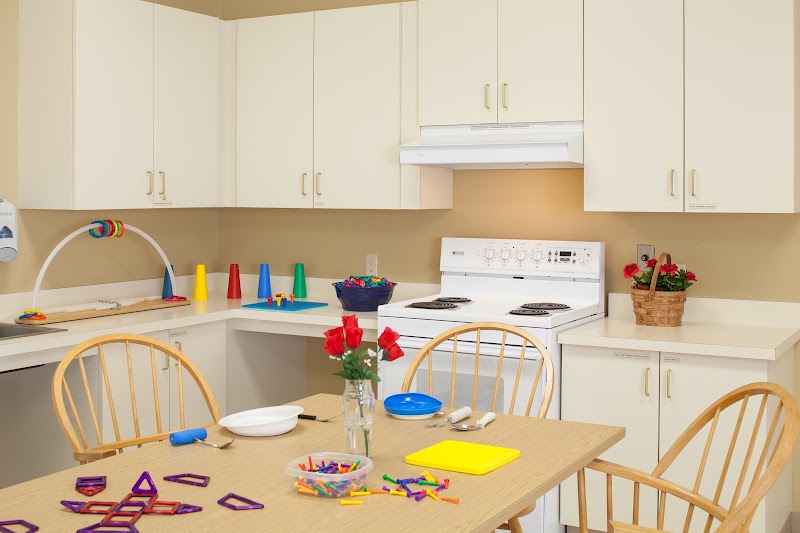
How is Columbia Crest Center Staffed?

CMS rates COLUMBIA CREST CENTER's staffing level at 3 out of 5 stars, which is average compared to other nursing homes. Staff turnover is 56%, which is 10 percentage points above the Washington average of 46%. High turnover can affect care consistency as new staff learn residents' individual needs.

What Have Inspectors Found at Columbia Crest Center?

State health inspectors documented 67 deficiencies at COLUMBIA CREST CENTER during 2022 to 2025. These included: 1 Immediate Jeopardy (the most serious level, indicating potential for serious harm or death), 6 that caused actual resident harm, and 60 with potential for harm. Immediate Jeopardy findings are rare and represent the most serious regulatory concerns. They require immediate corrective action.
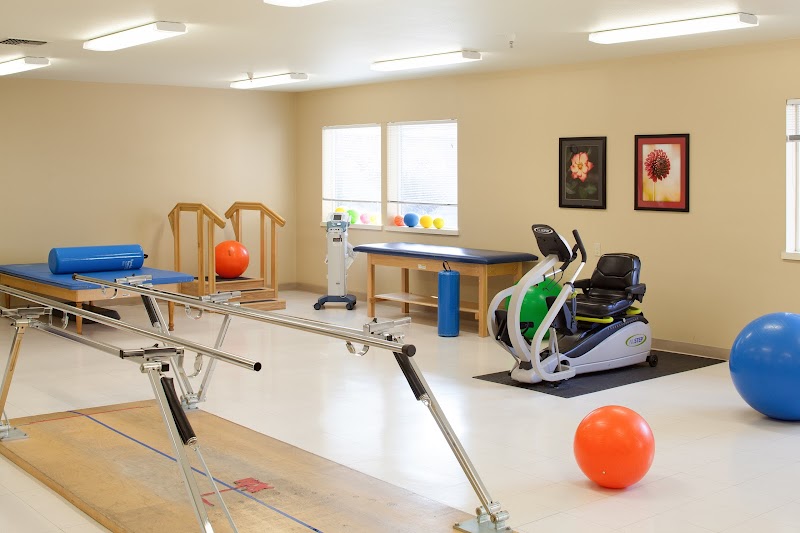
Who Owns and Operates Columbia Crest Center?

COLUMBIA CREST CENTER is owned by a for-profit company. For-profit facilities operate as businesses with obligations to shareholders or private owners. The facility is operated by GENESIS HEALTHCARE, a chain that manages multiple nursing homes. With 111 certified beds and approximately 55 residents (about 50% occupancy), it is a mid-sized facility located in MOSES LAKE, Washington.
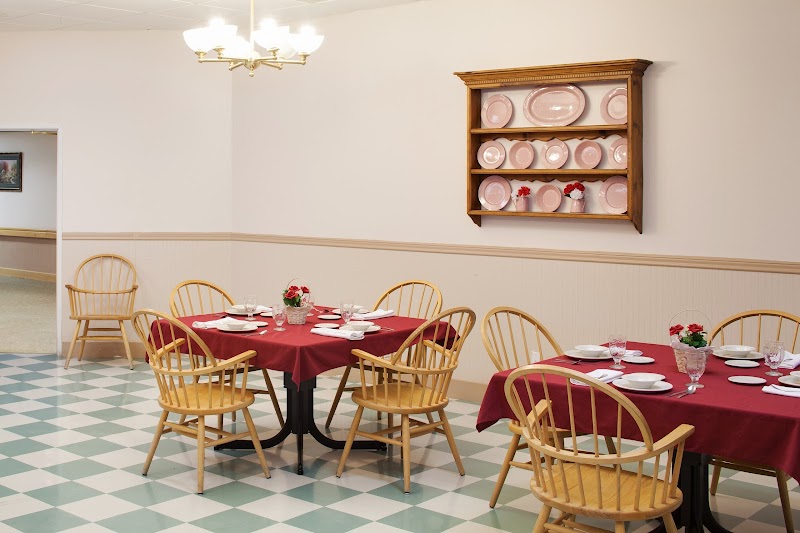
How Does Columbia Crest Center Compare to Other Washington Nursing Homes?

Compared to the 100 nursing homes in Washington, COLUMBIA CREST CENTER's overall rating (2 stars) is below the state average of 3.2, staff turnover (56%) is near the state average of 46%, and health inspection rating (1 stars) is much below the national benchmark.

What Should Families Ask When Visiting Columbia Crest Center?

Based on this facility's data, families visiting should ask: "What changes have been made since the serious inspection findings, and how are you preventing similar issues?" "What safeguards and monitoring systems are in place to protect residents from abuse or neglect?" "How do you ensure continuity of care given staff turnover, and what is your staff retention strategy?" "Can I visit during a mealtime to observe dining assistance and food quality?" These questions are particularly relevant given the facility's Immediate Jeopardy citations, the substantiated abuse finding on record, and the facility's high staff turnover rate.

Is Columbia Crest Center Safe?

Based on CMS inspection data, COLUMBIA CREST CENTER has documented safety concerns. The facility has 1 substantiated abuse finding (meaning confirmed case of resident harm by staff or other residents). Inspectors have issued 1 Immediate Jeopardy citation (the most serious violation level indicating risk of serious injury or death). The facility is currently on the Special Focus Facility watch list (a federal program monitoring the lowest-performing 1% of nursing homes nationwide). The facility has a 2-star overall rating and ranks #100 of 100 nursing homes in Washington. Families considering this facility should ask detailed questions about what corrective actions have been taken since these incidents.

Do Nurses at Columbia Crest Center Stick Around?

Staff turnover at COLUMBIA CREST CENTER is high. At 56%, the facility is 10 percentage points above the Washington average of 46%. High turnover means new staff may not know residents' individual needs, medications, or preferences. It can also be disorienting for residents, especially those with dementia who rely on familiar faces. Families should ask: What is causing the turnover? What retention programs are in place? How do you ensure care continuity during staff transitions?

Was Columbia Crest Center Ever Fined?

COLUMBIA CREST CENTER has been fined $163,278 across 3 penalty actions. This is 4.7x the Washington average of $34,712. Fines at this level are uncommon and typically indicate a pattern of serious deficiencies, repeated violations, or failure to correct problems promptly. CMS reserves penalties of this magnitude for facilities that pose significant, documented risk to resident health or safety. Families should request specific documentation of what issues led to these fines and what systemic changes have been implemented.

Is Columbia Crest Center on Any Federal Watch List?

COLUMBIA CREST CENTER is currently an SFF Candidate, meaning CMS has identified it as potentially qualifying for the Special Focus Facility watch list. SFF Candidates have a history of serious deficiencies but haven't yet reached the threshold for full SFF designation. The facility is being monitored more closely — if problems continue, it may be added to the official watch list. Families should ask what the facility is doing to address the issues that led to this status.