OLYMPIA TRANSITIONAL CARE AND REHABILITATION
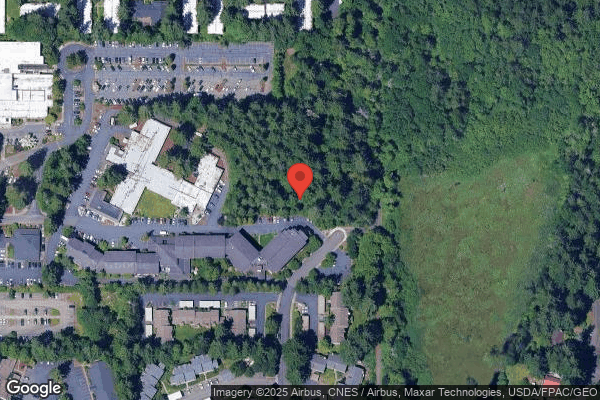
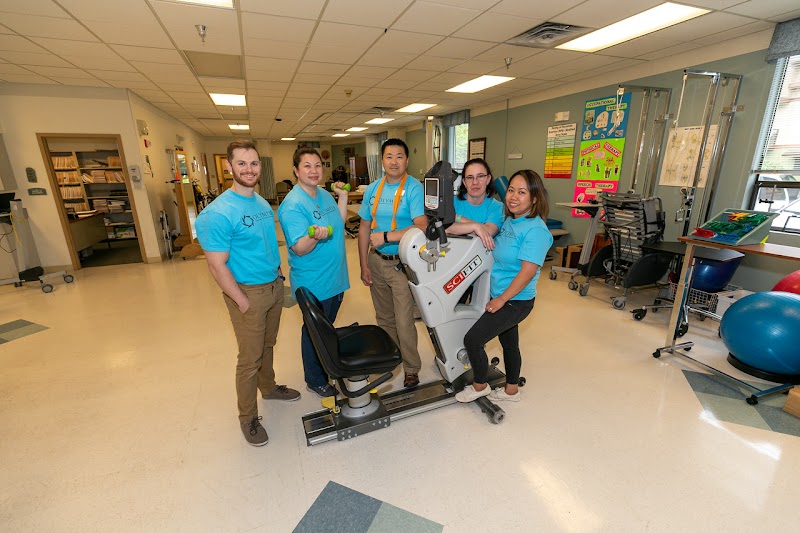
430 LILLY ROAD NORTHEAST, OLYMPIA, WA 98506 (360) 491-9700
For profit - Limited Liability company 113 Beds THE ENSIGN GROUP Data: November 2025
Trust Grade
65/100
#77 of 190 in WA
Last Inspection: April 2025

Within standard 12-15 month inspection cycle. Federal law requires annual inspections.

Overview

Olympia Transitional Care and Rehabilitation has a Trust Grade of C+, indicating it is slightly above average but not outstanding. It ranks #77 out of 190 nursing homes in Washington, placing it in the top half of facilities statewide, and #3 out of 7 in Thurston County, which means only two local options are better. The facility is showing an improving trend, with issues decreasing from 17 in 2024 to 10 in 2025. Staffing is a strength, with a rating of 4 out of 5 stars and a turnover rate of 42%, lower than the state average, suggesting staff stability. However, there are concerns regarding RN coverage, which is lower than 88% of facilities in Washington, and a serious incident where a resident sustained a broken leg due to improper assistance during care, highlighting potential risks and the need for improved adherence to individual care plans. Additionally, the facility failed to notify the Ombudsman of hospital transfers for three residents, which could limit advocacy for those individuals.

Trust Score
C+
65/100
In Washington
#77/190
Top 40%
Safety Record
Moderate
Needs review
Inspections
Getting Better
17 → 10 violations
Staff Stability
○ Average
42% turnover. Near Washington's 48% average. Typical for the industry.
Penalties
✓ Good
No fines on record. Clean compliance history, better than most Washington facilities.
Skilled Nurses
○ Average
Each resident gets 36 minutes of Registered Nurse (RN) attention daily — about average for Washington. RNs are the most trained staff who monitor for health changes.
Violations
⚠ Watch
29 deficiencies on record. Higher than average. Multiple issues found across inspections.
★★★★☆
4.0
Overall Rating
★★★★☆
4.0
Staff Levels
★★★★★
5.0
Care Quality
★★★☆☆
3.0
Inspection Score
Stable
2024: 17 issues
2025: 10 issues

The Good

  • 4-Star Staffing Rating · Above-average nurse staffing levels
  • 5-Star Quality Measures · Strong clinical quality outcomes
  • Full Sprinkler Coverage · Fire safety systems throughout facility
  • No fines on record
  • Staff turnover below average (42%)

    6 points below Washington average of 48%

Facility shows strength in staffing levels, quality measures, fire safety.

The Bad

Staff Turnover: 42%

Near Washington avg (46%)

Typical for the industry

Chain: THE ENSIGN GROUP

Part of a multi-facility chain

Ask about local staffing decisions and management

The Ugly 29 deficiencies on record

1 actual harm
Apr 2025 10 deficiencies
CONCERN (D)

Potential for Harm - no one hurt, but risky conditions existed

Deficiency F0569 (Tag F0569)

Could have caused harm · This affected 1 resident

. Based on interview and record review, the facility failed to ensure resident funds were transferred to the state office of financial recovery (OFR) within 30 days of death or discharge, for 1 of 1 d...

Read full inspector narrative →
. Based on interview and record review, the facility failed to ensure resident funds were transferred to the state office of financial recovery (OFR) within 30 days of death or discharge, for 1 of 1 discharged residents (Resident 332) reviewed for trust accounts. This failure resulted in delayed reconciliation of resident trusts. Findings included . Review of Resident 332's death in facility Minimum Data Set (an assessment tool), dated 12/23/2024, showed the resident was on Medicaid and discharged from the facility on 12/23/2024. Review of Resident 332's trust account ledger, showed a balance of $106.46 on 12/23/2024. On 04/01/2025 at 8:33 AM, a copy of the check for $106.46 sent to the OFR was requested. Staff L, Business Office Manager, reported that Resident 332's trust balance had not yet been conveyed (the act of legally transferring property from one entity to another) to the OFR. Reference WAC 388-97-0340(5) .
CONCERN (D)

Potential for Harm - no one hurt, but risky conditions existed

Deficiency F0657 (Tag F0657)

Could have caused harm · This affected 1 resident

**NOTE- TERMS IN BRACKETS HAVE BEEN EDITED TO PROTECT CONFIDENTIALITY** . Based on interview and record review, the facility failed to ensure care plans (CPs) were reviewed, revised, and accurately re...

Read full inspector narrative →
**NOTE- TERMS IN BRACKETS HAVE BEEN EDITED TO PROTECT CONFIDENTIALITY** . Based on interview and record review, the facility failed to ensure care plans (CPs) were reviewed, revised, and accurately reflected resident care needs for 4 of 18 sample residents (Residents 331, 26, 67 & 71) whose CPs were reviewed. These failures placed residents at risk for unmet care needs, inappropriate care, and other negative health outcomes. Findings included . 1) Resident 331 admitted to the facility on [DATE], with a NPO (nothing by mouth) order secondary to dysphagia (difficulty swallowing). A nutrition care plan for Resident 331, initiated 03/14/2025, showed if the resident ate less than 50% of their meal, staff were to offer a meal replacement, and were to monitor and report to the physician any decrease in appetite. An at risk for falls care plan for Resident 331, initiated 03/14/2025, directed staff to keep needed items, water, etc., in reach. An antiplatelet therapy care plan for Resident 331, initiated 03/19/2025, directed staff to monitor for loss of appetite. An acute/chronic pain care plan for Resident 331, initiated 03/14/2025, directed staff to offer snacks and fluids. A potential for pressure ulcers care plan for Resident 331, initiated 03/16/2025, directed staff to encourage fluid intake. An incontinent of bowel care plan for Resident 331, initiated 03/21/2025, directed staff to encourage fluids during the day to promote prompted voiding responses. On 03/28/2025 at 2:08 PM, Staff B, Director of Nursing Services (DNS), said the six care plans referenced above with interventions directing staff to offer/encourage oral food and fluid intake were inappropriate and needed to be revised/updated. 2) Resident 26 admitted to the facility on [DATE]. A 04/23/2024 Dental Hygienist (DH) consult documented the resident had heavy build-up of food and plaque on their teeth. The DH recommended the resident's teeth be brushed two times per day. A 04/29/2024 dental consult documented that teeth numbers 22, 25, 29 and 31 were decayed and needed attention An activities of daily living care plan, initiated 08/10/2022, identified the resident had natural teeth and required one person assistance with oral care. The care plan failed to address the resident's four decayed teeth in need of attention identified on the 04/29/2024 dental consult, nor was there direction to staff to brush the resident's teeth twice daily as recommended by the DH. A seen by DH for potential carries [cavities] care plan, initiated 08/10/2022, showed the resident was seen by the DH on 04/23/2025, but failed to include the DH's recommendation to brush the resident's teeth two times a day, or the dentist's identification of four decayed teeth in need of attention. On 03/31/2025 at 2:16 PM, Staff B, DNS, said the DH's 04/23/2024 recommendation to brush Resident 26's teeth twice a daily, and the four decayed teeth (identified on the 04/29/2024 dental consult) should have been incorporated into the resident's CPs, but acknowledged they were not. 3) Resident 67 admitted to the facility on [DATE]. Review of the Quarterly MDS, dated [DATE], showed Resident 67 was assessed to be constipated (two or fewer bowel movements during the seven-day assessment period). On 03/26/2025 at 1:52 PM, Resident 67 reported they had ongoing problems with constipation. Review of Resident 67's Electronic Health Record (EHR) showed a constipation care plan had not been developed or implemented. On 02/28/2025 at 2:13 PM, Staff B, DNS, said a care plan should have been developed and implemented, that addressed Resident 67's ongoing struggles with constipation.4) Resident 71 was admitted to the facility on [DATE]. The 5 Day MDS, dated [DATE], documented Resident 71 was on a diuretic (a medication that increases the production and excretion of urine by the kidneys) and was severely cognitively impaired. Resident 71 was prescribed Spironolactone (a diuretic) on 03/06/2025. Resident 71's CP under Special Instructions documented Resident 71 was not on diuretic. The CP had no section regarding the use of diuretics for Resident 71. Resident 71's Medication Administration Record and Treatment Administration Record for March 2025, documented Resident 71 had received Spironolactone daily. On 03/31/2025 at 11:22 AM, Staff B, DNS was interviewed with Staff D, Social Services Director and Staff E, Clinical Resource, present. Staff B said Resident 71 was on spironolactone. After reviewing the CP special instructions, Staff B said the CP only said not on diuretic and said the diuretic should have been on the CP. Reference WAC 388-97-1020(2)(c)(d)
CONCERN (D)

Potential for Harm - no one hurt, but risky conditions existed

Deficiency F0658 (Tag F0658)

Could have caused harm · This affected 1 resident

**NOTE- TERMS IN BRACKETS HAVE BEEN EDITED TO PROTECT CONFIDENTIALITY** <Documentation of Oral Care> Resident 331 admitted to the facility on [DATE]. Review of the admission MDS, dated [DATE], s...

Read full inspector narrative →
**NOTE- TERMS IN BRACKETS HAVE BEEN EDITED TO PROTECT CONFIDENTIALITY** <Documentation of Oral Care> Resident 331 admitted to the facility on [DATE]. Review of the admission MDS, dated [DATE], showed the resident had moderate cognitive impairment and was dependent on staff for oral care. On 03/26/2025 at 2:31 PM, Resident 331 reported they were provided oral care the previous evening for the first time since admission. Physicians' orders, dated 03/14/2025, showed Resident 331 was NPO (nothing by mouth) secondary to dysphagia (difficulty swallowing), and directed licensed nurses to provide Resident 331's oral care twice daily, once on day shift and once on evening shift. On 03/28/2025 at 10:29 AM, Resident 331 said they had not received oral care since the evening of 03/25/2025, as previously reported. The resident said staff informed them they had to wait for an order of toothettes to be delivered. On 03/28/2025 at 11:26 AM, Resident 331's assigned care giver Staff O, Certified Nursing Assistant (CNA), said they had not provided oral care to the resident. On 03/28/2025 at 11:26 AM, when asked about Resident 331's oral care, Staff P, Registered Nurse (RN), stated, I would think the (CNAs) would use a toothettes to provide oral care. When asked about his role in the provision of Resident 331's oral care, Staff P said they were responsible to ensure the CNAs provided it. Staff P then confirmed they had never personally provided oral care to Resident 331. Review of the March 2025 MAR showed the Staff P, RN, signed they provided Resident 331's AM oral care as ordered. Further review showed Staff P, RN had previously signed for Resident 331's oral care on 03/19/2025 for both day and evening shifts. On 03/28/2025 at 2:43 PM, Staff B, DNS, indicated a licensed nurse should only sign for tasks they completed or validated were compete, and acknowledged on three occasions Staff P signed for oral care they never provided.<Documentation on MAR and TAR> 1) Resident 18 was admitted to the facility on [DATE]. The admission MDS, dated [DATE], documented Resident 18 was moderately cognitively impaired. A review of Resident 18's MAR and TAR for March 2025 showed four orders with blank boxes (no documentation) on 03/12/2025 for the night shift: 1. Stage 1 Pressure Ulcer to Sacrum: 1. Cleanse with wound cleanser or sterile saline. 2. Apply skin prep to sacrum/coccyx area. 3. Cover with bordered foam dressing 2. Surgical Incisions to Right Thigh: Monitor placement and condition of silver dressings and notify the doctor or nurse manager if dressing is soiled or dislodged 3. Catheter Care 4. Stage 1 Pressure Ulcer to Bilateral Heels: 1. Apply skin prep 2. Apply boots, as allows. 3. Float heels, as tolerated every shift for Skin integrity On 03/31/2025 at 11:44 AM, Staff K, LPN/Resident Care Manager (RCM), said while looking at the MAR/TAR, it looked like these orders were not completed because it was red on the 12th for the night shift. Staff K said, I don't know what happened, but I expect the nurse to change the dressings and provide care. On 03/31/2025 at 2:55 PM, Staff B, DNS, with Staff E, Clinical Resource, present, said, I cannot find any documentation that these orders were completed, and I don't see a progress notes indicating why. When asked what the blanks meant on the MAR/TAR, Staff B said it was not charted on. Staff B said she would expect some documentation even if the resident refused care. 2) Resident 74 was admitted to the facility on [DATE]. The admission MDS, dated [DATE], documented Resident 74 was moderately cognitively impaired. A review of Resident 74's MAR and TAR for March 2025 showed three orders with blank boxes (no documentation) for: 1. Measure external catheter length on 03/09/2025 and 03/10/2025. 2. Skin emollient ointment (lotion) for dry skin, on 03/12/2025 on the night shift. 3. Apply barrier cream to coccyx for 03/12/2025 on the night shift. On 03/31/2025 at 11:26 AM, while looking at Resident 74's MAR and TAR, Staff J, LPN/RCM said, I am not sure if these orders were done because it was blank. Staff J said her expectation was for the staff to make sure they documented everything. On 03/31/2025 at 3:05 PM, Staff B, DNS, with Staff E, Clinical Resource, present, said, I don't see any documentation and/or a progress note to prove that these orders were completed, and my expectation was for documentation that it was done or that the resident refused. Based on observation, interview and record review, the facility failed to ensure services provided met professional standards of practice related to accurate documention of skin assessments for 1 of 6 residents (Resident 36) reviewed for skin conditions, accurate documentation of oral care 1 of 2 residents (Resident 331) reviewed for dental care, completion of orders on the Medication Administration Record (MAR)/Treatment Administration Record (TAR) for 2 of 18 sampled residents (Residents 18 & 74) reviewed, and to follow orders to provide influenza vaccinations to 1 of 5 residents (Resident 71) reviewed for immunization. This failure placed residents at risk for delays in treatment, unmet care needs, and potential negative outcomes. Findings included . <Documentation of Skin Assessments> Resident 36 was admitted to the facility on [DATE]. The Quarterly Minimum Data Set (MDS, an assessment tool), dated 02/03/2025, documented Resident 36 was severely cognitively impaired. On 03/26/2025 at 11:07 AM, Resident 36 was sitting in a chair outside the dining room on the 500 Hall and was observed with a grey band around their left ankle with a pencil eraser sized red mark/scab located on the left ankle under the grey band with redness around the scab and long band line. On 03/31/2025 at 9:19 AM, Resident 36 was sitting in a chair outside the dining room on the 500 Hall. Staff C, Licensed Practical Nurse (LPN), was asked to observe Resident 36's ankle. Observation showed a pencil eraser sized scab on left ankle (on the top of the foot) with smaller scattered scabbing in a horizontal line about 1 inch long, with the wander guard located about 1 & ½ inches above the scab. A skin assessment titled, LN [Licensed Nurse]- Skin Evaluation - PRN [as needed] / Weekly, dated 03/30/2025, documented Skin is warm to touch. No new skin issues noted. A skin assessment titled, LN [Licensed Nurse]- Skin Evaluation - PRN [as needed] / Weekly, dated 03/23/2025, documented Skin is warm to touch. No new skin issues noted. On 03/31/2025 at 9:20 AM, Staff C, LPN, said if we find something like redness or a skin tear, it should be documented and measured and so we can take care of it. Staff C said if no new skin issues were observed, documentation would say, 'skin dry and intact, no concerns.' Staff C said if there was a new skin issue, documentation should include location, length, width and deep, including redness. When asked about Resident 36's skin impairment on the left ankle, Staff C checked the Electronic Health Record (EHR) and said the skin impairment was not documented and should have been. When asked about a possible cause for the skin impairment, Staff C said the wander guard looked as if it could have caused the skin impairment. On 03/31/2025 at 11:22 AM, Staff B, Director of Nursing Services (DNS), with Staff D, Social Services Director, and Staff E, Clinical Resource present, said staff made them aware of Resident 36's skin impairment and the expectation was that all skin impairments would be documented, to be able to provide care for and determine root cause. <Influenza Vaccination> Resident 71 was admitted to the facility on [DATE]. Review of the EHR showed a consent for the influenza (flu) vaccination was obtained on 02/12/2025. The EHR was reviewed on 03/27/2025, there was no record of an influenza vaccination given to Resident 71. Review of the MAR showed that on 02/22/2025 the nurse had signed off the influenza vaccine as Other/ See nurse Notes. The progress note from 02/22/2025 showed the nurse wrote the medication was out of supply. On 03/27/2025 at 5:53 PM, Staff B, DNS, emailed they were unable to find records of the influenza vaccine administered for Resident 71. During an interview on 03/28/2025 at 10:50 AM, Staff H, Infection Preventionist, when asked when the influenza vaccine went out of stock, responded that it never did and was in the refrigerator. [NAME] asked if it should have been given, said yes because Resident 71 had been consented. Reference WAC 388-97-1620(2)(b)(i)(ii),(6)(b)(i) .
CONCERN (D)

Potential for Harm - no one hurt, but risky conditions existed

Deficiency F0661 (Tag F0661)

Could have caused harm · This affected 1 resident

**NOTE- TERMS IN BRACKETS HAVE BEEN EDITED TO PROTECT CONFIDENTIALITY** . Based on interview and record review, the facility failed to ensure residents anticipated for discharge were provided with a d...

Read full inspector narrative →
**NOTE- TERMS IN BRACKETS HAVE BEEN EDITED TO PROTECT CONFIDENTIALITY** . Based on interview and record review, the facility failed to ensure residents anticipated for discharge were provided with a discharge summary, discharge plan, or discharge medications for 1 of 1 residents (Resident 79) reviewed for discharge. This failure placed residents at risk for an unsafe discharge, for complications related to not receiving medications, delay in treatment, and a diminished quality of life. Findings included . Resident 79 was admitted to the facility on [DATE] for surgical aftercare, following surgery on the nervous system. The Quarterly Minimum Data Set Assessment, dated 12/13/2024, showed Resident 79 was cognitively intact. Review of Resident 79's discharge care plan, initiated on 09/12/2024, showed that at that time (admission) they wished to return to their one-story home with 2 stairs with rail at top step, had a 2-wheel walker, and had barriers of pain, surgical incision, and mobility. There was not a more up to date discharge care plan when reviewed. Review of Resident 79's discharge orders showed an order for discharge home, placed on 12/26/2024, for the resident to discharge home with a manual wheelchair. The order had an end date of 01/13/2025 (a Monday). Review of the progress note from 01/12/2025 (a Sunday) at 3:32 PM, showed the nurse was made aware at 10:00 AM that the resident had told the Certified Nursing Assistant (CNA) they were discharging at 3:00 PM that day. The nurse contacted the Resident Care Manager (RCM), reviewed the orders, and noted the discharge date was expected for the next day. The nurse documented that per conversation with Resident 79, they had told everyone that needed to know that they were leaving that day. When educated on leaving Against Medical Advice (AMA), Resident 79 told the nurse that it was not AMA as they had provided staff with prior knowledge of being discharged on Sunday. Resident 79 refused to sign AMA paperwork; staff signed it as refused signature with witness signatures. Resident 79 was noted to have scheduled their own ride, had their personal wheelchair available, and left the facility at 3:00 PM. Review of the social services progress note from 01/13/2025 at 4:39 PM, showed Resident 79 called the facility to have them send medications to their pharmacy. The facility refused to provide medication assistance to Resident 79, explaining they had left AMA, their discharge plan was for 01/13/2025 (not 01/12/2025). Review of the AMA paperwork showed the form was signed by a Licensed Practical Nurse and had a second signature that was illegible. From the 01/12/2025 progress note, the second witness was either the CNA or the admission assistant. The form itself had blanks, it did not fill in the location/name of the facility nor did it have any information listed as risk and potential complications from leaving a day early. The form also said the resident was leaving against the advice of the facility and their attending physician; however, the facility was unable to provide documentation that the provider was asked if this could have been a safe discharge instead of AMA. Review of the facility policy titled Discharge against Medical Advice (AMA), revision date of 02/2023, showed one of the last steps for AMA discharges was to have provided appropriate instructions to the resident and to have documented instructions given in the record. On 03/31/2025 at 9:26 AM, Staff J, RCM, when asked how the facility discharged residents over the weekend, said social services prepared a packet, they would delegate and discharge the resident, making sure papers were filled out, they had their belongings, and they had their POLST (form with code status). Staff J said they would assess the resident and make sure they were okay to be discharged , assisted with transportation, and went over medications to make sure they had new orders for pharmacy. When asked how the facility assisted if the scheduled discharge date was for Monday, but a resident wanted to discharge early/the Saturday before, Staff J said it depended on the situation. Staff J said they would have a conversation with social services and the staff involved with discharges to see if it was okay for the resident to leave early, and said all involved staff were available on the weekends. On 03/31/2025 at 10:59 AM, Staff D, Social [NAME] Director (SSD), after given time to review the discharge process, said they meet as an interdisciplinary team, with therapy and social work included, did a weekly skilled review, touched base with the resident throughout, that goals and medications or anything needed for home was reviewed. Medications were to be faxed before the resident left and a primary care physician (PCP) appointment would be scheduled. When asked how the facility assisted if the scheduled discharge date was for Monday, but a resident wanted to discharge early/the Saturday before, Staff D said they should have already ordered any equipment and the facility was able to attempt to make the discharge as safe as possible for that day, and if they needed medications and the provider there, then they could accommodate that as well. Staff D said they would then encourage follow up with the provider/PCP within 7-10 business days if it was not already scheduled. When asked what staff should be notified of the resident wanting to discharge early, said they (social services) should be contacted and the Director of Nursing Services (DNS). Staff D said they could come into the facility if needed, but for something simple, then the risk manager nurse could facilitate. During this interview, Staff D, SSD, when asked about Resident 79's discharge, said they had never spoken of their son, the facility had concerns about the resident getting inside their home and they wanted to plan transport into the house. When asked if there was any reason the son could not assist Resident 79 into their house on 01/12/2025, said Resident 79 had not mentioned him before. When asked if Resident 79 on 01/12/2025 had said they could not get into their house, Staff D looked in the Electronic Health Record (EHR) and did not provide an answer. Staff D then said Resident 79 had two barriers to being discharged , their insurance and getting into their home. At 11:19 AM, Resident 79 was contacted and asked about their discharge on [DATE]. Resident 79 said they found out their insurance ended on 01/12/2025 and had set up transportation on their own as the facility refused to help. Resident 79 said the facility refused to provide any assistance, even with carrying their bags to the front door. Resident 79 reported they were approached three times by staff attempting to get them to sign the AMA paperwork, and it was not a pleasant experience. Resident 79 said the facility refused to assist them with any medications or maintenance medications, so they scheduled a virtual PCP visit, and went 3-4 days without medications. Resident 79 said their son was from out of state and came to visit for the first five days of being home. Resident 79 reported they had two ramps at their house, and they had no issue getting inside their house with the driver, and their son was also there to have helped if needed. When asked if the facility gave them a medical reason for them to stay at the facility for an extra day, Resident 79 said no. Resident 79 said they were not sure if the discharge staff were at the facility on Sundays, but they had planned to leave that day due to the last day of insurance coverage. Resident 79 said they were told to call the facility on Monday to ask for medications to be called in to the doctor for 30 days. Resident 79 said when they called the facility on Monday, they were told the facility would not call in any medications. At 1:18 PM, after Staff D, SSD, had requested time to follow up on some questions, when asked about how the facility promoted a safe discharge, said it looked like Resident 79's son had come to help with transportation, the facility encouraged the resident to stay, and they educated Resident 79 on AMA. Staff D confirmed the facility did not send Resident 79 home with a PCP appointment nor medications. When asked what they personally were notified of on 01/12/2025, said they were notified Resident 79 was leaving AMA. On 03/31/2025 at 12:10 PM, Staff M, Physical Therapy Assistant, looked in the EHR and said Resident 79 had their last physical therapy (PT) appointment on 01/10/2025 and was discharged from PT on that date. Staff M said Resident 79 had previously told them that their son was going to fly in and take them home; he was going to stay for a week. Staff M had some concerns about Resident 79 being able to ambulate on their own, but said Resident 79 was insistent on leaving and had reported they would be fine once they got home, and had a portable ramp installed. Staff M reviewed the 01/10/2025 PT session notes, and said Resident 79 had reported they would have assistance in the home, was cognitively intact, and was able to understand their recommendations. At 3:18 PM, Staff N, Medical Director, when asked about if a resident with a discharge date on a Monday wanted to leave on the Sunday before, one day early, said as long as the team had spoken with their manager, if uncomplicated, then the providers could be notified the next day. If the facility needed to iron out medications, they may have needed to contact the on-call provider to assist, or have left a message in the provider mailbox. When asked if they expected the facility to ask the provider if it was safe for discharge, said they would serve as a force to [NAME] the discharge. If a resident was scheduled to discharge Monday, Staff N expected the facility staff on Friday to have already asked if the resident was medically stable but acknowledged for most residents this would not have been an issue. When asked about the expectation for medications to be ordered after discharge, said their understanding was that it would not be okay for a resident to be sent home without medications, but if the facility called a provider after hours to review medications, then that would be okay. When asked about medications if a resident were to leave AMA, said they did not see a difference, and now they try their best to arrange. When asked who can determine if a resident was leaving AMA, Staff N said they believed the provider. Staff N added that if the facility came up with a discharge plan, and it was a day early, then there might be guidelines. On 04/01/2025 at 10:56 AM, Staff N continued the interview after having reviewed Resident 79's chart. When asked how the discharge was considered AMA, Staff N said that by leaving a day early, Resident 79 may have not had everything set up for discharge, even if there was no medical condition/reason for keeping the resident an extra day. Staff N said there would have been no provider in the building and by leaving a day early, there were some things that the facility could not accommodate for (no examples specific to Resident 79 were provided). When it was brought up that the resident reported it took 3-4 days to get medications after leaving the facility, Staff N said that was not ideal. Staff N said if they had personally known about this, they would have called the pharmacy and signed the paperwork. On 04/01/2025 at 11:44 AM, Staff B, DNS, and Staff A, Administrator, were both present during an interview. When asked if the discharge process was initiated on Sunday, when the resident requested to leave a day early, Staff B said it looked like the nurse on duty saw Resident 79 was supposed to be discharged the next day and provided the resident with education on AMA. When asked why Resident 79 was considered leaving AMA, when they were an anticipated discharge, Staff B said that even though they anticipated the discharge on Monday, it did not mean that it was initiated based on the goals of therapy. When asked why Resident 79 was discharged from therapy, Staff B said on 01/10/2025 social work had visited her, the last day of insurance coverage was for 01/12/2025 and the discharge date was for 01/13/2025, that Resident 79 chose not to stay and pay privately. Staff B said the insurance made it so they could not stay, but that the facility felt Resident 79 was not appropriate per therapy goals. Staff B said when they had previously talked to Resident 79, the barrier was the stairs, and they had made no progress. Staff B said they did not know about the son, and said the question about the discharge was about the stairs. When asked what steps were taken by the facility on 01/12/2025 to assess if Resident 79 had met their discharge goals, and why the issues were not addressed on the day of discharge since Resident 79 had ramps installed and their son was available to help, Staff A was unable to provide an answer for Sunday, but instead said as of Friday nothing was in place. Staff B said Resident 79 was planned to be discharged the next day, they assumed this was why Resident 79 was considered AMA. When asked if Staff B was contacted about if it was safe for the resident to discharge instead of leave AMA, said they could not remember. When asked if the facility explained to the provider why it was unsafe to leave, said they could not provide an answer based on the documentation. When asked if the provider had said the resident was leaving AMA, said they would not know. Staff A said they did not have that documentation. Staff B said that the Medical staff said they do not write discharge summaries for residents that leave AMA. When asked what was not in place Sunday, that the resident needed to wait until Monday for, Staff B said they assumed they could have made orders happen, to have made it as safe as possible. Staff B said the discharge would not have been ideal on either Sunday or Monday. When asked about the 5-hour window to coordinate a safe discharge, if this met expectations that the facility did not work with Resident 79 to promote a safe discharge, Staff B said they could not find any documentation to prove if they did or did not. Reference WAC 388-97-0080(7)(a)(b)(c) .
CONCERN (D)

Potential for Harm - no one hurt, but risky conditions existed

ADL Care (Tag F0677)

Could have caused harm · This affected 1 resident

**NOTE- TERMS IN BRACKETS HAVE BEEN EDITED TO PROTECT CONFIDENTIALITY** . Based on observation, interview and record review, the facility failed to ensure the provision of bathing and oral care for 1 ...

Read full inspector narrative →
**NOTE- TERMS IN BRACKETS HAVE BEEN EDITED TO PROTECT CONFIDENTIALITY** . Based on observation, interview and record review, the facility failed to ensure the provision of bathing and oral care for 1 of 2 dependent residents (Resident 331) reviewed for activities of daily living (ADLs). These failures placed residents at risk for poor hygiene, body odor, dental caries (cavities or tooth decay), a decreased self-worth and diminished quality of life. Findings included . Review of the facility's undated Partial-Bath policy showed residents could be bathed via shower, bed-bath or tub bath. They could also receive a partial bath on the days when full baths/showers were not provided. A partial bath consisted of washing the face, hands, underarms and groin. The policy instructed partial-baths should be provided every day that a shower/bed-bath/tub-bath was not provided. Resident 331 admitted to the facility on [DATE]. Review of the admission Minimum Data Set (an assessment tool), dated 03/20/2025, showed the resident had moderate cognitive impairment, was dependent on staff for bathing and oral care, and choosing their type of bathing was Very Important. On 03/26/2025 at 2:29 PM, a strong foul odor was noted coming from Resident 331's room. Resident 331 was observed sitting up in bed with unclean, disheveled hair, and the strong odor appeared to be emanating from the resident's person. Resident 331 denied an incontinent episode. They reported staff had only provided oral care once since admission (12 days) and no showers had been provided. The resident said they requested a shower two days prior, on 03/24/2025, but had not received one yet. The resident stated, They [Staff] just wiped me down in bed, but that's not clean. <Bathing> On 03/31/2025 at 2:16 PM, Staff B, Director of Nursing Services, said resident preferences (bedtime/wake up time, type/frequency of bathing etc.) were obtained upon admit and were initially documented on a preference form, and then included in the resident's plan of care. Additionally, the facility policy for what a sponge bath entailed was requested. Review of Preference form, dated 03/14/2025, showed the form was not completed. Review of the March 2025 bathing record, from 03/14/2025 - 03/31/2025, showed the resident was offered/provided one shower, on 03/26/2025, in the 18 days since admission. The bathing record showed staff documented on 14 other days they provided a sponge bath. On 03/31/2025 at 2:16 PM, Staff B, Director of Nursing Services (DNS), said the facility did not have policy that described what a sponge bath entailed, but explained a sponge bath was equivalent to a partial-bath and provided a partial-bath policy. On 03/31/2025 at 4:44 PM, Staff B, DNS, said Resident 331's preferred method and frequency of bathing should have been obtained upon admission and implemented into their plan of care, but was not. Staff B acknowledged the Resident 331's desired method of bathing and offering/providing one in 18 days was insufficient. <Oral Care> On 03/28/2025 at 10:29 AM, Resident 331 said they still had only received oral care once (on 03/25/2025) as previously reported. The resident reported they were informed by staff that the facility was waiting for an order of toothettes to arrive. Resident 331 said their aide had not been to their room yet (that morning) and indicated they needed incontinent care as well. A search, with Resident 331's permission, of all dresser drawers, the wall locker, and the bathroom, showed no toothbrush, toothettes, or other oral care items were present in Resident 331's room. On 03/28/2025 at 11:26 AM, Resident 331's assigned care giver Staff O, Certified Nursing Assistant (CNA), said they had not yet provided the resident care. Review of the electronic health record showed 3/14/2025 orders for NPO (nothing by mouth) secondary to dysphagia (difficulty swallowing), and for licensed nurses to provide oral care for Resident 331 twice a day, once on day shift and once on evening s On 03/28/2025 at 11:26 AM, when asked about Resident 331's oral care Staff P, Registered Nurse (RN), stated, I would think the (CNAs) would use toothettes to provide oral care. When asked about his role in the provision of Resident 331's oral care Staff P, RN, indicated they were responsible to ensure the CNAs provided it. Staff P confirmed they had not ever personally provided Resident 331's oral care. Review of the March 2025 Medication Administration Record (MAR) showed the Staff P, RN, had signed they provided Resident 331's AM oral care as ordered. Further review showed Staff P, RN had previously signed for Resident 331's oral care on 03/19/2025 for both day and evening shift. On 03/28/2025 at 2:43 PM, Staff B, DNS, when asked if Resident 331's oral care was consistently provided Staff B, DNS, stated, No. Reference WAC 388-97-1060(2)(c). .
CONCERN (D)

Potential for Harm - no one hurt, but risky conditions existed

Laboratory Services (Tag F0770)

Could have caused harm · This affected 1 resident

**NOTE- TERMS IN BRACKETS HAVE BEEN EDITED TO PROTECT CONFIDENTIALITY** . Based on interview and record review, the facility failed ensure timeliness of laboratory [NAME] to include the reporting of c...

Read full inspector narrative →
**NOTE- TERMS IN BRACKETS HAVE BEEN EDITED TO PROTECT CONFIDENTIALITY** . Based on interview and record review, the facility failed ensure timeliness of laboratory [NAME] to include the reporting of critical lab results to the provider immediately for 1 of 3 residents (Resident 71) reviewed for hospitalization. This failure placed residents at risk for medical complications, hospitalization, delayed treatment, and diminished quality of life. Findings included . The facility policy titled Policy/Procedure - Nursing Clinical, revised 09/2024, documented Results of laboratory, radiological, and diagnostic tests outside the clinical reference ranges shall be reported to the resident's attending physician, PA [physician assistant], NP [nurse practictioner] or clinical nurse specialist promptly or as specified in the order. Call MD [doctor of medicine] immediately with any critical levels. Resident 71 admitted to the facility 02/12/2025. According to the Medicare 5-day Minimum Data Set (an assessment tool), dated 03/12/2025, Resident 71 was severely cognitively impaired. Review of the Electronic Health Record (EHR) showed Resident 71 had a critical laboratory value that was collected on 02/20/2025 at 3:36 PM, and resulted on 02/21/2025 at 7:07 AM. Further review of the EHR documented the provider was notified of the critical laboratory result, over two and a half days later, on 02/23/2025 at 5:00 PM. A Nursing progress note, dated 02/23/2025 at 7:14 PM, said This nurse was notified by the DNS [Director of Nursing Services] that a critical lab result was matched and resulted on 02/21/2025. Notified on call provider re: the critical lab result and an order was place to send the resident to the ER [emergency room] for further eval and treatment. The provider ordered a non emergent transport. Daughter notified. On 04/01/2025 at 9:27 AM, Staff B, DNS, Registered Nurse, said for a critical laboratory result the facility would get a call from the laboratory to tell them about the critical result, and then the information would be given to the nurse and would be reported to the provider. Staff B said the results would go into the EHR under the results tab, but there would not be a notification that there was a new result, and if the floor nurse did not receive a call from the laboratory, they needed to be diligent about checking the laboratory results tab every day or they might not be aware of a result. Staff B said the provider should be made aware immediately of any critical laboratory results. Regarding the delayed provider notification of the critical laboratory result for Resident 71 on 02/21/2025, Staff B said due to a name misspelling it was not matched in their system with Resident 71, it was in the unmatched category, and this was why it was not seen sooner. When asked if the two and a half day delay in reporting to the provider Resident 71's critical lab result met her expectations, Staff B said, no. Reference WAC 388-97-1620 (2)(b)(i) .
CONCERN (E)

Potential for Harm - no one hurt, but risky conditions existed

Transfer Notice (Tag F0623)

Could have caused harm · This affected multiple residents

**NOTE- TERMS IN BRACKETS HAVE BEEN EDITED TO PROTECT CONFIDENTIALITY** . Based on interview and record review, the facility failed to provide the Ombudsman with transfer notification for 3 of 3 sampl...

Read full inspector narrative →
**NOTE- TERMS IN BRACKETS HAVE BEEN EDITED TO PROTECT CONFIDENTIALITY** . Based on interview and record review, the facility failed to provide the Ombudsman with transfer notification for 3 of 3 sampled residents (Resident 64, 71 & 16) reviewed for hospitalization. The failure to ensure required notifications were completed, prevented the Office of the State Long-Term Care Ombudsman (an advocacy group for individuals residing in nursing homes) the opportunity to educate residents and advocate for them regarding the discharge process. Findings included . Resident 64 was admitted to the facility on [DATE]. Resident 64 was transferred to the hospital on [DATE] and returned to the facility on [DATE]. Resident 71 was admitted to the facility on [DATE]. Resident 71 was transferred to the hospital on [DATE] and returned to the facility on [DATE]. Resident 16 was admitted to the facility on [DATE]. Resident 16 was transferred to the hospital on [DATE] and returned to the facility on [DATE]. On 03/31/2025 at 9:40 AM, documentation of the Ombudsman notification was requested from Staff D, Social Services Director, for Resident 64, 71 & 16. At 10:45 AM, Staff D, SSD, said they send the Ombudsman notification of resident transfers and discharges by fax to the Ombudsman at the beginning of the next month. At 11:22 AM, Staff D, SSD, was reminded of the requested Ombudsman notification. On 04/01/2025 at 1:55 PM, at the time of the survey exit conference, documentation of Ombudsman notification still had not been provided. Reference WAC 388-97-0120 (2)(a-d) .
CONCERN (E)

Potential for Harm - no one hurt, but risky conditions existed

Quality of Care (Tag F0684)

Could have caused harm · This affected multiple residents

**NOTE- TERMS IN BRACKETS HAVE BEEN EDITED TO PROTECT CONFIDENTIALITY** . Based on interview and record review, the facility failed to ensure routine assessment and monitoring of skin condition/injur...

Read full inspector narrative →
**NOTE- TERMS IN BRACKETS HAVE BEEN EDITED TO PROTECT CONFIDENTIALITY** . Based on interview and record review, the facility failed to ensure routine assessment and monitoring of skin condition/injuries for 1 of 3 residents (Resident 331) reviewed for non-pressure skin, to provide bowel care in accordance with physicians' orders and facility protocol for 3 of 6 residents (Residents 67, 61 & 31) reviewed for bowel management, and to report dental pain for 1 of 2 residents (Resident 181) reviewed for dental care. These failures placed residents at risk for unidentified decline and/or delayed treatment of non-pressure skin conditions, abdominal pain, decreased appetite, other negative outcomes related to untreated constipation, and for untreated dental pain. Findings included . <Non-Pressure Skin> Review of the facility's Skin and Wound Monitoring and Management policy, revised 12/2023, showed a licensed nurses would assess non-pressure skin injuries that exist on a resident. These assessments would include measurements and a description of the nature, location and characteristics of the skin alteration(s). A licensed nurse would assess/evaluate a resident's skin at least weekly. Areas of breakdown, excoriation, discoloration, or other unusual findings, whethrer identified at the time of admission, or as a new finding, must be documented in the nurses' notes or on the appropriate weekly assessment form. Resident 331 admitted to the facility on [DATE]. Review of the admission Minimum Data Set (MDS, an assessment tool), dated 03/20/2025, showed the resident had moderate cognitive impairment, and received High-Risk antiplatelet drug therapy (drugs that prevent blood clots by inhibiting the activation and aggregation of platelets). Review of the Initial admission Record, dated 03/14/2025, showed staff documented Resident 331 had bruising to: bilateral (both) upper and lower extremities (UEs, LEs) the abdomen secondary to insulin use; and to the groin and inner thigh. Specific location descriptions of the bruises (e.g. size, color, specific location on abdomen, UEs and LEs etc.) was not documented. A 03/16/2025 at 3:27 PM nurse's note, documented Resident 331 was found lying on their back on the floor, with their tube feeding pump/pole found tipped over, leaning on the bed. They were assessed to have no injury. A 03/16/2025 at 3:49 PM nurse's note, documented Resident 331 fell out of the right side of the bed and was found lying on their back on top of a fall mat. They were assessed to have no injury. An antiplatelet therapy care plan, initiated 03/19/2025, instructed staff to perform a daily skin inspection and to monitor, document and report to the physician as needed, signs and symptoms of antiplatelet complications to include bruising. The March 2025 Medication and Treatment Administration Records (MAR and TAR) showed no direction to staff to monitor Resident 331's identified bruising, or for adverse side effects associated with anti-platelet therapy. A 03/21/2025 weekly skin evaluation, identified a 1 centimeter (cm) by 1 cm surgical incision to the mid-abdomen and abdominal bruising. Staff documented a feeding tube surgical incision was present to the mid-abdomen and multiple bruises to all quadrants of the abdomen of various sizes, shapes and colors. On 03/26/2025 at 2:33 PM, Resident 331 was observed with a large bruise that extended from their abdominal midline, around the right flank (side), to the mid-back. The resident reported they believed it was related to a recent fall at the facility. A 03/28/2025 weekly skin evaluation, identified a 1 cm (centimeter) by 1 cm surgical incision to the mid-abdomen and abdominal bruising. Staff documented the resident had bruises to bilateral UEs and LEs, groin and inner thigh. No further description, characteristics or measurements were documented. The large bruise that was observed on 03/26/2025 that extended from Resident 331's mid abdomen, around the right flank to the mid-back. On 04/01/2025 at 10:08 AM, Staff B, Director of Nursing Services (DNS), confirmed the presence of the bruise that extended from the mid-abdomen, around the right flank, to the back of Resident 331. Staff B said the bruise should have been identified and documented, and explained that bruises were usually monitored on the TAR but acknowledged this did not occur for Resident 331. On 04/01/2025 at 10:12 AM, when asked if staff could determine if a bruise continued to evolve/increase in size, in the absence of initial measurements, Staff B, DNS, stated, No. <Bowel Care> Review of the facility's Bowel Protocol policy, dated 03/2025, showed the protocol was to provide a structured approach to bowel care when a resident went three days without a bowel movement (BM), with the intent to attain healthy bowel elimination. Unless superseded by new bowel care orders, bowel care would be provided as needed, as follows: a) Miralax would be administered, as needed (PRN), if no BM after 3 days (9 shifts). b) If a resident did not have a BM after administration of Miralax, a Dulcolax suppository would be administered on the next shift. All effort and interventions, including a successful bowel movement would be documented. 1) Resident 67 admitted to the facility on [DATE]. Review of the Quarterly MDS, dated [DATE], showed Resident 67 was assessed to be constipated (two or fewer BMs during the seven-day assessment period). On 03/26/2025 at 1:52 PM, Resident 67 reported they had problems with constipation. Review of the Electronic Health Record (EHR), showed Resident 67 had the following 07/23/2024 bowel care orders: a) Administer Miralax, PRN, if no BM after 9 shifts. b) Administer a Dulcolax suppository, PRN, if no results from Miralax. Review of January, February and March 2025 bowel records and MARs, showed the following periods Resident 67 went without both a BM and the associated bowel care medication: a) No BM from 01/10/2025 - 01/15/2025 (18 shifts); No PRN bowel medication was administered. b) No BM from 01/30/2025 - 02/03/2025 (15 shifts); No PRN bowel medication was administered. c) No BM from 02/06/2025 - 02/09/2025 (12 shifts); No PRN bowel medication was administered. d) No BM from 02/17/2025 - 02/20/2025 (12 shifts); No PRN bowel medication was administered. e) No BM from 02/26/2025 - 03/03/2025 (18 shifts); Miralax was administered on 03/01/2025, with no results. Staff failed to administer the Dulcolax suppository until 03/04/2025, nine shifts after the administration of Miralax. f) No BM from 03/05/2025 - 03/10/2025 (18 shifts); No PRN bowel medication was administered. On 03/28/2025 at 2:37 PM, Staff B, DNS, when asked if facility nurses administered Resident 67's PRN bowel medication in accordance with physicians' orders, on any of the above referenced occasions, stated, No.2) Resident 61 was admitted to the facility on [DATE]. The admission MDS, dated [DATE], showed Resident 61 was moderately cognitively impaired and needed partial to moderate assistance with activities of daily living (ADLs). A review of the 30 days of bowel movements (BM) from 02/26/2025 - 03/26/2025 for Resident 61, showed two periods of time where they went over nine shifts without a BM: 02/27/2025 - 03/04/2025 (6 days) and 03/12/2025 - 03/16/2025 (5 days). A review of the MAR for February and March 2025, showed Resident 61 was not given Miralax after nine shifts without a BM. On 03/31/2025 at 1:42 PM, Staff K, Licenses Practical Nurse (LPN)/Resident Care Manager (RCM), said, I don't see that they received any bowel medications, and I would expect that [Resident 61] would get Miralax first if they had not had a BM. On 03/31/2025 at 2:40 PM, Staff B, DNS,with Staff E, Clinical Resource, present, said I do not see where Resident 61 received medications for no BM on the MAR and I would expect Miralax to be given after nine shifts without a BM. <Failure to Report Dental Pain> Resident 181 admitted to the facility on [DATE]. According to the admission MDS, dated [DATE], Resident 181 was severely cognitively impaired and had obvious or likely cavity or broken natural teeth. Review of Resident 181's care plans, showed Resident 181 required mouth inspections and changes were to be reported to the nurse. On 03/27/2025 at 8:19 AM, Resident 181 was observed to have a front tooth missing. When asked if any of their teeth hurt, Resident 181 said yes, and indicated the missing front tooth area. On 03/31/2025 at 9:08 AM, Resident 181 when asked if any of her teeth hurt, pointed to the missing front tooth and said, it hurts. When asked if it hurt all the time, Resident 181 nodded yes. When asked if they had told anyone, they said no. A review of the Oral Hygiene records from 03/24/2025 through 04/01/2025 showed Resident 181 had refused oral care seven times out of 17 opportunities. On 03/31/2025 at 11:49 AM, Staff I, Certified Nursing Assistant (CNA), when asked if she did inspections of resident's teeth/mouth when providing dental care said, yes and if there was a noted problem she would let the nurse know so they could schedule an appointment or have people from dental come. When asked if she had provided oral care to Resident 181, Staff I said she had tried to, but Resident 181 told her no, that it was too painful and would close their mouth. When asked if she had reported Resident 181's reports of pain and refusals of oral care to the nurse, Staff I said no, not since Resident 181 had been back from the hospital (Resident 181 returned from the hospital on [DATE]). On 03/31/2025 at 12:13 PM, Staff B, DNS, said if a resident refused oral care from a CNA due to pain, the CNA should notify the nurse so the nurse could notify the provider and a referral for dental care could be made. When told that Staff I had not notified a nurse, since Resident 181's returned from the hospital, that Resident 181's refusals of oral care were because of dental pain, Staff B said that did not meet expectations. Reference WAC 388-97-1060(1) 3) Resident 31 was admitted to the facility on [DATE]. The Significant Change MDS, dated [DATE], showed Resident 31 was moderately cognitively impaired, dependent on staff for cares, and was on hospice services (end of life care). Review of Resident 31's last 30 days of bowel movements, showed two periods of time they went over three days without a bowel movement: 02/24/2025 to 02/28/2025 (5 days) and 03/08/2025 to 03/11/2025 (4 days). Review of the MAR showed that on 02/27/2025, Resident 31 was given Miralax. No bowel movement medication was provided on 02/28/2025. During an interview on 03/28/2025 at 9:19 AM, Staff J, RCM, when asked about the bowel protocol, said that after three days or nights of no bowel movement, residents were given Miralax, then if no result would be given a suppository, and if no result again then they would be given an enema. During an interview on 03/28/2025 at 3:17 PM, Staff B, DNS, regarding the period of 02/24/2025 to 02/28/2025, said they did not see any medications administered on 02/28/2025 and did not see any refusal documentation. Regarding the period of 03/08/2025 to 03/11/2025, Staff B said they did not see any intervention or progress note on 03/11/2025. When asked about the Miralax order being discontinued, said hospice had not reordered it. When asked if the power of attorney for Resident 31 had been notified of the discontinuation of the Miralax order, said they would have to follow up with hospice staff. On 03/31/2025 at 7:29 AM, Staff B, DNS, emailed they had contacted hospice staff and it was an error that the Miralax medication was discontinued.
CONCERN (E)

Potential for Harm - no one hurt, but risky conditions existed

Infection Control (Tag F0880)

Could have caused harm · This affected multiple residents

**NOTE- TERMS IN BRACKETS HAVE BEEN EDITED TO PROTECT CONFIDENTIALITY** . Based on observation, interview and record review, the facility failed to fully operationalize an effective Infection Control ...

Read full inspector narrative →
**NOTE- TERMS IN BRACKETS HAVE BEEN EDITED TO PROTECT CONFIDENTIALITY** . Based on observation, interview and record review, the facility failed to fully operationalize an effective Infection Control and Prevention program when the facility failed to implement Infection Prevention and Surveillance Program (IPSP) to ensure line listings contained complete and accurate infection control data, with ongoing monitoring and analysis of infections and microorganisms for 2 of 2 months (January and February 2025) reviewed. Additionally, the facility failed to ensure staff performed hand hygiene, followed standard precautions (common sense practices to prevent the spread of infection in healthcare), enhanced barrier precautions (EBP, a set of infection control measures that use gowns and gloves to reduce the spread of multidrug-resistant organisms (MDROs) and transmission based precautions used when someone has confirmed or suspected infections) for 3 of 4 residents (Residents 331, 16, & 31) reviewed for infection control. Additionally, the facility failed to have an adequate laundry sorting process for 1 of 1 laundry rooms reviewed for infection control. Additionally, the facility failed to provide residents with the COVID vaccination for 2 of 5 residents (Residents 37 & 71) reviewed for immunizations. These failures detracted from the facility's ability to identify trends, develop and implement interventions, and placed residents at risk for facility acquired infections, viruses and related complications and a decreased quality of life. Findings included . <Infection Surveillance> Review of the January 2025 Infection Control Report (ICR) showed there were six healthcare acquired (HAI) urinary tract infections (UTIs) and seven HAI skin infections. Review of the January 2025 line listing showed only six HAI skin infections listed, not seven as identified in the ICR. Of the six residents with skin infections, four were female. All four female residents' skin infections were caused by yeast. During an interview on 04/02/2025 at 10:33 AM, when asked if the trend of female residents with yeast infections in January was identified, what they attributed it too, and what action, if any, was taken to decrease the prevalence, Staff H, Infection Preventionist (IP), said they were aware of the yeast infections and recorded them on the ICR, but did not take any further action and did not have documentation of any associated staff education. The January 2025 infection control summary was requested but not provided. Review of revised McGeers' criteria (tool for infection surveillance and antibiotic stewardship, criteria to show if antibiotics were indicated) for a UTI without an indwelling catheter, showed residents with signs and symptoms of a UTI (pain with urination, increased frequency), must also have a positive urinalysis to meet the criteria for a UTI and antibiotic therapy The line listing for January 2025 showed there were five HAI UTIs listed, not six as identified in the ICR. Resident 22 had an onset date of 01/30/2025, for signs/symptoms staff documented pain. The line listing showed no culture was obtained. The resident was treated with a 14-day course of Septra double strength (an antibiotic), and staff determined this met the criteria for a UTI. Resident 336 had an onset date 01/16/2025, for signs/symptoms staff documented burning urinary retention. The line listing showed no culture was obtained. The resident was treated with Cefpodoxime (an antibiotic) and staff determined this met the criteria for a UTI. During an interview on 04/02/2025 at 10:33 AM, Staff H (IP), acknowledged that the January line listing was incomplete and did not list all signs and symptoms observed, did not consistently identify if diagnostic testing was performed (cultures, x-rays) or what the results were. When asked if Resident 22 and 336, based on the information documented on the line listing, met the criteria for a UTI, Staff H, IP, stated, No. Review of the February 2025 ICR showed there were no UTIs. Review of the line listing showed Resident 335 had a 02/27/2025 onset of urinary urgency, a urinalysis was positive, greater than 100,000 Enterobacter and was treated with Macrobid for five days for an UTI. During an interview on 04/02/2025 at 10:33 AM, Staff H, IP, said they missed Resident 335's UTI on the February 2025 ICR. Staff H confirmed the line listing was missing the onset date, signs and symptoms, culture and chest x-ray results, identified microorganisms, and associated antibiotic sensitivity reports for multiple residents included on the line listing. Staff H said the line listing should contain complete and accurate data but acknowledged it did not. <Laundry Services> Laundry service was observed on 03/31/2025 from 12:38 PM - 1:18 PM, and showed the following: At 12:38 PM, Staff S, Laundry Staff, provided a tour of the soiled/dirty separating room. They explained all resident linen and clothing from the units were delivered to the soiled linen room where they were to be separated. Laundry staff were to perform hand hygiene, don (put on) gloves, gowns, surgical masks and eye protection, prior to separating/sorting the laundry. Staff S indicated that was why the door to the hallway was to remain closed. Observation of the door frame between the soiled linen room and the laundry room, showed the door was removed. Three door hinges and a skid plate were still seen mounted on the frame. At 12:44 PM, the exhaust fan was noted to be covered with a heavy mat of grey lint, with several dangling strands visible. At 12:53 PM, the door from the hallway (entering the soiled linen room) swung open and a staff member [Staff G, CNA] threw two tied off bags of soiled linen. The bags landed on the floor and slid through the doorless doorframe into the laundry room and came to rest against the concrete pad that the first washer sat on. Staff S, Laundry Staff, who was folding clean laundry on a table four feet away from the doorless entry to the soiled linen room, walked over and picked up the bags of soiled linen bare handed, placed them on the concrete pad against the side of the washing machine. Staff S then returned to folding clean laundry without performing hand hygiene. At 1:02 PM, observation of the laundry room revealed there were multiple overhead pipes and an air conditioner unit that were heavily blanketed with light grey lint. When an overhead pipe was tapped, greyish white lint and debris drifted down onto the folding table. At 1:09 PM, Staff R, Maintenance Supervisor, indicated they were unsure when or why the door between the soiled linen room and laundry room was removed. Staff R also acknowledged most environmental surfaces, overhead pipes, and air conditioning and exhaust vents in the laundry were covered in a mat of light grey lint needed to be cleaned. At 1:18 PM, when informed of the linen bags that were thrown across the soiled linen room and slid across the floor into the laundry room into the laundry room and Staff S' handling the bags bare handed to place them on the concrete pad leaned up against the against the washer, before they returned to folding clean laundry, without performing hand hygiene, Staff R said the staff members did not follow the proper process. Staff R said Staff S should have gloved and returned the bags to the soiled linen room to be correctly handled and separated. Staff R said Staff S' failure to perform hand hygiene after handling the bags with bare hands, likely resulted in the cross-contamination of the clean laundry that was being folded. <EBP> 1) Resident 331 admitted to the facility on [DATE]. A tube feeding care plan, initiated 03/14/2025, showed the resident was on EBP secondary to a new gastrostomy (a surgical procedure that creates an opening into the stomach through the abdominal wall, allowing for direct access to the stomach for feeding.) On 03/28/2025 at 11:28 AM, an EBP sign was posted outside Resident 331's door. Staff Q, Certified Nursing Assistant (CNA), entered Resident 331's room without performing hand hygiene, or donning a gown or gloves. Staff Q informed Resident 331 they found some toothettes and would provide oral care. Staff Q entered the resident's bathroom and filled a cup with water, moistened the toothettes, donned gloves, without performing hand hygiene, and proceeded to Resident 331's bedside and provided oral care. When Staff Q finished, they removed their gloves and attempted to toss them in the trash can. Staff Q then noticed the trash can was filled with yellow gowns and stated, I didn't gown up and she's on [EBP] precautions. 2) Resident 16 was admitted to the facility on [DATE]. The Quarterly, Minimum Dated Set (MDS, an assessment tool) dated 01/31/2025, documented Resident 16 was cognitively intact and was on EBP for a suprapubic catheter (a thin, flexible tube inserted directly into the bladder through a small incision in the lower abdomen, just above the pubic bone). On 03/31/2025 at 9:39 AM, Staff G, Certified Nursing Assistant (CNA), completed appropriate hand hygiene, then donned (put on) a pair of gloves. Staff G closed the privacy curtain, (contaminating gloves) and then moved the supply cart next to Resident 16's bed. Staff G, wearing the same gloves, opened the closet door to obtain container to collect urine, closed the closet door and then put collection container on the floor (on a paper towel in front of bed), emptied the urine into the collection container, closed the catheter valve, put the catheter back into the privacy bag and removed gloves, but did not wash their hands. Staff G went to the bathroom to fill up the bucket with water, did not complete hand hygiene and then donned a new pair of gloves. Staff G placed a washcloth into the bucket of water, sprayed peri wash on the washcloth, cleaned the end of the catheter valve, then returned to the bathroom to empty urine into the toilet, added water to the urine cup and then placed it on the sink in the bathroom. Staff G removed his gloves but did not complete hand hygiene. Staff G returned to Resident 16 and laid a towel across the resident's abdomen and cleaned the catheter tubing (down to connector area, first 3rd of tubing) with washcloth from bucket of water. Staff G received another washcloth and dried the tubing. Staff G removed the gloves but again did not complete hand hygiene. Staff G retrieved another washcloth, sprayed it with peri wash and cleaned the rest of the catheter tubing, that was connected to catheter bag. Staff G removed his gloves but did not complete hand hygiene. When asked about the Enhanced Barrier Precaution (EBP) sign on door, Staff G said it means standard precautions. When asked about wearing a gown when providing care, Staff G stated, I normally wear a gown, I forgot to wear my gown. When asked about hand hygiene, Staff G said they do not wash their hands between, because the gloves protect their hands, and they had changed their gloves multiple times. On 03/31/2025 at 10:09 AM, Staff H, Infection Preventionist (IP), said the EBP signs on the doors meaning it was a standard precaution. Staff H said the facility has had many in-services regarding hand hygiene and it did not meet their expectation that staff was observed not completing hand hygiene while providing resident care. On 04/01/2025 at 11:43 AM, when asked about their expectation for hand hygiene related to glove change, Staff B, Director of Nursing Services (DNS), said staff should do hand hygiene before putting on a new set of gloves, and again after they are removed. 3) Resident 31 was admitted to the facility on [DATE]. Review of Resident 31's skin alteration order on 03/27/2025, showed that they had skin tears on the right forearm and on the left lower leg, three left toes with wounds, and bilateral heels with wounds that all required wound care. An observation on 03/31/2025 at 9:58 AM showed that Staff F, Registered Nurse (RN), provided wound care to the seven wounds listed above. Staff F was observed to remove and put on new gloves a total of 10 times without any hand hygiene (hand sanitizer or soap and water). There was no hand sanitizer observed available directly at the bedside, nor brought to the bedside for the treatment. During an interview on 04/01/2025 at 11:43 AM, Staff B, DNS, said for wound care hand hygiene should have been done any time staff donned a new set of gloves and it did not meet expectations this was not done during the wound care observation on 03/31/2025. <Covid Vaccination> 1) Resident 37 was admitted to the facility on [DATE]. Review of the Electronic Health Record (EHR) showed consent for the Covid vaccination was obtained on 10/28/2024. The EHR was reviewed on 03/27/2025, there was no record of a Covid vaccination administered to Resident 37. 2) Resident 71 was admitted to the facility on [DATE]. Review of the EHR showed consent for the Covid vaccination was obtained on 02/12/2025. The EHR was reviewed on 03/27/2025, there was no record of a Covid vaccination administered to Resident 71. On 03/27/2025 at 5:53 PM, Staff B, Director of Nursing Services, emailed they were unable to find records that the Covid vaccine was administered for both Resident 37 and Resident 71. During an interview on 03/28/2025 at 10:50 AM, Staff H, Infection Preventionist, said they were unable to find a reason for why the Covid vaccine was missed for Resident 37. When asked what their expectation was for Covid vaccination, said moving forward they would be obtaining consent and providing vaccinations themself to prevent them being missed. Regarding Resident 71, Staff H said they should have double checked after Resident 71's hospitalization that the Covid vaccine was rescheduled. Reference WAC 388-97-1320 (1)(c),(2)(a)(b),(3) .
CONCERN (E)

Potential for Harm - no one hurt, but risky conditions existed

Antibiotic Stewardship (Tag F0881)

Could have caused harm · This affected multiple residents

**NOTE- TERMS IN BRACKETS HAVE BEEN EDITED TO PROTECT CONFIDENTIALITY** . Based on interview and record review, the facility failed to implement an antibiotic stewardship program that ensured complete...

Read full inspector narrative →
**NOTE- TERMS IN BRACKETS HAVE BEEN EDITED TO PROTECT CONFIDENTIALITY** . Based on interview and record review, the facility failed to implement an antibiotic stewardship program that ensured complete and accurate information was collected (signs/symptoms, culture results etc.), evaluated to determine if McGeer's Criteria (tool for infection surveillance and antibiotic stewardship, criteria to show if antibiotics were indicated) was met, antibiotic use warranted, and providers were notified if criteria was not met or a microorganism was resistant to the current treatment for 3 of 3 residents (Residents 50, 31 & 335) reviewed for antibiotic use. These failures placed residents at risk for ineffective treatment of infections, development of multi-drug-resistant organisms, and other negative health outcomes. Findings included . During an interview on 03/26/2025 at 1:26 PM, Staff H, Infection Preventionist (IP), said the facility utilized revised McGeer's Criteria as their standardized tool for evaluating potential infections. Review of the facility's undated Statement of Leadership Commitment for Antibiotic Stewardship in A Skilled Nursing Facility policy, showed staff would reassess use of antibiotics1-2 days after they were initiated and compare culture results if available. The day the laboratory test (cultures) become available they would be entered into the resident's record, and action taken in response to the results. 1) Resident 50 admitted to the facility on [DATE]. The February 2025 Infection Prevention and Control Surveillance Log [IC log] showed Resident 50 was started on Augmentin (an antibiotic) three times a day, for seven days, on 02/07/2025. Review of the February 2025 line listing showed the space provided to document the type/location of infection, signs and symptoms exhibited, diagnostic results (cultures, x-rays etc.), if there were change in mentation, and if the resident's signs/symptoms and diagnostic data met McGreer's criteria for antibiotic treatment, were all blank. A Change in Condition Evaluation form, dated 02/05/2025, documented Resident 50 had a productive cough and abnormal lung sounds. The provider was notified and ordered a chest x-ray, cough syrup and a bronchodilator (medication that relaxes the muscles in the airways, making it easier to breathe.) A nurses note, dated 02/06/2025, showed Resident 50 was started on Augmentin for a bacterial infection. No information related to the type/location of infection, signs/symptoms exhibited, and diagnostic testing performed (cultures, x-ray) was documented. A provider note, dated 02/06/2025, documented Resident 50's lung sounds were clear, but they were experiencing a loose cough and fatigue. Augmentin (an antibiotic) was ordered for suspected pneumonia, pending results of the chest x-ray. The February 2025 Medication Administration Record (MAR) showed Resident 50 received the full seven-day course of Augmentin. Review of the electronic health record (EHR) showed no documentation or indication the chest x-ray ordered on 02/05/2025 was obtained. Nor was there documentation that nursing informed the provider that Resident 30's signs and symptoms did not meet McGeer's Criteria. During an interview on 04/02/2025 at 10:33 AM, Staff H, Infection Preventionist (IP), confirmed the IC log line listing was incomplete and failed to consistently document the signs/symptoms a resident had, what, if any, microorganism was identified, and whether it sensitive to the antibiotic in use. Staff H confirmed there were no chest x-ray results present and the documented signs/symptoms, without chest x-ray confirmation, did not meet McGeer's criteria. When asked if there was documentation, they notified the provider Staff H stated, No. 2) Resident 31 admitted to the facility on [DATE]. The February 2025 IC log showed on 02/21/2025 Resident 31 was started on doxycycline (an antibiotic) for a wound infection. Review of the February 2025 IC line listing showed Resident 31's showed the resident had a skin infection, a culture that was positive for three microorganisms and the resident was started on doxycycline. The signs/symptoms the resident presented with, the microorganisms the culture identified and whether they were sensitive to doxycycline were not documented. Review of the EHR showed the most recent wound culture in the record was obtained on 02/06/2025, 15 days prior to the resident's recorded onset of signs and symptoms of a wound infection. A 02/20/2025 provider note documented Resident 31 had some purulent drainage (usually sign of inflammatory response/infection) from toes on the left foot. The provider wrote an order to Continue doxycycline twice a day. Review of the February and March 2025 MARs showed Resident 31 completed the full 14 days of doxycycline. During an interview on 04/02/2025 at 10:33 AM, Staff H (IP) confirmed the line listing was incomplete and there was no recent wound culture performed on Resident 31. Staff H also shared the 02/06/2025 wound culture showed it was resistant to doxycycline. When asked if the provider was notified Staff H stated, No, I don't see anything. 3) Resident 335 admitted to the facility on [DATE]. The February 2025 IC log showed on 02/27/2025 the resident complained of urinary urgency and was started on Macrobid x five days for a urinary tract infection. The organism was not identified. Staff documented a urine culture and sensitivity was pending. During an interview on 04/02/2025 at 10:33 AM, Staff H (IP) located Resident 335's urine culture and sensitivity. Staff H, IP, indicated it was positive for Enterobacter and the culture and sensitivity showed it was resistant to Macrobid. When asked if there was documentation to show the provider was notified that it was resistant Staff H (IP) stated, No. No Associated WAC .
Oct 2024 1 deficiency
CONCERN (D) 📢 Someone Reported This

A family member, employee, or ombudsman was alarmed enough to file a formal complaint

Potential for Harm - no one hurt, but risky conditions existed

Quality of Care (Tag F0684)

Could have caused harm · This affected 1 resident

**NOTE- TERMS IN BRACKETS HAVE BEEN EDITED TO PROTECT CONFIDENTIALITY** . Based on interview and record review the facility failed to complete wound care per physician's orders for 1 of 3 residents (R...

Read full inspector narrative →
**NOTE- TERMS IN BRACKETS HAVE BEEN EDITED TO PROTECT CONFIDENTIALITY** . Based on interview and record review the facility failed to complete wound care per physician's orders for 1 of 3 residents (Resident 2) reviewed for quality of care. This failure placed residents at risk for prolonged wound healing and infection. Findings included . Resident 2 was admitted to the facility on [DATE] with diagnoses including diabetes, orthopedic aftercare following surgical amputation and peripheral vascular disease (condition reduces blood flow to arms, legs, or other parts of the body). The 5-day Minimum Data Set, an assessment tool, dated 07/30/2024, showed Resident 2 had cognitive impairment and was dependent on staff for bathing, toilet use and transfers. Resident 2's admission assessment, dated 07/23/2024, showed Resident 2 had a 21.5 centimeter surgical incision with staples. Review of a physician's order, dated 08/12/2024, showed the resident had a surgical incision to left knee to be cleaned with wound cleanser, skin prep applied and cover with a dry dressing daily and ace wrap every day as needed. Resident 2's electronic treatment administration record (ETAR) showed the treatment was not signed as completed on 08/12/2024 and was documented as completed on 08/13/2024 and 08/14/2024. Review of Resident 2's provider note, dated 08/14/2024, showed unacceptable management of [Resident 2's] wound. Review of a statement by Registered Nurse, Staff C showed I did not do the dressing that I signed for on 8/13 and 8/14. When I looked at the TAR I did not read entirely and thought it was for monitoring of the dressing instead of a dressing change. On 10/04/2024 at 11:00 AM, Director of Nursing Services, Registered Nurse, Staff B, acknowledged Resident 2's surgical dressing was not changed daily per physician's orders on 8/12/2024, 08/13/2024 and 08/14/2024 and the resident was no longer a resident at the facility. On 10/04/2023 Staff A, Administrator and Staff B, said after the incident was reported to them they immediately began working on and developed an internal plan of correction which included, in-servicing of staff, audits of skin related records and skin sweeps (observing all resident's skin). Staff A said they had achieved compliance as of 08/26/2024. Review of documentation and interviews determined the facility had achieved compliance as of 08/26//2024. Past noncompliance - no plan of correction required Reference WAC 388-97-1060 (1) .
Aug 2024 1 deficiency
CONCERN (D) 📢 Someone Reported This

A family member, employee, or ombudsman was alarmed enough to file a formal complaint

Potential for Harm - no one hurt, but risky conditions existed

Laboratory Services (Tag F0770)

Could have caused harm · This affected 1 resident

**NOTE- TERMS IN BRACKETS HAVE BEEN EDITED TO PROTECT CONFIDENTIALITY** . Based on interview and record review, the facility failed to ensure timely laboratory (lab) services were provided for 2 of 3 ...

Read full inspector narrative →
**NOTE- TERMS IN BRACKETS HAVE BEEN EDITED TO PROTECT CONFIDENTIALITY** . Based on interview and record review, the facility failed to ensure timely laboratory (lab) services were provided for 2 of 3 residents (Resident 3 and 4) reviewed for lab services. This failure placed residents at risk for delayed identification and treatment of underlying health conditions, over or underdosing of medication and other potential negative outcomes. Findings included . Review of the undated facility policy, titled, Lab Test Results Protocol, showed incoming and outgoing nurses would review the lab book for any labs that were still pending and follow-up accordingly. <Resident 3> Resident 3 was admitted to the facility on [DATE] with diagnoses including aftercare following hip joint prosthesis, osteomyelitis (bone infection) of the left femur (thigh bone). The 5-day Minimum Data Set (MDS), an assessment tool, showed Resident 3 was cognitively intake, had no behaviors and was dependent on staff for personal hygiene, transfers and toileting. Resident 3's physician orders showed the following: 06/19/2024 - complete blood count (CBC) (a blood test that provides information about the cells in the blood), comprehensive metabolic panel (CMP) (measures 14 substances in the blood to provide information about metabolism, chemical balance and overall health), erythrocyte sedimentation rate (ESR) (a blood test that indicate inflammation in the body), C-reactive protein (CRP) (a blood test to help identify inflammation in the body) weekly every Thursday. 07/02/2024 - CBC, BMP CRP x1 07/02/2024 - Fax labs to Infectious Disease Clinic (ID) clinic 07/31/2024 - CBC, CMP, ESR, CRP every Thursday and fax results to ID. Review of Resident 3's lab results showed no CBC lab results for 07/02/2024, no lab results for 07/14/2024 through 07/20/2024 or 08/04/2024 through 08/10/2024 were documented in Resident 3's medical record. On 08/23/2024 at 1:25 PM, Staff C, Registered Nurse (RN) said they were the assigned nurse for Resident 3 and acknowledged they were unable to get the amount of blood required for the lab tests ordered on 08/08/2024. The nurse said they notified the Resident Care Manager but were unsure if the lab tests were completed for Resident 3 for 08/08/2024. On 08/27/2024 at 4:30 PM, Staff B, Director of Nursing Services and Registered Nurse, acknowledged Resident 3 had weekly labs ordered on 06/19/2024 which included CBC, CMP, ESR, CRP to be drawn every Thursday by nursing. Staff B said the CBC was not completed on 07/02/2024 as the facility did not have the appropriate blood tubing to draw the lab and no documentation could be provided that other attempts were made for the missing labs. Staff B said the resident should have had weekly labs drawn on 07/18/2024 and confirmed the electronic medical record was left blank. Staff B confirmed the weekly labs were not drawn on 08/08/2024 as the nurse could not obtain blood from the peripherally inserted central catheter (PICC) line and had to complete a venous blood draw. Staff B could not provide documentation the provider was notified or that other attempts were made to obtain the ordered lab tests due on 08/08/2024. <Resident 4> Resident 4 was admitted to the facility on [DATE] with diagnoses including orthopedic after care, arthritis due to bacteria in right hip, and acquired absence of right hip joint. The admission MDS, dated [DATE], showed Resident 4 was cognitively intake, had no behaviors and was dependent on staff for personal hygiene and transfers. Resident 4's physicians' orders, dated 07/09/2024, showed an order to obtain CBC, CMP, ESR, CRP and fax results to ID. Review of Resident 4's medical record showed no documentation of lab results for CBC, CMP, ESR or CRP. On 08/27/2024 at 4:30 PM, Staff B said she called the laboratory to obtain Resident 4's lab tests for CBC, CMP and CRP for 07/10/2024. Staff B said labs were obtained but the results of the labs were not in the resident's medical record, so it was unlikely the lab results were forwarded to the Infection Disease office as ordered. Staff B said the lab results should be in the results tab when completed and available for nurses to review. Reference WAC 388-97-1620 (2)(b)(i) .
May 2024 2 deficiencies 1 Harm
SERIOUS (G) 📢 Someone Reported This

A family member, employee, or ombudsman was alarmed enough to file a formal complaint

Actual Harm - a resident was hurt due to facility failures

Accident Prevention (Tag F0689)

A resident was harmed · This affected 1 resident

**NOTE- TERMS IN BRACKETS HAVE BEEN EDITED TO PROTECT CONFIDENTIALITY** . Based on observations, interviews, and record review the facility failed to ensure residents were free from avoidable accident...

Read full inspector narrative →
**NOTE- TERMS IN BRACKETS HAVE BEEN EDITED TO PROTECT CONFIDENTIALITY** . Based on observations, interviews, and record review the facility failed to ensure residents were free from avoidable accidents for 1 of 3 residents (Resident 1) reviewed for Activities of Daily Living (ADLs-such as bed mobility, toileting, eating, and transferring) and accidents. This failure placed residents at risk for injury and diminished quality of care. Resident 1 experienced harm when facility staff did not follow resident's individualized care plan (CP) and use two people for bed mobility during incontinence care, resulting in a fall from the bed and a broken leg. Findings included POLICY Review of the facility's Policy/Procedure - Activities of Daily Living policy, revised 07/2015, showed nursing assistants would provide assistance with ADLs based on the resident's individualized care plan and in accordance with professional standards of quality and clinical practices. <Resident 1> Review of the 12/21/2023 quarterly Minimum Data Set (MDS-assessment tool) showed Resident 1 had no cognition problems, no behaviors, and no rejection of care. Resident 1's diagnoses included chronic heart and lung disease, Post Traumatic Stress Disorder (PTSD-a mental health condition triggered by a terrifying or traumatic event), depression, obesity, and no fractures. Resident 1 was incontinent and dependent on staff assistance for toileting hygiene and rolling side to side in bed. Resident 1 received scheduled and PRN (as needed) pain medication for almost constant severe pain (that affected their sleep and daily activities) and no recent history of falls. Review of the ADL CP, dated 07/20/2023, directed staff to check and change Resident 1 when waking up, before and after meals, and at their request. Resident 1 was dependent on staff to use the bed pan when requested, required two-person assistance for bed mobility, and used the trapeze to help turn and reposition. Review of a Nurse Progress Note (NPN), dated 01/07/2024 at 7:12 PM, showed the on-call Registered Nurse (RN) was contacted regarding Resident 1's bed width and the difficulty staff had positioning Resident 1 in bed, [Resident 1] appears to be on the edge of the bed and CNAs [Certified Nursing Accidents] are afraid of [Resident 1] rolling out of bed. A request was made about obtaining a larger bed for resident and staff safety. Review of a NPN, dated 01/08/2024 at 10:33 AM, showed the Interdisciplinary Team (IDT) determined Resident 1's bed was appropriate, and staff would be educated on proper techniques for turning and repositioning. The NPN did not show rationale for the determination of correct bed size. Review of the 01/09/2024 [NAME] (simplified care directive for care staff) showed Resident 1 required care-in-pairs (two people for all personal cares), two people for bed mobility, and wore disposable briefs for incontinence. Review of a NPN, dated 01/09/2024 at 6:21 AM, showed Resident 1 rolled out of bed during resident care at 5:02 AM and was assisted to the floor by the CNA. When paramedics arrived and attempted to roll Resident 1 onto their back, the resident hollered out in pain and was transferred to the Emergency Department (ED). Review of the facility Fall Incident Report (IR), dated 01/09/2024 at 5:02 AM, showed Resident 1 was on an air mattress and Staff D, CNA, attempted to turn Resident 1 on their side, without another staff member's assistance, by pushing Resident 1 away them and Resident 1 rolled off the opposite side of the bed. Review of a Fall Committee IDT progress note, dated 01/15/2024 at 1:16 PM, showed during the provision of incontinence care, Resident 1 slid off the side of the bed, right leg first. Post fall interventions included education to staff on the standards of nursing practice for bed mobility Review of a NPN, dated 01/27/2024 at 6:18 PM, showed Resident 1 readmitted to the facility with diagnoses of a right leg fracture. Once Resident 1 was transferred from the stretcher to the bed, they required five staff to roll them and provide personal cares. Resident 1 was very anxious and scared of falling out of bed. In an interview on 04/29/2024 at 12:30 PM, Resident 1 stated they broke their leg in January during a fall from the bed because the CNA did not use two people to change their disposable brief. Resident 1 stated the bed they had at that time was too narrow for their body and did not have siderails to help roll, facility staff were made aware, but a wider bed was not provided until after they broke their leg. Resident 1 stated Staff D (who was of smaller stature) was on the left side of the bed and pushed on the resident's left hip to help them roll to the right side. As the resident began to roll over, the resident realized there was not another CNA on the right side of the bed, Resident 1 said they felt the air mattress sink on the right edge, and they then fell off the right side of the bed. Resident 1 stated they felt excruciating pain in their right leg and hip. Resident 1 stated Staff D could not assist them to help break the fall because they were on the left side of the bed and because, I am a big [person]. Resident 1 stated they were taken to the hospital and found they had a right leg fracture. Resident 1 stated this incident had caused them considerable pain whenever they roll in bed, delayed their recovery and discharge, and made their overall quality of life worse. Resident 1 stated the orthopedic (bone) specialist was not able to operate on the leg and may never be able to fix it; and either way they had lost the use of their leg and feared they might never walk again. In an interview on 04/29/2024 at 4:45 PM, Staff C, Director of Nursing, stated Staff D did not follow the care plan for cares-in-pairs and two-person bed mobility while they attempted to provide incontinence care but should have. Reference WAC 388-97-1060(3)(g) .
CONCERN (E) 📢 Someone Reported This

A family member, employee, or ombudsman was alarmed enough to file a formal complaint

Potential for Harm - no one hurt, but risky conditions existed

ADL Care (Tag F0677)

Could have caused harm · This affected multiple residents

**NOTE- TERMS IN BRACKETS HAVE BEEN EDITED TO PROTECT CONFIDENTIALITY** . Based on observations, interviews, and record review the facility failed to provide timely toileting assistance for 7 of 9 Res...

Read full inspector narrative →
**NOTE- TERMS IN BRACKETS HAVE BEEN EDITED TO PROTECT CONFIDENTIALITY** . Based on observations, interviews, and record review the facility failed to provide timely toileting assistance for 7 of 9 Residents (Residents 1, 2, 3, 6, 7, 8, & 9) and bathing services for 3 of 4 Residents (Residents 3, 4, & 11) reviewed for Activities of Daily Living (ADLs). These failures placed the residents at risk for skin breakdown, discomfort, urinary tract infections, undignified quality of care, and diminished quality of life. Findings included . POLICY Review of the facility's Policy/Procedure-Activities of Daily Living policy, revised 07/2015, showed the facility would develop care plans (CP) for ADL's that were personalized with resident preferences for care such as day/time/type of bathing, waking time, bedtime, and any other quality of life choice that was important to the resident. The interventions provided to staff would be in accordance with professional standards of quality, clinical practice, and be on the [NAME] (simplified care plan) and accessible in the Point of Care (POC) electronic charting system. ADL support and performance would be documented in the POC. TOILETING ASSISTANCE <Resident 1> Review of the 02/03/2024 quarterly Minimum Data Set (MDS-an assessment tool) showed Resident 1 had no cognition problems and was incontinent. Resident 1 diagnoses included a broken leg, Post Traumatic Stress Disorder (PTSD-a mental health condition triggered by a terrifying or traumatic event), and obesity. Resident 1 was dependent on staff assistance for toileting and bed mobility. Review of the ADL (CP) dated 07/20/2023 showed Resident 1 was incontinent, wore a disposable brief, and required two-person assistance for toileting and bed mobility. The CP directed staff to check and change Resident 1 when waking up for the day, before and after meals, and at Resident 1's request. Resident 1 was dependent on staff to use the bed pan when requested. Review of a State Agency compliant report provided by a State Employee (SE), dated 04/04/2024, showed SE went to visit Resident 1 on 04/04/2024 at 10:15 AM. Resident 1 reported to SE [they] requested toileting assistance for stool incontinence at 7:15 am, and was told by care staff they would be changed after breakfast. By 10:15 AM, Resident 1 still had not been changed. SE requested staff provide toileting assistance prior to starting their visit with Resident 1. Facility staff returned approximately 15 minutes later to provide incontinence care. Resident 1 sat in a stool soiled brief, through breakfast, and for more than three hours before they were provided care. In an interview on 04/29/2024 at 12:47 PM, Resident 1 stated their call light was frequently not answered in a timely manner and they did not receive timely incontinence care. Resident 1 stated many times they waited for more than three hours for staff to return to provide care after they requested assistance and sometimes were told they would have to wait until after meal service to get changed; expected to eat their meal in a soiled brief. Resident 1 stated they often required medication prior to turning in bed due to pain they experienced from their broken leg, so they would try to time the pain medication and toileting within a 30-40-minute timeframe to make rolling in bed easier. Resident 1 stated staff often did not return timely after the pain medication administration which delayed care even longer. In an interview on 04/29/2024 at 4:30 PM, Staff C stated the facility was working to address customer service concerns that included call light response and toileting assistance. Staff C expected staff to follow the residents care plan for toileting assistance. <Resident 8> Review of the 05/12/2024 admission MDS showed Resident 8 had memory problems and diagnoses included a fractured hip, a pressure ulcer, and cancer. Resident 8 was assessed to be dependent on staff assistance for toileting hygiene, transfers, and was occasionally incontinent. Review of Resident 9's ADL CP dated 05/08/2024 showed Resident 8 required two person assistance for toileting, transfers, and wore disposable briefs for incontinence. The CP directed staff to offer use of the bedside commode upon waking up, before and after meals, at bedtime, and as needed. Review of a Nurse Progress Note dated 05/22/2024 at 9:12 AM showed Resident 8 fell while trying to self-transfer to the commode. In an observation and interview on 05/22/2024 at 12:35 PM, Resident 8 and their Responsible Party (RP8) were visiting. An uncovered bedside commode was positioned next to the bed. Resident 8 initially stated she had no problems with her care, and RP8 told Resident 8 they needed to speak about what they experienced. RP8 stated Resident 8 did not want to cause any problems and was reluctant to report concerns. Resident 8 stated they experienced long call light wait times but could not remember specifics due to memory problems. RP8 stated Resident 8 had experienced multiple long wait times for toileting assistance; one instanve was over an hour which they notified the facility about through the facility's grievance process. RP8 stated a second instance occurred one evening at 7:30 PM- they called Resident 8 who reported they had been waiting over 40 minutes for help and in the background I could hear their roommate (Resident 9) yelling for someone to come help because they had waited so long. RP8 stated two days after they filed the second grievance regarding toileting care, they came to the facility (between 7:30 and 8:00 AM) and found the commode dirty with old urine in it, and feces on the floor that no one had cleaned up. RP8 stated Resident 8 fell over the night attempting to transfer themselves to the commode and this morning when [they] arrived, the commode was unclean and still had urine in the bucket. RP8 stated the facility administration was addressing the concerns but the conditions had not improved. In an interview on 05/22/2024 at 4:00 PM, Staff C stated they met with RP8 almost daily since the first grievance regarding toileting. The facility offered to move Resident 8 to a room closer to the nurse station to help with supervision and decrease call light wait times. In an interview on 05/23/2024 at 6:15 PM, RP8 stated Resident 8 was moved to a room across from the nurse station on 05/22/2024 with the intent they would see their call light in a more timely fashion. RP8 stated they just finished speaking with Resident 8, who was crying, and said they already waited 20 minutes to go to the bathroom, had not been assisted. <Resident 9> Review of the 05/09/2024 admission MDS showed Resident 9 had no memory problems and diagnoses included heart failure, respiratory failure, and obesity. Resident 9 was assessed to have impaired range of motion of both lower extremities and one upper extremity, was dependent on staff for toileting hygiene, and required substantial assistance for transfers. Resident 9 had occasional urine incontinence. Review of the ADL CP dated 05/02/2024 showed Resident 9 required two staff maximum assistance for toileting transfer/hygiene and they used a bedside commode. Staff were directed to offer toileting when Resident 9 woke up, before and after meals, at bedtime and as needed. In an obsevation and interview on 05/22/2024 at 1:10 PM, Resident 9 sat on the edge of the bed wearing an oxygen nasal cannula. Resident 9 stated they often waited extended periods of time for toileting assistance after their call light was turned on, sometimes over an hour. Resident 9 stated they were on a diuretic (a medication that helps to remove excess water from the body resulting in frequent urination) and sometimes had little warning when their pill started to workk but if they could get to the toilet timely, they experienced less urine incontinence. Resident 9 stated the other night I finally had to start yelling for help and transferred myself to the toilet. <Resident 2> Review of the 05/05/2024 5-Day MDS showed Resident 2 had no cognition problems and diagnoses included diabetes, anxiety, depression, and PTSD. Resident 2 was assessed to require assistance with toileting, hygiene, and bathing. Resident 2 was incontinent and had incontinence-associated skin damage. Review of Resident 2's ADL CP dated 03/29/2024 directed staff to use two people to perform bed mobility, toileting care, hygiene, and transfers. Resident 2 did not have an incontinence CP. In an observation and interview on 04/29/2024 at 12:38 PM, Resident 2 was observed to have multiple long curling facial chin hairs. Resident 2 stated they had a shaver they brought with them but could not find it and staff did not offer to shave them. Resident 2 stated their call light was often not answered timely and they were rarely provided timely toileting assistance. Resident 2 stated they were told by staff on more than one occasion to wait for incontinence care until after meal service and ate their meal while sitting in a soiled brief and have chaffing on their buttocks/upper legs (a skin condition caused by friction, made worse by moisture). In an interview on 04/29/2024 at 12:44 PM, Resident 2' Collateral Contact (CC2) stated they observed Resident 2 press their call light for help to toilet and the response took 45 minutes. <Resident 3> Review of the 02/23/2024 quarterly MDS showed Resident 3 had severe cognition problems and diagnoses included dementia and depression. Resident 3 was assessed to be incontinent and required staff assistance for toileting and hygiene. Review of the incontinence CP dated 09/24/2023, directed staff to check Resident 3 as required for incontinence, provide incontinence care, and change clothing as needed after incontinence episodes. The CP showed Resident 3 wore disposable briefs and to check/change in the morning when they woke up, before and after meals, at bedtime, and as needed. In an observation on 04/29/2024 at 1:28 PM, in the hall outside room [ROOM NUMBER] was the presence of a very strong urine odor. The door to room [ROOM NUMBER] was cracked open and staff were heard in the room providing care to Resident 3. At 1:32 PM, Resident 3 was wheeled out of the room, taken to a table in the dining room area. An observation at 1:33 PM of Resident 3's bed and room showed the bed with no sheets and a puddle of liquid (four inches in diameter) that smelled like urine sitting on the center surface of the mattress. In an interview on 05/22/2024 at 11:05 AM, Staff F, Licensed Practical Nurse (LPN) stated residents should be checked and changed at least two times per shift. Staff F did not know what the facility policy for incontinence care for dependent residents was but would find out. No further information was provided. <Resident 6> Review of the 10/23/2023 Discharge Return Not Anticipated MDS showed Resident 6 was occasionally incontinent and required assistance for toileting and dressing. Resident 6 diagnoses included stroke, heart failure, and dementia. In an interview on 05/28/2024 at 5:00 PM, Resident 6's Collateral Contact (CC6) stated they visited Resident 6 daily while they were a resident of the facility. CC6 stated Resident 6 could be continent of urine if they were assisted promptly because they still had the occasional ability to recognize when they needed to use the toilet and could use the call light for help.CC6 stated they often found Resident 6's disposable brief saturated with urine to the point their clothing required changing. CC6 recalled on one visit when they arrived at Resident 6's room, the call light was on, and they were waiting for toileting assistance but became incontinent while waiting. Resident 6's roommate told CC6 Resident 6 had been waiting for help for over an hour. <Resident 7> Review of the 03/06/2024 admission MDS showed Resident 7 had memory problems and diagnoses included a fractured arm and dementia. Resident 7 was assessed to be dependent on staff assistance for toileting care and was frequently incontinent. Review of Resident 7's bowel/bladder incontinence CP showed they used disposable briefs and to check/change upon waking, before and after meals, at bedtime, and as needed. Review of a facility investigation report, initiated 04/16/2024, showed Resident 7 was found during morning care rounds lying in a urine and stool soaked brief that leaked through the brief to the bedding. Resident 7 was lying on top of three layers of bed pads with dried urine and stool on them and was provided a shower to get clean. An email included in the IR, from Staff H, LPN/Staff Development Coordinator, to Staff A, Administrator, dated 04/19/2024 at 9:22 AM, showed the CNA was educated the facility policy for check and change was every two hours. In an interview on 04/29/2024 at 4:40 PM Staff A, Administrator, stated Resident 7 was found in the reported condition at 8:00 AM on 04/16/2024. An investigation was initiated that included a skin check, and no skin problems were found. In an interview on 04/29/2024 at 4:43 PM Staff B, Director of Nursing, stated their expectation was staff provided incontinence care according to the residents care plan and should not lay residents over multiple bed pads. BATHING/NAIL CARE <Resident 3> Review of the 02/23/2024 quarterly MDS showed Resident 3 was dependent on staff for bathing. Review of the ADL CP dated 08/25/2023 showed Resident 3 required total assistance for showering twice a week and as needed, but the CP did not show Resident 3's preferences for bathing or any pattern/history of refusals. In an observation on 04/29/2024 at 1:32 PM, Resident 3 was sitting at a table in the dining room eating a banana. Resident 3 had dark matter under their nails and smelled of urine. Review of Resident 3's POC shower record (30-day look back) on 05/22/2024 showed Resident 3 had a sponge bath on 04/26/2024 and 05/16/2024, and a shower on 05/19/2024. There was no other documentation to show a bath was provided, offered, or refused at least twice a week. Review of Resident 3's POC nail care record (30-day look back) on 05/15/2024 showed no documentation nail care was ever provided. In an interview on 05/22/2024 at 11:30 PM, Staff E, Licensed Practical Nurse (LPN), Resident Care Manager (RCM), stated residents were scheduled for two showers per week, and the shower schedule was in a binder at the nurse station. Review of the Shower Schedule showed Resident 3 was scheduled for a shower every Sunday and Thursday evening. Staff E provided a printout of Resident 3's POC shower record and stated the staff should either document the shower was provided in the POC shower record or on the Shower Sheet Check Off (SSCO-a paper document). Staff E stated they knew showers got done because they reviewed the SSCOs. Staff E stated after they reviewed the SSCO it was scanned into their electronic record. Review of Resident 3's SSCO dated 05/19/2024 showed they had a shower, their hair was washed, and they had lotion applied. No other SSCO's were provide upon request. Review of Resident 3's electronic health record (EHR) showed no SSCO present in the record and no further information was provided. <Resident 4> Review of the 02/15/2024 Significant Change in Status MDS showed Resident 4 had severe cognition problems and diagnoses included dementia, glaucoma, and mobility problems. Resident 4 was assessed to be incontinent and required staff assistance for toileting and hygiene. Resident 4 was dependent on staff for bathing. Review of the ADL CP dated 05/22/2023, showed Resident 4 was on a toileting program that directed staff to offer toileting assistance in the morning when they woke up, before and after each meal, at bedtime and as needed. The CP showed Resident 4 was scheduled bathing twice a week and as needed, but the CP did not show Resident 4's preference for bathing or any pattern/history of refusals. Review of the incontinence CP dated 05/26/2023, directed staff to check Resident 4 as required for incontinence, provide incontinence care, and change clothing as needed after incontinence episodes. The CP showed Resident 4 wore disposable briefs and to check/change in the morning when they woke up, before and after meals, at bedtime and as needed. Interview on 4/29/24 at 10:34 AM, Resident 4's Collateral Contact (CC4) stated they had concerns regarding Resident 4's hygiene and body odor. CC4 stated when they visited, Resident frequently smelled of urine, appeared unbathed, and their hair was greasy and uncombed. CC4 stated they would often be wearing the same clothes on consecutive visits. CC4 was concerned Resident 4 was provided showers. CC4 stated they had provided the facility with shampoo and body wash that has never been opened or used. CC4 stated they had reported their concerns to the facility but did not feel their concerns were addressed. In an observation on 04/29/2024 at 1:20 PM, Resident 4s hair was uncombed and appeared greasy. In an observation on 05/22/2024 at 11:00 AM, Resident 4's hair was uncombed and messy on the back of the head, appeared greasy, and had a musty odor. On Resident 4's dresser was three two bottles of shampoo that were brand new, and a box with shampoo and body wash set, never opened. An observation on 05/22/2024 at 11:15 AM of the shower room showed two open bottles of a house-stock shampoo and body wash, with no names on it. On top of the cabinet was a tall bottle of shampoo with no name on it. The shower room floor was dry. Review of Resident 4's shower record (30-day look back) on 05/22/2024 showed Resident 4 received a sponge bath on Sunday 04/30/2024, and showers on Monday 05/01/2024 and Friday 05/09/2024. There were refusals documented on 04/26/2024, 05/03/2024, 05/07/2024, 05/14/2024, and 05/17/2024. There was no documentation a shower was provided, offered, or refused on 04/23/2024, 05/10/2024, or 05/21/2024. Resident 4 had not been showered or had their hair washed in 13 days. In an interview on 05/22/2024 at 11:45 AM, Staff F, Licensed Practical Nurse, stated when residents refused their showers the CNAs were expected to re-approach later and to notify the nurse when they were not able to provide the shower. Staff F expected staff to document their attempts and to try to make up the shower on other shifts. Staff F stated the CP should include the Resident's preferences for shower days and interventions for staff to use when they refuse showers. Staff F was unaware of Resident 4's shower refusals. Review of Resident 4's SSCO dated 05/09/2024 showed their hair was washed and their toenails needed to be trimmed. No other SSCOs were provided. Review of Resident 4's nail care record (30-day look back) on 05/15/2024 showed no documentation nail care was provided. <Resident 11> Similar findings for Resident 11; the shower schedule showed they were scheduled for Wednesday and Saturday day shift showers. Review of Resident 11's POC shower record showed they received a shower on 05/01/2024, and sponge baths on 05/04/2024 and 05/15/2024. The shower record showed Resident 11 refused bathing on 05/08/2024. There was no documentation to show Resident 11 received, was offered, or refused bathing on five scheduled bath days or any other unscheduled bath day. REFERENCE WAC: 388-97-1060(1)(2)(a)(i)(c)(3)(b)(c). .
Mar 2024 1 deficiency
CONCERN (D) 📢 Someone Reported This

A family member, employee, or ombudsman was alarmed enough to file a formal complaint

Potential for Harm - no one hurt, but risky conditions existed

Deficiency F0691 (Tag F0691)

Could have caused harm · This affected 1 resident

**NOTE- TERMS IN BRACKETS HAVE BEEN EDITED TO PROTECT CONFIDENTIALITY** . Based on observation, interview and record review, the facility failed to ensure residents who required colostomy (surgically ...

Read full inspector narrative →
**NOTE- TERMS IN BRACKETS HAVE BEEN EDITED TO PROTECT CONFIDENTIALITY** . Based on observation, interview and record review, the facility failed to ensure residents who required colostomy (surgically created opening in the bowel) care received services and care consistent with professional standards of practice and per physician orders for 1 of 3 residents (Resident 1) reviewed for quality of care. This failure placed residents at risk of having unrelieved pain, worsening skin conditions, and a diminished quality of life. Findings included . Resident 1 was admitted to the facility on [DATE] with diagnoses including dementia and surgical repair of the digestive system after a perforation and abscess (opening and spilling of bowel and infection into the abdominal cavity). The quarterly Minimum Data Set (MDS) assessment, dated 01/11/2024, documented the resident was cognitively impaired and indicated the resident had an ostomy. Resident 1's physician's order, dated 01/04/2024, documented an order for acetaminophen (medication to treat pain) 325 milligrams (mg) two tablets every six hours, as needed for mild pain. Review of Resident 1's care plan, dated 01/11/2024, documented to assess for anticipatory pain before ostomy care, offer analgesia (medication to treat pain) and to provide colostomy care as ordered. Review of Resident 1's nursing note, dated 01/15/2024, documented Resident 1's ostomy was red and inflamed. Review of Resident 1's nursing note, dated 01/17/2024, documented Resident 1's ostomy was red and inflamed. Review of the facility investigation showed the facility had received communication from an outside vendor with care concerns related to ostomy training that was provided to them and which documented that, on 01/26/2024, representatives from Resident 1's group home had visited to participate in scheduled caregiver training on ostomy care which was conducted by the Resident Care Manager and a floor nurse. A follow-up email by the case manager, a few days later, showed a caregiver for Resident 1, who had been present during the training had said it took four people to complete Resident 1's ostomy care and that the resident had been screaming during the provided care. The facility investigation documented Resident 1 had been removing his colostomy at least 2-3 times a day; requiring constant replacing and the behavior caused redness, irritation, and pain to the area around the ostomy with documented interventions, including for staff to assess for anticipatory pain and offer the medication for pain relief before performing ostomy treatment. Staff were to assess Resident 1 for non-verbal signs of pain after ostomy treatment and offer pain relief medication as needed. Continued review of the facility's investigations showed a hand written statement, undated, which documented, .On 01/15/2024, I observed and assisted [Staff C, Registered Nurse], to replace the ostomy bag that [Resident 1] had pulled loose, the patient was pleasant and willing to allow the care but became agitated due to pain from skin irritation .[Staff C] removed the damaged adhesive ring carefully and slowly but the irritated skin was still painful. Review of Resident 1's Electronic Medication Administration Record (EMAR), dated 01/04/2024 through 01/31/2024, showed the ordered acetaminophen 325 mg, two tablets by mouth was not administered to the resident. Review of Resident 1's physician's order, dated 02/09/2024, documented an order for peri-stoma (skin around the stoma/opening) care, soak gauze in Milk of Magnesia (MOM) and apply to peri-stoma. Allow to sit for 20 minutes and pat dry every day shift. Review of Resident 1's wound clinic note, dated 02/15/2024, showed the peristomal skin had yeast and was sore and painful. Review of Resident 1's physician's order, dated 02/15/2024, documented to change the colostomy bag as needed for soilage and leakage and read as follows: 1. clean with water. 2. apply anti-fungal powder and skin prep 3. apply adapt ring. 4. apply one-piece drainable pouch. 5. use ostomy belts in the morning every Tuesday and Friday. Review of Resident 1's EMAR, dated 03/04/2024 through 03/18/2024, documented acetaminophen 325 mg, two tablets by mouth was not administered to the resident. On 03/18/2024 at 2:00 PM, Staff B, Licensed Practical Nurse (LPN) said, during the education session with Resident 1's previous facility staff, the resident had become irritated and was yelling out. The area around the stoma at that time was very reddened with some open areas that had mild bleeding. On 03/18/2024 at 4:30 PM, Resident 1's ostomy care was observed with Staff B and Staff A, Director of Nursing (DNS). Staff B removed the ostomy appliance and cleaned around the stoma with a cloth. Staff B applied a one-piece ostomy appliance to the ostomy. Resident 1 was agitated and complained of discomfort during the ostomy change. Staff B did not apply MOM, apply the skin prep or the antifungal powder prior to attaching the ostomy device to Resident 1, as ordered. On 03/18/2024 at 4:40 PM, when asked if they had applied the prescribed treatment which included MOM, skin prep and antifungal powder, Staff B said no. On 03/19/2024 at 1:19 PM, Staff C said Resident 1 would complain of pain during the ostomy change and when applying the ostomy bag and said the resident would say it hurts, stop and they would stop and reassure the resident and then continue. Staff C said they could not remember if there was discussion on giving the resident acetaminophen prior to the ostomy change. Staff C said the resident had not complained of pain after the ostomy was changed. On 03/19/2024 at 5:00 PM, Staff A said it was the facility's expectation for a nurse to follow the physician's orders for ostomy and skin care and anticipate their pain needs. Staff A said the nurse did not follow the prescribed treatment orders during ostomy care observed on 03/18/2024. WAC 388-97-1060(3)(j)(iii) .
Jan 2024 12 deficiencies
CONCERN (D)

Potential for Harm - no one hurt, but risky conditions existed

Resident Rights (Tag F0550)

Could have caused harm · This affected 1 resident

**NOTE- TERMS IN BRACKETS HAVE BEEN EDITED TO PROTECT CONFIDENTIALITY** . Based on observation and interview, the facility failed to respect and value the residents' private space by not knocking and...

Read full inspector narrative →
**NOTE- TERMS IN BRACKETS HAVE BEEN EDITED TO PROTECT CONFIDENTIALITY** . Based on observation and interview, the facility failed to respect and value the residents' private space by not knocking and/or announcing themselves for 1 of 2 sampled residents (Resident 6) reviewed for resident rights for dignity. This failure placed residents at risk for being treated with lack of dignity and a diminished quality of life. Findings included . Review of policy entitled Dignity and Respect, dated April 2021, documented, Staff members shall knock before entering the Resident's room. Resident 6 was admitted to the facility on [DATE]. The quarterly Minimum Data Set (an assessment tool), dated 12/21/2023, showed Resident 6 was cognitively intact. On 01/22/2024 at 2:33 PM, Resident 6 said aides enter the room all the time without knocking. At 2:49 PM Staff F, Certified Nursing Assistant, entered Resident 6's room without knocking or announcing himself. When asked if entering without knocking was normal practice, Staff F stated, I'm sorry and existed the room. On 01/25/2024 at 11:38 AM, Staff C, Resident Care Manager said staff are expected to knock and announce themselves before entering a resident's room. Staff C said Staff F should have knocked before entering the room. At 12:24 PM Staff B, Director of Nursing Services, said staff show dignity and respect by shutting privacy curtains, not using pet names with residents, knocking on door, and announcing themselves before entering. Staff B said she had been informed of the situation by Staff F. Staff B said Staff F should have knocked before entering the resident's room. Reference WAC 388-97-0180 (2) .
CONCERN (D)

Potential for Harm - no one hurt, but risky conditions existed

Safe Environment (Tag F0584)

Could have caused harm · This affected 1 resident

**NOTE- TERMS IN BRACKETS HAVE BEEN EDITED TO PROTECT CONFIDENTIALITY** . Based on observation and interview, the facility failed to ensure visibly dirty/soiled bed linen was removed and clean linen p...

Read full inspector narrative →
**NOTE- TERMS IN BRACKETS HAVE BEEN EDITED TO PROTECT CONFIDENTIALITY** . Based on observation and interview, the facility failed to ensure visibly dirty/soiled bed linen was removed and clean linen provided for 1 of 4 sampled residents (Resident 18) reviewed for environment. This failure placed the resident at risk of feeling unclean, undignified, and for potential infections. Findings included . Resident 18 was admitted to the facility on [DATE]. The quarterly Minimum Data Set (an assessment tool), dated 11/08/2023, showed Resident 18 was moderately cognitively impaired. On 01/22/2024 at 12:56 PM, Resident 18's hospital gown, bed linen sheet, and blanket was observed covered in multiple clustered yellow-orange stains, ranging from pea size to quarter size. Resident 18 said staff change the bed linens about once a week. On 01/24/2024 at 3:02 PM Resident 18's hospital gown, bed linen sheet, and blanket was observed covered in multiple clustered yellow-orange stains, ranging from pea size to quarter size. On 01/25/2024 at 11:38 AM, Staff C, Resident Care Manager, said residents bed linens should be changed on resident shower days. Staff C said Resident 18's hospital gown and bed linens should have been changed when they were observed to be soiled. At 12:24 PM, Staff B, Director of Nursing, said Resident 18's hospital gown and linens should have been changed. Reference WAC 388-97-0880(1) .
CONCERN (D)

Potential for Harm - no one hurt, but risky conditions existed

Transfer Notice (Tag F0623)

Could have caused harm · This affected 1 resident

**NOTE- TERMS IN BRACKETS HAVE BEEN EDITED TO PROTECT CONFIDENTIALITY** . Based on interview and record review, the facility failed to provide written notice of transfer/discharge which identified the...

Read full inspector narrative →
**NOTE- TERMS IN BRACKETS HAVE BEEN EDITED TO PROTECT CONFIDENTIALITY** . Based on interview and record review, the facility failed to provide written notice of transfer/discharge which identified the reason for transfer, the transfer date, location transferred to or a statement of the resident's appeal rights for 1 of 2 residents (Resident 41) reviewed for hospitalization. This failure placed residents at risk for being inappropriately discharged and/or not understanding their rights regarding the discharge process. Findings included . Resident 41's 12/04/2023 discharge Minimum Data Set (MDS, an assessment tool) showed the resident had an unplanned transfer to an acute care hospital on [DATE], with return anticipated. Review of Resident 41's electronic health record (EHR) showed no documentation the facility provided the resident or resident representative written notice detailing the reasons for transfer. On 01/26/2024 at 1:51 PM, when asked if there was documentation to support Resident 41 or their representative were provided a written notice of transfer/discharge as required Staff B, Director of Nursing, stated, No. Reference WAC 388-97-0120 (2) (a-d) .
CONCERN (D)

Potential for Harm - no one hurt, but risky conditions existed

Deficiency F0625 (Tag F0625)

Could have caused harm · This affected 1 resident

**NOTE- TERMS IN BRACKETS HAVE BEEN EDITED TO PROTECT CONFIDENTIALITY** . Based on interview and record review, the facility failed to provide the resident/resident representative at the time of trans...

Read full inspector narrative →
**NOTE- TERMS IN BRACKETS HAVE BEEN EDITED TO PROTECT CONFIDENTIALITY** . Based on interview and record review, the facility failed to provide the resident/resident representative at the time of transfer or within 24 hours of transfer, a written notice that specified the bed hold policy for 1 of 2 residents (Resident 41) reviewed for hospitalization. This failure placed the resident at risk of being unaware of the right to hold their bed while in the hospital. Findings included . Review of the facility's Bed Hold policy, revised 11/2016, showed the facility would inform the resident or resident representative in writing of their right to exercise a bed hold. The written bed hold notice would be provided upon admission and at or before transfer to the hospital and a copy of the notification would become a part of the resident's health record. Resident 41's 12/04/2023 discharge Minimum Data Set (MDS, an assessment tool) showed the resident had an unplanned transfer to an acute care hospital on [DATE], with return anticipated. Review of Resident 41's electronic health record (EHR) showed a copy of the resident's written bed hold notice was not present. Nor, was there any documentation that a bed hold had been offered. On 01/26/2024 at 1:51 PM, when asked if there was documentation to support Resident 41 or their representative was provided a written bed hold notice at the time of transfer/discharge or within 24-hours of discharge as required Staff B, Director of Nursing, stated, No. Reference WAC 388-97-0120 (4)(a)(b)(c) .
CONCERN (D)

Potential for Harm - no one hurt, but risky conditions existed

Comprehensive Assessments (Tag F0636)

Could have caused harm · This affected 1 resident

**NOTE- TERMS IN BRACKETS HAVE BEEN EDITED TO PROTECT CONFIDENTIALITY** . Based on observation, interview and record review, the facility failed to ensure a resident dental assessment was correct and ...

Read full inspector narrative →
**NOTE- TERMS IN BRACKETS HAVE BEEN EDITED TO PROTECT CONFIDENTIALITY** . Based on observation, interview and record review, the facility failed to ensure a resident dental assessment was correct and accurately reflected resident care needs for 1 of 3 sampled residents (Resident 55) reviewed for dental care. This failure placed residents at risk for unidentified and unmet care needs and a diminished quality of life. Findings included . Resident 55 was admitted to the facility on [DATE]. The admission Minimum Data Set (MDS, as assessment tool), dated 11/21/2023, showed Resident 55 was moderately cognitively impaired, required assistance for personal care, and had no obvious cavities or or broken natural teeth. On 01/22/2024 at 9:57 AM, Resident 55 stated, I have plenty of problems, not able to go to the dentist, unsure if there is a dentist that comes to the facility. Resident 55 pointed to his right upper teeth showing a dark and broken tooth, and stated, This has been here for long time. On 01/26/2024 at 2:42 PM, Staff B, Director of Nursing Services, said the expectation is for the MDS to match actual resident condition. Reference WAC 388-97-1000(2). .
CONCERN (D)

Potential for Harm - no one hurt, but risky conditions existed

Accident Prevention (Tag F0689)

Could have caused harm · This affected 1 resident

**NOTE- TERMS IN BRACKETS HAVE BEEN EDITED TO PROTECT CONFIDENTIALITY** . Based on observation and interview, the facility failed to ensure an environment free of accident hazards for 1 of 2 sampled r...

Read full inspector narrative →
**NOTE- TERMS IN BRACKETS HAVE BEEN EDITED TO PROTECT CONFIDENTIALITY** . Based on observation and interview, the facility failed to ensure an environment free of accident hazards for 1 of 2 sampled residents (Resident 29) reviewed for accidents. The facility's failure to identify and enclose free hanging electrical wires, placed residents at risk for avoidable falls, other injuries, and a diminished quality of life. Findings included . Resident 29 was admitted to the facility on [DATE]. The quarterly Minimum Data Set (MDS, an assessment tool), dated 11/07/2023, showed Resident 29 was cognitively intact. On 01/22/2024 at 1:44 PM, Resident 29 said she was concerned about the two electrical cords hanging down from the back of TV to the electrical sockets. Resident 29 said she and her roommate have repeatedly hooked the arms of their wheelchair and or walker on the cords as they had passed by the electrical cords. Resident 29 said she had asked the facility twice to place the cords in an encasement to prevent equipment from getting hooked. The electrical cords were observed to be hanging from behind the TV and no encasement observed. The end of the cord was observed to be tied in a knot at the plug-in socket. On 01/24/2024 at 9:51 AM, a long plastic encasement (3-foot tube) was mounted to the wall, but the electrical cords were observed to be hanging from behind the TV, outside the encasement. The end of the cord was observed to be tied in a knot at the plug-in socket. At 3:14 PM the long plastic encasement (3-foot tube) was mounted to the wall, but the electrical cords were observed to be hanging from behind the TV outside the encasement. The end of the cord was observed to be tied in a knot at the plug-in socket. At 03:29 PM, Staff D, Maintenance Director, said that his employee had mounted the plastic encasing yesterday (01/23/2024). When asked why the wires were located outside of the encasing, Staff D stated he did not know why the wires had not been placed in the encasing. Staff D observed the wires, then said the wires had not been placed inside the encasing due to the encasing requiring a notch for the wires to be set inside of the encasing correctly. When asked if the adjustments should have been made when the encasing was mounted, Staff D said the adjustments should have been completed the day prior. On 01/25/2024 at 12:24 PM, Staff B, Director of Nursing Services, said the electrical wires should have been encased when the concern was identified. Reference WAC 388-97-3320 .
CONCERN (D)

Potential for Harm - no one hurt, but risky conditions existed

Deficiency F0761 (Tag F0761)

Could have caused harm · This affected 1 resident

. Based on observation and interview, the facility failed to ensure drugs and biologicals were labeled and/or dated when opened, in accordance with accepted professional standards of practice for 2 of...

Read full inspector narrative →
. Based on observation and interview, the facility failed to ensure drugs and biologicals were labeled and/or dated when opened, in accordance with accepted professional standards of practice for 2 of 2 carts (400 & 500 Hall medication carts) and 2 of 2 medication rooms (300 & 500 Hall medication rooms) reviewed. These failures placed residents at risk to receive expired medications and negative health outcomes. Findings included . <300 Hall Medication Room> Observation of the 300 Hall medication room on 01/24/2024 at 7:27 AM, with Staff B, Director of Nursing (DON), revealed the following: 1) A multiuse vial of Tubersol (used for Tuberculosis testing) purified protein derivative (PPD), opened and undated. Per the Tubersol package insert, an opened vial should be discarded 30 days after opening. 2) A bottle of liquid lorazepam for Resident 8 was opened and undated. Review of the medication box showed instruction to discard the bottle of lorazepam 90 days after opening. 3) A bottle of liquid lorazepam for Resident 4 was opened and undated. Review of the medication box showed instruction to discard the bottle of lorazepam 90 days after opening. <500 Hall Medication Room> Observation of the 500 Hall medication room on 01/24/2024 at 7:36 AM, with Staff B, DON, showed: 1) An opened and undated multiuse vial of Tubersol PPD. In an interview on 01/24/2024 at 7:37 AM, Staff B, DON, said the vial of Tubersol PPD should have been dated when opened. <500 Hall Medication Cart> Observation of the 500 Hall medication cart on 01/24/2024 at 7:41 AM, with Staff B, DON, revealed: 1) Resident 178's Lantus insulin pen was opened and undated. Review of the Lantus package insert showed instruction to discard the insulin pen 28 days after opening. In an interview on 01/24/2024 at 7:41 AM, Staff B, DON, said Resident 178's Lantus insulin pen should have been dated when opened. <400 Hall Medication Cart> Observation of the 400 Hall medication cart on 01/24/2024 at 7:55 AM, with Staff B, DON, revealed: 1) Resident 15's Lispro insulin pen was opened and undated. Review of the Lispro package insert showed instruction to discard the insulin pen 28 days after opening. In an interview on 01/24/2024 at 7:55 AM, Staff B, DON, said Resident 15's Lispro insulin pen should have been dated when opened. Reference WAC 388-97-1300(1)(b)(ii), (c)(ii-v), (2) .
CONCERN (E)

Potential for Harm - no one hurt, but risky conditions existed

Deficiency F0658 (Tag F0658)

Could have caused harm · This affected multiple residents

**NOTE- TERMS IN BRACKETS HAVE BEEN EDITED TO PROTECT CONFIDENTIALITY** <Resident 177> Resident 177 admitted to the facility on [DATE] with an order for metoprolol (a blood pressure medication) ...

Read full inspector narrative →
**NOTE- TERMS IN BRACKETS HAVE BEEN EDITED TO PROTECT CONFIDENTIALITY** <Resident 177> Resident 177 admitted to the facility on [DATE] with an order for metoprolol (a blood pressure medication) twice daily, with instruction to hold the medication if the SBP was less than or equal to 110. Review of Resident 177's January 2024 MAR showed on 01/12/2024 staff administered the 8:00 AM and 8:00 PM doses of metoprolol instead of holding the medication as ordered for a SBP of less than 110. On 01/25/2024 at 11:57 AM, Staff J, Licensed Practical Nurse Supervisor, confirmed the nurse administered both the morning and evening dose of metoprolol for Resident 177 on 01/12/2024. Staff J said it should not have been given and nurses should check the order parameters before giving a medication. At 1:17 PM, Staff B said the nurse administered Resident 177's metoprolol outside of the ordered parameters on 01/12/2024, when the medication should have been held. Reference WAC 388-97-1620 (2) . . Based on observation, interview, and record review, the facility failed to ensure services provided met professional standards of practice for 5 of 24 sampled residents (Residents 23, 177, 276, 128 and 129) reviewed. The failure to follow, obtain, and/or clarify incomplete or conflicting physicians' orders when indicated, placed residents at risk for medication errors and other potential negative outcomes. Findings included . <Resident 23> Resident 23 admitted to the facility on [DATE]. Review of their current physician's orders showed: a) 09/19/2023 order for clonidine (blood pressure medication) with instruction to hold all blood pressure medications for a systolic blood pressure (SBP) less than or equal to 100. b) 10/05/2023 order for lisinopril/hydrochlorothiazide (a combination blood pressure and diuretic medication) with instruction to hold all blood pressure medications if the resident's SBP was less than or equal to 110. Review of Resident 23's January 2024 Medication Administration Records (MARs), showed facility nurses administered the resident's lisinopril/hydrochlorothiazide with a SBP less than or equal to 110 and clonidine with a SBP less than or equal to 100, when the medications should have been held: <lisinopril/hydrochlorothiazide> 01/18/2024 with a SBP of 109 01/21/2024 with a SBP of 110 <clonidine > 01/20/2204 7:00 PM dose with a SBP of 100 01/22/2024 7:00 AM dose with a SBP of 100 On 01/26/2024 at 11:26 AM, Staff B, Director of Nursing (Director of Nursing Services/DNS/RN), said on the above referenced occasions facility nurses administered Resident 23 their clonidine and lisinopril/hydrochlorothiazide outside of the physician ordered parameters, when the medications should have been held. Resident 23's clonidine and lisinopril /hydrochlorothiazide orders showed they directly conflicted with each other. The lisinopril /hydrochlorothiazide instructed that all blood pressure medications be held if the resident's systolic SBP was less than or equal to 110. Which would include holding the clonidine, but the clonidine order directed it to be held if SBP is less than or equal to 100. On 01/26/2024 at 11:26 AM, Staff B said facility nurses should have identified the conflicting order and clarified them, but they had failed to do so. <Resident 129> Resident 129 admitted to the facility on [DATE]. Review of the resident's electronic health record (EHR) showed the resident had a Peripherally Inserted Central Catheters (PICC/ a long, thin tube that's inserted through a vein in the arm and passed through to the larger veins near the heart) to their right upper arm. Review of Resident 129's physician's orders showed the following 01/19/2024 PICC orders: a) Change catheter securement device on night shift every seven days. b) Change needleless connector with weekly dressing change. c) Observe site for signs and symptoms of phlebitis (inflammation of a vein), redness, warmth, infiltration every shift The orders failed to identify the type and location of Resident 129's venous access device (e.g. PICC to the right upper arm.) <Resident 128> Resident 128 admitted to the facility on [DATE]. Review of the residents EHR showed the resident had a PICC to their right upper arm. Review of Resident 128's physician's orders showed the following 01/08/2024 PICC orders: a) Change catheter securement device on night shift every seven days. b) Change needleless connector with weekly dressing change. c) Observe site for signs and symptoms of phlebitis (inflammation of a vein), redness, warmth, infiltration every shift The orders failed to identify the type and location of Resident 128's venous access device (e.g. PICC to the right upper arm.) <Resident 276> Resident 276 admitted to the facility on [DATE]. Review of the residents EHR showed the resident had a PICC to their right upper arm. Review of Resident 276's physician's orders showed the following 01/16/2024 PICC orders: a) Change catheter securement device on night shift every seven days. b) Change needleless connector with weekly dressing change. c) Observe site for signs and symptoms of phlebitis (inflammation of a vein), redness, warmth, infiltration every shift The orders failed to identify the type and location of Resident 276's venous access device (e.g. PICC to the right upper arm.) On 01/26/2024 at 12:06 PM, Staff B said residents' intravenous access orders should have included the type and location of the venous access device, but acknowledged for the above referenced residents they did not.
CONCERN (E)

Potential for Harm - no one hurt, but risky conditions existed

Deficiency F0694 (Tag F0694)

Could have caused harm · This affected multiple residents

**NOTE- TERMS IN BRACKETS HAVE BEEN EDITED TO PROTECT CONFIDENTIALITY** . Based on observation, interview and record review, the facility failed to ensure the external catheter length of Peripherally ...

Read full inspector narrative →
**NOTE- TERMS IN BRACKETS HAVE BEEN EDITED TO PROTECT CONFIDENTIALITY** . Based on observation, interview and record review, the facility failed to ensure the external catheter length of Peripherally Inserted Central Catheters (PICC/ a long, thin tube that's inserted through a vein in the arm and passed through to the larger veins near the heart) were measured upon admission and at least weekly thereafter, for 3 of 3 residents (Resident 128, 129 & 276) reviewed for intravenous (IV) therapy. These failures detracted from staffs' ability to determine if the PICC was in the same position or had migrated and placed residents at risk for loss of vascular access, infection, and other potential negative outcomes. Findings included . Review of the facility's Central Venous Access Device (CVAD) Dressing Change policy, revised 06/01/2021, showed upon admission the external catheter length of a residents PICC must be measured as part of the initial assessment and then measured at least weekly. 1) Resident 128 admitted to the facility on [DATE]. Review of Resident 128's antibiotic therapy care plan, dated 01/08/2024, showed they had a PICC to their right upper arm for IV antibiotic therapy. On 01/25/2024 at 11:26 AM, Resident 128 was observed with a double lumen, valved PICC, with an external length of three centimeters, to the right upper arm. Resident 128's PICC maintenance and monitoring orders did not include direction to staff to measure the external catheter length of the PICC. Review of Resident 128's electronic health record (EHR) showed no PICC insertion report, documentation of the initial external catheter length upon admission or weekly thereafter was present. 2) Resident 276 admitted to the facility on [DATE]. Review of the comprehensive care plan showed the resident had a PICC to the right upper arm for administration of IV antibiotics. Resident 276's PICC maintenance and monitoring orders showed there was no order that directed staff to measure the PICC external length. Review of Resident 276's EHR showed no PICC insertion report, documentation of the external catheter length upon admission or weekly thereafter was present. 3) Resident 129 admitted to the facility on [DATE]. Review of Resident 129's IV care plan, dated 01/22/2024, showed they had a PICC to the right upper arm for administration of IV antibiotics. Resident 129's PICC maintenance and monitoring orders showed there was no order that directed staff to measure the PICC external length weekly as directed in the facility policy. On 01/25/2024 at 3:22 PM, Staff B, Director of Nursing, said nursing staff should have measured the external catheter length upon admission and at least weekly therafter for Residents 128's, 129's and 276's, but failed to do so. Reference WAC 388-97-1060 (3)(j)(ii) .
CONCERN (E)

Potential for Harm - no one hurt, but risky conditions existed

Unnecessary Medications (Tag F0759)

Could have caused harm · This affected multiple residents

. Based on observation, interview, and record review the facility failed to ensure a medication error rate of less than five percent when 2 of 2 nurses (Staff H & Staff G) did not correctly administer...

Read full inspector narrative →
. Based on observation, interview, and record review the facility failed to ensure a medication error rate of less than five percent when 2 of 2 nurses (Staff H & Staff G) did not correctly administer 3 of 31 medications in accordance with physician orders and/or manufacturer's guidelines for 2 of 3 residents (Residents 23 & 17) observed during medication pass. This resulted in a medication error rate of 9.68% percent. These failures placed residents at risk for ineffective treatment of underlying medical conditions and/or adverse side effects. Findings included . <Resident 23> On 01/24/2024 at 8:03 AM, Staff G, Registered Nurse (RN), took Resident 23's blood pressure and pulse. The systolic blood pressure (SBP) was 110 and pulse was 62. Staff G then administered the resident's lisinopril/hydrochlorothiazide (a combination blood pressure and diuretic medication) and clonidine (a blood pressure medication.) Review of Resident 23's January 2024 Medication Administration Record (MAR) showed the 10/25/2023 lisinopril/hydrochlorothiazide order instructed nursing to hold all blood pressure medications if the SBP was less than or equal to 110. On 01/26/2024 at 8:19 AM, Staff G, RN, indicated the order was to hold all blood pressure medications for a SBP less than 110, not less than or equal to 110. After reviewing the order, Staff G confirmed the order was to hold for a SBP less than or equal to 100 and said Resident 23's lisinopril/hydrochlorothiazide and clonidine should have been held. <Resident 17> On 01/24/2024 at 7:03 PM, Staff H, RN, administered one drop of Latanoprost ophthalmic solution (lowers pressure in the eye) into each of Resident 17's eyes. Staff H did not hold pressure on the inner canthus (inner corner) after administration. On 01/26/2024 at 11:38 AM, when asked if pressure should be held on the inner canthus of the eye for 1-2 minutes after administering Latanoprost eye drops to allow the medication to be absorbed by the eye Staff B, Director of Nursing, stated, Yes. Reference WAC 388-97-1060 (3)(k)(ii) .
CONCERN (E)

Potential for Harm - no one hurt, but risky conditions existed

Food Safety (Tag F0812)

Could have caused harm · This affected multiple residents

. Based on observation, interviews, and record review, the facility failed to maintain and document refrigerator temperatures for 2 of 3 facility refrigerators (Reach In & 500 Hall) reviewed for food ...

Read full inspector narrative →
. Based on observation, interviews, and record review, the facility failed to maintain and document refrigerator temperatures for 2 of 3 facility refrigerators (Reach In & 500 Hall) reviewed for food service; failed to document dishwasher temperatures, and failed to discard expired beverages for 1 out of 1 beverage carts observed. These failures placed residents at risk of food-borne illness, unsanitary conditions, and a diminished quality of life. Findings included . <Refrigerator temperatures> On 01/24/2024 at 10:03 AM, review of the facility's refrigerator temperature logs, documented the Reach In and 500 Hallway refrigerators had multiple missing entries and documented temperatures outside the acceptable parameters for cold food holding: Dates over/missing temperatures for Reach In Refrig: degrees Fahrenheit (F) January 2024: 4th-42F; 19th-46F, 20th-45F. December 2023: 7th-46F, 8th-44F, 12th-46F, 13th-46, 15th-44F, 16th-44F, 26th-42F, 30th-46F. November 2023: 2nd-46F, 11th-44F, 23rd-42F, missing 30th. October 2023: 2nd-42F, 3rd-42F, 4th-43F, 5th-44F, 7th-48F, missing the 10th PM, 24th-42F, missing the 29th AM. Dates over/missing temperatures for 500 Hall Refrig: degrees Fahrenheit (F) January 2024: missing the 2nd PM, 3rd-42F, missing 10th PM, missing 11th PM, 17th-42F, missing the 18th AM, December 2023: 6th-42F, 18th-42F, 30th-42F. November 2023: 14th-42F, 19th-42F, missing the 20th PM. October 2023: missing the 2nd PM, 5th-45F, 28th-42F, 29th-42F, 30th-43F, 31st-43F. At 10:20 AM, Staff E, Dietary Manager, said the temperatures outside of acceptable parameters for cold food holding were not acceptable and the facility should have a process for rechecking the temperatures to ensure all food items were within required ranges. On 01/25/2024 at 4:00 PM, Staff A, Administrator, said the required cold holding temperature was 41 degrees Fahrenheit. Staff A said the missing entries and temperatures above the requiring holding were not acceptable. <Dishwasher temperatures> On 01/24/2024 at 10:03 AM, review of the facility's dishwasher temperature logs showed the dishwasher temperatures were not being documented, only documenting if the dishwasher passed or failed the twice daily inspection. At 10:20 AM, Staff E, Dietary Manager, said she had not documented the dishwasher temperatures, only the pass fail testing results. On 01/25/2024 at 4:00 PM, Staff A, Administrator, said the dishwasher temperatures should have been obtained. <Beverage Cart> Observation of the 400 Hall beverage cart on 01/26/2024 at 6:57 AM, showed it contained the following: 1) A pitcher of 2% milk with a use by date of 01/23/2024. 2) A pitcher of whole milk with a use by date of 01/23/2024. 3) A carafe of skim with use by date of 01/23/2204. 4) A second carafe (unknown contents) with a use by date of 01/23/2024. In an interview on 01/26/2024 at 6:58 AM, Staff G, Registered Nurse, confirmed the two pitchers and two carafes on the beverage cart were labeled with use by dates of 01/23/2024 and had the cart removed from the floor. Reference WAC 388-97-2980 (1) .
CONCERN (E)

Potential for Harm - no one hurt, but risky conditions existed

Medical Records (Tag F0842)

Could have caused harm · This affected multiple residents

. Based on interview and record review, the facility failed to ensure resident medical records were complete and accurate for 6 of 6 residents (Residents 177, 20, 51, 18, 54, & 277) reviewed for bowel...

Read full inspector narrative →
. Based on interview and record review, the facility failed to ensure resident medical records were complete and accurate for 6 of 6 residents (Residents 177, 20, 51, 18, 54, & 277) reviewed for bowel management. The failure to accurately record resident bowel movements placed residents at risk for unidentified and/or unmet bowel care needs. Findings included . 1) Review of Resident 177's point of care charting (a charting software program) showed two separate areas were provided for staff to document resident bowel movements, one titled Bowel Movements (BM) and the other titled, Bowel Continence. Review of Resident 177's January 2024 BM flowsheet showed staff documented the resident had no BM on: 01/05/2024, 01/06/2024, 01/07/2024, 01/08/2024, 01/10/2024, 01/13/2024, 01/16/2024, 01/17/2024, 01/18/2024, 01/20/2024, 01/21/2024, 01/22/2024 and 01/24/2024. Review of Resident 177's January 2024 Bowel Continence flowsheet showed the resident had a BM daily with exception of 01/08/2024, 01/13/2024, 01/18/2024 and 01/242024. 2) Review of Resident 20's point of care charting showed two separate areas were provided for staff to document resident bowel movements, one titled Bowel Movements and the other Bowel Continence. Review of Resident 20's January 2024 BM flowsheet showed staffed documented the resident had no BM on: 01/02/2024, 01/05/2024, 01/07/2024, 01/10/2024, 01/12/2024, 01/14/2024, 01/21/2024 and 01/22/2024. Review of Resident 20's January 2024 Bowel Continence flowsheet showed the resident had no BM on: 01/02/2024, 01/05/2024, 01/14/2024 and 01/22/2024. 3) Review of Resident 51's point of care charting showed two separate areas were provided for staff to document resident bowel movements, one titled Bowel Movements and the other Bowel Continence. Review of Resident 51's January 2024 BM flowsheet showed staffed documented the resident had no BM on: 01/01/2024, 01/02/2024, 01/03/2024, 01/04/2024, 01/07/2024, 01/08/2024, 01/09/2024, 01/12/2024. 01/14/2024, 01/15/2024, 01/17/2024, 01/018/2024, 01/19/2024, 01/21/2024, 01/22/2024 and 01/23/2024. Review of Resident 51's January 2024 Bowel Continence flowsheet showed the resident had no BM on: 01/01/2024, 01/02/2024, 01/03/2024, 01/08/2024, 01/09/2024, and 01/14/2024. Review of the BM and Bowel Continence flowsheets for Resident 18, Resident 54 and Resident 277 revealed similar findings, in which their BM and Bowel Continence flowsheets did not match. On 01/25/2024 at 1:33 PM, Staff I, Clinical Resources, explained in October 2023 an update of the point of care charting occurred to have it match section GG of the Minimum Data Set (MDS, an assessment tool). Per Staff I, management had not identified that the update broke the bowel charting into two different flowsheets Bowel Movement and Bowel Continence. Prior to the update they were documented on the same flowsheet. Staff I said that the change resulted in some staff charting a resident BMs on the Bowel Movement flowsheet, some on the Bowel Continence flowsheet, and others were charting on both. Staff I stated that they (management) contacted the vendor as soon as the issue was identified on survey, to have it corrected. Reference WAC 388-97-1720 (1)(a)(i-iv)(b) .
Feb 2023 2 deficiencies
CONCERN (D)

Potential for Harm - no one hurt, but risky conditions existed

Deficiency F0553 (Tag F0553)

Could have caused harm · This affected 1 resident

**NOTE- TERMS IN BRACKETS HAVE BEEN EDITED TO PROTECT CONFIDENTIALITY** . Based on interview and record review, the facility failed to ensure residents and/or their representatives were offered the op...

Read full inspector narrative →
**NOTE- TERMS IN BRACKETS HAVE BEEN EDITED TO PROTECT CONFIDENTIALITY** . Based on interview and record review, the facility failed to ensure residents and/or their representatives were offered the opportunity to participate in care conferences for one of six sampled residents (42) reviewed for participation in care planning. This failure placed residents at risk of not being allowed to be involved and informed about care and services and a diminished quality of life. Findings included . Resident 42 was admitted to the facility on [DATE]. The quarterly Minimum Data Set (MDS), dated [DATE], showed the resident was severely cognitively impaired. The electronic chart showed the facility held three of five care conference opportunities from 07/26/2021 to 07/26/2022. Care conferences were not complete on or around 10/26/2021 or 04/26/2022. On 02/22/2023 at 2:15 PM, Staff F, Social Services, said care conferences for long-term resident were done quarterly, with a significant change, or at the request of the family. Staff F said if the family was not available for the care conference, they would still go through with it. When asked if Resident 42 had care conferences in October 2021 or April 2022, Staff F said she was not able to find them. On 02/23/2023 at 9:58 AM, Staff F said she was not able to find anything to account for the gaps in care conferences in October 2021 and April 2022. At 11:17 AM, Staff B, Director of Nursing Services and Registered Nurse, said the care conferences should coincide with the MDS. Reference WAC 388-97-1020 (5)(f) .
CONCERN (D)

Potential for Harm - no one hurt, but risky conditions existed

Quality of Care (Tag F0684)

Could have caused harm · This affected 1 resident

**NOTE- TERMS IN BRACKETS HAVE BEEN EDITED TO PROTECT CONFIDENTIALITY** 2) Resident 27 was admitted to the facility on [DATE] with diagnoses including chronic respiratory failure with hypoxia and Alzh...

Read full inspector narrative →
**NOTE- TERMS IN BRACKETS HAVE BEEN EDITED TO PROTECT CONFIDENTIALITY** 2) Resident 27 was admitted to the facility on [DATE] with diagnoses including chronic respiratory failure with hypoxia and Alzheimer's Disease with late onset. The quarterly MDS, dated [DATE], documented the resident was severely cognitively impaired. Resident 27's comprehensive care plan, dated 12/19/2022, documented weekly weight, to be obtained every day shift every Thursday starting 12/29/2022. Resident 27's January 2023 Treatment Administration Record (TAR) documented 2 missed weekly weights on 01/12/2023 and on 01/26/2023. Resident 27's February 2023 TAR documented 2 missed weekly weights on 02/09/2023 and on 02/23/2023. On 02/24/2023 at 9:00 AM, Staff B, Licensed Practical Nurse (LPN), said she did not know why the weights were missed, and stated, It may have fallen through the cracks. At 9:14 AM, Staff C, MDS/LPN, said she did know why the weights were missed. If she had been on the floor, she would have had the weights completed at that time. At 10:21 AM, Staff D, Resident Care Manager and LPN, said she had been informed of the missing weights and the TAR should not be blank. Staff D said she was looking for an explanation as to why the weights had not been obtained. Reference WAC 388-97-1060 (1) Based on observation, interview and record review, the facility failed to monitor a head injury after a fall for one of four sampled residents (9) reviewed for accidents and failed to monitor daily weights, per physician's order, for one of five sampled residents (27) reviewed for unnecessary medication. These failures placed residents at risk of having unidentified injuries, a delay in treatment, at risk for worsening conditions, weight loss, health complications and a diminished quality of life. Findings included . 1) Resident 9 was admitted to the facility on [DATE]. The quarterly Minimum Data Set (MDS), dated [DATE], showed the resident was severely cognitively impaired. A progress note, dated 02/05/2023 at 11:50 PM, documented, It was noted [Resident 9] had a lump on the back of the right side of his head about the size of a quarter [approximately] 1 cm [centimeter] high. [Resident 9] denied pain anywhere except his head at that time. The incident report investigation, dated 02/05/2023, had a blank sheet of paper with vitals signs and oxygen written on it. The paper had a start time of 7:45 PM and ended at 9:30 PM, less than three hours after the fall. The Neurological Assessment Flowsheet shows the assessment should be completed q (every) 15 min. (minutes) x 4 until stable then, Q 30 mins. x 4 until stable then, Q 1 hr. (hour) x 4 until stable then, Q 4 hrs. x 4 until stable then, Q 8 hrs. The flowsheet also shows to document vital signs, pupils, motor functions, level of consciousness, pain response and other. On 02/23/2023 at 11:13 AM, Staff E, Director of Nursing Services and Registered Nurse, said the floor nurses should do neurological (neuro) assessments after an unwitnessed fall or if a resident had a head injury. At 11:55, Staff E said the neuros were not completed correctly for Resident 9.
Understanding Severity Codes (click to expand)
Life-Threatening (Immediate Jeopardy)
J - Isolated K - Pattern L - Widespread
Actual Harm
G - Isolated H - Pattern I - Widespread
Potential for Harm
D - Isolated E - Pattern F - Widespread
No Harm (Minor)
A - Isolated B - Pattern C - Widespread

Questions to Ask on Your Visit

  • "Can I speak with families of current residents?"
  • "What's your RN coverage like on weekends and overnight?"

Our Honest Assessment

Strengths
  • • No fines on record. Clean compliance history, better than most Washington facilities.
  • • 42% turnover. Below Washington's 48% average. Good staff retention means consistent care.
Concerns
  • • 29 deficiencies on record, including 1 serious (caused harm) violation. Ask about corrective actions taken.
Bottom line: Mixed indicators with Trust Score of 65/100. Visit in person and ask pointed questions.

About This Facility

What is Olympia Transitional Care And Rehabilitation's CMS Rating?

CMS assigns OLYMPIA TRANSITIONAL CARE AND REHABILITATION an overall rating of 4 out of 5 stars, which is considered above average nationally. Within Washington, this rating places the facility higher than 99% of the state's 100 nursing homes. This rating reflects solid performance across the metrics CMS uses to evaluate nursing home quality.
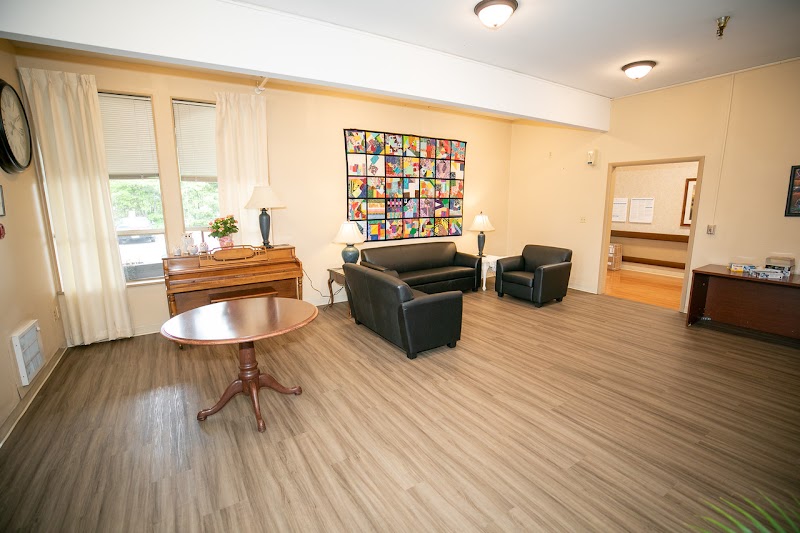
How is Olympia Transitional Care And Rehabilitation Staffed?

CMS rates OLYMPIA TRANSITIONAL CARE AND REHABILITATION's staffing level at 4 out of 5 stars, which is above average compared to other nursing homes. Staff turnover is 42%, compared to the Washington average of 46%. This relatively stable workforce can support continuity of care.

What Have Inspectors Found at Olympia Transitional Care And Rehabilitation?

State health inspectors documented 29 deficiencies at OLYMPIA TRANSITIONAL CARE AND REHABILITATION during 2023 to 2025. These included: 1 that caused actual resident harm and 28 with potential for harm. Deficiencies causing actual harm indicate documented cases where residents experienced negative health consequences.
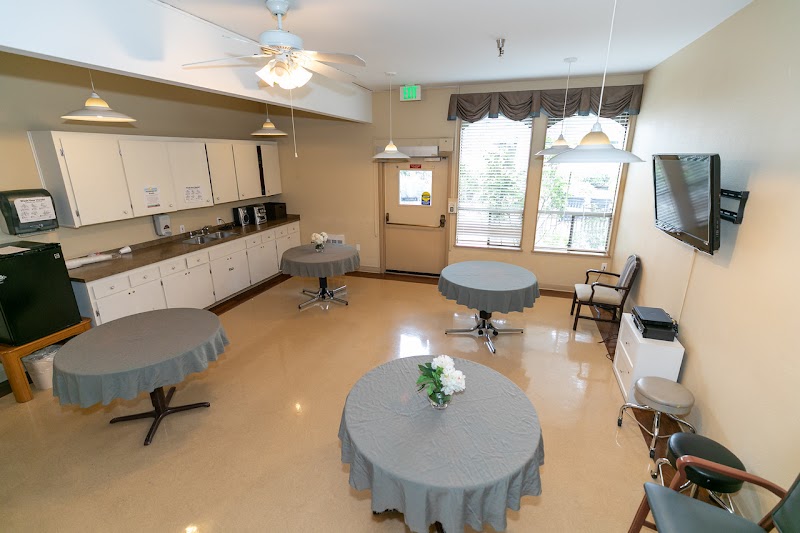
Who Owns and Operates Olympia Transitional Care And Rehabilitation?

OLYMPIA TRANSITIONAL CARE AND REHABILITATION is owned by a for-profit company. For-profit facilities operate as businesses with obligations to shareholders or private owners. The facility is operated by THE ENSIGN GROUP, a chain that manages multiple nursing homes. With 113 certified beds and approximately 81 residents (about 72% occupancy), it is a mid-sized facility located in OLYMPIA, Washington.
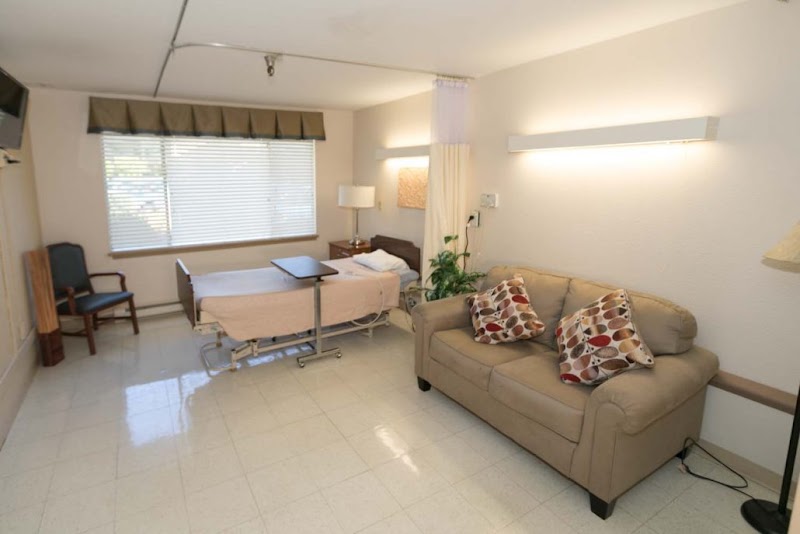
How Does Olympia Transitional Care And Rehabilitation Compare to Other Washington Nursing Homes?

Compared to the 100 nursing homes in Washington, OLYMPIA TRANSITIONAL CARE AND REHABILITATION's overall rating (4 stars) is above the state average of 3.2, staff turnover (42%) is near the state average of 46%, and health inspection rating (3 stars) is at the national benchmark.

What Should Families Ask When Visiting Olympia Transitional Care And Rehabilitation?

Based on this facility's data, families visiting should ask: "Can I visit during a mealtime to observe dining assistance and food quality?" "How do you handle medical emergencies, and what is your hospital transfer rate?" "Can I speak with family members of current residents about their experience?"

Is Olympia Transitional Care And Rehabilitation Safe?

Based on CMS inspection data, OLYMPIA TRANSITIONAL CARE AND REHABILITATION has a clean safety record: no substantiated abuse findings (meaning no confirmed cases of resident harm), no Immediate Jeopardy citations (the most serious violation level indicating risk of serious injury or death), and is not on the Special Focus Facility watch list (a federal program monitoring the lowest-performing 1% of nursing homes). The facility has a 4-star overall rating and ranks #1 of 100 nursing homes in Washington. While no facility is perfect, families should still ask about staff-to-resident ratios and recent inspection results during their visit.

Do Nurses at Olympia Transitional Care And Rehabilitation Stick Around?

OLYMPIA TRANSITIONAL CARE AND REHABILITATION has a staff turnover rate of 42%, which is about average for Washington nursing homes (state average: 46%). Moderate turnover is common in nursing homes, but families should still ask about staff tenure and how the facility maintains care continuity when employees leave.

Was Olympia Transitional Care And Rehabilitation Ever Fined?

OLYMPIA TRANSITIONAL CARE AND REHABILITATION has no federal fines on record. CMS issues fines when nursing homes fail to meet care standards or don't correct problems found during inspections. The absence of fines suggests the facility has either maintained compliance or corrected any issues before penalties were assessed. This is a positive indicator, though families should still review recent inspection reports for the full picture.

Is Olympia Transitional Care And Rehabilitation on Any Federal Watch List?

OLYMPIA TRANSITIONAL CARE AND REHABILITATION is not on any federal watch list. The most significant is the Special Focus Facility (SFF) program, which identifies the bottom 1% of nursing homes nationally based on persistent, serious quality problems. Not being on this list means the facility has avoided the pattern of deficiencies that triggers enhanced federal oversight. This is a positive indicator, though families should still review the facility's inspection history directly.