WASHINGTON SOLDIERS HOME


1301 ORTING-KAPOWSIN HWY E, ORTING, WA 98360 (360) 893-4515
Government - State 97 Beds Independent Data: November 2025
Trust Grade
73/100
#87 of 190 in WA
Last Inspection: July 2024

Within standard 12-15 month inspection cycle. Federal law requires annual inspections.

Overview

Washington Soldiers Home has a Trust Grade of B, indicating it is a good choice among nursing homes. With a state rank of #87 out of 190, this facility is in the top half of options in Washington, but at #11 of 21 in Pierce County, it has several competitors. Unfortunately, the facility is worsening, as issues increased from 3 in 2023 to 12 in 2024. Staffing is a strength, boasting a turnover rate of 30%, which is significantly lower than the state average, and it has a solid 4/5-star rating overall. On the downside, the home has faced criticism for food quality, with residents reporting that meals were often overcooked and not appetizing, which could lead to nutritional deficits. Additionally, there were concerns that 22 residents did not receive their prescribed therapeutic diets, risking their health and quality of life. Despite these issues, the absence of fines and decent RN coverage are positive aspects to consider.

Trust Score
B
73/100
In Washington
#87/190
Top 45%
Safety Record
Low Risk
No red flags
Inspections
Getting Worse
3 → 12 violations
Staff Stability
✓ Good
30% annual turnover. Excellent stability, 18 points below Washington's 48% average. Staff who stay learn residents' needs.
Penalties
✓ Good
No fines on record. Clean compliance history, better than most Washington facilities.
Skilled Nurses
✓ Good
Each resident gets 50 minutes of Registered Nurse (RN) attention daily — more than average for Washington. RNs are trained to catch health problems early.
Violations
⚠ Watch
24 deficiencies on record. Higher than average. Multiple issues found across inspections.
★★★★☆
4.0
Overall Rating
★★★★☆
4.0
Staff Levels
★★★★☆
4.0
Care Quality
★★★★☆
4.0
Inspection Score
Stable
2023: 3 issues
2024: 12 issues

The Good

  • 4-Star Staffing Rating · Above-average nurse staffing levels
  • 4-Star Quality Measures · Strong clinical quality outcomes
  • Low Staff Turnover (30%) · Staff stability means consistent care
  • Full Sprinkler Coverage · Fire safety systems throughout facility
  • No fines on record
  • Staff turnover is low (30%)

    18 points below Washington average of 48%

Facility shows strength in staffing levels, quality measures, staff retention, fire safety.

The Bad

No Significant Concerns Identified

This facility shows no red flags. Among Washington's 100 nursing homes, only 1% achieve this.

The Ugly 24 deficiencies on record

Jul 2024 12 deficiencies
CONCERN (D)

Potential for Harm - no one hurt, but risky conditions existed

Deficiency F0578 (Tag F0578)

Could have caused harm · This affected 1 resident

**NOTE- TERMS IN BRACKETS HAVE BEEN EDITED TO PROTECT CONFIDENTIALITY** . Based on interview and record review, the facility failed to obtain or offer assistance in formulating or periodically checkin...

Read full inspector narrative →
**NOTE- TERMS IN BRACKETS HAVE BEEN EDITED TO PROTECT CONFIDENTIALITY** . Based on interview and record review, the facility failed to obtain or offer assistance in formulating or periodically checking if a resident had a healthcare advance directive (AD) for 1 of 17 sampled residents (Residents 78) reviewed for AD. This failure placed the resident at risk to be denied the opportunity to direct their health care if they were to become unable to make decisions or communicate their health care preferences. Findings included . An AD is a written instruction, such as a living will or durable power of attorney [DPOA] for health care, recognized under State law (whether statutory or as recognized by the courts of the State), relating to the provision of health care when the individual is incapacitated. Resident 78 admitted to the facility on [DATE] and was able to make needs known. Review of Resident 78's electronic healthcare record (EHR) on 07/15/2024 showed that the resident had a DPOA for financial; however, there was no documentation of an AD for healthcare. During an interview on 07/17/2024 at 10:38 AM, Resident 78 stated they thought their sister was their DPOA for healthcare but if not, they wanted their sister to be their DPOA for healthcare. Review of Resident 78's advanced directive care plan, revision dated 03/13/2024, showed that Resident 78 had a DPOA for Financial only. During an interview on 07/17/2024 at 1:39 PM, Staff H, Psychiatric Social Worker, stated that they were unable to locate documentation in the EHR that Resident 78 was offered AD information for healthcare or that it had been reviewed and it should have been. Staff H stated they were unable to locate a healthcare AD for Resident 78. During an interview on 07/17/2024 at 2:02 PM Staff A, Administrator, stated that AD information was to be offered to residents, obtained, and reviewed upon admission, and on a quarterly basis, and the documentation should be in the resident's EHR. Staff A stated that it did not meet expectations that they were unable to locate Resident 78's AD for healthcare. Reference WAC 388-97-0280 (3)(c)(i-ii), -0300 (1)(b) .
CONCERN (D)

Potential for Harm - no one hurt, but risky conditions existed

Report Alleged Abuse (Tag F0609)

Could have caused harm · This affected 1 resident

**NOTE- TERMS IN BRACKETS HAVE BEEN EDITED TO PROTECT CONFIDENTIALITY** . Based on observation, interview, and record review, the facility failed to ensure an incident of potential abuse, such as misa...

Read full inspector narrative →
**NOTE- TERMS IN BRACKETS HAVE BEEN EDITED TO PROTECT CONFIDENTIALITY** . Based on observation, interview, and record review, the facility failed to ensure an incident of potential abuse, such as misappropriation of personal property, was identified as such and reported to law enforcement and the State Survey Agency as required for 1 of 4 sampled residents (Resident 37) reviewed for abuse. Failure to report allegation/incident of abuse placed the resident at risk for additional abuse and a diminished quality of life. Findings included . Review of the Nursing Home Guidelines titled, The Purple Book, dated October 2015, showed the facility must ensure that all alleged violations involving mistreatment, neglect, or abuse are reported immediately to the Administrator of the facility and to other officials in accordance with State law .including to the State survey and certification agency. Resident 37 readmitted to the facility on [DATE] and was able to make needs known. During an interview and observation on 07/17/2024 at 10:12 AM, Resident 37 stated staff were aware that they had personal items stolen before and that was why they had keys for the locks on their nightstand and closet. Resident 37 had six keys hanging from a lanyard around their neck. Review of Resident 37's Grievance form dated 06/10/2024 showed on 06/08/2024 Resident 37 had a concern that people were stealing their things, and they were extremely upset over not having a lock on their closet door. This was causing them emotional distress to the point of crying. It showed, Steps taken to investigate the grievance: Resident without a lock on closet. It showed that locks were installed on closets as per resident request on 06/12/2024 and Resident 37 was notified on 06/12/2024. This grievance did not address the concern of stolen items or of reporting allegations of misappropriation of personal property. Review of the facility's incident reporting log from February 2024 through July 12, 2024, showed no incidents logged for Resident 37's allegation of stolen items. During an interview on 07/18/2024 at 8:21 AM, after reviewing Resident 37's grievance form dated 06/10/2024, Staff B, Director of Nursing Services, stated the police and State Agency should have been notified and that did not happen. During an interview on 07/18/2024 at 8:41 AM, after reviewing Resident 37's grievance form dated 06/10/2024, Staff A, Administrator, stated it did not meet expectations and staff needed to follow the guidelines in the Purple Book. Staff A stated the police and abuse hotline should have been called. Reference WAC 388-97-0640(5)(a)(6)(a)(c) .
CONCERN (D)

Potential for Harm - no one hurt, but risky conditions existed

Investigate Abuse (Tag F0610)

Could have caused harm · This affected 1 resident

**NOTE- TERMS IN BRACKETS HAVE BEEN EDITED TO PROTECT CONFIDENTIALITY** . Based on observation, interview, and record review, the facility failed to identify and investigate possible misappropriation ...

Read full inspector narrative →
**NOTE- TERMS IN BRACKETS HAVE BEEN EDITED TO PROTECT CONFIDENTIALITY** . Based on observation, interview, and record review, the facility failed to identify and investigate possible misappropriation of personal property/abuse for 1 of 4 sampled residents (Resident 37) reviewed for abuse. Failure to thoroughly investigate an allegation/incident of abuse placed the resident at risk for additional abuse and a diminished quality of life. Findings included . Resident 37 readmitted to the facility on [DATE] and was able to make needs known. During an interview and observation on 07/17/2024 at 10:12 AM, Resident 37 stated staff were aware that they had personal items stolen before and that was why they had keys for the locks on their nightstand and closet. Resident 37 had six keys hanging from a lanyard around their neck. Review of Resident 37's Grievance form dated 06/10/2024 showed that on 06/08/2024 Resident 37 had a concern that people were stealing their things, and they were extremely upset over not having a lock on their closet door. This was causing them emotional distress to the point of crying. It showed, Steps taken to investigate the grievance: Resident without a lock on closet. It showed that locks were installed on closets as per resident request on 06/12/2024 and Resident 37 was notified on 06/12/2024. This grievance did not address the concern of stolen items or of investigating allegations of misappropriation of personal property. Review of the facility's incident report log from February 2024 through July 12, 2024, showed no investigation recorded for Resident 37's allegation of stolen items. During an interview on 07/18/2024 at 8:21 AM, after reviewing Resident 37's grievance form dated 06/10/2024, Staff B, Director of Nursing Services, stated they should have initiated an incident report investigation of what items Resident 37 thought was stolen and this did not meet expectations. During an interview on 07/18/2024 at 8:41 AM, after reviewing Resident 37's grievance form dated 06/10/2024, Staff A, Administrator, stated it did not meet expectations and staff needed to follow the guidelines in the Purple Book. Staff A stated an incident report investigation should have been initiated and completed. Please refer to F609 for additional information. Reference WAC 388-97-0640 (6)(a)(b) .
CONCERN (D)

Potential for Harm - no one hurt, but risky conditions existed

Deficiency F0645 (Tag F0645)

Could have caused harm · This affected 1 resident

**NOTE- TERMS IN BRACKETS HAVE BEEN EDITED TO PROTECT CONFIDENTIALITY** . Based on interview and record review the facility failed to ensure Pre-admission Screening and Resident Review (PASRR) assessm...

Read full inspector narrative →
**NOTE- TERMS IN BRACKETS HAVE BEEN EDITED TO PROTECT CONFIDENTIALITY** . Based on interview and record review the facility failed to ensure Pre-admission Screening and Resident Review (PASRR) assessment was accurately completed upon or prior to admission for 1 of 7 residents (Resident 71) reviewed for PASRRs and/or unnecessary medications. This failure placed the resident at risk for unidentified mental health care needs and a poor quality of life. Findings included . Resident 71 admitted to the facility on [DATE] with diagnoses to include depression, adult failure to thrive, post-traumatic stress disorder (PTSD, difficulty recovering after experiencing or witnessing a terrifying event), and was able to make needs known. Review of Resident 71's PASRR assessment dated [DATE], completed by the hospital prior to Resident 71's admission on [DATE], showed no serious mental illness indicators documented in section I on the form. This form showed, No Level II evaluation indicated. During an interview on 07/17/2024 at 11:57 AM, Staff H, Psychiatric Social Worker, stated Resident 71's 05/03/2024 PASRR was not accurate and should have been reviewed and a new one completed upon admission to include depression. During an interview on 07/17/2024 at 12:16 PM, Staff B, Director of Nursing Services, stated Resident 71's PASRR dated 05/03/2024 did not meet expectations and a new PASRR should have been completed upon admission and marked yes for depression and PTSD. Reference WAC 388-97-1915 (1)(2)(a-c) .
CONCERN (D)

Potential for Harm - no one hurt, but risky conditions existed

Deficiency F0658 (Tag F0658)

Could have caused harm · This affected 1 resident

**NOTE- TERMS IN BRACKETS HAVE BEEN EDITED TO PROTECT CONFIDENTIALITY** . Based on observation, interview, and record review, the facility failed to ensure services provided met professional standards...

Read full inspector narrative →
**NOTE- TERMS IN BRACKETS HAVE BEEN EDITED TO PROTECT CONFIDENTIALITY** . Based on observation, interview, and record review, the facility failed to ensure services provided met professional standards of practice for 1 of 19 sampled residents (Resident 78) reviewed for quality of care. The failure to assess, obtain orders, monitor, and document the use of Resident 78's shrinker (an elastic sock used to control swelling, promote healing and assist in shaping an amputated/surgically removed leg) prior to use, placed the resident at risk for medical complications, unmet needs, and a poor quality of life. Findings included . Resident 78 admitted to the facility on [DATE] with a diagnosis of an amputation (surgical removal of a limb) of the left lower leg and was able to make needs known. Observation and interview on 07/15/2024 at 12:25 PM showed Resident 78 with a left above the knee amputated leg. Resident 78 stated they were waiting for their shrinker to arrive in the mail so they could use it and then eventually get their prosthetic (artificial body part) leg. Resident 78 stated staff were aware that they were waiting for the shrinker. During an interview and observation on 07/17/2024 at 10:38 AM Resident 78 stated they received two shrinkers in the mail yesterday (07/16/2024) and that an aide washed them by hand before they used it. There were two shrinkers hanging on a towel rack by the sink. Resident 78 stated that they were responsible to apply the shrinker and they tried it on yesterday. Resident 78 stated they would wear it as long as they could tolerate because they needed to shrink their left stump/amputated leg before they could get their prosthetic leg. During an interview on 07/18/2024 at 7:49 AM, Resident 78 stated they had talked to Staff F, Certified Nursing Assistant/ Restorative Aide this morning and was told that the shrinker should be put on for about an hour every day and to check their skin for redness or any allergic reaction to the material and if they had any issues they should talk to the wound nurse. Review of Resident 78's electronic health record (EHR) on 07/17/2024 showed no assessment or provider orders for the use of a shrinker and no care plan for the care or independent use of a shrinker. Review of Resident 78's progress notes from 06/01/2024 through 07/18/2024 showed one progress note dated 06/12/2024 that addressed that the shrinker had been ordered. There were no other progress notes that addressed the shrinker. During an interview on 07/18/2024 at 11:00 AM Staff D, Licensed Practical Nurse (LPN), stated Resident 78 has a new shrinker for their above the knee amputation (AKA) and they were able to put it on themself. Staff D stated that they were unable to locate a provider order or a care plan for the use of Resident 78's shrinker and there should have been. During an interview on 07/18/2024 at 11:29 AM, Staff F stated Resident 78 was on a restorative exercise program for the arms and right lower leg and was not being seen by therapy at this time. Staff F stated Resident 78 had asked how long they should wear their shrinker and they told Resident 78 that their nurse or physician should provide that information but, they knew it was a buildup process to wear it in order to tolerate it and eventually it would shape the stump to get ready for a prosthetic leg. Staff F stated that they had not applied the shrinker nor had they seen the shrinker on Resident 78. During an interview on 07/18/2024 at 11:47 AM, Staff B, Director of Nursing Services, stated they were not aware that Resident 78 had received a shrinker and that it had been in use. Staff B stated it should have been documented that Resident 78's shrinker had arrived, provider notified, orders obtained to assess and use the shrinker, referral for therapy as needed, and it should have been care planned. Reference WAC 388-97-1620 (2)(b)(i)(ii), (6)(b)(i) .
CONCERN (D)

Potential for Harm - no one hurt, but risky conditions existed

Deficiency F0676 (Tag F0676)

Could have caused harm · This affected 1 resident

**NOTE- TERMS IN BRACKETS HAVE BEEN EDITED TO PROTECT CONFIDENTIALITY** . Based on observations, interviews, and record review, the facility failed to provide the necessary care and services for 1 of ...

Read full inspector narrative →
**NOTE- TERMS IN BRACKETS HAVE BEEN EDITED TO PROTECT CONFIDENTIALITY** . Based on observations, interviews, and record review, the facility failed to provide the necessary care and services for 1 of 3 sampled residents (Resident 57) when reviewed for ADL decline. Failure to obtain a wheelchair for Resident 57's use, placed them at risk for avoidable decline and a diminished quality of life. Findings included . Resident 57 admitted to the facility on [DATE] with multiple diagnoses to include severe malnutrition, large sacral (lower back) skin ulcer and diabetes. The resident was able to make needs known and was dependent on staff for transfers in and out of bed. Multiple observations on 07/15/2024 through 07/18/2024 showed Resident 57 laid in bed on his back. During an interview on 07/18/2024 at 8:39 AM, Resident 57 stated they had a wheelchair in [NAME] waiting for pick up. They had talked to therapy about it and the VA social worker. It drives me crazy; I have been in bed since March, I can't go outside and see the dentist or the eye doctor or other people. I get a bed bath and use the bed as a toilet. Review of the resident's electronic health record (EHR) showed no mentioning of a wheelchair or plans for Resident 57's mobility or ways to be out of bed. Review of Resident 57's care plan initiated on 03/26/2024 did not include instructions or plan for wheelchair mobility. During an interview on 07/18/2024 at 12:40 PM, Staff B, Director of Nursing Services stated the expectation was for the facility to provide a loaner wheelchair after admission till the residents get their personal wheelchair. Reference WAC 388-97-1060(2)(a)(ii) .
CONCERN (D)

Potential for Harm - no one hurt, but risky conditions existed

Quality of Care (Tag F0684)

Could have caused harm · This affected 1 resident

**NOTE- TERMS IN BRACKETS HAVE BEEN EDITED TO PROTECT CONFIDENTIALITY** Resident 52 admitted to the facility on [DATE] with multiple diagnoses to include stroke (damage to the brain from interruption ...

Read full inspector narrative →
**NOTE- TERMS IN BRACKETS HAVE BEEN EDITED TO PROTECT CONFIDENTIALITY** Resident 52 admitted to the facility on [DATE] with multiple diagnoses to include stroke (damage to the brain from interruption of its blood supply) with inability to move left upper and left lower extremity, fracture of left lower leg and depression. Resident 52 was able to make needs known. Multiple observations on 07/15/2024 through 07/18/2024 showed Resident 52 laying in bed on the back. Left hand was flaccid and fingers were curled up in a fist, there was no air cast to support left leg fracture left foot was resting turned outward on the pillow without any covering. Foot cradle was on the floor between bed and wall. Resident 52 stated they don't do anything for my left hand and left leg. Review of EHR showed the following orders: ensure L foot is flat in air cast boot from 5/24/2024, Orthopedic supportive boot stays on day and night, off during shower from 5/24/2024, left hand palmar resting splint for contracture prevention and management from 3/10/2022, use Foot Cradle at the end of the bed every shift from 8/06/2023. Review of Resident 52's care plan, initiated 2/21/2024, showed instructions regarding use of Foot Cradle, to apply ted hose to left leg, when to remove air cast and when to use palm splint. Review of Resident 52's treatment administration record for July 2024 showed license nurse documenting every shift that the orthopedic boot is on left leg, that the foot cradle is at the end of the bed. There was no documentation found about the use of the left hand palmar resting splint. During an interview on 7/18/2024 at 10:44 AM, Staff B stated the expectation was to have clear documentation and the devices to be used as ordered. Reference WAC 388-91-1060(1) <Positioning> Resident 12 Resident 12 admitted to the facility on [DATE] with a diagnosis of Parkinsons disease (A brain disorder that effects movement). Review showed the resident was dependent on staff for bed mobility and was to be repositioned every two hours while in bed. A care plan entry dated 05/22/2024 showed for staff to place hand rolls in the residents' hands daily. Observation on 07/17/2024 at 9:56 AM showed Resident 12 laid in bed on their back, there was a pillow under their right shoulder for positioning. The resident was awake and had their arms extended above them grasping their fingers. There was no palm protector in the residents left hand. Observation on 07/17/2024 at 11:16 AM showed Resident 12 laid in bed with their eyes closed, they were positioned on their back with a pillow under their right shoulder. There was no palm protector in the residents left hand. Observation on 07/17/2024 at 12:18 PM showed Resident 12 laid in bed with a pillow under their right shoulder. There was no palm protector in the residents left hand. Observation on 07/17/2024 at 1:22 PM showed Resident 12 laid in bed with a pillow under their right shoulder. There was no palm protector in the residents left hand. The resident had their arms in the air holding their fingers. Observation and interview on 07/17/2024 at 2:14 PM showed Resident 12 laid in bed with a pillow under their right shoulder. There was no palm protector in the residents left hand. The resident appeared stiff with their arms in the air holding their fingers. Their left leg was extended straight, and the right leg was bent at the hip and knee, the resident answered yes when asked if they were in pain. During an interview on 07/18/2024 at 8:48 AM, Staff E, Certified Nursing Assistant, stated resident 12 can't use the call light or move in the bed so staff should reposition them every 2 hours. Staff E stated the resident was resistive to care on their palms and had sores on their fingertips so they should always have on the palm protectors. During an interview on 07/18/2024 at 8:52 AM, Staff D, Licensed Practical Nurse (LPN) stated resident 12 should have palm protectors on at all times and that the resident had a wound on their bottom so they should reposition them every two hours from side to side. During an interview on 07/18/2024 at 9:44 AM, Staff B stated their expectation was that staff reposition Residents 12 every two hours or less and that Resident 12 should have had the palm protectors on at all times. Based on observation, interview and record review, the facility failed to consistently monitor and document bowel movements and implement the bowel program when needed for 1 of 1 resident (Resident 28) reviewed for bowel protocol. Additionally, the facility failed to initiate proper positioning, for 2 of 3 residents (Resident 12 and 52) when reviewed for positioning and mobility. These failures placed the residents at risk for worsening conditions, discomfort, and a decreased quality of life. Findings included . <Bowel Monitoring> Review of a document titled, Bowel (Lower Gastrointestinal Tract) Care - Nursing Operating Protocol, dated 02/01/2018 showed that to promote bowel movements in a pattern that was usual for the resident and to prevent complications associated with constipation (a condition in which dry, hard stool that's difficult to pass). The night (NOC) shift Licensed Nurse (LN) was responsible to review resident bowel records and compile a list of residents who had gone 2 days (midnight to midnight) without a bowel movement. This information was to be passed onto day shift LNs for the initiation of the bowel care protocol in addition to routine schedule bowel medication as applicable. RESIDENT 28 Review of the quarterly minimum data set (MDS, a required assessment tool), dated 04/22/2024 showed Resident 28 was admitted to the facility on [DATE] with diagnoses to include stoke with hemiplegia (paralysis that affects one side of the body) and constipation. The MDS further showed Resident 28 was able to make needs known. Review of Resident 28's care plan dated 10/16/2020 showed a focus area that the resident had the potential for constipation related to impaired mobility, medications, and diet, long standing bowel pattern of greater than three days without a bowel movement. The goal was for the resident to have a soft formed bowel movement at least every third day through the review date. Interventions included to monitor, document and report, when necessary, signs and symptoms of complications related to constipation and to record bowel movement patterns each day and describe amount, color and consistency. During an interview on 07/17/2024 at 8:53 AM, Resident 28 stated they had constipation and would go back and forth with the nurses and tell them if they needed something for constipation. Review of Resident 28's medication administration record (MAR) showed several providers orders dated 10/05/2020 for LNs to administered medications as needed for constipation to include sennosides tablet to be administered for no BM in conjunction with polyethylene glycol powder and to document any refusal. In addition, bisacodyl suppository was to be administered as needed on day four without a BM, and to document any refusals. Review of Resident 28's electronic health record (EHR) task section for BM results showed that the resident had a BM on 07/05/2024; however, no BM was documented for the following dates from 07/06/2024 to 07/15/2024. In addition, no documentation showed that Resident 28 was administered any ordered constipation medication within the (MAR) or documented any refusal in the residents' clinical progress notes during these dates. During an interview on 07/17/2024 at 11:53 AM, Staff G, Certified Nurse's Assistant stated Resident 28 was really particular about their BMs and did not always tell them of their BM's; however, if they needed something for their bowels, they would tell us, and we would inform the LNs'. During an interview on 07/17/2024 at 12:21 PM, Staff C, Registered Nurse/Residential Care Manager (RN/RCM) stated it was their expectation that if the resident did not have a BM for greater than 72 hours, then the LNs were to administer medications for constipation and to document any refusals in the progress notes. During an interview on 07/17/2024 at 12:33 PM, Staff B, Director of Nursing Services (DNS) stated it was their expectation that whenever the resident had a BM it was to be documented in the clinical records (TASK section) and if the resident did not have a BM within the required time frame then the LNs were to administer the bowel protocol (constipation medication) as ordered and to document any resident refusal.
CONCERN (D)

Potential for Harm - no one hurt, but risky conditions existed

Accident Prevention (Tag F0689)

Could have caused harm · This affected 1 resident

**NOTE- TERMS IN BRACKETS HAVE BEEN EDITED TO PROTECT CONFIDENTIALITY** . Based on observation, interview and record review, the facility failed to provide the necessary supervision and safety monitor...

Read full inspector narrative →
**NOTE- TERMS IN BRACKETS HAVE BEEN EDITED TO PROTECT CONFIDENTIALITY** . Based on observation, interview and record review, the facility failed to provide the necessary supervision and safety monitoring for 1 of 4 residents (Resident 28) reviewed for accidents. This failure placed the resident and the facility at risk for possible fire and serious injury related to an inaccurate smoking safety assessment. Findings included . Review of a policy titled, Smoking and Tobacco in WDVA Facilities, dated, 06/26/2023 showed the rights of all individuals was to provide an example of preventive healthy behavior, maintain a clean and healthful environment and ensure health and comfort of individuals whose tolerance for tobacco use was limited. The document also showed that all those who live, work, and visit the facilities would be provided with an environment that limits the risks of fire or exposure to smoke vapor, and other byproducts of tobacco products. Smoking assessments would occur for residents that smoked upon admission, quarterly and when warranted by circumstances as part of an on-going safety program. Review of the quarterly minimum data set (MDS, a required assessment tool), dated 04/22/2024 showed Resident 28 was admitted to the facility on [DATE] with multiple diagnoses to include heart, lung and kidney disease, stoke with hemiplegia (paralysis that affects one side of the body). The MDS further showed Resident 28 was able to make needs known and showed tobacco use by the resident. During an observation and interview on 07/16/2024 at 8:53 AM, Resident 28 sat up in a wheelchair within their room, the resident had a right-hand splint (a device used for prevention of contractures/frozen joint) was secured by Velcro strap which was placed and used throughout the day. In addition, the resident had a large, bushy, untrimmed, gray beard. When asked if they currently smoked, Resident 28 stated, Yes, I go by myself off the property after getting my cigarettes and lighter from the nurses station. Review of Resident 28's electronic health records (EHR) showed a document titled, WSH ([NAME] Soldiers Home), Smoking Safety Assessment, dated 06/11/2024. The document showed a registered nurse at the facility had conducted a smoking assessment to deem if Resident 28 was safe to smoke independently. The document had several questions to include, Does the resident have hand dexterity to safely hold a cigarette, the section was marked, No. The question, Does the resident extinguish smoking material in an unsafe manner? i.e. throwing butts in ground), the document was marked Yes. The section for whether the resident had facial hair and if it was trimmed in such a manner to avoid lit cigarette and/or ashes falling on it, the document was marked, Yes. Review of a care plan for Resident 28 dated 06/11/2024 showed the residents' safety may be at risk related to noncompliance with smoking policy. The care plan goal showed that the resident would abide by smoking policy while they resided at WSH nursing facility. During an interview on 07/17/2024 at 12:26 PM, when asked whether Resident 28's smoking safety assessment was accurate, Staff C, Registered Nurse / Residential Care Manger (RN/RCM) stated that if the resident had a large untrimmed beard and if the document showed that they had a lack of dexterity to hold a cigarette than they would not be safe to smoke. Staff C stated that Resident 28 needed to be re-assessed for smoking. During an interview on 07/17/2024 at 12:38 PM, Staff B, Director of Nursing Services (DNS), stated it was their expectation that the smoking safety assessment was accurate for Resident 28 and that the resident's beard should be trimmed if they wanted to continue to smoke safely. Reference WAC 388-97-1060 (3)(g)
CONCERN (D)

Potential for Harm - no one hurt, but risky conditions existed

Deficiency F0697 (Tag F0697)

Could have caused harm · This affected 1 resident

**NOTE- TERMS IN BRACKETS HAVE BEEN EDITED TO PROTECT CONFIDENTIALITY** . Based on observation, interview and record review the facility failed to monitor and manage issues with pain for 1 of 2 reside...

Read full inspector narrative →
**NOTE- TERMS IN BRACKETS HAVE BEEN EDITED TO PROTECT CONFIDENTIALITY** . Based on observation, interview and record review the facility failed to monitor and manage issues with pain for 1 of 2 residents (Resident 67) reviewed for pain management. Failure to monitor Resident 67's pain levels placed the resident at risk for uncontrolled pain and a decreased quality of life. Findings included . Resident 67 was admitted to the facility on [DATE] with a diagnosis of left toe amputation (surgically removed toe), chronic pain syndrome, and post-traumatic stress disorder. The resident had a provider order dated 05/28/2024 for a narcotic pain medication three times a day. During an interview on 07/16/2024 at 11:47 AM, Resident 67 stated they were taking pain medications every eight hours, but they are never on time, and it was not enough and that the pain was out of control. Review of the electronic health record on 07/17/2024 showed there was no documentation of the resident's pain level to determine if the medications were effective or what the residents pain level was. During an interview on 07/17/2024 at 1:26 PM, Staff K, Resident Care Manager, stated if pain was an issue for a resident, we should document their pain level every shift and that Resident 67 should have his pain levels monitored and treated as appropriate. Review of the resident's care plan entry dated 03/22/2024 showed for staff to monitor/document pain management. Document frequency, duration, intensity of pain, phantom pain and report to physician if medications are not effective. During an interview and observation on 07/17/2024 at 1:53 PM Resident 67 stated they have pain at a level 9 of 10 most of the time now, and that it used to help but it's not working now. Also, the staff used to ask about my pain, but they do not anymore. My pain is higher than 10 right now, that's why I'm shaking. The resident was observed shaking. During an interview on 07/17/2024 at 1:40 PM, Staff B, Director of Nursing Services stated it was their expectation that Resident 67's pain be monitored every shift and the provider be notified if the interventions were not effective. Reference WAC 388-97-1060 (1) .
CONCERN (D)

Potential for Harm - no one hurt, but risky conditions existed

Medication Errors (Tag F0758)

Could have caused harm · This affected 1 resident

**NOTE- TERMS IN BRACKETS HAVE BEEN EDITED TO PROTECT CONFIDENTIALITY** . Based on interview and record review, the facility failed to ensure as needed (PRN) psychotropic medications (affecting the mi...

Read full inspector narrative →
**NOTE- TERMS IN BRACKETS HAVE BEEN EDITED TO PROTECT CONFIDENTIALITY** . Based on interview and record review, the facility failed to ensure as needed (PRN) psychotropic medications (affecting the mind) were limited to 14 days for 1 of 5 sampled residents (Resident 59) when reviewed for unnecessary medications. This failure placed the residents at risk for receiving unnecessary psychotropic medication, avoidable medication side effects, and a diminished quality of life. Findings included . Resident 59 admitted to the facility on [DATE] with multiple diagnoses to include chronic respiratory failure, and anxiety. Resident 59 was able to make needs known. Review of Resident 59's provider's orders showed an order for lorazepam (an antianxiety medication) every four hours PRN which started on 02/21/2024 and had no stop date. Review of Resident 59's monthly pharmacy recommendations showed no recommendation to stop lorazepam PRN after 14 days. Review of Resident 59's medication administration record showed that Resident 59 was administered lorazepam tree times in the month of July 2024, seven times in June 2024 and nine times in May of 2024. During a phone interview on 07/17/2024 at 9:57 AM, Staff O, Pharmacist, stated PRN Lorazepam should have been discontinued or justified within 14 days. Sorry, we missed the boat. During an interview on 07/18/2024 at 12:27 PM, Staff B, Director of Nursing Services, stated the expectation was for the PRN psychotropic medications to be discontinued within 14 days or justified by the provider. Reference WAC 388-97-1060(3)(k)(i) .
CONCERN (E)

Potential for Harm - no one hurt, but risky conditions existed

Deficiency F0804 (Tag F0804)

Could have caused harm · This affected multiple residents

Based on observation and interview, the facility failed to provide food at an appetizing temperature for 1 of 1 tray line when reviewed for Kitchen Services. This failure placed residents at risk of l...

Read full inspector narrative →
Based on observation and interview, the facility failed to provide food at an appetizing temperature for 1 of 1 tray line when reviewed for Kitchen Services. This failure placed residents at risk of lower nutritional intake, potential weight loss, and a diminished quality of life. Findings included . On 07/15/2024 at 12:42 PM, Resident 71 stated Some of the food sucks because the meat is overcooked. On 07/15/2024 at 12:58 PM, Resident 37 stated, The food does not taste good here. On 07/15/2024 at 12:23 PM Resident 78 stated, The food is not very flavorful and could use some improvement. The chicken and other meat are over cooked and dry. Review of the lunch menu for 07/17/2024 showed the Regular diets would receive Italian Meatloaf, Lemon Herb Orzo, Garlic Bread, Roasted Asparagus and Marbled Cheesecake. The protein alternative was Tilapia. Observation on 07/17/2024 at 11:49 AM during lunch tray service showed Staff L, Food Service Worker Lead, plating meatloaf on resident trays and adding gravy to only select trays. Staff L said they were adding gravy to the meatloaf slices that looked dried out. Review of the lunch menu for 07/17/2024 showed gravy was not on the menu for those receiving Regular diets. During an interview on 07/17/2024 at 1:03 PM, when requested to take the temperature of a test food tray, Staff L, Food Service Worker Lead stated the orzo was 135 degrees Fahrenheit (F), the asparagus was 135 degrees F, the meatloaf was 136 degrees F, and the Tilapia was 125 degrees F. When asked if these temperatures were hot enough, Staff L, said No, the fish was not up to temperature. During an interview on 07/18/2024 at 9:03 AM, Staff M, Dietary Manager, said only altered texture diets should have received gravy and if a menu item was dried out it should not have been served. Staff M said the Tilapia temperature did not meet their expectation. Reference WAC 388-97-1100 (1), (2) .
CONCERN (E)

Potential for Harm - no one hurt, but risky conditions existed

Deficiency F0808 (Tag F0808)

Could have caused harm · This affected multiple residents

Based on observation, interview and record review the facility failed to ensure 22 of 90 sampled residents (Residents 2, 8, 13, 14, 18, 23, 30, 34, 37, 40, 48, 59, 60, 62, 64, 71, 73, 74, 82, 85, 86 a...

Read full inspector narrative →
Based on observation, interview and record review the facility failed to ensure 22 of 90 sampled residents (Residents 2, 8, 13, 14, 18, 23, 30, 34, 37, 40, 48, 59, 60, 62, 64, 71, 73, 74, 82, 85, 86 and 140) received physician ordered therapeutic diets or portion sizes. This failure placed residents at risk for medical complications, nutritional deficits and a decreased quality of life. Findings included . <Therapeutic Diets> Review of lunch menu for 07/17/2024 showed the Regular diets would receive Italian Meatloaf, Lemon Herb Orzo, Garlic Bread, Roasted Asparagus and Marbled Cheesecake. Review of the lunch extension menu showed Easy to Chew, Soft and Bite Sized and Puree diets were to receive a wheat roll instead of garlic bread. Observation of the lunch tray preparation service on 07/17/2024 between 11:13 AM and 11:52 AM showed Staff L, Food Service Worker Lead, serving garlic bread to residents on Easy to chew, Soft and bite sized and Puree diets. Observation of the steam table during tray service showed no wheat rolls. During an interview on 07/17/2024 at 11:49 AM, Staff L said the main kitchen had only prepared garlic bread and garlic bread sticks. Staff L said they were unsure why wheat dinner rolls were not prepared. <Portion Sizes> Observation on 07/17/2024 at 11:31 AM showed the tray card for Resident 60 indicated Large Portion. Staff L provided one and a half portions of meatloaf and portion sizes consistent with the regular diet for the starch, vegetable and dessert. Observation on 07/17/2024 at 11:31 AM showed the tray card for Resident 48 indicated Double Protein. Staff L provided the portion sizes consistent with the regular diet (1 slice). During observation and interview on 07/17/2024 at 11:45 AM, Staff N, Food Service Supervisor reviewed Resident 48's tray card and said two slices of meatloaf should have been provided. Staff N requested Staff L plate an additional slice of meatloaf. During an interview on 07/18/2024 at 9:03 AM Staff M, Dietary Manager said tray cards that indicate Large Portion should have been provided one and a half portions of protein and starch. Staff M was unable to provide an explanation why the cook did not prepare wheat rolls; however, stated the expectation was that extension menus and tray cards were followed. Staff M said wheat rolls should have been provided as ordered or the dietician should have been notified to determine if an alternative could have been substituted. Reference: (WAC) 388-97-1200(1) .
Jun 2023 3 deficiencies
CONCERN (D)

Potential for Harm - no one hurt, but risky conditions existed

Deficiency F0658 (Tag F0658)

Could have caused harm · This affected 1 resident

Based on interview and record review, the facility failed to ensure physician orders were followed for 1 of 5 residents (Resident 66) reviewed for Unnecessary Medication Use. This failure placed the r...

Read full inspector narrative →
Based on interview and record review, the facility failed to ensure physician orders were followed for 1 of 5 residents (Resident 66) reviewed for Unnecessary Medication Use. This failure placed the residents at risk for medical complications and a diminished quality of life. Findings included . The Washington State Nurse Practice Act, WAC 246-840-710(2)(d) showed nurses violated standards of practice by, Willfully or repeatedly failing to administer medications and/or treatments in accordance with nursing standards. Review of the May 2023 Medication Administration Record showed that Resident 66 had an order with a start date of 04/04/2023 for Bisoprolol Fumarate (a medication used to treat high blood pressure) that included instructions for the medication to be held if the pulse rate (heart rate) was less than 60. This order showed the medical doctor was to be notified when the medication was held. Further review showed documentation Resident 66 received Bisoprolol Fumarate on 05/16/2023 with a pulse of 57, on 05/20/2023 with a pulse of 55, and on 05/22/2023 with a pulse of 58. Review of Resident 66's electronic medical records on 06/02/2023 showed no documentation that the resident's physician was notified the medication Bisoprolol Fumarate was held on 05/16/2023, 05/20/2023 or 05/22/2023 for a pulse outside of the ordered parameters. During an interview on 06/06/2023 at 1:06 PM, Staff J, Registered Nurse/Resident Care Manager, stated Resident 66 received Bisoprolol Fumarate on 05/16/2023, 05/20/2023, and 05/22/2023 when the resident's pulse was outside of the ordered parameters, should have been held, and doctor notified. Staff J stated this did not meet expectations. During an interview on 06/06/2023 at 1:17 PM, Staff B, Director of Nursing Services, stated the expectation was that orders were to be followed as written by the physician. Staff B stated Resident 66 received Bisoprolol Fumarate for pulses outside of ordered parameters on 05/16/2023, 05/20/2023, and 05/22/2023 which did not meet expectations. Staff B further stated the physician needed to be notified regarding Resident 66's medication errors. Reference WAC 388-97-1620 (2)(b)(i)(ii), (6)(b)(i) .
CONCERN (D)

Potential for Harm - no one hurt, but risky conditions existed

Incontinence Care (Tag F0690)

Could have caused harm · This affected 1 resident

**NOTE- TERMS IN BRACKETS HAVE BEEN EDITED TO PROTECT CONFIDENTIALITY** Based on observation, interview and record review, the facility failed to ensure sufficient services were provided for 1 of 2 re...

Read full inspector narrative →
**NOTE- TERMS IN BRACKETS HAVE BEEN EDITED TO PROTECT CONFIDENTIALITY** Based on observation, interview and record review, the facility failed to ensure sufficient services were provided for 1 of 2 residents (Resident 53) reviewed for Indwelling Urinary Catheter (a catheter/tube inserted into the bladder and left in place to drain urine) and Antibiotic Use. Failure to ensure Resident 53's urology (the branch of medicine concerned with the function and disorders of the urinary system) referral was implemented placed the resident as risk for further complications, unmet care needs, and a diminished quality of life. Findings included . Observation on 06/05/2023 showed Resident 66 laid in bed with a catheter bag hanging below the left side of the bed frame. Review of the significant change in condition Minimum Data Set assessment, dated 03/01/2023, showed Resident 66 readmitted to the facility on [DATE] after a brief hospitalization, with diagnoses to include obstructive and reflux uropathy (urine was unable to flow out either partially or completely due to some type of obstruction), had an indwelling urinary catheter, and was able to make needs known. Review of the hospital Discharge summary, dated [DATE], showed a consultation for urology was recommended for Resident 66. Review of the verification of provider services form, dated 03/01/2023, showed the request for Resident 66's referral to urology was approved on 03/01/2023. Review of Resident 66's electronic health records on 06/05/2023 showed no documentation Resident 66 had been sent to urology after the 02/22/2023 hospitalization. During an interview on 06/05/2023 at 9:25 AM, Staff C, Registered Nurse/Resident Care Manager, stated according to the hospital discharge paperwork, dated 02/22/2023, it was the hospital that wanted a referral to Urology for Resident 66. Staff C stated referrals usually took a couple of weeks to process and were to be put in the facility's appointment log. Staff C was unable to locate an appointment in the log for Resident 66 to go to urology and stated this referral may have slipped by them. Staff C stated Resident 66 should have been sent to urology, and this did not meet expectations. During an interview on 06/05/2023 at 10:02 AM, Staff B, Director of Nursing Services, stated Resident 66 had a verification for funding for urology on 03/01/2023, which indicated the resident could see the urologist (a medical doctor that specializes in conditions that affect the urinary tract and reproductive systems). Staff B stated they were unable to locate documentation that Resident 66 had seen a urologist, and this did not meet expectations. Reference WAC 388-97-1060 (3)(c) .
CONCERN (D)

Potential for Harm - no one hurt, but risky conditions existed

Deficiency F0698 (Tag F0698)

Could have caused harm · This affected 1 resident

Based on observation, interview and record review, the facility failed to monitor the dialysis access site and follow up on dialysis center recommendations for 1 of 1 resident (Resident 62) reviewed f...

Read full inspector narrative →
Based on observation, interview and record review, the facility failed to monitor the dialysis access site and follow up on dialysis center recommendations for 1 of 1 resident (Resident 62) reviewed for Dialysis. This failure placed the resident at risk for medical complications and a decreased quality of life. Findings included . Review of the facility protocol titled Dialysis Monitoring, dated 01/26/2018, showed Nursing staff will monitor and document the dialysis site each shift, observing for signs of infection or bleeding. A: auscultate [listen with a stethoscope] the fistula/graft/shunt [connection of a vein and an artery in your arm] site each shift and document the presence or absence of bruit [sound], change in volume, or absence of sound. Palpate [touch] the fistula/graft/shunt site for thrill [pulsing] or pulse present, documenting any absence, changes in intensity i.e. weak or bounding. Follow the Dialysis Center specific Standard orders for the individual resident. During an interview and observation on 06/02/2023 at 10:15 AM, Resident 62 stated the nurses did not check the dialysis access site and did not use a stethoscope to listen. The resident stated he managed caring for the dialysis access site himself. Resident 62 then removed the pressure dressing and stated, I do this every time. Review of Resident 62's Electronic Health Record (EHR) showed an active order with a start date of 04/22/2022 to, Check for thrill and bruit Left Upper Arm every shift. Further review showed nursing staff signed each shift for the month of May 2023 that they assessed the site for thrill and bruit and signs of complications. During an interview on 06/05/2023 at 8:51 AM, Staff D, Licensed Practical Nurse (LPN), stated when assessing a dialysis fistula they would feel for both thrill and bruit and they would not use a stethoscope unless they could not feel it. Staff D further stated they would remove the pressure dressing when the physician's orders told them to, but they were not sure how long that should be after the resident returned from dialysis. During an interview on 06/05/2023 at 9:24 AM, Staff E, LPN, stated the charge nurse was the one who assessed the dialysis site and removed the dressings after residents returned from their appointment. Staff E stated they assessed thrill and bruit by feeling for a pulse. During an interview on 06/05/2023 at 9:26 AM, Staff F, Registered Nurse/Charge Nurse, stated they felt for thrill and bruit with their hand and only listened with a stethoscope if they did not feel a pulse. Staff F stated residents should not remove their own pressure dressings. Review of Resident 62's dialysis communication form, dated 05/06/2023 showed a recommendation to discontinue iron supplement signed by the resident's primary provider. Review of Resident 62's EHR showed a physician's order for Ferrous Sulfate (Iron supplement) daily with a start date of 04/23/2023. During an interview on 06/05/2023 at 9:18 AM, Staff G, LPN, stated the nurses reviewed the dialysis forms when the residents returned from their appointment and let the doctor know if there were any recommendations. Staff G stated Resident 62 continued to receive iron supplements and was not aware of the recommendation to discontinue it. During an interview on 06/05/2023 at 8:56 AM, Staff H, Licensed Practical Nurse/Resident Care Manager, stated dialysis access sites should be monitored for complications by feeling for thrill and listening for bruit and there should be an order for the pressure dressings to be removed by the nursing staff. Staff H stated the resident should have had their iron supplement discontinued as the dialysis recommendation showed, but this did not happen. During an interview on 06/05/2023 at 11:13 AM, Staff B, Director of Nursing Services, stated it was their expectation any recommendations from dialysis be followed up on and that nursing staff assess the dialysis access site every shift for thrill and bruit. Staff B stated the resident removing their own pressure dressing did not meet their expectations. Reference WAC 388-97-1900 (1), (6)(a-c) .
Feb 2022 9 deficiencies
CONCERN (D)

Potential for Harm - no one hurt, but risky conditions existed

Safe Environment (Tag F0584)

Could have caused harm · This affected 1 resident

Based on observation, interview and record review, the facility failed to ensure residents had consistent access to hot water on one of four hallways (200 Hallway). Additionally, the facility failed t...

Read full inspector narrative →
Based on observation, interview and record review, the facility failed to ensure residents had consistent access to hot water on one of four hallways (200 Hallway). Additionally, the facility failed to consistently monitor and maintain water temperature logs for two out of the last 12 months (December 2021 and January 2022) when reviewed for a safe and comfortable environment. These failures potentially placed residents at risk for uncomfortable living conditions and a diminished quality of life. Findings included . Review of the facility's procedure titled, SNF [skilled nursing facility] Water Temp [temperature] Check, dated 02/16/2016, showed that the facility must ensure that the hot water system maintains water temperatures at one hundred ten degrees Fahrenheit, plus or minus ten degrees Fahrenheit at fixtures used by residents and staff. It further showed, Temperature checks will be recorded to ensure resident safety. 200 HALLWAY Observation on 01/25/2022 at 11:41 AM, showed Resident 71's water out of the sink faucet remained cool to the touch when letting the water run for four minutes. Observation and interview on 01/25/2022 at 2:34 PM, showed Resident 39's water out of the sink faucet was cold to the touch. Resident 39 stated, It has been a few days since there has been no hot water out of the sink. Resident 39 stated that they thought a nurse was told about it. Observation on 01/25/2022 at 2:52 PM, showed Resident 36's water out of the sink faucet turned moderately warm/tepid to the touch after two minutes and remained warm/tepid. During an interview on 01/27/2022 at 11:42 AM, Resident 38 stated, The water does not always stay hot enough to get through an entire bath. Resident 38 further stated, That has only been happening recently and had not been an issue before, but it is an issue now for about a couple of weeks. During an interview on 01/27/2022 at 11:56 AM, Resident 39 stated that the water had been cold for a while; however, the resident was not sure for how long. Additionally, Resident 39 stated, When I took a shower on Monday [01/24/2022], the water was warm enough but sometimes it is not warm enough or it is cold in the 200-hall shower room. Observation on 01/28/2022 at 10:02 AM showed Resident 39's water out of the sink faucet remained cold to the touch after running for two minutes. During an interview on 01/31/2022 at 8:24 AM, Staff K, Certified Nursing Assistant (CNA) confirmed that Residents' sinks on the 200 hallway may lack hot water. Staff K, CNA, stated that she was aware of it last week and talked to Maintenance and it was fixed within less than an hour. During an interview on 01/31/2022 at 8:33 AM, Staff A, Administrator, stated that he was not aware of water temperature issues on the 200 hallway. During interview and observation on 01/31/2022 at 8:47 AM, Staff A, Administrator, asked Resident 38 if he could check the water temperature out of the sink, and Resident 38 stated, Sure, watch out it could be freezing. Staff A, Administrator, stated that the water was hot. Resident 38 stated, Oh, it is hot today, but when you take a bath sometimes it comes out cold in the middle of the bath, so you got to hurry and get out of there. During an interview on 01/31/2022 at 12:23 PM, Staff A, Administrator, stated that he had obtained temperatures this morning on some of the rooms on the 200 hallway and had noticed that the water was getting cooler as he took the loop around the rooms. Staff A, Administrator, stated that water temperatures were an issue that needed to be addressed and followed up on. Staff A, Administrator, further stated that he was unable to locate water temperature logs for December 2021 and January 2022 because the plant engineer was out on leave. Additionally, Staff A, Administrator, stated, There should have been water temperature logs maintained for December 2021 and January 2022. Reference WAC 388-97-0880 .
CONCERN (D)

Potential for Harm - no one hurt, but risky conditions existed

Assessment Accuracy (Tag F0641)

Could have caused harm · This affected 1 resident

**NOTE- TERMS IN BRACKETS HAVE BEEN EDITED TO PROTECT CONFIDENTIALITY** Based on observation, interview and record review, the facility failed to accurately assess two of 21 residents (Residents 36 an...

Read full inspector narrative →
**NOTE- TERMS IN BRACKETS HAVE BEEN EDITED TO PROTECT CONFIDENTIALITY** Based on observation, interview and record review, the facility failed to accurately assess two of 21 residents (Residents 36 and 39) reviewed for accuracy of Minimum Data Set (MDS, a required assessment tool). Failure to accurately code Resident 36's hospice care (a type of healthcare that focuses on the terminally ill) and Resident 39's dental and hearing status placed the residents at risk of having inaccurate data in their medical records, unmet needs, and a diminished quality of life. Findings included . RESIDENT 36 Review of Resident 39's significant change MDS dated [DATE] and the quarterly MDS dated [DATE] both showed, No, hospice care services were provided. Review of the electronic health records (EHR) on 01/25/2022 showed that Resident 39 received hospice services multiple times from 08/31/2021 through 01/18/2022. During an interview on 01/31/2022 at 2:34 PM Staff F, Registered Nurse/Minimum Data Set Coordinator (RN/MDSC), stated that Resident 39's significant change MDS dated [DATE] and the quarterly MDS dated [DATE] both should have been coded Yes, for hospice care. RESIDENT 39 Review of the quarterly MDS dated [DATE] showed that Resident 39 had Minimal difficulty, ability to hear. Review of the significant change MDS dated [DATE] showed that Resident 39 had No, broken dentures and hearing was Adequate. Observation and interview on 01/25/2022 at 2:07 PM, showed Resident 39's upper dentures had three missing front teeth. Resident 39 stated that staff were aware of the broken dentures. During an interview on 01/25/2022 at 2:18 PM, Resident 39 stated, I don't hear well at all, and that staff were aware. Review of Resident 39's form titled, VOF [Verification of Funding] Dental Services, dated 06/10/2021, showed, Dentures are [AGE] years old. Upper is missing three front teeth. During an interview on 01/31/2022 at 12:08 PM, Staff C, RN/MDSC, stated that Resident 39's upper dentures had two or three missing teeth and the significant change MDS dated [DATE] was coded No, and should have been coded Yes, for broken dentures. Additionally, Staff C, RN/MDSC, confirmed that the quarterly MDS dated [DATE] showed that Resident 39's hearing was coded Minimal difficulty, ability to hear and that the significant change MDS dated [DATE] showed hearing as Adequate. Staff C, RN/MDSC, stated that Resident 39's MDS accuracy needed to be addressed. Reference WAC 388-97-1000 (1)(b) .
CONCERN (D)

Potential for Harm - no one hurt, but risky conditions existed

Comprehensive Care Plan (Tag F0656)

Could have caused harm · This affected 1 resident

**NOTE- TERMS IN BRACKETS HAVE BEEN EDITED TO PROTECT CONFIDENTIALITY** Based on observation, interview and record review, the facility failed to develop and/or implement comprehensive care plans for ...

Read full inspector narrative →
**NOTE- TERMS IN BRACKETS HAVE BEEN EDITED TO PROTECT CONFIDENTIALITY** Based on observation, interview and record review, the facility failed to develop and/or implement comprehensive care plans for one of four residents (Resident 39) whose care plans were reviewed. Failure to develop a comprehensive care plan for vision, hearing, and dental issues, placed the resident at risk for unmet needs and a diminished quality of life. Findings included . Please refer to F641 for additional information. Review of the admission Minimum Data Set (MDS, a required assessment tool) dated 06/10/2021, showed Resident 39 admitted to the facility on [DATE]. It further showed that Resident 39 had minimal difficulty hearing with no use of hearing aids, impaired vision with no corrective lenses, and broken or loose-fitting dentures. Additionally, this MDS showed that care areas triggered to be care planned included visual function, communication/hearing, and dental. Observation and interview on 01/25/2022 at 2:07 PM, showed Resident 39's upper dentures had three missing front teeth. Resident 39 stated that staff were aware of the broken dentures. During an interview on 01/25/2022 at 2:18 PM, Resident 39 stated, I don't hear well at all, and that staff were aware. Resident 39 stated that glasses were needed to be able to see long distance; however, Resident 39 did not have glasses and staff were aware. Review of Resident 39's care plan on 01/26/2022 showed no comprehensive care plan for vision impairment or hearing difficulty, and broken dentures were not addressed. During an interview on 01/31/2022 at 12:08 PM Staff C, Registered Nurse/Minimum Data Set Coordinator (RN/MDSC), stated that Resident 39's comprehensive care plan should have addressed vision impairment, hearing, and broken dentures. Additionally, Staff C, RN/MDSC, stated that Resident 39's care plan needed to be updated. Reference WAC 388-97-1020(1), (2)(a)(b) .
CONCERN (D)

Potential for Harm - no one hurt, but risky conditions existed

Deficiency F0685 (Tag F0685)

Could have caused harm · This affected 1 resident

**NOTE- TERMS IN BRACKETS HAVE BEEN EDITED TO PROTECT CONFIDENTIALITY** Based on interview and record review, the facility failed to provide services and devices to maintain vision and/or hearing for ...

Read full inspector narrative →
**NOTE- TERMS IN BRACKETS HAVE BEEN EDITED TO PROTECT CONFIDENTIALITY** Based on interview and record review, the facility failed to provide services and devices to maintain vision and/or hearing for two of four residents (Residents 26 and 39) reviewed for communication/sensory. These failures placed the residents at risk of decreased visual acuity, unmet needs, inability to perform activities of daily live, inability to participate in recreational activities and a diminished quality of life. Findings included . RESIDENT 26 During an interview on 01/25/2022 at 1:08 PM, Resident 26 stated that the resident required eyeglasses, but that they had been lost prior to admitting to the facility. Resident 26 further stated that new eyeglasses were in the mail and should have arrived six to eight weeks ago. Resident 26 also stated that the resident enjoyed reading but could not read due to not having eyeglasses. Review of Resident 26's 11/03/2021 quarterly Minimum Data Set (MDS, a required assessment tool) showed that the resident had impaired vision and no corrective lenses. Review of Resident 26's care plan on 01/26/2022 showed a focus area of [Resident 26] has decreased visual acuity, missing glasses with interventions to include Arrange consultation with eye care practitioner as required. Date of Last eye exam: 11/4/21 and [Resident 26] has glasses that he states were about 4 years old but were lost prior to admission to WSH [[NAME] Soldiers Home]. Review of an optometry consultation, dated 11/04/2021, showed that Resident 26 was provided a prescription for new eyeglasses. Further review of this document showed a handwritten note which read, Please rush. Review of Resident 26's Care Conference Summary, dated 01/20/2022, showed, Vision: waiting for new glasses to arrive from Opt [optometry] visit 11/4/21, sees well enough to watch television but unable to read large print books per his statement, per demo able to read regular print. Denies discomfort related to eyes. During an interview on 01/27/2022 at 11:15 AM, Staff D, Truck Driver (TD), stated that Resident 26 was taken to an eye consultation on 11/04/2021 and was prescribed eyeglasses. Staff D, TD, further stated that Resident 26 had not received the eyeglasses ordered at that appointment. During an interview on 01/31/2022 at 1:24 PM, Staff E, Resident Care Manager/Registered Nurse (RCM/RN), stated that residents with eye care needs were send out to get a prescription, glasses were ordered, and the eyeglasses would arrive at the facility. Staff E, RCM/RN, further stated that if a resident's eyeglasses did not arrive, it would be discovered during quarterly review and the eyeglasses would be reordered. Staff E, RCM/RN, also stated that Resident 26's eyeglasses did not arrive at the facility as they were sent to the resident's previous address. During an interview on 01/31/2022 at 1:46 PM, Staff B, Director of Nursing Services (DNS), stated that the Truck Driver was in close contact with eyeglass providers to ensure that eyeglass orders arrive timely. Staff B, DNS, further stated that facility staff would ask about missing eyeglass orders and call eyeglass providers to inquire about the status of the order. Staff B, DNS, stated that her expectation was that eyeglasses be obtained timely, that Resident 26's eyeglasses had not arrived timely, and that this did not meet her expectation. RESIDENT 39 During an interview on 01/25/2022 at 2:18 PM, Resident 39 stated, I did tell staff I wanted to see an eye doctor about three months ago and I still have no appointment. Resident 39 further stated that glasses were needed to be able to see long distance; however, Resident 39 did not have glasses. Additionally, Resident 39 stated, I don't hear well at all, I would like hearing aids. I told someone I wanted to see an ear doctor, but I don't recall who and when that exactly was. Review of the admission MDS dated [DATE], showed that Resident 39 had minimal difficulty hearing with no use of hearing aids and impaired vision with no corrective lenses. Review of Resident 39's form titled, VOF [Verification of Funding] Provider Services, dated 06/10/2021 showed a request for services was due to far vision is blurry. Also has floaters [spots in vision that look like black or gray specks or strings that drift across the eyes]. It further showed that the request was Approved in June 2021 [seven months since approved]. Review of Resident 39's Care Conference Summary, dated 11/23/2021 showed, Vision: had cataract surgery about 3 years ago, states distance vision 'not too good' and would like visual exam-on appointment referral list. It further showed, Hearing: no problem during interview, [Resident 39] endorses some lost [sic] and would like audiology [a branch of science that studies hearing, balance, and related disorders] evaluation. Review of Resident 39's electronic health record (EHR) on 01/26/2022 showed no documented scheduled appointments for an eye doctor or an audiologist [provides treatment for hearing loss] evaluation. During an interview on 01/28/2022 at 10:54 AM Staff J, Psychiatric Social Worker (PSW), stated that the appointment log located in the facility's computer shared drive showed that the only appointment documented needing to be scheduled at that time for Resident 39 was for dentures. Staff J, PSW, stated that Staff D, Truck Driver, did the scheduling for resident's appointments and transportation. During an interview on 01/28/2022 at 1:22 PM, Staff D, Truck Driver, stated, I can see if the VOF has been approved then I can schedule an appointment. Staff D, Truck Driver, stated that it could take up to four months to approve and schedule a doctor's appointment. Staff D, Truck Driver, stated that she had not been informed that Resident 39 wanted to see an ear doctor and had been trying to get an eye appointment scheduled; however, attempts to do so were not documented. During an interview on 01/31/2022 at 11:23 AM, Staff E, RCM/RN, stated that Resident 39 had seen an eye doctor prior to admit. Staff E, RCM/RN, further stated that Resident 39 had not seen an ear doctor nor had a referral to see one since admit. During an interview on 01/31/2022 at 2:50 PM when asked if Resident 39's visual and hearing issues had been addressed, documented and met expectation for being handled timely, Staff B, DNS, stated, No. Reference WAC 388-97-1060(3)(a) .
CONCERN (D)

Potential for Harm - no one hurt, but risky conditions existed

Accident Prevention (Tag F0689)

Could have caused harm · This affected 1 resident

**NOTE- TERMS IN BRACKETS HAVE BEEN EDITED TO PROTECT CONFIDENTIALITY** Based on interview and record review, the facility failed to provide the necessary supervision and safety monitoring for one of ...

Read full inspector narrative →
**NOTE- TERMS IN BRACKETS HAVE BEEN EDITED TO PROTECT CONFIDENTIALITY** Based on interview and record review, the facility failed to provide the necessary supervision and safety monitoring for one of five residents (Resident 45) reviewed for accidents. This failure placed the resident and the facility at risk for possible fire and serious injury related to a cigarette lighter found within the room of a resident with repeated smoking violations. Findings included . Review of the quarterly Minimum Data Set (MDS, a required assessment tool), dated 12/09/2021 showed Resident 45 was admitted to the facility on [DATE]. The MDS further showed Resident 45 was able to make needs known and showed tobacco use by the resident. During an interview on 01/24/2022 at 11:02 AM, Staff A, Administrator (ADM) and Staff B, Director of Nursing Services (DNS), were asked to provide a list off current smokers, designated smoking times and locations. Staff A, ADM, stated that the facility was a nonsmoking facility. During an interview on 01/26/2022 at 9:06 AM, when asked if he currently smoked, Resident 45 stated, Sure you go across the street to the smoking shack. The resident further stated that he would go down to a nearby grocery store and buy cigarettes. Review of the medical records for Resident 45 showed three violations since admission dated 03/30/2021, 06/29/2021 and 07/26/2021. For the violations in June 2021 the resident was found to have a cigarette lighter on his bedside table and July 2021 the resident was observed by facility staff smoking on the facility grounds. For both incidents the resident was placed on alert for smoking and lighting material (lighter infraction). Review of a care plan for Resident 45 dated 12/08/2021 showed that the resident would not have any smoking material and not smoke. In addition, staff were to monitor for the possession of smoking materials. Observation on 01/28/2022 at 10:16 AM showed an unsecured lighter on the bedside table of Resident 45. During an interview on 01/28/2022 at 10:18 AM, when informed of the lighter in Resident 45's room, Staff A, ADM, stated that the resident was not supposed to have any lighter within the facility. During an interview on 01/28/2022 at 10:28 AM, Staff B, DNS, stated that it was her expectation that staff would ask Resident 45 if he had any smoking materials every shift. Review of the medical record showed Resident 45 did not have a smoking assessment documented until 01/31/2022 [ten months after admit]. Reference WAC 388-97-1060 (3)(g) .
CONCERN (D)

Potential for Harm - no one hurt, but risky conditions existed

Deficiency F0692 (Tag F0692)

Could have caused harm · This affected 1 resident

**NOTE- TERMS IN BRACKETS HAVE BEEN EDITED TO PROTECT CONFIDENTIALITY** Based on observation, interview, and record review the facility failed to ensure accurate documentation for fluid restriction fo...

Read full inspector narrative →
**NOTE- TERMS IN BRACKETS HAVE BEEN EDITED TO PROTECT CONFIDENTIALITY** Based on observation, interview, and record review the facility failed to ensure accurate documentation for fluid restriction for one of two residents (Resident 66) reviewed for hydration and nutrition. This failure placed Resident 66 at potential risk for medical complications and a diminished quality of life. Findings included . Review of the quarterly Minimum Data Set (MDS, a required assessment tool) dated 11/24/2021, showed Resident 66 admitted to the facility on [DATE] with multiple diagnoses to heart and kidney disease, diabetes and was dependent on hemodialysis (a medical procedure to remove fluid and waste products from the blood and correct electrolyte imbalances) The MDS showed Resident 66 was able to make needs known. Review of Resident 66's physician order dated 03/20/2020 showed that 1.5 L (liter) per 24 hours, fluid restriction was ordered for the resident. A total of 1140 ml (milliliter) for Dietary was allotted and 360 ml for nursing to administer (with medication). In addition, the staff were to document the amount of all fluids consumed during shift related to the resident's heart failure condition (a medical condition in which there is a weakness of the heart muscle that leads to a buildup of fluid in the lungs and surrounding body tissues). During an interview and observation on 01/25/2022 at 9:46 AM, when asked if staff provided the resident with water or other beverages throughout the day, Resident 66 stated, Yes, the staff did provide plenty of water and drinks throughout the day; however, the resident stated, I'm supposed to be on fluid restriction because I go to dialysis. Observation of the resident's room showed two water pitchers that were in the resident's room; one was on the bedside table and one on a dresser cabinet. Review of Resident 66's care plan dated 10/28/2021 showed that the resident had the potential for fluid imbalance related to end stage renal disease. An intervention was for staff to place the resident on fluid restriction of 1500 cc (cubic centimeter)/24 hour and no water pitchers at the bedside. During an interview on 01/31/2022 at 8:39 AM, when asked whether Resident 66 received water and juices throughout the day, Staff K, Certified Nursing Assistant (CNA), stated, Yes, she provided the resident with a water pitcher and further stated that the resident would usually request one or sometime two cups of cocoa with meals and that staff would bring it to the resident. When Staff K, CNA, was asked whether Resident 66 was on any fluid restriction, the staff stated, No, but if it (fluid restriction) was ever brought up the resident would become upset about it. During an interview on 01/31/2022 at 8:48 AM, Staff E, Registered Nurse/Residential Care Manager, (RN/RCM), stated that the nurse's aides (CNAs) were supposed to log into the electronic health system to see what type of care they were to provide to the residents and if they gave the residents something that they were not supposed to (i.e. extra water / extra cocoa with meals) then her expectation would be for the aides to inform the nurses of this extra fluid. Furthermore, Staff E, RN/RCM, stated that Resident 66 had no risks/benefits documentation related to fluid restriction explained nor signed a consent. During an interview on 01/31/2022 at 9:01 AM, Staff B, Director of Nursing Services (DNS), stated that her expectation would be for the nurse aides to read the electronic health system and to inform the license nurses (LNs) that the resident was not adhering to the fluid restriction order or if there were any deviation from what was ordered by the provider. Staff B, DNS, further stated that if the LNs were aware then they were expected to connect with the RCM who would inform the provider. Reference WAC 388-97-1060 (3)(h) .
CONCERN (D)

Potential for Harm - no one hurt, but risky conditions existed

Deficiency F0757 (Tag F0757)

Could have caused harm · This affected 1 resident

**NOTE- TERMS IN BRACKETS HAVE BEEN EDITED TO PROTECT CONFIDENTIALITY** RESIDENT 71 Review of the significant change MDS dated [DATE] showed that Resident 71 received scheduled and as needed pain medi...

Read full inspector narrative →
**NOTE- TERMS IN BRACKETS HAVE BEEN EDITED TO PROTECT CONFIDENTIALITY** RESIDENT 71 Review of the significant change MDS dated [DATE] showed that Resident 71 received scheduled and as needed pain medications, did not receive non-medication/pharmacological interventions for pain, and was able to make needs known. Review of the January 2022 MAR showed that Resident 71 had a physician order with a start date of 12/17/2021 to administer acetaminophen every four hours as needed for pain. This MAR showed that Resident 71 was provided pain medication as directed on 01/06/2022, 01/07/2022, 01/09/2022, and 01/16/2022; however, it did not show documentation that non-pharmacological interventions were provided prior to the administration of the pain medications. During an interview on 01/31/2022 at 11:08 AM, Staff B, DNS, stated that Resident 71's medical record documentation did not show that non-pharmacological interventions were provided prior to the resident being provided the as needed pain medication and there should have been. Reference WAC 388-97-1060(3)(k)(i) Based on interview and record review, the facility failed to ensure freedom from unnecessary pain medications for two of five residents (Resident 60 and 71) reviewed for unnecessary medication. These failures placed the residents at risk for side-effects related to the medication, medical complications, and a diminished quality of life. Findings included . PAIN ASSESSMENT and MANAGEMENT Review of a document titled, Pain Assessment and Management, dated March 2015 showed that the facility's pain management program was based on a facility-wide commitment to resident comfort. In addition, the purpose of the procedure was to help the staff identify pain in the resident and to develop interventions that were consistent with the residents' goals and needs and that addressed the underlying causes of pain. Furthermore, the document showed that implementing pain management strategies included non-pharmacological interventions may be appropriate alone or in conjunction with medications. Some non-pharmacological interventions included: environmental: adjusting the room temperature, smoothing linen, providing pressure reducing mattress or repositioning. Physical measures include application of ice packs, cool or warm compresses, baths, or massages. Additional measures include exercise or range of motion exercises to prevent muscle stiffness and contractures as well as cognitive or behavioral measures such as relaxation, music diversions or activities. RESIDENT 60 Review of the quarterly Minimum Data Set (MDS, a required assessment tool) dated 12/23/2021, showed that Resident 60 re-admitted on [DATE] with diagnoses to included heart disease, arthritis, osteoporosis (a medical condition in which bones become brittle and fragile), osteomyelitis of vertebra (a bone infection caused by bacteria in the spine that may cause pain) and lumbago with sciatica (a painful condition going down the leg from the back). The MDS further showed that the resident was able to make needs known. Review of the Medication Administration Record (MAR) dated January 2022 showed a provider's order dated 05/17/2021 for staff to administer oxycodone (a medication used to treat moderate to severe pain) every six hours as needed for chronic pain and an additional order dated 10/18/2021 for the Licensed Nurses (LNs) to administer acetaminophen (a medication used to treat mild to moderate pain) every four hours as needed for generalized pain, headache, or muscle pain. Multiple entries showed that the LNs had administered pain medications as directed; however, the non-pharmacological interventions that were ordered were not being consistently documented within Resident 60's MAR. During an interview on 01/28/2022 at 8:38 AM when asked what needed to be done prior to administering pain medication, Staff G, Licensed Practical Nurse (LPN), stated that it would be the expectation that she would first attempt to provide non-pharmacological interventions first such as repositioning or massage and/or distraction prior to administering pain medication; however, Staff G, LPN, stated there did not appear to be any area within the MAR to document the non-pharmacological intervention times prior to administering the pain medications. During an interview on 01/28/2022 at 8:56 AM when asked about the procedure for administering pain medication to residents, Staff H, Residential Care Manager/Registered Nurse (RCM/RN), stated that non-pharmacological interventions needed to occur first and depending on the resident's pain level severity the LNs would either administer lesser pain medication and then increase to a higher dosage level like oxycodone depending on the resident's pain level. During an interview on 01/28/2022 at approximately 9:29 AM, Staff B, Director of Nursing (DNS), stated that it was her expectation that the nurses try several nonpharmacological interventions before administering the pain medication and to document. Furthermore, Staff B, DNS, stated that it appears that the non-pharmacological interventions were either missing or not documented in the MAR prior to administering the pain medication for Resident 60.
CONCERN (D)

Potential for Harm - no one hurt, but risky conditions existed

Dental Services (Tag F0791)

Could have caused harm · This affected 1 resident

**NOTE- TERMS IN BRACKETS HAVE BEEN EDITED TO PROTECT CONFIDENTIALITY** Based on observation, interview and record review, the facility failed to provide prompt dental services for one of five residen...

Read full inspector narrative →
**NOTE- TERMS IN BRACKETS HAVE BEEN EDITED TO PROTECT CONFIDENTIALITY** Based on observation, interview and record review, the facility failed to provide prompt dental services for one of five residents (Resident 39) reviewed for dental services. This failure placed the resident at risk for continued dental problems and a diminished quality of life. Findings included . Observation and interview on 01/25/2022 at 2:07 PM, showed Resident 39's upper dentures had three missing front teeth. Resident 39 stated that staff were aware of the broken dentures. Additionally, Resident 39 stated that the resident had not seen a dentist and wanted to. Review of the admission Minimum Data Set (MDS, a required assessment tool) dated 06/10/2021, showed Resident 39 admitted to the facility on [DATE]. It further showed that Resident 39 had broken or loose-fitting dentures. Review of Resident 39's form titled, VOF [Verification of Funding] Dental Services, dated 06/10/2021, showed, Dentures are [AGE] years old. Upper is missing three front teeth. It further showed that the request was Approved [seven months since approved]. Review of Resident 39's Washington State Health Care Authority, form titled, Denture/Partial Appliance Request For Skilled Nursing Facility Client, dated 06/11/2021 requested for New dentures / Replacement showed that it was signed and dated by the physician on 07/15/2021. The bottom of this form showed, Return this form to the servicing provider. It had been six months since signed by the physician. Review of Resident 39's Care Conference Summary dated 11/23/2021 showed, Dental: edentulous [no teeth] with full dentures that fit well, has missing teeth off of dentures. Waiting Medicaid approval for replacement of dentures. During an interview on 01/28/2022 at 10:54 AM, Staff J, Psychiatric Social Worker (PSW), stated that the appointment log located in the facility's computer shared drive showed the appointment documented needing to be scheduled at that time for Resident 39 was for dentures. Staff J, PSW, further stated that the log showed it was referred on 06/10/2021 for dentist/denturist, and showed, waiting on state to approve and send paperwork. During an interview on 01/31/2022 at 11:23 AM, Staff E, Resident Care Manager/Registered Nurse (RCM/RN), stated that Resident 39's VOF Dental Services and Washington State Health Care Authority forms allowed an appointment to be made unless the Veterans Affairs (VA) wrote a letter to let the facility know that it was referred to the community. Staff E, RCM/RN, further stated, I don't see in [Resident 39's] medical record that the resident received such a letter from the VA and [Resident 39] would have most likely have received one by now. Additionally, when asked if the timeliness of addressing Resident 39's dental issue met expectations, Staff E, RCM/RN, stated, No, ma'am. Reference WAC 388-97-1060 (2)(c), (3)(j)(vii) .
CONCERN (E)

Potential for Harm - no one hurt, but risky conditions existed

Medication Errors (Tag F0758)

Could have caused harm · This affected multiple residents

**NOTE- TERMS IN BRACKETS HAVE BEEN EDITED TO PROTECT CONFIDENTIALITY** RESIDENT 16 Review of Resident 16's medication list on 01/27/2022 showed that the resident received an antipsychotic medication....

Read full inspector narrative →
**NOTE- TERMS IN BRACKETS HAVE BEEN EDITED TO PROTECT CONFIDENTIALITY** RESIDENT 16 Review of Resident 16's medication list on 01/27/2022 showed that the resident received an antipsychotic medication. Review of Resident 16's physician's orders on 01/28/2022 showed no order to monitor the resident's orthostatic blood pressure. Review of Resident 16's electronic medical record on 01/31/2022 showed no monitoring of orthostatic blood pressure for November 2021, December 2021, or January 2022. During an interview on 01/31/2022 at 1:19 PM, Staff E, RCM/RN, stated that residents who received antipsychotic had orthostatic blood pressure monitored as taking an antipsychotic could cause changes in blood pressure due to postural change. Staff R, RCM/RN, further stated that Resident 16 received an antipsychotic and did not have orthostatic blood pressure monitored. During an interview on 01/31/2022 at 1:39 PM, Staff B, Director of Nursing Services (DNS), stated that residents who received an antipsychotic had orthostatic blood pressure monitored as changes in blood pressure with postural change was a possible side effect of antipsychotics. Staff B, DNS, further stated that the facility policy was to monitor orthostatic blood pressure for all residents receiving antipsychotics and that Resident 16's orthostatic blood pressure monitoring did not meet her expectation. Reference WAC 97-388-1060 (3)(k)(i) RESIDENT 36 Review of the January MAR from 01/01/2022 to 01/27/2022 showed that Resident 36 received antipsychotic medication three times a day for agitation related to psychotic disorder with delusions. Review of Resident 36's physician's orders on 01/28/2022 showed no order to monitor the resident's orthostatic blood pressure. Review of Resident 36's electronic medical record on 01/28/2022 showed no monitoring of orthostatic blood pressure for November 2021, December 2021, or January 2022. During an interview on 01/31/2022 at 2:42 PM, Staff B, DNS, stated that she was unable to locate monitoring of orthostatic blood pressures for Resident 36. Staff B, DNS, further stated that Resident 36 did not have a physician's order for orthostatic blood pressures to be monitored for antipsychotic drug use and there should have been one. Based on observation, interview and record review, the facility failed to ensure monitoring of potential side effects related to the use of psychoactive medications for three out of five residents (Residents 60, 36, and 16) reviewed for unnecessary medication use. The facility's failure to monitor orthostatic blood pressure (blood pressure taken while lying, sitting, and standing) related to use of antipsychotic medications placed the residents at risk for adverse side effects, medical complications and a diminished quality of life. Findings included . Review of a document titled, Antipsychotic Medication Use, dated December 2016 showed that nursing staff would monitor for and report side effects and adverse consequences of antipsychotic medications to the attending physician to include postural blood pressure (orthostatic blood pressure) monthly and monitor for orthostatic hypotension (a drop in blood pressure due to a change in position). RESIDENT 60 Review of the quarterly Minimum Data Set (MDS, a required assessment tool) dated 12/23/2021, showed that Resident 60 re-admitted on [DATE] with diagnoses to included heart disease, arthritis, anxiety disorder and dementia with behavioral disturbances. The MDS further showed that the resident was able to make needs known and received an antipsychotic medication on a routine basis. Review of a document titled Medication Informed Consent, dated 08/23/2021 showed that Resident 60's family member and power of attorney had signed a consent for an ordered antipsychotic medication (quetiapine fumarate) that instructed the staff to monitor the medication potential risks to include lightheadedness (a condition occurs in a drop in blood pressure with position changes [orthostatic hypotension]). Review of Resident 60's psychotropic medication care plan initiated on 06/08/2021 showed that the staff were to monitor for side effects and to report to the provider, which included postural hypotension. Review of Resident 60's Medication Administration Record (MAR) dated 01/01/2022 to 01/31/2022 showed an order for the resident to be administered quetiapine fumarate at bedtime for dementia with behavioral disturbances. In addition, the resident's MAR showed that staff were to monitor for signs and symptoms of side effects for the use of the antipsychotic to include postural hypotension. During an interview on 01/28/2022 at 8:38 AM, when asked if staff were to be monitor residents who received antipsychotic medications for postural hypotension, Staff G, Licensed Practical Nurse (LPN), stated that staff were supposed to monitor the blood pressure monthly, but did not do orthostatic blood pressure checks. During an interview on 01/28/2022 at 8:56 AM, when asked about whether the staff monitored for orthostatic blood pressure monthly for residents who received an antipsychotic medications, Staff H, Unit Manager/Registered Nurse, stated that Residents 60 was supposed have orthostatic blood pressure checks monthly, but it must have fallen off Resident 60's physician orders. During an interview on 01/28/2022 at 9:20 AM, Staff B, Director of Nursing (DNS), stated that it was her expectation that the staff monitor residents who received an antipsychotic medication for orthostatic blood pressure changes and document monthly.
Understanding Severity Codes (click to expand)
Life-Threatening (Immediate Jeopardy)
J - Isolated K - Pattern L - Widespread
Actual Harm
G - Isolated H - Pattern I - Widespread
Potential for Harm
D - Isolated E - Pattern F - Widespread
No Harm (Minor)
A - Isolated B - Pattern C - Widespread

Questions to Ask on Your Visit

  • "Can I speak with families of current residents?"
  • "What's your RN coverage like on weekends and overnight?"

Our Honest Assessment

Strengths
  • • No major safety red flags. No abuse findings, life-threatening violations, or SFF status.
  • • No fines on record. Clean compliance history, better than most Washington facilities.
  • • 30% annual turnover. Excellent stability, 18 points below Washington's 48% average. Staff who stay learn residents' needs.
Concerns
  • • 24 deficiencies on record. Higher than average. Multiple issues found across inspections.
Bottom line: Mixed indicators with Trust Score of 73/100. Visit in person and ask pointed questions.

About This Facility

What is Washington Soldiers Home's CMS Rating?

CMS assigns WASHINGTON SOLDIERS HOME an overall rating of 4 out of 5 stars, which is considered above average nationally. Within Washington, this rating places the facility higher than 99% of the state's 100 nursing homes. This rating reflects solid performance across the metrics CMS uses to evaluate nursing home quality.
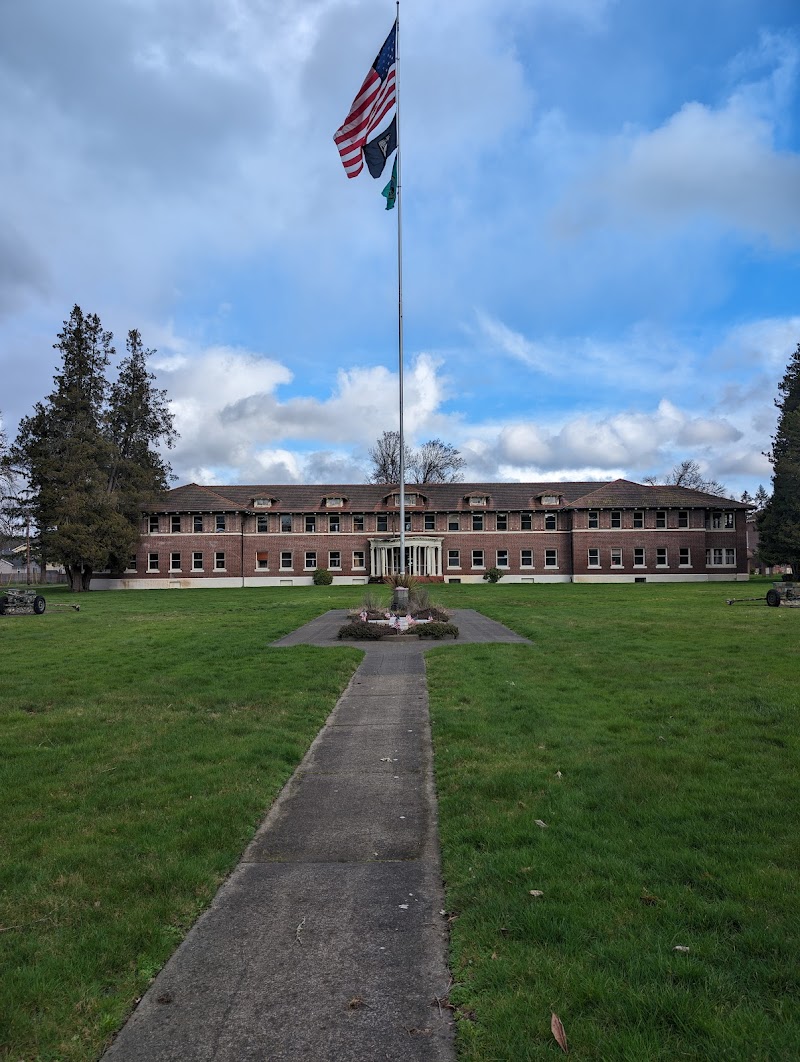
How is Washington Soldiers Home Staffed?

CMS rates WASHINGTON SOLDIERS HOME's staffing level at 4 out of 5 stars, which is above average compared to other nursing homes. Staff turnover is 30%, compared to the Washington average of 46%. This relatively stable workforce can support continuity of care.

What Have Inspectors Found at Washington Soldiers Home?

State health inspectors documented 24 deficiencies at WASHINGTON SOLDIERS HOME during 2022 to 2024. These included: 24 with potential for harm.
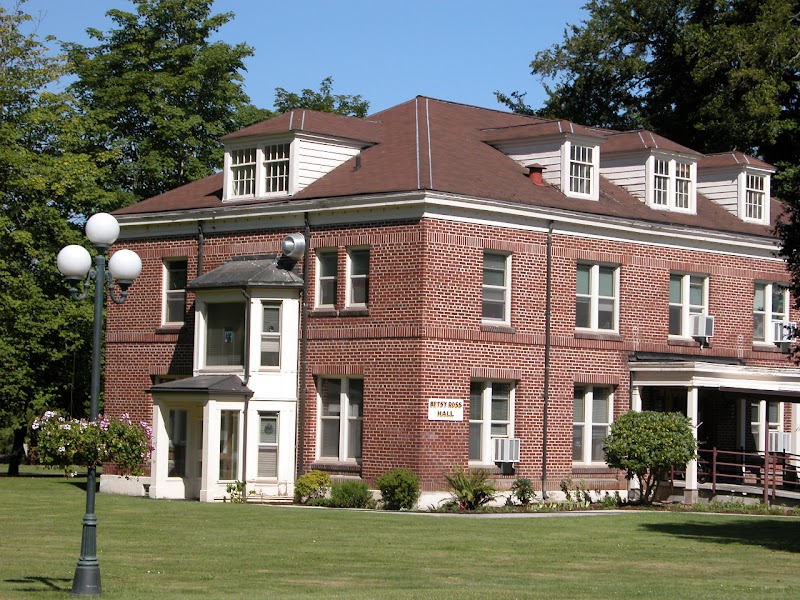
Who Owns and Operates Washington Soldiers Home?

WASHINGTON SOLDIERS HOME is owned by a government entity. Government-operated facilities are typically run by state, county, or municipal agencies. The facility operates independently rather than as part of a larger chain. With 97 certified beds and approximately 88 residents (about 91% occupancy), it is a smaller facility located in ORTING, Washington.
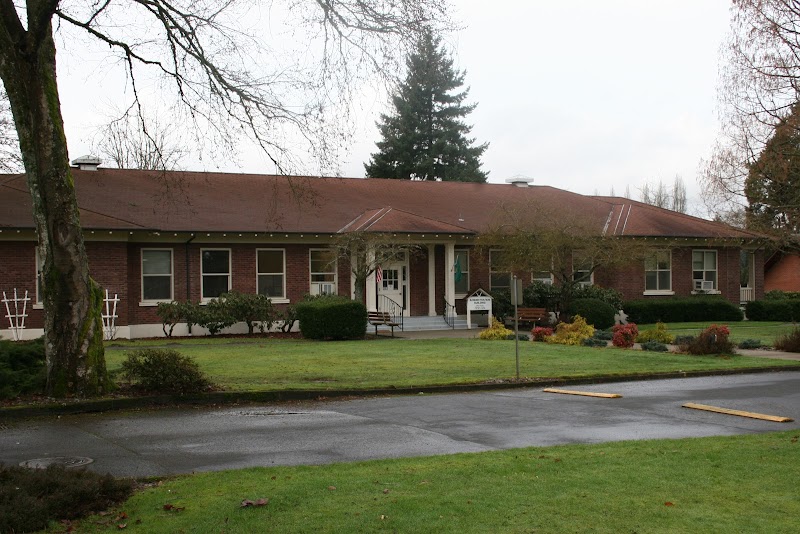
How Does Washington Soldiers Home Compare to Other Washington Nursing Homes?

Compared to the 100 nursing homes in Washington, WASHINGTON SOLDIERS HOME's overall rating (4 stars) is above the state average of 3.2, staff turnover (30%) is significantly lower than the state average of 46%, and health inspection rating (4 stars) is above the national benchmark.

What Should Families Ask When Visiting Washington Soldiers Home?

Based on this facility's data, families visiting should ask: "Can I visit during a mealtime to observe dining assistance and food quality?" "How do you handle medical emergencies, and what is your hospital transfer rate?" "Can I speak with family members of current residents about their experience?"

Is Washington Soldiers Home Safe?

Based on CMS inspection data, WASHINGTON SOLDIERS HOME has a clean safety record: no substantiated abuse findings (meaning no confirmed cases of resident harm), no Immediate Jeopardy citations (the most serious violation level indicating risk of serious injury or death), and is not on the Special Focus Facility watch list (a federal program monitoring the lowest-performing 1% of nursing homes). The facility has a 4-star overall rating and ranks #1 of 100 nursing homes in Washington. While no facility is perfect, families should still ask about staff-to-resident ratios and recent inspection results during their visit.

Do Nurses at Washington Soldiers Home Stick Around?

Staff at WASHINGTON SOLDIERS HOME tend to stick around. With a turnover rate of 30%, the facility is 16 percentage points below the Washington average of 46%. Low turnover is a positive sign. It means caregivers have time to learn each resident's needs, medications, and personal preferences. Consistent staff also notice subtle changes in a resident's condition more quickly.

Was Washington Soldiers Home Ever Fined?

WASHINGTON SOLDIERS HOME has no federal fines on record. CMS issues fines when nursing homes fail to meet care standards or don't correct problems found during inspections. The absence of fines suggests the facility has either maintained compliance or corrected any issues before penalties were assessed. This is a positive indicator, though families should still review recent inspection reports for the full picture.

Is Washington Soldiers Home on Any Federal Watch List?

WASHINGTON SOLDIERS HOME is not on any federal watch list. The most significant is the Special Focus Facility (SFF) program, which identifies the bottom 1% of nursing homes nationally based on persistent, serious quality problems. Not being on this list means the facility has avoided the pattern of deficiencies that triggers enhanced federal oversight. This is a positive indicator, though families should still review the facility's inspection history directly.