AVALON HEALTH & REHABILITATION CENTER - PASCO
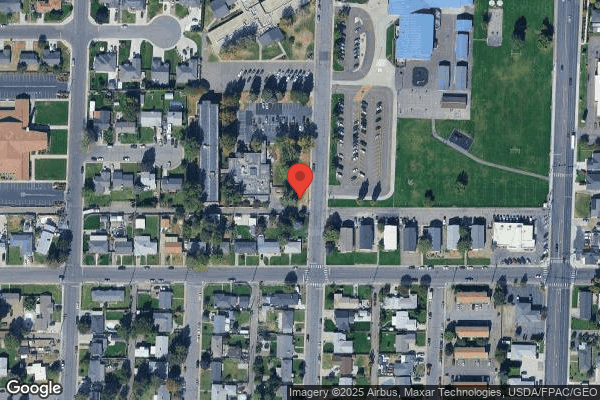
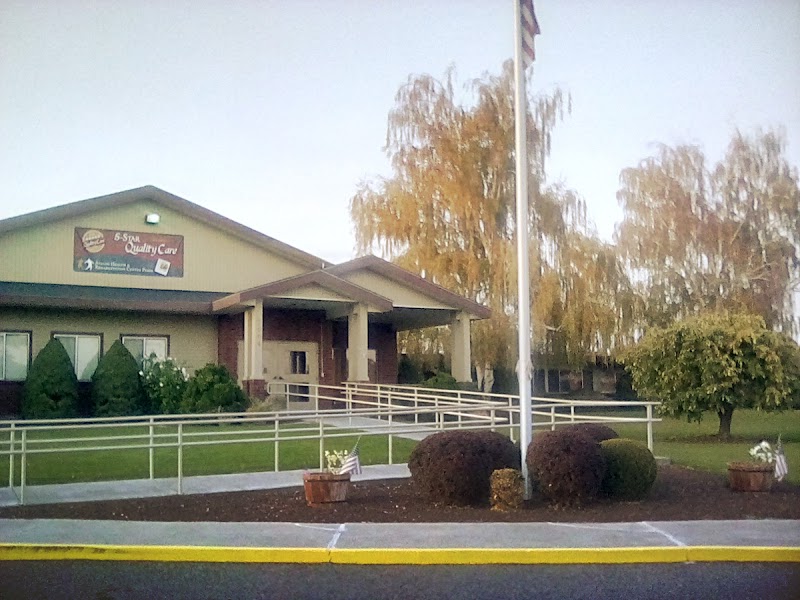
2004 N 22ND AVENUE, PASCO, WA 99301 (509) 547-8811
For profit - Corporation 108 Beds AVALON HEALTH CARE Data: November 2025
Trust Grade
20/100
#127 of 190 in WA
Last Inspection: May 2025

Inspected within the last 6 months. Data reflects current conditions.

Overview

Avalon Health & Rehabilitation Center in Pasco has received a Trust Grade of F, indicating significant concerns and a poor overall reputation. It ranks #127 out of 190 in Washington, placing it in the bottom half of facilities statewide, although it is the only nursing home in Franklin County. The facility shows an improving trend, reducing issues from 40 in 2024 to 25 in 2025, but it still has a concerning number of incidents. Staffing is rated at 2 out of 5 stars, with a turnover rate of 55%, which is about average for Washington, suggesting some instability in staff. There have been serious incidents, including one case where a resident did not receive timely care, resulting in harm and a hospital transfer, and another where a resident experienced unrelieved pain during their final moments due to delays in medication. Additionally, a resident was hospitalized for severe constipation due to inadequate monitoring of bowel movements, highlighting ongoing care deficiencies. While the facility shows some strengths in quality measures, families should be aware of these significant weaknesses when considering Avalon for their loved ones.

Trust Score
F
20/100
In Washington
#127/190
Bottom 34%
Safety Record
High Risk
Review needed
Inspections
Getting Better
40 → 25 violations
Staff Stability
⚠ Watch
55% turnover. Above average. Higher turnover means staff may not know residents' routines.
Penalties
✓ Good
$76,388 in fines. Lower than most Washington facilities. Relatively clean record.
Skilled Nurses
✓ Good
Each resident gets 42 minutes of Registered Nurse (RN) attention daily — more than average for Washington. RNs are trained to catch health problems early.
Violations
⚠ Watch
82 deficiencies on record. Higher than average. Multiple issues found across inspections.
★★☆☆☆
2.0
Overall Rating
★★☆☆☆
2.0
Staff Levels
★★★★☆
4.0
Care Quality
★★☆☆☆
2.0
Inspection Score
Stable
2024: 40 issues
2025: 25 issues

The Good

  • 4-Star Quality Measures · Strong clinical quality outcomes
  • Full Sprinkler Coverage · Fire safety systems throughout facility
  • No fines on record

Facility shows strength in quality measures, fire safety.

The Bad

2-Star Overall Rating

Below Washington average (3.2)

Below average - review inspection findings carefully

Staff Turnover: 55%

Near Washington avg (46%)

Frequent staff changes - ask about care continuity

Federal Fines: $76,388

Well above median ($33,413)

Moderate penalties - review what triggered them

Chain: AVALON HEALTH CARE

Part of a multi-facility chain

Ask about local staffing decisions and management

Staff turnover is elevated (55%)

7 points above Washington average of 48%

The Ugly 82 deficiencies on record

3 actual harm
Sept 2025 1 deficiency
CONCERN (D) 📢 Someone Reported This

A family member, employee, or ombudsman was alarmed enough to file a formal complaint

Potential for Harm - no one hurt, but risky conditions existed

Accident Prevention (Tag F0689)

Could have caused harm · This affected 1 resident

**NOTE- TERMS IN BRACKETS HAVE BEEN EDITED TO PROTECT CONFIDENTIALITY** Based on observation, interview, and record review, the facility failed to provide adequate supervision, monitor, and develop ca...

Read full inspector narrative →
**NOTE- TERMS IN BRACKETS HAVE BEEN EDITED TO PROTECT CONFIDENTIALITY** Based on observation, interview, and record review, the facility failed to provide adequate supervision, monitor, and develop care plans with effective fall prevention interventions, and ensure that planned interventions were consistently implemented to prevent avoidable falls for 2 of 5 residents (Residents 1 and 2) reviewed for accidents. In addition, the facility failed to conduct an investigation following a fall for 1 of 5 residents (Resident 1) reviewed for falls. This failed practice placed residents at risk for serious injury. Findings included .Review of the Facility's policy titled, Accident Hazards/Supervision/Device dated 07/2018 showed the facility will provide an environment that is free from controllable accident hazards as is possible and provide supervision and assistance devices to residents to avoid preventable accidents. When a resident experiences a fall, the facility will evaluate factors to aid in the development and implementation of relevant, consistent and individualized interventions to reduce the likelihood of future occurrences. The facility will initiate and implement a comprehensive, resident-centered fall prevention plan for residents at risk for falls or with a history of falls. When a fall occurs, the facility will revise the residents care plan to reduce the likelihood of another fall. Resident 1Review of the medical record showed the resident admitted to the facility on [DATE] with diagnoses including throat cancer and dementia (the loss of memory, problem-solving and other thinking abilities that are severe enough to interfere with daily life). The 08/21/2025 comprehensive assessment showed Resident 1's cognition was moderately impaired and required assistance of one to two staff members for activities of daily living (ADLs). Review of the fall risk assessment dated [DATE], showed Resident 1 was at a high risk for falls. Review of the care plan, dated 05/28/2025, showed Resident 1 had no care plan in place for being a fall risk and had no interventions to prevent falls. Record review of the facility incident log showed Resident 1 had falls on 08/26/2025, 08/27/2025, and 08/30/2025 with no care plan in place to prevent falls until after the fall on 08/30/2025 (four days after the first fall).Record review of a facility investigation dated 08/26/2025, showed Resident 1 had an unwitnessed fall and was found sitting on the floor between their bed and bathroom floor. Resident 1 pointed to the bathroom and stated yes when asked if they were trying to go to the bathroom. Further review of the investigation summary showed there were no new preventative measures in place for Resident 1. The investigation summary showed the IDT reviewed and updated Resident 1's care plan (the medical record showed no fall care plan in place for Resident 1). Record review showed there was no investigation completed for the fall on 08/27/2025. Review of Resident 1's care plan showed no fall care plan, updates or interventions were implemented from the falls on 08/26/2025 or 08/27/2025. Resident 2 Review of the medical record showed the resident admitted to the facility with diagnoses including stroke (when blood supply to a part of the brain is interrupted, causing brain cells to die) and dementia. The 08/21/2025 comprehensive assessment showed Resident 2's cognition was severely impaired and required assistance of one to two staff members for ADLs. Record review of a facility investigation, dated 08/05/2025, showed Resident 2 had a fall and was found lying next to their wheelchair in front of the nurse's station. Further review of the investigation showed Resident 2's ordered wheelchair cushion was not in place at the time of the fall. Further review of the investigation summary showed the IDT team updated the care plan to ensure the wheelchair cushion was in place prior to Resident 2 being placed in their chair. Record review of a facility investigation dated 09/01/2025, showed Resident 2 was found on their knees in front of the nurse's station. Further review of the investigation showed Resident 2's ordered wheelchair cushion was not in place at the time of the fall. Further review of the investigation summary showed the IDT reviewed and updated Resident 2's care plan to ensure Resident 2's wheelchair cushion was in place prior to placing the resident in their wheelchair. Review of the care plan dated 03/05/2025, showed no updates or interventions were implemented from the falls on 08/05/2025 and 09/01/2025 for the placement of the wheelchair cushion.During an interview on 09/17/2025 at 3:12 PM, Staff A, Director of Nursing Services, stated the facility fall prevention process involved conducting a Fall Risk Assessment upon admission and developing a care plan with resident specific interventions for staff to follow. Staff A further stated if a resident experienced a fall, the care plan was reviewed and revised to reduce the risk of future incidents. Staff A stated upon review, they identified a failure in the implementation of fall prevention measures and care plan implementation and updates. Staff A stated they had noticed there was no completed incident report for Resident 1's 08/27/2025 fall and that was an issue they needed to investigate. Staff A stated the correct process had not been followed for Resident 1 and 2. Reference: WAC 388-97-1060 (3)(g)
Aug 2025 1 deficiency
CONCERN (E) 📢 Someone Reported This

A family member, employee, or ombudsman was alarmed enough to file a formal complaint

Potential for Harm - no one hurt, but risky conditions existed

Deficiency F0559 (Tag F0559)

Could have caused harm · This affected multiple residents

Based on interview and record review, the facility failed to provide written notice of room changes that included the reason for the room change for 3 of 3 residents (Resident 1, 2, and 3) reviewed fo...

Read full inspector narrative →
Based on interview and record review, the facility failed to provide written notice of room changes that included the reason for the room change for 3 of 3 residents (Resident 1, 2, and 3) reviewed for notification of room changes. This failure prevented the residents from having the necessary information needed to make an informed decision regarding their living situation, placing them at risk for frustration, dissatisfaction, and psychosocial decline. Findings included. <Resident 1>Review of the medical record showed Resident 1 was admitted to the facility with diagnoses including broken heart syndrome (temporary heart damage caused by severe emotional or physical stress), spina bifida (a birth defect where the spinal cord fails to develop properly) and weakness. The 07/23/2025 comprehensive assessment showed Resident 1 was dependent on one to two staff members for activities of daily living and set up assistance of one staff member for eating. The assessment also showed Resident 1 was cognitively intact. Record review of Resident 1's facility census showed they had room changes on 06/20/2025, 06/23/2025, and 07/09/2025. Record review of Resident 1's medical record showed there was no documentation that Resident 1 had received written notice of or reasons for the room changes. During an interview on 08/06/2025 at 10:55 AM, Resident 1 stated they had originally had a semi-private room on the East Hall. They stated about a month ago a housekeeper came into their room and told them they were moving to another room. Resident 1 stated they did not receive written notice or reason why they had to move. Resident 1 stated they had two additional room changes due to conflicts with their roommates. They stated, with all the room changes, I never got any papers; I was told I was long term care and got shoved down here on the long-term care hall. <Resident 2>Review of the medical record showed Resident 2 was admitted to the facility with diagnoses including metabolic encephalopathy (a condition where brain dysfunction results from illness or imbalances in the body's chemistry), altered mental status, and malnutrition. The 07/03/2025 comprehensive assessment showed Resident 2 required supervision of one staff member for activities of daily living. The 07/24/2025 mental status assessment showed Resident 2 had an intact cognition. Review of Resident 2's facility census showed they had room changes on 07/14/2025, 07/24/2025, and 07/29/2025. Record review of Resident 2's medical record showed there was no documentation that Resident 1 and/or their representative had received written notice of or reason for the room changes. During an interview on 08/04/2025 at 4:52 PM, Resident 2's Representative (RR) stated there was no written notice given for the room changes. They stated the facility staff told them Resident 2 was moved from the East Hall on 07/24/2025 to the back hall (long-term care hall) because they were independent and didn't need a room near the nurse's station, there was a door in the back hall where Resident 2 could use to go outside to smoke, and they were painting Resident 2's room on the East Hall. An observation on 08/05/2025 at 10:36 AM showed Resident 2's previous room on the East Hall had not been painted and the room remained vacant. The East Hall was not repainted and there were 18 residents residing in that hall. <Resident 3>Review of the medical record showed Resident 3 was admitted to the facility with diagnoses including respiratory failure, muscle weakness, and difficulty walking. The 05/30/2025 comprehensive assessment showed Resident 3 required partial assistance of one staff member for ADLs. The assessment also showed Resident 3 had a moderately impaired cognition. Review of Resident 3's facility census showed Resident 3 had room changes on 03/05/2025, 03/08/2025, 03/11/2025, 07/11/2025, and 07/21/2025. Record review of Resident 3's medical record showed there was no documentation that Resident 3 and/or their representative (RR) had received written notice or reasons for the room changes. During an interview on 08/05/2025 at 11:57 AM, Resident 3's Representative stated they were not notified of the room changes or reasons for the changes, but assume it was related to Resident 3's finances. During an interview on 08/05/2025 at 12:34 PM, Staff C, Social Services Director, stated the process for room changes included speaking to the resident and/or their representative to discuss the move. If they are agreeable to the move, they proceed with moving them. If they refuse the move, depending on the reason for the move, they might issue a 72-hour notice, and proceed with the move. Staff C stated they did not provide the resident and/or their representative with written notice, nor did they provide reasons for the move. During an interview on 08/05/2025 at 1:36 PM with Staff A, Administrator, and Staff B, [NAME] President Regional Director, Staff A stated the process for room changes included speaking to the resident about the room change, and if agreeable, they would move right away or if not agreeable, we would give them 72 hours to decide. They stated they usually notified the resident why there was a room change. Staff B added that the facility did not provide written notice or reasons for room changes. Reference: WAC 388-97-0580(b)
May 2025 19 deficiencies
CONCERN (D)

Potential for Harm - no one hurt, but risky conditions existed

Resident Rights (Tag F0550)

Could have caused harm · This affected 1 resident

Based on interview and record review the facility failed to provide care in a manner that maintained and promoted dignity and respect for 2 of 2 residents (Resident 19 and 33) when staff spoke Spanish...

Read full inspector narrative →
Based on interview and record review the facility failed to provide care in a manner that maintained and promoted dignity and respect for 2 of 2 residents (Resident 19 and 33) when staff spoke Spanish to each other when providing cares. This failure placed residents at risk for diminished self-worth, frustration and embarrassment. Findings included . Review of a policy titled Resident Rights, Exercise of Rights, revised 08/2018, showed the facility would treat each resident with respect and dignity in a manner that promoted or enhanced their quality of life. <Resident 19> Review of the medical record showed Resident 19 was admitted to the facility with diagnoses including diabetes (a disease that results in too much sugar in the blood), neuropathy (damaged nerves causing numbness, weakness and a burning sensation in hands and feet), and pain. The 03/10/2025 comprehensive assessment showed Resident 19 required substantial/dependent assistance of one to two staff members for activities of daily living (ADLs) and had an intact cognition. During an interview on 05/19/2025 at 1:30 PM, Resident 19 stated there were some nursing assistants (NA) that spoke Spanish to each other when they were providing personal cares for them. Resident 19 stated they did not know what the NAs were saying as they did not speak or understand Spanish and was unsure if they were discussing them (Resident 19). During an interview on 05/21/2025 at 3:52 PM, Resident 19 stated during their morning care that morning, two NAs came into their room and spoke Spanish to each other as their care was provided. Resident 19 did not say anything as they worried it would offend the NAs and affect their care. Resident 19 stated when the NAs spoke Spanish it made them feel uncomfortable. During an interview on 05/22/2025 at 3:23 PM, Resident 19 stated during their morning care two NAs came into their room to assist them in bed. Resident 19 stated one of the NA spoke in Spanish to the other NA and Resident 19 asked them to stop and not speak Spanish. Resident 19 stated they felt they had offended one of the NA as their facial expression changed and they left the room. Resident 19 stated they had not meant to offend anyone, they felt they had the right to speak up and ask the NAs to not speak Spanish as they did not understand what was being said. <Resident 33> Review of the medical record showed Resident 33 was admitted to the facility with diagnoses including chronic obstructive pulmonary disease (COPD -a group of lung diseases that block airflow and make it difficult to breathe), diabetes, post-traumatic stress disorder (PTSD, a disorder that develops when a person has experienced or witnessed a scary, shocking, terrifying, or dangerous event) and pain. The 02/13/2025 comprehensive assessment showed Resident 33 required substantial/dependent assistance of one to two staff members for ADLs and had an intact cognition. During an interview on 05/20/2025 at 9:11 AM, Resident 33 stated there were NAs that spoke Spanish to each other when they were having their cares provided. Resident 33 stated they do not know what they were saying as they did not understand Spanish. Resident 33 stated they did not like it and made them angry and upset. During an interview on 05/27/2025 at 8:50 AM, Staff I, NA, stated they did speak Spanish with their co-workers when they provided cares to residents. Staff I stated speaking Spanish was natural and sometimes easier to communicate faster with their co-workers. Staff I stated there had been residents that had asked them to not speak Spanish during their cares. During an interview on 05/27/2025 at 12:26 PM, Staff A, Administrator, stated staff should not be speaking Spanish around residents who did not speak or understand Spanish, when care was provided. Staff A stated residents might not know what was being said and should have language spoken around them in a language they understand. Reference WAC: 388-97-0180(2)
CONCERN (D)

Potential for Harm - no one hurt, but risky conditions existed

Deficiency F0582 (Tag F0582)

Could have caused harm · This affected 1 resident

AMENDED Based on interview and record review, the facility failed to provide a Skilled Nursing Facility Advance Beneficiary Notice [(ABN) a written notification upon a change in coverage that provides...

Read full inspector narrative →
AMENDED Based on interview and record review, the facility failed to provide a Skilled Nursing Facility Advance Beneficiary Notice [(ABN) a written notification upon a change in coverage that provides an estimated cost of services that may no longer be covered by Medicare Part A] upon a change in coverage for 1 of 3 residents (Resident 157) reviewed for liability notification requirements. This failure placed the residents at risk for the inability to make informed financial and healthcare decisions related to their stay in the facility. Findings included . Review of a policy titled, Resident Rights - Medicaid/Medicare Coverage/Liability Notice, revised 09/20/2022, showed the facility would inform residents before or at the time of admission and periodically during the resident's stay, of services available and the charges for those services, including any charges for services not covered under Medicare/Medicaid. <Resident 157> Review of the medical record showed Resident 157 was admitted to the facility with diagnoses including rib fractures, weakness, and arthritis. The 01/06/2025 comprehensive assessment showed Resident 157 required setup assistance from one staff member for activities of daily living. The assessment also showed Resident 157 had an intact cognition. Resident 157 discharged from the facility on 01/06/2025. Review of the Skilled Nursing Facility (SNF) Beneficiary Protection Notification Review form, completed by the facility, showed Resident 157 received Medicare Part A skilled services starting on 10/31/2024, with their last covered day as 12/31/2024. Resident 157 stayed in the facility and transitioned to Medicaid coverage starting on 01/01/2025. Resident 157 had remained in the facility an additional five days and discharged from the facility on 01/06/2025. Resident 157 had not been issued the required ABN. Review of Resident 157's medical record showed no documentation that an ABN was provided to the resident. During an interview on 05/27/2025 at 8:59 AM, Staff M, Business Office Manager, stated they were responsible for issuing the ABN when a resident no longer had coverage under Medicare Part A, and they stay in the facility. Staff M stated Resident 157 should have received an ABN when they came off Medicare Part A coverage on 12/31/2024 and did not discharge until 01/06/2025. During an interview on 05/27/2025 at 10:47 AM, Staff A, Administrator, stated there were some gaps identified in the liability notification process. They stated staff roles have been defined, and the process had been changed to meet regulatory requirements. Reference: WAC 388-97-0300(1)(e)
CONCERN (D)

Potential for Harm - no one hurt, but risky conditions existed

Investigate Abuse (Tag F0610)

Could have caused harm · This affected 1 resident

Based on interview and record review, the facility failed to thoroughly investigate and take preventative action following an avoidable accident for 1 of 2 residents (Resident 3) reviewed for falls. T...

Read full inspector narrative →
Based on interview and record review, the facility failed to thoroughly investigate and take preventative action following an avoidable accident for 1 of 2 residents (Resident 3) reviewed for falls. This failure placed the resident at risk for additional falls, serious injury, and death. Findings included . Review of a policy titled, Quality of Care Accident Hazards/Supervision/Devices, dated 07/2018, showed when a fall occurred, the facility would determine what may have caused or contributed to the fall. Assistive devices and equipment would be used and maintained according to the manufacturer's recommendations. Staff would be trained on the use of assistive devices and transfer equipment. <Resident 3> Review of the medical record showed Resident 3 was admitted to the facility with diagnoses including respiratory failure, depression, weakness, and need for assistance with personal care. The 02/20/2025 comprehensive assessment showed Resident 3 was dependent on one to two staff members for activities of daily living, including transfers. The assessment also showed Resident 3 was cognitively intact. During an interview on 05/19/2025 at 11:06 AM, Resident 3 stated the staff had dropped them from a mechanical lift during a transfer. They stated the mechanical lift tipped over and they fell onto a shower chair, causing pain to their right shoulder and neck. Review of a facility investigation dated 02/08/2025, showed Resident 3 was being transferred from their bed to a shower chair by a shower aide and a nursing assistant (NA), with the use of a mechanical lift. The investigation showed the NA was preparing to give Resident 3 a shower. Due to the resident's weight, the mechanical lift tilted, and staff assisted the resident safely back in preventing a fall. The investigation showed no interview with Resident 3. There were no observations of staff performing mechanical lift transfers during the investigation or interviews with other residents and staff that used the mechanical lifts. There was no documentation that the Maintenance Director had inspected the mechanical lift and found no defects. There was no education provided to the NA or shower aide involved in the incident to prevent further falls with mechanical lift use. During an interview on 05/27/2025 at 11:25 AM, Staff L, Regional Nurse Consultant, stated the investigation was poorly done. They stated there were many pieces missing, including education. Staff L stated there was no prevention in place to prevent future incidents. Reference: WAC 388-97-0640(6)(a)(b)
CONCERN (D)

Potential for Harm - no one hurt, but risky conditions existed

Deficiency F0628 (Tag F0628)

Could have caused harm · This affected 1 resident

**NOTE- TERMS IN BRACKETS HAVE BEEN EDITED TO PROTECT CONFIDENTIALITY** Based on interview and record review, the facility failed to provide a written notice of bed hold at the time of transfer to the...

Read full inspector narrative →
**NOTE- TERMS IN BRACKETS HAVE BEEN EDITED TO PROTECT CONFIDENTIALITY** Based on interview and record review, the facility failed to provide a written notice of bed hold at the time of transfer to the hospital for 2 of 2 residents (Resident 50 and 27) reviewed for hospitalization. This failure placed the residents at risk of not having the necessary information to make an informed decision regarding their ability to return to the facility, Findings included . <Resident 50> Review of the medical record showed Resident 50 was admitted to the facility with diagnoses including Parkinsonism (a group of movement disorders such as slow movement, stiffness, and tremors), diabetes (a group of diseases that result in too much sugar in the blood), and heart failure. The 04/24/2025 comprehensive assessment showed Resident 50 was dependent on one to two staff members for activities of daily living (ADLs). The assessment also showed Resident 50 had a severely impaired cognition. Record review of nursing progress notes (PN) dated 04/23/2025, showed Resident 50 was not responding verbally, more sleepy than usual, and refusing their medication. The facility's provider assessed the resident and ordered Resident 50 to be transferred to the hospital for evaluation and treatment. Further review of the PN showed there was no documentation that a bed hold notification was completed at the time of transfer. <Resident 2> Review of the medical record showed Resident 27 was admitted to the facility on [DATE] with diagnoses including quadriplegia (the complete or partial paralysis of all four limbs), depression, and chronic pain. The 03/22/2025 comprehensive assessment showed the resident required total assistance of one to two caregivers for all ADLs and was cognitively intact. Record review of the PN dated 02/15/2025, showed Resident 27 had swelling and pain of both lower legs. The physician and family were notified and requested the resident be transferred to the hospital for evaluation and treatment. Further review of the progress note showed there was no documentation that a bed hold notification was completed at the time of transfer. During an interview on 05/21/2025 at 11:25 AM with Staff F, Resident Care Manager (RCM), they stated if there was no notification in Resident 27's record that a bed hold had been given at the time of discharge, it must have been missed. During an interview on 05/27/2025 at 9:25 AM, Staff B, Director of Nursing, stated the process for bed hold notification at the time of transfer was to speak to the resident and/or their representative to explain the bed hold and obtain the signature. Staff B stated in that situation, the resident was not responding, and the resident representative was overwhelmed with the Resident 50's current situation. Staff B stated the facility should have followed up with the representative and obtained the bed hold within the required time frame. During an interview on 05/27/2025 at 11:02 AM, Staff L, Regional Nurse Consultant, stated the standard requirement for bed hold included a 24-hour follow-up with the resident/representative with a nursing progress note that showed the follow-up was completed. Reference: WAC 388-97-0120(4)(a)
CONCERN (D)

Potential for Harm - no one hurt, but risky conditions existed

Deficiency F0658 (Tag F0658)

Could have caused harm · This affected 1 resident

Based on record review and interview, the facility failed to ensure services provided met professional standards of practice for 1 of 5 residents (Resident 13) reviewed for physician orders. This fail...

Read full inspector narrative →
Based on record review and interview, the facility failed to ensure services provided met professional standards of practice for 1 of 5 residents (Resident 13) reviewed for physician orders. This failure placed the resident at risk for medication errors and adverse outcomes. Findings included . Review of a policy titled, Physician Services, dated 06/2018, showed the physician would communicate directly to a licensed nurse any changes to a resident's plan of care for timely implementation of new orders. <Resident 13> Review of the medical record showed Resident 3 was admitted to the facility with diagnoses including respiratory failure, depression, weakness, and need for assistance with personal care. The 02/20/2025 comprehensive assessment showed Resident 3 was dependent on one to two staff members for activities of daily living, including transfers. The assessment also showed Resident 3 was cognitively intact. Record review of physician progress notes (PPN) dated 05/20/2025, showed Resident 13 reported persistent pain in their right hip. They stated their current dose of hydrocodone [(Norco) narcotic pain medication used to treat moderate to severe pain] 5 milligrams [(mg) a unit of measurement] had been ineffective. Further review of the PPN showed the physician's plan that included increasing the Norco 5 mg to Norco 10 mg every six hours as needed for pain. The plan also showed the physician would order a renal function panel (a group of blood tests used to evaluate the kidneys' ability to filter waste and fluids from the blood, and maintain electrolyte balance) and, if stable, they would increase the resident's lisinopril (a medication used to treat high blood pressure) from 2.5 mg to 5 mg daily. During an interview on 05/23/2025 at 1:07 PM, Staff E, Resident Care Manager (RCM), stated the process for receiving physician orders included the physician entering the orders into the computer system. They stated they checked for pending orders after the physician was done rounding on residents. Staff E stated they were not aware of the physician's orders related to the medication changes and they did not review the PPNs after a resident was seen. Staff E stated they did not know if anyone read those notes. During an interview on 05/23/2025 at 1:23 PM, Staff B, Director of Nursing, stated they expected the RCMs to review the PNN the same day as the physician made their rounds. During an interview on 05/23/2025 at 1:55 PM, Staff E stated they had contacted Staff BB, Medical Director, and they stated they did not change the Norco order because Resident 13 had controlled pain at the lower dose, despite the PPN that showed the 5 mg pain medication was ineffective. At 2:06 PM, Staff E stated they spoke with Resident 13, and they wanted an increase in their dosage of pain medication. Staff E stated they contacted Staff BB, and they were agreeable to the increase. During a follow up interview on 05/27/2025 at 10:20 AM, Staff E stated they had reviewed the PPN dated 05/20/2025 that showed increase lisinopril from 2.5 mg to 5 mg. Staff E stated when they reached out to Staff BB regarding the pain medications, Staff BB stated to increase the lisinopril to 5 mg. During an interview on 05/27/2025 at 10:05 AM, Staff BB stated they were unaware the lisinopril had been increased. They stated they completed an exam on Resident 13 on 05/20/2025 and 05/24/2025 and their blood pressures were normal. Staff BB stated they would have expected a call from the nursing staff regarding the lisinopril order and they would have had a conversation with the nurses regarding the blood pressures and changing the dose. Staff BB stated the nursing staff should be reviewing the assessment and plan on the PPN after rounding. During an interview on 05/27/2025 at 11:24 AM, Staff L, Regional Nurse Consultant, stated the facility needed to look at a process to streamline the process of reviewing PPNs. Reference: WAC 388-97-1620(2)(b)(i)(ii)
CONCERN (D)

Potential for Harm - no one hurt, but risky conditions existed

Quality of Care (Tag F0684)

Could have caused harm · This affected 1 resident

**NOTE- TERMS IN BRACKETS HAVE BEEN EDITED TO PROTECT CONFIDENTIALITY** Based on observation, interview, and record review the facility failed to ensure residents received treatment and care in accord...

Read full inspector narrative →
**NOTE- TERMS IN BRACKETS HAVE BEEN EDITED TO PROTECT CONFIDENTIALITY** Based on observation, interview, and record review the facility failed to ensure residents received treatment and care in accordance with professional standards of practice for 2 of 3 residents (Resident 4 and 46) reviewed for quality of care. 1.) Resident 4 was not assessed and evaluated for their mobility needs to ensure an appropriate wheelchair was provided for safety and comfort. 2.) Resident 46 was not provided their long-term use medications upon admission for chronic pain and depression. These failures placed the residents at risk for pain, isolation, and worsening of their medical conditions. Findings included . <Resident 4> Review of the medical record showed Resident 4 was admitted to the facility with diagnoses including heart disease, muscle weakness, and lack of coordination. The 02/28/2025 comprehensive assessment showed Resident 4 was dependent on one to two staff members for activities of daily living (ADLs). The assessment also showed Resident 4 was cognitively intact. During a concurrent observation and interview on 05/19/2025 at 10:37 AM, showed Resident 4 lying in bed. There was a wheelchair located at the end of the bed against the wall that had a flattened cushion on the seat. Resident 4 stated they did not get out of bed because their wheelchair was terrible and not comfortable. They stated they would like to go outside, to the dining room, and bingo. Resident 4 stated they went shopping to the mall, once every three months and would like to go more often. They stated they were not able to tolerate the wheelchair for more than a short trip. Resident 4 stated when they came back from shopping, they were in pain due to their back and legs hurting. During an interview on 05/21/2025 at 2:38 PM, Staff Q, Nursing Assistant (NA), stated Resident 4 only got out of bed when they went shopping. They stated Resident 4 complained that their wheelchair was uncomfortable and was in pain when they returned from shopping. Staff Q stated they let the nurse know that Resident 4 was uncomfortable and in pain when sitting in their wheelchair. During an interview on 05/21/2025 at 2:41 PM, Staff E, Resident Care Manager (RCM), stated the process for wheelchair evaluations included obtaining a referral for therapy to assess the resident. They stated they had not received any concerns regarding Resident 4' s wheelchair. Staff E stated the nursing assistants should be reporting these concerns to the nurses. During a follow up interview on 05/22/2025 at 11:30 AM, Resident 4 stated staff changed the cushion on their wheelchair on 05/21/2025. They stated the cushion was not the problem, it was the back of the chair that was stiff and did not allow them to recline. Resident 4 stated they did not want to be in bed all day. They stated their wheelchair was uncomfortable and they could not sit in it. During an observation and interview on 05/22/2025 at 11:47 AM, showed Staff R, NA, assisting Resident 4 into their wheelchair. Resident 4 was sitting at a 90-degree angle and had three inches on either side of their hips. There legs were dangling four inches off the floor. Staff R stated they tried to get Resident 4 out of bed every day because they had not been out of bed for a long time. Staff R stated Resident 4 was very uncomfortable in their wheelchair. They stated they reported that to the nursing staff and was told that it was okay for Resident 4 to stay in bed. Resident 4, smiling, stated they liked being up, they could see out their window and maybe even go outside. During an interview on 05/23/2025 at 8:06 AM, Staff G, Therapy Director, stated the first step for wheelchair concerns would be to modify the current wheelchair and replace the cushions if they were past life expectancy. They stated they would look at strengthening for repositioning and educate staff for proper positioning. Staff G stated they would monitor to see if the modifications and education was successful. The last effort would be to purchase a new wheelchair. They stated concerns were brought to them the previous day regarding positioning for Resident 4. Staff G stated the cushion in the wheelchair was not appropriate and they had reached out to their wheelchair supplier that morning to address the wheelchair concerns. Staff G stated the facility did not have a process for wheelchair evaluations. During an interview on 05/27/2025 at 9:33 AM, Staff B, Director of Nursing, stated the therapy department worked with nursing to ensure wheelchairs were properly fitted to the residents. They stated staff should have reported the concerns with Resident 4's wheelchair to management to ensure therapy followed up with an evaluation. During an interview on 05/27/2025 at 11:18 AM, Staff A, Administrator, stated the process for wheelchair evaluations and positioning included a referral to therapy for an assessment, evaluating the current wheelchair and positioning, and making changes as necessary. Staff A stated they would have expected the staff to act on Resident 4's concerns sooner. <Resident 46> Review of the medical record showed Resident 46 was admitted to the facility on [DATE], with diagnoses including fracture of the left patella (knee), a right lower leg amputation, depression, chronic pain, and insomnia (difficulty, falling and/or staying asleep). The 03/12/2025 comprehensive assessment showed Resident 46 required assistance of one to two staff members for mobility and transfers, had moderate to severe depressive symptoms and was cognitively intact. During an interview on 05/20/2025 at 8:43 AM, Resident 46 stated they had a terrible time getting their medications as ordered on admission which had caused both pain and withdrawal symptoms. They stated the first few days in the facility were hell and they couldn't figure out what was wrong with them. Resident 46 stated they could not think clearly, was crying all the time, was nauseated, had stomach pains and diarrhea. During the same interview Resident 46 stated they found out after questioning the medication nurses, their pain medication that was supposed to be given every six hours was not given as it was not available until two days after admission. Resident 46 stated they had been taking the narcotic pain medication oxycodone 15 milligrams (mg) every day, every four hours for multiple chronic pain disorders for the past 15 years. In addition, Resident 46 stated they had been on the medication Seroquel (a prescription antipsychotic medication used for mental illness) 50 mg for depression and a sleep disorder for the past four months and unknown to them, it was discontinued on admission by the admitting physician and replaced with the over-the-counter supplement Melatonin (a naturally occurring hormone in the body that regulates wake-sleep cycles). Resident 46 stated no one in the facility had informed them that these medications were not being given as ordered on discharge from the hospital and the sudden stopping of these medications caused them a lot of distress, increased pain and inability to sleep. Further, during the same interview Resident 46 stated their oxycodone had not been reordered in May 2025 causing them to be without again for a whole day and stated the nurses told them it had not been reordered, and they had none in the facility to give them. In addition, Resident 46 stated the Seroquel and been stopped and restarted two more times since admission. Resident 46 stated they had been informed by their previous physicians that neither oxycodone or Seroquel should be stopped suddenly and needed to be tapered off or serious symptoms of withdrawal could occur and believed to have been in withdrawal each time these medications were suddenly stopped as they had felt miserable and with increased pain, anxiety and depressive symptoms. Review of the medication Seroquel in Medscape (a leading online resource for healthcare professionals and provides detailed information on drugs, diseases and procedures) showed Seroquel was the brand name for the medication quetiapine and was primarily prescribed to improve mood, thoughts and behaviors in mental health disorders. Caution warnings for the medication showed potential for withdrawal symptoms after abrupt discontinuance can lead to withdrawal symptoms like nausea, vomiting, dizziness and difficulty sleeping and should be tapered off gradually. Review of the medication Oxycodone in Medscape showed it was a narcotic opioid medication (a class of drugs that are used for pain relief but also have the potential for abuse and addiction) used for moderate to severe pain and caution warnings include, do not discontinue the medication with a patient physically dependent on opioids abruptly, withdrawal symptoms include increased pain, irritability, agitation, trouble concentrating, nausea, vomiting, diarrhea, muscle and stomach cramping, and difficulty sleeping. Review of Resident 46's admission assessment and physician orders dated 03/10/2025 showed the resident was admitted to the facility at 3:00 PM with orders from the hospital discharge reading oxycodone 15 mg. every six hours as needed and Seroquel 50 mg one to two tablets every evening. The admission order further showed the Seroquel was discontinued on admission by the facility admitting physician and Melatonin was started at 6 mg every evening. Review of Resident 46's medication administration records (MARS) for March 2025 showed oxycodone 15 mg every six hours as needed was ordered on 03/10/2025 on admission and the first dose given was on 03/12/2025 at 2:43 AM, almost 36 hours after admission to the facility. In addition to the medication Seroquel being discontinued on 03/10/2025, review of Resident 46's MARS for April 2025 and May 2025 showed the medication was restarted on 04/04/2025 and discontinued on 04/11/2025 and again restarted on 05/01/2025 and discontinued on 05/06/2025. Further review of Resident 46's MARS from 03/12/2025 through 05/21/2025 showed they requested oxycodone 15 mg every day from two to four times daily. Review of Resident 46's MARS for May 2025 showed the resident received Oxycodone 15 mg on 05/18/2025 at 2:04 PM and not again until 05/19/2025 at 10:00 PM, 20 hours after their last dose. Review of Resident 46's provider notes showed in part on the 03/11/2025 visit the provider stated, on my arrival to the building today I was notified the patient was leaving against medical advice (AMA) due to people screaming all night, the food was terrible, and she did not receive her proper pain medication. On a 04/04/2025 provider visit it stated in part, Patient requested to be seen because they were having insomnia and was requesting Seroquel. They stated they had been taking 50 mg and was on the medication for four months which was effective only to be discontinued when they came to this facility. We discussed restarting it at 25 mg for two weeks then we will reevaluate. They agreed to this plan. On a 05/01/2025 provider visit it stated in part, Patient is tearful and in distress, we did complete a depression scale test, it was greater than 15 indicating moderate to severe depression. Discussed adding Seroquel as an adjunct therapy to their deep depression 25 mg nightly and they were agreeable with this plan of care. On a 05/07/2025 provider visit it stated in part Patient has complaints that their Seroquel has been taken away and that they did get a couple of good night's sleep with it and had been feeling better. There was concern for heart issues with other medications they were on, and the Seroquel and they did ultimately agree with the orders that were placed to discontinue the Seroquel. On a 05/19/2025 provider visit it stated in part, Patient has multiple questions about their psychotropic medications [Resident 46] continues to feel that [Resident 46] needs the Seroquel for their adjunct to depression. During an interview on 05/21/2025 at 11:10 AM, Staff F, RCM, stated they had only recently been hired and taken the RCM position and knew there had been some problems with getting medications ordered and reordered timely in the past. Staff F stated the new facility administration was working on making this a seamless process and could not speak to missed medications or standards of practice in tapering medications prior to their employment in the facility. During an interview on 05/27/2025 at 11:15 AM, Staff BB, Medical Director, stated the decision to taper a medication was dependent on several factors and would need to review the record and discuss the issues with the resident before making a determination. Reference: WAC 388-97-1060(1)
CONCERN (D)

Potential for Harm - no one hurt, but risky conditions existed

Accident Prevention (Tag F0689)

Could have caused harm · This affected 1 resident

Based on interview and record review, the facility failed to implement safety interventions, including staff training, to prevent an avoidable fall for 1 of 2 residents (Resident 3) reviewed for accid...

Read full inspector narrative →
Based on interview and record review, the facility failed to implement safety interventions, including staff training, to prevent an avoidable fall for 1 of 2 residents (Resident 3) reviewed for accidents. This failure placed the residents at risk for additional falls and substantial injuries. Findings included . Review of a policy titled, Quality of Care Accident Hazards/Supervision/Devices, dated 07/2018, showed the facility would provide an environment that was free of accident hazards and provide supervision and assistance devices to residents to avoid preventable accidents. Staff would be trained on the use of assistive devices and transfer equipment. <Resident 3> Review of the medical record showed Resident 3 was admitted to the facility with diagnoses including respiratory failure, diabetes (a group of diseases that result in too much sugar in the blood), anxiety, and depression. The 02/25/2025 comprehensive assessment showed Resident 3 was dependent on one to two staff members for activities of daily living (ADLs) and required set up for eating/oral cares. The assessment also showed Resident 3 had an intact cognition. Record review of a facility investigation dated 02/08/2025, showed Resident 3 was sitting on a shower chair with a mechanical lift tipped over, a nursing assistant (NA) and shower aide were present. The investigation showed the NA was preparing to give Resident 3 a shower and was lifted with the mechanical lift. The mechanical lift tilted due to the resident's weight; staff assisted the resident safely back preventing fall. During an interview on 05/19/2025 at 11:06 AM, Resident 3 stated staff had dropped them from the mechanical lift about a month ago. They stated the mechanical lift tipped over during a transfer from their bed to a shower chair. Resident 3 stated there were two NAs using the mechanical lift. They stated one NA was running the remote while the other was behind them, pulling back on the sling. Resident 3 stated, as they were being pulled back into the chair, the mechanical lift tipped over and they fell onto the shower chair, breaking the wheel off the chair. Resident 3 stated their lower hips and shoulder were half off the shower chair and their head was pinned against the armrest of the chair. They stated they had right shoulder and neck pain after the fall. During an interview on 05/21/2025 at 10:16 AM, Staff S, NA, stated they were transferring Resident 3 on the mechanical lift with assistance from a shower aide. They stated during the transfer, the mechanical lift went to one side, tipped over, and the resident was dumped into the shower chair. Staff S stated the shower aide was behind the resident and pulled them hard to position them over the shower chair and pulled us over. They stated the facility removed the lift from the floor after the fall because it was defective (broken). Staff S stated they had received training on use of the mechanical lift. During an interview on 05/21/2025 at 10:27 AM, Staff T, Registered Nurse, stated Resident 3 was being transferred to a shower chair and the mechanical lift tipped over on the resident. They stated the lift malfunctioned, but did not know what was not working properly. Staff T stated they assessed Resident 3 who complained of right shoulder pain. An x-ray was taken and showed no new injury. They stated Resident 3 had chronic shoulder pain and the fall had made the pain more intense. Staff T stated the mechanical lift was removed from the floor and a maintenance request was completed to repair the mechanical lift. During an interview on 05/21/2025 at 11:14 AM, Staff U, Maintenance Director, stated all mechanical lifts received preventative maintenance monthly. They stated after the incident; they inspected the mechanical lift and found no defects. They stated the only way a mechanical lift would tip over would be if the stabilizing legs were not properly extended. Staff U stated the resident ' s weight (greater than 400 pounds), along with the improper extension of the legs would cause the center of gravity to shift and the mechanical lift would tip over. Staff U stated that was most likely the cause of the fall. During an interview on 05/27/2025 at 3:13 PM, Staff L, Regional Nurse Consultant, stated they were unable to locate a mechanical lift competency/training for Staff S, so as of now, they don't have it (training). Reference: WAC 388-97-1060(3)(g)
CONCERN (D)

Potential for Harm - no one hurt, but risky conditions existed

Incontinence Care (Tag F0690)

Could have caused harm · This affected 1 resident

The facility failed to develop and implement a scheduled toileting program (a process of taking a person to the bathroom at pre-determined intervals to facilitate bowel and bladder emptying) for 1 of ...

Read full inspector narrative →
The facility failed to develop and implement a scheduled toileting program (a process of taking a person to the bathroom at pre-determined intervals to facilitate bowel and bladder emptying) for 1 of 3 residents (Resident 4) reviewed for bowel and bladder incontinence. This failure placed the resident at risk for skin break down, feelings of frustration and embarrassment. Findings included . Review of a policy titled, Quality of Care - Incontinence, Fecal Incontinence, dated 11/2017, showed a resident that was admitted to the facility that was incontinent upon admission would receive care and services to restore as much normal bowel function as possible. <Resident 4> Review of the medical record showed Resident 4 was admitted to the facility with diagnoses including heart disease, depression, and macular degeneration (an eye disease that causes blurriness in their central vision or trouble seeing in low lighting). The 02/28/2025 comprehensive assessment showed Resident 4 was dependent on one to two staff members for transfers and toileting hygiene. The assessment showed Resident 4 was frequently incontinent of bowel and was not on a toileting program. Resident 4 was cognitively intact and able to make their needs known. Review of a nursing assessment titled NSG [nursing] Bowel and Bladder Screener dated 11/18/2024, showed Resident 4 was assessed for and was a candidate for a scheduled toileting (timed voiding) program. During an interview on 05/20/2025 at 8:37 AM, Resident 4 stated they did not always feel the sensation to have a bowel movement. They stated the nursing assistants told them when they had a small bowel movement in their brief, but when they got up in the shower chair, they always had a large bowel movement. Resident 4 stated they were unable to get into the bathroom to use the toilet, and they did not have a bedside commode. Resident 4 stated no one had discussed a scheduled toileting program with them and they would be interested in trying one. Resident 4 stated they did not like having to use a brief. During an interview on 05/23/2025 at 10:58 AM, Staff E, Resident Care Manager, stated the process for establishing a toileting schedule included completing a bowel assessment on admission, quarterly, and as needed. They stated the assessment had a scoring system and the facility used that to identify those residents that would be eligible for a toileting program. They stated once the resident has been identified as a candidate, they would do tracking of bowel movements to establish a pattern and formulate a schedule off that pattern. They stated Resident 4 had not been identified as a candidate for a scheduled toileting program. During an interview on 05/27/2025 at 9:48 AM, Staff B, Director of Nursing, stated the process for developing and implementing a toileting schedule included completing a thorough assessment, reviewing the history of the toileting problem, and determine what has worked for the resident in the past. Staff B stated Resident 4's bowel assessment should have been followed up, especially because they had an identifying pattern such as having large bowel movements when on the shower chair. During an interview on 05/27/2025 at 9:53 AM, Staff A, Administrator, stated improvements could be made regarding the facility's toileting programs. Reference: WAC 388-97-1060(3)(c)
CONCERN (D)

Potential for Harm - no one hurt, but risky conditions existed

Deficiency F0761 (Tag F0761)

Could have caused harm · This affected 1 resident

**NOTE- TERMS IN BRACKETS HAVE BEEN EDITED TO PROTECT CONFIDENTIALITY** Based on observation, interview, and record review the facility failed to ensure vaccines were discarded when expired for 1 of 2...

Read full inspector narrative →
**NOTE- TERMS IN BRACKETS HAVE BEEN EDITED TO PROTECT CONFIDENTIALITY** Based on observation, interview, and record review the facility failed to ensure vaccines were discarded when expired for 1 of 2 medication storage refrigerators (East/West Medication Storage room). The facility also failed to follow Centers for Disease Control (CDC) guidance for temperature monitor of vaccines in 1 of 1 medication storage refrigerator located in the medication storage room. This failures placed the residents at risk for receiving compromised or ineffective medications and vaccines and negative health outcomes. Findings inlcuded . Review of the policy titled Pharmacy Services, Labeling and Storage of Drugs and Biologicals, dated 11/2017, showed the facility would store drugs and biologicals under proper temperature controls. Review of the CDC guidance titled, Vaccine Storage and Handling, dated [DATE], showed to ensure safety of vaccines, the refrigerator must have a reliable temperature monitoring device with the recommended use of a recording device called a digital date logger (DDL-a device that records temperatures at least every 30 minutes). The guidance further showed when a DDL was not used, then the facility should monitor and record the vaccine refrigerator temperature at a minimum of twice daily. <Medication Room Storage Refrigerator> During an observation and interview on [DATE] at 10:07 AM, with Staff H, Infection Prevention Nurse, showed the medication storage room refrigerator contained the following: 12 boxes of influenza vaccines Four vials of Apisol (solution used for tuberculosis sensitivity test) One vial of Alteplase (medication used to dissolve blood clots) Seven insulin pens (medication sued to control high blood sugar) Two boxes and four individual influenza vaccines, total 24 vaccines, expired 04/2025. Additionally, the medication storage refrigerator thermometer had a temperature red line with interruptions on the line. Staff H stated the thermometer read 66 degrees Fahrenheit (unit of measure for temperature) and they were not sure if the temperature was an accurate reading. Staff H stated the night shift nurses were responsible for reading and recording the medication refrigerator temperatures. Review of the medication storage refrigerator temperature logs showed the temperatures were to be monitored and recorded twice daily, at the beginning and end of each workday. Review of the temperature logs showed: [DATE]; eight days in a row with missed temperature documentation, and two additional missed temperature opportunities, February 2025; five missed temperature documentation, [DATE]; 12 days without any temperature documentation and 12 additional missed temperature documentation. [DATE]; 10 days without any temperature documentation and 13 additional missed temperature documentation, [DATE]; one day without any temperature documentation and one additional missed temperature documentation. During a concurrent interview on [DATE] at 10:33 AM, Staff B, Director of Nursing, stated they were unaware of the expired vaccines. Staff B stated the process was the unit manager was to monitor for outdates and medication refrigerator temperatures were documented and accurate. Staff B stated the monitoring was to be done daily. Staff L, Regional Nurse Consultant, stated medication refrigerators with vaccines were to be completed twice daily. Staff B stated they were disappointed the staff had not been completing the temperature logs accurately. Staff B stated they were unsure if the vaccines and medications would be as effective as they should and should be replaced. Reference: WAC 388-97-1300(2)
CONCERN (D)

Potential for Harm - no one hurt, but risky conditions existed

Dental Services (Tag F0791)

Could have caused harm · This affected 1 resident

**NOTE- TERMS IN BRACKETS HAVE BEEN EDITED TO PROTECT CONFIDENTIALITY** Based on observation, interview, and record review, the facility failed to ensure dental services were provided in a timely mann...

Read full inspector narrative →
**NOTE- TERMS IN BRACKETS HAVE BEEN EDITED TO PROTECT CONFIDENTIALITY** Based on observation, interview, and record review, the facility failed to ensure dental services were provided in a timely manner to 1 of 2 residents (Resident 13) reviewed for dental care. This failure placed the resident at risk for nutritional decline, embarrassment, and unmet dental needs. Findings included . Review of a policy titled, Dental Services, dated 11/2017, showed the facility would assist residents with routine dental care. The facility would assist the resident in making dental appointments and arranging transportation. The facility would assist with a referral for dental services, promptly within three business days of receiving the information, for residents with lost or damaged dentures. <Resident 13> Review of the medical record showed Resident 13 was admitted to the facility with diagnoses including heart failure, weakness, and depression. The 03/03/2025 comprehensive assessment showed Resident 13 required partial/maximal assistance of one staff member for activities of daily living. The assessment also showed Resident 13 had broken/loosely fitting dentures. Resident 13 had an intact cognition. Record review of an admission assessment dated [DATE], showed Resident 13 had full upper and partial lower dentures. The assessment showed the dentures were broken/fit loosely. Record review of Resident 13 ' s care plan revised 03/03/2025, showed a focus area has oral/dental health problems .dentures don ' t fit well, with interventions coordinate arrangements for dental care, transportation as needed/as ordered. A concurrent observation and interview on 05/24/2025 at 11:36 AM, showed Resident 13 sitting in their wheelchair in their room. They stated their dentures were loose and needed relined. As Resident 13 spoke, their dentures were visibly slipping. The resident was slurring their words and drooling. Resident 13 had a tissue in their left hand. They reached up to their mouth and wiped the excessive saliva from their chin. Resident 13 pushed their dentures back in place and stated, I ' m sorry, they are so loose, they need relined. During an interview on 05/27/2025 at 8:42 AM, Staff C, Social Services Director, stated they were responsible for arranging dental appointments. Staff C stated the process included nursing staff identifying the need and reporting that to social services. Staff C would ensure there was an order for the dental appointment and notify medical records to schedule the dental appointment. Staff C stated they used to receive dental concerns from the nurse that completed the comprehensive assessments, but that process was not being followed. Staff C stated they were not aware Resident 13 had concerns with their dentures as it was not reported to them from the admission assessment, comprehensive assessment, or nursing staff. During an interview on 05/27/2025 at 9:56 AM, Staff B, Director of Nursing, stated when the facility was aware a resident had a dental need, the in-house dental provider would see them. They stated the process should include an assessment on admission and a discussion with the interdisciplinary team (a group of healthcare professionals from different disciplines to help people receive the care they need) to discuss the concern and ensure appropriate services were received. Staff B stated they would have expected Resident 13 to have a referral for their denture needs within the first few weeks of admission. During an interview on 05/27/2025 at 11:31 AM, Staff A, Administrator, stated the facility should have been actively working towards scheduling an appointment for the resident and there should have been follow up to ensure Resident 13 had been seen by a dental provider. Reference: WAC 388-97-1060(3)(j)(vii)
CONCERN (D)

Potential for Harm - no one hurt, but risky conditions existed

Deficiency F0849 (Tag F0849)

Could have caused harm · This affected 1 resident

**NOTE- TERMS IN BRACKETS HAVE BEEN EDITED TO PROTECT CONFIDENTIALITY** Based on interview and record review, the facility failed to have a system in place that ensured effective consistent communicat...

Read full inspector narrative →
**NOTE- TERMS IN BRACKETS HAVE BEEN EDITED TO PROTECT CONFIDENTIALITY** Based on interview and record review, the facility failed to have a system in place that ensured effective consistent communication, collaboration, and coordination of care occurred between the facility and the hospice provider for 1 of 2 residents (Resident 209) reviewed for hospice services. This failure placed residents at risk for not receiving necessary care and services. Findings included . Review of the facility policy titled, Administration, Hospice, dated 07/2018, showed the facility would identify a designated staff member to work with hospice and coordinate care to the resident. The facility would establish a plan of care with hospice that identified specific services each provider was responsible for. <Resident 209> Review of the medical record showed Resident 209 was admitted to the facility on [DATE] with diagnoses including, emphysema (a progressive disease that caused damage to the airways and lungs, making it hard to breathe, shortness of breath) and chronic obstructive pulmonary disease with exacerbation (COPD- a sudden worsening group of lung diseases that block airflow and make it difficult to breathe). The 05/16/2025 nursing admission assessment showed Resident 209 required setup/partial assistance of one staff member for activities of daily living (ADLs) and had an intact cognition. Review of Resident 209's facility care plan dated 05/16/2025, showed no focus, goals, intervention or coordination of cares related to hospice. During an interview on 05/21/2025 at 9:39 AM, Staff N, Nursing Assistant, Staff N stated the process for receiving information for residents was from their care plan or nursing staff. Staff N stated they were not informed Resident 209 was on hospice. During an interview on 05/21/2025 at 1:34 AM, Staff F, Resident Care Manager, stated the process for admitting a hospice resident was they would be notified by the Admissions Coordinator. Staff F stated when Resident 209 was admitted , the facility provided standard care, medications, monitored pain, health status and updated hospice nurse as needed. Staff F stated there would not be hospice orders in the chart as the facility would not do anything different for hospice residents than any other of the facility residents. Staff F stated they performed the admission assessment, and the care plan was created from that assessment. Staff F stated the initial care plans were to include pain, risk of falls, activities of daily living, and nutrition status. Staff F stated they were not aware of what was required for care plans for residents receiving hospice services. Staff F stated they would have identified Resident 209 as a hospice resident under their care profile and included a hospice phone number but had failed to. Staff F also stated they did not document any conversations with hospice. During an interview on 05/21/2025 at 2:23 PM, Staff B, Director of Nursing, stated Resident 209 was a hospice resident. Staff B stated when residents had hospice services, the process included contacting hospice, receive standing orders, provided the medications, and hospice would maintain oversight and communication with family. The facility was responsible for ADLs, acute changes, meals and followed standard orders. Staff B stated NAs should have been notified Resident 209 was on hospice from the nursing staff. Staff B stated Resident 209's care plan did not include the required elements for hospice. During an interview on 05/21/2025 at 4:10 PM, Staff L, Regional Nurse Consultant, stated Resident 209's care plan should have included hospice information, the hospice company name, contact information, phone numbers and who to contact at hospice. Staff L stated the care plan also should have included which cares hospice would provided and what cares the facility would perform. Reference WAC: 388-97-1060(1)
CONCERN (E)

Potential for Harm - no one hurt, but risky conditions existed

Deficiency F0572 (Tag F0572)

Could have caused harm · This affected multiple residents

Based on interview and record review, the facility failed to inform residents of their rights and responsibilities and facility rules and regulations both orally and in writing upon admission and duri...

Read full inspector narrative →
Based on interview and record review, the facility failed to inform residents of their rights and responsibilities and facility rules and regulations both orally and in writing upon admission and during their stay for 4 of 4 residents (Residents 2, 6, 7, and 13) reviewed for communication of resident's rights and responsibilities. This failure placed the residents at risk for the inability to execute their rights and make informed decisions about their care and services while living in the facility. Findings included . Review of a policy titled, Resident Rights - Right to Information and Communication, dated 07/2018, showed the facility would provide a notice of rights and services to the resident upon admission and during the resident's stay. The facility would inform the resident orally and in writing of their rights, rules, and regulations regarding resident conduct and resident responsibilities. <Resident 2> Review of the medical record showed Resident 2 was admitted to the facility with diagnoses including heart failure, depression, and bacterial infections. The 03/28/2025 comprehensive showed Resident 2 was dependent on one to two staff members for activities of daily living (ADLs). The assessment also showed Resident 2 had an intact cognition. <Resident 6> Review of the medical record showed Resident 6 was admitted to the facility with diagnoses including chronic pain, anxiety, and muscle weakness. The 02/26/2025 comprehensive assessment showed Resident 6 was dependent on one to two staff members for ADLs. The assessment also showed Resident 6 had an intact cognition. <Resident 7> Review of the medical record showed Resident 7 was admitted to the facility with diagnoses including spina bifida (a condition that occurs when the spine and spinal cord don't form properly), takotsubo syndrome (a temporary heart condition caused by intense emotional or physical stress), and weakness. The 04/22/2025 comprehensive assessment showed Resident 7 required maximal/dependent assistance of one to two staff members for ADLs. The assessment also showed Resident 7 was cognitively intact. <Resident 13> Review of the medical record showed Resident 13 was admitted to the facility with diagnoses including heart failure, weakness, and depression. The 03/03/2025 comprehensive assessment showed Resident 13 required partial/maximal assistance of one staff member for ADLs. The assessment also showed Resident 13 had an intact cognition. A concurrent observation and interview during a Resident Council (a group of residents that meet regularly to improve the quality of life and care in the nursing home) meeting held on 05/20/2025 at 10:00 AM, showed Resident 2, Resident 6, Resident 7, and Resident 10 in the main dining room, seated in their wheelchairs around a dining table. At 10:18 AM, Residents 2, 6, 7, and 10 responded no when asked if staff reviewed resident rights and the rules of the facility. At 10:17 AM, Resident 6 and Resident 7 stated they attended RC meetings regularly and there were no resident rights reviewed at the meetings. At 10:18 AM, Resident 2 and Resident 13 stated they did not received any information related to facility rules and resident rights when they were admitted . During a concurrent observation and interview on 05/23/2025 at 10:40 AM, Staff J, Admissions Director, stated during the admissions process, they gave the resident a resident's rights packet and reviewed the information with them. Staff J obtained a packet of papers clipped together titled Resident Guidebook that contained information regarding the rules of the facility, services provided, and the residents rights. During a follow up interview on 05/27/2025 at 9:07 AM, Staff J stated they had not handed out any resident guidebooks. They stated Staff K, Nursing Assistant (NA), had been doing the admissions and was handing them out. Staff J stated they did not know how residents were being informed of the rules and their rights upon admissions if the resident guidebooks were not being handed out. During an interview on 05/23/2025 at 4:48 PM, Staff K stated they were helping out with new admits. They stated they reviewed the admissions paperwork with the resident and/or their representative and gave printed copies if the resident/representative requested them. Staff K stated they did not review resident rights or rules for the facility and did not know what a resident guidebook was. Record review of the RC minutes for 01/23/2025 and 02/27/2025, showed an area on the Council Minutes form labeled Review of Resident Rights: Review at least 2 specific rights per meeting. The form was incomplete and showed no rights were reviewed at those meetings. During an interview on 05/27/2025 at 7:58 AM, Staff D, Activity Coordinator, stated they followed the paper form for recording the RC meeting minutes. They stated they tried to review two resident rights at each meeting. Staff D stated they were not at the 01/23/2025 RC meeting and was not sure why there was no review completed on 02/27/2025. Staff J stated the process for reviewing resident rights was to ensure they were reviewed at RC meetings. During an interview on 05/27/2025 at 10:41 AM, Staff A, Administrator, stated the resident rights was part of the admissions packet. They stated the resident guidebook was just implemented this week. During an interview on 05/27/2025 at 10:44 AM, Staff L, Regional Nurse Consultant, stated staff should be following the printed forms and reviewing resident rights during every RC meeting. Staff L stated the facility rules and resident rights should also be reviewed with the resident at their first care conference. Reference: WAC 388-97-0300(1)(a)
CONCERN (E)

Potential for Harm - no one hurt, but risky conditions existed

Deficiency F0574 (Tag F0574)

Could have caused harm · This affected multiple residents

Based on observation, interview, and record review, the facility failed to provide the required written notices and contact information for advocacy groups and how to file a complaint with the State A...

Read full inspector narrative →
Based on observation, interview, and record review, the facility failed to provide the required written notices and contact information for advocacy groups and how to file a complaint with the State Agency for 4 of 4 residents (Resident 2, 6, 7, and 13) reviewed for required notices and contact information. This failure placed the residents at risk for abuse, neglect, and not having rightful resources available to them. Findings included . Review of a policy titled, Resident Rights – Right to Required Notices and Contact Information, dated 07/2018, showed the facility would provide the resident with a list of names, addresses (mailing and email) and telephone numbers of all pertinent and regulatory agencies and resident advocacy groups such as the State Survey Agency and State Long Term Care Ombudsman [(ombudsman) an advocate for resident's rights in long term care) program. <Resident 2> Review of the medical record showed Resident 2 was admitted to the facility with diagnoses including heart failure, depression, and bacterial infections. The 03/28/2025 comprehensive showed Resident 2 was dependent on one to two staff members for activities of daily living (ADLs). The assessment also showed Resident 2 had an intact cognition. <Resident 6> Review of the medical record showed Resident 6 was admitted to the facility with diagnoses including chronic pain, anxiety, and muscle weakness. The 02/26/2025 comprehensive assessment showed Resident 6 was dependent on one to two staff members for ADLs. The assessment also showed Resident 6 had an intact cognition. <Resident 7> Review of the medical record showed Resident 7 was admitted to the facility with diagnoses including spina bifida (a condition that occurs when the spine and spinal cord don't form properly), takotsubo syndrome (a temporary heart condition caused by intense emotional or physical stress), and weakness. The 04/22/2025 comprehensive assessment showed Resident 7 required maximal/dependent assistance of one to two staff members for ADLs. The assessment also showed Resident 7 was cognitively intact. <Resident 13> Review of the medical record showed Resident 13 was admitted to the facility with diagnoses including heart failure, weakness, and depression. The 03/03/2025 comprehensive assessment showed Resident 13 required partial/maximal assistance of one staff member for ADLs. The assessment also showed Resident 13 had an intact cognition. A concurrent observation and interview on 05/20/2025 at 10:00 AM, showed four residents (Resident 2, Resident 6, Resident 7, and Resident 13) sitting at a table in the main dining room. At 10:23 AM, Resident 2 and Resident 13 stated they did not know what a Long-Term Care Ombudsman was. Both Resident 2 and Resident 13 stated they did not know when or how to contact an Ombudsman. At 10:27 AM, Resident 2, Resident 6, Resident 7, and Resident 13 stated they did not know how to contact the State Agency or why they would need to contact them. During an interview on 05/27/2025 at 8:01 AM, Staff D, Activity Coordinator, stated they reminded the residents of the poster hanging in the main entrance of the building that had the required contact information on it. Staff D stated they were not informing residents about the Long-Term Care Ombudsman or how to report to the State Agency. During an interview on 05/27/2025 at 10:50 AM, Staff A, Administrator, stated the facility had room to grow towards meeting the regulatory requirements. Reference: WAC 388-97-0300(7)(c)(d)
CONCERN (E)

Potential for Harm - no one hurt, but risky conditions existed

Safe Environment (Tag F0584)

Could have caused harm · This affected multiple residents

Based on observation, interview, and record review, the facility failed to provide an environment that allowed for safe care and services, adequate lighting, and use of personal items for 2 of 2 resid...

Read full inspector narrative →
Based on observation, interview, and record review, the facility failed to provide an environment that allowed for safe care and services, adequate lighting, and use of personal items for 2 of 2 residents (Resident 4 and 13) reviewed for environment. This failure placed the residents at risk for compromised dignity, low self-esteem, and dissatisfaction with their living environment. Findings included . Review of a policy titled, Resident Rights Safe, Clean, and Comfortable Environment, dated 07/2018, showed the facility would provide a safe, clean and comfortable environment, allowing the resident to use their personal belongings. The facility would provide adequate and comfortable lighting levels. The environment would support the resident in receiving care and services safely. <Resident 4> Review of the medical record showed Resident 4 was admitted to the facility with diagnoses including heart disease, depression, and weakness. The 02/28/2025 comprehensive assessment showed Resident 4 was dependent on one to two staff members for activities of daily living (ADLs), set up assistance of one staff member for eating and had an intact cognition. The assessment also showed, while in the facility, it was very important to take care of their personal belongings. A concurrent observation and interview on 05/19/2025 at 10:37 AM, showed Resident 4 was lying in bed, fully clothed. To the right side of the resident, there was a recliner between the bed and the wall that had personal clothing items on the seat area. Along the side of the bed, in front of the window, was an over the bed table with personal items. At the foot of the bed in front of the window, was a wheelchair with a flattened cushion and two footrests on the seat. In the corner of the room there was a stack of cardboard boxes. On top of the boxes were packages of personal wipes and briefs. There was a television hanging on the wall next to the boxes, above a dresser. There was a second over the bed table across the resident's bed (on the resident's left side). There was no space for Resident 4 to have visitors. The privacy curtain was pulled around the resident's personal space, against the side of the bed. Resident 4 stated they would like to get out of bed into their recliner but the did not bother with it because the room was too small. During a follow up interview on 05/23/2025 at 8:41 AM, Resident 4 stated they would like to use a bedside commode to help with toileting, pointed to the pulled curtain, and stated but there would be no room for it. During an interview on 05/23/2025 at 10:58 AM, Staff E, Resident Care Manager, stated housekeeping had been trying to get Resident 4 to downsize their recliner as there is no room for the chair they have. They stated the privacy curtains divided the room space and it was not equal between the two residents. <Resident 13> Review of the medical record showed Resident 13 was admitted to the facility with diagnoses including heart failure, muscle weakness, depression, and unsteadiness on their feet. The 03/03/2025 comprehensive assessment showed Resident 13 required substantial/maximum assistance from one staff member for sit to stand and bed to chair transfers. The assessment also showed Resident 13 had an intact cognition. A concurrent observation and interview on 05/19/2025 at 1:48 PM, showed Resident 13 in the center room space of a three-bed room. There were two privacy curtains pulled on either side of the bed that defined the resident's living space. The bed was against the privacy curtain on the window side of the room. There was a nightstand on the door side of the room, next to the head of the bed. The over the bed table was parallel to the bed, in front of the nightstand. Resident 13 was in their wheelchair at the remaining space between the foot of the bed and the privacy curtain. There was a three foot 10-inch walking space at the end of the resident's bed to the wall that was used to access their roommate's area. The room was dimly lit. Resident 13 stated their room was too small. They stated they were unable to get to the nightstand and it was hard to get in and out of bed. During a follow up observation on 05/21/2025 at 8:34 AM, showed Resident 13 resting in bed. There was a trashcan in front of the nightstand. The bedside table was in front of the trashcan, parallel to the bed. The wheelchair was in the remaining space at the end of the bed. There was no clear access to the resident. During a follow up interview on 05/21/2025 at 10:20 AM Resident 13 stated there was no room for anything in their room. Resident 13 stated their room was dark and they were unable to see any light from the window or the hallway. There was no space for Resident 13 to have visitors. During an interview on 05/22/2025 at 12:20 PM, Staff B, Director of Nursing, stated they considered the floor space Resident 13's roommate used to get to their living area would be considered as part of Resident 13's usable living space, despite their inability to put personal items in that area. During an interview on 05/21/2025 at 2:03 PM, Staff A, Administrator, stated the walk-through area at the end of Resident 13's bed was not usable living space for the resident. They stated Resident 13 didn't have much room for their living area. A concurrent observation and interview on 05/22/2025 at 12:20 PM, showed Resident 13 had moved into a two-bed room. Resident 13 was sitting in their wheelchair next to their bed, looking out of the window. Their bed was centered with a nightstand between the bed and window, with space for the resident to access the nightstand. There was a chair against the wall for visitors to use. Their bedside table was on the door side of the room with ample space for the resident to move about their area. Resident 13 was smiling and stated they liked their new room. They stated they had a window they could look out of and room to move around. Resident 13 stated there was plenty of light and room for their belongings. During an interview on 05/22/2025 at 4:35 PM, Staff E stated Resident 13 did not like their room. They stated there was not enough room for three residents to live comfortably in one room. Staff E stated when there were three residents in one room and they needed to use the mechanical lift for transfers, it was not safe due to the lack of room space. Reference: WAC 388-97-0880(1)(5)
CONCERN (E)

Potential for Harm - no one hurt, but risky conditions existed

Grievances (Tag F0585)

Could have caused harm · This affected multiple residents

Based on interview and record review, the facility failed to address and provide feedback related to identified concerns brought forth by the Resident Council [(RC) a group of residents that meet regu...

Read full inspector narrative →
Based on interview and record review, the facility failed to address and provide feedback related to identified concerns brought forth by the Resident Council [(RC) a group of residents that meet regularly to improve the quality of life and care in the nursing home] group for 3 of 4 residents (Resident 6, 2, and 7) reviewed for grievances. Additionally, the facility failed to ensure residents were not in fear of retaliation for reporting identified concerns for 3 of 5 residents (Resident 3, 13, and 2) reviewed for the grievance process. This failure prevented the residents from reporting concerns that placed them at risk for abuse/neglect, frustration, and diminished self-worth. Findings included . Review of a policy titled, Resident Rights - Right to Organize and Participate in Resident Groups in the Facility, dated 07/2018, showed the facility would consider the views and act promptly upon the grievances and recommendations brought forth by the resident and/or family group concerning issues of resident care and life in the facility. The facility would demonstrate a response and rationale for the response in relation to the expressed grievances and recommendations. Review of a policy titled, Resident Rights Grievances, revised 12/2020, showed any resident or there representative, family member, or appointed advocate may file a grievance without fear of discrimination, threat, or reprisal (retaliation) in any form. <Identified Concerns/Feedback> <Resident 6> Review of the medical record showed Resident 6 was admitted to the facility with diagnoses including a urinary tract infection, muscle weakness, and chronic pain. The 02/26/2025 comprehensive assessment showed Resident 6 was dependent on one to two staff members for activities of daily living (ADLs) and required set up assistance of one staff member for eating and oral hygiene. The assessment also showed Resident 6 had an intact cognition. <Resident 2> Review of the medical record showed Resident 2 was admitted to the facility with diagnoses including heart failure, diabetes (a group of diseases that result in too much sugar in the blood), and kidney disease. The 03/28/2025 comprehensive showed Resident 2 was dependent on one to two staff members for ADLs and required set up assistance of one staff member for eating, oral cares, and personal hygiene. The assessment also showed Resident 2 had an intact cognition. <Resident 7> Review of the medical record showed Resident 7 was admitted to the facility with diagnoses including spina bifida (a condition that occurs when the spine and spinal cord don't form properly), diabetes, and heart failure. The 04/22/2025 comprehensive assessment showed Resident 7 required maximal/dependent assistance of one to two staff for ADLs and set up assistance of one staff member for eating. The assessment also showed Resident 7 was cognitively intact. Record review of the RC minutes dated 01/23/2025, showed the residents requested additional arts and crafts supplies on the library cart, were interested in having a Spanish language class, and preferred the 2:00 PM activities over morning activities. Record review of the RC minutes dated 02/27/2025, showed no response to the RC requests/recommendations made at the 01/23/2025 meeting. Additionally, the RC requested the addition of Wii games (an interactive video gaming console), gardening, and more activities in the evening at 3:00 PM before dinner time. Record review of the RC minutes dated 03/27/2025, showed no response to the requests/recommendations made at the 01/23/2025 and 02/27/2025 meetings. Additionally, at the 03/27/2025 RC meeting, the RC again requested activities to be scheduled at 2:00 PM or later and would like bus rides added to the activities calendar. Record review of the RC minutes dated 04/23/2025, showed no response to the previous 01/23/2025, 02/27/2025, and 03/27/2025 RC requests. During a RC meeting dated 05/20/2025 at 10:02 AM, Resident 6 stated they regularly attended the RC meetings. They stated the Staff D, Activities Coordinator, took minutes during the RC meetings but residents never got to review those minutes. Resident 6 stated there was no feedback provided to the residents or the RC at the next meeting. During the same meeting at 10:04 AM, Resident 2 stated they rarely attended RC meetings. They stated they never hear back from the facility when ideas were brought up during the RC meetings. Also, at 10:04 AM, Resident 7 stated they attended the RC meetings regularly. They stated things that were talked about during the RC meetings were not followed up on by the facility. During an interview on 05/27/2025 at 7:53 AM, Staff D stated that concerns or recommendations brought up at the RC meetings were passed on to the appropriate departments, unless they were converted into grievances. All grievances followed the grievance process and went to the Administrator for review. Staff D stated the feedback for specific activities such as the request for increased arts and crafts included having arts and crafts once a month and they added the Spanish language lessons to the next activities calendar. Staff D stated the process would be to follow up with the residents at the RC meetings. Record review of the Activities Calendar dated May 2025, showed no scheduled Spanish language lessons. During an interview on 05/27/2025 at 10:34 AM, Staff A, Administrator stated the process for providing feedback to RC included a review of the concerns and recommendations brought forth by the RC group. They stated after the review; the facility would work to resolve those identified concerns/recommendations and report the findings and/or resolutions back to the RC president and the RC group. Staff A stated that going forward, they would ensure the process for feedback to the RC group would meet the regulatory requirements. <Retaliation> <Resident 3> Review of the medical record showed Resident 3 was admitted to the facility with diagnoses including respiratory failure, diabetes (a group of diseases that result in too much sugar in the blood), anxiety, and depression. The 02/25/2025 comprehensive assessment showed Resident 3 was dependent on one to two staff members for activities of daily living (ADLs) and required set up for eating/oral cares. The assessment also showed Resident 3 had an intact cognition. Record review of a grievance dated 01/02/2025, showed Resident 3 reported they did not feel comfortable complaining because social services staff had confronted them when they had reported two grievances in the past. Review of the investigation and resolution to Resident 3's grievance showed no resolution to their concerns related to feeling uncomfortable with reporting. During an interview on 05/21/2025 at 8:36 AM, Resident 3 stated they would not report any concerns to the staff. They stated the last time they reported something they got in trouble. <Resident 13> Review of the medical record showed Resident 13 was admitted to the facility with diagnoses including heart failure, weakness, and depression. The 03/03/2025 comprehensive assessment showed Resident 13 required partial/maximal assistance of one staff member for ADLs. The assessment also showed Resident 13 had an intact cognition. During a concurrent interview at a Resident Council (a group of residents that meet regularly to improve the quality of life and care in the nursing home) meeting on 05/20/2025 at 10:07, Resident 13 stated they would not report any concerns/file a grievance because they did not know what would happen to them if they reported. Resident 2 stated they would not report a concern or file a grievance for fear of retaliation. During an interview on 05/27/2025 at 8:31 AM, Staff C, Social Services Director, stated the process for ensuring a resident is protected from retaliation included informing Staff A, Administrator, of the grievance or concern and both Staff C and Staff A would meet with the resident, in a private area, to discuss the concern. Staff C stated the process included changing the care staff for that resident if necessary. During a concurrent interview on 05/27/2025 at 10:53 AM, Staff A stated the process was to bring forth and complaint or concern to ensure the investigation would be completed swiftly and privately. Staff L, Regional Nurse Consultant, stated the process included informing the residents that they could report any concerns and if a resident expressed concerns about fear the facility would address that. Reference: WAC 388-97-0460(1)(2)
CONCERN (E)

Potential for Harm - no one hurt, but risky conditions existed

Deficiency F0645 (Tag F0645)

Could have caused harm · This affected multiple residents

**NOTE- TERMS IN BRACKETS HAVE BEEN EDITED TO PROTECT CONFIDENTIALITY** Based on interview and record review, the facility failed to ensure Level II Preadmission Screening and Resident Review [(PASARR...

Read full inspector narrative →
**NOTE- TERMS IN BRACKETS HAVE BEEN EDITED TO PROTECT CONFIDENTIALITY** Based on interview and record review, the facility failed to ensure Level II Preadmission Screening and Resident Review [(PASARR) a federal requirement to ensure individuals were not inappropriately placed in nursing homes for long term care] evaluations were not completed prior to admission for 3 of 5 residents (Resident 3, 42, and 10) reviewed for PASARR. This failure placed the residents at risk for inappropriate long term care placement and not receiving necessary mental health care and services. Findings included . Review of a policy titled, Resident Assessment - Preadmission Screening and Resident Review (PASRR), dated 11/2017, showed prior to admission, individuals identified with a mental disorder or intellectual disability were evaluated and received care and services appropriate to their needs. The PASARR screening would be completed prior to admission. The facility would not admit any new residents with a mental disorder/intellectual disability unless the State mental health authority has determined if the individual required specialized services. Specialized services would be offered to individuals in accordance with the determination of the appropriate state designated authority. <Resident 3> Review of the medical record showed Resident 3 was admitted to the facility with diagnoses including major depressive disorder (a serious mental illness that causes a persistent low mood, loss of interest in activities, changes in sleep, appetite, energy, and concentration), and adjustment disorder with mixed anxiety and depressed mood (a blend of symptoms related to both anxiety and depression in response to a specific stressor). The 02/25/2025 comprehensive assessment showed Resident 3 was dependent on one to two staff members for activities of daily living (ADLs) and required set up for eating/oral cares. The assessment also showed Resident 3 had an intact cognition. Record review of Resident 3's Level I PASARR form, completed 03/11/2025, showed the resident had mood and psychotic disorders. The form showed a Level II evaluation was required. There was no documentation in the record that a Level II evaluation had been completed. <Resident 42> Review of the medical record showed Resident 42 was admitted to the facility on [DATE] with diagnoses including dementia with behaviors and depression. The 03/10/2025 comprehensive assessment showed Resident 42 required moderate assistance of one caregiver for ADLs and had a moderately impaired cognition. Record review of Resident 42's Level I PASARR forms, the first one initially completed on 12/02/2024 with no level II listed as required, though the diagnoses of dementia and depression were on the admission diagnosis list. The second PASARR was dated 03/08/2025 and not completed or signed as requiring a level II evaluation. Further there was no documentation in the record that a Level II evaluation had been completed. <Resident 10> Review of the medical record showed Resident 10 was admitted to the facility with diagnoses including stroke, panic disorder (a mental and behavioral anxiety disorder with sudden periods of intense fear), major depressive disorder (a serious mental illness that causes a persistent low mood, loss of interest in activities, changes in sleep, appetite, energy, and concentration), bipolar disorder (a mental illness that causes unusual shifts in a person's mood, energy, activity level, and concentration) , and post-traumatic stress disorder (PTSD, a disorder that develops when a person has experienced or witnessed a scary, shocking, terrifying, or dangerous event). The 03/04/2025 comprehensive assessment showed Resident 10 was dependent on one to two staff members for ADLs and required set up for eating/oral cares and had an intact cognition. Record review of Resident 10's Level I PASARR form, undated, showed the resident had mood and psychotic disorders. The form showed a Level II evaluation was required. There was no documentation in the record that a Level II evaluation had been completed. During an interview on 05/21/2025, Staff C, Social Services Director, stated Resident 3 had a Level II referral that had been sent into the evaluator. They stated the evaluator had not been sending the evaluations back. Staff C stated the company that is processing the Level II evaluations had a backlog and have not yet caught up with the backlog. Staff C stated they last contacted the evaluator on 03/06/2025 to follow up on the backlogged evaluations. Staff C stated the process was to ensure the hospital completed the Level II referral and evaluation prior before the resident was admitted . They stated the facility was admitting residents even though we don't have the right paperwork. Staff C stated the previous administrator was aware of the concerns and that it was a broken process. During an interview on 05/27/2025 at 9:29 AM, Staff B, Director of Nursing, stated the facility admissions director was providing education to the hospitals to ensure accuracy of the PASARR on admission. During an interview on 05/27/2025 at 11:05 AM, Staff A, Administrator, stated the PASARR Level II evaluation backlog was a Statewide issue. They stated they were aware that the PASARR Level II evaluation should be completed prior to admission. Reference: WAC 388-97-1915(2)
CONCERN (E)

Potential for Harm - no one hurt, but risky conditions existed

Deficiency F0679 (Tag F0679)

Could have caused harm · This affected multiple residents

**NOTE- TERMS IN BRACKETS HAVE BEEN EDITED TO PROTECT CONFIDENTIALITY** Based on observation, interview, and record review, the facility failed to provide an ongoing program of meaningful activities f...

Read full inspector narrative →
**NOTE- TERMS IN BRACKETS HAVE BEEN EDITED TO PROTECT CONFIDENTIALITY** Based on observation, interview, and record review, the facility failed to provide an ongoing program of meaningful activities for 6 of 6 residents (Resident 2, 6, 7, 13, 19, and 34) reviewed for activities. This failure placed the residents at risk for dissatisfaction with their activity choices, poor psychosocial well-being, and boredom. Findings included . Review of a policy titled, Quality Of Life Activities, dated 11/2017, showed the facility would provide an ongoing resident centered activities program to support the residents in their choice of activities. The programs would be based on the comprehensive assessment, care plan, and preferences of each resident to support their physical, mental, psychosocial well-being, and independence. <Resident 2> Review of the medical record showed Resident 2 was admitted to the facility with diagnoses including diabetes (a group of diseases that results in too much sugar in the blood), depression, and anxiety. The 03/28/2025 comprehensive assessment showed Resident 2 was dependent on one to two staff members for activities of daily living (ADLs), set up assistance from one staff member for eating and personal hygiene, and had an intact cognition. The assessment also showed it was very important for them to have books, newspapers, and magazines to read, and to be around animals/pets. It was somewhat important for Resident 2 to keep up with the news, do their favorite activities, and participate in religious services/practices. Review of a care plan dated 05/23/2024, showed Resident 2's preferred activities were watching television, reading, word search, relaxing, and napping. During an interview on 05/20/2025 at 10:48 AM, Resident 2 stated they had asked Staff D, Activities Coordinator, if the facility had a sewing machine for resident use. They stated they were told no and were not offered any other options. Resident 2 stated they enjoyed sewing and needle work and would attend a sewing group if it were offered. <Resident 6> Review of the medical record showed Resident 6 was admitted to the facility with diagnoses including a urinary tract infection, chronic pain, and anxiety. The 02/26/2025 comprehensive assessment showed Resident 6 was dependent on one to two staff members for ADLs, set up for eating, and had an intact cognition. The assessment also showed Resident 6 felt down, depressed, or hopeless almost every day. Review of an activity assessment dated [DATE], showed Resident 6 wanted to be invited to group activities and preferred to join in social activities. The assessment showed Resident 6 enjoyed crochet, gaming, and bingo. Spiritual/religious activities were very important to them. The assessment activity summary showed .has little interest in group programs such as bingo, games, special events .likes to watch television, reading, crochet, word search, visiting with family and relaxing. During an interview on 05/20/2025 at 10:49 AM, Resident 6 stated there were not many activities at the facility that interested them. They stated at their previous facility, they had knitting, crocheting, and woodworking. Resident 6 stated they wanted to have their personal sewing machine from home but was told there was no space for it. <Resident 7> Review of the medical record showed Resident 7 was admitted to the facility with diagnoses including takotsubo syndrome (a temporary heart condition where the heart muscle weakens and changes shape), diabetes, and heart failure. The 04/22/2025 comprehensive assessment showed Resident 7 was dependent on one to two staff members for ADLs, set-up for eating, and was cognitively intact. The assessment also showed it was very important for Resident 7 to have books, newspapers, and magazines to read, listen to music they liked, do things with groups of people, do their favorite activities, get fresh air, and participate in religious services/practices. Review of an activity assessment dated [DATE] showed Resident 7 wanted to be invited to group activities and would join in social activities. Resident 7 identified their hobbies as working puzzles, using their iPad, doing crafts, and reading. Spiritual/religious habits were very important to Resident 7. The activity summary showed Resident 7 .has little interest in group programs and prefers to schedule their own activities .likes to watch television, watching videos, puzzles, crafts outdoors .visiting with other residents. During an interview on 05/20/2025 at 10:50 AM, Resident 7 stated there was not much to do for activities. They stated they would like to go out on the bus and would participate in a lady's craft group and would enjoy doing cross stitch work. <Resident 13> Review of the medical record showed Resident 13 was admitted to the facility with diagnoses including heart failure, weakness, and depression. The 03/03/2025 comprehensive assessment showed Resident 13 required set-up/moderate assistance of one staff member with ADLs and was cognitively intact. Record review of an activities assessment dated [DATE], showed Resident 13 did not want to participate in group activities and preferred to be alone. The assessment showed they did like to gamble. The activity summary showed Resident 13 .liked to watch television, reading, relaxing, and napping . During an interview on 05/20/2025 at 10:51 AM, Resident 13 stated they liked to watch television. They stated the television in their room had no sound and channels were missing or frozen (the screen was unresponsive and showing the same image). Resident 13 stated they loved to watch the news and playing cards. They stated they would like to play cards and games with other residents. <Resident 19> Review of the medical record showed Resident 19 was admitted to the facility with diagnoses including diabetes, kidney disease and weakness. The 03/10/2025 comprehensive assessment showed Resident 19 required substantial/dependent assistance of one to two staff members for ADLs and had an intact cognition. Record review of Resident 19's care plan showed they preferred watching television, reading, electronics, word search, and visiting with family and friends. The care plan also showed Resident 19 had no interest in group programs and preferred to engage in self-directed activities. During an interview on 05/19/2025 at 1:25 PM, Resident 19 stated they wished the facility had different options and more stimulating activities for them. Resident 19 stated they enjoyed pet therapy visits. Resident 19 stated the visits lasted a few minutes and wished they were longer. During an interview on 05/23/2025 at 4:31 PM, Resident 19 stated activities they enjoyed were card games, country music and reading. Resident 19 stated these activities were not offered for individuals or small groups of people that did not like large groups and did not know if the facility had any books available to read. Resident 19 also stated there was nowhere else to go in the facility outside of their room, unless they participated in a group activity. <Resident 34> Review of the medical record showed Resident 34 was admitted with diagnoses including abdominal aortic aneurysm (a bulge or weakness in the wall of the aorta, the main artery carrying blood from the heart), schizophrenia (a serious mental health condition, that affects how people think, feel and behave) and weakness. The 04/22/2025 comprehensive assessment showed Resident 34 required substantial/dependent assistance of one to two staff for ADLs and a moderately impaired cognition. Record review of Resident 34's care plan showed they had little interest in group activities and preferred self-directed activities. The care plan also showed the resident enjoyed watching television, the facility daily chronicle (a flyer that contains historical facts and the daily activities) and napping. Record review of Resident 34's activity log dated 04/25/2025 to 05/24/2025 showed Resident 34 was observed to have watched television as their activity performed each day. During an observation and interview on 05/23/2025 at 3:55 PM, Resident 34 was lying in their bed, room lights off and privacy curtains on both sides of the residents' bed were extended to the length of their bed and a blank wall in front of their bed. Resident 34 stated they stay in their bed most of the day and did not do anything. Resident 34 stated they would like to watch television if they had one. During an observation and interview on 05/27/2025 at 9:42 AM, Resident 34 was sitting on the edge of the bed, room was dark, privacy curtains on both sides of resident's bed were extended to the length of their bed, and a wheelchair next to the bed. Resident 34 stated they did nothing all weekend. During an interview on 05/27/2025 at 8:06 AM, Staff D, Activity Coordinator, stated they completed an initial activity's interview and created a care plan based on the interview. They stated residents were provided with the monthly activities calendar and were encouraged to attend the group activities. Staff D stated they provided one on one in room visits to the residents if the resident was unable or unwilling to attend the group activities. They stated they passed the Daily Chronicle and wrote the activities for that day on the back of the paper. Staff D stated they were aware that residents wanted a sewing machine and needle crafts (crochet, knitting, and needlepoint). They stated they were not aware that residents wanted to play cards and/or games. Staff D stated most residents spend their time on their phone or iPad. They stated the residents did not have access to a newspaper but could watch the news on their television. Staff D stated the facility did not have a puzzle/game room available for resident use. Record review of the May 2025 activities calendar showed two days with arts and crafts, no religious services, no card games, no news groups, and no sewing/needle craft groups. During an interview on 05/27/2025 at 11:07 AM, Staff A, Administrator, stated they had met with Staff D and reviewed the activities provided to the residents. Staff A stated they expected the activities department to provide activities to all residents of the facility, despite any cognitive impairments. Staff A stated the facility had room to grow with activities for residents. Reference WAC: 388-97-0940(1)(2)
CONCERN (E)

Potential for Harm - no one hurt, but risky conditions existed

Deficiency F0804 (Tag F0804)

Could have caused harm · This affected multiple residents

Based on observation, interview and record review, the facility failed to provide meals that were palatable and at an appetizing temperature for 7 of 11 residents (Resident 19, 10, 36, 2, 3, 33 and 27...

Read full inspector narrative →
Based on observation, interview and record review, the facility failed to provide meals that were palatable and at an appetizing temperature for 7 of 11 residents (Resident 19, 10, 36, 2, 3, 33 and 27) reviewed for food. These failures resulted in residents experiencing dissatisfaction with the food and placed residents at risk for inadequate nutritional intake and weight loss. Findings included . Review of a policy titled, Food and Nutrition Services, Food and Drink, dated 07/2018, showed the facility will have food and drink prepared that would be palatable, appealing, and at a safe and appetizing temperature. The policy also showed food would be in a form that met individual needs, including intolerances and preferences. Review of the facility Food Committee Meetings showed: January 2025; the squash was very hard, and food was cold, including, soups, coffee and hot cocoa. April 2025; the hashbrowns were not cooked well, toast was soggy and white meat was hard. <Resident 19> Review of the medical record showed Resident 19 was admitted with diagnoses including diabetes (a group of diseases that result in too much sugar in the blood), kidney disease and weakness. The 03/10/2025 comprehensive assessment showed Resident 19 required substantial/dependent assistance of one to two staff members for activities of daily living (ADLs) and had an intact cognition. During an interview on 05/19/2025 at 1:08 PM, Resident 19 stated the facility food was horrible. Resident 19 stated the process for meal selection was they were provided a weekly menu each Sunday and they were to circle the food items they wanted to eat. Resident 19 stated they had requested a salad, and they received a pile of noodles with an inedible sauce. Resident 19 stated for this day's meal they requested a cheeseburger, baked beans and a salad, from the alternative menu options. They received their meal and the food preference card on their food tray showed the cheeseburger crossed off and the word sorry written and they received a fried pork sandwich instead. Resident 19 stated they were unable to eat pork as they would become ill, and they had told the facility during their initial intake interview. Resident 19 also stated they did not receive the caprese salad either. Resident 19 stated the food was not hot and usually cold when they received their meals. <Resident 10> Review of the medical record showed Resident 10 was admitted with diagnoses including stroke (a medical emergency that occurs when blood flow the brain is disrupted and deprives the brain of oxygen, leading to brain damage, disability or death), diabetes, and heart disease. The 03/04/2025 comprehensive assessment showed Resident 10 was dependent of one to two staff members for ADLs and required set up for eating. The assessment also showed Resident 10 had an intact cognition. During an interview on 05/19/2025 at 2:02 PM, Resident 10 stated they did not like the facility food. Resident 10 stated the food was the same food most of the time and served cold. <Resident 36> Review of the medical record showed Resident 36 was admitted with diagnoses including high blood pressure, depression and anxiety. The 03/18/2025 comprehensive assessment showed Resident 36 required moderate/dependent assistance of one to two staff members for ADLs and set-up assistance for eating. The assessment also showed Resident 36 had an intact cognition. During an interview on 05/19/2025 at 2:28 PM, Resident 36 stated the facility food was sometimes gross. Resident 36 stated the food would be 'unidentifiable and the meat did not look like meat and would be tough. <Resident 2> Review of the medical record showed Resident 2 was admitted with diagnoses including asthma (a lung disease that causes inflammation around the airways making it hard to breathe), heart failure and depression. The 03/28/2025 comprehensive showed Resident 2 was dependent on one to two staff members for ADLs and had an intact cognition. During an interview on 05/19/2025 at 4:10 PM, Resident 2 stated they did not eat pork, tomatoes and zucchini, and would cross it off the menu and the facility would continue to serve it to them. Resident 2 stated when they were provided a meal, the meal was not warm. <Resident 3> Review of the medical record showed Resident 3 was admitted with diagnoses including diabetes, respiratory failure and major depressive disorder (a serious mental illness that causes a persistent low mood, loss of interest in activities, changes in sleep, appetite, energy, and concentration). The 02/25/2025 comprehensive assessment showed Resident 3 was dependent on one to two staff members for ADLs and required set up for eating/oral cares and had an intact cognition. During and interview on 05/20/2025 at 8:52 AM, Resident 3 stated their breakfast that morning was gross as usual, and the hashbrowns were half cooked and cold. <Resident 33> Review of the medical record showed Resident 33 was admitted with diagnoses including high blood pressure, diabetes and depression. The 02/13/2025 comprehensive assessment showed Resident 33 required substantial/dependent assistance of one to two staff members for ADLs and had an intact cognition. During an interview on 05/20/2025 at 9:09 AM, Resident 33 stated the eggs they receive were cold, hashbrowns were soggy when they asked for them to be crispy and the bacon was very thin and tasted bad. <Resident 27> Review of the medical record showed Resident 27 was admitted with diagnoses including quadriplegia (damage to the brain or spinal cord resulting in loss of movement of the body below the neck), pain and depression. The 03/22/2025 comprehensive assessment showed Resident 27 was dependent on one to two staff members for ADLs and an intact cognition. During an interview on 05/20/2025 at 10:46 AM, Resident 27 stated they were assisted by a staff member to eat their meals, and the food would be cold when they ate. During an interview on 05/20/2025 at 2:39 PM, Staff AA, Dietary Manager, stated residents were provided menus on Sundays and residents could select their meal choices from the menus. Staff AA stated they had heard of complaints of cold food months ago and was not aware of any further complaints regarding food temperatures or any regarding residents not being provided with their meal choices. <Test Tray> On 05/22/2025 at 12:21 PM, two lunch meal test trays were requested by surveyor and was checked for temperatures by Staff AA, with the following results: Chicken 150.3 degrees Fahrenheit (F-unit of measure for temperature) Cooked carrots 133.2 F Rice 154.3 F Frittata ( a baked egg dish with vegetables) 129 F Small whole potatoes 132.6 F Milk 42.7 F Pudding 49.8 F The lunch meals were lukewarm, bland, and the rice, chicken, gravy and roll were similar in a pale color served on a white plate. The chicken was extremely dry, difficult to chew, pale in color and tasteless. The potatoes and carrots were dark in color and unappetizing. During an interview on 05/27/2025 at 12:26 PM, Staff A, Administrator, stated they expected residents to have their food preferences honored and served at palatable temperature and when there was a concern regarding their meals, the Dietary Manager should follow up with the residents. Reference WAC: 388-97-1100(1)(2)
CONCERN (E)

Potential for Harm - no one hurt, but risky conditions existed

Deficiency F0847 (Tag F0847)

Could have caused harm · This affected multiple residents

Based on interview and record review, the facility failed to explain the arbitration agreement (a legal document that required the use of a third party to resolve a dispute) in its entirety, including...

Read full inspector narrative →
Based on interview and record review, the facility failed to explain the arbitration agreement (a legal document that required the use of a third party to resolve a dispute) in its entirety, including the right to rescind (cancel) the agreement within 30 calendar days, in a manner and language that the resident understood for 4 of 4 residents (Resident 2, 6, 7, and 13) reviewed for binding arbitration. This failure placed the residents at risk for losing legal protection, lack of understanding of the legal document, and the right to a jury or court hearing. Findings included . Review of a policy titled, Resident Arbitration Agreements - Entering into Binding Arbitration Agreements, dated 10/11/2022, showed the facility would not require any resident or their representative to sign an arbitration agreement for binding arbitration as a condition of admission to, or as a requirement to continue to receive care at the facility. The agreement would grant the resident and/or their representative the right to rescind the agreement within 30 calendar days of signing it. The facility would ensure the agreement was explained in a form and manner that included language that the resident and/or their representative understood. <Resident 2> Review of the medical record showed Resident 2 was admitted to the facility with diagnoses including heart failure, depression, and bacterial infections. The 03/28/2025 comprehensive assessment showed Resident 2 was dependent on one to two staff members for activities of daily living (ADLs). The assessment also showed Resident 2 had an intact cognition. The medical record showed Resident 2 signed an arbitration agreement on 05/07/2024. <Resident 6> Review of the medical record showed Resident 6 was admitted to the facility with diagnoses including chronic pain, anxiety, and muscle weakness. The 02/26/2025 comprehensive assessment showed Resident 6 was dependent on one to two staff members for ADLs. The assessment also showed Resident 6 had an intact cognition. Further review of the medical record showed Resident 6 signed an arbitration agreement on 05/07/2025. <Resident 7> Review of the medical record showed Resident 7 was admitted to the facility with diagnoses including spina bifida (a condition that occurs when the spine and spinal cord don't form properly), takotsubo syndrome (a temporary heart condition caused by intense emotional or physical stress), and weakness. The 04/22/2025 comprehensive assessment showed Resident 7 required maximal/dependent assistance of one to two staff members for ADLs. The assessment also showed Resident 7 was cognitively intact. The medical record showed Resident 7 signed an arbitration agreement on 03/07/2025. <Resident 13> Review of the medical record showed Resident 13 was admitted to the facility with diagnoses including heart failure, weakness, and depression. The 03/03/2025 comprehensive assessment showed Resident 13 required partial/maximal assistance of one staff member for ADLs. The assessment also showed Resident 13 had an intact cognition. Further review of the medical record showed Resident 13 signed an arbitration agreement on 03/07/2025. During a Resident Council (a group of residents that meet regularly to improve the quality of life and care in the nursing home) meeting on 05/20/2025 at 10:30 AM, Resident 2, Resident 6, and Resident 7 stated they were not informed that the binding arbitration agreement was an optional form. Resident 13 stated they knew what binding arbitration was but did not recall signing any document for binding arbitration. Resident 2, Resident 6, Resident 7, and Resident 13 stated they were not informed of their right to rescind their signed arbitration within 30 calendar days. During an interview on 05/21/2025 at 12:49 PM, Staff K, Nursing Assistant, stated they reviewed and completed the admission paperwork with new admissions. They stated they were trained by the previous admissions coordinator. Staff K stated when they explained the arbitration agreement to the new admits, they informed the residents the agreement required the resident to talk out disagreements to avoid making a lawsuit. They stated residents were not required to sign the agreement. Staff K stated they did not know if residents were able to rescind the agreement. During an interview on 05/27/2025 at 7:47 AM, Staff O, Health Information Director, stated they assisted the admissions coordinator with completion of the admission paperwork. They stated they were trained to explain to residents that the arbitration agreement would prevent them from going to court and settle disputes amongst the facility. When asked if a resident that signed the agreement could cancel (rescind) the agreement, Staff O stated, that is a good question, I don ' t know that answer. During an interview on 05/27/2025 at 11:34 AM, Staff A, Administrator, stated the person that was responsible for the admission agreements was trained on the process for arbitration by Staff P, Regional Director of Business Development. Reference: WAC 388-97-1620(2)(b)(i)
Jan 2025 4 deficiencies
CONCERN (D) 📢 Someone Reported This

A family member, employee, or ombudsman was alarmed enough to file a formal complaint

Potential for Harm - no one hurt, but risky conditions existed

Abuse Prevention Policies (Tag F0607)

Could have caused harm · This affected 1 resident

Based on interview and record review, the facility failed to implement written abuse policies and procedures for identification of and protection of further abuse for 1 of 1 resident (Resident 1) revi...

Read full inspector narrative →
Based on interview and record review, the facility failed to implement written abuse policies and procedures for identification of and protection of further abuse for 1 of 1 resident (Resident 1) reviewed for abuse. This failure placed residents at risk for further abuse. Findings included . Review of a policy titled, Freedom From Abuse, Neglect, and Exploitation Preventing and Prohibiting Abuse, revised 09/13/2022, showed the facility would maintain and implement policies and procedures to prohibit and prevent abuse that would include screening, training, prevention, identification, investigation, protection, reporting, and coordination with Quality Assurance Performance Improvement (QAPI). Facility staff would be trained to identify the different types of abuse. Review of a policy titled, Freedom From Abuse, Neglect, and Exploitation, dated 09/13/2022, showed when the facility has identified abuse, they would take appropriated steps to protect residents from additional abuse immediately. <Resident 1> Review of the medical record showed Resident 1 was admitted to the facility with diagnoses including traumatic ischemia of muscle (a condition where a muscle experiences inadequate blood supply due to a traumatic injury, causing tissue damage from lack of oxygen and nutrients), diabetes (a disease that occurs when the body doesn't produce enough insulin or can't use insulin properly) and chronic pain. The 11/13/2024 comprehensive assessment showed Resident 1 was dependent on one to two staff members for activities of daily living. The assessment also showed Resident 1 had an intact cognition. During on interview on 01/28/2025 at 11:12 AM, Resident 1 stated Staff F, Nursing Assistant, had been rough with their care a few nights ago. They stated Staff F used wash cloths to clean their private areas and was too rough. Resident 1 stated they told Staff F the way they were cleaning their private areas hurt me and they continued to wipe them. Resident 1 stated on Monday, 01/27/2025, they told Staff G, Scheduler, they did not want Staff F working with them anymore. Resident 1 stated Staff G told them they would have a talk with Staff F. During an interview on 01/29/2025 at 9:37 AM, Staff G stated on Monday, 01/27/2025, Resident 1 asked them if Staff F was scheduled to work that night. They stated Resident 1 told them they did not want Staff F to change their brief because they wiped them too many times. Staff G stated after that conversation, they went home and sent a text message to Staff F advising them not to provide brief changes to Resident 1, but they could do other tasks for Resident 1. Staff G stated they did not feel it was an allegation of abuse. Staff G stated they did not feel like Resident 1 was afraid or scared, they just did not want Staff F to do their personal cares. During a follow-up interview on 01/29/2025 at 9:27 AM, Resident 1 stated Staff F provided care for them a second night after they had reported the rough cares to Staff G. Record review of the staff working schedule dated 01/27/2025 showed Staff F worked the night shift, on the [NAME] Hall, where Resident 1 resided. During an interview on 01/29/2025 at 12:11 PM, Staff A, Administrator, stated Resident 1's concerns were an allegation of abuse, and it was inappropriate for Staff F to provide any cares for Resident 1 after they had reported their concerns to Staff G. Reference: WAC 388-97-0640(1)(6)(b)
CONCERN (D) 📢 Someone Reported This

A family member, employee, or ombudsman was alarmed enough to file a formal complaint

Potential for Harm - no one hurt, but risky conditions existed

Report Alleged Abuse (Tag F0609)

Could have caused harm · This affected 1 resident

Based on interview and record review, the facility failed to ensure an allegation of abuse was reported to the State Agency as required for 1 of 1 resident (Resident 1) reviewed for abuse. The failure...

Read full inspector narrative →
Based on interview and record review, the facility failed to ensure an allegation of abuse was reported to the State Agency as required for 1 of 1 resident (Resident 1) reviewed for abuse. The failure to report an allegation of abuse placed the residents at risk for additional abuse. Findings included . Review of the Nursing Home Guidelines titled, The Purple Book, dated October 2015, showed the facility must ensure that all alleged violations involving mistreatment, neglect, or abuse .are reported immediately to the administrator of the facility and to other officials in accordance with State law .including to the State survey and certification agency. Findings included . <Resident 1> Review of the medical record showed Resident 1 was admitted to the facility with diagnoses including chronic pulmonary respiratory disease [(COPD) a group of lung diseases that block airflow and make it difficult to breathe], chronic pain, and depression. The 11/13/2024 comprehensive assessment showed Resident 1 was dependent on one to two staff members for activities of daily living. The assessment also showed Resident 1 had an intact cognition. During an interview on 01/28/2025 at 11:12 AM, Resident 1 stated they had told Staff G, Scheduler, that Staff F, Nursing Assistant, had been rough with their cares and they did not want Staff F working with them anymore. During an interview on 01/29/2025 at 9:37 AM, Staff G stated Resident 1 had reported Staff F had wiped them too much when providing personal cares and they did not want Staff F working with them anymore. Staff G stated they did not feel that this was an allegation of abuse and did not report it to Staff A, Administrator. Staff G stated they felt Resident 1 was not afraid or scared. Staff G stated that looking back, they maybe should have reported it. During an interview on 01/29/2025 at 12:11 PM, Staff A stated Resident's 1 reported concern was an allegation of abuse, and they would have expected Staff G to report the incident as such. Reference: WAC 388-97-0640(2)(b)(5)
CONCERN (D) 📢 Someone Reported This

A family member, employee, or ombudsman was alarmed enough to file a formal complaint

Potential for Harm - no one hurt, but risky conditions existed

Deficiency F0729 (Tag F0729)

Could have caused harm · This affected 1 resident

**NOTE- TERMS IN BRACKETS HAVE BEEN EDITED TO PROTECT CONFIDENTIALITY** Based on interview and record review, the facility failed to obtain registry verification to ensure staff met competency evaluat...

Read full inspector narrative →
**NOTE- TERMS IN BRACKETS HAVE BEEN EDITED TO PROTECT CONFIDENTIALITY** Based on interview and record review, the facility failed to obtain registry verification to ensure staff met competency evaluation requirements while allowing them to serve as a nursing assistant for 1 of 5 staff (Staff F), reviewed for staff qualifications. This failure placed the residents at risk for abuse/neglect and unmet care needs. Findings included . Review of the Washington State Board of Nursing guidance titled, OBRA [(Omnibus Budget Reconciliation Act) a database that includes the names of individuals who met the federal requirements to provide caregiving to residents in skilled nursing facilities or nursing homes in Washington State] Registry, undated, showed a nursing assistant (NA) must be active on the OBRA Registry in order to work in skilled nursing facilities or nursing homes. The OBRA Registry also informs skilled nursing facilities of people that are ineligible to work in a skilled nursing facility or nursing home due to findings of abuse, neglect or misappropriation of property. <Staff F> Review of Staff F's, NA, personnel file showed their date of hire was [DATE]. The file showed no documentation of a current OBRA registration for Staff F. During an interview on [DATE] at 1:15 PM, Staff G, Scheduler, stated their process for ensuring staff had their OBRA registration was keeping a copy of all OBRA registrations in a binder and writing the NAs name on their white board (hanging in their office) when they were coming due for renewal. They stated they knew for sure they had a current OBRA registry for Staff F but could not find it. During an interview on [DATE] at 1:55 PM, Staff A, Administrator, stated the process for ensuring OBRA registry was to obtain the registry on date of hire and when due for renewal. They stated they did not know why the registry for Staff F was missing. A follow up email received from Staff A, dated [DATE] at 9:59 AM, showed the facility had located the OBRA registry for Staff F, however it had expired on [DATE]. Reference: WAC 388-97-1820
CONCERN (D) 📢 Someone Reported This

A family member, employee, or ombudsman was alarmed enough to file a formal complaint

Potential for Harm - no one hurt, but risky conditions existed

Infection Control (Tag F0880)

Could have caused harm · This affected 1 resident

Based on observation, interview, and record review, the facility failed to ensure standard infection prevention and control precautions were implemented for 3 of 3 staff (Staff C, D, and E) reviewed f...

Read full inspector narrative →
Based on observation, interview, and record review, the facility failed to ensure standard infection prevention and control precautions were implemented for 3 of 3 staff (Staff C, D, and E) reviewed for hand hygiene [(HH) handwashing with soap and water or use of an alcohol-based foam or gel hand sanitizer]. This failure placed the residents at risk for exposure to cross contamination (harmful spread of diseases) and transmission of infectious diseases. Findings included . Review of the Centers for Disease Control and Prevention guidance titled, Clinical Safety: Hand Hygiene for Healthcare Workers, dated 02/27/2024, showed HH protected both the healthcare personnel and resident. HH should be performed immediately before touching a resident, moving from work on a soiled body site to a clean body site, after touching a resident or their surroundings, after contact with blood, body fluids, or contaminated surfaces, and immediately after glove removal. Review of a policy titled, Infection Prevention and Control Program, revised 06/08/2022, showed staff would perform hand hygiene, even if gloves were used, before and after contact with a resident, after contact with blood, body fluids, visibly contaminated surfaces or after contact with objects in the resident room, and after removing personal protective equipment [(PPE) equipment worn to minimize exposure to hazards such as gloves, gowns, and a mask]. <Staff C and Staff D> An observation on 01/28/2025 at 10:53 AM, showed Staff C, Nursing Assistant (NA), and Staff D, NA, entered a resident room. Both Staff C and Staff D performed HH and put clean gloves on. Staff D approached the resident, that was lying in bed and rolled them towards Staff C. Staff D pushed a visibly soiled pad, that was under the resident's hip, towards Staff C and placed a fabric sling for the mechanical lift under the resident. Staff C rolled the resident back towards Staff D and removed the soiled pad, placed it on the end of the bed, and positioned the sling under the resident. Staff C, while wearing the soiled gloves, obtained the mechanical lift from the entrance of the doorway and pushed it towards the bed. They picked up the soiled pad, placed it into a trash bag, and placed the bag on top of the trash can. Both Staff C and Staff D, still wearing soiled gloves, attached the straps of the sling to the mechanical lift and adjusted the residents clothing. Staff D, with soiled gloves on, operated the mechanical lift remote control to lift the resident from the bed while Staff C, still wearing soiled gloves, guided the lift and the resident over the resident's wheelchair. Staff D, using the remote control, lowered the resident into their wheelchair, while Staff C, holding the back straps of the sling, guided the resident into position in their wheelchair. While wearing the soiled gloves, both Staff C and Staff D adjusted the resident's legs and clothing in the wheelchair. Staff C, while wearing the same gloves, made the residents bed and placed their call light and bed remote control on the bed. Staff D removed the mechanical lift from the resident room and parked it in the hallway outside the room, removed their soiled gloves and performed HH. Staff C removed their gloves, performed HH, obtained the trash bag with soiled pad, and disposed of it in the soiled room. Staff C performed HH upon exiting the soiled room. During an interview on 01/29/2025 at 10:50 AM, Staff C stated they should have changed their gloves and performed HH after touching the soiled pad, then put on clean gloves. They stated their normal process was to change gloves and either wash their hands or use hand sanitizer between glove changes. Staff C stated I don't know why I didn't follow the process. <Staff E> An observation on 01/29/2025 at 8:22 AM, showed Staff E, Registered Nurse, performed a wound dressing change on a resident's right heel wound. Staff E entered the resident room, performed HH, and put on two pairs of gloves. Staff E placed the wound care supplies on a barrier on the resident's bed. They cleansed the wound with wound cleanser and gauze pads. Staff E removed the top pair of gloves and applied the clean dressings over the wound. Staff E placed all used dressing supplies in the trash, removed their gloves, and performed HH. During an interview on 01/29/2025 at 11:13 AM, Staff E stated their normal process for wound care included gathering all the necessary supplies and placing them on a clean barrier in the resident room. They performed HH and put clean gloves and any other necessary PPE. They removed the soiled dressing, cleaned the wound, and removed their gloves. Staff E stated they put clean gloves on, wrote the date on the dressing and put the dressing on the wound. They removed their gloves and performed HH before leaving the resident room. Staff E stated during the observed dressing change that morning, they double gloved (wearing two pairs of gloves on top of each other) because it was hot in the resident rooms and it's just easier to pull the outer glove off. Staff E stated that practice was not the training they had received for HH but one of the physician assistants had taught them that technique. Staff E stated the top gloves were dirty and removed, leaving the bottom gloves clean to finish the dressing change. During an interview on 01/29/2025 at 12:05 PM, Staff B, Infection Preventionist, stated the process for HH included using hand sanitizer or washing hands prior to entering a resident room, before and after providing resident care, and before leaving the resident room. Staff B stated all staff should be removing soiled gloves and performing HH before putting on clean gloves to perform clean tasks. Staff B stated the facility needed to do more education on HH. During an interview on 01/29/2025 at 12:11 PM, Staff A, Administrator, stated the process for proper HH included washing hands before entering and exiting a resident room, and changing gloves and performing HH between soiled and clean tasks. They stated for wound care, staff should wash their hands prior to gloving, perform the soiled part of the wound care, remove the soiled gloves, perform HH, put on clean gloves and continue with the clean dressing. Staff A stated they did not know why the process was broken and had failed. Reference: WAC 388-97-1320(1)(a)(c)
Dec 2024 1 deficiency
CONCERN (D) 📢 Someone Reported This

A family member, employee, or ombudsman was alarmed enough to file a formal complaint

Potential for Harm - no one hurt, but risky conditions existed

Accident Prevention (Tag F0689)

Could have caused harm · This affected 1 resident

**NOTE- TERMS IN BRACKETS HAVE BEEN EDITED TO PROTECT CONFIDENTIALITY** Based on interviews and record review the facility failed to notify administrative staff and law enforcement in a timely manner ...

Read full inspector narrative →
**NOTE- TERMS IN BRACKETS HAVE BEEN EDITED TO PROTECT CONFIDENTIALITY** Based on interviews and record review the facility failed to notify administrative staff and law enforcement in a timely manner when 1 of 1 resident (Resident 1) did not return to the facility. This failed practice placed Resident 1 at risk for serious injury and/or exposure to the elements. Findings included . Review of the facility policy titled, Actions for a Suspected Resident Elopement, dated 06/2019, showed the charge nurse would initiate a search of the facility and facility grounds. If a thorough search does not locate the missing resident, the Charge Nurse would notify administrative staff (Administrator and Director of Nursing), resident representative and resident's physician. Administrative staff would notify the local law enforcement. On 12/19/2024 at 12:24 PM, Staff A, Administrator stated the facility elopement policy was being changed by the corporation to missing resident with no changes in the policy. <Resident 1> Review of the medical record showed Resident 1 was admitted to the facility on [DATE] with diagnoses which included stroke, chronic respiratory failure and diabetes. Review of Resident 1's comprehensive assessment, dated 10/24/2024, showed they had no cognitive impairments. Review of Progress Notes (PNs), dated 11/13/2024 at 2:26 PM, showed Resident 1 was independent with turning in bed, transfers, eating, toileting and walking. Review of PNs dated 11/14/2024 at 8:46 AM, showed Resident 1 had signed out on the facility Sign Out/Sign In log at 5:30 PM on 11/13/2024 to leave the facility with an expected return time of 6:30 PM on 11/13/2024. The resident's spouse was called at 8:33 AM on 11/14/2024 as Resident 1 had been missing from the facility since the evening of 11/13/2024. The resident's spouse hung up the phone as they did not have time to talk. A second phone call to the spouse on 11/14/2024 at 8:49 AM, showed they did not know the whereabouts of Resident 1.Review of PNs dated 11/14/2024 at 10:25 AM, showed the day shift Licensed Nurse notified local law enforcement and the resident's physician (approximately 16 hours following the stated time Resident 1 documented they would return to facility). On 12/19/2024 at 9:05 AM, Staff B, Licensed Practical Nurse, stated Resident 1 was already gone when they reported to work a 12 hour shift beginning at 6:00 PM on 11/13/2024. Staff B stated they were unaware Resident 1 had signed out of the facility until they went to administer medications to Resident 1 at approximately 7:00 PM on 11/13/2024. Staff B stated at midnight on 11/14/2024 they tried to contact the resident's spouse but there was no answer. Staff B they then got busy administering medications to residents. Staff A was not notified until the next morning (11/14/2024) when the day shift Licensed Nurse reported to work. Despite Resident 1 missing from the facility throughout Staff B's shift Staff B did not ensure law enforcement and administration was notified in a timely manner. Reference (WAC) 388-97-1060(3)(g)
Oct 2024 2 deficiencies
CONCERN (D) 📢 Someone Reported This

A family member, employee, or ombudsman was alarmed enough to file a formal complaint

Potential for Harm - no one hurt, but risky conditions existed

Quality of Care (Tag F0684)

Could have caused harm · This affected 1 resident

**NOTE- TERMS IN BRACKETS HAVE BEEN EDITED TO PROTECT CONFIDENTIALITY** Based on observation, interviews and record review, the facility failed to provide the necessary care and services to maintain t...

Read full inspector narrative →
**NOTE- TERMS IN BRACKETS HAVE BEEN EDITED TO PROTECT CONFIDENTIALITY** Based on observation, interviews and record review, the facility failed to provide the necessary care and services to maintain the resident's highest practicable level of well-being for 1 of 1 resident (Resident 1) reviewed for seizure activity. The failure to initiate Vagus Nerve Stimulation (VNS) therapy (a treatment for epilepsy, a chronic brain disorder that causes seizures, that involved a stimulator which was connected inside the body to the left vagus nerve in the neck, it sends regular, mild electrical stimulations through the nerve to help calm down the irregular electrical brain activity that leads to seizures therapy. When there is a warning of a seizure a special magnet could be passed over the stimulator to give a stronger stimulator for a longer period of time) in accordance with physician's orders, placed the resident at risk for an increased number, length and severity of seizures. Findings included . <Resident 1> Review of the medical record showed Resident 1 was admitted to the facility on [DATE] with diagnoses which included epilepsy. Review of the comprehensive assessment, dated 04/30/2024, showed Resident 1 was rarely/never understood. The resident required total assistance by staff for all activities of daily living. Review of physician's orders, dated 08/28/2024, showed VNS therapy magnets were to be swiped over Resident 1's upper left chest when they were experiencing seizures as needed related to epilepsy. Review of a Progress Note (PN), dated 09/28/2024 at 6:31 PM, showed Resident 1 had a total of seven seizures prior to be transferred to the hospital. Review of a PN, dated 10/16/2024 at 4:16 PM, showed the the resident had one seizure. There was no documentation staff had utilized VNS therapy as ordered. During an interview on 10/21/2024 at 10:20 AM with the Nurse Practitioner, they stated they prescribed the VNS therapy order with the magnet to be applied during Resident 1's seizure or right after the seizure. The intent of the order was for it to be applied with each seizure. The NP stated staff had not called them to clarify the order. During an interview on 10/22/2024 at 10:05 AM with Staff A, Registered Nurse, they stated they had only used the magnet once on 08/27/2024 (prior to the physician's order), and the seizure had stopped but then started again. They stated they did not know about the magnets for a while until the resident's representative explained the use to them. During an interview with Resident 1's representative on 10/22/2024 at 12:23 PM, they stated the magnet was not being used by staff when the resident had a seizure. Observation of Resident 1's room on 10/22/2024 at 10:10 AM, showed the magnet used with VNS therapy, was hanging on the wall behind the bedside table to the right side of the resident's bed. Reference (WAC) 388-97-1060(1) This is a repeat deficiency from the Statement of Deficiencies dated 03/15/2024.
CONCERN (D) 📢 Someone Reported This

A family member, employee, or ombudsman was alarmed enough to file a formal complaint

Potential for Harm - no one hurt, but risky conditions existed

Pressure Ulcer Prevention (Tag F0686)

Could have caused harm · This affected 1 resident

**NOTE- TERMS IN BRACKETS HAVE BEEN EDITED TO PROTECT CONFIDENTIALITY** Based on interviews and record review, the facility failed to identify, assess for changes, report and implement interventions t...

Read full inspector narrative →
**NOTE- TERMS IN BRACKETS HAVE BEEN EDITED TO PROTECT CONFIDENTIALITY** Based on interviews and record review, the facility failed to identify, assess for changes, report and implement interventions to prevent the development of pressure injuries (PI, injury to the skin and underlying tissue due to prolonged pressure) for 1 of 2 residents (Resident 2) reviewed for PIs. This failed practice placed residents at risk for PIs, decreased mobility and a diminished quality of life. Findings included . <Resident 2> Review of the medical record showed Resident 2 was readmitted to the facility on [DATE] with diagnoses of dementia and Parkinson's disease (a chronic, progressive brain disorder that affects the nervous system). The resident was discharged to their home on [DATE]. Review of Resident 2's comprehensive assessment, dated 07/24/2024, showed they rarely/never understood. Review of the Initial Nursing Admission/readmission Evaluation, dated 07/18/2024, showed Resident 2 had a Stage II (partial thickness skin loss with exposed top inner layers of skin) PI to the right upper buttocks; was dependent on two staff for turning/repositioning in bed and transfers; dependent on one staff for dressing, personal hygiene and oral care. During an interview on 10/21/2024 at 3:14 PM with Staff B, Nursing Assistant, they stated an intact, dark purple, blister (considered a Stage II PI) was observed on Resident 2's right heel. They reported the skin issue to Staff C, Registered Nurse, the same day they made the observation. Staff B was unable to recall the date of the observation. Staff B stated Resident 2 wore protective boots to both feet when they were in bed, however some staff left them on when the resident was in a wheelchair. During an interview on 10/21/2024 at 5:35 PM with Staff C, they stated they recalled Staff B reporting an issue with Resident 2's heel. Staff C was unable to recall the date the issue was reported by Staff B, which heel was showing skin problems and if the resident wore preventative boots. Staff C stated when they looked at the heel, following the report by Staff B, it showed some bogginess (a heel with an abnormal tissue texture that feels spongy due to a high fluid content which can be an indication of a heel PI) and was pink in color, initial stages of their skin getting worse. Staff C stated they informed Staff B to elevate the heel. Staff C's observation was not reported to any other Licensed Nurses. Review of the resident's medical record showed no assessment by Staff C of their observation of Resident 2's heel. There were no documented plan to monitor the heel for changes and no preventative plan was developed to prevent further skin injury. Reference (WAC) 388-97-1060(3)(b) This is a repeat deficiency from the Statement of Deficiencies dated 04/23/2024.
Sept 2024 1 deficiency
CONCERN (E) 📢 Someone Reported This

A family member, employee, or ombudsman was alarmed enough to file a formal complaint

Potential for Harm - no one hurt, but risky conditions existed

Deficiency F0625 (Tag F0625)

Could have caused harm · This affected multiple residents

**NOTE- TERMS IN BRACKETS HAVE BEEN EDITED TO PROTECT CONFIDENTIALITY** Based on interviews and record review, the facility failed to issue a written notice of bed hold (holding or reserving a residen...

Read full inspector narrative →
**NOTE- TERMS IN BRACKETS HAVE BEEN EDITED TO PROTECT CONFIDENTIALITY** Based on interviews and record review, the facility failed to issue a written notice of bed hold (holding or reserving a resident's bed while the resident was absent from the facility) at the time of hospital transfer for 3 of 3 residents (Resident 1, 2, 3) reviewed for hospital transfers. This failure placed residents at risk for lack of knowledge regarding their right to hold their bed while in the hospital and the cost of holding the bed. Findings included . Review of a facility policy titled, Admission, Transfer and Discharge Notice of Bed Hold Policy Before/Upon Transfer, revised 11/2018, showed the facility would provide written information to the resident or resident representative the bed payment policy, length of bed hold, and information related to the resident's return to the facility. The information would be provided to the resident and the resident representative before a transfer and at the time of the transfer of a resident for hospitalization. The information would be provided to the resident, regardless of payment source. The notice would be provided to the resident and the representative at the time of transfer or within 24 hours if the transfer was an emergency. <Resident 1> Review of the medical record showed Resident 1 was admitted to the facility on [DATE]. Review of Resident 1's comprehensive assessment, dated 06/04/2024, showed they had no cognitive deficits. Review of progress notes showed Resident 1 was transported to the hospital on [DATE] for complaints of chest pain. The resident returned to the facility on [DATE]. Review of the facility Authorization to Reserve Room/Bed form, dated 05/24/2024 at 10:30 AM, showed Resident 1 wanted to reserve their room/bed. The form had been discussed verbally by Staff A, Licensed Practical Nurse (LPN)/Resident Care Manager (RCM). There was no signature by Resident 1 on the form. During an interview on 09/17/2024 at 10:15 AM, Resident 1 stated they had received a bill from the facility for the four days they spent in the hospital totaling $1720.00. The resident stated they never received anything in writing from the facility regarding holding their bed at the time of transfer or during their hospitalization. Resident 1 stated they had called the facility from the hospital to ensure they could return, but staff never said anything about being charged for the room. The resident stated if they had known they would have to pay to hold their room they would have made arrangements to have their belongings removed while in the hospital and then either return to the facility or another facility. On 09/25/2024 at 1:10 PM, Staff A stated they had called Resident 1 while they were in the hospital and verbally explained the bed hold policy and charges. The resident stated at that time they wanted their bed held. On 09/25/2024 at 4:09 PM, Staff A stated they had not been giving residents and/or representatives anything in writing regarding bed hold information. Staff A stated, not a practice facility was currently doing. <Resident 2> Review of the medical record showed Resident 2 was admitted to the facility on [DATE]. Review of Resident 2's comprehensive assessment, dated 08/09/2024, showed they had no cognitive impairments. Review of progress notes, dated 09/07/2024 at 11:19 PM, showed Resident 2 was transported to the hospital due to respiratory distress. Resident 2 was readmitted to the facility on [DATE]. Review of the facility Authorization to Reserve Room/Bed form, dated 09/07/2024 with no time documented, showed a verbal consent was obtained by a staff member from Resident 2 declining their bed to be held while in the hospital. There was no signature by Resident 2 on the form. On 09/25/2024 at 1:50 PM, Resident 2 stated staff did not explain the bed hold policy to them, nor had they received anything in writing regarding holding their bed while they were in the hospital. <Resident 3> Review of the medical record showed Resident 3 was admitted to the facility on [DATE]. Review of Resident 3's comprehensive assessment, dated 08/04/2024 showed they had intact cognition. Review of progress notes, dated 09/16/2024 with no documented time, showed the resident was transported to the hospital for a scheduled surgical procedure. Progress notes, dated 09/16/2024 at 2:06 PM (documented as a late entry), showed Staff B, LPN/RCM, had verbally explained the bed hold procedure with Resident 3 and they did not want their bed held. Review of the facility Authorization to Reserve Room/Bed form, dated 09/16/2024 at 9:00 AM, showed a verbal consent was obtained from Resident 3 declining the facility to hold their bed. There was no signature on the form by Resident 3. During an interview on 09/27/2024 at 10:12 AM, Staff B stated they had received a verbal statement by Resident 3, prior to them leaving for the hospital declining their bed be held while in the hospital. Staff B stated they did not provide anything to Resident 3 in writing regarding bed hold information. Reference: (WAC) 388-97-0120(4) This is a repeat deficiency from the Statement of Deficiencies dated 04/23/2024.
Apr 2024 26 deficiencies
CONCERN (D)

Potential for Harm - no one hurt, but risky conditions existed

Deficiency F0552 (Tag F0552)

Could have caused harm · This affected 1 resident

**NOTE- TERMS IN BRACKETS HAVE BEEN EDITED TO PROTECT CONFIDENTIALITY** Based on observation, interview, and record review, the facility failed to inform 2 of 2 residents (Resident 22 and 4) reviewed ...

Read full inspector narrative →
**NOTE- TERMS IN BRACKETS HAVE BEEN EDITED TO PROTECT CONFIDENTIALITY** Based on observation, interview, and record review, the facility failed to inform 2 of 2 residents (Resident 22 and 4) reviewed for resident rights, of their physician ordered daily fluid intake restriction. Additionally, the facility failed to provide Residents 22 and 4 with the risks/benefit education of fluid restrictions. These failures placed the residents at risk for the inability to make informed decisions regarding their health care, alternative treatments, and the right to refuse care. Findings included . Review of a policy titled, Resident Rights Planning and Implementing Care, dated 11/2017, showed that physicians or other practitioners would inform the resident and/or their representative in advance of treatment risks and benefits, options, and alternatives. <Resident 22> Review of the medical record showed Resident 22 was admitted to the facility on [DATE] with diagnoses including congestive heart failure (a condition in which the heart does not pump blood efficiently, treated by limiting salt and fluid intake) and muscle weakness. The 01/12/2024 comprehensive assessment showed Resident 22 was dependent on one to two staff members for activities of daily living (ADLs). The assessment also showed Resident 22 had a moderately impaired cognition. During a concurrent observation and interview on 04/15/2024 at 2:17 PM, Resident 22 was lying in bed, with a bedside table to the right of their bed. There were three full glasses of orange juice, 120 milliliters (ml - a unit of measurement for fluids) each, a 240 ml bottle of Boost (a liquid nutritional supplement), and a water tumbler that contained 700 ml of water. Resident 22 stated they asked the staff to bring four extra glasses of orange juice every afternoon because they liked to have it during the evening. During a concurrent observation and interview on 04/18/2024 at 1:03 PM, Resident 22 was resting in bed with their bedside table to the right of their bed. There were four glasses of orange juice and a water tumbler containing 1000 ml of water. Resident 22 stated they drank one or two jugs of water a day along with the four glasses of orange juice. Resident 22 stated they did not know they were on a fluid restriction; no one has ever told me. During an interview on 04/18/2024 at 1:14 PM, Staff F, Registered Nurse (RN), stated Resident 22 was on a fluid restriction but they were not compliant with it. Staff F stated they were not sure that the fluid intake records were accurate because Resident 22 received fluids from both nursing staff and dietary staff. Staff F stated they did not know if risks/benefits of the fluid restriction were completed with the resident. Review of a physician order dated 01/05/2024, showed fluid restriction 1800 total ml/day. Dietary: 1080 ml/day. Nursing 720 ml/day. Monitor every shift for heart failure. Document total fluid intake for the day. Review of Resident 22's fluid intake showed the following: • 04/16/2024: 1700 ml from dietary; 820 ml from nursing; • 04/17/2024: 985 ml from dietary; 2000 ml from nursing; • 04/18/2024: 1880 ml from dietary; 1370 ml from nursing. Review of a dietary note, dated 04/18/2024 at 4:33 PM, showed Staff G, Registered Dietician, documented Resident 22 was non-compliant with their 1800 ml/day fluid restriction and recommended to discontinue their fluid restriction and obtain a signed risk/benefit document. During an interview on 04/19/2024 at 10:39 AM, Staff E, Licensed Practical Nurse/ Unit Manager (LPN/UM), stated they were unable to locate a risk/benefit document in the resident's medical record. Staff E stated the dietician completed an evaluation on 04/18/2024 and the fluid restriction had been discontinued. During a follow up interview on 04/19/2024 at 1:19 PM, Resident 22 stated no one had ever talked to them about a fluid restriction or about removing the restriction. Resident 22 stated they did not want to have a restriction but no one talked to me about it or had me sign anything. During an interview on 04/19/2024 at 1:59 PM, Staff D, Infection Prevention/Unit Manager (IP/UM), stated they had a conversation with Resident 22 regarding the risks/benefits of a fluid restriction. Staff D stated the Risk vs. Benefits form was signed and dated 04/19/2024 and was scanned into the resident's medical record. <Resident 4> Review of the medical record showed Resident 4 was admitted to the facility on [DATE] with diagnoses including respiratory failure, diabetes mellitus (a condition in which there is too much sugar in the blood), and venous insufficiency (improper functioning of the vein valves in the leg, that causes difficulty sending blood back up to the heart). The 02/20/2024 comprehensive assessment showed Resident 4 was dependent on one to two staff members for ADLs. The assessment also showed Resident 4 had an intact cognition. During an interview on 04/22/2024 at 8:16 AM, Resident 4 stated their water jug (1000 ml) was refilled at least twice during the day shift and once at night - more if I want. They stated they used to be on a fluid restriction but was not sure if they still were. Resident 4 stated they had as much fluid as they wanted, whenever they wanted. During an interview on 04/22/2024 at 10:39 AM, Staff H, LPN, stated the resident was on a fluid restriction and nursing gave them 240 ml with their medication pass. During an interview on 04/22/2024 at 10:41 AM, Staff E, LPN/UM, stated Resident 4 was on a fluid restriction. They stated the nurses monitored Resident 4's fluid intake on the medication administration record (MAR) and the nursing assistants recorded dietary fluid intake on the task record. Review of a Registered Dietician's order, dated 11/15/2023, showed Resident 4 had a fluid restriction of 2000 ml total per day; 720 ml from dietary (eight ounces with each meal tray) and 1280 ml per day from nursing. Review of the nursing assistant task record showed the following total intake per day: • 04/19/2024 - 1700 ml (980 ml over the ordered amount); • 04/20/2024 - 1650 ml (930 ml over the ordered amount); • 04/21/2024 - 1265 ml (545 ml over the ordered amount). Review of the April 2024 Medication Administration Record showed nursing documented the following total intake per day: • 04/19/2024 - 2240 ml (960 ml over the ordered amount); • 04/20/2024 - 2880 ml (1000 ml over the ordered amount); • 04/21/2024 - 2360 ml (1080 ml over the ordered amount. During a follow up interview on 04/22/2024 on 3:43 PM, Resident 4 stated they told staff when they were first admitted , they were on a fluid restriction. Resident 4 stated no one had discussed the risks and benefits of a fluid restriction with them. During an interview on 04/22/2024 at 12:55 PM, Staff B, Interim Director of Nursing Services, stated the nurses were responsible for documenting residents' fluid intake and evaluating the total intake at the end of the day to ensure the resident was compliant. During an interview on 04/22/2024 at 1:29 PM, Staff A, Administrator, stated they expected nursing staff to follow the recommended fluid restrictions. If the residents were not staying within the recommended intake, the nursing staff would notify the unit manager and the director of nursing so education and risks and benefits would be completed with the resident. Reference: WAC 388-97-0300(3)(a)(b)
CONCERN (D)

Potential for Harm - no one hurt, but risky conditions existed

Deficiency F0555 (Tag F0555)

Could have caused harm · This affected 1 resident

**NOTE- TERMS IN BRACKETS HAVE BEEN EDITED TO PROTECT CONFIDENTIALITY** Based on interview and record review, the facility failed to ensure 1 of 1 sampled resident (Resident 268), reviewed for choices...

Read full inspector narrative →
**NOTE- TERMS IN BRACKETS HAVE BEEN EDITED TO PROTECT CONFIDENTIALITY** Based on interview and record review, the facility failed to ensure 1 of 1 sampled resident (Resident 268), reviewed for choices, was afforded the right to choose their preferred attending physician. This failure caused the resident to question staff about which practitioner ordered their care and potentially impeded their care choices. Findings included . Review of the facility's undated Consent to admission and Treatment agreement showed the resident has the right to designate who will act as the resident's attending physician. The resident is responsible for fees incurred by an idependent physician. However, the facility is responsible for coordination and communication with the resident's choice of attending physician. The independent attending physician would charge the resident's insurance or fee for services for care and treatment. <Resident 268> Review of the medical record showed the resident was re-admitted to the facility on [DATE] after an infection in their lower left leg which required hospitalization for treatment. The medical record showed they had significant health issues but were alert and oriented and directed their care needs. During an interview on 04/15/2024 at 8:30 AM, the resident perseverated (intently focused) on not being able to have their primary physician see them in the facility. The resident stated they were told by nursing staff they would have to pay out of pocket to see their primary physician from the community because the facility had their own physician to see residents at the facility. During an interview on 04/15/2024 at 10:40 AM, Staff E, Licensed Practical Nurse/Unit Manager (LPN/UM), stated that Resident 268 asked to see their preferred physician they usually saw when at home. Staff E informed the resident they could not see both they had to choose the facility physician or pay out of pocket to see their chosen physician. During an interview on 04/15/2024 at 10:45 AM, Staff B, Interim Director of Nursing Services (IDNS) stated the resident did have a choice to either see their own physician or the facility physician without additional out of pocket payment. During an interview on 04/16/2023 at 10:00 AM, the Occupational Therapist (OT) stated the resident's participation was limited due to the fact the resident voiced to the OT they would have to pay out of pocket for additional services if they chose to use their preferred physician. The resident voiced they did not want the facility physician to be over their care. The resident stated they were told they could not see both physicians. During an Interview on 04/16/2024 at 10:15 AM, Staff A, Administrator, stated the resident was to be given the choice of an attending physician. The information the resident received was incorrect and not in line with the facility's policy. Staff A stated there was no coordination of services by the facility or facility medical director of the resident's choice of attending physician. Reference: WAC 388-97-0200(1)
CONCERN (D)

Potential for Harm - no one hurt, but risky conditions existed

Deficiency F0582 (Tag F0582)

Could have caused harm · This affected 1 resident

**NOTE- TERMS IN BRACKETS HAVE BEEN EDITED TO PROTECT CONFIDENTIALITY** Based on interview and record review, the facility failed to provide a Skilled Nursing Facility (SNF) Advance Beneficiary Notice...

Read full inspector narrative →
**NOTE- TERMS IN BRACKETS HAVE BEEN EDITED TO PROTECT CONFIDENTIALITY** Based on interview and record review, the facility failed to provide a Skilled Nursing Facility (SNF) Advance Beneficiary Notice [(ABN) a notification that provides an estimated cost of continuing services which may no longer be covered by Medicare; beneficiaries may choose to continue services but may be financially liable] as required for 2 of 3 residents (Residents 316 and 317) reviewed for beneficiary notification. Residents 316 and 317 were not issued the required ABN when they remained in the facility after their Medicare Part A skilled nursing and rehabilitation services (nursing services such as intravenous fluids or medications or therapy services) ended. This failure placed the residents at risk for the inability to make informed financial and care decisions related to their continued stay. Findings included . Review of the facility policy titled, Medicaid/Medicare Coverage/Liability Notice, dated 09/20/2022, showed the facility would inform residents of services available in the facility and of charges for those services, including charges not covered under Medicare. Further review showed an SNF ABN would be issued if the resident intended to continue services and the facility believed the services would not be covered under Medicare. The SNF ABN must be provided before the facility provided the non-covered items and/or services. <Resident 316> Review of the medical record showed Resident 316 was re-admitted to the facility on [DATE] with diagnoses including heart and respiratory failure. The 10/23/2023 comprehensive assessment showed the resident required assistance of one to two staff members for activities of daily living (ADLs); independent with eating and oral cares. The assessment also showed the resident had an intact cognition. Review of an Interdisciplinary Team [(IDT) a treatment team in which all of its members participate in a coordinated effort to benefit the resident)] notes dated 10/10/2023, showed Resident 316's last covered day of Medicare Part A benefit coverage was 10/13/2024. Resident 316 was not issued a SNF ABN as required. <Resident 317> Review of the medical record showed Resident 317 was admitted to the facility on [DATE] with diagnoses including a heart attack and weakness. The 02/29/2024 comprehensive assessment showed Resident 317 required no assistance from staff members for ADLs. The assessment also showed Resident 317 had a severely impaired cognition. Review of social services progress notes dated 12/21/2023, showed Resident 317's Medicare Part A coverage was ending, and their last covered day would be 12/23/2023. There was no documentation that a SNF ABN had been provided to the resident and/or their representative, despite Resident 317 remaining in the facility and their Medicare Part A benefit days were not exhausted. During an interview on 04/16/2024 at 1:01 PM, Staff A, Administrator, stated they had identified issues with the process of issuing SNF ABN's. They stated social services was responsible for completing and providing the SNF ABN to residents and they had not been doing that. Reference: WAC 388-97-0300(1)(e)(5)
CONCERN (D)

Potential for Harm - no one hurt, but risky conditions existed

Deficiency F0625 (Tag F0625)

Could have caused harm · This affected 1 resident

**NOTE- TERMS IN BRACKETS HAVE BEEN EDITED TO PROTECT CONFIDENTIALITY** Based on interview and record review, the facility failed to issue a written notice of bed hold (holding or reserving a resident...

Read full inspector narrative →
**NOTE- TERMS IN BRACKETS HAVE BEEN EDITED TO PROTECT CONFIDENTIALITY** Based on interview and record review, the facility failed to issue a written notice of bed hold (holding or reserving a resident's bed while the resident is absent from the facility) at the time of hospital transfer for 1 of 2 residents (Resident 15) reviewed for hospital transfers. This failure placed the resident at risk for lack of knowledge regarding their right to hold their bed while in the hospital. Findings included . Review of a policy titled, Notice of Bed Hold Policy Before/Upon Transfer, revised 11/2018, showed the facility would provide written information to the resident and/or their representative that included the bed payment policy, length of bed hold, and information related to the resident's ability to return to the facility. Further review showed the information would be provided to the resident and/or their representative before a transfer or therapeutic leave and at the time of the transfer of the resident for hospitalization or therapeutic leave. The facility would provide two notices; the first well in advance of any transfer and the second notice at the time of transfer. The second notice would be provided to the resident and/or their representative at the time of the transfer or within 24 hours if the transfer was emergent. <Resident 15> Review of the medical record showed Resident 15 was admitted to the facility on [DATE] and readmitted on [DATE], with diagnoses including hyponatremia (a condition that occurs when the level of sodium in the blood is too low), anxiety, and diabetes mellitus (a long-term condition in which the body has trouble controlling blood sugar and using it for energy). The 02/25/2024 comprehensive assessment showed Resident 15 was dependent on assistance of one to two staff members for activities of daily living; set up assistance for eating. The assessment also showed the resident was cognitively intact. During an interview on 04/15/2024 at 1:16 PM, Resident 15 stated they had a hospital stay a few months ago because I had a low sodium problem. They stated they were allowed to come back to their same room but did not remember getting a bed hold notice. Review of physician progress notes dated 02/28/2024, showed Resident 15 had been admitted to the hospital on [DATE] and had returned to the facility on [DATE], with a diagnosis of hyponatremia. Review of Resident 15's medical record showed no documentation that a notice of bed hold was issued upon their transfer to the hospital. During an interview on 04/18/2024 at 8:07 AM, Staff A, Administrator, stated that bed hold notification was the responsibility of the floor nurses at the time of transfer. They stated this was not a practice the facility followed because they had open beds. Staff A stated they were aware of the regulation regarding bed hold notification and the facility should be issuing bed hold notices, but it was a process that was not happening. Reference: WAC 388-97-0120(4)
CONCERN (D)

Potential for Harm - no one hurt, but risky conditions existed

Comprehensive Assessments (Tag F0636)

Could have caused harm · This affected 1 resident

**NOTE- TERMS IN BRACKETS HAVE BEEN EDITED TO PROTECT CONFIDENTIALITY** Based on observation, interview, and record review the facility failed to make an admission comprehensive assessment of each res...

Read full inspector narrative →
**NOTE- TERMS IN BRACKETS HAVE BEEN EDITED TO PROTECT CONFIDENTIALITY** Based on observation, interview, and record review the facility failed to make an admission comprehensive assessment of each resident's pressure injury for 1 of 3 residents (Resident 268) reviewed for comprehensive assessment and timing. This failure placed the facilty residents at risk of not having comprehensive care, not having appropriate services, and their needs/preferences not being identified or care planned. Findings included . According to the Resident Assessment Instrument (RAI - a manual that instructs staff on timing requirements for assessments), admission assessments were required to be completed by the 14th calendar day of the resident's admission, and annual assessments were required to be completed within 14 days of the Assessment Reference Date (ARD, +14 days). <Resident 268> Review of the medical record showed the resident re-admitted to the facility on [DATE] with diagnoses to include a sacrum (bottom or lower backside of the body) pressure injury (an injury caused by unrelieved pressure on skin over bone) and other skin issues to the resident's lower legs. The 02/06/2024 comprehensive assessment showed the resident was able to direct their care, no documented pressure ulcers, or skin issues. Review of Resident 268's hospital records from 04/01/2024 through 04/04/2024 identified a healing sacrum pressure injury. Review of the 04/04/2024 re-admission skin assessment showed that no assessment had been completed on the resident's sacrum pressure injury upon admission to the facility on 04/0402024 until 04/18/2024 when it had been brought to the facility staff's attention. During an observation on 04/18/2024 at 10:41 AM, Staff H, Licensed Practical Nurse (LPN), turned the resident onto their side to visualize the resident's sacrum pressure injury. The skin to the sacrum was closed and unstageable (not being able to visualize the wound bed). The area was white/gray circular with a red pin point opening in the center of the wound. During an interview on 04/18/2024 at 2:08 PM, Staff BB, Admissions Registered Nurse (RN), acknowledged they failed to assess the resident's skin and did not assess the resident's sacrum pressure injury. Staff BB stated they failed to assess the resident's sacrum pressure injury and only placed treatment orders in the resident's medical record. During an interview on 04/18/2024 at 3:00 PM, Staff B, Interim Director of Nursing Services, acknowledged that the facility failed to assess and determine if Resident 268's ordered treatment was still needed. Reference: WAC 388-97-1000(1)(b)(c)(ii)
CONCERN (D)

Potential for Harm - no one hurt, but risky conditions existed

PASARR Coordination (Tag F0644)

Could have caused harm · This affected 1 resident

**NOTE- TERMS IN BRACKETS HAVE BEEN EDITED TO PROTECT CONFIDENTIALITY** Based on interview and record review, the facility failed to ensure Pre-admission Screening and Resident Review (PASARR) Level I...

Read full inspector narrative →
**NOTE- TERMS IN BRACKETS HAVE BEEN EDITED TO PROTECT CONFIDENTIALITY** Based on interview and record review, the facility failed to ensure Pre-admission Screening and Resident Review (PASARR) Level II evaluation treatment recommendations were incorporated into a resident's care plan for 1 of 1 residents (Resident 55) who were reviewed for Level II PASARRs. This failure placed the resident at risk for unmet mental health and psychosocial needs. Findings included . <Resident 55> Review of the medical record showed the resident admitted to the facility on [DATE] with serious mental health diagnoses. A PASSAR Level 1 was done on 02/14/2024 with a recommendation for a Level II assessment which was requested from the hospital. Review of the medical record on 04/17/2024 showed the PASARR Level 1 with recommendation of a Level II. The Level II was not found in the resident medical record. Review of the resident's 02/20/2024 care plan showed there were no identified care interventions included from a documented request of a PASARR 1 Level II recommendation. During an interview on 04/17/2024 at 12:00 PM, Staff C, Regional Nurse Consultant, stated there was no referral for a PASARR level II assessment requested by the facility. The facility's Social Services Director (SSD) was to review the PASARR Level I to see if there was a Level II assessment. During an interview on 04/17/2024 at 1:00 PM Staff I, SSD, stated they did not review the PASARR Level 1 to see there was a Level II recommendation and failed to follow-up. During an interview on 04/17/2024 at 1:15 PM, Staff B, Interim Director of Nursing Services, stated they failed to obtain the Level II recommendations for Resident 55 which were in the resident records at the hospital. Reference WAC 388-97-1915(4)
CONCERN (D)

Potential for Harm - no one hurt, but risky conditions existed

Deficiency F0645 (Tag F0645)

Could have caused harm · This affected 1 resident

**NOTE- TERMS IN BRACKETS HAVE BEEN EDITED TO PROTECT CONFIDENTIALITY** Based on interview and record review, the facility failed to ensure the Pre-admission Screening and Resident Review (PASARR) was...

Read full inspector narrative →
**NOTE- TERMS IN BRACKETS HAVE BEEN EDITED TO PROTECT CONFIDENTIALITY** Based on interview and record review, the facility failed to ensure the Pre-admission Screening and Resident Review (PASARR) was accurate for 1 of 5 sampled residents (Resident 56) reviewed for the coordination/assessment of the PASARR. This failure placed the resident at risk for not receiving specialized mental health services, and unmet mental health needs. Findings included . <Resident 56> Review of the medical record showed the resident was admitted on [DATE] with a diagnosis including right shoulder dislocation, depression, and anxiety. The 02/26/2024 comprehensive assessment showed the resident's cognition was moderately intact but was able to make their needs known. Record review of Resident 56's PASARR, dated 02/13/2024, showed that the section with serious mental illness indicators did not indicate the resident's depression and anxiety diagnosis. During an interview on 04/18/2024 at 3:53 PM, Staff I, Social Service Director (SSD), stated that the PASARR for Resident 56 was incorrect and did not indicate the resident's anxiety/depression diagnosis. Staff I stated they were new to the SSD position, so they were unaware that part of their duties/responsibilities were to review resident PASARRs for accuracy. Staff I stated they did not have a good process in place. During a concurrent interview on 04/19/2024 at 1:04 PM, Staff A, Administrator, Staff B, Interim Director of Nursing Services, and Staff C, Regional Nurse Consultant, stated they did not have a good process in place for reviewing and updating the resident PASARRs. Reference: WAC 388-97-1975 (1)
CONCERN (D)

Potential for Harm - no one hurt, but risky conditions existed

Pressure Ulcer Prevention (Tag F0686)

Could have caused harm · This affected 1 resident

**NOTE- TERMS IN BRACKETS HAVE BEEN EDITED TO PROTECT CONFIDENTIALITY** Based on observation, interview, and record review, the facility failed to develop and implement measures to prevent skin breakd...

Read full inspector narrative →
**NOTE- TERMS IN BRACKETS HAVE BEEN EDITED TO PROTECT CONFIDENTIALITY** Based on observation, interview, and record review, the facility failed to develop and implement measures to prevent skin breakdown for 1 of 3 residents (Resident 268), reviewed for pressure injuries. The facility failed to implement care interventions for Resident 268, who was identified at increased risk for skin breakdown. This failure placed the resident at risk for worsening of their pressure injury and unmet care needs. Findings included . <Resident 268> Review of the resident's medical record showed they were re-admitted to the facility on [DATE]. Diagnoses include multiple health diagnoses and skin issues to include a sacrum (the bottom or lower back of the body) pressure injury (an injury caused by unrelieved pressure on skin over a bone). The 02/06/2024 comprehensive assessment showed the resident was alert and oriented and able to make needs known. The resident required assistance in bed mobility, transferring and used a wheelchair. During an interview on 04/15/2024 at 10:30 AM, the resident stated they had several non-pressure wounds on their lower extremities. They stated they had a sore on their bottom that had been there for some time but had healed on and off. The resident was lying on their back and did not want to change position and stated they preferred to lay on their back. Review of the 04/01/2024 through 04/04/2024 hospital record showed the resident had a pressure injury on their sacrum. The hospital record showed the pressure injury was assessed and present on 03/13/2024. The resident initially admitted to the facility on [DATE], and then transferred to the hospital on [DATE] and returning to the facility on [DATE]. Review of the resident's current care plan dated 04/04/2024 showed no assessment had been completed on Resident 268's sacrum pressure injury nor were there interventions, monitoring or plans for prevention of further breakdown of resident's pressure injury documented in the care plan. During an interview on 04/18/2024 at 2:00 PM, Staff BB, Admissions Registered Nurse (RN), stated they failed to assess the Resident 268's sacrum pressure injury. I missed it. Review of the Resident 286's medical records showed no specific wound assessment of the resident's sacral pressure injury treatment was completed. The nursing staff were completing treatments three times a week for the resident, but no documentation of the pressure injury characteristics/condition, worsening/healing or status of the wound was noted. During an observation on 04/18/2024 at 10:41 AM showed, Staff H, Licensed Practical Nurse (LPN), turning the resident onto their side to so they could visualize the resident's sacrum pressure injury. Once on their side it was noted that no dressing, from the previous treatment completed on 04/14/2024, was in place. The resident had a previous pressure injury that had healed on their backside, but the middle of the previous pressure injury wound bed was silver dollar sized and unstageable (not being able to visualize the wound bed) of the pressure injury. Additionally, the skin to the sacrum area showed a white/gray circular surface on the wound and a red pinpoint opening in the center of the wound. No measurements of Resident 268's pressure injury was performed by Staff H during the observation. During an interview on 04/18/2024 at 11:00 AM, Staff B, Interim Director of Nursing Services, stated the nursing staff failed to follow through on skin assessments and monitoring Resident 268 pressure injury to ensure proper care and treatment was completed. Reference: WAC 388-97-1060(3)(b)
CONCERN (D)

Potential for Harm - no one hurt, but risky conditions existed

Incontinence Care (Tag F0690)

Could have caused harm · This affected 1 resident

**NOTE- TERMS IN BRACKETS HAVE BEEN EDITED TO PROTECT CONFIDENTIALITY** Based on observation, interview and record review the facility failed to provide necessary care and services for urinary retenti...

Read full inspector narrative →
**NOTE- TERMS IN BRACKETS HAVE BEEN EDITED TO PROTECT CONFIDENTIALITY** Based on observation, interview and record review the facility failed to provide necessary care and services for urinary retention catheters (a flexible tube inserted into the bladder to drain urine) for 1 of 1 resident (Resident 46) reviewed for urinary catheter care. This failure placed Resident 46 at risk for a urinary tract infection (UTI)and a decline in health status. According to Mosbys Text for Nursing Assistants (standard guideline for the instruction of basic nursing care), copyright 2022, eighth edition Caring for Persons with Indwelling Catheters page 393 stated .keep the drainage tube below the bladder this prevents urine from flowing backward into the bladder . <Resident 46> Review of the resident's medical record showed the resident admitted to the facility on [DATE] with diagnoses including multiple sclerosis (a disease that causes the destruction of nerve cells) and dementia. Review of the most recent assessment dated [DATE] showed Resident 46 was cognitively impaired. Review of the [NAME] (a quick reference care plan for nursing assistants) dated 04/17/2024 showed the resident required substantial assistance for transfers mobility and toileting needs. During an observation on 04/16/2024 at 1:26 PM, Staff U, Nursing Assistant (NA), and Staff V, NA, assisted Resident 46 from their wheel chair to their bed. Staff U and Staff V removed the resident's pants to assist them with incontinent care. During this process Staff U lifted the resident's catheter tube and drainage bag six inches above their abdomen allowing urine to flow backwards into the bladder as Staff V continued to remove the resident's pants. During a concurrent interview on 04/16/2024 at 1:39 PM, Staff U and V stated they had received training on catheter care from the facility trainer. Staff U and V were unaware of the standard to keep the urinary catheter tubing and drainage bag below the bladder to prevent the risk of the resident getting a UTI. During an interview on 04/22/2024 at 3:40 PM, Staff B, Interim Director of Nursing Services' stated their expectation when staff provided urinary catheter care was to not hold the tubing and drainage bag above the bladder as the urine could flow back and cause a UTI. Reference WAC 388-97-1060(3)(c)
CONCERN (D)

Potential for Harm - no one hurt, but risky conditions existed

Tube Feeding (Tag F0693)

Could have caused harm · This affected 1 resident

**NOTE- TERMS IN BRACKETS HAVE BEEN EDITED TO PROTECT CONFIDENTIALITY** Based on observation, interview and record review, the facility failed to ensure appropriate treatment and services related to t...

Read full inspector narrative →
**NOTE- TERMS IN BRACKETS HAVE BEEN EDITED TO PROTECT CONFIDENTIALITY** Based on observation, interview and record review, the facility failed to ensure appropriate treatment and services related to tube feedings [(TF) the delivery of nutrients through a tube directly into the stomach to provide nutrition for those who cannot obtain nutrition by mouth, are unable to safely swallow, or need nutritional supplementation] for 1 of 1 resident (Resident 8) reviewed for TF. The failure check for tube placement and label the tube feeding administration set with the date and time the feeding was initiated, placed the resident at risk for receiving expired and/or inaccurate enteral nutrition, adverse consequences, and complications of tube feeding. Findings included . Review of a policy titled, Tube Feeding Management/Restore Eating Skills, dated 06/2018, showed monitoring for the feeding tube included verification of patency (the condition of the tube being unobstructed) and function of the feeding tube. This included checking for gastric residual volumes [(GSV)the amount of liquid drained from the stomach following the administration of a TF and/or before the administration of medications] and checking the external length of the tube. Further review showed auscultation (instillation of air into the feeding tube using a syringe, while using a stethoscope placed over the stomach to listen for rushing air) is no longer recommended for checking placement of feeding tube. Staff caring for residents with feeding tubes were competent to provide care and services. Review of the 2017 American Society for Parenteral and Enteral Nutrition document, ASPEN Safe Practices for Enteral Nutrition Therapy showed that resident-specific labels clearly and accurately identified what formula the resident was receiving at any time. The label should be affixed to formula containers or syringes to include who prepared the formula, date/time it was prepared, and date and time it was started. <Resident 8> Review of the medical record showed Resident 8 was admitted to the facility on [DATE] with diagnoses including difficulty swallowing after a stroke, right sided paralysis, and a feeding tube. The [DATE] comprehensive assessment showed Resident 8 was dependent on one to two staff members for activities of daily living. Resident 8 had a moderately impaired cognition. A concurrent observation and interview on [DATE] at 6:44 AM, showed Staff F, Registered Nurse, preparing to administer medications to Resident 8 through their feeding tube. There was a bag of TF hanging from the night before that was not connected to the resident's feeding tube. Staff F proceeded to check placement of the feeding tube by auscultation, not by the recommended checking for GSV). Staff F stated they were listening for air and was able to hear it pass through the tube into the stomach. Staff F stated that was how they were trained to check placement of the tube. Staff F stated it had been a while since they had competencies completed and they needed to catch up. Staff F stated it had been a while since they had worked the floor. An observation on [DATE] at 7:58 AM, showed a bag containing 900 milliliters of tube feeding formula attached to the tube feeding pump (a medical device used to deliver tube feeding formula at a preset rate); the pump was not running. The bag was not labeled with the date, time, and initials of the staff member that prepared the formula. During an interview on [DATE] at 8:28 AM, Staff H, Licensed Practical Nurse, stated they did not hang the bag of tube feeding formula that was currently in Resident 8's room. Staff H stated they were told in report that morning that the resident had not been feeling well and the tube feeding was held (not administered) overnight. Staff H stated the unlabeled bag hanging in the room was from the previous evening/night shift. During an interview on [DATE] at 1:10 PM, Staff B, Interim Director of Nursing Services, stated the process for checking placement of the feeding tube included checking for gastric residuals (the amount of liquid drained from the stomach following administration of feedings directly into the stomach) and using a stethoscope, push air, and listening for the air. During an interview on [DATE] at 1:44 PM, Staff A, Administrator, stated they expected the licensed nurses to follow the professional standards of practice for tube feedings. Reference: WAC 388-97-1060(3)(f)
CONCERN (D)

Potential for Harm - no one hurt, but risky conditions existed

Deficiency F0698 (Tag F0698)

Could have caused harm · This affected 1 resident

**NOTE- TERMS IN BRACKETS HAVE BEEN EDITED TO PROTECT CONFIDENTIALITY** Based on interview and record review, the facility failed to ensure dialysis services met professional standards of care for 1 o...

Read full inspector narrative →
**NOTE- TERMS IN BRACKETS HAVE BEEN EDITED TO PROTECT CONFIDENTIALITY** Based on interview and record review, the facility failed to ensure dialysis services met professional standards of care for 1 of 1 resident (Resident 167) reviewed for dialysis care. The facility did not have a coordinated process for communication with the outside dialysis center and for monitoring the resident after dialysis treatments. This failure placed residents receiving dialysis at risk for complications and unmet care needs. Findings included . Review of a facility policy titled, Quality of Care/Dialysis, dated 01/2024, showed -The facility and the dialysis center would collaborate to assure that the resident's needs related to dialysis treatment were being met. - The facility would assess the resident's condition and monitor for complications before and after dialysis treatments. - Facility and dialysis dieticians would coordinate the nutritional care of the resident including weight fluctuations to fluid retention/depletion. - There would be ongoing communication between the facility and the dialysis center reflected in the residents medical record. <Resident 167> Review of the residents medical record showed they were admitted to the facility on [DATE] with a diagnosis of kidney failure with dialysis (the kidneys no longer function and require a process to remove waste and excess fluids from the blood stream). Record review of the April 2024 physician orders showed nurses were to complete and print a Pre-Dialysis Assessment and Communication Form and ensure it was sent with the resident to the dialysis center. The nurses were also instructed to review the Dialysis Post Assessment Form after the resident returned and complete any follow up as indicated. The nurse was to contact the dialysis center if the form was not returned with the resident. During an interview on 04/18/2024 at 8:53 AM, Resident 167 stated they had gone to dialysis almost every day over the past week. The resident further stated they were trying to get their dialysis treatments scheduled for Tuesday, Thursday and Saturday during the day time as it would be easier to have consistent days and times. During an interview on 4/18/2024 at 10:19 AM, Staff D, Unit Manager/Licensed Practical Nurse, stated the facility process for dialysis communication was the nurses completed the Pre-Dialysis Assessment Form printed it off and send it with the resident to the dialysis center. The second part of the form was for staff at the dialysis center to complete the post assessment and send it back with the resident for the facility to review. Staff D was asked to provide the pre/post assessment forms for Resident 167 and stated they were unable to find them consistently completed. Staff D provided two facility dialysis forms dated 04/12/2024 and 04/17/2024. Review of the forms showed the dialysis center had not completed any post assessments or communicated the residents weights, post dialysis vital signs, or other pertinent information related to the residents dialysis treatment. During an interview on 04/22/2024 at 12:28 PM, Staff G, Registered Dietician (RD), stated they had not had any communication with the RD at the dialysis center related to Resident 167's care or follow up as a new dialysis resident. Staff G stated they struggled with being able to communicate with the RD's at the dialysis centers: I would contact them if I had their phone number. During an interview on 04/23/2024 at 8:50 AM, Staff B, Interim Director of Nursing Services stated their expectation was that the Pre-Dialysis Assessment Form was started at the facility pre-dialysis and sent with the resident to be finished by staff at the dialysis center. This process was to ensure communication and continuity of care between the facility and the outside dialysis center. Reference WAC 388-97-1900(1), (6)(a-c)
CONCERN (D)

Potential for Harm - no one hurt, but risky conditions existed

Pharmacy Services (Tag F0755)

Could have caused harm · This affected 1 resident

**NOTE- TERMS IN BRACKETS HAVE BEEN EDITED TO PROTECT CONFIDENTIALITY** Based on interview and record review, the facility failed provide pharmaceutical services (including procedures that assure the ...

Read full inspector narrative →
**NOTE- TERMS IN BRACKETS HAVE BEEN EDITED TO PROTECT CONFIDENTIALITY** Based on interview and record review, the facility failed provide pharmaceutical services (including procedures that assure the accurate acquiring, receiving, dispensing, and administering of all drugs and biologicals) to meet the needs of 1 of 1 resident (Resident 4) reviewed for pharmacy services. Resident 4 expressed a need for an as needed (PRN) pain medication at bedtime and did not receive it. This failed practice placed the resident at risk for ongoing, uncontrolled pain, and emotional distress. Findings included . Review of a policy titled, Pain Management, dated 11/2017, showed residents were assessed and evaluated to identify and manage pain with appropriate interventions to assist the resident to attain or maintain their highest practicable level of well-being. The resident would be monitored for the presence of pain and be evaluated when there was a change in condition and whenever new pain or an exacerbation (an increase in the severity of a problem, illness, or bad situation) of pain was suspected. <Resident 4> Review of the medical record showed Resident 4 was admitted to the facility on [DATE] with diagnoses including lumbar degenerative disc disease (wear and tear on a spinal disc that causes lower back pain), right hip pain, and right-side lumbago with sciatica (low back pain that shoots down your legs, down to the toes). The 02/20/2024 comprehensive assessment showed Resident 4 was cognitively intact and was dependent on staff for activities of daily living; set up for eating. The assessment also showed Resident 4 had a scheduled pain medication regimen, as needed pain medications, and received non-medication interventions for pain. A pain assessment interview was completed that showed Resident 4 had frequent pain that interfered with their day-to-day activities, and almost constantly made it hard to sleep at night. A concurrent observation and interview on 04/16/2024 at 9:51 AM, showed Resident 4 lying in bed, using colored pencils to color a picture, and watching television. Resident 4 stated their hips always hurt. They stated they were taking pain medications that were not always effective, especially at bedtime. Resident 4 stated their provider ordered Tramadol (a narcotic pain medication used to relieve moderate to moderately severe pain) to take as needed at bedtime but they had not received the medication yet. Resident 4 stated they were unsure why they had not received the medication and stated, I think, maybe, my insurance denied it. Review of a provider progress note dated 03/27/2024, showed Resident 4 had complained of general body pain, especially at night. The provider ordered Tramadol 50 milligrams (a unit of measure) as needed at bedtime. Review of the April 2024 Medication Administration Record showed Resident 4 had not received the ordered Tramadol up until 04/22/2024. A concurrent observation and interview on 04/22/2024 at 8:25 AM, showed Staff H, Licensed Practical Nurse, standing at the medication cart. Staff H stated there was an order for the as needed Tramadol and looked for Resident 4's Tramadol in the medication cart. Staff H stated there was no Tramadol in the medication cart for Resident 4 and would follow up with the pharmacy to see why they did not have the medication. During an interview on 04/22/2024 at 9:51 AM, the Advanced Registered Nurse Practitioner stated they were not notified that there was an issue with getting the Tramadol. During an interview on 04/22/2024 at 10:44 AM, Staff E, Licensed Practical Nurse/Unit Manager, stated they were not aware that Resident 4 did not have their Tramadol medication. They stated if it were an insurance issue, the process would have been to get a prior authorization for the medication and the facility would have provided the medication until the prior authorization was completed. During a follow up interview at 11:15 AM, Staff E stated the pharmacy never received the order on their end. Staff E stated they expected the floor nurses to alert them if there was a missing medication. During an interview 04/22/2024 at 2:09 PM, Staff A, Administrator, stated they expected the nursing staff to reach out to the provider if they were unable to get the medication for Resident 4. During an interview on 04/22/2024 at 2:13 PM, Staff C, Regional Nurse Consultant, stated the licensed nurses need to follow up with the provider and the pharmacy when ordered medications were not available. Reference: WAC 388-97-1300(1)(a)(b)(ii)
CONCERN (D)

Potential for Harm - no one hurt, but risky conditions existed

Deficiency F0761 (Tag F0761)

Could have caused harm · This affected 1 resident

Based on observation and interview, the facility failed to ensure proper storage and labeling of medications for 1 of 2 medication carts (North Cart) reviewed for medication storage and labeling. Addi...

Read full inspector narrative →
Based on observation and interview, the facility failed to ensure proper storage and labeling of medications for 1 of 2 medication carts (North Cart) reviewed for medication storage and labeling. Additionally, the facility failed to ensure 1 of 2 medication carts (North Cart) was locked when unattended. These failures placed the residents at risk for receiving compromised medications and access to potentially harmful medications resulting in negative health outcomes. Findings included . Review of a policy titled, General Dose Preparation and Medication Administration, dated 01/01/2013, showed facility staff should not administer a medication if the label was missing. Additionally, the medication carts should always be locked when out of sight or unattended. During a concurrent observation and interview on 04/17/2024 at 6:44 AM, Staff F, Registered Nurse, obtained medications from the North Cart. Staff F closed all the drawers on the cart and proceeded to take the medications to a resident room, without locking the cart. There was an outside wound care vendor and a resident in proximity of the unlocked medication cart. Staff F stated they always locked the cart and did not know why they didn't that time. During a concurrent observation and interview on 04/22/2024 at 12:44 PM, showed the top drawer on the North Cart contained an unlabeled 30 milliliter (ml - a unit of measure) medication cup that contained 15 ml of a clear liquid. There was a second unlabeled medication cup that contained nine, brown medication capsules. Staff H, Licensed Practical Nurse, stated they did not know what the liquid was, but were saving it until they figured it out. Staff H stated the capsules were a probiotic (live bacteria and yeast supplements that may have beneficial effects on the body) medication for a resident, but they were not sure which one. During an interview on 04/22/2024 at 1:45 PM, Staff A, Administrator, stated the licensed nurses needed to ensure all medications had the proper labeling, and if not, they should discard them. Staff A stated they expected the licensed nurses to ensure the medication carts were locked when not attending to it. Reference: WAC 388-97-1300(2)
CONCERN (D)

Potential for Harm - no one hurt, but risky conditions existed

Food Safety (Tag F0812)

Could have caused harm · This affected 1 resident

Based on observation, interview, and record review, the facility failed to maintain a clean and sanitary surface of the kitchen stove hood. This included maintenance on a non-operational fan in the ho...

Read full inspector narrative →
Based on observation, interview, and record review, the facility failed to maintain a clean and sanitary surface of the kitchen stove hood. This included maintenance on a non-operational fan in the hood that vented out and removed grease, smells of food cooking, and hot vapors from the stove during the cooking of foods. Grease accumulated around the hood's large stove pipe from the stove hood, up to the area where the stove pipe reached up towards the ceiling, was bolted through the roof of the building, for 1 of 1 facility kitchen. This failure placed residents at risk of recieving food prepared from a kitchen with less than sanitary conditions. Findings included . During an observation on 04/15/2024 at 9:51 AM, the stove hood had dark grease that showed through the metal filter on the right upper side of the stove hood. The large pipe over the stove hood had yellowish dried grease streaks on both sides of the stove pipe. The stove pipe from the stove hood to the ceiling, was bolted and had large amounts of dark grease around the bolt attachments of the stove pipe to the ceiling. Record review of the kitchen's cleaning schedule showed the stove hood's last professional cleaning was 03/14/2024. Staff DD, Dietary Manager stated the company who cleaned the stove hood came on 03/14/2024 and said they cleaned it, but they were not satisfied with it. Staff DD stated they reported the issue to the Administrator and Staff T, Maintenance Director (MD). During an interview on 04/15/2024 at 11:00 AM, Staff T, (MD) stated they had called the company who was contracted to clean the stove hood and they were to fix the vent fan. They did not thoroughly clean the stove hood or repair the vent fan in the stove pipe. The contracted company stated they did clean the stove hood and refused to come and repair the stove hood. Staff T stated they were now trying to locate another company to clean the stove hood/ pipe and repair the fan. Reference: WAC 388-97-1100(3)
CONCERN (D)

Potential for Harm - no one hurt, but risky conditions existed

Deficiency F0849 (Tag F0849)

Could have caused harm · This affected 1 resident

**NOTE- TERMS IN BRACKETS HAVE BEEN EDITED TO PROTECT CONFIDENTIALITY** Based on observation, interview, and record review, the facility failed to ensure effective coordination of care between the fac...

Read full inspector narrative →
**NOTE- TERMS IN BRACKETS HAVE BEEN EDITED TO PROTECT CONFIDENTIALITY** Based on observation, interview, and record review, the facility failed to ensure effective coordination of care between the facility and hospice staff, for 1 of 2 residents (Resident 48) reviewed for hospice services. Additionally, the facility failed to communicate and update the resident's care plan, which identified which entity was responsible for resident care. These failures prevented a system by which consistent communication between the facility and hospice staff occurred and placed the residents at risk for not for receiving necessary care and services. Findings included . Review of the facility's policy titled, Hospice, dated 07/2018, showed the facility and hospice would establish a coordinated care plan which provided specific services and functions that each provider was responsible for performing. The facility retained primary responsibility for implementing those aspects of care that were not related to hospice. Additionally, the signed contract, dated 03/12/2015, titled, Nursing Facility and Hospice Services Agreement, was to have an annual contract review, revision and renewal, or termination of contract. The hospice/facility contract showed the facility and hospice were to participate in care conferences. <Resident 48> Review of the medical record showed the resident admitted on hospice services to the facility on [DATE] with diagnoses of a brain tumor, seizures, and high blood pressure. Review of the 01/16/2024 comprehensive assessment showed the resident was alert and able to make their needs known. The resident required extensive assistance of one staff member with transfers, toileting, and personal cares. Review of the 04/09/2024 care plan did not include a coordination of hospice care plan. Review of the 03/27/2024 hospice progress note, showed the resident had no changes and instructions to call hospice for any changes. During an interview on 04/16/2024 at 9:30 AM, Resident 48 stated they felt better and would like to see if they could do some therapy for their upper body strength. Additionally, the resident stated that their bed was too narrow and they could not turn in bed and had fallen out of bed. The bed was the size of a twin bed in width and there were no supports on the sides of the bed so the resident could turn themselves. During an interview on 04/16/2024 at 2:25 PM, the Hospice Social Worker (HSW), stated they did not have anyone that was a point person when they came to see the residents on hospice in the facility and they usually talked to the receptionist. When the surveyor asked if the HSW saw the resident's bed was too narrow for the resident, the HSW stated the resident's bed was too small for Resident 48 and that the resident was improving. The HSW stated they could suggest a Physical Therapy evaluation and a wider bed. Additionally, they would speak with the hospice staff about the resident's condition. During an interview on 04/16/2024 at 3:06 PM, Staff A, Administrator stated they needed to update the 03/12/2015 Hospice Agreement and there was no amendment to continue hospice services. Staff A stated even though hospice services were continued at the facility, they needed to get together to determine how to communicate and coordinate with the staff and hospice residents in the facility. During an interview on 04/17/2024 at 12:37 PM, the hospice Registered Nurse stated they had just taken over Resident 48's case. They further stated they were not knowledgeable about the resident's condition and were not updated on the resident, and unaware the resident had safety issues. Reference: WAC 388-97-1060(1)
CONCERN (D)

Potential for Harm - no one hurt, but risky conditions existed

Antibiotic Stewardship (Tag F0881)

Could have caused harm · This affected 1 resident

**NOTE- TERMS IN BRACKETS HAVE BEEN EDITED TO PROTECT CONFIDENTIALITY** Based on interview and record review, the facility failed to ensure the infection prevention and control antibiotic stewardship ...

Read full inspector narrative →
**NOTE- TERMS IN BRACKETS HAVE BEEN EDITED TO PROTECT CONFIDENTIALITY** Based on interview and record review, the facility failed to ensure the infection prevention and control antibiotic stewardship program (ASP) implemented measures for a system-wide monitoring/tracking of antibiotic to ensure appropriate use of antibiotics for 2 of 3 sampled residents (Resident 47 and 2) reviewed for antibiotic stewardship. This failure increased all residents' risk for development of multidrug-resistant organisms (MDRO/a bacteria that are resistant to many antibiotics), and unidentified nursing care trends related to infection prevention. Findings included . Review of the facility's policy titled, ASP, dated May 2019, showed that the facility was to .implement a system for monitoring and reviewing antibiotic orders and antibiotic usage to aide in the responsible use of antibiotics . and that the Infection Preventionist (IP) would be responsible for oversight on the ASP. The policy stated that the IP would, verify that antibiotic orders were in compliance with the Loeb Criteria (a checklist that evaluates the resident's signs and symptoms to see if they indicate the need for an antibiotic), review cultures/sensitivity (C/S, a test to diagnose a bacterial infection and what antibiotics would be best to treat the infection) completed on residents' infections, and conduct an antibiotic time-out checklist (An assessment of an antibiotic medication that occurs 48-72 hours after the first administration, taking into account C/S testing results, residents response to therapy, and resident condition). Review of the facility's policy titled, Infection Control Program, dated April 2019, showed the facility would monitor and investigate causes of infection and how they might have spread. The policy showed that it would maintain records of resident infections which included each resident with an infection, the date of the infection, the causative agent (the organism that caused the infection), the site of infection and the intervention that were taken to control the spread of infection. <Resident 47> Review of the medical record showed the resident was admitted to the facility on [DATE] with diagnoses including recent neck surgery of the cervical spine (area at the base of the neck), diabetes (a disease in which the body does not process blood sugar efficiently), and osteomyelitis (an infection in the bone). Review of the residents comprehensive assessment dated [DATE] showed the resident was cognitively intact. Review of the February 2024 medication administration record showed the resident was receiving a intravenous (IV-medication distributed directly into the blood stream) antibiotic (vancomycin). The IV medication was discontinued on 02/15/2024. and two additional oral (by mouth) antibiotic medications were started on 02/23/2024 (doxcycline and linezolid), each to be administered concurrently for 14 additional days. Further review of Resident 47's record did not show rationale or clinical evidence as to why the residents antibiotics had changed. During an interview on 04/19/2024 at 10:30 AM, Staff D, Infection Preventionist, stated they did not have clinical information or assessments to monitor Resident 47's antibiotic use, and stated I should have gotten that information from the lab. <Resident 2> Review of the medical record showed the resident was admitted on [DATE] with diagnoses including pressure injury wound on their sacrum (bottom or lower backside of the body), altered mental status, speech and language complication following a stroke, and diarrhea. The 03/12/2024 comprehensive assessment showed the resident cognition was moderately intact, they were able to make their needs known and had a stage 4 (full thickness ulcer likely involving muscle or bone) pressure injury to the sacrum. Record review of the provider wound care consultant notes showed: • On 03/13/2024 Resident 2's sacrum had abnormal redness an increase in dead skin tissue and purulent drainage (a type of fluid that oozes from a wound that indicate infection). A wound C/S was obtained and a recommendation for antibiotic was made for a possible wound infection. • On 03/20/2024 recommendations were made for a repeat of the wound C/S due to the first sample being inconclusive, to start antibiotics, acquire a computed tomography scan (CT, an imaging test that can give a detailed view of a specific area of the body) of the sacrum area because of the providers concern for osteomyelitis. Record review Resident 2's sacrum wound cultures, received by the facility on 03/24/2024 showed the residents wound was positive for Staphylococcus Aureus (a type of bacteria), but had not included the sensitivity in the report. Record review of facility's ASP log for March and April 2024 showed that Resident 2 was not being monitored, tracked, or followed regarding their sacrum wound infection, positive C/S nor provider wound care consultant's recommendations for antibiotics. Record review of Resident 2 physician orders, for April 2024 showed levofloxacin (a type of antibiotic medication) and doxycycline were ordered on 04/17/2024 for osteomyelitis (24 days after the positive culture was received). During an interview on 04/18/2024 at 1:17 PM, Staff D, IP, stated they were not aware of Resident 2's sacrum wound infection, positive C/S on 03/24/2024 nor the provider wound care consultant's recommendations for antibiotics or CT to rule out osteomyelitis. Staff D stated they had not talked with the in-house provider about antibiotic recommendations or why antibiotics were started 24 days after Resident 2's C/S came back positive, it's really late to be putting in antibiotic now (for possible osteomyelitis). Staff D stated they did not have a good process in place right now for monitoring antibiotic. During a concurrent interview on 04/19/2024 at 1:04 PM, Staff A, Administrator, Staff B, Interim Director of Nursing Services, and Staff C, Regional Nurse Consultant, stated they did not have a good process in place for the ASP and would be working to correct it. Reference: WAC 388-97-1320(2)(a,c)
CONCERN (D)

Potential for Harm - no one hurt, but risky conditions existed

Safe Environment (Tag F0921)

Could have caused harm · This affected 1 resident

**NOTE- TERMS IN BRACKETS HAVE BEEN EDITED TO PROTECT CONFIDENTIALITY** Based on observation and interview the facility failed to provide a safe, clean, and comfortable homelike environment for reside...

Read full inspector narrative →
**NOTE- TERMS IN BRACKETS HAVE BEEN EDITED TO PROTECT CONFIDENTIALITY** Based on observation and interview the facility failed to provide a safe, clean, and comfortable homelike environment for residents and staff for 1 of 1 laundry rooms (LR 1), and 1 of 3 Hallways (North Hallway) reviewed for a homelike environment. This failure placed residents and staff at an increased risk for not feeling safe and secure with their environment. Findings included . <Laundry Room> Observations on 04/17/2024 at 2:57 PM, showed LR 1's corner wall behind the two washing machines had previous water damage (an accidental leakage or discharge of water that caused possible losses or value of materials) with two, three foot (ft, a unit of measure) by one ft sections of sheet rock that had been waterlogged (saturated or full of water) at one point, with the sheetrock or wall paper peeling off the wall. A three inch (a unit of measure) diameter black drainage pipe under the washing machines chemical dispenser was caked (a thick substance that has hardened and covered an area) in a thick white chemical substance. One of the open ceramic/tile drains (one ft by one ft, used to collect and dispose of the washing machines soiled water) had a three inch black pipe hovering above the drain. When the water was drained from the washing machine it would splash out up over the ceramic/tile drain onto a concrete floor where a three ft by ten ft missing section tile floor was noted. Where the soiled water would collect by the washing machines drain was a slimy rust colored that had been building up. During an interview on 04/17/2024 at 2:59 PM, Staff AA, Laundry Aide, stated that two weeks ago one of the washing machines had a problem and a lot of water leaked out to the back of it onto the floor and walls. Staff AA stated they were not responsible to clean behind the washing machine and that the section behind the washing machines was not included in the routine maintenance cleaning of the laundry room. During an interview on 04/17/2024 at 3:43 PM, Staff Z, Laundry/Housekeeper, stated they had a really bad water leak and chemical leak when they had to change/fix the tubing that dispensed chemicals to the washing machines. During a concurrent interview and observation on 04/18/2024 at 10:41 AM, Staff T, Maintenance Director, stated they had not touched/cleaned the thick white chemical substance because they were unsure of what the chemical was and did not want to inhale something bad. Staff T stated the drain was on their list of things to get to but had not yet and was aware that solid water was splashing out over the sides of the drain and some type of growth was forming in the splash water. Observations of a ½ ft by three ft section of a waterproof baseboard peeling off the wall behind the washing machines. Staff T stated that a lot of the area behind the washing machine needed to be fixed and that it was not safe and clean. During an interview on 04/19/2024 at 1:04 PM, Staff A, Administrator, Staff B, Interim Director of Nursing Services and Staff C, Regional Nurse Consultant, stated they had observed the LR1 water damaged walls, chemical build up, growth around the washing machine drain, and that the area behind the washing machines was not a safe, clean or homelike environment, and they were working to fix it. <North Hallway> An observation on 04/15/2024 at 10:49 AM, showed the mop boards in the North Hallway had deep scratches into the finish that exposed the wood. An observation on 04/15/2024 at 12:30 PM, showed a large irregular shaped, hole in the ceiling, measuring 20 inches by 20 inches at it widest points. There were exposed pipes, wood beams, and foil backed insulation. There was a white towel stuffed into the hole. An observation on 04/19/2024 at 7:42 AM, showed a key hanging on the wall to the right of the Transitional Care Unit (TCU) shower room. The area was patched with white patching material on the yellow wall. The area measured 14 inches by eight inches. The paint on the door trim was chipped and exposed trim material was visible. The door to the tub room had the same white patching material to the left of the door, that measured 14 inches by eight inches. The bottom of the door trim had chipped paint that exposed the trim material. An observation on 04/19/2024 at 8:03 AM, showed the door to the soiled utility room, located across from the North Hall nurses' station, had an eight inch by 11 inch piece of silver metal attached to wall with screws. There was a key mounted on the metal. There was white patching material that extended four inches around the perimeter of the metal. An observation on 04/22/2024 at 11:01 AM, showed the door trim to resident room [ROOM NUMBER] had chipped paint with exposed door trim material. There was profanity (swear words) written in black marker on the door and on the wall to the left of the door. An observation on 04/22/2024 at 2:05 PM, showed the floor transition strip from the hallway to the main dining room was missing and the area was covered with brown tape that was torn and missing pieces. During an interview on 04/23/2024 at 9:41 AM, Staff T, Maintenance Director, stated the hole in the ceiling was from a water leak. They stated the hole had been there for over two months. Reference: WAC 388-97-3220(1)
CONCERN (E)

Potential for Harm - no one hurt, but risky conditions existed

Safe Environment (Tag F0584)

Could have caused harm · This affected multiple residents

**NOTE- TERMS IN BRACKETS HAVE BEEN EDITED TO PROTECT CONFIDENTIALITY** Based on observation and interview, the facility failed to ensure resident rooms were repaired and maintained for 6 of 10 reside...

Read full inspector narrative →
**NOTE- TERMS IN BRACKETS HAVE BEEN EDITED TO PROTECT CONFIDENTIALITY** Based on observation and interview, the facility failed to ensure resident rooms were repaired and maintained for 6 of 10 resident rooms (rooms 43, 44, 45, 47, 48, and 51) reviewed for a homelike environment. This failure placed the residents at risk for injury, compromised dignity, and dissatisfaction with their living environment. Findings included . Review of a policy titled, Safe, Clean and Comfortable Environment, dated 07/2018, showed the facility would provide a safe, clean, and comfortable environment. Additionally, the facility would provide housekeeping and maintenance services necessary to maintain a sanitary, orderly, and comfortable interior. <room [ROOM NUMBER]> An observation on 04/15/2024 at 9:47 AM, showed the clothing closets in resident room [ROOM NUMBER] were made of wood with a stained finish. There were deep scrapes into the wood, and the 90-degree bottom corners were worn down to rounded ends. There was missing hardware from the closet doors. The resident bathroom for room [ROOM NUMBER] had a strong smell of urine. The windowsill was painted brown and there were large scrapes of paint missing, exposing the wood material. The door to the resident room had deep scratches into the wood. There was a protective panel covering the lower half of the door that had black scratches in the bottom 12 inches (a unit of measure). The door frame had chipped and missing paint. <room [ROOM NUMBER]> An observation on 04/23/2024 at 8:11 AM, showed the walls in resident room [ROOM NUMBER] had areas of patching with a white material. The paint on the walls was not consistent, with large areas of paint that was lighter in color. The clothes closet doors were worn, exposing the wood underneath the finish, and the corners of the doors were worn to a rounded shape. The door trim to the entrance of room [ROOM NUMBER] had chipped, and missing paint. <room [ROOM NUMBER]> An observation on 04/15/2024 at 9:52 AM, showed room [ROOM NUMBER] was a three bed room. The middle bed was taken out of the room and the area was used for storage. There was a chair that was underneath a large pile of miscellaneous items including clothing and boxes of medical supplies. There was a large television box in front of the chair that had packing material sticking out of the top of the box. There was a second, empty cardboard box on the floor in front of the television box and a trash can in the middle of the floor. The clothes closet doors had large scrapes in the finish with exposed wood. <room [ROOM NUMBER]> An observation on 04/15/2024 at 10:14 AM, showed a chair in the corner of the resident room that had clothing, two packages of personal wipes, barrier cream, blankets, sheets, and briefs piled onto the chair. The flooring transition strip to the room was missing and the area was covered with brown tape that was peeling off and missing in places. The bottom six inches of door trim was broken and falling off. The clothing closet was scraped, and the finish was missing. The corners of the closet doors were worn to a rounded shape. <room [ROOM NUMBER]> An observation on 04/19/2024 at 7:45 AM, showed the bathroom on the right side of the room. The ceiling above the bathroom door had a hole measuring 72 inches by five and a half inches. There was a second hole that measured five inches by six inches. There was a third hole that measured three inches by seven inches and a fourth hole that measured six inches by three inches. There was exposed pipe and wood beams. There was no flooring transition strip to the entrance of the room; the area had exposed wood flooring and was crusted with black material. There was a wooden television stand that held a television. The stand had two shelves and drawer. The wooden surface on the top of the stand had scrapes into the finish that showed exposed wood. There were four holes drilled into the top of the stand. The drawer was missing areas of finish, showing exposed wood. There were discolored areas of paint on the wall. The clothes closet was scraped and had exposed wood. The center clothes closet door was missing a large chip of wood by the door handle that measured two inches by ½ inch. The trim around the entrance to the room was missing paint that exposed the trim material. <room [ROOM NUMBER]> An observation on 04/23/2024 at 8:43 AM, showed the flooring transition strip was missing and the area had been covered with brown tape. The tape was torn and was missing pieces. The wall to the right of the room had a hole that measured three inches by four inches. There were cables coming out of the hole that were attached to the cable television device. The clothes closets were worn. There were deep scratches into the finish that showed exposed wood and the bottom corner of the clothes closet door was worn to a rounded edge with exposed wood. During a concurrent interview on 04/22/2024 at 1:04 PM, Staff B, Interim Director of Nursing Services and Staff C, Regional Nurse Consultant, both stated the resident rooms did not represent a homelike environment. During an interview on 04/22/2024 at 1:54 PM, Staff A, Administrator, stated there was work that needed to be done. During an interview on 04/23/2024 at 9:41AM, Staff T, Maintenance Director, stated the holes in the ceiling were from a water leak and had been there at least two months. Staff T stated they were instructed not to cover the areas and that they were scheduled to be repaired on 04/25/2024. Reference: WAC 388-97-0880
CONCERN (E)

Potential for Harm - no one hurt, but risky conditions existed

Deficiency F0655 (Tag F0655)

Could have caused harm · This affected multiple residents

**NOTE- TERMS IN BRACKETS HAVE BEEN EDITED TO PROTECT CONFIDENTIALITY** Based on interview and record review the facility failed to develop a baseline care plan (BCP) within 48 hours of admission that...

Read full inspector narrative →
**NOTE- TERMS IN BRACKETS HAVE BEEN EDITED TO PROTECT CONFIDENTIALITY** Based on interview and record review the facility failed to develop a baseline care plan (BCP) within 48 hours of admission that included resident specific initial goals and treatment plans for 6 of 6 newly admitted residents (Residents 59, 165, 167, 47, 2 and 56) reviewed for baseline care plans. This failure placed the residents at risk for lack of continuity of care and unmet care needs. Findings included . Record review of an undated facility policy titled Comprehensive Care Plan/Baseline Care Plan showed: The baseline care plan was developed within 48 hours of admission and should include a minimum health information to care for the resident, but not limited to; a. Initial goals based on admission orders b. Dietary Orders c. Therapy Services d. Social Services e. PASARR (a pre-screening requirement prior to admission into a nursing home). <Resident 59> Review of the residents medical record showed they were admitted to the facility on [DATE] with diagnoses including right lower leg skin infection and diabetes (a condition where there is too much sugar in the blood). Review of the most recent assessment dated [DATE] showed the resident was cognitively intact with no memory deficits. Further review of the residents record did not show that a BCP with the required components had been developed within 48 hours of the residents initial admission date. During an interview on 04/19/2024 Resident 59 stated they had not received a BCP after admission, and stated it would have been helpful to have one within 48 hours to review, as some of their orders for wound care had not been correct when they first admitted and needed to be straightened out. <Resident 165> Review of Resident 165's medical record showed they were admitted to the facility on [DATE] with diagnoses including sacral (a bone located at the base of the spine connected to the pelvis) fracture and hyponatremia (low blood sodium levels). The most recent assessment dated [DATE] showed the resident was cognitively intact. Further review of Resident 165's record did not show that a BCP with the required components had been developed within 48 hours of their admission. During an interview on 04/19/2024 at 11:57 AM, Resident 165 stated they had not been given a BCP and was unsure of their discharge plan. <Resident 167> Review of the residents medical record showed they were admitted to the facility on [DATE] with diagnoses including end stage renal failure with dialysis (the kidneys no longer function properly and require a procedure to remove waste and excess fluid from the blood). Further review did not show that a BCP had been developed within 48 hours of the residents admission. During an interview on 04/17/2024 at 7:59 AM, Resident 167 stated they had not received a BCP from anyone at the facility within 48 hours after their admission. <Resident 47> Review of the residents medical record showed they had been re-admitted to the facility on [DATE] with diagnoses including an infection in their cervical spine (area of the spine involving the neck) and diabetes. Review of the most recent comprehensive assessment dated [DATE] showed the resident was cognitively intact. Further review of the residents record did not show they had received a BCP in writing within 48 hours of their re-admission. During an interview on 04/19/2024 at 11:12 AM, Resident 47 stated they did not remember receiving a BCP in writing within 48 hours of their most recent re-dmission. <Resident 2> Review of the medical record showed the resident was admitted on [DATE] with diagnoses including pressure injury wound on their sacrum (bottom or lower backside of the body), altered mental status, speech and language complication following a stroke, and diarrhea. The 03/12/2024 comprehensive assessment showed the resident cognition was moderately intact, they were able to make their needs known. Further review of the Resident 2's record showed they had not received a BCP in writing within 48 hours of their admission. <Resident 56> Review of the medical record showed the resident was admitted on [DATE] with a diagnosis of a right shoulder dislocation. During an interview on 04/15/2024 at 12:44 PM, Resident 56 stated they did not remember receiving a BCP in writing within 48 hours of their admission. Review of Resident 56's BCP, presented by the facility staff, undated, showed that Resident 56 had not received a BCP with the required compotents, in writing, within 48 hours of their admission. During an interview on 04/17/2024 at 11:10 AM, Staff I, Social Services Director (SSD), stated they were unaware of the components to be included in a BCP. Staff I further stated they had not provided any residents or their representative a written BCP with the required components within 48 hours of admission. During an interview on 04/17/24 at 12:07 PM, Staff E, Resident Care Manager/Licensed Practical Nurse, stated they were unaware of the requirement for a BCP within 48 hours to be given to a resident or their representative in writing. Staff E stated no BCP's had been developed for newly admitted residents. During an interview on 04/19/2024 at 11:55 AM, Staff C, Regional Nurse Consultant stated the Director of Nursing had educated the SSD who was responsible to ensure BCP's were developed with the required components and given to newly admitted residents or their representatives in writing with 48 hours. Reference: WAC 388-07-1060(3)
CONCERN (E)

Potential for Harm - no one hurt, but risky conditions existed

Deficiency F0657 (Tag F0657)

Could have caused harm · This affected multiple residents

**NOTE- TERMS IN BRACKETS HAVE BEEN EDITED TO PROTECT CONFIDENTIALITY** Based on interview and record review, the facility failed to ensure interdisciplinary team [(IDT) a group of healthcare provider...

Read full inspector narrative →
**NOTE- TERMS IN BRACKETS HAVE BEEN EDITED TO PROTECT CONFIDENTIALITY** Based on interview and record review, the facility failed to ensure interdisciplinary team [(IDT) a group of healthcare providers from different fields who work together for the best outcome for residents] care conferences were completed for 5 of 5 residents (Residents 4, 6, 8, 15, and 22) reviewed for comprehensive care planning. Additionally, the facility failed to ensure the IDT care conference meetings included the required team members for 5 of 5 residents (Residents 4, 6, 8, 15, and 22) reviewed for comprehensive care planning. These failures disallowed the resident and/or their representative involvement in planning resident care and placed the residents at risk for unmet care needs. Findings included . <Resident 4> Review of the medical record showed Resident 4 was admitted to the facility on [DATE] with diagnoses including respiratory failure, venous insufficiency (improper functioning of the vein valves in the leg, causing swelling and skin changes), and depression. The 02/20/2024 comprehensive assessment showed Resident 4 was dependent on one to two staff for activities of daily living (ADLs). The assessment also showed Resident 4 had an intact cognition. During an interview on 04/16/2024 at 8:35 AM, Resident 4 stated they were never informed of any meeting about their care. They stated, I would like to be informed that they are having a meeting so I can choose to go; I would like to be given the option. Review of Resident 4's medical record showed a document titled, IDT Care Plan Conference/Welcome Meeting Form, dated 11/15/2023, showed an initial care conference was completed upon admission. Resident 4 attended the meeting, along with two IDT members; Social Service Director and a representative from Physical Therapy. The other required members from the facility IDT were not in attendance. Additionally, the resident's record showed that no additional IDT care plan conference forms or documentation of additional care conferences were completed. <Resident 6> Review of the medical record showed Resident 6 was admitted to the facility on [DATE] with diagnoses including a stroke with left side paralysis (partial or complete loss of muscle function), epilepsy (a disorder in which nerve cell activity in the brain is disturbed, causing seizures), and difficulty swallowing. The 01/07/2024 comprehensive assessment showed the resident required maximum/dependent assistance of one to two staff members for ADLs. Resident 6 was able to make their needs known. During an interview on 04/16/2024 at 10:19 AM, Resident 6 stated they did not remember having any meetings about their care. Review of the medical record showed a document titled, IDT Care Plan Conference/Welcome Meeting Form, Dated 10/23/2023. The document showed the meeting was attended by Resident 6, the SSD, and the dining director. The other required members from the facility IDT were not in attendance and no additional IDT Care Plan Conference forms after 10/23/2023 were noted. <Resident 8> Review of the medical record showed Resident 8 was admitted to the facility on [DATE] and readmitted on [DATE], with diagnoses including vascular dementia (brain damage caused by multiple strokes), depression, and difficulty swallowing. The 01/07/2024 comprehensive assessment showed Resident 8 was dependent on one to two staff members for ADLs and received nutrition through a feeding tube (a medical device used to provide nutrition to people who cannot obtain nutrition by mouth, are unable to swallow safely, or need nutritional supplementation). Resident 8 had a moderately impaired cognition. During an interview on 04/16/2024 at 6:02 PM, Resident 8's representative, stated they used to be invited to and attended care plan meetings, but the last one they were invited to was cancelled and the facility did not reschedule another. Review of Resident 8's medical record showed the last care conference was on 08/15/2023 with Resident 8's representative, SSD, activities staff, PT, a licensed nurse, and the dietary manager. The other required members from the facility IDT were not in attendance and no additional IDT Care Plan Conference forms after 08/15/2023 were noted. <Resident 15> Review of the medical record showed Resident 15 was admitted to the facility on [DATE] (readmitted on [DATE]) with diagnoses including hyponatremia (not enough sodium in the blood), anxiety, and weakness. The 02/25/2024 comprehensive assessment showed Resident 15 was dependent on one to two staff members for ADLs. The assessment also showed Resident 15 had an intact cognition. Review of Resident 15's medical record showed their last care conference was on 01/15/2024, attended by Resident 15 and the SSD. There were no additional IDT members present. <Resident 22> Review of the medical record showed Resident 22 was admitted to the facility on [DATE] with diagnoses including myasthenia gravis (a weakness and rapid fatigue of the muscles) and heart and respiratory failure. The 01/12/2024 comprehensive assessment showed Resident 22 was dependent on one to two staff members for ADLs; set up assistance for eating and oral cares. The assessment also showed Resident 22 had a moderately impaired cognition. During an interview on 04/15/2024 at 2:19 PM, Resident 22 stated they had not had any care conferences with the facility staff that discussed their care. Review of Resident 22's medical record showed no documentation of a care conference since their admission on [DATE] . During an interview on 04/17/2024 at 11:35 AM, Staff I, SSD, stated they were responsible for conducting initial and quarterly care conferences. Staff I stated they had gotten behind on care conferences. They stated the IDT members typically did not attend and the meetings that did occur, included the resident and/or their representative along with the SSD. Staff I stated they were aware that additional IDT members were required to attend the care conference meetings and conferences needed to be held quarterly, but the process was not working. During an interview on 04/18/2024 at 10:21 AM, Staff A, Administrator, stated the facility had recognized the failed process of completing care conferences. They stated staff were provided education, however there was still an ongoing issue with completing the care conferences. Reference: WAC 388-97-1020(c)(i)(ii)(e)(f)(5)(b)
CONCERN (E)

Potential for Harm - no one hurt, but risky conditions existed

Deficiency F0726 (Tag F0726)

Could have caused harm · This affected multiple residents

**NOTE- TERMS IN BRACKETS HAVE BEEN EDITED TO PROTECT CONFIDENTIALITY** Based on observation, interview, and record review, the facility failed to ensure licensed nurses had the specific competencies ...

Read full inspector narrative →
**NOTE- TERMS IN BRACKETS HAVE BEEN EDITED TO PROTECT CONFIDENTIALITY** Based on observation, interview, and record review, the facility failed to ensure licensed nurses had the specific competencies and skill sets which included documented demonstration necessary to safely and efficiently perform care for residents' needs in the area of Central Vascular Access Devices (CVAD - a thin flexible tube that is inserted into a vein with the tip close to the heart) used to instill medications, fluids, flushes, draw blood, and complete sterile dressing changes) for 2 of 2 nursing staff (Staff Y and W) reviewed for staff competencies. This failure placed residents at risk for adverse outcomes related to CVAD's and unmet care needs. Findings included . Washington State Board of Nursing (an entity that regulates the competency and quality of nurses to protect the health and safety of the public) defines nurse competency in reference to WAC 246-840-210 section 5 titled, Continuing Competency .the ongoing ability of a nurse to maintain, update and demonstrate sufficient knowledge, skills, judgement and qualifications to practice safely and ethically . Record review of the Facility assessment dated [DATE], showed .Staff will receive competency training all year round .Director of Nursing provides competencies, training and ongoing education at Licensed Nurses meetings. Staff complete a competency validation process upon hire and selected Core competencies are completed annually. Record review of the facility policy titled, Central Vascular Access Device, dated 06/01/2021, showed .The nurse is responsible and accountable for obtaining and maintaining competencies with infusion therapy within his/her scope of practice. Competency validation is documented and placed in employee file. Further review of the facility's policy for sterile dressing changes of a CVAD showed that the insertion site for the line as a potential entry site for bacteria that could cause an infection if guidelines/procedure were not followed. The policy showed CVAD's dressing changes were to be performed using sterile technique (the use of a practice that restrict bacteria in the environment and prevent cross contamination of the CVAD). CVAD dressing changes included documentation of the length of the external catheter to ensure it had not become dislodged and measurement of the arm circumference to detect for the presence of a thrombus (a blood clot that forms inside the vein and is a serious condition). During an interview 04/22/2024 at 11:59 AM, Staff Y, Registered Nurse (RN), stated they were responsible for CVAD care on their unit for one resident, to include giving medications, flushes and sterile dressing changes. Staff Y stated they had not received training or had their competencies reviewed related to the care and maintenance of CVAD's. Staff Y stated they had completed sterile dressing changes on CVAD's at the facility and verbally reviewed the process. Staff Y was not aware of the requirement during a sterile dressing change to measure the catheter tubing length to validate that the CVAD had not been displaced. During an interview on 04/22/2024 at 9:19 AM, Staff W, Licensed Practical Nurse (LPN), stated they had three CVAD's running on their unit which required routine care including flushes, sterile dressing changes, and instilling medications. Staff W stated they had not been trained by the facility or had their CVAD competencies checked. I did not know I needed to show competencies or have any training. Staff W stated they had completed sterile dressing changes at the facility for residents with CVAD's and verbally reviewed the process. Staff W was unaware of the requirement to measure the arm circumference and the length of the catheter tubing. When asked where to find this information in the medical record they stated they did not know. During an interview on 04/22/2024 at 9:09 AM, Staff B, Interim Director of Nursing Services stated they had checked employee training's and did not find evidence that the facility nurses (Staff Y and W) had been trained or demonstrated competency through skill checks related to CVAD's. Staff B stated it should be done at least annually, I will make sure the nurses receive training. Reference WAC-388-97-180(1), 1090(1)
CONCERN (E)

Potential for Harm - no one hurt, but risky conditions existed

Unnecessary Medications (Tag F0759)

Could have caused harm · This affected multiple residents

**NOTE- TERMS IN BRACKETS HAVE BEEN EDITED TO PROTECT CONFIDENTIALITY** Based on observation, interview, and record review, the facility failed to ensure a medication error rate of less than five perc...

Read full inspector narrative →
**NOTE- TERMS IN BRACKETS HAVE BEEN EDITED TO PROTECT CONFIDENTIALITY** Based on observation, interview, and record review, the facility failed to ensure a medication error rate of less than five percent. Three medication errors were identified for 2 of 8 residents (Residents 22 and 319) observed during 25 medication administration opportunities that resulted in an error rate of 12 percent. This failure placed the residents at risk of not receiving the full therapeutic effect of the medication and potential adverse side effects. Findings included . Review of a policy titled, General Dose Preparation and Medication Administration, revised 01/01/2013, showed facility staff should verify that the medication name and dose were correct. The facility should ensure that medication carts were locked when unattended. Review of the Instructions for use (IFU) by the U.S. Food and Drug Administration (USFDA) revised 07/2023, stated to prime the insulin pen with a new needle prior to each injection administration. Priming was meant to remove air from the needle and the cartridge. In addition, the IFU stated to insert the needle into the skin, press plunger all the way down, continue to hold the plunger and slowly count to five prior to removing the needle. These steps were to ensure the insulin pen worked correctly and the proper dosage of medication was administered. <Resident 22> Review of the medical record showed Resident 22 was admitted to the facility on [DATE] with diagnoses including congestive heart failure (a condition in which the heart does not pump blood efficiently) and muscle weakness. The 01/12/2024 comprehensive assessment showed Resident 22 was dependent on one to two staff members for activities of daily living (ADLs). The assessment also showed Resident 22 had a moderately impaired cognition. Review of a physician order dated 02/16/2024, showed Cyanocobalamin (a form of vitamin B12) oral tablet give 500 mg (milligrams - a unit of measurement) by mouth one time a day for supplement. During an observation on 04/17/2024 at 6:13 AM, Staff F, Registered Nurse (RN), removed a bottle of medication labeled Vitamin B-12 500 mcg (micrograms - a unit of measurement), and placed one tablet into a medication cup along with Resident 22's other morning medications. Staff F reviewed the medication order and placed the bottle back into the medication cart. Staff F delivered the medication to Resident 22 and observed them taking the medications. During an interview on 04/18/2024 at 1:29 PM, Staff E, Licensed Practical Nurse/Unit Manger (LPN/UM), stated they had made a transcription error when entering the Vitamin B-12 order. Staff E verified that the order should have been 500 mcg. During an interview on 04/22/2024 at 10:14 AM, Staff F stated they realized they needed to read the medication orders closely; they had not noticed the mg versus mcg order. <Resident 319> Review of the medical record showed Resident 319 was admitted to the facility on [DATE] with a diagnosis including diabetes mellitus (a condition where there is too much sugar in the blood). The 04/16/2024 care plan showed Resident 319 required substantial/maximal assistance of one staff member for ADLs. The resident was able to make their needs known. During a concurrent observation and interview on 04/18/2024 at 11:31 AM, Staff M, RN, prepared an insulin pen (a pre-filled disposable device containing insulin) by cleaning the pen tip with an alcohol swab, then attached a disposable needle to administer the insulin. Staff M dialed the insulin pen to six units and administered the insulin to Resident 319. Staff M did not prime the insulin pen prior to administration of the insulin. Staff M stated priming the insulin pen was not part of the process for insulin administration and they had not been trained to prime the pen. During a concurrent observation and interview on 04/19/2024 at 11:31 AM, Staff N, LPN, prepared the insulin pen by cleaning the pen tip with an alcohol swab, then attached a disposable needle to administer the insulin. Staff N dialed the pen to six units, inserted the needle of the pen into the resident's abdomen, pressed the plunger, waited one second, then removed the needle. Staff N did not prime the pen prior to administration and did not wait five seconds before removing the needle from Resident 312's abdomen. Staff N stated they were not trained to prime the pen but were trained to wait five seconds before removing the needle when administering insulin. Staff N stated they did not wait the required five seconds. During an interview on 04/22/2024 at 1:12 PM, Staff B, Interim Director of Nursing Services, stated the process for administering insulin with a pen included priming the pen, holding the needle in the skin for 10 seconds to ensure the insulin was delivered. Staff B stated the process was not followed. During an interview on 04/22/2024 at 1:45 PM, Staff A, Administrator, stated the licensed nurses needed to do a double check for accuracy when transcribing physician orders. Reference: WAC 388-97-1060(3)(k)(ii)
CONCERN (E)

Potential for Harm - no one hurt, but risky conditions existed

QAPI Program (Tag F0867)

Could have caused harm · This affected multiple residents

Based on interview and record review, the facility failed to ensure an effective Quality Assurance and Performance Improvement (QAPI) program that identified high-risk (refers to care and services ass...

Read full inspector narrative →
Based on interview and record review, the facility failed to ensure an effective Quality Assurance and Performance Improvement (QAPI) program that identified high-risk (refers to care and services associated with significant risk to the health and safety of residents), high-volume (refers to care and service areas preformed frequently or with a large population of residents, thus increasing the scope of the problem), problem-prone areas and/or implementation of corrective action for identified deficiencies related to nursing staff competencies, medication administration errors, infection prevention and control measures, resident immunizations, antibiotic stewardship program, or resident's homelike environment. Additionally, the facility failed to make a good faith attempt at correcting the identified quality deficiency with residents' baseline care plans. These failures placed all residents at risk for unidentified complications and prompt corrective action in resident care/services areas. Findings included . Refer to Code of Federal Regulations (CFR): • 483.21 (a)(1) F 655 Baseline Care Plans. • 483.35 (a)(3) F 726 Competent Nursing Staff. • 483.45 (f)(1) F 759 Free of Medication Error Rates of 5% or More. • 483.80 (a)(1) F 880 Infection Prevention and Control. • 483.80 (a)(3) F 881 Antibiotic Stewardship Program. • 483.80 (d)(1-2) F 883 Influenza and Pneumococcal Immunizations. • 483.80 (d)(3) F 887 COVID-19 Immunizations. Review of the policy titled, Quality Assurance and Performance Improvement, revised 10/25/2022, showed the facility would implement and maintain an effective QAPI program that would focus on outcomes of care/quality of life and would address the full range of care and services provided by the facility. The facility would make good faith attempts to identify and correct quality deficiencies. During an interview on 04/23/2024 at 8:00 AM, Staff A, Administrator, stated their QAPI process had not identified or corrected the quality deficiencies regarding nursing staff competencies, infection surveillance, influenza/pneumococcal or COVID-19 (an infectious disease causing respiratory illness with symptoms including cough, fever, new or worsening malaise, headache, dizziness, nausea, vomiting, diarrhea, loss of taste or smell, and in severe cases, difficulty breathing that could result in severe impairment or death) immunizations, antibiotic stewardship, resident's homelike environment, nor medication administration errors. Staff A stated their QAPI process should have been aware of high-risk, high-volume, problem-prone areas and did not make a good faith attempt of correcting the process identified with resident care plans. Reference: WAC 388-97-1760(1)(2)
CONCERN (E)

Potential for Harm - no one hurt, but risky conditions existed

Infection Control (Tag F0880)

Could have caused harm · This affected multiple residents

**NOTE- TERMS IN BRACKETS HAVE BEEN EDITED TO PROTECT CONFIDENTIALITY** Based on observation, interview and record review the facility failed to maintain components of an infection prevention control ...

Read full inspector narrative →
**NOTE- TERMS IN BRACKETS HAVE BEEN EDITED TO PROTECT CONFIDENTIALITY** Based on observation, interview and record review the facility failed to maintain components of an infection prevention control program to prevent the development and transmission of communicable (capable of being transmitted from person to person) infections by ensuring, A) the required procedure was followed for hand hygiene/glove change with resident (Resident 36 and 46) cares for 5 of 10 staff (Staff O, P, Q, H and V ) reviewed for hand hygiene, B) enhanced barrier precautions (EBP, indicated with high contact resident care activities with an infection, long term wound, indwelling medical device or colonization [the presence of a bacteria that has not yet started its infection process] of an multi drug resistant organism) and staff use of Personal Protective Equipment (PPE) were implemented during resident wound cares for 1 of 3 residents (Resident 22) reviewed for PPE with EBP, C) facility's environment was cleaned and disinfected with an Environmental Protection Agency (EPA) registered disinfectant, and D) implementation of an effective outcome surveillance system (a process of identification of communicable diseases by collecting/documenting resident specific data like; laboratory cultures, antibiotic medication orders, suspicions and/or signs and symptoms of infection) for 1 of 3 residents (Resident 2) reviewed for infection surveillance. These failures placed residents, staff, and visitors at an increased risk for exposure to cross contamination (harmful spread of diseases) and transmission of infectious diseases. Findings included . Review of the facility's policy titled, Infection Prevention and Control Program (IPCP), dated 06/08/2022, showed the facility would maintain an IPCP to help prevent the development/ transmission of communicable diseases and the staff member responsible for the IPCP was the Infection Preventionist (IP). The IP would record identified infections or residents with symptoms suspicious of an infection. The policy showed that facility staff were to perform hand hygiene, even if gloves were used; before and after contact with a resident, after contact with blood/body fluids/visibly contaminated surfaces, after contact with objects in a resident's room, after removing PPE, after using the restroom and before meals. The policy showed that residents on transmission-based precautions (TBP, preventative safeguards put in place to help prevent the spread of infectious diseases) would have their environment disinfected routinely using an approved disinfectant. Review of the undated facility guidelines titled, EBP, showed that all staff were to perform hand hygiene before entering and when leaving a room. Staff were to .wear gloves and a gown for the following high-contact resident care activities. Dressing, bathing/showering, transferring, changing linens, providing hygiene, changing briefs or assisting with toileting, device care or use: central line (a tube for medications to be administer right by the heart), urinary catheter (a tube that drains urine from the bladder), feeding tube (a tube that delivers food to the stomach), tracheostomy (a tube and/or opening made in the neck to help with breathing), wound care: any skin opening requiring a dressing. Review of Centers for Disease Control and Prevention recommendations titled, Guidelines for Environmental infection control in Health-Care Facilities, updated July 2019, showed that cleaning and disinfecting environmental surfaces is fundamental in reducing their potential for transmission of diseases. Environmental surfaces can be medical equipment surfaces or .housekeeping surfaces (e.g., floors, walls, and tabletops), and need to go through a cleaning and disinfecting process. Environmental surface disinfectants are regulated by the EPA and labeled with an EPA registration number. Additionally, guidelines showed that high touch surface (areas with frequent hand contact) should be cleansed and disinfected more frequently with EPA disinfectants. Review of the facility's policy titled, Infection Control Program Implementation, dated April 2019, showed that when a new infection was identified with a resident, documentation of the McGeer's (a surveillance checklist that evaluates the resident's signs and symptoms to see if they meet the criteria of an infection) criteria would be utilized/performed along with evaluation of a residents laboratory samples and cultures to validate and organisms sensitivity to antibiotics. Review of the policy titled, Infection Control Surveillance, dated April 2019, showed the surveillance system included reviewing residents' laboratory and antibiotic reports. <Hand Hygiene> During an observation on 04/15/2024 at 10:23 AM, Staff O, Nursing Assistant (NA) and Staff P, NA, were transferring Resident 36 from a shower chair to their bed using a mechanical lift. Staff O and Staff P, both wearing gloves, attached the lift sling to the mechanical lift. Staff O placed their hands on the sling and guided the resident to the bed while Staff P operated the lift and adjusted the resident's bare legs. Staff O positioned the residents over the bed and adjusted their unclothed body, wearing the same gloves. Staff O and Staff P removed the sling from the mechanical lift. Staff O placed one hand on Resident 36's upper thigh and the other on the their shoulder and rolled them to their side. Staff P, wearing the same soiled gloves, obtained the residents clothing from their closet and presented them with two shirts and two pants to choose from. Staff P placed the clothing on the bed and returned the second outfit to the closet. Staff P removed their gloves, did not perform hand hygiene, and donned clean gloves. While the Resident 36 was still rolled to their side, Staff P used a towel to dry them off, including their private areas, and placed a clean brief under the resident. Staff O, wearing the same gloves, rolled the resident towards Staff P, positioned, and fastened the clean brief. Staff O and Staff P, both wearing the same gloves, put clean pants, shirt, and socks on the resident. Staff O gathered the same lift sling, rolled the resident towards Staff P, and placed the sling under the resident. Staff P adjusted the sling under the resident and, wearing the same gloves, positioned the mechanical lift over the bed then attached the sling to the mechanical lift. Staff O and Staff P transferred the resident to their wheelchair. Staff O, still wearing the same gloves, tucked the sling around the resident in the wheelchair. Staff P, wearing the same gloves, stripped the linen from the bed and placed them in a bag. Staff O and Staff P both removed their gloves. Staff O exited the room without performing hand hygiene. Staff P exited the room with the mechanical lift and bag of soiled linen. Staff P parked the lift in the hallway without cleaning it, carried the bag of soiled linen to the utility room. Staff P exited the utility room and proceeded to take the shower chair to the shower room, all without performing hand hygiene. During an interview on 04/22/2024 at 10:55 AM, Staff O stated they would have performed hand hygiene if the resident had a soiled brief, but this resident did not. Staff O stated there was no hand sanitizer in the room, but they should have washed their hands and changed gloves. During an observation on 04/17/2024 at 6:28 AM, Staff Q, NA, donned a gown and gloves and entered a resident room with EBP signage, and performed morning personal cares (assistance with care following an episode of incontinence either bowel or bladder) on a resident under EBP's. Staff Q removed the residents soiled brief, performed personal cares, placed a clean brief, all while wearing the same gloves. They gathered their soiled items and placed them in a trash bag. Wearing the same soiled gloves, they positioned the resident with pillows and tucked their blanket around them. Staff Q then removed their gloves and washed their hands. During an interview on 04/22/2024 at 11:04 AM, Staff Q stated they should have changed their gloves and performed hand hygiene after tying up the soiled bag and before tucking the resident in. Staff Q stated they were trained to change gloves and perform hand hygiene in between soiled and clean tasks. During an observation on 04/17/2024 at 7:45 AM, Staff H, Licensed Practical Nurse (LPN), performed a wound dressing change to Resident 22's open wound to the left of their rectum. Staff H, wearing gloves, removed the soiled dressing and cleansed the wound. Staff H opened packages of dressing supplies while wearing the same soiled gloves. Staff H then removed their soiled gloves and donned clean gloves without performing hand hygiene. Staff H completed the dressing change by applying the dressings that were opened using the soiled gloves. During an interview on 04/17/2024 at 1:39 PM, Staff H stated they were trained to perform hand hygiene in between soiled and clean tasks. They stated they were just trying to hurry and keep things moving along. Staff H stated they needed to carry hand sanitizer with them and use it between tasks. During an observation on 04/16/2024 at 1:26 PM, Staff V, NA, was observed to assist Resident 46 with incontinent care. Staff V donned gloves and performed care for the resident who had been incontinent and had a bowel movement (BM). After incontinent care was completed Staff V while still wearing the same gloves used to clean the residents BM replaced their brief, dressed them, and assisted them to cover up in bed. Staff V moved several items around on Resident 46's over bed table. Staff V had completed these tasks without changing their soiled gloves or performing hand hygiene. During an interview on 04/22/2024 at 1:13 PM, Staff B, Interim Director of Nursing Services, stated they expected staff to change gloves and perform hand hygiene between glove changes. During an interview on 04/22/2024 at 1:50 PM, Staff A, Administrator, stated they expected to staff to wash or sanitize their hands after removing gloves. <EBP/PPE> <Resident 22> Review of the medical record showed Resident 22 was admitted to the facility on [DATE] with diagnoses including myasthenia gravis (a weakness and rapid fatigue of muscles), heart and respiratory complications. The 01/12/2024 comprehensive assessment showed Resident 22 was dependent on one to two staff for activities of daily living (ADLs, daily actions like dressing, transferring and toileting); set up assistance for eating and oral cares. The assessment also showed Resident 22 had a moderately impaired cognition. Review of a provider progress notes, dated 03/26/2024 at 8:01 AM, showed Resident 22 had a pressure injury (localized soft tissue injury that forms as a result of prolonged pressure and shear) that was documented as closed and in the final remodeling phase of wound healing. Review of nursing progress notes, dated 04/18/2024 at 11:13 AM, showed Staff H, licensed Practical Nurse (LPN), had documented that Resident 22 had and open area to the sacrum (bottom or lower backside of the body). Observation of Resident 22's room on 04/18/20243 at 1:09 PM and 04/19/2024 at 7:34 AM showed no EBP signage on the door or PPE supplies outside of Resident 22's room. During an observation on 04/18/2024 at 1:09 PM, Staff S, NA, entered Resident 22's EBP room to answer the call light. Staff S exited and stated they needed to get trash bags to do resident cares. Staff S reentered Resident 22's room, not wearing a gown, donned gloves and performed personal cares on Resident 22. During an interview on 04/19/2024 at 9:08 AM, Staff H stated that Resident 22 had a pressure injury that had opened like a slit a few days ago. Staff H stated they covered the wound with a foam dressing but Resident 22 did not like it so they left the wound uncovered. During an interview on 04/19/2024 at 9:11 AM, Staff D, Infection Preventionist (IP), stated they were informed of new wounds upon admission of a new resident or through wound rounds. Staff D stated they did nursing rounds every morning and asked the staff if there were any new issues including wounds. Staff D stated they expected Staff H or Staff F, Registered Nurse (RN), to report the newly opened wound to ensure EBP's were initiated. Staff D stated I will go take care of initiating EBP's right now, especially since staff have been in there doing cares. <Environment> During a concurrent interview and observation on 04/17/2024 at 3:43 PM, Staff Z, Laundry/Housekeeper, stated the facility had just transitioned over to a new chemical cleaning/disinfecting products that housekeeping staff used when cleaning the facility's environment. Observation of a Neutral Floor Cleaner chemical with no EPA registration number and Micro-Kill Q3 (a chemical disinfectant that kills bacteria and viruses) with EPA number 6836-349-37549. Staff Z stated the neutral floor cleaner was utilized when staff were cleaning all the floors of the facility, which included resident rooms. When asked about resident rooms that required TBP, Staff Z stated the neutral floor cleaner was the only chemical used to clean the floors. Staff Z stated the Micro-Kill Q3 chemical was used for all high touch surface areas and was unaware of the contact time (the amount of time the disinfected surface needs to remain visibly wet to effectively perform the disinfection process) for the Micro-Kill Q3 or the neutral floor cleaner. During an interview on 04/17/2024 at 4:00 PM, while cleaning the resident dining room, Staff CC, Housekeeper, stated they used the neutral floor cleaner for about two minutes (contact time) on all floors surface in the facility. When asked the contact time for the Micro-Kill Q3 when they disinfected high touch surface areas, Staff CC stated 30 seconds. Review of the facility's, Micro-Kill Q3 Concentrated Disinfectant, Cleaner and deodorizer technical data bulletin, dated for the year 2022, showed that it recommended a three-minute contact time for most bacteria and viruses. During a concurrent interview on 04/19/2024 at 1:04 PM Staff A, Administrator and Staff B, IDNS, stated that Staff Z and CC were not following the correct process regarding the clean and disinfecting of the facility's environmental surfaces. Staff A stated that all the facility's floors, including TBP/EBP resident rooms, were to be disinfected with the EPA registered Micro-Kill Q3 disinfectant and that education needed to be done. <Surveillance> <Resident 2> Review of the medical record showed the resident was admitted on [DATE] with diagnoses including pressure injury wound on their sacrum altered mental status, speech and language complication following a stroke, and diarrhea. The 03/12/2024 comprehensive assessment showed the resident cognition was moderately intact, able to make their needs known and had a Stage 4 (full thickness ulcer likely involving muscle or bone) pressure injury. Record review of the provider wound care consultant notes showed: • On 03/13/2024 Resident 2's sacrum had abnormal redness an increase in dead skin tissue and purulent drainage (a type of fluid that oozes from a wound that indicate infection). A wound culture/sensitivity (C/S, a test to diagnose a bacterial infection and what antibiotics would be best to treat the infection) was obtained by the provider and a recommendation for an antibiotic was made for a possible wound infection. Resident 2's wound vacuum (a device that utilizes a vacuum and suction to assist and promote healing of pressure injuries) was discontinued due to the infection and would be on hold until the wound infection cleared up. • On 03/20/2024 another wound C/S was obtained due to the first one coming back inconclusive and the resident's wound vacuum still on hold due to infection concerns. The provider recommended a repeat of the wound C/S, a trial of antibiotics for the wound infection and a computed tomography (CT, an imaging test that can give a detailed view of a specific area of the body) scan of the sacrum area due to concerns for osteomyelitis (an infection of the bone, caused by bacteria) and wanting to rule out a bone infection for Resident 2. Record review Resident 2's sacrum wound cultures, received by the facility on 03/24/2024 showed the resident's wound was positive for Staphylococcus Aureus (a type of bacteria), but had not included the sensitivity (which antibiotics would be the best (most sensitive) for treatment to the type of identified bacteria in the wound) in the report. During an interview on 04/17/2024 at 7:16 AM, after wound care completed on Resident 2, the provider wound care consultant, stated they were treating the resident's sacrum pressure injury for an infection. The provider stated they had not seen a sensitivity report on the cultures obtained on 03/20/2024 nor that the recommended antibiotics were started for Resident 2's wound infection. During an interview on 04/17/2024 at 7:53 AM, Staff B, IDNS, stated that antibiotics orders had not been completed for Resident 2 regarding the provider wound care consultant's recommendations on 03/13/2024 or 03/20/2024. Staff B stated that the primary provider for the facility, who would have ordered Resident 2's antibiotics, was not notified of the antibiotic recommendations nor that positive C/S results had been received on 03/24/2024. Staff B stated they did not see any documentation that nursing staff had received the C/S or why the sensitivity portion of the C/S was not obtained. Staff B stated they would have expected that the recommendations for antibiotics would have been conveyed to the primary provider by nursing staff and that the primary provider would have been notified when Resident 2's positive C/S was received, so that a decision could have been made to start antibiotic or not. Record review of the facility's infection surveillance log for March and April 2024 showed that Resident 2 was not being monitored, tracked, or followed regarding their sacrum wound infection, positive C/S nor provider wound care consultant's recommendations for antibiotics. During an interview on 04/18/2024 at 1:17 PM, Staff D, IP, stated for infection surveillance they documented, tracked, and trended all resident signs/symptoms of infections or suspected infections, along with C/Ss and antibiotic orders for all the facility's residents. Staff D stated they were not aware of Resident 2's sacrum wound infection, positive C/S on 03/24/2024 nor the provider wound care consultant's recommendations for antibiotics or CT to rule out osteomyelitis. Staff D stated they were not informed of any infection concerns for Resident 2 and did not usually attend the morning wound rounds. Staff D stated they did not have a good process for infection surveillance in place right now. During a concurrent interview on 04/19/2024 at 1:04 PM, Staff A, Administrator, Staff B, IDNS and Staff C, Regional Nurse Consultant, stated they did not have a good process in place for infection surveillance and would be working to correct it. Reference: WAC 388-97-1320 (1)(a)(c)2)(b)(c)
CONCERN (E)

Potential for Harm - no one hurt, but risky conditions existed

Deficiency F0883 (Tag F0883)

Could have caused harm · This affected multiple residents

**NOTE- TERMS IN BRACKETS HAVE BEEN EDITED TO PROTECT CONFIDENTIALITY** Based on interview and record review, the facility failed to ensure residents received pneumococcal immunization (a vaccine that...

Read full inspector narrative →
**NOTE- TERMS IN BRACKETS HAVE BEEN EDITED TO PROTECT CONFIDENTIALITY** Based on interview and record review, the facility failed to ensure residents received pneumococcal immunization (a vaccine that protects against pneumococcal infections that can lead to serious infections such as pneumonia and blood infections) and influenza immunization (a vaccine that protects against a viral infection that attacks the lungs, nose, and throat) education regarding the potential risk versus benefits when offered the immunizations for 5 of 5 residents (Resident 56, 118, 41, 2 and 31) residents reviewed for immunizations and infection control. This failure placed residents at risk of exposure to contagious diseases without the knowledge of the risks and/or benefits of the immunization in order to make an informed decision. Findings included . Review of the policy titled, Influenza and Pneumococcal Immunizations, dated 06/08/2022, showed the facility provided influenza and pneumococcal immunizations to minimize the risk of residents acquiring, transmitting, or experiencing complications from influenza and pneumococcal diseases. The resident and/or their representative would receive information related to the risks and benefits of the immunizations. The influenza season .typically covers October 1 through March 31 each year . Further review showed that documentation in a resident's record would show that education had been completed and the resident had the right to receive or refuse the immunization . <Resident 56> Review of the medical record showed the resident was admitted to the facility on [DATE] with a diagnosis of a right shoulder dislocation. The 02/26/2024 comprehensive assessment showed the resident's cognition was moderately intact, but they were able to make their needs known. Resident 56 was offered, and declined the pneumococcal immunization, and received the influenza immunization outside of the facility (no date of when the influenza immunization was received). Review of Resident 56's pneumococcal immunization consent form, dated 03/26/2024, completed by Staff D, Infection Preventionist (IP), showed the pneumococcal immunization was declined on 03/26/2024 by Resident 56 and no immunization education related to benefits, risks, and potential side effects was provided. Review of Resident 56's influenza immunization consent form, dated 02/13/2024, showed the influenza immunization was declined on 02/13/2024 by Resident 56 and no immunization education related to benefits, risks and potential side effects was provided. During an interview on 04/17/2024 at 1:53 PM Resident 56 stated they had not received education related to benefits, risks, and potential side effects of the influenza or pneumococcal immunizations. <Resident 118> Review of the medical record showed the resident was admitted to the facility on [DATE] with diagnoses including respiratory complications, diabetes (impaired ability to convert blood sugar to energy), and long-term pain. The 03/21/2024 comprehensive assessment showed the resident was cognitively intact and that Resident 118 was offered and declined the influenza and pneumococcal immunizations. Review of Resident 118's influenza and pneumococcal immunization consent forms, both dated 03/15/2024, completed by Staff BB, Admissions Registered Nurse (RN), showed that both vaccines were declined on 03/14/2024 by Resident 118 and no immunization education related to benefits, risks and potential side effects was provided. During an interview on 04/17/2024 at 2:20 PM Resident 118 stated they had not received education related to benefits, risks, and potential side effects of the influenza or pneumococcal immunizations. <Resident 41> Review of the medical record showed the resident was admitted to the facility on [DATE] with diagnoses of dementia (an impairment of brain function that causes memory loss, forgetfulness, and impaired thinking abilities), dysphagia (difficulty swallowing), pneumonia (an inflammatory condition of the lungs), and urinary tract infections (infection of the bladder or urinary tract). The 02/07/2024 comprehensive assessment showed the resident had severe cognitive impairment and complications with their short/long term memory. Additionally, the comprehensive assessment showed that Resident 41 was offered and declined the influenza and pneumococcal immunizations. Review of Resident 41's influenza and pneumococcal immunization consent form, both dated 02/10/2024, completed by Staff D, showed that both immunizations were declined on 02/05/2024 by Resident 41 and no immunization education related to benefits, risks, and potential side effects was provided. <Resident 2> Review of the medical record showed the resident was admitted to the facility on [DATE] with diagnoses including a pressure injury wound on their sacrum (bottom or lower backside of the body), altered mental status, speech and language complications following a stroke, and diarrhea. The 03/12/2024 comprehensive assessment showed the resident's cognition was moderately intact, was able to make their needs known, and that Resident 2 was offered and declined the influenza and pneumococcal immunizations. Review of Resident 2's influenza and pneumococcal immunization consent form, both dated 03/06/2024, completed by Staff BB, showed that both vaccines were declined on 03/06/2024 by Resident 2, and no immunization education related to benefits, risks and potential side effects was provided. During an interview on 04/17/2024 at 2:12 PM Resident 2 stated they did not remember receiving education related to benefits, risks, and potential side effects of the influenza or pneumococcal immunizations. <Resident 31> Review of the medical record showed the resident was admitted to the facility on [DATE] with diagnoses including high cholesterol, Parkinson disease (a progressive disorder that affects the nervous system and causes unintended or uncontrollable movements), COVID-19 (an infectious disease causing respiratory illness with symptoms including cough, fever, new or worsening malaise, headache, dizziness, nausea, vomiting, diarrhea, loss of taste or smell, and in severe cases, difficulty breathing that could result in severe impairment or death). The 02/24/2024 comprehensive assessment showed the resident had the ability to clearly comprehend/ability to understand others and was able to make their needs known. Additionally, the comprehensive assessment showed that Resident 31 was offered and declined the influenza and pneumococcal immunizations. Review of Resident 31's influenza and pneumococcal immunization consent form, both dated 01/19/2024, showed that both vaccines were declined on 01/19/2024 by Resident 31 and no immunization education related to benefits, risks, and potential side effects was provided. During an interview on 04/22/2024 at 3:53 PM, Resident 31 stated they did not remember receiving education related to benefits, risks, and potential side effects of the influenza or pneumococcal immunizations. Resident 31 stated that they had not received a handout with information on the either of the immunizations and that they would have liked to have asked questions about the immunizations so they could make a decision on getting them or not. During an interview on 04/17/2024 at 3:34 PM, Staff BB, stated when they performed the admission process for residents, they did not give the residents immunization education related to benefits, risks, and potential side effects. Staff BB stated they ask about the residents' immunization status and if they would want to receive or decline the immunizations. Staff BB stated that if any resident was unable to remember when they previously received their influenza or pneumococcal immunization then it was documented as the resident declined the immunizations. During an interview on 04/19/2024 at 11:27 AM, Staff D stated they did not have a good process for educating/informing residents of the benefits, risk, and potential side effects of the influenza and pneumococcal immunizations. Staff D stated that all residents should be receiving education prior to their declination of any immunization so they were able to make an informed decision. During a concurrent interview on 04/19/2024 at 1:04 PM, Staff A, Administrator, Staff B, Interim Director of Nursing Services, and Staff C, Regional Nurse Consultant, stated they did not have a complete process in place for educating/informing residents of the benefits, risks, and potential side effects regarding the influenza and pneumococcal immunizations. Reference: WAC 388-97-1340(2)
CONCERN (E)

Potential for Harm - no one hurt, but risky conditions existed

Deficiency F0887 (Tag F0887)

Could have caused harm · This affected multiple residents

**NOTE- TERMS IN BRACKETS HAVE BEEN EDITED TO PROTECT CONFIDENTIALITY** Based on interview and record review, the facility failed to ensure that residents were offered and educated on the COVID-19 (an...

Read full inspector narrative →
**NOTE- TERMS IN BRACKETS HAVE BEEN EDITED TO PROTECT CONFIDENTIALITY** Based on interview and record review, the facility failed to ensure that residents were offered and educated on the COVID-19 (an infectious disease causing respiratory illness with symptoms including cough, fever, new or worsening malaise, headache, dizziness, nausea, vomiting, diarrhea, loss of taste or smell, and in severe cases, difficulty breathing that could result in severe impairment or death) vaccination for 5 of 5 sampled residents (Resident 56, 118, 41, 2 and 31) reviewed for immunization status. This failure placed the residents at risk of an uninformed decision and contracting the COVID-19 virus. Findings included . Review of the facility policy titled, COVID-19 Immunizations, dated 12/07/2023, showed the facility provided COVID-19 immunizations to protect facility residents and staff from the COVID-19 infection. The policy showed that resident and/or their representative would receive information/education related to the risks and benefits/potential side effects of the COVID-19 vaccination. The policy stated, .education related to benefits, risks and potential side effects will be provided prior to requesting consent for administration of each does of the vaccine . Additionally, the policy showed that documentation in a resident's record would include the date when the education and offering of the vaccination occurred, who received the education, name of representative authorized to make decision for the resident and the residents acceptance or refusal of the COVID-19 vaccine. <Resident 56> Review of the medical record showed the resident was admitted on [DATE] with a diagnosis of a right shoulder dislocation. The 02/26/2024 comprehensive assessment showed the resident's cognition was moderately intact but was able to make their needs known, was offered, and declined the pneumococcal vaccine, and received the influenza vaccine outside of the facility (no date of when the influenza vaccine was received). Review of Resident 56's immunization Consent form, dated 03/26/2024, completed by Staff D, Infection Preventionist/Unit Manager (IP/UM), showed the COVID-19 vaccine was declined on 03/26/2024 by Resident 56 and no vaccine education related to benefits, risks and potential side effects was provided. During an interview on 04/17/2024 at 1:53 PM Resident 56 stated they had not received education related to benefits, risks, and potential side effects of the COVID-19 vaccine. <Resident 118> Review of the medical record showed the resident was admitted on [DATE] with diagnoses including respiratory complications, diabetes (impaired ability to convert blood sugar to energy), and long-term pain. The 03/21/2024 comprehensive assessment showed the resident was cognitively intact and that Resident 118 was offered and declined the influenza and pneumococcal vaccines. Review of Resident 118's immunization Consent form, dated 03/15/2024, completed by Staff BB, Admissions Registered Nurse (RN), showed the COVID-19 vaccine was declined on 03/14/2024 by Resident 118 and no vaccine education related to benefits, risks, and potential side effects was provided. During an interview on 04/17/2024 at 2:20 PM Resident 118 stated they had not received education related to benefits, risks, and potential side effects of the COVID-19 vaccine. <Resident 41> Review of the medical record showed the resident was admitted on [DATE] with diagnoses of dementia (an impairment of brain function, which causes memory loss, forgetfulness, and impaired thinking abilities), dysphagia (difficulty in swallowing), pneumonia (an inflammatory condition of the lungs), and urinary tract infections (infection of the bladder or urinary tract). The 02/07/2024 comprehensive assessment showed the resident had severe cognitive impairment, and complications with their short/long term memory. Additionally, the comprehensive assessment showed that Resident 41 was offered and declined the influenza and pneumococcal vaccines. Review of Resident 41's immunization Consent form, dated 02/10/2024, completed by Staff D, IP/UM, showed the COVID-19 vaccine was declined on 02/05/2024 by Resident 41 and no vaccine education related to benefits, risks and potential side effects was provided. <Resident 2> Review of the medical record showed the resident was admitted on [DATE] with diagnoses including pressure injury wound on their sacrum (bottom or lower backside of the body), altered mental status, speech and language complication following a stroke, and diarrhea. The 03/12/2024 comprehensive assessment showed the resident cognition was moderately intact was able to make their needs known and that Resident 2 was offered and declined the influenza and pneumococcal vaccines. Review of Resident 2's immunization consent form, dated 03/06/2024, completed by Staff BB, Admissions RN, showed the COVID-19 vaccine was declined on 03/06/2024 by Resident 2 and no vaccine education related to benefits, risks, and potential side effects was provided. During an interview on 04/17/2024 at 2:12 PM Resident 2 stated they did not remember receiving education related to benefits, risks, and potential side effects of the COVID-19 vaccine. <Resident 31> Review of the medical record showed the resident was admitted on [DATE] with diagnoses including high cholesterol, Parkinson's disease (a progressive disorder that affects the nervous system and causes unintended or uncontrollable movements), and COVID. The 02/24/2024 comprehensive assessment showed the resident had the ability to clearly comprehend/ability to understand others and was able to make their needs known. Additionally, the comprehensive assessment showed that Resident 31 was offered and declined the influenza and pneumococcal vaccines. Review of Resident 31's immunization consent form, dated 01/19/2024 showed the COVID-19 vaccine was declined on 01/19/2024 by Resident 31 and no vaccine education related to benefits, risks, and potential side effects was provided. During an interview on 04/22/2024 at 3:53 PM Resident 31 stated they did not remember receiving education related to benefits, risks, and potential side effects of the COVID-19 vaccine. Resident 31 stated that they had not received a handout with information on the COVID-19 vaccine and would have liked to have asked questions about the COVID-19 vaccine so they could decide on if they wanted it or not. During an interview on 04/17/2024 at 3:34 PM, Staff BB, stated when conducting the admission assessment/process for residents they did not give the residents vaccination information in the form of a handout, nor do they provide vaccine education related to benefits, risks, and potential side effects. Staff BB stated they asked the residents if they have had the COVID-19 vaccination, or if they would want it and if the resident declined the vaccine or was not able to remember when they previously received the COVID-19 vaccine, Staff BB documented that the resident declined the vaccine. During an interview on 04/19/2024 at 11:27 AM, Staff D, IP/UM, stated the process for educating/informing residents of the benefits, risk, and potential side effects of the COVID-19 vaccine was not a complete process. Staff D stated that all residents should be receiving the COVID-19 vaccination education prior to their declination of the vaccine so they can make an informed decision. During a concurrent interview on 04/19/2024 at 1:04 PM, Staff A, Administrator, Staff B, Interim Director of Nursing Services and Staff C, Regional Nurse Consultant, stated they did not have a complete process in place for educating/informing residents of the benefits, risk, and potential side effects of the COVID-19 vaccination. Reference: WAC 388-97-1320(2)(a)
Mar 2024 2 deficiencies
CONCERN (D) 📢 Someone Reported This

A family member, employee, or ombudsman was alarmed enough to file a formal complaint

Potential for Harm - no one hurt, but risky conditions existed

Medical Records (Tag F0842)

Could have caused harm · This affected 1 resident

**NOTE- TERMS IN BRACKETS HAVE BEEN EDITED TO PROTECT CONFIDENTIALITY** Based on interviews and record review the facility failed to ensure the medical records were accurate for 1 of 10 residents (Res...

Read full inspector narrative →
**NOTE- TERMS IN BRACKETS HAVE BEEN EDITED TO PROTECT CONFIDENTIALITY** Based on interviews and record review the facility failed to ensure the medical records were accurate for 1 of 10 residents (Resident 2) reviewed for complete medical records. This failure placed Resident 2 at risk for not having accurate information in the medical record and possible harm if inaccurate information was used to make medical decisions. Findings included . <Resident 2> Review of the medical record showed Resident 2 was readmitted to the facility on [DATE] from the hospital with diagnoses which included urianry tract infection and kidney disease. Review of Progress Notes (PNs), dated 03/04/2024 at 8:04 PM by Staff E, Licensed Practical Nurse (LPN), showed Resident 2's blood pressure, body temperature, pulse, respirations, and oxygen saturation level (level declined when the capacity of the lungs to transport oxygen into the blood was impaired) were documented as taken on 02/27/2024 at 2:06 PM (six days earlier). The resident's body temperature was elevated at 101.0 degrees Farenheit (normal body temperature was between 97.0 to 99.0 degrees). Further review of the PN, dated 03/04/2024 at 8:04 PM, showed Resident 2 was alert and oriented with periods of forgetfulness; calm and cooperative with care; no complaints of chest pain, palpitations or pressure; had edema to both lower legs and no respiratory distress. The resident complained of difficulty urinating and urgency, thus a urine specimen was obtained of thick urine. The physician was notified due to the resident's chills and fever with orders to send Resident 2 to the emergency room for further evaluation. Due to the above vital signs being referenced as obtained on 02/27/2024 but documented on 03/04/2024, Staff G, LPN/Resident Care Manager (RCM), was interviewed by the state investigator on 03/28/2024 at 10:40 AM regarding the status of Resident 2 and the inaccurate vital signs, which they stated Resident 2 was currently in the facility and they would follow up. On 03/28/2024 at 11:04 AM Staff B, Corporate Licensed Nurse, stated that on 03/04/2024 at 8:04 PM, Staff E had cut and pasted a PN written on Resident 2 as a late entry on 02/27/2024 at 8:54 AM by Staff F, LPN/RCM. Review of the PN, dated 02/27/2024 at 8:54 AM and documented by Staff F, showed it was the same PN written on 03/04/2024 at 8:04 PM documented by Staff E. On 03/28/2024 at 2:09 PM, Staff A, Administrator, stated that when Staff E was questioned by them about cutting and pasting PNs Staff E stated the short cut was perfectly acceptable. Staff A explained to Staff E that the information they documented was not accurate and was not their assessment, to which Staff E replied they did not understand that was a problem. The Nurse Practice Act was then shown to Staff E and again they stated they did not understand that what they had documented was not accurate. Reference (WAC) 388-97-1720(1)(a)(i)(ii)
CONCERN (E) 📢 Someone Reported This

A family member, employee, or ombudsman was alarmed enough to file a formal complaint

Potential for Harm - no one hurt, but risky conditions existed

Deficiency F0658 (Tag F0658)

Could have caused harm · This affected multiple residents

**NOTE- TERMS IN BRACKETS HAVE BEEN EDITED TO PROTECT CONFIDENTIALITY** Based on interview and record review, the facility failed to ensure professional standards of nursing practice were provided whe...

Read full inspector narrative →
**NOTE- TERMS IN BRACKETS HAVE BEEN EDITED TO PROTECT CONFIDENTIALITY** Based on interview and record review, the facility failed to ensure professional standards of nursing practice were provided when nursing staff failed to accurately transcribe and follow physician orders for 3 of 4 residents (Residents 1, 2 and 3) reviewed for nursing care and services. This failure placed the residents at risk for worsened infections, delay of healing and adverse outcomes. Findings included . Review of Lippincott Manual of Nursing Practice 11th Edition, copywrite 2019 , Part 1, Chapter 2, showed The practice of professional nursing has standards of practice setting minimum level of acceptable performance for which its practitioners are accountable. Failures in professional nursing standards include . • Failure to implement a physicians or nurse practitioner order properly or in a timely fashion, • Failure to administer medications properly and in a timely fashion, • Failure to make prompt, accurate entries in a medical record, • Failure to perform nursing treatment or procedure properly, • Failure to adhere to facility policy. Review of the facility's policy titled Resident Assessments, admission Physician Order for Immediate Care, dated 07/2018, showed the facility would have physician orders for the resident's immediate care at the time of their admission. <Resident 1> Review of Resident 1's medical record showed they were admitted to the facility on [DATE] with diagnoses including right lower leg cellulitis (a serious bacterial skin infection) and sepsis (a life-threatening condition that arises when the body's response to infection caused injury to its own tissues and organs). The medical record also showed Resident 1 had an intact cognition. Review of Resident 1's hospital discharge orders dated 03/11/2024, showed the resident's wound treatment orders were to rinse with normal saline (a liquid solution used to clean wounds), apply Xeroform (a petroleum [moisturizing agent] based, non-adherent, bacteria preventive dressing) to the right lower leg, cover with an absorbent gauze pad, kerlix (gauze to cushion and protect), and elastic bandages. The wound dressing was to be changed every day and as necessary. Review of Resident 1's March 2024 Treatment Administration Record (TAR) showed there were no wound treatment orders on the TAR until 03/16/2024, five days after Resident 1's admission to the facility. Review of Resident 1's nursing progress note (PN) dated 03/16/2024, showed a wound care treatment was performed as per the orders from the hospital. The resident had complained of severe pain and pain medication was provided. The PN showed the wound dressing was dry, hard, and stuck to the resident's wound and had to be moistened to be removed from the resident without causing damage to their skin. The PN further showed Resident 1 was able to tolerate the wound treatment dressing change with pain medication and by removing the dressing slowly. During an interview on 03/28/2024 at 8:53 AM, Resident 1 stated the facility did not provide wound care treatment to their leg for five days after they had admitted to the facility. Resident 1 stated they were told by staff there were no orders for the facility to change or how to change the wound dressing the hospital had applied to their wound. They stated the removal process took many hours and required the wound dressings to be moistened and slowly removed because of the pain and adherence to their tissue. <Resident 2> Review of Resident 2's medical record showed they were re-admitted to the facility on [DATE] with a diagnosis of a multi-drug resistant urinary tract infection (UTI) that required an antibiotic. The medical record further showed Resident 1 had an impaired cognition with periods of forgetfulness. Review of Resident 2's hospital discharge orders, dated 03/04/2024, showed the resident was to be administered an intravenous (IV - a method to deliver fluids and/or medications directly into a vein) antibiotic (a medication that destroyed bacteria) every eight hours for six days to treat a UTI. Review of Resident 2's March 2024 Medication Administration Record (MAR) showed the ordered IV antibiotic medication was incorrectly transcribed on the MAR as it showed every eight hours every six days. Resident 1 did not receive any IV antibiotic's until 03/08/2024, four days later when the antibiotic order was corrected. During an interview on 03/27/2024 at 1:54 PM, Staff B, Corporate Licensed Nurse (LN), verified Resident 2's IV antibiotic medication order was transcribed incorrectly. Staff B stated the error was not recognized by nursing staff for four days and a new IV antibiotic medication order was received and initiated for Resident 2 at that time. During an interview and subsequent record review on 03/27/2024 at 2:53 PM, Staff D, Medical Records Director, stated they obtained physician orders from the outside agencies and transcribed them into the facility's queue (data list in a computer) for review by a LN, who then would activate the physician orders for use. During the interview, Staff D reviewed the original physician order from the hospital for Resident 2 and stated they transcribed the IV antibiotic medication as to be given every eight hours every sixth day which was incorrect and should have been transcribed as IV antibiotic medication to be administered every eight hours for six days. <Resident 3> Review of Resident 3's medical record showed they were admitted to the facility on [DATE] with diagnoses including rhabdomyolysis (a severe breakdown of muscles) and pressure ulcers. The medical record also showed Resident 1 was able to make their needs known. Review of Resident 3's wound care consultation on 02/14/2024 showed orders for nursing staff to obtain a wound culture and sensitivity lab test (C&S - a test used to identify and treat for an infection) for a pressure ulcer on the right top of thigh bone. The wound treatment order further showed the wound C&S was performed during the consultation. Review of Resident 3's follow-up wound care consultations showed nursing staff were to update the provider with wound C&S results from 02/14/2024; • 02/28/2024, unable to locate results; • 03/06/2024, unable to locate results; • 03/13/2024, nursing staff were to review the order from 02/14/2024 and provide results, unable to locate results; • 03/20/2024, wound C&S had not been processed. Resident 3 was sent to the emergency room for wound care. During an interview on 03/28/2024 at 10:35 AM, Staff C, Admissions Registered Nurse, stated the process for transcribing physician orders was for medical records staff or another LN to enter them into a queue. The physician's orders were then to be confirmed by another LN by comparing to the original order to validate the orders were entered correctly. Staff C stated these errors caused Resident 1 to not receive their wound treatment as ordered and Resident 2 to not begin their IV antibiotic until 03/08/2024, four days after it was ordered by the physician. Staff C stated when lab results are completed the results are uploaded to the resident's medical record. Staff C stated there were no C&S results in Resident 3's medical record. During an interview on 03/28/2024 at 2:09 PM, Staff A, Administrator, stated all wound care treatment orders were provided to the Director of Nursing and they were responsible for transcribing the orders into the residents' medical records. Staff A stated they were informed of the lab error and were unsure why it had occurred. Reference: WAC 388-97-1620(1)(2)(b)(ii)
Mar 2024 3 deficiencies 1 Harm
SERIOUS (G) 📢 Someone Reported This

A family member, employee, or ombudsman was alarmed enough to file a formal complaint

Actual Harm - a resident was hurt due to facility failures

Quality of Care (Tag F0684)

A resident was harmed · This affected 1 resident

**NOTE- TERMS IN BRACKETS HAVE BEEN EDITED TO PROTECT CONFIDENTIALITY** Based on interview and record review, the facility failed to ensure 1 of 4 residents (Resident 1) received treatment and care in...

Read full inspector narrative →
**NOTE- TERMS IN BRACKETS HAVE BEEN EDITED TO PROTECT CONFIDENTIALITY** Based on interview and record review, the facility failed to ensure 1 of 4 residents (Resident 1) received treatment and care in accordance with professional standards of practice after the resident was found with medications in their bed and when a change of condition was not identified timely. Resident 1 experienced harm when their change of condition was not promptly identified, monitored by staff, and not reported timely to the medical provider for evaluation which delayed interventions and the resident being emergently transferred to the hospital. This failure placed Resident 1 and other residents at risk for unidentified care needs and poor clinical outcomes. Findings included . <Resident 1> Review of Resident 1's medical record showed they were admitted to the facility on [DATE] with diagnoses including osteomyelitis (an infection in a bone), sepsis (a life-threatening condition that arises when the body's response to infection caused injury to its own tissues and organs), respiratory failure (a condition where there was not enough oxygen in the blood that caused difficulty in breathing) and weakness. A 02/27/2024 admission assessment showed Resident 1 was alert and oriented and required the assistance of one to two staff for activities of daily living. Review of Resident 1's vital sign records showed on 03/03/2024 at 7:16 AM, there were one set of vital signs recorded as followed; blood pressure 121/78 (normal range 120/80), oxygen saturation 96% (normal range 95-100%), and respirations 18 breaths per minute (bpm) (normal range 12-16 bpm). There were no other recorded vital signs for the day. Review of the 03/04/2024 ambulance report showed emergency medical services (EMS) was notified on 03/03/2024 at 10:12 PM to respond for Resident 1 with altered mental status where staff had reported the resident had been asleep all day and snoring. The report also showed Resident 1 was found in their bed with multiple tablets scattered in the bed of gabapentin (medication used for seizures and nerve pain) and baclofen (a muscle relaxant). When EMS arrived Resident 1 was found not alert with a Glasgow coma scale (GCS - used to measure a person's level of consciousness), of three which showed Resident 1 in a deep coma (a deep state of prolonged unconsciousness, unable to be aroused, respiratory problems and the body's inability to maintain normal bodily function). The report showed the following vital signs were obtained by EMS: 10:26 PM, blood pressure 75/50, oxygen saturation 74%, respirations 8; 10:37 PM, blood pressure 55/30, oxygen saturation 80%, respirations 8; 10:40 PM, blood pressure 53/26, oxygen saturation 95% with supplemental oxygen delivery, respirations 0; 10:43 PM, Resident 1 was intubated (a tube placed into airway, (windpipe) for ventilation (breathing), blood pressure 92/42, oxygen saturation 95%, respirations 13. During an interview on 03/14/2024 at 11:30 AM, Staff C, Nursing Assistant (NA), stated they worked the night shift on 03/03/2024 and at 9:30 PM was asked by Staff D, NA, to assist them with Resident 1 as the resident had been in a deep sleep during their shift. Staff C stated that was uncommon for Resident 1 to sleep all day. Staff C stated upon entering Resident 1's room the resident was asleep in their bed. Staff C stated they attempted to arouse Resident 1 by a sternal rub (to rub the sternum of the chest vigorously to assess a level of consciousness). Staff C stated this was unsuccessful as the resident would not wake up. Staff C stated they exited Resident 1's room to report their findings to Staff G, Registered Nurse (RN). During an interview on 03/14/2024 at 12:03 PM, Staff D, NA, stated Resident 1 was out of it and did not awake during their shift from 2:00 PM to 10:00 PM. Staff D stated they were informed from the day shift NA that Resident 1 was found with a bunch of pills and unsure how many they had taken, and the resident would be out of it most of the day. Staff D stated they observed the resident every few hours during their shift because they were concerned. Staff D stated they asked the nurse on duty, Staff H, RN, about Resident 1's condition and being incoherent. Staff H advised that would be normal for Resident 1 because of the pills they ingested. Staff D stated they did attempt to arouse the resident for dinner without success. Staff D told Staff H the resident did not look right and was limp. Staff H said to Staff D that would be common, and was told to watch and observe Resident 1 and was not told to obtain any vital signs during their shift. Staff D did raise the head of the bed for Resident 1 as they were concerned with their breathing and snoring. Staff D stated they did inform the night shift nurse, Staff G, RN, of their concerns, Staff D stated that Staff G stayed working on the medication cart and did not assess the resident. During an interview on 03/14/2024 at 12:44 PM, Resident 1's Representative (RR), stated they had not had any communication with the facility on 03/03/2024 about Resident 1 having been found with prescription bottles and loose medication in their bed and on the floor and their declining condition throughout the day. The RR further stated Resident 1 was cognitive and was able to make their needs known. The RR stated the only communication they received was after Resident 1 had left the facility in an ambulance. During an interview on 03/14/2024 at 1:33 PM, Staff E, Medical Director, stated they were not informed that Resident 1 was found with loose prescription medication in their bed and on their floor, with the concern they may have ingested them at the time of the incident. Staff E further stated they would have expected the nurse to immediately inform them of the incident that occurred right when it happened. Staff E stated they would have immediately sent Resident 1 to the hospital for evaluation and possible treatment. During an interview on 03/15/2024 at 9:36 AM, Staff F, NA, stated they worked the dayshift with Resident 1. Staff F stated during the breakfast tray delivery, the medications were found in Resident 1's bed. Staff F stated they told Staff H, who asked Staff F to obtain vital signs. Staff F stated they were unable to obtain a blood pressure because the resident was shaking and unable to remain steady. Staff F stated they told this to Staff H, who informed them to observe Resident 1 throughout the day. Staff F stated they would check on Resident 1 and the resident would be quietly moaning. Staff F further stated they reported the resident's condition to the oncoming shift NA. During an interview on 03/15/2024 at 9:55 AM, Staff G, RN, stated they received report from Staff H when they arrived on shift on 03/03/2024 at 6:00 PM, who informed them Resident 1 was found with loose medication in their bed and on their floor earlier in the day. Staff H further stated Resident 1 was not arousable, and they called the on-call provider who advised the resident did not need to go to the hospital because they were snoring. Staff G stated they did not assess Resident 1 until almost four hours later when Staff C came to them and stated Resident 1 was not arousable and was very concerned. Staff G stated the resident was not arousable and snoring. Staff G stated they obtained an oxygen level of 75 percent. Staff G stated they then called the on-call provider and left a message that stated they were sending Resident 1 to the hospital. Staff G then called for an ambulance. Staff G further stated they should have immediately assessed Resident 1 at the beginning of their shift but had become busy with other tasks. During an interview on 03/15/2024 at 10:46 AM, Staff H, stated Resident 1 was alert and oriented on 03/03/204 at 6:00 AM. Staff H stated they were informed about the loose medications in the resident's bed by Staff F maybe sometime between 10:00 AM and 12:00 PM. Staff H stated they searched Resident 1's room and found additional loose medications and partially filled prescription bottles. Staff H stated they disposed of the loose medications and placed the prescription bottles into the medication cart. Staff H stated at 5:00 PM, Resident 1 was unarousable. Staff H attempted to arouse the resident by tapping their shoulder, light shaking, yelling in their ear and a sternal rub, without success. Staff H stated they obtained vital signs which were normal and called the on-call provider, Staff E. Staff H stated they did not record the vital signs and were informed by Staff E to monitor Resident 1 and send them to the hospital if Resident 1's vital signs became abnormal. During a follow-up interview and record review on 03/19/2024 at 10:11 AM, Staff H, provided documentation for their phone call to Staff E on 03/03/2024 at 5:53 PM. Staff H stated this was the only call they made to Staff E. During an interview on 03/15/2024 at 11:26 AM, Staff B, Director of Nursing Services, stated they would have expected Staff H to notify the provider of the found medications at the time of the incident and obtain orders on how to proceed with Resident 1. Staff B also stated they should have called poison control and placed Resident 1 on alert charting. Reference WAC: 388-97-1060(1) This is a repeat deficiency from Statement of Deficiencies dated 05/17/2023.
CONCERN (D) 📢 Someone Reported This

A family member, employee, or ombudsman was alarmed enough to file a formal complaint

Potential for Harm - no one hurt, but risky conditions existed

Report Alleged Abuse (Tag F0609)

Could have caused harm · This affected 1 resident

**NOTE- TERMS IN BRACKETS HAVE BEEN EDITED TO PROTECT CONFIDENTIALITY** Based on interviews and record review the facility failed to ensure an incident of potential neglect was reported immediately, b...

Read full inspector narrative →
**NOTE- TERMS IN BRACKETS HAVE BEEN EDITED TO PROTECT CONFIDENTIALITY** Based on interviews and record review the facility failed to ensure an incident of potential neglect was reported immediately, but not later than 24 hours, to the State Agency for 1 of 3 residents (Resident 1) reviewed for reporting of alleged violations. This failure placed residents at risk for additional incidents of neglect and a decreased quality of life. Findings included . <Resident 1> Review of the medical record showed Resident 1 was admitted to the facility on [DATE] with diagnoses which included heart and lung issues and a bone infection. The resident required two staff to assist with transfers and activities of daily living. The resident was able to self direct their care when awake and alert. Review of a facility investigation report, dated 03/06/2024, showed on 03/03/2024 Staff H, Registered Nurse (RN), was alerted by a Nursing Assistant (NA) after lunch that some pills had been found in Resident 1's bed and on the floor. Two medication bottles were also found - one bottle labeled Gabapentin (prevented seizures and relieved pain for certain conditions in the nervous system), and the other was Baclofen (used to relieve spasms, cramping and tightness of muscles caused by medical problems). Continuing review of the facility investigation report showed by 5:00 PM on 03/03/2024 the resident was found snoring, unable to be awakened despite a sternal rub (application of painful stimulas with the knuckles of closed fist to the center chest of a resident who was not alert and did not respond to verbal stimuli), and tapping on their shoulder. The investigation stated the on-call physician was notified of Resident 1's change of condition and of the pills found earlier in their bed. The provider stated to monitor Resident 1's vital signs closely. Interviews with staff showed Resident 1 continued to be unresponsive. Review of the Resident 1's vital signs showed they were only taken once at 7:16 AM on 03/03/2024 prior to transport to the emergency room (ER) on 03/03/2024, despite significant changes in the resident's condition. Review of the ER records, dated 03/03/2024 at 11:06 PM, showed Resident 1's oxygen saturation level on room air was 75%, heart rate was 50 beats per minute (normal heart rate ranges from 60 to 100), and their blood pressure was 50/30 (normal blood pressure ranges between 90/60 to 120/80). Resident 1 was intubated (placement of a breathing tube through the mouth and down the throat into the lungs to maintain an open airway) in the field without sedation, and was unresponsive to painful stimuli. In the ER Resident 1 was diagnosed with altered mental status and possible drug overdose. Despite the lack of staff intervention and monitoring which resulted in an emergent transport of Resident 1 to the ER on [DATE], the incident of neglect was not reported by the facility to the State Agency until 03/05/2024 at 2:24 PM. An interview on 03/15/2024 at 11:26 AM with Staff B, Director of Nursing, they stated they were informed by the hospital case manager Resident 1 had a prior history of suicide attempts. With that information from the hospital Staff B stated they referenced the Washington State Purple Book and called the incident into the State Agency on 03/05/2024. Refer to F684 for additional information. Reference (WAC) 388-97-0640(5)(a)
CONCERN (D) 📢 Someone Reported This

A family member, employee, or ombudsman was alarmed enough to file a formal complaint

Potential for Harm - no one hurt, but risky conditions existed

Investigate Abuse (Tag F0610)

Could have caused harm · This affected 1 resident

**NOTE- TERMS IN BRACKETS HAVE BEEN EDITED TO PROTECT CONFIDENTIALITY** Based on interviews and record review the facility failed to conduct a thorough investigation of a neglect incident and take app...

Read full inspector narrative →
**NOTE- TERMS IN BRACKETS HAVE BEEN EDITED TO PROTECT CONFIDENTIALITY** Based on interviews and record review the facility failed to conduct a thorough investigation of a neglect incident and take appropriate correction action involving 1 of 3 residents (Resident 1) reviewed for neglect incidents. Failure of staff to recognize an incident as neglect prevented the facility from taking the necessary corrective action to prevent further incidents of neglect. Findings included . <Resident 1> Review of the medical record showed Resident 1 was admitted to the facility on [DATE] with diagnoses which included heart and lung issues and a bone infection. The resident required two staff to assist with transfers and activities of daily living. The resident was able to self direct their care when awake and alert. Review of a written statement dated 03/03/2024 by Staff G, Registered Nurse (RN), who worked from 6:00 PM on 03/03/2024 to 6:00 AM on 03/04/2024, showed they had received shift report at 6:00 PM from Staff H, RN, that Resident 1 was found the morning of 03/03/2024 with pills in their bed and on the floor including a bottle of Gabapentin (prevented seizures and relieved pain for certain conditions in the nervous system with side effects which included vision changes, unsteadiness, dizziness, sleepiness or trouble thinking) and Baclofen (used to relieve spasms, cramping and tightness of muscles caused by medical problems with side effects of feeling sleepy, tired, dizzy or weak) were also found. The statement showed Staff H reported Resident 1 was unresponsive/sleeping all day and unrousable. When Staff G questioned Staff H why Resident 1 had not been transferred to the emergency room (ER), Staff H replied they had called the on-call physicican who stated that because [Resident 1] was snoring [patient] was fine for now. When Staff C, Nursing Assistant, arrived to work on 03/03/2024 at 10:00 PM they expressed concern regarding Resident 1's unresponsivenss as normally they were talking and awake at that time. Resident 1's oxygen saturation level (percentage of oxygen in the blood) had decreased to 75% (normal level was usually 95% or higher) and blood pressure was low. Staff G notified the physician on-call they were transporting Resident 1 to the ER. Review of a written statement by Staff C, dated 03/03/2024, showed when they arrived to work at 10:00 PM on 03/03/2024, Resident 1 was extremely unresponsive .tried to wake resident several times and [Resident 1] would not wake. Staff C immediately grabbed the nurse (Staff G), who took Resident 1's oxygen saturation level and it was at 75%. Emergency Medical Services were called and they were also unable to awaken Resident 1. Review of the ER records, dated 03/03/2024 at 11:06 PM, showed Resident 1's oxygen saturation level on room air was 75%, heart rate was 50 beats per minute (normal heart rate ranges from 60 to 100), and their blood pressure was 50/30 (normal blood pressure ranges between 90/60 to 120/80). Resident 1 was intubated (placement of a breathing tube through the mouth and down the throat into the lungs to maintain an open airway) in the field without sedation, and was unresponsive to painful stimuli. In the ER Resident 1 was diagnosed with altered mental status and possible drug overdose. Despite Staff H being the assigned Licensed Nurse (LN) for Resident 1 between 6:00 AM to 6:00 PM on 03/03/2024 there was no written statement by Staff H in the facility investgation report, only their documented Progress Notes (PNs), dated 03/09/2024 at 6:07 AM (six days following Resident 1's change of condition and transport to the ER). In addition, despite other NA staff caring for Resident 1 on 03/03/2024 besides Staff C, they and Resident 1's providers were not interviewed as part of the facility investigation. Review of the facility investigation conclusionary statement, dated 03/06/2024 and documented by Staff B, Director of Nursing, showed Abuse and neglect unsubstantiated due to the LN did follow plan of care and the resident did not. The LN on duty did call the family and MD of the situation as well. This resident on alert due to the situation as well and monitored due to [Resident 1's] high risk of potentially taking any meds. [Resident 1] to the ER due to [they] became more lethargic later in the late evening and sent to ER. No plan of care updates due to [Resident 1] left prior completion. On 03/15/2024 at 11:26 AM, Staff B stated they were notified of the incident involving Resident 1 between 10:30 PM to 10:45 PM on 03/03/2024 after it happened. Staff B was aware of Resident 1 taking or potentially taking some medications and significant changes in their condition which required ER transport, and followed up on 03/04/2024 to see what happened. The hospital report stated it was a possible suicide attempt. Staff B stated they tried to get ahold of Staff H to get the rest of the story. Staff B stated they had spoken with Staff G and Staff C, and had left messages with other staff and had not yet heard back from them. Staff B used the PN written by Staff H for the description of what happened. Staff B stated they interviewed Staff H but did not type it out and include in the investigation report. Staff B stated they would have expected Staff H to notify the physician and family right after the medications were found and also to call poison control and put Resident 1 on alert charting. Refer to F684 for additional information. Reference (WAC) 388-97-0640(6)(a)(b) This is a repeat deficiency from Statement of Deficiencies dated 05/17/2023.
Feb 2024 4 deficiencies 1 Harm
SERIOUS (G) 📢 Someone Reported This

A family member, employee, or ombudsman was alarmed enough to file a formal complaint

Actual Harm - a resident was hurt due to facility failures

Deficiency F0697 (Tag F0697)

A resident was harmed · This affected 1 resident

**NOTE- TERMS IN BRACKETS HAVE BEEN EDITED TO PROTECT CONFIDENTIALITY** Based on interviews and record review, the facility failed to provide timely pain management to 1 of 3 residents (Resident 1) on...

Read full inspector narrative →
**NOTE- TERMS IN BRACKETS HAVE BEEN EDITED TO PROTECT CONFIDENTIALITY** Based on interviews and record review, the facility failed to provide timely pain management to 1 of 3 residents (Resident 1) on comfort measures. This failed practice resulted in harm to Resident 1 when they experienced unrelieved pain when waiting a prolonged period of time for pain medication while on comfort measures during their active dying process. This failure placed other residents at risk for unrelieved pain and diminished quality of life. Findings included . <Resident 1> Review of the electronic medical record showed Resident 1 was admitted to the facility on [DATE] with diagnoses which included malnutrition, adult failure to thrive (condition with the associated symptoms of weight loss, decreased appetite, poor nutrition and inactivity) and anorexia (lack or loss of appetite). Review of a Progress Note, dated [DATE] at 11:30 AM, showed Resident 1 had increased lethargy (sluggishness, slowness, lack of energy) and audible wheezing with a non-productive cough. The resident would open their eyes to verbal stimuli and close them immediately. The physician was to assess and call Resident 1's representative to discuss comfort care options (included physical, emotional, social and spiritual support for residents and their families, the goal for comfort care was to control pain and other symptoms so the resident could be as comfortable as possible). Review of a physician assessment, dated [DATE], showed the resident was on comfort measures and continued to deteriorate. Review of a nursing assessment, dated [DATE] at 2:41 AM, showed per the physician the resident had declined and was actively dying. All medications were discontinued by the physician. Review of a physician assessment, dated [DATE], showed the Resident's Representative (RR) changed Resident 1's code status in [DATE] to comfort measures only. By [DATE], it became evident [Resident 1's] impending death was days away. They stopped eating and only took minimal amounts of fluid. Resident 1 expired on [DATE]. Review of Resident 1's Medication Administration Record for [DATE] showed Morphine (narcotic medication - used to treat moderate to severe pain) was ordered on [DATE] to be administered every three hours as needed for palliative care pain (used to manage a medical condition that was serious or life threatening by easing pain). Morphine was administered on [DATE] at 7:34 PM by Staff L, Licensed Practical Nurse (LPN), for a pain level of seven (showing strong pain on a scale of zero-10 with zero being no pain and 10 being worst pain possible), and was not administered again. There were no other narcotic pain medications ordered for Resident 1. The RR stated, during a telephone interview on [DATE] at 3:50 PM, they received notification from the facility on [DATE] informing them Resident 1 was dying. The RR arrived at the facility at 9:00 PM on [DATE]. On [DATE] RR stated they asked Staff K, LPN/Resident Care Manager (RCM), regarding Hospice services (a program that gave special care to residents who were near end of life) as they felt that would ensure Resident 1 would not suffer from pain. Staff K informed RR there could be possible associated fees depending on Resident 1's payment source. The RR said that Staff K stated the facility could provide what Hospice provided as Resident 1's physician could order pain medications. The only difference between Hospice and the facility was that Hospice provided their own pain medications. The RR stated on [DATE] they requested pain medication for Resident 1 at approximately 2:30 PM as the resident nodded their head yes when asked if they were in pain (the resident was nonverbal at that time). As there was no narcotic pain medication ordered for Resident 1 (despite the resident being on comfort care) RR stated they were told the resident's physician would be in the facility between 3:00 to 4:00 PM that day to order the narcotic medication. The RR stated Resident 1 appeared to be in much distress as they began twitching their arms and made paddling motions with their feet. The RR stated it made them feel helpless as they continued to observe Resident 1 in pain. The RR stated that pain medication was not given to Resident 1 until approximately 7:30 PM on [DATE] (five hours later). The RR stated that Resident 1 suffered unrelieved pain for several hours before medication was given. The RR stated 1.5 hours following the administration of pain medication they had asked the Licensed Nurse on duty (Staff L) for additional pain medication and was told Resident 1 would have to wait an additional 1.5 hours as it was too early to give an additional dose. Resident 1 expired at the facility at 11:07 PM on [DATE]. In an interview on [DATE] at 9:05 AM, Staff K, LPN/RCM, stated when RR was requesting Hospice services, they informed RR it was dependent on the resident's payment source and there might be associated fees. Staff K stated they informed RR the facility was able to provide the same services as Hospice did. The physician could order pain medication and the only difference was Hospice supplied their own pain medication. Staff K stated Resident 1's physician handwrote the prescription for Morphine on [DATE] and it was given to the pharmacy at 4:48 PM on [DATE]. The Morphine order was not generated by the pharmacy until 7:00 PM on [DATE] (two hours and 12 minutes later). At that time, the facility received an authorization code which allowed staff to access the emergency supply for narcotics. In a telephone interview on [DATE] at 7:11 PM, Staff L, LPN, (cared for Resident 1 between 2:00 PM to 11:00 PM on [DATE]), stated when they arrived to work on [DATE] they did not know Resident 1 was so bad knew [Resident 1] was close [to dying], couldn't believe they did not have the Morphine already. Staff L stated staff were saying Resident 1 was dying for over a week due to their weight loss. The resident's eyes were open, but they were nonverbal. Staff L stated RR requested something for pain for Resident 1. When Staff L was asked how they determined Resident 1's pain level was a seven (out of 10) at 7:34 PM on [DATE], they stated Resident 1 was not able to tell them the level. Staff L was not sure if RR told them the resident was in extreme pain so Staff L stated they decided it was a seven on the pain scale. Staff L said that Staff K told them they were waiting for the pharmacy authorization code so Staff L could obtain the Morphine from the emergency supply in the facility. Staff L stated they were unable to recall RR requesting additional pain medication 1.5 hours after the initial dose of Morphine. In a telephone interview on [DATE] at 7:33 PM, Staff I, Nursing Assistant, stated that when they arrived to work at 2:00 PM on [DATE] Resident 1 had difficulty swallowing and could not take their medications. The resident was nonverbal the entire evening until they expired. Staff I stated when Resident 1 was questioned regarding pain their eyes would get really big. When the resident was repositioned between 4:30 to 5:00 PM on [DATE] it caused pain and discomfort as they made a grunting type sound. Resident 1 had a scared look on their face throughout the shift. Staff was waiting for an authorization code from the pharmacy so they could administer the liquid Morphine to the resident. Reference (WAC) 388-97-1060 (1)
CONCERN (D) 📢 Someone Reported This

A family member, employee, or ombudsman was alarmed enough to file a formal complaint

Potential for Harm - no one hurt, but risky conditions existed

Comprehensive Care Plan (Tag F0656)

Could have caused harm · This affected 1 resident

**NOTE- TERMS IN BRACKETS HAVE BEEN EDITED TO PROTECT CONFIDENTIALITY** Based on interviews and record review the facility failed to develop and implement a person-centered comprehensive care plan tha...

Read full inspector narrative →
**NOTE- TERMS IN BRACKETS HAVE BEEN EDITED TO PROTECT CONFIDENTIALITY** Based on interviews and record review the facility failed to develop and implement a person-centered comprehensive care plan that addressed comfort care (includes physical, emotional, social and spiritual support for residents and their families, the goal for comfort care was to control pain and other symptoms so the resident could be as comfortable as possible) for 1 of 3 residents (Resident 1) reviewed for comfort care. This failure placed Resident 1 at risk for not receiving care and services to meet their individualized needs. Findings included . <Resident 1> Review of the electronic medical record showed Resident 1 was admitted to the facility on [DATE] with diagnoses which included malnutrition, adult failure to thrive (condition with the associated symptoms of weight loss, decreased appetite, poor nutrition and inactivity) and anorexia (lack or loss of appetite). Review of a Progress Note, dated [DATE] at 11:30 AM, showed Resident 1 had increased lethargy (sluggishness, slowness, lack of energy) and audible wheezing with a non-productive cough. They would open their eyes to verbal stimuli and close them immediately. The physician was to assess and call Resident 1's representative to discuss comfort care options. Review of a physician assessment, dated [DATE], showed the resident was on comfort measures. Review of a physician assessment, dated [DATE], showed the resident's representative (RR) had changed Resident 1's code status in [DATE] to comfort measures only. By [DATE] it became evident Resident 1's impending death was days away. They stopped eating and only took minimal amounts of fluid. Resident 1 expired on [DATE]. A telephone interview on [DATE] at 3:50 PM with the RR, showed they arrived to the facility on [DATE], following notification from the facility Resident 1 was dying, and did not leave the area until the resident's death on [DATE]. The RR stated on [DATE] they requested Hospice services (a program that gave special care to residents who were near end of life) as they felt that would ensure Resident 1 would not suffer from pain. The RR stated they had to bring it up as staff had not discussed it with them. Staff J, Social Services Director, stated the only thing they had discussed with the RR was moving Resident 1 to a facility closer to the RR. They were unaware the RR was in the facility between [DATE] through [DATE] and was requesting Hospice services. Staff J stated when residents were at the end-of-life staff were to address Hospice with them and family members as an option and also the facility had pamphlets to give them. Despite Resident 1 being on comfort measures review of their plan of care did not address any problem regarding comfort care and no planned interventions were in place. Reference (WAC) 388-97-1020(1), (2)(a)(b)
CONCERN (E) 📢 Someone Reported This

A family member, employee, or ombudsman was alarmed enough to file a formal complaint

Potential for Harm - no one hurt, but risky conditions existed

Deficiency F0730 (Tag F0730)

Could have caused harm · This affected multiple residents

Based on interview and record review, the facility failed to complete a performance review at least once every 12 months as required, for 6 of 6 nursing assistants (NAs) (Staff D, E, F, G, H, and I) r...

Read full inspector narrative →
Based on interview and record review, the facility failed to complete a performance review at least once every 12 months as required, for 6 of 6 nursing assistants (NAs) (Staff D, E, F, G, H, and I) reviewed for performance reviews. The failure to complete annual performance reviews placed residents at risk for unmet care needs from potentially unqualified staff. Findings included . Review of the facility policy titled, Nurse Aide Performance Review, dated 07/2018, showed the facility would complete a performance review of each NA once every 12 months. On 07/14/2024 at 1:23 PM, a sample of NA personnel records that included the date of hire and annual performance reviews were requested from Staff A, Administrator. The records showed the following: • Staff D was hired on 03/01/2014; • Staff E was hired on 09/16/1994; • Staff F was hired on 08/18/1998; • Staff G was hired on 10/04/2022; • Staff H was hired on 10/04/2002; • Staff I was hired on 09/17/2021. There was no documentation provided for annual performance reviews. During an interview on 02/14/2024 at 2:22 PM, Staff A stated they realized the annual performance review process was broken. They stated the last performance evaluations were completed in 2020 and there were no additional reviews. Reference (WAC) 388-97-1680(2)(b)
CONCERN (E) 📢 Someone Reported This

A family member, employee, or ombudsman was alarmed enough to file a formal complaint

Potential for Harm - no one hurt, but risky conditions existed

Infection Control (Tag F0880)

Could have caused harm · This affected multiple residents

Based on interview and record review, the facility failed to implement their respiratory protection program for fit testing procedures (a medical evaluation, fit testing, training on the use and weari...

Read full inspector narrative →
Based on interview and record review, the facility failed to implement their respiratory protection program for fit testing procedures (a medical evaluation, fit testing, training on the use and wearing of a respiratory mask) of the N95 respirator mask (N95 - a respiratory protective device designed to achieve a very close facial fit and very efficient filtration of airborne particles) for staff. Sixty nine of the 108 staff had either not been fit tested annually or were initially assigned duties necessitating an N95 without first being fit tested. A COVID-19 (an infectious disease-causing respiratory illness with symptoms including cough, fever, new or worsening malaise, headache, dizziness, nausea, vomiting, diarrhea, loss of taste or smell, and in severe cases, difficulty breathing that could result in severe impairment or death) outbreak (two or more cases of probable or confirmed COVID-19 among residents in the same unit or having the potential to have been cared for by common healthcare providers within a seven day time period of each other) began on 02/13/2024, when a second resident, in the same unit as the first resident, tested positive. This failed practice potentially resulted in the transmission of the COVID-19 virus. Findings included . Review of guidance from the Washington State Department of Health titled, Respiratory Protection Program for Long-term Care Facilities, showed the N95 protected the user when the seal around the person's nose and mouth was tight enough to prevent the respiratory hazards from leaking into their breathing space. The N95 would need to be tested before using and annually after that. Review of the facility policy titled, Respirator Management Program, revised on 07/13/2022, showed before an employee would use an N95, the facility would provide screening, training, and fit testing for the N95 that provided the safest, most effective use of the respirator. Fit testing would be repeated in accordance with State and Federal guidance, and as needed. Prior to wearing the N95 for work, the employees would complete a medical questionnaire, be fit-tested for the N95, and be trained on the use and wearing of the N95. Review of staff fit testing records for N95 use showed there were only records for 39 of the 108 employees. The records showed they had last performed fit testing procedures on 09/01/2023. During the entrance conference on 02/13/2024 at 8:42 AM, Staff A, Administrator, stated one positive resident, residing on the [NAME] Wing, was identified on 02/12/2024, after their family had reported they contracted COVID-19 and had recently visited the resident. During an interview on 02/13/2024 at 9:30 AM, Staff C, Infection Preventionist (IP), stated that a second resident, residing on the [NAME] Wing, had tested positive during routine testing that morning. During an interview on 02/14/2024 at 2:39 PM, Staff C stated there was a third resident on the [NAME] Wing that had a change in condition that morning. They stated the resident was transferred to the hospital and tested positive there. Staff C stated the last staff N95 fit testing occurred in August of 2023, and anyone hired after that time would not have been fit tested. Staff C stated they were not trained or certified to perform fit testing and would have to send staff out to be properly fit tested. Staff C stated anyone working on the [NAME] Wing were required to wear an N95 at all times. Review of the staffing schedule for the [NAME] Wing showed the following: 02/12/2024: eight staff members worked that day, four had no current N95 fit test; 02/13/2024: nine staff members worked that day, six had no current N95 fit test; 02/14/2024: seven staff members worked that day, four had no current N95 fit test. During an interview on 02/14/2024 at 4:18 PM, Staff A stated the facility had gone without an IP for a while. They stated the last N95 fit testing had occurred in August of 2023. Staff A stated Staff B, Director of Nursing, was certified for N95 fit testing and was able to fit test the staff, but all staff had not been fit tested. Reference: WAC 388-97-1320(1)(a)(2)(a) This is a repeat deficiency from Statement of Deficiencies dated 05/17/2023 and 01/12/2023.
Jan 2024 1 deficiency
CONCERN (D) 📢 Someone Reported This

A family member, employee, or ombudsman was alarmed enough to file a formal complaint

Potential for Harm - no one hurt, but risky conditions existed

Notification of Changes (Tag F0580)

Could have caused harm · This affected 1 resident

**NOTE- TERMS IN BRACKETS HAVE BEEN EDITED TO PROTECT CONFIDENTIALITY** Based on interviews and record review the facility failed to notify the resident's representatives of changes in condition for 1...

Read full inspector narrative →
**NOTE- TERMS IN BRACKETS HAVE BEEN EDITED TO PROTECT CONFIDENTIALITY** Based on interviews and record review the facility failed to notify the resident's representatives of changes in condition for 1 of 3 residents (Resident 1) reviewed for notification of changes. The failure to notify the representatives placed the resident at risk of not having their representatives involved in the health care decision making process for timely care and services. Findings included . <Resident 1> Review of the medical record showed Resident 1 was admitted to the facility on [DATE] with diagnoses which included Parkinson's disease (progressive disorder that affected the nervous system and the parts of the body controlled by the nerves such as tremors, stiffness or slowing of movement). Review of the 12/11/2023 comprehensive assessment showed Resident 1 had moderate impairment of cognition and required assistance with activities of daily living and walking. Review of Progress Notes, dated 01/06/2024 at 11:55 PM, showed Resident 1 was found on the floor with their head under the bed, holding onto the bedframe and lying on their right side. Resident 1 complained of a headache and pain to their right hip. Resident 1 stated they felt their right hip was broken. They were unable to move their right lower leg. The resident was transported to the hospital on [DATE] at 11:50 PM by emergency medical services. The provider was notified and a voice message was left for Collateral Contact 1 (Resident 1's co-representative and emergency contact #1). During a telephone interview on 01/23/2024 at 1:23 PM with Collateral Contact 2 (Resident 1's co-representative and emergency contact #2), they stated the first notification they and emergency contact #1 had received regarding changes in Resident 1's condition was from Resident 1's surgeon on 01/07/2024 asking for permission to do surgery on the fractured right hip. Collateral Contact 2 stated until the surgeon called they were unaware of Resident 1's fall and transfer to the hospital on [DATE] as facility staff had not notified them or Collateral Contact 1. They stated the home phone number listed in Resident 1's medical record for Collateral Contact 1 was not correct as that was their previous number before they moved. An interview on 01/24/2024 at 10:22 AM with Staff A, showed they had only attempted to contact Collateral Contact 1 and when they did not answer they left a voice message. Despite Collateral Contact 2 being listed in Resident 1's medical record as a co-representative and emergency contact #2 for the resident they were not contacted by Staff A regarding the changes in the resident's condition necessitating transport to the hospital. Reference (WAC) 388-97-0320(1)(a)(b) This is a repeat deficiency from Statement of Deficiencies dated 10/26/2023.
Oct 2023 1 deficiency
CONCERN (D) 📢 Someone Reported This

A family member, employee, or ombudsman was alarmed enough to file a formal complaint

Potential for Harm - no one hurt, but risky conditions existed

Notification of Changes (Tag F0580)

Could have caused harm · This affected 1 resident

**NOTE- TERMS IN BRACKETS HAVE BEEN EDITED TO PROTECT CONFIDENTIALITY** Based on interview and record review, the facility failed to immediately notify the resident's representative for one of one res...

Read full inspector narrative →
**NOTE- TERMS IN BRACKETS HAVE BEEN EDITED TO PROTECT CONFIDENTIALITY** Based on interview and record review, the facility failed to immediately notify the resident's representative for one of one resident (Resident 1), reviewed for notification of change. Failure to notify the representative of an acute change in the resident's condition and discharge to the hospital emergency room placed the resident at risk of not having a representative involved in the health care decision making for timely care and services. Findings included . <Resident 1> Per the medical record, the resident was admitted to the facility on [DATE] with diagnoses including a recent stroke with right sided weakness, multiple sclerosis, (a chronic disease of the central nervous system) rheumatoid arthritis, (a chronic disease causing inflammation in the joints), and diabetes. Resident 1's most recent comprehensive assessment, dated 09/14/2023, showed they required total assistance of two caregivers for bed mobility, transfers, dressing, and toileting and was moderately impaired cognitively regarding decision making of tasks for daily living. Review of Resident 1's nursing progress notes showed on 10/25/2023 at 1:49 AM they were found in their bed to be unresponsive to touch and sound and could only be aroused with a sternal rub to the chest (a painful rubbing with the knuckles to the chest wall). The resident's physician was notified of their condition and 911 was called for an emergent transport to the hospital emergency room for an evaluation. During an interview on 10/26/2023 at 2:32 PM with the resident's representative, they stated they were not called and informed of the resident's unresponsive change in condition or that they had been transferred to the hospital emergency room by ambulance. The representative stated they found out from the hospital's social worker about 8:00 AM on 10/25/2023 of the resident's serious condition. During an interview with the facility Administrator on 10/26/2023 at 12:46 PM, they stated they were aware the nurse on duty did not call and report the change of condition and hospitalization to the Resident 1's representative at the time of the incident. In addition, the Administrator stated the nurse had since been counseled on the regulation and facility policy that representatives were to be notified immediately upon a resident's significant change in status and/or transfer to the hospital. Reference: WAC 388-97-0320 1(b)(d)
Aug 2023 1 deficiency
CONCERN (D) 📢 Someone Reported This

A family member, employee, or ombudsman was alarmed enough to file a formal complaint

Potential for Harm - no one hurt, but risky conditions existed

Pressure Ulcer Prevention (Tag F0686)

Could have caused harm · This affected 1 resident

**NOTE- TERMS IN BRACKETS HAVE BEEN EDITED TO PROTECT CONFIDENTIALITY** Based on interviews and record review the facility failed to provide the necessary care and services for 1 of 3 residents (Resid...

Read full inspector narrative →
**NOTE- TERMS IN BRACKETS HAVE BEEN EDITED TO PROTECT CONFIDENTIALITY** Based on interviews and record review the facility failed to provide the necessary care and services for 1 of 3 residents (Resident 1) reviewed for pressure ulcers (PUs - a skin wound caused by pressure preventing blood flow to the skin). The failure to notify the physician of the open PU, thoroughly assess the PU to determine the effectiveness of the treatment, and perform wound treatments as ordered placed the resident at risk for delayed wound healing or worsening of wounds, development of new PUs, potential infection and a diminished quality of life. Findings included . Resident 1. Review of Resident 1's medical record showed they were admitted to the facility on [DATE] with diagnoses which included malnutrition, chronic respiratory disease and dementia (loss of cognitive functioning - thinking, remembering and reasoning). Review of Resident 1's comprehensive assessment, dated 08/03/2023, showed they had severe impairment of their cognition, required extensive assistance with two staff for turning, transfers, dressing and toilet use; extensive assistance with one staff for personal hygiene; and limited assistance with one staff for eating. Review of Resident 1's admission assessment, dated 08/03/2023, showed they had a Stage II PU (partial-thickness skin loss involving the outer layer of tissue and the layer of tissue below) to their right buttocks. The assessment of the PU was not thorough as it did not show size, color, appearance, drainage, odor. Review of a treatment order, dated 08/04/2023, showed Zinc (used in wound healing) was ordered to be applied daily to Resident 1's PU. Review of Resident 1's Progress Notes, dated 08/05/2023, showed there was a small opening on their right buttocks, approximately 3 cm (centimeter) circle. The skin around the area and coccyx (tailbone) was black in color. The assessment of the PU was not thorough as the size of the wound was documented as approximate and no documentation regarding drainage, odor and color of the actual wound. Further review of Resident 1's medical record between 08/05/2023 to 08/19/2023 (14 days) showed there was no further assessment of the PU. On 08/19/2023 the resident was discharged from the facility to home under the care of Hospice (focuses on the quality of life for residents who are experiencing an advanced, life-limiting illness). Review of Resident 1's August 2023 Treatment Administration Record, showed the treatment order for Zinc to be applied to the PU on the right buttocks was not signed off by staff as being completed on 08/11/2023, 08/14/2023, 08/17/2023 and 08/18/2023. Review of Provider assessments, dated 08/04/2023, 08/09/2023, 08/15/2023, 08/16/2023 and 08/18/2023 by the Nurse Practitioner; and 08/08/2023 and 08/10/2023 by the primary care physician, did not show any documentation/awareness of Resident 1's PU. Staff A, facility Nurse Practitioner, stated on 08/23/2023 at 12:30 PM, that they were unaware of the resident having a PU as staff had not informed them. Staff B, primary care physician, stated during a telephone interview on 08/28/2023 at 1:51 PM, they were unable to recall if they were aware of Resident 1's PU. They stated they might not have been aware since they had not documented anything about the PU in their assessments of Resident 1. Staff C, Licensed Practical Nurse/Resident Care Manager, stated during a telephone interview on 08/23/2023 at 11:20 AM, they were pretty sure the order for Zinc was a standing order and was unable to recall if they had contacted the provider or not regarding the resident having a PU on admission. During an interview on 08/23/2023 at 12:25 PM with a collateral contact, they stated they had observed Resident 1's PU on 08/16/2023 when staff turned the resident. In addition, they observed it the evening of 08/19/2023 following the resident's discharge from the facility. They stated it appeared to be much worse. It was open at the tailbone and had an odor. Reference (WAC) 388-97-1060(3)(b)
May 2023 13 deficiencies 1 Harm
SERIOUS (G)

Actual Harm - a resident was hurt due to facility failures

Quality of Care (Tag F0684)

A resident was harmed · This affected 1 resident

**NOTE- TERMS IN BRACKETS HAVE BEEN EDITED TO PROTECT CONFIDENTIALITY** Based on interview and record review the facility failed to ensure that 1 of 2 residents (Resident 8) reviewed for constipation ...

Read full inspector narrative →
**NOTE- TERMS IN BRACKETS HAVE BEEN EDITED TO PROTECT CONFIDENTIALITY** Based on interview and record review the facility failed to ensure that 1 of 2 residents (Resident 8) reviewed for constipation were assessed daily for frequency of bowel movements, and signs and symptoms of impaction or obstruction in accordance with professional standards of practice. Resident 8 experienced actual harm and was hospitalized for fecal impaction (severe constipation resulting in hardened stool getting backed up into the colon (a tube like organ connected to the intestine in the stomach). Findings included . Record review of the facility's undated policy titled Bowel Protocol and Bowel Tracking showed If constipation was suspected, bowel movements would be assessed daily by the nurses for signs and symptoms of fecal impaction or obstruction. If there was no bowel movement for three days, the resident's bowel protocol would be initiated. If there was still no bowel movement the physician would be notified for further instructions. Resident 8. Review of the resident's electronic health record (EHR) showed the resident admitted to the facility on [DATE] with diagnoses including failure to thrive, muscle weakness, and dysphasia (difficulty in swallowing). The resident used a gastrostomy tube (a tube surgically placed in the resident's stomach to receive nutrition). Review of Resident 8's bowel record from 04/16/2023 to 04/29/2023 showed no documented bowel movement for 13 days. Review of Resident 8's progress notes from 04/13/2023 to 04/27/2023 showed only two assessments of the resident's bowel status to include signs and symptoms of constipation or fecal impaction. Review of the Resident 8's hospital record, dated 05/01/2023, showed on 04/30/2023 the resident was admitted to the hospital and discharged on 05/03/2023. Review of a hospital note, dated 05/01/2023, showed Resident 8 had an abdominal scan and the results showed, .A large amount of fecal matter in the colon with significant distention of large fecalithe (a hard mass of stool) consistent with constipation and rectal impaction . During an interview on 05/11/2023 at 11:25 AM, Staff E, Licensed Practical Nurse (LPN), stated that if a resident did not have a bowel movement for three or more days the dashboard (a type of computer graphic that shows information for the resident) in the EHR alerted them in red that the resident had gone three days without a bowel movement. Staff E stated they were aware the resident had gone numerous days without a bowel movement and stated they had not documented an assessment of the resident's abdominal status. Staff E stated the Resident Care Manager had previously printed out a list of residents who needed bowel care however they were no longer doing it because they were busy. Staff E stated I try to print one out when I can. During an interview on 05/16/2023 at 9:03 AM, Staff B, Director of Nursing Services, stated that the nurses were expected to perform abdominal assessments if a resident did not have a bowel movement and contact the physician. Staff B acknowledged that the resident's EHR showed a lack of daily documentation of bowel assessments or physician notification. Staff B stated We don't have a good system in place. Reference: WAC 388-97-1060(1)
CONCERN (D)

Potential for Harm - no one hurt, but risky conditions existed

Deficiency F0554 (Tag F0554)

Could have caused harm · This affected 1 resident

**NOTE- TERMS IN BRACKETS HAVE BEEN EDITED TO PROTECT CONFIDENTIALITY** Based on observation, interview, and record review, the facility failed to ensure residents were evaluated and assessed for safe...

Read full inspector narrative →
**NOTE- TERMS IN BRACKETS HAVE BEEN EDITED TO PROTECT CONFIDENTIALITY** Based on observation, interview, and record review, the facility failed to ensure residents were evaluated and assessed for safe self-administration of medication for 3 of 3 (Residents 357, 49, and 43) reviewed for medication at the bedside. Additionally, the facility failed to obtain a physician's order for self-administration of medications for the residents. The failure to complete a self-administration assessment and obtain a physician's order placed the residents at risk for medication errors and adverse medication interactions. Findings included . Review of the facility policy titled, Self- Administration of Medications, dated 12/01/2007, showed that the facility, in conjunction with the interdisciplinary care team (a group of different health care professionals working together, commonly comprised of a physician and nursing staff), should assess, and determine if a resident's self-administration of medications was safe and appropriate. The policy further stated that the facility should ensure that each resident would have a physician order and a documented care plan in place for the self-administration of medications. Resident 357. Review of the resident's medical records showed that they were admitted on [DATE] with a diagnosis of chronic obstructive pulmonary disease (COPD/a long lasting lung disease) and glaucoma (an eye disease that can cause vision loss and blindness). Further review of the residents comprehensive assessment showed that they had an intact cogntive midset. During a concurrent observation and interview on 05/10/2023 at 12:25 PM, showed, one inhaler of Budesonide-Formoterol Fumarate inhalation aerosol (an inhaler medication used to treat COPD) and one bottle of Latanoprost (an eye drop medication used to treat certain types of Glaucoma) on Resident 357's bedside table. The resident stated that they self-administered the medications daily since their admission to the facility but was never informed or evaluated by staff for self-administration of the medications. Review of Resident 357's medical record showed that there was a no assessment or physician's order in place for the safe self-administration of the medications observed at the resident's bedside. Resident 49. Review of the resident's medical records showed that they were admitted on [DATE] with a diagnosis of COPD. Further review of the residents comprehensive assessment show that they had a moderatly impared cognition and were able to make their needs known. During a concurrent observation and interview on 05/08/2023 at 1:47 PM showed, one inhaler of Albuterol Sulfate inhalation aerosol (an inhaler medications used to treat COPD) on Resident 49's bedside table. Resident 49 stated they were unsure on how often to self-administer the inhaler medication and had not been educated or assessed on self-administration of the medication. Additionally, Resident 49 stated that they used the inhaler when they were short of breath, maybe two to three times a day. Review of Resident 49's medical record showed that there was no assessment or physician's order in place for the self-administration of the medications observed at the resident's bedside. Resident 43. Review of the resident's medical records showed that they were admitted on [DATE] with a diagnosis of infection in the lower left leg and surgical aftercare. During a concurrent observation and interview on 05/11/2023 at 9:12 AM showed, one bottle of Refresh tears Ophthalmic solution (an eye drop medication for dry irritated eyes), one bottle of Balance of Nature fruit and veggies capsules (a vitamin supplement), one bottle of PerserVision AREDS2 (a vitamin and mineral supplement) and one bottle of Centrum 50 plus (a multivitamin supplement). Resident 43 stated that no staff had conducted an assessment on the medication/supplement that they were self-administering. Review of Resident 43's medical record showed that there was no assessment or physician's order in place for the self-administration of the medications observed at the resident's bedside. Further review of the residents comprehensive assessment showed that they had an intact cogntive midset. During an interview on 05/11/2023 at 10:48 AM, Staff D, Resident Case Manager, stated that residents should not have medications at the bedside unless they have been evaluated/care planned to self-administer their own medications. Staff D also explained that a Physician/Nurse Practitioner were required to verify and approve orders for the resident to self-administer their medications. During an interview on 05/11/2023 at 1:03 PM, Staff J, Nursing Assistant, stated that they had witnessed Resident 357 and Resident 49 self-administering their inhaler medications. During an interview on 05/11/2023 at 3:04 PM, Staff B, Director of Nursing Services, stated that they expected Resident's 357, 49, and 43 to have been evaluated by the nursing staff for the medications that they had been self-administering. Staff B further confirmed that Resident's 357, 49, and 43 did not have a physician's order, nor had they been evaluated for safe self-administration. During an interview on 05/16/2023 at 1:01 PM, Staff K, Advanced Registered Nurse Practitioner, stated they expected that if any resident was self-administering their medications they would have been evaluated by nursing and then the nursing staff would have them as the provider informed so that they could ensure the correct medication parameters were being followed and monitored. Reference: WAC 388-97-0440, 388-97-1060(1)(3)(l)
CONCERN (D)

Potential for Harm - no one hurt, but risky conditions existed

Deficiency F0569 (Tag F0569)

Could have caused harm · This affected 1 resident

Based on interview and record review, the facility failed to ensure the conveyance (transferring property from one person to another) of personal funds within 30 days of facility discharge for 1 of 1 ...

Read full inspector narrative →
Based on interview and record review, the facility failed to ensure the conveyance (transferring property from one person to another) of personal funds within 30 days of facility discharge for 1 of 1 resident (Resident 99) reviewed for transfer of resident funds. This failure placed the residents and/or their representatives at risk for a loss of funds. Findings included . Review of the facility's undated policy titled Patient Trust Policies and Procedures, showed that upon the discharge or death of a resident, the facility would convey the residents' personal funds held by the facility within the required state guidelines .these documents would be sent disbursed to the state recovery agency as determined by state guidelines. Review of the resident's medical record showed that they passed away on 11/06/2022. They had $10.00 in personal funds remaining in their facility held trust account. Review of the resident's trust fund account showed the balance of $10.00 had not been conveyed (transferred back) to the Office of Financial Recovery within 30 days of the resident's death as required. Further review showed that a check for $10.00 was conveyed to the OFR on 03/30/2023, 144 days after the resident passed away. During an interview on 05/09/2023 at 1:02 PM, Staff P, Business Office Manager, stated that they had 10 days to return personal funds to the appropriate authority after a resident discharged from the facility. They further stated that Resident 99's funds were not sent timely because that was the first time they had to return funds and, at the time, did not know the process. During an interview on 05/11/2023 at 10:56 AM, Staff A, Administrator, stated that Staff P was completely unaware of the process and as they were receiving training from the corporate office, they found the failure and had then returned the monies. Reference: WAC 388-97-0340
CONCERN (D)

Potential for Harm - no one hurt, but risky conditions existed

Investigate Abuse (Tag F0610)

Could have caused harm · This affected 1 resident

**NOTE- TERMS IN BRACKETS HAVE BEEN EDITED TO PROTECT CONFIDENTIALITY** Based on observation, interview, and record review the facility failed to conduct a thorough investigation for 1 of 3 residents ...

Read full inspector narrative →
**NOTE- TERMS IN BRACKETS HAVE BEEN EDITED TO PROTECT CONFIDENTIALITY** Based on observation, interview, and record review the facility failed to conduct a thorough investigation for 1 of 3 residents (Resident 38) reviewed for a resident-to-resident altercation and elopement (an instance where a resident leaves the facility without authorization and/or any necessary supervision to do so). This failure placed the resident at risk for unidentified abuse, unmet care needs, and a diminished quality of life. Findings included . Review of the facility's policy titled, Freedom from Abuse, Neglect and Exploitation, dated November 2017, showed that the facility staff were to be knowledgeable on how to react/respond to situations (like a resident-to-resident altercation or an event where a lack of supervision could lead to an unsafe environment) that could lead to abuse or neglect of a resident and a thorough investigation should be conducted to protect the resident from potential further abuse. Resident 38. Review of the resident's medical records showed that they were admitted on [DATE] with a diagnosis of stroke, depression, and insomnia (trouble getting enough sleep). During an interview on 05/09/2023 at 2:43 PM, Resident 38 stated they had a situation, about a week ago where another resident came up to them and screamed in their face F**k you, f**k you. Resident 38 further stated that this same situation happened on two different occasions within three days of each other. Additionally, Resident 38 stated they did not want the situation with the other resident to happen again, but if it did, then I would defend myself. Review of the facility's incident reporting log for April and May 2023 showed that no resident-to-resident altercation involving Resident 38 had been logged in those months. Review of a progress note completed on 04/28/2023 at 5:01 PM, showed Staff F, Registered Nurse (RN), documented that Resident 38 had a verbal altercation with another resident and both residents used inappropriate language. During an interview on 05/11/2023 at 1:38 PM, Staff F, stated that they observed Resident 38 having a verbal resident-to-resident altercation on 04/28/2023 in which another resident yelled F**k you to Resident 38, as it happened right as their shift was ending. Staff F stated that Staff A, Administrator, also observed the altercation. During an interview on 05/12/2023 at 3:00 PM, after requesting a resident-to-resident altercation incident/investigation report for Resident 38, Staff A, Administrator, stated the situation on 04/28/2023 between Resident 38 and another resident, I did not see it as an altercation, and that they did not investigate the incident. Staff A further stated that the interactions between the two residents was a one-time occurrence. During an interview on 05/15/2023 at 11:58 AM, Staff G, Activities Director, stated that they overheard a verbal altercation between Resident 38 and another known resident on 04/26/2023 (first known incident), but when they went to observe both residents had already gone back to their rooms. During an interview on 05/16/2023 at 3:15 PM, Staff A, Administrator, stated that they had not conducted a thorough investigation into the resident-to-resident altercation on 04/28/2023 and therefore was unaware of the prior incident on 04/26/2023. Staff A further stated that the observed event on 4/28/2023 should have been investigated to rule out potential abuse. Reference: WAC 388-97-0640(6)(a)
CONCERN (D)

Potential for Harm - no one hurt, but risky conditions existed

Deficiency F0637 (Tag F0637)

Could have caused harm · This affected 1 resident

**NOTE- TERMS IN BRACKETS HAVE BEEN EDITED TO PROTECT CONFIDENTIALITY** Based on observation, interview and record review the facility failed to identify a significant change of condition status for 1...

Read full inspector narrative →
**NOTE- TERMS IN BRACKETS HAVE BEEN EDITED TO PROTECT CONFIDENTIALITY** Based on observation, interview and record review the facility failed to identify a significant change of condition status for 1 of 3 residents (Resident 13), reviewed for a decline in activities of daily living (ADLs) and mobility. Failure to identify and complete a significant change of condition assessment put Resident 13 at risk for unmet care needs and a diminished quality of life. Findings included . Record review of the Long-Term Care Facility Resident Assessment Instrument, User's Manual, Version 3.0, dated October 2019, showed that a significant change in condition assessment was appropriate when: • there is a determination that there has been a significant change in a resident's condition (a major decline in a resident's status that has affected two or more areas of ADL's from his/her baseline . • the resident's condition is not expected to return to baseline within 2 weeks . Resident 13. Review of the resident's electronic health record (EHR) showed the resident had diagnoses which included Alzheimer's Disease (a disease that damages brain cells resulting in a progressive cognitive decline), anxiety, and muscle weakness. Review of the most recent comprehensive assessment dated [DATE] showed the resident required extensive assistance from staff for mobility, transfers, toileting, dressing and personal hygiene. Review of the previous comprehensive assessment, dated 01/07/2023 (approximately three months earlier), showed the resident had only required staff supervision (not physical assistance) for mobility, transfers, toileting, dressing, eating and personal hygiene. In comparison to the 03/14/2023 assessment, showed the resident had experienced multiple areas of decline in ADLs including toileting, dressing, eating and personal hygiene. The resident's decline in mobility included transfers and bed mobility however, a significant change of condition assessment had not been completed. During an observation on 05/11/2023 at 9:11 AM, Staff Q, Nursing Assistant (NA), and Staff I, NA, assisted the resident with incontinent care, personal hygiene, dressing and transfer. The resident was unable to participate in their ADL needs and both staff were required to provide physical assistance for the resident's ADLs, transfer, and mobility needs. During a concurrent interview on 05/11/2023 at 9:30 AM, Staff Q stated, I have worked here for several months, and the resident is needing more help. Staff I stated the resident had started declining about two months ago and required more care. Staff I stated that the resident's ADL and mobility needs were not correctly identified on their care plan. The care plan showed the resident required minimal assistance for bathing, bed mobility and personal hygiene. Additionally the care plan showed the resident only needed supervision from staff for toileting needs as they could independently use the bathroom. During an interview on 05/11/2023 at 1:56 PM, Staff R, Registered Nurse, (responsible for accuracy and coordination of the resident s comprehensive assessment) stated they were unaware that the resident had experienced a major decline in ADLs and mobility. Staff R stated if the resident had a decline in two or more ADLs they should have completed a change of condition assessment so that the resident's care plan would have been revised to reflect the resident's current care needs. In an interview on 05/11/2023 at 1:36 PM, Staff B, Director of Nursing Services, stated that Resident 13 should have had a change of condition assessment completed related to a major decline in ADLs and mobility. Additionally, Staff B stated the resident's care plan should have been revised to reflect their current care needs. Reference: WAC 388-97-1000(3)(b)
CONCERN (D)

Potential for Harm - no one hurt, but risky conditions existed

ADL Care (Tag F0677)

Could have caused harm · This affected 1 resident

**NOTE- TERMS IN BRACKETS HAVE BEEN EDITED TO PROTECT CONFIDENTIALITY** Based on observation, interview, and record review, the facility failed to ensure 2 of 3 residents (Residents 40 and, 12), revie...

Read full inspector narrative →
**NOTE- TERMS IN BRACKETS HAVE BEEN EDITED TO PROTECT CONFIDENTIALITY** Based on observation, interview, and record review, the facility failed to ensure 2 of 3 residents (Residents 40 and, 12), reviewed for activities of daily living (ADLs), received adequate grooming, and oral care according to the residents' care plans. This failure placed the residents at risk for unmet care needs and a diminished quality of life. Findings included . Resident 40. Review of the resident's medical records showed they were admitted to the facility on [DATE] with diagnoses including cerebral infarction (disrupted blood flow to the brain), cerebral palsy (impaired muscle coordination) and muscle weakness. Review of Resident 40's most recent comprehensive assessment dated [DATE], showed the resident was cognitively intact, required extensive assistance of two persons for bed mobility and, transfers. The review further showed that the resident required set up assistance for personal/oral care. Review of Resident 40's care plan, dated 11/07/2022, showed the resident had an ADL self-care performance deficit and required assistance for personal hygiene and oral care. The care plan included a resident care directive to assist with oral hygiene every morning. During an interview on 05/09/2023 at 12:04 PM, Resident 40, stated that they had no teeth issues other than they needed to brush them. Resident 40 further stated that they (the staff) don't offer to brush their teeth. Observation on 05/10/2023 at 1:35 PM, showed that Resident 40 asked Staff H, NA, for a mirror to check their teeth related to eating chocolate and did not want to go to activities with chocolate in their teeth. Staff H stated that they were unable to find the resident's mirror and that they were running late for activities. At this time, no toothbrush was offered for the resident to brush their teeth and they attended the scheduled activity. The resident's teeth had a yellowish film to the front teeth along the gum line. During an observation on 05/11/2023 at 8:58 AM, Resident 40 was sitting up in bed having breakfast. Their teeth continued to have a yellow/white film along the gum line. The resident stated that they did not get their teeth brushed this morning. During an interview on 05/12/2023 at 9:19 AM, Resident 40, stated that they did not get their teeth brushed or had their face or hands washed this morning. During an interview on 05/12/2023 at 12:17 PM, Resident 40 stated that no one had even offered oral care and that they did not get their teeth brushed. During an interview and concurrent observation on 05/15/2023 at 9:25 AM, Resident 40 stated that they did not receive morning hygiene. They stated they did not receive their face/hands washed or teeth brushed. The resident was sitting up in bed ready for breakfast. Resident 12. Review of the medical record showed the resident was admitted to the facility on [DATE], with diagnosis including diabetes ( a disease in which the body does not control the amount of glucose [a type of sugar] in the blood), bi-polar disorder (a brain disorder that causes changes in a person's mood, energy and ability to function), vascular dementia (brain damage caused by multiple strokes), muscle weakness, hemiplegia and hemiparesis (partial and complete loss of strength to one side of the body) of the left side. Review of Resident 12's quarterly assessment, dated 02/14/2023, showed the resident was cognitively intact. Further review showed the resident required extensive assistance of two staff for transfers, bed mobility, dressing, toilet use, and hygiene. The assessment also showed that Resident 12 required assistance for bathing and meal set-up. Review of Resident 12's care plan, dated on 02/13/2023, showed that the resident had an ADL self-care performance deficit and required assistance for personal hygiene and oral care. During an observation and concurrent interview on 05/09/2023 at 9:57 AM, Resident 12 had 6-10 millimeter (mm) sized whiskers, they stated that they wanted their moustache but did not want the whiskers. The resident's fingernails were 1/4 inch long past the tip of their finger and had dark brown debris under the nail tips on both hands. During an observation on 05/10/2023 at 12:54 PM, Resident 12 was lying in bed with a shirt and no pants. The resident continued to be unshaven. During an observation on 05/12/2023 at 8:20 AM and at 11:33 AM, Resident 12's fingernails were 1/4 inch long with a dark brown debris under the nails and their face continued to have whiskers 6-10 mm in length. The resident was lying in bed, stated that they did not recall being asked or taking a shower yesterday. During an interview on 05/12/2023 at 11:48 AM, Staff H, Nursing Assistant (NA), stated they offered oral care most of the time. Staff H stated that sometimes it was hard to get the residents' teeth brushed especially when they were short staffed. During an interview on 05/12/2023 at 11:58 AM, Staff I, NA, stated that they had a shower list and that they tried their best to get showers done. Staff I further stated that they shaved residents on shower days. Staff I also stated they clipped fingernails for residents that did not have diabetes. They checked residents' nails once a week. If a resident that needed their nails clipped had diabetes, they let the nurse know. During an interview on 05/16/2023 at 11:03 AM, Staff B, Director of Nursing (DNS), stated the resident care information would be on the care plan or [NAME] ( a system in which nursing staff write out information for each resident's daily care). Staff B further stated that the expectation would be that staff followed the care plan and any significant change of a resident be relayed immediately to a nurse. Reference: WAC 388-97-1060(2)(c)
CONCERN (D)

Potential for Harm - no one hurt, but risky conditions existed

Pharmacy Services (Tag F0755)

Could have caused harm · This affected 1 resident

Based on observation, interview, and record review, the facility failed to implement a system regarding their controlled medication (a group of medication, which includes opiates, used to reduce pain,...

Read full inspector narrative →
Based on observation, interview, and record review, the facility failed to implement a system regarding their controlled medication (a group of medication, which includes opiates, used to reduce pain, that have the potential for abuse and could also lead to physical or psychological dependence) reconciliation records (recordkeeping that should show accurate inventory of controlled medications) which enabled the accurate accounting of these types of medications for 3 of 3 medication carts (East hall, North hall, and [NAME] hall) reviewed for medication storage. The failure to accurately count and verify the inventory of controlled substances during nursing shift change, placed residents at risk for potential financial loss, uncontrolled pain, and possible drug diversion (the abuse of prescription drugs use for purposes other than intended by the prescriber). Findings included . Review of the March through May 2023 controlled/narcotics (a drug class that includes pain medications) medications logbook (the facility's documentation of two nursing staff's verifications that narcotic medications count, within a specific medication cart, were completed and accurately confirmed by the nurse coming on to their shift and the nurse coming off their shift), for the East Hall medication cart showed: • 23 nursing shifts on 16 different days did not have the required two nursing staff signatures in order to verify that the narcotics count was completed and accurate. Additionally, the logbook showed that on three of the shifts there was no count completed by any nurse. Review of the April and May 2023 controlled/narcotics medications logbook, for North Hall medication cart showed: • 19 nursing shifts on 12 different days did not have the required two nursing staff signatures in order to verify that the narcotics count was completed and accurate. Additionally, the logbook showed that on three of the shifts there was no count completed by any nurse. Review of the April and May 2023 controlled/narcotics medications logbook, for East Hall medication cart showed: • 11 nursing shifts on eight different days did not have the required two nursing staff signatures in order to verify that the narcotics count was completed and accurate. Additionally, the logbook showed that on six of the shifts there was not count completed by any nurse. During an interview on 05/12/2023 at 11:05 AM, Staff D, Resident Case Manager, stated that two nurses were needed to verify narcotic medication count accuracy when coming on shift, going off shift and when pulling narcotic medications from the electronic medication dispenser. During an interview on 05/12/2023 at 12:11 AM, Staff E, Licensed Practical Nurse for North Hall medication cart, stated that two nurses were required to perform the controlled narcotics medication counts and were to put their signature on the logbook but did not sign the logbook that morning (05/12/2023), the signatures are all jacked up (in a mess, not all signatures were there) . During an interview on 05/12/2023 at 12:20 PM, Staff B, Director of Nursing Services (DNS), observed North Hall's controlled/narcotics medications logbook and noted multiple nursing staff signatures that were missing from the logbook in April and May 2023. Staff B stated that the logbook was not completed accurately and that the process of having two nurses verify that the controlled medication count was not working. Further, Staff B stated they had oversite of reviewing and making sure that the logbooks were complete/accurate but that they were not complete or accurate, looks like I am going to be doing some educations with the nurses. During a concurrent observation and interview on 05/12/2023 at 1:05 PM, with Staff B, and Staff T, Registered Nurse (current nurse on shift), showed that the East Hall's narcotics medication logbook was missing Staff T's signature for their current shift along with multiple other nursing staff signatures for the months of April and May 2023. Staff T stated that they forgot to sign the logbook that day. Staff B stated nursing staff should be signing the logbook each shift and that the logbook was not complete or accurate with nursing verification/reconciliation of the narcotics medication count for the months of April and May 2023. Additionally, Staff B stated that they would expect the nursing staff to sign that the counts were completed so that potential loss of medications or narcotics diversion could be assessed and determined efficiently. Reference: WAC 388-97-1300(1)(b)(ii)(c)(ii)
CONCERN (D)

Potential for Harm - no one hurt, but risky conditions existed

Drug Regimen Review (Tag F0756)

Could have caused harm · This affected 1 resident

Based on interview and record review the facility failed to ensure that pharmacy Consultant Reports and recommendations were followed up on in a timely manner for 2 of 5 residents (Residents 13 and 37...

Read full inspector narrative →
Based on interview and record review the facility failed to ensure that pharmacy Consultant Reports and recommendations were followed up on in a timely manner for 2 of 5 residents (Residents 13 and 37), reviewed for unnessesary medications. This failure placed residents at risk for adverse outcomes of medication use. Findings included . Record review of the facility's policy titled, Pharmacy Services Medication Regime Review, dated November 2017 showed, The pharmacist reports any irregularities in a separate written report to the attending physician, medical director and the director of nursing. The recommendations are reviewed, and a response is provided, in a timely manner . Resident 13. Review of the resident's electronic health record (EHR) showed the resident had diagnoses which included Alzheimer's disease (a mental disease that causes a progression of cognitive loss), anxiety and depression. Review of the most recent comprehensive assessment, dated 03/14/2023, showed the resident had cognitive impairment and had no indicators of a depressed mood. Record review of a pharmacy consultant report, dated 03/21/2023 for Resident 13, showed a recommendation for the physician to provide a documented rationale for increasing the resident's antidepressant medication. Further review showed that the physican did not act on the recommendation until 05/08/2023 (48 days after the original recommendation had been made). Resident 37. Review of the resident's EHR showed the resident had diagnoses which included Alzheimer's, dementia with behavioral disturbances (gradual loss of memory/thinking compounded with various negative behavioral symptoms) and depression. Review of the resident's most recent comprehensive assessment, dated 04/20/2023, showed the resident was cognitively impaired and had no documented behavioral disturbances or indicators of depression during the assessment. Record review of two pharmacy consultant reports showed a report, originally dated 10/28/2022, as a repeated recommendation that identified Resident 37 was receiving two antidepressant medications (both medications used for the same condition). The recommendation was not addressed by the physician until 05/08/2023 (192 days after the original recommendation was made). A second pharmacy consultant report for Resident 37 showed repeated recommendation from 11/29/2022 which identified that Resident 37 was on an antipsychotic medication (a class of medications used to treat symptoms that affect a person's ability to tell what is real or not) and the resident's behavior had been stable. The report recommended that the antipsychotic medication be considered for a dose reduction. The recommendation was not addressed by the physician until 05/08/2023 (164 days after the orginal request had been made). During an interview on 05/16/2023 at 8:46 AM, Staff B, Director of Nursing Services, acknowledged that the pharmacy recommendations for Resident's 13 and 37 had not been presented to the physician in a timely manner for follow up until 05/08/2023. Staff B stated that they did not have a good system in place for following up on pharmacy consultant reports and would be working on developing a better way to ensure pharmacy recommendations were presented to the physician. Reference: WAC 388-97-1300(4)(c)
CONCERN (D)

Potential for Harm - no one hurt, but risky conditions existed

Medication Errors (Tag F0758)

Could have caused harm · This affected 1 resident

**NOTE- TERMS IN BRACKETS HAVE BEEN EDITED TO PROTECT CONFIDENTIALITY** Based on interview and record review, the facility failed to ensure that; 1) residents on an as needed (PRN) psychotropic (a dru...

Read full inspector narrative →
**NOTE- TERMS IN BRACKETS HAVE BEEN EDITED TO PROTECT CONFIDENTIALITY** Based on interview and record review, the facility failed to ensure that; 1) residents on an as needed (PRN) psychotropic (a drug that affects brain activities associated with mental processes and behavior) medication orders were not limited to 14 days for 1 of 1 resident (Resident 48), reviewed for psychotropic medication side effects. Additionally, the facility did not have a required rationale documented from the attending/prescribing medical provider for the expected duration, for the PRN medication. This failure placed residents at risk for unintended medication side effects, being overmedicated and a diminished quality of life. Findings included . Resident 48. Review of the resident's medical records showed that they were admitted [DATE] with a diagnosis of bone infection of the spine that was placed on hospice for end-of-life care on 04/25/2023. Review of Resident 48's physician's orders on 04/26/2023 showed: • Lorazepam (an antianxiety medication-psychotropic medication) oral tablet 0.5 milligram (mg/a unit of measurement), give one tablet by mouth every one-hour PRN for shortness of breath and/or anxiety (a feeling of worry, nervousness, or unease). The order further showed that the medication was started 04/26/2023 with an end date of indefinite and revised/discontinued 05/09/2023. Review of a pharmacy consultation report, dated 04/28/2023, showed they recommended Resident 48's Lorazepam have an indicated/documented stop date. Further, the pharmacy consultation report stated that a rational and duration for the PRN Lorazepam order needed to be documented if the medical provider were to extend the order past the recommended 14-day time frame. Additionally, the recommendation was declined by the medical provider's statement/rationale This (resident) is on Hospice, with no documented duration/end date and reviewed/approved by Staff D, Resident Case Manager, on 05/09/2023. Review of Resident 48's physician's orders on 05/09/2023 showed: • Lorazepam oral tablet 0.5mg, give one tablet by mouth every one-hour PRN for end-of-life agitation causing distress. Additionally, the orders showed that the medication was started 05/09/2023 with an end date of indefinite. Review of Resident 48's Medication Administration Record, April, and May 2023, showed that they had 65 doses of PRN Lorazepam medication that was administered between 04/26/2023 to 05/11/2023. During an interview on 05/16/2023 at 4:10 PM, Staff O, Pharmacist, stated that all PRN psychotropic medications should not have a indefinite end date and that they would have requested a stop and review date of 14 days from the medical provider. Additionally, Staff O stated that the attending/prescribing medical providers rationale needed to be followed up on and clarified. During an interview on 05/16/2023 at 4:18 PM, Staff B, Director of Nursing Services, stated that Resident 48's PRN Lorazepam medication order should not have been ordered as indefinite, that the attending/prescribing medical provider's rationale should have been clarified and that the duration on the PRN psychotropic medication should have been obtained. Reference: WAC 388-97-1060(3)(k)(i)
CONCERN (D)

Potential for Harm - no one hurt, but risky conditions existed

Deficiency F0883 (Tag F0883)

Could have caused harm · This affected 1 resident

**NOTE- TERMS IN BRACKETS HAVE BEEN EDITED TO PROTECT CONFIDENTIALITY** Based on interview and record review the facility failed to ensure influenza and pneumococcal vaccines were offered to 3 of 5 re...

Read full inspector narrative →
**NOTE- TERMS IN BRACKETS HAVE BEEN EDITED TO PROTECT CONFIDENTIALITY** Based on interview and record review the facility failed to ensure influenza and pneumococcal vaccines were offered to 3 of 5 residents (Resident 37, 47, and 19) reviewed for immunization and infection control. This failure placed the residents at risk for illness, spread of a communicable disease, and a decreased quality of life. Findings included . Review of the 06/08/2022 facility policy Influenza and Pneumococcal Immunizations, showed that the facility provided influenza and pneumococcal immunization to minimize the risk of residents acquiring, transmitting, or experiencing complication from influenza and pneumococcal disease. The resident and/or their representative would receive information related to the risks and benefits of the immunizations. Further review showed that the resident record would reflect evidence that education had been provided and the administration or refusal of the immunization. Resident 37. Review of the medical record showed the resident was admitted to the facility on [DATE] with diagnoses including Alzheimer's disease (A progressive disease that destroys memory and other important mental functions) and diabetes (a disease that causes in too much sugar in the blood). The 04/20/2023 comprehensive assessment showed the resident required assistance of one to two staff members for activities of daily living (ADLs). The assessment also showed the resident had a severely impaired cognition. Review of the resident's influenza and pneumococcal immunization record showed an undated entry as refused. There was no documentation that the resident and/or their representative had received education regarding the risks and benefits of the immunizations. Additionally, there was no documentation in the medical record that showed the resident and/or their representative had declined the immunizations. Resident 47. Review of the medical record showed the resident was admitted to the facility on [DATE] with diagnoses including care after surgical removal of their right lower leg and diabetes. The 03/03/2023 comprehensive assessment showed the resident required limited assistance of one to two staff for ADLs. The assessment also showed the resident had an intact cognition. Review of the resident's influenza and pneumococcal immunization record showed an undated entry as refused. There was no documentation in the medical record that showed the resident had been offered and declined the immunizations. Additionally, there was no documentation that the resident had been provided with education informing them of the risks and benefits associated with the immunizations. Resident 19. Review of the medical record showed the resident was admitted to the facility on [DATE] with diagnoses including heart failure and kidney disease. The 03/07/2023 comprehensive assessment showed the resident required extensive assistance of two staff for ADLs. The assessment also showed the resident had a severely impaired cognition. Review of the resident's influenza and pneumococcal immunization record showed an undated entry as refused. There was no documentation that the resident and/or their representative had received education regarding the risks and benefits of immunization. Additionally, there was no documentation that the resident and/or their representative had declined the immunization. During an interview on 05/11/2023 at 10:07 AM, Staff D, Resident Case Manager (RCM), stated that when a resident was admitted to the facility, they asked the resident and/or their representative if they were interested in receiving the influenza and pneumococcal immunization. Staff D stated that there was documentation of refusals that the Infection Preventionist filed. During an interview on 05/11/2023 at 12:08 PM, Staff B, Director of Nursing Services, stated that immunizations were offered upon admission, and if a resident had refused the immunizations, there would have been a signed declination in the medical record. Staff B further stated that they needed to focus on ensuring those declinations were in the medical record. Reference: WAC 388-97-1340(1)(2)
CONCERN (E)

Potential for Harm - no one hurt, but risky conditions existed

Food Safety (Tag F0812)

Could have caused harm · This affected multiple residents

Based on observation, interview, and record review, the facility failed to ensure they followed proper drying of dishes, sanitization of several areas of the kitchen, stored foods safely by labeling a...

Read full inspector narrative →
Based on observation, interview, and record review, the facility failed to ensure they followed proper drying of dishes, sanitization of several areas of the kitchen, stored foods safely by labeling and dating foods, and discard outdated foods for one of one kitchen. These failures placed all residents at risk for food-borne illness (an illness caused by the ingestion of contaminated food or beverages.) Findings included . Thawing/labeling of Foods An observation and concurrent interview, on 05/08/2023 at 10:46 AM, showed the reach in refrigerator, closest to the entrance door of the kitchen, had a gray basin with four, five-pound rolls of ground beef, and one roll of ground sausage, thawed, in the same bin. Next to this bin was another gray bin with a full bag of thawed chicken thighs and an opened partial bag of thawed chicken thighs, and a small plastic bag with more than five pieces of thawed sliced ham. On the top shelf, there was a clear container filled with thawed sliced ham, all the meat was unlabeled and undated. Staff V, Dietary Manager (DM) stated they would expect the raw meats to be labeled and dated with the open date and the used by date. Expired Foods An observation on 05/08/2023 at 10:55 AM, showed in the reach in refrigerator, closest to the entrance to the kitchen, there were brown beans with a date of 04/23/2023, and opened ketchup in a container with a date of 04/22/2023. In the far-right reach in refrigerator there were three 10-pound bags of diced potatoes with an expiration date of 05/03/2023. An observation on 05/08/2023 at 11:00 AM, showed there were three dry storage bins (flour, sugar, and dry cereal). The flour bin had half of a 50-pound bag of flour with no open or use by date, the dry cereal bin had different types of opened packages of dry cereal, in clear packaging with no imprinted use by/expiration dates. Two opened packages of rice crispies were dated 09/29/2022, 04/02/2022, and one package of raisin bran had a date of 04/10/2022. An observation and concurrent interview, on 5/08/2023 at 11:46 AM, showed in the refrigerator in the dry storage area, there was a gallon of mayonnaise with a best by date of 02/21/2023, an opened box of mixed salad (Arugula), an opened box of fresh mushrooms, dated 04/24/2023, a container of mixed tomatoes, onions, and cilantro dated 04/01/2023, a gallon jar a quarter of the way full with dill pickle spears, dated 10/29/2022, a gallon container half full of sweet and sour sauce dated 07/11/2022, a 138 ounce container of mustard with no opened date, and dill pickle relish dated 08/04/2022. Staff V stated they used the reference sheet posted on the door of the refrigerator as a guide of when to discard food products and their expectation of the kitchen staff would be to check the refrigerators every Friday and discard outdated items. An observation on 05/11/2023 at 9:19 AM, showed in the refrigerator furthest from the entrance to the kitchen, there was an open bag of whole, dark pitted sweet cherries with no dates on the bag, two pitchers of unlabeled iced tea dated 04/12/2023, a pitcher of unlabeled and undated red liquid, and a 46-ounce box of opened lemon-flavored thickened water dated 04/27/2023. During an interview on 05/11/2023 at 9:29 AM, Staff V stated the red liquid in the pitcher was sugar free fruit punch and their expectation would be to date it when it was made. Staff V then threw it out because they did not know when the punch was made. Staff V further stated the thickened water and iced tea were good for seven days after opening and discarded them. An observation and concurrent interview on 05/11/2023 at 9:59 AM, showed in the dry storage area there were six 2-pound bags of instant pudding and pie filling with no expiration dates or received by dates. Staff W stated they were unaware when the product expired or was received. Staff W stated they normally checked the dates on the product but was not aware the product didn't have a date. Review of the facility's undated Food Life Reference sheet, posted on the front of the door of the refrigerator, showed fresh fruits should be discarded after three days and fresh vegetables should be discarded after seven days. An observation and concurrent interview on 05/16/2023 at 10:18 AM, showed in the reach in refrigerator closest to the entrance to the kitchen, there was approximately two pounds of ground beef, thawed, opened on 05/12/2023 and to be used by 05/15/2023. Staff V stated that the ground beef should have been thrown out a day ago and doesn't know why it wasn't. Staff V further stated they were aware that things in the kitchen were not always getting done because they needed a dishwasher so the dietary aide could assist the cook more with tasks that needed to be completed. Drying of Equipment Review of the Food and Drug Administration guidance (FDA, Section code 4-901.11), dated 2017, showed that equipment/utensils shall be air-dried before contact with food. An observation on 05/08/2023 at 11:19 AM, showed next to the sink in the kitchen, there was a cart with dishes sitting on plastic serving trays. There were 50 plate warmer lids stacked in three different rows, one on top of the other, facing downwards. The top of the stack of lids had droplets of water on them and when the top lid was lifted, the inside of the lids also had droplets of water on them. The tray had no barrier underneath the wet dishes. On the second shelf of the cart, there were cereal bowls face down, with no barrier in between them and the plastic serving tray they were sitting on. One of the bowls had moist, oatmeal on the inside of the bowl, the other bowls were cleaned and had droplets of water on the inside of them. An observation and concurrent interview, on 05/11/2023 at 9:42 AM, there were cereal bowls drying on plastic serving trays, face down, and 16 plate warmer lids drying one inside of the other, face down. Staff V stated the dishes should be on some form of mesh when drying so the water has somewhere to go or they need to be completely dry before they are put away. Cleaning/Sanitizing of commonly used surfaces and storage areas An observation and concurrent interview, on 05/08/2023 at 10:40 AM, showed the kitchen's dry food storage area had the kitchen staff's personal belongings (brown purse/backpack, black sweater, pink drinking cup, green/gray backpack, watch, cell phone, opened bottle of water, and partially eaten cinnamon rolls wrapped in plastic wrap) sitting on the shelves that contained dried foods and condiments for resident meals. Additionally, there were two milk crates with throw blankets on top of each one, several empty boxes piled on a cart, and a five-gallon bucket filled with purplish, orange rags. Staff V, Dietary Manager stated the kitchen staff utilized the storage room for their breaks and would use the crates to sit on. Staff V stated the rags in the bucket were soiled rags and the empty boxes needed to be taken out to the garbage. Staff V further stated they were aware the staff shouldn't be using the room to store their personal belongings or take their breaks, nor should the soiled rags be kept in the room. An observation on 05/08/2023 at 10:44 AM, showed the handles of the reach in refrigerator had hard, stuck on white/brown matter and smeared debris on the outside of both handles, the face of the refrigerator had soiled areas of dried food and the underside of the handles left brown, sticky residue on the surveyor's gloved hands. An observation on 05/08/2023 at 10:55 AM, showed there were three dry storage bins (flour, sugar, and dry cereal) that were visibly soiled with a brown substance stuck on food on the lids and the outside of the containers. The sugar bin had scattered remnants of brown sugar across the bottom of the bin, with a 25-pound bag of white sugar sitting inside the bin on top of the scattered remnants of brown sugar. An observation on 05/08/2023 at 11:13 AM, showed the ice machine in the kitchen had brown residue to the top cover on the inside of the ice machine when wiped with gloved hands. An observation on 05/08/2023 at 11:46 AM, showed the shelves, the ceiling, and the fan throughout the reach in refrigerator in the dry storage room had black, fuzzy soiled old stuck on food, and dust particles. On the handles and the face of the doors there was stuck on, dried food soiled areas. On the shelves were boxes of opened fresh vegetables, bags of shredded cheese, and containers of miscellaneous condiments. An observation and concurrent interview, on 05/08/2023 at 11:50 AM, showed the wall above the pre-dishwashing sink, along the entire length of the edge of the metal flash guard, there were fuzzy thick blackened areas. Additionally, on the door of the dish washing machine and the wall next to the dishwashing machine were soiled with the same thick blackened areas. Furthermore, the metal leg of the dishwashing machine, lower portion of the doors, and the lower edge of the clean side of the dishwashing area had thick, stuck on, built up food particles. Staff V stated there weren't any cleaning schedules or logs in the kitchen because they were revamping them. Staff V further stated they would expect this area to be cleaned each shift to prevent cross contamination. Staff V further stated they believed the kitchen was last wiped down when they started their position around 04/05/2023. An observation and concurrent interview, on 05/11/2023 at 9:55 AM, showed in the dry storage area were the kitchen staff's purple jacket sitting on the milk crates previously observed on 05/08/2023, and a small box of mini powdered donuts, an empty bottle of water, and a set of keys sitting on the shelves along-side of dried foods. An observation on 05/11/2023 at 10:23 AM, showed in the kitchen, in between the two reach-in refrigerators, there was a commercial sized mixer sitting on the shelf, the mixer was visibly dirty with old batter mix. On the shelf around the mixer were dried, brown soiled marks, pieces of dried food all around the shelf and the mixer and flour. When the surveyor lightly rubbed the brown soiled marks, they were easily removed. An observation on 05/11/2023 at 11:58 AM, showed a cart in the kitchen next to the blender has slotted baskets with miscellaneous utensils on the top shelf, and on the bottom shelf there were other baskets of utensils. The shelves were visibly soiled with food crumbs and sticky grime. Additionally, there was a four-foot area on the ceiling, in front of a vent, that had dust particles hanging, below the dust particles was the food prep area, and a shelf with clean dishes, and a three-to-four-foot vent, located above the hood of the stove that had thick, black, dust and grime in between the slats. During an interview on 05/11/2023 at 12:00 PM, Staff Z, Regional Dietary Consultant, stated the kitchen staff were only responsible for cleaning what they could reach by stretching their arm out, anything else was the responsibility of the maintenance staff. During an interview on 05/12/2023 at 8:57 AM, Staff S, Maintenance Director, stated they cleaned the ice machines once a month and the last time it had been cleaned was at the end of April 2023. Staff S further stated they did not have a schedule for the cleaning of the vents, and were cleaned as needed. Staff S further stated the kitchen staff were required to put in a work order when they noticed areas in the kitchen needed to be cleaned. Staff S further stated the vents had been last cleaned in April 2023. During an interview on 05/16/2023 at 10:12 AM, Staff W stated the kitchen staff were responsible for cleaning the kitchen surfaces, refrigerators, and discarding of outdated food. Staff W stated they had not been able to get to the cleaning because there were only two of them in the kitchen and they did not have time. We can only do what we can do and feeding the residents is more important than the cleaning. Reference WAC 388-97-1100(3),-2980
CONCERN (E)

Potential for Harm - no one hurt, but risky conditions existed

Infection Control (Tag F0880)

Could have caused harm · This affected multiple residents

**NOTE- TERMS IN BRACKETS HAVE BEEN EDITED TO PROTECT CONFIDENTIALITY** Based on observation, interview, and record review, the facility failed to ensure implementation of infection prevention and con...

Read full inspector narrative →
**NOTE- TERMS IN BRACKETS HAVE BEEN EDITED TO PROTECT CONFIDENTIALITY** Based on observation, interview, and record review, the facility failed to ensure implementation of infection prevention and control precautions for, 1) hand hygiene and the cleaning/disinfection of residents shared devices for 5 of 10 Staff (AA, CC, H, T, and E) and, 2) dressing changes for 2 of 2 Staff (E and F) observed during residents wound care dressing change and for one of one Staff (T) observed during a Peripherally Inserted Central Catheter (PICC, a tube that is threaded through the vein so that the tip of the line sits near the heart) sterile (free from bacteria ,totally clean) dressing change. These failures placed residents at an increased risk for exposure to cross contamination (harmful spread of diseases) and transmission of infectious diseases. Findings included . Review of the facility's policy titled, Infection Prevention and control program (IPCP), revised 06/08/2022 showed that facility staff were to implement standard precaution for all resident care activities, which included, hand hygiene before resident task that require it to be bacteria/virus free, and after contact with blood/bodily fluids/visibly contaminated surfaces or objects in a resident's room. Further review of the policy showed when TBP's were implemented notification will be posted outside the resident's door, if equipment/devices (such as blood glucose monitors) were shared between residents they would be disinfected according to manufacturer's recommendations after each resident use. Review of the facility's policy titled, Hand Hygiene, dated 10/18/2022, showed that hand hygiene was to be implemented to reduce the harmful spread of infections in the nursing home. The policy further showed common situation that required staff to perform hand hygiene were, before/after contact with a resident, before handling clean or soiled dressings, before moving from a contaminated body site to a clean body site during resident care, and before/after assisting a resident with meals. Review of the facility's policy titled, Central Vascular Access Device (CVAD) Dressing Change, revised 06/01/2021, showed that the insertion site for the PICC line was a potential entry site for bacteria that could cause an infection if guidelines/procedure were not followed. The policy further showed that PICC line dressing changes were to be performed using sterile technique (is the use of a practice that restrict bacteria in the environment and prevent cross contamination of the PICC line) with donning (to put on) sterile gloves (special disposable gloves that come sterile in a package) and were to have the length of the external part of the catheter measured (to monitor if PICC line was still in the correct position). Additionally, the policy showed that during the dressing change procedure when staff had removed the old dressing, they should preform hand hygiene prior to donning sterile gloves. Review of Lippincott's nursing procedures manual, 8th edition, Sterile Technique, Basic, dated 2019, showed some key points when donning sterile gloves were, to perform Hand hygiene prior to donning sterile gloves, to not touch the skin of arm or sleeve with the outer sterile part of the gloves, to not touch nonsterile surfaces during the donning process and that failure to follow sterile technique (maintaining sterility) may result in infection. Hand Hygiene Observations on 05/09/2023 at 12:21 PM showed Staff CC, NA, delivering meal trays to residents on the North Hallway. Staff CC delivered a meal tray to room [ROOM NUMBER] and performed meal set up for the resident. Staff CC then delivered another tray to room [ROOM NUMBER] without performing hand hygiene and arranged items on resident's bedside table in order to set up the lunch tray. Staff CC then proceeded to grab another meal tray for the main cart without performing hand hygiene and delivered it to room [ROOM NUMBER], where they set up another resident's meal tray and was observed touching the bedside table in order to move it closer to the resident. During an interview on 05/09/2023 at 12:40 PM, Staff CC, stated that they were not aware that they had forgot to perform hand hygiene between rooms 45, 47 and 48 and they should be preforming hand hygiene before and after passing/setting up residents trays. During an interview on 05/11/2023 at 12:08 PM, Staff B, Director of Nursing Services (DNS), stated that all staff should be preforming hand hygiene between setting up different resident's meal trays, when touching the resident or anything on the bedside tables during meal tray delivery and between all resident meal tray passes. Shared Devices Observations on 05/12/2023 at 7:30 AM showed Staff E, Licensed Practical Nurse (LPN), had not cleaned or disinfected a sharded blood glucometer (device that can measure a resident blood sugar levels) before entering a transmission based precautions (TBP, measures put in place to prevent the spread of infection from one resident to another) room. Additionally, after Staff E exited the resident's TBP room no cleaning or disinfection of the blood glucometer was preformed, and the device was place back on the nursing medication cart. Observations on 05/12/2023 at 8:42 AM showed Staff T, Registered Nurse (RN), utilizing a blood glucometer on Resident 31, after placing the glucometer on the resident's bedside table (no protection or barrier from bacteria on table placed down) and acquiring the resident's blood sugar level did not clean/disinfect the device. Staff T then utilized the same glucometer (that had not been disinfected) for Resident 359, and again placed the device on the resident's bedside table without using a protective barrier. Additionally, after exiting the Resident 359's room Staff T did not clean/disinfect the blood glucometer device and placed it on the nursing medication cart. During an interview on 05/15/2023 at 3:48 PM, Staff T stated that their process was to clean/disinfect the resident shared blood glucometer before and after using the device. Staff T further stated that they could not remember if they did disinfect the glucometer between the two residents on 05/12/2023, but that they should have done it. During an interview on 05/16/2023 at 9:56 AM, Staff B, DNS, stated that Staff E and Staff T had not followed the correct process for the disinfection of the blood glucometer device shared between residents. Staff B further stated that a barrier should have been place down on the table prior to the glucometer device, which would provide protection against potential cross contamination of potential diseases. Additionally, Staff B stated that staff were to be disinfecting the blood glucometer before/after its used and in-between use on residents. Wound Care Dressing Change Resident 1. Review of the resident's medical record showed they were admitted on [DATE] with diagnoses including: Multiple Sclerosis (a disease that causes damage to the nerves and muscles) and a chronic coccyx wound. During an observation on 05/12/2023 at 10:41 AM, Staff E, gathered wound care supplies from the treatment cart on the East hall preparing to perform wound care. The sign on the resident's door showed Enhanced Barrier Precautions and instructed staff to wear a gown and gloves when performing the resident's wound care. Staff E entered the room and donned gloves without performing hand hygiene and did not put on a gown as directed by the sign on the resident's door. Staff E removed the residents soiled bandage and stated I forgot the gown. Staff E removed their gloves without performing hand hygiene left the room, obtained a gown and placed it over their potentially contaminated uniform. Staff E replaced their gloves and again did not complete hand hygiene prior to putting on new gloves. With clean gloves Staff E pulled hair out of their mouth (no hand hygiene or glove change) and continued with the resident's wound care. After cleaning the wound Staff E changed their gloves (no hand hygiene) went to the resident's bedside stand looking for additional supplies. Staff E touched the drawer handles , the overbed table and moved some of the residents personal items potentially contaminating their gloves. Utilizing the same gloves Staff E completed the resident's wound care by putting on a clean dressing. Resident 49. Review of the resident's medical record showed that they were admitted on [DATE] after a fall at home with a wound on their left hip. During an observation on 05/15/2023 at 12:39 AM, Staff F, RN, prepared to perform a wound vacuum (a specialized wound treatment that uses suction to promote wound healing) dressing change for resident 49. Staff F donned a gown and gloves to comply with the directives for Enhanced Barrier Precautions which was posted on Resident 49's door. Staff F did not complete had hygiene prior to putting on their gloves. Staff F entered the resident's room and pulled the privacy curtain around the resident's bed. Staff F did not change their gloves after touching the resident's curtain and proceeded to remove the soiled dressing. After the soiled dressing was removed Staff F replaced their gloves without performing hand hygiene and cleansed the wound. After the wound was cleansed Staff F removed their gloves donned new gloves without performing hand hygiene and completed the dressing change per prescribed orders. During an interview on 05/16/2023 at 8:46 A. Staff B, DNS, acknowledged that Staff E and Staff F did not follow appropriate infection control practices for glove changes, hand hygiene and using a gown for Enhanced Barrier Precautions. PICC Line Dressing Change Observations on 05/12/2023 at 1:50 PM showed Staff T, Registered Nurse (RN), performing a sterile dressing change on a residents PICC line. Staff T did not obtain the PICC lines external catheters length before and/or after the dressing change was performed. After removal of old dressing Staff T proceeded to doff (to take off) regular gloves and did not perform hand hygiene prior to donning their sterile gloves. Observations of Staff T's process of donning sterile gloves and maintaining sterility, showed staff contaminating their sterile gloves by the gloves coming in contact with their bare skin, the outer portion of the sterile gloves packaging, and the residents bed sheets. During the application of the transparent (see through) dressing, Staff T had changed their mind on the placement, after the adhesive portion of the dressing was already stuck to the PICC line, and pulled the dressing back off which then pulled the PICC line tubing ½ of an inch out of the resident's arm. Additionally, Staff T had not a any point during the process stated that they had not maintained sterility or that they would be preforming the process over because they knew that sterility was not maintained. During an interview on 05/12/2023 at 2:16 PM, Staff T, RN, stated that they should have performed hand hygiene prior to donning their sterile gloves and that they did not maintain sterility when donning their sterile gloves. Staff T stated that they were not aware that they had touch the outer portion of the sterile gloves packaging, or the resident's bed, or that they had pulled out the PICC line ½ inch, but they were aware of contaminating their sterile gloves during the donning process. Staff T further stated they should have restarted the sterile gloving process when they knew that they had not maintained sterility but had not done that and should not have change their mind after the transparent dressing came in contact with the PICC line tube. Additionally, Staff T stated that they were not aware of the external PICC line length and should have measured it before and after the dressing change. During an interview on 05/16/2023 at 9:06 AM, Staff B, Director of Nursing Services, stated that Staff T should have been maintaining sterility after donning sterile gloves, along with monitoring/assessing the length of the external PICC line tubing, which would have been needed to make sure that the line was still in the proper position. Staff B further stated that Staff T had not follow the facility's process and would have expected them to have redone the PICC line dressing change after becoming aware that sterile technique was not maintained. Reference: WAC 388-97-1320(1)(c)(2)(b)(5)(c)
CONCERN (E)

Potential for Harm - no one hurt, but risky conditions existed

Safe Environment (Tag F0921)

Could have caused harm · This affected multiple residents

**NOTE- TERMS IN BRACKETS HAVE BEEN EDITED TO PROTECT CONFIDENTIALITY** Based on observation and interview, the facility failed to provide a safe, comfortable, and sanitary environment for 2 of 3 resi...

Read full inspector narrative →
**NOTE- TERMS IN BRACKETS HAVE BEEN EDITED TO PROTECT CONFIDENTIALITY** Based on observation and interview, the facility failed to provide a safe, comfortable, and sanitary environment for 2 of 3 resident rooms (rooms [ROOM NUMBERS]) reviewed for comfortable temperature levels, 2 of 2 shower rooms (West and North Hall) and 1 of 2 soiled utility rooms (West Hall) all reviewed for safe and sanitary environment. These failures placed residents at risk for a diminished quality of life by not maintaining a clean, comfortable, and homelike environment. Findings included . Temperature levels Observations in room [ROOM NUMBER] on 05/08/2023 at 2:45 PM, showed the air conditioner was blowing warm air out towards the rooms entrance. Resident 44 was dressed in shorts and a t-shirt lying on top of the blankets of the bed. The resident commented that the air conditioner did not cool down the room enough, and that they could not feel the air blowing out so the door needed to be left open or it would get hotter in the room. Observation in room [ROOM NUMBER] on 05/09/2023 at 9:32 AM, showed that no air conditioner or fan were present in the room, the resident residing in the room was dressed in a gown, lying in bed with a sheet covering their groin area. Resident 27 commented that it got warm in their room, and they did not have an air conditioner or fan to cool down the room. Shower Rooms During an observation on 05/08/2023 at 12:07 PM the North shower room, had a blue reclining shower chair with rusted metal areas and a pink/brown substance and strings of hair stuck to the lower back part of the arms of the chair. The cabinet wood paneling had black areas across the bottom and was peeling off. The shower room floor had five areas of 2 by 2-inch ceramic tiles missing. There was a pink substance build up in between the floor tiles and on the shower wall tiles. The ceiling vent and fan was soiled with dust particles. During an observation on 05/16/2023 at 10:17 AM in the North shower room, the cabinet had wood paneling splintering off. Staff S, Maintenance Director, measured the cabinet wood splinters at 2 ft in width by 8 in by 3 ft in length. Additionally, there were three tiles missing around the shower drain and two tiles missing on the side of the shower floor. Staff S measured the shower area with the missing tiles that measured 43 inches by 32 inches. During observations on 05/09/2023 at 12:52 PM and on 05/10/2023 at 12:18 PM, The [NAME] Hall shower room had a strong musty odor, and the ceiling fan and vents were dusty and dirty. The shower floor had a pink substance in between the tiles that came off with a paper towel. During an interview on 05/11/2023 at 1:04 PM, Staff U, Housekeeper Manager, stated the resident shower rooms were supposed to be cleaned every week, but did not occur consistently. Staff U stated that they were not responsible for cleaning the resident shower chairs. Staff U explained the nursing staff were responsible for cleaning the shower chairs and was unsure of the last time they had been cleaned. Review of the undated housekeeping daily task list showed the [NAME] and North shower rooms were scheduled to be cleaned daily. Soiled Utility Rooms During an observation on 05/10/2023 at 12:18 PM, The [NAME] soiled utility door opened easily with a push of the door handle, the door had a lock that did not latch. There was a fecal (relating to or resembling feces/stool) odor that was present down the entire west hall. Upon entrance into the west soiled utility room, the ceiling vent had dust and dirt on it and a brown crusted fabric towel stuffed within it. The surveyor placed a paper towel against the vent, which showed the paper towel dropping thus showed the vent was not working. During an observation and concurrent interview on 05/11/2023 at 3:00 PM with Staff S, in the west hall soiled utility room, showed a bath towel with brown substance, within the vent. Staff S stated that they were not aware of the towel within the vent and did not know why it was in there. During an interview on 05/16/2023 at 10:17 AM, Staff S stated that the facility had a computer system for staff to use if things around the building needed to be repaired. Additionally, Staff S reported that the facility budget was limited to fix things around the facility. Reference: WAC 388-97-3220(1)
Jan 2023 2 deficiencies
CONCERN (F)

Potential for Harm - no one hurt, but risky conditions existed

Infection Control (Tag F0880)

Could have caused harm · This affected most or all residents

Based on observation, interviews and record review, the facility failed to establish and maintain infection control practices that provided a safe environment to help prevent and control the transmiss...

Read full inspector narrative →
Based on observation, interviews and record review, the facility failed to establish and maintain infection control practices that provided a safe environment to help prevent and control the transmission of COVID-19 (infectious disease by a new virus causing respiratory illness with symptoms including cough, fever, new or worsening malaise, headache, or new dizziness, nausea, vomiting, diarrhea, loss of taste or smell, and in severe cases difficulty breathing that could result in severe impairment or death). Although staff wore N95 masks (a respiratory protective device designed to achieve a very close facial fit and very efficient filtration of airborne particles, regulated by the National Institute of Occupation Safety and Health [NIOSH]) with the purpose to prevent transmission of COVID-19) in rooms occupied by residents that had tested positive for COVID-19, they failed to wear them throughout the facility. This placed the residents and staff at risk of contracting and spreading COVID-19. Findings included . Review of the Labor and Industries Requirements and Guidance for Preventing COVID-19, dated 12/01/2022, and referenced in the Washington State Department of Health Interim Recommendations for SARS-CoV-2 Infection Prevention and Control in Healthcare Settings 2022, updated on October 31, 2022, showed healthcare workers and others providing care to or working near someone known or suspected to have COVID-19 should wear appropriate, fit-tested, and NIOSH-approved respirators. Review of the facility COVID-19 Tracking form showed two residents tested positive for COVID-19 on 12/19/2022, one resident on 12/27/2022, and eight staff between 12/18/2022 to 12/27/2022. The eight staff involved Nursing Assistants, Licensed Nurses, Laundry, and Office staff who had contact with visitors, staff and residents. Observations of staff in the main lobby and in all the hallways during the investigation on 01/06/2023 between 11:30 AM to 4:45 PM, showed staff were wearing surgical masks. Staff A, Infection Control Preventionist, stated on 01/06/2023 at 1:34 PM, that staff wore surgical masks in the facility unless they entered a room occupied by a resident who tested positive for COVID-19. The two residents who tested positive on 12/19/2022 resided on two different units of the facility. Staff A stated that they had almost daily communication with their Local Health Jurisdiction (LHJ). Staff C, Nursing Assistant, was observed on 01/06/2023 at 3:40 PM, walking down the west hallway towards the nursing station wearing a surgical mask. They stated that since the outbreak, the only time they wore an N95 mask was when they entered a resident's room who had tested positive for COVID-19. During a telephone interview on 01/18/2023 at 3:22 PM with collateral contact LHJ, they stated at the time of the investigation on 01/06/2023, the facility was still in COVID-19 outbreak status until 14 days had elapsed without any further positive residents or staff. They stated due to the two residents residing on different units, and not being cohorted (grouping residents based on their risk of infection or whether they have tested positive for COVID-19 during an outbreak) and multiple staff testing positive and working in different areas of the facility, the recommendation was to wear N95 respirator masks to reduce the risk of transmission. That information had been communicated to all nursing home facilities in the local area through education on the COVID-19 guidelines. Reference (WAC) 388-97-1320(1)(a)(2)(a)
CONCERN (F)

Potential for Harm - no one hurt, but risky conditions existed

Deficiency F0886 (Tag F0886)

Could have caused harm · This affected most or all residents

Based on interview and record review, the facility failed to complete testing for COVID-19 (an infectious disease-causing respiratory illness with symptoms including cough, fever, new or worsening mal...

Read full inspector narrative →
Based on interview and record review, the facility failed to complete testing for COVID-19 (an infectious disease-causing respiratory illness with symptoms including cough, fever, new or worsening malaise, headache, dizziness, nausea, vomiting, diarrhea, loss of taste or smell, and in severe cases, difficulty breathing that could result in severe impairment or death) per federal guidelines for 40 of 43 residents and 60 of 64 staff during a COVID-19 outbreak (a single new case of COVID-19 among residents or staff). This failure increased the likelihood for delayed identification, diagnosis, and treatment of COVID-19. Findings included . Review of the 09/23/2022 Centers for Disease Control and Prevention (CDC's) Interim Infection Prevention and Control Recommendations for Healthcare Personnel During the Coronavirus Diseases 2019 (COVID-19) Pandemic showed that when performing outbreak response to a known case (of COVID-19) .testing was recommended immediately, if negative, again 48 hours after the first negative test and, if negative, again 48 hours after the second negative test (days one, three, and five). If additional cases were identified, the facility should have implemented quarantine precautions for residents in affected areas of the facility, and testing should have continued every three to seven days until there were no new cases for 14 days. During an interview on 01/06/2023 at 1:34 PM Staff A, Registered Nurse/Infection Control Preventionist, stated that the COVID-19 outbreak started on 12/18/2022 with two staff members testing positive. The morning of 12/19/2022, two residents (one resided on the east hall and one on the west) of the 45 residents tested positive for COVID-19. A third resident tested positive on 12/27/2022. Staff A stated they did contact tracing on staff to determine which staff members needed to be tested for COVID-19. They stated that they had almost daily communication with their Local Health Jurisdiction (LHJ). Review of resident testing records on 01/06/2023 showed that no further COVID-19 testing was completed after 12/27/2022, despite a third resident testing positive for COVID-19. Review of staff testing records for COVID-19 in December 2022 showed: 12/18/2022 - two staff tested positive 12/21/2022 - one staff tested positive 12/22/2022 - one staff tested positive 12/24/2022 - one staff tested positive 12/27/2022 - three staff tested positive Review of the Staff Contact Tracing records for the eight staff that tested positive for COVID-19, showed the records only included the kind of testing that was performed and that the staff did not have any outside exposure. The records were incomplete as they did not address the following questions: 1) determining which areas the staff worked for increased surveillance of residents and other staff potentially exposed 2) duration of exposure and personal protective equipment used at the time of exposure 3) suspected source of COVID-19 infection 4) if the staff had a known exposure- where, when, and who. Despite three staff and one resident testing positive on 12/27/2022, there were only two staff (one on 01/02/2023 and one on 01/04/2023) that were tested in January 2023. Thirty-six staff were never tested for COVID-19 during the outbreak, and no staff were tested according to the guidelines, with the exception of the four staff that initially had positive results for the virus (two on 12/18, one on 12/21, and one on 12/22/2022). Staff B, Administrator, confirmed during the exit conference on 01/12/2023 at 1:50 PM, that the facility had not followed federal guidelines regarding resident and staff testing for COVID-19 during an outbreak. Reference (WAC) 388-97-1320(1)(a)(2)(a)
Understanding Severity Codes (click to expand)
Life-Threatening (Immediate Jeopardy)
J - Isolated K - Pattern L - Widespread
Actual Harm
G - Isolated H - Pattern I - Widespread
Potential for Harm
D - Isolated E - Pattern F - Widespread
No Harm (Minor)
A - Isolated B - Pattern C - Widespread

Questions to Ask on Your Visit

  • "Why is there high staff turnover? How do you retain staff?"
  • "Can I speak with families of current residents?"
  • "What's your RN coverage like on weekends and overnight?"

Our Honest Assessment

Strengths
  • • Licensed and certified facility. Meets minimum state requirements.
Concerns
  • • Multiple safety concerns identified: 3 harm violation(s), $76,388 in fines. Review inspection reports carefully.
  • • 82 deficiencies on record, including 3 serious (caused harm) violations. Ask about corrective actions taken.
  • • $76,388 in fines. Extremely high, among the most fined facilities in Washington. Major compliance failures.
  • • Grade F (20/100). Below average facility with significant concerns.
Bottom line: Trust Score of 20/100 indicates significant concerns. Thoroughly evaluate alternatives.

About This Facility

What is Avalon Health & Rehabilitation Center - Pasco's CMS Rating?

CMS assigns AVALON HEALTH & REHABILITATION CENTER - PASCO an overall rating of 2 out of 5 stars, which is considered below average nationally. Within Washington, this rating places the facility higher than 0% of the state's 100 nursing homes. A rating at this level reflects concerns identified through health inspections, staffing assessments, or quality measures that families should carefully consider.
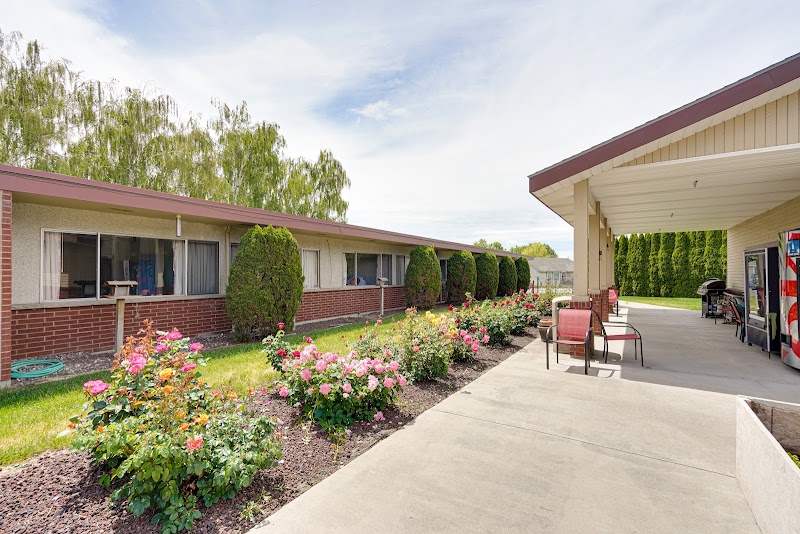
How is Avalon Health & Rehabilitation Center - Pasco Staffed?

CMS rates AVALON HEALTH & REHABILITATION CENTER - PASCO's staffing level at 2 out of 5 stars, which is below average compared to other nursing homes. Staff turnover is 55%, which is 9 percentage points above the Washington average of 46%. High turnover can affect care consistency as new staff learn residents' individual needs. RN turnover specifically is 79%, which is notably high. RNs provide skilled clinical oversight, so turnover in this role can affect medical care quality.

What Have Inspectors Found at Avalon Health & Rehabilitation Center - Pasco?

State health inspectors documented 82 deficiencies at AVALON HEALTH & REHABILITATION CENTER - PASCO during 2023 to 2025. These included: 3 that caused actual resident harm and 79 with potential for harm. Deficiencies causing actual harm indicate documented cases where residents experienced negative health consequences.
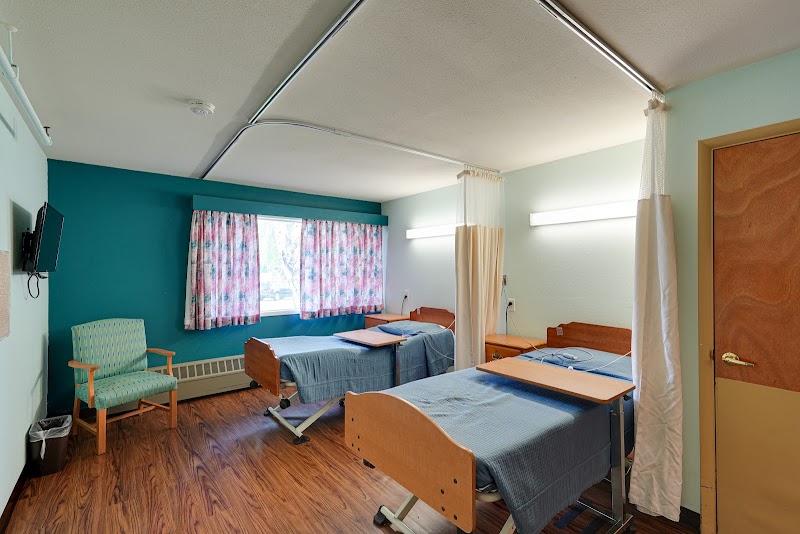
Who Owns and Operates Avalon Health & Rehabilitation Center - Pasco?

AVALON HEALTH & REHABILITATION CENTER - PASCO is owned by a for-profit company. For-profit facilities operate as businesses with obligations to shareholders or private owners. The facility is operated by AVALON HEALTH CARE, a chain that manages multiple nursing homes. With 108 certified beds and approximately 58 residents (about 54% occupancy), it is a mid-sized facility located in PASCO, Washington.
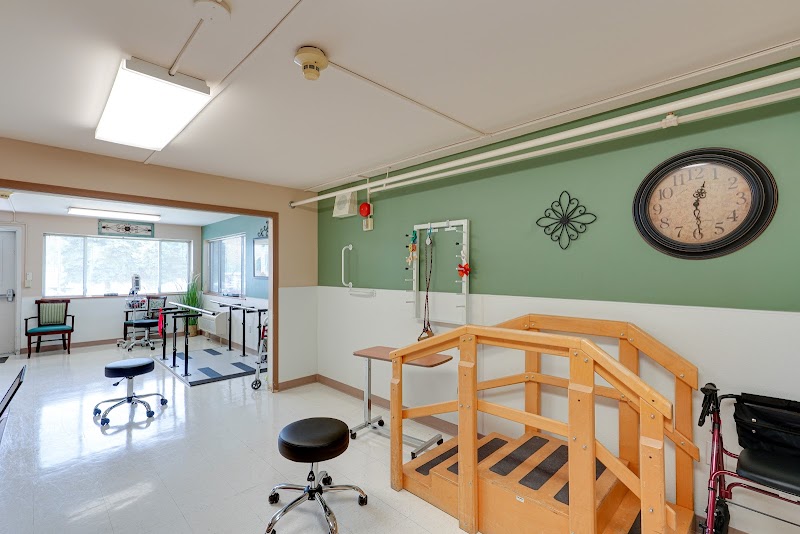
How Does Avalon Health & Rehabilitation Center - Pasco Compare to Other Washington Nursing Homes?

Compared to the 100 nursing homes in Washington, AVALON HEALTH & REHABILITATION CENTER - PASCO's overall rating (2 stars) is below the state average of 3.2, staff turnover (55%) is near the state average of 46%, and health inspection rating (2 stars) is below the national benchmark.

What Should Families Ask When Visiting Avalon Health & Rehabilitation Center - Pasco?

Based on this facility's data, families visiting should ask: "How do you ensure continuity of care given staff turnover, and what is your staff retention strategy?" "Can you walk me through typical staffing levels on day, evening, and night shifts?" "Can I visit during a mealtime to observe dining assistance and food quality?" "How do you handle medical emergencies, and what is your hospital transfer rate?" These questions are particularly relevant given the facility's high staff turnover rate and the below-average staffing rating.

Is Avalon Health & Rehabilitation Center - Pasco Safe?

Based on CMS inspection data, AVALON HEALTH & REHABILITATION CENTER - PASCO has a clean safety record: no substantiated abuse findings (meaning no confirmed cases of resident harm), no Immediate Jeopardy citations (the most serious violation level indicating risk of serious injury or death), and is not on the Special Focus Facility watch list (a federal program monitoring the lowest-performing 1% of nursing homes). The facility has a 2-star overall rating and ranks #100 of 100 nursing homes in Washington. While no facility is perfect, families should still ask about staff-to-resident ratios and recent inspection results during their visit.

Do Nurses at Avalon Health & Rehabilitation Center - Pasco Stick Around?

Staff turnover at AVALON HEALTH & REHABILITATION CENTER - PASCO is high. At 55%, the facility is 9 percentage points above the Washington average of 46%. Registered Nurse turnover is particularly concerning at 79%. RNs handle complex medical decisions and coordinate care — frequent RN changes can directly impact care quality. High turnover means new staff may not know residents' individual needs, medications, or preferences. It can also be disorienting for residents, especially those with dementia who rely on familiar faces. Families should ask: What is causing the turnover? What retention programs are in place? How do you ensure care continuity during staff transitions?

Was Avalon Health & Rehabilitation Center - Pasco Ever Fined?

AVALON HEALTH & REHABILITATION CENTER - PASCO has been fined $76,388 across 2 penalty actions. This is above the Washington average of $33,843. Fines in this range indicate compliance issues significant enough for CMS to impose meaningful financial consequences. Common causes include delayed correction of deficiencies, repeat violations, or care failures affecting resident safety. Families should ask facility leadership what changes have been made since these penalties.

Is Avalon Health & Rehabilitation Center - Pasco on Any Federal Watch List?

AVALON HEALTH & REHABILITATION CENTER - PASCO is not on any federal watch list. The most significant is the Special Focus Facility (SFF) program, which identifies the bottom 1% of nursing homes nationally based on persistent, serious quality problems. Not being on this list means the facility has avoided the pattern of deficiencies that triggers enhanced federal oversight. This is a positive indicator, though families should still review the facility's inspection history directly.