LIFE CARE CENTER OF PORT TOWNSEND

751 KEARNEY STREET, PORT TOWNSEND, WA 98368 (360) 385-3555
For profit - Limited Liability company 94 Beds LIFE CARE CENTERS OF AMERICA Data: November 2025 1 Immediate Jeopardy citation
Trust Grade
43/100
#22 of 190 in WA
Last Inspection: April 2025

Within standard 12-15 month inspection cycle. Federal law requires annual inspections.

Overview

Life Care Center of Port Townsend has a Trust Grade of D, indicating below-average performance with some concerning issues. It ranks #22 out of 190 facilities in Washington, placing it in the top half, and is the only nursing home in Jefferson County. Unfortunately, the facility is worsening, as the number of issues increased from 5 in 2024 to 9 in 2025. Staffing is average with a rating of 3 out of 5 stars, but the turnover rate is concerning at 61%, higher than the state average. There have been significant fines totaling $67,308, which is a warning sign of compliance problems. The nursing home has higher RN coverage than many facilities, which is beneficial since registered nurses can catch potential problems that other staff might miss. However, there are serious incidents to be aware of. For example, residents were assisted with a one-person transfer instead of the required two, which resulted in a resident sustaining rib fractures. Additionally, the facility failed to maintain safe hot water temperatures in several rooms, posing a burn risk to residents. Overall, while there are some strengths, including excellent RN coverage, the facility has notable weaknesses that families should consider when making a decision.

Trust Score
D
43/100
In Washington
#22/190
Top 11%
Safety Record
High Risk
Review needed
Inspections
Getting Worse
5 → 9 violations
Staff Stability
⚠ Watch
61% turnover. Above average. Higher turnover means staff may not know residents' routines.
Penalties
✓ Good
$67,308 in fines. Lower than most Washington facilities. Relatively clean record.
Skilled Nurses
✓ Good
Each resident gets 51 minutes of Registered Nurse (RN) attention daily — more than average for Washington. RNs are trained to catch health problems early.
Violations
⚠ Watch
32 deficiencies on record. Higher than average. Multiple issues found across inspections.
★★★★★
5.0
Overall Rating
★★★☆☆
3.0
Staff Levels
★★★★★
5.0
Care Quality
★★★★☆
4.0
Inspection Score
Stable
2024: 5 issues
2025: 9 issues

The Good

  • 5-Star Quality Measures · Strong clinical quality outcomes
  • Full Sprinkler Coverage · Fire safety systems throughout facility
  • No fines on record

Facility shows strength in quality measures, fire safety.

The Bad

Staff Turnover: 61%

15pts above Washington avg (46%)

Frequent staff changes - ask about care continuity

Federal Fines: $67,308

Well above median ($33,413)

Moderate penalties - review what triggered them

Chain: LIFE CARE CENTERS OF AMERICA

Part of a multi-facility chain

Ask about local staffing decisions and management

Staff turnover is elevated (61%)

13 points above Washington average of 48%

The Ugly 32 deficiencies on record

1 life-threatening 2 actual harm
Apr 2025 9 deficiencies
CONCERN (D)

Potential for Harm - no one hurt, but risky conditions existed

PASARR Coordination (Tag F0644)

Could have caused harm · This affected 1 resident

**NOTE- TERMS IN BRACKETS HAVE BEEN EDITED TO PROTECT CONFIDENTIALITY** 2) Resident 1 was admitted to the facility on [DATE], with a diagnosis of major depressive disorder. Review of Resident 1's Lev...

Read full inspector narrative →
**NOTE- TERMS IN BRACKETS HAVE BEEN EDITED TO PROTECT CONFIDENTIALITY** 2) Resident 1 was admitted to the facility on [DATE], with a diagnosis of major depressive disorder. Review of Resident 1's Level 1 PASRR evaluation, dated 04/04/2023, showed the evaluator had selected yes for a serious mental illness indicator, with mood disorders (depressive or bipolar) selected. During an interview on 04/10/2025 at 1:19 PM, Staff H, SSD, after reviewing guidance from the PASRR dear provider letter, said Resident 1 should have had a referral placed for a Level 2 PASRR evaluation. Reference WAC 388-97-1915 (4) Based on interview and record review, the facility failed to obtain an updated preadmission screening and resident review (PASRR, a mental health screening tool) when a diagnosis of significant mental illness was identified for 2 of 5 residents (Resident 4 & 1) reviewed for PASRR. This failure placed the residents at risk for unmet care needs and a decreased quality of life. Findings included . 1) Resident 4 admitted to the facility on [DATE] with diagnoses that included Alzheimer's disease, anxiety, depression, and bipolar disorder (a mental disorder characterized by periods of depression and periods of abnormally elevated mood). The Quarterly Minimum Data Set (MDS, an assessment tool), dated 02/21/2025, showed Resident 4 was confused with poor memory recall. Review of Resident 4's Level 1 PASRR, dated 03/07/2025, showed Serious Mental Illness indicators of mood disorders and anxiety disorders had been selected. During an interview on 04/10/2025 at 1:19 PM, when reviewing guidance from the PASRR dear provider letter (a letter that provides facilities with updated regulation changes) with an amended date of 08/23/2024, Staff H, Social Services Director (SSD) said Resident 4 should have been referred for a Level 2 PASRR.
CONCERN (D)

Potential for Harm - no one hurt, but risky conditions existed

Comprehensive Care Plan (Tag F0656)

Could have caused harm · This affected 1 resident

**NOTE- TERMS IN BRACKETS HAVE BEEN EDITED TO PROTECT CONFIDENTIALITY** . Based on observation, interview, and record review, the facility failed to ensure the comprehensive care plan included residen...

Read full inspector narrative →
**NOTE- TERMS IN BRACKETS HAVE BEEN EDITED TO PROTECT CONFIDENTIALITY** . Based on observation, interview, and record review, the facility failed to ensure the comprehensive care plan included resident specific interventions for 5 of 12 sampled residents (Residents 42, 14, 16, 26 & 29) reviewed for care plans. This failure to establish care plans that were individualized, accurately reflected assessed care needs and provided direction to staff, placed residents at risk to receive inappropriate and inadequate care to meet their individual needs. Findings included . 1) Resident 42 was admitted to the facility on [DATE]. According to the Modification of Admission/Medicare 5-day Minimum Data Set (MDS, and assessment tool), dated 03/08/2025, Resident 42 required supervision or touching assistance for oral hygiene. Resident 42's diagnoses included Malignant Neoplasm of Rectum (cancer of the rectum). Review of Resident 42's physician orders showed three medications prescribed to treat chronic diarrhea. Review of Resident 42's care plan showed Resident 42 had occasional bowel incontinence related to rectal cancer, was incontinent, and wore a brief. There was nothing on the care plan regarding chronic diarrhea. On 04/09/2025 at 2:42 PM, Staff T, Certified Nursing Assistant (CNA), when asked to describe Resident 42's bowel movements, said they were always loose and they had never seen formed stools. On 04/09/2025 at 2:44 PM, Staff F, Resident Care Manager (RCM), said staff would know if a resident had chronic diarrhea if there was a diagnosis or from looking at the prescribed medications. When asked if Resident 42's chronic diarrhea should be on the care plan, Staff F said if related to rectal cancer then yes, I think so. Staff F said Resident 42 sometimes refused their medication to treat diarrhea and that refusals should also have been care planned. Review of the Modification of admission MDS, showed Resident 42 required supervision or touching assistance for oral hygiene. Review of Resident 42's care plan showed there was no plan for their oral hygiene. On 04/10/2025 at 11:00 AM, Staff F, RCM, said Resident 42 would need someone to set up their oral hygiene supplies for them since they couldn't get out of bed and were visually impaired. When asked if oral hygiene was on Resident 42's care plan, Staff F said she did not see that dental care was on their care plan and it should have been there. 2) Resident 14 was admitted to the facility on [DATE]. Review of the Quarterly MDS, dated [DATE], showed Resident 14 was cognitively intact. On 04/07/2025 at 10:42 AM, Resident 14 was observed with their bed against the wall. Review of Resident 14's care plans showed there was not a care plan for the bed against the wall. On 04/10/2025 at 10:15 AM, Staff F, RCM, when asked if the bed against the wall should be care planned, said yes. Staff F was unable to locate a care plan for Resident 14's bed against the wall and said there should be one. On 04/11/2025 at 9:37 AM, Staff J, Rehabilitation Director, and Staff B, Director of Nursing (DNS), were jointly interviewed. When asked if it met expectations the bed was against the wall and was not on the care plan, Staff J said it was now on the care plan. 3) Resident 16 was admitted to the facility on [DATE] and had a diagnosis of chronic heart failure. The Modification of Significant Change MDS, dated [DATE], showed Resident 16 was moderately impaired cognitively, and was taking a diuretic (increases the need to urinate to remove excess fluid and can decrease blood pressure). Review of Resident 16's medications showed they were receiving torsemide (a diuretic). Review of Resident 16's Treatement Administration Record for April 2025 showed they had edema (excess fluid causing swelling) present on assessments. On 04/10/2025 at 10:15 AM, Staff F, RCM, when asked if Resident 16's diuretic usage should be care planned, said it was not on the care plan and should have been due to the potential for fluid loss and dehydration prevention. When asked about Resident 16's edema and if goals/interventions should have been on the care plan, said they did not see anything and yes, the edema should have been care planned with goals and interventions. 4) Resident 26 was admitted to the facility on [DATE]. Review of the admission MDS, dated [DATE], showed Resident 26 was cognitively intact. Review of the admission Collection Tool, dated 03/01/2025, showed it was identified that Resident 26 was missing teeth. On 04/07/2025 at 3:01 PM, Resident 26 reported that they were missing some teeth and would like to go to the dentist if they could. On 04/10/2025 at 10:15 AM, Staff F, RCM, reviewed the admission Collection Tool and said yes Resident 26 was missing natural teeth. Staff F reviewed Resident 26's care plans and said the missing teeth were not on the care plan and should have been. 5) Resident 29 admitted to the facility on [DATE] with diagnoses that included dementia, depression, anxiety, and muscle weakness. The Significant Change MDS, dated [DATE], showed Resident 29 was confused but could make their needs known. Observation on 04/07/2025 at 12:44 PM, showed Resident 29's bed was against the wall on the left side. Review of the provider orders, dated 02/26/2025, showed Resident 29 had an order in place for bed against the wall to increase environmental space. Review of the care plan on 04/09/2025 showed Resident 29 did not have a care plan in place for the bed against the wall. During an interview on 04/10/2025 at 11:30 AM, Staff F, RCM, said if a resident has a bed against the wall, it should be care planned. On 04/11/2025 at 9:37 AM, Staff J, Rehabilitation Director, and Staff B, DNS, were jointly interviewed. When asked if it met expectations the bed being against the wall was not on the care plan, Staff J said it now was on the care plan. Reference F604. Reference F677. Reference WAC 388-97- 1020(1), (2)(a)(b) .
CONCERN (D)

Potential for Harm - no one hurt, but risky conditions existed

Deficiency F0658 (Tag F0658)

Could have caused harm · This affected 1 resident

**NOTE- TERMS IN BRACKETS HAVE BEEN EDITED TO PROTECT CONFIDENTIALITY** . Based on interview and record review, the facility failed to ensure services provided met professional standards of practice r...

Read full inspector narrative →
**NOTE- TERMS IN BRACKETS HAVE BEEN EDITED TO PROTECT CONFIDENTIALITY** . Based on interview and record review, the facility failed to ensure services provided met professional standards of practice related to performing daily weights and accurate documentation of side effects for 1 of 5 residents (Resident 23) reviewed for unnecessary medications, failed to follow hospice (end of life care) recommendations for 1 of 1 resident (Resident 28) reviewed for hospice, and failed to monitor after a change in status for 1 of 2 residents (Resident 29) reviewed for hospitalization. These failures placed residents at risk for unmet care needs,the provider not being aware of resident conditions, and potential negative outcomes. Findings included . <Daily weights> Resident 23 admitted to the facility on [DATE]. The admission Medicare 5-day Minimum Data Set (MDS, and assessment tool), dated 04/01/2025, documented Resident 23 was cognitively intact. Resident 23 had diagnoses that included Unspecified Systolic (Congestive) Heart Failure (CHF, a condition where the heart can't pump blood effectively, leading to fluid buildup in the lungs and other parts of the body) and adjustment disorder with depressed mood. Review of Resident 23's physician orders showed an order for CHF Protocol - Weight every day shift before breakfast. Report three pounds (lb.) weight gain in a day or five pound weight gain in a week to the medical doctor. Review of Resident 23's weight record from 03/27/2025 through 04/09/2025 showed the following two weights had been taken. 03/27/2025 252.0 lbs. 04/03/2025 244.2 lbs No weight had been recorded on the following dates: 03/28/2025, 03/29/2025, 03/30/2025, 03/31/2025, 04/01/2025, 04/02/2025, 04/04/2025, 04/05/2025, 04/06/2025, 04/07/2025, 04/08/2025, and 04/09/2025. On 04/09/2025 at 9:31 AM, Staff F, Resident Care Manager (RCM), acknowledged the physician order for daily weights for Resident 23. Regarding the days with missed weights Staff F said some of the dates were missing because Resident 23 could not be weighed due to the location of their surgical incision. Staff F said when a weight could not be obtained staff should have let the provider know. When asked if daily weights should have been done when Resident 23 was able to be weighed, Staff F said yes, they should have been done and for the missing weights she did not see documentation that the provider had been notified. <Failure to complete documentation> Review of Resident 23's orders showed an order for Trazadone (antidepressant), give 100 milligrams at bedtime for situational depression. Review of Resident 23's April 2025 Treatment Administration Record (TAR) showed the following order: Anti-Depressant Medication: Trazodone. Side effects: Common - Sedation, Drowsiness, Dry Mouth, Blurred Vision, Urinary Retention, Tachycardia (elevated heart rate), Muscle Tremor, Agitation, Headache, Skin Rash, Photosensitivity (sensitivity to light), Excess Weight Gain. Special Attention for: Heart Disease, glaucoma (eye disorder), Chronic Constipation, Seizure Disorder, Edema (fluid retention). Monitor every shift Document: (+) if side effects present and write a progress note (-) side effects not present. Review of the documentation for side effects showed positive (+) side effects were documented by staff on the following dates: 04/06/2025 (day and night shift), 04/07/2025 (day and night shift), 04/08/2025 (day and night shift) and 04/09/2025 (day shift). On 04/09/2025 at 9:31 AM, Staff F, RCM, reviewed the documentation in the TAR and acknowledged staff had documented that Resident 23 was positive for side effects on the above dates. Staff F said staff probably checked positive for side effects in error, and if a positive result was documented staff should have documented in a progress note the positive symptoms. Staff F was unable to locate progress notes for the dates in question and said progress notes should have been written either way. <Hospice recommendations> Resident 28 admitted to the facility on [DATE] with diagnoses that included dementia and neoplasm of the oral cavity (mouth cancer). The Significant Change MDS, dated [DATE], showed Resident 29 was able to make their needs known. Observation on 04/08/2025 at 10:09 AM, showed Resident 28 had visible lesions on their bottom lip into the gum line. Review of the Electronic Health Record (EHR) showed Resident 28 was on hospice care with comfort measures. Review of the Hospice admission summary, dated [DATE], showed hospice had made a recommendation for A&D ointment (a moisturizer and skin protectant) to be applied to the cancer lesions to prevent drying and cracking to the wounds. Review of the provider orders showed there was no order for the recommended ointment to the cancer lesions and no orders for wound care to the cancer lesions. Review of the progress notes on 04/08/2025, showed no notes regarding the hospice recommendation. During an interview on 04/10/2025 at 9:36 AM, Staff Q, Certified Nursing Assistant, said the staff provided oral care with green sponges and used a mouthwash to cleanse Resident 28's mouth. During an interview on 4/10/2025 at 10:37 AM, Staff U, Licensed Practical Nurse (LPN) said care of Resident 28's cancer lesions was pain management and oral care. Staff U said there was no further orders for wound care. In an interview on 4/10/2025 at 11:30 AM, Staff F, RCM, said the care of the cancer lesion wounds was pain management and oral care. When the hospice admission assessment was showed to Staff F, they stated the recommended treatment had not been transcribed to the provider orders and the provider should have been notified of the recommendations. During and interview on 04/11/2025 at 10:35 AM, Staff B, DNS, said the recommendations should have been reviewed, reported to the provider, and transcribed if approved by the provider. Staff B said that did not happen and does not meet their expectations. <Failure to monitor> Resident 29 admitted to the facility on [DATE] with diagnoses that included dementia, depression, anxiety, and muscle weakness. The Significant Change MDS, dated [DATE], showed Resident 29 was confused but could make their needs known. Review of the EHR showed Resident 29 was transferred to the hospital on [DATE] for nausea and vomiting. Review of the hospital records showed Resident 29 was diagnosed with a gastrointestinal bleed and pneumonia. Resident 29 readmitted to the facility on [DATE]. Review of the progress notes showed Resident 29 was not started on alert charting upon readmission to the facility. During and interview on 04/10/2025 at 10:31 AM, Staff U, LPN, said if there was a change in status, a resident would be placed on alert charting, and charted on every shift. During an interview on 04/10/2025 at 11:30 AM, Staff F, RCM, said alert charting should be completed daily on any change of condition. Staff F said Resident 29 should have been placed on alert when they readmitted to the facility. During an interview on 04/11/2025 at 10:35 AM, Staff B, DNS, said alert charting should be done every shift. Staff B said Resident 29 had not being placed on alert upon readmission did not meet their expectations. Reference WAC 388-97-1620(2)(b)(i)(ii),(6)(b)(i) .
CONCERN (D)

Potential for Harm - no one hurt, but risky conditions existed

ADL Care (Tag F0677)

Could have caused harm · This affected 1 resident

**NOTE- TERMS IN BRACKETS HAVE BEEN EDITED TO PROTECT CONFIDENTIALITY** . Based on observation, interview and record review, the facility failed to ensure dependent residents were provided with oral c...

Read full inspector narrative →
**NOTE- TERMS IN BRACKETS HAVE BEEN EDITED TO PROTECT CONFIDENTIALITY** . Based on observation, interview and record review, the facility failed to ensure dependent residents were provided with oral care for 2 of 3 residents (Resident 42 & 14) reviewed for dental care related to activities of daily living. This failure placed residents at risk for poor oral hygiene, worsening dental condition, and a diminished quality of life. Findings included . A facility provided policy titled, Activities of Daily Living (ADLs), reviewed 09/10/2024, documented, the resident would receive assistance as needed to complete ADLs. 1) Resident 42 was admitted to the facility on [DATE]. The Modification of Admission/Medicare 5-day Minimum Data Set (MDS, and assessment tool), dated 03/08/2025, documented Resident 42 required supervision or touching assistance for oral hygiene, and required partial/moderate assistance to transfer from chair/bed-to-chair. On 04/07/2025 at 2:21 PM, Resident 42 said one great deficiency the facility had was dental hygiene. Resident 42 said they had not brushed their teeth in two months, and said staff had only offered one time to help them. Resident 42 said their brother had brought in a toiletry bag with a toothbrush, and that they could brush their own teeth if staff brought their supplies and stuff so they could rinse and spit. Resident 42's teeth were observed to be yellow in color with a whitish substance near their upper and lower gums. On 04/08/2025 at 11:11 AM, Resident 42 said he still had not had dental care offered or provided since the previous day. Resident 42's teeth were observed to be yellow in color with a whitish substance near their upper and lower gums. On 04/10/2025 at 10:45 AM, Staff S, Certified Nursing Assistant (CNA), said she provided oral care to the residents as part of her day. When asked how often oral care was provided to residents, Staff S said every meal. When asked about toothbrushing, Staff S said it was dependent on the care plan for that resident and if the resident had natural teeth staff would brush them if they could not do it themselves. When asked where the toothbrushing that was provided would be documented, Staff S said there was a 'Personal Hygiene' area in the electronic health record (EHR) where they documented it. When asked if she had provided oral care to Resident 42, Staff S said she was not normally on Resident 42's hallway, she was just helping that day and said, I think they are doing it. Review of Resident 42's Care Plan, did not show a focus or intervention regarding oral/dental care. Review of the EHR showed no specific area/direction for documenting/providing oral care. Review of Resident 42's orders showed nothing regarding oral/dental care. On 04/10/2025 at 11:00 AM, when asked about Resident 42's oral care and assistance, Staff F, Resident Care Manager (RCM), said Resident 42 would not allow anyone near their mouth and wanted to remain independent. When asked if dental/oral care was on their care plan, Staff F said no, it was not on the care plan but should be. Staff F said Resident 42 would need someone to set up oral care supplies for them since they could not get out of bed and was visually impaired. Staff F said oral care should have been offered and done after every meal. When asked how the CNAs would know to provide oral care and document they had provided oral care for Resident 42, Staff F said it should be on their KARDEX (an area in the EHR with tasks for CNAs to complete and document). When asked if Resident 42 had an area for oral hygiene/care on the Kardex to indicate to staff to provide oral care, Staff F looked in the EHR and said no, and that it should have been there. At 11:06 AM, Staff F, RCM, entered Resident 42's room to observe his oral cavity. Upon leaving the room, Staff F said she was able to observe plaque and food build up along Resident 42's gums. When asked if this was acceptable, Staff F said no, and that she could even smell Resident 42's mouth. 2) Resident 14 was admitted to the facility on [DATE]. The Quarterly MDS, dated [DATE], said Resident 14 needed set up or clean- up assistance for oral hygiene (oral care). Resident 14 was dependent on staff to get out of bed. Review of Resident 14's care plans showed that dental care was identified as a concern, with a note that the resident would comply with mouth care at least daily through the review date, and for staff to provide set up assistance after meals. On 04/07/2025 at 11:52 AM, Resident 14 said they were independent with oral care but did require set up assistance, and they did not currently have supplies to brush their teeth. On 04/10/2025 at 9:34 AM, Staff G, CNA, said they had been working with Resident 14 since they were admitted to the facility, Resident 14 did not independently do much oral care, and if offered that Resident 14 probably would perform oral care. Staff G said they had not recently seen Resident 14 perform oral care, did not think oral care was happening daily, and when asked what time Resident 14 was supposed to have oral care done, said probably in the morning. When asked what kind of assistance Resident 14 would need, Staff G said said set up assistance. Staff G said there was no place for staff to document oral care was done. When asked where the supplies were in the room, Staff G was unable to locate supplies, then offered Resident 14 supplies and said they would go get them. At 10:15 AM, Staff F, RCM, said it did not meet expectations that Resident 14 did not have oral care supplies in their room. Staff F said their expectation was for oral care to occur after every meal. At 1:37 PM, when told of Staff G being unable to readily locate Resident 14's oral care supplies in the room, Staff B, Director of Nursing Services, said it did not meet expectations. Reference WAC 388-97-1060 (2)(c) .
CONCERN (D)

Potential for Harm - no one hurt, but risky conditions existed

Deficiency F0761 (Tag F0761)

Could have caused harm · This affected 1 resident

. Based on observation, interview, and record review, the facility failed to ensure proper storage and labeling of medications in 1 of 2 medication carts (B Hall medication cart) and 1 of 1 medication...

Read full inspector narrative →
. Based on observation, interview, and record review, the facility failed to ensure proper storage and labeling of medications in 1 of 2 medication carts (B Hall medication cart) and 1 of 1 medication rooms when reviewed for medication storage. This failure placed residents at risk for receiving expired medications, ineffective treatment, and a diminished quality of life. Findings included . Observation of the medication cart on B hall on 04/09/2025 at 11:05 AM, with Staff O, Registered Nurse (RN), showed an open insulin pen with no date on it. During an interview on 04/09/2025 at 11:05 AM, Staff O, RN, said they had just opened the insulin pen that morning and forgot to date it. During an interview on 04/10/2025 at 8:35 AM, Staff F, Resident Care Manager (RCM), said all insulin should be dated as soon as it is opened. Observation of the medication room on 04/10/2025 at 8:33 AM, with Staff F, RCM, showed the temperature log for March 2025 was missing 11 of 62 opportunities. Review of the refrigerator showed storage of medication and emergency medication supply. During an interview on 04/10/2025 at 8:33 AM, Staff F said the refrigerator temperature should be monitored twice a day by nursing staff and documented on the log. Observation of the B Hall medication cart on 04/10/2025 at 10:16 AM, showed a cup with food items in it, partially covered with a paper towel, with crumbs on the top surface of the medication cart and three nurses close by the medication cart with no intervention noted. During an interview on 04/11/2025 at 10:16 AM, Staff B, Director of Nursing Services, said the refrigerator temperatures in the medication room should have been documented at assigned times during the day in the morning and evening. Staff B said missing temperatures did not meet expectation, and the insulin pen should have been dated as soon as it was opened. Staff B said food should not have been left on top of the medication cart and this did not meet their expectations. Reference WAC 388-97-1300 (2) .
CONCERN (D)

Potential for Harm - no one hurt, but risky conditions existed

Food Safety (Tag F0812)

Could have caused harm · This affected 1 resident

. Based on observation, interview and record review the facility failed to ensure dishwasher temperatures were maintained within required ranges for 1 of 1 dishwasher and failed to ensure appropriate ...

Read full inspector narrative →
. Based on observation, interview and record review the facility failed to ensure dishwasher temperatures were maintained within required ranges for 1 of 1 dishwasher and failed to ensure appropriate personal protective equipment (PPE) was worn for 1 of 4 (Staff I) kitchen staff observed. These failures placed residents at risk of food-borne illness, unsanitary conditions, and a diminished quality of life. Findings included . A facility provided policy titled, Associate Conduct and Dress Code, with a revised date of 04/30/2024, documented dietary staff must wear hair restraints (e.g. hairnet, hat, and/or beard restraint) to prevent hair from contacting food. <Failure to wear PPE> On 04/07/2025 at 10:36 AM and at 12:09 PM, Staff I, Dietary Manager, was observed in the kitchen without a hair restraint on. On 04/09/2025 at 8:57 AM, Staff I was observed in the kitchen without a hair restraint on. At 1:23 PM, Staff I said the expectation was for dietary staff to have their hair covered in the kitchen. When asked about the observations without a hair restraint in the kitchen, Staff I said it should have been covered. <Failure to maintain dishwasher temperatures> Review of the dishwasher temperature logs showed the following out of perimeters temperatures: March 2025 under 150 degrees Fahrenheit Records-Breakfast Wash cycle: 1st, 3rd, 4th, 8th, 9th, 10th, 18th, 20th, 23rd, 26th, 27th, 29th, 30th, 31st. March 2025 under 180 degrees Fahrenheit Records-Breakfast Rinse cycle: 1st, 2nd, 9th, 10th, 14th, 18th, 19th, 23rd, 27th, 28th, 30th, 31st. March 2025 under 150 degrees Fahrenheit Records-Lunch Wash cycle: 1st, 7th, 8th, 9th, 18th, 23rd, 26th, 27th, 28th, 29th, 30th, 31st. March 2025 under 180 degrees Fahrenheit Records-Lunch Rinse cycle: 1st, 7th, 8th, 14th, 20th, 22nd, 23rd, 27th, 29th, 31st. March 2025 under 150 degrees Fahrenheit Records-Dinner Wash cycle: 1st, 2nd, 4th, 5th, 6th, 7th, 8th, 9th, 11th, 12th, 13th, 14th, 18th, 20th, 23rd, 24th, 25th, 26th, 27th, 28th, 29th, 31st. March 2025 under 180 degrees Fahrenheit Records-Dinner Rinse cycle: 1st, 4th, 5th, 6th, 7th, 8th, 11th, 12th, 14th, 18th, 21st, 26th, 27th. February 2025 under 150 degrees Fahrenheit Records-Breakfast Wash cycle: 1st, 2nd, 3rd, 4th, 7th, 18th, 9th, 10th, 11th, 13th, 14th, 15th, 16th, 17th, 21st, 22nd, 23rd, 28th. February 2025 under 180 degrees Fahrenheit Records-Breakfast Rinse cycle: 1st, 3rd, 4th, 5th, 6th, 8th, 9th, 10th, 11th, 13th, 14th, 15th, 16th, 17th, 18th, 19th, 22nd, 23rd, 24th, 26th, 18th. February 2025 under 150 degrees Fahrenheit Records-Lunch Wash cycle: 1st, 2nd, 3rd, 4th, 6th, 7th, 8th, 10th, 13th, 14th, 15th, 16th, 17th, 18th, 19th, 21st, 22nd, 23rd, 24th, 25th, 28th. February 2025 under 180 degrees Fahrenheit Records-Lunch Rinse cycle: 1st, 2nd, 3rd, 6th, 7th, 9th, 10th, 11th, 13th, 14th, 15th, 16th, 17th, 18th, 22nd, 23rd, 24th 26th, 28th. February 2025 under 150 degrees Fahrenheit Records-Dinner Wash cycle: 1st, 2nd, 3rd, 4th, 5th, 6th, 7th, 8th, 9th, 10th, 11th, 12th, 13th, 14th, 16th, 17th, 18th, 19th, 20th, 21st, 22nd, 23rd, 24th, 25th, 26th, 27th, 28th. February 2025 under 180 degrees Fahrenheit Records-Dinner Rinse cycle: 1st, 2nd, 3rd, 4th, 5th, 6th, 8th, 12th, 13th, 14th, 18th, 19th, 25th, 26th, 27th. January 2025 under 150 degrees Fahrenheit Records-Breakfast Wash cycle: 5th, 6th, 7th, 8th, 9th, 10th, 11th, 13th, 14th, 15th, 16th, 17th, 18th, 19th, 21st, 22nd, 23rd, 24th, 25th, 26th, 27th, 29th, 31st. January 2025 under 180 degrees Fahrenheit Records-Breakfast Rinse cycle: 6th, 7th, 9th, 10th, 11th, 14th, 15th, 16th, 17th, 19th, 20th, 21st, 22nd, 23rd, 24th, 25th, 26th, 27th, 28th, 29th, 31st. January 2025 under 150 degrees Fahrenheit Records-Lunch Wash cycle: 5th, 7th, 8th, 9th, 10th, 11th, 12th, 14th, 15th, 16th, 17th, 18th, 19th, 20th, 21st, 22nd, 23rd, 24th, 25th, 26th, 27th, 28th, 29th, 31st. January 2025 under 180 degrees Fahrenheit Records-Lunch Rinse cycle: 7th, 8th, 9th, 11th, 15th, 16th 17th, 19th, 21st, 22nd, 23rd, 26th, 27th, 29th, 31st. January 2025 under 150 degrees Fahrenheit Records-Dinner Wash cycle: 1st, 3rd, 4th, 5th, 6th, 7th, 10th, 11th, 16th, 17th, 18th, 19th, 20th, 23rd, 24th, 25th, 26th, 28th, 29th, 30th, 31st. January 2025 under 180 degrees Fahrenheit Records-Dinner Rinse cycle: 1st, 5th, 10th, 11th, 17th, 20th, 21st, 24th, 25th, 28th, 29th, 31st. On 04/09/2025 at 9:00 AM, Staff I, Dietary Manager, said 155-165 degrees was what the wash cycle was ran at (wash cycle should be 150 degrees to ensure sanitization). When asked what the target temperature for the dishwasher rinse cycle was, Staff I said 175-180 degrees (rinse cycle should be 180 degrees to ensure sanitization). When shown the January 2025, February 2025, and March 2025 temperature logs, Staff I acknowledged the temperatures were repeatedly outside of the required ranges to ensure that kitchenware was properly sanitized. At 9:03 AM, Staff I, ran a cycle of the dishwasher with the a wash cycle temperature reading 139 degrees, and the rinse cycle temperature reading 175 degrees, both temperatures outside of sanitizing range. On 04/09/2025 at 10:27 AM, Staff I, Dietary Manager with Staff D, Regional [NAME] President present, said they had ECOLAB (Dishwasher maintenance representative) coming to do maintenance on the dishwasher the next day. Staff I said, for whatever reason you have to run it multiple times to get it to reach temperature. Reference WAC 388-97-1100 (3) .
CONCERN (D)

Potential for Harm - no one hurt, but risky conditions existed

Infection Control (Tag F0880)

Could have caused harm · This affected 1 resident

**NOTE- TERMS IN BRACKETS HAVE BEEN EDITED TO PROTECT CONFIDENTIALITY** . Based on observations, interviews and record review, the facility failed to properly store oxygen equipment for 1 of 1 sampled...

Read full inspector narrative →
**NOTE- TERMS IN BRACKETS HAVE BEEN EDITED TO PROTECT CONFIDENTIALITY** . Based on observations, interviews and record review, the facility failed to properly store oxygen equipment for 1 of 1 sampled resident (Resident 39) reviewed for oxygen, and to ensure staff performed hand hygiene for 1 of 1 dining room reviewed for dining services. The facility also failed to use personal protective equipment (PPE) in accordance with the Centers for Disease Control (CDC) guidelines when caring for residents on enhanced barrier precautions (EBP, a set of infection control measures that use gowns and gloves to reduce the spread of multidrug-resistant organisms (MDROs)) for 1 of 3 sampled residents (Resident 26), and 1 of 3 kitchen staff members (Staff I) reviewed for infection control. Additionally, the facility failed to handle, store, and transport linens appropriately for laundry services reviewed for infection control. These failures placed residents at risk for facility acquired infections, spread of organisms and MDROs, contamination, related health complications, and a decreased quality of life. Findings included . The facility provided policy titled, Hand Hygiene, reviewed 06/03/2024, documented Hand Hygiene (HH) refers to a general term that applies to hand washing, antiseptic hand wash, and alcohol-based hand rub. This policy further directs an associate to perform hand hygiene before and after contact with the resident and after contact with objects and surfaces in the resident enviorment. <Oxygen Equipment Storage> Resident 39 was admitted to the facility on [DATE]. The Quarterly Minimum Data Set (MDS, an assessment tool), dated 03/08/2025, documented Resident 39 was cognitively intact and was receiving oxygen therapy. On 04/07/2025 at 2:43 PM, Resident 39 was sitting in their wheelchair.Staff K, Housekeeping, entered Resident 39's room to assist Resident 39 in being able to hear and answer interview questions. Staff K removed Resident 39's nasal cannula (NC, a medical device used to deliver supplemental oxygen or increased airflow to the nostrils) and set it on the floor between Resident 39 and the bed. After transferring Resident 39 to the portable oxygen machine located on the back of Resident 39's chair, Staff K was asked about the NC and tubing storage. Staff K picked up the NC tubing off the floor, wrapped it around their hand and then placed it on the top, of the inside of the oxygen concentrator, and said this was where the NC tubing was usually stored when it was not in use. Staff K said they would step out of the room and let Resident 39 finish the interview questions. Before Staff K exited the room, Staff K, when asked about the NC and tubing being placed on the floor, said they should not have placed the NC on the floor. When asked about storing the NC after it had been on the floor, Staff K said the tubing should not have been placed there. At 2:52 PM, Staff K returned to Resident 39's room with a sealed package containing and new NC and oxygen tubing. Staff K replaced the NC, but did not wipe down the oxygen concentrator before replacing the NC and oxygen tubing. On 04/10/2025 at 9:57 AM, Staff F, Resident Care Manager, said all oxygen tubing, including NC and tubing, should be stored in a clean bag and placed on the oxygen concentrator. Staff F said oxygen tubing was not to be draped over the furniture. When the observation was explained, regarding the NC being placed on the floor, Staff F said none of that should have happened, the NC should have been placed on the floor, the oxygen tubing should not have been stored in the handle of the oxygen concentrator and the machine should have been wiped down before replacing the oxygen tubing. At 11:52 AM, Staff B, Director of Nursing Services, said all oxygen equipment should be stored in the storage bags and oxygen tubing was changed weekly. When the observation was explained, regarding the NC being placed on the floor and improperly stored, Staff B said the NC being placed on the floor and stored incorrectly was not acceptable and the oxygen concentrator should have been wiped down. <Failure to perform hand hygiene> During the following observations of dining room service Staff L, Activity Assistant, missed opportunities to perform hand hygiene (HH) as follows: On 04/07/2025 at 11:54 AM, Staff L delivered two drinks to a table, picked up a wet floor sign, and then pushed her eyeglasses up on her nose (missed opportunity for HH). Staff L picked up cups from the drink cart, placed them back down on the drink cart, went to a cupboard, retrieved linens and then placed the linens on the cart on resident food trays. Staff L pushed up her eyeglasses on her nose (missed opportunity for HH), opened a door on the drink cart, pushed eyeglasses up on her nose (missed opportunity for HH) and went to the cupboard and got more linens out. Staff L then set the linens on the cart on resident food trays, pushed up her eyeglasses on her nose (missed opportunity for HH), closed a door on the drink cart, and touched here eyeglasses again. Staff L stepped into the kitchen doorway, walked to a food tray on a side table, picked up a plate of food and delivered it to a resident. Staff L pushed her eyeglasses up on her nose (missed opportunity for HH) and exited the dining room. At 12:08 PM, Staff L returned to the dining room with no HH observed upon entering dining room, pushed eyeglasses up on her nose (missed opportunity for HH), then picked up a plate of food and delivered it to a resident. Staff L pushed her eyeglasses up on her nose (missed opportunity for HH), then picked up another plate of food, a dessert plate, and a bag of chips and delivered these to another resident. Staff L went to the drink cart, opened a drawer, got packets of condiments and delivered to a resident. Staff L pushed her eyeglasses up (missed opportunity for HH), went to the kitchen and took a plate of food from on top of the steam table, and delivered it to another resident. Staff L went to the kitchen doorway, put her hands in her pants pockets, removed her hands from her pockets, and then pushed up her eyeglasses on her nose (missed opportunity for HH). Staff L asked kitchen staff for parmesan cheese, received a plastic cup of parmesan cheese and delivered it to a resident, then went back to the kitchen and picked up a plate of food and delivered it to another resident. On 04/11/2025 at 3:06 PM, Staff I, Dietary Manager, when asked if staff should perform HH after touching self or eyeglasses said, absolutely, after every time they touch themselves or anything on their person. Staff I said the dining room observations of lack of HH did not meet his expectations. On 04/11/2025 at 3:08 PM, Staff E, Infection Preventionist (IP), when asked her expectations of staff performing HH while serving food and drinks, said she would have to look at the policy. When asked if she would expect HH in between staff touching their eyeglasses or self then serving food, said, yes, my expectation was that they would be following policy. <EBP> Resident 26 was admitted to the facility on [DATE]. Resident 26's admission MDS, dated [DATE] showed they were cognitively intact and had a urinary catheter (thin tube that drains urine). Resident 26 was on EBP for having a urinary catheter. On 04/11/2025 at 1:30 PM, Staff M, Certified Nursing Assistant, was observed to provide catheter care without wearing a gown. At 1:45 PM, Staff M, when asked about EBP said a gown should be worn. Staff M also acknowledged they did not hand hygiene with every glove change. At 2:17 PM, Staff E, IP, said a gown should have been worn for catheter care for Resident 26, and their expectation for EBP was that a gown and gloves would be worn during high contact resident care activities. <Laundry Services> On 04/07/2025 at 1:47 PM, Staff N, Laundry Aide, was observed to move a linen cart down the hall with one side of cart exposed/open, with the cover draped over the top of the cart and with dirty hangers on top it. Staff N was observed to come out of a room, to put dirty hangers on top of the cart, to grab a clean blanket from the linen cart, and to go into a different room. Then Staff N gathered hangers to remove from the room, was seen to have touched the wheelchair in the room, left the room, put dirty hangers on the linen cart, and then touched clothes for the next resident from inside of the linen cart. Staff N was not observed to hand hygiene as they left the rooms. At 2:01 PM, when asked when they should hand sanitize, Staff N said between residents, when handing out clothes, and when handling dirty laundry. With the dirty hangers on top of the linen cart, Staff N reported they could not close the cart. On 04/10/2025 at 12:28 PM, when informed of the observation of the linen cart going down the hallway with one side open, Staff P, Director of Environmental Services, said, no it should not have been open while moving down the hallway, once it leaves the laundry room it was to remain closed and opened only for the immediate room. When asked about the storage of dirty hangers on top of the cart, Staff P showed that the dirty hangers were normally kept in the same cart as the clean but divided by clean/dirty. When asked if they should store dirty and clean in the same linen cart at the same time, Staff P said, no we should not have dirty and clean together. When asked about the observation of no hand hygiene between dirty and clean, Staff P said they have now in-serviced the housekeeping staff on hand hygiene. Reference WAC 388-97-1320 (1)(c),(2)(a)(b),(3) .
CONCERN (E)

Potential for Harm - no one hurt, but risky conditions existed

Deficiency F0604 (Tag F0604)

Could have caused harm · This affected multiple residents

**NOTE- TERMS IN BRACKETS HAVE BEEN EDITED TO PROTECT CONFIDENTIALITY** . Based on observation, interview, and record review the facility failed to ensure that potential restraints were appropriately ...

Read full inspector narrative →
**NOTE- TERMS IN BRACKETS HAVE BEEN EDITED TO PROTECT CONFIDENTIALITY** . Based on observation, interview, and record review the facility failed to ensure that potential restraints were appropriately assessed for safety, care planned, and/or documented on for 3 of 3 residents (Residents 14, 16, & 29) reviewed for physical restraints. This failure placed residents at risk for unidentified risks and care needs, of the potential for restraint, and for a diminished quality of life. Findings included . 1) Resident 14 was admitted to the facility on [DATE]. Review of the Quarterly Minimum Data Set Assessment (MDS), dated [DATE], showed Resident 14 was cognitively intact, was not in any therapies, had lower extremity impairment, and was dependent on staff for toileting/dressing. On 04/07/2025 at 10:42 AM, Resident 14 was observed with their bed against the wall. Review of the Electronic Health Record (EHR) showed Resident 14 had not had a physical restraint evaluation done for the bed against the wall. Review of Resident 14's care plans showed there was not a care plan for the bed against the wall. On 04/10/2025 at 10:15 AM, Staff F, Resident Care Manager (RCM), said for the bed against the wall there should be consent, an assessment done, and a care plan. Staff F was unable to locate an assessment for the bed against the wall or a care plan for Resident 14, and said there should be. On 04/11/2025 at 9:37 AM, Staff J, Rehabilitation Director, and Staff B, Director of Nursing (DNS), were jointly interviewed. When asked if Resident 14 had an order for their bed against the wall, Staff J said there was an order now and Staff B said it should have been done before. When asked if it met expectations that Resident 14 did not have an assessment done to show the bed against the wall was not acting as a restraint, Staff B said it did not. 2) Resident 16 was admitted to the facility on [DATE], and had diagnoses of right femur facture and difficulty in walking. The Modification of Significant Change MDS, dated [DATE], showed Resident 16 was moderately impaired cognitively. On 04/07/2025 at 2:06 PM, Resident 16 was observed to have their bed against the wall and one mobility bar (side rails on the upper part of the bed to assist with moving in the bed) attached to the bed. Review of the EHR showed Resident 16 did not have a physical restraint evaluation done for having a mobility bar, or for having their bed against the wall. On 04/10/2025 at 10:15 AM, Staff F, RCM, when asked if there was an assessment for Resident 16's bed against the wall to show it was not acting as a restraint, said it should have been done, and they would fix it. When asked about if there was an assessment done for the mobility bar to show it was not acting as a restraint, said they would need to do a new assessment on Resident 16 for the bed rail and there should have been one already. On 04/11/2025 at 9:37 AM, Staff J, Rehabilitation Director, and Staff B, DNS, were jointly interviewed. Both staff agreed that an order should have been placed for Resident 16 to have their bed against the wall. When asked if it met expectations that there was not previously an assessment done for the bed against the wall, said no it did not meet expectations. 3) Resident 29 admitted to the facility on [DATE] with diagnoses that included dementia, depression, anxiety, and muscle weakness. The Significant Change MDS, dated [DATE], showed Resident 29 was confused but could make their needs known. Observation on 04/07/2025 at 12:44 PM, showed Resident 29's bed was against the wall on the left side. Review of the EHR showed Resident 29 had not had an assessment for restraints completed for the bed against the wall. Review of Resident 29's care plan showed there was not a care plan in place for the bed against the wall. During an interview on 04/10/2025 at 10:34 AM, Staff U, Licensed Practical Nurse, stated if a resident had their bed against the wall, a consent would have been obtained, and a restraint assessment would have been done. During an interview on 04/10/2025 at 11:30 AM, Staff F, RCM, stated the facility did not have a restraint assessment for the bed against the wall, therefore Resident 29 did not have a restraint assessment completed. On 04/11/2025 at 9:37 AM, Staff J, Rehabilitation Director, and Staff B, DNS, were jointly interviewed. When asked if it met expectations that there was not an assessment done for Resident 29's bed against the wall, they said no it did not meet expectations. Reference WAC 388-97-0620(1) .
CONCERN (E)

Potential for Harm - no one hurt, but risky conditions existed

Deficiency F0757 (Tag F0757)

Could have caused harm · This affected multiple residents

**NOTE- TERMS IN BRACKETS HAVE BEEN EDITED TO PROTECT CONFIDENTIALITY** . Based on interview and record review, the facility failed to provide non-pharmacological interventions (health interventions/a...

Read full inspector narrative →
**NOTE- TERMS IN BRACKETS HAVE BEEN EDITED TO PROTECT CONFIDENTIALITY** . Based on interview and record review, the facility failed to provide non-pharmacological interventions (health interventions/approaches used instead of medication), to implement and/or follow parameters for medications, and/or to reassess necessity of medication when vitals were abnormal for 3 of 6 sampled residents (Residents 19, 23 & 16) when reviewed for unnecessary medications and/or pain management. This failure placed the residents at risk for receiving unnecessary medications, avoidable medication side effects, and a diminished quality of life. Findings included . 1) Resident 19 was admitted to the facility on [DATE]. The Annual Minimum Dated Set (MDS, an assessment tool) , dated 02/07/2025, documented Resident 19 was cognitively intact. Resident 19 received an opioid medication for pain. A physician's order, dated 02/02/2023, documented Resident 19 was to be given the opioid medication when the pain level was above 3. Non-pharmacological interventions were to be offered and completed prior to medication administration. The non-pharmacological interventions included repositioning, use of pillows, diversional activities & rest. Resident 19's March and April 2025 Medication Administration Record (MAR) and Treatment Administration Record (TAR) showed no documentation that non-pharmacological interventions were offered or completed. On 04/10/2025 at 9:57 AM, Staff F, Resident Care Manager (RCM), said non-pharmacological interventions should be documented on the TAR, they have a system that automatically codes for pain, staff should be entering the effectiveness of the pain medication and other interventions used. When asked to provide Resident 19's non-pharmacological interventions documentation, Staff F said the non-pharmacological interventions were not entered on the TAR and they should have been. At 11:52 AM, Staff B, Director of Nursing Services (DNS), said staff should be asking the resident if they have pain and documenting the pain score. Staff F said staff should have been asking, providing and documenting all non-pharmacological interventions used. When asked to provide Resident 19's non-pharmacological interventions documentation, Staff B said the non-pharmacological interventions were not entered on the TAR and they should have been. 2) Resident 23 admitted to the facility 03/27/2025. The admission Medicare 5-day MDS dated [DATE], documented Resident 23 was cognitively intact. Resident 23 had diagnoses that included Unspecified Systolic (Congestive) Heart Failure (CHF, a condition where the heart can't pump blood effectively, leading to fluid buildup in the lungs and other parts of the body). Resident 23 had an order, dated 03/31/2025, for Oxycodone (pain medication) 5 milligram (mg) tablet, give 0.5 tablet (half of a tablet, or 2.5 mg) by mouth every 12 hours as needed for pain 4-6/10 (Pain scale 1-10, 1 being very little pain, and 10 being severe pain). Nonpharmacological interventions were to be attempted prior to administering the pain medication. Nonpharmacological interventions to have been attempted included repositioning, distracting activity, ice and offer a snack. Resident 23 had a second order, dated 03/31/2025, for Oxycodone 5 mg tablet, give 1 tablet by mouth every 12 hours a needed for pain 7-10/10. Nonpharmacological interventions were to be attempted prior to administering the pain medication. Nonpharmacological interventions to have been attempted included repositioning, distracting activity, ice and offer a snack. Review of the April 2025 MAR showed Resident 23 was administered Oxycodone 5 mg tablet when pain was below 7/10 on: 04/01/2025- pain level documented at a 3/10, 1 tablet given (5 mg) 04/03/2025- pain level documented at a 3/10, 1 tablet given (5 mg) 04/05/2025- pain level documented at a 5/10, 1 tablet given (5 mg) 04/07/2025- pain level documented at a 3/10, 1 tablet given (5 mg) Review of the April 2025 MAR and TAR showed no documentation that nonpharmacological interventions had been attempted prior to the Oxycodone administration as ordered for the following administration dates: 04/01/2025, 04/02/2025, 04/03/2025, 04/05/2025, 04/06/2025 & 04/07/2025. On 04/09/2025 at 9:31 AM, Staff F, RCM, acknowledged that 5 mg tablets were given on the above dates when pain levels were under 7-10/10. Staff F said this did not meet her expectations, and said 2.5 mg (half of a tablet) should have been given. Regarding the nonpharmacological interventions, Staff F said once a resident says they are in pain, staff would find out where the pain was and then apply the nonpharmacological interventions, if the interventions were unsuccessful then staff would give the pain medication. When asked to show documentation that nonpharmacological interventions had been attempted prior to the above Oxycodone administration dates, Staff F said that the order needed to be updated as staff did not have the option to document the interventions. When asked if the lack of documentation met her expectations, Staff F said, no. Resident 23 was receiving three different anti-hypertensive medications (medications that can lower blood pressure) and two diuretics (medications that can remove excess fluid and lower blood pressure). Record review of Resident 23's blood pressure documentation from 04/01/2025 through 04/09/2025 showed they had the following low blood pressure readings on: 04/02/2025- 99/55 04/04/2025- 99/54 04/06/2025- 96/50 On 04/09/2025 at 9:31 AM, Staff F, RCM, regarding Resident 23 being on three anti-hypertensive medications and two diuretics that could all lower blood pressures, Staff F said, there should have been parameters (blood pressure guidelines for when to hold the anti-hypertensive medications) on all anti-hypertensive medications. Staff F acknowledged the low blood pressure readings for Resident 23 and when asked if there were parameters on the three anti-hypertensive medications Resident 23 was taking, Staff F acknowledged that there was not and said there should have been. 3) Resident 16 was admitted to the facility on [DATE]. The Modification of Significant Change MDS, dated [DATE], showed Resident 16 was moderately impaired cognitively. Review of the MAR showed Resident 16 had an order for hydromorphone (an opioid pain medication) for every 12 hours as needed for severe pain of 7-10/10, with an order to attempt non-medication (non-pharmacological interventions) prior to administering as needed pain medications. Non-pharmacological interventions were listed as repositioning, distracting activity, ice, and offering a snack. Hydromorphone was administered without documentation of non-pharmacological interventions. Hydromorphone was adminstered with a pain score less than 7 on the following days: 04/03/2025 for a pain score of 5 04/04/2025 for a pain score of 6 04/05/2025 for a pain score of 5 04/08/2025 for a pain score of 4 04/09/2025 for a pain score of 6 Further review of the MAR showed Resident 16 was receiving a diuretic (increases the need to urinate to remove excess fluid and can decrease blood pressure) named torsemide. When comparing the MAR to the blood pressure (BP) vital signs, Resident 16 was found to have received doses of torsemide, despite having low blood pressure readings. The MAR and BP vitals showed the 4:30 PM dose of torsemide was given without provider notification or a recheck of blood pressure, on the following dates: 02/11/2025 at 11:31 AM, Resident 16's BP was 85/48 03/03/2025 at 11:22 AM, Resident 16's BP was 98/50 03/12/2025 at 12:25 PM, Resident 16's BP was 96/50 On 04/10/2025 at 10:15 AM, Staff F, RCM, said there was a protocol for if the systolic BP (number on top) was less than 100, or HR was less than 55. For Resident 16, Staff F said staff should have informed the provider when the BP was that low. In regards to the hydromorphone being given for pain scores of 4-6, Staff F said that did not meet expectations. When asked their expectations for non-pharmacological interventions, Staff F said they should have documented on that they were done before every opioid administration. On 04/11/2025 at 12:20 PM, Staff B, DNS, said they expected non-pharmacological interventions to be documented. Staff B, when asked if it met expectations Resident 16 received hydromorphone for pain scale values outside of parameters, said no. When asked about the low BPs and Resident 16 receiving torsemide doses, said their expectation for staff was to have rechecked the BP and reassessed the situation, and to have called the provider if the BP remained low to see what they should do about medications that could impact the BP. Reference WAC 388-97 -1060 (3)(k)(i) .
Aug 2024 1 deficiency
CONCERN (D) 📢 Someone Reported This

A family member, employee, or ombudsman was alarmed enough to file a formal complaint

Potential for Harm - no one hurt, but risky conditions existed

Deficiency F0729 (Tag F0729)

Could have caused harm · This affected 1 resident

. Based on interview and record review, the facility failed to ensure nursing assistants were screened through the nurse aide registry prior to providing care to residents for 1 of 2 staff (Staff B) r...

Read full inspector narrative →
. Based on interview and record review, the facility failed to ensure nursing assistants were screened through the nurse aide registry prior to providing care to residents for 1 of 2 staff (Staff B) reviewed for staff qualifications. This failure placed residents at risk for abuse and unmet care needs. Findings included . Staff B was hired on 07/30/2024 as a Certified Nursing Assistant. Review of Staff B's employee record did not include documentation from the nurse aide registry. On 08/12/2024 at 2:00 PM, Staff A, Administrator, said Staff B was currently working as a nursing assistant providing resident care at the facility. Staff A said the facility had not received verification from the nurse aide registry for Staff B. Staff A said they had sent another email to the registry requesting verification. Reference WAC 388-97-1660(3)(c) .
Feb 2024 4 deficiencies
CONCERN (D)

Potential for Harm - no one hurt, but risky conditions existed

PASARR Coordination (Tag F0644)

Could have caused harm · This affected 1 resident

**NOTE- TERMS IN BRACKETS HAVE BEEN EDITED TO PROTECT CONFIDENTIALITY** . Based on interview and record review, the facility failed to ensure Pre-admission Screening and Resident Review (PASRR) Level ...

Read full inspector narrative →
**NOTE- TERMS IN BRACKETS HAVE BEEN EDITED TO PROTECT CONFIDENTIALITY** . Based on interview and record review, the facility failed to ensure Pre-admission Screening and Resident Review (PASRR) Level II evaluation treatment recommendations were incorporated into a resident's plan of care for 1 of 3 residents (Resident 16) who were reviewed for Level II PASRRs. This failure placed residents at risk for unmet mental health and psychosocial needs. Findings included . Resident 16 admitted to the facility on [DATE]. Review of the 09/04/2023 significant change Minimum Data Set (MDS, an assessment tool), showed the resident was cognitively intact, had diagnoses of anxiety and depressive disorders, received antipsychotic medication (class of medications used to manage delusions, hallucinations, paranoia or disordered thought), and was determined to have a serious mental illness (SMI) through the Level II PASRR evaluation process. Review of a Level II PASRR Initial Psychiatric Evaluation Summary, dated 05/02/2022, showed the resident had SMIs of major depressive disorder with psychotic features, anxiety disorder and neurocognitive deficits related to Wernicke's encephalopathy (a degenerative brain disorder caused by the lack of vitamin B1, often related to alcohol abuse) versus Korsakoff's amnesic syndrome (a memory disorder that results from vitamin B1 deficiency and is associated with alcoholism). Wernicke's encephalopathy represents the acute phase of the disorder and Korsakoff's amnesic syndrome represents the disorder progressing to a chronic or long-lasting stage. The evaluation also identified Resident 16's ongoing struggle with alcohol and marijuana abuse as potentially contributing to the resident's altered mental health. The following recommendations were made for Resident 16's treatment plan: a) Continue mental health counseling services. b) Refer to a psychiatric prescriber for a diagnostic and medication review to assess the resident's psychotropic medication (exert an effect on the chemical makeup of the brain and nervous system) regimen. c) May benefit from an alcoholic anonymous or narcotic anonymous (AA/NA) sponsor to provide support during times of risk for relapse, while celebrating recovery from positive decision making. d) Consider pet therapy. Review of Resident 16's electronic health record (EHR) showed the resident was receiving counseling services from their personal psychologist. However, there was no documentation that showed facility staff referred Resident 16 to a psychiatric prescriber for a diagnostic and medication review, assisted the resident with obtaining an AA/NA sponsor, or that pet therapy was offered/provided as recommended. Review of a Level II PASRR Significant Change in Condition Assessment, dated 06/30/2023, showed the evaluator identified the facility failed to refer Resident 16 to a Psychiatric prescriber for a diagnostic and medication regimen review as was recommended on the 05/02/2022 evaluation. The evaluator documented this writer recommended [Resident 16] could also benefit from being seen by a Psychiatric Prescriber, which has not been implemented to date. The evaluator then made the following treatment plan recommendations: a) Refer to a psychiatric prescriber for a psychiatric assessment and medication evaluation for management of anxiety and depressive disorders. b) Speak with Resident 16 about the benefits of obtaining an AA/NA sponsor who can provide support during times of greater risk for relapse, while celebrating recovery due to positive decision-making skills. c) May benefit from being assessed by a Certified Alcohol/Substance Use Disorder Specialist, to help determine the level of services they made need to help maintain recovery. d) Contact the Mental Health service provider that followed the resident in Oregon to find out what they observed that justified their diagnostic impression. e) The assessment documented that it was unclear if the Resident 16 had Wernicke's encephalopathy or if they had progressed to Korsakoff's syndrome. A recommendation was made for a neurology referral to assess possible underlying neurocognitive problems. Review of Resident 16's EHR revealed no documentation was present in the record that showed staff carried out/implemented the treatment plan recommendations from the 06/30/2024 Level II PASRR evaluation. On 02/23/2024 at 10:16 AM, when asked for documentation that showed facility staff carried out the 05/02/2022 and/or 06/30/2023 Level II PASRR treatment plan recommendations, Staff B, Director of Nursing Services (DNS), said they could not locate any documentation in Resident 16's EHR, but indicated Staff G, Social Services Director (SSD) might have more information. On 02/23/2024 at 12:00 PM, when asked if there was documentation to show facility staff carried out the 05/02/2022 and/or 06/30/2023 Level II PASRR treatment plan recommendations Staff G, SSD, stated, No. Reference WAC: 388-97-1915(4) .
CONCERN (D)

Potential for Harm - no one hurt, but risky conditions existed

Dental Services (Tag F0791)

Could have caused harm · This affected 1 resident

**NOTE- TERMS IN BRACKETS HAVE BEEN EDITED TO PROTECT CONFIDENTIALITY** . Based on interview and record review, the facility failed to ensure dental services were provided for 1 of 2 Medicaid resident...

Read full inspector narrative →
**NOTE- TERMS IN BRACKETS HAVE BEEN EDITED TO PROTECT CONFIDENTIALITY** . Based on interview and record review, the facility failed to ensure dental services were provided for 1 of 2 Medicaid residents (Residents 17) reviewed for dental services. Failure to follow up on dental referrals and timely assistance with appointment scheduling extended the time residents had to use ill-fitting dentures and/or go without dentures. These failures placed residents at risk for difficulty chewing, oral pain, decreased self-image, and diminished quality of life. Findings included . Resident 17 admitted to the facility on [DATE]. Review of the 04/17/2023 admission Minimum Data Set (MDS, an assessment tool), showed the resident was cognitively intact and had no natural teeth. A dental care plan, initiated 04/25/2023, showed Resident 17 was endentulous (no natural teeth) and had a Denturist referral pending. The care included direction to staff tocoordinate arrangements for dental care, appointments and transportation as needed/as ordered. Review of a dental consult, dated 04/24/2023, showed Resident 17 had no upper natural teeth, had five root tips present to the lower jaw, and was requesting dentures. The dentist recommended Resident 17 have a follow-up dental appointment scheduled as soon as possible (ASAP) to address the root tips, and to refer the resident to a denturist for dentures. Review of the electronic health record showed there was no documentation present that indicated staff followed up on the recommendation(s) to schedule a follow-up dental appointment ASAP and to refer Resident 17 to a denturist. No further dental documentation was found until a nurse's note on 10/25/2023 documented Resident 17 declined to be seen by the facility dentist. On 02/23/2024 at 12:09 PM, when asked if there was documentation to show staff followed-up on the recommendation to refer Resident 17 to a denturist and/or assisted with scheduling a follow-up dental appointment ASAP, Staff G, Social Services Director (SSD), said they were unable to find any documentation. At 12:34 PM, Staff B, Director of Nursing, said Resident 17's appointment with the denturist was scheduled, but Resident 17 had canceled it. When asked if there was documentation to show the denturist appointment was scheduled and Resident 17 canceled it Staff B, stated, No. Reference WAC 388-97-1060(1), (3)(j)(vii) .
CONCERN (D)

Potential for Harm - no one hurt, but risky conditions existed

Food Safety (Tag F0812)

Could have caused harm · This affected 1 resident

. Based on observation, interviews, and record review, the facility failed to maintain and document refrigerator temperatures for 1 of 3 facility refrigerators (snack refrigerator) reviewed for food s...

Read full inspector narrative →
. Based on observation, interviews, and record review, the facility failed to maintain and document refrigerator temperatures for 1 of 3 facility refrigerators (snack refrigerator) reviewed for food service. These failures placed residents at risk of food-borne illness, unsanitary conditions, and a diminished quality of life. Findings included . On 02/22/2024 at 12:30 PM, review of the facility's refrigerator temperature logs, documented the snack refrigerator located behind the nurses' station had multiple missing entries for the month of February 2024, including: 02/04/2024, 02/05/2024, 02/06/2024, 02/11/2024, 02/12/2024, 02/13/2024, 02/18/2024, 02/19/2024, 02/20/2024 & 02/22/2024. On 02/22/2024 at 12:38 PM, Staff D, Food Services Director, said kitchen staff were responsible for maintaining the refrigerator temperature logs. When shown the missing temperature log dates, Staff D, said the missing dates were unacceptable. At 2:38 PM, Staff B, Director of Nursing Services, said the missing refrigerator temperature logs were not acceptable. Reference WAC 388-97-2980 (1) .
CONCERN (E)

Potential for Harm - no one hurt, but risky conditions existed

Infection Control (Tag F0880)

Could have caused harm · This affected multiple residents

**NOTE- TERMS IN BRACKETS HAVE BEEN EDITED TO PROTECT CONFIDENTIALITY** <Room Signs> On 02/20/2024 at 10:42 AM, room [ROOM NUMBER]A had aerosol and contact signs on the door, and the connected r...

Read full inspector narrative →
**NOTE- TERMS IN BRACKETS HAVE BEEN EDITED TO PROTECT CONFIDENTIALITY** <Room Signs> On 02/20/2024 at 10:42 AM, room [ROOM NUMBER]A had aerosol and contact signs on the door, and the connected room [ROOM NUMBER]B had no instructions about infection control. room [ROOM NUMBER] had no sign about infection control instructions until lunch time despite positive test results for COVID-19. On 02/21/24 at 9:24 AM, rooms 127A, 127B, 112, 103, 101 had multiple signs attached to the door frames that had aerosol, droplet, and contact precautions. On 02/22/2024 at 9:30 Staff C, Infection preventionist for the facility said that she had the correct signs from Department of Health and has initiated education for staff. Reference WAC 388-97-1320(1)(a). Based on observation and interview the facility failed to ensure appropriate personal protective equipment (PPE) was doffed (taken off) for 1 of 4 sampled rooms (room [ROOM NUMBER]) observed for Transmission Based Precautions. The facility also failed to ensure proper signage was placed in front of the entry doors to residents' rooms (room [ROOM NUMBER]A, 127B, 112, 103 & 101) for 2 of the 4 days. These failures placed residents at risk for facility acquired or healthcare associated infections and related complications and a diminished quality of life. Findings included . <Propper PPE Usage> On 02/20/2024 at 12:15 PM, Staff E, Certified Nursing Assistant (CNA), was observed exiting room [ROOM NUMBER], after doffing gown and gloves. Staff E stepped into the hallway, placed her eye protection on top of her head. Staff E did not clean the eye protection and did not change her mask. Staff E completed hand hygiene with alcohol-based sanitizer and then proceeded to pass out lunch meal trays to other resident rooms. On 02/22/2024 at 9:35 AM, Staff F, Licensed Practical Nurse (LPN), was observed wearing a N95 mask, with the mask worn under her nose. Staff F readjusted her mask when spoken too. Staff F, said doffing started with removing the gown and gloves first, then hand sanitize before removing the mask and face shield. At 10:25 AM, Staff B, Director of Nursing Services (DNS), said staff were expected to remove gown and gloves first when doffing. Staff B, said staff were then expected to sanitize their hands, remove their mask, and sanitize their hands again. When both observations were explained about wearing PPE inappropriately, Staff B stated, wearing PPE inappropriately is not acceptable and we will be doing more education.
Oct 2023 2 deficiencies 1 Harm
SERIOUS (G) 📢 Someone Reported This

A family member, employee, or ombudsman was alarmed enough to file a formal complaint

Actual Harm - a resident was hurt due to facility failures

Accident Prevention (Tag F0689)

A resident was harmed · This affected 1 resident

**NOTE- TERMS IN BRACKETS HAVE BEEN EDITED TO PROTECT CONFIDENTIALITY** . Based on interview and record review, the facility failed to ensure residents were free from accident hazards when staff provi...

Read full inspector narrative →
**NOTE- TERMS IN BRACKETS HAVE BEEN EDITED TO PROTECT CONFIDENTIALITY** . Based on interview and record review, the facility failed to ensure residents were free from accident hazards when staff provided a one-person transfer with toileting assistance instead of the care planned two-person transfer with toileting assistance for 1 of 3 sampled residents (Resident 1) reviewed for accident hazards. This failure placed residents at risk for injury and a diminished quality of life. Resident 1 experienced harm when he was assisted with one staff rather than two and sustained three rib fractures and subsequent pleural effusion (a build-up of excess fluid between the layers of the pleura outside the lungs), pain, and bruising. Findings included Resident 1 was admitted to the facility on [DATE] with diagnoses including Parkinson's Disease (a brain disorder that causes unintended or uncontrollable movements, such as shaking, stiffness, and difficulty with balance and coordination). The Quarterly Minimum Data Set (MDS), an assessment tool, dated 07/26/2023, documented Resident 1 had severe cognitive impairment and required two-person extensive assistance with transfers and toileting. Resident 1's Activities of Daily Living (ADL) care plan, initiated on 03/02/2021, included interventions for toilet use and documented the resident required extensive assistance of two staff. Interventions for transfers were documented as requiring a two-person stand-pivot when the resident was alert and able to follow cues. Resident 1's urinary and bowel incontinence care plan, initiated on 03/02/2021, documented the resident required assistance of two persons for toileting needs. An event note, dated 09/06/2023 at 7:55 PM, by Staff D, Licensed Practical Nurse (LPN), documented Resident 1 was assisted to the floor while tranferring to the toilet and slid off the seat and on to the floor. The note documented staff called for assistance, the resident was assessed and assisted back to their wheelchair. Resident 1 reported pain of 2 out of 10 to their right flank (side) and had denied hospital transport for evaluation. A facility investigation report, initiated 09/06/2023 by Staff D, documented they (the nurse) had been notified Resident 1 was assisted to the floor after slipping on feces on the toilet seat. The report documented the event happened during transfer/while transferring to the toilet in the shower room and resident was assisted to the floor. A staff witness statement, completed by Staff F, Nursing Assistant (NAC), reported they were the only staff providing care and documented the type of incident was an assist to the floor and resident had slid from the toilet seat. An event note, dated 09/07/2023 at 12:22 PM, documented Resident 1 was not able to take deep breaths and recommended staff listen to lung sounds especially on the right side. An event note, dated 09/08/2023 at 5:40 AM, documented Resident 1 reported soreness on his right side, rating his pain a 3 out of 10. An event note, dated 09/09/2023 at 5:40 AM, documented Resident 1 had appeared to have difficulty with bed repositioning and cares and slept very little. An event note, dated 09/11/2023 at 3:24 PM, documented Resident 1's restorative program (program to improve or maintain level of function) was discontinued due to bruising and pain to his side. An event note, dated 09/13/2023 at 1:21 PM, documented Resident 1 was transferred to the ER for increased pain related to the fall and was admitted for evaluation. A hospital chest Computed Tomography (CT) scan (shows detailed images of inside the body) report, dated 09/13/2023 at 5:14 PM, documented Resident 1 had acute (sudden injury) and displaced (out of normal position) right posterior (back) rib fractures 9, 10, 11 (3 different ribs affected) and adjacent reactive pleural effusion (a build-up of excess fluid between the layers of the pleura outside the lungs). Resident 1 was readmitted to the facility on [DATE]. An alert note, dated 09/17/2023 at 12:25 AM, documented resident rated his knife like pain laying still an 8 out of 10 and he had difficulty sleeping and movement increased his pain. On 10/02/2023 at 4:41 PM Staff D said Resident 1 was care planned for two-persons to assist the resident with toileting and transfers stating, [Resident 1] is a heavy load. When asked about Resident 1's fall on 09/06/2023, Staff D said the resident was being transferred from their wheelchair to the toilet and normally the resident would stand up and staff would assist resident to pull their paints down and assist onto the toilet and in this instance there was feces on the toilet seat and the resident slid off the toilet on to the floor. Staff D said Resident 1 was being assisted by Staff F, and he was a large guy and must have thought he could do it himself. Staff D said she assessed the resident for injuries, and the resident declined to go to the ER, but the resident later developed a huge bruise and the pain had worsened and Resident 1 eventually agreed to go to the ER. On 10/03/2023 at 5:15 PM, Staff E, NAC, said staff knew what level of assistance to provide for toileting and transfers by what was on the care plan. Staff E said Resident 1 was a two-person assist. When asked about Resident 1's fall on 09/06/2023, Staff E said Staff F had been transferring Resident 1 in the bathroom and the resident was already on the floor when she arrived but it was her understanding that when Staff F tried to transfer Resident 1, the resident slid and hit a bucket that was on the floor. On 10/04/2023 at 12:59 PM, Staff F, NAC (agency), said staff knew what level of assistance residents required by what was on the care plan. Staff F said Resident 1 was a one to two-person assist depending on how the resident was doing. Staff F said he was familiar with the resident and he felt the resident was good to transfer with one person that day. When asked about Resident 1's fall, on 09/06/2023, Staff F said Resident 1 was taken to the bathroom, the resident stood up, and Staff F pulled the resident's pants down and the resident sat on the toilet. Staff F said as the resident was trying to get up, the resident slid. Staff F said he tried to support Resident 1, but it exceeded his strength. When asked if the resident was done using the bathroom or if the resident had stood up unexpectedly, Staff F said Resident 1 was done and Staff F was assisting the resident to stand up and resident was weaker at that time and slid/landed on right side of their body where there was a bucket on the floor. Staff F said he was unable to hold the resident up and the resident came down on the bucket. At 1:22 PM, Staff C, LPN, Resident Care Manager, said staff knew what level of assistance a resident needed by the care plan. Staff C said Resident 1 could be a one or two-person assist for toileting and transfers depending on his Parkinson's that day and Resident 1 could sometimes tell staff, or staff could tell if the resident was going to be able to stand or if they would need a second person. On 10/04/2023 at 1:52 PM, Staff B, Registered Nurse and Director of Nursing, said staff knew what level of assistance was required by accessing the chart and clicking on the task. Staff B said Resident 1 was a two-person assist for transfers. When asked if two staff had provided toileting assistance, Staff B said she did not know if one or two staff provided assistance for the toileting and transferring at the time of Resident 1's fall. Staff B said she did not interview Staff F, as the nurse on the floor at the time of the fall (Staff D) did that. Staff B said Staff F would definitely need to be in-serviced if he was transferring Resident 1 with only one staff. Staff B said Resident 1 was a big guy and sometimes able to tell staff when resident had to have a bowel movement and sometimes staff would use a shower chair but at the time of the fall he was transferred to the toilet. Staff B said she updated the care plan to include the use of the shower chair for toileting and no other changes were made. Review of care plan revision history showed the toilet use intervention changed on 09/14/2023 to; The resident needs extensive assist of two to be changed. Use shower chair in corner with grab bars when needing to have a BM [bowel movement]. At 2:04 PM, Staff A, Administrator, said staff knew what level of assistance a resident required by the care plan. Staff A said Resident 1 had slid off of the toilet. Staff A said they were not sure what Resident 1's care plan indicated but the resident was able to pull himself up with the bar but could become shaky after toileting due to his Parkinson's. Reference WAC 388-97-1060(3)(g) .
CONCERN (D) 📢 Someone Reported This

A family member, employee, or ombudsman was alarmed enough to file a formal complaint

Potential for Harm - no one hurt, but risky conditions existed

Comprehensive Care Plan (Tag F0656)

Could have caused harm · This affected 1 resident

**NOTE- TERMS IN BRACKETS HAVE BEEN EDITED TO PROTECT CONFIDENTIALITY** . Based on interview and record review, the facility failed to ensure residents' comprehensive plans of care were developed, imp...

Read full inspector narrative →
**NOTE- TERMS IN BRACKETS HAVE BEEN EDITED TO PROTECT CONFIDENTIALITY** . Based on interview and record review, the facility failed to ensure residents' comprehensive plans of care were developed, implemented, and/or accurately reflected residents' care needs for 1 of 3 residents (Resident 1) reviewed for care planning. This failure to accurately update the comprehensive care plan and review for discrepancies placed the resident at risk for inconsistent or inadequate care, injury, and a diminished quality of life. Findings included . Resident 1 was admitted to the facility on [DATE] with diagnoses including Parkinson's Disease (a brain disorder that causes unintended or uncontrollable movements, such as shaking, stiffness, and difficulty with balance and coordination). The Quarterly Minimum Data Set (MDS), an assessment tool, dated 07/26/2023, documented Resident 1 had severe cognitive impairment and required two-person extensive assistance with transfers and toileting. Resident 1's fall risk care plan, initiated on 02/21/2021, documented Resident 1 required assist of one to two persons with ADLs (activities of daily living) and transfers, or Hoyer or sit-to-stand (mechanical equipment used to lift a resident), depending on how he was doing that day. Resident 1's ADL care plan, initiated on 03/02/2021, included interventions for toilet use and documented the resident required extensive assist of two staff. Interventions for transfers were documented as requiring a two-person stand-pivot when the resident was alert and able to follow cues. Resident 1's urinary and bowel incontinence care plan, initiated on 03/02/2021, documented the resident required assistance of two persons for toileting needs. A facility investigation report, initiated 09/06/2023 by Staff D, Licensed Practical Nurse (LPN), documented they (the nurse) had been notified Resident 1 was assisted to the floor after slipping on feces on the toilet seat. Resident was quoted as saying, I slid off of the toilet, to the floor and during transfer was marked as the situation factor. Under the other information section included, transferring to the toilet in the shower room . resident was assisted to the floor related to stool [feces] covering the toilet seat. A staff witness statement, completed by Staff F, Nursing Assistant (NA), reported they were the only staff providing care and documented the type of incident was an assist to the floor and resident had slid from the toilet seat. An event note, dated 09/13/2023 at 1:21 PM, documented Resident 1 was transferred to the ER for increased pain related to the fall and was admitted for evaluation. A hospital chest Computed Tomography (CT) scan (shows detailed images of inside the body) report, dated 09/13/2023 at 5:14 PM, documented Resident 1 had acute (sudden injury) and displaced (out of normal position) right posterior (back) rib fractures 9, 10, 11 (3 different ribs affected) and adjacent reactive pleural effusion (a build-up of excess fluid between the layers of the pleura outside the lungs). Resident 1 was readmitted to the facility on [DATE]. On 10/02/2023 at 4:41 PM, Staff D said Resident 1 was care planned for two-persons to assist the resident with toileting and transfers stating, He is a heavy load. On 10/03/2023 at 5:15 PM, Staff E, NA, said staff knew what level of assistance to provide for toileting and transfers by what was on the care plan. Staff E said Resident 1 was a two-person assist. On 10/04/2023 at 1:22 PM, Staff C, LPN, Resident Care Manager, said staff knew what level of assistance a resident needed by the care plan. Staff C said Resident 1 could be a one or two-person assist for toileting and transfers depending on his Parkinson's that day and that Resident 1 could sometimes tell staff, or staff could tell if the resident was going to be able to stand or if they would need a second person. Staff C said the care plans are updated by using a nursing-to-therapy communication note and therapy would then evaluate the resident for changes and then update the care plan. When asked who updated the care plan, Staff C said that anyone could but it was usually Staff B, Registered Nurse and Director of Nursing. At 1:46 PM, Staff G, Physical Therapy Assistant said if the level of assistance changes for the resident, nursing obtains a referral for a therapy evaluation, and therapy would assess the appropriate level of assistance and that would be communicated to nursing and nursing would update the care plan. Staff G said Resident 1 was a one-person assist for transfers and using the grab bar for toileting but for bed transfers he required a mechanical lift. At 1:52 PM, Staff B said staff knew what level of assistance was required by accessing the chart and clicking on the task. Staff B said Resident 1 was a two-person assist for transfers. Staff B said she updates the care plans quarterly and as needed. Staff B said, following the Resident 1's fall she had updated the care plan to include the shower chair. At 2:04 PM, Staff A, Administrator said staff knew what level of assistance a resident required by the care plan. Staff A said she was not sure what Resident 1's care plan indicated but the resident was able to pull himself up with the bar, but could become shaky after toileting due to his Parkinson's. When asked about the conflicting information on the care plan and staff responses when asked how much assistance the resident required, Staff A said she understood how staff could be confused whether Resident 1 required assistance from one or two staff. See also F-689 Reference WAC 388-97- 1020 (1)(2)(a)(b) .
Mar 2023 16 deficiencies 1 IJ (1 affecting multiple)
CRITICAL (K)

Immediate Jeopardy (IJ) - the most serious Medicare violation

Accident Prevention (Tag F0689)

Someone could have died · This affected multiple residents

**NOTE- TERMS IN BRACKETS HAVE BEEN EDITED TO PROTECT CONFIDENTIALITY** . Based on observation, interview and record review, the facility failed to maintain hot water temperatures at safe levels in 4 ...

Read full inspector narrative →
**NOTE- TERMS IN BRACKETS HAVE BEEN EDITED TO PROTECT CONFIDENTIALITY** . Based on observation, interview and record review, the facility failed to maintain hot water temperatures at safe levels in 4 of 18 occupied resident rooms (124, 126, 127 & 128) reviewed for accident hazards. This failure placed residents at risk for serious burns and decreased quality of life. An Immediate Jeopardy was called on 03/05/2023 at 7:20 PM when the facility's hot water temperatures in four occupied resident rooms exceeded temperatures of 110 +/- 10 degrees (124.5 degrees in room [ROOM NUMBER], 129.9 degrees in room [ROOM NUMBER], 130 degrees in room [ROOM NUMBER] and 130 degrees in room [ROOM NUMBER]) affecting 12 residents (8 of which had cognitive decline and 4 of which could access water independently). The immediacy was removed on 03/06/2023. The provider removed the immediacy with the completion of training, assessing residents for burns, reducing the temperature of the mixing valve (provides the ability to have the boiler set at a higher temperature and then have the radiant circuit supplied with a lower water temperature) in boiler room, and testing the water temperatures in resident rooms. Findings included . The facility's, undated, TELS Masters (a building management program) document showed, 1. Ensure patient room water temperatures are between 105* and 115* Fahrenheit (F) . 3. Test temperature at the mixing value . TELS Masters noted, Record results in the water temperature log 1. Note any discrepancies 2. Adjust water heater settings as required . The American Burn Association, Scald Injury Prevention Educator's Guide, ameriburn.org/wp-content/uploads/2017/04/scaldinjuryeducatorsguide.pdf, Time and Temperature Relationship to Severe Burns, showed the following water temperatures and the time for a 3rd degree burn to occur: 120 degree F 5 minutes 124 degree F 3 minutes 127 degree F 1 minute 133 degree F 15 seconds On 03/05/2023 at 3:26 PM, room [ROOM NUMBER]'s water temperature was observed to be 130 degrees F from the sink. At 3:30 PM, room [ROOM NUMBER]'s water temperature was observed to be 129.9 degrees F from the sink. At 3:40 PM, room [ROOM NUMBER]'s water temperature was observed to be 130 degrees F from the sink. At 3:42 PM, room [ROOM NUMBER]'s water temperature was observed to be 124.5 degrees F from the sink. At 5:50 PM, Resident 22 said the water got too hot if ran for a long time. At 6:14 PM, Staff A, Administrator, said water temperatures were checked randomly on a weekly basis. Staff A said the hot water temperatures were supposed to be between 105 - 115 degrees F. Staff A said she would expect the boiler to be adjusted if the water temperatures were too high. At 7:28 PM, Staff A and Staff F, Maintenance Director, took the Survey team to the Boiler Room. The mixing valve's temperature was observed to be set at 126 degrees F. Staff F said the residents' room temperatures should not be any higher than 126 degrees F from the mixer. At 7:30 PM, Staff F was observed testing the hot water temperature from room [ROOM NUMBER], room [ROOM NUMBER], room [ROOM NUMBER] and room [ROOM NUMBER]. The temperatures measured above 128 degrees F in all rooms. Staff F said the temperatures were too high. Reference WAC 388-97-3320 (1) .
SERIOUS (G)

Actual Harm - a resident was hurt due to facility failures

Deficiency F0692 (Tag F0692)

A resident was harmed · This affected 1 resident

**NOTE- TERMS IN BRACKETS HAVE BEEN EDITED TO PROTECT CONFIDENTIALITY** 2) Resident 30 was admitted to the facility on [DATE]. The quarterly MDS, dated [DATE], documented the resident was cognitively ...

Read full inspector narrative →
**NOTE- TERMS IN BRACKETS HAVE BEEN EDITED TO PROTECT CONFIDENTIALITY** 2) Resident 30 was admitted to the facility on [DATE]. The quarterly MDS, dated [DATE], documented the resident was cognitively intact and required extensive assistance with activities of daily living. A Nutritional Assessment, dated 10/12/2022, documented, Met with resident in her room during lunch meal. Reports feeling poor to fair. Intake appears to be fair to good with complaints of constipation. Weight appears to be relatively stable. Resident 30's weight record showed he weighed 228 pounds on 10/12/2022, and when weighed again on 11/07/2022, resident weighed 194 pounds. This demonstrated an actual weight loss of 34 pounds, 14.91%, in 26 days. Resident 30's EHR (electronic health records) did not show an adjustment to the resident's meal plan, further investigation, or documented evidence the resident 30's weight loss was triggered or addressed at a weight meeting. On 03/05/2023 at 2:19 PM, Resident 30 stated, They bring me lunch and set it here, and I sleep through it. I don't eat it. I am okay with that, I guess. On 03/07/2023 at 9:47 AM, Staff E, Director of Rehabilitation, stated, If there is weight loss, the resident is going to be discussed at our Friday's meeting to see how to address it. Staff E said Resident 30 had swelling and went to the hospital. Staff E said she would provide additional information, including meeting notes on Resident 30's weight loss. No additional information was provided. At 10:43 AM, Staff B stated, When there is a weight loss, it triggers, and we discuss it at a meeting. Staff B said Resident 30 was hospitalized numerous times with hip and sepsis, and that is probably why the weight loss. Staff B stated, We should have put a note in. On 03/08/2023 at 1:50 PM, Staff G said Resident 30 was not weighed after returning to the facility after hospitalization. Staff G stated, There was no base line. If these weights are not accurate, then we need to get in there to provide some sort of intervention. Reference WAC 388-97-1060 (3)(h) Based on observation, interview and record review, the facility failed to accurately monitor meal intake and resident weights and failed to implement and evaluate the effectiveness of weight loss interventions to determine if additional interventions were needed for 2 of 2 sampled residents (22 & 30) reviewed for nutrition. This caused harm to Resident 22 when the resident felt fatigued and weak after a 11.78 % weight loss in 98 days, just over three months. This failure placed residents at risk for weight loss, inadequate nutrition and diminished quality of life. Findings included . Review of the facility policy, undated, entitled Resident at Risk (RAR) Policy showed the facility conducted weekly resident at risk meetings to review residents who were identified or had the potential for developing nutritional issues. A list of actions or reviews were listed for different members of the team to complete prior to the meeting. For the nurse designee, one task included reviewing current snack/supplement intake and considering the cause to review pain management, psychosocial needs, and/or mood/depression. During the meeting, the care plan was to be updated with interventions that were resident specific and individualized. 1) Resident 22 was admitted on [DATE] with diagnoses including rehabilitation, pain management from a sacrum fracture, multiple myeloma in remission (a cancer that forms in plasma cells then accumulates in the bone marrow), Gastro-Esophageal Reflux Disease (a condition in which acid from the stomach comes up into the esophagus causing irritation), dysphagia- pharyngoesophageal phase (difficulty swallowing food), nausea with vomiting, anxiety and depression. The significant change Minimum Data Set (MDS), an assessment tool, dated 02/09/2023, showed Resident 22 was cognitively intact, able to make needs known, had a swallowing disorder, and had a weight loss of more than 5% or more in a month or 10% or more in six months that was not physician prescribed. Review of hospital discharge documents, dated 11/02/2022, showed Resident 22's multiple myeloma was considered to still be in remission and she was to follow up after discharged from the skilled nursing facility. The hospital discharge documented Resident 22 did not have edema and appeared distressed and remained tearful. Review of Resident 22's weights showed a 5.9 pound increase after admission over the month of November 2022. Starting in December 2022 to March 2023, Resident 22's weights started a decrease from 203 pounds on 11/24/2022 to 173 pounds on 03/02/2023. This was a 30 pound decrease in 98 days. The nutritional care plan, dated 11/15/2022, showed Resident 22 was at nutritional risk with a goal to not have significant weight loss. A revision, dated 02/16/2023, after Resident 22 had significant weight loss, did not include additional goals and interventions. A Nutrition Assessment, dated 11/30/2022, showed the assessment was based off of a weight of 199 pounds, taken one day prior on 11/29/2022. Resident 22 was deemed at risk for nutritional issues based on age, past medical history, wight status and status post fracture. The goal was to monitor intake and weights, meals to be consumed greater than 65 percent and maintain the current weight of 199, +/- three pounds. A Nutrition Assessment, dated 02/14/2023, showed the assessment was based off a weight of 183 pounds, taken one month prior on 01/17/2023. The risk factors were unchanged. The interventions provided by Staff G, Registered Dietitian, included offering a nutritional supplement to aid in healing and add a multivitamin to aid in micronutrient profile. The goal was to monitor intake and weights, meals to be consumed greater than 65 percent and maintain current weight of 183 pounds, +/- three pounds. Weights showed Resident 22 weighted 173.5 pounds on 02/09/2023. Resident 22's medical record showed on 03/04/2023, 23 days after the dietitian's recommendation, an order for the nutritional supplement (ProSource) was obtained. Nutritional meeting notes, dated 01/06/2023, showed the team recommendations: diabetic snack, re-weigh, Ensure (a dietary supplement) one can daily and monitor. The Ensure was not listed as a meal replacement. Nutritional note, dated 01/13/2023, showed a team recommendation included the previous items, from 01/06/2023, except the Ensure needed to be increased to twice daily. Nutritional notes, dated 01/20/2023 and 01/27/2023, showed the recommendations were the same as on 01/06/2023. Nutritional meeting note, dated 02/24/2023, showed the same recommendations as 01/06/2023 with the addition that the Ensure could be changed to four ounces three times a day. Nutritional meeting notes, dated 01/20/2023, 01/27/2023 and 02/24/2023, referenced the same 01/17/2023 weight of 183 pounds, five weeks old. No other nutritional meeting notes were found in the resident's medical record. The January 2023 and February 2023 Medication Administration Record showed nutritional meeting recommendations were not implemented or updated. A dietitian note, dated 01/13/2023, showed the current interventions included one can of Ensure a day and a diabetic snack. New recommendations by Registered Dietitian were to monitor weight and could increase frequency of Ensure if weight was still down after reweight next week. Review of the dietitian notes, dated 01/13/2023 and 03/03/2023, showed recommendation to increase the Ensure frequency, if weight was still down, was not implemented while weight loss continued. A dietitian note, dated 03/03/2023, documented Resident 22's current weight was 173 pounds, showing a 30 pound weight loss from the 90 day weight of 203 pounds. The current physician orders continued to say one can of Ensure per day and a diabetic snack. A nutritional order, dated 03/03/2023, was for ProSource Oral Liquid, Give 30 ml by mouth one time a day for Weight loss for 14 Days. Laboratory work was ordered for weight loss that same day. Meal monitoring, dated 02/09/2023 to 03/08/2023, showed 69 entries out of 81 meal opportunities. Only 5 of the 27 days had three meal entries consistent with the facility's meal times. On 03/05/2023 at 11:49 AM, Resident 22 said she had lost weight and was surprised she had not lost more. Resident 22 was observed to be sitting on her bed, leaning over a trash can which was between her feet. The resident said she had just thrown up. Resident 22 said the food was terrible and they did not give her alternatives to eat when nauseated. Resident 22 said the staff did not give her easy items to eat when the food smell made her sick. At 12:00 PM, Staff I, Certified Nursing Assistant (CNA), was observed bringing Resident 22 her lunch tray. Resident 22 told Staff I she had just thrown up. Staff I offered water as an alternative to the lunch tray. No food alternatives were offered or provided. At 12:40 PM, Resident 22 was observed sitting on her bed and pushed away the lunch tray. The food was not eaten but a few small bites in total. Resident 22 said she could ask for Ensure but she had forgotten. Resident 22 said she wished they could do something about her appetite. Review of meal monitoring on 03/05/2023 showed the second entry/lunch meal was recorded as 25-50 percent when the resident ate less than 25 percent. On 03/06/2023 at 10:51 AM, Resident 22 said she was nauseated again, and her appetite was gone. Resident 22 gave the example of how she used to love scrambled eggs but now when she ate them, they got down about halfway, then came up. There was a high calorie nutritional supplement on the table and Resident 22 said she had not drunk it yet but would. At 2:12 PM, the pasta lunch meal was observed and appeared to have only bites taken out, less than 25 percent. Resident 22 said she didn't eat much lunch, she tried but it wouldn't go down. Resident 22 said she drank the [nutritional supplement] that was given to her this AM instead of eating lunch. Review of meal monitoring on 03/06/2023, the second entry/lunch meal was recorded as 51-75 percent when the resident ate less than 25 percent. On 03/07/2023 at 2:51 PM, Staff K, CNA, said Resident 22 ate cereal in morning and drank the Ensure. Staff K said Resident 22's meal consumption depended on how much she liked it, and she documented 51-100 percent of meals in the computer. On 03/08/2023 at 10:49 AM, Staff L, CNA, said if Resident 22 did not eat a meal, they offered Ensure. At 11:08 AM, Staff E, Director of Rehab, said the facility had been monitoring Resident 22 during weekly meetings. When asked if Staff E had concerns with weight loss for Resident 22, Staff E declined to answer. Staff E said the resident did not eat much for meals, she snacked throughout the day. Staff E said yesterday Resident 22 was eating popcorn instead of her lunch. Review of the meal monitoring for 03/07/2023 showed 51-75 percent of the meal was consumed. At 11:18 AM, Collateral Contact 1 (CC1), Family, said Resident 22's appetite was really off and she had a lot of fatigue and weakness. From day one, Resident 22 complained of the food, they could not get her to eat. Resident 22 had strong food preferences. She could not or would not make herself eat. CC1 said recently Resident 22 had not been eating the desserts which was not her normal. CC1 said she brought a few meals from home and Resident 22 ate those. When asked what the staff did about the resident not eating meals, CC1 said they did not do a whole lot. They bring it in and come back to remove the tray. CC1 said it looked like Resident 22 had lost weight. At 12:38 PM, Resident 22 said the lunch was terrible; greens were not salted and the mashed potatoes were too salty. The resident said she would not touch the meatloaf. Resident 22 was observed to have eaten about 1/3 of the dessert and a few bites from each side dish. The amount eaten was less than 25 percent. At 12:50 PM, Staff J, CNA, was observed with Resident 22's meal tray and said Resident 22 ate about zero to 25 percent of her meal, then removed the tray. The amount eaten was similar to the amounts eaten on the previously observed trays. Review of meal monitoring on 03/08/2023, the second entry/lunch meal was recorded as 76-100 percent when the resident ate zero to 25 percent. At 1:25 PM, Staff B, Registered Nurse and Director of Nursing Services, said for a resident with significant weight loss, it was not appropriate to be on monthly weights. She expected them to be weighed weekly. Staff B said the CNAs inaccurately documented higher percent consumption and only offered an Ensure (ordered daily) instead for a meal alternative. Staff B said she spoke to Resident 22 on 03/05/2023 and found out the resident thought she could only get the alternative (Ensure) three times a week. Staff B said the CNAs had received training on how to accurately document the percent of meals eaten. At 1:45 PM, Staff G, Registered Dietitian, said this was not an expected weight loss. We did not expect this on admit. Staff G said Resident 22's weight of 170 pounds was concerning to him. Staff G said when a resident triggered for weight loss, he recommended more frequent weight checks than monthly to prevent a big loss in between checks. Resident 22's appetite was fair, some days were better than others. When asked if the CNAs marked greater than 51 percent eaten per meal when the resident ate less than 25 percent, would it change his plan of care, Staff G stated, Yes. That absolutely would change the plan of care. Staff G said he was dependent on accurate meal monitoring to create an effective care plan. Staff G said Resident 22 would require extra protein and oral supplements. Ensure was not an adequate replacement for a meal. Staff G said he had identified the issue of inaccurate meal monitoring last March 2022 and had talked to the facility staff regarding its importance.
CONCERN (D)

Potential for Harm - no one hurt, but risky conditions existed

Deficiency F0604 (Tag F0604)

Could have caused harm · This affected 1 resident

**NOTE- TERMS IN BRACKETS HAVE BEEN EDITED TO PROTECT CONFIDENTIALITY** . Based on observation, interview, and record review, the facility failed to obtain a physician order, consent, and care plan fo...

Read full inspector narrative →
**NOTE- TERMS IN BRACKETS HAVE BEEN EDITED TO PROTECT CONFIDENTIALITY** . Based on observation, interview, and record review, the facility failed to obtain a physician order, consent, and care plan for 2 of 2 sampled residents (30 & 27) reviewed for physical restraints. This failure placed residents at risk for injury, unmet needs, and a diminished quality of life. Findings included . The facility's policy entitled Physical Restraint Use, reviewed 09/12/2022, showed, A physician's order is required for the use of the specific type of restraint. The order should include the specific type of restraint, the condition and/or medical symptom that warrants restraint use. The resident and/or resident representative must sign the Physical Restraint Informed Consent prior to restraint use. The resident and/or resident representative are involved in the development of the person-centered care plan and restraint use. 1) Resident 30 was admitted to the facility on [DATE]. The quarterly Minimum Data Set (MDS), an assessment tool, dated 01/18/2023, noted the resident was cognitively intact and required extensive assistance with activities of daily living (ADLs). On 03/08/2023 at 8:54 AM, Resident 30 was observed lying in bed with bilateral bed mobility bars to the head of the bed. Record review of Resident 30's electronic medical record (EMR) showed no indication of a Physician's order, a consent, or a care plan related to bilateral bed mobility bars. 2) Resident 27 was admitted to the facility on [DATE]. The quarterly MDS, dated [DATE], noted the resident had moderate impaired cognition and required set up only with most ADLs. On 03/05/2023 at 2:23 PM, on 03/06/2023 at 9:43 AM, and on 03/07/2023 at 9:45 AM; Resident 27 was observed lying in bed with her bed against the wall. Record review of Resident 27's EMR showed no indication of a Physician's order, a consent, or a care plan related to the right side of the bed against the wall. On 03/07/2023 at 9:40 AM, Staff B, Director of Nursing Services, said it was her expectation a Physician order, a consent and a care plan would be in the EMR for safety devices including bilateral bed mobility bars and placing the bed against the wall. Reference WAC 388-97-0620 .
CONCERN (D)

Potential for Harm - no one hurt, but risky conditions existed

Deficiency F0625 (Tag F0625)

Could have caused harm · This affected 1 resident

**NOTE- TERMS IN BRACKETS HAVE BEEN EDITED TO PROTECT CONFIDENTIALITY** . Based on interview and record review, the facility failed to ensure a written bed-hold notice was provided to the resident or ...

Read full inspector narrative →
**NOTE- TERMS IN BRACKETS HAVE BEEN EDITED TO PROTECT CONFIDENTIALITY** . Based on interview and record review, the facility failed to ensure a written bed-hold notice was provided to the resident or resident's representative at the time of transfer to the hospital for 1 of 1 sampled resident (30) reviewed for bed-hold notification. This failure placed the resident or resident representatives at risk of not being informed regarding their right to hold their bed while in the hospital. Findings included . Resident 30 was admitted to the facility on [DATE]. The quarterly Minimum Data Set, an assessment tool, dated 01/18/2023, noted the resident was cognitively intact and required extensive assistance with activities of daily living. Resident 30's electronic medical record (EMR) documented a transfer to the hospital on [DATE] with a readmission on [DATE]. The EMR noted a second transfer to the hospital on [DATE] and subsequent readmission on [DATE]. Resident 30's EMR did not document a bed-hold for either transfer. On 03/08/2023 at 9:41 AM, Staff C, Licensed Practical Nurse and Resident Care Manager, said the process for bed-holds was when a resident was being transferred to the hospital the nurse sending the resident out would initiate the bed-hold and send it with the resident or notify the resident representative. If this was unable to be completed, then the business office would follow up regarding the bed-hold. Staff C said Resident 30 had declined a bed-hold verbally; and with his status as Medicaid, the facility would not have obtained a bed-hold. Instead they would have completed the Nursing Home Transfer or Discharge Notice. At 10:14 AM, Staff B, Director of Nursing Services, said during a transfer to the hospital the nursing staff would offer the bed-hold to the resident being sent out. If the resident was not able to accept or decline the bed-hold, the Business office would follow up with the resident or resident representative concerning the bed-hold later. Reference WAC 388-97-0120 (4) .
CONCERN (D)

Potential for Harm - no one hurt, but risky conditions existed

Assessment Accuracy (Tag F0641)

Could have caused harm · This affected 1 resident

**NOTE- TERMS IN BRACKETS HAVE BEEN EDITED TO PROTECT CONFIDENTIALITY** . Based on interview and record review, the facility failed to accurately assess a resident when the Minimum Data Set (MDS), an ...

Read full inspector narrative →
**NOTE- TERMS IN BRACKETS HAVE BEEN EDITED TO PROTECT CONFIDENTIALITY** . Based on interview and record review, the facility failed to accurately assess a resident when the Minimum Data Set (MDS), an assessment tool, was not coded accurately including restraints for 1 of 1 sampled residents (27) reviewed for accurate assessments. This failure placed residents at risk of the record containing inaccurate information, unidentified and/or unmet care needs and a diminished quality of life. Findings included . Resident 27 was admitted to the facility on [DATE]. The quarterly MDS, dated [DATE], noted the resident had moderate cognitive impairment and required set up only with most activities of daily living. The MDS did not show Resident 27 had any restraints. Record review of Resident 27's Electronic Medical Record (EMR) showed no indication of a Physician's order, a consent, or a care plan related to the right side of the bed against the wall. On 03/05/2023 at 2:23 PM, on 03/06/2023 at 9:43 AM, and on 03/07/2023 at 9:45 AM; Resident 27 was observed lying in bed with the right side of her bed against the wall. On 03/07/2023 at 9:40 AM, Staff B, Director of Nursing Services, said she filled out all MDSs usually. Staff B said occasionally, if she needed assistance, someone from afar (off-site) would assist with the MDSs. Staff B said section P of the MDS would not reflect the use of a restraint because she did not consider the bed against the wall as a restraint. Refer to F604. Reference WAC 388-97-1000 (1)(b) .
CONCERN (D)

Potential for Harm - no one hurt, but risky conditions existed

Comprehensive Care Plan (Tag F0656)

Could have caused harm · This affected 1 resident

**NOTE- TERMS IN BRACKETS HAVE BEEN EDITED TO PROTECT CONFIDENTIALITY** . Based on observation, interview and record review, the facility failed to develop and implement a comprehensive person centere...

Read full inspector narrative →
**NOTE- TERMS IN BRACKETS HAVE BEEN EDITED TO PROTECT CONFIDENTIALITY** . Based on observation, interview and record review, the facility failed to develop and implement a comprehensive person centered care plan to adequately meet the resident's needs and preferences for 1 of 2 sampled residents (10) reviewed for activities of daily living (ADLs). This failure placed residents at risk for unmet care needs, unmet preferences and decreased quality of life. Findings included . Resident 10 was admitted to the facility on [DATE]. A significant change/5 day Minimum Data Set, an assessment tool, dated 12/19/2022, documented Resident 10 was cognitively intact, required extensive assistance with bed mobility and dressing, and one person physical assistance with transfers. Resident 10's ADLs care plan, dated 04/02/2021, revised dated 01/10/2023, showed no preferences to stay in bed or to be wearing a hospital gown throughout the day. Resident 10's care plan did not have interventions to offer or encourage Resident 10 to get out-of-bed and dressed daily. Resident 10's electronic health record did not show documentation of refusals to get out-of-bed or to get dressed. On 03/05/2023 at 11:45 AM, Resident 10 said he did not get out of bed much anymore or did he get dressed often with his own clothes. Resident 10 said he did not care. Resident 10 was observed lying in bed, in a face up position, wearing a hospital gown. At 2:25 PM, Resident 10 was observed to be asleep in bed, lying on his left side, wearing a hospital gown. On 03/06/23 at 10:02 AM, Resident 10 was observed lying in bed, in a face up position, wearing a hospital gown. At 2:28 PM, Resident 10 was observed lying in bed asleep, on his left side, wearing a hospital gown. At 3:05 PM, Resident 10 was observed lying in bed, in a face up position, wearing a hospital gown. Staff M, Certified Nursing Assistant (CNA), said Resident 10 did not get out of bed much anymore. On 03/07/23 8:30 AM, Resident 10 was observed sitting up in bed wearing a hospital gown. At 3:05 PM, Resident 10 was observed lying in bed asleep wearing a hospital gown. On 03/08/23 at 8:45 AM, Resident 10 was observed sitting up in bed wearing a hospital gown. On 03/08/23 at 9:08 AM, Staff E, Director of Rehabilitation, stated, [Resident 10] does not want to do a whole lot. It's mostly preference that he stay in bed. At 9:38 AM, Staff L, CNA, said if a resident refused care, they were supposed to put it on a paper. Staff L stated, We need to get better at documenting refusals. At 10:27 AM, Staff C, Licensed Practical Nurse and Resident Care Manager, said she was not able to locate documentation of refusals related to not getting out of bed for Resident 10. Staff C stated, Yes, absolutely, that should have been care planned for Resident 10's preference to stay in bed. We need to get better at it . We missed in the care plan that he prefers not to get up. At 10:33 AM, Staff B, Registered Nurse and Director of Nursing Services, stated, Yes, it should have been care planned his preference was to stay in bed. Reference WAC 388-97-1020 (1), (2)(a)(b) .
CONCERN (D)

Potential for Harm - no one hurt, but risky conditions existed

Quality of Care (Tag F0684)

Could have caused harm · This affected 1 resident

**NOTE- TERMS IN BRACKETS HAVE BEEN EDITED TO PROTECT CONFIDENTIALITY** . Based on observation, interview, and record review, the facility failed to monitor multiple non-pressure skin impairments for ...

Read full inspector narrative →
**NOTE- TERMS IN BRACKETS HAVE BEEN EDITED TO PROTECT CONFIDENTIALITY** . Based on observation, interview, and record review, the facility failed to monitor multiple non-pressure skin impairments for 1 of 1 sampled residents (30) reviewed for quality of care related to impaired skin integrity. This failure placed residents at risk for infection, worsening skin conditions, and a diminished quality of life. Findings included . Resident 30 was admitted to the facility on [DATE]. The quarterly Minimum Data Set, an assessment tool, dated 01/18/2023, showed the resident was cognitively intact and required extensive assistance with activities of daily living. On 03/08/2023 at 8:54 AM, Resident 30 was observed with an area of three purple discolorations to the right shin. The resident said the swelling and tenderness on the right shin had improved. Resident 30 had a scab to the right forearm and discoloration to the left elbow. Resident 30 said the skin impairment to the right shin was related to cellulitis of the right lower extremity and had been present for at least three weeks. Resident 30 said he had been on antibiotic therapy in mid-February 2023 related to the cellulitis of the right lower extremity. Resident 30 said the discoloration to the left elbow was from hitting the bed mobility bar on the left side of the bed, a while ago, while moving in his bed. Resident 30 said he was not aware how the injury occurred to the right forearm, but said it had been present since his last re-admission on [DATE]. Record review showed a skin assessment, dated 02/17/2023, indicated a skin impairment to the right elbow only. Record review showed the Physician was not notified, orders were not obtained, and the care plan was not updated for any of the skin impairments. On 03/08/2023 at 10:16 AM, Staff B, Director of Nursing Services, said the admitting nurse/floor nurse was responsible for identifying any skin impairments during skin assessments. If skin issues were identified, the doctor should be notified, treatment orders obtained, the electronic Medication Administration Record updated, and the care plan updated. Reference WAC 388-97-1060 (1) .
CONCERN (D)

Potential for Harm - no one hurt, but risky conditions existed

Deficiency F0742 (Tag F0742)

Could have caused harm · This affected 1 resident

**NOTE- TERMS IN BRACKETS HAVE BEEN EDITED TO PROTECT CONFIDENTIALITY** . Based on observation, interview and record review, the facility failed to ensure behavior/emotional health issues were monitor...

Read full inspector narrative →
**NOTE- TERMS IN BRACKETS HAVE BEEN EDITED TO PROTECT CONFIDENTIALITY** . Based on observation, interview and record review, the facility failed to ensure behavior/emotional health issues were monitored including suicide and failed to develop strategies and interventions to address behavior/emotional health issues for 1 of 1 sampled residents (22) reviewed for treatment and services for mental health/psychosocial concerns. This failure placed residents of unmet mental health care needs and a diminished quality of life. Findings included . Resident 22 was admitted on [DATE] with diagnoses including anxiety and depression. Resident 22 was re-admitted to the facility on [DATE] for rehabilitation and pain management from a fracture. The significant change Minimum Data Set, an assessment tool, dated 02/09/2023, showed Resident 22 was cognitively intact and had moderate depression. A provider note, dated 02/08/2022, showed, Nursing reports the patient had passive suicide ideation when [Resident 22] first returned to the facility. The February 2023 Medication Administration Record and the February 2023 Treatment Administration Record did not show behavior/emotional monitoring for suicide, anxiety and depression. The records showed Resident 22 was being medicated for anxiety and depression. Resident 22's care plan, dated 11/15/2022, showed two sections related to mood/behavior. Resident 22 was at risk for change in mood or behavior and had a potential psychosocial well-being problem related to history of multiple myeloma, chronic pain syndrome, and anxiety with depression. A revision, dated 02/28/2023, did not show an update for both sections when Resident 22 displayed behaviors and expressed emotions related to suicide, anxiety and/or depression upon re-admission on [DATE] and thereafter. The facility did not create resident specific and personalized monitoring and interventions to address Resident 22's mood/behaviors. On 03/05/2023 at 11:48 AM, Resident 22 was observed to be very tearful multiple times throughout an interview. Resident 22 said she was upset about her daughter not committing to having her return home. Resident 22 said she just wanted to go home. Resident 22 was tearful when discussing how she wanted to see her little dog. On 03/06/2023 at 10:51 AM, Resident 22 was observed to be tearful and cried when discussing going home. Resident 22 said she was tearful because of being separated from her dog. When asked about what support staff were providing, Resident 22 was unable to answer. At 3:04 PM, Staff C, Licensed Practical Nurse and Resident Care Manager; and Staff E, Director of Rehabilitation, said Resident 22 displayed frequent crying which was the resident's baseline. On 03/08/2023 at 9:39 AM, Staff B, Registered Nurse and Director of Nursing Services, said the Behavioral Monitoring Team (BMT) had reviewed Resident 22, but Resident 22 had been tearful/emotional/depressed since admission. Staff B said Resident 22 was very upset, every day, she could not go home. Staff B said staff were considering an increase in the resident's antidepressant. Staff B said when a resident was depressed and crying, the Social Services department would work with the resident to address the issue. Staff B said the person in charge of an area and made decisions was the staff responsible for making the care plan updates. Staff B said staff did not have the interventions, in place and care planned, that were needed to meet the needs of Resident 22. No Associated WAC .
CONCERN (D)

Potential for Harm - no one hurt, but risky conditions existed

Deficiency F0761 (Tag F0761)

Could have caused harm · This affected 1 resident

. Based on observation, interview and record review, the facility failed to ensure medications were secure for one of two medication carts (Cart for 120s Hall) reviewed for secure medications. This fa...

Read full inspector narrative →
. Based on observation, interview and record review, the facility failed to ensure medications were secure for one of two medication carts (Cart for 120s Hall) reviewed for secure medications. This failure allowed any resident, visitor or staff access to medications. Findings included . Review of facility policy titled General Dose Preparation and Medication Administration, revised 01/01/2022, showed facility staff should not leave medications unattended and medication carts should always be locked when out of sight or unattended. On 03/07/2023 at 9:59 AM, Staff N, Registered Nurse (RN), went to administer medication to Resident 13. When he left, the medication cart was unlocked. When Staff N returned, it was pointed out to Staff N that the cart was left unlocked. Staff N said that he usually did not do that. At 10:04 AM, Staff N went to administer medications to Resident 12. When he walked away, the cart was left unlocked again. At 10:11 AM, Staff B, RN/Director of Nursing Services, was notified of the medication cart being left unlocked twice and said she agreed with the concerns. Reference WAC 388-97-1300 (2) & -97-2340 .
CONCERN (D)

Potential for Harm - no one hurt, but risky conditions existed

Infection Control (Tag F0880)

Could have caused harm · This affected 1 resident

. Based on observation, interview and record review, the facility failed to ensure proper infection control standards were maintained during medication pass when residents received medications from st...

Read full inspector narrative →
. Based on observation, interview and record review, the facility failed to ensure proper infection control standards were maintained during medication pass when residents received medications from staff with unclean hands and allowed contamination of house stock multi-use medications for 1 of 2 sampled staff (Staff N) reviewed for infection prevention and control with medication administration. This failure placed residents at risk of receiving contaminated medications. Findings included . On 03/07/2023 at 8:27 AM, Staff N, Registered Nurse (RN), was observed during morning medication pass for Resident 16. Staff N was dispensing a multivitamin from a house stock multi-use bottle. Staff N used his fingers to pick up two pills, one for the resident and the other was placed back into the bottle. Staff N gave Resident 16 the medication he had handled with his bare hand. At 8:33 AM, Staff N used his fingers to get a Vitamin D out of a house stock multi-use bottle for Resident 34. Staff N poured a Tums from the bottle into his bare hand and then placed it into the medication cup for Resident 34. Staff N administered the medications to Resident 34. At 8:42 AM, Staff N used his bare fingers to get Aspirin (a blood thinner) and Senna (a laxative) out of house stock multi-use bottles for Resident 24. Staff N dropped an Escitalopram (an anti-depressant) pill onto the top of the medication cart, then picked it up with his bare fingers, placed it in the medication cup and then administered the medications to Resident 24. At 8:48 AM, Staff N spilled crushed medications onto the top of the cart and wiped it off with his bare hand. Staff N wiped his hand on his shirt leaving a white powder line on his shirt. Staff N did not sanitize his hands or the top of the cart. At 8:59 AM, Staff N used his bare fingers to get Naproxen (an anti-inflammatory) out of a house stock multi-use bottle for Resident 12. After crushing Resident 12's medications, Staff N spilled some of the powder on top of the cart. Staff N wiped the powder off with his bare hand onto the floor. Staff N did not sanitize the top of the cart or his hands. At 9:01 AM, Staff H, Licensed Practical Nurse, said pills in the bottle or given to residents were not supposed to be touched and bare fingers should not be put in the bottle. Staff H said if he dropped a pill he would waste it and get another. Staff H was observed demonstrating how he would get a pill from a multi-use bottle, used the lid to catch the pill then dump into a cup. The process prevented touching or handling of the medication. At 10:11 AM, Staff B, RN and Director of Nursing Services, said if a nurse dropped a pill it should have been thrown away. Staff B said staff should not use their fingers to touch medications. Staff B said she would replace the bottles that had bare hands handling of the pills by Staff N. Reference WAC 388-97-1320 (2) (a) .
CONCERN (E)

Potential for Harm - no one hurt, but risky conditions existed

Deficiency F0645 (Tag F0645)

Could have caused harm · This affected multiple residents

**NOTE- TERMS IN BRACKETS HAVE BEEN EDITED TO PROTECT CONFIDENTIALITY** . Based on interview and record review, the facility failed to ensure a Pre-admission Screening and Resident Review (PASARR) ass...

Read full inspector narrative →
**NOTE- TERMS IN BRACKETS HAVE BEEN EDITED TO PROTECT CONFIDENTIALITY** . Based on interview and record review, the facility failed to ensure a Pre-admission Screening and Resident Review (PASARR) assessment was completed to reflect mental health diagnoses for 3 of 6 sampled residents (3, 9 & 22) reviewed for PASARR. This failure placed residents at risk of not receiving the necessary mental health services and a diminished quality of life. Findings included . 1) Resident 22 was admitted on [DATE] and readmitted on [DATE], after a short hospital stay, with diagnoses including anxiety and depression. The significant change Minimum Data Set (MDS), an assessment tool, dated 02/09/2023, showed Resident 22 was cognitively intact and had moderate depression. The Level 1 PASARR, dated 11/01/2022, showed the diagnoses of anxiety and depression were not indicated. A Level 2 evaluation was not indicated. A corrected PASARR was not available from the facility. The Level 1 PASARR, dated 02/03/2023, showed the diagnosis of anxiety was not indicated. A Level 2 evaluation was not indicated. A corrected PASARR was not available from the facility. 9) Resident 9 was admitted to the facility on [DATE]. admission paperwork showed a diagnosis of bipolar disorder (manic depressive illness). A Level 1 PASARR was completed on 01/25/2019 with no mental illness diagnoses checked. A Level 2 PASARR was not initiated to reflect the bipolar disorder diagnosis. On 03/07/2023 at 8:45 AM, when asked about the PASARR process, Staff D, Social Service Director, said they reviewed the PASARR prior to admission to ensure a resident's diagnoses was correct. If the resident was coming from the hospital, normally the hospital fills out the PASARR. Staff D said if the resident was coming from home, sometimes we have to dig to find what we need. When asked what happened if the PASARR was inaccurate, Staff D said it was passed onto an evaluator, they look into it, and it was corrected if needed. At 2:21 PM, when asked about the expectations regarding PASARRs, Staff B, Director of Nursing Services, said it was to give an indication of mental disorders and their severity. When asked if the PASARR was updated for a new mental health diagnosis, Staff B stated, Yes. 3) Resident 3 was admitted to the facility on [DATE] with diagnoses including bipolar disorder. The annual MDS, dated [DATE], showed Resident 3 had severe cognitive impairment, bipolar disorder, and was on a mood stabilizer medication. Resident 3's Level 1 PASARR, dated 01/11/2021, did not document a serious mental illness indicator including mood disorders, depression or bipolar. Resident 3's Level 1 PASARR did not show a Level 2 evaluation was indicated. On 03/07/2023 at 2:13 PM, Staff D said when a resident was admitted , the admissions department would get the PASARR and show it to her (Staff D). Staff D said if a PASARR was incorrect upon admission, she would follow up and re-do the PASARR if needed. Staff D said Resident 3 had a diagnosis of bipolar disorder and it should have been marked on the Level 1 PASARR, indicating a Level 2 was needed. At 2:39 PM, Staff A, Administrator, said they have had problems with PASARRs being filled out correctly from the hospital. Staff A said when they get an incorrect PASARR, they address it right away. Staff A said Resident 3's PASARR should have been re-done when the resident was admitted . Refer to F742. Reference WAC 388-97-1915 (1)(2)(a-c) .
CONCERN (E)

Potential for Harm - no one hurt, but risky conditions existed

Unnecessary Medications (Tag F0759)

Could have caused harm · This affected multiple residents

. Based on observation, interview and record review, the facility failed to have a medication error rate of less than five percent, when 17 of 30 medication administration opportunities resulted in a ...

Read full inspector narrative →
. Based on observation, interview and record review, the facility failed to have a medication error rate of less than five percent, when 17 of 30 medication administration opportunities resulted in a 56% error rate due to wasting medication documented as given, omitting administration, documenting false pain assessments for pain medication, pre-pouring medication, leaving medications with residents to be taken at a later time and passing the wrong medication for 4 of 7 sampled residents (12, 13, 24 & 34) reviewed for medication administration. This placed residents at risk of not getting the full impact of medications, unmet medication needs, and a diminished quality of life. Findings included . A facility policy entitled General Dose Preparation and Medication Administration, revised 01/01/2022, showed facility staff should only prepare medications for one resident at a time. Prior to administration, facility staff should verify the correct medication. Facility staff should observe the resident's consumption of the medication and dispose of unused medication portions in accordance with facility policy. After administration, staff should document necessary medication administration/treatment information. 1) On 03/07/2023 at 8:33 AM, Staff N, Registered Nurse, was observed performing a medication pass for Resident 34. Staff N pulled out a package of Miralax (constipation medication) after reading the order on the Medication Administration Record (MAR) as Metamucil (fiber supplement). The State Agency surveyor intervened prior to administering the medication. When stopped, Staff N noted the error and skipped the Metamucil, placing the Miralax package back in the cart. There was not any packages of Metamucil in the cart to give. During the medication pass with Resident 34, Staff N observed Resident 34 take all the pills except one before walking away. Resident 34 was left holding medication in her hand. Staff N had not asked Resident 34 her pain level. Review of Resident 34's MAR, dated 03/07/2023, showed an Aspirin (a blood thinner for heart health) was signed off for the morning medication pass. This medication was not given by Staff N although it was signed off that it was. The MAR showed under the acetaminophen (a pain relief medication) order that a pain level was to be documented when the medication was given. A pain level of zero was documented although Staff N had not asked Resident 34 if she was experiencing pain. 2) On 03/07/2023 at 8:42 AM, Staff N was observed passing morning medications to Resident 24. The medications were required to be crushed and mixed in applesauce. During the medication administration, Staff N did not give all eight of the crushed medications in applesauce to the resident; approximately 1/5 of the crushed/applesauce mixture was left in the cup. Staff N threw away the cup. Staff N did not ask Resident 24 if she was experiencing pain. 3) On 03/07/2023 at 9:59 AM, Staff N was observed passing morning medications to Resident 13. Staff N opened the top drawer of the medication cart to remove a white paper medication cup with one white pill in it. The cup was not labeled. Staff N went to administer the medication to Resident 13 after saying the medication was acidophilus (a supplement). After returning, Staff N stated, I should have labeled it. 4) On 03/07/2023 at 10:04 AM, Staff N was observed passing morning medications to Resident 12. During the medication pass, Staff N gave one spoonful of crushed meds in pudding to Resident 12 before she refused the rest. About half of the five medications in pudding were still in the cup. Staff N threw the cup in the garbage as he walked out. Staff N did not try to reapproach Resident 12 or ask her pain level. Staff N did not offer liquids or additional food. Review of Resident 12's MAR, dated 03/07/2023, showed under the acetaminophen order that a pain level was to be documented when the medication was given. A pain level of zero was documented although Staff N had not asked Resident 12 if she was experiencing pain. The MAR order for naproxen sodium (anti-inflammatory) showed the medication was to be administered with food and four to eight ounces of fluid. No food or fluids were offered as per the naproxen order. Staff N signed the MAR as if all medications for the morning were given when half of the medications in the pudding were left in the cup and thrown away. At 10:11 AM, Staff B, Registered Nurse and Director of Nursing Services, said if a nurse had poured/popped out a medication and could not give it immediately, they should label and put it in the top of the cart. They could use a name or initials to identify the resident. When asked what a nurse should do if they passed only half of the meds, Staff B said they should reapproach, give a drink, and reapproach again. Staff B said if the resident did not take it, the nurse should put in a progress note about the amount given. Staff B said she had concerns regarding Staff N's medication errors, and said Staff N was new and this was his first long term care job. Reference WAC 388-97-1060 (3)(k)(ii) .
CONCERN (E)

Potential for Harm - no one hurt, but risky conditions existed

Deficiency F0760 (Tag F0760)

Could have caused harm · This affected multiple residents

**NOTE- TERMS IN BRACKETS HAVE BEEN EDITED TO PROTECT CONFIDENTIALITY** . Based on observation, interview, and record review, the facility failed to follow the physician's order for administering a PR...

Read full inspector narrative →
**NOTE- TERMS IN BRACKETS HAVE BEEN EDITED TO PROTECT CONFIDENTIALITY** . Based on observation, interview, and record review, the facility failed to follow the physician's order for administering a PRN (as needed) medication for blood pressure (the pressure of blood pushing against the walls of your arteries) for 1 of 1 sampled residents (15) reviewed for significant medication error. This failure placed residents at risk for medical complications and a diminished quality of life. Findings included . The facility policy entitled Administration of Medications, dated 02/13/2023, noted, The facility will ensure medications are administered safely and appropriately per physician's order to address resident's diagnoses and signs and symptoms. Resident 15 was admitted on [DATE], with diagnoses including hypertensive heart disease with heart failure. The quarterly Minimum Data Set, an assessment tool, dated 12/30/2022, documented the resident was cognitively intact. A physician's order, dated 01/30/2023, noted an order for hydralazine HCl [(hydrochloride), a blood pressure medication], Tablet 25 MG (milligram). Give 1 tablet by mouth every 8 hours as needed for Systolic Blood Pressure (SBP, measures the pressure in your arteries when your heart beats) above 160 related to Hypertensive Heart Disease with Heart Failure Hold for SBP <110, DBP [Diastolic blood pressure] <60, or HR [heart rate] <50. Notify DO [Doctor] for SBP <90 or >170; DBP <50 or >100. A Pharmacy Review, dated 02/21/2023, noted Resident 15's PRN order for hydralazine is to be given as needed for SBP >160. Resident did not receive medications as ordered when parameters were not met on the following days: On 02/07/2023 - SBP 162 On 02/16/2023 - SBP 180 On 02/17/2023 - SBP 170 On 02/19/2023 - SBP 168 On 02/21/2023 - SBP 162 Recommendation: [blank] Prescriber: FYI DNS: Please remind staff to administer medications only as ordered by the prescriber. The February 2023 electronic Medication Administration Record (eMAR) documented Resident 15 had SBP greater than 160 on the following days and a PRN was not administered per Physician's order: On 02/07/2023 - SBP 162 On 02/16/2023 - SBP 180 On 02/17/2023 - SBP 170 On 02/19/2023 - SBP 168 On 02/21/2023 - SBP 162 On 02/25/2023 - SBP 169 On 02/28/2023 - SBP 182 Resident 15's Electronic Health Record (EHR) did not indicate the physician had been notified when the resident's SBP was over 170. On 03/08/2023 at 10:06 AM, when asked about the missing PRN medications, Staff D, Licensed Practical Nurse and Resident Care Manager, stated, I don't know why it was missed. It should not have been missed. At 10:42 AM, Staff B, Director of Nursing Services and Registered Nurse, said the missed PRN medications should have been administered. Reference WAC 388-97-1060 (3)(k)(iii) .
CONCERN (E)

Potential for Harm - no one hurt, but risky conditions existed

Deficiency F0887 (Tag F0887)

Could have caused harm · This affected multiple residents

**NOTE- TERMS IN BRACKETS HAVE BEEN EDITED TO PROTECT CONFIDENTIALITY** . Based on observation, interview and record review, the facility failed to track the Coronavirus (COVID-19, an infectious disea...

Read full inspector narrative →
**NOTE- TERMS IN BRACKETS HAVE BEEN EDITED TO PROTECT CONFIDENTIALITY** . Based on observation, interview and record review, the facility failed to track the Coronavirus (COVID-19, an infectious disease-causing respiratory illness) vaccination status and offer the COVID-19 vaccine for three of five sample Residents (30, 18 & 36) reviewed for COVID-19 immunization. This failure placed the residents at risk for unmet vaccination needs, and the potential for contracting the COVID-19 infection that could result in severe illness or death. Findings included . The facility's policy titled, 'COVID-19 (SARS-CoV-2) Vaccination Program Policy for Residents,' dated 01/06/2023, stated, The facility will ensure that residents are offered the COVID-19 vaccine unless the immunizations is medically contraindicated, or the resident has already been immunized. The facility will educate residents or resident representative regarding the benefits and potential side effects associated with the COVID-19 vaccine and offer the vaccine unless it is medically contraindicated, or the resident has already been immunized. (vi) The resident's medical record includes documentation that indicates, at a minimum, the following: a. That the resident or resident representative was provided education regarding the benefits and potential risks associated with COVID-I9 vaccine; and b. Each dose of COVID-19 vaccine administered to the resident, c. If the resident did not receive the COVID-I9 vaccine due to medical contraindications or refusal. <Resident 30> Resident 30 admitted on [DATE]. On 03/07/2023 review of Resident 30's immunization record showed no indication that the COVID-19 vaccination had been administered while at the facility or historically. On 03/07/2023 review of Resident 30's electronic health record (EHR) showed no documentation that the facility provided education of the risks and benefits of COVID-19 vaccine or that the resident was offered and declined the COVID-19 vaccine. <Resident 18> Resident 18 admitted on [DATE]. On 03/07/2023 review of Resident 18's immunization record showed no indication that the COVID-19 vaccination had been administered while at the facility or historically. On 03/07/2023 review of Resident 18's electronic health record (EHR) showed no documentation that the facility provided education of the risks and benefits of COVID-19 vaccine or that the resident was offered and declined the COVID-19 vaccine. <Resident 36> Resident 36 admitted on [DATE]. On 03/07/2023 review of Resident 36's immunization record showed no indication that the COVID-19 vaccination had been administered while at the facility or historically. On 03/07/2023 review of Resident 36's electronic health record (EHR) showed no documentation that the facility provided education of the risks and benefits of COVID-19 vaccine or that the resident was offered and declined the COVID-19 vaccine. On 03/07/2023 at 2:35 PM, Staff D, Licensed Practical Nurse/Resident Care Manger, said it was the responsibility of the admitting nurse to obtain consents and records and Minimum Data Set Department verifies the information. Reference WAC 388-97-1780 (1)(2)(d) .
MINOR (C)

Minor Issue - procedural, no safety impact

Staffing Information (Tag F0732)

Minor procedural issue · This affected most or all residents

. Based on interview and record review, the facility failed to post accurate staffing hours and update the postings for each shift for 5 of 30 days reviewed for nurse staff posting. This failure place...

Read full inspector narrative →
. Based on interview and record review, the facility failed to post accurate staffing hours and update the postings for each shift for 5 of 30 days reviewed for nurse staff posting. This failure placed residents, resident representatives and visitors at risk of not being fully informed of the current staffing levels and census information. Findings included . The staff daily posting for RN (Registered Nurse) for 02/05/2023 and 2/22/2023, did not have any adjustments made to them during the 24-hour period. The staff daily postings for CAN (Certified Nurse Aide) for 02/05/2023, 02/10/2023, 02/14/2023, 02/22/2023, and 02/26/2023 did not have any adjustments made to them during the 24-hour period. On 03/08/2023 at 11:34 AM, Staff U, Staffing Coordinator, said she was the one responsible for updating the staff postings. Staff U stated, When I am out, the receptionist does it. Staff U said she could not provide a reason for the inaccuracies when asked about the adjustments not being made. At 2:35 PM, Staff B, Director of Nursing Services, stated, [the] on-call nurse will handle call outs and reassign from who is available. Staff B indicated the posting errors were not able to be clarified. No Associated WAC Reference .
MINOR (C)

Minor Issue - procedural, no safety impact

Deficiency F0843 (Tag F0843)

Minor procedural issue · This affected most or all residents

. Based on interview and record review, the facility failed to have a written transfer agreement with at least one area hospital approved for participation in Medicare/Medicaid programs. This failure ...

Read full inspector narrative →
. Based on interview and record review, the facility failed to have a written transfer agreement with at least one area hospital approved for participation in Medicare/Medicaid programs. This failure placed residents at risk for delayed transfer and timely admission to the hospital when medically appropriate. Findings included Review of facility documentation on 03/08/2023 failed to produce a transfer agreement with a local hospital. On 03/08/2023 at 14:30 PM, Staff A, Administrator, said currently she does not have evidence of a hospital transfer agreement with local hospitals. Reference WAC 388-97-1620 (6) (a) .
Understanding Severity Codes (click to expand)
Life-Threatening (Immediate Jeopardy)
J - Isolated K - Pattern L - Widespread
Actual Harm
G - Isolated H - Pattern I - Widespread
Potential for Harm
D - Isolated E - Pattern F - Widespread
No Harm (Minor)
A - Isolated B - Pattern C - Widespread

Questions to Ask on Your Visit

  • "What changes have you made since the serious inspection findings?"
  • "Why is there high staff turnover? How do you retain staff?"
  • "Can I speak with families of current residents?"
  • "What's your RN coverage like on weekends and overnight?"

Our Honest Assessment

Strengths
  • • Licensed and certified facility. Meets minimum state requirements.
Concerns
  • • Multiple safety concerns identified: 1 life-threatening violation(s), 2 harm violation(s), $67,308 in fines. Review inspection reports carefully.
  • • 32 deficiencies on record, including 1 critical (life-threatening) violation. These warrant careful review before choosing this facility.
  • • $67,308 in fines. Extremely high, among the most fined facilities in Washington. Major compliance failures.
  • • Grade D (43/100). Below average facility with significant concerns.
Bottom line: Trust Score of 43/100 indicates significant concerns. Thoroughly evaluate alternatives.

About This Facility

What is Life Of Port Townsend's CMS Rating?

CMS assigns LIFE CARE CENTER OF PORT TOWNSEND an overall rating of 5 out of 5 stars, which is considered much above average nationally. Within Washington, this rating places the facility higher than 99% of the state's 100 nursing homes. This rating reflects solid performance across the metrics CMS uses to evaluate nursing home quality.
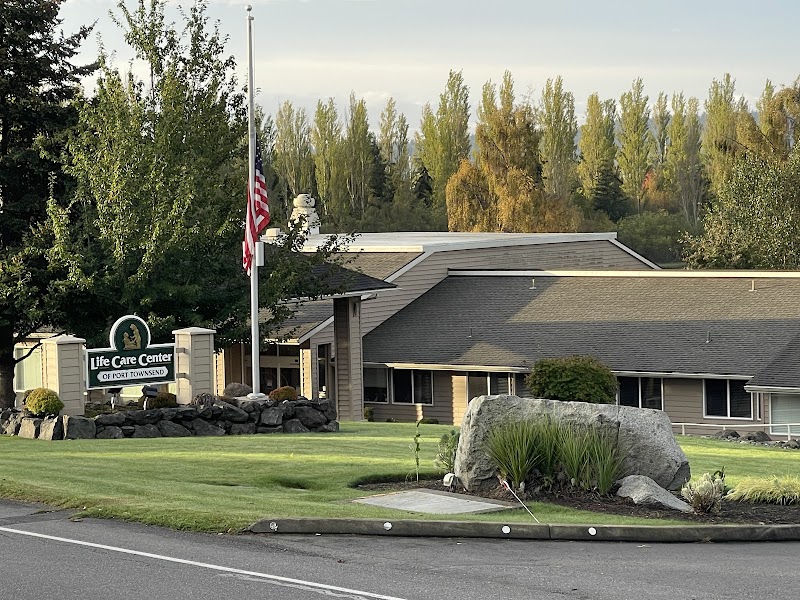
How is Life Of Port Townsend Staffed?

CMS rates LIFE CARE CENTER OF PORT TOWNSEND's staffing level at 3 out of 5 stars, which is average compared to other nursing homes. Staff turnover is 61%, which is 15 percentage points above the Washington average of 46%. High turnover can affect care consistency as new staff learn residents' individual needs. RN turnover specifically is 78%, which is notably high. RNs provide skilled clinical oversight, so turnover in this role can affect medical care quality.

What Have Inspectors Found at Life Of Port Townsend?

State health inspectors documented 32 deficiencies at LIFE CARE CENTER OF PORT TOWNSEND during 2023 to 2025. These included: 1 Immediate Jeopardy (the most serious level, indicating potential for serious harm or death), 2 that caused actual resident harm, 27 with potential for harm, and 2 minor or isolated issues. Immediate Jeopardy findings are rare and represent the most serious regulatory concerns. They require immediate corrective action.
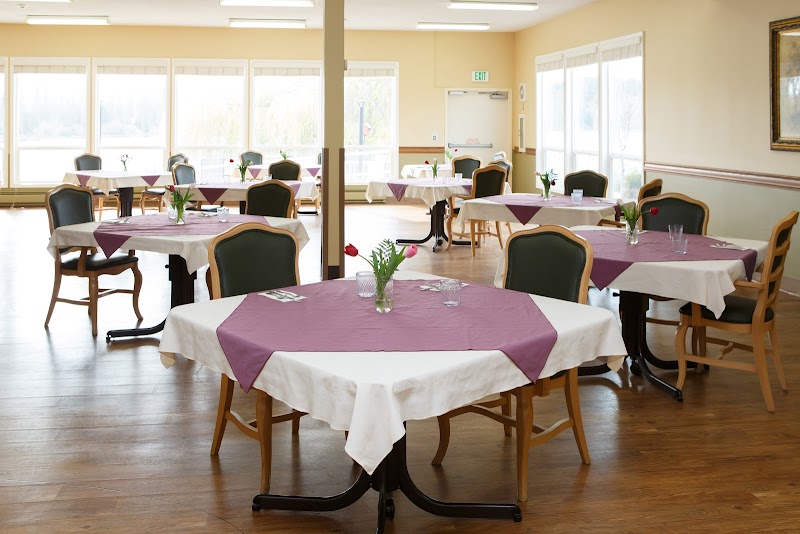
Who Owns and Operates Life Of Port Townsend?

LIFE CARE CENTER OF PORT TOWNSEND is owned by a for-profit company. For-profit facilities operate as businesses with obligations to shareholders or private owners. The facility is operated by LIFE CARE CENTERS OF AMERICA, a chain that manages multiple nursing homes. With 94 certified beds and approximately 42 residents (about 45% occupancy), it is a smaller facility located in PORT TOWNSEND, Washington.

How Does Life Of Port Townsend Compare to Other Washington Nursing Homes?

Compared to the 100 nursing homes in Washington, LIFE CARE CENTER OF PORT TOWNSEND's overall rating (5 stars) is above the state average of 3.2, staff turnover (61%) is significantly higher than the state average of 46%, and health inspection rating (4 stars) is above the national benchmark.

What Should Families Ask When Visiting Life Of Port Townsend?

Based on this facility's data, families visiting should ask: "What changes have been made since the serious inspection findings, and how are you preventing similar issues?" "How do you ensure continuity of care given staff turnover, and what is your staff retention strategy?" "Can I visit during a mealtime to observe dining assistance and food quality?" "How do you handle medical emergencies, and what is your hospital transfer rate?" These questions are particularly relevant given the facility's Immediate Jeopardy citations and the facility's high staff turnover rate.

Is Life Of Port Townsend Safe?

Based on CMS inspection data, LIFE CARE CENTER OF PORT TOWNSEND has documented safety concerns. Inspectors have issued 1 Immediate Jeopardy citation (the most serious violation level indicating risk of serious injury or death). The facility has a 5-star overall rating and ranks #1 of 100 nursing homes in Washington. Families considering this facility should ask detailed questions about what corrective actions have been taken since these incidents.

Do Nurses at Life Of Port Townsend Stick Around?

Staff turnover at LIFE CARE CENTER OF PORT TOWNSEND is high. At 61%, the facility is 15 percentage points above the Washington average of 46%. Registered Nurse turnover is particularly concerning at 78%. RNs handle complex medical decisions and coordinate care — frequent RN changes can directly impact care quality. High turnover means new staff may not know residents' individual needs, medications, or preferences. It can also be disorienting for residents, especially those with dementia who rely on familiar faces. Families should ask: What is causing the turnover? What retention programs are in place? How do you ensure care continuity during staff transitions?

Was Life Of Port Townsend Ever Fined?

LIFE CARE CENTER OF PORT TOWNSEND has been fined $67,308 across 2 penalty actions. This is above the Washington average of $33,752. Fines in this range indicate compliance issues significant enough for CMS to impose meaningful financial consequences. Common causes include delayed correction of deficiencies, repeat violations, or care failures affecting resident safety. Families should ask facility leadership what changes have been made since these penalties.

Is Life Of Port Townsend on Any Federal Watch List?

LIFE CARE CENTER OF PORT TOWNSEND is not on any federal watch list. The most significant is the Special Focus Facility (SFF) program, which identifies the bottom 1% of nursing homes nationally based on persistent, serious quality problems. Not being on this list means the facility has avoided the pattern of deficiencies that triggers enhanced federal oversight. This is a positive indicator, though families should still review the facility's inspection history directly.