LIFE CARE CENTER OF SOUTH HILL
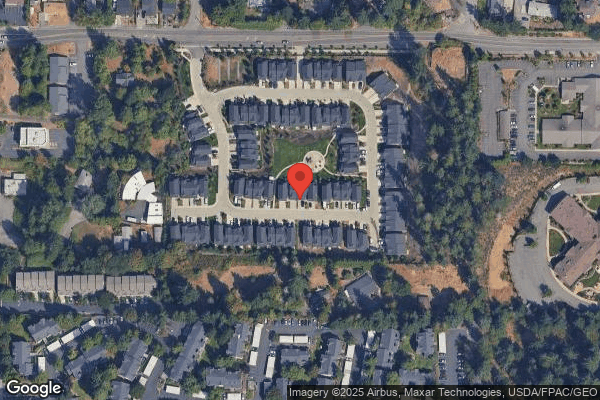

2508 7TH ST SOUTHEAST, PUYALLUP, WA 98374 (253) 661-5948
For profit - Corporation 100 Beds LIFE CARE CENTERS OF AMERICA Data: November 2025
Trust Grade
80/100
#24 of 190 in WA
Last Inspection: October 2024

Within standard 12-15 month inspection cycle. Federal law requires annual inspections.

Overview

Life Care Center of South Hill has a Trust Grade of B+, meaning it is recommended and performs above average compared to other nursing homes. It ranks #24 out of 190 facilities in Washington, placing it in the top half, and #3 out of 21 in Pierce County, indicating it is one of the better options locally. However, the facility is currently facing a worsening trend, with issues increasing from 3 in 2023 to 18 in 2024, raising some concerns about care quality. Staffing received a good rating of 4 out of 5 stars, but the turnover rate is 53%, which is about average for the state, suggesting some instability among staff. Notably, the facility has not incurred any fines, which is a positive sign, but there have been specific incidents where care plans were incomplete, leading to potential risks for residents, such as not monitoring fluid intake properly, which could affect their health. Overall, while there are strengths in staffing and cleanliness, the increase in reported issues and care plan deficiencies should be carefully considered by families.

Trust Score
B+
80/100
In Washington
#24/190
Top 12%
Safety Record
Low Risk
No red flags
Inspections
Getting Worse
3 → 18 violations
Staff Stability
⚠ Watch
53% turnover. Above average. Higher turnover means staff may not know residents' routines.
Penalties
✓ Good
No fines on record. Clean compliance history, better than most Washington facilities.
Skilled Nurses
✓ Good
Each resident gets 64 minutes of Registered Nurse (RN) attention daily — more than 97% of Washington nursing homes. RNs are the most trained staff who catch health problems before they become serious.
Violations
⚠ Watch
29 deficiencies on record. Higher than average. Multiple issues found across inspections.
★★★★★
5.0
Overall Rating
★★★★☆
4.0
Staff Levels
★★★★★
5.0
Care Quality
★★★★☆
4.0
Inspection Score
Stable
2023: 3 issues
2024: 18 issues

The Good

  • 4-Star Staffing Rating · Above-average nurse staffing levels
  • 5-Star Quality Measures · Strong clinical quality outcomes
  • Full Sprinkler Coverage · Fire safety systems throughout facility
  • No fines on record

Facility shows strength in staffing levels, quality measures, fire safety.

The Bad

Staff Turnover: 53%

Near Washington avg (46%)

Higher turnover may affect care consistency

Chain: LIFE CARE CENTERS OF AMERICA

Part of a multi-facility chain

Ask about local staffing decisions and management

The Ugly 29 deficiencies on record

Oct 2024 14 deficiencies
CONCERN (D)

Potential for Harm - no one hurt, but risky conditions existed

Deficiency F0578 (Tag F0578)

Could have caused harm · This affected 1 resident

**NOTE- TERMS IN BRACKETS HAVE BEEN EDITED TO PROTECT CONFIDENTIALITY** . Based on interview and record review, the facility failed to provide information on formulating an advanced directive for 1 of...

Read full inspector narrative →
**NOTE- TERMS IN BRACKETS HAVE BEEN EDITED TO PROTECT CONFIDENTIALITY** . Based on interview and record review, the facility failed to provide information on formulating an advanced directive for 1 of 3 sampled residents (Resident 36) when reviewed for advanced directives. This failure placed residents at risk of not having an established decision maker, lacking input into care, and a diminished quality of life. Findings included . Review of the electronic health record showed Resident 36 admitted to the facility on [DATE]. Review of progress notes showed the social services department called Resident 36's representative on 09/19/2024 to schedule a care conference, which was held on 09/23/2024 (20 days after admitting to the facility). Review of the Social Service Assessment, dated 09/04/2024, showed the advanced directive area left blank. Review of the care plan, dated 09/03/2024, showed no information regarding Resident 36's advanced directive status. During an interview on 10/29/2024 at 1:46 PM, Staff P, Social Service Director, stated Resident 36 was provided information regarding formulating an advanced directive on 09/19/2024 (13 days after admitting to the facility) and this did not meet their expectation. During an interview on 10/29/2024 at 3:43 PM, Staff A, Administrator, stated residents should be asked about their advanced directive status within 48 hours of admission to the facility and provided information on formulating an advanced directive if they did not have one. Staff A stated Resident 36's delay in addressing an advanced directive did not meet expectation. Reference WAC 388-97-0280 (3)(c)(i-ii), -0300 (1)(b), (3)(a-c) .
CONCERN (D)

Potential for Harm - no one hurt, but risky conditions existed

Assessment Accuracy (Tag F0641)

Could have caused harm · This affected 1 resident

**NOTE- TERMS IN BRACKETS HAVE BEEN EDITED TO PROTECT CONFIDENTIALITY** . Based on observation, interview, and record review, the facility failed to ensure the minimum data set assessment (MDS), an as...

Read full inspector narrative →
**NOTE- TERMS IN BRACKETS HAVE BEEN EDITED TO PROTECT CONFIDENTIALITY** . Based on observation, interview, and record review, the facility failed to ensure the minimum data set assessment (MDS), an assessment tool, accurately reflected resident status for 1 of 20 sampled residents (Resident 226) reviewed for accuracy of assessments. This failure placed the resident at risk for unmet care needs and a diminished quality of life. Findings included . Review of the electronic health record (EHR) showed Resident 226 admitted to the facility on [DATE] with diagnoses that included chronic obstructive pulmonary disease (COPD, lung disease that causes restricted airflow and breathing problems) and chronic (long lasting) respiratory failure with hypoxia (low levels of oxygen [O2] in the blood). Resident 226 was able to make needs known. Review of the admission MDS, dated [DATE], showed Resident 226 was not receiving O2 while a resident. Observation on 10/28/2024 at 9:40 AM showed Resident 226 laid in bed receiving O2 set to two liters per minute via nasal cannula (devise to deliver O2 through a tube into the nose). Observation and interview on 10/29/2024 at 10:48 AM showed Resident 226 receiving O2 set to two liters per minute via nasal cannula. Resident 226 stated that they had received O2 continuously at two liters through the nose via the tube since they had admitted to the facility. Review of Resident 226's EHR showed documented respiratory symptoms screening tools dated 10/17/2024, 10/18/2024, 10/19/2024, 10/21/2024, 10/22/2024, 10/24/2024, 10/25/2024, 10/26/2024, 10/27/2024, and 10/28/2024 which showed the resident received O2 via nasal cannula. During an interview on 10/29/2024 at 5:16 PM, Staff H, Licensed Practical Nurse/MDS Nurse, stated Resident 226's admission MDS, dated [DATE], was coded in error for oxygen therapy and needed to be modified. During an interview on 10/30/2024 at 3:02 PM, Staff B, Director of Nursing Services, stated Resident 226's MDS dated [DATE] was coded inaccurately and should have been coded yes for O2 therapy while a resident and needed to be modified. Reference WAC 388-97-1000 (1)(b) .
CONCERN (D)

Potential for Harm - no one hurt, but risky conditions existed

Tube Feeding (Tag F0693)

Could have caused harm · This affected 1 resident

**NOTE- TERMS IN BRACKETS HAVE BEEN EDITED TO PROTECT CONFIDENTIALITY** . Based on observation, interview, and record review, the facility failed to ensure enteral nutrition (the delivery of nutrients...

Read full inspector narrative →
**NOTE- TERMS IN BRACKETS HAVE BEEN EDITED TO PROTECT CONFIDENTIALITY** . Based on observation, interview, and record review, the facility failed to ensure enteral nutrition (the delivery of nutrients through a feeding tube directly into the stomach or small intestine) was administered in accordance with provider's orders and professional standards of practice for 1 of 2 sampled residents (Resident 72) reviewed for enteral nutrition. The facility failed to have a system in place which ensured the amount of enteral formula (liquid food products) a resident received was reconciled with the amount they were ordered to receive. This failure placed the residents at risk for inadequate nutrition, dehydration, and other adverse outcomes. Findings included . Review of Resident 72's admission minimum data set (MDS), an assessment tool, dated 10/15/2024, showed the resident admitted on [DATE] with diagnoses to include stroke, kidney disease, aphasia (a language disorder that affects a person's ability to understand and express language), and muscle weakness. Resident 72's electronic health record (EHR) showed the resident had dysphagia (swallowing difficulty), required an enteral feeding tube for nutrition, and was dependent on facility staff for all activities of daily living. Review of a focused care plan, revised on 10/22/2024, showed Resident 72 required (enteral) tube feeding related to dysphagia. The goal for Resident 72 was to remain free of side effects or complications related to the tube (enteral) feed (TF). Interventions included the registered dietician (RD) to evaluate quarterly and when necessary and make recommendations for changes to the resident's tube feed as needed. An additional care plan focus showed the resident was at risk for weight fluctuations related to current health status with tube feed and risk for malnutrition. Review of a provider order, dated 10/14/2024, showed an order for the licensed nurse (LN) to infuse enteral feeding every shift, Nepro at 50 milliliters (ml) for 24 hours via pump for a total of 1200 ml. The LN's were instructed to flush with 250 ml of purified water every four hours. Review of Resident 72's medication administration record (MAR), dated October 2024, showed the LNs had been documenting (initialed) the resident's tube feed every shift as being infused along with the water flushes; however, no totals were being recorded or documented within the resident's EHR. Observation and interview on 10/30/2024 at 9:55 AM showed Staff E, Licensed Practical Nurse (LPN), provided care and treatment to Resident 72's sacral pressure wound (lower back and buttocks) area. The resident was initially positioned flat on their back and then turned onto their right side for the LN to provide the needed wound care. The resident's tube feed was off temporarily during the wound care (approximately 10-15 minutes). Staff E stated the TF was turned off during the wound care because the resident was positioned onto their back and was required to prevent aspiration (breathing in liquid) of the TF. Interview at 10:59 AM, Staff E was asked where the TF total was being documented in the EHR. Staff E stated they did not see where they were to document in the resident's MAR, but it should have been totaled every shift and documented. Review of Resident 72's EHR showed a decline in their weights for the past several weeks as follows: 10/14/2024 - 165 pounds (lbs.), 10/25/2024 - 160 lbs. and 10/31/2024 - 158.2 lbs. During an interview on 10/30/2024 at 11:01 AM, Staff C, LPN/Unit Care Coordinator (UCC), stated it was their expectation Resident 72's enteral tube feed was to be totaled up every shift and documented in the MAR by the LNs to ensure the resident received their enteral tube feeds as ordered. Review of a document titled, Nutrition: Assessment /Nutritional Data Collection, dated 10/20/2024, for Resident 72 showed a registered dietitian (RD) had recommended a change to the resident's initial TF order to increase the TF to 60 ml per hour for 20 hours to equal 1200 ml total to infuse and to turn on the TF at 2:00 PM and off at 10:00 AM. During an interview on 10/30/2024 at 12:22 PM, Staff F, RD, stated they did not want Resident 72 to be on continuous TF for 24 hours, so they recommended to the UCC on 10/20/2024 to change the resident's TF order as indicated during their last evaluation on 10/20/2024. The TF recommendation was sent via email to the facility staff to change. Staff F stated the LN were to document the TF total every shift to ensure that the resident received their required nutritional intake. During an interview on 10/30/2024 at 12:55 PM, Staff B, Director of Nursing Services, stated it was their expectation that the RD's recommendation was to occur within 72 hours and that the LNs were to total up the resident's TF every shift. Reference WAC 388-97-1060 (3)(f) .
CONCERN (D)

Potential for Harm - no one hurt, but risky conditions existed

Respiratory Care (Tag F0695)

Could have caused harm · This affected 1 resident

**NOTE- TERMS IN BRACKETS HAVE BEEN EDITED TO PROTECT CONFIDENTIALITY** . Based on observation, interview, and record review, the facility failed to provide respiratory care consistent with profession...

Read full inspector narrative →
**NOTE- TERMS IN BRACKETS HAVE BEEN EDITED TO PROTECT CONFIDENTIALITY** . Based on observation, interview, and record review, the facility failed to provide respiratory care consistent with professional standards of practice for 1 of 2 sampled residents (Residents 226) reviewed for respiratory care. Failure to transcribe/obtain and follow physician orders for oxygen (O2) therapy, care plan, ensure O2 tubing was regularly changed and maintained, placed the resident at risk for unmet needs and potential negative outcomes. Findings included . Resident 226 admitted to the facility on [DATE] with diagnoses that included chronic obstructive pulmonary disease (COPD, lung disease that causes restricted airflow and breathing problems), and chronic (long lasting/ongoing) respiratory failure with hypoxia (low levels of O2 in the blood). Resident 226 was able to make needs known. Observation on 10/28/2024 at 9:40 AM showed Resident 226 laid in bed receiving O2 set to two liters (L) per minute via nasal canula (devise to deliver O2 through a tube into the nose) and the tubing was not dated. Observation and interview on 10/29/2024 at 10:48 AM showed Resident 226 received O2 set to two L per minute via nasal canula. Resident 226 stated they had received O2 continuously at two liters through the nose via the tube since they had admitted to the facility. Review of Resident 226's hospital discharge orders dated 10/16/2024 showed, Continue taking these medications, and the list included Oxygen 2 liter daily. Review of the admission collection tool, dated 10/16/2024, Devices and Treatments (care profile) showed Resident 226 had O2 at 2 L/minute by nasal canula/mask and was a Chronic (treatment). Review of Resident 226's electronic health record (EHR) showed no orders for O2 therapy or to change and maintain oxygen tubing; however, documented respiratory symptoms screening tools dated 10/17/2024, 10/18/2024, 10/19/2024, 10/21/2024, 10/22/2024, 10/24/2024, 10/25/2024, 10/26/2024, 10/27/2024, and 10/28/2024 showed the resident received O2 via nasal canula. Review of Resident 226's 05/21/2024 initiated care plan showed no care plan or interventions documented for O2 therapy. During an interview on 10/29/2024 at 5:16 PM, Staff G, Registered Nurse/Unit Care Coordinator, stated Resident 226 was observed receiving O2 at two L per minute via nasal canula and the tubing and humidifier were not dated and should have been. Staff G stated Resident 226 had no orders for O2 therapy and O2 therapy had not been cared planned and should have been. During an interview on 10/30/2024 at 3:02 PM, Staff B, Director of Nursing Services, stated Resident 226's orders for O2 therapy should have been initiated and care planned upon admission. Staff B stated this did not meet expectations. Reference WAC 388-97-1060 (3)(j)(vi) .
CONCERN (E)

Potential for Harm - no one hurt, but risky conditions existed

Comprehensive Care Plan (Tag F0656)

Could have caused harm · This affected multiple residents

**NOTE- TERMS IN BRACKETS HAVE BEEN EDITED TO PROTECT CONFIDENTIALITY** . Based on observation, interview, and record review, the facility failed to include all required services in the plan of care f...

Read full inspector narrative →
**NOTE- TERMS IN BRACKETS HAVE BEEN EDITED TO PROTECT CONFIDENTIALITY** . Based on observation, interview, and record review, the facility failed to include all required services in the plan of care for 3 of 20 sampled residents (Residents 40, 42, and 226) when reviewed for comprehensive care plan. This failure placed residents at risk of not receiving required services, staff being unaware of how to assist residents, and a diminished quality of life. Findings included . Review of the electronic health record (EHR) showed Resident 40 admitted to the facility on [DATE] with diagnoses of ankylosing spondylitis (a type of arthritis that affects the spine and other parts of the body) and pneumonia (a lung infection). Review of provider's orders showed Resident 40 had an order for a fluid restriction. Review of Resident 40's care plan, initiated 09/26/2024, showed no information related to a fluid restriction. During an interview on 10/30/2024 at 9:54 AM, Staff R, Licensed Practical Nurse/Resident Care Manager, stated residents on a fluid restriction should have a care focus area for it in the care plan. Staff R stated there was no information related to Resident 40's fluid restriction in their care plan and this did not meet expectation. During an interview on 10/30/2024 at 1:16 AM, Staff B, Director of Nursing Services, stated information about a fluid restriction should be in the plan of care. Staff B stated Resident 40's care plan had no information about a fluid restriction, and this did not meet expectation. Resident 42 Review of Resident 42's EHR showed the resident readmitted to the facility on [DATE] with diagnoses to include anemia (lack of healthy red blood cells to carry oxygen throughout the body), diabetes (a condition resulting in high blood sugar levels), hyperkalemia (a condition where there is too much potassium, a mineral/electrolyte that helps muscles and nerves function, in the blood), and chronic (persistent/long lasting) kidney disease. The resident was able to make needs known. During an interview and observation on 10/28/2024 at 1:02 PM, Resident 42 stated they were on fluid restriction and pointed to a dietary meal tray slip dated 10/28/2024 that showed Resident 42 was on a fluid restriction. Review of the provider order dated 09/21/2024 showed that Resident 42 was prescribed a diet that included a fluid restriction. Review of Resident 42's current care plan on 10/30/2024 at 8:23 AM showed no care plan or interventions documented for fluid restrictions. During an interview on 10/31/2024 at 12:30 PM, Staff J, Registered Nurse (RN), stated Resident 42 was on fluid restrictions and it should have been care planned when Resident 42 had orders obtained for fluid restrictions. Resident 226 Review of Resident 226's EHR showed the resident admitted on [DATE] with diagnoses to include arthritis (inflammation of the joints), paroxysmal atrial fibrillation (an irregular heart rate that commonly causes poor blood flow), and chronic obstructive pulmonary disease (COPD, lung disease that causes restricted airflow and breathing problems). Resident 226 was able to make needs known. During an interview on 10/28/2024 at 12:06 PM, Resident 226 stated they had a wound on their bottom and their wounds were being looked at and treated routinely. Review of Resident 226's EHR showed a provider order dated 10/17/2024 to treat a deep tissue injury (DTI) to the right heel and an order dated 10/25/2024 for a treatment to the right buttock wound. It showed a care plan dated 10/16/2024 for at risk for break in skin integrity; however, there was no care plan for actual skin integrity impairment. During an interview on 10/31/2024 at 9:26 AM, Staff G, Registered Nurse/Unti Care Coordinator (RN/UCC), stated Resident 226 had a pressure ulcer/skin injury to the right buttock and a DTI to the heel. Staff G stated they did not see a care plan for actual skin integrity issues and there should have been. Reference WAC 388-97-1020(1), (2)(a)(b) .
CONCERN (E)

Potential for Harm - no one hurt, but risky conditions existed

Quality of Care (Tag F0684)

Could have caused harm · This affected multiple residents

**NOTE- TERMS IN BRACKETS HAVE BEEN EDITED TO PROTECT CONFIDENTIALITY** . Based on interview and record review, the facility failed to consistently monitor and document bowel movements and implement t...

Read full inspector narrative →
**NOTE- TERMS IN BRACKETS HAVE BEEN EDITED TO PROTECT CONFIDENTIALITY** . Based on interview and record review, the facility failed to consistently monitor and document bowel movements and implement the bowel program as needed for 3 of 4 sampled residents (Residents 177, 176 and 40) reviewed for care and services. These failures placed the residents at risk for worsening condition, discomfort, and a decreased quality of life. Findings included . Review of a policy document titled, Bowel Protocol, dated 09/16/2024, showed the facility should provide effective interventions for signs and symptoms of constipation that were consistent with current standards of practice. The nursing staff was to record, in the electronic health record (EHR), each time a resident had a bowel movement (BM). In addition, the facility, in coordination with the resident's provider, would implement standing orders to address a lack of a BM. Resident 177 Review of Resident 177's entry minimum data set (MDS), an assessment tool, dated 09/22/2024, showed the resident readmitted on [DATE] with diagnoses to include heart and kidney disease, diabetes, depression and anxiety. The MDS showed Resident 177 was able to make needs known and required assistance with personal care needs. During an interview on 10/28/2024 at 10:21 AM, Resident 177 stated constipation had been an issue for them since admission to the facility. Review of Resident 177s EHR showed several provider orders dated 09/22/2024 for the licensed nurse (LN) to administer, as necessary, medication used in the treatment of constipation to include: Bisacodyl 5 milligrams (mgs) delayed release (orally) as necessary daily, Bisacodyl 10 mg suppository to be administered (rectally) as needed for constipation if the oral Bisacodyl was ineffective. The provider ordered the LN to administer fleets mineral oil enema (rectally) if the Bisacodyl suppository was ineffective. Review of Resident 177's EHR task section showed 9 days (10/15/2024 to 10/23/2024) had elapsed without the LNs administering any provider orders for the treatment of constipation. Resident 176 Review of Resident 176's MDS, dated [DATE], showed the resident admitted on [DATE] with diagnoses to include heart disease and depression. The MDS showed Resident 176 was able to make needs known and required staff assistance with personal care needs. Review of Resident 176's focus care plan, dated 09/26/2024, showed the resident used antidepressant medication related to depression. The goal showed the resident would be free from discomfort or adverse reactions related to antidepressant therapy. Interventions included for the LN to observed for and report as necessary for adverse reactions to antidepressant therapy to include constipation and fecal (stool) impaction. Review of Resident 176's EHR showed several provider orders, dated 09/26/2024, for the LN to administer, as necessary, medication used in the treatment of constipation to include: Bisacodyl 5 mgs delayed release (orally) as necessary daily, Bisacodyl 10 mg suppository to be administered (rectally) as needed for constipation if the oral Bisacodyl was ineffective. The provider ordered the LN to administer fleets mineral oil enema (rectally) if the Bisacodyl suppository was ineffective. Review of Resident 176's EHR task section showed multiple days (greater than 72 hours) from 10/10/2024 to 10/12/2024 and 10/14/2024 to 10/16/2024 had elapsed without the LNs administering any provider orders for the treatment of constipation. Resident 40 Review of Resident 40's EHR showed the resident admitted on [DATE] with diagnoses to include kidney disease, stroke with hemiplegia (paralysis or loss of function to a part of or all the body) and depression. The MDS showed Resident 40 was able to make needs known and required assistance with personal care needs. During an interview on 10/28/2024 at 12:05 PM, Resident 40 stated they had constipation for several days and the staff have not provided them any medication. Review of Resident 40's EHR showed several provider orders dated 10/18/2024 for the LN to administered (as necessary) medication used in the treatment of constipation to include: Bisacodyl 5 mgs delayed release (orally) as necessary daily, Bisacodyl 10 mg suppository to be administered (rectally) as needed for constipation if the oral Bisacodyl was ineffective. The provider ordered the LN to administer fleets mineral oil enema (rectally) if the Bisacodyl suppository was ineffective. Review of Resident 40's EHR task section showed greater than 72 hours had elapsed from (10/22/2024 to 10/24/2024) without LNs administering any provider orders for the treatment of constipation. Review of 40's focus care plan, dated 10/25/2024, showed the resident used antidepressant medication related to depression. The goal showed the resident would be free from discomfort or adverse reactions related to antidepressant therapy. Interventions included for the LN to observed for and report as necessary for adverse reactions to antidepressant therapy to include constipation, and fecal impaction. During an interview on 10/29/2024 at 1:58 PM, Staff C, Licensed Practical Nurse/Unit Care Coordinator, stated the LN should have administered the ordered (as necessary) constipation medication if there was greater than 72 hours since the resident had a BM. During an interview on 10/30/2024 at 11:14 AM, Staff B, Director of Nursing Services, stated it was their expectation LNs were to administer the providers orders as necessary for the resident's constipation. Reference WAC 388-97-1060(1)(2)(3)(b)(c) .
CONCERN (E)

Potential for Harm - no one hurt, but risky conditions existed

Deficiency F0692 (Tag F0692)

Could have caused harm · This affected multiple residents

**NOTE- TERMS IN BRACKETS HAVE BEEN EDITED TO PROTECT CONFIDENTIALITY** . Based on observation, interview, and record review, the facility failed to accurately monitor resident fluid intake and/or ens...

Read full inspector narrative →
**NOTE- TERMS IN BRACKETS HAVE BEEN EDITED TO PROTECT CONFIDENTIALITY** . Based on observation, interview, and record review, the facility failed to accurately monitor resident fluid intake and/or ensure dietary and supplement orders were obtained/transcribed according to standard of practice for 2 of 2 sampled residents (Residents 40 and 42) reviewed for nutrition. This failure placed residents at risk of fluid overload, swelling, discomfort, and a diminished quality of life. Findings included . Review of the electronic health record (EHR) showed Resident 40 admitted to the facility on [DATE] with diagnoses of chronic heart failure (CHF), ankylosing spondylitis (a type of arthritis that affects the spine and other parts of the body), and pneumonia (a lung infection). Review of provider's orders showed Resident 40 had an order for a 2000 milliliters (ml) fluid restriction related to CHF. Review of the order showed for nursing to provide 480 ml fluid during day, evening, and night and for dietary to provide 200 ml day and 180 ml evening and night. Review of Resident 40's October 2024 medication administration record (MAR) showed fluid tracking for nursing day and evening shifts and did not have documentation of dietary provided liquids. Review showed no area to total Resident 40's fluid intake. During an interview on 10/30/2024 at 9:54 AM, Staff R, Licensed Practical Nurse/Resident Care Manager, stated Resident 40 was on a fluid restriction and it was tracked through the MAR and nursing was responsible for monitoring total fluid intake. Staff R stated Resident 40's MAR had only two spaces in the MAR to record fluid intake, dietary fluids were not being tracked, and nursing was not totaling or monitoring total fluid intake. Staff R stated Resident 40's monitoring of fluid restriction did not meet expectation. During an interview on 10/30/2024 at 1:16 PM, Staff B, Director of Nursing Services, stated Resident 40 did not have fluid monitoring for the evening shift, dietary fluids were not being monitored, and nursing was not totaling or monitoring total fluid intake. Staff B stated Resident 40's monitoring of fluid restriction did not meet expectation. Resident 42 Review of Resident 42's EHR showed the resident readmitted to the facility on [DATE] with diagnoses to include anemia (lack of healthy red blood cells to carry oxygen throughout the body), diabetes (a condition resulting in high blood sugar levels), hyperkalemia (a condition where there is too much potassium, a mineral/electrolyte that helps muscles and nerves function, in the blood), and chronic (persistent/long lasting) kidney disease. The resident was able to make needs known. During an interview and observation on 10/28/2024 at 1:02 PM, Resident 42 stated they were on fluid restrictions and pointed to a dietary meal tray slip dated 10/28/2024 that showed Resident 42 was on a fluid restriction of 1200 ml thin liquids. During an interview on 10/30/2024 at 11:28 AM, Resident 42 stated they thought that they were to have 1.5 liters of fluids in 24 hours; however, staff did not keep track of their intake and never asked them how much fluid they had consumed. Review of the dietary provider order dated 09/21/2024 showed Resident 42 was prescribed a diet that included a fluid restriction of 1200 ml (this order did not specify fluids that would be provided by the kitchen for meals or how much fluids would be provided by nursing in between meals). Review of Resident 42's provider order dated 09/22/2024 showed, ProSource Sugar Free two time a day for wound care. (This order did not show the route or the amount of ml to be provided). Review of the provider order dated 10/25/2024 showed Resident 42 was prescribed fluid restrictions of 1500 ml per day (300 ml more than the dietary provider order). Dietary to provide; breakfast = 360 ml, lunch = 240 ml, dinner = 360 ml, and from Nursing: day shift = 180 ml, evening shift = 180 ml, night shift = 120 ml, and every shift document amount consumed. (This order did not show the rationale or related diagnosis for the fluid restriction). Review of Resident 24's 05/21/2024 initiated care plan showed no care plan or interventions documented for fluid restrictions. During an interview on 10/31/2024 at 11:24 AM, Staff K, Certified Assistant Nursing (CNA), stated Resident 42 was on fluid restrictions. Staff K stated they did not document how much fluid the residents on fluid restrictions drank but informed the nurse [licensed nurse] verbally or on a sticky note how much they drank for meals and throughout their shift. During an interview on 10/31/2024 at 12:30 PM, Staff J, Registered Nurse (RN), stated CNA documented how much fluids were consumed during meals in the computer system and would inform nursing [licensed nurses] what fluids were provided in between meals during their shift. Staff J stated that fluids provided in between meals were all documented in the MAR. Staff J stated Resident 42's order for ProSource Sugar Free did not show the route or amount to be provided, the October 2024 MAR did not have a spot to document amount consumed, and the order needed to be clarified with the provider. Staff J stated the dietary order dated 09/21/2024 showed Resident 42 was on a 1200 ml fluid restriction which conflicted with the provider order dated 10/25/2024 that showed a fluid restriction of 1500 ml and both orders needed to be clarified with the provider. Staff K stated all fluids should be totaled for a 24-hour period and documented in the MAR to ensure provider orders were followed; however, that did not happen for Resident 42. Staff J stated that Resident 42's care plan did not include fluid restrictions and should have been included in the care plan when fluid restriction orders were obtained. Staff J stated Resident 42's fluid restrictions monitoring, and documentation did not meet expectations. Reference WAC 388-97-1060 (3)(h)(i) .
CONCERN (E)

Potential for Harm - no one hurt, but risky conditions existed

Deficiency F0757 (Tag F0757)

Could have caused harm · This affected multiple residents

**NOTE- TERMS IN BRACKETS HAVE BEEN EDITED TO PROTECT CONFIDENTIALITY** . Based on interview and record review, the facility failed to implement non-pharmacological interventions (NPI, methods to redu...

Read full inspector narrative →
**NOTE- TERMS IN BRACKETS HAVE BEEN EDITED TO PROTECT CONFIDENTIALITY** . Based on interview and record review, the facility failed to implement non-pharmacological interventions (NPI, methods to reduce pain without medication) prior to providing pain medications for 5 of 5 sampled residents (Residents 6, 24, 32, 41 and 226) reviewed for unnecessary medications. This failure placed the residents at risk of receiving unnecessary pain medications and a decreased quality of life. Findings included . Resident 6 Review of the electronic health record (EHR) showed Resident 6 admitted to the facility on [DATE] with a diagnosis of fracture of the left forearm. Review of the EHR showed the resident had a provider order for oxycodone tablet (a narcotic pain medication) every four hours as needed for severe pain which was provided daily from 10/01/2024 through 10/28/2024. Included was a separate provider order to attempt NPI prior to administering the narcotic pain medication. Review of the medication administration record (MAR) from 10/01/2024 through 10/28/2024 showed all day shift administrations marked as NA for NPI and 12 night shift administrations marked as NA. Resident 24 Review of the EHR showed Resident 24 admitted to the facility on [DATE] with a diagnosis of left lower leg amputation. Review of the EHR showed the resident had a provider order for oxycodone every four hours as needed for severe pain with a start date of 09/24/2024. Included was a separate provider order to attempt NPI prior to administering the narcotic pain medication. Review of the MAR from 10/01/2024 through 10/28/2024 showed the resident received oxycodone daily and 15 of the day shift administrations and 19 night shift administrations were marked as NA. During an interview on 10/29/2024 at 1:02 PM, Staff O, Licensed Practical Nurse, stated the nursing staff should have documented NPI that was attempted prior to narcotic pain medications each shift and they should not mark NA (not applicable). Resident 32 Review of the EHR showed Resident 32 admitted to the facility on [DATE] with a diagnosis of respiratory failure (lung failure). Review of Resident 32's provider's orders showed an order for acetaminophen (an over-the-counter pain medication), dated 10/03/2024, as needed for pain and an order for staff to provide NPI prior to use. Review of Resident 32's October 2024 MAR showed the resident was provided acetaminophen without NPI on 10/05/2024. Resident 226 Resident 226 admitted to the facility on [DATE] with diagnoses that included arthritis (swelling and tenderness of joints) and spinal stenosis (narrowing of the spinal canal in the lower part of the back that could result in pain, numbness, or weakness). Resident 226 was able to make needs known. Review of Resident 226's October 2024 MAR from 10/16/2024 through 10/28/2024 showed orders dated 10/16/2024 to include acetaminophen every four hours as needed for pain. The MAR showed this was provided to Resident 226 without NPI on 10/17/2024 and 10/28/2024. The MAR showed hydrocodone-acetaminophen (use to treat severe pain) every eight hours as needed for pain that was provided 20 times without NPI documented. THe MAR showed an order for staff to provide NPI prior to as needed pain medication use per shift; however, it showed no specific time NPI provided. During an interview on 10/29/2024 at 2:08 PM, Staff G, Registered Nurse/UCC, stated Resident 226's order to attempt to provide NPI prior to giving as needed pain medication was per shift and did not pertain to the specific dose or time an as needed pain medication was provided, and this did not meet expectations. Staff G stated Resident 226's as needed pain medication orders needed to have supplemental documentation added to the orders to include NPI and interventions. During an interview on 10/30/2024 at 2:52 PM, Staff B, Director of Nursing Services, stated the expectation was NPI should be offered and provided prior to administering as needed pain medication and it should be documented in the MAR. Reference WAC 388-97 -1060 (3)(k)(i) Resident 41 Review of the EHR showed Resident 41 admitted to the facility on [DATE] with a diagnosis of osteomyelitis (infection of the bone) of the right ankle and foot. The resident had a provider's order for oxycodone tablet every 12 hours as needed for pain levels 6 to 10. Included was a separate provider order to attempt NPI prior to administering the narcotic pain medication. Review of the MAR for October 2024 showed the LNs had not documented any NPI for 18 oxycodone administrations for Resident 41. Review of a focus care plan, dated 10/04/2024, showed Resident 41 expressed pain/discomfort related to muscle weakness and wound. The interventions included for the licensed nurse (LN) to evaluate the effectiveness of pain interventions and administered the pain medications as ordered. During an interview on 10/29/2024 at 2:31 PM, Staff C, Licensed Practical Nurse/Unit Care Coordinator (LPN/UCC), stated the NPI documentation was wrong in the MAR for Resident 41 and the LNs were to provide NPI whenever they administered narcotics and document in the residents' EHR.
CONCERN (E)

Potential for Harm - no one hurt, but risky conditions existed

Medication Errors (Tag F0758)

Could have caused harm · This affected multiple residents

**NOTE- TERMS IN BRACKETS HAVE BEEN EDITED TO PROTECT CONFIDENTIALITY** . Based on interview and record review, the facility failed to timely initiate monitoring of adverse side effects and target beh...

Read full inspector narrative →
**NOTE- TERMS IN BRACKETS HAVE BEEN EDITED TO PROTECT CONFIDENTIALITY** . Based on interview and record review, the facility failed to timely initiate monitoring of adverse side effects and target behaviors for 3 of 6 sampled residents (Residents 24, 276 and 226) when reviewed for unnecessary psychotropic (affecting the mind) medications. These failures placed the residents at risk for unidentified mental health needs and a decreased quality of life. Findings included . Resident 24 Review of the electronic health record (EHR) showed Resident 24 admitted to the facility on [DATE] with a diagnosis of depression. Review of the EHR showed a provider order dated 09/23/2024 for nortriptyline (an antidepressant medication) at bedtime for depression. Review of Resident 24's medication administration record (MAR) from 09/23/2024 through 10/28/2024, showed Resident 24 was provided nortriptyline per provider orders; however, the order to monitor targeted behaviors related to the use of an antidepressant was not initiated until 10/28/2024. Resident 276 Review of the EHR showed Resident 276 admitted to the facility on [DATE] with a diagnosis of depression. Review showed provider orders for the following psychotropic medications: amitriptyline (an antidepressant) daily for depression, start date 10/20/2024, trazadone (an antidepressant) daily at bedtime for depression, start date 10/21/2024, and sertraline (an antidepressant) daily for depression, start date 10/20/2024. Review of Resident 276's MAR from 10/20/2024 through 10/28/2024 showed Resident 276 was provided the above antidepressants per provider orders; however, the order to monitor targeted behaviors related to the use of an antidepressant was not initiated until 10/28/2024. During an interview on 09/29/2024, Staff O, Licensed Practical Nurse (LPN), stated they did not know why there was no behavior monitoring in place until 10/28/2024 but there should have been. During an interview on 10/30/2024 at 2:25 PM, Staff B, Director of Nursing Services (DNS), stated resident's on a psychotropic medications, such as an antidepressant, should have targeted behavior monitoring in place on the day they start the medication. Resident 226 Resident 226 admitted to the facility on [DATE] with a diagnosis of depression and was able to make needs known. Review of Resident 226's EHR showed a provider order dated 10/16/2024 for duloxetine (an antidepressant medication) one time a day for depression. It showed an order dated 10/17/2024 to monitor for target behaviors related to a diagnosis of depression, listed several behaviors, and listed interventions to utilize/offer. It showed an order dated 10/24/2024 to monitor for side effects for use of duloxetine every shift. Review of Resident 226's October 2024 MAR from 10/16/2024 through 10/28/2024 showed Resident 226 was provided duloxetine per provider orders; however, the order to monitor for side effects for use of duloxetine was not initiated until 10/24/2024 (eight days after being provided the medication). An order dated 10/17/2024 to monitor for target behaviors with listed interventions showed documentation of nurses' initials for day and night shift; however, there was no documentation for evening shift, or to show if behaviors were or were not exhibited, or if interventions were offered. During an interview on 10/29/2024 at 1:51 PM, Staff G, Registered Nurse/Unit Care Coordinator (RN/UCC), stated Resident 226's order to monitor side effects related to use of antidepressant medication was started eight days after being provided the medication and should have been initiated upon admission. Staff G stated Resident 226's order to monitor target behaviors was entered into the system inaccurately and should have included supplemental documentation to show if the resident had behaviors and what interventions were provided if needed. During an interview on 10/30/2024 at 2:25 PM, Staff B, Director of Nursing Services, stated Resident 226's monitoring for adverse side effects for antidepressant medication use was initiated too late. Staff B stated Resident 226's October 2024 MAR did not show a space to document a code to show if Resident 226 had behaviors or if interventions were provided. The documentation should have been in the MAR but there was an error when they put the order in for codes for behaviors and interventions and this did not meet expectations. Reference WAC 388-97-1060 (3)(k)(i) .
CONCERN (E)

Potential for Harm - no one hurt, but risky conditions existed

Infection Control (Tag F0880)

Could have caused harm · This affected multiple residents

**NOTE- TERMS IN BRACKETS HAVE BEEN EDITED TO PROTECT CONFIDENTIALITY** . Based on observation, interview, and record review the facility failed to implement an infection control program that included...

Read full inspector narrative →
**NOTE- TERMS IN BRACKETS HAVE BEEN EDITED TO PROTECT CONFIDENTIALITY** . Based on observation, interview, and record review the facility failed to implement an infection control program that included the application of enhanced barrier precautions (EBP) for 2 of 3 sampled residents (Residents 5 and 226) when reviewed for EBP. Also, the facility failed to track all infectious organisms for 2 of 3 months (August and September 2024) when reviewed for infection control. These failures placed residents at risk of communicable diseases, avoidable side effects, and a diminished quality of life. Findings included . <EBP> Review of the facility policy titled Enhanced Barrier Precautions, dated 06/03/2024, showed the facility should use EBP for residents who had chronic wounds, such as pressure wounds, or indwelling devices, such as urinary catheters. It further showed that EBP included posting a sign outside the resident's door instructing staff on the use of a gown and gloves for all high contact resident care activities. Resident 5 Review of Resident 5's electronic health record (EHR) showed Resident 5 re-admitted to the facility on [DATE] with a pressure injury to their bottom. Further review showed the resident's pressure injury resolved on 07/12/2024 but continued to have a chronic wound to their left ankle which was still present on 10/28/2024. Observation on 10/29/2024 showed Resident 5 did not have an EBP sign on the door. During an interview on 10/29/2024 at 11:23 AM, Staff L, Certified Nursing Assistant, stated Resident 5 had not been requiring EBP. During an interview on 10/31/2024 at 9:57 AM, Staff M, Infection Preventionist (IP), stated it was their expectation that residents who had significant chronic wounds, such as Resident 5, would have EBP in place. Resident 226 Review of the EHR showed Resident 226 admitted to the facility on [DATE] with a diagnosis of obstructive and reflux uropathy (difficulty urinating) and required an indwelling urinary catheter (a tube inserted into the bladder to drain urine). Observation and interview on 10/28/2024 at 12:03 PM showed Resident 226 in their room. There was no EBP sign on the door and Resident 226 stated they had admitted to the facility with an indwelling urinary catheter. Resident 226 stated staff did not wear gowns when providing direct care. During an interview on 10/29/2024 at 4:54 PM, Staff M, IP, stated Resident 226 had a indwelling urinary catheter and should have had EBP sign and a PPE isolation cart with appropriate supplies by the doorway, and it should have been care planed. During an interview on 10/30/2024 at 11:20 AM, Staff A, Administrator, stated it was their expectation that residents with chronic wounds and indwelling urinary catheters be placed on EBP and Resident 5 and Resident 226 should have had EBP in place. <Tracking> Review of the facility policy titled Infection prevention and Control Program, revised 01/25/2023, showed the program includes early detection, management of a potentially infectious, symptomatic resident that requires laboratory testing and/or the implementation of appropriate TBP/PPE (the plan may include tracking this information in an infectious disease log). August 2024 Review of the infection control log, map and monthly summary for August 2024 included no identified organisms and listed no multidrug resistant organism (MDRO, infections resistant to multiple antibiotics) for tracking. September 2024 Review of the infection control log, map and monthly summary for September 2024 showed no identified organisms and listed no MDRO for tracking. Review of Resident 177's EHR showed the resident was identified to have disseminated shingles (a viral infection that is highly contagious) on 09/11/2024 and was sent to the emergency room for evaluation. The September 2024 infection control log did not include this infection. Review of Resident 278's EHR showed the resident admitted on [DATE] with diagnosis of urinary tract infect (UTI) and was receiving cephalexin (an antibiotic) every eight hours for UTI. The September 2024 infection control log did not include this infection. During an interview on 10/30/2024 at 10:36 AM, Staff M, IP, stated it was their practice to track all infections on the infection control log, update the map daily, and complete a summary every month which included a section for tracking MDROs. During an interview on 10/29/2024 at 11:47 AM, Staff B, Director of Nursing Services, stated it was their expectation that the IP review lab results for new admissions and current residents who are receiving antibiotics for the infectious organisms, if applicable, and include each on the infection control logs for tracking. Reference WAC 388-97 -1320 (2)(a)(c) .
CONCERN (E)

Potential for Harm - no one hurt, but risky conditions existed

Antibiotic Stewardship (Tag F0881)

Could have caused harm · This affected multiple residents

**NOTE- TERMS IN BRACKETS HAVE BEEN EDITED TO PROTECT CONFIDENTIALITY** . Based on interview and record review, the facility failed to implement an effective Antibiotic Stewardship Program to promote ...

Read full inspector narrative →
**NOTE- TERMS IN BRACKETS HAVE BEEN EDITED TO PROTECT CONFIDENTIALITY** . Based on interview and record review, the facility failed to implement an effective Antibiotic Stewardship Program to promote appropriate use of antibiotics, reduce the risk of unnecessary antibiotic use and decrease the development of adverse side effects and antibiotic resistance for 1 of 2 sampled residents (Resident 26) reviewed for antibiotic stewardship. This failure placed residents at risk for potential adverse outcomes associated with the inappropriate and/or unnecessary use of antibiotics. Findings included . Review of the facility policy titled Antibiotic Stewardship, revised 05/16/2024, showed the facility would implement antibiotic time-out at 72 hours after antibiotic initiation or first dose in the facility. Each resident should be reassessed for consideration of antibiotic need by reviewing lab results, response to therapy and resident condition. It further showed the facility would design and use a system to identify residents with multidrug resistant organisms (MDRO, infections resistant to multiple antibiotics) by reviewing microbiology culture results. Resident 26 Review of the electronic health record (EHR) showed Resident 26 admitted to the facility on [DATE] with diagnoses of sepsis (a serious condition in which the body responds improperly to an infection), obstructive uropathy (difficulty urinating), and a urinary tract infection (UTI). There was no diagnosis of pneumonia included in the resident's diagnosis list. Review of Resident 26's provider's orders showed an order for cefdinir (a broad-spectrum antibiotic) twice a day for five days for a UTI with a start date of 10/10/2024 which was completed on 10/15/2024. Review of an outside provider's note dated 10/10/2024, provided to the facility by Resident 26's family member on 10/24/2024, showed the resident had a culture result positive for pseudomonas (a MDRO) and should have been changed to ciprofloxacin (an antibiotic) as pseudomonas was resistive to the cefdinir. During an interview on 10/29/2024 at 11:37 AM, Staff M, Infection Preventionist, stated they did not review the lab/culture results for all UTIs and they trusted the provider's judgment on whether the resident was on the appropriate antibiotic treatment. Staff M stated they believed it was a typical UTI. During an interview on 10/31/2024 at 11:13 AM, Staff B, Director of Nursing Services, stated it was their expectation that the infection preventionist review infections and associated laboratory culture results for antibiotic stewardship. No Associated WAC .
MINOR (B)

Minor Issue - procedural, no safety impact

Transfer Notice (Tag F0623)

Minor procedural issue · This affected multiple residents

**NOTE- TERMS IN BRACKETS HAVE BEEN EDITED TO PROTECT CONFIDENTIALITY** Resident 42 Review of Resident 42's EHR showed the resident readmitted to the facility on [DATE] with diagnoses to include anemi...

Read full inspector narrative →
**NOTE- TERMS IN BRACKETS HAVE BEEN EDITED TO PROTECT CONFIDENTIALITY** Resident 42 Review of Resident 42's EHR showed the resident readmitted to the facility on [DATE] with diagnoses to include anemia (lack of healthy red blood cells to carry oxygen throughout the body) and diabetes (a condition resulting in high blood sugar levels). The resident was able to make needs known. Review of the discharge MDS, dated [DATE], and the entry tracking record MDS, dated [DATE], showed that Resident 42 was transferred from the facility to the hospital on [DATE] and readmitted to the facility on [DATE]. During an interview on 10/29/2024 at 3:24 PM, Staff A, Administrator, stated they were unable to locate documentation that the SLTCO was notified of Resident 42's transfer to the hospital on [DATE] and there should have been. Reference WAC 388-97-0120 (2)(a-d), -0140(1)(a)(b)(c)(i-iii) Based on interview and record review, the facility failed to properly notify the Office of State Long-Term Care Ombudsman (SLTCO, an advocacy group for residents in a nursing home) of discharges for 2 of 4 sampled residents (Residents 177 and 42) reviewed for hospitalization. These failures placed residents at risk for being inappropriately discharged , lack of access to an advocate who could inform them of their options and rights, and to ensure that the SLTCO was aware of facility practices and activities related to transfers and discharges. Findings included . Resident 177 Review of Resident 177's entry minimum data set (MDS, a required assessment tool), dated 09/22/2024, showed the resident was readmitted on [DATE] after a transfer out to a local medical center with diagnoses to include heart and kidney disease, diabetes, depression and anxiety. The MDS further showed that Resident 177 was able to make needs known. During an interview on 10/28/2024 at 10:19 AM, Resident 177 stated they had been transferred to a local medical center for treatment of shingles (a skin condition that occurs in people with a compromised or suppressed immune system) several weeks ago. Review of Resident 177's electronic health records (EHR) showed the resident was transferred out to a local medical center on 09/11/2024 for treatment and care of shingles however, the SLTCO had not been notified of the resident's transfer. During an interview on 10/29/2024 at 3:26 PM, Staff A, Administrator, stated they were unable to locate any documentation of notification to the SLTCO of Resident 177's transfer. Staff A stated it was their expectation that the SLTCO should have been notified of the resident's transfer.
MINOR (B)

Minor Issue - procedural, no safety impact

Deficiency F0625 (Tag F0625)

Minor procedural issue · This affected multiple residents

**NOTE- TERMS IN BRACKETS HAVE BEEN EDITED TO PROTECT CONFIDENTIALITY** Resident 47 Review of the EHR showed Resident 47 admitted to the facility on [DATE] with a diagnosis of infected surgical implan...

Read full inspector narrative →
**NOTE- TERMS IN BRACKETS HAVE BEEN EDITED TO PROTECT CONFIDENTIALITY** Resident 47 Review of the EHR showed Resident 47 admitted to the facility on [DATE] with a diagnosis of infected surgical implant. Review showed the resident was transferred to the emergency room on [DATE] for exposed hardware and concern of hardware infection in the elbow. No documentation was found in the EHR that the facility staff had offered Resident 47 a bed hold. During an interview on 10/29/2024 at 12:13 PM, Staff O, Licensed Practical Nurse, stated they were unable to locate documentation that a bed hold was offered for the 06/14/2024 transfer to the hospital for Resident 47. During an interview on 10/29/2024 at 1:32 PM, Staff B, Director of Nursing Services, stated it was their expectation that staff offered a bed hold and documented it in the resident's EHR on transfers to the hospital. Reference WAC 388-97 -0120 (4) Resident 27 Review of the EHR showed Resident 27 admitted to the facility on [DATE] and discharged to the hospital on [DATE]. Review showed no bed hold had been provided to Resident 27 for this transfer. During an interview on 10/30/2024 at 10:28 AM, Staff Q, Medical Records Director, stated Resident 27 was not provided a bed hold for the transfer to the hospital on [DATE]. Resident 42 Review of the discharge MDS, dated [DATE], and the entry tracking record MDS, dated [DATE], showed Resident 42 was transferred from the facility to the hospital on [DATE] and readmitted to the facility on [DATE]. Review of Resident 42's EHR showed no documentation that Resident 42 was offered a bed hold for the transfer/discharge on [DATE]. During an interview on 10/29/2024 at 11:12 AM, Resident 42 stated they did not recall ever being offered a bed hold when transferred to the hospital. During an interview on 10/29/2024 at 3:24 PM, Staff A, Administrator, stated they were unable to locate bed hold documentation for Resident 42's transfer to the hospital on [DATE] and this did not meet expectations. Based on interview and record review, the facility failed to provide written bed hold notices at the time of transfer to the hospital for 4 of 4 sample residents (Residents 177, 27, 42, and 47) reviewed for hospitalization. This failure placed residents at risk for lacking knowledge regarding their right to hold their bed while in the hospital. Resident 177 Review of Resident 177's entry minimum data set (MDS), an assessment tool, dated 09/22/2024, showed the resident readmitted on [DATE] with diagnoses to include heart and kidney disease, diabetes, depression and anxiety. The MDS showed Resident 177 was able to make needs known. During an interview on 10/28/2024 at 10:19 AM, Resident 177 stated they had been transferred to a local medical center for treatment of shingles (a viral infection that causes a painful rash) several weeks ago; however, no bed hold was provided to them at that time. Review of the Resident 177's electronic health records (EHR) showed the resident was transferred out to a local medical center for treatment and care of shingles. Review showed no documentation that a bed hold notice was provided or discussed with the resident and/or resident's representative when the resident was admitted to the hospital. During an interview on 10/29/2024 at 1:15 PM, Staff D, Business Office Manager, stated the bed hold was to be offered to the resident upon any transfer out to a medical center by the licensed nurses and documentation was to be placed into the resident's EHR. During an interview on 10/29/2024 at 1:29 PM, Staff C, Licensed Practical Nurse/Unit Care Coordinator (LPN/UCC), stated the bed hold policy was to occur whenever the resident was transferred to a medical center. Staff C stated the bed hold offering should have been documented in the residents' EHR; however, they could not find documentation in Resident 177's EHR. During an interview on 10/29/2024 at 3:26 PM, Staff A, Administrator, stated they were unable to locate any documentation of a bed hold being offered to Resident 177. Staff A stated it was their expectation a bed hold should have been offered to the resident and placed into their EHR.
MINOR (C)

Minor Issue - procedural, no safety impact

Staffing Information (Tag F0732)

Minor procedural issue · This affected most or all residents

. Based on observation, interview, and record review, the facility failed to ensure the nursing staff posting was posted daily and/or reflected the actual nursing staff hours worked during 4 of 4 days...

Read full inspector narrative →
. Based on observation, interview, and record review, the facility failed to ensure the nursing staff posting was posted daily and/or reflected the actual nursing staff hours worked during 4 of 4 days of the survey period. This failed practice prevented residents, family members and visitors from knowing the facility's actual number of available nursing staff. Findings included . Observations on 10/28/2024 at 3:40 PM, 10/30/2024 at 8:49 AM, and 10/31/2024 at 8:31 AM showed nursing staff postings with no actual nursing staff hours posted (the actual hours worked were left blank on the form). Observation on 10/29/2024 at 8:49 AM showed the nursing staff posting was dated 10/28/2024 (previous day's date) and did not show actual nursing staff hours posted. During an interview on 10/31/2024 at 10:19 AM, Staff N, Staffing Coordinator, stated upon arriving to the facility they would remove the previous day's nursing staff posting form and put out the new nursing staff posting; however, on 10/29/2024 they had removed the posting to update the form and the previous date was left behind in its place until they were able to post the new/revised 10/29/2024 form. Staff N stated if there were no call offs for the day, they may not update the form to reflect actual hours worked until the next morning instead of each shift. Staff N showed nursing staff postings for 10/28/2024 through 10/31/2024 and the actual hours worked were not completed for all three shifts on 10/30/2024 and for the night shift on 10/31/2024. Staff N stated this did not meet expectations, and actual hours worked should have been posted each shift. During an interview on 10/31/2024 at 11:03 AM, Staff A, Administrator, stated the expectation was that the nurse staff postings be updated at the beginning of every shift to include actual worked hours. Staff A stated on 10/29/2024 Staff N should have updated the nursing staff posting electronically and then replaced the posted nurse staff posting with the revised 10/29/2024 nurse staff posting. No Associated WAC. .
Sept 2024 4 deficiencies
CONCERN (D) 📢 Someone Reported This

A family member, employee, or ombudsman was alarmed enough to file a formal complaint

Potential for Harm - no one hurt, but risky conditions existed

Report Alleged Abuse (Tag F0609)

Could have caused harm · This affected 1 resident

**NOTE- TERMS IN BRACKETS HAVE BEEN EDITED TO PROTECT CONFIDENTIALITY** . Based on interview and record review, the facility failed to implement their abuse prohibition policy for 2 of 6 residents (Re...

Read full inspector narrative →
**NOTE- TERMS IN BRACKETS HAVE BEEN EDITED TO PROTECT CONFIDENTIALITY** . Based on interview and record review, the facility failed to implement their abuse prohibition policy for 2 of 6 residents (Residents 10 & 11) reviewed for abuse. The failure to properly identify a resident grievance as an alleged violation and report the alleged violation to the State Agency (SA) placed residents at risk for further exposure to potential abuse/neglect, unmet care needs, and diminished quality of life/quality of care. Findings included . <POLICY> Review of the facility's Abuse-Reporting and Response - No Crime Suspected policy, reviewed 06/17/2024, showed all alleged or suspected violations involving mistreatment, abuse, neglect, and injuries of unknown origin would be reported immediately but no later than two hours after the allegation was made, to the appropriate authorities, including the SA (in accordance with State Laws). The reporter of the violation did not have to explicitly characterize the situation as abuse, neglect, mistreatment, or exploitation in order to trigger the facility to investigate. If the facility staff could reasonably conclude that the potential existed that a violation occurred, then they would consider the allegation to be a reportable event and would require action. Review of the Washington State Department of Social & Health Services Nursing Home Guidelines -The Purple Book, dated October 2015 (guidelines to assist nursing homes with compliance of the State and Federal requirements for the prevention, identification, reporting, and investigating incidents of abuse, neglect, abandonment, mistreatment, injuries of unknown source, exploitation, and misappropriation of nursing home residents) showed the methods of reporting included by telephone, fax, online, and by the Reporting Log (a log required to be maintained by facilities, readily accessible at all times to SA staff that included specific information outlined in The Purple Book). Immediate telephone reporting to the SA is required of all incidents of suspected or alleged abuse, neglect, abandonment, mistreatment, exploitation, or misappropriation of resident property had occurred as well as on the Reporting Log within five days. <Resident 10> Review of the 08/28/2024 admission Minimum Data Set (MDS-assessment tool) showed Resident 10 admitted to the facility on [DATE] and diagnoses included multiple fractures and anxiety disorder. Resident 10 had no problems with cognition and had occasional pain, with the worst pain in the previous five days rated 9/10. Review of the Pain Care Plan (CP), dated 08/19/2024, showed Resident 10's pain was related to multiple rib fractures. The CP directed staff to evaluate the effectiveness of pain interventions and provide pain medication as ordered. Review of a Concern & Comment Form, written by Resident 10's Collateral Contact (CC-10) on 08/20/2024 at 11:15 AM, showed Resident 10 was in pain and requested pain medication from Staff L, Registered Nurse (RN)-previous employee, at approximately 1:30 AM and Staff L did not provide the pain medication until approximately 5:30 AM. Resident 10 told CC-10 the pain kept them awake through the night and they had other concerns they wanted to report to Staff L but did not because they felt Staff L would not listen. The concern form follow-up showed Staff C, RN, interviewed Resident 10 on 08/27/2024 (seven days after the concern was written). Staff C documented Resident 10 received pain medication prior to the time that was reported by CC-10 but did not state what time. Actions taken to resolve the concern included customer service training and disciplinary action. Review of Resident 10's August 2024 Medication Administration Record (MAR) showed a physician order, dated 08/19/2024, for a narcotic pain medication to be given every four hours as needed for pain 6-10/10. The MAR showed Staff L administered the pain medication on 08/20/2024 at 4:29 AM for pain rated 9/10 (a delay of three hours after Resident 10 requested pain medication). Review of the facility's Reporting Log did not show the facility reported the alleged violation of delayed care and services for the treatment of pain. In an interview on 09/17/2024 at 10:35 AM, Staff B, Director of Nursing, stated the facility should have reported the alleged violation to the SA as soon as they were aware of the concern but did not. <Resident 11> Review of Resident 11's Concern & Comment Form, dated 08/24/2024, showed Resident 11 had concerns regarding Staff L's nightly pattern of poor customer service and three-hour delay in pain medication administration. In an interview on 09/12/2024 at 2:50 PM, Resident 11 stated Staff L took more than an hour to provide requested pain medication on multiple occasions prior to 08/24/2024. Resident 11 stated the longest wait time from the time they requested pain medication to the time they received pain medication was between three and four hours. Review of the facility's Reporting Log did not provide documentation to support the facility recognized and/or reported Resident 11's alleged violation of delayed care and services. In an interview on 09/17/2024 at 10:35 AM, Staff B stated the facility should have reported the alleged violation to the SA as soon as they were aware of the concern but did not. Refer to F-610 REFERENCE WAC 388-97-0640 (1)(2)(a)(b)(5)(a). .
CONCERN (D) 📢 Someone Reported This

A family member, employee, or ombudsman was alarmed enough to file a formal complaint

Potential for Harm - no one hurt, but risky conditions existed

Investigate Abuse (Tag F0610)

Could have caused harm · This affected 1 resident

. Based on interview and record review, the facility failed to implement their abuse prohibition policies and procedures for 2 of 6 residents (Residents 10 & 11) reviewed for abuse. The failure to con...

Read full inspector narrative →
. Based on interview and record review, the facility failed to implement their abuse prohibition policies and procedures for 2 of 6 residents (Residents 10 & 11) reviewed for abuse. The failure to conduct a thorough investigation of an alleged violation and maintain documentation to show an alleged violation was thoroughly investigated that included immediate interventions implemented to prevent further potential abuse/neglect during (and after) the investigation placed residents at risk for further exposure to potential abuse/neglect, unmet care needs, and diminished quality of life/quality of care. Findings included . <POLICY> Review of the Washington State Department of Social & Health Services Nursing Home Guidelines -The Purple Book, dated October 2015 (guidelines to assist nursing homes with compliance of the State and Federal requirements for the prevention, identification, reporting, and investigating incidents of abuse, neglect, abandonment, mistreatment, injuries of unknown source, exploitation, and misappropriation of nursing home residents) showed the facility must begin an immediate investigation of alleged violations in order to collect accurate data. The facility must conduct a thorough investigation and document the findings of the investigation. If the alleged perpetrator was a staff member, a thorough investigation included interviews of an expanded sample of residents the staff person was assigned to. Any findings during the expanded sample interviews of the extended investigation must be entered into the Reporting Log and be available within five days of the discovery of the incident. Evidence of the investigation must be readily available to State Agency (SA). <Resident 10> Review of a Concern & Comment Form, written by Resident 10's Collateral Contact (CC-10) on 08/20/2024 at 11:15 AM, showed Resident 10 was in pain and requested pain medication from Staff L, Registered Nurse (RN)-previous employee, at approximately 1:30 AM and Staff L did not provide the pain medication until approximately 5:30 AM (a delay of four hours). Review of the facility's Reporting Log did not show the facility reported the alleged violation of delayed care and services for the treatment of pain. In an interview on 09/17/2024 at 10:35 AM, Staff B, Director of Nursing, stated the facility should have conducted and documented a thorough investigation of the alleged violation but did not. <Resident 11> Review of Resident 11's Concern & Comment Form, dated 08/24/2024, showed Resident 11 had concerns regarding Staff L's nightly pattern of poor customer service and three-hour delay in pain medication administration. Review of the facility's Reporting Log did not provide documentation to support the facility recognized and/or reported Resident 11's alleged violation of delayed care and services. In an interview on 09/17/2024 at 10:35 AM, Staff B stated the facility should have conducted and documented a thorough investigation of the alleged violation but did not. Refer to F-609. REFERENCE WAC 388-97-0640 (1)(2)(a)(b)(6)(a)(b)(c). .
CONCERN (D) 📢 Someone Reported This

A family member, employee, or ombudsman was alarmed enough to file a formal complaint

Potential for Harm - no one hurt, but risky conditions existed

Deficiency F0658 (Tag F0658)

Could have caused harm · This affected 1 resident

**NOTE- TERMS IN BRACKETS HAVE BEEN EDITED TO PROTECT CONFIDENTIALITY** . Based on interview and record review, the facility failed to ensure services provided met professional standards of practice f...

Read full inspector narrative →
**NOTE- TERMS IN BRACKETS HAVE BEEN EDITED TO PROTECT CONFIDENTIALITY** . Based on interview and record review, the facility failed to ensure services provided met professional standards of practice for 1 of 3 residents (Resident 3) reviewed for medication administration. The failure to follow, obtain, and/or clarify physician orders, only sign for medications administered placed, and accurately document medication timing requests placed residents at risk for medication errors, delay in treatment, and adverse outcomes. Findings included . <Resident 3> Review of the admission Minimum Data Set (MDS-assessment tool) dated 05/08/2024, showed Resident 3 was admitted to the facility on [DATE], had no cognitive problems, and diagnoses included surgical aftercare following an orthopedic surgery and diabetes. Resident 3 received both scheduled and as needed pain medication. Resident 3 had frequent pain that reached an 8/10 during the five-day observation period. Review of the Pain Care Plan (CP), dated 05/03/2024, directed staff to administer pain medications as they were ordered. <05/03/2024> In an interview on 09/11/2024 at 10:17 AM, Resident 3 stated on the day of their admission [DATE]) they did not receive their ordered bedtime medications which included medication for a chronic pain condition. Resident 3 stated while waiting for their medications they fell asleep but woke up the next morning in more pain than normal. Resident 3 stated when they asked the staff why they did not get their medication at bedtime the staff told them it had to do with the time the orders were entered into the computer system. Review of the May 2024 Medication Administration Record (MAR) for 05/03/2024 showed ten medications that were entered into the electronic MAR before 5:30 PM and were scheduled to be administered at bedtime (between 8:00 PM and 10:00 PM). Of the ten medications, six were documented as administered by the nurse and three were documented as 10-see progress notes. Resident 3 also had orders for an as needed narcotic pain medication, entered in the electronic MAR at 4:39 PM, and was not administered on 05/03/2024. In an interview on 09/16/2024 at 3:28 PM, Staff M, Registered Nurse (RN), stated pharmacy deliveries typically arrived late at night or early in the morning so for new admissions to receive their ordered medications they would have to obtain them from the Omnicell (an emergency kit of commonly ordered medications). When they removed them from the Omnicell, they were required to enter the name of the resident and have valid orders. Staff M stated if the medication ordered was not in the Omnicell then they would call the pharmacy to have the ordered doses satellited (sent from a local pharmacy) or they would call the physician to notify them the medication is not available and obtain further orders to hold the medication or give an alternative medication. Staff M stated they always used the same process during their medication administration and did not document the medications as administered until after they delivered them to the patient. Staff M could not remember specifically back to 05/03/2024 if there were problems with obtaining Resident 3's medications and if the medications that were initialed as administered were stocked in the Omnicell because they were commonly ordered medications. Staff M stated they would document problems encountered in their progress notes. Review of Resident 3's progress notes for 05/03/2024 did not provide any information regarding medication concerns, inability to obtain the commonly ordered medications, or that the resident did not take their medications. Review of Resident 3's Omnicell transactions report for May 2024 showed no medications were removed from the Omnicell for 05/03/2024. Review of the Pharmacy Proof of Delivery report for Resident 3 showed their medications were delivered to the facility on [DATE] at 2:59 AM. In an interview on 09/16/2024 at 2:38 PM, Staff B, Director of Nursing, stated they reviewed the Omnicell for other resident transactions for 05/03/2024 and Staff M had removed medications for other residents but not for Resident 3. Staff B stated Staff M should have removed the medications for Resident 3 but did not. <05/12/2024> In an interview on 09/11/2024 at 10:17 AM, Resident 3 stated they were scheduled for a planned discharge home on [DATE] but due to an abnormal lab result their discharge was put on hold and the physician ordered a medication to reverse the abnormality. Resident 3 stated they reviewed the reversal medications common adverse interactions with other medications on-line and decided they would follow the on-line recommendation to hold their routine medications for six hours after they took the reversal medication. Resident 3 stated they told the nurse they would take their routine medication at 11:00 PM. Resident 3 stated they left against medical advice at almost midnight on 05/12/2024 because the nurse would not give them their medication that was supposed to be on hold for six hours and they did not want to go another night without their medication like they did on 05/03/2024. Review of Resident 3's May 2024 MAR for 05/12/2024 showed their morning and afternoon medications were refused. The MAR showed, on 05/12/2024 at 8:23 AM, Physician Order for the Named reversal medication now and another dose in four hours. The first dose was administered at 9:41 AM. The second dose, due at 1:41 PM, was not administered until 4:25 PM (two and a half hours late). The MAR did not show orders to hold the routine medications for six hours after the last dose of the reversal medication was administered. Review of a Nurse Progress Note, dated 05/12/2024 at 9:05 PM, showed the Physician was consulted about Resident 3's medications and the Physician said that all the medications were ok to administer with the Named reversal medication. Resident 3 was given their first dose at 9:30 AM and before their morning medications were administered. When the nurse went to administer the morning medications Resident 3 refuse to take them citing what was recommended on the Named on-line website. At 5:00 PM, the nurse asked Resident 3 about their 6:00 PM medications and Resident 3 repeated the guidance from the Named on-line website. The nurse told Resident 3 the 6:00 PM medications could not be given hours later, and they would not even show up on the electronic MAR for the night nurse to give. The note did not provide documentation to show the Physician was notified Resident 3 wanted to hold their medication for the six-hour window, that they did not get their medications for the day, or request orders for a later medication administration time for 05/12/2024. Review of a Nurse Progress Note, dated 05/13/2024 at 12:57 AM, showed Resident 3 requested their evening medications and the writer advised Resident 3 that those medications were not available on their electronic MAR to administer, and that the day nurse should have requested a one-time order to administer the medications later. The documentation did not show the Physician was consulted or notified regarding Resident 3's request to take the evening medications. In an interview on 09/11/2024 at 3:44 PM, Staff I, Licensed Practical Nurse (LPN)-Resident Care Manager, stated their expectation was that if the resident wanted to hold the medication, they could request a hold order from the Physician so the medication would be available to administer in the electronic MAR at the time they requested. Staff I stated it was not appropriate to document the medication was refused if they were willing to take it at a different time, which should be documented in the progress notes. Staff I stated the Physician should have been notified of the Resident's refusal to take the medication at the schedule time but was willing to take the medication later. Staff I stated they were not aware that was done. REFERENCE WAC 388-97-1060 (3)(k), -1080 (9)(10)(b)(c) .
CONCERN (D) 📢 Someone Reported This

A family member, employee, or ombudsman was alarmed enough to file a formal complaint

Potential for Harm - no one hurt, but risky conditions existed

Deficiency F0660 (Tag F0660)

Could have caused harm · This affected 1 resident

. Based on interview and record review, the facility failed to implement the personalized discharge plan for a smooth transition to the community for 1 of 3 residents (Resident 2) reviewed for dischar...

Read full inspector narrative →
. Based on interview and record review, the facility failed to implement the personalized discharge plan for a smooth transition to the community for 1 of 3 residents (Resident 2) reviewed for discharge planning. This failure placed residents at risk for delayed discharge, unmet care needs after discharge and a diminished quality of life. Findings included . <POLICY> Review of the facility's Discharge Plan policy, reviewed 09/05/2024, showed the facility would develop and implement an effective discharge planning process for post-discharge care and reduction in factors that led to preventable readmissions. <Resident 2> Review of the admission Minimum Data Set (MDS-assessment tool), dated 04/05/2024, showed Resident 2 had no cognitive problems and diagnoses included a fracture of the pelvis. Resident 2 planned to discharge back to the community, had an active discharge plan, and no referrals were made to Local Contact Agencies (LCA). Review of the Discharge Care Plan, dated 04/02/2024, showed Resident 2's tentative plan was to move in with a family member. An intervention, dated 04/04/2024, showed Social Services would make community service referrals as needed which included Home Health services, Primary Care Provider (PCP) follow-up appointments, and order durable medical equipment needed for discharge. Review of a Psychosocial Progress Note, dated 04/24/2024 at 11:40 AM, showed Resident 2 did not have a PCP. Social Service staff sent a referral to the Named Home Health Agency (HHA-1) for home health therapy and a GAP provider (a provider affiliated with HHA-1 who will see the resident for the first appointment and assist with obtaining a PCP). Review of a State Agency (SA) referral, received 08/20/2024, showed Resident 2 was discharged home in May 2024 without home health services. In an interview on 09/12/2024 at 8:21 AM, a Collateral Contact for the HHA-1 stated they had no record of Resident 2 and had never received a referral for therapy or GAP services. In an interview on 09/12/2024 at 5:15 PM, Staff F, Social Services Director, stated they called all the HHA's they referred to and none of them received a referral for Resident 2. Staff F stated somehow Resident 2 fell through the cracks. Staff F stated they had a process for how they implemented discharges but recalled that back in May they were also down a full-time staff member. Staff F stated they now have hired new staff and would re-look at their process. In an interview on 09/16/2024 at 2:40 PM, Staff B, Director of Nursing, stated the referral for Home Health and PCP service was not received by HHA-1 and it was highly probable that Resident 2 did not have timely PCP follow-up care in addition to no home health therapy services and should have. This did not meet their expectation. REFERENCE WAC 388-97-0080 .
Oct 2023 2 deficiencies
CONCERN (D)

Potential for Harm - no one hurt, but risky conditions existed

Deficiency F0698 (Tag F0698)

Could have caused harm · This affected 1 resident

**NOTE- TERMS IN BRACKETS HAVE BEEN EDITED TO PROTECT CONFIDENTIALITY** Based on interview and record review, the facility failed to provide dialysis care and services to meet the needs of one residen...

Read full inspector narrative →
**NOTE- TERMS IN BRACKETS HAVE BEEN EDITED TO PROTECT CONFIDENTIALITY** Based on interview and record review, the facility failed to provide dialysis care and services to meet the needs of one resident (Resident 14) of one sampled resident reviewed for dialysis. The facility failed to provide consistent monitoring of the dialysis documentation of communication, to the dialysis unit, to inform them of pertinent clinical information. This failure placed the resident at risk for unmet care needs. Findings included . Review of a document titled, Hemodialysis Offsite Policy, dated 08/23/2023, showed, that the facility assured each resident received care and services for the provision of offsite hemodialysis consistent with professional standards of practice to include: ongoing assessment of the resident's condition and monitoring for complications before and after dialysis treatments received at the certified dialysis facility; and ongoing communication and collaboration with dialysis facility regarding dialysis care and services. Review of the admission Minimum Data Set (MDS, a required assessment tool) dated 09/15/2023, showed that Resident 14 admitted on [DATE] with multiple diagnoses to include heart, lung, and kidney disease, and was dependent on kidney hemodialysis (a treatment that removes wastes and extra fluid form the blood). The MDS additionally showed that Resident 14 was able to make needs known. Review of Resident 14's admission Physician Orders dated 09/12/2023, showed that the resident would have dialysis every on Tuesday, Thursday, and Saturday. Review of Resident 14's care plan dated 09/13/2023 showed that the resident received dialysis (hemodialysis) related to end stage renal disease and that the interventions included for staff to assess and observe Resident 14' shunt site (a surgically created connection between vein and artery that allows direct access to the bloodstream for dialysis) and obtain the dry weights from the dialysis center. Review of multiple facility's documents titled, Pre/Post Dialysis Communication (a form used by both the facility and renal center staff to document laboratory values, pre and post dialysis weights, any medication administered at the dialysis center and follow-up care, or procedures conducted at the renal center) dated September 14, 16, 19, 21, 23, 26, and 28, 2023 and October 5, 7, and 10, 2023. The form had areas in which pre and post-dialysis nursing evaluations were to be documented to include, signs or symptoms of infection, and an area for the licensed staff to assess the resident's hemodialysis access site as well as an area for the licensed nurses to document their signatures along with the date and time of the assessment. The documentation of Resident 14's dialysis transfer forms within the facility's communication binder showed multiple areas of missing clinical data, signatures, dates, and times related to both pre and post hemodialysis assessments for nine out of ten transfer forms reviewed. During an interview on 10/11/2023 at 10:31 AM, Staff E, Licensed Practical Nurse, stated that the documentation on the dialysis transfer forms form was to be filled out prior to sending the resident out to the dialysis center and completed whenever the resident returned after their appointment. During an interview on 10/11/2023 at 10:42 AM, Staff D, Unit Care Coordinator/Licensed Practical Nurse, stated that the facility's dialysis communication form should be completed accurately prior to the resident's transfer out to the dialysis center as well as upon their return to the facility. During an interview on 10/11/2023 at 10:50 AM, Staff B, Director of Nursing Services (DNS), stated that it would be the expectation that the facility's licensed staff ensured that the dialysis transfer form was completed and was accurate. In addition, Staff B, DNS, stated that if it was not completed by the dialysis center the licensed nurses were to call the dialysis center to get the necessary information. Reference WAC 388-97-1900 (1),(6)(a-c) .
CONCERN (E)

Potential for Harm - no one hurt, but risky conditions existed

Food Safety (Tag F0812)

Could have caused harm · This affected multiple residents

Based on observation, interview, and record review, the facility failed to ensure temperature control and labeling of food items to provide safe, sanitary food storage in 2 of 2 resident food refriger...

Read full inspector narrative →
Based on observation, interview, and record review, the facility failed to ensure temperature control and labeling of food items to provide safe, sanitary food storage in 2 of 2 resident food refrigerators (Cascade and Olympic refrigerators) when reviewed for Kitchen. This failure placed residents at risk of consuming expired food items, foodborne illness, and a diminished quality of life. Findings included . Observation on 10/11/2023 at 12:57 PM showed the Cascade resident refrigerator without a temperature log. Observation of the freezer showed thermometer with a completely red line and the temperature could not be read. Observation of the refrigerator showed a thermometer which read 54 Fahrenheit (F). Observation on 10/11/2023 at 1:00 PM showed the Olympic resident refrigerator without a temperature log. Observation of the freezer showed no thermometer, two containers of ice cream without a label with resident name, and one ice cream sandwich unlabeled. Observation of the refrigerator showed a thermometer which read 49 F. During an interview on 10/11/2023 at 1:23 PM, Staff C, Director of Culinary Services, stated that resident refrigerators were monitored for safe temperature twice a day by the Director of Housekeeping. Staff C stated that they would review resident refrigerators to ensure that items were labeled with the date opened and the name or room number of the food's owner. Staff C stated that the Cascade refrigerator's freezer thermometer was broken, and the refrigerator section's temperature was 50 F. Staff C stated that the Olympic refrigerator's freezer thermometer was missing, and the freezer contained ice cream which was not appropriately labeled. Staff C stated that the thermometer in the Cascade refrigerator showed 50 F, but that a second thermometer located in the back of the refrigerator showed 40 F. Staff C stated that the Cascade and Olympic refrigerators did not meet the expectation for safe, sanitary food storage. Review of the temperature logs for the Cascade and Olympic resident refrigerators on 10/12/2023 showed no temperature log entries from 10/01/2023 through 10/08/2023. Further review showed no freezer temperature log entries for 10/09/2023 and 10/10/2023. During an interview on 10/12/2023 at 8:57 AM, Staff A, Administrator, stated that the facility ensured safe, sanitary food storage by maintaining a temperature log and ensuring food items were labeled with opened date and resident name or room number. Staff A stated that the Cascade and Olympic resident food refrigerators did not meet expectation. Reference WAC 388-97-1100 (3), -2980 .
Jan 2023 1 deficiency
CONCERN (D) 📢 Someone Reported This

A family member, employee, or ombudsman was alarmed enough to file a formal complaint

Potential for Harm - no one hurt, but risky conditions existed

Transfer Requirements (Tag F0622)

Could have caused harm · This affected 1 resident

**NOTE- TERMS IN BRACKETS HAVE BEEN EDITED TO PROTECT CONFIDENTIALITY** Based on interview and record review, the facility failed to meet required documentation for a transfer to the hospital for 1 of...

Read full inspector narrative →
**NOTE- TERMS IN BRACKETS HAVE BEEN EDITED TO PROTECT CONFIDENTIALITY** Based on interview and record review, the facility failed to meet required documentation for a transfer to the hospital for 1 of 3 residents (Resident 1) reviewed for hospitalization. This failure placed the resident at risk for a delay in treatment and unmet care needs. Findings included . Review of the facility policy and procedures titled, Admission/Discharge/Transfer Procedures & Nursing Documentation, revised 08/16/2022, showed the facility must ensure that the transfer or discharge is documented in the resident's medical record and appropriate information is communicated to the receiving health care institution or provider. According to the policy, documentation in the resident's medical record must include the basis for the transfer, the specific resident need(s) that cannot be met, facility attempts to meet the facility needs, and services available at the receiving facility to meet the need(s). Review of Resident 1's admission Minimum Data Set (MDS, a required assessment tool) dated 12/05/2022 showed that Resident 1 admitted on [DATE] with diagnoses to include kidney disease, liver disease, and an open wound to the lower leg. The MDS further showed that the resident had cognitive impairment. In an interview on 12/19/2022 at 4:10 PM, Staff A, Administrator, stated that Resident 1 transferred to the hospital on [DATE] via 911 due to altered mental status and was found by emergency medical services (EMS) to have low blood sugar. Review of Resident 1's progress notes on 12/20/2022, showed no documentation entry on 12/10/2022 about Resident 1's change in condition, the actions taken by staff during the event, notifications made, the reason for transfer and transfer information provided to the receiving hospital. In a phone interview on 12/20/2022 at 10:55 AM, Staff C, Resident Care Manager (RCM), stated that she helped Staff D, Licensed Practical Nurse (LPN) attend to Resident 1 during the time the resident had the change in condition and was sent to the hospital. In a phone interview on 12/20/2022 at 11: 20 AM, Staff D, LPN, stated that it was during the weekend when Resident 1 was sent to the hospital. According to Staff D, LPN, she sent copies of the resident's face sheet, medication administration record, and Physician Orders for Life-Sustaining Treatment (POLST) form with EMS during the transfer and that there was no transfer form that was completed. Staff D, LPN, stated she forgot to document the event that occurred with Resident 1 on 12/10/2022 and would be doing a late entry in Resident 1's progress note. In an interview on 01/04/2023 at 2:00 PM, Staff B, Director of Nursing Services (DNS), stated that the nurse, the RCM, and the weekend charge nurse were present on 12/10/2022 when Resident 1 was transferred to the hospital. Staff B, DNS, further stated that the event and Resident' 1's transfer to the hospital should have been documented in the progress notes the same day it occurred. In an interview on 01/04/2023 at 2:15 PM, Staff A, Administrator, stated that the expectation was for facility staff to meet documentation requirements when discharging or transferring residents to the hospital. Reference WAC 388-97-0120(1)
Jul 2022 8 deficiencies
CONCERN (D)

Potential for Harm - no one hurt, but risky conditions existed

Deficiency F0552 (Tag F0552)

Could have caused harm · This affected 1 resident

Based on interview and record review, the facility failed to inform a resident in advance of the risks and benefits associated with proposed psychotropic medication therapy (medications capable of aff...

Read full inspector narrative →
Based on interview and record review, the facility failed to inform a resident in advance of the risks and benefits associated with proposed psychotropic medication therapy (medications capable of affecting the mind, emotions, and behavior), and to obtain the resident's consent for use prior to administering them, for one of five residents (Resident 162) reviewed for unnecessary medications. These failures diminished resident's ability to make an informed decision regarding the proposed use of psychotropic medications and precluded them from exercising their right to decline the drug therapy and/or explore other treatment options. Findings included . RESIDENT 162 According to Resident 162's 07/23/2022 admission Minimum Data Set (MDS, an assessment tool), the resident was cognitively intact, had no psychiatric/mood disorder diagnoses, but received antianxiety and antidepressant drug therapy on seven of seven days during the assessment period. Review of Resident 162's Physician's orders (POs) showed the following orders: a 07/17/2022 order for duloxetine (an antidepressant medication) daily for depression; and a 07/17/2022 order for trazodone (an antidepressant) daily, at hour of sleep for depression/insomnia. Review of Resident 162's Electronic Health Record (EHR) showed no documentation or indication that facility staff had informed Resident 162 of the risks and benefits associated with the use trazadone and duloxetine or obtained the resident's consent for the psychotropic medications, prior to administering them. Review of Resident 162's July 2022 Medication Administration Record (MAR) showed facility nurses had administered both the trazadone and duloxetine daily since 07/18/2022. During an interview on 07/28/2022 at 1:03 PM, when asked if informed consent was obtained for the use of trazadone and duloxetine, prior to administering them to Resident 162, Staff C, Resident Care Manager (RCM), stated, No. Reference WAC 388-97-0260 .
CONCERN (D)

Potential for Harm - no one hurt, but risky conditions existed

Assessment Accuracy (Tag F0641)

Could have caused harm · This affected 1 resident

**NOTE- TERMS IN BRACKETS HAVE BEEN EDITED TO PROTECT CONFIDENTIALITY** RESIDENT 27 Review of Resident 27's admission MDS dated [DATE] showed that Resident 27 did not have a pressure ulcer (injury to ...

Read full inspector narrative →
**NOTE- TERMS IN BRACKETS HAVE BEEN EDITED TO PROTECT CONFIDENTIALITY** RESIDENT 27 Review of Resident 27's admission MDS dated [DATE] showed that Resident 27 did not have a pressure ulcer (injury to skin caused by prolonged pressure). Review of Resident 27's assessment, Wound Observation Tool, dated 07/01/2022 showed that Resident 27 had a pressure ulcer on their coccyx (tailbone), and it was present on admission to the facility. Review of Resident 27's assessment, United Wound Healing, dated 07/01/2022 showed that Resident 27 had a wound on their coccyx caused by pressure. During an interview on 07/27/2022 at 1:47 PM, Staff J, Registered Nurse/Minimum Data Set Nurse (RN/MDSN), stated that Resident 27's admission MDS was not coded correctly and should have been coded to include the coccyx pressure ulcer. Reference WAC 388-97-1000 1(b) RESIDENT 16 Review of the discharge MDS dated [DATE] showed that Resident 16 had a planned discharge with return not anticipated to an acute hospital. Review of the progress note, Discharge Summary, dated 04/11/2022 showed that Resident 16 was discharge to the community with a family member and was to have in home care support per family member. During an interview on 07/29/2022 at 8:59 AM, Staff E, Licensed Practical Nurse/Minimum Data Set Nurse (LPN/MDSN), stated that Resident 16's 04/11/2022 discharge MDS showed that the resident went to the hospital and that was not correct and needed to be modified. Based on interview and record review, the facility failed to accurately assess four of eighteen sampled residents (Residents 162, 3, 16 and 27) whose Minimum Data Sets (MDS, a required assessment tool) were reviewed. Failure to ensure assessments accurately reflected resident care needs including active diagnoses (Residents 162 and 3), rejection of care (Resident 162), skin conditions (Resident 27) and accurate discharge location (Resident 16), placed residents at risk for unidentified and/or unmet needs and inaccurate information in the residents' medical record. Findings included . RESIDENT 162 According to Resident 162's 07/23/2022 admission MDS, the resident was cognitively intact, had no psychiatric/mood disorder diagnoses, demonstrated no behaviors or rejection of care, yet required antidepressant and antianxiety drug therapy on seven of seven days during the assessment period. Resident 162's Physician's orders (POs) showed the following: a 07/18/2022 order for lorazepam (an antianxiety medication) as needed (PRN) for anxiety times 14 days; a 07/17/2022 order for duloxetine (an antidepressant) daily for depression; and a 07/17/2022 order for trazodone (an antidepressant) daily for depression with insomnia. Review of Resident 162's July 2022 bathing record showed staff documented that Resident 162 refused bathing on 07/20/2022. During an interview on 07/28/2022 at 12:44 PM, Staff C, Resident Care Manager (RCM), stated that rejection of care, and the diagnoses depression and anxiety, should have been coded on Resident 162's admission MDS, but were not. RESIDENT 3 Resident 3 admitted to the facility on [DATE]. According to the 06/13/2022 admission MDS, the resident was cognitively intact, had a diagnosis of depression, and required antidepressant and antianxiety medications on seven of seven days during the assessment period. Review of Resident 3's POs showed 06/07/2022 orders for: buspirone (an antianxiety medication) twice a day for anxiety; duloxetine daily for depression; and trazadone daily at bedtime for insomnia. Review of Resident 3's June 2022 MAR showed the resident received the buspirone daily during the assessment period (06/07/2022- 06/13/2022) for a diagnosis of anxiety. During an interview on 07/28/2022 at 12:55 PM, Staff C, RCM, stated that staff should have coded anxiety as an active diagnosis, but failed to do so.
CONCERN (D)

Potential for Harm - no one hurt, but risky conditions existed

Deficiency F0657 (Tag F0657)

Could have caused harm · This affected 1 resident

**NOTE- TERMS IN BRACKETS HAVE BEEN EDITED TO PROTECT CONFIDENTIALITY** RESIDENT 11 Review of the admission 5-Day Minimum Data Set (MDS, a required assessment tool) dated 07/21/2022 showed that Reside...

Read full inspector narrative →
**NOTE- TERMS IN BRACKETS HAVE BEEN EDITED TO PROTECT CONFIDENTIALITY** RESIDENT 11 Review of the admission 5-Day Minimum Data Set (MDS, a required assessment tool) dated 07/21/2022 showed that Resident 11 readmitted to the facility on [DATE] with diagnoses to include dementia (a group of thinking and social symptoms that interferes with daily functioning), and a psychotic disorder (a mental disorder characterized by a disconnection from reality). This MDS further showed that Resident 11 was rarely understood, had impaired memory, and received antipsychotic medications on a routine basis. Review of Resident 11's physician orders on 07/26/2022 showed an order dated 07/22/2022 for quetiapine fumarate (an antipsychotic mediation) was to be provided two times a day for dementia with psychosis as exhibited by delusions (a belief or altered reality that is persistently held despite evidence or agreement to the contrary). Review of Resident 11's July 2022 Medication Administration Record (MAR) showed that Resident 11 received the ordered dated 07/22/2022 quetiapine fumarate per physician orders. Review of Resident 11's care plan on 07/26/2022 showed that the care plan for use of psychotropic medication was initiated on 07/26/2022. During an interview on 07/28/2022 at 12:03 PM, after reviewing Resident 11's care plan for use of psychotropic medication, Staff F, Registered Nurse/Residential Care Manager (RN/RCM), stated that it should have been created/updated at least within 48 hours after the medication was started or sooner. Additionally, Staff F, RN/RCM, stated, No, it did not meet expectations. RESIDENT 16 SKIN Review of the significant change in condition MDS dated [DATE] showed that Resident 16 admitted to the facility on [DATE] with diagnoses to include diabetes, heart failure, and anemia (lack of red blood cells). This MDS further showed that Resident 16 was at risk for pressure ulcer/skin injuries, frequently had no control of urination or bowel movements, and was able to make needs known. Review of Resident 16's incident report investigation dated 07/15/2022 showed that Resident 16 developed moisture-associated skin damage (MASD) to the left buttock. It further showed that new treatment orders were received, and the care plan was revised. Review of the care plan for skin potential/actual impairment on 07/28/2022 showed that Resident 16's skin care plan was initiated/created on 07/25/2022 (10 days after the MASD was identified). During an interview on 07/28/2022 at 12:21 PM, when asked if Resident 16's care plan for skin potential/actual impairment related to MASD was revised timely, Staff F, RN/RCM, stated, No, it was revised on 07/25/2022 and it should have been revised sooner. During an interview on 07/28/2022 at 2:34 PM Staff B, Director of Nursing Services (DNS), stated that a resident's care plan should be revised if there was a change in condition or a new diagnosis, etc. Additionally, Staff B, DNS, stated that the resident would first be placed on alert charting and then the care plan should be revised within 72 hours. During an interview on 07/29/2022 at 9:03 AM, when asked if Resident 16's care plan for skin potential/actual impairment related to MASD was revised timely, Staff B, DNS, stated that it was dated 07/25/2022 and that did not meet expectations. OXYGEN Observation on 07/26/2022 showed Resident 16 being provided oxygen therapy via a nasal canula (a device/tube placed in the nostrils used to deliver oxygen). Review of the physician order dated 05/10/2022 showed that Resident 16 was prescribed oxygen at 2 liters (L, measurement of volume) as needed for shortness of breath. Review of Resident 16's care plan for congestive heart failure that included an intervention initiated/created on 07/27/2022 that showed that the resident was to receive oxygen therapy via nasal canula/prongs at 2L as needed for shortness of breath. During an interview on 07/29/2022 at 11:27 AM, when asked if Resident 16's oxygen therapy intervention was care planned timely, Staff F, RN/RCM, stated, No, it should have been care planed when he got the order. During an interview on 07/29/2022 at 11:42 AM, Staff B, DNS, stated that Resident 16's care plan being revised on 07/25/2022, for as needed oxygen therapy, did not meet expectations and should have been revised after obtaining the order for oxygen. Reference WAC 388-97-1020(1),(2)(a-d), (5)(b) Based on observation, interview and record review, the facility failed to ensure resident care plans (CPs) were reviewed, revised, and accurately reflected resident care needs for three of 18 sampled residents (Residents 53, 11 and 16) whose CPs were reviewed. These failures placed residents at risk for unmet care needs and a diminished quality of life. Findings included . RESIDENT 53 Review of Resident 53's 07/19/2022 dialysis (a process of removing waste from the blood) run sheet showed, Resident 53 was dialyzed via a permcath to the right chest (a type of central venous catheter placed through a vein into or near the right atrium of the heart). According to the dialysis run sheet Resident 53's left arm arteriovenous (AV) fistula was not yet mature (a new AV fistula frequently requires two to three months to develop, or mature, before the patient can use it for hemodialysis) and was not in use. Review of Resident 53's comprehensive CP showed a 07/20/2022 Dialysis CP that identified Resident 53 had a Fistula in L[eft] arm and directed staff to Observe for bleeding at dialysis access site. The CP did not identify or address the permcath to Resident 53 's right chest that the resident was still being dialyzed through. During an interview on 07/29/2022 at 12:13 PM, Staff C, Resident Care Manager (RCM), stated that Resident 53's permcath should be identified on dialysis care plan and should include direction to staff on what care and monitoring, if any, the permcath site required. When asked if the permcath or any care instructions were included on Resident 53's CP, Staff C, RCM, stated, No.
CONCERN (D)

Potential for Harm - no one hurt, but risky conditions existed

Deficiency F0658 (Tag F0658)

Could have caused harm · This affected 1 resident

**NOTE- TERMS IN BRACKETS HAVE BEEN EDITED TO PROTECT CONFIDENTIALITY** Based on observation, interview, and record review, the facility failed to ensure services provided met professional standards o...

Read full inspector narrative →
**NOTE- TERMS IN BRACKETS HAVE BEEN EDITED TO PROTECT CONFIDENTIALITY** Based on observation, interview, and record review, the facility failed to ensure services provided met professional standards of practice for three of 18 sampled residents (Residents 3, 53 and 33) reviewed. The failure to follow, implement and/or clarify physicians' orders (POs), notify the physician when residents' medications were held, and evaluate daily weights for variances and notify the physician of weight gains in accordance with the ordered parameters, resulted in medication errors, and detracted from staffs' ability to timely identify and address changes in resident's fluid volume status'. These failures placed residents at risk for unidentified changes in condition, delayed intervention and treatment, adverse side effects to medications and other negative outcomes. Findings included . RESIDENT 3 FAILURE TO NOTIFY PHYSICAN Resident 3 admitted to the facility on [DATE]. According to the 06/13/2022 admission Minimum Data Set (MDS, a required assessment tool) the resident was cognitively intact, had a diagnosis of diabetes mellitus (DM), and required insulin injections on seven of seven days during the assessment period. Review of Resident 3's POs showed a 06/07/2022 order for humolog insulin, administer 15 units subcutaneously (under the skin) three times a day before meals. Notify provider if the resident's blood sugar (BS) was less than 70 or greater than 400. The order did not identify BS levels at which nurses should hold the humolog insulin. Review of Resident 3's June and July 2022 Medication Administration Record (MAR) showed facility nurses held the resident's Humolog insulin on the following days: 06/08/2022 at 11:30 AM for a BS of 87; 06/09/2022 at 7:00 AM for a BS of 110; 06/11/2022 at 7:00 AM for an unidentified BS; 06/12/2022 at 7:00 AM for a BS of 98; 07/04/2022 at 4:30 PM for an unidentified BS; 07/13/2022 at 11:30 AM for an unidentified BS; and 07/18/2022 AT 7:00 AM for a BS of 89. Review of Resident 3's electronic health record (EHR) showed no documentation or indication that facility nurses notified Resident 3's physician that the humolog insulin was held. During an interview on 07/28/2022 at 12:44 PM, Staff C, Resident Care Manager (RCM), stated that facility nurses should have notified the resident's physician each time they held the humolog insulin. When asked if there was any indication that occurred Staff C, RCM, stated, No. Review of Resident 3's POs showed a 06/07/2022 order for Cardiac/CHF [Congestive Heart Failure] protocol]. Facility nurses were directed to obtain the resident's weight every day before breakfast and report weight gains of three or more pounds in a day or five or more pounds in a week to the physician. Review of Resident 3's June 2022 MAR showed the following recorded weights: 06/21/2022- 216 lbs.; 06/22/2022- no weight recorded; 06/23/2022- 221 lbs. (+ 5 lbs. in 48 hours); and 06/24/2022- 224 lbs. (+8 lbs. in 72 hours). Review of Resident 3's EHR showed no documentation or indication Resident 3's physician was notified of the greater than 5 lb. weight gain in a week. During an interview on 07/29/2022 at 12:13 PM, when asked if there was any documentation to support the physician was notified of the weight gain as ordered Staff C, RCM, stated, I don't see any. FAILURE TO FOLLOW POs Review of Resident 3's POs showed a 06/07/2022 order for Neutral Protamine [NAME] (NPH, a slow acting insulin) insulin administer 50 units subcutaneously two times daily with meals, hold if BS was less than 120. Review of Resident 3's June and July 2022 MAR showed facility nurses failed to hold the resident's NPH insulin for a BS level of less than 120 as ordered on the following days: 06/08/2022 at 7:00 AM for a BS of 87; 06/09/2022 at 7:00 AM for a BS of 110; 06/10/2022 at 7:00 AM for a BS of 96; 06/10/2022 at 5:00 PM for a BS of 115; 06/11/2022 at 7:00 AM for a BS of 109; 06/12/2022 at 7:00 AM for a BS of 98; 06/20/2022 at 7:00 AM for a BS of 98; 07/05/2022 at 5:00 PM for a BS of 90; and 07/10/2022 at 5:00 PM for a BS of 119. During an interview on 07/28/2022 at 12:44 PM, Staff C, RCM, stated that Resident 3's NPH insulin should have been held, as ordered, on each of the above stated occasions, but facility nurses failed to do so. Review of Resident 3's POs showed a 06/07/2022 order for metoprolol (an antihypertensive medication) daily, hold if systolic blood pressure (SBP) was less than 110 or heart rate (HR) was less than 60. Review of Resident 3's June and July 2022 MARs showed on 06/16/2022 and 07/07/2022 the resident's SBP was assessed to be 106. According to the MARs the nurse administered Resident 3 their metoprolol despite direction to hold the medication for a SBP less than 110. During an interview on 07/29/2022 at 12:13 PM, Staff C, RCM, stated facility nurses failed to follow the PO, and administered the metoprolol to Resident 3, when it should have been held. FAILURE TO DOCUMENT BLOOD GLUCOSE VALUES Review of Resident 3's POs showed a 06/07/2022 order for Humolog insulin, administer 15 units subcutaneously three times a day before meals. Notify provider if the resident's blood sugar (BS) wa less than 70 or greater than 400 and a 06/07/2022 order for NPH insulin administer 50 units subcutaneously two times daily with meals, hold if BS was less than 120. Review of Resident 3's June and July 2022 MARs showed a place was provided for nurses to record the resident's BS value for both the humolog and NPH insulin orders. According to the MARs nurses failed to record Resident 3's BS value as ordered on the following occasions: humolog insulin-on 06/11/2022 at 7:00 AM the resident's BS value was recorded as X the nurse documented the code 7 (Hold, see progress notes); 06/21/2022 at 11:30 AM the resident BS value was documented as X, the nurse documented the code 10 (other, see progress notes); 07/04/2022 at 4:30 PM, the resident's BS was recorded as X, with the nurse documenting the code 10; and on 07/13/2022 at 11:30 AM the resident's BS was documented as X, with the nurse documenting the code 7. Similar findings were noted for Resident 3's NPH insulin order when on the following days facility nurses recorded the resident's BS at X: 06/13/2022 at 7:00 AM; and 07/04/2022 at 5:00 PM. Review of Resident 3's progress notes showed on the above stated date(s)/time(s) nursing failed to document what Resident 3's BS was or why the resident's insulin was not administered as ordered. During an interview on 07/28/2022 at 12:44 PM, after reviewing Resident 3's EHR, Staff C, RCM, stated that nurses should have documented Resident 3's BS on the MAR as directed. When asked if the nurses' progress notes identified what the BSs were and the reason the insulin(s) were held Staff C, RCM, stated, No. RESIDENT 53 FAILURE TO IDENTIFY/CLARIFY INCOMPLETE ORDERS Resident 53 admitted to the facility on [DATE]. According to the 07/19/2022 admission MDS, the resident was severely cognitively impaired, had a diagnosis of end stage renal disease and required hemodialysis during the assessment period. Review of Resident 3's POs showed a 07/18/2022 order for 1500 ml fluid restriction per day. 960 ml was allotted to dietary as follows: breakfast 360 ml; lunch 240 ml; and dinner 360 ml. Nursing was allotted 540 ml for medication pass as follows: day shift 180 ml; evening shift 180 ml; and night shift 180 ml. However, the nurses for Resident 53 worked 12-hour shifts, thus there were only two shifts a day. Review of Resident 53's June 2022 MAR showed facility nurses were recording the amount of fluids Resident 53 received from the nurse on day shift and night shift but provided no space for nursing to record the mount of fluids the resident drank during meals, or a place to calculate the resident's 24-hour intake. Review of Resident 53's point of care (POC) charting showed staff were provided a place to document the percentage of each meal the resident had consumed, but a place to record the resident's fluid intake with meals had not been input into POC. The failure of facility nurses to seek out the amount of fluids the resident drank with meals, and to identify that no place was provided to tally the resident's 24-hour fluid intake, resulted in the failure to identify staff were not recording the resident's fluid intake at meals, and precluded nurses determining the amount of fluid intake Resident 53 had in 24 hours, and whether or not the resident was adherent to the 1500 ml/day fluid restriction or had been exceeding it. During an interview on 07/29/2022 at 11:14 AM, Staff C, RCM, stated that nurses should have identified Resident 53's fluid intake with meals was not being recorded and that no place was provided for tallying Resident 53's 24-hour fluid intake, and clarified the order. RESIDENT 33 Review of the admission MDS dated [DATE] showed that Resident 33 admitted to the facility on [DATE] with multiple diagnoses to include heart, lung and kidney disease, arthritis, and depression. The MDS further showed that Resident 33 had congestive heart failure (CHF) and was able to make needs known. Review of the July 2022 MAR showed that Resident 33 was prescribed furosemide (a diuretic medication used to rid the body of excess water) for congestive heart failure (CHF, a condition that results in a weakness of the heart that leads to a buildup of fluid retention in the lungs and surrounding body tissues). Resident 33's MAR additionally showed that the provider had ordered bumetanide (a medication for the treatment of congestive heart failure and used to rid the body of excess water). Furthermore, the July MAR showed that the provider had ordered on 7/11/2022 for a Cardiac/CHF Protocol - Weigh every day shift before breakfast. Report a 3 lb. (pound) weight gain in a day or 5 lb. weight gain in a week to the provider. Review of Resident 33's care plan on 07/27/2022 showed no plan of care for the treatment of heart failure to include monitoring for weights or edema (excessive fluid retention in the body). Review of Resident 33's progress note dated 7/11/2022 by a registered dietician showed that an interdisciplinary team meeting took placed in which the resident had a significant weight gain of 12 pound (lbs) in a day and that no weights in nine days were recorded. The dietician recommended that Resident 33 was to be re-weighed for 3 days. Review of Resident 33's EHR vital signs for July 2022 showed several missing weights that were not being documented; 7/3, 7/4, 7/5, 7/6, 7/7, 7/8, 7/9, 7/10, 7/12, 7/13, 7/14, 7/15, 7/22, 7/23 and 7/24/2022. During an interview on 07/27/2022 at 9:55 AM, when asked about several missing weights not being recorded within Resident 33's EHR, Staff F, Registered Nurse/Residential Care Manager (RN/RCM) stated that the resident should have been weighed and documented in the EHR especially for a diagnoses and treatment of CHF. During an interview on 07/27/2022 at 11:31 AM, when asked what her expectation for weights to be obtained for residents who had CHF, Staff B, Director of Nursing Services (DNS), stated that it would be her expectation that residents who were diagnosed with CHF be weighed regularly and that they would be monitored per the CHF protocol Reference WAC 388-97-1620 (2)(b)(ii) (6)(b)(i) .
CONCERN (D)

Potential for Harm - no one hurt, but risky conditions existed

ADL Care (Tag F0677)

Could have caused harm · This affected 1 resident

**NOTE- TERMS IN BRACKETS HAVE BEEN EDITED TO PROTECT CONFIDENTIALITY** Based on interview and record review, the facility failed to provide assistance with activities of daily living (ADLs) for one o...

Read full inspector narrative →
**NOTE- TERMS IN BRACKETS HAVE BEEN EDITED TO PROTECT CONFIDENTIALITY** Based on interview and record review, the facility failed to provide assistance with activities of daily living (ADLs) for one of two residents (Resident 16) reviewed for hospice and ADLs. Failure to provide Resident 16 who was dependent on staff for bathing placed the resident at risk for unmet needs, poor hygiene, decreased quality of care and diminished quality of life. Findings included . During an interview on 07/25/2022 at 2:44 PM with Collateral Contact G, Anonymous, stated that Resident 16 did not receive showers on a regular basis. During an observation and interview on 07/29/2022 at 8:30 AM, when asked if Resident 16 liked being provided bed baths and/or showers, Resident 16 nodded head up and down that indicated yes. Review of the significant change in condition Minimum Data Set (MDS, a required assessment tool) dated 06/22/2022 showed that Resident 16 admitted to the facility on [DATE] with diagnoses to include dementia (a group of thinking and social symptoms that interferes with daily functioning), muscle weakness, and need for assistance with personal care. This MDS further showed that Resident 16 required physical (hands on) assistance of two persons for bathing and was able to make needs known. Review of Resident 16's active care plan on 07/28/2022 showed that Resident 16 was to have assistance with showers/bathing. Review of Resident 16's [NAME] (directions to provide resident care) on 07/28/2022 showed that the resident was to be bathed on Mondays and Thursdays. Review of Resident 16's electronic health record (EHR) documentation located in the Task/ADL bathing tab from 06/30/2022 through 07/25/2022 showed options to select for documentation included: Shower, Bed Bath, Sponge Bath, Tub Bath, Resident Not Available, Resident Refused, and Not Applicable. It further showed that Resident 16 refused baths on 07/04/2022 and on 07/25/2022. Additionally, it showed that Resident 16 had Not Applicable, documented for scheduled baths on 06/30/2022, 07/04/2022, 07/07/2022, 07/11/2022, 07/18/2022, and on 07/21/2022. During an interview on 07/29/2022 at 10:10 AM, Staff H, Non-Certified Nursing Assistant (NCNA), stated that showers were provided by nursing assistants that worked the floor. Staff H, NCNA, further stated that if a resident were to refuse a shower it would be documented in the computer system as a refusal. Staff H, NCNA, stated that Resident 16 was to have a bath/shower on Mondays and Thursdays. During an interview on 07/29/2022 at 10:18 AM, Staff F, Registered Nurse/Residential Care Manager (RN/RCM), stated that Resident 16 was to get bathed on Mondays and Thursdays and did not know why staff would document, not applicable, for scheduled baths and that this did not meet expectations. Additionally, Staff F, RN/RCM, stated that there have been no reports of Resident 16 refusing scheduled bathes. During an interview on 07/29/2022 at 10:35 AM, after reviewing Resident 16's scheduled bathing documentation, Staff B, Director of Nursing Services (DNS), stated that Resident 16 was to be bathed on Mondays and Thursdays. Staff B, DNS, further stated that she was not sure why staff documented not applicable as an option and that this did not meet expectations. Additionally, Staff B, DNS, stated, They should have documented appropriately. Reference WAC 388-97-1060 (2)(c) .
CONCERN (D)

Potential for Harm - no one hurt, but risky conditions existed

Accident Prevention (Tag F0689)

Could have caused harm · This affected 1 resident

**NOTE- TERMS IN BRACKETS HAVE BEEN EDITED TO PROTECT CONFIDENTIALITY** Based on interview and record review the facility failed to ensure a safe resident environment was maintained and free of accide...

Read full inspector narrative →
**NOTE- TERMS IN BRACKETS HAVE BEEN EDITED TO PROTECT CONFIDENTIALITY** Based on interview and record review the facility failed to ensure a safe resident environment was maintained and free of accident hazards, for one of four residents (Resident 11) reviewed for accidents. Failure to timely document, follow-up, evaluate, and analyze data gathered to establish a root cause after falls, and clearly identify/document when a fall occurred, placed the resident at risk for subsequent falls, avoidable injuries, negative health outcome, and a diminished quality of life. Findings included . Review of the admission 5-day MDS dated [DATE] showed that Resident 11 readmitted on [DATE] with diagnoses to include hip and knee replacement, dementia (a group of thinking and social symptoms that interferes with daily functioning), psychotic disorder (a mental disorder characterized by a disconnection from reality), muscle weakness, and osteoporosis (a condition in which bones became weak and brittle). This MDS further showed that Resident 11 was rarely understood, had impaired memory, and required physical (hands on) assistance of two persons for bed mobility, transfers, and toileting. Review of the facility's incident log dated June 2022 from 07/01/2022 through 07/21/2022 showed that Resident 11 had a non-injury fall on 07/15/2022 and another non-injury fall 07/18/2022. Review of the incident report investigation dated 07/15/2022 showed that Resident 11 had non-injury fall on 07/15/2022. The attached, Event Summary and Recommendation Form, dated 07/20/2022 had a section for, Root Cause Analysis and Conclusion which showed, Fall from bed. Review of Resident 11's electronic health record (EHR) on 07/29/2022 revealed a Late Entry, progress note with an effective date of 07/17/2022 at 11:55 AM, which showed, Patient fell in room while trying to get up from wheelchair. During an interview on 07/29/2022 at 12:17 PM Staff F, Registered Nurse/Residential Care Manager (RN/RCM), stated that when a resident had an unwitnessed fall, the date and time of the fall should be included in the incident report investigation and a progress note documented. Additionally, Staff F, RN/RCM, stated that the investigation should have resident and staff interviews obtained related to the fall, and a conclusion to rule out abuse and neglect. Staff F, RN/RCM, further stated, Try to figure out the root cause of the fall and that should be included in the conclusion of what led to the fall. After reviewing Resident 11's incident report investigation documentation, Staff F, RN/RCM, stated that he did not see a summary/conclusion and that the Director of Nursing (DNS) usually wrote that. In continued interview, when asked about Resident 11's progress note dated 07/17/2022 that showed that Resident 11 had a fall, Staff F, RN/RCM, stated he was not aware of that progress note. During an interview on 07/29/2022 at 1:06 PM Staff F, RN/RCM, stated that after he looked at Resident 11's 07/17/2022 progress note, again, he recalled giving a nurse direction to complete an incident report and would have to follow-up on that. During an interview on 07/29/2022 at 1:20 PM, Staff B, DNS, stated that she was the one that would write root cause analysis and conclusions to incident report investigations. After reviewing Resident 11's root cause analysis and conclusion for the unwitnessed fall on 06/15/2022,Staff B, DNS, stated, the conclusion could be better. In continued interview, when asked about Resident 11's progress note dated 07/17/2022 that showed that Resident 11 had a fall, Staff B, DNS, stated that she was not aware of the progress note and needed to follow up. Reference WAC 388-97-1060 (3)(g) .
CONCERN (E)

Potential for Harm - no one hurt, but risky conditions existed

Deficiency F0655 (Tag F0655)

Could have caused harm · This affected multiple residents

**NOTE- TERMS IN BRACKETS HAVE BEEN EDITED TO PROTECT CONFIDENTIALITY** RESIDENT 47 During an interview and observation on 07/25/2022 at 12:23 PM, Resident 47 sat in their wheelchair next to their bed...

Read full inspector narrative →
**NOTE- TERMS IN BRACKETS HAVE BEEN EDITED TO PROTECT CONFIDENTIALITY** RESIDENT 47 During an interview and observation on 07/25/2022 at 12:23 PM, Resident 47 sat in their wheelchair next to their bed in pajamas with no socks on. Resident 47 stated, I had eight bouts of loose stool in one day and they had to help me clean up. Review of Resident 47's admission MDS dated [DATE] showed that the resident admitted on [DATE] with a diagnosis of compression fracture of the lower back. This MDS further showed Resident 47 required substantial/maximal assist for toileting, hygiene/showers, and substantial/maximal assist for lower extremity dressing. Review of Resident 47's care plan on 07/28/2022 at 9:22 AM showed no bowel care plan and an incomplete ADL care plan initiated on 07/26/2022 which indicated for bathing/showering, bed mobility, dressing, eating, toilet use, and transfers The resident is able to: (SPECIFY) but did not specify. During an interview on 07/27/2022 at 9:00 AM Staff D, CNA, stated that they got report from the nurse on how to care for the patient or asked the patient if they could tell them how to provide care. During an interview on 07/28/2022 at 9:51 AM, Staff C, Resident Care Manager (RCM), stated that she did not see a bowel care plan and there should be one for Resident 47. Additionally, Staff C, RCM, stated that the ADL care plan was incomplete with generic interventions, and it should be completed. During an interview on 07/28/2022 at 9:35 AM after reviewing Resident 47's MDS and current bowel care and ADL care plans, Staff B, DNS, stated that the care plans were not personalized or completed, and they should have been completed by now. Reference WAC 388-97-1020 (3) RESIDENT 46 Review of the admission MDS dated [DATE] showed that Resident 46 admitted to the facility on [DATE] and needed assistance with their activities of daily living (ADLs). Review of Resident 46's 07/08/2022 initiated care plan showed a focus area for ADLs and an intervention, assist with mobility and ADLs as needed. During an interview on 07/27/2022 at 9:29 AM, Staff K, Certified Nursing Assistant (CNA), stated that they use the care plan and verbal report to care for the resident. Staff K, CNA, stated that when assist with mobility and ADLs as needed was documented they asked the resident what level of assistance they needed. Staff K, CNA, further stated that if the resident was unable to tell them the level of assistance, they asked another CNA to assist and determined the level of assistance to provide. During an interview on 07/27/2022 at 9:35 AM, Staff C, Licensed Practical Nurse/Residential Care Manager (LPN/RCM), stated that Resident 46's initial care plan did not give the CNAs direction on the level of assistance Resident 46 needed. Staff C, LPN/RCM, stated the initial care plan did not meet their expectation. During an interview on 07/29/2022 at 9:30 AM, Staff B, DNS, stated that the facility's process was to initiate a generic intervention for ADLs on the admission care plan and updated the care plan after therapy evaluated the resident. Staff B, DNS, stated that they were aware for a few days there were no specific instructions for staff related to assistance needed for ADLs. Staff B, DNS, stated that Resident 46 had no specific interventions for ADLs on the initial care plan. Staff B, DNS, stated that the CNAs would not know how to assist the resident and would have to get verbal instructions from the nurse because the care plan had no written instructions. RESIDENT 21 Observation on 07/25/2022 at 11:28 AM showed Resident 21 in bed using oxygen. Review of Resident 21's 06/23/2022 initiated care plan showed no focus area related to the use of oxygen. During an interview on 07/28/2022 at 10:46 AM, Staff F, RN/RCM, stated that the expectation was that oxygen services be included in the baseline care plan as this was how staff were aware a resident used oxygen. Staff F, RN/RCM, further stated that oxygen services were not included in Resident 21's care plan and that this did not meet his expectation. During an interview on 07/28/2022 at 11:24 AM, Staff B, DNS, stated that it was her expectation that oxygen services be included in a resident's baseline care plan. Staff B, DNS, further stated that Resident 21's oxygen services were not included in the baseline care plan and that this did not meet her expectation. RESIDENT 11 Review of the admission 5-Day MDS dated [DATE] showed that Resident 11 initially admitted to the facility on [DATE] with diagnoses to include high blood pressure, gastroesophageal reflux (a condition in which stomach contents come back up into the esophagus/tube leading to the stomach), dementia (a group of thinking and social symptoms that interferes with daily functioning), and muscle weakness. This MDS further showed that Resident 11 was rarely understood, had impaired memory, and required supervision and physical (hands on) assistance with eating meals. Review of Resident 11's electronic heath record (EHR) on 07/26/2022 showed that the resident's nutrition at risk care plan was initiated on 06/30/2022 (14 days after being admitted to the facility). During an interview on 07/28/2022 at 12:03 PM Staff F, Registered Nurse/Residential Care Manager (RN/RCM), stated that baseline care plans should be completed within 48 hours and should include nutrition. Additionally, when asked if Resident 11's nutrition care plan met expectations, Staff F, RN/RCM, stated. No, it should have been done sooner. During an interview on 07/28/2022 at 2:34 PM Staff B, DNS, stated that baseline care plans should be completed within 48 hours after admission. Staff B, DNS, further stated that Resident 11's baseline care plan did not meet her expectations. RESIDENT 16 Review of the admission MDS dated [DATE] showed that Resident 16 initially admitted to the facility on [DATE] with diagnoses to include heart failure, diabetes, dementia, and a hip fracture/broken bone. This MDS further showed that Resident 16 had a surgical wound, received surgical wound treatment, and was able to make needs known. Review of Resident 16'a physician order dated 07/15/2022 showed a treatment order for, Left hip chronic surgical wound. Review of Resident 16's EHR on 07/28/2022 showed no baseline care plan for Resident 16's surgical wound. During an interview on 07/28/2022 at 12:21 PM Staff F, RN/RCM, stated that Resident 16 admitted with a surgical wound. Staff F, RN/RCM, further stated that Resident 11's surgical wound/skin was not care planned within 48 hours of admission and it should have been. During an interview on 07/29/2022 at 9:03 AM, Staff B, DNS, stated that she was unable to locate a baseline care plan for Resident 11's surgical wound and, it should be there. Based on observation, interview and record review, the facility failed to develop a baseline care plan with goals and interventions for care, within 48 hours of admission for six of 18 sampled residents (Resident 33, 46, 47, 11, 16, and 21) reviewed for baseline care plans. Failure to address base line care plans upon admission placed the residents at risk for unmet needs, medical complications, and a diminished quality of life. Findings included . RESIDENT 33 Review of the admission Minimum Data Set (MDS, an assessment tool) dated 07/06/2022 showed that Resident 33 admitted to the facility on [DATE] with multiple diagnoses to include heart, lung and kidney disease, arthritis, and depression. The MDS further showed that Resident 33 was able to make needs known. Review of the July 2022 Medication Administration Record (MAR) showed that Resident 33 was prescribed furosemide (a diuretic medication used to rid the body of excess water) for congestive heart failure (CHF, a condition that results in a weakness of the heart that leads to a buildup of fluid retention in the lungs and surrounding body tissues). Resident 33's MAR additionally showed that the provider had ordered bumetanide (a medication for the treatment of congestive heart failure and used to rid the body of excess water). Furthermore, the July MAR showed that the provider had ordered on 07/11/2022 for a Cardiac/CHF Protocol - Weigh every day shift before breakfast and to report a 3 lb. (pound) weight gain in a day or 5 lb. weight gain in a week to the provider. Review of Resident 33's care plan on 07/27/2022 showed no plan of care for the treatment of heart failure to include monitoring for weights or edema (excessive fluid retention in the body). During an interview on 07/27/2022 at 9:55 AM, when asked about the lack of a heart failure care plan for Resident 33, Staff F, Registered Nurse/Residential Care Manager (RN/RCM), stated that the resident should have had a baseline care plan generated upon admission especially with a CHF diagnose and ordered treatment for the CHF. During an interview on 07/27/2022 at 11:31 AM, Staff B, Director of Nursing Services (DNS), stated that initial care plans should have been generated upon admission with plan of care to include the CHF diagnosis. During an interview on 07/27/2022 at 11:40 AM, Staff E, Licensed Practical Nurse/Minimum Data Set Nurse (LPN/MDSN), stated that Resident 33 should have had a care plan developed upon admission, especially since there was a diagnosis of CHF.
CONCERN (E)

Potential for Harm - no one hurt, but risky conditions existed

Deficiency F0757 (Tag F0757)

Could have caused harm · This affected multiple residents

**NOTE- TERMS IN BRACKETS HAVE BEEN EDITED TO PROTECT CONFIDENTIALITY** Based on interview and record review, the facility failed to ensure freedom from unnecessary pain medication for three of six re...

Read full inspector narrative →
**NOTE- TERMS IN BRACKETS HAVE BEEN EDITED TO PROTECT CONFIDENTIALITY** Based on interview and record review, the facility failed to ensure freedom from unnecessary pain medication for three of six residents (Residents 6, 11 and 18) reviewed for unnecessary medication and pain management. Failure to provide non-pharmacological (approaches, therapies, or treatments that do not involve drugs) interventions prior to giving as needed pain medications placed residents at risk for side-effects related to the medication, medical complications, and a diminished quality of life. Findings included . Review of the facility's policy and procedure titled, Pain Assessment and Management, revision dated 07/18/2022 showed, The facility will address/treat the underlying causes of pain, to the extent possible; a. Developing and implementing both non-pharmacological and pharmacological interventions/approaches to pain management, depending on factors such as whether the pain is episodic, continuous, or both; RESIDENT 6 Review of the Medicare 5-day Minimum Data Set (MDS, a required assessment tool) dated 07/07/2022 showed that Resident 6 readmitted on [DATE] with diagnoses that included a fracture (broken bone), chronic pain, and had received opioid medication (used to treat moderate to severe pain). Review of the July 2022 Medication Administration Record (MAR) from 01/07/2022 through 07/27/2022 showed that Resident 6 had an order for oxycodone (an opioid pain medication) every six hours as needed for pain and was administered the medication once or twice on seven out of 27 days. This MAR did not show documentation of non-pharmacological interventions offered/provided prior to Resident 6 being given the as needed pain medications. During an interview on 07/28/2022 at 2:29 PM, Staff B, Director of Nursing Services (DNS), stated that residents were to be offered non-pharmacological interventions prior to being administered as needed pain medication and documentation noted in the MAR. When asked if Resident 6's oxycodone as needed pain medication documentation met expectations, Staff B, DNS, stated it did not meet expectations. RESIDENT 11 Review of the admission 5-Day MDS dated [DATE] showed that Resident 11 readmitted to the facility on [DATE] with diagnoses to include hip and knee replacement and dementia. Review of the July 2022 MAR from 07/01/2022 through 07/26/2022 showed that Resident 11 had an order for acetaminophen every six hours as needed for pain that was administered once on 07/16/2022, 07/19/2022 and twice on 07/18/2022. Additionally, this MAR showed that Resident 11 had an order for hydrocodone-acetaminophen (an opioid medication used to treat moderate to severe pain) every six hours as needed for pain and was administered once or twice for 10 out of 25 days. This MAR did not show documentation of non-pharmacological interventions offered/provided prior to Resident 11 being given the as needed pain medications. During an interview on 07/28/2022 at 2:21 PM, after reviewing Resident 11's July 2022 MAR related to as needed pain medication documentation, Staff B, DNS, stated that Resident 11's documentation did not meet expectations. RESIDENT 18 Review of the admission MDS dated [DATE], showed that Resident 18 admitted on [DATE] with diagnoses to included heart and kidney disease, diabetes, and osteomyelitis (inflammation of bone usually due to infection). The MDS further showed that the resident was able to make needs known. Review of the MAR dated July 2022 showed a provider's order dated 06/26/2022 for staff to administer oxycodone (a medication used to treat moderate to severe pain) every eight hours as needed for pain and an additional order dated 06/26/2022 for the Licensed Nurses (LNs) staff to administer acetaminophen (a medication used to treat mild to moderate pain) every 4 hours as needed for pain. Multiple entries showed that the LNs had administered pain medications as directed; however, the non-pharmacological interventions that were ordered were not being consistently documented within Resident 18's MAR. The MAR also showed a provider's order to attempt non-medication interventions prior to administering as necessary (PRN) medication; however, no interventions were documented. Review of Resident 18's care plan for pain and discomfort dated 06/26/2022 showed the goal for the resident was to express pain relief and that several interventions were for staff to evaluate the effectiveness of pain interventions and administered the pain medication as ordered. During an interview on 07/28/2022 at 9:44 AM, when asked if staff had offered any non-pharmacological interventions prior to administering the oxycodone or acetaminophen pain medication, Resident 18 stated, No, they just give me the medication. During an interview on 07/28/2022 at 9:55 AM when asked what needed to be done prior to administering, as necessary, pain medication, Staff L, Licensed Practical Nurse (LPN), stated that the staff were first required to offer non-pharmacological interventions such as repositioning or massage prior to administering the pain medication. During an interview on 07/28/2022 at 10:09 AM when asked about the procedure for administering as necessary pain medication to residents, Staff F, Registered Nurse/Residential Care Manager, stated that non-pharmacological interventions needed to be offered first and that the license nurses (LNs) should be documenting the non-pharmacological interventions prior to administering any as needed pain medication. During an interview on 07/28/2022 at 10:22 AM, Staff B, DNS, stated that it was her expectation that the LNs try several non-pharmacological interventions before administering the pain medication and to document. Reference WAC 388-97-1060(3)(k)(i) .
Understanding Severity Codes (click to expand)
Life-Threatening (Immediate Jeopardy)
J - Isolated K - Pattern L - Widespread
Actual Harm
G - Isolated H - Pattern I - Widespread
Potential for Harm
D - Isolated E - Pattern F - Widespread
No Harm (Minor)
A - Isolated B - Pattern C - Widespread

Questions to Ask on Your Visit

  • "Can I speak with families of current residents?"
  • "What's your RN coverage like on weekends and overnight?"

Our Honest Assessment

Strengths
  • • Grade B+ (80/100). Above average facility, better than most options in Washington.
  • • No major safety red flags. No abuse findings, life-threatening violations, or SFF status.
  • • No fines on record. Clean compliance history, better than most Washington facilities.
Concerns
  • • 29 deficiencies on record. Higher than average. Multiple issues found across inspections.
Bottom line: Generally positive indicators. Standard due diligence and a personal visit recommended.

About This Facility

What is Life Of South Hill's CMS Rating?

CMS assigns LIFE CARE CENTER OF SOUTH HILL an overall rating of 5 out of 5 stars, which is considered much above average nationally. Within Washington, this rating places the facility higher than 99% of the state's 100 nursing homes. This rating reflects solid performance across the metrics CMS uses to evaluate nursing home quality.

How is Life Of South Hill Staffed?

CMS rates LIFE CARE CENTER OF SOUTH HILL's staffing level at 4 out of 5 stars, which is above average compared to other nursing homes. Staff turnover is 53%, compared to the Washington average of 46%.

What Have Inspectors Found at Life Of South Hill?

State health inspectors documented 29 deficiencies at LIFE CARE CENTER OF SOUTH HILL during 2022 to 2024. These included: 26 with potential for harm and 3 minor or isolated issues.
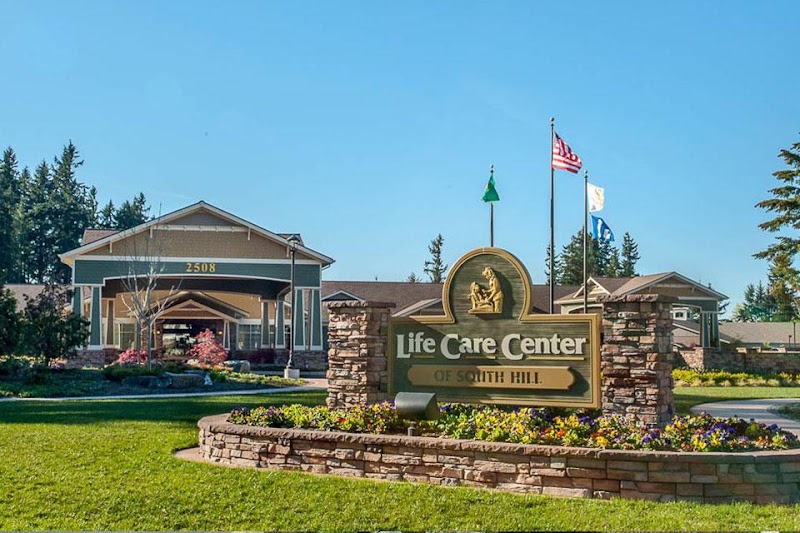
Who Owns and Operates Life Of South Hill?

LIFE CARE CENTER OF SOUTH HILL is owned by a for-profit company. For-profit facilities operate as businesses with obligations to shareholders or private owners. The facility is operated by LIFE CARE CENTERS OF AMERICA, a chain that manages multiple nursing homes. With 100 certified beds and approximately 83 residents (about 83% occupancy), it is a mid-sized facility located in PUYALLUP, Washington.
How Does Life Of South Hill Compare to Other Washington Nursing Homes?

Compared to the 100 nursing homes in Washington, LIFE CARE CENTER OF SOUTH HILL's overall rating (5 stars) is above the state average of 3.2, staff turnover (53%) is near the state average of 46%, and health inspection rating (4 stars) is above the national benchmark.

What Should Families Ask When Visiting Life Of South Hill?

Based on this facility's data, families visiting should ask: "Can I visit during a mealtime to observe dining assistance and food quality?" "How do you handle medical emergencies, and what is your hospital transfer rate?" "Can I speak with family members of current residents about their experience?"

Is Life Of South Hill Safe?

Based on CMS inspection data, LIFE CARE CENTER OF SOUTH HILL has a clean safety record: no substantiated abuse findings (meaning no confirmed cases of resident harm), no Immediate Jeopardy citations (the most serious violation level indicating risk of serious injury or death), and is not on the Special Focus Facility watch list (a federal program monitoring the lowest-performing 1% of nursing homes). The facility has a 5-star overall rating and ranks #1 of 100 nursing homes in Washington. While no facility is perfect, families should still ask about staff-to-resident ratios and recent inspection results during their visit.

Do Nurses at Life Of South Hill Stick Around?

LIFE CARE CENTER OF SOUTH HILL has a staff turnover rate of 53%, which is 7 percentage points above the Washington average of 46%. Moderate turnover is common in nursing homes, but families should still ask about staff tenure and how the facility maintains care continuity when employees leave.

Was Life Of South Hill Ever Fined?

LIFE CARE CENTER OF SOUTH HILL has no federal fines on record. CMS issues fines when nursing homes fail to meet care standards or don't correct problems found during inspections. The absence of fines suggests the facility has either maintained compliance or corrected any issues before penalties were assessed. This is a positive indicator, though families should still review recent inspection reports for the full picture.

Is Life Of South Hill on Any Federal Watch List?

LIFE CARE CENTER OF SOUTH HILL is not on any federal watch list. The most significant is the Special Focus Facility (SFF) program, which identifies the bottom 1% of nursing homes nationally based on persistent, serious quality problems. Not being on this list means the facility has avoided the pattern of deficiencies that triggers enhanced federal oversight. This is a positive indicator, though families should still review the facility's inspection history directly.