PUYALLUP NURSING AND REHABILITATION CENTER
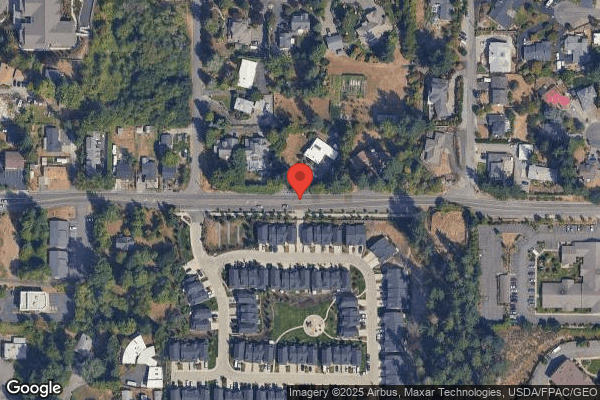

516 23RD AVE SE, PUYALLUP, WA 98372 (253) 845-6631
For profit - Corporation 96 Beds REGENCY PACIFIC MANAGEMENT Data: November 2025
Trust Grade
53/100
#113 of 190 in WA
Last Inspection: September 2025

Inspected within the last 6 months. Data reflects current conditions.

Overview

Puyallup Nursing and Rehabilitation Center has a Trust Grade of C, which means it falls in the average range-neither great nor terrible. It ranks #113 out of 190 nursing homes in Washington, placing it in the bottom half, and #13 out of 21 in Pierce County, indicating that there are better local options available. The facility has shown improvement over time, reducing issues from 21 in 2024 to 10 in 2025. Staffing is a relative strength, with a rating of 4 out of 5 stars and a turnover rate of 40%, which is below the state average, suggesting that staff tend to stay long enough to build relationships with residents. However, the nursing home has concerning incidents, including a serious case where a resident fell and sustained a head injury due to inadequate supervision and failures to address residents' grievances, potentially affecting their quality of life. Additionally, the facility has less RN coverage than 92% of nursing homes in the state, which raises concerns about the level of nursing support available to residents.

Trust Score
C
53/100
In Washington
#113/190
Bottom 41%
Safety Record
Moderate
Needs review
Inspections
Getting Better
21 → 10 violations
Staff Stability
○ Average
40% turnover. Near Washington's 48% average. Typical for the industry.
Penalties
✓ Good
$7,443 in fines. Lower than most Washington facilities. Relatively clean record.
Skilled Nurses
○ Average
Each resident gets 36 minutes of Registered Nurse (RN) attention daily — about average for Washington. RNs are the most trained staff who monitor for health changes.
Violations
⚠ Watch
48 deficiencies on record. Higher than average. Multiple issues found across inspections.
★★★☆☆
3.0
Overall Rating
★★★★☆
4.0
Staff Levels
★★★☆☆
3.0
Care Quality
★★★☆☆
3.0
Inspection Score
Stable
2024: 21 issues
2025: 10 issues

The Good

  • 4-Star Staffing Rating · Above-average nurse staffing levels
  • Full Sprinkler Coverage · Fire safety systems throughout facility
  • No fines on record
  • Staff turnover below average (40%)

    8 points below Washington average of 48%

Facility shows strength in staffing levels, fire safety.

The Bad

3-Star Overall Rating

Near Washington average (3.2)

Meets federal standards, typical of most facilities

Staff Turnover: 40%

Near Washington avg (46%)

Typical for the industry

Federal Fines: $7,443

Below median ($33,413)

Minor penalties assessed

Chain: REGENCY PACIFIC MANAGEMENT

Part of a multi-facility chain

Ask about local staffing decisions and management

The Ugly 48 deficiencies on record

1 actual harm
Sept 2025 10 deficiencies
CONCERN (D)

Potential for Harm - no one hurt, but risky conditions existed

Deficiency F0558 (Tag F0558)

Could have caused harm · This affected 1 resident

**NOTE- TERMS IN BRACKETS HAVE BEEN EDITED TO PROTECT CONFIDENTIALITY** Based on observation and interview, the facility failed to ensure a resident's bed fit them for 1 of 1 sampled resident (Residen...

Read full inspector narrative →
**NOTE- TERMS IN BRACKETS HAVE BEEN EDITED TO PROTECT CONFIDENTIALITY** Based on observation and interview, the facility failed to ensure a resident's bed fit them for 1 of 1 sampled resident (Resident 84) when reviewed for accommodation of need. This failure placed residents at risk of inability to sleep, decreased condition, and a diminished quality of life. Findings included.Review of the electronic health record showed Resident 84 admitted to the facility on [DATE] with diagnoses to include hemiplegia (difficulty moving one side of the body), repeated falls, and diabetes (too much sugar in the blood). Resident 84 was able to make needs known. Observation on 09/10/2025 at 9:53 AM showed Resident 84 laid in bed. Observation showed the footboard of the bed had been removed and Resident 84's feet hung off the bed with the back of the ankles resting on the bed. Observation on 09/15/2025 at 12:40 PM showed Resident 84's representative speaking with Staff M, Maintenance Director. Resident 84's representative stated Resident 84 had been waiting three weeks for a longer bed and Staff M stated they had been trying to locate a longer bed, but they were a hot commodity. Staff L stated the facility had bariatric beds (a specialized hospital bed designed for patients who are overweight or obese), but they were for patients that needed them so Resident 84 would have to wait. During an interview on 09/15/2025 at 1:10 PM, Resident 84's representative stated they had told the facility that Resident 84's bed was too short, and the facility had removed the footboard of the bed. Resident 84's representative stated Resident 84 would slide down in bed and they had to help them reposition in bed. Resident 84's representative stated Resident 84 was 6'3. During an interview on 09/15/2025 at 1:57 PM, Staff L, Licensed Practical Nurse/Resident care Manager, stated the facility provided beds that fit a resident by looking at their height and weight, and could rent additional bariatric beds if none were available. Staff L stated the expectation was that all residents would fit in their bed. Staff L stated Resident 84 could not reposition themselves in bed. During an interview on 09/15/2025 at 2:14 PM, Staff B, Director of Nursing Services, stated the expectation was all residents would fit in their bed, and this expectation was not met for Resident 84. Reference WAC 388-97-0860(2)
CONCERN (D)

Potential for Harm - no one hurt, but risky conditions existed

Investigate Abuse (Tag F0610)

Could have caused harm · This affected 1 resident

**NOTE- TERMS IN BRACKETS HAVE BEEN EDITED TO PROTECT CONFIDENTIALITY** Based on observation, interview and record review, the facility failed to thoroughly investigate and notify law enforcement for ...

Read full inspector narrative →
**NOTE- TERMS IN BRACKETS HAVE BEEN EDITED TO PROTECT CONFIDENTIALITY** Based on observation, interview and record review, the facility failed to thoroughly investigate and notify law enforcement for a physical abuse allegation with injuries for 1 of 3 sampled residents (Resident 45) reviewed for abuse and neglect. This failure placed residents at risk of physical and emotional harm, feelings of rejection and impaired quality of life. Findings included.Review of the Electronic Health Record (EHR) showed Resident 45 was readmitted to the facility on [DATE] with diagnoses to include acute respiratory failure, malnutrition (lack of sufficient nutrients in the body), depression, anxiety and seizure disorder (uncontrolled jerking, loss of consciousness, and other symptoms caused by abnormal electrical activities in the brain). Resident 45 was able to communicate needs. Observation and interview on 09/10/2025 at 9:45 AM showed Resident 45 in their room sitting on their wheelchair with worried facial expression and furrowed eyebrows. Resident 45 stated My knee hurts and they are not doing anything about it. Observation and interview on 09/11/2025 at 9:49 AM showed Resident 45 with a purple bruise to their right knee extending from below the knee to the upper thigh area, and stated the staff hurt them by hitting them for no reason. Review of a progress note, dated 09/06/2025, showed Resident 45 reported pain in their right thigh and stated a staff member punched them. Documentation showed a raised bruise on the right thigh area. Interventions were to start providing care in pairs and Tylenol as need it. Review of the admission minimum data set (MDS), an assessment tool, dated 07/22/2025 showed Resident 45 had no behaviors. Review of the social history and discharge plan dated 04/01/2025, showed Resident 45 had no history of trauma and under mental health needs were documented as not applicable. During an interview on 09/12/2025 at 11:32 AM, Staff G, Certified Nursing Assistant, stated Resident 45 experiences pain and was crying on the morning of 09/06/2025. Staff G assisted Resident 45 to use the bathroom (usually Resident 45 goes by their self) and observed fresh raised bruised and swollen area on the right thigh. Staff G stated the resident reported a staff member hitting them. Staff G stated additional bruises on the right knee and right inner thigh were not there on the morning of 09/06/2025, but Resident 45 had them the next day and was related to a different event. During an interview on 09/12/2025 at 12:24 PM, Staff K, Licensed Practical Nurse, stated Resident 45 had a bruise on the right thigh, and now Resident 45 has a bruise on the right inner thigh and right knee. Staff K stated Resident 45 was reporting that they were getting hit by a lady. Staff K was not sure how the bruises occurred and was not aware of any falls. Review of EHR showed Resident 45 was seen by Psychiatry (medical specialty dedicated to diagnose, treatment and prevention of mental, emotional and behavioral disorders) on 09/12/2025 at 12:24 PM and notes stated Impression [they] appears to continue to suffer harm from reported harm. Recommendation [their] report should be investigated and taken seriously. [They] does not appear psychotic or confused and appears to have suffered significant injury. Review of the incident log for September 2025, showed Resident 45 had an occurrence on 09/06/2025 with injury of small bruises and it was reported to the state hot line, and a second occurrence on 09/10/2025 with injuries of bruises that are in an area not generally vulnerable to trauma reported to state hot line. Review of Resident 45 ‘s allegation of physical abuse investigation of 09/06/2025 showed the root cause of the Injuries were related to cognition and diagnoses and Resident 45 having untrue statements, and abuse and neglect was ruled out. Review of Resident 45's second physical abuse investigation of 09/10/2025 showed purple bruise on right knee measuring four and a half inches and purple bruise on the right inner thigh measuring two inches by four inches, and root cause of the injuries were from Resident 45 throwing themselves onto the bed on the right side and abuse and neglect was ruled out. The investigation did not have witness statements of any staff member observing Resident 45 throwing themselves to the bed or chair. During an interview on 09/15/2025 at 08:54 AM, Resident 45 stated they were still afraid of the staff because they could come back and hurt them again. During an interview on 09/15/2025 at 10:01 AM, Staff J, Nurse Manager /Patient Care Coordinator, stated after reviewing facility policy that law enforcement should have been notified. During an interview on 09/15/2025 at 11:26 AM, Staff B, Director of Nursing Services, stated Resident 45 had allegations and was placed on care in pairs (2 staff members with all interactions) for staff protection, and law enforcement was to be notified only when abuse was confirmed per facility policy. Staff B stated there were no environmental interventions put in place despite the claims that Resident 45 was throwing themself onto the bed or chair. Reference WAC 388-97-0640(6)(a)(b)
CONCERN (D)

Potential for Harm - no one hurt, but risky conditions existed

Quality of Care (Tag F0684)

Could have caused harm · This affected 1 resident

**NOTE- TERMS IN BRACKETS HAVE BEEN EDITED TO PROTECT CONFIDENTIALITY** Based on observation, interview and record review the facility failed to provide quality of care related to the following: medic...

Read full inspector narrative →
**NOTE- TERMS IN BRACKETS HAVE BEEN EDITED TO PROTECT CONFIDENTIALITY** Based on observation, interview and record review the facility failed to provide quality of care related to the following: medication parameters, non-pressure skin management, bowel management and anticoagulation management for 5 of 22 sampled residents (Residents 30,3, 9, 45 and 5) when reviewed for quality of care. These failures placed the residents at risk for poor clinical outcomes and a decreased quality of life. Findings included .Resident 5 Review of the electronic health record (EHR) showed Resident 5 admitted to the facility on [DATE] with diagnosis of stroke. The resident was unable to make their needs known. Review of the EHR showed an order for coumadin (a blood thinning medication) for blood clot prevention daily. Review of the plan of care on 09/10/2025 showed no active care plan for anticoagulant therapy. During an interview on 09/12/2025 at 9:20 AM, Staff E, Licensed Practical Nurse/Resident Care Manager (LPN/RCM) stated Resident 5 should have had a care plan for anticoagulation therapy but did not. During an interview on 09/12/2025 at 9:34 AM, Staff B, Director of Nursing Services (DNS) stated Resident 5 should have had a care plan in place for anticoagulant therapy but did not and this did not meet expectations. Resident 30 Review of the EHR showed Resident 30 admitted to the facility on [DATE] with diagnoses to include fracture of the right leg, hypertension (high blood pressure), anxiety, and depression. Resident 30 was able to make needs known. Review of the provider’s orders showed Resident 30 received metoprolol tartrate (blood pressure medication) with instructions to hold if the systolic blood pressure (SBP, top blood pressure reading) was less than 105, dated 08/04/2025, and furosemide (a water removing medication) with instructions to hold if the SBP was less than 100, dated 08/12/2025. Review of the August 2025 medication administration record (MAR) showed Resident 30 received metoprolol tartrate with an SBP less than 105 on 6 of 51 opportunities and furosemide with an SBP less than 100 on 2 of 20 opportunities. Review of the September 2025 MAR showed Resident 30 received metoprolol tartrate with an SBP less than 105 on 4 of 21 opportunities and furosemide with an SBP less than 100 on 2 of 11 opportunities. During an interview on 09/15/2025 at 1:14 PM, Staff E, LPN/RCM, stated nursing staff should review and follow parameters associated with medications. Staff E stated Resident 30 received metoprolol tartrate and furosemide outside of parameters. During an interview on 09/15/2025 at 2:05 PM, Staff B, Director of Nursing Services, stated nursing staff should review and follow parameters associated with medications. Staff B stated Resident 30 receiving blood pressure medications outside of parameters did not meet expectation. Resident 3 Review of the EH) showed Resident 3 was admitted to the facility on [DATE] with diagnoses to include hemiplegia following stroke (condition that causes paralysis or severe weakness on one side of the body), end stage renal disease with dialysis (treatment that removes waste products and excess fluid from blood when kidneys are not functioning) and depression. Resident 3 was able to communicate needs. During an interview on 09/11/2025 at 12:08 PM, Resident 3 stated they have chronic constipation (when a person passes less than three bowel movements a week or has difficult bowel movements), and they require assistance to use the bathroom. Review of the bowel documentation from 08/12/2025 through 09/12/2025 showed, Resident 3 did not have bowel movements on the dates 08/12/2025, 08/13/2025, 08/14/2025 and 08/15/2025 for a total of four days and 08/29/2025, 08/30/2025, 08/31/2025, 09/01/2025 and 09/02/2025 for a total of five days. Review of the MAR for August and September 2025, showed no documented laxatives (medications that promote bowel movements) were administered. During an interview on 09/11/2025 at 12:40PM, Staff K, Licensed Practical Nurse, stated the facility has a bowel protocol that is initiated after 72 hours of no bowel movements, and the night shift usually initiates the protocol, and next shift is to follow up on it. During an interview on 09/15/2025 at 11:22 AM, Staff B, Director of Nursing Services, stated the bowel management for Resident 3 did not meet expectations. Resident 9 Review of the EHR showed Resident 9 was admitted to the facility on [DATE] with diagnoses to include arthritis (joint pain and inflammation), depression, bipolar disorder (disorder with episodes of mood swings ranging from depressive lows to manic highs) and heart failure. Resident 9 was able to communicate needs. During an observation and interview on 09/10/2025 at10:44 AM, Resident 9 stated their band aid keeps falling out, and Resident 9 was pointing towards skin- tear with a bruise on left hand. Review of weekly skin check dated 09/03/2025 showed Resident 9 had their right hand with scattered bruising and the back of left hand with scattered bruising. Review of a weekly skin check dated 09/10/2025 showed Resident 9 had a red area on their coccyx (tail bone) from shearing, left hand scratch, left forearm scattered bruising and right forearm scattered bruising. There was no clear description of the skin injuries. During an interview on 09/12/2025 at 10:30 AM, Staff K, LPN, stated the bruises are usually monitored daily with orders, and the sizes and description should be documented in the record. Resident 45 Review of the EHR showed Resident 45 was readmitted to the facility on [DATE] with diagnoses to include acute respiratory failure, malnutrition (lack of sufficient nutrients in the body), depression, anxiety and seizure disorder (uncontrolled jerking, loss of consciousness, and other symptoms caused by abnormal electrical activities in the brain). Resident 45 was able to communicate needs. Observation and interview on 09/11/2025 at 9:49 AM showed Resident 45 with a large purple bruise on their right knee. Review of weekly skin check dated 07/21/2025 showed Resident 45 had no skin issue present. Review of weekly skin check dated 08/28/2025 showed Resident 45 had an old bruise on the front of the left thigh and scattered bruises to the back of their right hand, there was no color description or sizes/ measurements included. Review of weekly skin checks dated 08/29/2025 showed Resident 45 had a red/purple bruise on the right forearm, a purple bruise on the right elbow, four small yellow bruises on the left antecubital (inner surface of elbow), scabs on the right ear next to their face, a bruise on the right ankle and scattered yellow bruising on the right front thigh. There were no documented sizes for any of the bruises. Review of weekly skin check dated 09/05/2025 and locked date 09/11/2025, showed Resident 45 had scattered bruising up and down the right leg, with a bruise on the front of left knee, a bruise on the front of the right knee and a bruise on the back of the right thigh. There was no description or sizing of the skin injuries. During an interview on 09/12/2025 at 12:24 PM, Staff K, Licensed Practical Nurse, stated the bruises are usually monitored daily with orders, and the sizes and description should be documented in the record. During an interview on 09/12/2025 at 12:27 PM, Staff H, Registered Nurse, stated the bruises are to have description and sizing documented at the weekly skin checks. During an interview on 09/15/2025 at11:19 AM, Staff B, Director of Nursing Services, stated the skin checks documentation for Residents 45 and 9 did not meet expectations. Reference WAC 388-97-1060 (1)
CONCERN (D)

Potential for Harm - no one hurt, but risky conditions existed

Respiratory Care (Tag F0695)

Could have caused harm · This affected 1 resident

**NOTE- TERMS IN BRACKETS HAVE BEEN EDITED TO PROTECT CONFIDENTIALITY** Based on observation, interview, and record review, the facility failed to provide oxygen services per provider's orders for 1 o...

Read full inspector narrative →
**NOTE- TERMS IN BRACKETS HAVE BEEN EDITED TO PROTECT CONFIDENTIALITY** Based on observation, interview, and record review, the facility failed to provide oxygen services per provider's orders for 1 of 3 sampled residents (Resident 48) when reviewed for respiratory services. This failure placed residents at risk of oxygen poisoning, decline in condition, and a diminished quality of life. Findings included.Review of the electronic health record (EHR) showed Resident 48 admitted to the facility on [DATE] with diagnoses to include heart failure, chronic obstructive pulmonary disease (COPD, a group of lung diseases that block airflow and make it difficult to breathe), and diabetes (too much sugar in the blood). Resident 48 was able to make needs known. Review of the provider’s orders showed Resident 48 received oxygen at 2 liters per minute (L/m), dated 08/25/2025, and nursing staff was to verify the flow rate three times a day, dated 08/25/2025. Observation on 09/09/2025 at 12:43 PM, 09/11/2025 at 9:45 AM, and 09/15/2025 at 9:20 AM showed Resident 48 was receiving oxygen at 5 L/m. Review of the medication administration record for 09/09/2025 through 09/15/2025 showed the facility’s nursing staff had marked Resident 48 was receiving oxygen at 2 L/m. During an interview on 09/15/2025 at 1:41 PM, Staff L, Licensed Practical Nurse/Resident Care Manager, stated the facility ensured oxygen was provided per provider’s order by reviewing the order and the expectation was it would be followed. Staff L observed Resident 48’s oxygen and stated it was being provided at 5L/m, which did not meet expectations. Staff L stated facility nursing staff had marked Resident 48 was receiving oxygen at 2L/m on multiple occasions. During an interview on 09/15/2025 at 2:05 PM, Staff B, Director of Nursing Services, stated the expectation was for residents to receive oxygen per provider’s orders and Resident 48 receiving oxygen at 5 L/m did not meet expectations. Resident 81 Review of EHR showed Resident 81 was readmitted to the facility on [DATE] with diagnoses to include respiratory failure, COPD, and asthma (when airways are inflamed and makes it difficult to breathe). Resident 81 was able to communicate their needs. During an observation and interview on 09/09/2025 at 2:54 PM, Resident 81 was in bed receiving oxygen via nasal cannula (thin tubing in nose) at two liters per minute. Resident 81 stated they have been using oxygen since coming back from the hospital and they need it. Review of the providers orders for September 2025 showed no order for the use of Oxygen. During an interview on 09/15/2025 at 10:01 AM, Staff J, Nurse Manager/Patient Care Coordinator, stated the expectation was for oxygen to be administered with a provider order and descriptions of the rate and to document oxygen saturation levels. During an interview on 09/15/2025 at 11:16 AM, Staff B, Director of Nursing Services, stated documentation for Resident 81’s oxygen administration did not meet expectations. Reference WAC 388-97-1060(3)(j)(vi)
CONCERN (D)

Potential for Harm - no one hurt, but risky conditions existed

Deficiency F0790 (Tag F0790)

Could have caused harm · This affected 1 resident

**NOTE- TERMS IN BRACKETS HAVE BEEN EDITED TO PROTECT CONFIDENTIALITY** Based on observation, interview, and record review, the facility failed to provide dental services to increase residents' abilit...

Read full inspector narrative →
**NOTE- TERMS IN BRACKETS HAVE BEEN EDITED TO PROTECT CONFIDENTIALITY** Based on observation, interview, and record review, the facility failed to provide dental services to increase residents' ability to eat for 1 of 3 sampled residents (Resident 4) when reviewed for dental services. This failure placed the resident at risk of decreased nutritional intake, oral discomfort, and a diminished quality of life. Findings included.Review of the electronic health record showed Resident 4 admitted to the facility on [DATE] with diagnoses to include enterocolitis (inflammation of the intestines), malnutrition (insufficient nutritional intake), and adult failure to thrive. Resident 4 was able to make needs known. Observation and interview on 09/09/2025 at 10:24 AM showed Resident 4 had 2 teeth. Resident 4 stated the facility did not offer any dental services to them. Review of Resident 4's care plan, initiated 08/19/2025, showed no focus area related to dental. Review showed a focus area related to Resident 4 being at risk for nutritional problems, had a mechanically altered diet (a dietary modification designed for individuals with difficulty chewing or swallowing), and was at risk for inadequate oral intake. Review of a Dietitian Consulting Services - Nutrition Assessment, dated 08/29/2025, showed Resident 4 had a Dysphagia texture - Moist and Minced (modifications in food and liquid consistency to make them easier and safer to swallow for individuals with swallowing difficulties). Review showed the question Resident has dental or mouth problems that make it hard to chew or swallow was answered None noted. During an interview on 09/15/2025 at 1:41 PM, Staff L, Licensed Practical Nurse/Resident Care Manager, stated the facility conducted an oral exam on admission to determine which residents required dental services. Staff L stated residents missing teeth would be referred to a dentist or denturist. Staff E stated Resident 4 had one tooth and would like to have an upgraded diet. Staff E stated Resident 4 had not been referred to dental services and this did not meet expectations. During an interview on 09/15/2025 at 2:05 PM, Staff B, Director of Nursing Services, stated residents would have an oral assessment on admission and be referred to dental services if they had broken or missing teeth. Staff B stated Resident 4 should have been referred to dental services. Reference WAC 388-97-1060 (3)(j)(vii)
CONCERN (E)

Potential for Harm - no one hurt, but risky conditions existed

Deficiency F0565 (Tag F0565)

Could have caused harm · This affected multiple residents

Based on interview and record review, the facility failed to have a system in place to address grievances/concerns raised by the Resident Council group for 4 of 8 months (January, March, April and Sep...

Read full inspector narrative →
Based on interview and record review, the facility failed to have a system in place to address grievances/concerns raised by the Resident Council group for 4 of 8 months (January, March, April and September 2025) when reviewed for resident council. Failure of the grievance official to report back to the resident or council in writing with a response, rationale and action taken on grievances, placed residents at risk for continued concerns, unmet needs and a diminished quality of life.Findings included . During an interview on 09/10/2025 at 9:26 AM, Resident 40 stated when a concern was brought up in Resident Council, Resident 40 would be the one to take initiative and resolve the concern. Resident 40 stated they were unaware if the concerns were documented as a grievance. Review of the Resident Council meeting minutes for January, March, April and September 2025 showed there were a total of eight concerns voiced by residents that required a resolution. Review of the facility's Resident/Family Grievance Log from January 2025 through September 2025 showed there were no grievances related to the eight concerns discussed in Resident Council. During an interview on 09/11/2025 at 2:53 PM, Staff A, Administrator, stated grievances should have been filled out by the facilitator at the Resident Council meeting, logged and followed up on. Reference WAC 388-97-0920(1-6).
CONCERN (E)

Potential for Harm - no one hurt, but risky conditions existed

Deficiency F0628 (Tag F0628)

Could have caused harm · This affected multiple residents

**NOTE- TERMS IN BRACKETS HAVE BEEN EDITED TO PROTECT CONFIDENTIALITY** Based on record review and interview, the facility failed to provide written bed hold notice at the time of transfer to the hosp...

Read full inspector narrative →
**NOTE- TERMS IN BRACKETS HAVE BEEN EDITED TO PROTECT CONFIDENTIALITY** Based on record review and interview, the facility failed to provide written bed hold notice at the time of transfer to the hospital for 4 of 4 sampled residents (Residents 1,11,39 and 52) when reviewed for hospitalization. This failure placed the residents at risk for lacking knowledge regarding their right to hold their bed while in the hospital and diminished quality of life.Findings included . Resident 1Review of the electronic health record (EHR) showed Resident 1 admitted to the facility on [DATE] with diagnoses that included dementia (a decline in mental ability that interferes with daily life) and diabetes (too much sugar in the blood). Resident 1 was unable to make needs known. Review of Resident 1's EHR showed hospitalization on 08/31/2025, with no documentation that the resident or resident representative were provided with written copies of the bed hold notice or transfer form. Resident 11Review of the EHR showed Resident 11 admitted to the facility on [DATE] with diagnoses that included rheumatoid arthritis (disease that primarily affects the joints, causing inflammation, pain, stiffness, and damage) and chronic obstructive pulmonary disease (COPD, a condition caused by damage to the lungs). Resident 11 was able to make needs known. Review of Resident 11's EHR showed hospitalization on 08/29/2025, with no documentation that the resident or resident representative were provided with written copies of the bed hold notice or transfer form. Resident 39Review of the EHR showed Resident 39 admitted to the facility on [DATE] with diagnoses that included COPD and diabetes. Resident 39 was able to make needs known. Review of Resident 39's EHR showed hospitalization on 02/22/2025, with no documentation that the resident or resident representative were provided with written copies of the bed hold notice or transfer form. Resident 52Review of the EHR showed Resident 52 admitted to the facility on [DATE] with diagnoses that included hip pain, depression and degenerative disc disease (condition that effects discs in the spine). Resident 52 was able make needs known. Review of Resident 52's EHR showed hospitalization on 08/10/2025, with no documentation that the resident or resident representative were provided with written copies of the bed hold notice or transfer form. During an interview on 09/11/2025 at 2:50 PM, Staff A, Administrator, stated the expectation was for bed hold and transfer forms to be provided to residents when transferred to the hospital. Reference WAC 388-91-0120(4)
CONCERN (E)

Potential for Harm - no one hurt, but risky conditions existed

Deficiency F0645 (Tag F0645)

Could have caused harm · This affected multiple residents

**NOTE- TERMS IN BRACKETS HAVE BEEN EDITED TO PROTECT CONFIDENTIALITY** Based on interview and record review, the facility failed to promptly screen residents for additional mental health supports thr...

Read full inspector narrative →
**NOTE- TERMS IN BRACKETS HAVE BEEN EDITED TO PROTECT CONFIDENTIALITY** Based on interview and record review, the facility failed to promptly screen residents for additional mental health supports through the Preadmission and Resident Review (PASARR, a mental health screening tool) for 4 of 7 sampled residents (Residents 2, 5, 3, and 9) when reviewed for PASARR. This failure placed residents at risk of lack of mental health support, increasing behaviors, decrease in mental health, and a diminished quality of life. Findings included.Resident 2 Review of the electronic health record (EHR) showed Resident 2 admitted to the facility on [DATE] with diagnoses to include dementia (a group of conditions that cause a decline in cognitive abilities, memory, and thinking skills that interfere with daily life) and depression. Resident 2 was able to make needs known. Review of the level 1 PASARR showed it was completed on 08/28/2025, 15 days after admission. Resident 5 Review of the EHR showed Resident 5 admitted to the facility on [DATE] with diagnoses to include depression, hemiplegia (difficulty moving one side of the body), and diabetes (too much sugar in the blood). Resident 2 was able to make needs known. Review of the level 1 PASARR showed it was completed on 07/23/2025, 1 month and 29 days after admission. Resident 3 Review of the EHR showed Resident 3 admitted to the facility on [DATE] with diagnoses to include psychotic disorder and hemiplegia. Resident 2 was able to make needs known. Review of the level 1 PASARR showed it was completed on 07/09/2025, 4 months and 8 days after admission. During an interview on 09/12/2025 at 1:56 PM, Staff N, Social Services Director, stated the facility would receive the PASARR from the hospital and re-complete it in the first few days of admit if inaccurate. During an interview on 09/15/2025 at 12:05 PM, Staff N, Social Services Director, stated Resident 2, Resident 5, and Resident 3’s PASARR were not completed timely, and this did not meet expectation. During an interview on 09/15/2025 at 2:10 PM, Staff A, Administrator, stated the facility would receive the PASARR from the hospital on admitting to the facility and correct it, if inaccurate, within the first seven days. Resident 9 Review of the EHR showed Resident 9 was admitted to the facility on [DATE] with diagnoses to include arthritis (joint pain and inflammation), depression, bipolar disorder (disorder with episodes of mood swings ranging from depressive lows to manic highs) and heart failure. Resident 9 was able to communicate needs. Review of a PASRR level one, dated 08/08/2023 showed no level two evaluation indicated. During an interview on 09/15/2025 at 11:18 AM, Staff B, Director of Nursing Services, stated Resident 9 not having a level two evaluation referral required for mental illness did not meet expectations. Reference WAC 388-97-1915(1)(2)(a-c)
CONCERN (E)

Potential for Harm - no one hurt, but risky conditions existed

Deficiency F0757 (Tag F0757)

Could have caused harm · This affected multiple residents

**NOTE- TERMS IN BRACKETS HAVE BEEN EDITED TO PROTECT CONFIDENTIALITY** Based on interview and record review the facility failed to implement non-pharmacological interventions (NPI) prior to providing...

Read full inspector narrative →
**NOTE- TERMS IN BRACKETS HAVE BEEN EDITED TO PROTECT CONFIDENTIALITY** Based on interview and record review the facility failed to implement non-pharmacological interventions (NPI) prior to providing as needed (PRN) pain medications for 4 of 5 residents (Residents 5, 39, 30 and 3) and failed to implement parameters for use of pain medications for 1 of 5 residents (Resident 30) when reviewed for unnecessary medications. This failure placed the residents at risk of receiving unnecessary pain medications, and a decreased quality of life. Findings included .Resident 5 Review of the electronic health record (EHR) showed Resident 5 admitted to the facility on [DATE] with diagnosis of stroke (when blood supply to part of the brain is blocked or reduced. causing loss of function), and diabetes (too much sugar in the blood). The resident was unable to make their needs known. Review of the provider orders showed Resident 5 received a PRN narcotic pain medication on 08/06/2025 and 09/10/2025. Review showed a provider order for nursing staff to attempt nonpharmacological interventions (NPI) such as repositioning prior to administering as needed pain medications. Review of the medications administration record (MAR) showed no NPI were attempted prior to administering the as needed pain medications. Resident 39 Review of the EHR showed Resident 39 admitted to the facility on [DATE] with diagnosis of chronic obstructive pulmonary disease (COPD, a lung disease). The resident was able to make needs known. Review of the provider orders showed an order for a narcotic pain medication as needed (PRN). Review of the EHR showed the resident received a narcotic pain medication PRN on 09/08/2025, 09/09/2025 and 09/10/2025. There was no documentation found that NPI were offered/attempted prior to the as needed pain medications. During an interview on 09/11/2025 at 3:17 PM, Staff E, Licensed Practical Nurse (LPN/RCM) stated staff should have documented NPI attempted prior to administering as needed pain medications in the EHR for Residents 5 and 39 but did not. During an interview on 09/12/2025 at 9:31 AM, Staff B, Director of Nursing Services (DNS) stated it was their expectation staff attempt NPI prior to administering as needed pain medications and document them in the EHR. Resident 30 Review of the EHR showed Resident 30 admitted to the facility on [DATE] with diagnoses to include fracture of the right leg, hypertension (high blood pressure), anxiety, and depression. Resident 30 was able to make needs known. Review of provider’s orders showed Resident 30 received acetaminophen (an over-the-counter pain medication) PRN, dated 08/04/2025, lidocaine external patch (a topical pain medication) PRN, dated 08/04/2025, and received oxycodone (a narcotic pain medication) PRN from 08/04/2025 to 08/08/2025. Review showed none of these orders for PRN pain medications included instructions to nurses on which medication to use for what level of pain. Review showed an order for staff to provide NPI prior to the use of PRN pain medications. Review of the August 2025 MAR showed Resident 30 received acetaminophen without NPI on three occasions, received oxycodone without NPI on 3 occasions, and never received the lidocaine patch. During an interview on 09/15/2025 at 1:14 PM, Staff E, LPN/RCM, stated the facility ensured PRN pain medications were needed by monitoring the pain scale (a scale of 1-10) and providing NPI prior to their use. Staff E stated Resident 30 had orders for NPI to be used but had received PRN pain medications without NPI. Staff E stated the facility’s nursing staff would know which PRN pain medications to provide by using a pain scale. Staff E stated Resident 30’s PRN medication did not include a pain scale for facility nursing staff to use to determine which PRN pain medication to use. Staff E stated the expectation was Resident 30 would have NPI prior to PRN pain medications and PRN medications would include pain scale for use. During an interview on 09/15/2025 at 2:05 PM, Staff B, DNS, stated NPI should be provided prior to the use of PRN pain medications and PRN pain medications should include a pain scale of when to use. Staff B stated Resident 30’s lack of NPI prior to PRN pain medication use and lack of pain scale for PRN medications did not meet expectations. Resident 3 Reviews of the EHR showed Resident 3 was admitted to the facility on [DATE] with diagnoses to include hemiplegia following stroke (conditions that cause paralysis or severe weakness on one side of the body) end stage renal disease with dialysis (treatment that removes waste products and excess fluid from blood when kidneys are not functioning) and depression. Resident 3 was able to communicate needs. Review of Resident 3’s MAR for August 2025 showed an order for Oxycodone (narcotic pain medicine) to be given every eight hours PRN for severe pain, and for nurses to document NPI prior to the use of the medicine. Records showed Resident 3 had oxycodone medication on 08/10/2025,08/11/2025,08/12/2025,08/18/2025,08/20/2025,08/22/2025, 08/23/2025 and 08/25/2025 without documentation of any NPI attempted prior to the use of the medication. Review of the September 2025 MAR showed Resident 3 had been administered oxycodone on 09/03/2025, 09/07/2025 and 09/08/2025 without documentation of NPI’s attempts. During an interview on 09/15/2025 at 10:16 AM, Staff J, Nurse Manager/Patient Care Coordinator, stated the process is for NPI’s to be tried and documented prior use of PRN pain medications. During an interview on 09/15/2025 at 11:18 AM, Staff B, Director of Nursing Services, stated documentation for Resident 3’s pain medication administration did not meet expectations. Reference WAC 388-97-1060(3)(k)(i)
MINOR (C)

Minor Issue - procedural, no safety impact

Safe Environment (Tag F0584)

Minor procedural issue · This affected most or all residents

**NOTE- TERMS IN BRACKETS HAVE BEEN EDITED TO PROTECT CONFIDENTIALITY** Based on observation and interview, the facility failed to maintain a homelike environment in 2 of 2 halls (East and [NAME] Hall...

Read full inspector narrative →
**NOTE- TERMS IN BRACKETS HAVE BEEN EDITED TO PROTECT CONFIDENTIALITY** Based on observation and interview, the facility failed to maintain a homelike environment in 2 of 2 halls (East and [NAME] Halls) when reviewed for environment. This failure placed residents at risk of decreased mood, feelings of worthlessness, and a diminished quality of life. Findings included.Observation on 09/09/2025 at 2:22 PM showed the closet door in room [ROOM NUMBER] without a closet door for bed A. Observation on 09/09/2025 at 12:50 PM showed a plastic bag tied to the overbed light cord in room [ROOM NUMBER] bed A. Observation on 09/09/2025 at 1:47 PM showed a plastic bag tied to the overbed light cord in room [ROOM NUMBER] bed B. Observation on 09/09/2025 at 3:18 PM showed a sock tied to the overbed light cord in room [ROOM NUMBER] bed A. Observation on 09/10/2025 at 9:42 AM showed a plastic bag tied to the overbed light cord in room [ROOM NUMBER] bed A and B. Observation on 09/10/2025 at 9:57 AM showed the baseboard molding near the bathroom peeling away from the wall in room [ROOM NUMBER]. Observation on 09/15/2025 at 11:45 AM showed a plastic bag tied to the overbed light cord in the following rooms: 153 bed B, 127 bed B, 119 bed A, 136 bed A, and 141 bed B.Observation showed the following rooms with overbed light cords less than three inches long: 186 bed B and 127 bed A. Observation showed a plastic bag braided into a cord and affixed to the back of the bathroom door in room [ROOM NUMBER]. During an interview on 09/15/2025 at 12:28 PM, Staff M, Maintenance Director, stated there were maintenance books at each nursing station where floor staff could inform maintenance of needed repairs. Staff M stated plastic bags should not be tied to overbed light cords and they were unaware of the peeling baseboard molding in room [ROOM NUMBER] or the missing closet door in room [ROOM NUMBER]. During an interview on 09/15/2025 at 2:17 PM, Staff A, Administrator, stated there were maintenance books at each nursing station where floor staff could inform maintenance of needed repairs. Staff A stated plastic bags should not be used to extend overbed light cords and the observations of needed maintenance did not meet expectations. Reference WAC 388-97-0880
Aug 2024 19 deficiencies
CONCERN (D)

Potential for Harm - no one hurt, but risky conditions existed

Deficiency F0552 (Tag F0552)

Could have caused harm · This affected 1 resident

**NOTE- TERMS IN BRACKETS HAVE BEEN EDITED TO PROTECT CONFIDENTIALITY** Resident 44 Review of the EHR showed Resident 44 readmitted to the facility on [DATE] with diagnoses to include anxiety disorde...

Read full inspector narrative →
**NOTE- TERMS IN BRACKETS HAVE BEEN EDITED TO PROTECT CONFIDENTIALITY** Resident 44 Review of the EHR showed Resident 44 readmitted to the facility on [DATE] with diagnoses to include anxiety disorder, depression, and psychotic disorder (a mental illness that can cause a person to lose touch with reality and have abnormal thinking and perceptions). The resident was able to make needs known. Review of Resident 44's August 2024 MAR from 08/01/2024 - 08/12/2024 showed the resident was prescribed and provided a Citalopram, an antidepressant, at bedtime for depression and Seroquel, an antipsychotic in the morning for dementia with psychosis (to lose touch with reality). Review of Resident 44's form titled, Anti-Depressant Medication Informed Consent, dated 07/17/2023 showed prescribed citalopram; however, the form was not completely filled out. The form was missing the following answers/documentation regarding the medication on the form: 1. Indication for use 2. Related diagnosis 3. Target behavior/symptoms Review of Resident 44's form titled, Anti-Psychotic Informed Consent, dated 07/17/2023, showed the prescribed medication Seroquel; however, the form was not completely filled out. The form was missing the following answers/documentation regarding the medication that were on the form: 1. Indication for use 2. Related diagnosis 3. Medication indicated for the following distressed behavior 4. Potential contributing factors previously addressed During an interview on 08/14/2024 at 9:45 AM Staff D, LPN/RCM, stated Resident 44's informed consents for citalopram and Seroquel did not meet expectation because they were missing documentation and were not completely filled out. During an interview on 08/14/2024 at 11:15 AM Staff B, DNS, stated the expectation was that informed consents be completely filled out. Staff B stated that Resident 44's informed consents dated 07/17/2023 for Citalopram and Seroquel, did not meet expectations. Reference WAC 388-97-0300 (3)(a), -0260 Based on interview and record review the facility failed to have psychotropic medication (medications that affect a person's mental state) consents signed and in place prior to residents receiving medications for 2 of 5 sampled residents (Residents 9 and 44) reviewed for psychotropic medication use. This failure placed the residents at risk for adverse side effects and a diminished quality of life. Findings included . Review of a document titled, Nightingale Healthcare, Psychotropic Medications, dated 01/01/2023, showed the facility staff were to monitor the appropriateness, efficacy, and to prevent detrimental side effects from usage of psychotropic medications in the residents at the community. In addition, the facility's team would review all residents, who were started on psychotropic medications for the consent forms. Resident 9 Resident 9 admitted to the facility 01/19/2023 with multiple diagnoses to include dementia, anxiety, and depression. Review of the quarterly minimum data set (MDS, an assessment tool), dated 07/26/2024, showed the resident was able to make their needs known. Review of Resident 9's August 2024 medication administration record (MAR) from 08/01/2024 - 08/12/2024 showed the resident was prescribed and provided fluoxetine (a medication used in the treatment of depression) and memantine (a medication used in the treatment of dementia, impaired ability to remember, think, or make decisions that interferes with doing everyday activities). Review of Resident 9's electronic health record (EHR) showed no consent forms were completed for either of the provider's ordered fluoxetine or memantine medications. During an interview on 08/14/2024 at 11:15 AM, Staff D, Licensed Practical Nurse/Resident Care Manager, (LPN/RCM), stated their expectation would be the staff contact either the resident or the resident's representative to get the consent form prior to administering the psychotropic medications. During an interview on 08/14/2024 at 11:58 AM, Staff B, Director of Nursing Services (DNS), stated their expectation would be that the consents were obtained and that the risk and benefits were explained to the resident or the resident's representative prior to the licensed staff administering the psychotropic medications.
CONCERN (D)

Potential for Harm - no one hurt, but risky conditions existed

Deficiency F0559 (Tag F0559)

Could have caused harm · This affected 1 resident

**NOTE- TERMS IN BRACKETS HAVE BEEN EDITED TO PROTECT CONFIDENTIALITY** . Based on observation, interview and record review the facility failed to provide written explanation of reason the facility in...

Read full inspector narrative →
**NOTE- TERMS IN BRACKETS HAVE BEEN EDITED TO PROTECT CONFIDENTIALITY** . Based on observation, interview and record review the facility failed to provide written explanation of reason the facility initiated a room change or provide opportunity for the resident to see the new location and meet new roommates for 1 of 1 sampled resident (Resident 14) reviewed for resident rights. This failure placed the resident at risk for psychosocial distress and diminished quality of life. Findings included . Resident 14 was admitted to the facility on [DATE] with diagnosis that included Diabetes and Depression. The five-day admission Minimum Data Set (MDS, an assessment tool), dated 07/27/2024, showed the resident was cognitively intact and able to make needs known. During an interview on 08/15/2024 at 9:11 AM, Resident 14 stated they were unhappy with the room move and preferred to be back in their previous room where they were near the window and liked the staff. Resident 14 stated they did not receive advance notice about the move and did not get an opportunity to see the new room before moving. Resident 14 stated they believed the move was due to the other hall being full. Review of the electronic health record (EHR) showed a Room Transfer/New Roommate Change form dated 08/12/2024. No documentation prior to 08/12/2024 was found related to the room change. During an interview on 08/15/2024 at 9:31 AM, Staff G, Social Services Director, said when the facility initiated a resident room change, residents were given a verbal notice in advance if possible. Staff G stated the facility documented room moves with a facility Room Transfer/New Roommate Change Assessment form, however, this form was not provided to the resident or the resident's representative. Staff G stated Resident 14 was not given anything in writing notifying the resident of the room change or explaining the reason for the move. During an interview on 08/15/2024 at 9:36 AM, Staff H, Social Services Assistant, stated they showed Resident 14 the new room, however; they could not recall the date and stated they did not normally document when a resident is shown a room related to a room change. During an interview on 08/15/2024 at 11:47 AM Staff A, Administrator, stated the expectation was that advance notice and written explanation of the move should have been provided. Staff A stated residents who are clinically able should be offered the opportunity to see the new room prior to initiating a move. Reference: WAC 388-97-0580(b)(i)(ii) .
CONCERN (D)

Potential for Harm - no one hurt, but risky conditions existed

Deficiency F0637 (Tag F0637)

Could have caused harm · This affected 1 resident

**NOTE- TERMS IN BRACKETS HAVE BEEN EDITED TO PROTECT CONFIDENTIALITY** . Based on interview and record review, the facility failed to identify a significant change of condition for 1 of 2 sampled res...

Read full inspector narrative →
**NOTE- TERMS IN BRACKETS HAVE BEEN EDITED TO PROTECT CONFIDENTIALITY** . Based on interview and record review, the facility failed to identify a significant change of condition for 1 of 2 sampled residents (Resident 55) reviewed for Hospice (end of life care) services. Failure to identify the need for significant change in condition assessment Minimum Data Set (MDS, a required assessment tool) placed the resident at risk for unidentified/unmet care needs, and a diminished quality of life. Findings included . Resident 55 was admitted on [DATE], with diagnoses that included dementia (loss of memory and thinking abilities), malnutrition, and adult failure to thrive. The quarterly minimum data set (MDS), an assessment tool, dated 05/22/2024, showed the resident was not able to make their needs known. Review of the electronic health record (EHR) showed resident 55 was receiving Hospice services starting on 06/14/2024. Review of the MDS schedule showed a quarterly MDS dated [DATE], and a second quarterly MDS scheduled for 08/22/2024. There was no change of condition MDS completed after Resident 55 started Hospice services. During an interview on 08/14/2024 at 10:13 AM, Staff S, Licensed Practical Nurse/MDS, stated a change of condition MDS should have been completed after hospice services started. During an interview on 08/15/2024 at 9:32 AM, Staff B, Director of Nursing Services, stated the expectations was for Resident 55 to have a change of condition MDS completed. Reference WAC 388-97-1000(3)(b) .
CONCERN (D)

Potential for Harm - no one hurt, but risky conditions existed

Deficiency F0645 (Tag F0645)

Could have caused harm · This affected 1 resident

. Based on interview and record review the facility failed to ensure Pre-admission Screening and Resident Review (PASRR) assessment was accurately completed for 1 of 5 residents (Residents 44) reviewe...

Read full inspector narrative →
. Based on interview and record review the facility failed to ensure Pre-admission Screening and Resident Review (PASRR) assessment was accurately completed for 1 of 5 residents (Residents 44) reviewed for PASRRs and unnecessary medications. This failure placed the residents at risk for inappropriate placement and/or not receiving timely and necessary services to meet mental health care needs. Findings included . Resident 44 readmitted to the facility 07/17/2023 with diagnoses to include anxiety disorder, depression, and psychotic disorder (a mental illness that can cause a person to lose touch with reality and have abnormal thinking and perceptions). Review of Resident 44's quarterly minimum data set assessment (MDS), an assessment tool, dated 06/26/2024, showed the resident was able to make needs known. Review of Resident 44's PASRR assessment, dated 07/23/2024, showed no psychotic disorder indicated as a serious mental illness indicator documented on the form. During an interview on 08/13/2024 at 1:51 PM, Staff H, Social Service Assistant, stated Resident 44's PASRR dated 07/23/2024 was not accurate because it should have included Resident 44's psychotic disorder diagnosis. During an interview on 08/13/2024 at 2:07 PM, Staff B, Director of Nursing Services, stated Resident 44 had a diagnosis of psychotic disorder. Staff B stated that Resident 44's PASRR dated 07/23/2024 was not accurate and should have included the diagnosis of psychotic disorder. Staff B stated this did not meet expectations. Reference WAC 388-97-1975 .
CONCERN (D)

Potential for Harm - no one hurt, but risky conditions existed

Deficiency F0657 (Tag F0657)

Could have caused harm · This affected 1 resident

**NOTE- TERMS IN BRACKETS HAVE BEEN EDITED TO PROTECT CONFIDENTIALITY** . Based on interview and record review, the facility failed to review and revise the plan of care after a change of condition fo...

Read full inspector narrative →
**NOTE- TERMS IN BRACKETS HAVE BEEN EDITED TO PROTECT CONFIDENTIALITY** . Based on interview and record review, the facility failed to review and revise the plan of care after a change of condition for 1 of 2 sampled residents (Resident 55) reviewed for Hospice (end of life care) services. This failure placed the resident at risk of unmet care needs and a diminished quality of life. Findings included . Resident 55 was admitted on [DATE], with diagnoses that included dementia (loss of memory and thinking abilities), malnutrition, and adult failure to thrive. Review of the quarterly minimum data set assessment, an assessment tool, dated 05/22/2024, showed the resident was not able to make their needs known. Review of the electronic health record (EHR) showed resident 55 was receiving care from Hospice services initiated on 06/14/2024. Review of the care plan, initiated 03/23/2023, showed no new interventions or approaches for Hospice services. During an interview on 08/14/2024 at 10:21 AM, Staff D, Licensed Practical Nurse/ Resident Care Manger, stated Resident 55's care plan should have been updated, and was not able to locate any updates. During an interview on 08/15/2024 at 9:32 AM, Staff B, Director of Nursing Services stated the expectations were for care plans to have current updates related to Hospice services. Reference WAC 388-97-1020(2)(c)(d) .
CONCERN (D)

Potential for Harm - no one hurt, but risky conditions existed

Deficiency F0658 (Tag F0658)

Could have caused harm · This affected 1 resident

**NOTE- TERMS IN BRACKETS HAVE BEEN EDITED TO PROTECT CONFIDENTIALITY** Resident 26 Resident 26 was admitted [DATE] with diagnoses that included aphasia (language disorder that can cause difficulty us...

Read full inspector narrative →
**NOTE- TERMS IN BRACKETS HAVE BEEN EDITED TO PROTECT CONFIDENTIALITY** Resident 26 Resident 26 was admitted [DATE] with diagnoses that included aphasia (language disorder that can cause difficulty using words and sentences, and understanding words and sentences), dementia (group of symptoms affecting memory, thinking, and social abilities), and chronic pain. Review of the Significant Change MDS, dated [DATE], showed Resident 26 never or rarely made decisions, was severely impaired for cognitive skills regarding daily decision making, and was unable to verbalize pain. Review of Resident 26's orders showed an active order, started on 05/02/2019, for staff to document every shift the effectiveness of Resident 26's pain management plan. Review of Resident 26's care plan for pain showed that the staff should monitor pain every shift and during cares. During an interview on 08/15/2024 at 11:48 AM, Staff M, Licensed Practical Nurse, stated they did not see any place to document a pain scale or effectiveness of pain management plan on the medication administration record (MAR) or the treatment administration record (TAR). During an interview on 08/15/2024 at 1:14 PM, Staff B, DNS, stated Resident 26, due to their diagnoses, should have had their pain assessed every shift and as needed. Staff B stated that there were monitoring problems for Resident 26 regarding pain scales and effectiveness of the pain management plan, and their expectation was for documentation to occur. Reference WAC 388-97-1620(2)(b)(i)(ii),(6)(b)(i) Based on observation, interview and record review, the facility failed to ensure services provided met professional standards of practice for 2 of 21 sampled residents (Residents 19 and 26) when reviewed for quality of care. The facility failed to ensure the initiation of Resident 19's provider order for Physical and Occupational therapy (PT/OT) and failed to monitor pain/evaluate the effectiveness of pain management for Resident 26 per providers orders. These failures placed the residents at risk of medical complications, unmet needs, and a poor quality of life. Findings included . According to the Lippincott Manual of Nursing Practice, Tenth Edition ([NAME], [NAME] & [NAME], 2014, page 16), The practice of professional nursing has standards of practice setting minimum levels of acceptable performance for which its practitioners are accountable. According to [NAME], Duell & [NAME], Clinical Nursing Skills, 6th Edition, page 4, paragraph Nurse Practice Act identified skills and functions that professional nurses perform in daily practice included, in part, to administer treatments per physician's orders. Resident 19 re-admitted to the facility on [DATE] with diagnoses to include heart disease, stroke with hemiplegia (paralysis of one side of the body), to the dominant right side of the body and pneumonia. Review of the quarterly minimum data set (MDS, an assessment tool), dated 07/09/2024, showed Resident 19 had a contracture of the right hand and was dependent on staff for activities of daily living (ADLS's). During an observation on 08/12/2024 at 10:02 AM, Resident 19 laid in bed, with their right upper extremity bent upward toward their chest and right hand appeared contracted (frozen joint) with no arm or hand brace on the resident. During an interview on 08/12/2024 at 10:48 AM, Resident 19's family member stated they have been concerned about resident 19's contracture to the right upper arm and lack of use of a splint (a device to prevent muscle contracture) and whether the resident was to start back into PT/OT after a recent hospitalization. Resident 19's family member stated that they had been trying to get in contact with the provider to get answers to these concerns. Review of Resident 19's providers order showed an order dated 07/03/2024 for PT/OT to evaluate and treat the resident. Review of Resident 19's focus care plan, dated 03/06/2024, showed the resident was at risk for further contracture to their right elbow due to a stroke/hemiplegia and had a right elbow contracture. The goal was for the resident to wear their right elbow brace and to have no further contracture to their right elbow daily. Interventions included for the resident to have the splint/brace placed, have a finger separator, to wear for five to six hours daily six to seven times a week and to remove for 15 minutes to inspect the skin under the splint for redness or irritation. During an interview on 08/15/2024 at 1:08 PM, Staff P, Rehabilitation Director (RD), stated that they had not received the order to restart Resident 19's, PT/OT, or to evaluate or treat since being re-admitted back to the facility. During an interview on 08/15/2024 at 1:15 PM, Staff L, Registered Nurse (RN), stated they had printed off a paper copy of Resident 19's PT/OT order to evaluate /treat on 07/04/2024 and hand delivered it to the PT/OT department, but was unable to state who received the provider's order. During an interview on 08/15/2024 at 1:29 PM, Staff B, Director of Nursing Services (DNS) stated that it was their expectation that the PT/OT staff evaluate and treat Resident 19 per provider order.
CONCERN (D)

Potential for Harm - no one hurt, but risky conditions existed

Quality of Care (Tag F0684)

Could have caused harm · This affected 1 resident

**NOTE- TERMS IN BRACKETS HAVE BEEN EDITED TO PROTECT CONFIDENTIALITY** . Based on observation, interview and record review, the facility failed to consistently monitor and document bowel movements an...

Read full inspector narrative →
**NOTE- TERMS IN BRACKETS HAVE BEEN EDITED TO PROTECT CONFIDENTIALITY** . Based on observation, interview and record review, the facility failed to consistently monitor and document bowel movements and implement the bowel program when needed for 1 of 2 sampled residents (Resident 3 and 9) reviewed for bowel protocol. Additionally, the facility failed to initiate proper positioning, and re-start Physical and Occupational Therapy (PT/OT) for 1 of 3 sampled residents (Resident 19) when reviewed for limited range of motion. These failures placed the residents at risk for worsening condition, discomfort, and a decreased quality of life. Findings included . <Bowel Monitoring> Review of a document titled, House Bowel Program, dated 01/12/2019 showed the policy was developed to promote natural and predictable elimination of bowels. In addition, the policy showed that bowel movements or lack of were to be recorded by the Certified Nurse Aide (CNA), each shift. The Licensed Nurse (LN) will monitor results and start medication if necessary. The interventions included that the night shift nurse would review bowel records for possible need of intervention and would provide dayshift LNs with a list of residents without a bowel movement (BM) for three days. If no BM on day 3, day shift LN would administer milk of magnesia (MOM), if no BM by day 4, the LN would administer a (laxative) suppository, and if no BM on day 5 the LN was to administer a fleet enema. (a saline laxative administered rectally for constipation.) Resident 3 admitted on [DATE] with multiple diagnoses to include, lung and heart disease, diabetes, depression and malnutrition. Review of the quarterly Minimum Data Set (MDS, a required assessment tool), dated 07/06/2024, showed Resident 3 was able to make their needs known. Review of Resident 3's care plan, dated 12/26/2018, for activities of daily living, showed the resident needed assistance with their daily care and the licensed staff were to provide the resident with toilet use per the facility protocol. In addition, licensed staff were to monitor, document and report, when necessary, any changes and decline in function. During an interview on 08/12/2024 at 11:10 AM, Resident 3 stated that they had diarrhea every day and have been telling the staff of this issue. Review of Resident 3's electronic health record (EHR) bowel movement and continence results showed that the resident had multiple documentations of loose/diarrhea on 07/21/2024, 07/24/2024 - 07/31/2024 and 08/01/2024 - 08/13/2024. During an interview on 08/13/2024 at 12:38 PM, Staff V, Certified Nurse Aide (CNA) stated that Resident 3 did have frequent loose stools and they had informed the LNs of the resident's diarrhea. During an interview on 08/13/2024 at 12:40 PM, Staff D, Licensed Practical Nurse/Residential Care Manager (LPN/RCM), stated that if Resident 3 had frequent loose stools, the provider should have been contacted in order to get some medication for the LN to administer. During an interview on 08/13/2024 at 12:44 PM, Staff B, Director of Nursing Services (DNS) stated that it was their expectation that LNs were to contact the provider to obtain an order for the resident's diarrhea. Resident 9 Resident 9 admitted to the facility 01/19/2023 with multiple diagnoses to include dementia, anxiety, and depression. The resident also had diagnoses of gastroesophageal reflux disease (GERD, a condition where stomach acid frequently flows back into the tube connecting your mouth and stomach), muscle weakness and protein calorie malnutrition. Review of the quarterly MDS, dated [DATE], showed Resident 9 was able to make their needs known. Review of Resident 9's bowel movement and continence results showed that the staff had documented no BM from 07/15/2024 - 07/21/2024 and from 07/23/2024 - 07/25/2024 but had one BM recorded on 07/26/2024. In addition, the record documented no BM from 08/09/2024 - 08/11/2024. Review of Resident 9's, medication administration record (MAR) dated 07/01/2024 - 07/31/2024 showed Resident 9 had two provider orders, dated 01/19/2023, for staff to administer laxatives for constipation. Milk of Magnesia (MOM) was to be administered, every 24 hours as needed for constipation if the resident had not had a BM in three days or per the resident's request. In addition, Dulcolax suppository was to be administered rectally every 24 hours as needed for constipation if no BM on the shift following the administration of the MOM administration. The MAR showed MOM was administered by an LN on 07/18/2024 and was documented as being ineffective. No further MOM was administered per the documentation for July 2024 for the resident's constipation. A LN had administered a Dulcolax suppository on 07/25/2024 without prior MOM administration. During an interview on 08/14/2024 at 11:40 AM, Staff D, LPN/RCM, stated that if Resident 9 had constipation, then they (LNs) were to administer MOM as ordered and if ineffective within 24 hours another dosage was to be given. During an interview on 08/14/2024 at 11:47 AM, Staff B, DNS stated it was their expectation that the bowel protocol was to be initiated if Resident 9 was documented without a BM and was constipated. <Position/ Mobility> Resident 19 Resident 19 re-admitted to the facility on [DATE] with diagnoses to include heart disease, stroke with hemiplegia (paralysis of one side of the body), to the dominant right side of the body and pneumonia. Resident 19's electronic health record showed Resident 19 had a contracture of the right hand and was dependent on staff for activities of daily living (ADLS's) During an observation and interview on 08/12/2024 at 10:17 AM, Resident 19 laid in bed with their right arm contracted at an approximatly 45 degrees angle and with the right hand tightly contracted with the right fingers curled inward toward the palm. No brace or sling was observed being worn. Resident 19 stated that the staff rarely place the sling or brace on them during the day. During an interview on 08/12/2024 at 10:48 AM, Resident 19's family member stated that they were concerned with the resident not wearing their splint/brace and have been trying to get a hold of the provider to restart back into PT/OT. Review of Resident 19's provider orders showed an order, dated 07/03/2024, for PT/OT evaluation and treatment to be conducted. Review of a focus care plan, dated 03/11/2024, showed the resident was at risk for further contracture of their right elbow due to a stroke with hemiplegia and with right elbow contracture. The goal was for the resident to wear their right elbow brace and have no further contractures in their right elbow daily. Interventions included the staff to assist the resident to place the right elbow splint, palm guard and finger separator 6-7 times per week (throughout the day) and to remove for 15 minutes to inspect the skin under the splint for redness or irritation. Review of the August 2024 MAR and the Treatment Administration Record (TAR) had no documentation recorded for staff to place the brace or the splint. During an interview on 08/14/2024 at 11:39 AM, Staff V, CNA stated that Resident 19 had recently returned back from the hospital, but they had not received any order to place the brace and splint back on to the resident. Review of Resident 19's EHR showed an LN had documented that on 07/04/2024 the resident's family had visited and had requested a PT/OT evaluation. During an interview on 08/14/2024 at 12:05 PM, Staff P, PT/OT Director stated they had not received any recent order to re-start Resident 19 back into the PT/OT program for an evaluation or to start back up into treatment. During an interview on 08/14/2024 at 1:07 PM, Staff B, DNS, stated it would be their expectation that the provider's order for Resident 19 should have been initiated in order to get necessary treatment and that the splint and brace be placed on the resident. Reference WAC 388-97-1060(1)(2)(3)(b)(c) .
CONCERN (D)

Potential for Harm - no one hurt, but risky conditions existed

Accident Prevention (Tag F0689)

Could have caused harm · This affected 1 resident

**NOTE- TERMS IN BRACKETS HAVE BEEN EDITED TO PROTECT CONFIDENTIALITY** . Based on observation, interview and record review, the facility failed to have an accurate and current smoking assessment for ...

Read full inspector narrative →
**NOTE- TERMS IN BRACKETS HAVE BEEN EDITED TO PROTECT CONFIDENTIALITY** . Based on observation, interview and record review, the facility failed to have an accurate and current smoking assessment for 1 of 3 sampled residents (Resident 4) reviewed for accidents. This failure placed the resident at risk for avoidable accidents and diminished quality of life. Findings included . Resident 4 was admitted to the facility on [DATE] with diagnoses that included stroke (damage to the brain from interruption of its blood supply), hemiparesis (paralysis) affecting right side of body and hemiparesis affecting left side of body. Review of the Quarterly Minimum Data Set (MDS, a required assessment tool), dated 05/18/2024, showed Resident 4 was able to make their needs known. Observation and interview on 08/12/2024 at 12:18 PM, showed Resident 4 sitting in an electric wheelchair in their room. Resident 4 was able to use their left hand, they gestured and wrote on a paper that that they smoked off of the facility property. There was cigarette odor present on their clothing. Review of the Electronic Health Record (EHR) showed a Smoking Safety Evaluation, dated 12/06/2023, approximatly 5 months prior to the last quarterly assessment, which indicated Resident 4 smoked off facility property and declined smoking cessation. The evaluation did not address how Resident 4 was able to hold, light and extinguish a cigarette. During an interview on 08/15/2024 at 9:27 AM, Staff D, Licensed Practical Nurse/ Resident Care Manger, stated that the smoking evaluation was completed by the nurses. Staff D stated the evaluation was to be completed on a quarterly basis and when there was a change of condition. During an Interview on 08/15/2024 at 9:34 AM, Staff B, Director of Nursing Services, stated the expectation was for smoking evaluation to be completed quarterly (every three months). Reference WAC 388-97-1060(3)(g) .
CONCERN (D)

Potential for Harm - no one hurt, but risky conditions existed

Deficiency F0691 (Tag F0691)

Could have caused harm · This affected 1 resident

**NOTE- TERMS IN BRACKETS HAVE BEEN EDITED TO PROTECT CONFIDENTIALITY** . Based on observation, interview, and record review, the facility failed to ensure ostomy (a surgical procedure creating an ope...

Read full inspector narrative →
**NOTE- TERMS IN BRACKETS HAVE BEEN EDITED TO PROTECT CONFIDENTIALITY** . Based on observation, interview, and record review, the facility failed to ensure ostomy (a surgical procedure creating an opening in the body for the discharge of body wastes into a collection bag) care and treatment instructions were provided in the plan of care for 1 of 1 sampled resident (Resident 129) reviewed for ostomy care. This failure placed the resident at risk for unmet care needs, and diminished quality of life. Findings included . Review of Resident 129's electronic health record (EHR) showed Resident 129 admitted to the facility on [DATE] with a diagnosis to include diverticulitis (Inflammation of the large intestine). Resident 129 had an ostomy and was able to make their needs known. During an interview on 08/12/2024 at 1:08 PM, Resident 129 stated the area around their ostomy bag was hurting and they did not believe staff had the proper training to change or empty the bag. Review of Resident 129's provider orders did not show orders related to the ostomy. Review of the August 2024 Medication Administration Record (MAR) and Treatment Administration Record (TAR) showed no ostomy care directives for Resident 129. Review of the care plan, initiated 08/07/2024, showed no care planned goals and interventions for ostomy care. During an interview on 08/13/2024 at 1:38 PM, Staff F, Licensed Practical Nurse, stated nurses were the only ones who changed and emptied the ostomy bag. Staff F stated the bag was changed every other day but was unable to locate a provider's order or a care plan in the EHR. During an interview on 08/13/2024 at 1:42 PM, Staff C, Licensed Practical Nurse/Residential Care Manager, stated they were unable to locate any orders or care plan related to the ostomy bag. Staff C stated there should have been orders for changing of the ostomy bag and assessment of the stoma site. Staff C also stated the care plan should have included the ostomy bag but did not. During an interview on 08/15/2024 at 1:54 PM, Staff B, Director of Nursing Services, stated the expectation was that ostomy orders were entered in the EHR and care planned upon admission. Reference (WAC) 388-97-1060 (3)(iii) .
CONCERN (D)

Potential for Harm - no one hurt, but risky conditions existed

Deficiency F0692 (Tag F0692)

Could have caused harm · This affected 1 resident

**NOTE- TERMS IN BRACKETS HAVE BEEN EDITED TO PROTECT CONFIDENTIALITY** . Based on observation, interview and record review, the facility failed to monitor and accurately document fluid restrictions (...

Read full inspector narrative →
**NOTE- TERMS IN BRACKETS HAVE BEEN EDITED TO PROTECT CONFIDENTIALITY** . Based on observation, interview and record review, the facility failed to monitor and accurately document fluid restrictions (a diet which limits the amount of daily fluid intake) for 1 of 1 sampled residents (Resident 36) reviewed for hydration. This failure placed the resident at risk for medical complications and a diminished quality of life. Findings included . Review of the facility's policy titled, Fluid Restriction, undated, showed, It is the policy of this facility to ensure that fluid restrictions will be followed in accordance to physician's orders. It further showed, No water pitcher at bedside unless otherwise care planned. Review of the electronic health record showed Resident 36 admitted on [DATE] with diagnosis to include Chronic Obstructive Pulmonary Disease (a lung disease causing restricted airflow and breathing problems) Chronic Respiratory Failure (condition that makes it difficult to breathe on your own) and Diabetes. The resident was cognitively intact and able to make needs known. During an interview and observation, on 08/12/2024 at 10:01 AM, Resident 36 stated that I'm not sure if I'm on a fluid restriction, I get water and ice throughout the day. Resident 36 had a water pitcher and a clear cup half full of water located within reach on the overbed table. Review of the physician order, dated 07/24/2024, showed that Resident 36 was prescribed a fluid restriction of 2 liters (L, a measurement of volume) that dietary was to provide 1440 milliliters (ml, a measurement of volume) and nursing was to provide a total of 560 ml (day shift 200 ml, evening shift 180 ml, night shift 180 ml) every shift. Observations on 08/12/2024 at 2:51 PM, 08/13/2024 at 8:21 AM, and 08/13/2024 at 10:55 AM showed Resident 36 lying in bed with a water pitcher within reach on the overbed table. During an interview on 08/13/2024 at 11:07 AM, Staff J, Certified Nursing Assistant (CNA), stated there were no residents on the east hall who were on a fluid restriction. During an interview on 08/13/2024 at 11:09 AM, Staff K, CNA, stated they were not aware of any residents on the east hall who were on a fluid restriction. During an interview on 08/13/2024 at 11:42 AM, Staff F, Licensed Practical Nurse (LPN), stated that Resident 36 was not to have a water pitcher because the resident was on fluid restriction. Review of the care plan, dated 07/24/2024, showed no goals/interventions related to the fluid restriction. During an interview on 08/13/2024 at 11:23 AM, after looking at Resident 36's electronic health record, Staff C, Residential Care Manager (RCM), stated the fluid restriction should have been in the care plan and that Resident 36 should not have had a water pitcher at bedside unless a risk and benefits was signed, and the provider was notified. During an interview on 08/15/2024 at 1:47 PM, Staff B, Director of Nursing Services, stated it was the expectation that provider's orders were care planned and followed. Staff B stated residents on a fluid restriction were not to have water pitchers at bedside. Reference WAC 388-97-1060 (3)(h) .
CONCERN (D)

Potential for Harm - no one hurt, but risky conditions existed

Deficiency F0698 (Tag F0698)

Could have caused harm · This affected 1 resident

**NOTE- TERMS IN BRACKETS HAVE BEEN EDITED TO PROTECT CONFIDENTIALITY** . Based on interview and record review, the facility failed to provide ongoing collaboration and communication with a dialysis p...

Read full inspector narrative →
**NOTE- TERMS IN BRACKETS HAVE BEEN EDITED TO PROTECT CONFIDENTIALITY** . Based on interview and record review, the facility failed to provide ongoing collaboration and communication with a dialysis provider for 1 of 1 sampled resident (Resident 28) reviewed for dialysis (a procedure to remove waste from the blood). This failure placed the resident at risk of a decline in condition, lack of coordinated dialysis care, and a diminished quality of life. Findings included . Resident 28 admitted to the facility on [DATE] with diagnoses of end stage renal disease (kidney failure) and dependence on renal dialysis. Review of provider's orders, dated 07/25/2024, showed that Resident 28 underwent dialysis on Monday, Wednesday, and Friday. Review of Resident 28's care plan, initiated 07/25/2024, showed no focus area for dialysis. During an interview on 08/12/2024 at 9:57 AM, Resident 28 stated they were transported to dialysis by family and did not remember taking communication forms. Review of Resident 28's communication binder did not show communication forms for the dates of 07/26/2024, 07/29/2024, 07/31/2024, and 08/02/2024. Review showed that the top portion of the communication form for 08/09/2024 was not completed. During an interview on 08/15/2024 at 9:32 AM, Staff C, Licensed Practical Nurse/Resident Care Manager, stated Resident 28 took a communication binder to dialysis to be filled out by dialysis staff. Staff C stated that facility staff would fill out the bottom portion of the form when Resident 28 returned to the facility. Staff C stated this should be done for each occurrence of dialysis treatment and if dialysis staff failed to complete the top portion, then facility staff would call the dialysis provider to obtain the information. Staff C stated they did not have communication forms prior to 08/05/2024 and that the top portion of the 08/09/2024 communication form was not filled out. Staff C stated this did not meet the expectation for dialysis communication. During an interview on 08/15/2024 at 10:44 AM, Staff B, Director of Nursing Services, stated the facility collaborated dialysis care with the dialysis provider by using dialysis communication forms which should be completed with each occurrence of dialysis. Staff B stated Resident 28's lack of dialysis communication prior to 08/05/2024 and the incomplete form for 08/09/2024 did not meet this expectation. Reference WAC 388-97-1900 (1), (6)(a-c) .
CONCERN (D)

Potential for Harm - no one hurt, but risky conditions existed

Unnecessary Medications (Tag F0759)

Could have caused harm · This affected 1 resident

. Based on observation, interview and record review, the facility failed to ensure a medication error rate of less than 5 percent for 2 of 6 sampled residents (Residents 1 and 8) reviewed for medicati...

Read full inspector narrative →
. Based on observation, interview and record review, the facility failed to ensure a medication error rate of less than 5 percent for 2 of 6 sampled residents (Residents 1 and 8) reviewed for medication administration. During 25 medication administration observations, four medication errors were identified resulting in an error rate of 16 percent. This failure placed residents at risk of not receiving the full therapeutic effect of their medications, possible adverse side effects, and a diminished quality of life. Findings included . Review of the document titled Medication Administration General Guidelines, dated 01/2024, showed staff were to document on the resident's medication administration record (MAR) immediately following the administration of the medication. The residents should be watched after medication administration to ensure the doses were completely ingested, and if only a partial dose was ingested then this should be noted on the MAR and action should be taken if needed. Medications were to be administered within 60 minutes of the scheduled time. Resident 1 Review of the electronic health record (EHR) showed Resident 1 was prescribed a 0.5 milligram clonazepam (a controlled substance that makes the nervous system less active, prescribed for anxiety) oral disintegrating tablet (medication that dissolves quickly in the mouth), given twice a day, scheduled for 8:00 AM. Observation on 08/14/2024 at 9:43 AM, showed Staff U, Licensed Practical Nurse (LPN), did not administer the clonazepam dose with their medication pass. Staff U stated the narcotic book (log of controlled substances) was with another staff member and they were unable to attempt the dose at that time. During an interview on 08/14/2024 at 10:58 AM, Staff U stated that they now had the narcotic book, and that they had not yet attempted to give the dose. Staff U stated that the clonazepam dose should have been given between 8:00 AM to 10:00 AM. During an interview on 08/14/2024 at 2:18 PM, Staff B, Director of Nursing Services (DNS), stated their expectation for an 8:00 AM dose of clonazepam was to give it an hour before or an hour after it was due. During an interview on 08/15/2024 at 11:33 AM, Staff B stated the nurse should have asked about the narcotic book, in order to administer the medication on time. Review of the EHR showed Resident 1 was prescribed 17 grams of MiraLax powder (a laxative that softens the stool and increases bowel movements, prescribed for constipation), given once a day by mouth in the morning. During an observation and interview on 08/14/2024 at 9:43 AM, Staff U was observed to electronically sign off the morning Miralax dose and proceeded to attempt to give the dose to Resident 1; however, the dose was not given with their medication pass. Staff U stated that the resident sometimes preferred the Miralax dose with a straw and would try again and proceeded to discard Resident 1's Miralax dose. Staff U was then observed to continue on to the next residents medication pass without documenting the discarded medication for Resident 1. Multiple observations on 08/14/2024 from 9:43 to 11:39 AM showed Staff U re-entered Resident's 1 room, without any attempt to administer the Miralax dose as ordered, to the resident. During an interview on 08/14/2024 at 1:01 PM, Staff D, LPN/ Resident Care Manager, stated that residents should drink all of the MiraLax mixture with the nurse present. Staff D stated that their expectation was for staff to obtain the medication, pass the medication first, and then chart off the administration in the electronic record. During an interview on 08/15/2024 at 11:33 AM, Staff B, DNS, stated the nurse should have corrected the documentation if resident did not take the Miralax dose. Resident 8 Review of Resident 8's EHR showed a provider had prescribed 17 grams of MiraLax Powder, to be administered one time a day by mouth, and was scheduled for the morning. Observation on 08/14/2024 at 10:12 AM, showed Staff U, LPN, entered Resident 8's room and handed the Miralax medication cup (the Miralax powder was mixed with water) to Resident 8. Resident 8 was then observed to only sip approximately 1/3 of the Miralax medication mixture. Staff U retrieved the medication from the resident and placed it on a nearby sink counter. Staff U was then observed to administer, to Resident 8, a provider's order for liquid eye drops (a medication prescribed for dry eyes). Staff U retrieved the mixture containing Miralax from the counter and discarded the remaining amount down the sink. During an interview on 08/14/2024 at 3:05 PM, Staff U stated they remembered throwing the Miralax out and that they should have adjusted the administration record since Resident 8 did not take the full amount of the Miralax. During an interview on 08/15/2024 at 11:33 AM, Staff B, DNS, stated the nurse should have offered the resident the remaining amount of the Miralax mixture, and then documented that the resident did not take all the Miralax dose. Review of the EHR showed Resident 8 was prescribed systane ophthalmic solution (eye drops, prescribed for dry eye relief) one drop in each eye, given four times a day, scheduled between 6:30 AM to 9:30 AM and then again from 10:30 AM to 2:00 PM. Observation on 08/14/2024 at 10:12 AM showed Staff U charted off two administrations of the eye drops, the morning and the midday doses. Staff U then was observed to administer one eye drop into each eye for Resident 8. During an interview on 08/14/2024 at 2:53 PM, Staff U stated they only gave one administration of the eye drops and that this was a medication error. During an interview on 08/15/2024 at 11:33 AM, Staff B, DNS, stated their expectation was that staff would not have documented both eye drop administrations if they had only done one administration. Refence WAC 388-97-1060 (3)(k)(ii) .
CONCERN (E)

Potential for Harm - no one hurt, but risky conditions existed

Transfer Notice (Tag F0623)

Could have caused harm · This affected multiple residents

**NOTE- TERMS IN BRACKETS HAVE BEEN EDITED TO PROTECT CONFIDENTIALITY** Resident 36 Review of the EHR showed Resident 36 was admitted to the facility on [DATE] with diagnoses to include Chronic Obstru...

Read full inspector narrative →
**NOTE- TERMS IN BRACKETS HAVE BEEN EDITED TO PROTECT CONFIDENTIALITY** Resident 36 Review of the EHR showed Resident 36 was admitted to the facility on [DATE] with diagnoses to include Chronic Obstructive Pulmonary Disease, Chronic Respiratory Failure (condition that makes it difficult to breathe on your own) and Diabetes. The resident was cognitively intact and able to make needs known. Review of the discharge MDS, dated [DATE], and the entry tracking record MDS dated [DATE] showed that Resident 36 was transferred from the facility to the hospital on [DATE] and readmitted to the facility on [DATE]. During an interview on 08/15/2024 at 11:35 AM, Staff A, ADM, stated they were unable to locate any notification to the Ombudsman for the month of July. Staff A stated the expectation was that monthly notification would be sent and documented. Reference WAC 388-97-0120 (2)(a-d), -0140(1)(a)(b)(c)(i-iii) Based on interview and record review, the facility failed to properly notify the Office of State Long-Term Care Ombudsmen (an advocacy group for residents in a nursing home) of discharges for 3 of 3 sampled residents (Residents 54, 76 and 36) reviewed for hospitalization. This failure placed residents at risk for an inappropriate discharge and diminished quality of life. Findings included . Resident 54 Review of Resident 54's electronic health record (EHR) showed the resident was readmitted to the facility on [DATE] with diagnoses to include heart failure, chronic obstructive pulmonary disease (a lung disease causing restricted airflow and breathing problems) and was able to make needs known. Review of Resident 54's progress note dated 08/01/2024 showed that Resident 54 was transferred to the hospital via 911 and left the facility at around 3:50 PM. Review of Resident 54's minimum data set (MDS, a required assessment tool) showed that the resident readmitted to the facility on [DATE]. During an interview on 08/15/2024 at 10:33 AM, Staff A, Administrator, stated they were unable to locate documentation that the Ombuds was notified of Resident 54's transfer to the hospital on [DATE] and there should have been. Resident 76 Review of Resident 76's EHR showed the resident admitted to the facility on [DATE] with diagnoses to include acute pyelonephritis (a kidney infection), high blood pressure, and diabetes. The resident was able to make needs known. Review of Resident 76's progress note, dated 06/26/2024, showed the resident and family requested to go to the hospital via 911. The resident was transferred to the hospital. Review of the five-day, discharge MDS, dated [DATE], showed that Resident 76 had an unplanned discharge to the hospital on [DATE]. During an interview on 08/15/2024 at 10:50 AM, Staff A, stated they were unable to locate documentation that the Ombuds was notified of Resident 76's transfer to the hospital on [DATE] and there should have been.
CONCERN (E)

Potential for Harm - no one hurt, but risky conditions existed

Deficiency F0625 (Tag F0625)

Could have caused harm · This affected multiple residents

**NOTE- TERMS IN BRACKETS HAVE BEEN EDITED TO PROTECT CONFIDENTIALITY** Resident 36 Review of Resident 36's EHR showed they were admitted to the facility on [DATE] with diagnoses to include Chronic O...

Read full inspector narrative →
**NOTE- TERMS IN BRACKETS HAVE BEEN EDITED TO PROTECT CONFIDENTIALITY** Resident 36 Review of Resident 36's EHR showed they were admitted to the facility on [DATE] with diagnoses to include Chronic Obstructive Pulmonary Disease, Chronic Respiratory Failure (condition that makes it difficult to breathe on your own) and Diabetes. The resident was cognitively intact and able to make needs known. Review of the discharge MDS, dated [DATE], and the entry tracking record Minimum Data Set, dated [DATE], showed Resident 36 was transferred from the facility to the hospital on [DATE] and readmitted to the facility on [DATE]. Review of the EHR showed a Bed Hold document dated 07/14/2024 with Resident 36's signature indicating Yes to the bed hold. The document was incomplete and did not include the daily rate at which the bed would be held. During an interview on 08/15/2024 at 11:36 AM, Staff E, BOM, stated they followed up with Resident 36 the following day and the bed hold was rescinded because the resident was not aware of the cost. Staff E stated the form should have been completely filled out and explained upon transfer. Staff E stated the conversation to rescind after the information was provided to Resident 36 should have been documented on the form. During an interview on 08/15/2024 at 11:43 AM, Staff A, ADM, stated the expectation was that bed hold forms were filled out thoroughly and explained to the resident within 24 hours so that residents were able to make an informed decision. Reference WAC 388-97-0120 (4) Based on interview and record review, the facility failed to provide or thoroughly complete a bed hold notice in writing at the time of transfer to the hospital or within 24 hours of transfer to the hospital for 2 of 3 sampled residents (Residents 54 and 36) reviewed for hospitalization. This failure placed the residents at risk for lack of knowledge regarding the right to hold their bed while they were at the hospital and diminished quality of life. Findings included . Resident 54 Review of Resident 54's electronic health record (EHR) showed the resident was readmitted to the facility on [DATE] with diagnoses to include heart failure, chronic obstructive pulmonary disease (a lung disease causing restricted airflow and breathing problems) and was able to make needs known. Review of Resident 54's progress note dated 08/01/2024 showed that Resident 54 was transferred to the hospital via 911. During an interview on 08/12/2024 at 11:08 AM, Resident 54 stated they had just returned from the hospital. Resident 54 stated they did not recall ever being offered a bed hold when they went to the hospital on August 1st, 2024. During an interview on 08/15/2024 at 9:05 AM, Staff E, Business Office Manager (BOM), stated that bed holds should be located in the resident's EHR. Staff E stated they were unable to locate documentation of a bed hold for Resident 54's transfer to the hospital on [DATE]. During an interview on 08/15/2024 at 10:33 AM, Staff A, Administrator, stated they were unable to locate a bed hold for the transfer to the hospital on [DATE] in Resident 54's EHR and there should have been one. .
CONCERN (E)

Potential for Harm - no one hurt, but risky conditions existed

Deficiency F0655 (Tag F0655)

Could have caused harm · This affected multiple residents

**NOTE- TERMS IN BRACKETS HAVE BEEN EDITED TO PROTECT CONFIDENTIALITY** Resident 379 Review of the EHR showed Resident 379 was admitted on [DATE] with diagnoses that included multiple falls, chronic d...

Read full inspector narrative →
**NOTE- TERMS IN BRACKETS HAVE BEEN EDITED TO PROTECT CONFIDENTIALITY** Resident 379 Review of the EHR showed Resident 379 was admitted on [DATE] with diagnoses that included multiple falls, chronic dislocation (when a bone moves out of place) of the left shoulder, and surgery in June of 2024 for a left hip fracture (broken bone). Resident 379 required both physical therapy and occupational therapy five days a week. During an interview on 08/12/2024 at 2:32 PM, Resident 379 stated they were having lower back and left shoulder pain and were going to therapy twice a day. Review of the EHR on 08/13/2024 at 4:37 PM, showed that Resident 379 did not have a triggered care plan for pain. During an interview on 08/15/2024 at 11:22 AM, Staff N, LPN/RCM, stated that Resident 379 did not have a care plan for pain. During an interview on 08/15/2024 at 1:26 PM, Staff B, DNS, stated that a baseline care plan for pain for Resident 379 should have been done within 48 hours of admission. Reference WAC 388-97-1020 (3) Based on interview and record review, the facility failed to formulate baseline care plans within 48 hours of admitting and/or readmitting to the facility for 3 of 9 sampled residents (Residents 28, 54, and 379) when reviewed for care and services. This failure placed residents at risk of a delay in services, avoidable pain, and a diminished quality of life. Findings included . Resident 28 Resident 28 admitted to the facility on [DATE] with diagnoses of end stage renal disease (kidney failure), acute and chronic respiratory failure with hypoxia (a condition that occurs when the lungs have difficulty exchanging gases with the blood, resulting in low oxygen levels in the body), and dependence on renal dialysis (a procedure to remove waste from the blood). Review of provider's orders, dated 07/25/2024, showed that Resident 28 underwent dialysis on Monday, Wednesday, and Friday. Review of Resident 28's care plan, initiated 07/25/2024, showed no focus area for dialysis. Review of provider's orders, dated 07/25/2024, showed Resident 28 received continuous oxygen treatment. Review of Resident 28's care plan, initiated 07/25/2024, showed no focus area for oxygen treatment. During an interview on 08/15/2024 at 9:32 AM, Staff C, Resident Care Manager (RCM), stated Resident 28 underwent dialysis and received oxygen treatments and information related to these services should be in the resident's care plan. Staff C stated Resident 28's care plan did not contain information about the resident's dialysis and oxygen treatment, and this did not meet expectation. During an interview on 08/15/2024 at 10:44 AM, Staff B, Director of Nursing Services (DNS), stated staff were made aware of resident's services, including dialysis and oxygen, by reviewing the care plan. Staff B stated that Resident 28's lack of care plan for dialysis and oxygen did not meet expectation. Resident 54 Review of Resident 54's electronic health record (EHR) showed the resident was transferred to the hospital on [DATE] and readmitted to the facility on [DATE] with diagnoses to include heart failure, diabetes, and had a surgical wound located on the right lower leg. Resident 54 was able to make needs known. During an interview on 08/12/2024 at 11:08 AM, Resident 54 stated they had just returned from the hospital after having surgery on their right lower leg. Review of Resident 54's provider order dated 08/09/2024 showed a wound treatment for the right lower leg/shin to be provided every morning. Review of Resident 54's current care plan showed no actual skin impairment and/or surgical wound documented in the resident's care plan. During an interview on 08/15/2024 at 12:17 PM, Staff D, Licensed Practical Nurse/Resident Care Manager (LPN/RCM), stated Resident 54's surgical wound was created/initiated in the resident's care plan on 08/15/2024 (six days after being readmitted ) and should have been care planned sooner. During an interview on 08/15/2024 at 12:42 PM, Staff B, DNS, stated a baseline care plan should be created within 24 to 48 hours from admission. Staff B stated that Resident 54's care plan for an actual skin impairment related to their surgical wound was not initiated until 08/15/2024 and should have been created sooner. Staff B stated that this did not meet expectations.
CONCERN (E)

Potential for Harm - no one hurt, but risky conditions existed

Comprehensive Care Plan (Tag F0656)

Could have caused harm · This affected multiple residents

**NOTE- TERMS IN BRACKETS HAVE BEEN EDITED TO PROTECT CONFIDENTIALITY** Resident 26 Resident 26 was admitted to the facility on [DATE] with diagnoses that included dementia (loss of memory and thinkin...

Read full inspector narrative →
**NOTE- TERMS IN BRACKETS HAVE BEEN EDITED TO PROTECT CONFIDENTIALITY** Resident 26 Resident 26 was admitted to the facility on [DATE] with diagnoses that included dementia (loss of memory and thinking abilities), malnutrition and depression. The significant change in status MDS, dated [DATE], showed Resident 26 was not able to make needs known and was at risk for falls. Review of the EHR showed resident had a fall on 08/06/2024. Review of a care plan focus for risk of falls, showed a new intervention initiated on 08/07/2024 was for Resident 26 to have fall matts (thin mattresses) on the side of the bed to minimize injuries from falling. Multiple observations from 08/12/2024 - 08/15/2024 showed Resident 26 in a low bed in the room without fall matts in place. During an interview on 08/15/2024 at 8:49 AM, Staff T, Certified Nursing Assistant, stated they remembered the fall matts being in place last week, but they have disappeared. During an interview on 08/15/2024 at 8:52 AM, Staff M, LPN, stated the care plan was updated by the person that initiated the new interventions, and it should be followed. Staff M was able to locate the fall matts in Resident 26's bathroom. During an interview on 08/15/2024 at 9:32 AM, Staff B, DNS, stated the expectations were for the care plan to be followed. Reference WAC 388-97-1020(3) Based on observation, interview and record review, the facility failed to develop and/or implement a comprehensive care plan for 4 of 18 sampled residents (Residents 24, 44, 129, and 26) when reviewed for care and services. This failure placed residents at risk of a lack of services, avoidable pain, inability to complete activities of daily living, and a diminished quality of life. Findings included . Resident 24 Resident 24 admitted to the facility on [DATE] with diagnoses to include kidney failure and urinary tract infection. During an interview on 08/12/2024 at 9:35 AM, Resident 24 stated their vision was very bad and they used glasses. Review of the admission minimum data set assessment (MDS), an assessment tool, dated 07/14/2024, showed Resident 24 had no visual impairment and used corrective lenses. Review of Resident 24's care plan, initiated 07/11/2024, showed no focus area for vision and no care directives regarding the use of corrective lenses. During an interview on 08/15/2024 at 10:02 AM, Staff N, Licensed Practical Nurse/Resident Care Manager (LPN/RCM), stated staff were aware of a resident's vision needs by reviewing the care plan. Staff N stated Resident 24's care plan did not include information on Resident 24's use of corrective lenses and this did not meet expectation. During an interview on 08/15/2024 at 10:48 AM, Staff B, Director of Nursing Services (DNS), stated staff were aware of resident vision needs by reviewing the care plan and the use of corrective lenses should be included in the care plan. Staff B stated that Resident 24's lack of care plan for corrective lenses did not meet expectation. Resident 44 Review of Resident 44's electronic health record (EHR) showed Resident 44 readmitted to the facility on [DATE] with diagnoses to include anxiety disorder, depression, and psychotic disorder (a mental illness that can cause a person to lose touch with reality and have abnormal thinking and perceptions). The resident was able to make needs known. Review of Resident 44's care plan showed no diagnosis of anxiety disorder addressed. The focused care plan initiated on 06/16/2023 showed that Resident 44 took a psychotropic medication for the diagnosis of dementia with behaviors as evidenced by: and did not show documentation of what behaviors or adverse side effects to monitor for related to the antipsychotic medication use. During an interview on 08/14/2024 at 9:27 AM, Staff D, LPN/RCM, stated that Resident 44 had a diagnosis of an anxiety disorder; however, it was not addressed in the resident's care plan and should have been. Staff D stated Resident 44's psychotropic medication care plan initiated on 06/16/2023 was not completed and did not show to monitor for target behaviors and side effects for the use of antipsychotic medication and should have. During an interview on 08/14/2024 at 11:07 AM, Staff B, DNS, stated Resident 44's care plan should have addressed the resident's diagnosis of anxiety disorder and listed target behaviors and side effects to monitor for related to the use of the antipsychotic medication. Staff B stated that Resident 44's care plan needed to be revised.
CONCERN (E)

Potential for Harm - no one hurt, but risky conditions existed

Deficiency F0757 (Tag F0757)

Could have caused harm · This affected multiple residents

**NOTE- TERMS IN BRACKETS HAVE BEEN EDITED TO PROTECT CONFIDENTIALITY** Resident 379 Review of the EHR showed Resident 379 was admitted to the facility on [DATE] with diagnoses that included multiple ...

Read full inspector narrative →
**NOTE- TERMS IN BRACKETS HAVE BEEN EDITED TO PROTECT CONFIDENTIALITY** Resident 379 Review of the EHR showed Resident 379 was admitted to the facility on [DATE] with diagnoses that included multiple falls, chronic dislocation of the left shoulder (when a bone moves out of place), and surgery in June of 2024 for a left hip fracture (broken bone). Review of Resident 379's provider orders, dated 08/08/2024, showed an order for as needed Tylenol (pain medication for mild to moderate pain) every 6 hours and an order for non-pharmacological interventions as needed for pain (repositioning, rest, ice, quiet environment). Review of Resident 379's MAR showed on 08/09/2024, Resident 379 had a 4/10 pain level at 8:43 PM without any non-pharmacological interventions documented prior to administration of Tylenol. Observation on 08/14/2024 at 11:24 AM, showed Staff Q, LPN, provided Resident 379 with an as needed dose of Tylenol. Staff Q was observed to enter the room, ask Resident 379 about pain, obtain and administer Tylenol, and then leave the room. No non-pharmacological interventions were observed. During an interview on 08/14/2024 at 1:16 PM, Staff Q stated when a resident is in pain, they should attempt non-pharmacological interventions such as changing a resident's position or adjusting the light, before they would move on to giving medications based on pain level. During an interview on 08/15/2024 at 1:26 PM, Staff B, DNS, was unable to find documentation for a non-pharmacological intervention for Resident 379 for the Tylenol dose on 08/09/2024. Staff B stated that when Resident 379 received Tylenol, their expectation was for staff to have also offered and documented non-pharmacological interventions. Reference WAC 388-97 -1060 (3)(k)(i) Resident 36 Review of Resident 36's EHR showed Resident 36 admitted on [DATE] with diagnoses to include chronic obstructive pulmonary disease (a lung disease causing restricted airflow and breathing problems) chronic respiratory failure (condition that makes it difficult to breathe on your own) and diabetes. The resident was cognitively intact and able to make needs known. Review of Resident 36's provider order, dated 07/24/2024, showed the resident was prescribed oxycodone (a narcotic medication for pain) every four hours as needed for moderate pain. In addition, a series of non-pharmacological interventions were to be completed prior to administering the narcotic such as reposition, rest, apply ice or provide a quiet environment. Review of Resident 36's MAR dated 08/01/2024 - 08/31/2024 showed that the resident had received oxycodone daily from 08/01/2024 - 08/13/2024, without any non-pharmacological approaches implemented and/or offered prior to administering the narcotic. During an interview on 08/15/2024 at 1:50 PM, Staff B, DNS, stated that the license nurses were to complete non-pharmacological interventions prior to administering the narcotic and document what intervention was being completed. Based on observation, interview and record review, the facility failed to ensure freedom from unnecessary pain medication for 2 of 5 sampled residents (Resident 44, and 36) reviewed for unnecessary medications and 1 of 1 sampled resident (Resident 379) reviewed for pain management. These failures placed the residents at risk for side-effects related to the medications, medical complications, and a diminished quality of life. Findings included . Review of a document titled, Pain Management, dated 07/26/2016 showed that the facility's pain management program was based on the facility's endeavors to provide care and services to effectively manage resident's pain. The facility was to develop and implement interventions, pharmacological and non-pharmacological (the use of medication to manage symptoms or management of symptoms without medications) to manage pain depending on factors such as whether the pain was episodic or continuous. In addition, specific strategies were needed to identify different levels and sources of pain and address both pharmacological and non-pharmacological interventions. Furthermore, pain medication administration was to be documented on the medication administration record (MAR) and document the non-pharmacological interventions attempted. Resident 44 Review of Resident 44's electronic health record (EHR) showed Resident 44 order readmitted to the facility 07/17/2023 with diagnoses to include a stroke, insomnia (persistent problems falling and staying asleep), spondylosis (age-related wear and tear of the spinal disks that may cause pain or muscle spasms) of the lower back. The resident was able to make needs known. Review of Resident 44's provider orders showed an order, dated 07/15/2024, for Melatonin (dietary supplement used to aid in sleep) to be provided at bedtime for sleeplessness. It further showed a provider order dated 10/21/2022 for Tylenol to be provided every six hours as needed for pain. Review of Resident 44's August 2024 monitors record showed, Document hours of sleep every shift (day, evening, and night shift); however, there were no documented hours of sleep or staff initials. The record was blank. The monitors record also showed, Is your pain management plan effective for you? (+) = yes, (-) = no. If no, document interventions in progress note every shift. There was no documentation, the record was blank. Review of Resident 44's August 2024 MAR from 08/01/2024 - 08/13/2024 showed Tylenol was provided on 08/06/2024 at 2:58 PM for pain; however, there was no non-pharmacological interventions documented in the MAR prior to giving the medication. During an interview on 08/14/2024 at 1:23 PM, Staff D, Licensed Practical Nurse/Resident Care Manager (LPN/RCM), stated that Resident 44's August 2024 monitors record had no hours of sleep documented and there was no documentation to show if Resident 44's pain management was effective or not and there should have been. Staff D stated that non-pharmacological interventions should be documented in the MAR; however, was unable to locate documentation if Resident 44 was provided non-pharmacological interventions prior to receiving Tylenol on 08/06/2024 for pain. During an interview on 08/14/2024 at 2:02 PM, Staff B, Director of Nursing Services (DNS), stated the expectation was that provider orders were to be followed and documented. Staff B stated Resident 44's August 2024 monitor records for sleep monitoring and effective pain management lack of documentation did not meet expectations. Staff B stated Resident 44 should have had documentation that non-pharmacological interventions were provided prior to receiving Tylenol on 08/06/2024 for pain.
CONCERN (E)

Potential for Harm - no one hurt, but risky conditions existed

Medication Errors (Tag F0758)

Could have caused harm · This affected multiple residents

**NOTE- TERMS IN BRACKETS HAVE BEEN EDITED TO PROTECT CONFIDENTIALITY** Resident 26 Review of the EHR showed Resident 26 was admitted [DATE] with diagnoses that included anxiety and depression. Revie...

Read full inspector narrative →
**NOTE- TERMS IN BRACKETS HAVE BEEN EDITED TO PROTECT CONFIDENTIALITY** Resident 26 Review of the EHR showed Resident 26 was admitted [DATE] with diagnoses that included anxiety and depression. Review of Resident 26's orders and medication administration record showed that they were taking twice a day buspirone (an anti-anxiety medication) and daily Remeron (an antidepressant medication). Further review on 08/14/2024 at 11:47 AM showed missing documentation of monitoring for adverse side effects for both anti-anxiety and antidepressant medications. In an interview on 08/15/2024 at 12:48 AM, Staff D, LPN/RCM, was unable to find any documentation for monitoring adverse side effects for antidepressants for Resident 26 in the month of July 2024 and stated that there should have been. In an interview on 08/15/2024 at 1:14 PM, Staff B, DNS, stated Resident 26 was a resident that had an order that was not showing up for staff to monitor side effects, and there was missing documentation before 08/14/2024. Reference WAC 388-97-1060 (3)(k)(i) Resident 36 Review of the quarterly minimum data set assessment (MDS) showed Resident 36 admitted on [DATE] with diagnoses to include chronic obstructive pulmonary disease (a lung disease causing restricted airflow and breathing problems) chronic respiratory failure (condition that makes it difficult to breathe on your own) and diabetes. The resident was cognitively intact and able to make needs known. Review of Resident 36's provider's order dated 07/24/2024, showed an order for sertraline (an antidepressant medication) to be given once a day for depression. Review of Resident 36's MAR dated 08/01/2024 - 08/31/2024, showed no behavior monitoring for the sertraline. During an interview on 08/14/2024 at 11:35 AM, Staff C, Licensed Practical Nurse/Resident Care Manager (LPN/RCM), stated behaviors observed were to be documented on the MAR or in the progress notes. Staff C was unable to locate any documentation in the EHR showing Resident 36's behavior had been consistently monitored. During an interview on 08/15/2024 at 1:50 PM, Staff B, DNS, stated the expectation was that an order for behavior monitoring would be initiated with the providers order for the medication. Resident 44 Resident 44 readmitted to the facility 07/17/2023 with diagnoses to include anxiety disorder, depression, and psychotic disorder (a mental illness that can cause a person to lose touch with reality and have abnormal thinking and perceptions). The resident was able to make needs known. Review of the order dated 10/21/2022 showed Resident 44 was prescribed citalopram (an antidepressant medication) at bedtime for depression. Review of Resident 44's electronic health record (EHR) showed a provider order dated 10/21/2022 to observe closely for significant antidepressant side effects, dizziness, nausea, diarrhea, anxiety, nervousness, insomnia, somnolence, weight gain, anorexia, and increased appetite. Notify provider if present and write in progress note every shift. Review of Resident 44's August 2024 monitors record showed the order to observe closely for significant antidepressant side effects had no staff initials or documentation and was blank. During an interview on 08/14/2024 at 10:31 AM, Staff D, Licensed Practical Nurse/Resident Care Manager (LPN/RCM), stated Resident 44's August 2024 monitors record showed no antidepressant side effect observation documentation and there should have been. During an interview on 08/14/2024 at 11:15 AM, Staff B, Director of Nursing Services (DNS) stated Resident 44's order to observe antidepressant side effects in the August 2024 monitors record was blank and there should have been documentation. Staff B stated this did not meet expectations. Based on observation, interview and record review, the facility failed to ensure monitoring of potential side effects related to the use of psychoactive medications for four of five residents (Resident's 9, 44, 36 and 26) reviewed for unnecessary medication use. The facility's failure to monitor behavioral monitoring and side effects related to use of an antipsychotic medications placed the residents at risk for adverse side effects, medical complications and a diminished quality of life. Findings included . Review of a policy titled, Psychotropic Medications, dated 01/01/2023 showed staff were to monitor the appropriateness, efficacy, and to prevent detrimental side effects from the usage of psychotropic medications in the residents at the community (facility). In addition, the facility would review residents on psychotropic medications for target behaviors and monitor for any adverse side effects (ASE) of the medications. Resident 9 Review of the quarterly minimum data set assessment (MDS) dated [DATE] showed Resident 9 admitted to the facility 01/19/2023 with multiple diagnoses to include dementia (impaired ability to remember, think, or make decisions that interferes with doing everyday activities), anxiety, and depression. The resident also had diagnoses of gastroesophageal reflux disease (GERD, a condition where stomach acid frequently flows back into the tube connecting your mouth and stomach), muscle weakness and protein calorie malnutrition. The MDS showed the resident was able to make needs known. Review of Resident 9's August 2024 medication administration record (MAR) from 08/01/2024 - 08/12/2024 showed the resident was prescribed and was administered fluoxetine (a medication used in the treatment of depression) and memantine (a medication used in the treatment of dementia that can reduce aggression and psychosis in dementia residents). Review of Resident 9's care plan on 08/14/2024 showed the diagnosis of dementia and anxiety disorder; however, the focused care plan initiated on 08/31/2023 showed the resident was being administered psychotropic medications for the diagnosis of dementia, the care plan did not show documentation of what behaviors or adverse side effects to monitor for related to the psychotropic medication use. Review of Resident 9's, August 2024, monitor record showed staff were to monitor and document antidepressant side effects of the medication (fluoxetine) to include significant dizziness, nausea, diarrhea, anxiety, nervousness, insomnia, somnolence, weight gain, anorexia, increased appetite and to notify the provider if present and write a progress note every shift. In addition, no monitor was created into Resident 9's monitor documentation for staff to assess for ASE related to the medication (memantine). During an interview on 08/14/2024 at 11:15 AM, Staff D, Licensed Practical Nurse/Residential Care Manager (LPN/RCM) stated that they were unaware of the monitor (behavior/ASE) document in the residents' electronic health record (EHR) however, they have now been recently made aware of it. During an interview on 08/14/2024 at 11:26 PM, Staff B, Director of Nursing Serivces (DNS) stated that they had recently been made aware of the issue with the lack of behaviors and ASE documentation in the residents EHR monitor documents and that they were now fixing the issue.
CONCERN (E)

Potential for Harm - no one hurt, but risky conditions existed

Infection Control (Tag F0880)

Could have caused harm · This affected multiple residents

**NOTE- TERMS IN BRACKETS HAVE BEEN EDITED TO PROTECT CONFIDENTIALITY** <East Long Wing Medication Cart> Review of the document titled Medication Storage, dated 01/2024, showed the medication st...

Read full inspector narrative →
**NOTE- TERMS IN BRACKETS HAVE BEEN EDITED TO PROTECT CONFIDENTIALITY** <East Long Wing Medication Cart> Review of the document titled Medication Storage, dated 01/2024, showed the medication storage areas should be clean and free of clutter. An observation of East Long Wing Medication Cart on 08/14/2024 at 10:00 AM, showed Staff U, LPN, used an unlabeled pill cutter that had prior medication residue on it. Staff U stated they knew it was that resident's pill cutter, since they were the only resident that needed a pill cut. The pill cutter was not observed to be cleaned before or after the medication was cut in two. An observation of East Long Wing Medication Cart on 08/15/2024 at 9:54 AM showed the unlabeled pill cutter still had medication residue on it. The cart was also found to have dermal wound spray (cleanser for wounds) and a resident's urine sample in the bottom drawer. Staff M, LPN, stated the dermal wound spray and the urine sample should not be in the medication cart. During an interview on 08/15/2024 at 10:10 AM, Staff D, LPN/RCM, stated dermal wound spray should be stored in the wound cart, and urine samples should not be stored next to medication. During an interview on 08/14/2024 at 2:18 PM, Staff B, DNS, stated their expectation for staff regarding pill cutters is that staff would clean any residue they see. During an interview on 08/15/2024 at 10:14 AM, Staff B stated that the urine sample should have been stored in the laboratory box, not the medication cart. Reference WAC 388-97-1320 (1)(a)(b)(c), (2)(a)(b)(c) Based on observation, interview, and record review the facility failed to maintain an infection prevention and control program to help prevent the transmission of communicable disease and infections by ensuring the proper application of transmission-based precautions (TBP, precautions used with known or suspected infectious diseases/illnesses) for 1 of 2 sampled residents (Resident 23) reviewed for infections. The facility failed to follow recommendations for Enhanced Barrier Precautions (EBP, the use of gowns and gloves for high contact procedures) for 2 of 2 sampled residents (Residents 1 and 54) reviewed for infection control. The facility also failed to maintain sanitary conditions in 1 of 2 medication carts (East Long Hall medication cart) reviewed for medication storage. These failed practices placed residents, visitors, and staff at risk for infection, infection related complications, and a decreased quality of life. Findings included . <Transmission-based Precautions> Resident 23 Resident 23 was admitted to the facility on [DATE] with diagnoses that included heart failure and depression. Review of the annual minimum data set assessment (MDS), an assessment tool, dated 07/05/2024, showed Resident 23 was able to make needs known and was taking an antibiotic (medication to treat infection). Review of Resident 23's current medication orders showed three different types of antibiotic eye drops that were ordered for a methicillin-resistant staphylococcus aureus (MRSA, a germ that is resistant to antibiotics and is easily spread in healthcare facilities) infection. Multiple observations from 08/12/2024 through 08/15/2024 showed Resident 23 in bed, with a darkened room. Resident 23 stated they had a serious eye infection, and their personal doctor was worried about it. There was no sign at the door for TBP or a personal protective equipment (PPE) supply container for staff to use. During an interview on 08/15/2024 at 9:40 AM, Staff B, Director of Nursing Services (DNS), stated the expectations was to have a TBP sign on the door and a container with PPE supply by the door for residents with active MRSA infections. <Enhanced Barrier Precaution> Resident 1 Resident 1 was admitted to the facility on [DATE] with diagnoses that included multiple sclerosis (disease in which the immune system eats away at the protective covering on nerves, resulting in nerve damage) and pressure skin injury to the buttock. Review of the quarterly MDS, dated [DATE], showed Resident 1 was not able to make needs known. During an observation and interview on 08/12/2024 at 11:00 AM, two staff members put on PPE to enter Resident 1's room. Staff N, Licensed Practical Nurse (LPN)/ Resident Care Manager (RCM), stated they would be doing wound care. Observations from 08/12/2024 through 08/15/2024 showed Resident 1' s room did not have a sign for EBP or a supply cart with PPE for staff to use. During an interview on 08/15/2024 at 9:42 AM, Staff B, DNS, stated the expectation was to have an EBP sign on the door and a container with PPE supply by the door for residents with chronic wounds. Resident 54 Review of Resident 54's electronic health record (EHR) showed the resident was transferred to the hospital on [DATE] and readmitted to the facility on [DATE] with diagnoses to include heart failure, diabetes, and had a surgical wound located on the right lower leg. Resident 54 was able to make needs known. During an interview and observation on 08/12/2024 at 11:08 AM, Resident 54 stated they had just returned from the hospital after having surgery on their right lower leg. There was no sign posted on the door or at the entrance to the resident's room to show that Resident 54 was on enhanced barrier (EBP) due to having a surgical incision. Review of Resident 54's provider order, dated 08/09/2024, showed a wound treatment for the right lower leg/shin to be provided every morning. Review of Resident 54's current care plan did not show documentation that the resident was on EBP. Observation on 08/14/2024 at 9:57 AM, showed Staff L, Registered Nurse, providing wound treatment to Resident 54's right lower leg. Staff L did not have a gown on during the treatment. During an interview on 08/14/2024 at 10:19 AM, Staff L stated Resident 54 was not on EBP and they did not think it was necessary to wear a gown for Resident 54's wound treatment. During an interview on 08/14/2024 at 1:18 PM, Staff B, DNS, stated that Resident 54 should have been on EBP due to having a surgical wound that required a dressing. Staff B stated that Resident 54 needed to have EBP established with an order, EBP care planned, an EBP sign posted, and an isolation cart at the room.
Aug 2024 2 deficiencies
CONCERN (E) 📢 Someone Reported This

A family member, employee, or ombudsman was alarmed enough to file a formal complaint

Potential for Harm - no one hurt, but risky conditions existed

Deficiency F0661 (Tag F0661)

Could have caused harm · This affected multiple residents

**NOTE- TERMS IN BRACKETS HAVE BEEN EDITED TO PROTECT CONFIDENTIALITY** . Based on interview and record review the facility failed to ensure residents were provided a complete and accurate discharge s...

Read full inspector narrative →
**NOTE- TERMS IN BRACKETS HAVE BEEN EDITED TO PROTECT CONFIDENTIALITY** . Based on interview and record review the facility failed to ensure residents were provided a complete and accurate discharge summary that included a recapitulation (overview) of the residents' stay, a final summary of the resident's status (including skin condition), a reconciliation of all pre-discharge medications with the resident's post-discharge medications (prescriptions, over-the-counter medications, and treatments), scheduled appointments and contact information for Primary Care Provider (PCP), medical specialists, blood thinner clinic follow ups, and a post-discharge plan of care that included Physician Ordered (PO) Home Health (HH) services for 6 of 6 residents (Residents 3, 9, 8, 7, 10, & 11) reviewed for discharge summary. These failures placed residents at risk of post-discharge complications, delayed treatment, and decline in their overall condition by not having the necessary information and services established to ensure continuity of care for a successful discharged to the community. Findings included . <Resident 3> Review of the 06/09/2024 Significant Change in Assessment Minimum Data Set (MDS-assessment tool) showed Resident 3 had no cognitive impairments and diagnoses included history of urinary tract infection, enlarged prostate, and Parkinson's disease. Resident 3 had a chronic indwelling foley catheter and was incontinent of stool. In an interview on 08/6/2024 at 10:39 AM, Resident 3's Collateral Contact (R3CC) stated Resident 3 was discharged home from the facility on 08/05/2024 with three Pressure Ulcer/Pressure Injuries (PU/PIs) on their right buttock, no directions for wound care treatment orders on the discharge summary, and no orders for HH nursing services. Review of Resident 3's August 2024 Medication Administration Record (MAR) showed they receieved a zinc based moisture barrier ointment three times daily for the treatment of a wound on their right buttock and required foley catheter care three times a day. Review of the Discharge Summary & Orders (DSO), signed 08/05/2024, showed the summary was incomplete. The medication reconciliation did not show a quantity for dispense or indication (reason) for taking the medication. The skin condition section was incomplete and did not describe Resident 3's skin condition at the time of discharge, and no wound care treatments. The discharge summary did not address the care required for the foley catheter maintenance, when it was last changed, the size and type of product, or prescription to obtain foley catheter supplies. In an interview on 08/13/2024 at 3:20 PM, Staff C, Licensed Practical Nurse (LPN)/Resident Care Manager (RCM), stated they initiated the DSO but the nurse on the floor did the actual discharge teaching and DSO review with the Resident and/or Responsible Party. Staff C stated they looked at Resident 3's skin before they discharged but did not see, or was aware, they had a PU/PI on their right buttock. Staff C stated they did not put the treatment for the right buttock on the medication reconciliation because there was nothing there. Review of the Nurse Progress Note, dated 08/05/2024 at 2:36PM, read discharged . In an interview on 08/13/2024 at 4:00 PM, Staff G, LPN/RCM, stated when residents discharged all the medications, treatments, and medical device care provided at the facilty were required to be on the medication reconciliation and DSO but were not. Staff G stated their expectation was that when resident's discharged , the discharging nurse documented their final evaluation of the resident (including skin condition), their patient teaching, medication reconciliation, a reconciliation of their personal belongings, who they reviewed the discharge instructions with, the time the resident left the facility, and how they left, at a minimum. Staff G stated the discharge note was not acceptable. <Resident 9> Review of the ARNP Discharge Summary Note dated 08/09/2024 at 10:01 AM showed Resident 9's discharge plan included: HH referral for continued therapy and nursing care to meet discharge needs for a safe transition to home and community, follow up with PCP in one week, follow up with orthopedics as scheduled, and continue current medications/treatments. Review of Resident 9's August 2024 MAR/TARs showed they were on a blood thinner that required periodic monitoring of blood levels to ensure proper dosing of the medication. Review of the NPN dated 08/09/2024 at 10:21 AM showed Resident 9 discharged home and was educated to follow up with their PCP regarding blood thinner management. The note did not provide information of scheduled appointments and contact information for their PCP, the blood thinner management clinic, or orthopedics. Review of Resident 9's DSO dated 08/07/2024 showed the discharge instructions were incomplete, inaccurate, did not contain scheduled future appointments for blood thinner clinic, PCP, orthopedics, or Home Health. The DSO showed: >An anticipated discharge date of 08/09/2024 - going home with family. >The recapitulation of stay did not address the therapies Resident 9 received at the facility. >The Social Service Summary showed Resident 9 was discharging to an Adult Family Home (AFH) and HH would be ordered for both physical and occupational therapy (the documentation did not address HH nursing services). >The most recent vital signs were documented from 08/07/2024 at 07:12 (two days prior to their discharge). >The skin condition section was incomplete. >The Equipment and Services section showed a HH referral was sent to Home Health Agency 1 (HHA1). >The Discharge Summary Instructions section to validate the DSO was reviewed and understood, then signed the Resident and/or Resident Representative was incomplete and did not have a signature of who received the discharge instructions or signature of receipt of the documents. In an interview on 08/22/2024 at 11:15 AM, the HHA1 Intake Coordinator stated a referral for Resident 9 was never received and Resident 9 was not on their caseload. In an interview on 08/27/2024 at 10:45 AM, Resident 9's Collateral Contact (R3CC) stated they were present on the day of Resident 9's discharge from the facility. R3CC stated the nurse doing the discharge did not say anything about blood thinner management and did not provide any scheduled appointment for the blood thinner clinic, PCP follow up, or HH services. R3CC stated the provider at the AFH helped re-establish Resident 9 with the blood thinner clinic and PCP follow up. Resident 9 still has not had HH services. <Resident 8> Review of the ARNP Discharge Summary Note dated 08/05/2024 at 12:45 PM showed Resident 8 was medically stable to discharge. The discharge plan included HH therapy and nursing services for a safe transition to home and community, follow up with oncology (cancer specialist), follow up with their PCP in one week, and continue current medications/treatments. Review of the DSO dated 08/02/2024 showed: >The Discharge Plan was incomplete and did not provide the reason for discharge, the discharge destination, transportation arrangements, or pharmacy contact information. >The Nursing, Social Services, and Activities Summaries were incomplete and did not provide therapies provided, psycho-social and cognitive status, facility progress, or discharge potential. >The most recent weight measured 2,142 pounds on 08/01/2024. Review of the clinical weight record showed they weighed 214.4 pounds on 07/30/2024, indicating a weight variance or error in documentation. >The most recent vital signs were measured on 08/02/2024 at 7:15 AM. Review of the clinical vital signs record showed the most recent vital signs were measured on 08/05/2024 at 7:15 AM. >The medication reconciliation of pre-discharge medications with post-discharge medication orders were reconciled on 08/02/2024, three days before discharge. The reconciliation did not include the indications for each medication or quantity to dispense. >The skin condition section was incomplete and did not describe their skin status on discharge. >The DSO did not provide documentation to show HH referrals were sent, who the HH agency was, and their contact information. >The future appointments section did not provide scheduled appointments with contact information for oncology or their PCP within one week. Review of NPN dated 08/05/2024 at 2:36 PM read discharged . In an interview on 08/12/2024 at 4:10 PM, Staff G stated the DSO should have been complete with the pharmacy information, HH information, scheduled appointments and contact information, and a complete and accurate medication reconciliation but was not. In an interview on 08/13/2024 at 9:00 AM, Resident 8 stated they did not have a PCP appointment scheduled and their prescriptions were a bit of a mess when they discharged but their pharmacist was working to fix the problems. Resident 8 stated the facility provided what medications they had left which was not going to last long. Resident 8 stated the facility did not schedule their oncology appointment, they were contacted by the oncology office because an appointment had not been scheduled, and they now have an upcoming appointment. Resident 8 stated they received calls from a couple different HH companies but had not been seen yet. <Resident 7> Review of the ARNP Discharge Summary Note dated 07/29/2024 at 2:48 PM showed Resident 7 was medically stable to discharge on [DATE]. The discharge plan included follow up with cardiology (heart specialist), follow up with their Primary Care Provider (PCP) in one week, and continue current medications/treatments. Review of the August 2024 Medication and Treatment Administration Records (MAR/TARs) showed Resident 7 was ordered medications for the heart failure and high blood pressure with hold parameters for low blood pressure. Resident 7 was also ordered daily weight measurements in the morning and to notify the provider if a weight gain was identified of 3 pounds in 24-hours or 5 pounds in one week. The TAR showed Resident 7 had a skin problem on their right lower leg, right wrist, and a surgical incision. Review of the DSO dated 07/31/2024 showed: >The most recent weight measured 10.2 pounds on 07/29/2024 at 11:44 AM. Review of the clinical weight record showed Resident 7 measured 110.4 pounds on 07/20/2024, indicating a weight variance and/or inconsistency. The DSO did not provide direction to measure their weight daily. >The most recent vital signs were measured on 07/31/2024 at 7:03 AM. Review of the clinical vital signs record showed the most recent vitals signs were measured on 08/01/2024 at 6:54 AM. >The medication reconciliation of pre-discharge medications with post-discharge medication orders were reconciled on 07/31/2024, one day before discharge. The reconciliation did not include the indications for each medication or any vital sign parameters to check prior to administration for their high blood pressure medication. >The skin condition section was incomplete and did not indicate the status of their skin condition at discharge. >The future appointments section did not provide a scheduled appointment with contact information for cardiology or their PCP within one week. >The DSO did not indicate who received the discharge instructions or the time reviewed and provided. Review of Nurse Progress Note (NPN) dated 08/01/2024 at 3:58 read discharged . <Resident 10> Review of a NPN dated 07/12/2024 at 12:34 AM showed Resident 10 discharged home with all medications, treatments, and belongings. Resident 10 discharged with an invasive irrigation drain tube system. Review of the clinical record did not show a DSO that included where or how to was reviewed and signed by the discharging nurse, physician, Resident, and/or Resident Representative. In an interview on 08/12/2024 at 4:20 PM, Staff G stated all the documents that were reviewed with Resident 10 and their representative should have been copied and placed in the clinical record but were unable to be located. <Resident 11> Review of a NPN dated 08/06/2024 at 3:17 PM read discharged . Review of Resident 11's DSO dated 08/02/2024 showed sections that were incomplete, vital signs that were from four days before their discharge date , and no signature from the nurse who reviewed the discharge instructions with Resident 11. REFERENCE WAC: 388-97-0080(7)(a)(b)(c). .
CONCERN (E) 📢 Someone Reported This

A family member, employee, or ombudsman was alarmed enough to file a formal complaint

Potential for Harm - no one hurt, but risky conditions existed

Pressure Ulcer Prevention (Tag F0686)

Could have caused harm · This affected multiple residents

**NOTE- TERMS IN BRACKETS HAVE BEEN EDITED TO PROTECT CONFIDENTIALITY** . Based on observation, interview, and record review the facility failed to provide necessary care and services to prevent the o...

Read full inspector narrative →
**NOTE- TERMS IN BRACKETS HAVE BEEN EDITED TO PROTECT CONFIDENTIALITY** . Based on observation, interview, and record review the facility failed to provide necessary care and services to prevent the occurrence and/or worsening of avoidable pressure ulcer/pressure injury (PU/PIs) for 4 of 5 residents (Residents 3, 1, 4, & 6) reviewed for PU/PIs. The failure to develop a system to timely and accurately evaluate newly identified PU/PIs and perform weekly wound evaluations placed the residents at risk for worsening PU/PIs, unmet care needs, and diminished quality of care/quality of life. Findings included Review of the facility's Skin at Risk Program: skin integrity, wound care policy, undated, showed when a new wound was identified, an appropriate treatment order would be obtained, and a Weekly Skin Measurement Tool (WSMT) would be initiated for each PU/PI identified. PU/PIs would be evaluated weekly, documented on the WSMT, and would include the wound characteristics: length, width, depth, undermining, tunneling, pain, drainage, condition of the wound bed and edges. <Resident 3> Review of the 06/09/2024 Medicare/Significant Change Minimum Data Set (MDS-assessment tool) showed Resident 3 readmitted to the facility on [DATE], no problems with cognition, required staff assistance for bed mobility and transfers, and was incontinent of bowel. Resident 3 diagnoses included a cervical (neck) spine problem, Parkinson's disease, and obstructive sleep apnea. Resident 3 had no unhealed PU/PIs and was assessed to be at risk for the development of PU/PI. Review of the Skin CP, revised 07/11/2024, showed an intervention, dated 07/09/2024, that read Non-Blanchable Area Right Buttock, which would indicate Stage 1 PU/PI. The CP did not show the facility implemented new interventions for the new PU/PI on 07/09/2024. Review of the Skin Grid for Pressure, Venous, Arterial, & Diabetic Ulcers form showed Resident 3 had a Stage 2 PU/PI on the right buttock, identified on 07/09/2024, that was not present on admission to the facility and the probable cause was marked Pressure. The wound measured 7 centimeters (cm) x 7 cm, no depth measurement was documented. The Stage 2 PU/PI did not have drainage, the wound bed was pink, and there was no other documented characteristics. The Skin Grid did not show any other subsequent wound evaluations after 07/09/2024. Further review of the clinical record did not show Resident 3's responsible party, or the physician were notified. Review of the Nurse Progress Notes and Weekly Wound Assessment evaluations, between 07/09/2024 and 07/22/2024 showed no wound measurements, evaluations, or monitoring of the wound. Review of the Wound Specialist (WS) initial evaluation, dated 07/22/2024, showed Resident 3 had a wound on the right buttock (labeled Wound #1), the result of pressure, moisture, and friction and the primary cause was Moisture Associated Skin Damage (MASD- skin inflammation and erosion that occurs when skin is exposed to moisture for a long time). The evaluation showed Resident 3 had chronic discoloration likely due to tissue injury from sitting on their sacral area and MASD flare with partial thickness opening on the right buttock. The evaluation did not provide wound measurements. Review of the Weekly Wound Assessment (WWA-formerly called WSMT), dated 07/22/2024, showed Resident 3's right buttock wound measured 3.0cm x 2.4cm x 0.1cm and was a moisture lesion (redness or partial thickness skin loss involving the epidermis, dermis, or both caused by excessive moisture to the skin from urine, feces, or sweat). Review of the WWA and the WS subsequent evaluation, both dated 07/29/2024, showed Wound #1 measured 0.5cm x 0.6cm x 0.1 cm with a small amount of drainage. Review of the clinical record did not show a WWA or a WS evaluation was completed on 08/05/2024. Additionally, the record showed that when the WS was not at the facility for wound rounds, the WWA was not completed, and wounds were not evaluated. Review of the Discharge Summary & Orders, dated 08/05/2024, showed Resident 3 discharged home. The documentation did not provide an evaluation of Resident 3's skin condition, the PU/PI on the right buttock, or the treatment the facility used to treat the PU/PI. In an interview on 08/06/2024 at 09:30 AM, Resident 3's Collateral Contact (R3CC) stated Resident 3 was discharged from the facility on 08/05/2024 with three PU/PIs, was not provided instructions or treatment orders for the care of the PU/PIs at home, nor was Resident 3 ordered home health nursing services. R3CC stated they were not notified by the facility of the PU/PIs and was unsure when they developed but became aware of them on 08/02/2024. In an interview on 08/07/2024 at 3:30 PM, Staff F, Certified Nursing Assistant, stated they last cared for Resident 3 on 08/02/2024 (the Friday before they discharged ) and Resident 3 had three open areas on their right buttock. Staff F stated Resident 3 preferred to have their head of bed elevated to watch tv but would slide down in the bed so Staff F would have another staff member help them boost Resident 3 up in bed. In an interview on 08/07/2024 at 3:00 PM, Wound Specialist (WS), Physician's Assistant, stated they first observed the wound on the right buttock on 07/22/2024. WS stated they observed a few scattered open areas on the right buttock, surrounded by chronic discoloration and old scarring from previous open areas. The WS called the wounds MASD and was not aware that a nurse had already evaluated the wound to be a Stage 2 PU/PI on 07/09/2024 (13 days prior). WS pulled up an electronic photo of the wound that showed a linear, well defined open wound, with rounded red wound edges, and a white wound bed, but no measurements of the wound. The next and last time WS saw the wound was on 07/29/2024, when the wound measured 0.5cm x 0.6 cm x 0.1 cm and was noted to be improved. WS electronic photo of the wound on 07/29/2024 showed a smaller wound than on 07/22/2024, however just above and to the right of the wound were two linear deep purple areas that appeared to be deep tissue injuries. WS stated they were unsure why they did not evaluate the deep purple areas to see if they blanched (pressing down on the skin to see if there is blood flow to the area) or measure and document them in their progress note for monitoring. In an interview on 08/07/2024 at 3:15 PM, Staff D, Licensed Practical Nurse (LPN), stated they were wound care certified and oversaw the wound care program. Staff D stated the facility's process once a new open area was identified was to assess the wound, notify the physician and obtain treatment orders, update the CP, and notify the responsible party. Staff D stated they would also made a referral to the Wound Specialist who came to the facility weekly. Staff D stated if the wound was determined to be a PU/PI, the nurse would also initiate a facility investigation report. Staff D stated they were notified Resident 3's wound sometime after it was first identified but did not go and evaluate the wound. Staff D stated Staff H, LPN, evaluated the wound and reported to Staff D it was MASD. Staff D did not evaluate the wound until 07/22/2024 on wound rounds with WS. Staff D stated the continued monitoring and evaluation of the wound should occur at least weekly from the time the wound was identified until it was resolved. Staff D stated they completed the WWA on wound round days. Staff D stated the Resident Care Managers were responsible for the completion of the WWAs if WS was not at the facility for wound rounds. In an interview on 08/07/2024 at 5:00 PM, Staff B, Director of Nursing, stated they were not provided a facility investigation for the Stage 2 PU/PI that was identified on 07/09/2024 but should have. Staff B stated they expected the wound certified nurse to evaluate all PU/PIs in the facility to ensure accurate evaluation and identification of the wounds, ensure appropriate treatments were in place, and ensure weekly monitoring of the wounds occurred. <Resident 1> Review of the 06/07/2024 admission MDS showed Resident 1 admitted to the facility on [DATE] with diagnoses including a PU/PI of the tailbone. Resident 1 was assessed to have one Stage 3 PU/PI on admission. Review of the 06/18/2024 Stage 3 PU/PI CP directed staff to refer to the Wound Specialty Group for weekly treatment documentation to include measurement of each area of skin breakdown's width, length, depth, type of tissue, and exudate. The CP directed nurses to assess/record/monitor wound healing weekly, obtain wound measurements where possible, assess and document the wound perimeter, wound bed and healing progress. Review of the clinical record showed no WWA or WS progress note for the week of 06/24/2024. In an interview on 08/12/2024 at 4:00 PM, Staff G, LPN/RCM, stated there should be weekly documentation of a wound evaluation, including the week of 06/24/2024 but was not. <Resident 4> Review of the Admit and Quarterly Assessment, dated 06/21/2024 showed Resident 4 had non-blanchable redness on the tailbone but did provide measurements of the area. Review of the 06/24/2024 admission MDS showed Resident 4 admitted to the facility on [DATE] with diagnoses including cancer, malnutrition, and failure to thrive. Resident 4 was assessed to be at risk for PU/PI and had one Stage 1 PU/PI. Review of the Skin Integrity CP, revised 07/10/2024, directed nurses to evaluate the wound weekly and document the measurements and wound characteristics. Review of the clinical record did not provide documentation to show a WWA or WS evaluation was conducted of the Stage 1 on the tailbone for 06/28/2024 or 07/05/2024. Review of a WS Initial evaluation, dated 07/08/2024, showed Resident 4 had a wound left of the tailbone, partial thickness, and measured 1.8cm x 1.6 cm x 0.1 cm, the wound bed had up to 25% slough (dead fat tissue), and a small amount of drainage, and was improving (but did not provide the reference used to gauge improvement). This WS evaluation provided the first measurement of the wound identified on admission. Review of subsequent WWA and WS evaluations showed no evaluations conducted on 07/22/2024 or 08/05/2024 (an evaluation was conducted on 08/07/2024, 9 days after the last evaluation). In an interview on 08/13/2024 at 4:00 PM, Staff G stated WWA should have been completed for the wounds weekly, including the weeks WS did not evaluate the wound, but did not. <Resident 6> Review of the 08/02/2024 Quarterly MDS showed Resident 6 readmitted to the facility 11/03/2020 and had one unhealed Stage 3 PU/PI. Review of the clinical record showed when WS was not able to attend weekly wound rounds, the facility did not evaluate, measure, or document the status of the wounds by completing the WWAs. REFERENCE: WAC 388-97-1060(3)(b). .
Jul 2023 14 deficiencies
CONCERN (D)

Potential for Harm - no one hurt, but risky conditions existed

Deficiency F0645 (Tag F0645)

Could have caused harm · This affected 1 resident

**NOTE- TERMS IN BRACKETS HAVE BEEN EDITED TO PROTECT CONFIDENTIALITY** ased on interview and record review the facility failed to ensure Pre-admission Screening and Resident Review (PASRR, a mental h...

Read full inspector narrative →
**NOTE- TERMS IN BRACKETS HAVE BEEN EDITED TO PROTECT CONFIDENTIALITY** ased on interview and record review the facility failed to ensure Pre-admission Screening and Resident Review (PASRR, a mental health screening tool) assessments were accurately completed for one of five residents (Resident 12) reviewed for PASRRs and unnecessary medications. This failure placed the residents at risk for unidentified mental health care needs. Findings included . Review of Resident 12's quarterly Minimum Data Set (MDS, a required assessment tool) dated 04/18/2023, showed the resident admitted to the facility on [DATE] with diagnoses to include heart disease, dementia, and depression. In addition, review of Resident 12's electronic health record (EHR) showed that the provider prescribed medication for the treatment of anxiety and a psychotic disorder. The MDS further showed Resident 12 was able to make needs known. Review of Resident 12's medication administration record (MAR), dated July 2023, showed the provider had ordered a medication on 06/06/2023 (hydroxyzine) to be administered as needed every eight hours to treat anxiety. In addition, the provider had ordered quetiapine (a medication used to treat psychotic disorders) twice a day for behavioral disturbances. Furthermore, the facility's Licensed Nurses had administered both medications throughout Resident 12's admission stay. Review of Resident 12's EHR on 07/13/2023 showed a PASRR within the resident's current medical records dated 01/20/2023 that was signed by the facility's social work staff that only showed that the resident had a mood disorder for depression; however, the document did not have an anxiety or psychotic disorder annotated. During an interview on 07/14/2023 at 11:36 AM, Staff T, Social Work Staff (SWS), stated that they were currently doing an ongoing audit on all the residents PASRR documentation; however, they indicated that the PASSR for Resident 12 should be corrected to reflect the correct diagnoses of the resident. Reference WAC 388-97-1975 .
CONCERN (D)

Potential for Harm - no one hurt, but risky conditions existed

Comprehensive Care Plan (Tag F0656)

Could have caused harm · This affected 1 resident

**NOTE- TERMS IN BRACKETS HAVE BEEN EDITED TO PROTECT CONFIDENTIALITY** Based on interview and record review the facility failed to develop a collaborative, comprehensive care plan involving Hospice s...

Read full inspector narrative →
**NOTE- TERMS IN BRACKETS HAVE BEEN EDITED TO PROTECT CONFIDENTIALITY** Based on interview and record review the facility failed to develop a collaborative, comprehensive care plan involving Hospice services (care that focuses comfort and quality of life for persons with a serious illness who is approaching the end of life) for 1 of 1 Resident (Resident 47) reviewed for Hospice. This failure placed resident at potential risk for unmet needs and a diminished quality of life. Findings included . Review of the significant change in status Minimum Data Set assessment (MDS) dated [DATE] showed that Resident 47 readmitted to the facility on [DATE] and was able to make needs known. This MDS further showed that Resident 47 received Hospice care. Review of Resident 47's physician order dated 06/07/2023 showed that the resident was to be admitted to Hospice. Review of Resident 47's care plan dated 06/07/2021 showed, The resident has a terminal prognosis [an irreversible condition that will result in death in the near future]. It further had an intervention that showed, Work cooperatively with hospice team to ensure the resident's spiritual, emotional, intellectual, physical and social needs are met. This care plan showed no name of the Hospice services company, address, or phone number, or name of a contact person for Hospice services. Additionally, it showed no information of what type of Hospice services would be provided or how often. During an interview on 07/17/2023 at 4:19 PM, Staff S, Licensed Practical Nurse/Resident Care Manager (LPN/RCM), stated that Resident 47's terminal prognosis care plan was missing the name of the Hospice company and contact information. Staff S stated that the care plan was generic, not resident specific, and needed to include the Hospice plan of care and who would be visiting and when. During an interview on 07/17/2023 at 4:31 PM, Staff B, Director of Nursing Services, stated that Resident 47's terminal prognosis care plan was missing the name of the Hospice service, the phone number and who the nurse was from hospice that would be visiting. Additionally, Staff B stated it was a generalized care plan and did not meet expectations. Reference WAC 388-97-1020(1), (2)(a)(b) .
CONCERN (D)

Potential for Harm - no one hurt, but risky conditions existed

ADL Care (Tag F0677)

Could have caused harm · This affected 1 resident

**NOTE- TERMS IN BRACKETS HAVE BEEN EDITED TO PROTECT CONFIDENTIALITY** Based on observation, interview and record review, the facility failed to provide showers as scheduled for 1 of 4 residents (Res...

Read full inspector narrative →
**NOTE- TERMS IN BRACKETS HAVE BEEN EDITED TO PROTECT CONFIDENTIALITY** Based on observation, interview and record review, the facility failed to provide showers as scheduled for 1 of 4 residents (Resident 165) reviewed for activities of daily living (ADLs). This failure placed the resident at risk for medical complications, unmet needs, and a diminished quality of life. Findings included . Review of a document titled, Showers, undated, showed that the policy for the facility was to ensure sufficient personal hygiene essentials for residents and to meet state and federal regulations regarding showers needs. In addition, the document showed that if a shower was not physically tolerated by the resident, then a bed bath would be given. Any refusals of showers were to be documented and reported to the licensed nurse (LN). The Certified Nurse's Aide (CNA) was to document tasks that showers had be given. Review of the entry Minimum Data Set (MDS, a required assessment tool) dated 07/06/2023, showed that Resident 165 admitted on [DATE] with multiple diagnoses to include heart and lung disease, sepsis of elbow (bacteria within the blood) and stroke. The MDS showed that Resident 165 was able to make needs known and required extensive assistance with ADLs. Review of Resident 165's care plan dated 07/06/2023 showed a focus area related to the resident's ADL self-care performance deficit and/or limited physical mobility related to multiple diagnoses. Additionally, interventions showed that the resident required extensive assistance and required assistance of staff for dressing, assistance with personal hygiene (grooming) and bathing/showering. Observation on 07/12/2023 at 1:29 PM showed Resident 165 laid in bed in a hospital gown, wearing an adult brief, hair disheveled, uncombed and was unshaven. During an interview on 07/12/2013 at 3:42 PM, a family member stated that Resident 165 had not been bathed (had a shower) since discharge from a local hospital and stated that they did not know whether the resident even had a bed bath. Review of Resident 165's electronic health records (EHR) Task sheet between 07/06/2023 to 07/12/2023 showed Resident 165 had not received either a bed bath/sponge or shower. During an interview on 07/13/2023 at 12:41 PM, Staff BB, CNA, stated that Resident 165 was supposed to get a shower or bed bath twice a week; however, they stated that at times they would be pulled to work the floor and that sometimes the showers or bed baths did not take place. Review of the facility's Shower schedule documentation on 07/13/2023 at 12:44 PM showed Resident 165 had only one bed bath on 07/12/2023. The shower documentation also showed that the resident had no documentation by staff that a shower or bed bath occurred on the following dates: 07/07/2023, 07/10/2023 or 07/11/2023. During an interview on 07/17/2023 at 10:14 AM, Staff B, Director of Nursing Services (DNS), stated that it would be their expectation that showers and/or bed baths were provided and if they did not occur that day it should be followed (catch-up) the next day. Furthermore, if the showers were not being done staff were expected to document that it was not done or refused. Reference WAC 388-97-1060 (2)(c) .
CONCERN (D)

Potential for Harm - no one hurt, but risky conditions existed

Pressure Ulcer Prevention (Tag F0686)

Could have caused harm · This affected 1 resident

**NOTE- TERMS IN BRACKETS HAVE BEEN EDITED TO PROTECT CONFIDENTIALITY** Based on observation, interview, and record review, the facility failed to ensure residents with pressure ulcers received necess...

Read full inspector narrative →
**NOTE- TERMS IN BRACKETS HAVE BEEN EDITED TO PROTECT CONFIDENTIALITY** Based on observation, interview, and record review, the facility failed to ensure residents with pressure ulcers received necessary treatment and services, consistent with professional standards of practice, to promote healing and prevent infection and to document as needed dressing changes and skin assessments for 1 of 2 residents (Resident 266) reviewed for pressure injuries. These failures placed residents at risk for complications, impaired healing, and decreased quality of life. Findings included . Review on 07/12/2023 at 3:15 PM of Resident 266's Electronic Health Record (EHR) showed the resident was admitted on [DATE] with a pressure wound on the tailbone covered in white tissue. A physician order dated 07/12/2023 for Coccyx (tailbone) Treatment included directions to clean with wound cleanser, apply skin prep to skin around the wound and allow to dry, apply Iodasorb (a paste used to decrease bacteria and promote removal of the white tissue) to the base of the wound and secure with Bordered Foam on evening shift every three days AND as needed for loss of dressing or saturation. Observation on 07/14/2023 at 1:36 PM showed Staff D, Licensed Practical Nurse, prepared to change Resident 266's dressing as needed for soiling. Staff D read the orders and collected Anacept wound gel (an antimicrobial wound gel) gauze, foam dressing, skin prep and gloves. Staff D stated that the Anacept was the wound cleanser and after reading the bottle of Anacept, Staff D stated that it was not a cleanser after all. Staff D then picked up the foam dressing and stated it was the Iodasorb. Staff D read the package and stated they did not think it was the Iodasorb after all. Staff D then searched the bottom drawer of the medication cart and found a tube of Iodosorb. Staff D then grabbed a bottle of wound cleanser from the top of the treatment cart. During further observation, Staff D prepared to change Resident 266's dressing, placed the supplies on the foot of the bed, performed hand hygiene, applied gloves, removed the soiled dressing, and placed it on top of the work area Staff D had set up with the new dressing and gauze. Staff D then grabbed a clean gauze and the wound cleanser bottle with the same gloves and cleansed area. Staff D then removed their gloves and performed hand hygiene and applied new gloves. Staff D applied the Iodasorb to the wound bed and wiped it on the surrounding skin about 1 inch out from the wound edges. Staff D then applied skin preparation and applied the foam dressing. Staff D held up the soiled dressing and showed it was dated for 7/13/2023 and signed by Staff D. During an interview on 07/17/2023 at 9:35 AM, Staff A, Administrator, stated that the facility did not have documentation of Staff D's competencies. Review on 07/17/2023 of Resident 266'ss administration record for as needed dressing changes showed no as needed dressing changes for 7/13/2023. Review on 07/17/2023 of Resident 266'ss administration record for scheduled dressing changes showed the scheduled dressing change for 07/15/2023 was marked not done/see progress note. Review of the associated progress note showed the dressing was changed on day shift during the weekly skin check. There was no documented as needed dressing change on 07/15/2023 and no skin check assessment completed for 07/15/2023. During an interview on 07/17/2023 at 9:18 AM, Staff E, Resident Care Manager, stated that the Staff D's lack of knowledge regarding types of supplies for and the application of wound care treatments such as the wound cleanser and Iodasorb and the nurse not performing hand hygiene after removing the soiled dressing did not meet their expectations. Staff E further stated that the nurses should have documented as needed dressing changes in the EHR and this had not occurred for Resident 266. During an interview on 07/17/2023 at 9:49 AM, Staff B, Director of Nursing Services, stated that it was their expectation that Staff D be knowledgeable about basic wound care to include the appropriate cleansers and treatments. Staff B also stated that hand hygiene should have been completed after removing the soiled dressing and all as needed dressing changes should have been documented in the Resident 266's EHR. Reference WAC 388-97-1060 (3)(b) .
CONCERN (D)

Potential for Harm - no one hurt, but risky conditions existed

Respiratory Care (Tag F0695)

Could have caused harm · This affected 1 resident

**NOTE- TERMS IN BRACKETS HAVE BEEN EDITED TO PROTECT CONFIDENTIALITY** Based on observation, interview and record review, the facility failed to ensure respiratory services were provided according to...

Read full inspector narrative →
**NOTE- TERMS IN BRACKETS HAVE BEEN EDITED TO PROTECT CONFIDENTIALITY** Based on observation, interview and record review, the facility failed to ensure respiratory services were provided according to professional standards of practice for 1 of 2 residents (Resident 166) reviewed for respiratory care. Failure to ensure oxygen delivery was provided according to the physician order, placed the resident at risk for discomfort, a potential negative outcome, and unmet needs. Findings included . Review of a document titled, Oxygen Administration, dated 07/20/2018, showed, Oxygen is administered to residents to improve oxygenation and provide comfort to residents experiencing respiratory difficulty. In addition, the document stated that oxygen was to be administered by licensed staff and was to be turned on to the prescribed liter flow. Review of the Resident 166's electronic health records (EHR) on 07/14/2023 showed that Resident 166 was admitted to the facility on [DATE] with multiple diagnoses of heart and lung disease to include congestive obstructive pulmonary disease (COPD, a respiratory condition that can cause airflow blockage and beathing related problems) and respiratory failure. Resident 166 required extensive assistance with activities of daily living and was able to make needs known. Observation on 07/13/2023 at 12:05 PM showed Resident 166 laid in bed and had oxygen per nasal cannula (NC, tubing inserted into the nose to supply oxygen) with the oxygen flow rate at 4 liters per minute (LPM) continuously. In addition, the resident's oxygen tubing was observed to not have been initialed or dated. Review of Resident 166's Care Plan dated 07/10/2023 showed that the resident had altered respiratory status/difficulty breathing related to COPD and respiratory failure. Interventions included Licensed Nurses (LNs) to ensure oxygen settings were set per the providers orders. Review of Resident 166's July 2023 Medical Administration Record (MAR) showed a physician order dated 07/10/2023 for oxygen to be set at 2 LPM via NC. An additional provider's order showed that the staff were to change the oxygen tubing and date and initial every 7 day(s); night shift. During an interview on 07/13/2023 at 12:17 PM, Staff M, Licensed Practical Nurse (LPN), stated that the oxygen was assessed earlier, and the oxygen was supposed to be set at 2 LPM. In addition, Staff M, LPN stated that the tubing was changed earlier; however, noted that the oxygen tubing was not dated or initialed but should have been. During an interview on 07/13/2023 at 12:27 PM, Staff O, Residential Care Manager/Licensed practical Nurse, stated that their expectation would be for the licensed nurses (LNs) to assess the resident's oxygen rate to ensure that it was at the correct setting and to date and initial the tubing when it was changed. During an interview on 07/17/2023 at 10:12 AM, Staff B, Director of Nursing Services (DNS), stated that it would be their expectation that the LNs ensure that the providers orders were followed to ensure the correct oxygen rate was being delivered to the residents. Reference WAC 388-97-1060(3)(j)(vi) .
CONCERN (E)

Potential for Harm - no one hurt, but risky conditions existed

Transfer Notice (Tag F0623)

Could have caused harm · This affected multiple residents

**NOTE- TERMS IN BRACKETS HAVE BEEN EDITED TO PROTECT CONFIDENTIALITY** Based on interview and record review, the facility failed to provide written notification of the reason for transfer/discharge t...

Read full inspector narrative →
**NOTE- TERMS IN BRACKETS HAVE BEEN EDITED TO PROTECT CONFIDENTIALITY** Based on interview and record review, the facility failed to provide written notification of the reason for transfer/discharge to the resident or responsible party and/or to properly notify the Office of State Long-Term Care Ombudsmen (Ombuds, an advocacy group for residents in a nursing home) of discharges to the hospital for 3 of 3 residents (Residents 7, 47, and 57) reviewed for Hospitalization. These failures denied the resident or responsible party knowledge of their rights regarding transfer/discharge from the facility, placed residents at risk for diminished protection from being inappropriately discharged , lack of access to an advocate who could inform them of their options and rights, and ensure that the Offices of the State Long-Term Care Ombudsmen was aware of the facility practices and activities related to transfers and discharges. Findings included . Resident 7 Review of the discharge Minimum Data Set assessment (MDS) dated [DATE] and the entry tracking record MDS dated [DATE] showed that Resident 7 was transferred from the facility to the hospital on [DATE] and readmitted to the facility on [DATE]. Review of Resident 7's electronic health record (EHR) on 07/17/2023 showed no documentation that a written notice of transfer/discharge was provided to Resident 7 and/or a responsible party for the transfer to the hospital on [DATE]. In addition, the medical record showed no documentation that a notice of transfer/discharge was provided to the Ombuds for Resident 7's transfer. During an interview on 07/17/2023 at 10:07 AM, Staff S, Licensed Practical Nurse/Resident Care Manager (LPN/RCM), stated that Resident 7 and responsible party was notified verbally on 07/07/2023; however, they were unable to located documentation to show that Resident 7 and/or responsible party was notified in writing of transfer/discharge to the hospital on [DATE]. Additionally, Staff S stated that they were unable to locate documentation that the Ombuds was notified of Resident 7's transfer/discharge to hospital on [DATE]. Resident 47 Review of the admission/discharge return anticipated MDS dated [DATE] and the entry tracking record MDS dated [DATE] showed that Resident 47 was transferred from the facility to the hospital on [DATE] and readmitted to the facility on [DATE]. Review of Resident 47's EHR on 07/14/2023 showed no documentation that a written notice of transfer/discharge was provided to Resident 47 and/or a responsible party for the transfers to the hospital on [DATE]. In addition, the medical record showed no documentation that a notice of transfer/discharge was provided to the Ombuds for Resident 47's transfer. During an interview on 07/14/2023 at 1:20 PM, Staff O, RCM, stated that Resident 47 was notified in person and responsible party was notified via phone and were not notified in writing of transfer/discharge to the hospital on [DATE]. Additionally, Staff O stated that they were unaware of the process for the Ombuds notification of residents' transfer/discharges. Resident 57 Review of the quarterly/discharge return anticipated MDS dated [DATE] and the entry tracking record MDS dated [DATE] showed that Resident 57 was transferred from the facility to the hospital on [DATE] and readmitted to the facility on [DATE]. Review of Resident 47's EHR on 07/14/2023 showed no documentation that a written notice of transfer/discharge was provided to Resident 57 and/or a responsible party for the transfers to the hospital on [DATE]. In addition, the medical record showed no documentation that a notice of transfer/discharge was provided to the Ombuds for Resident 57's transfer. During an interview on 07/17/2023 at 10:22 AM, Staff S, LPN/RCM, stated that Resident 57 and responsible party were notified verbally on 05/29/2023; however, they were unable to locate documentation to show that Resident 57 and/or responsible party was notified in writing of transfer/discharge to the hospital on [DATE]. Additionally, Staff S stated that they were unable to locate documentation that the Ombuds was notified of Resident 57's transfer/discharge to hospital on [DATE]. During an interview on 07/17/2023 at 10:58 AM, Staff B, Director of Nursing Services, stated that residents and their responsible party were notified in person and/or by phone of transfers/discharges to the hospital and were not provided written notifications. Additionally, Staff B stated that verbal notifications of transfer/discharges should be documented in the resident's EHR. During an interview on 07/17/2023 at 11:37 AM, Staff A, Administrator, stated that notifications of transfer/discharges to the resident and responsible party were done verbally and had not been provided in writing. Additionally, Staff A stated that notifications to the Ombuds for residents' transfer/discharges were currently not being done and should have been. Reference WAC 388-87-0120(2)(a-d), -0140 (1)(a)(b)(c)(i-iii) .
CONCERN (E)

Potential for Harm - no one hurt, but risky conditions existed

Deficiency F0625 (Tag F0625)

Could have caused harm · This affected multiple residents

**NOTE- TERMS IN BRACKETS HAVE BEEN EDITED TO PROTECT CONFIDENTIALITY** Based on interview and record review, the facility failed to provide a bed-hold notice in writing at the time of transfer/discha...

Read full inspector narrative →
**NOTE- TERMS IN BRACKETS HAVE BEEN EDITED TO PROTECT CONFIDENTIALITY** Based on interview and record review, the facility failed to provide a bed-hold notice in writing at the time of transfer/discharge to the hospital and/or within 24 hours of transfer/discharge to the hospital for 3 of 3 residents (Residents 7, 47 and 57) reviewed for Hospitalization. This failure placed the residents at risk for a lack of knowledge regarding the right to a bed-hold while they were hospitalized . Findings included . Resident 7 Review of the discharge/return anticipated Minimum Data Set assessment (MDS) dated [DATE] with return anticipated and the entry tracking record MDS dated [DATE] showed that Resident 7 was transferred from the facility to the hospital on [DATE] and readmitted to the facility on [DATE]. Review of Resident 7's electronic health record (EHR) on 07/17/2023 showed no documentation that a Resident 7 was offered a bed hold for the transfer/discharge on [DATE]. During an interview on 07/17/2023 at 10:07 AM, Staff S, Licensed Practical Nurse/Resident Care Manager (LPN/RCM), stated that they were unable to locate documentation that a bed hold notice had been offered to the Resident 7 or the responsible party for the discharge on [DATE] and there should have been. Resident 47 Review of the admission/discharge return anticipated MDS dated [DATE] and the entry tracking record MDS dated [DATE] showed that Resident 47 was transferred from the facility to the hospital on [DATE] and readmitted to the facility on [DATE]. Review of Resident 47's EHR on 07/14/2023 showed no documentation that Resident 47 was offered a bed hold for the transfer/discharge on [DATE]. During an interview on 07/14/2023 at 1:20 PM, Staff O, RCM, stated that they were unable to locate documentation that Resident 47 or responsible party had been offered a bed hold for the resident's discharge on [DATE]. Resident 57 Review of the quarterly/discharge return anticipated MDS dated [DATE] and the entry tracking record MDS dated [DATE] showed that Resident 57 was transferred from the facility to the hospital on [DATE] and readmitted to the facility on [DATE]. Review of Resident 47's EHR on 07/14/2023 showed no documentation that Resident 57 was offered a bed hold for the transfer/discharge on [DATE]. During an interview on 07/17/2023 at 10:22 AM, Staff S, LPN/RCM, stated that they were unable to locate documentation that a bed hold notice had been offered to the Resident 47 or the responsible party for the discharge on [DATE]. During an interview on 07/17/2023 at 11:28 AM, Staff V, Business Office Manager (BOM), stated that they would be notified by nursing if a resident or responsible party wanted a bed hold. Staff V stated that once they were notified then they would follow up with the resident and/or responsible party. During a follow up interview on 07/17/2023 at 11:34 AM, Staff V, BOM, stated that they was not informed of Residents 7, 47, or 57 wanting a bed hold. During an interview on 07/18/2023 at 11:37 AM, Staff A, Administrator, stated that nursing was to offer the bed hold agreement to the resident and/or the family/responsible party and if they chose to hold the bed then the BOM would be notified and follow up with the resident and/or family/responsible party. Staff A stated that they were not aware that Residents 7, 47, and 57 were not offered a bed hold. Additionally, Staff A stated that this did not meet expectations and the bed hold process needed improvement. Reference WAC 388-97-0120 (4) .
CONCERN (E)

Potential for Harm - no one hurt, but risky conditions existed

Deficiency F0688 (Tag F0688)

Could have caused harm · This affected multiple residents

**NOTE- TERMS IN BRACKETS HAVE BEEN EDITED TO PROTECT CONFIDENTIALITY** Based on observation, interview, and record review, the facility failed to provide services to prevent contractures (a shortenin...

Read full inspector narrative →
**NOTE- TERMS IN BRACKETS HAVE BEEN EDITED TO PROTECT CONFIDENTIALITY** Based on observation, interview, and record review, the facility failed to provide services to prevent contractures (a shortening of tissues which leads to rigidity of the joints) for 2 of 4 residents (Residents 22 and 5) reviewed for Positioning/Mobility. This failure placed residents at risk of developing/worsening contractures, inability to complete activities of daily living, a diminished quality of life. Findings included . Resident 22 Observation and interview on 07/12/2023 at 1:48 PM showed Resident 22 had a right-sided contracture in the hand and elbow. Resident 22 stated that they did not receive services for this contracture. Further observation showed that Resident 22 did not have an appliance on the right arm. Review of Resident 22's care plan on 07/12/2023 at 2:03 PM showed that they were to wear an elbow brace, finger separator and palm guard in the morning. Observation on 07/13/2023 at 12:23 PM, 07/14/2023 at 11:55 AM, and 07/17/2023 at 10:13 AM showed Resident 22 in bed without appliances on the right arm. Review of Resident 22's physician's orders on 07/17/2023 at 10:55 AM showed an order for elbow brace, finger separator, and palm guard to be placed in the morning and worn for approximately six hours a day seven days a week to reduce a right elbow contracture. Further review showed the order directed staff to assist Resident 22 with moving the right arm for up to 15 minutes and did not specify frequency. During an interview on 07/17/2023 at 12:40 PM, Staff W, Registered Nurse (RN), stated that Resident 22 should have appliances applied to the right arm, but Resident 22 did not currently have these appliances on. During an interview at 07/17/2023 at 1:25 PM, Staff X, Restorative Aide, stated that they had assisted Resident 22 with both exercises to the right arm and applying of appliances for the right arm until three or four months ago when Resident 22 had an unplanned transfer to the hospital. Staff X further stated that Resident 22 had not been added back to the list of residents Staff X worked with after returning from the hospital, so Staff X had not assisted Resident 22 with exercises or applying appliances since that time. During an interview on 07/17/2023 at 1:38 PM, Staff S, Licensed Practical Nurse/Resident Care Manager (LPN/RCM), stated that Resident 22 should be assisted with both exercises and applying appliances to the right arm to prevent contracture. Staff S further stated that Resident 22 was not receiving these services, and this did not meet expectation. During an interview on 07/17/2023 at 1:44 PM, Staff B, Director of Nursing Services, stated that the expectation was for residents to receive services to prevent contractures as ordered by the physician. Staff B further stated that Resident 22's lack of services to prevent contractures did not meet expectation. Resident 5 Observation and interview on 07/12/2023 at 1:28 PM showed Resident 5 with fingers of the right hand curled inward when moving hand and there was no splint placed on the right hand. When asked if Resident 5 wore a splint on the right hand, Resident 5 shook head from side to side and mouthed the word no. Follow up observation and interview on 07/13/2023 at 12:45 PM showed Resident 5 with no splint located on the right hand. Resident 5 did not want to communicate using a writing pad and preferred to answer questions by body movements. When asked if staff had applied a splint to the right hand, Resident 5 shook head no and opened the bottom cabinet of the nightstand and showed a white hard foam like right hand splint and Resident 5 applied the splint to the right hand; however, there were no straps to keep the splint in place. When asked what happened to the splint straps, Resident 5 shrugged shoulders up as if not to know and placed the splint back in the cabinet. Review of the quarterly Minimum Data Set assessment (MDS) dated [DATE] showed that Resident 5 admitted to the facility on [DATE] with diagnoses to include stroke, arthropathy (joint diseases), no restorative services were provided, and was able to make needs known. Review of Resident's 5 Restorative Evaluation dated 03/10/2020 showed that Resident 5 refused to participate in restorative programs and preferred to place splint on the right hand by themself. It further showed that the resident was independent with splint management and the goal was to maintain current functions. Review of Resident 5's progress note dated 03/19/2023 showed that the resident had no new skin issues, was independent with activities of daily living, and was not currently being seen by restorative. Review of Resident 5's physician order dated 04/26/2019 showed that the licensed nurse was to assess for any skin irritation, redness, or pain related to use of right hemiparesis (muscle weakness or partial paralysis on one side of the body) splint and was to be donned for 6-8 hours a day. It further showed, Special Instructions: + = Problems notify M.D - = No problems with skin integrity related to splint use. two times a day for risk for skin breakdown. Review of Resident 5's care plan on 07/14/2023 for acute/chronic pain had an intervention revision dated on 03/10/2020 which showed, Use of right hemiparesis splint 6-8 hours daily, ok to wear on outside of clothing due to resident preference. Resident places splint by self and is competent to do this. During an interview on 07/17/2023 at 2:57 PM, Staff Q, Certified Nursing Assistant (CNA), stated that they had not seen a splint on Resident 5's right hand and that they have worked at the facility for about six months. During an interview on 07/17/2023 at 3:02 PM Staff R, Licensed Practical Nurse (LPN), stated that she had not seen Resident 5 wear a splint. Staff R stated that Resident 5's July 2023 Treatment Administration Record (TAR), showed that nursing was to assess for any skin issues or pain related to the use of the right hemiparesis splint that was to be on for 6-8 hours a day. Staff R stated that they assessed Resident 5's skin and thought that Restorative handled the splint. Staff R went into Resident 5's room and located the splint and stated that it was missing straps that kept the splint in place. Staff R stated that Resident 5 should have had access to a splint with straps and that this did not meet expectations. During an interview on 07/17/2023 at 3:35 PM, Staff B, Director of Nursing Services (DNS), stated that they were not aware that Resident 5's right-handed splint was missing straps and was not accessible to the resident for use. Additionally, Staff B stated that nursing should not have signed that the splint was in place on the TAR if it was not and that this did not meet expectations. Reference WAC 388-97-1060(3)(d) .
CONCERN (E)

Potential for Harm - no one hurt, but risky conditions existed

Deficiency F0692 (Tag F0692)

Could have caused harm · This affected multiple residents

**NOTE- TERMS IN BRACKETS HAVE BEEN EDITED TO PROTECT CONFIDENTIALITY** Resident 54 During an interview on 07/13/2023 at 9:07 AM Resident 54 stated that the resident was not aware of weight gain or l...

Read full inspector narrative →
**NOTE- TERMS IN BRACKETS HAVE BEEN EDITED TO PROTECT CONFIDENTIALITY** Resident 54 During an interview on 07/13/2023 at 9:07 AM Resident 54 stated that the resident was not aware of weight gain or loss; however, they were fed with a feeding tube through the stomach and had no problems with the feeding tube. Review of the quarterly Minimum Data Set assessment (MDS) dated [DATE] showed that Resident 54 readmitted to the facility on [DATE] with diagnoses to include malnutrition (not getting enough nutrients/substances that provides nourishment essential for maintenance of life), Dysphagia (difficulty swallowing), functional dyspepsia (recurring symptoms of an upset stomach with no obvious cause), metabolic encephalopathy (a problem in the brain caused by a chemical imbalance in the blood) and was able to make needs known. This MDS further showed that Resident 54 had a feeding tube (a flexible tube for introducing fluids and liquid food into the stomach) and was totally dependent on one-person physical assist for eating/nutrition. Review of Resident 54's tube feeding care plan initiated on 03/23/2023 showed an intervention for the RD to evaluate quarterly and as needed. Review of Resident 54's Dietitian nutrition assessment dated [DATE] showed that the resident was on a nothing by mouth (NPO) diet, had a significant weight loss of 5.6 % since 03/23/2023 from a weight of 158 pounds and on 04/05/2023 weight was 147 pounds. The recommendation was to increase enteral nutrition (a form of nutrition that is delivered into the digestive system as a liquid) to 65 cubic centimeters (cc) per hour, times 20 hours and have water flushes at 60 cc per hour, times 20 hours via a feeding pump (a device that supplies liquid through a tube for nutrition and hydration). It further showed to turn the tube feeding off for four hours for bowel rest. Review of Resident 54's Dietitian nutrition/dietary note dated 05/18/2023 showed that a Nutrition meeting occurred on 5/16, and that Resident 54 was receiving enteral nutrition Peptamen 1.5 at 50 cc per hour times 20 hours, water flushes at 45 cc per hour times 20 hours, and tube feeding scheduled to be off from 6:00 AM - 10:00 AM for bowel rest. It further showed Resident 54's had a significant weight loss of 5.4 % since 3/23, and weight on 5/1 = 149.4 pounds. Recommendations were to increase enteral feeding Peptamen 1.5 at 65 cc per hour times 20 hours (1300 cc/day), continue to provide water flushes at 45 cc per hour times 20 hours, and to add a multi vitamin with minerals supplement for micronutrient needs for healing. Review of Resident 54's physician orders on 07/14/2023 showed current orders for Peptamen 1.5 at 50 cc per hour times 20 per 24 hours per day which equals 1000 ml in 24 hours to be off at 6:00 AM and on at 10:00 AM and showed no order for a multivitamin with mineral supplement. This showed that the Dietician recommendations for increase in enteral feeding and to provide a multivitamin were not implemented. During an interview on 07/17/2023 at 1:17 PM, Staff S, LPN/RCM, stated that the RD would print out recommendations and provide them to the RCMs to provide it to the provider. The provider would then say yes or no to the recommendation and the RCM would be responsible to ensure RD recommendations were followed up on if approved by the provider. Staff S stated that Resident 54's RD recommendations for increase enteral feedings and a multivitamin with minerals were not followed up on and should have been. During an interview on 07/17/2023 at 3:52 PM Staff B, DNS, stated that they were unable to locate documentation that Resident 54's RD recommendations to increase enteral feedings and provide multivitamin with minerals supplement were followed up on and this did not meet expectations. Reference WAC 388-97-1060 (3)(h) Based on interview, observation and record review, the facility failed to identify significant weight loss in a timely manner and ensure interventions were in place to prevent continued weight loss for 2 of 6 residents (Residents 57 and 54) reviewed for nutrition. These failures placed the residents at risk for unmet nutritional needs and continued weight loss. Findings included . Resident 57 Review of the admission Minimum Data Set (MDS, a required assessment tool) dated 06/30/2023 showed that Resident 57 re-admitted on [DATE] with diagnoses to include heart disease, pneumonia, septicemia (a condition caused by spread of bacteria and their toxins in the blood stream) and protein malnutrition. The MDS further showed that Resident 57 was able to make needs known and was able to feed after staff assisted by serving and setting up meals. Review of Resident 57's electronic health record (EHR) dated 07/01/2023 showed a Registered Dietitian (RD) assessment, documented the goal for the resident would be for no significant weight loss. The dietician further documented that the resident had impaired skin and had a right heel pressure injury (a condition in which skin integrity has broken down due to pressure). Recommendations included for a health shake to be administered twice a day to support wound healing. Further recommendations included daily multivitamins with minerals to support wound healing. The assessment concluded that Resident 57 was at nutritional risk related to advance age, skin integrity, and multiple diagnoses and past medical history. Review of Resident 57s's providers note on 7/02/2023 showed severe protein calorie malnutrition and failure to thrive in adult (a downward change in growth and associated with abnormal growth and development). The provider note showed, Continue working with registered dietitian. Most recent weight is 126.6 pounds on 6/26/2023. This complicates all aspects of care increases risk of patient morbidity and mortality. Review of Resident 57's EHR weight showed on 07/03/2023 the resident's weight was down to 123.8 lbs. (Resident 57 showed weight loss from 06/26/2023). Review of Resident 57's July 2023 Medication Administration Record (MAR) and/or Treatment Administration Record (TAR) on 07/14/2023 showed no order for Health Shakes or multiple vitamins with minerals were ordered. Review of Resident 57's Care Plan initiated on 06/14/2023 showed a focus area that the resident was at risk for nutritional problems related to malnutrition, wounds, and hypothyroid disease (low activity of the thyroid gland that results in slowing of growth/development and metabolic changes). Interventions included for the RD to evaluate and make recommendations. During an interview on 07/17/2023 at 9:44 AM, Staff O, Licensed Practical Nurse/Residential Care Manager (LPN/RCM), stated that the RD who had written the evaluation and plan was a different one from whom the facility usually had and that the regular RD would make recommendation and would email the recommendation to the facility. Staff O, LPN/RCM, further stated that a meeting would occur and that the team would discuss the plan; however, it did not appear to have been implemented but should have been done. During an interview on 07/17/2023 at 10:08 AM, Staff B, Director of Nursing Services (DNS), stated that the current RD was new and that the regular RD was out on leave. In addition, Staff B stated that the facility would normally get an email sent from the RD to the RCM with the recommendations and we would implement them. Furthermore, Staff B stated that Resident 57 should have had the RD's recommendation implemented, but it was not ordered.
CONCERN (E)

Potential for Harm - no one hurt, but risky conditions existed

Deficiency F0757 (Tag F0757)

Could have caused harm · This affected multiple residents

**NOTE- TERMS IN BRACKETS HAVE BEEN EDITED TO PROTECT CONFIDENTIALITY** Based on interview and record review, the facility failed to ensure pain medications were necessary prior to administration for ...

Read full inspector narrative →
**NOTE- TERMS IN BRACKETS HAVE BEEN EDITED TO PROTECT CONFIDENTIALITY** Based on interview and record review, the facility failed to ensure pain medications were necessary prior to administration for 3 of 6 residents (Residents 22, 53, and 8) reviewed for Unnecessary Medications/Pain. Failure to ensure pain medications were necessary placed residents at risk of overmedication, unnecessary medication side effects, and a diminished quality of life. Findings included . Resident 22 Review of Resident 22's physician's orders on 07/17/2023 at 10:44 AM showed an order for acetaminophen (a pain medication) as needed (PRN) for mild pain and oxycodone (a narcotic pain medication) PRN for pain. Further review showed no order for nonpharmacological interventions (methods to reduce symptoms without medications, i.e., ice, heating pad, etc.) prior to the use of PRN pain medications. Review of Resident 22's July 2023 Medication Administration Record (MAR) on 07/17/2023 showed that the resident had received an oxycodone on 07/04/2023. Further review showed no nonpharmacological interventions were used prior to receiving the medication. Review of Resident 22's June 2023 MAR showed that the resident had received acetaminophen and oxycodone on 06/26/2023. Further review showed no nonpharmacological interventions were used prior to receiving the medication. During an interview on 07/17/2023 at 11:23 AM, Staff S, Licensed Practical Nurse/Resident Care Manager (LPN/RCM), stated that Resident 22 did not receive nonpharmacological interventions prior to PRN pain medications and that this did not meet expectation. During an interview on 07/17/2023 at 11:32 AM, Staff B, Director of Nursing Services (DNS), stated that the facility encouraged residents to try nonpharmacological interventions prior to PRN pain medications. Staff B further stated that Resident 22 did not have an order for nonpharmacological interventions, and this did not meet expectation. Resident 53 Review of Resident 53's physician's orders on 07/17/2023 at 8:44 AM showed an order for acetaminophen PRN for pain and hydrocodone (an opioid pain medication) PRN for pain of six to ten (on a ten-point pain scale). Further review showed an order for nonpharmacological interventions three times a day seven days a week. Review of Resident 53's July 2023 MAR on 07/17/2023 showed that Resident 53 was provided nonpharmacological interventions of repositioning, rest, and quiet environment morning, evening and night shift for each day reviewed. Further review showed that Resident 53 received a single dose of PRN pain medication on nine of the 16 days reviewed. During an interview on 07/17/2023 at 11:23 AM, Staff S, LPN/RCM, stated that residents received nonpharmacological interventions prior to PRN pain medications and could not explain why Resident 53 was provided three times daily nonpharmacological interventions. Staff S further stated that Resident 53 was able to reposition, rest and seek a quiet environment without staff assistance. Staff S stated that Resident 53's provision of nonpharmacological interventions did not meet expectation. During an interview on 07/17/2023 at 11:32 AM, Staff B, DNS, stated that Resident 53's nonpharmacological interventions should be provided PRN prior to the use of PRN pain medications. Resident 8 Review of the annual Minimum Data Set (MDS, a required assessment tool) dated 06/05/2023, showed that Resident 8 re-admitted on [DATE] with diagnoses to included heart and lung disease. In addition, the resident's electronic health record (EHR) showed diagnoses of low back pain, opioid (a substance used to treat pain) dependence and had chronic pain syndrome. The MDS further showed that the resident was able to make needs known. Review of the Medication Administration Record (MAR) dated July 2023 showed a provider's order dated 11/15/2022 for staff to administer oxycodone every four hours PRN for pain scale 6-10. An additional document titled, Monitors, dated July 2023 showed pain management for non-pharmacological interventions directed licensed staff to apply several interventions prior to the administration of pain medication to include reposition, rest, apply ice (with provider order), quiet environment, or other. Furthermore, the document directed staff to document the location every shift. Multiple entries showed that the LNs had administered pain medications as directed; however, the non-pharmacological interventions were not documented consistently within Resident 8's medical records. During an interview on 07/17/2023 at 12:17 PM when asked what needed to be done prior to administering pain medication, Staff N, Licensed Practical Nurse (LPN), stated that the facility did ask the resident first if they wanted a certain non-pharmacological intervention prior to administering pain medication; however, Staff N stated that stated that documentation was not being done to indicate the intervention was offered. During an interview on 07/17/2023 at 12:22 PM, Staff B, Director of Nursing Services (DNS), stated that non-pharmacological interventions needed to occur first prior to administering pain medication and documented in the residents' medical records. Reference WAC 388-97-1060(3)(k)(i) .
CONCERN (E)

Potential for Harm - no one hurt, but risky conditions existed

Medication Errors (Tag F0758)

Could have caused harm · This affected multiple residents

**NOTE- TERMS IN BRACKETS HAVE BEEN EDITED TO PROTECT CONFIDENTIALITY** Resident 9 Review of the quarterly MDS dated [DATE] showed that Resident 9 readmitted to the facility on [DATE] with diagnoses ...

Read full inspector narrative →
**NOTE- TERMS IN BRACKETS HAVE BEEN EDITED TO PROTECT CONFIDENTIALITY** Resident 9 Review of the quarterly MDS dated [DATE] showed that Resident 9 readmitted to the facility on [DATE] with diagnoses to include anxiety disorder, depression, and schizophrenia (a mental illness that affects how a person thinks, feels, and behaves). This MDS further showed Resident 9 received antipsychotic, antianxiety, and antidepressant medications and was able to make needs known. Review of the physician order dated 07/26/2022 showed that Resident 9 was prescribed Zyprexa, an antipsychotic medication to treat schizoaffective disorder (a mental health condition including schizophrenia and mood disorder symptoms) at bedtime every other day. Review of the physician orders dated 04/27/2023 showed that Resident 9 was prescribed to have orthostatic blood pressures obtained while lying down, sitting down, and standing, every evening shift on the 6th of every month for antipsychotic medication use. Review of Resident 9's EHR on 07/14/2023 showed that the April 2023 and July 2023 Treatment Administration Records (TARs) orders for orthostatic blood pressure for standing were not documented on the 6th of each month. Additionally, Resident 9's progress notes dated 04/06/2023 and 07/06/2023 both showed that Resident 9's standing blood pressure was not available; however, it did not explain as to why and/or if the physician was notified. During an interview on 07/18/2023 at 8:28 AM Staff S, LPN/Resident Care Manager (RCM), stated that Resident 9's orthostatic blood pressure documentation for the months of April and July 2023 was missing on the 6th of the month in the TARs, progress notes did not show why they were not obtained, and this did not meet expectations. During an interview on 07/18/2023 at 9:07 AM, Staff B, DNS, stated that orthostatic blood pressures were to be obtained per physician orders, documented in the MAR or TAR, and refusals documented using a code in the MAR or TAR and/or in a progress note. Staff B stated that Resident 9's orthostatic blood pressure documentation for the months of April and July 2023 did not meet expectations. Reference WAC 388-97-1060 (3)(k)(i) Based on interview and record review, the facility failed to ensure monitoring of potential side effects related to the use of psychoactive medications for 2 of 5 residents (Residents 12 and 9) reviewed for unnecessary medication use. The facility's failure to monitor orthostatic blood vital signs (blood pressure [BP] and heart rate taken while lying, sitting, and standing) related to use of an antipsychotic medication placed the residents at risk for adverse side effects and medical complications. Findings included . Nursing considerations when using antipsychotic medication requires baseline blood pressures measurements before starting therapy and monitor pressure regularly. Watch for orthostatic hypotension. Reference: [NAME] & [NAME], Nursing 2007 Drug Handbook (Page 1742). Resident 12 Review of Resident 12's quarterly Minimum Data Set (MDS, a required assessment tool) dated 04/18/2023, showed the resident admitted to the facility on [DATE] with diagnoses to heart disease, dementia, and depression. In addition, review of Resident 12's electronic health record (EHR) showed that the provider prescribed medication for the treatment of anxiety and a psychotic disorder. The MDS further showed Resident 12 was able to make needs known. Review of Resident 12's providers order in the July 2023 Medication Administration Record (MAR) dated 04/24/2023 showed that staff were to monitor and report for anti-psychotic side effects that included hypotension. An additional order showed orthostatic BP were to be recorded every evening shift starting on the 24th and ending on the 24th of each month for the antipsychotic use (record results of resident lying, sitting, and standing). Review of the June 2023 MAR showed that Resident 12 had a physician order for staff to administer quetiapine (an antipsychotic medication) two times a day. Review of the June 2023 MAR for Resident 12 showed that orthostatic BP were documented as being 127/61, and with a heart rate of 67; thereby recording on the MAR of the BP and heart rate as being documented the same for all three opportunities. During an interview on 07/17/2023 at 9:49 AM, Staff N, Licensed Practical Nurse (LPN), stated that residents who were prescribed an antipsychotic medication were required to have their orthostatic vital signs taken every month. In addition, Staff N, LPN, stated that the Certified Nursing Assistants (CNAs) would take the vital signs and the Licensed Nurses (LNs) were to check the results with the vital signs documented in the MAR. During the review of Resident 12's June orthostatic vital sign documentation, Staff N stated that the numbers were inaccurate and noted that the resident was only able to sit or lay down and not able to stand for the orthostatic vital signs. During an interview on 07/17/2023 at 10:01 AM, Staff B, Director of Nursing Services (DNS), stated that it was the expectation that orthostatic vital signs were recorded accurately every month as ordered.
CONCERN (E)

Potential for Harm - no one hurt, but risky conditions existed

Food Safety (Tag F0812)

Could have caused harm · This affected multiple residents

Based on observation and interview, the facility failed to maintain sanitary food storage in 2 of 2 resident refrigerators (West and Activities) when reviewed for Kitchen. This failure placed resident...

Read full inspector narrative →
Based on observation and interview, the facility failed to maintain sanitary food storage in 2 of 2 resident refrigerators (West and Activities) when reviewed for Kitchen. This failure placed residents at risk of ingesting contaminated food, foodborne illness, and a diminished quality of life. Findings included . During an interview on 07/14/2023 at 8:53 AM, Staff S, Licensed Practical Nurse/Resident Care Manager (LPN/RCM), stated that East Hall did not have a resident refrigerator and that staff stored resident food in the Activities refrigerator. Observation of the Activities refrigerator on 07/14/2023 at 8:55 AM showed an opened freezer meal in the freezer which did not have a resident name or date. Observation of the refrigerator section showed a fruit salad with no date and a label with a best used by date of 07/07/2023, a footlong sub sandwich with no date, and a half gallon of milk with a best by date of 04/21. Observation of the [NAME] refrigerator on 07/14/2023 at 9:38 AM showed a bag of cooked chicken with no name or date, a bag of cherries with no date, three containers with soup, grapes, and cake without date, a sub sandwich without date, chicken salad and spinach dip without name or date, a container with rice and stir fry without name or date, a container with waffles and butter without name or date, a bag of chicken fingers without name or date, a container with an unidentifiable item without name or date, and a container of clam chowder without date. During an interview on 07/14/2023 at 10:17 AM, Staff Y, Certified Nursing Assistant, stated that resident food items should be labeled with the resident's name and the date it was placed in the refrigerator. Staff Y further stated that the kitchen staff were responsible for monitoring and cleaning the resident refrigerators. During an interview on 07/14/2023 at 10:25 AM, Staff Z, Licensed Practical Nurse, stated that resident food items should be labeled with the resident's name and the date it was placed in the refrigerator. Staff Z further stated that the kitchen staff were responsible for monitoring and cleaning the resident refrigerators. During an interview on 07/14/2023 at 10:29 AM, Staff O, Licensed Practical Nurse/Resident Care Manager, stated that both nursing and the kitchen monitored the resident refrigerators, but that the kitchen would be responsible for cleaning out expired items. During an interview on 07/14/2023 at 10:32 AM, Staff AA, Dietary Manager, stated that the kitchen would remove expired food from the resident refrigerators sometimes, but there was no schedule for completion. Staff AA further stated that they were unsure of the delegation of responsibilities for maintaining the resident refrigerators and that no staff was assigned this task. Staff AA stated that sanitary storage of resident food items would require labeling food items with the resident's name and the date it was placed in the refrigerator. Staff AA stated that food items should be thrown away after three days if homemade and by the items expiration date if store bought. Staff AA further stated that the food storage in the [NAME] and Activities resident refrigerators did not meet expectation for sanitary storage of food. During an interview on 07/14/2023 at 11:13 AM, Staff A, Administrator, stated that resident food items should be labeled with the resident's name and date it was placed in the refrigerator and be removed after three days. Staff A further stated that they were unsure of the delegation of responsibilities in maintaining sanitary storage in the resident refrigerators. Staff A stated that the storage of food items in the [NAME] and Activities resident refrigerators did not meet expectation. Reference WAC 388-97-1100 (3), -2980 .
CONCERN (E)

Potential for Harm - no one hurt, but risky conditions existed

Infection Control (Tag F0880)

Could have caused harm · This affected multiple residents

**NOTE- TERMS IN BRACKETS HAVE BEEN EDITED TO PROTECT CONFIDENTIALITY** Based on observation, interview, and record review, the facility failed to maintain an infection prevention and control program ...

Read full inspector narrative →
**NOTE- TERMS IN BRACKETS HAVE BEEN EDITED TO PROTECT CONFIDENTIALITY** Based on observation, interview, and record review, the facility failed to maintain an infection prevention and control program to prevent the transmission of a communicable disease by ensuring the proper application of transmission-based precautions (TBP) for 5 of 5 residents (Residents 48, 46, 269, 270, and 66) and to ensure the proper use and fit of personal protective equipment (PPE) by staff during an outbreak of a respiratory virus when reviewed for TBP. The facility also failed to notify the residents or representatives of a COVID-19 (an infectious virus causing respiratory illness that may cause difficulty breathing and could lead to severe impairment or death) outbreak when reviewed for infection control. Additionally, the facility failed to provide sanitary environment for 1 of 4 hallways (East Short Hall) reviewed for environment. These failures placed residents, visitors, and staff at risk for infections and a decreased quality of life. Findings included . Review of the facility policy titled COVID-19 Precautions and Outbreak Procedure, dated 03/09/2022, showed that all residents who had a fever or respiratory symptoms and/or test positive for COVID-19 would be placed on aerosol/contact precautions, and if a resident had potentially been exposed to COVID-19 to place them on quarantine precautions. Further review showed the facility would promptly notify all residents and family members when a confirmed COVID-19 case is identified in a resident. Review on 07/12/2023 at 9:45 AM of facility provided list of positive COVID-19 residents showed Resident 15 with an isolation end date of 07/12/2023 on the evening shift. And Resident 270 with an isolation end date of 07/21/2023. <Appropriate Precautions and Personal Protective Equipment (PPE)> Observation on 07/12/2023 at 10:32 AM showed Resident 270's room had an isolation cart outside the door containing only isolation gowns in the drawer. There was no precaution signage posted to alert staff/visitors of PPE required prior to entering the resident's room. Observation, at the same date/time, showed Resident 15's door had a Quarantine precautions sign posted and a cart with isolation gowns in the drawer. There were no N95 masks (mask that filers out 95% of pathogens), eye protection, gloves, or sanitizing wipes on either cart. Review of the undated Washington State Department of Health Quarantine precautions sign posted outside of Resident 270's room, showed the sign was For use with newly admitted residents, Residents with frequent visits outside the facility, and Residents with known exposure to COVID-19. Observation and interview on 07/12/2023 at 10:46 AM showed Staff G, Certified Nursing Assistant (CNA), exited Resident 15's room and did not sanitize or change their face shield or N95 mask, then entered a non-quarantine resident room. Staff G stated that they did not wipe down their face shield or change their N95 mask after exiting a resident's room on isolation TBP with COVID-19. Observation and review on 07/13/2023 at 11:44 AM showed an aerosol precautions sign posted outside Resident 46's door. Review of the signage showed an undated Washington State Department of Health Aerosol precautions signposted which stated, For use with: Novel respiratory viruses including COVID-19, and staff should wear an approved N95 or higher-level respirator, wear a face shield or goggles, a gown, and gloves at the door. Observation on 07/14/2023 at 8:56 AM showed Staff G, exited Resident 46's room, removed their N95 mask and put on a new N95 mask while still holding the contaminated N95 without performing hand hygiene, crossed the hall to another resident room, donned a new gown and gloves, did not wipe the face shield, and entered the room. Observation on 07/14/2023 at 8:56 AM showed Staff D, Licensed Practical Nurse (LPN), exited Resident 46's room wearing an N95 mask without the bottom straps secured around their neck and a face shield with stickers on it. Staff D did not change their N95 mask or wipe down/change their face shield, obtained medications from the medication cart, and entered Resident 269's room. Observation on 07/14/2023 at 9:36 AM showed a quarantine precautions sign posted on Resident 66's door. Staff L, Speech Therapist (ST), donned a gown and gloves and entered Resident 66's room wearing a face shield and N95. There were no N95 masks, face shields or sanitizing wipes available in the isolation cart. At 9:50 AM, Staff L exited the room, removed the gown and gloves, and sanitized their hands. They did not change their N95 mask or change/sanitize their face shield. Observation on 07/14/2023 at 9:49 AM, showed Staff M, LPN, exited Resident 66's room and sanitized their hands. Staff M did not change their N95 mask or sanitize/change face shield, crossed the hall, and entered another resident's room. During an interview on 07/14/2023 at 10:02 AM, Staff E, Resident Care Manager (RCM), stated the quarantine precautions signs posted were incorrect and Resident 66, 270, and 15 should have been on aerosol precautions and that staff should have changed all of their PPE including the N95 mask, and either sanitize or change their face shield when exiting those rooms, and perform hand hygiene after. During a phone interview on 07/14/2023 at 10:23 AM, Staff C, Infection Preventionist (IP), stated that they put COVID-19 positive residents on quarantine precautions and would put residents who are suspected or exposed on aerosol precautions. Staff C also stated that face shields with stickers would not be considered cleanable, staff should have worn a well fitted N95 mask and, when exiting a COVID-19 positive room, staff should have wiped down or changed their face shield and changed out their N95 mask. During an interview on 07/17/2023 at 9:43 AM, Staff B, Director of Nursing Services (DNS), stated that Residents 270, 66, and 15 should have been placed on respiratory droplet precautions for COVID-19 and that quarantine precautions should have been used for residents who had an exposure. Staff B further stated that staff should remove their used N95 and either dispose of or sanitize their face shield when exiting an aerosol precautions room, perform hand hygiene and then put on a new N95 and clean face shield. <Respiratory Protection> Observation and interview on 07/14/2023 showed Staff D, LPN, exited Resident 46's room wearing an N95 mask without the bottom strap secured. Staff D stated that the bottom strap was uncomfortable on their neck. During an interview on 07/12/2023 at 10:37 AM with three NA Students (Staff CC, DD, and EE) from an outside CNA training class, stated they had not been fit tested for their N95 masks. During an interview on 07/17/2023 at 11:36 AM, Staff B, DNS, stated that it was their expectation that N95 fit testing should be done for all staff to include the NA students and N95 masks should be worn with straps in place and a seal when entering a COVID-19 positive room. <Resident and Family Notification> During an interview on 07/12/2023 at 2:56 PM, Collateral Contact FF (CC FF) stated that their family member was admitted on [DATE] and there was no signage on the doors to indicate the building had COVID-19 positive residents and they were not notified of the outbreak until 07/12/2023. Review of the facility outbreak line listing showed a COVID-19 outbreak started with the first positive resident (Resident 15) confirmed on 07/02/2023, a second positive resident (Resident 270) on 07/11/2023, a third positive resident (Resident 46) on 07/13/2023, and fourth and fifth positive residents (Residents 269 and 66) on 07/14/2023. During an interview on 07/14/2023 at 10:46 AM, Staff A, Administrator, stated that family and residents were notified in an email on 07/12/2023 of the one positive resident and three positive staff members and the signs were placed on the residents' doors on 07/08/2023. Staff A stated that the residents and family members should have been notified and a sign should have been placed on the doors 07/02/2023. <Environment/Equipment in Short East Hall> <Resident 9> Observation and interview on 07/12/2023 at 10:47 AM showed Resident 9's wheelchair with white/greyish paper tape wrapped around both break handles that were shredded on the edges with some particles stuck to the edges. Resident 9 stated the tape was there to prevent the tops of the break handles from falling or popping off and that staff were aware. Additionally, Resident 9's call light was attached to the top of the head of the bed board with clear tape that was peeling and detached in places. Resident 9 stated the call light was taped to the bed board so it would not fall on the floor. The taped areas are surfaces which were not cleanable. Observations on 07/13/2023 at 11:53 AM, 07/17/2023 at 9:15 AM, and 07/18/2023 at 8:46 AM, showed Resident 9's wheelchair and head of the bed board with uncleanable surfaces. During an interview on 07/18/2023 at 8:46 AM, Staff U, Nursing Assistant Certified (NAC), stated that Resident 9's wheelchair breaks had white paper tape around both break handles and looked dirty with the edges of the tape shredding with stuff stuck to it. Staff U further stated that Resident 9's call light had clear tape that was coming up/detaching in areas was used to attach to the head of the bed board. Staff U stated that these were not cleanable surfaces and would let the nurse know about it. During an interview on 07/18/2023 at 9:05 AM, Staff B, Director of Nursing Services (DNS), stated that they were not aware that Resident 9's wheelchair breaks were wrapped with white tape that was shredding or of the call light taped to the bed board. Additionally, Staff B stated that these were not cleanable surfaces and did not meet expectations. <Resident 11> Observation and interview on 07/12/2023 at 2:16 PM showed Resident 11's wheelchair with torn/cracked vinyl to the right armrest with cream colored material showing underneath which was not a cleanable surface. Resident 11 stated that the armrest had been that way for a while. Observations on 07/13/2023 at 11:51 AM, 07/17/2023 at 9:09 AM, and 07/18/2023 at 8:39 AM, continued to show Resident 11's wheelchair with uncleanable surfaces. During an interview on 07/18/2023 at 8:39 AM, Staff U, NAC, stated that Resident 11's wheelchair right armrest vinyl was very torn and the [NAME] was coming off. Staff U stated that it was not a cleanable surface and could grow bacteria. Staff U further stated that this needed to be documented in the maintenance book for the right armrest to be fixed and/or replaced. During an interview on 07/18/2023 at 9:01 AM, Staff B, DNS, stated that they were not aware that Resident 11's wheelchair's right armrest was torn/cracked with exposed cream material. Additionally, Staff B stated that it was not a cleanable surface and did not meet expectations. Reference WAC 388-97-1320 (1)(a), (2)(a-b) .
CONCERN (E)

Potential for Harm - no one hurt, but risky conditions existed

Deficiency F0887 (Tag F0887)

Could have caused harm · This affected multiple residents

**NOTE- TERMS IN BRACKETS HAVE BEEN EDITED TO PROTECT CONFIDENTIALITY** Based on interview and record review, the facility failed to provide COVID-19 (a highly infectious respiratory illness caused by...

Read full inspector narrative →
**NOTE- TERMS IN BRACKETS HAVE BEEN EDITED TO PROTECT CONFIDENTIALITY** Based on interview and record review, the facility failed to provide COVID-19 (a highly infectious respiratory illness caused by a virus) vaccinations and education regarding the benefits and potential side effects of the COVID-19 vaccine for 2 of 5 residents (Residents 15, and 48) reviewed for COVID-19 vaccinations. These failures denied the resident/representative of the right to make informed decisions and placed residents at risk for adverse health effects of a communicable disease. Findings included . Review of the facility policy titled Influenza, Pneumococcal, Covid-19 disease Prevention Vaccination updated 08/12/2022 showed that on admission each resident would be screened for vaccination history. COVID-19 vaccination would be offered on an as needed basis and risks and benefits reviewed and a consent or declinations would be signed and placed in the residents Electronic Health Record (EHR). Also, an audit would be completed monthly by the infection preventionist or designee. Review on 07/14/2023 of Resident 15's EHR showed the resident admitted on [DATE] and no documentation of review of risks and benefits of the COVID-19 vaccine or that the vaccine was offered was found in the EHR. Review on 07/14/2023 of Resident 48's EHR showed the resident admitted on [DATE] and no documentation of review of risks and benefits of the COVID-19 vaccine or that the vaccine was offered was found in the EHR. During an interview on 07/17/2023 at 9:38 AM, Staff B, Director of Nursing Services, stated that the facility did not offer the COVID-19 vaccines to Residents 15 and 48 on admission but should have. Reference WAC 388-97-1320 (1)(a) .
Jun 2023 2 deficiencies 1 Harm
SERIOUS (G) 📢 Someone Reported This

A family member, employee, or ombudsman was alarmed enough to file a formal complaint

Actual Harm - a resident was hurt due to facility failures

Accident Prevention (Tag F0689)

A resident was harmed · This affected 1 resident

**NOTE- TERMS IN BRACKETS HAVE BEEN EDITED TO PROTECT CONFIDENTIALITY** Based on observation, interview, and record review, the facility failed to provide the necessary supervision to prevent falls wi...

Read full inspector narrative →
**NOTE- TERMS IN BRACKETS HAVE BEEN EDITED TO PROTECT CONFIDENTIALITY** Based on observation, interview, and record review, the facility failed to provide the necessary supervision to prevent falls with injury when 1 of 5 residents (Resident 1) reviewed for accidents and supervision exhibited increased wandering and verbalized wanting to leave the facility. This failure resulted in harm when the resident fell in an unsupervised area of the facility and sustained a head injury that required a transfer to the hospital and suturing (stitching) of the injury. Findings included . Review of the facility's policy and procedure titled, Accidents and Incidents, dated 11/01/2017, showed that the facility was to assure residents were kept safe while allowing them to be at their highest practicable level of care. Review of Resident 1's progress note, dated 05/18/2023 at 1:48 PM, showed Resident 1 admitted on [DATE] with diagnoses to include closed head injury from a fall, dementia, stroke, and atrial fibrillation (abnormal heart rhythm) that required use of an anticoagulant (blood-thinner) medication. Review of Resident 1's care plan initiated 05/18/2023, showed Resident 1 exhibited self-care performance deficit that required one-person assistance with activities of daily living (ADLs). The care plan identified Resident 1 as a risk for falls related to the resident's cognitive loss, decreased safety awareness, gait and balance problems and history of falls. Also addressed in Resident 1's care plan was the use of anticoagulation therapy (medications that increase bleeding). Interventions included taking precautions to avoid falls, avoiding activities that could result in injury, and monitoring the resident for signs and symptoms of bleeding. Review of the facility's incident reporting log for June 2023 showed Resident 1 fell and sustained an injury on 06/05/2023 at 7:10 PM in the facility's courtyard. Review of the facility's incident investigation report, dated 06/05/2023, showed that around 7:10 PM staff noticed Resident 1 missing from their room. Facility staff conducted a search and found the resident in the courtyard lying on the left side with the wheelchair directly behind the resident. Staff noted that the resident was bleeding from a left eyebrow laceration (cut) approximately 1 centimeter (cm) to 1.5 cm in size. In an interview on 06/13/2023 at 2:13 PM, Collateral Contact (CC) stated that Resident 1 wandered through an unsecured door and fell on the concrete sustaining injury to the head that required to be sutured. According to CC, for the resident to be able to get into the courtyard, the resident had to go past the nurses' station. CC stated that Resident 1 needed close monitoring for being a high risk for falls and being on an anticoagulant medication and the facility failed to watch the resident. An observation on 06/15/2023 at 12:35 PM showed there were five doors that led to the facility's courtyard. Three of the doors were secured with alarms. One door that was unsecured could be accessed from the activity room and the other unsecured door could be accessed from the [NAME] Wing dining room located right across the [NAME] Wing nurses' station and Resident 1's room. In an interview on 06/15/2023 at 12:45 PM, Staff E, Resident Care Manager (RCM), stated that on the day of the fall they overheard the nursing aides talking about Resident 1 missing from their room. Staff E stated that, together with other staff, they went to look for the resident and found the resident down in the courtyard. In an interview on 06/15/2023 at 2:19 PM, Staff C, Licensed Practical Nurse (LPN), stated that on 06/05/2023 they were returning from break at approximately 7:10 PM when the nursing aide notified them that Resident 1 was missing from their room. Staff conducted a search in the building and one of the nurses found the resident in the courtyard lying on the ground and bleeding from a laceration on the eyebrow. According to Staff C, they assessed the resident and provided first aid to stop the bleeding. In an interview on 06/15/2023 at 3:04 PM, Staff D, Nursing Assistant Certified (NAC), stated that on 06/05/2023 earlier that afternoon, Resident 1 exhibited increased wandering behavior that led to staff closing the double doors of the [NAME] Hall to prevent the resident from wandering out towards the front main entrance. According to Staff D, Resident 1 kept verbalizing they wanted to go home and expressed finding the means to get out of the facility. Staff D stated that they repeatedly redirected and brought the resident back to the room. According to Staff D, they left the resident in the room sitting in the wheelchair and proceeded to help the other nursing aide provide care to another resident. Staff D further stated that as soon as they finished providing care to the other resident, they checked Resident 1 and found the resident missing from their room. Review of the witness statement obtained from Staff F, NAC, dated 06/05/2023, showed that on 06/05/2023 Resident 1 was very upset that day and tried several times to leave the building. According to the statement, Staff D and F were giving care to another resident, when Resident 1 left their room again and went out to the courtyard. Review of Resident 1's hospital records, dated 06/05/2023, showed that Resident 1 presented to the emergency department with a left eyebrow laceration actively bleeding after a ground-level fall onto concrete that was unwitnessed. Resident 1 had a left eyebrow hematoma (injury caused blood to pool under skin) and the laceration was sutured in the emergency room. According to the hospital records, the hospital obtained computed tomography (CT, a diagnostic imaging procedure) scan of the Resident 1's head and cervical spine and admitted the resident for further observation. In an interview on 06/29/2023 at 11:50 AM, Staff A, Administrator, stated that as much as the facility wanted the residents to freely move around in the facility, the expectation was to keep the doors to the courtyard secure and provide the necessary supervision for residents that go to the courtyard. Reference WAC 388-97-1060(3)(g) .
CONCERN (D) 📢 Someone Reported This

A family member, employee, or ombudsman was alarmed enough to file a formal complaint

Potential for Harm - no one hurt, but risky conditions existed

Quality of Care (Tag F0684)

Could have caused harm · This affected 1 resident

Based on interview and record review, the facility failed to provide the necessary care and services following a fall with head injury for 1 of 5 residents (Resident 1) reviewed for fall accidents. Th...

Read full inspector narrative →
Based on interview and record review, the facility failed to provide the necessary care and services following a fall with head injury for 1 of 5 residents (Resident 1) reviewed for fall accidents. This failure placed the resident at risk for delayed identification of a significant injury, delayed treatment, and medical complications. Findings included . Refer to F689 for additional resident information. Review of the facility's policy and procedure titled, Neuro checks, dated 07/20/2018, showed that observation of neurological signs should routinely occur on all residents who sustain a head injury, report a head injury, or have an unwitnessed fall and if it was unknown whether they hit their head. The purpose of the observation was to detect clinical changes indicative of increased intracranial pressure. The policy and procedure further showed that after any head injury, report of head injury, or unwitnessed fall, neurological checks should be initiated every 15 minutes x 4, and if stable, every 30 minutes x 2 and if stable every hour x 2, then every 4 hours x 24 hours. Review of Resident 1's admission Minimum Data Set (MDS, a required assessment tool dated 05/25/2023, showed Resident 1 had diagnoses of dementia, non-traumatic brain injury, stroke, and atrial fibrillation (abnormal heart rhythm) that required use of a blood-thinner medication. The MDS indicated Resident 1 had a history of falls. Review of the progress note dated 06/05/2023, showed that Resident 1 had an unwitnessed fall in the facility's courtyard and was found bleeding from a laceration on the left eyebrow. Review of Resident 1's neurological assessment flowsheet dated 06/05/2023 showed one entry of neurological check completed including vital signs, with no time indicated when the neurological assessment was completed. In an interview on 06/13/2023 at 2:39 PM, Collateral Contact (CC) stated that the facility did not immediately check Resident 1's vital signs after the fall. CC stated that they witnessed facility staff check the vital signs approximately 45 minutes from the time Resident 1 was found on the ground and were told that was the initial check of vital signs after the fall. According to CC, the facility did not call 911 and instead called for a regular ambulance transport to transfer the resident to the hospital, which took a much longer time for the resident to be evaluated knowing that the resident had a head injury and was on blood-thinner medication. In an interview on 06/05/2023 at 2:19 PM, Staff C, Licensed Practical Nurse (LPN), stated that they provided first aid which stopped the bleeding from the laceration and Resident 1's vital signs were stable. Staff C stated during that time they did not find the need to call 911. In an interview on 06/15/2023 at 3:04 PM, Staff D, Nursing Assistant Certified (NAC) stated that they had taken Resident 1's vital signs twice during the shift. The first vital signs were taken at the start of the shift around 2:30 PM and one after Resident 1's fall incident. Staff D stated that they handed the vital signs taken to Staff C and could not recall the exact time vital signs were checked post fall incident. Review of Resident 1's medical records showed no other documentation of neurological checks and vital signs monitoring found after Resident 1's fall incident. Review of the ambulance transport report dated 06/05/2023 showed Resident 1 transferred to the hospital around 9:09 PM, approximately 2 hours from the time facility staff found Resident 1 down in the courtyard with a laceration to the eyebrow. Review of Resident 1's hospital records dated 06/05/2023, showed that Resident 1 presented to the emergency room (ER) with an actively bleeding laceration that required to be sutured (stitched). The hospital records further showed Resident 1 got admitted to the hospital for further observation. In an interview on 06/29/2023 at 11:45 PM, Staff B, Director of Nursing Services, stated that for an unwitnessed fall with a head injury, the expectation was for nursing staff to assess the resident, provide first aid, conduct neurological checks according to the policy and procedures and to call 911 depending on the status of the resident's condition. Reference WAC 388-97-1060(1)(3)(g) .
Mar 2023 1 deficiency
CONCERN (D) 📢 Someone Reported This

A family member, employee, or ombudsman was alarmed enough to file a formal complaint

Potential for Harm - no one hurt, but risky conditions existed

Transfer Requirements (Tag F0622)

Could have caused harm · This affected 1 resident

**NOTE- TERMS IN BRACKETS HAVE BEEN EDITED TO PROTECT CONFIDENTIALITY** Based on interview and record review, the facility failed to meet the required documentation for a transfer to the hospital for ...

Read full inspector narrative →
**NOTE- TERMS IN BRACKETS HAVE BEEN EDITED TO PROTECT CONFIDENTIALITY** Based on interview and record review, the facility failed to meet the required documentation for a transfer to the hospital for 1 of 3 residents (Resident 1) reviewed for transfers and discharges. This failure placed the resident at risk for a delay in treatment and unmet care needs. Findings included . Review of Resident 1's admission Minimum Data Set (MDS, a required assessment tool) dated 10/18/2022, showed that Resident 1 initially admitted on [DATE] and readmitted on [DATE] with diagnoses to include stroke, chronic lung disease, and respiratory failure. The MDS showed Resident 1 was cognitively intact during the time of assessment. Review of Resident 1's discharge MDS dated [DATE], showed that Resident 1 had an unplanned discharge to an acute hospital on [DATE] and that the resident's return to the facility was anticipated. In a phone interview on 03/13/2023 at 9:47 AM, Collateral Contact (CC) stated that on 11/18/2022 when they called Resident 1, the resident could barely breathe. According to CC, the facility had to be told to call 911 and to send Resident 1 immediately to the hospital. CC stated that the facility did not inform the hospital about Resident 1's fall on 11/15/2022 and they were the ones that informed the hospital physician about the fall. Review of the progress note dated 11/18/2022, showed no documentation entry of when Resident 1 got transferred to the hospital, the resident's condition at the time of transfer, the reason for the transfer, notifications made, the information communicated to the receiving hospital, and how the resident was transferred to the hospital. In an interview on 03/27/2023 at 1:00 PM, Staff B, Director of Nursing Services (DNS), stated that the expectation was for nurses to do a notation in the progress note of what happened to the resident, the reason for the transfer, and the notifications done. In an interview on 03/27/2023 at 2:13 PM, Staff C, Licensed Practical Nurse (LPN), stated that they remembered sending Resident 1 to the hospital due to shortness of breath and low oxygen saturation level. Staff C, LPN, stated that the facility faxed the face sheet, list of medications and the resident's Physician Orders for Life Sustaining Treatment (POLST) form to the hospital. There was no transfer to the hospital form that was completed. According to Staff C, LPN, they provided a verbal report to the paramedics and could not recall if emergency medical services were informed specifically about the fall. In an interview on 03/27/2023 at 3:03 PM, Staff A, Administrator, stated that required documentation should have been done in resident's progress notes when Resident 1 was transferred to the hospital. Reference WAC 388-97-0120(1)
Understanding Severity Codes (click to expand)
Life-Threatening (Immediate Jeopardy)
J - Isolated K - Pattern L - Widespread
Actual Harm
G - Isolated H - Pattern I - Widespread
Potential for Harm
D - Isolated E - Pattern F - Widespread
No Harm (Minor)
A - Isolated B - Pattern C - Widespread

Questions to Ask on Your Visit

  • "Can I speak with families of current residents?"
  • "What's your RN coverage like on weekends and overnight?"

Our Honest Assessment

Strengths
  • • 40% turnover. Below Washington's 48% average. Good staff retention means consistent care.
Concerns
  • • 48 deficiencies on record, including 1 serious (caused harm) violation. Ask about corrective actions taken.
  • • Grade C (53/100). Below average facility with significant concerns.
Bottom line: Mixed indicators with Trust Score of 53/100. Visit in person and ask pointed questions.

About This Facility

What is Puyallup's CMS Rating?

CMS assigns PUYALLUP NURSING AND REHABILITATION CENTER an overall rating of 3 out of 5 stars, which is considered average nationally. Within Washington, this rating places the facility higher than 0% of the state's 100 nursing homes. This mid-range rating indicates the facility meets federal standards but may have areas for improvement.

How is Puyallup Staffed?

CMS rates PUYALLUP NURSING AND REHABILITATION CENTER's staffing level at 4 out of 5 stars, which is above average compared to other nursing homes. Staff turnover is 40%, compared to the Washington average of 46%. This relatively stable workforce can support continuity of care.

What Have Inspectors Found at Puyallup?

State health inspectors documented 48 deficiencies at PUYALLUP NURSING AND REHABILITATION CENTER during 2023 to 2025. These included: 1 that caused actual resident harm, 46 with potential for harm, and 1 minor or isolated issues. Deficiencies causing actual harm indicate documented cases where residents experienced negative health consequences.

Who Owns and Operates Puyallup?

PUYALLUP NURSING AND REHABILITATION CENTER is owned by a for-profit company. For-profit facilities operate as businesses with obligations to shareholders or private owners. The facility is operated by REGENCY PACIFIC MANAGEMENT, a chain that manages multiple nursing homes. With 96 certified beds and approximately 71 residents (about 74% occupancy), it is a smaller facility located in PUYALLUP, Washington.

How Does Puyallup Compare to Other Washington Nursing Homes?

Compared to the 100 nursing homes in Washington, PUYALLUP NURSING AND REHABILITATION CENTER's overall rating (3 stars) is below the state average of 3.2, staff turnover (40%) is near the state average of 46%, and health inspection rating (3 stars) is at the national benchmark.

What Should Families Ask When Visiting Puyallup?

Based on this facility's data, families visiting should ask: "Can I visit during a mealtime to observe dining assistance and food quality?" "How do you handle medical emergencies, and what is your hospital transfer rate?" "Can I speak with family members of current residents about their experience?"

Is Puyallup Safe?

Based on CMS inspection data, PUYALLUP NURSING AND REHABILITATION CENTER has a clean safety record: no substantiated abuse findings (meaning no confirmed cases of resident harm), no Immediate Jeopardy citations (the most serious violation level indicating risk of serious injury or death), and is not on the Special Focus Facility watch list (a federal program monitoring the lowest-performing 1% of nursing homes). The facility has a 3-star overall rating and ranks #100 of 100 nursing homes in Washington. While no facility is perfect, families should still ask about staff-to-resident ratios and recent inspection results during their visit.

Do Nurses at Puyallup Stick Around?

PUYALLUP NURSING AND REHABILITATION CENTER has a staff turnover rate of 40%, which is about average for Washington nursing homes (state average: 46%). Moderate turnover is common in nursing homes, but families should still ask about staff tenure and how the facility maintains care continuity when employees leave.

Was Puyallup Ever Fined?

PUYALLUP NURSING AND REHABILITATION CENTER has been fined $7,443 across 1 penalty action. This is below the Washington average of $33,153. While any fine indicates a compliance issue, fines under $50,000 are relatively common and typically reflect isolated problems that were subsequently corrected. Families should ask what specific issues led to these fines and confirm they've been resolved.

Is Puyallup on Any Federal Watch List?

PUYALLUP NURSING AND REHABILITATION CENTER is not on any federal watch list. The most significant is the Special Focus Facility (SFF) program, which identifies the bottom 1% of nursing homes nationally based on persistent, serious quality problems. Not being on this list means the facility has avoided the pattern of deficiencies that triggers enhanced federal oversight. This is a positive indicator, though families should still review the facility's inspection history directly.