REDMOND CARE AND REHABILITATION CENTER
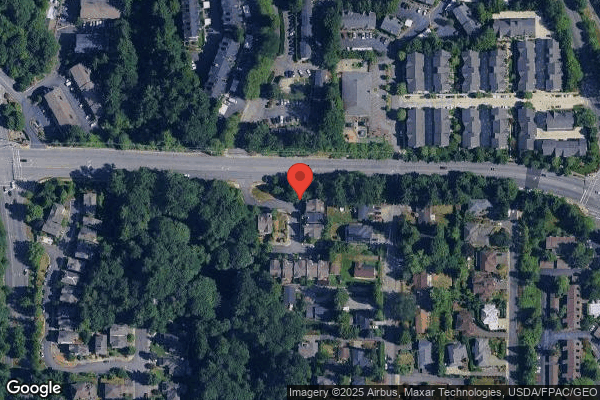
7900 WILLOWS ROAD NORTHEAST, REDMOND, WA 98052 (425) 885-0808
For profit - Corporation 139 Beds THE ENSIGN GROUP Data: November 2025
Trust Grade
83/100
#33 of 190 in WA
Last Inspection: June 2025

Inspected within the last 6 months. Data reflects current conditions.

Overview

Redmond Care and Rehabilitation Center holds a Trust Grade of B+, indicating it is above average and recommended for families considering care options. It ranks #33 out of 190 facilities in Washington, placing it in the top half, and #6 out of 46 facilities in King County, meaning there are only five local options that perform better. The facility's trend is stable, with 8 issues reported in both 2024 and 2025, and it has a good staffing rating of 4 out of 5 stars, with a turnover rate of just 26%, significantly lower than the state average. However, families should be aware of some concerning incidents; for example, the facility failed to appropriately handle food safety for 32 residents, which could lead to foodborne illnesses, and there were issues with the qualifications of social workers, potentially impacting residents' social care needs. On a positive note, there were no fines reported, and the overall care quality has been rated excellent.

Trust Score
B+
83/100
In Washington
#33/190
Top 17%
Safety Record
Low Risk
No red flags
Inspections
Holding Steady
8 → 8 violations
Staff Stability
✓ Good
26% annual turnover. Excellent stability, 22 points below Washington's 48% average. Staff who stay learn residents' needs.
Penalties
✓ Good
No fines on record. Clean compliance history, better than most Washington facilities.
Skilled Nurses
✓ Good
Each resident gets 51 minutes of Registered Nurse (RN) attention daily — more than average for Washington. RNs are trained to catch health problems early.
Violations
⚠ Watch
25 deficiencies on record. Higher than average. Multiple issues found across inspections.
★★★★★
5.0
Overall Rating
★★★★☆
4.0
Staff Levels
★★★★★
5.0
Care Quality
★★★★★
5.0
Inspection Score
Stable
2024: 8 issues
2025: 8 issues

The Good

  • 4-Star Staffing Rating · Above-average nurse staffing levels
  • 5-Star Quality Measures · Strong clinical quality outcomes
  • Low Staff Turnover (26%) · Staff stability means consistent care
  • Full Sprinkler Coverage · Fire safety systems throughout facility
  • No fines on record
  • Staff turnover is low (26%)

    22 points below Washington average of 48%

Facility shows strength in staffing levels, quality measures, staff retention, fire safety.

The Bad

Chain: THE ENSIGN GROUP

Part of a multi-facility chain

Ask about local staffing decisions and management

The Ugly 25 deficiencies on record

Jun 2025 7 deficiencies
CONCERN (D)

Potential for Harm - no one hurt, but risky conditions existed

Deficiency F0578 (Tag F0578)

Could have caused harm · This affected 1 resident

Based on interview and record review, the facility failed to ensure an advance directive (a written instruction, such as a living will or Durable Power of Attorney [DPOA] for health care [a document d...

Read full inspector narrative →
Based on interview and record review, the facility failed to ensure an advance directive (a written instruction, such as a living will or Durable Power of Attorney [DPOA] for health care [a document delegating to an agent the authority to make health care decisions in case the individual delegating the authority subsequently becomes incapable to do so]) was obtained for 1 of 3 residents (Resident 14 ), reviewed for advance directives. This failure placed the resident and/or their representative at risk for losing their right to have their preferences honored to receive or refuse/discontinue care according to their choice. Findings included . Review of the facility's policy titled, Advance Directives and Associated Documentation, revised in April 2025, showed that Prior to, upon, or immediately after admission, a facility staff member shall .inquire whether they [residents] have completed an Advance Directive and if they had they should Obtain [a] copy of the Advance Directive .documents and place in the resident health record. Review of the facility's document titled, Advance Directive Receipt, dated [signed by Resident 14] on 08/28/2024, showed that Resident 14 marked that they had an advance directive and would provide a copy. Review of Resident 14's electronic health record under the miscellaneous tab reviewed on 06/08/2025, showed documentation that Resident 14 had a financial DPOA on file and did not show that there was a copy of Resident 14's advance directive. In an interview on 06/10/2025 at 9:15 AM, Resident 14 stated that they had an advance directive and that they thought they had provided a copy to the facility. In an interview and joint record review on 06/10/2025 at 9:18 AM, Staff K, Social Services, stated that the facility would ask residents at admission if they had an advance directive and would request a copy of their paperwork. A joint record review of Resident 14's DPOA document showed that it was a financial DPOA. Staff K stated, there's no mention of medical; I think this is for her finances. In an interview and joint record review on 06/10/2025 at 3:42 PM, Staff M, Patient Advocacy Resource, stated that Resident 14's DPOA paperwork on file was financial. A joint record review of Resident 14's progress notes from 08/24/2025 through 06/09/2025, showed no documentation that there was follow up to obtain Resident 14's DPOA for healthcare. Staff M stated there were no progress notes showing that this was followed up on. Staff M further stated that they spoke with Resident 14 today [06/10/2025] and confirmed that Resident 14 had a DPOA for healthcare and they would be reaching out to get a copy of the paperwork to have on file. In a follow-up interview on 06/13/2025 at 9:42 AM, Staff K stated, it should be documented better and it could be documented in a progress note, when they followed up with a resident and/or their representative to get a copy of their advance directive. Staff K further stated that it was unclear based on the provided documentation that there was any follow-up to obtain Resident 14's advance directive paperwork before 06/10/2025. In an interview on 06/13/2025 at 11:39 AM, Staff A, Administrator, stated that a financial DPOA was not an advance directive. Staff A stated that if a resident said they had an advance directive, then we would need to get a copy and that it should be in the resident's medical record. Staff A further stated that they expected follow-up to be done as often, until it is received and that there should be documentation of the follow-up in a progress note. Reference: (WAC) 388-97-0280 (3)(a)(d) .
CONCERN (D)

Potential for Harm - no one hurt, but risky conditions existed

Assessment Accuracy (Tag F0641)

Could have caused harm · This affected 1 resident

**NOTE- TERMS IN BRACKETS HAVE BEEN EDITED TO PROTECT CONFIDENTIALITY** DISCHARGE STATUS RESIDENT 76 Review of the nursing progress notes printed on 06/09/2025 showed Resident 76 discharged home on [D...

Read full inspector narrative →
**NOTE- TERMS IN BRACKETS HAVE BEEN EDITED TO PROTECT CONFIDENTIALITY** DISCHARGE STATUS RESIDENT 76 Review of the nursing progress notes printed on 06/09/2025 showed Resident 76 discharged home on [DATE]. Review of the discharge MDS dated [DATE] showed Resident 76 was admitted to the facility on [DATE] and was discharged on 03/15/2025. Further review of the MDS showed Resident 76 was marked they were discharged to the hospital in Section A2105 (Discharge Status). Section A2105 should have been marked discharge to Home/Community. In an interview and joint record review on 06/11/2025 at 11:09 AM, Staff D stated that they follow the RAI manual for completion of MDS assessments. A joint record review showed Resident 76's MDS dated [DATE] was marked discharged to the hospital. Staff D stated the MDS was marked discharged to the hospital and [Resident 76] did not go there. A joint record review of the progress notes dated 03/15/2025 showed Resident 76 discharged home. Staff D stated that Resident 76's discharge MDS was not accurate and that it should have been marked discharged to home/community. In an interview on 06/11/2025 at 11:15 AM, Staff B stated they expected MDS assessments to be completed accurately according to the RAI MDS Manual. Staff B further stated that Resident 76's MDS should have been marked to have discharged home and that their MDS was inaccurate. Reference: (WAC) 388-97-1000 (1)(b) Based on interview and record review, the facility failed to ensure resident assessments were completed accurately for 3 of 21 residents (Residents 19, 12, & 76), reviewed for Minimum Data Set (MDS-an assessment tool). The failure to ensure accurate assessments were coded on the MDS regarding diagnosis, medication use, and discharge status placed the residents at risk for unidentified and/or unmet care needs, and a diminished quality of life. Findings included . According to the Long-Term Care Resident Assessment Instrument (RAI) 3.0 User's Manual, (a guide directing staff on how to accurately assess the status of residents) Version 1.19.1, dated October 2024, showed, .an accurate assessment requires collecting information from multiple sources, some of which are mandated by regulations. Those sources must include the resident and direct care staff on all shifts, and should also include the resident's medical record, physician, and family, guardian and/or other legally authorized representative, or significant other as appropriate or acceptable. It is important to note here that information obtained should cover the same observation period as specified by the MDS items on the assessment and should be validated for accuracy (what the resident's actual status was during that observation period) by the IDT [Interdisciplinary Team] completing the assessment. As such, nursing homes are responsible for ensuring that all participants in the assessment process have the requisite knowledge to complete an accurate assessment. The Observation Period (also known as the Look-back period) is the time-period over which the resident's condition or status is captured by the MDS and ends at 11:59 PM on the day of the Assessment Reference Date (ARD or assessment period). DIAGNOSIS RESIDENT 19 Review of admission MDS dated [DATE], showed Resident 19 was not marked for dementia (a progressive condition that affects the brain) in Section I (Active Diagnosis - under I4800). Review of Resident 19's face sheet printed on 06/09/2025, showed Resident 19 had a diagnosis of dementia. Review of physician's progress notes dated 04/01/2025, showed Resident 19 had a diagnosis of dementia during the look-back-period (04/01/2025 to 04/07/2025). In an interview and joint record review on 06/12/2025 at 1:53 PM, Staff D, MDS Coordinator, stated they would follow the RAI Manual for MDS accuracy. A joint record review of Resident 19's physician progress notes dated 04/01/2025, showed Resident 19 had a diagnosis of dementia and was taking a medication for it. A joint record review of Resident 19's admission MDS dated [DATE], showed that dementia was not marked in Section I. Staff D stated Resident 19 should have been marked for dementia and that their MDS was not accurate. MEDICATION USE RESIDENT 12 Review of Resident 12's admission MDS dated [DATE], showed Resident 12 was not marked for antianxiety (medication for anxiety [having excessive/persistent worry and fear]) in Section N (Medications - under N0415B1 [taking, or receiving an antianxiety] and N0415B2 [indication noted-reason why the resident is taking it]) during the look-back period (05/21/2025 to 05/27/2025). Review of May 2025 Medication Administration Record (MAR) showed Resident 12 received an antianxiety medication on 05/22/2025, 05/23/2025, 05/25/2025, and 05/26/2025 during the look-back-period. A joint record review and interview on 06/12/2025 at 1:53 PM with Staff D, showed Resident 12 was not marked to have received an antianxiety medication during the look-back-period. A joint record review of Resident 12's May 2025 MAR showed they were administered an antianxiety during the look-back-period. Staff D stated that antianxiety should have been marked in Resident 12's assessment and that their MDS was not accurate. In an interview on 06/12/2025 at 3:00 PM, Staff B, Director of Nursing, stated that they expected the MDS to be completed accurately for Resident 19 and Resident 12.
CONCERN (D)

Potential for Harm - no one hurt, but risky conditions existed

Comprehensive Care Plan (Tag F0656)

Could have caused harm · This affected 1 resident

Based on observation, interview, and record review, the facility failed to implement a care plan for 1 of 5 residents (Resident 3), reviewed for comprehensive care plans. The failure to implement the ...

Read full inspector narrative →
Based on observation, interview, and record review, the facility failed to implement a care plan for 1 of 5 residents (Resident 3), reviewed for comprehensive care plans. The failure to implement the care plan for communication placed the resident at risk for unmet care needs and a diminished quality of life. Findings included . Review of the facility's policy titled, Comprehensive Person-Centered Care Planning, revised in April 2025, showed that the facility will develop and implement a comprehensive person-centered .care plan for each resident that will include resident's needs, goals and desired outcomes. Review of a hearing clinic visit note dated 04/24/2024, showed that hearing instruments [hearing aids] were recommended for Resident 3. An additional visit note dated 05/24/2024, showed that Resident 3's representative reported that when the device is in her ear, she is able to hear him better. Review of the communication care plan printed on 06/08/2025, showed an intervention for left sided hearing [aid] kept in charger at bedside. Needs staff to place and remove. An observation on 06/08/2025 at 2:41 PM, showed Resident 3 with no hearing aids in their ears. Resident 3's representative stated that Resident 3 was hard of hearing, that they had hearing aids, and they aren't [are not] charged. Resident 3's representative further stated that the hearing aids had not been put in for a while. Additional observations on 06/09/2025 at 10:45 AM, on 06/10/2025 at 8:51 AM, at 11:48 AM, at 1:12 PM, on 06/11/2025 at 11:27 AM, and at 1:35 PM, showed Resident 3 had no hearing aids in their ears. In an interview and joint record review on 06/11/2025 at 1:38 PM, Staff I, Registered Nurse, stated that resident's care plans should be followed. A joint record review of Resident 3's communication care plan showed, left sided hearing [aid] kept in charger at bedside. Needs staff to place and remove. Staff I stated they were responsible for placing the hearing aid for Resident 3. Staff I stated, aides [CNA-Certified Nursing Assistant] can put them in and we [nurses] double check. A joint observation showed no hearing aids in Resident 3's ears. Staff I asked Staff L, CNA [who was also in the resident's room], where Resident 3's hearing aid was and Staff L stated, I don't [do not] know and she hasn't [has not] been using the hearing aid for a while. She doesn't [does not] like them. In an interview and joint record review on 06/12/2025 at 2:22 PM, Staff F, Resident Care Manager, stated that they expect staff to read it [care plans] and follow the care plan. Staff F stated that if the care plan said for staff to help place and remove hearing aids for a resident, then staff should follow the care plan. A joint record review of Resident 3's communication care plan showed that it had been updated on 06/12/2025 and now showed instructions that Resident 3's representative would be the one to charge the hearing aid. It further showed that Resident 3's representative or staff could place the hearing aid. Staff F stated, I [just] updated it [the care plan]. In an interview on 06/13/2025 at 11:16 AM, Staff B, Director of Nursing, stated that they expected staff to follow resident's care plans. Staff B further stated that they expected the licensed nurse to put on Resident 3's hearing aid if that was what the care plan showed. Reference: (WAC) 388-97-1020(2)(a) .
CONCERN (D)

Potential for Harm - no one hurt, but risky conditions existed

Deficiency F0676 (Tag F0676)

Could have caused harm · This affected 1 resident

Based on observation, interview, and record review, the facility failed to provide services to maintain hearing methods to carry out the Activities of Daily Living (ADL) for 1 of 1 resident (Resident ...

Read full inspector narrative →
Based on observation, interview, and record review, the facility failed to provide services to maintain hearing methods to carry out the Activities of Daily Living (ADL) for 1 of 1 resident (Resident 3), reviewed for communication. This failure placed the resident at risk of not being able to hear and/or communicate and a diminished quality of life. Findings included . Review of the facility's policy titled, Activities of Daily Living, revised on 04/03/2025, showed, A resident's abilities in ADL's do not diminish unless circumstances on the individual's clinical condition demonstrate that diminution [decline] was unavoidable. This includes the resident's ability to .use speech, language, or other functional communication systems. Review of Resident 3's quarterly Minimum Data Set (an assessment tool) showed that Resident 3 had minimal difficulty with hearing (difficulty in some environments, for example when a person speaks softly or the setting is noisy). Review of a hearing clinic visit note dated 04/24/2024, showed that hearing instruments [hearing aids] were recommended for Resident 3. An additional visit note dated 05/24/2024, showed that Resident 3's representative reported that when the device is in her ear, she is able to hear him better. Review of Resident 3's physician orders dated 05/17/2024, showed an order for, Left hearing aid on in the morning, off at night, or when uncomfortable every day and evening shift. It further showed instruction for the LN [Licensed Nurse to] put it ON [at] 0700 [7:00 AM] and take it OFF [at] 1800 [6:00 PM]. An observation on 06/08/2025 at 2:41 PM, showed Resident 3 with no hearing aids in their ears. Resident 3's representative stated that Resident 3 was hard of hearing, that they had hearing aids, and they aren't [are not] charged. Resident 3's representative further stated that the hearing aids had not been put in for a while. Additional observations on 06/09/2025 at 10:45 AM, on 06/10/2025 at 8:51 AM, at 11:48 AM, at 1:12 PM, on 06/11/2025 at 11:27 AM, and at 1:35 PM, showed Resident 3 had no hearing aids in their ears. In an interview and joint record review on 06/11/2025 at 1:38 PM, Staff I, Registered Nurse, stated that nurses were responsible for placing hearing aids for residents that needed help with ADLs. Staff I stated that Certified Nursing Assistants (CNAs) could place them and that nurses would check to make sure they had been placed for the residents. Staff I stated that Resident 3 was hard of hearing and had one hearing aid. A joint record review of Resident 3's physician orders showed, Left hearing aid on in the morning, off at night, or when uncomfortable every day and evening shift. It further showed instruction for the LN [to] put it ON [at] 0700 and take it OFF [at] 1800, ordered on 05/17/2024. Staff I stated that the CNA had placed the hearing aid for Resident 3 today [06/11/2025]. When asked if they had confirmed hearing aid placement, Staff I stated, I thought so, I guess I didn't [did not]. A joint observation showed no hearing aids in Resident 3's ears. Staff I asked Staff L, CNA, where the hearing aid was and Staff L stated, I don't [do not] know and she hasn't [has not] been using the hearing aid for a while. She doesn't [does not] like them. Resident 3's representative stated that it had been a couple weeks since the hearing aid had been charged or placed for Resident 3. Staff I stated, I thought it was in. My mistake. In an interview on 06/12/2025 at 2:22 PM, Staff F, Resident Care Manager, stated that nurses were responsible for placing hearing aids for residents that needed help with ADLs. Staff F stated that CNAs could also help place resident's hearing aids and the nurses should be checking if it's [it is] in place. In an interview and joint record review on 06/13/2025 at 11:01 AM, Staff B, Director of Nursing, stated that if residents needed help with ADLs, including help placing hearing aids, staff should help them. Staff B stated that nurses were responsible for placing hearing aids for residents that needed help with ADLs. A joint record review of Resident 3's physician orders, showed an order for, Left hearing aid on in the morning, off at night, or when uncomfortable every day and evening shift. It further showed instruction for the LN put it ON [at] 0700 and take it OFF [at] 1800. Staff B stated that they expected the licensed nurse to put [it] on [hearing aid] at seven AM for Resident 3. Reference: (WAC) 388-97-1060(2)(b) .
CONCERN (D)

Potential for Harm - no one hurt, but risky conditions existed

Deficiency F0761 (Tag F0761)

Could have caused harm · This affected 1 resident

**NOTE- TERMS IN BRACKETS HAVE BEEN EDITED TO PROTECT CONFIDENTIALITY** RESIDENT 14 An observation on [DATE] at 11:27 AM showed an opened bottle of biotin (a vitamin supplement) on Resident 14's night...

Read full inspector narrative →
**NOTE- TERMS IN BRACKETS HAVE BEEN EDITED TO PROTECT CONFIDENTIALITY** RESIDENT 14 An observation on [DATE] at 11:27 AM showed an opened bottle of biotin (a vitamin supplement) on Resident 14's nightstand. Resident 14 stated I try to take it [biotin] every day. Additional observations on [DATE] at 9:28 AM, on [DATE] at 9:17 AM, and at 1:12 PM, showed an opened bottle of biotin on Resident 14's nightstand. An interview and joint observation on [DATE] at 12:12 PM, Staff I, RN, stated that supplements were considered medications and that medications should be stored in a locked medication room or medication cart. When asked if medications could be stored at a resident's bedside, Staff I stated, No, [it] has to be in the cart. A joint observation showed an opened bottle of biotin on Resident 14's nightstand. Staff I stated that they were unsure if the opened bottle of biotin should be there. In an interview on [DATE] at 12:17 PM, Staff F, stated that medications should be stored in locked medication carts. Staff F further stated that if a resident was able to self-administer medications they could be kept at bedside and it's [it is] supposed to be in a locked drawer. In an interview on [DATE] at 12:50 PM, Staff B stated that medications should be stored in a locked medication room or medication cart. Staff B further stated that if a resident was able to self-administer medications then they should be stored in the drawer [in the resident's room] and should be locked. Reference: (WAC) 388-97-1300(2) Based on observation, interview, and record review, the facility failed to ensure drugs were properly labeled, and/or expired supplies were removed/discarded in accordance with current accepted professional standards for 2 of 5 treatment cart and/or medication cart (C Wing Treatment Cart and B Wing Medication Cart), and failed to properly store a supplement for 1 of 1 resident (Resident 14), reviewed for medication storage and labeling. These failures placed the residents at risk for receiving compromised or ineffective medications, unsafe medication administration, and potential adverse side effects. Findings included . Review of the facility's policy titled, Storage of Medications, revised in [DATE], showed, The facility shall store all drugs and biologicals in a safe, secure, and orderly manner. The policy further showed, Compartments (including, but not limited to, drawers, cabinets, rooms, refrigerators, carts, and boxes) containing drugs and biologicals shall be locked when not in use, and trays or carts used to transport such items shall not be left unattended if open or otherwise potentially available to others. C WING TREATMENT CART A joint observation and interview on [DATE] at 10:04 AM, with Staff F, Resident Care Manager (RCM), showed an opened urea (moisturizes and softens rough and callused skin areas) care treatment cream that did not have an open date. Further joint observation of the urea cream showed a period after opening symbol (a graphic symbol on cosmetic and toiletry product packaging that indicates how long the product remains safe and effective after it has been opened) of 24 M (months), and it had no expiration date. Staff F stated that the urea cream was good for two years once it had been opened. Staff F further stated that they would expect there to be an open date once the medication had been opened. B WING MEDICATION CART A joint observation and interview on [DATE] at 10:20 AM with Staff I, Registered Nurse (RN), showed medication for Resident 2 labeled Gabapentin (used for facial pain) 100 mg (milligrams-a unit of measurement) capsules with an expiration date of [DATE]. Staff I stated that expired medication should not be in the medication cart and that it should have been wasted or discarded. On [DATE] at 12:50 PM, Staff B, Director of Nursing stated expired medication should not be stored in the medication cart. Staff B further stated when a treatment cream was opened, they expected staff to label it with an open date.
CONCERN (D)

Potential for Harm - no one hurt, but risky conditions existed

Infection Control (Tag F0880)

Could have caused harm · This affected 1 resident

**NOTE- TERMS IN BRACKETS HAVE BEEN EDITED TO PROTECT CONFIDENTIALITY** Based on observation, interview, and record review, the facility failed to ensure hand hygiene/glove use practices were followed...

Read full inspector narrative →
**NOTE- TERMS IN BRACKETS HAVE BEEN EDITED TO PROTECT CONFIDENTIALITY** Based on observation, interview, and record review, the facility failed to ensure hand hygiene/glove use practices were followed for 1 of 4 staff (Staff J), reviewed for infection control. This failure placed the residents, visitors, and staff at an increased risk for infection and related complications. Findings included . Review of the facility's policy titled, Infection Prevention and Control Program, revised in April 2025, showed that facility personnel will handle, store, process, and transport linens so as to prevent the spread of infection and the facility will use effective methods for the safe storage, transport and disposal of garbage, refuse and infectious waste. An observation on 06/08/2025 at 9:20 AM, showed Staff J, Certified Nursing Assistant, took soiled material in a plastic bag from room [ROOM NUMBER] to the soiled utility room. It further showed Staff J wearing gloves on both hands while they carried the plastic bag in the hallway and touched the soiled utility room door handle with their soiled gloved hand. Additional observations on 06/08/2025 at 9:50 AM and 11:58 AM showed Staff J carried soiled material in a plastic bag through the hallway to the soiled utility room while wearing gloves on both hands. It further showed Staff J used their soiled gloved hand to touch the soiled utility room door handle, put the soiled material in the soiled utility room, removed the soiled gloves in the hallway and put in the garbage container in the hallway, and then performed hand hygiene. In an interview on 06/08/2025 at 12:21 PM, Staff J stated that their process for carrying soiled linens or soiled material was to put on gloves, put [soiled material] in a plastic bag, tie it up, put in [the] soiled utility room, take off [their] gloves and do hand hygiene. Staff J stated that they wore gloves while carrying the soiled material in the hallway, because [they were] holding something contaminated. Staff J further stated that they touched the soiled utility room door handle with their soiled gloves. In an interview on 06/13/2025 at 9:40 AM, Staff C, Infection Preventionist, stated that they expected staff to transfer soiled items to the soiled utility room by putting [soiled items] in a bag, take off [their soiled] gloves, perform hand hygiene, pick back up [the soiled items] and take to the soiled utility room. Staff C stated that staff should not wear gloves in the hallway unless they were cleaning equipment. Staff C further stated that staff should not touch door handles while wearing [soiled] gloves. In an interview on 06/13/2025 at 11:01 AM, Staff B, Director of Nursing, stated that staff should not wear gloves in the hallway while carrying soiled items to the soiled utility room and they should not touch the soiled utility room door handle with their gloves. Staff B further stated that these practices were a risk for spreading infection. Reference: (WAC) 388-97-1320(1)(a) .
CONCERN (E)

Potential for Harm - no one hurt, but risky conditions existed

Food Safety (Tag F0812)

Could have caused harm · This affected multiple residents

Based on observation, interview, and record review, the facility failed to ensure food items were handled appropriately in accordance with professional standards of food safety for 32 of 75 residents ...

Read full inspector narrative →
Based on observation, interview, and record review, the facility failed to ensure food items were handled appropriately in accordance with professional standards of food safety for 32 of 75 residents (Residents 11, 3, 34, 128, 4, 178, 66, 28, 30, 33, 55, 182, 17, 51, 59, 36, 63, 74, 230, 183, 231, 44, 49, 7, 72, 52, 1, 13, 26, 53, 68 & 61), reviewed for food services. This failure placed the residents at risk of food-borne illness (caused by the ingestion of contaminated food or beverages) and a diminished quality of life. Findings included . Review of the facility's policy titled, Food Procurement, Storage, and Distribution, revised on 07/08/2022, showed that the facility would store, prepare, distribute, and serve food in accordance with professional standards for food safety. The policy further showed that the facility would follow proper sanitation or food handling practices to prevent the outbreak of foodborne illness. Observation on 06/11/2025 from 11:32 AM to 12:34 PM, showed Staff G, Cook, with gloves on touched the meal cart, meal tickets, and the preparation table area. Using the same gloves, Staff G, started to place fresh parsley on the residents' plates for Resident 11, Resident 3, Resident 34, Resident 128, Resident 4, Resident 178, Resident 66, Resident 28, Resident 30, Resident 33, Resident 55, Resident 182, Resident 17, Resident 51, Resident 59, Resident 36, Resident 63, Resident 74, Resident 230, Resident 183, Resident 231, Resident 44, Resident 49, Resident 7, Resident 72, Resident 52, Resident 1, and Resident 13. At 12:30 PM, Staff G washed their hands and put on new gloves, touched the meal cart, meal tickets, preparation table area, and a bag of bread. While wearing the same gloves, Staff G continued to place fresh parsley on the residents' plates for Resident 26, Resident 53, Resident 68 and Resident 61. In an interview on 06/11/2025 at 12:36 PM, Staff G stated that their process for serving food items was to use serving utensils to place food items on residents' plates. Staff G stated that they did not use a serving utensil and/or a serving tong to place fresh parsley on the residents' plates and that they should have. In an interview on 06/11/2025 at 12:37 PM, Staff H, Dietary Supervisor, stated they expected food items to be served using serving utensils. Staff H stated that Staff G should not have touched fresh parsley with gloved hands to place them on residents' plates after touching the meal carts, meal tickets, meal trays, serving/preparation table, and the bag of bread. Staff H further stated that Staff G should have used a serving utensil to place the fresh parsley on the residents' plates. Reference: (WAC) 388-97-1100 (3) .
Mar 2025 1 deficiency
CONCERN (D) 📢 Someone Reported This

A family member, employee, or ombudsman was alarmed enough to file a formal complaint

Potential for Harm - no one hurt, but risky conditions existed

ADL Care (Tag F0677)

Could have caused harm · This affected 1 resident

Based on observation, interview, and record review, the facility failed to ensure showers or bathing were consistently provided for 1 of 4 residents (Resident 1), reviewed for Activities of Daily Livi...

Read full inspector narrative →
Based on observation, interview, and record review, the facility failed to ensure showers or bathing were consistently provided for 1 of 4 residents (Resident 1), reviewed for Activities of Daily Living (ADLs). This failure placed the resident at risk for poor hygiene, decreased self-esteem, and a diminished quality of life. Findings included . Review of the facility's policy titled, Activities of Daily Living, revised in July 2015, showed that nursing assistants would provide assistance with ADLs based on the resident's individualized plan of care. Review of the admission Minimum Data Set (an assessment tool) dated 02/05/2025 showed Resident 1 required partial/moderate assistance with showers. Review of the shower schedule updated on 02/24/2025 showed Resident 1 was scheduled for showers on Thursday evenings. Review of the February 2025 bathing task showed that Resident 1 did not get showers on 02/27/2025 and 03/06/2025. The last time the resident had a shower was on 02/17/2025 and again on 03/18/2025 [before lunch], almost a month of not having a shower. On 03/18/2025 at 10:09 AM, Resident 1 stated I have not had a shower in a while. It would be nice to have a shower. During an interview and joint record review on 03/18/2025 at 10:22 AM, Staff C, Certified Nursing Assistant, stated that residents were provided shower according to their shower schedule. A joint record review of the shower schedule dated 02/24/2025 showed Resident 1 was scheduled for showers on Thursday evenings. Staff C stated that Resident 1 would have their showers on Thursdays by evening shift staff. On 03/18/2025 at 10:40 AM, Staff D, Registered Nurse, stated that residents had shower schedule, and that Resident 1 was scheduled for showers on Thursday evenings. On 03/18/2025 at 11:12 AM, Staff E, Resident Care Manager (RCM), stated they expect staff to document when resident was provided showers and/or when showers were refused. Joint record review of the February 2025 and March 2025 bathing task showed that Resident 1 did not have showers on Thursday 02/27/2025 an 03/06/2025 and no documentation to show that Resident 1 refused showers. Staff E stated Resident 1 did not get showers as scheduled and that there were no shower refusals. On 03/18/2025 at 1:15 PM, Staff B, RCM/Infection Preventionist, stated that Resident 1's shower should have been scheduled to a different day when Resident 1's dialysis (treatment that helps remove extra fluid and waste products from a person's blood when the kidneys are not able to) schedule changed to evenings. Reference: (WAC) 388-97-1060 (2)(c) .
Jun 2024 8 deficiencies
CONCERN (D)

Potential for Harm - no one hurt, but risky conditions existed

Report Alleged Abuse (Tag F0609)

Could have caused harm · This affected 1 resident

**NOTE- TERMS IN BRACKETS HAVE BEEN EDITED TO PROTECT CONFIDENTIALITY** Based on interview and record review, the facility failed to ensure allegation of abuse was reported to the State Agency for 1 o...

Read full inspector narrative →
**NOTE- TERMS IN BRACKETS HAVE BEEN EDITED TO PROTECT CONFIDENTIALITY** Based on interview and record review, the facility failed to ensure allegation of abuse was reported to the State Agency for 1 of 3 residents (Resident 237), reviewed for abuse allegations. This failure placed the resident at risk for potential unidentified abuse and lack of protection from abuse. Findings included . Review of the facility's policy titled, Abuse Prevention & [and] Investigation, revised in July 2015, showed, It is the policy of the facility that all suspected, alleged, or actual cases of resident abuse, including injuries of unknown origin, shall be thoroughly and completely investigated and reported according to State and Federal regulations. Review of the Nursing Home Guidelines, The Purple Book, dated October 2015 (sixth edition), showed injuries of unknown source means any injury sustained by a resident where the source of the injury was not observed directly by staff, or the resident is not able to report/inform how the injury occurred. It further showed, Substantial injuries of unknown source, even if they do not appear to be due to abuse or neglect, must be reported to the Department; because the injuries may have resulted from failure to take preventative measures. Resident 237 admitted to the facility on [DATE] with diagnosis that included dementia (a cognition that affects thinking, memory, reasoning, personality, mood, and behavior). Review of the facility's January 2024 incident log dated 01/16/2024, showed Resident 237 had a left shoulder suspicious fx [fracture - a partial or complete break in a bone]. It further showed under the heading hotline notified (yes/no) was N [not notified]. Review of the facility's investigation report dated 01/19/2024, showed Resident 237 was found lying on their back by the entry door of their room with left temporal (head) bleeding and complained of left shoulder/back pain on 01/16/2024. Resident 237 was sent to the emergency room and returned to the facility the same day with an x-ray result concerning for fracture in the scapula (shoulder blade). It further showed that Resident 237 was unable to say what she was trying to do. Additionally, the investigation report showed that Staff R, Licensed Practical Nurse, reported that Resident 237 was unable to recall what had happened. Review of the nursing progress notes dated 01/17/2024, showed Resident 237 returned from the hospital with a diagnosis of a closed fracture of the left upper arm, facial laceration, and injury of the head. On 06/06/2024 at 2:53 PM, Staff R stated that Resident 237 was not able to state what had happened on 01/16/2024. In an interview and joint record review on 06/10/2024 at 9:46 AM, Staff K, Assistant Director of Nursing, stated their policy for reporting of unobserved falls with substantial injury depended on if they ruled out abuse or neglect. Staff K stated it was not usually called in to the State Agency because they knew what had happened and ruled out abuse. Joint record review of the January 2024 incident reporting log showed that Resident 237's incident dated 01/16/2024 under the heading hotline notified (yes/no) was an N. Staff K stated N meant that it was not reported to the State Agency. Staff K stated Resident 237 stated they had a fall but was unable to give the details of what had happened. On 06/10/2024 at 10:58 AM, Staff A, Administrator, stated that they followed the Purple Book for guidelines for abuse reporting. Staff A stated if a resident had a serious unknown substantial injury, they would report it to the State Agency within the required timeframes. Reference: (WAC) 388-97-0640 (5)(a) .
CONCERN (D)

Potential for Harm - no one hurt, but risky conditions existed

Comprehensive Care Plan (Tag F0656)

Could have caused harm · This affected 1 resident

**NOTE- TERMS IN BRACKETS HAVE BEEN EDITED TO PROTECT CONFIDENTIALITY** Resident 42 admitted to the facility on [DATE]. Review of Resident 42's communication care plan initiated on 05/17/2023, showed...

Read full inspector narrative →
**NOTE- TERMS IN BRACKETS HAVE BEEN EDITED TO PROTECT CONFIDENTIALITY** Resident 42 admitted to the facility on [DATE]. Review of Resident 42's communication care plan initiated on 05/17/2023, showed Resident 42 was at risk for a communication problem r/t [related to] hearing deficit with interventions that included referral to audiology (testing and management of hearing and balance problems) for hearing consult as ordered and social services to follow up with hearing aids. Review of the nursing progress note dated 05/17/2023 to 06/07/2024, showed no documentation that the facility implemented Resident 42's communication care plan to referral to audiology and social services to follow up with hearing aids. On 06/04/2024 at 8:23 AM, Resident 42 stated that they were supposed to have hearing checkup at least annually. Resident 42 further stated that the facility did not arrange that for me and I have been telling them, but they did not listen. Sometimes I have hearing difficultly, and I am supposed to have hearing aid but did not get nothing. No body helped me with the appointment for about a year. Joint record review and interview on 06/07/2024 at 12:49 PM with Staff F, Licensed Practical Nurse Supervisor, showed no documentation that Resident 42's communication care plan was implemented. Staff F stated that there should have been a follow up on Resident 42's hearing needs. In an interview and joint record review on 06/07/2024 at 12:57 PM with Staff P, Social Services Director, stated that they did not help Resident 42 with their audiology appointment. Joint record review of the nursing progress notes from 05/17/2023 to 06/07/2024 with Staff P, showed no documentation that social services followed up with Resident 42 regarding their hearing aids. Staff P stated that they should have followed up with Resident 42's hearing concerns and implemented their care plan. On 06/10/2024 at 2:57 PM, Staff K stated that staff should have implemented the care plan. Reference: (WAC) 388-97-1020 (3) Based on observation, interview, and record review, the facility failed to implement care plans for 2 of 18 residents (Residents 5 & 42), reviewed for comprehensive care plans. The failure to implement care plans for restorative care (to maintain a person's highest level of physical, mental, and psychosocial function to prevent decline that impact quality of life) and communication/sensory placed the residents at risk for unmet care needs and a diminished quality of life. Findings included . Review of the facility's policy titled, Restorative Care, revised in May 2016, showed, Restorative Care will be provided to each resident according to his/her individual needs and desires as determined by assessment and interdisciplinary care planning. RESIDENT 5 Resident 5 admitted to the facility on [DATE]. Review of the quarterly Minimum Data Set (an assessment tool) dated 04/11/2024, showed Resident 5 had Range of Motion (ROM - the amount of movement a joint or body part can make in a specific direction) impairment on both sides of their upper and lower extremities. Review of the activities of daily living care plan printed on 06/04/2024, showed an intervention for Resident 5, AROM [Active Range of Motion - moving joints entirely by the individual performing the exercise] of shoulders, elbows, hips, knees, and ankles .will be performed in order to maintain strength and ROM for 15 mins [minutes] at least 3x [times]/week. Review of the facility provided document titled, Restorative Nursing showed the following documentation of the days Resident 5's received AROM in May 2024: - 05/06/2024 to 05/12/2024: Two days - 05/13/2024 to 05/19/2024: One day - 05/20/2024 to 05/26/2024: Two days - 05/27/2024 to 05/31/2024: Zero days In an interview and joint record review on 06/05/2024 at 12:01 PM with Staff I, Certified Nursing Assistant, stated they worked as a restorative aide, and they provided restorative exercises for Resident 5 on Mondays, Wednesdays, and Fridays and that they documented in the Electronic Health Record (EHR). Joint record review of Resident 5's EHR, showed the last time the exercises were documented was on 05/24/2024. Staff I stated, I probably didn't document when I did the exercises. On 06/05/2024 at 2:12 PM, Staff O, Director of Rehabilitation, stated their expectation was that staff should be doing the ROM exercises [as stated] in the care plan. In an interview and joint record review on 06/06/2024 at 1:28 PM, Staff K, Assistant Director of Nursing, stated they expected Staff I to make sure she's doing the program in the care plan and documenting that it was done. Joint record review of the facility provided document titled, Restorative Nursing, did not show that Resident 5 had received AROM three times a week as was written in the care plan. Joint record review of Resident 5's care plan showed Resident 5 should have AROM exercises three times a week. Staff K stated that the care plan had been followed 50 percent of the time and that it did not meet their expectation. Staff K further stated that the care plan/program should be followed.
CONCERN (D)

Potential for Harm - no one hurt, but risky conditions existed

Deficiency F0685 (Tag F0685)

Could have caused harm · This affected 1 resident

**NOTE- TERMS IN BRACKETS HAVE BEEN EDITED TO PROTECT CONFIDENTIALITY** Based on interview and record review, the facility failed to follow up on hearing services for 1 of 2 residents (Resident 42), r...

Read full inspector narrative →
**NOTE- TERMS IN BRACKETS HAVE BEEN EDITED TO PROTECT CONFIDENTIALITY** Based on interview and record review, the facility failed to follow up on hearing services for 1 of 2 residents (Resident 42), reviewed for communication and sensory. This failure placed the resident at risk for ineffective communication, unmet care needs, and a diminished quality of life. Findings included . Review of the facility's policy titled, Resident Rights, revised in 11/23/2016, showed residents have rights to a dignified existence, self-determination, and communication with and access to persons and services inside and outside the center. Review of the facility's policy titled, Hearing Impaired Resident, revised in February 2018, showed staff will assist the resident or representative with locating available resources, scheduling appointments, and arranging transportation to obtain needed services. Resident 42 admitted to the facility on [DATE]. Review of Resident 42's communication care plan initiated on 05/17/2023, showed that Resident 42 was at risk for a communication problem r/t [related to] hearing deficit with interventions that included referral to audiology (testing and management of hearing and balance problems) for hearing consult as ordered and social services to follow up with hearing aids. Review of the nursing progress notes dated 04/23/2024, showed that Resident 42 reported difficulty hearing and that the Nurse Practitioner was notified of Resident 42's concern. It further showed that Resident 42 declined the assessment by the Nursing Practitioner and that they would follow up as indicated. Review of the nursing progress notes dated 04/23/2024 to 06/07/2024 showed no documentation that the facility staff followed up on Resident 42's difficulty hearing. On 06/04/2024 at 8:23 AM, Resident 42 stated that they were supposed to have hearing checkup at least annually. Resident 42 further stated that the facility did not arrange that for me and I have been telling them, but they did not listen. Sometimes I have hearing difficultly, and I am supposed to have hearing aid but did not get nothing. No body helped me with the appointment for about a year. In an interview and joint record review on 06/07/2024 at 12:01 PM with Staff F, Licensed Practical Nurse Supervisor, stated that when Resident 42 reported difficulty hearing, the Nurse Practitioner was notified to assess, or order oil drop to soften the resident's ear a little bit. Staff F stated that if it was not effective the Nurse Practitioner would place an order for audiology. A joint record review of the nursing progress notes from 04/23/2024 to 06/07/2024, showed Resident 42's hearing assessment was not completed. Staff F stated the assessment was not completed and the audiology referral was not made. In another joint record review and interview on 06/07/2024 at 12:49 PM with Staff F, showed Resident 42 had recommendations (orders) from their speech and hearing consultant visit dated 03/02/2023 and that the recommendations (orders) were not implemented. Staff F stated that for Resident 42's hearing consultant's recommendations, there should have been a follow up. Joint record review and interview on 06/07/2024 at 12:57 PM with Staff P, Social Services Director, showed the nursing progress notes dated 03/24/2023 to 06/07/2024 did not show documentation that the facility followed up with Resident 42's hearing aids. Staff P stated that they did not help Resident 42 with their audiology appointment and that they should have followed up on it. On 06/07/2024 at 1:00 PM, Staff Q, Nurse Practitioner, stated that I tried to evaluate him after he reported his hearing difficulty, but he refused. I did not do another attempt to evaluate until today. Staff Q further stated Resident 42 agreed for evaluation and that an audiology referral was done today. On 06/10/2024 at 2:57 PM, Staff K, Assistant Director of Nursing, stated that the facility's process was that when there was a report/concerns from residents about hearing issue we notify the Nurse Practitioner to make sure they assessed them. Also, if residents need referral, we have to make sure that was done. Staff K further stated that if residents had a recommendation from hearing consultants, the facility should follow up. On 06/11/2024 at 8:51 AM, Staff A, Administrator, stated when residents had concerns with hearing the facility tries to resolve it ASAP [as soon as possible]. Reference: (WAC) 388-97-1060(3)(a). .
CONCERN (D)

Potential for Harm - no one hurt, but risky conditions existed

Accident Prevention (Tag F0689)

Could have caused harm · This affected 1 resident

**NOTE- TERMS IN BRACKETS HAVE BEEN EDITED TO PROTECT CONFIDENTIALITY** Based on observation, interview, and record review, the facility failed to maintain an environment free of accident hazards for ...

Read full inspector narrative →
**NOTE- TERMS IN BRACKETS HAVE BEEN EDITED TO PROTECT CONFIDENTIALITY** Based on observation, interview, and record review, the facility failed to maintain an environment free of accident hazards for 1 of 3 residents (Resident 76), reviewed for accident hazards. The failure to monitor and assess a sliding door as an exit, and to ensure a fence/gate that led to a parking lot and street was secured/locked, placed the resident at risk for elopement [form of unsupervised wandering that leads to a resident leaving the facility], injury, and a diminished quality of life. Findings included . Review of the facility's policy titled, Elopement/Unsafe Wandering, revised in January 2022, showed, This facility is committed to promoting resident autonomy [ability to make own decisions] by providing an environment that remains as free of accident hazards as possible. The policy further showed the facility would provide a safe environment for all residents through appropriate assessment and interventions to prevent accidents related to unsafe wandering or elopement. Resident 76 admitted to the facility on [DATE]. Review of Resident 76's admission Minimum Data Set (MDS- an assessment tool), dated 05/09/2024, showed the resident had impaired cognition. Review of Resident 76's Restraint/Enabling Device/Safety Device Evaluation, dated 05/29/2024, showed the resident was evaluated to be, forgetful follows visitors/family exit doors, and that the device recommended was a wanderguard (a system in which a resident at risk for elopement /wanderer wears a bracelet, sensors that monitor doors, and alarm in real time), that alerted staff when the resident was by an exit door. Review of Resident 76's Elopement/Wandering Evaluation dated 06/01/2024, showed the resident was at high risk for elopement, was ambulatory with an assistive device (mobility aid), and had intermittent (sudden) confusion. Further review of the evaluation showed Resident 76's wandering was, aimless w/[with] potential to go outside, active exit seeking behavior. Review of Resident 76's elopement risk/wanderer care plan initiated on 06/04/2024, showed the resident had, Impaired safety awareness, Resident wanders aimlessly, following visitors going out the door. Review of Resident 76's physician order printed on 06/06/2024, showed an order for Wanderguard to (R [right] ankle): check for placement and function, initiated on 05/29/2024. Observation on 06/05/2024 at 12:55 PM, showed Resident 76 was walking independently using a walker in front of the facility parking lot with a visitor. Observation on 06/06/2024 at 3:21 PM, showed Resident 76 was in their room with a visitor. Their room had a sliding glass door wide open with the sliding screen door in place. Further observation showed the sliding door had no wanderguard trigger alarm box (part of the wanderguard alarm system that is placed on door/exit). Observation outside of Resident 76's room sliding door on 06/06/2024 at 3:54 PM, showed a grassy area with an uneven cement blocks pathway, and led towards the fenced gate that was wide open. Further observation showed the unsecured gate led to a parking lot towards a busy road. Joint observation and interview on 06/06/2024 at 4:43 PM with Staff L, Licensed Practical Nurse, showed Resident 76 had a wanderguard on their right ankle. Resident 76's visitor had left for the day. Resident 76's room glass sliding door was wide open and the screen sliding door was in place. Further joint observation showed Staff L walked through the sliding door with a wanderguard bracelet and no alarm was heard and that there was no [NAME] trigger alarm in the resident's room. Staff L stated that normally they would have one [trigger alarm] on the sliding door but they did not see one. Joint observation outside of Resident 76's room sliding door on 06/06/2024 at 4:46 PM with Staff L, showed a cement blocks pathway that was uneven. Staff L stated it could place the resident at risk for falls, and the gate was open to the parking lot/street, and could be potential for harm, or a very bad injury. In an interview and joint record review on 06/10/2024 at 10:03 AM, Staff B, Director of Nursing, stated that the wanderguard was important because it alerted staff that the resident was by an exit door and the alarm would trigger. Staff B stated that it would prevent elopement and injury as a consequence. Staff B further stated that Resident 76 was ambulatory, forgetful, and when family came to visit them, Resident 76 would follow them to the door. Staff B stated that Resident 76 was confused and that they scored high risk for elopement. Joint record review of Resident 76's admission MDS dated [DATE], showed resident had a brief interview for mental status (tool used to assess cognitive status) score of 0 (zero - indicating severely impaired cognition). Staff B stated that Resident 76 had impaired cognition. In another joint record review and interview on 06/10/2024 at 10:17 AM with Staff B, showed a physician order for a wanderguard was initiated on 05/29/2024. Staff B stated that was when the resident was determined to be at risk for elopement because they were seen by the exit door following a visitor. Joint observation and interview on 06/10/2024 at 12:20 PM with Staff D, Maintenance Director, showed there was no trigger alarm for Resident 76's previous room (room [ROOM NUMBER]-C). Staff D stated there was no alarm on the sliding door and that on 06/06/2024, they had been asked to place an alarm on and that they had been asked to block the doors. Another joint observation and interview on 06/10/2024 at 12:25 PM with Staff D, showed the outside environment of Resident 76's previous room had a cement block pathway that was uneven. Staff D stated that the gate was probably left opened [on 06/06/2024] and that it was supposed to stay closed. Staff D further stated this placed the resident at risk for a fall or injury. In an interview on 06/10/2024 at 1:46 PM, Staff K, Assistant Director of Nursing, stated that a wanderguard and trigger alarm were important because it alerted the staff when a resident was trying to leave the building. Staff K stated that Resident 76 was ambulatory and that they were at risk for elopement. Staff K stated that Resident 76 had impaired cognition and that they tended to follow their visitor. Staff K stated that there was no alarm on Resident 76's sliding door and that the gate should have been closed. Staff K further stated that staff would not be alerted right away without a wanderguard trigger alarm. In an interview and joint record review on 06/11/2024 at 1:59 PM with Staff A, Administrator, stated that the trigger alarm notified staff when the resident was coming close to an exit and that it was audible. Joint record review of Resident 76's elopement/wandering evaluation dated 06/01/2024, showed the resident was at high risk for elopement. Staff A stated the assessment did not specify whether the resident was assessed for the ability to open their sliding door. Staff A further stated that the gate door was opened on 06/06/2024 and that they typically have it closed. In an interview on 06/12/2024 at 8:53 AM, Staff M, Occupational Therapist (OT), stated that Resident 76 had made a lot of progress in terms of Activities of Daily Living (ADLs - activities related to personal care) and that Resident 76 was currently at a supervision level for daily tasks. Staff M stated that this was mainly because Resident 76 was impulsive with their movements and was very quick to stand up and with turning. Staff M stated that Resident 76's daily tasks included dressing, going to the bathroom, getting in and out of bed, and transfers. Staff M stated that Resident 76 was able to ambulate independently in their room, familiar area, or short distances and that they were at risk for elopement. Staff M further stated that Resident 76 had no restrictions in their hands that affected them functionally, and was able to manipulate their utensils for meals or the toilet paper in the restroom and that in terms of dexterity (skill in performing tasks, especially with the hands) they had recently done a cognitive exam, consisting of putting strings into different holes, and that the resident had no problem with completing the tasks. Joint record review and interview on 06/12/2024 at 9:08 AM with Staff M, revealed Resident 76's OT notes dated 05/16/2024, showed, Cues for proper body mechanics and pacing due to impulsive mvmt [movement] and decreased safety awareness. Staff M stated the resident got up fast, and turned quickly, and had decreased safety awareness putting them at risk for falls. Joint record review and interview on 06/12/2024 at 10:04 AM with Staff N, Physical Therapist (PT), showed Resident 76's PT notes dated 06/02/2024, Resident 76 was able to ascend and descend steps, for a total of eight stairs using bilateral (both) handrails at supervision assist. Staff N stated that the stairs were approximately six to seven inches tall. At 10:07 AM, another joint record review of PT notes dated 06/06/2024, showed gait training had occurred in the hallway/gym/room and the resident used no assistive device for 200 feet (ft - a unit of measurement) and outdoor gait training on uneven surfaces for 500 ft at supervision assist. Staff N stated the resident was currently able to ambulate with no assistive device. Staff N further stated that on 06/06/2024, it was the first time they had evaluated the resident specifically for opening the glass sliding door. On 06/12/2024 at 10:51 AM, Staff A, stated that there was no specific documentation for Resident 76's ability to open the sliding door [prior to 06/06/2024]. Reference: (WAC) 388-97-1060 (3)(g) .
CONCERN (D)

Potential for Harm - no one hurt, but risky conditions existed

Respiratory Care (Tag F0695)

Could have caused harm · This affected 1 resident

**NOTE- TERMS IN BRACKETS HAVE BEEN EDITED TO PROTECT CONFIDENTIALITY** Based on observation, interview, and record review, the facility failed to maintain, label/date, and properly store oxygen nasal...

Read full inspector narrative →
**NOTE- TERMS IN BRACKETS HAVE BEEN EDITED TO PROTECT CONFIDENTIALITY** Based on observation, interview, and record review, the facility failed to maintain, label/date, and properly store oxygen nasal cannula (flexible tubing that sits inside the nose and delivers oxygen) for 1 of 1 resident (Resident 47), reviewed for respiratory care. This failure placed the resident at risk for unmet care needs, respiratory infections, and related complications. Findings included . Resident 47 admitted to the facility on [DATE] with diagnosis that included chronic obstructive pulmonary disease (a condition that blocks airflow and makes it difficult to breathe). Review of Resident 47's physician orders showed the following: - Apply oxygen via nasal cannula three liters [a unit of measurement] per minute continuous to keep saturation (amount of oxygen in the blood) above 90 percent every shift dated 5/15/2024. - Change oxygen tubing and humidifier every Sunday on night shift dated 5/19/2024. Observation on 06/03/2024 at 11:14 AM, showed a portable oxygen tank on the back of Resident 47's wheelchair, the nasal cannula was laying on top of their wheelchair cushion unlabeled and was not stored in a bag. Resident 47 stated they had used it with therapy earlier in the day. At 2:03 PM, Resident 47's nasal cannula was laying on their wheelchair cushion unlabeled and was not stored in a bag. Observation on 06/04/2024 at 10:17 AM, showed on the back of Resident 47's wheelchair was a portable oxygen tank with the nasal cannula laying on top of their wheelchair cushion unlabeled and was not stored in a bag. Observation on 06/05/2024 at 8:21 AM, showed a portable oxygen tank and nasal cannula laying on top of Resident 47's wheelchair cushion with an unlabeled nasal cannula stored in a bag. Resident 47 stated they told staff to store the nasal cannula in a bag. In an interview and joint observation on 06/05/2024 at 9:03 AM, Staff G, Licensed Practical Nurse (LPN), stated they would change the nasal cannula weekly, label/date and store it in a bag when not in use. Joint observation showed Resident 47's portable oxygen tank and nasal cannula was laying on top of their wheelchair cushion with the unlabeled nasal cannula stored in a bag. Staff G stated that it should have been labeled. Staff G further stated that the nasal cannula should be stored in a bag when not in use. On 06/05/2024 at 2:31 PM, Staff F, LPN Supervisor, stated that the oxygen nasal cannula was labeled and changed weekly and stored in a bag when not in use. Staff F further stated that Resident 47's nasal cannula should have been labeled and stored in a bag when not in use. On 06/05/2024 at 2:56 PM, Staff N, Physical Therapist, stated that they would use a new nasal cannula each time they saw the resident and would discard it after their therapy session. Staff F stated that the nasal cannula tubing should have been discarded after therapy was done with their session. On 06/06/2024 at 2:39 PM, Staff K, Assistant Director of Nursing, stated that therapy should have discarded the nasal cannula after their session with Resident 47. Staff K further stated that the nasal cannula should be stored in a bag when not in use. On 06/06/2024 at 3:17 PM, Staff O, Director of Rehabilitation, stated that their process was to use a new nasal cannula each time they worked with a resident and would discard the nasal cannula after their session. Staff O further stated Resident 47's nasal cannula should have been discarded after their therapy session. Reference: (WAC) 388-97-1060 (3)(j)(vi) .
CONCERN (D)

Potential for Harm - no one hurt, but risky conditions existed

Infection Control (Tag F0880)

Could have caused harm · This affected 1 resident

Based on observation, interview, and record review, the facility failed to ensure hand hygiene practices were followed before and after resident care and during meal tray pass for 1 of 13 staff (Staff...

Read full inspector narrative →
Based on observation, interview, and record review, the facility failed to ensure hand hygiene practices were followed before and after resident care and during meal tray pass for 1 of 13 staff (Staff I) reviewed for infection control. This failure placed the residents, visitors, and staff at an increased risk for infection and related complications. Findings included . Review of the facility's policy titled, Hand Hygiene, revised on 02/21/2022, showed, Use an alcohol-based hand rub .or, alternatively, soap .and water for the following situations, before and after direct contact with residents and after contact with objects in the immediate vicinity of the resident. Observation on 06/03/2024 at 12:15 PM, showed Staff I, Certified Nursing Assistant, brought a meal tray into Resident 1's room, touched the fork and knife, and assisted in cutting Resident 1's food. Staff I then left Resident 1's room without performing hand hygiene and went to the kitchen, touched the kitchen door, and left the kitchen with a new fork. Staff I entered Resident 1's room and handed the new fork to Resident 1. Staff I did not perform hand hygiene prior to re-entering Resident 1's room. Staff I then helped Resident 5 (Resident 1's roommate) get their meal tray set up, touched items on the bedside table, and left Resident 5's room and did not perform hand hygiene. Staff I then entered Resident 46's room and touched their bedside table. On 06/03/2024 at 1:43 PM, Staff I stated they should perform hand hygiene after touching resident's items and going between residents. Staff I stated they should have performed hand hygiene when leaving the resident's room and entering the room. On 06/10/2024 at 10:04 AM, Staff S, Infection Preventionist, stated they expected staff to perform hand hygiene every time they help a resident and between resident rooms. On 06/12/2024 at 8:24 AM, Staff K, Assistant Director of Nursing, stated Staff I should have performed hand hygiene before coming out [of resident's rooms] and going in. Staff K further stated they expected Staff I to perform hand hygiene after leaving one resident's room and before going into the next resident's room. Reference: (WAC 388-97-1320 (1)(c) .
CONCERN (E)

Potential for Harm - no one hurt, but risky conditions existed

Food Safety (Tag F0812)

Could have caused harm · This affected multiple residents

Based on observation, interview, and record review, the facility failed to ensure foods stored were labeled/dated and discarded after the expiration date or use by date in accordance with professional...

Read full inspector narrative →
Based on observation, interview, and record review, the facility failed to ensure foods stored were labeled/dated and discarded after the expiration date or use by date in accordance with professional standards for food safety for 1 of 3 freezers (Kitchen Walk-In Freezer) and 2 of 2 refrigerators (Kitchen Walk-In Refrigerator and Residents' Refrigerator), reviewed for food services. This failure placed the residents at risk for food borne illness (caused by the ingestion of contaminated food or beverages) and a diminished quality of life. Findings included . Review of the facility's policy titled, Food Safety, dated 2018, showed, The food shall be clearly marked to indicate the date or day by which the food shall be consumed or discarded, the individual opening or preparing a food shall be responsible for date marking the food at the time the food is opened or prepared, the discard day or date may not exceed the manufacturer's use-by-date. KITCHEN WALK IN FREEZER Joint observation and interview on 06/03/2024 at 8:44 AM with Staff H, Nutrition Service Manager, showed 10 bags of vegetable mix, three bags of carrots and 10 bags of broccoli with no delivery date and use by date. Staff H stated that the facility's policy was to put the delivered date and use by date on the day of the arrival. Staff H stated that vegetable mix, carrots, and broccoli were not labeled with delivery date and use by date and should have been. KITCHEN WALK IN REFRIGATOR Joint observation and interview on 06/03/2024 at 8:20 AM with Staff H, showed 20 packets of tartar sauce with use by date of 06/01/2024 and one package of roast beef with no use by date. Staff H stated that there should have been a use by date and proceeded to write the use by date of 06/20/2024 on the roast beef. Staff H further stated that tartar sauce should have been discarded on or after the use by date. RESIDENTS' REFRIGATOR Joint observation and interview on 06/10/2024 at 1:51 PM with Staff H, showed Resident 17's left over lunch dated 06/09/2024 was in the Residents' Refrigerator located in the room between the Social Services office and Evergreen Room (Conference Room). Staff H stated that the left-over foods could be kept for three days. Staff H further stated that the left-over food should have had a use by date on it and proceeded to write 06/12/2024 on Resident 17's food. On 06/11/2024 at 8:51 AM, Staff A, Administrator, stated that it was their expectation for the kitchen staff to maintain food safety per the State and Federal guidelines. Reference: (WAC) 388-97-1100 (3) .
CONCERN (E)

Potential for Harm - no one hurt, but risky conditions existed

Social Worker (Tag F0850)

Could have caused harm · This affected multiple residents

Based on interview and record review, the facility failed to employ a qualified social worker that met the educational requirements and supervised social work experience for one year in a health care ...

Read full inspector narrative →
Based on interview and record review, the facility failed to employ a qualified social worker that met the educational requirements and supervised social work experience for one year in a health care setting for 2 of 2 social workers (Staff J & P), reviewed for social worker qualifications. This failure placed the residents at risk for unmet social services care needs, and a diminished quality of life. Findings included . Review of the facility's document titled, Job Description Social Services Manager, dated November 2021, showed under section Education and/or Experience, an employee, Must have, as a minimum, a bachelor's [a type of undergraduate degree] degree in social work or a bachelor's degree in a human services field including but not limited to sociology [study of social life and change], special education, rehabilitation counseling [focused on helping people with disabilities], and psychology [study of mind and behavior]. The document further showed the employee, Must have, as a minimum, 1 [one] year of experience as a Social Worker, preferably in a hospital, long-term care facility, or other related health care facility. Review of the Facility Assessment, updated on 04/05/2024, showed the facility was licensed to provide care for 139 residents. STAFF J Review of the facility staff list showed Staff J, Social Services Director, was hired on 06/05/2023. Review of Staff J's resume showed they had an associate (academic qualification below a bachelor's degree) degree in communication. On 06/12/2024 at 10:15 AM, Staff J stated they had an associate degree in communication and that they did not have a bachelor's degree. STAFF P Review of the facility staff list showed Staff P, Social Services Director, was hired on 09/18/2023. Review of a copy of Staff P's bachelor's degree, dated 01/24/2018, showed Staff P had a degree in leisure [involving recreational occupation] and hospitality management [focus on aspects of business]. On 06/11/2024 at 10:08 AM, Staff P stated that there were two social workers for the building. Staff P stated that they had graduated with a bachelor's degree in leisure and hospitality management and that they had previously worked as a dental assistant. Staff P further stated that they had started to work as a social worker in the United States in September of 2023. On 06/11/2024 at 1:47 PM, Staff A, Administrator, stated that Staff P's bachelor's degree was not in any of the categories related to social work. On 06/12/2024 at 10:16 AM, Staff P stated that it had not been a year since they started working as a social worker for the facility and that their bachelor's degree was not in a human services field including, sociology, gerontology (study of the aging process), special education, rehabilitation counseling, or psychology. On 06/12/2024 at 11:05 AM, Staff A stated the facility had 139 certified beds. Staff A stated that Staff P started working in September 2023, and that they did not have a year experience. Staff A further stated that Staff J had the one year experience but did not have a bachelor's degree. Reference: (WAC) 388-97-0960 (2)(a)(b) .
May 2023 9 deficiencies
CONCERN (D)

Potential for Harm - no one hurt, but risky conditions existed

Deficiency F0625 (Tag F0625)

Could have caused harm · This affected 1 resident

**NOTE- TERMS IN BRACKETS HAVE BEEN EDITED TO PROTECT CONFIDENTIALITY** RESIDENT 26 Resident 26 admitted to the facility on [DATE]. Review of Resident 26's EHR showed they were transferred to the hosp...

Read full inspector narrative →
**NOTE- TERMS IN BRACKETS HAVE BEEN EDITED TO PROTECT CONFIDENTIALITY** RESIDENT 26 Resident 26 admitted to the facility on [DATE]. Review of Resident 26's EHR showed they were transferred to the hospital on [DATE] and re-admitted back to the facility on [DATE]. Further review of the EHR showed no indication that a bed hold notification was provided to Resident 26 or their representative. On 05/18/2023 at 10:55 AM, Resident 26 stated that they did not get notification about a bed hold when they were discharged to the hospital. On 05/19/2023 at 1:10 PM, Staff C stated that if a resident was discharged to the hospital, they would call the resident, or their representative of a bed hold and that they would document it in the bed hold notification form. Additionally, Staff C stated that they could not remember if they called the resident or their representative regarding a bed hold. On 05/21/2023 at 10:14 AM, Staff A acknowledged that the facility staff did not notify the resident or their representative of a bed hold. Reference: (WAC) 388-97-0120 (4)(a)(b)(c) Based on interview and record review, the facility failed to ensure bed-hold notices were provided at the time of transfer to the hospital for 3 of 4 residents (Residents 29, 124 and 26) reviewed for hospitalizations. This failure placed the residents at risk of lack of knowledge regarding their right to hold their bed while in the hospital. Findings included . Review of the facility's policy titled, Admission/Discharge/Transfer - Bed Hold, revised in November 2016, showed that a copy of bed hold notification shall be provided to the resident and/or their representative in a language they can understand at the time of admission, transfer to the general acute hospital and start of the resident's therapeutic leave. RESIDENT 29 Resident 29 admitted to the facility on [DATE]. Review of Resident 29's progress notes in the resident's Electronic Health Record (EHR) showed that Resident 29 was sent to the hospital on [DATE]. No bed-hold notice was in Resident 29's EHR. RESIDENT 124 Resident 124 admitted to the facility on [DATE]. Review of Resident 124's progress notes in the EHR showed Resident 124 was sent to the hospital on [DATE]. No bed-hold notice was in Resident 124's EHR. On 05/19/2023 at 2:42 PM, Staff C, Admissions Coordinator, stated that they were responsible for bed hold notices. After reviewing Resident 29's and 124's EHR, Staff C stated that there was no documentation to show a bed hold was offered to the residents or their representatives at the time of their hospital transfer or thereafter. On 05/21/2023 at 8:53 AM, Staff A, Administrator, stated that their expectation was that bed hold notices were provided to the resident and/or their representative at the time of transfer to the hospital per facility's policy.
CONCERN (D)

Potential for Harm - no one hurt, but risky conditions existed

Assessment Accuracy (Tag F0641)

Could have caused harm · This affected 1 resident

**NOTE- TERMS IN BRACKETS HAVE BEEN EDITED TO PROTECT CONFIDENTIALITY** Based on interview and record review, the facility failed to accurately assess 1 of 4 residents (Resident 71) reviewed for hospi...

Read full inspector narrative →
**NOTE- TERMS IN BRACKETS HAVE BEEN EDITED TO PROTECT CONFIDENTIALITY** Based on interview and record review, the facility failed to accurately assess 1 of 4 residents (Resident 71) reviewed for hospitalizations. The failure to ensure accurate assessment regarding discharge status resulted in inaccurate information in the resident's clinical record and placed the resident at risk for unidentified care needs. Findings included . According to the Long-Term Care Resident Assessment Instrument (RAI) 3.0 User's Manual, Version 1.17.1, dated October 2019, showed: Accuracy of Assessment means that the appropriate, qualified health professionals correctly document the resident's medical, functional, and psychosocial problems and identify resident strengths to maintain or improve medical status, functional abilities, and psychosocial status using the appropriate RAI (i.e., comprehensive, quarterly, annual, significant change in status). Resident 71 admitted to the facility on [DATE]. Review of Resident 71's clinical records showed a nursing note that stated Resident 71 discharged to home on [DATE]. Review of the discharge Minimum Data Set (MDS) assessment dated [DATE] showed Resident 71's was coded for discharge status to acute hospital. On 05/19/2023 at 2:00 PM, Staff D, MDS Nurse, stated that Resident 71's discharge MDS assessment should have been coded as discharge to the community. Reference: (WAC) 388-97-1000 (1)(b) .
CONCERN (D)

Potential for Harm - no one hurt, but risky conditions existed

Comprehensive Care Plan (Tag F0656)

Could have caused harm · This affected 1 resident

**NOTE- TERMS IN BRACKETS HAVE BEEN EDITED TO PROTECT CONFIDENTIALITY** RESIDENT 26 Resident 26 admitted to the facility on [DATE] with diagnoses that included splenomegaly (enlarged spleen [a small o...

Read full inspector narrative →
**NOTE- TERMS IN BRACKETS HAVE BEEN EDITED TO PROTECT CONFIDENTIALITY** RESIDENT 26 Resident 26 admitted to the facility on [DATE] with diagnoses that included splenomegaly (enlarged spleen [a small organ inside the left rib cage, just above the stomach], which may cause pain in the upper abdomen, frequent infections, and easy bruising), and thrombocytopenia (abnormal low levels of platelets [small cells that forms blood clots] in the blood, which can lead to prolonged or excessive bleeding). On 05/17/2023 at 8:45 AM and 05/20/2023 at 8:45 AM, Resident 26 was observed with multiple scattered dark purple and green bruising on both arms. Resident 26 stated that they were taking a blood thinner [medicine that prevent blood clots from forming] and that they get bruises easily. Review of the May 2023 Medication Administration Record, showed an order for Aspirin (antiplatelet medication-prevents blood clots) 81 milligrams tablet by mouth once a day, dated 05/05/2023. Review of the comprehensive care plan showed no care plan to monitor Resident 26's bruising, at risk status, and use of antiplatelet medication. On 05/20/2023 at 11:03 AM, Staff Q stated that they monitor and care plan residents for bruising. On 05/20/2023 at 2:06 PM, Staff B stated that they would care plan residents who were at risk for bruising. A joint record review with Staff B showed Resident 26 had no comprehensive care plan for bruises and at-risk status related to the resident's diagnosis. Reference: (WAC) 388-97-1020 (1)(2)(b)(4)(b) Based on observation, interview, and record review, the facility failed to develop a care plan for 2 of 17 residents (Residents 51 and 36) reviewed for refusal of care/services, and 1 of 5 residents (Resident 26) reviewed for unnecessary medication. This failure placed the residents at risk for unmet care needs, and a diminished quality of life. Findings included . Review of the facility's policy titled, Comprehensive Person-Centered Care Planning, revised in August 2017, showed that the interdisciplinary team (IDT) shall develop a comprehensive person-centered care plan for each resident that includes measurable objectives and timeframes to meet a resident's medical, nursing, mental and psychosocial needs that are identified in the comprehensive assessment. The resident has the right to refuse or discontinue treatment. In the event that a resident refuses certain services posing a risk to the resident's health and safety, the comprehensive care plan will identify care or service decline, the associated risks, the IDT effort to educate the resident and resident representative, and any alternate means to address risk. RESIDENT 51 Resident 51 admitted to the facility on [DATE]. Review of Resident 51's quarterly Minimum Data Set (MDS) assessment dated [DATE], showed Resident 51 had no cognitive impairment and was able to make their needs known. Further review of the MDS showed that the resident used a wheelchair. Observation and interview on 05/16/2023 at 8:01 AM, showed Resident 51 was sitting in their wheelchair and the left armrest of Resident 51's wheelchair was wrapped in a gray packaging tape and a white cord. Resident 51 stated, My wheelchair has been broken for the last seven months. During a joint observation and interview on 05/18/2023 at 9:38 AM with Staff K, Licensed Practical Nurse (LPN), showed the left armrest of Resident 51's wheelchair was wrapped in a gray packaging tape and a white cord. Staff K stated that they were not aware that a packaging tape and a white cord was wrapped around the armrest of the resident's wheelchair and that it was broken. On 05/18/2023 at 11:30 AM, Staff J, Director of Rehabilitation, stated that Resident 51's wheelchair was unsafe for long term use. Staff J stated that no wheelchair care plan was started by therapy because Resident 51 was not on their case load. On 05/18/2023 at 1:59 PM, Staff B stated that all nurses update the care plans with any changes. A joint record review with Staff B showed Resident 51's care plan did not identify the resident's refusal for wheelchair assessment and it did not indicate if education was provided. Staff B stated they would update the care plan to reflect Resident 51's wheelchair status. RESIDENT 36 Review of the facility's policy titled, Catheter (a flexible tube) Care-Policy/Procedure, revised in August 2022, showed that each resident with an indwelling (left in place) [urinary] catheter [a tube placed in the body to drain and collect urine from the bladder] will receive the necessary care and services related to minimizing the risks and promoting the highest practicable well-being .This includes .care planning .with resident specific interventions. Resident 36 admitted to the facility on [DATE] with diagnoses that included quadriplegia (loss of the ability to move from the neck down) and neurogenic bladder (lacking bladder control due to a brain, spinal cord, or nerve condition). Review of Resident 36's quarterly MDS assessment dated [DATE] showed Resident 36 had an indwelling urinary catheter. Additional review of Resident 36's clinical record showed a physician's order to flush catheter [a procedure to remove any debris that maybe in the bladder, which can lead to blockage] with 30 cubic centimeters [a measure of volume] Normal Saline [salt and water mixture] three times/day for catheter care. On 05/18/2023 at 9:02 AM, when asked about how often their urinary catheter was being flushed, Resident 36 stated, one or two times a day and it depends if it gets clogged. On 05/18/2023 at 9:17 AM, Staff T, LPN, stated that it was the nurses' responsibility to flush the catheter once a shift to check for patency (the state of being open, not being blocked). On 05/18/2023 at 2:40 PM, Staff U, LPN, was asked if Resident 36's catheter would be flushed during their shift, Staff U stated that Resident 36 did not want their catheter flushed until evening when they were back in bed. On 05/20/2023 at 10:42 AM, Staff G, Registered Nurse (RN), stated that Resident 36 often refused to have their catheter flushed and usually asked staff to flush it once a day. On 05/20/2023 at 10:46 AM, Staff O, Nurse Manager, stated that if a resident was refusing care, they would notify the family and the provider and then care plan the refusal of care. Joint record review of the April 2023 and May 2023 Treatment Administration Record with Staff O showed documentations that Resident 36 was periodically refusing care for catheter flushing. Staff O acknowledged that there was no care plan for the refusal of care. On 05/20/2023 at 1:43 PM, Staff B stated that if a resident was refusing care, they would expect a care plan for refusal of care. Staff B acknowledged that there should have been a care plan for Resident 36's refusal of care and for catheter flushing three times a day as ordered.
CONCERN (D)

Potential for Harm - no one hurt, but risky conditions existed

Deficiency F0658 (Tag F0658)

Could have caused harm · This affected 1 resident

**NOTE- TERMS IN BRACKETS HAVE BEEN EDITED TO PROTECT CONFIDENTIALITY** RESIDENT 69 Resident 69 readmitted to the facility on [DATE], following surgery of their digestive system. Review of Resident 69...

Read full inspector narrative →
**NOTE- TERMS IN BRACKETS HAVE BEEN EDITED TO PROTECT CONFIDENTIALITY** RESIDENT 69 Resident 69 readmitted to the facility on [DATE], following surgery of their digestive system. Review of Resident 69's electronic health record showed that Resident 69 had an order for Nothing by Mouth (to withhold food and fluids by mouth). Further review showed that Resident 69 received their medication through a jejunostomy feeding tube ([J-tube] soft, plastic tube placed through the skin of the abdomen into the small intestine, which delivers food and medicine). Review of the May 2023 Medication Administration Record (MAR) showed the following orders: -Hydralazine (medication to treat high blood pressure) give one tablet by mouth two times a day, dated 05/19/2023. -Lactulose Solution (medication to treat constipation) give 30 milliliters by mouth as needed for no bowel movement for two consecutive days, dated 04/27/2023. Further review of the May 2023 MAR showed Resident 26 received Hydralazine by mouth from 05/03/2023 to 05/21/2023. On 05/21/2023 at 9:40 AM, during a joint record review and interview with Staff R, Licensed Practical Nurse, showed that Resident 69 had an order to receive Hydralazine by mouth. Staff R stated that Resident 69 did not receive any medication by mouth and that they had given Resident 69's Hydralazine per their J-tube. On 05/21/2023 at 9:45 AM, Staff F, Nurse Manager, stated that Resident 69 should not be taking anything by mouth and that they would change the order. On 05/21/2023 at 9:46 AM, Resident 69 stated that they had not received any medication by mouth. On 05/21/2023 at 10:16 AM, Staff B stated that they expected staff to follow the eight rights and expected staff to follow the physician's orders. In addition, Staff B stated that they expected staff to clarify orders with the doctor or nurse practitioner if there were any discrepancy with the orders. Staff B acknowledged that staff should have clarified the correct route with the physician for Resident 69's medication orders. Reference: (WAC) 388-97-1620 (2)(b)(i)(ii) Based on observation, interview, and record review, the facility failed to meet professional standards of practice to ensure physician orders were complete regarding the use of Lidocaine patch (a substance used to relieve pain by blocking signals at the nerve endings in skin) for 1 of 4 residents (Resident 13) reviewed for medication administration. The facility also failed to follow and clarify physician orders for 1 of 5 residents (Resident 69) reviewed for unnecessary medications. This failure placed the residents at risk for unmet care needs, potential negative outcomes, and a diminished quality of life. Findings included . Review of the facility's policy titled, Policy/Procedure-Medication Administration, revised in March 2022, showed that Medications will be accurately prepared, administered, and documented per physician order. Additionally, it showed that medications will be administered based on the Ten Rights including, Right dose and Right route. RESIDENT 13 Resident 13 admitted to the facility on [DATE]. Review of Resident 13's physician orders, showed Lidocaine patch, apply to lower back topically (on the surface of the body) one time a day for low back pain, dated 10/04/2021. The order did not specify a dose for the Lidocaine patch. Observation and interview on 05/20/2023 at 8:20 AM, showed Staff S, Registered Nurse (RN), used the floor stock of Aspercreme (brand name for Lidocaine), which had a dose of 4% lidocaine to use for Resident 13. Staff S stated, we know to always use the Aspercreme 4% Lidocaine patch from the floor stock when the order states Lidocaine patch. Staff S stated that the order should specify the dose of 4%. On 05/20/2023 at 11:07 AM, Staff O, Nurse Manager, stated that they would expect the physician order to specify 4% for the dose of lidocaine and that it should be clarified with the provider if the order was not clear. Staff O updated the order to include the dose of 4% for the Lidocaine patch for Resident 13. On 05/20/2023 at 1:35 PM, Staff B, Director of Nursing, stated that they would expect staff to clarify with the provider if an order was incomplete. Staff B acknowledged that the Lidocaine patch order for Resident 13 should have been clarified prior to staff using the floor stock Aspercreme 4% Lidocaine patch.
CONCERN (D)

Potential for Harm - no one hurt, but risky conditions existed

ADL Care (Tag F0677)

Could have caused harm · This affected 1 resident

**NOTE- TERMS IN BRACKETS HAVE BEEN EDITED TO PROTECT CONFIDENTIALITY** Based on observation, interview, and record review, the facility failed to ensure bathing/shower and personal hygiene were consi...

Read full inspector narrative →
**NOTE- TERMS IN BRACKETS HAVE BEEN EDITED TO PROTECT CONFIDENTIALITY** Based on observation, interview, and record review, the facility failed to ensure bathing/shower and personal hygiene were consistently provided per their plan of care for 1 of 1 resident (Resident 124) reviewed for Activities of Daily Living (ADL). This failure placed the resident at risk for poor hygiene, decreased self-esteem, and a diminished quality of life. Findings included . Review of the facility policy titled, Activities of Daily Living (ADL's), revised in July 2015, showed, Nursing assistants will provide assistance with ADLs based on the resident's individualized plan of care .ADL support and resident performance will be documented electronically using Point of Care [POC - the facility's computer software/system] .If a resident chooses to decline an intervention in the plan of care, the licensed nurse and social services will be notified. The IDT [Interdisciplinary Team] will review the plan of care with the resident in an effort to find alternative means to address the need. Resident 124 admitted to the facility on [DATE] with diagnosis that included need for assistance with personal care. Review of the quarterly Minimum Data Set (an assessment tool) dated 02/28/2023, showed Resident 124 had intact cognition and required one-person extensive assist with personal hygiene. The assessment also showed that it was important for Resident 124 to choose between a tub bath, shower, bed bath, or sponge bath. Additionally, the MDS assessment showed Resident 124 did not receive bathing during the assessment period (from 02/22/2023 to 02/28/2023). Observation on 05/16/2023 at 9:38 AM, showed Resident 124 had limitation in range of motion to their left hand and was wearing a palm guard (palm protector) to their left hand. Resident 124's fingernails were long and had brown debris underneath the nails. Further observations on 05/18/2023 at 8:33 AM and on 05/19/2023 at 10:34 AM, showed Resident 124's fingernails were long and had brown debris underneath them. Review of the ADL care plan initiated on 08/25/2020, showed Resident 124 had a care plan to have a sponge/bed bath two times a week. Review of the ADL documentation for February 2023 showed Resident 124 was scheduled for bathing once a week (every Monday). Resident 124 only received two bathing in February 2023. There was no documentation that the resident refused any bathing that month. Review of the ADL documentation for March 2023 showed Resident 124 was scheduled for bathing once a week but only received three bathing that month. There was no documentation that the resident refused any bathing that month. Review of the ADL documentation for April 2023 showed Resident 124 only received four bathing. There was no documentation that the resident refused any bathing that month. On 05/18/2023 at 1:30 PM, Resident 124 stated they would like to have a bed bath once a day, and on 05/19/2023 10:35 AM, Resident 124 stated they would like their fingernails trimmed. On 05/20/2023 at 9:19 AM, Staff N, Certified Nursing Assistant, stated that Resident 124 was dependent on staff with all ADLs and scheduled for once-a-week bathing. A joint record review of the [NAME] (summary of resident's care plan) for Resident 124 showed a care plan to have a sponge/bed bath two times a week. Staff N also stated that nail care would be provided during bathing and when a resident refused shower or nail care it would be documented in the POC, and the nurse would be notified. On 05/20/2023 at 9:39 AM, Staff O, Nurse Manager, stated that bathing was scheduled based on the resident's preferences. Joint record review with Staff O showed that Resident 124 had a care plan to have a sponge/bed bath two times a week but was scheduled for once a week. Staff O stated that Resident 124's bathing should have been scheduled two times a week as care planned. On 05/20/2023 at 10:13 AM, a joint observation with Staff O showed Resident 124's fingernails were long and untrimmed. Further observation showed Resident 124's left small fingernail was long and curved. Staff O stated that Resident 124's fingernails should have been trimmed. On 05/20/2023 at 1:16 PM, Staff B, Director of Nursing, stated that Resident 124's bathing should be provided per the resident's preferences and care planned. Staff B also stated that nail care should be provided during bathing. Reference: (WAC) 388-97-1060 (1)(2)(c) .
CONCERN (D)

Potential for Harm - no one hurt, but risky conditions existed

Tube Feeding (Tag F0693)

Could have caused harm · This affected 1 resident

**NOTE- TERMS IN BRACKETS HAVE BEEN EDITED TO PROTECT CONFIDENTIALITY** RESIDENT 69 Resident 69 readmitted to the facility on [DATE], following surgery of their digestive system. Review of the May 20...

Read full inspector narrative →
**NOTE- TERMS IN BRACKETS HAVE BEEN EDITED TO PROTECT CONFIDENTIALITY** RESIDENT 69 Resident 69 readmitted to the facility on [DATE], following surgery of their digestive system. Review of the May 2023 MAR showed the following orders: -Enteral feed order every shift: Jevity 1.5 at 95 ml/hour x 16 hours, on at 4:00 PM and off at 8:00 AM, via G-tube (feeding tube). Total 1360 ml/2040 kcal every day, dated 05/05/2023. -Enteral feed order in the morning: Document daily total of formula infused in 24 hours. Daily total volume infused may vary. Goal is to infuse at least 90% of total volume/week, dated 05/05/2023. Further review of the May 2023 MAR showed that the daily total of formula infused were not documented. On 05/19/2023 at 2:22 PM, Staff P, Registered Dietician, stated that they have nutrition at risk meetings weekly and as needed for residents on tube feeding. When asked about how they ensure that the resident received close to the calculated amount of nutrition daily, Staff P was not able to give an answer and stated that they would provide it later. On 05/21/2023 at 11:00 AM, Staff F, Nurse Manager, stated that the amount of formula the resident received would be documented in the MAR. Joint record review of Resident 26's May 2023 MAR showed that the total amount of formula infused were not documented. On 05/21/2023 at 11:22 AM, Staff B stated that they expected their staff to follow the orders in the MAR. Staff B acknowledged that the total amount of formula infused were not documented for Resident 69. Reference: (WAC) 388-97-1060 (3)(f) Based on interview and record review, the facility failed to ensure enteral nutrition (the delivery of nutrients through a feeding tube directly into the digestive system) was administered in accordance with physician's orders to accurately record the amount of enteral formula administered for 2 of 2 residents (Residents 68 and 69) reviewed for enteral nutrition. This failure placed the residents at risk for inadequate nutrition, hydration, and potential adverse consequences. Findings included . RESIDENT 68 Resident 68 admitted to the facility on [DATE] with a diagnosis that included cerebral infarction (a medical condition in which poor blood flow to the brain causes cell death). Review of Resident 68's Medication Administration Record (MAR) for May 2023 showed the following: -Enteral feed order every shift: Jevity 1.2 (Formula brand) at 65 milliliters (ml) x 20 hour continuously via J-Tube (feeding tube). Total 1300 ml/1560 kilocalories (kcal) daily. Turn on at 1:00 PM and turn off at 9:00 AM. Document how much infused - start date 05/02/2023. Hold Date: from 05/17/2023 midnight to 05/17/2023 at 8:23 PM, discontinue date 05/19/2023. Further review showed that staff were not documenting the amount of Jevity infused each shift from 05/02/2023 to 05/19/2023. - Enteral feed order two times a day: Jevity 1.2 at 65 ml x 20 hour continuously via J-Tube Total 1300 ml/1560 kcal daily. Turn on at 1:00 PM and turn off at 9:00 AM. Document total amount infused. Start date 05/19/2023. Further review showed that staff was documenting the total amount of Jevity infused during day shift only from 05/19/2023 to 05/21/2023. On 05/21/2023 at 11:02 AM, Staff H, Licensed Practical Nurse, stated that they documented the amount of tube feeding infused every shift for Resident 68. Staff H stated, I don't know what happened but there were changes in his order .we were documenting how much he got. We are documenting the amount they receive now. Staff H confirmed that they did not see documentation of the amount of Jevity infused for Resident 68 in the MAR for evening and night shift. On 05/21/2023 at 11:32 AM, Staff B, Director of Nursing, stated that they expect nursing staff to follow the physician's orders related to tube feeding documentation. Staff B stated that the day shift nurse was supposed to document the total amount of formula infused on the tube feeding machine for Resident 68. Staff B acknowledged that the total amount of formula infused were not documented correctly.
CONCERN (D)

Potential for Harm - no one hurt, but risky conditions existed

Respiratory Care (Tag F0695)

Could have caused harm · This affected 1 resident

**NOTE- TERMS IN BRACKETS HAVE BEEN EDITED TO PROTECT CONFIDENTIALITY** RESIDENT 11 Resident 11 admitted to the facility on [DATE] with a diagnosis of COPD. Review of the facility's policy titled, Ox...

Read full inspector narrative →
**NOTE- TERMS IN BRACKETS HAVE BEEN EDITED TO PROTECT CONFIDENTIALITY** RESIDENT 11 Resident 11 admitted to the facility on [DATE] with a diagnosis of COPD. Review of the facility's policy titled, Oxygen Administration, revised in July 2019, showed it is the policy of this facility that oxygen therapy is administered, as ordered by the physician . Review of the May 2023 Medication Administration Record (MAR) showed an order for Resident 11 to Apply oxygen via nasal cannula [NC-a flexible tubing that delivers oxygen through the nose] 1 liter per minute (LPM) continuous to keep saturation at or above 90%, dated 02/28/2023. Observations on 05/16/2023 at 5:44 AM and 1:08 PM, 05/17/2023 at 8:30 AM, and 05/18/2023 at 8:24 AM, showed Resident 11 was on oxygen therapy through NC at a rate of three LPM. Review of Resident 11's care plan initiated on 03/01/2023, titled, Alteration in respiratory status related to COPD, showed an intervention that stated, Give oxygen therapy as ordered by the physician. On 05/18/2023 at 11:40 AM, Staff G, RN, stated that Resident 11 was receiving oxygen through NC at a rate of one LPM continuous. Staff G further stated that the assigned staff was responsible for monitoring the oxygen rate during their shift. On 05/18/2023 at 11:47 AM, a joint observation and interview with Staff G showed, Resident 11's oxygen rate was at three LPM, Staff G then proceeded to adjust the oxygen flow rate to one LPM. On 05/18/2023 at 1:59 PM, Staff B stated that if a resident was on oxygen, they should have a physician order and that the order should be written in the MAR. Staff B also stated that they expect staff to follow the physician's order and check the oxygen rate every shift. Reference: (WAC) 388-97-1060 (3)(j)(vi) Based on observation, interview, and record review, the facility failed to ensure proper care of a suction machine (a medical device used to remove mucus/saliva secretions/blood obstruction from a person's airway) including the suction tubing and suction canister for 1 of 1 crash cart (a medical device containing necessary equipment and supplies for use during emergencies). Additionally, the facility failed to store the Continuous Positive Airway Pressure (CPAP - a therapy that pumps air into the lungs through the nose or nose and mouth that keeps the airway open) tubing and mask when not in use for 1 of 1 resident (Resident 13) and failed to ensure oxygen therapy was given according to physician's order for 1 of 1 resident (Resident 11) reviewed for respiratory care. These failures placed the residents at risk for unmet care needs, respiratory infections, and related complications. Findings included . SUCTION MACHINE During a joint observation and interview with Staff E, Infection Preventionist, on 05/18/2023 at 8:43 AM, showed the suction machine on the crash cart had been used and observed a small amount of thick yellow secretions in the suction tubing and in the suction canister. Staff E was not sure when the suction machine was last used. Staff E stated that the suction canister and tubing should have been replaced right away if someone had used it. Staff E acknowledged that the suction machine was used, and that staff would have to replace the tubing and canister if they needed to use it for an emergency. On 05/18/2023 at 8:57 AM, Staff H, Licensed Practice Nurse, stated, I would bring the crash cart into the room, and I would expect for it to be ready to use without having to get supplies. On 05/21/2023 at 9:01 AM, Staff B, Director of Nursing, stated that they expect nursing staff to check the suction machine every night and if the suction machine was used, nursing staff should clean the suction machine and replace the suction machine tubing and canister. Staff B stated that they did not know when the suction machine was last used. RESIDENT 13 Resident 13 admitted to the facility on [DATE]. Review of the quarterly Minimum Data Set (an assessment tool) dated 04/10/2023 showed that Resident 13 had impaired cognition. Review of the care plan initiated on 03/09/2018, showed Resident 13 had altered respiratory status related to sleep apnea (a disorder in which a person frequently stops breathing during sleep) and Chronic Obstructive Pulmonary disease (COPD-a condition that causes breathing problems). Observation on 05/16/2023 at 9:17 AM, showed Resident 13's CPAP machine was sitting on the nightstand, and the CPAP mask and tubing were not covered and wrapped around the resident's bedside rail. Further observations on 05/17/2023 at 9:11 AM, 05/18/2023 at 8:20 AM, 05/19/2023 at 8:11 AM, and 05/20/2023 at 8:09 AM, showed the CPAP's mask and tubing were not covered and was hanging on the resident's bedside rail. On 05/20/2023 at 9:07 AM, a joint observation with Staff S, Registered Nurse (RN), showed Resident 13's CPAP mask and tubing were not covered and wrapped around the resident's bed rail. Staff S stated that the CPAP mask and tubing should have been cleaned and stored in a plastic bag when not in use. On 05/20/2023 at 1:21 PM, Staff B stated that the CPAP mask and tubing should have been covered in a plastic bag and stored when not in use.
CONCERN (D)

Potential for Harm - no one hurt, but risky conditions existed

Garbage Disposal (Tag F0814)

Could have caused harm · This affected 1 resident

Based on observation, interview, and record review, the facility failed to ensure 2 of 2 garbage dumpsters and 1 of 1 recycling dumpster were covered with a lid reviewed for outdoor garbage storage ar...

Read full inspector narrative →
Based on observation, interview, and record review, the facility failed to ensure 2 of 2 garbage dumpsters and 1 of 1 recycling dumpster were covered with a lid reviewed for outdoor garbage storage area. This failure placed the facility at risk of attracting bugs, rodents, and other germ carrying organisms (living things such as an animal or bacteria). Findings included . Review of the facility's policy titled, Garbage Waste Containers, revised in May 2012, showed that garbage containers shall be located throughout the facility and treatment areas and must be kept covered at all times. A joint observation and interview with Staff I, Nutrition Service Manager on 05/19/2023 at 10:29 AM, showed that the lids on the two garbage dumpsters were opened, and one recycling dumpster lid was opened and overflowed with cardboard boxes. Staff I stated that the dumpster or garbage bins should be closed and that someone threw out garbage and forgot to close it. Staff I acknowledged that the recycling dumpster was also overflowed and should have been closed. On 05/20/2023 at 1:49 PM, Staff A, Administrator, stated that the dumpster should have been closed, even if it was full. Reference: (WAC) 388-97-1320 (4) .
CONCERN (E)

Potential for Harm - no one hurt, but risky conditions existed

Food Safety (Tag F0812)

Could have caused harm · This affected multiple residents

Based on observation, interview, and record review, the facility failed to ensure foods stored were properly covered, labeled/dated, discarded after the expiration date, or use by date and ensure read...

Read full inspector narrative →
Based on observation, interview, and record review, the facility failed to ensure foods stored were properly covered, labeled/dated, discarded after the expiration date, or use by date and ensure ready-to-eat food was handled appropriately in accordance with professional standards for food service safety. These failures placed the residents at risk for food borne illness (caused by the ingestion of contaminated food or beverages), cross contamination, and a diminished quality of life. Findings included . Review of the following facility provided policies titled: 1. Food Safety, dated 2018, showed, The food shall be clearly marked to indicate the date or day by which the food shall be consumed or discarded, the individual opening or preparing a food shall be responsible for date marking the food at the time the food is opened or prepared, the discard day or date may not exceed the manufacturer's use-by-date. 2. Safe Food Handling Practices - King County updated in November 2022, showed, to Develop good serving procedures to protect food and customers, avoid touching the food contact surfaces of .plates or tableware .Food service workers are required to use utensils to handle ready-to-eat foods. 3. Policy and Procedure for Use of Gloves, undated (unknown when this policy was initiated/revised), showed, Gloves are to be worn and changed frequently to minimize handling of food and food contact surfaces .Gloves will be removed or changed frequently when: handling different food items .before touching non-food items. KITCHEN WALK-IN REFRIGERATOR On 05/16/2023 at 6:06 AM, a joint observation of the main kitchen walk-in refrigerator, walk-in freezer and dry storage room with Staff I, Nutrition Services Manager, showed the following food items with no use by date: - a container of chili dated 05/11/2023. - a container of sweet and sour sauce dated 05/11/2023. - a container of beans in storage container dated 05/12/2023. - a container of cheese sauce that was not fully sealed dated 05/12/2023. - three bags of bagels with best by date of 05/02/2023. KICHEN WALK-IN FREEZER - a bag of bell peppers that was not sealed or dated. - a bag of sausages that was opened but not dated. - a bag of fried steaks that was opened but not dated. DRY STORAGE ROOM - one box of parsley flakes with best by date of 08/18/2022. On 05/16/2023 at 6:06 AM, Staff I stated that they would throw away the above items that were found in the refrigerator and stated, it has a 3-day shelf life. On 05/20/2023 at 1:21 PM, Staff I stated that they label/date food items when they receive it from the vendor and when they open it, they add the open and use by date. Staff I stated that their process was to seal any opened food items, wrap it up and label it with a date. KITCHEN MEAL PREPARATION On 05/19/2023 at 11:43 AM, a joint observation and interview with Staff I, showed, Staff M, Cook, was observed handling plates, utensils, plate warmers and then touching cooked foods on the plate with gloved hands. Staff M was observed touching chicken, carrots, fish, and broccoli when these food items were placed on a plate and arranged them. Staff I stated that they should not be touching cooked food even if they were using gloves. Staff M was also observed to be touching/pressing down the center of the plate surfaces with gloved hands multiple times. Staff I stated that they should not be touching the center of the plate. Staff M was observed using the same gloves throughout lunch service. On 05/20/2023 at 1:49 PM, Staff A, Administrator, stated that everything must be labeled, all food items must be stored in a safe manner and in a tight packaging to maintain freshness. Staff A stated, anything in the fridge is good for 3 days, then staff throws it out. Staff A stated that they expect staff to handle cooked foods with utensils, use gloves and change their gloves when soiled. Reference: (WAC) 388-97-1100 (3) .
Understanding Severity Codes (click to expand)
Life-Threatening (Immediate Jeopardy)
J - Isolated K - Pattern L - Widespread
Actual Harm
G - Isolated H - Pattern I - Widespread
Potential for Harm
D - Isolated E - Pattern F - Widespread
No Harm (Minor)
A - Isolated B - Pattern C - Widespread

Questions to Ask on Your Visit

  • "Can I speak with families of current residents?"
  • "What's your RN coverage like on weekends and overnight?"

Our Honest Assessment

Strengths
  • • Grade B+ (83/100). Above average facility, better than most options in Washington.
  • • No major safety red flags. No abuse findings, life-threatening violations, or SFF status.
  • • No fines on record. Clean compliance history, better than most Washington facilities.
  • • 26% annual turnover. Excellent stability, 22 points below Washington's 48% average. Staff who stay learn residents' needs.
Concerns
  • • 25 deficiencies on record. Higher than average. Multiple issues found across inspections.
Bottom line: Generally positive indicators. Standard due diligence and a personal visit recommended.

About This Facility

What is Redmond Care And Rehabilitation Center's CMS Rating?

CMS assigns REDMOND CARE AND REHABILITATION CENTER an overall rating of 5 out of 5 stars, which is considered much above average nationally. Within Washington, this rating places the facility higher than 99% of the state's 100 nursing homes. This rating reflects solid performance across the metrics CMS uses to evaluate nursing home quality.
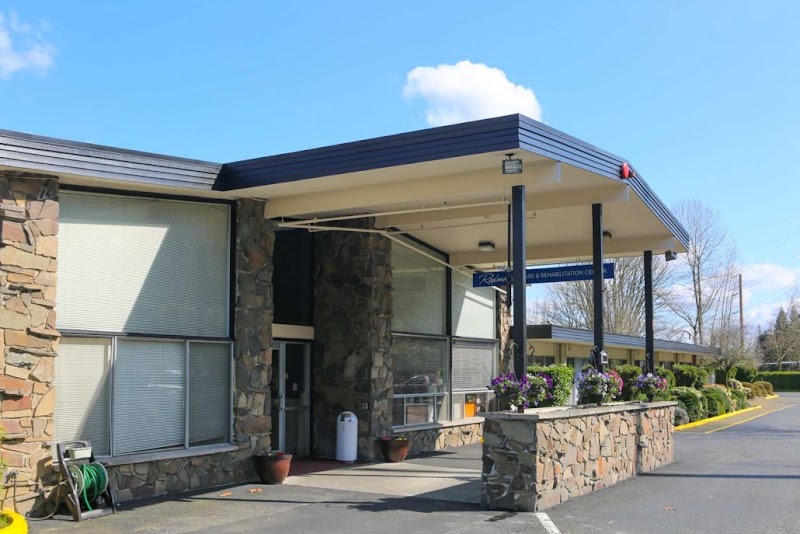
How is Redmond Care And Rehabilitation Center Staffed?

CMS rates REDMOND CARE AND REHABILITATION CENTER's staffing level at 4 out of 5 stars, which is above average compared to other nursing homes. Staff turnover is 26%, compared to the Washington average of 46%. This relatively stable workforce can support continuity of care.

What Have Inspectors Found at Redmond Care And Rehabilitation Center?

State health inspectors documented 25 deficiencies at REDMOND CARE AND REHABILITATION CENTER during 2023 to 2025. These included: 25 with potential for harm.
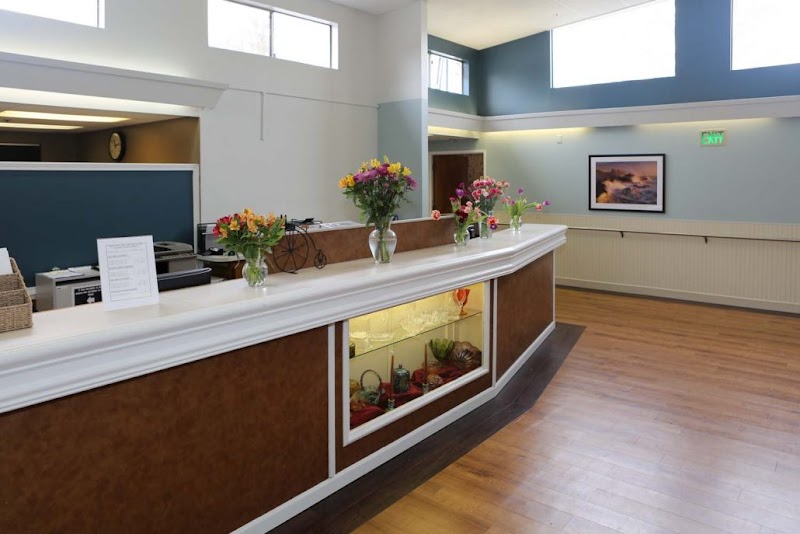
Who Owns and Operates Redmond Care And Rehabilitation Center?

REDMOND CARE AND REHABILITATION CENTER is owned by a for-profit company. For-profit facilities operate as businesses with obligations to shareholders or private owners. The facility is operated by THE ENSIGN GROUP, a chain that manages multiple nursing homes. With 139 certified beds and approximately 79 residents (about 57% occupancy), it is a mid-sized facility located in REDMOND, Washington.
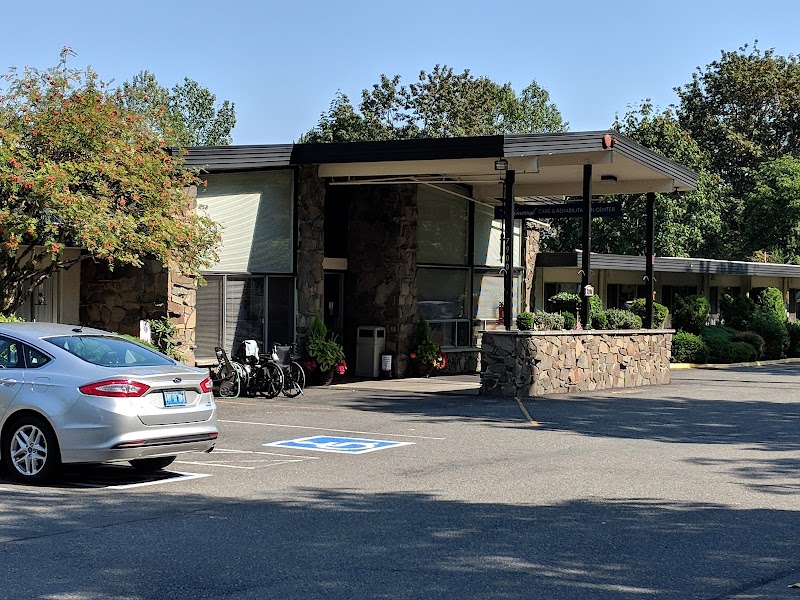
How Does Redmond Care And Rehabilitation Center Compare to Other Washington Nursing Homes?

Compared to the 100 nursing homes in Washington, REDMOND CARE AND REHABILITATION CENTER's overall rating (5 stars) is above the state average of 3.2, staff turnover (26%) is significantly lower than the state average of 46%, and health inspection rating (5 stars) is much above the national benchmark.

What Should Families Ask When Visiting Redmond Care And Rehabilitation Center?

Based on this facility's data, families visiting should ask: "Can I visit during a mealtime to observe dining assistance and food quality?" "How do you handle medical emergencies, and what is your hospital transfer rate?" "Can I speak with family members of current residents about their experience?"

Is Redmond Care And Rehabilitation Center Safe?

Based on CMS inspection data, REDMOND CARE AND REHABILITATION CENTER has a clean safety record: no substantiated abuse findings (meaning no confirmed cases of resident harm), no Immediate Jeopardy citations (the most serious violation level indicating risk of serious injury or death), and is not on the Special Focus Facility watch list (a federal program monitoring the lowest-performing 1% of nursing homes). The facility has a 5-star overall rating and ranks #1 of 100 nursing homes in Washington. While no facility is perfect, families should still ask about staff-to-resident ratios and recent inspection results during their visit.

Do Nurses at Redmond Care And Rehabilitation Center Stick Around?

Staff at REDMOND CARE AND REHABILITATION CENTER tend to stick around. With a turnover rate of 26%, the facility is 20 percentage points below the Washington average of 46%. Low turnover is a positive sign. It means caregivers have time to learn each resident's needs, medications, and personal preferences. Consistent staff also notice subtle changes in a resident's condition more quickly. Registered Nurse turnover is also low at 23%, meaning experienced RNs are available to handle complex medical needs.

Was Redmond Care And Rehabilitation Center Ever Fined?

REDMOND CARE AND REHABILITATION CENTER has no federal fines on record. CMS issues fines when nursing homes fail to meet care standards or don't correct problems found during inspections. The absence of fines suggests the facility has either maintained compliance or corrected any issues before penalties were assessed. This is a positive indicator, though families should still review recent inspection reports for the full picture.

Is Redmond Care And Rehabilitation Center on Any Federal Watch List?

REDMOND CARE AND REHABILITATION CENTER is not on any federal watch list. The most significant is the Special Focus Facility (SFF) program, which identifies the bottom 1% of nursing homes nationally based on persistent, serious quality problems. Not being on this list means the facility has avoided the pattern of deficiencies that triggers enhanced federal oversight. This is a positive indicator, though families should still review the facility's inspection history directly.