AVAMERE OLYMPIC REHABILITATION OF SEQUIM
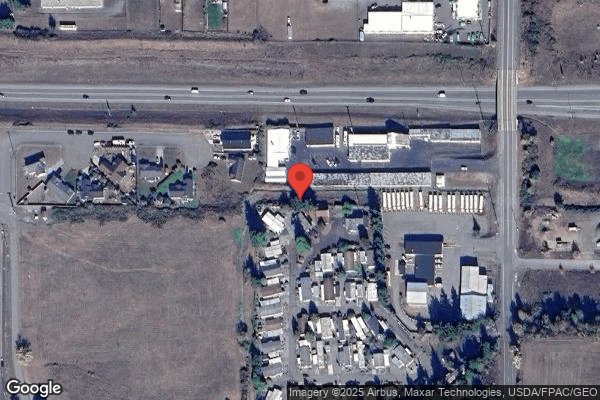
1000 5TH AVENUE SOUTH, SEQUIM, WA 98382 (360) 582-3900
For profit - Corporation 90 Beds AVAMERE Data: November 2025
Trust Grade
35/100
#128 of 190 in WA
Last Inspection: October 2024

Within standard 12-15 month inspection cycle. Federal law requires annual inspections.

Overview

Avamere Olympic Rehabilitation of Sequim has a Trust Grade of F, indicating significant concerns and overall poor performance. It ranks #128 out of 190 facilities in Washington, placing it in the bottom half, but it is the top option in Clallam County. The facility's trend is improving, with issues decreasing from 23 in 2024 to just 3 in 2025. Staffing is a relative strength, receiving 4 out of 5 stars with a turnover rate of 41%, which is below the state average. However, the facility has faced serious incidents, including a resident sustaining a wrist fracture after being left unattended in the bathroom and another resident suffering injuries during a transfer that did not follow care plan protocols, indicating potential risks in care delivery. While there are some positive aspects, the serious incidents and low trust grade warrant careful consideration from families.

Trust Score
F
35/100
In Washington
#128/190
Bottom 33%
Safety Record
Moderate
Needs review
Inspections
Getting Better
23 → 3 violations
Staff Stability
○ Average
41% turnover. Near Washington's 48% average. Typical for the industry.
Penalties
✓ Good
$27,518 in fines. Lower than most Washington facilities. Relatively clean record.
Skilled Nurses
✓ Good
Each resident gets 65 minutes of Registered Nurse (RN) attention daily — more than 97% of Washington nursing homes. RNs are the most trained staff who catch health problems before they become serious.
Violations
⚠ Watch
41 deficiencies on record. Higher than average. Multiple issues found across inspections.
★★☆☆☆
2.0
Overall Rating
★★★★☆
4.0
Staff Levels
★★★★☆
4.0
Care Quality
★★☆☆☆
2.0
Inspection Score
Stable
2024: 23 issues
2025: 3 issues

The Good

  • 4-Star Staffing Rating · Above-average nurse staffing levels
  • 4-Star Quality Measures · Strong clinical quality outcomes
  • Full Sprinkler Coverage · Fire safety systems throughout facility
  • No fines on record
  • Staff turnover below average (41%)

    7 points below Washington average of 48%

Facility shows strength in staffing levels, quality measures, fire safety.

The Bad

2-Star Overall Rating

Below Washington average (3.2)

Below average - review inspection findings carefully

Staff Turnover: 41%

Near Washington avg (46%)

Typical for the industry

Federal Fines: $27,518

Below median ($33,413)

Moderate penalties - review what triggered them

Chain: AVAMERE

Part of a multi-facility chain

Ask about local staffing decisions and management

The Ugly 41 deficiencies on record

2 actual harm
Aug 2025 1 deficiency
CONCERN (E) 📢 Someone Reported This

A family member, employee, or ombudsman was alarmed enough to file a formal complaint

Potential for Harm - no one hurt, but risky conditions existed

Free from Abuse/Neglect (Tag F0600)

Could have caused harm · This affected multiple residents

**NOTE- TERMS IN BRACKETS HAVE BEEN EDITED TO PROTECT CONFIDENTIALITY** Based on interviews and record reviews, the facility failed to identify and prevent an allegation of neglect, failed to suspend ...

Read full inspector narrative →
**NOTE- TERMS IN BRACKETS HAVE BEEN EDITED TO PROTECT CONFIDENTIALITY** Based on interviews and record reviews, the facility failed to identify and prevent an allegation of neglect, failed to suspend staff members alleged to have neglected residents and failed to initiate the investigation and assess and monitor residents in a timely manner for three of three residents (Residents 1, 2 and 3) reviewed for neglect. These failures placed residents at risk for continued neglect and a diminished quality of life.Findings included .Review of the Washington State Department of Social & Health Services Nursing Home Guidelines -The Purple Book (guidelines to assist nursing homes with compliance of the State and Federal requirements for the prevention, identification, reporting, and investigating incidents of abuse, neglect, abandonment, mistreatment, injuries of unknown source, exploitation, and misappropriation of nursing home residents), dated October 2015, showed the facility must begin an immediate investigation of alleged violations in order to collect accurate data and take immediate action to protect residents from possible reoccurrence. Review of the facility policy titled, Abuse, Neglect, Exploitation or Misappropriation-Reporting and Investigation, revised September 2022 showed that if abuse or neglect was suspected it should be reported immediately, (defined as 2 hours if abuse or severe injury, or within 24 hours if it did not involve abuse or serious injury) to the administrator and other officials according to state law. Upon hearing the allegation, the administrator will determine the needed steps to protect the residents. Review of the Facility Grievance Communication Form, dated 07/19/2025, showed Staff E, Nursing Assistant, filled out the form which was also signed by Staff H, Registered Nurse (RN), and three additional nursing assistants (NA). The form described the condition in which Staff H, and the other NAs found the residents on Unit 1, on the morning of 07/19/2025 and showed, 80 percent of the residents were found dripping wet in their own waste. Details were written on the back of the form which showed out of 17 residents listed, 7 residents were described as soaking wet with urine to include the bed linens, and four residents were noted to have fecal matter in brief, on their linens and or on their hands. One resident had no linens on the bed and no call light within reach, and five were noted to be okay.Review of the facility investigation showed no documentation that the investigation was initiated prior to 07/23/2025, four days after the alleged incident. The facility investigation identified Staff F, NA and Staff G, NA as the identified staff members responsible for the residents on Unit 1. The facility investigation found the allegation against Staff F to be substantiated, and the employee was terminated. Allegations against Staff G were unsubstantiated. Review of Staff Schedule for 07/19/2025 through 07/21/2025 showed Staff G worked the night shift again on 07/19/2025 into 07/20/2025. Staff F worked two additional night shifts after the allegation of neglect was made; 07/19/2025 into 07/20/2025 and again 07/20/2025 into 07/21/2025. The shifts were confirmed with review of payroll records. <Resident 1>Resident 1 was admitted to the facility on [DATE]. The quarterly Minimum Data Set (MDS), an assessment tool, dated 05/27/2025, showed the resident had severe cognitive impairment, was unable to make her needs known, always incontinent of bowel and bladder and was dependent on staff for all activities of daily living (ADL's). Review of the care plan dated 08/15/2013 and revised on 02/10/2025 included interventions for toileting that included the resident was incontinent of bowel and bladder and required frequent check and changes. The care plan showed resident 1 was not able to use her call light and required frequent rounds for needs and safety. Review of Resident ‘s Progress notes from 07/16/2025 through 07/26/2025 showed the resident was placed on alert for allegation of neglect on 07/23/2025. <Resident 2>Resident 2 was admitted to the facility on [DATE]. The quarterly MDS showed Resident 2 had moderate cognitive impairment, was able to make needs known, was frequently incontinent of bowel and bladder and required substantial to maximal assistance from staff for toileting needs. Review of the care plan interventions, initiated on 06/28/2024, showed the resident was not always aware of his toileting needs and staff were to offer toileting frequently to prevent incontinence. Review of Resident 2's progress notes from 07/16/2025 through 07/26/2025 showed the resident was placed on alert for allegations of neglect on 07/23/2025. <Resident 3>Resident 3 was admitted to the facility on [DATE]. The quarterly MDS showed Resident 3 was cognitively intact, and able to make needs known, frequently incontinent of bladder and always incontinent of bowel and dependent on staff for toileting needs. Review of the care plan interventions, initiated 01/19/2024, showed the resident used briefs for bowel and bladder incontinence and was to be checked and changed frequently. Review of Resident 3's progress notes from 07/16/2025 through 07/26/2025 showed the resident was placed on alert for allegation of neglect on 07/23/2025. On 08/07/2025 at 5:45pm, Staff E, Nursing Assistant (NA) said that failing to check on residents or not providing incontinent care would be considered neglect, stating, These residents are completely dependent on us, and it is our job to keep them safe and healthy. Staff E said if she suspected a resident was neglected, she would report to the nurse and if it was not being handled correctly, she would keep going up the chain and then report to the state agency. Staff E said on the morning of 07/19/2025 she reported to her assigned area and was so beside herself, she did not receive report from the off going shift and found nearly all of her residents soiled and appeared as though they had not received care during the night. Staff E said she did report to Staff H, the Licensed Nurse on duty but said he seemed like he was overwhelmed. Staff E said she consulted with another staff member, and they decided they would file a grievance to document what happened. Staff E said she did consider the residents to have been neglected but at the same time she said she felt they were not harmed, and she was trying to focus on providing care to the residents. Staff E said she also reported the condition she found the residents in, to Staff D, the weekend manager on duty. She was instructed by Staff D to place the grievance form under Staff A, Administrator's door. Staff E said she did not report the allegation to the state agency. On 08/12/2025 at 12:42pm, Staff C, Registered Nurse (RN), Resident Care Manager, who was the nurse manager on duty the weekend of 07/19/2025 and 07/20/2025, said that not answering call lights, not changing residents or providing toileting, or not doing rounds would be considered neglect. Staff C said all allegations of neglect should be reported to the director of nursing and the state agency. When there was an allegation regarding a staff member, that staff member would be suspended pending an investigation. Staff C said the residents would be assessed for injuries and psychosocial harm and placed on alert. Staff C said this would be done as soon as they were notified and would be documented in the residents' chart in the progress notes. Staff C said he was not made aware of the allegation that weekend. Staff C said he was not sure why the residents were not placed on alert or assessed until 07/23/2025. Staff C said they would expect that to occur sooner than four days after the allegation occurred. Staff C said they believed that the issue was the allegation was placed on a grievance form, and they were handled differently. On 08/12/2025 at 1:12 pm, Staff D, Medical Records Director, said she was the manager on duty for the weekend of 07/19/2020 and 07/20/2025.Staff D said she recalled Staff E asking her for a grievance form, she recalled Staff E telling her what she needed it for but did not recognize what they said as an allegation of neglect. Staff D said she did not read the form after it was filled out. Staff D said she was under the impression Staff E was also working with the unit nurse on duty. Staff D was not aware of any staff who were suspended from duty that weekend. On 08/12/2025 at 1:20pm, Staff B, RN, Director of Nursing, said not changing a resident, providing incontinence care, or repositioning a resident would be considered neglect. If staff suspected neglect, they should notify their supervisor and they should in turn notify the DNS or administrator. Staff B said residents would be protected by removing staff members who were alleged to have neglected the residents, until the investigation was completed. Staff B said residents would be assessed for injuries or psychosocial harm as soon as they were notified, and it would be documented in the resident record in the progress notes. Staff B said on 07/19/2025 a dayshift NAC found a lot of residents who appeared they had not been provided adequate care during the night shift. That staff member (Staff E) filled out a grievance form and placed it under her and Staff A's doors. Staff B said she was not sure why Staff E placed it on grievance form. Staff B was not sure if/when the alleged staff members were suspended. Staff B said she was not involved in that investigation. Staff B said she would have expected Staff E and H to have identified the allegation as neglect, and she would have expected Staff F and G to have been suspended. On 08/12/2025 at 1:48pm, Staff A said not taking care of resident needs, such as not changing them, would be considered neglect. The process of investigating an allegation of neglect would be to protect the residents, and report to the state agency in a timely manner. Staff A said alleged staff would be removed from care and residents would be assessed right away. Staff A said that staff had filled out a grievance form and placed it under his door. Staff A said alleged staff were suspended when they received the form (Monday the 21st) the investigation was started that Wednesday (the 23rd). While reviewing the schedule and payroll records with Staff A, they were not aware that Staff F had worked two additional shifts after the allegation was documented on the grievance form. Staff A confirmed the investigation was initiated on the 23rd, four days after the allegation was documented on the grievance form. Staff A said, It was delayed and should have been started sooner, per regulation.Reference WAC 388-97-0640 (1), (6)(a)(b) .
Feb 2025 2 deficiencies
CONCERN (D) 📢 Someone Reported This

A family member, employee, or ombudsman was alarmed enough to file a formal complaint

Potential for Harm - no one hurt, but risky conditions existed

Deficiency F0658 (Tag F0658)

Could have caused harm · This affected 1 resident

**NOTE- TERMS IN BRACKETS HAVE BEEN EDITED TO PROTECT CONFIDENTIALITY** . Based on interview and record review the facility failed to provide care and services consistent with professional standards f...

Read full inspector narrative →
**NOTE- TERMS IN BRACKETS HAVE BEEN EDITED TO PROTECT CONFIDENTIALITY** . Based on interview and record review the facility failed to provide care and services consistent with professional standards for 2 of 9 Residents (Residents 1 and 2) reviewed for Quality of Care when the facility staff failed to monitor the residents for psychosocial harm following allegations against staff members. This failure placed all residents at risk for psychosocial harm, unmet care needs and decreased quality of life. Findings included . <Resident 1> Resident 1 was admitted to the facility on [DATE]. The admission Minimum Data Set (MDS/an assessment tool), dated 12/13/2024, documented Resident 1 had mild cognitive impairment and was medically complex. The facility investigation, dated 01/19/2025, showed Resident 1 alleged a staff member did not like her and purposely left her in bed. The facility investigation, dated 01/20/2025, showed that during the investigation of the 01/19/2025 allegation, Resident 1 made an additional allegation that another staff member refused to toilet them during the previous night. Review of Resident 1's progress notes for 01/19/2025 through 01/24/2025 showed notes by Staff B, Registered Nurse (RN) and Director of Nursing (DNS), on 1/20/2025 and 1/24/2025 but no notes by nursing staff on 01/21/2025, 01/22/2025, or 01/23/2025 that showed monitoring of the resident for psychosocial harm. On 01/30/2025 at 1:09 PM, Resident 1 said there had been two occasions in which staff had mistreated or been rude to them. Resident 1 said the facility had taken care of it and they did not wish to elaborate. <Resident 2> Resident 2 was admitted to the facility on [DATE]. The Quarterly MDS, dated [DATE], showed Resident 2 was cognitively intact and medically complex. The facility investigation, dated 01/17/2025, showed Resident 2 alleged staff were not treating them with dignity and respect when they were made care in pairs, requiring two staff members to be present at all times, and that staff talked over them. Resident 2 also reported they felt retaliated against by delayed call light times and had been upset for two days regarding how they were treated. Review of Resident 2's progress notes for 01/17/2025 through 01/23/2024 showed no nursing notes documenting that Resident 2 was monitored for psychosocial harm following their allegation. On 01/30/2025 at 1:20 PM, Resident 2 said there was an occasion when staff had mistreated or been rude to her, but the situation was solved. Resident 2 reported they were expressing a concern to staff and staff kept talking over them and staff decided to make them care in pairs, and that felt like retaliation and caused delayed call light response times. Resident 2 said they felt they were being punished. On 02/19/2024 at 1:40 PM, Staff E, RN, said if a resident made an allegation of abuse or neglect, they would be placed on alert and monitored for three days. At 1:57 PM, Staff F, RN, said residents were placed on alert for psychosocial harm for three days following an allegation and there should have been a progress note for every shift. On 02/21/2025 at 1:09 PM, Staff D, RN, Resident Care Manager, said after making an allegation, residents were monitored by placing them on alert and nursing staff would document every shift, every day. Staff D said she reviewed to ensure this happened during the daily clinical meeting and by reviewing the 24-hour summary. At 2:34 PM, Staff C, Social Services Director, said following an allegation, nursing staff placed the resident on alert for psychosocial harm and nursing staff would document in a progress note every shift. At 3:03 PM, Staff B, RN, DNS said following allegations residents were placed on alert for psychosocial harm and nursing staff should document in the progress notes. Staff B said she would expect staff to have documented monitoring for psychosocial harm for Residents 1 and 2 at least daily. Reference WAC 388-97-1620 (2)(b)(i)(ii)(6)(b)(i) .
CONCERN (E) 📢 Someone Reported This

A family member, employee, or ombudsman was alarmed enough to file a formal complaint

Potential for Harm - no one hurt, but risky conditions existed

ADL Care (Tag F0677)

Could have caused harm · This affected multiple residents

**NOTE- TERMS IN BRACKETS HAVE BEEN EDITED TO PROTECT CONFIDENTIALITY** . Based on interviews and record review, the facility failed to ensure activities of daily living (ADLs) pertaining to bathing/s...

Read full inspector narrative →
**NOTE- TERMS IN BRACKETS HAVE BEEN EDITED TO PROTECT CONFIDENTIALITY** . Based on interviews and record review, the facility failed to ensure activities of daily living (ADLs) pertaining to bathing/showers were provided for dependent residents for 5 of 9 residents (4, 5, 6, 7, and 8) reviewed for ADL care. This failure placed residents at risk of not receiving the care and services needed for which they were unable to perform themselves and a diminished quality of life. Findings included . Review of the facility policy titled, Supporting Activities of Daily Living, revised March 2018, showed residents who were unable to carry out ADLs independently would receive services necessary to maintain good hygiene, this included bathing, grooming and oral care. Review of the facility grievance log for 01/01/2025 to 01/28/2025 showed three residents reported not receiving showers. Two were included in the sample below (Resident 4 and 5). <Resident 4> Resident 4 was admitted to the facility on [DATE]. The admission Minimum Data Set (MDS/an assessment tool), dated 12/25/2024 showed that the resident was cognitively intact. Review of Resident 4's careplan, initiated 12/19/2024, showed Resident 4 was dependent on staff for bathing. Review of the grievance communication form, dated 01/04/2024, showed Resident 4 reported she had received one shower since admission, a period of 15 days. Review of Resident 4's Bathing TASK record from 01/04/2025 to 01/31/2025 showed Resident 4 received three bed baths during the time frame. <Resident 5> Resident 5 was admitted to the facility on [DATE]. The admission MDS, dated [DATE], showed that the resident was cognitively intact. Review of Resident 5's careplan, initiated 01/08/2025, showed Resident 5 was dependent on staff assistance for bathing. Review of the grievance communication form, dated 01/22/2025, showed a family member reported Resident 5 only had one shower since admission and smelled and looked grungy. On 02/04/2025 at 5:17 PM, Resident 5's family member said she had to speak to staff at the facility because Resident 5 had not had a shower in nine days. Resident 5's family member said the staff member asked if she wanted to fill out a grievance and she told them, No, I want her to have a shower! Review of Resident 5's Bathing TASK record for 01/08/2025 to 02/04/2025 showed Resident 5 had received one shower between 01/08/2025 and 01/22/2025 and did not receive a shower or bed bath between 01/13/2025 and 01/23/2025, a period of nine days. <Resident 6> Resident 6 was admitted to the facility on [DATE]. The Quarterly MDS, dated [DATE], showed Resident 6 was cognitively intact. Review of Resident 6's careplan, initiated on 04/09/2024, showed Resident 6 was dependent on staff assistance for bathing. Review of Resident 6's Bathing TASK record for 01/18/2025 to 02/09/2025 showed the resident received three bed baths during the timeframe, one was provided by hospice services. <Resident 7> Resident 7 was admitted to the facility on [DATE]. The quarterly MDS, dated [DATE] showed Resident 7 was cognitively intact. Review of the careplan, initiated on 01/22/2025, showed Resident 7 was dependent on staff for bathing. On 02/21/2025 at 1:30 PM, Resident 7 said she didn't get showers as regularly as they would like, they only get about one a week and when they do get one, staff are in a rush. Review of Resident 7's Bathing TASK record for 01/22/2025 to 02/19/2025 showed the resident received four showers during the time frame. <Resident 8> Resident 8 was admitted to the facility on [DATE]. The Quarterly MDS, dated [DATE], showed Resident 8 was cognitively intact, medically complex, and required staff assistance for bathing. Review of Resident 8's Bathing TASK record for 01/21/2025 to 02/20/2025 showed the resident received two showers during that time frame. On 02/05/2025 at 2:42 PM, Staff G, Nursing Assistant (NA), said it was difficult to get all of the assigned showers done on their shift. Staff G said some shifts there were three showers to be done, making it difficult. On 02/18/2025 at 4:20 PM, a staff member, who wished to remain anonymous, said that due to the complexity of care of the residents, it was challenging to get all of the assigned tasks done within their shift and this included showers. 02/19/2025 at 1:57 PM, Staff F, Registered Nurse (RN), said NAs usually have two resident showers per shift. Staff F said she was aware there had been concerns with residents not getting showers. On 02/21/2025 at 1:09 PM, Staff D, RN, Resident Care Manager, said she was aware of reports of residents not getting showers. Staff D attributed it to time management. Staff D said she reviewed the shower schedule and it was equally distributed. At 2:34 PM, Staff C, Social Services Director, said she was aware there had been several grievances for showers. Staff C said the concerns were passed on to Staff A, Administrator Staff A and Staff D and [the other RCMs] to address. At 3:02 PM, Staff B, RN, Director of Nursing Services, said residents should receive showers twice weekly unless they preferred once weekly. Staff B said she was aware residents had reported not receiving showers and attributed it to staff not being organized enough. Staff B said they reviewed the shower schedule and adjusted; they reviewed daily during clinical meeting for any missed showers. Reference WAC 388-97-1060 (2)(c) .
Oct 2024 21 deficiencies
CONCERN (D)

Potential for Harm - no one hurt, but risky conditions existed

Deficiency F0552 (Tag F0552)

Could have caused harm · This affected 1 resident

**NOTE- TERMS IN BRACKETS HAVE BEEN EDITED TO PROTECT CONFIDENTIALITY** . Based on interview and record review, the facility failed to ensure residents were informed of the risks and benefits associat...

Read full inspector narrative →
**NOTE- TERMS IN BRACKETS HAVE BEEN EDITED TO PROTECT CONFIDENTIALITY** . Based on interview and record review, the facility failed to ensure residents were informed of the risks and benefits associated with proposed psychotropic medication therapy (medications capable of affecting the mind, emotions, and behavior), and obtain the residents'/resident representatives' consent prior to administering the medication for 2 of 6 residents (Residents 62 and 63) reviewed for unnecessary medications. This failure prevented residents from making an informed decision about the use of the proposed medication and precluded the resident from exercising their right to decline such treatment therapy and from exercising their right to refuse/decline the proposed medication. Findings included . <Resident 62> Resident 62 admitted to the facility on [DATE]. Review of the Quarterly Minimum Data Set (MDS, an assessment tool), dated 07/13/2024, showed the resident was cognitively intact, had diagnoses of depressive (a mood disorder that causes a persistent feeling of sadness and loss of interest) and anxiety disorders (repeated episodes of intense anxiety, fear or terror) and received antidepressant and antianxiety medications during the assessment period. Resident 62 had a 08/05/2024 order for mirtazapine (an antidepressant) daily at bedtime for major depression, and a 07/09/2024 order for Seroquel (an antipsychotic) daily at bedtime for unspecified dementia with other behavioral disturbances. Review of the July and August 2024 Medication Administration Records showed the resident was started on Seroquel on 07/09/2024 and the mirtazapine on 08/05/2024. Review of the electronic health record (EHR) showed no documentation was present to show the facility informed Resident 62 and/or their representative of the risks and benefits associated with the use of Seroquel and mirtazapine or that the resident/resident representative consented to their use. On 09/27/2024 at 11:18 AM, when asked if there was any documentation to show Resident 62 and/or their representative were informed of the risks and benefits associated with the use of Seroquel and mirtazapine and consented to their use, Staff N, Assistant Director of Nursing, said no. <Resident 63> Resident 63 was admitted to the facility on [DATE]. The MDS, dated [DATE], documented Resident 63 was cognitively intact. Resident had diagnoses including, generalized anxiety, major depressive disorder, hallucinations (an experience involving the apparent perception of something not present), panic disorder (unexpected and repeated episodes of intense fear accompanied by physical symptoms) and hydrocephalus (a condition in which fluid accumulates in the brain). Review of the EHR showed no documentation was present to show the facility informed Resident 63 and/or their representative of the risks and benefits associated with the use of sertraline (an antidepressant) or that the resident/resident representative consented to their use. On 10/01/2024 at 12 AM, when asked if there was any documentation to show Resident 62 and/or their representative were informed of the risks and benefits associated with the use of sertraline and consented to their use, Staff M, Resident Care Manager, said no. Reference WAC 388-97-0260 .
CONCERN (D)

Potential for Harm - no one hurt, but risky conditions existed

Deficiency F0558 (Tag F0558)

Could have caused harm · This affected 1 resident

**NOTE- TERMS IN BRACKETS HAVE BEEN EDITED TO PROTECT CONFIDENTIALITY** . Based on observation, interview and record review, the facility failed to provide adaptive equipment for cutting food that ref...

Read full inspector narrative →
**NOTE- TERMS IN BRACKETS HAVE BEEN EDITED TO PROTECT CONFIDENTIALITY** . Based on observation, interview and record review, the facility failed to provide adaptive equipment for cutting food that reflected the unique physical needs and preferences for 1 of 1 resident (Resident 63) reviewed for accommodation of needs. The facility failed to implement a plan for the resident's living environment that was conducive to their unique physical limitations and that took into consideration their needs and preferences which placed them at risk for a diminished quality of life and increased dependence on staff. Findings included . Review of the resident's comprehensive assessment showed Resident 63 was admitted to the facility on [DATE] with diagnoses including anxiety, depression, arthritis in left and right hands, malnutrition and hydrocephalus (fluid on the brain). The assessment showed Resident 63 required assistance to eat. The resident was alert, oriented and able to make their needs known. Review of Resident 63's Activities of Daily Living (ADL) care plan, revised on 09/16/2024, showed interventions including, resident requires full set up assist for her meal trays including cutting [their] food. During an interview on 09/23/2024 at 1:35 PM, Resident 63 stated, I need assistance with cutting my food. The Occupational Therapist (OT) came up with a great idea to use a pizza cutter, it worked great, but they took it away about two weeks ago, I don't know why. I liked the pizza cutter, I could cut my own food, I was independent. The resident said due to arthritis in both hands cutting food was very difficult and stated, my fingers are numb and freeze, I am unable to grip onto things. On 09/24/2024 at 8:35 AM, a breakfast tray was observed on Resident 63's bedside table. The pancake and two pork links were not cut. Resident 63 was propped up in bed, sleeping, and unable to reach the food. On 09/26/24 at 8:30 AM, Resident 63 was observed eating breakfast in bed and with uncut food. Resident 63 was observed eating waffles, fruit, and a meat patty with their hands. Resident 63 was unable to open a butter packet. By 8:45 AM, no assistance to set up meal or position the resident had been offered. During an interview on 09/26/2024 at 1:12 PM, Resident 63 was asked about breakfast and eating waffles with her hands. Resident 63 said they had worked in an elementary school and the kids were served waffle sticks, so I treated my waffle as a stick and dipped into the syrup. Resident 63 would like to be more independent and have the pizza cutter back. Resident 63 stated, Talk to [Staff R] in physical therapy, he knows about it. During an interview with Staff B, Director of Nursing (DNS), Staff M, Resident Care Manager (RCM) and Staff E, RCM on 09/26/2024 at 2:05 PM, Staff M stated, based on [their] cognition, we determined [Resident 63] was not safe using the pizza cutter. There was no documentation to show an assessment was completed to show Resident 63 was not safe. Staff E stated, we thought of other options, like a pair of child scissors. When asked for documentation of alternatives attempted to replace the pizza cutter with something else, none was provided. During an interview on 09/26/2024 at 2:22 PM, Staff R Occupational Therapy Assistant (OTA) stated, I work in therapy, so I tried to do functional adaptations for [Resident 63]. I gave [Resident 63] a pizza cutter to cut food. [Resident 63] was doing really well with it, and liked it. When asked for any documentation of Resident 63's ability to use a pizza cutter safely, Staff R provided a therapy progress note, dated 08/28/2024, Pt. [Patient] assessed using pizza cutter to cut food with good motor control and ability cutting simulated meat of red putty. During an observation on 09/27/2024 at 8:54 AM, Resident 63 was eating breakfast. The breakfast meat, a round patty, was not cut. On 10/01/2024 at 11:54 AM, Staff S, (OT) said the focus for Resident 63 in therapy had been self-feeding and positioning and said the most focus was spend on independent eating as it was most important to the resident. Staff S said Resident 63 was ecstatic about getting the pizza cutter but that he was told he needed to take it away from her and didn't know why. Staff S said they had asked Staff B for a reason but had never been provided with an answer as to why they needed to take the pizza cutter away. Reference WAC 388-97-0860(2) .
CONCERN (D)

Potential for Harm - no one hurt, but risky conditions existed

Deficiency F0578 (Tag F0578)

Could have caused harm · This affected 1 resident

**NOTE- TERMS IN BRACKETS HAVE BEEN EDITED TO PROTECT CONFIDENTIALITY** . Based on interview and record review, the facility failed to address required documentation for advance directives (AD) for 2 ...

Read full inspector narrative →
**NOTE- TERMS IN BRACKETS HAVE BEEN EDITED TO PROTECT CONFIDENTIALITY** . Based on interview and record review, the facility failed to address required documentation for advance directives (AD) for 2 of 5 residents (Residents 2 and 40) reviewed for advanced directives. This failure placed the residents at risk of losing their right to have their preferences/decisions honored for end-of-life care. Findings included . <Resident 2> The resident was admitted to the facility on [DATE]. A review of the Quarterly Minimum Data Set (MDS, an assessment tool), dated 08/27/2024, showed the resident was severely cognitively impaired. A Care Conference Review progress note, dated 08/13/2024, said advanced directives are established. A review of Resident 2's electronic health record (EHR) showed no copy of the AD. On 09/26/2024 at 9:23 AM, Staff D, Social Services Director, said, I don't have a copy of the AD and I should have asked in August during the care conference to make sure we had it. <Resident 40> The resident was admitted to the facility on [DATE]. A review of the Quarterly MDS, dated [DATE], showed the resident was severely cognitively impaired. A Care Conference Review progress note, dated 09/06/2024, said advanced directives are established. A review of Resident 40's electronic health record (EHR) showed no copy of the AD. On 09/26/2024 at 9:23 AM, Staff D, Social Services Director, stated, I should have followed up with the family and asked for copies of the AD. At 3:08 PM Staff B, Director of Nursing, said her expectation was that the staff attempt to get the AD and document it. Reference WAC 388-97-0300 (1)(b), (3)(a-c) .
CONCERN (D)

Potential for Harm - no one hurt, but risky conditions existed

Grievances (Tag F0585)

Could have caused harm · This affected 1 resident

. Based on interview and record review, the facility failed to initiate and investigate grievances for resident concerns, maintain an accurate log of grievances and report grievances to the Administra...

Read full inspector narrative →
. Based on interview and record review, the facility failed to initiate and investigate grievances for resident concerns, maintain an accurate log of grievances and report grievances to the Administrator for review for 2 of 2 sampled resident (Residents 27 and 63) and 1 of 1 resident groups (Resident Council) reviewed for grievances. This failure to report, initiate, investigate, and log grievances placed residents at risk for not having grievances investigated, delayed or incomplete resolution to grievances and a diminished quality of life. Findings included . The facility policy titled, Grievance, revised 01/05/2000, showed the grievance communication form would be forwarded to the administrator and the administrator would review the grievance and then forward a copy to the appropriate department manager. <Logging Grievances> The following grievances were made during Resident Council meetings on 06/24/2024, 07/22/2024, and 08/30/2024. Resident Council Meeting minutes, dated 06/24/2024, showed an unidentified resident talked about there not being enough sandwich options in the snack fridge. This grievance was not on the grievance log. Resident Council Meeting minutes, dated 06/24/2024, showed unidentified residents talked about leaves being piled up around the facility which were creating a possible fire hazard. This grievance was not on the grievance log. Resident Council Meeting minutes, dated 06/24/2024, showed an unidentified resident talked about longer call light wait times and staff telling them they were short on the floor, reporting it was worse on weekends. This grievance was not on the grievance log. Resident Council Meeting minutes, dated 06/24/2024, showed an unidentified resident talked about wanting more fresh fruit, not canned. This grievance was not on the grievance log. Resident Council Meeting minutes, dated 06/24/2024, showed unidentified residents talked about how staff needed to stop throwing cigarette butts in the parking lot. This grievance was not on the grievance log. Resident Council Meeting minutes, dated 07/22/2024, showed unidentified residents talked about reminding staff to knock before entering their rooms. Meeting minutes showed, turned in concern. This grievance was not on the grievance log. Resident Council Meeting minutes, dated 07/22/2024, showed unidentified residents talked about hearing staff talking in the hallways. Meeting minutes showed, turned in concerns/requests. This grievance was not on the grievance log. Resident Council Meeting minutes, dated 07/22/2024, showed unidentified residents talked about how they would like staff to offer to cut up food at mealtimes. Meeting minutes showed, turned in concerns/requests. This grievance was not on the grievance log. Resident Council Meeting minutes, dated 08/30/2024, showed an unidentified resident said Certified Nursing Assistants (CNAs) were not offering drink options when delivering trays. Meeting minutes showed, grievances filled out with [Social Services] for concerns. This grievance was not on the grievance log. <Initiating Grievances> On 09/23/2024 at 10:40 AM, Resident 27 said Staff H, CNA, and Staff I, CNA were impatient with them during care and Resident 27 told staff they no longer wanted the CNA's to provide care to them. On 09/25/2024 at 8:26 AM, Staff A, Administrator, said he was aware of Resident 27's request to not have Staff H and Staff I care for Resident 27 anymore and he believed it was filed as a grievance. At 10:17 AM, Staff B, Director of Nursing (DNS), said she remembered that Resident 27 did not like Staff H and Staff I, but that she did not complete a grievance at the time because Resident 27 had only said they didn't like them. On 09/30/2024 at 2:46 PM, Staff B, DNS said a grievance should have been completed when Resident 27 said they did not like Staff H and Staff I. <Reporting Grievances to Administrator> On 10/01/2024 at 10:19 AM, Staff D, Social Services Director said it was her job to make sure grievances were put on the grievance log and all grievances should go on the grievance log. At 10:42 AM, Staff A said resident grievances should be logged onto the grievance log. At 1:31 PM, Staff A was informed Staff J, Activities Director, had been using Resident Response Forms for grievances instead of the Grievance form. Staff J, would provide Resident Response forms to Department Heads and once resolved the forms would be returned to Staff J, not providing Staff A the chance to review the grievance. When asked if not reviewing grievances met his expectations, Staff A said his expectation was he would review grievances and sign off on them and that had not been happening. On 10/02/2024 at 10:30 AM, when asked about Grievance forms, Staff J, said she always used Resident Response Forms for grievances rather than Grievance Forms and only used grievance forms if the concern was really bad. Staff J said, after grievances were documented on a Resident Response Form, they were sent to the department head, the department head would investigate the grievance, and the Resident Response form would be turned back into Staff J when resolved. When asked if the Resident Response Forms were given to the administrator for review, Staff J stated, maybe, some might not have. When asked if grievances should go on the grievance log, Staff J stated, of course I think grievances should go on the grievance log. <Resolution to Grievances> Review of Resident 63's Activities of Daily Living (ADL) care plan, revised on 09/16/2024, showed interventions that included, Resident requires full set up assist for her meal trays including cutting her food. Up for meals, lunch and dinner. On 09/18/2024, Resident 63 filed a grievance. Staff D, Social Services Director, assisted Resident 63 with writing the grievance which read, [Resident 63], food not being set-up, her food needs to be cut up. Also, not up and ready for lunch time. Staff M, on 9/18/2024, talked with Resident 63 about the grievance and documented, Interviewed [Resident 63], has no concerns the staff cuts up her food when she asks. The staff gets her up for lunch when she agrees. Resident 63 would like her pizza cutter back. The grievance report showed no documentation alternatives were explored with Resident 63 regarding her concerns. There was no evidence the facility critically reviewed the grievance and attended to the resident in order to reach a mutual resolution. Staff A signed the grievance 09/18/2024. Review of Resident 63's nursing progress notes showed no refusals of care. During an interview on 10/01/2024 at 11:54 AM, Staff S, Occupational Therapist, stated, I have not been able to get nursing to get her out of bed to eat, or to position her correctly in bed to eat, it has been difficult. I have decided to put it in communications (writing) because going to the nurse and aides is not working. During an interview on 10/01/2024 Staff M, stated, she did a grievance because she had talked with the resident. Reference WAC 388-97-0460 .
CONCERN (D)

Potential for Harm - no one hurt, but risky conditions existed

Report Alleged Abuse (Tag F0609)

Could have caused harm · This affected 1 resident

**NOTE- TERMS IN BRACKETS HAVE BEEN EDITED TO PROTECT CONFIDENTIALITY** . Based on observation, interview and record review, the facility failed to ensure allegations of abuse and neglect were reporte...

Read full inspector narrative →
**NOTE- TERMS IN BRACKETS HAVE BEEN EDITED TO PROTECT CONFIDENTIALITY** . Based on observation, interview and record review, the facility failed to ensure allegations of abuse and neglect were reported to the state agency for 1 of 4 sampled residents (Resident 46) reviewed for abuse/neglect. This failure placed residents at risk for experiencing potential abuse and neglect and a diminished quality of life. Findings included . A review of the facility's policy, dated April 2021, titled, Abuse, Neglect, Exploitation and Misappropriation Prevention Program showed to investigate and report any allegations within timeframes required by federal requirements. Resident 46 was admitted to the facility on [DATE]. A review of the Minimum Data Set (MDS, an assessment tool), dated 08/06/2024, showed the resident was cognitively intact. On 09/23/2024 at 2:14 PM, Resident 46 said a nurse at night, who's name the resident could not remember, would bring their pain medication late because the nurse was in control and because she was pissed at me. Resident 46 said the nurse would say that she didn't care if the resident reported her. Resident 46 said she thought she had reported it to Staff B, Registered Nurse and Director of Nursing (DNS) and that the nurse she was referring to was no longer working at the facility. On 09/23/02024 at 4:53 PM, Staff A, Administrator and Staff B were notified of Resident 46's statement. On 09/26/2024 at 3:08 PM, Staff B said she had already investigated the allegation in July and processed it as a grievance but did not log or report the allegation. On 09/27/2024 at 12:03 PM, Staff B, when asked again if she had reported or completed a formal abuse allegation investigation, said, I will start an investigation and report it to the state. On 09/27/2024 at 3:12 PM, the facility submitted the incident report to the state. On 10/01/2024 at 9:16 AM, Staff B said the incident could be considered abuse and if there was an allegation of abuse she would report it. Reference WAC 388-97-0640(5)(a) .
CONCERN (D)

Potential for Harm - no one hurt, but risky conditions existed

Transfer Notice (Tag F0623)

Could have caused harm · This affected 1 resident

**NOTE- TERMS IN BRACKETS HAVE BEEN EDITED TO PROTECT CONFIDENTIALITY** . Based on interview and record review the facility failed to properly notify the Office of the State Long-Term Care Ombudsman o...

Read full inspector narrative →
**NOTE- TERMS IN BRACKETS HAVE BEEN EDITED TO PROTECT CONFIDENTIALITY** . Based on interview and record review the facility failed to properly notify the Office of the State Long-Term Care Ombudsman of the discharge or transfer for 1 of 5 residents (Resident 40). This failure placed the residents at risk for diminished protection from being inappropriately discharged , lack of access to an advocate who can inform them of their options and rights, and to ensure that the Offices of the State Long-Term-Care Ombudsman is aware of facility practices and activities related to transfers and discharges. Findings included . Resident 40 was admitted to the facility on [DATE]. A review of the Quarterly Minimum Data Set, an assessment tool, dated 09/10/2024, showed the resident was severely cognitively impaired. A review of the Electronic Health Record showed no documentation of notification having been sent to the Ombudsman for Resident 40's transfer on 01/01/2024. On 09/26/2024 at 9:23 AM, Staff D, Social Services Director, said she did not have documentation the Ombudsman was notified of Resident 40's transfer. At 3:08 PM, Staff B, Director of Nursing, said her expectation was that the Ombudsman notification be documented and done. Reference WAC 388-97-0140 (1)(a)(b)(c)(i-iii) .
CONCERN (D)

Potential for Harm - no one hurt, but risky conditions existed

Assessment Accuracy (Tag F0641)

Could have caused harm · This affected 1 resident

**NOTE- TERMS IN BRACKETS HAVE BEEN EDITED TO PROTECT CONFIDENTIALITY** 3) Resident 4 was admitted to the facility on [DATE]. The Significant Change MDS, dated [DATE], documented Resident 4 was severe...

Read full inspector narrative →
**NOTE- TERMS IN BRACKETS HAVE BEEN EDITED TO PROTECT CONFIDENTIALITY** 3) Resident 4 was admitted to the facility on [DATE]. The Significant Change MDS, dated [DATE], documented Resident 4 was severely cognitively impaired. Resident 4 was placed on hospice on 08/01/2024. The MDS, selection K0300, for Resident 4 read, Yes, on a prescribed weight loss regimen. The EHR documented no physician or registered dietitian orders for a prescribed weight loss regimen. Resident 4's diet was ordered as Regular diet, Minced & Moist texture, IDDSI [International Dysphagia Diet Standardization Initiative (IDDSI) created global standardized terminology and definitions for texture-modified foods and thickened liquids to improve the safety and care for individuals with swallowing difficulty] Mildly Thick consistency. On 09/26/2024 at 10:20 AM Staff E, Resident Care Manager (RCM)/Registered Nurse (RN), said Resident 4 was not on a weight loss program. At 11:24 AM, Staff B, DNS stated, Resident 4 was not on a weight loss program, it must have been human error. On 09/30/2024 at 11:55 AM, Staff C, Chief Medical Director, said he was not aware of Resident 4 being on a weight loss program. Staff C checked the EHR and said, there was no orders for a prescribed weight loss program, the medication contributing to the weight loss was not prescribed for weight loss, but to manage other health conditions and they would not place a hospice resident on a weight loss program. Staff C said the MDS coding was incorrect. Reference WAC 388-97-1000 (1)(b) 2) Resident 2 was admitted to the facility on [DATE]. A review of the Quarterly MDS, dated [DATE], showed the resident was severely cognitively impaired. The MDS, selection O0500 read, Restorative Nursing Programs passive range of motion 4 days. Further review of the clinical record found no documentation of Resident 2 on a Restorative Program during that period for the MDS, dated [DATE]. On 09/30/2024 at 1:12 PM Staff Q, MDS coordinator, said I know I should not have captured those minutes for Section O Passive ROM [Range of Motion] for restorative therapy. On 10/01/2024 at 9:16 AM Staff B, DNS, said Resident 2 was not on an actual restorative program and her expectation was that they would not code it. Based on interview and record review, the facility failed to ensure resident assessments accurately reflected their health status and/or care needs for 3 of 33 sample residents (Residents 11, 4 & 2) whose Minimum Data Sets (MDS, an assessment tool) were reviewed. The failure to accurately assess whether residents had a terminal diagnosis, that residents were receiving restorative therapy or were on a physician ordered planned weight loss program, placed residents at risk for unidentified and/or unmet care needs. Findings included . 1) Resident 11 admitted to the facility on [DATE]. Review of the 09/05/2024 Annual MDS showed the resident received hospice services during the assessment period, but did not have a terminal diagnosis. Review of the electronic health record (EHR) showed the resident went on hospice on 10/08/2021 and had remained on uninterrupted services since. A 10/08/2021 Hospice Certification and Plan of Care showed two physicians signed that the resident was terminally ill with a life expectancy of six months or less. Review of the following MDS assessments showed similar findings, in which Resident 11 received hospice services but did not have a terminal diagnosis: a) 08/13/2024 Quarterly MDS b) 02/26/2024 Quarterly MDS c) 12/01/2023 Quarterly MDS d) 09/11/2023 Annual MDS On 10/01/2024 11:54 AM, Staff N, Assistant Director of Nursing (ADON), confirmed Resident 11 had a terminal diagnosis documented in the EHR and said their terminal diagnosis should have been coded on the above referenced MDSs.
CONCERN (D) 📢 Someone Reported This

A family member, employee, or ombudsman was alarmed enough to file a formal complaint

Potential for Harm - no one hurt, but risky conditions existed

Deficiency F0658 (Tag F0658)

Could have caused harm · This affected 1 resident

**NOTE- TERMS IN BRACKETS HAVE BEEN EDITED TO PROTECT CONFIDENTIALITY** 4) Resident 42 was admitted on [DATE]. The admission Minimum Data Set, (MDS/an assessment tool), dated 08/08/2024, documented Re...

Read full inspector narrative →
**NOTE- TERMS IN BRACKETS HAVE BEEN EDITED TO PROTECT CONFIDENTIALITY** 4) Resident 42 was admitted on [DATE]. The admission Minimum Data Set, (MDS/an assessment tool), dated 08/08/2024, documented Resident 42 was moderately cognitively impaired. On 09/26/2024 at 8:46 AM, Staff O, Registered Nurse, said she had not seen behaviors of Resident 42 going into other residents' rooms, but she had received information in report from other nurses and read Resident 42's history, which indicated Resident 42 had attempted to elope (leave the building) and got close to the door in the past. Staff O said, so we put a Wanderguard (a wander management system to keep residents from wandering) on her wheelchair. Physician's orders from 09/26/2024 documented there was no order in place for a Wanderguard device for Resident 42. At 9:53 AM, Staff M, RCM, said that an order was required for a Wanderguard and she could not locate one in the EHR for Resident 42. Staff M said her expectation was the order should be there. 5) Resident 54 was admitted to the facility on [DATE]. The admission MDS, dated [DATE], documented Resident 54 was cognitively intact and had a Stage 4 Pressure Ulcer (severe type of pressure ulcer involving full thickness skin loss that extends into muscle, bone, and tendon, or joint) to the right buttock. A Physician's Order, dated 07/29/2024, documented Resident 54's wound vac (a treatment that uses suction to help heal wounds) was to be changed every Tuesday and Thursday. On 09/06/2024, a progress note in the EHR documented w-d dsg [wet to dry dressing] done this AM on R ischial wound [right lower part of hip bone]. Will apply Wound Vac to R ischial wound when supplies arrive later this AM. Review of Physicians Orders for 09/06/2024 documented no order was in place for the wet to dry dressing placed on Resident 54's wound on 09/06/2024. On 09/26/2024 at 12:59 PM, Staff M, RCM, said when supplies were not available for wound vac dressing change, the facility would get an order from the doctor to temporarily use a dressing such as wet to dry. When asked if an order was in place for Resident 54's wet to dry dressing that was placed on 09/06/2024, Staff M said they didn't see an order and would expect staff to get a doctor order to apply a wet to dry dressing until wound care supplies arrived. Reference WAC 388-97- 1620(1)(5) Based on observation, interview and record review, the facility failed to ensure services provided met professional standards of practice for 5 of 33 sampled residents (Residents 30, 10, 62, 42 & 54) reviewed for professional standards. The failure to follow and/or clarify incomplete physicians' orders, and to only sign for tasks that were completed, placed residents at risk for medication errors, complications of treatments, and other potential negative health outcomes. Findings included . 1) Resident 62 readmitted to the facility on [DATE], with orders for: a) Hydralazine (an antihypertensive) two times a day for high blood pressure, hold for a systolic blood pressure (SBP) below 110 b) Metoprolol (an antihypertensive) two times a day for high blood pressure, hold for a SBP below 110. Review of Resident 62's July and September 2024 Medication Administration Records (MARs) showed on the following occasions facility nurses administered the resident antihypertensive medications with a SBP less than 110, rather than holding the medications as ordered: -Hydralazine: 07/09/2024 evening dose SBP=104 = administered 07/16/2024 evening dose SBP= 108 = administered 09/05/2024 morning dose SBP= 104 = administered -Metoprolol: 07/16/2024 evening dose SBP= 108 On 09/27/2024 at 11:09 AM, Staff N, Assistant Director of Nursing (ADON), confirmed on the above referenced occasions, facility nurses administered Resident 62's metoprolol and hydralazine instead of holding the medications as ordered. 2) Resident 30 admitted to the facility on [DATE]. Review of the electronic health record (EHR) showed a 08/06/2024 order to apply knee-high compression stockings to both lower extremities in the morning, and remove them at bedtime for edema management. On 09/30/2024 at 1:24 PM, Resident 30 was observed in their room wearing bulky blue personal socks that bunched up around their ankles. The ordered compression stockings were not in place. Review of the September 2024 Treatment Administration Record (TAR) showed the nurse had signed that they applied the compression stockings that morning as ordered. On 09/30/2024 at 2:07 PM, Staff AA, Resident Care Manager (RCM), confirmed Resident 30's compression stockings were not applied as ordered, nor were a pair present in the resident's room. Staff AA said it was the expectation that nurses only sign for those tasks they completed or validated as completed. 3) Resident 10 admitted to the facility on [DATE]. Review of the EHR showed a 12/11/2020 order for nursing to apply toe spacers to all toes, on in the morning and off at bedtime to prevent tissue damage related to hallux valgus (overlapping toes). On 09/30/2024 at 11:46 AM, Resident 10 was observed to be fully dressed including footwear. When asked if their toe separators had been applied, Resident 10 reported they had not worn the toe separators for three months or so. The September 2024 TAR showed nursing had signed daily, including on 09/30/2024, that they applied the toe separators daily in the morning as ordered. On 09/30/2024 at 2:17 PM, Staff AA, RCM, confirmed Resident 10's toe separators had not been applied. When asked if nursing had signed that they applied the toe separators as ordered, Staff AA, RCM, stated, yes.
CONCERN (D)

Potential for Harm - no one hurt, but risky conditions existed

ADL Care (Tag F0677)

Could have caused harm · This affected 1 resident

**NOTE- TERMS IN BRACKETS HAVE BEEN EDITED TO PROTECT CONFIDENTIALITY** . Based on observation, interview and record review, the facility failed to provide assistance with Activities of Daily Living (...

Read full inspector narrative →
**NOTE- TERMS IN BRACKETS HAVE BEEN EDITED TO PROTECT CONFIDENTIALITY** . Based on observation, interview and record review, the facility failed to provide assistance with Activities of Daily Living (ADLs) for 1 of 3 residents (Resident 58) reviewed for ADLs. Failure to provide assistance with oral care to residents who were dependent on staff for such care, placed the residents at risk for unmet needs, poor hygiene, diminished self-image, and decreased quality of life. Findings included . 1) Resident 58 admitted to the facility on [DATE]. Review of the 01/24/2024 admission Minimum Data Set (MDS, an assessment tool), showed the resident was cognitively intact, had limited functional range of motion to both upper extremities, natural teeth, was dependent on staff for personal hygiene, and demonstrated no behaviors or rejection of care. An ADL self-care deficit care plan, revised 05/21/2024, showed the resident required one-to-two-person assistance with personal hygiene. On 09/24/2024 at 10:51 AM, Resident 58 stated, I don't have good care of my teeth. [Staff] don't brush them at all, and my arthritis is too bad to do it myself. On 09/27/2024 at 12:27 PM, Resident 58 reported her teeth still had not been brushed, and alleged only one male nursing aide that was seldom assigned to their care, and one male therapist had brushed their teeth since admission. Resident 58 stated, I use my fingernail to scratch the plaque off. That's embarrassing. I have never told anyone that. The resident then ran a fingernail down a tooth and held it out for inspection. A yellowish/white debris was noted caked under the fingernail. Additionally, observation of Resident 58's oral cavity showed yellowish white food debris along the resident's upper gum line. Resident 58 indicated they brushed their teeth twice a day at home, but would be ok with oral care once daily while at the facility, and said they had no preference about whether it was done after breakfast or after dinner as long as it occured. On 09/30/2024 at 11:49 AM, Resident 58 indicated staff had brushed their teeth and stated, they did yesterday and today, two days in a row. On 09/30/2024 at 3:35 PM, Resident 58 reported their concerns about staffs' failureto consistently assist with oral care to Staff AA, Resident Care Manager. Staff AA was unable to confirm the yellowish/white debris along the resident's upper gum line as oral care had since been provided. Reference WAC 388-97 -1060 (2)(c) .
CONCERN (D) 📢 Someone Reported This

A family member, employee, or ombudsman was alarmed enough to file a formal complaint

Potential for Harm - no one hurt, but risky conditions existed

Quality of Care (Tag F0684)

Could have caused harm · This affected 1 resident

**NOTE- TERMS IN BRACKETS HAVE BEEN EDITED TO PROTECT CONFIDENTIALITY** 4) Review of Resident 63's MDS, dated [DATE], showed the resident was admitted to the facility on [DATE] with diagnoses includin...

Read full inspector narrative →
**NOTE- TERMS IN BRACKETS HAVE BEEN EDITED TO PROTECT CONFIDENTIALITY** 4) Review of Resident 63's MDS, dated [DATE], showed the resident was admitted to the facility on [DATE] with diagnoses including arthritis in left and right hands, malnutrition and hydrocephalus (fluid accumulation on the brain). The resident was able to make their needs known. Review of Resident 63's Activities of Daily Living (ADL) care plan, dated 09/16/2024, showed interventions to include assistance with positioning for Resident 63 to eat while in bed. Keep the plate and height of bedside table no higher than chest and about one foot max from her mouth. Please position resident upright and midline in bed when eating to ensure safe swallow. Resident requires full set up assist for her meal trays including cutting her meat, providing a straw for her liquids with covered cup, placement of her tray no further than one foot away from her mouth and the use of a shirt saver. If in bed please prop right upper arm/elbow to assist resident in getting the food safely and independently to her mouth. On 09/24/2024 at 8:35 AM, Resident 63's breakfast tray was observed on the bedside table out of reach for Resident 63 to eat. The head of Resident 63's bed was raised to 80 degrees; Resident 63 was slumped down in the bed. Food items on the breakfast tray included a pancake and two pork links which were uncut. At 3:19 PM, Staff DD, Certified Nursing Assistant (CNA), said Resident 63 was fully dependent on staff for positioning. On 09/25/2024 at 8:15 AM, Resident 63 was observed in her room, head of bed elevated to 80 degrees, resident slumped down in bed with her head resting on the bed cane (positioning bar). Breakfast was observed in front of Resident 63 on the bedside table nearing the foot of the bed, out of reach for Resident 63. Breakfast was uncut eggs, ham, and salsa spread over the eggs. No assistance with positioning to eat was observed. On 9/26/2024 at 8:30 AM, Resident 63 was observed eating breakfast in bed with her hands. On 9/27/2024 at 9:00 AM, Resident 63 was observed slumped in bed, breakfast on the bedside table, unable to reach their food. At 1:08 PM, Staff M, Resident Care Manager (RCM) stated, we put in the care plan to have staff cut up her meal. She frequently declines to have staff cut up the food. At 9:00 AM, Resident 63 was observed slumped in bed, breakfast on the bedside table, unable to reach their food. On 9/30/2024 at 12:12 PM, Resident 63 was observed in bed for lunch. The meal on the bedside table was not within her reach. The resident's head of bed was at 80 degrees. Resident 63 was slumped down in bed. On 10/01/2024 at 11:54 AM, Staff S, Occupational Therapist (OT), said the focus for Resident 63 in therapy had been self-feeding and positioning and said the most focus was spend on independent eating as it was most important to the resident. Staff S said they would like resident up in chair for all meals and Resident 63 had left shoulder pain that could inhibit positioning but that the resident does fine with eating if she is proper up right. Staff S said he'd had difficulty getting nursing to get her out of bed to eat or position her correctly in bed so she could eat. At 12:39 PM, Staff M, RCM, when asked about Resident 63's positioning for meals, stated, If I am able, I do not stand there and watch all day. When asked if the RCM talked with the CNA's about resident 63's positioning to eat or if she had noticed positioning issues, Staff M, said she had not noticed Resident 63 not being positioned in bed to eat. Staff M said they had not specifically talked with OT about positioning Resident 63 to eat. Staff M stated, yes if they [OT] send notes and we put it in the care plan, we follow up as best as we are able. It is an ongoing situation, she is positioned, she resists and goes back into a position she prefers. Review of the nursing progress notes on 10/01/2024, showed during the time frame 09/01/2024-09/24/2024, revealed no documentation of Resident 63's refusals to get out of bed. On 10/01/2024 at 1:21 PM, during an interview with Staff B, DNS and Staff N, Assistant Director of Nursing, Staff N stated, if I were a floor nurse I would definitely go and talk to the resident and ask her to go and get up and talk with her. Reference WAC 388-97-1060 (1) Based on observation, interview, and record review, the facility failed to ensure 4 of 15 sample residents (Residents 30, 10, 62, and 63) received the necessary care and services in accordance with their comprehensive person-centered plan of care. The facility's failure to ensure residents received the care and services they were assessed to require related to edema management (Resident 30), treatment and monitoring of non-pressure skin issues (Resident 10 and 62), and positioning (Resident 63) placed residents at risk for wound decline and/or prolonged wound healing times, poorly controlled edema (swelling), delays in treatment, unmet care needs and decreased quality of life. Findings included . Review of the facility's Wound Management Guidelines policy, revised 08/25/2020, showed if a resident had a new skin alteration the licensed nurse would investigate the potential cause and develop and implement interventions. The licensed nurse would document in the resident's record the location, size, wound description, drainage type/amount, and appearance of the surrounding tissue. Non-ulcer skin impairments (e.g. skin tears, abrasions, bruises etc.) were to be monitored and documented on the Treatment Administration Record (TAR). 1) Resident 30 admitted to the facility on [DATE]. Review of the 06/19/2024 admission Nursing Database showed the resident had no edema upon admission. A 07/31/2024 provider note documented Resident 30 had 2+ pitting edema to the left foot and lower leg, and 1+ pitting edema to the right foot. A 08/06/2024 order was obtained to apply knee-high compression stockings to both lower extremities in the morning and remove at bedtime for edema management. On 09/30/2024 at 1:24 PM, Resident 30 was observed in their room wearing bulky blue personal socks which were bunched up around the ankles. No compression stockings were in place. Resident 30 indicated they did not know the last time the compression hose had been applied. Resident 30 allowed writer to look in their closet, drawers and bathroom for their compression hose but none were found. Review of the September 2024 TAR showed the nurse signed (on 09/30/2024) that they had applied the compression stockings as ordered. On 09/30/2024 at 2:07 PM, Staff AA, Resident Care Manager (RCM), confirmed Resident 30's compression stockings were not applied as ordered, nor was a pair present in the resident's room. 2) Resident 10 admitted to the facility on [DATE]. Review of the electronic health record showed a 12/11/2020 order for nursing to apply toe spacers to all toes, on in the morning and off at bedtime to prevent tissue damage related to Hallux valgus (overlapping toes). On 09/30/2024 at 11:46 AM, Resident 10 was observed to be fully dressed including footwear. When asked if their toe separators had been applied, Resident 10 reported they had not worn the toe separators for three months or so. The September 2024 TAR showed nursing had signed daily, including on 09/30/2024, that they applied the toe separators daily in the morning as ordered. On 09/30/2024 at 2:17 PM, Staff AA, RCM, confirmed Resident 10's toe separators had not been applied as ordered. 3) Resident 62 admitted to the facility on [DATE]. Review of the Quarterly Minimum Data Set (MDS/an assessment tool), dated 07/13/2024, showed the resident was cognitively intact and received antiplatelet medication (medications that prevent blood clots from forming.) On 09/23/2024 at 3:00 PM, Resident 62 was observed with a one by two-inch bruise under their left eye. The resident reported they fell recently and likely sustained the bruise at that time. A 08/24/2024 nurses' note documented Resident 62 fell in the bathroom and struck their head. On 09/27/2024 at 2:01 PM, 09/30/2024 at 2:41 PM, and 10/02/2024 at 7:33 AM, Resident 62 still had a visible bruise under the left eye. On 10/02/2024 at 1:57 PM, Staff B, Director of Nursing (DNS), confirmed the brownish/purple discoloration under Resident 62's left eye, but indicated they believed it was not a bruise related to the fall, rather discoloration related to the resident picking at their eye. When asked if there was any documentation to show facility staff had been assessing/monitoring the area as directed in the facility's wound management guidelines policy, Staff B, DNS, stated, No.
CONCERN (D)

Potential for Harm - no one hurt, but risky conditions existed

Pressure Ulcer Prevention (Tag F0686)

Could have caused harm · This affected 1 resident

**NOTE- TERMS IN BRACKETS HAVE BEEN EDITED TO PROTECT CONFIDENTIALITY** . Based on observation, interview, and record review, the facility failed to provide pressure ulcer care consistent with profess...

Read full inspector narrative →
**NOTE- TERMS IN BRACKETS HAVE BEEN EDITED TO PROTECT CONFIDENTIALITY** . Based on observation, interview, and record review, the facility failed to provide pressure ulcer care consistent with professional standards of practice to prevent and treat pressure ulcers for 1 of 3 sampled residents (Resident 4) reviewed for pressure ulcers. This failure placed residents at risk for developing pressure ulcers, worsening pressure ulcers, increased pain, and a diminished quality of life. Findings included . Resident 4 was admitted to the facility on [DATE] with diagnoses including disorder of arteries and arterioles, unspecified (a disease that affects your arteries, the vessels that carry oxygen-rich blood away from your heart to your body's tissues) and osteoporosis (a condition in which bones become weak and brittle). The Significant Change Minimum Data Set, (MDS, an assessment tool), dated 08/13/2024, documented Resident 4 was severely cognitively impaired. Resident was documented to have two pressure ulcers, one of which was present upon admission. Resident 4 was documented as being at risk for pressure ulcers. Resident 4 was placed on hospice on 08/01/2024. Resident 4's Skin Care Plan, dated 06/10/2024, included the following interventions: bruise monitoring, encourage good nutrition and hydration in order to promote healthier skin, follow facility protocols for treatment of injury, keep skin clean and dry/use lotion on dry skin, Licensed Nurse (LN) to complete weekly skin assessment, monitor/document location, size and treatment of skin injury, report any new skin impairment to LN immediately, and treatment per physician orders. A physician's order, dated 06/11/2024, showed, skin prep [quick drying liquid that can add layer of protection against friction and pressure] to bilateral heels BID (two times a day), notify provider of any changes. The order was discontinued on 07/28/2024. Resident 4's July 2024 weekly skin audits showed skin audits were completed on 07/06/2024, 07/13/2024, 07/20/2024 and 07/27/2024 with no new skin issues noted. Resident 4 was placed on alert charting on 07/28/2024, due to an unstageable pressure ulcer on the right heel. Administrative order's note, dated 07/28/2024, showed, right heel is open and needs to have a wound cleaning/dressing changing schedule. A physician's order, dated 07/28/2024, showed, right heel ulcer-wound wash, pat dry, cover with dressing - float heel. The order was discontinued 07/29/2024. A physician's order, dated 07/29/2024, showed, right heel ulcer-wound wash, pat dry, apply calcium alginate [moisture wicking dressing] and skin prep edges then cover with boarder dressing. Put blue booty on and float heel. Resident 4's August 2024 weekly skin audits showed skin audits were completed on 08/03/2024, 08/10/2024, 08/24/2024 and 08/31/2024 with no new skin issues. The 08/17/2024 audit was missing entry. On 09/26/2024 at 10:20 AM, Staff E, Resident Care Manager (RCM)/Registered Nurse, said interventions to prevent pressure ulcers included turning, repositioning, nutritional assessments, floating heels, skin prep, and pressure relieving devices. When asked about Resident 4's facility acquired pressure ulcer, Staff E said she was not in the facility during that time, but believed it was caused by the resident's heels rubbing. When shown the missing weekly audits documenting no new skin issues, Staff E said the audits should have been documented correctly. When asked what interventions where in place for Resident 4 to prevent pressure ulcers, Staff E said wearing the blue boots. At 11:24 AM, Staff B, Director of Nursing Services (DNS) said the facility normally placed the typical interventions when a resident was at risk for pressure ulcers. Staff B said there were no interventions in place for Resident 4 to prevent new pressures ulcers. Staff B said on 08/05/2024, moon boots and floating heels were added to the interventions. Staff B said the weekly skin audits should have documented a new skin issue when it was identified. See F692 Reference WAC 388-97-1060 (3)(j)(viii) .
CONCERN (D) 📢 Someone Reported This

A family member, employee, or ombudsman was alarmed enough to file a formal complaint

Potential for Harm - no one hurt, but risky conditions existed

Deficiency F0692 (Tag F0692)

Could have caused harm · This affected 1 resident

**NOTE- TERMS IN BRACKETS HAVE BEEN EDITED TO PROTECT CONFIDENTIALITY** . Based on observation, interview, and record review, the facility failed to accurately document, monitor and assess resident fl...

Read full inspector narrative →
**NOTE- TERMS IN BRACKETS HAVE BEEN EDITED TO PROTECT CONFIDENTIALITY** . Based on observation, interview, and record review, the facility failed to accurately document, monitor and assess resident fluid intake, to follow physician orders to obtain weights, implement nutritional interventions, and reevaluate the effectiveness of the interventions for 2 of 5 sampled residents (Resident 4 & 62) reviewed for nutrition/hydration. These failures placed residents at risk for fluid volume overload, fluid and electrolyte imbalances, unplanned significant weight loss, nutritional complications and a diminished quality of life. Findings included . <Resident 4> Resident 4 was admitted to the facility on [DATE]. The Significant Change Minimum Data Set (MDS, an assessment tool), dated 08/13/2024, documented Resident 4 was severely cognitively impaired. Resident 4 was placed on hospice on 08/01/2024. Resident 4's Nutritional Care Plan, dated 06/10/2024, documented Resident 4 was at nutritional risk related to diagnoses of Chronic Obstructive Pulmonary Disease (COPD, is an ongoing lung condition caused by damage to the lungs) and diagnoses of dysphagia (difficulty swallowing). Interventions included diet as ordered, fortified extra sauces/gravies/butter with meals, monitor and record daily meal consumption, Registered Dietitian to evaluate and make dietary recommendations as needed and obtain weights per orders. A Malnutritional Risk Identification assessment, dated 06/13/2024, documented Resident 4 was at risk for malnutrition. A Physician's order, dated 06/10/2024, documented weights were to be obtained every shift for three days (06/11/2024-06/14/2024. A Physician's order, dated 06/10/2024, documented weights were to be obtained every Sunday for four weeks (06/10/2024-07/14/2024). Weights should have been obtained on 06/16/2024, 06/23/2024, 06/30/2024 and 07/07/2024. Resident 4's weights were obtained on the following dates: 06/10/2024 137.0 Lbs (pounds) 06/12/2024 136.6 Lbs 06/25/2024 128.0 Lbs 07/09/2024 121.6 Lbs 07/22/2024 121.6 Lbs 08/12/2024 109.5 Lbs 09/22/2024 100.6 Lbs Resident 4's weight records showed missing weights on 06/11/2024, 06/16/2024, 06/23/2024, 06/30/2024 and 07/07/2024. Resident 4's weight record showed weights were only being obtained every 13-14 days, instead of weekly. On 06/10/2024, Resident 4 weighed 137.0 lbs. On 07/10/2024, Resident 4 weighed 121.6 pounds which was a -11.24 % loss in 30 days. A progress note, dated 07/10/2024, documented Resident 4's weight as 121.6 pounds. The Electronic Health Records (EHR) documented no follow up, including progress notes, physician's review /orders or dietary evaluation/assessments for the significant weight loss. Resident 4 was placed on hospice on 08/01/2024. A Nutritional Assessment, dated 08/13/2024, documented Resident 4's weight on 08/12/2024 as 109.5 pounds. On 06/10/2024, Resident 4 weighed 137 lbs. On 08/12/2024, Resident 4 weighed 109.5 pounds, which was a -20.07 % loss in 60 days. On 09/26/2024 at 10:20 AM Staff E, Resident Care Manager (RCM)/Registered Nurse, said when a resident was identified as losing weight, the resident would be placed on the Nutrition At Risk (NAR) list, to be discussed at the next NAR meeting. At the NAR meeting the team discusses concerns and makes recommendations, including reassessing and developing new interventions to address the weight loss. Staff E said the facility notifies the doctor and the family of the concerns and recommendations. Staff E said significant weight loss was over five percent loss in less than a month and more than 10 percent loss in six months. When shown Resident 4's weight loss record, Staff E said she should have put a note in the EHR but failed to do so, stating that the weights were not obtained because the family asked the facility to not disturb Resident 4. At 11:24 AM, Staff B, Director of Nursing Services (DNS) said when a resident loses weight, the resident was placed on the weekly NAR meeting to discuss the concerns. The family and doctor would be notified. When shown Resident 4 weight loss record, Staff B, said Resident 4's weight should have been caught and addressed. At 1:28 PM, Staff E, RCM, said no nutritional assessments were complete for Resident 4, due to the Registered Dietitian being out of the building for an extended period. <Resident 62> Resident 62 admitted to the facility on [DATE]. Review of the Quarterly MDS, dated [DATE], showed the resident was cognitively intact, had a diagnoses of heart failure and kidney disease, and received diuretic (pulls excess fluid off the body) medication during the assessment period. A chronic kidney disease care plan, revised 09/17/2024, showed Resident 62 was on an 1800 milliliter per day fluid restriction (1800 ml/day). The kitchen was to provide 240 ml with each meal for a total of 720 ml/day, and nursing was to provide 360 ml of fluid each shift for a total of 1080 ml. On 09/25/2024 at 11:10 AM and 09/30/2024 at 1:41 PM, Resident 62 was observed with two 300 ml plastic cups with blue lids sitting on their bedside table. Both cups contained a clear liquid. Review of Resident 62's EHR showed their fluid intake with meals was recorded on the meal monitor in point of care (computer program), and fluids provided by nursing were recorded on the Medication Administration Record (MAR). Review of the August 2024 MAR showed nurses were recording the amount of fluid they provided each shift, but there was no direction or spot provided for nursing to reconcile the fluid intake recorded on the meal monitor with the fluid intake recorded on the MAR to calculate the resident's 24-hour fluid intake total. On 10/27/2024 at 11:19 AM, Staff N, Assistant Director of Nursing (ADON), explained the purpose of the fluid restriction was to manage the resident's fluid volume status due to chronic kidney disease. Staff were to record the resident's fluid intake and then assess whether the resident was adherent or non-adherent with the restriction. If the resident was non-adherent, nursing would educate the resident to the risks and benefits and notify the physician. Reconciliation of Resident 62's recorded intake on the August 2024 meal monitor and MAR from 09/01/2024 - 09/22/2024, showed the resident exceeded the 1800 ml fluid restriction on six of 22 days. Review of the EHR showed no documentation was present to show staff had identified the resident frequently exceeded the 1800 ml fluid restriction. On 09/27/2024 at 11:25 AM, when asked if there was any documentation to show facility staff were calculating Resident 62's 24 hour intake total, Staff N, ADON, stated, No. Staff N then confirmed, that the failure to calculate the resident's 24 hour total fluid intake, resulted in the failure to identify Resident 62 had exceeded the restriction on multiple occasions, detracted from identifying the resident's educational needs elated to the risks and benefits of non-adherence, as well as the need for physician notification. Reference WAC 388-97-1060 (3)(h) .
CONCERN (D) 📢 Someone Reported This

A family member, employee, or ombudsman was alarmed enough to file a formal complaint

Potential for Harm - no one hurt, but risky conditions existed

Deficiency F0745 (Tag F0745)

Could have caused harm · This affected 1 resident

**NOTE- TERMS IN BRACKETS HAVE BEEN EDITED TO PROTECT CONFIDENTIALITY** . Based on interview and record review, the facility failed to ensure that cognitively impaired residents had social services to...

Read full inspector narrative →
**NOTE- TERMS IN BRACKETS HAVE BEEN EDITED TO PROTECT CONFIDENTIALITY** . Based on interview and record review, the facility failed to ensure that cognitively impaired residents had social services to assist with obtaining a legal representative, for 1 of 21 sampled residents reviewed (Resident 171). This failure placed residents at risk for not being able to provide informed consent, confusion, unidentified and unmet care needs, and a diminished quality of life. Findings included . Review of the electronic health record (EHR) showed Resident 171 was first admitted to the facility on [DATE]. Resident 171 had diagnoses including dementia (a group of thinking and social symptoms that interferes with daily functioning) and generalized anxiety disorder (repeated episodes of intense anxiety, fear or terror). The Annual Minimum Data Set assessment, dated [DATE], showed Resident 171 was severely cognitively impaired, with no ability to recall. Review of document titled, Health Care Decision Declaration, dated [DATE], showed Resident 171 had a surrogate health care decision maker, which expired on [DATE]. On [DATE] at 3:46 PM, Collateral Contact reported Resident 171, appeared to have been in custodial care dating back to, at least 2022, and there had not been an advance directive in place and no apparent efforts towards obtaining any sort of guardianship or establishing a legal decisionmaker. There is a concern that [Resident 171] is a complex patient and now there are no criteria for [Resident 171's] return to [the nursing home facility]. During an interview on [DATE] at 11:07 AM, Staff D, Social Services Director, stated that Resident 171's ex-wife was involved in care, and that if the facility were to pursue guardianship it would take a long time. Staff D stated that since being employed at the facility for a little over a year, there had been no efforts to obtain guardianship for Resident 171. Staff D stated that Resident 171 had a health care declaration form. Staff D reviewed the expiration date, stated the form was no longer valid, the individual listed on the form was no longer able to make any decisions as of [DATE], and that Resident 171 was unable to make their own decisions. During an interview on [DATE] at 2:18 PM, Staff B, Director of Nursing Services, stated Social Services was responsible for obtaining a power of attorney or guardian, and that Resident 171 should have someone to speak on their behalf. Reference WAC 388-97-0960 (1) .
CONCERN (D)

Potential for Harm - no one hurt, but risky conditions existed

Deficiency F0849 (Tag F0849)

Could have caused harm · This affected 1 resident

**NOTE- TERMS IN BRACKETS HAVE BEEN EDITED TO PROTECT CONFIDENTIALITY** . Based on interview and record review, the facility failed to have a system in place that ensured effective communication, coll...

Read full inspector narrative →
**NOTE- TERMS IN BRACKETS HAVE BEEN EDITED TO PROTECT CONFIDENTIALITY** . Based on interview and record review, the facility failed to have a system in place that ensured effective communication, collaboration, and coordination of care occurred between the facility and the hospice provider for 1 of 1 resident (Resident 11) reviewed for hospice services. The facility failed to obtain and/or maintain a copy of a resident's current hospice coordinated plan of care, to have documentation in residents' electronic health records that showed what hospice disciplines (e.g. registered nurse, chaplain, certified nursing assistant, massage therapist) had visited, when they visited, and what care was provided. These failures detracted from staffs' ability to effectively collaborate, communicate and coordinate care with the Hospice provider and placed residents at risk for not receiving necessary care and services and/or unmet care needs. Findings included . Resident 11 admitted to the facility on [DATE]. Review of the [DATE] Annual Minimum Data Set (MDS, an assessment tool), showed the resident had severe cognitive impairment and received hospice services. Review of the Hospice Comprehensive Assessment and Plan of Care showed it was expired. It was for the certification period of [DATE] - [DATE]. A current hospice plan of care was not found. On [DATE] at 11:09 AM, Staff N, Assistant Director of Nursing (ADON), confirmed Resident 11's coordinated hospice plan of care was from the previous benefit period and indicated Staff CC, Medical Records Director, may have the current hospice plan of care and not scanned it in yet. On [DATE] at 12:49 PM, Staff CC looked through Resident 11's paperwork and said hospice had not provided the resident's current coordinated plan of care yet, and indicated they would request it. Review of Resident 11's electronic health record (EHR) showed there was no documentation present to show what hospice staff had visited, when they visited, what they assessed and/or what care they provided. Review of the facility's hospice contract showed the interdisciplinary team (IDT) member identified as the facility's hospice liaison was Staff D, Social Services Director (SSD). On [DATE] at 2:13 PM, when asked about their role in facilitating communication and coordination of care with hospice, Staff D, SSD, said they made the initial hospice referrals to the hospice, but had no further role related to the communication and coordination of hospice services. On [DATE] at 3:32 PM, the last six weeks of Resident 11's hospice visit notes, from all disciplines, was requested from Staff B, Director of Nursing. On [DATE] at 12:04 PM, when asked where hospice staff signed in for visits and the location of their notes Staff N, ADON, said hospice staff did not leave visit notes for residents' records at the facility. When asked how the facility knew which hospice staff had visited, when, what was assessed, and what care, if any, was provided, Staff N, ADON, said the hospice staff spoke with the floor nurse prior to leaving to have them sign. When asked if the facility nurse had to read the visit note and then sign that they did, Staff N, ADON, laughed and said, no, the hospice nurse just sticks out their pad and you sign to show they were present in the building. On [DATE] at 2:10 PM, Staff N, ADON, confirmed Resident 11's facility EHR, had no documentation present that showed what hospice staff had visited, when, or what occurred during the visit. When asked what disciplines had visited Resident 11 in the past two weeks, how many times, and what was done during the visits, Staff N said they did not know. The prior six weeks of hospice visit notes, from all disciplines, was again requested but not provided. On [DATE] at 11:45 AM via telephone, Staff B, Director of Nursing, said they had requested Resident 11's hospice visit notes four to five times, but hospice had not provided anything yet. No Associated WAC .
CONCERN (D)

Potential for Harm - no one hurt, but risky conditions existed

Room Equipment (Tag F0908)

Could have caused harm · This affected 1 resident

**NOTE- TERMS IN BRACKETS HAVE BEEN EDITED TO PROTECT CONFIDENTIALITY** . Based on observation, interview, and record review, the facility failed to maintain essential equipment in working condition f...

Read full inspector narrative →
**NOTE- TERMS IN BRACKETS HAVE BEEN EDITED TO PROTECT CONFIDENTIALITY** . Based on observation, interview, and record review, the facility failed to maintain essential equipment in working condition for 1 of 5 refrigerators in the facility's kitchen and 2 of 4 resident nourishment refrigerators (A & B) at each nursing station. Additionally, the facility failed to maintain hot water temperatures at safe levels in 4 of 7 occupied resident rooms (102, 123, 214 & 203) and 1 of 2 dining rooms ([NAME]) reviewed for functional essential equipment. These failures placed residents at risk for food borne illness or for serious burns and decreased quality of life. Findings Included <Facility's Kitchen Refrigerator> During an interview with Staff W, Kitchen Manager, on 09/25/2024 at 11:40 AM, the digital thermometer of one refrigerator (A) read 47 degrees Fahrenheit (F) The potentially hazardous foods inside Refrigerator (A) were temped: - 3 of 10 Chef Salads for lunch this day, 55 degrees F. - 1 of 1 Ham Sandwich temped at 56 degrees F - Dessert, ambrosia, at 46 degrees F - Nutritious shakes at 43 degrees F - Cottage cheese at 43 degrees F - Yogurt at 43 degrees F Staff W said the ham was pulled out of Refrigerator B at 11:00 AM - 11:15 AM. The sandwiches and salads were made at this time and placed back into Refrigerator A to chill. The problem was, they are not cooling. At 1:00 PM, Refrigerator A was rechecked to determine proper cooling. The digital thermometer on the outside of the refrigerator registered at 49 degrees F. The thermometer located inside was 42 degrees F. The temperature of a pitcher of water was temped at 45 degrees F inside the refrigerator. Staff W said this was unusual and thought the refrigerator was broken. All foods were removed. <Resident Personal Food at Each Nursing Station and Resident Nourishment Refrigerator> On 09/27/2024 at 9:33 AM, during an interview, Staff W, Dietary Manager, stated, there is one nourishment refrigerator directly outside the [NAME] Dining Room. The kitchen staff is responsible for cleaning and temperature control. At the three nursing stations, there are refrigerators for resident food, nursing is responsible for cleaning and temperature control of these refrigerators. At 10:25 AM, on Unit Two's nursing station, the facility's temperature log titled, Temperature Log for Refrigerator and Freezer - Fahrenheit, for September, showed during the time frame of 09/01/2024 to 09/27/2024, nursing staff logged in the refrigerator temps fifty times. The safe temperature range indicated on the form for the refrigerator was 36 degrees F to 46 degrees F. Thirty seven of the entries indicated the refrigerator was 42 degrees F or higher. Potentially hazardous food (yogurt) was observed in the refrigerator. During an interview at 10:30 AM, Staff T, Licensed Nurse (LN), said the refrigerator was used to keep residents' food, and the night shift monitored and cleaned the refrigerators. At 10:45 AM, on Unit Three's nursing station, the facility's temperature log titled, Temperature Log for Refrigerator and Freezer - Fahrenheit during the time frame of 09/01/2024 to 09/27/2024, nursing staff logged in the refrigerator temps fifty times. The safe temperature range indicated on the form for the refrigerator was 36 degrees F to 46 degrees F. Thirty two of the entries indicated the refrigerator was 42 degrees F or higher. Potentially hazardous food (yogurt and cheese) was observed in the refrigerator. During an interview at 10:50 AM, Staff U, LN, said the refrigerator was used to keep residents' food. Staff U discarded the food in the refrigerator. On 9/29/2024 at 2:00 PM, during an interview with Staff B, Director of Nursing, when showed the temperature logs, said the temps were within range. The facility's temperature monitoring forms used at the nursing stations indicate an appropriate range of 36-46 degrees F. The intended use of these forms was specific for monitoring COVID 19 vaccines and not potentially hazardous foods. Staff B stated we need new forms <Water Temperatures> On 9/30/2024 at 3:30 PM, the water temperature in resident room [ROOM NUMBER] was temped at 120.5 degrees F. Additional water temperatures were taken in areas residents' access. - 09/30/2024 3:56 PM room [ROOM NUMBER] -117.5 degrees F - 09/30/2024 3:58 PM [NAME] Dining Room (DR) - 120.6 degrees F - 09/30/2024 4:00 PM room [ROOM NUMBER] -120.6 degrees F - 09/30/2024 4:01 PM room [ROOM NUMBER] -121 degrees F - 09/30/2024 4:03 PM room [ROOM NUMBER] - 117.5 degrees F - 09/30/2024 4:05 PM room [ROOM NUMBER] - 119.3 degrees F At 4:15 PM, Staff V, Maintenance Director, accompanied surveyors checking water temperatures and the following were tempted with Staff V's thermometer - 09/30/2024 4:16 PM [NAME] dining room - 122.1 degrees F - 09/30/2024 4:18 PM Cypress court DR - 119.3 degrees F - 09/30/2024 4:20 PM Shower Room West- Sink- 116.0 and then shower water - 107.4 - 09/30/2024 4:24 PM room [ROOM NUMBER] - 120.2 degrees F - 09/30/2024 4:27 PM room [ROOM NUMBER] - 118 degrees F - 09/30/2024 4:30 PM room [ROOM NUMBER] - 115.8 degrees F At 4:30 PM, the boiler setting was observed to be set at 118 degrees F. Staff V provided the facilities temperature log and instructions for water temperature testing, there was no facility policy. A water temperature log for the previous 13 weeks was documented on a three by five card. Staff V stated, each handwritten one by one box on the card reflected the weekly temperatures. The temperature log revealed the sink in resident room [ROOM NUMBER] had a temperature of 120 -128 degrees F six (6) of the past 13 weeks temperatures were documented. There were no dates to indicate when the temperatures were taken. Staff V said the Maintenance Assistant documented the temperatures and since he was not available, he really could not speak to it. On 10/01/2024 at 10:05 AM, Staff V said he called Brother's Plumbing, to check on all the check valves as that was the only other thing he could think of for the discrepancies because the water temps should not be higher that the boiler was set at. Reference WAC 388-97-2100
CONCERN (E) 📢 Someone Reported This

A family member, employee, or ombudsman was alarmed enough to file a formal complaint

Potential for Harm - no one hurt, but risky conditions existed

Deficiency F0645 (Tag F0645)

Could have caused harm · This affected multiple residents

**NOTE- TERMS IN BRACKETS HAVE BEEN EDITED TO PROTECT CONFIDENTIALITY** <Resident 171> Review of the Electronic Health Record showed Resident 171 was first admitted to the facility on [DATE], wi...

Read full inspector narrative →
**NOTE- TERMS IN BRACKETS HAVE BEEN EDITED TO PROTECT CONFIDENTIALITY** <Resident 171> Review of the Electronic Health Record showed Resident 171 was first admitted to the facility on [DATE], with a recent hospitalization on 08/15/2024 and a readmission on [DATE]. Resident 171 had diagnoses including dementia and generalized anxiety disorder. The annual MDS, dated [DATE], recorded that Resident 171 had a psychotic disorder (a mental disorder with a disconnection from reality) and depression, and was severely cognitively impaired. Review of Resident 171's Level 1 Pre-admission Screening and Resident Review, dated 08/18/2024, stated, The nursing facility is responsible for ensuring that the form is complete and accurate before admission. Review of the document showed Resident 171 did not have a serious mental illness indicator selected and did not require a level two PASRR form to be completed. During an interview on 09/30/2024 at 11:07 AM, Staff D, Social Services Director, said their process for screening PASRRs, when a resident goes to the hospital and has a new PASRR form completed, was that they reviewed it within one to two days of admission. Staff D stated they would have marked Resident 171 as having a mood disorder, and the level 1 PASRR form was not accurate. During an interview on 09/30/2024 at 2:18 PM, Staff B, DNS, said if there was a mistake with the PASRR, then Social Services was responsible for calling to get it fixed. Reference WAC 388-97-1915 (1)(2)(a-c) . Based on interviews and record review, the facility failed to ensure a Pre-admission Screening and Resident Review (PASRR - a process to determine if a potential nursing home resident had mental health/intellectual disability needs which required further assessment/treatment) assessment was accurate to reflect the residents' mental health conditions for 3 of 6 sampled residents (Residents 25, 63, and 171) reviewed for PASRR. This failure placed residents at risk for inappropriate nursing home placement and/or not receiving timely and necessary services to meet their mental health needs. Findings included . <Resident 25> Resident 25 was admitted to the facility on [DATE]. The Quarterly Minimum Data Set, (MDS, an assessment tool), dated 07/15/2024, documented Resident 25 was cognitively intact. Resident 25 was diagnosed with generalized anxiety (mental health condition that causes fear, a constant feeling of being overwhelmed and excessive worry about everyday things), major depressive disorder (mental health condition that causes a persistently low or depressed mood and a loss of interest in activities that once brought joy), and bipolar disorder (a mental illness that causes unusual shifts in a person's mood, energy, activity levels, and concentration). The Level I PASRR, dated 04/11/2024, documented Resident 25 was diagnosed with a Mood disorder, but did not specify which type and did not include the diagnoses of anxiety. In the comments section it documented Resident 25 also had a diagnosis of dementia. Record review documented Resident 25 was not diagnosed with dementia. On 09/26/2024 at 11:05 AM, Staff D, Social Services Director, stated the diagnosis of dementia in the comments should have been caught and addressed. Staff D said the diagnosis of anxiety should have been included on the Level I PASRR. At 11:24 AM, Staff B, Director of Nursing Services (DNS), said she did not deal with PASRR's, that was Social Services. When the missing anxiety diagnoses and incorrect diagnoses of dementia were mentioned, Staff B said that should have been caught and addressed when Resident 25 admitted .
CONCERN (E)

Potential for Harm - no one hurt, but risky conditions existed

Deficiency F0688 (Tag F0688)

Could have caused harm · This affected multiple residents

**NOTE- TERMS IN BRACKETS HAVE BEEN EDITED TO PROTECT CONFIDENTIALITY** <Resident 2> Resident 2 was admitted to the facility on [DATE] with a diagnosis of dementia and osteoarthritis (a chronic ...

Read full inspector narrative →
**NOTE- TERMS IN BRACKETS HAVE BEEN EDITED TO PROTECT CONFIDENTIALITY** <Resident 2> Resident 2 was admitted to the facility on [DATE] with a diagnosis of dementia and osteoarthritis (a chronic disease that breaks down the cartilage and other tissues in the joints). A review of the Quarterly Minimum Data Set (MDS, an assessment tool), dated 08/27/2024, showed the resident was severely cognitively impaired and was dependent on staff for activities of daily living. A physical therapy summary, dated 04/05/2022 - 05/30/2022, showed physical therapy had discharged Resident 2 from their program and recommended restorative services. A Restorative Referral form, dated 05/14/2022, said Resident 2's diagnosis and reason for referral were contracture management and prevention. The goals were a range of motion program for all joints and all planes of motion with a frequency of three to five times a week. A review of Resident 2's care plan, initiated on 06/10/2022, said patient has and is at risk for contractures/impaired functional range of motion of BUE [bilateral upper extremities] and BLE [bilateral lower extremities] related to Osteoarthritis and impaired mobility. The listed goal, revised on 04/11/2024,showed, patient will maintain range of motion of affected joints(s) BUE and BLE: Shoulder, elbows, wrist, fingers, hips, knees, ankles, toes. On 09/26/2024 at 11:32 AM Staff N, Assistant Director of Nursing, said Resident 2 was not getting Restorative Therapy and they were in the process of reinstating restorative therapy to all the residents again. On 09/30/2024 at 12:01 PM Staff X, Restorative Aide, said she had been the restorative aide for two weeks. Staff X said she was not familiar with Resident 2 and they were not on her list. On 10/01/2024 at 9:16 AM Staff B, Director of Nursing said she would have liked Resident 2 to have received RT but they did not until a Restorative Aide was hired. Reference WAC 388-97-1060 (3)(d), (j)(ix) Based on observation, interview and record review, the facility failed to ensure restorative nursing programs (RNPs) to increase, maintain and/or prevent decline in range of motion (ROM ), strength and mobility were provided for 16 of 16 residents (Residents 41, 28, 21, 29, 20, 23, 26, 34, 9, 18, 33, 48, 2, 172, 39 and 10) reviewed, who were assessed to require them in December 2023, when the facility stopped providing restorative services due to staffing issues. Additionally, after the facility reimplemented restorative nursing services, they failed to provide a restorative range of motion program at the frequency the resident was assessed to require for 1 of 1 resident (Resident 2) reviewed. These failures placed residents at risk for a decline in strength, range of motion, contracture formation, increased dependence on staff for activities of daily living (ADLs), and decreased quality of life. Findings included . On 09/26/2024 at 12:25 PM, Staff N, Assistant Director of Nursing (ADON)/ Restorative Nurse, reported the facility had dropped their restorative nursing services six to eight months prior (December 2023), because the Restorative Nurse transferred to another position and the Restorative aide left. When asked what happened to the residents who had been assessed to require restorative service at that time, Staff N said some of the restorative programs were transitioned to functional maintenance programs (FMP) and were assigned to the floor aides to perform while assisting residents with ADL care. On 09/26/2024 at 12:37 PM, a list of all residents who were receiving restorative services in December 2023 was requested, to include: a) The specific restorative programs each resident was assessed to require. b) Each residents' restorative nursing flowsheet. c) Each residents' restorative evaluation that assessed the programs were no longer required. d) A copy of the initial evaluation and FMP that each resident had implemented when their restorative programs were no longer provided. Staff N, ADON/ Restorative Nurse said no assessments/evaluations were done when the facility stopped providing restorative services due to staffing. On 09/27/2024 at 1:44 PM, the above requested restorative documents were again requested, this time from Staff B, Director of Nursing (DNS). No records were provided. On 09/30/2024 at 5:32 PM, Staff B, DNS, provided a list of 16 residents (Residents 41, 28, 21, 29, 20, 23, 26, 34, 9, 18, 33, 48, 2, 172, 39 and 10) who were on restorative services prior to the facility's restorative nursing program at the time the facility stopped providing them due to a lack of staff. The list provided did not identify what specific RNPs each resident was assessed to require. Staff B, DNS, said they were still unable to locate the restorative binders which contained each resident's specific programs and associated documentation. No further documentation was provided.
CONCERN (E) 📢 Someone Reported This

A family member, employee, or ombudsman was alarmed enough to file a formal complaint

Potential for Harm - no one hurt, but risky conditions existed

Medication Errors (Tag F0758)

Could have caused harm · This affected multiple residents

**NOTE- TERMS IN BRACKETS HAVE BEEN EDITED TO PROTECT CONFIDENTIALITY** <Resident 171> Review of the EHR showed Resident 171 was first admitted to the facility on [DATE], with a hospitalization ...

Read full inspector narrative →
**NOTE- TERMS IN BRACKETS HAVE BEEN EDITED TO PROTECT CONFIDENTIALITY** <Resident 171> Review of the EHR showed Resident 171 was first admitted to the facility on [DATE], with a hospitalization on 08/15/2024 and a readmission to the facility on [DATE] and subsequent transfer back to the hospital on [DATE] where the resident remained at this writing. Resident 171 had diagnoses including dementia and major depression. The Annual MDS, dated [DATE], recorded Resident 171 was severely cognitively impaired. Review of Resident 171's medications, for August 2024, showed Resident 171 returned from the hospital on [DATE] with an order for Trazadone (an antidepressant). An order for behavior monitoring for the antidepressant was not found. During an interview on 09/30/2024 at 2:18 PM, Staff E, RCM/RN, when asked for documentation of behavior monitoring for Resident 171's antidepressant medication, and after reviewing the EHR, stated the provider must not have put in a new order and there should have been. During an interview on 09/30/2024 at 2:18 PM, Staff B, DNS, stated Resident 171 needed to have depression behavior tracking, and it did not meet expectations that Resident 171 was readmitted without an order for antidepressant monitoring. Reference WAC 388-97-1060 (3)(k)(i) <Resident 63> including, generalized anxiety, major depressive disorder, hallucinations (an experience involving the apparent perception of something not present), panic disorder (unexpected and repeated episodes of intense fear accompanied by physical symptoms), attention and concentration deficit and hydrocephalus (a condition in which fluid accumulates in the brain.) During the time frame 09/01/2024 - 09/24/2024, Resident 63 was prescribed four different psychotropic medications (affecting how the brain works and causes changes in mood, awareness, thoughts, feelings, or behavior). These medications included a stimulant, antianxiety and antidepressant medication. No behavior monitoring to ensure the effectiveness and or side effects of these medications was in place. During the time frame 09/01/2024 - 09/24/2024, Resident 63's Behavior Monitor Plan, showed Resident 63 was having anxiety behaviors on September 2, 3, 8, 9, 10, 11, 12, 13, 14, 15, 16, 17, 18, 19, 22, 23, 24, day shift. Resident 63 was documented to have anxiety behaviors on September 4, 5, 6, 7, 11, 12, 13, 14, 18, 19, 20, 21, 23, evening shift. Resident 63 was documented to have anxiety behaviors on September 2, 3, 8, 9, 10, 11, 12, 13, 14, 15, 16, 17, 18, 19, 22, 23, 24, night shift. Resident 63's MAR and TAR did not document what behaviors were being observed by staff. The EHR documented no progress notes on dates when behaviors were observed by staff. During the time frame 09/01/2024 - 09/24/2024, Resident 63's Behavior Monitor Plan, showed Resident 63 was having symptoms of depression on September 5, 6, 7, 11, 12, 13, 14, 17, 18, 19, 20, 21, day shift. Resident 63 was documented to have symptoms of depression on September 2, 3, 8, 9, 10, 11, 12, 13, 14, 15, 16, 17, 18, 19, 22, 23, 24, evening shift. Resident 63 was documented to have symptoms of depression on September 2, 3, 8, 9, 10, 11, 12, 13, 14, 15, 16, 17, 18, 19, 22, 23, 24, night shift. Resident 63's MAR and TAR did not document what behaviors were being observed by staff. The EHR documented no progress notes on dates when behaviors were observed by staff. <Resident 372> Resident 372 was admitted to the facility on [DATE]. The Quarterly MDS, dated [DATE], documented Resident 372 had moderate cognitive impairment. Resident 372 was diagnosed with major depressive disorder, anxiety disorder, dementia with psychotic disturbance (a condition that occurs when a person with dementia experiences hallucinations or delusions.) During the time frame 09/11/2024 - 09/24/2024, Resident 372 was prescribed three different psychotropic medications. These medications included a stimulant, an antianxiety and antidepressant medication. No behavior monitoring to ensure the effectiveness and or side effects of these medications was in place. During the time frame 09/11/2024 - 09/24/2024 Resident 372 Behavior Monitor Plan, showed Resident 372 was having anxiety behaviors on September 17, 18, 19, 20, day shift. Resident 372 was documented to have anxiety behaviors on September 17, 18, 19, 20, 21, 23, evening shift. Resident 372 was documented to have anxiety behaviors September 16, 17, 18, 19, 22, 23, 24, night shift. Resident 372's MAR and TAR did not document what behaviors were being observed by staff. The EHR documented no progress notes on dates when behaviors were observed. During the time frame 09/01/2024 - 09/24/2024, Resident 372's Behavior Monitor Plan, showed Resident 372 was having symptoms of depression on September 12, 13, 14, 17, 18, 19, 20, day shift. Resident 372 was documented to have symptoms of depression on September 11, 12, 13, 14, 18, 19, 20, 21, 23, evening shift. Resident 63 was documented to have symptoms of depression September 11, 12, 13, 14, 15, 16, 17, 18, 19, 22, 23, 24, night shift. Resident 372's MAR and TAR did not document what behaviors were being observed by staff. The EHR documented no progress notes on dates when behaviors were observed. On 09/25/24 at 2:00 PM, during an interview, Staff M, Resident Care Manager, was asked to show the surveyor how to interpret the facility's behavior monitoring record for Resident 63. Staff M was unable to explain how to read the sheets. Staff M said she would get clarification from Staff N, ADON. At 2:10 PM, Staff M, said she was confused, and would show the surveyor on Point Click Care (PCC). Staff M could not show on PCC what behaviors were being monitored for Resident 63, what interventions were in place to mitigate anxious or depressed behaviors, nor, if the interventions the facility had in place were effective. At 3:45 PM, Staff D, Social Services, said with their behavior monitor tracking system there was no way to track the intervention, there was no way to say this the interventions theyt tried prior to administering the medication. Staff S said, I do not know how nursing would monitor slight agitation as opposed to moderate to severe. Staff D stated, Unfortunately, we need a new system for behavior monitoring, bottom line we can't tell. At 4:00 PM, Staff B, Director of Nursing, with Staff D present, stated, I will look at it, the expectation is nursing needs to try non-pharmalogical interventions before giving medications. They need to make a progress note of anxiety or depressive symptoms. They need to monitor for side effects. If there is a multiple medication amount there needs to be a scale to determine dose. They should be documenting behaviors in the progress notes. The behavior monitoring sheets are not working. Based on observation, interview and record review, the facility failed to document observed behavioral monitoring related to the use of psychotropic (affecting the mind) medications for 4 of 6 current sampled residents (Residents 25, 62, & 372) and 1 of 6 discharged sampled residents (Resident 171) reviewed for behavior monitoring. The facility's failure to monitor behaviors and side effects observed related to use of a psychotropic medications placed residents at risk for adverse side effects, medical complications and a diminished quality of life. Findings included . <Resident 25> Resident 25 was admitted to the facility on [DATE]. The Quarterly Minimum Data Set (MDS, an assessment tool), dated 07/15/2024, documented Resident 25 was cognitively intact. Resident 25 was diagnosed with generalized anxiety (mental health condition that causes fear, a constant feeling of being overwhelmed and excessive worry about everyday things), major depressive disorder (mental health condition that causes a persistently low or depressed mood and a loss of interest in activities that once brought joy), and bipolar disorder (a mental illness that causes unusual shifts in a person's mood, energy, activity levels, and concentration). The September 2024 Medication Administration Records (MAR) and the September 2024 Treatment Administration Record (TAR) documented Resident 25 was having anxiety behaviors on 09/07/2024 day shift and was missing entries on 09/13/2024 and 09/19/2024. Resident 25 was documented to have anxiety behaviors on 09/07/2024, 09/09/2024, 09/14/2024, 09/19/2024, 09/21/2024 and 09/24/2024, evening shift. Resident 25 was documented to have depressant behaviors on 09/07/2024, 09/09/2024, 09/14/2024, 09/19/2024, 09/21/2024 and 09/24/2024, evening shift. Resident 25 was documented to have psychotic behaviors on 09/07/2024, 09/09/2024, 09/14/2024, 09/19/2024, 09/21/2024 and 09/24/2024, evening shift. The MAR and TAR do not document what behaviors were being observed by staff. The Electronic Health Records (EHR) documented no progress notes on dates when behaviors were observed. On 09/26/2024 at 10:20 AM, Staff E, Resident Care Manger/Registered Nurse, said behavior monitoring was documented in PCC [electronic documentation/charting] under behaviors, but not all medications require monitoring. When shown the symbols on the MAR/TAR, Staff E said the check marks mean a behavior was observed for that resident. When asked if the specific behaviors observed should be documented, Staff E said yes, there should have been a note documenting what behaviors staff were observing, and acknowledged it was somthing that needed to be addressed. At 11:24 AM, Staff B, Director of Nursing Services (DNS), said this concern was brought to her attention the day prior and agreed the behaviors observed by staff should be documented in the system. <Resident 62> Resident 62 admitted to the facility on [DATE]. Review of the Quarterly Minimum Data Set (MDS, an assessment tool), dated 07/13/2024, showed the resident was cognitively intact, had diagnoses of depressive (a mood disorder that causes a persistent feeling of sadness and loss of interest) and anxiety disorders (repeated episodes of intense anxiety, fear or terror) and received antidepressant and antianxiety medications during the assessment period. Review of Resident 62's electronic health record (EHR) showed the following psychotropic medication orders: a) 08/05/2024 order for mirtazapine (an antidepressant) daily at bedtime for major depression. b) 07/09/2024 order for Seroquel (an antipsychotic) daily at bedtime for unspecified dementia with other behavioral disturbances. Review of the EHR showed no documentation to show an Abnormal Involuntary Movement Scale (AIMS, a test to measure involuntary movements known as tardive dyskinesia, a disorder that sometimes develops as a side effect of long-term treatment antipsychotic medications) test had been performed on Resident 62 with the initiation of seroquel or since. Additionally, no consent was found for the use of Seroquel or mirtazapine. On 09/27/2024 at 11:16 AM, Staff N, Assistant Director of Nursing (ADON), explained when residents get an order for a psychotropic medication before initiation the nurse must explain the risks and benefits of the medication and obtained the resident's consent for its use. If the medication was an antipsychotic, then an AIMS test would also be conducted, upon initiation of the medication therapy and then repeated every six months. On 09/27/2024 at 11:18 AM, when asked if there was documentation to show facility staff obtained the resident's consent prior to initiating the mirtazapine and Seroquel, and whether an AIMS test was conducted with the initiation of Seroquel Staff N, Assistant Director of Nursing, stated, No. A behavior monitor care plan, revised 07/16/2024, showed the Target Behaviors (TB)s identified for the use of mirtazapine and Seroquel were as follows: a) Seroquel TBs - Verbal aggression, hallucinations/delusions, refusal of care and physical aggression. b) Mirtazapine TBs - tearfulness, negative statements and social isolation/decreased social engagement. c) Lorazepam (discontinued on 09/06/2024 but received greater than 30 days after the initiation of Seroquel) TBs - refusal of care, agitation and verbal aggression. Review of the EHR showed no documentation or indication to support Resident 62 had experienced hallucinations or had a history of hallucinations, which was an identified TBs for the use of Seroquel. On 10/01/2024 at 12:04 PM, when asked if there was any documentation to support Resident 62 had ever had hallucinations Staff D, Social Services Director (SSD), explained that the TBs identified for staff to monitor for each medication were just behaviors that staff should look, not necessarily behaviors that the resident had demonstrated. When asked why a medication would be initiated to treat a behavior the resident had never demonstrated, no response was provided. On 10/01/2024 at 12:18 PM, Staff N, ADON, confirmed that the TBs should be the demonstrated behavior(s) by the resident that the medication was initiated to treat (target). Staff N indicated monitoring whether there was a decrease, increase, or no change in the frequency/prevalence of the identified TB after invitation of treatment, helped staff evaluate the effectiveness and need for continued use of the medication.
CONCERN (E)

Potential for Harm - no one hurt, but risky conditions existed

Deficiency F0761 (Tag F0761)

Could have caused harm · This affected multiple residents

**NOTE- TERMS IN BRACKETS HAVE BEEN EDITED TO PROTECT CONFIDENTIALITY** . Based on observation, interview, and record review, the facility failed to label and store drugs and biologicals used in the f...

Read full inspector narrative →
**NOTE- TERMS IN BRACKETS HAVE BEEN EDITED TO PROTECT CONFIDENTIALITY** . Based on observation, interview, and record review, the facility failed to label and store drugs and biologicals used in the facility in accordance with current accepted professional principles for 2 of 3 medication carts ([NAME] & Dungeness) and 1 of 3 medication rooms (One) reviewed for medication storage and labeling, and 1 of 21 rooms for sampled residents (Resident 27). This failure placed residents at risk for decrease effectiveness of medication, worsening symptoms, unidentified complications, and a diminished quality of life. Findings included . <Medication Room> During an observation and interview of medication room one on [DATE] at 3:25 PM, a vial of Tuberculin Purified Protein (proteins used for the tuberculin skin test for diagnosis of tuberculosis) was observed to be opened without a date listed. Staff N, Assistant Director of Nursing (ADON), stated that the vial was opened, not dated, and should have been dated. Observation of a vial of Insulin Lispro (medication used to control blood sugars for people with diabetes) showed it was opened without a date listed. Staff N stated it was opened, not dated, should have been dated. Record review on [DATE] showed that Tuberculin Purified Protein should have been discarded 30 days after opening, and Insulin Lispro should be discarded after 28 days of use. During an observation of the [NAME] medication cart on [DATE] at 3:47 PM, a Fluticasone-Salmeterol Advair Diskus Inhalation medication (an inhaler with combination medication to help open the airways of the lungs) was observed to have an opened date of [DATE]. Record review on [DATE] showed that Fluticasone-Salmeterol Advair Diskus Inhalation medication was only good for one month after opening. During an observation and interview on [DATE] at 10:29 AM, Staff K, Infection Nurse/ Registered Nurse (RN), reviewed the pharmacy binder and medication cart, and stated that since the Fluticasone-Salmeterol Advair Diskus Inhalation medication was opened on [DATE], it had been opened for more than one month, was expired, and needed to be removed from the medication cart. During an interview on [DATE] at 10:41 AM, Staff B, Director of Nursing Services (DNS), stated that the Tuberculin Purified Protein and Insulin vials should have been dated if opened, and staff should have looked at the date on the Fluticasone-Salmeterol Advair Diskus Inhalation medication. Staff B stated these observations did not meet expectations. <Resident 27> Resident 27 was admitted to the facility [DATE]. The admission Minimum Data Set, (MDS an assessment tool), dated [DATE] indicated Resident 27 was cognitively intact. A Physicians Order, dated [DATE], documented Resident 27 was ordered Nystatin External Powder, 100,000 UNIT/GM (gram), Nystatin (Topical), Apply to Under Abdominal folds topically two times a day for rash. On [DATE] at 9:19 AM, a bottle of medication was observed on top of Resident 27's dresser in their room. The label on the bottle read Nystatin Topical Powder (an antifungal powder used to treat rash) with Resident 27's name on it. At 9:27 AM, Staff L, Registered Nurse, said, to have a medication in a resident's room you needed MD approval and an order for self-administration. When brought to Resident 27's room and shown the bottle of medication, Staff L said, the bottle of Nystatin had been left there by Staff L in the morning, and it should not have been. On [DATE] at 10:49 AM, Staff M, Resident Care Manager, when asked what her expectation was for keeping medications at bedside, she said, we do not keep medications in a resident room unless the resident had gone through an assessment and had been supplied a lock box and key. When informed Nystatin had been found at the bedside of Resident 27 and asked if that met her expectation she stated, of course not, it is a medication, so I would expect it is not in the room. Reference WAC 388-97-1300(2) <Dungeness Medication Cart> An audit of the Dungeness hall medication cart on [DATE] at 3:40 PM showed the following: a) Resident 6's Fluticasone propionate aerosol inhaler had an open date of [DATE]. b) Resident 39's Fluticasone propionate aerosol inhaler was opened and undated. c) Resident 62's Humolog insulin had an open date of [DATE]. Review of the pharmacy's medication storage quick reference guide showed fluticasone propionate aerosol inhalers were to be discarded 30 days after opening, and Humolog insulin 28 days after opening. On [DATE] at 3:47 PM, Staff BB, Registered Nurse, confirmed the above referenced medications were opened and undated, or past the discard date.
CONCERN (E)

Potential for Harm - no one hurt, but risky conditions existed

Medical Records (Tag F0842)

Could have caused harm · This affected multiple residents

**NOTE- TERMS IN BRACKETS HAVE BEEN EDITED TO PROTECT CONFIDENTIALITY** . Based on interview and record review, the facility failed to ensure residents' medical records were complete accurate and read...

Read full inspector narrative →
**NOTE- TERMS IN BRACKETS HAVE BEEN EDITED TO PROTECT CONFIDENTIALITY** . Based on interview and record review, the facility failed to ensure residents' medical records were complete accurate and readily accessible for 16 of 16 residents (Residents 41, 28, 21, 29, 20, 23, 26, 34, 9, 18, 33, 48, 2, 172, 39 and 10) reviewed for restorative services and for 1 of 1 Resident (Resident 11) reviewed for Hospice services. The facility failed to maintain documentation of the provision of restorative nursing services for residents who were assessed to require them. Additionally, the facility failed to maintain hospice documentation inlcuding details regarding coordination with hospice services, hospice recertification and details regarding visits by hospice staff. These failures resulted in residents' health records being incomplete and/or inaccurate and placed residents at risk for unmet care needs and potential negative health outcomes. Findings included . <Hospice Documentation> Resident 11 admitted to the facility on [DATE]. Review of the [DATE] Annual Minimum Data Set (MDS, an assessment tool), showed the resident had severe cognitive impairment and received hospice services Review of the Hospice Comprehensive Assessment and Plan of Care showed it was expired. It was for the certification period of [DATE] - [DATE]. A current hospice plan of care was not found. On [DATE] at 12:49 PM, Staff CC looked through Resident 11's paperwork and stated hospice had not provided the residents current coordinated plan of care yet, and indicated they would request it. Review of Resident 11's electronic health record (EHR) showed there was no documentation present to show what hospice staff had visited, when they visited, what they assessed and/or what care they provided. On [DATE] at 3:32 PM, the last six weeks of Resident 11's hospice visit notes, from all disciplines, was requested from Staff B, Director of Nursing. On [DATE] at 2:10 PM, Staff N, ADON, confirmed Resident 11's facility electronic health record (EHR), had no documentation present that showed what hospice staff had visited, when, or what occurred during the visit. When asked what disciplines had visited Resident 11 in the past two weeks, how many times, and what was done during the visits Staff N said they did not know because the information was not present in the Resident 11's EHR. The last six weeks of hospice visit notes, from all disciplines, was again requested but not provided. On [DATE] at 11:45 AM via telephone, Staff B, Director of Nursing, said they had requested Resident 11's hospice visit notes four to five times, but hospice had not provided anything yet. <Restorative Documentation> On [DATE] at 12:25 PM, Staff N, Assistant Director of Nursing (ADON), reported the facility stopped providing restorative nursing services six to eight months prior because the Restorative nurse transferred to another position and the Restorative aide left. When asked what happened to the residents who had been assessed to require restorative service Staff N indicated some of the restorative programs transitioned to functional maintenance programs (FMP) that the assigned aide performed during activity of daily living care. On [DATE] at 12:37 PM, a list of all residents who were on restorative services in [DATE] was requested, to include each residents' specific programs, restorative nursing assessments that showed each resident no longer required restorative services, each residents associated restorative flowsheets and initial evaluations for each residents who was started on a FMP. On [DATE] at 1:44 PM, the above requested restorative documents were again requested, this time from Staff B, Director of Nursing (DNS). No records were provided. On [DATE] at 5:32 PM, Staff B, DNS, provided a list of 16 residents (Residents 41, 28, 21, 29, 20, 23, 26, 34, 9, 18, 33, 48, 2, 172, 39 and 10) who were on restorative services prior to the facility's restorative nursing programs being discontinued due to staffing. Staff B, DNS, said facility staff were unable to locate the restorative binders, which contained each resident's specific programs and associated flowsheets. On [DATE] at 11:53 AM, Staff B said the facility was still unable to locate the requested restorative documentation for the 16 residents the facility identified as being on restorative nursing services at the time they were discontinued due to staffing issues. No restorative documentation was provided. Reference WAC 388-97-1720 (1)(a)(i-iv)(b) See F688 See F849 .
CONCERN (F)

Potential for Harm - no one hurt, but risky conditions existed

Deficiency F0725 (Tag F0725)

Could have caused harm · This affected most or all residents

. Based on interview, and record review, the facility failed to ensure there were sufficient qualified nursing staff to provide restorative nursing services for 16 of 16 residents (Residents 41, 28, 2...

Read full inspector narrative →
. Based on interview, and record review, the facility failed to ensure there were sufficient qualified nursing staff to provide restorative nursing services for 16 of 16 residents (Residents 41, 28, 21, 29, 20, 23, 26, 34, 9, 18, 33, 48, 2, 172, 39 and 10) reviewed for restorative nursing. Additionally, review of Resident Council Minutes for June, July and August 2024, showed 3 of 3 months contained resident complaints related to staffing. The failure to have sufficient qualified nursing staff to respond timely to resident call lights and care needs, and that ensured the provision of restorative nursing programs (RNPs) residents had been assessed to require, placed residents at risk for a decline in strength, range of motion, contracture formation, increased dependence on staff for activities of daily living (ADLs), unmet care needs and decreased quality of life. Findings included . <Facility Assessment> Review of the facility's assessment, dated 07/10/2024, showed residents' ADLs were supported by restorative aides who helped residents with ROM, contractures, and splint application as needed. The facility would ensure staff training/competency/skill sets that were necessary to provide the level and types of care needed for the resident population. When determining staffing needs the facility would assess the specific needs of each resident unit in the facility and adjust as necessary. <Resident Council> August 2024 The Resident Council minutes showed residents reported concerns about call lights being responded to in a timely manner. Call light audits performed in response to the complaint showed the following: - A 09/01/2024 call light audit showed 13 call lights were activated during the audit, with the longest response time being 22 minutes. - A 09/03/2024 call light audit showed four call lights were activated during the audit, with the longest response time being 65 minutes. - A 09/04/2024 call light audit showed seven call lights were activated during the audit, with response times of 38, 49, and 29 minutes recorded for 3 of the 7 lights activated. July 2024 The Resident Council minutes showed a resident had complaints about care. Review of the Resident Council Department Response Form, dated 07/22/2024, showed a resident complaint of staff members telling residents they would return but failing to do so. Thus, the resident (s) were Left hanging. The Resident Council minutes showed resident complaints of long call light response times and staff informing them they are working short on the floor. Review of the Resident Council Department Response Form, dated 06/24/2024, recorded the issues identified by residents as: - Not receiving their restorative program(s) - Long call light wait times - Staff telling resident(s) they are working short. Weekends were identified as being worse. <Restorative Services> On 09/26/2024 at 12:25 PM, Staff N, Assistant Director of Nursing (ADON) and Restorative Nurse, reported the facility stopped providing restorative nursing services six to eight months prior (December 2023) because the Restorative nurse transferred to another position and the Restorative aide left. When asked what happened to the residents who had been assessed to require restorative services Staff N indicated some of the restorative programs transitioned to functional maintenance programs (FMPs) that the assigned aide perform during activity of daily living care. When asked how therapy referrals for restorative services were addressed Staff N indicated they had not received restorative referrals from therapy until recently, after the facility had hired a restorative aide. On 09/25/2024 at 2:23 PM, Staff FF, Occupational Therapy Assistant (OTA), said when they were hired in August 2023 the facility did not have Restorative Nursing from then until around March 2024. Staff FF said they did not make restorative referrals during that time because there were no restorative staff. On 09/26/2024 at 12:37 PM, a list of all residents who were on restorative services in December 2023 was requested, to include each residents' specific programs, restorative nursing assessments that showed each resident no longer required restorative services, each residents associated restorative flowsheets and initial evaluations for each residents who was started on FMPs. No records were provided On 09/30/2024 at 5:32 PM, Staff B, DNS, provided a list of 16 residents (Residents 41, 28, 21, 29, 20, 23, 26, 34, 9, 18, 33, 48, 2, 172, 39 and 10) who were on restorative services when the facility stopped providing them due to lack of restorative staff. Staff B, DNS, said they were unable to locate the restorative binders, which contained each resident's specific programs and associated restorative flowsheets. On 10/01/2024 at 9:16 AM, Staff B, DNS, confirmed the facility stopped providing restorative services due to staffing issues, and acknowledged there were residents that should have RNPs, but said [the facility] could not [provide RNPs] until they hired someone. Reference WAC 388-97-1080 (1) .
Jul 2024 1 deficiency
CONCERN (D) 📢 Someone Reported This

A family member, employee, or ombudsman was alarmed enough to file a formal complaint

Potential for Harm - no one hurt, but risky conditions existed

Deficiency F0658 (Tag F0658)

Could have caused harm · This affected 1 resident

**NOTE- TERMS IN BRACKETS HAVE BEEN EDITED TO PROTECT CONFIDENTIALITY** . Based on interview, and record review, the facility failed to ensure services provided met professional standards of practice ...

Read full inspector narrative →
**NOTE- TERMS IN BRACKETS HAVE BEEN EDITED TO PROTECT CONFIDENTIALITY** . Based on interview, and record review, the facility failed to ensure services provided met professional standards of practice for 1 of 3 sampled residents (Resident 1) reviewed for quality of care when the facility failed to clarify a medication order that was entered incorrectly. This failure placed residents at risk for receiving medication at a higher dose than ordered, potential medical complications, and a decreased quality of life. Findings included . Review of the facility policy titled, Medication Orders, revised November 2014, showed the purpose was to establish uniform guidelines to receive and record medication orders. Medications ordered for PRN (as needed) would include dosage and frequency of administration. Physicians would provide timely, accurate, and complete orders. Resident 1 was admitted to the facility on [DATE]. The quarterly minimum data set (MDS), an assessment tool, dated 06/03/2024, showed Resident 1 was cognitively intact, and required staff assistance for activities of daily living (ADL's). A SBAR form (communication from facility staff to provider to report concerns or changes in baseline of the resident), dated 06/17/2024, showed staff had reported the current order at that time for a muscle relaxer was ineffective in managing the resident's pain and requested a stronger muscle relaxer. The provider response was dated 06/17/2024 and included a written order for cyclobenzaprine (a muscle relaxer) 5 mg (milligrams) by mouth every eight hours as needed. A Provider note, dated 06/17/2024, showed Resident 1 was uncomfortable due to pain and muscle spasms, the provider discontinued the previous muscle relaxer and ordered a new one to be administered every eight hours as needed and read as, new order- cyclobenzaprine 5 mg p.o [by mouth] every 8 hours as needed. A Nursing Care note, dated 06/17/2024 at 3:09 PM, by Staff F, Licensed Practical Nurse, documented a new order was received for cyclobenzaprine 5 mg p.o TID (three times daily) as needed. Review of the June 2024 medication administration record (MAR) showed the order for cyclobenzaprine was administered to Resident 1 routinely three times daily and scheduled for administration at 9 PM, 3 PM, and 9 PM (not every 8 hours) beginning 06/17/2024 and until the resident's admission to the hospital on [DATE]. A Provider note, dated 06/19/2024, documented, Continue- cyclobenzaprine 5 mg p.o. every 8 hours as needed. A Provider note, dated 06/24/2024, documented, Continue- cyclobenzaprine 5 mg p.o. every 8 hours as needed. A Provider note, dated 06/26/2024 documented, Continue- cyclobenzaprine 5 mg p.o. every 8 hours as needed. Review of Resident 1's electronic health record (EHR) from 06/17/2024 to 06/30/2024 did not show documentation of a change in the order from as needed to routine three times daily. On 07/18/2024, Resident 1's Power of Attorney said they were informed about the order for the new muscle relaxer and recalled that it was to be administered as needed. On 07/25/2024 at 1:44 PM, Staff G, Registered Nurse (RN) said when they received orders from the provider, they entered them into the EHR and then placed the hardcopy into the Resident Care manager box, and they would check the orders to make sure they were entered correctly. At 2:02 PM, Staff E, Medical Doctor/Provider said he changed the muscle relaxer to a stronger one because the previous one was not effective. The order was intended to be every eight hours as needed. Staff E said he thought a few days later he may have told staff to switch it to routinely every eight hours but, he would have to check. Staff E attempted to access the record but reported he no longer had access as the resident had discharged . At 2:15 PM, Staff D, RN, Resident Care Manager, said she reviewed the orders and checked to ensure they were entered correctly. Staff D reviewed the SBAR, dated 06/17/2024, and said the order was every eight hours as needed. Staff D reviewed the June 2024 MAR and said the order was entered as three times daily as needed, but there were times schedule to administer it. Staff D said she had reviewed and checked the order and believed the order was entered correctly but said she could see how it would be confusing. Staff D said the order should not have scheduled times entered. Staff D was not aware of any additional orders received related to the muscle relaxer being changed to routinely. At 2:56 PM, Staff C, RN, Assistant Director of Nursing, said staff entered orders and RCM's reviewed them to ensure for accuracy. Staff C read the 06/17/2024 SBAR and said the muscle relaxer was ordered every eight hours as needed. Staff C reviewed the June 2024 MAR and said the medication was entered three times daily with scheduled times. Staff C reviewed the order entry history, noting the order was entered by Staff E and confirmed by Staff F. At 3:18 PM, Staff B, RN Director of Nursing, via phone interview, said there was a discrepancy in the order versus what was on the MAR and there should have been a clarification of the order. Reference WAC 388-97-1620 (2)(b)(i)(ii) .
Feb 2024 1 deficiency
CONCERN (D) 📢 Someone Reported This

A family member, employee, or ombudsman was alarmed enough to file a formal complaint

Potential for Harm - no one hurt, but risky conditions existed

Notification of Changes (Tag F0580)

Could have caused harm · This affected 1 resident

**NOTE- TERMS IN BRACKETS HAVE BEEN EDITED TO PROTECT CONFIDENTIALITY** . Based on interview and record review, the facility failed to ensure a resident's representative were notified of significant c...

Read full inspector narrative →
**NOTE- TERMS IN BRACKETS HAVE BEEN EDITED TO PROTECT CONFIDENTIALITY** . Based on interview and record review, the facility failed to ensure a resident's representative were notified of significant changes related to abnormal lab values for 1 of 3 sample residents (Resident 1) reviewed for notification of changes. This failure placed residents and their representatives at risk of not being able to participate in resident care decisions, delayed medical treatment, and a diminished quality of life. Findings included . Resident 1 was admitted to the facility on [DATE] with multiple diagnosis. The Annual Minimum Data Set (MDS), an assessment tool dated 10/31/2023, documented Resident 1 had moderate cognitive impairment and behaviors including refusal of care and treatment and was medically complex. A provider note, dated 10/30/2023, documented Resident 1 said she only wanted to take Tylenol and the provider was unsuccessful in educating Resident 1 regarding other treatment options. Review of Resident 1's Electronic Health Record (EHR) documented Resident 1 had blood values drawn on 11/03/2023 with a low hemoglobin (a protein in the blood that carries oxygen) of 8.7 indicating anemia (red blood cells not being able to carry oxygen to tissues). The lab results were noted by facility staff and the medical provider. Review of Resident 1's EHR from 10/23/2023 to 12/15/2023 did not show a family member was notified of the abnormal lab results received on 11/03/2023. On 12/15/2024 Resident 1 was transported to the emergency room for treatment of chest pain and shortness of breath. Review of Hospital records, dated 12/15/2023, showed Resident 1 had a hemoglobin level of 7.9. A Chest CT (computed tomography scan-an imaging test that helps providers detect disease and injury) report, dated 12/23/2023, documented Resident 1 had moderate right and small left pleural effusions (the accumulation of fluid in between the lung and the lining called the pleural cavity). On 02/07/2024, CC (Collateral Contact) said the hospital informed them that Resident 1 had anemia and she was not aware previously that was an issue. CC felt the facility should have known and let them know so they could have spoken with Resident 1 about it. On 02/22/2024 at 12:07 Staff C, Registered Nurse (RN) said when lab results were received, they were given to the provider and if there were orders on them, they would be implemented. If the lab results were abnormal, Staff C would give them to the provider and or call the on-call provider. Staff C identified the provider who noted Resident 1's 11/03/23 lab results as Staff D. At 12:24 Staff D, MD Provider, said they reviewed the results and noted to treat the resident for anemia but based on the previous visit with Resident 1, they knew she was refusing anything but Tylenol. Staff D said Resident 1 did not meet criteria for transfusion and Resident 1 was clinically stable and it was not necessary to start additional treatment. At 12:38 Staff B, RN, Director of Nursing, said she would expect staff to notify family of the abnormal lab results obtained on 11/03/2023. Staff B was unable to locate documentation that family was notified of the abnormal lab results. Reference WAC 388-97- 0320 .
Sept 2023 1 deficiency
CONCERN (D) 📢 Someone Reported This

A family member, employee, or ombudsman was alarmed enough to file a formal complaint

Potential for Harm - no one hurt, but risky conditions existed

Investigate Abuse (Tag F0610)

Could have caused harm · This affected 1 resident

**NOTE- TERMS IN BRACKETS HAVE BEEN EDITED TO PROTECT CONFIDENTIALITY** . Based on interview and record review, the facility failed to ensure investigations were initiated for injury of unknown origin...

Read full inspector narrative →
**NOTE- TERMS IN BRACKETS HAVE BEEN EDITED TO PROTECT CONFIDENTIALITY** . Based on interview and record review, the facility failed to ensure investigations were initiated for injury of unknown origin for 1 of 3 sampled residents (Resident 1) reviewed for completing thorough investigations. This failure placed residents at risk for injury, pain, and a diminished quality of life. Findings included . Facility policy entitled Care of Skin Tears, revised September 2013, documented upon discovery of an injury, staff were to initiate an Incident/Accident form and initiate investigation to determine cause and implement measures to prevent reoccurrence. Resident 1 was admitted to the facility on [DATE]. The significant change Minimum Data Set, an assessment tool, dated 07/21/2023, documented the resident was moderately cognitively impaired, did not display refusals of care, required extensive assistance from two staff members with bed repositioning and was dependent on two staff members with transfers and personal hygiene. A Nursing Care Note, dated 07/25/2023 at 6:38 PM and written by Staff E, Registered Nurse (RN), documented Resident 1 was found with a skin tear of unknown origin to the back of her left hand. The area was described as a crescent shaped skin flap measuring 3 centimeters (cm) by 3 cm. The note showed care was provided and the provider was notified. A physician's order, dated 07/27/2023 at 3:15 PM, documented the left-hand wound was to be washed with wound wash, pat dry, apply collagen sprinkles, a non-adherent pad, and wrap with gauze every day until healed. Review of the facility's July 2023 Incident Log did not include an entry for the 07/25/2023 injury of unknown origin to Resident 1. On 09/06/23 at 6:04 PM, Collateral Contact (CC) said they were concerned about the care Resident 1 was receiving at the facility. Among the concerns was an injury the resident received to the back of her hand. CC said they visited Resident 1 on 07/26/2023 and the resident had an open cut on her hand. CC said the left side rail had been removed from the resident's bed and the rail appeared to be missing a rubber cap. CC said she attributed Resident 1's injury to the side rail, but no explanation was provided by the facility regarding the injury. On 09/07/23 at 3:53 PM, Staff E said she did not recall the skin tear to the back of Resident 1's hand and did not recall if she filled out an incident report. At 4:13 PM, Staff C, RN and Assistant Director of Nursing Services, said staff were to fill out an accident/incident report for any new skin issues identified. Staff C said she did not recall there being an investigation of the 07/25/2023 skin tear sustained by Resident 1. At 4:23 PM, Staff D, RN and Resident Care Manager, said she was not aware of Resident 1's skin tear, and did not always have time to review all of the nursing notes. Staff D said she would expect the identifying nurse to initiate the accident/incident report and then Staff C would follow up to investigate. At 5:15 PM, Staff B, RN and Director of Nursing Services, said she would expect an incident report to be filled out and an investigation be completed to determine what caused the skin tear. Reference WAC 388-97-0640 (6)(a)(b) .
Aug 2023 7 deficiencies
CONCERN (D)

Potential for Harm - no one hurt, but risky conditions existed

Deficiency F0625 (Tag F0625)

Could have caused harm · This affected 1 resident

**NOTE- TERMS IN BRACKETS HAVE BEEN EDITED TO PROTECT CONFIDENTIALITY** . Based on observation, interview and record review, the facility failed to ensure a written bed-hold notice was provided to the...

Read full inspector narrative →
**NOTE- TERMS IN BRACKETS HAVE BEEN EDITED TO PROTECT CONFIDENTIALITY** . Based on observation, interview and record review, the facility failed to ensure a written bed-hold notice was provided to the resident or resident's representative at the time of transfer to the hospital for 1 of 2 sampled residents (9) reviewed for bed-hold notification. This failure placed residents and resident representatives at risk of not being informed regarding their right to hold their bed while in the hospital. Findings included . Resident 9 was admitted to the facility on [DATE]. The admission Minimum Data Set, an assessment tool, dated 06/25/2023, documented Resident 9 was moderately cognitively impaired. Resident 9's Electronic Health Record (EHR) documented a transfer to the hospital on [DATE] with a readmission on [DATE]. The EHR did not show documentation of a bed-hold notice for the transfer. On 08/10/2023 at 12:05 PM, Staff F, Resident Care Manger and Registered Nurse (RN), said a bed-hold notice was sent with the resident at the time of transfer to the hospital. Staff F said if the bed-hold was not addressed at that time, social services would follow up with the resident or resident representative on the next business day. Staff F was unable to locate a bed hold notice and said a bed hold notice should have been completed. At 12:37 PM, Staff B, Director of Nursing Services and RN, said if a bed-hold notice was not given at the time of the transfer to the hospital then staff would follow up with the resident or resident representative the next day. Staff B said there should have been a bed hold notice for Resident 9. Reference WAC 388-97-0120 (4) .
CONCERN (D)

Potential for Harm - no one hurt, but risky conditions existed

PASARR Coordination (Tag F0644)

Could have caused harm · This affected 1 resident

**NOTE- TERMS IN BRACKETS HAVE BEEN EDITED TO PROTECT CONFIDENTIALITY** . Based on interview and record review, the facility failed to ensure the Pre-admission Screening and Resident Review (PASARR), ...

Read full inspector narrative →
**NOTE- TERMS IN BRACKETS HAVE BEEN EDITED TO PROTECT CONFIDENTIALITY** . Based on interview and record review, the facility failed to ensure the Pre-admission Screening and Resident Review (PASARR), a screening tool used to identify mental health needs, was accurate for 1 of 5 sampled residents (44) reviewed for PASARR. This failure placed residents at risk for not receiving specialized mental health services, unidentified mental health needs and a decreased quality of life. Findings included . Resident 44 was admitted to the facility on [DATE]. The significant change Minimum Data Set, an assessment tool, dated 07/30/2023, documented the resident was moderately cognitively impaired. Review of Resident 44's Electronic Health Record (EHR) documented a Level 1 PASARR was completed on 11/21/2022, indicating Resident 44 had no mental health diagnoses. The EHR showed on 02/09/2023 Resident 44 was diagnosed with Unspecified Psychosis not due to a substance or known physiological condition (people who experience psychotic disorder symptoms that do not match the criteria for a psychotic diagnosis) and Depression (persistent sadness and a lack of interest or pleasure). The EHR did not show a new PASARR had been completed for Resident 44's new diagnoses. On 08/10/2023 at 12:05 PM, Staff F, Resident Care Manager and Registered Nurse (RN), said a new PASARR should have been completed for Resident 44's new diagnoses. At 12:37 PM, Staff B, Director of Nursing Services and RN, said a new PASARR should have been completed for Resident 44, and stated, We should have caught that. Reference WAC 388-97-1915 (4) .
CONCERN (D)

Potential for Harm - no one hurt, but risky conditions existed

Accident Prevention (Tag F0689)

Could have caused harm · This affected 1 resident

**NOTE- TERMS IN BRACKETS HAVE BEEN EDITED TO PROTECT CONFIDENTIALITY** . Based on observation, interview and record review, the facility failed to ensure fall prevention strategies were implemented b...

Read full inspector narrative →
**NOTE- TERMS IN BRACKETS HAVE BEEN EDITED TO PROTECT CONFIDENTIALITY** . Based on observation, interview and record review, the facility failed to ensure fall prevention strategies were implemented before a fall with injuries and failed to monitor and follow the treatment plan after a fall with injury for 1 of 2 sampled residents (Resident 19) reviewed for accident hazards. This failure place residents at risk for injuries, unmet care needs, and a diminished quality of life. Findings included . Facility policy entitled Neurological Assessment, revised October 2010, documented staff should start neurological assessments after an unwitnessed fall and following a fall with head trauma. Staff should record the assessment in the resident's medical record. Facility policy entitled Alert Charting Guidelines, dated 02/2014, documented staff should place residents on alert after a fall. The assessment of the condition should be documented in the progress notes. The duration and frequency of alert charting would be determined by the interdisciplinary team or Resident Care Manager (RCM). Resident 19 was admitted to the facility on [DATE] with diagnoses including long term use of anticoagulant (blood thinner). The quarterly Minimum Data Set, an assessment tool, dated 05/19/2023, showed Resident 19 was moderately cognitively impaired and required extensive assistance from staff to transfer, toilet and move in the bed. Review of the Fall Care Plan, revised 07/31/2023, showed Resident 19 had a history of non-injury falls (01/24/2023, 05/17/2023, 05/28/2023 & 07/19/2023) where she was found sitting on the floor next to the bed or after an attempt to self-transfer. The care plan showed different fall prevention strategies were developed after the falls. The intervention after the 07/19/2023 fall included removing the air mattress overlay and ordering bolsters for the bariatric bed (foam wedges on the edge of a mattress to prevent a resident from rolling off). Review of the Fall Risk Assessment, dated 07/19/2023, showed Resident 19 was at high risk for falling. Review of a Fall Investigation, dated 07/30/2023, showed Resident 19 was found on the floor unresponsive, with low oxygen levels and high blood pressure. Resident 19 was sent to the emergency room and was diagnosed with traumatic ecchymosis of both hands (severe bruising) and a bladder infection. Resident 19 had several imaging studies completed to both hands, knees, pelvis and head to rule out fractures and a brain bleed. Review of Progress Notes, dated 07/31/2023 at 12:50 PM, showed Resident 19 returned from the emergency room with a wrist brace and extensive bruising to her hand and forehead. A progress note, dated 08/01/2023, documented Resident 19 complained of severe pain to her right hand. Review of Resident 19's Electronic Health Record (EHR), showed a provider order, dated 08/01/2023, for a brace to right hand to be on at all times as resident will allow, notify provider of refusals . Review of the August 2023 Treatment Administration Record showed nursing staff signed off Resident 19 was wearing her brace three times a day including on 08/07/2023 and 08/09/2023. On 08/07/2023 at 2:52 PM, Resident 19 was observed with extensive bruising across her entire forehead and down her nose to her cheeks. The resident's right hand and all five fingers had all areas of skin, on the back and palm side, covered with a bruise. The bruise extended down her forearm. There was a nickel size blood blister on the back of her hand, below her 1st and 2nd fingers, which was raised up about an inch due to the swelling and large pocket of blood below the surface. Resident 19's left hand had extensive bruising on the back and palm side which extended past her wrist. Resident 19 had a tennis ball size bruise to her left knee. Resident 19 said the left knee bruise was tender to touch. Resident 19 said she fell a week ago onto her face. Resident 19 was not wearing a right wrist brace and there were no bolsters observed on the bed. On 08/09/2023 at 4:23 PM, Resident 19 was observed not wearing her right wrist brace. The brace was at the bedside. Resident 19 said the staff did not ask her to apply it, and she kept it off. Resident 19 said the bruising was terrible. Resident 19 said she usually called for help to get up and was supposed to have help. No bolsters were observed on the bed. On 08/10/2023 at 10:40 AM, Staff H, Registered Nurse (RN), said to prevent falls for Resident 19 they tried to get a different mattress but could not get it because of the bariatric size. At 10:47 AM, Staff C, Resident Care Manager and Licensed Practical Nurse, said after Resident 19's last fall, they got rid of the air mattress and went to the regular foam bariatric mattress. Staff C said they checked into a bolstered mattress but they did not make one for a bariatric bed. Staff C said the bariatric bed did not go low enough. Resident 19 was short and liked to sit on the edge of the bed but had poor trunk support. At 3:09 PM, Staff I, RN, said after a fall and return to the facility from the emergency room, the staff should monitor the resident and complete neurological checks. Staff I said residents should be on alert for three days, documented in a progress note, and the neurological checks were completed on paper. At 3:13 PM, Staff C said staff would start neurological checks immediately unless the fall was witnessed. When a resident returned from the emergency room, residents were placed on alert for three days to monitor for latent injuries and start neurological checks. Staff C said the alert charting would be documented in the progress notes. After reviewing Resident 19's EHR, Staff C indicated she did not see that alert charting or neurological checks were completed. Staff C said after a fall there needed to be an intervention. The nurse should do a temporary intervention until Staff G, Assistant Director of Nursing Services and RN, updated the care plan with the new fall intervention. Staff C said the staff were going to look at Amazon for a mattress overlay for Resident 19, but she was not sure if this was related to this fall or the previous one. Staff C said they were going to buy one but did not get it. After reviewing Resident 19's EHR, Staff C indicated she did not see a new fall prevention strategy. At 3:28 PM, Staff G said she updated the care plan after Resident 19 was sent out for a possible fractured wrist. Staff G said she created a Bladder Infection Care Plan as the fall intervention showed it was due to Resident 19 being diagnosed with a bladder infection. Staff G said they were supposed to complete alert charting for three to five days. Staff G said Resident 19 should have been monitored and have neurological checks completed. When asked about Resident 19 wearing a right wrist brace, Staff G indicated she was not aware Resident 19 was supposed to wear a right wrist brace. Staff G said if Resident 19 did not want to wear the brace, staff should have documented refusals. Staff B, Director of Nursing Services and RN, said she expected her nurses to assist Resident 19 to wear the brace; and if not, they should chart refusals. Reference WAC 388-97-1060 (3)(g) .
CONCERN (D)

Potential for Harm - no one hurt, but risky conditions existed

Deficiency F0761 (Tag F0761)

Could have caused harm · This affected 1 resident

**NOTE- TERMS IN BRACKETS HAVE BEEN EDITED TO PROTECT CONFIDENTIALITY** . Based on observation and interview, the facility failed to ensure medications were stored in a manner allowing accurate accoun...

Read full inspector narrative →
**NOTE- TERMS IN BRACKETS HAVE BEEN EDITED TO PROTECT CONFIDENTIALITY** . Based on observation and interview, the facility failed to ensure medications were stored in a manner allowing accurate accounting of pills for 2 of 3 medication carts ([NAME] and Pine) reviewed for medication storage. This failure placed residents at risk of financial exploitation from missing medication. Findings included . On 08/11/2023 at 10:58 AM, the [NAME] medication cart was observed to have a loose small white round pill in the drawer that held bubble packs. Staff J, Licensed Practical Nurse, disposed of the pill. At 11:15 AM, the Pine medication cart was observed to have four Spironolactone (blood pressure medication) pills in the top drawer without a resident name or label. Staff J said the medication was pulled out of the Pixis (medication dispensing system) under a specific resident's name. A loose oval white pill was observed in the drawer that held the bubble packs. Staff J disposed of the pill. In the controlled substance drawer, a dose of Lyrica (pain medication) was observed to be taped back into the bubble pack. At 12:31 PM, Staff B, Director of Nursing Services and Registered Nurse (RN), said there should not have been loose pills in the carts. Staff G, Assistant Director of Nursing Services and RN, said pills should not be taped back into the bubble packs. Reference WAC 388-97-1300 (2) .
CONCERN (D)

Potential for Harm - no one hurt, but risky conditions existed

Food Safety (Tag F0812)

Could have caused harm · This affected 1 resident

**NOTE- TERMS IN BRACKETS HAVE BEEN EDITED TO PROTECT CONFIDENTIALITY** . Based on observation and interview, the facility failed to ensure food items were stored [NAME] accordance with professional s...

Read full inspector narrative →
**NOTE- TERMS IN BRACKETS HAVE BEEN EDITED TO PROTECT CONFIDENTIALITY** . Based on observation and interview, the facility failed to ensure food items were stored [NAME] accordance with professional standards when items were labeled and dated when opened in 1 of 3 nourishment refrigerators (Unit 300) reviewed for food safety. This failure placed residents at risk for cross-contamination and food borne illness. Findings included . On 08/10/2023 at 2:52 PM, the Unit 300 nourishment refrigerator, directly behind the nurses' station, was observed with an undated, unlabeled, and partially filled plastic containers of mayonnaise, ranch dressing, and a 20 ounce bottle of 7-Up (a soft drink). In the same refrigerator unit, was an undated, and unlabeled plastic Tupperware container with unknown contents of food. The freezer compartment of the same Unit 300 refrigerator was observed with an an undated, unlabeled, and partially consumed McDonalds McFlurry ice cream, wrapped in a clear plastic bag. At 3:04 PM, Staff D, Dietary Services Manager, said it was standard practice to label and date food items that had been opened. Staff D stated, We are supposed to write the date opened on things. At 3:33 PM, Staff F, Resident Care Manager and Registered Nurse (RN), and Staff B, Director of Nursing Services and RN, said opened containers should have a used by date on the item. Staff F said she was not sure when the undated food items were put in the fridge. Reference WAC 388-97-1100 (3) & -2980 .
CONCERN (E)

Potential for Harm - no one hurt, but risky conditions existed

Deficiency F0757 (Tag F0757)

Could have caused harm · This affected multiple residents

**NOTE- TERMS IN BRACKETS HAVE BEEN EDITED TO PROTECT CONFIDENTIALITY** . Based on interview and record review, the facility failed to ensure monitoring for anticoagulant (blood thinner) medication co...

Read full inspector narrative →
**NOTE- TERMS IN BRACKETS HAVE BEEN EDITED TO PROTECT CONFIDENTIALITY** . Based on interview and record review, the facility failed to ensure monitoring for anticoagulant (blood thinner) medication complications and side effects were completed for 6 of 6 sampled residents (16, 19, 44, 49, 63 & 233) reviewed for unnecessary medications related to anticoagulant medications. This failure placed residents at risk for adverse side effects from anticoagulant medication use and a diminished quality of life. Findings included . 1) Resident 49 was admitted to the facility on [DATE]. The significant change Minimum Data Set (MDS), an assessment tool, dated 05/07/2023, documented Resident 49 was cognitively intact. A Physician's order, dated 06/01/2023, documented Resident 49 was ordered Eliquis, an anticoagulant medication. Resident 49's Anticoagulant Medication Care Plan, dated 05/02/2023, documented, The resident is on Anticoagulant therapy: Eliquis r/t: [related to] Atrial fibrillation. An intervention documented to monitor/document/report to MD [physician] PRN [as needed] s/sx [signs or symptoms] of anticoagulant complications . Review of Resident 49's Electronic Health Record (EHR) did not show documentation of monitoring for medication side effects including anticoagulant medications. On 08/09/2023 at 2:52 PM, Staff C, Residential Care Manager (RCM) and Registered Nurse (RN), said there was no place to document for anticoagulation side effects. At 4:00 PM, Staff B, Director of Nursing Services and RN, and Staff G, Assistant Director of Nursing Services and RN, said there was not a system in place to document for anticoagulant medication side effects. Staff B said she would expect the nurses to document anticoagulant medication side effects. 5) Resident 44 was admitted to the facility on [DATE]. The significant change MDS, dated [DATE], documented the resident was moderately cognitively impaired. A Physician's order, dated 05/03/2023, documented Resident 44 was prescribed Apixaban (anticoagulant-blood thinner) 5 milligrams two times a day for Paroxysmal Atrial Fibrillation (an irregular and often very rapid heart rhythm). Resident 44's EHR showed no anticoagulant side effect monitoring. 6) Resident 233 was admitted to the facility on [DATE]. The admission MDS, dated [DATE], documented the resident was moderately cognitively impaired. A Physician's order, dated 07/07/2023, documented Resident 233 was prescribed Apixaban 2.5 milligrams two times a day for Paroxysmal Atrial Fibrillation. Resident 233's EHR showed no anticoagulant side effect monitoring. On 08/10/2023 at 12:05 PM, Staff F, RCM and RN, said there should be anticoagulant side monitoring in place. At 12:37 PM, Staff B said they were aware of the anticoagulant side effect monitoring concerns and there should have been anticoagulant side effect monitoring in place. Reference WAC 388-97-1060 (3)(k)(i) 3) Resident 16 was admitted to the facility on [DATE]. The quarterly MDS, dated [DATE], documented the resident was cognitively intact. Resident 16's Anticoagulant Care Plan, initiated 05/16/2023, documented, Monitor/document/report to MD PRN s/sx of anticoagulant complications: blood tinged or frank blood in urine, black tarry stools, dark or bright red blood in stools, sudden severe headaches, nausea, vomiting, diarrhea, muscle joint pain, lethargy, bruising , blurred vision, SOB, Loss of appetite, sudden changes in mental status, significant or sudden changes in v/s [vital signs]. A Physician's note, dated 08/03/2023, documented, Patient is on anticoagulation therapy. Continue to monitor for acute changes. Record review of Resident 16's EHR did not show anticoagulant side effect monitoring. 4) Resident 63 was admitted to the facility on [DATE]. The admission/5 Day MDS, dated [DATE], documented the resident was severely cognitively impaired. A Physician's order, dated 06/07/2023 documented, Monitor/document/report to MD PRN s/sx of anticoagulant complications: blood tinged or frank blood in urine, black tarry stools, dark or bright red blood in stools, sudden severe headaches, nausea, vomiting, diarrhea, muscle joint pain, lethargy, bruising , blurred vision, SOB, Loss of appetite, sudden changes in mental status, significant or sudden changes in v/s. Record review of Resident 63's EHR did not show anticoagulant side effect monitoring. On 08/10/2023 at 11:22 AM, Staff E, RCM and Licensed Practical Nurse, said when a resident was on an anticoagulant, the facility monitored side effects such as excessive bleeding and bruising. At 3:23 PM, Staff B said residents on anticoagulants were to be monitored for risk of bleeding and bruising. Staff B said she was aware anticoagulant monitoring was not documented and will be going forward. Staff B stated, Yes. We are aware and fixed it for the residents that are here. 2) Resident 19 was admitted to the facility on [DATE] with diagnoses including long term use of anticoagulant. The quarterly MDS, dated [DATE], showed Resident 19 was moderately cognitively impaired and required extensive assistance with activities of daily living. Resident 19's EHR showed Resident 19 was being administered a daily anticoagulant. The EHR did not show daily monitoring for anticoagulant side effects. On 08/10/2023 at 11:01 AM, Staff B and Staff G said anticoagulant side effect monitoring was in the care plan. Staff G said there was no daily side effect monitoring, but she had completed an audit and had added it to the Treatment Administration Record (TAR) for all facility residents.
CONCERN (E)

Potential for Harm - no one hurt, but risky conditions existed

Infection Control (Tag F0880)

Could have caused harm · This affected multiple residents

**NOTE- TERMS IN BRACKETS HAVE BEEN EDITED TO PROTECT CONFIDENTIALITY** . Based on observation and interview, the facility failed to ensure general infection control practices were implemented to prev...

Read full inspector narrative →
**NOTE- TERMS IN BRACKETS HAVE BEEN EDITED TO PROTECT CONFIDENTIALITY** . Based on observation and interview, the facility failed to ensure general infection control practices were implemented to prevent the spread of COVID-19 (a highly contagious infectious disease) for 2 of 3 halls (Greywolf hall and 300 hall) and failed to ensure staff completed hand hygiene when required during wound care for 1 of 1 sampled residents (Resident 9) reviewed for infection prevention and control. These failures placed residents at risk of infection from COVID-19, wound complications and a diminished quality of life. Findings included . Review of facility policy entitled COVID-19 Management Overview Policy for Infection Control, dated 04/28/2023, documented the facility should initiate the Outbreak Management Checklist for COVID-19 in Avamere Long Term Care Centers upon suspected or confirmed outbreak situations. Review of the facility document entitled Outbreak Management Checklist for COVID-19 in Avamere Long Term Care Centers, revised 09/28/2022, documented the facility should increase accessibility of hand hygiene resources, especially near frequently touched items/locations and place alcohol-based hand rub in every resident room. Environmental services should be alerted to increase review of soap and paper towels for restock. Assure necessary personal protective equipment (PPE) was available in areas where resident care was provided. Make adequate waste receptacles available for used PPE. Equipment should be disinfected when removing from an isolation room. <General Infection Control Practices> On 08/07/2023 at 2:52 PM, while interviewing Resident 19, an unnamed Certified Nursing Assistant was observed entering the resident's room to turn off the call light wearing a gown and gloves. After turning off the call light, the staff removed the PPE and discarded it in Resident 19's garbage. Resident 19 was not on isolation but had residents across and down the hallway on isolation for COVID-19. At 3:30 PM, Surveyor A was in room [ROOM NUMBER], an isolation room, where a resident was positive with COVID-19 requiring airborne precautions and use of PPE (gown, gloves, N-95 mask (respirator) and eye protection). When exiting the room, Surveyor A observed there were no wipes in the isolation bin to clean the eye protection and no new N-95 masks. Two unnamed certified nursing assistants (CNAs) in the hallway, observed entering and exiting isolation rooms, said they cleaned their eye protection with wipes that were kept in the shower room in a locked cabinet. The shower room did not have paper towels to complete proper handwashing. Surveyor A was in room [ROOM NUMBER], second isolation room. When exiting, there were no wipes on the isolation bin or a new N-95 masks. room [ROOM NUMBER], a third isolation room, did not have hand sanitizer or a designated garbage for dirty PPE. Staff were observed going from isolation bin to isolation bin to find additional N-95 masks, gloves that fit and there were no wipes on any of the isolation bins in the Greywolf hall. Staff were observed to be unable to properly remove dirty PPE due to lack of supplies. Staff C, Resident Care Manager (RCM) and Licensed Practical Nurse (LPN), said there was Lysol wipes the day prior but did not see them out. Staff C said she would go find them. Staff C said there was a lack of certain types of masks for staff. At 4:30 PM, Staff B, Director of Nursing Services and Registered Nurse (RN), said there was wipes out there yesterday. Staff B said the hand sanitizer dispensers, in the resident rooms, did not have alcohol in it as residents had eaten it. On 08/11/2023 at 10:58 AM, Staff J, LPN, was observed coming out of Resident 233's room who was on isolation for COVID-19. Staff J removed her dirty N95 and placed it on top of the isolation cart with the dirty meal tray, dirty goggles and used inhalers. Staff J did not complete hand hygiene. Staff J then retrieved new goggles from the isolation bin and placed them in her scrubs. Staff J put on an ill-fitting mask, while waiting for another staff to get her one she needed, as the isolation cart did not have the mask for which she was fit-tested (test protocol to verify a respirator provides the expected protection). Staff J wiped the dirty goggles off and left them to dry on top of the isolation bin where she previously placed dirty items. Staff J removed the meal tray and placed it on the nurses' station counter with the inhalers. Staff J threw away the dirty N-95, at the nurses station, without performing hand hygiene afterwards. Staff J then touched the medication cart and attempted to put away the inhalers without disinfecting them. When asked about cleaning inhalers that came out of isolation rooms, Staff J said yes it should be cleaned but was unsure how to as they had not been doing that. Staff J was observed to not have completed hand hygiene since coming out of the isolation room and handling dirty items. At 12:18 PM, Staff B and Staff G, Assistant Director of Nursing and RN, said staff should clean their hands after handling a dirty N95 mask. Staff B said a meal tray from an isolation room should go into the kitchen cart, not on top of other surfaces. Staff B said nurses should close the cap on an inhaler and clean it when removing it from an isolation room, prior to placing it back into the medication cart. <Hand Hygiene During Wound Care> Resident 9 was admitted to the facility on [DATE]. The admission Minimum Data Set, an assessment tool, dated 06/25/2023, showed Resident 9 was severely cognitively impaired and required assistance with activities of daily living. Review of a provider order, dated 08/07/2023, showed Resident 9 had a sacral (upper buttock) wound requiring daily dressing changes. On 08/10/2023 at 1:51 PM, Resident 9's wound dressing change was observed. Staff F, Resident Care Manager and Registered Nurse, removed the old sacral dressing and cleaned the wound. Staff F switched sides on Resident 9 to hold the resident. Staff F did not change her gloves and was wearing the dirty gloves to hold Resident 9. Staff F then changed her gloves to apply the new dressing, she did not disinfect her hands between glove changes. Staff F said she should have cleaned her hands, but the rooms did not have alcohol sanitizer because of the residents were eating it. Staff F said the staff should carry alcohol in their pockets, but she did not know if all CNAs had them as she pulled one from her pocket to demonstrate the size of bottle. Staff F said she expected the staff to clean their hands between changing gloves. Reference WAC 388-97-1320 (1)(c)(2)(b) .
Jul 2023 1 deficiency 1 Harm
SERIOUS (G) 📢 Someone Reported This

A family member, employee, or ombudsman was alarmed enough to file a formal complaint

Actual Harm - a resident was hurt due to facility failures

Accident Prevention (Tag F0689)

A resident was harmed · This affected 1 resident

**NOTE- TERMS IN BRACKETS HAVE BEEN EDITED TO PROTECT CONFIDENTIALITY** . Based on observation, interview, and record review, the facility failed to ensure supervision was provided in the bathroom as ...

Read full inspector narrative →
**NOTE- TERMS IN BRACKETS HAVE BEEN EDITED TO PROTECT CONFIDENTIALITY** . Based on observation, interview, and record review, the facility failed to ensure supervision was provided in the bathroom as directed in the care plan for 1 of 4 sampled residents (1) reviewed for accident hazard. This failure placed residents at risk for injury and a diminished quality of life. This failure caused harm to Resident 1 when the resident was left unattended, on a shower chair, in the bathroom and experienced a fall and sustained a wrist fracture and forehead hematoma. Findings included . Resident 1 was admitted to the facility on [DATE]. The admission Minimum Data Set, an assessment tool, dated 07/02/2023, documented Resident 1 had moderate cognitive impairment; required extensive assistance from one to two staff for bed mobility, transfers, and toileting; and had a history of falls. A Fall Risk Evaluation, dated 06/27/2023, documented Resident 1 was at moderate risk for falls. The care plan, dated 06/27/2023, documented Resident 1 was at moderate risk for falls. Interventions, initiated 06/27/2023, included, DO NOT leave unsupervised in bathroom/on bedside commode. An Alert Note, dated 06/28/2023 at 10:04 PM, documented Resident 1 was found on the floor in the bathroom. The resident reported after having a bowel movement she tried to get to the sink to wash up and lost her balance and fell. The CNA (certified nursing assistant) reported he had instructed Resident 1 to not attempt to transfer and to put on the call light if needing assistance. The resident was assessed for injury and found to have a bump on the right forehead, right knee, and reported right shoulder pain. The resident was transported to the emergency room. An X-ray exam finding, dated 06/28/2023 at 11:41 PM, documented Resident 1 had a nondisplaced transverse radial metaphyseal fracture (one of the two long bones in the forearm breaks close to the wrist) of the right wrist. A facility investigation report, dated 06/30/2023, showed a CNA statement that Resident 1 was left in the bathroom unsupervised; the resident was instructed to not attempt to transfer and use the call light if needing assistance. When staff returned to the bathroom to check on the resident, Resident 1 was found on the floor. On 07/05/2023 at 2:05 PM, Resident 1 was observed with a soft cast (splint and ace wrap) on the right arm from fingertips to past the elbow. Resident 1 said she was by herself for a short period of time in the bathroom. The resident said the staff member had to go do something. The CNA did say to not get up and to use the call light. Resident 1 said she fell while attempting to do something I thought I could do. Resident 1 stated, I had to learn a hard lesson in complying with the rules. At 3:06 PM, Staff D, CNA, said at the time of Resident 1's fall he had just completed the resident's shower, the resident was being transported back to her room, he left the resident in the shower chair in the bathroom, instructed the resident to not get up and to use the call light. Staff D said the resident verbally responded with understanding. Staff D said he then went to answer a call light and when he returned, about 2 minute later, he discovered Resident 1 on the floor. Staff D said he knew how residents were to be transferred and any safety precautions by what was on the [NAME] (care directive from the care plan), what the residents can tell him and by asking other staff. Staff D said he had left Resident 1 in the bathroom before and was not aware the care plan directed staff to not leave the resident unsupervised. Staff D said he did not think Resident 1 would be able to get out of the shower chair and that she was alert and understood his direction by verbally responding okay. On 07/07/2023 at 3:00 PM, Staff C, Registered Nurse (RN) and Resident Care Manager, said residents were assessed on admission for fall risk, taking into consideration the resident's diagnoses, cognition, and history of falls. Interventions were then care planned to prevent falls. Staff C said staff should know what intervention were in place by the care plan and the [NAME]. Staff C said Resident 1 was admitted on [DATE], fell on [DATE], and was not supposed to be left unattended, in a shower chair, in the bathroom. At 3:17 PM, Staff B, Director of Nursing Services and RN, said fall assessments were completed on all new admissions and based on cognition, history of falls and diagnoses. Those with increased risk of falls were expected to be placed near the nurse's station and not be left unattended in the bathroom among other interventions. Staff B said staff knew what fall prevention interventions were indicated for the resident by reviewing the [NAME]. Staff B said her expectation was that staff read the [NAME]. Staff B said Staff D was not following the care plan for Resident 1 when the resident fell, as Resident 1 was not supposed to be left in the bathroom unattended. Reference WAC 388-97-1060 (3)(g) .
Apr 2023 1 deficiency
CONCERN (D) 📢 Someone Reported This

A family member, employee, or ombudsman was alarmed enough to file a formal complaint

Potential for Harm - no one hurt, but risky conditions existed

Quality of Care (Tag F0684)

Could have caused harm · This affected 1 resident

**NOTE- TERMS IN BRACKETS HAVE BEEN EDITED TO PROTECT CONFIDENTIALITY** Based on interview and record review, the facility failed to provide needed care and services when facility staff failed to reco...

Read full inspector narrative →
**NOTE- TERMS IN BRACKETS HAVE BEEN EDITED TO PROTECT CONFIDENTIALITY** Based on interview and record review, the facility failed to provide needed care and services when facility staff failed to recognie worsening symtoms reported by the family and resident, and failed to assess for changes when requested by the family necessitating the family to call 911 for the resident to be transported and admitted to the hospital for 1 of 4 sampled residents (1) reviewed for quality of care related to a change in condition. This failure placed residents at risk for worsening conditions, health complications and a diminished quality of life. Findings included . Resident 1 was admitted to the facility on [DATE] with diagnoses including subarachnoid hemorrhage (bleeding in the brain between the brain and the tissue covering the brain- symptoms include headache, nausea, vomiting, and loss of consciousness) with hemiparesis (mild weakness) affecting her left side. The 5-day Minimum Data Set, an assessment tool, dated 04/07/2023, documented Resident 1 was cognitively intact, required extensive assistance of one staff member with activities of daily living, and had a traumatic brain dysfunction. Review of Resident 1's April 2023 Medication Administration Record (MAR) documented the resident was not medicated for nausea or headache on 04/05/2023, 04/06/2023, and 04/07/2023. A nursing care note, dated 04/07/2023 at 8:58 AM, documented the resident was found unresponsive, lethargic with slurred speech, drooping facial features and right sided weakness. The resident's blood glucose was 58. The on-call provider was notified. The note showed Resident 1's bedtime insulin was discontinued. A daily skilled charting note, dated 04/08/2023 at 5:14 PM, documented the resident had weakness in her right hand, resident was experiencing nausea, and her daughter had expressed concerns that headaches and nausea were her initial sign of her brain bleed. Review of Resident 1's April 2023 MAR documented the resident resumed needing medication for nausea and headache on 04/08/2023 and 04/09/2023. A nursing care note, dated 04/10/2023 at 3:52 PM, documented the resident was sent to the local emergency room per daughters request due to change in mentation at 2:00 PM. On 04/25/2203 at 11:44 AM, Resident 1's Family Member (FM) said she had previously told staff that something was wrong with Resident 1 when she visited on the morning of 04/10/2023 and asked the nursing assistant if a nurse could come and check on Resident 1. The FM said they waited over 30 minutes, and the nurse never came in. The FM said she then asked another staff member, and they took her to the nurses' station, where Staff C, Registered Nurse (RN) and Resident Care Manager, told her the nurse would be there. The FM said she was there for 4 hours, and a nurse never came in to assess Resident 1. The FM said she waited as long as she felt she could and finally called 911 about 2:00 PM. The FM said Resident 1 was transported to the hospital and subsequently admitted . At 1:17 PM, Staff F, Nursing Assistant, said she did recall the resident reported not feeling well that morning and the nurse checked the residents blood glucose. Staff F said the resident did have a family member visiting her and thought that the nurse had checked on the resident. At 1:37 PM, Staff D, RN, said she was not aware the resident was not feeling well. Staff D said the resident had been having nausea and headaches that had been treated with as needed medication. Staff D said she had seen the resident earlier in the shift and the resident seemed at baseline to her. Staff D said she did not recall being asked to assess Resident 1. Staff D said if a resident had headaches and nausea for three days she would notify the provider, but it was her first day back and she was not aware there was a concern. At 1:49 PM, Staff C said Resident 1 had been reporting headaches and nausea off and on since admission. Staff C said she felt this was the resident's baseline. Staff C said she recalled Resident 1's FM coming to her to request to speak to her regarding Resident 1's care, but she thought it was about general care concerns and deferred to Staff D. Staff C said she did not realize what her concerns were. At the time she knew about the low blood glucose but did not know about the previously assessed facial droop and weakness. Staff C said she had not read the notes from the weekend yet. Staff C said in hindsight she would have immediately gone down to assess her. At 2:06 PM, Staff E, Physician's Assistant, said she recalled Resident 1 was admitted for a subarachnoid bleed and had been having intermittent headaches and nausea. Staff E said she was not aware of the changes noted over the weekend and she was in the facility at the time the resident had been transported to the emergency room. Staff E said prior to transport a staff member asked her to see the resident and she instructed the staff member to have the nurse do an assessment and report back to her. Staff E said she did not know it was an urgent situation. At 2:31 PM, Staff B, RN and Director of Nursing Services, said she was in Staff C's office when the family requested to speak to her, but they did not realize it was an urgent situation. Staff B said they had not yet reviewed the notes from the weekend. Staff B said yes, a resident with a noted facial droop, weakness, and nausea and headache for the past 2 days would be concerning, and she should have been assessed. Reference WAC 388-97-1060 (1) .
Mar 2023 1 deficiency
CONCERN (D) 📢 Someone Reported This

A family member, employee, or ombudsman was alarmed enough to file a formal complaint

Potential for Harm - no one hurt, but risky conditions existed

Quality of Care (Tag F0684)

Could have caused harm · This affected 1 resident

**NOTE- TERMS IN BRACKETS HAVE BEEN EDITED TO PROTECT CONFIDENTIALITY** Based on interview and record review, the facility failed to consistently assess, document changes, and notify the provider of w...

Read full inspector narrative →
**NOTE- TERMS IN BRACKETS HAVE BEEN EDITED TO PROTECT CONFIDENTIALITY** Based on interview and record review, the facility failed to consistently assess, document changes, and notify the provider of wound changes and updates including foul odor for one of three sampled residents (1) reviewed for quality of care related to wound management. This failure placed residents at risk for unmet care needs, infection, and diminished quality of life. Findings included . The facility policy entitled Wound Management Guidelines, dated 08/25/2020, noted, The purpose of these guidelines is to facilitate necessary treatment and care, consistent with professional standards to promote healing, prevent infection, and promote prevention of new ulcers. Item 7 noted documentation of wounds were to be completed in the electronic health record (EHR) Skin and Wound module, an assessment should be completed for each area, and areas included but were not limited to pressure injuries. Item 12 documented weekly, the facility would review and discuss current wounds for improvements, worsening, or unchanged areas to consider additional recommendations, referrals, or revision of the care plan to reflect the current status of each wound. Resident 1 was admitted to the facility on [DATE]. The quarterly Minimum Data Set (MDS), an assessment tool, dated 11/10/2022, documented the resident was cognitively intact and required one person assist and supervision for most activities of daily living. The MDS showed the resident was admitted with one unstageable pressure injury and open lesions (a region in an organ or tissue which has suffered damage through injury or disease, such as a wound, ulcer, abscess, or tumor). The admission nursing assessment, dated 08/18/2022, documented Resident 1 had an area on her left upper arm, measuring 6.0 centimeters (cm) by 6.0 cm, identified as possible gangrenous cancer; and an area on her left forearm, measuring 5.0 cm by 5.0 cm, identified as possible cancer. The care plan, initiated 08/18/2022, documented a focus for actual skin impairment related to cancerous lesions on left upper arm and left forearm. The goal was healing without complications and the intervention, initiated 08/22/2022, for the wound team to follow weekly, and the intervention, initiated 12/16/2022, included monitor for infection and report signs and symptoms of infection to the provider. A physician order, dated 08/20/2022, documented to cleanse left arm x 2 wounds with wound wash, pat dry, apply foam dressing, change every three days and as needed for wound care. A physician order, dated 08/28/2022, documented left arm skin cancer lesion to forearm cleanse with generic wound cleanser, pat dry, skin prep to peri wound (tissue surrounding wound), and cover with absorbent foam every other day and as needed for wound care. A physician order, dated 08/28/2022, documented left upper arm skin cancer lesion cleanse with generic wound cleanser, pat dry, skin prep to peri wound, and cover with absorbent foam every other day and as needed for wound care. A nursing care note, dated 09/02/2022 at 8:56 PM, documented a dressing change on the left arm due to saturated with serosanguinous drainage (fresh blood that is typically produced from deep wounds), was actively bleeding and had an odor. A nursing care note, dated 09/10/2022 at 4:02 PM, documented Wound Rounds IDT (Interdisplinary Team) Note, left arm skin cancer lesions stable with no change from previous week. Continue foam dressing for moderate serosanguinous drainage. No odor, no signs and symptoms of infection. An eMAR (electronic medication administration record order note, dated 10/11/2022 at 3:34 PM, documented left arm skin cancer lesion to forearm had consistent bleeding to lower left arm lesion. Followed wound orders and will recheck PRN (as needed) for saturated bandage. Resident 1's EHR, dated 08/20/2022 through 02/09/2022, showed there were no Skin and Wound Assessment notes regarding the cancerous lesions. A nursing care note, dated 01/31/2023 at 10:33 AM, documented Staff C called the dermatology provider to inquire if the resident could be seen sooner due to the lesions needing daily dressings. A Dermatology Provider Note, dated 02/03/2023, documented the resident was being seen for her left arm wounds that presented with bleeding, ulceration, and infection. Biopsies and wound cultures were obtained. The left upper arm was diagnosed as Squamous Cell carcinoma in situ (still only in the epidermis of the outer layers of the skin and have not invaded into deeper layers. The left forearm was diagnosed as invasive carcinoma with basaloid and squamous features (basal cell carcinomas can become locally invasive, grow deep and wide into the skin and destroy skin, tissue and bone per The Skin Cancer Foundation). The wound cultures grew multiple organisms and requested facility provider to order appropriate antibiotic therapy. On 02/06/2023 at 1:02 PM, Resident 1 said she has been in the facility since August and recently had biopsies on two spots on her arm. The resident said she will need to have surgery to remove them. Resident 1 said she had the lesions since approximately 2008 and she was told then they were cancerous and slow growing. The resident said nursing staff had been changing her arm dressings daily. A provider note, dated 02/08/2023, documented, per nursing staff, the tumors had shown substantial growth over the past few months. The left upper arm lesion measured 7.0 cm by 7.5 cm. The left forearm lesion measured 3.0 cm by 3.2 cm. The lesions were infected with multiple organisms including Methicillin Resistant Staphylococcus Aureus (MRSA-a contagious bacterial infection that is difficult to treat because of resistance to some antibiotics) and the resident was treated with amoxicillin (an antibiotic) 500 mg twice daily for 10 days and Bactrim DS (an antibiotic) twice daily for 10 days. On 02/15/2023 at 10:05 AM, Collateral Contact (CC), provider, said they received a referral in November for a new consult for Resident 1. The referral was not urgent and was scheduled for about two months out (resident originally had a 01/19/2023 appointment that was missed due to the facility transportation driver was sick, this appointment was rescheduled on 01/26/2023 for 03/16/2023. CC said they later received a call on 01/31/2023, from Staff C, Registered Nurse (RN) and Resident Care Manager (RCM), asking for the resident to be seen as soon as possible due to the wounds now had an odor and the facility was not able to manage them. CC said they were able to see Resident 1 on 02/03/2023. The wounds had a foul odor to them, they were bleeding, and the dressings were dated from the day before and were saturated. CC said there should have been more done than just putting a dressing on them every day, and the referral they received should have been an urgent referral. On 03/01/2023 at 11:45 AM, Resident 1 said sometimes the wounds did have a smell and she had a history of MRSA. The resident said the staff were just covering the wounds, because there was nothing else they could do, because it was cancer. Resident 1 said now they were taking pictures of her arm. Resident 1 said the surgeon told her he did not think the cancer spread to other layers or to her lymph nodes. At 12:35 PM, Staff C said she called and requested Resident 1 to be seen sooner because the left arm wounds had a foul odor. Staff C said the wounds were being monitored by the nursing staff when they performed the dressing changes. Staff C said the lesions had increased in size and drainage during her stay and the facility provider was aware, but they did not really know what else to do for them. Staff C said she would expect there to be documentation from the nurses that the wounds were being assessed. Staff C said Resident 1 was on wound rounds for her hip, but not her left arm. Review of Resident 1's EHR, dated 09/02/2022 through 03/01/2023, did not show any progress notes or skin wound assessment noting a foul odor to the left arm lesions (except for the previously listed 09/02/2022 nursing care note). At 1:06 PM, Staff E, Physician's Assistant (PA-C), said she assessed Resident 1's left arm lesions when she first arrived at the facility and the resident had them since approximately 2008. Staff E said she did not initiate an urgent referral due to the chronicity the wounds. Staff E was aware the areas had increased in size but was under the impression they were stable. Staff E said she was not aware they were bleeding regularly. Staff E said she was not informed there was a foul odor to the wounds. Staff E said she was aware Resident 1 had a dermatology appointment and if staff had a concern, she would expect them to notify her. Although it was not something she would have been providing primary care for due to its specialized need of biopsy and excision (removal of tissue). On 03/03/2023 at 12:19 PM, Staff D, Licensed Practical Nurse, said if a wound had not healed as expected, the provider would be notified. The wound team monitored all wounds. Staff D said Resident 1's wounds had gotten worse during her stay and nursing provided the treatment ordered. Staff D said Resident 1's left arm wounds were not bleeding every day, but some days the dressings had to be changed twice. Staff D said she did not recall the wounds having a foul odor; but if there was, she would notify the RCM and the provider. Staff D said she did not measure the wounds as she was under the impression the wound team was following the resident. At 12:32 PM, Staff B, RN and Assistant Director of Nursing Services, said Resident 1's left arm cancerous lesions were not being followed by the wound team. The wounds were being dressed by the nurse and they were waiting for the dermatologist to tell them what to do. Staff B said she was aware the lesions had grown and were bleeding, but was not aware of any documentation staff had completed regarding assessment of the changes. Staff B said she was not aware the wounds had a foul odor prior to the dermatology appointment; and she would expect the staff to notify the provider if the wounds were increasing in size, bleeding and had a foul odor. Reference WAC 388-97-1060(1) (3)(b) .
Dec 2022 1 deficiency 1 Harm
SERIOUS (G) 📢 Someone Reported This

A family member, employee, or ombudsman was alarmed enough to file a formal complaint

Actual Harm - a resident was hurt due to facility failures

Accident Prevention (Tag F0689)

A resident was harmed · This affected 1 resident

**NOTE- TERMS IN BRACKETS HAVE BEEN EDITED TO PROTECT CONFIDENTIALITY** . Based on observation, interview, and record review, the facility failed to ensure residents were free from accident hazards wh...

Read full inspector narrative →
**NOTE- TERMS IN BRACKETS HAVE BEEN EDITED TO PROTECT CONFIDENTIALITY** . Based on observation, interview, and record review, the facility failed to ensure residents were free from accident hazards when providing a one person transfer instead of the care planned two person transfer for 1 of 2 sampled residents (1) reviewed accident hazards. This failure placed residents at risk for injury and a diminished quality of life. This failure caused harm to Resident 1 when transferred with one, rather than two, staff without the required lift, and sustained right ankle fractures, a left knee abrasion, and a skin tear with bruising to a left-hand finger. Findings included . Resident 1 was admitted to the facility on [DATE] with diagnoses including aphasia (a disorder that affects how one communicates and understands spoken and written language), and hemiparesis (inability to move one side of the body) of right (dominant) side following cerebral infarct (stroke). The quarterly Minimum Data Set, an assessment tool, dated 10/20/2022, documented Resident 1 had moderate cognitive impairment and required extensive assistance from two staff for bed mobility and transfers. The care plan focus for activities of daily living (ADL) care included transfer interventions, initiated 11/03/2017, staff were to use a sit to stand mechanical lift when transferring Resident 1, for optimal independence with decreased risk of falls. A Nursing Care Note, dated 10/24/2022 at 9:40 PM, documented during transfer from bed to w/c [wheelchair] res [resident] lost strength and slid to the floor. Aide was assisting res and lowered her to the ground. Another aide was called to room and res was assisted to bed. Assessed for injury, noted 3x3cm [centimeter] abrasion to L [left] knee and 1cm skin tear to L 5th finger. Cleansed and bandaged wounds. Res denies pain presently. Witnessed fall and did not hit head. Educate staff to use proper transfer equipment. Fax to PCP [primary care provider] to notify and for tx [treatment] orders. Placed on alert. Unable to notify POA [power of attorney] due to late hour. A Nursing Care Note, dated 10/25/2022 at 9:11 PM, documented faint bruising noted to L 5th finger and L knee after fall on 10/24/2022. Dressings intact. Awaiting further tx orders. A Nursing Care Note, dated 10/26/2022 at 12:05 PM, documented, Latent injury [discovered after the incident] assessed on patient this morning from her recent fall. Right ankle has swelling and bruising. Tender to the touch. Patient has difficulty trying to move ankle. Called on-call provider . who gave a verbal order to have patient get a scheduled x-ray of her right ankle. Inquired whether she should be sent via 911 and the provider ordered it to be scheduled. Order and requisition for STAT [immediately] x-ray given to scheduling to make an appointment as soon as possible. Called POA . to inform [them] of the swelling/bruising of right ankle and that we would be sending her to get an x-ray as soon as it was scheduled. An x-ray report, dated 10/27/2022 at 10:06 AM, documented, Impression: Distal fibula [ankle bone] and medial malleolar [end of shin bone on side of ankle] fractures are present . fracture lines extend in to the tibiotalar joint [ankle junction between distal tibia and fibula]. A Nursing Care Note, dated 10/27/2022 at 11:46 AM, documented, Patient went to scheduled x-ray this morning and image indicates a fracture of her right distal tibia and fibula. Order received from [provider] to send patient to the ER [emergency room] for evaluation and treatment of fractures. Called and spoke with daughter . and notified [them] of the results and that [the resident] would be going to the ER. [They] had no questions at this time. A Nursing Care Note, dated 10/27/2022 at 5:04 PM, documented, Resident returned to facility via ambulance. Resident has right posterior short leg splint in place. No c/o [complaint of] pain or discomfort at this time, will continue to monitor. Resident needs F/U [follow-up] with ortho in one week. Transportation notified. A Physician's Order, dated 10/28/2022, documented the resident was to be non-weight bearing until the resident had follow-up with ortho regarding tibia/fibula fractures. A facility investigation report, dated 10/31/2022, documented the CNA (Certified Nursing Assistant) did not use a sit to stand lift to transfer the resident, instead attempting to transfer Resident 1 alone. A physician's order, dated 11/19/2022, documented a CAM (controlled ankle movement) boot was to be worn by Resident 1 twenty-four hours a day for safety. An orthopedic follow-up note, dated 12/15/2022, documented the resident was to continue to wear the CAM boot when not working with PT (physical therapy) and was upgraded to 5% toe touch weight bearing. On 12/16/2022 at 2:27 PM, Resident 1 was observed sitting in her wheelchair in the hall outside of her room. The resident was self-propelling the wheelchair with her left foot and arm, right foot with CAM boot was in place on footrest, and right arm was placed in brace fitted to chair. On 12/19/2022 at 7:52 PM, Staff D, CNA, said the resident did not like to use the sit to stand, and it was common knowledge she was a two person transfer and not a sit to stand. Staff D said she were unable to find another staff to assist, so she attempted to do a stand pivot transfer with the resident as she had done successfully many times. Staff D stated, We just didn't turn. I fell, and [the resident] landed on top of me. On 12/20/2022 at 11:05 AM, Resident 1's Family Member (FM) said the facility reported Resident 1 fell. FM said Resident 1 was dropped because she is paralyzed on the right side of her body and depends on staff to transfer her. FM stated, They have to transfer [the resident] with zero weight. FM said she had witnessed staff physically lifting Resident 1 under the arms when transferring, and stated, It seems they all transferred her differently. FM said Resident 1 had a bad knee scrape, and the ankle was black and blue with swelling. FM said she went to the orthopedic appointment with Resident 1 and was told there were three fractures. FM said she could tell Resident 1 was in pain due to wincing and facial expressions when the ankle was moved. At 3:45 PM, Staff C, Licensed Practical Nurse and Resident Care Manager, said staff knew how residents were to be transferred by the [NAME] (care directives) and the care plan. Staff C said she was there the evening Resident 1 fell and the CNA transferring the resident did not use a sit to stand as directed in the care plan. Staff C said there were immediate injuries to the knee and finger noted, but she did not know until later that the ankle was fractured. Staff C said she monitored that care plans were being followed through observations. On 12/21/2022 at 10:07 AM, Staff E, CNA, said prior to the fall, the resident was a sit to stand lift for transfers, and Staff E did not recall the resident refusing to use the lift. Staff E said Resident 1 was currently required a Hoyer lift with two staff assist. At 11:26 AM, Staff B, Registered Nurse and Director of Nursing Services, said staff knew how to transfer residents by using the [NAME] or the care plan. Updates were made by her or the RCMs. Staff B said she did random checks to monitor the care plan was being followed. When asked about Resident 1's fall on 10/24/2022, Staff B said the ankle injury was not immediately apparent due to it being the resident's affected side, but then bruising and swelling developed and the x-ray showed it was fractured. Staff B said the resident was sent to the ER. When asked what the facility investigation found as the reason for the fall, Staff B stated, The evening shift aide did not use the lift. She did not follow the [NAME]. She was in a hurry and could not find anyone to assist. Staff B said her expectation was for staff to follow the [NAME]. Reference WAC 388-97-1060 (3)(g) .
Jun 2022 3 deficiencies
CONCERN (D)

Potential for Harm - no one hurt, but risky conditions existed

Quality of Care (Tag F0684)

Could have caused harm · This affected 1 resident

**NOTE- TERMS IN BRACKETS HAVE BEEN EDITED TO PROTECT CONFIDENTIALITY** . Based on interview and record review, the facility failed to implement treatment for bowel management for two of five sampled ...

Read full inspector narrative →
**NOTE- TERMS IN BRACKETS HAVE BEEN EDITED TO PROTECT CONFIDENTIALITY** . Based on interview and record review, the facility failed to implement treatment for bowel management for two of five sampled residents (23 & 57) reviewed for quality of care. This failure placed residents at risk for constipation, abdominal discomfort, and a diminished quality of life. Findings included . A facility policy entitled Bowel Protocol, dated 11/27/2018, documented, If no BM [bowel movement] in 3 consecutive days, give 1st step of bowel protocol, MOM [milk of magnesia, a laxative] on NOC [night] shift' dayshift to follow up. 1) Resident 23 was admitted to the facility on [DATE]. The quarterly Minimum Data Set (MDS), an assessment tool, dated 04/18/2022, documented the resident was cognitively intact. Resident 23's bowel record, dated 05/24/2022 to 06/22/2022, documented Resident 23 had no documented bowel movement from 06/10/2022 to 06/15/2022, five days. Resident 23's June 2022 Medication Administration Record (MAR) did not show the resident received MOM from 06/10/2022 to 06/15/2022. On 06/23/2022 at 10:29 AM, Staff V, Registered Nurse, said the bowel protocol was initiated after three days of no BM, and the nurse would give MOM. After reviewing Resident 23's medical record, Staff V said the last time the resident received MOM was on 05/23/2022. Staff V said Resident 23 should have been evaluated for the bowel protocol on 06/13/2022, three days after the last documented BM. At 11:19 AM, Staff W, Residential Care Manager and Licensed Practical Nurse, said the facility bowel protocol was initiated after three days of no BM, and the facility would give MOM. Staff W said Resident 23's last documented BM was on 06/08/2022, and the bowel protocol should have been started on 06/12/2022. At 11:26 AM, Staff B, Director of Nursing Services and Registered Nurse, said the facility bowel protocol was to administer MOM after three days of no BM. Staff B said Resident 23 should have received MOM on 06/13/2022. 2) Resident 57 was admitted to the facility on [DATE]. The annual MDS, dated [DATE], documented the resident was severely cognitively impaired. Resident 57's bowel record, dated 05/25/2022 to 06/23/2022, documented no BM from 06/05/2022 to 06/09/2022, five days. Resident 57's June 2022 MAR did not show Resident 57 received MOM from 06/05/2022 to 06/09/2022. On 06/23/2022 at 10:29 AM, Staff V said he would expect Resident 57 to have been given MOM on 06/08/2022, three says after the last documented BM. At 11:19 AM, Staff W said Resident 57 should have been given MOM on 06/08/2022, three days after the last documented BM. At 11:26 AM, Staff B said Resident 57 should have been given MOM on 06/08/2022, three days after the last documented BM. Reference WAC 388-97-1060 (1) .
CONCERN (E)

Potential for Harm - no one hurt, but risky conditions existed

Food Safety (Tag F0812)

Could have caused harm · This affected multiple residents

. Based on observations, interviews, and review of facility policy, the facility failed to ensure mechanically altered food was reheated to 165 degrees Fahrenheit (F) after food preparation and cold f...

Read full inspector narrative →
. Based on observations, interviews, and review of facility policy, the facility failed to ensure mechanically altered food was reheated to 165 degrees Fahrenheit (F) after food preparation and cold food was served at the proper temperature for food service safety in one of one kitchen. This failure placed residents at risk of contracting a food-borne infection. Findings included . Review of the facility's policy entitled Food Preparation and Handling, dated 06/2020, documented, All cold meat/fish/poultry salads, potato/vegetable salads, egg salads, cream filled pastries and other potentially hazardous foods shall be prepared from chilled products and refrigerated below 41 degrees F immediately after preparation. Review of the facility's policy entitled Resource: Final Cooking, Holding and Reheating Temperatures, dated 10/2020, documented, Reheated foods: Food that is cooked, cooled, and reheated: All parts of the food must reach an internal temperature of 165 degrees F . Do not use steam table to reheat food. Food cannot reach the proper temperature within acceptable time frames. On 06/23/2022 at 10:28 AM, meal production was observed in the mail kitchen. Staff T, Diet Aide, was preparing mechanically altered textured foods. At 10:41 AM, Staff T was observed blending the minced broccoli. Staff T placed the minced broccoli directly onto the steam table, without reheating to proper temperature. At 10:48 AM, Staff T was observed preparing the pureed broccoli. Staff T placed the pureed broccoli directly onto the steam table, without reheating to the proper temperature. At 10:55 AM, Staff T was observed placing diced chicken in the blender. Staff T added gravy to the mixture after placing it onto the steam table. The chicken mixture was not reheated before placing it onto the steam table. At 11:12 AM, Staff T was observed preparing pureed chicken. Staff T pureed the chicken along with gravy and hot water, and then placed it onto the steam table. The pureed chicken was not reheated before placing it onto the steam table. At 11:18 AM, Staff F, Dietary Manager, was observed finishing the preparation of tuna salad sandwiches. Staff F then placed the sandwiches into the refrigerator. At 11:22 AM, Staff T was observed taking the food temperatures from the tray line. The minced and moist chicken was 150-153 degrees F. The pureed chicken was 150 degrees F. The minced broccoli was 156 degrees F. The mechanically altered foods were not observed being reheated to 165 degrees F before placing onto the steam table. At 11:48 AM, the sandwiches were observed to have a temperature of 58 degrees F when taken out of the refrigerator at the beginning of tray line service. At 12:46 PM, Staff T said she always placed the mechanically altered food directly onto the steam table when she prepared them at 11:00 AM. Staff T said she ensured the proper cooking temperature when they took the food out of the oven and then prepared the food items. Staff T said she would then ensure the food on the steam table was above 135 degrees F. Staff T said she was not sure if she should reheat the food up to 165 degrees F after food production. Staff T said the cold food temperatures needed to be less than 40-41 degrees F. Staff T said the tuna salad sandwiches needed to be at proper temperature. At 1:37 PM, Staff E, Registered Dietitian, and Staff F said they did not know they should reheat the mechanically altered foods to 165 degrees F before placing onto the steam table. Staff E said they always ensured proper temperature when taking out of the oven and steamer. Staff E said they placed the food directly onto the steam table, without reheating. At 4:14 PM, Staff E said they used the policy that noted the reheated temperature of 165 degrees F for the mechanically altered texture. Staff E and Staff F said the cold food items needed to be at proper temperature. Reference WAC 388-97-1100(3) .
CONCERN (E)

Potential for Harm - no one hurt, but risky conditions existed

Deficiency F0947 (Tag F0947)

Could have caused harm · This affected multiple residents

. Based on interview and record review, the facility failed to ensure certified nursing assistants (CNA) were provided training, including dementia and abuse prevention training, for three of five sam...

Read full inspector narrative →
. Based on interview and record review, the facility failed to ensure certified nursing assistants (CNA) were provided training, including dementia and abuse prevention training, for three of five sampled staff (N, O & P) reviewed for nurse aide in-service training. This failure placed residents at risk for decreased quality of life and quality of care. Findings included . Review of the facility's In-Service Training Program, Nurse Aide Policy, dated 05/2019, documented, All nurse aide personnel participate in regularly scheduled in-service training classes . 4. Annual in-services: a. Ensure the continuing competence of nurse aides . f. Include training in dementia management and abuse prevention . [and] 9. All training classes attended by the employee are entered on the respective employee's Record of Service by the department supervisor or other person(s) as designated by the supervisor. 1) Staff N's, CNA, employee record showed the staff member was hired on 05/24/2021. Staff N's training records did not show Staff N was provided training for dementia care or abuse prevention since her hire date. 2) Staff O's, CNA, employee record showed the staff member was hired on 06/07/2021. Staff O's training records did not show Staff O was provided training for dementia care or abuse prevention since her hire date. 3) Staff P's, CNA, employee record showed the staff member was hired on 05/05/2000. Staff P's training records did not show Staff P was provided training for dementia care or abuse prevention. On 06/23/2022 at 2:39 PM, Staff B, Director of Nursing Services, said Staff N, Staff O and Staff P had not logged into the facility's computerized training system lately. Staff B said required training was not complete for Staff N, Staff O and Staff P. Staff B stated, No one is monitoring training since the facility does not currently have an SDC [Staff Development Coordinator]. We haven't had a SDC here at the facility since 2021. Staff B said all staff training was done through the facility's computerized training system. Reference WAC 388-97-1680 (2)(b) .
Understanding Severity Codes (click to expand)
Life-Threatening (Immediate Jeopardy)
J - Isolated K - Pattern L - Widespread
Actual Harm
G - Isolated H - Pattern I - Widespread
Potential for Harm
D - Isolated E - Pattern F - Widespread
No Harm (Minor)
A - Isolated B - Pattern C - Widespread

Questions to Ask on Your Visit

  • "Can I speak with families of current residents?"
  • "What's your RN coverage like on weekends and overnight?"

Our Honest Assessment

Strengths
  • • 41% turnover. Below Washington's 48% average. Good staff retention means consistent care.
Concerns
  • • 41 deficiencies on record, including 2 serious (caused harm) violations. Ask about corrective actions taken.
  • • $27,518 in fines. Higher than 94% of Washington facilities, suggesting repeated compliance issues.
  • • Grade F (35/100). Below average facility with significant concerns.
Bottom line: Trust Score of 35/100 indicates significant concerns. Thoroughly evaluate alternatives.

About This Facility

What is Avamere Olympic Rehabilitation Of Sequim's CMS Rating?

CMS assigns AVAMERE OLYMPIC REHABILITATION OF SEQUIM an overall rating of 2 out of 5 stars, which is considered below average nationally. Within Washington, this rating places the facility higher than 0% of the state's 100 nursing homes. A rating at this level reflects concerns identified through health inspections, staffing assessments, or quality measures that families should carefully consider.

How is Avamere Olympic Rehabilitation Of Sequim Staffed?

CMS rates AVAMERE OLYMPIC REHABILITATION OF SEQUIM's staffing level at 4 out of 5 stars, which is above average compared to other nursing homes. Staff turnover is 41%, compared to the Washington average of 46%. This relatively stable workforce can support continuity of care.

What Have Inspectors Found at Avamere Olympic Rehabilitation Of Sequim?

State health inspectors documented 41 deficiencies at AVAMERE OLYMPIC REHABILITATION OF SEQUIM during 2022 to 2025. These included: 2 that caused actual resident harm and 39 with potential for harm. Deficiencies causing actual harm indicate documented cases where residents experienced negative health consequences.

Who Owns and Operates Avamere Olympic Rehabilitation Of Sequim?

AVAMERE OLYMPIC REHABILITATION OF SEQUIM is owned by a for-profit company. For-profit facilities operate as businesses with obligations to shareholders or private owners. The facility is operated by AVAMERE, a chain that manages multiple nursing homes. With 90 certified beds and approximately 71 residents (about 79% occupancy), it is a smaller facility located in SEQUIM, Washington.

How Does Avamere Olympic Rehabilitation Of Sequim Compare to Other Washington Nursing Homes?

Compared to the 100 nursing homes in Washington, AVAMERE OLYMPIC REHABILITATION OF SEQUIM's overall rating (2 stars) is below the state average of 3.2, staff turnover (41%) is near the state average of 46%, and health inspection rating (2 stars) is below the national benchmark.

What Should Families Ask When Visiting Avamere Olympic Rehabilitation Of Sequim?

Based on this facility's data, families visiting should ask: "Can I visit during a mealtime to observe dining assistance and food quality?" "How do you handle medical emergencies, and what is your hospital transfer rate?" "Can I speak with family members of current residents about their experience?"

Is Avamere Olympic Rehabilitation Of Sequim Safe?

Based on CMS inspection data, AVAMERE OLYMPIC REHABILITATION OF SEQUIM has a clean safety record: no substantiated abuse findings (meaning no confirmed cases of resident harm), no Immediate Jeopardy citations (the most serious violation level indicating risk of serious injury or death), and is not on the Special Focus Facility watch list (a federal program monitoring the lowest-performing 1% of nursing homes). The facility has a 2-star overall rating and ranks #100 of 100 nursing homes in Washington. While no facility is perfect, families should still ask about staff-to-resident ratios and recent inspection results during their visit.

Do Nurses at Avamere Olympic Rehabilitation Of Sequim Stick Around?

AVAMERE OLYMPIC REHABILITATION OF SEQUIM has a staff turnover rate of 41%, which is about average for Washington nursing homes (state average: 46%). Moderate turnover is common in nursing homes, but families should still ask about staff tenure and how the facility maintains care continuity when employees leave.

Was Avamere Olympic Rehabilitation Of Sequim Ever Fined?

AVAMERE OLYMPIC REHABILITATION OF SEQUIM has been fined $27,518 across 2 penalty actions. This is below the Washington average of $33,354. While any fine indicates a compliance issue, fines under $50,000 are relatively common and typically reflect isolated problems that were subsequently corrected. Families should ask what specific issues led to these fines and confirm they've been resolved.

Is Avamere Olympic Rehabilitation Of Sequim on Any Federal Watch List?

AVAMERE OLYMPIC REHABILITATION OF SEQUIM is not on any federal watch list. The most significant is the Special Focus Facility (SFF) program, which identifies the bottom 1% of nursing homes nationally based on persistent, serious quality problems. Not being on this list means the facility has avoided the pattern of deficiencies that triggers enhanced federal oversight. This is a positive indicator, though families should still review the facility's inspection history directly.