SEQUIM BAY POST ACUTE
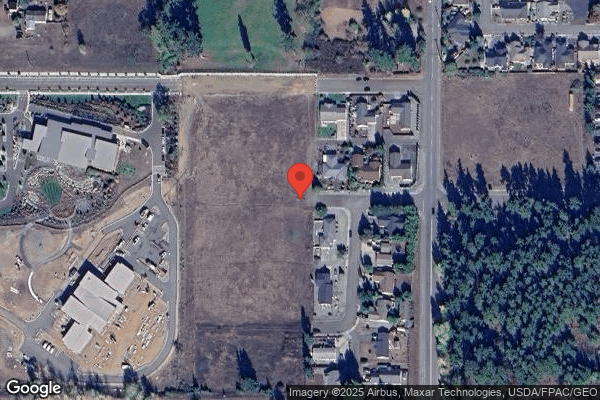

650 WEST HEMLOCK ST, SEQUIM, WA 98382 (360) 582-2400
For profit - Corporation 100 Beds CALDERA CARE Data: November 2025 2 Immediate Jeopardy citations
Trust Grade
0/100
#151 of 190 in WA
Last Inspection: August 2024

Within standard 12-15 month inspection cycle. Federal law requires annual inspections.

Overview

Sequim Bay Post Acute has received a Trust Grade of F, indicating significant concerns and poor performance compared to other facilities. It ranks #151 out of 190 in Washington and #2 out of 3 in Clallam County, placing it in the bottom half for care quality in the state. While the facility's trend shows improvement, decreasing from 20 issues in 2024 to just 1 in 2025, there are still serious problems highlighted by the inspector. Staffing is relatively strong with a 4/5 rating, and turnover is slightly below the state average, but the facility has concerning RN coverage that is less than 83% of other Washington facilities. Specific incidents include staff failing to properly care for a resident's gastrostomy tube, risking infection, and inadequate training on the safe use of mechanical lifts, which previously led to an Immediate Jeopardy situation. Overall, families should weigh these strengths against the serious weaknesses before making a decision.

Trust Score
F
0/100
In Washington
#151/190
Bottom 21%
Safety Record
High Risk
Review needed
Inspections
Getting Better
20 → 1 violations
Staff Stability
⚠ Watch
47% turnover. Above average. Higher turnover means staff may not know residents' routines.
Penalties
✓ Good
$61,263 in fines. Lower than most Washington facilities. Relatively clean record.
Skilled Nurses
○ Average
Each resident gets 36 minutes of Registered Nurse (RN) attention daily — about average for Washington. RNs are the most trained staff who monitor for health changes.
Violations
⚠ Watch
78 deficiencies on record. Higher than average. Multiple issues found across inspections.
★★☆☆☆
2.0
Overall Rating
★★★★☆
4.0
Staff Levels
★★★★☆
4.0
Care Quality
★★☆☆☆
2.0
Inspection Score
Stable
2024: 20 issues
2025: 1 issues

The Good

  • 4-Star Staffing Rating · Above-average nurse staffing levels
  • 4-Star Quality Measures · Strong clinical quality outcomes
  • Full Sprinkler Coverage · Fire safety systems throughout facility
  • No fines on record

Facility shows strength in staffing levels, quality measures, fire safety.

The Bad

2-Star Overall Rating

Below Washington average (3.2)

Below average - review inspection findings carefully

Staff Turnover: 47%

Near Washington avg (46%)

Higher turnover may affect care consistency

Federal Fines: $61,263

Above median ($33,413)

Moderate penalties - review what triggered them

Chain: CALDERA CARE

Part of a multi-facility chain

Ask about local staffing decisions and management

The Ugly 78 deficiencies on record

2 life-threatening 4 actual harm
Sept 2025 1 deficiency
CONCERN (D) 📢 Someone Reported This

A family member, employee, or ombudsman was alarmed enough to file a formal complaint

Potential for Harm - no one hurt, but risky conditions existed

Medical Records (Tag F0842)

Could have caused harm · This affected 1 resident

**NOTE- TERMS IN BRACKETS HAVE BEEN EDITED TO PROTECT CONFIDENTIALITY** Based on interviews and record review, the facility failed to ensure residents' records were complete, accurate, and/or accessib...

Read full inspector narrative →
**NOTE- TERMS IN BRACKETS HAVE BEEN EDITED TO PROTECT CONFIDENTIALITY** Based on interviews and record review, the facility failed to ensure residents' records were complete, accurate, and/or accessible, for 1 of 1 sampled resident (Resident 1) reviewed for accurate and complete medical records. Failure to maintain complete and accurate medical records, that are accessible to staff, placed residents at risk for delayed resources, unmet needs, and a diminished quality of life. Findings included .An intake, dated 09/04/2025 at 2:31pm, showed that Resident 1 did not receive their Social Security benefits and that Resident 1 had reached out to the facility, to address the reason for cessation of Social Security payments (due to incorrectly being identified as still residing there) but had not received assistance from the facility to correct the issue.During an interview on 09/10/2025 at 1:48 pm, Resident 1 said they admitted to the facility on [DATE]th or 30th of 2024 and discharged on April 30th, 2025. Resident 1 said they had received a letter in August that said Resident 1 would not receive their Social Security pension for September. Resident 1 said when they reached out to the Social Security Administration (SSA), they were told it was because Resident 1 was still residing in a skilled nursing facility. Resident 1 said she then called the facility and spoke to Staff C, Business Office Manger, and also requested to speak to Staff A , Administrator, and Staff D, Social Services Director (SSD). She had not received a call back from either Staff A or Staff D.During an interview on 09/11/2025 at 9:05 am, Collateral Contact 1 (CC1), DSHS case manager, said they reached out to Staff D on 09/04/2025 to help facilitate the appropriate form that was believed to not have been filled out, in order to resume the resident's Social Security payments. CC1 requested the form be filled out and forwarded to the SSA right away.On 09/12/2025 at 1:34pm a Record Review for Resident 1 showed there was no record available in the electronic health records (EHR) system. During an interview on 09/12/2025 at 2:01pm, Staff B, Medical Records, said they could get copies of medical records, they just have to request them from the previous facility ownership. During an interview on 09/12/2025 at 2:17pm, medical records for Resident 1 were requested. During an interview on 09/12/2025 at 2:18pm, Staff D said that she recalled getting a call on 09/04/2025 from CC1 regarding Resident 1 stating, it had something to do with her Social Security. Staff D said CC1 emailed her a form to be filled out. Staff D provided the form. Record review of the form (SSA-186) titled, Temporary Institutionalization Statement to Maintain Household and Physician Certification, showed the facility address completed and the resident's name filled in. The rest of the form was blank. Staff D said she was unable to complete the form because the resident had discharged and she did not have access to the resident's record any longer so she did not know what to do with the form. During an interview on 09/12/2025 at 2:37pm, Staff A, Administrator said he would have expected the requested form to be filled out timely. On 09/15/2026 at 9:21am (two an a half days after they were requested), the medical record for Resident 1 was received. Record review of the EHR showed Resident 1 was admitted to the facility on [DATE] and discharged on 04/30/2029, 32 days later. Reference WAC 388-97-1720 (1)(a)(iii).
Oct 2024 1 deficiency
CONCERN (D) 📢 Someone Reported This

A family member, employee, or ombudsman was alarmed enough to file a formal complaint

Potential for Harm - no one hurt, but risky conditions existed

Report Alleged Abuse (Tag F0609)

Could have caused harm · This affected 1 resident

**NOTE- TERMS IN BRACKETS HAVE BEEN EDITED TO PROTECT CONFIDENTIALITY** Based on interview and record review, the facility failed to report to the state agency and/or log allegations of abuse/mistreat...

Read full inspector narrative →
**NOTE- TERMS IN BRACKETS HAVE BEEN EDITED TO PROTECT CONFIDENTIALITY** Based on interview and record review, the facility failed to report to the state agency and/or log allegations of abuse/mistreatment by staff on the reporting log within five working days for 1 of 3 residents reviewed for abuse and neglect. This failure placed residents at risk for repeated incidents, unmet care needs and unidentified abuse and/or neglect. Findings included . Review of Nursing Home Guidelines, The Purple Book, dated October 2015 showed on page 7 that the facility should report via telephone and via the reporting log any act where there is reasonable cause to believe the act caused fear of imminent harm. Review of the undated facility policy titled, Prevention and Reporting: Resident mistreatment, Neglect, Abuse ., showed that facility staff were to report to the Director of Nursing or Executive Director any allegation of abuse, neglect or mistreatment, who would then immediately report to the state agency. All alleged violations involving abuse or mistreatment would be reported within 2 hours of when the allegation was made and no later than 24 hours if the allegation did not involve abuse or serious bodily injury. The investigation should include review of all allegations of abuse and be documented in the electronic accident and incident report form. Resident 1 was admitted to the facility on [DATE] with diagnosis of left hip fracture. A (struck out) Incident note dated 09/29/2024 at 12:47am, by Staff C, Licensed Practical Nurse (LPN), showed they received a call from Resident 1's family member (FM) who was concerned due receiving several calls from Resident 1 reporting being abused and assaulted by staff and feeling anxious. Staff C went to Resident 1's room , accompanied by staff, and found the resident awake and on the phone with the police department, the resident became increasingly anxious and verbalized an account of being assaulted at approximately 8:00pm and reported that three aids aggressively forced her to bed and tortured her when trying to remove her pants, Resident 1 reported being shoved and handled inappropriately and was expressing fear for her life and requested transport back to the hospital. Staff C reported the allegation to Staff B, Director of Nursing (DNS), Registered Nurse (RN), and followed up with Resident 1's FM and law enforcement. Resident 1 was transported to ER via non urgent ambulance. A late entry Incident note, dated 09/29/2024 at 12:10am by Staff C, showed they received a call from Resident 1 FM, concerned that the resident reported feeling unsafe. No signs of harm were observed, the resident was on the phone to police reporting she felt unsafe, the resident was anxious and agitated and requested transport back to hospital. The complaint intake, dated 09/30/2024 at 3:00pm, showed Resident 1 verbalized they felt attacked and reported staff pushed me into the bed from my chair, and ripped my pants and underwear off and hurt my hip. Review of the facility mandated reporting log for September 08, 2024, through October 08, 2024, showed no entry for Resident 1's allegation of abuse towards staff had been completed or reported to the state agency via the hotline or the facility mandated reporting log. On 10/08/2024 at 3:21pm, Staff B, said she had double checked the mandated reporting log with the risk management log and there was nothing missing from it. At 7:49pm Staff D, Certified Nursing Assistant (CNA), said they recalled Resident 1 and had assisted 2 other staff in the transfer, there was nothing out of the ordinary, but the resident was apprehensive of transferring and the staff explained the process to her. Staff D said she left after the transfer was completed and the other two staff assisted the resident with changing. Staff D was asked to fill out a witness statement the next day but reported no one had asked her for it and still had it in her possession. Staff D reported no one from facility management had spoken to her about the allegation. At 8:09pm Staff C, LPN, said signs and symptoms of abuse included if a resident reported abuse and the resident could be paranoid or anxious. If a resident reported abuse to him or he saw signs of abuse he would report it to Staff B. If the facility did not follow up, he would report to the state agency. Staff C said on 09/28/2024 Resident 1 was assisted by staff and was observed sleeping about 9:30pm, at 11:30pm she was observed awake, shouting, and anxious. Resident 1 reported to him she was put in bed against her will, assaulted an abused. Resident 1 reported she did not feel safe there and wanted to leave. Staff C said Resident 1 denied being injured, had no complaints of pain and declined to talk to him anymore. Staff C said he believed Resident 1 made an allegation of abuse and he reported it to his supervisor, Staff B. When asked why he struck the 09/29/2024 incident note out on 10/02/2024, he said he did not recall striking the note out but was asked by Staff B to put in a less detailed note. On 10/09/2024 at 10:51am, Staff B, DNS, RN said that a Resident being transferred against their will and staff being rough with care could be considered abuse. Staff B said she did ask Staff C to put in a less detailed note because she felt the note was more of a statement, verses what was factual and what Staff C observed. Regarding Resident 1's allegation of abuse, Staff B said they did an investigation and determine the allegation was unfounded and did not need to be reported or logged. At 11:13am Staff A, Administrator said he recalled Resident 1's name, but was not aware there was an allegation of abuse, he was under the impression she was calling out during care. When asked if a resident made an allegation of abuse would that be expected to be included on the facility mandatory reporting log, Staff A said he would have to look into that, he felt they had determined the allegation was unfounded. Reference: WAC 388-97-0640(5)(a) (6)(c)
Aug 2024 13 deficiencies
CONCERN (D)

Potential for Harm - no one hurt, but risky conditions existed

Deficiency F0552 (Tag F0552)

Could have caused harm · This affected 1 resident

**NOTE- TERMS IN BRACKETS HAVE BEEN EDITED TO PROTECT CONFIDENTIALITY** . Based on interview and record review, the facility failed to inform the resident and/or their legal representative, in advance...

Read full inspector narrative →
**NOTE- TERMS IN BRACKETS HAVE BEEN EDITED TO PROTECT CONFIDENTIALITY** . Based on interview and record review, the facility failed to inform the resident and/or their legal representative, in advance, of the risks and benefits associated with the use of psychotropic medications (medications capable of affecting the mind, emotions, and behavior) and obtain informed consent prior to administering the medications for 1 of 5 residents (Resident 77) reviewed for unnecessary medications. These failures prevented residents and/or legal representatives from making informed decisions about the use of multiple antidepressant medications, and precluded them from exercising their right to refuse/decline the proposed medications. Findings included . Resident 77 admitted to the facility on [DATE]. Review of the admission Minimum Data Set (MDS, an assessment tool), dated 07/28/2024, showed the resident had moderate cognitive impairment, a diagnosis of depressive disorder and received antidepressant medication. Review of the electronic health record showed Resident 77 had orders, dated 07/21/2024, for duloxetine and bupropion (antidepressant medications) for depression. Review of the Psychopharmacologic Medication Informed Consent forms showed the risks versus benefits of antidepressant medication therapy were explained, and informed consent for their use was obtained on 07/23/2024. The July 2024 Medication Administration Record (MAR) showed facility nurses administered Resident 77 bupropion on 07/22/2024, and duloxetine once on 07/21/2024 and twice on 07/22/2024, prior to obtaining the resident's and/or the resident's representative's consent for their use. On 08/12/2024 at 3:44 PM, Staff B, Director of Nursing Services, said facility staff should have obtained Resident 77's or their representative's consent prior to administering the antidepressant medications, but acknowledged they failed to do so. Reference WAC 388-97-0260 .
CONCERN (D)

Potential for Harm - no one hurt, but risky conditions existed

Transfer Notice (Tag F0623)

Could have caused harm · This affected 1 resident

**NOTE- TERMS IN BRACKETS HAVE BEEN EDITED TO PROTECT CONFIDENTIALITY** . Based on interview and record review, the facility failed to have a system in place which ensured the Office of the State Long...

Read full inspector narrative →
**NOTE- TERMS IN BRACKETS HAVE BEEN EDITED TO PROTECT CONFIDENTIALITY** . Based on interview and record review, the facility failed to have a system in place which ensured the Office of the State Long-Term Care Ombudsman (an advocacy group for residents in a nursing homes) received required resident discharge information for 2 of 5 residents (Resident 43 & 31) reviewed for hospitalization. These failures placed residents at risk for being inappropriately discharged , not understanding their rights, and prevented the Ombudsman from having the opportunity to educate and advocate for residents during the discharge process. Findings included . 1) Resident 43's Discharge Minimum Data Set (MDS, an assessment tool), dated 04/30/2024, showed the resident had an unplanned transfer to an acute care hospital on [DATE], with return anticipated. Review of Resident 43's electronic health record (EHR) showed there was no documentation present showing the State Ombudsman Office was provided a written notice detailing the reasons for transfer as required. On 08/12/2024 at 3:24 PM, Staff D, Social Services Director (SSD), explained they emailed resident discharge/transfers to the Ombudsman's office monthly and had a record of the notifications. When asked if the Ombudsmans' office was notified of Resident 43's 04/30/2024 transfer to the hospital, Staff D, SSD, stated, No, I don't have that one. 2) Resident 31's Discharge MDS, dated [DATE], showed the resident had an unplanned transfer to an acute care hospital on [DATE], with return anticipated. Review of Resident 43's EHR showed no documentation was present showing the State Ombudsman Office was provided a written notice detailing the reasons for transfer as required. On 08/12/2024 at 3:24 PM, when asked if there was documentation or an email showing the Ombudsman's office was notified of Resident 31's 07/07/2024 transfer to the hospital Staff D, SSD, stated, No. Reference WAC 388-97-0120 (2) (a-d) .
CONCERN (D)

Potential for Harm - no one hurt, but risky conditions existed

Deficiency F0625 (Tag F0625)

Could have caused harm · This affected 1 resident

**NOTE- TERMS IN BRACKETS HAVE BEEN EDITED TO PROTECT CONFIDENTIALITY** . Based on interview and record review, the facility failed to provide residents/resident's representatives bed hold notices at ...

Read full inspector narrative →
**NOTE- TERMS IN BRACKETS HAVE BEEN EDITED TO PROTECT CONFIDENTIALITY** . Based on interview and record review, the facility failed to provide residents/resident's representatives bed hold notices at the time of transfer, or within 24 hours of an emergent transfer for 1 of 5 residents (Resident 43) reviewed for hospitalization. This failure placed the residents at risk for lack of knowledge regarding their right to hold their bed while in the hospital. Findings included . Resident 43 admitted to the facility on [DATE]. Review of Discharge Minimum Data Set (MDS, an assessment tool), dated 04/30/2024, showed the resident had an unplanned transfer to the hospital on [DATE]. Review of Resident 43's electronic health record (EHR) showed there was no documentation present to show the resident, or their representative were provided a bed hold notice upon transfer as required. On 08/12/2024 at 3:39 PM, when asked if there was documentation to show Resident 43 or their representative were provided a written bed hold notice at the time of transfer, Staff B, Director of Nursing Services stated, No. Reference WAC 388-97-0120 (4) .
CONCERN (D)

Potential for Harm - no one hurt, but risky conditions existed

Assessment Accuracy (Tag F0641)

Could have caused harm · This affected 1 resident

**NOTE- TERMS IN BRACKETS HAVE BEEN EDITED TO PROTECT CONFIDENTIALITY** . Based on interview and record review, the facility failed to accurately assess 2 of 28 sampled residents (Residents 69 & 43) w...

Read full inspector narrative →
**NOTE- TERMS IN BRACKETS HAVE BEEN EDITED TO PROTECT CONFIDENTIALITY** . Based on interview and record review, the facility failed to accurately assess 2 of 28 sampled residents (Residents 69 & 43) whose Minimum Data Sets (MDS, an assessment tool) were reviewed. Failure to accurately identify active diagnoses, the presence and type of intravenous access, the administration of IV medications, and to assess a resident's cognitive patterns, placed residents at risk for unidentified and/or unmet care needs. Findings included . <Resident 69> Resident 69 re-admitted to the facility on [DATE] with a Peripherally Inserted Central Catheter (PICC) to right upper arm and orders for ceftriaxone (an antibiotic) intravenously (IV) daily for a bone and bone marrow infection (osteomyelitis), with direction to infuse via valved single lumen PICC, and an order for vancomycin (antibiotic) IV daily for osteomyelitis Resident 69's July 2024 Medication Administration Record (MAR) showed Resident 69 was administered the IV Vancomycin and the IV ceftriaxone on 07/18/2024. Review of the 07/18/2024 5-day MDS, showed the resident did not have an active diagnosis of osteomyelitis, did not receive antibiotic therapy, received IV medication, but had no IV access. On 08/12/2024 at 2:48 PM, Staff T, MDS Coordinator, said Resident 69's 07/17/2024 5-day MDS was inaccurately coded, and should have included an active diagnosis of osteomyelitis, and that the resident had IV access and received antibiotic therapy during the assessment period. <Resident 43> Resident 43 admitted to the facility on [DATE]. Review of the 06/14/2024 Quarterly MDS showed facility staff did not attempt to perform a Brief Interview for Mental Status (BIMS), despite instruction to attempt to conduct the interview with all residents. Staff documented the interview should not be conducted due to the resident being rarely or never understood. On 08/06/2024 at 1:09 PM, while interviewing Resident 43, Staff J, Licensed Practical Nurse, entered the room and stated, I don't know if you know, but [Resident 43] is completely with it. If you ask yes or no questions [Resident 43] will tell you exactly what he wants. On 08/07/2024 at 11:43 AM, Staff C, Assistant Director of Nursing, also stated that Resident 43 was able to clearly make their needs known if asked yes or no questions. On 08/12/2024 at 3:04 PM, Staff T, MDS Coordinator, said staff should have conducted a BIMS to assess the resident's cognitive patterns, but was not. Reference WAC 388-97-1000 (1)(b) .
CONCERN (D)

Potential for Harm - no one hurt, but risky conditions existed

Deficiency F0658 (Tag F0658)

Could have caused harm · This affected 1 resident

**NOTE- TERMS IN BRACKETS HAVE BEEN EDITED TO PROTECT CONFIDENTIALITY** . Based on observation, interview and record review, the facility failed to ensure services provided met professional standards ...

Read full inspector narrative →
**NOTE- TERMS IN BRACKETS HAVE BEEN EDITED TO PROTECT CONFIDENTIALITY** . Based on observation, interview and record review, the facility failed to ensure services provided met professional standards of practice for 3 of 28 sample residents (Residents 132, 69 & 43) reviewed for professional standards. The failure to follow and/or clarify incomplete physician's orders, and to only sign for tasks that were completed, placed residents at risk for medication errors, unidentified and/or delayed treatment of complications related to intravenous (IV) therapy, and other potential negative health outcomes. Findings included . 1) Resident 132 admitted to the facility on [DATE] with orders to use a Continuous Positive Airway Pressure (CPAP, a machine that uses mild air pressure to keep breathing airways open while you sleep) at night. The CPAP orders included: apply CPAP at bedtime, CPAP settings per resident's home settings; and wash CPAP mask and tubing with soap and water daily and let air dry. On 08/05/2024 at 3:42 PM, when asked what their home CPAP settings were, Resident 132 said they had not brought their CPAP machine to the facility, and indicated they did not plan to because they would be discharging within a week. The August Medication and Treatment Administration Records (MAR/TAR) showed facility nurses signed that they validated the Resident's CPAP machine was set to the resident's home settings on 08/03/2024, 08/04/2024 and 08/05/2024, and that they washed the CPAP mask and tubing with soap and water and let them air dry on 08/01/2024, 08/04/2024, 08/05/2024, 08/08/2024, 08/09/2024, 08/10/2024, 08/11/2024 and 08/12/2024. On 08/12/2024 at 4:23 PM, Staff A, Administrator, confirmed Resident 132's CPAP was never present in the facility. On 08/12/2024 at 4:29 PM, when asked how facility nurses were cleaning Resident 132's CPAP mask and tubing and validating it was set to the resident's home settings when it was never present in the facility, Staff B, Director of Nursing Services, indicated they were signed off as completed in error, and said it was the expectation that nurses only sign for those tasks they completed. 2) Resident 69 re-admitted to the facility on [DATE] with a Peripherally Inserted Central catheter (PICC) to right upper arm and orders for ceftriaxone (an antibiotic) intravenously (IV) daily for a bone and bone marrow infection (osteomyelitis), with direction to infuse via valved single lumen PICC, and an order for vancomycin (antibiotic) IV daily for osteomyelitis. Review of Resident 69's IV medication and PICC maintenance and monitoring orders showed no orders were in place to obtain initial and weekly external length or arm circumference measurements; to perform weekly PICC dressing changes; to monitor the IV insertion site for signs and symptoms of infection; to change the needleless connector caps at least weekly and after blood draws; when to flush the PICC, what solution should be used, or at what frequency. Additionally, the type and location of the IV access, and whether it was valved or non-valved was not identified. On 08/09/2024 at 2:57 PM, Staff C, Assistant Director of Nursing (ADON), acknowledged the PICC maintenance and monitoring orders were incomplete said facility nurses should have identified the incomplete orders and clarified them but failed to do so. During an interview on 08/05/2024 at 4:07 PM, Resident 69 said they had been struggling with bouts of constipation. Resident 69 had a 07/05/2024 order for Milk of Magnesia (MOM) administer as needed if resident does not have a bowel movement (BM) on third day (after eight shifts). The July 2024 bowel record showed Resident 69 had no BM from 07/20/2024 - 07/23/2024 (4 days). Review of the July 2024 MAR showed no as needed MOM was administered. On 08/12/2024 at 12:25 PM, when asked if the nurse administered the as needed MOM after the eighth shift without a BM as ordered, Staff C, Assistant Director of Nursing, stated, No. 3) Resident 43 admitted to the facility on [DATE]. Review of the 06/14/2024 Quarterly Minimum Data Set (MDS, an assessment tool), showed for the entire seven days of the assessment period, the resident received 51% or more of their caloric intake and 501 ml of fluid per day from enteral feeding. On 08/06/2024 at 12:34 PM, a 1000ml bottle of Osmolyte 1.5 enteral solution was observed infusing at 75 ml per hour via pump. A 1000 ml top fill bag piggyback labeled H2O showed it was hung on 08/06/2024 at 1:00 AM and was supposed to infuse at 45 ml per hour x 20 hours per day to provide a total of 900 ml of water flushes per day. However, it remained full of 1000 ml of clear liquid fluid. On 08/06/2024 at 12:37 PM, the enteral pump showed it was programmed to deliver 0 ml of water flushes, every 0 hours, and that a total of 0 ml had infused. Facility staff had failed to program the enteral pump to infuse the water flush at 45 ml per hour times 20 hours a day as ordered. A similar observation was made on 08/06/2024 at 2:13 PM. Review of the August 2024 MAR showed on 08/06/2024, the day shift nurse signed off that Resident 43 received 273 ml of water flushes on day shift, despite the top fill flush bag, which was hung at 1:00 AM, remaining full, with 1000 ml of clear fluid in it. The enteral pump display showed it had not been programmed to infuse the water flushes. On 08/07/2024 at 3:56 PM, Staff C, ADON, said the nurse 273 ml of water flushes documented as infused was in error and reiterated it was the expectation that nurses only record and/or sign for care they delivered. Reference WAC 388-97-0860(2) .
CONCERN (D)

Potential for Harm - no one hurt, but risky conditions existed

Tube Feeding (Tag F0693)

Could have caused harm · This affected 1 resident

**NOTE- TERMS IN BRACKETS HAVE BEEN EDITED TO PROTECT CONFIDENTIALITY** . Based on observation, interview and record review, the facility failed to ensure enteral nutrition (the delivery of nutrients ...

Read full inspector narrative →
**NOTE- TERMS IN BRACKETS HAVE BEEN EDITED TO PROTECT CONFIDENTIALITY** . Based on observation, interview and record review, the facility failed to ensure enteral nutrition (the delivery of nutrients through a feeding tube directly into the stomach or small intestine) was administered in accordance with physician's orders and professional standards of practice for 1 of 1 resident (Resident 43) reviewed for enteral nutrition. The facility failed to accurately record the amount of enteral formula and water flushes administered, to identify and clarify incomplete enteral orders to include route of administration (e.g., gastric tube), method of delivery (gravity, via pump etc.) and the time the enteral formula infusion was to start and finish. These failures placed residents at risk for receiving inadequate nutrition, hydration, weight loss and other potential adverse health outcomes. Findings included . <Facility Policy> Review of the facility's Enteral Tubes policy, revised 12/23/2023, showed 60 ml piston syringes and open system top fill feeding bags, should be replaced every 24 hours. Piston syringes (60 ML) were to be rinsed thoroughly with tap water after use and placed in a labeled dry plastic bag at the bedside. 1) Resident 43 admitted to the facility on [DATE]. Review of the 06/14/2024 Quarterly Minimum Data Set (MDS, an assessment tool), showed for the entire seven days of the assessment period, the resident received 51% or more of their caloric intake and 501 ml of fluid per day from enteral feeding. A tube feeding care plan, revised 04/09/2024, directed staff to administer tube feeding and water flushes per physicians' order, elevate head of bed (HOB) at least 30 degrees during and thirty minutes after tube feeding, check for tube placement prior to feeding and medication administration, monitor weights weekly, and administer Tube feed Osmolyte 1.5 at 75 ml per hour (75 ml/hr) x 20 hours/on and 4 hours off, for a total volume delivered of 1500 ml every 24 hours. Review of electronic health record showed Resident 43 had the following enteral nutrition orders: a) Water flushes at 45 ml an hour, times twenty hours a day, off at 9:00 AM and on at 1:00 PM, to provide 900 ml of water flushes per day. b) Osmolyte 1.5 enteral solution at 75 ml/hr., on for 20 hours and off for four hours to deliver a total of 1500 ml of enteral solution per day. c) Flush with peg tube with 30 ml of water pre and post medication administration, every shift. d) Replace tube feeding syringe and tubing every 24 hours and as needed, every night shift. On 08/06/2024 at 12:34 PM, Resident 43 was observed in their room receiving Osmolyte 1.5 enteral solution via pump at 75 ml/hr. A 60 ml piston syringe was hanging from the pump pole date 08/05/2024. A 1000 ml top fill bag piggyback was attached to the enteral pump, labeled H2O. Documentation on the side of the bag showed it was hung on 08/06/2024 at 1:00 AM and was to infuse at 45 ml per hour. However, it remained full of 1000 ml of clear liquid. Observation of the pump display screen showed it was set to deliver flushes at a rate of 0 ml every 0 hrs. A similar observation was made on 08/06/2024 at 1:44 PM. The August 2024 Medication Administration Record (MAR) showed the nurse signed they provided the water flushes as ordered. The August 2024 MAR showed an order for Osmolyte 1.5 infuse at 75 ml/hr for 20 hours to deliver a total of 1500 ml. Each shift recorded the amount of Osmolyte infused on their shift. The order did not identify what times the enteral feeding should start/stop, or the method or route of delivery. Review of the July and August 2024 MARs showed there was no direction or space provided for staff to total the amount infused each day, to ensure the ordered amount of Osmolyte was delivered. When shift totals were tallied it showed the following 24-hour totals: Osmolyte totals: 07/06/2024- 1781 ml 07/09/2024- 2385 ml 07/10/2024- 2000 ml 07/11/2024- 2275 ml 07/16/2024- 1900 ml 07/17/2024- 2275 ml 07/18/2024- 2275 ml 07/22/2024- 2190 ml 07/23/2024- 2309 ml 07/24/2024- 2265 ml 07/27/2024- 2475 ml 07/29/2024- 3507 ml 07/30/2024- 2388 ml The July 2024 MAR showed an order to provide water flushes at 45 ml/hr x 20 hours, on at 1:00 PM and off at 9:00 AM, to provide a 24-hour total of 900 ml of water. Day shift was to deliver 180 ml of water, evening shift 360 ml and night shift 360 ml. The order did not identify the route or method of delivery to be used. No direction or space was provided for staff to tally the 24-hour total of water flushes delivered. When the daily totals were calculated it showed the following: 07/06/2024- 1127 ml 07/29/2023- 1590 ml 08/02/3034- 1381 ml 08/03/2024- 630 ml 08/04/2024- 990 ml 08/06/2024- 993 ml On 08/07/2024 at 3:56 PM, Staff C, Assistant Director of Nursing (ADON), explained that each nurse was expected to zero the pump and the end of their shift and record the amount of formula and water flushes that infused. Staff C indicated because the solutions were infused via a programmed pump at set rates it was not necessary for staff to calculate the 24-hour totals infused. On 08/07/2024 at 4:23 PM, when asked if the formula and water infusion order should identify the route and method of delivery, Staff C, ADON, stated they should and acknowledged Resident 43's did not. On 08/09/2024 at 11:45 AM, Staff C confirmed that facility nurses were inaccurately recording the amounts of water flushes and enteral formula that was provided per day. Staff C indicated some nurses were not zeroing the pump at the end of the shift thus the next nurse would record the total amount infused on the pump rather than just what infused on their shift. Reference WAC 388-97-1060 (3)(f) .
CONCERN (D)

Potential for Harm - no one hurt, but risky conditions existed

Infection Control (Tag F0880)

Could have caused harm · This affected 1 resident

. Based on observation and interview the facility failed to ensure staff compliance with current infection control guidelines and standards of practice for donning (putting on) of personal protective ...

Read full inspector narrative →
. Based on observation and interview the facility failed to ensure staff compliance with current infection control guidelines and standards of practice for donning (putting on) of personal protective equipment (PPE) for 1 of 4 residents (Resident 40), reviewed for infection control. This failure placed residents at an increased risk for exposure to cross contamination (harmful spread of illness), transmission of diseases and a diminished quality of life. Findings included . Facility policy titled Enhanced Barrier Precautions (EBP) Policy and Procedure, dated 08/2023, showed Enhanced Barrier Precautions (EBP) expand the use of PPE and refer to the use of gown and gloves during high-contact resident care activities that provide opportunities for transfer of MDROs [Multidrug-resistant Organisms] to staff hands and clothing. Examples of high-contact resident care activities requiring gown and glove use for EBP include: o Dressing o Bathing/showering o Transferring o Providing hygiene o Changing linens o Changing briefs or assisting with toileting o Device care or use: central line, urinary catheter, feeding tube, tracheostomy/ventilator o Wound care: any skin opening requiring a dressing Resident 40 admitted to the facility 08/16/2021. The Minimum Data Set (an assessment tool), dated 07/20/2024, indicated Resident 40 was cognitively intact and had an indwelling catheter (an alternative urinary elimination tube). Resident 40 was on Enhanced Barrier Precautions (an infection control strategy used in nursing homes to reduce the spread of MDRO's) due to their indwelling catheter. On 08/08/2024 at 1:03 PM, Staff O, Certified Nursing Assistant (CNA), was observed changing Resident 40's brief without wearing a gown. Staff O said that she does not wear a gown when she changes Resident 40's brief. On 08/08/2024 at 1:08 PM, Staff O, CNA and Staff N, CNA were observed transferring Resident 40 with a Hoyer (a device used to transfer a resident) from bed to wheelchair, neither Staff O nor Staff N were wearing gowns during the transfer. On 08/09/2024 at 11:14 AM, Staff C, Infection Preventionist, said that when changing a brief or transferring a resident who is on EBP, staff should have worn a gown and gloves. On 08/12/2024 at 11:06 AM, Staff P, Resident Care Manager, said that Resident 40 was on EBP due to having a urinary catheter. She said her expectation is that staff wear a gown and gloves when changing a brief of a resident who is on EBP. WAC reference 388-97 -1320 (2)(a) .
CONCERN (E)

Potential for Harm - no one hurt, but risky conditions existed

Deficiency F0657 (Tag F0657)

Could have caused harm · This affected multiple residents

**NOTE- TERMS IN BRACKETS HAVE BEEN EDITED TO PROTECT CONFIDENTIALITY** <Resident 17> Resident 17 was admitted to the facility on [DATE]. The quarterly MDS, dated [DATE] documented Resident 17 w...

Read full inspector narrative →
**NOTE- TERMS IN BRACKETS HAVE BEEN EDITED TO PROTECT CONFIDENTIALITY** <Resident 17> Resident 17 was admitted to the facility on [DATE]. The quarterly MDS, dated [DATE] documented Resident 17 was cognitively intact, medically complex, and expressed it was very important for family to be involved in discussion about their care. On 08/06/2024 at 2:53 pm, Resident 17 said the facility did not have care conferences and they had not had one since they had been off of Medicare services. Review of Resident 17's EHR from 12/14/2023 through 08/08/2024 showed a care conference was conducted on 01/16/2024. No other care conferences were documented. <Resident 23> Resident 23 was admitted to the facility on [DATE]. The quarterly MDS, dated [DATE], documented Resident 23 had moderate cognitive impairment and felt it was important to have family involved in discussions about their care. On 08/06/2024 at 10:37am, Resident 23 said they thought they were supposed to have care conferences, they used to have them, but had not had any recently. Review of Resident 23's EHR showed the most recent care conference was documented on 03/06/2023. <Resident 28> Resident 28 was admitted to the facility on [DATE]. The quarterly MDS, dated [DATE], documented Resident 28 had moderate cognitive impairment and felt it was very important to have family involved in discussion about their care. Review of Resident 28's EHR showed the most recent care conference was 04/19/2023. <Resident 44> Resident 44 was admitted to the facility on [DATE]. The quarterly MDS, dated [DATE], documented Resident 44 was cognitively intact, medically complex, and felt it was very important for family to be involved in discussions about care. On 08/06/2024 at 10:19am, Resident 44 reported they had not had a care conference since admission. Review of Resident 44's EHR showed one care conference was conducted on 06/24/2024. On 08/08/2024 at 1:35 pm, Staff D said care conferences for long term care residents were held quarterly. Staff D said they reached out to the families and scheduled them. Staff D said she documented the offer in progress notes and completed a care conference note in the record. Staff D said it had been challenging to complete all of the care conferences. At 3:44pm, Staff D said she had just completed a care conference with Resident 28 and reached out to family of Residents 17 and 44. She attributed the lapse to not having enough time to complete everything; due to staffing challenges. Staff D reported answering more call lights, and 1:1 time for residents. On 08/09/2024 at 2:48pm, Staff B, RN, DON, said care conferences for long term care residents were expected to be offered quarterly and if there was a change in the resident. Staff B said the facility had identified, approximately two months ago, that care conferences were not being completed and they, did a ton of care conferences, and tried to catch up. Staff B attributed the care conferences not being completed to just overload. Based on interview and record review, the facility failed to provide Care Conferences (a conference where staff and residents/families talk about life in the facility, review the progress of each patient and make adjustments, as needed, to their care), for 5 of 5 sampled residents (Residents 13, 17, 23, 28, and 44) reviewed for provision of care conferences, and failed to ensure care plans were reviewed, revised, and accurately reflected resident care needs for 3 of 31 sample residents (Residents 68, 69 and 31) reviewed for care plan timing and revision. These failures placed residents at risk of not feeling involved in the development of their plan of care, unmet needs, decreased quality of care and a diminished quality of life. Findings included . <Care Conferences> <Resident 13> Resident 13 was admitted to the facility on [DATE] with diagnoses including chronic kidney failure (damaged kidneys that cannot filter the blood the way it should) and hypertension (high blood pressure). The Quarterly Minimum Data Set (MDS), an assessment tool, dated 06/15/2024 documented the resident was cognitively intact and felt it was very important to have family involved in discussions about their care. On 08/06/2024 at 12:17 pm, Resident 13 said they had not had a care conference and thought the facility should have them. Review of the electronic health record (EHR) showed a care conference was conducted on 11/16/2023 and on 06/10/2024. On 08/09/2024 at 12:39 am, Staff D, Social Services Director (SSD) said Resident 13 had not had quarterly care conferences and said the facility recently identified the concern and had been working to get all the residents a quarterly care conference. On 08/12/2024 at 11:12 am, Staff B, Registered Nurse (RN) and Director of Nursing (DON), said Resident 13 should have had a care conference somewhere between the two identified in the EHR and her expectation was to have quarterly care conferences or documentation in the record if the resident had refused.<Care Plans> <Resident 68> Resident 68 admitted to the facility on [DATE]. On 08/05/2025 at 11:43 AM, Resident 68 stated, I can't hear you. I had a pocket talker but last week in therapy it went dead. They took it to get new batteries and they haven't given it back yet. On 08/07/2024 at 1:34 PM, Resident 68 was observed sitting in their room utilizing a pocket talker (amplifies sound) to communicate with staff. When asked about hearing aids Resident 43 said they had them, but they did not work. An alteration in sensory/communication care plan related to being hard of hearing, initiated 06/25/2024, directed staff to assist with placing hearing aid in resident's ear, replace batteries in hearing aid as needed, and to turn off the TV/radio as needed to reduce environmental noise. The care plan did not identify that the resident's hearing aides were non-functional or identify that the resident was utilizing a pocket talker for communication. On 08/12/2024 at 3:31PM, Staff G, Unit Manager, said Resident 43's use of a pocket talker as their primary hearing assistive device should have been care planned, but acknowledged it was not. <Resident 69> Resident 69 re-admitted to the facility on [DATE]. The resident's admission orders showed the resident had a Peripherally Inserted Central catheter (PICC) to their right upper arm, and orders for ceftriaxone (an antibiotic) intravenously (IV) daily for a bone and bone marrow infection (osteomyelitis), with direction to infuse via valved single lumen PICC, and an order for IV vancomycin (antibiotic) daily for osteomyelitis. Review of Resident 69's comprehensive care plan showed there was no mention of the resident's osteomyelitis, type and location of IV access, or need for ongoing IV antibiotics. On 08/09/2024 at 3:09 PM, Staff C, Assistant Director of Nursing (ADON), said the type and location of the resident's IV access, care instructions, ongoing IV antibiotic therapy and diagnosis of osteomyelitis should have been care planned, but were not. <Resident 31> Resident 31 admitted to the facility on [DATE]. Review of the 06/15/2024 admission MDS showed the resident had IV access, received IV medications and antibiotics for a diagnosis of osteomyelitis. A 07/18/2024 central line insertion report showed the resident had a tunneled single lumen central catheter placed to their right chest for long term antibiotic therapy related to osteomyelitis. Review of Resident 31's comprehensive care plan showed no care plans had been developed/implemented to address resident's osteomyelitis, type and location of IV access, or need for ongoing IV antibiotic therapy. On 08/09/2024 at 3:09 PM, Staff C, ADON, said the type and location of the resident's IV access, care instructions, ongoing IV antibiotic therapy and diagnosis of osteomyelitis should have been care planned, but were not. Reference WAC 388-97-1020(2)(e)(f)
CONCERN (E)

Potential for Harm - no one hurt, but risky conditions existed

Deficiency F0688 (Tag F0688)

Could have caused harm · This affected multiple residents

**NOTE- TERMS IN BRACKETS HAVE BEEN EDITED TO PROTECT CONFIDENTIALITY** <Resident 17> Resident 17 was admitted to the facility on [DATE]. The quarterly MDS, an assessment tool, dated 06/22/2024,...

Read full inspector narrative →
**NOTE- TERMS IN BRACKETS HAVE BEEN EDITED TO PROTECT CONFIDENTIALITY** <Resident 17> Resident 17 was admitted to the facility on [DATE]. The quarterly MDS, an assessment tool, dated 06/22/2024, documented Resident 17 was cognitively intact, medically complex, and required substantial to maximal assistance for ADLs. The care plan, initiated 12/14/2023, included interventions, initiated on 03/25/2024, for restorative services for the focus of limited mobility related to weakness. Restorative interventions included TheraBand, omni cycle, and sit to stand with parallel bars. A therapy to nursing communication note, dated 08/02/2024 at 11:08 am, documented Resident 17 was observed during a restorative therapy session and was not appropriate for physical therapy services to resume and would need to progress further in transfers under his current restorative program. Review of Resident 17's Restorative Care flowsheets for 07/08/2024 to 08/08/2024 showed the resident received documented minutes of restorative services on 10 of 31 days. On 08/08/2024 at 2:26 PM, Resident 17 said he used to receive therapy services and now only receives restorative therapy about once a week, saying, the restorative aids are pulled to the floor, they were told, due to staff shortages. Resident 17 said the restorative aid got pulled to the floor a lot and said, I do the best I can on my own, all I know is I want to be able to stand up and go home. <Resident 23> Resident 23 was admitted to the facility on [DATE]. The quarterly MDS, dated [DATE] documented Resident 23 had moderate cognitive impairment, and required substantial to maximal assistance for ADLs. The care plan, initiated 12/21/2020, included interventions, initiated on 06/07/2022, for restorative services for the focus of limited physical mobility related to weakness. Restorative interventions included active range of motion and ambulation with parallel bars. Review of Resident 23's Restorative Care flowsheets for 07/08/2024 to 08/08/2024 showed the resident received documented minutes of restorative services on 20 of 31 days. On 08/06/2024 at 10:34 AM, Resident 23 said she supposedly gets restorative services, but they are pulled to the floor 90% of the time. When asked what impact that has on them, Resident 17 replied, well, you just slide downhill and don't get any better. On 08/08/2024 at 12:35 PM, Staff H, Nursing Assistant (NA), Restorative Aid, said they were pulled to the floor frequently. Staff H said this could have a negative impact on the residents and tried to prioritize those residents on a passive range of motion program to prevent contractures. <Resident 28> Resident 28 was admitted to the facility on [DATE]. The quarterly MDS, dated [DATE], documented Resident 28 had moderate cognitive impairment and required substantial to maximal assistance for ADLs. The care plan, initiated on 12/20/2021, included interventions for restorative services related to the focus of limited physical mobility related to weakness. Restorative interventions included active and passive range of motion to left (affected) side to prevent formation of contracture (a permanent tightening of muscles, tendons, skin, and other tissues that can cause joints to shorten and become stiff, preventing normal movement of a body part or joint). Review of Resident 28's Restorative Care flowsheets for 07/08/2024 to 08/08/2024 showed the resident received documented minutes of restorative services on 9 of 31 days. On 08/09/2023 at 8:55 AM,, Resident 28 said he did not receive restorative therapy services. When asked specifically about passive range of motion to his affected side, Resident 28 replied, no, they don't do that. At 12:58 PM, Staff H, said Resident 28 was not receiving passive range of motion to the left upper extremity at the frequency he would prefer, unfortunately I am pulled to the floor a lot. At 2:15 PM, Staff B, Registered Nurse, Director of Nursing, said the facility had two restorative aids and when asked how often they were pulled to the floor, Staff B replied, it varies, at least once or twice a week. Staff B said they felt this did have a negative impact on providing restorative services to the residents. See F725 Reference WAC 388-97-1060 (3)(d) Based on observation, interview, and record review, the facility failed to ensure consistent restorative services were provided for 4 of 6 sampled residents (Residents 17, 23, 28, and 65) reviewed for range of motion (ROM) and mobility. This failure placed residents at risk for avoidable decline and diminished quality of life. Findings included . <Resident 65> Resident 65 was admitted to the facility on [DATE] with diagnoses including cerebral infarction (disrupted blood flow to the brain cells depriving them of vital nutrients which can cause parts of the brain to die off) and hemiplegia (paralysis of one side of the body). The Quarterly Minimum Data Set (MDS), an assessment tool, dated 08/01/2024, documented the resident was cognitively intact and was dependent to needing partial assistance with Activities of Daily Living (ADLs). The care plan, initiated 01/23/2024, included restorative program interventions initiated on 05/02/2024 for transfers related to self-care performance deficit and the care plan, initiated on 03/15/2024, included restorative program interventions for range of motion related to limited physical mobility. A review of Resident 65's Restorative Care flowsheets for 7/1/2024 through 7/31/2024 showed the resident received range of motion (ROM) with documented minutes of restorative services on 8 of 31 days and received transfers with documented minutes of restorative services on 17 of 31 days. On 08/08/2024 at 2:53 PM, Staff H, Restorative Aid (RA) said Resident 65 had a goal of restorative therapy daily. Staff H said he had worked with resident 65 a couple of days here and there with large gaps where Resident 65 did not get anything because Staff H was pulled from restorative to work the floor. On 08/09/2024 at 9:57 AM, Resident 65 said they received restorative therapy at least once a week. On 08/12/2024 at 10:45 AM, Staff S, Registered Nurse (RN) said she was sure Resident 65 was on Restorative Therapy, but would have to pull the RAs often to the floor. At 11:15 AM, Staff B, RN and Director of Nursing said the RAs were certified nursing assistants (CNA) too and the facility must prioritize by pulling the RAs to the floor when they needed CNAs.
CONCERN (E)

Potential for Harm - no one hurt, but risky conditions existed

Deficiency F0694 (Tag F0694)

Could have caused harm · This affected multiple residents

**NOTE- TERMS IN BRACKETS HAVE BEEN EDITED TO PROTECT CONFIDENTIALITY** . Based on observation, interview and record review, the facility failed to ensure Intravenous (IV) services were provided in ac...

Read full inspector narrative →
**NOTE- TERMS IN BRACKETS HAVE BEEN EDITED TO PROTECT CONFIDENTIALITY** . Based on observation, interview and record review, the facility failed to ensure Intravenous (IV) services were provided in accordance with professional standards of practice and facility policy for 2 of 2 residents (Resident 69 & 31) reviewed for IV therapy. The facility failed to provide Peripherally Inserted Central Catheter (PICC, a long, thin tube that's inserted through a vein in the arm and passed through to the larger veins near the heart) care, maintenance and monitoring to include changing needleless injection caps, flushes, dressing changes, monitoring the external length to verify the line had not migrated, and monitoring insertion site for signs and symptoms of infection. These failures placed the resident at risk for loss of vascular access, infection, and other potential negative health outcomes. Findings included . <Facility Policy> Review of the facility's Central Vascular Access Device (CVAD) Dressing Change, Needleless Connector Change, and Flushing and Locking policies, all revised 06/ 01/2021, showed CVADs included PICCs, non-tunneled catheters (subclavian, jugular, femoral), Tunneled catheters, and Implanted venous ports. Staff were directed to: a) Perform CVAD dressing changes every seven days and as needed. b) Measure CVADs external length upon admission/during the initial assessment, weekly with dressing changes, upon suspicion of a change in length or if signs or symptoms of complications were present. c) Measure the upper arm circumference of residents with Peripherally inserted central catheters (PICCs) upon admission and/or with the initial assessment and then at least weekly. d) Assess the vascular access insertion site upon admission, during dressing changes, before and after administration of intermittent infusions, at least every 2 hours during continuous therapy, and at least once every shift when not in use. e) Change needleless connectors upon admission; at least every seven days; after blood draws; and any time the integrity of the needleless connector is in question. f) Specific flush/lock orders must be obtained, documented, and submitted to the pharmacy. 1) Resident 69 re-admitted to the facility on [DATE]. On 08/06/2024 at 12:03 PM, Resident 69 was observed with a single lumen, valved PICC to their right upper arm. Review of Resident 69's physician's orders showed the following 07/17/2024 IV medication and PICC maintenance and monitoring orders: a) Ceftriaxone (an antibiotic) intravenously (IV) daily for a bone and bone marrow infection (osteomyelitis), b) Vancomycin (an antibiotic) IV daily for osteomyelitis. The orders did not include direction: to obtain initial and weekly external length or arm circumference measurements; to perform weekly PICC dressing changes; to monitor the IV insertion site for signs and symptoms of infection; to change the needleless connector caps at least weekly and after blood draws; when to flush the PICC, what solution should be used, or at what frequency. Additionally, the type and location of the IV access, and whether it was valved or non-valved was not identified. On 08/09/2024 at 2:57 PM, Staff C, Assistant Director of Nursing (ADON), said Resident 69s IV orders were incomplete. The PICC maintenance, monitoring, and flushing orders were never initiated. Staff C said facility nurses should have identified the PICC and IV orders were incomplete and should have clarified them but failed to do so. 2) Resident 31 re-admitted to the facility on [DATE]. Review of the admission Minimum Data Set (MDS, an assessment tool), showed the resident was cognitively intact, had IV access and received IV medication during the assessment period. On 08/06/2024 at 10:35 AM, Resident 31 was observed a tunneled single lumen central catheter to their right upper chest. The central line dressing was dated, 07/26/2024. Review of Resident 31's physician's orders showed the following IV medication and central line maintenance, and monitoring orders were in place: a) Weekly IV dressing change. b) Measure external catheter length upon admission and with weekly dressing change. c) Flush with 10 ml NS before and after medication administration. d) Change primary administration set every 24-hours. The orders did not include direction to monitor the IV insertion site for signs and symptoms of infection; to change the needleless connector caps at least weekly; or identify the type and location of the IV access, and whether it was valved or non-valved. A 08/09/2024 order directed nursing to infuse one liter of IV normal saline (NS) at 75 milliliters (ml) per hour, continuous until completed. Review of the electronic health record (EHR) showed no documentation was present to show facility nurses assessed Resident 31's central line insertion site every two during the continuous infusion of NS. Additionally, no documentation was found to indicate what the external length of Resident 31's central line was upon admission, or what the weekly measurements were sense. The August 2024 MAR showed that staff were directed to measure the external length of the central catheter weekly with dressing changes, but no place was provided to record the external length. On 08/09/2024 at 3:13 PM, when asked if there was any documentation to show Resident 31's central line external length was measured upon admission/ after placement and then weekly thereafter, the needleless connector caps were changed weekly, or that staff were routinely assessing the IV insertion site, to include every two hours during the continuous infusion of NS Staff C, ADON, said, No, not that's documented. Reference WAC 388-97-1060 (3)(j)(ii) .
CONCERN (E)

Potential for Harm - no one hurt, but risky conditions existed

Menu Adequacy (Tag F0803)

Could have caused harm · This affected multiple residents

. Based on observation, interview and record review, the facility failed to ensure the menu was followed for 4 of 4 residents (Residents 28, 50, 67 & 2) with mechanical soft or puree diets, whose meal...

Read full inspector narrative →
. Based on observation, interview and record review, the facility failed to ensure the menu was followed for 4 of 4 residents (Residents 28, 50, 67 & 2) with mechanical soft or puree diets, whose meals were observed during tray line. Failure to provide accurate portion sizes, placed residents at risk of unmet nutritional needs, and potential negative outcomes. Findings included . Review of the facility's menu showed for lunch on 08/12/2024 smothered chicken, parslied rice, brussels sprouts and a dinner roll would be served. >Portion Sizes< Review of the menu showed residents on D1 pureed diets would receive: A #8 (4-5 ounces) scoop of pureed chicken. A #12 (2.5-3 ounces) scoop of pureed brussels sprouts. A # 16 (2-2.5 ounces) scoop of pureed dinner roll D2 mechanical soft diets would receive: A #12 (2.5-3 ounces) scoop of pureed brussels sprouts. Observation of the steam table on 08/12/2024 at 11:20 AM showed the pureed chicken, pureed brussels sprouts, and pureed dinner roll had a #8 scoops in them for serving. Observation of tray line from 10:49 AM - 11:20 AM, showed dietary staff served the following: Resident 2 (D1 pureed diet) - pureed brussels sprouts and dinner roll with a # 8 scoop. Resident 67 (D2 mechanical soft diet)- Pureed brussels sprouts with a #8 scoop. Resident 28 (D2 mechanical soft diet)- Pureed brussels sprouts with a #8 scoop. Resident 50 (D2 mechanical soft diet)- Pureed brussels sprouts with a #8 scoop. On 08/12/2024 at 11:29 AM, when asked about the appropriate scoop size to be used for D1 and D2 diets Staff F, Dietary Manager, stated, It was the wrong scoop size, those are all number 8 scoops. The puree brussels sprouts should be a number 12 and the puree dinner roll a number 16. Staff F then intervened and provided the dietary staff the proper scoop sizes before completing tray line. Reference WAC 388-97-1100(1). .
CONCERN (E)

Potential for Harm - no one hurt, but risky conditions existed

Deficiency F0804 (Tag F0804)

Could have caused harm · This affected multiple residents

. Based on observation, interviews, and record review, the facility failed to prepare and serve foods in a manner that conserved nutritive value, palatability and that ensured meals served were appeti...

Read full inspector narrative →
. Based on observation, interviews, and record review, the facility failed to prepare and serve foods in a manner that conserved nutritive value, palatability and that ensured meals served were appetizing and at the proper temperature for 5 of 8 (Residents 17, 23, 28, 32, and 8) sampled residents reviewed for dining and 2 of 2 residents (Residents 2 and 57) on pureed diets.The failure to ensure meals were served at appropriate temperatures, with a good presentation, and that were palatable, placed residents at risk for decreased satisfaction with meals, poor intake, weight loss, and a diminished quality of life. Findings included . <Observation> On 08/05/2024 at 11:45 AM, a cart with five meal trays was brought out of the kitchen and placed in the assisted dining room. At 12:02 PM, Staff K, Nursing Assistant (NA), said the cart was for residents for the north hall. At 12:08 PM, Staff N, NA, said the cart was for south hall residents who were supposed to eat in the dining room. At 12:11 PM, Staff were observed removing the cart (which had sat without plate warmers for 23 minutes) from the assisted dining room and transporting it to the south hall to be served to the residents. Surveyor intervened and asked Staff Q, NA, if they were aware the cart had sat for 23 minutes prior to their arrival, and they said no. Staff Q said the south hall staff should have notified the kitchen if residents were not going to the dining room and the kitchen staff would have put the meals on the hall cart. Staff Q brought the cart back to the kitchen. At 12:14 PM, Staff R, Cook, obtained food temperature of 2 of 5 meal trays. The hot foods temped at 101 degrees Fahrenheit (F) and 113 F and the cold food 64 F. Staff R prepared new trays for the five resident meals that were returned to the kitchen, but ran out of mashed potatoes and the meat entrée and had to prepare new. Staff R said she would prefer staff to inform the kitchen if a resident is not going to the dining room for meals so they could send the meal on the hall cart. She would not expect a tray to be served to a resident if it had been sitting out for 23 minutes. <Resident Interviews> On 08/05/2024 at 12:53 PM, Resident 8 said, I don't like the food, hot foods are not hot enough. At 1:33 PM, Resident 23 said hot foods were not hot and the cold foods were not cold, and they felt too much chicken was served. At 2:26 PM, Resident 17 said the hot food was not always hot and he, never has hot eggs in the morning. At 3:15 PM, Resident 28 said he was served foods he didn't like, and the temperature of the food was not always right. On 08/06/2024 12:43 PM, Resident 32 said, hot food could be stone cold, breakfast scrambled eggs were often cold. On 08/07/2024 at 1:31 PM, during Resident Council review, residents expressed there were not snacks, such as sandwiches, available after the kitchen closes. <Record Review> Review of Resident Council Meeting minutes for April 10, 2024, showed kitchen/dining concern that food always arrived cold, noodles were crunchy, and fries were soggy. Review of Resident Council Meeting minutes for June 5, 2024, showed kitchen/dining concerned that eggs and oatmeal are cold by the time they were served. Bacon was chewy and greasy. Review of Resident Council Meeting minutes for July 10, 2024, showed that meat was overcooked, and the gravy was too salty. On 08/12/2024 at 4:13 PM Staff A, Administrator said the QAPI committee had identified dietary concerns and there was a subcommittee working on it. Observation of meal preparation for the breakfast/lunch meals on 08/12/2024 7:57 AM showed a request was made to observe Staff T, Cook, prepare the pureed meals. Staff T indicated they had already prepared all the pureed meals for both the breakfast and lunch meals. When asked about the process Staff T explained they prepared the pureed chicken for the lunch meal as follows: after cooking the chicken for the regular textured diets, whatever amount was left, they put in the blender and pulsed it. Then added chicken broth and milk and pulsed it again until it was the correct texture. If it was too thick, more liquid would be added, if too thin, more thickener was added. When asked if they followed the recipe Staff T stated, No. On 08/12/2024 at 8:06 AM, Staff F, Dietary Manager, stated, I am going to be honest; they don't use a recipe when they puree. When asked if pureed meals had recipes Staff F said they did and provided it. Review of the pureed smothered chicken recipe it provided measurements for chicken, liquid, and thickener to be used in preparation of the meal. Reference WAC 388-97-1100(1)(2) .
CONCERN (F) 📢 Someone Reported This

A family member, employee, or ombudsman was alarmed enough to file a formal complaint

Potential for Harm - no one hurt, but risky conditions existed

Deficiency F0725 (Tag F0725)

Could have caused harm · This affected most or all residents

**NOTE- TERMS IN BRACKETS HAVE BEEN EDITED TO PROTECT CONFIDENTIALITY** . Based on observation, interview, and record review, the facility failed to ensure sufficient qualified nursing staff were avai...

Read full inspector narrative →
**NOTE- TERMS IN BRACKETS HAVE BEEN EDITED TO PROTECT CONFIDENTIALITY** . Based on observation, interview, and record review, the facility failed to ensure sufficient qualified nursing staff were available to provide care and services as evidenced by information provided in Resident/Surveyor interviews for 6 residents (Residents 67, 55, 11, 24, 65 and 2) interviewed, and 6 staff (Staff B, J, H, M, N & 1 anonymous staff) interviewed. The facility had insufficient staff to ensure residents received assistance with Activities of Daily Living and restorative services. These failures placed residents at risk for unmet care needs, decreased physical abilities and a diminished quality of life. Findings included . Resident 67 was admitted to the facility on [DATE]. The admission Minimum Data Set (MDS), an assessment tool, dated 06/13/2024, documented Resident 67 had severe cognitive impairment, was medically complex and dependent on staff for activities of daily living (ADLs). The care plan, initiated on 06/06/2024, showed Resident 67 required two person assist with mechanical lift for transfers. <Observation> On 08/06/2024 at 9:03 AM, Resident 67 was observed sitting in his wheelchair, in his room with spouse at his side and the call light on. The call light was answered by Staff D, Social Services director, who was not able to meet the residents need of being transferred to bed. Staff F was observed reporting to Staff J, Licensed Practical Nurse (LPN), Resident 67's request to transfer to bed. Resident 67's spouse said she was told that Staff K, Nursing Assistant (NA), would be there to help as soon as they could. Room and call light was continuously observed and at 9:50 AM, 47 minutes after the call light was initiated, Resident 67's call light was answered by Staff L, NA, who said they were on a lunch break and Staff K, NA, RA, was in charge of the hall. Staff asked Resident 67 what they needed and Resident 67 was not able to communicate their needs. The surveyor asked Staff L, if they would usually assist the resident back to bed after breakfast and they replied, they usually like to keep them up to participate in activities. Staff L was informed that Resident 67's spouse had placed the call light on, Staff L, said she would check with her to see what the resident needed. Staff L was observed entering another room that did not have a call light on. At 11:21 AM, Resident 67's spouse, also a resident at the facility, said Staff L had not inquired of her what Resident 67's need was and said she would have preferred Resident 67 to have been assisted back to bed. <Record Review> Review of the April 10, 2024 Resident Council Meeting minutes showed the nursing concern of call lights taking too long and being turned off before needs were met. Review of the May 8, 2024, Resident Council Meeting minutes showed the nursing concern of call lights being turned off before the need was met. Review of the June 5, 2024, Resident Council Meeting minutes showed the nursing concerns of call lights being turned off before needs are met and night shift does not have enough staff. <Resident Interviews> On 08/05/2024 at 1:53 PM, Resident 55 said call light times could be anywhere from 15 minutes to 2.5 hours and said the weekends were generally bad and holidays are atrocious. At 2:10 PM, Resident 11 said it took forever for staff to answer the call light. At 2:15 PM, Resident 24 said they don't have enough people around and when they do help, they are extremely rushed, they need more help. At 2:57 PM, Resident 2 said at night it took 4-5 hours waiting for someone to change their shorts. On 08/06/2024 at 9:55 AM, Resident 65 said, it sometimes took awhile for staff to get to us and they waited an hour during the day time. On 08/07/2024 at 1:31 PM, resident council members expressed concern regarding staffing, saying they just don't have enough people, call light times can be long, and weekend staffing is not enough. <Staff Interviews> 08/07/2024 at 10:45 AM, Staff J, LPN, said she is usually responsible for providing care for 24-26 residents on her shift. Staff J did not feel there was enough staff to meet resident needs. Staff J said providing showers and meeting the basic needs can be tough. On 08/08/2024 at 12:35 PM, Staff H, Nursing Assistant (NA) and Restorative Aide said he was frequently pulled to the floor. He said there was enough staff to meet the basic needs of residents. At 12:46 PM, Staff N, NA, said they usually have around 10 residents to care for, but sometimes it could be 15-20. Some days they do not have enough time to meet resident needs. At 1:12 PM Staff N said she usually has to stay two hours after the end of her shift to ensure residents have showers and to complete her charting. She stated, I have to do this all of the time. At 12:55 PM, Staff M, NA, said there was not enough staff to meet resident needs, they frequently are not able to complete showers and would substitute a bed bath or stay late. On 08/09/2024 at 10:05 AM, a staff member who wished to remain anonymous, said there was not enough staff to meet resident needs. They are not always able to complete all tasks assigned for their shift and sometimes vital signs are hard to obtain and wound care may not get completed. On 08/09/2024 at 2:24 PM, Staff B, RN, DNS, said they would have to say they do not have enough staff to meet the resident's needs, especially as it related to restorative services. Staff B said they try to staff with 8 NA's but some days they only have 6-7. Staff B said she would expect a call light to be answered, ideally within 5 minutes, but did not think it was unreasonable for the need to be met within 15-20 minutes. When asked if she would expect Resident 67 to wait as long as they did for their needs to be met, Staff B said she would rather they not have to wait that long. Refer to F688 Reference WAC 388-97-1080 (1) .
Jun 2024 1 deficiency
CONCERN (D) 📢 Someone Reported This

A family member, employee, or ombudsman was alarmed enough to file a formal complaint

Potential for Harm - no one hurt, but risky conditions existed

Grievances (Tag F0585)

Could have caused harm · This affected 1 resident

**NOTE- TERMS IN BRACKETS HAVE BEEN EDITED TO PROTECT CONFIDENTIALITY** . Based on interview and record review, the facility failed to initiate a resident grievance for 1 of 1 sampled resident (Reside...

Read full inspector narrative →
**NOTE- TERMS IN BRACKETS HAVE BEEN EDITED TO PROTECT CONFIDENTIALITY** . Based on interview and record review, the facility failed to initiate a resident grievance for 1 of 1 sampled resident (Resident 1) reviewed for grievances. This failure placed residents at risk of not receiving a grievance resolution, a denial of personal rights and a diminished quality of life. Findings included . Review of the facility policy entitled, Grievances, revised 02/2024, documented staff were to receive the grievance form or help the resident fill one out, and immediately turn the form into the executive director or director of nursing, The grievance was to be discussed at the morning stand up meeting and logged into the electronic system for tracking. The grievance should be addressed within five days and the resident should be followed up with to ascertain satisfaction. The facility should provide a written resolution to the resident/representative if requested. Resident 1 was readmitted to the facility on [DATE]. The Minimum Data Set, an assessment tool, dated 04/04/2024, documented the resident was cognitively intact, and required partial to moderate assistance for transfers. The care plan initiated documented Resident 1 required a 1-person pivot transfer, with gait belt and walker, or a sit to stand (mechanical lift) transfer. On 05/16/2024 at 2:18 PM, Resident 1 said she was overall happy with care except she got stuck in the sit to stand lift twice. The first occurrence was 02/02/2024 and then again on 04/10/2024. Resident 1 said she reported the first occurrence during a care conference following the 02/02/2024 instance and Staff D, Social Service Director, said they would file a grievance for her. Resident 1 said no other staff members interviewed or spoke to her about the first instance. Then the resident went on to discharge home and readmitted to the facility. Resident 1 said she had the second occurrence and inquired about the grievance record from the first one. Resident 1 said she was told by Staff D that it was thrown out because she had not been injured. On 05/17/2024 at 5:12 PM, Collateral Contact (CC) said they observed Resident 1 get stuck in the mechanical lift on 02/20/2024 at 9:45 AM. CC said the lift lost power and the emergency release did not work due to a piece missing. Staff had to try several batteries, with none of them working, and ultimately, they assisted staff with getting Resident 1 back in her chair. CC said this was reported at a care conference later in the month and they were told by Staff D that she would fill out a grievance form to address the concern. CC said at the discharge care conference CC asked about the grievance and was told they did not file a formal grievance as it was determined the issue was staff not keeping the batteries charged. Review of the facility's Grievance Log, dated 02/01/2024 to 05/01/2024, did not show any listed grievances for Resident 1. Review of the facility's Incident log, dated 04/01/2024 through 05/01/2024, showed an equipment related incident for Resident 1 logged on 04/15/2024. Review of the facility investigation showed the resident reported being stuck in the lift due to the battery not working and the emergency release being broken. Staff training was held regarding proper battery charging and emergency release procedures. On 06/06/2024 at 1:25 PM, Staff D said if a resident reported a concern during a care conference, they would generate a grievance form and then it was usually discussed at the morning meeting to make sure it was not an allegation. Staff D said the grievance forms usually go to Staff A, Administrator; B, Assistant Administrator; or C, Director of Nursing Services. Staff D said Resident 1 did report a concern regarding being stuck in the lift during a care conference held on 02/20/2024. Staff D said she filled out a grievance form and believed she gave it to Staff B. Staff D said she recalled it being discussed the following morning meeting and it was determined they would need check if they needed new batteries. Staff D said she recalled the family later requested a copy of the grievance form, but they were not able to locate it. At 1:56 PM, in a joint interview with Staff A and Staff B, Staff A said grievances were filled out by residents, or staff could assist them. The grievances were then reviewed during the morning meeting, and then given to the department head responsible for the reported concern, and then logged into the system for tracking. Staff B said they reviewed the forms and followed up with the resident to make sure it was resolved. Staff A said regarding the situation Resident 1 reported on 2/20/2024, of being stuck in the lift for a while and staff had to get another battery to get her down; they looked at the equipment, and ordered new batteries and the pull pin (emergency release). Staff A said he did not follow up with the resident. Staff A believed Staff C did. When asked if the issue was addressed in February, why did it reoccur in April, Staff A said they did not purchase new batteries and clips for all of the lifts. When asked if they would expect it to be on the grievance log, Staff A said if there was a form filled out. When asked if they would expect a grievance form to be filled out, Staff B said yes. At 2:20 PM, Staff C said she was not aware of the February grievance regarding the mechanical lift reported by Resident 1. Reference WAC 388-97-0460 .
Apr 2024 1 deficiency
CONCERN (D) 📢 Someone Reported This

A family member, employee, or ombudsman was alarmed enough to file a formal complaint

Potential for Harm - no one hurt, but risky conditions existed

Deficiency F0658 (Tag F0658)

Could have caused harm · This affected 1 resident

**NOTE- TERMS IN BRACKETS HAVE BEEN EDITED TO PROTECT CONFIDENTIALITY** . Based on interview, and record review, the facility failed to ensure services provided met professional standards of practice ...

Read full inspector narrative →
**NOTE- TERMS IN BRACKETS HAVE BEEN EDITED TO PROTECT CONFIDENTIALITY** . Based on interview, and record review, the facility failed to ensure services provided met professional standards of practice for 1 of 6 sampled residents (Resident 1) reviewed for quality of care. The facility failed to act timely on a physician order referring the resident for additional diagnostic testing and a spine specialist. This failure placed residents at risk for health complications, prolonged pain, and decreased quality of life. Findings included . Resident 1 was admitted to the facility on [DATE] with diagnosis of spondylosis (a painful condition of the spine resulting from the degeneration of the intervertebral disks) of the lumbar region and low back pain. The admission Minimum Data Set, an assessment tool, dated 01/04/2024, documented Resident 1 was cognitively intact and required staff assistance for activities of daily living. The care plan, initiated 12/19/2023, documented Resident 1 had potential for acute and chronic pain related to chronic physical disability and chronic back pain. Review of an alert note, dated 12/24/2023 at 6:55pm, documented the resident experienced a fall in the bathroom when attempting to self-transfer, no injuries were noted. Review of an alert charting note, dated 12/27/2023 at 5:14pm, documented the resident was in tears when this nurse assumed care and quoted the resident as saying, I hurt so bad I cannot eat. The provider was notified, and orders were received for additional pain medication. Review of a provider note, dated 01/02/2024, documented staff reported Resident 1's pain was not being controlled. The provider adjusted Resident 1's routine pain management. Review of a thoracic lumbar radiology report (x-ray), dated 01/04/2024, documented Resident 1 had no acute injury noted and concluded the resident had mild-moderate degenerative lumbar spondylosis. Review of a care conference note, dated 01/05/2024, documented the resident's pain was getting worse and impacting her progress in therapy. Review of a daily skilled note, dated 01/10/2024 at 8:39pm, documented the resident went to a provider's office to receive spinal injections that could not be provided due to the need for a new MRI (magnetic resonance imaging- a non-invasive imaging technology that produces three dimensional detailed anatomical images). The note documented the resident, family and facility were not aware of the need for the MRI prior to the appointment. Review of a provider note, dated 01/11/2024 documented the provider ordered the routine oral pain medication increased from three times daily to four times daily due to report of severe back pain. Review of a provider note, dated 01/15/2024, documented the resident had been lethargic and difficult to rouse since recent pain medication changes on 1/11/2024, medication was reduced to the previous dose and resident had not been able to participate in physical therapy due to severe back pain. The resident reported they were comfortable as long as they were laying down. The provider ordered an MRI and made a referral to a spine specialist. An IDT (interdisciplinary team) progress note, dated 01/18/2024, documented the resident was severely limited by pain and there was a referral for a spine specialist and the resident needed an MRI scheduled. A provider note, dated 01/23/2024, documented Resident 1 had intractable pain if up, out of bed, they were unable to walk. The resident was receiving a transdermal patch and three oral medications to manage their pain. The provider again noted the MRI and spine referral was ordered. Review of the residents EHR (Electronic Health Record) from 01/15/2024 to 02/08/2024 (a period greater than three weeks) did not show any documentation or record that the facility acted on the provider ordered MRI and spine specialist referral. An IDT progress note, dated 02/08/2023, documented the resident needed a referral to a spine specialist and an MRI and that the scheduler was working on it. A provider note, dated 02/12/2023, documented the resident had not yet received the MRI, had not seen the spine specialist and the resident was not aware of when or if these had been scheduled. An IDT progress note, dated 02/12/2023, documented Resident 1 had a spinal specialist appointment scheduled for 02/28/2028. On 03/13/2024 at 3:13pm, CC1 said Resident 1 went to a provider on 01/10/2024 for spinal injections to help managed their back pain but that provider was not able to do the injection due to Resident 1's recent fall and what they had read on the previous MRI. CC1 informed the facility staff and provider of the need for an MRI, and they ordered it. CC1 said that after a week of not hearing anything about the MRI being scheduled, she asked Staff A and B and was not able to get a status update and did not believe the facility took any steps to schedule the MRI and were minimizing the need for it. On 04/12/2024 at 1:12pm, Resident 1 said she had an MRI scheduled for April 19th. On 04/26/2024 at 2:51pm, Staff C, Registered Nurse (RN), said when she received an order for an outside referral, she would make a copy and give it to Staff D, receptionist, and they would make the appointments. Review of an email received from Staff D, receptionist, via Staff A, Administrator, included a word document with Staff D's timeline of the referrals for Resident 1. The document showed that Staff D reported she was informed of the MRI on 01/29/2024 but not given the information until 02/05/2024. At 3:25pm, Staff B, RN, Director of Nursing, with Staff A present, said when orders for referrals were received, staff printed out the order and gave it to Staff D. When asked why no action was taken on the 01/10/2024 order for MRI and spine specialist, Staff B said Staff D was trying to reach the MRI department at the local hospital. Staff A said when Staff D called to make the spine specialist appointment, they instructed her if the resident needed an MRI, they would order one. When asked if they would expect the appointments to be made sooner than three weeks after they were ordered, Staff B said yes. Staff A said they had identified this as an issue, and they now had a ward clerk. Reference WAC 388-97-1620 (2)(b)(ii) .
Apr 2024 1 deficiency
CONCERN (D) 📢 Someone Reported This

A family member, employee, or ombudsman was alarmed enough to file a formal complaint

Potential for Harm - no one hurt, but risky conditions existed

Incontinence Care (Tag F0690)

Could have caused harm · This affected 1 resident

**NOTE- TERMS IN BRACKETS HAVE BEEN EDITED TO PROTECT CONFIDENTIALITY** . Based on interview and record review the facility failed to provide care and services to prevent urinary tract infection (UTI)...

Read full inspector narrative →
**NOTE- TERMS IN BRACKETS HAVE BEEN EDITED TO PROTECT CONFIDENTIALITY** . Based on interview and record review the facility failed to provide care and services to prevent urinary tract infection (UTI) for 1 of 3 residents (Resident 1) reviewed for quality of care. The facility implemented an external urinary catheter system without assessing for appropriateness, training staff in the use of the device, care planning the system and failed to ensure adequate hydration. These failures placed residents at risk for infection, dehydration, and medical complications. Findings included . Review of the external female catheter system package insert showed the catheter should only remain in place for eight to 12 hours and should not be used if there is bowel incontinence. Resident 1 admitted to the facility on [DATE]. The admission Minimum Data Set, an assessment tool, dated 02/23/2024, documented the resident was cognitively intact, medically complex, required substantial/maximum staff assistance for toileting, did not have an internal or external catheter, was frequently incontinent of bladder and occasionally incontinent of bowel. The care plan focus for bladder incontinence, initiated on 02/20/2024, documented interventions including to use disposable briefs, encourage fluids during the day to promote prompted voiding, prompted voiding upon waking, after meals, and at bedtime, and to monitor and report signs of UTI. The care plan did not include the use of an external catheter device. Review of Resident 1's physicians orders did not include an order for an external catheter. A Review of Resident 1's bladder activity documentation from 02/19/2024 to 02/25/2024 showed Resident 1 was provided a bed pan on 02/20/2024 at 3:06 AM and was provided toileting per the toileting program on 02/21/2024 at 4:19 PM. An additional fifteen entries documented the resident was provide care under the check and change program. Resident 1 had a total of 17 documented entries of toileting care over the six days they resided in the facility, documenting toileting care/assistance was provided three or less times daily. Review of Resident 1's fluid intake from 02/19/2024 to 02/24/2024 documented the following recorded daily fluid intakes and subsequent notifications: 02/19/2024 240 mls (milliliters) 02/20/2024 740 mls On 02/20/2024 at 6:13 PM, resident intake was documented as refused with no nurse notification documented. 02/21/2024 900 mls On 02/21/2024 at 7:16 PM, resident was without fluid intake and nurse notification was documented. 02/22/2024 360 mls On 02/22/2024 at 1:00 PM, resident was without fluid intake and nurse notification was documented. At 9:58 PM, resident was without fluid intake/refused with no nurse notification documented. 02/23/2024 730 mls 02/24/2024 720 mls Review of the nutritional evaluation, dated 02/25/2024, document Resident 1's estimated fluid needs were 2220 mls per day. Review of a therapy to nursing communication note, dated 02/22/2024 at 3:44 PM, documented Resident 1 had a, significant decrease in function within the past couple of days, increased confusion, unable to participate in therapeutic interventions. Review of the daily skilled note, dated 02/22/2024 at 11:57 PM by Staff D, documented Resident 1 required brief changes, was incontinent of bowel and bladder and called out in pain/discomfort when turned and repositioned. Review of a daily skilled note, dated 02/23/2024 at 11:02 PM by Staff D, documented Resident 1 had an external catheter in place, continued with bowel and bladder incontinence, was minimally conversant and able to answer yes or no questions. Review of a daily skilled note, dated 02/24/2024 at 11:57 PM by Staff D, documented Resident 1 was undergoing a change of condition. Review of an alert charting note, dated 02/25/2024 at 3:25 AM, and continued at 3:42 AM by Staff D, documented output to [external catheter] was observed as minimal and tea colored, blood pressure was 88/60, resident was not able to drink fluids, provider was notified and an order to place a internal urinary catheter was received and carried out with 200 mls of cloudy yellow urine returned. Resident was subsequently transported to the hospital via 911. Review of the Emergency Department note for Resident 1, dated 02/25/2024, documented the resident was observed with very dry and tacky lips and tongue and an indwelling catheter with cloudy yellow urine. Resident 1 was admitted to the hospital with diagnosis including acute UTI, acute kidney injury and dehydration. On 02/28/2024 at 1:00 PM, CC 1 said they were concerned Resident 1 did not receive proper care at the facility, the resident was previously alert and oriented times three (person, place, and time) but was now only alert to person, had a low blood pressure and fever. On 03/01/2024 at 2:00 PM, CC 2 said they felt Resident 1 was not assisted with feeding. CC 2 said they asked about an external female catheter system, as the resident had been using one at the hospital prior to admission to the facility. CC 2 said she was told she had to purchase it and she brought a new sealed package into the facility; the nurse did not know how to use it but was told they had a nursing assistant who knew how to use it. On 03/01/2024 at 3:02 PM, CC 3 said Resident 1 had declined within a few days of being admitted to the facility. CC 3 said they visited Resident 1 at the facility the morning of 02/24/2024 and Resident 1 had been bowel incontinent. CC 3 said they visited nearly every day and did not observe staff assisting the resident with meals or offering fluids. CC 3 said Resident 1 was able to eat and drink but the resident was so out of it, she didn't. On 03/14/2024 at 12:33 PM Staff F, Nursing Assistant (NA), said they monitor residents' fluid intake via what they drink with meals and in their water pitcher and document under meal intake in tasks in the electronic health record and if a resident was not consuming enough fluids, they would notify the nurse and offer more fluids to the resident. Staff F said residents were offered toileting assistance or checked for incontinence every two hours. Staff F said the facility did not use female external catheters and she was not familiar with them and had not received any training on the use of them. Staff F said she was not aware of Resident 1 using an external catheter system. On 03/14/2024 at 4:08 PM, Staff C, Registered Nurse (RN), said they monitor residents' fluid intake via the meal monitor, NA staff document and would report to her if a resident was not consuming enough fluids. Staff C said signs and symptoms of poor hydration in a resident would include fatigue, not feeling well, tenting skin, and dry/cracked tongue. Staff C said residents should receive incontinence checks every two hours and as needed or requested. When asked about the external catheter system, Staff C said they had recently had two residents with them, and family had to purchase them. When asked how the external catheter system was used, Staff C said she believed they were to be used during the night. Staff C recalled Resident 1 and said it was approved for her to use by Staff B and Staff E (night shift NA) knew how to manage it, the family brought it in, but there was no additional guidance other than the package instructions. Staff C could not recall the specific day she placed the external catheter system but thought it was her last evening working (per review of staff schedule it was 02/23/2024) and when she came back to work the resident had been admitted to the hospital. When asked if she had received training regarding the external catheter, Staff C said no, she had read the package insert and spoke to the night shift nursing assistants. When asked if she was given any additional guidance when the external catheter was approved for use, such as when to place and remove, staff education regarding use and maintenance, or updating the care plan, Staff C said no. At 4:36 PM Staff D, RN, said residents were offered toileting assistance or checked for incontinence every two hours. Staff D who usually worked night shift said all residents had access to water pitchers at the bedside as appropriate and they were encouraged to drink fluids. Staff D said signs of poor hydration in a resident included dry mouth and reports of thirst, dark urine, and poor output. Staff D said Resident 1 was not able to drink fluids independently. Staff D said they were familiar with the external catheter and recalled Resident 1 had used one. Staff D said it was in place when she came to work, but felt it was pretty straightforward, you put it in the area, and it absorbs the urine as it comes out. Staff D said she had not received specific education regarding the use of the system. Staff D said on 02/24/2024 she received report from Staff G, RN, Resident Care Manager (RCM), who had not indicated anything was wrong with Resident 1; later Staff D noticed the urine in the canister was dark, she notified the provider and received an order to place an internal urinary catheter and when she removed the external catheter system it had stool on it. Staff D said when she placed the internal catheter, the urine returned was dark yellow and cloudy. On 04/10/2024 at 5:08 PM, Staff E, NA, said the facility had recently had two residents who used the female external catheter system and usually the family requested them. Staff E said she was familiar with how to empty and record urine output from the canister but not placement or removal of the external catheter. Staff E was aware that Resident 1 had a female catheter system in place, but she was not assigned to the resident when she had it. Staff E did not recall anyone asking her how to manage it. Staff E said Resident 1 had been incontinent of bowel and bladder and was able to eat and drink when first admitted but then was not able to do so the last few days she was in the facility. Staff E said she had not received facility training regarding the use of an external catheter. On 04/12/2024 at 10:41 AM, Staff G, RN, RCM, said things that could increase a resident's risk for a UTI included improper incontinence care, not being changed frequently, decreased fluid intake and the use of a catheter. Staff G said the facility did not use external catheter systems. Staff G said she was aware Resident 1's family had requested one, but she was not aware an external catheter was in place when she provided care for Resident 1 on 02/24/2024. At 10:52 AM, Staff B, RN, Infection Preventionist, Staff Development Coordinator, in an interview with Staff A, Administrator present, said residents were at increased risk of UTI due to poor peri care, lack of hygiene or showers, use of a catheter system, bowel and bladder incontinence, and decrease fluid intake. Staff B said the facility did not use external catheter systems, but if the family requests them, and they manage them, we are not going to say no. Staff B said that facility staff had not been educated on the use of external catheters because the family was expected to provide them and manage them. Staff B said residents were assessed for cognitive appropriateness for the use of an external catheter. Staff B said it would not be appropriate to use a female external catheter for a bowel incontinent resident. Staff B said she believed they needed a physician's order to use an external catheter. When asked specifically about Resident 1, Staff B said the family was told they would have to provide it and manage it. She was told they used the system at home. When asked if it was reasonable to expect families to manage the resident's incontinence, Staff B replied No. Staff B said residents fluid intake was monitored by the NA and they would notify the nurse if the resident was not drinking enough. When asked how hydration needs were determined, Staff B said it was different for each resident. When the recorded fluid intakes for Resident 1 were reviewed with Staff B, Staff B said Resident 1 was not eating and drinking as much as she would have preferred but felt the record was not accurate, as the family also gave her fluids. When asked if she felt staff were monitoring her fluid intake, Staff B said, Yes. Reference WAC 388-97-1060 (3)(c) .
Feb 2024 2 deficiencies
CONCERN (D) 📢 Someone Reported This

A family member, employee, or ombudsman was alarmed enough to file a formal complaint

Potential for Harm - no one hurt, but risky conditions existed

Deficiency F0657 (Tag F0657)

Could have caused harm · This affected 1 resident

**NOTE- TERMS IN BRACKETS HAVE BEEN EDITED TO PROTECT CONFIDENTIALITY** . Based on observation, interview, and record review, the facility failed to ensure care plans were updated to reflect current c...

Read full inspector narrative →
**NOTE- TERMS IN BRACKETS HAVE BEEN EDITED TO PROTECT CONFIDENTIALITY** . Based on observation, interview, and record review, the facility failed to ensure care plans were updated to reflect current care needs for 1 of 4 residents (Resident 1) reviewed for care planning. This failure placed residents at risk for unmet care needs, decline in function, and a diminished quality of life. Findings included . The facility policy titled, Care Planning Process, revised on 05/19/2023, documented the care plan should describe services and interventions to allow the resident to maintain their highest practicable physical, mental, and psychosocial wellbeing, should re-evaluate the resident's status and when significant changes in status occurs, should then modify the care plan as appropriate and necessary. Resident 1 was admitted to the facility on [DATE] with multiple diagnosis including Rheumatoid arthritis (a chronic inflammatory disorder that can affect the joints, resulting in bone erosion and joint deformity) (RA). The Quarterly Minimum Data Set (MDS), an assessment tool, dated 01/09/2024, documented the resident was cognitively intact, and required set up or clean up assistance for eating. The care plan initiated on 07/24/2023 documented Resident 1 had a self-care deficit due to limited mobility and RA in both hands but was independent with eating. The care plan was updated on 08/16/2023 that Resident 1 was independent with eating after set up. The care plan was updated on 01/16/2024 to include the resident required set up for meals and to offer assistance as he allowed. The Occupational Therapy discharge summary for dates of service from 01/09/2024 to 02/12/2024, documented on 01/09/2024, Resident 1 required maximum assistance to self-feed and on 02/05/2024 Resident 1 would benefit from a restorative program for bilateral upper extremity (UE) exercise and positioning and on 02/12/2024 documented a restorative program for UE ROM (range of motion) was completed. On 1/31/2024 at 12:03 PM, Resident 1 was observed with their call light on and their meal tray was on the bedside table, lateral to the bed and out of their reach. Staff responded to the call light and set up resident's tray. Resident 1 was observed eating without staff assistance and using both hands to hold and steady the utensil as they slowly ate. On 01/31/2024 at 1:09 PM, Resident 1 said they required staff assistance for, ''just about everything. Resident 1 said he was receiving therapy services when he first got to the facility and that he was not receiving restorative therapy at that time. On 01/31/2024 at 2:34 PM, Staff E, Occupational Therapist (OT), said the facility did provide restorative services, when she made recommendations, she provided a written report to nursing to update the care plan. Staff E said Resident 1 would need to eat in the assisted dining room, if he ate in his room, he would need assistance due to progressing arthritis making it painful for him to manage his fine motor skills. On 02/21/2024 at 2:27 PM, review of Resident 1's careplan showed no restorative interventions for upper extremity range of motion. On 02/22/2024 at 3:17 PM, Resident 1 said he has experienced an overall decline in condition and had lost coordination in his hands, he used to be able to feed himself but he was now needing staff to assist him. Resident 1 said he was not receiving restorative services. Resident 1 said he was not receiving any upper body therapy or exercising from staff, but they did assist him with eating. On 02/23/2024 at 1:00 PM, Staff C, Licensed Practical Nurse (LPN), said Resident 1 now required staff assistance for meals, the resident had received OT services due to his difficulty in working with his hands. On 02/23/2024 at 3:30 PM, Staff B, Registered Nurse (RN), Director of Nursing (DNS), said Resident 1 has had a decline in function and now requires staff to assist with feeding, she was not sure what restorative services Resident 1 was receiving that was managed by Staff F and G. On 02/23/2024 at 3:45 PM, Staff F, LPN, said they updated the restorative care plan when they received recommendations from the therapist. Staff F said they had not received any recommendations from therapy to update Resident 1's restorative program to include upper extremity ROM. At 3:57 PM, Staff B, RN, DNS, said she would have expected the care plan to be updated to reflect Resident 1's current needs and abilities. Reference WAC 388-97-1020(2)(c)(d) .
CONCERN (D) 📢 Someone Reported This

A family member, employee, or ombudsman was alarmed enough to file a formal complaint

Potential for Harm - no one hurt, but risky conditions existed

Deficiency F0688 (Tag F0688)

Could have caused harm · This affected 1 resident

**NOTE- TERMS IN BRACKETS HAVE BEEN EDITED TO PROTECT CONFIDENTIALITY** . Based on interview, and record review, the facility failed to provide an ongoing program of exercise to prevent a decline in r...

Read full inspector narrative →
**NOTE- TERMS IN BRACKETS HAVE BEEN EDITED TO PROTECT CONFIDENTIALITY** . Based on interview, and record review, the facility failed to provide an ongoing program of exercise to prevent a decline in range of motion for 1 of 4 residents (Residents 1) reviewed for restorative services. Failure to provide consistent services placed residents at risk of deconditioning, loss of range of motion, inability to complete activities of daily living (ADL), and a diminished quality of life. Findings included . The facility policy titled, Restorative Nursing, revised on 12/2022, documented the restorative program functions to enable residents to maintain their highest practicable level of physical, mental, and psychosocial functioning and promotes a positive quality of life for residents and prevention of functional decline. Resident 1 admitted to the facility on [DATE] with multiple diagnosis including Rheumatoid arthritis (a chronic inflammatory disorder that can affect the joints, resulting in bone erosion and joint deformity) (RA). The Quarterly Minimum Data Set (MDS), an assessment tool, dated 01/09/2024, documented the resident was cognitively intact, and required substantial to maximum assistance from staff for bed mobility and transfers and was dependent on staff for ambulation (walking). The care plan initiated on 07/24/2023 and updated on 08/16/2023 showed a Focus for Limited Physical Mobility related to weakness, rheumatoid arthritis, and pain and documented interventions included a restorative program with sit to stand or parallel bars for LE (lower extremity) strengthening, gentle sustained stretching of bilateral hamstrings/calf as tolerated, and LE strengthening exercises using the omni cycle or nu step. Review of Resident 1's restorative care flow sheets for 12/01/2023 through 02/23/2024 showed the resident received documented minutes of LE ROM on 8 of 31 days for December, and 3 of 23 days for February. No documentation of LE ROM was provided for Resident 1 for the month of January 2024. No documentation was provided showing that Resident 1 received LE strengthening on the Omnicycle or the NuStep for the period reviewed from 12/01/2023 to 02/23/2024. On 01/26/2024 at 10:58 AM, Collateral Contact (CC) said she was concerned Resident 1 was not receiving enough therapy to keep him from declining, saying they felt Resident 1 perhaps needed more occupational therapy rather than physical therapy due to their weight bearing limitations. On 01/31/2024 at 1:09 PM, Resident 1 said he required staff assistance for, Just about everything. Resident 1 said he was receiving therapy services when he first got to the facility and that he was not currently receiving restorative therapy. On 02/22/2024 at 3:17 PM, Resident 1 said he was not receiving restorative services, he said no one comes to his room to perform exercises or stretching and he had not been to the therapy gym for months. Resident 1 said he was not receiving any upper body therapy or exercising from staff. On 02/23/2024 at 11:40 AM, Staff D, Restorative Nursing Aid, said they knew what residents were on a restorative program and what interventions were ordered for the resident by the care plan. Staff D said restorative services provided were documented in the resident record. Staff D was familiar with Resident 1 and said the resident was on a restorative program that included ROM and transfers. Staff D did not recall the last restorative session that was provided to Resident 1 saying, It was hard to say . he has pain and is frequently tired. Staff D said he was frequently pulled to the floor and that impacted his ability to consistently provide restorative therapy. On 02/23/2024 at 3:30 PM, Staff B, Registered Nurse, Director of Nursing, said she was not sure what restorative services Resident 1 was receiving. Staff B said Staff D was pulled to the floor 1 or 2 times a week and she realized this could have a negative impact on residents receiving restorative services but had to prioritize care. Reference WAC 388-97-1060 (3)(d) .
Jan 2024 1 deficiency
CONCERN (E) 📢 Someone Reported This

A family member, employee, or ombudsman was alarmed enough to file a formal complaint

Potential for Harm - no one hurt, but risky conditions existed

ADL Care (Tag F0677)

Could have caused harm · This affected multiple residents

**NOTE- TERMS IN BRACKETS HAVE BEEN EDITED TO PROTECT CONFIDENTIALITY** . Based on interviews and record review, the facility failed to ensure activities of daily living (ADLs), including showering/ba...

Read full inspector narrative →
**NOTE- TERMS IN BRACKETS HAVE BEEN EDITED TO PROTECT CONFIDENTIALITY** . Based on interviews and record review, the facility failed to ensure activities of daily living (ADLs), including showering/bathing were provided for dependent residents for 3 of 3 sampled residents (Resident 1, 2 & 3) reviewed for ADL care. This failure placed residents at risk of not receiving the care and services needed for which they were unable to perform themselves and a diminished quality of life. Findings included . Review of facility policy titled, Personal Needs, revised on 12/20/2022, documented resident care plans would address the individual care needs and preferences of the resident and personal care and ADL support would be provided according to the residents' care plan. 1) Resident 1 was admitted to the facility on [DATE]. The quarterly minimum Data Set (MDS), an assessment tool, dated 10/20/2023, documented the resident had severe cognitive impairment, and displayed no behaviors that interfered with care. The care plan intervention for bathing, initiated on 04/11/2018 and revised on 03/15/2022, documented the resident preferred showers and was to receive a shower twice a week on Mondays and Thursdays. Review of Resident 1's shower record in the TASK record of the electronic health record (EHR) for 12/16/2023 to 1/31/2024 showed Resident 1 was to receive showers on Monday and Thursday days and only received five showers during the six-week period. On 01/17/2024, Collateral Contact 1 (CC1) said they visited with Resident 1 at least weekly and had noted foul odors, they would help clean Resident 1 when they visited and reported there was usually yellow matter in the skin folds of her groin and lower abdomen. CC1 reported Resident 1 had a history of frequent yeast infections (yeast is a fungus normally found on human skin but, if allowed to overgrow, can lead to infection with symptoms of redness, drainage, burning and odor). 2) Resident 2 was readmitted to the facility on [DATE]. The quarterly MDS, dated [DATE], documented the resident was cognitively intact and exhibited no behaviors that interfered with care. The care plan intervention for bathing, initiated on 07/25/2023, documented Resident 2 required staff assistance for bathing. Review of Resident 2's shower record in the TASK record of the EHR for 12/16/2023 to 1/31/2024 showed Resident 2 was to receive showers twice weekly on Tuesday and Friday evenings and had only received five showers during the six-week period. On 01/25/2024 at 1:09 PM, Collateral Contact 2 (CC2) said they visited Resident 2 on 01/23/2024 and resident had body odor and was unshaven. CC1 said Resident 2 preferred to be clean shaven and did not believe the resident was receiving enough showers or assistance with hygiene. On 01/31/2023, Resident 2 said he does not get showers regularly, stating I am lucky to get a shower once a month. 3) Resident 3 was admitted to the facility on [DATE]. The admission MDS, dated [DATE], documented Resident 3 was cognitively intact, exhibited no behaviors that interfered with care, and required substantial to maximum assistance for showers/bathing. Review of Resident 3's shower record in the TASK record of the EHR for 12/25/2023 to 1/31/2024 showed Resident 3 and had received four showers during the five-week period. A physician's order, dated 01/29/2024, documented an antifungal cream was to be applied under breasts and to groin two times daily for 14 days for Candidiasis (yeast infection) A physician's order, dated 01/29/2024, documented an antifungal powder was to be applied under breasts and to groin, over the antifungal cream two times daily for 14 days for Candidiasis (yeast infection). On 01/31/2024 at 12:11 PM, Resident 3 said she was supposed to get two showers a week but did not receive a shower from 01/04/2024 to 01/23/2024. Resident 3 said she was originally supposed to get showers on Tuesdays and Thursdays and then they changed it to Tuesdays and Fridays. Resident 3 said, but yesterday was Tuesday and I didn't get a shower, no one even offered it. At 2:24 PM Staff E, Nursing Assistant, said they usually have 10 to 11 residents to care for but on some days, it could be as much as 15-17, as it was on that day. Staff E said she worked three days a week and usually does showers but gets pulled to the floor frequently. Staff E said residents were to receive two showers weekly. Staff E said she was assigned four showers that day and could not complete them due to the number of residents she was assigned that day. When she was not able to complete a shower, she would tell the oncoming staff and or pick the shower up the next day if possible. At 3:27 PM, Staff D, Registered Nurse (RN) said residents were to receive a shower twice a week. Staff D said it was sometimes challenging for staff to get them done. Staff D said she would expect staff to at least do some kind of bed bath. Staff D said she did not have a process for monitoring if showers were done, but she usually asked her staff what showers were due that day. When asked if a resident developed a yeast infection what would you attribute that to? Staff D replied, probably not getting showers. At 4:30 PM, Staff C, Infection Preventionist, RN, said the primary cause of a yeast infection in a resident would be obesity causing skin to skin contact and moisture. When asked if a resident was not receiving adequate showers, to control the yeast normally present on the skin, would this contribute to the development of yeast infection, Staff C did agree that it could have an impact, but maintained it was foremost a moisture issue. At 4:32PM, Staff B, Director of Nursing, RN, said residents showers were scheduled twice a week and they try to make sure they have a shower at least once a week. Staff knew how frequently residents were to receive showers by what was on the [NAME] (care plan directive) and in the binders located at the nurses' stations. Staff B said she was aware of some challenges in completing showers, it was the most time-consuming tasks staff had to complete, they do have a shower aid and acknowledged they were sometimes pulled to work the floor. Staff B said they were aware of the issues and were putting plans in place to improve. Reference WAC 388-97-1060 (2)(c) .
Jul 2023 15 deficiencies 1 IJ (1 affecting multiple)
CRITICAL (K)

Immediate Jeopardy (IJ) - the most serious Medicare violation

Infection Control (Tag F0880)

Someone could have died · This affected multiple residents

**NOTE- TERMS IN BRACKETS HAVE BEEN EDITED TO PROTECT CONFIDENTIALITY** <Care to Skin Issues> 1) Resident 53 was admitted to the facility on [DATE]. The quarterly Minimum Data Set (MDS), an asse...

Read full inspector narrative →
**NOTE- TERMS IN BRACKETS HAVE BEEN EDITED TO PROTECT CONFIDENTIALITY** <Care to Skin Issues> 1) Resident 53 was admitted to the facility on [DATE]. The quarterly Minimum Data Set (MDS), an assessment tool, dated 06/19/2023, showed Resident 53 was moderately cognitively impaired, was able to answer yes/no questions and had a gastrostomy tube (g-tube, a tube surgically inserted through the abdomen that delivers nutrition, hydration, medication, etc. directly to the stomach). Resident 53's physician orders, dated 05/27/2023, documented to cleanse the gastrostomy tube site with soap and water and apply a T (tube) sponge (small dressing with a slit that is placed around a tube and used as barrier between and to absorb any discharge) daily and as needed. On 07/26/23 at 10:10 AM, Staff K, RCM and LPN, was observed providing wound care to Resident 53's g-tube site. Staff K utilized one pair of gloves for the entire procedure including removal of old dressing, cleaning of surgical site, and application of new dressing. Staff K placed all supplies on Resident 53's pillow. Strips of tape, to be used to secure the new dressing, were hung from Resident 53's wheelchair handle. Staff K disposed of the blood soiled dressing and cleaning supplies in Resident 53's garbage can which did not have a garbage can liner. On 07/28/2023 at 11:40 AM, Staff B said Resident 53's wound care supplies should have been placed on a clean barrier rather than on Resident 53's pillow. Staff B said the nurse should have changed their gloves after removing Resident 53's dressing, after cleaning their wound, and after putting on the new dressing. 2) Resident 4 was admitted to the facility on [DATE] with diagnoses including diabetes mellitus I and right side below knee amputation. The quarterly MDS, dated [DATE], documented the resident was cognitively intact, required extensive assistance from 1-2 staff members for activities of daily living (toileting, transfers, mobility, dressing, etc.), and was at risk for development of a pressure injury. On 07/26/23 at 10:30 AM, Staff K was observed providing wound care to Resident 4's left ankle. Prior to beginning wound care, Staff K assisted a CNA providing care. The CNA pointed out a skin concern to Staff K, redness to Resident 4's coccyx. Staff K touched Resident 4's coccyx with a gloved hand and then assisted the CNA with straightening Resident 4's sheets and moving them up in bed. Wound care supplies were set on Resident 4's bed. Staff K did not change his gloves and utilized the same pair of gloves for all wound care provided. On 07/28/2023 at 10:08 AM Staff T, LPN, said during wound care gloves needed to be changed at least two to three times depending on the wound care being provided. Staff T said a clean barrier between wound care supplies and the surface they were setting on needed to be used to keep the wound care supplies clean. At 11:40 AM, Staff B said Resident 4's wound care supplies should have been placed on a clean barrier. Staff B said the nurse should have changed their gloves prior to starting wound care, after removing Resident 4's dressing, after cleaning their wound, and after putting on their new dressing. Reference WAC 388-97-1320 (1)(a)(c)(2)(a)(b)(3)(4)(5)(a)(c)(d)(e) Based on observation, interview and record review, the facility failed to: ensure their infection control and preventions practices were implemented to prevent the transmission of a highly transmissible disease Carbapenem-resistant Acinetobacter baumannii (CRAB, a bacteria resistant to nearly all antibiotics and difficult to remove from the environment, a multi-drug resistant organism [MDRO]); prevent the spread of CRAB within the facility for 6 of 6 sampled residents (61, 41, 42, 70, 37 & 39) reviewed for infection control prevention; utilize the proper types of disinfectant wipes against the Carbapenem-Resistant Organism (CRO); follow and implement Enhanced Barrier Precautions (EBP is a type of isolation for identified high risk residents to prevent the spread of disease from one person to another) for 15 of 65 facility residents (17, 5, 30, 53, 54, 35, 26, 16, 13, 102, 121, 108, 105, 110 & 124) reviewed for infection prevention and control; keep dispensers filled with alcohol rub or hand sanitizer in various locations throughout the facility (front entrance, Resident rooms [ROOM NUMBERS], two dirty utility rooms, a shower room and in various locations on the North Hall); ensure the laundry sanitizer was effective against CRAB; and use proper precautions while providing skin care to 2 of 3 sampled residents (4 & 53) reviewed for infection control related to wound care. This caused harm to Resident 37, Resident 39, Resident 42 and Resident 70 when they experienced a healthcare acquired infection (HAI) of CRO (CRAB). This failure placed all residents at risk of transmission of a highly transmissible disease and a diminished quality of life. On 07/25/2023 at 7:05 PM, the facility was notified of an immediate jeopardy (IJ) at CFR 483.80 (a)(1), F 880 Infection Prevention, related to the facility's failure to ensure infection control and prevention practices were implemented to prevent the transmission of CRAB. The facility removed the immediacy on 07/28/2023 at 2:07 PM with an on-site validation date of 07/28/2023 when a facility-wide sanitation of the building was completed, implemented EBP for all high risk residents, procured and made available to staff appropriate wipes to combat CRAB, and re-educated staff for infection control practices. Findings included . The facility policy entitled Infection Prevention and Control Program, revised 2018, documented, The infection prevention and control program is a facility-wide effort involving all disciplines and individuals . Elements of the infection prevention and control program consist of coordination/oversight . outbreak management, prevention of infection . Outbreak Management is a process that consists of . (2) managing the affected residents; (3) preventing the spread to other residents . (6) educating the staff and the public . Important facets of infection prevention include . (2) instituting measures to avoid complications or dissemination (spreading); (3) educating staff and ensuring that they adhere to proper techniques and procedures . (7) implementing appropriate isolation precautions when necessary; and (8) following established general and disease-specific guidelines such as those of the Centers for Disease Control (CDC). The CDC web site https://www.cdc.gov/mmwr/volumes/69/wr/mm6948e1.htm documented, Carbapenem-resistant Acinetobacter baumannii (CRAB) causes health care-associated infections that are challenging to contain and often linked to infection prevention and control (IPC) breaches. Review of the facility's infection control binder showed the first identified case was on 02/20/2023 while the resident was at the local hospital. A second case was identified on 03/30/2023. Both residents were readmitted to the facility. Record review showed the facility participated in an Infection Control Assessment and Response (ICAR, a consulting inspection done by the state's Department of Health) on 03/14/2023. After the onsite visit, Department of Health (DOH) provided a printout of educational resources and facility specific guidance was provided. Included in the education were items the facility was doing well and areas where they could improve. The following was a list of infection control practices the facility was noted to be doing well during the 03/14/2023 ICAR but were identified as issues during the annual survey starting 07/23/2023: hand sanitizer dispensers located in and out of resident rooms, each resident had their own sling for Hoyer or Sit to Stand lift with a process in place to clean, appropriate personal protective equipment (PPE) storage bins (isolation carts) located out of the room for residents on precautions, the Infection Preventionist completed rounds to ensure PPE storage bins were well stocked and completed education with staff regarding infection control practices and the Director of Nursing Services or Infection Preventionist worked with central supply to ensure adequate levels of PPE were readily available. The areas identified on 03/14/2023 that the facility could improve on included fully implementing Enhanced Barrier Precautions, assessing the system for handling laundry especially for residents on isolation, staff education, and creating a system to identify who was responsible for cleaning items such as Hoyer lifts and shared resident equipment. <Positive CRAB Cases> 1) Resident 61 was admitted to the facility on [DATE] with a right thigh wound. The quarterly Minimum Data Set (MDS), an assessment tool, dated 05/19/2023, showed Resident 61 required extensive assistance with transfers and was dependent on helpers for safe mobility with moving from position to position. Review of facility Infection Control Binder showed on 02/14/2023 Resident 61 had a positive wound culture for CRAB. 2) Resident 41 was admitted to the facility on [DATE]. The discharge MDS, dated [DATE], showed Resident 41 required supervision with transfers and required moderate assistance from a helper for safe mobility with moving from position to position. Review of a hospital culture report showed on 02/15/2023 Resident 41 had a culture taken which was positive for CRAB. Review of the DOH culture report showed on 03/10/2023 a culture was taken during facility wide testing which was positive for CRAB. 3) Resident 42 was admitted to the facility on [DATE]. The quarterly MDS, dated [DATE], showed Resident 42 required extensive assistance with transfers and required substantial assistance from a helper for safe mobility with moving from position to position. Review of facility Infection Control Binder showed on 03/15/2023, Resident 42 had a culture taken during facility wide testing, which was positive for CRAB. 4) Resident 70 was admitted to the facility on [DATE]. The quarterly MDS, dated [DATE], showed Resident 70 required extensive assistance with transfers and was dependent on helpers for safe mobility with moving from position to position. Review of the infection control binder showed Resident 70 tested negative for CRAB in March 2023 during facility wide testing. Resident 70 was identified on 04/14/2023 as having a worsening of a wound infection with new or increased purulent drainage (pus) and tested positive for CRAB during the April 2023 facility wide testing. 5) Resident 37 was admitted to the facility on [DATE]. The quarterly MDS, dated [DATE], showed Resident 37 required extensive assistance with transfers and required substantial assistance from a helper for safe mobility with moving from position to position. Review of facility infection control binder showed during the April 2023 facility wide testing, Resident 37 was negative for CRAB. During facility wide testing, on 05/16/2023, Resident 37 tested positive for CRAB. 6) Resident 39 was admitted to the facility on [DATE]. The quarterly MDS, dated [DATE], showed Resident 39 required supervision with transfers and required supervision, cueing and steadying, from a helper for a safe mobility with moving from position to position. Review of the facility infection control binder showed on 05/16/2023, Resident 39 tested negative for CRAB during facility wide testing. Review of a DOH culture result showed on 05/22/2023 a culture was obtained and tested positive for CRAB for Resident 39. Review of the infection control binder, for the month of May 2023, showed an undated trend and analysis sheet that documented one resident tested positive for CRAB on 05/16/2023 and due to continued spread, the DOH had recommended positive residents be transitioned to contact precautions (contact precautions are a higher level of isolation than the required enhanced barrier precautions). On 07/26/2023 at 10:13 AM, Collateral Contact 1 (CC1), DOH staff, said during the outbreak, the facility did not have an onsite infection preventionist (IP) person. CC1 said Staff G, Regional Infection Preventionist, was traveling to other buildings and was only onsite a couple of days per month. CC1 said she was concerned for the lack of oversight with IP practices as things deteriorated when Staff G was not there. CC1 said the testing was too burdensome for the facility so the DOH sent two staff to help test residents and provide information/education to the facility. <Enhanced Barrier Precautions> On 07/25/2023 at 1:41 PM, room [ROOM NUMBER] was observed to be on EBP, used for high risk residents including identified but limited to open wounds, catheters, central lines, and respiratory issues. There were no disinfectant wipes in the isolation cart (cart that holds PPE and items necessary for infection control) or nearby for staff use. At 1:46 PM, room [ROOM NUMBER] was observed to be on EBP. There were no disinfectant wipes in the isolation cart or nearby for staff use. On 07/26/2023 at 8:32 AM, Staff J, Certified Nursing Assistant (CNA), was observed in Resident 39's room talking with the resident while Resident 39 was sitting in a wheelchair at the bedside. Staff J closed the door and transferred Resident 39 to bed without wearing a gown or gloves then left the room. When asked about precautions used when an EBP sign was posted, Staff J said the sign on Resident 39's room was new. When asked if gloves and a gown should have been worn, Staff J said he would have to ask about it. After looking over the sign, Staff J said he should have asked about the signs a few days ago. At 8:38 AM, the rooms of high-risk residents (17, 5, 30, 53, 54, 35, 26, 16, 13, 102, 121, 108, 105, 110 and 124) were observed without EBP available for use. The only EBP were for residents identified as being CRAB positive. <Disinfecting wipes> On 07/25/2023 at 1:43 PM, Staff J said he used bleach or purple top (hospital grade disinfectant wipes) on Hoyer lifts after use. Staff J said wipes were kept in the nurses' cart or the clean utility room. Staff J was observed looking for wipes then found a tub in a black file cabinet drawer. The wipes were a citric acid base wipe that was ineffective against CRAB. At 2:16 PM, Staff G, Infection Preventionist, said they had an ICAR with DOH regarding the CRAB outbreak. The biggest recommendation was to increase the amount of disinfectant wipes available to staff and they had to change the COVID (pandemic respiratory infection which can lead to serious health issues including death) wipes to an appropriate disinfectant to cover the new MDRO. Staff G said they got rid of the old and got all new. At 6:00 PM, Staff R, Licensed Practical Nurse (LPN), said Staff A, Administrator, came around at 2:00 PM that afternoon to lock up the wipes. Staff R said they were to only be locked in the nurse cart or in the medication room. The tub of citric acid based wipes were still observed in the file cabinet. On the North nurses station, there were yellow grocery store brand sanitizer wipes. On 07/26/2023 at 8:26 AM, room [ROOM NUMBER] was observed to be on EBP but did not have wipes on the isolation cart. At 8:27 AM, Staff W, LPN, said she had wipes in her cart but did not recall having staff come ask for them. Staff W said the staff used them but did not get them from her. Staff W said it was not their process to get wipes from the nurse cart. At 8:28 AM, there were no wipes observed on the South nurses station counters. The tub of citric acid based wipes was still in the file cabinet. room [ROOM NUMBER], room [ROOM NUMBER] and room [ROOM NUMBER] were on EBP but did not have wipes on the isolation carts. At 10:40 AM, Collateral Contact 2 (CC2), DOH staff, said when she was onsite in March 2023 for the ICAR, she noticed the facility had several different types of wipes. CC2 said she recommended the facility use just one type of wipe. CC2 said she made sure the facility staff understood how to read the disinfectant labels for effectiveness. CC2 said she recommended to have wipes in easily accessible places for equipment cleaning. When asked about the amount of wipes available, CC2 said they were not able to go into the supply room because Staff G was a regional staff who did not have access. CC2 said they did not get to see it. At 2:24 PM, Staff M, Central Supply Clerk, said if she did not get the items she requested or needed, she would go to Staff A. Staff M said the budget came from corporate and was based on the facility census. Staff M said the wipes could be found in utility closets. Staff M said a nurse came through and took them off the unit, and stated, I had them out last week. Staff M said the wipes were removed due to residents with dementia. Staff M said in stock at the time was four citric acid based wipes, one grocery store brand wipe, one purple top, and one orange top. Staff M said she was told by Staff G and Staff L, Maintenance Director, to not stock wipes on the isolation cart. The North Hall clean utility room was observed with Staff M and showed no wipes were stocked. At 2:40 PM, Staff X, Environmental Services, showed the housekeeping stock of disinfectant wipes and supplies. Observed were two purple top wipes that were almost empty, one small hydrogen peroxide wipe bottle and one citric acid based wipes tub (which was ineffective against CRAB). Staff X said the facility was getting away from foam hand sanitizer because it was too expensive and there were only three left. Staff X said the facility supply of hand soap was almost out because they needed the dispensers. They had soap but no way to use it. The facility had recently changed brands for soap and about two months prior had changed the main disinfectant cleaner away from Eco Labs. At 2:48 PM, Staff L, Maintenance Director, said she told her staff to not stock wipes on the isolation carts because she was a CNA and the residents could eat them. Staff L said the wipes should be kept locked in the nurses cart or at the nurses station. Staff L said if a CNA came out of a room, they need to ask a nurse or go to the nurses station to get the wipes. Staff L said if she saw the wipes out when she walked by, she took them away. Staff L said she thought they kept the wipes in the clean utility. On 07/27/2023 at 1:33 PM, Staff G said they put all the wipes out, and there were no more. Staff G said the DOH recommended to have wipes on every isolation cart. Staff G said when the supply came, they would add to the rest of the isolation carts. Staff G was observed seeing the grocery store brand wipes on the South Nurses station and tossed them away. Staff G said there should not be any other wipes, only purple top. At 2:09 PM, Staff M said there was a delivery of 12 boxes. When the delivery was observed, there was only 1 box and when opened, the box had 10 tubs of wipes instead of 12. Staff M said the box came from the corporate warehouse. A bottle of yellow grocery store wipes were on the table. On 07/28/2023 at 9:48 AM, CC1 said she told the facility to stop using mismatched wipes and use only one to prevent confusion among staff. CC1 said when she was onsite she looked up the Environmental Protection Agency (EPA) registration numbers and everything was good; and they had the purple top wipes. After being told the facility changed the disinfectant two months prior, CC1 said she was not aware and she informed the facility they needed to look up the EPA registration number for all disinfectants. <Disinfecting of Shared Resident Equipment> On 07/25/2023 at 1:09 PM, Staff V, Certified Nursing Assistant (CNA), and Staff U CNA were observed moving a Hoyer lift from the hallway into a resident room. Staff U and Staff V said they were supposed to wipe down the lifts after each use with the purple or gold top wipes (disinfecting wipes). Staff U said there should be a cage holder for the bottle on each lift. The North [NAME] Hall was observed to only have one cage holder on one of the two sit to stands and none on the Hoyer lift. Staff U went to get a bottle of wipes. Slings were observed hanging over each sit to stand. Staff V said they should use one sling per resident. When asked about the slings, Staff V stated, Yes. They are dirty. Staff U was observed looking around for wipes, and had to ask several staff to locate wipes. Staff U returned to the hall with a yellow bottle of grocery store brand wipes, not with the purple or gold top. At 1:17 PM, Staff F, Resident Care Manager (RCM), said staff should clean the lifts with wipes and the slings were to be washed. When asked about the dirty Sit to Stand slings on the North [NAME] Hall, Staff F said staff should take the slings to the laundry. Staff F said the lift had not been cleaned recently, and stated, We'll have to get those cleaned and do some education. At 1:21 PM, Staff B, Director of Nursing Services and Registered Nurse, said she expected the staff to clean the lifts with wipes. Staff B said if the sling portion was soiled, staff should send them to the laundry; and if not soiled, she would have to look up the facility policy. When asked if the slings could be used resident to resident, Staff B said she was not sure and would verify with the policy. Staff B said she expected the slings and lifts to be clean. At 1:41 PM, a Hoyer lift was observed in the South East Hall with a dirty cloth cover over the main handlebar. There were not any wipes or a cage holder for wipes on the lift. At 1:46 PM, a Sit to Stand lift was observed in the South [NAME] Hall with several layers of debris including white flakes that moved when blown on. There were not any wipes or a cage holder for wipes. At 1:53 PM, A Sit to Stand and Hoyer lift were observed outside the Resident Care Manager (RCM) office/TV room. The Sit to Stand was coated with debris and the Hoyer had an empty wipe cage holder. At 1:55 PM, Staff H, CNA, said she wiped down lifts with Antibacterial wipes, orange or purple top wipes (approved hospital grade disinfectant). Staff H said the wipes were normally on the lifts but she did not see them now. Staff H said she could find extra wipes in the clean utility. Staff H said the sling stayed in the residents' room and all residents had their own sling. When the lift came out of the room, it needed to be wiped down. Staff H said dirty slings would be sent to the laundry. At 1:59 PM, the North East Hall was observed with three Hoyers and two Sit to Stands (types of mechanical lifts). When asked if they were clean, Staff H stated, No. They were not clean. Staff I, CNA, said the purple wipes used to be there (in the holders), and stated, Yeah. Not there anymore. Staff I said the sit to stands were dirty. On 07/27/2023 at 1:07 PM, Staff J was observed pushing a Hoyer lift out of room into the South East Hall, parked the lift and walked off. Staff J did not wipe/sanitize the lift. Review of the electronic medical record (EMR) and infection control documentation, showed five of the six residents (Residents 61, 41, 42, 70 and 37), who had tested positive for CRAB, required the use of a mechanical lift for transfers. <Empty Alcohol-Based Sanitizer In and Out of Resident Rooms> On 07/24/2023 at 8:00 AM, the front entrance desk hand sanitizer, next to the visitor check in, was observed to be empty. On 07/25/2023 at 8:00 AM, on 07/26/2023 at 8:00 AM, and on 07/27/2023 at 8:00 AM, the hand sanitizer dispenser at the front entrance was checked daily at 8 AM. The dispenser remained empty until the afternoon of 07/27/2023. On 07/26/2023 at 9:56 AM, during wound treatment rounds with Staff K, LPN, the alcohol dispensers in room [ROOM NUMBER] and room [ROOM NUMBER] were observed to be empty in both the resident rooms. Staff K said maintenance was doing an audit and would fix it. The hand sanitizer dispensers were observed and were identified as being empty in both dirty utility rooms, the shower room, and several North Hall dispensers. <Laundry Services> On 07/28/2023 at 11:12 AM, when asked about retrieving soiled laundry process, Staff N, Laundry, said they picked the soiled laundry up from the soiled utility and shower rooms. Staff N said the staff were supposed to put isolation laundry in red bags but they had not done so in a long time. Staff N said the soiled laundry was all together. The laundry staff would not know if an item was from an isolation room. Staff N said a few weeks ago the ECO lab tech came out to fix the wash machine and reprogrammed the washers so they were not reaching the normal temps of 140-158. It was running in the 120s. Staff N said the sanitizer was automatically plumbed in, even during the week where they had low temps. Staff N said the ECO tech came back last week and increased the hot temperatures to back where they were used to seeing them. Staff N said the machine would not let the temperatures get too high, over 160 degrees, as a part of the programing. (Review of the EPA website for disinfectants showed the sanitizing solution used in the laundry was not effective against CRAB.).
CONCERN (D)

Potential for Harm - no one hurt, but risky conditions existed

Deficiency F0578 (Tag F0578)

Could have caused harm · This affected 1 resident

**NOTE- TERMS IN BRACKETS HAVE BEEN EDITED TO PROTECT CONFIDENTIALITY** . Based on interview and record review, the facility failed to ensure procedures were in place to assist residents with completi...

Read full inspector narrative →
**NOTE- TERMS IN BRACKETS HAVE BEEN EDITED TO PROTECT CONFIDENTIALITY** . Based on interview and record review, the facility failed to ensure procedures were in place to assist residents with completing advance directives (AD), and obtaining and maintaining Durable Power of Attorney documentation for 2 of 2 sampled residents (Residents 22 & 31) reviewed for AD. This failure placed residents at risk for losing their right to have their healthcare preferences and/or decisions honored. Findings included . 1) Resident 22 was admitted to the facility on [DATE]. The quarterly Minimum Data Set (MDS), an assessment tool, dated 05/16/2023, documented the resident was cognitively intact. Resident 22's electronic health record (EHR) did not show an AD or documentation of a discussion or education regarding ADs. 2) Resident 31 was admitted to the facility on [DATE]. The quarterly MDS, dated [DATE], documented the resident was cognitively intact. Resident 31's EHR did not show an AD or documentation of a discussion or education regarding ADs. On 07/25/2023 at 2:35 PM, Staff Z, Social Services Director, said if residents did not have an AD upon admission, we ask if we could help them establish advance directives. Staff Z said it was then care planned under advanced directives. Staff Z said the conversation and/or education about advance directive was also documented in the care conference notes. Staff Z stated, I think it is probably not documented every time. On 07/28/2023 at 10:16 AM, Staff B, Director of Nursing Services and Registered Nurse, said ADs should be reviewed and completed quarterly during care conferences. Reference WAC 388-97-0280 (3)(c)(i) .
CONCERN (D)

Potential for Harm - no one hurt, but risky conditions existed

Deficiency F0658 (Tag F0658)

Could have caused harm · This affected 1 resident

**NOTE- TERMS IN BRACKETS HAVE BEEN EDITED TO PROTECT CONFIDENTIALITY** . Based on interview and record review, the facility failed to ensure medications and treatments were being administered per pro...

Read full inspector narrative →
**NOTE- TERMS IN BRACKETS HAVE BEEN EDITED TO PROTECT CONFIDENTIALITY** . Based on interview and record review, the facility failed to ensure medications and treatments were being administered per provider orders for 1 of 5 sampled residents (Resident 53) reviewed for services meet professional standards. This failure placed residents at risk for medical complications, substandard quality of care and unmet care needs. Findings included . Resident 53 was admitted to the facility on [DATE]. The quarterly Minimum Data Set, an assessment tool, dated 06/19/2023, showed Resident 53 was moderately cognitively impaired and was able to answer yes/no questions. Record review of Resident 53's April 2023, May 2023, June 2023 and July 2023 Medication Administration Records (MAR) and Treatment Administration Records (TAR) showed the following instances of medications and/or treatments were not documented as administered over a four month period, 04/01/2023 to 07/27/2023: --Weight weekly every day shift, every Monday was not administered 5 times, on 05/29/2023, 06/05/2023, 06/19/2023, 07/03/2023 and 07/17/2023. --Replace tube feeding syringe every 24 hours was not administered 4 times, on 06/05/2023, 06/12/2023, 06/19/2023 and 07/02/2023. --Cleanse G-tube (tube inserted into stomach for nutrition) site with soap and water and apply T-Sponge (sponge placed around tub to catch drainage) daily was not administered 9 times, on 05/27/2023, 05/28/2023, 05/29/2023, 05/30/2023, 05/31/2023, 06/05/2023, 06/12/2023, 06/19/2023 and 07/02/2023. --Provide non-pharmaceutical interventions to reduce pain was not administered 11 times, on 05/05/2023, 05/12/2023, 05/19/2023, 06/04/2023, 06/05/2023, 06/12/2023, 06/14/2023, 06/16/2023, 06/17/2023, 06/20/2023 and 06/21/2023. --HOB (head of bed) to be elevated 30-45 degrees during feeding was not administered 8 times, on 06/02/2023, 06/05/2023, 06/12/2023, 06/14/2023, 06/16/2023, 06/17/2023, 06/19/2023 and 06/21/2023. --Enterable (nutrition delivered directly to gut or stomach) feeding orders was not administered 8 times, on 04/07/2023, 04/08/2023, 04/29/2023, 05/14/2023, 06/06/2023, 06/14/2023, 07/02/2023 and 07/06/2023. --Aspirin Capsule 81 MG (milligram) Give 1 capsule via G-tube was not administered 2 times, on 04/29/2023 and 06/14/2023. --Atorvastatin Calcium (medication used to lower cholesterol) Tablet 80 MG, give 80 MG via G-tube was not administered 2 times, on 04/07/2023 and 04/29/2023. --Lisinopril (medication for high blood pressure) tablet 10 MG, give 10 MG via G-tube was not administered 1 time, on 04/29/2023. --Omeprazole Suspension (medication for acid suppression) 2 MG/ML (milliliter), give 40 MG via G-tube was not administered 1 time, on 04/29/2023. --Senna Syrup (laxative medication) give 10 ML was not administered 1 time, on 04/29/2023. --Acetaminophen (Tylenol) Tablet, give 1000 MG via G-tube was not administered 1 time, on 04/29/2023. --Lactobacillus (probiotic, good bacteria for the gut) Capsule, give 1 capsule via G-tube was not administered 1 time, on 04/29/2023. On 07/28/2023 at 10:08 AM, Staff T, Licensed Practical Nurse, said all medication and treatments should be provided to residents per the physician's orders. Staff T said if there was a reason they could not do so, they would need to alert the Director of Nursing Services(DNS) and provider and would write a note in the resident's progress notes. At 11:40 AM, Staff B, DNS and Registered Nurse, said the nurses should be following the MAR and TAR when providing care and services to residents. Staff B said if there was some reason they could not follow the orders or there was an issue with the orders, they should let her and the provider know and it should be documented in the progress notes. When asking about the dates without nurses' initials on Resident 53's MAR and TAR, Staff B said it indicated the order had not been completed or done. Reference WAC 388-97-1620 (2)(b)(i)(ii), (6)(b)(i) .
CONCERN (D)

Potential for Harm - no one hurt, but risky conditions existed

Deficiency F0676 (Tag F0676)

Could have caused harm · This affected 1 resident

**NOTE- TERMS IN BRACKETS HAVE BEEN EDITED TO PROTECT CONFIDENTIALITY** . Based on observation, interview and record review, the facility failed to ensure resident communication devices were available...

Read full inspector narrative →
**NOTE- TERMS IN BRACKETS HAVE BEEN EDITED TO PROTECT CONFIDENTIALITY** . Based on observation, interview and record review, the facility failed to ensure resident communication devices were available for 1 of 1 sample resident (Resident 53) reviewed for activities of daily living. This failure placed residents at risk of not being able to adequately express themselves and a diminished quality of life. Findings included . Resident 53 was admitted to the facility on [DATE] with diagnoses including a stroke with difficult verbal expression/communication. The quarterly Minimum Data Set, an assessment tool, dated 06/19/2022, showed Resident 53 was moderately cognitively impaired and was able to answer yes/no questions. The Care Plan, dated 01/17/2022, showed an alteration in sensory/communication related to speech disturbance due to expressive aphasia (difficulty expressing self). The care plan, revised 06/08/2022, showed Resident 53 needs communication devices in order to more adequately express himself and needs to be able to express himself and make his needs known. The care plan, revised 06/20/2022, showed Resident 53 has been provided a white board in order to more adequately express himself and will utilize pictures to assist him in communicating his needs. On 07/23/2023 at 3:43 PM, a sign was observed above Resident 53's bed reading, [Resident 53] is reliable for yes/no (simple and complex), provide picture board/alphabet board [at bedside], will need extra time and some assist with alphabet board. The sign was dated 05/03 and without a year. A picture board was secured to the wall and out of reach of Resident 53. Alphabet boards and white boards were not observed in Resident 53's room. At 5:19 PM, a picture board was observed secured to the wall and out of reach of Resident 53. Alphabet boards and white boards were not observed in Resident 53's room. On 07/24/2023 at 8:36 AM, a picture board was observed secured to the wall and out of reach of Resident 53. Alphabet boards and white boards were not in Resident 53's room. On 07/25/2023 at 9:03 AM, a picture board was observed secured to the wall and out of reach of Resident 53. Alphabet boards and white boards were not in Resident 53's room. On 07/26/2023 at 10:20 AM, a picture board was observed secured to the wall and out of reach of Resident 53. A white board was observed in a drawer outside of the resident's reach. On 07/27/2023 at 8:46 AM, a picture board was observed secured to the wall and out of reach of Resident 53. A white board was observed in a drawer outside of the resident's reach. On 07/28/2023 at 9:26 AM, when asked about the effectiveness of using a picture board or white board to communicate with Resident 53, Staff J, Certified Nurse Assistant (CNA), said no. Resident 53 nods yes/no to questions and could use a call light. Staff F, Resident Care Manager and Licensed Practical Nurse, also in the room, said Resident 53 communicated by nodding yes/no. When asked about a picture or white board for Resident to communicate more effectively, Staff F said if they were in the resident's room, he could use them. At 11:40 AM, Staff B, Director of Nursing Services and Registered Nurse, said Resident 53 had a white board and pictures to assist him with communication. They should be kept in his room and available for staff to assist him with their use. Reference WAC 388-97-1060 (2)(a)(v) .
CONCERN (D)

Potential for Harm - no one hurt, but risky conditions existed

ADL Care (Tag F0677)

Could have caused harm · This affected 1 resident

**NOTE- TERMS IN BRACKETS HAVE BEEN EDITED TO PROTECT CONFIDENTIALITY** . Based on observation, interview and record review, the facility failed to provide dependent residents eating assistance for 1 ...

Read full inspector narrative →
**NOTE- TERMS IN BRACKETS HAVE BEEN EDITED TO PROTECT CONFIDENTIALITY** . Based on observation, interview and record review, the facility failed to provide dependent residents eating assistance for 1 of 1 sampled resident (Resident 5) reviewed for activities of daily living (ADLs) for dependent residents. This failure placed residents at risk of choking, weight loss and a decreased quality of life. Findings included . Resident 5 was admitted to the facility on [DATE] with diagnoses including dementia. The quarterly Minimum Data Set, an assessment tool, dated 06/12/2023, showed Resident 5 required extensive assistance with ADLs and supervision for dining including queuing and redirection. The [NAME] (care instructions for staff), undated, showed Resident 5 required assistance of one staff person to eat, and documented, Resident to go to DR [dining room] for all meals for supervision and assistance; Encourage to go to dining room for all meals; Monitor and record food intake at each meal; Needs time to adjust to changes in diet and circumstances. Encourage to eat; Praise progress or efforts at cooperation; . Resident to eat all meals in restorative dining. On 07/24/2023 at 8:11 AM, Resident 5's bed was observed to be facing away from the door with the bed against the wall. Resident 5 was unable to be seen from the hallway. Resident 5 was lying flat in bed, slouched down, with the head of the bed elevated to such a degree that only her head was elevated. Resident 5's chin was observed pressing into her chest. Resident 5 was attempting to eat oatmeal and yogurt without a spoon, using her fingers. A spoon was observed under the edge of her plate. Resident 5 grabbed the yogurt container and used her finger to scoop/eat. When asked if she had a spoon, Resident 5 shook her head no. A cup of coffee was on the tray which was elevated above the level of her eyes. Large amounts of food debris were observed in her bed sheets and blankets and on her fingers and face. At 11:44 PM, Resident 5 was observed in the dining room holding a fork in her right hand. The resident then put down the fork while grabbing spaghetti with her left hand. Resident 5 then used her hands to eat touching her cups with her dirty hands. Staff were observed walking past her to assist other residents but did not assist Resident 5 to use a fork or redirect Resident 5 to eat with silverware. On 07/23/2023 at 11:15 AM, Staff Y, Certified Nursing Assistant (CNA), said the facility was short staffed on weekends so they were not going to use the dining room, but since state was in the building they opened it. Staff Y said sometimes they were short staffed so could not get to everything. At 11:25 AM, Staff S, Staffing Coordinator, said the dining room was closed due to short staffing, usually only breakfast. Staff S said the dining room was always open for at least two meals a day, when more staff were there. At 11:43 AM, Staff E, Licensed Practical Nurse, said the dining room was normally closed on Sunday until 10 AM due to staffing. On 07/25/2023 at 8:19 AM, Staff I, CNA, was observed removing Resident 5's breakfast tray from her room. Resident 5's hot cereal was observed with finger marks and the silverware was clean and unused. Staff I said, Yes, the resident used her hands a lot. Staff I motioned as if to pick something from the tray and put it into her mouth with both hands. Refer to 550 Reference WAC 388-97-1060 (2)(c)
CONCERN (D)

Potential for Harm - no one hurt, but risky conditions existed

Deficiency F0679 (Tag F0679)

Could have caused harm · This affected 1 resident

**NOTE- TERMS IN BRACKETS HAVE BEEN EDITED TO PROTECT CONFIDENTIALITY** . Based on observation, interview and record review, the facility failed to ensure there was an activity program to meet individ...

Read full inspector narrative →
**NOTE- TERMS IN BRACKETS HAVE BEEN EDITED TO PROTECT CONFIDENTIALITY** . Based on observation, interview and record review, the facility failed to ensure there was an activity program to meet individual resident needs for 1 of 4 sampled residents (53) reviewed for activities. This failure placed residents at risk for becoming bored and depressed when not provided meaningful engagement throughout the day, and a diminished quality of life. Findings included . Resident 53 was admitted to the facility on [DATE]. The quarterly Minimum Data Set, an assessment tool, dated 06/19/2023, showed Resident 53 was moderately cognitively impaired and was able to answer yes/no questions. Resident 53's care plan, dated 06/06/2023, showed Resident 53 was dependent on staff for activities, cognitive stimulation, social interaction and Resident 53 would attend one sensory group per week, . [and] participate in one 1:1 per week-going outside, listening to music, and watching movies/television. The care plan showed Resident 53 preferred activities including going outside, watching movies, listening to rock and roll, and animals. Resident 53's [NAME] (care instructions for staff) showed the resident preferred activities include going outside, watching movies, listening to rock and roll, and animals. Resident 53's progress notes, dated 06/23/2023 to 07/23/2023, showed Resident 53 had one 1:1 activity on 07/17/2023. There were no other activities documented for this period of time. On 07/23/2023 at 11:25 AM, Resident 53 was observed in a dimly lit room with the television off and no auditory or visual stimulation. A sign was observed on his television directing staff to turn on the television when Resident 53 was in his room. At 5:19 PM, Resident 53 was observed in a dimly lit room with the television off and no auditory or visual stimulation. On 07/24/2023 at 8:11 AM, Resident 53 was observed in a dimly lit room with the television off and no auditory or visual stimulation. On 07/25/2023 at 9:03 AM, Resident 53 was observed in a dimly lit room with the television off and no auditory or visual stimulation. 07/26/2023 at 8:42 AM, Resident 53 was observed in a dimly lit room with television off and no auditory of visual stimulation. At 10:20 AM, Resident 53 was observed in his wheelchair in his room. All room lights were off, the television was off, and there was no visual or auditory stimulation. On 07/27/2023 at 8:46 AM, Resident 53 was observed awake in his bed. All room lights were off, the television was off and there was no visual or auditory stimulation. On 07/28/2023 at 9:26 AM, Staff J, Certified Nursing Assistant, said Resident 53 did not participate in activities often but liked music and watching television. At 11:40 AM, Staff B, Director of Nursing Services and Registered Nurse, said staff would be expected to follow the care plan and [NAME] in regard to resident participation in activities. Staff B said there were no barriers to staff with assisting Resident 53 to watch television or listen to music when he is in his room. Reference WAC 388-97-0940 (1) .
CONCERN (D)

Potential for Harm - no one hurt, but risky conditions existed

Quality of Care (Tag F0684)

Could have caused harm · This affected 1 resident

**NOTE- TERMS IN BRACKETS HAVE BEEN EDITED TO PROTECT CONFIDENTIALITY** <Positioning> Resident 13 was admitted to the facility on [DATE]. The quarterly MDS, dated [DATE], documented the resident...

Read full inspector narrative →
**NOTE- TERMS IN BRACKETS HAVE BEEN EDITED TO PROTECT CONFIDENTIALITY** <Positioning> Resident 13 was admitted to the facility on [DATE]. The quarterly MDS, dated [DATE], documented the resident was severely cognitively impaired and required extensive assistance for bed mobility and transfers. Resident 13's care plan, dated 05/23/2023, documented, Change resident's position every 2 hours to facilitate lung secretion movement and drainage. On 07/23/2023 at 11:54 AM, Resident 13 was observed asleep, laying on her back, with a pillow under head and her head slightly tilted to the left. At 2:24 PM, Resident 13 was observed laying on her back with head slightly tilted to the left. At 3:40 PM, Resident 13 was observed laying on her back with head tilted to the left. At 5:04 PM, Resident 13 was observed laying on her back with her head slightly tilted to the right. On 07/24/2023 at 9:52 AM, Resident 13 was observed laying in bed on her back. At 10:42 AM, Resident 13 was observed laying in bed on her back. On 07/26/2023 at 8:42 AM, Resident 13 was observed laying in bed on her back with her head tilted slightly to the left. At 2:36 PM, Resident 13 was observed in bed laying on her back with her head slightly tilted to the left. On 07/25/2023 at 11:18 AM, Staff ZZ, RN, said Resident 13 was repositioned frequently but it was not always documented. Staff ZZ stated, I don't think we do that. On 07/26/2023 at 2:32 PM, Staff O, Nursing Assistant, said she personally repositioned Resident 13 every two hours. Staff O stated, It is not documented for her. I don't know why. On 07/28/2023 at 9:20 AM, Staff F, Residential Care Manager and RN, stated, I see the order for every two hours, but I do not see a place we have the repositioning monitor for every two hours clicked off. That's something we will have to fix. At 10:16 AM, Staff B said she would not necessarily expect documentation of repositioning to be done. Staff B stated, The nurses on the unit will make sure it gets done. I come from a background where you don't necessarily need to document those things. Reference WAC 388-97-1060 (1)(3) Based on observation, interview and record review, the facility failed to ensure neurological assessments (neuros, assesses the nervous system and identified any abnormalities affecting function and activities of daily living) were performed after an unwitnessed fall and failed to ensure residents received necessary care and services with positioning based on comprehensive person-centered care plan for 2 of 5 sampled residents (40 & 16) reviewed for quality of care related to accidents and positioning. This failure placed residents at risk for unidentified injuries, health complications, worsening conditions, a delay in treatment, and a diminished quality of life. Findings included . <Neuros> Resident 40 was admitted to the facility on [DATE]. The quarterly Minimum Data Set (MDS), dated [DATE], showed the resident was moderately cognitively impaired. The incident investigation report, dated 04/20/2023 at 7:45 PM, documented, resident was noted to be on floor by CNA [Certified Nursing Assistant]. Resident assessed and then assisted off the floor . Neuros initiated . The Neurological Assessment Flowsheet, dated 04/20/2023 to 04/22/2023, did not show documentation for the assessments on 04/21/2023 at 10:00 AM, 2:00 PM, and 6:00 PM and for 04/22/2023 at 2:00 PM and 10:00 PM. The incident investigation report, dated 07/16/2023 at 5:30 PM, documented, Resident was observed on the floor on the left side of the bed. Resident states that he was just walking . orders received to transfer patient to the hospital for evaluation and treatment. The Neurological Assessment Flowsheet, dated 07/17/2023, documented Resident 40 returned to the facility at 3:00 AM. The flowsheet documentation showed from 3:00 AM to 6:00 AM Resident 40 was sleeping and the neurological assessments were not completed. On 07/27/2023 at 11:03 AM, Staff R, Licensed Practical Nurse, said for an unwitnessed fall, they would always assume there was a head injury. Staff R said they would initiate neuro checks and the resident would be monitored for up to three days. At 1:24 PM Staff B, Director of Nursing Services and Registered Nurse (RN), said her expectation was for staff to attempt to wake the resident and assess them. Staff B said if the resident refused the neuro assessment the staff should document the refusal.
CONCERN (D)

Potential for Harm - no one hurt, but risky conditions existed

Pressure Ulcer Prevention (Tag F0686)

Could have caused harm · This affected 1 resident

**NOTE- TERMS IN BRACKETS HAVE BEEN EDITED TO PROTECT CONFIDENTIALITY** . Based on observation, interview and record review, the facility failed to ensure pressure injury (injuries to skin and underly...

Read full inspector narrative →
**NOTE- TERMS IN BRACKETS HAVE BEEN EDITED TO PROTECT CONFIDENTIALITY** . Based on observation, interview and record review, the facility failed to ensure pressure injury (injuries to skin and underlying tissue resulting from prolonged pressure on the skin) development was prevented and promoted wound healing by implementing and following care interventions and physician orders for 1 of 3 sampled residents (Resident 4) reviewed for pressure injuries. This failure placed residents at risk for wound complications, infection, delayed healing, increased pain and a decreased quality of life. Findings included . Resident 4 was admitted to the facility on [DATE] with diagnoses including diabetes (a disease that causes high sugar in the body) and a right side below the knee amputation. The quarterly Minimum Data Set, an assessment tool, dated 06/22/2023, documented the resident was cognitively intact, required extensive assistance from 1-2 staff members for activities of daily living (toileting, transfers, mobility, dressing, etc.) and was at risk for development of pressure injuries. Resident 4's July 2023 Treatment Administration Record (TAR) showed orders that read, IMPORTANT keep L [left] heel offloading boot on left heel at all times while in bed. On 07/23/23 at 5:20 PM, Resident 4 was observed in bed and the offloading boot was not on the left foot. On 07/25/23 at 9:04 AM, Resident 4 was observed in her bed and the offloading boot was not on the left foot. At 1:16 PM, Resident 4 was observed in her bed and the offloading boot was not on the left foot. On 07/26/23 at 9:01 AM, Resident 4 was observed in her bed and the offloading boot was not on the left foot. At 10:23 AM, Staff K, Resident Care Manager and License Practical Nurse (LPN), was observed providing wound care for Resident 4. Resident 4 was in bed and the offloading boot was not on the left foot. After wound care was provided, the offloading boot was not put on Resident 4. Progress notes, dated 07/23/2023 to 07/27/2023, did not show documentation regarding offloading boots being placed on Resident 4's left foot. On 07/28/2023 at 10:08 AM, Staff T, LPN, said all medication and treatments should be provided to residents per the physicians orders. Staff T said if there was a reason they could not do so, they would need to alert the Director of Nursing Services (DNS) and provider and would write a note in the resident's progress notes. At 11:40 AM, Staff B, DNS and Registered Nurse, said the purpose of an offloading device was to prevent skin issues like pressure ulcers. Staff B said she would expect the nurses to follow the orders regarding use of offloading devices unless a resident refused or declined, in which case the refusal would need to be documented in a progress note. Staff B said unless Resident 4 had a documented reason for not wearing the offloading boot, it should be on. Reference WAC 388-97-1060 (3)(b) .
CONCERN (D)

Potential for Harm - no one hurt, but risky conditions existed

Deficiency F0692 (Tag F0692)

Could have caused harm · This affected 1 resident

**NOTE- TERMS IN BRACKETS HAVE BEEN EDITED TO PROTECT CONFIDENTIALITY** . Based on observation, interview and record review, the facility failed to ensure identified weight loss acted upon and interve...

Read full inspector narrative →
**NOTE- TERMS IN BRACKETS HAVE BEEN EDITED TO PROTECT CONFIDENTIALITY** . Based on observation, interview and record review, the facility failed to ensure identified weight loss acted upon and interventions developed for 1 of 1 sampled resident (Resident 53) reviewed for nutrition. This caused harm to Resident 53 when the resident experienced a significant weight loss of greater than 5% body weight within a 30-day period and the identified weight loss was not addressed. This failure placed residents at risk for weight loss, inadequate nutrition and a diminished quality of life. Findings included . Resident 53 was admitted to the facility on [DATE]. The quarterly Minimum Data Set, an assessment tool, dated 06/19/2023, showed Resident 53 was severely cognitively impaired. Resident 53's Self-Care care plan, revised 09/20/2021 and 06/20/2023, showed Resident 53 had left sided hemiparesis (muscle weakness or paralysis to one side of the body) and the resident's needs would be anticipated by staff 100% of the time. The care plan documented the resident required nutrition through a feeding tube (medical device use to provide nutrition to people who cannot obtain nutrition by mouth) and received 100% of their nutrition through the feeding tube. Physicians orders, dated 12/10/2022 and 06/26/2023, showed, Enteral feed [tube feeding] '1.5 cal' (calorie dense tube feeding formula that contains fiber) 20 hours per day. The Electronic Health Record (EHR) showed the following weights: --06/27/2023 - 154.5 lbs --07/03/2023 - 147.0 lbs, 4.9% weight loss since 06/27/2023 --07/12/2023 - 145.6 lbs, 5.7% weight loss since 06/27/2023 --07/17/2023 - 144.2 lbs, 6.67% weight loss since 06/27/2023 Progress note, dated 07/09/2023, showed, Will review possibility of trying more concentrated 'TwoCal HN' formula (calorie and protein dense formula that supports volume intolerance) to allow for less volume infused and time on pump. Progress note, dated 07/16/2023, showed, Continue nutritional POC [plan of care] same for now. Will see if it is possible to order in TwoCal HN formula to try. Progress note, dated 07/20/2023, showed, Still looking at product availability for ordering in another formula option of TwoCal HN. For now continue with nutritional POC same. Record review of the EHR, dated 07/27/2023, did not show changes had been made to Resident 53's tube feeding, did not show any notes to the physician or dietician regarding Resident 53's weight loss, and did not show notes the resident had been placed on alert for the weight loss. On 07/27/2023 at 9:26 AM, Staff J, Certified Nursing Assistant, said if a resident was losing weight, they would document it and notify the nurse. On 07/28/2023 at 9:26 AM, Staff F, Resident Care Manager and Licensed Practical Nurse (LPN), said if a resident was losing weight they would notify the dietician, place the resident on alert, check their supplements and diet records and perform a resident assessment. At 10:08 AM, Staff T, LPN, said if they were alerted a resident was losing weight, they would re-weigh the resident, alert the dietician, notify the provider and start supplementing. At 11:40 AM, Staff B, Director of Nursing Services and Registered Nurse, said if a resident was losing weight they were referred to the dietician, the physician was notified, the residents family was updated and the resident was provided supplements. Staff B said with Resident 53 having lost 6.67% of his body weight in less than 30 days, the dietician should have made changes to increase his tube feeding or change his formula. Reference WAC 388-97-1060 (3)(h) .
CONCERN (E)

Potential for Harm - no one hurt, but risky conditions existed

Resident Rights (Tag F0550)

Could have caused harm · This affected multiple residents

**NOTE- TERMS IN BRACKETS HAVE BEEN EDITED TO PROTECT CONFIDENTIALITY** 4) Resident 4 was admitted to the facility on [DATE] with diagnoses including diabetes and right side below knee amputation. The...

Read full inspector narrative →
**NOTE- TERMS IN BRACKETS HAVE BEEN EDITED TO PROTECT CONFIDENTIALITY** 4) Resident 4 was admitted to the facility on [DATE] with diagnoses including diabetes and right side below knee amputation. The quarterly MDS, dated [DATE], documented the resident was cognitively intact, required extensive assistance from 1-2 staff members for activities of daily living (toileting, transfers, mobility, dressing, etc.), and was at risk for development of a pressure injury. On 07/26/2023 at 10:23 AM, Staff K, RCM and Licensed Practical Nurse (LPN), was observed assisting to provide peri-care for Resident 4 prior to completing her wound care. During peri-care and subsequent wound care, Resident 4's room blinds were not closed giving an unobstructed view to anyone outside her bedroom window. On 7/28/2023 at 10:08 AM, Staff T, LPN, said whenever a resident was receiving personal care, they should be provided privacy including curtains being pulled and blinds being closed. At 11:40 AM, Staff B said during peri-care she would expect the door, curtains, blinds, etc. should all be closed. Staff B said Resident 4 should have had her privacy curtain and blinds closed. Reference WAC 388-97-0180 Based on observation, interview, and record review, the facility failed to ensure care was provided in a dignified manner for 4 of 4 sampled residents (17, 54, 5 & 4) reviewed for resident rights. This failure placed residents at risk for not being groomed in their normal manner, not having privacy during personal care and a diminished quality of life. Findings included . 1) Resident 17 was admitted to the facility on [DATE] with diagnoses including Alzheimer's Disease. The quarterly Minimum Data Set (MDS), an assessment tool, dated 07/16/2023, showed Resident 17 required extensive assistance for activities of daily living (ADLs). On 07/23/2023 at 3:07 PM, Resident 17's wheel chair was observed to be covered with debris. Food was over every surface and extensively over all parts visible on the wheel chair. On 07/25/2023 at 9:41 AM, Resident 17 was observed to have brown dried material on his face and bridge of nose. Resident 17 was out in the hallways and lobby. At 12:34 PM, Staff H, Certified Nursing Assistant (CNA), was observed taking Resident 17 into his room to lay down after lunch. [NAME] material was still on the face and nose. When pointed out, Staff H went to get a washcloth to clean it off. Staff H said the CNA in the dining room was responsible to clean the faces of residents after meals, before they leave the dining room. At 12:39 PM, Staff V, CNA, said she cleans the wheel chairs for her residents if she sees they need it, and she also does it on shower days. At 12:39 PM, Staff H said everyone was responsible to clean the wheel chairs and walkers. Staff H said they usually did it on shower days, and if it cannot be done, the night shift would pick it up. At 12:55 PM, Resident 17's wheel chair was observed in his room, covered with debris. Some new wet/grease appearing spot was on seat and the wheelchair continued to have layers of white dust/food debris on all side bars/metal. At 12:58 PM, Staff F, Resident Care Manager (RCM), said night shift or housekeeping cleaned the wheelchairs. After observing Resident 17's wheel chair, Staff F stated, No. It should not be in that condition. Staff F said when residents leave the dining room, they should be cleaned up by the staff in there; they have wash rags stocked there to use. Staff F said it was the responsibility of the CNAs to shave the residents. On 07/27/2023 at 3:30 PM, Collateral Contact 3 (CC3), Power of Attorney for Resident 17, said Resident 17 normally had food on him when she visited. She had seen food debris on his clothing several times. CC3 said Resident 17's facial hair was not shaved. CC3 said she used to trim his beard but she had not been there as much so she normally sees him with a beard. CC3 said Resident 17 was normally clean shaven before admission to the facility. 2) Resident 54 was admitted to the facility on [DATE] with diagnoses including dementia. The annual MDS, dated [DATE], showed Resident 54 required extensive assistance with ADLs. On 07/23/2023 at 2:51 PM, Resident 54 said her last shower was a couple of weeks ago. When asked about her facial hair (long chin and mustache hairs), Resident 54 said they offered to shave her a few weeks ago. On 07/25/2023 at 12:32 PM, Resident 54 was observed in the TV room with other residents. Resident 54 had dried food debris on her hands, over her pants, some on her shirt. Resident 54 continued to have facial hairs. At 12:43 PM, Staff Y, CNA, said the caregivers gave showers and sometimes there was a shower aide if they had extra staff. When asked if ladies were offered shaving, Staff Y smiled and gave a puzzled look. Staff Y said she was not aware females could get facial hair shaved so Staff Y said she did not shave ladies. Staff Y said there was not enough staff to get the showers done. There was not enough staff to get the residents changed/toileted. On 07/26/2023 at 9:12 AM, Resident 54 was observed in the TV room and had facial hair on her upper lip and chin. Resident 54 said when she was younger, she shaved her mustache. Resident 54 said it would be good if they shaved it for her now. 3) Resident 5 was admitted to the facility on [DATE] with diagnoses including dementia. The quarterly MDS, dated [DATE], showed Resident 5 required extensive assistance with ADLS and supervision for dining including queing and redirection. On 07/23/2023 at 2:48 PM, Resident 5 was observed lying in bed. Resident 5 had noticeable facial hair and pulled at her hairs when asked about it. Resident 5 could not elaborate about removal or preferences. Resident 5 did not know when her last shower/bath was. On 07/24/2023 at 8:11 AM, Resident 5 was observed lying in bed, slouched down with her chin to chest, attempting to eat oatmeal and yogurt without a spoon, using her fingers. At 8:45 AM, Resident 5 was observed with dried oatmeal on her face/chin and some food debris in her bed. Resident 5 had facial hair on her chin and food debris on her lower teeth at the gumline. At 11:44 PM, Resident 5 was observed in the dining room holding a fork in her right hand then put it down while grabbing spaghetti with her left hand. Resident 5 then used her hands to eat and touching cups with dirty hands. Dining room staff walked past her to assist other residents but did not assist Resident 5 to use a fork or redirect Resident 5 to eat with silverware. On 07/25/2023 at 12:58 PM, Staff F said the CNAs were responsible to shave facial hair. They do it on an as needed basis when they notice residents needed to be shaved. Staff F said sometimes there are ladies that need to be shaved but refuse. Staff F was unable to recall any current residents who refused shaving. At 1:21 PM, Staff B, Director of Nursing Services, said she expected the residents to be clean and well kept. Staff B said it was not appropriate to have residents with food on their face. At 1:50 PM, Resident 5 was observed in the hallway with moist debris around the eyes, white dry flakes around the face, and long chin hairs. Resident 5's wheelchair was covered with layers of debris in the seat and on the bars. On 07/26/2023 at 9:07 AM, Resident 5 was observed with facial hair and food debris on her pants and shirt. Resident 5's bottom teeth were caked with a white substance. On 07/27/2023 at 10:55 AM, Staff H, CNA, said Resident 5 was supposed to get two showers a week but the staff were only able to shower Resident 5 about once per month. Staff H said staff offered shaving with showers and when needed. At 11:06 AM, Staff F, RCM, said residents were scheduled for two showers per week, and the aids had it on the [NAME]. Staff F said the leadership checked on a report everyday to see if showers were missed. Staff F said she did not know if a resident was provided a bed bath instead of a shower, if the aids could chart the bed bath.
CONCERN (E)

Potential for Harm - no one hurt, but risky conditions existed

Safe Environment (Tag F0584)

Could have caused harm · This affected multiple residents

**NOTE- TERMS IN BRACKETS HAVE BEEN EDITED TO PROTECT CONFIDENTIALITY** . Based on observation and interview, the facility failed to ensure the environment had acceptable levels of noise and prevent e...

Read full inspector narrative →
**NOTE- TERMS IN BRACKETS HAVE BEEN EDITED TO PROTECT CONFIDENTIALITY** . Based on observation and interview, the facility failed to ensure the environment had acceptable levels of noise and prevent excessive odors for 2 of 4 halls (North side halls & 200 and 300 halls) and 1 of 1 sampled residents (54) reviewed for homelike environment. This failure placed residents at risk of stress, unpleasant odors and a decreased quality of life. Findings included . Resident 54 was admitted on [DATE] with diagnoses including dementia. The annual Minimum Data Set, an assessment tool, dated 07/04/2023, documented resident was severely cognitively impaired and required extensive assistance with transferring, toileting and personal hygiene. <Noise Levels> On 07/23/2023 at 11:00 AM, the call bell alarm at the North Nurses' Station was observed alarming for approximately 30 minutes. The alarm indicated room [ROOM NUMBER] lamp fault. At 11:02 AM, Resident 54 was observed in the TV room in the 300 hall and could be heard repeatedly yelling Help, Help Me at the North Nurses' Station and down both 200 halls. On 07/24/2023 at 8:16 AM, the call bell alarm was observed ringing and indicated room [ROOM NUMBER] lamp fault. At 8:57 AM, at the North Nurses' station, Resident 54 was observed and could be heard yelling from the TV room down the hallway. Staff E, Licensed Practical Nurse, said Resident 54 was like that all the time and stated, [The resident] has dementia. On 07/27/2023 at 9:49 AM, several audible alarms were observed to be going off at the North Nurses' station which indicated resident call alarms and lamp fault. At 2:10 PM, the alarm was observed sounding at the North Nurses' station. <Odors> On 07/23/2023 at 11:01 AM, the 200 hall was observed to have a noticeable smell of urine between room [ROOM NUMBER] and room [ROOM NUMBER]. On 07/24/2023 at 8:27 AM, the North Nurses' Station was observed with a strong urine odor. At 10:18 AM, from the hallway, Resident 54's room was observed with a noticeable strong smell of urine. On 07/25/2023 at 8:15 AM, the hallway by the North Nurses' Station was observed to have a strong smell of urine. On 07/28/2023 at 3:52 PM, Staff O, Certified Nursing Assistant, said to reduce noise levels, she checked on the call bells. Staff O said the lamp fault alarm was a faulty call bell issue. Staff O said they pushed a button to mute it but maintenance can fix it and turn it off. Staff O said the alarm came on everyday and it was a problem, going on and off all the time. Staff O said to reduce odors, she checked and changed residents every two hours if she could. Staff O said she occasionally used personal odor spray for residents as the facility did not provide an odor spray. At 3:59 PM, Staff P, Licensed Practical Nurse, said because of the call light malfunction, the staff had to go look for lights. They could not see the lights at the end of the hallway unless they got up to check. Staff P said to help with Resident 54's noise, staff would try to de-stimulate her environment or take her outside to calm her down away from others. Staff P said for odor control, they would close up bags with incontinence items and wipe down chairs/items that had been soiled. At 4:10 PM, Staff Q, Maintenance Assistant, said the alarm had a problem and the alarm company should have come to the facility to fix it. Staff Q said he had reset the system several times but this was the third week it was broken. Staff Q stated, We know this is a problem. Reference WAC 388-97-0880 .
CONCERN (E)

Potential for Harm - no one hurt, but risky conditions existed

Deficiency F0761 (Tag F0761)

Could have caused harm · This affected multiple residents

. Based on observation, interview and record review, the facility failed to ensure all drugs and biologicals used in the facility were stored in accordance with professional standards for 1 of 2 medic...

Read full inspector narrative →
. Based on observation, interview and record review, the facility failed to ensure all drugs and biologicals used in the facility were stored in accordance with professional standards for 1 of 2 medication storage areas (South) reviewed for medication storage. This failure placed residents at risk of receiving wrong or ineffective medications and treatments. Findings included . On 07/23/2023 at 3:00 PM, the South medication storage room was observed and showed refrigerator temperatures were not regularly recorded on the refrigerator temperature log. The refrigerator temperature log, dated 06/01/2023 to 06/30/2023, showed 16 missing recordings (18 of 60 opportunities) of the refrigerator temperature. The refrigerator temperature log, dated 07/01/2023 to 07/23/2023, showed 25 missing recordings (25 of 46 opportunities) of the refrigerator temperature. On 07/28/2023 at 11:40 AM, Staff B, Director of Nursing Services and Registered Nurse, said the nurse on shift was responsible for recording the temperature twice per day. Reference WAC 388-97-1300 (2) .
CONCERN (E)

Potential for Harm - no one hurt, but risky conditions existed

Deficiency F0947 (Tag F0947)

Could have caused harm · This affected multiple residents

. Based on interview and record review, the facility failed to ensure facility staff received dementia training for 3 of 5 sampled staff (C, D & E) reviewed for staff in-service trainings. This failur...

Read full inspector narrative →
. Based on interview and record review, the facility failed to ensure facility staff received dementia training for 3 of 5 sampled staff (C, D & E) reviewed for staff in-service trainings. This failure placed residents at risk of receiving care from unskilled staff. Findings included . 1) Staff C, Nursing Assistant, was hired on 11/29/2022. The Relias (electronic learning center for staff training) transcript and the Training Log/Sign In Sheet for Staff C did not show documentation of dementia training since date of hire. 2) Staff D, Floor Tech, was hired on 02/03/2023. The Relias transcript and the Training Log/Sign In Sheet for Staff H did not show documentation of abuse/neglect and dementia training since date of hire. 3) Staff E, Licensed Practical Nurse, was hired on 12/28/2022. The Relias transcript and the Training Log/Sign In Sheet for Staff E did not show documentation of dementia training since date of hire. On 07/27/2023 at 8:58 AM, Staff A, Administrator, said they did not do dementia trainings. Reference WAC 388-97-1680 (2)(b) .
CONCERN (F)

Potential for Harm - no one hurt, but risky conditions existed

Deficiency F0727 (Tag F0727)

Could have caused harm · This affected most or all residents

. Based on interview and record review, the facility failed to provide at least eight hours of Registered Nurse (RN) supervision for 3 of 30 sampled days (07/15/2023, 07/16/2023 and 07/22/2023) review...

Read full inspector narrative →
. Based on interview and record review, the facility failed to provide at least eight hours of Registered Nurse (RN) supervision for 3 of 30 sampled days (07/15/2023, 07/16/2023 and 07/22/2023) reviewed for RN coverage. This failure placed residents at risk for not receiving needed care and supervision of care being provided. Findings included . The Aging and Long-Term Support Administration (ALTSA) Staffing Pattern, and the facility's Daily Nurse Staffing Forms for the 30 day look back period, showed the facility did not have any RNs on duty on 07/15/2023, 07/16/2023 and 07/22/2023. On 07/27/2023 at 1:58 PM, Staff S, Staffing Coordinator, said they did not normally have an RN working on the weekends. Reference WAC 388-97-1080 (3) .
MINOR (C)

Minor Issue - procedural, no safety impact

Staffing Information (Tag F0732)

Minor procedural issue · This affected most or all residents

. Based on interview and record review, the facility failed to ensure nursing hours were accurately posted and updated each shift for 7 of 14 sampled days (07/11/2023, 07/12/2023, 07/18/2023 to 07/21/...

Read full inspector narrative →
. Based on interview and record review, the facility failed to ensure nursing hours were accurately posted and updated each shift for 7 of 14 sampled days (07/11/2023, 07/12/2023, 07/18/2023 to 07/21/2023, and 07/23/2023) reviewed for nurse staff posting. This failure placed residents, resident representatives, and visitors at risk of not being fully informed of the current staffing levels and census. Findings included . The nurse staff postings, dated 07/09/2023 to 07/23/2023, documented incorrect numbers for registered (RN) and licensed nurses (LPN) and nurse aides (NA) providing care for residents on the following days and shifts: --On 07/11/2023, the posting showed eight NAs for the day shift; however, the shift had seven. The posting showed seven NAs for the evening shift; however, the shift had six. --On 07/12/2023, the posting showed three LPNs for the evening shift; however, the shift had two. --On 07/18/2023, the posting showed three LPNs for the evening shift; however, the shift had 2.5. --On 07/19/2023, 07/20/2023 and 07/21/2023; the posting showed three LPNs for the evening shifts; however, the shifts had one LPN and one Med Tech. --On 07/23/2023, the posting showed three LPNs for the day shift; however, the shift had two. The evening shift showed one RN; however, the shift had .5 (four hours). The night shift (10 PM to 6 AM) showed four NAs; however, the shift had three. On 07/27/2023 at 1:58 PM, Staff S, Staffing Coordinator, said the postings were supposed to be updated upon any changes to the staffing numbers. Staff S said either the nurse on duty or the receptionist should have been updating the postings. At 3:03 PM, Staff A, Administrator, said he expected the postings to be updated when someone called out. No WAC Reference .
Jul 2023 1 deficiency
CONCERN (D) 📢 Someone Reported This

A family member, employee, or ombudsman was alarmed enough to file a formal complaint

Potential for Harm - no one hurt, but risky conditions existed

Quality of Care (Tag F0684)

Could have caused harm · This affected 1 resident

**NOTE- TERMS IN BRACKETS HAVE BEEN EDITED TO PROTECT CONFIDENTIALITY** . Based on Interview and record review, the facility failed to ensure weekly skin assessments were performed for 1 of 3 sampled ...

Read full inspector narrative →
**NOTE- TERMS IN BRACKETS HAVE BEEN EDITED TO PROTECT CONFIDENTIALITY** . Based on Interview and record review, the facility failed to ensure weekly skin assessments were performed for 1 of 3 sampled residents (1) reviewed for quality of care related to non-pressure skin wound management. This failure placed residents at risk for delay in identifying skin impairments, infection, and diminished quality of life. Findings included . Resident 1 was admitted to the facility on [DATE]. The admission Minimum Data Set, an assessment tool, dated 05/11/2023, documented the resident had severe cognitive impairment, required two-person extensive assistance for most activities of daily living and received artificial nutrition by a tube placed by a surgical incision into the stomach (PEG tube). Review of the electronic health record evaluations section showed Resident 1 had weekly skin assessments completed on 05/04/2023, 05/10/2023, 05/17/2023, and 05/24/2023. A daily skilled note, dated 06/07/2023 at 10:01 PM, documented Resident 1's tube site care was provided, the area had increased redness and the medical provider was notified. A daily skilled note, dated 06/08/2023 at 9:57 PM, documented Resident 1's tube site care was provided, the area had increased redness and the medical provider was notified. A provider note, dated 06/10/2023, included a copy of the 06/07/2023 and 06/08/2023 skilled daily notes, and did not specifically address or include assessment of Resident 1's tube site. An Alert Charting Note, dated 06/16/2023 at 3:56 PM, documented during Resident 1's check and change, staff noted two red, raised areas to Resident 1's left thigh. One area appeared as a scabbed area with what appeared to be thick white fluid indicating infection underneath the scab. The other area was oozing an opaque fluid. Both areas appeared with signs of infection. The provider was notified and Resident 1 was started on an oral antibiotic for 10 days. A physician's order, dated 06/16/2023, documented Amoxicillin Oral Tablet 875-125 MG (Amoxicillin & Potassium Clavulanate) Give 1 tablet by mouth two times a day for 10 days for boils. An emergency room (ER) encounter note, dated 06/21/23, documented Resident 1 was brought to the ER by a family member for concerns of tube site infection. The encounter note documented the resident was prescribed Keflex (an oral antibiotic) and Bacitracin (an antibiotic ointment) for the tube site. An alert charting note, dated 06/22/2023 at 9:41 PM, documented Resident 1 returned from the ER with an order for antibiotic for tube site infection. The provider was contacted, and the order was discontinued due to the previous order for antibiotic for skin infection. The antibiotic ointment order was changed to one on the facility formulary and implemented. The note described the tube site as without signs and symptoms of infection. The note described the two boils on the left thigh as resolving, however, one of the boils was hard to touch with redness around the scabbed areas and appeared if something needed to be drained out. A physician's order, initiated 06/23/2023, documented an order for Mupirocin ointment to Resident 1's tube site for signs and symptoms of infection per ER twice daily. A Total Body Skin Evaluation, dated 06/22/2023, documented Resident 1's G tube site as red per normal with no other concerns. There was no documentation of the thigh boils. Review of Resident 1's electronic health record showed there were no weekly skin evaluations documented between 05/25/23 and 06/21/2023. There were no weekly skin evaluations completed between 06/23/2023 and 07/07/2023. On 07/14/2023 at 12:15 PM, Staff C, Nursing Assistant (NA), said he monitored resident skin during care, such as showering and toileting, and reported any concerns to the nurse. Staff C said the nurse usually would stop and come look at the issue. Staff C said he was familiar with Resident 1 but could not recall if any skin issues were present. At 12:40 PM, Staff B, Registered Nurse (RN), said resident skin is monitored by a weekly skin assessment and the NAs would notify them if there were any new issues. Staff B said weekly skin assessments came up in the electronic health record system as an evaluation assignment when it was due. Staff B said Resident 1 had boils develop on the thigh that looked infected at the time of discovery. Staff B said she notified the physician and secured a treatment. Staff B said Resident 1's family member was present at the time of the discovery and reported the resident had a history of these types of boils. Staff B said Resident 1 was also taken to the ER by the family member because of a concern for the tube site. Staff B said the ER ordered an antibiotic but the facility provider looked at it and did not think it looked infected, but they continued with the antibiotic ointment. Staff B said she did not know why skin assessments had not been completed, but sometimes she would come in on her day off to complete them if staff did not complete them when assigned. At 1:07 PM, Staff A, Director of Nursing Services and RN, said resident skin was monitored for changes by weekly skin assessments. The assessments were assigned to the licensed nurse and documentation of the assessments should be found under evaluations in the resident's electronic health record. Staff A said Resident 1's record would be reviewed to determine if the assessments were located elsewhere in the record. At 2:02 PM, Staff A said she was not able to find documentation Resident 1 received skin assessments not already documented in the record. Staff A said her expectation was a weekly skin assessment was completed and documented, and she would have expected the newly identified boils to be documented on a skin assessment. Reference WAC 388-97-1060 (1) .
Apr 2023 3 deficiencies
CONCERN (D) 📢 Someone Reported This

A family member, employee, or ombudsman was alarmed enough to file a formal complaint

Potential for Harm - no one hurt, but risky conditions existed

Deficiency F0655 (Tag F0655)

Could have caused harm · This affected 1 resident

**NOTE- TERMS IN BRACKETS HAVE BEEN EDITED TO PROTECT CONFIDENTIALITY** . Based on interview and record review, the facility failed to ensure a baseline care plan was established for 2 of 9 sampled re...

Read full inspector narrative →
**NOTE- TERMS IN BRACKETS HAVE BEEN EDITED TO PROTECT CONFIDENTIALITY** . Based on interview and record review, the facility failed to ensure a baseline care plan was established for 2 of 9 sampled residents (5 & 9) reviewed for care plans. This failure placed residents at risk for health complications, unmet care needs, and diminished quality of life. Findings included . 1) Resident 5 was admitted to the facility on [DATE] with diagnoses including respiratory failure (a condition where you do not have enough oxygen in the tissues in your body) and chronic obstructive pulmonary disease (chronic inflammatory lung disease that causes obstructed airflow from the lungs). The 5-day Minimum Data Set (MDS), an assessment tool, dated 03/17/2023, documented the resident had severe cognitive impairment; required extensive assistance from two staff with activities of daily living (ADLs); experienced shortness of breath with exertion, laying flat, and sitting at rest; and required oxygen therapy. The medical record showed Resident 5 passed away on 03/21/2023. A skilled nursing facility transfer order, dated 03/13/2023, documented Resident 5 was ordered to have continuous oxygen at 2 liters/min via nasal cannula. The care plan, initiated 03/14/2023, did not include a respiratory focus, goals, or interventions. The care plan did not include ADL goals or interventions. The care plan did not include cognition interventions. 2) Resident 9 was admitted to the facility on [DATE] with diagnoses including after care following a joint replacement surgery. The 5-day MDS, dated [DATE], documented the resident was cognitively intact, required assistance of one staff with ADLs, experienced pain that interfered with sleep, and had a surgical incision. The after-visit summary, dated 04/05/2023, documented Resident 9 was admitted to the facility with a nerve block catheter (a thin tube that was inserted under your skin after surgery to deliver numbing medicine around your nerves) and included precautions related to the use of the nerve block catheter for limb placement and walking precautions. The care plan, initiated 04/06/2023, included only focus areas of leisure activities and nutrition. The care plan did not address ADLs, pain, falls, and risk for infection. Review of Resident 9's medical record did not show a Nursing admission Assessment had been completed. On 04/20/2023 at 4:20 PM, Resident 9's Family Member (FM) said the resident was admitted to the facility to get care and support instead of being at home alone. The FM said they wanted Resident 9 to have someone there to help her with walking, bathing and managing pain; but staff did not help her. The FM said the resident did everything herself. There were special precautions she was supposed to do for her joint and the facility did not do it. The FM said the family took the resident home after six days of not seeing very much care had been provided. On 04/27/2023 at 12:43 PM, Staff F, Nursing Assistant (NA), said he knew what assistance to provide residents by what was on the [NAME] (a listing of information relevant to the care of each individual resident and compiled from the care plan). If a resident used oxygen, needed assistance with transfers, or had joint precautions; that information would be on the resident's [NAME]. At 1:31 PM, Staff G, NA, said she knew what level of assistance a resident needed by the plan of care. Staff G said this was also how she would know if the resident used oxygen, although the oxygen was not always on the [NAME]. Staff G said if she saw a concentrator, she would confirm with the nurse. At 2:21 PM, Staff D, Registered Nurse (RN), said the baseline care plan was started when the admission assessment was done. It would trigger on the care plan. Staff D said she did not think that had consistently happened. Staff D said if a resident were using oxygen, she would expect respiratory interventions on the care plan. At 4:13 PM, Staff C, RN and Resident Care Manager, said staff knew to provide care to residents by reading the care plan. The care plan should include ADLs, pain, falls, oxygen and any other relevant areas. Staff C said the baseline care plan for Resident 5 did not meet the requirements for a baseline care plan. Staff C said the baseline care plan for Resident 9 did not meet the requirements for a baseline care plan. Staff C said the Nursing admission Assessment was to be completed by the nurse working on the floor at the time of the resident admission. At 5:20 PM, Staff B, RN and Director of Nursing Services, said the Nursing admission Assessment should be completed and the baseline care plans should be initiated within the first 24 hours and included pain, skin, falls, and nutrition. When asked about the baseline care plans for Resident 5 and Resident 9, Staff B stated, They were not good. Reference WAC 388-97-1020 (3) .
CONCERN (D) 📢 Someone Reported This

A family member, employee, or ombudsman was alarmed enough to file a formal complaint

Potential for Harm - no one hurt, but risky conditions existed

Quality of Care (Tag F0684)

Could have caused harm · This affected 1 resident

**NOTE- TERMS IN BRACKETS HAVE BEEN EDITED TO PROTECT CONFIDENTIALITY** . Based on interview and record review, the facility failed to ensure the family was notified after a resident's passing and fai...

Read full inspector narrative →
**NOTE- TERMS IN BRACKETS HAVE BEEN EDITED TO PROTECT CONFIDENTIALITY** . Based on interview and record review, the facility failed to ensure the family was notified after a resident's passing and failed to provide postmortem care within a reasonable timeframe for 1 of 1 sampled resident (3) reviewed for quality of care related to notification and care and services. These failures placed residents and families at risk for unmet care needs, psychosocial harm and a diminished quality of care. Findings included . Resident 3 was admitted to the facility on [DATE]. The admission Minimum Data Set, an assessment tool, dated [DATE], documented the resident had moderate cognitive impairment, required extensive assistance from staff with activities of daily living, and was medically complex. The medical record showed Resident 3 passed away on [DATE]. A facility Investigation note, dated [DATE], documented Resident 3 was discovered deceased by staff, Licensed Nurse staff responded, alerted staff initiated CPR and 911 was called. EMTs (Emergency Medical Services) arrived and initiated defibrillator without success. The note showed the spouse arrived, per her usual routine after 8:00 AM, and was very upset. The resident had recently been diagnosed with pneumonia. On [DATE] at 5:26 AM, Staff E, Registered Nurse (RN), said [DATE] was a very difficult shift as she was responsible for over 70 residents that night and was the only nurse in the building from midnight until 6:00 AM. Staff E said about 6:20 AM staff came over from the other side of the building and told her Resident 3 was found unresponsive, not breathing and without a pulse. Staff E said she was not familiar with the resident and staff reported the resident usually used oxygen and was recently diagnosed with pneumonia. Staff E said she looked in the book for the resident's code status and directed staff to initiate CPR and called 911. Staff E said by the time she was off the phone the EMTs' were there. Staff E said she reported the passing to Staff A, Administrator. Staff E said she did not call the resident's spouse because Staff A had told her the oncoming shift would take over. Staff E said the oncoming nurse was an hour late and did not show up until 8:00 AM; and told Staff E she would take over. Staff E said she was not there when Resident 3's spouse came to the facility. On [DATE] at 3:56 PM, Resident 3's Family Member (FM), said in terms of the resident's care, It really ended on a bad note. The FM said on [DATE] she arrived about 8:30 AM as she usually did and found the resident's door closed. She opened the door and called out to her husband and he did not answer. The FM said she noticed his oxygen mask was off and his mouth was open, but he was a mouth breather and frequently took off the oxygen so that did not cause alarm. The FM said she then noticed the covers were covering only part of the resident's chest and part of his legs, and she covered him up thinking he must be cold. The FM said she then realized he was not breathing and had not responded to her the multiple times she called out his name. The FM said she then realized he had passed and alerted staff. The FM said she was distraught discovering the resident that way, and the facility should have called her so she could have been prepared. The FM said the nurse was not able to tell her what had happened, and when the nurse looked in the resident's chart there was not even a note explaining what had happened. The FM said the staff said postmortem care had not been done for the resident prior to her arrival, and was not provided until quite some time after her arrival. On [DATE] at 1:32 PM, Staff G, Nursing Assistant, said the morning Resident 3 passed away, there was just two nursing assistants for that side of the building. Staff G said she discovered the resident deceased , notified the nurses and they called 911. Staff G said she recalled Resident 3's FM and she was very upset and tearful. Staff G said they were not able to perform postmortem care due to needing to pass meal trays. Staff G said postmortem care was provided about 9:30 AM to 10:00 AM. Staff G said she did not know if it would have been provided sooner if there was more staff. At 4:13 Staff C, RN and Resident Care Manager, said the family should be notified and postmortem care should have been performed immediately. At 5:20 PM, Staff B, RN and Director of Nursing Services, said family should have been notified as soon as possible and postmortem care should have been performed as soon as reasonable. Reference WAC 388-97-1060 (1) .
CONCERN (D) 📢 Someone Reported This

A family member, employee, or ombudsman was alarmed enough to file a formal complaint

Potential for Harm - no one hurt, but risky conditions existed

Respiratory Care (Tag F0695)

Could have caused harm · This affected 1 resident

**NOTE- TERMS IN BRACKETS HAVE BEEN EDITED TO PROTECT CONFIDENTIALITY** . Based on interview and record review, the facility failed to ensure oxygen was administered per physician orders and monitored...

Read full inspector narrative →
**NOTE- TERMS IN BRACKETS HAVE BEEN EDITED TO PROTECT CONFIDENTIALITY** . Based on interview and record review, the facility failed to ensure oxygen was administered per physician orders and monitored for 1 of 2 sampled residents (5) reviewed for respiratory management. This failure placed residents at risk of worsening health conditions, unmet care needs, and a diminished quality of life. Findings included . Resident 5 was admitted to the facility on [DATE] with diagnoses including respiratory failure (a condition where you don't have enough oxygen in the tissues in your body) and chronic obstructive pulmonary disease (chronic inflammatory lung disease that causes obstructed airflow from the lungs). The 5-day Minimum Data Set, an assessment tool, dated [DATE], documented the resident had severe cognitive impairment; required extensive assistance from two staff with activities of daily living; experienced shortness of breath with exertion, lying flat, sitting at rest; and required oxygen therapy. A skilled nursing facility transfer order, dated [DATE], documented Resident 5 was ordered to have continuous oxygen at 2 liters/min via nasal cannula. An alert charting note, dated [DATE] at 6:20 PM, documented the resident was on 2 liters of oxygen and his oxygen saturation was 95%. The [DATE] Medication Administration Record (MAR) did not include an order for oxygen, show documentation that oxygen was in place, or that oxygen levels were being monitored. A provider encounter note, dated [DATE], documented Resident 5 was to continue with oxygen at 2 liters continuous to maintain oxygen saturation of 88-92%. An alert charting note, dated [DATE], written by Staff D, Registered Nurse (RN), documented the resident continued to have a deep, wet cough, present more often than not and staff were unable to determine if root cause was a swallow issue or disease process, and requested the provider to assess and alerted speech therapist. A provider encounter note, dated [DATE], documented a medication was added for the management of respiratory disease. Review of Resident 5's vital signs, located in the electronic health record, showed oxygen saturation levels were documented once daily on [DATE], [DATE], [DATE] and [DATE]. There was no other documentation of the resident's respiratory status or oxygen management found in the medical record. Resident 5's medical record showed on [DATE] at 3:00 AM, Resident 5 was found unresponsive without vital signs, CPR was initiated, EMTs arrived and resuscitation attempts were unsuccessful. On [DATE] at 2:21 PM, Staff D said if a resident was on oxygen there should be an order for it, oxygen levels should be obtained every shift or as ordered, and possibly a respiratory assessment. Staff D said she did not recall Resident 5. At 4:13, Staff C, RN and Resident Care Manager, with Staff B present, said Resident 5 had orders for oxygen, and it did not appear they were added to the admission. Staff C said he would expect the orders to include assessing the oxygen levels every shift. Reference WAC 388-97-1060 (3)(j)(vi) .
Apr 2023 1 deficiency
CONCERN (D) 📢 Someone Reported This

A family member, employee, or ombudsman was alarmed enough to file a formal complaint

Potential for Harm - no one hurt, but risky conditions existed

Deficiency F0557 (Tag F0557)

Could have caused harm · This affected 1 resident

**NOTE- TERMS IN BRACKETS HAVE BEEN EDITED TO PROTECT CONFIDENTIALITY** . Based on interview and record review, the facility failed to ensure residents were treated with respect and dignity when resid...

Read full inspector narrative →
**NOTE- TERMS IN BRACKETS HAVE BEEN EDITED TO PROTECT CONFIDENTIALITY** . Based on interview and record review, the facility failed to ensure residents were treated with respect and dignity when residents were threatened to have pain medication withheld, feared retaliation from staff, did not feel safe at night, had been spoken to disrespectfully by staff for 3 of 4 sampled residents (1, 2 & 3) reviewed for respect and dignity. This failure placed residents at risk of feeling afraid, not requesting assistance, fear of retaliation, not being spoken to in a kind manner, and a diminished quality of life. Findings included . 1) Resident 1 was admitted to the facility on [DATE]. The admission Minimum Data Set (MDS), an assessment tool, dated 03/07/2023, documented the resident was cognitively intact, had mild depression, and required extensive assistance of two staff member for activities of daily living (ADLs). The MDS documented the resident had frequent pain that interfered with day-to-day activities and ability to sleep and was receiving routine and as needed pain medication. A Facility Investigation Report, dated 03/14/2023, documented Resident 1 reported a nurse had threatened to withhold her pain medication if she did not behave. The report documented the resident said she was fearful of retaliation. The investigation report showed Staff E, Licensed Practical Nurse, who usually worked on night shift was suspended pending the investigation. The investigation documented Staff E was interviewed and denied making the statement. The investigation was concluded the same day (03/14/2023), and determined Resident 1's allegation was false. The facility investigation report included documentation that resident interviews were conducted as part of the investigation on 03/14/2023, and in the documentation were two additional residents interviews (Resident 2 and Resident 3) who reported similar concerns regarding Staff E. On 03/29/2023 at 10:39 AM, Resident 1 said she was not 100% sure, and did not want to say, she had been abused or mistreated by staff. 2) Resident 2 was admitted to the facility on [DATE]. The admission MDS, dated [DATE], documented the resident was cognitively intact, moderately depressed and required extensive assistance of two staff members with ADLs. A Resident Interview Form, dated 03/14/2023, documented Resident 2 identified Staff E had been unprofessional and disrespectful to him. The resident reported the nurse argued and hollered with residents and he did not feel safe at night. 3) Resident 3 was admitted to the facility on [DATE]. The admission MDS, dated [DATE], documented the resident was cognitively intact, minimally depressed, and required extensive assistance of two staff members with ADLs. A Resident Interview Form, dated 03/14/2023, documented Resident 3 reported Staff E did not speak kindly to me . is too combative . slams the doors. The resident reported because of this she did not feel safe at night and did not call them [staff] for anything. The facility investigation did not include staff interviews and the facility was not able to provide documentation that the additional similar allegations were investigated. Review of the Facility Incident Log, dated 02/27/2023 through 03/29/2023, did not include additional allegations regarding the reported concerns of Residents 2 and Resident 3. Review of the Facility Grievance Log, dated 02/27/2023 through 03/29/2023, did not include the reported concerns from the 03/14/2023 investigation, but did include a logged concern regarding Staff E and similar reported care concerns from an additional resident on 03/22/2023. On 04/07/2023 at 2:39 PM, Staff B, Registered Nurse and Director of Nursing Services, said Staff E denied making the alleged statement, and they determined the root cause was the pain medication was delayed due to the pharmacy. Staff B said he did not see the resident interviews and was not aware there were additional residents with reported concerns. Staff B said if he had known, he would have suspended the staff and investigated further. Staff B said Staff E was no longer working for the facility, was an agency nurse, and their contract was up. Staff B said he thought Staff E's last day was 04/04/2023. At 3:29 PM, Staff C, Social Services Director, in a joint interview with Staff D, Social Services Assistant, said she usually interviews at least 10 residents as part of an allegation investigation and any concerns were turned into Staff A, Executive Director, and Staff B. Staff C said she recalled giving the reported concerns of Resident 2 and Resident 3 to Staff A and Staff B, but could not recall if she filled out a grievance form or gave them the resident interview form. Staff D said she recalled having a conversation with Staff A regarding the resident statements. Staff C said Staff E did not have a particularly good bedside manner and was no longer working for the facility. Staff C said Staff E was an agency nurse and her contract was up. At 3:41 PM, Staff A said he did not investigate the allegations. That was the responsibility of Staff B and he was not aware of the number of resident concerns regarding Staff E. Staff A said the process would have been to suspend the staff member and investigate the concerns. Reference WAC 388-97-0640 (6)(a)(b) .
Mar 2023 1 deficiency
MINOR (C)

Minor Issue - procedural, no safety impact

Infection Control (Tag F0880)

Minor procedural issue · This affected most or all residents

. Based on interview and record review, the facility failed to have an Infection Prevention and Control Program (IPCP) that ensured all elements of an Infection Control Surveillance Program were compl...

Read full inspector narrative →
. Based on interview and record review, the facility failed to have an Infection Prevention and Control Program (IPCP) that ensured all elements of an Infection Control Surveillance Program were completed including facility mapping of infections for 3 of 5 sampled months (October 2022, January 2023 & February 2023) and monthly analysis (written summary) of infections for 5 of 5 sampled months (October 2022, November 2022, December 2022, January 2023 & February 2023) reviewed for infection prevention and control. Findings included . On 03/10/2023 at 9:50 AM, Staff A, Executive Director, was provided with a list of requested documentation including the facility's Infection Control Log. Staff A said Staff C, Licensed Practical Nurse and Infection Control Nurse, was no longer the infection control nurse. Staff D, Registered Nurse (RN) and Infection Control Nurse, had just started with the facility and would be available by phone if needed. On 03/13/2023 at 11:15 AM, a request was made to the facility to review the Infection Control Log. At 11:40 AM, Staff D said she just started at the facility last week. Staff D said to monitor infections, they use an electronic health record (PCC) care system report for the line listing and to produce a monthly report that included a facility map, pharmacy reports, lab reports, how many infections were acquired in the facility versus admitted with, and if there were any trends. Staff D said she did not know where the Infection Control Log was located, as she had not seen it yet. At 12:36 PM, Staff A said he was not able to locate the Infection Control Log and was reaching out to Staff C to locate it. Staff A said they monitored infections in the building by reviewing on admission, and monitoring through PCC and discussing it during the daily clinical meeting. Staff A said he would know if the Infection Control program was effective by the reduction of infections. Staff A said they review the monthly Infection Control reports during the monthly QAPI (Quality Assurance Performance Improvement) meeting. Staff A said he did not recall there not being a completed infection control report at any of the recent QAPI meetings. At 1:32 PM, Staff E, RN and Corporate Infection Control Director, said they tracked infections in the PCC and use standard criteria. A monthly report was presented at QAPI, unless something was urgent and needed to be addressed by management sooner. The PCC program produced graphs and infection rates. Staff E said the information should be in a binder in the facility. At 2:30 PM, Staff A said Staff C was sending him electronic files of the requested Infection Control Log and he would forward it to the State Agency complaint investigator. An email from Staff A, dated 03/14/2023 at 12:54 PM, had three attachments entitled, Surveillance 2022, Surveillance Report 2023, and Surveillance Work UP Sheets. These forms did not include an analysis of the monthly data or the facility mapping of infections. At 2:44 PM, Staff C said she had challenges in completing Infection Control Reports due to frequently working night shifts on the floor. Staff C said she monitored infections by reviewing PCC reports and orders, and monitoring lab results. Staff C said she assessed for trends by counting the infections and notified Staff A or Staff E of any concerns. Staff C said she usually completed a facility mapping of infections, but had not done it for the past few months. Staff C said she had never completed an analysis as part of her monthly report, and did not recall that being a requirement or part of her training since she began approximately six months ago. Staff C said she did not usually attend QAPI due to working on the floor as much as she did. Staff C said that made it difficult for her to manage all the components of the infection control position. At 3:15 PM, Staff E said the expectation was that the Monthly Infection Control Report should include a written analysis summary and facility mapping of infections. Staff E stated, The map is a huge visual component to analyzing the data. Staff E said she would expect Staff C, or a designee, to be attending QAPI to review the data. Staff E said she was under the impression Staff C was working at least 20-30 hours a week on the IP (Infection Prevention) program. At 3:24 PM, Staff B, RN, Director of Nursing Services, said they tracked infections by mapping so they could get an idea if it was an isolated issue or if the infection was spreading. Staff B said he was not aware of any issues with the Infection Control Reports being completed. Staff B said he had not reviewed the facility Infection Control Log. He did recall seeing an Infection Control Report at the last QAPI meeting, but did not review it in its entirety and did not recall if it included an analysis or a facility map. Staff B said he would expect there to be a facility map and a written analysis. Staff B said Staff C worked primarily on the floor and agreed it had a negative impact on Staff C's ability to complete all the expected components of an Infection Surveillance Program. Staff B said they had identified that and now had Staff D to help. At 3:56 PM, the State Agency was able to review the facility's Infection Control Log for October 2022 through February 2023. The log showed there was not a facility mapping completed for October 2022, January 2023, and February 2023. The log showed there was not a written analysis completed for October 2022, November 2022, December 2022, January 2023, and February 2023. Reference WAC 388-97-1320 (1)(a)(2)(a)(c) .
Feb 2023 2 deficiencies
CONCERN (D) 📢 Someone Reported This

A family member, employee, or ombudsman was alarmed enough to file a formal complaint

Potential for Harm - no one hurt, but risky conditions existed

ADL Care (Tag F0677)

Could have caused harm · This affected 1 resident

**NOTE- TERMS IN BRACKETS HAVE BEEN EDITED TO PROTECT CONFIDENTIALITY** . Based on observation, interview and record review, the facility failed to ensure activities of daily living (ADLs) were provid...

Read full inspector narrative →
**NOTE- TERMS IN BRACKETS HAVE BEEN EDITED TO PROTECT CONFIDENTIALITY** . Based on observation, interview and record review, the facility failed to ensure activities of daily living (ADLs) were provided for dependent residents including nail care for one of five sampled residents (1) reviewed for ADL care. This failure placed residents at risk of not receiving the care and services needed for which they were unable to perform themselves and a diminished quality of life. Findings included . Resident 1 was admitted to the facility on [DATE]. The quarterly Minimum Data Set (MDS), an assessment tool, dated 12/11/2022, showed the resident was severely cognitively impaired and required extensive assistance with activities of daily living (ADLs). On 02/02/2023 at 11:48 AM, Resident 1 was observed with long fingernails with red polish, the polish did not appear new, and some chipped fingernail edges were visible. On 02/07/2023 at 1:05 PM, Resident 1's family member (FM) said the resident was frequently found with long fingernails with visible dirt and debris underneath the nail. The FM said facility staff would paint the nails but did not clean under them. Resident 1's electronic charting Response History, a place where nursing assistants document ADL care, for nail care from 01/25/2023 to 02/23/2023 documented Resident 1 received nail care on 02/07/23, 02/09/2023, 02/10/2023, 02/14/2023, and 02/20/2023. There were documented refusals on 01/25/23 and 02/02/2023. On 02/23/2023 at 2:56 PM, Resident 1 was observed lying flat in bed with her hands folded across her chest, her nails appeared to have the same polish as previously observed on 02/02/2023, now with approximately a half centimeter of outgrowth from the cuticle. Nail edges did not appear smooth, corners appeared sharp and there was dried, light yellow-brown matter underneath the nail edges. The nails did not appear to have been recently trimmed, filed, or polished. At 3:03 PM, Staff F, Licensed Practical Nurse, said Resident 1 preferred her nails long and polished. Staff F said the debris should not be there and would have staff take care of that. At 3:05 PM, Staff G, Nursing Assistant, said resident nails were trimmed weekly and hands and nails should be cleaned every shift after meals. Staff G said she did not know when Resident 1 last received nail care. At 3:33 PM, Staff B, Director of Nursing Services and Registered Nurse (RN), said nail care should be part of the weekly skin check and nails should be cleaned during every shower and as needed. At 3:41 PM, Staff C, Resident Care Manager and RN, said he received an email back in January about black stuff under the resident's nails. Staff C said when he assessed Resident 1's nails at that time, her nails were spotless. Staff C said he had just returned from looking at her nails and acknowledged she had debris under her nails. Staff C said he would expect staff to clean under her nails after lunch. Staff C said her nails were usually painted by activity staff and sometimes Resident 1 refused. Reference WAC 388-97-1060 (2)(c) .
CONCERN (E) 📢 Someone Reported This

A family member, employee, or ombudsman was alarmed enough to file a formal complaint

Potential for Harm - no one hurt, but risky conditions existed

Deficiency F0553 (Tag F0553)

Could have caused harm · This affected multiple residents

**NOTE- TERMS IN BRACKETS HAVE BEEN EDITED TO PROTECT CONFIDENTIALITY** . Based on interview and record review, the facility failed to ensure care plan conferences were held on a regular basis with th...

Read full inspector narrative →
**NOTE- TERMS IN BRACKETS HAVE BEEN EDITED TO PROTECT CONFIDENTIALITY** . Based on interview and record review, the facility failed to ensure care plan conferences were held on a regular basis with the resident and/or resident representative for three of five sampled residents (1, 3 & 5) reviewed for participation in care planning. This failure placed residents and/or resident representatives at risk of not being fully involved and informed of decisions about care and services and a diminished quality of life. Findings included . 1) Resident 1 was admitted to the facility on [DATE]. The quarterly Minimum Data Set (MDS), an assessment tool, dated 12/11/2022, showed the resident was severely cognitively impaired and required extensive assistance with activities of daily living (ADLs). On 02/07/2023 at 1:05 PM, Resident 1's family member (FM) 1 said the facility did not communicate well regarding the care of the resident. FM 1 said there had only been approximately three care conferences since Resident 1 was admitted , nearly five years prior, and had not had any care conferences during the past 3 years. The electronic health record showed the facility had held a care conference on 11/18/2019. The next care conference was held on 02/03/2023, three years and two months later. 2) Resident 3 was admitted to the facility on [DATE]. The quarterly MDS, dated [DATE], documented the resident was severely cognitively impaired and required extensive assistance with ADLs. On 02/13/2023 at 4:46 PM, Resident 5's family member (FM) 2 said they had not had care conferences with any regularity or frequency. The electronic health record showed the facility had last held a care conference on 01/09/2020, three years and one month prior. 3) Resident 5 was admitted to the facility on [DATE]. The quarterly MDS, dated [DATE], showed Resident 5 was moderately cognitively impaired and required extensive assistance with ADLS. The electronic health record showed the facility attempted to conduct a care conference on 08/12/2022. There were no care conference notes documented in the electronic health record since the resident was admitted over six months ago. On 02/23/2023 at 1:54 PM, Staff D, Social Services Director, said care conferences were held on admission, discharge, and as needed. Long term care residents were to receive a quarterly care conference and if family members were not able to physically attend, they held the meeting via Zoom, Face Time, or telephone. If care conferences were not held, she would expect documentation as to why. Staff D said she had been struggling to get the quarterly conferences done but spoke to the families on a regular basis. At 2:17 PM, Staff B, Director of Nursing Services and Registered Nurse (RN), said care conferences should be within a day or two of admission, then quarterly, as needed and when the resident was ready for discharge. Staff B said the meeting could be held by telephone or virtual. Staff B said social services were responsible for ensuring the care conferences were completed; but it was also a part of the MDS process, and they checked to make sure they were done. Staff B said he had not heard any concerns about them not being done. At 2:33 PM, Staff E, RN and MDS Coordinator, said she attended care conferences if requested. Staff E said she read the progress notes as part of the MDS process but did not keep track of whether the conference had been done. Reference WAC 388-97-1020(5)(f) .
Dec 2022 5 deficiencies 1 Harm
SERIOUS (G) 📢 Someone Reported This

A family member, employee, or ombudsman was alarmed enough to file a formal complaint

Actual Harm - a resident was hurt due to facility failures

Pressure Ulcer Prevention (Tag F0686)

A resident was harmed · This affected 1 resident

**NOTE- TERMS IN BRACKETS HAVE BEEN EDITED TO PROTECT CONFIDENTIALITY** . Based on observation, interview and record review, the facility failed to prevent pressure ulcer (injuries to skin and underly...

Read full inspector narrative →
**NOTE- TERMS IN BRACKETS HAVE BEEN EDITED TO PROTECT CONFIDENTIALITY** . Based on observation, interview and record review, the facility failed to prevent pressure ulcer (injuries to skin and underlying tissue resulting from prolonged pressure on the skin) development and promote wound healing by implementing and following care interventions for two of four sampled residents (4 & 6) reviewed for pressure wounds. This failure placed residents at risk for wound complications, infection, delayed healing, increased pain, and a decreased quality of life. This caused harm to Resident 6 when a low air loss mattress was physician ordered and not implemented, and the resident developed two Stage 3 pressure injuries. Findings included . 1) Resident 6 was admitted to the facility on [DATE] with diagnoses including hemiplegia (paralysis affecting one side of the body). The admission MDS, dated [DATE], documented the resident was cognitively intact, had mild depression, required extensive assistance from 2 staff member for bed mobility transfers and bathing, and one-person extensive assistance for dressing, eating and personal hygiene. The MDS documented Resident 6 was at risk for development of pressure injury; and required pressure relieving devices for bed and wheelchair, and nutritional and hydration interventions to manage skin problems. Resident 6's care plan focus for has/potential pressure ulcer of bony prominences, initiated 08/20/2022, documented the resident's goal to have intact skin, remain free of redness, blisters or discoloration. The care plan included the focus, initiated 09/27/2022, for an air mattress with bolsters with the goal for resident to remain free of skin breakdown. A wound care provider note, dated 08/24/2022, documented: Wound 1: bilateral buttock had old scar tissue areas with moisture associated skin damage. Tissue type was 100% superficial. There was no documented size. A physician's order, dated, 08/24/2022, documented clean bilateral buttocks and right inner thigh with NA (normal saline) and apply EPC/barrier cream daily at bedtime. Resident 6's September 2022 MAR documented 7 omissions for wound care, indicating wound care was not provided. A wound care provider note, dated 09/21/2022, documented Wound 1: moisture associated skin disease, tissue type was 10% superficial and 90% epithelialized (wound covered). There was no documented size. A physician's order, dated 09/27/2022, documented LALM (Low air loss mattress) with bolster to bed for pressure relief. A physician's order, dated 09/28/2022, documented clean bilateral buttocks and right inner thigh with NS and apply EPC/barrier cream, apply bordered dressing every shift and when soiled. Resident 6's October 2022 MAR documented 3 omissions for wound care, indicating wound care was not provided. A wound care provider note, dated 10/19/2022, documented Wound 1: left sacral coccyx Stage 3, size was 2.0 x 1.1 x 0.3cm, tissue type was 30% granulation and 40% superficial and 30% epithelialized. Wound 2: right sacral coccyx Stage 3, was 0.5 x 1.1 x 0.2cm and tissue was 40% granulation, 30% superficial and 30% epithelialized. A wound care provider note, dated 11/02/2022, documented Wound 1: left sacral coccyx Stage 3 size was 5.7 x 2.4 x 0.1cm. Tissue type was 50% superficial, 30% epithelialized and 20% scab. Wound 2: right sacral coccyx was Stage 3 was 4.2 x 2.5 x 0.1cm, tissue type was 50% superficial, 30% epithelialized, and 20% scab. A wound care provider note, dated 11/16/2022, documented Wound 1: left sacral coccyx Stage 3 measured 5.2 x 0.7 x 0.2cm, tissue type was 30% granulation and 70% superficial. Wound 2: right sacral coccyx Stage 3 measured 4.5 x 1.1 x 0.2cm with 30% granulation and 70% superficial. A physician's order, dated 11/17/2022, documented to clean bilateral buttocks and right inner thigh with NS and apply EPC/Barrier Cream every shift and when soiled. Apply bordered dressing. Apply Medi honey to granulation tissue. A physician's order, dated 11/27/2022, documented Doxycycline 100mg by mouth every 12 hours for open area on buttocks related to bacterial infection for 10 days, no brief, open to air, side to side positioning per resident tolerance. Resident 6's November 2022 MAR documented 7 wound care omissions, indicating wound care was not provided. On 12/05/2022 at 11:10 AM, Resident 6 was observed resting in bed with a foam mattress in place and the head of bed elevated. An air mattress was not in place. Resident 6 said she had a wound on her bottom. The resident said staff changed the dressing about once a day, and said she had never had an air mattress. At 1:31 PM, Staff B said Resident 6 had a fixed leg position due to hip abduction and it made it difficult to reposition her, as the resident could not really be positioned side to side. Staff B said she felt implementing the LALM would have been helpful, and felt it was just lack of communication and follow though that it was not in place. At 2:26 PM, Staff I said she had not seen Resident 6 for a few weeks due to the facility not having enough available staff to assist with rounds. Staff I said she was not aware if the resident was supposed to be on an air mattress, but did recall the resident had impaired mobility in her hips. Staff I said she would have to review the notes, which were not available, to be able to answer anything else. On 12/06/2022 at 10:10 AM, Resident 6 was observed resting in bed laying on her back,with the head of the bed elevated. A LALM was not in place. At 10:45 AM, Resident 6's wound area was observed during a dressing change. The sacral/coccyx wound area was oval in shape measuring approximately 10cm and appeared reddened with scattered dark crusted areas. At 1:17 PM, Staff H said the wound nurse followed the residents with wounds weekly, and they utilized repositioning, pillows, air mattresses, and foam dressings to prevent pressure wounds from developing. Staff H said with Resident 6's wound, staff had been diligent about getting cream on her bottom and making sure the NAs assisted with repositioning. Staff H said she did not know why the resident did not have an air mattress, stating, Somehow that one went through the cracks. On 12/07/2022 at 11:48 AM, Resident 6 was observed in bed laying on their back. A LALM was not in place. At 12:25 PM, Staff B said the air mattress had been ordered for Resident 6. 2) Resident 4 was admitted to the facility on [DATE] with diagnoses including paralytic syndrome (loss or impairment of the ability to move a body part or parts, inability to move or function). The admission Minimum Data Set (MDS), an assessment tool, dated 08/19/2022, documented the resident had severe cognitive impairment, moderate depression, and required extensive assistance of two staff members for bed mobility, transfers, dressing, toileting, bathing, hygiene and eating. The MDS documented the resident was at risk for pressure injury, did not have a pressure injury upon admission to the facility and had moisture associated skin damage. A wound care provider note, dated 08/17/2022, documented the resident had identified as Wound 1: matted hair and flaking scalp, no measurements were included. Wound 2: moisture associated skin disease Peri area and sacral coccyx described as superficial erythema (reddening of the skin), maceration (skin exposed to moisture for a prolonged period of time) and discolored, no documented size. Wound 3: coccyx with moisture associated skin damage with measurements of 3.8 centimeters (cm) x 3.2cm x 0.2cm, the wound tissue was described as 80% granulation (pink tissue growing over the wound), 20% superficial (on the surface wound caused by friction). A wound care order, dated 08/17/2022, documented back of head to clean with dandruff shampoo and pat dry every shift until resolved. A wound care order, dated 08/17/2022, documented to cleanse coccyx with wound cleanser and apply honey, and cover with bordered dressing daily in the morning. A wound care provider note, dated 08/24/2022, documented Wound 1: posterior flaking scalp. No measurements were included. Wound 2: moisture associated skin disease to peri area and sacral coccyx. Tissue described as 20% granulation and 80% superficial. No documented size. Wound 3: coccyx with moisture associated skin disease, measurements were 3.6cm x 3.2cm x 0.2cm. Wound bed was described as 20% granulation, 20% slough (dead tissue) and 60% superficial. A wound care order, dated 08/24/2022, documented posterior scalp to be cleansed with dandruff shampoo and pat dry every Tuesday, Friday, and Sunday. A wound care order, dated 08/24/2022, documented to cleanse bilateral buttocks/peri area/coccyx with wound cleanser, pat dry, apply thin layer of Medi honey and cover with bordered dressing daily and as needed for soilage or missing. A wound care order, dated 08/31/2022, documented to cleanse bilateral buttocks/peri-area/coccyx site with wound cleanser, pat dry and apply EPC (Extra Protective Cream) and antifungal cream. Change daily and as needed for soilage or missing A daily skilled progress note, dated 09/05/2022 at 11:50 AM, documented, Sacral wound presenting as worsened from what this nurse observed last Friday. There are more/larger open areas, copious drainage, and a distinct odor. Discussed with Wound RCM [Resident Care Manager] as current ordered treatment obviously in need of a change. Wound RCM was not able to assess wound at that moment. Discussed with provider who ordered a wound culture. Order in for the morning when transportation to lab of said culture will be possible. Resident is already on Doxycycline [an antibiotic] BID [twice daily]. Treatment changed from EPC/Antifungal cream to medi honey followed by a foam dressing for both protection and the drainage. A wound care order, dated 09/05/2022, documented to cleanse bilateral buttocks/peri area/coccyx site with wound cleanser and apply Medi-honey and cover with large, bordered foam dressing. Change daily and as needed for soilage or if it came off. A physician's order, dated 09/05/2022, documented clean wound thoroughly before obtaining a wound culture of sacral wound. A physician's order, dated 09/10/2022, documented Ampicillin (broad-spectrum penicillin) 500 milligram (mg) give one capsule by mouth four times daily for wound infection. A wound culture report, dated 09/10/2022, documented growth of enterococcus faecalis (a bacteria commonly found in feces) and methicillin resistant staphylococcus aureus (MRSA) (a highly resistant bacteria which requires contact precautions) A physician's order, dated 09/11/2022, documented doxycycline (antibiotic) 100 mg by mouth two times daily for 10 days for MRSA infection. A wound care provider note, dated 09/14/2022, documented Wound 1: posterior scalp matted hair, flaking scalp. Wound 2: moisture associated skin disease to peri area and sacral coccyx, tissue described as 100% superficial with erythema. No documented size. Wound 3: coccyx moisture associated skin disease sloughing area measuring 3.0 x 2.0 x 0.2cm and wound bed described as 30% granulation, 40% slough, and 30% superficial. A wound care provider note, dated 09/21/2022, documented Wound 1: posterior scalp matted hair and flaking scalp measurements were 11.0 cm x 6.0 cm x 0.2cm, wound bed described as 60% granulation, 20% slough, and 20% superficial. Wound 2: moisture associated skin disease peri area and sacral coccyx tissue type was 100% superficial, no documented size. Wound 3: coccyx moisture associated skin disease 2.5cm x 2.1cm x 0.2cm, wound bed is described as 70% granulation and 30% superficial. A wound order, dated 09/21/2022, documented posterior scalp, cleanse with dandruff shampoo apply solosite wound gel (wound dressing with preservatives) and cover with bordered dressing once daily on Tuesday, Friday, and Sunday. A wound care provider note, dated 10/05/2022, documented Wound 1: posterior scalp measures 11.0 x 9.0 x 0.3 with 60% granulation, 30% slough and 10% superficial. Wound 2: coccyx moisture associated skin disease area measurements were 4.5 x 6.8 x UTD (unable to determine), wound bed described as 20% granulation, 50% slough, 30% superficial. Wound 3: No longer documented. A wound care order, dated 10/05/2021, documented cleanse posterior scalp with dandruff shampoo, apply solosite wound gel and cover with bordered dressing once daily. A wound care provider note, dated 10/12/2022, documented Wound 1: posterior scalp measured 5.4 x 9.4 x 0.3cm with 80% granulation and 20% superficial. Wound 2: reclassified as Stage 4 of the coccyx with measurements of 5.4 x 5.3 x 0.3cm, wound bed described as 20% granulation, 10% slough, 20% superficial and 50% tendon (holds muscle and bone together). A wound care order, dated 10/19/2021, documented to clean posterior scalp with dandruff shampoo and apply Medi honey and cover with bordered foam dressing in the morning. A wound provider note, dated 11/02/2022, documented Wound 1: posterior scalp measures 6.8 x 10.5 x 0.2cm, tissue type is 50% granulation and 50% superficial. Wound 2: coccyx Stage 4 pressure wound 7.2 x 3.5 x UTD with undermining at 4 o'clock to 5 o'clock to a depth of 1.4cm, tissue type was 20% granulation, 40% slough, 10% superficial and 30% tendon. Review of Resident 4's October 2022 Medication Administration Record (MAR) documented 7 omissions for coccyx wound care and 6 omissions for posterior scalp wound care, indicating wound care was not provided. Review of Resident 4's November 2022 MAR documented 4 omissions for coccyx wound care and 4 omissions for posterior scalp care between 11/1/2022 and 11/14/2022, indicating wound care was not provided. The medical record showed Resident 4 was admitted to the hospital on [DATE] and required intravenous antibiotics for the treatment of the coccyx wound. A hospital provider note, dated 11/14/2022 at 2:45 AM, documented, a large wound to back of scalp, and sacral decub [decubitus pressure] bilateral worse on right . soiled with feces on initial inspection. On 11/18/2022 at 2:58 PM, Resident 4's Family Member (FM) 2 said they would visit the resident often and had concerns the wounds were not healing as they should. FM 2 said they felt staff were not assisting the resident to reposition frequently enough, and dressings were not changed as they should be. A hospital provider note, dated 11/20/2022 at 11:50 AM, documented Resident 4's Pressure sores are evidence of not being turned appropriately . the sacral wound culture grew MRSA and Proteus (a bacteria usually found in the intestinal tract) and a large palm sized wound on the posterior scalp. On 11/23/2022 at 11:45 AM, Staff E, Registered Nurse (RN), said when staff would reposition Resident 4, he would wiggle back to being on his back. Staff E said the coccyx wound was improving, but the wound on the scalp was more challenging. Staff E said Resident 4 did not refuse wound care; and if there were omissions on the wound treatment, it was more likely due to it just not being documented. On 11/23/2022 at 3:25 PM, Resident 4's FM 1 said there would be days that staff did not change the resident's dressings. FM 1 said they did not feel Resident 4 received the care he should have. FM 1 said Resident 4 was readmitted to the hospital and his wounds were infected. FM 1 said the wounds had previously been treated at the facility, but did not think the infection had resolved. On 11/28/2022 at 5:05 PM, Resident 4 said there were several occasions where he went 3 days without the dressings being changed . Staff would say they would come back and change it, but they never did. Resident 4 said they did wound rounds every Wednesday and they were always in a hurry. Resident 4 said he would be repositioned a couple of times each night, but there were occasions he was not repositioned at night. Resident 4 said the wound impacted his ability to be up in a wheelchair for extended periods of time and his ability to participate in therapy. On 12/05/2022 at 1:31 PM, Staff B, RN and Director of Nursing Services, said they had many interventions in place for pressure prevention including repositioning every 2 hours and not letting residents remain in soiled briefs for extended periods of time. Staff B said if a wound care was ordered daily, she would expect it to be done; and if it was not documented, then it wasn't done. Staff I, Wound Care Provider and Advanced Registered Nurse Practitioner, said if wound care was not performed 7 times in a month, it could have a negative impact on wound healing. At 2:26 PM, Staff I said she does rounds at the facility weekly, and Resident 4 had a wound on the coccyx and the back of the head. Staff I said the wounds initially got better, and then they worsened. Staff I said she did debridement when necessary, and said they were treated with antifungals and antibiotics. Staff I said the scalp area was originally crusty and then became an open granulating wound. Staff I said the wounds looked better the last time she saw them. Staff I said if the dressings were not changed for multiple days, it was possible to have a negative impact on healing. Staff I said she did not suspect staff were not repositioning appropriately, but she would not know because she only saw the resident for 15-20 minutes weekly. On 12/06/2022 at 11:30 AM, Staff F, Nursing Assistant (NA), said Resident 4 could not reposition himself and he needed to be assisted. At 1:17 PM, Staff H, RN and Resident Care Manager, said Resident 4's wounds were getting better and they were seen by the wound care provider weekly. Staff H said Resident 4 was non complaint with repositioning and staff did reposition him frequently. Reference WAC 388-97-1060 (3)(b) .
CONCERN (D) 📢 Someone Reported This

A family member, employee, or ombudsman was alarmed enough to file a formal complaint

Potential for Harm - no one hurt, but risky conditions existed

Deficiency F0557 (Tag F0557)

Could have caused harm · This affected 1 resident

**NOTE- TERMS IN BRACKETS HAVE BEEN EDITED TO PROTECT CONFIDENTIALITY** . Based on interview and record review, the facility failed to provide care in a manner that promoted respect and dignity when s...

Read full inspector narrative →
**NOTE- TERMS IN BRACKETS HAVE BEEN EDITED TO PROTECT CONFIDENTIALITY** . Based on interview and record review, the facility failed to provide care in a manner that promoted respect and dignity when sufficient ostomy supplies were not provided and when staff responded unprofessionally when assistance was requested for one of five sampled residents (3) reviewed for dignity. This failure placed residents at risk for embarrassment, anxiety, and diminished self-worth. Findings included . Resident 3 was admitted to the facility on [DATE] with diagnoses including Crohn's disease (a type of inflammatory bowel disease that causes swelling of the tissues of the digestive tract, which can lead to abdominal pain, severe diarrhea, fatigue, weight loss and malnutrition) and colostomy (a surgical opening in which a piece of the colon is diverted to an artificial opening in the abdominal wall) infection. The admission Minimum Data Set, an assessment tool, dated 10/30/2022, documented the resident was cognitively intact, mildly depressed, required the assistance of one staff member for supervision and set up of activities of daily living, and had an ostomy. The resident's care plan, dated 10/04/2022, documented the resident was independent with toileting needs, and the resident required the use of an ostomy pouch for the colostomy as well as an additional pouch for a fistula (an abnormal connection between two body parts or organs). On 11/15/2022 at 1:40 PM, Resident 3 said there was a problem with getting the correct ostomy supplies. The supplies the facility was providing her did not work, and it would have to changed two to three times a day instead of every two to three days. Resident 3 said at one point, there were no bags provided at all, and she had to just sit here with poop and blood all over until they finally got the supplies. Resident 3 said she did not feel staff treated her with dignity and respect. On 12/05/2022 at 1:04 PM, Resident 3 said due to the long time the facility took to supply the proper bags, she ordered them from the pharmacy and family brought them to the facility the next day. Resident 3 said she frequently had to use a towel to collect the poop and pus that drained from the ostomy and fistula. Resident 3 said on one occasion when asking a nurse for assistance with their ostomy, the nurse replied, I thought you were supposed to take care of that yourself. Resident 3 stated, I have PTSD (Post Traumatic Stress Disorder- an anxiety disorder caused by very stressful, frightening or distressing events) from that place . It was terrible the way I was treated. I was very happy to get out of there and not have to go back. At 1:31 PM, Staff B, Director of Nursing Services, said they were aware Resident 3 required special ostomy supplies, and the last one was used over the weekend and staff did not communicate. Staff B said prior to the weekend there was a discussion and staff had located the ostomy supplies in the building, so they were not ordered. The supplies were ordered on Monday. Staff B said they were aware the resident had to use a towel to collect the drainage from the two ostomies. On 12/06/2022 at 11:30 AM, Staff F, Nursing Assistant, said they could not get supplies for whatever reason. Staff F said Resident 3 needed a specific size, but was able to manage the ostomy herself, but it had to be changed several times a day. At 12:01 PM, Staff G, Central Supply, said as soon as they were made aware of the situation, they ordered the correct supplies. The resident was supplied with what she had on hand in the meantime. On 12/07/2022 at 11:09 AM, Staff B, said they would not expect a resident to have to manage their ostomy and fistula with a towel; and if staff had informed her, she would have gone to get the correct supplies herself. At 12:21 PM, Staff A, Administrator, said they were aware of the specialize ostomy supplies needed, but was told by staff the facility had them. Staff A said they would not expect the resident to have to use a towel to contain ostomy drainage. See F691 Reference WAC 388-97-0860 (1)a .
CONCERN (D) 📢 Someone Reported This

A family member, employee, or ombudsman was alarmed enough to file a formal complaint

Potential for Harm - no one hurt, but risky conditions existed

Deficiency F0691 (Tag F0691)

Could have caused harm · This affected 1 resident

**NOTE- TERMS IN BRACKETS HAVE BEEN EDITED TO PROTECT CONFIDENTIALITY** . Based on observation, interview, and record review, the facility failed to ensure care was provided in accordance with profess...

Read full inspector narrative →
**NOTE- TERMS IN BRACKETS HAVE BEEN EDITED TO PROTECT CONFIDENTIALITY** . Based on observation, interview, and record review, the facility failed to ensure care was provided in accordance with professional standards when not providing needed ostomy (an opening in the body for the discharge of body wastes into a collection bag) supplies for a resident with two ostomy sites for one of one sampled residents (3) reviewed for ostomy care. This failure placed residents at risk for pain, infection, skin breakdown and a diminished quality of life. Findings included . Resident 3 was admitted to the facility on [DATE] with diagnoses including Crohn's disease (a type of inflammatory bowel disease causing swelling of the tissues of the digestive tract, which can lead to abdominal pain, severe diarrhea, fatigue, weight loss and malnutrition) and colostomy (a surgical opening in which a piece of the colon is diverted to an artificial opening in the abdominal wall) infection. The admission Minimum Data Set, an assessment tool, dated 10/30/2022, documented the resident was cognitively intact, mildly depressed, required the assistance of one staff member for supervision and set up of activities of daily living, and had an ostomy (a surgical opening from the inside of the body to the outside). Resident 3's care plan, dated 10/04/2022, documented the resident was independent with toileting needs, however the resident required the use of an ostomy pouch for her colostomy as well as an additional pouch for a fistula (an abnormal connection between two body parts or organs). On 11/15/2022 at 1:40 PM, Resident 3 said there was a problem with getting the correct ostomy supplies. The resident said the supplies the facility was providing her did not work and she would have to change them two to three times a day instead of every two to three days. Resident 3 said at one point there were no bags provided to her at all. On 12/05/2022 at 1:04 PM, Resident 3 said due to the long time the facility took to supply her the proper ostomy bags, she had ordered them from the pharmacy and family brought them to the facility the next day. Resident 3 said she frequently had to use a towel to collect the poop and pus that drained from the ostomy and fistula. At 1:31 PM, Staff B, Registered Nurse and Director of Nursing Services, said she was aware Resident 3 required special ostomy supplies, and she used the last one over the weekend and staff did not communicate. Staff B said prior to the weekend, there was a discussion and staff had located the ostomy supplies in the building, so the supplies were not ordered. Staff B said the supplies were ordered on Monday, and she was aware the resident had to use a towel to collect the drainage from the two ostomies. On 12/06/2022 at 11:30 AM, Staff F, Nursing Assistant, said he recalled that they could not get supplies for whatever reason. Staff F said Resident 3 needed a specific type. Staff F said Resident 3 was able to manage the ostomy herself, but had to change it several times a day. At 12:01 PM, Staff G, Central Supply, said as soon as he was made aware of the situation, he ordered the correct supplies. Staff G said the resident was supplied with what they had on hand in the meantime. On 12/07/2022 at 11:09 AM, Staff B said she would not expect a resident to have to manage their ostomy and fistula with a towel. Staff B said had staff informed her, she would have gone to get correct supplies herself. At 12:21 PM, Staff A, Executive Director, said he was aware of the specialized ostomy supplies needed, but was told by staff that the facility had them. Staff A said he would not expect the resident to have to use a towel to contain ostomy drainage. Reference WAC 388-97-1060 (3)(j)(iii) .
CONCERN (D) 📢 Someone Reported This

A family member, employee, or ombudsman was alarmed enough to file a formal complaint

Potential for Harm - no one hurt, but risky conditions existed

Deficiency F0692 (Tag F0692)

Could have caused harm · This affected 1 resident

**NOTE- TERMS IN BRACKETS HAVE BEEN EDITED TO PROTECT CONFIDENTIALITY** . Based on observation, interview and record review, the facility failed to ensure a nutrition management system was in place th...

Read full inspector narrative →
**NOTE- TERMS IN BRACKETS HAVE BEEN EDITED TO PROTECT CONFIDENTIALITY** . Based on observation, interview and record review, the facility failed to ensure a nutrition management system was in place that obtained correct resident weights (wts), evaluated residents, assessed meal intake, identified significant weight loss, and interventions were developed and implemented for 3 of 8 sampled residents (4, 5 & 6) reviewed for nutrition maintenance. This failure placed resident at risk for weight loss, medical complications and a diminished quality of life. Findings included . A facility policy entitled Weight Monitoring, dated 11/14/2022, documented residents were to be weighed weekly for four weeks and if weights were stable then weighed monthly. Nursing staff were to use the alerts to identify weight changes of 5% and communicate weight changes using the Nursing to Nutrition Communication Evaluation. All residents with significant weight change were to be reviewed and assessed for nutrition risk factors. 1) Resident 6 was admitted to the facility on [DATE] with diagnosis of hemiplegia. The admission Minimum Data Set (MDS), an assessment tool, dated 08/26/2022, documented the resident was cognitively intact, had mild depression, required extensive assistance from 2 staff member for bed mobility transfers and bathing, and one-person extensive assistance for dressing, eating and personal hygiene. The MDS documented the resident required a mechanically altered diet, was at risk for development of pressure injury, and required nutritional and hydration interventions to manage skin problems. Resident 6's care plan, initiated 08/20/2022, documented a nutritional focus and included goals, initiated 08/24/2022, that the resident would consume at least 75% of meals and nutritional support to promote wound healing. Interventions, initiated 08/24/2022, included needing 1:1 monitoring/feeding in assisted dining room, increase protein in diet w/ supplements, monitor and record fluid intake, monitor weight as indicated, provide supplements as ordered and notify nurse if the resident was refusing to eat. A physician's order, dated 08/19/2022, documented weekly weights for four weeks. Review of Resident 6's Weight (wt) Record documented the following: On 08/19/2022, 220.0 lbs. (pounds) via Wheelchair On 09/01/2022, 188.0 lbs. via Wheelchair On 09/10/2022, 190.0 lbs. via Mechanical Lift On 11/03/2022, 162.4 lbs. via Wheelchair Records showed, from 08/19/2022 to 11/03/2022, Resident 6 lost 57.6 lbs, a 26.2% weight loss in 76 days. Review of Resident 6's electronic Health Record did not show documentation the resident was reassessed by a Registered Dietician after weight loss was identified during September 2022 or October 2022. The Health Record showed Resident 6 had been assessed by a RD on admission and quarterly assessments only. Review of Resident 6's Meal Monitoring, dated 11/02/2022 to 12/02/2022, showed no monitoring was documented for 11/02/2022, 11/03/2022, 11/05/2022, 11/06/2022, 11/11/2022, 11/12/2022, 11/19/2022, 12/01/2022, 12/02/2022; and on 11/07/2022 and 11/27/2022 documentation was for one meal only. A nutrition progress note, dated 11/24/2022 and completed by a dietician, documented, WEIGHT WARNING: Value: 162.4, Vital Date: 2022-11-03 13:25:00.0, -3.0% change from last weight [14.5%, 27.6]. Diet is regular, regular, thin liquids with cut up foods. Intake is 50-100% meals and 75% snacks. [She is] eating with assistance as needed at meals. Has significant pattern of loss from wt 09/10/2022 = 190# with -27.6#/14.5% and wt 08/19/2022 = 220# with -57.6#/26.2%. Will add 120ml [milliliter] nourishments TID [3x daily] for additional kcal, protein and fluids to help promote wt maintenance and healing of [pressure injury] sacral/coccyx area. On 12/07/2022 at 11:48 AM, Resident 6 was observed lying flat in the bed with the meal tray on the over bed table. Resident 6 was eating food with her fingers and brown liquid was dripping on the sheet covering her upper body. Staff J, License Practical Nurse, assisted the resident to an upright position. Resident 6 said she usually ate in her room and did not require the assistance of staff. Resident 6 said she was not able to find the controller to raise the bed prior to eating lunch. At 12:04 PM, Staff J, Licensed Practical Nurse (LPN), said it was usual for auxiliary staff to deliver trays, but Resident 6 should have been assisted to an upright position. At 12:09 PM, Staff K, Life Enrichment Director, said she delivered the tray to Resident 6, placed the tray and left at the direction of the resident. Staff K said she asked the resident if the head of the bed was needed to be up, and the resident stated, No, she had it. Staff K said the resident was alert and oriented, and she did as the resident directed. 2) Resident 4 was admitted to the facility on [DATE] with diagnoses including paralytic syndrome (ascending weakness). The admission MDS, dated [DATE], documented the resident had severe cognitive impairment, moderate depression, and required extensive assistance of two staff members for bed mobility, transfers, dressing, toileting, bathing, hygiene and eating. The MDS documented the resident did not have a swallowing disorder or require a mechanical or therapeutic diet. Resident 4's care plan, initiated 08/15/2022, documented a nutritional focus and included goals, initiated 08/17/2022, including the resident would not have weight loss or complications related to refusing food, the resident would consume at least 75% of meals and snacks daily, weight stability and intake to support weight. Interventions, initiated 08/17/2022, included 1:1 assistance with meals, increase protein intake, monitor weights as indicated, supplements as ordered, therapeutic snacks at HS (bedroom) and report to nurse if refusing to eat. A physician order, dated 08/12/2022, documented weekly weights were to be obtained weekly for four weeks. A physician order, dated 08/12/2022, documented weights were to be obtained monthly beginning 10/01/2022. Review of Resident 4's Weight Record documented the following: On 08/12/2022, 225.0 lbs. via Wheelchair On 08/19/2022, 201.0 lbs. via Wheelchair On 09/14/2022, 182.0 lbs. via Mechanical Lift On 10/01/2022, 177.6 lbs. via Mechanical Lift Records showed, from 08/12/2022 to 10/01/2022, Resident 4 lost 47.4 lbs, a 21.1% weight loss in 50 days. Review of Resident 4's electronic health record did not show documentation the resident was reassessed by a Registered Dietician after weight loss was identified during August 2022, September 2022, or October 2022. Resident 4 had been assessed by a RD on admission on ly. Review of Resident 4's Meal Monitor, dated 10/14/2022 to 11/14/2022, showed no monitoring was documented on 10/15/2022, 10/22/2022, 10/27/2022, 10/29/2022, 11/03/2022/11/04/2022, 11/10/2022, 11/11/2022, and 11/14/2022. One meal only was documented on 10/16/2022, 10/23/2022, 10/24//2022, 10/25/2022, 10/26/2022, 11/06/2022, and 11/12/2022. On 11/23/2022 at 11:15 AM, Staff E, Registered Nurse (RN), said when Resident 4 was admitted , he needed more assistance; but then gained the ability to feed himself and he was assisted to drink the protein shakes. At 3:25 PM, Resident 4's Family Member (FM) 2 said they would often visit, and the staff would just deliver the meal tray and leave. On 11/28/2022 at 5:05 PM, Resident 4 said staff would bring his tray, sometimes cut up the food, but leave in a hurry. The resident said if there was something else he wanted, he had to put on the call light and wait a long time before staff came back. On 12/06/2022 at 4:26 PM, the meal monitoring documentation for Resident 4 and Resident 6 for August 2022, September 2022 and October 2022 was requested from Staff A, Executive Director. On 12/07/2022 at 12:21 PM, Staff A said they were not able to access that information nor could Staff C, Regional Dietician. 3) Resident 5 was admitted to the facility on [DATE]. The admission MDS, dated [DATE], documented the resident was cognitively intact, had mild depression, and required extensive assistance from 2 staff for bed mobility, transfers and bathing, and extensive assistance of one staff for dressing, eating and personal hygiene. The MDS documented the resident had no swallowing issues and required a mechanically altered diet. Review of Resident 5's Weight Record documented the following: On 10/23/2022, 119.4 lbs standing On 11/03/2022, 102.0 lbs standing On 11/15/2022, 102.0 lbs wheelchair Records showed, from 10/23/2022 to 11/03/2022, Resident 5 lost 17.4 lbs, a 14.6% weight loss in 11 days. Resident 5's medical record showed a nursing to nutrition referral was initiated on 11/17/2022. On 11/23/2022 at 11:15 AM, Staff E, Registered Nurse (RN), said resident weights were obtained by nursing assistants and the licensed nurses enter the weights into the chart. Staff E said if it triggered weight loss, the nutritional team would see it and make their recommendations. Staff E said she believed someone ran a report to identify the weight loss. Staff E said they had a registered dietician who came into the facility. Staff said there was a new one, but had only seen them once. Staff E said she was not sure what the current process was regarding residents being assessed by a registered dietician. Staff E said Resident 4 did not like the food served at the facility and they encouraged him to drink the shakes that were ordered. On 12/05/2022 at 3:25 PM, Staff C, Corporate/Regional Registered Dietician (RD), said he just started with the company two months ago and the company had employed a remote RD in October 2022. Staff C said he was not sure about August 2022 or September 2022, but dieticians were in the buildings once or twice a week, and residents were expected to be assessed on admission, quarterly and as needed in between. Staff C said the RD would run reports to identify any weight loss issues that triggered. Staff C said there was a nursing to nutrition progress note that RDs looked for, and staff could call the RD to notify of weight concerns. Staff C said he would expect staff to notify the RD for a weight loss of 5 pounds or more. After reviewing the health records for Resident 4, Resident 5 and Resident 6, Staff C said he was not able to locate any RD assessments regarding the residents' weight loss. Staff C said weight loss could impact wound healing. On 12/06/2022 at 1:17 PM, Staff H, RN and Resident Care Manager, said residents were to be weighed weekly for four weeks and then monthly, unless they had lost weight. Staff H said if they had lost weight, the dietician would step in. When asked how the dietician was notified of weight loss, Staff H stated, I am assuming she can go in there [health record] and look. On 12/07/2022 at 11:09 AM, Staff B, RN and Director of Nursing Services, said residents were to be weighed upon admission and weekly for four weeks; and if weights were stable, then they would be weighed monthly. Staff B said if weight loss occurred, the RD should be notified. Staff B said when she began working at the facility on October 2022, she did not believe the facility had a RD. At 12:21 PM, Staff A, Executive Director, said he would expect staff to notify the RD when weight loss was identified. Staff A said he believed the facility had RD coverage for August 2022 and September 2022, but that person was no longer employed. Staff A said an RD may have been working remotely. Reference WAC 388-97-1060 (3)(h) .
CONCERN (E) 📢 Someone Reported This

A family member, employee, or ombudsman was alarmed enough to file a formal complaint

Potential for Harm - no one hurt, but risky conditions existed

Deficiency F0725 (Tag F0725)

Could have caused harm · This affected multiple residents

**NOTE- TERMS IN BRACKETS HAVE BEEN EDITED TO PROTECT CONFIDENTIALITY** . Based on observation, interviews, and record review, the facility failed to ensure adequate Licensed Nurse and Nursing Assista...

Read full inspector narrative →
**NOTE- TERMS IN BRACKETS HAVE BEEN EDITED TO PROTECT CONFIDENTIALITY** . Based on observation, interviews, and record review, the facility failed to ensure adequate Licensed Nurse and Nursing Assistant (NA) staffing to maintain and ensure assistance according to resident care plan and preferences, and timely call light response times for five of five sampled residents (3, 4, 7, 6 & 8) and eight of eight sampled staff (F, E, L, M, I, N, O & H) reviewed for nursing staff. This failure placed residents at risk for unmet physical, mental, and psychosocial needs, a decline in health status and a diminished quality of life. Findings included . <Residents> 1) On 11/15/2022 at 1:40 PM, Resident 3 said she had to wait as long as 6 hours for the call light to be answered, and evenings and weekends were the worst. Resident 3 said she usually did not get evening medications until 11:00 PM. The resident said she did not feel there was enough staff to meet resident needs. 2) On 11/18/2022 at 2:58 PM, Resident 4's Family Member (FM) 2 said on 10/15/2022, they took Resident 4 out of the facility for a few hours. When they returned in the early evening, the door was locked. They rang the doorbell and no one answered. They called the facility multiple times and no one answered. They finally were able to enter by pushing on the door. FM 2 said after they got inside, they brought Resident 4 to his room, put on his call light and waited over an hour for someone to answer. On 11/28/2022 at 5:05 PM, Resident 4 said he could never get any help. He frequently waited over an hour for someone to respond to his call light, even when they had a soiled brief, or was requesting to be repositioned. Resident 4 stated, They would answer the light and then say ok, I'll be back; and then never come back. Resident 4 said he only received 2 to 3 showers the whole time he was at the facility. Resident 4 said he did not refuse any showers while at the facility. Resident 4 said he did not feel there was enough staff to meet resident needs. Resident 4 said staff said they were understaffed, and many times Resident 4 had to resort to yelling out to get assistance. Resident 4 said at night he was usually only repositioned a couple of times, and there were occasions he was not repositioned at night. Review of Resident 4's Bathing Record, dated 10/15/2022 to 11/15/2022, documented no showers were given and no refusals were documented. 3) Resident 7 was admitted to the facility on 11/16//2022. The Medicare 5 day Minimum Data Set (MDS), an assessment tool, dated 11/19/2022, documented the resident had moderate cognitive impairment, and require assistance from one staff with all activities of daily living. On 12/05/2022 at 10:37 AM, Resident 7 said he had waited as long as 4 to 6 hours for his call light to be answered. Resident 7 said frequently when he put the call light on, the person answering the call light could not help him. If he requested pain medication, staff would tell him they would let the nurse know. Resident 7 said now it still takes up to two hours to get medication. 4) On 12/05/2022 at 11:10 AM, Resident 6 said she usually waited about an hour for someone to answer the call light. 5) Resident 8 was admitted to the facility on [DATE]. The admission MDS, dated [DATE], documented the resident was cognitively intact and required extensive assistance from one staff member for transfers and toileting. On 12/07/2022 at 9:17 AM, Resident 8's call light was observed to be on. The resident was sitting on the edge of the bed with a gown on and hands folded in her lap. At 9:21 AM, an unidentified staff was observed going into Resident 8's room and asked the resident if they could help the resident with something. The resident told the staff she could not hear the staff member because she needed her hearing aids, and asked the staff for her hearing aids. The staff member left the room, and the call light remained on. At 9:23 AM, the staff member was observed returning to Resident 8's room with a dry erase board, and the resident was heard telling the staff she was sorry, she had glaucoma and count not read that. The staff member left the room and the call light remained on. At 9:31 AM, a nursing assistant was observed answering the call light. At 10:09 AM, Resident 8 stated, November the 25th was the worst day. The resident said nursing staff had finished attending to a dressing on her leg and then left the room and closed the door, leaving the overhead lights on. Resident 8 said she was not ready for bed yet. The resident said she put call light on and it took a long time for someone to answer it. When they did, they just opened the door and said, What do you want? Resident 8 said she told them she needed to get ready for bed, and the staff member just closed the door again. Someone came back about 20 minutes later, and gave Resident 8 the assistance she needed. <Staff> 1) On 11/23/2022 at 10:45 AM, Staff F, Nursing Assistant (NA), said he has had to care for as many as 22 residents on a day shift, usually on the weekends. When that happens, he cannot complete all assigned tasks. Staff F said things like nail care, room tidying up and quality showers may not happen. Staff F stated, Showers become bird baths. Instead of four rounds he usually can only complete three. Staff F said he did not feel there was enough staff to meet resident needs. On 12/06/2022 at 11:30 AM, Staff F said he was not always able to reposition all his residents every two hours; but he did if the resident had a wound. 2) On 11/23/2022 at 11:15 AM, Staff E, Registered Nurse (RN), said she has had as many as 30 residents to care for. When asked if nurse managers were available to help, Staff E said she is usually already scheduled to work the floor. Staff E said on days, when she has over 20 residents, it was difficult to complete all assigned tasks. Usually documentation did not get done and she had to prioritize what was done. Staff E said she did not feel there was enough staff to meet resident needs. 3) On 11/23/2022 at 12:53 PM, Staff L, Licensed Practical Nurse (LPN), said she usually had to care for 45-50 residents on the night shift she worked. Staff L said it was challenging but she could handle it if there were enough NAs scheduled. Staff L said it was difficult to get all the medications passed on time. Staff L said on 10/31/2022 there was only her and another nurse schedule to work that night. Staff L said a NA stayed over to work a few hours, and another licensed nurse worked part, but not all, of the shift. Staff L said although the number of NAs has improved, the number of nurses have not. 4) On 11/23/2022 at 1:15 PM, Staff M, LPN and Float Pool Staff, said she usually cared for about 20 residents; but if she does not stay over her shift, the other nurse had to care for 35 residents after she left. Staff M said she was frequently asked to come in early or stay late. Staff M said she was able to manage, but usually the documentation was what did not get done. Staff M said she did not feel there was enough staff to meet resident needs. 5) On 12/05/2022 at 2:26 PM, Staff I, Advanced Registered Nurse Practitioner and Wound Care Provider, said she was unable to perform wound rounds for the past two weeks at the facility due to there not being staff available to assist her with her rounds. 6) On 12/05/2022 at 4:09 PM, Staff N, LPN, said she felt there was enough staff to meet resident needs, but it's the extra stuff we cannot get to . We keep them clean and safe. 7) On 12/05/2022 at 3:05 PM, Staff O, NA, said she had only been working at the facility a short time. When asked if she felt there was enough staff to meet resident needs, Staff O stated, To be honest, no. Staff O said she was not able to reposition and provide toileting care every two hours, but she did her best. 8) On 12/06/2022 at 1:17 PM, Staff H, RN and Resident Care Manager (RCM), said she was scheduled to work the floor quite often. Staff H said she worked the weekend, today, and was scheduled for more days in the coming week. Staff H said she was covering call ins, and she was scheduled to work the floor most days. When asked how this affected how she managed the care of the residents, Staff H stated, It's hard to do both jobs. On 12/07/2022 at 11:09 AM, Staff B, RN and Director of Nursing Services (DNS), said she did not have a role in determining the staffing of the facility. That was managed by Staff A, Executive Director, and Staff D, Regional Nursing Director. Staff B said she frequently was scheduled to work the floor as well as the two RCMs. Staff B said in the past two weeks she has been scheduled to work the floor about three to four days a week. When asked if this had a negative impact on her ability to monitor the care of the resident, Staff B stated, Yes. Staff B said she has had five full time nurses leave in the past two to three weeks, and that had an impact. Staff B said she would prefer to staff with more NAs and Licensed Nurses, and feels call lights should be responded to within 15 minutes. At 12:21 PM, Staff A, Executive Director, said he worked with Staff D to determine the staffing needs of the facility daily. Staff A said they would prefer to staff with more NAs and Licensed Nurses, but they were doing everything they could to attract and retain help. Staff A said the facility had lost three licensed nurses in the past month; only one voluntarily left. Staff A said he was considering not admitting residents. Staff A said the DNS and RCMs were being scheduled to work the floor and were not covering call ins. Staff A indicated the staffing issue interfered with their ability to monitor the care being delivered to the residents. Staff A said he was not aware of the staffing issues on 10/31/2022 when , Staff A said staff were directed to call him if there were issues, but that did not always happen. At 1:27 PM, Staff D, Regional Nursing Director, said regarding 10/31/2022, there was no way the schedule would run with only 2 nurses. She did not have access to the actual schedule, but believed another nurse worked as a NA and there was another NA for a total of 4 staff. Staff D said staffing was based on acuity and census as much as possible. Staff D said staffing was challenging, but believes there is enough staff to meet the residents needs by utilizing management to assist on the floor. Staff D said there were times nursing management had to cover the floor six to seven days a week. When asked if she felt this would impact the nurse managers ability to manage the care of the residents, Staff D stated, I do a lot of oversight remotely and if they had any additional need, they should let me know. Reference WAC 388-97-1080 (1)(9)(10) (a-c) .
Nov 2022 4 deficiencies
CONCERN (D) 📢 Someone Reported This

A family member, employee, or ombudsman was alarmed enough to file a formal complaint

Potential for Harm - no one hurt, but risky conditions existed

Notification of Changes (Tag F0580)

Could have caused harm · This affected 1 resident

**NOTE- TERMS IN BRACKETS HAVE BEEN EDITED TO PROTECT CONFIDENTIALITY** . Based on interview and record review, the facility failed to notify the resident's Infectious Disease (ID) Provider of changes...

Read full inspector narrative →
**NOTE- TERMS IN BRACKETS HAVE BEEN EDITED TO PROTECT CONFIDENTIALITY** . Based on interview and record review, the facility failed to notify the resident's Infectious Disease (ID) Provider of changes in condition for 1 of 4 sampled residents (2) reviewed for notification of changes. This failure placed residents at risk for undesired consequences, not having the opportunity for changes to resident treatment plans if warranted, and diminished quality of life. Findings included . Resident 2 was admitted to the facility on [DATE] with diagnoses including multiple traumatic injuries and antibiotic therapy. The admission Minimum Data Set, an assessment tool, dated 10/08/2022, documented the resident had moderate cognitive impairment and required extensive assistance from one to two staff members for bed mobility, transfers, dressing, toileting, and hygiene. A Nursing to Therapy Communication Note, dated 10/05/2022 at 7:35 PM, documented the resident was showing a change in condition in the following areas: ambulation, following directions, memory, and agitation. A Nursing to Therapy Communication Note, dated 10/08/2022 at 2:40 AM, documented the resident was showing a change in condition in the following areas: falls, memory, and resident was preferring to sleep on the floor mattress. An Interdisciplinary Team (IDT) Progress Note, dated 10/13/2022 at 1:30 PM, documented therapy would discontinue services due to lack of progress and resident was unable to express goals. A Daily Skilled Note, dated 10/18/2022 at 1:00 PM, documented the resident had a poor appetite. A Daily Skilled Note, dated 10/20/2022 at 6:52 PM, documented the resident had a poor appetite. An Alert Note, dated 10/21/2022 at 3:55 PM, documented the resident refused a lab draw. Review of Resident 2's October 2022 Medication Administration Record (MAR) documented Resident 2 refused antibiotic medications on 10/02/2022, 10/28/2022 and 10/30/2022. The MAR included omissions (medications not signed as given) for 8 additional antibiotic doses. Review of Resident 2's medical record did not show the facility reported to the Infectious Disease Provider the resident had a change in condition, decline in function, and was refusing medications and that lab draws had not been obtained. On 11/04/2022 at 4:25 PM, Collateral Contact (CC), Medical Center Infectious Disease Clinic, said they attempted to contact the facility on numerous occasions; 10/03/2022, 10/04/2022, 10/07/2022, 10/11/2022, and 10/14/2022; to ensure the resident was being monitored for the antibiotic therapy he was receiving. CC said they were not able to reach a member of the nursing staff, and staff did not return their calls. CC said they were concerned for the resident due to the lack of communication from the facility. They had not received any lab results, for Resident 2, to monitor him while on antibiotic therapy. On 11/10/2022 at 2:35 PM, Staff B, Registered Nurse and Director of Nursing Services, said the Infectious Disease office was made aware of the resident refusals and changes on 10/20/2022. Staff B said the ID office changed the antibiotic order at that time. Staff B said she would expect staff to return calls from the ID office and to notify them of changes in the resident and refusals of lab draws. Refer to F770 Reference WAC 388-97-0320 .
CONCERN (D) 📢 Someone Reported This

A family member, employee, or ombudsman was alarmed enough to file a formal complaint

Potential for Harm - no one hurt, but risky conditions existed

Deficiency F0658 (Tag F0658)

Could have caused harm · This affected 1 resident

**NOTE- TERMS IN BRACKETS HAVE BEEN EDITED TO PROTECT CONFIDENTIALITY** . Based on observation, interview and record review, the facility failed to ensure services provided met professional standards ...

Read full inspector narrative →
**NOTE- TERMS IN BRACKETS HAVE BEEN EDITED TO PROTECT CONFIDENTIALITY** . Based on observation, interview and record review, the facility failed to ensure services provided met professional standards of practice when the resident was not assisted to attend a telehealth medical appointment with the resident's Infectious Disease Provider for one of four sampled residents (2) reviewed for professional standards. This failure placed residents at risk for delays in treatment, unmet care needs, and potential negative outcomes. Findings included . Resident 2 was admitted to the facility on [DATE] with diagnoses including multiple traumatic injuries and antibiotic therapy. The admission Minimum Data Set, an assessment tool, dated 10/08/2022, documented the resident had moderate cognitive impairment and required extensive assistance from one to two staff members for bed mobility, transfers, dressing, toileting, and hygiene. The admission Orders, received for Resident 2's 10/01/2022 admission, included a Discharge Summary documenting the resident had an appointment with their infectious disease provider on 10/20/2022. An email from Collateral Contact (CC), a Medical Center Infectious Disease Clinic, dated 10/04/2022 at 3:36 PM, to Staff C, Receptionist, documented Resident 2 had a telehealth appointment on 10/20/2022 at 12:00 PM. The email included the link to the appointment. On 11/10/2022 at 2:02 PM, Staff C did recall receiving an email for Resident 2's telehealth appointment. Staff C said telehealth appointments were managed by the nurses and Staff D, Social Services Director. Staff C said she forwarded the information to the nurses station but did not recall to which staff member. At 3:45 PM, Staff D said she does facilitate telehealth visits for the residents and usually gets the information from Staff B, Director of Nursing Services and Registered Nurse, or nursing. Staff D said she was unaware resident had a telehealth visit scheduled. On 11/15/2022 at 10:15 AM, Staff B said she did not know where the breakdown was that caused Resident 2 to not attend his telehealth appointment. The information may have gotten lost at the nurse's station. Staff B said her expectation was that staff would have facilitated the appointment. Reference WAC 388-97-1620 (2)(b)(i)(ii)(6)(b)(i)(ii) .
CONCERN (D) 📢 Someone Reported This

A family member, employee, or ombudsman was alarmed enough to file a formal complaint

Potential for Harm - no one hurt, but risky conditions existed

Deficiency F0760 (Tag F0760)

Could have caused harm · This affected 1 resident

**NOTE- TERMS IN BRACKETS HAVE BEEN EDITED TO PROTECT CONFIDENTIALITY** . Based on interview and record review, the facility failed to ensure residents were free from significant medication errors whe...

Read full inspector narrative →
**NOTE- TERMS IN BRACKETS HAVE BEEN EDITED TO PROTECT CONFIDENTIALITY** . Based on interview and record review, the facility failed to ensure residents were free from significant medication errors when admissions orders were transcribed incorrectly and staff failed to clarify orders for 1 of 4 sampled residents (2) reviewed for significant medication errors. This failure placed residents at risk for complications from receiving wrong doses, a decline in medical condition, and a diminished quality of life. Findings included . Resident 2 was admitted to the facility on [DATE] with diagnoses including multiple traumatic injuries including fractures, osteomyelitis, a scalp abscess, and antibiotic therapy. The admission Minimum Data Set, an assessment tool, dated 10/08/2022, documented the resident had moderate cognitive impairment and required extensive assistance from one to two staff members for bed mobility, transfers, dressing, toileting, and hygiene. The admission orders, for Resident 2's 10/01/2022 admission, documented an order for quetiapine (an antipsychotic medication) 150 milligrams (mg) tablet, take 0.25 tablets (37.5 mg) by mouth at bedtime. Review of Resident 2's October 2022 Medication Administration Record (MAR) showed the transcribed orders for quetiapine 150 mg tablet, give 150 mg by mouth at bedtime for anxiety. On 11/10/2022 at 2:35 PM, Staff B, Registered Nurse and Director of Nursing Services, reviewed the admission orders for Resident 2 and said the order was to be for quetiapine 37.5 mg by mouth at bedtime. Staff B said this was not the order that was entered in the MAR. At 2:38 PM, in a joint telephone interview with Staff B and the Pharmacist, the pharmacist said the order the pharmacy had on record was quetiapine 150 mg at bedtime and was supplied in 50 mg tabs with instructions to give 3 tabs at bedtime. The pharmacists said they receive the orders that were submitted in the electronic health care record. The pharmacist said they review orders for safe dosage and appropriate diagnosis, not for accuracy. At 2:55 PM, Staff E, RN and Unit Manager, said they do have a process of confirming admission orders. Staff E said they enter the orders, and they are placed in a que (waiting approval) until the nurse on the floor approves them. Staff E said sometimes she prints a copy of the orders for the nurse to review and confirm. On 11/14/2022 at 10:15 AM, Staff B said Staff E entered the orders and Staff F approved them. Staff B said both staff members said the order was confusing. At 12:55 PM, Staff F, Licensed Practical Nurse, said she was not aware of the process to double check the orders. Staff F said her process was to just approve the orders. Staff F said she looked at the order and thought that was the correct order, but said it was not very clear. Staff F said they could have called the hospital to clarify. At 1:05 PM, Staff B said her expectation was that nursing staff would clarify the orders if they were not clear, and staff approving the orders would double check them. Reference WAC 388-97-1060 (3)(k)(iii) .
CONCERN (E) 📢 Someone Reported This

A family member, employee, or ombudsman was alarmed enough to file a formal complaint

Potential for Harm - no one hurt, but risky conditions existed

Laboratory Services (Tag F0770)

Could have caused harm · This affected multiple residents

**NOTE- TERMS IN BRACKETS HAVE BEEN EDITED TO PROTECT CONFIDENTIALITY** . Based on interviews and record reviews, the facility failed to ensure timely laboratory services were provided for 2 of 4 samp...

Read full inspector narrative →
**NOTE- TERMS IN BRACKETS HAVE BEEN EDITED TO PROTECT CONFIDENTIALITY** . Based on interviews and record reviews, the facility failed to ensure timely laboratory services were provided for 2 of 4 sampled residents (1 & 2) reviewed for laboratory services. This failure placed residents at risk for delay in treatment, decline in medical conditions and a diminished quality of life. Findings included . 1) Resident 1 was admitted to the facility on [DATE]. The admission Minimum Data Set (MDS), an assessment tool, dated 10/11/2022, documented the resident was cognitively intact and required extensive assistance of one staff member for bed mobility, transfers, and toileting. A physician order, dated 10/04/2022, documented a CBC (complete bloodcount), CMP (complete metabolic panel), and CRP (C-reactive protein) was to be obtained every Monday for septic arthritis. Review of Resident 1's October 2022 Medication Administration Record (MAR) showed that the order was not signed for on 10/10/2022, 10/17/2022 or 10/24/2022. A physician's order, dated 10/13/2022, documented a STAT (immediate) order for CBC, CMP, ESR (erythrocyte sedimentation rate), TSH (thyroid stimulating hormone) and INR (international normalized ratio) for infection was to be collected. A Laboratory Progress Note, dated 10/16/2022 at 6:03 PM, documented results from a 10/13/2022 lab draw for Resident 1. A physician's order, dated 10/17/2022, documented a STAT order for CBS, CMP, CRP, ESR follow up for right knee septic joint was ordered. Review of Resident 1's Electronic Health Record did not show any other lab results were obtained. 2) Resident 2 was admitted to the facility on [DATE] with diagnoses including multiple traumatic injuries and antibiotic therapy. The admission MDS, dated [DATE], documented the resident had moderate cognitive impairment and required extensive assistance from one to two staff members for bed mobility, transfers, dressing, toileting, and hygiene. Resident 2's admission Orders, dated 10/1/2022, documented the facility was to obtain a CBC, BMP (Basic Metabolic Panel) and Liver Panel weekly while the resident was on Bactrim (an antibiotic). A physician's order, dated 10/13/2022, documented the facility was to obtain weekly labs for CMP (complete metabolic panel), and CBC on Mondays. A physicians order, dated 10/21/2022, documented the facility was to obtain weekly labs for CMP, and CBC on Mondays for MRSA (methicillin-resistant staphylococcus auereaus). Review of Resident 2's October 2022 MAR showed orders were not signed as completed on 10/03/2022, on 10/10/2022, on 10/17/2022, on 10/24/2022 and on 10/31/2022. An alert note, dated 10/21/2022 at 3:55 PM, documented the resident refused a lab draw. Review of Resident 2's electronic health record included labs obtained during an emergency room visit on 10/08/2022. There were no other lab results located in Resident 2's electronic Health record. There were no other documented lab refusals; except the one noted above, dated 10/21/2022. On 11/04/2022 at 4:25 PM, Collateral Contact (CC), Medical Center Infectious Disease Clinic, said they attempted to contact the facility on numerous occasions (10/03/2022, 10/04/2022, 10/07/2022, 10/11/2022, and 10/14/2022) to ensure Resident 2 was being monitored for the antibiotic therapy he was receiving. CC said they were concerned for the resident, and they had not received any lab results for Resident 2. On 11/14/2022 at 1:05 PM, Staff B, Registered Nurse and Director of Nursing Services, said the facility had a hard time obtaining labs for residents. Staff B said she attributed it to nursing staff being uncomfortable with drawing the labs themselves. Staff B said they do have the knowledge and skills. Staff B said she would expect staff to reach out to her if labs were due and staff were not able to draw them. Staff B said she contacted the lab and was not able to provide any additional results for Residents 1 or Resident 2. Staff B said she would expect nursing staff to report back to the provider if they were not able to obtain labs due to resident refusals. Reference WAC 388-97-1620 (2)(b)(i)(ii) (6)(b)(i)(ii) .
Nov 2022 1 deficiency
CONCERN (F)

Potential for Harm - no one hurt, but risky conditions existed

Infection Control (Tag F0880)

Could have caused harm · This affected most or all residents

. Based on observation, interview and record review, the facility failed to ensure a key component of infection control interventions intended to mitigate the risk of spreading infection, including CO...

Read full inspector narrative →
. Based on observation, interview and record review, the facility failed to ensure a key component of infection control interventions intended to mitigate the risk of spreading infection, including COVID-19 (an infectious disease-causing respiratory illness with symptoms including cough, fever, new or worsening fatigue, headache, dizziness, nausea, vomiting, diarrhea, loss of taste or smell, and in severe cases difficulty breathing that could result in severe impairment or death), when the facility failed to provide fit testing of N95 respirator masks, as part of their respiratory protection program, in a timely manner for facility staff and, at the least, 18 of 18 newly hired employees reviewed for infection prevention and control. This failure placed residents, staff, and visitors at risk for exposure to cross contamination and transmission of infectious diseases including, but not limited to, COVID-19. Findings included . February 2022 guidance from the Washington State Department of Health, entitled Respiratory Protection Program for Long-Term Care Facilities, showed the program included a medical evaluation to determine whether it was safe for employees to use respirators, completion of respirator training before the first use of a respirator, and respirator fit testing initially and annually thereafter. Guidance, updated 04/22/2022, from Washington State Department of Health, entitled Interim Recommendations for SARS-CoV-2 Infection Prevention and Control in Healthcare Settings, showed if there was an active outbreak in the facility, all healthcare personnel should wear fit-tested N95 masks (respirator). At the time of the survey, 11/01/2022 through 11/04/2022, the county COVID-19 transmission rate was classified as substantial. The facility had reported 33 residents and 13 staff who had tested positive for COVID-19, with the first positive case on 10/17/2022 and the most recent positive case identified on 11/03/2022. On 11/01/2022 at 12:45 PM, Staff E, Restorative Aide and Nursing Assistant, was observed wearing an N95 mask. Staff E said she was fit tested for her N95 mask. Staff E said she could not recall when, but it was probably more than a year ago. At 12:50 PM, Staff F, Housekeeping Services, was observed wearing an N95 mask. Staff F said she was not fit tested for the N95 she was wearing, but she was fit tested at her previous employer and the mask she was wearing was similar, but not the same. Staff F worked on the south hall where most of the COVID-19 positive resident rooms were located. At 3:21 PM, Staff C; Licensed Practical Nurse, Unit Manager and Infection Control Nurse; was observed wearing an N95 mask. Staff C said she was fit tested for the mask she was currently wearing, at a previous employer, and she was not sure what the facility process was for fit testing staff. Staff C said she believed the facility had something in place prior to her starting with the facility. Staff C said she knew that some staff had been fit tested. On 11/02/2022 at 12:35 PM, Staff B, Registered Nurse and Director of Nursing Services, was observed wearing an N95 mask. Staff B said she was fit tested for the N95 mask she was wearing by a previous employer, approximately six months prior. Staff B was not sure who was overseeing the fit testing program at the facility, but thought it was Staff C. At 1:20 PM, Staff A, Executive Director, said he was unable to provide an employee fit testing log because there was not one. Staff A said fit testing had not been done since May 2022, when he started at the facility. On 11/03/2022 at 10:46 AM, Staff D, Corporate Infection Preventionist, said they were not aware the facility did not have a system in place to fit test staff. Staff D said the facility's management team was responsible to determine how that would be done and who was responsible for monitoring it. Employee staff records, reviewed on 11/04/2022, showed 18 employees had been hired since 05/04/2022, after the period of time Staff A indicated fit testing for N95 masks was not being completed. The facility was not able to provide documentation of N95 fit testing for any of their facility staff, making it unclear how many staff were impacted. On 11/04/2022 at 9:02 AM, Local Health Jurisdiction (LHJ) contact said the fit testing requirement had not changed, and the expectation was that all staff would be wearing a fit tested N95. LHJ said they would expect the facility to have a program in place to fit test employees. LHJ said if the facility had reached out to them, LHJ have staff who may have assisted with fit testing. Reference WAC 388-97-1320 (1)(a)(2)(a) .
May 2022 24 deficiencies 1 IJ
CRITICAL (J)

Immediate Jeopardy (IJ) - the most serious Medicare violation

Accident Prevention (Tag F0689)

Someone could have died · This affected 1 resident

**NOTE- TERMS IN BRACKETS HAVE BEEN EDITED TO PROTECT CONFIDENTIALITY** . Based on interview, observation and record review, the facility failed to ensure staff provided safe resident transfers using ...

Read full inspector narrative →
**NOTE- TERMS IN BRACKETS HAVE BEEN EDITED TO PROTECT CONFIDENTIALITY** . Based on interview, observation and record review, the facility failed to ensure staff provided safe resident transfers using a hoyer (mechanical lift used to transfer residents) and were educated on hoyer use, and failed to implement fall risk interventions for four of five sampled residents (53, 3, 55 & 19) reviewed for accident hazards. This failure placed residents at risk for injury, falls and death. An Immediate Jeopardy was called on 05/03/2022 when the facility failed to ensure the safe use of mechanical lifts and slings when transferring three residents and failed to ensure facility staff had the competencies, skills and training needed for safe operation of Hoyer lifts and slings. The facility removed the immediacy on 05/05/2022 by training nurses and nursing assistants prior on proper use of the hoyer lift including sling placement, sling selection to support residents' head, resident positioning during transfer, stabilizing and locking the mechanical lift and/or wheelchair during transfers. Findings included . <Hoyer Lift Use> Review of Invacare Reliant 450 and 600 mechanical lift manual, undated, showed staff performing a transfer should be trained to perform the entire lift procedure several times with proper supervision. A resident's head should be supported by the sling and/or assistant. The lift legs should be always in the maximum open position, unless closing the legs to maneuver under a bed, then moved back into the maximum open position. Wheelchair brakes must be locked before lowering a resident into a wheelchair. Wheelchair brakes must be engaged to prevent movement of the chair. Divided leg slings should be removed once the resident is transferred into the wheelchair. 1) Resident 53 was admitted to the facility on [DATE] with diagnoses including a stroke with left side weakness, difficulty swallowing, and difficulty with verbal expression and communication. The quarterly Minimum Data Set, an assessment tool, dated 01/07/2022, showed the resident had moderate cognitive impairment and was able to make needs known. The care plan, dated 07/22/2021, showed Resident 53 required the use of a hoyer for transfers. On 05/03/2022 at 9:21 AM, Staff J, Certified Nursing Assistant (CNA), and Staff H, Registered Nurse (RN), were observed going to Resident 53 to transfer him from his wheelchair into his bed using a hoyer lift. The staff were not familiar with the type of sling under Resident 53, which was a divided leg sling. Staff J and Staff H made multiple attempts to adjust the sling under the resident although it was appropriately placed. At 9:28 AM, Staff J was observed returning to the resident's room with Staff K, CNA, who identified the cross-leg sling, and was able to pull the straps through Resident 53's legs as he was positioned. Staff K showed Staff J how to attach the straps to the hoyer lift multiple times as staff kept attaching the straps incorrectly. Resident 53 was lifted and lowered into the bed without the hoyer brakes locked. Staff J said she had a lot of residents who required hoyer transfers in her section. On 05/06/2022 at 1:22 PM, Staff T, CNA, was observed leaving a room with a Hoyer lift. Staff T said the hoyer lift was used on Resident 53. There were no other staff members observed in the room to assist with the transfer. Staff T said Staff M, Nursing Assistant Registered in training, was the second person but was unsure if she was allowed. Staff T said she did hoyer lift transfers by herself quite often because she could not find anyone to help. 2) Resident 3 was admitted on [DATE], had a moderate cognitive impairment and was able to make needs known. On 05/03/2022 at 1:59 PM, Staff N, CNA, and Staff K were observed assisting Resident 3 into her wheelchair with the use of a hoyer lift. The lift brakes were unlocked while under the bed during the process of hooking up the sling. Staff K moved the lift to adjust positioning while lifting up the resident. While the lift was lifting the resident, Staff K locked the brakes. Staff N positioned the wheelchair in front of the lift while the lift brakes remained unlocked. The back arm of the lift was positioned against another bed. The position of the lift locks, slightly under the bed, made it difficult to engage. Staff N did not make attempts to adjust the location of the lift or lock the brakes. Staff K was standing behind the wheelchair with his feet wedged behind each wheel. Staff K adjusted the resident as she was lowered into the wheelchair. During the lowering, Staff K reached down to ensure the right wheelchair brake was off. The wheelchair and the lift moved during the lower as Resident 3 was placed into her wheelchair. When asked if he locked the brakes, Staff K stated, Yeah, I keep my feet here so I can adjust. Staff K demonstrated how he wedged his feet behind the wheelchair wheels and said this was helpful to adjust the resident while being lowered into position. 3) Resident 55 was admitted on [DATE] and was alert and oriented. On 05/03/2022 at 2:14 PM, Staff S, CNA, and Staff Q, NAR, were using a hoyer lift to transfer Resident 55. While lifting the resident out of bed, the base legs of the Hoyer lift, were not spread out for stability. As Staff S and Staff Q began to lift the resident up, the resident's head was unsupported and was in an awkward position. On 05/03/2022 at 1:40 PM, Staff L, CNA, said her hoyer training was the 12 years of experience she had. Staff L said she completed a check-off list 12 years ago but had not completed any annual or on-line training. Staff M said she was a new hire and had been at the facility for about one week and did not work independently. Staff M said she did not have any formal hoyer training, no new hire training, and had only been shown by staff how to complete hoyer transfers. When asked what safety instructions Staff L had taught Staff M, Staff L said to always lock it and keep the legs wide when moving. On 05/03/2022 at 2:20 PM, Staff S, CNA, said she had worked here since September and been a CNA since January. Staff S said she felt like she did not get adequate hoyer training. Staff S said she had an average of three Hoyer lift residents on her load per shift. Staff S said it depended on who was working if it was difficult to find a second person to assist. Staff S said she never had a nurse help her with a hoyer lift transfer so she did not know if they know how to use a Hoyer lift. At 3:48 PM, Staff S said she did not know what kind of sling to use, and said she did not know there were different slings for different weight limits. On 05/04/2022 at 5:33 AM, Staff R, CNA, said she had trouble finding people to help with Hoyer lift transfers. Staff R said today we only had three aides on the floor right now and she had 30 residents to take care of. Staff R said if you would have been here on Sunday night you would have seen we had two aides for the entire building. Staff R said because she could not find help when she needed it, there had been several times when she had transferred a resident by herself. Staff R said it was not safe for the residents. At 5:44 AM, Staff O, LPN, said the care aids worked very hard. They just do not have enough help. There were times when there were only two aids for the entire building. Staff O said they must do Hoyer lift transfers by themselves. Staff O said it was not safe for the residents at all. At 8:02 AM, Staff N said wheelchair brakes should be locked before lowering a resident into a wheelchair. Staff N said her hoyer training was from her Certified Nursing Assistant (CNA) class. Staff N said slings were chosen based on the size of the resident, based on the amount of extra fabric around them. Staff N said if a resident required total care or could not move, they required a full body sling. Staff N said leg slings were not really used in the facility. They were for toileting and should only be used on residents that were smaller and had strong legs. Staff N said she knew which sling to choose because it was on the care plan. Staff N said physical therapy made the decision on what transfer and sling to use. On 05/05/2022 at 10:25 AM, Staff P, LPN and RCM, said she was not aware the aides were doing hoyer transfers by themselves. Staff P said her expectation was they follow the policy and use two certified staff members when doing a Hoyer lift transfer. At 11:07 AM, Staff B, Director of Nursing Services, said staff were trained by experienced CNAs for two days and then they were checked off to make sure they were doing the transfers correctly. The check off included a return demonstration. Staff B said if they needed help, they were to ask another aide, ask a nurse, or wait for someone to be available so they could do a safe transfer. Staff B said her expectation was that staff always did what was safe for the residents and followed policy. Staff B said if they were doing Hoyer lifts and transfers without another certified/licensed staff in the room, they should not have been doing it. <Fall Interventions> Resident 19 was admitted to the facility on [DATE]. The quarterly MDS, dated [DATE], documented the resident was cognitively intact. Resident 19's fall risk care plan, initiated 12/14/2021 and revised on 03/02/2022, documented the intervention to ensure mat appropriately placed next to bed when resident [was] in bed. On 05/02/2022 at 1:00 PM, Resident 19 was observed in his room in bed. A fall mat was in the room, leaning on the wall across from the bed. It was not in position near the bed to prevent injury in the event of a fall. At 2:57 PM, Resident 19 was observed in his bed. The fall mat was observed across the room from the resident's bed, leaning on the wall. At 3:06 PM, Staff U, Certified Nursing Assistant (CNA), said Resident 19 was a fall risk. Staff U said Resident 19's fall risk interventions included the bed in low position, making sure the resident was comfortable, and a fall mat near his bed. On 05/03/2022, Staff B said a fall mat should be in Resident 19's fall risk interventions. When asked about the observations of the fall mat not in place, Staff B stated, That's not good. He should have a fall mat [in place]. Reference WAC 388-97-1060 (3)(g) .
SERIOUS (G)

Actual Harm - a resident was hurt due to facility failures

Pressure Ulcer Prevention (Tag F0686)

A resident was harmed · This affected 1 resident

**NOTE- TERMS IN BRACKETS HAVE BEEN EDITED TO PROTECT CONFIDENTIALITY** . Based on observation, interview and record review, the facility failed to prevent pressure ulcer (injuries to skin and underly...

Read full inspector narrative →
**NOTE- TERMS IN BRACKETS HAVE BEEN EDITED TO PROTECT CONFIDENTIALITY** . Based on observation, interview and record review, the facility failed to prevent pressure ulcer (injuries to skin and underlying tissue resulting from prolonged pressure on the skin) development and promote wound healing by implementing and following care plans interventions for two of six sampled residents (31 & 53) reviewed for pressure wounds. This failure placed residents at risk for the development and worsening of pressure injuries and a diminished quality of care. This caused harm to Resident 31 when care the wound progressed from a Stage 2 to a Stage 3 and dressing changes were not completed when the dressing was soiled. Findings included . Review of facility policy titled, Pressure Injury Policy, undated, showed all residents would be assessed on admission and weekly for 4 weeks, quarterly, and with significant change in condition. Interventions included: manage moisture, manage nutrition, manage pressure: off load heels, use turning/repositioning. 1) Resident 31 was admitted on [DATE] with diagnoses including diabetes, abnormal blood sugar levels. The quarterly Minimum Data Set (MDS), a comprehensive assessment tool, dated 03/11/2022, documented the resident required extensive two-person assistance for bed mobility, transfer, personal hygiene and toileting. Resident 31's pressure ulcer care plan, dated 02/08/2022, documented a stage 2 [the sore area of skin has broken through the top layer of skin and some of the layer below] pressure wound was present to [Resident 31's] buttock/coccyx [tailbone]. The facility implemented an air mattress and a goal the pressure wound would show signs of healing and remain free from infection. The intervention turn side to side except when eating was added on 02/18/2022. A change in condition MDS, dated [DATE], showed Resident 31 had one stage 2 pressure wound requiring a pressure reducing device for her bed and chair, and pressure wound care. Resident 31 was assessed to not need a turning/repositioning program. Resident 31's electronic health records showed Resident 31 was transferred to the hospital for pain management on 02/10/2022 and returned to the facility on [DATE]. Resident 31's admission skin assessment, dated 02/16/2022, showed there was a pressure wound when Resident 31 returned from the hospital. A physician's order, dated 03/05/2022, documented float heel when in bed, every shift. A wound clinic note, dated 03/18/2022, showed Resident 31 was diagnosed with a new right heel wound. A physician's order, dated 03/20/2022, documented apply skin prep and apply border foam daily to both heels. A wound clinic note, dated 04/07/2022, showed Resident 31's pressure ulcer on her buttocks/coccyx was assessed as a Stage 3 pressure ulcer (broken completely through the top two layers of the skin and into the fatty tissue below). A wound clinic note, dated 04/20/2022, showed Resident 31's pressure ulcer on her buttocks/coccyx was assessed as an unstageable ulcer (full thickness tissue loss in which the base of the ulcer is covered by a thick black scab). The note documented mild odor under wound description. On 05/04/2022 at 5:18 AM to 9:31 AM, Resident 31 was observed to remain in the same position, unmoved. A strong, foul odor, coming from Resident 31's room, could be smelt in the hallway. At 9:31 AM, Staff K, Certified Nursing Assistant (CNA), said Resident 31 had a pressure wound with a dressing on her bottom and stated, It's really bad. Resident 31's legs were observed on a thin pillow which allowed her heels to press into the mattress. Staff K identified Resident 31 needed an incontinence change due to a bowel movement and said he would get the nurse for a wound dressing change. At 9:39 AM, Staff K said the nurse was too busy to come check the wound. When asked what he would do if the dressing was soiled, Staff K said he would get the nurse to immediately change it. Staff K said he was going to change Resident 31 without the dressing change by the nurse. Resident 31's right heel was observed with the skin lifted around the edges of a pressure wound measuring 2 centimeters. No dressings were observed on the heels. Staff K said the open skin on Resident 31's right heel was new to him and he would tell the nurse of the new skin finding. Resident 31's dressing on the coccyx was observed to be saturated with dark material, was undated, had a strong odor, and had the bottom side of dressing uplifted. Staff K stated, It smells so bad. Staff K asked Staff X, CNA, to get the nurse. Staff Y, Registered Nurse (RN), came in and said she was too busy and scheduled the dressing change for later in the day. Staff Y left without assessing the wound. Staff K completed care and left Resident 31 with the soiled sacral wound dressing. At 11:39 AM, Staff T, CNA, said Resident 31 was supposed to be turned every two hours and have her heels floated because of the ulcers. Staff T said Resident 31 had some breakdown on her heels about two weeks ago. At 11:40 AM, Staff B, Director of Nursing Services and RN, was observed during wound care. Staff B removed a soiled dressing on the resident's coccyx and pulled out packing (gauze inserted into a wound) from a golf ball size hole in the center of the wound. The entire wound was black with the surrounding tissue red. There was a dark purple area the size of a golf ball on the right upper side of the wound. There was a strong odor. Staff B said she knew the treatments were effective because the wound would get smaller. This was her expectation. Staff B said Staff F, Assistant Director of Nursing Services, monitored and tracked wounds for the facility. Staff B said there was no dressing on the right heel wound. Staff B did not place a dressing on the right heel wound. Staff B said she expected nurses to change a soiled dressing as soon as possible. On 05/05/2022 at 8:00 AM, Staff Y said if an aide came to her with concerns of a soiled dressing, she would do the dressing change immediately or as soon as possible. Staff Y said the nurses were responsible to ensure the care plan and pressure ulcer interventions were done. Staff Y said Staff F was responsible for wound care and infection control. On 05/07/22 at 10:04 AM, Staff F said she worked with an out of state, tele-health wound provider to create wound treatment interventions. Staff F said the off-loading and repositioning aids were the air mattress and pillows to off load heels and the body. Resident 31 did not have heel protectors or other specific aids. Staff F said if there was a soiled dressing, non-intact dressing, or missing dressing, she expected the nurse to change or replace the dressing immediately. 2) Resident 53 was admitted to the facility on [DATE] with diagnoses including a stroke (blood supply to part of the brain is interrupted or reduced, preventing brain tissue from getting oxygen) with left side weakness. The quarterly MDS, dated [DATE], showed Resident 53 was moderately cognitively impaired and able to answer yes/no questions. Resident 53's care plan, dated 04/20/2022, showed Resident 53 required two-person assistance for bed mobility, used a hoyer for transfers, and staff assistance for basic hygiene care. Resident 53's pressure ulcer care plan, dated 07/22/2021, documented interventions to frequent repositioning, Monitor/document/report to MD PRN [physician as needed] change in skin status . Notify Nurse immediately of any new areas of skin breakdown. On 05/01/2022 at 3:03 PM, Resident 53 was observed to be slouched in bed on his back. Resident 53 indicated he had pain in his bottom and pointed to his buttocks. On 05/03/2022 at 8:01 AM, Resident 53 was observed up in a tilt-in-space wheelchair. Resident 53 indicated he was in pain and pointed to his buttocks. When asked if staff were not changing his brief enough, Resident 53 nodded yes. The resident indicated staff did not move him side to side when he was in the wheelchair. At 8:24 AM, Staff H, RN, was observed going into Resident 53's room where the resident indicated he wanted to lay down. Staff H said he had to wait 10-15 minutes for an aide to be free, then they would put cream on his bottom for the pain. Staff H said Resident 53 had a rash from being wet. At 9:06 AM, Resident 53 was observed in his wheelchair in the same position. At 9:28 AM, Resident 53 was observed being assisted to bed. At 9:48 AM, Staff H was observed rolling Resident 53 to his side to apply the cream to his buttocks. Staff H stated, That's why it hurts. Staff H indicated there were three new open areas on Resident 53's coccyx. Staff H estimated the open areas to be approximately one to one and a half centimeters in length. Staff H said she was estimating the size because she did not have anything to measure the wounds with. Staff H said she would ask another staff member to look at the wounds and recommend a dressing. The gluteal cleft (groove between the buttocks) appeared open, approximately two to three centimeters long. Resident 53's medical record did not show documentation Resident 53's physician or the facility wound nurse were notified of the new skin finding on 05/03/2022. On 05/04/2022 at 5:45 AM, 9:25 AM, 11:35 AM, and 12:28 PM, Resident 53 was observed laying on his back in the same position. On 05/05/2022 at 7:44 AM, Resident 53 was observed laying on his back. At 8:02 AM, Staff AA, RN, said if a nurse was notified of a new skin wound, they should do an assessment of the wound, try to prevent it, call the doctor, and start the doctor orders. Staff AA said a nurse should call the family and notify the wound nurse. Staff AA said the wound nurse was usually there, but he could call. Staff AA said staff should reposition Resident 53 every two hours. At 3:10 PM, Resident 53 indicated staff did not turn him and did not put pillows under his bottom. Resident 53 was observed laying on his back. On 05/06/2022 at 8:15 AM, Resident 53 was observed laying on his back. At 9:41 AM, Staff T, CNA, said she was not aware of any open areas on Resident 53's skin. Staff T said Resident 53 had not been changed yet today. Staff T said the facility had not implemented a turning program. At 10:25 AM, Staff P, Residential Care Manager and Licensed Practical Nurse, said it was everyone's responsibility to implement the care plan. Staff P said if there was a new skin wound, there would be an incident report. Staff P said they would update the care plan to actual, not potential skin issues, then add the new issue. Then the wound nurse would do an assessment. If the wound nurse had new interventions, they would update the care plan. Staff P said the updates should be completed immediately. Staff P said if the wound nurse was not available; the nurses needed to do something immediately, like initiate basic skin care. On 05/07/2022 at 9:42 AM, Staff F said she expected nurses to immediately notify her of a new skin issue, then she would go right away to assess the skin issue. Staff F said she had her cell phone number posted for the staff. Staff F said she did not get any notifications this last week while she was gone. Staff F said the Resident Care Managers and Director of Nursing Services were responsible for skin issues when she was gone. Staff F said for residents with a history of skin wounds, the following interventions should be in place: educate staff, use skin prep or barrier cream, repositioning program, and reposition every two hours if not more frequently. At 11:10 AM, Staff F said staff should have notified me and took pictures of the new skin issues. Staff F said Resident 53 should have had a skin assessment completed. Staff F said Resident 53 was supposed to be turned/repositioned no matter what, even if they were on an air mattress. Staff F said Resident 53 should have been placed on a turning schedule and assessed by the nurses. Staff F said an incident report should have been done. Staff F said the nurses, not aides, should be applying the cream because the nurses needed to be putting eyes on the skin, and the aids cannot assess. Staff F was observed turning Resident 53 and said she observed a new pressure wound and it was quite red. Staff F said it was a stage 2 pressure wound and could have developed in hours. Staff F identified two of the three previously viewed skin wounds as a stage 1 and the other wound as a stage 2 pressure ulcer. Reference WAC 388-97-1060 (3)(b) .
SERIOUS (G)

Actual Harm - a resident was hurt due to facility failures

Deficiency F0692 (Tag F0692)

A resident was harmed · This affected 1 resident

**NOTE- TERMS IN BRACKETS HAVE BEEN EDITED TO PROTECT CONFIDENTIALITY** . Based on observation, interview and record review, the facility failed to maintain acceptable parameters of nutrition when the...

Read full inspector narrative →
**NOTE- TERMS IN BRACKETS HAVE BEEN EDITED TO PROTECT CONFIDENTIALITY** . Based on observation, interview and record review, the facility failed to maintain acceptable parameters of nutrition when the facility failed to consistently monitor residents' weights, provide adequate assistance and/or set up with meal service and implement new interventions in a timely manner for one of six sampled residents (31) reviewed for nutrition. This failure placed residents at risk of weight loss, nutritional complications, and a diminished quality of life. This caused harm to Resident 31 when she experienced a severe weight loss of 24.79% in just over five months. Findings included . Resident 31 was admitted on [DATE] with diagnoses including diabetes and pain. The quarterly Minimum Data Set (MDS), a comprehensive assessment tool, dated 03/11/2022, documented the resident required extensive two-person assistance for bed mobility, transfer, personal hygiene and toileting. The MDS did not identify a weight loss for this resident and no nutritional issues were noted including swallowing. Resident 31's weights record showed the following: On 10/30/2021, the resident weighed 238 pounds (lbs). On 12/09/2021, the resident weighed 210 lbs. On 03/30/2022, the resident weighed 191.6 lbs. On 04/08/2022, the resident weighed 179 lbs. The weight record showed a 24.79% weight loss from 10/30/2021 to 04/08/2022, five months and nine days. Provider order, dated 01/31/2021, showed Resident 31 was ordered to be weighed once per week to monitor for weight loss and edema. The January 2022 Medication Administration Record (MAR) showed Resident 31 was weighed zero of five opportunities. The February 2022 MAR showed Resident 31 was weighed zero of four opportunities. The March 2022 MAR showed Resident 31 was weighed once of five opportunities. The April 2022 MAR showed Resident 31 was weighed once of four opportunities. Weight monitoring summary, dated 01/31/2021 to 04/08/2022, showed Resident 31 was weighed a total of 15 times in 14 months. The summary showed Resident 31's first significant weight loss occurred on 12/09/2021 with an 11.8% weight loss. Nutritional risk assessment, dated 02/03/2022, showed Resident 31's intake was 51-75 percent for all three daily meals. Resident 31 was noted to be experiencing severe pain and refusing some meals. Staff reviewed the plan of care and documented it remained appropriate. Clinical summary note, dated 02/17/2022, showed Resident 31 was diagnosed with anorexia (lack of intake). Nutritional risk assessment, dated 03/07/2022, showed Resident 31's intake was poor for all three daily meals. Resident 31 was receiving Glucerna (nutritional supplement) three times a day and Juven (nutritional supplement) twice a day. The care plan, dated 03/09/2022, showed Resident 31 was able to feed herself and staff were to obtain a monthly weight. A nutritional risk intervention, revised 02/03/2022, showed staff were to monitor and record food intake at each meal. No additional interventions were included for weight loss or malnutrition (inadequate intake). On 05/03/2022 at 10:04 AM, an open Glucerna shake was observed on Resident 31's bedside tray, open with a straw. The May 2022 MAR showed on 05/02/2022, Resident 31 did not receive her evening Glucerna shake. On 05/03/2022, the resident only received her 2:00 PM Glucerna shake. On 05/04/2022, Resident 31 did not receive her morning Glucerna shake. On 05/04/2022 at 8:09 AM, Staff CC, Business Office Manager, was observed delivering a breakfast tray to Resident 31. Staff CC said she could not provide care and the care aides feed the residents. No assistance was provided for set up or meal assistance. Staff CC was not observed notifying a care aide that the resident's breakfast had been delivered. An opened Glucerna shake with a straw was on the bedside table. At 9:07 AM, Staff N, Certified Nursing Assistant, was observed going into Resident 31's room to provide feeding assistance. Staff N told Resident 31 it was time to eat and offered the opened Glucerna shake. Resident 31 moaned once when the head of bed was raised, and was not fully awakened. Staff N quickly ended the attempt without allowing time for the resident to wake up. The total time Staff N provided meal assistance was about one minute. Staff N said Resident 31 had not been responding lately. Staff N returned within a few minutes to remove Resident 31's untouched tray. No further attempts were made to offer nutrition to Resident 31. On 05/07/2022 at 8:54 AM, Staff DD, Licensed Practical Nurse, said prior to becoming non-responsive, Resident 31 required total assistance with meals beginning a month ago. Staff DD said Resident 31 had severe pain in her hip so they sent her to the hospital. In February 2022, when Resident 31 returned, she needed extensive eating assistance. Staff DD said meal intakes, supplements, and weights were documented on the MAR. Staff DD said Resident 31's weights were monthly but went to weekly. Staff DD said due to Resident 31 refusals, the staff did not monitor her weight regularly. Staff DD said a Hoyer lift was the only way to get Resident 31 up. Resident 31 yelled and screamed so staff did not weight her due to pain. Staff DD said the aids were supposed to chart Resident 31's intake every meal. Staff DD said if Resident 31 refused a meal, staff would come back to re-approach and give a supplement. Staff DD said Resident 31 lost weight because of not eating or drinking. The resident kept losing more and more weight. Staff DD said the dietitian said it was expected weight loss, but Staff DD did not agree. Staff DD said Resident 31 could have benefited from a magic cup (high protein, high calorie frozen supplement). Staff DD said the doctors knew about the weight loss; but did not do anything, just continue care. On 05/07/2022 at 9:42 AM, Staff F, Assistant Director of Nursing Services and Registered Nurse, said when there was a significant weight loss staff offered Juven, extra nutrition via supplements, and checked for food preferences. Staff F said staff would sit with Resident 31 and offer high calorie food as much as possible. Staff F said there was no other interventions. Staff F said prior to the recent decline, Resident 31 lost weight because she was struggling with heart issues. Staff F said the meal assistance provided to Resident 31 by Staff N on 05/04/2022 did not meet her expectations and that was not enough time. Staff F said she expected staff to re-attempt every 20 minutes and notify the nurse. Refer F686 Reference WAC 388-97-1060 (3)(h) .
SERIOUS (G)

Actual Harm - a resident was hurt due to facility failures

Deficiency F0697 (Tag F0697)

A resident was harmed · This affected 1 resident

**NOTE- TERMS IN BRACKETS HAVE BEEN EDITED TO PROTECT CONFIDENTIALITY** . Based on observation, interview and record review, the facility failed to ensure pain medications were provided to adequately ...

Read full inspector narrative →
**NOTE- TERMS IN BRACKETS HAVE BEEN EDITED TO PROTECT CONFIDENTIALITY** . Based on observation, interview and record review, the facility failed to ensure pain medications were provided to adequately control pain for one of one sample resident (31) reviewed for pain management. This failure placed residents at risk for uncontrolled pain and a diminished quality of life. This caused harm to Resident 31 when she did not receive pain medication prior to movement. Findings included . Review of facility policy entitled Pain Management Program, undated, showed staff should notify the provider if pain management goals were not met. Staff should re-evaluate with a significant change in condition. Non-verbal expressions of pain included: yelling, moaning, grimacing, refusal to eat and resistive to care. Resident 31 was admitted on [DATE] with diagnoses including pain, difficulty walking and dementia. The quarterly Minimum Data Set, a comprehensive assessment tool, dated 03/11/2022, documented the resident required extensive two-person assistance for bed mobility, transfer, personal hygiene, and toileting. Review of electronic health records showed Resident 31 was sent to the hospital on [DATE] for uncontrolled pain where she was diagnosed with a pelvic fracture. The care plan, dated 03/09/2022, showed Resident 31 would be free from non-verbal indicators of pain and staff were to administer pain medication as ordered. Anticipate need for pain relief and respond to any complaint of pain. Identify precipitating factors which may increase pain and or discomfort. Monitor/record/report to Nurse resident complaints of pain or requests for pain treatment. Notify Physician if interventions are unsuccessful or if current complaint was a significant change from resident's past experience of pain. Non-verbal indicators of pain were included. A pain assessment, dated 03/10/2022, showed Resident 31 was not able to be interviewed about her pain. On 05/02/2022 at 7:56 AM, Resident 31 said she was in pain, and that it was worse. Resident 31 was unable to provide additional information. Resident 31 was observed grimacing and whimpering. At 8:08 AM, Resident 31 could be heard moaning from the hallway. On 05/04/2022 at 9:07 AM, Resident 31 was observed moaning when the head of her bed was raised. At 9:31 AM, Resident 31 was observed to moan when the head of her bed was lowered. Staff K, Nursing Assistant (NA), lowered the bed in increments. Staff K said he did not like to move her because she was in so much pain. Staff K said pain was not a problem prior to comfort care. Resident 31 was observed to yell in pain when touched. Staff Y, Registered Nurse, entered the room at the request of Staff K, and left without providing pain relief or assessing Resident 31. Staff K said when Resident 31 yelled out like this, they would not get a response from nurses to get pain medication. Staff K said Resident 31 was not medicated prior to care being provided. Staff K said, She's in pain. The May 2022 Medication Administration Record showed Resident 31 did not receive a dose of morphine until 11:04 AM on 05/04/2022. No other as needed pain medications were given that morning. On 05/04/2022 at 11:06 AM, Staff B, Director of Nursing Services, was observed preparing to do a wound dressing change and said Resident 31 needed to be pre-medicated. At 11:39 AM, Resident 31 was observed moaning, grimacing and reaching out to staff with care and being moved. Staff B said Resident 31 was moaning in pain with care. Staff B said that was why they pre-medicated her. Resident 31 continued to moan with movement throughout the process. Staff B said she would expect a nurse to call the provider to increase the pain medication order. Staff B said she would expect the nurse to medicate for pain. On 05/05/2022 at 8:04 AM, Staff Y said when she was told about pain from care aides, she would assess the resident, call to get medication, and call the family. Staff Y said pain went first above other responsibilities. Review of physician note, dated 05/05/2022, showed the provider was notified by nursing staff that Resident 31's pain was out of control. Resident 31 was screaming uncontrollably with dressing change. Additional pain medication was ordered. Refer F686 Reference WAC 388-97-1060 (1) .
CONCERN (D)

Potential for Harm - no one hurt, but risky conditions existed

Deficiency F0553 (Tag F0553)

Could have caused harm · This affected 1 resident

**NOTE- TERMS IN BRACKETS HAVE BEEN EDITED TO PROTECT CONFIDENTIALITY** 2) Resident 53 was admitted to the facility on [DATE] with diagnoses including difficult verbal expression/communication. The qu...

Read full inspector narrative →
**NOTE- TERMS IN BRACKETS HAVE BEEN EDITED TO PROTECT CONFIDENTIALITY** 2) Resident 53 was admitted to the facility on [DATE] with diagnoses including difficult verbal expression/communication. The quarterly MDS, dated [DATE], showed Resident 53 was moderately cognitively impaired and able to accurately answer yes/no questions. The electronic health record showed Collateral Contact 1 (CC 1) was Resident 53's emergency contact and responsible party. On 05/02/2022 at 8:59 AM, CC 1 said she used to participate in care conferences but had not been asked since COVID (an infectious disease caused by the SARS-CoV-2 virus) . CC 1 said she was not in the March 2022 conference and was not asked to attend. On 05/06/2022 at 11:16 AM, Staff C said she invited resident representatives and family to care conferences by calling or asking in-person when they stopped in. Staff C said about 50 percent of Resident 53's care conferences were conducted over the phone. Staff C said the meetings were documented in the computer. When asked to verify if Resident 53's representative was included in the March 2022 conference, Staff C said she was unable to locate the information. Reference WAC 388-97-1020(5)(f) Based on interview and record review, the facility failed to ensure residents and/or their representatives were offered the opportunity to participate in care conferences for two of nine sampled residents (71 & 53) reviewed for care conferences. This failure placed residents at risk of not being allowed to be involved in their long term care needs and a diminished quality of life. Findings included . 1) Resident 71 was admitted to the facility on [DATE]. The significant change Minimum Data Set (MDS), an assessment tool, dated 04/24/2022, showed the resident was moderately cognitively impaired and able to make needs known. The electronic health record showed the facility held a Baseline Care Conference on 08/25/2021. The next Care Conference was held on 03/28/2022, seven months later. On 05/04/2022 at 10:14 AM, Staff C, Social Services Director (SSD), said care conferences were done at admission, quarterly, with a significant change, or at the request of the family.
CONCERN (D)

Potential for Harm - no one hurt, but risky conditions existed

PASARR Coordination (Tag F0644)

Could have caused harm · This affected 1 resident

**NOTE- TERMS IN BRACKETS HAVE BEEN EDITED TO PROTECT CONFIDENTIALITY** . Based on interview and record review, the facility failed to ensure the Pre-admission Screening and Resident Review (PASARR), ...

Read full inspector narrative →
**NOTE- TERMS IN BRACKETS HAVE BEEN EDITED TO PROTECT CONFIDENTIALITY** . Based on interview and record review, the facility failed to ensure the Pre-admission Screening and Resident Review (PASARR), a screening tool used to identify mental health needs, was accurate for two of six sampled residents (19 & 35) reviewed for PASARR. This failure placed residents at risk for not receiving specialized mental health services, unidentified mental health needs and a decreased quality of life. Findings included . 1) Resident 19 was admitted to the facility on [DATE] with diagnoses including major depressive disorder. The quarterly Minimum Data Set (MDS), an assessment tool, dated 02/24/2022, documented the resident was moderately cognitively impaired. A notice of determination, dated 08/25/2021, documented Resident 19 had a mental health diagnosis, met the requirements for nursing home care, and required specialized behavior health services. A follow up for the notice of determination was not documented in Resident 19's electronic medical record. The medical record showed Resident 19 was diagnosed with psychotic disorder (disconnection from reality) with delusions (unshakable belief in something untrue) on 05/02/2022. A Level I PASARR, dated 05/02/2022, documented, No Level II evaluation indicated: Person does not show indicators of SMI [serious mental illness]. On 05/03/2022 at 10:06 AM, Staff C, Social Services Director, said the facility would identify newly evident mental health issues during the daily morning meetings. Staff C said the interdisciplinary team would talk about the change and would see if an evaluation was warranted. Staff C stated, Looking at the mental illness indicators, [Resident 19] has psychotic disorder with delusions. That should be a Level II evaluation. There will be a re-evaluation. At 10:31 AM, Staff B, Director of Nursing Services and Registered Nurse, said if a new diagnosis was found during admission in the facility, a new PASARR should be completed and a mental health evaluation completed to see if psychological services were appropriate. Staff B said Resident 19 should get a Level II evaluation based on a new mental health diagnosis. 2) Resident 35 was admitted to the facility on [DATE] with diagnoses including depression. The quarterly MDS, dated [DATE], documented the resident was cognitively intact. A physician progress note, dated 10/28/2021, documented, [Resident 35] continues to have problems with anxiety now with psychotic features. She has been screaming out, throwing things. She is oriented when asked but cannot explain the behavior. D/w [discussed with] nursing and she has been fairly constant in the screaming out for help, panic behaviors. Then cannot give an explanation. This is not her baseline mental functional status. [Resident 35] denies any physical complaints when asked. A Level I PASARR, completed 01/18/2022, documented, Did PASARR review with PASARR contractor and determined Level II indicated due to new behaviors. The evaluation documented a Level II evaluation referral was required for significant change. No Level II evaluation or a notice of determination was found in Resident 35's electronic medical record. A Level I PASARR, completed 05/04/2022, documented the resident had depression and psychosis (disconnection from reality). The Level I PASARR documented, No Level II evaluation indicated: Person does not show indicators of SMI. On 05/05/2022 at 10:51 AM, Staff C said Resident 35's PASARR, dated 01/18/2022, was sent to the State PASARR coordinator around February 2022. Staff C said she was unable to locate Resident 35's notice of determination from the State PASARR coordinator. Staff C said the resident's care plan should be updated with notice of determination recommendations as soon as possible. When asked why Resident 35's PASARR was repeated on 05/04/2022, Staff C said she did not do the PASARR evaluation and was not sure why the PASARR was redone. At 2:18 PM, Staff B said if a resident admitted to the facility was suspected of new mental illness symptoms, the facility should complete a Level II PASARR. Reference WAC 388-97-1915 (4) .
CONCERN (D)

Potential for Harm - no one hurt, but risky conditions existed

Deficiency F0646 (Tag F0646)

Could have caused harm · This affected 1 resident

**NOTE- TERMS IN BRACKETS HAVE BEEN EDITED TO PROTECT CONFIDENTIALITY** . Based on interview and record review, the facility failed to ensure the Pre-admission Screening and Resident Review (PASARR) w...

Read full inspector narrative →
**NOTE- TERMS IN BRACKETS HAVE BEEN EDITED TO PROTECT CONFIDENTIALITY** . Based on interview and record review, the facility failed to ensure the Pre-admission Screening and Resident Review (PASARR) was followed up for one of six sampled residents (13) reviewed for significant change in condition. This failure placed residents at risk for not receiving specialized mental health services, unidentified needs and a decreased quality of life. Finding included . Resident 13 was admitted to the facility on [DATE] with diagnoses including depression. The quarterly Minimum Data Set (MDS), an assessment tool, dated 02/16/2022, indicated the resident was alert and oriented and able to make needs known. The Level 1 Significant Change PASARR form, dated 01/18/2022, indicated Resident 13 required a Level II evaluation. The electronic chart did not have a Notice of Determination or a Level 2 PASARR evaluation. On 05/04/2022 at 10:14 AM, Staff C, Social Services Director, said the Level 2 referral should have been sent out immediately after it was determined Resident 13 required an evaluation. On 05/05/2022 at 9:43 AM, Staff B, Director of Nursing Service, said if the PASARR was completed for a significant change then it should have been referred out. Reference WAC 388-97-1060(1) .
CONCERN (D)

Potential for Harm - no one hurt, but risky conditions existed

Deficiency F0655 (Tag F0655)

Could have caused harm · This affected 1 resident

**NOTE- TERMS IN BRACKETS HAVE BEEN EDITED TO PROTECT CONFIDENTIALITY** . Based on interview and record review, the facility failed to provide a summary of a baseline care plan within 48 hours of admi...

Read full inspector narrative →
**NOTE- TERMS IN BRACKETS HAVE BEEN EDITED TO PROTECT CONFIDENTIALITY** . Based on interview and record review, the facility failed to provide a summary of a baseline care plan within 48 hours of admission for four of four sampled residents (55, 226, 74, & 228) reviewed for baseline care plans. This failure placed residents or their representatives at risk of not being involved in their plan of care and a diminished quality of life. Findings included . 1) Resident 55 was admitted to the facility on [DATE]. The admission Minimum Data Set (MDS), an assessment tool, dated 04/12/2022, documented the resident was cognitively intact. Resident 55's baseline care plan summary, dated 04/07/2022, documented Resident/family did not request a copy of the baseline care plan summary. A review of Resident 55's electronic health record did not show documentation the facility staff attempted to provide Resident 55 a copy of the baseline care plan. 2) Resident 226 was admitted to the facility on [DATE]. The admission MDS, dated [DATE], documented the resident was cognitively intact. Resident 226's baseline care plan summary, dated 04/28/2022, documented, Resident/family did not request a copy of the baseline care plan summary. On 05/03/2022 at 9:02 AM, Resident 226's family member said facility staff did not offered her a copy of Resident 226's baseline care plan. A review of Resident 226's electronic health record did not show documentation the facility staff attempted to provide Resident 226's representative a copy of the baseline care plan. 3) Resident 74 was admitted to the facility on [DATE]. The admission MDS, dated [DATE], documented the resident was moderately cognitively impaired. Resident 74's baseline care plan summary, dated 04/22/2022, documented, Resident/family did not request a copy of the baseline care plan summary. On 05/02/2022 at 8:30 AM, Resident 74's family member said facility staff had not offered her a copy of Resident 74's baseline care plan. A review of Resident 74's electronic health record did not show documentation the facility staff attempted to provide Resident 74's representative a copy of the baseline care plan. 4) Resident 228 was admitted to the facility on [DATE]. The admission MDS, dated [DATE], documented the resident was cognitively intact. A review of Resident 228's electronic health record did not show documentation of a baseline care plan summary. On 05/02/2022 at 11:30 AM, Resident 228's family member said facility staff had not offered her a copy of Resident 228's baseline care plan. A review of Resident 228's electronic health record did not show documentation facility staff attempted to provide Resident 228 or his representative a copy of the baseline care plan. On 05/05/2022 at 9:54 AM, Staff P, Resident Care Manager and Licensed Practical Nurse, said residents and/or resident representatives did not routinely receive a copy of the care plans unless they requested one. Reference WAC 388-97-1620(2)(b) .
CONCERN (D)

Potential for Harm - no one hurt, but risky conditions existed

Deficiency F0657 (Tag F0657)

Could have caused harm · This affected 1 resident

**NOTE- TERMS IN BRACKETS HAVE BEEN EDITED TO PROTECT CONFIDENTIALITY** . Based on interview and record review, the facility failed to ensure care plan updates were completed for one of six sampled re...

Read full inspector narrative →
**NOTE- TERMS IN BRACKETS HAVE BEEN EDITED TO PROTECT CONFIDENTIALITY** . Based on interview and record review, the facility failed to ensure care plan updates were completed for one of six sampled residents (5) reviewed for care plan revisions. This failure placed residents at risk of not receiving current interventions for their care needs and a diminished quality of life. Findings included . Resident 5 was admitted to the facility on [DATE] with diagnoses including pressure ulcer. The significant change Minimum Data Set, an assessment tool, dated 02/01/2022, documented the resident was cognitively intact. Resident 5's pressure ulcer care plan, dated 10/29/2021, documented the intervention Wound Vac [vacuum-assisted closure of a wound, a type of therapy to help wounds heal] per provider orders with wound team evaluation weekly. The intervention was initiated on 03/14/2022. On 05/01/2022 at 2:02 PM, Resident 5 said he used to have a wound vac for his pressure ulcer wound, but now used bandages to treat the wound. On 05/05/2022 at 9:36 AM, Staff P, Residential Care Manager (RCM) and Licensed Practical Nurse, said care plan interventions were reviewed for any status changes for example during wound progression or decline, and during quarterly evaluations. Staff P stated, In a perfect world we would be reviewing the care plan more than we are. I would not be surprised if interventions need to be updated. Currently there is no wound vac for [Resident 5]. At 9:50 AM, Staff I, RCM and Registered Nurse (RN), said Resident 5 had a pressure ulcer, and the facility attempted to use a wound vac but due to positional issues it was hard to get a seal on the wound vac. Staff I said the facility was no longer using the wound vac and was using wet-to-dry dressings for the wound. On 05/07/2022 at 10:29 AM, Staff F, Assistant Director of Nursing Services and RN, said interventions should come off the care plan immediately if they were no longer being implemented. Staff F said she would try to keep the orders section updated, not realizing old interventions and orders were still present in the care plan. Reference WAC 388-97-1020 (5)(b) .
CONCERN (D)

Potential for Harm - no one hurt, but risky conditions existed

Deficiency F0676 (Tag F0676)

Could have caused harm · This affected 1 resident

**NOTE- TERMS IN BRACKETS HAVE BEEN EDITED TO PROTECT CONFIDENTIALITY** . Based on observation, interview and record review, the facility failed to ensure communication devices were available for one ...

Read full inspector narrative →
**NOTE- TERMS IN BRACKETS HAVE BEEN EDITED TO PROTECT CONFIDENTIALITY** . Based on observation, interview and record review, the facility failed to ensure communication devices were available for one of one sample resident (53) when reviewed for communication. This failure placed residents at risk of not being able to expressed themselves, disturbances and a diminished quality of life. Findings included . Resident 53 was admitted to the facility on [DATE] with diagnoses including a stroke with difficult verbal expression/communication. The quarterly Minimum Data Set, an assessment tool, dated 01/07/2022, showed Resident 53 was moderately cognitively impaired and was able to answer yes/no questions. Baseline care plan, dated 05/16/2021, showed Resident 53 used picture and alphabet boards for communication. Care plan, dated 04/20/2022, showed an alteration in sensory/communication related to speech disturbance due to expressive aphasia (difficulty expressing self). Allow adequate time to respond. Ask yes/no questions if appropriate. Request feedback, clarification from the resident, to ensure understanding. Use gestures. On 05/02/2022 at 3:19 PM, a sign was observed above Resident 53's bed noting [Resident 53] is reliable for yes/no (simple and complex), provide picture board/alphabet board (@ bedside), will need extra time and some assist with alphabet board. The sign was dated 5/3, no year. Picture and alphabet boards were not visible in the room. On 05/03/2022 at 8:01 AM, Resident 53 was observed in a wheelchair in his room. No alphabet or picture board were available. Resident 53 indicated he had not seen them today or yesterday. On 05/06/2022 at 9:41 AM, Staff T, Certified Nursing Assistant, said she used yes/no questions with Resident 53. Staff T said Resident 53 could use a call light button, he did yesterday. Staff T said Resident 53 flagged her down but usually only called to be changed by pointing to his brief. Staff T said she had to ask what he needed. Resident 53 used thumbs up/down. When asked if Resident 53 could tell you what he needed, Staff T stated, No. Staff T said she did not recall seeing any communication boards. Staff T said she read something about it. Staff T said she had been here for six weeks. At 10:25 AM, Staff P, Resident Care Manager and Licensed Practical Nurse, said she was unsure if Resident 53 used communication boards. At 11:16 AM, Staff C, Social Services Director, said she used to be the Activities Director. Staff C said she had que cards and a white board. Staff C went to a drawer in the activity office to get laminated cards that had questions about activities. The que cards with the questions included pictures. Many cards correlated with the activity evaluation questions. Staff C said Resident 53 could read and could write but it had diminished. Resident 53 tried to write but it was hard to read now. I could read it before. Staff C said the cards worked well to communicate with Resident 53. His voice was soft now, it used to be louder. Resident 53 whispered now and did not use full sentences. Staff C said the cards were good to use during care. He responded well. Staff C said the cards were kept there and did not recall any alphabet communicate board. Reference WAC 388-97-1060(2)(a)(v) .
CONCERN (D)

Potential for Harm - no one hurt, but risky conditions existed

ADL Care (Tag F0677)

Could have caused harm · This affected 1 resident

**NOTE- TERMS IN BRACKETS HAVE BEEN EDITED TO PROTECT CONFIDENTIALITY** . Based on interview and record review, the facility failed to provide care with activities of daily living (ADL) for dependent ...

Read full inspector narrative →
**NOTE- TERMS IN BRACKETS HAVE BEEN EDITED TO PROTECT CONFIDENTIALITY** . Based on interview and record review, the facility failed to provide care with activities of daily living (ADL) for dependent residents including brushing teeth for one of three sampled residents (71) reviewed for ADLs. This failure placed residents at risk of not receiving the care and services needed for which they were unable to perform themselves and a diminished quality of life. Findings included . Resident 71 was admitted to the facility on [DATE]. The significant change Minimum Data Set, dated [DATE], showed the resident was moderately cognitively impaired, able to make needs known, and required extensive assistance with personal hygiene. The ADL care plan included perform personal hygiene tasks (apply . brush teeth, etc) with set up/supervision to limited assistance as needed at w/c (wheelchair) or seated at bedside level. The Personal Hygiene, dental/oral care task, dated 04/05/2022 to 05/04/2022, showed Resident 71 had her teeth brush on 04/12/22, 04/13/2022, 04/17/2022, 04/20/2022, and 05/04/2022, five days during a 30-day look back. There were no refusals for care indicated. On 05/02/2022 at 7:59 AM, Resident 71 said she did not remember the last time she had her teeth brushed. On 05/06/2022 at 1:35 PM, Staff G, Nurse Aide, said Resident 71 required assistance with ADLs. Staff G said Resident 71 refused care sometimes. Staff G said if the resident refused care; she would re-approach the resident later, let the nurse know about the refusal, and document the refusal. On 05/07/2022 at 1:26 PM, Staff F, Assistant Director of Nursing Services, said nursing staff should brush residents' teeth on morning and night shifts. If the resident refused, the refusal should be documented. Reference WAC 388-97-1060 (3)(j)(vii)
CONCERN (D)

Potential for Harm - no one hurt, but risky conditions existed

Deficiency F0680 (Tag F0680)

Could have caused harm · This affected 1 resident

**NOTE- TERMS IN BRACKETS HAVE BEEN EDITED TO PROTECT CONFIDENTIALITY** . Based on interview and record review, the facility failed to ensure the Life Enrichment Director (Activity Director) had the a...

Read full inspector narrative →
**NOTE- TERMS IN BRACKETS HAVE BEEN EDITED TO PROTECT CONFIDENTIALITY** . Based on interview and record review, the facility failed to ensure the Life Enrichment Director (Activity Director) had the appropriate qualifications to assess and care plan activities for one of four sampled residents (53) by one of one sampled staff (D) reviewed for activity profession qualifications. This failure placed residents at risk of having activity assessments and care plans completed and activities being supervised by an unqualified activity staff. Findings included . Resident 53 was admitted to the facility on [DATE] with diagnoses including stroke with left side weakness and difficulty with verbal expression and communication. The annual Minimum Data Set (MDS), an assessment tool, dated 04/09/2022, showed the resident was not interviewed for the assessment and showed the resident identified preferences for activities. Resident 53's care plan, dated 04/20/2022, did not show any activity or leisure preferences. On 05/06/2022 at 8:42 AM, Staff E, MDS Specialist and RN, said Resident 53 could respond and be interviewed. Staff E said she made sure other departments completed their portion of the MDS, but was not responsible for their data/assessment. Review of a therapeutic recreational specialist credentialing association website, https://www.atra-online.com/page/BecomeAnRT, showed 'Recreational therapists need a bachelor's degree, usually in recreational therapy or a related field such as recreation and leisure studies .' Review of facility employee roster showed Staff D, Activity Director, was hired on 03/03/2022. On 05/03/2022 at 9:32 AM, Staff D said she did quarterly, annual, and significant change assessments in the electronic health record (EHR), but had not learned how to do care plans yet. Staff D said she did not know about the documentation in the EHR for activities. Staff D said her documentation was not the best. Staff D said her training consisted of an orientation walk through and paperwork the first day, and on the job training with the prior activity director the following day. Staff D said she had just gotten her online training. Record review of Staff D's resume, undated, showed she had not completed a bachelor's degree or obtained a required license or credential to qualify for the activity position. On 05/06/2022 at 2:07 PM, Staff A, Administrator, said the activity director was hired by the previous administrator. Staff A said he was new and did not have time to check if all his staff were qualified. Staff A said he had a year to get her qualified. Staff A said that information was in the Federal Code (F tags) or [NAME] Administrative Code (WAC). Documentation was requested showing he had a year for her to be qualified, and any additional documentation showing Staff D was qualified. As of 05/10/2022, no additional documentation was provided by the facility. Reference WAC 388-97-0940 (3)(a-c) .
CONCERN (D)

Potential for Harm - no one hurt, but risky conditions existed

Quality of Care (Tag F0684)

Could have caused harm · This affected 1 resident

**NOTE- TERMS IN BRACKETS HAVE BEEN EDITED TO PROTECT CONFIDENTIALITY** . Based on interview and record review, the facility failed to identify and monitor non-pressure skin conditions including bruis...

Read full inspector narrative →
**NOTE- TERMS IN BRACKETS HAVE BEEN EDITED TO PROTECT CONFIDENTIALITY** . Based on interview and record review, the facility failed to identify and monitor non-pressure skin conditions including bruising for one of four sampled residents (23) reviewed quality of care. This failure placed residents at risk for discomfort, health complications and diminished qualify of life. Findings included . Resident 23 was admitted to the facility on [DATE]. The 5-Day Minimum Data Set, an assessment tool, dated 02/27/2022, indicated the resident was alert oriented and able to make needs known. On 05/01/2022 at 3:24 PM, Resident 23 was observed lying in bed with discoloration on her right wrist. On 05/02/2022 at 3:00 PM, Resident 23 was observed lying in bed with discoloration on her right wrist. On 05/03/2022 at 1:50 PM, Resident 23 was observed lying in bed with discoloration on her right wrist. On 05/06/2022 at 1:39 PM, Resident 23 was observed lying in bed with discoloration on her right wrist. At 1:58 PM, Staff AA, Licensed Practical Nurse, said any new skin issues were documented. Staff AA said the condition would be monitored until it resolved. At 2:09 PM, Staff P, Resident Care Manager, said any new skin conditions were investigated. While looking in the electronic medical records, Staff P said Resident 23 had a bruise on her left hand, but could not find anything for Resident 23's right wrist. Staff P said any bruising would be monitored until it was resolved. At 2:09 PM, Staff AA said he observed the bruise on Resident 23's right wrist, and asked Resident 23 if she knew how it occurred. Reference WAC 388-97-1060 (1) .
CONCERN (D)

Potential for Harm - no one hurt, but risky conditions existed

Tube Feeding (Tag F0693)

Could have caused harm · This affected 1 resident

**NOTE- TERMS IN BRACKETS HAVE BEEN EDITED TO PROTECT CONFIDENTIALITY** . Based on observation, interview and record review, the facility failed to ensure monitoring of the physician orders feeding tu...

Read full inspector narrative →
**NOTE- TERMS IN BRACKETS HAVE BEEN EDITED TO PROTECT CONFIDENTIALITY** . Based on observation, interview and record review, the facility failed to ensure monitoring of the physician orders feeding tube (a medical device used to provide nutrition, not by month)were completed for one of one sample residents (53) reviewed for tube feeding. This failure placed residents at risk for adverse outcomes related to placement, infection, and a diminished quality of life. Findings included . Resident 53 was admitted to the facility on [DATE] with diagnoses including a stroke with left side weakness, difficulty swallowing, and difficult verbal expression/communication. The quarterly MDS, dated [DATE], showed the resident was moderately cognitively impaired and able to answer yes/no questions. Review of physician order, dated 05/17/2021, showed G-tube site- Clean with soap and water, pat dry. Apply drain sponge daily. Notify provider for signs or symptoms of infection at site. Review of physician order, dated 06/02/2021, showed to monitor tube site including marking of the tube every shift. The tube will be marked using a black line at insertion upon admission and verified with each medication/tube feeding administration. Notify provider if tube is greater than three centimeters from marking. Notify the provider of any redness, pain or excess drainage at tube feeding site. On 05/04/2022 at 5:49 AM, Staff BB, Registered Nurse (RN), said she checked the tube feeding throughout the night by monitoring the pump and for stomach trouble. Staff BB said she listened for placement when she came on and during the night. Staff BB described how to check for tube placement by listen with stethoscope to hear sounds in his stomach and lungs for issues. At 6:20 AM, Staff AA, RN, said there was no dressing around the PEG tube, a tube passed into a patient's stomach through the abdominal wall, insertion site. Staff AA said the skin was supposed to be cleaned then described the dried blood and thick accumulated material under Resident 53's PEG tube. Staff AA said the red area around the PEG tube was due to a previous dressing. Staff AA described how to check for placement in the stomach. When asked how to check for insertion length, Staff AA said the tube did not move. Staff AA said the tube feeding tube needed to be changed every 24 hours and date the label. On 05/05/2022 at 2:31 PM, Staff B, Director of Nursing Services, said tube feeding training was prior to her time. Staff B said the nurse checks the tube position. Staff B said nurses were expected to follow orders. She was aware of the tube feeding issues for Resident 53, including site condition, lack of dressing, and non-assessment of PEG placement. At 2:49 PM, Staff B said she observed Resident 53's PEG site. Staff B said it was not infected but agreed the site needed to be cleaned. Staff B took steps to ensure placement of the tube. Reference WAC 388-97-1060 (3)(f) .
CONCERN (D)

Potential for Harm - no one hurt, but risky conditions existed

Deficiency F0740 (Tag F0740)

Could have caused harm · This affected 1 resident

**NOTE- TERMS IN BRACKETS HAVE BEEN EDITED TO PROTECT CONFIDENTIALITY** . Based on interview and record review, the facility failed to provide behavioral health care and services for one of five sampl...

Read full inspector narrative →
**NOTE- TERMS IN BRACKETS HAVE BEEN EDITED TO PROTECT CONFIDENTIALITY** . Based on interview and record review, the facility failed to provide behavioral health care and services for one of five sampled residents (5) reviewed for behavioral health services. This failure placed residents at risk for not receiving necessary services to meet their mental health needs and a diminished quality of life. Findings included . Resident 5 was admitted to the facility on [DATE]. The significant Change Minimum Data Set, an assessment tool, dated 02/01/2022, documented the resident was cognitively intact. A provider note, dated 04/21/2022, documented, PHQ-9 [a depression screening tool] score is =13 [indicating moderate depression]. Patient is currently on no treatment for depression. Score falls in moderate range today and reflects generalized symptoms associated with chronic state discussed initiating treatment and patient agreed. We will begin escitalopram [an antidepressant], 10 mg [milligrams] and re-evaluate. On 05/01/2022 at 2:13 PM, Resident 5 said he was seen by a new provider and was supposed to get a new depression pill, but had not seen the new pill yet. On 05/05/2022 at 10:08 AM, Staff I, Residential Care Manager and Registered Nurse (RN), said new orders for medications would show in the orders section of a resident medical record, and nursing staff would confirm the order in the pending orders section of the medical record. Staff I said she could not locate a consent for the antidepressant, and she could not tell if Resident 5 was started on the antidepressant or not. At 2:23 PM, Staff B, Director of Nursing Services and RN, said generally providers entered orders into the resident medical record, but nursing staff still entered paper orders as well. Staff B said she could not locate an order in the discontinued orders section or in complete orders section. Staff B stated, Not sure what happened there. No Associated WAC .
CONCERN (D)

Potential for Harm - no one hurt, but risky conditions existed

Medication Errors (Tag F0758)

Could have caused harm · This affected 1 resident

**NOTE- TERMS IN BRACKETS HAVE BEEN EDITED TO PROTECT CONFIDENTIALITY** . Based on interview and record review, the facility failed to implement Gradual Dose Reductions (GDRs) without an appropriate r...

Read full inspector narrative →
**NOTE- TERMS IN BRACKETS HAVE BEEN EDITED TO PROTECT CONFIDENTIALITY** . Based on interview and record review, the facility failed to implement Gradual Dose Reductions (GDRs) without an appropriate rationale and failed to discontinue an as needed (PRN) psychotropic medication (a medication that affects the mind) for two of five sampled residents (35 & 71) reviewed for unnecessary psychotropic medications. These failures placed residents at risk of receiving unneeded or improperly dosed medications and a diminished quality of life. Findings included . 1) Resident 35 was admitted to the facility on [DATE]. The quarterly Minimum Data Set (MDS), an assessment tool, dated 03/14/2022, documented the resident was cognitively intact. A mood and behavior note, dated 01/11/2022, documented, IDT [interdisciplinary team] Review Pharmacy noted resident has a PRN for lorazepam [an anti-anxiety medication] with no stop date. Psych Provider reviewed and will discuss with resident an alternative on next F/U [follow up] on 01/13/2022. A pharmacy consultation report, dated 01/20/2022, documented, Please discontinue PRN Lorazepam . If the medication cannot be discontinued at this time, current regulations require that the prescriber document the indication for use, the intended duration of therapy, and the rationale for the extended time period. There was a hand-written note on the pharmacy consultation report documenting D/C'd [discontinued] 04/07/2022 by [psych provider], two months and 16 days after the pharmacy recommended the discontinuation. Resident 35's January 2022, February 2022, March 2022 and April 2022 Medication Administration Records (MAR) documented an order for Lorazepam every 8 hours PRN for anxiety was present until discontinuation on 04/07/2022. There were no documented uses of the PRN Lorazepam in the resident's MAR. On 05/06/2022 at 2:24 PM, Staff W, Chief Nursing Officer, said pharmacy consultation forms should be provided to the medical providers for review, and the facility should have a system that validated when pharmacy reviews had been reviewed by providers. Staff W stated, Honestly, it has been a project for the facility. On 05/07/2022 at 9:56 AM, Staff F, Assistant Director of Nursing Services and Registered Nurse, said the time between the pharmacy recommendation and the discontinuation of the order was not a decent turn around time. Staff F said the delay to discontinue the medication was not the norm, and she was not sure why there was a delay in discontinuing the order. Reference WAC 388-97-1060 (3)(k)(i) .
CONCERN (D)

Potential for Harm - no one hurt, but risky conditions existed

Infection Control (Tag F0880)

Could have caused harm · This affected 1 resident

**NOTE- TERMS IN BRACKETS HAVE BEEN EDITED TO PROTECT CONFIDENTIALITY** . Based on observations, interview, and record review, the facility failed to ensure handwashing was performed appropriately dur...

Read full inspector narrative →
**NOTE- TERMS IN BRACKETS HAVE BEEN EDITED TO PROTECT CONFIDENTIALITY** . Based on observations, interview, and record review, the facility failed to ensure handwashing was performed appropriately during one of two dining observations (Dungeness) and failed to ensure Transmission Based Precautions (TBP) were implemented for one of two resident rooms (room [ROOM NUMBER]) on contact enteric precautions (precautions used when there is risk of transmitting bacteria through person to person or indirect contact with the resident or environment). These failures placed residents at risk of transmitting infectious diseases, becoming infected by disease, decreased health outcomes, and a diminished quality of life. Findings included . <Transmission Based Precautions> On 05/04/2022 at 8:07 AM, Staff Z, Medical Records, was observed entering room [ROOM NUMBER] wearing a surgical mask and eye protection. No other Personal Protective Equipment (PPE) was donned before entering. room [ROOM NUMBER]'s door had a sign that read, Doctors and staff must wear gown and gloves at door. There was another sign on the door with a picture of a stop sign on it. Below the stop sign read, Stop, please see nurse before entering room. Thank you. At 8:11 AM, Staff Z said usually the door was closed, but today it was open and she did not notice the signs on the door. Staff Z said she should have worn gloves, gown, and eye protection. On 05/05/2022 at 10:34 AM, Staff B, Director of Nursing Services (DNS) and Registered Nurse (RN), said she expected staff to abide by the directions on the doors of residents on TBP. On 05/07/2022 at 10:36 AM, Staff F, Assistant DNS and RN, said she would expect staff entering a room on contact enteric precautions to wear a gown, gloves, mask, and eye protection. <Dining Room> On 05/04/2020 at 7:57 AM, Staff K, Nursing Assistant, was observed dropping his name badge on the floor. Staff K reached down, picked it up, and clipped the badge to his shirt. Staff L did not wash or sanitize his hands. Staff K went to the hallway, pushed a resident into the dining room, grabbed a clothing protector and placed it around the resident. Staff K did not wash or sanitized his hands. At 7:58 AM, Resident 66 was observed asking Staff K for some cream for her coffee. Staff K picked up some cream, opened the packet and poured it into Resident 66's cup. Staff K then pushed Resident 28 to the back of the dining room and pushed the wheelchair under the table. Resident 28 started to play with the tableware. Staff K asked the resident to give him the tableware, reached out with his left hand and removed them from her hand and placed them on the table. Staff K then went to the drink cart and began to make Resident 28 some hot chocolate. After placing the cup in front of Resident 28, Staff K patted the back of Resident 28 and went over to the food cart. Staff K did not wash or sanitize his hands. At 8:03 AM, Staff K was observed going over to the food cart and pulled a food tray. Staff K walked over to Resident 64 and placed the tray in front of her. Staff K did not wash or sanitize his hands. At 8:04 AM, Staff K was observed pushing Resident 28's chair back under the table. Staff K did not wash or sanitize his hands. Staff K then walked over to the food cart, pulled another tray from it and delivered it to Resident 66. Staff K did not wash or sanitize his hands. At 8:05 AM, Staff K was observed taking a tray over to Resident 33. Staff K did not wash or sanitize his hands. At 8:06 AM, Staff K was observed taking a tray to Resident 30. Staff K did not wash or sanitize his hands. At 8:09 AM, Staff K was observed taking a tray to Resident 226. Staff K did not wash or sanitize his hands. At 8:38 AM, Staff K said he should wash or sanitize his hands if he touched anything dirty or dropped and picked up something from the floor. Staff K said he was the only staff in the room at the time and felt he needed to get things done quickly. At 8:52 AM, Staff B said staff should wash or sanitized their hands if they touch anything dirty or a dirty surface. Staff B indicated Staff K did not wash or sanitize his hands. Reference WAC 388-97-1320 (1)(c)(2)(b) .
CONCERN (E)

Potential for Harm - no one hurt, but risky conditions existed

Deficiency F0578 (Tag F0578)

Could have caused harm · This affected multiple residents

**NOTE- TERMS IN BRACKETS HAVE BEEN EDITED TO PROTECT CONFIDENTIALITY** 6) Resident 74 was admitted to the facility on [DATE]. The admission MDS, dated [DATE], documented the resident was moderately c...

Read full inspector narrative →
**NOTE- TERMS IN BRACKETS HAVE BEEN EDITED TO PROTECT CONFIDENTIALITY** 6) Resident 74 was admitted to the facility on [DATE]. The admission MDS, dated [DATE], documented the resident was moderately cognitively impaired. Resident 74's electronic medical record documented the resident's daughter was the Power of Attorney (POA). The resident's electronic record did not show any POA paperwork or documentation of attempts to request it from Resident 74's daughter. 7) Resident 226 was admitted to the facility on [DATE]. The admission MDS, dated [DATE], documented the resident was cognitively intact. Resident 226's electronic medical record showed no advanced directive or documentation an AD was reviewed with the resident in the file. 8) Resident 228 was admitted to the facility on [DATE]. The admission MDS, dated [DATE], documented the resident was cognitively intact. Resident 228's electronic medical record showed no advanced directive or documentation an AD was reviewed with the resident in the file. On 05/04/2022 at 10:14 AM, Staff C, Social Services Director, said an AD should be in the electronic medical records and a process to follow-up on them needed to be in place. On 05/05/2022 at 10:51 AM, Staff C said the business office manager completed admission paperwork including advanced directives. Staff C said the next opportunity for the facility to review and discuss advanced directives was during the new admission evaluation and the baseline care plan meeting. Staff C said advanced directives should be reviewed quarterly during care plan conferences. At 2:18 PM, Staff B, Director of Nursing Services and Registered Nurse, said advanced directives should be reviewed and completed quarterly during care conferences. Staff B said the paperwork used by the facility to document care conferences did not address advanced directives, or gave guidelines on how staff should complete an advanced directive. Reference WAC 388-97-0280(3)(c)(i) 3) Resident 5 was admitted to the facility on [DATE]. The significant change MDS, dated [DATE], documented the resident was cognitively intact. Resident 5's electronic medical record showed no advanced directive or documentation an AD was reviewed with the resident in the file. 4) Resident 4 was admitted to the facility on [DATE]. The quarterly MDS, dated [DATE], documented the resident was moderately cognitively impaired. Resident 4's electronic medical record showed no advanced directive or documentation an AD was reviewed in the file. 5) Resident 35 was admitted to the facility on [DATE]. The quarterly MDS, dated [DATE], documented the resident was cognitively intact. Resident 35's electronic medical record showed no advanced directive or documentation an AD was reviewed with the resident in the file. Based on interview and record review, the facility failed to ensure procedures were in place to assist residents with completing advance directives (AD), and obtaining and maintaining Durable Power of Attorney (DPOA) documentation for eight of 11 sampled residents (4, 52, 226, 35, 71, 5, 74 & 228) reviewed for AD. This failure placed residents at risk for losing their right to have their healthcare preferences and/or decisions honored. Findings included . 1) Resident 71 was admitted to the facility on [DATE]. The significant change Minimum Data Set (MDS), an assessment tool, dated 04/24/2022, showed the resident was moderately cognitively impaired and able to make needs known. Resident 71's electronic medical record showed no advanced directive or documentation an AD was reviewed in the file. 2) Resident 52 was admitted to the facility on [DATE]. The MDS, dated [DATE], showed the resident was severely cognitively impaired. Resident 52's electronic medical record showed no advanced directive or documentation an AD was reviewed in the file.
CONCERN (E)

Potential for Harm - no one hurt, but risky conditions existed

Deficiency F0679 (Tag F0679)

Could have caused harm · This affected multiple residents

**NOTE- TERMS IN BRACKETS HAVE BEEN EDITED TO PROTECT CONFIDENTIALITY** 3) Resident 53 was admitted to the facility on [DATE]. The quarterly MDS, dated [DATE], showed Resident 53 was moderately cognit...

Read full inspector narrative →
**NOTE- TERMS IN BRACKETS HAVE BEEN EDITED TO PROTECT CONFIDENTIALITY** 3) Resident 53 was admitted to the facility on [DATE]. The quarterly MDS, dated [DATE], showed Resident 53 was moderately cognitively impaired and was able to answer yes/no questions. Resident 53's care plan, dated 04/20/2022, showed Resident 53 would participate in three independent activities in his room or in the facility per week. Resident 53's care plan documented the resident participated in reading, watching TV, keeping up with the news, and watching sports; and documented his favorite activities included watching TV. Resident 53's activity's task, dated 04/03/2022 to 05/03/2022, did not document any activities for the last 30 days. On 05/02/2022 at 9:18 AM, Collateral Contact 1 (CC 1) said watching TV was the only thing Resident 53 did. CC 1 said TV was a big priority for the resident, and even if he could not hear it, it should be on. CC 1 said Resident 53 would not ask for it to be turned on. CC 1 said the TV should be turned on in the morning and off at night. CC 1 said her daughter got him a new TV at the facility. CC 1 said she did not know of any activities for him. At 3:19 PM, Resident 53 was observed in a dimly lit room with the TV off. No visual or auditory stimulation was present. On 05/03/2022 at 8:01 AM, Resident 53 was observed in a wheelchair in his room. The TV was off. No visual or auditory stimulation was present. Resident 53 indicated he had a remote control for the TV, but needed staff to help change channels. Resident 53 indicated staff did do not take him out of his room or do activities with him. Resident 53 indicated he was not happy, and felt the staff did not listen to him. On 05/04/2022 at 5:45 AM, 9:25 AM, 11:35 AM, and 12:28 PM, Resident 53 was observed in his room without the TV on or other activities. No visual or auditory stimulation was present. On 05/05/2022 at 7:44 AM, Resident 53 was observed in his room without the TV on or other activities. No visual or auditory stimulation was present. On 05/06/2022 at 8:02 AM, Staff AA, RN, said he did not know Resident 53 enjoyed TV. Staff AA stated, If I put it on, he would watch it. Staff AA said he had not seen Resident 53 do any activities. Staff AA said he used to do activities. Staff AA stated, Now we get him up, but he wants to get back to bed. That is his activity. At 11:16 AM, Staff C, Social Services Director, said she used to be the Activities Director. Staff C said Resident 53's favorite thing was watching TV. Staff C said Resident 53's family brought in a new TV that streamed a lot of channels. Staff C said as the Activity Director, she used to go to Resident 53's room to read his mail and have conversations with him. Reference WAC 388-97-0940 (1) 2) Resident 226 was admitted to the facility on [DATE]. The admission MDS, dated [DATE], documented the resident was cognitively intact. Resident 226's admission care plan, initiated 04/26/2022, did not address activities. Resident 226's [NAME], undated, did not contain activity preference or guidance for facility staff to follow. Resident 226's Life Enrichment Evaluation, dated 04/27/2022, documented the resident found it very important to do things with groups of people and to go outside to get fresh air when the weather was good. The evaluation documented the resident was highly involved in structured group activities. On 05/01/2022 at 9:35 AM, Resident 226 said he liked to play cards, watch Jeopardy, and really enjoyed getting out of his room. Resident 226 stated, Nobody has offered to take me out of the room to go to any activities. On 05/02/2022 at 9:10 AM, Resident 226 was observed sitting in his room alone after breakfast with no visual or auditory stimulation. At 3:25 PM, Resident 226 was observed sitting in his room alone with no visual or auditory stimulation. On 05/03/2022 at 9:02 AM, Resident 226 was observed sitting in his room alone after breakfast, with no visual or auditory stimulation. At 2:15 PM, Resident 226 was observed sitting in his room alone with no visual or auditory stimulation. On 05/04/2022 at 10:19 AM, Resident 226 was observed sitting in his room alone after breakfast, with no visual or auditory stimulation. On 05/05/2022 at 9:06 AM, Resident 226 was observed sitting in his room alone after breakfast, with no visual or auditory stimulation. Based on observation, interview and record review, the facility failed to ensure there was an ongoing activity program to meet individual resident needs for three of four sampled residents (53, 226 & 19) reviewed for activities. This failure placed residents at risk for becoming bored and depressed when not provided meaningful engagement throughout the day, and a diminished quality of life. Findings included . 1) Resident 19 was admitted to the facility on [DATE]. The quarterly Minimum Data Set (MDS), an assessment tool, dated 02/24/2022, documented the resident was cognitively intact. A life enrichment evaluation, dated 05/25/2021, documented the resident found it very important to have music to listen to. Resident 19's activity task, dated 04/03/2022 to 05/03/2022, did not document any activities for the last 30 days. On 05/02/2022 at 1:00 PM, Resident 19 was observed in his room, in bed, with no visual or auditory stimulation. At 2:57 PM, Resident 19 was observed in bed with no visual or auditory stimulation. On 05/03/2022 at 9:27 AM, Resident 19 was observed in bed with no visual or auditory stimulation. At 9:32 AM, Staff D, Activities Director, said residents were assessed for activity preferences quarterly, annually, and if there was a significant change. Staff D said Resident 19 liked to watch movies, listen to music, and attend the facility's coffee and donut social. Staff D said she was not aware of the log of activities in the electronic medical charting. Staff D referenced an activity tracker she developed and indicated Resident 19 had attended a coffee and donut social once, but was unable to find what date the resident attended. Staff D stated, I was flabbergasted when you showed me the activity task list. I know he's been engaged, but my documentation is not the best. Staff D said she liked for residents to receive three encounters with activities per week. At 10:31 AM, Staff B, Director of Nursing Services and Registered Nurse (RN), said she did not know about the activities log in the electronic medical charting to document activity encounters. Staff B said she told regional managers the facility needed education in the area of activities. Staff B said without documentation she could not say how often Resident 19 participated in activities.
CONCERN (E)

Potential for Harm - no one hurt, but risky conditions existed

Respiratory Care (Tag F0695)

Could have caused harm · This affected multiple residents

**NOTE- TERMS IN BRACKETS HAVE BEEN EDITED TO PROTECT CONFIDENTIALITY** 4) Resident 31 was admitted on [DATE] with diagnoses including dementia. The quarterly MDS, dated [DATE], documented the residen...

Read full inspector narrative →
**NOTE- TERMS IN BRACKETS HAVE BEEN EDITED TO PROTECT CONFIDENTIALITY** 4) Resident 31 was admitted on [DATE] with diagnoses including dementia. The quarterly MDS, dated [DATE], documented the resident required extensive two-person assistance for bed mobility and transfers and was not on oxygen. Provider orders, dated 09/28/2018, showed an order for oxygen at two liters per minute as needed for shortness of breath and dyspnea (difficulty breathing). The care plan, dated 03/09/22, did not address oxygen use. The April 2022 and May 2022 Treatment Administration Record Review showed no documented administration of oxygen. On 05/01/2022 at 5:31 PM, Resident 31's room was observed with an oxygen concentrator and a mask on the floor behind it. There was no date on the tubing or sterile water. A dirty glove was on top of the bottle of sterile water. Resident 31 was not using oxygen. On 05/02/2022 at 7:58 AM, Resident 31's room was observed. The resident was not using oxygen and the concentrator was turned off. On 05/05/2022 at 7:55 AM, Resident 31 was observed with an oxygen mask at five liters per minute. Resident 31's family member said the oxygen was not on when they arrived, but a nurse put it on when Resident 31 was having trouble, shallow breathing. At 8:00 AM, Staff Y, RN, said Resident 31's oxygen level was 71% so she put on oxygen. Staff Y said she would call to get an order for the oxygen. Staff Y said it was normal for oxygen to be used in comfort care. Staff Y indicated the family felt relieved with reduced labored breathing. On 05/05/2022 at 2:31 PM, Staff B, Director of Nursing Services, said she expected her nurses to follow provider orders. On 05/06/2022 at 2:28 PM, Staff I said when the tubing was off a resident, it should be wrapped in bag and taped to the machine, so it is not on the floor. Tubing should be changed every week and dated, usually on Sunday. Staff I said the provider's order told you the number of liters to use. Reference WAC 388-97-1060 (3)(j)(vi) Based on observation, interview and record review, the facility failed to ensure oxygen was delivered according to physician orders, oxygen equipment was maintained and infection control practices for oxygen tubing were followed for three of seven sampled residents (74, 226, 31 & 55) reviewed for respiratory care. This failure placed residents at risk for infection, unmet care needs, and a diminished quality of care. Findings included . The facility's Respiratory Practice Manual, dated September 2018, contains an Oxygen Administration Policy documenting the following: The center requires that a physician's order be obtained prior to the administration of oxygen. In an emergency, oxygen may be administered as per physician-approved center protocol. All orders for oxygen therapy must include: . Duration of use . Liter flow or concentration . Mode of delivery . Specific weaning criteria (when applicable)- for example, maintain oxygen saturation between ___% and ___% . The Respiratory Practice Manual, dated September 2018, also contains an Oxygen Administration Procedure documenting the following: Standard precautions will be observed throughout the procedure 1. Verify physician's order. 2. Place oxygen delivery device in plastic bag, labeled with the date and resident's name when not in use. 3. Change tubing weekly. 4. Clean filters weekly on concentrator . 1) Resident 74 was admitted to the facility on [DATE]. The admission MDS, an assessment tool, dated 04/26/2022, documented the resident had shortness of breath when sitting at rest and when lying flat, and was receiving oxygen therapy while in the facility. Resident 74's admission orders did not document orders for the administration of oxygen. Resident 74's admission care plan did not address the use of oxygen. Resident 74's April 2022 Vital Signs record documented resident's oxygen saturations via nasal cannula on 04/22/2022, 04/24/2022, 04/25/2022, 04/27/2022, and 04/28/2022. Resident 74's May Vital Signs record documented resident's oxygen saturations via nasal cannula on 05/02/2022. On 05/01/2022 at 9:16 AM, Resident 74 was observed wearing oxygen. It was being administered from an oxygen concentrator with humidification, running through a nasal cannula, with no date on the oxygen tubing or humidification bottle. There was no sign on the door indicating oxygen was in use inside the room. On 05/02/2022 at 7:46 AM, Resident 74 was observed wearing oxygen. It was being administered from an oxygen concentrator with humidification, running through a nasal cannula, with no date on the oxygen tubing or humidification bottle. There was no sign on the outside of the door indicating oxygen was in use inside the room. On 05/03/2022 at 11:40 AM, Resident 74 was observed without the nasal cannula in her nose. The nasal cannula was sitting on the floor beside Resident 74's bed, not inside of a plastic bag and not labeled with the resident's name or date. The oxygen tubing was dated 5/3. There was no sign on the outside of the door indicating oxygen was in use inside the room. 2) Resident 226 was admitted to the facility on [DATE]. The admission MDS, dated [DATE], documented the resident had asthma (a respiratory condition marked by spasms in the lungs, causing difficulty in breathing), respiratory failure (a condition in which your blood does not have enough oxygen or has too much carbon dioxide), and used oxygen outside and inside the facility. Resident 226's transfer orders, dated 04/26/2022, contained an incomplete provider order for oxygen therapy, with no diagnosis for oxygen administration and no orders for titration of oxygen. Resident 226's admission care plan, initiated 04/26/2022, did not document guidelines for titration of oxygen or when to discontinue oxygen therapy. Resident 226's baseline care plan, dated 04/28/2022, did not address directions for oxygen administration. On 05/01/2022 at 9:38 AM, Resident 226 was observed wearing oxygen. It was being administered from an oxygen concentrator with humidification, running through a nasal cannula, with no date on the oxygen tubing or humidification bottle. There was no sign on the outside of the door indicating oxygen was in use inside the room. On 05/02/2022 at 8:30 AM, Resident 226 was observed wearing oxygen. It was being administered from an oxygen concentrator with humidification, running through a nasal cannula, with no date on the oxygen tubing or humidification bottle. There was no sign on the outside of the door indicating oxygen was in use inside the room. On 05/03/2022 at 9:02 AM, Resident 226 was observed wearing oxygen. It was being administered from an oxygen concentrator with humidification, running through a nasal cannula, with a date on the oxygen tubing of 5/2 and no date on the humidification bottle. There was no sign on the outside of the door indicating oxygen was in use inside the room. 3) Resident 55 was admitted to the facility on [DATE]. Resident 55's admission MDS, dated [DATE], documented the resident had coronary artery disease, hypertension (high blood pressure), asthma, respiratory failure, was using both CPAP and oxygen therapy prior to entering the facility and while in the facility. Resident 55's admission care plan, initiated 04/05/2022, did not document oxygen administration with CPAP therapy. Resident 55's baseline care plan, dated 04/07/2022, did not address CPAP administration. Resident 55's [NAME], a visual bedside care directive, did not document CPAP administration. On 05/02/2022 at 8:10 AM, Resident 55 was observed in her room with a CPAP mask sitting on her nightstand, not in a labeled plastic bag. It was being administered from an oxygen concentrator with undated oxygen tubing connecting to the CPAP machine. Resident 55 said her CPAP mask had not been cleaned since her admission, 27 days ago. There was no sign on the outside of the door indicating oxygen was in use inside the room. On 05/03/2022 at 8:28 AM, Resident 55 was observed in her room with a CPAP mask sitting on her nightstand, not in a labeled plastic bag, and oxygen tubing undated. Resident 55 said her CPAP mask had not been cleaned since her admission, 28 days ago. There was no sign on the outside of the door indicating oxygen was use inside the room. On 05/04/2022 at 10:19 AM, Resident 55 was observed in her room with a CPAP mask sitting on her nightstand, not in a labeled plastic bag, and oxygen tubing remained undated. Resident 55 said her CPAP mask had not been cleaned since her admission, 29 days ago. There was no sign on the outside of the door indicating oxygen was in use inside the room. On 05/05/2022 at 8:17 AM, Resident 55 was observed in her room with a CPAP mask sitting on her nightstand, not in a labeled plastic bag, and oxygen tubing was dated 5/5. Resident 55 said her CPAP mask had not been cleaned since her admission, 30 days ago. There was no sign on the outside of the door indicating oxygen was in use inside the room. On 05/07/2022 at 3:24 PM, Staff CC, Nursing Assistant Registered (NAR), said prior to oxygen being administered there needed to be an order, the equipment needed to be in good order, the environment had to be safe, and there should be new oxygen tubing. Staff CC said if they thought a resident needed oxygen they would put on the oxygen and then go get the nurse to check the resident. Staff CC was unable to state who was responsible for cleaning the CPAP masks. At 3:36 PM, Staff F, Assistant Director of Nursing Services, said prior to oxygen being administered, there needed to be a proper order and the facility needed to have the capacity to provide the level of oxygen needed for the resident. Staff F said they would expect an oxygen care plan to include a pop up for nurses to check if the resident is on oxygen, check the liter flow, assess the respiratory status, monitor the oxygen levels, and for trials of room air. Staff F said if the nurse felt the resident needed oxygen, they would do an assessment, get an order, and call 911 if needed. When asked who cleaned the CPAP masks, Staff F said some residents were independent and can clean the masks themselves. Staff F said nurses were responsible for cleaning the CPAP masks once a week. At 3:47 PM, Staff I, Registered Nurse (RN), said Nursing Assistants (NAs) were responsible for cleaning the CPAP masks and changing the oxygen tubing weekly. Staff I said the NAs knew which residents they needed to change tubing and clean masks on because it was on the [NAME]. Staff F said the nurses were responsible for monitoring the NAs to ensure the care of the respiratory equipment was completed.
CONCERN (F)

Potential for Harm - no one hurt, but risky conditions existed

Deficiency F0726 (Tag F0726)

Could have caused harm · This affected most or all residents

**NOTE- TERMS IN BRACKETS HAVE BEEN EDITED TO PROTECT CONFIDENTIALITY** . Based on observation, interview and record review, the facility failed to ensure staff had the skills and competencies for dem...

Read full inspector narrative →
**NOTE- TERMS IN BRACKETS HAVE BEEN EDITED TO PROTECT CONFIDENTIALITY** . Based on observation, interview and record review, the facility failed to ensure staff had the skills and competencies for dementia care for facility staff. This failure placed residents at risk for an unsafe environment, unmet care needs and a diminished quality of life. Findings included . The facility assessment, dated 08/2021, showed staff would be experts in Relevant dementia education resident ADL (activities of daily living). Interventions for dementia behavior management. Environment appropriate for dementia care. Safety awareness by staff caring for dementia. Individual interventions for behavior management. Interpersonal communication with dementia. Care provided consistent with dementia practice . The quarterly Minimum Data Set, dated [DATE], showed Resident 30 had a diagnosis of dementia. On 05/01/2022 at 5:26 PM, Resident 30 was observed in the Dungeness dining room. The resident started screaming help, and was trying to leave the dining room. Staff X, Nursing Assistant (NA), tried to stop Resident 30. After several minutes Resident 30 left the dining room. Staff EE left the dining room and brought Resident 30 back. Staff EE put Resident 30 in front of a table of food and locked Resident 30's wheelchair. Resident 30 started to yell help. Resident 30 was able to unlock the wheelchair break and started pushing herself away from the table. Resident 30 ran into another resident's wheelchair. Resident 30 pushed up against the other resident's wheelchair and yelled this blue is in my way, and screamed help. On 05/03/2022 at 2:42 PM, Staff A, Administrator, said they were not able to find any in-services or trainings for dementia care, but would keep looking. On 05/07/2022 at 1:49 PM, Staff A said they were not able to find any trainings or in-service records other than what was provided. The facility provided donning/doffing personal protective equipment in-services on 05/03/2022. The facility did not provide in-services or trainings for dementia care. Reference WAC 388-97-1680 (2)(b) .
CONCERN (F)

Potential for Harm - no one hurt, but risky conditions existed

Deficiency F0804 (Tag F0804)

Could have caused harm · This affected most or all residents

**NOTE- TERMS IN BRACKETS HAVE BEEN EDITED TO PROTECT CONFIDENTIALITY** . Based on observation and interview, the facility failed to consistently provide residents with meals served at the proper temp...

Read full inspector narrative →
**NOTE- TERMS IN BRACKETS HAVE BEEN EDITED TO PROTECT CONFIDENTIALITY** . Based on observation and interview, the facility failed to consistently provide residents with meals served at the proper temperature and were palatable for one of five sampled residents (55) reviewed for food quality. This failure placed residents at risk for less than adequate nutritional intake and a diminished quality of life. Findings included . The Healthcare Services Group HCSG Policy 031, dated September 2017, documents in the Food: Safe Handling for Foods from Visitors: holding temperatures apply during preparation, chilling and service. The Holding Temperatures section directs potentially hazardous foods to be held at temperatures above 140 Fahrenheit (F) degrees or below 40 degrees F. Resident 55 was admitted to the facility on [DATE]. The admission Minimum Data Set, an assessment tool, dated 04/12/2022, documented the resident was cognitively intact. On 05/01/2022 at 4:09 PM, Resident 55 said the last couple of days the food temperatures have been correct, but otherwise, hot foods were not served hot and cold foods were not served cold. On 05/02/2022 at 8:54 AM, Resident 55 said her breakfast was cold (when it should have been hot). At 2:00 PM, Resident 55 stated, Lunch could have been hotter. On 05/03/2022 at 8:28 AM, Resident 55 said the toast was soggy. On 05/04/2022 at 7:40 AM, a test tray was obtained off the last hall cart, after the last resident was served. The food temperatures were measured by Staff FF, Dietary Aide. The food temperatures were as follows: -Apple Cinnamon French Toast Bake: 125 F -Oatmeal: 117 F -Milk: 42 F -Orange Juice: 50 F On 05/04/2022 at 12:38 PM, Staff GG, Dietary Manager, was provided the temperatures on the test tray. Staff GG said she was not aware of food complaints because Resident Council had not been meeting on a regular basis to provide feedback. Staff GG said she would adjust some recipes and do some audits of food temperatures. Staff GG said it would be her expectation to receive hot food hot and cold food cold. Reference WAC 388-97-1100 (1)(2) .
CONCERN (F)

Potential for Harm - no one hurt, but risky conditions existed

Food Safety (Tag F0812)

Could have caused harm · This affected most or all residents

. Based on observation, interview, and record review, the facility failed to ensure ice machines were maintained in a clean and sanitary manner. This failure placed resident at risk for cross-contamin...

Read full inspector narrative →
. Based on observation, interview, and record review, the facility failed to ensure ice machines were maintained in a clean and sanitary manner. This failure placed resident at risk for cross-contamination and food-borne illness. Findings included . On 05/05/2022 at 2:35 PM, the North Hall ice machine was observed to have multiple scattered brown/blackened debris on the inside of the ice machine, on the back wall where the water ran down towards the stored ice. The tubes and inner workings of the ice machine were exposed inside the ice bin and were also covered with areas of light brown/black debris. Underneath the ice bin the floor was observed to be covered with black and brown dried debris. The front of the ice bin was not covered and was observed to be covered with light gray, feathery material. On 05/05/2022 at 2:45 PM, Staff EE, Maintenance Supervisor, observed the 100 Hall ice machine. Staff EE said the ice machine was a little dirty, and said it was just cleaned on 04/20/2022 by Staff HH, Maintenance Assistant. Staff E then observed the North Hall ice machine. When asked about the procedure for cleaning the ice machines, Staff EE said ice machines are cleaned monthly by maintenance. They remove the ice, wipe everything down with hot water and soap. When asked about her expectations of how the ice machines should look after being cleaned, Staff EE stated, I guess I will need to show Staff HH how to clean the ice machines again. Reference WAC 388-97-1100(3) & 388-97-2980 .
MINOR (C)

Minor Issue - procedural, no safety impact

Staffing Information (Tag F0732)

Minor procedural issue · This affected most or all residents

. Based on interview and record review, the facility failed to ensure nursing hours were accurately posted and updated for each shift for 28 of 30 days reviewed for nurse staff posting. This failure p...

Read full inspector narrative →
. Based on interview and record review, the facility failed to ensure nursing hours were accurately posted and updated for each shift for 28 of 30 days reviewed for nurse staff posting. This failure placed residents, resident representatives', and visitors at risk of not being fully informed of the current staffing levels and census information. Findings included . The nurse staff postings, dated 04/01/2022 to 04/30/2022, documented incorrect numbers of nurse aides providing care for resident on the following days and shifts: -On 04/01/2022 showed six nurse aides (NA) for the night shift; however, the shift had four. -On 04/02/2022 showed six nurses (registered nurse and/or licensed practical nurse) for the day shift; however, the shift had three. The posting showed five nurses for the night shift; however, the shift had four. -On 04/03/2022 showed five nurses for the day shift; however, the shift had three. -On 04/04/2022 showed four nurses for the day shift; however, the shift had three. -On 04/06/2022 showed six nurses and seven aides for the day shift; however, the shift had four nurses and six aides. The posting showed four aides for the NOC shift; however, the shift had three. -On 04/07/2022 showed six nurses for the day shift; however, the shift had three. -On 04/08/2022 showed seven nurses for the day shift; however, the shift had three. The posting showed five nurses for the night shift; however, the shift had four. -On 04/09/2022 showed seven nurses for the day shift; however, the shift had four. -On 04/10/2022 showed seven nurses for the day shift; however, the shift had four. -On 04/11/2022 showed seven nurses for the day shift; however, the shift had three. The posting showed five nurses for the night shift; however, the shift had four. -On 04/12/2022 showed eight nurses and nine aides for the day shift; however, the shift had four nurses and eight aides. The posting showed three nurses for the night shift; however, the shift had two. -On 04/13/2022 showed four nurses for the day shift; however, the shift had three. -On 04/14/2022 showed six nurses for the day shift; however, the shift had three nurses. The posting showed five nurses for the night shift; however, the shift had three. -On 04/15/2022 showed six nurses for the day shift; however, the shift had four nurses. The posting showed four nurses for the night shift; however, the shift had three. -On 04/16/2022 showed six nurses for the day shift; however, the shift had four nurses. The posting showed five nurses for the night shift; however, the shift had four. -On 04/17/2022 showed six nurses for the day shift; however, the shift had three nurses. The posting showed five nurses for the night shift; however, the shift had four. -On 04/18/2022 showed five nurses for the day shift; however, the shift had four nurses. The posting showed five nurses for the night shift; however, the shift had four. -On 04/19/2022 showed seven nurses for the day shift; however, the shift had three nurses. The posting showed five nurses for the night shift; however, the shift had four. -On 04/20/2022 showed six nurses for the day shift; however, the shift had three nurses. The posting showed four nurses for the night shift; however, the shift had two. -On 04/22/2022 showed six nurses for the day shift; however, the shift had four nurses. The posting showed five nurses for the night shift; however, the shift had three. -On 04/23/2022 showed six nurses for the day shift; however, the shift had three nurses. The posting showed five nurses for the night shift; however, the shift had three. -On 04/24/2022 showed six nurses for the day shift; however, the shift had three nurses. The posting showed five nurses and six aides for the night shift; however, the shift had four nurses and five aides. -On 04/25/2022 showed six nurses for the day shift; however, the shift had four nurses. The posting showed five nurses for the night shift; however, the shift had four. -On 04/26/2022 showed seven nurses for the day shift; however, the shift had four nurses. The posting showed five nurses for the night shift; however, the shift had four. -On 04/27/2022 showed five nurses for the day shift; however, the shift had three nurses. -On 04/28/2022 showed six nurses for the day shift; however, the shift had three nurses. -On 04/29/2022 showed six nurses for the day shift; however, the shift had two nurses. The posting showed six nurses for the night shift; however, the shift had three. -On 04/30/2022 showed six nurses for the day shift; however, the shift had three nurses. The posting showed five nurses for the night shift; however, the shift had four. On 05/03/22 at 1:11 PM, Staff II, Human Resource Manager and Staffing Coordinator, said she did the staff postings. Staff II said if she was not in the facility, a floor nurse was supposed to update them. On 05/07/2022 at 2:11 PM, Staff F, Assistant Director of Nursing Services and Registered Nurse, said if Staff II was not available, the posting would be done by the Director of Nursing Services, the Resident Care Manager or herself. No Associated WAC .
Understanding Severity Codes (click to expand)
Life-Threatening (Immediate Jeopardy)
J - Isolated K - Pattern L - Widespread
Actual Harm
G - Isolated H - Pattern I - Widespread
Potential for Harm
D - Isolated E - Pattern F - Widespread
No Harm (Minor)
A - Isolated B - Pattern C - Widespread

Questions to Ask on Your Visit

  • "What changes have you made since the serious inspection findings?"
  • "Can I speak with families of current residents?"
  • "What's your RN coverage like on weekends and overnight?"

Our Honest Assessment

Strengths
  • • Licensed and certified facility. Meets minimum state requirements.
Concerns
  • • Multiple safety concerns identified: 2 life-threatening violation(s), 4 harm violation(s), $61,263 in fines. Review inspection reports carefully.
  • • 78 deficiencies on record, including 2 critical (life-threatening) violations. These warrant careful review before choosing this facility.
  • • $61,263 in fines. Extremely high, among the most fined facilities in Washington. Major compliance failures.
  • • Grade F (0/100). Below average facility with significant concerns.
Bottom line: Trust Score of 0/100 indicates significant concerns. Thoroughly evaluate alternatives.

About This Facility

What is Sequim Bay Post Acute's CMS Rating?

CMS assigns SEQUIM BAY POST ACUTE an overall rating of 2 out of 5 stars, which is considered below average nationally. Within Washington, this rating places the facility higher than 0% of the state's 100 nursing homes. A rating at this level reflects concerns identified through health inspections, staffing assessments, or quality measures that families should carefully consider.
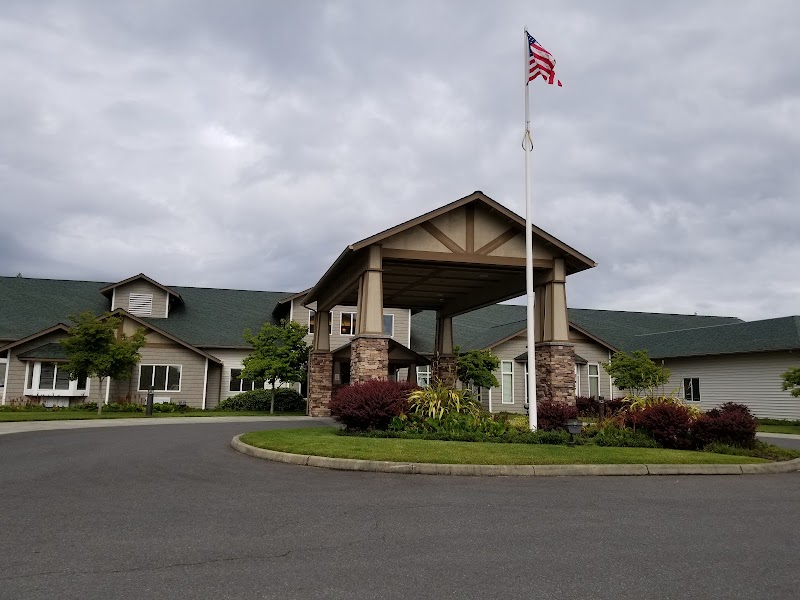
How is Sequim Bay Post Acute Staffed?

CMS rates SEQUIM BAY POST ACUTE's staffing level at 4 out of 5 stars, which is above average compared to other nursing homes. Staff turnover is 47%, compared to the Washington average of 46%.

What Have Inspectors Found at Sequim Bay Post Acute?

State health inspectors documented 78 deficiencies at SEQUIM BAY POST ACUTE during 2022 to 2025. These included: 2 Immediate Jeopardy (the most serious level, indicating potential for serious harm or death), 4 that caused actual resident harm, 69 with potential for harm, and 3 minor or isolated issues. Immediate Jeopardy findings are rare and represent the most serious regulatory concerns. They require immediate corrective action.
Who Owns and Operates Sequim Bay Post Acute?

SEQUIM BAY POST ACUTE is owned by a for-profit company. For-profit facilities operate as businesses with obligations to shareholders or private owners. The facility is operated by CALDERA CARE, a chain that manages multiple nursing homes. With 100 certified beds and approximately 72 residents (about 72% occupancy), it is a mid-sized facility located in SEQUIM, Washington.

How Does Sequim Bay Post Acute Compare to Other Washington Nursing Homes?

Compared to the 100 nursing homes in Washington, SEQUIM BAY POST ACUTE's overall rating (2 stars) is below the state average of 3.2, staff turnover (47%) is near the state average of 46%, and health inspection rating (2 stars) is below the national benchmark.

What Should Families Ask When Visiting Sequim Bay Post Acute?

Based on this facility's data, families visiting should ask: "What changes have been made since the serious inspection findings, and how are you preventing similar issues?" "Can I visit during a mealtime to observe dining assistance and food quality?" "How do you handle medical emergencies, and what is your hospital transfer rate?" "Can I speak with family members of current residents about their experience?" These questions are particularly relevant given the facility's Immediate Jeopardy citations.

Is Sequim Bay Post Acute Safe?

Based on CMS inspection data, SEQUIM BAY POST ACUTE has documented safety concerns. Inspectors have issued 2 Immediate Jeopardy citations (the most serious violation level indicating risk of serious injury or death). The facility has a 2-star overall rating and ranks #100 of 100 nursing homes in Washington. Families considering this facility should ask detailed questions about what corrective actions have been taken since these incidents.

Do Nurses at Sequim Bay Post Acute Stick Around?

SEQUIM BAY POST ACUTE has a staff turnover rate of 47%, which is about average for Washington nursing homes (state average: 46%). Moderate turnover is common in nursing homes, but families should still ask about staff tenure and how the facility maintains care continuity when employees leave.

Was Sequim Bay Post Acute Ever Fined?

SEQUIM BAY POST ACUTE has been fined $61,263 across 1 penalty action. This is above the Washington average of $33,692. Fines in this range indicate compliance issues significant enough for CMS to impose meaningful financial consequences. Common causes include delayed correction of deficiencies, repeat violations, or care failures affecting resident safety. Families should ask facility leadership what changes have been made since these penalties.

Is Sequim Bay Post Acute on Any Federal Watch List?

SEQUIM BAY POST ACUTE is not on any federal watch list. The most significant is the Special Focus Facility (SFF) program, which identifies the bottom 1% of nursing homes nationally based on persistent, serious quality problems. Not being on this list means the facility has avoided the pattern of deficiencies that triggers enhanced federal oversight. This is a positive indicator, though families should still review the facility's inspection history directly.